CMP Journal 2026-03-05
Statistics
Science: 17
Physical Review Letters: 18
Physical Review X: 2
arXiv: 71
Science
Democratizing climate change mitigation pathways using modernized stabilization wedges
Research Article | Climate | 2026-03-05 03:00 EST
Nathan Johnson, Iain Staffell
Mitigating climate change requires broad societal buy-in. Integrated assessment models (IAMs) produce cost-optimal pathways, but these are complex and not easily customized to reflect individuals’ preferences. Twenty years ago, the stabilization wedge framework introduced a simpler way to discuss decarbonization. Here, we modernized this framework, identifying 36 strategies, each with the potential to mitigate 4% of global emissions by 2050, and quantified their required scale of deployment. People can build personalized decarbonization pathways by choosing a portfolio of these strategies, with more than 6 trillion combinations that are able to limit global warming to 1.5°C. We assessed which strategies IAMs favor and found that they prioritize technological over behavioral and nature-based solutions, with limited agreement. This framework empowers a general audience to construct and debate pathways, by making informed choices that reflect objectives beyond cost-optimization.
Targeting amyloid-β pathology by chimeric antigen receptor astrocyte (CAR-A) therapy
Research Article | Neuroimmunology | 2026-03-05 03:00 EST
Yun Chen, Yizhou Liu, Khai Nguyen, Junjie Wu, Sihui Song, Kent Lin, Patrick F. Rodrigues, Siling Du, Charles Zhou, Kyle Xiong, Megan Bosch, Peter Bor-Chian Lin, Darya Khantakova, Shitong Wu, May Wu, Carla Yuede, David M. Holtzman, Marco Colonna
Alzheimer’s disease (AD) is the leading cause of dementia and is characterized by progressive amyloid accumulation followed by tau-mediated neurodegeneration. Despite advances in anti-amyloid immunotherapies, important limitations remain, highlighting the need for new therapeutic strategies. Here, we introduce anti-amyloid chimeric antigen receptors expressed in astrocytes (CAR-A) and validate their function in vitro. We show that two CAR-A designs reduce amyloid and associated pathology after plaque formation and prevent early plaque deposition in vivo. Single-nucleus RNA sequencing shows that CAR-A treatment induces a distinct glial response to amyloid pathology involving coordinated activity of astrocytes and microglia. Each construct additionally elicits distinctive, receptor-specific effects in astrocytes or microglia. Together, these findings support the therapeutic potential of CAR-A as a disease-modifying strategy for AD.
Single intramuscular injection of self-amplifying RNA of Nppa to treat myocardial infarction
Research Article | Cardiology | 2026-03-05 03:00 EST
Kaiyue Zhang, Hongyan Tao, Dashuai Zhu, Zhang Yue, Shiqi Hu, Yiping Wu, Na Yan, Yilan Hu, Shuo Liu, Mengrui Liu, Torsten Peter Vahl, Lauren Sharan Ranard, Xiao Cheng, Alexander Romanov, Jiaming Liu, Savannah Weihang Zhang, Yuan Li, Chao Lu, Ming Shen, Andrew Lewis, Ke Huang, Ke Cheng
Self-amplifying RNA (saRNA) enables sustained protein expression from a single administration. In this study, we developed an intramuscular saRNA-lipid nanoparticle (saNppa-LNP) therapy encoding natriuretic peptide type A (Nppa) for cardioprotection. A single injection induced sustained pro-atrial natriuretic peptide (pro-ANP) secretion for 4 weeks; pro-ANP was subsequently cleaved by the cardiac protease corin into active ANP, producing robust cardioprotection in mouse and swine myocardial infarction models. At equivalent doses, saNppa achieved greater efficacy than conventional mRNA. Single-nucleus transcriptomics identified natriuretic peptide receptor 1-positive (Npr1+) endothelial and epicardial cells as primary effectors, with saNppa-LNPs reshaping their paracrine profile to promote cardiomyocyte regeneration and suppress fibrosis. Longitudinal biosafety assessments revealed no systemic toxicity. Together, these results demonstrate that one-shot saNppa-LNP therapy offers durable cardioprotection, supporting the broader potential of saRNA-LNP-based approaches for cardiac therapy.
A negative feedback loop between TERMINAL FLOWER1 and LEAFY protects inflorescence indeterminacy
Research Article | Plant development | 2026-03-05 03:00 EST
Tian Huang, Charles Hodgens, Sandhan Prakash, Marco Marconi, Krzysztof Wabnik, Rosangela Sozzani, Doris Wagner
Inflorescences of flowering plants adopt diverse genetically programmed and environmentally tuned architectures. By contrast, continued maintenance of the stem cell pool within the apical meristem is unresponsive to environmental cues. Through a combination of modeling and experimentation in Arabidopsis, we reveal a negative feedback loop that buffers environmental signals. This loop comprises the determinacy-promoting pioneer transcription factor LEAFY (LFY) and the indeterminacy-promoting transcriptional corepressor TERMINAL FLOWER1 (TFL1). At the transition to the flower-producing reproductive phase, LFY directly and quantitatively up-regulates expression of TFL1. TFL1 in turn negatively feeds back on LFY to prevent LFY overaccumulation. This blocks inflorescence termination even under strong florally inductive signals. Our work uncovers a mechanism for robust environmental buffering involving differential responses of two cell populations to the same environmental stimulus.
Structural basis for the recruitment and selective phosphorylation of Akt by mTORC2
Research Article | Signal transduction | 2026-03-05 03:00 EST
Martin S. Taylor, Maggie Chen, Matthew Hancock, Maximilian Wranik, Bryant D. Miller, Timothy R. O’Meara, Brad A. Palanski, Scott B. Ficarro, Brian J. Groendyke, Yufei Xiang, Kazuma T. Kondo, Karen Y. Linde-Garelli, Michelle J. Lee, Dibyendu Mondal, Daniel Freund, Samantha Congreve, Kaay Matas, Maximiliaan Hennink, Kera Xibinaku, Max L. Valenstein, Trevor van Eeuwen, Jarrod A. Marto, Andrej Sali, Yi Shi, Nathanael S. Gray, David M. Sabatini, Nam Chu, Kacper B. Rogala, Philip A. Cole
The mechanistic target of rapamycin (mTOR) protein kinase forms two multiprotein complexes, mTORC1 and mTORC2, that function in distinct signaling pathways. mTORC1 is regulated by nutrients, and mTORC2 is a central node in phosphoinositide-3 kinase (PI3K) and small guanosine triphosphate Ras signaling networks commonly deregulated in cancer and diabetes. Although mTOR phosphorylates many substrates in vitro, in cells, mTORC1 and mTORC2 have high specificity: mTORC2 phosphorylates the protein kinases Akt and PKC, but not closely related kinases that are mTORC1 substrates. To understand how mTORC2 recognizes substrates, we created semisynthetic probes to trap the mTORC2 :: Akt complex and determine its structure. Whereas most protein kinases recognize amino acids adjacent to the phosphorylation site, local sequence contributes little to substrate recognition by mTORC2. Instead, the specificity determinants were secondary and tertiary structural elements of Akt that bound the mTORC2 component mSin1 distal to the mTOR active site and were conserved among at least 18 related substrates. These results reveal how mTORC2 recognizes its canonical substrates and may enable the design of mTORC2-specific inhibitors.
Task learning increases information redundancy of neural responses in macaque visual cortex
Research Article | Neuroscience | 2026-03-05 03:00 EST
Shizhao Liu, Anton Pletenev, Ralf M. Haefner, Adam C. Snyder
How does the brain optimize sensory information for decision-making in new tasks? One hypothesis suggests that learning reduces redundancy in neural representations to improve efficiency, whereas another, based on Bayesian inference, predicts that learning increases redundancy by distributing information across neurons. We tested these hypotheses by tracking population responses in macaque cortical area V4 as monkeys learned visual discrimination tasks. We found strong support for the Bayesian predictions: Task learning increased redundancy in neural responses over weeks of training and within single trials. This redundancy did not reduce information but instead increased the information carried by individual neurons. These insights suggest that sensory processing in the brain reflects a generative rather than discriminative inference process.
Repeated convergent evolution of bradykinin mimics as defensive toxins
Research Article | Evolution | 2026-03-05 03:00 EST
Naiqi Shi, Axel Touchard, Vanessa Schendel, Thomas Lund Koch, Hana Starobova, Pancong Niu, Hue Tran, Lotten Ragnarsson, Helena Safavi-Hemami, Irina Vetter, Samuel D. Robinson
Natural selection can drive the evolution of similar traits through convergent evolution. Short peptides identical to the vertebrate hormone bradykinin (BK) have been reported from the venoms and skin secretions of certain species of wasps (order Hymenoptera) and frogs (order Anura), respectively. In this study, we demonstrate that the genes encoding the BK-like peptides of hymenopteran venoms and anuran skin secretions do not share common ancestry with that of the vertebrate hormone but instead independently evolved multiple times from peptide toxin genes. These peptides serve a defensive function against vertebrate predators and their resemblance to BK was driven by selection for efficacy at the predators’ receptors. Our findings highlight how natural selection can drive repeated convergent evolution of similar molecules across distantly related lineages.
Climate change will increase forest disturbances in Europe throughout the 21st century
Research Article | Forest ecology | 2026-03-05 03:00 EST
Marc Grünig, Werner Rammer, Cornelius Senf, Katharina Albrich, Frédéric André, Andrey L. D. Augustynczik, Martin Baumann, Friedrich J. Bohn, Meike Bouwman, Harald Bugmann, Alessio Collalti, Irina Cristal, Daniela Dalmonech, Francois De Coligny, Laura Dobor, Christina Dollinger, Josep Maria Espelta, David I. Forrester, Jordi Garcia-Gonzalo, José Ramón González-Olabarria, Ulrike Hiltner, Tomáš Hlásny, Juha Honkaniemi, Nica Huber, Mathieu Jonard, Anna Maria Jönsson, Georges Kunstler, Fredrik Lagergren, Marcus Lindner, Marco Mina, Christine Moos, Xavier Morin, Bart Muys, Gert-Jan Nabuurs, Mats Nieberg, Marco Patacca, Mikko Peltoniemi, Christopher P. O. Reyer, Mart-Jan Schelhaas, Ilié Storms, Dominik Thom, Maude Toïgo, Rupert Seidl
Wildfires, insect outbreaks, and storms cause large pulses of tree mortality. Climate change amplifies these forest disturbances, yet their future magnitude and extent remain uncertain. Here, we simulated future forest disturbance regimes at 100-meter resolution across Europe using a deep learning-based simulation framework. Our results show that forest disturbances will continue to increase throughout the 21st century, with disturbed areas more than doubling relative to the recent past under an unabated continuation of climate change. Wildfires are the main agent driving future disturbance change. Changing disturbances result in an increase in young forests, substantially altering Europe’s forest demography. Because of their profound implications for forest carbon storage and the habitat value of forest ecosystems, disturbances should be a priority of forest policy and management.
Nanodomain-localized formin gates symbiotic microbial entry in legume and solanaceous plants
Research Article | Plant symbiosis | 2026-03-05 03:00 EST
Lijin Qiao, Heng Sun, Jiping Tang, Casandra Hernández-Reyes, Beatrice Lace, Julian Knerr, Eija Schulze, Tak Lee, Jean Keller, Cyril Libourel, Jilin Yao, Feiyang Zhao, Ying Ni, Yutian Jia, Xia Xu, Guanghui Yang, Lin Zhang, Yanli Zhang, Robert Grosse, Changfu Tian, Giles E. D. Oldroyd, Pierre-Marc Delaux, Thomas Ott, Pengbo Liang
Colonization of plant roots by symbionts requires substantial morphodynamic reorganization. Examples are actin-scaffolded microcompartments called infection pockets formed during root nodule symbiosis (RNS) by legumes. We demonstrate that the actin-binding formin SYFO2 is indispensable for rhizobial infection in Medicago truncatula, where it drives actin polymerization in phase-separated and symbiosis-specific nanodomains. SYFO2 also regulates symbiotically active arbuscules formed during mycorrhizal symbiosis in plants outside the nodulating clade, indicating that it was additionally recruited to promote rhizobial infections in legumes. As part of our aim to enable nitrogen fixation in nonlegumes, we activated endogenous SYFO2 by stably introducing the RNS master regulator NODULE INCEPTION (NIN) into the natural nonhost tomato. This demonstrates the possibility of recruiting arbuscular mycorrhizae-related genes into an engineered nodulation-specific pathway.
Irregular hierarchical-porous polymer for high-performance soft thermoelectrics
Research Article | Thermoelectrics | 2026-03-05 03:00 EST
Xiao Zhang, Dongyang Wang, Liyao Liu, Zhiyi Li, Zhen Ji, Xuefeng Zhang, Chunlin Xu, Chaoyi Yan, Min Wang, Yuqiu Di, Lixin Niu, Zepang Zhan, Yue Zhao, Xiaojuan Dai, Yong Guan, Bo Guan, Cheng Li, Ye Zou, Dong Wang, Fengjiao Zhang, Deqing Zhang, Daoben Zhu, Chong-an Di
Polymer thermoelectrics offer an inherently soft, cost-effective, and lightweight solution to convert ubiquitous heat sources into sustainable electricity. However, their realistic applications are hindered by insufficient performance and the scaling complexity. We introduce irregular hierarchical-porous thermoelectric polymers, featuring irregularly shaped and distributed pores with diameters that range from less than 10 nanometers to micrometers. This porous structure not only enhances multiple phonon-like scattering, achieving a 72% reduction in lattice thermal conductivity, but also unexpectedly improves charge transport through nanoconfinement-enhanced crystallization. The optimized film yields a benchmark figure-of-merit zT of 1.64 at 343 kelvin. Moreover, this method is compatible with easy-to-process spray-coating techniques.
Multiple chromosomal inversions modulate continuous local adaptation along a steep thermal cline
Research Article | Adaptation | 2026-03-05 03:00 EST
Maria Akopyan, Arne Jacobs, Jessica A. Rick, Aryn P. Wilder, Zofia A. Baumann, David Conover, Hannes Baumann, Nina O. Therkildsen
Chromosomal inversions are often implicated in divergence between distinct ecotypes, but their role in maintaining continuous adaptive divergence in complex traits remains poorly understood. Using quantitative and population genetics, transcriptomics, and artificial selection experiments, we demonstrate how inversions enable clinal adaptive divergence along a steep environmental gradient despite extensive gene flow in a widely distributed marine fish. We show that three inversions are associated with multiple adaptive traits and harbor the strongest signatures of divergent selection in the genome, implying a crucial adaptive role. These inversions exhibit contrasting selection signatures across latitudes, suggesting that they control distinct aspects of the same complex traits and facilitate adaptation in a modular way to different environmental pressures despite gene flow.
Escaping bottlenecks: The demographic path to genetic recovery in koalas (Phascolarctos cinereus)
Research Article | Conservation genetics | 2026-03-05 03:00 EST
Collin W. Ahrens, Adam D. Miller, Luke W. Silver, Elspeth A. McLennan, Carolyn J. Hogg, Andrew R. Weeks
Population bottlenecks can lead to evolutionary dead ends by eroding genetic diversity and intensifying inbreeding. Although theory predicts possible escape routes, direct observations of this process are rare. Using whole-genome data from 418 koalas, we found that populations with higher genetic diversity harbored the greatest mutational loads and had declining effective population sizes (Ne), whereas historically bottlenecked but recovering populations displayed reduced mutational load, exhibited increasing Ne, and regenerated new, rare variants. We concluded that this pattern was due to rapid demographic expansion, which reshuffled genetic variation through recombination and affected Ne more quickly than it did conventional diversity metrics. Our findings suggest that recovery of bottlenecked populations can occur through rapid demographic growth and that this can reestablish evolutionary potential in threatened populations.
An unconventional Rubisco small subunit underpins the CO2-concentrating organelle in land plants
Research Article | Photosynthesis | 2026-03-05 03:00 EST
Tanner A. Robison, Yuwei Mao, Zhen Guo Oh, Warren S. L. Ang, Dan Hong Loh, Yu-Heng Hsieh, Maddie Ceminsky, Nicky Atkinson, Declan Lafferty, Xia Xu, Laura H. Gunn, Alistair J. McCormick, Fay-Wei Li
In many algae, photosynthesis is boosted by biophysical CO2-concentrating mechanisms, which pack the CO2-fixing enzyme Rubisco into liquid-like organelles called pyrenoids. Engineering C3 crops with algal pyrenoids could increase yields, but progress is hampered by the deep evolutionary divide between crops and algae. Here, we show that hornworts, the only land plants with pyrenoids, have an unusual Rubisco small subunit, RbcS-STAR, the C-terminal coiled-coil domain of which oligomerizes to mediate Rubisco condensation. RbcS-STAR is incorporated into the Rubisco holoenzyme and thus acts as an “innate” Rubisco linker. Expression of RbcS-STAR in pyrenoid-lacking species, including Arabidopsis, is sufficient to induce pyrenoid-like condensates. Our findings reveal a mechanism for Rubisco condensation and a potential route to introduce pyrenoids into crop plants.
Structural modeling reveals phage proteins that manipulate bacterial immune signaling
Research Article | Microbiology | 2026-03-05 03:00 EST
Nitzan Tal, Romi Hadary, Renee B. Chang, Ilya Osterman, Roy Jacobson, Erez Yirmiya, Nathalie Bechon, Dina Hochhauser, Miguel López Rivera, Barak Madhala, Jeremy Garb, Moshe Goldsmith, Tanita Wein, Philip J. Kranzusch, Gil Amitai, Rotem Sorek
Immune systems in animals, plants, and bacteria often rely on intracellular nucleotide signaling, which viruses can block by sequestering or degrading these signals. We identified structural and biophysical traits shared by diverse viral antidefense proteins and used these traits to develop a computational pipeline that predicts phage proteins whose role is to manipulate bacterial immune signaling. Experimental validation revealed three previously uncharacterized protein families–Sequestin, Lockin, and Acb5–that inhibit the Thoeris system and the cyclic oligonucleotide-based antiphage signaling system (CBASS). Sequestin and Lockin act as nucleotide “sponges,” binding 1″-3’ glycocyclic adenosine diphosphate-ribose (3’cADPR) and histidine conjugated to ADPR (His- ADPR), whereas Acb5 cleaves cyclic guanosine monophosphate-adenosine monosphosphate (3’3’-cGAMP) and related molecules. Structural and mutational analyses explain their binding and catalytic mechanisms. Thousands of homologs occur in phage genomes, highlighting the abundance and diversity of viral strategies to subvert nucleotide-based immunity.
A molecule with half-Möbius topology
Research Article | 2026-03-05 03:00 EST
Igor Rončević, Fabian Paschke, Yueze Gao, Leonard-Alexander Lieske, Lene A. Gödde, Stefano Barison, Samuele Piccinelli, Alberto Baiardi, Ivano Tavernelli, Jascha Repp, Florian Albrecht, Harry L. Anderson, Leo Gross
Stereoisomers of C13Cl2 exhibiting helical orbitals around a ring of carbon atoms were synthesized by atom manipulation on NaCl surfaces. We resolved the enantiomeric geometries of the singlet states by atomic force microscopy and mapped their helical orbital densities by scanning tunnelling microscopy. A π-orbital basis of the helical, non-planar singlets that twists by 90° in one circulation is consistent with a half-Möbius topology. In such a topology, the π-orbital basis changes sign with respect to two circumnavigations and is periodic with respect to four circumnavigations. A quasiparticle on a ring with this boundary condition could be interpreted as carrying a Berry phase of π/2. We demonstrate reversible switching of the topology, between the two singlets of oppositely threaded half-Möbius topology, and the planar, topologically trivial, triplet state. Multireference calculations, including large-scale sample-based ab initio calculations executed on quantum hardware, reveal that the switching is associated with a helical pseudo Jahn-Teller effect.
Ferroelectricity in atomic-scale titanium dioxide dielectric films
Research Article | 2026-03-05 03:00 EST
Koushik Das, Kate Reidy, Sajid Husain, Jong Ho Park, Harishankar Jayakumar, Vivek Thampy, Christoph Klewe, Ramamoorthy Ramesh, Andrew M. Minor, Archana Raja, Sayeef Salahuddin
Ferroelectricity at atomic-scale thickness would have important applications in next-generation electronics. Here, we report that a ferroelectric phase can be stabilized in titanium dioxide (TiO2) films, a commonly known dielectric widely used in semiconductor technologies, by reducing thickness below 3-nm. Importantly, this ferroelectricity persists down to one nanometer thickness, approximately twice the unit-cell dimension. This thickness-dependent dielectric-to-ferroelectric phase transition demonstrates that an otherwise centrosymmetric, non-ferroic fluorite-structure oxide can undergo structural inversion-symmetry breaking and exhibit voltage-switchable polarization. Atomic-layer deposition (ALD) based low-temperature (below 400 Celsius) synthesis and the stability of this ferroelectricity on both Si and amorphous surfaces (such as amorphous SiO2, amorphous carbon films) demonstrate the feasibility of integration with a large variety of materials.
A unified platform for nucleoside analog synthesis
Research Article | 2026-03-05 03:00 EST
Matthew J. Anketell, Ethan Fung, Wenbin Liu, Mahesh Shinde, Cyndi Qixin He, Kurtis W. C. Ng, Steven M. Silverman, Louis-Charles Campeau, Ralph Pantophlet, Robert Britton
Nucleoside analogs (NAs) are essential as antiviral and anticancer therapies. Despite decades of focused medicinal chemistry efforts, their related chemical space remains underexplored, mainly due to their lengthy, single-molecule-oriented syntheses that lack the flexibility required to generate NA libraries. Here we report a flexible, robust, and efficient platform for the high-throughput synthesis of NAs using a photoredox coupling strategy. This approach produces both C- and N-linked NAs, and unifies the synthesis of several disparate NA classes, including 4’-thio, 4’-imino, and ProTides, all from a simple, scalable intermediate. Using this platform, we demonstrate the production of a diverse NA library and identify several hit compounds with anti-HIV-1 activity. We expect this new approach to NAs will inspire and support drug discovery efforts in this area.
Physical Review Letters
Power and Limitations of Distributed Quantum State Purification
Article | Quantum Information, Science, and Technology | 2026-03-04 05:00 EST
Benchi Zhao, Yu-Ao Chen, Xuanqiang Zhao, Chengkai Zhu, Giulio Chiribella, and Xin Wang
Quantum state purification protocols, which mitigate noise by converting multiple copies of noisy quantum states into fewer copies with a lower noise level, have applications in quantum communication and computation with imperfect devices. Here, we systematically study the task of state purification…
Phys. Rev. Lett. 136, 090203 (2026)
Quantum Information, Science, and Technology
No-Go Theorems for Universal Quantum State Purification via Classically Simulable Operations
Article | Quantum Information, Science, and Technology | 2026-03-04 05:00 EST
Keming He, Chengkai Zhu, Hongshun Yao, Jinguo Liu, Yinan Li, and Xin Wang
Quantum state purification, a process that aims to recover a state closer to a system's principal eigenstate from multiple copies of an unknown noisy quantum state, is crucial for restoring noisy states to a more useful form in quantum information processing. Fault-tolerant quantum computation relie…
Phys. Rev. Lett. 136, 090204 (2026)
Quantum Information, Science, and Technology
Learning Mixed Quantum States in Large-Scale Experiments
Article | Quantum Information, Science, and Technology | 2026-03-04 05:00 EST
Matteo Votto, Marko Ljubotina, Cécilia Lancien, J. Ignacio Cirac, Peter Zoller, Maksym Serbyn, Lorenzo Piroli, and Benoît Vermersch
We present and test a protocol to learn the matrix-product operator (MPO) representation of an experimentally prepared quantum state. The protocol takes as input classical shadows corresponding to local randomized measurements, and outputs the tensors of an MPO maximizing a suitably defined fidelity…
Phys. Rev. Lett. 136, 090801 (2026)
Quantum Information, Science, and Technology
Unitarity Flow Conjecture: An On-shell Approach to the Renormalization Group
Article | Particles and Fields | 2026-03-04 05:00 EST
Ameya Chavda, Daniel McLoughlin, Sebastian Mizera, and John Staunton
We propose that the broad architecture of the renormalization group flow in quantum field theories is, at least in part, fixed by unitarity. The precise statement is summarized in the unitarity flow conjecture, which states that the nonlinear -matrix identities obtained by imposing unitarity imply …
Phys. Rev. Lett. 136, 091604 (2026)
Particles and Fields
Beta-Decay Half-Lives beyond $^{54}\mathrm{Ca}$: A Systematic Survey of Decay Properties Approaching the Neutron Dripline
Article | Nuclear Physics | 2026-03-04 05:00 EST
W.-J. Ong et al.
In an experiment performed at the Facility for Rare Isotope Beams (FRIB) using the FRIB Decay Station initiator, 15 new half-lives of isotopes near were measured. A new method of extracting lifetimes from experimental data, taking into account the unknown -delayed neutron emission branches of …
Phys. Rev. Lett. 136, 092502 (2026)
Nuclear Physics
Effects of Nuclear Hyperfine Mixing on ${^{229}\mathrm{Th}}^{3+}$ Ions
Article | Nuclear Physics | 2026-03-04 05:00 EST
Jie Zhou and Xu Wang
The triply charged thorium-229 ion () has been identified as a promising candidate for the development of ultraprecise nuclear clocks. In this Letter, we investigate how the electron structure of this ion, particularly the single valence electron, influences the nucleus through nuclear hyperf…
Phys. Rev. Lett. 136, 092503 (2026)
Nuclear Physics
Attosecond Vortex Photoelectron Holography for Probing Phase-Encoded Chirality
Article | Atomic, Molecular, and Optical Physics | 2026-03-04 05:00 EST
Liding Li, Yongkun Chen, Miao Yu, Xu Zhang, Yang Li, Yueming Zhou, and Peixiang Lu
Strong-field photoelectron holography (SFPH) is a powerful tool for retrieving the phase of photoelectron wave packets, offering insights into the intrinsic atomic/molecular structure and ultrafast dynamics. Here, we generalize the SFPH theory, conventionally applied to plane-phase electron wave pac…
Phys. Rev. Lett. 136, 093202 (2026)
Atomic, Molecular, and Optical Physics
Ultrafast Bimolecular Reaction in Acetylene Dimer Induced by Femtosecond Strong-Laser-Field Ionization
Article | Atomic, Molecular, and Optical Physics | 2026-03-04 05:00 EST
Junyang Ma, Enliang Wang, Zhubin Hu, Yan Yang, Jing Chen, Xiangjun Chen, and Zhenrong Sun
We report the observation of a femtosecond strong-laser-field-ionization-induced bimolecular reaction in the acetylene dimer . Single ionization by the pump laser pulse produces a bound cationic intermediate that undergoes ultrafast intermolecular rearrangement involving hydrogen migration an…
Phys. Rev. Lett. 136, 093203 (2026)
Atomic, Molecular, and Optical Physics
Beyond Mean-Field Dynamics of the Dicke Model with Non-Markovian Dephasing
Article | Atomic, Molecular, and Optical Physics | 2026-03-04 05:00 EST
Anqi Mu, Nathan Ng, Andrew J. Millis, and David R. Reichman
We present a density matrix based time dependent projection operator formalism to calculate the beyond mean-field dynamics of systems with non-Markovian local baths and one-to-all interactions. Such models encapsulate the physics of condensed phase systems immersed in optical cavities. We use this m…
Phys. Rev. Lett. 136, 093601 (2026)
Atomic, Molecular, and Optical Physics
Physical Realization of an Anti-$P$-Pseudo-Hermitian Mechanical System
Article | Condensed Matter and Materials | 2026-03-04 05:00 EST
Yanzheng Wang, Jianlei Zhao, Qian Wu, Xiaoming Zhou, Heng Jiang, Weiqiu Chen, Mu Wang, and Guoliang Huang
The anti--pseudo-Hermitian system has recently been recognized as a new avenue in non-Hermitian physics, exhibiting symmetry-related phenomena without the need for time-reversal symmetry. However, its physical realization remains challenging due to the difficulty of integrating tunable media while …
Phys. Rev. Lett. 136, 096101 (2026)
Condensed Matter and Materials
Nanoscale Icelike Water Layer on a Diamond Surface under Ambient Conditions
Article | Condensed Matter and Materials | 2026-03-04 05:00 EST
Zhijie Li, Xi Kong, Haoyu Sun, Yunxia Wang, Guanyu Qu, Pei Yu, Tianyu Xie, Zhiyuan Zhao, Ya Wang, Guosheng Shi, Fazhan Shi, and Jiangfeng Du
The chemical environment at interfaces plays an important role in controlling the structure, properties, and performance of low-dimensional materials. The water environment and adsorbates on solid surfaces are the most common interface environments that are prevalent in nonultrahigh vacuum condition…
Phys. Rev. Lett. 136, 096201 (2026)
Condensed Matter and Materials
Magnetic-Flux Tuning of Second Harmonic Content in Intrinsic ${\mathrm{CsV}}{3}{\mathrm{Sb}}{5}$ Josephson Junction
Article | Condensed Matter and Materials | 2026-03-04 05:00 EST
Jing-Jing Chen, Han-Xin Lou, Xing-Guo Ye, Zhen-Bing Tan, An-Qi Wang, Zhen-Tao Zhang, Yu-Xuan Wang, Xin Liao, Zhen-Sheng Zhang, Zhi-Min Liao, and Da-Peng Yu
The current phase relation (CPR) determines the electromagnetic response of Josephson junctions in superconducting circuits. It is sensitive to the weak link materials and interface quality. In this work, we report the intrinsic Josephson effect originating from domains in the single-crystal kagome …
Phys. Rev. Lett. 136, 096301 (2026)
Condensed Matter and Materials
Localization Transition for Interacting Quantum Particles in Colored-Noise Disorder
Article | Condensed Matter and Materials | 2026-03-04 05:00 EST
Giacomo Morpurgo, Laurent Sanchez-Palencia, and Thierry Giamarchi
We investigate the localization transition of interacting particles in a one-dimensional system with colored-noise disorder, where backward scattering processes are suppressed beyond a cutoff. Employing two complementary renormalization group procedures, we derive the phase diagram and reveal a sign…
Phys. Rev. Lett. 136, 096504 (2026)
Condensed Matter and Materials
Pressure-Induced 18 K Superconductivity and Two Superconducting Phases in ${\text{CuIr}}{2}{\mathrm{S}}{4}$
Article | Condensed Matter and Materials | 2026-03-04 05:00 EST
Bijuan Chen, Yuhao Gu, Dong Wang, Dexi Shao, Wen Deng, Xin Han, Meiling Jin, Jing Song, Yu Zeng, Hirofumi Ishii, Yen-Fa Liao, Dongzhou Zhang, Jianbo Zhang, Youwen Long, Jinlong Zhu, Liuxiang Yang, Hong Xiao, Jia-cai Nie, Youguo Shi, Changqing Jin, Jiangping Hu, Ho-kwang Mao, and Yang Ding
CuIrS becomes a bulk superconductor with T of 18.2 K under pressure, a new record for spinels, and splits into two distinct superconducting phases that coexist over a broad window.

Phys. Rev. Lett. 136, 096505 (2026)
Condensed Matter and Materials
Universal Chern Model on Arbitrary Triangulations
Article | Condensed Matter and Materials | 2026-03-04 05:00 EST
Nigel Higson and Emil Prodan
Given a triangulation of a closed orientable surface, we place single-mode resonators or single-orbital artificial atoms at its vertices, edges, and facets, and we devise near-neighbor hopping terms derived from the boundary and Poincaré duality maps of the simplicial complex of the triangulation. R…
Phys. Rev. Lett. 136, 096602 (2026)
Condensed Matter and Materials
Quantum Oscillations of Nonlinear Electrical Transport in a Topological Dirac Semimetal
Article | Condensed Matter and Materials | 2026-03-04 05:00 EST
Vijaysankar Kalappattil, Chuanpu Liu, Zhijie Chen, Vipul Sharma, Kai Liu, Jinke Tang, Steven S.-L. Zhang, and Mingzhong Wu
Quantum oscillations in nonlinear electrical transport reveal the geometry and spin orientation of the Fermi surface in the Dirac semimetal α-Sn.
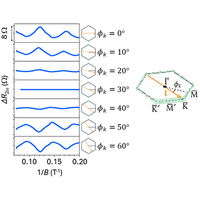
Phys. Rev. Lett. 136, 096603 (2026)
Condensed Matter and Materials
Diameter-Controlled High-Order Vortex States and Magnon Hybridization in ${\mathrm{VSe}}_{2}$ Nanotubes
Article | Condensed Matter and Materials | 2026-03-04 05:00 EST
Jia-Wen Li, Xin-Wei Yi, Jin Zhang, Gang Su, and Bo Gu
Curved magnets offer a rich phase diagram and hold great promise for next-generation spintronic technologies. This Letter establishes the paramount significance of high-order vortex states (e.g., with winding number ) in nanotubes, which uniquely enable magnonic functionalities fundamenta…
Phys. Rev. Lett. 136, 096703 (2026)
Condensed Matter and Materials
Correcting Systematic Parametrization Errors in Underdamped Langevin Models of Molecular Dynamics Trajectories
Article | Statistical Physics; Classical, Nonlinear, and Complex Systems | 2026-03-04 05:00 EST
David Daniel Girardier, Hadrien Vroylandt, Sara Bonella, and Fabio Pietrucci
Since Kramers' pioneering work in 1940, significant efforts have been devoted to studying Langevin equations applied to physical and chemical reactions projected onto few collective variables, with particular focus on the inference of their parameters. While the inference for overdamped Langevin equ…
Phys. Rev. Lett. 136, 097101 (2026)
Statistical Physics; Classical, Nonlinear, and Complex Systems
Physical Review X
Entropic Tug of War: Topological Constraints Spontaneously Rectify the Dynamics of a Polymer with Heterogeneous Fluctuations
Article | 2026-03-04 05:00 EST
Adam H. T. P. Höfler, Iurii Chubak, Christos N. Likos, and Jan Smrek
By breaking translational symmetry, topological constraints together with heterogeneous fluctuations can induce persistent directional motion in dense polymer systems, providing a deeper understanding of living chromatin dynamics.
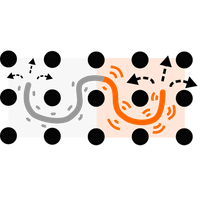
Phys. Rev. X 16, 011046 (2026)
Erratum: Strongly Interacting, Two-Dimensional, Dipolar Spin Ensembles in (111)-Oriented Diamond [Phys. Rev. X 15, 021035 (2025)]
Article | 2026-03-04 05:00 EST
Lillian B. Hughes, Simon A. Meynell, Weijie Wu, Shreyas Parthasarathy, Lingjie Chen, Zhiran Zhang, Zilin Wang, Emily J. Davis, Kunal Mukherjee, Norman Y. Yao, and Ania C. Bleszynski Jayich
Phys. Rev. X 16, 019902 (2026)
arXiv
TritonDFT: Automating DFT with a Multi-Agent Framework
New Submission | Materials Science (cond-mat.mtrl-sci) | 2026-03-05 20:00 EST
Zhengding Hu, Kuntal Talit, Zhen Wang, Haseeb Ahmad, Yichen Lin, Prabhleen Kaur, Christopher Lane, Elizabeth A. Peterson, Zhiting Hu, Elizabeth A. Nowadnick, Yufei Ding
Density Functional Theory (DFT) is a cornerstone of materials science, yet executing DFT in practice requires coordinating a complex, multi-step workflow. Existing tools and LLM-based solutions automate parts of the steps, but lack support for full workflow automation, diverse task adaptation, and accuracy-cost trade-off optimization in DFT configuration. To this end, we present TritonDFT, a multi-agent framework that enables efficient and accurate DFT execution through an expert-curated, extensible workflow design, Pareto-aware parameter inference, and multi-source knowledge augmentation. We further introduce DFTBench, a benchmark for evaluating the agent’s multi-dimensional capabilities, spanning science expertise, trade0off optimization, HPC knowledge, and cost efficiency. TritonDFT provides an open user interface for real-world usage. Our website is at this https URL. Our source code and benchmark suite are available at this https URL.
Materials Science (cond-mat.mtrl-sci), Multiagent Systems (cs.MA)
Symmetry-protected topology and deconfined solitons in a multi-link $\mathbb{Z}_2$ gauge theory
New Submission | Strongly Correlated Electrons (cond-mat.str-el) | 2026-03-05 20:00 EST
Enrico C. Domanti, Alejandro Bermudez
With the advent of quantum simulators, exploring exotic collective phenomena in lattice models with local symmetries and unconventional geometries is at reach of near-term experiments. Motivated by recent progress in this direction, we study a $ \mathbb{Z}_2$ lattice gauge theory defined on a multi-graph with links that can be visualized as great circles of a spherical shell hosting the $ \mathbb{Z}_2$ gauge fields. Elementary Wilson loops along pairs of these bonds allow to identify a dynamical gauge-invariant flux, responsible for Aharonov-Bohm-like interference effects in the tunneling dynamics of charged matter residing on the vertices. Focusing on an odd number of links, we show that this leads to state-dependent tunneling amplitudes underlying a phenomenon analogous to the Peierls instability. We find inhomogeneous phases in which an ordered pattern of the gauge fluxes spontaneously breaks translational invariance, and intertwines with a bond order wave for the gauge-invariant kinetic matter operators. Long-range order is shown to coexist with symmetry protected topological order, which survives the quantum fluctuations of the gauge flux induced by an external electric field. Doping the system above half filling leads to the formation of topological soliton/anti-soliton pairs interpolating between different inhomogeneous orderings of the gauge fluxes. By performining a detailed analysis based on matrix product states, we prove that charge deconfinement emerges as a consequence of charge-fractionalization. Quasiparticles carrying fractional charge and bound at the soliton centers can be arbitrarily separated without feeling a confining force, in spite of the long-range attractive interactions set by the small electric field on the individual integer charges.
Strongly Correlated Electrons (cond-mat.str-el), Quantum Gases (cond-mat.quant-gas), High Energy Physics - Lattice (hep-lat), Quantum Physics (quant-ph)
14 pages, 10 figures
Computational discovery of bifunctional organic semiconductors for energy and biosensing
New Submission | Materials Science (cond-mat.mtrl-sci) | 2026-03-05 20:00 EST
Patrick Sorrel Mvoto Kongo, Steve Cabrel Teguia Kouam, Jean-Pierre Tchapet Njafa, Serge Guy Nana Engo
The discovery of synthetically accessible organic semiconductors with exceptional performance remains a critical bottleneck in materials science. While these materials offer compelling advantages - structural modularity, mechanical flexibility, and cost-effective solution processing - for applications in photovoltaics and biosensors, identifying candidates that balance high efficiency with practical synthesis presents significant challenges. To address this challenge, we developed a high-throughput screening approach using 17 458 molecules from the PubChemQC B3LYP/6-31G\ast//PM6 dataset. Our strategy employs a composite metric, PCESAScore = PCE - SAScore, which systematically balances power conversion efficiency (PCE) predictions from the Scharber model against synthetic accessibility scores. This approach successfully identified seven multi-functional candidates that demonstrate both exceptional photovoltaic performance (PCE up to 36.1 %) and strong protein-binding affinity for biosensing applications. Notably, molecule 4550 emerged as the optimal candidate, exhibiting a ligand efficiency of 0.340 kcal/mol/heavy atom with 100 % target promiscuity. Our computational framework integrates machine learning, density functional theory, and molecular docking to bridge the gap between theoretical performance and experimental feasibility. These findings establish a systematic pathway for discovering synthetically compatible organic semiconductors that can simultaneously address energy conversion and molecular recognition challenges.
Materials Science (cond-mat.mtrl-sci)
Main document 17 pages, 3 figures SI document: 34 pages, 35 figures
Quantum Theory of Functionally Graded Materials
New Submission | Materials Science (cond-mat.mtrl-sci) | 2026-03-05 20:00 EST
Michael J. Landry, Ryotaro Okabe, Chuliang Fu, Mingda Li
Functionally graded materials (FGMs) are composites whose composition or microstructure varies continuously in space, producing position-dependent mechanical and functional properties. In recent years, FGMs have gained significant attention due to advances in additive manufacturing, which enable precise spatial control of composition and orientation. However, their graded, aperiodic structure breaks the assumptions of Bloch’s theorem, making first-principles electronic and electromagnetic calculations challenging. Here we develop an ab initio quantum theoretical framework for the electromagnetic properties of FGMs. Using a non-interacting electron model, we formulate a theory of modulated Bloch states, derive effective field equations, and solve them by proposing a generalized WKB (GWKB) method, an effective mass approximation, the Boltzmann equation, and numerical approaches. Our GWKB solution is not semiclassical but remains valid in the fully quantum regime. We show that effective observables such as conductivity, magnetic permeability, and electric permittivity generally do not admit a tensorial description in graded media, and that engineered orientational gradients enable precise control of Landau quantization. As a device example, we further develop a theory of graded p-n junctions with enhanced electronic tunability. This framework lays the quantum foundation for predictive design of graded composite materials, enabling AI-accelerated discovery of next-generation functional architectures.
Materials Science (cond-mat.mtrl-sci), Mesoscale and Nanoscale Physics (cond-mat.mes-hall), High Energy Physics - Lattice (hep-lat), Applied Physics (physics.app-ph), Quantum Physics (quant-ph)
24+11 pages, 12 figures
A Fermi Surface Driven Spiral Spin Liquid
New Submission | Strongly Correlated Electrons (cond-mat.str-el) | 2026-03-05 20:00 EST
Paul M. Neves, Chi Ian Jess Ip, Takashi Kurumaji, Shiang Fang, Joseph A. M. Paddison, Lisa M. DeBeer-Schmitt, Daniel G. Mazzone, Jonathan S. White, Joseph G. Checkelsky
EuAg$ _4$ Sb$ _2$ is a model material to study the interplay of electronic and spin texture degrees of freedom, exhibiting numerous multi-$ q$ magnetic textures coupled with the electronic properties. It is generally understood that some combination of conduction-electron mediated interactions, frustration, and higher order interactions are responsible for complex incommensurate spin textures in centrosymmetric lanthanide materials. Here, we refine an effective model of the magnetic interactions in EuAg$ _4$ Sb$ _2$ through measurements of diffuse magnetic neutron scattering above the ordering temperature. These diffuse measurements reveal a ring of fluctuating spin modulations that reflects a manifold of nearly degenerate propagation vectors known as a spiral spin liquid (SSL). We further identify that this approximate $ U$ (1) symmetric SSL emerges from magnetic interactions mediated by a quasi-2D hole pocket and exhibits critical scaling of the spatial correlations. Further, Monte Carlo simulations reveal excellent agreement with experiment and provide a comprehensive understanding of the phase diagram. This study emphasizes the connection between the rich spin textures in this material, the electronic structure, and spin liquidity$ \unicode{x2014}$ uncovering new insights into design principles for nano-scale spin texture materials with advantageous intertwined electronic, magnetic, and topological properties, and new mechanisms for generating the physics of spiral spin liquids.
Strongly Correlated Electrons (cond-mat.str-el), Mesoscale and Nanoscale Physics (cond-mat.mes-hall)
10 pages, 5 figures, 1 table
Mixed-state Phases from Higher-order SSPTs with Kramers-Wannier Symmetry
New Submission | Strongly Correlated Electrons (cond-mat.str-el) | 2026-03-05 20:00 EST
Aswin Parayil Mana, Zijian Song, Fei Yan, Tzu-Chieh Wei
Mixed-state phases have recently attracted significant attention as a generalization beyond their pure-state counterparts. Prominent examples include mixed-state symmetry-protected topological (mSPT) phases and the strong-to-weak symmetry breaking (SWSSB) phases. It has been shown recently that mSPT phases admit a holographic dual description in terms of higher-order subsystem SPT phases. In this work, we investigate the mixed-state phases obtained by tracing out the bulk degrees of freedom of higher-order subsystem SPT phases protected by non-invertible symmetries. We find that the resulting mixed states exhibit the coexistence of the symmetry-protected topological order and SWSSB. We also use the interface as a probe to characterize the mixed state phases, and specifically, when there is no local modification to preserve the symmetries across the interface, the two sides of the interface are in distinct phases.
Strongly Correlated Electrons (cond-mat.str-el), High Energy Physics - Theory (hep-th), Quantum Physics (quant-ph)
31 pages, 4 figures
The Integration Host Factor is a pH-responsive protein that switches from DNA bending to DNA bridging in acidic biofilm-like conditions
New Submission | Soft Condensed Matter (cond-mat.soft) | 2026-03-05 20:00 EST
Dinesh Parthasarathy, Saminathan Ramakrishnan, Georgia Tsang, Auro Varat Patnaik, Sabrina M.C. Hardy, Willem Vanderlinden, Jamieson Howard, Braden Bylett, James R. Law, Mark Leake, Agnes Noy, Davide Michieletto
The Integration Host Factor (IHF) is a nucleoid-associated protein critical for both DNA compaction and biofilm stability. While its role in DNA packaging within the cell is well understood, its structural role in scaffolding biofilms is more puzzling and difficult to reconcile with its known DNA bending activity. Here, we investigated how IHF-DNA interactions are modulated across a pH spectrum mimicking the acidic microenvironments of bacterial biofilms. By performing all-atom calculations we discovered that low pHs lead to a change in protonation of IHF residues, which in turn exposes positively charged patches. We then conjectured that these positively charged residues could lead to intermolecular DNA bridging and tested this hypothesis through single-molecule and bulk assays. We discovered that while at physiological pH IHF mostly bends DNA, at pH < 5 there is clear evidence of IHF-mediated intermolecular crosslinking. Our results demonstrate that pH significantly modulates IHF-DNA interactions and explains the structural role played by IHF in supporting biofilm mechanics through intermolecular crosslinking.
Soft Condensed Matter (cond-mat.soft), Biological Physics (physics.bio-ph)
Electrostatically-induced topological phase transitions in polyacetylene molecules
New Submission | Mesoscale and Nanoscale Physics (cond-mat.mes-hall) | 2026-03-05 20:00 EST
Tomás Suleiman, Aníbal Iucci, Alejandro Martín Lobos
We study the electronic properties of a linear trans-polyacetylene (tPA) molecule capacitively coupled to an external gate voltage $ V_g$ of width $ d$ . We describe this system using the Takayama-Lin-Liu-Maki (TLM) model in the continuum, and analyze it within the Abelian bosonization formalism, which allows us to treat both electronic and lattice degrees of freedom and to incorporate the effects of repulsive Coulomb interactions among electrons. The global ground state describing simultaneously the electronic charge-density field as well as the lattice dimerization field of a tPA molecule is shown to consist of multikink solutions of a modified sine-Gordon equation for the charge-density field, which is controlled by $ V_g$ , the width $ d$ , and the Luttinger parameter $ K$ encoding the strength of electron-electron interactions. These solutions belong to distinct topological sectors labeled by an integer invariant $ q$ that simultaneously quantifies both the bound charge and the number of domain walls in the dimerization pattern induced at the gated region. Increasing $ V_g$ drives a sequence of topological phase transitions characterized by abrupt changes in $ q$ . We further examine the effect of repulsive Coulomb interactions on the resulting topological phase diagram, and finally, we discuss the relevance of our findings for potential nanoelectronic devices based on gated tPA molecules.
Mesoscale and Nanoscale Physics (cond-mat.mes-hall)
15 pages, 5 figures
Relaxation to nonequilibrium
New Submission | Statistical Mechanics (cond-mat.stat-mech) | 2026-03-05 20:00 EST
We describe the structure of evolution equations for the relaxation toward a steady macroscopic nonequilibrium state. The evolution is characterized as the zero-cost flow for a nonequilibrium and nonlinear extension of the Onsager-Machlup action governing macroscopic dynamical fluctuations, thus following the intrinsic connection between macroscopic fluctuations and response. The approach hinges on two main elements: the principle of local detailed balance, which identifies the relevant thermodynamic forces, and the canonical decomposition of the frenesy into a Legendre pair. Notably, it is the time-symmetric component of the Lagrangian, the frenesy, that shapes the structure of the macroscopic evolution for given forcing. The results can be interpreted as a nonequilibrium generalization for relaxation to steady nonequilibrium conditions of the well-established GENERIC formalism, in which relaxation to equilibrium is described by a dissipative gradient flow superimposed on a Hamiltonian flow.
Statistical Mechanics (cond-mat.stat-mech), Soft Condensed Matter (cond-mat.soft)
arXiv admin note: text overlap with arXiv:2601.16716
Enhanced superconductivity in palladium hydrides by non-perturbative electron-phonon effects
New Submission | Superconductivity (cond-mat.supr-con) | 2026-03-05 20:00 EST
Palladium hydrides exhibit the largest isotope-effect anomaly in superconductivity: replacing hydrogen with heavier isotopes increases the superconducting critical temperature. Although this behavior is commonly attributed to strong anharmonic hydrogen vibrations, \textit{ab initio} treatments have so far incorporated anharmonic effects only through phonon renormalization, neglecting non-linear contributions to the electron-phonon interaction vertices. While such approaches reproduce the anomalous isotope trend, they severely underestimate the critical temperatures. Here, we show that non-linear electron-phonon coupling is essential in palladium hydrides. A straightforward inclusion of higher-order perturbative terms leads to a qualitative breakdown: the critical temperature is overestimated and the isotope anomaly is lost. We therefore adopt a non-perturbative framework based on an explicit evaluation of the ion-mediated electron-electron interaction, enabling anharmonic effects to be treated consistently in both the phonon spectra and the interaction vertices. Applied to PdH and PdD, it restores the anomalous isotope effect and brings calculated critical temperatures into significantly improved agreement with experiments.
Superconductivity (cond-mat.supr-con)
Limited coincidence between ultrahigh-field superconductivity and line of metamagnetic endpoints in UTe$_2$
New Submission | Superconductivity (cond-mat.supr-con) | 2026-03-05 20:00 EST
Peter Czajka, Sylvia K. Lewin, Thomas Halloran, Corey E. Frank, Gicela Saucedo Salas, G. Timothy Noe II, Sheng Ran, John Singleton, Nicholas P. Butch
The field-dependent magnetization of UTe$ _2$ was measured through the metamagnetic transition at a variety of field angles, tracking how the step in magnetization evolves with fields tilted away from the $ b$ axis. For fields oriented within the $ ab$ plane, jumps in both $ M_a$ and $ M_b$ vanish approximately 18° away from the $ b$ axis. From contactless conductivity measurements, we find that the halo-like high-field superconducting region extends to the $ ab$ plane, where it exists only within a very narrow ($ <$ 1°) angular range near the termination of the metamagnetic phase boundary and extends beyond the highest measured field of 73 T. As the field orientation tilts towards the $ c$ axis, the superconducting and metamagnetic phase boundaries no longer coincide and exhibit distinct trends.
Superconductivity (cond-mat.supr-con)
18 pages, 14 figures
Kondo driven suppression of charge density wave in Van der Waals material UTe$_3$
New Submission | Strongly Correlated Electrons (cond-mat.str-el) | 2026-03-05 20:00 EST
Justin Shotton, Jiahui Zhu, David Martinez, Diana Golovanova, Dipanjan Chaudhuri, Xuefei Guo, Peter Abbamonte, Feng Ye, Yiqing Hao, Huibo Cao, Suk Hyun Sung, Carly Grossman, Ismail El Baggari, Gal Tuvia, Mengke Liu, Ruizhe Kang, Matt Boswell, Weiwei Xie, Debapratim Pal, Anil Kumar, Yun Suk Eo, Binghai Yan, Kai Sun, Jonathan Denlinger, Sheng Ran
Competing electronic instabilities lie at the heart of emergent phenomena in quantum materials. In low-dimensional metals, Fermi-surface nesting can drive charge density wave (CDW) formation through a Peierls-like mechanism, while in strongly correlated systems, Kondo hybridization reconstructs the electronic structure by entangling localized moments with itinerant electrons. How these two fundamentally different instabilities interact$ -$ whether they coexist, compete, or mutually exclude each other$ -$ remains an open question. Here, we present suppression of charge density wave via the Kondo interaction in van der Waals material UTe$ _3$ . The angle-resolved photoemission spectroscopy (ARPES) data reveals Fermi surface nesting under similar conditions as seen in RETe$ _3$ compounds. Despite that, no CDW is found in UTe$ _3$ after an extensive search. We demonstrate that strong hybridization between U 5$ f$ electrons and Te $ p$ states reconstructs the low-energy electronic structure, removes the instability, and preempts CDW formation. Our results reveal a rare example where Kondo hybridization preempts density wave formation, offering a new route to controlling ordering phenomena in correlated 2D materials.
Strongly Correlated Electrons (cond-mat.str-el)
23 pages, 6 figures
q-Gaussian Crossover in Overlap Spectra towards 3D Edwards-Anderson Criticality
New Submission | Disordered Systems and Neural Networks (cond-mat.dis-nn) | 2026-03-05 20:00 EST
Yaprak Onder, Abbas Ali Saberi, Roderich Moessner
We introduce a spectral approach to characterizing the three-dimensional Edwards-Anderson spin glass. By analyzing the eigenvalue statistics of overlap matrices constructed from two-dimensional cross-sections, we identify a crossover from the Wigner semicircle law at high temperatures towards a Gaussian distribution, which is consistently attained near the spin-glass critical point. Visible for different distributions of the random coupling, the Gaussian distribution can potentially serve as a robust spectral indicator of criticality. Remarkably, the spectral density is well-described by Tsallis statistics, with the entropic index $ q$ evolving from $ q = -1$ (semicircle, $ T=\infty$ ) to $ q = 1$ (Gaussian) at $ T_c$ , revealing a statistical structure inside the paramagnetic phase. We find $ q\le 1$ within numerical precision. While the local level statistics remain consistent with GOE statistics, reflecting standard level repulsion, the temperature dependence appears mainly in the global spectral density. Our results present spectral statistics as a computationally efficient complement to multi-replica correlator methods and provide a new perspective on cooperative and critical phenomena in disordered systems.
Disordered Systems and Neural Networks (cond-mat.dis-nn), Statistical Mechanics (cond-mat.stat-mech), Mathematical Physics (math-ph), Data Analysis, Statistics and Probability (physics.data-an)
7 pages, 7 Figures
Physical Review Letters 136 (8), 087103 (2026)
Strain effects on $n$-type doping in AlN
New Submission | Materials Science (cond-mat.mtrl-sci) | 2026-03-05 20:00 EST
Haochen Wang, Chris G. Van de Walle
Controllable doping in AlN and its alloys is essential for deep-ultraviolet light sources. Ionization energies for donors in AlN ($ \mathrm{Si_{Al}}$ , $ \mathrm{S_N}$ , $ \mathrm{Se_N}$ ) are high. We report first-principles calculations demonstrating that strain engineering can result in a reduction in ionization energies. The donor levels for $ \mathrm{S_N}$ and $ \mathrm{Se_N}$ shift closer to the conduction-band minimum (CBM) under in-plane tensile strains, driven by a downward shift of the CBM. The most widely used donor, $ \mathrm{Si_{Al}}$ , forms a $ DX$ center in AlN. We find that a 2.5% in-plane tensile strain (which would be induced by pseudomorphic growth on GaN in experiment) shifts the ($ +/-$ ) transition level from 271 meV to 98 meV below the CBM, which would enhance the electron concentration by three orders of magnitude. These results demonstrate that strain engineering offers an effective route to enhance doping levels in AlN.
Materials Science (cond-mat.mtrl-sci)
4 pages, 3 figures
Probing Interface-Driven Mechanisms of Non-Classical Light in van der Waals Heterostructures
New Submission | Materials Science (cond-mat.mtrl-sci) | 2026-03-05 20:00 EST
Bárbara L. T. Rosa, Lara Greten, Raphaela de Oliveira, César Ribahi, Aris Koulas-Simos, Chirag C. Palekar, Yara Gobato, Ingrid D. Barcelos, Andreas Knorr, Stephan Reitzenstein
Single-photon emitters in two-dimensional semiconductors offer a versatile platform for integrated quantum photonics, yet their performance is strongly influenced by local dielectric environments and substrate-induced disorder. Here, we examine SPEs in monolayer WSe$ _2$ incorporated into hBN/WSe$ _2$ /Clinochlore van der Waals heterostructures and assess how interface-mediated dielectric modulation governs their optical and quantum characteristics. Low-temperature micro-photoluminescence reveals narrow emission lines (100 - 300 $ \mu$ eV) and robust non-classical behavior, with $ g^{(2)}(0) = 0.13 \pm 0.02$ on SiO$ _2$ and $ 0.54 \pm 0.02$ for emitters directly coupled to Clinochlore. Magneto-optical measurements yield effective g-factors near -8, consistent with defect states hybridized with dark excitons. WSe$ _2$ on Clinochlore exhibits up to a fivefold enhancement in emission intensity, attributed to coupling with Fe-related substrate states that introduce resonant absorption near 1.75 eV. Kelvin probe force microscopy confirms strong dielectric contrast across thin and thick Clinochlore regions. Time-resolved photoluminescence shows that emitters on SiO$ _2$ display a single $ \approx 4$ ns lifetime, whereas those on Clinochlore exhibit biexponential dynamics with sub-nanosecond and tens-of-nanoseconds decay components. A phenomenological model incorporating coupling to bright and dark Fe-related states in Clinochlore accounts for modified excitation pathways. These results establish interface dielectric engineering in vdW heterostructures as an effective strategy for tailoring the radiative dynamics and brightness of quantum emitters in atomically thin materials.
Materials Science (cond-mat.mtrl-sci)
Predicting Spin-Crossover Behavior in Metal-Organic Frameworks from Limited and Noisy Data Using Quantile Active Learning
New Submission | Materials Science (cond-mat.mtrl-sci) | 2026-03-05 20:00 EST
Ashna Jose, Emilie Devijver, Martin Uhrin, Noel Jakse, Roberta Poloni
Spin-crossover (SCO) metal-organic frameworks (MOFs) hold great promise for sensing, spintronics, and gas-related applications, however, only a small number of SCO-active examples are known among the thousands of MOFs already synthesized. Computational screening enhanced by machine learning offers a powerful route to uncover these hidden candidates much more rapidly than trial-and-error experiments. However, progress is limited by the computational complexity of obtaining accurate adiabatic energy differences, as these typically require separate geometry optimizations for both spin states, a process that is technically challenging, prone to convergence failures, and difficult to automate at scale. To mitigate these issues, we introduce a data-efficient strategy based on Quantile Regression Tree-based Active Learning, designed to navigate large chemical spaces while remaining robust to noisy and scarce labels obtained from unrelaxed geometries. After actively selecting a 200-sized subset of representative MOFs for electronic-structure evaluation, a Random Forest regressor trained on this data accurately identifies SCO-relevant candidates despite label noise, recovering 82% of true positives with only two false negatives. Applying the model to the unlabeled dataset yields a new collection of high-confidence SCO MOFs, which we denote pSCO-105. This work shows that spin crossover can be reliably identified from limited and imperfect data through smart training-set selection, enabling accelerated screening of SCO MOFs.
Materials Science (cond-mat.mtrl-sci)
Statistics of Thermal Avalanches in Driven Amorphous Systems
New Submission | Disordered Systems and Neural Networks (cond-mat.dis-nn) | 2026-03-05 20:00 EST
Within the framework of the random first-order transition theory of glasses, we discuss the statistics of thermal avalanches, the large scale rearrangements in driven amorphous systems near their instability. Stringy excitations yield nonPoisson waiting time statistics. Embedding these statistics in a generalized Master equation captures the nonMarkovian, aging dynamics of avalanche clusters. We apply this framework to analyze nonequilibrium signatures of thermal avalanches, auto correlation functions and effective temperatures, under both quasi static shear and stochastic shaking protocols. We use full counting statistics to derive the complete distribution of both the avalanche magnitudes and avalanche counts, uncovering the intermediate time behavior.
Disordered Systems and Neural Networks (cond-mat.dis-nn), Soft Condensed Matter (cond-mat.soft), Statistical Mechanics (cond-mat.stat-mech)
19 pages, 6 figures, comments are welcome
Coupled-cluster approach to vibronic effects in resonant inelastic x-ray scattering of quantum materials: Application to a $5d^1$ rhenium oxide
New Submission | Strongly Correlated Electrons (cond-mat.str-el) | 2026-03-05 20:00 EST
Teruki Matsuzaki, Liviu F. Chibotaru, Maristella Alessio, Naoya Iwahara
First-principles analysis of the spectroscopic signatures of correlated quantum materials poses significant challenges due to the interplay between spin-orbit and vibronic couplings, as well as the need to describe both dynamic and static electron correlation to reach decent accuracy. In this work, we apply the equation-of-motion coupled-cluster (EOM-CC) method to derive the spin-orbit-lattice entangled vibronic states and predict the Re $ L_3$ edge resonant inelastic x-ray scattering (RIXS) spectra of Ba$ 2$ MgReO$ 6$ . The EOM-CC yields interaction parameters in close agreement with those extracted from RIXS spectra, with errors of less than 5%. In particular, the EOM-CC method allowed us to determine the weak vibronic coupling to the $ T{2g}$ vibrations, which is difficult to address experimentally. The simulated spectra indicate that vibronic coupling to the $ T{2g}$ modes gives rise to a shoulder on the elastic peak. Going beyond the conventional treatment, which focuses solely on $ E_g$ modes, we show that vibronic couplings to both $ T_{2g}$ and $ E_g$ modes are required to account for the fine structure of the RIXS spectra. This work demonstrates that the EOM-CC method is a powerful tool for accurately predicting the complex local states at metal sites and spectroscopic signatures of correlated insulating materials.
Strongly Correlated Electrons (cond-mat.str-el)
15 pages, 10 figures
Graphene Zero-Bias Sub-Terahertz Turnkey Detector with Above 43 GHz Bandwidth
New Submission | Mesoscale and Nanoscale Physics (cond-mat.mes-hall) | 2026-03-05 20:00 EST
E.I. Titova, A. Titchenko, M. Titova, K. Shein, A. Kuksov, A. Sobolev, M. Kashchenko, M. Kravtsov, L. Elesin, K. S. Novoselov, G. Goltsman, D. A. Svintsov, I. Gayduchenko, D. A. Bandurin
High-frequency terahertz (THz) detectors are vital for next-generation high-speed wireless communication systems. Graphene, with its high carrier mobility, broadband absorption, and weak electron-phonon coupling, offers great promise for ultra-fast THz photothermoelectric devices. Although graphene-based detectors in the infrared range have shown bandwidths above 500 GHz, extending their operation to the THz range is difficult because long-wavelength radiation does not efficiently couple to the small graphene area. To overcome this issue, THz antennas are often employed; however, their use typically limits system performance to only a few gigahertz due to parasitic effects. In this work, we present an antenna-coupled sub-THz graphene detector with a bandwidth exceeding 43 GHz. We optimized the detector design to minimize losses, match the antenna impedance to the 1 kOhm graphene channel, and maintain zero-bias operation. Importantly, we introduce a compact, turnkey packaged solution. Our results provide a practical route toward high-speed and low-power graphene THz detectors suitable for real-world communication and imaging applications.
Mesoscale and Nanoscale Physics (cond-mat.mes-hall)
A Pathway Selection Process for Dynamically Self-Organizing Systems
New Submission | Materials Science (cond-mat.mtrl-sci) | 2026-03-05 20:00 EST
Self-organization creates new order and shifts sub-boundaries while reorganizing energy and entropy within a control volume. This article examines pathway selection and tests whether maximizing the entropy generation rate can forecast process pathways. All entropy-generating processes distribute internal energy through temperature changes or structural responses, thereby creating new patterns or causing volume changes. Rapid self-organization, such as a supercooled liquid metal transforming into a solid, is a quasi-adiabatic process that tends to approach equilibrium or a steady state with respect to parameters like temperature. This is one of the main examples studied. Entropy generation is linked to internal energy redistribution, either as work performed (called stored work) or as thermal energy stored within a system. A system’s resilience during and after self-organization is reflected in the emergence of measurable engineering properties. In the examples studied, the entropy generation rate is maximized throughout the process, regardless of the work needed to create new boundaries. Self-organization is a dissipative process, linked to pattern formation. The article discusses various patterns and shapes in physical systems, including grain size and morphology during thermo-mechanical deformation of crystalline solids, solid-liquid transformations, atmospheric effects, fluid-flow eddies, and patterned flight in birds that conserve energy within the framework of entropy-rate maximization. Morphological boundary limits are examined in terms of the ratio of the energy dissipation rate to the entropy generation rate for several examples. Processes can continue beyond an identifiable self-organizing phase, albeit with different time constants, thereby maintaining continuity and connectivity by maximizing the entropy-generation rate.
Materials Science (cond-mat.mtrl-sci)
42 pages and 13 Figures in the text and 3 Figures in the Appendix
Analysis of an all-to-all connected star array of transmon qubits
New Submission | Mesoscale and Nanoscale Physics (cond-mat.mes-hall) | 2026-03-05 20:00 EST
We analyzed quantum $ XX$ and $ ZZ$ coupling and state transfer in an all-to-all connected star array of capacitively coupled superconducting transmon qubits. It is shown that in a highly-connected system like this a variety of different $ ZZ$ couplings arise that correspond to the different ways qubits can interact with each other, opening different channels for unwanted qubit crosstalk and thus qubit operation errors. We studied the dependence of both the $ XX$ and the $ ZZ$ coupling on qubit detuning that controls qubit-qubit interaction. The $ XX$ coupling, quantified by the error state occupation probability, shows a $ \Delta\omega^{-2}$ decay with qubit detuning $ \Delta\omega$ . On the other hand, all $ ZZ$ coupling frequencies show spikes at values in the lower detuning region that correspond to resonances between qubit states and states out of the computational basis, after which all couplings quickly decay to zero as qubit detuning further increases. This allows to define an operational region where near-zero qubit coupling can be achieved. We derive equations for the couplings as a function of qubit detuning that agree with numerical results solving the Schrödinger equation.
Mesoscale and Nanoscale Physics (cond-mat.mes-hall)
14 pages, 6 figures
Symmetry selection rules for the intrinsic nonlinear thermal Hall effect in altermagnets: Role of quantum metric and $C_{2}$ rotational symmetry
New Submission | Mesoscale and Nanoscale Physics (cond-mat.mes-hall) | 2026-03-05 20:00 EST
We establish symmetry-based selection rules for the intrinsic nonlinear thermal Hall effect driven by the quantum metric in altermagnets. We show that a nonvanishing nonlinear thermal Hall conductivity $ \kappa_{xyy}$ requires three conditions: (i) a nontrivial quantum metric, (ii) breaking of mirror symmetry $ M_{x}$ , and (iii) breaking of twofold rotational symmetry $ C_{2}$ . Using tight-binding models on a square lattice, we demonstrate that $ d$ -wave altermagnets naturally break $ C_{2}$ through parity-mixing orbital hybridizations, while $ g$ -wave systems preserve $ C_{2}$ , forcing the response to vanish identically. Step-by-step Taylor expansions and explicit unitary matrix proofs establish these results. Our framework provides predictive power for material selection and lays the groundwork for nonlinear spin-caloritronic devices.
Mesoscale and Nanoscale Physics (cond-mat.mes-hall), Materials Science (cond-mat.mtrl-sci)
5 pages, 4 figures
Dynamical Superfluid and Bose-Insulator Phases in Quantized Polariton Lattices
New Submission | Quantum Gases (cond-mat.quant-gas) | 2026-03-05 20:00 EST
We demonstrate that Hilbert-space quantization in polariton lattices-manifested as multiple quantized energy levels in strongly confined sites-provides an unconventional route to realizing and manipulating different quantum phases. We show that nonlinear interactions transfer population into excited on-site quantum levels, which acts as an intrinsic dynamical channel controlling quantum coherence across the lattice. While weak nonlinearity confines polaritons to the lowest mode, yielding a robust superfluid phase with broken U(1) symmetry, strong nonlinearity induces phase diffusion through inter-level mixing. This dynamically generated fluctuations suppress global phase coherence and drives the system into a dynamical Bose-insulating phase. The changes between these phases occurs either as a nonequilibrium phase transition or a sharp crossover.
Quantum Gases (cond-mat.quant-gas), Mesoscale and Nanoscale Physics (cond-mat.mes-hall)
4 figures
Impact of the out-of-plane conductivity on spin transport evaluation in a van der Waals material
New Submission | Mesoscale and Nanoscale Physics (cond-mat.mes-hall) | 2026-03-05 20:00 EST
Ryoya Nakamura, Futo Tokuda, Yoshinobu Ono, Nan Jiang, Hideaki Sakai, Masayuki Ochi, Hiroaki Ishizuka, Yasuhiro Niimi
Layered materials are promising candidates for spintronic applications due to their unique electronic structures and spin transport properties. However, the strong anisotropic conductivity inherent in these materials complicates the quantitative evaluation of spin Hall conductivity and spin diffusion length. In this work, we present a comprehensive study of spin transport in a transition metal dichalcogenide PtTe$ _2$ by combining a three-dimensional finite element model with nonlocal spin valve structures. We developed a theoretical model that treats an anisotropic spin diffusion in the same way as the conventional isotropic model, enabling the extraction of spin diffusion lengths along both the in-plane and out-of-plane directions. Our analysis revealed that the conventional isotropic assumption tends to overestimate some values, particularly for the out-of-plane spin diffusion length and spin Hall conductivity. These findings provide new insight into anisotropic spin diffusion and spin-charge conversions in layered materials and emphasize the importance of accounting for anisotropic conductivity in the design of spintronic devices.
Mesoscale and Nanoscale Physics (cond-mat.mes-hall), Materials Science (cond-mat.mtrl-sci)
15 pages, 11 figures
Physical Review B 113, 104408 (2026)
Adding noise and scaling forces to speed up the Langevin clock
New Submission | Statistical Mechanics (cond-mat.stat-mech) | 2026-03-05 20:00 EST
Prithviraj Basak, Stephen Whitelam, John Bechhoefer
Using experiments on a colloidal particle trapped in an optical tweezer, we confirm a recent proposal to increase the effective mobility or clock rate of systems described by Langevin dynamics, by simultaneously scaling deterministic forces and adding external noise. A corollary, which we also confirm experimentally, is that a system driven out of equilibrium by a time-dependent protocol can remain closer to thermal equilibrium. As an application, we demonstrate more precise recovery of free-energy differences from nonequilibrium work relations. Langevin clock rescaling provides a general strategy for accelerating calculations in the emerging field of thermodynamic computing, which uses stochastic devices governed by Langevin dynamics to do low-energy calculations.
Statistical Mechanics (cond-mat.stat-mech), Soft Condensed Matter (cond-mat.soft)
Magnetic Signature of Chiral Phonons Revealed by Neutron Spectroscopy in Ferrimagnetic Fe${1.75}$Zn${0.25}$Mo$_3$O$_8$
New Submission | Strongly Correlated Electrons (cond-mat.str-el) | 2026-03-05 20:00 EST
Song Bao, Junbo Liao, Zhentao Huang, Yanyan Shangguan, Zhen Ma, Bo Zhang, Shufan Cheng, Hao Xu, Zihang Song, Shuai Dong, Maofeng Wu, Ryoichi Kajimoto, Mitsutaka Nakamura, Tom Fennell, Dmitry Khalyavin, Jinsheng Wen
Lattice vibrations can carry angular momentum and magnetic moments under broken inversion or time-reversal symmetry, forming so-called chiral phonons. While such excitations have been explored in nonmagnetic systems via optical probes, their direct detection in magnetic materials and coupling to spin excitations remain largely unexplored. Here, using neutron spectroscopy, sensitive to both nuclear and magnetic scattering, we reveal the magnetic signature of chiral phonons in ferrimagnetic Fe$ _{1.75}$ Zn$ {0.25}$ Mo$ 3$ O$ 8$ with Curie temperature $ T{\rm C}\sim49$ K. Below $ T{\rm C}$ , we observe enhanced magnetic scattering of phonons at small momenta, arising from strong magnon-phonon coupling. In addition, out-of-plane intensity modulation, phonon mode splitting, and field-induced Zeeman shifts are observed, all closely associated with the ferrimagnetic order. These features vanish above $ T{\rm C}$ , where phonon spectra are dominated by nuclear scattering. These observations demonstrate the existence of chiral phonons carrying substantial magnetic moments that directly contribute to magnetic scattering, and establish neutron spectroscopy as a powerful, momentum-resolved probe of their magnetic character.
Strongly Correlated Electrons (cond-mat.str-el), Materials Science (cond-mat.mtrl-sci)
Published in PRL as Editors’ Suggestion and Featured in Physics
Phys. Rev. Lett. 136, 096502 (2026)
Plasmonic polaron in self-intercalated 1T-TiS2
New Submission | Materials Science (cond-mat.mtrl-sci) | 2026-03-05 20:00 EST
Byoung Ki Choi, Woojin Choi, Zhiyu Tao, Ji-Eun Lee, Sae Hee Ryu, Seungrok Mun, Hyobeom Lee, Kyoungree Park, Seha Lee, Hayoon Im, Yong Zhong, Hyejin Ryu, Min Jae Kim, Sue Hyeon Hwang, Xuetao Zhu, Jiandong Guo, Jong Mok Ok, Jaekwang Lee, Haeyong Kang, Sungkyun Park, Jonathan D. Denlinger, Heung-Sik Kim, Aaron Bostwick, Zhi-Xun Shen, Choongyu Hwang, Sung-Kwan Mo, Jinwoong Hwang
Electron-boson coupling is central to a comprehensive understanding of the diverse physical phenomena emerging from many-body interactions. Yet less attention has been paid to how plasmons, collective bosonic modes of electron density oscillation, interact with conduction electrons and how external parameters can tune this interaction. Here, we present a clear display of composite quasiparticles stemming from electron-plasmon coupling, known as the plasmonic polaron, in self-intercalated 1T-TiS2, by using angle-resolved photoemission spectroscopy (ARPES), high-resolution electron energy loss spectroscopy (HR-EELS) and first-principles calculations. The single particle spectral function exhibits a distinctive plasmon-loss satellite with the same characteristic energy scale determined by HR-EELS measurements. The bosonic energy scale of plasmonic polaron is tunable by controlling charge carrier density and temperature, distinguishing itself from conventional polarons arising from electron-phonon interactions. Furthermore, we find that the dielectric screening strongly affects the formation of the plasmonic polaron states. Our findings provide direct spectroscopic evidence of plasmonic polarons and establish self-intercalated layered materials as a promising platform for studying, controlling, and harnessing plasmonic interactions in quantum materials.
Materials Science (cond-mat.mtrl-sci)
Nonvolatile Control of Nonlinear Hall and Circular Photogalvanic Effects via Berry Curvature Dipole in Multiferroic Monolayer CrNBr2
New Submission | Materials Science (cond-mat.mtrl-sci) | 2026-03-05 20:00 EST
Wenzhe Zhou, Dehe Zhang, Guibo Zheng, Yinheng Li, Fangping Ouyang
The Berry curvature dipole induced by symmetry breaking play a pivotal role in electronic transport properties and nonlinear responses, such as the nonlinear Hall effect and circular photogalvanic effect. The study of the Berry curvature dipole, often explored in time-reversal symmetric systems, but it should not be limited to such materials. Here, we predicted that the ferroelectricity in monolayer CrNBr2 produces Berry curvature dipole, leading to the nonlinear Hall effect and circular photogalvanic current. The linear anomalous Hall effect and circularly polarized optical absorption, governed by spin-orbit coupling, are independent of ferroelectric polarization and exhibit extremely small conductance. In contrast, multiferroic monolayer CrNBr2 achieves a large nonlinear Hall conductivity and circular photogalvanic current, despite its suppression at high temperatures from phonon scattering. The coupling between the ferroelectric polarization and the Berry curvature dipoles allows for nonvolatile switching of these effects, presenting substantial promise for nanoelectronic and optoelectronic devices.
Materials Science (cond-mat.mtrl-sci)
X-ray magnetic circular dichroism evidence of intrinsic $d$-wave altermagnetism in rutile-structure NiF$_2$
New Submission | Strongly Correlated Electrons (cond-mat.str-el) | 2026-03-05 20:00 EST
Zezhong Li, Kosuke Sakurai, Yiu-Fung Chiu, Dirk Backes, Dharmalingam Prabhakaran, Mizuki Furo, Choongjae Won, Wenliang Zhang, Sang-Wook Cheong, Andrew Boothroyd, Mirian Garcia-Fernandez, Sahil Tippireddy, Jan Kuneš, Stefano Agrestini, Atsushi Hariki, Ke-Jin Zhou
We present the x-ray magnetic circular dichroism (XMCD) at the Ni $ L_{2,3}$ -edge as an evidence of the $ d$ -wave altermagnetism in rutile-structure NiF$ _2$ . Sizable XMCD signal is observed in excellent agreement with theoretical simulations. Owing to a considerable net magnetization due to spin canting, the XMCD spectrum consists of an altermagnetic signal as well as a non-negligible ferromagnetic contribution. We verify experimentally that the XMCD spectrum can be written as a sum of contributions from altermagnetism and weak ferromagnetism. Two experimental methods to isolate the ferromagnetic contribution are shown to yield essentially the same result. These are dependence of XMCD on applied magnetic fields below the Néel temperature and the XMCD measured in applied field above the Néel temperature. Our results demonstrate the utility of XMCD as a probe for altermagnetic materials with the coexisting weak ferromagnetism induced by the relativistic spin-orbit coupling.
Strongly Correlated Electrons (cond-mat.str-el)
15 pages, 12 figures
Coulomb interaction unlocks Majorana-mediated electron teleportation between Quantum dots
New Submission | Mesoscale and Nanoscale Physics (cond-mat.mes-hall) | 2026-03-05 20:00 EST
Sirui Yu, Hong Mao, Jinshuang Jin, Chui-Ping Yang
We investigate quantum transport in a hybrid system composed of two quantum dots (QDs) coupled through a pair of spatially separated Majorana zero modes (MZMs) with negligible coupling energy. We focus on nonlocal correlations mediated by the MZMs, particularly the role of Coulomb interaction U between the QDs and the Majorana wire.
Using the numerically exact fermionic dissipation equation of motion (DEOM) method, we compute both the transient current and the current-current cross-correlation noise spectrum. In the non-interacting case (U=0), destructive interference between the degenerate normal tunneling and anomalous tunneling channels suppresses electron teleportation between the dots. Introducing a finite Coulomb interaction $ U$ lifts this channel degeneracy, enabling strong nonlocal correlations and inter-dot electron teleportation. This effect manifests as a robust signal in the cross-correlation noise spectrum, which is significantly stronger than that induced by a finite Majorana coupling energy $ \varepsilon_{M}$ . Our findings propose Coulomb interaction as an efficient and experimentally accessible control parameter for generating and detecting Majorana-mediated nonlocal transport in the topologically relevant long-wire limit ($ \varepsilon_{M}\rightarrow0$ ).
Mesoscale and Nanoscale Physics (cond-mat.mes-hall)
9 pages, 5 figures
Contribution of remote bands to orbital magnetization in twisted bilayer graphene
New Submission | Strongly Correlated Electrons (cond-mat.str-el) | 2026-03-05 20:00 EST
Pinzhuo Li, Kun Jiang, Ziqiang Wang, Jian Kang, Yi Zhang
Motivated by recent theoretical and experimental works on orbital magnetization $ M_{\mathrm{orb}}$ for the interacting system, we develop a gauge-invariant framework to compute $ M_{\mathrm{orb}}$ for correlated phases of magic-angle twisted bilayer graphene within self-consistent Hartree-Fock approximation. Based on the projector formulation of the theory of orbital magnetization, we evaluate both $ M_{\mathrm{orb}}$ and the self-rotation contribution $ m_{\mathrm{SR}}$ directly from the Hartree-Fock Hamiltonian. We demonstrate that, in contrast to topological invariants such as the Chern number, both $ M_{\mathrm{orb}}$ and $ m_{\mathrm{SR}}$ obtain substantial contributions from remote bands and thus require careful convergence with respect to the number of included remote bands. Applying this approach to correlated phases at integer fillings, we obtain converged $ M_{\mathrm{orb}}$ and $ m_{\mathrm{SR}}$ for time reversal symmetry broken Chern insulating states at $ \nu=\pm3$ and for competing correlated phases at other integer fillings. Our results establish a systematic and controlled approach for evaluating orbital magnetization in correlated moiré systems and clarify the crucial role of remote bands in determining their magnetic response.
Strongly Correlated Electrons (cond-mat.str-el)
8 pages, 4 figures
NMR evidence of spin supersolid and Pomeranchuk effect behaviors in the triangular-lattice antiferromagnet Rb$_2$Ni$_2$(SeO$_3$)$_3$
New Submission | Strongly Correlated Electrons (cond-mat.str-el) | 2026-03-05 20:00 EST
Ying Chen, Zhanlong Wu, Xuejuan Gui, Guijing Duan, Shuo Li, Xiaoyu Xu, Kefan Du, Xinyu Shi, Rui Bian, Xiaohui Bo, Guochen Liu, Jun Luo, Jie Yang, Yi Cui, Rui Zhou, Jinchen Wang, Rong Yu, Weiqiang Yu
We performed $ ^{85}$ Rb nuclear magnetic resonance (NMR) measurements on the $ S$ = 1 bilayer triangular-lattice antiferromagnet Rb$ _2$ Ni$ _2$ (SeO$ _3$ )$ _3$ in magnetic fields up to 26 T. In the field range from 3 T to 26 T, the NMR spectral lines split and their respective spectral weight ratios reveal the existence of the magnetic up-up-down (UUD) phase, although the 1/3-plateau phase is only reached at fields above 16 T. Two distinct gapless regimes are further identified: one at low fields and low temperatures, and the other at high fields and high temperatures, consistent with the spin supersolid Y and V phases. Notably, the UUD-V phase boundary exhibits a negative slope in $ dT/dH$ , where the supersolid phase is located at temperatures above the solid phase due to strong low-energy spin fluctuations.
Strongly Correlated Electrons (cond-mat.str-el)
Accepted in Chinese Physics Letters
Multimode cavity magnonics in mumax+: from coherent to dissipative coupling in ferromagnets and antiferromagnets
New Submission | Mesoscale and Nanoscale Physics (cond-mat.mes-hall) | 2026-03-05 20:00 EST
Gyuyoung Park, OukJae Lee, Biswanath Bhoi
Coherent coupling between microwave cavity photons and magnon excitations enables quantum transduction, magnon-mediated entanglement, and magnon number-resolved detection. Micromagnetic simulation of photon-magnon coupling typically requires either modifying the core solver or implementing a full electromagnetic solver. Here we present a two-tier cavity magnonics extension for mumax+, a GPU-accelerated open-source micromagnetic framework. The first tier consists of CUDA kernels that integrate N cavity-mode ODEs simultaneously with the LLG equation inside the GPU-based RK45 adaptive time-stepper, eliminating per-step GPU-CPU transfers; spatially resolved mode profiles enter both the coupling and the feedback, enabling selective addressing of non-uniform spin-wave modes. The second tier is a lightweight Python co-simulation class that reproduces the same uniform-mode physics through operator-split RK4 integration without recompilation. We validate the implementation with eight benchmark simulations: (i) magnon-polariton anticrossing spectra, (ii) vacuum Rabi oscillations, (iii) the cooperativity phase diagram spanning weak-to-strong coupling regimes, (iv) cavity mode-profile-dependent coupling selection rules, (v) multi-mode polariton hybridization with magnon-mediated cavity-cavity energy transfer, (vi) mode-selective coupling via spatial overlap engineering, (vii) antiferromagnetic magnon-cavity coupling with Neel-vector spectroscopy, and (viii) abnormal anticrossing from dissipative photon-magnon coupling, demonstrating the transition from level repulsion to level attraction.
Mesoscale and Nanoscale Physics (cond-mat.mes-hall), Computational Physics (physics.comp-ph)
16 pages, 12 figures, 1 table
Insights into hydrogen-induced vacancy stability and creep in chemically complex alloys
New Submission | Materials Science (cond-mat.mtrl-sci) | 2026-03-05 20:00 EST
Prashant Singh, Yash Pachaury, Aaron Anthony Kohnert, Laurent Capolungo, Duane D. Johnson
Hydrogen (H) content modifies the creep response of Fe-based alloys by altering thermodynamics of point-defects; here we identify the electronic-structure mechanism underlying this effect. Using spin-polarized first-principles calculations combined with a cluster dynamics formulation, we establish a general framework linking H-assisted vacancy stabilization to diffusion-mediated creep in BCC Fe, FCC Fe, and chemically complex FCC Fe-Cr-Ni alloys. H-vacancy binding analysis shows that H-stabilized vacancies form at low hydrogen content in BCC Fe but require much higher chemical potentials in FCC Fe and Fe-Cr-Ni alloys due to broader d-bands, electronic screening, and chemical disorder. Consequently, plastic deformation mediated by diffusive processes is expected to be far more strongly impacted in BCC Fe than in FCC alloys. These electronic-controlled trends determine steady-state vacancy populations and provide a symmetry-resolved microscopic basis for H-assisted creep in ferritic and austenitic steels.
Materials Science (cond-mat.mtrl-sci), Other Condensed Matter (cond-mat.other)
12 pages, 5 figures
Non-reciprocity and exchange-spring delay of domain-wall Walker breakdown in magnetic nanowires with azimuthal magnetization
New Submission | Mesoscale and Nanoscale Physics (cond-mat.mes-hall) | 2026-03-05 20:00 EST
Lucía Gómez-Cruz, Laura Álvaro-Gómez, Claudia Fernández-González, Sandra Ruiz-Gómez, Christophe Thirion, Giuseppe Curci, Lucia Aballe, Eva Pereiro, Rachid Belkhou, Eduardo Martinez, Victor Raposo, Jean-Christophe Toussaint, Daria Gusakova, Aurélien Masseboeuf, Olivier Fruchart, Lucas Pérez
Domain wall (DW) motion is a crucial process involved in magnetization reversal, be it under magnetic field or spin-polarized current stimulus. In most cases DW speed does not exceed $ \approx$ 100m/s and collapses above a given threshold of the stimulus, an effect known as Walker breakdown. A few specific material properties have been identified to delay the breakdown of speed by increasing the energy barrier preventing internal precession. We show that in a 3D nanomagnetic system, here with vortex-state domains, the topology of the magnetization distribution may intrinsically and robustly delay the Walker breakdown due to an exchange-spring effect. In addition, curvature induces a major non-reciprocal effect, delaying or not the Walker breakdown depending on the chirality of the azimuthal domain versus the direction of motion of the DW.
Mesoscale and Nanoscale Physics (cond-mat.mes-hall)
10 pages, 7 figures
Ultralow and Tunable Thermal Conductivity of Parylene C for Thermal Insulation in Advanced Packaging
New Submission | Materials Science (cond-mat.mtrl-sci) | 2026-03-05 20:00 EST
Yicheng Wei, Han Xu, Xingqiang Zhang, Wei Wang, Zhe Cheng
Parylene C thin films have significant applications in advanced packaging of microelectronics. Their thermal properties are critical for thermal management of electronic devices. However, a unified understanding of the tunable structure and the corresponding thermal conductivity is still missing. This study investigated parylene C thin films of varying thickness and post-annealing temperatures grown via thermal chemical vapor deposition. The ultralow thermal conductivity of as-deposited parylene C measured by time domain thermoreflectance (TDTR) is 0.10 W/m-K. The thermal conductivity can be tuned by post-annealing. Significant increase in thermal conductivity is observed in the annealed samples (0.18 W/m-K) which induces melting and recrystallization. The results of XRD and polarized Raman spectroscopy show that the enhanced thermal conductivity is due to improved crystalline quality and the change in chain orientations. The measured thermal conductivities of the as-deposited and annealed films are much lower than the values predicted by the Cahill minimum thermal conductivity model, which can be explained by the diffuson-mediated minimum thermal conductivity model. Parylene C is found to possess the lowest thermal conductivity among dense low-k materials. Our work provides guidance for the structural design of ultra-low thermal conductivity polymers and corresponding thermal design of electronics.
Materials Science (cond-mat.mtrl-sci), Applied Physics (physics.app-ph)
Skyrmion generation via Laguerre-Gaussian beam irradiation in frustrated magnets
New Submission | Strongly Correlated Electrons (cond-mat.str-el) | 2026-03-05 20:00 EST
Reivienne Jei Laxamana, Satoru Hayami
Since its discovery, the study of magnetic skyrmions has been on the rise. In this paper, we discuss our investigations on the light-induced mechanisms for skyrmion generation in a centrosymmetric triangular magnetic lattice with competing $ J_1$ -$ J_3$ interactions, and easy-axis anisotropy. We solve the stochastic Landau-Lifshitz-Gilbert equation for the lattice spin dynamics under Laguerre-Gaussian beam irradiation. Numerical results show that skyrmions are nucleated in two thermodynamic regions, each favoring different phases: the ferromagnetic phase and the skyrmion-lattice phase. In the ferromagnetic region, isolated skyrmions are generated mainly through stochastic thermal nucleation. In this regime, higher temperatures and larger beam widths are required to overcome the nucleation barrier. In contrast, in the skyrmion-lattice region, skyrmion nucleation occurs via thermal annealing, where the system relaxes toward its true ground state. These findings establish a comprehensive theoretical framework for optimizing optical control to generating light-induced skyrmionic textures in frustrated magnets.
Strongly Correlated Electrons (cond-mat.str-el), Mesoscale and Nanoscale Physics (cond-mat.mes-hall)
12 pages, 13 figures
Imaging asymmetric Coulomb blockade phenomena across metallic nanoislands
New Submission | Mesoscale and Nanoscale Physics (cond-mat.mes-hall) | 2026-03-05 20:00 EST
Junho Bang, Byeongin Lee, Hankyu Lee, Jian-Feng Ge, Doohee Cho
Coulomb blockade (CB) arises in nanoscale systems with ultra-small capacitance, where discrete charging effects dictate electron transport, enabling wide-ranging applications based on single-electron transistors. Despite established electrostatic control of charge states in quantum dots and nanoislands, a rigorous quantitative link between junction parameters and the CB spectrum remains elusive. Here, using scanning tunneling spectroscopy, we investigate the spatial variation of CB in indium nanoislands on semiconducting black phosphorus. We observe spatially dispersive charging resonances whose trajectories exhibit a finite shift of the symmetry axis in bias as well as a pronounced asymmetric curvature. By comparing the experimental results with calculations based on orthodox theory, we show that these features originate from work function differences in the junctions, underscoring the importance of junction-specific electrostatics in nanoscale charge transport.
Mesoscale and Nanoscale Physics (cond-mat.mes-hall)
23 pages, 4 main figure, 7 supplementary figures
Topological defects in buckled colloidal monolayers
New Submission | Soft Condensed Matter (cond-mat.soft) | 2026-03-05 20:00 EST
Aaron L. Galper, Henrik N. Barck, Conor M. Floyd, Elliot A. Snyder, Charlie J. Schofield, Sorin A. P. Jayaweera, Ian G. McGuire, Sharon J. Gerbode
When colloidal particles are vertically confined to a gap of between 1.3-1.6 particle diameters, they pack into buckled crystals of particles in either “up” or “down” states. Neighboring particles tend to occupy opposite states, analogous to the behavior of antiferromagnetic spins. The particles sit on a nearly-triangular lattice, and the spins of trios of adjacent particles are geometrically frustrated. Two levels of translational order exist in this system: that of the underlying triangular lattice in the horizontal plane, and that of the emergent frustrated spin lattice in the vertical dimension. We study the topological defects of both levels of translational order, and we find that both types of defects play a role in crystal grain boundary structure and spin domain coarsening. We classify the spin defects and outline the basic rules for their motion, and we observe interactions between dislocations and spin defects. Finally, we map the phase space of spin coarsening in the buckled monolayer, characterizing which types of defects drive the dynamics. Understanding defect formation, motion, and interaction in the buckled monolayer is the first step in predicting the material properties and aging of this geometrically frustrated, self-assembled system.
Soft Condensed Matter (cond-mat.soft)
Dualities and Topological Classification of the $S=1$ Pyrochlore Spin Ice
New Submission | Strongly Correlated Electrons (cond-mat.str-el) | 2026-03-05 20:00 EST
Sena Watanabe, Yukitoshi Motome, Haruki Watanabe
We resolve the phase diagram of the $ S=1$ pyrochlore spin ice, which exhibits trivial paramagnetic, U(1) Coulomb, and spin nematic phases. In the monopole-free limit, the system can be effectively mapped onto 3D $ XY$ and Ising loop-gas models depending on the spin anisotropy, which provides theoretical estimates for the phase boundaries, while a macroscopic flux vector classifies the topological sectors via geometric parity rules. At finite temperatures, thermal monopoles act as a symmetry-breaking field in the continuous $ XY$ wave picture and topologically sever defect strings in the loop-gas picture, rounding the phase transitions into continuous crossovers. These theoretical findings are corroborated by classical Monte Carlo simulations.
Strongly Correlated Electrons (cond-mat.str-el), Statistical Mechanics (cond-mat.stat-mech)
10 pages, 2 figures
Ising Models of Cooperativity in Muscle Contraction
New Submission | Statistical Mechanics (cond-mat.stat-mech) | 2026-03-05 20:00 EST
Elaheh Saadat, Matthieu Caruel, Stefano Gherardini, Ilaria Morotti, Matteo Marcello, Marco Caremani, Marco Linari, Ivan Latella, Stefano Ruffo
Regulation of contraction in striated muscle is controlled by a dual mechanism involving both thin filaments containing actin and thick filaments containing myosin. The thin filament is activated by calcium ions binding to troponin, leading to tropomyosin azimuthal displacement which allows the activation of a regulatory unit (composed of one troponin, one tropomyosin and seven actin monomers) that exposes the actin sites for interaction with the myosin motors. Motor attachment to actin contributes to spreading activation within and beyond a regulatory unit along the thin filament through a cooperative mechanism. We introduce a one-dimensional Ising model to elucidate the mechanism of cooperativity in thin filament activation in relation to the force generated by the attached myosin motor. The model characterizes thin filament activation and cooperativity using only two parameters: one related to calcium concentration and the other to the force exerted by the attached myosin motor, which is modulated by temperature. At any force, the model is able to determine the extent of actin-myosin interactions on a correlation length ranging from two to seven actin monomers in addition to the seven actin monomers of the regulatory unit. Our theoretical predictions are successfully tested on experimental data, and our tests also include the condition of hindered filament activation by the use of the specific drug Omecamtiv Mecarbil (OM). According to our model, the effect of OM results in an anti-cooperativity mechanism accounting for the experimental data.
Statistical Mechanics (cond-mat.stat-mech), Mesoscale and Nanoscale Physics (cond-mat.mes-hall), Molecular Networks (q-bio.MN)
11 pages, 6 figures
Remote Plasma Polymers of Iron (II) Phthalocyanine in Polyacrylonitrile-Derived Carbon Electrospun Fibers as Electrode for Supercapacitors
New Submission | Materials Science (cond-mat.mtrl-sci) | 2026-03-05 20:00 EST
Jose M. Obrero, Jorge PV Tafoya, Michael Thielke, G.P. Moreno-Martínez, Lidia Contreras-Bernal, Jose Ferreira de Sousa Jr, Juan Ramón Sánchez-Valencia, Angel Barranco, Ana B. Jorge Sobrido
Remote plasma-assisted vapour deposition under nitrogen (RPAVD-N2) is introduced as a single-step, solvent-free, room-temperature strategy to integrate iron(II) phthalocyanine (FePc) into carbon nanofiber (CNF) scaffolds for high-performance pseudocapacitive electrodes. In this process, CNFs are activated by low-energy N2 remote plasma and subsequently exposed to sublimated FePc, which undergoes controlled plasma polymerisation to form conformal, nitrogen-rich FePc-derived coatings while preserving Fe-N coordination. By tuning the plasma power, the degree of crosslinking, defect generation and molecular fragmentation is precisely controlled. Structural and spectroscopic analyses reveal progressive incorporation of amine, nitrile and oxygenated functionalities while maintaining the Fe-N coordination environment, with 30 W power providing the optimal balance between structural integrity and defect density. Plasma processing enhances the capacitance by nearly one order of magnitude compared to sublimated FePc films, underscoring the critical role of plasma-induced molecular integration. The FePc30W@CNFs electrode delivers 80.9 F/g at 0.25 A/g (areal capacitance 0.92 mF/cm2 at 2.9 mA/cm2), achieves 7.42 Wh/kg at 225 W/kg, and retains 86.5% of its initial capacitance after 6000 cycles. These results demonstrate that remote plasma polymerisation enables robust, high-rate and durable phthalocyanine-based electrodes, establishing RPAVD as a scalable platform for next-generation energy-storage materials.
Materials Science (cond-mat.mtrl-sci)
18 pages, 21 figures, 3 tables (including Supporting Information)
Tuning competing electronic phases in monolayer VSe$_2$ via interface hybridization
New Submission | Other Condensed Matter (cond-mat.other) | 2026-03-05 20:00 EST
Ishita Pushkarna, Árpád Pásztor, Greta Lupi, Adolfo O. Fumega, Christoph Renner
Competing electronic phases in two-dimensional transition metal dichalcogenides constitute a fertile platform for uncovering emergent ground states and elucidating the control parameters that govern the correlated electron phases. Among these materials, vanadium diselenide is particularly compelling: while the bulk hosts a well-established charge density wave (CDW), monolayers exhibit markedly different electronic behavior. Here, we identify three distinct electronic regimes in mechanically exfoliated VSe$ _2$ flakes on Au(111) substrates, where interfacial hybridization, charge transfer, and strain act as primary tuning parameters of electronic order. Monolayers strongly coupled to gold show complete suppression of the CDW, accompanied by the emergence of moiré modulations. In contrast, bilayers preserve the in-plane $ 4a \times 4a$ CDW characteristic of the bulk limit. Strained, electronically decoupled monolayers formed in suspended membrane and bubble regions stabilize a $ \sqrt{3}a\times\sqrt{7}a$ CDW phase, underscoring the reversible role of substrate interaction and hybridization.
Other Condensed Matter (cond-mat.other)
Demonstration of robust chiral edge transport in Chern insulator MnBi2Te4 devices with engineered geometric defects
New Submission | Mesoscale and Nanoscale Physics (cond-mat.mes-hall) | 2026-03-05 20:00 EST
Pinyuan Wang, Jun Ge, Jiawei Luo, Xiaoqi Liu, Fucong Fei, Fengqi Song, Jian Wang
Chiral edge states in Chern insulators are theoretically predicted to propagate unidirectionally along the sample boundary with inherent robustness against local perturbations, which manifests as the immunity to impurity-induced backscattering, a key factor for the development of robust, high-performance quantum devices. However, the direct experimental verification of the robustness of chiral edge states remains scarce. Here, we experimentally validate the robustness of the chiral edge states in MnBi2Te4 devices featuring engineered geometric defects introduced via atomic force microscope (AFM) nanomachining. Specifically, under a moderate perpendicular magnetic field, the MnBi2Te4 devices exhibit the Chern insulator state, characterized by a quantized Hall plateau and simultaneously vanishing longitudinal resistance. To verify the robustness of this topological state, we modify the device geometry by cutting a slit using AFM nanomachining that severs the original edge channel. Remarkably, the quantization behavior survives this drastic modification. The robust nature of the chiral edge transport is further confirmed by two-terminal, three-terminal and non-local measurements, fully demonstrating that the edge currents can bypass the artificial cut without dissipation. Our results unambiguously demonstrate the robustness of chiral edge states against geometric disruption and establish AFM nanomachining as a promising technique for topological quantum devices engineering.
Mesoscale and Nanoscale Physics (cond-mat.mes-hall), Materials Science (cond-mat.mtrl-sci)
Hydrostatic Pressure Driven Band Gap Tuning and Self-Trapped Exciton Formation in (4FPEA)$2$SnBr${4}$ Halide Perovskite
New Submission | Materials Science (cond-mat.mtrl-sci) | 2026-03-05 20:00 EST
Rafał Bartoszewicz, Jakub Ziembicki, Ewelina Zdanowicz, Artur P. Herman, Jesús Sánchez-Diaz, Samrat Das Adhikari, Iván Mora-Seró, Robert Kudrawiec
Two-dimensional tin halide perovskites provide a highly tunable platform for exciton phonon coupling and local lattice distortions, enabled by their intrinsically soft lattice. We report a combined temperature and pressure dependent photoluminescence study of the layered perovskite (4FPEA)$ _{2}$ SnBr$ _{4}$ . At room temperature, its optical response is dominated by near band edge (NBE) excitons, which redshift linearly under hydrostatic pressure up to $ \sim$ 3 GPa, indicating a rigid band edge behavior without phase transitions. Cooling reveals a broad, strongly Stokes shifted self-trapped exciton (STE) emission, evidencing a crossover from delocalized to self localized excitonic states. Strikingly, while NBE emission redshifts under pressure, STE emission exhibits an anomalous blueshift, reflecting pressure induced modification of the exciton phonon energy landscape. In contrast, the iodide analogue (4FPEA)$ _{2}$ SnI$ _{4}$ shows no STE emission under identical conditions, highlighting the critical role of lattice rigidity and dielectric screening in stabilizing self-trapped excitons.
Materials Science (cond-mat.mtrl-sci)
12 pages, 5 figures, to be submitted
Trainable Neuromorphic Spintronic Hardware Via Analog Finite-Difference Gradient Methods
New Submission | Mesoscale and Nanoscale Physics (cond-mat.mes-hall) | 2026-03-05 20:00 EST
Catarina Pereira, Alex Jenkins, Eleonora Raimondo, Mario Carpentieri, Ensieh Iranmehr, Luana Benetti, Subhajit Roy, Ricardo Ferreira, Joao Ventura, Giovanni Finocchio, Davi Rodrigues
Spintronic nano-neurons offer a promising route towards energy-efficient, high-performance hardware neural networks thanks to their inherent low-input nonlinear dynamics. However, training such networks remains a major bottleneck as it depends on oversimplified models of device behaviour and is highly sensitive to device variability. Here, we introduce a hardware architecture that overcomes these limitations by enabling on-device generation of gradients. First, we introduce theoretically and demonstrate experimentally that magnetic tunnel junctions can generate tunable and complex nonlinear responses. Building on this, we implement an analogue finite-difference approach to enable on-chip training in spintronic neural networks with one and two hidden layers. We experimentally implemented device in the loop backpropagation in a magnetic tunnel junction based neural network, achieving a classification accuracy of 93.3% despite pronounced device variability. During training, the gradients generated by the proposed analog neurons closely match the values derived numerically, without incurring computational overhead. Via physical simulations, we also demonstrate that this approach can be scaled up to support training in deep architectures. Our results pave the way for reliable, trainable and fully analogue spintronic neural networks, opening up new possibilities for next-generation, energy-efficient artificial intelligence hardware.
Mesoscale and Nanoscale Physics (cond-mat.mes-hall)
Dynamics of Charge-Density-Wave puddles in 2$H$-NbSe$_2$
New Submission | Strongly Correlated Electrons (cond-mat.str-el) | 2026-03-05 20:00 EST
Shreya Kumbhakar, Marina Esposito, Anjan Kumar N M, Tommaso Confalone, Liwen Feng, Rafiqul Alam, Flavia Lo Sardo, Davide Masarotti, Francesco Tafuri, Thomas Böhm, Mahmoud Abdel-Hafiez, Sushmita Chandra, Claudia Felser, Kornelius Nielsch, Nicola Poccia, Stefan Kaiser, Golam Haider
Electronic phases in quantum materials are often governed by nanoscale inhomogeneity, where local order develops within spatially confined regions or puddles. A prominent example is an incommensurate charge-density-wave (I-CDW) that comprises locally commensurate domains. In 2$ H$ -NbSe$ _2$ , such an I-CDW state persists alongside lattice anharmonicity and superconductivity, raising fundamental questions about the dynamical stabilization of CDW order in puddles. Here, we probe the puddle-dynamics in 2$ H$ -NbSe$ _2$ . Raman scattering reveals a strong Fano-coupling between the interlayer shear vibration and the CDW amplitude mode. Time-resolved reflectivity measurement shows a low-frequency ~0.15 THz coherent overdamped oscillation onsetting within the CDW regime at ~17 K, pointing towards a so far unexplored transition. This we identify as a Fano-coupled phonon-CDW hybrid emerging from the collective dynamics of CDW puddles. These dynamics highlight how lattice pinning and electronic correlations in layered materials affect the CDW order, which is crucial for the design of novel Van der Waals devices.
Strongly Correlated Electrons (cond-mat.str-el), Mesoscale and Nanoscale Physics (cond-mat.mes-hall), Superconductivity (cond-mat.supr-con)
9 pages (including references), 4 figures
Probing pure spin-rotation quantum geometry in persistent spin textures via nonlinear transport
New Submission | Mesoscale and Nanoscale Physics (cond-mat.mes-hall) | 2026-03-05 20:00 EST
Neelanjan Chakraborti, Akash Dey, Snehasish Nandy, Sudeep Kumar Ghosh, Kush Saha
Persistent spin textures (PST) are spin-orbit coupled states in which Bloch spinors become momentum independent due to an underlying symmetry constraint, leading to the complete suppression of conventional and Zeeman quantum geometric quantities. This makes accessing their intrinsic geometric structure experimentally challenging. Here, we show that the spin-rotation quantum geometric tensor (SRQGT) provides the missing probe. Using a two-dimensional electron gas and a cubic spin-splitting system as representative PST platforms, we demonstrate that the SRQGT remains finite and momentum independent and generates a measurable nonlinear gyrotropic current. The smoking-gun signature of PST is a fully direction-independent nonlinear gyrotropic response: magnetic currents coincide in magnitude and display identical parametric variations. These results establish PST systems as minimal platforms for isolating pure spin-rotation quantum geometry.
Mesoscale and Nanoscale Physics (cond-mat.mes-hall), Materials Science (cond-mat.mtrl-sci)
7 pages and 5 figures. Comments are welcome
Interfering trajectories in a ballistic Andreev cavity
New Submission | Mesoscale and Nanoscale Physics (cond-mat.mes-hall) | 2026-03-05 20:00 EST
Pankaj Mandal, Marcel Kaschper, Fernando Dominguez, Soumi Mondal, Lukas Lunczer, Dongyun Chen, Martin P. Stehno, Ewelina M. Hankiewicz, Björn Trauzettel, Teun M. Klapwijk, Charles Gould, Laurens W. Molenkamp
The conventional description of transport through the interface between a normal conductor and a superconductor reduces the system to a one-dimensional problem treating Andreev reflection based on a zero-dimensional Sharvin type point-contact model, and effectively neglects all considerations of device geometry. While this has been successful in systems where conductance in the normal material is in the diffusive transport regime, such an over-simplification of the problem fails in other transport regimes. In particular, when transport is ballistic as in a typical semiconductor-superconductor hybrid structure, geometrical effects are inherently important, and a proper description must consider a one-dimension contact injecting into a two-dimensional ballistic cavity. We present the first study of this regime and explore the bias-voltage dependence of Andreev transport in a cavity-type device comprised of a high mobility HgTe quantum well side-contacted by one superconducting and one normal contact, each creating a one-dimensional interface. The enhanced conductance from Andreev transport features two finite bias conductance peaks, observed at energies within the energy gap of the superconductor. Interestingly, these two peaks respond differently to the application of a perpendicular-to-plane magnetic field. Using a semi-classical model for the quantum transport within the cavity, we are able to attribute each peak to a different class of ballistic trajectories. One class is dominated by normal reflection, and its interference condition is independent of magnetic field, whereas the other one contains retro-reflected Andreev processes at the superconductor interface. These create closed trajectories that are strongly suppressed by magnetic field due to Aharonov-Bohm and Doppler shift effects.
Mesoscale and Nanoscale Physics (cond-mat.mes-hall)
Accepted for publication in Phys. Rev. B
Phys. Rev. B (2026)
Pushing-Induced Arrest Across Lattices and Dimensions
New Submission | Statistical Mechanics (cond-mat.stat-mech) | 2026-03-05 20:00 EST
I. Shitrit, O. lauber Bonomo, S. Reuveni
Tracer-media interactions can give rise to transport phenomena beyond classical models; e.g., obstacle pushing can eliminate percolation. We demonstrate that the existing explanation of this effect fails in 3D. We show that confinement is governed by emergent trapping-rare door-closing events with constant probability per step-yielding exponential survival. This allows prediction of the time-dependent mean-squared displacement from short-time estimates of the diffusion constant and trapping probability, providing a minimal description of pushing-induced arrest across lattices and dimensions.
Statistical Mechanics (cond-mat.stat-mech)
Mermin’s dielectric function and the f-sum rule
New Submission | Statistical Mechanics (cond-mat.stat-mech) | 2026-03-05 20:00 EST
Thomas Chuna, Jan Vorberger, Thomas Gawne, Tobias Dornheim, Michael S. Murillo
Mermin’s dielectric function [N.D. Mermin, Phys. Rev. B 1, 2362 (1970)] is widely assumed to satisfy the f-sum rule because he constrains his ansatz with the continuity equation. However, we identify a moment-closure problem in Mermin’s use of the continuity equation. Further, we show that the Mermin’s model can be derived without invoking continuity. We describe how other approaches such as the ``completed Mermin’’ model of Chuna and Murillo [Phys. Rev. E 111, 035206 (2025)] remedy this closure issue. We then inspect the f-sum rule for both the original and completed Mermin models and find for the Mermin ansatz that collision frequencies scaling as $ \omega$ must violate the f-sum rule, whereas constant, real, positive collision frequencies will satisfy it, with the caveat that, in practice, convergence with respect to the upper integration limit $ \omega_{\max}$ is sufficiently slow that finite-domain numerical evaluations exhibit apparent violations, regardless of wavenumber $ q$ . We also find that collision frequencies with constant imaginary components cause f-sum rule violations. We conclude that if Mermin’s model is fit to data via optimizing its collision frequency, then the f-sum rule is not inherently satisfied; constraints, though broad, are needed in order to assume the f-sum rule is satisfied. Further, if the f-sum rule is theoretically satisfied, but violations still appear, then these deviations ought to be included in the error estimates.
Statistical Mechanics (cond-mat.stat-mech)
4 figures
Study of flow of crystals and deformable particles in a channel and the effective segregation of soft and hard particles
New Submission | Soft Condensed Matter (cond-mat.soft) | 2026-03-05 20:00 EST
Padmanabha Bose, Smarajit Karmakar
Soft matters whose constituents are deformable are ubiquitous in nature especially in biological systems-including cells and their organelles-as well as in foams and emulsions. The capacity for deformation in these soft materials gives rise to a range of intriguing phenomena, such as glassy behavior without any size dispersity, cluster crystal formation, and re-entrant melting. Deformability also plays a crucial role in facilitating essential biological processes, such as the flow of blood through veins and arteries. In this work, we investigate assemblies of two-dimensional (2D) polymeric, non-overlapping rings, which mimic deformable particulates in 2D using extensive molecular dynamics simulations. The rings are confined in a rectangular channel with hard walls perpendicular to the flow direction, mimicking natural flow conditions. We analyze the flow properties of these deformable particle assemblies at two different stiffness values. To further asses the impact of deformability, we examine the same monodisperse system at higher densities for the stiffer rings, where deformation is necessary and a fluid layer emerges at the channel edges. Finally, we explore a mixture of rings with two distinct stiffnesses and observe effective segregation of soft and hard particles at small channel widths.
Soft Condensed Matter (cond-mat.soft)
9 pages, 7 figures
Machine learning assisted High-Throughput study of M$_4$X$_3$T$_x$ MXenes
New Submission | Materials Science (cond-mat.mtrl-sci) | 2026-03-05 20:00 EST
In this work, we employ a machine-learning-assisted high-throughput density functional theory framework to systematically investigate the stability, electronic structure, and magnetic ground states of 234 M$ _4$ X$ _3$ T$ _x$ MXenes. The machine learning model predicts lattice parameters with up to 94% accuracy using a relatively small training dataset and significantly reduces structural optimization time in high-throughput calculations. Based on total energy and density-of-states analyses, we classify the magnetic nature of MXenes across different transition- metal compositions and surface terminations. Ti-, Zr-, Hf-, Nb-, and Ta-based MXenes are found to be non-magnetic metals for all functional groups considered, while Sc- and Y-based systems exhibit a range of behaviors including weak ferromagnetism and semiconducting character. V- and Fe-based MXenes are identified as antiferromagnetic metals, whereas Cr- and Mn-based MXenes yield 16 ferromagnetic systems with spin polarization ranging from 50% to 100%.
Materials Science (cond-mat.mtrl-sci)
Dispersion and lifetimes of magnons in non-collinear magnets from time dependent density functional theory
New Submission | Materials Science (cond-mat.mtrl-sci) | 2026-03-05 20:00 EST
David Eilmsteiner, Arthur Ernst, Paweł A. Buczek
We investigate the spin dynamics of the non-collinear kagome triangular anti-ferromagnets Mn$ _3$ Rh using linear response time-dependent density functional theory. To this end, we present a novel first principles approach relying on the evaluation of dynamical susceptibility based on the non-collinear KKR Green’s functions method. This approach enables us not only to treat spin and charge dynamics on an equal footing but also address the Landau damping of spin waves being inaccessible to adiabatic methods. Our calculations reveal three distinct Goldstone modes dispersing linearly in the long-wavelength regime. We discuss their non-trivial polarizations and proceed to an in-depth analysis of their Landau damping. The spin-waves turn out to be defined in the whole Brillouin zone but their damping become substantial away from the zone’s center.
Materials Science (cond-mat.mtrl-sci)
Quantum oscillations and linear magnetoresistance in ultraclean CaVO$_3$ thin films
New Submission | Strongly Correlated Electrons (cond-mat.str-el) | 2026-03-05 20:00 EST
M. Müller, M. Espinosa, O. Chiatti, T. Kuznetsova, R. Engel-Herbert, S. F. Fischer
Advances in epitaxy of transition metal oxides with perovskite structure allow novel insights into transport mechanisms of strongly correlated electron systems, which are of interest for future transparent electronics. In this study, we investigate magnetotransport properties of thin epitaxial CaVO$ _3$ films, grown coherently strained on LaAlO$ _3$ , and demonstrate for the ultraclean limit quantum oscillations. Fermi liquid behavior is detected in the temperature-dependent resistivity $ \rho(T) \sim T^2$ up to 20 K, with effective mean free paths exceeding up to 20 times the film thickness (38 nm). Shubnikov-de Haas oscillations and a non-linear Hall resistance reveal two electron-like (1 and 2) and one hole-like (h) carriers, reflecting the three-fold Fermi surface of orthorhombic CaVO$ _3$ , with effective charge carrier densities and mobilities at 4.2 K of: (1) $ n_1 \approx 9.3 \cdot 10^{21}{}cm^{-3}$ with low mobility $ \mu_1 \approx 926{}cm^{2}V^{-1}s^{-1}$ , (2) $ n_2 \approx 7.2 \cdot 10^{19}{}cm^{-3}$ with high mobility $ \mu_2 \approx 6600 {}cm^{2}V^{-1}s^{-1}$ , and (h) $ n_h \approx 2.2 \cdot 10^{18}{}cm^{-3}$ with $ \mu_h \approx 1500{}cm^{2}V^{-1}s^{-1}$ . A non-saturating linear magnetoresistance dominates at low temperatures, exceeding the value for single crystals by 30$ %$ . Our findings on epitaxial films demonstrate the delicate interplay of multiple carriers with correlations stemming from a non-spherical nested Fermi surface of a perovskite structure with orthorhombic distortion.
Strongly Correlated Electrons (cond-mat.str-el), Materials Science (cond-mat.mtrl-sci)
6 figures
Generating Exceptional Knots and Links with Arbitrary Braiding Topology
New Submission | Mesoscale and Nanoscale Physics (cond-mat.mes-hall) | 2026-03-05 20:00 EST
Bin Jiang, Aolong Guo, Qilin Cai, Jian-Hua Jiang
Non-Hermitian systems host band degeneracies that are fundamentally distinct from those in Hermitian systems, most notably exceptional points (EPs) where both eigenvalues and eigenvectors coalesce. In three dimensional (3D) non-Hermitian systems, such degeneracies can form closed exceptional loops (ELs), whose global geometry can exhibit nontrivial knot and link structures. In this work, we present a universal and constructive framework for realizing knotted and linked ELs in 3D systems, establishing a direct correspondence between knot theory and non-Hermitian band degeneracies. Starting from an arbitrary knot or link specified by a braid representation, we systematically construct minimal two-band non-Hermitian Hamiltonians whose ELs faithfully realize the prescribed topology in momentum space, enabling a classification of non-Hermitian topological phases based on knot invariants such as braid words and Alexander polynomials. We show that these knotted ELs are generically stable and give rise to non-Hermitian metallic phases characterized by Seifert surfaces, reflecting the defective nature of exceptional degeneracies, in sharp contrast to nodal lines in Hermitian systems that typically require symmetry protection or fine-tuning. Furthermore, we demonstrate that knotted ELs can be continuously deformed and untied through controlled topological transitions driven by a single tuning parameter, providing a deterministic mechanism for manipulating knot topology in momentum space. We also propose an experimental realization in electro-acoustic systems, demonstrating the feasibility of observing knotted ELs through nonreciprocal coupling and tunable parameters. Our results establish knot and link topology as a natural classification scheme for non-Hermitian topological matter and suggest broad applicability in engineered platforms such as photonic, acoustic, and circuit-based systems.
Mesoscale and Nanoscale Physics (cond-mat.mes-hall)
Nine-element machine-learned interatomic potentials for multiphase refractory alloys
New Submission | Materials Science (cond-mat.mtrl-sci) | 2026-03-05 20:00 EST
Jesper Byggmästar, Tiago Lopes, Zheyong Fan, Tapio Ala-Nissila
New refractory alloys are being continuously designed and characterised for applications requiring good high-temperature mechanical properties and stability. Computational design from atomistic simulations is limited by interatomic potentials missing key elements, being too inaccurate, or computationally too slow for large-scale simulations. Here we present development of a refractory alloy database and two computationally efficient and general-purpose machine-learned potentials (tabGAP and NEP). We also design a cross-sampling strategy for effective sampling of training data using predictions from two potentials with completely different underlying architecture. The potentials support arbitrary alloy compositions of elements in groups four to six in the periodic table (Ti, Zr, Hf, V, Nb, Ta, Cr, Mo, W). The database is diverse yet multitargeted to enable simulations of refractory metals and alloys across different pure-metal, solid-solution, intermetallic, and glassy phases. We demonstrate the usefulness of the potentials by reproducing known pressure-, temperature-, and solute-induced phase transitions, grain boundary segregation, and simulations of radiation damage in the WTaCrVHf metallic glass.
Materials Science (cond-mat.mtrl-sci), Computational Physics (physics.comp-ph)
Machine-learned Interatomic Potential for Ti$_{n+1}$C$_n$ MXenes: Application to Ion Irradiation Simulations
New Submission | Materials Science (cond-mat.mtrl-sci) | 2026-03-05 20:00 EST
A computationally efficient and accurate machine-learned (ML) interatomic potential is developed for Ti$ _{n+1}$ C$ _n$ MXenes. With a diverse set of structures computed with density functional theory, the trained ML potential demonstrates good accuracy and robustness to a wide range of bond distances and environments, making it a useful tool for molecular dynamics simulations of MXenes subjected to mechanical load or irradiation. The ML potential is applied to simulations of light and heavy ion irradiation, gathering insight into the statistics and probabilities of sputtering, reflection, defect creation, and implantation into Ti$ _{n+1}$ C$ _n$ MXene sheets. The results provide guidelines for defect engineering of MXenes through ion irradiation and implantation. Additionally, the ML potential development provides a landmark recipe for enabling machine-learning-driven atomistic simulations of other MXenes.
Materials Science (cond-mat.mtrl-sci), Computational Physics (physics.comp-ph)
Chemical Vapor Deposition of Epitaxial Chromium Nitride Thin Films
New Submission | Materials Science (cond-mat.mtrl-sci) | 2026-03-05 20:00 EST
Lewis J. Adams, Sara Baserga, Laurent Souqui, Enji Sadek, Linus von Fieandt, Per Eklund
Chromium nitride (CrN) is a thermoelectric transition metal nitride whose properties are strongly influenced by stoichiometry, substrate choice, and defect chemistry. CrN is routinely synthesized by physical vapor deposition (PVD), its growth by chemical vapor deposition (CVD) has been limited by the lack of suitable chromium precursors capable of producing carbon-, oxygen-, and chlorine-free films. CVD of contamination-free Cr compounds is notoriously difficult, with carbon-free Cr compounds thought unattainable below 1000 C. Here, we report epitaxial, carbon- and chlorine-free CrN thin films synthesized by thermal CVD. Single-phase CrN films (~110 nm) were deposited on c-plane alpha-Al2O3 using in-situ generated chromium chlorides. Films exhibit n-type conduction with a Seebeck coefficient of -36 uV/K, comparable to PVD-grown CrN. These results present a routeto highly crystalline rock-salt CrN films for defect engineering, doping, and alloying with reduced implantation-related damage capabilities previously largely confined to PVD-based techniques.
Materials Science (cond-mat.mtrl-sci)
Electronic and structural properties of V$_2$O$_5$ layered polymorphs
New Submission | Materials Science (cond-mat.mtrl-sci) | 2026-03-05 20:00 EST
Sakthi Kasthurirengan, Hartwin Peelaers
V$ _2$ O$ _5$ is a promising battery electrode material that can intercalate not only Li, but also more abundant alkaline metals such as Na and K, and even multivalent ions such as Al, Ca, Cu, Mg, and Zn. V$ _2$ O$ _5$ exhibits several different polymorphs, and phase transitions between the polymorphs can occur depending on intercalant or external conditions. At least 8 different layered polymorphs have been observed. However, detailed information about the energetics and structural properties of each polymorph is still lacking. To obtain a reliable computational reference, we use hybrid density functional theory calculations to investigate the properties of layered V$ _2$ O$ _5$ polymorphs. We benchmarked several methods to include van der Waals interactions in combination with hybrid functionals, and found that the Grimme D3 method is most accurate. We obtain detailed information on the electronic properties and structures of the various unintercalated polymorphs and show that the main electronic effect of intercalants is a filling of the lowest conduction bands, as the intercalant contributions are well above the conduction-band minimum. Despite the structural differences between the unintercalated polymorphs, we find that they have very similar band gaps and band structures, with the exception of the high temperature and pressure phase $ \beta$ .
Materials Science (cond-mat.mtrl-sci)
33 pages, 24 figures
Non-equilibrium dynamics of the disordered Power of Two model
New Submission | Disordered Systems and Neural Networks (cond-mat.dis-nn) | 2026-03-05 20:00 EST
Motivated by recent experimental realizations of programmable spin models with long-range interactions, we investigate the non-equilibrium dynamics of the Power-of-Two (PWR2) model. This model consists of sparse long-range couplings between spin-$ 1/2$ objects separated by $ d = 2^n$ . In the absence of disorder, the system exhibits rapid scrambling and fast thermalization. We explore the impact of disorder in this system by analyzing the time evolution of the survival probability, half-chain entanglement entropy, and out-of-time-ordered correlators (OTOCs). We find that sufficiently strong disorder suppresses information spreading and induces localization. Remarkably, in the strong-disorder regime, the OTOCs display a non-monotonic spatial profile arising from the intrinsic nonlocality of the interactions, signaling qualitatively distinct scrambling dynamics compared to conventional long-range interacting systems. To characterize the localization transition, we extract the critical disorder strength $ h_c$ from the spectral statistics and the eigenstate entanglement. We observe that $ h_c$ increases with system size. Furthermore, at a fixed disorder strength, the eigenstate-averaged entanglement entropy increases with system size, while the inverse participation ratio decreases, indicating enhanced delocalization at larger sizes. These results collectively suggest that the PWR2 model remains ergodic in the thermodynamic limit for any finite disorder strength.
Disordered Systems and Neural Networks (cond-mat.dis-nn), Quantum Gases (cond-mat.quant-gas), Statistical Mechanics (cond-mat.stat-mech)
8 pages, 6 figures
Progress on artificial flat band systems: classifying, perturbing, applying
New Submission | Mesoscale and Nanoscale Physics (cond-mat.mes-hall) | 2026-03-05 20:00 EST
We highlight recent progress in the study of artificial flat band systems with a threefold focus. First, we discuss single-particle flat band physics, which has advanced through the design of various flat band generators. These generators rely on the classification of flat bands in terms of compact localized states - their fundamental building blocks. A related development is the complete real-space description of flat band projectors. Next, we review studies on perturbations of flat bands, which provide new insights into the effects of disorder and, more importantly, the intricate interplay between many-body interactions and flat band physics. Finally, we survey the growing number of experimental realizations of flat bands across diverse physical platforms.
Mesoscale and Nanoscale Physics (cond-mat.mes-hall), Optics (physics.optics), Quantum Physics (quant-ph)
Predicting oscillations in complex networks with delayed feedback
New Submission | Disordered Systems and Neural Networks (cond-mat.dis-nn) | 2026-03-05 20:00 EST
Shijie Liu, Jinliang Han, Tim Rogers, Yongzheng Sun
Oscillatory dynamics are common features of complex networks, often playing essential roles in regulating function. Across scales from gene regulatory networks to ecosystems, delayed feedback mechanisms are key drivers of system-scale oscillations. The analysis and prediction of such dynamics are highly challenging, however, due to the combination of high-dimensionality, non-linearity and delay. Here, we systematically investigate how structural complexity and delayed feedback jointly induce oscillatory dynamics in complex systems, and introduce an analytic framework comprising theoretical dimension reduction and data-driven prediction. We reveal that oscillations emerge from the interplay of structural complexity and delay, with reduced models uncovering their critical thresholds and showing that greater connectivity lowers the delay required for their onset. Our theory is empirically tested in an experiment on a programmable electronic circuit, where oscillations are observed once structural complexity and feedback delay exceeded the critical thresholds predicted by our theory. Finally, we deploy a reservoir computing pipeline to accurately predict the onset of oscillations directly from timeseries data. Our findings deepen understanding of oscillatory regulation and offer new avenues for predicting dynamics in complex networks.
Disordered Systems and Neural Networks (cond-mat.dis-nn), Populations and Evolution (q-bio.PE)
Emergent dimensional reduction in a distorted kagome magnet $\mathrm{YCa_3(CrO)_3(BO_3)_4}$ driven by exchange hierarchy
New Submission | Strongly Correlated Electrons (cond-mat.str-el) | 2026-03-05 20:00 EST
Umashankar Jena, Satish Kumar, Harald O. Jeschke, Panchanana Khuntia, Yasir Iqbal
Frustrated kagome magnets provide a fertile platform for unconventional collective quantum phenomena, yet the role of lattice distortion in reorganizing magnetic degrees of freedom and controlling low-energy physics remains poorly understood. Here we report a rare realization of dimensional reduction in the distorted kagome material $ \mathrm{YCa_3(CrO)_3(BO_3)4}$ , combining thermodynamic experiments with first-principles calculations and large-scale Monte Carlo simulations. Magnetic susceptibility and specific heat show no signatures of spin freezing or long-range magnetic order down to $ 65~\mathrm{mK}$ despite strong antiferromagnetic interactions. Instead, the susceptibility exhibits a broad maximum characteristic of quasi-one-dimensional spin correlations, while the magnetic specific heat follows a robust power law $ C{\mathrm{mag}}\sim T^2$ over more than a decade in temperature that remains unchanged in applied magnetic fields. This field-independent scaling rules out impurity or conventional magnon contributions and points to a collective low-energy excitation spectrum governed by frustration and local constraints. We show that a strongly hierarchical exchange network reorganizes the system into local antiferromagnetic dimers and weakly coupled spin chains, with frustrated inter-unit couplings suppressing three-dimensional order to ultralow temperatures. Our results demonstrate how a hierarchy of competing exchange interactions can reorganize a frustrated three-dimensional magnet into effectively lower-dimensional correlated units, stabilizing extended regimes of quantum-disordered behavior in realistic materials.
Strongly Correlated Electrons (cond-mat.str-el), Materials Science (cond-mat.mtrl-sci)
12 pages, 4 figures
Kinetic Theory of Chiral Active Disks: Odd Transport and Torque Density
New Submission | Statistical Mechanics (cond-mat.stat-mech) | 2026-03-05 20:00 EST
Raphael Maire, Alessandro Petrini, Umberto Marini Bettolo Marconi, Lorenzo Caprini
Parity-odd transport is a central signature of chiral fluids, yet analytical predictions are sparse. Here, we introduce a minimal two-dimensional hard-disk gas in which chirality arises solely from a collision-induced transverse impulse. Motivated by granular spinners, collisions are dissipative and inject orbital angular momentum through a fixed tangential ``kick’’ at contact. Starting from a Boltzmann-Enskog description, we derive nonlinear hydrodynamic equations for density, momentum, and temperature, and show that chirality generates an antisymmetric homogeneous stress corresponding to a nonzero torque density. In the dilute limit, a Chapman-Enskog expansion yields analytical predictions for transport coefficients, including odd viscosity, odd thermal conductivity, and odd self-diffusivity, in good agreement with numerical simulations. This minimal kinetic model can serve as a foundation for systematic coarse-graining of chiral fluids and as a tractable benchmark for gaining insight into odd transport across a broader class of chiral systems.
Statistical Mechanics (cond-mat.stat-mech), Soft Condensed Matter (cond-mat.soft)
21 pages; 6 figures
The effect of chemical vapor infiltration process parameters on flexural strength of porous α-SiC: A numerical model
New Submission | Materials Science (cond-mat.mtrl-sci) | 2026-03-05 20:00 EST
Joseph J. Marziale, Jason Sun, Eric A. Walker, Yu Chen, David Salac, James Chen
The flexural strength variability of {\alpha}-SiC based ceramics at elevated temperatures creates the need for an Integrated Computational Materials Engineering (ICME) framework that relates the strength of a specimen directly to its manufacturing process. To create this ICME framework a model must first be developed which establishes a relationship between the chemical vapor infiltration (CVI) process and parameters, the resulting mesoscale pores, and the overall macroscale flexural strength. Here a nonlinear single pore model of CVI is developed used in conjunction with a four-way coupled themo-mechanical damage model. The individual components of the model are tested and a sample system under a four-point bending test is explored. Results indicate that specimens with an initial porosity greater than 30% require temperatures below 1273 K to maintain structural integrity, while those with initial porosities less than 30% are temperature-independent, allowing for optimization of the CVI processing time without compromising strength.
Materials Science (cond-mat.mtrl-sci)
Journal of the American Ceramic Society, 107, 4604-4620, 2024
Ab initio study of saddle-point excitons in monolayer SnS2
New Submission | Mesoscale and Nanoscale Physics (cond-mat.mes-hall) | 2026-03-05 20:00 EST
Vinicius Alves Bastos, Fulvio Paleari, Eleonora Luppi, Marco Gibertini, Alice Ruini
Monolayer SnS2 has emerged as a promising visible-light photocatalyst for photoelectrochemical applications, owing to its strong optical absorption in the visible range and excellent chemical stability. Despite its reduced dimensionality - where excitonic effects are expected to be pronounced - comprehensive theoretical investigations of bound excitons in this material remain scarce. Notably, unlike most two-dimensional hexagonal crystals, monolayer SnS2 exhibits its lowest single-particle transition at the M point of the Brillouin zone (BZ). Here, the electronic valence bands form a saddle point while conduction states display a minimum with pronounced anisotropy, creating a distinctive band topology whose impact on optical excitations has not yet been systematically explored. In this work, we present a first-principles study of bound excitons in monolayer SnS2 based on state-of-the-art many-body perturbation theory, employing the GW approximation and the Bethe-Salpeter equation (BSE). We analyze how band symmetry and anisotropy shape the excitonic wavefunctions and transition dipole moments. By resolving the exciton dipoles in momentum space for different linear light polarizations, we demonstrate that linearly polarized light lifts the C3 rotational symmetry relating the three inequivalent M points, giving rise to three linearly independent excitonic states. This polarization-selective coupling, previously identified for saddle points in graphene, is achieved in SnS2 for bound excitons and provides a potential route toward state encoding schemes in valleytronics applications.
Mesoscale and Nanoscale Physics (cond-mat.mes-hall), Materials Science (cond-mat.mtrl-sci)
11 pages, 9 figures
Hanle lineshapes and spin-rotation signatures from in-plane anisotropic spin relaxation in heterogeneous spin devices
New Submission | Mesoscale and Nanoscale Physics (cond-mat.mes-hall) | 2026-03-05 20:00 EST
Josef Světlík, Juan F. Sierra, Lorenzo Camosi, Williams Savero Torres, Franz Herling, Vera Marinova, Dimitre Dimitrov, Sergio O. Valenzuela
Spin precession experiments in lateral spin devices are a powerful tool for probing the spin transport properties of materials. These experiments can be quantitatively described using the Bloch diffusion equation, which offers a practical framework for modeling spin-related phenomena. In this work, we present calculations of the spin density across heterogeneous, diffusive spintronic devices. The modeled devices feature spin transport channels that include both isotropic and in-plane anisotropic spin relaxation regions. We analyze how different geometric configurations and spin transport parameters influence the lineshape of spin precession signals under magnetic fields applied in different orientations and compare with experimental observations. Our results introduce a theoretical framework for interpreting spin transport measurements in lateral graphene spin devices. The framework is especially relevant when the graphene is partially proximitized by other two-dimensional materials, where proximity-induced spin-orbit coupling leads to anisotropic spin relaxation.
Mesoscale and Nanoscale Physics (cond-mat.mes-hall)
Phys. Rev. B 113, 094404 (2026)
Sub-wavelength mid-infrared imaging of locally driven photocurrents using diamond campanile probes
New Submission | Mesoscale and Nanoscale Physics (cond-mat.mes-hall) | 2026-03-05 20:00 EST
Rajasekhar Medapalli, Nathan D. Cottam, Khushboo Agarwal, Benjamin T. Dewes, Nils Dessmann, Sergio Gonzalez-Munoz, Wenjing Yan, Vaidotas Mišeikis, Sergey Kafanov, Rostislav V. Mikhaylovskiy, Samuel P. Jarvis, Camilla Coletti, Britta Redlich, Amalia Patanè, Oleg V. Kolosov
Precise and high efficiency concentration of mid-infrared (mid-IR) light into sub wavelength volumes is essential for probing low-energy excitations and achieving strong field enhancements, which can be hindered by absorption losses and coupling inefficiencies at long wavelengths. Here, we introduce an innovative diamond-based metal-insulator-metal campanile probe that adiabatically compresses free-space mid infrared light (10 \mum) into \approx 1 \mum domains. Integrated into a scanning photovoltage microscope, the probe enables sub-wavelength mapping of locally driven photocurrents in graphene, resolving polarization dependent and contact-sensitive responses at energies down to \approx 0.1 eV. Experiments reveal a photocurrent signal density enhancement of 10^3 and coupling efficiencies approaching 80%, in agreement with numerical simulations. Operation of the probe with quantum cascade and free electron lasers demonstrates a robust, spectrally tunable platform for high-resolution exploration of low-energy carrier dynamics in atomically thin materials, opening opportunities for mid-IR optoelectronics and quantum photonics.
Mesoscale and Nanoscale Physics (cond-mat.mes-hall), Instrumentation and Detectors (physics.ins-det), Optics (physics.optics)
Study on the Effect of Annealing on Ga$_2$O$_3$ Thin Films Deposited on Silicon by RF Sputtering
New Submission | Materials Science (cond-mat.mtrl-sci) | 2026-03-05 20:00 EST
Ana Sofia Sousa, Duarte M. Esteves, Tiago T. Robalo, Mário S. Rodrigues, Katharina Lorenz, Marco Peres
Gallium oxide is an ultra-wide bandgap semiconductor with excellent opto-electronic properties, making it a highly promising material for a wide range of applications and devices. In this article, we report how the optical, morphological, structural, and compositional properties of $ \beta$ -Ga$ _2$ O$ _3$ thin films deposited by RF sputtering on silicon substrates are affected by thermal treatments. Ellipsometric spectra recorded at multiple angles of incidence from several samples subjected to thermal annealing in the range of 550-1000 $ ^\circ$ C were analyzed to extract the optical functions using appropriate multilayer models. This analysis is complemented by compositional, structural, and morphological characterization techniques. A significant increase of the refractive index was found after annealing at 1000 $ ^\circ$ C, accompanied by a stark improvement in the samples’ crystalline structure, as confirmed by complementary structural and compositional characterization techniques.
Materials Science (cond-mat.mtrl-sci), Mesoscale and Nanoscale Physics (cond-mat.mes-hall)
Dynamic properties in a collisional model for confined granular fluids. A review
New Submission | Soft Condensed Matter (cond-mat.soft) | 2026-03-05 20:00 EST
Ricardo Brito, Rodrigo Soto, Vicente Garzó
Granular systems confined in a shallow box and driven by vertical vibration provide a simple geometry to study fluidized granular media. Grains gain kinetic energy vertically through collisions with the walls and redistribute it horizontally via interparticle collisions. The $ \Delta$ -model has been proposed as a simplified description of this setup. In this model, a fixed velocity increment $ \Delta$ is added to the normal component of the relative velocity at collisions, effectively integrating out the vertical motion while preserving collisional energy injection. This compensates for inelastic losses and yields stable homogeneous steady states amenable to kinetic theory. An Enskog kinetic equation is formulated and analyzed to obtain the stationary temperature and equation of state. The Chapman–Enskog method is then applied to derive the Navier–Stokes transport coefficients and study inhomogeneous states. The theory is extended to granular mixtures with different masses, sizes, restitution coefficients, or $ \Delta$ values, leading to nonequipartition of energy even in homogeneous states. The resulting hydrodynamic equations, with transport coefficients obtained in the low-density regime, show unconditional stability of the homogeneous state and violation of Onsager reciprocity. Theoretical predictions agree well with molecular dynamics and direct simulation Monte Carlo results.
Soft Condensed Matter (cond-mat.soft), Statistical Mechanics (cond-mat.stat-mech), Fluid Dynamics (physics.flu-dyn)