CMP Journal 2026-02-27
Statistics
Nature Materials: 3
Physical Review Letters: 16
Physical Review X: 2
arXiv: 80
Nature Materials
Molecular factors controlling charge pair generation in organic photovoltaic materials
Original Paper | Atomistic models | 2026-02-26 19:00 EST
Lucy J. F. Hart, Daniel G. Medranda, Shi Wei Yuan, Linnea Lindh, Jolanda S. Müller, Hanbo Yang, Hugo Gerard, Tianyu Zhao, Arianna Quesada-Ramirez, Mariano Campoy-Quiles, Mohammed Azzouzi, Flurin D. Eisner, Jenny Nelson
Through remarkable advances in materials design, the efficiency of photovoltaic energy conversion in molecular materials has risen from 1% to over 20% within 2 decades. Some recent reports argue that charge photogeneration can occur directly in neat films of the best-performing molecular materials, and that this process may assist current generation in heterojunction devices. Here we address this assertion by combining experimental measurements of charge generation in single-component and heterojunction devices with a computational model of the generation and evolution of delocalized excited states in such systems. We identify key molecular parameters that are likely to assist charge generation in high-performance materials, including the exciton binding energy, reorganization energy, energetic disorder, electronic coupling and the molecular packing motif. We show that including state delocalization is critical to the results. While we find that charge generation in single domains is unlikely to drive photocurrent generation in low-offset heterojunctions, the same molecular parameters favour charge generation in both device architectures.
Atomistic models, Semiconductors, Solar cells
Engineering phase-frustration-induced flat bands in an aza-triangulene covalent kagome lattice
Original Paper | Conjugated polymers | 2026-02-26 19:00 EST
Yuyi Yan, Fujia Liu, Weichen Tang, Han Xuan Wong, Boyu Qie, Steven G. Louie, Felix R. Fischer
π-Conjugated covalent organic frameworks provide a versatile molecular scaffold for the realization of designer quantum nanomaterials. Strong electron-electron correlation within these artificial lattices can give rise to exotic phases of matter. Their experimental realization, however, requires precise control over orbital symmetry, charge localization and band dispersion, all arising from the effective hybridization between molecular linkers and nodes. Here we present a modular strategy for constructing diatomic kagome lattices from aza-[3]triangulene nodes, in which a D3h-symmetric ground state is stabilized through resonance contributions from a cumulenic linker. First-principles density functional theory and scanning tunnelling spectroscopy reveal that the hybridization of a sixfold-degenerate set of edge-localized Wannier functions in the unit cell gives rise to orbital-phase-frustration-induced non-trivial flat bands. These results establish a general design principle for engineering orbital interactions in organic lattices and open a pathway towards programmable covalent-organic-framework-based quantum materials with correlated electronic ground states.
Conjugated polymers, Electronic properties and materials, Two-dimensional materials
A modern perspective on antiferroelectrics
Review Paper | Electronic devices | 2026-02-26 19:00 EST
Gustau Catalan, Alexei Gruverman, Jorge Íñiguez-González, Dennis Meier, Morgan Trassin
Antiferroelectrics attract attention due to their unusual physical characteristics, chief among which is the double hysteresis loop that separates their antipolar ground state from the voltage-induced polar phase. This behaviour is useful for energy storage and promising for electrocaloric cooling and other applications. However, the defining features of antiferroelectrics (antipolar ground state and double hysteresis loops) are increasingly challenged: materials with non-collinear and/or hybrid polar-antipolar order have been discovered, and double hysteresis has been realized in materials without a conventional antipolar ground state. These developments add to the already intense interest in the fundamental and practical aspects of antiferroelectrics and call for a fresh look at antiferroelectricity. In this Perspective, we revise the definition of antiferroelectricity, discuss material systems with new antipolar orders and/or engineered double hysteresis, and reflect on emergent properties and theoretical approaches.
Electronic devices, Ferroelectrics and multiferroics
Physical Review Letters
How Contextuality and Antidistinguishability Are Related
Article | Quantum Information, Science, and Technology | 2026-02-26 05:00 EST
Maiyuren Srikumar, Stephen D. Bartlett, and Angela Karanjai
Contextuality is a key characteristic that separates quantum from classical phenomena and an important tool in understanding the potential advantage of quantum computation. However, when assessing the quantum resources available for quantum information processing, there is no formalism to determine …
Phys. Rev. Lett. 136, 080203 (2026)
Quantum Information, Science, and Technology
Field Digitization Scaling in a ${\mathbb{Z}}_{N}⊂U(1)$ Symmetric Model
Article | Quantum Information, Science, and Technology | 2026-02-26 05:00 EST
Gabriele Calliari, Robert Ott, Hannes Pichler, and Torsten V. Zache
The simulation of quantum field theories, both classical and quantum, requires regularization of infinitely many degrees of freedom. However, in the context of field digitization (FD)--a truncation of the local fields to discrete values--a comprehensive framework to obtain continuum results is curre…
Phys. Rev. Lett. 136, 080403 (2026)
Quantum Information, Science, and Technology
$\mathrm{AdS}×\mathrm{S}$ Mellin Bootstrap, Hidden 10d Symmetry and Five-Point Kaluza-Klein Functions in $\mathcal{N}=4$ Supersymmetric Yang-Mills Theory
Article | Particles and Fields | 2026-02-26 05:00 EST
Bruno Fernandes, Vasco Gonçalves, Zhongjie Huang (黄中杰), Yichao Tang (唐一朝), Joao Vilas Boas, and Ellis Ye Yuan (袁野)
We propose an factorization formula at the level of the generating function for correlators with arbitrary Kaluza-Klein configurations and implement it in the supergravity limit of supersymmetric Yang-Mills theory. By incorporating this mechanism into Mellin space bootstrap, together with …
Phys. Rev. Lett. 136, 081602 (2026)
Particles and Fields
Detecting the QCD Axion via the Ferroaxionic Force with Piezoelectric Materials
Article | Particles and Fields | 2026-02-26 05:00 EST
Asimina Arvanitaki, Jonathan Engel, Andrew A. Geraci, Alexander Hepburn, Amalia Madden, and Ken Van Tilburg
We show that piezoelectric materials can be used to source virtual QCD axions, generating a new axion-mediated force. Spontaneous parity violation within the piezoelectric crystal combined with time-reversal violation from aligned spins provide the necessary symmetry breaking to produce an effective…
Phys. Rev. Lett. 136, 081803 (2026)
Particles and Fields
Hyperon Spin Correlation in High-Energy Heavy-Ion Collisions
Article | Nuclear Physics | 2026-02-26 05:00 EST
Xin-Li Sheng, Xiang-Yu Wu, Dirk H. Rischke, and Xin-Nian Wang
Recent experimental data show an unexpectedly large spin alignment of mesons in high-energy heavy-ion collisions, which can be explained by short-distance fluctuations of strong-force fields (vector fields) within the constituent-quark model. We calculate the hyperon spin correlations within the…
Phys. Rev. Lett. 136, 082301 (2026)
Nuclear Physics
Discovery of an ${I}^{π}=1{0}^{+}$ Isomer in $^{150}\mathrm{Yb}$: Nature of the Longest ${10}^{+}$ Isomeric Chain
Article | Nuclear Physics | 2026-02-26 05:00 EST
W. Q. Zhang et al.
Delayed -ray spectroscopy was performed for evaporation residues produced in the reaction. A new isomer in (, ) with a half-life of was identified at an excitation energy of 2872(2) keV. Its spin-parity is assigned as () and a decay scheme is proposed bas…
Phys. Rev. Lett. 136, 082503 (2026)
Nuclear Physics
Fermion Mediated Pairing in the Ruderman-Kittel-Kasuya-Yosida to Efimov Transition Regime
Article | Atomic, Molecular, and Optical Physics | 2026-02-26 05:00 EST
Geyue Cai, Henry Ando, Sarah McCusker, and Cheng Chin
The Ruderman-Kittel-Kasuya-Yosida (RKKY) interaction and Efimov physics are two distinct quantum phenomena in condensed matter and nuclear physics, respectively. The RKKY interaction describes correlations between impurities mediated by an electron gas, while Efimov physics describes universal bound…
Phys. Rev. Lett. 136, 083403 (2026)
Atomic, Molecular, and Optical Physics
Two-Body Contact Dynamics in a Bose Gas near a Fano-Feshbach Resonance
Article | Atomic, Molecular, and Optical Physics | 2026-02-26 05:00 EST
Alexandre Journeaux, Julie Veschambre, Maxime Lecomte, Ethan Uzan, Jean Dalibard, Félix Werner, Dmitry S. Petrov, and Raphael Lopes
We investigate the real-time buildup of short-range correlations in a nondegenerate ultracold Bose gas near a narrow Fano-Feshbach resonance. Using rapid optical control, we quench the closed-channel molecular energy to resonance on submicrosecond timescales and track the evolution of the two-body c…
Phys. Rev. Lett. 136, 083404 (2026)
Atomic, Molecular, and Optical Physics
Fluxoid Solitons in Superconducting Tapered Tubes and Bottlenecks
Article | Condensed Matter and Materials | 2026-02-26 05:00 EST
Tim Kokkeler, Mateo Uldemolins, Francisco Lobo, F. Sebastian Bergeret, Elsa Prada, and Pablo San-Jose
A fluxoid soliton is a new type of topologically protected state that appears in thin-walled tubular superconductors.
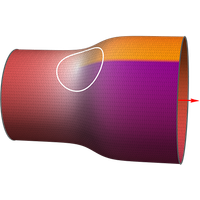
Phys. Rev. Lett. 136, 086001 (2026)
Condensed Matter and Materials
Casimir Stress Concentration
Article | Condensed Matter and Materials | 2026-02-26 05:00 EST
Yuquan Zhou, Zhuhua Zhang, Xiaofei Liu, and Wanlin Guo
Casimir force, stemming from quantum fluctuation prominent at nanoscale, can cause notable motion or deformation of objects. While Casimir-induced rigid-body motion has been successfully described, quantifying elastic deformation remains challenging due to the poorly understood Casimir stress. By ad…
Phys. Rev. Lett. 136, 086201 (2026)
Condensed Matter and Materials
Topological Chiral Superconductivity in the Triangular-Lattice Hofstadter-Hubbard Model
Article | Condensed Matter and Materials | 2026-02-26 05:00 EST
Feng Chen, Wen O. Wang, Jia-Xin Zhang, Leon Balents, and D. N. Sheng
Moiré materials provide exciting platforms for studying the interplay of strong electronic correlation and large magnetic flux effects. We study the lightly doped Hofstadter-Hubbard model on a triangular lattice through the large-scale density matrix renormalization group and determinantal quantum M…
Phys. Rev. Lett. 136, 086503 (2026)
Condensed Matter and Materials
Dynamics of Current-Induced Switching in the Quantum Anomalous Hall Effect
Article | Condensed Matter and Materials | 2026-02-26 05:00 EST
Alina Rupp, Daniel Rosenbach, Torsten Röper, Dominik Hoborka, Alexey A. Taskin, Yoichi Ando, and Erwann Bocquillon
Ferromagnetic topological insulators in the quantum anomalous Hall (QAH) regime host chiral, dissipationless edge states whose propagation direction is determined by the internal magnetization. Under suitable conditions, a strong electrical bias can induce magnetization reversal, and thus flip the p…
Phys. Rev. Lett. 136, 086602 (2026)
Condensed Matter and Materials
Selective Chiral Multistate Switching via the Dynamic Interplay of Diabolic and Exceptional Points
Article | Condensed Matter and Materials | 2026-02-26 05:00 EST
Dengke Qu, Ievgen I. Arkhipov, Huixia Gao, Kunkun Wang, Lei Xiao, Franco Nori, and Peng Xue
Non-Hermitian systems give rise to nontrivial phenomena due to their ability to exhibit peculiar spectral singularities known as exceptional points. Especially, the dynamical encirclement of exceptional points in a system parameter space enables chiral state switching. Although this chiral behavior …
Phys. Rev. Lett. 136, 086603 (2026)
Condensed Matter and Materials
Bilayer Graphene Quantum Dots as a Quantum Simulator of Haldane Topological Quantum Matter
Article | Condensed Matter and Materials | 2026-02-26 05:00 EST
Daniel Miravet, Hassan Allami, Marek Korkusiński, and Paweł Hawrylak
We demonstrate here that a chain of bilayer graphene quantum dots (BLGQDs) can realize topological quantum matter by effectively simulating a spin-1 chain that hosts the Haldane phase within a specific range of parameters. We describe a chain of BLGQDs with two electrons per dot using an atomistic t…
Phys. Rev. Lett. 136, 086604 (2026)
Condensed Matter and Materials
Suppression of Thermal Conductivity via Singlet-Dominated Scattering in ${\mathrm{TmFeO}}_{3}$
Article | Condensed Matter and Materials | 2026-02-26 05:00 EST
M. L. McLanahan, D. Lederman, and A. P. Ramirez
We measured the thermal conductivity of the rare-earth orthoferrites, , where , Gd, Tb, Dy, Ho, Er, Tm, and Yb from 3 to 300 K and see an anomalous strong suppression for over most of the temperature range. Using a Debye thermal transport model, we demonstrate that this suppression i…
Phys. Rev. Lett. 136, 086705 (2026)
Condensed Matter and Materials
Manipulating Charge Distribution in Moiré Superlattices by Light
Article | Condensed Matter and Materials | 2026-02-26 05:00 EST
Ruiping Guo, Haowei Chen, Wenhui Duan, Yong Xu, and Chong Wang
Uniform optical illumination is predicted to induce static but spatially inhomogeneous charge redistribution within a supercell in moiré superlattices.
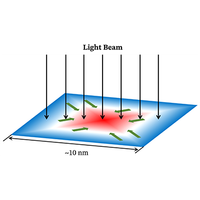
Phys. Rev. Lett. 136, 086903 (2026)
Condensed Matter and Materials
Physical Review X
Quantum Theory of Fractional Topological Pumping of Lattice Solitons
Article | 2026-02-26 05:00 EST
Julius Bohm, Hugo Gerlitz, Christina Jörg, and Michael Fleischhauer
Self-bound many-particle objects (solitons) in topological pumps exhibit transitions between integer and fractional transport phases, controlled by interaction strength.
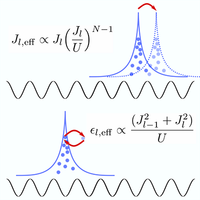
Phys. Rev. X 16, 011038 (2026)
Interaction-Driven Quantum Phase Transitions between Topological and Crystalline Orders of Electrons
Article | 2026-02-26 05:00 EST
André Haug, Ravi Kumar, Tomer Firon, Misha Yutushui, Kenji Watanabe, Takashi Taniguchi, David F. Mross, and Yuval Ronen
Electric-field-tunable Landau-level orbital composition in bilayer graphene provides a mechanism for stabilizing electron crystals and driving transitions into exotic topological liquid states.

Phys. Rev. X 16, 011039 (2026)
arXiv
Seamlessly joining length scales: From atomistic thermal graphs to anisotropic continuum conductivity
New Submission | Materials Science (cond-mat.mtrl-sci) | 2026-02-27 20:00 EST
C. Ugwumadu, D. A. Drabold, R. M. Tutchton
Thermal transport in complex solids is governed by local structure, defects, and anisotropy, yet most continuum models still rely on oversimplified, homogenized conductivities. Here, we bridge atomistic and continuum descriptions by building finite element (FE) models directly from the site-projected thermal conductivity (SPTC), an atomic-level decomposition of the Green-Kubo thermal conductivity. We introduce a new toolkit, the Simulator Collection for Atomic-to-Continuum Scales (SCACS), which uses a graph neural network to predict SPTC on large atomic structures, coarse-grain these fields into anisotropic conductivity tensors, and embeds them into the heat-flow FE equation with a customized, anisotropy-aware adaptive mesh refinement scheme. Applied to silicon nanostructures, the resulting FE models act as representative volume elements, reproduce bulk conductivities, and capture interfacial and defect-driven anisotropy while maintaining thermodynamic consistency. Additionally, SCACS predicts experimental conductance trends and fields. This innovation demonstrates a novel and general route for transferring atomistic transport information into device-scale thermal simulations with physics-based approximations.
Materials Science (cond-mat.mtrl-sci)
22 pages, 5 figures
Phononic enhancement and detection of hidden spin-nematicity and dynamics in quantum magnets
New Submission | Mesoscale and Nanoscale Physics (cond-mat.mes-hall) | 2026-02-27 20:00 EST
Junyu Tang, Hong-hao Song, Gang v. Chen
The spin nematic phase, characterized by long-range order of spin quadrupole moments in the absence of dipolar magnetism, presents a significant challenge for conventional experimental detection. We propose a novel method to detect this elusive order in quantum magnets with an illustration in the spin-1 triangular lattice Mott insulator. By integrating out the phonon degrees of freedom, we obtain a phase diagram with substantially enlarged regions for the spin-nematic and spin-nematic-supersolid phases. We then demonstrate that through the spin-lattice coupling, the emergence of spin nematic order imprints a distinctive signature onto the phonon spectra, providing a clear spectroscopic signature for the quadrupolar order accessible via Raman or inelastic X-ray scattering. Our formalism offers a direct and powerful method to uncover the hidden spin nematicity, opening a new pathway for diagnosing multipolar orders in quantum magnets.
Mesoscale and Nanoscale Physics (cond-mat.mes-hall), Materials Science (cond-mat.mtrl-sci), Strongly Correlated Electrons (cond-mat.str-el)
Atomic-Scale Quantum Control of Single Spin Defects in a Two-Dimensional Semiconductor
New Submission | Mesoscale and Nanoscale Physics (cond-mat.mes-hall) | 2026-02-27 20:00 EST
Kwan Ho Au-Yeung, Wantong Huang, Johanna Matusche, Paul Greule, Jonas Arnold, Lovis Hardeweg, Máté Stark, Luise Renz, Affan Safeer, Daniel Jansen, Thomas Michely, Jeison Fischer, Wolfgang Wernsdorfer, Christoph Sürgers, Hannu-Pekka Komsa, Johannes Schwenk, Wouter Jolie, Philip Willke
Individual spin defects in solids are promising building blocks for quantum technologies, but their deterministic creation, individual addressability, and operation near surfaces remain major challenges. Two-dimensional materials provide an attractive alternative, as their single-layer thickness enables direct atomic-scale access to defect states. Here, we demonstrate single-spin control of solid-state defects in a two-dimensional semiconductor by a combination of scanning tunneling microscopy and electron spin resonance. We create and manipulate individual sulfur vacancies and carbon substitution defects in monolayer molybdenum disulfide and characterize their spin dynamics, including coherent control, at the single-defect level. Using atomic manipulation, we further engineer and probe spin-spin interactions between defect pairs. Our results demonstrate deterministic creation, addressability, coherent manipulation, and controlled coupling of individual spin defects within a single experimental platform. This establishes atomically engineered spin defects in two-dimensional semiconductors as a versatile class of controllable solid-state quantum systems and opens a route towards tailored quantum sensing experiments.
Mesoscale and Nanoscale Physics (cond-mat.mes-hall), Materials Science (cond-mat.mtrl-sci), Quantum Physics (quant-ph)
30 pages, 4 figures in the main text, 10 supplementary figures
Tuning the magnetic properties of Kitaev materials via the antiferromagnetic proximity effect: Novel phases and application to an $α$-RuCl$_3$/MnPS$_3$ bilayer
New Submission | Strongly Correlated Electrons (cond-mat.str-el) | 2026-02-27 20:00 EST
Pedro M. Cônsoli, Ezra Day-Roberts, Johannes Knolle, Antia S. Botana, Onur Erten
In recent years, the increasing level of control over van der Waals (vdW) heterostructures has opened new routes to tune the properties of quantum materials. Motivated by these developments, we examine the potential consequences of interfacing a Kitaev honeycomb magnet, such as $ \alpha$ -RuCl$ _3$ , with a nearly lattice-matched vdW antiferromagnet. By combining perturbation theory, exact diagonalization, and a classical energy-minimization method, we show that an effective staggered magnetic field originating from the vdW antiferromagnet can drive a monolayer of a Kitaev material into various novel phases, including an antichiral Kitaev spin liquid, a nonmagnetic nematic phase, and different types of skyrmion crystals. We then apply first-principle simulations to assess the prospect of concretely realizing this setup in a heterobilayer of $ \alpha$ -RuCl$ _3$ and the easy-axis antiferromagnet MnPS$ _3$ .
Strongly Correlated Electrons (cond-mat.str-el)
20+9 pages (single-column formatting), 5+3 figures
Inhomogeneous superconductivity in (001), (110) and (111) KTaO$_3$ two-dimensional electronic gas: $T_c$ driven from electronic confinement
New Submission | Superconductivity (cond-mat.supr-con) | 2026-02-27 20:00 EST
Matta Trama, Roberta Citro, Carmine Antonio Perroni
We investigate superconductivity in KTaO$ _3$ (KTO)-based two-dimensional electron gases for the (001), (110), and (111) crystallographic orientations within a unified microscopic framework. Using a self-consistent tight-binding slab model, we determine the confinement potential, electronic structure, and orbital composition for each orientation, explicitly including inversion-symmetry-induced orbital Rashba couplings. Using a local spin-singlet s-wave pairing interaction, we find that the pronounced orientation dependence of the superconducting critical temperature primarily originates from differences in the spatial extent of the two-dimensional electron gas and the associated redistribution of the density of states at the Fermi level, rather than from changes in the pairing interaction. Our results provide a microscopic explanation for the experimentally observed orientation dependence of superconductivity at KTO-based interfaces.
Superconductivity (cond-mat.supr-con), Mesoscale and Nanoscale Physics (cond-mat.mes-hall), Materials Science (cond-mat.mtrl-sci)
19 pages, 11 figures
The Anyon Zeno Effect
New Submission | Mesoscale and Nanoscale Physics (cond-mat.mes-hall) | 2026-02-27 20:00 EST
Two anyons encircling each other acquire a quantized braiding phase that is independent of their spatial separation. We show that detecting this phase in a fractional quantum Hall interference experiment results in a quantum Zeno effect: a localized anyon is trapped by constant observation from a stream of anyons supplied by the measurement current. Interferometers with an embedded antidot are ideal for accessing the Zeno regime, where the bare tunneling rate of localized anyons is much lower than the measurement rate. The Zeno-suppressed tunneling rate of the trapped anyon depends on the braiding phase and the transmission of the quantum point contacts. Our primary prediction is that the autocorrelation time of the conductance through the interferometer increases with the bias current. This effect may be used to experimentally control the anyon dynamics, in particular to increase the lifetime of localized anyons.
Mesoscale and Nanoscale Physics (cond-mat.mes-hall)
4 pages, 4 figures
Resonant Zener Interferometry in van der Waals Heterostructures
New Submission | Mesoscale and Nanoscale Physics (cond-mat.mes-hall) | 2026-02-27 20:00 EST
We demonstrate the presence of quantum interference effects in van der Waals heterostructures subject to in-plane electric fields. The in-plane field $ F$ accelerates carriers through a hybridized band edge, and interlayer Zener tunneling occurs by distinct pathways, resulting in a solid-state quantum interferometer with imprints in transport observables. For parabolic-band bilayers, we identify two characteristic signatures which are observable in lateral conductance: Landau-Zener-Stuckelberg oscillations in the band-overlap regime periodic in $ 1/F$ at small fields, resembling electric-field induced quantum oscillations, and a pronounced resonance at $ F\propto T_0^{3/2}$ set by the interlayer tunneling $ T_0$ . These features provide a directly accessible probe of coherent interferometric dynamics in van der Waals heterostructures, and could be harnessed for more precise engineering and characterization.
Mesoscale and Nanoscale Physics (cond-mat.mes-hall)
6+10 pages
Probing the influence of topological and geometric disorder on the spectrum of the differential Laplacian operator on networks
New Submission | Disordered Systems and Neural Networks (cond-mat.dis-nn) | 2026-02-27 20:00 EST
Charles Emmett Maher, Jeremy L. Marzuola, Katherine A. Newhall
Metric networks are network-shaped, one-dimensional structures on which one can solve differential equations to simulate a wide range of physical systems including conjugated molecules, photonic crystals, quantum mechanics in waveguide networks, and acoustic metamaterials. More concretely, a metric network is a network whose edges are each assigned a notion of length and a coordinate describing position. One can then define function spaces and differential operators on these objects to model the aforementioned systems. Recent software advancements have made it feasible to analyze partial differential equations on large, compact metric networks with a vast array of structures. Here, we generate compact metric network structures using the spatial tessellations of two-dimensional hyperuniform point patterns, which have suppressed large-scale density fluctuations relative to typical disordered point patterns. This choice of structure is inspired by the exotic physical properties of network materials with these structures in other contexts. Then, we characterize the eigenvalue spectrum structure of the differential Laplace operator on these networks. In particular, we find that gaps can form in the eigenvalue spectra of these networks whose widths increase when the distribution of edge lengths is narrow and as the number of triangular faces increases. Importantly, many of the structures we consider are realizable in Euclidean space, meaning they are well-suited for practical applications in, e.g., metamaterial design. This work can thus be used to inform the design of metric network-based systems with spectral gaps with tunable widths and locations.
Disordered Systems and Neural Networks (cond-mat.dis-nn)
21 pages and 8 figures in the main text. 13 pages and 20 figures in the supplementary materials
Field-induced phase transitions in ferro-antiferromagnetic diblock copolymers
New Submission | Soft Condensed Matter (cond-mat.soft) | 2026-02-27 20:00 EST
Alberto Raiola, Emanuele Locatelli, Davide Marenduzzo, Enzo Orlandini
We study the equilibrium properties of a model of magnetic diblock copolymer where each monomer is decorated with an Ising-like spin. Spins interact ferromagnetically within each block and antiferromagnetically across blocks, generating frustration between magnetic ordering and spatial organization. By employing a mean-field approach and Monte Carlo simulations for self-avoiding walks on the cubic lattice, we investigate the system’s response to an external magnetic field. We discover a rich phase diagram that includes: a swollen phase with both filaments magnetically disordered and spatially extended; a mixed compact phase characterized by a single globule in which the two filaments are strongly intertwined; a segregated compact phase composed of two globular, magnetically ordered, and spatially separated blocks. Further, if the magnitude of the intra-block ferromagnetic interaction differs between the two blocks, we observe a hybrid segregated (``tadpole’’) phase where one extended block coexists with a collapsed one. Mean-field predictions are in quantitative agreement with Monte Carlo results for the location of the phase boundaries. These findings provide a minimal statistical-mechanical framework for field-controlled self-assembly of tunable patterns by magnetically heterogeneous polymers. They may also serve as a simple platform to investigate the coupling between internal epigenetic-like states and chromatin folding.
Soft Condensed Matter (cond-mat.soft)
13 pages, 9 figure plus supplemental information 6 pages, 3 figures
Hidden $Z_{2}\times Z_{2}$ subspace symmetry protection for quantum scars
New Submission | Strongly Correlated Electrons (cond-mat.str-el) | 2026-02-27 20:00 EST
We study the paradigmatic spin-1 XY chain under open boundary conditions, which hosts exact quantum many-body scars generated by an emergent Spectrum Generating Algebra (SGA). We show that the scar subspace possesses a symmetry-protected trivial (SPt) character that we attribute to a hidden $ Z_{2}\times Z_{2}$ symmetry of another model, namely the commutant Hamiltonian, for which the scars are the ground states. We construct a Lieb-Schultz-Mattis (LSM) type twist operator, which, for scar states, takes the value $ -1,$ and, for ergodic states, approaches zero in the thermodynamic limit. A complementary understanding of the stability of the scars under different perturbations is obtained by analyzing the Loschmidt echo and Quantum Fisher Information (QFI) of the scars. Finite-size scaling analysis of the QFI reveals that the scars are much more sensitive to perturbations as compared to the nearby thermal states. Based on the analysis of QFI and different LSM twist operators, we obtain a classification of different SGA-preserving and SGA-breaking perturbations.
Strongly Correlated Electrons (cond-mat.str-el), Statistical Mechanics (cond-mat.stat-mech), Quantum Physics (quant-ph)
33 pages, 19 figures. Comments are welcome
An Information-theoretic Collective Variable for Configurational Entropy
New Submission | Statistical Mechanics (cond-mat.stat-mech) | 2026-02-27 20:00 EST
Ashley Z. Guo, Kaelyn Chang, Nicholas J. Corrente
Entropy governs molecular self-assembly, phase transitions, and material stability, yet remains challenging to quantify and directly control in molecular systems. Here, we demonstrate that the computable information density (CID), a data compression-based information theoretic metric, provides an instantaneous general measure of configurational entropy in molecular dynamics simulations, reflecting both local and long-range structural organization. We validate the CID across systems of increasing complexity, beginning with single-component Lennard-Jones melting before examining binary phase separation, polymer condensation and dispersion, and assembly of amorphous carbon networks at multiple densities. Unlike conventional order parameters, CID requires no a priori knowledge of relevant structural features and captures entropic signatures across a variety of molecular systems and discretization resolutions. By establishing entropy as a directly accessible structural metric, this framework lays a foundation for future entropy-driven materials design and optimization strategies.
Statistical Mechanics (cond-mat.stat-mech), Materials Science (cond-mat.mtrl-sci), Soft Condensed Matter (cond-mat.soft), Chemical Physics (physics.chem-ph)
Main text: 12 pages, 7 figures; Supplemental: 2 pages, 3 figures
Controlled symmetry breaking of the Fermi surface in ultracold polar molecules
New Submission | Quantum Gases (cond-mat.quant-gas) | 2026-02-27 20:00 EST
Shrestha Biswas, Sebastian Eppelt, Weikun Tian, Wei Zhang, Fulin Deng, Christine Frank, Tao Shi, Immanuel Bloch, Xin-Yu Luo
Long-range anisotropic dipole-dipole interactions between ultracold polar molecules are predicted to drive exotic quantum phases, yet direct many-body signatures of these interactions in degenerate Fermi gases have remained elusive. Here, we report the observation of an interaction-induced controlled deformation of the Fermi surface, providing a clear many-body signature in a deeply degenerate Fermi gas of $ ^{23}\text{Na}^{40}\text{K}$ molecules. Using double microwave (MW) shielding, we prepare $ 8 \times 10^3$ molecules at $ 0.23(1)$ times the Fermi temperature, achieving a three-fold suppression of inelastic losses compared to single MW shielding while preserving strong elastic dipolar scattering. We observe Fermi surface deformations of up to $ 7,%$ , more than two times larger than those observed in magnetic atoms, despite operating at two orders of magnitude lower densities. Crucially, we demonstrate continuous tuning of the interaction potential from axial U(1) to biaxial C$ _{2}$ symmetry, directly imprinting this geometry onto the Fermi surface. We find excellent agreement between our experimental results and parameter-free Hartree-Fock theory. These results establish MW-shielded polar molecules as a highly tunable platform for exploring strongly correlated dipolar Fermi matter and offer a promising path towards topological superfluidity.
Quantum Gases (cond-mat.quant-gas), Atomic Physics (physics.atom-ph), Quantum Physics (quant-ph)
15 pages, 10 figures
Enhancement of superconductivity by disorder in Remeika-type quasiskutterudites
New Submission | Superconductivity (cond-mat.supr-con) | 2026-02-27 20:00 EST
Andrzej Ślebarski, Maciej M. Maśka
Atomic-scale disorder is conventionally regarded as detrimental to superconductivity; however, under specific conditions, it can enhance superconducting properties. Here, we investigate the role of substitutional disorder in Remeika-type quasiskutterudites $ R_3M_4$ Sn$ _{13}$ and $ R_5M_6$ Sn$ {18}$ ($ R=$ Y, La, Lu; $ M=$ Co, Rh, Ru) by combining measurements of magnetic susceptibility, electrical resistivity, and heat capacity with microscopic modeling. We demonstrate that increasing disorder leads to the emergence of locally superconducting regions characterized by an enhanced critical temperature $ T_c^{\ast}$ , exceeding the bulk transition temperature $ T_c$ .
Both $ T_c^\ast$ and $ T_c$ exhibit a nonmonotonic dependence on dopant concentration and show a strong correlation with entropy isotherms measured as a function of disorder. The pronounced entropy maxima coincide with the largest separation between $ T_c^{\ast}$ and $ T_c$ , establishing disorder as a thermodynamically controlled parameter governing superconductivity in these materials. Measurements of the upper critical field reveal distinct $ H{c2}(T)$ branches associated with the bulk and locally superconducting phases, providing direct experimental evidence for a percolative superconducting state.
To interpret these observations, we propose a microscopic model that captures the interplay between the impurity-induced enhancement of local pairing and the disorder-driven suppression of global superconducting coherence. The model reproduces the experimentally observed nonmonotonic evolution of $ T_c^{\ast}$ with disorder and supports a percolation-based interpretation of the superconducting transition. Our results demonstrate that controlled atomic disorder can serve as an effective materials-design parameter for tuning superconductivity in complex correlated systems.
Superconductivity (cond-mat.supr-con), Disordered Systems and Neural Networks (cond-mat.dis-nn), Strongly Correlated Electrons (cond-mat.str-el)
Kondo Reshapes Multiple Orders in a $5f$ van der Waals Material
New Submission | Strongly Correlated Electrons (cond-mat.str-el) | 2026-02-27 20:00 EST
Gal Tuvia, Ruizhe Kang, Diana Golovanova, Yuqian Chen, Yidi Wang, Zeyu Ma, Mengke Liu, Carly Grossman, Suk Hyun Sung, Justin Shotton, Jiahui Zhu, David Martinez, Ismail El Baggari, Binghai Yan, Dirk K. Morr, Sheng Ran, Jennifer E. Hoffman
Electron interactions can drive magnetism, superconductivity, and topology. However, the realization of these phases remains limited in van der Waals materials, and the full landscape of strong correlations remains uncharted in any context. While interactions between conduction electrons and localized spins yield a well-known competition between heavy fermions (Kondo hybridization) and magnetic order (RKKY exchange), such spin-driven competition represents only part of the correlated electron phase diagram. Here we demonstrate that a heavy-fermion state can also compete with charge order, such as the charge density wave (CDW) state typical in the van der Waals $ 4f$ rare-earth tritellurides (RTe$ _3$ ). We exploit the spatially-extended $ 5f$ orbitals of $ \beta$ -UTe$ _3$ to enhance Kondo hybridization compared to its isostructural RTe$ _3$ cousins. Our scanning tunneling spectroscopy on $ \beta$ -UTe$ _3$ shows Fano resonances characteristic of the heavy fermion state, while our quasiparticle interference imaging reveals the disappearance of Fermi-level nesting and the appearance of flat bands. We extend the tritelluride tight-binding model to include Kondo coupling and quantify the Fermi surface reconstruction. Consistent with the destruction of nesting, we observe no CDW in $ \beta$ -UTe$ _3$ . Our expansion of the Kondo phase diagram beyond spin-mediated competition opens new possibilities for proximity-induced phase engineering in correlated van der Waals heterostructures.
Strongly Correlated Electrons (cond-mat.str-el)
Mimicking the earth core conditions with ultrafast laser materials interaction
New Submission | Materials Science (cond-mat.mtrl-sci) | 2026-02-27 20:00 EST
Mohamed Yaseen Noor, Aram Yedigaryan, Gabriel Calderon, Arshak Tsaturyan, Elena Kanchan, Jinwoo Hwang, Carmen S. Menoni, Jean-Philippe Colombier, Enam Chowdhury
Ultrafast lasers create extreme, non-equilibrium thermodynamic conditions that can transiently reach pressures and temperatures comparable to interior core of the earth. Here we show that femtosecond excitation of amorphous silica-hafnia multilayer dielectrics drives the formation of high-pressure crystalline phases of silica including stishovite, seifertite, and the pyrite-type high density structure, within confined subsurface this http URL TEM, SAED, and 4D-STEM, we directly map nanoscale phase evolution and identify crystalline motifs embedded inside laser generated this http URL molecular dynamics simualtions reveal the thermodynamic pathway underlying these transformations, where rapid electronic pressure initiates densification and octahedral coordination, followed by temperature driven crystallization and displacive transitions during ultrafast quenching. The resulting polymorphs reflects a dual-stage pathway inaccessible under equilibrium processing. Our results establish femtosecond laser excitation as a viable route to synthesize and stabilize ultrahigh-density high pressure silica phases under ambient conditions, without a diamond anvil cell, with implications for laser-damage mechanisms, high-energy-density materials, and planetary physics.
Materials Science (cond-mat.mtrl-sci), Geophysics (physics.geo-ph), Optics (physics.optics)
Many-Body effects beyond excitons in second-harmonic generation of monolayer MoS$_{2}$
New Submission | Materials Science (cond-mat.mtrl-sci) | 2026-02-27 20:00 EST
Peio Garcia-Goiricelaya, Julen Ibañez-Azpiroz
We present a quantitative study of many-body effects including the three-particle level on second-harmonic generation in monolayer MoS$ _{2}$ . Our approach combines many-body perturbation theory with time-dependent current-density-functional theory within an \textit{ab initio} framework in the optical limit. Inclusion of two-particle excitonic effects \textit{via} a dynamical long-range linear exchange-correlation kernel reproduces the qualitative features of the second-harmonic response, but underestimates the experimentally reported magnitudes by nearly a factor of two. By incorporating three-particle (trionic) correlations through a static long-range quadratic exchange-correlation kernel, we achieve significantly improved quantitative agreement with experiment. These findings highlight the role of many-body interactions beyond the excitonic level in accurately describing second-order optical responses in two-dimensional semiconductors.
Materials Science (cond-mat.mtrl-sci), Mesoscale and Nanoscale Physics (cond-mat.mes-hall)
14 pages, 5 figures
Impact of Stealthy Hyperuniform Magnetic Impurity Configurations on Bulk Magnetism in a Two-dimensional Heisenberg Model
New Submission | Disordered Systems and Neural Networks (cond-mat.dis-nn) | 2026-02-27 20:00 EST
K. Asakura, K. Yamamoto, A. Koga
We investigate an antiferromagnetic quantum Heisenberg model on a square lattice with high-spin magnetic impurities to clarify how random and stealthy hyperuniform impurity configurations influence the bulk magnetic properties. Stealthy hyperuniform configurations are generated using generalized cost functions that interpolate between square-lattice-like and triangular-lattice-like arrangements. Using linear spin-wave theory for the mixed-spin model, we demonstrate that triangular-lattice-like arrangements yield a larger average staggered magnetization than both random and square-lattice-like cases. This enhancement originates from sublattice effects: while the square-lattice-like configuration enforces nearest-neighbor impurities to occupy opposite sublattices due to its bipartite structure, the triangular-lattice-like arrangement allows same-sublattice nearest-neighbor pairs, thereby strengthening cooperative magnetic enhancement.
Disordered Systems and Neural Networks (cond-mat.dis-nn)
9 pages, 6 figures
The Surface Sensitivity of X-ray Second Harmonic Generation as a Function of Energy
New Submission | Materials Science (cond-mat.mtrl-sci) | 2026-02-27 20:00 EST
Daniel Schacher, Tod A. Pascal, Keith V. Lawler, Craig P. Schwartz
The surface sensitivity and probe depth in the x-ray regime of diamond for second harmonic generation (SHG) was investigated both analytically and computationally with velocity gauge real-time time-dependent density functional theory (VG-RT-TDDFT), which includes a full multipole expansion. This was accomplished using two different approaches, by changing the number and location of layers that can generate SHG computationally and by exploiting the symmetry of a crystal, a similar pattern emerged. We find that by 1000 eV, well above the ~285 eV of the C $ K$ -edge, the SHG of diamond is dominated by the bulk, quadrupole response, in agreement with our analytic calculations. The bulk response continues to grow as the energy is increased, becoming overwhelming by 7000 eV. Near the C $ K$ -edge the measurement is quite surface sensitive, however, this surface sensitivity reduces as the energy increases such that by 1000 eV (and certainly by 3500 eV) SHG is largely bulk sensitive. Moreover, we find that the specific details of the crystal orientation (i.e., comparing a (001)-terminated and (111)-terminated surface) appear to have significant effects on the surface sensitivity.
Materials Science (cond-mat.mtrl-sci)
Interpretable self-driving sputter epitaxy: from black-box optimization to human-usable growth rules
New Submission | Materials Science (cond-mat.mtrl-sci) | 2026-02-27 20:00 EST
Yuki K. Wakabayashi, Yui Ogawa, Franz Benedict Romero, Takuma Otsuka, Yoshitaka Taniyasu
Self-driving laboratories have emerged as powerful tools for navigating high-dimensional process spaces, yet systems remain black-box optimizers that yield limited transferable process understanding. Here, we demonstrate an interpretable self-driving laboratory framework that transforms autonomous optimization into human-usable growth rules. As a stringent benchmark, we apply this framework to RF magnetron sputtering, addressing a long-standing challenge of achieving high-quality beta-Ga2O3 heteroepitaxy and single-crystalline beta-Ga2O3 homoepitaxy via sputtering. By combining Bayesian optimization with automated optical evaluation of the Urbach energy as a metric of sub-bandgap disorder, the self-driving system efficiently identifies heteroepitaxial growth conditions yielding a minimum Urbach energy of 182 meV, the lowest value for sputtered beta-Ga2O3 films. Importantly, the optimized growth window is transferable, realizing single-crystalline beta-Ga2O3 homoepitaxy without further optimization, corroborated by scanning transmission electron microscopy. To convert the closed-loop dataset into interpretable growth rules, we train a random forest surrogate and distill it into response curves and quantified pairwise interactions across the four-dimensional growth-parameter space. This analysis identifies substrate temperature as the primary control knob, with RF power and gas flows acting largely additively and only a modest temperature-oxygen coupling delineating the narrow window for high-quality growth, establishing a general route from autonomous experimentation to transferable growth rules.
Materials Science (cond-mat.mtrl-sci)
Quantum-geometry-driven Mott transitions and magnetism
New Submission | Strongly Correlated Electrons (cond-mat.str-el) | 2026-02-27 20:00 EST
Jixun K. Ding, Martin Claassen
Quantum geometry quantifies how the single-particle Bloch wavefunction changes in phase and amplitude across the Brillouin Zone. In multi-orbital systems where bands have strongly mixed orbital composition, quantum geometry plays a vital role in determining the ground state and low-energy properties of interacting electronic systems. In this work, we show that Mott metal-insulator transitions, as well as transitions between different magnetic orders within the Mott insulating phase, can be driven by the quantum geometry of the underlying Bloch band, thereby providing a mechanism complementary to conventional bandwidth-tuned Mott transitions. By studying the Kane-Mele-Hubbard model using exact diagonalization, we demonstrate that in in half-filled and topologically-trivial bands, quantum geometric properties of the Bloch states alone can act as a tuning knob for Mott metal-to-insulator and affect the competition between ferromagnetism and antiferromagnetism. We show that both transitions may be heuristically understood via non-local Coulomb scattering in a basis of exponentially localized Wannier functions. These results highlight the role of quantum geometry beyond topological settings as a governing principle for conventional Mott and magnetic physics in multi-orbital and moiré materials.
Strongly Correlated Electrons (cond-mat.str-el), Mesoscale and Nanoscale Physics (cond-mat.mes-hall)
9 + 7 pages, 3 + 13 figures
Symmetry-Protected Minimum of Four Conventional Weyl Points in Nonmagnetic Crystals
New Submission | Materials Science (cond-mat.mtrl-sci) | 2026-02-27 20:00 EST
Ze-Xin Xue, Ke-Xin Pang, Yun-Yun Bai, Yanfeng Ge, Yong Liu, Yan Gao
Realizing nonmagnetic Weyl semimetals (WSMs) with the minimal number of conventional Weyl points (WPs) and a clean Fermi surface remains a central challenge. Here, combining symmetry analysis with first-principles calculations, we establish the definitive conditions under which a nonmagnetic crystal can host exactly four conventional ($ C = \pm 1$ ) WPs, identifying 76 space groups in the spinless limit and 83 in the spinful case that allow this minimal configuration. Guided by this framework, we predict two previously unknown boron allotropes, P6-B$ _{48}$ and TBIN-B$ _{48}$ , as ideal WSMs. Both exhibits precisely four isolated WPs near the Fermi level, with exceptionally clean electronic structures. Notably, the WPs in P6-B$ _{48}$ are pinned to high-symmetry points, while those in TBIN-B$ _{48}$ lie along high-symmetry lines, leading to distinct and experimentally accessible surface states, including single and double Fermi arcs. Our work provides a complete symmetry-based foundation and pristine material platforms for minimal Weyl physics.
Materials Science (cond-mat.mtrl-sci)
6 figures
Symmetry-enforced agreement of Kohn–Sham and many-body Berry phases in the SSH–Hubbard chain
New Submission | Strongly Correlated Electrons (cond-mat.str-el) | 2026-02-27 20:00 EST
We study when a density-matching Kohn–Sham (KS) description can reproduce a many-body Berry phase in a correlated insulator, despite the fact that geometric phases are functionals of the wave function. Focusing on the one-dimensional SSH–Hubbard chain on a ring as a controlled interacting topological model, we introduce a $ U(1)$ twist $ \theta$ (flux insertion). The many-body ground state along the full twist cycle is computed by the density-matrix renormalization group (DMRG), while the onsite interaction $ U$ is tuned from the noninteracting to the strong-coupling regime. At half filling in the inversion-symmetric gapped regime, our DMRG calculations show that the density remains constant within numerical accuracy over the entire $ (\theta,U)$ range studied. Thus, the density has no dependence on either the flux $ \theta$ or the interaction strength $ U$ . Accordingly, the symmetry-preserving density constraint collapses the KS reference to an SSH-type quadratic representative with $ U$ -independent geometric diagnostics. Nevertheless, the many-body wave function exhibits a nontrivial geometric response: the quantum metric associated with the $ \theta$ -parametrized ground-state manifold depends on $ \theta$ at intermediate $ U$ and is strongly suppressed at large $ U$ , consistent with the charge fluctuation freezing. Intriguingly, the KS and many-body Berry phases coincide throughout the gapped regime as $ U$ is tuned from weak to strong coupling. We show that this agreement is best understood as symmetry-enforced $ \mathbb{Z}_2$ sector matching, rather than as evidence that the density encodes the many-body Berry connection.
Strongly Correlated Electrons (cond-mat.str-el), Mesoscale and Nanoscale Physics (cond-mat.mes-hall)
12 pages, 5 figures. Most important figures are Fig.3 and Fig.4
Single Pair of Charge-two Weyl Fermions in Chiral Boron Allotropes
New Submission | Materials Science (cond-mat.mtrl-sci) | 2026-02-27 20:00 EST
Hui-Jing Zheng, Yan Gao, Yanfeng Ge, Yong Liu, Zhong-Yi Lu
The realization of a minimal Weyl semimetal (WSM) hosting a single pair of Weyl points (WPs) has thus far been restricted to magnetic systems, since time-reversal symmetry generally enforces a minimum of four WPs in nonmagnetic materials. Here, combining first-principles calculations with symmetry analysis, we identify two stable boron allotropes, chiral HDSBC-B$ _{20}$ and cage-like CR-B$ _{12}$ , as the first nonmagnetic electronic materials realizing a single pair of WPs in the spinless regime. We show that the interplay between time-reversal symmetry and crystallographic rotation symmetry ($ C_4$ or $ C_3$ ) stabilizes exactly one pair of $ C=2$ WPs pinned at time-reversal-invariant momenta, thereby circumventing the conventional node-quartet constraint. These double-WPs exhibit linear dispersion along the rotation axis and quadratic dispersion in the perpendicular plane. In HDSBC-B$ _{20}$ , the sign of the topological charge is directly correlated with structural chirality. Both materials host exceptionally long double Fermi arcs spanning the surface Brillouin zone, providing experimentally accessible signatures. Our findings establish nonmagnetic material platforms for minimal double-Weyl fermions and broaden the landscape of unconventional WSMs.
Materials Science (cond-mat.mtrl-sci)
4 figures
Memory-Dominated Quantum Criticality as a Universal Route to High-Temperature Superconductivity
New Submission | Strongly Correlated Electrons (cond-mat.str-el) | 2026-02-27 20:00 EST
Understanding the dynamical origin of high–temperature superconductivity remains a central challenge of strongly correlated quantum matter. Conventional approaches to quantum criticality assume overdamped Markovian dissipation governed by Ohmic Landau damping. Here we show that infrared collective dynamics is instead generically controlled by the time–scale density of states (TDOS) of relaxation modes. Within the Martin–Siggia–Rose–Janssen–De Dominicis formalism, we derive an exact spectral representation of the collective susceptibility in terms of the TDOS. A finite infrared TDOS defines a new universality class of memory–dominated critical dynamics characterized by long–time kernels $ K(t)\sim1/t$ and nonanalytic dynamical response. This spectral reorganization produces a strong infrared amplification of the particle–particle channel, converting the marginal instabilities of BCS and Eliashberg theories into algebraic superconducting transitions. As a result, the transition temperature scales linearly with the infrared spectral weight of slow collective modes, naturally yielding superconducting domes and Uemura scaling without invoking bosonic glue or fine tuning. The same slow–mode reservoir governs anomalous normal–state dynamics, including long–time correlations and strange–metal behavior, providing a unified description of thermodynamic and dynamical phenomena in correlated superconductors. Our results establish dynamical spectral organization as a fundamental principle of quantum critical matter and identify memory–dominated criticality as a generic route to high–temperature superconductivity.
Strongly Correlated Electrons (cond-mat.str-el), Superconductivity (cond-mat.supr-con)
21 pages, 3 figures
Moire Engineering of Cooper-Pair Density Modulation States
New Submission | Superconductivity (cond-mat.supr-con) | 2026-02-27 20:00 EST
Zihao Wang, Bing Xia, Stephen Paolini, Zi-Jie Yan, Pu Xiao, Jiatao Song, Veer Gowda, Hongtao Rong, Di Xiao, Xiaodong Xu, Weida Wu, Ziqiang Wang, Cui-Zu Chang
Cooper-pair density modulation (CPDM) states are superconducting phases in which the order parameter varies periodically in real space without breaking translational symmetry. Recently, moire superlattices in layered materials have emerged as powerful platforms for engineering charge density with tunable lattice symmetry, offering a new route to creating and controlling CPDM states. In this work, we demonstrate moire-induced CPDM states in a bilayer heterostructure formed by epitaxially stacking one quintuple layer (1 QL) of topological insulator Sb2Te3 on a six-unit-cell (6 UC) antiferromagnetic FeTe layer. Scanning tunneling microscopy and spectroscopy (STM/S) measurements reveal a moiré superlattice formed between the hexagonal Te lattice of Sb2Te3 and the square Te lattice of FeTe, which spatially modulates the two superconducting gaps of the 1 QL Sb2Te3/6 UC FeTe bilayer. Our Josephson STM/S measurements provide direct real-space imaging of the CPDM states with a wavelength corresponding to the periodicity of the moire superlattice. By substituting Sb2Te3 with Bi2Te3, we achieve control over both the periodicity and magnitude of the CPDM states. Our work demonstrates an epitaxial strategy for synthesizing moire superlattices from materials with different crystal symmetries and reveals a new mechanism for engineering CPDM states in designer bilayer heterostructures.
Superconductivity (cond-mat.supr-con), Materials Science (cond-mat.mtrl-sci)
36 pages, 4 main figures, and 10 Extended Data figures. Accepted by Nature. Comments are very welcome
Exact mapping of a spin glass with correlated disorder to the pure Ising model
New Submission | Disordered Systems and Neural Networks (cond-mat.dis-nn) | 2026-02-27 20:00 EST
We introduce an Ising spin-glass model with correlated disorder which continuously interpolates between the pure ferromagnetic Ising model and the Edwards-Anderson model with symmetric disorder. For this model, we prove that physical quantities on the Nishimori line (NL) can be expressed exactly in terms of those of the pure Ising model at an effective temperature on any lattice in any dimension. For example, the energy on the NL is equal to the energy of the pure Ising model at the effective temperature up to a constant and a trivial factor. More remarkably, the specific heat on the NL equals the energy, not the specific heat, of the pure Ising model at the effective temperature, again up to a constant and a trivial factor. Gauge-noninvariant quantities such as the magnetization and correlation functions are exactly equal to the corresponding quantities of the pure Ising model at the effective temperature. These exact relations imply that the leading critical behavior at that multicritical point for the disorder-correlated model is pure-Ising-like, in contrast to the conventional multicritical universality class of the standard Edwards-Anderson model. Our results motivate further investigations of the relatively unexplored topic of correlations in disorder in spin glasses and related problems.
Disordered Systems and Neural Networks (cond-mat.dis-nn)
9 pages
Chaos in Liquid Crystal Directrons
New Submission | Soft Condensed Matter (cond-mat.soft) | 2026-02-27 20:00 EST
Praveen Kumar Singh, Salman Ahmad Khan, Soumik Das
Biological systems often operate at the boundary between order and chaos, transitioning from directed to irregular dynamics to achieve adaptability and robustness. Reproducing such transitions in artificial soft matter remains a central challenge. Here, we report a biomimetic regime of directron dynamics in achiral nematic liquid crystals, in which coherent, directed motion collectively evolves into chaos. Driven by multi-directron interactions, the system develops coexisting directron families with competing trajectories, displaying randomized motion, dynamic assembly formation and spontaneous fission of high energy to low energy daughter directrons - all of which mimics the phenotypic diversity observed in biological groups. Above a critical electric field, these interactions drive the system into a chaotic state that is distinct from the directed behaviours reported previously. We further introduce a minimal dipole-based model that qualitatively captures the underlying physics of this transition. Together, our results establish an artificial active system in which chaos emerges intrinsically from interactions, offering a versatile platform to study biological dynamics and opening new avenues for liquid-crystal-based soft-matter applications involving adaptive transport, cargo delivery, and energy transduction
Soft Condensed Matter (cond-mat.soft)
13 pages, 5 figures
Quantum Monte Carlo study of the metal-insulator crossover in the square-lattice Hubbard model
New Submission | Strongly Correlated Electrons (cond-mat.str-el) | 2026-02-27 20:00 EST
Mingzhong Lu, Yu-Feng Song, Youjin Deng, Yuan-Yao He
The interaction-driven evolution from a Fermi liquid to a Mott insulator is a hallmark of strongly correlated fermion systems. In this work, we present a {\it numerically unbiased} study of such metal-to-insulator crossover in the half-filled square-lattice Hubbard model at finite temperatures, employing auxiliary-field quantum Monte Carlo method. By jointly analyzing thermodynamic and dynamical observables, we establish the crossover diagram of the model in the temperature-interaction ($ T$ -$ U$ ) plane. With increasing $ U$ , our numerical results reveal an extended crossover regime, which we refer to as the {\it Bad Metal}, that separates the Fermi liquid and Mott insulator. During the crossover, we also examine the antiferromagnetic spin correlations and observe pronounced nodal-antinodal dichotomy in the momentum-resolved single-particle spectral functions. Furthermore, we investigate the temperature dependence of several commonly used observables in the model. As representative results, we achieve an accurate map of the thermal entropy across the crossover diagram, and identify the parameter regions in which the model exhibits the Pomeranchuk cooling, characterized by an adiabatic cooling with increasing $ U$ . Beyond offering a more refined understanding of the crossover phenomenon, our work also provides valuable benchmark and guideline for future optical lattice experiments on the square-lattice Hubbard model.
Strongly Correlated Electrons (cond-mat.str-el)
17 pages, 17 figures
LLM-driven discovery for carbon allotropes with bond-network entropy
New Submission | Materials Science (cond-mat.mtrl-sci) | 2026-02-27 20:00 EST
Yuzhou Hao, Yujie Liu, Xuejie Li, Turab Lookman, Xiangdong Ding, Jun Sun, Zhibin Gao
The discovery of novel carbon allotropes with tailored thermal and mechanical properties is critical for advanced thermal management. However, exploring the vast configurational space of carbon using \textit{ab initio} calculations remains computationally prohibitive. Driven by the rich topological landscape of carbon, where the competition between $ sp, sp^2,$ and $ sp^3$ hybridization states dictates material performance, we establish a closed-loop AI framework to explore this complex configurational space. We introduce a hybridization entropy descriptor to guide the search beyond conventional forms. Here, we establish a closed-loop AI framework that synergizes a Large Language Model (LLM) for structural generation with a Machine Learning Potential (MLP) for accelerated evaluation. Leveraging CrystaLLM to generate candidates and an iteratively refined MLP for high-fidelity validation, we screened thousands of structures to identify several stable allotropes with exotic properties. Specifically, we report yne-diamond C$ _{12}$ '' and yne-hex-diamond C$ _{8}$ ‘’, which exhibit extreme thermal anisotropy and ultralow in-plane shear stiffness arising from their mixed $ sp$ -$ sp^3$ hybridization. Furthermore, we discovered a complex $ sp$ -$ sp^2$ -$ sp^3$ hybridized C$ _{12}$ phase that combines metallic conductivity with an anomalous negative Poisson’s ratio. Notably, we identified a superhard phase (C16_3) possessing a calculated Vickers hardness (103.3 GPa) exceeding that of diamond 96 GPa). Microscopic analysis reveals that thermal transport in these materials is governed by the interplay between rigid frameworks and flexible linkers. This work expands the known carbon phase space and demonstrates the efficacy of coupling generative AI with machine learning potentials for the accelerated inverse design of functional materials.
Materials Science (cond-mat.mtrl-sci)
Phonons reflect dynamic spin-state order in LaCoO$_3$
New Submission | Strongly Correlated Electrons (cond-mat.str-el) | 2026-02-27 20:00 EST
Alsu Ivashko, Taishun Manjo, Maximilian Kauth, Yuliia Tymoshenko, Adrian M. Merritt, Klaus-Peter Bohnen, Rolf Heid, Michael Merz, Andreas Eich, John-Paul Castellan, Alexandre Ivanov, Nathaniel Schreiber, Hong Zheng, J. F. Mitchell, Martin Meven, Jitae T. Park, Daisuke Ishikawa, Yuiga Nakamura, Alfred Q. Baron, Frank Weber
We investigate lattice dynamics in LaCoO$ 3$ using inelastic neutron and x-ray scattering over $ T = 2\mbox{-}650,\mathrm{K}$ , spanning the spin-state crossover at $ T{1} \approx 100,\mathrm{K}$ and the insulator–metal transition at $ T_{2} \approx 550,\mathrm{K}$ . Comparison with quasi-harmonic $ ab-initio$ lattice-dynamical calculations helps reveal anomalous softening of a $ \approx 10,\mathrm{meV}$ oxygen phonon, confined to the temperature interval $ T_{1} \leq T \leq T_{2}$ and localized in momentum space at $ \boldsymbol{q}{\mathrm{SSO}} = \left( \frac{1}{2},\frac{1}{2},\frac{1}{2} \right){c}$ . This wave vector corresponds to the spin-state ordering originally proposed by Goodenough [J. Phys. Chem. Solids 6, 287-297 (1958)]. Our results therefore provide momentum-resolved evidence for dynamic correlations of high-spin and low-spin Co$ ^{3+}$ states in LaCoO$ _{3}$ , linking spin-state fluctuations to anomalous phonon renormalization.
Strongly Correlated Electrons (cond-mat.str-el), Materials Science (cond-mat.mtrl-sci)
13 pages, 5 figures
Role of the Nephelauxetic Effect in Engineering Mn4+ Luminescence Kinetics for Lifetime-Based Thermometry
New Submission | Materials Science (cond-mat.mtrl-sci) | 2026-02-27 20:00 EST
A. Basheer, M. Szymczak, M. Piasecki, A. M. Srivastava, M.G. Brik, L. Marciniak
Although the considerable potential of luminescence thermometry based on emission kinetics has been widely demonstrated, reliable tools for the intentional prediction of thermometric performance remain limited. To address this challenge, the present work introduces an approach that enables a theoretical description of the 2E state lifetime of Mn4+ ions, as well as the absolute and relative sensitivities, in terms of the nephelauxetic effect within the group of double perovskites: Sr2InNbO6, Sr2InTaO6, Ba2InTaO6, and Ba2InNbO6. Our results clearly show that, contrary to common assumptions, the Dq/B ratio is not the primary factor governing either the spectroscopic behavior of Mn4+ ions or the thermometric performance of Mn4+-doped phosphors. Instead, the nephelauxetic beta1 parameter plays the dominant role. The empirical analysis carried out in this study led to the development of a predictive model that enables estimation of SAMAX and SRMAX values based exclusively on beta1. This methodology represents a significant step toward the rational design of lifetime-based luminescence thermometers with predefined thermometric characteristics tailored to the requirements of specific applications.
Materials Science (cond-mat.mtrl-sci)
Emergence of chiral $p$-wave and $d$-wave states in $g$-wave altermagnets
New Submission | Superconductivity (cond-mat.supr-con) | 2026-02-27 20:00 EST
Tilen Cadez, Abraham Nathan Sunanta, Kyoung-Min Kim
Altermagnets emerge as a novel platform for realizing unconventional superconductivity through their exotic momentum-dependent spin-splitting of electronic band structures. Recent experiments have uncovered a novel form of altermagnetism with distinctive $ g$ -wave symmetry in CrSb. However, the potential for unconventional superconductivity arising from $ g$ -wave altermagnetism in such systems remains largely unexplored. In this study, we discover the emergence of chiral superconducting states in three-dimensional $ g$ -wave altermagnetic metals. Through systematic self-consistent mean-field analysis on the extended attractive Hubbard model combined with $ g$ -wave altermagnetic exchange fields in a three-dimensional hexagonal lattice, as observed in CrSb, we find that the altermagnetic spin splitting of Fermi surfaces favors chiral $ p$ -wave states as the dominant pairing channel under strong altermagnetic fields and high electron densities, while chiral $ d$ -wave states become predominant under weak altermagnetic fields and intermediate electron densities. Conversely, at weak altermagnetic fields and typical electron densities, non-chiral $ s$ -, extended $ s$ -, or $ f$ -wave states become stabilized. We also showcase the possible experimental detection using the quasiparticle energy dispersions and the density of states to distinguish different pairing symmetries. These findings underscore the potential of $ g$ -wave altermagnets to host sought-after chiral and gapless superconductivity.
Superconductivity (cond-mat.supr-con), Strongly Correlated Electrons (cond-mat.str-el)
14+14 pages, 7+3 figures
Anti-Thermal Quenching Phosphors based on Metal Halides
New Submission | Materials Science (cond-mat.mtrl-sci) | 2026-02-27 20:00 EST
Thermal quenching (TQ) generally occurs in phosphors and is ascribed to the activation of non-radiative transitions at elevated temperatures. This effect limits the use of most phosphors in high-power/high-temperature applications, such as outdoor lighting and laser systems. To achieve anti-TQ properties, structural design of phosphors is required. This usually follows two guidelines: (1) increasing lattice rigidity to minimize thermal expansion; (2) converting thermal energy into radiative transitions to compensate for the non-radiative losses. While metal oxides and metal nitrides dominate the field of commercial anti-TQ phosphors, metal halides - despite their inherently soft lattices - have shown remarkable progress as anti-TQ phosphors in recent years. Here, we review the advances in anti-TQ metal halides (covering the time span from 2017, when first reports have appeared, till today) and discuss their mechanisms and applications. We argue that the low synthesis temperatures of metal halides and their high photoluminescence quantum yields (PLQYs) make them promising candidates as anti-TQ phosphors. Furthermore, since the rich optical-physical processes underlying the anti-TQ effect in soft-lattice in metal halides are only now beginning to be unraveled, this creates opportunities for many fundamental investigations.
Materials Science (cond-mat.mtrl-sci)
14 pages, 9 figures
B. Zhang and L. Manna, ACS Energy Lett. 2026, 11, 1, 345-355
Interaction and disorder effects on Cooper instability in two-dimensional fractional Dirac semimetals
New Submission | Superconductivity (cond-mat.supr-con) | 2026-02-27 20:00 EST
Employing a renormalization group analysis that allows for an unbiased treatment of competing physical ingredients, we systematically trace how the interplay between Cooper pairing and disorder scatterings governs the emergence or suppression of Cooper instability in the low-energy regime of fractional Dirac this http URL the clean limit, we find that the emergence of Cooper instability requires surpassing a finite interaction threshold $ |\lambda_c|$ , and depends sensitively on both the fractional exponent $ \alpha$ and the transfer momentum $ \mathbf{Q}=(Q,\phi)$ . Specifically, bigger values of $ \alpha$ enhance the tendency toward BCS instability. For $ \alpha\in(0.001,0.61)$ , the $ (Q,\phi)$ parameter space separates into two distinct regions: Zone-\uppercase\expandafter{\romannumeral1}, where Cooper instability is suppressed, and Zone-\uppercase\expandafter{\romannumeral2}, where it is allowed. In the presence of disorders, we demonstrate that they can either promote or suppress Cooper instability. Disorder of type $ \Delta_1$ or $ \Delta_2$ enhances superconductivity by reducing the critical interaction threshold $ |\lambda_c|$ and expanding the superconducting phase space (Zone-\uppercase\expandafter{\romannumeral2}). In sharp contrast, either $ \Delta_0$ or $ \Delta_3$ suppresses Cooper pairing by increasing $ |\lambda_c|$ and shrinking the available phase space (Zone-\uppercase\expandafter{\romannumeral1}). Although Cooper instability can be enhanced when promotive disorders ($ \Delta_1$ , $ \Delta_2$ ) coexist with a single suppressive disorder ($ \Delta_0$ or $ \Delta_3$ ), the suppressive influence of $ \Delta_{0,3}$ generally dominates the promotive effects of $ \Delta_{1,2}$ in the presence of all sorts of disorders. These results would be helpful for further studies of fractional Dirac semimetals and alike materials.
Superconductivity (cond-mat.supr-con), Mesoscale and Nanoscale Physics (cond-mat.mes-hall), Strongly Correlated Electrons (cond-mat.str-el)
18 pages, 13 figures
Magnetoresistance Oscillations in Few-Layer NbSe2 in Superconducting Fluctuation Regime
New Submission | Superconductivity (cond-mat.supr-con) | 2026-02-27 20:00 EST
Xiaolong Yin, Congzhe Cao, Yibin Feng, Kenji Watanabe, Takashi Taniguchi, Jiawei Mei, Qi-Kun Xue, Shuo-Ying Yang
Quantum interference phenomena in superconductors, such as Josephson interference and Little-Parks oscillations, serve as powerful probes of phase coherence, symmetry breaking and vortex dynamics. However, they are typically observed in well-defined mesoscopic structures, and their behavior in the two-dimensional limit remains largely unexplored. Here, we report periodic magnetoresistance oscillations, superconducting interference patterns, and interfering diode effect in unpatterned few-layer NbSe2. These phenomena emerge exclusively within the superconducting fluctuation regime of thin samples, consistent with the enhanced anomalous metallic behavior of atomically thin NbSe2. The non-monotonic temperature dependence of both the oscillation amplitude and the diode efficiency can be captured by a model in which thermally activated vortices traverse intrinsic supercurrent loops. Our results reveal that the observed interference phenomena originate from the lost of global phase coherence, providing a new route to accessing interference effects in unpatterned superconductors.
Superconductivity (cond-mat.supr-con), Mesoscale and Nanoscale Physics (cond-mat.mes-hall), Strongly Correlated Electrons (cond-mat.str-el)
First-principles and tight-binding analysis of thermoelectricity in irradiated WSe$_2$
New Submission | Mesoscale and Nanoscale Physics (cond-mat.mes-hall) | 2026-02-27 20:00 EST
Cynthia Ihuoma Osuala, Tanu Choudhary, Raju K. Biswas, Sudin Ganguly, Santanu K. Maiti
Electronic and thermoelectric transport in zigzag monolayer WSe$ _2$ nanoribbons are studied under monochromatic irradiation. The electronic structure is described within a six-orbital tight-binding framework constructed from the relevant tungsten and selenium orbitals, with atomic spin-orbit coupling included explicitly. Periodic driving is incorporated via the Peierls substitution, and in the high-frequency limit the system is mapped onto an effective static Floquet Hamiltonian with polarization-dependent renormalized hoppings. Coherent transport is evaluated using wave-function matching within the Landauer-Büttiker formalism. The lattice thermal conductivity is obtained independently from density functional perturbation theory combined with an iterative solution of the phonon Boltzmann transport equation. Light-induced hopping renormalization reshapes the band dispersion and transmission spectrum near the Fermi level, modifying the Landauer transport integrals that determine electrical and thermal conductances and the Seebeck coefficient. Together with spin-orbit-driven band splitting and reduced lattice thermal conductivity from enhanced anharmonic scattering, this leads to a thermoelectric figure of merit $ ZT$ exceeding unity over a broad temperature range.
Mesoscale and Nanoscale Physics (cond-mat.mes-hall), Materials Science (cond-mat.mtrl-sci), Computational Physics (physics.comp-ph)
13 pages, 10 figures. Comments are welcome
Hourglass Dirac chains enable intrinsic topological superconductivity in nonsymmorphic silicides
New Submission | Superconductivity (cond-mat.supr-con) | 2026-02-27 20:00 EST
Shashank Srivastava, Dibyendu Samanta, Pavan Kumar Meena, Poulami Manna, Priya Mishra, Suhani Sharma, Prabin Kumar Naik, Rhea Stewart, Adrian D. Hillier, Sudeep Kumar Ghosh, Ravi Prakash Singh
Nonsymmorphic crystalline symmetries provide a robust route to symmetry-protected electronic topology, yet their role in stabilizing intrinsic topological superconductivity remains largely unexplored. Here, we report \ch{TaPtSi} as a new member of the superconducting nonsymmorphic silicide family, characterized via AC transport, magnetization, heat capacity, and muon spin rotation/relaxation ($ \mu$ SR) measurements. Zero field $ \mu$ SR reveals spontaneous internal magnetic fields below $ T_{\rm c}$ , establishing time reversal symmetry breaking in \ch{TaPtSi}. First principles calculations on \ch{TaPtSi} and its isostructural nonsymmorphic superconducting analogues reveal the presence of symmetry-protected hourglass dispersions. The “necks” of these dispersions form Dirac nodal rings and chains that reside near or intersect the Fermi level. Guided by Ginzburg Landau symmetry analysis, we identify an internally antisymmetric non unitary triplet pairing state as the unique ground state consistent with the experimental phenomenology. Based on Bogoliubov de Gennes calculations, we further demonstrate that this state supports Majorana surface modes, establishing its intrinsically topological nature. These results reveal a systematic route by which nonsymmorphic symmetry drives the interplay between hourglass Dirac chain topology and unconventional triplet pairing, positioning equiatomic silicides as a unified materials platform for intrinsic topological superconductivity.
Superconductivity (cond-mat.supr-con)
12 pages, 5 figures
Self-foaming, Sintering-resistant Iron-Tungsten Powders Enable High-Cycle Thermochemical Hydrogen Storage
New Submission | Materials Science (cond-mat.mtrl-sci) | 2026-02-27 20:00 EST
H2-H2O redox cycling of iron powder beds at 650-800 °C offers a compact, safe, economical hydrogen storage method, but sintering-induced capacity loss has stalled its scalability for decades. Here, we show that adding redox-active tungsten to Fe powders solves this problem in static powder beds: Fe-25W (at%) alloyed powder self-foams during redox cycling via W gas-phase transport, increasing porosity and preserving capacity. In a custom automated reactor, a kilogram-scale powder bed reversibly stores 42g H2 and sustains 96+/-3% capacity utilization over 30 redox cycles. Temperature-resolved in-situ X-ray diffraction reveals a chemical-vapor-transport-mediated self-foaming mechanism that redistributes W to refine the microstructure, complemented by a contact-barrier stabilization mechanism during high-temperature holds. Partial-capacity cycling up to 90 cycles further confirms sintering resistance under incomplete redox conditions. These results establish Fe-W powder beds as a robust, scalable, and compact platform for safe, stationary hydrogen storage.
Materials Science (cond-mat.mtrl-sci)
Surface-localized topological superconductivity in nodal-loop materials: BdG analysis
New Submission | Superconductivity (cond-mat.supr-con) | 2026-02-27 20:00 EST
Takeru Matsushima, Hiroki Tsuchiura
We theoretically study surface superconductivity in a nodal-line semimetal by combining a minimal tight-binding model with a layer-resolved Bogoliubov-de Gennes approach. In the normal state, the model realizes a bulk nodal loop and an associated drumhead surface band in a slab geometry with open boundaries in the $ z$ direction: the central layers reproduce the bulk-like density of states, whereas the surface layer exhibits a sharp zero-energy peak originating from the drumhead states. On top of this band structure we introduce chiral $ p$ -wave and $ d_{x^2-y^2}$ -wave superconducting channels and determine the layer-dependent gap amplitudes self-consistently. The chiral $ p$ -wave order parameter is strongly enhanced at the outermost layers and decays within only a few layers towards the interior, while the $ d$ -wave order parameter is more than an order of magnitude smaller on all layers. The quasiparticle dispersion and surface local density of states in the chiral $ p$ -wave state show that the drumhead band is efficiently gapped out and that the zero-energy peak in the normal surface spectrum is split into two coherence peaks, directly reflecting the induced superconducting gap. These results demonstrate that superconductivity driven by drumhead surface states is naturally biased toward a surface-localized chiral $ p$ -wave pairing symmetry and may offer qualitative guidance for interpreting surface-sensitive experiments on Pd-doped CaAgP.
Superconductivity (cond-mat.supr-con), Mesoscale and Nanoscale Physics (cond-mat.mes-hall)
8 pages, 7 figures. Submitted to the Proceedings of the 38th International Symposium on Superconductivity (ISS2025); revised manuscript under review
Non-linear visco-elasto-plastic rheology of a viscous vertex model
New Submission | Soft Condensed Matter (cond-mat.soft) | 2026-02-27 20:00 EST
Shalabh Kumar Anand, Matthias Merkel
Morphogenesis involves complex shape changes of biological tissues. Yet, tissue shape changes depend on tissue rheology, which in turn arises from the interplay of large numbers of cells. Here, we link cell- and tissue-scale mechanics by constructing mean-field rheological relations for the vertex model. In contrast to past work in the field, we study a vertex model with an explicit viscous friction. We also include two different cellular mechanisms creating active, anisotropic stresses. Our mean-field model accounts for cell shape and the non-linear elastic and visco-plastic regimes. We validate our results by predicting the response to large-amplitude oscillatory shear. There are several vertex model variants, and comparing to results from the literature, we show that their rheology depends on a number of model details. Our approach should be sufficiently general to construct non-linear mean-field constitutive relations for any cell-based tissue model.
Soft Condensed Matter (cond-mat.soft), Tissues and Organs (q-bio.TO)
12 pages, 9 figures
Macroscopic quantum self-trapping in bosonic Josephson junctions: an exact quantum treatment
New Submission | Quantum Gases (cond-mat.quant-gas) | 2026-02-27 20:00 EST
Andrea Bardin, Anna Minguzzi, Luca Salasnich
We investigate the fully quantum evolution of the population imbalance in a perfectly symmetric Bose-Josephson junction modeled by a two-mode Bose-Hubbard Hamiltonian, focusing on the validity of macroscopic quantum self-trapping beyond the mean-field theory. We show that for any finite number of particles the exact quantum dynamics leads to the breakdown of macroscopic quantum self-trapping after a finite time, regardless of the initial state. Using the symmetries of the Bose-Hubbard Hamiltonian, we provide a mathematical demonstration of this result and analyze the spectral properties governing the dynamics. We identify a branching behavior in the eigenvalues differences and a nontrivial structure of the population-imbalance amplitudes. These features allow us to distinguish two clearly different dynamical regimes and to elucidate the mechanism leading to the emergence of a quasi-MQST regime for large particle numbers. These findings bridge the gap between mean-field predictions and exact quantum dynamics and provide insight into the emergence of classical nonlinear behavior from finite quantum many-body systems.
Quantum Gases (cond-mat.quant-gas)
5+4 pages, 4+4 figures
Substrate induced optimization of the Electrocatalytic Hydrogen Evolution Reaction (HER) performances of MoS2 thin film
New Submission | Materials Science (cond-mat.mtrl-sci) | 2026-02-27 20:00 EST
Hafiz Sami-Ur-Rehman, Arpana Singh, Nunzia Coppola, Pierpaolo Polverino, Sandeep Kumar Chaluvadi, Shyni Punathum-Chalil, Heinrich-Christoph Neitzert, Diana Sannino, Pasquale Orgiani, Alice Galdi, Cesare Pianese, Paolo Barone, Carmela Aruta, Luigi Maritato
Molybdenum disulfide (MoS2) has emerged as a promising, cost-effective catalyst for hydrogen production via water splitting. We investigate the structural and electrocatalytic properties of MoS2 thin films deposited on different substrates (Al2O3, SiC, STO) to study their hydrogen evolution reaction (HER) activity. In particular, in order to study the substrate influence on the stabilization of different polymorphic MoS2 phases, the films are synthesised using pulsed laser deposition on substrates with different crystal symmetries and lattice parameters. All the deposited samples are characterized by X-Ray Diffraction, Raman Spectroscopy, Linear Sweep Voltammetry and Electrochemical Impedance Spectroscopy analyses. The films grown on Al2O3 substrates exhibit the best HER performance, likely due to the stabilization of the metastable 1T phase through the interfacial interactions between film and substrate. Presence of the 1T phase in the samples grown on Al2O3 improves the charge transfer efficiency and the electrochemically active surface with a better response to the applied potential, demonstrating their enhanced catalytic behaviour for hydrogen evolution.
Materials Science (cond-mat.mtrl-sci)
21 pages, 8 figures
Dephasing-induced relaxation in tight-binding chains with linear and nonlinear defects
New Submission | Statistical Mechanics (cond-mat.stat-mech) | 2026-02-27 20:00 EST
Debraj Das, Andrea Gambassi, Stefano Iubini, Stefano Lepri
We investigate thermalization in a tight-binding chain with an on-site defect subject to local dephasing noise implemented as random phase kicks. For a single linear defect of strength $ \epsilon$ , we obtain an exact analytical description of the system spectrum and formulate the dephasing-induced dynamics in the eigenstate basis. We derive an approximate kinetic equation for mode populations that describes a continuous-time random walk in action space. The walk transition rates are defined by the overlap matrix encoding the spatial structure of eigenstates that can be computed exactly. Analyzing the spectral properties of the equation, we show that defect-induced localized modes act as bottlenecks that strongly slow down relaxation, with rates scaling as $ \epsilon^{-2}$ for strong defects. Using large-deviation theory, we characterize rare dynamical trajectories and identify distinct relaxation pathways associated with low- and high-activity regimes in action space. We provide numerical evidence that the large-deviation function exhibits a dynamical phase transition in the limit $ \epsilon \to \infty$ . We then extend our analysis to the nonlinear case, considering a single nonlinear defect embedded in either a linear or a fully nonlinear discrete Schrödinger equation. Numerical simulations reveal a qualitatively faster approach to equilibrium driven by the amplitude-dependent weakening of the defect. Our results provide a unified framework for understanding thermalization, rare fluctuations, and relaxation pathways in stochastic tight-binding systems.
Statistical Mechanics (cond-mat.stat-mech)
17 pages, 10 figures
Metastable confinement in Rydberg lattice gauge theories
New Submission | Quantum Gases (cond-mat.quant-gas) | 2026-02-27 20:00 EST
Yaohua Li, Devendra Singh Bhakuni, Yong-Chun Liu, Marcello Dalmonte
Confinement and string breaking are two fundamental phenomena in gauge theories. Signatures of both are currently pursued in quantum-simulator experiments, opening a new angle on strongly interacting dynamics of gauge fields out of equilibrium, complementary to traditional particle-physics settings. In this work, we report the emergence of metastable confinement dynamics in a U(1) lattice gauge theory, originating from the competition between string tension and four-Fermi coupling - a competition that naturally arises in Rydberg atom arrays. We show that the initial string state can be resonantly melted through controlled energy matching, a phenomenon we identify as resonant string breaking. We demonstrate this mechanism for both static and Floquet-driven systems, where periodic modulation generates a spectrum of tunable sideband resonances. Our work provides new insights into the mechanisms of confinement and string breaking driven by long-range interactions and time-dependent fields, which are available in current quantum simulators on a variety of platforms.
Quantum Gases (cond-mat.quant-gas), High Energy Physics - Lattice (hep-lat), High Energy Physics - Theory (hep-th), Quantum Physics (quant-ph)
8 pages, 5 figures
Exact Rheology of Uniform Shear Flow in a Gas of Inelastic and Rough Maxwell Particles
New Submission | Soft Condensed Matter (cond-mat.soft) | 2026-02-27 20:00 EST
Andrés Santos, Gilberto M. Kremer
We investigate the steady uniform shear flow of a granular gas composed of inelastic and rough Maxwell particles. Exploiting the mean-field character of the model, we derive exact expressions for the collisional production rates of the second-degree moments and obtain a closed nonlinear solution for the stress and spin-spin tensors. The rotational-to-translational temperature ratio and the proportionality between the spin-spin and stress tensors are shown to be independent of the coefficient of normal restitution and determined solely by roughness and moment of inertia. The reduced normal stresses, shear stress, and shear rate are obtained explicitly in terms of two effective parameters generalizing the cooling and stress relaxation rates of the smooth model. From these results we derive exact expressions for the non-Newtonian shear viscosity, the first viscometric function, and the friction coefficient. The dependence of the rheological properties on the normal and tangential restitution coefficients is analyzed in detail, revealing strong non-Newtonian behavior and nonmonotonic effects of roughness. The results reduce, in the appropriate limits, to those of the inelastic Maxwell model for smooth particles and to the Pidduck gas in the elastic perfectly rough case.
Soft Condensed Matter (cond-mat.soft), Statistical Mechanics (cond-mat.stat-mech)
14 pages, 3 figures (13 panels)
A Comparative Study of Structural Representations for 2D Materials: Insights from Dynamic Collision Fingerprint and Matminer
New Submission | Materials Science (cond-mat.mtrl-sci) | 2026-02-27 20:00 EST
Raphael M. Tromer, Isaac M. Felix, Rafael Besse, Marcelo L. Pereira Junior, Marcos G. E. da Luz
In materials science, the selection of structural descriptors for machine learning protocols strongly influences predictive performance and the degree of physical interpretability that can be achieved from the derived models. Although more complex descriptors may improve numerical accuracy, they often represent extra computational load, also reducing transparency into the underlying structural information. A framework called the Dynamic Collision Fingerprint (DCF) was recently proposed with the goal of producing concise, physically significant representations, generating descriptors via dynamical probing of atomic structures. In this work, we benchmark DCF using a dataset composed of 120 two-dimensional carbon allotropes and compare its performance with the widely considered Matminer library. The analysis employs three regression models, linear regression, decision tree, and XGBoost, evaluated over train and test partitions ranging from 10% to 90% and repeated over multiple random seeds in order to characterize statistical variability. The obtained results demonstrate that DCF easily matches Matminer in terms of predicting accuracy across all learning algorithms. However, it accomplishes this using descriptors that are significantly lower dimensional, pointing to manageable computing costs. Moreover, compared to the rather technical Matminer descriptions, the DCF exhibits considerably clearer physical interpretability. These findings suggest that DCF is a significant substitute for high-dimensional descriptor libraries as structural representation since it is both computationally flexible and physically grounded.
Materials Science (cond-mat.mtrl-sci)
19 pages, 04 figures, 01 table
Growth-controlled photochromism in yttrium oxyhydride thin films deposited by HiPIMS and pulsed-DC magnetron sputtering
New Submission | Materials Science (cond-mat.mtrl-sci) | 2026-02-27 20:00 EST
M. Zubkins, E. Letko, E. Strods, V. Vibornijs, D. Moldarev, K. Sarakinos, K. Mizohata, K. Kundzins, J. Purans
The present study investigates photochromic oxygen-containing yttrium hydride (YHO) thin films deposited by reactive high power impulse magnetron sputtering (HiPIMS) and compares their photochromic, optical, and structural properties with those of films synthesized by reactive pulsed direct current magnetron sputtering (pulsed-DCMS). Optical emission spectroscopy reveals that, unlike pulsed-DCMS where Ar$ ^{+}$ ions dominate, HiPIMS discharges are characterised by strong Y$ ^{+}$ emission, evidencing high yttrium ionisation and substantial self-sputter recycling. The critical working pressure (P$ _c$ ) required to obtain transparent and photochromic films is higher for HiPIMS (Pc $ \approx$ 1.0 Pa) than for pulsed-DCMS (Pc $ \approx$ 0.5 Pa). Although films deposited near Pc exhibit similar solar transmittance (~72 %) and lattice parameters (5.38–5.39 Å), the pulsed-DCMS film shows a substantially higher relative photochromic contrast (34 %) and a lower optical band gap (2.70 eV) compared with the HiPIMS film (9 % contrast and 2.94 eV). This difference is partly attributed to a lower oxygen-to-hydrogen atomic ratio in the pulsed-DCMS film. Structurally, HiPIMS films are largely polycrystalline with random out-of-plane crystallographic orientation, whereas pulsed-DCMS films exhibit a pronounced <100> out-of-plane preferred orientation. These results demonstrate that, beyond composition, thin-film growth conditions and microstructure play a crucial role in governing the photochromic performance of YHO.
Materials Science (cond-mat.mtrl-sci), Applied Physics (physics.app-ph), Plasma Physics (physics.plasm-ph)
29 pages, 5 figures
Vacuum 248 (2026) 115214
Coupling between Phase Separation and Geometry on a Closed Elastic Curve: Free Energy Minimization and Dynamics
New Submission | Soft Condensed Matter (cond-mat.soft) | 2026-02-27 20:00 EST
Hanchun Wang, Ronojoy Adhikari, Michael E. Cates
We study the free energy and dynamics of a closed elastic filament (a one-dimensional curve in two dimensions) whose local internal state is specified by curvature, stretch, and a scalar density field representing, for example, the concentration of an absorbed species. The density variable has a tendency to phase-separate whereas the local spontaneous curvature is concentration-dependent. There is also a coupling between concentration and the stretching of the filament, although our main interest is in the nearly inextensible regime. We formulate and simulate the dynamics, comprising a coupled Willmore flow and Cahn-Hilliard gradient flow on the full differential geometry of a closed filament, addressing issues that previous work typically sidestepped by restricting to the Monge gauge. We use a numerical strategy for global free energy minimization, presenting the equilibrium shapes and density profiles across a wide range of model parameters. The phase diagram is dominated by a relatively small number of simple shapes that exhibit, as expected, strong coupling between local curvature and concentration. We also find regimes where curvature and/or stretching energies suppress phase separation altogether. For selected parameter values we present fully dynamical results, tracking the time evolution of the various contributions to the free energy. The dynamics often arrive at metastable minima rather than the equilibrium state - for example, at states with more than the minimum number of interfaces between coexisting phases. The metastability of these states is absent for phase separation on a rigid circular domain and thus a direct result of the coupling between geometry and density.
Soft Condensed Matter (cond-mat.soft), Statistical Mechanics (cond-mat.stat-mech), Differential Geometry (math.DG)
28 pages, 8 figures
Chalcogen Impurity Barriers in 2D Systems via Semi-Empirical/Machine Learning Modeling: A Survey over 4000 Materials
New Submission | Materials Science (cond-mat.mtrl-sci) | 2026-02-27 20:00 EST
M. L. Pereira Junior, M. G. E. da Luz, P. Cesana, A. L. da Rosa, M. J. Piotrowski, D. Guedes-Sobrinho, T. A. S. Pereira, E. A. Moujaes, A. C. Dias, R. M. Tromer
Adequate characterization of two-dimensional materials with low energy barriers for impurity adsorption is key for advancing applications based on catalysis, sensing, and surface functionalization. However, first-principles methods, such as DFT, are often computationally extremely expensive for feasible large-scale screenings. Given such a scenario, we address a data-driven approach which integrates the semi-empirical Extended Huckel Method with machine learning techniques to estimate adsorption energy barriers in the case of three relevant chalcogen impurities, S, Se and Te. With this aim, we consider the 4036 2D materials found in the C2DB. The scheme employs the EHM to compute energy profiles along three in-plane migration paths, from which average barriers can be derived. The equilibrium distance between the impurity and the 2D surface is not calculated from a tie-consuming geometry optimization. Instead, it is estimated from a simple effective phenomenological expression. Physicochemical descriptors are then obtained from the Matminer library for curated features. Four different ML models are tested, with the XGBoost leading to the highest performance. We further use SHAP to verify the resulting predictions, focusing on the $ \sim1,500$ materials displaying the lowest barrier values. As it could be anticipated, we establish that the average valence electron count, electronegativity, and atomic number are typically the most relevant attributes to validate the ML model. But we also are able to determine, for the different chalcogen atoms, which other few descriptors likewise considerably influence the adsorption properties. Our results show that when combined with interpretable ML protocols, EHM can produce a scalable framework for choosing 2D structures that exhibit the desired capture/release dynamics pertinent in a variety of utilization.
Materials Science (cond-mat.mtrl-sci)
25 pages, 09 figures
Mechanistic Insights into Li+ Transport Enabled by Isolated Sulfur Species in Li3PS4 Glasses
New Submission | Materials Science (cond-mat.mtrl-sci) | 2026-02-27 20:00 EST
J. Pawelko, X. Rocquefelte, A. Tetenoire, D. Le Coq, L. Calvez, E. Furet
All-solid-state lithium-ion batteries have renewed interest in high-performance solid electrolytes. Li3PS4 (Li2S-P2S5) glasses are among the most studied due to their high ionic conductivity, traditionally ascribed to rotational motion of polyhedral units facilitating Li+ migration. Using ab initio molecular dynamics, we investigate Li-ion diffusion in Li3PS4 glass, demonstrating that our structural model reproduces experimental neutron and X-ray diffraction patterns and conductivity measurements. Importantly, we identify a previously unrecognized diffusion mechanism: Li+ ions near isolated sulfur species (Sn with n = 1, 3) display significantly enhanced mobility, with atomic displacements up to 1.7 greater than those associated with bulkier polyhedral units. These results highlight the critical role of free sulfur species in promoting fast ionic transport, providing insights for the rational design of glass compositions with optimized conductivity for solid-state battery applications
Materials Science (cond-mat.mtrl-sci)
Influence of Hydrogen on Dislocation Relaxation in BCC Iron: Atomistic Mechanisms and Implications
New Submission | Materials Science (cond-mat.mtrl-sci) | 2026-02-27 20:00 EST
Sanjay Manda, Madhur Gupta, Saurabh Kumar, Junaid Akhter, P. J. Guruprasad, Indradev Samajdar, Ajay S. Panwar
In this study, the influence of pure dislocation and hydrogen-dislocation interactions on anelastic response or internal friction relaxation peaks in bcc-iron was investigated. These relaxations are primarily governed by thermally activated kink nucleation and kink migration events. An atomistic multiscale framework, coupling molecular dynamics (MD) and kinetic Monte Carlo (KMC) simulations, was developed to investigate the underlying atomistic mechanisms behind dislocation-relaxation peaks. MD simulations revealed that the presence of hydrogen atoms near the dislocation core facilitates the kink nucleation process by reducing the nucleation barrier while enhancing the barrier for dislocation migration. The KMC model captured Snoek-Koster peaks arising from the Cottrell atmosphere formed by hydrogen atoms and clusters around the dislocation core, providing insights into the atomistic mechanisms controlling these relaxations. Furthermore, the proposed computational scheme elucidated a unique linear relationship between hydrogen content and the internal friction loss factor, offering a methodology for hydrogen detection and quantification.
Materials Science (cond-mat.mtrl-sci), Mesoscale and Nanoscale Physics (cond-mat.mes-hall)
Pressure-induced reentrant superconductivity in a misfit layered compound $\mathrm{(SnS)_{1.15}(TaS_2)}$
New Submission | Superconductivity (cond-mat.supr-con) | 2026-02-27 20:00 EST
Chutong Zhang, Jiajia Feng, Xiao Tang, Xiangzhuo Xing, Na Zuo, Xiaolei Yi, Yan Meng, Xiaoran Zhang, Rajesh Kumar Ulaganathan, Raman Sankar, Xiaofeng Xu, Xin Chen, Xiaobing Liu
Misfit layered compounds are natural van der Waals heterostructures in which electronically active transition-metal dichalcogenide layers are decoupled by incommensurate blocking layers, enabling bulk realization of quasi-two-dimensional quantum states. Here we investigate the superconducting, transport,and structural properties of the misfit compound $ \mathrm{(SnS)_{1.15}(TaS_2)}$ under pressures up to 150 GPa. The low-pressure superconducting phase is gradually suppressed and disappears near 14.7 GPa,accompanied by increasing residual resistance. Remarkably, a distinct superconducting phase reemerges above 80 GPa and persists to the highest pressures achieved. This reentrant superconductivity follows a pressure-induced sign reversal of the Hall coefficient near 60 GPa and a nonmonotonic evolution of the normal-state resistance, indicating an electronic reconstruction. No structural phase transition is detected over the entire pressure range. Our results demonstrate a pressure-driven electronic reconstruction leading to reentrant superconductivity in a misfit layered compound, establishing pressure as an effective route to engineer superconductivity and electronic states in natural van der Waals heterostructures.
Superconductivity (cond-mat.supr-con), Materials Science (cond-mat.mtrl-sci)
12 pages,4 figures
Quantum magnetic phase transitions in a Kugel-Khomskii model including spin-orbit coupling
New Submission | Strongly Correlated Electrons (cond-mat.str-el) | 2026-02-27 20:00 EST
D. E. Chizhov, P. A. Igoshev, V. Yu. Irkhin
Using the formalism of pseudospin and isospin operators the Hamiltonian of an effective Kugel-Khomskii model with spin-orbit coupling is derived with an exact account of the $ t_{2g}$ multiplet splitting by the crystal field. An analytical solution is obtained for an arbitrary relation between the Hubbard repulsion and crystal field splitting, i.e., interpolating the cases of Mott-Hubbard and charge-transfer insulators. A description of orbital orders is given in terms of octupole moments. The ground-state phase diagram is constructed in the parameter space spanned by spin-orbit coupling, Hund’s exchange, and Hubbard interaction. We investigate a quantum phase transition between a state exhibiting hidden magnetic and orbital long-range order and a ferromagnetic state with a reduced magnetic moment accompanied by antiferroorbital order. It is shown that the cooperative effect of Hund’s and spin-orbit interactions gives rise to an easy-plane-type anisotropy.
Strongly Correlated Electrons (cond-mat.str-el), Materials Science (cond-mat.mtrl-sci)
6 pages
Physics Letters A 579 (2026) 131481
Highly Efficient Second/Third Harmonic Generation in van der Waals Layered Material AgScP2S6 with Anisotropic Polarization and Temperature Dependence
New Submission | Materials Science (cond-mat.mtrl-sci) | 2026-02-27 20:00 EST
Mohamed Yaseen Noor, Ryan Siebenaller, Wenhao Liu, Zixin Zhai, Conrad Kuz, Simin Zhang, Mousumi Upadhyay Kahaly, Gergely Nagy, Aamir Mushtaq, Rahul Rao, Emmanuel Rowe, Benjamin S. Conner, Bing Lv, Michael A. Susner, Enam Chowdhury
Single-crystal X-ray diffraction and nonlinear optical measurements, especially second- and third-harmonic generation (SHG/THG) are comprehensively investigated for the van der Waals layered material AgScP2S6 with a non-centrosymmetric P31c (159) space group. Linear optical constants are extracted using spectroscopic ellipsometry and applied in fitting the harmonic generation behavior. Polarization-resolved SHG and THG measurements exhibit pronounced anisotropy, with emission patterns well-described by theoretical models derived from the khi(2) and khi(3) tensor elements. The material demonstrates exceptionally high nonlinear susceptibilities, with khi(2) ~ 10^(-8) m/V and khi(3) ~ 10^(-17) m^2/V^2 which is a few orders of magnitude greater than comparable 2D materials reported in the literature. Temperature-dependent SHG and THG measurements from 300 K to 25 K reveal exponential decay in harmonic signal intensities, attributed to reduced carrier mobility, with no evidence of structural phase transitions, consistent with results from single crystal diffraction and heat capacity measurements. Polarization-resolved SHG and THG measurements also reveal distinct orientation and ellipticity trends, highlighting the anisotropic nonlinear tensor contributions and contrasting polarization selection rules in the material. These results establish AgScP2S6 as a high-performance, thermally stable, and highly anisotropic nonlinear candidate material suitable for compact photonic applications such as ultrafast optical modulators, polarization-sensitive detectors, and wavelength-tunable light sources.
Materials Science (cond-mat.mtrl-sci), Optics (physics.optics)
Equal-spin and opposite-spin density-density correlations in the BCS-BEC crossover: Gauge Symmetry, Pauli Exclusion Principle, Wick’s Theorem and Experiments
New Submission | Quantum Gases (cond-mat.quant-gas) | 2026-02-27 20:00 EST
Nikolai Kaschewski, Axel Pelster, Carlos A. R. Sá de Melo
We develop a general theory of spin-dependent density-density correlations, that is valid for any temperature, interactions, dimensions and mass or population status of Fermi gases with two internal states. We use gauge invariance and the Pauli principle to establish constraints on the spin-dependent density-density correlations that are consistent with the fluctuation-dissipation and Wick’s theorem. As an example, we study the spin-dependent density-density correlations from the BCS to the Bose regime in two dimensions at zero temperature, inspired by experiments in 6Li. We show that two-particle irreducible contributions involving collective excitations, many-particle scattering and vertex corrections, are essential to describe experiments. In particular they turn out to be responsible for the emergence of an experimentally observed minimum in the opposite-spin density-density correlations.
Quantum Gases (cond-mat.quant-gas), Quantum Physics (quant-ph)
5 Pages, 5 figures, 2 Pages END MATTER
Tracking the Lithiation State of Li$_x$Si from Machine-Learned XPS Binding Energies
New Submission | Materials Science (cond-mat.mtrl-sci) | 2026-02-27 20:00 EST
Michael Alejandro Hernandez Bertran, Davide Tisi, Federico Grasselli, Michele Ceriotti, Elisa Molinari, Deborah Prezzi
X-ray Photoelectron Spectroscopy (XPS) is a powerful technique to probe chemical states and interfacial processes in battery materials, but a quantitative interpretation is often hindered by the complex, heterogeneous microstructures that form during operation and dominate electrochemical cycling. Silicon based anodes represent a paradigmatic example in Li batteries, as (de)lithiation proceeds through the formation of strongly disordered Li$ _x$ Si phases and crystal-amorphous transformations that are hard to characterize. Here, we introduce a computational framework that combines machine-learning (ML) prediction of core-level binding energies to large-scale atomistic simulations – Grand Canonical Monte Carlo (GCMC) complemented with molecular dynamics (MD), driven by a ML potential – for a systematic sampling of lithiation states and local atomic environments. This approach yields stoichiometry maps that match the characteristic experimental trends observed in operando and ex situ XPS measurements, including the distinctive Si $ 2p$ spectroscopic signatures associated with the crystal-to-amorphous disordering driving early delithiation.
Materials Science (cond-mat.mtrl-sci)
Dynamics of neural scaling laws in random feature regression with powerlaw-distributed kernel eigenvalues
New Submission | Disordered Systems and Neural Networks (cond-mat.dis-nn) | 2026-02-27 20:00 EST
Jakob Kramp, Javed Lindner, Moritz Helias
Training large neural networks exposes neural scaling laws for the generalization error, which points to a universal behavior across network architectures of learning in high dimensions. It was also shown that this effect persists in the limit of highly overparametrized networks as well as the Neural network Gaussian process limit. We here develop a principled understanding of the typical behavior of generalization in Neural Network Gaussian process regression dynamics. We derive a dynamical mean-field theory that captures the typical case learning dynamics: This allows us to unify multiple existing regimes of learning studied in the current literature, namely Bayesian inference on Gaussian processes, gradient flow with or without weight-decay, and stochastic Langevin training dynamics. Employing tools from statistical physics, the unified framework we derive in either of these cases yields an effective description of the high-dimensional microscopic behavior of networks dynamics in terms of lower dimensional order parameters. We show that collective training dynamics may be separated into the dynamics of N independent eigenmodes, those evolution equations are only coupled through collective response functions and a common statistics of an effective, independent noise. Our approach allows us to quantitatively explain the dynamics of the generalization error by linking spectral and dynamical properties of learning on data with power law spectra, including phenomena such as neural scaling laws and the effect of early stopping.
Disordered Systems and Neural Networks (cond-mat.dis-nn)
$Z_3$ confined and deconfined Coulomb liquids in $S_{\rm eff} = 3/2$ pyrochlore magnets
New Submission | Strongly Correlated Electrons (cond-mat.str-el) | 2026-02-27 20:00 EST
Jay Pandey, Souvik Kundu, Kedar Damle
We identify an interesting regime in the physics of pyrochlore magnets in which spin-orbit and crystal field effects lead to {\em two} low-lying magnetic doublets that can be modeled as an effective spin $ S=3/2$ degree of freedom that sees a dominant easy-axis antiferromagnetic exchange $ J>0$ favoring the local $ [111]$ axes, which competes with a comparably strong single-ion anisotropy $ \Delta = J+\mu/2$ (with $ |\mu| \ll J$ ) favoring the perpendicular planes. For a precise analysis, we study the $ T/J \rightarrow 0$ limit in which $ w \equiv \exp(-\mu/T)$ is the control variable. In this limit, we find {\em two topologically distinct} zero-field Coulomb phases separated by a first-order $ Z_3$ confinement transition at $ w_c \approx 2.02$ . Both Coulomb phases admit a description in terms of the fluctuations of a coarse-grained divergence-free polarization field. However, the flux of this polarization field is restricted to integer multiples of $ 3$ , and only charges that are multiples of 3 are deconfined in one of these phases, while all integer fluxes are allowed and all integer charges are deconfined in the other phase. Experimental systems with small negative $ \mu$ ({\em i.e.}, $ -J \ll \mu < 0$ ) are therefore predicted to exhibit signatures of this topological transition when cooled below $ T_c \approx 1.42|\mu|$ .
Strongly Correlated Electrons (cond-mat.str-el)
5 2-column pages and a 2-page appendix
Finite-time thermal refrigerator in interacting Bose-Einstein Condensates
New Submission | Quantum Gases (cond-mat.quant-gas) | 2026-02-27 20:00 EST
Joaquín I. Ganly (1), Julián Amette Estrada (1 and 2), Franco Mayo (1 and 3), Augusto J. Roncaglia (1 and 3), Pablo D. Mininni (1 and 2) ((1) Universidad de Buenos Aires, Argentina, (2) INFINA, CONICET-UBA, Argentina, (3) IFIBA, CONICET-UBA, Argentina)
We study a finite-time thermodynamic refrigeration cycle realized numerically in three-dimensional, weakly interacting Bose-Einstein condensates (BECs). The setup consists of three spatially separated condensates – system, piston, and reservoir – coupled through time-dependent potential barriers that implement compression, expansion, and contact strokes. Finite-temperature initial states are generated with the Stochastic Ginzburg-Landau equation, and the subsequent dynamics are evolved using the truncated Gross-Pitaevskii equation. To measure temperatures we use a momentum-space thermometry method that provides estimates for each condensate. We find that despite mass transfer and sound excitations, the protocol achieves successful cooling during consecutive cycles: the first cycle lowers its temperature by ~20%, and a second cycle yields additional, though reduced, cooling, reaching a final ~27% cooling from the initial state. Our results show that interacting BECs can sustain finite-time quantum thermal cycles under realistic conditions, and provide a platform for exploring different refrigeration schemes, optimized control protocols, and shortcuts to adiabaticity.
Quantum Gases (cond-mat.quant-gas)
9 pages, 7 figures
Machine Learning for Electron-phonon Interactions From Finite Difference
New Submission | Materials Science (cond-mat.mtrl-sci) | 2026-02-27 20:00 EST
Zun Wang, Wenhui Duan, Zuzhang Lin
First-principles investigations of electron-phonon interactions (EPIs) play a crucial role in understanding a wide range of phenomena in physics and materials science. Among various approaches, the finite difference method offers a direct route to capture higher-order EPIs and is compatible with diverse electronic structure solvers. However, its considerable computational cost limits its broader application. To overcome this bottleneck, we present a machine learning electron-phonon interaction (MLEPI) pipeline that predicts force constants and electronic Hamiltonians for modeling EPIs from finite difference calculations, improving efficiency by orders of magnitude without compromising accuracy. The performance of MLEPI is validated by studying the temperature dependence of the electronic band properties in bilayer graphene, where both first- and second order EPIs are treated on an equal footing. Using a heterogeneous edge network, the pipeline integrates both interlayer and intralayer interactions, making it particularly suitable for studying multilayer materials. With its inherent adaptability and ease of transfer to other applications, our methodology provides a robust tool with a very favorable accuracy/efficiency balance for investigating EPIs in large-scale material systems.
Materials Science (cond-mat.mtrl-sci)
Coupling-energy driven pumping through quantum dots: the role of coherences
New Submission | Mesoscale and Nanoscale Physics (cond-mat.mes-hall) | 2026-02-27 20:00 EST
Lukas Litzba, Gernot Schaller, Jürgen König, Nikodem Szpak
We study the impact of off-resonant tunneling and coherences on the electron pumping through quantum dots. Thereby, we focus on two electron-pump setups where lowest-order tunneling processes are suppressed and the pump is exclusively driven by modulations of the coupling energy. The first setup is driven by switching on and off the couplings between the quantum dot and the leads, while the second setup employs measurements of the dot occupation. We derive exact solutions for arbitrarily strong tunnel couplings in the absence of Coulomb interaction, identify parameter regimes with optimal pumping currents or optimal energy efficiency, and discuss similarities between both pumping mechanisms.
Mesoscale and Nanoscale Physics (cond-mat.mes-hall), Quantum Physics (quant-ph)
20 figures, 20 pages
Depth-dependent interplay of dynamical heterogeneity and chain dynamics at the surface of glass-forming polymers
New Submission | Soft Condensed Matter (cond-mat.soft) | 2026-02-27 20:00 EST
Polymer thin films exhibit pronounced interfacial mobility gradients that modify chain relaxation, yet how these gradients govern chain-scale dynamics across depth remains incompletely understood. Using molecular dynamics simulations of freestanding glass-forming polymer films, we resolve how depth-dependent variations in segmental relaxation shape chain dynamics across a wide range of displacement scales. Near the free surface, accelerated segmental mobility suppresses Rouse-regime scaling exponents to values as low as gamma = 0.4, reflecting transient localization induced by interfacial mobility gradients rather than topological entanglement. In contrast, the film interior exhibits enhanced Rouse scaling exponents consistent with predictions of the Heterogeneous Rouse Model (HRM), indicating that bulk dynamic heterogeneity compresses the Rouse regime. Mapping the minimum scaling exponent gamma_min across depth reveals a linear gradient that separates the bulk-like enhancement regime from the surface-induced suppression regime of chain dynamical scaling. Together, these results demonstrate that bulk and interfacial dynamic heterogeneity modify chain relaxation in opposite ways and establish Rouse scaling as a sensitive, spatially resolved probe of glassy dynamical heterogeneity and interfacial dynamical gradients in polymers.
Soft Condensed Matter (cond-mat.soft), Materials Science (cond-mat.mtrl-sci)
Thermodynamic uncertainty relation under continuous measurement and feedback with quantum-classical-transfer entropy
New Submission | Statistical Mechanics (cond-mat.stat-mech) | 2026-02-27 20:00 EST
Kaito Tojo, Takahiro Sagawa, Ken Funo
We derive a thermodynamic uncertainty relation (TUR) under quantum continuous measurement and feedback control. By incorporating the quantum-classical-transfer entropy, which quantifies the information gained by continuous measurement, we show that the precision of currents is constrained by information-thermodynamic costs such as the entropy production and information gain. Our result shows that information gain has the potential to enhance the precision of currents beyond the bounds set by the conventional TUR. We illustrate the bound with a driven two-level system under continuous measurement and feedback, demonstrating that feedback achieves higher precision of currents while suppressing the entropy production.
Statistical Mechanics (cond-mat.stat-mech), Quantum Physics (quant-ph)
9+5 pages, 4 figures
A Maxwell Fish-Eye Lens in a Bose-Einstein Condensate
New Submission | Quantum Gases (cond-mat.quant-gas) | 2026-02-27 20:00 EST
Jelte Duchêne, Elinor Kath, Floriane Arrouas, Hanyi Jang, Helmut Strobel, Markus K. Oberthaler, Jay Mehta, Liam M. Farrell, Wyatt Kirkby, Duncan H.J. O’Dell
We experimentally realize an analogue of the optical Maxwell fish-eye lens (MFEL) using phononic excitations in a Bose-Einstein condensate (BEC). A MFEL is characterized by a radially symmetric, spatially varying refractive index with the remarkable property that rays emitted from any point within the lens are perfectly focused at their image points. While the implementation of such gradient-index lenses is challenging in conventional optical systems, BECs offer a highly tunable platform in which the spatially varying speed of sound of collective excitations – phonons, the acoustic-wave analogues of photons – can be engineered and their dynamics observed in real time. Time-resolved measurements of phonon wavefronts reveal focusing behavior that shows good agreement with analytical theory and numerical simulations. This work provides both a geometric and physical framework for engineering effective refractive indices using ultracold atoms, and simulating wave propagation on effective spherical geometries.
Quantum Gases (cond-mat.quant-gas), Atomic Physics (physics.atom-ph), Optics (physics.optics), Quantum Physics (quant-ph)
13 pages, 3 figures
Landau level spectroscopy in current solid state physics
New Submission | Materials Science (cond-mat.mtrl-sci) | 2026-02-27 20:00 EST
Landau level spectroscopy plays an important role in modern condensed-matter physics. In this technique, electrons in a solid are subjected to quantizing magnetic fields and probed experimentally, often through optical methods. Direct and detailed insights into the electronic properties of crystalline materials are obtained, particularly the properties related to their band structure. Landau level spectroscopy enables the precise extraction of key parameters such as effective mass, carrier density, mobility, and band gap, and serves as a powerful tool for studying interactions between electrons and other quasiparticles in solids. Over its more than seventy-year history, Landau level spectroscopy has been applied mainly to semiconductors and semimetals. Today, its scope also includes graphene-based systems, surface and bulk states in topological materials, and other emergent systems with a narrow or vanishing band gap. In this work, we review the fundamentals of Landau level spectroscopy and illustrate them with selected examples from the literature.
Materials Science (cond-mat.mtrl-sci)
18 pages, 14 figures, to be published in Contemporary Physics
Engineering in-plane anisotropy in 2D materials via surface-bound ligands
New Submission | Materials Science (cond-mat.mtrl-sci) | 2026-02-27 20:00 EST
Tomoaki Sakurada, Woo Seok Lee, Yeongsu Cho, Rattapon Khamlue, Petcharaphorn Chatsiri, Nicholas Samulewicz, Tejas Deshpande, Annlin Su, Peter Müller, Tadashi Kawamoto, Shun Omagari, Martin Vacha, Watcharaphol Paritmongkol, Heather J. Kulik, William A. Tisdale
2D materials exhibiting in-plane anisotropy enable novel functionality in electronic, optoelectronic, and photonic devices, yet their availability is generally limited to naturally-occurring low-symmetry van der Waals compounds. Here, we demonstrate an approach to structural engineering in a family of blue-emitting 2D silver phenylchalcogenide semiconductors based on steric interactions among surface-bound organic molecular ligands. By strategically halogenating specific sites of phenyl ligands, we demonstrate dramatic changes to the inorganic AgSe plane in mithrene (silver phenylselenolate, AgSePh). Density functional theory revealed pronounced in-plane electronic anisotropy for direct-gap fluorinated derivatives, while a chlorinated variant exhibited a direct-to-indirect bandgap transition. Furthermore, some fluorinated variants displayed strongly polarized absorption and luminescence, accompanied by a 10x enhancement in photoluminescence quantum yield. This work establishes a versatile approach for tailoring optoelectronic properties in hybrid semiconductors that is difficult or impossible to achieve in all-inorganic materials alone, offering new opportunities in advanced material design.
Materials Science (cond-mat.mtrl-sci), Mesoscale and Nanoscale Physics (cond-mat.mes-hall)
Rheological properties and shear-induced structures of ferroelectric nematic liquid crystals
New Submission | Soft Condensed Matter (cond-mat.soft) | 2026-02-27 20:00 EST
Ashish Chandra Das, Sathyanarayana Paladugu, Oleg D. Lavrentovich
Recently discovered ferroelectric nematic (NF) liquid crystals are fluids with a polar orientational order. The electric polarization vector can be aligned by an electric field and by surface anchoring. Here, we explore how the polarization field and effective viscosity of the NF materials are affected by shear flows. We explore three NF materials, abbreviated RM734, DIO, and a room-temperature FNLC919, all of which exhibit a paraelectric nematic (N) and the NF phase. All materials show an increase of the viscosity upon cooling, with an Arrhenius behavior. In DIO and FNLC919, the antiferroelectric SmZA phase shows a strong dependence of the effective viscosity on the shear rate: this viscosity is lower than the viscosity of the N and NF phases at high shear rates but is much higher when the shear rate is low. The behavior is associated with the layered structure of the SmZA phase. All mesophases exhibit shear-thinning behavior at low shear rates and a nearly Newtonian behavior at higher shear rates. In terms of alignment, we observe three regimes in the N and NF phases: flow-alignment at low shear rates, log-rolling regime with the director and polarization along the vorticity axis at high shear rates, and polydomain structures at intermediate rates. In the flow-aligning regime, the NF polarization does not tilt away from the shear direction, which is in sharp contrast to the flow-induced tilt of the N director. The effect is attributed to the avoidance of splay deformations and associated space charge in the flowing NF. The temperature and shear rate dependencies of the viscosity and the uncovered shear-induced structural effects of NF advance our understanding of these materials and potentially facilitate their applications.
Soft Condensed Matter (cond-mat.soft), Fluid Dynamics (physics.flu-dyn)
18 pages, 18 figures
Persistence-Driven Void Formation in Active-Passive Mixtures
New Submission | Soft Condensed Matter (cond-mat.soft) | 2026-02-27 20:00 EST
Giulia Janzen, Liesbeth M. C. Janssen, Nuno A.M. Araújo, Rastko Sknepnek, D. A. Matoz-Fernandez
It is well established that dilute active dopants can melt an arrested amorphous solid by enhancing cage breaking and accelerating structural relaxation. Yet it remains unclear whether increasing persistence simply amplifies this effective melting or instead reorganizes the fluidization mechanism itself. Here we show that, in a minimal active-passive mixture, increasing persistence drives a crossover from homogeneous fluidization to a localized mechanical instability, demonstrating that sustained active forcing restructures relaxation in space rather than merely strengthening it. Persistent dopants accumulate stress and nucleate voids as their mechanically perturbed regions overlap. In this regime, rearrangements localize at void boundaries, and active and passive particles exhibit comparable mobility, producing dynamics reminiscent of crowd mosh pits. Persistence therefore reorganizes fluidization through stress accumulation and confinement, revealing a distinct nonequilibrium localization mechanism in disordered solids.
Soft Condensed Matter (cond-mat.soft)
Extended Ashkin-Teller transition in two coupled frustrated Haldane chains
New Submission | Strongly Correlated Electrons (cond-mat.str-el) | 2026-02-27 20:00 EST
Bowy M. La Rivière, Natalia Chepiga
We report an extremely rich ground state phase diagram of two spin-1 Haldane chains frustrated with a three-site exchange and coupled by the antiferromagnetic Heisenberg interaction on a zig-zag ladder. A particular feature of the phase diagram is the extended quantum phase transition in the Ashkin-Teller universality class that separates the plaquette phase, which spontaneously breaks translation symmetry, and the uniform disordered phase. The former is connected to the Haldane phase, stabilized by large inter-chain coupling, via the topological Gaussian transition. Upon decreasing the inter-chain interactions, this intermediate disorder phase vanishes, giving place to a dimerized phase separated from the plaquette phase on one side via a non-magnetic Ising transition and from the Haldane phase on the other side by a topological weak first-order transition. Finally, in the limit of two decoupled chains, we recover a quantum critical point that corresponds to two copies of the Wess-Zumino-Witten $ \mathrm{SU(2)}_2$ criticality with a total central charge $ c=3$ .
Strongly Correlated Electrons (cond-mat.str-el)
14 pages, 16 figures (6 appendices)
Dimensional and doping stability of Peierls charge density waves
New Submission | Mesoscale and Nanoscale Physics (cond-mat.mes-hall) | 2026-02-27 20:00 EST
Aitor Garcia-Ruiz, Che-pin Hsu, Ming-Hao Liu, Marcin Mucha-Kruczynski
The Peierls instability, the spontaneous dimerization of a one-dimensional metallic chain at half filling, is a paradigmatic mechanism for charge-density-wave (CDW) formation. Here we test its robustness under finite doping and interchain hybridization in finite-thickness arrays of identical chains. We find that the stacking geometry plays a decisive role in stabilizing CDW order away from half filling. In particular, parallel-coupled chains exhibit a bistable regime where the normal and dimerized states coexist as local minima of the total energy, while skew-coupled chains display reentrant CDW order upon doping. Our results demonstrate that even minimal models of coupled atomic chains host rich phase diagrams controlled by doping, lattice rigidity, and interchain coupling geometry.
Mesoscale and Nanoscale Physics (cond-mat.mes-hall)
11 pages, 5 figures
Mesoscopic fluctuation theory of particle systems driven by Poisson noise: study of the $q$-TASEP
New Submission | Statistical Mechanics (cond-mat.stat-mech) | 2026-02-27 20:00 EST
Alexandre Krajenbrink, Pierre Le Doussal
We pursue our study of integrable weak noise theories of directed polymer and interacting particle stochastic models in the 1D KPZ universality class. Here we focus on the $ q$ -TASEP in either continuous or discrete time. Each particle on $ \mathbb{Z}$ jumps independently by $ +1$ with a rate (or probability) depending on the gap to the next particle on its right. We consider initial conditions (either step or random) which are empty of particles on $ \mathbb{Z}^+$ , and focus on the dynamics of the $ N$ rightmost particles. In the limit $ q \to 1$ and at large time (and large gaps) we identify a new intermediate “mesoscopic” (i.e. finite $ N$ ) regime which corresponds to weak noise. In that regime Poisson noise remains important. We obtain the large deviations of the position of a given particle by two methods. The first derives asymptotics of $ q$ -TASEP Fredholm determinant formula. The second maps the weak noise limit to a system of semi-discrete or fully discrete, non linear differential equations. These are obtained as saddle point classical equations of a dynamical field theory, and their solutions represent the optimal configurations in the large deviation regime. We show the classical integrability of these two systems, and exhibit their explicit Lax pair. In the case of the continuous time $ q$ -TASEP it provides the first instance of classical integrability arising in a stochastic system, with signatures of the Poisson noise persisting in the weak noise limit. For this model, we solve the scattering problem associated to its Lax pair and fully characterize the large deviations associated to the weak noise theory. Finally, we supplement this work with an Appendix on the first cumulant method to obtain the large deviations of several lattice polymer models (Strict Weak, Log Gamma, Beta).
Statistical Mechanics (cond-mat.stat-mech), Disordered Systems and Neural Networks (cond-mat.dis-nn), Mathematical Physics (math-ph), Probability (math.PR), Exactly Solvable and Integrable Systems (nlin.SI)
43 pages
Efficient training of generative models from multireference simulations and its application to the design of Dy complexes with large magnetic anisotropy
New Submission | Materials Science (cond-mat.mtrl-sci) | 2026-02-27 20:00 EST
Zahra Khatibi, Lorenzo A. Mariano, Lion Frangoulis, Alessandro Lunghi
Generative machine learning models can potentially provide direct access to novel and relevant portions of the full chemical space, overcoming the cost of systematic sampling. However, the training of these models generally requires a large amount of data, often precluding the use of expensive high-level ab initio simulations for this task. The generation of coordination compounds of Dy with large magnetic anisotropy represents a topical example, where multireference simulations of large molecules are necessary to perform reliable predictions. Here, we show that a semi-supervised chemically-inspired training-by-proxy of generative variational autoencoders can reduce the cost associated with building a training set from multireference simulations by two orders of magnitude. We illustrate the power of this approach by generating 100s of new organic ligands for Dy(III) pentagonal bipyramidal complexes exhibiting record values of magnetic anisotropy, while starting from datasets as small as 1k multireference calculations. This work thus paves the way to the computational generation of molecules as complex coordination compounds with target electronic and magnetic properties.
Materials Science (cond-mat.mtrl-sci), Chemical Physics (physics.chem-ph)
Threefold error in the reported zero-field cooled magnetic moment of single crystal $La_2SmNi_2O_7$
New Submission | Superconductivity (cond-mat.supr-con) | 2026-02-27 20:00 EST
Aleksandr V. Korolev, Evgeny F. Talantsev
For a relatively long time, the observation of the DC diamagnetic state in highly compressed nickelate superconductors [1],[2] has been a challenging experimental problem. And recently Li et al.[3] reported on the measurements of the DC diamagnetism in zero-field-cooled (ZFC) and field-cooled (FC) pressurized single crystal $ La_2SmNi_2O_7$ . From the analysis of experimental data, Li et al.[3] reported that the superconducting phase fraction in their $ La_2SmNi_2O_7$ sample measured in the ZFC mode is 62.1%, and the superconducting phase fraction in the FC mode is 14.4%. It should be clarified that we regard the measurements of the DC diamagnetic state [3] in $ La_2SmNi_2O_7$ (and more recently in $ Pr_4Ni_3O_{10}$ [4]) as outstanding experimental results confirming bulk superconductivity in pressurized nickelates. However, we should note that Li et al.[3] made a threefold error in their calculations of the superconducting phase fraction in $ La_2SmNi_2O_7$ . We believe that correcting this and other errors in Ref.[3] will benefit the physics community.
Superconductivity (cond-mat.supr-con)
Accounting for the length-scale dependence of thermal diffusivity in 3C-SiC measured with transient thermal gratings
New Submission | Materials Science (cond-mat.mtrl-sci) | 2026-02-27 20:00 EST
Keshav Vasudeva, Samuel Huberman, Angus P.C. Wylie, Maxwell Rae, Joey Demiane, Jamal A. Haibeh, Elena Botica-Artalejo, Kevin B. Woller, Michael P. Short, Sara E. Ferry
Pump-probe optical methods like transient grating spectroscopy (TGS) enable rapid, nondestructive thermoelastic property measurements. But, in phonon-dominated ceramics, they can underpredict bulk thermal diffusivity when long mean free path (MFP) phonons do not equilibrate over experimental length scales. We combine in situ TGS with Si4+ ion irradiation of CVD 3C-SiC (300 and 550C, 0.5-1 dpa) and density functional theory informed Boltzmann transport equation solutions to understand the origins of this offset. We show how the discrepancy between laser flash analysis (LFA) and TGS-measured thermal diffusivity varies with grain-boundary density, temperature, and defect concentration. We introduce a dimensionless suppression factor that accounts for this discrepancy and demonstrate its utility by using it to show an agreement between the thermal defect resistance of neutron irradiated 3C-SiC (measured using LFA) and ion irradiated 3C-SiC (measured using TGS). This theory-informed experimental framework enables quantitative, in situ tracking of ion irradiation damage induced thermal transport degradation in ceramics.
Materials Science (cond-mat.mtrl-sci)
41 pages, 9 figures, 1 table
Extrinsic Spin Splitter Currents in Altermagnets
New Submission | Mesoscale and Nanoscale Physics (cond-mat.mes-hall) | 2026-02-27 20:00 EST
Sanjay Sarkar, Sayan Sarkar, Amit Agarwal
Altermagnets exhibit momentum-dependent spin splitting despite having zero net magnetization. This enables a spin-splitter effect in which an external electric field generates transverse spin currents by separating oppositely polarized carriers. Here, we develop a unified semiclassical theory of linear extrinsic spin-splitter currents, incorporating impurity-induced side-jump and skew-scattering contributions, and apply it to the $ d$ -wave altermagnet \ch{FeSb2}. We demonstrate that asymmetric impurity scattering provides a dominant channel for spin-splitter currents. Remarkably, the resulting extrinsic spin conductivity is time-reversal even, in contrast to previously studied spin-splitter responses arising from symmetric scattering.
Mesoscale and Nanoscale Physics (cond-mat.mes-hall)
17 pages, 6 figures
Electromechanical Switching and Momentum-Selective Transport in Geometry-Defined Blue Phosphorus Homojunctions
New Submission | Mesoscale and Nanoscale Physics (cond-mat.mes-hall) | 2026-02-27 20:00 EST
Zewen Wu, Min Zhou, Yanxia Xing, Xianghua Kong
Developing intrinsic homojunctions without chemical heterogeneity remains a key challenge in future two - dimensional devices. Here, we report a geometry - defined metal–semiconductor–metal homojunction in bilayer blue phosphorus (BlueP) created by a localized bubble corrugation, without chemical doping or foreign - material interfaces. First - principles calculations show that enlarging the interlayer separation in the metallic A(_1)B(_1) - stacked BlueP bilayer opens a band gap, enabling a semiconducting barrier embedded between metallic segments. First - principles quantum - transport simulations reveal a crossover from ballistic to tunneling transport upon bubble formation. In the tunneling regime, transmission decreases exponentially with bubble width while remaining weakly sensitive to bubble height and bulging direction. The junction acts as an orientation - dependent (k) - space filter, producing transport anisotropy and momentum selectivity. Orbital - resolved scattering analysis shows that intralayer - bonding channels persist under deformation whereas interlayer - hybridized channels are quenched, and that \sigma - type bonding yields higher conductance than \pi - type bonding. These insights motivate two electromechanical device concepts: a mechanically switchable memory element with ON/OFF ratios up to 30 and a nanoscale sliding rheostat with reproducible exponential resistance tuning for Å- scale displacement sensing.
Mesoscale and Nanoscale Physics (cond-mat.mes-hall), Materials Science (cond-mat.mtrl-sci), Applied Physics (physics.app-ph)
Magnetic order and excitations in Ce$_3$TiBi$_5$ and Ce$_3$ZrBi$_5$
New Submission | Strongly Correlated Electrons (cond-mat.str-el) | 2026-02-27 20:00 EST
Pyeongjae Park, Qianli Ma, Wei Tian, Stuart Calder, Matthias Frontzek, G. Sala, D. Mandrus, Shirin Mozaffari, Andrew D. Christianson, Matthew B. Stone
The R3MBi5 rare-earth intermetallics (R = rare earth, M = Ti, Zr, Sc) provide a versatile platform to explore how Kondo hybridization, RKKY exchange, magnetic frustration, and broken inversion symmetry may cooperate to generate unusual magnetic behavior. We present a comprehensive neutron scattering investigation of the magnetic structure, crystal electric field (CEF), and low-energy excitations in the locally noncentrosymmetric Kondo-lattice compounds Ce3TiBi5 and Ce3ZrBi5. Powder and single-crystal neutron diffraction reveals incommensurate cycloidal antiferromagnetic order in Ce3TiBi5 with propagation vector k = (0, 0, 0.388) and a reduced ordered moment of m = 0.53(3)$ \mu_{B}$ . Ce3ZrBi5 exhibits a qualitatively similar magnetic diffraction profile, with k $ \simeq$ (0, 0, 0.37). Inelastic neutron scattering measurements resolve two clear, well-separated CEF excitations in both compounds with nearly the same profile, confirming a well-isolated Kramers doublet ground state. At low energies, a broad, quasi-elastic magnetic response is observed at T $ \simeq$ TN, whose momentum-dependence is inconsistent with that expected from conventional collective excitations of localized moments. This discrepancy, along with a Kondo temperature estimate TK ~ 3–5 K – comparable to TN – indicates sizable Kondo hybridization, which accounts for the moment reduction and the spiral magnetic order that appears to involve the magnetic hard direction. Our results place these compounds in a regime where local inversion symmetry breaking, anisotropic CEF effects, and competing Kondo and RKKY interactions collectively give rise to unconventional magnetic order.
Strongly Correlated Electrons (cond-mat.str-el), Materials Science (cond-mat.mtrl-sci)
15 pages, 15 figures
Memory-induced active particle ratchets: Mean currents and large deviations
New Submission | Statistical Mechanics (cond-mat.stat-mech) | 2026-02-27 20:00 EST
Venkata D. Pamulaparthy, Rosemary J. Harris
We analyse a continuous-time random walk model with stochastic reversals of direction. There is no external potential but the reorientation mechanism generates a non-zero current from asymmetry in the forward and backward waiting-time distributions (even when they have the same mean); the system can therefore can be considered as a type of active particle ratchet. We derive an explicit expression for the mean ratchet current with exponentially distributed reorientation times and also develop a general renewal-theory framework to obtain the full large deviations, using this to comment on the possibility of dynamical phase transitions.
Statistical Mechanics (cond-mat.stat-mech)
15 pages, 10 figures
Molecular Beam Epitaxy Growth of Wafer-scale SnSe van der Waals Ultrathin Layers
New Submission | Materials Science (cond-mat.mtrl-sci) | 2026-02-27 20:00 EST
Qihua Zhang, Maria Hilse, Joshua Bardsley, Morgan Applegate, Stephanie Law
Tin selenide (SnSe) is a van der Waals (vdW) layered post-transition metal monochalcogenide compound which is promising for a wide range of device applications when its thickness is reduced to a few layers. Hence, developing a mature synthesis technique to obtain wafer-scale, high-quality ultrathin SnSe layers is crucial. In this work, we present a comprehensive study on the effect of growth parameters on the material quality of ultrathin SnSe thin films grown by molecular beam epitaxy. A growth window including substrate temperature of 210-270°C and low Se/Sn flux ratio with Se valve position of 10-30 mils has been identified which results in SnSe films with root-mean-square (RMS) roughness as low as 0.6 nm and full-width-at-half-maximum (FWHM) of 0.1° in SnSe (400) x-ray diffraction (XRD) rocking curve. Finally, using a three-step growth approach, we demonstrate wafer-scale coalesced ultrathin SnSe layers with thicknesses from 20 nm down to 5 nm, with good crystallinity, structural quality, and surface morphology. This work establishes a growth condition framework for MBE-grown SnSe and presents a viable route for developing wafer-scale single-layer films, unlocking the potential of this highly promising material for advanced device integration.
Materials Science (cond-mat.mtrl-sci)
6 figures, 4 tables, 27 pages
Arrested Relaxation in a Disorder-Free Coulomb Spin Liquid
New Submission | Strongly Correlated Electrons (cond-mat.str-el) | 2026-02-27 20:00 EST
Souvik Kundu, Arnab Seth, Sthitadhi Roy, Subhro Bhattacharjee, Roderich Moessner
We investigate Coulomb spin liquids in classical spin-3/2 ice and show that the enlarged on-site Hilbert space gives rise to a qualitatively new class of such phases. Beyond the conventional magnetic monopoles of spin-1/2 ice, the system hosts additional low-energy crystal-field excitations, whose interplay with monopoles significantly modifies both equilibrium and non-equilibrium properties. Following a thermal quench, we find a pronounced dynamical arrest manifested in an exponentially long-lived {athermal} plateau in spin autocorrelations. This constitutes a rare example of dynamical arrest in a short-range interacting, disorder-free system. We demonstrate that the arrested dynamics originate from novel composite excitation structures unique to spin-3/2 ice and from kinetically constrained relaxation pathways that require activated processes. Our results establish higher-spin ice as a fertile platform for realising unconventional Coulomb spin liquids and dynamical arrest without quenched disorder.
Strongly Correlated Electrons (cond-mat.str-el), Statistical Mechanics (cond-mat.stat-mech)
8 pages, 9 figures + Supplementary Material (2 pages)