CMP Journal 2026-02-26
Statistics
Nature Materials: 1
Science: 15
Physical Review Letters: 8
Physical Review X: 2
arXiv: 72
Nature Materials
Key role of oxidizing species driving water oxidation revealed by time-resolved optical and X-ray spectroscopies
Original Paper | Catalytic mechanisms | 2026-02-25 19:00 EST
Caiwu Liang, Lucas Garcia Verga, Benjamin Moss, Santosh Kumar, Soren B. Scott, Mark A. Turner, Pilar Ferrer, Veronica Celorrio, Dave C. Grinter, Yemin Tao, Sid Halder, Yifeng Wang, Cindy Tseng, Guangmeimei Yang, Georg Held, Sarah J. Haigh, Aron Walsh, Ifan E. L. Stephens, James R. Durrant, Reshma R. Rao
Oxidation states underpin the understanding of active states, reaction mechanisms and catalytic performance of electrocatalysts. However, determining them at complex solid-liquid interfaces is challenging. Here we use multimodal spectroscopy to investigate polarized iridium oxide (IrOx) electrodes, a model water oxidation catalyst, to identify potential-dependent iridium and oxygen oxidation states. By integrating multiple operando spectroscopies (optical (ultraviolet-visible), Ir L-edge and O K-edge X-ray absorption spectroscopy) with electrochemistry mass spectrometry and density functional theory calculations, we identify the sequential depletion of electron densities from the Ir5d band (corresponding to Ir3+→Ir4+→Ir5+), followed by electron removal from the O2p band, forming electrophilic oxygen species (O-1) due to enhanced Ir-O covalency and electronic state overlap. Time-resolved measurements reveal distinct lifetimes for Ir5+ and O-1 states under water oxidation conditions, Ir5+ remains unreactive whereas O-1 is consumed at a time constant commensurate with the reaction rate, indicating that O-1 drives the oxygen evolution reaction. These findings demonstrate the necessity of using multiple operando techniques to gain a unified understanding of the evolution of oxidation states and active sites with potential for water oxidation on oxide catalysts.
Catalytic mechanisms, Electrocatalysis
Science
Acceleration hotspots of North American birds’ decline are associated with agriculture
Research Article | Bird decline | 2026-02-26 03:00 EST
François Leroy, Marta A. Jarzyna, Petr Keil
Human activities might have accelerated declines of population abundance, but this acceleration remains underexplored. Using 1033 North American Breeding Bird Survey routes, we analyze abundance change and its acceleration for 261 bird species, 54 avian families, and 10 habitats from 1987 to 2021. We show an average continent-wide decline of abundance of all birds per local route, with hotspots of decline in southern and warm parts of North America and hotspots of accelerating decline in the Mid-Atlantic, Midwest, and California, matching patterns of agricultural intensity. Overall, 122 species (47%) exhibit significant declines, of which 63 also show acceleration of this decline, and 67 show declining per-capita growth rate, raising concerns for a large part of North American bird populations. These findings suggest that bird abundance decline is mostly accelerating, with spatial patterns of this acceleration indicating that agricultural intensity may be a driver of this trend.
STING-NF-κB signaling builds an influenza spillover barrier
Research Article | Host defense | 2026-02-26 03:00 EST
Runxin Ye, Songdi Wang, Ying Hu, Yiran Pan, Wenwen Zheng, Fengyan Xia, Yanpu Wang, Haoran Guo, Shu Zheng, Wei Wei, Xiao-Fang Yu
Influenza pandemics are often traced back to the spillover of avian influenza A viruses (IAVs) to humans. However, barriers against IAV transmission remain elusive. We demonstrated human stimulator of interferon genes (STING) as a transmission barrier against IAVs. STING activated nuclear factor κB (NF-κB) and downstream NF-κB-stimulated genes (NSGs) through a specific domain. Among these NSGs, growth arrest and DNA damage-inducible protein 34 (GADD34) was crucial for IAV restriction. Some IAVs have evolved to evade activating human STING by mutating residue 115 in their matrix protein 1 (M1), which is essential for efficient viral replication in human respiratory cells. This barrier against the zoonotic threat of IAVs provides a tool for future investigations into the biological functions of the cyclic guanosine monophosphate-adenosine monosphosphate (cGMP-AMP) synthase (cGAS)-STING-NF-κB signaling pathway.
Convergent and lineage-specific genomic changes shape adaptations in sugar-consuming birds
Research Article | Evolution | 2026-02-26 03:00 EST
Ekaterina Osipova, Meng-Ching Ko, Konstantin M. Petricek, Simon Yung Wa Sin, Thomas Brown, Sylke Winkler, Martin Pippel, Julia Jarrells, Susanne Weiche, Mai-Britt Mosbech, Fanny Taborsak-Lines, Chuan Wang, Orlando Contreras-Lopez, Remi-Andre Olsen, Philip Ewels, Daniel Mendez-Aranda, Andrea H. Gaede, Keren Sadanandan, Gabriel Weijie Low, Amanda Monte, Ninon Ballerstädt, Nicolas M. Adreani, Lucia Mentesana, Auguste von Bayern, Alejandro Rico-Guevara, Scott V. Edwards, Carolina Frankl-Vilches, Heiner Kuhl, Antje Bakker, Manfred Gahr, Douglas L. Altshuler, William A. Buttemer, Michael Schupp, Maude W. Baldwin, Michael Hiller, Timothy B. Sackton
High-sugar diets cause human metabolic diseases, yet several bird lineages convergently adapted to feeding on sugar-rich nectar or fruits. We investigated the underlying molecular mechanisms in hummingbirds, parrots, honeyeaters, and sunbirds by generating nine new genomes and 90 tissue-specific transcriptomes. Comparative screens revealed an excess of repeated selection in both protein-coding and regulatory sequences in sugar-feeding birds, suggesting reuse of genetic elements. Sequence or expression changes in sugar-feeders affect genes involved in blood pressure regulation and lipid, amino acid, and carbohydrate metabolism, with experiments showing functional changes in honeyeater hexokinase 3. MLXIPL, a key regulator of sugar and lipid homeostasis, showed convergent sequence and regulatory changes across all sugar-feeding clades; experiments revealed enhanced sugar-induced transcriptional activity of hummingbird MLXIPL, highlighting its adaptive role in high-sugar diets.
Sensitive CAR T cells redefine targetable CD70 expression in solid tumors
Research Article | Cancer immunotherapy | 2026-02-26 03:00 EST
Sophie A. Hanina, Tyler Park, Michael Lopez, Vinagolu K. Rajasekhar, Jorge Mansilla-Soto, Sascha Haubner, Huiyong Zhao, Friederike Kogel, Sarah Nataraj, Priyam Banerjee, Richard Koche, Pierre-Jacques Hamard, Zeynep C. Tarcan, Dennis S. Chi, Dmitriy Zamarin, John H. Healey, Elisa de Stanchina, Robert J. Motzer, Ritesh R. Kotecha, A. Ari Hakimi, Christina S. Leslie, Michel Sadelain
Solid tumor antigen heterogeneity is a major challenge for cancer immunotherapies, including chimeric antigen receptor (CAR) T cells. Unlike CD19 for B cell malignancies, no target with pan-cellular expression in solid tumors and absence in normal vital cells has been identified. CD70 is a promising candidate, physiologically confined to immune cell subsets and aberrantly expressed in many cancers. We show that heterogeneous CD70 expression in tumors is epigenetically regulated, ranging from high to very low in individual cells, appearing negative by conventional detection methods. Using a highly sensitive CD70 receptor, HLA-independent T cell (HIT) receptor coexpressing CD80 and 4-1BBL for costimulation, we efficiently eliminated CD70-heterogeneous tumors that evade prototypic CAR T cells. These findings provide a potential strategy to treat a broad range of solid tumors.
Organism-wide cellular dynamics and epigenomic remodeling in mammalian aging
Research Article | Cell atlas | 2026-02-26 03:00 EST
Ziyu Lu, Zehao Zhang, Zihan Xu, Abdulraouf Abdulraouf, Wei Zhou, Junyue Cao
To investigate organism-wide cellular alterations and epigenomic dynamics during aging, we constructed a single-cell chromatin accessibility atlas spanning 21 mouse tissues across three age groups and both sexes. We found that around one-quarter of 536 organ-specific cell types and 1828 finer-grained subtypes exhibited considerable age-related population shifts. Cellular states from broadly distributed lineages displayed synchronized dynamics with age, indicating systemic signals that coordinate these changes. Molecular analyses identified both intrinsic regulators (chromatin peaks, transcription factor activity) and extrinsic factors (cytokine programs) underlying these shifts. Moreover, ~40% of aging-associated population dynamics were sex-dependent, with tens of thousands of peaks altered exclusively in one sex. Together, these findings present a comprehensive framework for how aging reshapes the chromatin landscape and cellular composition across diverse tissues.
Imbalance in gut microbial interactions as a marker of health and disease
Research Article | Microbiota | 2026-02-26 03:00 EST
Roberto Corral López, Juan A. Bonachela, Maria Gloria Dominguez-Bello, Michael Manhart, Simon A. Levin, Martin J. Blaser, Miguel A. Muñoz
Imbalances in the human gut microbiome, or dysbioses, are associated with multiple diseases but remain poorly understood. Existing biomarkers of dysbiosis fail to capture the ecological mechanisms that differentiate healthy from diseased microbiomes. We have developed a metric, the ecological network balance index (ENBI), that quantifies the balance between positive and negative microbial interactions. This metric was inspired by the phenomenology observed in a model for gut microbiome dynamics that we introduce in this work, which revealed alternative stable states with distinct emergent microbial communities: a healthy state dominated by negative interactions and a dysbiotic state dominated by positive interactions. The ENBI robustly differentiates these states in both simulated and empirical datasets spanning multiple diseases and correlates with disease progression in conditions such as colorectal cancer, which underscores its potential as a diagnostic tool.
A cellular basis for the mammalian nocturnal-diurnal switch
Research Article | Circadian rhythms | 2026-02-26 03:00 EST
Andrew D. Beale, Matthew J. Christmas, Nina M. Rzechorzek, Andrei Mihut, Aiwei Zeng, Christopher Ellis, Nathan R. James, Nicola J. Smyllie, Violetta Pilorz, Rose Richardson, Mads F. Bertelsen, Shaline V. Fazal, Zanna Voysey, Kevin Moreau, Jerry Pelletier, Priya Crosby, Sew Y. Peak-Chew, Rachel S. Edgar, Madeline A. Lancaster, Roelof A. Hut, John S. O’Neill
Early mammals were nocturnal while dinosaurs dominated the daytime. Mammalian transition to daytime activity accelerated after the Cretaceous-Paleogene extinction, but the underlying mechanisms remain unclear. We identified a conserved cell-intrinsic, thermodynamic mechanism that likely facilitated this shift. In cells from diurnal mammals, protein synthesis, phosphorylation, and circadian timing were less sensitive to temperature changes than were cells from nocturnal mammals. Comparative genomics revealed accelerated evolution within essential signaling pathways, including mechanistic target of rapamycin (mTOR), that increase the robustness of diurnal cellular clocks to thermal and osmotic perturbation. In nocturnal mice, mTOR inhibition shifted cells, tissues, and behavior toward diurnal activity. These findings uncover a genetic and biochemical basis for nocturnal-diurnal switching, emphasizing how cellular signaling networks can encode complex phenotypes such as temporal niche selection.
Different DNA repair pathways support intact or truncated insertions by R2 retrotransposon protein
Research Article | Molecular biology | 2026-02-26 03:00 EST
Jeremy J. R. McIntyre, Connor A. Horton, Kathleen Collins
Non-long terminal repeat (non-LTR) retrotransposon proteins copy their RNA template into a genome through coordinated nicking and reverse transcriptase activities of target-primed reverse transcription. Mechanisms by which the first-strand complementary DNA (cDNA) becomes a stably inserted duplex, including requirements for junction formation at the cDNA 3’ end and second-strand synthesis, are unknown. We screened for cellular factors that influence site-specific transgene synthesis into the human genome by an R2 retrotransposon protein. We discovered that insertion lengths and junction signatures differ based on alternative repair processes involving ATR-dependent polymerase θ end joining, 53BP1-directed shieldin and CST-polymerase α-primase fill-in synthesis, or limited strand annealing dependent on CtIP-MRN. These insights shed light on how genome-primed cDNA synthesis by a non-LTR retrotransposon protein can support stable new gene insertion, with major implications for native retrotransposon mobility and genome engineering.
Reconstitution of sex determination and the testicular niche using mouse pluripotent stem cells
Research Article | Reproduction | 2026-02-26 03:00 EST
Takashi Yoshino, Hiromichi Sasada, Takuya Sato, Tomonori Nakamura, Kenjiro Shirane, Hiroshi Ohta, Maki Kamoshita, Miki Inoue, Yuki Matsudaira, Chao Liu, Minatsu Matsufuji, Makoto Tachibana, Ken-Ichirou Morohashi, Masahito Ikawa, Mitinori Saitou, Takehiko Ogawa, Katsuhiko Hayashi
Proper differentiation of gonadal somatic cells is crucial for sex determination and the production of sex hormones and gametes, and reconstituting this process in culture would both deepen our understanding of this process and enable the generation of gametes in vitro. Here, we report the reconstitution of testicular somatic cells using mouse pluripotent stem cells. The reconstitution recapitulated the sex-determination process, yielding cell types that formed seminiferous tubules and adjacent interstitial tissues. The reconstituted testicular tissue incorporated pluripotent stem cell-derived primordial germ cells and supported their differentiation into spermatogonial stem cells. These spermatogonial stem cells differentiated into functional spermatozoa upon transplantation into testis. This study contributes to a deeper understanding of the sex-determination process and to the creation of an alternative source for the male germ line in culture.
Cryo-electron microscopic visualization of RAD51 filament assembly and end-capping by XRCC3-RAD51C-RAD51D-XRCC2
Research Article | Structural biology | 2026-02-26 03:00 EST
Luke A. Greenhough, Lorenzo Galanti, Chih-Chao Liang, Simon J. Boulton, Stephen C. West
Homologous recombination repairs DNA double-strand breaks and protects stalled replication forks, but how the five RAD51 paralogs contribute to these processes remains unclear. Mutations in the RAD51 paralogs are linked to heritable breast and ovarian cancers and the cancer-prone disease Fanconi anemia. In this work, we show that the RAD51 paralogs assemble into two distinct heterotetrameric complexes, RAD51B-RAD51C-RAD51D-XRCC2 (RAD51B complex) and XRCC3-RAD51C-RAD51D-XRCC2 (XRCC3 complex). The RAD51B complex promotes dynamic adenosine triphosphate hydrolysis-dependent assembly of RAD51 filaments, whereas the XRCC3 complex stably caps the 5’ termini of RAD51 filaments to promote homologous pairing, as visualized by cryo-electron microscopy. Highly conserved across evolution, the XRCC3 complex reveals insights into RAD51 filament formation and capping during DNA repair and replication fork stabilization.
Hafnium oxide interface stabilization for efficient, photothermally stable perovskite solar cells
Research Article | Solar cells | 2026-02-26 03:00 EST
Yuanhang Yang, Siyang Cheng, Xiaotian Yang, Mubai Li, Xueliang Zhu, Zhongji Yang, Yixuan Zheng, Yong Liu, Qianqian Lin, Ning Yan, Shengjun Yuan, Zhiping Wang
Organic molecular layers at both hole- and electron-selective interfaces are essential for achieving high-efficiency perovskite solar cells, yet their limited photothermal stability hinders long-term device operation. We used atomic layer deposition to deposit hafnium oxide (HfOx) interlayers to stabilize these molecular interfaces under operational stress. At the NiOx/self-assembled monolayer (SAM) interface, a hydroxyl-rich, Lewis-acidic n-HfOx layer (n denotes negative fixed-charge polarity) promoted tridentate phosphonic acid coordination and enhanced SAM retention and thermal durability. At the perovskite/C60 interface, the p-HfOx layer (p denotes positive fixed-charge polarity) anchored 3-fluorophenylethylammonium iodide (3F-PEAI) through Hf⋯F interactions that also acted as a diffusion barrier against halide- and silver-ion migration. Devices achieved a power conversion efficiency of 27.1% (26.6% certified) and retained more than 90% of their initial efficiency for ~5000 hours under 1-sun equivalent illumination at 85°C in ambient air.
Interbreeding between Neanderthals and modern humans was strongly sex biased
Research Article | Human genetics | 2026-02-26 03:00 EST
Alexander Platt, Daniel N. Harris, Sarah A. Tishkoff
Sex biases in admixture and other demographic processes are recurrent features throughout human evolution. For admixture between Neanderthals and anatomically modern humans (AMHs), sex bias has been proposed as an explanation for the relative lack of Neanderthal ancestry in modern human X chromosomes compared with that in modern human autosomes. By observing a 62% relative excess of AMH ancestry in Neanderthal X chromosomes, we characterized the interbreeding between the two groups as predominantly male Neanderthals with female AMHs. Analytic and numerical modeling presents mate preference as a more parsimonious cause of the sex bias than purely demographic processes with differential patterns of male and female migration.
OsWRI1a coordinates systemic growth responses to nitrogen availability in rice
Research Article | Plant science | 2026-02-26 03:00 EST
Chengbo Shen, Zhe Ji, Wu Jiao, Siyu Zhang, Yunzhi Huang, Yaojun Qin, Menghan Huang, Shuming Kang, Zulong Mo, Bingyu Jiang, Ying Yu, Yajing Song, Yue Li, Jiayi Xu, Yanan Tian, Yanjie Xie, Guosheng Xiong, Shaokui Wang, Guohua Xu, Xiangdong Fu, Shan Li
Nitrogen (N) deficiency-induced increases in the root-to-shoot biomass ratio in plants are adaptive in nature but suboptimal for agriculture. Understanding the regulatory mechanisms governing this developmental plasticity could help improve crop performance while reducing fertilizer application. We identified OsWRI1a (WRINKLED1a) as a regulatory hub coordinating rice root and shoot growth in response to external N supply, thereby stabilizing the root-to-shoot ratio. In roots, OsWRI1a enhances N-responsive development by promoting auxin accumulation. Meanwhile, shoot OsWRI1a stimulates tiller development and therefore shoot growth. We identified an elite OsWRI1a haplotype that minimizes root-to-shoot ratio fluctuation under N deficiency, improving N-use efficiency and grain yield. Our findings reveal a central mechanism coordinating N-responsive growth allocation for sustainable agriculture.
Organocatalyst-controlled stereoselective head-to-tail macrocyclizations
Research Article | Organic chemistry | 2026-02-26 03:00 EST
Jonas W. Rackl, Linus B. Boll, Helma Wennemers
Chiral macrocycles are key to the discovery of new medicines. Their synthesis is, however, challenging and typically requires the often-cumbersome installation of stereochemical features in a linear precursor. In this study, we report a catalyst-controlled stereoselective head-to-tail macrocyclization. The method utilizes a bifunctional peptide catalyst to template the terminal functional groups of the linear precursor, thereby favoring intra- over intermolecular reaction and enabling exquisite control over the stereochemistry of the emerging stereogenic centers. Diverse 12- to 18‐membered macrocyclic lactones and lactams were obtained from achiral linear precursors. The organocatalyst even dictates the stereochemical outcome upon cyclizing a chiral linear precursor. This catalyst-controlled stereoselective head-to-tail macrocyclization provides a practical route to chiral macrocycles with predictable stereochemical outcomes. The utility was highlighted by synthesizing the core of the natural product robotnikinin.
Concurrent L1 retrotransposition events promote reciprocal translocations in human tumorigenesis
Research Article | 2026-02-26 03:00 EST
Sonia Zumalave, Martin Santamarina, Nuria P. Espasandín, Jorge Zamora, Daniel Garcia-Souto, Javier Temes, Toby M. Baker, Jorge Rodríguez-Castro, Paula Otero, Ana Pequeño-Valtierra, Iago Otero, Ana Oitabén, Eva G. Álvarez, Iria Díaz-Arias, Mónica Martínez-Fernández, Miguel G. Blanco, Peter Van Loo, Gael Cristofari, Bernardo Rodriguez-Martin, Jose M. C. Tubio
LINE-1 (L1) retrotransposition generates somatic genomic variation in human cancer, but short-read sequencing has limited our understanding of its structural consequences and dynamics. Using long-read sequencing, we analyzed 10 tumors with exceptionally high retrotransposition activity, comprising over 6,000 somatic events. We reveal that L1-mediated reciprocal translocations occur frequently, typically driven by two concurrent L1 retrotransposition events on non-homologous chromosomes. Using an independent tumor cohort spanning low to high L1 activity, we estimate that retrotransposon-mediated rearrangements arise at a frequency of one event per 60 somatic retrotranspositions. Molecular timing analyses indicate that these events arise early in tumorigenesis, establishing L1 activity as an early driver of chromosomal instability. Our findings demonstrate that L1 contributes substantially to cancer genome evolution in certain tumors.
Physical Review Letters
Stabilizer Rényi Entropy Encodes Fusion Rules of Topological Defects and Boundaries
Article | Quantum Information, Science, and Technology | 2026-02-25 05:00 EST
Masahiro Hoshino and Yuto Ashida
We demonstrate that the stabilizer Rényi entropy (SRE), a computable measure of quantum magic, can serve as an information-theoretic probe for universal properties associated with conformal defects in one-dimensional quantum critical systems. Using boundary conformal field theory, we show that open …
Phys. Rev. Lett. 136, 080402 (2026)
Quantum Information, Science, and Technology
Observation of $tWZ$ Production at the CMS Experiment
Article | Particles and Fields | 2026-02-25 05:00 EST
A. Hayrapetyan et al. (CMS Collaboration)
The first observation of single top quark production in association with a and a boson in proton-proton collisions is reported. The analysis uses data at center-of-mass energies of 13 and 13.6 TeV recorded with the CMS detector at the CERN LHC, corresponding to a total integrated luminosity of
Phys. Rev. Lett. 136, 081802 (2026)
Particles and Fields
Minimal Theory of Strange Carriers
Article | Condensed Matter and Materials | 2026-02-25 05:00 EST
Simone Fratini
I explore a theory of transport and optical properties of strange metallic carriers in strongly correlated systems that follows from assuming that the diffusion constant has reached its quantum limit , and that such quantum carriers behave as distinguishable particles as they would in an electr…
Phys. Rev. Lett. 136, 086301 (2026)
Condensed Matter and Materials
Van Hove Singularities, Superconductivity, and the Josephson Diode Effect in ${\mathrm{NiTe}}{2}$ and ${\mathrm{PdTe}}{2}$
Article | Condensed Matter and Materials | 2026-02-25 05:00 EST
Emily C. McFarlane, Antonio Sanna, Matthew J. Gilbert, Jonas A. Krieger, Mihir Date, Gabriele Domaine, Banabir Pal, Anirban Chakraborty, Pranava K. Sivakumar, Procopios C. Constantinou, Anna Hartl, Enrico G. Della Valle, Camilla Pellegrini, Vladimir N. Strocov, Stuart S. P. Parkin, and Niels B. M. Schröter
Superconductivity in the transition-metal dichalcogenide has been attributed to the proximity of a three-dimensional Van Hove singularity to the Fermi level. In isostructural , recently used as the weak link in a Josephson diode, a similar Van Hove singularity has been predicted to occur,…
Phys. Rev. Lett. 136, 086401 (2026)
Condensed Matter and Materials
Laser-Driven Structural Transformation from a Bulk Crystal to a Layered Material
Article | Condensed Matter and Materials | 2026-02-25 05:00 EST
Shuang Liu, Oren Cohen, Ofer Neufeld, and Peng Chen
Laser-induced phase transitions offer pathways of phase transitions that are inaccessible by conventional stimuli. In this Letter, we conduct ab initio simulations to numerically demonstrate a novel laser-induced structural transformation: converting a bulk crystal into a layered van der Waals mater…
Phys. Rev. Lett. 136, 086902 (2026)
Condensed Matter and Materials
Quantum Transport in Interacting Spin Chains: Exact Derivation of the Tracy-Widom Distribution
Article | Statistical Physics; Classical, Nonlinear, and Complex Systems | 2026-02-25 05:00 EST
Kazuya Fujimoto and Tomohiro Sasamoto
We theoretically study quantum spin transport in a one-dimensional folded XXZ model with an alternating domain-wall initial state via the Bethe ansatz technique, exactly demonstrating that a probability distribution of finding a leftmost up spin with an appropriate scaling variable converges to the …
Phys. Rev. Lett. 136, 087102 (2026)
Statistical Physics; Classical, Nonlinear, and Complex Systems
Hydrodynamic Interactions Destroy Motility-Induced Phase Separation in Active Suspensions
Article | Polymers, Chemical Physics, Soft Matter, and Biological Physics | 2026-02-25 05:00 EST
Tingtao Zhou and John F. Brady
Contrary to previous suggestions, hydrodynamic interactions impede the clustering of tiny biological and artificial swimmers.
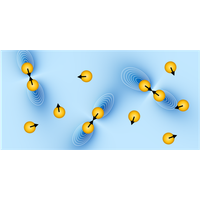
Phys. Rev. Lett. 136, 088301 (2026)
Polymers, Chemical Physics, Soft Matter, and Biological Physics
XY Model with Persistent Noise
Article | Polymers, Chemical Physics, Soft Matter, and Biological Physics | 2026-02-25 05:00 EST
Xia-qing Shi, Hugues Chaté, and Benoît Mahault
We consider a 2D XY model subjected to time-correlated noise, a model of direct relevance to active crystals, which were shown recently to be able to support very large deformations without melting in the presence of persistent fluctuations. We find that our persistent XY model can remain quasiorder…
Phys. Rev. Lett. 136, 088302 (2026)
Polymers, Chemical Physics, Soft Matter, and Biological Physics
Physical Review X
Exploring Light-Induced Phases of 2D Materials in a Modulated 1D Quasicrystal
Article | 2026-02-25 05:00 EST
Yifei Bai, Anna R. Dardia, Toshihiko Shimasaki, and David M. Weld
Mapping a one-dimensional quasicrystal to a two-dimensional quantum Hall system allows for the study of light-induced metal-insulator transitions, revealing an exotic multifractal phase stabilized by elliptically polarized driving.
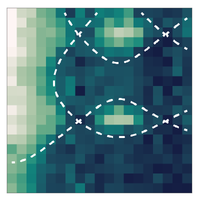
Phys. Rev. X 16, 011036 (2026)
Stabilizer Rényi Entropy and Conformal Field Theory
Article | 2026-02-25 05:00 EST
Masahiro Hoshino, Masaki Oshikawa, and Yuto Ashida
Conformal field theory is used to uncover universal behaviors in nonstabilizerness. Like entanglement, this resource is governed by fundamental numbers such as the factor.

Phys. Rev. X 16, 011037 (2026)
arXiv
From molecular model to tensor model of nematic liquid crystals through entropy decomposition
New Submission | Soft Condensed Matter (cond-mat.soft) | 2026-02-26 20:00 EST
Baoming Shi, Dawei Wu, Lei Zhang, Pingwen Zhang
In the mathematical modeling of nematic liquid crystals, a practical and physically reliable $ \mathbf{Q}$ -tensor model can be derived from Onsager’s molecular model with the Bingham closure. However, this procedure leads to a singular entropy term that implicitly depends on $ \mathbf{Q}$ , creating both computational and theoretical difficulties. In this paper, we characterize this entropy contribution by splitting it into a singular but explicit leading term and an implicit but regular correction term, the latter of which is proven to be sufficiently regular to be accurately approximated numerically, for example, by neural networks. This yields a computationally convenient free energy that can be used for the computation of nematic liquid crystals. Our numerical experiments demonstrate that the resulting free energy can capture the isotropic-nematic phase transition as well as the free-boundary droplet configurations.
Soft Condensed Matter (cond-mat.soft)
Apparatus to visualize flows in superfluid $^4$He below 1 K
New Submission | Other Condensed Matter (cond-mat.other) | 2026-02-26 20:00 EST
I. Skachko, J. A. Hay, C. O. Goodwin, M. J. Doyle, W. Guo, P. M. Walmsley, A. I. Golov
We describe a versatile apparatus for optical observations of experimental processes at temperatures down to 0.1 K. The cooling is achieved by a wet cryostat with a dilution refrigerator on a vibrationally-isolated platform, capable of continuous rotation at angular velocity of up to 3 rad/s. The illumination light beam from lasers on a non-rotating optical table at room temperature is introduced via an optical fiber. The images are transferred to the intensified camera at room temperature through a coherent bundle of $ 10^5$ optical fibers giving a spatial resolution of $ \sim 30 \mu$ m, depending on the magnification used. The adjustment of the position of the illumination light, as well as of the focusing of the camera on the object under investigation, can be controlled remotely with the help of piezoelectric positioners. The apparatus was used for visualization of particles dispersed in superfluid helium at temperatures down to 0.14 K. In one version of experiment, fluorescent light from clouds of excimer molecules He$ _2^\ast$ , generated in liquid helium by electron impact from electrons injected by sharp field-emission tips, was recorded and analyzed. In another, fluorescent particles of diameters between 1 $ \mu$ m and 6 $ \mu$ m were initially loaded onto the horizontal surface of a piezoelectric crystal of LiNbO$ _3$ and then injected into liquid helium by short bursts of high-amplitude oscillations at the crystal’s resonant frequency 1 MHz. The particle trajectories were filmed at a frame rate of up to 990 fps and analyzed.
Other Condensed Matter (cond-mat.other)
15 pages, 6 figures
Non adiabatic dynamics of the ferroelectric soft mode
New Submission | Materials Science (cond-mat.mtrl-sci) | 2026-02-26 20:00 EST
Gili Scharf, Lara Donval, Leah Ben Gur, Alon Ron
Most microscopic descriptions of structural dynamics assume the Born-Oppenheimer separation, where electrons adjust adiabatically to ionic motion. When this separation breaks down, electronic and lattice degrees of freedom can evolve on different timescales, giving rise to new physical phenomena beyond the adiabatic limit. Here we use time-resolved, phase-sensitive second-harmonic generation and pump-probe reflectivity to reshape the ferroelectric free-energy landscape of SnTe while separately tracking polar order and coherent lattice motion. When photoexcitation transiently suppresses the double-well barrier, polarization dynamics become strongly nonlinear, while the coherent phonon dynamics remain harmonic. This decoupling cannot be described by a single adiabatic coordinate for the electronic polarization and ionic positions. We provide a unifying physical description for the non adiabatic dynamics of the ferroelectric mode and the mixed displacive/order-disorder nature of SnTe based on a separation of scales for the renormalization of the ferroelectric stiffness.
Materials Science (cond-mat.mtrl-sci)
Anisotropy reduction and tunability of hole-spin qubit g-factor in strained parabolic Ge/SiGe quantum wells
New Submission | Mesoscale and Nanoscale Physics (cond-mat.mes-hall) | 2026-02-26 20:00 EST
R. K. L. Colmenar, Arthur Lin, Omadillo Abdurazakov, Yun-Pil Shim, Garnett W. Bryant, Charles Tahan
Hole-spin qubits in planar Ge/SiGe heterostructures have attracted significant attention in recent years owing to their favorable electrical characteristics and prolonged coherence times. However, the strong spin-orbit interaction also makes them susceptible to charge noise and inhomogeneous strain. This is further exacerbated by the highly anisotropic g-factor of the planar design. Although there are some known strategies to suppress charge noise, one approach is to engineer an isotropic g-factor. In this work we analyze how qubit confinement profile affects the g-factor of hole-spin qubits. We show that decreasing the characteristic in-plane qubit confinement length reduces the g-factor anisotropy. We perform analytical and numerical analysis to compare two types of quantum wells: square wells and parabolic wells. We show that square wells have limited tunability, while parabolic wells offer broader tunability, making them more promising for qubit engineering.
Mesoscale and Nanoscale Physics (cond-mat.mes-hall)
Ab Initio Random Matrix Theory of Molecular Electronic Structure
New Submission | Strongly Correlated Electrons (cond-mat.str-el) | 2026-02-26 20:00 EST
We use ab initio electronic-structure methods to investigate random-matrix theory (RMT) universality in molecular electronic structure. Using single-reference electronic structure methods, including Hartree-Fock, configuration-interaction singles (CIS), density functional theory, and linear-response time-dependent density-functional theory, we compute single-particle orbital energies and many-electron excitations of several representative molecules (benzene, alanine, 1-phenylethylamine, methyloxirane, and helicene chains). For generic low-symmetry geometries, the unfolded spectra of these ab initio Hamiltonians exhibit Wigner-Dyson level statistics of the Gaussian orthogonal ensemble (GOE). For extended helicene chains we explicitly restrict to bound valence excitations below the ionization threshold and still observe GOE statistics, indicating that the RMT universality is present for physical states of direct relevance to real molecules. We further explore the electric and magnetic field dependence of the molecular electronic spectra. The variance of electric polarizability (level curvature K) is predicted to be non-analytic in the magnetic field which serves as an infrared cutoff, <K^2> proportional to log(1/|B|). We observe a transition to the Gaussian unitary ensemble (GUE) by increasing the magnetic fields, although it occurs only at magnetic fields far beyond experimentally accessible scales. Our results indicate that random matrix universality provides a general framework for organizing ab initio predictions of interacting electron spectra in complex systems.
Strongly Correlated Electrons (cond-mat.str-el), Chemical Physics (physics.chem-ph), Computational Physics (physics.comp-ph), Quantum Physics (quant-ph)
8 pages, 8 figures
Detecting Higher Berry Phase via Boundary Scattering
New Submission | Strongly Correlated Electrons (cond-mat.str-el) | 2026-02-26 20:00 EST
Higher Berry phase has recently been proposed to study the topology of the space of gapped many-body quantum systems. In this work, we develop a boundary-scattering approach to detect higher Berry phases in one-dimensional gapped free-fermion systems. By coupling a gapless lead to the gapped system, we demonstrate that the higher Berry invariant can be obtained by studying the higher winding number of the boundary reflection matrix. The resulting topological invariant is robust against perturbations such as disorder. Our approach establishes a connection between higher Berry invariants and transport properties, thereby providing a potentially experimentally accessible probe of parametrized topological phases.
Strongly Correlated Electrons (cond-mat.str-el), Mathematical Physics (math-ph), Quantum Physics (quant-ph)
Automatic Identification of Compounds in Molecular Mixtures from Liquid-Phase Infrared Spectra
New Submission | Materials Science (cond-mat.mtrl-sci) | 2026-02-26 20:00 EST
Yannah J.U. Melle, Thanh Nguyen, Jeffrey Lopez, Daniel Schwalbe-Koda
Interpreting spectroscopy data is a critical bottleneck in automating chemical research and industrial characterization. Particularly within infrared (IR) spectroscopy, identifying compounds in complex, liquid-phase chemical mixtures largely relies on expert knowledge, as variable peak assignment, broadening, and shifts hinder data-driven methods. Here, we show that an algorithmic approach can identify components in both simulated and experimental mixture spectra with high accuracy despite nonlinearities in liquid-phase IR data. The method is comprehensively benchmarked with a dataset of over 44,000 simulated liquid-phase IR spectra for mixtures and achieves up to 90% accuracy in identifying molecular components across a dataset of binary and ternary liquid mixtures. Our strategy is robust to perturbation of spectra, and its accuracy is capped by near-identical liquid-phase IR spectra that limit the resolution of chemical identification, imposing theoretical limits on achieving perfect accuracy in structure identification. Finally, we apply the method to automatically interpret IR spectra in experimental settings, correctly identifying the components of nearly all samples within a blind study. This work provides tools and data to advance automated chemical laboratories through algorithmic interpretation of liquid-phase IR spectra of mixtures.
Materials Science (cond-mat.mtrl-sci), Chemical Physics (physics.chem-ph)
22 pages, 6 figures
Using near-flat-band electrons for read-out of molecular spin qubit entangled states
New Submission | Mesoscale and Nanoscale Physics (cond-mat.mes-hall) | 2026-02-26 20:00 EST
Christian Bunker, Silas Hoffman, Shuanglong Liu, Xiao-Guang Zhang, Hai-Ping Cheng
While molecular spin qubits (MSQs) are a promising platform for quantum computing, read-out has been largely limited to electron paramagnetic resonance which is often slow and requires a global system drive. Moreover, because one prerequisite for the Elzerman and Pauli spin blockade readout mechanisms typical of semiconductor spin qubits is tunneling of electrons between sites, these read-out modalities are unavailable in MSQs. Here, we theoretically demonstrate electrical read-out of entangled MSQs via driven many-electron spin unpolarized currents. In particular, using a time-dependent density matrix renormalization group approach we simulate a maximally entangled MSQ pair between two electronic leads. Driving itinerant electrons between the two leads, we find that the conductance is greater when the MSQs are in the entangled singlet state as compared to the entangled triplet state. This contrast in conductance is enhanced when the electronic density of states at the Fermi energy is large and for narrow bandwidth. Our results are readily applicable to molecules supramolecularly functionalizing semiconductors with relatively flat bands such as single-wall carbon nanotubes under a magnetic field.
Mesoscale and Nanoscale Physics (cond-mat.mes-hall), Quantum Physics (quant-ph)
ACS Nano 2026, 20, 7, 5602
Time-dependent Magnetic Fields and the Quantum Hall Effect
New Submission | Mesoscale and Nanoscale Physics (cond-mat.mes-hall) | 2026-02-26 20:00 EST
Ermakov has shown how the solution to the classical harmonic oscillator in one spatial dimension with general time-dependent frequency can be reduced to the time-independent case and an associated nonlinear ordinary differential equation, an analysis which has been applied to the Schrödinger equation as well. We extend this analysis to the Landau problem of a charged particle in a uniform magnetic field in two dimensions and construct the generalized Laughlin wave functions for the case when the magnetic field is time-dependent. We also work out the dynamics of density fluctuations (the Girvin, MacDonald, Platzman or GMP mode) and argue that it is possible to tune the frequency of the magnetic field to obtain a compressible droplet of fermions. We also analyze the dynamics of the edge modes of the droplet for the integer Hall effect.
Mesoscale and Nanoscale Physics (cond-mat.mes-hall), High Energy Physics - Theory (hep-th), Mathematical Physics (math-ph)
33 pages
From Global Flocking to Local Clustering: Interplay between Velocity Alignment and Visual Perception of Active Particles
New Submission | Soft Condensed Matter (cond-mat.soft) | 2026-02-26 20:00 EST
Mohit Gaur, Arnab Saha, Subhajit Paul
Collective behavior in biological systems was first captured by the Vicsek model, in which particles align their velocities in the average direction of neighbors, leading to coherent motion and showing an order-disorder transition. However, in many complex environments, the interactions are non-reciprocal, lacking an action-reaction symmetry. Using framework of the Vicsek model, we implement non-reciprocity by restricting interactions to neighbors located inside a finite vision cone, for a particle by limiting its set of interacting neighbors which fall within a vision-cone, providing a minimal description for cognitive perception. Using detailed numerical simulations, we explore the clustering and flocking behavior due to competition between noise and limited visual perception in the presence of alignment interaction. For low noise, with reduction in the vision angle the system shows transition from a global coherent motion to locally ordered small-sized clusters. This behavior is confirmed through the steady-state distributions of velocity components and their fluctuation relative to the global mean. This is also characterized using a polar order-parameter and a two-point velocity correlation function. Interestingly, at small vision angles, particles exhibit strong short-range correlations within clusters even in the absence of any global coherence. Time-evolution of the related correlation functions illustrate the pathways towards the emergence of such structures. The time dependence of the average cluster size and the length-scale calculated from the two-point velocity correlation show scaling behavior and indicate that the emergence of density field clustering is a consequence of the velocity-field coherence. Any kind of ordering and clustering disappear in the limit of high noise and low vision-angle regime.
Soft Condensed Matter (cond-mat.soft), Statistical Mechanics (cond-mat.stat-mech)
Low-Noise Quantum Dots in Ultra-Shallow Ge/SiGe Heterostructures for Prototyping Hybrid Semiconducting-Superconducting Devices
New Submission | Mesoscale and Nanoscale Physics (cond-mat.mes-hall) | 2026-02-26 20:00 EST
M. Borovkov, Y. Schell, D. Sokolova, K. Roux, P. Falthansl-Scheinecker, G. Fabris, A. Bubis, D. Shah, J. Saez-Mollejo, R. Previdi, I. Taha, Azaz Genç, J. Arbiol, S. Calcaterra, A. D. C. Oliveira, D. Chrastina, G. Isella, G. Katsaros
Planar germanium is currently the only semiconducting platform where high-coherence spin qubits and proximity-induced superconductivity have each been demonstrated. Recent research into spin qubits in Ge/SiGe heterostructures has focused on increasing the thickness of the SiGe capping layer, reporting improvements in the electrostatic noise levels. Meanwhile, heterostructures with thinner capping layers remain rather unexplored, despite the potential advantages for proximity-induced superconductivity. Here, we study a Ge/SiGe heterostructure with a thin SiGe cap $ d \approx 4\ \mathrm{nm}$ and investigate its viability to host low-noise quantum dots. To keep the thermal budget compatible with superconducting layers, low-temperature oxide deposition processes were developed and implemented for the gate dielectrics. The charge-noise level of fabricated devices is estimated to be $ 1.8 \pm 1.0\ \mu\mathrm{eV}/\sqrt{\mathrm{Hz}}$ , comparable to devices fabricated on shallow heterostructures $ \left(d \sim 20\ \mathrm{nm}\right)$ with high-temperature deposited oxides. Low charge-noise levels, together with the straightforward integration of superconductors, make this heterostructure an attractive platform for prototyping hybrid semiconducting-superconducting devices.
Mesoscale and Nanoscale Physics (cond-mat.mes-hall)
Granular aluminum induced superconductivity in germanium for hole spin-based hybrid devices
New Submission | Mesoscale and Nanoscale Physics (cond-mat.mes-hall) | 2026-02-26 20:00 EST
Giorgio Fabris, Paul Falthansl-Scheinecker, Devashish Shah, Daniel Michel Pino, Maksim Borovkov, Anton Bubis, Kevin Roux, Dina Sokolova, Alejandro Andres Juanes, Tommaso Costanzo, Inas Taha, Aziz Genç, Jordi Arbiol, Stefano Calcaterra, Afonso De Cerdeira Oliveira, Daniel Chrastina, Giovanni Isella, Ruben Seoane Souto, Maria Jose Calderon, Ramon Aguado, Jose Carlos Abadillo-Uriel, Georgios Katsaros
In superconductor-semiconductor hybrid structures, superconductivity and spin polarization are competing effects because magnetic fields break Cooper pairs. They can be combined using thin films and in-plane magnetic fields, an approach that enabled the pursuit of Majorana zero modes, Kitaev chains, and Andreev spin qubits (ASQs), but remains challenging for materials with small in-plane g-factors. Here we show that granular aluminum (grAl), composed of nanometer-scale aluminum grains embedded in an amorphous oxide matrix, can overcome this limitation. By depositing grAl on Ge/SiGe heterostructures, we induce a hard superconducting gap with BCS peaks at 305 $ \mu$ eV and magnetic-field resilience for both the in-plane and out-of-plane directions, allowing Zeeman splitting of Yu-Shiba-Rusinov (YSR) states beyond 50 $ \mu$ eV (12 GHz). Leveraging this robustness, we reveal signatures of hole physics and demonstrate g-tensor tunability.
Mesoscale and Nanoscale Physics (cond-mat.mes-hall), Superconductivity (cond-mat.supr-con)
Chapman-Enskog expansion for chirally colliding disks
New Submission | Soft Condensed Matter (cond-mat.soft) | 2026-02-26 20:00 EST
We study a two-dimensional fluid of hard disks undergoing chiral, energy- and momentum-conserving collisions. We show that despite the microscopic breaking of time-reversal symmetry, the H-theorem is obeyed, guaranteeing a relaxation towards equilibrium in the absence of external forces. In the dilute limit, a Chapman-Enskog expansion yields analytical expressions for the shear and odd viscosity and the thermal conductivity. Theoretical predictions are confirmed by nonequilibrium molecular dynamics simulations.
Soft Condensed Matter (cond-mat.soft), Fluid Dynamics (physics.flu-dyn)
Finite-temperature superfluid depletion of disordered Bose gases
New Submission | Quantum Gases (cond-mat.quant-gas) | 2026-02-26 20:00 EST
At zero temperature, homogeneous interacting Bose-condensed fluids are entirely superfluid, with remarkable transport properties. A non-superfluid, normal component is induced by finite temperatures and spatial inhomogeneity, the combined effects of which are rather intriguing, and difficult to describe quantitatively. By inhomogeneous Bogoliubov theory, applicable to weakly interacting condensed Bose gases in static external potentials with arbitrary spatial correlations, we calculate the normal fluid density via the transverse current-current correlation. We obtain finite-temperature disorder corrections to the normal fraction known since Laudau’s seminal two-fluid theory, using diagrammatic perturbation theory for systems of any dimensionality, with closed analytical expressions to leading, quadratic order in disorder strength.
Quantum Gases (cond-mat.quant-gas)
Phonon decoherence produced by two-level tunneling states
New Submission | Mesoscale and Nanoscale Physics (cond-mat.mes-hall) | 2026-02-26 20:00 EST
Ryan O. Behunin, Taylor Ray, Dylan Chapman, Andrew J. Shepherd, Yizhi Luo, Peter T. Rakich
Phonon modes within pristine crystalline resonators now routinely reach the quantum ground state. Such systems are attractive for quantum information science applications, as advanced fabrication and processing can enable relatively long quantum coherence times, and precision control can be realized through optical, electrical, or qubit coupling. In many state-of-the-art systems, the phonon lifetime is limited by disorder. In particular, native oxides or damaged `dead layers’ at surfaces can host two-level tunneling states that lead to a particularly problematic form of dissipation that increases at lower temperatures. As mechanical losses are driven down in systems such as micro-fabricated bulk acoustic wave resonators, tunneling states are expected to emerge as the dominant mechanism for phonon decoherence. A quantitative description of these mesoscopic systems therefore requires a framework that captures interactions between a selected phonon mode and a large ensemble of TLS. Here, we derive a quantum master equation for this coupled system, permitting the phonon decoherence produced by two-level tunneling states to be calculated. As an example, we estimate the lifetime of a variety of quantum states within quartz micro-resonators hosting a thin surface layer of tunneling states. We find that the phonon coherence time is maximized at low temperatures, in spite of increased mechanical dissipation, and that phonon-TLS coupling can be reduced for modes with strain nodes at the surfaces.
Mesoscale and Nanoscale Physics (cond-mat.mes-hall), Quantum Physics (quant-ph)
7 pages, 2 figures
Yet another look at narrow escape through a tube
New Submission | Statistical Mechanics (cond-mat.stat-mech) | 2026-02-26 20:00 EST
Victorya Richardson, Yick Hin Ling, Sean D Lawley
The narrow escape problem concerns the time needed for a diffusing particle to exit a confining domain through a small hole in the boundary. While this problem is now well-understood, determining the escape time for a particle that must exit through a narrow tube has proven challenging. Indeed, relying on analogies with electrodynamics, parameter fits to simulations, and heuristics, a variety of conflicting estimates for this escape time have been offered over the last three decades, some of which are counterintuitive and arguably non-physical. In this paper, we combine matched asymptotic analysis and probabilistic methods to determine the exact asymptotics of the narrow escape time through a tube. We obtain a new escape time formula which reduces to the various prior estimates in certain special cases. If the diffusivity in the tube differs from the diffusivity in the rest of the domain, our results reveal the importance of the form of the multiplicative noise inherent to any diffusivity that varies in space. We discuss our results in the context of asymmetric cell division.
Statistical Mechanics (cond-mat.stat-mech), Analysis of PDEs (math.AP), Probability (math.PR)
21 pages, 2 figures
Ambient-Pressure Organic Dirac Electron State in $α$-(BETS)$_2$AuCl$_2$
New Submission | Materials Science (cond-mat.mtrl-sci) | 2026-02-26 20:00 EST
Takuya Kobayashi, Kazuyoshi Yoshimi, Aoto Nishimoto, Shinji Michimura, Hiromi Taniguchi
We report an ambient-pressure Dirac electron (DE) state in a new organic conductor, $ \alpha$ -(BETS)$ _2$ AuCl$ _2$ (BETS = bis(ethylenedithio)tetraselenafulvalene). This salt exhibits characteristic transport properties, including large positive in-plane and anomalous negative interlayer magnetoresistance. These signatures closely resemble the high-pressure DE states of $ \alpha$ -(ET)$ _2$ I$ _3$ (ET = bis(ethylenedithio)tetrathiafulvalene). First-principles calculations including spin-orbit coupling identify the electronic state as a quasi-three-dimensional massive Dirac semimetal with residual Fermi pockets. This discovery provides a valuable platform for exploring bulk Dirac fermions without the complexity of high-pressure measurements.
Materials Science (cond-mat.mtrl-sci), Strongly Correlated Electrons (cond-mat.str-el)
5 pages, 4 figures; Supplemental Material: 6 pages, 2 figures, accepted for publication in J. Phys. Soc. Jpn. (Letter)
Electrostatic Gating of Ionic Conductance Through Heterogeneous van der Waals Nanopores
New Submission | Materials Science (cond-mat.mtrl-sci) | 2026-02-26 20:00 EST
Aaron H. Barajas-Aguilar, Matthew Schiel, Ethan Cao, DaVante Cain, Margaret L. Berrens, Fikret Aydin, Tuan Anh Pham, Javier Sanchez-Yamagishi, Zuzanna S. Siwy
Nanofluidic ionic transistors typically require gate voltages above 1 V and operate only at sub millimolar ionic strengths, limiting their biocompatible applications. We demonstrate ionic transistors consisting of single sub 10 nm nanopores drilled in van der Waals (vdW) heterostructures with internal gate electrodes made of few layer graphene. These devices deliver up to 10fold current modulation at gate voltages as low as 0.3 V in 10 mM KCl, and 2fold modulation at near physiological 100 mM KCl. Baseline conductance with no gate shows surface charge dominated transport below 100 mM KCl consistent with negatively charged hBN walls and 5 nm opening of the pores. The surface charge and the electrochemical asymmetry introduced by the three electrode configuration govern the device behavior: negative gate voltage (VG) enriches ionic concentrations and enhances current, whereas positive VG induces a local depletion zone that suppresses transport. The current modulation by VG is dependent on the polarity of the transmembrane potential and leads to ion current rectification. Molecular dynamics simulations of a nanopore in a hBN graphene hBN stack reveal confinement and surface charge dependent suppression of relative permittivity of interfacial water. Continuum modeling with radially varying interfacial water permittivity reproduces the asymmetric IV characteristics and explains how the embedded gate sculpts local potential and ion concentrations. By enabling sub 0.5 V control of ionic transport at up to 100 mM salt concentrations, these devices address a key barrier in nanofluidics and open the pathway to low power ionic circuits and biosensing.
Materials Science (cond-mat.mtrl-sci), Mesoscale and Nanoscale Physics (cond-mat.mes-hall)
21 pages, 6 figures
Rotational Phonons Drive Low-Energy Kinks in Cuprate Superconductors
New Submission | Strongly Correlated Electrons (cond-mat.str-el) | 2026-02-26 20:00 EST
Yanyong Wang, Manuel Engel, Christopher Lane, Henrique Miranda, Lin Hou, Bernardo Barbiellini, Adrienn Ruzsinszky, John P. Perdew, Robert S. Markiewicz, Arun Bansil, Jianwei Sun, Ruiqi Zhang
Angle-resolved photoemission spectroscopy (ARPES) reveals ubiquitous quasiparticle ``kinks’’ near $ \sim$ 70 meV and $ \sim$ 40 meV across cuprate superconductors, often accompanied by peak–dip–hump (PDH) structures. These features point to strong coupling between electrons and low-energy bosonic excitations, but the microscopic origin has remained elusive due to the limitations of conventional density-functional theory (DFT) and the high cost of beyond-DFT methods. Here, we systematically study the electron–phonon coupling (EPC) in hole-doped infinite-layer CaCuO$ _2$ using the Strongly Constrained and Appropriately Normed (SCAN) density functional, explicitly including magnetic effects. We find a substantial EPC strength $ \lambda$ of $ \sim$ 0.5 in the magnetic phase, producing kinks and PDH structures in the 40-80~meV window in excellent agreement with experiments. The dominant contribution arises from rotational oxygen phonons, while breathing modes contribute little. Our results establish strong EPC in cuprates, highlight the key role of rotational phonons, and provide a framework for understanding spectral anomalies in cuprates and beyond.
Strongly Correlated Electrons (cond-mat.str-el)
7 pages 2 figures
Designing heterostructures to control oxygen stoichiometry in helimagnetic perovskite strontium ferrite
New Submission | Materials Science (cond-mat.mtrl-sci) | 2026-02-26 20:00 EST
Jennifer Fowlie, Bernat Mundet, Danilo Puggioni, Lopa Bhatt, Eric R. Hoglund, Woo Jin Kim, Jiarui Li, Sang Jun Lee, Wenchi Liu, Antoine Devincenti, James M. Rondinelli, David A. Muller, Harold Y. Hwang
A large challenge in determining the physics of helimagnetic SrFeO3 is in stabilizing the stoichiometric chemical phase over long enough time scales to conduct extensive measurements. Degradation in SrFeO3 manifests mainly as a crossover from metallic to insulating behavior. Using a combination of electronic transport and density functional theory, we show that this degradation is dominated by oxygen loss, possibly on the order of one percent. We further demonstrate that high quality SrFeO3 thin films can be stabilized long-term by combining a nanoscale band insulator capping layer with an ex situ ozone anneal. We show that this produces a nearly-pristine cation sublattice and preserves metallicity for at least several weeks. These results establish a reliable pathway for producing chemically stable SrFeO3 thin films, enabling reproducible studies of its unusual helimagnetism.
Materials Science (cond-mat.mtrl-sci)
Measuring elastic properties of granular hydrogels: Effects of capillary interaction and ionic conditions
New Submission | Soft Condensed Matter (cond-mat.soft) | 2026-02-26 20:00 EST
Jiayin Zhao, Haiyi Zhong, Yixiang Gan
The elastic properties of granular hydrogels are commonly characterised under wet conditions, yet the influence of capillary interactions remains unclear. In practical applications, hydrogels operate in aqueous environments containing dissolved ionic species, where swelling and elastic behaviour depend sensitively on ionic conditions. In this study, an experimental setup is developed to measure elastic responses of granular hydrogels under wet conditions. This setup directly observes liquid bridges formation and its evolution during compression. Our results show that neglecting capillary contributions leads to a systematic underestimation of the Young’s modulus of hydrogels. Such an underestimation due to the capillary interaction increases as the sample size or its intrinsic stiffness decreases. In addition to the swelling ratio, the tested samples were also prepared under controlled salinity levels. The experimentally observed dependence of stiffness on swelling and salinity conditions is well captured by a modified constitutive model. The development of this study offers a robust testing protocol for measuring elastic properties of hydrogels under various environmental conditions.
Soft Condensed Matter (cond-mat.soft)
6 figures
Intrinsic Spin Filter Effect in a $d$-wave altermagnet KV$_2$Se$_2$O with Open Fermi Surface
New Submission | Materials Science (cond-mat.mtrl-sci) | 2026-02-26 20:00 EST
Bin Liu, Pei-Hao Fu, Yu-Xuan Sun, Xiao-Lin Zhang, Si-Cong Zhu, Xiang-Long Yu, Hua Wu, Yuan-Zhi Shao
Altermagnets offer a unique pathway to functional spintronics by combining vanishing magnetization with large spin splitting. Here, we demonstrate that the canonical d-wave altermagnet KV2Se2O can deliver giant tunneling magnetoresistance through orientation-dependent spin filtering. By analyzing the crystallographic spin segregation, we show that transport along specific crystallographic axes is nearly fully spin-polarized within the symmetry-protected ballistic channels. We implement this mechanism in a lattice-matched KV2Se2O/Bi2O2Se/KV2Se2O magnetic tunnel junction, which achieves a robust half-metallic transport regime. The symmetry-protected spectral gap in the parallel/anti-parallel configuration ensures a high tunneling magnetoresistance ratio, resulting in substantial tunneling magnetoresistance, robust thermally driven spin filtering, and spin Seebeck effect at room temperature. These findings provide a path of altermagnetic heterostructures as a high-performance platform for scalable, field-free, and thermally stable spin logic.
Materials Science (cond-mat.mtrl-sci), Mesoscale and Nanoscale Physics (cond-mat.mes-hall)
19 + 5 Pages; 4 + 3 Figures
Concerted Carrier-Barrier Dynamics in van der Waals Schottky Junctions Revealed by Time-Resolved Atomic Force Microscopy
New Submission | Mesoscale and Nanoscale Physics (cond-mat.mes-hall) | 2026-02-26 20:00 EST
Munenori Yokota, Hiroyuki Mogi, Yutaka Mera, Katsuya Iwaya, Taketoshi Minato, Shoji Yoshida, Osamu Takeuchi, Tatsuo Nakagawa, Hidemi Shigekawa
Schottky junctions based on transition-metal dichalcogenides (TMDCs) have emerged as key building blocks for next-generation optoelectronic devices that demand ultrafast response and high sensitivity. However, the ultrafast, nanoscale carrier dynamics at these interfaces, crucial for device performance, have remained experimentally elusive. Here, we introduce optical pump-probe time-resolved atomic force microscopy to directly visualize, in real space, the nanosecond-scale modulation of the Schottky barrier potential at a van der Waals junction formed by point contact between WSe2 and a PtIr tip. Complementary analyses using transient absorption spectroscopy and light-modulated current-voltage characteristics together with model simulations reveal that time-resolved currents originate from the concerted temporal evolution of photoexcited carriers and the subsequent barrier response, processes that also define the rate-limiting steps of the photocurrent. Our results uncover the essential interfacial dynamics that underpin TMDC-based photodetectors and photovoltaic elements, while establishing a new measurement paradigm that complements and extends existing spectroscopic techniques. This approach provides direct access to nonequilibrium processes hidden at nanoscale interfaces, offering a powerful route to rational design of high-performance optoelectronic devices.
Mesoscale and Nanoscale Physics (cond-mat.mes-hall), Materials Science (cond-mat.mtrl-sci)
54 pages, 5 figures, Supporting Information included
Unsupervised Discovery of Intermediate Phase Order in the Frustrated $J_1$-$J_2$ Heisenberg Model via Prometheus Framework
New Submission | Strongly Correlated Electrons (cond-mat.str-el) | 2026-02-26 20:00 EST
Brandon Yee, Wilson Collins, Maximilian Rutkowski
The spin-$ 1/2$ $ J_1$ -$ J_2$ Heisenberg model on the square lattice exhibits a debated intermediate phase between Néel antiferromagnetic and stripe ordered regimes, with competing theories proposing plaquette valence bond, nematic, and quantum spin liquid ground states. We apply the Prometheus variational autoencoder framework – previously validated on classical (2D, 3D Ising) and quantum (disordered transverse field Ising) phase transitions – to systematically explore the $ J_1$ -$ J_2$ phase diagram via unsupervised analysis of exact diagonalization ground states for a $ 4 \times 4$ lattice. Through dense parameter scans of $ J_2/J_1 \in [0.3, 0.7]$ with step size 0.01 and comprehensive latent space analysis, we investigate the nature of the intermediate regime using unsupervised order parameter discovery and critical point detection via multiple independent methods. This work demonstrates the application of rigorously validated machine learning methods to open questions in frustrated quantum magnetism, where traditional order parameter identification is challenged by competing interactions and limited accessible system sizes.
Strongly Correlated Electrons (cond-mat.str-el), Disordered Systems and Neural Networks (cond-mat.dis-nn), Machine Learning (cs.LG), Quantum Physics (quant-ph)
Oxygen permeability and stability in the entropy-stabilized Co-based Perovskite oxygen permeable membranes
New Submission | Materials Science (cond-mat.mtrl-sci) | 2026-02-26 20:00 EST
Zaichen Xiang, Rui Chen, Shuangyue Wang, Jingjun Qin, Wanyi Zhang, Yucheng Li, Lingyong Zeng, Huixia Luo
Oxygen transport membranes (OTMs), enabling catalytic reaction and gas separation, support crucial chemical engineering processes and decarbonization technologies, but their applications are hindered by limited oxygen permeation fluxes and inadequate long-term stability during operation. Here, a series of high-entropy perovskite OTMs based on La0.5Sr0.5CoO3 were designed and synthesized by the simple sol-gel method. The impact of varying doping ratios on the structure, surface morphology, oxygen permeability, and stability of these high-entropy OTMs was thoroughly examined. At 950 °C, the optimal composition, La0.25Sr0.25Gd0.2Nd0.2Pr0.1CoO3, achieved oxygen permeation fluxes of 1.62 mL min-1 cm-2 under air/He gradient and 1.46 mL min-1 cm-2 under air/CO2, respectively. Remarkably, all high-entropy OTMs demonstrated stable operation for over 100 h in a pure CO2 environment without a significant decline in performance. This finding paves a new way to enhance the structural and oxygen permeation stability of OTMs, and further promotes the application of OTMs in oxy-fuel combustion technologies aimed at improving CO2 capture and storage efficiency.
Materials Science (cond-mat.mtrl-sci)
35 pages, 8 figures, 5 tables
Journal of Membrane Science, 2026, 739, 124936
Confinement-Induced Symmetry Breaking of Active Surfaces
New Submission | Soft Condensed Matter (cond-mat.soft) | 2026-02-26 20:00 EST
Da Gao, Alexander Mietke, Rui Ma
The actomyosin cortex, a thin layer of a cross-linked polymer network near the cell surface, generates active forces that are responsible for cell shape changes. Many developmental processes that involve such cell shape changes, most prominently embryonic cell division, are spatially confined by eggshells. To investigate the potential role of confinement in redirecting active stresses and enabling symmetry breaking phenomena during cell shape transformations, we study a hydrodynamic minimal model in which the cell cortex is represented as an active fluid surface that undergoes symmetric division in the absence of confinement. When enclosed by an ellipsoidal shell, a spontaneous symmetry-breaking transition emerges at a critical degree of confinement, where symmetrically dividing surfaces become unstable and polarized geometries appear. We show that this transition is controlled by the tightness of the confinement and analyze the solution space of stationary surfaces to identify the mechanisms underlying confinement-induced symmetry breaking.
Soft Condensed Matter (cond-mat.soft), Mathematical Physics (math-ph)
20 pages,10 figures
Robust Electrocaloric Performance Enabled by Highly-Polar Frustrated Nanodomains in NaNbO3-Based Ferrodistortive Relaxor
New Submission | Materials Science (cond-mat.mtrl-sci) | 2026-02-26 20:00 EST
Feng Li, Changshun Dai, He Qi, Jiecheng Liu, Xiaoming Shi, Heng Zhou, Qiong Yang, Mingsheng Long, Lei Shan, Chunchang Wang, Jianli Wang, Zhenxiang Cheng
Solid-state refrigeration technologies, represented by electrocaloric effect (ECE), are renowned for zero global-warming-potential and high cooling efficiency. Synergistically achieving high electrocaloric effect ({\Delta}T) and wide temperature span ({\Delta}Tspan) for EC materials takes a leapfrog toward practical cooling applications, typical for integrated circuits. Guided by phase-field simulation, Ba(Ti, Hf)O3 dubbed as a polar wrench, establishes polar frustration by setting up local stress field and manipulating octahedral oxygen tilt (OOT) in NaNbO3-based relaxor. The resultant P4bm framework entails short-range and highly-polar ferrodistortive nanodomains, i.e., the abundant highly-polar nanodomains facilitate to increase entropy change and robust OOT enables to impede thermal perturbations. Consequently, a large {\Delta}T of 0.85 K and 0.70 K with an ultrawide {\Delta}Tspan of 118 K and 130 K is obtained, contributing to an ultrahigh figure of merit of > 90 K2 in NaNbO3-Ba(Ti, Hf)O3, significantly outperforms its counterparts. The local structure responsible for robust EC performances are decrypted through 2D information from atomic-resolution scanning transmission electron microscope, 3D big-box model constructed from neutron total scattering and DFT calculations. These findings highlight that polar frustration strategy in ferrodistortive relaxor enables to pioneer emergent EC performances, and also unearth potential entropy-change-based ferroelectric and ferromagnetic materials beyond.
Materials Science (cond-mat.mtrl-sci)
Reasoning-Driven Design of Single Atom Catalysts via a Multi-Agent Large Language Model Framework
New Submission | Materials Science (cond-mat.mtrl-sci) | 2026-02-26 20:00 EST
Dong Hyeon Mok, Seoin Back, Victor Fung, Guoxiang Hu
Large language models (LLMs) are becoming increasingly applied beyond natural language processing, demonstrating strong capabilities in complex scientific tasks that traditionally require human expertise. This progress has extended into materials discovery, where LLMs introduce a new paradigm by leveraging reasoning and in-context learning, capabilities absent from conventional machine learning approaches. Here, we present a Multi-Agent-based Electrocatalyst Search Through Reasoning and Optimization (MAESTRO) framework in which multiple LLMs with specialized roles collaboratively discover high-performance single atom catalysts for the oxygen reduction reaction. Within an autonomous design loop, agents iteratively reason, propose modifications, reflect on results and accumulate design history. Through in-context learning enabled by this iterative process, MAESTRO identified design principles not explicitly encoded in the LLMs’ background knowledge and successfully discovered catalysts that break conventional scaling relations between reaction intermediates. These results highlight the potential of multi-agent LLM frameworks as a powerful strategy to generate chemical insight and discover promising catalysts.
Materials Science (cond-mat.mtrl-sci), Machine Learning (cs.LG)
Integral formula for the propagator of the one-dimensional Hubbard model
New Submission | Statistical Mechanics (cond-mat.stat-mech) | 2026-02-26 20:00 EST
Taiki Ishiyama, Kazuya Fujimoto, Tomohiro Sasamoto
We present an exact integral formula for the multi-particle propagator of the one-dimensional Fermi–Hubbard model on an infinite lattice. The proof is based on the nested Bethe ansatz without relying on the string hypothesis. Our formula enables an explicit integral representation of the time evolution of arbitrary finite-particle wave functions and thereby provides a foundation for the exact analysis of nonequilibrium dynamics in the Hubbard model. It can further be applied to related open quantum models.
Statistical Mechanics (cond-mat.stat-mech), Quantum Gases (cond-mat.quant-gas), Mathematical Physics (math-ph)
Computational Frameworks for Patterned Two-Dimensional Magnetism
New Submission | Materials Science (cond-mat.mtrl-sci) | 2026-02-26 20:00 EST
Soham Chandra, Soumyajit Sarkar
Patterned two-dimensional (2D) magnetic nanostructures constitute geometry-engineered spin systems in which exchange, anisotropy, dipolar coupling, and finite-size effects operate on comparable energy scales. Spatial modulation of continuous magnetic films produces confinement-driven critical behavior, compensation phenomena, metastable switching pathways, and topologically non-trivial textures such as vortices and skyrmions. Computational modeling plays a central role in resolving this complexity, enabling quantitative construction of thermodynamic phase diagrams and analysis of geometry-dependent stability regimes. This review synthesizes theoretical and numerical frameworks for patterned 2D magnetism, including classical spin models, stochastic spin dynamics, rare-event methods, and multiscale parameterization informed by first-principles calculations. Representative systems-nanodot and antidot arrays, artificial spin-ice lattices, exchange-modulated heterostructures, and patterned van der Waals magnets- illustrate how geometry functions as an effective thermodynamic control parameter. Emerging directions in nonequilibrium modeling, multiphysics coupling, and scalable data-centric workflows are discussed in the context of predictive phase mapping. Patterned 2D magnetism thus exemplifies the convergence of geometry-controlled materials engineering and computational statistical physics, with phase stability and controlled spin textures at the core of next-generation spintronic architectures.
Materials Science (cond-mat.mtrl-sci), Statistical Mechanics (cond-mat.stat-mech)
14 pages, 2 tables
Magnetic anisotropic pinning and symmetric breaking induced by interfacial coupling in topological-like ruthenate superlattices
New Submission | Strongly Correlated Electrons (cond-mat.str-el) | 2026-02-26 20:00 EST
Zhongyuan Jiang, Zhiwei Zhang, Kesen Zhao, Wenjie Meng, Yuanyuan Zhao, Yubin Hou, Zhangzhang Cui, Jian Zhang, Zheling Shan, Haoliang Huang, Qingyou Lu, Yalin Lu
Interfacial engineering enables various emergent effects such as spin reorientations and transport anisotropy. Noncollinear spin textures are essential for realizing many emergent quantum transport phenomena. However, driving such spin structures requires precise control of the interfacial magnetic coupling in complex oxide heterostructures. Here, by utilizing competing exchange interactions at the interface between ferromagnetic metal SrRuO3 and ferromagnetic insulator LaCoO3, we discovered a noncollinear spin configuration in SrRuO3 sublayers. Magnetic stripes were induced by out-of-plane rather than in-plane magnetic fields, indicating strong anisotropy pinning in our superlattices. The observed magneto-transport anisotropy is well explained by our proposed spin configurations, accounting for contributions from both bulk and interface of the SrRuO3 layers. More interestingly, magnetic skymionic textures were absent even at high magnetic fields. The interfacial exchange interaction overwhelms the Dzyaloshinskii-Moriya interaction (DMI) that stabilizes skyrmions, featuring a higher exchange coupling energy than that for the topological spin textures. Our work highlights the potential of interfacial engineering in tuning the spintronic properties by designing proper interfacial interactions.
Strongly Correlated Electrons (cond-mat.str-el), Materials Science (cond-mat.mtrl-sci)
14 pages, 5 figures
Hall effect on nontrivial quadrupole order in quasi-kagome compound URhSn
New Submission | Strongly Correlated Electrons (cond-mat.str-el) | 2026-02-26 20:00 EST
Yusei Shimizu, Arvind Maurya, Yoshiya Homma, Motoi Kimata, Toni Helm, Ai Nakamura, Dexin Li, Atsushi Miyake, Dai Aoki
This study focuses on the transport properties of the quasi-kagome compound URhSn, which exhibits successive phase transitions at TC =16 K (ferromagnetic phase) and TO =54 K (intermediate phase). A large anomalous Hall component is present along the easy-magnetization axis (H|| [0001]), and the Hall resistivity shows very complex temperature- and field-dependence, with a sign reversal at low temperatures. The Hall resistivity exhibits a nonlinear and unusual field-dependence. Interestingly, there exists an unusual Hall component that is not proportional to the magnetic susceptibility for H || [0001] in both the intermediate and ferromagnetic states. These results reveal unconventional transport properties of URhSn, providing important insights into nontrivial multipolar phases in 5f- electron systems.
Strongly Correlated Electrons (cond-mat.str-el)
5 pages, 4 figures, accepted for publication in J. Phys. Soc. Jpn
Thickness-Driven Control of Room Temperature Ferrimagnetic Skyrmions and their Topological Hall signature in GdFe Single Layers
New Submission | Mesoscale and Nanoscale Physics (cond-mat.mes-hall) | 2026-02-26 20:00 EST
Saroj Kumar Mishra, Y.K. Takahashi, C. Malavika, Karthik V. Raman, Jyoti Ranjan Mohanty
Magnetic skyrmions are nanoscale, topologically protected spin textures with exceptional potential for high density data storage and energy efficient computing. Among various skyrmion hosting systems, rare earth transition metal ferrimagnets offer a promising platform due to their tunable magnetic properties and intrinsically low net magnetization. Despite this, the fundamental control of ferrimagnetic skyrmions in single layer films remains unexplored. Here, we demonstrate a viable route for engineering room temperature skyrmions in GdFe single layers through precise control of film thickness (60 to 80 nm). Thickness variation enables the systematic tuning of key magnetic parameters, including perpendicular magnetic anisotropy and saturation magnetization, thereby allowing precise control over skyrmion size and density. Magnetic force microscopy (MFM) reveals a clear thickness dependent evolution of isolated skyrmion characteristics, where skyrmion size decreases while skyrmion density increases with increasing GdFe film thickness, in agreement with micromagnetic simulations. At the same time, magnetotransport measurements show a systematic enhancement in the topological Hall resistivity with thickness, further corroborating the increased skyrmion density observed in MFM. Scanning transmission electron microscopy reveals a compositional gradient across the film thickness, indicative of structural asymmetry and potential inversion symmetry breaking, contributing to the emergence of a bulk Dzyaloshinskii Moriya interaction. Notably, sub 60nm skyrmions with high areal density are stabilized at room temperature. This work provides a viable route to tailor the properties of ferrimagnetic skyrmions in single-layer GdFe films, paving the way for the development of high-density ferrimagnetic skyrmionic devices.
Mesoscale and Nanoscale Physics (cond-mat.mes-hall)
20pages, 7 figures
A diffusion approximation for systems with frequent weak resetting
New Submission | Statistical Mechanics (cond-mat.stat-mech) | 2026-02-26 20:00 EST
We develop a diffusion approximation for systems subject to fast random resetting by small amplitudes. Equivalently, this describes systems with frequent but small catastrophes. We demonstrate the validity of the approximation by computing the stationary distribution and mean first-passage times of simple one-dimensional systems. The approximation captures dynamically induced correlations in multi-particle systems, and it can be used to generalise the conditionally independent and identically distributed structure recently found in systems with full resetting. Finally, we show that resetting can induce cycles and patterns, which can be characterised using the diffusion approximation.
Statistical Mechanics (cond-mat.stat-mech)
6+2+12 pages, 5+6 figures
Skyrmion Phase and Non-Fermi Liquid Behavior in Nonsymmorphic Magnetic Weyl Semimetal
New Submission | Mesoscale and Nanoscale Physics (cond-mat.mes-hall) | 2026-02-26 20:00 EST
We investigate the interplay between complex magnetic orders and topological electronic states in nonsymmorphic magnetic Weyl semimetals on the ReAlX family (Re is a rare earth element and X is Si or Ge). We construct a lattice model incorporating conduction Weyl fermions coupled to localized magnetic moments via Kondo interaction. By considering a multi-$ {\bf Q}$ cycloid magnetic configuration, which can evolve into a Skyrmion lattice under an in-plane Zeeman field, we analyze its profound impact on the band structure through magnetic Brillouin zone and band-folding. Using the Kubo formula, we calculate the conductivity tensor and examine the transport properties in the clean limit. Our results reveal that the Skyrmion lattice induces significant changes in electrical and Hall conductivities. Furthermore, the temperature-dependent resistivity deviates from the standard Fermi-liquid behavior ($ \rho_{xx}\sim T^2$ ), showing a power-law scaling ($ \rho_{xx}\sim T^\alpha$ with $ \alpha$ between 3 and 5), indicative of non-Fermi liquid behavior. This work provides a theoretical framework connecting multi-$ {\bf Q}$ magnetic textures, Skyrmion physics, and anomalous transport in topological semimetals.
Mesoscale and Nanoscale Physics (cond-mat.mes-hall)
7 pages, 4 figures
Plausible universality of uniaxial order in self-assembly of cross junctions in space dimension $d \ge 3$
New Submission | Statistical Mechanics (cond-mat.stat-mech) | 2026-02-26 20:00 EST
We consider the self-assembly of cross junctions in a general space dimension ($ d$ ) as an extension of the problem studied in a previous paper for $ d = 3$ . This problem is equivalent to constructing a $ d$ -dimensional hypercubic jungle gym, at all junctions of which $ 2d$ rods with different colours meet. The analysis reveals a unique feature of the $ d = 3$ case: the forced presence of at least one perfectly-ordered (singly coloured) direction (axis), in contrast to the possible absence of such a direction in $ d \ge 4$ . However, we will show that the uniaxial order is overwhelming not only in $ d = 3$ but also for $ d \ge 4$ in a sufficiently large system.
Statistical Mechanics (cond-mat.stat-mech)
5 pages, 2 figures
Monitoring Gallium-Induced Damage in Aluminum Alloys Using Nonlinear Resonant Ultrasound Spectroscopy
New Submission | Materials Science (cond-mat.mtrl-sci) | 2026-02-26 20:00 EST
Jan Kober, Radovan Zeman, Josef Krofta, Antonio S. Gliozzi, Marco Scalerandi
Nonlinear Resonant Ultrasound Spectroscopy is a nonlinear ultrasonic technique which allows monitoring small variations in the microstructure of a medium and thus allows materials characterization and monitoring of damage evolution. Application of the technique to monitor Liquid Metal Embrittlement induced by gallium penetration in aluminum is presented here. To define indicators of material degradation, data treatment using the Singular Value Decomposition approach is introduced and discussed. Experimental results show that nonlinear properties are correlated with the state of the liquid metal in the solid matrix, allowing to identify different phases in the process of gallium diffusion along grain boundaries and within the bulk of individual grains. Furthermore, the evolution of gallium damage allows to study correlations between nonlinear, fast and slow dynamic properties.
Materials Science (cond-mat.mtrl-sci)
Manuscript submitted to NDT & E International
Combining matrix product states and mean-field theory to capture magnetic order in quasi-1D cuprates
New Submission | Strongly Correlated Electrons (cond-mat.str-el) | 2026-02-26 20:00 EST
Quentin Staelens, Daan Verraes, Daan Vrancken, Tom Braeckevelt, Jutho Haegeman, Veronique Van Speybroeck
We study quasi-one-dimensional strongly correlated materials using a multi-step approach based on density functional theory, downfolding techniques, and tensor-network simulations. The downfolding procedure yields effective multiband Hubbard models that capture the competition between electron hopping and local Coulomb interactions relevant to the system’s low-energy properties. The resulting multiband Hubbard models are solved using matrix product states. Applied to Sr$ _2$ CuO$ _3$ , SrBaCuO$ _3$ , and Ba$ _2$ CuO$ _3$ , this purely one-dimensional treatment yields no long-range magnetic order, in contrast to the magnetic ordering observed experimentally. To account for this behavior, we extend the multi-step approach by incorporating interchain couplings through a self-consistent mean-field scheme. This combined approach stabilizes finite staggered magnetizations, providing a consistent description of magnetic order in agreement with experiment. For Sr$ _2$ CuO$ _{3.5}$ and SrCuO$ _2$ , we also tested an approach proposed for ladder materials, however, we find that these materials are not well suited for this approach due to the small magnitude of the intraladder hopping parameters.
Strongly Correlated Electrons (cond-mat.str-el)
Self-avoiding tethered surfaces are always flat
New Submission | Soft Condensed Matter (cond-mat.soft) | 2026-02-26 20:00 EST
A. D. Chen, M. C. Gandikota, M. J. Kim, A. Cacciuto
The scaling behavior of fully flexible elastic tethered surfaces has been debated for decades. Some theories predict that self-avoiding surfaces would crumple in the absence of bending rigidity, while most simulations suggested that they would remain flat. Recent simulations on ideal membranes with lattice perforations suggest that systematically removing surface area from a membrane may provide an alternative way to crumpling self-avoiding surfaces. We perform extensive numerical simulations of two models of fully flexible elastic tethered surfaces in which self-avoidance can be systematically and continuously tuned to the ideal limit. We show that in the thermodynamic limit, these surfaces remain flat with a size exponent $ \nu=1$ for any finite degree of self-avoidance, with or without membrane perforations.
Soft Condensed Matter (cond-mat.soft), Statistical Mechanics (cond-mat.stat-mech), Biological Physics (physics.bio-ph)
8 pages, 9 figures
Antiparallel spin polarizations as quadratic response in chiral systems
New Submission | Mesoscale and Nanoscale Physics (cond-mat.mes-hall) | 2026-02-26 20:00 EST
Akane Inda, Kohei Hattori, Hiroaki Kusunose, Satoru Hayami
Chirality-dependent spin generation has attracted considerable attention in condensed matter physics. In this paper, we theoretically investigate antiparallel spin polarization as a chirality-dependent quadratic response, by using a finite chiral system composed of triangular prisms. Based on the nonlinear Kubo formalism and real-time simulations, we demonstrate that spatially inhomogeneous antiparallel spin polarizations are induced as a dissipative quadratic DC response to a homogeneous AC electric field. In particular, we elucidate role of microscopic parameters characterizing the handedness of chirality, and naive expectation of spin polarization as a consequence of spin accumulation of spin current.
Mesoscale and Nanoscale Physics (cond-mat.mes-hall)
8 pages, 7 figures
On the electrical double layer capacitance of the restricted primitive model: a link between the mesoscopic theory and the associative mean spherical approximation
New Submission | Statistical Mechanics (cond-mat.stat-mech) | 2026-02-26 20:00 EST
The results for the electrical double layer capacitance and the charge density of ``free ions’’ obtained from the mesoscopic theory are compared with the corresponding results of the associative mean spherical approximation. While the first theory takes into account the fluctuations of the charge density, the second theory assumes that the free ions and ion pairs are in chemical equilibrium according to the mass action law. Our results demonstrate a fairly good agreement between the two theories at high densities and low temperatures.
Statistical Mechanics (cond-mat.stat-mech)
9 pages, 2 figures
The Predictive Power of Chemical Bonding Analysis in Materials: a Perspective on Optoelectronic Properties
New Submission | Materials Science (cond-mat.mtrl-sci) | 2026-02-26 20:00 EST
Gabriele Saleh, Liberato Manna
Chemical bonding governs how atoms interact to form compounds, thereby determining their physicochemical properties. Despite being an elusive concept, chemical bonding has led to the development of models and tools to explain and predict the behavior of chemical species. This perspective addresses the adoption of chemical bonding analysis to the study of optoelectronic materials, emphasizing the im-portance of its predictive aspect. After reviewing the evolution of chemical bonding models from the first Lewis formulation to the present day, the perspective discusses material classes and chemical bonding phenomena most relevant for light harvesting and emission. We delve into metal halide perovskites and structurally related materials, given their central role in optoelectronic research. Various aspects of chemical bonding in these materials are surveyed, from the structure-property relationship to the rationalization of their electronic properties through molecular orbital diagrams. Two chemical bonding features are particularly important for optoelectronic materials: the ns2 lone pairs of the cations typically found in these materials (e.g. Pb, Sb, Bi) and the antibonding nature of valence and/or conduction bands. We discuss in depth the models to predict the implications of these two phenomena on optoelectronic properties. We also explore chalcohal-ides, a class of materials whose optoelectronic properties are recently emerging. From the chemical bonding perspective, these materials display intriguing phenomena due to the interplay of various types of chemical bonds. Finally, we discuss our vision on the role of chemical bonding analysis in the future of materials science, including synergies and antitheses with machine learning.
Materials Science (cond-mat.mtrl-sci)
9 figures, 17 pages
G. Saleh and L. Manna, J. Am. Chem. Soc. 2025, 147, 51, 46705-46719
Harnessing magnetic anisotropy for nonlinear magnetization precession and spin waves
New Submission | Materials Science (cond-mat.mtrl-sci) | 2026-02-26 20:00 EST
P. I. Gerevenkov, L. A. Shelukhin, Ia. A. Filatov, P. A. Dvortsova, A. M. Kalashnikova
The nonlinearity of magnetization precession and spin waves is a cornerstone of contemporary magnonics. We investigate nonlinear magnetization dynamics in a thin epitaxial iron film driven by femtosecond laser pulses in regimes of homogeneous precession and propagating magnetostatic spin wave packets. The magnetization precession anharmonicity, the generation of higher-order harmonics, and the dynamical rectification are experimentally demonstrated. The numerical solution of the non-linearized Landau-Lifshitz-Gilbert equation reveals that these effects stem from the asymmetry in the energy potential. This asymmetry is readily achievable when an external magnetic field with a strength comparable to the magnetic anisotropy field is applied close to the hard axis. This work establishes a connection between the geometry of the energy profile and nonlinear responses, paving the way for designing magnonic devices with controlled harmonic generation and nonlinear spin wave interaction.
Materials Science (cond-mat.mtrl-sci)
7 pages, 3 figures, 1 supplementary file
Stochasticity of fatigue failure times in sheared glasses
New Submission | Statistical Mechanics (cond-mat.stat-mech) | 2026-02-26 20:00 EST
Swarnendu Maity, Pushkar Khandare, Himangsu Bhaumik, Peter Sollich, Srikanth Sastry
Fatigue failure occurs when a solid is subjected to repeated, cyclic loading. Glasses subjected to cyclic to shear deformation have recently been investigated using computer simulations and theoretical models, to characterize and rationalize the dependence of the number of cycles to failure, depending on the properties of the glasses, and the deformation amplitude. The average number of cycles to failure has been observed to diverge as the strain amplitude approaches the so-called fatigue limit from above. In this work, rather than the average times themselves, we investigate by computer simulations the distribution of fatigue failure times, in model glasses subjected to cyclic shear deformation and in an elasto-plastic model. In particular, we observe in atomistic simulations that the standard deviation of the logarithm of failure times are proportional to their mean values, with the proportionality constant decreasing as the system size increases, indicating a sharper distribution of failure times. Using a finite-element-based elasto-plastic model, we observe similar behavior and perform a system-size analysis showing that the ratio of the standard deviation to the mean tends toward zero in the thermodynamic limit. Such distributions, rather than arising solely from the distribution of disorder in the samples that have been subjected to cyclic deformation, appear to arise from the intrinsic stochasticity of the failure process, which we analyze through a stochastic damage accumulation model.
Statistical Mechanics (cond-mat.stat-mech)
14 pages, 9 figures
ML-guided screening of chalcogenide perovskites as solar energy materials
New Submission | Materials Science (cond-mat.mtrl-sci) | 2026-02-26 20:00 EST
Diego A. Garzón, Lauri Himanen, Luisa Andrade, Sascha Sadewasser, José A. Márquez
Chalcogenide perovskites have emerged as promising absorber materials for next-generation photovoltaic devices, yet their experimental realization remains limited by competing phases, structural polymorphism, and synthetic challenges. Here, we present a fully data-driven and experimentally grounded screening and ranking framework to assess the stability and experimental feasibility of chalcogenide perovskites, integrating interpretable analytical descriptors, machine-learning models, and sustainability metrics. Using a curated experimental dataset of halide and chalcogenide compounds, we derive a new tolerance factor via the SISSO (sure independence screening and sparsifying operator) algorithm that more accurately distinguishes perovskite-forming compositions than established tolerance-factor-based screening criteria. This descriptor is combined with generative crystal structure prediction, composition-based bandgap estimation, and machine-learning-based feasibility assessment to systematically explore a wide chemical space of hypothetical chalcogenide perovskites. The resulting candidates are further evaluated using sustainability indicators, enabling multi-objective ranking tailored to both single-junction and tandem photovoltaic architectures. Beyond identifying several promising and previously unexplored chalcogenide perovskites, this work demonstrates a transferable screening strategy for chemically constrained materials spaces that balances optoelectronic performance, experimental viability, and long-term sustainability.
Materials Science (cond-mat.mtrl-sci)
Charge distribution across dislocation networks induced by a strained top layer in hexagonal boron nitride substrates
New Submission | Mesoscale and Nanoscale Physics (cond-mat.mes-hall) | 2026-02-26 20:00 EST
Isaac Soltero, James G. McHugh, Vladimir I. Fal’ko
Hexagonal boron nitride (hBN) flakes are key building blocks for encapsulating two-dimensional (2D) materials, providing atomically flat surfaces and an excellent dielectric environment for high-mobility field-effect transistors and tunnelling devices. However, strain induced during mechanical exfoliation and assembly of van der Waals heterostructures may lead to plastic deformations of the hBN surface, injecting dislocation lines between the topmost layer and the underlying film. Since a monolayer of hBN is non-centrosymmetric and exhibits a piezoelectric response to deformation, individual dislocations and, in particular their networks, can generate electrostatic potential modulations in the encapsulated 2D material. Here, we examine scenarios in which the top hBN layer is uniaxially strained and/or twisted, and show how lattice reconstruction into dislocation networks leads to the formation of piezoelectric charge hotspots that effectively behave as charged defects.
Mesoscale and Nanoscale Physics (cond-mat.mes-hall), Materials Science (cond-mat.mtrl-sci)
12 pages, 7 figures
Interplay between Relativistic Spin-Momentum Locking and Breaking of Inversion Symmetry: conditions for p-wave magnetism
New Submission | Materials Science (cond-mat.mtrl-sci) | 2026-02-26 20:00 EST
Amar Fakhredine, Giuseppe Cuono, Jan Skolimowski, Silvia Picozzi, Carmine Autieri
We investigate the interplay between relativistic spin-momentum locking arising from altermagnetism and various forms of inversion symmetry breaking. Depending on the symmetry breaking, this can give rise to Rashba-type spin-orbit coupling (SOC), Weyl-type SOC, or the coexistence of two distinct spin-momentum lockings. We focus on the altermagnetic Ca2RuO4 as a testbed material. Our results reproduce the experimentally observed ground state, which is an A-centered magnetic order with the Neel vector along the b-axis, hosting spin cantings along the a- and c-axes but without weak ferromagnetism. Ca2RuO4 exhibits relativistic spin-momentum locking, with different even-parity wave orders for the three spin components. We interpret the experimental results on doped samples as evidence for a transition from a pure altermagnetic phase to a weak ferromagnetic phase. Under ferroelectric- and antiferroelectric-like distortions, there are no qualitative changes in the non-relativistic spin-momentum locking and in the weak ferromagnetism. However, we observe the rise of the Rashba or Weyl-type SOC. Using numerical and analytical models, we investigate which nodal planes persist when inversion symmetry is broken in the relativistic case. The spin-momentum locking of the other components adopt a p-wave character in the case of Rashba; in contrast, Weyl-type SOC disrupts all nodal planes, leaving only nodal lines. Finally, to simulate a stripe phase with structural distortions along the z-axis, we studied a modulated electric field inducing atomic displacements within one Ca2RuO4 layer. This produces a magnetic phase transition to an exotic altermagnetic state with two non-relativistic spin-momentum lockings hosting weak ferromagnetism. Our research presents a comprehensive analysis of various possible scenarios in altermagnets with breaking of inversion symmetries under relativistic effects
Materials Science (cond-mat.mtrl-sci)
19 pages, 17 figures, 4 tables
Thermalization of neighboring nanomechanical resonators below 1 mK
New Submission | Mesoscale and Nanoscale Physics (cond-mat.mes-hall) | 2026-02-26 20:00 EST
Amir Youssefi, Mahdi Chegnizadeh, Francis Bettsworth, Richard Pedurand, Eddy Collin, Tobias J. Kippenberg, Andrew Fefferman
The position noise spectra of six drums on a single chip were measured on a single cooldown below 1.3 kelvin. Cryostat temperatures as low as 0.7 mK were achieved. The temperature dependence of the resonance frequency and linewidth of the drum modes was analyzed in the framework of the tunneling two level system (TLS) model. Departures of the resonance frequency and the position noise power from the expected logarithmic and linear temperature dependences, respectively, were interpreted as indications of thermal decoupling from the cryostat. This previously unexplored measurement configuration revealed that similar neighboring drums on a single chip may be at different temperatures. At the lowest temperatures, some drums exhibited excess damping that decreased with temperature. The magnitude of the excess damping of the drums was correlated with the thermal coupling of their TLS to the cryostat. In the case of one drum, a temporary increase in its damping coincided with a decrease in its mode temperature. The thermalization of the TLS to the cold finger was independent of pump power, pulse tube state and temperature of the pre-cooling stages of the cryostat. These results reveal an interplay between TLS damping and thermalization of nanomechanics that motivates further theoretical work and may impact efforts to extend the coherence of mechanical resonators.
Mesoscale and Nanoscale Physics (cond-mat.mes-hall)
Stress Relaxation in Monodisperse Entangled Polymer Melts: Correlation Between Viscoelastic Response and Single-Chain Relaxation via Molecular Dynamics Simulations
New Submission | Soft Condensed Matter (cond-mat.soft) | 2026-02-26 20:00 EST
We study stress relaxation in several types of entangled monodisperse linear polymer melts by comparing the shear stress relaxation modulus, $ G(t)$ , with the end-to-end vector autocorrelation function, $ P(t)$ . The study includes three Kremer-Grest bead-spring models with varying chain stiffness, as well as a chemistry-specific coarse-grained model of \emph{cis}-1,4-polybutadiene. For each model, multiple chain lengths were simulated, spanning a range of $ N/N_e = 5$ -$ 50$ entanglements per chain. We observe that in all cases the behavior of $ G(t)$ , beyond the short-time Rouse regime, is accurately described by $ G^0_{\mathrm{N}}[P(t)]^2$ , where the chain-length-independent prefactor $ G^0_{\mathrm{N}}$ denotes the plateau modulus. This correlation is consistent with both double reptation and dynamic tube dilation models of polymer relaxation, although the two models are based on different physical pictures. The double reptation model represents the melt as a transient network in which stress relaxation is governed by the survival probability of pairwise entanglements. The dynamic tube dilation model, however, assumes that the tube of constraints surrounding a polymer chain progressively enlarges as relaxation proceeds. The relation $ G(t) = G^0_\mathrm{N}[P(t)]^2$ can serve as a basis for determining the plateau modulus and the corresponding entanglement length. It also simplifies the modeling of $ G(t)$ , since an accurate analytical expression for $ P(t)$ is sufficient to describe the long-time behavior of $ G(t)$ . We further compare the simulation data for $ P(t)$ and $ G(t)$ with theoretical predictions.
Soft Condensed Matter (cond-mat.soft)
Intrinsic (non)-Gilbert damping in magnetic insulators calculated from a minimal model and \textit{ab initio} spin Hamiltonians
New Submission | Materials Science (cond-mat.mtrl-sci) | 2026-02-26 20:00 EST
Andrei Shumilin, Diego López-Alcalá, Nassima Benchtaber, Alberto M. Ruiz, José J. Baldoví
We present an analytically solvable minimal model for the relaxation of low-frequency magnons in magnetic insulators arising from magnon-phonon and magnon-magnon interactions. The model establishes a direct connection between microscopic relaxation processes and Gilbert damping, and reveals how magnon decay evolves from bulk systems to the monolayer limit. We find that magnon-phonon coupling produces Gilbert damping of comparable magnitude in three- and two-dimensional magnets, with qualitative differences between flexural phonons in free-standing monolayers and three-dimensional phonons in substrate-supported layers. By contrast, non-Gilbert damping due to four-magnon scattering is strongly enhanced in two dimensions, where it becomes independent of spin-orbit coupling. To benchmark the model against real materials, we introduce a numerical approach for computing magnon damping from ab initio-derived spin Hamiltonians. We demonstrate that the central conclusions of the model remain valid for magnons in bulk YIG and in a monolayer of the van der Waals magnetic insulator CrSBr.
Materials Science (cond-mat.mtrl-sci)
Computing Nonequilibrium Transport from Short-Time Transients: From Lorentz Gas to Heat Conduction in One Dimensional Chains
New Submission | Statistical Mechanics (cond-mat.stat-mech) | 2026-02-26 20:00 EST
Davide Carbone (1), Vincenzo Di Florio (2,3), Stefano Lepri (4,5), Lamberto Rondoni (6,7) ((1) Laboratoire de Physique de l’Ecole Normale Superieure, ENS Universite PSL, CNRS, Sorbonne Universite, Universite de Paris, Paris, France (2) MOX Laboratory, Department of Mathematics, Politecnico di Milano, Piazza Leonardo Da Vinci 32, 20133 Milano, Italy (3) CONCEPT Lab, Fondazione Istituto Italiano di Tecnologia, Via E. Melen 83, Genova, 16152, Italy (4) Consiglio Nazionale delle Ricerche, Istituto dei Sistemi Complessi, Via Madonna del Piano 10, 50019 Sesto Fiorentino, Italy (5) INFN, Sezione di Firenze, Via G. Sansone 1, 50019 Sesto Fiorentino, Italy (6) INFN, Sezione di Torino, Via P. Giuria 1, 10125 Torino, Italy (7) Dipartimento di Scienze Matematiche, Politecnico di Torino, Corso Duca degli Abruzzi 24, 10129 Torino, Italy)
We test the Transient Time Correlation Function (TTCF) method to compute nonequilibrium transport coefficients, highlighting its conceptual and practical difference from the standard time-average approach. While time averages extract transport properties from long stationary trajectories and discard transient dynamics, TTCF adopts the complementary strategy: it exploits the information contained in short-time transients following the onset of an external perturbation, while discarding the long-time evolution once stationarity is reached. We revisit the theoretical framework of TTCF and assess its numerical performance through representative case studies, the Lorentz gas and a many-body system, namely a chain of oscillators with anharmonic pinning potential. By direct comparison with time averages, we show that for the Lorentz gas TTCF yields consistent transport coefficients in both linear and nonlinear regimes at a reduced computational cost. Moreover, the TTCF displays superior precision in the linear-response regime, and remains reliable in non-ergodic situations, revealing the presence of regions of phase space corresponding to different behaviors, as well as the possibility of phase transitions. For the anharmonic chain, we show that TTCF is a scalable and efficient alternative for the numerical study of nonequilibrium transport.
Statistical Mechanics (cond-mat.stat-mech), Mathematical Physics (math-ph), Computational Physics (physics.comp-ph)
Geometric oscillations of local Hall and Nernst effects in ballistic graphene at weak magnetic fields
New Submission | Mesoscale and Nanoscale Physics (cond-mat.mes-hall) | 2026-02-26 20:00 EST
Z. Z. Alisultanov, A. V. Kavokin
We predict a novel class of magnetotransport oscillations in ballistic graphene specific for a ring-shape geometry. Using the Büttiker-Landauer formalism, we analytically obtain the local Hall and Nernst coefficients in the weak-field ballistic regime. These coefficients exhibit pronounced oscillations as functions of both the magnetic field and the angular positions of the measurement probes. The oscillations originate from the discrete set of skipping orbits that geometrically connect the contacts, with resonances occurring when the angular separation between contacts times the radius of the disk equals an integer number of cyclotron diameters. Unlike conventional quantum oscillations in conductivity, this effect is robust at room temperature and can dominate local thermoelectric signals. This geometric control of ballistic flow provides a platform for studying electron hydrodynamics and engineering phase-coherent devices, with potential applications in sensitive terahertz detectors and thermal management systems.
Mesoscale and Nanoscale Physics (cond-mat.mes-hall)
Tighter thermalization bounds for perturbed quantum many-body scars
New Submission | Strongly Correlated Electrons (cond-mat.str-el) | 2026-02-26 20:00 EST
Meng-Yun Mao, Zhixiang Sun, Wen-Long You
Quantum many-body scars (QMBS) are exceptional eigenstates that defy thermalization, enabling long-lived coherent dynamics in strongly interacting systems. However, their stability under perturbations remains inadequately understood. In this work, we derive improved lower bounds on the thermalization time of QMBS under local perturbations with strength $ \lambda$ . Using both numerical simulations and analytical reasoning, we show that exact QMBS exhibit slow thermalization, with a timescale scaling as $ \tau \sim \mathcal{O}(\lambda^{-1/d})$ owing to the stabilizing restricted spectrum-generating algebra (RSGA), which is a significant improvement over previous bounds (e.g., $ \tau \sim \mathcal{O}(\lambda^{-1/(d+1)})$ ). Counterintuitively, approximate QMBS can thermalize even more slowly under generic perturbations, exhibiting $ \tau \sim \mathcal{O}(\lambda^{-2})$ scaling due to second-order perturbative effects in the absence of such protective structure. These distinct thermalization behaviors clarify how exact and approximate scars maintain coherence. Our work advances previous findings by establishing a tighter bound on the thermalization time, clarifying when scarred dynamics remain long-lived under weak but generic perturbations.
Strongly Correlated Electrons (cond-mat.str-el)
9 pages, 6 figures
Phys. Rev. B 113, 075155 (2026)
Quantum Resistance in Multilayer Graphene-BiFeO3 Memristor for Brain-Inspired Computing
New Submission | Mesoscale and Nanoscale Physics (cond-mat.mes-hall) | 2026-02-26 20:00 EST
Suman Roy, Priyanka Sahu, Subhabrata Das, Sameer Kumar Mallik, Susmita Jana, Alok Kumar, Himadri Nandan Mohanty, Kaushik Ghosh, B.R.K. Nanda, Satyaprakash Sahoo
In the era of big data and the Internet of Things, quantum-level control of conductance states offers a promising route toward high-density data storage and brain-inspired neuromorphic computing. Although quantum conductance (QC) phenomena have been demonstrated in various metal oxide memristors, achieving reliable and precise control over quantized states remains in its infancy. Here, we demonstrate bidirectional quantum conductance states in multifunctional BiFeO3 (BFO) perovskite memristors integrated with multilayer-graphene contacts, enabling higher-order tunability and revealing the potential of perovskite-2D heterostructures for quantum-engineered memory and computing devices. XPS analysis provides detailed insights into oxygen vacancy dynamics in BFO, whereas first-principles density functional theory calculations clearly reveal a strong localized electric field at the graphene-BFO interface. Our devices exhibit current-controlled higher-order QC transitions facilitated by quantum point contact formation, giving rise to quantized conductance states during both SET and RESET processes. Time-lag correlation maps quantify the stochastic evolution of QC states under dynamic voltage-pulse tuning schemes. Notably, the quantized conductance states effectively emulate synaptic potentiation and depression, enabling precise weight modulation for high-accuracy image and digit recognition in convolutional neural networks. These findings establish perovskite-2D heterostructures as promising candidates for QC-driven resistive switching and demonstrate their potential for developing controllable quantum memristors.
Mesoscale and Nanoscale Physics (cond-mat.mes-hall)
Intrinsic Instabilities and Mechanical Anisotropy in Halide Perovskite Monolayers
New Submission | Materials Science (cond-mat.mtrl-sci) | 2026-02-26 20:00 EST
Gabriel X. Pereira, Lucas M. Farigliano, Roberto H. Miwa, Gustavo M. Dalpian
Halide perovskites have been extensively studied owing to their excellent optoelectronic properties and their unique lattice characteristics, that are very soft and anharmonic. Recent studies indicate the importance of a deep understanding of their surfaces and, in the limit, the properties of low-dimensional structures based on these materials. To investigate the structural and electronic properties of halide perovskite monolayers (i.e., perovskenes), this work uses first-principles simulations. We have studied three different stoichiometries (ABX3, ABX4, and A2BX4) and structural phases for iodide, bromide, and chloride perovskite monolayers. Their thermodynamic behavior was evaluated through the construction of phase diagrams, highlighting the instability of the ABX4 stoichiometry, which was further supported by its mechanical instability. Structurally, the covalent characteristics of the Pb–X bond, in contrast to the Cs–X bonds, induce a strong anisotropy in the Young’s modulus and Poisson’s ratio along different crystallographic directions, and also account for the lower stiffness observed in the phases where the octahedra are not aligned. The electronic properties are somewhat similar to those of their 3D counterparts, but with a slightly larger band gap; in the monolayers, the band gap increases with halogen electronegativity (I, Br, Cl) and octahedral tilting. Moreover, the non-symmetric ABX3 stoichiometry exhibited a spin splitting due to the internal dipole moment in these layers. Overall, our work lays the groundwork for a deeper understanding of low-dimensional structures based on halide perovskites.
Materials Science (cond-mat.mtrl-sci)
Crystallography-driven molecularization of a two-dimensional spin-$3/2$ magnet
New Submission | Strongly Correlated Electrons (cond-mat.str-el) | 2026-02-26 20:00 EST
Hari Borutta, Tobias Müller, Ronny Thomale, Harald O. Jeschke, Yasir Iqbal
Large-spin two-dimensional magnets are generally expected to develop conventional long-range order once the dominant exchange scale becomes appreciable. The layered spin-$ 3/2$ maple-leaf compound Na$ _2$ Mn$ _3$ O$ _7$ defies this expectation: despite sizable antiferromagnetic interactions and no evident disorder, it exhibits no magnetic ordering and displays two well-separated thermodynamic crossover scales. We show that this behavior originates from a crystallography-driven molecularization of the magnetic degrees of freedom. The low-symmetry structure partitions the Mn sublattice into inequivalent exchange pathways, generating a pronounced hierarchy that nearly isolates antiferromagnetic hexagons. Magnetic correlations therefore develop in two stages: first within individual hexagons at a scale set by the dominant exchange, and only at much lower temperatures do frustrated inter-hexagon couplings attempt to establish coherence across the lattice. While isolated hexagons reproduce the two-step thermodynamic structure, the experimentally relevant temperature scales emerge only once the hexagons are embedded in the frustrated two-dimensional network. The resulting quantum ground state is magnetically disordered, characterized by strong intra-hexagon correlations and rapidly decaying inter-hexagon correlations. These results identify crystallographic inequivalence as a materials-level mechanism for stabilizing molecularized and quantum-disordered states even in large-spin two-dimensional magnets.
Strongly Correlated Electrons (cond-mat.str-el), Materials Science (cond-mat.mtrl-sci)
11 pages, 5 figures, 1 table, and Supplementary Material
Universal Transport Properties of Continuous quantum gases
New Submission | Quantum Gases (cond-mat.quant-gas) | 2026-02-26 20:00 EST
Zi-yang Liu, Xiangguo Yin, Yunbo Zhang, Shizhong Zhang, Xi-Wen Guan
The Drude weight characterizes ballistic transport in quantum many-body systems, yet a comprehensive understanding and exact analytical results for it remain elusive, especially in multi-component quantum gases. In this work, we leverage Generalized Hydrodynamics and the Thermodynamic Bethe Ansatz method to precisely compute the Drude weights of one-dimensional continuous integrable systems, such as the Lieb-Liniger model and the Bose-Fermi mixture model. We establish an exact, universal relationship between components of the Drude weight matrix and fundamental thermodynamic quantities (e.g., particle, enthalpy, and entropy densities) for the constituent particles with distinct statistics undergo dynamic coupling. For both models, we further derive analytical approximations of the Drude weight in distinct physical regimes and identify universal scaling laws for the Drude weight near quantum phase this http URL, to connect theory with experiment, we propose and simulate two feasible measurement protocols–a linear potential quench and a bipartitioning setup-verifying that they can reliably extract the Drude weights. Our results establish a direct link between macroscopic transport phenomena and microscopic quasiparticle structure, furnishing critical theoretical benchmarks for future ultracold atomic gas experiments.
Quantum Gases (cond-mat.quant-gas)
17 pages+51 pages(supplementary material)+16 figures
Band-Like Transport and Cation Off-Centring in Ag/Bi-Based Solar Absorbers
New Submission | Materials Science (cond-mat.mtrl-sci) | 2026-02-26 20:00 EST
Yi-Teng Huang, Yixin Wang, Georgia Fields, Peixi Cong, Yongjie Wang, Jack E. N. Swallow, Avari Roy, Jack M. Woolley, Victoria Rotaru, Maxim Guc, Lars van Turnhout, Mohamed Aouane, Emmanuelle Suard, Dominik Kubicki, Alejandro Pérez-Rodríguez, Aditya Sadhanala, Akshay Rao, Dennis Friedrich, Robert S. Weatherup, Simon J. Clarke, Seán R. Kavanagh, Robert L. Z. Hoye
Ag(I)-Bi(III)-based semiconductors have gained substantial attention as nontoxic, stable alternatives to lead-halide perovskites for optoelectronics, but are widely limited by carrier localization, which severely restricts diffusion lengths. The most efficient Ag/Bi solar absorber is AgBiS2, but diffusion lengths in nanocrystal films are <50 nm. Carrier localization in this rock-salt (Fm-3m) system is believed to arise from cation disorder, and so we herein investigate the layered cation-ordered analogue. Through beyond-DFT simulations combined with neutron and X-ray powder diffraction, we reveal that off-centring of Ag+ and Bi3+ cations is energetically-favoured in this cation-ordered phase. Despite local distortions in the AgS6 and BiS6 octahedra, band-like transport takes place, which, surprisingly, also occurs in the cation-disordered rock-salt phase when these materials are made as bulk powders. The cubic-phase powders have the same degree of cation disorder as the nanocrystals that have carrier localization, which suggests that extrinsic factors play a determining role. We ascribe the intrinsic band-like transport of both phases of AgBiS2 to its close packing, ensuring high electronic dimensionality. These insights offer pathways for designing solar absorbers avoiding carrier localization limitations, and call for future efforts to enhance the efficiency of AgBiS2 photovoltaics to focus on large-grained thin films, or improved nanocrystal surface passivation.
Materials Science (cond-mat.mtrl-sci)
Main text is 37 pages, 5 figures
XY Model with Persistent Noise
New Submission | Statistical Mechanics (cond-mat.stat-mech) | 2026-02-26 20:00 EST
Xia-qing Shi, Hugues Chaté, Benoît Mahault
We consider a 2D XY model subjected to time-correlated noise, a model of direct relevance to active crystals, which were shown recently to be able to support very large deformations without melting in the presence of persistent fluctuations. We find that our persistent XY model can remain quasi-ordered in spite of correlations decaying much faster than allowed in equilibrium. We then investigate theoretically and numerically the order-disorder transition and conclude that it remains of the Berezinskii-Kosterlitz-Thouless type, but with scaling exponents that vary with the persistence time of the noise.
Statistical Mechanics (cond-mat.stat-mech), Soft Condensed Matter (cond-mat.soft)
7 pages, 5 figures
Physical Review Letters 136, 088302 (2026)
Discovering new photovoltaics using optimal transport theory
New Submission | Materials Science (cond-mat.mtrl-sci) | 2026-02-26 20:00 EST
Matthew A. H. Walker, Zibo Zhang, Junayd Ul Islam, Keith T. Butler
Searching by chemical and structural analogy is one of the most commonly used and successful approaches to materials discovery. However, formulating this task for algorithmic implementation raises the question of how we define similar materials. Methods have been proposed for searching materials space using vectors based on chemical composition and functional fragments in the material. Descriptors for structural similarity have also been proposed. However, the question of how to incorporate and balance structural and compositional similarity measures in a single metric remains open. Here, we adapt methods developed for calculating distances between undirected graphs and apply them to crystalline materials similarity. The Fused Gromov-Wasserstein (FGW) metric uses optimal transport theory to map between two graphs considering a balance of the graph structure and the information present at the nodes of the graph (atoms in crystals). We apply the method to exploring new photovoltaic materials. We demonstrate that FGW is competitive with embeddings from an equivariant graph neural network, trained on $ > 10^6$ materials, despite minimal training. We then apply FGW to a discovery campaign to identify materials from the Materials Project database that have not previously been explored as photovoltaics, but have similarities to known high-efficiency materials. After validating predictions with hybrid density functional theory, we identify seven previously unexplored high-efficiency photovoltaic absorber candidates, including Cs$ _5$ Sb$ _8$ , which is found to have a predicted SLME of $ > 30%$ and to be thermodynamically stable. The FGW approach demonstrates the power of strong inductive biases for developing metrics for materials exploration with minimal training data.
Materials Science (cond-mat.mtrl-sci), Disordered Systems and Neural Networks (cond-mat.dis-nn)
Hydrodynamics of Dense Active Fluids: Turbulence-Like States and the Role of Advected Activity
New Submission | Soft Condensed Matter (cond-mat.soft) | 2026-02-26 20:00 EST
Sandip Sahoo, Siddhartha Mukherjee, Samriddhi Sankar Ray
Dense suspensions of self-propelled bacteria and related active fluids exhibit spontaneous flow generation, vortex formation, and spatiotemporally chaotic dynamics despite operating at vanishingly small Reynolds numbers. These phenomena, commonly referred to as active turbulence, display striking visual and statistical similarities to classical inertial turbulence while arising from fundamentally different nonequilibrium mechanisms. In this article, we present a combined review and theoretical study of hydrodynamic models for dense active fluids, with particular emphasis on bacterial suspensions described by the Toner–Tu–Swift–Hohenberg (TTSH) framework. We review key experimental and theoretical developments underlying the analogy between active and inertial turbulence, highlighting the emergence of multiple dynamical regimes and the conditions under which universal spectral and intermittent behavior arises in homogeneous systems. Moving beyond the conventional assumption of spatially uniform activity, we introduce a minimal model in which the activity field is heterogeneous and dynamically advected by the flow it generates. Thus treating activity as a spatiotemporally evolving field coupled to the TTSH dynamics, we investigate how advection and diffusion lead to sharp activity fronts, confinement of turbulent motion, and complex interfacial morphologies. Our numerical results demonstrate that spatial variations in activity can induce transient coexistence of distinct spectral regimes and that universality in active turbulence is inherently local and time-dependent in heterogeneous systems. These findings underscore the importance of treating activity as a dynamical field in its own right and provide a framework for studying active turbulence in more realistic, spatially structured biological and synthetic active matter systems.
Soft Condensed Matter (cond-mat.soft), Chaotic Dynamics (nlin.CD), Biological Physics (physics.bio-ph), Computational Physics (physics.comp-ph), Fluid Dynamics (physics.flu-dyn)
Mini-review and new results on heterogeneous active turbulence
Micellar effects on Ostwald ripening in emulsions: Transition from cubic to quadratic particle size growth
New Submission | Soft Condensed Matter (cond-mat.soft) | 2026-02-26 20:00 EST
Ostwald ripening in O/W emulsions in presence of solubilizing micelles is theoretically studied. At small average sizes, the kinetics is predicted to follow the classical Lifshits-Slezov-Wagner cubic law, with the rate proportional to the molecular solubility of the oil in water, as if no micelles were present. At larger particle sizes the kinetics transitions to the Wagner’s quadratic law. The crossover point for the kinetics depends on the dynamics of the oil solubilizate-micelle exchange; it is set by the value of the oil atmosphere distribution parameter, kappa, which, somewhat like Debye length, is proportional to the square root of the micellar concentration. It should be noted that in the range when 1/kappa is close to the particle average radius, the ripening kinetics still nearly follows the cubic law, with only moderate deviations; in this case, the micellar effects are experimentally seen not as the deviations from the linearity, but as an apparent increase in the cubic rate. The increase is predicted to be larger in case of nonionic micelles of ethylene oxide type compared to ionic ones.
Soft Condensed Matter (cond-mat.soft)
Energy-resolved transport of ultracold atoms across the Anderson transition: theory and experiment
New Submission | Quantum Gases (cond-mat.quant-gas) | 2026-02-26 20:00 EST
Jean-Philippe Banon, Sacha Barré, Ke Xie, Hoa Mai Quach, Xudong Yu, Yukun Guo, Myneni Niranjan, Alain Aspect, Vincent Josse, Nicolas Cherroret
In a recent experiment [X. Yu et al., arXiv:2602.07654], energy-resolved measurements of an atomic matter wave spreading in a speckle potential enabled the direct observation of the three-dimensional Anderson transition. In this work, we present a quantitative theoretical description of the matter-wave dynamics based on a tailored implementation of the self-consistent theory of localization, which incorporates both the spectral and spatial properties of the state prepared in the disorder. We benchmark this theoretical approach against ab initio numerical simulations, and use it to analyze the atom density profiles observed experimentally in the localized, diffusive, and critical regimes. Particular emphasis is placed on the key role of the atomic energy distribution, especially on the distinct contributions of Bose-condensed and thermal atoms to interpret the experimental profiles. Our framework provides a versatile and efficient theoretical toolbox for quantitatively describing wave-packet dynamics in three-dimensional disordered quantum systems, which remain challenging for state-of-the-art large-scale numerical simulations.
Quantum Gases (cond-mat.quant-gas), Disordered Systems and Neural Networks (cond-mat.dis-nn)
Effect of glass stability on the low frequency vibrations of vapor deposited glasses
New Submission | Disordered Systems and Neural Networks (cond-mat.dis-nn) | 2026-02-26 20:00 EST
I. Festi, E. Alfinelli, D. Bessas, F. Caporaletti, A. I. Chumakov, M. Moratalla, M. A. Ramos, M. Rodríguez-López, C. Rodríguez-Tinoco, J. Rodríguez-Viejo, G. Baldi
Ultra-stable glasses prepared from the physical vapor deposition of organic molecules present a very low density of two-level states, the kind of glass defects that determine their peculiar low temperature thermal properties. Numerical simulations suggest that quasi-localized harmonic vibrational modes emerge in the soft regions associated with two-level states. However, the connection between the low frequency vibrational modes and the local structural instabilities of glasses remains unexplained. Here we exploit a recently developed spectrograph for nuclear resonant analysis of inelastic X-ray scattering to probe the density of vibrational states of amorphous thin films of ultra-stable and conventional glasses down to an exceptionally low frequency of $ \sim 70$ GHz. We show that the glass stability does not affect the harmonic vibrational modes at the lowest frequencies, despite a reduction of almost an order of magnitude in the density of two-level states. At the same time, the vibrational modes at higher frequencies, around the boson peak maximum, are extremely sensitive to the glass stability. Although we cannot exclude the possible existence of quasi-localized modes in glasses, we show that their presence is not strictly necessary to describe the measured density of low frequency vibrations. The experimental developments here presented pave the way to the solution to the long-standing debate on the low frequency vibrations in glasses.
Disordered Systems and Neural Networks (cond-mat.dis-nn)
19 pages, 13 figures. Phys. Rev. X - Accepted 23 February, 2026. DOI: this https URL
Tire tread block dynamics
New Submission | Soft Condensed Matter (cond-mat.soft) | 2026-02-26 20:00 EST
N. Miyashita, B. N. J. Persson
Temperature has a crucial influence on rubber friction and tire dynamics. The temperature field in a rubber tread block is the sum of the background temperature $ T_0({\bf x},t)$ , which varies slowly in time and space, and the flash temperature $ \Delta T({\bf x},t)$ , which in nonzero only close to the macroasperity contact regions, and which varies rapidly in time often on the millisecond time scale. Here we study the motion of a single tire tread block and how it is influenced by the flash temperature. We also present a theory and experimental results for the size of the macroasperity contact regions. In particular, we show that for a large enough nominal contact area, in most cases the diameter $ D$ of the macroasperity contact regions are nearly independent of the elastic modulus and the nominal contact pressure.
Soft Condensed Matter (cond-mat.soft)
9 pages, 15 figures
Mott Intermittency at the Metal-Insulator Boundary
New Submission | Strongly Correlated Electrons (cond-mat.str-el) | 2026-02-26 20:00 EST
Yuxin Wang, Vladimir Dobrosavljević, Jan Jaroszyński, Yohei Saito, Atsushi Kawamoto, Andrej Pustogow, Martin Dressel, Dragana Popović
The resistivity maximum at a temperature $ T=T_{\mathrm{max}}$ is a recurring feature of bandwidth-tuned Mott systems, yet its meaning remains controversial: is it a coherence-incoherence crossover of an electronically homogeneous metal, or does it mark the onset of transport through a mixed landscape of metallic and insulating regions? Even more debated is whether a true phase-coexistence regime survives in the relevant parameter range, or whether apparent inhomogeneity is merely extrinsic. Here we address these questions by moving beyond temperature sweeps and probe charge transport in the time domain. Near $ T=T_{\mathrm{max}}$ , we find that the resistance of a model system, a quasi-two-dimensional Mott spin liquid material, exhibits clear random-telegraph switching between discrete levels over long timescales. The statistics of the switching - sharp two-level behavior with thermally activated dwell times - point to a mesoscopic “current-controlling” region that dynamically toggles between metallic and insulating states, intermittently opening and closing the dominant conduction channel. This characteristic fluctuating dynamics provides direct evidence for intrinsic metal-insulator coexistence and establishes $ T\sim T_{\mathrm{max}}$ as the regime of Mott intermittency, where transport is governed by stochastic domain switching rather than quasiparticle decoherence.
Strongly Correlated Electrons (cond-mat.str-el), Mesoscale and Nanoscale Physics (cond-mat.mes-hall)
6 pages, 4 figures + Suppl. Mat. (2 pages + 6 figures)
Lowering the temperature of two-dimensional fermionic tensor networks with cluster expansions
New Submission | Strongly Correlated Electrons (cond-mat.str-el) | 2026-02-26 20:00 EST
Sander De Meyer, Atsushi Ueda, Yuchi He, Nick Bultinck, Jutho Haegeman
Representing the time-evolution operator as a tensor network constitutes a key ingredient in several algorithms for studying quantum lattice systems at finite temperature or in a non-equilibrium setting. For a Hamiltonian composed of strictly short-ranged interactions, the Suzuki-Trotter decomposition is the main technique for obtaining such a representation. In [B.Vanhecke, L.Vanderstraeten and F.~Verstraete, Physical Review A, L020402 (2021)], an alternative strategy, the cluster expansion, was introduced. This approach naturally preserves internal and lattice symmetries and can more easily be extended to higher-order representations or longer-ranged interactions. We extend the cluster expansion to two-dimensional fermionic systems, and employ it to construct projected entangled-pair operator (PEPO) approximations of Gibbs states. We also discuss and benchmark different truncation schemes for multiplying layers of PEPOs together. Applying the resulting framework to a two-dimensional spinless fermion model with attractive interactions, we resolve a clear phase boundary at finite temperature.
Strongly Correlated Electrons (cond-mat.str-el), Quantum Physics (quant-ph)
Spatiotemporal Thermal Modulation and Patterning using a Programmable 1024 Element Microheater Array
New Submission | Soft Condensed Matter (cond-mat.soft) | 2026-02-26 20:00 EST
Rahul Goyal, Jang-Hwan Han, Sadaf Pashapour, Peer Fischer
Programmable microheater arrays are essential for a variety of applications including gas sensing, microfluidic lab on a chip devices, 3D printers, and biosensors that rely on DNA amplification. Increasing the density and number of heating elements directly correlates with the precision with which spatiotemporal heat profiles can be delivered. However, large arrays have thus far not been realized. One challenge is that as the number of elements in an array increases, the complexity of connecting them grows. Here, we show that row-column addressing provides a promising architecture for the efficient operation of a large micro-heater array. We introduce a programmable 32 x 32 microheater array consisting of individually addressable robust platinum (Pt)-based Joule heating elements- each smaller than 300 micrometer. We show that combining high-voltage multiplexed electronics and sequential addressing controlled by a high frequency clock, allows the independent operation of the 1024 microheater elements. We demonstrate the generation of heat images and the patterning of metallic structures formed from the liquid metal Gallium. Our work demonstrates new capabilities for on-chip thermal devices, and opens the possibility to realize novel heat-controlled microactuation systems.
Soft Condensed Matter (cond-mat.soft), Applied Physics (physics.app-ph)
High-Pressure X-Ray Diffraction Study of Scheelite-type Perrhenates
New Submission | Materials Science (cond-mat.mtrl-sci) | 2026-02-26 20:00 EST
Neha Bura, Pablo Botella, Catalin Popescu, Frederico Alabarse, Ganapathy Vaitheeswaran, Alfonso Munoz, Brendan J. Kennedy, Jose Luis Rodrigo Ramon, Josu Sanchez-Martin, Daniel Errandonea
The effects of pressure on the crystal structure of scheelite-type perrhenates were studied using synchrotron powder X-ray diffraction and density-functional theory. At ambient conditions, the studied materials AgReO4, KReO4, and RbReO4, exhibit a tetragonal scheelite-type crystal structure described by space group I41/a. Under compression, a transition from scheelite-to-M$ {\prime}$ -fergusonite (space group P21/c) was observed at 1.6 and 7.4 GPa for RbReO4 and KReO4, respectively. The transition involves a relative volume decrease. On the other hand, AgReO4 underwent a phase transition to the M-fergusonite structure (space group I2/a) at 13.6 GPa. In this case there is no appreciable volume discontinuity. The room-temperature pressure-volume equation of state for the three studied perrhenates was estimated using a second-order Birch-Murnaghan equation of state. The results for the low-pressure phase are confirmed by density-functional theory calculations. The analysis of the bulk modulus shows that the compressibility of the compounds decreases following the sequence RbReO4 > KReO4 > AgReO4, which is related to the compressibility of the RbO8, KO8, and AgO8 bidisphenoid units. Density-functional theory also offers valuable insights into the elastic constants. Despite giving a good description for the low-pressure phase in the three compounds, density-functional theory cannot catch the structural phase transition observed in experiments. Reasons for it are discussed in the manuscript.
Materials Science (cond-mat.mtrl-sci), Chemical Physics (physics.chem-ph)
32 pages, 9 figures, 6 tables, 44 references
Journal of Physical Chemistry C 2025, 129, 35, 15865-15877
High-pressure single-crystal X-ray diffraction study of ErVO4
New Submission | Materials Science (cond-mat.mtrl-sci) | 2026-02-26 20:00 EST
Josu Sanchez-Martin, Gaston Garbarino, Samuel Gallego-Parra, Alfonso Munoz, Sushree Sarita Sahoo, Kanchana Venkatakrishnan, Ganapathy Vaitheeswaran, Daniel Errandonea
We present an investigation into the crystal structure of ErVO4 under variable pressure conditions. The high-pressure single crystal X-ray diffraction experiments performed employing helium as the pressure medium facilitated structure refinements up to 24.1(2) GPa. The transition from zircon to scheelite was observed at a pressure of 7.9(1) GPa. In contrast to previous reports, we did not detect any sign of phase coexistence. We also did not observe the second phase transitions previously predicted by density-functional theory to occur below 20 GPa. The determination of the pressure dependence of unit-cell parameters and volume yields precise values for linear compressibility of each axis and the pressure-volume equation of state for both the zircon and scheelite phases. Additional information on the mechanical properties of ErVO4, obtained from density-functional theory calculations, is also reported.
Materials Science (cond-mat.mtrl-sci), Computational Physics (physics.comp-ph)
28 pages, 6 figures, 3 tables, 48 references
Inorganic Chemistry 2025, 64, 10, 5202-5209
Chiral Weyl-Kondo semimetals and hexagonal heavy fermion systems
New Submission | Strongly Correlated Electrons (cond-mat.str-el) | 2026-02-26 20:00 EST
Kuan-Sen Lin, Yuan Fang, Henrique Fabrelli, Runhan Li, Andrey Prokofiev, Fang Xie, Jennifer Cano, Maia G. Vergniory, Silke Paschen, Qimiao Si
Strong correlation, in concert with symmetry and topology, engenders novel gapless phases of matter, though only a tip of the iceberg has been seen. An exemplary framework is provided by Weyl-Kondo semimetals, in which Weyl fermions develop through crystalline symmetry constraints on the emergent low-energy heavy-fermion excitations. This paradigm has opened up new opportunities to explore correlated topologies without a noninteracting counterpart, but fully realizing this potential requires a large base of candidate materials. Here we confront the challenge on both fronts by studying heavy fermion systems with hexagonal space groups. This family contains a large number of chiral nonsymmorphic crystal structures that promote Weyl degeneracies and, in addition, feature geometric frustration in the $ f$ -electron magnetism. Our calculations for the heavy fermion states identify Weyl-Kondo semimetals with chiral or achiral Weyl nodes in the respective structural classes. We also develop a new search strategy for the difficult case of strongly correlated materials, using a combination of materials database, symmetry classification and experiments, and propose as candidate topological heavy fermion systems the chiral CePt$ _2$ B and achiral Ce$ _2$ NiGe$ _3$ and Ce$ _6$ Co$ _{2-\delta}$ Si$ _3$ . Our findings raise the prospect for strongly correlated metallic topology in the unusual setting of exotic quantum magnetism.
Strongly Correlated Electrons (cond-mat.str-el)
25+59 pages, 3+31 figures
Thermal activation drives a finite-size crossover from scale-free to runaway avalanches in amorphous solids
New Submission | Disordered Systems and Neural Networks (cond-mat.dis-nn) | 2026-02-26 20:00 EST
Gieberth Rodriguez-Lopez, Ezequiel E. Ferrero
We investigate thermal avalanche dynamics in amorphous solids using elastoplastic models with local activation rules and no external driving. Dynamical heterogeneities, quantified through persistence measurements and the associated four-point susceptibility $ \chi_4$ , reveal the emergence of correlated spatiotemporal rearrangements as temperature is varied. As temperature increases, avalanche statistics evolve from scale-free behavior with exponential cutoffs to regimes dominated by system-spanning runaway events. We identify a system-size-dependent critical temperature $ T_c(L)$ that separates intermittent avalanche dynamics from thermally assisted flow, where self-sustained avalanches transiently fluidize the system. We show that $ T_c(L)$ decreases algebraically with increasing system size, suggesting that in the thermodynamic limit arbitrarily small but finite temperatures may destabilize the intermittent regime. The relation between avalanche size and duration resembles that in sheared systems, whereas the statistics of minimal distances to yielding reveal a temperature-driven reorganization of marginal stability absent in strictly driven overdamped dynamics. Our results demonstrate that thermal activation alone can generate a finite-size-controlled instability scale in disordered elastic media.
Disordered Systems and Neural Networks (cond-mat.dis-nn), Soft Condensed Matter (cond-mat.soft)
14 pages, 10 figures