CMP Journal 2026-02-25
Statistics
Nature: 24
Nature Materials: 2
Nature Physics: 1
Nature Reviews Materials: 1
Physical Review Letters: 26
Physical Review X: 2
arXiv: 70
Nature
Cavity-altered superconductivity
Original Paper | Nanocavities | 2026-02-24 19:00 EST
Itai Keren, Tatiana A. Webb, Shuai Zhang, Jikai Xu, Dihao Sun, Brian S. Y. Kim, Dongbin Shin, Songtian S. Zhang, Junhe Zhang, Giancarlo Pereira, Juntao Yao, Takuya Okugawa, Marios H. Michael, Emil Viñas Boström, James H. Edgar, Stuart Wolf, Matthew Julian, Rohit P. Prasankumar, Kazuya Miyagawa, Kazushi Kanoda, Genda Gu, Matthew Cothrine, David Mandrus, Michele Buzzi, Andrea Cavalleri, Cory R. Dean, Dante M. Kennes, Andrew J. Millis, Qiang Li, Michael A. Sentef, Angel Rubio, Abhay N. Pasupathy, D. N. Basov
Is it feasible to alter the ground-state properties of a material by engineering its electromagnetic environment? Inspired by theoretical predictions1,2,3,4,5,6,7,8,9,10,11,12, experimental realizations of such cavity-controlled properties without optical excitation are beginning to emerge13,14,15,16,17,18,19. Here we devised and implemented a new platform to realize cavity-altered materials. Single crystals of hyperbolic van der Waals (vdW) compounds provide a resonant electromagnetic environment with enhanced density of photonic states and prominent mode confinement20,21,22,23,24. We interfaced hexagonal boron nitride (hBN) with the molecular superconductor κ-(BEDT-TTF)2Cu[N(CN)2]Br (κ-ET). The frequencies of infrared hyperbolic modes (HMs) of hBN (refs. 25,26) match the infrared-active carbon-carbon (C=C) stretching molecular resonance of κ-ET implicated in superconductivity27. Nano-optical data supported by first-principles molecular Langevin dynamics simulations confirm the presence of resonant coupling between the hBN hyperbolic cavity modes and the C=C stretching mode in κ-ET. Meissner-effect measurements using magnetic force microscopy (MFM) demonstrate a strong suppression of superfluid density near the hBN/κ-ET interface. Non-resonant control heterostructures, including RuCl3/κ-ET and hBN/Bi2Sr2CaCu2O8+x (BSCCO), do not show the pronounced superfluid suppression. These observations suggest that hBN/κ-ET realizes a cavity-altered superconducting ground state. Our work highlights the potential of dark cavities devoid of external photons for engineering electronic ground-state properties of complex quantum materials.
Nanocavities, Superconducting properties and materials
Compact deep neural network models of the visual cortex
Original Paper | Network models | 2026-02-24 19:00 EST
Benjamin R. Cowley, Patricia L. Stan, Jonathan W. Pillow, Matthew A. Smith
A powerful approach to understand the computations carried out by the visual cortex is to build models that predict neural responses to any arbitrary image. Deep neural networks (DNNs) have emerged as the leading predictive models1,2, yet their underlying computations remain buried beneath millions of parameters. Here we challenge the need for models at this scale by seeking predictive and parsimonious DNN models of the primate visual cortex. We first built a highly predictive DNN model of neural responses in macaque visual area V4 by alternating data collection and model training in adaptive closed-loop experiments. We then compressed this large, black-box DNN model, which comprised 60 million parameters, to identify compact models with 5,000 times fewer parameters yet comparable accuracy. This dramatic compression enabled us to investigate the inner workings of the compact models. We discovered a salient computational motif: compact models share similar filters in early processing, but individual models then specialize their feature selectivity by ‘consolidating’ this shared high-dimensional representation in distinct ways. We examined this consolidation step in a dot-detecting model neuron, revealing a computational mechanism that leads to a testable circuit hypothesis for dot-selective V4 neurons. Beyond V4, we found strong model compression for macaque visual areas V1 and IT (inferior temporal cortex), revealing a general computational principle of the visual cortex. Overall, our work challenges the notion that large DNNs are necessary to predict individual neurons and establishes a modelling framework that balances prediction and parsimony.
Network models, Sensory processing, Visual system
Echinoderm stereom gradient structures enable mechanoelectrical perception
Original Paper | Plant sciences | 2026-02-24 19:00 EST
Annan Chen, Ziqin Wang, Zhizi Guan, Jiajun Wu, Qi Wei Shi, Senlin Wang, Yusheng Shi, Bin Su, Chunze Yan, Zuankai Wang, Jian Lu
Cellular solids ubiquitously exist in natural systems and are crucial for living organisms1,2. Their unique smooth branch and node morphologies are often seen as adaptations for enhanced mechanical performance3,4. Exploring alternative evolutionary functions can enrich the understanding of cellular solids, but it is frequently neglected. Here we show that the biomineralized cellular solids in echinoderm stereom (for example, sea urchin spine) have unexpected mechanoelectrical perception with response potential and response time, both of which are one to three orders of magnitude greater than those of echinoderm vision5. This exceptional perception originates from the gradient cellular solids (with varying void- or solid-phase diameters) along the [001] spine axis, generating a differential charge density across the stereom surface during liquid flow. Inspired by this natural wisdom, we create artificial spine-like structures using three-dimensional printing technology that exhibit three-fold higher voltage output and eight-fold greater amplitude differential than gradient-free samples, as well as a nature-inspired metamaterial mechanoreceptor capable of time-resolved self-monitoring information underwater. Our findings advance the understanding of load-sensitive biomimetic cellular solids (such as wood, sponge and trabecular bone), with the potential to develop functional gradient cellular materials towards underwater spatiotemporal sensing and water resource utilization.
Plant sciences, Sensors and biosensors
A membrane-bound nuclease directly cleaves phage DNA during genome injection
Original Paper | Microbiology | 2026-02-24 19:00 EST
Daniel S. Saxton, Peter C. DeWeirdt, Christopher R. Doering, Ian J. Roney, Michael T. Laub
From mammals to bacteria, the direct recognition and cleavage of viral nucleic acids is a potent defence strategy against viral infection, but it requires mechanisms for distinguishing self from non-self1,2. In bacteria, CRISPR-Cas and restriction-modification systems achieve this discrimination by recognizing specific DNA sequences or DNA modifications, respectively. Alternative mechanisms probably remain to be discovered. Here, we characterize SNIPE, an anti-bacteriophage defence system that constitutively localizes to the bacterial cell membrane in Escherichia coli to block phage λ infection. Using radiolabelled phage DNA and time-lapse microscopy to track phage genomes, we demonstrate that SNIPE directly cleaves phage DNA during genome injection. Based on proximity labelling, we find that SNIPE associates with host proteins essential for λ genome entry and with the λ tape measure protein, which facilitates λ genome injection across the inner membrane. SNIPE also defends against diverse siphoviruses, probably through direct interactions with their tape measure proteins. Our findings establish SNIPE as a widespread bacterial defence system that exploits the spatial organization of phage genome injection to specifically target viral DNA, representing a previously unknown strategy for distinguishing self from non-self in prokaryotic immune systems.
Microbiology, Molecular biology
Vectorized instructive signals in cortical dendrites
Original Paper | Cortex | 2026-02-24 19:00 EST
Valerio Francioni, Vincent D. Tang, Enrique H. S. Toloza, Zilan Ding, Norma J. Brown, Mark T. Harnett
Vectorization of teaching signals is a key element of almost all modern machine learning algorithms, including backpropagation, target propagation and reinforcement learning. Vectorization allows a scalable and computationally efficient solution to the credit assignment problem by tailoring instructive signals to individual neurons. Recent theoretical models have suggested that neural circuits could implement single-phase vectorized learning at the cellular level by processing feedforward and feedback information streams in separate dendritic compartments1,2,3,4,5. This presents a compelling, but untested, hypothesis for how cortical circuits could solve credit assignment in the brain. Here we used a neurofeedback brain-computer interface task with an experimenter-defined reward function to test for vectorized instructive signals in dendrites. We trained mice to modulate the activity of two spatially intermingled populations (four or five neurons each) of layer 5 pyramidal neurons in the retrosplenial cortex to rotate a visual grating towards a target orientation while we recorded GCaMP activity from somas and corresponding distal apical dendrites. We observed that the relative magnitudes of somatic and dendritic signals could be predicted using the activity of the surrounding network and contained information about task-related variables that could serve as instructive signals, including reward and error. The signs of these putative teaching signals depended on the causal role of individual neurons in the task and predicted changes in overall activity over the course of learning. Furthermore, targeted optogenetic perturbation of these signals disrupted learning. These results demonstrate a vectorized instructive signal in the brain, implemented via semi-independent computation in cortical dendrites, unveiling a potential mechanism for solving credit assignment in the brain.
Cortex, Neural circuits
Peripheral immune-inducer dendritic cells drive early-life allergic inflammation
Original Paper | Acute inflammation | 2026-02-24 19:00 EST
Yue Xing, Ilana Reznikov, Abonti Nur Ahmed, Ikjot Sidhu, Jill Wisnewski, Asma Farhat, Aleksandr Prystupa, Piotr Konieczny, Kody Mansfield, Melissa L. Cooper, Stephen T. Yeung, Madeline Kim, Sophia Adeghe, Katherine D. Gaines, Meredith Manson, Ji Hyun Sim, Qingrong Huang, Ata S. Moshiri, Kamal M. Khanna, Theresa T. Lu, Emma Guttman-Yassky, Amanda W. Lund, Niroshana Anandasabapathy, Shruti Naik
Atopic diseases associated with allergens, as well as allergic diseases, frequently arise early in life; however, the age-dependent mechanisms governing immune responses to allergens remain poorly understood1. Here we find that in early life, exposure to common allergens triggers a distinct bifurcated immune response, simultaneously triggering type 17 inflammation in the skin and initiating canonical T helper 2 sensitization in the lymph nodes. This early-life γδ type 17-mediated dermatitis primes the exaggerated allergic lung inflammation upon secondary allergen exposure. Mechanistically, we find dendritic cell (DC)-mediated type 17 activation directly in the skin without requiring migration to lymph nodes; we term this state ‘peripheral immune inducer’ (pii) DC. CD301b+ conventional type 2 DCs acquire allergen, adopt the pii-DC state, produce IL-23 and activate local γδ type 17 cells independently of lymph-node engagement. The pii-DC state is enabled by the immature hypothalamic-pituitary-adrenal axis and physiologically low systemic glucocorticoids characteristic of early life2,3; DC-specific deletion of the glucocorticoid receptor recapitulates the pii-DC phenotype. These findings define a developmental checkpoint, set by neuroendocrine maturation, that enables in situ DC activation and immune induction, thereby shaping age-dependent responses to allergens.
Acute inflammation, Conventional dendritic cells
Pancreatic-targeted lipid nanoparticles based on organ capsule filtration
Original Paper | Biomedical engineering | 2026-02-24 19:00 EST
Jiaqi Lei, Kai Yang, Wanyue Cao, Shaolong Qi, Xianlong Du, Hongjian Li, Yangfan Wang, Jinqun Gan, Yunxuan Feng, Yongcan Li, Wenjie Zhang, Bing Bai, Xin Lin, Xinhui Su, Qi Zhang, Tingbo Liang, Guocan Yu
Achieving pancreatic-targeted delivery marks a breakthrough in treating pancreatic diseases, yet precise delivery remains challenging1. Here we identify an explicit and universal principle for pancreatic-selective delivery and propose a pancreatic-targeted lipid nanoparticle (AH-LNP) for mRNA delivery. AH-LNP exhibits size enlargement after assembly with proteins, facilitating capsule-filter-mediated pancreas-selective accumulation and receptor-mediated endocytosis, thereby boosting the pancreatic-targeted ability. Benefiting from this, AH-LNP enables precise and efficient genome editing in the pancreas through the delivery of Cas9 mRNA and single guide RNA (sgRNA), exhibiting promising potential in the treatment of autoimmune pancreatic diseases. Furthermore, pancreatic-targeted delivery of mRNA encoding therapeutic cytokines through AH-LNP demonstrates superior antitumour efficacy when combined with a cancer vaccine or chimeric antigen receptor T cell therapy in multiple pancreatic cancer models. The safety and pancreatic mRNA delivery of AH-LNP were verified in multiple animal models, including non-human primates, demonstrating great promise for clinical translation. Our findings highlight the transformative potential of this pancreatic-targeted mechanism and the derived LNP platform, opening avenues for developing precision therapeutics against diverse pancreatic diseases.
Biomedical engineering, DNA and RNA
Squeaking at soft-rigid frictional interfaces
Original Paper | Applied physics | 2026-02-24 19:00 EST
Adel Djellouli, Gabriele Albertini, Jackson Wilt, Vincent Tournat, David Weitz, Shmuel Rubinstein, Katia Bertoldi
Squeaking is a constant companion in various aspects of our daily lives, whether we slide rubber-soled shoes across hardwood floors1, scrape chalk on a blackboard2, engage the brakes on a bicycle3 or walk with a hip replacement4,5. When two rigid bodies slide over each other, squeaking is widely understood to result from self-excited stick-slip oscillations, triggered by a decrease in the friction coefficient with increasing slip velocity6,7,8,9,10. However, sliding of extended interfaces can involve crack or slip-pulse propagation11,12,13,14,15,16,17,18,19,20,21. This distinction is amplified when a soft body slides on a rigid one, in which large deformations and material mismatch can cause detachment by opening slip pulses22,23,24,25,26,27. Previous studies focused mainly on slow sliding17,26,28,29,30,31,32,33,34, in which pulses are slow and squeaking is absent. Although squeaking at soft-rigid interfaces has been linked to stick-slip oscillations35,36,37, the mechanisms remain unclear. Here we experimentally investigate soft-rigid interfaces sliding at velocities that produce squeaking. High-speed imaging and acoustic analysis show that opening pulses propagate at approximately the shear wave speed of the soft material, mediating local slip across diverse materials. In flat samples, these pulses are irregular and generate broadband acoustic emissions. Introducing thin surface ridges confines pulse propagation, yielding a consistent repetition frequency matching the first shear mode of the sliding block and squeaking at that frequency. These findings show a structure-driven mechanism that stabilizes rupture in bimaterial friction. Geometric confinement suppresses competing modes, transforming irregular two-dimensional dynamics into coherent one-dimensional pulse trains, offering new insights into frictional rupture from engineered surfaces to geological faults.
Applied physics, Mechanical engineering
Pivoting colloidal assemblies exhibit mechanical metamaterial behaviour
Original Paper | Colloids | 2026-02-24 19:00 EST
Julio Melio, Martin van Hecke, Silke E. Henkes, Daniela J. Kraft
Biological machines use targeted deformations that can be actuated by Brownian fluctuations. However, although synthetic micromachines can similarly make use of targeted deformations, they are too stiff to be driven by thermal fluctuations and require strong forcing1,2,3. Furthermore, systems that are able to change their conformation by thermal fluctuations do so uncontrollably4,5 or require external control6. Here we use DNA-based sliding contacts7,8,9 to create colloidal pivots, rigid anisotropic objects that freely fluctuate around their pivot point and use a hierarchical strategy to assemble these into Brownian metamaterials with targeted deformation modes. We realize the archetypical rotating diamond and rotating triangle, or kagome, geometries and quantitatively show how thermal fluctuations drive their predicted auxetic deformations10,11,12,13,14,15. Finally, we implement magnetic particles into the colloidal pivots to achieve colloidal metamaterials that can be controlled externally as well as use Brownian fluctuations for precisely controlled shape changes. Together, our work introduces a strategy for creating Brownian mechanical metamaterials with easily actuatable deformation modes.
Colloids, Mechanical engineering
Clonal-aggregative multicellularity tuned by salinity in a choanoflagellate
Original Paper | Cellular imaging | 2026-02-24 19:00 EST
Núria Ros-Rocher, Josean Reyes-Rivera, Uzuki Horo, Chantal Combredet, Yeganeh Foroughijabbari, Ben T. Larson, Maxwell C. Coyle, Erik A. T. Houtepen, Mark J. A. Vermeij, Jacob L. Steenwyk, Thibaut Brunet
Multicellularity evolved independently multiple times in eukaryotes1,2,3,4. Two distinct mechanisms underpin multicellularity5: clonality (serial cell division without sister-cell separation) and aggregation (whereby independent cells assemble into a multicellular entity). Clonal and aggregative multicellularity are traditionally considered to be mutually exclusive1,6,7,8, with rare exceptions9, and evolutionary hypotheses have addressed why multicellularity might diverge towards one or the other extreme3,4. Both animals and their sister group, the choanoflagellates, are currently known to acquire multicellularity only clonally4,10,11. Here we show that the choanoflagellate Choanoeca flexa12 forms motile and contractile cell monolayers (sheets) through multiple mechanisms–C. flexa sheets can form purely clonally, purely aggregatively or through a combination of both processes. We characterize the life history of C. flexa in its natural environment–ephemeral splash pools on the island of Curaçao–and show that C. flexa undergoes reversible transitions between unicellularity and multicellularity during evaporation-refilling cycles. Different splash pools house genetically distinct strains of C. flexa and kin recognition constrains aggregation between them. We show that clonal-aggregative multicellularity is a versatile strategy for the robust establishment of multicellularity in this variable and fast-fluctuating environment. Our findings challenge former generalizations about choanoflagellates and expand the option space of choanozoan multicellularity.
Cellular imaging, Evolution, Evolutionary developmental biology
Convergent MurJ flippase inhibition by phage lysis proteins
Original Paper | Antibiotics | 2026-02-24 19:00 EST
Yancheng E. Li, S. Francesca Antillon, Grace F. Baron, Karthik Chamakura, Ry Young, William M. Clemons Jr
Antimicrobial drug resistance poses a global health challenge that necessitates the identification of new druggable targets1,2,3. The essential lipid II flippase MurJ is a promising yet underexplored antimicrobial target in bacterial cell wall biosynthesis4,5,6,7. The only known inhibitors of Gram-negative (diderm) MurJ are the single-gene lysis proteins (Sgls) from the lytic single-strand RNA phages M (SglM) and PP7 (SglPP7)8,9. SglM and SglPP7 have distinct evolutionary origins and share no sequence similarity. Here we describe a common mechanism of MurJ inhibition by these phage-encoded Sgls. We determined the structures of MurJ-bound SglM and SglPP7 and discovered a third distinct MurJ-targeting Sgl from the predicted phage Changjiang3 (SglCJ3) that we also characterized structurally. Our findings demonstrate that all three Sgls evolved convergently to trap MurJ in a periplasm-open conformation through a common MurJ interface, revealing a pathway for drug design.
Antibiotics, Cryoelectron microscopy
OR7A10 GPCR engineering boosts CAR-NK therapy against solid tumours
Original Paper | Applied immunology | 2026-02-24 19:00 EST
Luojia Yang, Paul A. Renauer, Kaiyuan Tang, Josh Saskin, Liqun Zhou, Charles Zou, Seok-Hoon Lee, Madison Fox, Samuel Johnson-Noya, Benedict Weiss, Stephanie Deng, Paris Fang, Binfan Chen, Giacomo Sferruzza, Saba Fooladi, Kai Zhao, Daniel Park, Feifei Zhang, Jiayi Tu, Jing Chen, Jennifer Moliterno, Murat Gunel, Lei Peng, Sidi Chen
Chimeric antigen receptor (CAR)-natural killer (NK) cell therapies hold promise for solid tumours but remain limited because of poor tumour infiltration, persistence and resistance in the tumour microenvironment1,2,3,4. Here, to identify gain-of-function targets that enhance CAR-NK cell efficacy, we performed an unbiased in vivo CRISPR activation screen followed by a barcoded targeted in vivo open reading frame screen in primary human CAR-NK cells. We identified and comprehensively validated OR7A10, a G protein-coupled receptor (GPCR), as the top candidate. Engineering CAR-NK cells with OR7A10 cDNA (a CRISPR-independent method with a simple manufacturing strategy) enhanced their proliferation, activation, degranulation, cytokine production, death ligand expression, chemokine receptor expression, cytotoxicity, persistence, metabolic fitness and tumour microenvironment resistance. Moreover, exhaustion in primary human NK cells derived from multiple peripheral blood and cord blood donors was reduced. OR7A10 gain-of-function CAR-NK cells displayed strong in vivo efficacy across multiple solid tumour models. For example, 100% complete response with long-term tumour control and survival benefit in an orthotopic breast cancer mouse model were achieved. These findings establish OR7A10-engineered CAR-NK cells as a highly potent and scalable off-the-shelf therapeutic for solid tumours.
Applied immunology, Cancer immunotherapy, Immunotherapy
A disease model resource reveals core principles of tissue-specific cancer evolution
Original Paper | Cancer genetics | 2026-02-24 19:00 EST
Sebastian Mueller, Niklas de Andrade Krätzig, Markus Tschurtschenthaler, Miguel G. Silva, Chiara Thordsen, Riccardo Trozzo, Perrine Simon, Frederic Saab, Thorsten Kaltenbacher, Magdalena Zukowska, Daniele Lucarelli, Rupert Öllinger, Joscha Griger, Nina Groß, Tanja Groll, Jessica Löprich, Antonio E. Zaurito, Linus R. Schömig, Jeroen M. Bugter, Stefanie Bärthel, Chiara Falcomatà, Alexander Strong, Cordelia Brandt, Mulham Najajreh, Aristeidis Papargyriou, Roman Maresch, Katharina A. N. Collins, David Sailer, Christian Schneeweis, Sebastian Burger, Lisa M. Fröhlich, Christine Klement, Alexander Belka, Juan J. Montero, Ute Jungwirth, Maximilian Reichert, Markus Moser, Jens Neumann, George Vassiliou, Juan Cadiñanos, Ignacio Varela, Carsten Marr, Daniel F. Alonso, Pier-Luigi Lollini, Jean Zhao, Louis Chesler, Clare M. Isacke, Angela Riedel, Christian J. Braun, Martin L. Sos, Filippo Beleggia, Hans C. Reinhardt, Monica Musteanu, Mariano Barbacid, Michael Quante, Marc Schmidt-Supprian, Günter Schneider, Simon Clare, Trevor D. Lawley, Gordon Dougan, Katja Steiger, Nathalie Conte, Allan Bradley, Lena Rad, Dieter Saur, Roland Rad
Oncogenes such as KRAS display marked tissue specificity in their oncogenic potential, genetic interactions and phenotypic effects, but the underlying determinants remain largely unresolved1,2,3,4,5. Here, to address these questions, we developed the Mouse Cancer Cell line Atlas, a broad-utility resource of 590 comprehensively characterized models across a wide range of entities (www.mcca.tum.de). Comparative and functional studies using this platform, human cohorts and mice identified core principles underlying tissue-specific evolution of KRAS-initiated cancers. First, we show that mutant KRAS dosage gain through allelic imbalance exerts cell-type-specific effects, defining its timing across entities, as exemplified by dosage-sensitive developmental reprogramming during pancreatic cancer initiation. Second, we highlight how tissue- and stage-specific evolutionary requirements, such as block of differentiation in the intestine, select for KRAS-collaborating alterations. Third, we identified context-dependent epistatic KRAS-tumour suppressor interactions and show that reciprocal dosage sensitivities dictate the entity-specific patterns of cancer gene alterations, explaining their frequency, zygosity and acquisition chronology. These findings highlight how intrinsic and acquired determinants instruct cancer evolution in different tissues, with predictable molecular patterns, temporal dynamics and phenotypic outcomes. Our study provides major advances towards a mechanistic understanding of cancer genomes.
Cancer genetics, Cancer models, Oncogenes
Rewiring an E3 ligase enhances cold resilience and phosphate use in maize
Original Paper | Plant physiology | 2026-02-24 19:00 EST
Huan Liao, Xiaoyun Zhao, Keyu Ren, Li Guo, Zhuoyang Li, Zhicheng Liu, Xiaoyan Zhang, Tianhang Su, Diyi Fu, Zhaoyang Zhang, Junhong Zhuang, Xiaohong Yang, Feng Tian, Zhizhong Gong, Wen Song, Zhen Li, Yiting Shi, Shuhua Yang
Cold stress restricts plant growth and inorganic phosphate (Pi) uptake, reducing yield and increasing fertilizer demand1,2,3. Enhancing both cold tolerance and phosphorus use efficiency (PUE) is crucial for sustainable crop productivity. Here we identify the SPX-domain-containing E3 ubiquitin ligase NITROGEN LIMITATION ADAPTATION (NLA) as a central regulator that links cold signalling to Pi homeostasis in maize (Zea mays L.). Under cold conditions, NLA promotes the degradation of the transcriptional repressor JAZ11, activating jasmonate signalling to enhance cold tolerance; however, NLA also simultaneously represses Pi uptake, through inositol polyphosphate (InsP)-dependent ubiquitination of the Pi transporter PT4. A ubiquitinome-informed genome-wide association study identified a natural PT4(K267A) (lysine-to-alanine substitution) variant that attenuates NLA-mediated degradation and increases Pi uptake in cold conditions. To overcome this nutrient-stress trade-off, we combined artificial-intelligence-guided structural modelling and ligand docking with genome editing to generate the nlaΔ12 allele, which encodes an NLA variant in which binding to InsP is impaired but JAZ11 targeting is retained. The Δ12 modification selectively redirects the activity of NLA towards jasmonate signalling, resulting in improved cold resilience, higher PUE and increased yield in multi-site field trials. These findings reveal a tunable SPX regulatory module that integrates environmental and nutrient signals, and provide a molecular framework for engineering climate-resilient, nutrient-efficient crops.
Plant physiology, Plant stress responses
Field-free full switching of chiral antiferromagnetic order
Original Paper | Magnetic properties and materials | 2026-02-24 19:00 EST
Zhiyuan Zhou, Yanzhang Cao, Zhuorui Pan, Yingying Zhang, Shixuan Liang, Feng Pan, Cheng Song
Chiral antiferromagnets1,2 host octupole order3,4 and combine the advantages of antiferromagnets and ferromagnets. Despite the development of numerous switching strategies5,6,7,8,9, the field-free full switching remains unknown, posing an important obstacle to their practical application in memory technology. Here we prepared a homo-junction constituted of Mn3Sn(0001) bottom layer and polycrystalline Mn3Sn top layer. The tilted Kagomé geometry in polycrystalline Mn3Sn divides the out-of-plane spin polarization from Mn3Sn(0001) layer10,11 into the out-of-Kagomé-plane and in-Kagomé-plane components, generating the symmetric (antiferromagnet-type) and asymmetric (ferromagnet-type) driving forces, respectively. The former accelerates octupole rotation, whereas the latter determines switching chirality. Field-free full switching is realized in the unconventional protocol that integrates the advantages of both antiferromagnetic and ferromagnetic switching. It goes beyond the conventional full-switching framework requiring perpendicular uniaxial anisotropy7,12. An unprecedented switching efficiency is achieved, with both current density and power consumption an order of magnitude lower than in previous configurations, by virtue of the highly efficient driving forces due to spin-torque characteristics of octupole order and the ultralow energy barrier arising from easy-plane anisotropy, overcoming their trade-off in conventional protocols. The zero-field switching also shows the advantages of octupole-programmable chirality and robustness to external magnetic field.
Magnetic properties and materials, Spintronics
Hydrofluorocarbon electrolytes for energy-dense and low-temperature batteries
Original Paper | Batteries | 2026-02-24 19:00 EST
Lanqing Wu, Jinyu Zhang, Yong Li, Zhenyu Fan, Shuangxin Ren, Jie Zhang, Yawen Li, Youxuan Ni, Weiwei Xie, Yong Lu, Jun Chen, Qing Zhao
Electrolyte solvents for electrochemical devices have been dominated by oxygen (O)-based and nitrogen (N)-based ligands over the past decades1,2,3,4,5, for which the dipole-ion (Li+, Na+ and so on) interaction usually lays the foundations of ion dissociation and transport but frustrates the charge transfer process at the electrolyte-electrode interface6,7,8,9. Here, by synthesizing alkanes with monofluorinated structures, we show that fluorine (F)-based ligands with designed steric hindrance and Lewis basicity enable salt dissolution of more than 2 mol l-1. Among them, 1,3-difluoro-propane (DFP)-based Li-ion electrolyte is endowed with all merits for energy-dense and low-temperature batteries, including low viscosity (0.95 cp), high oxidation stability (>4.9 V) and ionic conductivity of 0.29 mS cm-1 at -70 °C. By incorporating F atoms in the first solvation shell, the weak F-Li+ coordination facilitates the Li plating/stripping process with Coulombic efficiency (CE) up to 99.7% and exchange current density one magnitude larger than O-Li+ coordination at -50 °C. The electrolytes further enable the operation of lithium-metal pouch cells under an electrolyte amount of less than 0.5 g Ah-1, achieving energy densities greater than 700 Wh kg-1 at room temperature and about 400 Wh kg-1 at -50 °C. The hydrofluorocarbon (HFC) electrolytes in this work provide a feasible approach to building electrochemical systems beyond traditional coordination chemistry.
Batteries, Electrochemistry, Materials for energy and catalysis
Argentine fossil rewrites evolutionary history of a baffling dinosaur clade
Original Paper | Palaeontology | 2026-02-24 19:00 EST
Peter J. Makovicky, Jonathan S. Mitchell, Jorge G. Meso, Federico A. Gianechini, Ignacio Cerda, Sebastian Apesteguía
Alvarezsauroids are an enigmatic clade of predominantly small-bodied theropod dinosaurs that are known mainly from the Jurassic to Cretaceous periods of Asia and South America1,2,3. Late Cretaceous alvarezsauroids possess specialized forelimbs adapted for digging4,5, minute supernumerary teeth and heightened sensory capacities6, and are interpreted as myrmecophagous. They are hypothesized to exhibit evolutionary miniaturization coupled to their dietary specialization2. Fragmentary South American taxa are traditionally arrayed as a paraphyletic grade with respect to the Late Cretaceous Asian subclade Parvicursorinae2,3, invoking dispersal to explain their disjunct distributions. Here we describe a skeleton of the alvarezsauroid Alnashetri cerropoliciensis7 representing to our knowledge the most complete and smallest South American taxon to date. We also recognize two alvarezsauroids among historic taxa from the Northern Hemisphere. Phylogenetic analysis recovers Alnashetri among basal non-alvarezsaurids, rendering South American taxa polyphyletic. Combined with the new taxa recognized here, our biogeographical analyses infer a Pangaean ancestral distribution for Alvarezsauroidea, with vicariance dominating the early history of the clade. The early branching position of Alnashetri among larger-bodied relatives revises best-fit models of body size evolution in alvarezsauroids–we find no support for evolutionary miniaturization but, rather, find support for repeated evolution within a narrow body size range.
Palaeontology, Phylogenetics
Coral microbiomes as reservoirs of unknown genomic and biosynthetic diversity
Original Paper | Environmental microbiology | 2026-02-24 19:00 EST
Fabienne Wiederkehr, Lucas Paoli, Daniel Richter, Dora Racunica, Hans-Joachim Ruscheweyh, Martin Sperfeld, James O’Brien, Samuel Miravet-Verde, Alena B. Streiff, Jessica Ransome, Clara Chepkirui, Taylor Priest, Anna Sintsova, Guillem Salazar, Kalia S. I. Bistolas, Teresa Sawyer, Karine Labadie, Kim-Isabelle Mayer, Aude Perdereau, Maggie M. Reddy, Clémentine Moulin, Emilie Boissin, Guillaume Bourdin, Juliette Cailliau, Guillaume Iwankow, Julie Poulain, Sarah Romac, Colomban de Vargas, J. Michel Flores, Paola Furla, Eric Gilson, Stéphane Pesant, Stephanie Reynaud, Didier Zoccola, Serge Planes, Denis Allemand, Sylvain Agostini, Chris Bowler, Eric Douville, Didier Forcioli, Pierre E. Galand, Fabien Lombard, Pedro H. Oliveira, Olivier P. Thomas, Rebecca Vega Thurber, Romain Troublé, Christian R. Voolstra, Patrick Wincker, Maren Ziegler, Jörn Piel, Shinichi Sunagawa
Coral reefs are marine biodiversity hotspots that provide a wide range of ecosystem services1. They are reservoirs of bioactive metabolites, many produced by microorganisms associated with reef invertebrate hosts2. However, for the keystone species of coral reefs–the reef-building corals–we still lack a systematic assessment of their microbially encoded biosynthetic potential and the molecular resources at stake due to the alarming decline in reef biodiversity. Here we analysed microbial genomes reconstructed from 820 reef-building coral samples of three representative coral genera collected at 99 reefs across 32 islands throughout the Pacific Ocean (Tara Pacific expedition)3. By contextualizing our analyses with the microbiomes of other reef species, we found that only 10% of the 4,224 microbial species and less than 1% of the 645 species exclusively identified in Tara Pacific samples had genomic information available. Furthermore, the biosynthetic potential of reef-building coral microbiomes rivalled or surpassed that of traditional natural product sources such as sponges. Among the biosynthetically rich bacteria in the reef microbiome, we identified new groups of Acidobacteriota that encode previously unknown enzymology, in turn opening promising avenues for functional protein engineering. Together, this study underscores the importance of conserving coral reefs as vital reservoirs of molecular diversity.
Environmental microbiology, Natural products
CLCC1 promotes hepatic neutral lipid flux and nuclear pore complex assembly
Original Paper | Metabolism | 2026-02-24 19:00 EST
Alyssa J. Mathiowetz, Emily S. Meymand, Güneş Parlakgül, Niek van Hilten, Emily F. Torres, Leonardo L. Artico, Kirandeep K. Deol, Mike Lange, Stephany P. Pang, Cody E. Doubravsky, Melissa A. Roberts, Danielle M. Jorgens, Reena Zalpuri, Misun Kang, Casadora Boone, Brian W. Parks, Yaohuan Zhang, David W. Morgens, Emily Tso Newman, Yingjiang Zhou, Saswata Talukdar, Michael Grabe, Gregory Ku, Tim P. Levine, Ana Paula Arruda, James A. Olzmann
Imbalances in lipid storage and secretion lead to hepatic steatosis, the accumulation of lipid droplets in hepatocytes1,2. Our understanding of the mechanisms that govern the channelling of neutral lipids in hepatocytes towards cytosolic lipid droplets or secreted lipoproteins remains incomplete3,4. Here we performed a series of CRISPR-Cas9 screens under different metabolic states that led to the identification of CLCC1 as a critical regulator of neutral lipid storage and secretion in hepatocytes. Loss of CLCC1 resulted in the buildup of large lipid droplets in hepatoma cells and Clcc1 knockout in mice caused liver steatosis. Lipid droplets were present in the lumen of the endoplasmic reticulum of the Clcc1-knockout hepatocytes and exhibited properties of lipoproteins, indicating a profound shift in neutral lipid flux. The loss of CLCC1 also led to the accumulation of nuclear membrane herniations accompanied by a reduction in nuclear pores. Remote homology searches identified a domain in CLCC1 that is homologous to yeast Brl1 and Brr6, factors that promote nuclear envelope fusion during nuclear pore complex assembly. Molecular dynamics simulations and mutagenesis studies support a model in which CLCC1 mediates membrane bending and fusion. We propose that CLCC1 mediates membrane fusion to promote hepatic neutral lipid flux and nuclear pore complex assembly.
Metabolism, Organelles
CLCC1 governs ER bilayer equilibration to maintain lipid homeostasis
Original Paper | Cell biology | 2026-02-24 19:00 EST
Lingzhi Wu, Jianqin Wang, Yawei Wang, Junhan Yang, Yuanhang Yao, Yonglun Wang, Dong Huang, Yating Hu, Xinxuan Xu, Renqian Wang, Wenjing Du, Yiting Shi, Quan Li, Lu Liu, Yuangang Zhu, Shijie Li, Feng-Jung Chen, Xiuqin Zhang, Xiao Wang, Qiang Guo, Li Xu, Peng Li, Xiao-Wei Chen
Orchestration of lipid production, storage and mobilization is vital for cellular and systemic homeostasis1,2. Dysfunctional plasma lipid control represents the major risk factor for cardiometabolic diseases–the leading cause of human mortality3,4. Within the cellular landscape, the endoplasmic reticulum (ER) is the central hub of lipid synthesis and secretion, particularly in metabolically active hepatocytes in the liver or enterocytes in the gut5,6. Initially assembled in the ER lumen, lipid-ferrying lipoproteins necessitate the cross-membrane transfer of both neutral and phospholipids onto the lumenal apolipoprotein B (APOB), in a poorly defined process7,8,9,10. Here we show that the ER protein CLCC1 regulates cellular lipid partition and, consequently, systemic lipid homeostasis by participating in trans-bilayer equilibration of phospholipids. CLCC1 partners with the phospholipid scramblase TMEM41B11,12 to recognize imbalanced bilayers and promote lipid scrambling, thereby supporting lipoprotein biogenesis and the subsequent bulk lipid transport. Loss of CLCC1 or TMEM41B leads to the emergence of giant lumenal lipid droplets enclosed by imbalanced ER bilayers and, consequently, accelerated pathogenesis of metabolic-dysfunction-associated liver steatohepatitis. The results reveal that phospholipid scrambling at the ER is essential for establishing a dynamic equilibrium. Considering the requirement of trans-bilayer phospholipid equilibration in numerous biological processes, ranging from catabolic autophagy to viral infection13,14,15,16, we anticipate that future work will elucidate a homeostatic control mechanism intrinsic to ER function in lipid biogenesis and distribution.
Cell biology, Homeostasis
Functional dissection of complex trait variants at single-nucleotide resolution
Original Paper | Gene expression profiling | 2026-02-24 19:00 EST
Layla Siraj, Rodrigo I. Castro, Hannah B. Dewey, Susan Kales, John C. Butts, Thanh Thanh L. Nguyen, Masahiro Kanai, Daniel Berenzy, Kousuke Mouri, Qingbo S. Wang, Petko P. Fiziev, Kristin Tsuo, Zachary R. McCaw, Sager J. Gosai, François Aguet, Ran Cui, Irfahan Kassam, Jeremy McRae, Christopher M. Vockley, Caleb A. Lareau, Sergey Abramov, Alexandr Boystov, Jeff Vierstra, Yukinori Okada, Alexander Gusev, Thouis R. Jones, Eric S. Lander, Pardis C. Sabeti, Hilary K. Finucane, Steven K. Reilly, Jacob C. Ulirsch, Ryan Tewhey
Identifying the causal variants and mechanisms that drive complex traits and diseases remains a core problem in human genetics1,2,3,4,5. Most of these variants individually have weak effects6 and lie in non-coding gene-regulatory elements7,8,9,10, for which we lack a complete understanding of how single-nucleotide alterations modulate transcriptional processes to affect human phenotypes5,11,12,13,14,15. To address this problem, we measured the activity of 221,412 fine-mapped trait-associated variants using a massively parallel reporter assay16,17,18,19,20 in 5 diverse cell types. We show that this assay effectively discriminates between likely causal variants and controls, and identified 13,121 regulatory variants with high precision. Although the effects of these variants largely agree with orthogonal measures of function, only 69% of them can plausibly be explained by the disruption of a known transcription factor binding motif. We investigated the mechanisms of 136 variants using saturation mutagenesis and assigned affected transcription factors for 91% of variants without a clear canonical mechanism. Finally, we detected regulatory epistasis at 11% of tested regulatory variants in close proximity and identified multiple functional variants on the same haplotype at a small, but important, subset of trait-associated loci. Overall, our study provides a systematic functional characterization of likely causal common variants that underlie complex and molecular human traits, enabling new insights into the regulatory grammar underlying disease risk.
Gene expression profiling, Gene regulation, Genetic variation, Genome-wide association studies, Mutagenesis
Uncovering origins of heterogeneous superconductivity in La3Ni2O7
Original Paper | Imaging techniques | 2026-02-24 19:00 EST
S. V. Mandyam, E. Wang, Z. Wang, B. Chen, N. C. Jayarama, A. Gupta, E. A. Riesel, V. I. Levitas, C. R. Laumann, N. Y. Yao
The family of nickelate superconductors have long been explored as analogues of the high-temperature cuprates1,2,3,4,5,6. Nonetheless, the recent discovery that certain stoichiometric nickelates superconduct up to high critical temperatures (Tc) under pressure came as a surprise7,8,9,10,11,12,13. The mechanisms underlying the superconducting state remain experimentally unclear. Apart from the practical challenges posed by working in a high-pressure environment, typical samples exhibit anomalously weak diamagnetic responses, which have been conjectured to reflect inhomogeneous ‘filamentary’ superconducting states7,9,14,15,16,17. Here we perform wide-field, high-pressure, optically detected magnetic resonance spectroscopy to image the local diamagnetic responses of as-grown La3Ni2O7 samples in situ, using nitrogen vacancy quantum sensors embedded in the diamond anvil cell18,19,20,21,22,23. These maps confirm marked inhomogeneity of the functional superconducting responses at the few μm scale. By spatially correlating the diamagnetic Meissner response with both the local tensorial stress environment, also imaged in situ, and stoichiometric composition, we show the dominant mechanisms suppressing and enhancing superconductivity. Our wide-field technique simultaneously provides a broad view of sample behaviour and excellent local sensitivity, enabling the rapid construction of multi-parameter phase diagrams from the local structure-function correlations observed at the sub-μm pixel scale.
Imaging techniques, Magnetic properties and materials, Quantum metrology, Superconducting properties and materials
Human hippocampal neurogenesis in adulthood, ageing and Alzheimer’s disease
Original Paper | Adult neurogenesis | 2026-02-24 19:00 EST
Ahmed Disouky, Mark A. Sanborn, K. R. Sabitha, Mostafa M. Mostafa, Ivan Alejandro Ayala, David A. Bennett, Yisha Lu, Yi Zhou, C. Dirk Keene, Sandra Weintraub, Tamar Gefen, M.-Marsel Mesulam, Changiz Geula, Mark Maienschein-Cline, Jalees Rehman, Orly Lazarov
The existence of human hippocampal neurogenesis has long been disputed1,2,3,4,5,6,7,8,9,10,11,12 and its relevance in cognition remains unknown. Recent studies have established the presence of proliferating progenitors and immature neurons and a reduction in the latter in Alzheimer’s disease (AD)11,13. However, their origin and the molecular networks that regulate neurogenesis and function are poorly understood. Here we studied human post-mortem hippocampi obtained from different cohorts: young adults with intact memory, aged adults with no cognitive impairments, aged adults with extraordinary memory capacity (SuperAgers)14,15, adults with preclinical intermediate pathology or adults with AD. Using multiomic single-cell sequencing (single-nucleus RNA sequencing and single-nuclei assay for transposase-accessible chromatin with sequencing), we analysed the profiles of 355,997 nuclei isolated from the hippocampus samples and identified neural stem cells, neuroblasts and immature granule neurons. Dysregulated neurogenesis was largely associated with changes in chromatin accessibility. Analyses of transcription factors and target gene signatures that distinguished each of the groups revealed early alterations in chromatin accessibility of neurogenic cells from individuals with preclinical AD, and such changes were even more evident in samples from individuals with AD. We identified a distinct profile of neurogenesis in SuperAgers that may reflect a ‘resilience signature’. Finally, alterations in the profile of astrocytes and CA1 neurons govern cognitive function in the ageing hippocampus. Together, our study points to a multiomic molecular signature of the hippocampus that distinguishes cognitive resilience and deterioration with ageing.
Adult neurogenesis, Alzheimer’s disease
Entanglement-assisted non-local optical interferometry in a quantum network
Original Paper | Quantum information | 2026-02-24 19:00 EST
P.-J. Stas, Y.-C. Wei, M. Sirotin, Y. Q. Huan, U. Yazlar, F. Abdo Arias, E. Knyazev, G. Baranes, B. Machielse, S. Grandi, D. Riedel, J. Borregaard, H. Park, M. Lončar, A. Suleymanzade, M. D. Lukin
The sensitivity of non-local optical measurements at low light intensities, such as those involved in long-baseline telescope arrays1,2, is limited by fundamental quantum noise and photon losses3. Distributed quantum entanglement has been proposed as a route towards overcoming these limitations and accessing new regimes of non-local optical sensing4,5,6. Here we demonstrate the use of entangled quantum memories in a quantum network of silicon-vacancy centres in diamond nanocavities7,8,9 to experimentally perform such non-local phase measurements. Specifically, we combine the generation of event-ready remote quantum entanglement, photon mode erasure that hides the ‘which-path’ information of temporally and spatially separated incoming optical modes and non-local, non-destructive photon heralding enabled by remote entanglement to perform a proof-of-concept entanglement-assisted differential phase measurement of weak incident light between two spatially separate stations. Demonstrating successful operation of the remote phase sensing protocol with a fibre link baseline up to 1.55 km, our results provide an opportunity for a new class of quantum-enhanced optical imaging methods with potential applications ranging from long-baseline interferometry and astronomy to microscopy10,11.
Quantum information, Quantum metrology, Quantum optics
Nature Materials
Topological control of spontaneous failure in active nematic solids
Original Paper | Bioinspired materials | 2026-02-24 19:00 EST
Sheng Chen, Matthew Ricci, A. Pasha Tabatabai, Zachary Gao Sun, Sven Witthaus, Suraj Shankar, Mor Nitzan, Michael P. Murrell
Active solids using energy influx to generate non-equilibrium forces undergo spontaneous mechanical failure, but how topological defects concentrate internal stresses and control breakage in active materials is unknown. Here we assemble a reconstituted two-dimensional actomyosin network that lacks fluidity but exhibits nematic order and network elasticity. Surprisingly, we found that interacting multidefect configurations, especially defect quadrupoles with two +1/2 and two -1/2 defects, play a crucial role. Combining experimental data with an active solid fracture model, we demonstrate that a head quadrupole with mutually facing +1/2 defects can trigger crack opening and material tearing. Meanwhile, tail quadrupoles with mutually opposing +1/2 defects drive transient filament clustering and condenses into asters. We establish a deep learning model to predict the eventual aster formation from the initial topological structures. Our work uncovers a defect-mediated mechanism for spontaneous failure in active solids and provides topological design principles for controlling targeted damage in soft and living systems across scales.
Bioinspired materials, Biological physics, Liquid crystals
An ångström-scale Janus aperture as a gas flow rectifier
Original Paper | Mechanical and structural properties and devices | 2026-02-24 19:00 EST
Hongwei Duan, Jing Yang, Nianjie Liang, Xiaobo Chen, Shengping Zhang, Anshul Saxena, Zeyu Zhuang, Ruiyang Song, Junhe Tong, Kaihui Liu, Narayana R. Aluru, Bai Song, Luda Wang
Directional mass transport in confined space is crucial to life and the water-energy-environment nexus. Despite progress in understanding biological and designing artificial ionic diodes at the atomic scale, rectifying charge-neutral molecular flow remains a challenge. Here we explore gas transport through an ångström-sized Janus aperture in graphene, which is created by feedback-controlled ozone etching and features oxygen-containing functional groups asymmetrically distributed around the edge. Ten representative gases with molecules of varying compositions, shapes and sizes were measured. The permeation coefficients indicate energy barrier-controlled transport. Rectified flow was consistently observed for seven different species including krypton, xenon, hydrogen, oxygen, nitrogen, carbon dioxide and nitrous oxide, with rectification ratios of up to two orders of magnitude for oxygen. We also performed high-throughput density functional theory calculations, obtaining energy barriers that vary distinctly as the flow direction is flipped, in agreement with experimental measurements and ab initio molecular dynamics simulations. We reveal the impact of the molecular polarizability on the rectified gas flow, while the important role of dipole and higher-order moments remains to be elucidated.
Mechanical and structural properties and devices, Nanofluidics, Nanopores
Nature Physics
Quantum-limited metrology of macroscopic spin ensembles
Original Paper | Quantum metrology | 2026-02-24 19:00 EST
Stephen E. Kuenstner, Declan W. Smith, Andrew J. Winter, Eren Ozdemir, Tanja Marić, Alyssa Matthews, Alexander O. Sushkov
Quantum effects are usually observed and utilized in microscopic systems, where qubits can be manipulated and measured with precise control. However, larger qubit ensembles should, in principle, enhance performance in sensing and metrology applications. There is an inherent tension between the sensitivity afforded by large-scale experiments and the ability to use quantum protocols, since quantum phenomena are usually rapidly swamped by classical noise as the system size is scaled up. Here we show that spin quantum fluctuations are present in macroscopic spin qubit ensembles that might be expected to behave classically. Quantum-limited detection sensitivity enables us to perform magnetic resonance spectroscopy of quantum spin fluctuations without any external excitation. We demonstrate non-equilibrium spin-state preparation and single-shot measurements of subsequent ultraslow thermalization dynamics. Quantum-limited metrology of millimole-scale ensemble dynamics brings the tools of quantum sensing into the macroscopic regime. This enables truly non-invasive magnetic resonance spectroscopy and precision searches for fundamental physics.
Quantum metrology, Solid-state NMR
Nature Reviews Materials
Can nanozymes achieve more than enzymes?
Review Paper | Catalysis | 2026-02-24 19:00 EST
Shikuan Shao, Cristina-Maria Hirschbiegel, Ethan F. Allan, Samuel V. Somerville, J. Justin Gooding, Vincent M. Rotello, Xiaohu Xia
Nanozymes have progressed from simple enzyme mimics to a versatile class of artificial catalysts that expand functionality beyond the reach of natural enzymes. In this Perspective, we examine how the materials design of nanozymes enables catalytic behaviours that are inaccessible to biological systems, including activity in non-biological environments, promotion of non-natural reactions and the integration of multiple catalytic functions within a single nanostructure. Through nanoscale control over physicochemical parameters and emulation of key enzyme architectures, nanozymes can achieve finely tunable activity and selectivity. Facile surface functionalization and inherent electrical connectivity further enhance their performance in complex systems. Collectively, these attributes extend catalysis beyond the constraints of natural enzymes, driving innovations in an array of different fields, including biomedicine, agriculture, environmental remediation and energy conversion.
Catalysis, Nanoscale materials
Physical Review Letters
$L$ Entropy: A New Genuine Multipartite Entanglement Measure
Article | Quantum Information, Science, and Technology | 2026-02-24 05:00 EST
Jaydeep Kumar Basak, Vinay Malvimat, and Junggi Yoon
We advance "latent entropy" ( entropy) as a novel measure to characterize genuine multipartite entanglement in pure states, applicable to quantum systems with both finite and infinite degrees of freedom. This measure, derived from an upper bound on reflected entropy, attains its maximum for three-p…
Phys. Rev. Lett. 136, 080202 (2026)
Quantum Information, Science, and Technology
Markovian Approach to $N$-Photon Correlations beyond the Quantum Regression Theorem
Article | Quantum Information, Science, and Technology | 2026-02-24 05:00 EST
Mateusz Salamon, Oliver Dudgeon, Ahsan Nazir, and Jake Iles-Smith
Multiphoton correlations from quantum emitters coupled to vibrational environments lie beyond the reach of standard tools such as the quantum regression theorem. Here, we introduce a Markovian framework for computing frequency-resolved -photon correlation functions that overcomes this limitation. A…
Phys. Rev. Lett. 136, 080401 (2026)
Quantum Information, Science, and Technology
Low-Overhead and High-Fidelity Preparation of Logical Non-Clifford States with Multilevel Transversal Injection
Article | Quantum Information, Science, and Technology | 2026-02-24 05:00 EST
Jiaxuan Zhang, Tian-Hao Wei, Xi-Ning Zhuang, Zhao-Yun Chen, Wei-Cheng Kong, Yu-Chun Wu, and Guo-Ping Guo
Rotation gates are widely used in various quantum algorithms. To implement fault-tolerant rotation gates, state distillation or gate synthesis is typically employed. However, the overhead of these schemes scales rapidly with increasing Clifford hierarchy levels and required fidelity, limiting their …
Phys. Rev. Lett. 136, 080603 (2026)
Quantum Information, Science, and Technology
Faster Quantum Algorithm for Multiple Observables Estimation
Article | Quantum Information, Science, and Technology | 2026-02-24 05:00 EST
Yuki Koizumi, Kaito Wada, Wataru Mizukami, and Nobuyuki Yoshioka
Achieving quantum advantage in efficiently estimating collective properties of quantum many-body systems remains a fundamental goal in quantum computing. While the quantum gradient estimation (QGE) algorithm has been shown to achieve doubly quantum enhancement in the precision and the number of obse…
Phys. Rev. Lett. 136, 080605 (2026)
Quantum Information, Science, and Technology
Achieving the Quantum Fisher Information Bound in Pseudo-Hermitian Sensors
Article | Quantum Information, Science, and Technology | 2026-02-24 05:00 EST
Ievgen I. Arkhipov, Franco Nori, and Şahin K. Özdemir
Non-Hermitian systems have attracted considerable interest over the last few decades due to their unique spectral and dynamical properties not encountered in Hermitian counterparts. An intensely debated question is whether non-Hermitian systems, described by pseudo-Hermitian Hamiltonians with real s…
Phys. Rev. Lett. 136, 080802 (2026)
Quantum Information, Science, and Technology
Addressing Tensions in $\mathrm{Λ}\mathrm{CDM}$ Cosmology by an Increase in the Optical Depth to Reionization
Article | Cosmology, Astrophysics, and Gravitation | 2026-02-24 05:00 EST
Noah Sailer, Gerrit S. Farren, Simone Ferraro, and Martin White
Recent baryonic acoustic oscillation (BAO) measurements from the Dark Energy Spectroscopic Instrument (DESI) are mildly discrepant () with the cosmic microwave background (CMB) when interpreted within . When analyzing these data with extended cosmologies this inconsistency manifests as a …
Phys. Rev. Lett. 136, 081002 (2026)
Cosmology, Astrophysics, and Gravitation
Probing the Cosmic Neutrino Background through Parametric Fluorescence
Article | Cosmology, Astrophysics, and Gravitation | 2026-02-24 05:00 EST
Guo-yuan Huang and Shun Zhou
We point out that relic neutrinos from the Big Bang may induce the parametric fluorescence in atomic or molecular systems, which offers a novel way to discover cosmic neutrino background. By coherently scattering with molecular energy levels, a massive neutrino can spontaneously "decay" into a light…
Phys. Rev. Lett. 136, 081003 (2026)
Cosmology, Astrophysics, and Gravitation
Second-Order Self-Force Potential-Region Binary Dynamics at $\mathcal{O}({G}^{5})$ in Supergravity
Article | Cosmology, Astrophysics, and Gravitation | 2026-02-24 05:00 EST
Zvi Bern, Enrico Herrmann, Radu Roiban, Michael S. Ruf, Alexander V. Smirnov, Vladimir A. Smirnov, and Mao Zeng
We compute the potential-graviton contributions to the conservative scattering angle of two nonspinning bodies in maximal supergravity at fifth order in Newton's constant, including second-order self-force effects. Our goal is to tackle the challenging integrals arising at this order in Einstein gra…
Phys. Rev. Lett. 136, 081401 (2026)
Cosmology, Astrophysics, and Gravitation
Langer’s Nucleation Rate Reproduced on the Lattice
Article | Particles and Fields | 2026-02-24 05:00 EST
Joonas Hirvonen and Oliver Gould
We show that Langer's rate of bubble nucleation is quantitatively correct up to small higher-loop corrections, in comparison to lattice simulations. These results are a significant advancement on decades of lattice studies showing only qualitative trends, and the first showing agreement for any cons…
Phys. Rev. Lett. 136, 081601 (2026)
Particles and Fields
Chasing the Two-Higgs-Doublet Model via Electroweak Corrections at ${e}^{+}{e}^{-}$ Colliders
Article | Particles and Fields | 2026-02-24 05:00 EST
Pia Bredt, Tatsuya Banno, Marius Höfer, Syuhei Iguro, Wolfgang Kilian, Yang Ma, Jürgen Reuter, and Hantian Zhang
We present a comprehensive study of Higgs boson production associated with a neutrino pair at colliders () at next-to-leading-order accuracy in both the standard model and the two-Higgs-doublet model. We show that these new physics effects will be observable in total and differential c…
Phys. Rev. Lett. 136, 081801 (2026)
Particles and Fields
Detailed View at Magnetic Dipole Strengths: The Case of Semi-Magic ${}^{50}\mathrm{Ti}$
Article | Nuclear Physics | 2026-02-24 05:00 EST
B. Kelly, M. Spieker, U. Friman-Gayer, L. T. Baby, T. Beck, A. L. Conley, S. W. Finch, J. Isaak, Krishichayan, E. Litvinova, H. Pai, N. Pietralla, D. Savran, W. Tornow, N. Tsoneva, A. Volya, and V. Werner
Magnetic dipole, , strengths were studied in semi-magic up to the neutron-separation threshold by combining data from one-neutron transfer, real-photon scattering, inelastic scattering at extreme backward angles, and at and extreme forward angles. The co…
Phys. Rev. Lett. 136, 082502 (2026)
Nuclear Physics
Circular RABBITT Goes under Threshold: A Sensitive Probe of Discrete Excitations in Noble Gas Atoms
Article | Atomic, Molecular, and Optical Physics | 2026-02-24 05:00 EST
Vladislav V. Serov, Jia-Bao Ji, Meng Han, Kiyoshi Ueda, Hans Jakob Wörner, and Anatoli S. Kheifets
We introduce circular under-threshold RABBITT (cuRABBITT) as a new interferometric method to probe discrete electronic excitations in atoms with attosecond resolution. By combining circularly polarized attosecond pulses with broadband ("rainbow") spectral analysis, we directly access two-photon ioni…
Phys. Rev. Lett. 136, 083202 (2026)
Atomic, Molecular, and Optical Physics
Dimer-Projection Contact and the Clock Shift of a Unitary Fermi Gas
Article | Atomic, Molecular, and Optical Physics | 2026-02-24 05:00 EST
Kevin G. S. Xie, Colin J. Dale, Kiera Pond Grehan, Maggie Fen Wang, Tilman Enss, Paul S. Julienne, Zhenhua Yu, and Joseph H. Thywissen
Understanding the dynamics of short-range correlations is a central challenge in strongly interacting Fermi gases. In ultracold gases, these correlations are quantified by the contact parameter, yet measurements to date have been limited to equilibrium systems or relatively slow, global dynamics. He…
Phys. Rev. Lett. 136, 083402 (2026)
Atomic, Molecular, and Optical Physics
Holes in Sheets: Double-Threshold Rupture of Draining Liquid Films
Article | Physics of Fluids, Earth & Planetary Science, and Climate | 2026-02-24 05:00 EST
Ayush K. Dixit, Chunheng Zhao, Stéphane Zaleski, Detlef Lohse, and Vatsal Sanjay
Classical rupture is attributed to molecular (van der Waals) forces acting at nanometric thicknesses. Nonetheless, micron-thick liquid sheets routinely perforate far above the scale where these molecular forces act, yet the mechanism that selects opening versus healing has remained unclear. Using di…
Phys. Rev. Lett. 136, 084001 (2026)
Physics of Fluids, Earth & Planetary Science, and Climate
Control of Nonlinear Compton Scattering in a Squeezed Vacuum
Article | Plasma and Solar Physics, Accelerators and Beams | 2026-02-24 05:00 EST
Antonino Di Piazza and Kenan Qu
Electromagnetic radiation by accelerated charges is a fundamental process in physics. Here, we introduce a quantum-optical framework for controlling the emission of radiation of an electron in an intense laser field via squeezed vacuum states. By engineering the quantum fluctuations of the emission …
Phys. Rev. Lett. 136, 085001 (2026)
Plasma and Solar Physics, Accelerators and Beams
Angular Momentum Dynamics of Vortex Particles in Accelerators
Article | Plasma and Solar Physics, Accelerators and Beams | 2026-02-24 05:00 EST
D. Karlovets, D. Grosman, and I. Pavlov
While conventional experiments typically employ plane-wave states of particles with definite momenta, vortex states represent cylindrical waves carrying an orbital angular momentum (OAM) projection along the propagation direction. This projection can be arbitrarily large, granting charged particles …
Phys. Rev. Lett. 136, 085002 (2026)
Plasma and Solar Physics, Accelerators and Beams
Laboratory Observation of Transition from Collisional Slow to Collisionless Fast Reconnection
Article | Plasma and Solar Physics, Accelerators and Beams | 2026-02-24 05:00 EST
Peiyun Shi, Jongsoo Yoo, Hantao Ji, Sayak Bose, and Masaaki Yamada
Temporal transition of an externally driven antiparallel asymmetric magnetic reconnection from collisional slow to collisionless fast regime is observed in a laboratory plasma for the first time. This transition is initiated when the two-fluid Hall effect begins to dominate over collisional effects …
Phys. Rev. Lett. 136, 085101 (2026)
Plasma and Solar Physics, Accelerators and Beams
Ion Mix Can Invert Centrifugal Confinement
Article | Plasma and Solar Physics, Accelerators and Beams | 2026-02-24 05:00 EST
E. J. Kolmes, I. E. Ochs, and N. J. Fisch
Centrifugal plasma traps, in which plasma is confined partly by centrifugal forces, represent a possible path to fusion energy production. In centrifugal plasma traps, electric fields naturally arise in the direction parallel to the magnetic field in order to ensure quasineutrality. These electric f…
Phys. Rev. Lett. 136, 085102 (2026)
Plasma and Solar Physics, Accelerators and Beams
Hydrogen Vacancy Induced Superconductivity Collapse in A15 Lanthanum Hydride
Article | Condensed Matter and Materials | 2026-02-24 05:00 EST
Israel Osmond, Lewis J. Conway, Mikhail A. Kuzovnikov, Callum Stevens, Tomas Marqueño, Hannah A. Shuttleworth, Andrew Huxley, Chris J. Pickard, Graeme J. Ackland, Ross T. Howie, and Miriam Peña-Alvarez
The first direct demonstration that hydrogen content alone drives the superconductor-to-insulator transition in A15-type lanthanum hydride provides a benchmark for tunable high-T superconductivity at reduced pressures.
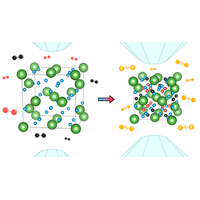
Phys. Rev. Lett. 136, 086102 (2026)
Condensed Matter and Materials
Oscillatory Instability of Quasistatic Fluid-Driven Fracturing in Porous Materials
Article | Condensed Matter and Materials | 2026-02-24 05:00 EST
WenLong Xu, Quan Wang, Bo Li, Meng Wang, Hao Yu, and HengAn Wu
Oscillatory instabilities of dynamic fractures arise under mode-I loading as the crack velocity approaches or exceeds the Rayleigh wave speed, . Anomalously, at velocities far below , experiments reveal a distinct quasistatic oscillatory instability in fluid-driven fracturing of porous materials…
Phys. Rev. Lett. 136, 086103 (2026)
Condensed Matter and Materials
Modulation of Superconductivity across a Lifshitz Transition in Alternating-Angle Twisted Quadrilayer Graphene
Article | Condensed Matter and Materials | 2026-02-24 05:00 EST
Isabelle Y. Phinney, Andrew Zimmerman, Zeyu Hao, Patrick J. Ledwith, Takashi Taniguchi, Kenji Watanabe, Ashvin Vishwanath, and Philip Kim
Magnetotransport and electric field both tunes and probes the band structure of twisted quadrilayer graphene while simultaneously measuring the superconducting properties of the system.
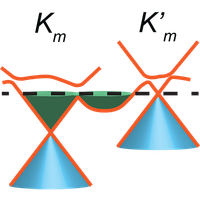
Phys. Rev. Lett. 136, 086501 (2026)
Condensed Matter and Materials
Nonequilibrium Dynamics of Dirac Quantum Criticality in Imaginary Time
Article | Condensed Matter and Materials | 2026-02-24 05:00 EST
Yin-Kai Yu, Zhi Zeng, Yu-Rong Shu, Zi-Xiang Li, and Shuai Yin
Quantum criticality within Dirac fermions harbors a plethora of exotic phenomena, attracting sustained attention in the past decades. Here, we explore the imaginary-time relaxation dynamics in a typical Dirac quantum criticality belonging to chiral Heisenberg universality class. Performing large-sca…
Phys. Rev. Lett. 136, 086502 (2026)
Condensed Matter and Materials
Incommensurate Magnetism Drives Singular Angular Magnetoresistance in the Magnetic Weyl Semimetal CeAlGe
Article | Condensed Matter and Materials | 2026-02-24 05:00 EST
X. Yao, P. Chen, R. Verma, X. Zhao, H.-Y. Yang, L. DeBeer-Schmitt, A. A. Aczel, C.-M. Wu, D. Alba Venero, T. Ohhara, K. Munakata, M. Takahashi, Y. Noda, A. Bansil, B. Singh, P. Nikolić, F. Tafti, and J. Gaudet
We demonstrate that a multi- incommensurate magnetic state in the Weyl semimetal CeAlGe gives rise to a singular angular magnetoresistance (SAMR), which is an electrical transport signature capable of detecting magnetic field direction with exceptional precision. In contrast, its sister compound Ce…
Phys. Rev. Lett. 136, 086702 (2026)
Condensed Matter and Materials
Interaction-Driven Altermagnetic Magnon Chiral Splitting
Article | Condensed Matter and Materials | 2026-02-24 05:00 EST
Zhejunyu Jin, Zhaozhuo Zeng, Jie Liu, Tianci Gong, Ying Su, Kai Chang, and Peng Yan
Nonrelativistic magnon chiral splitting in altermagnets has garnered significant recent attention. In this Letter, we demonstrate that nonlinear three-wave mixing--where magnons split or coalesce--extends this phenomenon into unprecedented relativistic regimes. Employing a bilayer antiferromagnet with…
Phys. Rev. Lett. 136, 086703 (2026)
Condensed Matter and Materials
High-Order Anisotropic Magnetoresistance in a Cubic Ferromagnet
Article | Condensed Matter and Materials | 2026-02-24 05:00 EST
Haoran Chen, Yue Chen, Yizi Feng, Ruda Guo, Yuanfei Fan, Hongyue Xu, Tong Wu, Zhongxun Guo, Di Yue, Xiaofeng Jin, Yi Liu, Zhe Yuan, and Yizheng Wu
Careful Fourier analysis resolves harmonics of a higher order than 4, up to the 18th order, in cubic iron films.
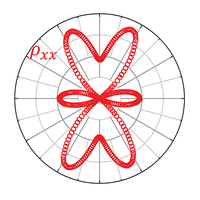
Phys. Rev. Lett. 136, 086704 (2026)
Condensed Matter and Materials
Universal Percolation Threshold Mixing Law in Fractured Porous Media: Unifying Shape and Size Polydispersity and Dimensionality Coupling
Article | Statistical Physics; Classical, Nonlinear, and Complex Systems | 2026-02-24 05:00 EST
Hui Yuan, Huisu Chen, Mingqi Li, Jianjun Lin, and Lin Liu
Percolation in fractured porous media is governed by the coupled connectivity of pores and fractures, yet simultaneously addressing mixed dimensionality and broad shape variability remains elusive. Here, we derive a mixing law for hybrid networks composed of overlapping 3D pores (superovoids) and 2D…
Phys. Rev. Lett. 136, 087101 (2026)
Statistical Physics; Classical, Nonlinear, and Complex Systems
Physical Review X
Emulating 2D Materials with Magnons
Article | 2026-02-24 05:00 EST
Bobby Kaman, Jinho Lim, Yingkai Liu, and Axel Hoffmann
Patterning holes into magnetic thin films enables the emulation of electrons in 2D quantum materials and the precise control of magnon transport through topological band engineering.
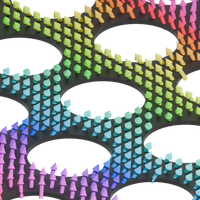
Phys. Rev. X 16, 011034 (2026)
Molecular Motion at the Experimental Glass Transition
Article | 2026-02-24 05:00 EST
Romain Simon, Jean-Louis Barrat, and Ludovic Berthier
A tailored algorithm allows for the simulation of molecular liquids near the experimental glass transition.

Phys. Rev. X 16, 011035 (2026)
arXiv
Elliptic mirror of the quantum Hall effect
New Submission | Strongly Correlated Electrons (cond-mat.str-el) | 2026-02-25 20:00 EST
Toroidal sigma models of magneto-transport are analyzed, in which integer and fractional quantum Hall effects automatically are unified by a {holomorphic modular symmetry}. By exploiting a quantum equivalence called \emph{mirror symmetry}, these models are mapped to tractable mirror models (also elliptic), in which topological protection is provided by more familiar winding numbers. Phase diagrams and scaling properties of elliptic models are compared to some of the experimental and numerical data accumulated over the past three decades. The geometry of scaling flows extracted from quantum Hall experiments is in good agreement with modular predictions, including the location of many quantum critical points. One conspicuous model %(arguably the simplest and most natural one) has a critical delocalization exponent $ \nu_{\rm tor} = 18 \ln 2 /(\pi^2 G^4) = 2.6051\dots$ ($ G$ is Gauss’ constant) that is in excellent agreement with the value $ \nu_{\rm num} = 2.607\pm,.004$ calculated in the numerical Chalker-Coddington model, suggesting that these models are in the same universality class. The real delocalization exponent may be disentangled from other scaling exponents in finite size scaling experiments, giving an experimental value $ \nu_{\rm exp} = 2.3\pm 0.2$ . The modular model suggests how these theoretical and experimental results may be reconciled, but in order to determine if these theoretical models really are in the quantum Hall universality class, improved finite size scaling experiments are urgently needed.
Strongly Correlated Electrons (cond-mat.str-el), High Energy Physics - Theory (hep-th)
31 pages, 12 figures
Physical Review B 99, 195152 (2019)
OrgFlow: Generative Modeling of Organic Crystal Structures from Molecular Graphs
New Submission | Materials Science (cond-mat.mtrl-sci) | 2026-02-25 20:00 EST
Mohammadmahdi Vahediahmar, Matthew A. McDonald, Feng Liu
Crystal structure prediction is a long-standing challenge in materials science, with most data-driven methods developed for inorganic systems. This leaves an important gap for organic crystals, which are central to pharmaceuticals, polymers, and functional materials, but present unique challenges, such as larger unit cells and strict chemical connectivity. We introduce a flow-matching model for predicting organic crystal structures directly from molecular graphs. The architecture integrates molecular connectivity with periodic boundary conditions while preserving the symmetries of crystalline systems. A bond-aware loss guides the model toward realistic local chemistry by enforcing distributions of bond lengths and connectivity. To support reliable and efficient training, we built a curated dataset of organic crystals, along with a preprocessing pipeline that precomputes bonds and edges, substantially reducing computational overhead during both training and inference. Experiments show that our method achieves a Match Rate more than 10 times higher than existing baselines while requiring fewer sampling steps for inference. These results establish generative modeling as a practical and scalable framework for organic crystal structure prediction.
Materials Science (cond-mat.mtrl-sci), Machine Learning (cs.LG)
9 pages, 4 figures
Casimir-Polder energy landscape: Unipolarizable atom and ring
New Submission | Mesoscale and Nanoscale Physics (cond-mat.mes-hall) | 2026-02-25 20:00 EST
Niranjan Warnakulasooriya, John Joseph Marchetta, Prachi Parashar, K. V. Shajesh
The Casimir-Polder interaction energy between a unipolarizable point atom and a unipolarizable dielectric ring has been limited, until now, to the case when the atom is confined on the axis of symmetry of the ring. We find the generalized analytical expression for any position of the atom relative to the ring in terms of complete elliptic integrals. This is aided by the construction of a class of integrals of a Jacobian elliptic function as a linear combination of complete elliptic integrals. Our expression for the interaction energy allows us to investigate the instability of the atom even for the equilibrium points which exists off the axis of symmetry.
Mesoscale and Nanoscale Physics (cond-mat.mes-hall)
16 pages
Altermagnetic spin textures: Emergent electrodynamics, quantum geometry, and probes
New Submission | Mesoscale and Nanoscale Physics (cond-mat.mes-hall) | 2026-02-25 20:00 EST
Constantin Schrade, Mathias S. Scheurer
Emergent electrodynamics arising from spatially and temporally varying magnetic textures provides a framework for spin control in quantum materials. While this principle is established for ferromagnetic and antiferromagnetic textures, its consequences for altermagnets – magnetic orders with vanishing net magnetization but finite spin splitting – remain largely unexplored. In this work, we develop an effective low-energy theory of itinerant electrons coupled to smoothly varying altermagnetic spin textures. In the adiabatic regime, we show that altermagnetic textures generate additional emergent electromagnetic fields and quantum-geometric effects that are absent in conventional magnetic systems. These effects include emergent Zeeman fields that encode the structure of the altermagnetic order parameter, enabling local spin manipulation and a way to distinguish different altermagnetic orders. Moreover, we demonstrate a quantum-metric-induced, spin-dependent electron lensing effect that provides a mechanism for spin filtering, and discuss the local admixture of effective odd-parity magnetic components. Our results suggest that textured altermagnets could serve as a versatile resource for spintronics functionalities and a probe of altermagnetism.
Mesoscale and Nanoscale Physics (cond-mat.mes-hall), Materials Science (cond-mat.mtrl-sci)
Electromotive entrainment of charge and heat currents in graphene
New Submission | Mesoscale and Nanoscale Physics (cond-mat.mes-hall) | 2026-02-25 20:00 EST
E. Kirkinis, A. Levchenko, A. V. Andreev
We develop a hydrodynamic theory of charge and heat currents induced by traveling waves, such as surface acoustic waves, in graphene devices near charge neutrality. The currents depend on the intrinsic conductivity and viscosity of the electron liquid, the disorder strength, and the geometry of the device. We obtain analytic expressions for the heat and charge currents to second order in the wave amplitude for Hall-bar devices. At charge neutrality and in the absence of DC bias, the heat content is entrained by the wave in the absence of net charge transfer. At the same time, device conductance is enhanced by the wave. Away from charge neutrality, the transport charge current induced by the wave arises in the absence of a DC bias.
Mesoscale and Nanoscale Physics (cond-mat.mes-hall)
9 pages, 4 figures
Spectral Decimation of Quantum Many-Body Hamiltonians
New Submission | Statistical Mechanics (cond-mat.stat-mech) | 2026-02-25 20:00 EST
Feng He, Arthur Hutsalyuk, Giuseppe Mussardo, Andrea Stampiggi
We develop a systematic theory of spectral decimation for quantum many-body Hamiltonians and show that it provides a quantitative probe of emergent symmetries in statistically mixed spectra. Building on an analytical description of statistical mixtures, we derive an explicit expression for the size of a characteristic symmetry sector (CSS), defined as the largest subsequence of levels exhibiting non-Poissonian correlations. The CSS dimension is shown to be the size-biased average of the underlying symmetry sectors, establishing a direct link between spectral statistics and Hilbert-space structure. We apply this framework to two paradigmatic settings: Hilbert-space fragmentation and disorder-induced many-body localization (MBL). In fragmented systems, the CSS reproduces the mixture prediction and isolates correlated subsectors even when the full spectrum appears nearly Poissonian. In the disordered Heisenberg chain, spectral decimation reveals the gradual emergence of integrability through a shrinking CSS, whose statistics exhibit signatures consistent with local integrals of motion. We introduce a characteristic symmetry entropy (CSE) as a finite-size scaling observable and extract, within accessible system sizes, the crossover exponents. Our results establish spectral decimation as a controlled, unbiased and computationally inexpensive diagnostic of hidden structure in many-body spectra, capable of distinguishing between chaotic dynamics, statistical mixtures, and emergent integrability.
Statistical Mechanics (cond-mat.stat-mech), Disordered Systems and Neural Networks (cond-mat.dis-nn), Quantum Physics (quant-ph)
16+6 pages; 5+3 figures
Breakdown and Restoration of Hydrodynamics in Dipole-conserving Active Fluids
New Submission | Soft Condensed Matter (cond-mat.soft) | 2026-02-25 20:00 EST
Anish Chaudhuri, Lokrshi Prawar Dadhichi, Arijit Haldar
We present a general hydrodynamic theory for active fluids, capable of describing living matter, that conserve center of mass or dipole moment. Imposition of dipole or center-of-mass conservation has been reported to yield peculiar behavior: breaking Galilean invariance in classical systems and potentially enabling exotic immobile excitations in quantum settings. In passive fluids, dipole conservation has been shown to cause a breakdown of linear hydrodynamics in all experimentally relevant dimensions. We show that introducing activity changes this picture: it can either restore or break linear hydrodynamics depending on spatial dimensions. Using our formulation, we predict universal dynamical scaling exponents for single-component active fluids in $ d=1,2,3$ dimensions and find agreement with microscopic lattice-field simulations. Strikingly, for $ d\geq 2$ , activity revives linear hydrodynamics, while for $ d<2$ it leads to a breakdown; both cases flow to previously unexplored universality classes. Our results suggest that dipole-conserving active fluids are far more experimentally accessible than their passive counterparts.
Soft Condensed Matter (cond-mat.soft), Statistical Mechanics (cond-mat.stat-mech)
17 pages, 2 figures, 2 tables, main text 6 pages
Qubit Noise Spectroscopy of Superconducting Dynamics in a Magnetic Field
New Submission | Superconductivity (cond-mat.supr-con) | 2026-02-25 20:00 EST
Jiajie Cheng, Jaewon Kim, Oriana K. Diessel, Chong Zu, Shubhayu Chatterjee
An applied magnetic field affects a superconductor in two ways – by promoting pairing fluctuations, and by inducing topological defects called vortices that carry quantized magnetic flux. A quantitative characterization of the resultant field-induced superconducting dynamics with spatio-temporal resolution remains challenging, particularly in two-dimensional materials. In this work, we analyze magnetic noise measured by the depolarization rate of a proximate single spin-qubit as a non-invasive probe of such dynamical fluctuations. We demonstrate that the temperature dependence of the magnetic noise spectrum near $ T_c$ deviates from predictions based on quasiparticle excitations due to critical superconducting fluctuations, which in turn are enhanced by a weak applied field. By analyzing the magnetic noise due to vortex dynamics, we further show that noise spectroscopy is not only able to distinguish between different vortex phases, but also extract key physical quantities of interest, such as oscillation frequencies of pinned vortices, phonon dispersion of vortex lattices and vortex diffusivity in a vortex liquid. Complementing recent work on noise magnetometry of quasiparticle excitations and Berezinskii-Kosterlitz-Thouless transitions in two-dimensional superconductors without an applied field, our work highlights the ability of noise spectroscopy to reveal a wealth of superconducting dynamical phenomena in an applied field.
Superconductivity (cond-mat.supr-con), Mesoscale and Nanoscale Physics (cond-mat.mes-hall), Strongly Correlated Electrons (cond-mat.str-el)
23+23 pages, 7+1 figures
Superconductivity and magnetism in bilayer nickelates: itinerant perspective
New Submission | Superconductivity (cond-mat.supr-con) | 2026-02-25 20:00 EST
Yi-Ming Wu, Hao-Xin Wang, Salahudin V. Smailagić, Tobias Helbig, Srinivas Raghu
We study superconductivity and magnetism in bilayer nickelates from an itinerant perspective. Starting from a tight binding fit to recent ARPES measurements on compressively strained thin films, we incorporate the standard set of onsite repulsive interactions among partially filled $ e_g$ orbitals: intra-orbital $ U$ , inter-orbital $ U’$ , Hund’s coupling $ J_H$ and a pair hopping $ J_P$ . We obtain the effective pairing interaction by dressing these bare interactions with particle-hole fluctuations via the RPA. In the strong Hund’s coupling regime, we find that $ s$ -wave superconductivity and $ (\pi/2, \pi/2)$ SDW order are the favored ground states. With weaker Hund’s coupling, we find that $ d$ -wave pairing and $ (\pi, \pi)$ SDW are the leading ground states. Our results are qualitatively consistent with earlier DMRG studies, and point to the key role played by Hund’s coupling in determining the nature of superconductivity and magnetism in this system.
Superconductivity (cond-mat.supr-con), Strongly Correlated Electrons (cond-mat.str-el)
12 pages, 7 figures
Hyperuniformity in active fluids reshape nucleation and capillary-wave dynamics
New Submission | Statistical Mechanics (cond-mat.stat-mech) | 2026-02-25 20:00 EST
While nucleation in typical active and driven fluids often appears equilibrium-like, striking departures emerge when large-scale fluctuations are strongly suppressed. Here, we investigate nucleation in nonequilibrium hyperuniform fluids by projecting the full density-field dynamics onto relevant collective variables. We demonstrate that nucleation is governed by a nonequilibrium quasi-potential rather than the reversible work of formation. Surprisingly, because of the reduced hyperuniform fluctuations, the nucleation probability no longer separates into the usual surface and volume contributions. Furthermore, accounting for capillary waves reveals a clear breakdown of detailed balance driven by nonreciprocal dynamics. More broadly, our framework can be readily extended to identify nonequilibrium signatures in conventional active fluids.
Statistical Mechanics (cond-mat.stat-mech), Soft Condensed Matter (cond-mat.soft)
15 pages, 2 figures
Mutual Linearity is a Generic Property of Steady-State Markov Networks
New Submission | Statistical Mechanics (cond-mat.stat-mech) | 2026-02-25 20:00 EST
Understanding and predicting how complex systems respond to external perturbations is a central challenge in nonequilibrium statistical physics. Here we consider continuous-time Markov networks, which we subject to perturbations along a single edge. We find that in steady state the probabilities of any two states are linearly related to one another. We show that this mutual linearity of probabilities extends to a broad class of observables, including currents but also generic counting and state-dependent observables. Moreover, we derive an exact relation between the relative response of any state’s probability and the ratio of two steady-state probabilities. Leveraging the Markov chain tree theorem, we further show that probabilities and the considered observables are constrained by the topological and kinetic properties of the network and provide analytical expressions in terms of spanning tree polynomials. Our results are general, holding for arbitrary rate parameterizations and extending far from equilibrium.
Statistical Mechanics (cond-mat.stat-mech)
To appear in Phys. Rev. Lett
Equilibrium and dynamical quantum phase transitions in dipolar atomic Josephson junctions
New Submission | Quantum Gases (cond-mat.quant-gas) | 2026-02-25 20:00 EST
Cesare Vianello, Giovanni Mazzarella, Luca Salasnich
An atomic Josephson junction realized with dipolar bosons in a double-well potential can be described by an extended Bose-Hubbard model in which dipolar interactions generate an effective on-site interaction and nearest-neighbor pair tunneling. Using mean-field theory and exact diagonalization, we investigate how this correlated process affects zero-temperature equilibrium and dynamical properties of the system. In equilibrium, we show that pair tunneling induces ground-state parity modulations and significantly reshapes the phase diagram, producing qualitative changes in the quantum phase transitions toward NOON and phase-NOON states, as well as quantitative shifts of the critical points. Out of equilibrium, we demonstrate that it modifies the conditions for macroscopic quantum self-trapping, and assess its impact by comparing mean-field and fully quantum evolution, including the emergence of dynamical quantum phase transitions.
Quantum Gases (cond-mat.quant-gas), Quantum Physics (quant-ph)
15 pages, 7 figures
Impact of magnetic field direction on anti-dot-based superconducting diodes
New Submission | Superconductivity (cond-mat.supr-con) | 2026-02-25 20:00 EST
E. B. de Melo Junior, E. Strambini, F. Giazotto, C. I. L. de Araujo
The superconducting diode effect (SDE) is a fundamental building block for dissipationless nonreciprocal electronics, yet its microscopic origins in thin films often involve competing mechanisms that remain debated. Here, we demonstrate that the SDE can be engineered in niobium films by patterning macroscopic asymmetric antidots, revealing distinct control mechanisms under in-plane and out-of-plane magnetic fields. We identify two dominant contributions to nonreciprocal transport: edge flux pinning, which governs the low-field and in-plane field regimes via surface-barrier asymmetry, and bulk flux pinning, which drives the high-field response and correlates directly with the geometric asymmetry of the antidots. Supported by time-dependent Ginzburg-Landau simulations and an analytical model, we provide a unified description of these regimes, linking the diode efficiency to the specific pinning landscape. These findings establish a flexible design principle for engineering superconducting diodes with tunable functionality, paving the way for their integration into next-generation quantum and cryogenic circuits.
Superconductivity (cond-mat.supr-con)
Demonstration of High-Performance Ultra-Wide Bandgap SrSnO$_3$ Top-Gated MOSFETs
New Submission | Materials Science (cond-mat.mtrl-sci) | 2026-02-25 20:00 EST
Junghyun Koo, Weideng Sun, Donghwan Kim, Hongseung Lee, Chengyu Zhu, Kiyoung Lee, Hagyoul Bae, Bharat Jalan, Gang Qiu
We report the demonstration of high-performance top-gated metal-oxide-semiconductor field-effect transistors (MOSFETs) based on the ultra-wide bandgap perovskite oxide SrSnO$ _3$ (SSO). Using hybrid molecular beam epitaxy-grown SSO channels and ALD-deposited HfO$ _2$ gate dielectrics, the devices exhibit field-effect mobility exceeding 65 cm$ ^2$ /V$ \cdot$ s, an on-state current up to 194 mA/mm, an on/off current ratio above $ 10^8$ , and a contact resistance of 0.66 $ \Omega\cdot$ mm. The devices also show a near-ideal subthreshold slope of 68 mV/dec and negligible hysteresis, indicating a high-quality dielectric/semiconductor interface. These results establish SrSnO$ _3$ as a promising ultra-wide bandgap oxide semiconductor platform for high-performance power electronic applications.
Materials Science (cond-mat.mtrl-sci)
Transient Plastic Spin Labeling with Chlorine Dioxide
New Submission | Other Condensed Matter (cond-mat.other) | 2026-02-25 20:00 EST
Bence G. Márkus, Sándor Kollarics, Kristóf Kály-Kullai, Bernadett Juhász, Dávid Beke, László Forró, Zoltán Noszticzius, Ferenc Simon
Plastic waste, being one of the most important problems for humankind, poses severe threats to ecosystems, wildlife, and human health. Tracing, quantifying, and identifying types of plastic waste is of crucial importance to understand its environmental pathways and develop targeted strategies for reduction, recycling, and remediation. To contribute to addressing this global issue, we investigated the spin-labeling capabilities of aqueous chlorine dioxide (ClO$ _2$ ) radicals upon introduction into poly(ethylene terephthalate) and utilized electron spin resonance spectroscopy for detection. The technique is capable of identifying plastic species as the unpaired electron of the radical molecule is strongly sensitive to its local environment through its coupling parameters. Temperature-dependent measurements revealed that the molecules are immobilized at low temperatures and exhibit well-resolved anisotropic and hyperfine spectra that are quantitatively described by a model spin Hamiltonian. Even above the melting point of water, some degrees of freedom remain blocked as a result of the polymer matrix. Furthermore, employing a time-series measurement at room temperature enabled us to determine the diffusion coefficient of the molecule in the polymer.
Other Condensed Matter (cond-mat.other), Materials Science (cond-mat.mtrl-sci), Chemical Physics (physics.chem-ph)
Electronic dynamics in long linear and cyclic polyynes towards the carbyne limit
New Submission | Mesoscale and Nanoscale Physics (cond-mat.mes-hall) | 2026-02-25 20:00 EST
Soumyadip Bhunia, Yueze Gao, Jack Woolley, Ross Milverton, Harry L Anderson, Raj Pandya
Carbyne-the one-dimensional sp-hybridised allotrope of carbon-has long been predicted to exhibit unique properties, yet its synthesis remains elusive. To probe its behaviour, finite sp-carbon chains such as cumulenes and polyynes have been studied, but work to date has focused almost exclusively on short, linear systems far from the infinite carbyne limit and without considering topology. Here, we investigate long (48-carbon) linear and cyclic polyynes using steady-state and ultrafast, temperature- and polarization-resolved optical and vibrational spectroscopy. We find highly delocalized ground states in both topologies, with Peierls distortions markedly weaker than in short chains. In contrast, excited states undergo rapid self-localisation, with the localisation pathway and subsequent intersystem crossing strongly dependent on chain length and topology. Unlike shorter polyynes, excited-state structural rearrangements are minimal, and comparison with theoretical predictions shows that properties, such as Huang-Rhys factors, have plateaued by 48 carbons. Our results reveal how topology influences the electronic dynamics of long polyynes and refines our understanding of sp-carbon systems approaching the carbyne limit
Mesoscale and Nanoscale Physics (cond-mat.mes-hall), Materials Science (cond-mat.mtrl-sci)
14 pages, 6 Figures
Zero-point energy of a trapped ultracold Fermi gas at unitarity: squeezing the Heisenberg uncertainty principle and suppressing the Pauli principle to produce a superfluid state
New Submission | Quantum Gases (cond-mat.quant-gas) | 2026-02-25 20:00 EST
The zero-point energy of a trapped ultracold Fermi gas at unitarity is investigated in relation to the combined effects of the Heisenberg uncertainty principle and the Pauli principle. This lowest allowed quantum state is a superfluid state which has been studied extensively both experimentally and theoretically. The method used for the current investigation is based on a recent series of papers that proposed microscopic dynamics based on normal modes to describe superfluidity instead of real-space Cooper pairs. This approach yielded excellent agreement with experimental data for multiple properties and allowed the microscopic behavior underlying these results as well as the basis of universal behavior to be analyzed in detail using the group theoretic basis of this general N-body approach. This microscopic picture is now used to illucidate the roles played by the uncertainty principle and the Pauli principle in determining the energy and character of the lowest allowed quantum state including the squeezed character of this superfluid state and the suppression of the Pauli principle.
Quantum Gases (cond-mat.quant-gas), Quantum Physics (quant-ph)
27 pages, 10 figures
Revealing Pseudo-Fermionization and Chiral Binding of One-Dimensional Anyons using Adiabatic State Preparation
New Submission | Quantum Gases (cond-mat.quant-gas) | 2026-02-25 20:00 EST
Brice Bakkali-Hassani, Joyce Kwan, Perrin Segura, Yanfei Li, Isaac Tesfaye, Gerard Valentí-Rojas, André Eckardt, Markus Greiner
Fractional statistics give rise to quantum behaviors that differ fundamentally from those of bosons and fermions. While two-dimensional anyons play a major role in strongly correlated systems and topological quantum computing, the nature of their one-dimensional (1D) counterparts remains the subject of intense debate, with renewed interest fueled by recent experimental progress. Theoretically, 1D anyons are predicted to host exotic many-body phases and quantum phase transitions, yet experimental signatures have remained elusive. Using ultracold atoms in an optical lattice, we prepare two-body ground states of the 1D anyon-Hubbard model by combining Hamiltonian engineering via quasiperiodic drives and adiabatic state manipulation. We uncover the effects of statistical interactions that lead to pseudo-fermionization and to the formation of chiral bound states when particles remain close together. Our results establish a link between lattice and continuum realizations of anyon models, and mark important steps towards the precise control of 1D anyons in both equilibrium and out-of-equilibrium settings.
Quantum Gases (cond-mat.quant-gas), Atomic Physics (physics.atom-ph), Quantum Physics (quant-ph)
7 pages (4 figures) + 18 pages (11 figures)
Self-driving thin film laboratory: autonomous epitaxial atomic-layer synthesis via real-time computer vision analysis of electron diffraction
New Submission | Materials Science (cond-mat.mtrl-sci) | 2026-02-25 20:00 EST
Haotong Liang, Yunlong Sun, Ryan Paxson, Chih-Yu Lee, Alex T. Hall, Zoey Warecki, John Cumings, Hideomi Koinuma, Aaron Gilad Kusne, Mikk Lippmaa, Ichiro Takeuchi
Emerging materials science platforms with the ability to make autonomous decisions on the fly are fundamentally changing the outlook and protocols for materials optimization and discovery. Because AI-driven self-navigating schemes can effectively reduce the total number of iterations needed to arrive at the “answer” (i.e. the best stochiometric composition for a desired physical property, optimum materials processing parameters, etc.) by significant margins, they have the potential to revolutionize materials and chemical manufacturing processes at large in research laboratory settings as well as in industrial plants. Here, we demonstrate a successful implementation of real-time closed-loop autonomous navigation of a multi-dimensional materials synthesis parameter space for fabricating phase-pure epitaxial films of a metastable phase of a functional oxide in a combinatorial pulsed laser deposition chamber. Sequential epitaxial growth iterations in search of the optimized recipe to stabilize the desired crystal phase were performed using frame-by-frame quantitative computer vision analysis of reflection high-energy electron diffraction (RHEED) images of the unit-cell level film being deposited. The autonomous scheme regularly resulted in > 30-fold reduction in the number of required experiments compared to a comprehensive mapping of the parameter space. The real-time workflow developed here can be readily extended to a variety of thin film synthesis platforms opening the door for self-driving atomic-level materials design as well as autonomous optimization of semiconductor manufacturing.
Materials Science (cond-mat.mtrl-sci)
30 pages, 10 figures
Dynamic fragmentation of residually stressed solids: From microscopic instabilities to universal scaling
New Submission | Soft Condensed Matter (cond-mat.soft) | 2026-02-25 20:00 EST
Vineet Dawara, Koushik Viswanathan
The dynamic fragmentation of residually stressed solids involves a complex interplay between stored elastic energy, stress wave propagation, and crack instabilities. In this work, we investigate the fracture mechanics of chemically toughened glass through high-velocity projectile impact experiments and a novel micromechanical network model. We rigorously incorporate residual stress into the discrete lattice framework via a prescribed inelastic strain (eigenstrain) distribution, formulated as equivalent body and surface forces to ensure mesh-independent fracture paths. Our experiments and simulations demonstrate that while the fracture topology shifts from coarse to fine with increasing impact energy, the cumulative fragment size distribution consistently follows an exponential decay. Crucially, we reveal a universal scaling law: fragment size distributions from diverse loading conditions and stress profiles collapse onto a single master curve when normalized by the mean fragment area. Furthermore, the model elucidates the determinants of fragmentation, showing that the resulting fragment size is governed not only by the magnitude of residual stress but also by the steepness of the stress gradient. At the microscopic scale, we identify a mechanism for dynamic instability where non-sequential bond breaking ahead of the crack tip leads to apparent local crack speeds exceeding the Rayleigh wave speed ($ c_r$ ). These arrested micro-branches, analogous to the Burridge-Andrews mechanism, provide a physical explanation for the “tongue-like” features and hackle zones observed in post-mortem fractography.
Soft Condensed Matter (cond-mat.soft), Mesoscale and Nanoscale Physics (cond-mat.mes-hall)
Photogalvanic effect in few layer graphene
New Submission | Mesoscale and Nanoscale Physics (cond-mat.mes-hall) | 2026-02-25 20:00 EST
Zhaohang Li, Kainan Chang, Haoyu Li, Yuwei Shan, Wei Xin, Jinluo Cheng, Haiyang Xu
We systematically investigate the nonlinear photogalvanic effect in few-layer graphene with various stacking orders, including AA- and AB-stacked bilayers, and AAA-, ABA-, and ABC-stacked trilayers. Using a tight-binding model to describe the electronic states, the shift current conductivity and jerk current conductivity are calculated over a broad spectral range from terahertz to visible frequencies. Our symmetry analysis reveals that a nonvanishing shift current emerges only in ABA-stacked trilayer graphene due to its broken inversion symmetry, with a peak conductivity reaching approximately $ 1.21 \times 10^{-13}$ A$ \cdot$ m/V$ ^2$ at optimal doping. In contrast, the jerk current, permitted in all structures, requires an in-plane static electric field and exhibits pronounced spectral tunability with chemical potential. These findings establish a comprehensive symmetry-band-field coupling paradigm for nonlinear photocurrents in layered graphene and provide design principles for tunable, polarization-sensitive photodetection and energy-harvesting devices based on van der Waals heterostructures.
Mesoscale and Nanoscale Physics (cond-mat.mes-hall)
Magnetoelastic conversion in integrated YIG nanostructures
New Submission | Mesoscale and Nanoscale Physics (cond-mat.mes-hall) | 2026-02-25 20:00 EST
Artem V. Bondarenko, Fabian Engelhardt, Marios Kounalakis, Thierry Valet, Olivier Klein, Gerrit E. W. Bauer, Silvia Viola Kusminskiy, Yaroslav M. Blanter
Motivated by the recent proposal of two-step transduction from microwave to optical domain using magnetic and elastic intermediate stages arXiv:2205.05088, we consider the coupling between resonant magnetic and elastic modes within a simple axially-symmetric nanodevice designed to host high-quality-factor acoustic modes: A suspended YIG ring structure supported by a central stem, fabricated from a continuous single-crystal film. We study the modes of the system with our custom finite element solvers. We identify the lowest order ``breathing’’ mode of a magnetic vortex and the lowest order elastic breathing mode as having the largest mode overlap. For this pair of modes, the external out-of-plane magnetic bias field is critical for bringing them into resonance; however, we show that at the same time it also affects the strength of the coupling. To counteract this, we optimize the radius of the ring at fixed thickness. For the 100 nm-thick film the resonant coupling is maximized at $ g/2\pi = 8\text{MHz}$ at $ R\approx1.7\mu\text{m}$ , indicating that the overlap integral approaches the idealized limit assumed in previous order-of-magnitude estimates. Our results pave the way for the design of tunable frequency-conversion devices based on magnetoelastics.
Mesoscale and Nanoscale Physics (cond-mat.mes-hall)
14 pages, 9 figures
Omnidirectional magnetic imaging of magnetic anisotropy and phase transitions
New Submission | Mesoscale and Nanoscale Physics (cond-mat.mes-hall) | 2026-02-25 20:00 EST
Alexander J Healey, Kaijian Xing, Weiyao Zhao, Islay O. Robertson, Hark Hoe Tan, Mehran Kianinia, Igor Aharonovich, Jean-Philippe Tetienne, Julie Karel, David A. Broadway
Micron scale imaging of magnetic fields is an important tool for understanding the evolution of magnetism through phase transitions and as a result of interactions inside of heterostructures. However, most imaging platforms, like the nitrogen-vacancy (NV) centre in diamond, are restricted to applying magnetic fields along the quantisation axis of the quantum sensor. This greatly restricts the utility of these systems for exploring materials that emit strong fields or exhibit variable response with respect to the applied field direction. Here we explore an alternative approach using weakly coupled spin-pairs in hBN that exhibit a spin-1/2-like behaviour and an isotropic response to magnetic field. We demonstrate that the spin-pair system can operate in the presence of strong fields from a thin film magnet which were incompatible with NV diamond imaging even with applied fields along the quantisation axis. Further, we demonstrate that using this platform allows for imaging with an arbitrary applied magnetic field direction, allowing us to probe the anisotropy and spin-reorientation transition in the ferrimagnet TbMn$ _6$ Sn$ _6$ . Finally, we propose an improved geometry for imaging small anisotropy contributions such as crystalline anisotropy. These results demonstrate how this or similar spin-1/2 systems might be used for imaging magnetic materials that are incompatible with other techniques despite the reduction in sensitivity compared with NV in diamond imaging.
Mesoscale and Nanoscale Physics (cond-mat.mes-hall)
Propagation of elastic waves in a flexomagnetic solid
New Submission | Materials Science (cond-mat.mtrl-sci) | 2026-02-25 20:00 EST
Flexomagnetism is the coupling between magnetism and strain gradients and is a technologically relevant phenomenon. We present a theory of elastic wave propagation in a linear elastic flexomagnetic material with microstructure and strain gradient elastic interactions. The expressions of frequency, phase velocity, and group velocity of longitudinal and transverse waves are derived and are shown to depend on the flexomagnetic coefficient and microstructure. We also show that the effect of flexomagnetism and microstructure can lead to some interesting phenomena in wave propagation, which are not observed in classical linear elasticity theory of waves. Specifically, in contrast to classical linear elastic materials, where wave propagation is non-dispersive, flexomagnetic materials with microstructure can exhibit both normal and abnormal dispersion. It is also noteworthy that, in flexomagnetic materials with gradient elasticity, the phase velocities of transverse waves can exceed those of longitudinal waves, which is atypical in classical elasticity. Furthermore, waves can also attenuate for a certain range of wavenumbers that depend on the flexomagnetic coefficient and microstructural parameters. Finally, we explore the possibility of waves exhibiting zero group velocity modes, where waves are non-propagating but have strong local energy confinement, negative group velocity modes, where the wave packet moves in the opposite direction to that of wave propagation, and the phenomenon of wave freezing, where a propagating wave stops in space without diffusing or spreading.
Materials Science (cond-mat.mtrl-sci), Applied Physics (physics.app-ph)
Design of Skyrmion Bags with Tunable Topology in Symmetry-Broken 2D Lattices
New Submission | Materials Science (cond-mat.mtrl-sci) | 2026-02-25 20:00 EST
Junhuang Yang, Kaiying Dou, Ying Dai, Baibiao Huang, Yandong Ma
Magnetic skyrmion bags, as high-order topological swirling spin textures, offer rich fundamental physics and distinct advantages for spintronic applications; however, their realization remains a formidable challenge, especially in two-dimensional (2D) systems. Here, through model analysis, we propose a novel design principle for engineering skyrmion bags with tunable topology in symmetry-broken 2D ferromagnetic lattices. The physics correlates to the delicate interplay of isotropic exchange interaction, Dzyaloshinskii-Moriya interaction and magnetic anisotropy, which can stabilize a rich variety of high-order topological spin states as well as the intriguing skyrmionium with zero topological charge. We further validate this mechanism in monolayer CrInTe2 using first-principles calculations and atomistic spin model simulations, revealing the existence of field-free skyrmion bags. Furthermore, we find that a weak magnetic field triggers a transition to skyrmioniums that exhibit remarkable thermal stability up to 240 K. Our results provide a compelling platform for exploring high-order topological magnetism.
Materials Science (cond-mat.mtrl-sci)
Real-space construction and classification for time-reversal symmetric crystalline superconductors in 2D interacting fermionic systems
New Submission | Strongly Correlated Electrons (cond-mat.str-el) | 2026-02-25 20:00 EST
Yi-Ming Liu, Wei-Qiang Chen, Zheng-Cheng Gu
Crystalline symmetry and time-reversal symmetry are commonly present in real superconducting materials. However, the topological classification of systems respecting these symmetries, particularly for interacting fermions, remains incomplete. In this work, we systematically classify time-reversal symmetry-protected crystalline topological superconductors in two-dimensional interacting fermionic systems using an explicit real-space construction. Among the resulting phases, we identify intrinsically interacting fermionic topological superconductors, i.e., phases that cannot be realized in either free-fermion or interacting bosonic systems. For spinless fermions with protecting symmetry group $ C_4 \times Z_2^T$ or $ D_4 \times Z_2^T$ (plus fermion parity), the intrinsic sector has a $ Z_4$ classification. The corresponding root phases generating this $ Z_4$ classification admit a transparent real-space construction in terms of decorated 1D blocks. These blocks are 1D fermionic symmetry-protected topological (FSPT) phases, realizable as double Majorana chains. We further find the corresponding $ Z_4$ spinless intrinsic phases for wallpaper groups $ p4$ , $ p4m$ , and $ p4g$ . We also find an additional $ Z_2$ intrinsically interacting phase for spinless fermions with wallpaper group $ pm$ , which is absent with the corresponding point-group symmetry alone. Moreover, these intrinsic phases naturally give rise to higher-order FSPT phases that support corner zero modes. Finally, we verify the crystalline equivalence principle for generic 2D interacting FSPT systems with both crystalline and internal symmetries.
Strongly Correlated Electrons (cond-mat.str-el)
Fluctuation theorems for a non-Gaussian system
New Submission | Statistical Mechanics (cond-mat.stat-mech) | 2026-02-25 20:00 EST
In this work, we numerically verify the Jarzynski equality and Crook fluctuation theorem for a Brownian particle diffusing in a heterogeneous thermal bath and hence having a non-Gaussian position distribution. We use the diffusing-diffusivity model to take the account of heterogeneity of the thermal bath where the mobility is considered as a fluctuating quantity. The Brownian particle is confined by a time-dependent harmonic potential. By changing the stiffness coefficient, we perform an isothermal process. We use the stochastic thermodynamics framework to calculate the work. We find that the Jarzynski equality and the Crook fluctuation theorem are convincingly satisfied for a non-Gaussion system. We also find that the work distribution is non-Gaussian for diffusing-diffusivity system even at a larger process time.
Statistical Mechanics (cond-mat.stat-mech)
Comments are welcome
Complex dispersion lines in gapped bilayer graphene: Analytical expressions and shear-displacement effects on monolayer–bilayer–monolayer junction conductance
New Submission | Mesoscale and Nanoscale Physics (cond-mat.mes-hall) | 2026-02-25 20:00 EST
Analytical treatments of tunneling in bilayer graphene have typically relied on minimal models including only the vertical interlayer hopping $ \gamma_1$ and have been restricted to the weak interlayer bias regime $ 2\varepsilon \ll \gamma_1$ . These simplifications limit the ability of analytical theories to describe lattice deformations and strong electric-field effects. In this work, we present an analytical theory of evanescent states in electrically gapped bilayer graphene that overcomes both limitations. Specifically, our approach explicitly incorporates the skew interlayer hoppings $ \gamma_3$ and $ \gamma_4$ and remains valid even when the interlayer bias $ 2\varepsilon$ is comparable to $ \gamma_1$ . Focusing on low-energy electronic states near the charge neutrality point, we analytically derive the complex longitudinal wave numbers, the gap width, and the sublattice pseudospin inside the electric-field-induced gap, and systematically analyze their dependence on the interlayer shear displacement $ \vec{\delta}=(\delta_x,\delta_y)$ . The analytical expressions quantitatively reproduce exact numerical calculations, demonstrating that skew interlayer hoppings, in particular $ \gamma_3$ , play an essential role. Taking the zigzag direction as the longitudinal (transport) $ x$ direction, the wave vector becomes complex along $ x$ while remaining real along the transverse $ y$ direction. For a monolayer–bilayer–monolayer junction with transport along this direction, we find that $ \delta_y$ has a significantly stronger impact on the conductance than $ \delta_x$ . This anisotropic response is quantitatively explained by the analytical expressions. Furthermore, we identify a shear-induced phase proportional to $ \delta_y$ that appears universally in the analytical expressions for the gap width, the sublattice pseudospin, and the decay length.
Mesoscale and Nanoscale Physics (cond-mat.mes-hall)
10 Figures
Kondo breakdown as an entanglement transition driven by continuous measurement
New Submission | Strongly Correlated Electrons (cond-mat.str-el) | 2026-02-25 20:00 EST
Debraj Debata, Abhirup Mukherjee, Siddhartha Lal
We study the breakdown of Kondo screening by a local magnetic field from the perspective of a measurement-driven entanglement transition in a monitored quantum system. Here, the Kondo coupling leads to the growth in entanglement of an impurity spin with it’s fermionic environment, while the local field plays the role of a continuous observer. Using a non-perturbative Unitary Renormalization Group (URG) approach, we derive coupled renormalization-group flow equations for the Kondo exchange and the local field, and obtain a field-dependent RG phase diagram. The RG flows separate a low-energy Kondo-screened phase, where the impurity is absorbed into the Fermi sea and forms an entangled singlet with the conduction bath, from a polarized local-moment phase in which screening is frustrated and impurity-bath entanglement is suppressed. We identify the fixed-point Hamiltonians governing the two phases and the critical regime, and relate the transition to the emergence of a novel non-Fermi liquid. Various impurity signatures such as the spectral function and thermalisation of impurity observables are used to characterise this entanglement transition. These results offer insight into the interplay of decoherence and measurement in governing the dynamics of a prototypical quantum system.
Strongly Correlated Electrons (cond-mat.str-el), Mesoscale and Nanoscale Physics (cond-mat.mes-hall), Quantum Physics (quant-ph)
28 pages, 19 Figures
Construction of a Neural Network with Temperature-Dependent Recall Patterns
New Submission | Disordered Systems and Neural Networks (cond-mat.dis-nn) | 2026-02-25 20:00 EST
We present a simple model that recalls two different patterns depending on the temperature. To realize a change in recall pattern due to temperature change, we embed two patterns to different graphs: the first pattern into a fully connected graph and the second pattern into a sparse graph. Because a fully connected graph is more resistant to thermal fluctuations than a sparse graph, we can realize a change in recall pattern by tuning relative weights of the two patterns properly. We demonstrate by equilibrium Monte-Carlo simulations that such a temperature-dependent change in recall patterns does occur in our model. Simulation results strongly indicate that the system undergoes a first-order phase transition when the change in recall patterns occurs. It is also demonstrated by annealing simulations that the system fails to recall the pattern embedded in the sparse graph at low temperatures if the free-energy barrier is too high to overcome within the given simulation timescale.
Disordered Systems and Neural Networks (cond-mat.dis-nn), Statistical Mechanics (cond-mat.stat-mech)
6 pages, 10 figures
Combining Quasiparticle Self-Consistent $GW$ and Machine-Learned DFT+$U$ in Search of Half-Metallic Heuslers
New Submission | Materials Science (cond-mat.mtrl-sci) | 2026-02-25 20:00 EST
Zefeng Cai, Malcolm J. A. Jardine, Maituo Yu, Chenbo Min, Jiatian Wu, Hantian Liu, Derek Dardzinski, Christopher J. Palmstrøm, Noa Marom
Half-metallic Heusler compounds are of significant interest for spintronics. For device fabrication, compounds that can be epitaxially grown on III-V semiconductors are particularly attractive. We present a first-principles investigation of four Co-based and two Ni-based Heusler compounds that are lattice-matched to InAs. The results of density functional theory (DFT) using semi-local and hybrid functionals are compared to quasiparticle self-consistent $ GW$ (QPGW). We also consider DFT with machine-learned Hubbard $ U$ corrections [npj Computational Materials 6, 180 (2020)] with a new Bayesian optimization (BO) objective function to determine the $ U$ values that yield the closest agreement with the QPGW band structure and magnetic moments. We find that DFT+U(BO) can adequately reproduce the key QPGW features in most cases. Our results reveal a strong method dependence of the degree of spin polarization at the Fermi level and, in some cases, even the dominant spin channel (majority or minority). Of the materials studied here, Co$ _2$ TiSn and Co$ _2$ ZrAl are the most likely to be half-metals, and Co$ _2$ MnIn is likely to be a near-half-metal.
Materials Science (cond-mat.mtrl-sci), Strongly Correlated Electrons (cond-mat.str-el), Computational Physics (physics.comp-ph)
Large Photoelasticity in Topological Antiferromagnet Mn$_3$Sn Studied by Coherent Acoustic Phonon
New Submission | Materials Science (cond-mat.mtrl-sci) | 2026-02-25 20:00 EST
Yuchen Wang, Takuya Matsuda, Yuta Murotani, Hanyi Peng, Takumi Matsuo, Tomoya Higo, Satoru Nakatsuji, Ryusuke Matsunaga
We investigate the relation of electronic and optical properties to ultrafast strain in topological antiferromagnet Mn$ _3$ Sn thin films using near-infrared femtosecond laser pulses. Coherent acoustic phonon oscillations are generated and clearly identified with a remarkably large amplitude exceeding 1% in differential transmission. Quantitative analysis reveals that near-infrared photoelastic coefficient in Mn$ _3$ Sn is several times larger than that in typical materials. These results establish a quantitative approach for understanding the large optical responses to ultrafast strain in the topological kagome antiferromagnet, suggesting potential opto-spintronic and optoacoustic applications even at telecommunications wavelength.
Materials Science (cond-mat.mtrl-sci)
Disentangling the dynamics of transient spin and orbital magnetization in SrTiO$_3$ via the inverse Faraday effect from RT-TDDFT
New Submission | Materials Science (cond-mat.mtrl-sci) | 2026-02-25 20:00 EST
Andri Darmawan, Markus E. Gruner, Rossitza Pentcheva
Light-matter interaction allows to achieve non-equilibrium states that are otherwise inaccessible. Motivated by recent experiments that report ferroelectricity – and even multiferroicity – in the prototypical diamagnetic band insulator SrTiO$ _3$ induced by terahertz pulses, we investigate the carrier and magnetization dynamics of SrTiO$ _3$ excited optically by linearly and circularly polarized light. Our real-time time-dependent density-functional theory (RT-TDDFT) results reveal a highly non-trivial, site- and orbital-dependent temporal evolution with charge transferred from O $ 2p$ to Ti $ 3d$ states. For linearly polarized light the orbitally polarized lobes of electron density at the oxygen and titanium sites fluctuate out-of-phase, resembling the soft transverse optical phonon mode, dynamically breaking inversion symmetry. In contrast, circularly polarized pulses induce a coherent rotation of the charge dipoles around O. This induces a helicity-dependent finite transient magnetization with opposite sign for oxygen and Ti even without ionic motion. Detailed analysis reveals that the dominant mechanism is the transfer of angular momentum of light to the electronic orbital angular momentum, while spin-orbit coupling plays a key role in the transfer from orbital to spin angular momentum, the former being an order of magnitude larger than the latter.
Materials Science (cond-mat.mtrl-sci)
The Kovacs memory effect in a thin granular layer: experimental evidence and its physical origin
New Submission | Soft Condensed Matter (cond-mat.soft) | 2026-02-25 20:00 EST
Francisco Vega Reyes, Álvaro Rodríguez-Rivas, Pablo Maynar, M. Isabel García de Soria
We report the experimental observation of memory effects in a vertically vibrated thin granular layer. Following
a quench in the input acceleration, the granular temperature exhibits an anomalous Kovacs memory effect
confined to the initial fast relaxation stage. This memory vanishes shortly thereafter, yielding a
time-dependent memoryless regime governed solely by the instantaneous temperature before the system reaches
its final steady state. We develop a kinetic theory framework that quantitatively captures these features by
identifying the initial memory and subsequent memoryless regimes with the kinetic and hydrodynamic states,
respectively (that are well established in kinetic theory). Our analysis reveals that memory emerges during
fast transients through coupling between horizontal and vertical temperatures, a mechanism that fundamentally
constrains the accessible memory phenomenology and precludes observation of the standard Kovacs effect in
this system. Molecular dynamics simulations provide independent confirmation of all experimental and
theoretical findings.
Soft Condensed Matter (cond-mat.soft)
8 pages; 5 figures
Disorder-independent hole spin manipulation by hopping
New Submission | Mesoscale and Nanoscale Physics (cond-mat.mes-hall) | 2026-02-25 20:00 EST
Biel Martinez, Ana Sempere-Sanchis, José C. Abadillo-Uriel, Yann-Michel Niquet
Spin manipulation by hopping has recently emerged as a promising strategy to control hole spins in quantum dots using exclusively baseband control, thereby mitigating power dissipation and high-frequency management constraints in large-scale architectures. Unlike conventional approaches such as electron dipole spin resonance (EDSR), this mechanism exploits dot-to-dot variations of the spin precession axes to enable spin rotations. However, it is intrinsically disorder-dependent: in the absence of sufficient variability, the precession axes remain aligned and spin manipulation becomes ineffective. This fundamental reliance on disorder raises concerns regarding its compatibility with the long-term evolution of spin-qubit platforms toward improved material quality, cleaner interfaces, and enhanced device reproducibility. Here, we numerically assess the viability of spin manipulation by hopping as a function of disorder strength and demonstrate that its implementation is indeed increasingly constrained as disorder is reduced. To overcome this limitation, we propose an alternative strategy based on hopping between intentionally squeezed quantum dots. This approach retains the advantages of baseband control while being independent of disorder and robust against moderate variability, thereby offering improved prospects for scalable hole-spin quantum computing architectures.
Mesoscale and Nanoscale Physics (cond-mat.mes-hall)
Phonon frequency comb close to an isolated Einstein mode in InSiTe3
New Submission | Materials Science (cond-mat.mtrl-sci) | 2026-02-25 20:00 EST
Tea Belojica, Jovan Blagojević, Sanja Djurdjić Mijin, Andrijana Šolajić, Jelena Pešić, Emil S. Božin, Bojana Višić, Yu Liu, Cedomir Petrovic, Zoran V. Popović, Rudi Hackl, Ana Milosavljević, Nenad Lazarević
The emergence of phonon frequency combs exemplifies a rare and intriguing phenomenon in quantum solids. Materials with distinctive phonon band structures are especially promising for hosting such states, as their vibrational dispersion landscape across the Brillouin zone can facilitate the formation of long-lived, collective lattice excitations. In the layered Van der Waals compound InSiTe$ _3$ , polarization-resolved Raman spectroscopy reveals a pronounced anharmonicity in symmetry-predicted modes and the formation of a self-organized frequency domain structure (coherent-like state), in the range of a localized highenergy A$ _{1g}$ phonon mode near 500 cm$ ^{-1}$ . This strong phonon-phonon coupling manifests itself as an anomalous temperature dependence around 200 K, coinciding with the appearance of higher-order excitations within the phonon density of states gap. These findings position InSiTe$ _3$ as an unconventional platform where intrinsic highly structured phonon spectral correlations and unusually strong anharmonic effects coexist, opening new avenues for exploring emergent vibrational phenomena in low-dimensional materials.
Materials Science (cond-mat.mtrl-sci)
Topological Dislocation Response in Elementary Semiconductors
New Submission | Mesoscale and Nanoscale Physics (cond-mat.mes-hall) | 2026-02-25 20:00 EST
Yuteng Zhou, Alexandre Chaduteau, Frank Schindler
We study elementary semiconductors and insulators that are symmetric under spatial inversion: silicon, diamond, germanium, and black phosphorene. These materials are ideal candidates for realizing obstructed atomic insulators, which differ from trivial atomic insulators by a quantized spatial shift of their electronic Wannier centers with respect to the atomic lattice. We use symmetry indicator invariants that allow the prediction of non-trivial responses to crystal dislocations in these materials. We find that edge dislocations generically exhibit a non-trivial response, while screw dislocations always display a trivial response. With the aid of numerical simulations of realistic tight-binding models, we confirm the presence of mid-gap polarization bands localized along dislocations in silicon, diamond, and germanium.
Mesoscale and Nanoscale Physics (cond-mat.mes-hall)
Fluctuation-enhanced electron-phonon coupling in FeSe
New Submission | Superconductivity (cond-mat.supr-con) | 2026-02-25 20:00 EST
Jovan Blagojević, Ana Milosavljević, Tea Belojica, Marko Opačić, Andrijana Šolajić, Jelena Pešić, Enrico Di Lucente, Novica Paunović, Milorad V. Milošević, Emil S. Božin, Aifeng Wang, Cedomir Petrović, Zoran V. Popović, Rudi Hackl, Bojana Višić, Nenad Lazarević
The interactions among lattice, charge, and spin degrees of freedom fundamentally shape material properties. In FeSe, symmetry-breaking perturbations serve as highly sensitive probes of these couplings. Previous work has shown that defects and isoelectronic substitution can substantially alter these interactions, giving rise to additional phonon modes. In this study, uniaxial strain is employed as a tunable symmetry-breaking control parameter to probe the intrinsic lattice response in the absence of disorder. The temperature evolution of phonon excitations was examined with fine temperature resolution in the vicinity of the nemato-structural transition temperature $ T_s$ , under strain applied along the $ \langle 110 \rangle$ and $ \langle 100 \rangle$ crystallographic directions. A subtle asymmetry of the $ A_{1g}^{ph}$ mode appears in the unstrained crystal within a narrow temperature window around $ T_s$ , originating from the emergence of an additional mode in the fully symmetric channel. With applied strain, this feature becomes more distinctly resolved. The anomaly is attributed to modifications of the coupling between lattice and electronic degrees of freedom driven by the ordering fluctuations right above the nematic transition. These fluctuations enhance susceptibility for phonon-electron-phonon coupling in the vicinity of the X and R points of the Brillouin zone and promote two-phonon scattering close to the $ A_{1g}^{ph}$ mode. The presence of this two-phonon scattering depends on both the strength and the direction of the applied strain, indicating a high sensitivity of FeSe to local symmetry breaking.
Superconductivity (cond-mat.supr-con), Strongly Correlated Electrons (cond-mat.str-el)
Beyond Point-like Defects in Bulk Semiconductors: Junction Spectroscopy Techniques for Perovskite Solar Cells and 2D Materials
New Submission | Materials Science (cond-mat.mtrl-sci) | 2026-02-25 20:00 EST
Junction spectroscopy techniques (JSTs) are powerful tools for investigating electrically active defects in semiconductors. Originally developed to study point-like defects in bulk semiconductors, JSTs have since been extended to increasingly complex systems, providing valuable insights into defect energetics and interactions. This review paper outlines the fundamental principles of JSTs and critically examines their application to emerging materials, such as perovskite solar cells and two-dimensional (2D) materials. By highlighting both the capabilities and limitations of JSTs in these non-classical systems, the review demonstrates their continued relevance and important role in advancing next-generation semiconductor materials and devices.
Materials Science (cond-mat.mtrl-sci), Mesoscale and Nanoscale Physics (cond-mat.mes-hall)
The Jammed Phase of Infinitely Persistent Active Matter
New Submission | Soft Condensed Matter (cond-mat.soft) | 2026-02-25 20:00 EST
M. C. Gandikota, Rituparno Mandal, Pinaki Chaudhuri, Bulbul Chakraborty, Chandan Dasgupta
We study an extreme active matter system, which is essentially a dense assembly of athermal, soft and infinitely persistent active particles. Using extensive numerical simulations we obtain jammed configurations of this system in two dimensions and probe the stability of such structures under increasing active forcing magnitude. We show that the critical active forcing magnitude for the jammed phase to yield scales with virial pressure as $ f_c\sim p^\alpha$ , with $ \alpha=1.17$ , describing the yielding line. Using a Laplacian framework, we redistribute the active forces into a modified contact force network. By analysing the statistics of these redistributed forces, we obtain a very robust scaling law consistent with the passive limit, not just near the unjamming line, but in the entire jammed active phase. The probability distribution of the magnitude of the contact force deviates from the power-law form found in passive systems for values smaller than the active force. Moreover, within the jammed phase, the system displays elastic, plastic, and yielding events with increasing active forcing. This active plasticity appears abruptly and can not be captured by the continuous softening of the Hessian spectrum. However, we demonstrate that the Hessian still retains the ability to predict relaxation times. These results clarify how activity modifies force distributions and leads to deformation, plasticity and yielding in dense, jammed, infinitely persistent active matter.
Soft Condensed Matter (cond-mat.soft), Disordered Systems and Neural Networks (cond-mat.dis-nn), Statistical Mechanics (cond-mat.stat-mech)
14 pages, 9 figures
Machine Learning Modeling of Temperature-Dependent Optoelectronic Properties of Anharmonic Solid Solutions
New Submission | Materials Science (cond-mat.mtrl-sci) | 2026-02-25 20:00 EST
Pol Benítez, Cibrán López, Edgardo Saucedo, Claudio Cazorla
Leveraging strong optoelectronic responses to external stimuli, such as temperature and electric fields, is central to the development of advanced photonic technologies, including adaptive photodetectors and reconfigurable photovoltaic devices. However, only a limited number of semiconducting materials, typically characterized by strong electron-phonon coupling, are known to exhibit such pronounced responsiveness, and their equilibrium optoelectronic properties are often not optimally suited for targeted applications. Chemical engineering strategies, such as doping and solid-solution mixing, are therefore widely employed to fine-tune the electronic and optical properties of semiconductors. Predicting the impact of such modifications, however, remains highly challenging due to the intrinsic complexity of chemically disordered and anharmonic systems, as well as the computational limitations of conventional first-principles approaches. In this work, we introduce a new computational framework that combines ab initio electronic-structure methods with machine-learning techniques to achieve first-principles precision in the prediction of optoelectronic properties of anharmonic solid solutions at finite temperature. We apply this approach to silver chalco-halide solid solutions, an emergent class of optoelectronic materials that have been experimentally shown to exhibit large band-gap tunability and strong responses to thermal excitations. Our results provide quantitative insight into the interplay between chemical disorder, lattice dynamics, and electronic structure in these materials. More broadly, this study establishes a general strategy for the accurate modeling of optoelectronic functionality in chemically disordered semiconductors.
Materials Science (cond-mat.mtrl-sci)
15 pages, 8 figures
Suppressed correlation-spreading in a one-dimensional Bose-Hubbard model with strong interactions
New Submission | Quantum Gases (cond-mat.quant-gas) | 2026-02-25 20:00 EST
Jose Carlos Pelayo, Ippei Danshita
We investigate signatures of non-ergodic behavior in the real-time evolution of a one-dimensional Bose-Hubbard model, where the initial state is a doubly occupied density-wave state. We show that the occupation dynamics at strong interactions is dominated by doublon-holon exchange which leads to a domain wall excitation and propagation. The latter manifests as a negated staggered pattern in the density-density correlations. While the single-particle and the pair correlation functions show highly localized correlations that decay rapidly away from the nearest neighbor. We show that the time scale of the domain-wall excitations depends on the inverse of the interaction strength and therefore dictates the slow relaxation dynamics. In the presence of a parabolic trap, the occupation dynamics at the edges become frozen and further suppresses the propagation of correlations. This suppression happens even for trap strengths weaker than the tunneling rate. We also show that the model can be mapped to an antiferromagnetic transverse-field Ising model in the limit of strong interactions and that the correlation-propagation velocity in the original model is well captured by the group velocity of the spin-wave excitation in the effective spin model.
Quantum Gases (cond-mat.quant-gas), Quantum Physics (quant-ph)
Epitaxial Films as Model Platform for Understanding Compositionally Complex Electrocatalysts
New Submission | Materials Science (cond-mat.mtrl-sci) | 2026-02-25 20:00 EST
Satyakam Kar, Alejandro E. Perez-Mendoza, Huixin Xiu, Miran Joo, Kirill V. Yusenko, Ulrich Hagemann, Christoph Somsen, Janine Pfetzing-Micklich, Christina Scheu, Corina Andronescu, Alfred Ludwig
Compositionally complex solid solutions provide a unique route for engineering high-performance electrocatalysts, where the polyelemental surface composition can be seamlessly tuned to optimize activity, selectivity, and stability. However, the mechanistic understanding of these electrocatalysts remains limited by the lack of a model system with a crystallographically-defined surface that is compatible with correlative, multi-scale characterization. Here, we present epitaxial films as a model platform for studying compositionally complex electrocatalysts. Using magnetron sputtering, we realize (111) epitaxial Ir-Pd-Pt-Rh-Ru films on (0001) sapphire substrate via a (111) Pt buffer layer, confirmed by X-ray diffraction and transmission electron microscopy. The growth approach is applicable across a broad composition range and produces smooth surfaces (root mean square roughness < 1 nm) with micrometer-sized grains in the nanoscale films. With these films, we demonstrate direct structure-activity mapping at the nanoscale through precise co-localization using micro-indents and performing correlative atomic force microscopy, electron backscatter diffraction, and scanning electrochemical cell microscopy. Our work establishes a model platform for fundamental scalebridging characterization and paves the way for rational design of compositionally complex electrocatalysts.
Materials Science (cond-mat.mtrl-sci)
Dynamic versus quasi-static response of a cantilevered beam rotated harmonically
New Submission | Soft Condensed Matter (cond-mat.soft) | 2026-02-25 20:00 EST
Gilad Yakir, Eduardo Gutierrez-Prieto, Pedro M. Reis
We investigate a cantilevered elastic beam subjected to harmonic rotational motion. In the rotating frame, the beam experiences centrifugal and Euler fictitious forces, with negligible Coriolis effects. We validate a reduced-order \textit{elastica} model through precision experiments on slender beams rotating with a controlled sinusoidal angular velocity. Systematically exploring the parameter space, we identify regimes where inertial effects are negligible, enabling a quasi-static treatment despite harmonic driving. We characterize the transition to dynamic response using two dimensionless parameters, the Euler and centrifugal numbers, which compare centrifugal and Euler forces to bending forces. Counterintuitively, the quasi-static regime expands as rotational speed increases: faster rotation produces less dynamic response. The critical Euler number separating these regimes remains constant at low centrifugal numbers but follows square-root scaling at higher rotation rates, a transition driven by centrifugal stiffening. Our results establish the conditions under which quasi-static approximations remain valid for rotating flexible beams under harmonic driving.
Soft Condensed Matter (cond-mat.soft)
Parameterizing DFT+U+V from Hybrid Functionals: A Wannier-Function-Based Approach for Strongly Correlated Materials
New Submission | Strongly Correlated Electrons (cond-mat.str-el) | 2026-02-25 20:00 EST
Dmitry M. Korotin, Anna A. Anisimova, Vladimir I. Anisimov
We present an approach to parameterize DFT+$ U$ +$ V$ from hybrid-functional calculations using Wannier-function projections. The method constructs a common localized Wannier basis for both semilocal DFT and hybrid-functional calculations, then determines effective on-site ($ U$ ) and intersite ($ V$ ) Hubbard parameters by minimizing the Hamiltonian mismatch within the correlated subspace. This procedure yields interaction parameters that reproduce the hybrid-functional electronic structure at a fraction of the computational cost and allow efficient structural relaxations and further many-body calculations. We validate the workflow on three oxide systems with different electronic characters: MgO (wide-gap insulator), NiO (antiferromagnetic charge-transfer insulator), and V$ _2$ O$ _5$ (d$ ^0$ transition-metal oxide). In all cases, the mapped DFT+$ U$ +$ V$ parameters reproduce hybrid-functional band gaps, densities of states, and magnetic moments and improve upon semilocal DFT while maintaining computational efficiency.
Strongly Correlated Electrons (cond-mat.str-el)
Unconventional spin valve effect in altermagnets induced by Rashba spin orbit coupling and triplet superconductivity
New Submission | Superconductivity (cond-mat.supr-con) | 2026-02-25 20:00 EST
Saumen Acharjee, Aklanta Dihingia, Nayanav Sonowal, Abyoy Anan Kashyap
We theoretically investigate spin dependent transport in altermagnet/triplet superconductor/altermagnet (AM/TSC/AM) junctions in the presence of interfacial Rashba spin orbit coupling (RSOC). Within a microscopic Bogoliubov de Gennes scattering formalism, we compute angle and energy resolved conductance, spin polarization, zero bias response, and tunneling magnetoresistance (TMR) for nodal $ p_x$ and chiral $ p_x+ip_y$ superconductors. Although altermagnets carry no net magnetization, the momentum dependent spin splitting, combined with RSOC, enables a pronounced spin valve effect without ferromagnetic electrodes. We show that conductance, spin polarization, and TMR exhibit distinct and robust fingerprints of the triplet pairing symmetry. For nodal $ p_x$ superconductor, sign change induced surface Andreev bound states dominate subgap transport, producing strongly anisotropic conductance, giant zero bias spin polarization, and a monotonic enhancement of TMR with increasing RSOC. In contrast, the chiral $ p_x+ip_y$ state exhibits smoother conductance and polarization profiles governed by topological edge modes, resulting in broader, lobe like TMR patterns with weaker sensitivity to interface transparency. Moreover, RSOC can acts as an electrically tunable spin-mixing knob, while the barrier strength controls coherence and energy selectivity, together enabling large, symmetry controlled spin filtering and magnetoresistance. Our results establish AM/TSC/AM junctions as a symmetry sensitive transport platform for realizing electrically tunable spin valve functionality and probing triplet pairing without ferromagnetic components.
Superconductivity (cond-mat.supr-con), Mesoscale and Nanoscale Physics (cond-mat.mes-hall)
16 pages 10 figures
Efficient two-color Floquet control of the RKKY interaction in altermagnets
New Submission | Mesoscale and Nanoscale Physics (cond-mat.mes-hall) | 2026-02-25 20:00 EST
Mohsen Yarmohammadi, Pei-Hao Fu, James K. Freericks
Magnetic impurities in real materials can mask the intrinsic spin-dependent properties of hosts. They interact indirectly through the Ruderman-Kittel-Kasuya-Yosida (RKKY) mechanism, which limits the use of isolated impurity spins in applications such as qubits and spintronics. Suppressing the RKKY interaction would therefore enable access to the host’s unperturbed behavior while simultaneously isolating impurity spins for functional use. Although single-color laser driving can suppress the RKKY interaction, it typically requires strong fields that may be impractical or destabilizing. To overcome these limitations, we show that two-color laser driving provides efficient and tunable control over all components of the RKKY interaction using two weak laser fields. Focusing on two-dimensional Rashba altermagnets, we show that interference between one- and two-photon processes produces altermagnet-specific Floquet corrections. These include additional AC Stark shifts, magnetizations, spin-orbit renormalization, and emergent in-plane Zeeman fields that are absent under single-color driving and in non-altermagnetic systems. Notably, two-color driving induces a finite $ z$ -component of the Dzyaloshinskii-Moriya (DM) interaction, stabilizing in-plane chiral magnetism and related textures in Rashba altermagnets. These effects enable tunable, near-complete on-off switching of the Heisenberg, Ising, and DM interactions through a Lifshitz-like modulation of the Fermi surface. We also show that the tuning process is highly sensitive to the chirality of both beams. We further map phase diagrams for ferromagnetic and antiferromagnetic impurity alignment with clockwise and counterclockwise canting as functions of Rashba coupling and altermagnetic order. Finally, we discuss candidate material platforms and experimental feasibility.
Mesoscale and Nanoscale Physics (cond-mat.mes-hall), Materials Science (cond-mat.mtrl-sci), Strongly Correlated Electrons (cond-mat.str-el), Quantum Physics (quant-ph)
25 pages, 8 figures, and two videos
Flux-Driven Conductance Scaling in Disordered Topological Insulator Nanowires
New Submission | Mesoscale and Nanoscale Physics (cond-mat.mes-hall) | 2026-02-25 20:00 EST
Shimon Arie Haver, Emuna Rimon, Eytan Grosfeld
We study quantum transport in disordered topological insulator nanowires (TINWs) under axial magnetic flux. At integer flux quanta, spin-momentum locking produces weak anti-localization peaks, while at half-integer flux quanta a helical mode protected by time-reversal symmetry (TRS) suppresses backscattering. By analyzing the flux dependence of the localization length, we uncover critical scaling around half-integer flux quanta, reflecting the competition between disorder scattering and flux-induced breaking of TRS protection. As the disorder strength increases, we identify a crossover in scaling behavior that drives the system into a regime governed by a universal critical exponent. Our results demonstrate a scaling collapse across flux values, establishing a universal regime of flux-driven delocalization in TINWs.
Mesoscale and Nanoscale Physics (cond-mat.mes-hall)
A constitutive model for discontinuous shear thickening in epithelial tissues
New Submission | Soft Condensed Matter (cond-mat.soft) | 2026-02-25 20:00 EST
Tanmoy Ghosh, Kabir Ramola, Saroj Kumar Nandi
The rheological properties of biological tissues, though fundamental to many physiological and pathological processes such as embryonic development, wound healing, and tumor progression, remain poorly understood. A recent study showed that the active vertex model of biological tissues exhibits discontinuous shear thickening (DST), where stress and viscosity suddenly increase at a critical shear rate. What is the mechanism of DST here? Is it another nontrivial feature of activity or an inherent property of the system? To address this, we show that the thermal vertex model also exhibits DST at a small but non-zero temperature $ T$ . Solid-like and liquid-like cells coexist at the stress jump, and the stress-controlled flow curves exhibit the characteristic S-shape. We then introduce a constitutive model for DST in epithelial tissues. As $ p_0$ increases, the theory predicts DST, followed by continuous shear thickening (CST), and finally Newtonian behavior, consistent with simulations. DST begins at the jamming point, $ p_0^m$ , and the Newtonian behavior starts at $ p_0^\ast$ , where the yield stress vanishes. Both $ p_0^\ast$ and the liquid-to-solid transition stress, $ \sigma^\ast$ , govern the DST-CST boundary. Furthermore, $ p_0^\ast$ and $ \sigma^\ast$ also depend on $ T$ . Increasing $ T$ reduces $ p_0^\ast$ , narrows the shear-thickening regime, and eventually destroys DST when $ p_0^\ast \leq p_0^m$ . Thus, the primary ingredients of DST in tissue models are a finite yield stress in the unjammed regime and non-zero fluctuations, whose specific form is not important. The theory agrees well with our simulation data and also provides further testable predictions.
Soft Condensed Matter (cond-mat.soft)
Collective Phonon Mixing and Eigenvector Transport Under Isotope Substitution
New Submission | Materials Science (cond-mat.mtrl-sci) | 2026-02-25 20:00 EST
Jeff Armstrong, Hamish Cavaye, Pankaj Sharma, Matthew E. Potter
Isotopic substitution modifies nuclear masses without altering the electronic potential energy surface to first order and is therefore often interpreted as a simple rescaling of vibrational frequencies. In solids with dense phonon manifolds, however, mass substitution acts as a parametric Hermitian deformation of the mass-weighted dynamical matrix, generating a continuous family of eigenproblems whose eigenvectors can undergo substantial rotation within coupled subspaces. Here we investigate protiated and deuterated ZIF-8 using inelastic neutron scattering and density functional theory lattice-dynamics calculations. While many vibrational modes exhibit near-ideal mass scaling and preserve their character across isotopic endpoints, modes embedded in spectrally congested regions display pronounced redistribution of vibrational character that cannot be inferred from frequency shifts alone. Because inelastic neutron scattering intensity is directly weighted by hydrogen displacement amplitude, spectral sparsity and congestion provide experimental indicators of predictable frequency renormalisation or susceptibility to qualitative eigenvector reorganisation under deuteration. To establish physically meaningful mode correspondence, we develop an adiabatic eigenvector-continuation framework with overlap-based tracking and explicit stability diagnostics. These results show that vibrational identity in complex framework materials is best understood as a continuous trajectory in eigenvector space and provide a general framework for analysing isotope-induced spectral flow in dense phonon systems.
Materials Science (cond-mat.mtrl-sci)
Ferromagnetism above 200 K in organic-ion intercalated CrSBr
New Submission | Materials Science (cond-mat.mtrl-sci) | 2026-02-25 20:00 EST
Sofia Ferreira-Teixeira, Daniel Tezze, Maria Ramos, Covadonga Álvarez-García, Bertuğ Bayındır, Junhyeon Jo, Beatriz Martín-García, Maider Ormaza, Fèlix Casanova, Samuel Mañas-Valero, Eugenio Coronado, Hasan Sahin, Luis E. Hueso, Marco Gobbi
CrSBr is a van der Waals magnetic semiconductor exhibiting antiferromagnetic order below 140 K. It has emerged as a promising platform for engineering 2D magnetism because its intertwined electronic, optical, and magnetic properties can be profoundly modified via external stimuli such as electrical gating or magnetic fields. However, other strategies for tuning magnetism in layered materials, such as molecular intercalation, remain largely unexplored for CrSBr. Here, we demonstrate that the intercalation of tetramethylammonium (TMA) and tetrapropylammonium (TPA) ions into CrSBr induces a transition from antiferromagnetic to ferromagnetic order, while significantly enhancing the magnetic transition temperature to 190 K (TMA) and 230 K (TPA). The resulting intercalates are air-stable and exhibit large, hysteretic magnetoresistance exceeding 60% at 50 K in the TPA case. Besides, intercalation introduces symmetry-breaking structural changes in each CrSBr plane, revealed by Raman microscopy and corroborated by density functional theory (DFT) calculations. These findings highlight molecular intercalation as a powerful and versatile route to tailor the magnetic properties of CrSBr and unlock its potential to fabricate robust, high-temperature 2D magnetic devices.
Materials Science (cond-mat.mtrl-sci)
19 pages, 5 figures. This version is the original submitted manuscript (pre-peer-review) of the article published in ACS Nano (2025), DOI: https://doi.org/10.1021/acsnano.5c08747. Data underlying the main-manuscript figures of the published article are available at Zenodo, DOI: https://doi.org/10.5281/zenodo.18751202
ACS Nano 2025, 19 (41), 36275-36284
A One-Dimensional Reduction Method for Calculating Thermal Expansion in Solids: Application to Orthorhombic Systems
New Submission | Materials Science (cond-mat.mtrl-sci) | 2026-02-25 20:00 EST
Anisotropic thermal expansion plays a critical role in the performance and reliability of functional materials, yet its theoretical description remains limited. Here, a computational framework that reduces the calculation of thermal expansion in solids to an effective one-dimensional problem is presented and applied to orthorhombic lattice. Using this method, a comprehensive set of thermodynamic and mechanical properties is determined.
Materials Science (cond-mat.mtrl-sci)
Determining Atomic Structure from Spectroscopy via an Active Learning Framework
New Submission | Materials Science (cond-mat.mtrl-sci) | 2026-02-25 20:00 EST
Ian Slagle, Faisal Alamgir, Victor Fung
Determining atomic structure from spectroscopic data is central to materials science but remains restricted to a limited set of techniques and material classes, largely due to the computational cost and complexity of structural refinement. Here we introduce ActiveStructOpt, a general framework that integrates graph neural network surrogate models with active learning to efficiently determine candidate structures that reproduce target spectra with minimal computational expenditure. Benchmarking with X-ray pair distribution function data, and with the more computationally demanding simulations of X-ray absorption near-edge spectra (XANES) and extended X-ray absorption fine structure (EXAFS), demonstrate that ActiveStructOpt reliably determines structures that match closely in spectra across diverse materials classes. Under equivalent computational budgets, ActiveStructOpt outperforms existing structure determination methods. By enabling data-efficient, multi-objective structural refinement across a broad range of computable spectroscopic techniques, ActiveStructOpt provides a flexible and extensible approach to atomic structure determination in complex materials.
Materials Science (cond-mat.mtrl-sci)
Engineering of SnO2-Graphene Oxide Nano-Heterojunctions for Selective Room-temperature Chemical Sensing and Optoelectronic Devices
New Submission | Materials Science (cond-mat.mtrl-sci) | 2026-02-25 20:00 EST
Eleonora Pargoletti, Umme H. Hossain, Iolanda Di Bernardo, Hongjun Chen, Thanh Tran-Phu, Gian Luca Chiarello, Josh Lipton-Duffin, Antonio Tricoli, Giuseppe Cappelletti
The development of high-performing sensing materials, able to detect ppb-trace concentrations of volatile organic compounds at low temperatures, is required for the development of next-generation miniaturized wireless sensors. Here, we present the engineering of selective room-temperature chemical sensors, comprising highly porous tin dioxide (SnO2) - graphene oxide (GO) nano-heterojunction layouts. The optoelectronic and chemical properties of these highly porous (above 90%) p-n heterojunctions were systematically investigated in terms of composition and morphologies. Optimized SnO2-GO layouts demonstrate significant potential as both visible-blind photodetectors and as selective room-temperature chemical sensors. Notably, a low GO content results in an excellent UV light responsivity (400A x W-1), with short rise and decay times, and room-temperature high chemical sensitivity with selective detection of volatile organic compounds such as ethanol down to 100~ppb. In contrast, a high concentration of GO drastically decreases the room-temperature response to ethanol and results in good selectivity to ethylbenzene. The feasibility of tuning the chemical selectivity of the sensor response by engineering the relative amount of GO and SnO2 is a promising feature that may guide the future development of miniaturized solid-state gas sensors. Furthermore, the excellent optoelectronic properties of these SnO2-GO nano-heterojunctions may find applications in various other areas such as optoelectronic devices and (photo)electrocatalysis.
Materials Science (cond-mat.mtrl-sci)
ACS Appl.Mater.Interfaces 12, 39549 (2020)
Zandpack: A General Tool for Time-dependent Transport Simulation of Nanoelectronics
New Submission | Mesoscale and Nanoscale Physics (cond-mat.mes-hall) | 2026-02-25 20:00 EST
Aleksander Bach Lorentzen, Alexander Croy, Antti-Pekka Jauho, Mads Brandbyge
The auxiliary mode approach to time-dependent open quantum system calculations is implemented and refined to yield a feasible computational approach to simulate nanostructures far from equilibrium. It is done by a careful diagonalization of the electrode level-width function, and provides an efficient approach which can simulate large, open systems at the level of time-dependent density functional theory. The approach, as given in this work, is implemented in the new open-source code Zandpack. The framework is applied to three systems perturbed by the same THz electromagnetic field pulse-form: 1) A Hubbard model for hydrogen on graphene is used to calculate spin-currents, mutual information, spin-transitions, and a pump-probe setup. 2) An armchair graphene nanoribbon (AGNR) probed by a metal tip showing electrons excited from the valence band of the AGNR into the tip via electron-electron interactions. 3) A gold break-junction is modeled with various gap distances, and displays behavior that is more different from the adiabatic case as the gap widens. In the examples 2 and 3, we develop and use a general linearization scheme for time-dependent open system calculations, which utilizes the DFTB+ or SIESTA codes.
Mesoscale and Nanoscale Physics (cond-mat.mes-hall)
Entanglement Properties of the One-Dimensional Dimerized Fermi-Hubbard Model
New Submission | Strongly Correlated Electrons (cond-mat.str-el) | 2026-02-25 20:00 EST
Min-Chul Cha, Hoon Beom Kwon, Ji-Woo Lee, Myung-Hoon Chung
We study the entanglement properties of the one-dimensional dimerized Fermi-Hubbard model. Using a matrix-product-state approach, we compute the ground state and identify two insulating phases at 1/2- and 3/4-filling, along with a metallic phase, whose mechanisms can be characterized by their entanglement spectra. Our findings indicate that the two insulating phases are distinct, implying that the phase at 1/2-filling has a charge gap arising from the band gap, which is enhanced by repulsive interactions, while the phase at 3/4-filling exhibits a Mott gap resulting from particle interactions. This difference between the two insulating phases is reflected in the scaling properties of the half-chain entanglement entropy and the distribution of the entanglement spectrum.
Strongly Correlated Electrons (cond-mat.str-el)
6 pages and 5 figures
Observation of sequential quantum oscillations induced by mini-Landau bands in a three-dimensional Dirac semiconductor
New Submission | Mesoscale and Nanoscale Physics (cond-mat.mes-hall) | 2026-02-25 20:00 EST
Zezhi Wang, Dong Xing, Bingbing Tong, Senyang Pan, Guangtong Liu, Li Lu, Jinglei Zhang, Cheng-Long Zhang
Quantum oscillations, the oscillatory behavior of electrical and thermodynamic properties, are typically observed in metals and vanish in the quantum limit under strong magnetic fields1. Phenomena such as the fractional quantum Hall effect2, the Hofstadter butterfly3,4, and recent observations of quantum oscillations in exotic insulators are notable exceptions5-12. The narrow-gap Dirac semiconductor ZrTe5, a less exotic material without strong correlations or artificially engineered superlattices, nevertheless exhibits resistance oscillations in the quantum limit13 but can be interpreted within a simple Zeeman-effect-based picture14,15, which remains conventional quantum oscillations without exotic properties. Here, we report the observation of unexpected mini-oscillations superimposed on Zeeman-effect-induced main oscillations in the quantum limit. The subtracted mini-oscillations are periodic in 1/B with the highest frequency equal to 2.1% of the first Brillouin zone and have extremely heavy effective mass ~ 2me, which is unexpected in ZrTe5 given its ultralow carrier density. Additionally, the mini-oscillations exhibit sequential features that are synchronized with the main oscillations, suggesting an internal structure of the Landau bands. However, they appear incompatible with the Hofstadter butterfly due to the highly anisotropic/three-dimensional crystal structure. These sequential mini-oscillations correlate with the commensurability resonance effect with subunity fractions observed in angular magnetoresistance, relating to the formation of mini-Landau bands. Our results present solid experimental evidence of exotic quantum oscillations in the quantum limit beyond currently available mechanisms, and establish ZrTe5, a prototypical Dirac semiconductor, as a simple platform parallel to correlated insulators for exploring exotic oscillations.
Mesoscale and Nanoscale Physics (cond-mat.mes-hall), Materials Science (cond-mat.mtrl-sci)
35 pages, 13 figures
Criticality Beyond Nonanalyticity: Intrinsic Microcanonical Signatures of Phase Transitions
New Submission | Statistical Mechanics (cond-mat.stat-mech) | 2026-02-25 20:00 EST
Phase transitions are conventionally defined by nonanalyticities of thermodynamic potentials in the thermodynamic limit. In this Letter, we show that the singularity is not the definition of criticality but its asymptotic outcome: criticality is already written in the microcanonical entropy derivatives at any finite size as intrinsic morphological structures – inflection points and extrema. The singularity is then the endpoint of a sharpening process that evolves with increasing system size. Combining microcanonical inflection-point analysis (MIPA) with the Berlin-Kac spherical model – for which the microcanonical density of states is known in closed form at every finite $ N$ – we systematically identify these structures in the energy profiles of entropy derivatives that encode the transition. An inflection point in the inverse temperature $ \beta_N(\epsilon)=\partial_\epsilon S_N$ and a pronounced peak in its derivative $ \gamma_N(\epsilon)=\partial^2_\epsilon S_N$ define a well-controlled pseudocritical trajectory whose controlled sharpening and drift culminate in the macroscopic cusp at the critical energy $ \epsilon_c$ in the thermodynamic limit. This establishes an intrinsic, order-parameter-free notion of criticality that precedes its singular asymptotic representation.
Statistical Mechanics (cond-mat.stat-mech)
Lost in Projection? Gaussian Filtering Recovers Hidden Conformational States
New Submission | Soft Condensed Matter (cond-mat.soft) | 2026-02-25 20:00 EST
Sofia Sartore, Daniel Nagel, Georg Diez, Gerhard Stock
To interpret molecular dynamics (MD) simulations, it is common practice to reduce the dimensionality of the molecular coordinates to a low-dimensional collective variable $ x$ . Projecting the high-dimensional MD data onto $ x$ yields a free energy landscape $ \Delta G(x)$ , which highlights low-energy regions corresponding to conformational states. The accurate definition of these states, however, is often impeded by projection artifacts, resulting in artificially shortened state lifetimes or even the complete disappearance of states from the analysis. As demonstrated for a two-dimensional toy model, Gaussian low-pass filtering of the high-dimensional MD coordinates can restore the underlying free energy landscape, allowing to recover previously hidden states. When applied to an all-atom folding trajectory of HP35, the number of microstates increases by an order of magnitude, which leads to metastable states that are long-lived and much better defined structurally, even compared to dynamically cored state trajectories.
Soft Condensed Matter (cond-mat.soft), Biological Physics (physics.bio-ph), Computational Physics (physics.comp-ph), Data Analysis, Statistics and Probability (physics.data-an)
Symmetr: a Python package for determining symmetry properties of crystals
New Submission | Materials Science (cond-mat.mtrl-sci) | 2026-02-25 20:00 EST
Condensed matter compounds typically form crystals, which break the rotational and translational invariance of space but remain invariant under a discrete set of symmetry operations. Understanding the effects allowed by this symmetry breaking, as well as the constraints imposed by the crystal structure, is a crucial problem in condensed matter physics. Here, we present a Python package for determining the symmetry-restricted forms of tensors describing physical properties of crystals, focusing particularly on magnetic materials. The primary focus is on response tensors; however, the program can also describe equilibrium properties and other physical properties, such as magnetic interactions. The program can describe the symmetry using the conventional magnetic space groups, as well as using the spin groups that describe the non-relativistic limit. Additional functionality includes the treatment of quantities projected onto a particular site and expansions in the magnetic order parameter. The code can be used either from the command line or via a Python API.
Materials Science (cond-mat.mtrl-sci)
27 pages, 2 figures
Probing frustrated spin systems with impurities
New Submission | Strongly Correlated Electrons (cond-mat.str-el) | 2026-02-25 20:00 EST
Maksymilian Kliczkowski, Jakub Grabowski, Maciej M. Maśka
We investigate the effective interaction between two localized spin impurities embedded in a frustrated spin-1/2 $ J_1!-!J_2$ Heisenberg chain. Treating the impurity spins as classical moments coupled locally to the host, we combine second–order perturbation theory with large–scale density matrix renormalization group (DMRG) calculations to determine the impurity–impurity interaction as a function of separation, coupling strength, and magnetic frustration. In the weak–coupling regime, we show that the interaction is governed by the the static spin susceptibility of the host and exhibits oscillatory power–law decay in the gapless phase, modified by universal logarithmic corrections at the SU(2)–symmetric critical point. In the gapped dimerized phase, the interaction decays exponentially with distance. For intermediate and strong impurity–host coupling, we observe a crossover to a boundary–dominated regime characterized by pronounced parity effects associated with the length of the chain segment between impurities, signaling a breakdown of the simple RKKY–like description. Our results establish impurity–impurity interactions as a sensitive probe of frustrated quantum spin liquids and provide a controlled framework for distinguishing gapless and gapped phases through local perturbations.
Strongly Correlated Electrons (cond-mat.str-el), Statistical Mechanics (cond-mat.stat-mech)
Rapid Primary Radiation Damage Resistance Assessment of Precipitation-Hardened Cu Alloys
New Submission | Materials Science (cond-mat.mtrl-sci) | 2026-02-25 20:00 EST
Elena Botica-Artalejo, Gregory Wallace, Michael P. Short
This study establishes a direct correlation between in situ irradiation-induced property changes measured by transient grating spectroscopy (TGS) and the resulting microstructural damage in Cu-Cr-Ta alloys. Thin films fabricated by physical vapor deposition were irradiated with 6.6 MeV Cu +3 ions up to 25 DPA, while TGS continuously monitored the evolution of surface acoustic wave (SAW) frequency and thermal diffusivity. Post-irradiation transmission electron microscopy (TEM) was used to quantify void formation as a metric of accumulated radiation damage. A pronounced decrease in SAW frequency was observed some seconds after the onset of irradiation, and it was found to correlate strongly with the final void density. Vacancy MEB calculations propose that the small decrease in SAW frequency is associated with the low population of mobile vacancies, promoting defect recombination and decreasing void formation. This relationship enables early prediction of relative radiation damage resistance within minutes of irradiation, substantially reducing the time required compared to conventional irradiation and postcharacterization routes, allowing rapid screening of multiple compositions. We were able to test this method with 3 compositions of the Cu-Cr-Ta system. More generally, this in situ approach provides an efficient pathway for accelerating the development of materials for radiation environments.
Materials Science (cond-mat.mtrl-sci)
28 pages, 8 figures, 4 tables
Phases of interacting bosons in a hybrid Harper-Hofstadter system with a synthetic dimension of harmonic trap states
New Submission | Quantum Gases (cond-mat.quant-gas) | 2026-02-25 20:00 EST
David G. Reid, Holly A. J. Middleton-Spencer, Grazia Salerno, Nathan Goldman, Hannah M. Price
Synthetic dimensions are a powerful tool for engineering desired quantum systems, based on coupling together sets of states and reinterpreting these as lattice sites along an artificial dimension. Recently, a synthetic dimension of harmonic trap states has been successfully implemented in an ultracold atom experiment, opening the way for future realizations in this platform of topological lattice models, such as hybrid Harper-Hofstadter (HH) systems, which have one real and one synthetic dimension. However, unlike conventional systems, inter-particle interactions along a synthetic dimension of harmonic trap states are inhomogeneous, long-ranged and non-state-preserving. Therefore, this setup provides a natural platform for the exploration of the interplay between long range interactions (including correlated pair tunneling) and magnetic effects. In this paper, we set out to numerically study the effect of such interactions on both a hybrid two-legged HH ladder and a 2D HH model. In the former, we find variants of vortex and Meissner phases familiar from conventional models, while in the latter, we observe the emergence, in small finite systems, of unusual ground states, including a ``Meissner stripe” state, which combines counter-propagating Meissner-like currents with strong density variations. This opens up interesting questions, including about the nature of strongly-correlated states that would emerge in such a platform.
Quantum Gases (cond-mat.quant-gas)
20 pages, 20 Figures
Anomalous temperature dependence of the electrical resistivity in R$_3$Co$4$Ge${13}$ (R = Y, Lu) single crystals
New Submission | Materials Science (cond-mat.mtrl-sci) | 2026-02-25 20:00 EST
Juliana Gonçalves Dias, Shyam Sundar, Leticie Mendonça-Ferreira, Marcos A. Avila
The presence of strong disorder can significantly impact electrical conduction in metallic systems. Here, we investigate the temperature dependence of the electrical resistivity, $ \rho(T)$ , in nonmagnetic single crystals of the Remeika-phase cage compounds R$ _3$ Co$ _4$ Ge$ _{13}$ (R = Y, Lu). Contrary to the density of states (DOS) calculations in the literature, the experimentally measured $ \rho(T)$ in both compounds exhibits semiconducting-like behavior, which we attribute to the strong structural disorder due to its unique crystal structure and low carrier-density. A detailed analysis of the electrical resistivity data reveals that neither the Arrhenius thermal activation law nor variable-range hopping (VRH) models can adequately describe their temperature dependence over the broad temperature range of 2-350 K. However, a model incorporating parallel conduction through both semiconducting and metallic channels provides an adequate explanation. In addition to a dominant metallic conduction below $ \sim 10$ ~K, a negative temperature coefficient of the electrical resistivity ($ d\rho/dT$ ) is found in both samples. In the absence of magnetic impurities, the observed $ d\rho/dT < 0$ is interpreted in terms of the structural Kondo mechanism.
Materials Science (cond-mat.mtrl-sci), Disordered Systems and Neural Networks (cond-mat.dis-nn), Other Condensed Matter (cond-mat.other)
19 pages, 6 figures, 2 tables
Journal of Physics and Chemistry of Solids 113624 (2026)
Magnetic small-angle neutron scattering by a nanocrystalline ferromagnet with anisotropic exchange interaction
New Submission | Mesoscale and Nanoscale Physics (cond-mat.mes-hall) | 2026-02-25 20:00 EST
Konstantin L. Metlov, Vladislav D. Zaporozhets
A micromagnetic framework for magnetic small-angle neutron scattering (SANS) is presented that accounts for weak symmetric anisotropic exchange in centrosymmetric nanocrystalline ferromagnets. The exchange interaction is expressed via a general fourth-rank tensor decomposed into isotropic and deviatoric parts. We start with the exchange energy and effective field, assuming weakly fluctuating in space saturation magnetization, solve micromagnetic problem to find spatial distribution of local magnetization vector and compute the averaged (over random orientations of nanocrystals) SANS cross sections. The isotropic part reproduces the classical Heisenberg-type SANS response, while non-zero deviatoric part of the exchange tensor gives rise to new angular harmonics in the magnetic SANS cross section. As a specific example, analytical response functions for an exchange tensor with hexagonal symmetry in perpendicular and parallel scattering geometries are derived. The results provide a basis for identifying and quantifying symmetric exchange anisotropy in magnetic SANS experiments.
Mesoscale and Nanoscale Physics (cond-mat.mes-hall)
21 pages, 4 figures
Do the magnetic hopfions have tails?
New Submission | Mesoscale and Nanoscale Physics (cond-mat.mes-hall) | 2026-02-25 20:00 EST
Konstantin L. Metlov, Maksim M. Gordei
Magnetic hopfions in chiral magnets are topological solitons, localized in three dimensions. But is their localization strong? To address this question we derive an asymptotic expansion for the isolated hopfion’s spatial profile. It becomes starting point for a simple analytical model, which is asymptotically correct both near the hopfion center and far away from it. Region of equilibrium hopfions on the phase diagram of a helimagnet is computed and material requirements for supporting movable isolated magnetic hopfions on uniform background are discussed.
Mesoscale and Nanoscale Physics (cond-mat.mes-hall), Pattern Formation and Solitons (nlin.PS)
5 pages, 2 figures
Controlling inertial active Brownian motion via stochastic resetting
New Submission | Soft Condensed Matter (cond-mat.soft) | 2026-02-25 20:00 EST
Inertia is intrinsic to many living and synthetic active systems, from animals and robotic agents to colloidal swimmers, and it strongly shapes transport. Many such systems employ intermittent restart protocols to regulate exploration. Stochastic resetting provides a theoretical framework for these strategies and a route to control nonequilibrium steady states, yet the role of inertia in reset-controlled active dynamics remains poorly understood. Here we study an inertial active Brownian particle subject to complete stochastic resetting of position, velocity, and orientation in two dimensions. Using a moment-generating framework together with the Final-Value Theorem, we derive closed-form steady-state moments up to fourth order as functions of inertia, activity, and reset rate. We show that inertia fundamentally modifies reset-controlled transport: at large reset rates the steady-state mean-squared displacement is suppressed much more strongly than in the overdamped limit, yielding enhanced localization near the reset point. At the same time, position excess-kurtosis phase diagrams reveal strongly non-Gaussian steady states characterized by a sharp central peak coexisting with heavy tails in the position distribution, indicating rare long excursions enabled by inertial persistence. The tail weight varies non-monotonically with reset rate, reflecting a competition between inertial momentum relaxation and resetting that selects an optimal regime maximizing rare excursions. Our results provide experimentally testable signatures of inertial effects in reset-controlled active systems.
Soft Condensed Matter (cond-mat.soft)
15 pages, 6 figures
Effect of symmetry breaking on altermagnetism in CrSb and Formation of fragmented nodal curves
New Submission | Materials Science (cond-mat.mtrl-sci) | 2026-02-25 20:00 EST
Arindom Das, Arijit Mandal, Nayana Devaraj, B.R.K. Nanda
Phenomena concerning altermagnets have opened up a window for unconventional analysis of the momentum space spin polarization (MSSP) of antiferromagnetic materials. Taking the example of one of the widely investigated altermagnets, CrSb, we explore the underlying mechanisms leading to the formation or breaking of altermagnetism. With the aid of DFT calculation and symmetry analysis, we study the behavior of MSSP in the altermagnetic bands of pristine CrSb, along with a few model structures designed from the pristine one by hypothetical vacancy engineering and interstitial doping. We show that the six-fold rotational symmetry of the pristine CrSb can be reduced to a two-fold rotational symmetry via vacancy and doping engineering. We discover the formation of fragmented nodal curves (FNCs) across the Brillouin zone when in an altermagnetic material when the symmetry is restricted to two-fold rotation. Unlike the typical nodal planes and axes, the location of the FNCs in the momentum space is found to be band-specific. The formation of FNCs is further validated by introducing uniaxial strain to CrSb and by examining the band structure of RbMnPO$ _4$ , as they both exhibit a two-fold rotational symmetry responsible for altermagnetism. We observe that, unlike the pristine case, these FNCs have the potential to manifest anomalous Hall conductivities (AHC), while the Néel vector orients along both in-plane and out-of-plane directions. This flexibility of the AHC will pave the way for the application of altermagnets in the futuristic quantum devices.
Materials Science (cond-mat.mtrl-sci), Quantum Physics (quant-ph)
11 pages, 8 figures, and 2 tables
Topological Floquet Green’s function zeros
New Submission | Mesoscale and Nanoscale Physics (cond-mat.mes-hall) | 2026-02-25 20:00 EST
Motivated by recent advances in digital quantum emulation using noisy intermediate-scale quantum (NISQ) devices and an increased interest in topological Green’s function zeros in condensed matter systems, we here study Green’s function zeros in topological Floquet systems. We concentrate on interacting Kitaev-like Floquet chains (or equivalently transverse field Ising circuits) and introduce Floquet Green’s-function-based topological invariants for the corresponding symmetry class BDI. In the vicinity of special points in the free fermion phase diagram and using tailor-made interactions which lead to the Floquet version of symmetric mass generation, we analytically calculate both edge and bulk Green’s functions. Just as in the case of continuum time evolution, topological bands of Green’s function zeros may also contribute to the topological invariant. However, contrary to the case of continuum time evolution, Floquet Green’s functions can have zeros even in the absence of interactions. Finally, we also discuss an implementation of this Floquet system in a digital quantum emulator: We present a circuit which encodes the interaction under consideration and pinpoint the observables carrying information about the topological Green’s function boundary zeros.
Mesoscale and Nanoscale Physics (cond-mat.mes-hall), Strongly Correlated Electrons (cond-mat.str-el), Superconductivity (cond-mat.supr-con), Quantum Physics (quant-ph)
12 pages + 6 appendices. 7 figures
Minimal loop currents in doped Mott insulators
New Submission | Strongly Correlated Electrons (cond-mat.str-el) | 2026-02-25 20:00 EST
Can Cui, Jing-Yu Zhao, Zheng-Yu Weng
For the $ t$ -$ J$ model, variational wave functions can generally be constructed based on an accurate description of antiferromagnetism (AFM) at half-filling and an exact phase-string sign structure under doping. The single-hole-doped and two-hole-doped states, as determined by variational Monte Carlo (VMC) simulations, display sharply contrasting behaviors. The single-hole state constitutes a cat state'' that resonates strongly between a quasiparticle component and a local loop-current component, with approximately equal weights. In the ground state, the quasiparticle spectral weight $ Z_{\mathbf{k}}$ peaks at momenta $ \mathbf{k}_0 \equiv (\pm\frac{\pi}{2},\pm\frac{\pi}{2})$ . The total-energy dispersion versus $ \mathbf{k}$ agrees remarkably well with the Green function Monte Carlo results. However, Landau's one-to-one correspondence hypothesis for quasiparticles breaks down here with the incoherent component exhibiting intrinsic magnetization originating from a minimal $ 2\times2$ loop current that forms a $ 4\times4$ pattern on the square lattice--a finding in excellent agreement with density matrix renormalization group (DMRG) calculations. In the two-hole ground state, a new pairing mechanism is revealed: the two holes are automatically fused into a tightly bound object consisting of an incoherent $ d_{xy}$ pairing along the diagonal direction by compensating the local loop currents. This hole pair is again a cat state’’ that resonates strongly between the incoherent $ d_{xy}$ and a coherent $ d_{x^2-y^2}$ Cooper channel to gain substantial hopping energy. Its size extends over an area of about $ 4\times 4$ lattice spacings, much smaller than the divergent AFM correlation length, implying that it should survive as a minimal superconducting building block even in the dilute doping regime. Experimental implications and the generalization to the finite-doping case are briefly addressed.
Strongly Correlated Electrons (cond-mat.str-el), Superconductivity (cond-mat.supr-con)
24 pages, 20 figures