CMP Journal 2026-02-24
Statistics
Nature: 1
Physical Review Letters: 14
Physical Review X: 2
arXiv: 95
Nature
Dynamic antigen expression and cytotoxic T cell resistance in HIV reservoir clones
Original Paper | Adaptive immunity | 2026-02-23 19:00 EST
Isabella A. T. M. Ferreira, Alberto Herrera, Tan Thinh Huynh, Emily Stone, Noemi L. Linden, Cristian Ovies, Yanqin Ren, Cintia Bittar, Virender K. Pal, Ethan Naing, Parul Sinha, Ali Danesh, Eva Stevenson, Shane Vedova, Fitty Liu, Louise Leyre, Skylar Shea, Elina Wells, Itzayana G. Miller, Marie Canis, Ana Rafaela Teixeira, Susan Moir, Tae-Wook Chun, Colin Kovacs, Madeleine S. Gastonguay, Alison L. Hill, Shy Genel, Paul Zumbo, Doron Betel, Elias K. Halvas, Guinevere Q. Lee, Rachel Scheck, Marina Caskey, Paul D. Bieniasz, Nathan L. Board, Michel C. Nussenzweig, R. Brad Jones
Clonally expanded CD4+ T-cells harboring rebound-competent HIV persist lifelong during ART1-5. Latency is considered the principal barrier to viral eradication and has resisted pharmacological reversal6,7, yet sustained immune pressure appears to erode reservoirs8-15. Recent advances have yielded glimpses into exceptionally rare reservoir-harboring cells, implicating pro-survival properties in persistence16-18. Here, we isolate and characterize authentic reservoir clones (ARCs) that robustly proliferate and accumulate while producing infectious virus, without overtly succumbing to cytopathicity. At any moment, only small fractions of ARCs expressed HIV proteins, a state associated with conserved host transcriptional programs but remarkably refractory to potent T-cell stimulation. Nevertheless, sustained co-culture with a CD8+ cytotoxic T-lymphocyte clone substantially culled proliferating ARCs, revealing time-integrated vulnerability to immune pressure. The corresponding ex vivo CD8+ T-cell response was poorly cytotoxic and in vivo erosion of ARCs occurred only slowly. A regulatory T-cell ARC displayed pronounced cell-intrinsic resistance to CTL–a longstanding hypothesis now directly demonstrated–linked to low oxidative stress and reversed with deferoxamine19, a hypoxic stress inducer and FDA-approved therapeutic. Overall, we provide novel insights into the vulnerabilities of reservoir clones to potent, sustained CTL pressure and highlight intrinsic resistance pathways as actionable therapeutic targets, opening opportunities for advancing immune-based HIV cure strategies.
Adaptive immunity, Virology
Physical Review Letters
Stabilizer Rényi Entropy and Its Transition in the Coupled Sachdev-Ye-Kitaev Model
Article | Quantum Information, Science, and Technology | 2026-02-23 05:00 EST
Pengfei Zhang, Shuyan Zhou, and Ning Sun
Quantum entanglement and quantum magic are two distinct fundamental resources that enable quantum systems to exhibit complex phenomena beyond the capabilities of classical computer simulations. While quantum entanglement has been extensively used to characterize both equilibrium and dynamical phases…
Phys. Rev. Lett. 136, 080201 (2026)
Quantum Information, Science, and Technology
Measurement-Driven Quantum Advantages in Shallow Circuits
Article | Quantum Information, Science, and Technology | 2026-02-23 05:00 EST
Chenfeng Cao and Jens Eisert
Quantum advantage schemes probe the boundary between classically simulatable and classically intractable quantum dynamics. We explore the impact of midcircuit measurements on the computational power of quantum circuits. To this effect, we focus on quantum sampling and introduce a constant-depth meas…
Phys. Rev. Lett. 136, 080601 (2026)
Quantum Information, Science, and Technology
Many-Body Anti-Zeno Thermalization and Zeno Determinism in Monitored Hamiltonian Dynamics
Article | Quantum Information, Science, and Technology | 2026-02-23 05:00 EST
Jia-Jin Feng and Quntao Zhuang
Random quantum states are essential for quantum information science, with applications ranging from quantum computing to cryptography. Prior approaches for generating these states often rely on using a large bath to thermalize a smaller system, with a subsequent measurement on the bath used to posts…
Phys. Rev. Lett. 136, 080602 (2026)
Quantum Information, Science, and Technology
Approaching the Key Rate Limit in Continuous-Variable Quantum Key Distribution Network
Article | Quantum Information, Science, and Technology | 2026-02-23 05:00 EST
Yiming Bian, Yichen Zhang, Song Yu, Zhengyu Li, and Hong Guo
A quantum key distribution network enables pairs of users to generate independent secret keys by leveraging the principles of quantum physics. For end-to-end secure communication, a user pair's secret key must remain secure against any third parties, including both external eavesdroppers and other n…
Phys. Rev. Lett. 136, 080801 (2026)
Quantum Information, Science, and Technology
Does the 220 PeV Event at KM3NeT Point to New Physics?
Article | Cosmology, Astrophysics, and Gravitation | 2026-02-23 05:00 EST
Vedran Brdar and Dibya S. Chattopadhyay
The KM3NeT collaboration recently reported the observation of KM3-230213A, a neutrino event with an energy exceeding 100 PeV, more than an order of magnitude higher than the most energetic neutrino in IceCube's catalog. Given its longer data-taking period and larger effective area relative to KM3NeT…
Phys. Rev. Lett. 136, 081001 (2026)
Cosmology, Astrophysics, and Gravitation
Small-$x$ Factorization in the Target Fragmentation Region
Article | Particles and Fields | 2026-02-23 05:00 EST
Paul Caucal and Farid Salazar
We consider the differential cross-section for single-inclusive jet production with transverse momentum in deep inelastic scattering at small Bjorken , mediated by a virtual photon with virtuality . Unlike most studies at small , which focus on particle production in the current fragmentati…
Phys. Rev. Lett. 136, 081901 (2026)
Particles and Fields
Global Framework for Emulation of Nuclear Calculations
Article | Nuclear Physics | 2026-02-23 05:00 EST
Antoine Belley, Jose M. Munoz, and Ronald F. Garcia Ruiz
We present a novel emulation scheme for ab initio many-body nuclear calculations that integrates a hierarchical framework with a Bayesian neural network. This approach enables accurate and simultaneous predictions of nuclear properties across entire isotopic chains and is broadly applicable to diffe…
Phys. Rev. Lett. 136, 082501 (2026)
Nuclear Physics
Charge Transfer in the Dissociative Single Ionization of an Ar-Kr Dimer
Article | Atomic, Molecular, and Optical Physics | 2026-02-23 05:00 EST
Junyang Ma, Hao Huang, Hongcheng Ni, Yan Yang, and Zhenrong Sun
We present direct experimental evidence of laser-induced charge transfer in the dissociative single ionization of an Ar-Kr dimer: . Coincidence detection of fragments and photoelectrons generated by a 400 nm femtosec…
Phys. Rev. Lett. 136, 083201 (2026)
Atomic, Molecular, and Optical Physics
Anomalous Fluctuations of Bose-Einstein Condensates in Optical Lattices
Article | Atomic, Molecular, and Optical Physics | 2026-02-23 05:00 EST
Zahra Jalali-Mola, Niklas Käming, Luca Asteria, Utso Bhattacharya, Ravindra W. Chhajlany, Klaus Sengstock, Maciej Lewenstein, Tobias Grass, and Christof Weitenberg
Fluctuations are fundamental in physics and important for understanding and characterizing phase transitions. In this spirit, the phase transition to the Bose-Einstein condensate (BEC) is of specific importance. Whereas fluctuations of the condensate particle number in atomic BECs have been studied …
Phys. Rev. Lett. 136, 083401 (2026)
Atomic, Molecular, and Optical Physics
Diverse Polymorphism in Ruddlesden-Popper Chalcogenides
Article | Condensed Matter and Materials | 2026-02-23 05:00 EST
Prakriti Kayastha, Erik Fransson, Paul Erhart, and Lucy Whalley
Ruddlesden-Popper (RP) chalcogenides are an emerging class of layered semiconductors with tunable properties and chemical stability, making them promising candidates for a wide range of functional applications. Over the past four decades, the structural diversity of RP oxides has been exploited to r…
Phys. Rev. Lett. 136, 086101 (2026)
Condensed Matter and Materials
Anyonic Membranes and Pontryagin Statistics
Article | Condensed Matter and Materials | 2026-02-23 05:00 EST
Yitao Feng (冯逸韬), Hanyu Xue (薛寒玉), Yuyang Li (李雨阳), Meng Cheng (程蒙), Ryohei Kobayashi (小林良平), Po-Shen Hsin (辛柏伸), and Yu-An Chen (陳昱安)
Anyons, unique to two spatial dimensions, underlie extraordinary phenomena such as the fractional quantum Hall effect, but their generalization to higher dimensions has remained elusive. The topology of Eilenberg-MacLane spaces constrains the loop statistics to be only bosonic or fermionic in any di…
Phys. Rev. Lett. 136, 086601 (2026)
Condensed Matter and Materials
Topological Devil’s Staircase in a Constrained Kagome Ising Antiferromagnet
Article | Condensed Matter and Materials | 2026-02-23 05:00 EST
Afonso Rufino, Samuel Nyckees, Jeanne Colbois, and Frédéric Mila
We show that the constrained Ising model on the kagome lattice with infinite first and third neighbor couplings undergoes an infinite series of thermal first-order transitions at which, as in the Kasteleyn transition, linear defects of infinite length condense. However, their density undergoes abrup…
Phys. Rev. Lett. 136, 086701 (2026)
Condensed Matter and Materials
Spatially Resolved Optical Responses of a Superconducting Nanowire Microwave Resonator
Article | Condensed Matter and Materials | 2026-02-23 05:00 EST
Rento Hirotsuru, Hodaka Kurokawa, Kazuyo Takaki, Hirotaka Terai, and Hideo Kosaka
Understanding the optical response of a superconducting microwave resonator is crucial for applications ranging from single-photon detection to quantum transduction between the microwave and optical domains. This topic is gaining significant attention for scaling up quantum computers. However, inter…
Phys. Rev. Lett. 136, 086901 (2026)
Condensed Matter and Materials
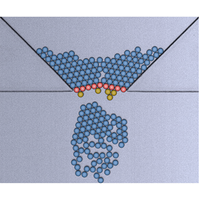
Clogging of Cohesive Particles in a Two-Dimensional Hopper
Article | Polymers, Chemical Physics, Soft Matter, and Biological Physics | 2026-02-23 05:00 EST
Johnathan Hoggarth, Pablo E. Illing, Eric R. Weeks, and Kari Dalnoki-Veress
Microfluidic experiments demonstrate that clogging in a system of cohesive particles in a hopper is governed by the cohesive length scale, not particle size.
Phys. Rev. Lett. 136, 088201 (2026)
Polymers, Chemical Physics, Soft Matter, and Biological Physics
Physical Review X
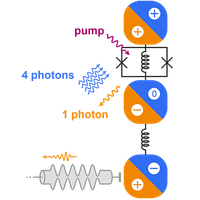
Dissipating Quartets of Excitations in a Superconducting Circuit
Article | 2026-02-23 05:00 EST
A. Vanselow, B. Beauseigneur, L. Lattier, M. Villiers, A. Denis, P. Morfin, Z. Leghtas, and P. Campagne-Ibarcq
Four-photon dissipation in superconducting circuits moves quantum hardware toward stronger error protection.
Phys. Rev. X 16, 011032 (2026)
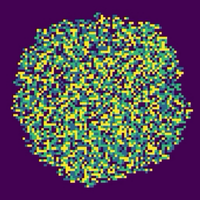
Emergent Random Matrix Universality in Quantum Operator Dynamics
Article | 2026-02-23 05:00 EST
Oliver Lunt, Thomas Kriecherbauer, Kenneth T-R McLaughlin, and Curt von Keyserlingk
Researchers prove that the dynamics of complex quantum operators has a universal random matrix description, enabling a new "spectral bootstrap" algorithm to accurately calculate physical properties like conductivities.
Phys. Rev. X 16, 011033 (2026)
arXiv
AI/ML-Driven Surface Plasmon Resonance (SPR) and Spectroscopy: Materials Interfaces and Autonomous Experiments
New Submission | Materials Science (cond-mat.mtrl-sci) | 2026-02-24 20:00 EST
Rigoberto Advincula, Jihua Chen
This review explores the evolution of Surface Plasmon Resonance (SPR) spectroscopy and sensing, transitioning from fundamental studies of adsorption-desorption kinetics to the sophisticated sensing with Electropolymerized Molecularly Imprinted Polymers (E-MIPs). A significant portion of our previous research focuses on the optical properties, electrochromism of polymer dielectrics, and structure-order correlation in polymer brushes and hierarchical ultrathin films. We then address the transformative impact of Artificial Intelligence (AI) and Machine Learning (ML) in data interpretation, culminating in the conceptualization of Self-Driving Labs (SDLs). The importance of generating high-quality training data through high-throughput experimentation (THE) with the SPR is a possibility. These autonomous systems represent the future of materials science, enabling the rapid, closed-loop discovery and optimization of next-generation SPR sensors and analytical methods. This overview highlights the trajectory for integrating conventional experimental design with AI-driven sensing and analytical chemistry across materials and biomedical applications.
Materials Science (cond-mat.mtrl-sci)
39 pages, 14 figures
Buried Stressor Engineering for Position-Controlled InGaAs Quantum Dots with Local Density Variation for Integrated Quantum Photonics
New Submission | Materials Science (cond-mat.mtrl-sci) | 2026-02-24 20:00 EST
Martin Podhorský, Maximilian Klonz, Lux Böhmer, Sebastian Kulig, Chirag C. Palekar, Petr Klenovský, Sven Rodt, Stephan Reitzenstein
We report on the monolithic, two-step epitaxial growth of site-controlled InGaAs quantum dots via the buried stressor method with local quantum dot density variation. As a result of high fabrication accuracy, we achieve low lateral displacements of the individual buried stressor apertures of $ 17^{+19}_{-17}$ ~nm from mesa centers. We provide extensive micro-photoluminescence and cathodoluminescence characterization of the site-controlled quantum dots and give theoretical calculations, explaining the effect of the stressor aperture on the quantum dot emission properties, positioning, and density. We show reproducibility of the nucleation process for apertures of the same size and achieve precisely-positioned, low- and high-density quantum dot nucleation within one active layer growth step. The results presented in this work demonstrate the significant potential of the buried stressor concept in fabricating single photonic chips, simultaneously combining single-photon sources and microlasers featuring different local densities of site-controlled quantum dots, paving the way for highly functional source modules with applications in photonic quantum technology.
Materials Science (cond-mat.mtrl-sci), Mesoscale and Nanoscale Physics (cond-mat.mes-hall)
Analytic continuation of Green’s functions with a neural network
New Submission | Strongly Correlated Electrons (cond-mat.str-el) | 2026-02-24 20:00 EST
Fakher Assaad, Johanna Erdmenger, Anika Götz, René Meyer, Martin Rackl, Yanick Thurn
An important problem in many-body physics is to reconstruct the spectral density from the imaginary-time domain Green’s function. Typically, the imaginary-time Green’s function is generated by Monte Carlo methods. As the one-point fermionic kernel diverges exponentially for large frequencies, numerical noise generically causes instabilities. We use a convolutional neural network to obtain the spectral density for a given imaginary time Green’s function. The network is trained by data which we generate using random Gaussians. We improve the training data set available by including collision centers for the Gaussians rather than employing uniformly distributed Gaussians. Our network is constructed in such a way that its output fulfills positive semidefiniteness. We compare the results of our network with results of the Maximum Entropy method (MaxEnt), a standard method for the same reconstruction problem for the spectral density. This comparison is performed for three different cases, namely our Gaussian based test data as well as two physical models, the 1d Hubbard model showing spin-charge separation, and the two-dimensional SSH model in the self-consistent Born approximation. We find that the network outperforms MaxEnt when presented data close to the training set. For the physical models considered, MaxEnt recognizes physical features more precisely as compared to our network prediction. While it is hard to improve MaxEnt, the quality of the network depends on the training data set which can be systematically enhanced and improved.
Strongly Correlated Electrons (cond-mat.str-el), High Energy Physics - Theory (hep-th), Nuclear Theory (nucl-th)
15 pages, 4 figures, 1 table
Tuning of Atomic Layer Deposition Pulse Time through Physics-Informed Bayesian Active Learning
New Submission | Materials Science (cond-mat.mtrl-sci) | 2026-02-24 20:00 EST
Pouyan Navabi, Christos G. Takoudis
Atomic Layer Deposition (ALD) process development is often hindered by time-consuming and precursor-intensive tuning cycles required to identify saturation conditions. We introduce a physics-informed Bayesian Active Learning (BAL) framework that autonomously tunes precursor pulse times by integrating a Langmuir adsorption model directly into the Gaussian Process (GP) kernel. A key innovation is a two-stage parameter estimation strategy that decouples noise filtering from physical parameter extraction: the GP first smooths noisy data through standard prediction, then Langmuir parameters are fitted to the noise-filtered GP predictions. This approach effectively separates signal from experimental noise. We evaluate the framework against a standard data-driven GP across four simulated regimes, demonstrating convergence within five iterations, up to fourfold improvement in prediction accuracy, and two to fourfold reduction in precursor usage. Experimental validation using TiO2 deposition via Tetrakisdimethylamido Titanium (TDMAT) and ozone confirms that the physics-informed model accurately identifies saturation times for high-coverage targets ($ \geq$ 95%), with observed deviations at lower saturation levels providing valuable insight into non-ideal desorption behaviors.
Materials Science (cond-mat.mtrl-sci), Mesoscale and Nanoscale Physics (cond-mat.mes-hall), Chemical Physics (physics.chem-ph)
Transport in close-packed solids with stacking defects
New Submission | Mesoscale and Nanoscale Physics (cond-mat.mes-hall) | 2026-02-24 20:00 EST
C. M. Wilson, R. Ganesh, K. V. Samokhin
Lithium and sodium are the only solids that are known to lose crystalline order upon cooling. The seemingly-disordered low-temperature phase shows signatures of various close-packed structures. The lack of order has been attributed to a hidden gauge symmetry that arises when electrons from one layer can hop to a neighbouring layer but not further. It makes all close-packed structures nearly degenerate and leads to ``structural frustration’’. In this article, we examine whether this symmetry is reflected in transport signatures. Taking advantage of in-plane translational periodicity, we map the bulk Bloch Hamiltonian to an effective one-dimensional chain, with stacking disorder mapping to random phases of the hopping amplitudes. We derive an explicit analytic form for the Green’s function of electrons and use it to calculate conductance of a bulk crystal. When hopping in the effective one-dimensional chain is restricted to nearest neighbours, conductance is completely insensitive to phase disorder, which indicates that all close-packed structures exhibit the same conductance. We show that the leading correction that can differentiate between close-packed structures arises from hopping to the next-nearest-neighbour layer, equivalent to second-neighbour hopping in the chain model. This process appears when a pair of next-neighbour layers are aligned in a certain way, e.g., at an hcp-like stacking fault within an fcc background. With this hopping included, conductance becomes sensitive to the precise arrangement of layers. When multiple stacking faults are present, the conductance decreases with increasing system size, as expected from Anderson localization. Our results are applicable to pressurized lithium and sodium, where conductance measurements can identify and characterize stacking faults.
Mesoscale and Nanoscale Physics (cond-mat.mes-hall), Disordered Systems and Neural Networks (cond-mat.dis-nn)
18 pages, 9 figures
When Atoms Choose Their Neighbors: Element-Specific Views of Local Chemical Order in High-Entropy Alloys
New Submission | Materials Science (cond-mat.mtrl-sci) | 2026-02-24 20:00 EST
David Morris, Yonggang Yao, Peng Zhang
Local chemical order (LCO) is a key descriptor linking composition, atomic arrangement, and function in high-entropy alloys (HEAs), yet remains difficult to quantify. This Perspective highlights how X-ray absorption spectroscopy (XAS) provides element-specific, quantitative insight into LCO in complex alloys. We outline practical considerations for XAS data collection and fitting, including width of spectra range, multi-temperature analysis, and X-ray absorption edge choice for 5d elements. We then highlight a coordination-number-based framework for LCO analysis and use model HEAs to show how single-atom and near-single-atom motifs naturally emerge as component number increases, bridging HEAs and single-atom alloys. Finally, we identify priorities including standardized protocols, uncertainty quantification, expanded operando and time-resolved XAS, and integration with complementary characterization and modelling.
Materials Science (cond-mat.mtrl-sci)
Real-time vacancy concentration evolution revealed via heavy ion irradiation experiments
New Submission | Materials Science (cond-mat.mtrl-sci) | 2026-02-24 20:00 EST
Elena Botica-Artalejo, Gregory Wallace, Michael P. Short
We show that in situ ion irradiation transient grating spectroscopy (I3TGS) can be used to monitor the real-time evolution of vacancy concentration generated by self-ion radiation damage in Cu-based alloys. Surface acoustic wave (SAW) frequencies are shown, using a combination of theory and experiment, to reveal vacancy concentrations and their kinetics in real-time. These results are shown to agree with corresponding kinetic Monte Carlo simulations at similar temperatures and dose rates. These results suggest the utility of TGS as a non-contact, non-destructive tool for real-time defect monitoring.
Materials Science (cond-mat.mtrl-sci)
40 pages, 14 figures, 3 tables
Thermodynamic and Kinetic Bounds for Finite-frequency Fluctuation-Response
New Submission | Statistical Mechanics (cond-mat.stat-mech) | 2026-02-24 20:00 EST
Fluctuation-response relations encode fundamental constraints on nonequilibrium systems. While time-domain static response is bounded by activity and entropy production, finite-frequency extensions for time-dependent perturbations remain largely unexplored. Here, we derive frequency-domain fluctuation-response inequalities for steady-state Markov processes with time-dependent perturbations. For barrier and entropic perturbations, the spectral signal-to-noise ratio (SNR) is universally bounded by dynamical activity. Furthermore, for state-current observables, the SNR is bounded by the entropy production rate (EPR). We illustrate our results using the F1-ATPase model to infer EPR. These finite-frequency inequalities provide a practical route to infer dissipation from power spectra measurements.
Statistical Mechanics (cond-mat.stat-mech)
The Interplay Between Liquid-Liquid Phase Equilibria, Sequence, and Tg in Copolymers
New Submission | Soft Condensed Matter (cond-mat.soft) | 2026-02-24 20:00 EST
Makayla R. Branham-Ferrari, David S. Simmons
Copolymerization is a powerful tool to tune polymers’ glass formation behavior in order to improve properties such as ion conductivity, thermal stability, and mechanical response. Classically, mixing rules such as the Fox equation and its variants have been employed to predict and explain glass transition temperature (Tg) variations with copolymer composition. However, a large number of copolymers exhibit significant excursions from these mixing rules. Increasingly, it also appears that these excursions can be tuned by copolymer sequence - an effect that is not predicted by classical mixing rules and thus far remains poorly understood. Here, we perform molecular dynamics simulations to probe the interplay between copolymer sequence, liquid-liquid phase equilibria, and Tg. We find that the direction of Tg shifts, and their dependence on sequence, are predicted by the type of liquid-liquid phase boundary towards which the comonomers tend. Monomers tending towards Upper Critical Solution Temperature behavior exhibit Tg reductions that become stronger with increasing monomer alternation; monomers tending towards Lower Critical Solution Temperature behavior exhibit Tg enhancements that become stronger with increasing monomer alternation. This behavior fundamentally emerges from a forced mixing phenomenon wherein monomer alternation induces close contact between monomer types that would otherwise tend towards phase separation. These results point towards strategies for rationally varying copolymer Tg, at fixed chemical composition, via judicious design of polymer chain sequence.
Soft Condensed Matter (cond-mat.soft)
Is altermagnetism in vanadium oxychalcogenides a lost cause?
New Submission | Strongly Correlated Electrons (cond-mat.str-el) | 2026-02-24 20:00 EST
Bishal Thapa, Po-Hao Chang, Kirill Belashchenko, Igor I. Mazin
Vanadium-based oxychalcogenide compounds with the inverse Lieb-lattice (ILL) structural pattern have recently been proposed as candidate altermagnets (AM). However, early studies postulated ferromagnetic interlayer coupling, a critical requirement for preserving the bulk AM state. Here we present a systematic survey of the complete AV2Q2O family (A = K, Rb, Cs; Q = S, Se, Te) in terms of their magnetic ordering and interlayer coupling. While intralayer exchange interaction favors AM ordering in a single ILL layer across the entire family, the relatively weak interlayer coupling in most cases favors Kramers-degenerate antiferromagnetic order with a doubled magnetic unit cell. This means that most stoichiometric bulk materials, including the previously proposed candidate KV2Se2O, are not altermagnetic, with CsV2Te2O being the only exception. Using hole doping to simulate alkali vacancies, we show that realistic deviations from stoichiometry do not change the magnetic ground state in these compounds.
Strongly Correlated Electrons (cond-mat.str-el)
5 pages, 4 figures
A ReaxFF-based thermomechanical analysis of N-carbophenes: phase-change, thermal expansion, and high temperature synthesis pathway
New Submission | Materials Science (cond-mat.mtrl-sci) | 2026-02-24 20:00 EST
Chad E. Junkermeier, Kat Lavarez, R. Martin Adra, Valeria Aparicio Diaz, Heather Osterstock, Pal Casinto, M. Verano, Ricardo Paupitz, Adri C. T. van Duin
N-carbophenes are a class of two-dimensional covalent organic frameworks with potential for solid-state gas storage and as 2D topological materials. Previous studies have demonstrated that variations in their bonding, topology, and functionalization enable the tuning of their chemical, electrical, and mechanical properties. Yet, the thermal stability and high-temperature behavior of pristine and functionalized N-carbophenes remain unexplored. Using ReaxFF-based reactive molecular dynamics (RMD) simulations with extensive statistical validation, we performed temperature-ramp MD simulations of pristine and functionalized N-carbophenes. We demonstrate that N-carbophenes remain stable up to temperatures above 1000 K. The phase-change onset temperatures decrease as the N-phenylene chain length increases in pristine N-carbophenes, attributed to increasing antiaromaticity in the central phenylene segments, thereby contributing to the foundational understanding of aromatic versus antiaromatic bonding in 2D carbon networks, a topic of considerable interest in theoretical chemistry. Pristine N-carbophenes exhibit negative area thermal expansion (NATE), whereas functional groups modulate this, leading to either negative or positive expansion. Functional groups remain stably bonded well above the transition temperature. We also show that a temperature-induced phase transition from graphenylene (2-carbophene) to {\gamma}-graphyne is possible. Our results provide upper bounds on N-carbophene stability, clarify the relationships between structure and thermal properties, and identify a new transformation pathway. These results will have applications in tunable band gaps, porous architectures, or chemically accessible sites.
Materials Science (cond-mat.mtrl-sci)
14 pages, 6 figures, 1 table
Nonabelian Anyons attached to Superconducting Islands in FQH Liquids
New Submission | Mesoscale and Nanoscale Physics (cond-mat.mes-hall) | 2026-02-24 20:00 EST
The idea that topologically protected quantum states, such as anyons, may be attached to super/semiconductor heterostructures has received enormous attention, but experimental signatures in 1D systems remain elusive. Here we revisit theoretical underpinnings of anyons in 2D fractional quantum Hall (FQH) systems, whose signatures have been experimentally observed by independent groups. Invoking novel theorems about the Hopfion or $ \mathbb{C}P^1$ -model understood as flux quantization in 2-Cohomotopy, we demonstrate a robust prediction for possibly nonabelian anyonic states induced by superconducting islands.
Mesoscale and Nanoscale Physics (cond-mat.mes-hall), Strongly Correlated Electrons (cond-mat.str-el), Mathematical Physics (math-ph), Algebraic Topology (math.AT), Quantum Physics (quant-ph)
7 pages, 2 figures
Phase fluctuations in a confined fluid
New Submission | Soft Condensed Matter (cond-mat.soft) | 2026-02-24 20:00 EST
Frederic Caupin, Alberto Zaragoza, Miguel A. Gonzalez, Chantal Valeriani
Fluid phase equilibrium depends on the external constraints imposed on a system. In a closed system with fixed volume, depending on the average density, a vapor bubble may be stable, metastable, or unstable, with respect to the homogeneous liquid phase. In the case where the bubble is metastable, we study its lifetime, i.e. the average waiting time needed to observe bubble collapse, and the corresponding lifetime of the homogeneous liquid. For the smallest systems, we predict the possibility to observe phase flipping, when the fluid oscillates between states with and without bubble. We provide an example of phase flipping in a simulation of a Lennard-Jones fluid.
Soft Condensed Matter (cond-mat.soft)
EXAFS studies of the local environment of lead and selenium atoms in PbTe$_{1-x}$Se$_x$ solid solution
New Submission | Materials Science (cond-mat.mtrl-sci) | 2026-02-24 20:00 EST
A. I. Lebedev, I. A. Sluchinskaya, V. N. Demin, I. Munro
EXAFS spectroscopy is used to study the local environment of lead and selenium atoms in PbTe$ _{1-x}$ Se$ _x$ solid solution. In addition to a bimodal distribution of bond lengths in the first shell, unusually large Debye–Waller factors for the Pb–Pb interatomic distances in the second shell and a substantial deviation of these distances from Vegard’s law are observed. Valence force field (VFF) calculations show that these observations are due to the complex structure of the distribution function for Pb–Pb distances. It is found that the number of Se–Se pairs in the second shell surpasses the statistical value, which indicates that chemical factors play an important role in the structure of the solid solution. The contribution of these chemical factors to the enthalpy of mixing of the solid is estimated to be approximately 0.5 kcal/mole, which is comparable to the strain contribution.
Materials Science (cond-mat.mtrl-sci)
9 pages, 10 figures, 1 table; Authorial translation that corrects multiple errors in the official translation
Physics of the Solid State 41, 1275 (1999)
How Phase Coexistence affects the mechanical properties of heterogeneous 2D suspensions
New Submission | Soft Condensed Matter (cond-mat.soft) | 2026-02-24 20:00 EST
Raul Molina-Prados Lallena, Jose Martin-Roca, Kristian Thijssen, Tyler Shendruk, Angelo Cacciuto, Chantal Valeriani
Although numerical simulations of rheological measurements typically focus on homogeneous systems, heterogeneity can profoundly impact material properties. We report on the rheological properties of a suspension of two-dimensional Lennard-Jones particles across the gas/liquid and the gas/solid coexistence lines of the system. We show how the presence of multiple coexisting states has a significant impact on the mechanical properties of these systems when compared with their homogeneous reference counterparts. Our results establish an extended map to navigate a landscape where not only density and temperature, but also phase coexistence, dictate the transition from viscous to elastic-dominated behavior under shear. These results provides a benchmark for future research into heterogeneous fluids where the coexistence of complex dynamic states is frequently observed.
Soft Condensed Matter (cond-mat.soft)
Beam-Offset Thermoreflectance with Bayesian Optimization to Measure the Anisotropic Thermal Properties of Semiconductor Superlattices
New Submission | Materials Science (cond-mat.mtrl-sci) | 2026-02-24 20:00 EST
A. Chatterjee, N. Spitzer, T. Kruck, P. Song, A. Ludwig, A. D. Wieck, J. Ordonez-Miranda, M. Pawlak
The directional nature of heat conduction in semiconductor superlattices–marked by significant differences between in-plane and cross-plane pathways–poses substantial challenges for precise thermal property assessment. Conventional frequency-domain thermoreflectance (FDTR) techniques, while proficient at evaluating cross-plane thermal conductivity, suffer from restricted capability in resolving in-plane transport due to inherent phase-delay constraints and inadequate lateral resolution. In this investigation, we establish a non-contact beam-offset FDTR (BO-FDTR) approach that concurrently determines both directional thermal conductivities within layered semiconductor architectures. Our methodology implements spatial separation between excitation and detection beams while utilizing coupled normalized amplitude and phase responses as analytical inputs, thereby improving discrimination between anisotropic thermal parameters. We combine this experimental configuration with a Bayesian optimization scheme incorporating Gaussian Process Regression (BO-GPR) to reduce estimation inaccuracies, attaining measurement uncertainties under 1% to 2% at 95% confidence intervals. This technique demonstrates particular efficacy for intricate multilayer nanostructures, furnishing a structured protocol for superlattice thermal evaluation. Experimental characterization of an AlAs/GaAs superlattice (period thickness 52 nm) delivers thermal conductivity values of 14.7 W m-1 K-1 (cross-plane) and 37.4 W m-1 K-1 (in-plane). Our findings indicate that integrating frequency sweeps with varied beam offset locations yields superior measurement precision, exceeding conventional single-variable methods and confirming thermal assessment validity across both geometric arrangements.
Materials Science (cond-mat.mtrl-sci)
Three-slab model for the dielectric permittivity of a lipid bilayer
New Submission | Soft Condensed Matter (cond-mat.soft) | 2026-02-24 20:00 EST
A model for the tensorial dielectric permittivity of phospholipid membranes is presented here. The four-nanometer-thick membrane is treated as a composite made up of three dielectric slabs: one for each of the two phospholipid head-group regions, and one for the entire domain spanned by the lipid tails. Equal and opposite bound surface charge densities surround each head-group slab, and account for the membrane dipole potential. Three-slab model parameters are obtained from molecular dynamics simulations, and capture both the zero-field electric potential and the membrane response to applied electric fields. The tail region is well-approximated as having vacuum permittivity, while the head-group region is highly anisotropic due to the configurations of molecular dipoles. For the bilayers studied, the out-of-plane permittivity of the head-group region is 10–15 times that of the vacuum, while the in-plane permittivity is an order of magnitude larger. Membrane responses to applied electric fields up to 30 millivolts per nanometer are found to be in the linear regime. The model overcomes a fundamental limitation of microscopic theories – where the out-of-plane permittivity is ill-posed in the head-group region due to large gradients in the local electric field – by averaging over slab widths, thereby introducing new length scales. Our approach can be extended to characterize general interfacial systems with similarly ill-defined permittivities.
Soft Condensed Matter (cond-mat.soft), Statistical Mechanics (cond-mat.stat-mech), Biological Physics (physics.bio-ph)
6 pages, 4 figures
Layer-number parity induced topological phase transition
New Submission | Materials Science (cond-mat.mtrl-sci) | 2026-02-24 20:00 EST
Kai Chen, Junyan Guan, Jiamin Guo, He Gao, Zhongming Gu, Jie Zhu
We demonstrate that stacking topologically trivial layers, under enforced symmetry restrictions, yields emergent topological phases with protected boundary states. Remarkably, the number of layers itself acts as a topological switch, enabling the system to host topological bound states in the continuum (BICs). We analytically show that the spectrum becomes gapless for an odd number of layers; combined with entanglement-spectrum calculations, this confirms that odd-layer systems indeed support topological BICs. We provide experimental confirmation of these phenomena in stacked acoustic lattices. Our findings establish a previously overlooked pathway to topology and demonstrate a readily applicable strategy for realizing exotic states in a wide range of artificial material systems.
Materials Science (cond-mat.mtrl-sci)
Superflows around corners
New Submission | Quantum Gases (cond-mat.quant-gas) | 2026-02-24 20:00 EST
Thomas Frisch, Christophe Josserand, Sergio Rica
We investigate analytically and numerically the dynamics of a two-dimensional superflow governed by the Gross-Pitaevskii equation passing over finite-size rectangular obstacles: an impenetrable wall and an impenetrable rectangular well. Extending classical studies of vortex nucleation around smooth obstacles, we focus on the role of sharp corners in determining the onset of vortex nucleation. Using a combination of analytical techniques based on the Schwarz-Christoffel methods for potential flow and on numerical simulations, we show that local velocity amplification near sharp corners crucially controls the critical flow velocity for vortex nucleation.
For both wall and well configurations, we identify analytically and theoretically the critical velocities as a function of the obstacle width and its height or depth, finding an excellent agreement between the theory and our numerical simulations. Our results provide a simple framework for understanding superflow stability past finite-size obstacles with sharp features and are directly relevant to experimentally realizable configurations in atomic Bose-Einstein condensates and related superfluid systems.
Quantum Gases (cond-mat.quant-gas), Pattern Formation and Solitons (nlin.PS)
6 figires
Prediction of the atomistic Hubbard U interaction from moiré system STM-images using image recognition
New Submission | Mesoscale and Nanoscale Physics (cond-mat.mes-hall) | 2026-02-24 20:00 EST
Nachiket Tanksale, Tobias Stauber
The atomistic Hubbard interaction U, representing the on-site Coulomb repulsion, serves as a pivotal parameter in theoretical models describing of correlated systems, yet its precise experimental determination especially in moiré systems remains challenging. Scanning Tunneling Microscopy(STM) provides real-space images of the local density of states (LDOS), offering rich data sets that reflect the unique electronic structure of the material. Here, we introduce a systematic methodology for extracting the Hubbard U parameter directly from these LDOS images through the application of machine learning (ML) in the case of twisted bilayer graphene in the flat-band regime. The regression of U is highly accurate even though the image-similarity is greater than 99.98%. Subsequent data-analysis further suggest a weak crossover between the weak and strong coupling regime at Uc/t 1
Mesoscale and Nanoscale Physics (cond-mat.mes-hall)
9 pages, 8 figures
Atomistic substrate relaxation effects in the band gaps of graphene on hexagonal boron nitride
New Submission | Mesoscale and Nanoscale Physics (cond-mat.mes-hall) | 2026-02-24 20:00 EST
Jiaqi An, Nicolas Leconte, Srivani Javvaji, Youngju Park, Jeil Jung
We assess the impact of atomistic substrate lattice relaxation schemes in the primary band gap at charge neutrality and the secondary valence band gap of graphene on hexagonal boron nitride (G/h-BN) as a function of twist angle. For zero twist angle, the primary gap decreases from $ \sim 30$ ~meV in fully relaxed suspended G/h-BN bilayers, to $ \sim 9$ ~meV when the remote h-BN substrate layer is kept rigid, and down to $ \sim 3$ ~meV in completely rigid structures. In the presence of relaxations, the primary gap shows a maximum near $ \sim 0.6^{\circ}$ coinciding with energetic stabilization due to alignment between the moiré pattern and the graphene lattice vectors, while the secondary valence band gap drops from $ \sim 12$ ~meV down to zero beyond twist angles of $ \sim 1^{\circ}$ . A small but finite primary gap on the order of $ \sim 1$ ~meV, with a mass sign favoring electronic occupation of carbon atop boron, persists across twist angles from $ 0^{\circ}$ to $ 30^{\circ}$ for all sliding configurations, and switches sign for twist angles between $ 30^{\circ}$ and $ 60^{\circ}$ .
Mesoscale and Nanoscale Physics (cond-mat.mes-hall)
15 pages, 15 figures
Geometric Limits of Mitotic Pressure Under Confinement
New Submission | Soft Condensed Matter (cond-mat.soft) | 2026-02-24 20:00 EST
Cells often divide under mechanical confinement, where surrounding structures restrict shape changes during cytokinesis. Although forces generated during confined division have been measured experimentally, it remains unclear how confinement geometry and mechanics determine the transmitted force. Here we develop a minimal mechanical theory of cell division under confinement. Modeling the cell as an incompressible volume bounded by an interface with effective isotropic tension, we show that confinement restricts the set of mechanically admissible furrow shapes. As the furrow radius decreases, it reaches it reaches a confinement-induced minimum. Beyond this point, further ingression does not alter the interface shape, and both pressure and axial force saturate. We analyze force and pressure in rigid, soft, and strong three-dimensional confinement and demonstrate that a single geometric mechanism underlies these distinct cases. After rescaling force and length by the appropriate geometric scale, cells of different size and surface tension collapse onto a single universal curve. The relevant length scale is the cell size for rigid and soft confinement, and the confinement size in fully enclosing three-dimensional confinement. In soft confinement, environmental stiffness and spindle-generated axial forces determine the operating force and pressure, while the geometric constraint fixes the maximal attainable levels. In summary, our results show that mitotic force transmission and mitotic pressure during cytokinesis are bounded by confinement geometry, with material properties and active forces selecting the operating point within these geometry-imposed limits.
Soft Condensed Matter (cond-mat.soft), Biological Physics (physics.bio-ph), Cell Behavior (q-bio.CB)
7 pages, 3 figures
Work-hardening exhaustion as the origin of low toughness in L-PBF alloys: A case study on the role of intrinsic vs. extrinsic defects in SS316L
New Submission | Materials Science (cond-mat.mtrl-sci) | 2026-02-24 20:00 EST
KenHee Ryou, Yaozhong Zhang, James A. D. Ball, Dan Rubio-Ejchel, Dillon Jobes, Buhari Ibrahim, Charles Romain, Henry Proudhon, Jerard V. Gordon
Laser powder bed fusion (L-PBF) additive manufacturing offers a remarkable balance of strength and ductility across many structural alloys. However, L-PBF alloys often display much lower fracture toughness, in some cases up to 70% below conventionally wrought counterparts. The reasons for this toughness paradox have remained elusive, since conventional tools cannot directly visualize sub-surface microscale deformation processes that govern crack growth. Here we apply scanning 3D X-ray diffraction and phase contrast tomography to simultaneously capture microstructural evolution with 1 micron resolution near an advancing crack tip, utilizing 316L stainless steel as a model system. We demonstrate that the toughness paradox is not solely a consequence of extrinsic processing defects or residual stresses, but rather an intrinsic failure to relax crack-tip stresses via plasticity. While wrought material facilitates stable crack-tip blunting through localized dislocation accumulation, the L-PBF material undergoes premature work-hardening saturation that triggers extreme stress partitioning and high stress triaxiality. This results in a transition from ductile blunting to a sharp, unstable fracture mode. These findings identify work-hardening exhaustion as a systemic vulnerability inherent to L-PBF microstructures, where the exceptional initial dislocation density required for high yield strength acts as a saturation ceiling for damage tolerance. This work provides a physical basis for adapting damage models to L-PBF metals and challenges the assumption that high tensile ductility guarantees fracture resistance in rapidly solidified components.
Materials Science (cond-mat.mtrl-sci)
Exact expression for the Berry connection in the projection gauge
New Submission | Mesoscale and Nanoscale Physics (cond-mat.mes-hall) | 2026-02-24 20:00 EST
The Berry connection encodes the momentum-space geometry of occupied Bloch states in gapped insulators and plays a central role in topological materials. While gauge-invariant quantities can be evaluated from overlap matrices between neighboring $ k$ points, accessing the Berry connection itself as a smooth field requires specifying a continuous gauge over the Brillouin zone. Wannier-based workflows achieve this through projection onto localized orbitals, enabling stable evaluation of geometric quantities and response functions. In this setting, the Berry connection enters directly in Wannier-interpolated calculations of polarization, Berry curvature, optical conductivity, and related response functions. In practical implementations, however, the projection-gauge Berry connection is typically constructed from finite-difference overlaps between neighboring $ k$ points, discretizing momentum derivatives and introducing errors tied to $ k$ -mesh spacing and gauge alignment. These effects can become numerically delicate in systems with small band gaps or when evaluating higher-order responses such as the Chern-Simons axion angle. Here, we derive an exact expression for the non-Abelian Berry connection in the projection gauge that is local in crystal momentum. Starting from projected and orthonormalized Bloch-like states, we obtain a closed-form equation expressed entirely in terms of $ k$ -local quantities. We validate the formulation in one and three dimensions by computing the Berry phase and Chern-Simons axion angle in tight-binding models. The resulting framework provides a stable route to evaluating geometric properties within Wannier interpolation schemes and future first-principles implementations.
Mesoscale and Nanoscale Physics (cond-mat.mes-hall), Materials Science (cond-mat.mtrl-sci)
11 pages, 3 figures
A computationally efficient approach for predicting the transport properties of transition-metal alloys at elevated temperatures
New Submission | Materials Science (cond-mat.mtrl-sci) | 2026-02-24 20:00 EST
Akshay Korpe, Manish Sudan, Ishtiaque K. Robin, Bikram Bhatia, Garrett Pataky, Thomas Berfield, Osman El-Atwani, Enrique Martinez
A novel phenomenological framework for an efficient estimation of the thermo-electric properties at room temperature and elevated temperatures of body-centered cubic (BCC) transition metal concentrated alloys is proposed in this work. The methodology is used to predict the electrical resistivity of BCC systems with our predictions showing excellent correlation with experimental data. This framework is further extended to predict the electrical resistivity $ \rho$ , thermal conductivity $ \kappa$ and the specific heat capacity Cp of BCC alloys in the temperature range of 300-1300 K and the results are validated against experimental data. We demonstrate the capabilities of this model by using it to predict the thermo-electric properties of a concentrated W53Ta42V5 alloy which shows a saturation in the electrical resistivity $ \rho$ in the temperature range 300K-1300K. This model is then used to predict the properties of another concentrated Nb$ _4$ 0Mo$ _4$ 0Ta$ _2$ 0 alloy in the same temperature regime.
Materials Science (cond-mat.mtrl-sci)
26 pages
Critical Scaling and Metabolic Regulation in a Ginzburg–Landau Theory of Cognitive Dynamics
New Submission | Statistical Mechanics (cond-mat.stat-mech) | 2026-02-24 20:00 EST
We formulate a phenomenological effective field theory in which biological intelligence emerges as a macroscopic order parameter sustained by continuous metabolic flux. By modeling cognition as a coarse-grained neural activity field governed by a variational free energy, we derive closed-form expressions for information capacity and structural susceptibility using a Gaussian maximum entropy approximation. The theory predicts a universal algebraic divergence of the susceptibility, $ \chi \sim K^{-3/2}$ , as the structural stiffness $ K$ approaches the instability threshold. The exponent $ \gamma = 3/2$ is consistent with the mean-field branching process universality class, thereby providing a theoretical rationale for the observed avalanche size exponent $ \tau \approx 3/2$ in cortical dynamics without invoking microscopic equivalence. We identify adult cognition as a metabolically pinned non-equilibrium steady state maintained near the critical regime $ \Gamma \equiv K/\alpha \approx 1$ by continuous metabolic regulation, while pathological decline corresponds to a delocalization transition triggered by the violation of structural stability conditions. The framework generates concrete, falsifiable predictions for attention scaling, altered states of consciousness, and transcranial magnetic stimulation responses, each of which can be tested against existing neuroimaging and electrophysiological datasets.
Statistical Mechanics (cond-mat.stat-mech), Biological Physics (physics.bio-ph), Neurons and Cognition (q-bio.NC)
5 pages, 3 figures. Includes Supplemental Material. Submitted for publication
Nonlinear spin-Seebeck diode in $f$-wave magnets, third-order spin-Nernst effects in $g$-wave magnets and spin-Nernst effects in $i$-wave altermagnets
New Submission | Mesoscale and Nanoscale Physics (cond-mat.mes-hall) | 2026-02-24 20:00 EST
A prominent feature of $ d$ -wave altermagnets is that spin current is generated by applying temperature gradient, which is known as the spin-Nernst effect. We show in $ f$ -wave magnets that spin current is generated proportional to the square of the temperature gradient, which we call the nonlinear spin-Seebeck current. It can be used as a spin current diode. In addition, we show in $ g$ -wave altermagnets that spin current is generated in the third order of the temperature gradient. We also show in $ i$ -wave altermagnets that spin current is generated perpendicular to the temperature gradient, which is the spin-Nernst current. We have derived analytic formulas for these spin currents. It is interesting that these phenomena occur in the absence of the spin-orbit interaction. On the other hand, we show in $ p$ -wave magnets that spin current is not generated by temperature gradient.
Mesoscale and Nanoscale Physics (cond-mat.mes-hall)
5 pages, 4 figures
Hidden Chiral Ferroelectricity in AgNbO$_3$ Perovskite
New Submission | Materials Science (cond-mat.mtrl-sci) | 2026-02-24 20:00 EST
Ying Song, Lingzhi Cao, Jinming Zhai, Zhilong Yang, Yali Yang, Laurent Bellaiche, Jiangang He
AgNbO$ _3$ is a lead-free perovskite with considerable potential for energy storage and optoelectronic applications, yet its low-temperature crystal structure has remained controversial. In this Letter, we revisit its low-energy structural landscape using a systematic first-principles structural search based on symmetry-adapted phonon-mode theory. We uncover a previously unreported chiral ferroelectric phase with space group $ R3$ , which exhibits a large spontaneous polarization and a low polarization switching barrier, enabling polarization reversal under electric fields. Crucially, the structural chirality of this phase is intrinsically locked to the ferroelectric polarization, allowing electrical control of the chiral handedness. Consequently, chiral optical responses–including circular dichroism, circular photogalvanic effect, optical activity, and second-order nonlinear optics–can be reversibly switched by an external electric field. These results not only clarify the complex low-temperature structural behavior of AgNbO$ _3$ but also establish a rare purely inorganic platform for electric-field-tunable chirality, opening a pathway toward ultrafast, electrically controlled chiral optoelectronics.
Materials Science (cond-mat.mtrl-sci)
7 pages, 4 figures
peapods: A Rust-Accelerated Monte Carlo Package for Ising Spin Systems
New Submission | Statistical Mechanics (cond-mat.stat-mech) | 2026-02-24 20:00 EST
We present peapods (this http URL), an open-source Python package for Monte Carlo simulation of Ising spin systems with arbitrary coupling constants on arbitrary-dimensional hypercubic lattices with periodic boundary conditions. The computational core is written in Rust and exposed to Python via PyO3, combining the ergonomic interface of Python with the performance of compiled, memory-safe code. The package implements Metropolis and Gibbs single-spin-flip algorithms, Swendsen–Wang and Wolff cluster updates, and parallel tempering. Replica-level parallelism is achieved through the Rayon work-stealing scheduler. We validate the implementation against the exact critical temperature of the two-dimensional Ising model via finite-size scaling of the Binder cumulant.
Statistical Mechanics (cond-mat.stat-mech), Computational Physics (physics.comp-ph)
Bridging Quantum and Classical Descriptions of Spin Dynamics in a Dzyaloshinsky-Moriya Trimer
New Submission | Mesoscale and Nanoscale Physics (cond-mat.mes-hall) | 2026-02-24 20:00 EST
Robert Wieser, Raúl Sánchez Galán
The spin dynamics of a trimer with Dzyaloshinsky-Moriya (DM) interaction are investigated within a unified Hamiltonian framework that connects quantum-mechanical and semiclassical descriptions. The interpolation between the two regimes is realised by solving the modified Gisin-Schrödinger equation, in which the relative weight of a quantum coherence and local mean-field contributions is continuously tuned. The resulting dynamical behaviour is analysed and summarised in a ground state diagram that illustrates how the character of the spin motion evolves from fully quantum to semiclassical as the DM interaction is treated at different levels of approximation. In the last part of the publication, the chiral spin dynamics proposed by Da-Wei Wang et al. is examined theoretically, taking into account its behaviour at the boundary between quantum and classical physics.
Mesoscale and Nanoscale Physics (cond-mat.mes-hall)
10 pages, 7 flgures
Giant Out-of-Plane Magnetic Orbital Torque of Altermagnets from Spin-Group Symmetry Breaking
New Submission | Materials Science (cond-mat.mtrl-sci) | 2026-02-24 20:00 EST
Xukun Feng, Lay Kee Ang, Shengyuan A. Yang, Cong Xiao, X. C. Xie
To search for nontrivial spintronic characters of altermagnets has been a focus in spintronics, with numerous attentions paid to spin-group symmetry dictated non-relativistic effects, such as the spin-splitting torque (SST). Here, we go beyond this paradigm by unveiling the magnetic orbital torque (MOT) that is enabled only by spin-group symmetry breaking of real altermagnets with spin-orbit coupling. This effect enables generating unconventional out-of-plane orbital current with collinear orbital polarization from all 10 spin Laue groups of centrosymmetric altermagnets, which is critical for field-free manipulation of perpendicular magnetization that is a key for next-generation information technology. We reveal perturbative and non-perturbative effects of spin-group symmetry breaking, and unveil that MOT is a much more generic effect of real altermagnets than SST. Our first-principles calculations predict giant out-of-plane MOTs at room temperature in the absence of and competing with SST in experimentally identified altermagnets CrSb and FeSb2, respectively. These findings uncover new fundamental physics in altermagnetic spintronics, and open up broad vistas of altermagnets in magnetic memory.
Materials Science (cond-mat.mtrl-sci), Mesoscale and Nanoscale Physics (cond-mat.mes-hall)
Superconducting phase diagram of multi-layer square-planar nickelates
New Submission | Superconductivity (cond-mat.supr-con) | 2026-02-24 20:00 EST
Grace A. Pan, Dan Ferenc Segedin, Sophia F. R. TenHuisen, Lopa Bhatt, Harrison LaBollita, Abigail Y. Jiang, Qi Song, Ari B. Turkiewicz, Denitsa R. Baykusheva, Abhishek Nag, Stefano Agrestini, Ke-Jin Zhou, Jonathan Pelliciari, Valentina Bisogni, Hua Zhou, Mark P. M. Dean, Hanjong Paik, David A. Muller, Lena F. Kourkoutis, Charles M. Brooks, Matteo Mitrano, Antia S. Botana, Berit H. Goodge, Julia A. Mundy
The discovery of superconductivity in square-planar nickelates has offered a rich materials platform to explore the origins of cuprate-like superconductivity. Experimental investigations however have largely been limited to the infinite-layer $ R$ NiO$ _2$ ($ R$ =rare-earth) nickelates. Here, we construct a phase diagram of multi-layer square-planar Nd$ _{n+1}$ Ni$ _n$ O$ _{2n+2}$ compounds and discover signatures of superconductivity for $ n$ = 4 - 8. Upon decreasing the dimensionality $ n$ , the superconducting anisotropy evolves due to 4$ f$ electron effects, and electronic structure characteristics approach cuprate-like behavior. Magnetic fluctuations persist from within the superconducting regime and into the over-doped, non-superconducting regime. Remarkably, the superconducting regime overlaps with that of chemically-doped infinite-layer nickelates, demonstrating underlying commonalities and distinct differences across varying structural realizations of square-planar nickelates. Our work establishes this layered template for creating new nickel-based superconductors.
Superconductivity (cond-mat.supr-con), Materials Science (cond-mat.mtrl-sci), Strongly Correlated Electrons (cond-mat.str-el)
13 pages, 5 figures
Training overdamped dynamics
New Submission | Soft Condensed Matter (cond-mat.soft) | 2026-02-24 20:00 EST
In regimes where inertia is negligible, the temporal evolution is governed by overdamped dynamics. This limit is particularly relevant in soft-matter contexts, such as polymers, colloidal suspensions, and processes occurring at the cellular scale. Being able to manipulate the dynamics of such many-particle systems would enable control over rate-dependent elastic responses, time-dependent material properties, relaxation processes, and perhaps the hydrodynamics of suspensions. In this work, we develop a framework for manipulating overdamped dynamics through local, physically motivated update rules. Our approach is inspired by ideas from physical learning and directed aging, in which microscopic parameters adapt autonomously to endow a material with a desired function. Using the Rayleighian formulation, whose minimization reproduces the overdamped equations of motion, we derive approximate directed-aging and equilibrium-propagation rules tailored to dissipative systems. To demonstrate these ideas, we study a disordered Maxwell material that behaves elastically at short times but flows at long times. By locally modifying the viscous damping, we show that one can tune the viscous Poisson’s ratio and shape local mechanical responses. These results illustrate how materials can be trained to exhibit targeted rate-dependent elastic and viscous behaviors.
Soft Condensed Matter (cond-mat.soft), Disordered Systems and Neural Networks (cond-mat.dis-nn)
Precompression engineering of metal-insulator transition and magnetism in designed breathing kagome systems
New Submission | Strongly Correlated Electrons (cond-mat.str-el) | 2026-02-24 20:00 EST
Qingzhuo Duan, Hongdao Zhuge, Ying Liang, Tianxing Ma
Kagome materials featuring dispersive Dirac cones and topological flat bands exhibit unique electronic and magnetic properties. However, kagome compounds with tunable electrical conductivity remain scarce, which severely impedes their device applications. Here, based on density functional theory (DFT) and Boltzmann transport theory, we introduce the breathing effect into kagome materials $ \mathrm{Nb_3XCl_7}$ (X = F, Cl, Br, I) via chemical precompression, thereby inducing a metal-insulator transition and magnetic variation. We determine that the band structures, optical absorption spectra and magnetic ground states agree well with experimental results at the effective correlation strength $ U_{\text{eff}} = 2$ eV. The calculated conductivity and magnetic properties reveal that the monolayer $ \mathrm{Nb_3Cl_8}$ and $ \mathrm{Nb_3XCl_7}$ undergoes transitions from paramagnetic metals to Mott insulators at $ U_{\text{eff}} = 1$ eV and $ t_{\text{out}}/t_{\text{in}} = 0.6674$ , respectively. Our detailed analysis establishes that the stronger breathing effect corresponds to enhanced chemical precompression, which reduces the region of free electron gas between intercell Nb atoms and facilitates the metal-insulator transition. Finally, we propose several viable synthesis routes for $ \mathrm{Nb_3FCl_7}$ , $ \mathrm{Nb_3BrCl_7}$ , and $ \mathrm{Nb_3ICl_7}$ , providing predictive guidance for experimental studies. Our study establishes a practical framework for investigating the breathing effect in correlated kagome systems and yields valuable insights into the mechanisms underlying metal-insulator transition and magnetic properties in real breathing kagome materials.
Strongly Correlated Electrons (cond-mat.str-el), Materials Science (cond-mat.mtrl-sci)
9 pages and 6 figures
Constrained Diffusion for Accelerated Structure Relaxation of Inorganic Solids with Point Defects
New Submission | Materials Science (cond-mat.mtrl-sci) | 2026-02-24 20:00 EST
Jingyi Cui, Jacob K. Christopher, Ankita Biswas, Prasanna V. Balachandran, Ferdinando Fioretto
Point defects affect material properties by altering electronic states and modifying local bonding environments. However, high-throughput first-principles simulations of point defects are costly due to large simulation cells and complex energy landscapes. To this end, we propose a generative framework for simulating point defects, overcoming the limits of costly first-principles simulators. By leveraging a primal-dual algorithm, we introduce a constraint-aware diffusion model which outperforms existing constrained diffusion approaches in this domain. Across six defect configuration settings for Bi2Te3, the proposed approach provides state-of-the-art performance generating physically grounded structures.
Materials Science (cond-mat.mtrl-sci), Artificial Intelligence (cs.AI), Machine Learning (cs.LG)
Appeared in the NeurIPS 2025 Workshop on AI for Accelerated Material Design (AI4Mat)
Specific features of the magnetic-field dependences of electrical resistivity in Bi–Mn solid solutions with low Mn content
New Submission | Materials Science (cond-mat.mtrl-sci) | 2026-02-24 20:00 EST
A.V. Terekhov, V.M. Yarovyi, Yu.A. Kolesnichenko, K. Rogacki, E. Lähderanta, E.V. Khristenko, A.L. Solovjov
For the first time, the field dependences of the magnetoresistance of a textured polycrystalline Bi$ _{88.08}$ Mn$ _{11.92}$ sample were investigated in the $ H \perp I$ and $ H \parallel I$ configurations, and the results were compared with those previously obtained for the solid solution Bi$ _{95.69}$ Mn$ _{3.69}$ Fe$ _{0.62}$ with a lower manganese concentration. It was demonstrated that the magnetoresistance field dependencies for Bi$ _{88.08}$ Mn$ _{11.92}$ differ significantly from those of Bi$ _{95.69}$ Mn$ _{3.69}$ Fe$ _{0.62}$ below 100 K, becoming nearly identical as the temperature approaches room temperature. It was established that the maximum relative magnetoresistance values for Bi$ _{88.08}$ Mn$ _{11.92}$ are observed at a magnetic field of 90 kOe and a temperature of 100 K in both the $ H \perp I$ and $ H \parallel I$ configurations, amounting to 3170% and 380%, respectively. These values are significantly lower than those previously reported for the solid solution containing less manganese (Bi$ _{95.69}$ Mn$ _{3.69}$ Fe$ _{0.62}$ ), which were 3877% and 742%, respectively. Analysis of the results indicates that differences in field dependence among the studied materials are associated with varying amounts of magnetic $ \alpha$ -BiMn. The anomalous magnetoresistance behavior, as compared with that of pure bismuth, is attributed to the influence of internal magnetism on electrical transport within the bismuth matrix of the studied solid solutions.
Materials Science (cond-mat.mtrl-sci), Strongly Correlated Electrons (cond-mat.str-el)
15 pages, 7 figures
Microgel Translocation Through Narrow Capillaries
New Submission | Soft Condensed Matter (cond-mat.soft) | 2026-02-24 20:00 EST
Subhadip Biswas, Buddhapriya Chakrabarti
The transport of soft viscoelastic gels through confined geometries underlies critical processes in biomedical, biological, and industrial systems. Here, we examine the translocation of a spherical microgel through a narrow capillary whose diameter is smaller than the equilibrium gel size. Using coarse-grained molecular dynamics simulations in tandem with mean-field theory and mechanical analysis, we uncover a critical threshold diameter $ d_c$ below which the microgel cannot enter, regardless of the applied pressure. This geometric limit emerges from the interplay between gel elasticity and its internal network connectivity, captured quantitatively by a graph-theoretic model. We construct a phase diagram in the parameter space of tube diameter $ d$ , applied force $ f_g$ , and gel stiffness $ Y$ (Young’s modulus), which delineates the regimes of successful translocation and mechanical arrest. Under negligible wall friction, gel mobility scales with the applied force; however, beyond a cutoff set by the network topology, progressive densification in the constriction stalls the microgel. Our results reveal the mechanical and topological determinants of soft-gel transport in confinement and provide predictive guidelines for engineering gel-based systems in microfluidics, drug delivery, and tissue-level filtration.
Soft Condensed Matter (cond-mat.soft)
13 pages, 13 figures (SI not added - please request by email)
Microscopic origin of hard-plane antiferromagnetism in the Kondo lattice Ce2Rh3Ge5
New Submission | Strongly Correlated Electrons (cond-mat.str-el) | 2026-02-24 20:00 EST
Rajesh Tripathi, Ewan Scott, D. T. Adroja, D. Das, C. Ritter, Huanzhi Hu, Michal P. Kwasigroch, Nicholas Corkill, Gheorghe Lucian Pascut, T. Masuda, S. Asai, T. Takabatake, T. Onimaru, T. Shiroka, Francis Pratt, A. M. Strydom, S. Langridge, A. Sundaresan, S. Patil
Hard plane antiferromagnetic order where ordered moments lie perpendicular to the single-ion crystal electric field easy axis is rare in Ce-based Kondo lattices and is a subject of active interest. Here we show that Ce$ _2$ Rh$ _3$ Ge$ _5$ realizes a hard-plane antiferromagnetic state in which partial delocalization of the local moment gives rise to an RKKY exchange that overturns the single-ion easy-axis preference. Neutron diffraction reveals moments in the $ ab$ plane, while inelastic neutron scattering and susceptibility establish a magnetic easy axis along $ c$ in the paramagnetic regime, highlighting a clear inversion between single-ion and ordered-state anisotropies. In this work, we establish a unified microscopic framework to consistently account for partial $ 4f$ -moment delocalization, enhanced in-plane RKKY exchange, and the resulting hard-plane antiferromagnetic order. Ce$ _2$ Rh$ _3$ Ge$ _5$ thus provides a benchmark system in which single-ion anisotropy, Kondo screening, and RKKY exchange compete on comparable energy scales, revealing a cooperative route to hard-axis ordering in strongly hybridized Kondo lattices.
Strongly Correlated Electrons (cond-mat.str-el), Materials Science (cond-mat.mtrl-sci)
19 pages, 9 figures
On the Statistical Mechanics of Active Membranes: Some Selected Results
New Submission | Soft Condensed Matter (cond-mat.soft) | 2026-02-24 20:00 EST
Sreekanth Ramesh, Prashant K. Purohit, Yashashree Kulkarni
Biological membranes and vesicles play a central role in living systems, forming dynamic interfaces that regulate cellular organization and function. Classical descriptions of membrane mechanics that are rooted in equilibrium statistical mechanics and linear elasticity have yielded deep insights into membrane morphology and the role of thermal fluctuations on cellular function. However, real biological membranes operate far from equilibrium, continuously driven by active processes powered by energy consuming proteins. In this work, we employ a nonequilibrium statistical mechanics framework to model active membranes and derive analytical expressions for four fundamental properties that characterize their mechanical behavior: (a) the tension area relation, (b) the mean square amplitude of fluctuations, (c) correlation of normal vectors, and (d) the persistence length. These results collectively highlight the utility of fluctuation spectra as a starting point for elucidating membrane mechanics in both passive and active settings. Moreover, these results provide a theoretical basis for analyzing and interpreting fluctuation based assays of active membrane behavior.
Soft Condensed Matter (cond-mat.soft), Statistical Mechanics (cond-mat.stat-mech)
Dynamics and Pinning for Skyrmions in Altermagnets
New Submission | Mesoscale and Nanoscale Physics (cond-mat.mes-hall) | 2026-02-24 20:00 EST
J. C. Bellizotti Souza, C. J. O. Reichhardt, A. Saxena, C. Reichhardt
We examine the dynamics, Hall angle, and pinning for N{é}el skyrmions in an altermagnet. Using an atomistic model, we show that skyrmion velocity and Hall angle dependence is anisotropic with respect to the direction of the drive, due to the fourfold symmetry implied by the two sublattices of the altermagnet. The skyrmion Hall angle and velocity at fixed drive show strong variations for increasing ratios of the exchange constant of the sublattices, $ J_2/J_1$ . This fourfold anisotropy of altermagnetic (ATM) skyrmions also leads to anisotropic pinning effects for an ATM skyrmion interacting with isotropic circular pinning sites. We also propose a simple particle model for this system that takes into account this anisotropy and find that it captures both the variations of the ATM skyrmion Hall angle and velocity as a function of drive direction, as also found in the atomistic simulations. Using this particle model, we examine ATM skyrmions interacting with a periodic array of pinning sites. For increasing ratios of $ J_2/J_1$ , we find a strongly non-monotonic ATM skyrmion velocity, where there is a minimum in the velocity where the skyrmion locks to different symmetry directions of the periodic pinning lattice. For a random array, we find that ATM skyrmions show strongly anisotropic depinning thresholds and velocity responses for different drive directions, and that the Hall angle is nearly constant with drive. In comparison, for the same parameters, the depinning threshold for a ferromagnetic (FM) skyrmion is lower, and the skyrmion Hall angle shows a strong velocity dependence. The lower depinning threshold for FM skyrmions is due to stronger Magnus forces.
Mesoscale and Nanoscale Physics (cond-mat.mes-hall)
12 pages, 10 figures
Nearly twofold overestimation of the superconducting volume fraction in pressurized Ruddlesden-Popper nickelates
New Submission | Superconductivity (cond-mat.supr-con) | 2026-02-24 20:00 EST
Aleksandr V. Korolev, Evgeny F. Talantsev
The detection of the DC diamagnetic state in pressurized Ruddlesden-Popper nickelates remained an unsolved experimental problem until recent experiments in which Zhu et al.$ ^1$ measured the DC diamagnetic responses in zero-field cooled (ZFC) mode in pressurized La4Ni3O10. Zhu et al.$ ^1$ reported that the ratio of the measured ZFC magnetic moment to the Meissner magnetic moment of the sample (and this ratio was termed the superconducting volume fraction$ f$ ) reaches 81-86%. We regard outstanding experimental results$ ^1$ ; however, our calculations based on the reported experimental datasets$ ^1$ using the standard procedure showed the ratio to be 51-59%. Upon our request, Zhu et al.$ ^1$ provided detailed explanations and the equation they used to calculate$ f$ . To our knowledge, the procedure$ ^1$ and equation$ ^1$ for calculating $ f$ have never been mentioned or described before, including in Ref.$ ^1$ . Here we argue that the proposed equation$ ^1$ and procedure$ ^1$ are incorrect, and that this equation$ ^1$ results in multiple overestimations of the superconducting volume fraction in the sample. This overestimation error affects all superconducting volume fractions $ f$ in Ruddlesden-Popper nickelates reported to date$ ^{1-4}$ . Therefore, we describe the error we discovered in this paper.
Superconductivity (cond-mat.supr-con)
14 pages, 3 figures
Unraveling the temperature-responsive charge-disproportionation in BaBiO$_3$
New Submission | Materials Science (cond-mat.mtrl-sci) | 2026-02-24 20:00 EST
Sumit Sarkar, Priyanka Yadav, Sourav Chowdhury, Rajamani Raghunathan, Ram Janay Choudhary
This study shows that the charge disproportionation at the Bi site in BaBiO$ _3$ alters as a function of temperature. Decreasing the temperature from 300K down to 160K leads to a significant modification of the density of states corresponding to the Bi-O hybridized band near the Fermi level (E$ _\text{F}$ ). This modification indicates reduction of Bi 6$ sp$ - O 2$ p$ hybridization and O 2$ p$ spectral weight near E$ _\text{F}$ . The strong decrement of covalency at lower temperatures is accompanied by a decrement in O 2$ p$ hole density due to possible charge transfer from Bi 6$ s$ to the O 2$ p$ band. Bi-charge state analysis from Bi-4$ f$ core-level spectra showed that at 300K, $ \delta$ (charge difference between alternate Bi sites) value in 4$ \pm\delta$ is much less than at 160K, which reveals the transition towards the ionic nature of CD or static CD in BBO at low temperature. On the other hand, O 1$ s$ core-level spectra displayed an asymmetric shape, and temperature-dependent modifications of the asymmetric shape and intensity have been observed. This highlights the significant influence of the O 2$ p$ band hole on the dynamical CD at the Bi site.
Materials Science (cond-mat.mtrl-sci)
6 pages, 4 figures
On the anomalous elasticity in the mechanical response of amorphous solids
New Submission | Soft Condensed Matter (cond-mat.soft) | 2026-02-24 20:00 EST
Gilles Tarjus, Misaki Ozawa, Giulio Biroli
The response of amorphous solids to a mechanical perturbation consists in an elastic and a plastic deformation. The latter is mediated by localized irreversible rearrangements associated with Eshelby-like quadrupolar singularities in the displacement field. It has recently been argued that a density of such singularities leads to an anomalous elastic behavior taking the form of screening effects, which goes beyond classical elastic predictions. Here, we reexamine this scenario using general theoretical arguments and a description in terms of an elasto-plastic model, which we compare with atomistic simulations of the canonical Eshelby inclusion geometry. We discuss the conditions under which a finite, i.e., nonvanishing, density of quadrupolar events is created by an imposed perturbation. We argue that, except when the perturbation is macroscopic, there are many situations in which the density of quadrupolar defects is zero in the thermodynamic limit. In these cases, we find that plastically active quadrupoles emerge in a region whose size generically scales as the spatial extent $ \ell$ of the mechanical perturbation. This mechanism leads to anomalous elasticity on a scale $ \ell$ close to the perturbation and to conventional elasticity beyond. The simulations of the elasto-plastic model reproduce the emergence of plastic quadrupoles in a region set by $ \ell$ and the associated renormalization of the effective shear modulus, but they do not exhibit the dipole-screening signatures reported in atomistic and experimental studies. Our analysis delineates the scale-dependent breakdown of long-wavelength elasticity in amorphous materials and suggests directions for incorporating anomalous screening into mesoscopic modeling frameworks.
Soft Condensed Matter (cond-mat.soft), Statistical Mechanics (cond-mat.stat-mech)
Dual energy-differentiated topological transition in artificial red phosphorus chains
New Submission | Materials Science (cond-mat.mtrl-sci) | 2026-02-24 20:00 EST
Vít Jakubský, B. Manjarrez-Montañez, Rafael A. Méndez-Sánchez, Yonatan Betancur-Ocampo
We investigate the spectral and transport properties of an atomic chain of red phosphorus. We reveal the separation of flat-band states from the rest of the system and calculate its energy bands analytically. The topological properties of the system are established through the evaluation of the Berry (Zak) phase of the energy bands, revealing nontrivial topology. The Berry phase depends on the relative strength of the hopping parameters and exhibits dual energy-dependent topological phase transitions. Remarkably, the emergence of inert band edges provides a direct spectral signature of these transitions, acting as energy-resolved indicators of the redistribution of topological charge between bands. The existence of the associated edge states is proved numerically for finite lattices. The theoretical predictions, particularly the band structure and the existence of edge states, are further confirmed by numerical simulations of red phosphorus through a phononic lattice in the form of a highly structured aluminum plate.
Materials Science (cond-mat.mtrl-sci)
9 pages, 10 figures
Enhanced $T_\mathrm{c}$ in eutectic high-entropy alloy superconductors Hf-Nb-Sc-Ti-Zr
New Submission | Superconductivity (cond-mat.supr-con) | 2026-02-24 20:00 EST
Issei Kubo, Yuto Watanabe, Shuma Kawashima, Tomohiro Miyaji, Yoshikazu Mizuguchi, Terukazu Nishizaki, Jiro Kitagawa
The present investigation into the superconducting properties of eutectic high-entropy alloy (HEA) Hf-Nb-Sc-Ti-Zr systems reveals an enhanced superconducting critical temperature ($ T_\mathrm{c}$ ) in body-centered cubic (bcc) phases compared to typical quinary bcc HEAs. In Hf$ _{10}$ Nb$ _{25}$ Sc$ _{25}$ Ti$ _{20}$ Zr$ _{20}$ , Hf$ _{5}$ Nb$ _{45}$ Sc$ _{20}$ Ti$ _{15}$ Zr$ _{15}$ , and Hf$ _{5}$ Nb$ _{45}$ Sc$ _{10}$ Ti$ _{5}$ Zr$ {35}$ systems, which span a broad range of valence electron concentration per atom, lattice strain and the presence of partial or absent eutectic phases are characteristic features at lower annealing temperatures. The eutectic regions expand rapidly following annealing at 600$ ^{\circ}$ C in all systems. The $ T\mathrm{c}$ of each system increases markedly with rising annealing temperatures from 400$ ^{\circ}$ C to 600$ ^{\circ}$ C, reaching a maximum value of 9.93 K in the Hf$ _{5}$ Nb$ _{45}$ Sc$ _{10}$ Ti$ _{5}$ Zr$ _{35}$ sample annealed at 800$ ^{\circ}$ C. Nearly all samples can be classified as strong-coupling superconductors. The sample annealed at 500$ ^{\circ}$ C in the Hf$ _{5}$ Nb$ _{45}$ Sc$ {10}$ Ti$ {5}$ Zr$ {35}$ system exhibits a critical current density ($ J\mathrm{c}$ ) exceeding the practical threshold of 10$ ^{5}$ A/cm$ ^{2}$ up to approximately 4 T at 4.2 K and 6 T at 2 K. The elevated $ J\mathrm{c}$ is attributed to significant lattice strain and phase instability. The underlying mechanism for the enhanced $ T\mathrm{c}$ in Hf-Nb-Sc-Ti-Zr systems is examined through specific heat data analysis, suggesting that the expansion of the eutectic regions induced by thermal annealing plays a pivotal role.
Superconductivity (cond-mat.supr-con)
Journal of Alloys and Compounds 1044 (2025) 184531
Insight into high-entropy effect in body-centered cubic superconducting alloys
New Submission | Superconductivity (cond-mat.supr-con) | 2026-02-24 20:00 EST
Hanabusa Senga, Yuto Watanabe, Fubuki Iwase, Ryo Masuda, Daichi Kawahara, Toshiki Haruyama, Terukazu Nishizaki, Yoshikazu Mizuguchi, Jiro Kitagawa
We have characterized the superconducting critical temperature ($ T_\mathrm{c}$ ), the Debye temperature ($ \theta_\mathrm{D}$ ), the electronic specific heat coefficient, and the Vickers microhardness of HfNbTiVZr, NbTiZr, HfNbTi, HfNbZr, and HfNbTa, all possessing a body-centered cubic (bcc) structure. By compiling a comparable dataset for other equiatomic quinary bcc high-entropy alloy (HEA) superconductors, we have examined the validity of the hypothesis regarding the high-entropy effect in bcc HEA superconductors, as proposed in our previous work. This hypothesis attributes the observed negative correlation between the electron-phonon coupling constant ($ \lambda_\mathrm{e-p}$ ) and $ \theta_\mathrm{D}$ to a reduced phonon lifetime at higher $ \theta_\mathrm{D}$ , arising from the uncertainty principle in highly disordered quinary alloys. However, a pronounced change in this negative correlation is not evident in equiatomic ternary alloys with a lower degree of atomic disorder, thereby providing limited support for the hypothesis. Alternatively, by assembling the full dataset of bcc alloys spanning binary through senary systems, we have identified a universal negative correlation between $ \lambda_\mathrm{e-p}$ and $ \theta_{D}$ . This result would be useful for the materials design of bcc superconducting alloys. We further propose that the Vickers microhardness offers an alternative means to evaluate $ \theta_{D}$ and may serve as a rapid screening metric for identifying bcc alloys with desired properties.
Superconductivity (cond-mat.supr-con)
Supercond. Sci. Technol. 39 (2026) 015008
Imaging the Superconducting Proximity Effect in S-S’-S Transition Edge Sensors
New Submission | Superconductivity (cond-mat.supr-con) | 2026-02-24 20:00 EST
Austin R. Kaczmarek, Samantha Walker, Jason Austermann, Douglas Bennett, W. Bertrand Doriese, Shannon M. Duff, Johannes Hubmayr, Kelsey Morgan, Michael D. Niemack, Dan Schmidt, Daniel Swetz, Joel Ullom, Joel Weber, Katja C. Nowack
Proximity effects at superconducting interfaces, between different superconductors (S-S’) or between superconductors and normal metals (S-N), are fundamental to the performance of superconducting electronics, yet only few experiments have directly probed the spatial structure of proximity effects within a device. This is particularly relevant for transition edge sensors (TESs), where the interplay of direct and inverse proximity effects governs detector sensitivity. Here, we use scanning superconducting interference device (SQUID) susceptometry to directly image the local diamagnetic response in functional S-S’-S TES structures. We resolve long range proximity coupling extending over tens of micrometers, revealing that the local transition temperature is dramatically tuned by neighboring regions, being either enhanced by superconducting (S) leads or suppressed by normal metal (N) contacts. Our observations are quantitatively supported by Ginzburg Landau modeling of the device geometry and calculations of the temperature dependent diamagnetism based on self-consistent Usadel equations. By providing spatially resolved measurements of the interplay of proximity effects in TES devices, this work establishes a framework for understanding and controlling superconducting states in heterogeneous superconducting structures.
Superconductivity (cond-mat.supr-con), Instrumentation and Detectors (physics.ins-det)
Pattern of indirect excitons in van der Waals heterostructure
New Submission | Mesoscale and Nanoscale Physics (cond-mat.mes-hall) | 2026-02-24 20:00 EST
Zhiwen Zhou, L. H. Fowler-Gerace, W. J. Brunner, E. A. Szwed, L. V. Butov
We studied photoluminescence of spatially indirect excitons (IXs) in a MoSe$ _2$ /WSe$ _2$ van der Waals heterostructure. We observed a quasi-periodic triangular pattern of IXs with the characteristic wavelength of the pattern $ \sim$ 2.6 $ \mu$ m.
Mesoscale and Nanoscale Physics (cond-mat.mes-hall)
Toward the Thermodynamic Limit: Neural Operators for Non-equilibrium Dynamics of Mott Insulators
New Submission | Strongly Correlated Electrons (cond-mat.str-el) | 2026-02-24 20:00 EST
Miles Waugh, Chuwei Wang, Radu Andrei, Nusair Islam, Taylor Lee Patti, Eugene Demler, Anima Anandkumar
Mott insulators exhibit complex photoexcitation dynamics under intense optical driving, with potential implications for carrier multiplication beyond the Shockley-Queisser limit. Probing these nonequilibrium processes requires access to the thermodynamic limit, where the number of lattice sites becomes arbitrarily large, but conventional solvers are constrained to small systems due to the exponential growth of the Hilbert space. Fourier Neural Operators (FNOs), originally developed for solving partial differential equations, naturally accommodate inputs of varying resolution and are capable of capturing nonlocal effects. Here, we employ FNOs to learn the mapping from noise-perturbed ground-state momentum distributions to their post-pulse counterparts across a range of interaction strengths and driving parameters. Trained only on small lattices, the model generalizes zero-shot to much larger systems, producing physically reasonable momentum distributions well beyond the reach of numerical solvers. Specifically, the model can predict momentum distribution for a 1024x1024 system within a few seconds that matches the theoretical behavior of key observables, whereas direct numerical simulations have so far been restricted to edge sizes of ~30. These results demonstrate the potential of neural operators to directly access large-scale nonequilibrium dynamics, providing a new pathway toward the thermodynamic limit in strongly correlated materials.
Strongly Correlated Electrons (cond-mat.str-el)
Temporal magnon-qubit Mach-Zehnder interferometer
New Submission | Mesoscale and Nanoscale Physics (cond-mat.mes-hall) | 2026-02-24 20:00 EST
Cody Trevillian, Steven Louis, Vasyl Tyberkevych
A temporal magnon-qubit Mach-Zehnder (MZ) interferometer is proposed. The interferometer is based on controllable entanglement of a microwave qubit and a magnonic state, achieved by application of a pulsed magnetic field playing the role of a magnon-qubit temporal “beam splitter”. Analogous to a typical MZ interferometer, the generated interference pattern of the final qubit population carries information about the magnon dynamics. One important application of the proposed scheme is the study of single magnon decoherence. Interestingly, this scheme allows one to independently determine rates of two possible decoherence channels. This may help enable single magnon state applications and answer fundamental questions of quasi-particle decoherence at single quantum levels.
Mesoscale and Nanoscale Physics (cond-mat.mes-hall), Quantum Physics (quant-ph)
5 pages, 4 figures
Electron-electron and electron-phonon collision cross sections in CsV3Sb5
New Submission | Strongly Correlated Electrons (cond-mat.str-el) | 2026-02-24 20:00 EST
Charles Menil, Andrea Capa Salinas, Stephen D. Wilson, Benoît Fauqué, Kamran Behnia
AV3Sb5 (A=K, Rb, Cs) are kagome metals and superconductors, attracting much recent attention as nexus of multiple quantum states. Here, through a systematic study of electric and thermal transport of CsV3Sb5, we identify iy as a metallic Fermi liquid with moderate electronic correlations ans strong electron-phonon (e-ph) collision cross section. We observe contributions to the inelastic electrical resistivity, each dominating within a distinct temperature window. The prefactor of the T2 is consistent with the Kadowaki-Woods scaling for a Fermi liquid with moderate correlation. By performing thermal conductivity measurements at zero and finite magnetic field, we separate the electronic and the lattice contributions to the thermal conductivity. The Wiedemann-Franz law is is satisfied in the zero-temperature limit, while a downward deviation emerges at finite temperature due to the mismatch between the prefactors of the electrical and thermal quadratic resistivities, as reported in other metals. The Bloch-Grüneisen description of electron-phonon scattering successfully accounts for both electronic thermal and electrical transport, indicating a remarkably large e-ph collision cross section in CsV3Sb5.
Strongly Correlated Electrons (cond-mat.str-el)
Anisotropic magnetoresistance and magnetic field-tunable Weyl nodes in Weyl metal SrRuO$_{3}$ thin films
New Submission | Other Condensed Matter (cond-mat.other) | 2026-02-24 20:00 EST
Uddipta Kar, Akhilesh Kr. Singh, Elisha Cho-Hao Lu, P.V. Sreenivasa Reddy, Fu-En Cheng, Wazid Ahmed, Song Yang, Chun-Yen Lin, Chia-Hung Hsu, Guang-Yu Guo, Wei-Li Lee
Weyl semimetals are a unique class of topological materials, possessing Fermi-arc surface states and exhibiting the chiral anomaly effect. The chiral anomaly refers to non-equilibrium charge transfer within a Weyl-node pair of opposite chirality under the condition of aligned electric and magnetic fields ($ \bf{E} \parallel \bf{B}$ ), leading to non-conserved chiral charges and thus enhanced electrical conductivity. In experiments, such an enhanced conductivity due to the chiral anomaly manifests as a negative longitudinal magnetoresistance (MR) when the external field $ \bf{H}$ is applied along the bias current direction $ \bf{I}$ . In this work, we present rigorous $ \phi$ - and $ \alpha$ -dependent magnetotransport measurements to investigate such a negative longitudinal MR due to the chiral anomaly in a sunbeam-shaped device fabricated from an untwinned Weyl metal SrRuO$ _{3}$ (SRO) thin film. Here, $ \phi$ ($ \alpha$ ) represents the angle between $ \bf{I}$ and the in-plane $ \bf{H}$ (SRO monoclinic [001]$ _{\rm o}$ ). Unusual $ \phi$ dependences of in-plane MR and Hall effects were uncovered at low temperatures, accompanied by the emergence of the fourfold-symmetric component in the in-plane MR. These results indicate that the chiral anomaly and resistivity anisotropy in SRO play important roles. In particular, the dramatic variation of Weyl nodes near the Fermi level through magnetic field manipulation of the magnetization orientation, as revealed by band structure calculations, is consistent with the observed in-plane MR and Hall effect.
Other Condensed Matter (cond-mat.other)
12 pages, 5 figures
Rashba Spin-Orbit Coupling Induced Topological Phases Transition in Honeycomb Nanoribbon Heterojunction
New Submission | Mesoscale and Nanoscale Physics (cond-mat.mes-hall) | 2026-02-24 20:00 EST
Hao-Ru Wu, Jhih-Shih You, Yiing-Rei Chen, Hong-Yi Chen
We explore the emergence of non-trivial topological phases arising from the interplay between structural geometry and the spin degree of freedom. Our system is a honeycomb nanoribbon heterostructure with armchair edges, consisting of a central Rashba spin-orbit coupled (SOC) region sandwiched between two pristine armchair nanoribbons. As the strength of Rashba SOC is increased, topological edge states exhibit at the interface between the Rashba SOC and pristine armchair honeycomb nanoribbon (ANR), and these edge states remain robust under edge perturbations. In addition, we find that for a finite width ANR, Rashba SOC can open/close a gap depending on its strength, which leads to a topological phase transition. This work provides an alternative perspective on how Rashba SOC influences topological properties.
Mesoscale and Nanoscale Physics (cond-mat.mes-hall)
From Quantum Chaos to a Reversed Quantum Disentangled Liquid in a Disorder-Free Spin Ladder
New Submission | Strongly Correlated Electrons (cond-mat.str-el) | 2026-02-24 20:00 EST
Hanieh Najafzadeh, Abdollah Langari
The mechanisms by which isolated interacting quantum systems evade thermalization extend beyond disorder-induced many-body localization, encompassing a growing class of interaction-driven phenomena. We investigate a spin-1/2 ladder with asymmetric XY leg couplings and tunable Ising interactions on the rungs, and identify the microscopic origin of many-body localization (MBL) in this setting. Through a suite of diagnostics -including entanglement dynamics, fidelity susceptibility, adiabatic gauge potential norms, level-spacing statistics and entropy of eigenstates- we uncover a reentrant progression of dynamical regimes as the rung coupling Jz is varied: integrable behavior at Jz=0, quantum chaos at intermediate Jz, and a robust nonthermal regime at strong coupling. In the latter regime, we demonstrate the emergence of a reversed quantum disentangled liquid (reversed-QDL), where the light species thermalizes while the heavy species remains localized. The strong-coupling limit further yields emergent local integrals of motion anchored in a fixed-point structure, providing a microscopic origin of the observed quasi-MBL dynamics. These results establish reversed-QDL as a distinct, disorder-free route to nonergodicity and broaden the classification of dynamical phases in quantum matter.
Strongly Correlated Electrons (cond-mat.str-el), Statistical Mechanics (cond-mat.stat-mech), Quantum Physics (quant-ph)
Improving Reliability of Machine Learned Interatomic Potentials With Physics-Informed Pretraining
New Submission | Materials Science (cond-mat.mtrl-sci) | 2026-02-24 20:00 EST
Machine learned interatomic potentials (MLIPs) have emerged as powerful tools for molecular dynamics (MD) simulations with their competitive accuracy and computational efficiency. However, MLIPs are often observed to exhibit un-physical behavior when encountering configurations which deviate significantly from their training data distribution, leading to simulation instabilities and unreliable dynamics, thus limiting the reliability of MLIPs for materials simulations. We present a physics-informed pretraining strategy that leverages simple physical potentials which can improve the robustness and stability of graph-based MLIPs for MD simulations. We demonstrate this approach by deploying a pretraining-finetuning pipeline where MLIPs are initially pretrained on data labelled with embedded atom model potentials and subsequently finetuned on the quantum mechanical ground truth data. By evaluating across three diverse material systems (phosphorus, silica, and a subset of Materials Project) and three representative MLIP architectures (CGCNN, M3GNet, and TorchMD-NET), we find that this physics-informed pretraining consistently improves both prediction accuracy as well as stability in MD compared to the baselines.
Materials Science (cond-mat.mtrl-sci)
Rotational anisotropy Raman spectrometer for high-sensitivity crystallographic symmetry analysis
New Submission | Materials Science (cond-mat.mtrl-sci) | 2026-02-24 20:00 EST
Di Cheng, Junxiang Li, Shizhuo Luo, Zehao Chen, Xinwei Li
Raman spectroscopy stands as a cornerstone technique for probing collective excitations and emergent quantum phases in solids. While polarization-resolved Raman scattering has been widely used to extract symmetry information of eigenmodes, its conventional geometry suffers from significant limitations: it accesses only a subset of Raman tensor elements, enforces {\pi}-periodic intensity patterns that obscure intrinsic crystalline symmetries, and lacks sensitivity to wavevector-dependent anisotropy. To overcome these constraints, here we introduce rotational-anisotropy Raman spectroscopy (RA-Raman). By measuring scattering intensity during full azimuthal rotation of the optical scattering plane at oblique incidence, this geometry enables complete reconstruction of the Raman tensor and reveals rich rotational anisotropy patterns essential for accessing subtle symmetry information elusive to conventional methods. We developed a prototype instrument to validate this approach experimentally. For centrosymmetric crystals, RA-Raman unambiguously identifies phonon symmetry representations and determines crystallographic axes. In noncentrosymmetric crystals, it resolves directional anisotropy and angular dispersion of phonon-polaritons, enabling quantitative determination of the Faust-Henry coefficient and the separation of deformation-potential and electro-optic scattering contributions. By demonstrating unprecedented symmetry-resolving power in standard benchmark crystals, we establish RA-Raman as a powerful tool with far-reaching potential to discover and characterize symmetry-breaking phases and topological excitations in quantum materials.
Materials Science (cond-mat.mtrl-sci)
24 pages, 5 figures
Coherent Phonon-Driven Band Renormalizations in 1T$’$-MoTe$_2$
New Submission | Materials Science (cond-mat.mtrl-sci) | 2026-02-24 20:00 EST
Carl E. Jensen, Christoph Emeis, Stephan Jauernik, Petra Hein, Fabio Caruso, Michael Bauer
Here, we investigate phonon mode- and electron band-selective electron-phonon couplings in centrosymmetric 1T$ ‘$ -MoTe$ _2$ using time- and angle-resolved photoemission spectroscopy combined with frequency-domain analysis. Femtosecond near-infrared pulses excite coherent $ A_g$ -symmetric phonon modes at 2.34 THz, 3.34 THz, and 3.86 THz, which manifest as oscillatory modulations in photoemission intensity and binding energy across the valence bands. Pixel-wise Fourier analysis using recently developed methodologies reveals pronounced band selectivity with distinct coupling strengths for different electronic states and phonon modes, enabling the evaluation of band-renormalization amplitudes in the range of few meV. Ab initio calculations qualitatively reproduce the experimentally observed coupling patterns and relative trends, demonstrating the capability of combined experimental and theoretical approaches to resolve ultrafast electron-phonon interactions in quantum materials.
Materials Science (cond-mat.mtrl-sci)
20 pages, 9 figures, submitted to AIP Structural Dynamics
Data-Driven Bath Fitting for Hamiltonian-Diagonalization Dynamical Mean-Field Theory
New Submission | Strongly Correlated Electrons (cond-mat.str-el) | 2026-02-24 20:00 EST
Taeung Kim, Jeongmoo Lee, Ara Go
We propose a machine-learning-based initialization method to overcome the nonlinear bath-fitting bottleneck in Hamiltonian-diagonalization-based dynamical mean-field theory (HD-DMFT). In HD-DMFT, the continuous hybridization function is approximated by a finite set of bath-site energies and hybridization amplitudes, determined by minimizing a highly non-convex multivariable cost function. As the number of bath sites increases, the optimization becomes more sensitive to the initial guess and more prone to suboptimal local minima, which can slow or destabilize the DMFT self-consistency loop. We reformulate bath fitting as a supervised regression problem and train a kernel ridge regression model to predict near-optimal discrete bath parameters directly from the target hybridization function on the Matsubara axis. To ensure physical relevance and data diversity, we construct the training dataset from tight-binding Hamiltonians of layered-perovskite-like ruthenate models across systematically deformed structures, instead of relying on naive random parameter sampling, and obtain high-quality labels through fully converged conventional bath fitting. Time-reversal symmetry is explicitly incorporated in both feature and target representations to reduce effective dimensionality and enforce physical consistency. Benchmarks in the non-interacting limit show that the learned initialization systematically reduces the initial fitting error, decreases the number of conjugate-gradient iterations, and improves robustness against local minima over a wide range of bath sizes. We further demonstrate transferability to interacting DMFT calculations for $ \mathrm{Sr_{2}RuO_{4}}$ solved with an adaptive-truncation impurity solver, where the ML initialization yields consistently faster convergence than a symmetry-preserving heuristic baseline while preserving the final fitted solution.
Strongly Correlated Electrons (cond-mat.str-el), Materials Science (cond-mat.mtrl-sci), Computational Physics (physics.comp-ph)
23 pages, 10 figures
Theory of strained quantum emitters
New Submission | Materials Science (cond-mat.mtrl-sci) | 2026-02-24 20:00 EST
Vytautas Žalandauskas, Rokas Silkinis, Lukas Razinkovas, Ali Tayefeh Younesi, Minh Tuan Luu, Ronald Ulbricht, Ulrike Grossner, Lasse Vines, Marianne Etzelmüller Bathen
Defects in semiconductors acting as optically active spin qubits are intriguing objects of fundamental study and future technological developments. These defect-based color centers are of particular interest for detection and response to physical variations such as pressure and strain. To investigate the defect emission response to strain, we have studied the vibrational structure of the negatively charged silicon vacancy ($ \mathrm{V_{Si}^{-}}$ ) in 4H-SiC under applied tensile and compressive uniaxial strain using first-principles calculations. The strain variations of the emission spectrum can be explained by differing responses of bulk-like and quasi-localized vibrational modes. In particular, substantial differences are found between the hexagonal ($ h$ ) and quasicubic ($ k$ ) configurations of $ \mathrm{V_{Si}^{-}}$ in 4H-SiC that result in a strain-induced improvement of the Debye-Waller factor for $ \mathrm{V_{Si}^{-}}(h)$ under $ +2%$ uniaxial strain along the $ a$ -axis of 4H-SiC. Finally, strain-dependent changes in the phonon sideband enable distinguishing between compressive and tensile strain, opening up the possibility of magnetic field-free strain detection using only spin-conserving transitions of solid-state quantum emitters.
Materials Science (cond-mat.mtrl-sci)
15 pages, 9 figures
Investigation of Corroded T91 Steel in Static Lead-Bismuth Eutectic Under an Oxidising Environment
New Submission | Materials Science (cond-mat.mtrl-sci) | 2026-02-24 20:00 EST
Minyi Zhang, Weiyue Zhou, Michael P. Short, Paul A.J. Bagot, Michael P. Moody, Felix Hofmann
Understanding corrosion in liquid metal-cooled nuclear systems is tantamount to controlling it. While much literature exists detailing corrosion rates and mechanisms of structural materials in liquid metals, much still remains to be discovered in new regimes of temperature, chemistry, and impurity levels. We focus on a less-studied set of conditions, specifically to investigate how liquid lead-bismuth eutectic (LBE) corrodes ferritic/martensitic steels in high-temperature oxidizing conditions. We find that corrosion follows grain boundaries, transitioning from intergranular attack to broader area corrosion as it progresses. Both the Cr and oxygen diffusion play vital roles in this process. Mechanistically speaking, the ingress of LBE induces regions of martensitic decomposition to ferrite via localized Cr depletion, somewhat blunting or slowing the corrosion from occurring. A stable, coherent oxide scale appears to be the deciding factor controlling whether intergranular LBE attack occurs or not. Most surprisingly, a layer of Fe enriched BCC phase forms on the surface of LBE-corroded T91 at these conditions, contradicting previous studies, including our own, which reported oxide-based surface layers.
Materials Science (cond-mat.mtrl-sci)
Bridging atomic and mesoscopic length scales with Replica Scanning Tunneling Microscopy: Visualizing the intra-unit cell pair density modulation of superconducting FeSe at micron length scale
New Submission | Superconductivity (cond-mat.supr-con) | 2026-02-24 20:00 EST
Miguel Águeda Velasco, Jose D. Bermúdez-Pérez, Pablo García Talavera, Raquel Sánchez-Barquilla, Jose Antonio Moreno, Juan Schmidt, Sergey L. Bud’ko, Paul C. Canfield, Georg Knebel, Midori Amano Patino, Gerard Lapertot, Jacques Flouquet, Jean Pascal Brison, Dai Aoki, Paula Giraldo-Gallo, Jose Augusto Galvis, Isabel Guillamón, Edwin Herrera Vasco, Hermann Suderow
Scanning Tunneling Microscopy (STM) is a cornerstone technique for visualizing the electronic density of states with atomic resolution (typically below 0.1 nm). While the field of view of most STM setups extends up to a few microns, obtaining atomic resolution over these large areas is often impractical and excessively time-consuming. This is due to the need to acquire maps with a point number reaching 107 or more with a full current or conductance vs voltage curve at each point. The standard procedure is to make large scale maps and then select small regions to zoom-in for high-resolution atomic scale analysis. However, this approach fails to address a question which is often critical: Does a specific atomic-scale modulation of the electronic density of states persist over much larger, mesoscopic length scales? Here we present a new method: Replica STM (R-STM), that overcomes this limitation, allowing the study of atomic-scale phenomena up to micron length scales. We obtained new large-area STM tunneling conductance maps in UTe2 and FeSe, spanning areas over 200 nm in size. In these large scale maps we discovered signals with wavelengths significantly exceeding interatomic distances. We show that these large-wavelength signals are replicas of the underlying atomic-scale density of states modulations. R-STM leverages these replica signals to efficiently track atomic-scale features over large areas. Using this novel technique, we show that the pair density modulation discovered recently in FeSe persists with the same characteristic wavelength up to hundreds of nm length scales. R-STM provides a powerful and practical new capability for STM to compare atomic scale with micrometer scale phenomena. The proof of principle of R-STM can be extended to any other scanning probe microscopy experiment where a periodic signal is traced as a function of position.
Superconductivity (cond-mat.supr-con), Mesoscale and Nanoscale Physics (cond-mat.mes-hall), Other Condensed Matter (cond-mat.other), Strongly Correlated Electrons (cond-mat.str-el)
Optical properties of single CsPbBr3 perovskite quantum dots synthesized by a modified ligand-assisted reprecipitation method
New Submission | Mesoscale and Nanoscale Physics (cond-mat.mes-hall) | 2026-02-24 20:00 EST
Marina Cagnon Trouche, Ernest Ruby, Margaux Cartier, Christophe Voisin, Maxime Vallet, Yannick Chassagneux, Cédric R. Mayer, Carole Diederichs
Colloidal perovskite quantum dots (pQDs) are promising quantum light emitters, and investigations at the single pQD scale have so far relied mostly on hot-injection synthesis, which requires precise temperature control and an inert atmosphere. While alternative synthesis routes under milder conditions are often associated with structural and surface defects that may have limited impact in ensemble measurements, demonstrating high optical quality at the level of individual pQDs constitutes the most stringent benchmark for a new synthesis protocol. Here, we demonstrate that a modified ligand-assisted reprecipitation (LARP) approach yields CsPbBr3 pQDs showing state-of-the-art optical properties at the scale of single emitters. By combining an amine-mediated post-synthetic size-trimming strategy with didodecyldimethylammonium bromide (DDAB) ligands for enhanced surface passivation and colloidal stability, we obtain isolated pQDs with stable emission and minimal spectral diffusion at cryogenic temperatures. Micro-photoluminescence experiments resolve the characteristic fine structure of the bright exciton, its low-energy optical phonon replicas, and the trion and biexciton states. Time-resolved and photon correlation measurements show a ~90 ps lifetime and high purity single photon emission, respectively. These results demonstrate that modified LARP synthesis constitutes an accessible alternative to hot injection, preserving the intrinsic excitonic and quantum optical properties of individual pQDs while offering greater flexibility for post-synthetic ligand engineering, as exemplified here by the use of DDAB for surface passivation.
Mesoscale and Nanoscale Physics (cond-mat.mes-hall), Materials Science (cond-mat.mtrl-sci)
Strain- and Field-Tunable Nonrelativistic Spin Splitting and Wave-Symmetry-Dependent Spin Transport in Twisted Bilayer Altermagnets
New Submission | Materials Science (cond-mat.mtrl-sci) | 2026-02-24 20:00 EST
Shantanu Pathak, Saswata Bhattacharya
Magnetism-driven nonrelativistic spin splitting (NRSS) provides a pathway toward efficient, spin-orbit-free spintronics. In centrosymmetric two-dimensional antiferromagnets, spin-polarized transport is symmetry-forbidden due to the combined space-time inversion ($ PT$ ) symmetry. Here, by employing first-principles density functional theory and spin-group symmetry analysis, we demonstrate that twisting two antiferromagnetic or ferromagnetic monolayers of CoCl$ _2$ , AX$ _2$ (A = Mn, V; X = Cl, Br, I), NiF$ _2$ , NiBr$ _2$ , FeS, CoS, MnTe$ _2$ , MnSe$ 2$ , and RuSe induces finite NRSS even in the absence of spin-orbit coupling. The relative twist breaks $ [C_2||P]$ and $ [E||C{nz}]$ symmetries, giving rise to momentum-dependent spin polarization with distinct $ d$ -, $ g$ -, and $ i$ -wave altermagnetic patterns across the Brillouin zone. Using symmetry-invariant $ k\cdot p$ modeling, we extract linear spin-splitting coefficients $ \alpha^{(1)}$ ranging from 800-1100 meVÅ, comparable to SOC-induced Rashba-Dresselhaus strengths observed in noncentrosymmetric semiconductors. An out-of-plane electric field ($ \mathcal{E}z$ ) introduces Zeeman-type band splitting up to 110 meV at 10 MV/cm, while biaxial strain tunes the NRSS magnitude nearly linearly without altering symmetry. Crucially, the strain $ u{xx-yy}$ reduces the spin point group symmetry and drives reversible $ g/i \rightarrow d$ wave-type transitions, resulting in finite spin conductivity and an enhanced spin-splitter angle (up to 18$ ^\circ$ ). These results extend the concept of altermagnetism to twisted bilayer geometries and establish a general route for realizing exchange-driven, nonrelativistic spin currents through symmetry engineering without requiring heavy elements or spin-orbit coupling.
Materials Science (cond-mat.mtrl-sci)
Anisotropic fully-gapped superconductivity in quasi-one-dimensional Li$_{0.9}$Mo$6$O${17}$
New Submission | Superconductivity (cond-mat.supr-con) | 2026-02-24 20:00 EST
M. J. Grant, T. M. Huijbregts, R. Nicholls, M. Greenblatt, P. Chudzinski, A. Carrington, N. E. Hussey
Superconductivity in quasi-one-dimensional Li$ _{0.9}$ Mo$ _6$ O$ {17}$ emerges from an exotic, non-metallic normal state that exhibits signatures of Tomonaga-Luttinger liquid behavior, emergent symmetry and excitonic order. The high upper critical field, $ H{c2}$ , in Li$ {0.9}$ Mo$ 6$ O$ {17}$ suggests that that the favored pairing state is spin-triplet in nature. Here, we report measurements of the magnetic penetration depth down to $ 0.08,\mathrm{K}$ ($ T/T_c \lesssim 0.04$ ) and the specific heat down to $ 0.4,\mathrm{K}$ ($ T/T_c \lesssim 0.2$ ), and show that they are consistent with a moderately-coupled, fully-gapped superconducting state with marked gap anisotropy and a minimum ($ \Delta{\rm min} \simeq 0.4,k{\mathrm{B}}T_c$ ) occurring over a very narrow region in $ k$ -space. Combined with knowledge of $ H{c2}$ , these measurements support the presence of a nodeless and possibly odd-parity spin-triplet superconducting order parameter in Li$ _{0.9}$ Mo$ _6$ O$ _{17}$ .
Superconductivity (cond-mat.supr-con), Strongly Correlated Electrons (cond-mat.str-el)
13 pages, 5 figures
Twist-induced altermagnetism in a metallic van der Waals antiferromagnet
New Submission | Materials Science (cond-mat.mtrl-sci) | 2026-02-24 20:00 EST
Alberto M. Ruiz, Andrei Shumilin, Rafael González-Hernández, José J. Baldoví
Altermagnetism -a magnetic state characterized by spin-polarized electronic bands at zero net magnetization- offers a promising route for next-generation spintronic devices. In two-dimensional (2D) magnets, twist engineering enables its realization by breaking the combined inversion and time-reversal symmetry (PT) while preserving crystal symmetries that ensure the altermagnetic order. Here, by means of first-principles calculations and symmetry analysis, we demonstrate that twist engineering applied to the recently synthesized metallic van der Waals antiferromagnet Co-doped bilayer Fe$ _3$ GaTe$ _2$ (Fe$ _2$ CoGaTe$ _2$ ) provides a robust platform for altermagnetism. By twisting two layers of Fe$ _2$ CoGaTe$ _2$ , the PT symmetry between opposite spin sublattices is broken, resulting in a non-relativistic $ i$ -wave altermagnetic state with spin splitting up to 138 meV. In the absence of spin-orbit coupling (SOC), the electronic states are spin-degenerate along six high-symmetry directions, while the inclusion of SOC preserves this degeneracy along the three directions protected by twofold rotation axes. Furthermore, we unveil the microscopic mechanisms governing the magnetic behavior in twisted Fe$ _2$ CoGaTe$ _2$ . Our results establish twist engineering and metallic Fe-based van der Waals antiferromagnets as versatile platforms to realize 2D van der Waals altermagnetism, with potential for designing high-efficiency ultrathin nanodevices.
Materials Science (cond-mat.mtrl-sci), Mesoscale and Nanoscale Physics (cond-mat.mes-hall)
Two-parameter families of MPO integrals of motion in Heisenberg spin chains
New Submission | Statistical Mechanics (cond-mat.stat-mech) | 2026-02-24 20:00 EST
Recently, Fendley et al. (2025) [arXiv:2511.04674] revealed a new way to demonstrate the integrability of XYZ Heisenberg model by constructing a one-parameter family of integrals of motion in the matrix product operator (MPO) form. In this short note, I report on the discovery of two-parameter families of MPOs that commute with with the Heisenberg spin chain Hamiltonian in the XXX, XXZ, and XYZ cases. I describe a symbolic algebra approach for finding such integrals of motion and speculate about possible applications.
Statistical Mechanics (cond-mat.stat-mech), Mathematical Physics (math-ph), Exactly Solvable and Integrable Systems (nlin.SI), Quantum Physics (quant-ph)
11 pages
Quantum Resource Theory of Lasers
New Submission | Mesoscale and Nanoscale Physics (cond-mat.mes-hall) | 2026-02-24 20:00 EST
Yannik Brune (1), Marius Cizauskas (1,2), Marc Aßmann (1,3) ((1) Department of Physics, Technische Universität Dortmund, Dortmund, Germany, (2) School of Mathematical and Physical Sciences, University of Sheffield, Sheffield, UK, (3) Dortmund Center for Advanced Exploration of Dynamics Across Limits Using Spectroscopy (DAEDALUS), Technische Universität Dortmund, Dortmund, Germany)
Lasers serve as the fundamental workhorses of photonic quantum technologies, with perfectly coherent light fields being essential for many protocols that generate nonclassical light, implement coherent control schemes, and initialize qubits. However, no laser is absolutely ideal and the implications of deviations from perfect coherence in quantum technological tasks remain unclear. In this study, we theoretically and experimentally explore the quantum coherence properties of lasers from a resource theory perspective, establishing a significant connection between photonics, quantum optics, and quantum information science. We demonstrate that the maximum achievable quantum coherence for laser light is constrained by spontaneous emission and the purity of the dephased laser field state. As a critical example application in quantum information protocols, we show that the quantum coherence of a laser field with a given mean photon number directly governs the maximum purity attainable when initializing a qubit in a superposition state through resonant driving. Our findings are highly relevant for bridging applied physics and engineering with integrated photonic quantum technologies and resource theories, paving the way for reliable benchmarking of various coherent light sources for applications in photonics and quantum protocols.
Mesoscale and Nanoscale Physics (cond-mat.mes-hall), Quantum Physics (quant-ph)
39 pages, 11 figures
Phys. Rev. Res. 8.1 (Feb. 2026), p. 013170
Thermodynamic Geometry of Classical and Quantum Statistics in the Relativistic Regime
New Submission | Statistical Mechanics (cond-mat.stat-mech) | 2026-02-24 20:00 EST
Hosein Mohammadzadeh, Zahra Ebadi, Omid Yahyayi Monem, Mohammad Hossein Naghizadeh Ardabili
We investigate the thermodynamic geometry of classical and quantum ideal gases in the relativistic regime, with particular emphasis on the effects of particle mass and spatial dimensionality. Relativistic kinematics is incorporated through the full energy-momentum dispersion relation and the corresponding relativistic density of states. Using the Fisher-Rao information metric derived from the partition function, we analyze the thermodynamic curvature for Maxwell-Boltzmann, Bose-Einstein, and Fermi-Dirac statistics. Exact analytical expressions are obtained in two spatial dimensions, while the three-dimensional case is studied numerically. We show that the thermodynamic curvature preserves its characteristic sign-positive for bosons and negative for fermions; even in the relativistic regime, reflecting effective attractive and repulsive statistical interactions, respectively. A distinctive relativistic effect is the shift of curvature singularities from the non-relativistic critical point to a mass-dependent threshold at $ \mu=mc^{2}$ . In addition, the relativistic Bose-Einstein condensation temperature is evaluated, revealing explicit mass-dependent corrections to the non-relativistic result. These findings provide a unified geometric perspective on relativistic statistical systems and clarify the interplay between quantum statistics, relativistic kinematics, and critical behavior.
Statistical Mechanics (cond-mat.stat-mech), Quantum Gases (cond-mat.quant-gas)
9 pages, 5 figures
Machine learning protocol to identify pairing symmetries via quasiparticle interference imaging in Ising superconductors
New Submission | Superconductivity (cond-mat.supr-con) | 2026-02-24 20:00 EST
Adam Hložný, Jozef Haniš, Martin Gmitra, Marko Milivojević
Identifying the pairing symmetry in unconventional superconductors is essential for reliably characterizing their superconducting states and for enabling their integration into realistic quantum devices. Here, we introduce a machine-learning-guided strategy to determine pairing symmetry from quasiparticle interference (QPI) data, which integrates first-principles calculations, tight-binding modeling, and symmetry-based classification of the superconducting pairing function. We demonstrate the approach on monolayer NbSe2 as an experimentally accessible probe of superconductivity in real materials, within a single scalar-impurity Bogoliubov-de Gennes framework. Our analysis shows that the QPI-to-parameter inverse problem can be solved with high accuracy for most superconducting pairing channels in this setting, indicating that QPI carries rich, learnable information about the superconducting gap structure. Taken together, these results demonstrate that machine-learning-assisted QPI analysis provides a promising pathway for precise learning of superconducting pairing functions in quantum materials.
Superconductivity (cond-mat.supr-con)
10 pages, 2 figures
Bismuth-substituted Lutetium Iron Garnet Films with Giant Visible-Range Magneto-Optical Sensitivity
New Submission | Materials Science (cond-mat.mtrl-sci) | 2026-02-24 20:00 EST
Megan H. Dransfield, Matthijs H. J. de Jong, Lukáš Flajšman, Laure Mercier de Lépinay, Sebastiaan van Dijken
Magneto-optical materials are indispensable across modern physics, serving as the foundation for precision magnetic sensing, nonreciprocal photonics, and optical isolation technologies. The continual pursuit of materials with high Verdet constants has driven the development of garnet-based compounds exhibiting extreme magneto-optical sensitivity. In this work, we report the growth and comprehensive magneto-optical characterization of bismuth-substituted lutetium iron garnet (LuBiIG), a material that combines the large spin-orbit coupling of bismuth with the lattice stability of lutetium iron garnet. The films exhibit an exceptionally high Verdet constant of up to -0.120 deg/um/mT, peaking in the visible spectral range near 520nm. LuBiIG films with thicknesses between 80 and 220nm were grown by pulsed laser deposition and characterized at room temperature over the 500-820nm wavelength range. These results position LuBiIG as a highly sensitive magneto-optical material suitable for advanced cryogenic detection and hybrid quantum applications.
Materials Science (cond-mat.mtrl-sci), Other Condensed Matter (cond-mat.other)
5 pages, 2 figures, 2 tables. Submitted to: APL
Floquet product mode and eigenphase order
New Submission | Strongly Correlated Electrons (cond-mat.str-el) | 2026-02-24 20:00 EST
Felix Möckel, Harald Schmid, Felix von Oppen
We study the robustness of the Floquet quantum Ising model against integrability-breaking perturbations, focusing on the phase hosting both Majorana zero and $ \pi$ modes. A recent work [Phys. Rev. B 110, 075117, (2024)] observed that the Floquet product mode, a composite edge mode constructed from both Majorana operators, is considerably more robust than the individual Majorana edge modes. We analyze these strong modes from the point of view of the eigenphase order present in finite chains with open boundary conditions. As a result of the Majorana modes, all Floquet eigenstates come in quadruplets in the integrable limit. We show that the robustness of the various modes as well as the behavior of the boundary spin correlation functions can be understood in terms of the spectral statistics of these quadruplets in the presence of integrability-breaking perturbations.
Strongly Correlated Electrons (cond-mat.str-el), Quantum Physics (quant-ph)
12 pages, 9 figures
Transcendental momentum quantization in semiconducting Rashba nanowires and zero energy states in their normal and superconducting phase
New Submission | Mesoscale and Nanoscale Physics (cond-mat.mes-hall) | 2026-02-24 20:00 EST
Nico Leumer, Harald Schmid, Milena Grifoni, Magdalena Marganska
We study finite system properties of the canonical low energy model for a semiconducting nanowire with Rashba spin-orbit coupling. The case of an isolated wire as well as of one proximitized by an s-wave superconductor are considered. Already for the normal wire, the presence of spin-orbit coupling leads to eigenstates of the finite system composed of more than two momentum eigenstates. The quantization condition for the wavevectors is not that of a quantum box, but given instead by a transcendental equation linking the involved wavevectors. For the wire with superconducting pairing, the presence of electron and hole channels complicates the composition of the eigenstates. In this case we derive an approximate quantization condition close to the phase boundary, and a condition for the appearance of exact zero energy states. It can be satisfied both in the topological and in the trivial phase. Both the trivial and topological zero energy states contribute to the linear transport through Andreev reflection and direct transmission processes, with their relative importance depending on the degree of the states’ localization at the boundary.
Mesoscale and Nanoscale Physics (cond-mat.mes-hall)
A label-free method to quantify early-stage amyloid aggregation under flow via intrinsic phenylalanine fluorescence
New Submission | Soft Condensed Matter (cond-mat.soft) | 2026-02-24 20:00 EST
Gaëlle Audéoud (LOMA, CBMN), Louis Moine (CBMN), Laura Bonnecaze (CBMN), Maxime Lavaud (LOMA, CBMN), Lucie Khemtemourian (CBMN), Yacine Amarouchene (LOMA), Thomas Salez (LOMA), Marion Mathelié-Guinlet (CBMN)
The aggregation of amyloid-forming peptides is a dynamic, complex process that underlies their diverse biological activities, from physiological functions to disease-associated dysfunctions. While the structure of fibrillar end-products is well-characterized for most amyloids, the heterogeneous and often transient oligomers, likely key in cytotoxicity, remain poorly investigated, especially for peptides with low-yield aromatic residues. Here, by exploiting and developing flow induced dispersion analysis in both peak and front modes, we demonstrate that intrinsic phenylalanine fluorescence can be harnessed to quantify the conversion of diffusing monomers into non-diffusing oligomers and fibrils. We further characterize low-molecular-weight oligomers, and their size evolution from 2 to 10 nm over time. Importantly, we validate the robustness of our approach using two tryptophan-free and fast-fibrillating amyloid peptides, PSM$ \alpha$ 3 and hIAPP, known for their key roles in S. aureus virulence and type 2 diabetes respectively. Our results overcome the limitations of traditional biochemical and biophysical amyloid assays by extending analysis from large oligomers and fibrils to small heterogeneous oligomers, under near-physiological conditions. This study thus offers a new analytical framework, thereby filling a critical gap in amyloid research, to probe the early stages of aggregation, key in the design of alternative therapeutics for amyloid-diseases.
Soft Condensed Matter (cond-mat.soft), Statistical Mechanics (cond-mat.stat-mech), Biological Physics (physics.bio-ph), Classical Physics (physics.class-ph)
Interface stability of beta-Ga2O3 (100) on oxidized Si- and C-terminated 3C-SiC (001) substrates: a first-principles investigation
New Submission | Materials Science (cond-mat.mtrl-sci) | 2026-02-24 20:00 EST
Marica Licciardi, Aldo Ugolotti, Emilio Scalise, Leo Miglio
We provide a first-principles modeling of the beta-Ga2O3/3C-SiC interface that takes into account the reconstructions occurring at the 3C-SiC (001) surface by oxidation, aiming to mimic the actual deposition process under the best structural and thermodynamic conditions. Using density functional theory calculations, we systematically investigate the interface configurations between beta-Ga2O3 (100) and both Si- and C-terminated 3C-SiC (001) substrates, considering realistic oxidation states that form at the SiC surface prior to epitaxial growth. Our analysis evaluates different stacking sequences and atomic-scale bonding arrangements, computing adhesion energies for various interface geometries to determine their relative thermodynamic stability. This work addresses the critical need for understanding beta-Ga2O3 integration on substrates with superior thermal conductivity, providing a theoretical framework for optimizing heteroepitaxial growth conditions in ultra-wide-bandgap power electronics applications.
Materials Science (cond-mat.mtrl-sci)
Suppressed Rupture of Thin Metal Films via van der Waals Epitaxy
New Submission | Soft Condensed Matter (cond-mat.soft) | 2026-02-24 20:00 EST
Wenxiang Wang, Jiaxing Wang, Guotong Wang, Zhichao Yan, Chenxiao Jiang, Siqin Zhou, Chuanli Yu, Jianhao Chen, Kun Zheng, Thomas Salez (LOMA), Xiaoding Wei, Zhaohe Dai
Ultrathin metal films exhibit liquid-like instabilities, rupturing via surface diffusion far below their melting points. This behavior constrains thermal budgets for advanced integrated circuits and emerging 2D-crystal devices. Here, we demonstrate that these instabilities can be fundamentally suppressed using graphene as a van der Waals (vdW) template. While conventional 20-nm-thick gold films break up into islands below 300 {\textdegree}C, templated films not only remain stable but also become structurally refined after annealing above 600 {\textdegree}C. This exceptional stability stems from a vdW-mediated crystallographic texture that reorganizes grain boundaries into a mechanically robust network. This mechanism significantly widens the processing window for nanoscale interconnects and enables high-temperature integration of metals with 2D-crystal technologies.
Soft Condensed Matter (cond-mat.soft), Classical Physics (physics.class-ph)
Separation of the Kibble-Zurek Mechanism from Quantum Criticality
New Submission | Statistical Mechanics (cond-mat.stat-mech) | 2026-02-24 20:00 EST
When a system is swept through a quantum critical point (QCP), the Kibble-Zurek mechanism predicts that the average number of topological defects follows a universal power-law scaling with the ramp time scale. This scaling behavior is determined by the equilibrium critical exponents of the underlying phase transition. We show that the correspondence between Kibble-Zurek scaling and quantum criticality does not hold generally. In particular, the defect density can exhibit a suppression faster than the Kibble-Zurek prediction even when the quench crosses a critical point, while conventional Kibble-Zurek scaling may persist for quenches through a non-critical point. Our results, based on models representative of a broad class of quasi-one-dimensional Fermi systems, identify the dynamical conditions under which universal defect scaling emerges and clarify the relation between defect generation and equilibrium criticality.
Statistical Mechanics (cond-mat.stat-mech), Strongly Correlated Electrons (cond-mat.str-el), Quantum Physics (quant-ph)
Kerr-like effect induced by quantum-metric nematicity
New Submission | Mesoscale and Nanoscale Physics (cond-mat.mes-hall) | 2026-02-24 20:00 EST
Wenhao Liang, Akito Daido, K. T. Law
The magneto-optic Kerr effect (MOKE), which describes the rotation and ellipticity of linearly polarized light upon reflection, typically occurs in magnetic materials that break time-reversal ($ \mathcal{T}$ ) symmetry. Here we theoretically demonstrate that a similar effect can emerge even in two-dimensional nonmagnetic systems with $ \mathcal{T}$ symmetry, owing to the nontrivial quantum geometry of electrons. We reveal that the nematicity of the quantum metric, which corresponds to electric quadrupole moment of electron wave packets, gives rise to a Kerr-like effect (KLE) depending on the incident polarization angle. Notably, neither magnetic order nor spin-orbit coupling, which are conventionally considered essential for the MOKE, is required for its emergence. The KLE is demonstrated by using both a minimal tight-binding model and a model for strained MoS$ _2$ with parameters determined by first-principle calculations. This work reveals a quantum-geometric origin for polarization rotation effects beyond the MOKE and offers a distinct approach to probe quantum geometry and multipole moments of electrons.
Mesoscale and Nanoscale Physics (cond-mat.mes-hall)
Linearised Identification of Mechanical and Structural Anisotropy of Granular Materials from Hollow-Cylinder Experiments
New Submission | Soft Condensed Matter (cond-mat.soft) | 2026-02-24 20:00 EST
Mehdi Pouragha, Gertraud Medicus, Selvarajah Premnath, Siva Sivathayalan
Anisotropy in granular materials arises from both the internal fabric and the directionality of the stress state, yet separating these effects experimentally remains challenging. This study develops a first-order linearisation of the incremental stress-strain response that isolates mechanical anisotropy from structural anisotropy using two independent orientation measures. The formulation enables both contributions to be quantified directly from macroscopic laboratory data. The method is applied to hollow-cylinder tests with systematically varied loading directions. Results show that both anisotropy components intensify as the stress state becomes more deviatoric; mechanical anisotropy is consistently stronger; and its relative dominance decreases with increasing deviatoric stress. Comparison with an isotropic hypoplastic model confirms that mechanically induced directional effects are captured even without fabric anisotropy. The framework offers a practical and physically transparent means for quantifying and comparing anisotropy mechanisms in granular materials.
Soft Condensed Matter (cond-mat.soft), Materials Science (cond-mat.mtrl-sci)
Periodic drive induced unconventional superconductivity in a half-filled system
New Submission | Superconductivity (cond-mat.supr-con) | 2026-02-24 20:00 EST
Suryashekhar Kusari, Arti Garg
The non-equilibrium control of electronic properties has emerged as a transformative paradigm for engineering novel quantum phases. The most intriguing example of such a phase is light-induced superconductivity (SC) in non-superconducting materials. However, realizing unconventional SC at commensurate half-filling remains a formidable challenge even in non-equilibrium, as the regime is typically dominated by the robust stability of the antiferromagnetic (AFM) Mott insulating (MI) state. Here, we provide a novel non-equilibrium route to realize unconventional d-wave SC in a half-filled system through Floquet engineering. We analyze the periodically driven Fermi-Hubbard model on a bipartite lattice and demonstrate that a high-frequency drive can transform a weakly interacting insulator into a regime of strong correlations by the drive-induced renormalization of nearest-neighbor hopping. Furthermore, the drive induces staggered higher range hoppings that can frustrate the AFM order while simultaneously generate staggered potential that lifts the kinetic constraints inherent to the half-filled system, fostering the charge dynamics required to stabilize d-wave pairing against the competing AFM state. The resulting SC phase is protected by high-frequency prethermalization, maintaining stability over timescales exponentially large in the drive frequency. This protocol circumvents the need for chemical doping, offering a ‘disorder-free’ alternative for realizing unconventional pairing with direct applications in optimizing the performance of superconducting quantum computers, qubit arrays and other upcoming quantum technologies.
Superconductivity (cond-mat.supr-con)
18 pages, 5 figures
Three-dimensional Bose-Fermi droplets at nonzero temperatures
New Submission | Quantum Gases (cond-mat.quant-gas) | 2026-02-24 20:00 EST
Maciej Lewkowicz, Mirosław Brewczyk, Mariusz Gajda, Tomasz Karpiuk
Using numerical methods, we study the formation of self-bound quantum Bose-Fermi droplets at nonzero temperatures. We describe an attractive atomic Bose-Fermi mixture using quantum hydrodynamics enriched by beyond-mean-field corrections and thermal fluctuations, together with a simplified self-consistent Hartree-Fock model. With these models, we determine that low-temperature droplets with finite lifetimes can exist in free space when the attraction between bosons and fermions is sufficiently strong. Additionally, Bose-Fermi droplets at nonzero temperatures can exist in a box potential in equilibrium with bosonic and fermionic vapor. We discuss the properties of Bose-Fermi droplets at nonzero temperatures in terms of the initial condensate fraction, total atom number, and interspecies attraction strength.
Quantum Gases (cond-mat.quant-gas)
7 pages, 6 figures, 4 videos
Automated structure discovery for Tip Enhanced Raman Spectroscopy
New Submission | Materials Science (cond-mat.mtrl-sci) | 2026-02-24 20:00 EST
Harshit Sethi, Markus Junttila, Orlando J Silveira, Adam S Foster
Tip-Enhanced Raman Spectroscopy (TERS) provides nanoscale chemical fingerprints alongside high-resolution topographic mapping of molecules, offering a powerful tool for materials discovery. However, TERS image datasets are challenging to interpret and typically demand time-consuming, computationally intensive quantum-chemistry calculations. To overcome this problem, we present an encoder-decoder model trained and evaluated on simulated TERS images of planar molecules, enabling direct prediction of molecular structures from spectral simulated data with high accuracy. Our approach demonstrates the feasibility of automating molecular structure identification from TERS images, bypassing traditional manual analysis. These findings provide a foundation for extending machine learning methods to experimental TERS datasets, potentially accelerating molecular discovery by integrating nanoscale spectroscopy with automated computational analysis.
Materials Science (cond-mat.mtrl-sci)
Anisotropic magnons in a layered honeycomb ferromagnet
New Submission | Strongly Correlated Electrons (cond-mat.str-el) | 2026-02-24 20:00 EST
Travis J. Williams, Douglas L. Abernathy, Mark D. Lumsden, Jiaqiang Yan, Andrew D. Christianson
Recent experimental and theoretical studies have suggested a possible Dirac magnon gap in the two-dimensional ferromagnetic semiconductor CrSiTe$ _3$ . Detailed neutron scattering measurements were performed to shed light on the existence of the magnon gap, and suggest that the gap is very small or non-existent, with previous measurements being complicated by experimental factors. During these measurements, it was found that the out-of-plane couplings could explain the usual property of the increase in the magnetic transition temperature when CrSiTe$ _3$ is exfoliated to monolayers. Furthermore, the material was shown to have anisotropic magnons along the out-of-plane direction, through the proposed Dirac point. We speculate that this is due to an exchange anisotropy, though Kitaev-like interactions alone cannot explain the spectra.
Strongly Correlated Electrons (cond-mat.str-el)
Electronic structure of Graphene/Co interfaces
New Submission | Materials Science (cond-mat.mtrl-sci) | 2026-02-24 20:00 EST
Daniela Pacilé, Simone Lisi, Iolanda Di Bernardo, M. Papagno, L. Ferrari, Michele Pisarra, Marco Caputo, S. K. Mahatha, P. M. Sheverdyaeva, P. Moras, P. Lacovig, Silvano Lizzit, Alessandro Baraldi, Maria Grazia Betti, Carlo Carbone
Photoemission, from core levels and valence band, and low-energy electron diffraction (LEED) have been employed to investigate the electronic and structural properties of novel graphene-ferromagnetic (G-FM) systems,obtained by intercalation of one mono-layer (1ML) and several layers (4ML) of Co on G grown on Ir(111). Upon intercalation of 1ML of Co, the Co lattice is resized to match the Ir-Ir lattice parameter, resulting in a mismatched G/Co/Ir(111) system. The intercalation of further Co layers leads to a relaxation of the Co lattice and a progressive formation of a commensurate G layer lying on top. We show the C 1s line shape and the band structure of G in the two artificial phases, mismatched and commensurate G/Co, through a comparison with the electronic structure of G grown directly on a Co thick film. Our results show that while the G valence band mainly reflects the hybridization with the d states of Co, regardless of the structural phase, the C 1s line shape is very sensitive to the rumpling of the G layer and the coordination of carbon atoms with the underlying Co. Even in the commensurate (1x1) G/Co phase, where graphene is in register with the Co film, from the angular dependence of the C 1s core level we infer the presence of a double component, due to in-equivalent adsorption sites of carbon sub-lattices.
Materials Science (cond-mat.mtrl-sci)
Phys. Rev. B 90, 195446 (2014)
Non Fermi liquid signatures across strain engineered metal-insulator transition in line-graph lattices
New Submission | Strongly Correlated Electrons (cond-mat.str-el) | 2026-02-24 20:00 EST
Shashikant Singh Kunwar, Madhuparna Karmakar
Controlling the properties and thus the functionalities of correlated electron systems via externally tunable perturbations has always remained a cherished goal in quantum condensed matter physics. Recently, straintronics has proved to be one such external control which can dictate the quantum phases and transitions in materials via the reconstruction of their electronic band structure. A particularly intriguing scenario arises in the context of flat band line-graph lattices wherein straintronics is found to bring forth non trivial phase transitions. This paper reports the phase transitions and thermal scales across the Lieb/Kagome interconversion in the electronic interaction-strain-temperature space. Based on the thermodynamic, spectroscopic and transport signatures across the strain tuned interconversion of these line-graph lattices we have mapped out the low temperature phases and thermal transition scales, numerically determined using non perturbative calculations. While at the low temperatures, interaction-strain plane is spanned by magnetically correlated insulators, flat band induced weak transiently localized insulators and non Fermi liquid metallic phases, thermal fluctuations aid in to stabilize coexistent magnetic correlations. Apart from quantifying the magnetic transition scales in this system our results on the spectroscopic and transport signatures distill the strain tuned metal-insulator transition and crossover scales which exhibit variable transport scaling exponents.
Strongly Correlated Electrons (cond-mat.str-el), Materials Science (cond-mat.mtrl-sci)
13 pages, 11 figures
The interplay of cation/anion and monovalent/divalent selectivity in negatively charged nanopores: local charge inversion and anion leakage
New Submission | Mesoscale and Nanoscale Physics (cond-mat.mes-hall) | 2026-02-24 20:00 EST
Eszter Lakics, Mónika Valiskó, Dirk Gillespie, Dezső Boda
The anomalous mole fraction effect (AMFE) is widely regarded as a hallmark of calcium versus monovalent ion selectivity in negatively charged pores. While AMFE is well understood in highly cation-selective narrow ion channels, its microscopic origin in wide synthetic nanopores, where anions may also contribute to transport, remains less clear. Here, we use a reduced Nernst-Planck + Local Equilibrium Monte Carlo framework to study ionic transport in a negatively charged PET nanopore, with particular emphasis on how the modeling of surface carboxyl (COO$ ^{-}$ ) groups influences charge inversion, ionic currents, and AMFE. We systematically compare fixed point-charge models and explicit-particle representations of surface oxygens and identify two controlling parameters: the distance of closest approach (DCA) between ionic charges and pore charges and grid spacing that modulates localization (while keeping average surface charge constant). By fitting pore diffusion coefficients to three experimental conductance points, we reproduce the entire experimental AMFE curve as well as anion leakage in CaCl$ _2$ seen in experiments and molecular dynamics simulations. Remarkably, vastly different microscopic models of the surface groups yield indistinguishable device-level conductance curves when the DCA is matched, despite substantial differences in local Ca$ ^{2+}$ concentration profiles. Our results demonstrate that AMFE in wide nanopores is governed by a delicate interplay between charge inversion, anion leakage, and ionic mobility, underlying that in wide pores monovalent vs.\ divalent cation selectivity is modulated by cations vs.\ anion selecivity.
Mesoscale and Nanoscale Physics (cond-mat.mes-hall), Statistical Mechanics (cond-mat.stat-mech), Chemical Physics (physics.chem-ph)
Arc-length characterization of finite, radial growth patterns
New Submission | Soft Condensed Matter (cond-mat.soft) | 2026-02-24 20:00 EST
Andreas A. Hennig, Ilaria Beechey-Newman, Natalya Kizilova, Erika Eiser
We present a method to characterize the distribution of length-scales of finite, disordered patterns with, on average, radial symmetry. This method makes it possible to quantify the distribution of characteristic length scales in cases where the conventional “linear” chord method does not work. We show that the method can clearly distinguish regular patterns, patterns that are formed by diffusion-limited aggregation, and patterns that form during the slow drying of confined, colloid-laden droplets, explained by Beechey-Newman et al.1 We also introduce a method to find the centre-point of these finite patterns, without assuming a full connectivity in the pattern. The method should be widely applicable to other, finite quasi-two-dimensional patterns.
Soft Condensed Matter (cond-mat.soft), Adaptation and Self-Organizing Systems (nlin.AO)
17 pages, 8 figures
Cr3+ spin dynamics under the octahedral crystal field in van der Waals antiferromagnets
New Submission | Materials Science (cond-mat.mtrl-sci) | 2026-02-24 20:00 EST
Rabindra Basnet, Subhashree Chatterjee, Paul Kigaya, Ezana Negusse, J. van Tol, Ramesh C. Budhani
The magnetic moment in van der Waals (vdW) materials containing 3d transition metals originates from unpaired d-electron spins and their interaction with surrounding ligands. The interplay between exchange interactions and magnetic anisotropy stabilizes long-range ordering of such moments. The compound CuCrP2S6 (CCPS) presents an interesting class of vdW solids where the coupling of Cr3+ moments and ordering of Cu1+ ions give rise to a multiferroic ground state. Here we investigate the spin dynamics of Cr3+ ions in CCPS through magnetization and broadband as well as single sub-THz magnetic resonance measurements. The orbital moment of Cr3+ is quenched under the octahedral crystal field of surrounding chalcogen ions, resulting in negligible magnetic anisotropy-a feature common to Cr-based vdW antiferromagnets (AFM). Resonance spectra over a wide frequency-field-temperature range reveal quasi-2D AFM dynamics governed mainly by isotropic Cr-Cr exchange interactions, which determine the magnetic order, spin reorientation, and damping. Sub-THz resonance spectra also uncover a field-induced ferromagnetic polarization, highlighting the universal role of Cr-Cr exchange in layered Cr compounds. Moreover, persistent magnetic correlations far above the Néel temperature (TN ~ 32 K) points to short-range magnetic order in CCPS and motivates future studies of a possible interplay between AFM and antiferroelectric orders. These results establish CCPS as an exemplary system for exploring 2D magnetism and electric-field-tunable spintronic functionalities in layered multiferroics.
Materials Science (cond-mat.mtrl-sci)
The effect of the A-site cation on the phase transition temperature of metal halide perovskites
New Submission | Materials Science (cond-mat.mtrl-sci) | 2026-02-24 20:00 EST
Tom Braeckevelt, Sander Vandenhaute, Sven M. J. Rogge, Johan Hofkens, Veronique Van Speybroeck
A key challenge for the practical application of metal halide perovskites (MHPs) is the instability of the desired perovskite phase relative to the optically non-active $ \delta$ phase. To determine the phase stability, we previously developed a procedure to compute the harmonic free energy as a function of temperature, which was suited for CsPbI$ _3$ but fails when Cs is replaced by organic cations due to their rotational freedom. Herein we propose a multistep thermodynamic integration (TI) approach that corrects the harmonic free energy to obtain the Gibbs free energy. Given the abundance of local minima in these materials, we employ replica exchange to prevent simulations from getting trapped, while introducing an intermediate potential energy surface to improve convergence and reduce computational cost. Benchmarking energy and forces from different exchange-correlation functionals and dispersion methods against high-level RPA+HF calculations identifies PBE+D3(BJ) as the best trade-off between accuracy, computational efficiency, and precision. To perform molecular dynamics simulations within the TI framework, it was necessary to train a machine learning potential using the MACE architecture on ab initio data calculated with density functional theory. Our results show that, for all three materials, the free energy difference between the $ \gamma$ and $ \delta$ phases exhibits a very similar temperature dependence. This suggests that phase stability is primarily governed by differences in ground-state energy, rather than by material-specific thermal effects. Beyond these three materials, our methodology provides a robust framework for investigating the phase behavior of other MHPs, paving the way for the discovery of more stable perovskites.
Materials Science (cond-mat.mtrl-sci), Computational Physics (physics.comp-ph)
Coexisting magnetic, charge, and superconducting orders in the two-dimensional Hubbard model
New Submission | Strongly Correlated Electrons (cond-mat.str-el) | 2026-02-24 20:00 EST
Robin Scholle, Pietro M. Bonetti, Walter Metzner, Demetrio Vilardi
We perform a renormalized mean-field study of the two-dimensional repulsive Hubbard model, focusing on the intricate interplay and possible coexistence of magnetic, charge, and superconducting orders. We improve on conventional mean-field theory by utilizing a renormalization group framework that captures high-energy fluctuations. This method generates effective magnetic and $ d$ -wave pairing interactions, and allows for an unbiased exploration of coexisting phases at weak and moderate interaction strengths. Unrestricted mean-field calculations of the effective Hamiltonian on large finite lattices are combined with analyses in the thermodynamic limit, revealing a rich phase diagram with extensive regions of coexisting orders. We find that $ d$ -wave superconductivity coexists with Néel order on the electron-doped side. On the hole-doped side, superconductivity is found to coexist with spiral or stripe magnetic orders. Within the stripe ordered region, the superconducting order parameter is spatially modulated, with a period that follows the charge modulation of the stripes. Below van Hove filling, pairing provides the primary energy gain, while the stripe order yields only a small, and hence fragile, additional energy lowering.
Strongly Correlated Electrons (cond-mat.str-el)
Chemotaxis of cell aggregates: morphology and dynamics of migrating active droplets
New Submission | Soft Condensed Matter (cond-mat.soft) | 2026-02-24 20:00 EST
Giulia L. Celora, Benjamin J. Walker, Mohit P. Dalwadi, Philip Pearce
Biological tissues have been observed to display emergent fluid-like properties, owing to physical interactions between cells. However, it remains unclear in general how these fluid-like properties affect tissue structure and function. Here, we are motivated by recent experiments in which cell aggregates were observed to behave as active droplets during collective migration along chemical gradients, or chemotaxis. To understand this process, we develop a minimal model of a growing thin active droplet driven by a self-generated chemical gradient. In broad agreement with the experiments, dynamic simulations reveal that chemotacting droplets exhibit proliferation-driven morphological transitions. To fully characterise these transitions, we perform a multiple scales analysis to show that the droplet dynamics follow a sequence of travelling wave solutions defined by a nonlinear eigenvalue problem parametrised by the slowly increasing droplet volume. Our analysis reveals that morphological transitions can occur continuously or through a discontinuous bifurcation. Further asymptotic analysis of the travelling wave problem reveals that these morphological transitions arise from exponentially small (“beyond-all-orders”) asymptotic terms that originate from the rear and front contact lines. Moreover, we show that the nature of the transitions is fully determined by two key dimensionless parameters, which quantify the internal stress balance within the droplet and the strength of the coupling between the droplet migration dynamics and the external chemical field. Overall, our results provide a complete characterisation of the morphodynamics of a class of migrating active thin droplets, with implications in a range of biological systems where cell aggregates exhibit fluid-like behaviour.
Soft Condensed Matter (cond-mat.soft), Analysis of PDEs (math.AP), Biological Physics (physics.bio-ph), Fluid Dynamics (physics.flu-dyn)
Energy gap of quantum spin glasses: a projection quantum Monte Carlo study
New Submission | Disordered Systems and Neural Networks (cond-mat.dis-nn) | 2026-02-24 20:00 EST
L. Brodoloni, G. E. Astrakharchik, S. Giorgini, S. Pilati
The performance of quantum annealing for combinatorial optimization is fundamentally limited by the minimum energy gap $ \Delta$ encountered at quantum phase transitions. We investigate the scaling of $ \Delta$ with system size $ N$ for two paradigmatic quantum spin-glass models: the two-dimensional Edwards-Anderson (2D-EA) and the all-to-all Sherrington-Kirkpatrick (SK) models. Utilizing a newly proposed unbiased energy-gap estimator for continuous-time projection quantum Monte Carlo simulations, complemented by high-performance sparse eigenvalue solvers, we characterize the gap distributions across disorder realizations. It is found that, in the 2D-EA case, the inverse-gap distribution develops a fat tail with infinite variance as $ N$ increases. This indicates that the unfavorable super-algebraic scaling of $ \Delta$ , recently reported for binary couplings [Nature 631, 749 (2024)], persists for the Gaussian disorder considered here, pointing to a universal feature of 2D spin glasses. Conversely, the SK model retains a finite-variance distribution, with the disorder-averaged gap following a rather slow power law, close to $ \Delta \propto N^{-1/3}$ . This finding provides a promising outlook for the potential efficiency of quantum annealers for optimization problems with dense connectivity.
Disordered Systems and Neural Networks (cond-mat.dis-nn), Statistical Mechanics (cond-mat.stat-mech), Computational Physics (physics.comp-ph), Quantum Physics (quant-ph)
6 pages plus additional material
Tunable dislocations overcome mechano-functional tradeoff in perovskite oxides
New Submission | Materials Science (cond-mat.mtrl-sci) | 2026-02-24 20:00 EST
Jiawen Zhang, Wenjun Lu, Xufei Fang
Recent advancements in dislocation engineering are reshaping the traditional view towards ceramics being brittle. Here, we use KTaO3 (KTO), a perovskite oxide that is newly discovered with room-temperature bulk plasticity, and demonstrate that the seeded dislocations can effectively tune both mechanical and functional properties. We uncover a novel brittle-ductile-brittle (BDB) transition: low dislocation densities lead to brittle failure, intermediate densities (10\ast14 m-2) enable superior ductility with strains over 20%, and high dislocation densities (10\ast15 m-2) induce again brittle fracture. This dislocation density-dependent non-monotonic mechanical response challenges the traditional behavior of ceramics and offers new design opportunities. Furthermore, dislocation densities can monotonically decrease thermal conductivity, revealing a tradeoff between mechanical strength and functionality. The findings reveal a critical threshold of dislocation density in optimizing the performance of functional oxides, and provide a new framework for using dislocations to design advanced materials where mechanical durability and enhanced functionality are intertwined.
Materials Science (cond-mat.mtrl-sci)
Microstructural Evolution and Crystallization Behavior of Amorphous Medium-Entropy Ti-Nb-Zr-Ag Thin Films
New Submission | Materials Science (cond-mat.mtrl-sci) | 2026-02-24 20:00 EST
Anna Benediktová, Lucie Nedvědová, Michal Procházka, Zdeněk Jansa, Štěpánka Jansová, Christopher D. Woodgate, David Redka, Julie B. Staunton, Ján Minár
Improving the performance of metallic implants increasingly relies on the development of multifunctional surface modifications that combine structural stability, bioactivity, and prevention of bacterial colonization. Medium-entropy alloys (MEAs) represent a promising approach for such coatings, as their chemical complexity allows the formation of structurally stable matrices with tunable properties. In this study, Ti-Nb-Zr and Ti-Nb-Zr-Ag thin films were deposited by magnetron sputtering and subjected to annealing at temperatures of up to 1100 $ ^{\circ}$ C to evaluate the influence of Ag, added for its antibacterial potential, on structural evolution. The as-deposited Ag-free film was fully amorphous, whereas the Ag-containing film exhibited a predominantly amorphous matrix with finely dispersed crystalline nanoparticles, indicating that Ag promoted early-stage crystallization. Both films displayed a fine columnar morphology (column diameter $ \sim$ 15 nm) with dome-like protrusions, a hierarchical surface structure favorable for protein adhesion. Upon annealing, the Ag-free film recrystallized into a granular, loosely packed morphology, while the Ag-containing film retained a compact structure, demonstrating the stabilizing role of Ag. These findings underscore the potential of Ag-containing amorphous MEAs for forming multifunctional coatings with enhanced thermal stability, antibacterial functionality, and biointerface-relevant surface features for advanced biomedical applications.
Materials Science (cond-mat.mtrl-sci)
11 pages, 5 figures
Role of octahedral tilting induced acoustic softening on limiting thermal transport in SrSnO3
New Submission | Materials Science (cond-mat.mtrl-sci) | 2026-02-24 20:00 EST
Yuzhou Hao, Turab Lookman, Xiangdong Ding, Jun Sun, Zhibin Gao
Octahedral tilting is a fundamental structural distortion in perovskites, governing key phenomena such as lattice stabilizing, soft phonon dynamics, group-theoretical analysis, phase transitions, ferroelectricity, and even for tunable electronic band gap. However, its influence on lattice thermal conductivity (kL) remains poorly understood. In the archetypal perovskite SrTiO3, tilting in the low-temperature tetragonal phase is known to enhance kL by suppressing specific phonon scattering channels around 200 cm-1. Here, we investigate the thermal transport in strontium stannate (SrSnO3), another perovskite oxide that undergoes temperature-driven phase transitions, and reveal a completely opposite effect. Through a systematic study across its orthorhombic, tetragonal, and cubic phases, we demonstrate that octahedral tilting in the tetragonal phase of SrSnO3 anomalously triggers acoustic phonon softening. This softening manifests as reduced frequencies and group velocities in low-frequency (<3 THz) acoustic modes, creating a large decrease for heat transport, particularly along the c-axis. Consequently, kL is significantly suppressed, decreasing from 7.48 W m-1 K-1 to 6.06 W m-1 K-1 as the tilting angle increases by a mere 1 degree. These findings identify tilting-induced acoustic softening as a pivotal mechanism for limiting and controlling anisotropic thermal transport in SrSnO3, presenting a stark contrast to the established behavior in SrTiO3.
Materials Science (cond-mat.mtrl-sci)
Vortex Tunneling and Critical State in an Oxide Heterostructure
New Submission | Superconductivity (cond-mat.supr-con) | 2026-02-24 20:00 EST
Jordan T. McCourt, Ryan Henderson, John Chiles, Chun-Chia Chen, Shama, Divine Kumah, Vadim Geshkenbein, Gleb Finkelstein
Two-dimensional superconductors offer an excellent platform for the study of vortex matter due to their low superfluid stiffness and inability to effectively screen applied magnetic fields. Here we explore vortices in a two-dimensional superconductor formed at the surface of the complex oxide KTaO$ _3$ . Multiple regimes of vortex-mediated transport are identified and studied, revealing switching behaviour attributed to nucleation of individual vortices. Analysis of this regime allows us to identify the quantum tunneling of vortices, which transitions to thermally activated behaviour at elevated temperatures. Magnetic field dependence reveals rich histograms of the switching currents which we attribute to different configurations of pinned vortices.
Superconductivity (cond-mat.supr-con), Mesoscale and Nanoscale Physics (cond-mat.mes-hall)
13 pages, 4 figures, 10 supplementary figures