CMP Journal 2026-02-20
Statistics
Nature Materials: 2
Nature Physics: 2
Physical Review Letters: 9
Physical Review X: 2
arXiv: 68
Nature Materials
Bulk-heterojunction doping in lead halide perovskites for low-resistance metal contacts
Original Paper | Electronic devices | 2026-02-19 19:00 EST
Laiyuan Wang, Boxuan Zhou, Qi Qian, Yihong Ye, Huan Wu, Bangyao Hu, Peiqi Wang, Ao Zhang, Zhong Wan, Dehui Zhang, Kijoon Bang, Shuanghao Zheng, Aamir Hassan Shah, Jingxuan Zhou, Yiliu Wang, Yu Huang, Xiangfeng Duan
Efficient carrier injection at metal-semiconductor interfaces is essential for probing intrinsic electronic properties and enabling high-performance devices. Thinning the Schottky barrier via contact doping is a cornerstone strategy in semiconductor technology for minimizing contact resistance (Rc). However, carrier doping in halide perovskites has remained elusive, and selective contact doping has not been achieved, resulting in excessive Rc that far exceeds the intrinsic material resistance. Here we report an effective contact-doping strategy by transferring Ag/Au electrodes onto single-crystal CsPbBr3 thin films using a low-energy van der Waals integration process. Moderate annealing (80-180 °C) during transfer enables silver diffusion into CsPbBr3, followed by its transformation into Ag2O clusters upon ultraviolet treatment, forming an Ag2O/CsPbBr3 bulk heterojunction. The Ag2O clusters embedded in CsPbBr3 act as interfacial electron acceptors, inducing a local hole density of ∼5 × 1017 cm-3 in the contact region. This markedly shrinks the Schottky barrier and enhances carrier injection, yielding a substantially reduced Rc of 26-70 Ω cm and a notably high two-terminal sheet conductance exceeding 225 µS at 190 K.
Electronic devices, Electronic properties and materials
Restoring the tumour mechanophenotype of vocal fold cancer reverts its malignant properties
Original Paper | Cancer models | 2026-02-19 19:00 EST
Jasmin Kaivola, Karolina Punovuori, Megan R. Chastney, Hind Abdo, Gautier Follain, Mathilde Mathieu, Omkar Joshi, Yekaterina A. Miroshnikova, Fabian Krautgasser, Jasmin Di Franco, James R. W. Conway, Sofia Held, Fabien Bertillot, Jaana Hagström, Antti Mäkitie, Heikki Irjala, Sami Ventelä, Hellyeh Hamidi, Giorgio Scita, Roberto Cerbino, Sara A. Wickström, Johanna Ivaska
Increased extracellular matrix deposition and stiffness promotes solid tumour progression. Yet, the precise mechanotransduction pathways, especially in less-studied mechanically responsive cancers, remain poorly understood. Here we address this gap using patient-derived tumour cells from early (mobile, T1) and advanced (immobile, T3) stages of vocal fold cancer, the most common squamous cell carcinoma severely impacting the voice box. We reveal that vocal fold cancer progression is linked to cell surface receptor heterogeneity, a loss of laminin-binding integrins in cell-cell junctions and a flocking mode of collective cell motility. Mimicking the physiological movement of healthy vocal fold tissue with stretching or vibrations decreases oncogenic β-catenin and Yes-associated protein (YAP) nuclear levels in vocal fold cancer. Multiplex immunohistochemistry of vocal fold cancer tumours shows a correlation between the extracellular matrix composition, nuclear YAP and patient survival, concordant with vocal fold cancer sensitivity to oncogenic YAP-TEAD Hippo pathway inhibitors both in vitro and in vivo. Overall, our findings suggest that vocal fold cancer is a mechanically sensitive malignancy, and that the restoration of tumour mechanophenotype or YAP/TAZ targeting represents a tractable anti-oncogenic therapeutic avenue for vocal fold cancer.
Cancer models, Cell adhesion, Extracellular matrix, Soft materials
Nature Physics
Suppression and enhancement of bosonic stimulation by atomic interactions
Original Paper | Quantum physics | 2026-02-19 19:00 EST
Konstantinos Konstantinou, Yansheng Zhang, Paul H. C. Wong, Feiyang Wang, Yu-Kun Lu, Nishant Dogra, Christoph Eigen, Tanish Satoor, Wolfgang Ketterle, Zoran Hadzibabic
The tendency of identical bosons to bunch, seen in the Hanbury Brown-Twiss effect and Bose-Einstein condensation, is a hallmark of quantum statistics. This bunching can enhance the rates of fundamental processes such as atom-atom and atom-light scattering when atoms scatter into already occupied states. For non-interacting bosons, the enhancement of light scattering follows directly from the occupation of the atom’s final momentum state. Here we study scattering between off-resonant light and atoms in a quasi-homogeneous Bose gas with tunable interactions and show that even weak interactions, which essentially do not alter the momentum distribution, strongly affect atom-light scattering. Changes in local atomic correlations suppress the bosonic enhancement under weak repulsive interactions and increase the scattering rate under attractive ones. Moreover, if the interactions are rapidly tuned, light scattering reveals correlation dynamics that are orders of magnitude faster than the collisional dynamics of the momentum-space populations. Its extreme sensitivity to correlation effects makes off-resonant light scattering a powerful probe of many-body physics in ultracold atomic gases.
Quantum physics, Ultracold gases
Fatigue failure in glasses under cyclic shear deformation
Original Paper | Nonlinear phenomena | 2026-02-19 19:00 EST
Swarnendu Maity, Himangsu Bhaumik, Shivakumar Athani, Srikanth Sastry
Solids subjected to repeated cycles of stress or deformation can fail after several cycles, a phenomenon termed fatigue failure. Although intensely investigated for a wide range of materials owing to its obvious practical importance, a microscopic understanding of the initiation of fatigue failure continues to be actively pursued, in particular for soft and amorphous materials. Employing computer simulations, here we show that upon approaching the so-called fatigue limit, the failure times of glasses subjected to cyclic shear deformation display a power-law divergence, which is at variance with commonly used functional forms, and exhibit a strong dependence on the degree of annealing of the glasses. Our simulations explore measures of damage based on a quantification of plastic rearrangements and on energy dissipated. The fraction of particles that undergo plastic rearrangements and the percolation transition they undergo are both predictive of failure. We also find a robust power law between the accumulated damage, which is quantified by the energy dissipated or the non-affine displacements, and the failure times, which permits prediction of failure times based on the behaviour in the initial cycles. These observations reveal salient new microscopic features of fatigue failure and indicate approaches for developing a full microscopic picture of fatigue failure in amorphous solids.
Nonlinear phenomena, Statistical physics
Physical Review Letters
Efficient Near-Optimal Decoding of the Surface Code through Ensembling
Article | Quantum Information, Science, and Technology | 2026-02-19 05:00 EST
Noah Shutty, Michael Newman, and Benjamin Villalonga
We introduce harmonization, an ensembling method that combines several "noisy" decoders to generate highly accurate decoding predictions. Harmonized ensembles of minimum weight perfect matching-based decoders achieve lower logical error rates than their individual counterparts on repetition and surf…
Phys. Rev. Lett. 136, 070603 (2026)
Quantum Information, Science, and Technology
New Constraints on Dark Photon Dark Matter with a Millimeter-Wave Dielectric Haloscope
Article | Cosmology, Astrophysics, and Gravitation | 2026-02-19 05:00 EST
Guoqing Wei, Diguang Wu, Runqi Kang, Qingning Jiang, Man Jiao, Xing Rong, and Jiangfeng Du
Dark matter remains one of the most profound and unresolved mysteries in modern physics. To unravel its nature, numerous haloscope experiments have been implemented across various mass ranges. However, very few haloscope experiments have been conducted within the millimeter-wave frequency range, whi…
Phys. Rev. Lett. 136, 071001 (2026)
Cosmology, Astrophysics, and Gravitation
Kerr Black Hole Dynamics from an Extended Polyakov Action
Article | Particles and Fields | 2026-02-19 05:00 EST
N. Emil J. Bjerrum-Bohr, Gang Chen, Chenliang Su, and Tianheng Wang
We examine a hypersurface model for the classical dynamics of spinning black holes. Under specific, rigid geometric constraints, it reveals an intriguing solution resembling expectations for the Kerr Black hole three-point amplitude. We explore various generalizations of this formalism and outline p…
Phys. Rev. Lett. 136, 071601 (2026)
Particles and Fields
Nondipole Effects on Electron Correlation Dynamics of Xe Atoms in Circularly Polarized Laser Fields
Article | Atomic, Molecular, and Optical Physics | 2026-02-19 05:00 EST
Yankun Dou, Peizeng Li, Xiaoxiao Long, Peipei Ge, Yongkai Deng, Chengyin Wu, Qihuang Gong, and Yunquan Liu
We present a joint experimental and theoretical investigation of nondipole effects in strong-field double ionization of xenon atoms driven by circularly polarized 800 nm laser fields. We observe that the ion momentum distribution in the laser polarization plane is Gaussian. The correlated two-e…
Phys. Rev. Lett. 136, 073201 (2026)
Atomic, Molecular, and Optical Physics
Direct Loading of BaF Molecules with a Conveyor-Belt Magneto-optical Trap
Article | Atomic, Molecular, and Optical Physics | 2026-02-19 05:00 EST
Zixuan Zeng, Shoukang Yang, Shuhua Deng, and Bo Yan
We report the realization of a blue-detuned magneto-optical trap (BDM) of BaF molecules. The () type BDM and () type conveyor-belt MOT (CB-MOT) are explored. While the () BDM provides only a weak trapping force, the CB-MOT significantly compresses the molecular cloud, achieving a Gaussian r…
Phys. Rev. Lett. 136, 073402 (2026)
Atomic, Molecular, and Optical Physics
Fast Turbulence Phase Transition in a Flux-Driven Global Edge-SOL Simulation of a Tokamak Plasma
Article | Plasma and Solar Physics, Accelerators and Beams | 2026-02-19 05:00 EST
Wladimir Zholobenko, Frank Jenko, Kaiyu Zhang, Philipp Ulbl, Konrad Eder, Andreas Stegmeir, Clemente Angioni, and Peter Manz
A global, confinement-time-long, flux-driven turbulence simulation of the tokamak plasma edge region subject to a power ramp reproduces an abrupt turbulence transition.
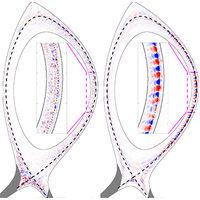
Phys. Rev. Lett. 136, 075101 (2026)
Plasma and Solar Physics, Accelerators and Beams
Questioning the Cuprate Paradigm: Absence of Superfluid Density Loss in Several Overdoped Cuprates I
Article | Condensed Matter and Materials | 2026-02-19 05:00 EST
J. L. Tallon, J. G. Storey, J. W. Loram, Jianlin Luo, C. Bernhard, I. Kokanović, and J. R. Cooper
It is long established that overdoped cuprate superconductors experience a loss of superfluid density (SFD) with increasing doping, , along with the decline in . Such behavior is unconventional and suggests a depletion of the condensate by increasing pairbreaking or the growth of a second nonpair…
Phys. Rev. Lett. 136, 076002 (2026)
Condensed Matter and Materials
Quintuplet Condensation in the Skyrmionic Insulator ${\mathrm{Cu}}{2}{\mathrm{OSeO}}{3}$ at Ultrahigh Magnetic Fields
Article | Condensed Matter and Materials | 2026-02-19 05:00 EST
T. Nomura, I. Rousochatzakis, O. Janson, M. Gen, X.-G. Zhou, Y. Ishii, S. Seki, Y. Kohama, and Y. H. Matsuda
Faraday rotation at ultrahigh magnetic fields uncovers magnon Bose-Einstein condensation in a chiral helimagnet
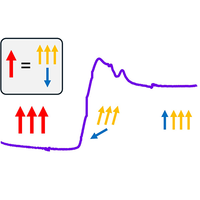
Phys. Rev. Lett. 136, 076703 (2026)
Condensed Matter and Materials
Instantaneous Optical Selection Rule for Independent Control of Valley Currents
Article | Condensed Matter and Materials | 2026-02-19 05:00 EST
Wanzhu He, Xiaosong Zhu, Liang Li, Di Wu, Xiaotong Zhu, Pengfei Lan, and Peixiang Lu
We reveal an instantaneous optical valley selection rule that illuminates the coupling between the instantaneous optical chirality of the driving laser field and the chirality of valley systems. Building on this principle, we propose and demonstrate that a single chirality-separated optical field, i…
Phys. Rev. Lett. 136, 076902 (2026)
Condensed Matter and Materials
Physical Review X
Reshaping the Quantum Arrow of Time
Article | 2026-02-19 05:00 EST
Luis Pedro García-Pintos, Yi-Kai Liu, and Alexey V. Gorshkov
A quantum control Hamiltonian is developed that can blur or even reverse the perceived arrow of time in monitored systems, enabling new ways to emulate backward-in-time dynamics and extract energy to power measurement-driven engines.

Phys. Rev. X 16, 011028 (2026)
Bosonic Phases across the Superconductor-Insulator Transitions in Infinite-Layer Samarium Nickelate
Article | 2026-02-19 05:00 EST
Menghan Liao, Heng Wang, Mingwei Yang, Chuanwu Cao, Jiayin Tang, Wenjing Xu, Xianfeng Wu, Guangdi Zhou, Haoliang Huang, Kaiwei Chen, Yuying Zhu, Peng Deng, Jianhao Chen, Zhuoyu Chen, Danfeng Li, Kai Chang, and Qi-Kun Xue
Magnetoresistance oscillations in nanofabricated nickelate networks reveal the existence of 2 Cooper pairing and exotic bosonic phases, clarifying the nature of superconductivity in these high-temperature materials.
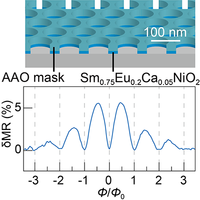
Phys. Rev. X 16, 011029 (2026)
arXiv
Influence of electrical properties on thermal boundary conductance at metal/semiconductor interface
New Submission | Mesoscale and Nanoscale Physics (cond-mat.mes-hall) | 2026-02-20 20:00 EST
Quentin Pompidou (ITheMM, URCA UFR SEN), Juan Carlos Acosta Abanto (CETHIL), M. Brouillard (IEMN, MICROELEC SI - IEMN), Nicolas Bercu (L2n, LRN), L. Giraudet (L2n, LRN), Rami Sheikh, C. Adessi (ILM, iLM - ENERGIE, iLM - MMCI), S. Mérabia (ILM, iLM - ENERGIE, iLM - MMCI), S. Gomès (CETHIL), Pierre-Olivier Chapuis (CETHIL), J.-F. Robillard (MICROELEC SI - IEMN, IEMN), Mihai Chirtoc (ITheMM, URCA UFR SEN), N. Horny (ITheMM, URCA UFR SEN)
Recent experimental investigations have demonstrated that doping a semiconductor is a route to increase the thermal boundary conductance at metal/semiconductor interfaces. In this work, the influence of the electrical properties on heat transfer across metal/doped semiconductor junctions is investigated. Specifically, thermal boundary conductance at the interfaces between p- and n-doped silicon and titanium is measured by employing frequency-domain photothermal radiometry under varying external conditions. The influence of the doping level of the semiconductor, the barrier height, and the space charge area is analyzed. In particular, a 40% increase in the interface thermal conductance with the application of a current at n-doped silicon/titanium interfaces is reported. The enhancement of the thermal boundary conductance is explained by the shrinking of the surface charga area induced by the electric current. This study opens the way to modulating interfacial heat transfer at metal/semiconductor interfaces through fine tuning of electrical effects.
Mesoscale and Nanoscale Physics (cond-mat.mes-hall), Classical Physics (physics.class-ph)
Journal of Applied Physics, 2026, 139 (2), pp.025302
Singular three-point density correlations in two-dimensional Fermi liquids
New Submission | Strongly Correlated Electrons (cond-mat.str-el) | 2026-02-20 20:00 EST
We characterize a singularity in the equal-time three-point density correlations that is generic to two-dimensional interacting Fermi liquids. In momentum space where the three-point correlation is determined by two wavevectors $ \mathbf{q}_1$ and $ \mathbf{q}_2$ , the singularity takes the form $ |\mathbf{q}_1\times\mathbf{q}_2|$ . We explain how this singularity is sharply defined in a long-wavelength collinear limit. For a non-interacting Fermi gas, the coefficient of this singularity is given by the quantized Euler characteristic of the Fermi sea, and it implies a long-range real space correlation favoring collinear configurations. We show that this singularity persists in interacting Fermi liquids, and express the renormalization of the coefficient of singularity in terms of Landau parameters, for both spinless and spinful Fermi liquids. Implications for quantum gas experiments are discussed.
Strongly Correlated Electrons (cond-mat.str-el), Mesoscale and Nanoscale Physics (cond-mat.mes-hall), Quantum Gases (cond-mat.quant-gas), Quantum Physics (quant-ph)
Main: 4 pages, 2 figures; Supp: 3 sections
3D Unconventional Superconductivity in Bulk LaO
New Submission | Superconductivity (cond-mat.supr-con) | 2026-02-20 20:00 EST
Zhifan Wang, Jingkai Bi, Jiayuan Zhang, Wenmin Li, Yuxuan Liu, Dao-Xin Yao, Zheng Deng, Changqing Jin, Yifeng Han, Man-Rong Li
Lanthanum-based compounds are cornerstones of superconductivity research, yet the La-5d orbitals typically remain empty spectator states far above the Fermi level (EF). While superconductivity has been induced in LaO up to 5.37 K in tensile epitaxy films, the intrinsic ground state of the bulk phase has remained controversial mostly due to synthetic challenges, with early reports suggesting a metallic nature. Here we report the high-pressure and high-temperature synthesis of pure bulk rock-salt LaO and unveil its intrinsic type-II superconductivity with a transition temperature (TC) of ~6 K at ambient pressure. The bulk TC is further enhanced to 6.9 K in La1-xYxO at x = 0.10, where Y doping leads to lattice contraction (chemical pressing) and a remarkable increase in electron carrier concentration. Strikingly, applying physical pressure further enhances the TC to a maximum of 12.7 K at 20 GPa, the highest TC in lanthanum monochalcogenides LaX (X = S, Se, Te, and O) to date. This pressure dependence is diametrically opposed to the behavior observed in films, and occurs despite a pressure-induced reduction in the density of states at EF - a trend that sharply contradicts the conventional phonon-mediated BCS mechanism. Our first-principles calculations reveal that compressive strain modifies the crystal field splitting to enhance La-5d/O-2p hybridization, fostering a three-dimensional multi-pocket Fermi surface favorable for spin/orbital fluctuation-mediated pairing. This work clarifies the intrinsic superconductivity of bulk LaO and provides a foundation for designing new rare-earth-based superconductors with higher TC
Superconductivity (cond-mat.supr-con), Strongly Correlated Electrons (cond-mat.str-el)
35 pages, 14 figures, and 3 tables
Magnetoelectric Raman Force on Shear Phonons in a Frustrated van der Waals Bilayer Magnet
New Submission | Strongly Correlated Electrons (cond-mat.str-el) | 2026-02-20 20:00 EST
We show that the concept of coherent phonon generation by second order response to incident electric laser fields, which is a hallmark of pump-probe spectroscopy on conventional solids, can be expanded to include frustrated quantum magnets. For that purpose, we analyze the Raman force on the shear phonons of a frustrated magnetoelectric bilayer spin system. The bilayer is a stacked triangular magnet, motivated by recently emerging type-II van der Waals multiferroic transition metal dihalides and comprises a spin system which allows for incommensurate spiral order. The magnon excitations are treated by linear spin wave theory. In the spiral state, a finite electric polarization is obtained from the spin-current interaction which induces a coupling of the magnons to the electric field. Scattering of the bilayer shear phonons from the magnons is derived from a magnetoelastic energy. In this scenario, a mixed three-point response function for the Raman force is evaluated. We find it to be strongly anisotropic and very sensitive to the magnon lifetime.
Strongly Correlated Electrons (cond-mat.str-el)
13 pages, 9 figures
A Kinetic Phase-Field Model of Diffusion Bonding: A Nonlocal Approach to Interface Coalescence
New Submission | Materials Science (cond-mat.mtrl-sci) | 2026-02-20 20:00 EST
Maryam Khodadad, Noel Walkington, Suresh Kalyanam, Matteo Pozzi, Kaushik Dayal
Conventional phase-field models often drive solid-solid interfaces to coalesce when in close proximity. This feature limits their use for processes like diffusion bonding, where the interfaces might need to remain distinct under certain thermodynamic conditions. We develop a kinetic phase-field model to address this problem, using an evolution equation based on a geometric conservation law for interfaces, rather than the gradient descent evolution that is typical in phase-field modeling. This formulation enables us to specify complex kinetic laws, and we use this to incorporate a physically-motivated geometric criterion to control interface merging. This criterion, based on nonlocal higher-derivative curvature invariants of the phase field, can be temperature-dependent, allows for a range of behaviors from complete coalescence to the preservation of distinct boundaries. Simulations show controlled bonding kinetics, demonstrating capabilities that are not available with existing methods for modeling interfaces that must remain distinct under given thermodynamic conditions.
Materials Science (cond-mat.mtrl-sci)
To appear in Journal of Applied Mechanics
Electron viscosity and device-dependent variability in four-probe electrical transport in ultra-clean graphene field-effect transistors
New Submission | Mesoscale and Nanoscale Physics (cond-mat.mes-hall) | 2026-02-20 20:00 EST
Richa P. Madhogaria, Aniket Majumdar, Nishant Dahma, Pritam Pal, Rishabh Hangal, Kenji Watanabe, Takashi Taniguchi, Arindam Ghosh
Hydrodynamic electrons in high-mobility graphene devices have demonstrated great potential in establishing an electronic analogue of relativistic quantum fluid in solid-state systems. One of the key requirements for observing viscous electron flow in an electronic channel is a large momentum-relaxation path, a process primarily limited by electron-impurity/phonon scattering in graphene. Over the past decade, multiple complex device geometries have been successfully employed to suppress momentum-relaxing scattering mechanisms; however, experimental observations have been found to be sensitive to the device fabrication process and architecture, raising questions about the signature of electron hydrodynamics itself. Here, we present a study on multiple ultra-clean graphene field-effect transistors (FETs) in a simple, rectangular four-terminal device architecture. Using electrical transport measurements, we have characterised the pristine quality of the graphene FETs and examined the variation of electrical resistance in the doped regime as a function of carrier density and temperature. Our results reveal strong device-dependent variability even in the most simple architecture that we attribute to competing momentum-conserving and momentum-relaxing scattering mechanisms, as well as coupling to contacts. Further, we have proposed a phenomenological method for analysing the results, which yields transport parameters in accordance with recent experiments. This simple experimental strategy and analysis can serve as an efficient tool for extracting the viscous electronic contribution in state-of-the-art high-mobility graphene FETs.
Mesoscale and Nanoscale Physics (cond-mat.mes-hall), Materials Science (cond-mat.mtrl-sci), Strongly Correlated Electrons (cond-mat.str-el)
40 (9+31) pages, 23 (4+19) figures
How Continuous Symmetry Stabilizes the Ordered Phase of Polar Flocks
New Submission | Soft Condensed Matter (cond-mat.soft) | 2026-02-20 20:00 EST
Omer Granek, Hugues Chaté, Yariv Kafri, Sunghan Ro, Alexandre Solon, Julien Tailleur
We study the stability of the ordered phase of compressible polar flocks against the nucleation of counter-propagating droplets, using a combination of analytical theory, microscopic and hydrodynamic simulations. For discrete-symmetry flocks, such droplets are known to always grow and propagate, making the ordered phase metastable. We explain how, on the contrary, continuous symmetry can stabilize the ordered phase at small enough noise by destabilizing the leading edge of growing droplets. Flocking models with continuous symmetries thus have a lower critical dimension than their discrete-symmetry counterparts, in contrast to equilibrium physics.
Soft Condensed Matter (cond-mat.soft), Statistical Mechanics (cond-mat.stat-mech)
5 pages, 4 figures
BaFe2Se3 a quasi-unidimensional non-centrosymmetric superconductor
New Submission | Superconductivity (cond-mat.supr-con) | 2026-02-20 20:00 EST
S. Deng, A. Roll, W.G. Zheng, T. Vasina, D. Bounoua, P. Fertey, M. Verseils, C. Bellin, A. Forget, D. Colson, M.B. Lepetit, P. Foury-Leylekian, V. Balédent
The spin-ladder compounds of the BaFe2X3 (X = chalcogen) family may be viewed as dimensional reductions (along stripe-like motifs) of the two-dimensional iron-based pnictide planes extensively studied since 2006. Remarkably, despite their reduced dimensionality, these materials retain the capacity for unconventional ground states, exemplified by the emergence of superconductivity in \bfse\ under applied pressure beyond 10 GPa, following a structural phase transition at 4 GPa. Here, we report a comprehensive investigation combining high-resolution single-crystal X-ray diffraction, infrared spectroscopy, and ab initio calculations, which together elucidate the true crystallographic nature of this pressure-induced superconducting phase. While X-ray diffraction alone reveals a symmetry lowering from the widely accepted orthorhombic Cmcm group to a monoclinic structure, it lacks sufficient sensitivity to resolve the precise space group. By integrating vibrational spectroscopy with density functional theory, we provide unambiguous evidence that the high-pressure phase is non-centrosymmetric, adopting the polar space group P2_1. These findings not only revise the structural assignment of \bfse\ in its superconducting state but also establish its non-centrosymmetric character (an essential ingredient for potential unconventional pairing mechanisms- thereby opening new perspectives on the interplay between lattice symmetry, dimensionality, and superconductivity in iron-based materials.
Superconductivity (cond-mat.supr-con), Strongly Correlated Electrons (cond-mat.str-el)
Spectral boundaries of deterministic matrices deformed by rotationally invariant random non-Hermitian ensembles
New Submission | Disordered Systems and Neural Networks (cond-mat.dis-nn) | 2026-02-20 20:00 EST
Pierre Bousseyroux, Marc Potters
One of the great miracles of random matrix theory is that, in the $ N \to \infty$ limit, many otherwise intractable matrix problems with horrendously complicated finite-$ N$ expressions admit remarkably simple and elegant asymptotic solutions. In this paper, we illustrate this phenomenon in the context of spectral boundaries (or spectral edges) for deformed random matrices. Specifically, we consider matrices of the form $ \mathbf{A} + \mathbf{B}$ , where $ \mathbf{A}$ is a deterministic $ N\times N$ matrix (not necessarily Hermitian) and $ \mathbf{B}$ is a rotationally invariant random matrix. In the large-$ N$ limit, we show that the complex eigenvalue distribution of $ \mathbf{A} + \mathbf{B}$ satisfies remarkably simple boundary equations that depend on the $ \mathcal{R}_1$ and $ \mathcal{R}_2$ transforms of $ \mathbf{B}$ . We illustrate our results on several explicit random matrix ensembles and support them with numerical simulations.
Disordered Systems and Neural Networks (cond-mat.dis-nn), Mathematical Physics (math-ph), Probability (math.PR)
Strain-Rate- and Line-Length-Dependent Screw Dislocation Glide Mechanisms in BCC Refractory Metals and Alloys
New Submission | Materials Science (cond-mat.mtrl-sci) | 2026-02-20 20:00 EST
Subhendu Chakraborty, Liang Qi
Plastic flow in body-centered cubic (BCC) metals and dilute/concentrated alloys is governed by the motion of <111> screw dislocations, whose glide is often impeded by cross-kinks (jogs). While existing strengthening models typically treat depinning as defect-assisted cutting or dislocation bowing, the combined strain-rate and dislocation-line-length dependence of cross-kink stability and effective obstacle spacing remains insufficiently resolved at the atomistic scale. Here, we combine conventional molecular dynamics and strain-boost hyperdynamics to investigate screw-dislocation glide in pure Nb and Mo, dilute Nb-Mo alloys, and equiatomic NbMo at 300 K over strain rates from 10^3 to 10^7 s^-1 and dislocation line lengths from 15 to 50 nm. We first demonstrate that low-strain-rate simulations require sufficiently long dislocation lines to capture consistent cross-kink behavior and strength-determining pinning events. Using the 50~nm configurations, we show that cross-kinks form not only in concentrated alloys but also in pure BCC metals, with their stability governed by the relative rates of kink nucleation and migration on primary and cross-slip planes, which differ between Nb- and Mo-rich systems due to distinct core structures and non-Schmid responses. At high strain rates, depinning proceeds predominantly via vacancy-interstitial cluster formation. In contrast, at low strain rates and long line lengths, alternative pathways emerge, including lateral cross-kink migration, three-dimensional forward–backward cross-slip, and prismatic loop formation. The effective obstacle spacing controlling the critical resolved shear stress therefore emerges from coupled thermodynamic roughening and kinetic evolution. These findings highlight the intrinsically rate-, length-, and chemistry-dependent nature of screw-dislocation strengthening in BCC alloys.
Materials Science (cond-mat.mtrl-sci)
Atomically Precise Electron Beam Sculpting of Bilayer h-BN: The Role of Crystallographic Orientation and Milling Strategy
New Submission | Materials Science (cond-mat.mtrl-sci) | 2026-02-20 20:00 EST
Ondrej Dyck, Andrew R. Lupini, Ivan Vlassiouk, Matthew Brahlek, Rob Moore, Stephen Jesse
Achieving atomic precision in top-down manufacturing remains a fundamental challenge nanofabrication technology. Here, the focused electron beam of a scanning transmission electron microscope is used to demonstrate atomically precise sculpting of hexagonal boron nitride (h-BN) bilayers, achieving nanoribbons as narrow as 6 Å with atomically smooth edges. The key to this precision lies in understanding how the underlying atomic structure, particularly in twisted bilayer systems, influences the milling process. High-angle annular dark-field imaging combined with multislice simulations reveals distinct intensity signatures that allow identification of different stacking arrangements within moiré patterns. Mathematical analysis of moiré lattices provides a predictive framework for determining optimal cutting directions, with cuts along armchair directions yielding superior edge quality compared to zigzag orientations. Surprisingly, a sequential milling approach, where a small electron beam subscan area is translated during the process, produces significantly better results than parallel milling of the entire target region. To understand these differences we implemented a stochastic milling model that reveals that sequential milling minimizes unwanted exposure to surrounding material through beam tail effects. These findings establish a framework for achieving atomic precision in electron beam sculpting of two-dimensional materials and provide fundamental insights applicable to the broader challenge of top-down nanofabrication.
Materials Science (cond-mat.mtrl-sci)
Ground State of BaFe2S3 from Lattice and Spin Dynamics
New Submission | Strongly Correlated Electrons (cond-mat.str-el) | 2026-02-20 20:00 EST
Y. Oubaid, S. Deng, NS. Dhami, M. Verseils, D. Bounoua, A. Forget, D. Colson, P. Foury-Leylekian, M.B. Lepetit, V. Balédent
We investigate the interplay between lattice symmetry, phonons, and magnetism in the quasi-one-dimensional ladder compound BaFe$ _2$ S$ _3$ by combining polarized synchrotron infrared spectroscopy, hybrid-functional density functional theory calculations, and inelastic neutron scattering. Lattice-dynamics analysis reveals that the crystal symmetry is lower than previously proposed and is consistent with a $ P1$ space group at low temperature. Several infrared-active phonon modes exhibit pronounced anomalies at both the structural transition temperature $ T_S \approx 125$ –$ 130$ ~K and the Néel temperature $ T_N \approx 95$ ~K. First-principles calculations show that the modes affected at $ T_S$ predominantly involve displacements that modulate magnetic exchange pathways. Neutron scattering demonstrates that below $ T_N$ the magnetic order is three-dimensional, long-ranged, and static. Between $ T_N$ and $ T_S$ , the system displays three-dimensional short-range dynamic magnetic correlations, which disappear above $ T_S$ . The structural transition thus coincides with the onset of magnetic fluctuations rather than with static magnetic order. Our results indicate that short-range, dynamical magnetic correlations are sufficient to drive a static structural instability, providing a magnetically driven mechanism reminiscent of the iron-pnictide 122 family, yet realized here in a quasi-one-dimensional Mott system. These findings highlight the central role of magnetoelastic coupling in iron-based superconductors beyond the itinerant regime.
Strongly Correlated Electrons (cond-mat.str-el)
Multi-objective optimization and quantum hybridization of equivariant deep learning interatomic potentials on organic and inorganic compounds
New Submission | Materials Science (cond-mat.mtrl-sci) | 2026-02-20 20:00 EST
G. Laskaris, D. Morozov, D. Tarpanov, A. Seth, J. Procelewska, G. Sai Gautam, A. Sagingalieva, R. Brasher, A. Melnikov
Allegro is a machine learning interatomic potential (MLIP) model designed to predict atomic properties in molecules using E(3) equivariant neural networks. When training this model, there tends to be a trade-off between accuracy and inference time. For this reason we apply multi-objective hyperparameter optimization to the two objectives. Additionally, we experiment with modified architectures by making variants of Allegro some by adding strictly classical multi-layer perceptron (MLP) layers and some by adding quantum-classical hybrid layers. We compare the results from QM9, rMD17-aspirin, rMD17-benzene and our own proprietary dataset consisting of copper and lithium atoms. As results, we have a list of variants that surpass the Allegro in accuracy and also results which demonstrate the trade-off with inference times.
Materials Science (cond-mat.mtrl-sci), Machine Learning (cs.LG), Quantum Physics (quant-ph)
13 pages, 6 figures, 5 tables
Quantifying Chirality in Helical Polymers via a Geometric Extension of the Kremer-Grest Model
New Submission | Soft Condensed Matter (cond-mat.soft) | 2026-02-20 20:00 EST
Michael Grant, Poornima Padmanabhan
Chirality in polymeric systems enables a wide range of emergent optical, mechanical, and transport phenomena, yet a unified framework that quantitatively connects molecular-scale geometry to chiral behavior remains lacking. Existing theoretical descriptions typically emphasize either continuum models, such as the helical wormlike chain (HWLC), which neglect intermolecular interactions, or mesophase-level theories, which obscure the role of molecular geometry. In this work, we introduce a comprehensive framework for quantifying chirality in helical polymers by extending the Kremer-Grest bead-spring model to explicitly map intrinsic curvature and torsion onto bond angle and dihedral potentials. We establish direct theoretical relationships between helical parameters such as pitch and radius, and connect them to a normalized, dimensionless chirality characteristic, $ \chi$ that captures local geometric correlations absent from conventional HWLC descriptions. Furthermore, using molecular dynamics simulations, we systematically quantify the influence of excluded volume interactions and thermal fluctuations on helical geometry and chirality, dispelling the common assumption that monotonic increases in chirality are associated only with decreasing pitch. Finally, we present a coarse-graining procedure that facilitates a direct comparison between experimental helical polymers and the Kremer-Grest helical chain, demonstrating quantitative agreement across a diverse set of polymer classes. This unified geometric and particle-based description provides a predictive roadmap for selecting and engineering chiral Kremer-Grest models and offers a general platform for designing polymeric materials with controlled and tunable chirality.
Soft Condensed Matter (cond-mat.soft)
The Multi-Scale Dynamics of All-Optical Exchange Bias Reversal
New Submission | Mesoscale and Nanoscale Physics (cond-mat.mes-hall) | 2026-02-20 20:00 EST
Floris J. F. van Riel, Andries B. M. Droste, Bert Koopmans, Diana C. Leitao
Pinning magnetization in a ferromagnetic thin film is commonly realized through exchange biasing with an adjacent antiferromagnet. Field-cooling from above the Néel temperature is a reliable yet slow re-pinning method in exchange-biased systems. For on-demand reprogrammable devices, localized and rapid exchange bias repinning methods are essential. Recent work has shown that femtosecond laser pulses enable field-free reversal of exchange bias in tailored multilayer stacks. Contrary to field-cooling, our experiments with ultrafast excitation reach hitherto unexplored regimes in the exchange bias setting process. Here, we unravel these observations by considering both ultrafast magnetization dynamics on the femto- to picosecond timescale and slow heat-driven dynamics on millisecond timescales and upwards. We develop a microscopic framework of exchange bias setting in a polycrystalline antiferromagnetic thin film like IrMn that provides a complete description of the observations in our present experiments and those found in literature. We expand the use of our model by identifying material platforms and stack designs that lead to optimized performance, aiding further development of optically reprogrammable devices.
Mesoscale and Nanoscale Physics (cond-mat.mes-hall)
To be submitted
Power attenuation in millimeter-wave and terahertz superconducting rectangular waveguides: linear response, TLS loss, and Higgs-mode nonlinearity
New Submission | Superconductivity (cond-mat.supr-con) | 2026-02-20 20:00 EST
Superconducting waveguides are a promising platform for ultralow-loss transmission in the millimeter-wave to terahertz band under cryogenic conditions, with potential applications in astronomical instrumentation and emerging quantum technologies. We develop a framework, based on microscopic superconductivity theory, to evaluate the power-flow attenuation constant $ \alpha$ of superconducting rectangular waveguides in the $ 100~\mathrm{GHz}$ –THz range, applicable to arbitrary electronic mean free paths $ \ell$ from the dirty limit $ \ell\ll\xi_0$ to the clean limit $ \ell\gg\xi_0$ . We also derive an analytical expression for two-level-system (TLS)-induced attenuation $ \alpha_{\rm TLS}$ in thin native oxide layers within the standard TLS model. Using this framework, we perform numerical evaluations of $ \alpha$ for representative materials over standard waveguide sizes from WR15 to WR1. In the high-frequency regime $ f \gtrsim 0.5 \Delta/h$ , low attenuation favors the clean regime $ \ell\gtrsim\xi_0$ , indicating that high-purity materials can achieve very low attenuation below their gap frequency. For the TLS contribution, using parameter values representative of native Nb oxides, we find that $ \alpha_{\rm TLS}$ can become relevant at sufficiently low temperatures $ T/T_c\lesssim 0.1$ -0.2, where quasiparticle dissipation is exponentially suppressed. Finally, we extend the discussion to the strong-excitation regime using a recently developed nonlinear-response theory within the Keldysh–Usadel framework of nonequilibrium superconductivity and show that nonlinear dissipation produces a Higgs-mode peak in $ \alpha$ near $ f\simeq \Delta/h$ via a Kerr-type nonlinearity of the dissipative conductivity. This peak provides a distinct hallmark of the Higgs mode that has been largely overlooked so far.
Superconductivity (cond-mat.supr-con), Accelerator Physics (physics.acc-ph), Instrumentation and Detectors (physics.ins-det), Quantum Physics (quant-ph)
16 pages, 12 figures
Finite-size effects and energy alignment in molecular XANES under periodic boundary conditions: A systematic comparison of core-hole treatments
New Submission | Materials Science (cond-mat.mtrl-sci) | 2026-02-20 20:00 EST
Yu Fujikata, Yasuji Muramatsu, Teruyasu Mizoguchi
X-ray absorption near-edge structure (XANES) provides element-specific insight into local electronic and structural environments, but quantitative interpretation of molecular XANES under periodic boundary conditions (PBC) remains challenging due to finite-size effects and core-hole treatments. In this work, we systematically investigate how core-hole approximations and charge compensation schemes affect transition energies, energy alignment, and chemical-shift reproducibility in PBC-DFT-based molecular XANES calculations. Using ethane as a model system, we show that the full core-hole (FCH) approach exhibits pronounced supercell-size dependence originating from interactions between background charge and charged molecules, with transition energies largely changed by leading-order finite-size terms. In contrast, the excited core-hole (XCH) method rapidly converges owing to its neutral final state. We further demonstrate that most finite-size effects in FCH can be removed by Makov-Payne corrections based on multipole expansion of the electrostatic energy of charged supercells under PBC. Furthermore, we propose a simple Fermi-level-based energy correction (EF/2) that provides comparable improvement using only a single supercell. Extending the analysis to an n-alkane series reveals that while intrinsic electronic-structure changes govern peak shifts for small molecules, systematic energy drifts persist in FCH for larger molecules, whereas XCH and FCH+EF/2 remain stable. Finally, for small molecules at the C and N K-edges, XCH and FCH+EF/2 accurately reproduce experimental chemical shifts, whereas uncorrected FCH fails. These results provide practical guidelines for reliable energy alignment and chemical-shift analysis in molecular XANES under PBC, supporting robust applications to molecular, adsorption, and interfacial systems.
Materials Science (cond-mat.mtrl-sci)
20 pages, 6 figures, 2 supplementary figures
Stockmayer Fluid with a Shifted Dipole: Bulk Behavior
New Submission | Soft Condensed Matter (cond-mat.soft) | 2026-02-20 20:00 EST
Pierre J. Walker, Ananya Venkatachalam, Samuel Varner, Bilin Zhuang, Zhen-Gang Wang
Shifting the point dipole from the center of a Stockmayer particle is a simple geometric modification that has been explored previously, yet its implications for liquid structure, dielectric response, and phase behavior remain incompletely understood. Here, we combine molecular dynamics simulations with analytical theory to provide a unified physical interpretation of how dipole displacement reshapes microscopic correlations and propagates to macroscopic thermodynamic properties. We show that dipole shifting breaks the fore-aft symmetry of the local electrostatic field, producing only modest changes in radial packing but strong alterations in angular structure within the first solvation shell. Enhanced alignment near the dipole head is accompanied by frustrated orientational correlations near the tail, leading to broader angular distributions and a shift away from axial configurations at strong coupling. These structural asymmetries weaken cooperative ordering and result in a systematic reduction of the dielectric constant, despite locally stronger interactions. For large shifts, the dielectric response approaches the Debye limit, indicating effective suppression of dipole-dipole correlations. The same geometric frustration governs vapor-liquid equilibria: while increasing dipole strength raises the critical temperature, even modest shifts disrupt the highly polarized liquid states that emerge at strong coupling and can suppress ferroelectric-like ordering. Predictions from a reparameterized COFFEE theory capture these trends within its domain of validity, highlighting the direct connection between local orientational structure and macroscopic observables. Overall, this work demonstrates that dipole location, not only magnitude, provides a powerful control parameter in dipolar fluids and offers a clear framework for understanding geometric frustration in electrostatic liquids.
Soft Condensed Matter (cond-mat.soft)
Phase transitions in coupled Ising chains and SO($N$)-symmetric spin chains
New Submission | Strongly Correlated Electrons (cond-mat.str-el) | 2026-02-20 20:00 EST
Yohei Fuji, Sylvain Capponi, Lukas Devos, Philippe Lecheminant
We investigate the nature of quantum phase transitions in a (1+1)-dimensional field theory composed of $ N$ copies of the Ising conformal field theory interacting via competing relevant perturbations. The field theory governs the competition between a mass term and an interaction involving the product of $ N$ order-parameter fields, which is realized, e.g. in coupled Ising chains, two-leg spin ladders, and SO($ N$ )-symmetric spin chains. By combining a perturbative renormalization group analysis and large-scale matrix-product state simulations, we systematically determine the nature of the phase transition as a function of $ N$ . For $ N=2$ and $ N=3$ , we confirm that the transition is continuous, belonging to the Ising and four-state Potts universality classes, respectively. In contrast, for $ N \ge 4$ , our results provide compelling evidence that the transition becomes first order. We further apply these findings to specific lattice models with SO($ N$ ) symmetry, including spin-$ 1/2$ and spin-$ 1$ two-leg ladders, that realize a direct transition between an SO($ N$ ) symmetry-protected topological phase and a trivial phase. Our results refine a recent conjecture regarding the criticality of transitions between SPT phases.
Strongly Correlated Electrons (cond-mat.str-el), Statistical Mechanics (cond-mat.stat-mech)
22 pages, 15 figures
Role of atomic vacancies and second-neighbor antiferromagnetic-exchange coupling in a ferromagnetic nanoparticle
New Submission | Materials Science (cond-mat.mtrl-sci) | 2026-02-20 20:00 EST
Harun Al Rashid, Muskan Sharma, Shruti, Dheeraj Kumar Singh
Several factors may be responsible for disorder and frustration in a magnetic nanoparticle, including atomic vacancies on the surface and inside, impurity atoms, long-range magnetic exchange coupling, etc. We use Monte-Carlo simulations within the Heisenberg model to examine the role of randomly distributed atomic vacancies and long-range magnetic-exchange coupling on the temperature-dependent magnetic properties of ferromagnetic nanoparticles. In particular, we study the role of the second-neighbor antiferromagnetic exchange coupling and missing atoms inside the particle resulting in broken nearby bonds. We find that both factors may enhance the superparamagnetic behaviors of such particles.
Materials Science (cond-mat.mtrl-sci)
11pages, 6 figures, typos corrected
Elucidating Na$_2$KSb band structure: near-band-gap photoemission spectroscopy and DFT calculations
New Submission | Materials Science (cond-mat.mtrl-sci) | 2026-02-20 20:00 EST
S. A. Rozhkov, V. V. Bakin, S. V. Eremeev, V. S. Rusetsky, V. A. Golyashov, D. A. Kustov, D. K. Orekhov, H. E. Scheibler, V. L. Alperovich, O. E. Tereshchenko
The electronic band structure of Na$ _{2}$ KSb was studied by a combination of low-energy photoemission spectroscopy and density functional theory (DFT) calculations. The optical and photoemission quantum efficiency (QE) spectra, along with longitudinal energy distribution curves (EDCs) of multialkali Na$ _{2}$ KSb(Cs,Sb) photocathodes were measured in the temperature range of 80–295 K. The thresholds of various band-to-band transition in Na$ {2}$ KSb were observed in the optical and QE spectra of Na$ {2}$ KSb(Cs,Sb) photocathodes. The evolution of EDC derivatives with varying photon energy reveals a fine structure related to the emission of two types of electrons: (i) ballistic electrons, which are excited from heavy hole, light hole and split-off valence bands, and (ii) photoelectrons, that are captured in the side valleys of Na$ {2}$ KSb conduction band. The analysis of EDCs and QE spectra allowed us to determine the band structure parameters of Na$ {2}$ KSb at $ T = 80$ K, including the band gap $ E{\text{g}} = 1.52 \pm 0.02$ eV, spin-orbit splitting $ \Delta{\text{SO}} = 0.59 \pm 0.04$ eV and the energy separations between $ \Gamma$ and side valleys of the conduction band: $ \Delta{\Gamma-\text{X}1} = 0.41 \pm 0.05$ eV and $ \Delta{\Gamma-\text{X}2} = 0.65 \pm 0.05$ eV. The experimentally determined band gaps and side valley positions, as well as the energies of the final electronic states of optical transitions are in good agreement with the DFT calculations. The obtained data on the hot electron dynamics and electronic band structure of Na$ _{2}$ KSb are crucial to improve the understanding of the photoemission processes in this material and will contribute to the development of the robust spin-polarized electron sources with multialkali photocathodes.
Materials Science (cond-mat.mtrl-sci)
11 pages, 5 figures
Graphene FET Process and Analysis Optimization in 200 mm Pilot Line Environment
New Submission | Mesoscale and Nanoscale Physics (cond-mat.mes-hall) | 2026-02-20 20:00 EST
Anton Murros, Miika Soikkeli, Anni Virta, Arantxa Maestre, Leire Morillo, Alba Centeno, Amaia Zurutuza, Olli-Pekka Kilpi
The maturity of the chemical vapor deposition graphene-based device processing has increased from chip level demonstrations to wafer-scale fabrication in the past few years. Due to this wafer-scale, electrical characterization and analysis of the fabricated devices has become increasingly important to enable extraction of multiple parameters with minimal number of measurements for the quality control purposes critical for industrial uptake of 2D materials-based devices. As a crucial step, we demonstrate optimization of complementary metal-oxide semiconductor (CMOS) back-end-of-line (BEOL) compatible graphene field-effect transistor (GFET) fabrication and analysis including the gate stack, bottom contact, graphene patterning and encapsulation process steps. The analysis methods include atomic force microscopy, scanning electron microscopy and most importantly electrical characterization. The electrical characterization focuses on comparing different test structures and extraction methods for mobility, contact resistance, IV-curve hysteresis and doping parameters. The comparison shows that the selected measurement test structures and analysis methods can have a large impact on the extracted values and should thus be considered when comparing data sets between different sources. The analysis shows that the optimized process offers high device yield of 98 % with good doping uniformity, contact resistance and mobility as well as low IV-curve hysteresis values on 200 mm wafers.
Mesoscale and Nanoscale Physics (cond-mat.mes-hall)
Reverse segregation in dense granular flow through narrow vertical channel
New Submission | Soft Condensed Matter (cond-mat.soft) | 2026-02-20 20:00 EST
Controlling flow-induced segregation in a granular mixture is highly relevant to many industrial settings. To enhance mixing or promote segregation, the continuous gravity flow of a bidisperse granular mixture through a series of narrow vertical channels with exit slots is investigated. The bidisperse mixture is composed of two different sizes of particles, but of the same density. In dense flow, segregation occurs, leading to formation of bands. The bands of large particles appear at a distance away from the walls. This finding is in contrast to that in shear-driven segregation in a dense flow where large particles segregate towards the walls. Using a phenomenological model, it has been shown that rolling and bouncing induced segregation is the dominant mechanism. When cylindrical inserts are placed to modify flow patterns, that significantly influences segregation patterns. The symmetrical placement of a cylindrical insert close to the exit slot vanishes the bands and enhances mixing. However, with two inserts placed symmetrically and close to the exit slot, the degree of segregation in the reverse direction is greatly enhanced compared to that without insert. In the former, small particles accumulate in thin regions adjacent to the walls, and large particles comprise the bulk of the domain and the flowing stream. The heap formation above the insert in a narrow channel, when the insert is close to the exit, enhances mixing in one configuration, whereas it amplifies reverse segregation in the other.
Soft Condensed Matter (cond-mat.soft), Fluid Dynamics (physics.flu-dyn)
Rotational Soft Modes and Octahedral Distortion as Design Principles for Ultralow Thermal Conductivity in Halide Materials
New Submission | Materials Science (cond-mat.mtrl-sci) | 2026-02-20 20:00 EST
Yu Wu, Luman Shang, Yufan Liu, Shuming Zeng, Liujiang Zhou, Hao Zhang, Chenhan Liu
We establish that ultralow lattice thermal conductivity in halide perovskites and related octahedral framework materials arises from two distinct and complementary mechanisms: (i) halogen-halogen-enabled rotational soft modes that reshape the low-frequency spectrum and intensify phonon scattering, and (ii) static octahedral distortions that further enhance anharmonicity and reduce phonon lifetimes. Using first-principles calculations on CsPbBr3, we demonstrate that Br-Br interactions induce rotational soft modes that decongest the phonon spectrum and enhance three- and four-phonon scattering, strongly suppressing particle-like thermal conductivity (kappa_p). Independently, static octahedral distortions further reduce kappa_p by amplifying anharmonicity while leaving wave-like conductivity (kappa_c) intact. Based on these mechanistic insights, we introduce a geometric distortion factor rho and perform a high-throughput screening that first selects materials with halogen-coordinated octahedral building blocks-ensuring the presence of rotational soft modes-and then identifies those with pronounced distortion. This strategy uncovers TaGaI8 with an ultralow kappa_L = 0.11 W/mK at room temperature. This work establishes halogen-halogen-enabled rotational soft modes and octahedral distortions as transferable design principles for octahedra-containing halides, spanning both extended frameworks and molecular-cluster motifs, for discovering ultralow-kappa_L materials.
Materials Science (cond-mat.mtrl-sci)
How Molecular Motors’ Interaction Shapes Flagellar Beat and Its Fluctuations
New Submission | Soft Condensed Matter (cond-mat.soft) | 2026-02-20 20:00 EST
The stochastic dynamics of flagellar beating for micro-swimmers, such as flagellated cells, sperms and microalgae, is dominated by a feedback mechanism between flagellar shape and the rate of activation/de-activation of the $ N \gg 1$ driving molecular motors. In the context of the so-called rigid filament models, where the axoneme is described by a single degree of freedom $ X(t)$ , we investigate the effect of direct coupling between the activity dynamics of adjacent motors, parametrized by $ K \ge 0$ . A functional Fokker-Planck equation for $ X$ and the state of the $ N$ motors is obtained. In the limit of small coupling $ K \ll 1$ , we derive a system of equations governing the dynamics of the Fourier modes of the active motor density, obtaining estimates for several observables and the fluctuations’ quality factor $ Q$ . For larger $ K$ we resort to numerical simulations. The effect of introducing the coupling $ K>0$ is to increase characteristic times and the beating period. Moreover at large $ K$ s the limit cycle becomes bi-stable, with abrupt avalanches of the motor dynamics. Increasing $ K$ is similar to what observed in the case $ K=0$ when the confining elastic force is strongly reduced. The quality factor of fluctuations has a non-monotonic behavior: it first increases with $ K$ , then decreases. This is accompanied by the reduction and eventual disappearance of regions where the fraction of activated motor is nor $ 0$ neither $ 1$ .
Soft Condensed Matter (cond-mat.soft), Biological Physics (physics.bio-ph)
submitted to SciPost Physics
Ghost Embedding Bridging Chemistry and One-Body Theories
New Submission | Strongly Correlated Electrons (cond-mat.str-el) | 2026-02-20 20:00 EST
Carlos Mejuto-Zaera, Michele Fabrizio
Phenomenological rules play a central role in the design of chemical reactions and materials with targeted properties. Typically, these are formulated heuristically in terms of non-interacting orbitals and bands, yet show remarkable accuracy in predicting the complex behavior of intrinsically interacting many-body systems. While their non-interacting formulation makes them easy to interpret, it potentially hinders the development of new rules for systems governed by strong correlation, such as transition metal-based materials. In this work, we present a rigorous framework that allows bridging between fully interacting, even strongly correlated, systems and an effective one-body picture in terms of quasiparticles. Further, we present a computational strategy to efficiently and accurately access the main components of such a description: the embedding approximation of the ghost Gutzwiller Ansatz. We illustrate the capabilities of this quasiparticle formulation on the Woodward-Hoffmann rules, and apply their reformulated version to toy ``reactions’’ which exemplify the main scenarios covered by them.
Strongly Correlated Electrons (cond-mat.str-el), Chemical Physics (physics.chem-ph)
13 pages, 9 figures, 2 appendices
Universal Fine-Grained Symmetry Inference and Enforcement for Rigorous Crystal Structure Prediction
New Submission | Materials Science (cond-mat.mtrl-sci) | 2026-02-20 20:00 EST
Shi Yin, Jinming Mu, Xudong Zhu, Lixin He
Crystal structure prediction (CSP), which aims to predict the three-dimensional atomic arrangement of a crystal from its composition, is central to materials discovery and mechanistic understanding. Existing deep learning models often treat crystallographic symmetry only as a soft heuristic or rely on space group and Wyckoff templates retrieved from known structures, which limits both physical fidelity and the ability to discover genuinely new material structures. In contrast to retrieval-based methods, our approach leverages large language models to encode chemical semantics and directly generate fine-grained Wyckoff patterns from composition, effectively circumventing the limitations inherent to database lookups. Crucially, we incorporate domain knowledge into the generative process through an efficient constrained-optimization search that rigorously enforces algebraic consistency between site multiplicities and atomic stoichiometry. By integrating this symmetry-consistent template into a diffusion backbone, our approach constrains the stochastic generative trajectory to a physically valid geometric manifold. This framework achieves state-of-the-art performance across stability, uniqueness, and novelty (SUN) benchmarks, alongside superior matching performance, thereby establishing a new paradigm for the rigorous exploration of targeted crystallographic space. This framework enables efficient expansion into previously uncharted materials space, eliminating reliance on existing databases or a priori structural knowledge.
Materials Science (cond-mat.mtrl-sci), Artificial Intelligence (cs.AI), Computational Physics (physics.comp-ph)
A Fourier-Space Approach to Physics-Informed Magnetization Reconstruction from Nitrogen-Vacancy Measurements
New Submission | Mesoscale and Nanoscale Physics (cond-mat.mes-hall) | 2026-02-20 20:00 EST
Alexander Setescak, Florian Bruckner, Dieter Suess, Young-Gwan Choi, Hayden Binger, Lotte Boer, Claire Donnelly, Uri Vool, Claas Abert
Reconstructing complex magnetization textures from nitrogen-vacancy (NV) magnetometry stray-field measurements presents a challenging inverse problem. In this work, we introduce a physics-informed method that addresses this by incorporating the full micromagnetic energy directly into the variational formulation. Built on a PyTorch backend, our forward model integrates an auto-differentiable finite-differences micromagnetic framework with FFT-based stray-field calculations and Fourier-space upward continuation. This enables efficient gradient-based optimization via the adjoint method and allows the sensor-sample distance to be treated as an optimization parameter. By doing so, we eliminate the experimental uncertainty arising from unknown NV implantation depths and surface oxidation layers. Validation on synthetic data demonstrates high-fidelity reconstruction of spin textures and precise sensor height estimation. Furthermore, when applied to NV measurements of the van der Waals ferromagnet $ Fe_{3-x}GaTe_2$ , the method reconstructs the previously unknown NV-sample distance and physically plausible magnetization textures, which accurately reproduce the experimental observations.
Mesoscale and Nanoscale Physics (cond-mat.mes-hall)
Why are there so few non-altermagnetic antiferromagnets?
New Submission | Materials Science (cond-mat.mtrl-sci) | 2026-02-20 20:00 EST
Nicola A. Spaldin, Sang-Wook Cheong, Sinead Griffin
We review the conditions that cause or prohibit non-relativistic spin splitting of the energy bands in antiferromagnets. We propose that the existence of spin splitting in magnetically ordered systems is the default scenario and outline the criteria that must be met to avoid it. We discuss some of the properties of those special antiferromagnets that succeed in preserving their spin degeneracy.
Materials Science (cond-mat.mtrl-sci), Strongly Correlated Electrons (cond-mat.str-el)
Vibrational Instabilities in Charge Transport through Molecular Nanojunctions: The Role of Anharmonic Nuclear Potentials
New Submission | Mesoscale and Nanoscale Physics (cond-mat.mes-hall) | 2026-02-20 20:00 EST
Martin Mäck, Michael Thoss, Samuel L. Rudge
The current-induced vibrational dynamics is a key factor determining the stability of molecular nanojunctions. Beyond conventional Joule heating, a different mechanism caused by nonconservative current-induced forces has been predicted for models with multiple vibrational modes, leading to vibrational instabilities already at low bias voltages. So far, this mechanism has only been investigated in models with harmonic nuclear potentials. Consequently, a natural question is whether this effect can also be observed in more realistic models containing anharmonic nuclear potentials, and, if so, whether it has a measurable impact on observables such as the junction dissociation probability. In this work, we apply a mixed quantum-classical approach based on electronic friction and Langevin dynamics to various anharmonic two-mode systems. By performing Langevin simulations of the vibrational dynamics, we investigate the influence of anharmonicity on instabilities arising from nonconservative forces and the corresponding dissociation dynamics of the junction, as well as steady-state observables, such as the electronic current.
Mesoscale and Nanoscale Physics (cond-mat.mes-hall)
Dielectric Screening in Floquet-Volkov Dressing of Semiconductors
New Submission | Materials Science (cond-mat.mtrl-sci) | 2026-02-20 20:00 EST
Quentin Courtade, Umberto Dellasette, Sotirios Fragkos, Stéphane Petit, Dominique Descamps, Yann Mairesse, Samuel Beaulieu
Nonequilibrium manipulation of quantum materials via electromagnetic dressing provides an on-demand route to tailoring electronic band structures through Floquet engineering. Time- and angle-resolved photoemission spectroscopy offers a direct means to probe these light-dressed electronic states. In such photoemission experiments, dressing can also occur for quasi-free electrons outside the material, giving rise to Volkov states. In certain cases, strong surface screening reduces the penetration of the driving field into the solid, resulting in Volkov contributions that dominate over Floquet ones. In this work, we systematically investigate the influence of materials’ dielectric properties on Floquet-Volkov dressing of semiconductors, focusing on bulk layered van der Waals materials GeS, SnS, and 2H-WSe$ _2$ . First, by combining a simple model based on Fresnel equations with an electron-scattering description of Volkov amplitudes, we use polarization-dependent Volkov sideband intensities to extract a lower bound for the real part of the materials’ dielectric functions, which typically lie between the reported dielectric constants for monolayer and bulk crystals. We demonstrate that increasing the fluence of the pump laser enables the generation of high-order Volkov sidebands which exhibit clear signatures of nonlinear light-matter interactions. Finally, we show that for our experimental geometry, the quasi-transparent nature of semiconductors in below-band-gap driving regime allows the optical pump to propagate within the sample and undergo multiple total internal reflections, producing temporally delayed Volkov replicas in pump-probe measurements via dressing of photoelectrons by evanescent fields. These systematic studies uncover previously unexplored aspects of Floquet-Volkov dressing in solids, highlighting the role of dielectric screening of the driving field.
Materials Science (cond-mat.mtrl-sci)
Interfacial orbital transmission, conversion, and mechanical torque in metals
New Submission | Mesoscale and Nanoscale Physics (cond-mat.mes-hall) | 2026-02-20 20:00 EST
Chi Sun, Dongwook Go, Yuriy Mokrousov, Jacob Linder, Aurelien Manchon
Interfacial orbital transport remains far less understood than its bulk counterpart despite its central role in orbitronic experiments. Here, we theoretically investigate the transmission and conversion of orbital angular momentum across a metallic interface using a model Hamiltonian incorporating crystal-field effects. We show that an injected orbital dipole moment undergoes pronounced oscillations driven by the crystal field and generates characteristic quadrupole moments determined by the orbital orientation relative to the interface. Unlike spin precession, the dipole relaxes toward a finite value away from the interface. We further quantify interfacial orbital memory loss and demonstrate that orbital absorption produces a sizable mechanical torque obtained from the orbital continuity equation.
Mesoscale and Nanoscale Physics (cond-mat.mes-hall)
5 pages, 4 figures
Wide-Surface Furnace for In Situ X-Ray Diffraction of Combinatorial Samples using a High-Throughput Approach
New Submission | Materials Science (cond-mat.mtrl-sci) | 2026-02-20 20:00 EST
Giulio Cordaro (SPMS, IRCP), Juande Sirvent (IREC), Cristian Mocuta (SSOLEIL), Fjorelo Buzi (IREC), Thierry Martin (SPMS), Federico Baiutti (IREC, KI), Alex Morata (IREC), Albert Tarancòn (ICREA), Dominique Thiaudière (SSOLEIL), Guilhem Dezanneau (SPMS)
The combinatorial approach applied to functional oxides has enabled the production of material libraries that formally contain infinite compositions. A complete ternary diagram can be obtained by pulsed laser deposition (PLD) on 100 mm silicon wafers. However, interest in such materials libraries is only meaningful if high-throughput characterization enables the information extraction from the as-deposited library in a reasonable time. While much commercial equipment allows for XY-resolved characterization at room temperature, very few sample holders have been made available to investigate structural, chemical, and functional properties at high temperatures in controlled atmospheres. In the present work, we present a furnace that enables the study of 100 mm wafers as a function of temperature. This furnace has a dome to control the atmosphere, typically varying from nitrogen gas to pure oxygen atmosphere with external control. We present the design of such a furnace and an example of X-ray diffraction (XRD) and fluorescence (XRF) measurements performed at the DiffAbs beamline of the SOLEIL synchrotron. We apply this high-throughput approach to a combinatorial library up to 735 {\textdegree}C in nitrogen and calculate the thermal expansion coefficients (TEC) of the ternary system using custom-made MATLAB codes. The TEC analysis revealed the potential limitations of Vegard’s law in predicting lattice variations for high-entropy materials.
Materials Science (cond-mat.mtrl-sci), Data Analysis, Statistics and Probability (physics.data-an), Methodology (stat.ME)
Photocatalytic methanol dehydrogenation promoted synergistically by atomically dispersed Pd and clustered Pd
New Submission | Materials Science (cond-mat.mtrl-sci) | 2026-02-20 20:00 EST
Zhuyan Gao, Tiziano Montini, Junju Mu, Nengchao Luo, Emiliano Fonda, Paolo Fornasiero, Feng Wang
Supported metal in the form of single atoms, clusters, and particles can individually or jointly affect the activity of supported heterogeneous catalysts. While the individual contribution of supported metal to the overall activity of supported photocatalysts has been identified, the joint activity of mixed metal species is overlooked because of their different photoelectric properties. Here, atomically dispersed Pd (Pd1) and Pd clusters are loaded onto CdS, serving as oxidation and reduction sites, respectively, for methanol dehydrogenation. The Pd1 substitutes Cd2+, forming hole-trapping states for methanol oxidation and assisting the dispersion of photo-deposited Pd clusters. Therefore, methanol dehydrogenation on CdS with supported Pd1 and Pd clusters exhibits the highest turnover frequency of 1.14 s-1 based on Pd content, and affords H2 and HCHO with a similar apparent quantum yield of 87 +/- 1% at 452 nm under optimized reaction conditions. This work highlights the synergistic catalysis of supported metal for improved photocatalytic activity.
Materials Science (cond-mat.mtrl-sci)
58 pages, 24 figures
J. Am. Chem. Soc. 146 (2024), 35, 24440-24449
High-temperature $η$-pairing superconductivity in the photodoped Hubbard model
New Submission | Strongly Correlated Electrons (cond-mat.str-el) | 2026-02-20 20:00 EST
Lei Geng, Aaram J. Kim, Philipp Werner
We investigate superconductivity emerging in the photodoped Mott insulating Hubbard model using steady-state dynamical mean-field theory implemented on the real-frequency axis. By employing high-order strong-coupling impurity solvers, we obtain the nonequilibrium phase diagram for photoinduced $ \eta$ -pairing superconductivity with a remarkably high effective critical temperature. We further identify a superconducting gap in the momentum-resolved spectral function and optical conductivity, providing spectroscopic signatures accessible to experiments. Our results highlight a route to a controllable form of high-temperature superconductivity in nonequilibrium strongly correlated systems, fundamentally distinct from the equilibrium $ s$ -wave pairing state in the attractive Hubbard model or cuprate-like $ d$ -wave superconductors.
Strongly Correlated Electrons (cond-mat.str-el), Superconductivity (cond-mat.supr-con)
Low-Field Ferroelectric Switching realised by Forced Harmonic Oscillation of Domain Walls
New Submission | Materials Science (cond-mat.mtrl-sci) | 2026-02-20 20:00 EST
Niyorjyoti Sharma, Nathan Black, Joseph G. M. Guy, Eftihia Barnes, Kristina M. Holsgrove, Brian J. Rodriguez, Raymond G.P. McQuaid, J. Marty Gregg, Amit Kumar
Conventionally, dc fields are used for switching dipole orientations in ferroelectrics. Such fields tilt the potential surface experienced by domain walls and thereby lower activation energies for their movement: escape from tilted potential wells is then realised by thermal excitation, allowing a “creep” process of pinning and depinning to develop. Borrowing ideas of domain wall resonance from the magnetic racetrack community, we show that ac fields, applied at the right frequency, can cause switching at much lower field magnitudes than dc ones (by factors of 4-5). Ferroelectric wall motion appears to be overdamped in the system studied (relaxor strontium barium niobate) and so the maximum in switching efficacy observed, at ~100 kHz, cannot be associated with resonant amplification, which needs an underdamped environment. Instead, in this high viscosity system, the frequency at which the maximum switching efficacy occurs seems to represent a compromise between the attempt frequency for wall depinning (which increases with frequency) and the extent to which energy is transferred to the wall within each field cycle (which decreases with frequency). Notwithstanding the absence of true resonance, the observation that ac excitation can dramatically reduce the bias levels needed for ferroelectric switching could still have significant ramifications for low energy memory technology.
Materials Science (cond-mat.mtrl-sci)
Effect of oxygen content on optical, structural, and dielectric properties of Al$_x$Ta$_y$O$_z$$ thin films
New Submission | Materials Science (cond-mat.mtrl-sci) | 2026-02-20 20:00 EST
Pavel Ondračka, Richard Drevet, Daniel Franta, Jan Dvořák, Ivan Ohlídal, Petr Vašina
This study reports on the optical, structural, and dielectric properties of aluminum tantalum oxide (Al$ _x$ Ta$ _y$ O$ _z$ ) thin films deposited at low temperature on silicon and steel substrates by pulsed direct current reactive magnetron sputtering of a target containing 80 at.% aluminum and 20 at.% tantalum in Ar/O$ _2$ atmosphere. Oxygen flow rates ranging from 5.0 to 20 sccm corresponded to O content changes from 57.7 to 69.6 at.% and resulted in large differences in dielectric behavior, from films with no measurable dielectric strength to a dielectric strength of 231 V$ \mu$ m$ ^{-1}$ , respectively. Ab initio calculations were employed to explain the large property changes, and we show that a decrease in the dielectric strength can be linked to the formation of metal-metal bonds in the material, when the O content is less than what would correspond to a stoichiometric Ta$ _2$ O$ _5$ and Al$ _2$ O$ _3$ mixture. The electronic states corresponding to the metal–metal bonds are located in the band gap close to the top of the valence band, leading to an effective band gap reduction, which is directly supported by X-ray photoelectron spectroscopy valence band measurements and by a broad optical absorption in the visible region.
Materials Science (cond-mat.mtrl-sci)
Orbital current signature using neutron diffraction
New Submission | Strongly Correlated Electrons (cond-mat.str-el) | 2026-02-20 20:00 EST
Dalila Bounoua, William Liège, Yvan Sidis, Philippe Bourges
We review the hallmarks of orbital loop currents in various correlated electron materials and how they have been evidenced using polarized neutron diffraction. Over the last 20 years, loop current signatures have been observed in high temperature copper oxide superconductors, iridates, copper oxides spin ladders and recently kagome vanadate superconductors. Such currents induce orbital magnetic moments within the unit cell of these quantum materials that can be detected through their interaction with the neutron spin. In addition to the usual description of orbital moments using point-like local magnetic moments, we here show an alternative description of the neutron magnetic cross-section involving the microscopic currents running between different atomic orbitals. We discuss the corresponding magnetic structure factors and the resulting quantitative differences between both approaches.
Strongly Correlated Electrons (cond-mat.str-el), Superconductivity (cond-mat.supr-con)
review article, 6 figures, submitted to Int. Journal of Modern Physics B, special issue ‘Chiral Orbital Order in Quantum Materials’
Unveiling Photoluminescence Signatures of Magneto-Optical Coupling in Layered Hybrid Manganese Chloride Perovskites
New Submission | Materials Science (cond-mat.mtrl-sci) | 2026-02-20 20:00 EST
Yaiza Asensio, Samuele Mattioni, Daniel Vaquero, Cédric A. Cordero-Silis, Houman Bahmani Jalali, Dorwal Marchelli, Marco Gobbi, Fèlix Casanova, Francesco Di Stasio, Marcos H.D. Guimarães, Luis E. Hueso, Beatriz Martín-García
Understanding the interplay between magnetic ordering and light emission is crucial for developing magneto-optical technologies. However, this phenomenon is poorly understood since observations of this coupling vary significantly across materials. In this context, hybrid organic-inorganic metal halide perovskites (HOIPs) that incorporate Mn2+ ions are a chemically and structurally tunable platform for exploring this phenomenon, since they exhibit magnetic ordering and photoluminescence (PL) emission. Here, we study two antiferromagnetic Mn-based HOIPs with different organic cations that result in distinct lattice stiffness, Mn2+-Mn2+ distance and octahedral distortion. Temperature-dependent PL excitation spectroscopy reveals changes in crystal field splitting energy and Racah parameters well above the Néel temperature (TN), indicating the emergence of Mn2+-Mn2+ magnetic interactions prior to reach long-range magnetic ordering. These variations align with the observed changes in temperature-PL evolution. The compound with a more rigid lattice shows stronger changes closer to TN, suggesting combined effects of magnetic polarons and spin-canting. In contrast, magnetic polaron-induced magnetic modifications prevail in the HOIP with a softer lattice. These results reveal the complexity of the magneto-optical coupling in Mn-based HOIPs and provide new insights into this field extensible to other 2D materials that exhibit this phenomenon with potential for advanced magneto-optical applications.
Materials Science (cond-mat.mtrl-sci), Other Condensed Matter (cond-mat.other)
Adv. Opt. Mater. 2026, 14, e03123
Emergence of a symmetry-broken Chern insulator near a moiré Kondo breakdown
New Submission | Mesoscale and Nanoscale Physics (cond-mat.mes-hall) | 2026-02-20 20:00 EST
Wanghao Tian, Bowen Shen, Lizhong Li, Mingjie Zhang, Feng Liu, Chushan Li, Yaotian Liu, Fan Xu, Kenji Watanabe, Takashi Taniguchi, Peiling Li, Li Lu, Yang Xu, Shengwei Jiang, Tingxin Li, Jie Shan, Kin Fai Mak
Moiré semiconductors built on angle-aligned transition metal dichalcogenide (TMD) heterobilayers provide a physical realization of the Kondo lattice model, in which one TMD layer is prepared in a Mott insulating state supporting a lattice of local magnetic moments and the other layer in a metallic state supporting itinerant carriers. The artificial Kondo lattice enables the exploration of exotic states of matter near a continuously tunable Kondo breakdown. Here we report the emergence of a symmetry-broken Chern insulator at a moiré hole filling factor 4/3 in angle-aligned MoTe2/WSe2 moiré bilayers, which realize a chiral Kondo lattice. The symmetry-broken Chern insulator, which exhibits integer quantized Hall conductance at a fractional moiré filling, breaks the translational symmetry of the lattice spontaneously; it also appears only near a magnetic field-induced Kondo breakdown in the mixed-valence regime of the material. We further demonstrate that the magnetic field required to induce the Kondo breakdown and to stabilize the symmetry-broken Chern insulator is twist angle dependent. The results present new opportunities for exploring the subtle interplay between topology and Kondo interactions in moiré semiconductors.
Mesoscale and Nanoscale Physics (cond-mat.mes-hall), Strongly Correlated Electrons (cond-mat.str-el)
Chiral phonons in sixfold chiral CrSi$_2$: Raman spectroscopy and first-principles calculations
New Submission | Materials Science (cond-mat.mtrl-sci) | 2026-02-20 20:00 EST
Gakuto Kusuno, Shingo Kisanuki, Yusuke Kousaka, Yoshihiko Togawa, Takuya Satoh
Chiral phonons have been identified in several chiral crystals, primarily in those with trigonal symmetry and threefold screw axes. In this study, chiral phonons in CrSi$ _2$ , a chiral crystal with a sixfold helical structure, were investigated. Circularly polarized Raman spectroscopy revealed a subtle splitting of doubly degenerate $ E_2$ phonon modes between cross-circular polarization configurations. These observations, supported by first-principles phonon calculations, indicate the presence of chiral phonons in CrSi$ _2$ , expanding the scope of materials that exhibit chiral vibrational modes beyond the conventional trigonal class.
Materials Science (cond-mat.mtrl-sci)
26 pages, 9 figures
Semiclassical theory for the orbital magnetic moment of superconducting quasiparticles
New Submission | Superconductivity (cond-mat.supr-con) | 2026-02-20 20:00 EST
Jian-hua Zeng, Zhongbo Yan, Zhi Wang, Qian Niu
We study the orbital magnetic moment of Bogoliubov quasiparticles in superconductors with the semiclassical approach. We derive the orbital magnetic moment of a quasiparticle wavepacket by considering the energy correction of the wavepacket to the linear order of the magnetic field. The semiclassical result is further verified by a linear response calculation with a full quantum mechanical method. From the analytical expression we find that nontrivial structure in the superconducting pairing gap alone is unable to produce quasiparticle orbital magnetic moment, which is in sharp contrast to the behavior of quasiparticle Berry curvatures. We apply the formula to study a tight-binding model with chiral $ d$ -wave superconducting gap, and show the influence of orbital magnetic moment on the energy spectrum and local density of states. We also calculate the orbital Nernst effect driven by the interplay between the orbital magnetic moment and the Berry curvature of Bogoliubov quasiparticles.
Superconductivity (cond-mat.supr-con)
10 pages, 3 figures
Data-Driven Prediction of Dielectric Anisotropy in Nematic Liquid Crystals
New Submission | Soft Condensed Matter (cond-mat.soft) | 2026-02-20 20:00 EST
Charles Parton-Barr, Richard J. Mandle
We curate a large-scale dataset of low frequency dielectric anisotropy values for low molecular weight liquid crystals. Using this dataset, we demonstrate that supervised machine-learning models can predict dielectric anisotropy with substantially improved accuracy (RMSE 2.6) compared to estimates obtained from the Maier-Meier relations using molecular properties from both the widely used semiempirical AM1 method (RMSE 9.7) and the modern r2scan-3c composite method (RMSE 11.2). Realising the potential of machine learning techniques for liquid crystalline materials requires carefully curated data to be accessible, and on this basis we propose a simple and standard template for reporting data.
Soft Condensed Matter (cond-mat.soft)
Quantifying non-Markovianity in magnetization dynamics via entropy production rates
New Submission | Statistical Mechanics (cond-mat.stat-mech) | 2026-02-20 20:00 EST
Felix Hartmann, Finja Tietjen, R. Matthias Geilhufe, Janet Anders
Magnetization dynamics is commonly described by the stochastic Landau-Lifshitz-Gilbert (LLG) equation. On picosecond timescales, inertial and open-system extensions of the LLG equation are necessary to interpret recent experiments. We show analytically and numerically that the standard LLG equation exhibits strictly positive entropy production rates, while inertial and open-system LLG dynamics display temporarily negative entropy production rates indicating non-Markovianity. Here we quantify the degree of non-Markovianity using established measures. Our numerical calculations show that the open-system LLG equation consistently exhibits the highest magnitude of non-Markovianity for different initial conditions and magnetic field orientations.
Statistical Mechanics (cond-mat.stat-mech), Mesoscale and Nanoscale Physics (cond-mat.mes-hall), Quantum Physics (quant-ph)
16 pages, 8 figures, comments are welcome
Atomic-Scale Surface Imaging of bulk Epitaxial CsPbBr3 Perovskite Single Crystals on Mica using Light Assisted Scanning Tunneling Microscopy at Low-Temperature (80 K)
New Submission | Materials Science (cond-mat.mtrl-sci) | 2026-02-20 20:00 EST
Eric Duverger, Vladimir Bruevich, Vitaly Podzorov, Damien Riedel
Epitaxial single-crystalline CsPbBr3 perovskite films on mica, prepared ex-situ, are explored using a low-temperature scanning tunneling microscope (STM) by probing the unoccupied electronic states of their surface in ultra-high vacuum (UHV) at 80 K. Light-assisted STM measurements under a broadband illumination with visible light were employed to enhance and stabilize surface conductivity. STM imaging across the surface of macroscopic bulk CsPbBr3 films reveals large flat terraces characterized by a specific type of surface reconstruction, consisting of parallel rows of U-shaped atomic nanostructures. These structures are spaced by 12 angstroms and exhibit an internal periodicity of 5.1 angstroms. Density functional theory (DFT) calculations reproduce the experimental observations and reveal a competition between different orthorhombic CsPbBr3(110) surface reconstructions: a Cs-rich structure, identified as the most energetically stable, and three alternative PbBr rich reconstructions, which are slightly higher in energy yet remain consistent with the STM data. Additional analyses that explicitly account for the mica substrate exclude the cubic CsPbBr3 phase and other orthorhombic surface orientations, while showing that variations in the mica surface termination do not alter the preferred CsPbBr3(110) reconstruction. This combined approach thereby confirms our assignment and resolves previous STM interpretations of CsPbBr3.
Materials Science (cond-mat.mtrl-sci), Mesoscale and Nanoscale Physics (cond-mat.mes-hall), Applied Physics (physics.app-ph)
A covariant fermionic path integral for scalar Langevin processes with multiplicative white noise
New Submission | Statistical Mechanics (cond-mat.stat-mech) | 2026-02-20 20:00 EST
Daniel G. Barci, Leticia F. Cugliandolo, Zochil González Arenas
We revisit the construction of the fermionic path-integral representation of overdamped scalar Langevin processes with multiplicative white noise, focusing on the covariance of the generating functional under non-linear changes of variables. We identify the transformations of the auxiliary (commuting and anticommuting) variables that ensure covariance under such transformations. The subtleties induced by the non-differentiable trajectories of the stochastic dynamics are encoded in the fermionic statistics. Upon integrating out the auxiliary variables, we derive the Onsager-Machlup formulation, which agrees with the one recently obtained using a higher-order discretization scheme. In contrast to the latter, the construction proposed here is formulated directly in continuous time.
Statistical Mechanics (cond-mat.stat-mech)
24 pages, no figures
Fractional $1/3$ quantum vortices in chiral $d+id$ kagome superconductors
New Submission | Superconductivity (cond-mat.supr-con) | 2026-02-20 20:00 EST
Frederik A. S. Philipsen, Mats Barkman, Andreas Kreisel, Brian M. Andersen
We perform a theoretical investigation of the nature of vortices in chiral $ d+id$ superconductors on the kagome lattice. The study is motivated by recent experimental developments reporting evidence of time-reversal symmetry breaking in the superconducting state of kagome metals. Using self-consistent microscopic calculations that incorporate the characteristics of the band structure of the kagome lattice, we find that fractional vortices permeate the ground state condensate in the presence of an external field. Each fractional vortex carries one third of the superconducting flux quantum and exhibits a characteristic signature related to one of the three sublattice degrees of freedom of the kagome lattice. We discuss the relevance of these results to recent experimental studies of kagome superconductors in the presence of an external magnetic field.
Superconductivity (cond-mat.supr-con), Strongly Correlated Electrons (cond-mat.str-el)
12 pages, 12 figures
Hartree shift and pairing gap in ultracold Fermi gases in the framework of low-momentum interactions
New Submission | Quantum Gases (cond-mat.quant-gas) | 2026-02-20 20:00 EST
In this paper we consider a two-component gas of fermions on the BCS side of the BCS-BEC crossover at zero temperature. We use a momentum dependent interaction that reproduces the s-wave scattering phase shifts of a contact interaction up to a momentum cutoff that is scaled with the Fermi momentum. Using a diagrammatic formulation of Bogoliubov many-body perturbation theory, suitably augmented by self-consistency conditions, we obtain the Hartree shift and the pairing gap to third order. In the weak-coupling regime, our results are not only well-converged but also agree with the well-established Gor’kov-Melik-Barkhudarov corrections for the gap and the Galitskii result for the Hartree shift. Near the unitary regime, our results for the Nambu-Gor’kov self-energy are less converged, but there is still reasonable agreement with experiments as well as with quantum Monte-Carlo results. Perspectives for improvements and applications of this approach to neutron matter are discussed.
Quantum Gases (cond-mat.quant-gas), Nuclear Theory (nucl-th)
15 pages, 10 figures
Mott-insulating phases of the Bose-Hubbard model on quasi-1D ladder lattices
New Submission | Quantum Gases (cond-mat.quant-gas) | 2026-02-20 20:00 EST
Lorenzo Carfora, Callum W. Duncan, Stefan Kuhr, Peter Kirton
We calculate the phase diagram of the Bose-Hubbard model on a half-filled ladder lattice including the effect of finite on-site interactions. This shows that the rung-Mott insulator (RMI) phase persists to finite interaction strength, and we calculate the RMI-superfluid phase boundary in the thermodynamic limit. We show that the phases can still be distinguished using the number and parity variances, which are observables accessible in a quantum-gas microscope. Phases analogous to the RMI were found to exist in other quasi-1D lattice structures, with the lattice connectivity modifying the phase boundaries. This shows that the the presence of these phases is the result of states with one-dimensional structures being mapped onto higher dimensional systems, driven by the reduction of hopping rates along different directions.
Quantum Gases (cond-mat.quant-gas), Quantum Physics (quant-ph)
12 pages, 9 figures
Matrix-product operator dualities in integrable lattice models
New Submission | Statistical Mechanics (cond-mat.stat-mech) | 2026-02-20 20:00 EST
Yuan Miao, Andras Molnar, Nick G. Jones
Matrix-product operators (MPOs) appear throughout the study of integrable lattice models, notably as the transfer matrices. They can also be used as transformations to construct dualities between such models, both invertible (including unitary) and non-invertible (including discrete gauging). We analyse how the local Yang–Baxter integrable structures are modified under such dualities. We see that the $ \check{R}$ -matrix, that appears in the baxterization approach to integrability, transforms in a simple manner. We further show for a broad class of MPOs that the usual Yang–Baxter $ R$ -matrix satisfies a modified algebra, previously identified in the unitary case, that gives a local integrable structure underlying the commuting transfer matrices of the dual model. We illustrate these results with two case studies, analysing an invertible unitary MPO and a non-invertible MPO both applied to the canonical XXZ spin chain. The former is the cluster entangler, arising in the study of symmetry-protected topological phases, while the latter is the Kramers–Wannier duality. We show several results for MPOs with exact MPO inverses that are of independent interest.
Statistical Mechanics (cond-mat.stat-mech), Quantum Physics (quant-ph)
Charge and energy transport in graphene with smooth finite-range disorder
New Submission | Mesoscale and Nanoscale Physics (cond-mat.mes-hall) | 2026-02-20 20:00 EST
Juan A. Cañas, Daniel A. Bonilla, J. C. Pérez-Pedraza, A. Martín-Ruiz
We investigate charge and energy transport in monolayer graphene with smooth finite-range disorder, modeled by soft impurity potentials. Using a continuum Dirac model, we go beyond the Born approximation by computing the exact scattering matrix for individual impurities. This captures the full nonperturbative physics of smooth disorder. From the exact scattering data, we evaluate transport coefficients by solving the Boltzmann equation with energy-resolved phase shifts. We analyze electrical and electronic thermal conductivities versus carrier density and temperature, including deviations from the Wiedemann-Franz law. Our results reveal that finite-range disorder nontrivially modifies charge and heat currents, especially at low energies where perturbative methods fail. These findings provide a more accurate transport characterization for disordered Dirac materials and clarify how smooth disorder governs energy flow in graphene.
Mesoscale and Nanoscale Physics (cond-mat.mes-hall), Disordered Systems and Neural Networks (cond-mat.dis-nn), Materials Science (cond-mat.mtrl-sci), Other Condensed Matter (cond-mat.other)
Accepted in Physica B: Condensed Matter
Multi-Method Li Plating Characterization of a Commercial 26 Ah Li-Ion Pouch-Cell
New Submission | Materials Science (cond-mat.mtrl-sci) | 2026-02-20 20:00 EST
Christiane Rahe, Heinrich Ditler, Thorsten Tegetmeyer-Kleine, Marius Flügel, Thomas Waldmann, Margret Wohlfahrt Mehrens, Philipp Schleker, Peter Jakes, Beatrice Wolff, Josef Granwehr, Rüdiger-A. Eichel, Jiří Vacík, Giovanni Ceccio, Antonino Cannavo, Ivana Pivarníková, Ralph Gilles, Peter Müller-Buschbaum, Adrian Mikitisin, Joachim Mayer, Michael Noyong, Ulrich Simon, Marius Bolsinger, Volker Knoblauch, Dirk Uwe Sauer
Lithium (Li) plating on graphite is a significant degradation mechanism in Li-ion batteries. While numerous experimental techniques have been used to study Li plating in laboratory cells, investigations of commercial high-energy cells often rely on electrochemical methods. Here we present and classify various methods for detecting Li plating on a commercial A123 pouch cell. In a round robin study across multiple battery research laboratories, Li-plated graphitic electrode material was analyzed using electrochemical, microscopic, and spectroscopic methods capable of detecting metallic Li deposits. After cell opening, their overall distribution on the anode surface was examined using a flatbed scanner to ensure comparability of the samples. Optical and electron microscopy provided detailed surface and, in combination with a focused ion beam, subsurface structure and morphology. Spectroscopic methods confirmed the presence and onset of plated Li with varying sensitivity. Moreover, spectroscopic and imaging techniques were combined correlatively where possible. Availability and measurement duration of each technique was compared. Optical methods are fast and easy to use; thus, they are recommended for most samples, with spectroscopic confirmation reserved for reference samples. This multimodal study demonstrates a range of methods that can be used alone or in combination to qualitatively or quantitatively detect Li-plating.
Materials Science (cond-mat.mtrl-sci)
Prediction of room-temperature two-dimensional $π$-electron half-metallic ferrimagnets
New Submission | Mesoscale and Nanoscale Physics (cond-mat.mes-hall) | 2026-02-20 20:00 EST
J. Phillips, J. C. G. Henriques, J. Fernández-Rossier, A. T. Costa
We propose a strategy to obtain conducting organic materials with fully spin-polarized Fermi surface, lying at a singular flat band, with antiferromagnetically coupled magnetic moments that reside in pi-orbitals of nanographenes. We consider a honeycomb crystal whose unit cell combines two different molecules with S=1/2: an Aza-3-Triangulene, a molecule with orbital degeneracy, and a 2-Triangulene. The analyzed system is half-metallic with a ferrimagnetic order, presenting a zero net total magnetic moment per unit cell. We combine density functional theory calculations with a Hubbard model Hamiltonian to compute the magnetic interactions, the bands, the intrinsic Anomalous Hall effect, and the collective spin excitations. We obtain very large intermolecular exchange couplings, in the range of 50 meV, which ensures room temperature stability. When the magnetization is off-plane, intrinsic spin orbit coupling in graphene opens up a topological gap that, despite being very small, leads to a quantized Hall conductance in the tens of mK range. Above 1 Kelvin, the system will behave like a half-metal with fully compensated magnetic moments, thereby combining two characteristics that make it ideal for spintronics applications.
Mesoscale and Nanoscale Physics (cond-mat.mes-hall), Materials Science (cond-mat.mtrl-sci)
8 pages, 6 figures
Tracking the Brownian motion of DNA-functionalized magnetic nanoparticles for conformation analysis beyond the optical resolution limit
New Submission | Soft Condensed Matter (cond-mat.soft) | 2026-02-20 20:00 EST
Christian Janzen (1), Fabian Schmid-Michels (2), Yahya Shubbak (1), Melanie Wegener (3), Karl-Josef Dietz (3), Inga Ennen (2), Rico Huhnstock (1), Arno Ehresmann (1), Andreas Hütten (2) ((1) Institute of Physics and Center for Interdisciplinary Nanostructure Science and Technology (CINSaT), University of Kassel, Kassel, Germany, (2) Faculty of Physics, Bielefeld University, Bielefeld, Germany, (3) Faculty of Biology, Bielefeld University, Bielefeld, Germany)
Brownian motion provides access to hydrodynamic properties of nanoscale objects independent of their optical resolvability. Here, we present a diffusion-based approach to infer effective particle size distributions of DNA-functionalized magnetic nanoparticles (MNPs), consisting of a magnetic core and a polystyrene shell, in a regime where direct geometric sizing is limited by optical diffraction. Using multi-particle tracking microscopy, we analyze the Brownian dynamics of MNPs grafted with double-stranded DNA (dsDNA) of varying contour length under low-salt conditions. A physically motivated model is introduced that relates dsDNA contour length to an effective hydrodynamic diameter via an attenuated corona description. The measured diffusion coefficient distributions exhibit a systematic and monotonic dependence on dsDNA length in quantitative agreement with the model. While the tracked objects are predominantly dsDNA-mediated agglomerates rather than isolated nanoparticles, clustering does not obscure the length-dependent signal. Instead, the dsDNA corona determines the hydrodynamic scaling, whereas agglomeration mainly introduces an offset and distribution broadening. These results demonstrate that Brownian dynamics enables robust readout of biomolecular length scales even far below the optical resolution limit. The distribution-based approach is inherently tolerant to polydispersity and aggregation, making diffusion-based tracking a simple and promising strategy for future biotechnological and biomedical assays.
Soft Condensed Matter (cond-mat.soft), Mesoscale and Nanoscale Physics (cond-mat.mes-hall), Applied Physics (physics.app-ph)
Article: 18 pages, 7 figures; Supporting Information: 3 pages, 3 figures
Perturbative sensing of nanoscale materials with millimeter-wave photonic crystals
New Submission | Mesoscale and Nanoscale Physics (cond-mat.mes-hall) | 2026-02-20 20:00 EST
Kevin K. S. Multani, Zhurun Ji, Wentao Jiang, Siyuan Qi, Akasha G. Hayden, Gitanjali Multani, Sharon Ruth S. Platt, Emilio A. Nanni, Zhi-Xun Shen, Amir H. Safavi-Naeini
We introduce millimeter-wave silicon photonic crystal cavities as a versatile platform for the perturbative sensing of nanoscale materials. This dielectric-based platform is compatible with strong magnetic fields, opening avenues for studying quantum materials in extreme environments where superconducting cavities cannot operate. To establish the platform’s performance, we cryogenically characterize a silicon photonic crystal cavity at 4.3 K, achieving a total quality factor exceeding $ 10^5$ for a 96 GHz mode. As a proof-of-concept for its sensing capabilities, we position a hexagonal boron nitride-multilayer graphene (hBN-MLG) heterostructure at an electric-field antinode of the cavity and measure the perturbative response at room temperature. The heterostructure induces a significant change in the cavity’s resonance, from which we extract a total sample conductivity of approximately $ 5.1\times10^6$ ~S/m. These results establish silicon photonic crystal cavities as a promising platform for sensitive, on-chip spectroscopy of nanoscale materials at millimeter-wave frequencies.
Mesoscale and Nanoscale Physics (cond-mat.mes-hall), Optics (physics.optics)
Interpretable Machine Learning of Nanoparticle Stability through Topological Layer Embeddings
New Submission | Materials Science (cond-mat.mtrl-sci) | 2026-02-20 20:00 EST
Felipe Hawthorne, Leandro Seixas, James M. Almeida, Cristiano F. Woellner, Raphael M. Tromer
The stability of chemically complex nanoparticles is governed by an immense configurational space arising from heterogeneous local atomic environments across surface and interior regions. Efficiently identifying low-energy configurations within this space remains a central challenge for first-principles-based materials discovery, particularly when the available reference data are limited. Here, we introduce a data-efficient and physically interpretable machine-learning framework based on a fragmented, layer-resolved descriptor that explicitly decomposes nanoparticles into surface, intermediate, and core environments using a topology-driven definition. This representation preserves a compact and fixed feature dimensionality while retaining spatial resolution, enabling controlled emphasis on different regions of the nanoparticle through physically motivated weighting schemes. Coupled with gradient-boosted decision tree models and a ranking-based learning strategy, the proposed framework enables accurate identification of the most stable nanoparticle configurations using only a few hundred density functional theory reference calculations. Ranking performance metrics demonstrate near-saturation of correlation, high top-k recall, and rapidly vanishing regret at moderate training-set sizes, highlighting the strong data efficiency of the approach. Beyond predictive performance, layer-weighting and SHAP-based interpretability analyses reveal how surface segregation, coordination topology, and local chemical disorder contribute differently to stability across spatial regions of the nanoparticle. These insights provide a transparent physical interpretation of the learned models and establish a natural pathway toward active learning-driven exploration of complex nanoparticle configurational spaces.
Materials Science (cond-mat.mtrl-sci), Disordered Systems and Neural Networks (cond-mat.dis-nn)
Densely-packed particle raft at vertically vibrated air-water interface
New Submission | Soft Condensed Matter (cond-mat.soft) | 2026-02-20 20:00 EST
Xiuhe Yan, Tabitha C. Watson, Hongyi Xiao
We investigate the dynamics of a dense raft of millimeter-sized granular particles at a vertically vibrated air-water interface, which displays a rich set of patterns and particle dynamics as we vary the vibration amplitude, frequency, and particle packing fraction. While the classical parametric instability with standing waves still occurs over a certain parameter space, the measured wave dispersion relations indicate an increasing role in the raft’s emerging elasticity at higher packing fractions, which induces a decrease in the effective surface tension and an increase in an out-of-plane bending modulus. At higher vibration frequencies and lower amplitudes, we also identified a regime without standing waves in which individual particles exhibit thermal-like motion and transition from diffusive to sub-diffusive transport as the packing fraction increases. Glassy behaviors such as spatial and temporal heterogeneity in particle dynamics occur as well, which is analogous to supercooled liquids. When the vibration amplitude is increased starting in this supercooled regime, a large cavity eventually forms inside the raft with its size and shape related to the vibration frequency and the injected vibration energy. The cavitation results in the coexistence of free surface water waves inside the cavity and thermal-like particle motion in the raft.
Soft Condensed Matter (cond-mat.soft)
11 pages, 11 figures
Light-Activated Self-thermophoretic Janus Nanopropellers
New Submission | Soft Condensed Matter (cond-mat.soft) | 2026-02-20 20:00 EST
Henri Truong, Chiara Moretti, Lionel Buisson, Benjamin Abecassis, Eric Grelet
Achieving controlled and directed motion of artificial nanoscale systems in three-dimensional fluid environments remains a key-challenge in active matter, primarily due to the prevailing thermal fluctuations that rapidly randomize the particle trajectories. While significant progress has been made with micrometer-sized particles, imparting sufficient mechanical energy, or self-propulsion, to nanometer-sized particles to overcome Brownian diffusion and enable controlled transport remains a major issue for emerging applications in nanoscience and nanomedicine. Here, we address this challenge by demonstrating the fuel-free, reversible, and tunable active behavior of gold-silica (Au-SiO2) Janus nanoparticles (radius R=33 nm) induced by optical excitation. Using single particle tracking, we provide direct experimental evidence of self-thermophoresis, clearly distinguishing active motion from thermal noise. These light-driven Janus nanoparticles constitute a minimal yet robust photothermal system for investigating active matter and its manipulation at the nanoscale.
Soft Condensed Matter (cond-mat.soft)
Nanoscale 2026
Dual-purpose architected materials: Optimizing graded BCC lattices for crashworthiness and heat dissipation
New Submission | Other Condensed Matter (cond-mat.other) | 2026-02-20 20:00 EST
Jaswanth V Gurudev, Ratna Kumar Annabattula
Body-centered Cubic (BCC) lattice structures demonstrate promising performance for applications that require simultaneous mechanical energy absorption and thermal management. However, current optimization approaches are typically confined to single-domain objectives, such as mechanical parameters like impact energy and peak stress, neglecting the role of multiple physics in real-world performance. To address this, we propose a multi-objective optimization framework for density-graded BCC lattices that effectively dissipates heat while maximizing absorbed impact energy. A parametric three-zone lattice configuration is investigated to explore various trade-offs between mechanical and thermal properties. Each design is evaluated through independent impact and forced-convection simulations using commercial solvers. Specific Energy Absorption (SEA) and peak stresses at the distal end quantify impact absorption performance, while the Nusselt number and pressure drop characterize thermal dissipation performance. Surrogate models constructed from this data enable multi-objective optimization via Goal Programming to identify an optimal design. Two Pareto-optimal lattice designs are identified with reduced pressure drop and peak stress, underlining the superiority of strategic density gradation. Analysis of the optimal designs reveals how material distribution and geometric design variables influence mechanical-thermal trade-offs, establishing quantitative design guidelines for lattice structures in this multi-physics application.
Other Condensed Matter (cond-mat.other), Applied Physics (physics.app-ph)
29 pages, 21 figures
Hybrid Monte Carlo for Fractional Quantum Hall States
New Submission | Strongly Correlated Electrons (cond-mat.str-el) | 2026-02-20 20:00 EST
Ting-Tung Wang, Ha Quang Trung, Qianhui Xu, Min Long, Bo Yang, Zi Yang Meng
We develop a hybrid Monte Carlo method to efficiently compute the physical observables from the samplings of the Laughlin and the Moore-Read wave functions of fractional quantum Hall (FQH) systems. With the advancements in methodology, including global updates and double stereographic projection on spherical geometry, our hybrid Monte Carlo simulation is significantly faster than the widely used Metropolis Monte Carlo scheme. As a result, we can readily simulate systems with electron numbers $ N > 1000$ on both disk and sphere geometries. We apply this method to investigating the topological shift obtained from the edge dipole moment, computed from the density of the wave function on the disk. We also numerically computed the non-Abelian braiding matrices for different braiding schemes of the Moore-Read quasiholes on the sphere. Results with much better quality compared with previous works have been achieved. With the thermodynamic limit results obtained at ease, we also discuss the future usage of our method to clarify the questions on the instability of fractional quantum Hall states in an ideal Chern band setting or under quantum decoherence.
Strongly Correlated Electrons (cond-mat.str-el), Mesoscale and Nanoscale Physics (cond-mat.mes-hall)
21 pages, 3+2 figures
The influence of Y content on grain structure evolution in Mg-Y alloys
New Submission | Materials Science (cond-mat.mtrl-sci) | 2026-02-20 20:00 EST
Qianying Shi, Vaidehi Menon, Liang Qi, John Allison
To advance the understanding of microstructural evolution behavior in Mg-rare earth alloys, the effect of yttrium (Y) addition on static recrystallization and grain growth in Mg alloys was systematically investigated in extruded Mg-1wt.%Y and Mg-7wt.%Y alloys. Y addition was found to significantly retard the microstructural evolution, primarily due to its solute drag effect arising from Y segregation at grain boundaries. The relative intensity of solute drag effects from different alloying elements in Mg alloys was further assessed from both thermodynamic and kinetic perspectives, considering their grain boundary segregation tendencies and diffusivities. Additionally, static recrystallization in Mg-Y alloys was observed to proceed via a two-stage behavior characterized with two distinct JMAK exponents, indicating the heterogeneous nucleation of recrystallized grains. Abnormal grain growth (AGG) behavior was observed in these Mg-Y alloys. Overall, this study highlights the critical role of Y segregation at grain boundaries in controlling recrystallization and grain growth kinetics in Mg-Y alloys. This provides new insights into the design of thermally stable Mg alloys with refined microstructures.
Materials Science (cond-mat.mtrl-sci)
Discovery of Polymer Electrolytes with Bayesian Optimization and High-Throughput Molecular Dynamics simulations
New Submission | Materials Science (cond-mat.mtrl-sci) | 2026-02-20 20:00 EST
Antonia S. Kuhn, Jurğis Ruža, KyuJung Jun, Pablo Leon, Rafael Gómez-Bombarelli
Polymer electrolytes are critical for safe, high-energy-density solid-state batteries, yet discovering candidates that balance high ionic conductivity with high transference numbers remains a significant challenge. In this work, we develop a high-throughput screening platform that utilizes molecular dynamics simulations to navigate a chemical space of 1.7 million hypothetical polymer electrolyte candidates. Data from previous literature is used to warm-start batch Bayesian optimization for iteratively selecting new polymer electrolytes to evaluate. We iteratively identified, evaluated and analyzed 767 homopolymers as potential candidates. Our results reveal several candidates with transport properties exceeding the benchmark polyethylene oxide (PEO)/LiTFSI system. Crucially, our optimization campaigns for ionic conductivity and Li-diffusivity demonstrate that branched architectures and ketone functional groups significantly enhance ion-hopping mechanisms within the polymer matrix. We provide an in-depth mechanistic comparison of Li vs. Na cation transport and offer our open-source framework to accelerate the discovery of liquid, gel, and multi-cation electrolyte systems.
Materials Science (cond-mat.mtrl-sci)
28 pages, 5 figures
Measuring spectral functions of doped magnets with Rydberg tweezer arrays
New Submission | Quantum Gases (cond-mat.quant-gas) | 2026-02-20 20:00 EST
Romain Martin, Mu Qiao, Ivan Morera, Lukas Homeier, Bastien Gély, Lukas Klein, Yuki Torii Chew, Daniel Barredo, Thierry Lahaye, Eugene Demler, Antoine Browaeys
Spectroscopic measurements of single-particle spectral functions provide crucial insight into strongly correlated quantum matter by resolving the energy and spatial structure of elementary excitations. Here we introduce a spectroscopic protocol for single-charge injection with simultaneous spatial and energy resolution in a Rydberg tweezer array, effectively emulating scanning tunneling microscopy. By combining this protocol with single-atom-resolved imaging, we go beyond conventional spectroscopy by not only measuring the single-particle spectral function but also directly imaging the microscopic structure of the excitations underlying spectral resonances in frustrated $ tJ$ Hamiltonians. We reveal resonances associated with the formation of bound magnetic polarons – composite quasiparticles consisting of a mobile hole bound to a magnon – and directly extract their binding energy, spatial extent, and spin character. Finally, by exploiting the spatial tunability of our platform, we measure the local density of states across different lattice geometries. Our work establishes Rydberg tweezer arrays as a powerful platform for spectroscopic studies of strongly correlated models, offering microscopic control and direct real-space access to emergent quasiparticles in engineered quantum matter.
Quantum Gases (cond-mat.quant-gas), Strongly Correlated Electrons (cond-mat.str-el), Quantum Physics (quant-ph)
7 + 8 pages, 4 + 2 figures
First-principles Newns-Anderson Hamiltonian Construction for Chemisorbed Hydrogen at Metal Surfaces
New Submission | Materials Science (cond-mat.mtrl-sci) | 2026-02-20 20:00 EST
Nils Hertl, Zsuszanna Koczor-Benda, Reinhard J. Maurer
The Newns-Anderson Hamiltonian is widely used to describe adsorption at gas-solid interfaces, yet its construction typically relies on simplifying assumptions such as constant coupling and the wideband limit approximation. Here, we present a first-principles approach to construct Newns-Anderson Hamiltonians by applying projection operator diabatisation to Hamiltonian matrices obtained from Kohn-Sham density functional theory calculations. We demonstrate this method for chemisorbed hydrogen on three fcc metal(111) surfaces: Al, Cu, and Pt. To validate the electronic coupling between adsorbed hydrogen and the metal surface, we compute the projected density of states, electronic tunnelling lifetimes, and vibrational lifetimes from the constructed Newns-Anderson Hamiltonians and find good agreement with reference calculations. Analysis of the chemisorption function reveals that the wideband limit approximation is valid for H/Al(111) but has limited applicability for H/Cu(111) and H/Pt(111).
Materials Science (cond-mat.mtrl-sci), Other Condensed Matter (cond-mat.other)
14 pages, 7 figures, 2 tables
Planckian bound on the local equilibration time
New Submission | Strongly Correlated Electrons (cond-mat.str-el) | 2026-02-20 20:00 EST
Marvin Qi, Alexey Milekhin, Luca Delacrétaz
The local equilibration time $ \tau_{\rm eq}$ of quantum many-body systems is conjectured to be bounded below by the Planckian time $ \hbar /T$ . We formalize this conjecture by defining $ \tau_{\rm eq}$ as the time scale at which a hydrodynamic description emerges for conserved densities. Drawing on analytic properties of real time thermal correlators, we establish a rigorous lower bound $ \tau_{\rm eq} \geq \alpha \hbar /T$ on the onset of hydrodynamic behavior in a `regulated’ thermal two-point function. The dimensionless coefficient $ \alpha $ depends only on dimensionality and the type of hydrodynamic or diffusive behavior that emerges, and is independent of the thermalization mechanism or other microscopic details. This bound applies universally to local quantum many-body systems, with or without a quasiparticle description, including in the presence of inelastic scattering.
Strongly Correlated Electrons (cond-mat.str-el), Statistical Mechanics (cond-mat.stat-mech), High Energy Physics - Theory (hep-th)
Exotic critical states as fractional Fermi seas in the one-dimensional Bose gas
New Submission | Quantum Gases (cond-mat.quant-gas) | 2026-02-20 20:00 EST
Alvise Bastianello, Yi Zeng, Sudipta Dhar, Zekui Wang, Xudong Yu, Milena Horvath, Grigori E. Astrakharchik, Yanliang Guo, Hanns-Christoph Nägerl, Manuele Landini
Critical quantum field theories occupy a central position in modern theoretical physics for their inherent universality stemming from long-range correlations. As an example, the Tomonaga-Luttinger liquid (TLL) describes a wealth of one-dimensional quantum systems at low temperatures. Its behavior is deeply rooted in the emergence of an effective Fermi sea, leading to power-law correlations and Friedel oscillations. A promising direction to realize systems exhibiting novel universal behavior beyond TLL is through the generalization of the underlying Fermi sea. In this Letter, we show that fractional Fermi seas with reduced occupancy arise in an integrable Bose gas driven out of equilibrium by cyclic changes in interactions from repulsive to attractive. The correlation functions feature signatures of criticality incompatible with a conventional TLL, suggesting a novel critical phase. Our predictions, based on Generalized Hydrodynamics, are directly relevant to cold atoms.
Quantum Gases (cond-mat.quant-gas), Statistical Mechanics (cond-mat.stat-mech), Quantum Physics (quant-ph)
Realization of fractional Fermi seas
New Submission | Quantum Gases (cond-mat.quant-gas) | 2026-02-20 20:00 EST
Yi Zeng, Alvise Bastianello, Sudipta Dhar, Zekui Wang, Xudong Yu, Milena Horvath, Grigori E. Astrakharchik, Yanliang Guo, Hanns-Christoph Nägerl, Manuele Landini
The Pauli exclusion principle is a cornerstone of quantum physics: it governs the structure of matter. Extensions of this principle, such as Haldane’s generalized exclusion statistics, predict the existence of exotic quantum states characterized by fractional Fermi seas (FFS), i.e. momentum distributions with uniform but fractional occupancies. Here, we report the experimental realization of fractional Fermi seas in an excited one-dimensional Bose gas prepared through ramping cycles in the interaction strength. The resulting excited yet stable Bose-gas states exhibit Friedel oscillations, smoking-gun signatures of the underlying FFS. The stabilization of these states offers an opportunity to deepen our understanding of quantum thermodynamics in the presence of exotic statistics and paves the way for applications in quantum information and sensing.
Quantum Gases (cond-mat.quant-gas), Statistical Mechanics (cond-mat.stat-mech), Atomic Physics (physics.atom-ph)
16 pages, 12 figures
Anisotropic marginal Fermi liquid for Coulomb interacting generalized Weyl fermions
New Submission | Strongly Correlated Electrons (cond-mat.str-el) | 2026-02-20 20:00 EST
Gabriel Malavé, Rodrigo Soto-Garrido, Bitan Roy, Vladimir Juričić
Owing to the power-law anisotropy in the quasiparticle dispersion, yielding an enhanced density of states, the effects of long range Coulomb interaction get amplified in three-dimensional generalized Weyl semimetals, characterized by integer monopole charge $ n>1$ of the underlying Weyl nodes. Using a Wilsonian renormalization group approach controlled by a large-$ N$ expansion with $ N$ as the number of Weyl fermion flavors and a gauge-consistent regularization fixed by the Ward-Takahashi identity, we uncover for $ n\ge 2$ an extended interaction-dominated scaling regime with intrinsically anisotropic dynamic Coulomb screening, a finite fermionic anomalous dimension, and a power-law suppression of the quasiparticle residue, yielding an \emph{anisotropic} marginal non-Fermi liquid at intermediate energies. Ultimately, the effective fine structure constant flows to zero, albeit only logarithmically slowly, so the marginal Fermi liquid phenomenology emerges as a broad crossover, controlled by a slowly running coupling. By contrast, for $ n=1$ the system retains an isotropic marginal Weyl-liquid character. These predictions can be tested via scaling in thermodynamics (specific heat and compressibility), direction-dependent optical conductivity, and by anisotropic broadening of the single-particle spectral function in angle-resolved photoemission spectroscopy.
Strongly Correlated Electrons (cond-mat.str-el), Mesoscale and Nanoscale Physics (cond-mat.mes-hall), High Energy Physics - Theory (hep-th)
6 pages, no figures, SM as ancillary file