CMP Journal 2026-02-19
Statistics
Nature: 1
Nature Materials: 2
Science: 21
Physical Review Letters: 37
Physical Review X: 1
arXiv: 52
Nature
Host control of persistent Epstein-Barr virus infection
Original Paper | Genome-wide association studies | 2026-02-18 19:00 EST
Axel Schmidt, T. Madhusankha Alawathurage, Friederike S. David, Yosuke Ogawa, Leonard Frach, Sylvia Richter, Merle Schaefer, Carina M. Mathey, Sabrina K. Henne, Genta Nagao, Hiromu Tanaka, Shuhei Azekawa, Ko Lee, Naoki Fukunaga, Junko Hamamoto, Hiroki Kabata, Katsunori Masaki, Hirofumi Kamata, Shinnosuke Ikemura, Shotaro Chubachi, Satoshi Okamori, Hideki Terai, Atsuho Morita, Takanori Asakura, Makoto Ishii, Koichi Fukunaga, Yoshifumi Uwamino, Sho Uchida, Shunsuke Uno, Tomoyasu Nishimura, Naoki Hasegawa, Emmy Yanagita, Hiroshi Nishihara, Junichi Sasaki, Hiroshi Morisaki, Toshiro Sato, Yuko Kitagawa, Yuta Matsubara, Yohei Mikami, Kosaku Nanki, Takanori Kanai, Ryuya Edahiro, Yuya Shirai, Kyuto Sonehara, Daisuke Okuzaki, Daisuke Motooka, Masahiro Kanai, Tatsuhiko Naito, Kenichi Yamamoto, Qingbo S. Wang, Yasuhiro Kato, Takayoshi Morita, Shinichi Namba, Ken Suzuki, Yoko Naito, Yu-Chen Liu, Ayako Takuwa, Fuminori Sugihara, James B. Wing, Shuhei Sakakibara, Nobuyuki Hizawa, Takayuki Shiroyama, Satoru Miyawaki, Yusuke Kawamura, Akiyoshi Nakayama, Hirotaka Matsuo, Yuichi Maeda, Takuro Nii, Yoshimi Noda, Takayuki Niitsu, Yuichi Adachi, Takatoshi Enomoto, Saori Amiya, Reina Hara, Yuta Yamaguchi, Teruaki Murakami, Tomoki Kuge, Kinnosuke Matsumoto, Yuji Yamamoto, Makoto Yamamoto, Midori Yoneda, Toshihiro Kishikawa, Shuhei Yamada, Shuhei Kawabata, Noriyuki Kijima, Masatoshi Takagaki, Noah Sasa, Yuya Ueno, Motoyuki Suzuki, Norihiko Takemoto, Hirotaka Eguchi, Takahito Fukusumi, Takao Imai, Munehisa Fukushima, Haruhiko Kishima, Hidenori Inohara, Kazunori Tomono, Kazuto Kato, Meiko Takahashi, Fumihiko Matsuda, Haruhiko Hirata, Yoshito Takeda, Atsushi Kumanogoh, Takanori Hasegawa, Kunihiko Takahashi, Tatsuhiko Anzai, Satoshi Ito, Akifumi Endo, Yuji Uchimura, Yasunari Miyazaki, Takayuki Honda, Tomoya Tateishi, Shuji Tohda, Naoya Ichimura, Kazunari Sonobe, Chihiro Tani Sassa, Jun Nakajima, Masumi Ai, Ryuji Koike, Akinori Kimura, Satoru Miyano, Tomomi Takano, Kazuhiko Katayama, Koji Okudela, Ryunosuke Saiki, Yasuhito Nannya, Seishi Ogawa, Takayoshi Hyugaji, Eigo Shimizu, Kotoe Katayama, Seiya Imoto, Yosuke Omae, Katsushi Tokunaga, Takafumi Ueno, Yoshinori Fukui, Hiroyuki Hayashi, Yukihiro Yoshimura, Natsuo Tachikawa, Kazuhisa Takahashi, Norihiro Harada, Yuki Tanabe, Toshio Naito, Makoto Hiki, Yasushi Matsushita, Haruhi Takagi, Ryousuke Aoki, Ai Nakamura, Sonoko Harada, Hitoshi Sasano, Takashi Ishiguro, Taisuke Isono, Shun Shibata, Yuma Matsui, Chiaki Hosoda, Kenji Takano, Takashi Nishida, Yoichi Kobayashi, Yotaro Takaku, Noboru Takayanagi, Soichiro Ueda, Natsumi Yazaki, Ai Tada, Masayoshi Miyawaki, Masaomi Yamamoto, Eriko Yoshida, Reina Hayashi, Tomoki Nagasaka, Sawako Arai, Yutaro Kaneko, Kana Sasaki, Etsuko Tagaya, Masatoshi Kawana, Ken Arimura, Yasushi Nakano, Yukiko Nakajima, Ryusuke Anan, Ryosuke Arai, Yuko Kurihara, Yuko Harada, Kazumi Nishio, Tetsuya Ueda, Masanori Azuma, Ryuichi Saito, Toshikatsu Sado, Yoshimune Miyazaki, Ryuichi Sato, Yuki Haruta, Tadao Nagasaki, Yoshinori Yasui, Yoshinori Hasegawa, Akihiro Noda, Yusei Fukushima, Reina Kitagawa, Yoshikazu Mutoh, Tomoki Kimura, Tomonori Sato, Reoto Takei, Satoshi Hagimoto, Yoichiro Noguchi, Yasuhiko Yamano, Hajime Sasano, Sho Ota, Yasushi Nakamori, Kazuhisa Yoshiya, Fukuki Saito, Tomoyuki Yoshihara, Daiki Wada, Hiromu Iwamura, Syuji Kanayama, Shuhei Maruyama, Takashi Yoshiyama, Ken Ohta, Hiroyuki Kokuto, Hideo Ogata, Yoshiaki Tanaka, Kenichi Arakawa, Masafumi Shimoda, Takeshi Osawa, Hiroki Tateno, Isano Hase, Shuichi Yoshida, Shoji Suzuki, Miki Kawada, Hirohisa Horinouchi, Fumitake Saito, Keiko Mitamura, Masao Hagihara, Junichi Ochi, Tomoyuki Uchida, Rie Baba, Daisuke Arai, Takayuki Ogura, Hidenori Takahashi, Shigehiro Hagiwara, Shunichiro Konishi, Ichiro Nakachi, Koji Murakami, Mitsuhiro Yamada, Hisatoshi Sugiura, Hirohito Sano, Shuichiro Matsumoto, Nozomu Kimura, Yoshinao Ono, Hiroaki Baba, Yusuke Suzuki, Sohei Nakayama, Keita Masuzawa, Hidefumi Koh, Tadashi Manabe, Yohei Funatsu, Fumimaro Ito, Takahiro Fukui, Keisuke Shinozuka, Sumiko Kohashi, Masatoshi Miyazaki, Tomohisa Shoko, Takashi Inoue, Takahiro Asami, Toshiyuki Hirano, Keigo Kobayashi, Hatsuyo Takaoka, Kazuyoshi Watanabe, Naoki Miyazawa, Yasuhiro Kimura, Reiko Sado, Hideyasu Sugimoto, Akane Kamiya, Naota Kuwahara, Akiko Fujiwara, Tomohiro Matsunaga, Yoko Sato, Takenori Okada, Yoshihiro Hirai, Hidetoshi Kawashima, Atsuya Narita, Kazuki Niwa, Yoshiyuki Sekikawa, Koichi Nishi, Masaru Nishitsuji, Mayuko Tani, Junya Suzuki, Hiroki Nakatsumi, Takashi Ogura, Hideya Kitamura, Eri Hagiwara, Kota Murohashi, Hiroko Okabayashi, Takao Mochimaru, Shigenari Nukaga, Ryosuke Satomi, Yoshitaka Oyamada, Nobuaki Mori, Tomoya Baba, Yasutaka Fukui, Mitsuru Odate, Shuko Mashimo, Yasushi Makino, Kazuma Yagi, Mizuha Hashiguchi, Junko Kagyo, Tetsuya Shiomi, Satoshi Fuke, Hiroshi Saito, Tomoya Tsuchida, Shigeki Fujitani, Mumon Takita, Daiki Morikawa, Toru Yoshida, Takehiro Izumo, Minoru Inomata, Naoyuki Kuse, Nobuyasu Awano, Mari Tone, Akihiro Ito, Yoshihiko Nakamura, Kota Hoshino, Junichi Maruyama, Hiroyasu Ishikura, Tohru Takata, Toshio Odani, Masaru Amishima, Takeshi Hattori, Yasuo Shichinohe, Takashi Kagaya, Toshiyuki Kita, Kazuhide Ohta, Satoru Sakagami, Kiyoshi Koshida, Kentaro Hayashi, Tetsuo Shimizu, Yutaka Kozu, Hisato Hiranuma, Yasuhiro Gon, Namiki Izumi, Kaoru Nagata, Ken Ueda, Reiko Taki, Satoko Hanada, Kodai Kawamura, Kazuya Ichikado, Kenta Nishiyama, Hiroyuki Muranaka, Kazunori Nakamura, Naozumi Hashimoto, Keiko Wakahara, Sakamoto Koji, Norihito Omote, Akira Ando, Nobuhiro Kodama, Yasunari Kaneyama, Shunsuke Maeda, Takashige Kuraki, Takemasa Matsumoto, Koutaro Yokote, Taka-Aki Nakada, Ryuzo Abe, Taku Oshima, Tadanaga Shimada, Masahiro Harada, Takeshi Takahashi, Hiroshi Ono, Toshihiro Sakurai, Takayuki Shibusawa, Yoshifumi Kimizuka, Akihiko Kawana, Tomoya Sano, Chie Watanabe, Ryohei Suematsu, Hisako Sageshima, Ayumi Yoshifuji, Kazuto Ito, Saeko Takahashi, Kota Ishioka, Morio Nakamura, Makoto Masuda, Aya Wakabayashi, Hiroki Watanabe, Suguru Ueda, Masanori Nishikawa, Yusuke Chihara, Mayumi Takeuchi, Keisuke Onoi, Jun Shinozuka, Atsushi Sueyoshi, Yoji Nagasaki, Masaki Okamoto, Sayoko Ishihara, Masatoshi Shimo, Yoshihisa Tokunaga, Yu Kusaka, Takehiko Ohba, Susumu Isogai, Satoru Fukuyama, Yoshihiro Eriguchi, Akiko Yonekawa, Keiko Kan-o, Koichiro Matsumoto, Kensuke Kanaoka, Shoichi Ihara, Kiyoshi Komuta, Yoshiaki Inoue, Shigeru Chiba, Kunihiro Yamagata, Yuji Hiramatsu, Hirayasu Kai, Koichiro Asano, Tsuyoshi Oguma, Yoko Ito, Satoru Hashimoto, Masaki Yamasaki, Yu Kasamatsu, Yuko Komase, Naoya Hida, Takahiro Tsuburai, Baku Oyama, Minoru Takada, Hidenori Kanda, Yuichiro Kitagawa, Tetsuya Fukuta, Takahito Miyake, Shozo Yoshida, Shinji Ogura, Shinji Abe, Yuta Kono, Yuki Togashi, Hiroyuki Takoi, Ryota Kikuchi, Shinichi Ogawa, Tomouki Ogata, Shoichiro Ishihara, Arihiko Kanehiro, Shinji Ozaki, Yasuko Fuchimoto, Sae Wada, Nobukazu Fujimoto, Kei Nishiyama, Mariko Terashima, Satoru Beppu, Kosuke Yoshida, Osamu Narumoto, Hideaki Nagai, Nobuharu Ooshima, Mitsuru Motegi, Akira Umeda, Kazuya Miyagawa, Hisato Shimada, Mayu Endo, Yoshiyuki Ohira, Masafumi Watanabe, Sumito Inoue, Akira Igarashi, Masamichi Sato, Hironori Sagara, Akihiko Tanaka, Shin Ohta, Tomoyuki Kimura, Yoko Shibata, Yoshinori Tanino, Takefumi Nikaido, Hiroyuki Minemura, Yuki Sato, Yuichiro Yamada, Takuya Hashino, Masato Shinoki, Hajime Iwagoe, Hiroshi Takahashi, Kazuhiko Fujii, Hiroto Kishi, Masayuki Kanai, Tomonori Imamura, Tatsuya Yamashita, Masakiyo Yatomi, Toshitaka Maeno, Shinichi Hayashi, Mai Takahashi, Mizuki Kuramochi, Isamu Kamimaki, Yoshiteru Tominaga, Tomoo Ishii, Mitsuyoshi Utsugi, Akihiro Ono, Toru Tanaka, Takeru Kashiwada, Kazue Fujita, Yoshinobu Saito, Masahiro Seike, Hiroko Watanabe, Hiroto Matsuse, Norio Kodaka, Chihiro Nakano, Takeshi Oshio, Takatomo Hirouchi, Shohei Makino, Moritoki Egi, Andreas J. Forstner, Alexander T. Dilthey, Anne-Katrin Pröbstel, Kaan Boztug, Markus M. Nöthen, Ho Namkoong, Yukinori Okada, Eva C. Beins, Kerstin U. Ludwig
Epstein-Barr virus (EBV) infects ≈90-95% of the global population1,2 and persists in B cells as a life-long infection3. Prior EBV-infection is associated with autoimmune and neoplastic disease4. Still, the biological basis of host control during EBV persistence remains unclear. Here, we report the identification of non-genetic and genetic factors that are associated with EBV control during persistent infection. Using blood-based genome sequence (GS) data from 486,315 UK Biobank and 336,123 All of Us participants, we identified short read-pairs mapping to the EBV genome in 16.2% and 21.8% of individuals, respectively. EBV-read detection (EBVread+) reflects increased viral load in blood cells, as shown by orthogonal measurements, and was associated with HIV infection, immunosuppressive drug intake, and current smoking. Genome-wide analyses of EBVread+ identified strong associations at the Major Histocompatibility Complex (MHC), including 54 independent HLA-alleles of MHC class I and II, and at 27 genomic regions outside MHC. Epistasis with distinct HLA-alleles of MHC class I was observed at the ERAP2 locus. Analysis of individuals with EBV-associated diseases4 revealed a higher polygenic burden of EBVread+ for HLA-alleles at MHC class I in multiple sclerosis (driven by HLA-A*02:01), and at MHC class II in rheumatoid arthritis. Phenome-wide analyses identified a polygenic overlap of EBVread+ with inflammatory bowel disease, hypothyroidism, and type 1 diabetes. Our study establishes by-products of human GS as a surrogate marker of EBV viral load. This will facilitate investigation and treatment for EBV and other persistent viral infections.
Genome-wide association studies, Infection, Multiple sclerosis, Risk factors, Viral infection
Nature Materials
A molten-salt dispersion of lanthanides at the atomic scale
Original Paper | Electrocatalysis | 2026-02-18 19:00 EST
Haoyuan Wang, Chunxiao Liu, Yuan Ji, Hongliang Zeng, Sunpei Hu, Xinyan Zhang, Qisheng Zeng, Jiawei Li, Qinglong Gao, Yao Zhang, Jie Zeng, Xu Li, Tingting Zheng, Qiu Jiang, Chuan Xia
Lanthanide (Ln) elements have distinctive electronic structures and chemical behaviours that can be used to tune electrocatalytic performance when they are introduced as isolated atomic modifiers. However, their broader use remains limited because their high reactivity and ultralow reduction potentials make it difficult to develop general synthesis strategies that can atomically disperse Ln atoms on diverse substrates. Here we develop a molten-nitrite method that yields Ln single-atom catalysts, permitting the atomic isolation of multiple lanthanides on various supports, including metals, metal oxides and carbon materials. Mechanistic insights obtained from systematic control experiments indicate that Ln single-atom catalyst formation in molten nitrites is dictated by three factors: the Lux-Flood basicity effect, mass-diffusion resistance and molten-salt shielding. As a demonstration, Dy1/Pt shows an overpotential of 20 mV at a current density of -10 mA cm-2 in 0.5-M H2SO4 for acidic hydrogen evolution, which is superior to commercial Pt/C catalysts. This work establishes a framework for synthesizing Ln single-atom catalysts and positions molten-nitrite systems as a versatile platform for electrocatalyst synthesis.
Electrocatalysis, Nanoparticle synthesis, Synthesis and processing
Radioisotope-mimetic molecular afterglow probe for downregulated cancer biomarker imaging
Original Paper | Imaging studies | 2026-02-18 19:00 EST
Guo-Qiang Zhang, Guangxue Feng, Cheng Xu, Zhiyuan Gao, Jingtian Zhang, Longfei Li, Yan Zhang, Kanyi Pu, Dan Ding
Molecular afterglow imaging is a biomedical modality with high sensitivity and specificity. However, due to the short half-lives of existing afterglow agents, longitudinal imaging often requires multiple on-site reinductions. Here we report a probe with month-long afterglow luminescence and the ability to target a downregulated liver tumour biomarker. This downregulated-biomarker-activatable afterglow probe (DROP) operates through a self-sustainable photoenergy cycling reaction, during which afterglow resonance energy transfer re-excites the afterglow initiator to regenerate singlet oxygen. This process initiates new afterglow resonance energy transfer cycles, extending the afterglow duration to over 40 days. The long afterglow of DROP enables in vivo imaging over 8 h with a single light preinduction, mimicking the imaging process of radioisotopes. Moreover, DROP quickly becomes inactive in healthy liver tissues due to cytochrome P450 enzyme activity, detecting and delineating tumours as small as 1 mm in diameter for complete surgical resection in both murine and rabbit models. Overall, we provide fundamental guidelines to develop radioisotope-mimetic afterglow luminescence probes and highlight the targeting of downregulated biomarkers as a promising approach in cancer theranostics.
Imaging studies, Imaging techniques and agents
Science
Matching sounds to shapes: Evidence of the bouba-kiki effect in naïve baby chicks
Research Article | Comparative behavior | 2026-02-19 03:00 EST
Maria Loconsole, Silvia Benavides-Varela, Lucia Regolin
Humans across multiple languages spontaneously associate the nonwords “kiki” and “bouba” with spiky and round shapes, respectively, a phenomenon named the bouba-kiki effect. To explore the origin of this association, and whether it is unique to humans, we tested the bouba-kiki effect in baby domestic chickens (Gallus gallus). As a precocial species, chicks can be tested shortly after hatching, allowing us to control their pretest experiences. Similar to humans, both 3-day-old [Experiment 1 (Exp. 1)] and 1-day-old (Exp. 2) chicks spontaneously choose a spiky shape when hearing the “kiki” sound and a round shape when hearing the “bouba” sound. Results from naïve young animals suggest a predisposed mechanism for matching the dimensions of shape and sound, which may be widespread across species.
Ribosomal RNA expansion segments mediate the oligomerization of inactive animal ribosomes
Research Article | Cell biology | 2026-02-19 03:00 EST
Andre Schwarz, Mara Mueller, Helene Will, Lea Dietrich, Stefano L. Giandomenico, Georgi Tushev, Ina Bartnik, Iskander Khusainov, Claudia M. Fusco, Erin M. Schuman
Cells down-regulate protein synthesis when stressed to conserve energy and shift resources toward repair. We found that in some mammalian cells, including neurons, stress also resulted in the formation of inactive ribosome-ribosome clusters (disomes). We used cryo-electron tomography (cryo-ET) to visualize ribosomes in situ and observed that this ribosome dimerization was mediated by a homotypic interaction of the ribosomal RNA (rRNA) expansion segment ES31Lb. ES31Lb interactions were both necessary and sufficient for disome formation and conferred a growth advantage and stress resistance to brain cells. ES31Lb is predicted to homodimerize in ~20% of chordates, including variants in both chicken and human. Cryo-ET analysis of chicken tetrasomes revealed an interaction between ES31Lb and ES9La. Thus, in animal cells, translation regulation can use a flexible component of the protein synthesis machinery–rRNA expansion segments.
Evolution of error correction through a need for speed
Research Article | Molecular biology | 2026-02-19 03:00 EST
Riccardo Ravasio, Kabir Husain, Constantine G. Evans, Rob Phillips, Marco Ribezzi-Crivellari, Jack W. Szostak, Arvind Murugan
Kinetic proofreading is a class of error-correcting mechanisms in biology that expend energy to avoid mistakes during replication, transcription, and translation. Proofreading is typically assumed to evolve when selection for fidelity outweighs costs in energy and the speed of replication. We show that when stalling after misincorporations is accounted for, proofreading can instead speed up replication. Consistent with data on polymerase mutagenesis, our results suggest that proofreading can evolve under selection for speed alone. We generalize to multicomponent self-assembly and show that analogous error-correcting processes, such as dynamic instability, can likewise emerge purely from selection for rapid assembly. Thus, nonequilibrium error correction can evolve from selection for speed, even without direct fidelity advantages. We discuss implications for mutation-rate evolution, molecular assembly processes, and models of early life.
Carbonated ultramafic igneous rocks in Jezero crater, Mars
Research Article | Martian geology | 2026-02-19 03:00 EST
Kenneth H. Williford, Kenneth A. Farley, Briony H. N. Horgan, Brad Garczynski, Allan H. Treiman, Sanjeev Gupta, Alexander J. Jones, Sandra Siljeström, Elise Clavé, Lisa Mayhew, Jeffrey T. Osterhout, Eleni Ravanis, Kathryn M. Stack, Sarah Fagents, Candice C. Bedford, Tanja Bosak, Sergei V. Bykov, David Flannery, Kevin P. Hand, Michael W. M. Jones, Linda Kah, Athanasios Klidaras, Justin Maki, Lucia Mandon, Elias Mansbach, Francis M. McCubbin, Justin I. Simon, Anushree Srivastava, Kyle Uckert, Roger C. Wiens, Sanna Alwmark, Julene Aramendia, Robert Barnes, Pierre Beck, James F. Bell, Sylvain Bernard, Rohit Bhartia, Michael S. Bramble, Adrian J. Brown, Adrian Broz, Denise Buckner, David C. Catling, Edward Cloutis, Stephanie Connell, Andrea Corpolongo, Andrew D. Czaja, Erwin Dehouck, Teresa Fornaro, Olivier Forni, Nikole C. Haney, Keyron Hickman-Lewis, William Hug, Ari Koeppel, Juan Manuel Madariaga, Jesús Martínez-Frías, Jorge I. Núñez, Brendan J. Orenstein, Yu Yu Phua, Cedric Pilorget, Nicolas Randazzo, Clément Royer, Eva L. Scheller, Nicole Schmitz, Susanne Schröder, Mark A. Sephton, Shiv Sharma, Sunanda Sharma, David Shuster, Kimberly P. Sinclair, Andrew Steele, Christian Tate, Benjamin Weiss, Amy J. Williams, Z. Uriah Wolf, R. Aileen Yingst
The Perseverance rover landed in Jezero crater on Mars, which once contained a lake of liquid water. We report the rock properties encountered by Perseverance during a 10-kilometer traverse extending over 400 meters in elevation, from beneath Jezero’s western sedimentary fan to the upper crater rim. These rocks consist of coarse-grained olivine, magnesium and iron carbonates, silica, and phyllosilicates, including some of the oldest materials exposed within Jezero. We infer that these rocks formed by olivine accumulation in an igneous system of layered intrusions, followed by exposure to water and carbon dioxide, which caused extensive carbonation of the silicate minerals. Aqueous alteration was more pronounced at lower elevations. Higher-elevation exposures on the crater rim appear similar to olivine-rich rocks distributed over the wider Nili Fossae region.
Termination of the integrated stress response
Research Article | Cell biology | 2026-02-19 03:00 EST
Claudia De Miguel, Sigurdur R. Thorkelsson, Agnieszka Fatalska, George Hodgson, Maximillian Dalglish, Chao Wang, Anne Bertolotti
Stress responses enable cells to detect, adapt to, and survive challenges. The benefit of these signaling pathways depends on their reversibility. The integrated stress response (ISR) is elicited by phosphorylation of eukaryotic translation initiation factor eIF2, which traps and inhibits rate-limiting translation factor eIF2B, thereby attenuating translation initiation. Termination of this pathway thus requires relieving eIF2B from P-eIF2 inhibition. Here, we found that eIF2 phosphatase subunits PPP1R15A and PPP1R15B (R15B) bound P-eIF2 in complex with eIF2B. Biochemical investigations guided by cryo-electron microscopy structures of native eIF2-eIF2B and P-eIF2-eIF2B complexes bound to R15B demonstrated that R15B enabled dephosphorylation of otherwise dephosphorylation-incompetent P-eIF2 on eIF2B. This sheds light on ISR termination, revealing that R15B rescues eIF2B from P-eIF2 inhibition, thereby safeguarding translation and cell fitness.
Scimitar-crested Spinosaurus species from the Sahara caps stepwise spinosaurid radiation
Research Article | Paleontology | 2026-02-19 03:00 EST
Paul C. Sereno, Daniel Vidal, Nathan P. Myhrvold, Evan Johnson-Ransom, María Ciudad Real, Stephanie L. Baumgart, Noelia Sánchez Fontela, Todd L. Green, Evan T. Saitta, Boubé Adamou, Lauren L. Bop, Tyler M. Keillor, Erin C. Fitzgerald, Didier B. Dutheil, Robert A. S. Laroche, Alexandre V. Demers-Potvin, Álvaro Simarro, Francesc Gascó-Lluna, Ana Lázaro, Arturo Gamonal, Charles V. Beightol, Vincent Reneleau, Rachel Vautrin, Filippo Bertozzo, Alejandro Granados, Grace Kinney-Broderick, Jordan C. Mallon, Rafael M. Lindoso, Jahandar Ramezani
We describe a close relative of Spinosaurus aegyptiacus, the sail-backed, fish-eating giant from nearshore deposits of northern Africa. Spinosaurus mirabilis sp. nov., discovered in the central Sahara alongside long-necked dinosaurs in a riparian habitat, is distinguished by a scimitar-shaped bony crest projecting far above its skull roof. We discern three discrete phases in spinosaurid evolution. During the first phase with roots in the Jurassic, an elongate fish-snaring skull emerged that soon was modified along divergent paths. During a second Early Cretaceous phase, spinosaurids became the dominant predators in circum-Tethyan habitats. The final phase began just before the Late Cretaceous during the opening of the Atlantic Ocean, when spinosaurines attained maximum body size as shallow water ambush specialists limited geographically to northern Africa and South America.
Rewiring STAT signaling from the cell surface with Trikine immunotherapeutics
Research Article | 2026-02-19 03:00 EST
Grayson E. Rodriguez, Yang Zhao, Yoko Nishiga, Frank Peprah, Jiao Shen, Gita C. Abhiraman, Masato Ogishi, Chenyu Zhang, Justin Saco, Deepa Waghray, Mamatha Serasanambati, Leonel Torres, Brandon W. Simone, Leon Su, Steven C. Wilson, Aerin Yang, Qinli Sun, Lora Picton, Robert A. Saxton, Vidit Bhandarkar, Madeline J. Lee, Elizabeth Andrews, Hua Jiang, Matthias Obenaus, Michelle Yen, Tavus Atajanova, Catherine A. Blish, Stefani Spranger, E. John Wherry, Amanda Kirane, Antoni Ribas, David H. Raulet, Anusha Kalbasi, Stephanie K. Dougan, Michael Dougan, Julien Sage, K. Christopher Garcia
Cytokines dimerize two receptor chains to activate Janus kinases and STAT transcription factors that regulate immune cells but have therapeutic liabilities. We engineered “Trikines” to compel cis formation of three-chain cytokine receptor complexes at the cell surface that induce bespoke STAT transcriptional signaling programs. Trikines co-activated pSTAT5 and pSTAT3 signatures distinct from natural cytokines, by assembling trimeric combinations of Interleukin-2 (IL-2), Interleukin-10 (IL-10), and Interleukin-21 (IL-21) receptors. In pre-clinical models, an IL-2-based-Trikine restrained terminal differentiation of T cells, promoted stemness, and enhanced durability of tumor control without observable toxicity. An IL-10-based Trikine induced immune infiltration into poorly immunogenic tumors, showing efficacy in pre-clinical models of small cell lung cancer and pancreatic cancer. Trikines obviate the need for cell engineering to customize STAT signatures and may hold potential for immunotherapy.
The oncogenome of the domestic cat
Research Article | Cancer genomics | 2026-02-19 03:00 EST
Bailey A. Francis, Latasha Ludwig, Chang He, Melanie Dobromylskyj, Christof A. Bertram, Heike Aupperle-Lellbach, Hannah Wong, Aiden P. Foster, Mark J. Arends, Alejandro Suárez-Bonnet, Simon L. Priestnall, Laetitia Tatiersky, Fernanda Castillo-Alcala, Angie Rupp, Arlene Khachadoorian, Eda Parlak, Marine Inglebert, Shevaniee Umamaheswaran, Saamin Cheema, Martin Del Castillo Velasco-Herrera, Kim Wong, Ian C. Vermes, Jamie Billington, Sven Rottenberg, Geoffrey A. Wood, David J. Adams, Louise van der Weyden
Cancer is a common cause of morbidity and mortality in domestic cats. Because the mutational landscape of domestic cat tumors remains uncharacterized, we performed targeted sequencing of 493 feline tumor-normal tissue pairs from 13 tumor types, focusing on the feline orthologs of ~1000 human cancer genes. TP53 was the most frequently mutated gene, and the most recurrent copy number alterations were loss of PTEN or FAS or gain of MYC. By identifying 31 driver genes, mutational signatures, viral sequences, and tumor-predisposing germline variants, our study provides insight into the domestic cat oncogenome. We demonstrate key similarities with the human oncogenome, confirming the cat as a valuable model for comparative studies, and identify potentially actionable mutations, aligning with a “One Medicine” approach.
The functional landscape of coding variation in the familial hypercholesterolemia gene LDLR
Research Article | Medical genetics | 2026-02-19 03:00 EST
Daniel R. Tabet, Atina G. Coté, Megan C. Lancaster, Jochen Weile, Ashyad Rayhan, Iosifina Fotiadou, Nishka Kishore, Roujia Li, Da Kuang, Jennifer J. Knapp, Carmela S. Carrero, Olivia Taverniti, Anna Axakova, Jack M. P. Castelli, Mohammad M. Islam, Shahin Sowlati-Hashjin, Aanshi Gandhi, Ranim Maaieh, Michael Garton, Kenneth Matreyek, Douglas M. Fowler, Mafalda Bourbon, Simon G. Pfisterer, Andrew M. Glazer, Brett M. Kroncke, Victoria N. Parikh, Euan A. Ashley, Joshua W. Knowles, Melina Claussnitzer, Elizabeth T. Cirulli, Robert A. Hegele, Dan M. Roden, Calum A. MacRae, Frederick P. Roth
Variants in the familial hypercholesterolemia gene LDLR–the most important genetic driver of cardiovascular disease–can raise circulating low-density lipoprotein (LDL) cholesterol concentrations and increase the risk of premature atherosclerosis. Definitive classifications are lacking for nearly half of clinically encountered LDLR missense variants, limiting interventions that reduce disease burden. We tested the impact of ~17,000 (nearly all possible) LDLR coding variants on both LDLR cell-surface abundance and LDL uptake, yielding sequence-function maps that recapitulate known biochemistry, offer functional insights, and provide evidence for interpreting clinical variants. Functional scores correlated with hyperlipidemia phenotypes in prospective human cohorts and augmented polygenic scores to improve risk inference, highlighting the potential of this resource to accelerate familial hypercholesterolemia diagnosis and improve patient outcomes.
Onset of millennial climate variability with the intensification of Northern Hemisphere glaciation
Research Article | 2026-02-19 03:00 EST
David A. Hodell, Fátima Abrantes, Carlos A. Alvarez Zarikian, Timothy D. Herbert, Mengyao Du, Simon J. Crowhurst, Maryline Mleneck-Vautravers, James E. Rolfe, Xi Chen, Hannah L. Brooks, William B. Clark, Louise F. B. Dauchy-Tric, Viviane dos Santos Rocha, José-Abel Flores, Sophia K. V. Hines, Huai-Hsuan May Huang, Hisashi Ikeda, Stefanie Kaboth-Bahr, Junichiro Kuroda, Jasmin M. Link, Jerry F. McManus, Bryce A. Mitsunaga, Lucien Nana Yobo, Celeste T. Pallone, Xiaolei Pang, Marion Y. Péral, Emília Salgueiro, Saray Sanchez, Komal Verma, Jiawang Wu, Chuang Xuan, Jimin Yu, Lauren A. Haygood, Diederik Liebrand, Vitor Magalhães, Monserrat Alonso-Garcia, Mónica Duque-Castaño, Fernanda Ferreira, Mafalda Freitas, Lívia Gebara Cordeiro, Isabelle Gil, María González-Martín, Ana Lopes, Cristina Lopes, Vasiliki Margari, Laura Martín-García, Lélia Matos, Aline Mega, Giulia Molina, Filipa Naughton, Dulce Oliveira, Andreia Rebotim, Teresa Rodrigues, André Santana, Raúl Trejos-Tamayo, Polychronis C. Tzedakis
The Quaternary Period (the last 2.58 Ma) was characterized by the waxing and waning of large ice sheets in the Northern Hemisphere. Using sediment sequences from the Iberian Margin, we demonstrate that expansion of Northern Hemisphere ice sheets around 2.7 Ma was accompanied by the emergence of millennial climate variability (MCV) during glacial periods. The onset of MCV at ~2.7 Ma was heralded by isolated precursor events, followed by multiple millennial climate oscillations at ~2.5 Ma. These events coincided with deposition of ice-rafted detritus in the North Atlantic, suggesting a role for marine-terminating ice sheets. Once established, MCV became an intrinsic feature of glacial climates of the Quaternary. Our findings underscore the profound impact Northern Hemisphere glaciation had on climate variability across multiple time scales.
Deeper detection limits in astronomical imaging using self-supervised spatiotemporal denoising
Research Article | 2026-02-19 03:00 EST
Yuduo Guo, Hao Zhang, Mingyu Li, Fujiang Yu, Yunjing Wu, Yuhan Hao, Song Huang, Yongming Liang, Xiaojing Lin, Xinyang Li, Jiamin Wu, Zheng Cai, Qionghai Dai
The detection limit of astronomical imaging observations is limited by several noise sources. Some of that noise is correlated between neighboring pixels and exposures, so in principle could be learned and corrected. We present the Astronomical Self-supervised Transformer-based Denoising (ASTERIS) algorithm, which integrates spatiotemporal information across multiple exposures. Benchmarking on mock data indicates that ASTERIS improves detection limits by 1.0 magnitude at 90% completeness and purity, while preserving the point spread function and photometric accuracy. Observational validation using data from the James Webb Space Telescope (JWST) and Subaru telescope identifies previously undetectable features, including low-surface-brightness galaxy structures and gravitationally-lensed arcs. Applied to deep JWST images, ASTERIS identifies three times more redshift ≳ 9 galaxy candidates than previous methods, with rest-frame ultraviolet luminosity 1.0 magnitude fainter.
Bacteria deliver a microtubule-binding protein into mammalian cells to promote colonization
Research Article | Microbiology | 2026-02-19 03:00 EST
Michael S. Costello, Bryan Neumann, Mia W. Raimondi, Bonnie J. Cuthbert, Jana Holubová, Fernando Garza-Sánchez, Abdul Samad, Ladislav Bumba, Jacob A. Torres, Nickolas Holznecht, Jessica Mendoza, Ondrej Stanek, Sasiprapa Prombhul, Thomas Weimbs, Meghan A. Morrissey, Diego Acosta-Alvear, David A. Low, Peter Šebo, Celia W. Goulding, Shane Gonen, Christopher S. Hayes
Pathogenic Bordetella bacteria use protein adhesins to infect the ciliated respiratory epithelia of vertebrate hosts. In this work, we show that the filamentous hemagglutinin FhaB adhesin of Bordetella carries a C-terminal microtubule-binding domain (FhaB-CT), which is translocated into host cells to promote colonization. FhaB-CT delivery is required to occupy a niche at the base of cilia in airway epithelia, and mutant bacteria lacking this domain are defective for nasal colonization. These observations suggest that FhaB-CT is transferred into motile respiratory cilia to interact with core axonemal microtubules. We propose that Bordetella adheres initially to the tips of cilia and then deploys multiple FhaB adhesins to migrate to the base of the cilia forest, where the bacteria resist removal by the mucociliary “escalator” that normally clears the respiratory tract of microbes.
Single-molecule infrared spectroscopy with scanning tunneling microscopy
Research Article | Spectroscopy | 2026-02-19 03:00 EST
Kangkai Liang, Zihao Wang, Weike Quan, Yueqing Shi, Hao Zhou, Liya Bi, Zhiyuan Yin, Nathan Romero, Mark Young, Shaowei Li
Probing vibrations at the single-molecule level is essential for achieving bond-specific chemical control in realistic heterogeneous environments. Here, we introduce a new measurement scheme that integrates frequency-tunable infrared excitation with scanning tunneling microscopy to characterize vibration-mediated nuclear motions of single molecules. We first validated the technique by monitoring the infrared-induced rotation of the ethynyl radical and then applied it to mapping pyrrolidine’s conformational dynamics. The resulting broadband spectra captured fundamental vibrational modes together with rich overtone and combination bands inaccessible by conventional methods, which we confirmed with isotopic substitutions. Density functional theory calculations showed that delocalized modes coupled with pyrrolidine ring puckering drive the structural transition, revealing altered selection rules compared with traditional infrared spectroscopy. This new experimental platform enables molecular vibrations and transformations to be probed with atomic precision.
Mucosal vaccination in mice provides protection from diverse respiratory threats
Research Article | 2026-02-19 03:00 EST
Haibo Zhang, Katharine Floyd, Zhuoqing Fang, Filipe Araujo Hoffmann, Audrey Lee, Heather Marie Froggatt, Gurpreet Bharj, Xia Xie, Haleigh B. Eppler, Jordan Mariah Santagata, Yanli Wang, Mengyun Hu, Christopher B. Fox, Prabhu S. Arunachalam, Ralph Baric, Mehul S. Suthar, Bali Pulendran
Traditional vaccines target specific pathogens, limiting their scope against diverse respiratory threats. We describe an intranasal liposomal formulation combining toll-like receptor (TLR) 4 and 7/8 ligands with a model antigen, ovalbumin, that provided broad, durable protection in mice for at least 3 months against infection with SARS-CoV-2 and Staphylococcus aureus. In addition, the vaccine protected mice from other viruses (SARS-CoV-2, SARS, SCH014 coronavirus), bacteria (Acinetobacter baumannii), and allergens. Protection was mediated by persistent ovalbumin-specific CD4+ and CD8+ memory T cells that imprinted alveolar macrophages (AMs), enhancing antigen presentation and antiviral immunity. Following infection, vaccinated mice mounted rapid pathogen-specific T cell and antibody responses and formed ectopic lymphoid structures in the lung. These results reveal a class of “universal vaccines” against diverse respiratory threats.
Rapid directed evolution guided by protein language models and epistatic interactions
Research Article | 2026-02-19 03:00 EST
Vincent Q. Tran, Matthew Nemeth, Liam J. Bartie, Sita S. Chandrasekaran, Alison Fanton, Hyungseok C. Moon, Brian L. Hie, Silvana Konermann, Patrick D. Hsu
Protein engineering is limited by the inefficient search through a high-dimensional sequence space to find combinations of synergistic mutations. Traditional approaches use stepwise mutation stacking, whereas machine learning methods require extensive datasets or multiple experimental rounds and are bottlenecked by costly, length-limited gene synthesis. We present MULTI-evolve, a rapid evolution framework that systematically engineers multimutants. Our approach combines protein language models or existing functional data with epistatic modelling to predict synergistic combinations. Proposed multimutants are built through MULTI-assembly, a mutagenesis method enabling high-efficiency assembly across multikilobase sequences. Applying MULTI-evolve to three proteins achieved up to 10-fold improvements with a single round of machine learning-guided directed evolution. MULTI-evolve provides a streamlined approach for end-to-end, multimutant engineering for a broad range of protein types and functions.
A whole-brain single-cell atlas of circadian neural activity in mice
Research Article | Neuroscience | 2026-02-19 03:00 EST
Katsunari Yamashita, Fukuaki L. Kinoshita, Shota Y. Yoshida, Katsuhiko Matsumoto, Tomoki T. Mitani, Hiroshi Fujishima, Yoichi Minami, Eiichi Morii, Rikuhiro G. Yamada, Seiji Okada, Hiroki R. Ueda
The mammalian brain comprises numerous anatomical regions with distinct functions despite their extensive connectivity. How spontaneous neural activity is coordinated across regions over the circadian cycle remains elusive. We used tissue clearing and whole-brain c-Fos immunostaining on 144 mouse brains collected over 2 days under constant darkness. Time-series analysis revealed brainwide circadian rhythmicity at single-cell resolution, with 79% of the 642 anatomically defined regions oscillating in diverse circadian phases that delineate functional specializations. Voxelwise analyses further highlighted distinct subregions, suggesting intricate spatiotemporal coordination within regions. Additionally, brain circadian time could be accurately inferred from global c-Fos patterns using omics-derived prediction methods. This whole-brain circadian atlas enhances our understanding of neural coordination and provides a resource for integrating time-of-day information into functional and pharmacological research.
Toward universal steering and monitoring of AI models
Research Article | Machine learning | 2026-02-19 03:00 EST
Daniel Beaglehole, Adityanarayanan Radhakrishnan, Enric Boix-Adserà, Mikhail Belkin
Artificial intelligence (AI) models contain much of human knowledge. Understanding the representation of this knowledge will lead to improvements in model capabilities and safeguards. Building on advances in feature learning, we developed an approach for extracting linear representations of semantic notions or concepts in AI models. We showed how these representations enabled model steering, through which we exposed vulnerabilities and improved model capabilities. We demonstrated that concept representations were transferable across languages and enabled multiconcept steering. Across hundreds of concepts, we found that larger models were more steerable and that steering improved model capabilities beyond prompting. We showed that concept representations were more effective for monitoring misaligned content than for using judge models. Our results illustrate the power of internal representations for advancing AI safety and model capabilities.
Empathy and prosocial behavior powered by orexin-driven theta oscillations
Research Article | Neuroscience | 2026-02-19 03:00 EST
Jae Gon Kim, Greg O. Cron, Minsoo Kim, Aronee Hossain, Jin Hyung Lee
Empathy measured through observational fear in rodents has been associated with increased theta oscillations in the anterior cingulate cortex (ACC). However, upstream circuit mechanisms modulating these oscillations and the extent of the oscillations’ role in empathy-related behaviors remain elusive. We found that in mice, ACC theta oscillations are involved in empathy-driven prosocial allogrooming. Moreover, orexinergic neurons are selectively activated in the ACC during observational fear and prosocial allogrooming, but only when the animals had prior fear experience. Real-time, gaze-dependent optogenetic inhibition of lateral hypothalamic orexinergic inputs to ACC suppressed theta power and reduced both behaviors. These findings show that hypothalamic orexinergic inputs drive ACC theta oscillations to modulate observational fear and prosocial behaviors, providing circuit-level insight into how affective empathy translates into prosocial action.
Implanted flexible electronics reveal principles of human islet cell electrical maturation
Research Article | Bioengineering | 2026-02-19 03:00 EST
Qiang Li, Ren Liu, Zuwan Lin, Xinhe Zhang, Wenbo Wang, Israeli M. Galicia-Silva, Mai Liu, Zihan Gao, Samuel D. Pollock, Juan R. Alvarez-Dominguez, Jia Liu
Understanding how human pancreatic α and β cell electrical activities mature is critical for building fully functional stem cell-derived (SC-) pancreatic organoids for research and therapeutics. We implanted tissue-like, stretchable electronics during organogenesis of human pancreatic organoids, enabling months-long, single cell-resolved electrophysiology. Longitudinal single-cell tracking suggested that improved hormone responsiveness reflects increasing activity of SC-α and -β cells with low and high basal firing, linked to induction of energy and hormone metabolism genes. Daily metabolic entrainment showed that circadian hormone secretion rhythms reflect daily oscillation of SC-α and -β electrical characteristics, tied to induction of cell-cell communication and exocytic gene networks, revealing circadian coordination of cell-level, stimulus-coupled responses. Lastly, we showed that electrical stimulation, via implanted actuators, enhances SC-α and -β glucose responsiveness. Our results establish a bioelectronic framework to trace and modulate functional organoid maturation.
Simple unilateral rupture of the great Mw 8.8 2025 Kamchatka earthquake
Research Article | Earthquakes | 2026-02-19 03:00 EST
Chengli Liu, Yefei Bai, Thorne Lay, Ping He, Yangmao Wen, Xiong Xiong, Tuncay Taymaz
On 29 July 2025, a moment magnitude (Mw) 8.8 great earthquake ruptured along offshore southern Kamchatka, with the aftershock region overlapping that of a 1952 Mw 8.8 to 9.0 event. Like 1952, the 2025 event nucleated at the northeastern end of the rupture, preceded by intense foreshock activity. Joint inversion of teleseismic and InSAR (Interferometric Synthetic Aperture Radar) data for the space-time slip distribution, with validation by means of forward modeling of deep-water tsunami recordings, revealed a southwestward elongated large-slip patch on the curved plate boundary. A slip of up to 14 meters was located offshore southern Kamchatka and Paramushir Island. The 1952 earthquake generated stronger tsunami signals in Hawaii, indicating a different slip distribution. Peak slip in 2025 exceeded the maximum slip deficit accumulated since 1952. Observations of volcanic eruptions after multiple great earthquakes in Kamchatka provide compelling evidence of earthquake-volcano interactions.
A 36-ring zeolite with intrinsic cylindrical mesopores
Research Article | 2026-02-19 03:00 EST
Jiazheng Sun, Xudong Tian, Zhenghan Zhang, Jing Liu, Lei Han, Fanrong Xu, Han Jiang, Chao Ma, Hongwei Guo, Cong Lin, Qike Jiang, Guangchao Li, Tsz Woon Benedict Lo, Haitao Song, Wei Lin, Le Xu, Jian Li
Stable extra-large pore zeolites are highly desirable for catalysis and molecular separation, but most remain microporous, limiting their effectiveness for bulky substrates. Among the few extra-large pore zeolites that exhibit mesoporosity, the pores typically form as elongated, non-circular pore aperture. we report NJU120-6, a stable silicate zeolite with an intrinsic cylindrical mesoporous system, have the currently largest 36-ring windows with a free diameter of 25.71 Ångstroms by 19.12 Ångstroms. NJU120-6 exhibits the lowest framework density of 9.39 Si atoms nm-3 and a pore volume of 0.66 cubic centimeters per grams. It remains stable up to 1173 K and can incorporate aluminum and titanium, enabling superior performance in catalytic cracking and in liquid-phase alkene oxidations of bulky molecules, respectively.
Physical Review Letters
Efficient Near-Optimal Decoding of the Surface Code through Ensembling
Article | Quantum Information, Science, and Technology | 2026-02-19 05:00 EST
Noah Shutty, Michael Newman, and Benjamin Villalonga
We introduce harmonization, an ensembling method that combines several "noisy" decoders to generate highly accurate decoding predictions. Harmonized ensembles of minimum weight perfect matching-based decoders achieve lower logical error rates than their individual counterparts on repetition and surf…
Phys. Rev. Lett. 136, 070603 (2026)
Quantum Information, Science, and Technology
New Constraints on Dark Photon Dark Matter with a Millimeter-Wave Dielectric Haloscope
Article | Cosmology, Astrophysics, and Gravitation | 2026-02-19 05:00 EST
Guoqing Wei, Diguang Wu, Runqi Kang, Qingning Jiang, Man Jiao, Xing Rong, and Jiangfeng Du
Dark matter remains one of the most profound and unresolved mysteries in modern physics. To unravel its nature, numerous haloscope experiments have been implemented across various mass ranges. However, very few haloscope experiments have been conducted within the millimeter-wave frequency range, whi…
Phys. Rev. Lett. 136, 071001 (2026)
Cosmology, Astrophysics, and Gravitation
Kerr Black Hole Dynamics from an Extended Polyakov Action
Article | Particles and Fields | 2026-02-19 05:00 EST
N. Emil J. Bjerrum-Bohr, Gang Chen, Chenliang Su, and Tianheng Wang
We examine a hypersurface model for the classical dynamics of spinning black holes. Under specific, rigid geometric constraints, it reveals an intriguing solution resembling expectations for the Kerr Black hole three-point amplitude. We explore various generalizations of this formalism and outline p…
Phys. Rev. Lett. 136, 071601 (2026)
Particles and Fields
Nondipole Effects on Electron Correlation Dynamics of Xe Atoms in Circularly Polarized Laser Fields
Article | Atomic, Molecular, and Optical Physics | 2026-02-19 05:00 EST
Yankun Dou, Peizeng Li, Xiaoxiao Long, Peipei Ge, Yongkai Deng, Chengyin Wu, Qihuang Gong, and Yunquan Liu
We present a joint experimental and theoretical investigation of nondipole effects in strong-field double ionization of xenon atoms driven by circularly polarized 800 nm laser fields. We observe that the ion momentum distribution in the laser polarization plane is Gaussian. The correlated two-e…
Phys. Rev. Lett. 136, 073201 (2026)
Atomic, Molecular, and Optical Physics
Direct Loading of BaF Molecules with a Conveyor-Belt Magneto-optical Trap
Article | Atomic, Molecular, and Optical Physics | 2026-02-19 05:00 EST
Zixuan Zeng, Shoukang Yang, Shuhua Deng, and Bo Yan
We report the realization of a blue-detuned magneto-optical trap (BDM) of BaF molecules. The () type BDM and () type conveyor-belt MOT (CB-MOT) are explored. While the () BDM provides only a weak trapping force, the CB-MOT significantly compresses the molecular cloud, achieving a Gaussian r…
Phys. Rev. Lett. 136, 073402 (2026)
Atomic, Molecular, and Optical Physics
Fast Turbulence Phase Transition in a Flux-Driven Global Edge-SOL Simulation of a Tokamak Plasma
Article | Plasma and Solar Physics, Accelerators and Beams | 2026-02-19 05:00 EST
Wladimir Zholobenko, Frank Jenko, Kaiyu Zhang, Philipp Ulbl, Konrad Eder, Andreas Stegmeir, Clemente Angioni, and Peter Manz
A global, confinement-time-long, flux-driven turbulence simulation of the tokamak plasma edge region subject to a power ramp reproduces an abrupt turbulence transition.
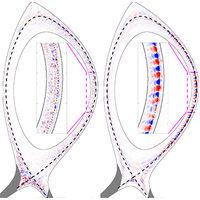
Phys. Rev. Lett. 136, 075101 (2026)
Plasma and Solar Physics, Accelerators and Beams
Questioning the Cuprate Paradigm: Absence of Superfluid Density Loss in Several Overdoped Cuprates I
Article | Condensed Matter and Materials | 2026-02-19 05:00 EST
J. L. Tallon, J. G. Storey, J. W. Loram, Jianlin Luo, C. Bernhard, I. Kokanović, and J. R. Cooper
It is long established that overdoped cuprate superconductors experience a loss of superfluid density (SFD) with increasing doping, , along with the decline in . Such behavior is unconventional and suggests a depletion of the condensate by increasing pairbreaking or the growth of a second nonpair…
Phys. Rev. Lett. 136, 076002 (2026)
Condensed Matter and Materials
Quintuplet Condensation in the Skyrmionic Insulator ${\mathrm{Cu}}{2}{\mathrm{OSeO}}{3}$ at Ultrahigh Magnetic Fields
Article | Condensed Matter and Materials | 2026-02-19 05:00 EST
T. Nomura, I. Rousochatzakis, O. Janson, M. Gen, X.-G. Zhou, Y. Ishii, S. Seki, Y. Kohama, and Y. H. Matsuda
Faraday rotation at ultrahigh magnetic fields uncovers magnon Bose-Einstein condensation in a chiral helimagnet
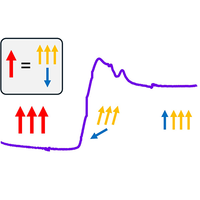
Phys. Rev. Lett. 136, 076703 (2026)
Condensed Matter and Materials
Instantaneous Optical Selection Rule for Independent Control of Valley Currents
Article | Condensed Matter and Materials | 2026-02-19 05:00 EST
Wanzhu He, Xiaosong Zhu, Liang Li, Di Wu, Xiaotong Zhu, Pengfei Lan, and Peixiang Lu
We reveal an instantaneous optical valley selection rule that illuminates the coupling between the instantaneous optical chirality of the driving laser field and the chirality of valley systems. Building on this principle, we propose and demonstrate that a single chirality-separated optical field, i…
Phys. Rev. Lett. 136, 076902 (2026)
Condensed Matter and Materials
Relaxation Control of Open Quantum Systems
Article | Quantum Information, Science, and Technology | 2026-02-18 05:00 EST
Nicolò Beato and Gianluca Teza
A fundamental problem in experiments with open quantum systems is to ensure steady-state convergence within a given operational time window. Here, we devise a general state preparation recipe to control relaxation timescales and achieve steady-state convergence within experimental run times. We do s…
Phys. Rev. Lett. 136, 070401 (2026)
Quantum Information, Science, and Technology
Initial-State Typicality in Quantum Relaxation
Article | Quantum Information, Science, and Technology | 2026-02-18 05:00 EST
Ruicheng Bao
Relaxation in open quantum systems is fundamental to quantum science and technologies. Yet, the influence of the initial state on relaxation remains a central, largely unanswered question. Here, by systematically characterizing the relaxation behavior of generic initial states, we uncover a typicali…
Phys. Rev. Lett. 136, 070402 (2026)
Quantum Information, Science, and Technology
Multiphoton Quantum Simulation of the Generalized Hopfield Memory Model
Article | Quantum Information, Science, and Technology | 2026-02-18 05:00 EST
Gennaro Zanfardino, Stefano Paesani, Luca Leuzzi, Raffaele Santagati, Fabio Sciarrino, Fabrizio Illuminati, Giancarlo Ruocco, and Marco Leonetti
In the present Letter, we introduce, develop, and investigate a connection between multiphoton quantum interference, a core element of emerging photonic quantum technologies, and Hopfield-like Hamiltonians of classical neural networks, the paradigmatic models for associative memory and machine learn…
Phys. Rev. Lett. 136, 070602 (2026)
Quantum Information, Science, and Technology
Optimal Quantum Metrology under Energy Constraints
Article | Quantum Information, Science, and Technology | 2026-02-18 05:00 EST
Longyun Chen and Yuxiang Yang
The traditional framework of quantum metrology commonly assumes unlimited access to resources, overlooking resource constraints in realistic scenarios. As such, the optimal strategies therein can be infeasible in practice. Here, we investigate quantum metrology where the total energy consumption of …
Phys. Rev. Lett. 136, 070801 (2026)
Quantum Information, Science, and Technology
Quantum Cramér-Rao Precision Limit of Noisy Continuous Sensing
Article | Quantum Information, Science, and Technology | 2026-02-18 05:00 EST
Dayou Yang, Moulik Ketkar, Koenraad Audenaert, Susana F. Huelga, and Martin B. Plenio
Quantum sensors hold considerable promise for precision measurement, yet their capabilities are inherently constrained by environmental noise. A fundamental task in quantum sensing is determining the precision limit of noisy sensor devices. For continuously monitored quantum sensors, characterizing …
Phys. Rev. Lett. 136, 070802 (2026)
Quantum Information, Science, and Technology
Relativistic and Dynamical Love Numbers
Article | Cosmology, Astrophysics, and Gravitation | 2026-02-18 05:00 EST
Abhishek Hegade K. R., K. J. Kwon, Tejaswi Venumadhav, Hang Yu, and Nicolas Yunes
A model expansion formalism extended to full general relativity describes the dynamical tidal response of an inspiraling neutron star given in terms of its modes of oscillation.
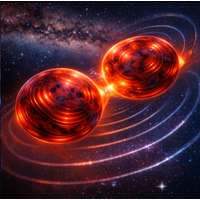
Phys. Rev. Lett. 136, 071401 (2026)
Cosmology, Astrophysics, and Gravitation
Stochastic Inflation as an Open Quantum System
Article | Cosmology, Astrophysics, and Gravitation | 2026-02-18 05:00 EST
Yue-Zhou Li
We reinterpret Starobinsky's stochastic inflation as an open quantum system, where short-wavelength modes act as the environment for long-wavelength modes. Using the Schwinger-Keldysh formalism, we systematically trace out the environment and derive an effective theory for the reduced density matrix…
Phys. Rev. Lett. 136, 071501 (2026)
Cosmology, Astrophysics, and Gravitation
New Upper Bounds on Exotic Neutron-Spin-Electron-Spin Interactions via Neutron-Spin-Rotation Measurements in a Compensated Ferrimagnet
Article | Particles and Fields | 2026-02-18 05:00 EST
T. Mulkey, K. N. Lopez, C. D. Hughes, B. Hill, M. Van Meter, H. Wijeratne, J. C. Long, M. Sarsour, W. M. Snow, K. Li, R. Parajuli, S. Samiei, D. V. Baxter, M. Luxnat, Y. Zhang, C. Jiang, E. Stringfellow, J. Torres, and R. Hobbs
Slow neutrons are used to place new constraints on electron-neutron spin-spin interactions from a hypothetical boson over more than five orders of magnitude in mass.
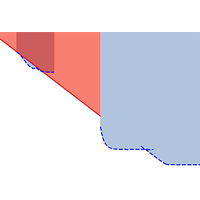
Phys. Rev. Lett. 136, 071801 (2026)
Particles and Fields
DeepQuark: A Deep-Neural-Network Approach to Multiquark Bound States
Article | Particles and Fields | 2026-02-18 05:00 EST
Wei-Lin Wu, Lu Meng, and Shi-Lin Zhu
For the first time, we implement the deep-neural-network-based variational Monte Carlo approach for the multiquark bound states, whose complexity surpasses that of electron or nucleon systems due to strong SU(3) color interactions. We design a novel and high-efficiency architecture, DeepQuark, to ad…
Phys. Rev. Lett. 136, 071901 (2026)
Particles and Fields
First Observation of Multiphonon $γ$-Vibrations in an Odd-Odd Nuclear System
Article | Nuclear Physics | 2026-02-18 05:00 EST
E. H. Wang et al.
The identification of the first multiphonon -vibrational bands in an odd-odd neutron-rich nucleus of the nuclear chart is presented. These high-spin structures of hard to access , produced in fission, were studied by combining a spectrometer with isotopic resolution coupled to a -ray trac…
Phys. Rev. Lett. 136, 072501 (2026)
Nuclear Physics
Atomic Regional Superfluids in Two-Dimensional Moiré Time Crystals
Article | Atomic, Molecular, and Optical Physics | 2026-02-18 05:00 EST
Weijie Liang, Weiping Zhang, and Keye Zhang
Moiré physics has transcended spatial dimensions, extending into synthetic domains and enabling novel quantum phenomena. We propose a theoretical model for a two-dimensional (2D) moiré time crystal formed by ultracold atoms, induced by periodic perturbations applied to a nonlattice trap. Our analysi…
Phys. Rev. Lett. 136, 073401 (2026)
Atomic, Molecular, and Optical Physics
Frustrated Rydberg Atom Arrays Meet Cavity QED: Emergence of the Superradiant Clock Phase
Article | Atomic, Molecular, and Optical Physics | 2026-02-18 05:00 EST
Ying Liang, Bao-Yun Dong, Zijian Xiong, and Xue-Feng Zhang
Rydberg atom triangular arrays in an optical cavity serve as an ideal platform for understanding the interplay between geometric frustration and quantized photons. Using a large-scale quantum Monte Carlo method, we obtain a rich ground state phase diagram. Around half-filling, the infinite long-rang…
Phys. Rev. Lett. 136, 073602 (2026)
Atomic, Molecular, and Optical Physics
Polarized Single-Photon Emission from an Anisotropic Dirac Cavity
Article | Atomic, Molecular, and Optical Physics | 2026-02-18 05:00 EST
Xin-Rui Mao, Bang Wu, Wei-Jie Ji, Shao-Lei Wang, Wang-Zhe Li, Han-Qing Liu, Haiqiao Ni, Zhichuan Niu, and Zhiliang Yuan
A novel single-photon source made of a quantum dot embedded in a Dirac cavity provides outstanding performance metrics.
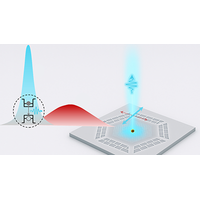
Phys. Rev. Lett. 136, 073603 (2026)
Atomic, Molecular, and Optical Physics
Gyroscopically Stabilized Quantum Spin Rotors
Article | Atomic, Molecular, and Optical Physics | 2026-02-18 05:00 EST
Vanessa Wachter, Silvia Viola Kusminskiy, Gabriel Hétet, and Benjamin A. Stickler
Recent experiments demonstrate all-electric spinning of levitated nanodiamonds with embedded nitrogen-vacancy spins. Here, we argue that such gyroscopically stabilized spin rotors offer a promising platform for probing and exploiting quantum spin-rotation coupling of particles hosting a single spin …
Phys. Rev. Lett. 136, 073604 (2026)
Atomic, Molecular, and Optical Physics
Anomalous Transport of Elongated Particles in Oscillatory Vortical Flows
Article | Physics of Fluids, Earth & Planetary Science, and Climate | 2026-02-18 05:00 EST
Shiyuan Hu, Xiuyuan Yang, Nan Luo, Jun Zhang, and Xingkun Man
We investigate the transport dynamics of elongated particles in cellular vortical flows that undergo spatial oscillations over time. Experimental flow visualizations reveal mixed flow fields with chaotic and elliptic regions coexisting. Surprisingly, the particle transport rate does not increase mon…
Phys. Rev. Lett. 136, 074001 (2026)
Physics of Fluids, Earth & Planetary Science, and Climate
Field-Emission-Induced Terahertz Plasma Waves and Instabilities in Microdischarges
Article | Plasma and Solar Physics, Accelerators and Beams | 2026-02-18 05:00 EST
Jiandong Chen, Chubin Lin, Peng Zhang, John P. Verboncoeur, Lay Kee Ang, and Yangyang Fu
This Letter reports the simultaneous excitation of two terahertz plasma waves in field-emission-driven microdischarges. As demonstrated by first-principle particle-in-cell simulations, we reveal that one wave results from intermittent field emission due to space-charge effects, while the other arise…
Phys. Rev. Lett. 136, 075001 (2026)
Plasma and Solar Physics, Accelerators and Beams
Understanding Large-Scale Dynamos in Unstratified Rotating Shear Flows
Article | Plasma and Solar Physics, Accelerators and Beams | 2026-02-18 05:00 EST
Tushar Mondal, Pallavi Bhat, Fatima Ebrahimi, and Eric G. Blackman
We combine simulations with new analyses that overcome previous pitfalls to explicate how nonhelical mean-field dynamos grow and saturate in unstratified, magnetorotationally driven turbulence. Shear of the mean radial magnetic field amplifies the azimuthal component. Radial fields are regenerated b…
Phys. Rev. Lett. 136, 075201 (2026)
Plasma and Solar Physics, Accelerators and Beams
Coexisting Electronic Smectic Liquid Crystal and Superconductivity in a Si Square-Net Semimetal
Article | Condensed Matter and Materials | 2026-02-18 05:00 EST
Christopher J. Butler, Toshiya Ikenobe, Ming-Chun Jiang, Daigorou Hirai, Takahiro Yamada, Guang-Yu Guo, Ryotaro Arita, Tetsuo Hanaguri, and Zenji Hiroi
Electronic nematic and smectic liquid crystals are spontaneous symmetry-breaking phases that are seen to precede or coexist with enigmatic unconventional superconducting states in multiple classes of materials. In this Letter we describe scanning tunneling microscopy observations of a short ranged c…
Phys. Rev. Lett. 136, 076001 (2026)
Condensed Matter and Materials
Nonmonotonic Roughness Evolution in Film Growth on Weakly Interacting Substrates
Article | Condensed Matter and Materials | 2026-02-18 05:00 EST
Dmitry Lapkin, Ismael S. S. Carrasco, Catherine Cruz Luukkonen, Oleg Konovalov, Alexander Hinderhofer, Frank Schreiber, Fábio D. A. Aarão Reis, and Martin Oettel
Thin film deposition on weakly interacting substrates exhibits a unique growth mode characterized by initially strong island formation and rapidly increasing roughness, which reaches a maximum and subsequently decreases as the film returns to a smooth morphology. Here we show this rough-to-smooth gr…
Phys. Rev. Lett. 136, 076202 (2026)
Condensed Matter and Materials
Quantum Statistics and Self-Interference in Extended Colliders
Article | Condensed Matter and Materials | 2026-02-18 05:00 EST
Sai Satyam Samal, Smitha Vishveshwara, Yuval Gefen, and Jukka I. Väyrynen
Collision of quantum particles remains an effective way of probing their mutual statistics. Colliders based on quantum point contacts in quantum Hall edge states have been successfully used to probe the statistics of the underlying quantum particles. Notwithstanding the extensive theoretical work fo…
Phys. Rev. Lett. 136, 076301 (2026)
Condensed Matter and Materials
Interfacial Spin-Orbit Coupling Induced Room Temperature Ferromagnetic Insulator
Article | Condensed Matter and Materials | 2026-02-18 05:00 EST
Yuhao Hong, Shilin Hu, Ziyue Shen, Chao Deng, Xiaodong Zhang, Lei Wang, Long Wei, Qinghua Zhang, Lingfei Wang, Liang Si, Yulin Gan, Kai Chen, and Zhaoliang Liao
Fabricating room-temperature ferromagnetic insulators, which are crucial candidates for next-generation dissipation-free quantum and spintronic devices, remains a significant challenge. In this Letter, we report on the epitaxial synthesis of novel room-temperature ferromagnetic insulating thin films…
Phys. Rev. Lett. 136, 076302 (2026)
Condensed Matter and Materials
Oxygen Isotope Fingerprints of Electron-Phonon Coupling in ${\mathrm{SrVO}}_{3}$ Films
Article | Condensed Matter and Materials | 2026-02-18 05:00 EST
Gyanendra Singh, Xiaochun Huang, Mathieu Mirjolet, Salvador Pané, Thomas Lippert, Christof W. Schneider, and Josep Fontcuberta
Transition metals exemplify correlated electronic systems, where electron-electron () scattering often results in a quadratic temperature dependence of the electrical resistivity, . In (SVO), a material with a electronic configuration that ensures metallicity through narrow
Phys. Rev. Lett. 136, 076501 (2026)
Condensed Matter and Materials
Vacancy Induced Expansion of Spin-Liquid Regime in the ${J}{1}\text{-}{J}{2}$ Heisenberg Model
Article | Condensed Matter and Materials | 2026-02-18 05:00 EST
Soumyaranjan Dash, Anish Koley, and Sanjeev Kumar
We study the model for spin- Heisenberg antiferromagnets on a square lattice in the presence of spin vacancies. In order to overcome the methodological challenges associated with analyzing models with magnetic frustration and inhomogeneities, we introduce a new semiclassical approach in whi…
Phys. Rev. Lett. 136, 076502 (2026)
Condensed Matter and Materials
Bootstrapping Flatband Superconductors: Rigorous Lower Bounds on Superfluid Stiffness
Article | Condensed Matter and Materials | 2026-02-18 05:00 EST
Qiang Gao, Zhaoyu Han, and Eslam Khalaf
The superfluid stiffness fundamentally constrains the transition temperature of superconductors, especially in the strongly coupled regime. However, accurately determining this inherently quantum many-body property in microscopic models remains a significant challenge. In this Letter, we show how th…
Phys. Rev. Lett. 136, 076503 (2026)
Condensed Matter and Materials
Pseudocriticality in Antiferromagnetic Spin Chains
Article | Condensed Matter and Materials | 2026-02-18 05:00 EST
Sankalp Kumar, Sumiran Pujari, and Jonathan D’Emidio
Weak first-order pseudocriticality with approximate scale invariance has been observed in a variety of settings, including the intriguing case of deconfined criticality in dimensions. Recently, this has been interpreted as extremely slow flows ("walking behavior") for real-valued couplings in pr…
Phys. Rev. Lett. 136, 076701 (2026)
Condensed Matter and Materials
Violation of Local Reciprocity in Charge-Orbital Interconversion
Article | Condensed Matter and Materials | 2026-02-18 05:00 EST
Hisanobu Kashiki, Hiroki Hayashi, Dongwook Go, Yuriy Mokrousov, and Kazuya Ando
We demonstrate a violation of local reciprocity in the interconversion between charge and orbital currents. By investigating orbital torque and orbital pumping in W/Ni bilayers, we show that the charge-orbital interconversion in the bulk of the W layer exhibits opposite signs in the direct and inver…
Phys. Rev. Lett. 136, 076702 (2026)
Condensed Matter and Materials
Inferring Entropy Production in Many-Body Systems Using Nonequilibrium Maximum Entropy
Article | Statistical Physics; Classical, Nonlinear, and Complex Systems | 2026-02-18 05:00 EST
Miguel Aguilera, Sosuke Ito, and Artemy Kolchinsky
We propose a method for inferring entropy production (EP) in high-dimensional stochastic systems, including many-body systems and non-Markovian systems with long memory. Standard techniques for estimating EP become intractable in such systems due to computational and statistical limitations. We infe…
Phys. Rev. Lett. 136, 077101 (2026)
Statistical Physics; Classical, Nonlinear, and Complex Systems
Unsupervised Learning for Anticipating Critical Transitions
Article | Statistical Physics; Classical, Nonlinear, and Complex Systems | 2026-02-18 05:00 EST
Shirin Panahi, Ling-Wei Kong, Bryan Glaz, Mulugeta Haile, and Ying-Cheng Lai
Anticipating critical transitions in complex dynamical systems is often hindered by the need for explicit knowledge of the bifurcation parameter. We present a fully data-driven framework that combines a variational autoencoder with reservoir computing to overcome this limitation. The variational aut…
Phys. Rev. Lett. 136, 077301 (2026)
Statistical Physics; Classical, Nonlinear, and Complex Systems
Physical Review X
Anomalies of Global Symmetries on the Lattice
Article | 2026-02-18 05:00 EST
Yi-Ting Tu, David M. Long, and Dominic V. Else
A rigorous framework is established to define and classify lattice anomalies, revealing unique "IR-trivial" invariants that constrain the physics of many-body-localized systems and more beyond the reach of standard field theories.
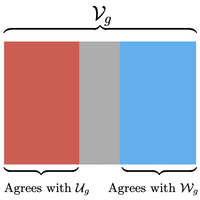
Phys. Rev. X 16, 011027 (2026)
arXiv
Steering Dynamical Regimes of Diffusion Models by Breaking Detailed Balance
New Submission | Statistical Mechanics (cond-mat.stat-mech) | 2026-02-19 20:00 EST
We show that deliberately breaking detailed balance in generative diffusion processes can accelerate the reverse process without changing the stationary distribution. Considering the Ornstein–Uhlenbeck process, we decompose the dynamics into a symmetric component and a non-reversible anti-symmetric component that generates rotational probability currents. We then construct an exponentially optimal non-reversible perturbation that improves the long-time relaxation rate while preserving the stationary target. We analyze how such non-reversible control reshapes the macroscopic dynamical regimes of the phase transitions recently identified in generative diffusion models. We derive a general criterion for the speciation time and show that suitable non-reversible perturbations can accelerate speciation. In contrast, the collapse transition is governed by a trace-controlled phase-space contraction mechanism that is fixed by the symmetric component, and the corresponding collapse time remains unchanged under anti-symmetric perturbations. Numerical experiments on Gaussian mixture models support these findings.
Statistical Mechanics (cond-mat.stat-mech), Machine Learning (cs.LG)
A fully differentiable framework for training proxy Exchange Correlation Functionals for periodic systems
New Submission | Materials Science (cond-mat.mtrl-sci) | 2026-02-19 20:00 EST
Rakshit Kumar Singh, Aryan Amit Barsainyan, Bharath Ramsundar
Density Functional Theory (DFT) is widely used for first-principles simulations in chemistry and materials science, but its computational cost remains a key limitation for large systems. Motivated by recent advances in ML-based exchange-correlation (XC) functionals, this paper introduces a differentiable framework that integrates machine learning models into density functional theory (DFT) for solids and other periodic systems. The framework defines a clean API for neural network models that can act as drop in replacements for conventional exchange-correlation (XC) functionals and enables gradients to flow through the full self-consistent DFT workflow. The framework is implemented in Python using a PyTorch backend, making it fully differentiable and easy to use with standard deep learning tools. We integrate the implementation with the DeepChem library to promote the reuse of established models and to lower the barrier for experimentation. In initial benchmarks against established electronic structure packages (GPAW and PySCF), our models achieve relative errors on the order of 5-10%.
Materials Science (cond-mat.mtrl-sci), Artificial Intelligence (cs.AI), Machine Learning (cs.LG)
Breaking of clustering and macroscopic coherence under the lens of asymmetry measures
New Submission | Statistical Mechanics (cond-mat.stat-mech) | 2026-02-19 20:00 EST
In one-dimensional systems, spontaneous symmetry breaking (SSB) states are fragile by nature, as the injection of a non-zero energy density above the ground state is expected to restore the symmetry. This instability implies that local perturbations can lead to macroscopic correlation profiles, a breaking of clustering properties and even macroscopic quantum superpositions. In this work, we investigate the effect of interaction on this phenomenology by considering an interacting model with conserved domain wall number, that possesses a ferromagnetic ground state breaking the Z2 symmetry of the Hamiltonian. We first show that a local quench in this system amplifies quantum interferences, producing a macroscopic magnetisation profile that directly reflects the scattering phase of the model. Then, we use two asymmetry measures, namely the Entanglement Asymmetry (EA) and Quantum Fisher Information (QFI), to characterise the quantum coherence associated with the fluctuations of the magnetisation. By focusing on subsystems comparable in size to the light-cone of the perturbation, we confirm the emergence of macroscopic quantum coherence throughout the whole perturbed region. Finally, we discuss the link between EA and QFI and show that the variance/EA inequality for pure state can be generalised to a QFI/EA inequality for mixed states.
Statistical Mechanics (cond-mat.stat-mech)
Uniaxial stress enhanced anisotropic magnetoresistance and superconductivity in the kagome superconductor $\mathrm{LaRu}_3\mathrm{Si}_2$
New Submission | Superconductivity (cond-mat.supr-con) | 2026-02-19 20:00 EST
P. Král, V. Sazgari, Yongheng Ge, O. Gerguri, M. Spitaler, J.N. Graham, H. Nakamura, M. Bartkowiak, S. Nakatsuji, H. Luetkens, G. Simutis, Gang Xu, Z. Guguchia
Elucidating the role of the kagome electronic structure in determining the various quantum ground states is of fundamental importance. In this work, we employ in-plane uniaxial stress as a tuning parameter to probe the electronic structure and its impact on the superconducting and normal-state properties of the kagome superconductor $\mathrm{LaRu}3\mathrm{Si}2$ , combining magnetotransport measurements with first-principles calculations. We identify a pronounced anisotropy in both the upper critical field and the normal-state magnetoresistance, indicating strong electronic anisotropy despite the three-dimensional crystal structure. Furthermore, we find that the superconducting transition temperature $T{\rm c}$ increases under in-plane stress applied within the kagome plane, although the enhancement is modest, reaching approximately 0.3 K at 0.6 GPa. Furthermore, the absolute magnetoresistance exhibits a pronounced increase from about 22% at zero stress to 35% at 0.6 GPa, indicating a substantial modification of the normal state above $T{\rm c}$ . Previous studies have reported time-reversal-symmetry (TRS) breaking below a temperature scale that coincides with the onset of magnetoresistance. The simultaneous enhancement of both $T_{\rm c}$ and magnetoresistance under stress therefore suggests a positive correlation between superconductivity and normal-state electronic and magnetic properties in $\mathrm{LaRu}_3\mathrm{Si}2$ . Detailed calculations demonstrate that stress-induced changes in $ T{\rm c}$ arise from the joint evolution of the total density of states and the flat band, whereas the large magnetoresistance enhancement is dominated by the stress-driven downward shift of the Ru $dz^{2}$ kagome flat band.
Superconductivity (cond-mat.supr-con), Materials Science (cond-mat.mtrl-sci)
8 pages, 4 figures
Stochastic Modeling of Anisotropic Strength Surfaces from Atomistic Simulations
New Submission | Materials Science (cond-mat.mtrl-sci) | 2026-02-19 20:00 EST
Alexander Bonacci, John Dolbow, Johann Guilleminot
This work develops a unified framework for inferring, representing, and statistically characterizing an anisotropic strength surface directly from molecular dynamics data. Large-scale tensile loading simulations are used to generate failure data across all principal stress ratios and loading orientations, facilitated by a data-driven mapping between imposed strain-rate tensors and resulting stresses. The orientation-dependent strength surface is then represented using a constrained parametric formulation in which the surface parameters vary smoothly with loading angle through a low-dimensional functional encoding. To deploy the framework, we specifically consider the case of monocrystalline graphene, which is a prototypical two-dimensional material that has been extensively characterized, both experimentally and computationally, in the literature. For defective graphene, multiple random realizations of vacancy defect distributions are used to construct a stochastic ensemble of angular strength surfaces. Because each anisotropic strength surface requires substantial atomistic sampling to construct, the resulting ensemble is inherently limited in size, motivating the use of compact encoding, dimensionality reduction, and probabilistic modeling to characterize strength variability. Dimensionality reduction via Principal Component Analysis reveals a condensed latent representation of the fitted, encoded surfaces, where a Gaussian mixture model is employed to capture defect-induced variability, including rare outlier behaviors arising from clustered vacancy defects. Sampling from this probabilistic model enables the generation of new, physically admissible strength surfaces and the construction of confidence intervals in both parameter space and stress space. (Abstract shortened to meet arXiv limits.)
Materials Science (cond-mat.mtrl-sci)
30 pages, 19 figures
Zero Indirect Band Gap and Flat Bands in a Niobium Oxyiodide Cluster Material
New Submission | Strongly Correlated Electrons (cond-mat.str-el) | 2026-02-19 20:00 EST
Jan Beitlberger, Mario Martin, Marcus Scheele, Marek Matas, Carl P. Romao, Markus Ströbele, H.-Jürgen Meyer
Explorative chemistry in a reaction system composed of NbI4, Li2(CN2), and Li2O has led to the discovery of a number of niobium oxyiodide cluster compounds. During this reaction, the formation of solid phases was detected alongside with gaseous phases, resulting in a range of products with cluster cores of varying shapes. After several niobium oxyiodide cluster compounds have already been identified within this reaction system, two additional compounds, Nb6O3I15 and Nb11O6I24, are discovered and structurally characterized by single-crystal X-ray diffraction. Both structures are based on the butterfly-shaped, oxygen-capped niobium cluster [Nb4O], which is extended to larger cluster fragments. The [Nb4O] cluster core in Nb6O3I15 is extended by two [NbO] units to form a three-dimensional framework, and Nb11O6I24 contains two connected [Nb4O] units, which form chiral units within an antiferrochiral hexagonal packing of strings. The striking string-like character of Nb11O6I24 was investigated in terms of its electronic structure and properties. DFT calculations showed Nb11O6I24 to possess a zero indirect band gap, with a pair of 3-dimensional flat bands surrounding the Fermi level. These unusual features of the electronic band structure suggest the presence of strongly correlated inter-cluster singlet electron states, arising from the helical shape of the clusters, the hexagonal packing of the strings, and the delocalized nature of cluster electron wavefunctions.
Strongly Correlated Electrons (cond-mat.str-el), Materials Science (cond-mat.mtrl-sci)
14 pages, 14 figures
Twist-induced Out-of-plane Ferroelectricity in Bilayer Hafnia
New Submission | Materials Science (cond-mat.mtrl-sci) | 2026-02-19 20:00 EST
Jian Huang, Gwan Yeong Jung, Pravan Omprakash, Guodong Ren, Xin Li, Du Li, Xiaoshan Xu, Li Yang, Rohan Mishra
Ferroelectric HfO2 is a promising candidate for next-generation memory devices due to its CMOS compatibility and ability to retain polarization at nanometer scales. However, the polar orthorhombic phase (Pca2_1) responsible for ferroelectricity is metastable and requires extrinsic stabilization, which makes it challenging for integration with silicon. We predict that bilayer 1T-HfO2 can exhibit robust and switchable out-of-plane (OOP) polarization arising from stacking-induced symmetry breaking. Using first-principles density functional theory, we predict that monolayer 1T-HfO2 can be cleaved from the (111) surface of cubic hafnia, and the monolayer is dynamically stable. When two aligned monolayers are twisted to form a moiré superlattice, it breaks the interlayer symmetry and allows the emergence of bistable OOP polarization. At a twist angle of 7.34o, the system exhibits a net polarization of 16 {\mu}C/cm2. This sizeable polarization is due to the large polar displacements concentrated in AB stacking domains. Importantly, this polarization can be reversibly switched via interlayer sliding with a low energy barrier (8 meV/formula unit) and comparable low coercive field (~0.2 V/nm), offering electric-field tunability. These findings establish twisted bilayer 1T-HfO2 as a scalable and robust 2D ferroelectric platform, enabling new pathways for integrating ferroelectric functionality into atomically thin memory and logic devices.
Materials Science (cond-mat.mtrl-sci)
Super Arrhenius temperature dependent viscosity due to liquid-liquid phase separation in the super-cooled Kob-Andersen model
New Submission | Statistical Mechanics (cond-mat.stat-mech) | 2026-02-19 20:00 EST
In this paper, we introduce a new order parameter called the weighted coordination number (WCN) to study the liquid-liquid (LL) phase separation, using the temperature-dependent coarsening of the LL interface as a possible mechanism for the glass transition. The well-established glass-forming Kob-Andersen binary Lennard-Jones system is used for our studies. The gas-liquid binodal line is reconstructed using the WCNs, and the same approach is extended to study the liquid-liquid binodal line. Systems of various densities are instantaneously quenched from high to low temperatures where a liquid-liquid separation is observed. Densities and the composition of each liquid state are used to check the level rule, along with density and pressure profiles, demonstrating local equilibrium of liquid-liquid phase separation. The transition from the liquid-liquid phase separation in the supercooled region to the glass transition region is modeled by adopting a Markov Network Model to estimate the temperature dependent viscosity using liquid-liquid interfacial information from the classification.
Statistical Mechanics (cond-mat.stat-mech)
Melting Coulomb clusters through nonreciprocity-enhanced parametric pumping
New Submission | Soft Condensed Matter (cond-mat.soft) | 2026-02-19 20:00 EST
Zhicheng Shu, Wei-Chih Li, Wentao Yu, Justin C. Burton
Complex systems out of equilibrium often experience intermittent oscillations between quiescent and highly dynamic states. The type of intermittency depends on how energy is pumped into the system, and how it is dissipated. While intermittency is usually driven by stochastic noise or external forcing, energy can also be sourced from field-mediated interactions between particles, which are often nonreciprocal and effectively violate Newton’s 3rd law. Here we demonstrate how nonreciprocal interactions produce intermittency in clusters of charged micron-sized particles confined in a plasma sheath. Through three-dimensional particle tracking, we observe that vertical oscillations, induced by fluctuations of the plasma environment, can be parametrically coupled to the horizontal modes. Experiments and simulations show that nonreciprocal interactions strongly amplify this parametric coupling, creating a positive feedback loop that drives explosive growth of both the horizontal and vertical modes. This mechanism triggers abrupt melting transitions from an ordered cluster to an ergodic gas-like state, and leads to intermittent switching between states over long time scales. Overall, our work identifies nonreciprocal interactions as a key mechanism through which strongly coupled finite systems transform interaction-mediated activity into dynamical nonequilibrium states.
Soft Condensed Matter (cond-mat.soft), Plasma Physics (physics.plasm-ph)
Non-local physics-informed neural networks for forward and inverse solutions of granular flows
New Submission | Soft Condensed Matter (cond-mat.soft) | 2026-02-19 20:00 EST
Saghar Zolfaghari, Safa Jamali
Dense granular flows exhibit nonlocal effects due to stress transmission in microplastic events, especially in quasi-static or slowly sheared regions. Hence, traditional local rheological models fail to capture spatial cooperativity effects that are prominent in many granular systems. The nonlocal granular fluidity (NGF) model addresses this limitation by introducing a diffusive-like partial differential equation for a fluidity field, governed by a key material-dependent parameter: the nonlocal amplitude A. However, determining A from experiments or simulations is known to be difficult and typically requires extensive calibration across multiple geometries. In this work, we present a data-driven platform based on Physics-Informed Neural Networks (PINNs) embedded with the NGF model, capable of solving granular flows in a forward or inverse manner. We show that once trained on transient flow fields, these non-local PINNs can readily infer the material parameters, as well as the pressure and stress fields. These data-driven frameworks allow for accurate recovery of small variations in the nonlocal amplitude, A, which lead to sharp bifurcation-like transitions in the flow field. This approach demonstrates the feasibility of data-driven parameter inference in complex nonlocal models and opens up new possibilities for characterizing granular materials from sparse experimental observations.
Soft Condensed Matter (cond-mat.soft), Disordered Systems and Neural Networks (cond-mat.dis-nn), Fluid Dynamics (physics.flu-dyn)
Ligand Mediated Magnetoelectronic Coupling Across Metamagnetic Transitions in CrPS4
New Submission | Materials Science (cond-mat.mtrl-sci) | 2026-02-19 20:00 EST
Giuseppe Buccoliero, Rachel Nickel, Roberto Sant, Marli dos Reis Cantarino, Andrei Rogalev, Nathan J. Yutronkie, Tristan Riccardi, Daniel A. Chaney, Kurt Kummer, Johann Coraux, Nicholas B. Brookes
Chromium thiophosphate is a long-known material: a layered semiconducting antiferromagnet. Its recently discovered gate-tunable metamagnetic phase transitions, the remarkable positive and oscillating magnetoresistance as a tunnel barrier, and its Fano-resonance luminescence, elusive among the multitude of Cr3+ compounds, call for revisiting the understanding of its electronic structure, especially regarding how it relates to magnetic order. Here, we employ X-ray magnetic circular dichroism, implemented in both absorption and resonant inelastic X-ray spectroscopies, together with quantum many-body calculations, to unveil the complex nature of magnetoelectronic coupling in CrPS4, featuring hybridization between crystal-field and charge-transfer transitions. We reveal the role of extended superexchange paths involving P and S atoms, mediating interactions between the Cr spins across the different magnetic phases: antiferromagnetic, canted, and ferromagnetic. Our results elucidate the electronic states involved in these phases and provide prescriptions for engineering the metamagnetic phase diagram of CrPS4.
Materials Science (cond-mat.mtrl-sci)
11 pages, 6 figures
Evaporation-Induced Pattern Formation and Wetting in Active Microtubule-Kinesin Droplets
New Submission | Soft Condensed Matter (cond-mat.soft) | 2026-02-19 20:00 EST
Vahid Nasirimarekani, Mehrana R. Nejad, Olinka Ramírez-Soto, Susan Ali, Stefan Karpitschka, L. Mahadevan, Isabella Guido
Active networks composed of biopolymers and motor proteins provide versatile biomimetic systems that have advanced active matter physics and deepened our understanding of cytoskeletal dynamics and self-organization under diverse stimuli. In these systems, activity arises in aqueous solutions where motor proteins cross-link biopolymers and generate active stress driving the emergent network behavior. Here, we establish the active network in the form of a sessile, multi-component droplet on a substrate and investigate how evaporation influences its dynamics. We focus on how mass loss and compositional changes in the droplet reshape the behavior of the active suspension. We show that capillary and Marangoni flows drive the self-organization of microtubules into a distinctive radial arrangement within the droplet. The cross-linking ability of motor proteins gives rise to a striking non-monotonic wetting behavior, where the extensile stresses generated by the motor proteins strongly affect the characteristic timescale of the contact-line retracting and subsequent expansion. Using a combined experimental and theoretical approach, we demonstrate the crucial role of crosslinking in evaporating microtubule networks, and explain how active stresses together with evaporation-induced flows govern the dynamics of reconstituted microtubule systems and their wetting behavior. Evaporating droplets have recently attracted significant attention in the scientific community, and the findings of the setup presented in this study can have broad implications, ranging from self-organization and mechanical pattern formation in biological systems to questions about the origin of life.
Soft Condensed Matter (cond-mat.soft), Biological Physics (physics.bio-ph)
This submission is related to arXiv:2305.07099 but constitutes a substantially different work. It is submitted as a new entry due to changes in authorship and a major revision of the scientific scope and direction
Enhanced Graphene-Water Thermal Transport via Edge Functionalization without Compromising In-Plane Thermal Conductivity
New Submission | Mesoscale and Nanoscale Physics (cond-mat.mes-hall) | 2026-02-19 20:00 EST
John Crosby (1), Haoran Cui (1), Mehrab Lotfpour (1), Yan Wang (1), Lei Cao (1) ((1) Department of Mechanical Engineering, University of Nevada, Reno)
Interfacial thermal transport between graphene and water plays a critical role in a wide range of thermal and energy applications. Although chemical functionalization can significantly enhance graphene-water interfacial thermal conductance, it often degrades graphene’s intrinsic in-plane phonon transport. In this work, we perform a systematic deep neural network molecular dynamics study comparing edge-functionalized graphene nanoribbons with surface-functionalized graphene in aqueous environments. We demonstrate that functionalizing only 10% of the ribbon edges with hydroxyl groups increases the graphene-water interfacial thermal conductance by more than eightfold, primarily due to strengthened interfacial interactions and improved wettability at the edges. In contrast to basal-plane oxidation, edge functionalization largely preserves in-plane thermal conductivity. Importantly, hydroxyl edge groups exert competing effects on phonon transport: they introduce additional boundary scattering that suppresses heat conduction, while simultaneously passivating dangling bonds at bare edges, thereby reducing phonon localization and edge-induced scattering. This competition leads to a non-monotonic dependence of in-plane thermal conductivity on edge functionalization ratio. These results establish edge functionalization as an effective strategy for enhancing graphene-water interfacial thermal transport without sacrificing intrinsic phonon transport properties.
Mesoscale and Nanoscale Physics (cond-mat.mes-hall)
Generative Inverse Estimation of 3D Atomic Coordination from Near-Edge Spectra via Equivariant Diffusion Models
New Submission | Materials Science (cond-mat.mtrl-sci) | 2026-02-19 20:00 EST
Ren Okubo, Yu Fujikata, Izumi Takahara, Teruyasu Mizoguchi
Extracting 3D atomic coordinates from spectroscopic data is a longstanding inverse problem. We present an equivariant diffusion model that generates site-specific 3D structures directly from near-edge spectra (ELNES/XANES). Trained on Si-O crystals, the model achieves radial accuracy comparable to Extended X-ray Absorption Fine Structure (EXAFS) (RMSD ~0.06 Å) but with superior coordination number precision (errors < 4.3% vs. EXAFS ~20%). Crucially, it reconstructs full 3D geometries including bond angles, overcoming the limitations of 1D radial distribution analysis. The model demonstrates robust out-of-distribution generalization, accurately predicting local structures in amorphous systems despite being trained exclusively on crystalline lattices. Application to experimental O K-edge spectra from {\alpha}-quartz validates practical applicability. This generative approach outperforms template matching and establishes automated, quantitative 3D structure determination from spectroscopic data.
Materials Science (cond-mat.mtrl-sci)
10 pages, 7 figures, 3 supplementary figures
Dislocation-ledge coupling drives non-conservative migration of semicoherent precipitate interfaces
New Submission | Materials Science (cond-mat.mtrl-sci) | 2026-02-19 20:00 EST
Jin-Yu Zhang, Juan Du, Lin Yang, Frédéric Mompiou, Shigenobu Ogata, Wen-Zheng Zhang
Precipitate shape and size control the strength and stability of many structural alloys, yet the microscopic mechanism by which semicoherent precipitate interfaces migrate remains unclear. In particular, how dense interfacial dislocation networks move while accommodating transformation strain has resisted direct, time-resolved characterization. Here, we show that non-conservative motion of interfacial dislocations is intrinsically coupled to the nucleation and lateral propagation of nanoscale growth ledges, providing a defect-based kinetic description of lath growth. Phase-field-crystal simulations of a prototypical face-centered cubic/body-centered cubic (FCC/BCC) transformation resolve strongly anisotropic interface kinetics: the end face advances continuously along the lath long axis, whereas facets thicken by discrete ledge sweeps accompanied by mixed glide-climb reactions in a closed dislocation network. Crystallographic analyses predict the dislocation arrangements, rationalize the anisotropy via the geometry of misfit localization, and show how dislocation motion accommodates the transformation strain. In situ transmission electron microscopy of austenite precipitates in duplex stainless steel captures rapid ledge propagation on habit planes, consistent with the predicted migration mode. Our results bridge point-defect transport, dislocation reactions, and interface mobility, enabling quantitative, transferable predictions of precipitate morphology evolution.
Materials Science (cond-mat.mtrl-sci)
Negative Strain-Rate Sensitivity in Metallic Glasses Driven by Rejuvenation-Relaxation Competition: Kinetic Monte Carlo Simulations and a Minimal Effective Model
New Submission | Materials Science (cond-mat.mtrl-sci) | 2026-02-19 20:00 EST
Tomoaki Niiyama, Akio Ishii, Takahiro Hatano, Tomotsugu Shimokawa, Shigenobu Ogata
When strain-rate sensitivity (SRS) is negative in metallic glasses, the material becomes weaker as the deformation rate increases, leading to accelerated plastic deformation and, eventually, catastrophic fracture. In this study, we elucidate the mechanism underlying the negative SRS using micromechanics-based kinetic Monte Carlo simulations that couple heterogeneous randomized shear transformation zone (STZ) models for metallic glasses. The model accounted for both the thermomechanical structural rejuvenation and relaxation of the energy barrier for thermal activation of STZs, incorporating a Kohlrausch-Williams-Watts (KWW)-type relaxation function. The present simulations systematically reproduce the dependence of flow stresses on strain rate, temperature, and the form of the relaxation function. The SRS tends to decrease at high strain rates and low temperatures in the simulations, and negative SRS appears when a compressed-exponential relaxation function is employed. Shear localization also appears; however, the conditions under which the observed localization emerges do not fully coincide with those leading to the negative SRS, leaving the dominant factor unclear. To clarify the dominant factor, we introduce a simplified theoretical model that reproduces flow stresses consistent with the simulation results. An analytical expression derived from the theoretical model reveals that negative SRS originates primarily from the temporal evolution of the activation barrier. Specifically, negative SRS arises when the timescale of external loading exceeds that of STZ relaxation.
Materials Science (cond-mat.mtrl-sci)
15 pages, 13 figures, also available as SSRN preprint (this https URL)
Stack of correlated insulating states in bilayer graphene kagome superlattice
New Submission | Mesoscale and Nanoscale Physics (cond-mat.mes-hall) | 2026-02-19 20:00 EST
Xinyu Cai, Fengfan Ren, Qiao Li, Yanran Shi, Yifan Wang, Yifan Zhang, Zhenghang Zhi, Jiawei Luo, Yulin Chen, Jianpeng Liu, Xufeng Kou, Zhongkai Liu
Graphene-based systems have emerged as a rich platform for exploring emergent quantum phenomena-including superconductivity, magnetism, and correlated insulating behavior-arising from flat electronic bands that enhance many-body interactions. Realizing such flat bands has thus far relied primarily on moiré graphene superlattices or rhombohedral stacking graphene systems, both of which face challenges in reproducibility and tunability. Here, we introduce an artificial Kagome superlattice in bilayer graphene, engineered via nanopatterning of the dielectric substrate to create a precisely defined and electrostatically tunable periodic potential. Magnetotransport measurements reveal the emergence of a stack of correlated insulating states at moderate superlattice potentials, characteristic of strong electron-electron interactions within Kagome-induced flat bands. As temperature increases, these correlated gaps collapse, signaling the thermal suppression of interaction-driven states. Continuum-model calculations confirm the formation of multiple flat minibands and reproduce the observed evolution of band reconstruction. Our results establish dielectric-patterned graphene superlattices as a robust and controllable architecture for realizing flat-band-induced correlated phenomena beyond moiré systems.
Mesoscale and Nanoscale Physics (cond-mat.mes-hall)
Coexistence of Rashba and Ising Spin-Singlet Pairings in Two-Dimensional IrTe$_{2}$
New Submission | Superconductivity (cond-mat.supr-con) | 2026-02-19 20:00 EST
Kunal Dutta, Rajesh O. Sharma, Shreya Das, Indra Dasgupta, Tanmoy Das, Tanusri Saha-Dasgupta
Symmetry offers a useful approach to unfold the intertwined degrees of freedom. Thus it paves the way to resolve coexisting quantum orders into distinct symmetry sectors. Motivated by the recent observation of superconductivity in nano-flaked IrTe$ _2$ , we investigate the superconductivity in strain-stabilized two-dimensional (2D) limit of IrTe$ _2$ by combining density-functional theory with mean-field solution of spin-fluctuation mediated pairing interaction on a symmetry-constrained $ {\bf k}\cdot{\bf p}$ model. The spin-orbit coupled band structure shows $ \Gamma$ -centred Fermi sheets with coexistence of band-selective Rashba-like (in-plane) and Ising-like (out-of-plane) superconductivity. Remarkably, the superconducting gaps are odd in spin, orbital, and momentum channels despite the presence of global inversion symmetry. Fermi surface topologies and little-group symmetry enforce distinct irreducible representations to the Rashba and Ising channels, forbidding their mixing. Our findings open up a symmetry-based route to multichannel superconductivity in 2D transition-metal dichalcogenides with unique functionalities.
Superconductivity (cond-mat.supr-con)
Decoherence of Josephson coupling and thermal quenching of the Josephson diode effect in bilayer superconductors
New Submission | Superconductivity (cond-mat.supr-con) | 2026-02-19 20:00 EST
F. Yang, C. Y. Dong, Joshua A. Robinson, L. Q. Chen
Motivated by recent studies on superconducting (SC) diode nonreciprocity, we uncover an unexpected hierarchy of SC-phase decoherence in bilayer superconductors hosting both interlayer Josephson coupling and a Josephson diode effect. Contrary to the conventional single-energy-scale paradigm where Josephson coherence and diode nonreciprocity vanish simultaneously at the SC gap-closing temperature, we demonstrate, using a self-consistent microscopic theory incorporating phase fluctuations, that the system undergoes a sequence of distinct thermal crossovers upon heating: the diode effect disappears first at $ T_{\eta}$ , Josephson coherence is subsequently lost at $ T_c$ , and the SC gap collapses only at a higher temperature $ T_s$ . Rather than a direct SC-normal transition, the system thus evolves through successive nonreciprocal, reciprocal, and incoherent Josephson regimes before entering the normal state. Counterintuitively, the separation between these regimes is governed not only by interlayer coupling, but also sensitively by in-plane disorder and carrier density. These findings point to a generic hierarchy of SC decoherence in low-dimensional Josephson systems, and suggest broader relevance to layered superconductors, including cuprates and recently discovered nickelates, as well as to SC qubits.
Superconductivity (cond-mat.supr-con)
Unveiling and quantifying the topology-dependent pre-melting of nanoparticles
New Submission | Materials Science (cond-mat.mtrl-sci) | 2026-02-19 20:00 EST
Marthe Bideault, Arnaud Allera, Ryoji Asahi, Jérôme Creuze, Erich Wimmer
The melting of metallic nanoparticles is governed by surface pre-melting, a phenomenon traditionally modeled as the isotropic growth of a uniform liquid shell. Challenging this classical view, we report facet-dependent surface pre-melting in hexagonal close-packed Co nanoparticles, arising from the structural heterogeneity of the nanoparticle surface. Characterizing melting in molecular dynamics simulations (500 to 6000 atoms), we observe the onset of surface mobility, starting as low as $ 0.2\times T_{M,\infty}$ (the bulk melting point), driven by the early disordering of stepped $ {01\bar{1}1}$ facets. We found that these facets consistently melt at temperatures nearly 200 Kelvin lower than flat $ {0001}$ facets, regardless of particle size, and relate facets melting temperatures to the nanoparticle size via a 2D extension of the Gibbs-Thomson relation. We determine a critical liquid layer thickness that triggers the melting of the entire nanoparticle, which is found to be size-dependent. Our results confirm the recent experimental observation of the surface pre-melting effect, and extend it to anisotropic particles with different facet orientations.
Materials Science (cond-mat.mtrl-sci)
Stripe antiferromagnetism in van der Waals metal HoTe3 decoupled from charge density wave order
New Submission | Strongly Correlated Electrons (cond-mat.str-el) | 2026-02-19 20:00 EST
Weiyi Yun, Ryota Nakano, Ryo Misawa, Rinsuke Yamada, Shun Akatsuka, Yoshichika Onuki, Priya Ranjan Baral, Hiraku Saitoh, Ryoji Kiyanagi, Takashi Ohhara, Taro Nakajima, Taka-hisa Arima, Max Hirschberger
The $ R\mathrm{Te}3$ ($ R = \text{rare earth}$ ) family of layered van der Waals (vdW) compounds hosts coexisting magnetic and charge density wave (CDW) orders, yet the interplay between these degrees of freedom remains little explored. Combining polarized and unpolarized neutron diffraction on single-crystal $ \mathrm{HoTe}3$ , we identify two distinct antiferromagnetic (AFM) phases, both exhibiting a collinear $ \uparrow\uparrow\downarrow\downarrow$ motif within individual vdW layers. The two phases are distinguished by the vdW stacking of magnetic layers: ferromagnetic (FM) stacking in the higher-temperature AFM-II phase, here termed vertical-stripe'', and AFM stacking in the AFM-I ground state, here termed tilted-stripe’’; the two phases have propagation vectors $ \boldsymbol{q}{\mathrm{m2}} = (0.48, 0, 0)$ and $ \boldsymbol{q}{\mathrm{m1}} = (0.5, 0.5, 0)$ , respectively. In contrast to the CDW-driven exotic magnetism in $ \mathrm{DyTe}_3$ , $ \mathrm{TbTe}_3$ , and $ \mathrm{GdTe}_3$ , we find no evidence for coupling between magnetism and CDW in $ \mathrm{HoTe}_3$ . The relative alignment between AFM and CDW propagation vectors, as well as single-ion anisotropy, are likely essential for generating coupled spin/charge orders in layered vdW systems.
Strongly Correlated Electrons (cond-mat.str-el), Materials Science (cond-mat.mtrl-sci)
6 pages, 4 figures
Liouvillian interpolation of the self-energy of cluster dynamical mean-field theories
New Submission | Strongly Correlated Electrons (cond-mat.str-el) | 2026-02-19 20:00 EST
Mathias Pelz, Jan von Delft, Andreas Gleis
Two widely-used non-local extensions of dynamical mean field theory (DMFT), cellular DMFT (CDMFT) and the dynamical cluster approximation (DCA), both yield self-energies marred by having some unphysical properties: CDMFT yields real-space self-energies that are not translationally invariant, and DCA yields momentum-space self-energies with discontinuities in their momentum dependence. It is often desirable to remove these flaws by post-processing cluster DMFT results, using strategies called periodization for CDMFT and interpolation for DCA – for brevity, we refer to both cases as interpolation. However, traditional interpolation approaches struggle to capture intricate structures such as hole pockets in the hole-doped square-lattice Hubbard model, as highlighted in Phys. Rev. B 105, 35117 (2022). Further, these approaches interpolate frequency-dependent functions, which may lead to causality violations. Here, we propose Liouvillian interpolation, a novel, intuitive, and robust scheme for interpolating cluster DMFT results. Our key idea is to interpolate frequency-independent matrix elements of the single-particle irreducible part of the Liouvillian, obtained from a continued-fraction expansion of the cDMFT self-energy. We demonstrate that the ingredients of such an expansion possess a more local Fourier expansion than the functions involved in traditional interpolation schemes, and that Liouvillian interpolation inherently conserves causality. We illustrate our method for the one-dimensional Hubbard model using CDMFT, and for the two-dimensional Hubbard model using four-patch DCA. For the latter, we find that L-interpolation can (depending on doping) yield Fermi and Luttinger arcs which together form a closed surface.
Strongly Correlated Electrons (cond-mat.str-el)
41 pages, 25 figures
AI-Driven Structure Refinement of X-ray Diffraction
New Submission | Materials Science (cond-mat.mtrl-sci) | 2026-02-19 20:00 EST
Bin Cao, Qian Zhang, Zhenjie Feng, Taolue Zhang, Jiaqiang Huang, Lu-Tao Weng, Tong-Yi Zhang
Artificial intelligence can rapidly propose candidate phases and structures from X-ray diffraction (XRD), but these hypotheses often fail in downstream refinement because peak intensities cannot be stably assigned under severe overlap and diffraction consistency is enforced only weakly. Here we introduce WPEM, a physics-constrained whole-pattern decomposition and refinement workflow that turns Bragg’s law into an explicit constraint within a batch expectation–maximization framework. WPEM models the full profile as a probabilistic mixture density and iteratively infers component-resolved intensities while keeping peak centres Bragg-consistent, producing a continuous, physically admissible intensity representation that remains stable in heavily overlapped regions and in the presence of mixed radiation or multiple phases. We benchmark WPEM on standard reference patterns (\ce{PbSO4} and \ce{Tb2BaCoO5}), where it yields lower $ R_{\mathrm{p}}$ /$ R_{\mathrm{wp}}$ than widely used packages (FullProf and TOPAS) under matched refinement conditions. We further demonstrate generality across realistic experimental scenarios, including phase-resolved decomposition of a multiphase Ti–15Nb thin film, quantitative recovery of \ce{NaCl}–\ce{Li2CO3} mixture compositions, separation of crystalline peaks from amorphous halos in semicrystalline polymers, high-throughput operando lattice tracking in layered cathodes, automated refinement of a compositionally disordered Ru–Mn oxide solid solution (CCDC 2530452), and quantitative phase-resolved deciphering of an ancient Egyptian make-up sample from synchrotron powder XRD. By providing Bragg-consistent, uncertainty-aware intensity partitioning as a refinement-ready interface, WPEM closes the gap between AI-generated hypotheses and diffraction-admissible structure refinement on challenging XRD data.
Materials Science (cond-mat.mtrl-sci), Artificial Intelligence (cs.AI)
Photophysical properties of Eu3+ complexes approaching electronic contact to a metal surface
New Submission | Mesoscale and Nanoscale Physics (cond-mat.mes-hall) | 2026-02-19 20:00 EST
Adrian Ebert, Simon Fromme, Lisa Burgert, Umar Rashid, Lukas Gerhard, Julia Feye, Senthil Kumar Kuppusamy, Barbora Brachnakova, Timo Neumann, Mario Ruben, Peter W. Roesky, Michael Seitz, Wulf Wulfhekel
The application of rare-earth complexes in electrically driven light sources poses a series of challenges that require specific optimization of the molecular photophysical properties. Here, we present a report on films of three different Eu3+ complexes characterized in terms of emission spectra and fluorescence decay. We compare molecular complexes in powder form and sublimed films, in films on glass and on a metal surface, and in films of thicknesses down to less than 3 nm (< 3 ML), approaching electrical coupling. Our photoluminescence experiments supported by scanning tunneling microscopy of sub-monolayers indicate that Eu3+(trensal) complexes are less affected by sublimation and more stable on the metal surface than typical beta diketonate complexes, making them promising candidates for electroluminescence devices.
Mesoscale and Nanoscale Physics (cond-mat.mes-hall)
Hidden universality in dislocation-loops mediated three-dimensional crystal melting
New Submission | Materials Science (cond-mat.mtrl-sci) | 2026-02-19 20:00 EST
Alessio Zaccone, Konrad Samwer
Understanding why and how crystalline solids melt remains a central problem in condensed-matter physics. Dislocation loops are fundamental topological excitations that control the thermodynamic stability of crystals, yet their role in setting universal aspects of melting has remained unclear. Here we show, within dislocation-mediated melting theory, that the free-energy condition for loop proliferation leads to a universal ratio between the energy of a minimal dislocation loop and the thermal energy at melting. For minimal dislocation loops that begin to proliferate at the onset of melting, this ratio takes the purely geometric value $ \mathcal{E}\ast = E{\rm loop}/(k_B T_m) \approx 25.1$ , independent of elastic moduli and chemistry-dependent details. This result provides a microscopic explanation for recent empirical findings by Lunkenheimer \emph{et al.}, who identified a closely related universal energy scale $ \approx 24.6$ from viscosity data. The same framework also rationalizes the empirical $ 2/3$ rule relating the glass-transition and melting temperatures.
Materials Science (cond-mat.mtrl-sci), Disordered Systems and Neural Networks (cond-mat.dis-nn), Soft Condensed Matter (cond-mat.soft), Statistical Mechanics (cond-mat.stat-mech), Chemical Physics (physics.chem-ph)
Computation of thermal conductivity based on Path Integral Monte Carlo methods
New Submission | Statistical Mechanics (cond-mat.stat-mech) | 2026-02-19 20:00 EST
Vladislav Efremkin, Stefano Mossa, Jean-Louis Barrat, Markus Holzmann
The calculation of thermal conductivity in insulating solids at temperatures below the Debye temperature is problematic, due to the breakdown of classical and semi-classical approaches. In this work, we present a fully quantum methodology to compute thermal conductivity based on Path Integral Monte Carlo (PIMC) simulations combined with the Green-Kubo linear response theory. The method is applied to crystalline argon modeled by a Lennard-Jones potential, a paradigmatic system where quantum effects strongly affect both thermodynamic and transport properties. From PIMC simulations, we obtain the temperature-dependent phonon frequencies, lifetimes, and specific heat. From the imaginary time correlations of the energy current, we extract the thermal transport coefficients based on a physically motivated prior. We show that the experimentally observed increase of the thermal conductivity at low temperatures cannot be explained within a standard Peierls-Boltzmann framework or quasi-harmonic approximation using phonon lifetimes alone. Instead, a distinct transport lifetime emerges from the analysis of heat-current correlations. Our results demonstrate that quantum Monte Carlo methods provide a robust, non-perturbative framework to investigate heat transport in insulating solids, beyond the limits of classical molecular dynamics and quasi-harmonic approximations.
Statistical Mechanics (cond-mat.stat-mech)
6 pages, 5 figures
Three dimensional contractile droplet under confinement
New Submission | Soft Condensed Matter (cond-mat.soft) | 2026-02-19 20:00 EST
Adriano Tiribocchi, Marco Lauricella, Andrea Montessori, Sauro Succi
We numerically study the dynamics of a three-dimensional contractile fluid droplet in the bulk and under confinement. We show that varying activity leads to a variety of shapes and motile regimes whose motion is driven by an interplay between spontaneous flows and elasticity. In the bulk the droplet self-propels unidirectionally, acquiring either an almost spherical shape at intermediate activity or a peanut-like geometry for larger values. Under confinement, the droplet exhibits a previously unreported oscillating dynamics characterized by periodic hits against opposite walls of a microchannel while moving forward. These results could be of interest for the study of artificial microswimmers and their biological analogs, such as living cells.
Soft Condensed Matter (cond-mat.soft), Fluid Dynamics (physics.flu-dyn)
7 pages, 4 figures
Transition between one- and two-dimensional topology in a Chern insulator of finite width
New Submission | Mesoscale and Nanoscale Physics (cond-mat.mes-hall) | 2026-02-19 20:00 EST
Frode Balling-Ansø, Adipta Pal, Ashley M. Cook, Anne E. B. Nielsen
Topology in quantum systems is typically considered in infinite crystals in one, two, or higher integer dimensions. Here, we show that one can continuously transform a system between a topological phase associated with one dimension and a topological phase associated with two dimensions without closing the energy gap. In this process, the dimension of the system itself changes. Concretely, we investigate a modified version of the Qi-Wu-Zhang model and develop a procedure to smoothly shrink the width of the system in one direction. By tracking gaps which remain open throughout the modulation, we establish a smooth transition from a two-dimensional to a one-dimensional topological insulator. In between the system exhibits both one- and two-dimensional topology, and the way the system accomplishes the transition is by making the one-dimensional topology more robust as the width decreases, while the two-dimensional topology becomes less robust. Finally, we show how the gaps arise from hybridization of edge states due to the finite width.
Mesoscale and Nanoscale Physics (cond-mat.mes-hall)
Confinement Epitaxy of Large-Area Two-Dimensional Sn at the Graphene/SiC Interface
New Submission | Mesoscale and Nanoscale Physics (cond-mat.mes-hall) | 2026-02-19 20:00 EST
Zamin Mamiyev, Niclas Tilgner, Narmina O. Balayeva, Dietrich R.T. Zahn, Thomas Seyller, Christoph Tegenkamp
Confinement epitaxy beneath graphene stabilizes exotic material phases by restricting vertical growth and altering lateral diffusion, conditions unattainable on bare substrates. However, achieving long-range interfacial order while maintaining high-quality graphene remains a significant challenge. Here, we demonstrate the synthesis of large-area quasi-free-standing monolayer graphene (QFMLG) via the intercalation of a two-dimensional (2D) Sn. While the triangular Sn(1x1) interface exhibits a robust metallic band structure, the decoupled QFMLG maintains charge neutrality, confirmed by photoemission spectroscopy. Using high-resolution Raman spectroscopy and microscopy, we distinguish between direct intercalation and diffusion-driven expansion, identifying the latter as the critical pathway to superior QFMLG crystalline quality. Temperature-dependent analysis reveals dynamical structural coupling between the decoupled QFMLG and the Sn interface, providing a novel degree of freedom for strain engineering. Beyond uncovering the diffusion-driven mechanism, this work establishes metal intercalation as an effective strategy for tailoring durable graphene-metal heterostructures with tunable properties for next-generation quantum materials platforms.
Mesoscale and Nanoscale Physics (cond-mat.mes-hall), Materials Science (cond-mat.mtrl-sci)
Monte Carlo study of the classical antiferromagnetic $J_1$-$J_2$-$J_3$ Heisenberg model on a simple cubic lattice
New Submission | Strongly Correlated Electrons (cond-mat.str-el) | 2026-02-19 20:00 EST
A.N. Ignatenko, S.V. Streltsov, V.Yu. Irkhin
An extensive Monte Carlo study of the classical Heisenberg model on a simple cubic lattice with antiferromagnetic exchange interactions $ J_n$ between the first, second, and third neighbors is performed in a broad region of $ J_2 / J_1$ , $ J_3 / J_1$ ratios, and temperature. The character of the phase transitions is analyzed via the Binder cumulant method. The Neel temperature $ T_{\mathrm{N}}$ and the frustration parameter (the ratio $ f= |\theta|/T_{\mathrm{N}}$ , $ \theta$ being the Curie-Weiss temperature) are calculated. A comparison with the Tyablikov approximation is carried out. The strength of the frustration effects is explored. Possible applications to antiferromagnetic perovskites, such as CaMnO$ _3$ and HgMnO$ _3$ , are discussed.
Strongly Correlated Electrons (cond-mat.str-el)
8 pages, 11 figures
Physics of Metals and Metallography, 2025, Vol. 126, No. 14, pp. 1827-1835
When Is Structural Lubricity Load Independent? The Role of Contact Geometry and Elastic Compliance
New Submission | Materials Science (cond-mat.mtrl-sci) | 2026-02-19 20:00 EST
Using molecular dynamics simulations of an incommensurate Au(111)/graphite interface, we investigate the conditions under which structural lubricity produces load-independent friction. We show that strict load independence occurs only in laterally infinite, area-filling contacts, where dissipation is governed by phonon-mediated viscous coupling and the shear stress scales linearly with sliding velocity. Finite contacts with explicit boundary terminations exhibit substantially higher friction yet remain load independent up to a critical load. Load dependence arises only when elastic out-of-plane deformation near the contact line exceeds a critical amplitude, activating additional dissipation channels. These results demonstrate that contact geometry and local elastic compliance, rather than normal load itself, determine the onset and breakdown of load-independent structural lubricity.
Materials Science (cond-mat.mtrl-sci)
Emergent Topological Complexity in the Barabasi-Albert Model with Higher-Order Interactions
New Submission | Statistical Mechanics (cond-mat.stat-mech) | 2026-02-19 20:00 EST
Vadood Adami, Hosein Masoomy, Mirko Luković, Morteza Nattagh Najafi
We examine the homological structure of the Barabasi-Albert model, focusing on the time evolution of $ \Delta$ -dimensional simplices and topological holes as functions of time $ t$ and the attachment parameter $ m$ (the number of edges added by each incoming node). Numerical simulations reveal a non-trivial topological transition (TT) in the $ (\Delta, m)$ plane, marking a change from a topologically trivial regime to non-trivial topology. This transition signals the emergence of topological complexity in the model, where higher-order structures develop self-similarly across scales. Beyond this transition, the network exhibits self-similar topological growth, evidenced by a power-law decay in the increments of $ \Delta$ -simplices with $ m$ -dependent exponents. An analogous transition occurs in the Betti numbers, which display self-similar behavior near the TT and an arctangent dependence farther from it. Based on simulation data, we propose explicit scaling relations describing the behavior of both $ \Delta$ -simplices and Betti numbers near the TT. Overall, the analysis reveals a rich, gapful topological transition structure, where topological quantities exhibit discrete jumps at the transition point.
Statistical Mechanics (cond-mat.stat-mech)
20 pages, 11 figures
Quantum-classical correspondence for spins at finite temperatures with application to Monte Carlo simulations
New Submission | Statistical Mechanics (cond-mat.stat-mech) | 2026-02-19 20:00 EST
A. El Mendili, M. E. Zhitomirsky
We consider quantum-to-classical mapping for an arbitrary system of interacting spins at finite temperatures. We prove that, in the large-$ S$ limit, the asymptotic form of the partition function coincides with that of a classical model for spins of length $ S_C=\sqrt{S(S+1)}$ . Quantum corrections to the leading term form a series in powers of $ 1/[S(S+1)]$ . This representation provides a rigorous basis for classical modeling of realistic magnetic Hamiltonians. As an application, the classical Monte Carlo simulations are performed to compute transition temperatures for several topical materials with known interaction parameters, including MnF$ _2$ , MnTe, Rb$ _2$ MnF$ _4$ , MnPSe$ _3$ , FePS$ _3$ , FePSe$ _3$ , CoPS$ _3$ , CrSBr, and CrI$ _3$ . The resulting transition temperatures show good agreement with experimental data.
Statistical Mechanics (cond-mat.stat-mech), Materials Science (cond-mat.mtrl-sci), Strongly Correlated Electrons (cond-mat.str-el)
14 pages
Thermal Decoherence and Population Transfer of MeV Channeling Electrons in Diamond
New Submission | Materials Science (cond-mat.mtrl-sci) | 2026-02-19 20:00 EST
Channeling radiation in oriented crystals arises from transitions between quantized transverse bound states in the MeV regime and is strongly affected by thermal diffuse scattering through population transfer and decoherence. A frozen-phonon multislice propagation framework is developed to track a reduced transverse Hilbert space spanned by selected bound-state manifolds using configuration-resolved projection amplitudes. Beyond reproducing transition energies, the method yields reduced manifold density matrices, thermal population kinetics, and depth-resolved coherence metrics. Applied to axial electron channeling in $ \langle100\rangle$ diamond at 16.9 MeV, the results show approximately exponential population loss with strongly state-dependent feeding among low-lying manifolds. For an initial coherent superposition in the degenerate 2p manifold, the intra-manifold purity relaxes toward the maximally mixed limit, consistent with thermally induced random basis rotations. Under 1s initial excitation, population transferred into the 2p and 3d manifolds remains close to maximally mixed, while weak cross-manifold coherences persist. The framework enables quantitative analysis of thermal population dynamics, decoherence, and their links to spontaneous and coherently driven emission observables across a broad range of crystal structures.
Materials Science (cond-mat.mtrl-sci), Accelerator Physics (physics.acc-ph)
Exciton-Selective Phonon Coupling in a Lead Halide Perovskite
New Submission | Mesoscale and Nanoscale Physics (cond-mat.mes-hall) | 2026-02-19 20:00 EST
Pradeepa H. L., Sagnik Chatterjee, Sayantan Patra, Swapneswar Bisoi, Saqlain Mushtaq, Hardeep, Akshay Singh, Ashish Arora, Atikur Rahman
Exciton-phonon interactions govern the optical response of semiconductors, yet disentangling multiple coupling channels in lead halide perovskites remains challenging. We investigate CsPbBr3 microcrystals using photoluminescence, Raman and reflectance spectroscopy at low temperature, revealing the simultaneous presence of high-energy and Rashba excitons, each accompanied by distinct phonon replica series. High-energy exciton replicas are uniquely spaced by approximately 9 meV, whereas Rashba exciton replicas exhibit a characteristic approximately 6 meV spacing, indicating the specificity of the exciton-phonon coupling. Unsupervised machine learning applied to a large low-temperature photoluminescence dataset reveals these replica features are prevalent. With increasing temperature, replica features broaden and merge, evolving into a dominant longitudinal optical phonon coupling regime at room temperature. This work establishes direct spectroscopic evidence for concurrent, exciton-specific phonon coupling within a single material, offering new pathways to engineer light-matter interactions for optoelectronic and phonon-photon-based quantum device applications.
Mesoscale and Nanoscale Physics (cond-mat.mes-hall), Materials Science (cond-mat.mtrl-sci)
The rise and fall of an oxide: insights into the phase diagram of bismuth oxide on Au(111)
New Submission | Materials Science (cond-mat.mtrl-sci) | 2026-02-19 20:00 EST
Alberto Turoldo (1), Marco Bianchi (2), Alessandro Baraldi (1 and 2), Silvano Lizzit (2) ((1) Dipartimento di Fisica, Università degli Studi di Trieste, Trieste, Italy, (2) Elettra-Sincrotrone Trieste, Basovizza, Italy)
Bismuth oxide (Bi$ _2$ O$ _3$ ) is a polymorphic material of considerable technological interest, with applications spanning from heterogeneous catalysis to next-generation nanoelectronics. Despite its relevance, systematic investigations of Bi$ _2$ O$ _3$ thin films remain scarce. Here, we report a comprehensive, multi-technique study of bismuth oxide grown on Au(111). By combining synchrotron-based x-ray photoelectron spectroscopy and diffraction with low-energy electron diffraction and scanning tunneling microscopy, we elucidate the structural evolution of the surface during controlled oxidation and subsequent annealing. We find that Bi deposition induces well-defined surface reconstructions, whereas oxidation triggers the formation of a complex sequence of Bi$ _2$ O$ _3$ domains. High-resolution spectroscopic and diffraction data enable us to propose a structural model consistent with the $ (201)$ surface of $ \beta$ -Bi$ _2$ O$ _3$ . In addition, work function measurements reveal substantial electronic modifications at the interface. These results provide benchmark structural and electronic insights into the Bi oxide/Au(111) system and establish a framework for integrating Bi$ _2$ O$ _3$ in devices in combination to two-dimensional semiconductors exploiting its low contact resistance.
Materials Science (cond-mat.mtrl-sci)
Anisotropic magnetism at the surface of a non-magnetic bulk insulator
New Submission | Strongly Correlated Electrons (cond-mat.str-el) | 2026-02-19 20:00 EST
Jarryd A. Horn, Keenan E. Avers, Nicholas Crombie, Shanta R. Saha, Johnpierre Paglione
The potential for topological Kondo insulating behavior in d-electron systems has attracted interest in studying the surface states of the correlated insulators FeSb2 and FeSi. While detailed studies and theoretical description of a spin-orbit coupled ferromagnetic surface state have been applied to FeSi, the magnetic properties of the surface states of FeSb2 have not been addressed. Here, we report on the surface magnetic properties of FeSb2, utilizing the surface area dependence of magnetic susceptibility to separate the surface Curie-Weiss temperature dependence from the bulk spin-gap susceptibility. We use these results to further extract the surface magnetic anisotropy of a thin, rough-surfaced single-crystal FeSb2 to compare with the observed magnetotransport anisotropy, and find good agreement between the anisotropy in the surface magnetization and surface magnetotransport. We conclude with evidence of an anomalous Hall contribution to the low-temperature surface transport.
Strongly Correlated Electrons (cond-mat.str-el)
7 pages, 5 figures
Entanglement negativity in decohered topological states
New Submission | Strongly Correlated Electrons (cond-mat.str-el) | 2026-02-19 20:00 EST
We investigate universal entanglement signatures of mixed-state phases obtained by decohering pure-state topological order (TO), focusing on topological corrections to logarithmic entanglement negativity and mutual information: topological entanglement negativity (TEN) and topological mutual information (TMI). For Abelian TOs under decoherence, we develop a replica field-theory framework based on a doubled-state construction that relates TEN and TMI to the quantum dimensions of domain-wall defects between decoherence-induced topological boundary conditions, yielding general expressions in the strong-decoherence regime. We further compute TEN and TMI exactly for decohered $ G$ -graded string-net states, including cases with non-Abelian anyons. We interpret the results within the strong one-form-symmetry framework for mixed-state TOs: TMI probes the total quantum dimension of the emergent premodular anyon theory, whereas TEN detects only its modular part.
Strongly Correlated Electrons (cond-mat.str-el), High Energy Physics - Theory (hep-th), Quantum Physics (quant-ph)
17 pages, 5 figures
Addressing Ill-conditioning in Density Functional Theory for Reliable Machine Learning
New Submission | Materials Science (cond-mat.mtrl-sci) | 2026-02-19 20:00 EST
L. Arnstein, J. Wetherell, R. Lawrence, P. J. Hasnip, M. J. P. Hodgson
In principle, machine learning (ML) can be used to obtain any electronic property of a many-body system from its electron density within density functional theory. However, some physical quantities are highly sensitive to small variations in the density. This ‘ill-conditioning’ limits the accuracy with which these quantities can be learned as density functionals from a fixed amount of data. We identify sources of ill-conditioning present in density functionals that belong to two ubiquitous classes: 1) Physical quantities that are globally gauge-dependent, meaning they change value if a constant shift is applied to the external potential – for example, the total energy; 2) Functionals of the N-electron density that have an implicit dependence on the (N+1)-electron density, such as the fundamental gap. We demonstrate that widely used ML models exhibit orders-of-magnitude greater error when applied to these ill-conditioned density functionals compared to other functionals that fall into neither class, even when the global gauge is fixed to prevent constant shifts. Owing to an absence of ill-conditioning in potential functionals, we find that providing the external potential as input to the ML model leads to significantly improved predictions of quantities in these two classes.
Materials Science (cond-mat.mtrl-sci)
Phase-Field Models for Particle-Stabilised Emulsions
New Submission | Soft Condensed Matter (cond-mat.soft) | 2026-02-19 20:00 EST
Elisabeth C. Eij, Joost de Graaf, Martin F. Haase, Jesse M. Steenhoff
Particle-stabilised emulsions are a cornerstone of soft matter science due to their broad application and fundamental relevance. Computer simulations provide key insights into the formation and behaviour of these emulsions, yet current methods are limited by the spatiotemporal scales accessible for study. The principal issue is that particles are resolved individually. In this work, an alternative strategy is introduced based on phase-field theory, for which we establish the framework. By evolving continuous fields, large-scale dynamics can be simulated in a computationally efficient manner. Our approach is then applied to model the complex formation of a bicontinuous interfacially jammed emulsion gel (bijel) via solvent-transfer induced phase separation (STrIPS). By resolving the coupled dynamics of liquid phase separation and nanoparticle adsorption, the model allows for the characterisation of the influence of nanoparticles on the morphology. Higher concentrations of nanoparticles are found to reduce the average domain size of STrIPS bijels, in line with previous experimental evidence. The presented phase-field model thus represents a promising approach for the morphological investigation of complex particle-stabilised emulsions.
Soft Condensed Matter (cond-mat.soft)
13 pages, 6 figures. Electronic Supporting Information (ESI) is provided as an ancillary file. Submitted to The Journal of Chemical Physics
Stoichiometry Dependent Properties of Cerium Hydride: An Active Learning Developed Interatomic Potential Study
New Submission | Materials Science (cond-mat.mtrl-sci) | 2026-02-19 20:00 EST
Brenden W. Hamilton, Travis E. Jones, Timothy C. Germann, Benjamin T. Nebgen
Cerium hydride has a variety of interesting properties, including a known lattice contraction and densification with increasing hydrogen content. However, precise stoichiometric control is not experimentally straightforward and {\it ab initio} approaches are not computationally feasible for many properties such as melting and low temperature diffusion. Therefore, we develop a machine-learned interatomic potential for cerium hydride that is valid for H to Ce ratios from 2.0 to 3.0. A query-by-committee active learning approach is used to develop the training set. Leveraging classical molecular dynamics simulations, we assess a range of properties and provide fundamental mechanisms for the trends with stoichiometry. A majority of the properties follow the trend of lattice contraction, being governed by the stronger lattice binding induced by adding octahedral atoms.
Materials Science (cond-mat.mtrl-sci)
Understanding the influence of yttrium on the dominant twinning mode and local mechanical field evolution in extruded Mg-Y alloys
New Submission | Materials Science (cond-mat.mtrl-sci) | 2026-02-19 20:00 EST
Chaitali Patil, Qianying Shi, Abhishek Kumar, Veera Sundararaghavan, John Allison
Twinning is a primary deformation mechanism in Mg alloys. This study focuses on tension twins during uniaxial compression of Mg-Y alloys, with three key aspects: the orientation specificity of twin grains, the relative evolution of CRSS with increasing Y content, and the local stress and strain evolution at twin sites. Experimental characterization and crystal plasticity modeling were performed. In Mg-7wt.%Y, TT2-{112-1} tension twins were observed in addition to the common TT1-{101-2} twins. Increasing Y suppressed TT1 formation while promoting TT2 activity. A previously unreported group of crystallographic orientations with a higher global Schmid factor for <c+a> slip was identified, which exhibited TT1 twinning with increasing compression strain. To elucidate Y effects on twin activity and local mechanical fields, both TT1 and TT2 tension twin modes were incorporated into PRISMS-Plasticity, an open-source, finite element-based crystal plasticity solver. Four binary Mg-Y alloys were modeled under compression, and statistical analysis was conducted to correlate initial orientations, stress-strain distributions, and twin activities as functions of Y concentration. The plasticity analysis revealed that increasing Y decreases the CRSS ratio of prismatic and pyramidal slip relative to TT1 twinning, while the slip-to-twin CRSS ratio for TT2 increases, thereby serving as a potential indicator of differential twin activity with Y addition in Mg alloys. Additionally, despite their small volume fraction, TT2 twin sites were predicted higher local strain accumulation locally, relative to the representative volume element and TT1 twins, suggesting their potential influence on localized phenomena such as recrystallization or twin nucleation. These findings provide insight into local mechanical behavior in Mg alloys and support alloy design for advanced engineering applications.
Materials Science (cond-mat.mtrl-sci), Computational Physics (physics.comp-ph)
Universal Framework for Decomposing Ionic Transport into Interpretable Mechanisms
New Submission | Materials Science (cond-mat.mtrl-sci) | 2026-02-19 20:00 EST
KyuJung Jun, Pablo A. Leon, Jurğis Ruža, Juno Nam, Rafael Gómez-Bombarelli
Understanding mechanisms of ion transport in bulk materials is central to designing next-generation ion conductors for energy storage devices, yet studies employing all-atom molecular dynamics (MD) have largely been limited to reporting overall transport coefficients without a quantitative, spatiotemporally resolved breakdown of \emph{how} charge is carried. We present a computational framework that analyzes MD trajectories to quantitatively interpret macroscopic transport by decomposing it into additive contributions from physically motivated events. They are defined either through heuristically identified microscopic transitions, capturing events such as single-ion hops, multi-ion hops, and vehicular motion, or through transitions between chemically interpretable coordination macrostates. The construction guarantees that attributed contributions sum exactly to the Onsager transport coefficients estimated via the Green-Kubo/Einstein formalism, while scanning the sampling window exposes characteristic temporal scales at which distinct transport mechanisms emerge and dominate. Applied across three prototypical electrolytes-inorganic crystals, liquids, and polymers-the framework quantitatively resolves long-standing debates (e.g., the role of concerted motion and exchange), identifies dominant mechanisms and rate-limiting steps, quantifies their frequencies and effectiveness, and extracts activation energies for distinct transport modes, thereby distilling design rules for fast conduction. This general and reproducible analysis tool turns MD trajectories into quantitative mechanism maps, enabling the ion-conductor community to adjudicate mechanistic hypotheses and accelerate discovery.
Materials Science (cond-mat.mtrl-sci)
Growth and crystallographic structure of TiTe$_2$ on Au(111): From sub-monolayer structures to single- and multi-layer films
New Submission | Materials Science (cond-mat.mtrl-sci) | 2026-02-19 20:00 EST
Andreas Raabgrund, Tilman Kißlinger, Alexander Wegerich, Lutz Hammer, M. Alexander Schneider
We investigated the initial growth of TiTe$ 2$ on Au(111) from sub-monolayer to multi-layer coverage by scanning tunneling microscopy (STM), low-energy electron diffraction intensity analysis (LEED-IV), and density functional theory (DFT). In the submonolayer regime we find a stable and well-ordered $ (5\times\sqrt{3}){\mathrm{rect}}$ superstructure consisting of separated TiTe$ _2$ molecules, whereby the Ti atoms substitute Au atoms of the first substrate layer as proven by LEED-IV. By adding further Ti and Te in a 1:2 ratio and proper annealing dealloying sets in and a homogeneous 1T-TiTe$ _2$ monolayer film on an unreconstructed substrate is formed. The resulting moiré structure is close to a $ (4 \times 4)$ superstructure w.r.t. Au(111) and has a slightly expanded in-plane lattice parameter compared to the 1T-TiTe$ _2$ bulk value. With further stoichiometric deposition, thicker 1T-TiTe$ _2$ films grow. Surprisingly, a five layer thick film exhibits an even larger lattice-parameter (1.5 % larger than the bulk value). All LEED-IV analyses are based on best-fit R-factors of $ R \le 0.13$ .
Materials Science (cond-mat.mtrl-sci)
15 pages, 8 figures
Current Induced Switching of Superconducting Order and Enhancement of Superconducting Diode Efficiency
New Submission | Superconductivity (cond-mat.supr-con) | 2026-02-19 20:00 EST
Uddalok Nag, Jonathan Schirmer, Chao-Xing Liu, J. K. Jain
We propose that the superconducting diode (SD) efficiency can be significantly enhanced near the transition between two superconducting states by choosing parameters where, before the system goes normal with increasing supercurrent, it switches into a different superconducting order for one direction of the current but not for the other. This mechanism for producing high SD efficiency relies on the expectation that the critical current depends sensitively on the superconducting order. We demonstrate this explicitly by performing detailed calculations for a bilayer superconductor with an in-plane magnetic field, which admits the standard Bardeen-Cooper-Schrieffer (BCS) and the orbital Fulde-Ferrell-Larkin-Ovchinnikov (FFLO) orders as a function of the strength of the magnetic field. We predict a sharp peak in the SD efficiency in the FFLO state close to the transition, which arises from a complex interplay between the two superconducting orders. An implication of our study is that the measurement of the SD efficiency can provide fundamental insight into the nature of the BCS-FFLO transition both as a function of the magnetic field and the supercurrent.
Superconductivity (cond-mat.supr-con)
Design Principles for Fluid Molecular Ferroelectrics
New Submission | Soft Condensed Matter (cond-mat.soft) | 2026-02-19 20:00 EST
Calum J Gibb, Jordan Hobbs, William C Ogle, Richard J Mandle
Fluid molecular ferroelectrics are a new class of organic materials where ferroelectricity is found in conjunction with 3D fluidity whilst still retaining spontaneous polarization values comparable to their traditional solid state counterparts. One of the major challenges for soft condensed matter physics is predicting whether a fluid molecular material will form ferroelectric phase with nematic or smectic order. Through the synthesis of forty five systematically varied molecules, and by analogy to solid molecular ferroelectrics, is it shown that subtle hydrogen fluorine substitution allows for tuneable syn-parallel pairing motifs resulting in either specific pairings leading too geometrically constrained lamellar order or diversified pairings stabilising nematic ordering. Large-scale, fully atomistic molecular dynamics simulations reveal that smectic ferroelectricity emerges from discrete lateral pairing modes, whereas nematic phases arise from a multiplicity of equivalent polar configurations. Together, these findings establish experimentally validated design principles for fluid molecular ferroelectrics and provide a predictive framework for engineering functional polar fluids.
Soft Condensed Matter (cond-mat.soft), Materials Science (cond-mat.mtrl-sci)
A Tale of Two Plateaus: Competing Orders in Spin-1 and Spin-$\tfrac{3}{2}$ Pyrochlore Magnets
New Submission | Strongly Correlated Electrons (cond-mat.str-el) | 2026-02-19 20:00 EST
We use large-scale density-matrix renormalization group simulations with bond dimensions up to $ 20\ 000$ to determine the magnetization curves of spin-1 and spin-$ \tfrac{3}{2}$ pyrochlore Heisenberg antiferromagnets. Both models exhibit a robust half-magnetization plateau, and we find that the same 16-site state (quadrupled unit cell) is selected in both cases on the largest 64-site cubic cluster we consider for the plateau state. This contrasts sharply with the effective quantum dimer model prediction which favors the ``R’’ state, and demonstrates the breakdown of the perturbative mechanism at the Heisenberg point. These results provide a nonperturbative characterization of field-induced phases in pyrochlore magnets and predictive guidance for spin-1 and spin-$ \tfrac{3}{2}$ materials.
Strongly Correlated Electrons (cond-mat.str-el)
8 pages, 5 figures
Optimizing p-spin models through hypergraph neural networks and deep reinforcement learning
New Submission | Disordered Systems and Neural Networks (cond-mat.dis-nn) | 2026-02-19 20:00 EST
Li Zeng, Mutian Shen, Tianle Pu, Zohar Nussinov, Qing Feng, Chao Chen, Zhong Liu, Changjun Fan
p-spin glasses, characterized by frustrated many-body interactions beyond the conventional pairwise case (p>2), are prototypical disordered systems whose ground-state search is NP-hard and computationally prohibitive for large instances. Solving this problem is not only fundamental for understanding high-order disorder, structural glasses, and topological phases, but also central to a wide spectrum of hard combinatorial optimization tasks. Despite decades of progress, there still lacks an efficient and scalable solver for generic large-scale p-spin models. Here we introduce PLANCK, a physics-inspired deep reinforcement learning framework built on hypergraph neural networks. PLANCK directly optimizes arbitrary high-order interactions, and systematically exploits gauge symmetry throughout both training and inference. Trained exclusively on small synthetic instances, PLANCK exhibits strong zero-shot generalization to systems orders of magnitude larger, and consistently outperforms state-of-the-art thermal annealing methods across all tested structural topologies and coupling distributions. Moreover, without any modification, PLANCK achieves near-optimal solutions for a broad class of NP-hard combinatorial problems, including random k-XORSAT, hypergraph max-cut, and conventional max-cut. The presented framework provides a physics-inspired algorithmic paradigm that bridges statistical mechanics and reinforcement learning. The symmetry-aware design not only advances the tractable frontiers of high-order disordered systems, but also opens a promising avenue for machine-learning-based solvers to tackle previously intractable combinatorial optimization challenges.
Disordered Systems and Neural Networks (cond-mat.dis-nn), Computational Physics (physics.comp-ph)
13 pages, 8 figures
Exceptional horns in $n$-root graphene and Lieb photonic ring lattices
New Submission | Mesoscale and Nanoscale Physics (cond-mat.mes-hall) | 2026-02-19 20:00 EST
A. M. Marques, D. Viedma, V. Ahufinger, R. G. Dias
We present a systematic construction of non-Hermitian tight-binding lattices whose Bloch spectra are $ n$ th roots of those of Hermitian parent two-dimensional (2D) lattices, namely graphene and the Lieb lattice. The $ n$ -roots of these models are constructed from connecting loop modules of unidirectional couplings whose geometrical arrangements match that of the corresponding parent system. Their energy spectrum is shown to consist of $ n$ rotated and equivalent branches in the complex energy plane, each matching the real spectrum of the parent model when raised to the $ n$ th power, together with extra zero-energy flat bands (FBs) accounted for by the generalized index theorem. We show how the low-energy Dirac cones of the parent models translate, for an appropriate choice of phase configuration for the couplings of the $ n$ -root lattices, as what we call an “exceptional horn” appearing at each branch, with the central Dirac point (DP) converted into zero-energy exceptional points (EPs) of order $ n$ or higher at high-symmetry momenta. These exceptional horns reflect the behavior of low-lying excitations that scale with momentum as $ E\sim\vert \mathbf{q}\vert^{\frac{1}{n}}$ , with $ n\geq 3$ , as opposed to the linear massless modes that characterize a Dirac cone. Moreover, we derive analytic expressions for the associated Landau levels (LLs), whose energies scale with magnetic flux as $ E\sim\phi^{\frac{1}{2n}}$ . For the case of the $ n$ -root Lieb lattice, the zeroth LL is shown to be exceptional. These results are analytically derived for both $ n$ -root models and numerically demonstrated for certain values of $ n$ . Finally, we propose a realistic photonic implementation based on coupled ring resonators with a split configuration of optical gain and loss.
Mesoscale and Nanoscale Physics (cond-mat.mes-hall), Other Condensed Matter (cond-mat.other)
18 pages, 15 figures
$p$-wave magnet driven field-free Josephson diode effect
New Submission | Superconductivity (cond-mat.supr-con) | 2026-02-19 20:00 EST
Lovy Sharma, Bimal Ghimire, Manisha Thakurathi
Recently, the superconducting diode effect (SDE), characterized by unequal critical currents in opposite directions, has been observed experimentally and predicted theoretically in models of bulk superconductors and Josephson junctions (JJs). In this work, we construct a Josephson junction using a recently discovered unconventional coplanar magnet, the $ p$ -wave magnet (PM), with proximity-induced superconductivity, and demonstrate the emergence of a Josephson diode effect (JDE). The barrier region is formed by another unconventional collinear magnet, namely an altermagnet (AM). We illustrate that apart from time-reversal and inversion symmetries, the mirror operation $ M_{yz}$ emerges as the key symmetry constraint. Also, unlike earlier models that realize the JDE using unconventional magnets, this setup does not require Rashba spin-orbit coupling (SOC) or different superconductors across the junction. Moreover, we demonstrate that the realization of the JDE in this framework requires only minimal conditions while maintaining high performance. The effect remains robust across a broad parameter regime, and thus making the system particularly promising for applications in quantum circuits and computing technologies.
Superconductivity (cond-mat.supr-con), Mesoscale and Nanoscale Physics (cond-mat.mes-hall), Strongly Correlated Electrons (cond-mat.str-el)
12 pages, 5 figures
Ab Initio Auxiliary-Field Quantum Monte Carlo in the Thermodynamic Limit
New Submission | Strongly Correlated Electrons (cond-mat.str-el) | 2026-02-19 20:00 EST
Jinghong Zhang, Meng-Fu Chen, Adam Rettig, Tong Jiang, Paul J. Robinson, Hieu Q. Dinh, Anton Z. Ni, Joonho Lee
Ab initio auxiliary-field quantum Monte Carlo (AFQMC) is a systematically improvable many-body method, but its application to extended solids has been severely limited by unfavorable computational scaling and memory requirements that obstruct direct access to the thermodynamic and complete-basis-set limits. By combining tensor hypercontraction via interpolative separable density fitting with $ \mathbf{k}$ -point symmetry, we reduce the computational and memory scaling of ab initio AFQMC for solids to $ O(N^3)$ and $ O(N^2)$ with arbitrary basis, respectively, comparable to diffusion Monte Carlo. This enables direct and simultaneous thermodynamic-limit and complete-basis-set AFQMC calculations across insulating, metallic, and strongly correlated solids, without embedding, local approximations, empirical finite-size corrections, or composite schemes. Our results establish AFQMC as a general-purpose, systematically improvable alternative to diffusion Monte Carlo and coupled-cluster methods for predictive ab initio simulations of solids, enabling accurate energies and magnetic observables within a unified framework.
Strongly Correlated Electrons (cond-mat.str-el), Materials Science (cond-mat.mtrl-sci), Chemical Physics (physics.chem-ph)
Understanding the kinetics of static recrystallization in Mg-Zn-Ca alloys using an integrated PRISMS simulation framework
New Submission | Materials Science (cond-mat.mtrl-sci) | 2026-02-19 20:00 EST
David Montiel (1), Philip Staublin (1), Supriyo Chakraborty (1), Tracy Berman (1), Chaitali Patil (1), Michael Pilipchuk (2), Veera Sundararaghavan (2), John Allison (1), Katsuyo Thornton (1 and 3) ((1) Department of Materials Science and Engineering, University of Michigan, Ann Arbor, MI, United States, (2) Department of Aerospace Engineering, University of Michigan, Ann Arbor, MI, United States, (3) Department of Nuclear Engineering and Radiological Sciences, University of Michigan, Ann Arbor, MI, United States)
Recrystallization is a phenomenon in which a plastically deformed polycrystalline microstructure with a high dislocation density transforms into another that has low dislocation density. This evolution is driven by the stored energy in dislocations, rather than grain growth driven by grain boundary energy alone. One difficulty in quantitative modeling of recrystallization is the uncertainty in material parameters, which can be addressed by integration of experimental data into simulations. In this work, we compare simulated static recrystallization dynamics of a Mg-3Zn-0.1Ca wt.% alloy to experiments involving thermomechanical processing followed by measurements of the recrystallization fraction over time. The simulations are performed by combining PRISMS software for crystal plasticity and phase-field models (PRISMS-Plasticity and PRISMS-PF, respectively) in an integrated computational materials engineering framework. At 20% strain and annealing at 350 °C, the model accurately describes recrystallization dynamics up to a mobility-dependent time scale factor. While the average grain boundary mobility and the fraction of plastic work converted into stored energy are not precisely known, by fitting simulations to experimental data, we show that the average grain boundary mobility can be determined if the fraction of plastic work converted to stored energy is known, or vice versa. For low annealing temperatures, we observe a discrepancy between the model and experiments in the late stages of recrystallization, where a slowdown in recrystallization kinetics occurs in the experiments. We discuss possible sources of this slowdown and propose additional physical mechanisms that need to be accounted for in the model to improve its predictions.
Materials Science (cond-mat.mtrl-sci)
37 pages, 12 figures. Includes Supplementary Information section