CMP Journal 2026-02-18
Statistics
Nature: 29
Nature Materials: 1
Nature Nanotechnology: 2
Nature Physics: 2
Physical Review Letters: 33
Physical Review X: 1
arXiv: 56
Nature
Stereospecific alkyl-alkyl cross-coupling of boronic esters
Original Paper | Homogeneous catalysis | 2026-02-17 19:00 EST
Xieyang Zhang, Kyle T. Palka, Mingkai Zhang, James P. Morken
Cross-coupling of aryl boronic esters forms a cornerstone of how chemists make molecules. More recently, enantiomerically enriched boronic esters have shown great promise in modular synthesis as versatile building blocks for the rapid construction of diverse molecules. A significant challenge in this area is to employ boronic esters for the catalytic construction of C(sp3)-C(sp3) bonds, especially those where the reaction site is a stereogenic carbon center. Addressing this challenge would not only expand the utility of boronic esters in the modular synthesis of organic frameworks, but also prove more broadly beneficial in the synthesis of natural products and bioactive molecules.1 In this connection, we have developed a stereospecific C(sp3)-C(sp3) coupling reaction catalyzed by a copper acetylide complex. This reaction operates with four-coordinate boron “ate” complexes while remaining inert to simple functional groups including boronic esters, and thereby enables efficient strategies for modular synthesis of complex molecules. Applications to the synthesis of (-)-spongidepsin and the carbon skeleton of fluvirucinine A1 are described.
Homogeneous catalysis, Synthetic chemistry methodology
Giant energy storage and dielectric performance in all-polymer nanocomposites
Original Paper | Energy storage | 2026-02-17 19:00 EST
Li Li, Guanchun Rui, Wenyi Zhu, Yiwen Guo, Zitan Huang, Siyu Wu, Riccardo Casalini, Qing Wang, Zi-Kui Liu, Ralph H. Colby, Seong H. Kim, Wenchang Lu, J. Bernholc, Q. M. Zhang
Dielectric polymers used in electrical energy storage require a combination of key metrics, including a high dielectric constant (K), low loss and high breakdown strength (Eb), all while being capable of operating at high temperatures1,2,3,4,5,6. Decades of research into polymer-inorganic composites have achieved only limited success in reaching these goals5,7,8. Here we introduce high-temperature immiscible blends of two dipolar polymers that, through nanophase separation, self-assemble into three-dimensional all-polymer nanocomposites. The resulting nanostructures induce coiled-chain morphology and large conformation changes, which, combined with relatively low rotational barrier and high dipole moments of both polymers, yield ultrahigh dielectric responses (K > 13) while maintaining a low loss (tanδ approximately 0.002) across a wide temperature range. Simultaneously, the nanostructured interfaces act as barriers for mobile charges, markedly reducing conduction losses at high fields and temperatures. The all-polymer three-dimensional nanocomposites with concurrently high K, high Eb and low loss deliver unprecedented discharged energy densities at elevated temperatures (18.7 J cm-3, 15.1 J cm-3 and 8.6 J cm-3 at 150 °C, 200 °C and 250 °C, respectively). The approach is applicable to other immiscible dipolar blends, demonstrating its universality and tunability. This work addresses the urgent needs in electrical energy storage and provides a new paradigm towards high-energy-density polymer dielectrics over a broad temperature range.
Energy storage, Materials for energy and catalysis
Rising atmospheric CO2 reduces nitrogen availability in boreal forests
Original Paper | Element cycles | 2026-02-17 19:00 EST
Kelley R. Bassett, Stefan F. Hupperts, Sandra Jämtgård, Lars Östlund, Jonas Fridman, Steven S. Perakis, Michael J. Gundale
Anthropogenic nitrogen (N) pollution is a cause of eutrophication globally1. However, recent datasets indicate that some ecosystems may be experiencing widespread oligotrophication–declining N availability–which is suggested to be a response to elevated atmospheric carbon dioxide (CO2)2. Plant N isotope (δ15N) chronologies have served as primary evidence for oligotrophication, but there is wide disagreement whether rising CO2 or temporal changes in N deposition explain these patterns3,4,5,6. Here we construct δ15N tree-ring chronologies using archived samples from Sweden’s 23.5-million-hectare forest area from 1961 to 2018. The study area spans a 1,500-km latitudinal distance where N deposition varies fourfold, but where rising CO2 is spatially uniform. Our data show declining δ15N chronologies throughout Sweden, including forests in the far north where atmospheric N deposition rates are very low. Linear mixed-effects models showed that rising CO2 is the strongest predictor of δ15N values, whereas N deposition variables, temperature and forest basal area had lower explanatory power. Our findings suggest that elevated atmospheric CO2 is causing oligotrophication in boreal forests, which has implications for predicting their future role as sinks in the global carbon cycle7,8,9.
Element cycles, Geochemistry
The natural architecture of oyster reefs maximizes recruit survival
Original Paper | Conservation biology | 2026-02-17 19:00 EST
Juan R. Esquivel-Muelbert, Luisa Fontoura, Kyle Zawada, Katherine Erickson, William Figueira, Joshua S. Madin, Melanie J. Bishop
The three-dimensional architecture of natural habitats is a key determinant of species biodiversity, harvestable biomass and resilience to disturbance1,2. Indeed, some species, including trees, corals and oysters, alter resource availability and modify biotic and abiotic pressures through their own three-dimensional structures–thereby enhancing their own survival3,4. However, which aspects of the three-dimensional architecture of these ecosystem engineers shape ecosystem dynamics and species survival are rarely examined by empirical studies, leaving much of the broader ecological and conservation impact of ecosystem engineering underexplored4,5,6. Here we show that oyster reefs have combinations of geometric variables that maximize recruit survival, which is a key factor influencing oyster reef growth and persistence. Using three-dimensional habitat designs that capture the full spectrum of natural oyster reef architectures, as well as a geometric theory7 that links habitat surface area, fractal dimension and height, we show that oyster settlement and survival are greatest at particular combinations of fractal dimension and height that minimize predation. Our study provides a template for understanding optimal three-dimensional habitat configurations for habitat restoration projects that are proliferating globally, without targeting key architectural features of habitat space that maximize restoration success8,9.
Conservation biology, Population dynamics, Restoration ecology
Accurate predictions of disordered protein ensembles with STARLING
Original Paper | Computational biophysics | 2026-02-17 19:00 EST
Borna Novak, Jeffrey M. Lotthammer, Ryan J. Emenecker, Alex S. Holehouse
Intrinsically disordered proteins and regions (collectively IDRs) are found across all kingdoms of life and have critical roles in virtually every eukaryotic cellular process1. IDRs exist in a broad ensemble of structurally distinct conformations. This structural plasticity facilitates diverse molecular recognition and function2,3,4. Here we combine advances in physics-based force fields with the power of multi-modal generative deep learning to develop STARLING, a framework for rapid generation of accurate IDR ensembles and ensemble-aware representations from sequence. STARLING supports environmental conditioning across ionic strengths and demonstrates proof of concept for the interpolative ability of generative models beyond their training domain. Moreover, we enable ensemble refinement under experimental constraints using a Bayesian maximum-entropy reweighting scheme. Beyond ensemble characterization, STARLING sequence representations can be used in multiple ways. We showcase two examples: first, STARLING lets us perform ensemble-based search for ‘biophysical look-alikes’. Second, we demonstrate how these latent representations can be used to accelerate ensemble-first sequence design from weeks or hours per candidate to seconds, enabling library-scale designs. Together, STARLING dramatically lowers the barrier to the computational interrogation of IDR function through the lens of emergent biophysical properties, complementing bioinformatic protein sequence analysis. We evaluate the accuracy of STARLING against extant experimental data and offer a series of vignettes illustrating how STARLING can enable rapid hypothesis generation for IDR function and aid the interpretation of experimental data.
Computational biophysics, Intrinsically disordered proteins
Practical lithium-organic batteries enabled by an n-type conducting polymer
Original Paper | Batteries | 2026-02-17 19:00 EST
Zhenfei Li, Haoran Tang, Yuanying Liang, Yuansheng Liu, Mengjie Li, Lanhua Ma, Hongpeng Chen, Xiaoyu Zhai, Xianbin Wei, Meng Danny Gu, Jiangwei Wang, Yining Wang, Shaohua Tong, Qinglin Jiang, Yanhou Geng, Yuguang Ma, Yong Cao, Yunhua Xu, Fei Huang
Organic batteries using abundant and recyclable organic electrode materials provide a sustainable and environmentally friendly alternative to commercial lithium-ion batteries1,2,3,4,5, which rely on resource-limited mineral-derived inorganic electrode materials6,7,8. However, the practical use of organic batteries has been severely hindered by the intrinsic insulation and dissolution of organic electrode materials9,10. Here we report practical organic batteries using an n-type conducting polymer cathode, poly(benzodifurandione) (PBFDO), which exhibits excellent mixed ionic and electronic transport and low solubility. The PBFDO cathode maintains its n-doped state throughout the electrochemical processes and exhibits stable and reversible redox characteristics, high electrical conductivities and significant lithium-ion diffusion coefficients, without the need for additional conductive additives. Consequently, ultrahigh-mass-loading polymer cathodes, with mass loadings up to 206 mg cm-2, are realized, delivering a high areal capacity of 42 mAh cm-2 and demonstrating robust cycling stability. Furthermore, practical 2.5 Ah lithium-organic pouch cells were fabricated, achieving an impressive energy density of 255 Wh kg-1. Notably, the conducting polymer cathode operates efficiently over a wide temperature range from -70 °C to 80 °C and demonstrates excellent flexibility and safety, marking considerable potential for applications in extreme conditions and wearable electronics.
Batteries, Electronic devices
Individualized mRNA vaccines evoke durable T cell immunity in adjuvant TNBC
Original Paper | Breast cancer | 2026-02-17 19:00 EST
U. Sahin, M. Schmidt, E. Derhovanessian, A. Cortini, I. Vogler, T. Omokoko, E. Godehardt, S. Attig, S. Newrzela, J. Grützner, N. Bidmon, S. Bolte, S. Brachtendorf, T. Stuhlmann, D. Langer, D. Brüne, J. Blake, A. Feldner, H. Lindman, A. Schneeweiss, M. Eichbaum, Ö. Türeci
Triple-negative breast cancer (TNBC) is frequently associated with metastatic relapse, even at an early stage1. Here we assessed an individualized neoantigen mRNA vaccine in 14 patients with TNBC following surgery and after neoadjuvant or adjuvant therapy. In peripheral blood of nearly all patients, high-magnitude, vaccine-induced, mostly de novo T cell responses to multiple neoantigens were detected that remained functional for several years. Characterization of individual patients revealed that a large proportion of these T cells developed into two subsets: a late-differentiated phenotype with markers indicative of ‘ready-to-act’ cytotoxic effector T cells, and T cells with a stem cell-like memory phenotype. Eleven patients remained relapse-free for up to six years post-vaccination. Recurrence occurred in three patients: the individual with the weakest vaccine-induced T cell response relapsed, but achieved complete remission on subsequent anti-PD-1 therapy; another patient had a tumour with low major histocompatibility complex (MHC) class I expression with MHC class I-deficient cells growing out under vaccination; and the third patient was BRCA-positive and had a recurrence from a genetically distinct primary tumour. These findings demonstrate the feasibility of individualized RNA vaccines in TNBC, document persistence of vaccine-induced, functional neoantigen-specific T cells and provide insights into possible immune escape mechanisms that will guide future approaches.
Breast cancer, Tumour immunology
Reduced cyclin D3 expression in erythroid cells protects against malaria
Original Paper | Evolutionary genetics | 2026-02-17 19:00 EST
Maria Giuseppina Marini, Maura Mingoia, Maristella Steri, Ioannis Tsamesidis, Maria Laura Idda, Alessia Manca, Cristina D’Avino, Francesca Virdis, Valeria Lodde, Antonella Mulas, Isadora Asunis, Xinyi Li, Margaret C. Steiner, Angela Loi, Cristian A. Caria, Maria Franca Marongiu, Matteo Floris, Michele Marongiu, Laura Manunza, Maristella Pitzalis, Valeria Orrù, Edoardo Fiorillo, Magdalena Zoledziewska, Paolo Moi, Francesco M. Turrini, Mauro Pala, Carlo Sidore, David Schlessinger, John Novembre, Antonella Pantaleo, Francesco Cucca
The severity of malaria varies substantially between individuals, but the mechanisms that underlie these differences remain unclear. Because erythrocytes have a key role in malaria biology, genetic variants associated with the development of these cells could inform the mechanisms that determine disease severity. Here we investigate the mechanistic basis of the association of the variant rs112233623-T with erythrocyte properties, and examine its role in modulating malaria severity. This variant is associated with increased levels of haemoglobin A2, increased erythrocyte size and reduced erythrocyte number1,2. It is found in an erythroid enhancer of CCND3, which encodes cyclin D3–a cell-division activator that enhances the pentose phosphate pathway and thereby helps to counteract reactive oxygen species (ROS)3. We show that rs112233623-T disrupts a binding site for the transcription factor SMAD3, weakens enhancer activity and, in erythrocyte precursors (erythroblasts), is associated with reduced CCND3 expression and inhibition of the G1-S cell-cycle transition, concomitant with a reduction in the number of erythrocytes and an increase in their size. Using population genetic methods, we observe signatures of positive selection for rs112233623-T in the genetic history of Sardinia, a region in which malaria was once prevalent. Furthermore, we show that parasite growth is impaired in cultured Plasmodium falciparum-infected erythrocytes from rs112233623-T carriers, and that this impairment correlates with ROS levels. This mirrors our observations in erythrocytes from individuals who are deficient in the pentose-phosphate-pathway enzyme G6PD–a trait associated with protection against malaria in some settings–and highlights a common ROS-based mechanism of malaria resistance. Our results suggest that a reduction in CCND3 in erythroblasts constitutes a mechanism of resistance to malaria, and could enable therapeutic interventions.
Evolutionary genetics, Gene regulation, Genetic association study, Malaria, Population genetics
Single-cell and isoform-specific translational profiling of the mouse brain
Original Paper | Cellular neuroscience | 2026-02-17 19:00 EST
Samantha L. Sison, Federico Zampa, Eric R. Kofman, Su Yeun Choi, Pratibha Jagannatha, Grady G. Nguyen, Jack T. Naritomi, Asa Shin, Akanksha Khorgade, Wenhao Jin, Chun-Yuan Chen, David M. Sievert, Sourish Mukhopadhyay, Orel Mizrahi, Steven M. Blue, Ryan J. Marina, Dong Yang, Cailynn C. Wang, Zhengyuan Pang, Kristopher W. Brannan, Li Ye, Aziz M. Al’Khafaji, Gene W. Yeo, Giordano Lippi
The brain displays the richest repertoire of post-transcriptional mechanisms regulating mRNA translation1,2,3,4,5,6,7,8,9,10,11. Among these, alternative splicing has been shown to drive cell-type specificity and, when disrupted, is strongly linked to neurological disorders12,13,14,15,16,17. However, genome-wide measurements of mRNA translation with isoform sensitivity at single-cell resolution have not been achieved. To address this, we deployed Surveying Ribosomal Targets by APOBEC-Mediated Profiling (Ribo-STAMP) coupled with short-read and long-read single-cell RNA sequencing in the brain18. We generated the first isoform-sensitive single-cell translatomes of the mouse hippocampus at postnatal day 25, discovering cell-type-specific translation of 3,857 alternative transcripts across 1,641 genes and identifying isoforms of the same genes undergoing differential translation within and across 8 different cell types. We defined high and low translational states in CA1 and CA3 neurons, with synaptic and metabolic genes enriched in high states. We found that CA3 exhibited higher basal translation compared with CA1, as confirmed by metabolic labelling of newly synthesized proteins and immunohistochemistry of translational machinery components. This accessible platform will expand our understanding of how cell-type-specific and isoform-specific translation drives brain physiology and disease.
Cellular neuroscience, Molecular neuroscience, RNA splicing, Transcriptomics, Translation
Roles of microtubules and LIS1 in dynein transport machinery assembly
Original Paper | Biochemistry | 2026-02-17 19:00 EST
Qinhui Rao, Jun Yang, Pengxin Chai, Steven Markus, Kai Zhang
Cytoplasmic dynein-1, a microtubule (MT)-based motor protein, requires dynactin and a coiled-coil adaptor to form the processive dynein-dynactin-adaptor (DDA) complex1,2. The roles of MTs and dynein regulator lissencephaly-1 (LIS1) in DDA assembly have remained elusive. Here we use cryo-electron microscopy to determine the structural basis of MT- and LIS1-mediated DDA assembly. We show that an adaptor-independent dynein-dynactin complex spontaneously forms on MTs with an intrinsic 2:1 stoichiometry in a highly efficient manner, driven by parallel alignment of dynein tails upon MT binding. Adaptors can wedge into and exchange within the assembled MT-bound dynein-dynactin complex; these processes are enabled by relative rotations between dynein and dynactin and facilitated by the dynein light-intermediate chains that assist the adaptor ‘search’ mechanism. Although LIS1 is dispensable for efficient DD(A)-MT assembly, its presence expands the conformational landscape of DD(A) assemblies on MTs. Cryo-electron microscopy reveals that LIS1 bridges dynactin p150glued and dynein in both the closed Phi-like and open prepowerstroke states, stabilizing low-MT-affinity intermediates that tether dynein molecules in proximity to MTs and prime them for subsequent DD(A) assembly through alternative pathways. These findings demonstrate the dynamic adaptability of the dynein transport machinery and the coordinated roles of MTs and LIS1 in DDA assembly.
Biochemistry, Electron microscopy
In vivo base editing of Chd3 rescues behavioural abnormalities in mice
Original Paper | Developmental disorders | 2026-02-17 19:00 EST
Kan Yang, Wei-Ke Li, Yi-Xiao Geng, Shu-Qian Zhang, Shi-Hao Wu, Yan-Bo Cheng, Jun-Wen Wang, Zhan-Kui Xu, Wen-Xin Wang, Tan-Ying Zhang, Pei-Ye Wang, Yi-Ting Yuan, Juan Fan, Jun Wu, Ruo-Chuan Xu, Yue-Fang Zhang, Gong-Jia Tao, Zheng-Hui Li, Chen-Xi Lin, Tian-Shu Li, Xin-Yi Zhang, Jie Li, Ru Zhang, Wen-Xiu Yang, Jia-Shuo Wen, Zun-Yuan Yang, Li Gong, Wen Zeng, Ai-Lian Du, Jin-Song Li, Fei Li, Tian-Lin Cheng, Zilong Qiu
Neurodevelopmental disorders that arise from de novo mutations in chromatin-remodelling genes lack targeted treatments. Snijders Blok-Campeau syndrome (SNIBCPS)1, which is caused by pathogenic variants in CHD3, manifests with intellectual disability, autistic-like behaviours and motor deficits2. Whether somatic gene correction can reverse such phenotypes in vivo remains unknown. Here we show that modelling the recurrent CHD3 variant p.R1025W in a humanized mouse model (Chd3hR1025W/+) recapitulates key features of SNIBCPS, including reduced CHD3 protein levels and abnormalities in social communication, cognition and motor coordination. We engineered a TadA-embedded adenine base editor (TeABE) and delivered it brain-wide using a dual adeno-associated virus (AAV) system and achieved efficient on-target A•T-to-G•C correction across multiple cortical and hippocampal regions with minimal bystander activity. This intervention restored CHD3 levels and ameliorated behavioural abnormalities in vivo. Furthermore, intrathecal dual AAV delivery in nonhuman primates resulted in widespread neuronal transduction and efficient TeABE reconstitution, a result that supports its translational feasibility. These findings establish in vivo base editing as a viable therapeutic approach for CHD3-related neurodevelopmental disease. More broadly, they demonstrate that precise single-base correction in the postnatal brain can restore protein dosage and function, thereby offering a framework for the treatment of monogenic neurodevelopmental disorders.
Developmental disorders, Targeted gene repair
RYK is a GPNMB receptor that drives MASH
Original Paper | Lipids | 2026-02-17 19:00 EST
Yue Xi, Waner Zeng, Jie Luo, Jian Zhou, Lin Wang, Jingyi Sun, Zengyiting He, Weihui Li, Sitao Zhu, Wei Qi, Bao-Liang Song
The prevalence of metabolic-dysfunction-associated steatohepatitis (MASH) is rising globally, yet effective treatments remain limited1. Here we found that systemic or hepatocyte-specific ablation of the gene encoding glycoprotein non-metastatic melanoma protein B (Gpnmb)–a top upregulated gene in MASH–protected mice from diet-induced MASH. Notably, MASH progression was driven specifically by the secreted GPNMB ectodomain (G-ECD), rather than full-length GPNMB. Serum G-ECD levels showed a strong positive correlation with MASH severity in human patients. Using an unbiased screen of a cell-surface-displayed transmembrane protein library, we identified related to receptor tyrosine kinase (RYK) as a functional receptor for G-ECD. Hepatocyte-specific Ryk ablation protected mice against MASH and abolished the pathogenic effects of G-ECD. Mechanistically, G-ECD binding to RYK activated ERK1/2 signaling, resulting in transcriptional activation of PPARγ-CD36 and SREBP1C pathways that promote hepatic lipid uptake and lipogenesis. Multiple therapeutic strategies targeting the GPNMB-RYK axis–including vaccination, short hairpin RNA, neutralizing antibody and N-acetylgalactosamine small interfering RNA–effectively prevented and treated MASH in preclinical models. Our findings identify the GPNMB-RYK axis as a new pathogenic ligand-receptor pathway and a promising therapeutic target for MASH.
Lipids, Metabolic disorders
Highly dynamic dural sinuses support meningeal immunity
Original Paper | Imaging the immune system | 2026-02-17 19:00 EST
Kelly L. Monaghan, Nagela G. Zanluqui, Yijun Su, Brittany A. Riggle, Nicole Peterkin, Kory R. Johnson, Jared S. Rosenblum, Jennifer D. Petersen, Jiamin Liu, XiaoYang Wang, Harshad D. Vishwasrao, Lawrence L. Latour, Dorian B. McGavern
The central nervous system is surrounded by three interconnected membranes referred to as the meninges, which host a diverse immune network1,2,3. Within the skull-interfacing dura mater are venous sinuses, large veins that are traditionally viewed as passive blood drains for the brain and skull4,5. However, these structures also constitute an important neuroimmune interface6,7,8. Here we used intravital microscopy to gain mechanistic insight into this interface and reveal that dural sinuses and their endothelial cells form a highly dynamic surface that continually restructures to regulate blood flow, fluid movement and immune surveillance. We show that sinuses are not passive conduits, but instead undergo RAMP1-dependent constriction and dilation mediated by smooth muscle, resembling arterial behaviour. Moreover, the superior sagittal sinus in mice is bifurcated into upper and lower chambers that contribute to intracranial pressure regulation. Both chambers are lined by specialized, highly fenestrated sinus endothelial cells (SECs) that permit movement of fluids, macromolecules and microorganisms between the sinus lumen and leukocyte-rich perisinus space. To safeguard this permeable interface, SECs dynamically open and close intercellular boundaries in a RAMP2-dependent manner. Transcranial RAMP2 antagonism impaired SEC boundary dynamics and reduced immune cell trafficking along the sinus wall during homeostasis and systemic viral infection. Disruption of SEC dynamics during infection compromised local antiviral immunity and promoted pathogen entry into the meninges. Together, these findings establish dural sinuses as dynamic venous structures that regulate fluid exchange and support immune surveillance and antiviral defence.
Imaging the immune system, Neuroimmunology
Laser writing in glass for dense, fast and efficient archival data storage
Original Paper | Computer science | 2026-02-17 19:00 EST
James Allison, Patrick Anderson, Erika Aranas, Youssef Assaf, Richard Black, Marco Caballero, Burcu Canakci, John Antony Chattaway, Andromachi Chatzieleftheriou, James Clegg, Daniel Cletheroe, Bridgette Cooper, Tim Deegan, Austin Donnelly, Rokas Drevinskas, Zhonghe Feng, Christos Gkantsidis, Ariel Gomez Diaz, Istvan Haller, Freddie Hong, Teodora Ilieva, Russell Joyce, Valentin Kapitany, Mint Kunkel, David Lara, Takashi Lawson, Sergey Legtchenko, Fanglin Liu, Xiaoqi Liu, Bruno Magalhaes, Sebastian Nowozin, Hiske Overweg, Antony Rowstron, Masaaki Sakakura, Nina Schreiner, Adam Smith, Oliver Snowdon, Ioan Stefanovici, David Sweeney, Govert Verkes, Phil Wainman, Charles Whittaker, Pablo Wilke Berenguer, Hugh Williams, Thomas Winkler, Stefan Winzeck
Long-term preservation of digital information is vital for safeguarding the knowledge of humanity for future generations. Existing archival storage solutions, such as magnetic tapes and hard disk drives, suffer from limited media lifespans that render them unsuitable for long-term data retention1,2,3. Optical storage approaches, particularly laser writing in robust media such as glass, have emerged as promising alternatives with the potential for increased longevity. Previous work4,5,6,7,8,9,10,11,12,13,14,15,16 has predominantly optimized individual aspects such as data density but has not demonstrated an end-to-end system, including writing, storing and retrieving information. Here we report an optical archival storage technology based on femtosecond laser direct writing in glass that addresses the practical demands of archival storage, which we call Silica. We achieve a data density of 1.59 Gbit mm-3 in 301 layers for a capacity of 4.8 TB in a 120 mm square, 2 mm thick piece of glass. The demonstrated write regimes enable a write throughput of 25.6 Mbit s-1 per beam, limited by the laser repetition rate, with an energy efficiency of 10.1 nJ per bit. Moreover, we extend the storage ability to borosilicate glass, offering a lower-cost medium and reduced writing and reading complexity. Accelerated ageing tests on written voxels in borosilicate suggest data lifetimes exceeding 10,000 years.
Computer science, Laser material processing, Optical data storage
Integrated photonics enabling ultra-wideband fibre-wireless communication
Original Paper | Fibre optics and optical communications | 2026-02-17 19:00 EST
Yunhao Zhang, Haowen Shu, Yijun Guo, Peiqi Zhou, Luyu Wang, Jianyang Cai, Liyuan Yao, Linshan Yang, Linze Li, Tianyu Long, Zhouze Zhang, Changhao Han, Kaihang Lu, Yu Sun, Zhaopeng Xu, Jun Qin, Yeyu Tong, Zhixue He, Xi Xiao, Lei Wang, Baile Chen, Shaohua Yu, Xingjun Wang
Telecommunication systems are evolving towards ultrawide bandwidth and low latency, supporting wired and wireless links and their non-blocking interconnection1. However, a long-standing bandwidth mismatch between fibre communication and its wireless counterpart arises from fundamental disparities in signal architectures and hardware constraints2,3, which prevent high-speed and compatible transmission across the two domains. This challenge further complicates unified system design and hinders the realization of high-throughput-density, congestion-free fibre-wireless links under wideband-access scenarios4. Here we present an ultra-wideband (UWB) integrated photonics scheme that facilitates fibre-wireless communication over a shared-bandwidth infrastructure. Built on electro-optic (EO) and optic-electro (OE) conversions featuring 3-dB operational bandwidths exceeding 250 GHz and cross-architecture adaptability, our system demonstrates unprecedented data transmission capabilities in both wired and wireless links. Using the same set of devices and powered by the proposed complex bidirectional gated recurrent unit (complex-biGRU) algorithm, ultrahigh single-lane data rates of 512 Gbps for short-reach fibre and, for the first time to the authors’ knowledge, 400-Gbps high-speed wireless transmission have been achieved. Furthermore, high-density access is enabled by an all-optically assisted ultra-broadband wireless scheme. Real-time multichannel 8K video transmission is successfully demonstrated across 86 channels, seamlessly using a spectral range from 138 to 223 GHz. These findings in unified telecommunication development show the potential for the development of high-speed, densified and low-latency communication networks.
Fibre optics and optical communications, Integrated optics, Optoelectronic devices and components, Terahertz optics
Clinical-grade autonomous cytopathology through whole-slide edge tomography
Original Paper | Cancer screening | 2026-02-17 19:00 EST
Nao Nitta, Yuko Sugiyama, Takeaki Sugimura, Takahiko Ito, Koichi Ikebata, Hitoshi Abe, Shuhei Ishii, Hiroyuki Kanao, Nagisa Hosoya, Raihan Ull Islam, Aditya Jain, Meisam Hasani, Joseph Zonghi, Peter Koh, Yukihito Mase, Miki Kanematsu, Noureldin M. Z. Ali, Yoshihiko Murata, Ayumi Shikama, Yusuke Kobayashi, Daisuke Matsubara, Yukari Himeji, Hiroshi Nakamura, Akane Hashizume, Miyaka Umemori, Hiroyuki Ohsaki, Yingdong Luo, Tianben Ding, Fernando C. Schmitt, Robert Y. Osamura, Tomohiro Chiba, Keisuke Goda
Cytopathology, often abbreviated as cytology, has a central role in the early detection of cancer, such as cervical, lung and bladder cancers, owing to its speed, simplicity and minimally invasive nature1,2,3,4,5,6,7,8,9. However, its effectiveness is limited by variability in diagnostic accuracy stemming from subjective visual interpretation10,11,12,13,14,15,16,17,18,<a data-test=”citation-ref” data-track=”click” data-track-action=”reference anchor” data-track-label=”link” href=”https://www.nature.com/articles/s41586-025-10094-y#ref-CR19“ id=”ref-link-section-d16856712e961_9” title=”Dyer, C. Ireland’s cervical cancer screening system was “doomed to fail,” inquiry finds. Br. Med. J. 362, k3912 (2018).”>19,20,21. Although many artificial intelligence (AI)-powered systems have been proposed to improve consistency22,23,24,25,26, none have achieved fully autonomous, clinical-grade performance. Existing approaches serve as assistive tools and still rely on human oversight for interpretation and decision-making22,23,24,25,26. Here we present a clinical-grade autonomous cytopathology pipeline that combines high-resolution, real-time optical whole-slide tomography with edge computing to deliver end-to-end automation. The system achieves practical performance in imaging speed, quality and data volume, with localized data compression enabling streamlined storage and accelerated AI-driven analysis. In addition to supporting cell-level classification, the platform enables flow cytometry-like, population-wide morphological profiling for comprehensive interpretation of cellular distributions and patterns. A vision transformer achieved area under the receiver operating characteristic (ROC) curve (AUC) values exceeding 0.99 at the single-cell level for detecting low-grade squamous intraepithelial lesions (LSILs), high-grade squamous intraepithelial lesions (HSILs) and adenocarcinoma. In a multicentre evaluation of 1,124 cervical liquid-based cytology samples across four centres, the AI model achieved slide-level AUC values of 0.86-0.91 for LSIL+ and 0.89-0.97 for HSIL+, with LSIL counts correlating strongly with human papillomavirus positivity and HSIL counts scaling with diagnostic severity. The system enables autonomous triage cytology, offering a foundation for routine, scalable and objective diagnostics.
Cancer screening, Cervical cancer, Cytological techniques, Diagnostic markers
A roadmap for evaluating moral competence in large language models
Review Paper | Computer science | 2026-02-17 19:00 EST
Julia Haas, Sophie Bridgers, Arianna Manzini, Benjamin Henke, Joshua May, Sydney Levine, Laura Weidinger, Murray Shanahan, Kristian Lum, Iason Gabriel, William Isaac
The question of whether large language models (LLMs) can exhibit moral capabilities is of growing interest and urgency, as these systems are deployed in sensitive roles such as companionship and medical advising, and will increasingly be tasked with making decisions and taking actions on behalf of humans. These trends require moving beyond evaluating for mere moral performance, the ability to produce morally appropriate outputs, to evaluating for moral competence, the ability to produce morally appropriate outputs based on morally relevant considerations. Assessing moral competence is critical for predicting future model behaviour, establishing appropriate public trust and justifying moral attributions. However, both the unique architectures of LLMs and the complexity of morality itself introduce fundamental challenges. Here we identify three such challenges: the facsimile problem, whereby models may imitate reasoning without genuine understanding; moral multidimensionality, whereby moral decisions are influenced by a range of context-sensitive relevant moral and non-moral considerations; and moral pluralism, which demands a new standard for globally deployed artificial intelligence. We provide a roadmap for tackling these challenges, advocating for a suite of adversarial and confirmatory evaluations that will enable us to work towards a more scientifically grounded understanding and, in turn, a more responsible attribution of moral competence to LLMs.
Computer science, Ethics, Psychology
Nucleotide signals coordinate activation and inhibition of bacterial immunity
Original Paper | Cryoelectron microscopy | 2026-02-17 19:00 EST
Sonomi Yamaguchi, Samantha G. Fernandez, Douglas R. Wassarman, Marlen Lüders, Frank Schwede, Philip J. Kranzusch
The cellular nucleotide pool is a major focal point of the host immune response to viral infection. Immune effector proteins that disrupt the nucleotide pool enable animal and bacterial cells to broadly restrict diverse viruses, but reduced nucleotide availability induces cellular toxicity and can limit host fitness1,2,3,4,5. Here we identify Clover, a bacterial anti-phage defence system that overcomes this trade-off by encoding a deoxynucleoside triphosphohydrolase enzyme (CloA) that dynamically responds to both an activating phage cue and an inhibitory nucleotide immune signal produced by a partnering regulatory enzyme (CloB). Analysis of phage restriction by Clover in cells and reconstitution of enzymatic function in vitro demonstrate that CloA is a dGTPase that responds to viral enzymes that increase cellular levels of dTTP. To restrain CloA activation in the absence of infection, we show that CloB synthesizes a dTTP-related inhibitory nucleotide signal, p3diT (5’-triphosphothymidyl-3’5’-thymidine), that binds to CloA and suppresses activation. Cryo-electron microscopy structures of CloA in activated and suppressed states reveal how dTTP and p3diT control distinct allosteric sites and regulate effector function. Our results define how nucleotide signals coordinate both activation and inhibition of antiviral immunity and explain how cells balance defence and immune-mediated toxicity.
Cryoelectron microscopy, Phage biology
Ancient co-option of LTR retrotransposons as yeast centromeres
Original Paper | Centromeres | 2026-02-17 19:00 EST
Max A. B. Haase, Luciana Lazar-Stefanita, Lyam Baudry, Aleksandra Wudzinska, Xiaofan Zhou, Antonis Rokas, Chris Todd Hittinger, Boris Pfander, Andrea Musacchio, Jef D. Boeke
Centromeres ensure accurate chromosome segregation, yet their DNA evolves rapidly across eukaryotes leaving the origins of new centromere architectures unclear1,2,3,4. The brewer’s yeast Saccharomyces cerevisiae exemplifies this long-standing puzzle. Its centromeres shifted ancestrally from large, repeat-rich, epigenetically specified forms to the compact, genetically defined ‘point’ centromeres1,5. How this transition occurred has remained unresolved6. Here we identify evolutionarily related ‘proto-point’ centromeres that provide a resolution to the evolutionary origins of point centromeres. Proto-point centromeres contain a single centromeric nucleosome positioned over an AT-rich core, accompanied by relaxed organization and sequence variability of flanking cis-elements. In two species, these proto-point centromeres lie within retrotransposon-derived repeat clusters, linking ancestral repeat-rich centromeres to genetically encoded ones. Comparative and phylogenetic analyses indicate that proto-point and point centromeres evolved in an ancestor with retrotransposon-rich centromeres. These results identify long-terminal-repeat retrotransposons, specifically Ty5 sequences, as the genetic substrate for point-centromere evolution and provide a mechanistic route by which an epigenetic centromere can become genetically specified. More broadly, they show how selfish elements can be co-opted to perform essential chromosomal functions.
Centromeres, Comparative genomics, Evolutionary genetics, Genome evolution, Molecular evolution
Agouti integrates environmental cues to regulate paternal behaviour
Original Paper | Molecular neuroscience | 2026-02-17 19:00 EST
Forrest Dylan Rogers, Sehee Kim, Sarah A. Mereby, Anna M. Kasper, Anastasios B. Callanan, Ricardo Mallarino, Catherine Jensen Peña
Paternal care is rare among mammals and the neural mechanisms governing its emergence are poorly understood1. We leveraged the natural paternal behaviour of African striped mice (Rhabdomys pumilio)2,3, and integrated brain-wide cFos mapping, single-nucleus RNA sequencing, virally mediated gene perturbation and environmental manipulation to dissect the neural basis of natural variation in male parenting. Here we find that socio-environmental conditions drive individual variation in male alloparenting such that postweaning social isolation increases paternal care whereas social living in higher density groups increases infanticide. This natural variation in care corresponds to neural activity in the medial preoptic area and changes in correlated activity across brain regions. Within the medial preoptic area, expression of agouti signalling protein (Agouti) in neurons is increased by group housing and is negatively associated with care, and overexpression of Agouti reduces care and enhances infanticide in previously tolerant mice. Naturalistic manipulations further reveal that Agouti integrates long-term housing conditions rather than food availability or hunger. Our findings reveal that variation in male paternal care reflects context-dependent regulation of conserved hypothalamic and melanocortin signalling mechanisms rather than the presence or absence of paternal capacity.
Molecular neuroscience, Social behaviour
Oxygen metabolism in descendants of the archaeal-eukaryotic ancestor
Original Paper | Biodiversity | 2026-02-17 19:00 EST
Kathryn E. Appler, James P. Lingford, Xianzhe Gong, Kassiani Panagiotou, Pedro Leão, Marguerite V. Langwig, Chris Greening, Thijs J. G. Ettema, Valerie De Anda, Brett J. Baker
Asgard archaea were pivotal in the origin of complex cellular life1. Heimdallarchaeia (a class within the phylum Asgardarchaeota) are inferred to be the closest relatives of eukaryotes. Limited sampling of these archaea constrains our understanding of their ecology and evolution2,3, including their role in eukaryogenesis. Here we use massive DNA sequencing of marine sediments to obtain 404 Asgardarchaeota metagenome-assembled genomes, including 136 new Heimdallarchaeia and several novel lineages. Analyses of their global distribution revealed they are widespread in marine environments, and many are enriched in variably oxygenated coastal sediments. Detailed metabolic reconstructions and structural predictions suggest that Heimdallarchaeia form metabolic guilds that are distinct from other Asgardarchaeota. These archaea encode hallmark proteins of an aerobic lifestyle, including electron transport chain complex (IV), haem biosynthesis and reactive oxygen species detoxification. Heimdallarchaeia also encode novel clades of respiratory membrane-bound hydrogenases with additional Complex I-like subunits, which potentially increase proton-motive force generation and ATP synthesis. Thus, we propose an updated Heimdallarchaeia-centric model of eukaryogenesis in which hydrogen production and aerobic respiration may have been present in the Asgard-eukaryotic ancestor. This expanded catalogue of Asgard archaeal genomic diversity suggests that bioenergetic factors influenced eukaryogenesis and constitutes a valuable resource for investigations into the origins and evolution of cellular complexity.
Biodiversity, Evolution
Integrase anchors viral RNA to the HIV-1 capsid interior
Original Paper | Cryoelectron microscopy | 2026-02-17 19:00 EST
Matthew R. Singer, Zhen Li, Juan S. Rey, Joshua Hope, Florian Chenavier, Nicola J. Cook, Emma Punch, Jamie Smith, Zhiyu Zhou, Sarah Maslen, Laura Masino, Andrea Nans, Mark Skehel, Ian A. Taylor, Giulia Zanetti, Peijun Zhang, Juan R. Perilla, Alan N. Engelman, Peter Cherepanov
HIV-1 integrase (IN) promotes encapsulation of viral genomic RNA into mature viral cores, and this function is a target for ongoing antiretroviral drug development efforts1,2,3. Here we determined the cryogenic electron microscopy (cryo-EM) structure of a primate lentiviral IN in a complex with RNA, revealing a linear filament made of IN octamer repeat units, each comprising a pair of asymmetric homotetramers. The assembly is stabilized through IN-RNA interactions involving mainly the IN C-terminal domains and RNA backbone. The spacing and orientation of the IN filament repeat units closely matched those of consecutive capsid (CA) hexamers within the mature CA lattice. Using cryo-EM images of native purified HIV-1 cores, we refined the structure of the IN filament as it propagates along the luminal side of the CA lattice. Each IN tetramer within the filament nestled in a CA hexamer, engaging closely with the major homology regions. Substitutions of residues involved in IN-CA contacts yielded eccentric virions with RNA nucleoids located outside of the cores. Collectively, our results establish the structural basis for the HIV-1 IN-RNA interaction and reveal that IN forms an RNA-binding module on the luminal side of the mature CA lattice.
Cryoelectron microscopy, Retrovirus
The political effects of X’s feed algorithm
Original Paper | Interdisciplinary studies | 2026-02-17 19:00 EST
Germain Gauthier, Roland Hodler, Philine Widmer, Ekaterina Zhuravskaya
Feed algorithms are widely suspected to influence political attitudes. However, previous evidence from switching off the algorithm on Meta platforms found no political effects1. Here we present results from a 2023 field experiment on Elon Musk’s platform X shedding light on this puzzle. We assigned active US-based users randomly to either an algorithmic or a chronological feed for 7 weeks, measuring political attitudes and online behaviour. Switching from a chronological to an algorithmic feed increased engagement and shifted political opinion towards more conservative positions, particularly regarding policy priorities, perceptions of criminal investigations into Donald Trump and views on the war in Ukraine. In contrast, switching from the algorithmic to the chronological feed had no comparable effects. Neither switching the algorithm on nor switching it off significantly affected affective polarization or self-reported partisanship. To investigate the mechanism, we analysed users’ feed content and behaviour. We found that the algorithm promotes conservative content and demotes posts by traditional media. Exposure to algorithmic content leads users to follow conservative political activist accounts, which they continue to follow even after switching off the algorithm, helping explain the asymmetry in effects. These results suggest that initial exposure to X’s algorithm has persistent effects on users’ current political attitudes and account-following behaviour, even in the absence of a detectable effect on partisanship.
Interdisciplinary studies, Politics
An agentic system for rare disease diagnosis with traceable reasoning
Original Paper | Diagnosis | 2026-02-17 19:00 EST
Weike Zhao, Chaoyi Wu, Yanjie Fan, Pengcheng Qiu, Xiaoman Zhang, Yuze Sun, Xiao Zhou, Shuju Zhang, Yu Peng, Yanfeng Wang, Xin Sun, Ya Zhang, Yongguo Yu, Kun Sun, Weidi Xie
Rare diseases affect more than 300 million people worldwide1,2,3, yet timely and accurate diagnosis remains an urgent challenge1,3,4,5. Patients often endure a prolonged ‘diagnostic odyssey’ exceeding 5 years, marked by repeated referrals, misdiagnoses and unnecessary interventions, leading to delayed treatment and substantial emotional and economic burden4,5. Here we present DeepRare–a multi-agent system for rare disease differential diagnosis decision support6,7,8 powered by large language models, integrating more than 40 specialized tools and up-to-date knowledge sources. DeepRare processes heterogeneous clinical inputs, including free-text descriptions, structured human phenotype ontology terms and genetic testing results to generate ranked diagnostic hypotheses with transparent reasoning linked to verifiable medical evidence. Evaluated across nine datasets from literature, case reports and clinical centres across Asia, North America and Europe spanning 14 medical specialties, DeepRare demonstrates exceptional performance on 2,919 diseases. In human-phenotype-ontology-based tasks, it achieves an average Recall@1 of 57.18%, outperforming the next best method by 23.79%; in multi-modal tests, it reaches 69.1% compared with Exomiser’s 55.9% on 168 cases. Expert review achieved 95.4% agreement on its reasoning chains, confirming their validity and traceability. Our work not only advances rare disease diagnosis but also demonstrates how the latest powerful large-language-model-driven agentic systems can reshape current clinical workflows.
Diagnosis, Diseases, Health care
Mucosal vaccination clears Clostridioides difficile colonization
Original Paper | Infection | 2026-02-17 19:00 EST
Audrey K. Thomas, F. Christopher Peritore-Galve, Alyssa G. Ehni, Bruno B. C. Lança, Jonathan Coggin, Eric J. Brady, Sandra M. Yoder, Rebecca Shrem, Rubén Cano Rodríguez, Heather K. Kroh, Katherine N. Gibson-Corley, M. Kay Washington, Danyvid Olivares-Villagómez, C. Buddy Creech, Maribeth R. Nicholson, Benjamin W. Spiller, D. Borden Lacy
Clostridioides difficile infection (CDI) is the leading cause of healthcare- and antibiotic-associated infection and has a 30% recurrence rate1,2,3,4,5. Previous vaccine strategies against CDI failed to reduce pathogen burden, a prerequisite for preventing C. difficile transmission and recurrence6,7,8,9,10,11. These vaccines were administered parenterally, which induced a systemic immune response, rather than a mucosal response in the colon, the site of infection. Here we compare protection and colonization burden between mucosal (rectal) and parenteral (intraperitoneal) administration routes of a multivalent, adjuvanted vaccine combining inactivated C. difficile toxins and novel surface antigens. We found that mucosal immunization, but not parenteral, clears C. difficile from the host. Unique correlates of decolonization included faecal IgG responses to vegetative surface antigens and a colonic, T helper type 17 (TH17)-skewed tissue-resident memory T cell response against spore antigen. Importantly, mucosal vaccination protected against morbidity, mortality, tissue damage and recurrence. Our results demarcate notable differences in correlates of protection and pathogen clearance between vaccine administration routes and highlight a mucosal immunization regimen that elicits sterilizing immunity against CDI.
Infection, Protein vaccines
Ancestry and somatic profile indicate acral melanoma origin and prognosis
Original Paper | Cancer genomics | 2026-02-17 19:00 EST
Patricia Basurto-Lozada, Martha Estefania Vázquez-Cruz, Christian Molina-Aguilar, Amanda Jiang, Dekker C. Deacon, Dennis Cerrato-Izaguirre, Irving Simonin-Wilmer, Fernanda G. Arriaga-González, Kenya L. Contreras-Ramírez, Emiliano Ferro-Rodríguez, Jamie Billington, Eric T. Dawson, J. Rene C. Wong-Ramirez, Johana Itzel Ramos-Galguera, Alethia Álvarez-Cano, Dorian Y. García-Ortega, O. Isaac García-Salinas, Alfredo Hidalgo-Miranda, Mireya Cisneros-Villanueva, Peter A. Johansson, Héctor Martínez-Said, Pilar Gallego-García, Mark J. Arends, Ingrid Ferreira, Mark Tullett, Rebeca Olvera-León, Louise van der Weyden, Martín del Castillo Velasco-Herrera, Rodrigo Roldán-Marín, Helena Vidaurri de la Cruz, Luis Alberto Tavares-de-la-Paz, Diego Hinojosa-Ugarte, Rachel L. Belote, D. Timothy Bishop, Marcos Díaz-Gay, Ludmil B. Alexandrov, Yesennia Sánchez-Pérez, Gino K. In, Richard M. White, Patrícia A. Possik, Robert L. Judson-Torres, David J. Adams, Carla Daniela Robles-Espinoza
Acral melanoma, which is not ultraviolet-associated, is the type of melanoma reported most commonly in several non-European-descent populations1,2,3, including in Mexican people4. Latin American samples are substantially under-represented in global cancer genomics studies5, which directly affects patients in these regions as it is known that cancer risk and incidence may be influenced by ancestry and environmental exposures6,7,8. To address this, we characterized the genome and transcriptome of 123 acral melanoma tumours from 92 Mexican patients–a population notable because of its genetic admixture9. Compared with other studies of melanoma, we found fewer mutations in classical driver genes such as BRAF, NRAS or NF1. Although most patients had predominantly Amerindian genetic ancestry, those with higher European ancestry had increased frequency of BRAF mutations. The tumours with activating BRAF mutations had a transcriptional profile more similar to cutaneous non-volar melanocytes, indicating that acral melanomas in these patients may arise from a distinct cell of origin compared with other tumours arising in these locations. Transcriptional profiling defined three expression clusters; these characteristics were associated with recurrence-free and overall survival. Our study enhances knowledge of this understudied disease and underscores the importance of including samples from diverse ancestries in cancer genomics studies.
Cancer genomics
Higher-dimensional Fermiology in bulk moiré metals
Original Paper | Electronic properties and materials | 2026-02-17 19:00 EST
Kevin P. Nuckolls, Nisarga Paul, Alan Chen, Filippo Gaggioli, Joshua P. Wakefield, Avi Auslender, Jules Gardener, Austin J. Akey, David Graf, Takehito Suzuki, David C. Bell, Liang Fu, Joseph G. Checkelsky
In the past decade, moiré materials have revolutionized how we engineer and control quantum phases of matter1,2. They are versatile platforms for strongly correlated electronic phenomena3,4 and support new ferroelectric5,6, magnetic7 and superconducting states8. Among incommensurate materials9, moiré materials are aperiodic composite crystals10,11 whose long-wavelength superlattices enable tunable properties without chemically modifying their layers. So far, nearly all reports of moiré materials have investigated van der Waals heterostructures assembled far from thermodynamic equilibrium (T < 150 °C)1,2. Here we introduce a conceptually new approach to synthesizing high-mobility moiré materials in thermodynamic equilibrium. We report a new family of foliated superlattice materials (Sr6TaS8)1+δ(TaS2)8 that are exfoliatable, incommensurate-lattice, van der Waals crystals. Lattice mismatches between alternating layers generate moiré superlattices, analogous to 2D moiré heterobilayer superlattices, which are coherent throughout these crystals and tunable through synthesis conditions without altering their chemical composition. Quantum oscillation measurements map the complex Fermiology of these moiré metals12,13,14, showing that the Fermi surface of the structurally simplest moiré metal comprises more than 40 distinct cross-sectional areas. This is naturally understood by proposing that these bulk moiré metals encode electronic properties of higher-dimensional superspace crystals in ways paralleling well-established crystallographic methods for incommensurate lattices15,16. More broadly, our work demonstrates a scalable synthesis approach potentially capable of producing large-area moiré materials for electronics applications and evidences a new material design concept for accessing phenomena proposed in higher dimensions17,18,19,20,21.
Electronic properties and materials, Structure of solids and liquids
Cold-injection synthesis of highly emissive perovskite nanocrystals
Original Paper | Nanoparticles | 2026-02-17 19:00 EST
Sungjin Kim, Sun-Ah Kim, Gyeong-Su Park, Eonsu Kim, Dong-Hyeok Kim, Seung-Chul Lee, Seung-Je Woo, Youngwoo Jang, Jin Jung Kweon, Sungsu Kang, Minyoung Lee, Hyung Joong Yun, Sunghee Park, Hyun-Joon Shim, Joo Sung Kim, Kyung Yeon Jang, Min-Jun Sung, Chan-Yul Park, Seong Eui Chang, Jinwoo Park, Jungwon Park, Sung Keun Lee, Tae-Woo Lee
Colloidal perovskite nanocrystal (PeNC) has long been synthesized using the hot-injection method and room-temperature ligand-assisted reprecipitation as the prominent techniques1,2. However, both methods have challenges for industrial-scale production3,4,5: the hot-injection method requires high temperatures, an inert gas environment and rapid cooling, which raise safety concerns, whereas ligand-assisted reprecipitation can exhibit limited productivity on scale-up. Here we present a cold-injection method based on pseudo-emulsion, enabling scalable synthesis of PeNCs with near-unity photoluminescence quantum yield (PLQY, ~100%) and enhanced stability by injecting precursor solution below 4 °C. In the cold-injection method, PeNCs grow through the assembly of fully coordinated plumbates out of the pseudo-emulsion with the assistance of a demulsifier. We discovered that slow assembly of polybromide plumbates, assisted by cold temperature, is essential for defect suppression, resulting in reproducible, stable and pure-green-emitting PeNCs with near-unity PLQY. Furthermore, this method enables efficient large-scale production, achieving 20-l-scale synthesis with remarkable batch weight while maintaining near-unity PLQY. Our findings represent a substantial advancement in synthesis of high-quality PeNCs, offering potential for broad applications in display and lighting industries.
Nanoparticles, Synthesis and processing
The integrated stress response promotes immune evasion through lipocalin 2
Original Paper | Cancer immunotherapy | 2026-02-17 19:00 EST
Jozef P. Bossowski, Ray Pillai, John Kilian, Angela Wong Lau, Mari Nakamura, Ali Rashidfarrokhi, Yuan Hao, Ruxuan Li, Katherine Wu, Takamitsu Hattori, Eliezra Glasser, Akiko Koide, Lidong Wang, Andre L. Moreira, Cristina Hajdu, Sahith Rajalingam, Sarah E. LeBoeuf, Hortense Le, Seungeun Lee, Jin Woo Oh, Cheolyong Joe, Hyemin Kim, Chan-Young Ock, Se-Hoon Lee, Hao Wang, Angana A. H. Patel, Volkan I. Sayin, Aristotelis Tsirigos, Kwok-Kin Wong, Sergei B. Koralov, Mario Pende, Francisco J. Sánchez-Rivera, Diane M. Simeone, Ioannis K. Zervantonakis, Shohei Koide, Thales Papagiannakopoulos
Cancer cells activate the integrated stress response (ISR) to adapt to stress and resist therapy1. ISR signals converge on activating transcription factor 4 (ATF4), which controls cell-intrinsic transcriptional programs that are involved in metabolic adaptation, survival and growth2,3. However, whether the ISR-ATF4 axis influences anti-tumour immune responses remains mostly unknown. Here we show that loss of ATF4 decreases tumour progression considerably in immunocompetent mice, but not in immunocompromised ones, by enhancing T cell-dependent anti-cancer immune responses. An unbiased genetic screen of ATF4-regulated genes identifies lipocalin 2 (LCN2) as the principal ATF4-dependent effector that impairs anti-tumour immunity by favouring infiltration with immunosuppressive interstitial macrophages. Furthermore, we find that LCN2 promotes T cell exclusion and immune evasion in preclinical mouse models, and correlates with decreased T cell infiltration in patients with lung and pancreatic adenocarcinomas. Anti-LCN2 antibodies promote robust anti-tumour T cell responses in mouse models of aggressive solid tumours. Our study shows that the ATF4-LCN2 axis has a cell-extrinsic role in suppressing anti-cancer immunity, and could pave the way for an immunotherapy approach that targets LCN2.
Cancer immunotherapy, Non-small-cell lung cancer, Targeted therapies
Nature Materials
Multiscale-structured miniaturized 3D force sensors
Original Paper | Electrical and electronic engineering | 2026-02-17 19:00 EST
Guolin Yun, Zesheng Chen, Zhuo Chen, Jinrui Chen, Binghan Zhou, Mingfei Xiao, Michael Stevens, Manish Chhowalla, Tawfique Hasan
Flexible tactile sensors are pivotal for advancing neuroprosthetics, human-machine interactions and intelligent robotics. However, achieving highly sensitive tactile sensing to differentiate normal and tangential forces, particularly in mimicking the high-resolution multidimensional haptics of human fingers, remains a challenge. Here we propose a triaxial force microsensor array made from graphene-liquid-metal composites. Using anisotropic particle networks in microporous composites with pyramid geometries, we achieve normal-tangential force decoupling through multiscale structuring. Our approach offers exceptional sensitivity of 110 kPa-1 over a 500 kPa linear range (R2 > 0.998), with <2° force direction measurement deviation. The sensor array demonstrates force decoupling and slip detection via self-adjusted grasping of unknown objects. Our microsensor improves on the state of the art by an order of magnitude in size and detection limit, enabling 3D force sensing in micromanipulators and microrobots and unlocking advanced robotic dexterity.
Electrical and electronic engineering, Mechanical and structural properties and devices
Nature Nanotechnology
Twelve-inch electrically anisotropic boridene for optoelectronic computing
Original Paper | Electronic devices | 2026-02-17 19:00 EST
Yiqiang Zheng, Hangyu Xu, Hao Xu, Zhexin Li, Linlin Li, Bowen Zhong, Lingchen Liu, Fei Deng, Kangle Zhu, Han Xue, Hailong Wang, Wenxuan Zhang, Zhihao Xu, Fang Wang, Xiaokun Qin, Wei Han, Zheng Lou, Sang-Hoon Bae, Weida Hu, Lili Wang
Optoelectronic computing devices capable of bipolar responses offer a route to simplified architectures for processing complex tasks. However, advancing such systems towards large-scale, in-sensor computing has been constrained by the difficulty of monolithically integrating neuromorphic optoelectronic arrays with peripheral circuits, largely due to high material growth temperatures and the non-uniform performance of complex device stacks. Here we report Mo4/3B2Tz (Tz = O, OH, F) boridene as a low-thermal-budget platform for neuromorphic optoelectronics, enabling twelve-inch deposition below 150 °C with excellent wafer-scale uniformity. Ordered metal vacancies and interlayer registry variations generate an unusual electrical anisotropy in which through-plane conduction dominates over in-plane transport. This anisotropy enables a simplified three-terminal device architecture that exhibits intrinsic bipolar and highly linear programmable photoresponses. Correlative conductive atomic force microscopy and first-principles simulations reveal that vacancy-mediated interlayer charge transfer governs the observed behaviour. We further fabricate a 54 × 54-pixel2 optoelectronic computing array with a 99.48% yield and 16 fully separable states. Using a 3k-pixel system prototype, we demonstrate the diagnosis of ophthalmic disorders. Our work establishes Mo4/3B2Tz boridene as a scalable nanomaterial platform that brings neuromorphic optoelectronic computing closer to practical implementations.
Electronic devices, Two-dimensional materials
Nanoengineering of non-aqueous liquid electrolyte solutions for future lithium metal batteries
Review Paper | Batteries | 2026-02-17 19:00 EST
Dominik Weintz, Martin Werres, Birger Horstmann, Rachid Amine, Chi-Cheung Su, Xinlin Li, Yaobin Xu, Ridwan A. Ahmed, Wu Xu, Chongmin Wang, Bastian von Holtum, Simon Wiemers-Meyer, Dongliang Chen, Jianwei Lai, Feifei Shi, Sascha Berg, Egbert Figgemeier, Christian O. Plaza-Rivera, Daniel Wang, Yang Shao-Horn, Aravind Unni, Ulrike Krewer, Stephen Scoggins, Perla B. Balbuena, Jorge M. Seminario, Asia Sarycheva, Ziyuan Lyu, Dominic Bresser, Florian Hausen, Rüdiger-A. Eichel, Khalil Amine, Arnulf Latz, Robert Kostecki, Martin Winter, Isidora Cekic-Laskovic
Research and development of non-aqueous electrolyte solutions are essential for practical advancement towards the production of high-energy lithium metal batteries (LMBs). An ideal LMB electrolyte solution should enable highly efficient, uniform and prolonged lithium metal plating and stripping, preserve the electrodes’ electro(chemo)mechanical properties and ensure compatibility with all cell components. However, despite extensive research efforts, scientists have yet to achieve an electrolyte design that meets these requirements simultaneously. Here, by examining the nanoengineering aspects of various non-aqueous electrolyte solution designs, we elucidate the understanding of the nanoscale physicochemical and electrochemical processes taking place in LMBs, which are mainly governed by the thermodynamic and kinetic properties of the electrolyte system. We also explore emerging research directions and propose an accelerated, iterative framework that integrates nanoengineering principles with machine learning, high-throughput computation and experimentation to facilitate the development of next-generation non-aqueous electrolyte solutions for practical LMBs.
Batteries, Electrochemistry, Energy storage, Engineering
Nature Physics
An exciton crystal in a moiré excitonic insulator
Original Paper | Quantum fluids and solids | 2026-02-17 19:00 EST
Ruishi Qi, Qize Li, Haleem Kim, Jiahui Nie, Zuocheng Zhang, Ruichen Xia, Zhiyuan Cui, Jianghan Xiao, Takashi Taniguchi, Kenji Watanabe, Michael F. Crommie, Feng Wang
Strong Coulomb interactions can drive electrons to crystallize into a Wigner lattice. Achieving the bosonic analogue–a crystal of excitons–has remained challenging owing to their short lifetimes and weaker interactions. Here we report the observation of a thermodynamically stable exciton crystal in an excitonic insulator coupled to a moiré potential. Using an electron-hole bilayer composed of a monolayer MoSe2 and a WS2/WSe2 moiré superlattice, we constructed a tunable extended Bose-Hubbard system with electrical control over exciton and charge doping in thermal equilibrium. Optical spectroscopy revealed spontaneous crystallization of long-lived excitons at one exciton filling per three moiré sites, manifested as strong Umklapp scattering peaks. Exciton transport measurements further showed a pronounced exciton resistance peak at the same filling. When doped away from net charge neutrality, this moiré electron-hole bilayer can host correlated insulating phases in which dipolar excitonic insulators form on top of the background of a hole Mott insulator or generalized Wigner crystals. These findings establish moiré electron-hole bilayers as a versatile platform for realizing correlated crystalline phases of bosons and fermions.
Quantum fluids and solids, Two-dimensional materials
Statistical localization of U(1) lattice gauge theory in a Rydberg simulator
Original Paper | Atomic and molecular physics | 2026-02-17 19:00 EST
Prithvi Raj Datla, Luheng Zhao, Wen Wei Ho, Natalie Klco, Huanqian Loh
Lattice gauge theories provide a framework for describing dynamical systems ranging from nuclei to materials. When they host concatenated conservation laws, their Hilbert space can fragment into subspaces labelled by non-local quantities–a phenomenon known as Hilbert space fragmentation. Although non-local conservation laws are expected not to hinder local thermalization, this assumption has been questioned by the idea of statistical localization, where motifs of microscopic configurations remain frozen owing to strong fragmentation. Here we observe experimental signatures of such behaviour in a constrained lattice gauge theory using a facilitated Rydberg-atom array, where atoms mediate the dynamics of charge clusters whose non-local net-charge patterns remain invariant. By reconstructing observables sampled over time, we probe the spatial distribution of conserved quantities. We find that strong Hilbert space fragmentation keeps these quantities locally distributed in typical quantum states, even though they are defined by non-local string-like operators. This establishes a setting for high-energy studies of cluster dynamics and low-energy investigations of strong zero modes that persist in infinite-temperature topological systems.
Atomic and molecular physics, Condensed-matter physics, Quantum simulation, Statistical physics, Theoretical nuclear physics
Physical Review Letters
Relaxation Control of Open Quantum Systems
Article | Quantum Information, Science, and Technology | 2026-02-18 05:00 EST
Nicolò Beato and Gianluca Teza
A fundamental problem in experiments with open quantum systems is to ensure steady-state convergence within a given operational time window. Here, we devise a general state preparation recipe to control relaxation timescales and achieve steady-state convergence within experimental run times. We do s…
Phys. Rev. Lett. 136, 070401 (2026)
Quantum Information, Science, and Technology
Initial-State Typicality in Quantum Relaxation
Article | Quantum Information, Science, and Technology | 2026-02-18 05:00 EST
Ruicheng Bao
Relaxation in open quantum systems is fundamental to quantum science and technologies. Yet, the influence of the initial state on relaxation remains a central, largely unanswered question. Here, by systematically characterizing the relaxation behavior of generic initial states, we uncover a typicali…
Phys. Rev. Lett. 136, 070402 (2026)
Quantum Information, Science, and Technology
Multiphoton Quantum Simulation of the Generalized Hopfield Memory Model
Article | Quantum Information, Science, and Technology | 2026-02-18 05:00 EST
Gennaro Zanfardino, Stefano Paesani, Luca Leuzzi, Raffaele Santagati, Fabio Sciarrino, Fabrizio Illuminati, Giancarlo Ruocco, and Marco Leonetti
In the present Letter, we introduce, develop, and investigate a connection between multiphoton quantum interference, a core element of emerging photonic quantum technologies, and Hopfield-like Hamiltonians of classical neural networks, the paradigmatic models for associative memory and machine learn…
Phys. Rev. Lett. 136, 070602 (2026)
Quantum Information, Science, and Technology
Optimal Quantum Metrology under Energy Constraints
Article | Quantum Information, Science, and Technology | 2026-02-18 05:00 EST
Longyun Chen and Yuxiang Yang
The traditional framework of quantum metrology commonly assumes unlimited access to resources, overlooking resource constraints in realistic scenarios. As such, the optimal strategies therein can be infeasible in practice. Here, we investigate quantum metrology where the total energy consumption of …
Phys. Rev. Lett. 136, 070801 (2026)
Quantum Information, Science, and Technology
Quantum Cramér-Rao Precision Limit of Noisy Continuous Sensing
Article | Quantum Information, Science, and Technology | 2026-02-18 05:00 EST
Dayou Yang, Moulik Ketkar, Koenraad Audenaert, Susana F. Huelga, and Martin B. Plenio
Quantum sensors hold considerable promise for precision measurement, yet their capabilities are inherently constrained by environmental noise. A fundamental task in quantum sensing is determining the precision limit of noisy sensor devices. For continuously monitored quantum sensors, characterizing …
Phys. Rev. Lett. 136, 070802 (2026)
Quantum Information, Science, and Technology
Relativistic and Dynamical Love Numbers
Article | Cosmology, Astrophysics, and Gravitation | 2026-02-18 05:00 EST
Abhishek Hegade K. R., K. J. Kwon, Tejaswi Venumadhav, Hang Yu, and Nicolas Yunes
A model expansion formalism extended to full general relativity describes the dynamical tidal response of an inspiraling neutron star given in terms of its modes of oscillation.
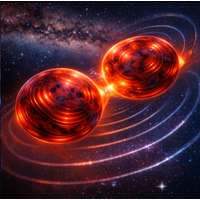
Phys. Rev. Lett. 136, 071401 (2026)
Cosmology, Astrophysics, and Gravitation
Stochastic Inflation as an Open Quantum System
Article | Cosmology, Astrophysics, and Gravitation | 2026-02-18 05:00 EST
Yue-Zhou Li
We reinterpret Starobinsky's stochastic inflation as an open quantum system, where short-wavelength modes act as the environment for long-wavelength modes. Using the Schwinger-Keldysh formalism, we systematically trace out the environment and derive an effective theory for the reduced density matrix…
Phys. Rev. Lett. 136, 071501 (2026)
Cosmology, Astrophysics, and Gravitation
New Upper Bounds on Exotic Neutron-Spin-Electron-Spin Interactions via Neutron-Spin-Rotation Measurements in a Compensated Ferrimagnet
Article | Particles and Fields | 2026-02-18 05:00 EST
T. Mulkey, K. N. Lopez, C. D. Hughes, B. Hill, M. Van Meter, H. Wijeratne, J. C. Long, M. Sarsour, W. M. Snow, K. Li, R. Parajuli, S. Samiei, D. V. Baxter, M. Luxnat, Y. Zhang, C. Jiang, E. Stringfellow, J. Torres, and R. Hobbs
Slow neutrons are used to place new constraints on electron-neutron spin-spin interactions from a hypothetical boson over more than five orders of magnitude in mass.
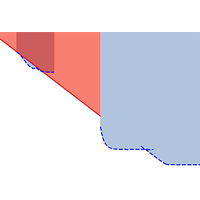
Phys. Rev. Lett. 136, 071801 (2026)
Particles and Fields
DeepQuark: A Deep-Neural-Network Approach to Multiquark Bound States
Article | Particles and Fields | 2026-02-18 05:00 EST
Wei-Lin Wu, Lu Meng, and Shi-Lin Zhu
For the first time, we implement the deep-neural-network-based variational Monte Carlo approach for the multiquark bound states, whose complexity surpasses that of electron or nucleon systems due to strong SU(3) color interactions. We design a novel and high-efficiency architecture, DeepQuark, to ad…
Phys. Rev. Lett. 136, 071901 (2026)
Particles and Fields
First Observation of Multiphonon $γ$-Vibrations in an Odd-Odd Nuclear System
Article | Nuclear Physics | 2026-02-18 05:00 EST
E. H. Wang et al.
The identification of the first multiphonon -vibrational bands in an odd-odd neutron-rich nucleus of the nuclear chart is presented. These high-spin structures of hard to access , produced in fission, were studied by combining a spectrometer with isotopic resolution coupled to a -ray trac…
Phys. Rev. Lett. 136, 072501 (2026)
Nuclear Physics
Atomic Regional Superfluids in Two-Dimensional Moiré Time Crystals
Article | Atomic, Molecular, and Optical Physics | 2026-02-18 05:00 EST
Weijie Liang, Weiping Zhang, and Keye Zhang
Moiré physics has transcended spatial dimensions, extending into synthetic domains and enabling novel quantum phenomena. We propose a theoretical model for a two-dimensional (2D) moiré time crystal formed by ultracold atoms, induced by periodic perturbations applied to a nonlattice trap. Our analysi…
Phys. Rev. Lett. 136, 073401 (2026)
Atomic, Molecular, and Optical Physics
Frustrated Rydberg Atom Arrays Meet Cavity QED: Emergence of the Superradiant Clock Phase
Article | Atomic, Molecular, and Optical Physics | 2026-02-18 05:00 EST
Ying Liang, Bao-Yun Dong, Zijian Xiong, and Xue-Feng Zhang
Rydberg atom triangular arrays in an optical cavity serve as an ideal platform for understanding the interplay between geometric frustration and quantized photons. Using a large-scale quantum Monte Carlo method, we obtain a rich ground state phase diagram. Around half-filling, the infinite long-rang…
Phys. Rev. Lett. 136, 073602 (2026)
Atomic, Molecular, and Optical Physics
Polarized Single-Photon Emission from an Anisotropic Dirac Cavity
Article | Atomic, Molecular, and Optical Physics | 2026-02-18 05:00 EST
Xin-Rui Mao, Bang Wu, Wei-Jie Ji, Shao-Lei Wang, Wang-Zhe Li, Han-Qing Liu, Haiqiao Ni, Zhichuan Niu, and Zhiliang Yuan
A novel single-photon source made of a quantum dot embedded in a Dirac cavity provides outstanding performance metrics.
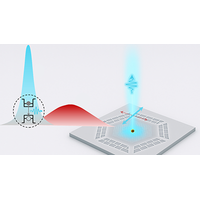
Phys. Rev. Lett. 136, 073603 (2026)
Atomic, Molecular, and Optical Physics
Gyroscopically Stabilized Quantum Spin Rotors
Article | Atomic, Molecular, and Optical Physics | 2026-02-18 05:00 EST
Vanessa Wachter, Silvia Viola Kusminskiy, Gabriel Hétet, and Benjamin A. Stickler
Recent experiments demonstrate all-electric spinning of levitated nanodiamonds with embedded nitrogen-vacancy spins. Here, we argue that such gyroscopically stabilized spin rotors offer a promising platform for probing and exploiting quantum spin-rotation coupling of particles hosting a single spin …
Phys. Rev. Lett. 136, 073604 (2026)
Atomic, Molecular, and Optical Physics
Anomalous Transport of Elongated Particles in Oscillatory Vortical Flows
Article | Physics of Fluids, Earth & Planetary Science, and Climate | 2026-02-18 05:00 EST
Shiyuan Hu, Xiuyuan Yang, Nan Luo, Jun Zhang, and Xingkun Man
We investigate the transport dynamics of elongated particles in cellular vortical flows that undergo spatial oscillations over time. Experimental flow visualizations reveal mixed flow fields with chaotic and elliptic regions coexisting. Surprisingly, the particle transport rate does not increase mon…
Phys. Rev. Lett. 136, 074001 (2026)
Physics of Fluids, Earth & Planetary Science, and Climate
Field-Emission-Induced Terahertz Plasma Waves and Instabilities in Microdischarges
Article | Plasma and Solar Physics, Accelerators and Beams | 2026-02-18 05:00 EST
Jiandong Chen, Chubin Lin, Peng Zhang, John P. Verboncoeur, Lay Kee Ang, and Yangyang Fu
This Letter reports the simultaneous excitation of two terahertz plasma waves in field-emission-driven microdischarges. As demonstrated by first-principle particle-in-cell simulations, we reveal that one wave results from intermittent field emission due to space-charge effects, while the other arise…
Phys. Rev. Lett. 136, 075001 (2026)
Plasma and Solar Physics, Accelerators and Beams
Understanding Large-Scale Dynamos in Unstratified Rotating Shear Flows
Article | Plasma and Solar Physics, Accelerators and Beams | 2026-02-18 05:00 EST
Tushar Mondal, Pallavi Bhat, Fatima Ebrahimi, and Eric G. Blackman
We combine simulations with new analyses that overcome previous pitfalls to explicate how nonhelical mean-field dynamos grow and saturate in unstratified, magnetorotationally driven turbulence. Shear of the mean radial magnetic field amplifies the azimuthal component. Radial fields are regenerated b…
Phys. Rev. Lett. 136, 075201 (2026)
Plasma and Solar Physics, Accelerators and Beams
Coexisting Electronic Smectic Liquid Crystal and Superconductivity in a Si Square-Net Semimetal
Article | Condensed Matter and Materials | 2026-02-18 05:00 EST
Christopher J. Butler, Toshiya Ikenobe, Ming-Chun Jiang, Daigorou Hirai, Takahiro Yamada, Guang-Yu Guo, Ryotaro Arita, Tetsuo Hanaguri, and Zenji Hiroi
Electronic nematic and smectic liquid crystals are spontaneous symmetry-breaking phases that are seen to precede or coexist with enigmatic unconventional superconducting states in multiple classes of materials. In this Letter we describe scanning tunneling microscopy observations of a short ranged c…
Phys. Rev. Lett. 136, 076001 (2026)
Condensed Matter and Materials
Nonmonotonic Roughness Evolution in Film Growth on Weakly Interacting Substrates
Article | Condensed Matter and Materials | 2026-02-18 05:00 EST
Dmitry Lapkin, Ismael S. S. Carrasco, Catherine Cruz Luukkonen, Oleg Konovalov, Alexander Hinderhofer, Frank Schreiber, Fábio D. A. Aarão Reis, and Martin Oettel
Thin film deposition on weakly interacting substrates exhibits a unique growth mode characterized by initially strong island formation and rapidly increasing roughness, which reaches a maximum and subsequently decreases as the film returns to a smooth morphology. Here we show this rough-to-smooth gr…
Phys. Rev. Lett. 136, 076202 (2026)
Condensed Matter and Materials
Quantum Statistics and Self-interference in Extended Colliders
Article | Condensed Matter and Materials | 2026-02-18 05:00 EST
Sai Satyam Samal, Smitha Vishveshwara, Yuval Gefen, and Jukka I. Väyrynen
Collision of quantum particles remains an effective way of probing their mutual statistics. Colliders based on quantum point contacts in quantum Hall edge states have been successfully used to probe the statistics of the underlying quantum particles. Notwithstanding the extensive theoretical work fo…
Phys. Rev. Lett. 136, 076301 (2026)
Condensed Matter and Materials
Interfacial Spin-Orbit Coupling Induced Room Temperature Ferromagnetic Insulator
Article | Condensed Matter and Materials | 2026-02-18 05:00 EST
Yuhao Hong, Shilin Hu, Ziyue Shen, Chao Deng, Xiaodong Zhang, Lei Wang, Long Wei, Qinghua Zhang, Lingfei Wang, Liang Si, Yulin Gan, Kai Chen, and Zhaoliang Liao
Fabricating room-temperature ferromagnetic insulators, which are crucial candidates for next-generation dissipation-free quantum and spintronic devices, remains a significant challenge. In this Letter, we report on the epitaxial synthesis of novel room-temperature ferromagnetic insulating thin films…
Phys. Rev. Lett. 136, 076302 (2026)
Condensed Matter and Materials
Oxygen Isotope Fingerprints of Electron-Phonon Coupling in ${\mathrm{SrVO}}_{3}$ Films
Article | Condensed Matter and Materials | 2026-02-18 05:00 EST
Gyanendra Singh, Xiaochun Huang, Mathieu Mirjolet, Salvador Pané, Thomas Lippert, Christof W. Schneider, and Josep Fontcuberta
Transition metals exemplify correlated electronic systems, where electron-electron () scattering often results in a quadratic temperature dependence of the electrical resistivity, . In (SVO), a material with a electronic configuration that ensures metallicity through narrow
Phys. Rev. Lett. 136, 076501 (2026)
Condensed Matter and Materials
Vacancy Induced Expansion of Spin-Liquid Regime in the ${J}{1}\text{-}{J}{2}$ Heisenberg Model
Article | Condensed Matter and Materials | 2026-02-18 05:00 EST
Soumyaranjan Dash, Anish Koley, and Sanjeev Kumar
We study the model for spin- Heisenberg antiferromagnets on a square lattice in the presence of spin vacancies. In order to overcome the methodological challenges associated with analyzing models with magnetic frustration and inhomogeneities, we introduce a new semiclassical approach in whi…
Phys. Rev. Lett. 136, 076502 (2026)
Condensed Matter and Materials
Bootstrapping Flatband Superconductors: Rigorous Lower Bounds on Superfluid Stiffness
Article | Condensed Matter and Materials | 2026-02-18 05:00 EST
Qiang Gao, Zhaoyu Han, and Eslam Khalaf
The superfluid stiffness fundamentally constrains the transition temperature of superconductors, especially in the strongly coupled regime. However, accurately determining this inherently quantum many-body property in microscopic models remains a significant challenge. In this Letter, we show how th…
Phys. Rev. Lett. 136, 076503 (2026)
Condensed Matter and Materials
Pseudocriticality in Antiferromagnetic Spin Chains
Article | Condensed Matter and Materials | 2026-02-18 05:00 EST
Sankalp Kumar, Sumiran Pujari, and Jonathan D’Emidio
Weak first-order pseudocriticality with approximate scale invariance has been observed in a variety of settings, including the intriguing case of deconfined criticality in dimensions. Recently, this has been interpreted as extremely slow flows ("walking behavior") for real-valued couplings in pr…
Phys. Rev. Lett. 136, 076701 (2026)
Condensed Matter and Materials
Violation of Local Reciprocity in Charge-Orbital Interconversion
Article | Condensed Matter and Materials | 2026-02-18 05:00 EST
Hisanobu Kashiki, Hiroki Hayashi, Dongwook Go, Yuriy Mokrousov, and Kazuya Ando
We demonstrate a violation of local reciprocity in the interconversion between charge and orbital currents. By investigating orbital torque and orbital pumping in W/Ni bilayers, we show that the charge-orbital interconversion in the bulk of the W layer exhibits opposite signs in the direct and inver…
Phys. Rev. Lett. 136, 076702 (2026)
Condensed Matter and Materials
Inferring Entropy Production in Many-Body Systems Using Nonequilibrium Maximum Entropy
Article | Statistical Physics; Classical, Nonlinear, and Complex Systems | 2026-02-18 05:00 EST
Miguel Aguilera, Sosuke Ito, and Artemy Kolchinsky
We propose a method for inferring entropy production (EP) in high-dimensional stochastic systems, including many-body systems and non-Markovian systems with long memory. Standard techniques for estimating EP become intractable in such systems due to computational and statistical limitations. We infe…
Phys. Rev. Lett. 136, 077101 (2026)
Statistical Physics; Classical, Nonlinear, and Complex Systems
Unsupervised Learning for Anticipating Critical Transitions
Article | Statistical Physics; Classical, Nonlinear, and Complex Systems | 2026-02-18 05:00 EST
Shirin Panahi, Ling-Wei Kong, Bryan Glaz, Mulugeta Haile, and Ying-Cheng Lai
Anticipating critical transitions in complex dynamical systems is often hindered by the need for explicit knowledge of the bifurcation parameter. We present a fully data-driven framework that combines a variational autoencoder with reservoir computing to overcome this limitation. The variational aut…
Phys. Rev. Lett. 136, 077301 (2026)
Statistical Physics; Classical, Nonlinear, and Complex Systems
Flexible Readout and Unconditional Reset for Superconducting Multiqubit Processors with Tunable Purcell Filters
Article | Quantum Information, Science, and Technology | 2026-02-17 05:00 EST
Yong-Xi Xiao, Da’er Feng, Xu-Yang Gu, Gui-Han Liang, Ming-Chuan Wang, Zhen-Yu Peng, Bing-Jie Chen, Yu Yan, Zheng-Yang Mei, Si-Lu Zhao, Yi-Zhou Bu, Cheng-Lin Deng, Kai Yang, Ye Tian, Xiaohui Song, Dongning Zheng, Yu-Xiang Zhang, Yun-Hao Shi, Zhongcheng Xiang, Kai Xu, and Heng Fan
A high fidelity qubit-readout scheme based on Purcell filters allows fast qubit reset in superconducting multiqubit processors.
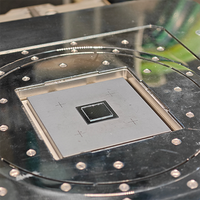
Phys. Rev. Lett. 136, 070601 (2026)
Quantum Information, Science, and Technology
Entanglement-enhanced optical ion clock
Article | Atomic, Molecular, and Optical Physics | 2026-02-17 05:00 EST
Kai Dietze, Lennart Pelzer, Ludwig Krinner, Fabian Dawel, Johannes Kramer, Nicolas C. H. Spethmann, Timm Kielinski, Klemens Hammerer, Kilian Stahl, Joshua Klose, Sören Dörscher, Christian Lisdat, Erik Benkler, and Piet O. Schmidt
An optical clock based on a pair of calcium ions achieves a given precision more quickly when the ions are entangled.
Phys. Rev. Lett. 136, 073601 (2026)
Atomic, Molecular, and Optical Physics
At Extreme Strain Rates, Pure Metals Thermally Harden while Alloys Thermally Soften
Article | Condensed Matter and Materials | 2026-02-17 05:00 EST
Ian Dowding and Christopher A. Schuh
When materials are deformed at extreme strain rates, , a counterintuitive mechanical response is seen where the strength and hardness of pure metals increases with increasing temperature. This antithermal hardening is due to dislocations meeting resistance to their motion from phonons in…
Phys. Rev. Lett. 136, 076101 (2026)
Condensed Matter and Materials
Observation of Robust Macroscale Structural Superlubricity
Article | Condensed Matter and Materials | 2026-02-17 05:00 EST
Minhao Han, Deli Peng, Dinglin Yang, Jin Wang, Yi Zheng, Guofeng Hu, Yifan Shao, Jiaying Li, Feng Ding, Zhiping Xu, Michael Urbakh, and Quanshui Zheng
Robust macroscale structural superlubricity is demonstrated within a single submillimeter graphite contact.
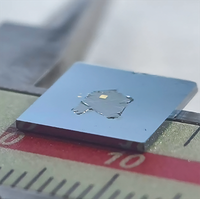
Phys. Rev. Lett. 136, 076201 (2026)
Condensed Matter and Materials
Extremely High Excitonic $g$ Factors in 2D Crystals by Alloy-Induced Admixing of Band States
Article | Condensed Matter and Materials | 2026-02-17 05:00 EST
Katarzyna Olkowska-Pucko et al.
Semiconducting transition metal dichalcogenide monolayer alloys provide a material platform with remarkable valley-tunable properties that can be manipulated on demand.
Phys. Rev. Lett. 136, 076901 (2026)
Condensed Matter and Materials
Physical Review X
Microscopic Fingerprint of Chiral Superconductivity
Article | 2026-02-17 05:00 EST
Xuefeng Wu, Xuan Hao, Zhuo Chen, Yuchang Cai, Minghao Wu, Congrun Chen, Kedong Wang, Fangfei Ming, Steven Johnston, Rui-Xing Zhang, and Hanno H. Weitering
Direct imaging of electron scattering from atomic defects in a tin monatomic layer provides a clear microscopic signature of chiral superconductivity.
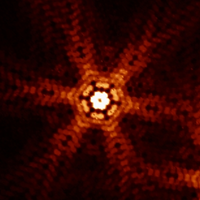
Phys. Rev. X 16, 011026 (2026)
arXiv
Hidden Twisted Sectors and Exponential Degeneracy in Root-of-Unity XXZ Heisenberg Chains
New Submission | Statistical Mechanics (cond-mat.stat-mech) | 2026-02-18 20:00 EST
Yongao Hu, Felix Gerken, Thore Posske
Recently, product states have been identified as simple-structured eigenstates of XXZ Heisenberg spin models in arbitrary dimensions, occurring at anisotropy values corresponding to certain roots of unity. Yet, the product states typically only span parts of a larger degenerate eigenspace. Here, we classify this eigenspace in the one-dimensional periodic XXZ chain at all roots of unity $ q$ , where $ q^2$ is an $ \ell$ -th primitive root of unity. For commensurate chain lengths $ N$ with $ q^N=1$ , we prove that the minimal degeneracy is $ 2^{N/\ell}\ell$ using the representation theory of the affine Temperley-Lieb (aTL) algebra. For the incommensurate case, we derive analogous exponential lower bounds of $ 2^{2\lfloor\frac{N}{2\ell}\rfloor+1}$ if $ N$ is even and $ 2^{2\lfloor \frac{N}{2\ell}+\frac{1}{2}\rfloor}$ if $ N$ is odd and $ q^\ell=1$ . Our proof employs the morphisms between aTL modules discovered by Pinet and Saint-Aubin and emphasizes the importance of exact sequences and hidden twisted boundary condition sectors that mediate the degeneracy. In the case of commensurate chain lengths, we connect to the Fabricius-McCoy string construction of all Bethe roots of the degenerate subspace, which previously uncovered parts of our results. We corroborate our results numerically and demonstrate that the lower bound is saturated for chain lengths $ N\leq20$ . Our work demonstrates for a concrete system how the interplay of the Bethe ansatz, aTL representation theory, and twisted boundary conditions explains degeneracy connected to long-lived product states, stimulating research towards generalization to higher dimensions. Exponential degeneracy could boost applications of spin chains as quantum sensors.
Statistical Mechanics (cond-mat.stat-mech), Mathematical Physics (math-ph), Quantum Physics (quant-ph)
20 pages, 7 figures
Topological superconductivity with emergent vortex lattice in twisted semiconductors
New Submission | Superconductivity (cond-mat.supr-con) | 2026-02-18 20:00 EST
Daniele Guerci, Ahmed Abouelkomsan, Liang Fu
The coexistence of superconductivity and fractional quantum anomalous Hall (FQAH) effect has recently been observed in twisted MoTe$ _2$ and theoretically demonstrated in a model of repulsively interacting electrons under an emergent magnetic field arising from the layer pseudospin texture in moiré superlattice. Here, we show that this superconducting state is a chiral $ f$ -wave superconductor hosting an array of $ double$ vortices, which are induced by the emergent magnetic field with $ h/e$ flux quanta per moiré unit cell. This superconducting vortex lattice state is topological and features Chern number $ -1/2$ , giving rise to a half-integer thermal Hall conductance. Our theory provides a common mechanism and unified understanding of FQAH and topological superconductivity, with a rich phase diagram controlled by the spatial modulation of the emergent magnetic field.
Superconductivity (cond-mat.supr-con), Strongly Correlated Electrons (cond-mat.str-el)
19 pages, 14 figures
Inhomogeneous quenches and GHD in the $ν= 1$ QSSEP model
New Submission | Statistical Mechanics (cond-mat.stat-mech) | 2026-02-18 20:00 EST
Angelo Russotto, Filiberto Ares, Pasquale Calabrese, Vincenzo Alba
We investigate the dynamics of the $ \nu=1$ Quantum Symmetric Simple Exclusion Process starting from spatially inhomogeneous initial states. This one-dimensional system of free fermions has time-dependent stochastic hopping amplitudes that are uniform in space. We focus on two paradigmatic setups: domain-wall melting and the expansion of a trapped gas. Both are investigated by extending the framework of quantum generalized hydrodynamics to account for the underlying stochastic dynamics. We derive the evolution of the local quasiparticle occupation function, which characterizes the system at large space-time scales, and analyze the resulting entanglement spreading. By incorporating quantum fluctuations of the occupation function and employing conformal field theory techniques, we obtain the exact contribution to the entanglement entropy for each individual noise realization. Averaging over these realizations then yields the full entanglement statistics in the hydrodynamic regime. Our theoretical predictions are confirmed by exact numerical calculations. The results presented here constitute the first application of quantum generalized hydrodynamics to stochastic quantum systems, demonstrating that this framework can be successfully extended beyond purely unitary dynamics to include stochastic effects.
Statistical Mechanics (cond-mat.stat-mech), Quantum Physics (quant-ph)
24 pages, 7 figures
Complex Magnetic Behavior in RuO$_2$ Thin Films: Strain, Surface Effects, and Altermagnetic Signatures
New Submission | Materials Science (cond-mat.mtrl-sci) | 2026-02-18 20:00 EST
Mojtaba Alaei, Nafise Rezaei, Ilia Mikhailov, Artem R. Oganov, Alireza Qaiumzadeh
RuO$ _2$ has been proposed as a prototypical metallic $ d$ -wave altermagnet, a Néel-ordered compensated antiferromagnetic state exhibiting nonrelativistic momentum-dependent spin splitting; yet, its magnetic ground state remains controversial both theoretically and experimentally. Using comprehensive first-principles calculations, we investigate RuO$ _2$ thin films with (110), (100), and (001) orientations, both freestanding and supported on a TiO$ _2$ substrate. We show that magnetism in RuO$ _2$ thin films is highly fragile, strongly influenced by strain, surface orientation, and atomic relaxation, while also being highly sensitive to the choice of the Brillouin-zone integration scheme. Although tensile strain induces finite magnetic moments, none of the studied systems stabilizes a compensated antiferromagnetic state; hence, an altermagnetic ground state cannot be achieved. Instead, the magnetic response is characterized by pronounced layer- and site-dependent variations and incomplete moment compensation, resembling a ferrimagnetic-like state. Our results reconcile conflicting theoretical and experimental reports and underscore the sensitivity of RuO$ _2$ magnetism to structural and methodological details.
Materials Science (cond-mat.mtrl-sci)
Band splitting in altermagnet CrSb
New Submission | Strongly Correlated Electrons (cond-mat.str-el) | 2026-02-18 20:00 EST
Altermegnets are a class of metallic magnets characterized by spin-split electron bands. Band splitting in the hexagonal altermagnet CrSb was studied using the ARPES method, magnetotransport and torque measurements, combined with DFT+U calculations. The shape, position, and even symmetry of the Fermi surfaces found in these studies vary. The developed approach, based on symmetry considerations, allows us to establish several general properties of band splitting in the altermagnet CrSb, including the symmetry of the spin distribution in each electron band, the symmetry of the bands in an external magnetic field, and the dependence of the frequencies and amplitudes of quantum oscillations on the magnetic field.
Strongly Correlated Electrons (cond-mat.str-el)
5 pages, 3 figures
Bond percolation in distorted simple cubic and body-centered cubic lattices
New Submission | Statistical Mechanics (cond-mat.stat-mech) | 2026-02-18 20:00 EST
Bishnu Bhowmik, Sayantan Mitra, Robert M. Ziff, Ankur Sensharma
We investigate the effect of structural distortion on bond percolation in simple cubic and body-centered cubic lattices using extensive Monte Carlo simulations. Distortion is introduced through controlled random displacements of lattice sites, thereby modifying nearest-neighbor distances. Bond occupation is permitted only when the bond length is smaller than a prescribed connection threshold, directly coupling geometric disorder to connectivity. Finite-size scaling analysis is employed to determine percolation thresholds for finite systems and in the thermodynamic limit. We find that when the connection threshold exceeds the nearest-neighbor distance of the undistorted lattice, the percolation threshold increases monotonically with distortion strength, indicating a systematic suppression of spanning. In contrast, this monotonic behavior breaks down when the connection threshold is below the nearest-neighbor distance of the undistorted lattice, highlighting a nontrivial interplay between geometric distortion and connectivity. We further identify critical values of the connection threshold and the distortion amplitude required for global spanning when all the allowed bonds are occupied. All qualitative behaviors remain robust across both lattice geometries. These results clarify how geometric disorder reshapes percolation in three-dimensional crystalline networks.
Statistical Mechanics (cond-mat.stat-mech)
15 pages, 6 figures
Deciphering Majorana Zero Modes in Topological Superconductor FeTe0.55Se0.45 with Machine-Learning-Assisted Spectral Deconvolution
New Submission | Superconductivity (cond-mat.supr-con) | 2026-02-18 20:00 EST
Jewook Park, Hoyeon Jeon, Dongwon Shin, Guannan Zhang, Michael A McGuire, Brian C. Sales, An-Ping Li
An unambiguous identification of Majorana zero modes (MZMs) in topological superconductors (TSC) remains a challenge due to complex in-gap states that can also produce zero-bias conductance peaks (ZBPs). Here we demonstrate a data-driven workflow that integrates pixel-wise spectral deconvolution with machine-learning (ML) to analyze tunneling spectroscopy from FeTe0.55Se0.45, an intrinsic TSC. Based on the local density of states (LDOS) spectra acquired with a millikelvin scanning tunnelling microscope under magnetic fields, each spectrum was decomposed into multiple Lorentzian peaks. The extracted peak parameters were assembled into a structured feature set and subsequently embedded and clustered with unsupervised ML algorithms. ML-based clustering identified distinct classes of LDOS spectra, separating superconductor vortices exhibiting ZBPs consistent with established characteristics of MZMs from vortices displaying ZBP-mimicking features of trivial origin. Furthermore, spatially resolved ZBP distributions differentiate isotropic vortex cores with well-defined ZBPs from vortices that exhibit locally distorted ZBPs. By comparing the ZBP distributions to defect locations measured without magnetic field, we found a correlation between local heterogeneity and the ZBP formation, necessitating the systematic, data-driven analysis in disentangling genuine MZM signatures in TSC. This objective and reproducible workflow paves the way to further manipulating MZMs in TSC. This objective and reproducible workflow advances reliable MZM detection in TSCs, providing a foundation for MZM manipulation towards quantum computation.
Superconductivity (cond-mat.supr-con)
Finding the Edge of Chaos in a Ferromagnet: Quantifying the “Complexity” of 2D Ising Phase Transitions with Image Compression
New Submission | Statistical Mechanics (cond-mat.stat-mech) | 2026-02-18 20:00 EST
The data-driven characterization of the complexity'' present in dynamical systems remains an open problem with broad applications across the physical sciences. We investigate the structural complexity’’ of the 2D ferromagnetic Ising model, a paradigmatic system exhibiting a second-order phase transition at a certain critical temperature which is often cited as a canonical example of complex morphology. We define a quantitative metric for this structural complexity, $ \mathcal C_s$ , through the lens of algorithmic information theory by approximating the Kolmogorov complexity of lattice configurations via standard lossless image compression algorithms. We regularize our proposed metric, $ \mathcal C_s$ , by comparing the compressibility of a configuration to that of its pixel-wise sorted and randomly shuffled counterparts. We arrive at a definition of $ \mathcal C_s$ as a product of two components representing the systems departure from perfect order and disorder respectively which we then plot as a function of temperature. Our numerical simulations reveal a distinct peak in $ \mathcal C_s$ at the known critical temperature $ T_c$ . This result demonstrates that such information-theoretic measures can act as sensitive, model-agnostic indicators of criticality, directly quantifying the emergence of complex structure at the boundary between order and chaos, opening the door to data-driven applications in domains where analytic solutions are unavailable.
Statistical Mechanics (cond-mat.stat-mech), Adaptation and Self-Organizing Systems (nlin.AO)
Working draft, constructive comments welcome
Diode effect in microwave irradiated Josephson junctions with Yu-Shiba-Rusinov states
New Submission | Superconductivity (cond-mat.supr-con) | 2026-02-18 20:00 EST
Aritra Lahiri, Marcel Polák, Björn Trauzettel
We investigate the critical current in microwave-irradiated Josephson junctions hosting Yu-Shiba-Rusinov states due to magnetic impurities. Under two conditions, namely, (i) the breaking of particle-hole symmetry in the normal sense by non-zero potential scattering, and (ii) the breaking of inversion symmetry either by unequal magnitudes of potential scattering and/or magnetic moments, microwave irradiation induces an additional phase-independent contribution to the current. This leads to asymmetric critical currents for opposite current polarities, an effect absent in the same junction without microwave irradiation. The asymmetry is highly tunable via the microwave amplitude and frequency, and we may even achieve perfect asymmetry where the critical current vanishes for one polarity, akin to a perfect diode. While Yu-Shiba-Rusinov states provide the ideal platform for a pronounced asymmetry, we find that as long as the two conditions (i) and (ii) above are met, our proposal does not necessarily depend upon them.
Superconductivity (cond-mat.supr-con), Mesoscale and Nanoscale Physics (cond-mat.mes-hall)
Phase Transitions in Neural Networks Pruning
New Submission | Disordered Systems and Neural Networks (cond-mat.dis-nn) | 2026-02-18 20:00 EST
Diego Pesce (1,2), Yang-Hui He (3,4), Guido Caldarelli (5,6,3) ((1) Dipartimento di Fisica, Universit`a di Milano - Bicocca, Milano, Italy, (2) ASC27, Rome, Italy, (3) London Institute for Mathematical Sciences (LIMS), Royal Institution, London, UK (4) Merton College, University of Oxford, UK (5) CNR-ISC Institute of Complex Systems, Rome, Italy, (6) DSMN and ECLT, Ca’Foscari University of Venice, Venice, Italy)
Deep neural networks are strongly over-parameterized, often containing far more weights than required for their task. Although such redundancy can aid optimization, it leads to inefficient deployment and high computational cost, motivating model compression techniques. Among these, network pruning provides a clear and effective route to sparsity. We study pruning from a statistical-physics perspective, interpreting performance degradation under weight removal as a phase transition. Focusing on magnitude-based pruning with fine-tuning, we show that deep networks undergo a sharp transition from a cooperative, functional phase to a disordered phase with collapsed performance. This transition is characterized by scaling laws consistent with second-order critical behavior, with connectivity as the control parameter. Our findings suggest universal pruning-induced criticality across architectures and datasets. Finally, we show that there exists a large class of subnetworks sharing the same nodes’ degrees with similar learning ability, thus linking model performance to its topological properties.
Disordered Systems and Neural Networks (cond-mat.dis-nn), Adaptation and Self-Organizing Systems (nlin.AO)
4 pages 4 figures and supplemental information
Eutectic and peritectic equilibria in coherent binary alloys
New Submission | Materials Science (cond-mat.mtrl-sci) | 2026-02-18 20:00 EST
Samiah Hassan, Jiayang Wang, Teddy Meissner, Pierre A. Deymier, Marat I. Latypov
This work extends the Cahn–Larché thermodynamic framework to binary alloys in which two coherent solid phases coexist with an incoherent liquid and investigates how coherency strain energy modifies classical eutectic and peritectic equilibria. We derive equilibrium conditions for three-phase coexistence that include an elastic energy term dependent on the molar fractions of the solid phases and apply them to model binary eutectic and peritectic systems. We find that coherency stress transforms the eutectic point into a finite three-phase equilibrium field spanning a continuous range of compositions and temperatures. In contrast, coherency stress in peritectic systems progressively destabilizes the two-solid equilibrium without generating a stable three-phase field and can suppress the peritectic reaction entirely. This asymmetry is governed by the geometric relationship between the stress-free compositions of the phases: when the liquid composition lies between those of the two solids (eutectic configuration), the liquid serves as a thermodynamic buffer against the coherency penalty on the solid–solid pair; when it lies outside (peritectic configuration), no such mechanism is available. These results demonstrate that coherency stress can fundamentally alter three-phase equilibria involving a liquid and suggest that such effects may be significant in systems with large coherent misfits.
Materials Science (cond-mat.mtrl-sci)
Universal electrical transport of composite Fermi liquid to Metal transition in Moiré systems
New Submission | Strongly Correlated Electrons (cond-mat.str-el) | 2026-02-18 20:00 EST
Youxuan Wang, Rongning Liu, Feng Liu, Xueyang Song
We compute universal electrical transport near continuous transitions between a composite Fermi liquid (CFL) and a metallic phase in moire Chern bands, focusing on fillings $ \nu=-1/2$ and $ \nu=-3/4$ . The critical theory represents a novel QED-Chern-Simons framework: a charged sector at a bosonic Laughlin-superfluid critical point is coupled, via emergent gauge fields and Chern-Simons mixing, to a neutral spinon Fermi surface. Integrating out matter fields to quadratic order yields an explicit Ioffe-Larkin composition rule for the full resistivity tensor, showing how longitudinal channels add in series while Chern-Simons terms generate Hall response. To obtain the DC limit in the quantum critical fan, we develop a controlled large-N expansion where both fermion flavors and Chern-Simons levels scale with $ N$ , and solve a quantum Boltzmann equation at leading nontrivial order $ 1/N$ . Gauge-mediated inelastic scattering removes the collisionless Drude singularity and produces a universal scaling function $ \Sigma(\omega/T)$ and finite DC conductivities $ \sigma(0) \approx 0.033 e^2/\hbar$ ($ \nu=-1/2$ ) and $ 0.047 e^2/\hbar$ ($ \nu=-3/4$ ). We also identify a Chern-Simons “filtering” mechanism that suppresses transmission of Landau damping from the spinon Fermi surface to the critical gauge mode. Our approach provides concrete transport diagnostics for detecting quantum criticality in moire superlattices.
Strongly Correlated Electrons (cond-mat.str-el)
A brief review of high-entropy oxides in solid oxide fuel cell applications
New Submission | Materials Science (cond-mat.mtrl-sci) | 2026-02-18 20:00 EST
Yueyuan Gu, Juan Shi, Dilshod Nematov, Aoqi Liu, Yanru Yin, Hailu Dai, Lei Bi
Solid oxide fuel cells are efficient energy conversion devices essential to clean energy development, yet their broad application is limited by material challenges, including sluggish oxygen reduction kinetics at intermediate temperatures, electrode instability and vulnerability to contaminants. High-entropy oxides, a novel class of materials characterized by multiple principal elements and high configurational entropy, present a promising approach to overcome these issues via their distinctive “four core effects”. This review begins with the fundamentals of high-entropy materials, covering their definition, phase stabilization mechanisms, and relevant descriptors, then systematically reviews their progress as SOFC cathodes, electrolytes, and anodes. Key advances are summarized, and current challenges are analyzed, offering guidance for the design of high-performance and stable high-entropy oxides for solid oxide fuel cells.
Materials Science (cond-mat.mtrl-sci)
Materials Science and Engineering: B,2026, 327
Transition radiation in helical metamaterials with strong spatial dispersion
New Submission | Mesoscale and Nanoscale Physics (cond-mat.mes-hall) | 2026-02-18 20:00 EST
The theory of transition radiation in helical metamaterials with strong spatial dispersion is developed in the framework of an effective field theory approach. The average number of photons radiated by a charged particle passing through a plate made of this metamaterial is obtained. Given the positions of the transition radiation maxima in momentum space for different velocities of a charged particle, the method for reconstruction of the dispersion law of plasmon-polaritons in metamaterials is proposed. Applying this method conversely, one can predict the radiation spectrum and polarization properties of transition radiation by means of the dispersion law of plasmon-polaritons in the metamaterial known, for example, from the effective model. It is shown that the strong spatial dispersion alters qualitatively the properties of transition radiation from a charged particle traversing normally a plate made of the helical metamaterial along its symmetry axis in the paraxial regime, viz., there is a nonzero forward radiation in contrast to transition radiation in media without strong spatial dispersion. Vavilov-Cherenkov radiation and the anomalous Doppler effect in helical metamaterials with strong spatial dispersion are described.
Mesoscale and Nanoscale Physics (cond-mat.mes-hall), Optics (physics.optics)
16 pp, 7 figs
Hidden Structural Control of Solvent Transport under Soft Jamming
New Submission | Soft Condensed Matter (cond-mat.soft) | 2026-02-18 20:00 EST
Kento Tamaki, Naoya Yanagisawa, Rei Kurita
Transport in soft jammed materials is often described as fluid motion through a fixed structure, leading naturally to capillary based descriptions. This picture appears particularly appropriate in strongly jammed systems, where structural rearrangements are suppressed and little visible motion is observed. Here we investigate solvent transport in foam and show that this intuition fails to capture key aspects of the transport process. By directly observing both liquid penetration and bubble motion under controlled boundary conditions, we demonstrate that solvent transport is strongly influenced by the mechanical response of the foam structure, even though the intrinsic imbibition relative to the foam matrix remains purely capillary-driven. In closed systems, the jammed structure resists penetration and leads to a pronounced slowdown that cannot be accounted for by purely capillary descriptions. In contrast, in open systems, collective bubble motion accompanies solvent invasion, resulting in an apparent acceleration of transport. These results indicate that the lack of structural motion does not guarantee a purely capillary description of transport. Our findings reveal a boundary controlled coupling between flow and structure, and highlight the need to reconsider transport processes in soft jammed systems, including foams, dense colloids, and biological tissues.
Soft Condensed Matter (cond-mat.soft)
17 pages, 8 figures including supplementary information
Intrinsic low-spin state and strain-tunable anomalous Hall scaling in high-quality SrRuO3 (111) films
New Submission | Materials Science (cond-mat.mtrl-sci) | 2026-02-18 20:00 EST
Harunori Shiratani, Yuki K. Wakabayashi, Yoshiharu Krockenberger, Masaki Kobayashi, Kohei Yamagami, Takahito Takeda, Shinobu Ohya, Masaaki Tanaka, Yoshitaka Taniyasu
The (111)-oriented 4d ferromagnetic perovskite SrRuO3 (SRO) offers a unique triangular-lattice geometry, making it a promising platform for exploring Berry-curvature-driven and spin-orbit-coupled transport. Here, we present a systematic study of the structure, magnetism, and magnetotransport of high-quality SRO (111) thin films with thicknesses t = 1.2-60 nm grown on SrTiO3 (111) substrates by machine-learning-assisted molecular beam epitaxy. We achieved a residual resistivity ratio of 45.5 in a 60 nm-thick film, the highest reported for this orientation, enabling access to intrinsic electronic and magnetic behavior. Temperature-dependent resistivity confirms Fermi-liquid transport below 15 K in both coherently strained (t = 10, 20 nm) and strain-relaxed (t = 60 nm) films, thereby enabling detailed magnetotransport and magnetic measurements. The linear, non-saturating positive magnetoresistance persists up to 14 T, while Hall-effect measurements and temperature scaling separate intrinsic (Karplus-Luttinger) and extrinsic (side-jump) contributions to the anomalous Hall effect, with the relative weight tuned by (111) epitaxial strain. X-ray magnetic circular dichroism at the Ru M2,3 and O K edges, together with SQUID magnetometry, demonstrates an intrinsically low-spin Ru ground state for both coherently strained and relaxed films, resolving ambiguities among prior reports. These detailed crystalline, electrical, and magnetic characterizations provide a rigorous foundation for understanding and engineering quantum transport in SRO (111).
Materials Science (cond-mat.mtrl-sci)
Entropy Has No Direction: A Mirror-State Paradox Against Universal Monotonic Entropy Increase and a First-Principles Proof that Constraints Reshape the Entropy Distribution
New Submission | Statistical Mechanics (cond-mat.stat-mech) | 2026-02-18 20:00 EST
We present a purely theoretical, self-contained argument that the Second Law of Thermodynamics cannot be a universal fundamental law in the form ``entropy does not decrease’’ (whether asserted trajectory-wise or as a universal statistical principle) when the underlying microscopic dynamics are time-reversal invariant. The core is a mirror-state construction: for any microstate $ A$ one constructs its time-reversed partner $ B$ (momenta inverted). If a universal monotonicity statement is applied to both $ A$ and $ B$ , it implies that $ A$ is a local minimum of entropy at every moment, which forces entropy to be constant and destroys any entropic arrow of time. The consistent replacement is that entropy is a stochastic variable described by a probability distribution $ P(S)$ , whose shape depends on constraints and boundary conditions. We then prove from first principles that constraints necessarily reshape the long-time entropy distribution $ P_{\infty}(S;\lambda)$ by altering the invariant measure through changes in the Hamiltonian and/or the accessible phase space. A sharp criterion is given: in the microcanonical setting, the \emph{only} way $ P_{\infty}^{(E)}(S;\lambda)$ can remain the same up to translation is when all accessible macrostate volumes are scaled by a common factor; otherwise the distribution changes structurally.
Statistical Mechanics (cond-mat.stat-mech)
Dual thermodynamic ensembles, relative entropies, and excess free energy
New Submission | Statistical Mechanics (cond-mat.stat-mech) | 2026-02-18 20:00 EST
It has long been known that the relative entropy of a non-equilibrium ensemble to the corresponding equilibrium ensemble is the excess free energy. We show that the reverse relative entropy also has a thermodynamic interpretation: it is the excess free energy of a dual ensemble in which the roles of energy and entropy are interchanged.
Statistical Mechanics (cond-mat.stat-mech)
Quantum Pontus–Mpemba Effect in Dissipative Quasiperiodic Chains
New Submission | Disordered Systems and Neural Networks (cond-mat.dis-nn) | 2026-02-18 20:00 EST
Yefeng Song, Junxiao Chen, Xiangyu Yang, Mingdi Xu, Xiang-Ping Jiang, Lei Pan
We investigate how quasiperiodic spatial structure enables protocol-induced acceleration in open quantum systems by analyzing the Pontus-Mpemba effect in one-dimensional chains subject to Markovian dephasing. The dynamics are governed by a Lindblad superoperator that drives all initial states toward a maximally mixed infinite-temperature steady state, isolating dynamical mechanisms from static equilibrium properties. Considering two representative quasiperiodic models, namely a tight-binding chain with a mosaic potential and its extension with power-law long-range hopping, we show that a properly engineered two-step protocol, in which the system is first steered to a finite temperature intermediate state, yields a strictly shorter overall relaxation time than direct evolution from the same initial configuration. This protocol-induced acceleration persists for both initially localized and extended eigenstates and remains robust in the presence of long-range hopping. A Liouvillian spectral analysis reveals that the mechanism originates from a redistribution of spectral weight that suppresses overlap with the slowest decay modes, rather than from any modification of the decay spectrum itself. Our results establish quasiperiodic chains as a controlled setting for engineering relaxation pathways through Liouvillian spectral structure.
Disordered Systems and Neural Networks (cond-mat.dis-nn), Quantum Physics (quant-ph)
All comments are welcome!
Effects of quenched disorder in three-dimensional lattice ${\mathbb Z}_2$ gauge Higgs models
New Submission | Disordered Systems and Neural Networks (cond-mat.dis-nn) | 2026-02-18 20:00 EST
We study the effects of uncorrelated quenched disorder to the phase diagram and continuous transitions of three-dimensional lattice $ {\mathbb Z}_2$ gauge Higgs models. For this purpose, we consider two types of quenched disorder, associated with the sites and plaquettes of the cubic lattice. In both cases, for sufficiently weak disorder, the phase diagram remains similar to that of the pure system, showing two different phases (one of them being a topologically ordered phase), separated by two different continuous transition lines. However, the quenched disorder changes the universality classes of the critical behaviors along some of the transition lines. The random-plaquette disorder turns out to be relevant along the topological $ {\mathbb Z}2$ gauge transition line, so the critical behaviors belong to the different random-plaquette $ \mathbb{Z}2$ gauge (RP$ {\mathbb Z}2$ G) universality class with length-scale exponent $ \nu=\nu{\rm rp}\approx 0.82$ ; on the other hand, it turns out to be irrelevant along the other Ising$ ^\times$ transition line (a variant of the Ising transitions with a gauge-dependent order parameter), leaving unchanged its asymptotic critical behaviors with $ \nu=\nu{\cal I}\approx 0.63$ . The random-site disorder leads to a substantially different scenario: it destabilizes the Ising$ ^\times$ critical behaviors of the pure model, changing them into those of the randomly-dilute Ising$ ^{\times}$ (RDI$ ^{\times}$ ) universality class with $ \nu=\nu{\rm rdi}\approx 0.68$ , while the critical behaviors along the other $ {\mathbb Z}2$ gauge topological transition line remains stable, with $ \nu=\nu{\cal I}\approx 0.63$ .
Disordered Systems and Neural Networks (cond-mat.dis-nn), Statistical Mechanics (cond-mat.stat-mech), High Energy Physics - Lattice (hep-lat)
13 pages, 10 pdf figures
Optimal conditions for detecting optical dichroism at the nanoscale by electron energy-loss spectroscopy
New Submission | Mesoscale and Nanoscale Physics (cond-mat.mes-hall) | 2026-02-18 20:00 EST
Marek Zálešák, Martin Ošmera, Martin Hrtoň, Andrea Konečná
The emergence of optical circular dichroism in chiral nanoscale and molecular systems provides not only a way for analyzing the sample chirality itself but also additional degrees of freedom in manipulating light. Such manipulation can be reached even at the nanoscale level; however, probing and understanding the properties of optical fields well below the diffraction limit requires an adequate technique. Electron energy-loss spectroscopy (EELS) with orbital angular momentum (OAM)-based electron state sorting has been suggested as a suitable candidate, but to date, no conclusive experiments have been performed. We, therefore, theoretically explore the emergence of dichroism in EELS for a canonical single-twist helix nanostructure and present a detailed analysis of the optimal parameters to obtain a robust signal. Our work offers novel insights into the interpretation and volatility of the OAM-resolved EELS signal, which can inspire and guide future experimental efforts.
Mesoscale and Nanoscale Physics (cond-mat.mes-hall)
26 pages, 11 figures
Photoionization of temperature-controlled nanoparticles in a beam: Accurate and efficient determination of ionization energies and work functions
New Submission | Mesoscale and Nanoscale Physics (cond-mat.mes-hall) | 2026-02-18 20:00 EST
Atef A. Sheekhoon, Abdelrahman O. Haridy, Sebastian Pedalino, Vitaly V. Kresin
A beam of free alkali metal nanoparticles is produced by a condensation source, passed through a thermalizing tube adjustable over a broad temperature range, and ionized by tunable light. High stability of the particle flux and an automated data acquisition routine allow efficient collection of photoionization yield curves. A careful fit of the data to the universal Fowler function makes it possible to obtain nanoparticle ionization energies, and from those, the metal work functions, with $ \sim$ 0.2% precision. The experimental arrangement, nanoparticle thermalization rates, and ionization threshold analysis are described in detail. The use of ultrapure and temperature-controlled gas-phase nanoparticles facilitates the analysis of electronic properties, such as work functions, and of their interplay with thermal lattice dynamics.
Mesoscale and Nanoscale Physics (cond-mat.mes-hall), Materials Science (cond-mat.mtrl-sci), Atomic and Molecular Clusters (physics.atm-clus), Chemical Physics (physics.chem-ph)
Rev. Sci. Instrum. 96, 123705 (2025)
Temperature-dependent photoionization thresholds of alkali-metal nanoparticles reveal thermal expansion and the melting transition
New Submission | Mesoscale and Nanoscale Physics (cond-mat.mes-hall) | 2026-02-18 20:00 EST
Abdelrahman O. Haridy, Atef A. Sheekhoon, Vitaly V. Kresin
A precision measurement of the photoionization of pure sodium and potassium nanoparticles isolated in a beam enabled an accurate determination of their work functions as a function of temperature. In addition to resolving and quantifying the initial gradual decrease of the work function with temperature, which is associated with thermal expansion, the experiment revealed that the work function then undergoes a distinct drop both in magnitude and in slope that signifies the onset of nanoparticle melting. This establishes that a structural phase transition can be detected via a high-resolution measurement of the photoemission threshold. The melting temperature of nanoparticles with diameters of 7-9 nm is reduced by nearly 100 K relative to the bulk value. This suppression aligns with predictions from the Gibbs-Thomson equation which describes finite-size phase transitions.
Mesoscale and Nanoscale Physics (cond-mat.mes-hall), Materials Science (cond-mat.mtrl-sci), Atomic and Molecular Clusters (physics.atm-clus), Chemical Physics (physics.chem-ph)
Phys. Rev. B 113, L041404 (2026)
Isotope effect in the work function of lithium
New Submission | Mesoscale and Nanoscale Physics (cond-mat.mes-hall) | 2026-02-18 20:00 EST
Atef A. Sheekhoon, Abdelrahman O. Haridy, Vitaly V. Kresin
The work functions of 7Li and 6Li metals have been measured as a function of temperature, by using photoionization of pure isolated metal nanoparticles in a beam. These data reveal a marked isotope effect in the temperature variation of these work functions. Furthermore, for both isotopes the curvature of this temperature variation is found to be significantly larger than may be ascribed purely to a change in the electron gas density. These findings enhance the characterization of lithium as a quantum material in which the interplay between electronic and ionic degrees of freedom is nontrivial, and call for a microscopic understanding beyond simple models. Additionally, the slope of the work function curves was observed to vanish in the low temperature limit, as had been predicted on the basis of the Third Law of thermodynamics.
Mesoscale and Nanoscale Physics (cond-mat.mes-hall), Materials Science (cond-mat.mtrl-sci), Atomic and Molecular Clusters (physics.atm-clus), Chemical Physics (physics.chem-ph)
Virtual ultrasound machine operating in a GHz to MHz frequency range for particle-based biomedical simulations
New Submission | Soft Condensed Matter (cond-mat.soft) | 2026-02-18 20:00 EST
Urban Čoko, Tilen Potisk, Matej Praprotnik
Ultrasound-matter interactions underpin numerous biomedical and soft-matter applications, yet simulating these phenomena is challenging due to the large separation of viscous and sonic time scales. Continuum methods capture large-scale wave propagation but cannot resolve microscale interactions, while particle-based approaches offer molecular resolution but struggle with efficiency and stability at larger scales. We introduce a particle-based virtual ultrasound machine that uses a novel smoothed dissipative particle dynamics variant with an implicit pressure solver and a negative-pressure stabilization scheme, required to mimic acoustic propagation across MHz-GHz frequencies. We demonstrate its capabilities by modeling the acoustophoresis of encapsulated microbubbles, a key mechanism in ultrasound-mediated drug delivery. Beyond this application, the approach establishes a generalizable platform for simulating wave-matter interactions in soft and biological materials, opening new directions for computational studies of acoustics-driven phenomena in science and engineering.
Soft Condensed Matter (cond-mat.soft), Mesoscale and Nanoscale Physics (cond-mat.mes-hall), Biological Physics (physics.bio-ph), Computational Physics (physics.comp-ph)
Resonant inelastic x-ray scattering in layered trimer iridate Ba4Ir3 O10 : the density functional approach
New Submission | Strongly Correlated Electrons (cond-mat.str-el) | 2026-02-18 20:00 EST
D.A. Kukusta, L.V. Bekenov, V.N. Antonov
We have investigated the electronic structure of Ba4Ir3O10 within the density-functional theory (DFT) using the generalized gradient approximation while considering strong Coulomb correlations (GGA+U) in the framework of the fully relativistic spin-polarized Dirac linear muffin-tin orbital band-structure method. Ba4Ir3O10 has a quasi-2D structure composed of buckled sheets, which constitute corner-connected Ir3O12 trimers containing three distorted face-sharing IrO6 octahedra. The Ir atoms are distributed over two symmetrically inequivalent sites: the center of the trimer (Ir1) and its two tips (Ir2). The Ir1 - Ir2 distance within the trimer is quite small and equals to 2.58 A at low temperature. As a result, the clear formation of bonding and antibonding states at the Ir1 site occurs. The large bonding-antibonding splitting stabilizes the dyz-orbital-dominant antibonding state of t2g holes and produces a wide energy gap at the Fermi level. However, the energy gap opens up only with taking into account strong Coulomb correlations at the Ir2 site. Therefore, we have quite a unique situation when the insulating state is driven by both the dimerization at the Ir1 site and Mott insulating behavior at the Ir2 one. We have investigated resonant inelastic x-ray scattering (RIXS) spectra at the Ir L3 edge. The calculated results are in good agreement with experimental data. The RIXS spectrum possesses several sharp features below 2.1 eV corresponding to transitions within the Ir t2g levels. The excitation located from 2.1 to 4.6 eV is due to t2g to eg and O2p to t2g transitions. The wide structure situated at 6.2-12 eV appears due to charge transfer and O2p to eg transitions. We have also presented comprehensive theoretical calculations of the RIXS spectrum at the oxygen K edge.
Strongly Correlated Electrons (cond-mat.str-el)
On the origin of in-gap states in amorphous Ge$_2$Sb$_2$Te$_5$
New Submission | Materials Science (cond-mat.mtrl-sci) | 2026-02-18 20:00 EST
Omar Abou El Kheir, Marco Bernasconi
The localized states in the band gap of amorphous phase change alloys like Ge$ _2$ Sb$ _2$ Te$ _5$ control the electrical conduction via the Poole-Frenkel mechanism. Understanding the origin of in-gap states and their evolution in time during aging of the glass is therefore important for the control of the resistance drift in phase change memory devices. Here, we use a machine learning interatomic potential to generate several models of Ge$ _2$ Sb$ _2$ Te$ _5$ whose electronic structure is then analyzed within density functional theory with a hybrid functional. A detailed statistical analysis of the structural motifs on which the in-gap states are localized, reveals that the vast majority of in-gap states involve wrong bonds (homopolar or Ge-Sb bonds) often accompanied by Ge in tetrahedral configurations or overcoordinated Ge and Sb atoms. Metadynamics simulations mimicking glass aging support the picture that structural relaxations lead to the depletion of in-gap states and then to an increase of resistance. The simulations thus provide important insights for the mitigation of the resistance drift in phase change memory devices.
Materials Science (cond-mat.mtrl-sci), Disordered Systems and Neural Networks (cond-mat.dis-nn)
Hydrostatic Pressure-enhanced correlated magnetism and Chern insulator in moir’e WSe2
New Submission | Materials Science (cond-mat.mtrl-sci) | 2026-02-18 20:00 EST
Pengfei Jiao, Chenghao Qian, Ning Mao, Xumin Chang, Jiayong Xiao, Feng Liu, Shaozheng Wang, Xiaokai Wu, Di Peng, Cheng Xu, Hongliang Dong, Yuchen Zheng, Juncai Wu, Tong Zheng, Kenji Watanabe, Takashi Taniguchi, Jinfeng Jia, Xiaoxue Liu, Zhiwen Shi, Shiyong Wang, Guorui Chen, Tingxin Li, Ruidan Zhong, Yang Zhang, Dong Qian, Zhiqiang Chen, Shengwei Jiang
Moiré semiconductors offer flat bands where Coulomb interactions and band topology intertwine, while interlayer coupling plays a central role in forming the moiré potential. However, limited interlayer coupling strength and the lack of efficient tuning methods hinder further exploration of correlated phenomena in moiré semiconductors. Here we introduce a cryogenic dual-gated diamond-anvil platform using helium as a pressure medium, enabling reversible hydrostatic tuning together with magneto-optical spectroscopy in twisted bilayer WSe2. Pressure enhances the moiré potential, redshifts excitons, and stabilizes Stoner ferromagnetism otherwise absent at a 3.1-degree twist. Simultaneously, the half-filled C = 1 Chern insulating state strengthens, exhibiting a reduced saturation field. Moreover, we observe a topological phase transition from a Chern insulator to a Mott insulator at around 2 GPa. First-principles calculations reveal that a Gamma-to-K valence-band-maximum switching drives this transition by converting an Ising-like topological K-valley miniband into a spin-degenerate trivial Gamma miniband. Our findings demonstrate hydrostatic pressure as a powerful, continuous control axis for correlated magnetism and topological band engineering in moiré materials.
Materials Science (cond-mat.mtrl-sci), Mesoscale and Nanoscale Physics (cond-mat.mes-hall)
Electric-field-tuned consecutive topological phase transitions between distinct correlated insulators in moire MoTe2/WSe2 heterobilayer
New Submission | Strongly Correlated Electrons (cond-mat.str-el) | 2026-02-18 20:00 EST
Xumin Chang, Zui Tao, Bowen Shen, Wanghao Tian, Jenny Hu, Kateryna Pistunova, Kenji Watanabe, Takashi Taniguchi, Tony F. Heinz, Tingxin Li, Kin Fai Mak, Jie Shan, Shengwei Jiang
Consecutive topological phase transitions (TPTs) between strongly correlated electronic phases that differ simultaneously in symmetry breaking and topological order are of fundamental interest in condensed matter physics, yet are rarely realized experimentally. We report two consecutive electric-field-driven TPTs at half filling (nu = 1) in angle-aligned MoTe2/WSe2 moire heterobilayers. With increasing out-of-plane displacement field, a geometrically frustrated Mott insulator evolves into a ferromagnetic quantum anomalous Hall (QAH) Mott insulator, i.e., a spin-polarized topological Mott insulator without an observable charge-gap closure, and subsequently into an antiferromagnetic, valley-coherent Mott insulator (VC-AFM) accompanied by a continuous charge-gap collapse and the emergence of a critical metallic state. Layer-resolved magnetic circular dichroism (MCD), magneto-transport, and compressibility measurements jointly determine the phase diagram. The high-field evolution of the antiferromagnetic state reveals a metamagnetic-like transition at a critical field B\ast, above which a Chern insulating transport response reappears. Our results establish the MoTe2/WSe2 moire platform as a tunable realization of an extended Kane-Mele-Hubbard model hosting sequential correlation-topology-intertwined transitions.
Strongly Correlated Electrons (cond-mat.str-el), Materials Science (cond-mat.mtrl-sci)
Uniform Narrow Excitonic Spectrum in Large-Area Suspended WSe2 Monolayers
New Submission | Mesoscale and Nanoscale Physics (cond-mat.mes-hall) | 2026-02-18 20:00 EST
Giacomo Mariani, Riccardo Lodo, Keigo Matsuyama, Yoji Kunihashi, Taro Wakamura, Satoshi Sasaki, Louis Smet, Makoto Kohda, Junsaku Nitta, Haruki Sanada
Uniformity in the excitonic spectrum is a key requirement for accessing intrinsic excitonic physics in two-dimensional semiconductors; however, in supported transition-metal dichalcogenide (TMD) monolayers, exciton energies and linewidths can vary spatially due to inhomogeneities created by contact with other materials or contamination left by fabrication procedures. Suspended TMD monolayers provide an effective route to minimizing substrate-induced disorder. Here we demonstrate the spatially uniform excitonic spectrum from high-quality WSe2 suspended monolayers fabricated by gold-assisted exfoliation directly onto an Au contact electrode of a gate-tunable device. The resulting membranes span narrow suspended regions up to ~80 um and show spatially uniform photoluminescence at cryogenic temperatures with neutral-exciton linewidths as low as ~4.5 meV, comparable to the narrowest values reported for high-quality monolayers. Spectral reproducibility across the suspended regions supports an intrinsic optical response, while gate-dependent measurements resolve multiple excitonic species. This approach provides a practical route to electrically tunable potential landscapes in suspended TMD monolayers with a highly uniform excitonic response.
Mesoscale and Nanoscale Physics (cond-mat.mes-hall)
11 pages, 4 figures, 1 table. Supporting Information included
Generalized Geometric Brownian motion and the Infinite Ergodicity concept
New Submission | Statistical Mechanics (cond-mat.stat-mech) | 2026-02-18 20:00 EST
We investigate stochastic processes that generalize geometric Brownian motion, focusing on cases where the standard invariant measure, i.e. the solution of the stationary Fokker-Planck equation does not necessarily exist. We demonstrate that the existence of such a measure depends sensitively on the structure of the drift and diffusion terms, as well as on the chosen discretization scheme of the underlying stochastic dynamics. To ground our discussion, we draw motivation from phenomenological models in statistical theories of turbulence, where geometric Brownian motion serves as a classical example. To address situations where the standard invariant measure fails to exist, we heuristically explore the concept of infinite ergodicity, a notion recently introduced in the context of statistical physics for drift-diffusion stochastic processes.
Statistical Mechanics (cond-mat.stat-mech)
Accepted author manuscript for the themed issue “Ergodicity and ergodicity breaking in the sciences” in the Philosophical Transactions A
Ising Model with Power Law Resetting
New Submission | Statistical Mechanics (cond-mat.stat-mech) | 2026-02-18 20:00 EST
We investigate the nonequilibrium dynamics of the nearest-neighbour Ising model subjected to stochastic resetting, where the system is intermittently returned to an initial configuration with magnetisation $ m_0$ , with the inter-reset times drawn from the power law distribution $ \alpha \tau_0^\alpha / \tau^{\alpha+1}$ . The heavy-tailed resets generate magnetisation distributions that differ significantly from both equilibrium dynamics and the previously studied Ising model with exponentially distributed reset times. In two dimensions, for $ T > T_C$ , we find a quasi-ferro state for all $ \alpha$ , marked by a double-peaked distribution that diverges at $ m=0$ and $ m=m_0$ ; no steady state exists for $ \alpha < 1$ , while a stationary state emerges for $ \alpha > 1$ . For $ T < T_C$ , power law resetting produces two distinct regimes separated by a crossover exponent $ \alpha^\ast = 1-c$ : a single-peak ferromagnetic phase localised at $ m_{eq}$ for $ \alpha < \alpha^\ast$ , and a dual-peak ferromagnetic phase with divergences at $ m_{eq}$ and $ m_0$ for $ \alpha > \alpha^\ast$ . Analytic results in one and two dimensions, supported by simulations, yield a rich phase diagram in the $ (T,\alpha)$ plane and reveal how heavy-tailed resetting generates nonequilibrium phases very different from those seen in the case of exponential resetting.
Statistical Mechanics (cond-mat.stat-mech)
Anomalous transport in the Fermi-Pasta-Ulam-Tsingou model: a review and open problems
New Submission | Statistical Mechanics (cond-mat.stat-mech) | 2026-02-18 20:00 EST
Stefano Lepri, Roberto Livi, Antonio Politi
This review provides an up-to-date account of energy transport in Fermi-Pasta-Ulam-Tsingou (FPUT) chains, a key testbed for nonequilibrium statistical physics. We discuss the transition from the historical puzzle of thermalization to the discovery of anomalous heat transport, where the effective thermal conductivity $ \kappa$ diverges with system size $ L$ as $ \kappa \propto L^\delta$ . The article clarifies the distinction between two universality classes: the FPUT-$ \alpha \beta$ model, characterized by $ \delta = 1/3$ and linked to Kardar-Parisi-Zhang (KPZ) physics, and the symmetric FPUT-$ \beta$ model, where numerical and theoretical evidence support $ \delta = 2/5$ . We investigate how finite-size effects - unavoidably induced by the thermostatting protocols - can disguise the asymptotic scaling. Additionally, we analyze the role of conservative noise in preserving hydrodynamic properties and examine how proximity to integrable limits leads to long-lived quasi-particles and, thereby, to diffusive regimes over intermediate spatial scales.
Statistical Mechanics (cond-mat.stat-mech), Chaotic Dynamics (nlin.CD)
Contribution for the Special Issue on FPUT, in Journal of Statistical Physics
Reactive Coarse Grained Force Field for Metal-Organic Frameworks applied to Modeling ZIF-8 Self-Assembly
New Submission | Materials Science (cond-mat.mtrl-sci) | 2026-02-18 20:00 EST
Sangita Mondal (1), Cecilia M. S. Alvares (2), Rocio Semino (1) ((1) Sorbonne Université, CNRS, Physico-chimie des Electrolytes et Nanosystèmes Interfaciaux, PHENIX, Paris, France, (2) Department of Chemistry, University of Warwick, Coventry, United Kingdom)
Decoding the self-assembly mechanism of metal-organic frameworks is a crucial step in reducing trial-and-error tests in their synthesis protocols. Atomistic simulations have proven essential in revealing molecular-level features of MOF nucleation, but they still exhibit limitations in the simulation setups due to size constraints (inability of reaching realistic concentrations or exploring non-stoichiometric metal:ligand ratios). In this contribution, we develop a methodology to derive reactive coarse grained force fields based on multiscale coarse graining methods. We apply our novel methodology to the case of the archetypal zeolitic-imidazolate framework ZIF-8. Our coarse grained force field, which we call nb-CG-ZIF-FF, does not contain any explicit connectivity information, but learns the tetrahedral Zn-connectivity from many body correlations within an atomistic benchmark. nb-CG-ZIF-FF quantitatively reproduces the features of bulk, crystalline ZIF-8 as well as the structural evolution of pre-nucleation species in terms of Zn n-fold coordination populations from the atomistic benchmark. While the range of rings that are formed along the synthesis process are well captured by nb-CG-ZIF-FF, the model cannot exactly reproduce ring populations. Our reactive CG force field fitting approach can be applied to any MOF, opening new research avenues in modeling MOF formation, decomposition, defect dynamics and phase transition processes.
Materials Science (cond-mat.mtrl-sci), Chemical Physics (physics.chem-ph)
35 pages, 9 figures, 3 tables
The physics of crêpes: Elasto-gravity control of soft folding
New Submission | Soft Condensed Matter (cond-mat.soft) | 2026-02-18 20:00 EST
Tom Marzin, Barath Venkateswaran, Yuchen Xi, Sunghwan Jung, P.-T. Brun
Like a crêpe resting on a plate, a thin elastic sheet can fold smoothly under its own weight, forming reversible shapes without creases or imposed hinges. Such soft folds arise from a balance between elastic bending and gravity, yet their stability, packing limits, and dynamics remain poorly understood. Here we show that these behaviors are governed by a single physical length scale, the elasto-gravity length $ \ell_{eg}$ . Using experiments and heavy-elastica theory, we demonstrate that $ \ell_{eg}$ sets the characteristic fold geometry, determines when a fold becomes unstable and unfolds, and limits how many reversible folds can be stacked in rectangular and circular sheets. In particular, when lengths are rescaled by $ \ell_{eg}$ , fold shapes and stability thresholds collapse across materials and thicknesses. We further show that unfolding follows a universal speed scaling $ v \sim \sqrt{g,\ell_{eg}}$ , revealing a gravity-controlled time scale for the release of stored bending energy. Together, these results establish a unified physical framework for reversible folding, compact storage, and gravity-assisted deployment of thin elastic sheets.
Soft Condensed Matter (cond-mat.soft)
Topological Scaling of Nonlinear Injection current and the Quantized Circular Photogalvanic Effect (CPGE)in tilted multi Weyl semimetals(mWSMs)
New Submission | Mesoscale and Nanoscale Physics (cond-mat.mes-hall) | 2026-02-18 20:00 EST
Deepannita Das, Alestin Mawrie
We develop a microscopic theory of nonlinear magneto-optical injection currents in multi-Weyl semimetals subjected to a uniform magnetic field. Using the Landau-level spectrum of a tilted multi-Weyl Hamiltonian with arbitrary monopole charge $ \nu$ as a starting point, we formulate a Kubo-type nonlinear response theory in the Landau-level basis and derive the second-order conductivity tensor. We identify distinct contributions originating from chiral-chiral, chiral-bulk, and bulk-bulk optical transitions, revealing characteristic monopole-charge scaling and sharp resonant structures governed by Landau-level selection rules and tilt-induced asymmetry. In the untilted limit, closed-form analytical expressions emerge that expose universal frequency thresholds and provide clear experimental signatures of higher-order Weyl topology. Our results establish nonlinear magneto-optical injection currents as a direct transport probe of chiral Landau levels and multi-Weyl topological charge.
Mesoscale and Nanoscale Physics (cond-mat.mes-hall)
12 pages , 3 figures and 1 table
Engineering interactions shape in resonantly driven bosonic gas
New Submission | Quantum Gases (cond-mat.quant-gas) | 2026-02-18 20:00 EST
Damian Włodzyński, Krzysztof Sacha
In systems with fast periodic driving, there are special subsets of (resonant) states, which behavior can be described with effective, time-independent Hamiltonian in a rotating reference frame. Here, we show that experimentally feasible system of ultracold bosonic atoms on a ring with rapidly oscillating scattering length can be used to simulate time-independent two-component atomic mixture with exotic, long-range interactions.
Quantum Gases (cond-mat.quant-gas), Disordered Systems and Neural Networks (cond-mat.dis-nn), Quantum Physics (quant-ph)
Origin of a shallow electron pocket: $β$-band in Co$_{1/3}$TaS$_2$ studied by angle-resolved photoemission spectroscopy
New Submission | Strongly Correlated Electrons (cond-mat.str-el) | 2026-02-18 20:00 EST
Wojciech Sas, Yuki Utsumi Boucher, Seyed Ashkan Moghadam Ziabari, Gaurav Pransu, Trpimir Ivšić, László Forró, Ivana Vobornik, Jun Fujii, Naveen Singh Dhami, Bruno Gudac, Mario Novak, Neven Barišić, Ivo Batistić, Petar Popčević
We investigated the electronic structure of Co-intercalated 2H-TaS$ _2$ using angle-resolved photoemission spectroscopy (ARPES). In the compound Co$ _{1/3}$ TaS$ _2$ , the main electronic bands closely resemble those of pristine 2H-TaS$ _2$ , with no clear signs of band folding. However, a shallow electron pocket, referred to as the $ \beta$ -feature, was detected at the Fermi level near the corner of the superlattice Brillouin zone. The surface vs bulk origin of this feature is debated, as it cannot be reproduced using standard DFT calculations. To resolve this, we employed cluster perturbation theory (CPT) to incorporating an exact treatment of strong electron correlations (U) on the cobalt sites, going beyond DFT+U approximation. To further substantiate this, we studied an underdoped sample, Co$ _{0.22}$ TaS$ _2$ , where a reduced charge transfer leads to different Co orbital character near the Fermi level. We find that its electronic structure closely resembles that of undoped 2H-TaS$ _2$ , and crucially, lacks the $ \beta$ -feature. Our results demonstrate that the $ \beta$ -feature is of the bulk origin emerging from the strong electronic correlations where both the Co charge state and long-range crystallographic order play an important role. This work highlights the need for accurate treatment of electron correlations when studying intercalated transition metal dichalcogenides.
Strongly Correlated Electrons (cond-mat.str-el)
10 pages, 6 figures, 1 table
Stability of Bose-Fermi mixtures in two dimensions: a lowest-order constrained variational approach
New Submission | Quantum Gases (cond-mat.quant-gas) | 2026-02-18 20:00 EST
Pietro Cordioli, Leonardo Pisani, Pierbiagio Pieri
We investigate the problem of mechanical stability in two-dimensional Bose-Fermi mixtures at zero temperature, focusing on systems with a tunable Bose-Fermi (BF) interaction and a weak but finite boson-boson (BB) repulsion. The analysis is carried out within the framework of the lowest-order constrained variational (LOCV) approach, which allows for a non-perturbative treatment of strong interspecies correlations while retaining analytical transparency. The BF interaction is modeled by a properly regularized attractive contact potential, enabling the exploration of both the attractive and repulsive energy branches. We determine the minimal BB repulsion required to ensure mechanical stability of the mixture by evaluating the inverse compressibility matrix over the full range of BF coupling strengths, within the domain of validity of the LOCV approximation. The interaction contribution to the energy is benchmarked against available experimental data and Quantum Monte Carlo results in the single-impurity limit, showing good agreement. Our analysis reveals how the critical BB coupling depends on interaction strength, density imbalance, and mass ratio. In particular, we find that mixtures with equal boson and fermion masses exhibit enhanced stability, requiring the smallest BB repulsion to prevent mechanical instability. In this case, a relatively small BB interaction is sufficient to stabilize attractive mixtures for all values of the BF interaction. These results provide a theoretical framework for assessing stability conditions in experimentally realizable two-dimensional Bose-Fermi mixtures with tunable interactions.
Quantum Gases (cond-mat.quant-gas), Atomic and Molecular Clusters (physics.atm-clus)
14 pages, 7 figures
Neel temperature and helical spin order of altermagnetic RuO2
New Submission | Materials Science (cond-mat.mtrl-sci) | 2026-02-18 20:00 EST
The magnetic groundstate of RuO$ _2$ remains controversial, with experimental evidence for a nonmagnetic groundstate of ideal bulk material and indications of a magnetic state in strained thin films. Here, I investigate the Néel temperature of the (hypothetical) altermagnetic state of bulk RuO$ _2$ , stabilized via the DFT$ +U$ technique, by mapping on a Heisenberg Hamiltonian. The Néel temperature scales monotonously with the magnetic moment up to the point where a large $ +U$ term opens a band gap and turns RuO$ _2$ semiconducting. The maximum Néel temperature obtained by this procedure is 408,K at $ U=3$ ,eV, and much smaller values for smaller $ U$ . A reciprocal-space eigenvalue analysis reveals a helimagnetic groundstate of the spin model due to intra-sublattice antiferromagnetic coupling. This situation resembles the isostructural $ \beta$ -MnO$ _2$ , which is a prototype helimagnet. Further comparison with calculations on CrO$ _2$ and altermagnetic MnF$ _2$ taking $ U$ as an adjustable parameter supports the validity of the spin model analysis.
Materials Science (cond-mat.mtrl-sci)
6 pages, 4 figures
Ambipolar doping-induced surface in-gap state on Mott-insulating Ca$_2$RuO$_4$
New Submission | Strongly Correlated Electrons (cond-mat.str-el) | 2026-02-18 20:00 EST
M. Horio, T. Wada, V. Granata, R. Fittipaldi, A. Vecchione, J. Chang, I. Matsuda
We report an x-ray photoemission spectroscopy study of Ca$ _2$ RuO$ _4$ surface-dosed with Cs alkali atoms and C$ _{60}$ molecules. Due to its small ionization energy (large electron affinity), deposited Cs atoms (C$ _{60}$ molecules) are expected to provide a solid surface with electrons (holes). Upon dosing the dopants to Mott-insulating Ca$ _2$ RuO$ _4$ , we found a new Ru $ 3d$ photoemission peak emerging on the lower binding-energy side, suggesting the creation of a core-hole screening channel associated with coherent Ru $ 4d$ states around the Fermi level. For both the Cs and C$ _{60}$ dosing, this change occurred without an appreciable chemical potential jump. The coherent state, therefore, develops within the Mott gap through hybridization with the impurity level of the dopants. The present work highlights the flexibility of Mott-insulator surfaces as a playground for metal-insulator transitions.
Strongly Correlated Electrons (cond-mat.str-el)
Generalized local potential functional embedding theory of localized orbitals
New Submission | Strongly Correlated Electrons (cond-mat.str-el) | 2026-02-18 20:00 EST
Wafa Makhlouf, Bruno Senjean, Emmanuel Fromager
In this work we introduce a generalized flavor, in the sense of generalized Kohn-Sham density functional theory (gKS-DFT), of the recently derived local potential functional embedding theory (LPFET) [J. Chem. Theory Comput. 2025, 21, 20, 10293], where the in-principle exact formalism of DFT is combined with that of density matrix embedding theory (DMET). In generalized LPFET (gLPFET), the embedding clusters are designed from a full-size gKS system where the (in-principle non-local) Hartree-Fock exchange potential is combined with a local (in the localized orbital representation) correlation potential. The latter is optimized self-consistently such that gKS and local embedding cluster’s densities match. Unlike in DMET, which uses the same (global) chemical potential value in all clusters, each embedded orbital has its own chemical potential in gLPFET. We show analytically that, when electron correlation is strongly local, the latter potential becomes a simple functional of the correlation potential. Numerical calculations on model systems confirm the high accuracy of gLPFET in this regime, in contrast to DMET. Moreover, we show that gLPFET completely fixes the flaw of LPFET in weaker correlation regimes, through its appropriate description of the Hartree-exchange potential.
Strongly Correlated Electrons (cond-mat.str-el)
Deformation and orientation of a capsule with viscosity contrast in linear flows: a theoretical study
New Submission | Soft Condensed Matter (cond-mat.soft) | 2026-02-18 20:00 EST
We develop a perturbation theory to study the shape and the orientation of an initially spherical capsule of radius R with a viscosity contrast, a surface tension {\sigma} and a bending rigidity $ \kappa$ in linear flows. The elastic mechanical response of membrane to deformations is described by three elastic constitutive law which are either Hookean, Neohookean or Skalak type leading to the introduction of a surface shear elastic modulus $ G_s$ and the Poisson ratio (or analog quantities). At the leading order, the deformation, i.e. the so-called Taylor parameter is proportional to the elastic capillary number Ca which evaluates the ratio between the external viscous stress and the elastic membrane response. In this linear regime, the results do not depend on the elastic constitutive law as expected. Without surface tension and bending rigidity, we recover the results of Barthes-Biesel & Rallison (1981) and notably the fact that the Taylor parameter does not depend on the viscosity contrast $ \lambda$ contrary to the case of a viscous droplet. In our more general model, the deformation does no longer depend on $ \lambda$ at the upper order. Now, the Taylor parameter also depends on two other dimensionless numbers: the surface elastocapillary ratio $ \sigma/G_s$ and the dimensionless bending rigidity $ B= \kappa/G_sR^2$ . At the further order, the angle of inclination of the capsule with the direction of the shear flow, the analog of the Chaffey and Brenner equation for droplets is determined in each case. The results are in excellent agreement with the numerical ones performed with a code based on the boundary integral method providing an useful method to valid numerical developments.
Soft Condensed Matter (cond-mat.soft), Fluid Dynamics (physics.flu-dyn)
40 pages, 3 figures
Fastest first-passage time for multiple searchers with finite speed
New Submission | Statistical Mechanics (cond-mat.stat-mech) | 2026-02-18 20:00 EST
Denis S. Grebenkov, Ralf Metzler, Gleb Oshanin
We study analytically and numerically the mean fastest first-passage time (fFPT) to an immobile target for an ensemble of $ N$ independent finite-speed random searchers driven by dichotomous noise and described by the telegrapher’s equation. In stark contrast to the well-studied case of Brownian particles – for which the mean fFPT vanishes logarithmically with $ N$ – we uncover that the mean fFPT is bounded from below by the minimal ballistic travel time, with an exponentially fast convergence to this bound as $ N \to \infty$ . This behavior reveals a dramatic efficiency advantage of physically realistic, finite-speed searchers over Brownian ones and illustrates how diffusive macroscopic models may be conceptually misleading in predicting the short-time behavior of a physical system. We extend our analysis to anomalous diffusion generated by Riemann-Liouville-type dichotomous noises and find that target detection is more efficient in the superdiffusive regime, followed by normal and then subdiffusive regimes, in agreement with physical intuition and contrary to earlier predictions.
Statistical Mechanics (cond-mat.stat-mech), Biological Physics (physics.bio-ph), Chemical Physics (physics.chem-ph)
Planar Structures of Medium-Sized Gold Clusters Become Ground States upon Ionization
New Submission | Materials Science (cond-mat.mtrl-sci) | 2026-02-18 20:00 EST
Mohammad Ismaeil Safa, Ehsan Rahmatizad Khajehpasha, Stefan Goedecker
This study investigates the structural stability of ionized gold clusters of sizes ranging from 22 to 100 atoms, contrasting compact, cage and planar structures. While it is well known that neutral clusters in the upper part of this size range predominantly favor compact structures, our results reveal that positively ionized gold clusters exhibit structural transitions in which planar structures become energetically preferred once the charge is sufficiently large. In addition, we study the finite-temperature stability of the structures and find that thermodynamic effects further stabilize planar configurations relative to their compact counterparts. To explore the potential energy surface, we use the Minima Hopping algorithm combined with a machine-learned potential. Since the machine-learned potential does not apply to ionized clusters, we introduce a charge-correction term to incorporate Coulomb interactions and charge screening.
Materials Science (cond-mat.mtrl-sci), Chemical Physics (physics.chem-ph)
10 pages together with the supplementary information
Self-phoretic oscillatory motion in a one-dimensional channel
New Submission | Statistical Mechanics (cond-mat.stat-mech) | 2026-02-18 20:00 EST
We study a simple model for a particle that is active due to self-phoresis and that has been proposed to model symmetric camphor grains. The particle generates a concentration field through the continuous emission of a chemical substance, and its motion is driven by gradients of this field as it diffuses within a confined channel whose ends perfectly reflect the chemical. The reflection of the chemical field leads to an effective confinement of the particle, which itself is reflected before encountering the channel ends. The system displays a transition from a passive state, where the particle rests at the channel midpoint, to an active state characterized by highly regular, non-chaotic oscillations. We analytically construct the phase diagram and derive the oscillation frequency and amplitude in the vicinity of the transition. A perturbative analysis perfectly describes the dynamics of the particle even for oscillations as large as half the channel size. Furthermore, we develop an analysis which explains the mechanism of particle reflection close to the channel edges in the regime of large activity.
Statistical Mechanics (cond-mat.stat-mech)
31 pages Latex
Quantum Coulomb Liquids of Different Rank in the Breathing Pyrochlore Antiferromagnet
New Submission | Strongly Correlated Electrons (cond-mat.str-el) | 2026-02-18 20:00 EST
Lasse Gresista, Daniel Lozano-Gómez, Matthias Vojta, Simon Trebst, Yasir Iqbal
Emergent gauge fields and Coulomb liquids have long been central to the physics of frustrated pyrochlore magnets, yet their realization beyond conventional, i.e. rank-1 $ U(1)$ , spin ice and into fully quantum higher-rank regimes has remained elusive. Here we provide a controlled demonstration of this physics in the spin-$ \tfrac{1}{2}$ quantum Heisenberg antiferromagnet on the breathing pyrochlore lattice with symmetry-allowed Dzyaloshinskii–Moriya interactions, using the pseudofermion functional renormalization group. We show that tuning the breathing asymmetry stabilizes extended quantum analogues of both rank-1 and rank-2 $ U(1)$ Coulomb liquids within a single microscopic model, directly distinguished by their characteristic pinch-point morphologies in momentum space. This provides the first controlled quantum realization in three dimensions where gauge theories of different rank emerge within a single microscopic spin Hamiltonian. In addition, quantum fluctuations qualitatively reshape the classical nearest-neighbor atlas of phases, causing an incommensurate spiral instability and an extended quantum-disordered regime without dipolar order, both absent from the classical model. Our results establish the breathing pyrochlore as a timely and experimentally relevant platform where higher-rank gauge constraints, conventional magnetic order, and fluctuation-driven quantum phases compete on equal footing, opening a direct route to diagnosing emergent gauge structure in three-dimensional quantum magnets.
Strongly Correlated Electrons (cond-mat.str-el)
9 pages, 6 figures and Supplemental Material
Entropy production reveals hidden dynamical constraints rather than stochastic disorder
New Submission | Statistical Mechanics (cond-mat.stat-mech) | 2026-02-18 20:00 EST
Entropy production is often interpreted as a proxy for microscopic disorder or environmental roughness in stochastic systems. We test this interpretation using controlled simulations of overdamped stochastic dynamics on curved surfaces in which local noise, geometry, and forces are held fixed while global constraints are varied. Trajectories are generated for particles evolving toward a central attractor, and entropy production is quantified using both a continuum probability-current estimator and coarse-grained Markov transition statistics across multiple spatial and temporal resolutions. Across systematic sweeps of timestep size, domain extent, and boundary topology, entropy production is governed primarily by constraint-induced probability flow rather than local stochastic variability. Periodic domains that permit sustained circulation yield substantially higher entropy production than reflecting domains despite identical local stochastic structure, with the magnitude of the separation depending on domain extent. In contrast, coarse-grained estimates decrease as temporal resolution increases and rise with finer spatial binning, demonstrating that discrete estimates depend strongly on observation scale and may fail to resolve topology-induced irreversible structure. Ergo, entropy production is not a direct measure of environmental roughness or randomness. Instead, it quantifies how strongly system dynamics are driven away from reversibility by global constraints, geometry, and the space of allowed trajectories. Interpreted in this way, entropy production maps function as diagnostics of organized probability flow and provide a principled method for detecting hidden dynamical constraints from trajectory data alone.
Statistical Mechanics (cond-mat.stat-mech)
Flexoelectricity-driven softening of bend elasticity leads to spontaneous chiral symmetry breaking in a polar fluid
New Submission | Soft Condensed Matter (cond-mat.soft) | 2026-02-18 20:00 EST
Aitor Erkoreka, Josu Martinez-Perdiguero, Luka Cmok, Ema Hanžel, Jordan Hobbs, Calum J. Gibb, Richard J. Mandle, Nerea Sebastián, Alenka Mertelj
The origin of recently observed spontaneous chiral symmetry breaking in polar fluids is an unsolved problem, and poses fundamental questions as to how heliconical structures emerge in systems composed of achiral molecules. We report on the softening of bend elasticity close to such phase transition, showing that flexoelectric coupling between the electric polarization and the bend deformation is the responsible mechanism, presumably arising from the bent shape of the constituent highly polar molecules.
Soft Condensed Matter (cond-mat.soft)
8 pages, 8 figures
Revealing 3D Strain and Carbide Architectures in Additively Manufactured Ni Superalloys
New Submission | Materials Science (cond-mat.mtrl-sci) | 2026-02-18 20:00 EST
James A. D. Ball (1), David M. Collins (2), Yuanbo T. Tang (3), Jonathan P. Wright (1), Can Yildirim (1), Julia Richter (4), Yunhui Chen (5) ((1) European Synchrotron Radiation Facility (ESRF), Grenoble, France, (2) Department of Materials Science & Metallurgy, University of Cambridge, Cambridge, United Kingdom, (3) School of Metallurgy and Materials, University of Birmingham, Edgbaston, Birmingham, United Kingdom, (4) Institut für Werkstofftechnik, Universität Kassel, Mönchebergstraße Kassel, Germany, (5) Centre for Additive Manufacturing, School of Engineering, RMIT University, Melbourne, VIC, Australia)
Fast directional solidification during Laser Additive Manufacturing (LAM) produces a complex microstructure in nickel-based superalloys, comprising columnar grains with cellular sub-grain structures and carbides. Using non-destructive Scanning 3D X-ray Diffraction (S3DXRD), we reveal spatially complex orientation and intergranular strain relationships that couple strongly to processing-induced cellular sub-grain networks and a primary cubic metal carbide (MC) phase. We have examined 3D orientation and elastic strain tensor fields across 82 $ \gamma$ grains together with the spatial distribution of over 37,000 MC carbides in an ABD-900AM alloy sample manufactured by the Directed Energy Deposition (DED) LAM process. Carbides are spatially associated with the cellular sub-grain network with a weak but present orientation relationship with their parent $ \gamma$ grains. The MC carbides, known to be Ti, Ta and Nb rich, form in regions of high solute segregation, resulting in a significant volumetric lattice parameter patterning in the associated $ \gamma$ phase regions. These chemically distinct solute-rich regions possess a higher associated elastic modulus compared to intercellular regions and determine the local residual stress patterning. These results provide the first non-destructive 3D study of the relationship between rapid solidification-induced segregation, deformation heterogeneity and carbide architectures in an additively manufactured Ni-based superalloy. The insights provide crucial detail to rationalise LAM process parameter optimisation and the coupled spatially governed structural performance.
Materials Science (cond-mat.mtrl-sci)
17 pages, 10 supplementary pages, 4 figures, 8 supplementary figures. Preprint submitted to Nature Communications
A sequence of elastic patterns in a sheared bent sheet
New Submission | Soft Condensed Matter (cond-mat.soft) | 2026-02-18 20:00 EST
D. Gimeno, B. K. Meghwar, G. Fisher, R. S. Hutton, E. Hamm, J. A. Hanna
We document a sequence of bifurcations and elastic patterns in sheared bent sheets of intermediate aspect ratio. The sheets undergo inversion of curvature through the passage of localized features, often in S-shaped pairs. Nested force-displacement hysteresis loops provide experimental evidence for snaking. Several mechanisms for coarsening and refinement of the patterns are observed, including splitting, merging, and escape through open boundaries. While most forces, including that required for full snap-through, scale with the length of the sheet, the initial drop in force upon pattern nucleation decreases rapidly with length.
Soft Condensed Matter (cond-mat.soft)
never again
Three-Dimensional Optical-Electrical Simulation of Cs2AgBiBr6 Double Perovskite Solar Cells
New Submission | Materials Science (cond-mat.mtrl-sci) | 2026-02-18 20:00 EST
Md Shanian Moed, Adnan Amin Siddiquee, Md Tashfiq Bin Kashem
Despite significant advances in lead-free perovskite photovoltaics, achieving a balance among environmental safety and high optoelectronic performance remains challenging. The inorganic double perovskite Cs2AgBiBr6 has emerged as a promising candidate owing to its robust three-dimensional crystal structure and suitable visible-range bandgap. However, best power conversion efficiencies (PCEs) for Cs2AgBiBr6 solar cells reported so far - 6.37% experimentally and 27.78% in numerical studies - remain below the theoretical performance potential, largely due to suboptimal charge transport layers, and interface-related recombination losses. Here, we address this gap using a 3D finite-element method (FEM) implemented in COMSOL Multiphysics, which couples optical simulations with semiconductor drift-diffusion transport. To our knowledge, this work represents the first comprehensive 3D FEM-based study of a double halide perovskite solar cell. Screening of 25 electron transport layer (ETL)-hole transport layer (HTL) combinations identifies CeO2 and P3HT as the optimal ETL and HTL respectively. Device performance is further analyzed through systematic variation of layer thicknesses, doping concentrations and defect densities within the FTO/CeO2/Cs2AgBiBr6/P3HT/Au architecture. Under optimized parameters, the simulated device achieves a PCE of 31.76%, representing the theoretical upper bound predicted by the model. Overall, this work demonstrates 3D physics-based device engineering as a decisive pathway for overcoming efficiency bottlenecks in lead-free double perovskite photovoltaics.
Materials Science (cond-mat.mtrl-sci), Applied Physics (physics.app-ph)
Polarization-resolved measurement of forward volume spin waves by micro-focused Brillouin light scattering
New Submission | Mesoscale and Nanoscale Physics (cond-mat.mes-hall) | 2026-02-18 20:00 EST
Krzysztof Szulc, Mengying Guo, Ondřej Wojewoda, Hongyu Wang, Dominik Pavelka, Jan Klíma, Jakub Krčma, Xiufeng Han, Qi Wang, Michal Urbánek
We show how the micro-focused BLS signal of forward volume spin waves is formed and why it remains observable despite symmetry-based “suppression” expectations. A reciprocity-theorem based model with vectorial diffraction-limited focusing identifies the nonnegligible longitudinal focal-field component as the key element responsible for BLS sensitivity in the forward volume geometry. We further demonstrate that full polarization analysis, implemented through polarizer-analyzer maps of coherently excited spin waves, provides information beyond the conventional crossed polarizer-analyzer readout. In a BiYIG thin film, the measured maps exhibit Stokes/anti-Stokes polarization asymmetries and nontrivial patterns that stem from quadratic magneto-optical coupling terms. Fitting the data with a model including Voigt and Cotton-Mouton contributions yields an effective Cotton-Mouton constant and shows that the quadratic response is comparable to the linear Voigt contribution.
Mesoscale and Nanoscale Physics (cond-mat.mes-hall), Applied Physics (physics.app-ph), Optics (physics.optics)
Correlated electronic states at a ferromagnetic oxide interface
New Submission | Strongly Correlated Electrons (cond-mat.str-el) | 2026-02-18 20:00 EST
D. Jones, A. Weh, A. Östlin, D. Braak, T. Kopp, P. Seiler, U. Eckern, L. Chioncel
We propose a minimal tight-binding model for the electronic interface layer of the LaAlO$ _3$ /SrTiO$ _3$ heterostructure with oxygen vacancies. In this model, the effective carriers are subject to oxygen vacancy induced magnetic impurities. Both the effects of random on-site potentials and Zeeman-like exchange interactions between correlated carriers and magnetic impurities are taken into account. By applying the combined coherent potential approximation (CPA) and dynamical mean-field theory (DMFT) for a ferromagnetic state, we uncover a disordered Fermi-liquid regime for the majority-spins and a low energy scale which controls the transport of the minority-spin carriers, both induced by the magnetic impurities.
Strongly Correlated Electrons (cond-mat.str-el), Disordered Systems and Neural Networks (cond-mat.dis-nn)
Displacement general solutions in strain gradient elasticity: review and analysis
New Submission | Other Condensed Matter (cond-mat.other) | 2026-02-18 20:00 EST
Y. Solyaev, E. Hamouda, S. Sherbakov
In this work, we provide an overview of general solutions for displacement fields in static problems of isotropic strain gradient elasticity (SGE). We not only review existing solutions but also derive new representations, showing that all classical elasticity solutions - including those of Boussinesq-Galerkin, Papkovich-Neuber, Naghdi, Lame, Love and Boussinesq - can be simply generalized to SGE framework. In general, it is shown that SGE enables the use of any classical general solution representation combined with a Helmholtz decomposition for the gradient part of the displacement field. Consistency is also established between the presented Papkovich-Neuber representation and the general solutions of SGE proposed previously by Mindlin (1964), Lurie et al. (2006) and Charalambopoulos et al. (2020). Furthermore, we establish the relationships between the stress functions of different general solutions and show their completeness.
Other Condensed Matter (cond-mat.other), Mathematical Physics (math-ph)
Surface Block Identity Controls Transport of Symmetric Diblock Copolymer Through Nanopores
New Submission | Soft Condensed Matter (cond-mat.soft) | 2026-02-18 20:00 EST
Sang Yup Lee, Tae-Young Heo, Uiseok Hwang, Theophile Ienn, Julien Bernard, Robert A Riggleman, Daeyeon Lee
Understanding how polymer architecture governs transport through nanopores is essential for nanocomposite fabrication, membrane design, and polymer upcycling. However, the effect of the nanoscale structure of copolymers on chain transport through nanoporous media remains poorly understood. In this study, we demonstrate that simply inverting the surface orientation of lamellar poly(styrene-block-2-vinylpyridine) (PS-b-P2VP) diblock copolymers, composed of two monomers with strongly contrasting affinities for SiO2, at the entrance of nanoporous silica significantly alters the kinetics of capillary rise infiltration. Using in situ spectroscopic ellipsometry, we find that infiltration of symmetric PS-b-P2VP into silica nanoparticle (SiO2 NP) packings is significantly faster when the P2VP domain is the top layer of the film and first contacts the nanoparticles, compared to when the PS domain is the top layer. Coarse-grained molecular dynamics simulations reveal that this difference originates from block-specific adsorption pathways that reorganize the nanophase structure around nanoparticles: P2VP-first infiltration forms thin adsorbed layers that drive PS into the pore interiors, generating continuous interfacial pathways that enable rapid, interface-mediated transport. In contrast, PS-first infiltration produces thicker P2VP layers that isolate PS domains and disrupt pathway connectivity, forcing chains to rely on a slower, connectivity-limited transport mechanism through P2VP-rich interstitial regions. Above the order-disorder transition, or upon silanizing nanoparticles to neutralize surface affinity, the rate difference disappears. These findings demonstrate how the interplay between nanoscale domain configuration and polymer-surface affinity governs infiltration dynamics, providing mechanistic insight into tuning transport in nanostructured block copolymers.
Soft Condensed Matter (cond-mat.soft)