CMP Journal 2026-02-13
Statistics
Nature Materials: 1
Physical Review Letters: 18
Physical Review X: 1
Review of Modern Physics: 1
arXiv: 64
Nature Materials
Ideal non-crystals as a distinct form of ordered states without symmetry breaking
Original Paper | Glasses | 2026-02-12 19:00 EST
Xinyu Fan, Ding Xu, Jianhua Zhang, Hao Hu, Peng Tan, Ning Xu, Hajime Tanaka, Hua Tong
Order and disorder are central concepts in condensed-matter physics. Crystals break translational and rotational symmetries, whereas quasicrystals challenge this paradigm with forbidden rotational symmetries and aperiodicity. Here we report a distinct ordered state–ideal non-crystals–characterized by optimal steric order without symmetry breaking. Steric optimization yields ideal non-crystals as a thermodynamically favoured limiting state, accompanied by maximal steric order that may serve as a true order parameter for the glass transition. Despite their apparent disorder, they exhibit long-range orientational correlations, quantified via a specific path-integral-like approach. Ideal non-crystals possess distinct properties, including Debye-like phononic modes, affine elasticity, thermodynamic ultrastability and long-wavelength density uniformity, reminiscent of hyperuniformity. By uncovering a distinct form of entropy-driven ordering in sterically optimized materials, this work expands the landscape of ordered states and provides a framework for designing amorphous materials with crystal-like mechanical and thermal properties free from the anisotropy inherent in crystals.
Glasses, Phase transitions and critical phenomena, Structure of solids and liquids
Physical Review Letters
Proper and Improper Mixed States Serve as Different Prior Beliefs for Quantum State Retrodiction
Article | Quantum Information, Science, and Technology | 2026-02-12 05:00 EST
Mingxuan Liu, Valerio Scarani, and Ge Bai
A mixed quantum state can be taken as capturing an unspecified form of ignorance; or as describing the lack of knowledge about the true pure state of the system ("proper mixture"); or as arising from entanglement with another system that has been disregarded ("improper mixture"). These different vie…
Phys. Rev. Lett. 136, 060203 (2026)
Quantum Information, Science, and Technology
Bosonization of Noise Effects in Nonlocal Quantum Dynamics
Article | Quantum Information, Science, and Technology | 2026-02-12 05:00 EST
Michele Fantechi and Marco Merkli
Quantum systems that interact nonlocally with an environment are paradigms for exploring collective phenomena. They naturally emerge in various physical contexts involving long-range, many-body interactions. We consider a general class of such open systems characterized by a coupling to the environm…
Phys. Rev. Lett. 136, 060402 (2026)
Quantum Information, Science, and Technology
Signatures of Quantum Phase Transitions in Driven Dissipative Spin Chains
Article | Quantum Information, Science, and Technology | 2026-02-12 05:00 EST
Mostafa Ali, Naushad A. Kamar, Alireza Seif, and Mohammad Maghrebi
Open driven quantum systems have defined a powerful paradigm of nonequilibrium phases and phase transitions; however, quantum phase transitions are generically not expected in this setting due to the decohering effect of dissipation. In this Letter, we consider a quantum Ising model subject to bulk …
Phys. Rev. Lett. 136, 060404 (2026)
Quantum Information, Science, and Technology
Entanglement-Enhanced Quantum Sensing via Optimal Global Control with Neutral Atoms in a Cavity
Article | Quantum Information, Science, and Technology | 2026-02-12 05:00 EST
Vineesha Srivastava, Sven Jandura, Gavin K. Brennen, and Guido Pupillo
We present a deterministic protocol for the preparation of entangled states in the symmetric Dicke subspace of spins coupled to a common cavity mode that prepares entangled states useful for quantum sensing, achieving a precision significantly better than the standard quantum limit in the presence…
Phys. Rev. Lett. 136, 060806 (2026)
Quantum Information, Science, and Technology
Role of Symmetry in Generalized Hong-Ou-Mandel Interference and Quantum Metrology
Article | Quantum Information, Science, and Technology | 2026-02-12 05:00 EST
Éloi Descamps, Arne Keller, and Pérola Milman
The Hong-Ou-Mandel interferometer is a foundational tool in quantum optics with both fundamental and practical significance. Earlier works identified that input-state symmetry under exchange of the two spatial modes is fundamental in the understanding of the Hong-Ou-Mandel effect. We now show that t…
Phys. Rev. Lett. 136, 060807 (2026)
Quantum Information, Science, and Technology
Superconducting Integrated On-Demand Quantum Memory with Microwave Pulse Preservation
Article | Quantum Information, Science, and Technology | 2026-02-12 05:00 EST
Aleksei R. Matanin, Nikita S. Smirnov, Anton I. Ivanov, Victor I. Polozov, Daria A. Moskaleva, Elizaveta I. Malevannaya, Margarita V. Androschuk, Yulia A. Agafonova, Denis E. Shirokov, Aleksander V. Andriyash, and Ilya A. Rodionov
Microwave quantum memory represents a critical component for quantum radars and resource-efficient approaches to quantum error correction. Superconducting microwave resonators provide highly efficient storage, long coherence times, on-demand reading, and even memory pulse engineering, but it is stil…
Phys. Rev. Lett. 136, 060808 (2026)
Quantum Information, Science, and Technology
Black Holes as Telescopes: Discovering Supermassive Binaries through Quasiperiodic Lensed Starlight
Article | Cosmology, Astrophysics, and Gravitation | 2026-02-12 05:00 EST
Hanxi Wang, Miguel Zumalacárregui, and Bence Kocsis
The quasiperiodic lensing of starlight by a supermassive black hole binary system can leave imprints on the light curve of the host galaxy, which can help discover and characterize such binaries.
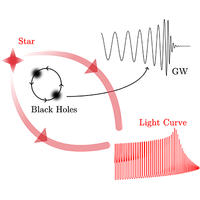
Phys. Rev. Lett. 136, 061403 (2026)
Cosmology, Astrophysics, and Gravitation
Coherent State Description of Gravitational Waves from Binary Black Holes
Article | Cosmology, Astrophysics, and Gravitation | 2026-02-12 05:00 EST
Sugumi Kanno, Jiro Soda, and Akira Taniguchi
Quantum mechanics is the fundamental framework of nature, and gravitational waves from binary black holes during the inspiral phase should likewise be analyzed quantum mechanically. It is commonly assumed that their classical description corresponds to a coherent state, so any deviation would signal…
Phys. Rev. Lett. 136, 061404 (2026)
Cosmology, Astrophysics, and Gravitation
Chern Theorem and Topological Matter in Fast-Rotating Atomic Nuclei
Article | Nuclear Physics | 2026-02-12 05:00 EST
Mike Guidry and Yang Sun
The Chern theorem is applied to intrinsically deformed atomic nuclei, leading to states exhibiting topological quantization of the rotation-aligned component of angular momentum averaged over Hilbert space. These topologically quantized alignment (TQA) states can emerge when collective rotation brea…
Phys. Rev. Lett. 136, 062502 (2026)
Nuclear Physics
All-Optically Operated Atto-Newton Force Sensing with a Centimeter-Milligram-Scale Torsion Pendulum
Article | Atomic, Molecular, and Optical Physics | 2026-02-12 05:00 EST
Sheng-Guo Guan, Yan-Bei Cheng, Jing Sun, Zheng-Lu Duan, and Jian-Xin Le
We demonstrate an all-optically operated centimeter-milligram-scale torsion pendulum for atto-Newton (aN) level force detection, enabled by an ultrathin silica fiber and optical precooling in ultrahigh vacuum. Ten radiation pressure measurement experiments confirm the system's excellent linearity an…
Phys. Rev. Lett. 136, 063603 (2026)
Atomic, Molecular, and Optical Physics
On-Chip Laser-Driven Free-Electron Spin Polarizer
Article | Atomic, Molecular, and Optical Physics | 2026-02-12 05:00 EST
Clarisse Woodahl, Melanie Murillo, Charles Roques-Carmes, Aviv Karnieli, David A. B. Miller, and Olav Solgaard
Spin-polarized electron beam sources enable studies of spin-dependent electric and magnetic effects at the nanoscale. We propose a method of creating spin-polarized electrons on an integrated photonics chip by laser-driven nanophotonic fields. A two-stage interaction separated by a free-space drift …
Phys. Rev. Lett. 136, 063802 (2026)
Atomic, Molecular, and Optical Physics
Universal Crossover in the Three-Channel Charge Kondo Model at High Transparency
Article | Condensed Matter and Materials | 2026-02-12 05:00 EST
Nicolas Paris, Nicolas Dupuis, and Christophe Mora
Quantum impurity models provide a central framework for correlated electron physics, with quantum dots enabling controlled experimental realizations. While their weak-coupling behavior is well understood through mappings to Kondo Hamiltonians, the opposite regime of highly transparent contacts has l…
Phys. Rev. Lett. 136, 066501 (2026)
Condensed Matter and Materials
Quasi-One-Dimensional Spin Excitations in the Iron Pnictide ${\mathrm{NaFe}}{0.53}{\mathrm{Cu}}{0.47}\mathrm{As}$
Article | Condensed Matter and Materials | 2026-02-12 05:00 EST
Yifan Wang, David W. Tam, Weiyi Wang, R. A. Ewings, J. Ross Stewart, Masaaki Matsuda, Chongde Cao, Changle Liu, Rong Yu, Pengcheng Dai, and Yu Song
Spectroscopic measurements in model 1D correlated systems offer insights for understanding their two-dimensional counterparts, which include the cuprate and iron pnictide/chalcogenide superconductors. A major challenge is the identification of such correlated systems with dominantly 1D physics. In t…
Phys. Rev. Lett. 136, 066503 (2026)
Condensed Matter and Materials
Cross-Process Interference in Single-Cycle Electron Emission from Metal Needle Tips
Article | Condensed Matter and Materials | 2026-02-12 05:00 EST
Anne Herzig, Peter Hommelhoff, Eleftherios Goulielmakis, Thomas Fennel, and Lennart Seiffert
Though interference from different emission channels enabled a deeper understanding of strong-field photoemission in atoms and molecules, it remained out of reach for solids. Here, we explore metal needle tips under single-cycle pulses via classical trajectories extended by quantum interference and …
Phys. Rev. Lett. 136, 066904 (2026)
Condensed Matter and Materials
Phononic Casimir Effect in Planar Materials
Article | Condensed Matter and Materials | 2026-02-12 05:00 EST
Pablo Rodriguez-Lopez, Dai-Nam Le, and Lilia M. Woods
The phononic Casimir effect between planar objects is investigated by deriving a formalism from the quantum partition function of the system following multiscattering approach. This fluctuation-induced coupling is mediated by phonons modeled as an effective elastic medium. We find that excitations w…
Phys. Rev. Lett. 136, 066905 (2026)
Condensed Matter and Materials
Reentrant Rigidity Transition in Planar Epithelia with Volume and Area Elasticity
Article | Polymers, Chemical Physics, Soft Matter, and Biological Physics | 2026-02-12 05:00 EST
Tanmoy Sarkar and Matej Krajnc
We find a reentrant columnar-to-squamous rigidity transition in three-dimensional (3D) epithelia, governed by volume and area elasticity. Our model maps to the classic 2D area- and perimeter-elasticity model but, unlike its 2D counterpart, shows compression-induced softening or stiffening, depending…
Phys. Rev. Lett. 136, 068404 (2026)
Polymers, Chemical Physics, Soft Matter, and Biological Physics
Comment on “Evolution Operator Can Always Be Separated into the Product of Holonomy and Dynamic Operators”
Article | 2026-02-12 05:00 EST
Adam Fredriksson and Erik Sjöqvist
Phys. Rev. Lett. 136, 068901 (2026)
Yu and Tong Reply:
Article | 2026-02-12 05:00 EST
Xiao-Dong Yu and D. M. Tong
Phys. Rev. Lett. 136, 068902 (2026)
Physical Review X
Monitored Fluctuating Hydrodynamics
Article | 2026-02-12 05:00 EST
Sarang Gopalakrishnan, Ewan McCulloch, and Romain Vasseur
A monitored fluctuating hydrodynamics framework is introduced to study what can be learned about classical many-body dynamics from partial data. It is found that classical stochastic processes undergo phase transitions in learnability, mirroring striking effects in quantum systems.
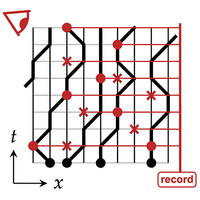
Phys. Rev. X 16, 011024 (2026)
Review of Modern Physics
Kagome metals
Article | Condensed matter | 2026-02-12 05:00 EST
Domenico Di Sante, Titus Neupert, Giorgio Sangiovanni, Ronny Thomale, Riccardo Comin, Joseph G. Checkelsky, Ilija Zeljkovic, and Stephen D. Wilson
The kagome lattice is a two-dimensional tiling of hexagons and triangles named after a Japanese basket weaving technique. Its geometry gives rise to highly frustrated interactions and interference effects experienced by electrons and their multiple degrees of freedom. In metals, the exploration of materials with kagome conduction networks is driven by predictions of realizing new electronic states where these interference effects are dominant, amplifying electronic interactions and many-body effects. In these kagome metals, these amplified correlation effects in combination with spin-orbit coupling and other forms of frustration have given rise to a wealth of phenomena beyond expectations. These include unusual states and responses born from topological flat bands, massive Dirac fermions, sublattice interference effects at saddle points such as unconventional superconductivity, orbital antiferromagnetism and flux phases, amplified anomalous Hall effects, and electronic nematic states. This review examines the theoretical and experimental work on kagome metals, with the aim of elucidating fundamental mechanisms underlying the observed exotic phenomena.
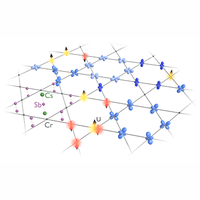
Rev. Mod. Phys. 98, 015002 (2026)
Condensed matter
arXiv
Odd-Parity Magnetism and Gate-Tunable Edelstein Response in van der Waals Heterostructures
New Submission | Strongly Correlated Electrons (cond-mat.str-el) | 2026-02-13 20:00 EST
Hanbyul Kim, Chan Bin Bark, Seik Pak, Gibaik Sim, Moon Jip Park
Odd-parity magnetism has attracted significant interest for its unconventional spin splitting. However, a concrete microscopic route for its realization remains elusive. In this work, we propose van der Waals heterostructures of stripe antiferromagnets (sAFMs) as an ideal platform for electrically controllable $ p$ -wave magnetism. In the sAFM/metal/sAFM structure, the leading RKKY-type exchange interaction is canceled due to the symmetry of the stacking pattern. This exposes a higher-order biquadratic interaction as a dominant contribution that drives a filling-controlled transition from a collinear phase to an orthogonal $ p$ -wave configuration. The resulting $ p$ -wave phase exhibits a gate-tunable Edelstein response, which originates from magnetic symmetry breaking rather than conventional relativistic spin-momentum locking and remains robust even under substantial spin-orbit coupling. Finally, we propose material candidates for the realization of our theory. Our results establish van der Waals heterostructures as a practical platform for non-relativistic spintronics with electric control of odd-parity spin textures.
Strongly Correlated Electrons (cond-mat.str-el), Mesoscale and Nanoscale Physics (cond-mat.mes-hall)
6 pages, 4 figures, 11 pages of supplementary materials, 4 supplementary figures
Sondheimer magneto-oscillations as a probe of Fermi surface reconstruction in underdoped cuprates
New Submission | Strongly Correlated Electrons (cond-mat.str-el) | 2026-02-13 20:00 EST
Alexander Nikolaenko, Carsten Putzke, Philip J. W. Moll, Subir Sachdev, Pavel A. Nosov
Determining the Fermi surface (FS) volume in underdoped cuprates is crucial for understanding the nature of the strongly correlated pseudogap phase. Conventional quantum oscillation techniques, typically used for this purpose, are inapplicable in this high-temperature regime due to thermal and disorder-induced smearing of Landau levels. We propose Sondheimer oscillations (SO), semiclassical oscillations of in-plane magnetoresistivity in thin films, as a robust alternative probe of FS reconstruction. SO arise from the commensuration between the cyclotron radius and film thickness, do not rely on Landau quantization, and remain observable at moderate fields and elevated temperatures where quantum oscillations are suppressed. Their frequencies depend solely on the FS parameters (e.g., curvature), and not on specific details of scattering mechanisms. SO are also sensitive to the coherence of inter-layer tunneling, allow contributions from individual FS pockets to be distinguished in the frequency domain, and naturally include the Yamaji angle effect (if present in the system) as a prominent feature in the frequency spectrum. We compute SO spectra as a function of the magnetic field orientation for three representative scenarios: (i) an unreconstructed large FS, (ii) a spin density wave reconstructed FS with volume $ p/4$ , and (iii) a fractionalized Fermi liquid (FL$ ^\ast$ ) with pocket volume $ p/8$ (here $ p$ is the hole doping). We show that the SO spectrum offers a wealth of universal features that could be used to differentiate between these scenarios. In particular, we highlight a FS geometry-dependent phase shift between oscillations in longitudinal and transverse conductivities, characterize how the FS curvature can be extracted from SO if the film orientation is perpendicular to the crystallographic $ c$ -axis, and analyze the evolution of the SO spectrum with doping.
Strongly Correlated Electrons (cond-mat.str-el), Mesoscale and Nanoscale Physics (cond-mat.mes-hall), Superconductivity (cond-mat.supr-con)
15 pages, 7 figures
Unlearnable phases of matter
New Submission | Disordered Systems and Neural Networks (cond-mat.dis-nn) | 2026-02-13 20:00 EST
Tarun Advaith Kumar, Yijian Zou, Amir-Reza Negari, Roger G. Melko, Timothy H. Hsieh
We identify fundamental limitations in machine learning by demonstrating that non-trivial mixed-state phases of matter are computationally hard to learn. Focusing on unsupervised learning of distributions, we show that autoregressive neural networks fail to learn global properties of distributions characterized by locally indistinguishable (LI) states. We demonstrate that conditional mutual information (CMI) is a useful diagnostic for LI: we show that for classical distributions, long-range CMI of a state implies a spatially LI partner. By introducing a restricted statistical query model, we prove that nontrivial phases with long-range CMI, such as strong-to-weak spontaneous symmetry breaking phases, are hard to learn. We validate our claims by using recurrent, convolutional, and Transformer neural networks to learn the syndrome and physical distributions of toric/surface code under bit flip noise. Our findings suggest hardness of learning as a diagnostic tool for detecting mixed-state phases and transitions and error-correction thresholds, and they suggest CMI and more generally ``non-local Gibbsness’’ as metrics for how hard a distribution is to learn.
Disordered Systems and Neural Networks (cond-mat.dis-nn), Machine Learning (cs.LG), Quantum Physics (quant-ph)
28 pages, 9 figures
Lieb-Schultz-Mattis constraints from stratified anomalies of modulated symmetries
New Submission | Strongly Correlated Electrons (cond-mat.str-el) | 2026-02-13 20:00 EST
Salvatore D. Pace, Daniel Bulmash
We introduce stratified symmetry operators and stratified anomalies in quantum lattice systems as generalizations of onsite symmetry operators and onsite projective representations. A stratified symmetry operator is a symmetry operator that factorizes into mutually independent subsystem symmetry operators; its stratified anomaly is defined as the collection of anomalies associated with these subsystem operators. We develop a cellular chain complex formalism for stratified anomalies of internal symmetries and show that, in the presence of crystalline symmetries, they give rise to Lieb-Schultz-Mattis (LSM) constraints. This includes LSM anomalies and SPT-LSM theorems. We apply this framework to modulated $ G$ symmetries, which are symmetries whose total symmetry group is $ {G_\mathrm{tot} = G \rtimes G_\mathrm{s}}$ , with $ G_\mathrm{s}$ the crystalline symmetry group. Notably, a nonzero stratified anomaly within a fundamental domain of $ G_\mathrm{s}$ (e.g., a unit cell) does not always imply an LSM anomaly for modulated symmetries. Instead, the existence of an LSM anomaly also depends on how $ G_\mathrm{s}$ acts on $ G$ . When $ G_\mathrm{s}$ is the lattice translation group, we find an explicit criterion for when a stratified anomaly causes an LSM anomaly, and classify LSM anomalies using homology groups of $ G_\mathrm{s}$ -invariant cellular chains. We illustrate this through examples of exponential and dipole symmetries with stratified anomalies, both in $ {(1+1)}$ D and $ {(2+1)}$ D, and construct a stabilizer code model of a modulated SPT subject to an SPT-LSM theorem.
Strongly Correlated Electrons (cond-mat.str-el), High Energy Physics - Theory (hep-th)
35 pages plus appendices
Jamming-controlled stochasticity in metal-insulator switching
New Submission | Mesoscale and Nanoscale Physics (cond-mat.mes-hall) | 2026-02-13 20:00 EST
Nicolò D’Anna, Nareg Ghazikhanian, Katherine Matthews, Daseul Ham, Su Yong Lee, Alex Frano, Ivan K. Schuller, Oleg Shpyrko
Understanding and controlling phase transitions is a fundamental part of physics and has been central to many technological revolutions, from steam engines to field-effect transistors. At present, there is strong interest in materials with strongly coupled structural and electronic phase transitions, which hold promise for energy-efficient technologies. Utilizing a structural phase transition and controlling its plasticity naturally leads to built-in memory, a key feature for emulating neurons and synapses in neuromorphic technologies. Here, $ \textit{operando}$ Bragg X-ray photon correlation spectroscopy is used to study the evolution of the nano-domain distribution at the micron-scale in neuromorphic devices made from the archetypal Mott insulator vanadium dioxide. It is found that after electrical switching, slow nano-domain reconfiguration occurs on timescales of thousands of seconds and that the domains undergo a jamming transition, offering control over switching stochasticity at the micron scale. More precisely, repetitive above-threshold currents plastically drive the system into a jammed/glassy state where switching becomes deterministic, while sub-threshold currents erase the short-term memory contained in the nano-domain distribution, recovering stochastic switching, thus offering a path for in-device learning. The results illustrate the importance of studying the nanoscale physics associated with phase transitions in strongly correlated materials, even for macroscopic devices, and offer guidance for future device operation schemes.
Mesoscale and Nanoscale Physics (cond-mat.mes-hall), Strongly Correlated Electrons (cond-mat.str-el)
8 pages, 5 figures
Renormalization group analysis of directed percolation process: Towards multiloop calculation of scaling functions
New Submission | Statistical Mechanics (cond-mat.stat-mech) | 2026-02-13 20:00 EST
Michal Hnatič, Matej Kecer, Tomáš Lučivjanský, Lukáš Mižišin
In this work, we employ a field-theoretic renormalization group approach to study a paradigmatic model of directed percolation. We focus on the perturbative calculation of the equation of state, extending the analysis to the three-loop order in the expansion parameter $ \varepsilon = 4-d$ . We show that a large group of the necessary three-loop Feynman diagrams can be mapped onto already existing three-loop results, and develop a technique for the calculation of the remaining – truly novel – ones. The described semi-analytic procedure is further used to verify existing two-loop results. The main aim of this study is to provide an update on this ongoing work, as full three-loop calculations utilizing the described procedure are in progress.
Statistical Mechanics (cond-mat.stat-mech)
accepted for publication in Theoretical and Mathematical Physics
When Blinking Helps: Suppressed Biexciton Emission in Lead Halide Perovskite Quantum Dots
New Submission | Mesoscale and Nanoscale Physics (cond-mat.mes-hall) | 2026-02-13 20:00 EST
Adam Olejniczak, Jehyeok Ryu, Francesco Di Stasio, Yury Rakovich, Victor Krivenkov
Blinking and multiphoton emission in metal halide perovskite quantum dots (PQDs) limit their use as single-photon quantum emitters. Conventional models distinguish between trion-related A-type blinking and defect-assisted BC-type blinking, both expected to degrade single-photon purity in a dark state. Here, time-resolved spectroscopy on individual PQDs reveals a qualitatively different regime in which low emitting dark states exhibit higher single-photon purity than bright states. For those PQDs state-resolved $ g^{(2)}(\tau)$ analysis shows that the exciton photoluminescence quantum yield decreases by a factor of $ \sim 8$ , while the biexciton one is suppressed by a factor of $ \sim 10$ . This leads to a moderate improvement of single-photon purity with $ g^{(2)}_0$ decreased from 0.155 to 0.120. In contrast, PQDs with fluorescence lifetime–intensity distribution patterns characteristic for A-type blinking, display the expected increase of $ g^{(2)}_0$ in charged, trion-dominated states. To explain the observed improvement of single-photon purity of low-emitting dark states, we propose a self-trapped-exciton (STE) mechanism that selectively blocks biexciton formation by diverting hot excitons into long-lived, weakly emissive STE configurations. This STE-mediated blinking channel explains why certain low-emitting states improve, rather than degrade, single-photon purity and suggests a lattice-driven route to perovskite quantum emitters with intrinsically suppressed multiphoton events.
Mesoscale and Nanoscale Physics (cond-mat.mes-hall)
12 pages, 4 figures
Gaussian Expansion Method for few-body states in two-dimensional materials
New Submission | Mesoscale and Nanoscale Physics (cond-mat.mes-hall) | 2026-02-13 20:00 EST
Luiz G. M. Tenório, André J. Chaves, Emiko Hiyama, Tobias Frederico
We investigate the properties of trions in transition metal dichalcogenides (TMDCs) monolayers using the Gaussian Expansion Method (GEM) adapted to two-dimensional systems. Excitons and trions in monolayer TMDCs with the chemical composition MX$ _2$ in the 2H phase are studied systematically. We computed the associated exciton and trion binding energies. We find in addition to the known $ J = 0$ trion the existence of a bound state with orbital angular momentum $ J = 1$ . The results for $ J = 0$ are benchmarked against existing calculations from the Stochastic Variational Method (SVM) and Quantum Monte Carlo (QMC). Furthermore, we analyze the trion internal structure and geometry through their probability density distributions, accounting for the effects of different material shows that GEM – widely used in studies of strongly interacting few-body systems – is well adapted to allow comprehensive and computationally efficient investigations of trions and potentially other weakly bound few-body states in layered materials. In addition, we systematically exploit the effect of strain and dieletric environment in the $ J = 1$ trion predictions, illustrated for the MoS$ _2$ monolayer example.
Mesoscale and Nanoscale Physics (cond-mat.mes-hall), Quantum Gases (cond-mat.quant-gas)
16 pages, 7 figures, Supplementary material (6 pages) included
Metastable Dynamical Computing with Energy Landscapes: A Primer
New Submission | Statistical Mechanics (cond-mat.stat-mech) | 2026-02-13 20:00 EST
Christian Z. Pratt, Kyle J. Ray, James P. Crutchfield
Smartphones, laptops, and data centers are CMOS-based technologies that ushered our world into the information age of the 21st century. Despite their advantages for scalable computing, their implementations come with surprisingly large energetic costs. This challenge has revitalized scientific and engineering interest in energy-efficient information-processing designs. One current paradigm – dynamical computing – controls the location and shape of minima in potential energy landscapes that are connected to a thermal environment. The landscape supports distinguishable metastable energy minima that serve as a system’s mesoscopic memory states. Information is represented by microstate distributions. Dynamically manipulating the memory states then corresponds to information processing. This framing provides a natural description of the associated thermodynamic transformations and required resources. Appealing to bifurcation theory, a computational protocol in the metastable regime can be analyzed by tracking the evolution of fixed points in the state space. We illustrate the paradigm’s capabilities by performing 1-bit and 2-bit computations with double-well and quadruple-well potentials, respectively. These illustrate how dynamical computing can serve as a basis for designing universal logic gates and investigating their out-of-equilibrium thermodynamic performance.
Statistical Mechanics (cond-mat.stat-mech), Superconductivity (cond-mat.supr-con), Hardware Architecture (cs.AR), Emerging Technologies (cs.ET), Chaotic Dynamics (nlin.CD)
9 pages, 5 figures; this http URL
Non-Fermi liquid and Weyl superconductivity from the weakly interacting 3D electron gas at high magnetic fields
New Submission | Strongly Correlated Electrons (cond-mat.str-el) | 2026-02-13 20:00 EST
Nandagopal Manoj, Valerio Peri, Jason Alicea
Three-dimensional electron gases in strong magnetic fields host partially flat bands that disperse along the field direction yet exhibit Landau-level quantization in the transverse dimensions. Early work established that for spin-polarized electrons confined to the lowest Landau level band, repulsion triggers a charge density wave (CDW) in which electrons ‘self-layer’ into integer quantum Hall states, while attraction generates a non-Fermi liquid (rather than a superconductor). We revisit this problem with physically motivated deformations – including generalized local interactions, higher Landau level bands, restoration of spin, and explicit breaking of spatial symmetries – paying particular attention to the competition between CDWs and superconductivity. Our main findings are: (1) Generic local interactions can stabilize a nematic CDW in which integer quantum Hall layers spontaneously ‘tilt’, yielding unconventional Hall response. (2) We numerically establish that the non-Fermi liquid appears stable to perturbations that preserve effective dipole conservation symmetries that emerge within a Landau level band. (3) Upon explicitly breaking translation symmetry, attraction catalyzes a novel layered superconductor that hosts Weyl nodes, superconducts within each layer, and insulates transverse to the layers. These results expand the rich phenomenology of interacting bulk electrons in the high-field regime and potentially inform the design of field-resistant superconductivity in low-carrier-density materials.
Strongly Correlated Electrons (cond-mat.str-el), Superconductivity (cond-mat.supr-con)
Optical gain in colloidal quantum dots is limited by biexciton absorption, not biexciton recombination
New Submission | Mesoscale and Nanoscale Physics (cond-mat.mes-hall) | 2026-02-13 20:00 EST
Davide Zenatti, Patanjali Kambhampati
Despite three decades of experimental study, optical gain in colloidal quantum dots still lacks a microscopic theory capable of explaining gain thresholds approaching one exciton per dot, their size dependence, or the anomalously small effective stimulated-emission cross sections observed across materials. Existing descriptions treat quantum dots as effective two-level systems comprised of an exciton and a biexciton, attributing gain thresholds to biexciton Auger recombination. This assumption is inconsistent with state-resolved optical pumping experiments and basic spectroscopic constraints. Here we present a microscopic theory of optical gain explicitly anchored in the Einstein relations governing absorption and stimulated emission. Within this framework, gain is determined by a spectral balance between stimulated emission from single excitons and excited-state absorption into biexcitonic manifolds, rather than by biexciton lifetimes. Using a spin-boson description of excitons coupled to a lattice bath, we show that gain thresholds and effective gain cross sections are controlled by the interplay of biexciton stabilization and exciton-lattice dressing. The theory unifies disparate materials by quantitatively explaining all longstanding gain phenomenology in CdSe quantum dots and predicts a continuous crossover to effective four-level, near-thresholdless gain in dynamically disordered lattices such as perovskite quantum dots.
Mesoscale and Nanoscale Physics (cond-mat.mes-hall), Optics (physics.optics)
Thermodynamics and kinetics of lithium at the silver-lithium battery interface
New Submission | Materials Science (cond-mat.mtrl-sci) | 2026-02-13 20:00 EST
Grace M. Lu (Department of Materials Science and Engineering, University of Illinois at Urbana-Champaign, Urbana, Illinois, USA, Department of Mechanical and Aerospace Engineering, University of California at Irvine, Irvine, California, USA), Dallas R. Trinkle (Department of Materials Science and Engineering, University of Illinois at Urbana-Champaign, Urbana, Illinois, USA)
Silver interlayers have been shown to enable smooth lithium deposition and cycling in anode-free solid-state batteries. Here, we report the atomic structure of the Ag and Li interface, showing that Li preferentially plates as FCC on both the (111) and (100) Ag surfaces. This forms an energetically favorable coherent interface with Ag, while the BCC phase forms a semi-coherent interface due to large lattice mismatch. We also calculate vacancy formation energies and migration energies for Li diffusion through the interface. We show that vacancy formation energies increase at the interface, leading to an energetic driving force for vacancies to diffuse away from the interface. Additionally, the migration barriers for vacancies from the Ag to the Li are small (29 meV), and therefore promote rapid alloying between Ag and Li. Rapid Li diffusion kinetics directly at the interface leads to smooth deposition of Li, reducing the onset of dendrites. However, diffusion in the 2nd and 3rd Li layers is slower compared to bulk FCC or BCC Li, leading to kinetically hindered alloying when multiple layers of pure Li form. The diffusion kinetics for Ag nanoparticles may be improved by alloying with Mg to expand the Ag lattice constant while forming a solid solution with both Ag and Li.
Materials Science (cond-mat.mtrl-sci)
11 pages, 4 figures
Krylov space perturbation theory for quantum synchronization in closed systems
New Submission | Disordered Systems and Neural Networks (cond-mat.dis-nn) | 2026-02-13 20:00 EST
Nicolas Loizeau, Berislav Buča
Strongly interacting quantum many-body systems are expected to thermalize, however, some evade thermalization due to symmetries. Quantum synchronization provides one such example of ergodicity breaking, but previous studies have focused on open systems. Here, motivated by the problem of ergodicity breaking in closed systems and the study of non-trivial dynamics, we investigate synchronization in a closed disordered Heisenberg spin chain. In the presence of large random disorder, strongly breaking the permutation symmetry of the system, we observe the emergence of spatial synchronization, where spins lock into locally synchronized patches. This behavior can be interpreted as a fragmentation of the global dynamical symmetry $ S^+$ into a collection of local dynamical symmetries, each characterized by a distinct frequency. In the weak-disorder regime, still without permutation symmetry, we show that the synchronization mechanism can be understood perturbatively within Krylov space. In the absence of disorder, the Krylov space associated with the dynamical symmetry $ S^+$ is two-dimensional. Introducing disorder couples this subspace to the remainder of the Krylov space. This coupling leads only to a second-order correction to the frequency of the dynamical symmetry, thereby preserving coherent oscillations despite the presence of small disorder. At stronger disorder, the perturbation modifies $ S^+$ so that it acquires a finite lifetime, providing an example of a transient dynamical symmetry.
Disordered Systems and Neural Networks (cond-mat.dis-nn), Statistical Mechanics (cond-mat.stat-mech), Quantum Physics (quant-ph)
8 pages 7 figures
Intermediate Thermal Equilibrium Stages in Molecular Dynamics Simulations of two Bodies in Contact
New Submission | Statistical Mechanics (cond-mat.stat-mech) | 2026-02-13 20:00 EST
Jonathas N. da Silva, Octavio D. Rodriguez Salmon, Minos A. Neto
The Zeroth Law of Thermodynamics states that if two systems are in thermal equilibrium with a third one, then they are also in equilibrium with each other. This study explores not only the final state of thermal equilibrium between ideal gases separated by heat-conducting walls, but also the intermediate stages leading up to equilibrium, using classical molecular dynamics simulations. Two- and three-region models with argon atoms are analyzed. Fluctuations, correlations, and temperature distributions are observed, highlighting how heat conduction between regions influences the time to reach equilibrium. This work is distinguished by its detailed analysis of the intermediate stages that occur until the system reaches thermal equilibrium, in accordance with the Zeroth Law of Thermodynamics.
Statistical Mechanics (cond-mat.stat-mech), Computational Physics (physics.comp-ph)
15 pages, 12 figures
Nanoscopic Imaging of Acoustic Dynamics in van der Waals Ferroelectric NbOI2
New Submission | Materials Science (cond-mat.mtrl-sci) | 2026-02-13 20:00 EST
Zhaodong Chu, Carter Fox, Zixin Zhai, Haihua Liu, Priti Yadav, Bing Lv, Yue Li, Thomas E Gage, Jun Xiao, Haidan Wen
Understanding how low-dimensional ferroelectrics respond to ultrafast excitation at nanoscales is essential for controlling energy flow and mechanical functionality in next-generation polar materials and devices. Here, we report spatiotemporally resolved structural dynamics in the van der Waals ferroelectric NbOI2 using combined ultrafast electron microscopy and diffraction. Above-band-gap photoexcitation rapidly screens the in-plane polarization and heats the lattice, launching three coherent acoustic phonons: two transverse shear modes and one longitudinal breathing mode. The transverse mode that shears the layers perpendicular to the in-plane polar axis dominates over that along the polar axis, reflecting anisotropic coupling between polarization and strain. Spatially resolved measurements further reveal spatially correlated heterogeneity in the mode amplitudes and lifetimes. Regions dominated by a single shear mode exhibit significantly longer lifetime of acoustic oscillations than that of multimode regions, suggesting that acoustic phonon-phonon scattering is a major source of decoherence. Our results provide a microscopic understanding of polarization-strain coupling and spatially heterogeneous energy dissipation in van der Waals ferroelectrics under ultrafast excitation.
Materials Science (cond-mat.mtrl-sci), Mesoscale and Nanoscale Physics (cond-mat.mes-hall)
3 figures in main text, and 5 figures in SI, 19 pages in total
Nonmonotonic Magnetic Friction from Collective Rotor Dynamics
New Submission | Materials Science (cond-mat.mtrl-sci) | 2026-02-13 20:00 EST
Hongri Gu, Anton Lüders, Clemens Bechinger
Amontons’ law postulates a monotonic relationship between frictional force and the normal load applied to a sliding contact. This empirical rule, however, fails in systems where internal degrees of freedom - such as structural or electronic order - play a central role. Here, we demonstrate that friction can emerge entirely from magnetically driven configurational dynamics in the absence of physical contact. Using a two-dimensional array of rotatable magnetic dipoles sliding over a commensurate magnetic substrate, we observe a pronounced non-monotonic dependence of friction on the interlayer separation, and thus on the effective load. The friction peaks at an intermediate distance where competing ferromagnetic and antiferromagnetic interactions induce dynamical frustration and hysteretic torque cycles during sliding. Molecular dynamics simulations and a simplified two-sublattice model confirm that energy dissipation is governed by collective magnetic reorientations and their hysteresis. Our results establish the occurrence of sliding-induced changes in collective magnetic order, which has a strong impact on friction, and thus open new possibilities for contactless friction control, magnetic sensing, and the design of reconfigurable, wear-free frictional interfaces and metamaterials.
Materials Science (cond-mat.mtrl-sci), Soft Condensed Matter (cond-mat.soft), Applied Physics (physics.app-ph)
Efficient molecular dynamics simulation of 2D penta-silicene materials using machine learning potentials
New Submission | Materials Science (cond-mat.mtrl-sci) | 2026-02-13 20:00 EST
Le Huu Nghia, Pham Thi Bich Thao, Truong Do Anh Kha, Vo Khuong Dien, Nguyen Thanh Tien
Machine Learning Interatomic Potentials (MLIPs) are a modern computational method that allows achieving near-quantum mechanical accuracy (DFT) while still describing large-scale systems in molecular dynamics (MD) simulations. In this work, we use MLIP from DeepMD package and the classical Tersoff potential for SiC (this http URL potential) to fully and accurately describe atomic interactions and apply them to molecular dynamics simulations of penta silicene sheet. The results show that the melting points (T$ _g$ ) temperatures of the system in the canonical NVT and isobaric NPT sets are 632 K and 606 K, while the this http URL potential have the high melting points, respectively. In addition, the radial distribution function exhibits characteristic peaks at interatomic distances of 2.275 Å\text{} and 2.375 Å, while the this http URL potential only describe distance of 2.375 Å. Furthermore, penta silicene was also simulated using on-the-fly machine learning for 10 ps to evaluate the structural stability of the system. This study investigates the thermodynamic properties of two-dimensional penta silicene sheets with pentagonal structures using a high-precision, cost-effective method, contributing further evidence to support experimental synthesis and opening up potential future applications of this material.
Materials Science (cond-mat.mtrl-sci)
Enhanced and Tunable Superconductivity Enabled by Mechanically Stable Halogen-Functionalized Mo2C MXenes
New Submission | Superconductivity (cond-mat.supr-con) | 2026-02-13 20:00 EST
Jakkapat Seeyangnok, Udomsilp Pinsook
We present a comprehensive first-principles investigation of the structural, electronic, vibrational, and superconducting properties of halogen-functionalized Mo2YX2 (Y = C, N; X = F, Cl, Br, I) MXene monolayers. Density functional theory and density functional perturbation theory calculations reveal that, among the halogenated systems considered, only Br- and I-functionalized Mo2C monolayers are dynamically stable, as confirmed by positive definite phonon spectra throughout the Brillouin zone. Electronic structure calculations show metallic behavior with states near the Fermi level dominated by Mo d orbitals with pronounced electronic density of states, providing favorable conditions for strong electron-phonon coupling (EPC). The resulting EPC constants place both systems in the strong coupling regime, yielding superconducting transition temperatures of Tc = 13.1 K for Mo2CBr2 and Tc = 18.1 K for Mo2CI2 within the Allen-Dynes formalism. Notably, halogen functionalization itself plays a crucial role in enhancing superconductivity in Mo2C, which has Tc = 7.2 K, leading to a substantial increase in the superconducting transition temperature compared with pristine Mo2C through strengthened electron-phonon coupling. Furthermore, we demonstrate that superconductivity in these systems is highly tunable via carrier doping and biaxial tensile strain. Electron doping significantly enhances EPC and raises Tc up to 21.7 K for Mo2CBr2 and 21.3 K for Mo2CI2. Our results identify halogen-functionalized Mo2C MXenes as mechanically robust, phonon mediated two dimensional superconductors and highlight carrier doping as an effective strategy for optimizing their superconducting performance.
Superconductivity (cond-mat.supr-con)
15 pages, 5 figures
How unconventional oxidation state Au$^{2+}$ is stabilized in halide perovskite Cs$_4$Au$3$Cl${12}$: a first-principles study of its polaron crystal nature
New Submission | Materials Science (cond-mat.mtrl-sci) | 2026-02-13 20:00 EST
Kazuki Morita, Andrew M. Rappe
Gold in crystalline compounds is typically only stable in oxidation states Au1+ and Au3+. Even compounds with nominal Au2+ usually disproportionate into Au1+ and Au3+. Recently, Cs4Au3Cl12 was synthesized, where gold took the 2+ state in the bulk. Here, we investigate this compound using first-principles calculations and show that stabilization of the Au2+ ion is through the formation of a polaron crystal. The electronic and phononic structure suggest that the bonding network can be interpreted as a collection of [Au2+Cl4]2- and [Au3+Cl4]1- square planar motifs, and the crystal lacks a smooth pathway for Au2+ to disproportionate into Au1+ and Au3+. The electronic states of Au are contained within each [AuCl4] motif, which allows for the Au2+ state to be localized and isolated electronically. The Au2+-sites form an ordered structure, which is driven by a strong repulsive interaction between [Au2+Cl4]2- motifs due to their lattice distortion. The electron-phonon coupling between Au2+ and Cl explains the stability of Au2+, which suggests this material to be interpreted as a polaron crystal. By considering redox reaction, we show that Cs4Au3Cl12 has the maximal density of Au2+, and further oxidation will induce a delocalized state. Cs4Au3Cl12 has distinctive electronic structure, with a narrow gap, isolated HOMO and LUMO bands strongly localized at the Au-sites, and magnetization at the Au2+-sites making Cs4Au3Cl12 unique among quantum materials. Magnetism in gold is rare, and Cs4Au3Cl12 can be a testbed to explore novel gold chemistry as well as polaron crystal transport. The strategy to stabilize an unconventional oxidation state through engineering of lattice distortions is quite general; therefore, we propose that a similar approach will be applicable to a wide variety of transition metal compounds.
Materials Science (cond-mat.mtrl-sci)
20 pages
Coupling Lattice Distortion and Cation Disorder to Control Li-ion Transport in Cation-Disordered Rocksalt Oxides
New Submission | Materials Science (cond-mat.mtrl-sci) | 2026-02-13 20:00 EST
Zichang Zhang, Lihua Feng, Jiewei Cheng, Peng-Hu Du, Chu-Liang Fu, Jian Peng, Shuo Wang, Dingguo Xia, Xueliang Sun, Qiang Sun
Cation-disordered solids offer a rich chemical landscape where local coordination, lattice responses, and configurational disorder collectively, yet often implicitly, govern ion transport. In cation-disordered rocksalt oxides, Li+ diffusion has conventionally been rationalized by the static 0-transition-metal (0-TM) percolation rule, which assumes an ideal, passive lattice and thus fails to capture experimentally accessible capacities. Here, we show that lattice distortion is an essential, previously overlooked degree of freedom that actively reshapes Li+ percolation networks. By developing a lattice-responsive framework combining Monte Carlo sampling of cation configurations with machine-learning-accelerated molecular dynamics, we quantitatively predict Li+ percolation and electrochemical capacities within 5% of experiment. Our results reveal a causal coupling between lattice distortion and cation short-range order: enhanced local distortions precede and suppress short-range ordering, activating Li+ migration through nominally inaccessible 1-TM channels, fundamentally extending percolation beyond the 0-TM paradigm. Guided by this, we design and synthesize a high-entropy oxide, Li1.2Mn0.2Ti0.2V0.2Mo0.2O2, which exhibits enhanced distortion and achieves a 71.9% Li+ percolation network, surpassing 65.8% in Li1.2Mn0.4Ti0.4O2, delivering 256.3 mAh/g capacity, closely matching our prediction of 255.1 mAh/g. These findings establish lattice distortion as an active control parameter for ion transport, revising percolation concepts and offering a general design principle beyond metal-ion cathodes.
Materials Science (cond-mat.mtrl-sci)
Charge density wave and superconductivity modulated by c-axis stacking in the TaSe2 polytypes
New Submission | Superconductivity (cond-mat.supr-con) | 2026-02-13 20:00 EST
Kusal Dharmasiri, Maxim Avdeev, Despina Louca
The layered transition metal dichalcogenide, TaSe2, exhibits rich electronic phenomena across its polymorphs, 1T, 2H, and 3R, largely driven by differences in atomic coordination and c-axis stacking. In the 1T phase, octahedral coordination and AA stacking promote strong interlayer coupling and stabilize a commensurate charge density wave (CDW) with star-of-David clusters that set in at high temperatures. The 2H phase exhibits trigonal prismatic coordination with AB stacking, and hosts both incommensurate and commensurate CDW phases and weak superconductivity at very low temperatures. The 3R phase, characterized by ABC stacking and trigonal prismatic coordination, exhibits enhanced superconductivity along with CDW order, attributed to modified interlayer hybridization and reduced CDW competition. These stacking-dependent variations in interlayer coupling are critical in tuning correlated states in the dichalcogenides.
Superconductivity (cond-mat.supr-con), Materials Science (cond-mat.mtrl-sci)
9 pages, 5 figures
Thermodynamics of Shastry-Sutherland Model under Magnetic Field
New Submission | Strongly Correlated Electrons (cond-mat.str-el) | 2026-02-13 20:00 EST
Menghan Song, Chengkang Zhou, Cheng Huang, Zi Yang Meng
Motivated by the recent experimental discovery of the $ T$ -linear specific heat in pressurized and magnetized Shastry-Sutherland Mott insulator SrCu$ _2$ (BO$ _3$ )$ _2$ , we perform the state-of-the-art thermal tensor-network computation on the Shastry-Sutherland model under a magnetic field. Our simulation results suggest the existence of a symmetric intermediate phase with $ T$ -linear specific heat at low temperature, occupying a large parameter space and separating the plaquette-singlet phase and antiferromagnetic phase at low fields and other symmetry-breaking phases at high fields before the system is fully polarized. Such an unexpected novel state bears an astonishing similarity to the experimental findings in the material. It opens the door to further investigations of the possible liberation of deconfined magnetized Dirac spinons by the competing interactions in this highly frustrated quantum magnet model, and by the combined effects of magnetic field and pressure in the the associated Shastry-Sutherland Mott insulator SrCu$ _2$ (BO$ _3$ )$ _2$ .
Strongly Correlated Electrons (cond-mat.str-el)
8 pages, 6 figures
Quantum Spin-1/2 Rings Built from [2]Triangulene Molecular Units
New Submission | Materials Science (cond-mat.mtrl-sci) | 2026-02-13 20:00 EST
Can Li, Manish Kumar, Ying Wang, Diego Manuel Soler Polo, Yi-Jun Wang, He Qi, Liang Liu, Xiaoxue Liu, Dandan Guan, Yaoyi Li, Hao Zheng, Canhua Liu, Jinfeng Jia, Pei-Nian Liu, Pavel Jelinek, Deng-Yuan Li, Shiyong Wang
Quantum spin rings represent fundamental model systems that exhibit distinctive quantum phenomena-such as quantum critical behavior and quasiparticle excitations-arising from their periodic boundary conditions and enhanced quantum fluctuations. Here, we report the on-surface synthesis and atomic-scale characterization of antiferromagnetic S=1/2 quantum spin rings composed of pristine and unmodified [2]triangulene units on a Au(111) surface. Using stepwise on-surface synthesis followed by STM tip-induced dehydrogenation, we precisely constructed cyclic five- and six-membered spin rings and investigated their spin states via scanning probe microscopy and multireference calculations. Nc-AFM imaging reveals that the six-membered ring retains a planar geometry, whereas the five-membered ring exhibits pronounced structural distortion. The six-membered ring hosts a uniform excitation gap that can be accurately described by a Heisenberg spin model and multireference CASCI calculations. In contrast, the distorted five-membered ring displays spin ground states with asymmetric spatial distributions due to degeneracy lifting induced by structural distortion. Our findings establish a versatile molecular platform for exploring correlated magnetism and quantum spin phenomena in cyclic organic magnetic architectures with disorder.
Materials Science (cond-mat.mtrl-sci), Atomic and Molecular Clusters (physics.atm-clus), Chemical Physics (physics.chem-ph)
30 pages, 4 figures
Strain-Driven Altermagnetic Spin Splitting Effect in RuO$_2$
New Submission | Materials Science (cond-mat.mtrl-sci) | 2026-02-13 20:00 EST
Seungjun Lee, Seung Gyo Jeong, Jian-Ping Wang, Bharat Jalan, Tony Low
The non-relativistic spin-momentum locking in altermagnets gives rise to a time-reversal-odd spin Hall effect, known as the altermagnetic spin-splitting effect (ASSE). Although ASSE was first reported in RuO$ _2$ , subsequent experiments have yielded inconsistent results, leaving its spin-transport mechanism unclear. Here, we systematically investigate how strain, crystal orientation, and the Hubbard $ U$ parameter influence the magnetic ground state and spin Hall response of RuO$ _2$ . Guided by recent experimental observations, we find that $ U$ is likely smaller than the value required to induce intrinsic magnetism, suggesting that bulk RuO$ _2$ and (001)/(101) RuO$ _2$ thin films grown on TiO$ _2$ are nonmagnetic in the absence of extrinsic effects. In contrast, (100) and (110) films exhibit strain-induced altermagnetic spin splitting, leading to a strong ASSE even without Hubbard $ U$ corrections. These results reconcile previous experimental discrepancies and provide design guidelines for RuO$ _2$ -based spintronic devices.
Materials Science (cond-mat.mtrl-sci)
6 pages, 4 figures
Quantization Mapping on Dirac Dynamics via Voltage-Driven Charge Density in Monolayer Graphene: A Klein Paradox and Entropy-Ruled Wavevector Mechanics Study
New Submission | Mesoscale and Nanoscale Physics (cond-mat.mes-hall) | 2026-02-13 20:00 EST
Thermodynamics coupled with quantum features on electron and hole dynamics in Dirac materials is quite interesting and crucial for real device applications. The correlation between the formation of electron-hole puddles in nearer to the charge neutrality point (CNP), and the role of disorder is fundamentally important for Dirac transport in graphene systems. Numerous studies on graphene further urge the necessity to find a better descriptor for disorder-charge puddles relation, which directly influences electrical conductivity. In principle, the external bias-driven energy level shift and its relevant density of states (DOS) provide information about the effect of total interactive potential on linear energy dispersion in terms of wavevector, but yet to be well-explored. With this ground, here we map the energy quantization for Dirac materials through the empirical relation of voltage-driven charge density in monolayer graphene, using the differential entropy (h)-ruled wavevector (k) mechanics. For this work, we propose the four postulates which are the key observable descriptions of earlier research reports, to study the precise electronic transport via an entropy-guided wavevector propagation approach, along with the Klein paradox, which pertains to the ultrafast dynamics in the Dirac or quasi-Dirac systems. The introduced h-ruled k and h-ruled N relations generalize the electron dynamics in both the unbounded and potentially bounded Dirac systems. Through the quantization mapping procedure under different voltage-driven potential (U=eV) boundary conditions, the observed energy shift from lower to excited quantum state obeys the relation of N(k)=N(U)^3; here, N(U) is the voltage-driven potential energy contribution factor for the quantum state existence. This study reveals information about the interaction potential-DOS relationship in the Dirac materials.
Mesoscale and Nanoscale Physics (cond-mat.mes-hall), Quantum Physics (quant-ph)
16 pages, 4 Figures
Quantum-geometric thermal conductivity of superconductors
New Submission | Superconductivity (cond-mat.supr-con) | 2026-02-13 20:00 EST
Maximilian Buthenhoff, Yusuke Nishida
By coupling Bardeen-Cooper-Schrieffer (BCS) theory with isolated bands to an external gravitomagnetic vector potential via a gravitomagnetic Peierls substitution, we identify a quantum-geometric contribution to the electronic contribution of the thermal conductivity. This contribution is governed by the quantum metric in the parameter space spanned by the components of the external gravitomagnetic vector potential which corresponds to a weighted quantum metric in momentum space. In the flat-band limit, we establish an upper and lower Wiedemann-Franz-type bound for the ratio of thermal Meissner stiffness and electric Meissner stiffness (superfluid weight), whose prefactors are provided by the extrema of the squared energy offsets of the outer single-particle bands of the system. Similarly to the superfluid weight, this also leads to a lower bound of the thermal Meissner stiffness in terms of the Chern number. Our results apply to both superconductors and other fermionic superfluids.
Superconductivity (cond-mat.supr-con), Strongly Correlated Electrons (cond-mat.str-el)
8 pages, 1 figure
Spin-Chain Incipient Magnetocaloric Effect and Rare-Earth Controlled Switching in the Haldane-Chain System, R2BaNiO5
New Submission | Strongly Correlated Electrons (cond-mat.str-el) | 2026-02-13 20:00 EST
Mohit Kumar, Gourab Roy, Sayan Ghosh, Ekta Kushwaha, Kiran Singh, Tathamay Basu
We have experimentally investigated the magnetocaloric effect (MCE) of a prototype spin-frustrated one-dimensional spin-chain system, the famous Haldane-chain system, R2BaNiO5 (R = Nd, Gd, Er, Dy). The significant MCE is observed far above long-range ordering, even in the paramagnetic region, which is attributed to the change in magnetic entropy due to short-range spin correlation arising from (low-dimensional) magnetic frustration. Such a spin-chain incipient MCE above long-range ordering is rarely reported. Interestingly, multiple magnetocaloric switching from conventional to inverse MCE (and vice versa) are observed below long-range magnetic ordering, as a function of temperature and magnetic field, for the R = Nd, Dy, and Er members. However, such MCE switching is absent in the Gd member, which is an S-state atom (orbital moment L = 0). Our systematic investigation of this series demonstrates that the interplay between crystal-electric field (CEF), strong spin-orbit coupling (SOC) and rare earth anisotropy of R-ions play an important role in spin reorientation, leading to multiple MCE switching due to intriguing changes in magnetic and lattice entropy. The maximum change of entropy for Er, Gd, Dy and Nd is 7.8, 6.8, 4.0 and 1.0 J Kg-1 K-1 respectively. Our study presents a pathway for tuning MCE switching and the MCE effect over large temperature regions in d-f coupled spin-frustrated and spin-chain oxide systems.
Strongly Correlated Electrons (cond-mat.str-el)
First-order phase transition in atom-molecule quantum degenerate mixtures with coherent three-body recombination
New Submission | Quantum Gases (cond-mat.quant-gas) | 2026-02-13 20:00 EST
G. A. Bougas, A. Vardi, H. R. Sadeghpour, C. Chin, S. I. Mistakidis
We map the phase diagram of a two-mode atom-molecule Bose-Einstein condensate with Fano-Feshbach and coherent three-body recombination (cTBR) terms. The standard second order phase transition observed as the molecular energy is tuned through the Feshbach resonance, is replaced by a first order transition when cTBR becomes prominent, due to a double-well structure in the free energy landscape. This transition is associated with atom-molecule entanglement, bistability, and molecular metastability. Our results establish cTBR as a powerful knob for quantum state engineering and control of reaction dynamics in ultracold chemistry.
Quantum Gases (cond-mat.quant-gas), Quantum Physics (quant-ph)
6 pages, 4 figures, Supplementary Material, 6 pages
Epitaxial Growth and Anomalous Hall Effect in High-Quality Altermagnetic $α$-MnTe Thin Films
New Submission | Materials Science (cond-mat.mtrl-sci) | 2026-02-13 20:00 EST
Tian-Hao Shao, Xingze Dai, Wenyu Hu, Ming-Yuan Zhu, Yuanqiang He, Lin-He Yang, Jingjing Liu, Meng Yang, Xiang-Rui Liu, Jing-Jing Shi, Tian-Yi Xiao, Yu-Jie Hao, Xiao-Ming Ma, Yue Dai, Meng Zeng, Qinwu Gao, Gan Wang, Junxue Li, Chao Wang, Chang Liu
The recent identification of $ \alpha$ -MnTe as a candidate altermagnet has attracted considerable interest, particularly for its potential application in magnetic random-access memory. However, the development of high-quality thin films - essential for practical implementation - has remained limited. Here, we report the epitaxial growth of centimeter-scale $ \alpha$ -MnTe thin films on InP(111) substrates via molecular beam epitaxy (MBE). Through X-ray diffraction (XRD) analysis, we construct a MnTe phase diagram that provides clear guidance for stabilizing the pure $ \alpha$ -MnTe phase, revealing that it is favored under high Te/Mn flux ratios and elevated growth temperatures. Cross-sectional electron microscopy confirms an atomically sharp film-substrate interface, consistent with a layer-by-layer epitaxial growth mode. Remarkably, these high-quality $ \alpha$ -MnTe films exhibit a pronounced anomalous Hall effect (AHE) originating from Berry curvature, despite a net magnetic moment approaching zero - a signature of robust altermagnetic character. Our work establishes a viable route for synthesizing wafer-scale $ \alpha$ -MnTe thin films and highlights their promise for altermagnet-based spintronics and magnetic sensing.
Materials Science (cond-mat.mtrl-sci)
27 pages, 5 figures. Submitted on Jan. 21, 2026
Ordered states of undoped AB bilayer graphene: bias induced cascade of transitions
New Submission | Mesoscale and Nanoscale Physics (cond-mat.mes-hall) | 2026-02-13 20:00 EST
A.V. Rozhkov, A.O. Sboychakov, A.L. Rakhmanov
Using mean-field theory, we determine the electronic phase diagram of undoped AB-stacked bilayer graphene in the presence of a transverse electric field. In addition to multiple competing electronic instabilities characterized by excitonic order parameters, our framework incorporates the long-range Coulomb energy associated with interlayer polarization. This long-range interaction plays a crucial role, as it significantly influences both the structure and the relative energies of the competing ordered states. We derive a set of self-consistency equations and solve them both numerically and analytically. Our findings reveal that, as the bias field is varied, the bilayer undergoes a cascade of first-order transitions between several ordered insulating phases for which order-parameter structures are explicitly identified. Some of these phases are characterized by two inequivalent single-particle gaps, whose magnitudes depend on the valley and spin quantum numbers. Field-driven transitions are accompanied by discontinuous and non-monotonic variations of the single-electron gap. We relate our results to Hartree-Fock numerical calculations and to experimental research, including observations of fractional metallic phases that emerge upon doping the bilayer system.
Mesoscale and Nanoscale Physics (cond-mat.mes-hall)
18 pages, 5 pdf figures
Emergent spin-resolved electronic charge density waves and pseudogap phenomena from strong $d$-wave altermagnetism
New Submission | Strongly Correlated Electrons (cond-mat.str-el) | 2026-02-13 20:00 EST
Fei Yang, Guo-Dong Zhao, Binghai Yan, Long-Qing Chen
Inspired by recent discovery of metallic $ d$ -wave altermagnetism in KV$ _2$ Se$ _2$ O, we develop a self-consistent microscopic many-body calculation of density-wave order for an itinerant altermagnetic metal. We show that the strong $ d$ -wave spin-momentum locking inherent to the altermagnetic band structure reconstructs the Fermi surface into spin-selective quasi-1D open sheets. This unique topology of Fermi surface drives an instability toward spin-resolved electronic charge density waves (CDWs), in which the ordering wave vectors for spin-up and spin-down electrons condense along two mutually orthogonal directions, forming spin-resolved stripe phases. As a consequence, this results in pronounced gap openings near the Fermi surface, and the superposition of these spin-resolved stripe orders leads to a checkerboard CDW in the charge channel and an antiphase spin-density-wave modulation in the spin channel. Upon increasing temperature, the density-wave order melts at $ T_c$ due to thermal phase fluctuation while the gap opening persists, giving rise to a robust pseudogap regime, which eventually closes at a higher temperature $ T_g$ . The resulting simulations quantitatively reproduce the key features observed in the spectroscopic measurements, offering a consistent and generic understanding of the reported phenomena in KV$ _2$ Se$ _2$ O and, more broadly, in metallic altermagnets with strong spin-momentum locking.
Strongly Correlated Electrons (cond-mat.str-el)
Symmetry Spans and Enforced Gaplessness
New Submission | Strongly Correlated Electrons (cond-mat.str-el) | 2026-02-13 20:00 EST
Anomaly matching for continuous symmetries has been the primary tool for establishing symmetry enforced gaplessness - the phenomenon where global symmetry alone forces a quantum system to be gapless in the infrared. We introduce a new mechanism based on \textit{symmetry spans}: configurations in which a global symmetry $ \mathcal{E}$ is simultaneously embedded into two larger symmetries, as $ \mathcal{D}\hookleftarrow\mathcal{E}\hookrightarrow\mathcal{C}$ . Any gapped phase with the full symmetry must, upon restriction to $ \mathcal{E}$ , arise as the restriction of both a gapped $ \mathcal{C}$ -symmetric phase and a gapped $ \mathcal{D}$ -symmetric phase. When no such compatible phase exists, gaplessness is enforced. This mechanism can operate with only discrete and non-anomalous continuous symmetries in the UV, both of which admit well-understood lattice realizations. We construct explicit symmetry spans enforcing gaplessness in 1+1 dimensions, exhibit their realization in conformal field theories, and provide lattice Hamiltonians with the relevant symmetry embeddings.
Strongly Correlated Electrons (cond-mat.str-el), High Energy Physics - Theory (hep-th), Mathematical Physics (math-ph)
20 pages, 2 figures
Rust-accelerated powder X-ray diffraction simulation for high-throughput and machine-learning-driven materials science
New Submission | Materials Science (cond-mat.mtrl-sci) | 2026-02-13 20:00 EST
Miroslav Lebeda, Jan Drahokoupil, Petr Veřtát, Petr Vlčák
High-throughput powder X-ray diffraction (XRD) simulations are a key prerequisite for generating large datasets used in the development of machine-learning models for XRD-based materials analysis. However, the widely used pymatgen powder XRD calculator, implemented entirely in Python, can be computationally inefficient for large-scale workloads, limiting throughput. We present XRD-Rust, a Rust-accelerated implementation of the pymatgen powder XRD calculator that maintains full compatibility with existing Python-based workflows. The method retains pymatgen for crystal structure handling and symmetry analysis while reimplementing the computationally intensive parts of the XRD calculation in Rust. Performance benchmarks were carried out on large crystallographic datasets from the Materials Cloud Three-Dimensional Structure Database (MC3D, 33 142 structures) and the Crystallography Open Database (COD 515 181). For the MC3D dataset, XRD-Rust achieves an average speedup of 4.7 +- 1.6 and a maximum speedup of 25, reducing computation from 34.9 s to 1.4 s. For the COD dataset, the average speedup is 6.1 +- 4.6 with a maximum speedup of 719 (1437 min to 2 min). These benchmarks demonstrate that XRD-Rust significantly accelerates powder XRD simulations, enabling efficient high-throughput dataset generation and improved performance in interactive diffraction analysis applications.
Materials Science (cond-mat.mtrl-sci)
Emergence of a spin Hall topological Hall effect in the non-collinear phase of the ferrimagnetic insulator terbium-iron garnet
New Submission | Materials Science (cond-mat.mtrl-sci) | 2026-02-13 20:00 EST
Mehak Loyal, Akashdeep Akashdeep, Edoardo Mangini, Edgar Galíndez-Ruales, Maja Eich, Nan Wang, Qianqian Lan, Lei Jin, Rafal Dunin-Borkowski, Timo Kuschel, Mathias Kläui, Gerhard Jakob
Magnetic compensation in rare-earth iron garnets (REIGs) offers a unique setting for which competing sublattice moments can give rise to non-collinear (canted) magnetic configurations, in which the sublattice magnetizations are not aligned with each other or with the external magnetic field. We show that this compensation regime can also host non-trivial magnetic textures. To explore this behavior, we investigated (111)-oriented epitaxial Tb$ _3$ Fe$ _5$ O$ _{12}$ /Pt heterostructures across the compensation temperature region using combined transverse magneto-transport and polar Kerr microscopy. Notably, we observe a topological Hall-like signal in the vicinity of the compensation temperature, a feature often interpreted as evidence for skyrmions in the absence of direct imaging. Here, in contrast, complementary Kerr microscopy reveals instead a non-collinear multidomain state which collapses outside the compensation regime, correlating directly with the appearance and disappearance of the spin Hall topological Hall effect (SH-THE) signal. These observations cannot be accounted for by a simple multi-anomalous-Hall-effect model, ruling out common artifacts as the origin, but indicate the presence of a topologically non-trivial contribution to the Hall response. These results establish strained REIG films as a tunable platform for exploring topological responses arising from compensation-driven non-collinear ferrimagnetic phases.
Materials Science (cond-mat.mtrl-sci)
15 pages, 6 figures
Phase-Space Topology and Spectral Flow in Screened Magnetized Plasmas
New Submission | Mesoscale and Nanoscale Physics (cond-mat.mes-hall) | 2026-02-13 20:00 EST
Xianhao Rao, Adil Yolbarsop, Hong Li, Wandong Liu
Topological wave phenomena in continuous media are fundamentally challenged by unbounded spectra and the absence of a compact Brillouin zone, which obstruct conventional bulk–interface formulations. We develop a unified phase-space framework for screened magnetized plasma based on a pseudo-Hermitian formulation with a positive-definite metric, enabling a generalized Schrödinger description and a Weyl-symbol analysis of the bulk generator. We show that the bulk symbol hosts isolated band degeneracies acting as Berry–Chern monopoles, including a higher-order spin-1 degeneracy with topological charge $ +2$ that generically splits into two spin-$ \tfrac{1}{2}$ Weyl points under symmetry breaking. To characterize topology in this noncompact setting, we introduce a strip-gap Chern number associated with finite real-frequency strips of the bulk spectrum, extending band Chern topology to continuum systems. This invariant governs the spectral flow of interface modes induced by spatial variations of the magnetic field and establishes a bulk–interface correspondence at the level of phase-space symbols. By solving the interface eigenvalue problem, we demonstrate that the net spectral flow across the strip gap is determined by the enclosed monopole charge. We further show that this correspondence persists under collisional damping, provided that a finite strip gap remains and no exceptional points enter it. Our results provide a systematic phase-space framework for topological wave transport in continuous media beyond compact-band and idealized Hermitian settings.
Mesoscale and Nanoscale Physics (cond-mat.mes-hall), Plasma Physics (physics.plasm-ph)
Stacking-dependent magnetic ordering in bilayer ScI$_{2}$
New Submission | Materials Science (cond-mat.mtrl-sci) | 2026-02-13 20:00 EST
Soumyajit Sarkar, Soham Chandra
Stacking-dependent magnetism in two-dimensional van der Waals materials offers an effective route for controlling magnetic order without chemical modification. Here, we present a combined first-principles and finite-temperature study of magnetic ordering in bilayer ScI$ _{2}$ with different stacking configurations. Using density functional theory with Hubbard-U corrections, we investigate the structural, electronic, and magnetic properties of monolayer and bilayer ScI$ _{2}$ in $ AA$ , $ AB$ , and $ BA$ stackings. The electronic structure exhibits a spin-polarized ground state dominated by Sc-$ d$ states near the Fermi level. Mapping total energies onto an effective Heisenberg spin Hamiltonian reveals strong intralayer ferromagnetic exchange that is largely insensitive to stacking, while the inter-layer exchange depends strongly on stacking geometry, favoring ferromagnetic coupling for $ AA$ and $ BA$ stackings and antiferromagnetic coupling for the $ AB$ stacking. Spin-orbit coupling calculations show that both monolayer and bilayer ScI$ _{2}$ possess a robust out-of-plane magnetic easy axis. Finite-temperature Monte Carlo simulations indicate that all bilayer configurations sustain magnetic ordering at and above room temperature, with ordering temperatures in the range $ 360-375$ K, as confirmed by Binder cumulant analysis and finite-size scaling. These results demonstrate that stacking geometry enables control of the magnetic ground state in bilayer ScI$ _{2}$ without significantly affecting its thermal stability.
Materials Science (cond-mat.mtrl-sci), Statistical Mechanics (cond-mat.stat-mech)
10 pages, 4 figures
Early stages of collective cell invasion: Biomechanics
New Submission | Statistical Mechanics (cond-mat.stat-mech) | 2026-02-13 20:00 EST
R. González-Albaladejo, M. Carretero, L. L. Bonilla
The early stages of the collective invasion may occur by single mesenchymal cells or hybrid epithelial-mesenchymal cell groups that detach from cancerous tissue. Tumors may also emit invading protrusions of epithelial cells, which could be led (or not) by a basal cell. Here we devise a fractional step cellular Potts model comprising passive and active cells able to describe these different types of collective invasion before cells start proliferating. Durotaxis and active forces have different symmetry properties and are included in different half steps of the fractional step method. Compared with a single step method, fractional step produces more realistic cellular invasion scenarios with little extra computational effort. Biochemical mechanisms that determine how cells acquire their different phenotypes and cellular proliferation will be incorporated to the model in future publications.
Statistical Mechanics (cond-mat.stat-mech), Biological Physics (physics.bio-ph), Cell Behavior (q-bio.CB)
36 pages, 10 figures
Parity-dependent double degeneracy and spectral statistics in the projected dice lattice
New Submission | Strongly Correlated Electrons (cond-mat.str-el) | 2026-02-13 20:00 EST
Koushik Swaminathan, Anouar Moustaj, Jose L. Lado, Sebastiano Peotta
We investigate the spectral statistics of an interacting fermionic system derived by projecting the Hubbard interaction onto the two lowest-energy, degenerate flat bands of the dice lattice subjected to a $ \pi$ -flux. Surprisingly, the distributions of level spacings and gap ratios correspond to distinct Gaussian ensembles, depending on the parity of the particle number. For an even number of particles, the spectra conform to the Gaussian Orthogonal Ensemble, as expected for a time-reversal-symmetric Hamiltonian. In stark contrast, the odd-parity sector exhibits exact double degeneracy of all eigenstates even after resolving all known symmetries, and the Gaussian Unitary Ensemble accurately describes the spacing distribution between these doublets. The simultaneous emergence of two different random-matrix ensembles within a single physical system constitutes an unprecedented finding, opening new avenues for both random matrix theory and flat-band physics.
Strongly Correlated Electrons (cond-mat.str-el), Mathematical Physics (math-ph), Quantum Physics (quant-ph)
4.5 pages, 3 figures, 1 table; includes supplemental material (12 pages, 8 figures)
Phaseless auxiliary-field quantum Monte Carlo method with spin-orbit coupling
New Submission | Materials Science (cond-mat.mtrl-sci) | 2026-02-13 20:00 EST
Zheng Liu, Shiwei Zhang, Fengjie Ma
Spin-orbit coupling (SOC) is incorporated into the phaseless plane-wave-based auxiliary-field quantum Monte Carlo (pw-AFQMC) method. This integration is implemented using optimized multiple-projector norm-conserving pseudopotentials, which are derived from the fully-relativistic (FR) atomic all-electron Dirac-like equation. The inclusion of SOC enables accurate phaseless pw-AFQMC calculations that capture both electronic correlation and SOC effects concurrently, greatly improving the method’s applicability for studying systems containing heavy atoms. We discuss the form of FR pseudopotentials and detail the corresponding formulations of phaseless pw-AFQMC with a two-component Hamiltonian in the spinor basis. The accuracy of our approach is demonstrated by computing the dissociation energy of molecule I2 and the cohesive energy of bulk Pb, highlighting the large influence of SOC in both. Subsequently, we determine the transition pressure of the III-V compound InP from its zinc-blende to rock-salt phase by constructing and analyzing their respective equations of state.
Materials Science (cond-mat.mtrl-sci), Strongly Correlated Electrons (cond-mat.str-el)
12 pages, 3 figures, 1 Table
Emergence of charge and spin current in non-Hermitian quantum ring
New Submission | Mesoscale and Nanoscale Physics (cond-mat.mes-hall) | 2026-02-13 20:00 EST
Soumya Ranjan Padhi, Souvik Roy, Tapan Mishra
We investigate the charge and spin transport in a non-Hermitian ring of electrons subject to an external Zeeman field. By introducing non-Hermiticity through anti-Hermitian hopping in the nearest neighbour bonds, we demonstrate that anti-Hermiticity, along with the applied Zeeman field significantly modify the energy spectrum and strongly influence transport properties. As a result, we obtain that when antiferromagnetic Zeeman field is considered, a finite charge current emerges in both the real and imaginary parts of the current, which are in contrast to the ferromagnetic case where only the imaginary current exist. On the other hand, in both cases, the spin current vanishes. Interestingly, we reveal an emergence and strong enhancement of spin currents under balanced spin population upon introducing quasiperiodicity in the presence of antiferromagnetic ordering. At the same time, the charge current also exhibits substantial enhancement due to quasiperiodic modulation. These results highlight non-Hermitian quantum rings as versatile platforms for unconventional spin-charge transport.
Mesoscale and Nanoscale Physics (cond-mat.mes-hall)
11 pages, 10 figures
Microscopic field theory for active Brownian particles with translational and rotational inertia
New Submission | Statistical Mechanics (cond-mat.stat-mech) | 2026-02-13 20:00 EST
While active matter physics has traditionally focused on particles with overdamped dynamics, recent years have seen an increase of experimental and theoretical work on active systems with inertia. This also leads to an increased need for theoretical models that describe inertial active dynamics. Here, we present a microscopic derivation for a general continuum model describing the nonequilibrium thermodynamics of inertial active matter that generalizes several previously existing works. It applies to particles with translational and rotational inertia and contains particle density, velocity, angular velocity, temperature, polarization, velocity polarization, and angular velocity polarization as dynamical variables. We moreover discuss to which extend commonly used approximations (factorization and local equilibrium) used in the derivation of hydrodynamic models are applicable to inertial active matter.
Statistical Mechanics (cond-mat.stat-mech)
Emergence of a Helical Metal in Rippled Ultrathin Topological Insulator Sb\textsubscript{2}Te\textsubscript{3} on Graphene
New Submission | Mesoscale and Nanoscale Physics (cond-mat.mes-hall) | 2026-02-13 20:00 EST
Francisco Munoz, Manuel Fuenzalida, Paula Mellado, Hari C. Manoharan, Valentina Gallardo, Carolina Parra
The integration of topological insulators (TIs) with graphene offers a pathway to engineer hybrid quantum states, yet the impact of strain at the 2D limit remains a critical open question. Here, we investigate the structural properties of ultrathin (1 quintuple layer) Sb$ _2$ Te$ _3$ grown on single-layer graphene and, motivated by the structural modulations observed at the TI surface, explore theoretically how such nanoscale corrugations may influence the electronic behavior of the system. Using low-temperature scanning tunneling microscopy (LT-STM), we observe a periodic rippling of the heterostructure with a wavelength of ~$ \sim8.7$ nm. Energetic analysis reveals that these ripples are not intrinsic but are driven by strain from the substrate during cooling. Density functional theory (DFT) calculations show that while the ideal flat heterostructure exhibits a hybridization gap of $ \sim40$ meV, the ripple-induced structural modulation closes this gap, restoring a metallic state. This gapless phase is not a trivial metal. By combining an effective moiré ladder model with spin-resolved DFT, we find that the proximity-induced spin-orbit coupling is redistributed across a dense manifold of minibands. The resulting ``Helical Metal’’ has a complex spin-texture beyond a simple Rashba splitting. Remarkably, while the flat system is effectively spinless in this ultrathin limit due to hybridization, the ripples actively restore the spin polarization. Our findings suggest that rippled TI/graphene heterostructures provide an interesting platform to develop spintronics, where geometric modulation unlocks dense helical states that are inaccessible in the pristine flat limit.
Mesoscale and Nanoscale Physics (cond-mat.mes-hall), Materials Science (cond-mat.mtrl-sci)
Proposal for realizing unpaired Weyl points in a three-dimensional periodically driven optical Raman lattice
New Submission | Quantum Gases (cond-mat.quant-gas) | 2026-02-13 20:00 EST
Xiao-Dong Lin, Jinyi Zhang, Long Zhang
In static lattice systems, the Nielsen-Ninomiya theorem enforces the pairing of Weyl points with opposite chiralities, which precludes the chiral magnetic effect (CME) in equilibrium. Periodic driving provides a viable route to circumvent this no-go constraint. Here, we propose a scheme to realize and control unpaired Weyl points using ultracold atoms in a three-dimensional (3D) optical Raman lattice under continuous periodic driving. By engineering distinct relative symmetries between the lattice and multiple Raman potentials, the configuration generates an effective 3D spin-orbit coupling and yields a tunable topological-insulator phase. Through adiabatic periodic modulation of this system, we show that eight Weyl points emerge in the quasienergy spectrum of the low-energy sector, whose net chirality can be precisely tuned. A nonzero total chirality directly corresponds to the formation of unpaired Weyl points. Furthermore, by implementing a synthetic magnetic field via laser-assisted tunneling in this setup, we demonstrate that the chirality imbalance drives a quantized charge current in the weak-field regime, providing a direct signature of the CME. We verify that the adiabatic condition of the driving protocol, as well as the proposed experimental preparation and detection techniques, are within reach of current ultracold-atom experiments. This work establishes a realistic and controllable platform for exploring chiral-anomaly physics and nonequilibrium topological phenomena linked to Weyl fermions.
Quantum Gases (cond-mat.quant-gas), Mesoscale and Nanoscale Physics (cond-mat.mes-hall), High Energy Physics - Lattice (hep-lat)
13.5 pages, 5 figures
Melting of quantum Hall Wigner and bubble crystals
New Submission | Mesoscale and Nanoscale Physics (cond-mat.mes-hall) | 2026-02-13 20:00 EST
H. Xia, Qianhui Xu, Jiasen Niu, Jian Sun, Yang Liu, L. N. Pfeiffer, K. W. West, Pengjie Wang, Bo Yang, Xi Lin
A two-dimensional crystal melts via the proliferation and unbinding of topological defects, yet quantitatively predicting the melting temperature $ T_m$ in real systems is challenging. Here we resolve this discrepancy in quantum Hall electron bubble phases by combining Corbino-geometry transport experiment in an ultraclean GaAs/AlGaAs quantum well for Landau levels 2 to 5 with Hartree–Fock elasticity and the full Kosterlitz–Thouless–Halperin–Nelson–Young melting criterion including the finite-temperature renormalization-group calculation. The theoretically obtained $ T_m$ quantitatively captures the measured solid-liquid phase transition boundaries across all probed ranges, validating the bubble-crystal interpretation and establishing defect–mediated melting as a predictive framework for strongly interacting electronic solids. This agreement further supports using bulk transport to probe the energetics of topological defects and screening in quantum Hall physics, and the approach is readily extendable to other electronic crystals, including the generalized Wigner crystal in moiré Chern bands.
Mesoscale and Nanoscale Physics (cond-mat.mes-hall)
16 pages, 5 figures
RING: Rabi oscillations induced by nonresonant geometric drive
New Submission | Mesoscale and Nanoscale Physics (cond-mat.mes-hall) | 2026-02-13 20:00 EST
Coherent control of two-level quantum systems is typically achieved using resonant driving fields, forming the basis for qubit operations. Here, we report a mechanism for inducing complete Rabi oscillations in monochromatically driven two-level quantum systems, when the drive frequency is much larger than the Larmor frequency of the qubit. This effect$ \unicode{x2015}$ Rabi oscillations induced by nonresonant geometric drive (RING)$ \unicode{x2015}$ requires that the control field is elliptical, enclosing a nonzero area per cycle. We illustrate the effect with numerical simulations, and provide an analytical understanding via a simple effective Hamiltonian obtained from Floquet theory and perturbation theory. We show that RING enables coherent oscillations without relying on resonant energy exchange, allows for high-pass noise filtering, provides access to non-Abelian phases in finite magnetic fields. We detail a realization in electrically driven spin-orbit qubits and argue that the RING mechanism enables amplification of the Rabi frequency using the same gate voltage amplitudes at higher drive frequencies. Our results broaden the landscape of quantum control techniques, by highlighting a pathway to achieving coherent oscillations under off-resonant driving conditions.
Mesoscale and Nanoscale Physics (cond-mat.mes-hall), Quantum Physics (quant-ph)
9 pages, 3 figures
Dynamics and thermodynamics of the S = 5/2 almost-Heisenberg triangular lattice antiferromagnet K2Mn(SeO3)2
New Submission | Strongly Correlated Electrons (cond-mat.str-el) | 2026-02-13 20:00 EST
Mengze Zhu, V. Romerio, D. Moser, K. Yu. Povarov, R. Sibille, R. Wawrzynczak, Z. Yan, S. Gvasaliya, A. L. Chernyshev, A. Zheludev
We report calorimetric, magnetic, and neutron scattering studies on an S = 5/2, nearly Heisenberg triangular-lattice antiferromagnet K2Mn(SeO3)2 with weak XXZ easy-axis anisotropy. Multiple magnetic phases are identified, including a non-collinear Y phase in zero field, a field-induced collinear m = 1/3 magnetization plateau, and a high-field V phase. In the Y phase, the magnetic excitation spectrum exhibits both single-magnon excitations and an extended high-energy continuum. Both features are well described by non-linear spin wave theory. In the field-induced phases, complex effects of the spectrum renormalization even for large S = 5/2 material are clearly detectable. These results underscore the essential role of magnon-magnon interactions in the dynamics of large-S Heisenberg spin systems on a triangular lattice.
Strongly Correlated Electrons (cond-mat.str-el)
Topological chiral random walker
New Submission | Statistical Mechanics (cond-mat.stat-mech) | 2026-02-13 20:00 EST
Saeed Osat, Ellen Meyberg, Jakob Metson, Thomas Speck
Understanding how biological and synthetic systems achieve robust function in noisy environments remains a fundamental challenge across the physical and life sciences. To connect robust behavior with non-trivial topological features present already in the dynamics of individual units, here we introduce the topological chiral random walker (TCRW) model. While exploring the system, a TCRW locates edges and boundaries in the system and develops topologically protected edge currents even in the presence of defects and disorder. Drawing on the bulk-boundary correspondence found in hard condensed matter systems allows us to rationalize the emergence of robust edge currents through topological features of the dynamic spectrum. We show that chiral motion and rotational noise with opposite chirality are two crucial components in our inherently non-Hermitian model. As proofs of principle, we first show that a topological walker outperforms diffusive motion to efficiently solve complex mazes due to its property of remaining on the edge with some rare detachments. Second, we use this model to design building blocks that can perform efficient self-assembly overcoming the timescale bottlenecks of diffusion-limited growth and reducing self-assembly times by approximately 80%.
Statistical Mechanics (cond-mat.stat-mech), Materials Science (cond-mat.mtrl-sci)
Thermodynamic Stability and Hydrogen Bonds in Mixed Halide Perovskites
New Submission | Materials Science (cond-mat.mtrl-sci) | 2026-02-13 20:00 EST
Liz Camayo-Gutierrez, Javiera Ubeda, Ana L. Montero-Alejo, Ricardo Grau-Crespo, Eduardo Menéndez-Proupin
The stability of mixed halide perovskites against phase separation is crucial for their optoelectronic applications, yet difficult to rationalize due to the interplay of enthalpic, configurational, and dynamical effects. Here we present a simple thermodynamic framework for multicomponent halide perovskites of composition FA$ _{1-x}$ MA$ _{x-y}$ Cs$ _y$ Pb(I$ _{1-z}$ Br$ _z$ )$ _3$ , based on \textit{ab initio} molecular dynamics. By decomposing the free energy of mixing into enthalpic, configurational, and rotational entropic contributions, we show that although the enthalpy of mixing is generally positive, the solid solutions are thermodynamically stable against phase separation due to the large configurational entropy associated with random substitution on cation and halide sublattices. Mixing reduces the rotational entropy of the organic cations, partially offsetting the configurational stabilization. However, within our model, this rotational penalty is not sufficient to overcome the configurational driving force, and a curvature analysis within a regular-solution model does not predict a miscibility gap for any of the mixing channels considered. Analysis of hydrogen-bond dynamics shows that MA–Y (Y = I, Br) interactions are more persistent than FA–Y interactions, while the dominant FA-donated N$ -$ H$ \cdots$ I hydrogen bonds remain nearly composition-invariant. Cs-containing mixtures, in which Cs$ ^{+}$ forms no hydrogen bonds, can nevertheless be thermodynamically stable. These results demonstrate that hydrogen bonding does not control thermodynamic stability in mixed halide perovskites. Instead, phase stability is governed by the balance between strong configurational entropy and a smaller, systematically destabilizing rotational-entropy correction.
Materials Science (cond-mat.mtrl-sci), Chemical Physics (physics.chem-ph)
8 pages, 4 Figures
Markov State Models for Tracking Reaction Dynamics on Catalytic Nanoparticles
New Submission | Statistical Mechanics (cond-mat.stat-mech) | 2026-02-13 20:00 EST
Caitlin A. McCandler, Chatipat Lorpaiboon, Timothy C. Berkelbach, Jutta Rogal
Markov state models (MSMs) are a powerful tool to analyze and coarse-grain complex dynamical data into interpretable kinetic processes. This capability is particularly important in heterogeneous catalysis, where a medley of reactants and intermediates interact on surfaces that might simultaneously experience structural fluctuations. For these very complex systems, standard transition state theory (TST) approaches are no longer appropriate, motivating alternative approaches that can retain dynamical complexity while providing physical insight. With machine learned interatomic potentials being more and more ubiquitous, directly simulating complex catalytic systems with molecular dynamics (MD) is becoming increasingly feasible. Extending MSMs to dynamically coarse grain MD simulation data of catalytic processes, we analyze hydrogen dynamics on rhodium catalysts with slab and nanoparticle geometries over a range of hydrogen surface concentrations. Somewhat counterintuitively, nanoparticle features, such as corners and edges, effectively slow down the association/dissociation process, and the cooperative behavior of hydrogen-hydrogen interactions leads to a non-monotonic concentration dependence of the rates, which would not be predicted with standard TST.
Statistical Mechanics (cond-mat.stat-mech), Chemical Physics (physics.chem-ph)
Non-Hermitian topology of quantum spin-Hall systems to detect edge-state polarization
New Submission | Mesoscale and Nanoscale Physics (cond-mat.mes-hall) | 2026-02-13 20:00 EST
Raghav Chaturvedi, Ion Cosma Fulga, Jeroen van den Brink, Ewelina M. Hankiewicz
We study the non-Hermitian topology of multi-terminal transport in a quantum spin-Hall device described by the Bernevig-Hughes-Zhang model. We show that breaking time-reversal symmetry alone does not imply non-reciprocal transport or a non-Hermitian conductance matrix. Instead, non-Hermitian topology arises only when transport becomes directionally imbalanced. We identify two distinct mechanisms that generate such a response: spin-selective coupling at the contacts and an out-of-plane Zeeman field that unbalances the counter-propagating helical edge modes. We show, for unpolarized leads, that the spin polarization-dependent response to Zeeman fields, provides a transport-based probe of the intrinsic spin polarization of the helical edge states. Moreover, we demonstrate that non-Hermitian skin effect is more sensitive than conductance elements to detect the spin polarization of the edge states. Our results clarify the conditions required for non-Hermitian topology in quantum spin-Hall transport and establish non-Hermitian skin effect as a diagnostic tool for spin-selective coupling and edge-state polarization.
Mesoscale and Nanoscale Physics (cond-mat.mes-hall)
8 pages, 5 figures
Remarks on non-invertible symmetries on a tensor product Hilbert space in 1+1 dimensions
New Submission | Strongly Correlated Electrons (cond-mat.str-el) | 2026-02-13 20:00 EST
We propose an index of non-invertible symmetry operators in 1+1 dimensions and discuss its relation to the realizability of non-invertible symmetries on the tensor product of finite dimensional on-site Hilbert spaces on the lattice. Our index generalizes the Gross-Nesme-Vogts-Werner index of invertible symmetry operators represented by quantum cellular automata (QCAs). Assuming that all fusion channels of symmetry operators have the same index, we show that the fusion rules of finitely many symmetry operators on a tensor product Hilbert space can agree, up to QCAs, only with those of weakly integral fusion categories. We also discuss an attempt to establish an index theory for non-invertible symmetries within the framework of tensor networks. To this end, we first propose a general class of matrix product operators (MPOs) that describe non-invertible symmetries on a tensor product Hilbert space. These MPOs, which we refer to as topological injective MPOs, include all invertible symmetries, non-anomalous fusion category symmetries, and the Kramers-Wannier symmetries for finite abelian groups. For topological injective MPOs, we construct the defect Hilbert spaces and the corresponding sequential quantum circuit representations. We also show that all fusion channels of topological injective MPOs have the same index if there exist fusion and splitting tensors that satisfy appropriate conditions. The existence of such fusion and splitting tensors has not been proven in general, although we construct them explicitly for all examples of topological injective MPOs listed above.
Strongly Correlated Electrons (cond-mat.str-el), High Energy Physics - Theory (hep-th), Quantum Physics (quant-ph)
68 pages
Bond failure in peridynamics: Nonequivalence of critical stretch and critical energy density criteria
New Submission | Materials Science (cond-mat.mtrl-sci) | 2026-02-13 20:00 EST
Pablo Seleson, Pablo Raúl Stinga, Mary Vaughan
This paper rigorously analyzes bond failure in the peridynamic theory of solid mechanics, which is a fundamental component of fracture modeling. We compare analytically and numerically two common bond-failure criteria:{\em critical stretch} and{\em critical energy density}. In the former, bonds fail when they stretch to a critical value, whereas in the latter, bonds fail when the bond energy density exceeds a threshold. By focusing the analysis on bond-based models, we prove mathematically that the critical stretch criterion and the critical energy density criterion are not equivalent in general and result in different bond-breaking and fracture phenomena. Numerical examples showcase the striking differences between the effect of the two criteria on crack dynamics, including the crack tip evolution, crack propagation, and crack branching.
Materials Science (cond-mat.mtrl-sci), Analysis of PDEs (math.AP)
34 pages, 15 figures
Stacking theory for bilayer two-dimensional magnets
New Submission | Materials Science (cond-mat.mtrl-sci) | 2026-02-13 20:00 EST
Jun-Xi Du, Sike Zeng, Yu-Jun Zhao
Two-dimensional unconventional magnetism has recently attracted growing interest due to its intriguing physical properties and promising applications in spintronics. However, existing studies on stacking-induced unconventional magnetism mainly focus on specific materials and stacking configurations. Here, we develop a general symmetry-based stacking theory for two-dimensional magnets. We first introduce spin layer groups as the fundamental symmetry framework, providing the essential magnetic symmetry information for the stacking theory. Based on this framework, we construct the complete set of 448 collinear spin layer groups for describing two-dimensional collinear magnets. Subsequently, we develop a general magnetic stacking theory applicable to arbitrary magnetic systems and derive its general solutions. Using CrF$ _3$ as an illustrative example, we show how this theory enables designs of two-dimensional unconventional magnetism, as validated by first-principles calculations. We realize two-dimensional fully compensated ferrimagnetism through our stacking theory. Our work provides a general symmetry-guided platform for discovering and designing stacking-induced unconventional magnetism.
Materials Science (cond-mat.mtrl-sci)
Two-photon-assisted collisions in ultracold gases of polar molecules II : Optical shielding of ultracold polar molecular collisions
New Submission | Quantum Gases (cond-mat.quant-gas) | 2026-02-13 20:00 EST
Gohar Hovhannesyan, Charbel Karam, Romain Vexiau, Leon Karpa, Maxence Lepers, Nadia Bouloufa-Maafa, Olivier Dulieu
We theoretically investigate the collisions between ultracold polar molecules in the presence of two lasers ensuring a Raman resonant transition on individual molecules to suppress photon scattering, taking the example of bosonic $ ^{23}$ Na$ ^{39}$ K molecules. By varying laser detunings and intensities, we enable a repulsive long-range interaction potential between molecules. After solving a set of coupled Schrödinger equations with the Hamiltonian written in the basis of laser-dressed states of the molecule pair at infinite distance, we identify quasi-resonant conditions under which elastic collisions are favored over inelastic and reactive ones, by a factor of about 2, thus demonstrating a promising pathway for efficient two-photon optical shielding of ultracold molecular collisions. The results are analyzed in terms of scattering length of the colliding laser-dressed molecules, which exhibit prominent resonances assigned to the interaction of the entrance channel with other specific channels, consistent with the existence of a quasi-bound level of the long-range molecular pair induced by the lasers.
Quantum Gases (cond-mat.quant-gas)
Solvothermal vapor annealing and environmental control setup with adjustable magnetic field module for GISAXS studies
New Submission | Soft Condensed Matter (cond-mat.soft) | 2026-02-13 20:00 EST
Christian Kjeldbjerg, Bo Jakobsen, Miriam Varón, Kim Lefmann, Cathrine Frandsen, Dorthe Posselt
A compact, modular environmental control and solvothermal vapor annealing chamber designed for maintaining a controlled atmosphere with regard to solvent humidity and temperature is presented. The setup allows ex situ and in situ grazing incidence small-angle X-ray scattering (GISAXS) investigations of thin film self-assembly and reorganization. Its modular slotting system enables stable reconfiguration, including the integration of an adjustable magnetic field module. The temperature is maintained via a water-based heating and cooling loop supplemented by resistive elements, and the solvent vapor environment is regulated using a commercial controlled mixing and evaporation unit. The performance of the setup is validated through measurements of fill and quench times together with magnetic field mapping with Gauss meter measurements and finite element simulations. Further, the versatility of the setup is demonstrated with four research examples using the chamber for solvothermal vapor annealing of block copolymer thin films together with lab-based ex situ and in situ GISAXS measurements. The portable new design offers robust environmental control and flexibility for advanced thin film investigations both in the lab and at large scale facilities. The design can be adapted for grazing incidence small-angle neutron scattering, GISANS.
Soft Condensed Matter (cond-mat.soft), Instrumentation and Detectors (physics.ins-det)
15 pages, 12 figures, 13 pages supplementary information with 16 figures
A critical assessment of bonding descriptors for predicting materials properties
New Submission | Materials Science (cond-mat.mtrl-sci) | 2026-02-13 20:00 EST
Aakash Ashok Naik, Nidal Dhamrait, Katharina Ueltzen, Christina Ertural, Philipp Benner, Gian-Marco Rignanese, Janine George
Most machine learning models for materials science rely on descriptors based on materials compositions and structures, even though the chemical bond has been proven to be a valuable concept for predicting materials properties. Over the years, various theoretical frameworks have been developed to characterize bonding in solid-state materials. However, integrating bonding information from these frameworks into machine learning pipelines at scale has been limited by the lack of a systematically generated and validated database. Recent advances in high-throughput bonding analysis workflows have addressed this issue, and our previously computed Quantum-Chemical Bonding Database for Solid-State Materials was extended to include approximately 13,000 materials. This database is then used to derive a new set of quantum-chemical bonding descriptors. A systematic assessment is performed using statistical significance tests to evaluate how the inclusion of these descriptors influences the performance of machine-learning models that otherwise rely solely on structure- and composition-derived features. Models are built to predict elastic, vibrational, and thermodynamic properties typically associated with chemical bonding in materials. The results demonstrate that incorporating quantum-chemical bonding descriptors not only improves predictive performance but also helps identify intuitive expressions for properties such as the projected force constant and lattice thermal conductivity via symbolic regression.
Materials Science (cond-mat.mtrl-sci), Chemical Physics (physics.chem-ph), Computational Physics (physics.comp-ph)
Elastoresistance as probe of strain-controlled entropy from Kondo scattering
New Submission | Strongly Correlated Electrons (cond-mat.str-el) | 2026-02-13 20:00 EST
Soumendra Nath Panja, Jacques G. Pontanel, Julian Kaiser, Anton Jesche, Philipp Gegenwart
Heavy-fermion metals are prototype correlated electron systems for the study of Kondo entanglement and quantum criticality. We use the symmetry decomposed elastoresistance to uncover the fingerprints of strain-dependent Kondo scattering as function of temperature and magnetic field in the prototypical tetragonal Kondo lattice YbRh$ 2$ Si$ 2$ . By combining longitudinal and transverse resistance measurements under uniaxial strain applied along the tetragonal $ [100]$ and $ [110]$ directions, we obtain the elastoresistive responses in the $ A{1g}$ , $ B{1g}$ , and $ B_{2g}$ symmetry channels. While the responses in the symmetry-breaking channels are negligible, the isotropic $ A_{1g}$ elastoresistance displays characteristic sign changes and approaches huge values at low temperatures. Scaling analysis and comparison with linear thermal expansion measurements reveals that the elastoresistance probes the contribution of Kondo scattering to the strain dependence of magnetic entropy and signals strain-controlled quantum criticality upon cooling to 2 K.
Strongly Correlated Electrons (cond-mat.str-el)
14 pages including supplemental material, comments and suggestions are welcome
Protocols for a many-body phase microscope: From coherences and d-wave superconductivity to Green’s functions
New Submission | Quantum Gases (cond-mat.quant-gas) | 2026-02-13 20:00 EST
Christof Weitenberg, Luca Asteria, Ola Carlsson, Annabelle Bohrdt, Fabian Grusdt
Quantum gas microscopes probe quantum many-body lattice states via projective measurements in the occupation basis, enabling access to various density and spin correlations. Phase information, however, cannot be directly obtained in these setups. Recent experiments went beyond this by measuring local current operators and local phase fluctuations. Here we propose how Fourier-space manipulation in a matter-wave microscope allows access to various long-range off-diagonal correlators in experimentally realistic settings, realizing a many-body phase microscope. We demonstrate in particular how the fermionic d-wave superconducting order parameter in arbitrary Hubbard-type models, the non-equal time Green’s function yielding the spectral function, or the hidden order of composite bosons in a fractional Chern insulator can be directly measured. Our results show the great potential of matter-wave microscopy for accessing exotic correlators including phases and coherences and characterizing intriguing quantum many-body states.
Quantum Gases (cond-mat.quant-gas), Strongly Correlated Electrons (cond-mat.str-el), Atomic Physics (physics.atom-ph), Quantum Physics (quant-ph)
12 pages, 5 figures
Magnetopological mechanics in Maxwell lattice frustrated Mott insulators
New Submission | Strongly Correlated Electrons (cond-mat.str-el) | 2026-02-13 20:00 EST
Hong-Hao Song, Pengwei Zhao, Gang v. Chen
Topological boundary modes, a hallmark of quantum topological phases, remarkably occur in classical mechanical systems through an interesting correspondence with the quantum case. Here, we explore the Maxwell lattice frustrated Mott insulators and argue that the combination of the intrinsic spin-lattice coupling and the spin exchanges could induce the topological mechanics with topological boundary floppy modes in the phonon spectra. This mechanism and phenomena are dubbed magnetic topological mechanics, or, magnetopological mechanics in short. Focusing on a two-dimensional kagomé lattice spin model, we illustrate how strong spin-lattice coupling drives a spontaneous lattice distortion, resulting in the topological Maxwell lattice with the topological polarization and non-trivial phonon spectra. Moreover, the magnetic field, that directly changes the spin state, indirectly influences the lattice structure via the spin-lattice coupling, thereby providing a method to control the Maxwell lattice and the boundary modes. We expect this work to inspire interests in the Maxwell lattice Mott insulating materials and the coupling between lattices and electronic orders.
Strongly Correlated Electrons (cond-mat.str-el), Materials Science (cond-mat.mtrl-sci)
9 pages, 6 figures
Charged moments and symmetry-resolved entanglement from Ballistic Fluctuation Theory
New Submission | Statistical Mechanics (cond-mat.stat-mech) | 2026-02-13 20:00 EST
Giorgio Li, Léonce Dupays, Paola Ruggiero
The charged moments of a reduced density matrix provide a natural starting point for deriving symmetry-resolved Rényi and entanglement entropies, which quantify how entanglement is distributed among symmetry sectors in the presence of a global internal symmetry in a quantum many-body system. In this work, we study charged moments within the framework of Ballistic Fluctuation Theory (BFT). This theory describes large-scale ballistic fluctuations of conserved charges and associated currents and, by exploiting the height-field formulation of twist fields, gives access to the asymptotic behaviour of their two-point correlation functions. In Del Vecchio Del Vecchio et al. $ [1]$ , this approach was applied to the special case of branch-point twist fields used to compute entanglement entropies within the replica approach. Here, we extend those results by applying BFT to composite branch-point twist fields, obtained by inserting an additional gauge field. Focusing on free fermions, we derive analytic expressions for charged Rényi entropies both at equilibrium, in generalized Gibbs ensembles, and out of equilibrium following a quantum quench from $ U(1)$ preserving pair producing integrable initial states. In the latter case, our results agree with the conjecture arising from the quasiparticle picture.
Statistical Mechanics (cond-mat.stat-mech), High Energy Physics - Theory (hep-th), Quantum Physics (quant-ph)
36 pages
Kagome edge states under lattice termination, spin-orbit coupling, and magnetic order
New Submission | Materials Science (cond-mat.mtrl-sci) | 2026-02-13 20:00 EST
Sajid Sekh, Annica M. Black-Schaffer, Andrzej Ptok
We study the edge state properties of a two-dimensional kagome lattice using a tight-binding approach, focusing on the role of lattice termination, spin-orbit coupling, and magnetic order. In the pristine limit, we show that the existence of localized edge states is highly sensitive to boundary geometry, with certain terminations completely suppressing edge modes. Kane-Mele spin-orbit coupling opens a bulk gap and stabilizes topologically protected helical edge states, yielding a robust $ \mathbb{Z}_2$ insulating phase that is insensitive to termination details. In contrast, the combined effect of a Zeeman field and Rashba spin-orbit coupling drives the system into Chern insulating phases, with Chern numbers consistent with the number of chiral edge modes. We further demonstrate that non-coplanar magnetic textures generate multiple Chern phases through finite scalar spin chirality, with Kane-Mele coupling strongly tuning the topological gaps. Our results provide important insights into the tunability of edge states in the kagome lattice, which can be key to designing materials with novel electronic properties and topological phases.
Materials Science (cond-mat.mtrl-sci), Mesoscale and Nanoscale Physics (cond-mat.mes-hall), Superconductivity (cond-mat.supr-con)
main text: 14 pages, 7 figures. supplement: 1 page, 2 figures
Second excited state of ${}^4\mathrm{He}$ tetramer
New Submission | Quantum Gases (cond-mat.quant-gas) | 2026-02-13 20:00 EST
The four-boson universality suggests the existence of the second excited tetramer state in a system of cold $ {}^4\mathrm{He}$ atoms. It is not bound but could be seen as a resonance in the atom-trimer scattering. This process is rigorously calculated using the momentum-space transition operator framework with two realistic interatomic potentials. The $ S$ -wave phase shift and cross section show a resonant behavior below the excited trimer threshold, but there are sizable nonresonant contributions from $ P$ and $ D$ waves as well. The position and width of the resonant state is determined, and for the latter significant finite-range effects are found.
Quantum Gases (cond-mat.quant-gas), Nuclear Theory (nucl-th), Atomic Physics (physics.atom-ph)
3 figs
Physical Review A 113, 013306 (2026)
Simultaneous High-Fidelity Readout and Strong Coupling for a Donor-Based Spin Qubit
New Submission | Mesoscale and Nanoscale Physics (cond-mat.mes-hall) | 2026-02-13 20:00 EST
Si Yan Koh, Weifan Wu, Kelvin Onggadinata, Arghya Maity, Mark Chiyuan Ma, Calvin Pei Yu Wong, Kuan Eng Johnson Goh, Bent Weber, Hui Khoon Ng, Teck Seng Koh
Superconducting resonators coupled to solid-state qubits offer a scalable architecture for long-range entangling operations and fast, high-fidelity readout. Realizing this requires low photon-loss rates and qubits with tunable electric dipole moments that couple strongly to the resonator’s electric field while maintaining long coherence times. For spin qubits, spin-photon coupling is typically achieved via spin-charge hybridization. However, this introduces a fundamental trade-off: a large spin-charge admixture enhances the coupling strength, which boosts readout and resonator-mediated gate speeds, but exposes the qubit to increased decoherence, thereby increasing the threshold required for strong coupling and limiting the time available for accurate state measurement. This makes it essential to identify optimal operating points for each qubit platform. We address this for the donor-based flip-flop qubit, whose microwave-controllable electron-nuclear spin states make it suitable for coupling to microwave resonators. We demonstrate that, by choosing intermediate tunnel couplings that balance strong interaction with long qubit lifetimes, high-fidelity readout and strong coupling are simultaneously achievable. We also map out the respective charge-photon couplings and photon-loss rates required. Furthermore, we show that experimental constraints on charge-photon coupling and photon loss can be mitigated using squeezed input fields. As similar trade-offs appear in quantum-dot-based qubits, our methods and insights extend naturally to these platforms, offering a potential route toward scalable architectures.
Mesoscale and Nanoscale Physics (cond-mat.mes-hall)
A Stochastic Cluster Expansion for Electronic Correlation in Large Systems
New Submission | Materials Science (cond-mat.mtrl-sci) | 2026-02-13 20:00 EST
Annabelle Canestraight, Anthony J. Dominic, Andres Montoya-Castillo, Libor Veis, Vojtech Vlcek
Accurate many-body treatments of condensed-phase systems are challenging because correlated solvers such as full configuration interaction (FCI) and the density matrix renormalization group (DMRG) scale exponentially with system size. Downfolding and embedding approaches mitigate this cost but typically require prior selection of a correlated subspace, which can be difficult to determine in heterogeneous or extended systems. Here, we introduce a stochastic cluster expansion framework for efficiently recovering the total correlation energy of large systems with near-DMRG accuracy, without the need to select an active space a priori. By combining correlation contributions from randomly sampled environment orbitals with an exactly treated subspace of interest, the method reproduces total energies for non-reacting and reactive systems while drastically reducing computational cost. The approach also provides a quantitative diagnostic for molecule-solvent correlation, guiding principled embedding decisions. This framework enables systematically improvable many-body calculations in extended systems, opening the door to high-accuracy studies of chemical processes in condensed phase environments.
Materials Science (cond-mat.mtrl-sci)