CMP Journal 2026-02-12
Statistics
Nature Materials: 2
Science: 17
Physical Review Letters: 37
Physical Review X: 1
arXiv: 62
Nature Materials
Helical metasurfaces based on topological surface states in three-dimensional photonic topological insulators
Original Paper | Metamaterials | 2026-02-11 19:00 EST
Dmitry V. Zhirihin, Mikhail S. Sidorenko, Alina D. Rozenblit, Georgiy D. Kurganov, Maxim A. Gorlach, Dmitry S. Filonov, Yuri S. Kivshar, Alexey P. Slobozhanyuk
Topological photonics expands the landscape of artificial electromagnetic materials and provides a variety of responses via robust boundary modes. Three-dimensional photonic topological insulators are predicted to host robust spin-momentum-locked surface states. However, their all-dielectric experimental realization has remained a fundamental challenge. Here we demonstrate a practical realization of a three-dimensional all-dielectric photonic topological insulator. We show a complete photonic topological bandgap as well as gapless topological surface states trapped on open boundaries of topological systems. The coupling of these states to the radiative continuum offers opportunities for controlling the emission of electromagnetic waves. We unveil that open interfaces in three-dimensional photonic topological insulators behave as effective metasurfaces and show that the helical nature of topological surface states supported by the interfaces enables control over far-field emission via the pseudo-spin degree of freedom. Further structuring of the topological interfaces provides further enhancement of such effective metasurfaces by offering control over far-field radiation patterns and directionality of the surface state emission.
Metamaterials, Topological insulators
Diverse polymers with chemical recyclability via regioirregular polymerization of a single monomer
Original Paper | Polymer synthesis | 2026-02-11 19:00 EST
Hua-Zhong Fan, Jia-An-Qi Zhou, Yi-Min Tu, Jia-Hao Chen, Jun-Ming Liu, Zhongzheng Cai, Jian-Bo Zhu
The development of polymer products with a circular economy lifecycle represents a path to alleviate the growing plastic waste and energy crisis. However, long-standing challenges include synthesis scalability, tunable material performance and the feasibility of chemical recycling from mixed products. Here we developed a facile regioirregular polymerization strategy to access diverse polymer structures from a single monomer via regioselectivity and dynamic covalent bond exchange. We were able to synthesize polyurethanes (PUx, where x represents the percentage of urethane linkages in the polymer) with tailored urethane contents by modulating the reaction time for the regioirregular polymerization of tetramethylene urethane. The resulting PUx products showcase remarkable composition-dependent material performance, illustrating high strength, toughness and gas barriers comparable with commercial plastics. In particular, PU57 exhibits superior adhesive strength, outperforming commercial glues. Notably, these diverse PUx products could be converted back to a single monomer, representing a proof-of-concept process for a ‘single monomer ↔ multiple polymers’ closed loop.
Polymer synthesis, Sustainability
Science
Gas-depleted planet formation occurred in the four-planet system around the red dwarf LHS 1903
Research Article | 2026-02-12 03:00 EST
Thomas G. Wilson, Anna M. Simpson, Andrew Collier Cameron, Ryan Cloutier, Vardan Adibekyan, Ancy Anna John, Yann Alibert, Manu Stalport, Jo Ann Egger, Andrea Bonfanti, Nicolas Billot, Pascal Guterman, Pierre F. L. Maxted, Attila E. Simon, Sérgio G. Sousa, Malcolm Fridlund, Mathias Beck, Anja Bekkelien, Sébastien Salmon, Valérie Van Grootel, Luca Fossati, Alexander James Mustill, Hugh P. Osborn, Tiziano Zingales, Matthew J. Hooton, Laura Affer, Suzanne Aigrain, Roi Alonso, Guillem Anglada, Alexandros Antoniadis-Karnavas, Tamas Bárczy, David Barrado Navascues, Susana C. C. Barros, Wolfgang Baumjohann, Thomas Beck, Willy Benz, Federico Biondi, Xavier Bonfils, Luca Borsato, Alexis Brandeker, Christopher Broeg, Lars A. Buchhave, Maximilian Buder, Juan Cabrera, Sebastian Carrazco Gaxiola, David Charbonneau, Sébastien Charnoz, David R. Ciardi, Karen A. Collins, Kevin I. Collins, Rosario Cosentino, Szilard Csizmadia, Patricio E. Cubillos, Shweta Dalal, Mario Damasso, James R. A. Davenport, Melvyn B. Davies, Magali Deleuil, Laetitia Delrez, Olivier D. S. Demangeon, Brice-Olivier Demory, Victoria DiTomasso, Diana Dragomir, Courtney D. Dressing, Xavier Dumusque, David Ehrenreich, Anders Erikson, Emma Esparza-Borges, Andrea Fortier, Izuru Fukuda, Akihiko Fukui, Davide Gandolfi, Adriano Ghedina, Steven Giacalone, Holden Gill, Michaël Gillon, Yilen Gómez Maqueo Chew, Manuel Güdel, Pere Guerra, Maximilian N. Günther, Nathan Hara, Avet Harutyunyan, Yuya Hayashi, Raphaëlle D. Haywood, Rae Holcomb, Keith Horne, Sergio Hoyer, Chelsea X. Huang, Masahiro Ikoma, Kate G. Isaak, James A. G. Jackman, Jon M. Jenkins, Eric L. N. Jensen, Daniel Jontof-Hutter, Yugo Kawai, Laszlo L. Kiss, Ben S. Lakeland, Jacques Laskar, David W. Latham, Alain Lecavelier des Etangs, Adrien Leleu, Monika Lendl, Jerome de Leon, Florian Lienhard, Mercedes López-Morales, Christophe Lovis, Michael B. Lund, Rafael Luque, Demetrio Magrin, Luca Malavolta, Aldo F. Martínez Fiorenzano, Andrew W. Mayo, Michel Mayor, Christoph Mordasini, Annelies Mortier, Felipe Murgas, Norio Narita, Valerio Nascimbeni, Belinda A. Nicholson, Göran Olofsson, Roland Ottensamer, Isabella Pagano, Larissa Palethorpe, Enric Pallé, Hannu Parviainen, Marco Pedani, Francesco A. Pepe, Gisbert Peter, Matteo Pinamonti, Giampaolo Piotto, Don Pollacco, Ennio Poretti, Didier Queloz, Samuel N. Quinn, Roberto Ragazzoni, Nicola Rando, David Rapetti, Francesco Ratti, Heike Rauer, Federica Rescigno, Ignasi Ribas, Ken Rice, George R. Ricker, Paul Robertson, Thierry de Roche, Laurence Sabin, Nuno C. Santos, Dimitar D. Sasselov, Arjun B. Savel, Gaetano Scandariato, Nicole Schanche, Urs Schroffenegger, Richard P. Schwarz, Sara Seager, Ramotholo Sefako, Damien Ségransan, Avi Shporer, André M. Silva, Alexis M. S. Smith, Alessandro Sozzetti, Manfred Steller, Gyula M. Szabó, Motohide Tamura, Nicolas Thomas, Amy Tuson, Stéphane Udry, Andrew Vanderburg, Roland K. Vanderspek, Julia Venturini, Francesco Verrecchia, Nicholas A. Walton, Christopher A. Watson, Robert D. Wells, Joshua N. Winn, Roberto Zambelli, Carl Ziegler
The radii of small exoplanets form two populations, super-Earths and sub-Neptunes, separated by a gap known as the radius valley. This could be produced by the removal of some atmospheres by stellar or internal heating, or the lack of an initial envelope. We use transit photometry and radial velocity measurements to detect and characterize four exoplanets orbiting LHS 1903, a red dwarf star in the Milky Way’s thick disk. The planets have orbital periods from 2.2 to 29.3 days, and span the radius valley within a single planetary system. The derived densities indicate that LHS 1903 b is rocky, while LHS 1903 c and LHS 1903 d have extended atmospheres. The most distant planet from the host star, LHS 1903 e, has no gaseous envelope, indicating it formed from gas-depleted material.
Myelin sheaths in the central nervous system can withstand damage and dynamically remodel
Research Article | Neuroscience | 2026-02-12 03:00 EST
Donia Arafa, Julia van de Korput, Philipp N. Braaker, Kieran P. Higgins, Niels R. C. Meijns, Katy L. H. Marshall-Phelps, Julia Meng, Daniel Soong, Eleonora Scalia, Kyle Lathem, Marcus Keatinge, Claire Richmond, Anna Klingseisen, Marja Main, Sarah A. Neely, David W. Hampton, Greg J. Duncan, Geert J. Schenk, Marie Louise Groot, Siddharthan Chandran, Ben Emery, Antonio Luchicchi, Maarten H. P. Kole, Anna C. Williams, David A. Lyons
Myelin damage is a hallmark of several neurological disorders, but how it occurs remains to be fully understood. In this study, we found that early damage in zebrafish and rodent demyelination models is characterized by myelin swelling. We show, through live imaging, that myelin swelling does not always lead to myelin loss and that swellings can sometimes resolve, allowing sheaths to remodel. Increased neuronal activity during early demyelination exacerbates myelin damage, whereas reducing neuronal activity mitigates myelin swelling in both zebrafish and mice. In human multiple sclerosis tissue, myelin swelling is also dynamic and is prominent around active lesions. Our data indicate that myelin swelling is a conserved feature of demyelination and that damage to myelin sheaths can resolve, opening opportunities for targeting human disease.
Transcription factor Etv3 controls the tolerogenic function of dendritic cells
Research Article | Immunology | 2026-02-12 03:00 EST
Nicholas M. Adams, Daniel Martinez-Krams, Eduardo Esteva, Ai C. Ra, Allegra Iliadi Alexiou, Hua Jin, Tae Jin Yun, Rayan Sleiman Tellaoui, Tenny Mudianto, Emily Vollmer, Ekaterina Novikova, Yanjun Tan, William Huntley, Oleg Krichevsky, Igor Dolgalev, Peter Izmirly, Jill P. Buyon, Andre L. Moreira, Amanda W. Lund, Boris Reizis
Dendritic cells (DCs) facilitate the maintenance of immunological tolerance in the steady state. We report that transcription factor Etv3 is preferentially expressed in mature DCs, including tissue-derived migratory DCs (migDCs), and facilitates their homeostatic maturation and CCR7-dependent migration. Mice with global or DC-specific deletion of Etv3 manifested the expansion of CD25low regulatory T (Treg) cells, spontaneous activation of conventional T cells, and multiorgan T cell infiltration. Etv3 deficiency exacerbated TLR7-driven systemic lupus erythematosus (SLE)-like disease, supporting the reported genetic association of human ETV3 with SLE. Etv3-deficient migDCs up-regulated multiple costimulatory molecules, including OX40 ligand (OX40L/TNFSF4), whose blockade partially rescued the Treg cell abnormalities. These results identify Etv3 as an essential regulator of the tolerogenic function of DCs and implicate it in the regulation of human autoimmunity.
A small polymerase ribozyme that can synthesize itself and its complementary strand
Research Article | 2026-02-12 03:00 EST
Edoardo Gianni, Samantha L. Y. Kwok, Christopher J. K. Wan, Kevin Goeij, Bryce E. Clifton, Enrico S. Colizzi, James Attwater, Philipp Holliger
The emergence of a chemical system capable of self-replication and evolution is a critical event in the origin of life. RNA polymerase ribozymes can replicate RNA, but their large size and structural complexity impede self-replication and preclude their spontaneous emergence. Here we describe QT45: a 45-nucleotide polymerase ribozyme, discovered from random sequence pools, that catalyzes general RNA-templated RNA synthesis using trinucleotide triphosphate (triplet) substrates in mildly alkaline eutectic ice. QT45 can synthesize both its complementary strand using a random triplet pool at 94.1% per-nucleotide fidelity, and a copy of itself using defined substrates, both with yields of ~0.2% in 72 days. The discovery of polymerase activity in a small RNA motif suggests that polymerase ribozymes are more abundant in RNA sequence space than previously thought.
Disappearance of a massive star in the Andromeda Galaxy due to formation of a black hole
Research Article | Time domain astronomy | 2026-02-12 03:00 EST
Kishalay De, Morgan MacLeod, Jacob E. Jencson, Elizabeth Lovegrove, Andrea Antoni, Erin Kara, Mansi M. Kasliwal, Ryan M. Lau, Abraham Loeb, Megan Masterson, Aaron M. Meisner, Christos Panagiotou, Eliot Quataert, Robert Simcoe
When a massive star reaches the end of its lifetime, its core collapses and releases neutrinos that drive a shock into the outer layers (the stellar envelope). A sufficiently strong shock ejects the envelope, producing a supernova. If the shock fails to eject it, the envelope is predicted to fall back onto the collapsing core, producing a stellar-mass black hole (BH) and causing the star to disappear. We report observations of M31-2014-DS1, a hydrogen-depleted supergiant in the Andromeda Galaxy. In 2014, it brightened in the mid-infrared, then from 2017 to 2022, it faded by factors of in optical light (becoming undetectable) and in total light. We interpret these observations, and those of a previous event in NGC 6946, as evidence for failed supernovae forming stellar-mass BHs.
Fishing ban halts seven decades of biodiversity decline in the Yangtze River
Research Article | Fisheries | 2026-02-12 03:00 EST
Fangyuan Xiong, Zhongyang Li, Sébastien Brosse, Julian D. Olden, Steven J. Cooke, Bo Yang, Ying Lu, Wenqi Gao, Wei Xin, Yushun Chen
China’s rapid economic development has triggered an unparalleled freshwater biodiversity crisis since the 1950s. To restore fisheries resources, the Yangtze River Fishing Ban was implemented in 2021 to cease all basin-wide commercial fishing. We evaluate the effectiveness of this large-scale conservation action by assessing fish communities across mainstem habitats before and after the ban (2018 to 2023). The seven-decadal biodiversity loss was halted with improvements in fish biomass, body condition, species diversity, and initial recovery of threatened species. Eliminating fishing pressure was likely key to this recovery, in addition to actions targeting water quality improvement, hydrological and riparian habitat restoration, and vessel traffic reduction. Ambitious conservation actions can halt biodiversity loss in the Yangtze River, bringing hope for biodiversity recovery in other large rivers.
Genomic approaches to accelerate American chestnut restoration
Research Article | Tree breeding | 2026-02-12 03:00 EST
Jared W. Westbrook, Joanna Malukiewicz, Qian Zhang, Avinash Sreedasyam, Jerry W. Jenkins, Vasiliy Lakoba, Sara Fitzsimmons, Jamie Van Clief, Kendra Collins, Stephen Hoy, Cassie Stark, Lake Graboski, Eric Jenkins, Thomas M. Saielli, Benjamin T. Jarrett, Lucinda J. Wigfield, Lauren M. Kerwien, Ciera Wilbur, Alexander M. Sandercock, J. Hill Craddock, Susanna Keriö, Tetyana Zhebentyayeva, Shenghua Fan, Austin M. Thomas, Albert G. Abbott, C. Dana Nelson, Xiaoxia Xia, James R. McKenna, Caleb Kell, Melissa Williams, LoriBeth Boston, Christopher Plott, Florian Carle, Jack Swatt, Jack Ostroff, Steven N. Jeffers, Kathleen McKeever, Erica Smith, Thomas J. Ellis, Joseph B. James, Paul Sisco, Andrew Newhouse, Erik Carlson, William A. Powell, Frederick V. Hebard, John Scrivani, Caragh Heverly, Martin Cipollini, Brian Clark, Eric Evans, Bruce Levine, John E. Carlson, David Goodstein, Jack Orebaugh, Zamin K. Yang, Madhavi Z. Martin, Joanna Tannous, Tomás A. Rush, Nancy L. Engle, Timothy J. Tschaplinski, Jane Grimwood, Jeremy Schmutz, Jason A. Holliday, John T. Lovell
More than a century after two introduced pathogens killed billions of American chestnut trees, introgression of resistance alleles from Chinese chestnuts has contributed to the recovery of self-sustaining populations. However, progress has been slow because of the complex genetic architecture of resistance. To better understand blight resistance, we compared reference genomes, gene expression responses, and stem metabolite profiles of the resistant Chinese and susceptible American chestnut species. To accelerate resistance breeding, we conducted large-scale phenotyping and genotyping in hybrids of these species. Simulation and inoculation experiments suggest that significant resistance gains are possible through selectively breeding trees with an average of 70 to 85% American chestnut ancestry. The resources developed in this work are foundational for breeding to create diverse restoration populations with sufficient disease resistance and competitive growth.
Poxvirus attack of antiviral defense pathways unleashes an effector-triggered NF-κB response
Research Article | Host defense | 2026-02-12 03:00 EST
Brenna C. Remick, Joshua Q. Mao, Andrew G. Manford, Ami D. Gutierrez-Jensen, Allon Wagner, Michael Rape, Grant McFadden, Masmudur M. Rahman, Moritz M. Gaidt, Russell E. Vance
Effector-triggered immunity (ETI) is a form of pathogen sensing that involves detection of pathogen-encoded virulence factors or “effectors.” To discover ETI pathways in mammals, we developed a screening approach in which we expressed individual virulence factors in a human monocyte cell line and assessed transcriptional responses by RNA sequencing. We identified a poxvirus effector, myxoma virus M3.1, which elicited an antiviral nuclear factor κB (NF-κB) response. NF-κB was unleashed by an ETI pathway that sensed M3.1 attack of two antiviral complexes: zinc finger antiviral protein and TBK1. NF-κΒ activation occurred because the proteins inhibited by M3.1–N4BP1, ZC3H12A, and TBK1–are negative regulators of NF-κB. Our study established a systematic approach for the discovery of ETI pathways, and the results illustrated how negative regulators of immune responses may function in pathogen sensing.
Enhanced Li-ion diffusion improves N2-to-NH3 current efficiency at 100 mA cm-2
Research Article | Electrochemistry | 2026-02-12 03:00 EST
Qiang Zhang, Huamin Li, Peiping Yu, Pengyu Liu, Ning Sun, Yiyan Wang, Chunlai Tu, Yiping Liu, Yan Wang, Xinyang Yue, Linlin Ma, Wen Wen, Jinyang Xu, Zhaofeng Liang, Jingyuan Ma, Fei Song, Zheng Liang, Hao Sun, Daishun Ling, Hongyan Liang, Feng Liu, Yongfeng Hu, Tao Cheng, Jun Li
Electrochemical lithium (Li)-mediated nitrogen (N2) reduction could enable production of ammonia (NH3) at ambient temperatures and pressures, offering a route to reduce carbon emissions in the chemical sector. However, NH3 productivity is often limited by sluggish Li-ion desolvation and diffusion at the solid electrolyte interphase (SEI). Here, we present a concerted desolvation:diffusion layered SEI architecture that provides abundant Li-ion flux for efficient N2 conversion toward NH3 production at high current densities. The SEI comprises stacked inorganic layers with low ion-binding affinity and high ion-conductivity functionalities that increase Li-ion flux by two orders of magnitude. This design strategy achieved N2 electroreduction in a 2 M lithium difluoro(oxalato)borate electrolyte with a Faradaic efficiency of 98% and an energy efficiency of 21% for NH3 production at 100 milliamperes per square centimeter (mA cm-2). The system sustained an 80% Faradaic efficiency over 40 hours, after which performance declined.
Recruitment of bifunctional regulator thermospermine to methylated ribosomes directs xylem fate
Research Article | Plant science | 2026-02-12 03:00 EST
Donghwi Ko, Raili Ruonala, Alexandre Faille, Eva Hellmann, Hanna Help, Huili Liu, Ronni Nielsen, Anders Haakonsson, Nuria De Diego, Anja Paatero, Mariia V. Shcherbii, Karolina Stefanowicz, Sanja Ćavar Zeljković, Tine Drud Lundager Rasmussen, Ondrej Novak, Zsuzsanna Bodi, Gugan Eswaran, Brecht Wybouw, Matthieu Bourdon, Cristina Urbez, Xiaonan Liu, Kari Salokas, Tiina Öhman, Tanya Waldie, Petri Törönen, Sedeer el-Showk, Martin Balcerowicz, Fabrice Besnard, Xiaomin Liu, Patrick Perkins, Serina Mazzoni-Putman, Julia P. Vainonen, Maija Sierla, Mikko J. Frilander, Susanne Mandrup, Teva Vernoux, Karin Ljung, Alejandro Ferrando, Miguel A. Blazquez, Liisa Holm, Rupert Fray, Markku Varjosalo, Ottoline Leyser, Ville O. Paavilainen, Ari Pekka Mähönen, Anna Stepanova, Jose Alonso, Steffen Heber, Robert Malinowski, Finn Kirpekar, Alan J. Warren, Ykä Helariutta
Polyamines are often associated with ribosomes and are thought to stabilize their integrity. In Arabidopsis, the polyamine thermospermine (tSpm) affects xylem cell fate. tSpm induces translation of SUPPRESSOR-OF-ACAULIS51 (SAC51) and SAC51-LIKEs (SACLs), which inhibit heterodimerization of the xylem development proteins LONESOME-HIGHWAY (LHW) and TARGET-OF-MONOPTEROS5. Here, we report a methyltransferase, OVERACHIEVER, that methylates the peptidyl transferase center of the 25S ribosomal RNA (rRNA). Residue m3U2952 promotes functional tSpm binding to a specific site connecting the P-site transfer RNA (tRNA) with rRNA residues in the peptidyl transferase center. This interaction enhances the translation of SACLs but inhibits that of LHW. Our study uncovers the dependency between a conserved rRNA base methylation and a polyamine in orchestrating cell fate decisions, highlighting a role for the ribosome chemical landscape in translational regulation.
Structural ontogeny of protein-protein interactions
Research Article | Protein interactions | 2026-02-12 03:00 EST
Aerin Yang, Hanlun Jiang, Kevin M. Jude, Deniz Akpinaroglu, Stephan Allenspach, Alex Jie Li, James Bowden, Carla Patricia Perez, Liu Liu, Po-Ssu Huang, Tanja Kortemme, Jennifer Listgarten, K. Christopher Garcia
Understanding how protein binding sites evolve interactions with other proteins could hold clues to targeting “undruggable” surfaces. We used synthetic coevolution to engineer new interactions between naïve surfaces, simulating the de novo formation of protein complexes. We isolated seven distinct structural families of protein Z-domain complexes and found that synthetic complexes explore multiple shallow energy wells through ratchet-like docking modes, whereas complexes formed by natural binding sites converged in a deep energy well with a relatively fixed geometry. Epistasis analysis of a machine learning-estimated fitness landscape revealed “seed” contacts between binding partners that anchored the earliest stages of encounter complex formation. Our results suggest that “silent” surfaces have a shallower energy landscape than natural binding sites, disfavoring tight binding, likely owing to evolutionary counterselection.
Functional gradients facilitate tactile sensing in elephant whiskers
Research Article | Biomaterials | 2026-02-12 03:00 EST
Andrew K. Schulz, Lena V. Kaufmann, Lawrence T. Smith, Deepti S. Philip, Hilda David, Jelena Lazovic, Michael Brecht, Gunther Richter, Katherine J. Kuchenbecker
Keratin composites enable animals to hike with hooves, fly with feathers, and sense with skin. Mammalian whiskers are elongated keratin rods attached to tactile skin structures that extend the animal’s sensory volume. We investigated the whiskers that cover Asian elephant (Elephas maximus) trunks and found that they are geometrically and mechanically tailored to facilitate tactile perception by encoding contact location in the amplitude and frequency of the vibrotactile signal felt at the whisker base. Elephant whiskers emerge from armored trunk skin and shift from a thick, circular, porous, stiff base to a thin, ovular, dense, soft tip. These functional gradients of geometry, porosity, and stiffness independently tune the neuromechanics of elephant trunk touch to facilitate highly dexterous manipulation while ensuring whisker durability.
Detecting supramolecular organic nanoparticles during heat wave
Research Article | Atmospheric nanoparticles | 2026-02-12 03:00 EST
Renyi Zhang, Yixin Li, Jiayun Zhao, Bianca Aridjis-Olivos, Lijun Zhao, Veronica Kowalewski, Maisha Kabir, Natalie M. Johnson, Erik R. Nielsen, Sarah D. Brooks, Yue Zhang, Arnold Vedlitz, Weston Porter, Simon W. North, Wanhe Li, Michael W. Young, John H. Seinfeld, Yuhan Wang, Yuan Wang
New particle formation (NPF) represents a major source of tropospheric fine aerosols. A common viewpoint is that NPF hinges thermodynamically on the volatility of condensing species and is unfavorable at high temperatures. From an intensive field campaign, we observed frequent NPF events during a heat wave. Size-resolved chemical composition of nanoparticles down to 3 nanometers was first measured, unraveling a dominant presence of carboxylic acids. Our work uncovers a spontaneous mechanism to produce supramolecular nanoparticles through self-assembly of organic acids. This discovery explains not only the unexpected NPF at high temperatures but also its ubiquitous occurrence under diverse atmospheric conditions. As global warming leads to more frequent and intense heat waves, our findings open avenues for assessing the impacts of aerosols on cloud formation, public health, and climate.
Mitochondrial control of fuel switching via carnitine biosynthesis
Research Article | Metabolism | 2026-02-12 03:00 EST
Christopher Auger, Hiroshi Nishida, Bo Yuan, Guilherme Martins Silva, Masanori Fujimoto, Mark Li, Daisuke Katoh, Dandan Wang, Melia Granath-Panelo, Jihoon Shin, Rose Witte, Jin-Seon Yook, Anthony R. P. Verkerke, Alexander S. Banks, Sheng Hui, Lijun Sun, Shingo Kajimura
Environmental adaptation often involves a shift in energy utilization toward mitochondrial fatty acid oxidation, which requires carnitine. Besides dietary sources of animal origin, carnitine biosynthesis from trimethyllysine (TML) is essential, particularly for those who consume plant-based diets; however, its molecular regulation and physiological role remain elusive. Here, we identify SLC25A45 as a mitochondrial TML carrier that controls carnitine biosynthesis and fuel switching. SLC25A45 deficiency decreased the carnitine pool and impaired mitochondrial fatty acid oxidation, shifting reliance to carbohydrate metabolism. Slc25a45-deficient mice were cold-intolerant and resistant to lipid mobilization by glucagon-like peptide-1 receptor agonist (GLP-1RA), rendering them resistant to adipose tissue loss. Our study suggests that mitochondria serve as a regulatory checkpoint in fuel switching, with implications for metabolic adaptation and the efficacy of GLP-1RA-based anti-obesity therapy.
Mechanisms linking cytoplasmic decay of translation-defective mRNA to transcriptional adaptation
Research Article | Molecular biology | 2026-02-12 03:00 EST
Mohamed A. El-Brolosy, Atharv Oak, An T. Hoang, Yassine Damergi, André Fischer, Reuben A. Saunders, Jingchuan Luo, Amer Balabaki, Jeremy Guez, Troy W. Whitfield, Seth R. Goldman, Arash Latifkar, Yuancheng Ryan Lu, Didier Y. R. Stainier, Konrad J. Karczewski, Olivia Corradin, Jonathan S. Weissman
Transcriptional adaptation (TA) is a genetic robustness mechanism through which mutant messenger RNA (mRNA) decay induces sequence-dependent up-regulation of so-called adapting genes. How cytoplasmically generated mRNA fragments affect nuclear transcription remains poorly understood. Using genome-wide CRISPR screens, we uncover ILF3 as an RNA binding protein connecting cytoplasmic mRNA decay and transcription during TA and show that it is required for a range of TA substrates. ILF3 is enriched at adapting genes’ RNAs, and its artificial recruitment through dCas13 promotes gene expression. Using tiling oligonucleotide screens, we identify trigger RNA fragments that activate adapting genes when introduced into cells. Further functional dissection reveals a critical role for homology between trigger and target sequences. These findings enhance our molecular understanding of TA and inform the design of programmable oligonucleotides for gene expression augmentation.
Molecular solar thermal energy storage in Dewar pyrimidone beyond 1.6 MJ/kg
Research Article | 2026-02-12 03:00 EST
Han P. Q. Nguyen, Alexander J. Maertens, Benjamin A. Baker, Nathan M.-W. Wu, Zihao Ye, Qingyang Zhou, Qianfeng Qiu, Navneet Kaur, David B. Berkinsky, Katherine E. Shulenberger, K. N. Houk, Grace G. D. Han
Storing sunlight in a compact and rechargeable form remains a central challenge for solar energy utilization. Molecular solar thermal (MOST) energy storage systems, which harness photon energy and release it as heat on demand, provide a direct approach, but have long failed to meet practical benchmarks. Inspired by the architecture of DNA, we report a pyrimidone-based MOST system that stores energy in the strained Dewar photoisomer upon excitation at 300 nm. Designed with sustainability in mind, the system operates solvent-free and remains compatible with aqueous environments while overcoming one of the field’s greatest hurdles: the controlled extraction and transfer of stored heat. When catalyzed by acid, the Dewar isomer releases enough heat to boil water (~0.5 mL). These advances help point the way toward decentralized solar heat storage and off-grid energy solutions.
Dihydroxyhexanoic acid biosynthesis controls turgor in pathogenic fungi
Research Article | Mycology | 2026-02-12 03:00 EST
Naoyoshi Kumakura, Takayuki Motoyama, Keisuke Miyazawa, Toshihiko Nogawa, Julien Pernier, Katsuma Yonehara, Mayuko Sato, Yumi Goto, Kaori Sakai, Nobuaki Ishihama, Kaisei Matsumori, Pamela Gan, Kiminori Toyooka, Sandrine Lévêque-Fort, Hiroyuki Koshino, Takeshi Fukuma, Richard J. O’Connell, Ken Shirasu
Many plant pathogenic fungi penetrate host surfaces mechanically, using turgor pressure generated by specialized infection cells called appressoria. These appressoria develop semipermeable cell walls and accumulate osmolytes internally to create turgor by osmosis. Although melanin is known to be important for turgor generation, the mechanism underlying wall semipermeability remains unclear. By using reverse genetics, we identified that the enzymes PKS2 and PBG13 are required for forming the semipermeable barrier in fungi causing anthracnose and rice blast diseases. These enzymes synthesize 3,5-dihydroxyhexanoic acid polymers that are essential for pathogenicity. These polymers reduce cell wall permeability and generate turgor, independently of melanization. Our findings uncover a mechanism of fungal turgor generation, linking enzyme function to pathogen penetration and disease potential, presenting new targets for disease control.
Physical Review Letters
Proper and Improper Mixed States Serve as Different Prior Beliefs for Quantum State Retrodiction
Article | Quantum Information, Science, and Technology | 2026-02-12 05:00 EST
Mingxuan Liu, Valerio Scarani, and Ge Bai
A mixed quantum state can be taken as capturing an unspecified form of ignorance; or as describing the lack of knowledge about the true pure state of the system ("proper mixture"); or as arising from entanglement with another system that has been disregarded ("improper mixture"). These different vie…
Phys. Rev. Lett. 136, 060203 (2026)
Quantum Information, Science, and Technology
Bosonization of Noise Effects in Nonlocal Quantum Dynamics
Article | Quantum Information, Science, and Technology | 2026-02-12 05:00 EST
Michele Fantechi and Marco Merkli
Quantum systems that interact nonlocally with an environment are paradigms for exploring collective phenomena. They naturally emerge in various physical contexts involving long-range, many-body interactions. We consider a general class of such open systems characterized by a coupling to the environm…
Phys. Rev. Lett. 136, 060402 (2026)
Quantum Information, Science, and Technology
Signatures of Quantum Phase Transitions in Driven Dissipative Spin Chains
Article | Quantum Information, Science, and Technology | 2026-02-12 05:00 EST
Mostafa Ali, Naushad A. Kamar, Alireza Seif, and Mohammad Maghrebi
Open driven quantum systems have defined a powerful paradigm of nonequilibrium phases and phase transitions; however, quantum phase transitions are generically not expected in this setting due to the decohering effect of dissipation. In this Letter, we consider a quantum Ising model subject to bulk …
Phys. Rev. Lett. 136, 060404 (2026)
Quantum Information, Science, and Technology
Entanglement-Enhanced Quantum Sensing via Optimal Global Control with Neutral Atoms in a Cavity
Article | Quantum Information, Science, and Technology | 2026-02-12 05:00 EST
Vineesha Srivastava, Sven Jandura, Gavin K. Brennen, and Guido Pupillo
We present a deterministic protocol for the preparation of entangled states in the symmetric Dicke subspace of spins coupled to a common cavity mode that prepares entangled states useful for quantum sensing, achieving a precision significantly better than the standard quantum limit in the presence…
Phys. Rev. Lett. 136, 060806 (2026)
Quantum Information, Science, and Technology
Role of Symmetry in Generalized Hong-Ou-Mandel Interference and Quantum Metrology
Article | Quantum Information, Science, and Technology | 2026-02-12 05:00 EST
Éloi Descamps, Arne Keller, and Pérola Milman
The Hong-Ou-Mandel interferometer is a foundational tool in quantum optics with both fundamental and practical significance. Earlier works identified that input-state symmetry under exchange of the two spatial modes is fundamental in the understanding of the Hong-Ou-Mandel effect. We now show that t…
Phys. Rev. Lett. 136, 060807 (2026)
Quantum Information, Science, and Technology
Superconducting Integrated On-Demand Quantum Memory with Microwave Pulse Preservation
Article | Quantum Information, Science, and Technology | 2026-02-12 05:00 EST
Aleksei R. Matanin, Nikita S. Smirnov, Anton I. Ivanov, Victor I. Polozov, Daria A. Moskaleva, Elizaveta I. Malevannaya, Margarita V. Androschuk, Yulia A. Agafonova, Denis E. Shirokov, Aleksander V. Andriyash, and Ilya A. Rodionov
Microwave quantum memory represents a critical component for quantum radars and resource-efficient approaches to quantum error correction. Superconducting microwave resonators provide highly efficient storage, long coherence times, on-demand reading, and even memory pulse engineering, but it is stil…
Phys. Rev. Lett. 136, 060808 (2026)
Quantum Information, Science, and Technology
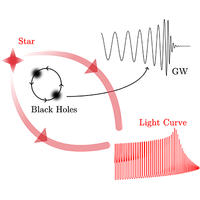
Black Holes as Telescopes: Discovering Supermassive Binaries through Quasiperiodic Lensed Starlight
Article | Cosmology, Astrophysics, and Gravitation | 2026-02-12 05:00 EST
Hanxi Wang, Miguel Zumalacárregui, and Bence Kocsis
The quasiperiodic lensing of starlight by a supermassive black hole binary system can leave imprints on the light curve of the host galaxy, which can help discover and characterize such binaries.
Phys. Rev. Lett. 136, 061403 (2026)
Cosmology, Astrophysics, and Gravitation
Coherent State Description of Gravitational Waves from Binary Black Holes
Article | Cosmology, Astrophysics, and Gravitation | 2026-02-12 05:00 EST
Sugumi Kanno, Jiro Soda, and Akira Taniguchi
Quantum mechanics is the fundamental framework of nature, and gravitational waves from binary black holes during the inspiral phase should likewise be analyzed quantum mechanically. It is commonly assumed that their classical description corresponds to a coherent state, so any deviation would signal…
Phys. Rev. Lett. 136, 061404 (2026)
Cosmology, Astrophysics, and Gravitation
Chern Theorem and Topological Matter in Fast-Rotating Atomic Nuclei
Article | Nuclear Physics | 2026-02-12 05:00 EST
Mike Guidry and Yang Sun
The Chern theorem is applied to intrinsically deformed atomic nuclei, leading to states exhibiting topological quantization of the rotation-aligned component of angular momentum averaged over Hilbert space. These topologically quantized alignment (TQA) states can emerge when collective rotation brea…
Phys. Rev. Lett. 136, 062502 (2026)
Nuclear Physics
All-Optically Operated Atto-Newton Force Sensing with a Centimeter-Milligram-Scale Torsion Pendulum
Article | Atomic, Molecular, and Optical Physics | 2026-02-12 05:00 EST
Sheng-Guo Guan, Yan-Bei Cheng, Jing Sun, Zheng-Lu Duan, and Jian-Xin Le
We demonstrate an all-optically operated centimeter-milligram-scale torsion pendulum for atto-Newton (aN) level force detection, enabled by an ultrathin silica fiber and optical precooling in ultrahigh vacuum. Ten radiation pressure measurement experiments confirm the system's excellent linearity an…
Phys. Rev. Lett. 136, 063603 (2026)
Atomic, Molecular, and Optical Physics
On-Chip Laser-Driven Free-Electron Spin Polarizer
Article | Atomic, Molecular, and Optical Physics | 2026-02-12 05:00 EST
Clarisse Woodahl, Melanie Murillo, Charles Roques-Carmes, Aviv Karnieli, David A. B. Miller, and Olav Solgaard
Spin-polarized electron beam sources enable studies of spin-dependent electric and magnetic effects at the nanoscale. We propose a method of creating spin-polarized electrons on an integrated photonics chip by laser-driven nanophotonic fields. A two-stage interaction separated by a free-space drift …
Phys. Rev. Lett. 136, 063802 (2026)
Atomic, Molecular, and Optical Physics
Universal Crossover in the Three-Channel Charge Kondo Model at High Transparency
Article | Condensed Matter and Materials | 2026-02-12 05:00 EST
Nicolas Paris, Nicolas Dupuis, and Christophe Mora
Quantum impurity models provide a central framework for correlated electron physics, with quantum dots enabling controlled experimental realizations. While their weak-coupling behavior is well understood through mappings to Kondo Hamiltonians, the opposite regime of highly transparent contacts has l…
Phys. Rev. Lett. 136, 066501 (2026)
Condensed Matter and Materials
Quasi-One-Dimensional Spin Excitations in the Iron Pnictide ${\mathrm{NaFe}}{0.53}{\mathrm{Cu}}{0.47}\mathrm{As}$
Article | Condensed Matter and Materials | 2026-02-12 05:00 EST
Yifan Wang, David W. Tam, Weiyi Wang, R. A. Ewings, J. Ross Stewart, Masaaki Matsuda, Chongde Cao, Changle Liu, Rong Yu, Pengcheng Dai, and Yu Song
Spectroscopic measurements in model 1D correlated systems offer insights for understanding their two-dimensional counterparts, which include the cuprate and iron pnictide/chalcogenide superconductors. A major challenge is the identification of such correlated systems with dominantly 1D physics. In t…
Phys. Rev. Lett. 136, 066503 (2026)
Condensed Matter and Materials
Cross-Process Interference in Single-Cycle Electron Emission from Metal Needle Tips
Article | Condensed Matter and Materials | 2026-02-12 05:00 EST
Anne Herzig, Peter Hommelhoff, Eleftherios Goulielmakis, Thomas Fennel, and Lennart Seiffert
Though interference from different emission channels enabled a deeper understanding of strong-field photoemission in atoms and molecules, it remained out of reach for solids. Here, we explore metal needle tips under single-cycle pulses via classical trajectories extended by quantum interference and …
Phys. Rev. Lett. 136, 066904 (2026)
Condensed Matter and Materials
Phononic Casimir Effect in Planar Materials
Article | Condensed Matter and Materials | 2026-02-12 05:00 EST
Pablo Rodriguez-Lopez, Dai-Nam Le, and Lilia M. Woods
The phononic Casimir effect between planar objects is investigated by deriving a formalism from the quantum partition function of the system following multiscattering approach. This fluctuation-induced coupling is mediated by phonons modeled as an effective elastic medium. We find that excitations w…
Phys. Rev. Lett. 136, 066905 (2026)
Condensed Matter and Materials
Reentrant Rigidity Transition in Planar Epithelia with Volume and Area Elasticity
Article | Polymers, Chemical Physics, Soft Matter, and Biological Physics | 2026-02-12 05:00 EST
Tanmoy Sarkar and Matej Krajnc
We find a reentrant columnar-to-squamous rigidity transition in three-dimensional (3D) epithelia, governed by volume and area elasticity. Our model maps to the classic 2D area- and perimeter-elasticity model but, unlike its 2D counterpart, shows compression-induced softening or stiffening, depending…
Phys. Rev. Lett. 136, 068404 (2026)
Polymers, Chemical Physics, Soft Matter, and Biological Physics
Comment on “Evolution Operator Can Always Be Separated into the Product of Holonomy and Dynamic Operators”
Article | 2026-02-12 05:00 EST
Adam Fredriksson and Erik Sjöqvist
Phys. Rev. Lett. 136, 068901 (2026)
Yu and Tong Reply:
Article | 2026-02-12 05:00 EST
Xiao-Dong Yu and D. M. Tong
Phys. Rev. Lett. 136, 068902 (2026)
Experimental Certification of Ensembles of High-Dimensional Quantum States with Independent Quantum Devices
Article | Quantum Information, Science, and Technology | 2026-02-11 05:00 EST
Yong-Nan Sun, Meng-Yun Ma, Qi-Ping Su, Zhe Sun, Chui-Ping Yang, and Franco Nori
When increasing the dimensionality of quantum systems, high-dimensional quantum state certification becomes important in quantum information science and technology. However, how to certify ensembles of high-dimensional quantum states in a black-box scenario remains a challenging task. In this Letter…
Phys. Rev. Lett. 136, 060804 (2026)
Quantum Information, Science, and Technology
Private Remote Phase Estimation over a Lossy Quantum Channel
Article | Quantum Information, Science, and Technology | 2026-02-11 05:00 EST
Farzad Kianvash, Marco Barbieri, and Matteo Rosati
Private remote quantum sensing aims at estimating a parameter at a distant location by transmitting quantum states on an insecure quantum channel, limiting information leakage and disruption of the estimation itself from an adversary. Previous results highlighted that one can bound the estimation pe…
Phys. Rev. Lett. 136, 060805 (2026)
Quantum Information, Science, and Technology
CMB and Energy Conservation Limits on Nanohertz Gravitational Waves
Article | Cosmology, Astrophysics, and Gravitation | 2026-02-11 05:00 EST
David Wright, John T. Giblin, Jr., and Jeffrey Hazboun
The recent evidence for a stochastic gravitational wave background (GWB) in the nanohertz band, announced by pulsar timing array (PTA) collaborations around the world, has been posited to be sourced by either a population of supermassive black holes binaries or perturbations of spacetime near the in…
Phys. Rev. Lett. 136, 061402 (2026)
Cosmology, Astrophysics, and Gravitation
New Nonsupersymmetric Tachyon-Free Strings
Article | Particles and Fields | 2026-02-11 05:00 EST
Zihni Kaan Baykara, Houri-Christina Tarazi, and Cumrun Vafa
In four decades of string theory research, only a handful of nonsupersymmetric tachyon-free strings with only one neutral scalar at tree level were found. We construct new nonsupersymmetric tachyon-free string theories using asymmetric orbifolds that serve as the lower-dimensional counterparts to th…
Phys. Rev. Lett. 136, 061602 (2026)
Particles and Fields
Bulk Spacetime Encoding via Boundary Ambiguities
Article | Particles and Fields | 2026-02-11 05:00 EST
Zhenkang Lu, Cheng Ran, and Shao-Feng Wu
We propose a method to reconstruct the metric and its arbitrary-order derivatives at the horizon for any static, planar-symmetric black hole, using an infinite set of discrete pole-skipping points in momentum space where the boundary Green's function becomes ambiguous. This method is fully analytica…
Phys. Rev. Lett. 136, 061603 (2026)
Particles and Fields
Lattice Calculation of the Sn Isotopes near the Proton Dripline
Article | Nuclear Physics | 2026-02-11 05:00 EST
Fabian Hildenbrand, Serdar Elhatisari, Ulf-G. Meißner, Helen Meyer, Zhengxue Ren, Andreas Herten, and Mathis Bode
We present the first ab initio lattice calculations of the proton-rich tin isotopes to using nuclear lattice effective field theory with high-fidelity two- and three-nucleon forces. For a given set of three-nucleon couplings, we reproduce binding energies with accuracy for the even-ev…
Phys. Rev. Lett. 136, 062501 (2026)
Nuclear Physics
Cavity Controls Core-to-Core Resonant Inelastic X-Ray Scattering
Article | Atomic, Molecular, and Optical Physics | 2026-02-11 05:00 EST
S.-X. Wang, Z.-Q. Zhao, X.-Y. Wang, T.-J. Li, Y. Su, Y. Uemura, F. Alves Lima, A. Khadiev, B.-H. Wang, J. M. Ablett, J-P. Rueff, H.-C. Wang, O. J. L. Fox, W.-B. Li, L.-F. Zhu, and X.-C. Huang
X-ray cavity quantum optics with inner-shell transitions has been limited by the spectral overlap between resonant and continuum states. Here, we report the first experimental demonstration of cavity-controlled core-to-core resonant inelastic x-ray scattering (RIXS). We suppress the absorption-edge …
Phys. Rev. Lett. 136, 063601 (2026)
Atomic, Molecular, and Optical Physics
Exceptional Point Superradiant Lasing with Ultranarrow Linewidth
Article | Atomic, Molecular, and Optical Physics | 2026-02-11 05:00 EST
Min Du, Qian Bin, Qing-Yang Qiu, Franco Nori, and Xin-You Lü
Achieving superradiant lasing with an ultranarrow linewidth is crucial for enhancing atomic clock stability in quantum precision measurement. By employing the exceptional point (EP) property of the system, we demonstrate theoretically superradiant lasing with linewidths in the range, sustained a…
Phys. Rev. Lett. 136, 063602 (2026)
Atomic, Molecular, and Optical Physics
Unified Model for the Solution of Interstitials in Refractory High-Entropy Alloys
Article | Condensed Matter and Materials | 2026-02-11 05:00 EST
Qianxi Zhu, Wang Gao, and Qing Jiang
The solution of interstitial nonmetallic solutes (INSs) like H, He, O, C, N, P, and S is common in refractory high-entropy alloys (RHEAs) and essentially controls the RHEAs properties. However, the disorder local chemical environments of RHEAs hinder the quantitative prediction of the stability of I…
Phys. Rev. Lett. 136, 066101 (2026)
Condensed Matter and Materials
Anomalous Localization of Light in One-Dimensional Lévy Photonic Lattices
Article | Condensed Matter and Materials | 2026-02-11 05:00 EST
Alejandro Ramírez-Yañez, Thomas Gorin, Rodrigo A. Vicencio, and Víctor A. Gopar
Localization of coherent propagating waves has been extensively studied over the years, primarily in homogeneous random media. However, significantly less attention has been given to wave localization in media with inhomogeneous disorder, where the standard picture of Anderson localization does not …
Phys. Rev. Lett. 136, 066304 (2026)
Condensed Matter and Materials
Quantum versus Classical Thermal Transport at Low Temperatures
Article | Condensed Matter and Materials | 2026-02-11 05:00 EST
Zhixing Zou, Jiangbin Gong, Jiao Wang, Giulio Casati, and Giuliano Benenti
This Letter aims to understand how quantum mechanics affects heat transport at low temperatures. In the classical setting, by considering a simple paradigmatic model, our simulations reveal the emergence of negative differential thermal resistance: paradoxically, increasing the temperature bias by l…
Phys. Rev. Lett. 136, 066305 (2026)
Condensed Matter and Materials
Parity Breaking and Sublattice Dichotomy in Monolayer FeSe Superconductor
Article | Condensed Matter and Materials | 2026-02-11 05:00 EST
Cui Ding, Zhipeng Xu, Xiaotong Jiao, Yinqi Hu, Wenxuan Zhao, Lexian Yang, Kun Jiang, Lili Wang, Jin-Feng Jia, Jiangping Hu, and Qi-Kun Xue
A unit cell represents the smallest repeating structure in solid-state physics and serves as the fundamental building block of a material. In iron-based superconductors, each unit cell contains two iron atoms, which form two sublattices in the two-dimensional iron layers. Under normal circumstances,…
Phys. Rev. Lett. 136, 066502 (2026)
Condensed Matter and Materials
Magnetoelastic Coupling-Driven Chiral Spin Textures: A Skyrmion-Antiskyrmion-like Array
Article | Condensed Matter and Materials | 2026-02-11 05:00 EST
Gyungchoon Go and Se Kwon Kim
We theoretically demonstrate that sufficiently strong magnetoelastic coupling can change the ground state of otherwise uniform spin systems to chiral spin configurations. More specifically, we show that a periodic array of chiral spin textures can spontaneously emerge in a two-dimensional ferromagne…
Phys. Rev. Lett. 136, 066702 (2026)
Condensed Matter and Materials
Enhancement of Indistinguishable-Photon Emission from a GaAs Quantum Dot via Charge-Noise Suppression
Article | Condensed Matter and Materials | 2026-02-11 05:00 EST
Priyabrata Mudi, Avijit Barua, Kartik Gaur, Steffen Wilksen, Alexander Steinhoff, Setthanat Wijitpatima, Sarthak Tripathi, Julian Ritzmann, Andreas D. Wieck, Sven Rodt, Christopher Gies, Arne Ludwig, and Stephan Reitzenstein
The generation of indistinguishable single photons is a fundamental requirement for photonic quantum technologies. However, spectral fluctuations, often induced by charge noise in epitaxial quantum dots (QDs), lead to exciton dephasing, thereby limiting their practical usage in quantum applications.…
Phys. Rev. Lett. 136, 066903 (2026)
Condensed Matter and Materials
Gibbs Measures from Deep Shaped Multilayer Perceptrons
Article | Statistical Physics; Classical, Nonlinear, and Complex Systems | 2026-02-11 05:00 EST
Boris Hanin and Alexander Zlokapa
We develop a diagrammatic approach analyzing Gibbs measures (i.e., Bayesian posteriors) in deep shaped multilayer perceptrons at arbitrary temperature. This gives the first (perturbatively) solvable model of learning with nonlinear neural networks where the input dimension , depth , width , and …
Phys. Rev. Lett. 136, 067301 (2026)
Statistical Physics; Classical, Nonlinear, and Complex Systems
Shear-Rate Dependent Surface Tension of Glass-Forming Fluids
Article | Polymers, Chemical Physics, Soft Matter, and Biological Physics | 2026-02-11 05:00 EST
Linnea Heitmeier and Thomas Voigtmann
We investigate the interface of a glass-forming fluid showing non-Newtonian rheology. By applying shear flow in the interface, we observe that the surface tension depends on the shear rate. Importantly, the standard way of determining surface tension from the pressure anisotropy caused by the interf…
Phys. Rev. Lett. 136, 068203 (2026)
Polymers, Chemical Physics, Soft Matter, and Biological Physics
Gravity-Driven Flux of Particles through Apertures
Article | Polymers, Chemical Physics, Soft Matter, and Biological Physics | 2026-02-11 05:00 EST
Ram Sudhir Sharma, Alexandre Leonelli, Kevin Zhao, Eckart Meiburg, and Alban Sauret
The gravity-driven discharge of granular material through an aperture is a fundamental problem in granular physics and is classically described by empirical laws with different fitting parameters. In this Letter, we disentangle the mass flux into distinct velocity and packing contributions by combin…
Phys. Rev. Lett. 136, 068204 (2026)
Polymers, Chemical Physics, Soft Matter, and Biological Physics
Entropy Production in Non-Gaussian Active Matter: A Unified Fluctuation Theorem and Deep Learning Framework
Article | Polymers, Chemical Physics, Soft Matter, and Biological Physics | 2026-02-11 05:00 EST
Yuanfei Huang, Chengyu Liu, Bing Miao, and Xiang Zhou
We present a general framework for deriving entropy production rates in active matter systems driven by non-Gaussian active fluctuations. Employing the probability-flow equivalence technique, we rigorously obtain an entropy production (EP) decomposition formula. We demonstrate that the EP, , sa…
Phys. Rev. Lett. 136, 068302 (2026)
Polymers, Chemical Physics, Soft Matter, and Biological Physics
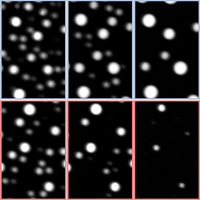
Diffusive and Enzymatic Modulation of the Dynamic Size Distribution of DNA Droplets
Article | Polymers, Chemical Physics, Soft Matter, and Biological Physics | 2026-02-11 05:00 EST
Michio Tateno and Omar A. Saleh
An experimental model system of DNA nanoparticles shows that the droplet size distribution can be controlled by the droplets' phase separation ability.
Phys. Rev. Lett. 136, 068403 (2026)
Polymers, Chemical Physics, Soft Matter, and Biological Physics
Physical Review X
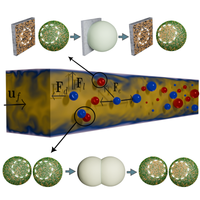
Unifying Same- and Different-Material Particle Charging through Stochastic Scaling
Article | 2026-02-11 05:00 EST
Holger Grosshans, Gizem Ozler, Vyshnavi Veeravalli, and Simon Jantač
A model that predicts charging for different types of small particle collisions enables realistic simulations of electrostatic effects.
Phys. Rev. X 16, 011023 (2026)
arXiv
A non-perturbative framework for N-point functions of locally non-Gaussian fields
New Submission | Statistical Mechanics (cond-mat.stat-mech) | 2026-02-12 20:00 EST
We present a non-perturbative approach to correlation functions and polyspectra of locally non-Gaussian fields and develop a simple semi-perturbative framework that does not rely on the local expansion. As an example, we apply it to locally non-Gaussian fields possessing exponential tails and derive some exact analytic results in the strongly non-Gaussian limit.
Statistical Mechanics (cond-mat.stat-mech), Mathematical Physics (math-ph)
22 pages, 6 figures
Generalized Kramers-Wannier Self-Duality in Hopf-Ising Models
New Submission | Strongly Correlated Electrons (cond-mat.str-el) | 2026-02-12 20:00 EST
Da-Chuan Lu, Arkya Chatterjee, Nathanan Tantivasadakarn
The Kramers-Wannier transformation of the 1+1d transverse-field Ising model exchanges the paramagnetic and ferromagnetic phases and, at criticality, manifests as a non-invertible symmetry. Extending such self-duality symmetries beyond gauging of abelian groups in tensor-product Hilbert spaces has, however, remained challenging. In this work, we construct a generalized 1+1d Ising model based on a finite-dimensional semisimple Hopf algebra $ H$ that enjoys an anomaly-free non-invertible symmetry $ \mathrm{Rep}(H)$ . We provide an intuitive diagrammatic formulation of both the Hamiltonian and the symmetry operators using a non-(co)commutative generalization of ZX-calculus built from Hopf-algebraic data. When $ H$ is self-dual, we further construct a generalized Kramers-Wannier duality operator that exchanges the paramagnetic and ferromagnetic phases and becomes a non-invertible symmetry at the self-dual point. This enlarged symmetry mixes with lattice translation and, in the infrared, flows to a weakly integral fusion category given by a $ \mathbb{Z}_2$ extension of $ \mathrm{Rep}(H)$ . Specializing to the Kac-Paljutkin algebra $ H_8$ , the smallest self-dual Hopf algebra beyond abelian group algebras, we numerically study the phase diagram and identify four of the six $ \mathrm{Rep}(H_8)$ -symmetric gapped phases, separated by Ising critical lines and meeting at a multicritical point. We also realize all six $ \mathrm{Rep}(H_8)$ -symmetric gapped phases on the lattice via the $ H$ -comodule algebra formalism, in agreement with the module-category classification of $ \mathrm{Rep}(H_8)$ . Our results provide a unified Hopf-algebraic framework for non-invertible symmetries, dualities, and the tensor product lattice models that realize them.
Strongly Correlated Electrons (cond-mat.str-el), High Energy Physics - Theory (hep-th), Quantum Algebra (math.QA), Quantum Physics (quant-ph)
66+27 pages, 9 figures
Semiclassical Routes to the $α$-RuCl$_3$ Scattering Continuum via Model Meta$-$Analysis
New Submission | Materials Science (cond-mat.mtrl-sci) | 2026-02-12 20:00 EST
$ \alpha$ -RuCl$ 3$ is a leading material for proximate Kitaev magnetism. We address the origin of the broad, $ \Gamma$ -point centered excitation continuum observed by inelastic neutron scattering at elevated temperatures in this compound. Using stochastic Landau-Lifshitz dynamics augmented with quantum-equivalent corrections, we reproduce the temperature-dependent dynamical spin structure factor across both the correlated and conventional paramagnetic regimes. A meta-analysis of 38 published exchange parameter sets identifies those most consistent with the full temperature evolution. A Bayesian optimization procedure is used to derive parameters that capture the low-energy star-like momentum dependence and the overall bandwidth of the continuum. Rescaling temperatures by the Curie–Weiss scale produces a collapse of spectral measures, demonstrating that the high-$ T$ dynamics are governed by correlated paramagnetism below $ \theta{\mathrm{CW}}$ rather than by the Kitaev crossover to fractionalized excitations. Complementary 24-site exact diagonalization clarifies finite-size systematics at low temperature and the proximity to zigzag/incommensurate ordering. Beyond $ \alpha$ -RuCl$ _3$ , our simulation pipeline provides a reproducible, data-driven framework to infer effective spin models in magnets that exhibit broad continua.
Materials Science (cond-mat.mtrl-sci), Strongly Correlated Electrons (cond-mat.str-el)
14 pages, 11 figures, plus Supplementary information about the table of 38 published exchange parameter sets
A web of exact mappings from RK models to spin chains
New Submission | Strongly Correlated Electrons (cond-mat.str-el) | 2026-02-12 20:00 EST
We study Rokhsar-Kivelson (RK) dimer and spin ice models realizing $ U(1)$ -lattice gauge theories in a wide class of quasi-one-dimensional settings, which define a setup for the study of few quantum strings (closed electric field lines) interacting with themselves and each other. We discover a large collection of mappings of these models onto three quantum chains: the spin-1/2 XXZ chain, a spin-1 chain, and a kinetically constrained fermion chain whose configurations are best described in terms of tilings of a rectangular strip. We show that the twist of boundary conditions in the chains maps onto the transverse momentum of the electric field string, and their Drude weight to the inverse of the string mass per unit length. We numerically determine the phase diagrams for these spin chains, employing DMRG simulations and find global similarities but also many interesting new features in comparison to the full 2D problems. For example, the spin-1 chain we obtain features a continuous family of degenerate ground states at its RK point analogous to a Bloch sphere, but without an underlying microscopic global $ SU(2)$ symmetry. We also argue for the existence of a (stable) Landau-forbidden gapless critical point away from the RK point in one of the models we study using bosonization and numerics. This is surprising given that the full 2D problem is generically gapped away from the RK point. The same model also displays extensively many local conserved quantities which fragment the Hilbert space, arising as a consequence of destructive resonances between the electric field lines. Our findings highlight spin-chain mappings as a potent technique for the exploration of unusual dynamics, exotic criticality, and low-energy physics in lattice gauge theories.
Strongly Correlated Electrons (cond-mat.str-el), Mesoscale and Nanoscale Physics (cond-mat.mes-hall)
30 pages, 39 figures
Computational discovery of cathode materials for rechargeable aqueous zinc-ion batteries
New Submission | Materials Science (cond-mat.mtrl-sci) | 2026-02-12 20:00 EST
Caio Miranda Miliante, Brian D. Adams, Drew Higgins, Oleg Rubel
Rechargeable aqueous zinc-ion batteries (RAZIBs) attract considerable scientific and commercial interest for deployment in grid-scale energy storage due to higher safety and lower manufacturing cost when compared to lithium-ion batteries. However, currently studied cathode materials suffer from severe capacity fade when cycling at rates appropriate for grid-scale applications ($ <$ C/2), which hampers the commercialization of RAZIBs. To address the present limitation on cathode material availability, more than 2000 previously synthesized oxides, chalcogenides, Prussian blue analogues, and polyanion materials were computationally screened for the discovery of highly stable RAZIB cathode materials. The structural, electrochemical, and chemical properties of the materials were respectively evaluated through an investigation of the available Zn$ ^{2+}$ percolation paths in the crystal structure, the stability of the material in aqueous media under RAZIB operation conditions, and the attained transition metal oxidation state during cycling. The transition metal oxidation state and intercalating ion coordination environment were determined to govern the magnitude of the calculated intercalation potential, with this finding directly supporting the development of batteries with high operation potentials. Finally, 10 previously unexplored materials were identified with leading metrics for operation as RAZIB cathode materials, such as high Zn$ ^{2+}$ (de)intercalation potential, electrochemical stability, theoretical gravimetric capacity, and energy density, being here proposed for experimental testing. The materials identified in this study demonstrate a guide for advancing the available cathode materials for RAZIB, and help expedite the establishment of RAZIB as a commercially viable technology for grid-scale energy storage.
Materials Science (cond-mat.mtrl-sci)
42 pages, 5 figures, 3 tables and supporting information
Whodunnit? The case of midge swarms
New Submission | Statistical Mechanics (cond-mat.stat-mech) | 2026-02-12 20:00 EST
L. L. Bonilla, R. González-Albaladejo
As collective states of animal groups go, swarms of midge insects pose a number of puzzling questions. Their ordering polarization parameter is quite small and the insects are weakly coupled among themselves but strongly coupled to the swarm. In laboratory studies (free of external perturbations), the correlation length is small, whereas midge swarms exhibit strong correlations, scale free behavior and power laws for correlation length, susceptibility and correlation time in field studies. Data for the dynamic correlation function versus time collapse to a single curve only for small values of time scaled with the correlation time. Is there a theory that explains these disparate observations? Among the existing theories, whodunnit? Here we review and discuss several models proposed in the literature and extend our own one, the harmonically confined Vicsek model, to anisotropic confinement. Numerical simulations of the latter produce elongated swarm shapes and values of the static critical exponents between those of the two dimensional and isotropic three dimensional models. The new values agree better with those measured in natural swarms.
Statistical Mechanics (cond-mat.stat-mech), Biological Physics (physics.bio-ph), Populations and Evolution (q-bio.PE)
21 pages, 4 figures, revtex
Cyclic active refrigerators
New Submission | Statistical Mechanics (cond-mat.stat-mech) | 2026-02-12 20:00 EST
S. Liu, A. Datta, A. C. Barato
Thermodynamic cycles are idealized processes that can convert heat into work or produce heat flow against a temperature gradient with the input of work. They remain an active area of research in modern stochastic thermodynamics. In particular, cyclic active heat engines have been shown to display a rich phenomenology, such as ``violations’’ of the Carnot bound on efficiency and an improved performance in comparison to their passive counterparts. We introduce the concept of cyclic active refrigerators using a previously derived second law for cyclic active systems. We show that for cyclic active refrigerators, a naive definition of the coefficient of performance can exceed the bound set by the standard second law for passive refrigerators. We also show that cyclic active systems can behave like a Maxwell’s demon, with heat flowing from the cold to the hot reservoir without any work input. Beyond this phase, cyclic active systems can enter a hybrid phase, functioning as both a heat engine and a refrigerator simultaneously. Our results are obtained with two models that involve active Brownian particles, a simpler one that allows for analytical results and a more realistic one that is analyzed through numerical simulations.
Statistical Mechanics (cond-mat.stat-mech)
19 pages, 5 figures
Atomically-sharp magnetic soliton in the square-net lattice EuRhAl${4}$Si${2}$
New Submission | Strongly Correlated Electrons (cond-mat.str-el) | 2026-02-12 20:00 EST
Kevin Allen, Juba Bouaziz, Yichen Zhang, Kai Du, Sanu Mishra, Gustav Bihlmayer, Yiqing Hao, Victor Ukleev, Chen Luo, Florin Radu, Yuxiang Gao, Marta Zonno, Sergey Gorovikov, Christopher Lane, Jian-Xin Zhu, Huibo Cao, Sang-Wook Cheong, Ming Yi, Stefan Blügel, Emilia Morosan
Topological spin textures are hallmark manifestations of competing interactions in magnetic matter. Their effective description by nonlinear field theories reflects an energetic frustration that destabilizes uniform order while selecting finite-size, topologically nontrivial configurations as stationary states. Among the most extreme realizations are atomically-sharp domain wall excitations, namely one-dimensional (1D) magnetic solitons, which represent the ultimate scaling limit of magnetic textures. Such solitons may emerge in magnetic systems where effective exchange interactions compete directly with uniaxial magnetic anisotropy. Here we show that the square-net rare earth compound EuRhAl$ {4}$ Si$ {2}$ realizes a very susceptible regime where the magnetic anisotropy competes with highly frustrated exchange interactions stabilizing a rare ferrimagnetic $ \uparrow\uparrow\downarrow$ state that, under applied magnetic field, supports the formation of atomically-sharp soliton defects. We confirm the bulk response of the 1D magnetic solitons via magnetization and electrical transport measurements. We establish both the zero- and in-field $ \uparrow\uparrow\downarrow$ order via neutron diffraction, while magnetic force microscopy visualizes its real-space evolution into a stripe-like array. To elucidate the microscopic origin of the soliton, we relate the Ruderman-Kittel-Kasuya-Yosida (RKKY)-driven exchange interactions and the magnetic anisotropy through density functional theory, and we construct an effective 1D $ J{1}$ -$ J{2}$ -$ K$ model whose atomistic spin dynamics simulations reproduce the observed soliton states as a function of external field. Our results demonstrate that EuRhAl$ _{4}$ Si$ _{2}$ hosts atomically-sharp, field-driven 1D magnetic solitons, providing a new platform for studying 1D topological excitations at the atomic length scale.
Strongly Correlated Electrons (cond-mat.str-el), Mesoscale and Nanoscale Physics (cond-mat.mes-hall), Materials Science (cond-mat.mtrl-sci)
What is active wetting?
New Submission | Soft Condensed Matter (cond-mat.soft) | 2026-02-12 20:00 EST
In recent years the term \textit{active wetting} has gained some traction in works describing, analyzing and modeling a wide variety of wetting phenomena, for instance, in the contexts of biomolecular condensates, of cell layers or cell aggregates, and of active Brownian particles. The present perspective proposes a coarse classification of wetting phenomena including a tentative definition of active wetting. First, different categories of static and dynamic wetting of passive liquids are briefly discussed, in particular, distinguishing equilibrium wetting, relaxational wetting, driven wetting, and reactive wetting. Second, an overview is given of the various phenomena recently described as active wetting. We conclude by discussing a possible definition of active wetting together with a number of caveats one might want to keep in mind when using such classifications.
Soft Condensed Matter (cond-mat.soft)
13 pages, 5 figures
Chiral states induced by symmetry-breaking in $α-T_3$ lattices: Magnetic field effect
New Submission | Mesoscale and Nanoscale Physics (cond-mat.mes-hall) | 2026-02-12 20:00 EST
J. P. G. Nascimento, J. M. Pereira Jr., R. N. Costa Filho, F. M. Peeters, M. M. Freire, W. P. Lima, D. R. da Costa
The sublattice-symmetry breaking in the $ \alpha-T_3$ lattice leads to a bandgap opening. A defect line in the substrate on which the $ \alpha-T_3$ lattice is deposited can be viewed as a topological change in the substrate that induces translational in-plane symmetry breaking, resulting in mid-gap states. These topologically protected states are confined along the defect line and exhibit preferential directional motion, with different signs for the different Dirac valleys. Within this context, we investigate how these unidirectional interface chiral states are affected in the presence of a perpendicular magnetic field and how they can be tuned by varying the controlling system parameter $ \alpha$ . The latter tunes the $ \alpha-T_3$ structure from a honeycomb-like lattice ($ \alpha=0$ ) to a dice lattice ($ \alpha=1$ ). Our theoretical framework is based on the continuum approximation described by a $ 3\times 3$ matrix Hamiltonian with a sublattice symmetry-breaking term given by $ \Delta(x) diag(1,\quad -1,\quad 1)$ , assuming $ \Delta(x)$ as a kink-like mass potential profile. Results for dispersion relations and wavefunction distributions for different $ \alpha$ parameters and magnetic field amplitudes are discussed. We demonstrate lifting of Landau levels degeneracy and of valley degeneracy. Our findings pave the way for proposing valley filter devices based on any evolutionary stage between the honeycomb-like and dice lattice structures of the $ \alpha-T_3$ phase, controlled by external fields.
Mesoscale and Nanoscale Physics (cond-mat.mes-hall)
20 pages, 10 figures
Device Applications of Heterogeneously Integrated Strain-Switched Ferrimagnets/Topological Insulator/Piezoelectric Stacks
New Submission | Materials Science (cond-mat.mtrl-sci) | 2026-02-12 20:00 EST
A family of ferrimagnets (CoV2O4, GdCo, TbCo) exhibits out-of-plane magnetic anisotropy when strained compressively and in-plane magnetic anisotropy when strained expansively (or vice versa). If such a ferrimagnetic thin film is placed on top of a topological insulator (TI) thin film and its magnetic anisotropy is modulated with strain, then interfacial exchange coupling between the ferrimagnet (FM) and the underlying TI will modulate the surface current flowing through the latter. If the strain is varied continuously, the current will also vary continuously and if the strain alternates in time, the current will also alternate with the frequency of the strain modulation, as long as the frequency is not so high that the period is smaller than the switching time of the FM. If the strain is generated with a gate voltage by integrating a piezoelectric underneath the FM/TI stack, then that can implement a transconductance amplifier or a synapse for neuromorphic computation.
Materials Science (cond-mat.mtrl-sci), Other Condensed Matter (cond-mat.other), Systems and Control (eess.SY)
Possible Proximity to Ferromagnetism in the V$_2$Ga$_5$ Superconductor
New Submission | Superconductivity (cond-mat.supr-con) | 2026-02-12 20:00 EST
Szymon Królak, Xudong Huai, Wiktoria Jarosz, Filip Košuth, Pavol Szabó, Michał J. Winiarski, Sudip Malick, Thao T. Tran, Tomasz Klimczuk
Superconductivity and ferromagnetism are generally competing ground states in $ d$ -electron systems, making their interplay of fundamental interest. We report a comprehensive study of high-quality single- and polycrystalline V$ _2$ Ga$ _5$ , a bulk type-II superconductor ($ T_c = 3.54 \ K$ ) with a quasi-one-dimensional crystal structure, supplemented with density functional theory (DFT) calculations, suggesting possible proximity to ferromagnetic order. Below $ T \approx 10 \ K$ , magnetic susceptibility shows ZFC/FC splitting, along with saturation and hysteresis in $ M(H)$ . Moreover, electrical transport measurements reveal a magnetic-field-dependent resistivity upturn, while specific heat is enhanced in magnetic fields. DFT calculations show that the Fermi level in V$ _2$ Ga$ _5$ is located at a peak in the density of states, with a small magnetic moment per unit cell comparable to the experimental value. Together, these results indicate the possibility that ferromagnetic correlations develop below $ T \approx 10 \ K$ , well above $ T_c$ , with long-range ferromagnetic order suppressed by the superconducting transition.
Superconductivity (cond-mat.supr-con)
13 pages, 8 figures
Benchmarking of Massively Parallel Phase-Field Codes for Directional Solidification
New Submission | Materials Science (cond-mat.mtrl-sci) | 2026-02-12 20:00 EST
Jiefu Tian, David Montiel, Kaihua Ji, Trevor Lyons, Jason Landini, Katsuyo Thornton, Alain Karma
We present a detailed benchmark comparing two state-of-the-art phase-field implementations for simulating alloy solidification under experimentally relevant conditions. The study investigates the directional solidification of Al-3wt%Cu under additive manufacturing conditions and SCN-0.46wt% camphor under microgravity conditions from National Aeronautics and Space Administration (NASA) DECLIC-DSI-R experiments. Both codes, one employing finite-difference discretization with uniform mesh and GPU-acceleration and the other one employing finite-element discretization with adaptive-mesh and CPU-parallelization, solve the same quantitative phase-field formulation that incorporates an anti-trapping current for the solidification of dilute alloys. We evaluate the predictions of each code for dendritic morphology, primary spacing, and tip dynamics in both 2D and 3D, as well as their numerical convergence and computational performance. While existing benchmark problems have primarily focused on simplified or small-scale simulations, they do not reflect the computational and modeling challenges posed by employing experimentally relevant time and length scales. Our results provide a practical framework for assessing phase-field code performance as well as validating and facilitating their application in integrated computational materials engineering (ICME) workflows that require integration with realistic experimental data.
Materials Science (cond-mat.mtrl-sci), Computational Physics (physics.comp-ph)
Superconductivity in strongly correlated systems for local repulsive interactions
New Submission | Strongly Correlated Electrons (cond-mat.str-el) | 2026-02-12 20:00 EST
Humberto M. Silva, Francisco Dinola Neto, Griffith M. A. R., Minos A. Neto, Octavio D. R. Salmon, Mucio A. Continentino, Amos Troper
The understanding of the mechanisms responsible for superconductivity in strongly correlated systems is an interesting and important subject in condensed matter physics. Several theoretical proposals were considered for these systems. The Coulomb interaction between electrons allow a new approach to study this problem. In this paper, we use a usual Hubbard model with a local repulsive interaction to describe a 2D system. The system of equations are solved using the Green’s functions method, within a Hubbard-I mean field approximation, which allows to treat the strong interaction limit. We consider both cases of attractive and repulsive interactions and obtain the zero temperature phase diagram of the model. Our results show, in the repulsive case, the existence of a superconducting ground state mediated by the kinetic electronic energy and described by a non-local order parameter. A minimum value of the repulsive interaction $ U_{min}$ is required to create a pairing state. At finite temperatures, for strong interactions, the critical temperature $ T_c$ shows a saturation similar to the Bose-Einstein condensation observed for strong attractive interactions.
Strongly Correlated Electrons (cond-mat.str-el)
8 pages, 7 figures
Self-pinning mechanism for grain boundary stabilization
New Submission | Materials Science (cond-mat.mtrl-sci) | 2026-02-12 20:00 EST
Previous research focused on two different mechanisms of microstructure stabilization in alloys: thermodynamic stabilization by reducing the grain boundary (GB) free energy and kinetic stabilization by suppressing the GB mobility by solute drag or embedded pinning particles. Here, we propose a new GB stabilization mechanism, called self-pinning, in which the segregation atmosphere of a moving GB spontaneously breaks into solute-rich clusters, which produce a strong pinning effect in addition to the free energy reduction resulting from the segregation. The cluster formation is caused by strong solute-solute attraction at GBs, leading to a first-order transformation between solute-lean and solute-rich GB phases. The effect is demonstrated by kinetic Monte Carlo simulations capturing segregation thermodynamics, GB dynamics, and solute diffusion. The self-pinning provides an intrinsic stabilization mechanism for suppressing grain growth that couples thermodynamics and kinetics. The mechanism obviates the need for pre-existing second phase inclusions, refocusing the alloy design on GB phase behavior.
Materials Science (cond-mat.mtrl-sci)
Properties of Bose-Einstein condensates with altermagnetism
New Submission | Quantum Gases (cond-mat.quant-gas) | 2026-02-12 20:00 EST
Jia Wang, Zhao Liu, Xia-Ji Liu, Hui Hu
We investigate a weakly interacting two-component Bose–Einstein condensate in the miscible regime in the presence of \emph{altermagnetism}, i.e., a collinear and globally compensated magnetic order that breaks spin-rotation symmetry while maintaining zero net magnetization. Within Bogoliubov theory, we derive the quasiparticle spectrum and coherence factors and show that altermagnetic order generically induces an angular dependence of the low-energy excitations. As a result, the sound velocity, momentum-resolved magnetization in the quantum depletion, and density–spin response functions acquire anisotropic components. We show that these anisotropic contributions vanish after angular averaging, consistent with the defining feature of altermagnetism: nontrivial local spin polarization without a global magnetization. Finally, we evaluate the Lee–Huang–Yang correction to the ground-state energy in the altermagnetic phase. Our results should be testable with ultracold-atom experiments in the foreseeable future.
Quantum Gases (cond-mat.quant-gas), Superconductivity (cond-mat.supr-con), Quantum Physics (quant-ph)
Biaxial Strain Control of Helimagnetism via Chemical Expansion in Thin Film SrFeO3
New Submission | Materials Science (cond-mat.mtrl-sci) | 2026-02-12 20:00 EST
Jennifer Fowlie, Jiarui Li, Danilo Puggioni, Lucas Barreto, Lin Ding Yuan, James M. Rondinelli, Ronny Sutarto, Teak D. Boyko, Fabio Orlandi, Pascal Manuel, Dmitry Khalyavin, Eder G. Lomeli, Brian Moritz, Thomas P. Devereaux, Skyler Koroluk, Robert J. Green, Steven J. May, Harold Y. Hwang
We demonstrate control of helimagnetic order in biaxially strained SrFeO3 thin films using neutron diffraction and resonant soft x-ray scattering. SrFeO3, a negative charge-transfer oxide, exhibits a complex magnetic phase diagram that includes multi-q spin structures. Tensile epitaxial strain produces a pronounced shortening of the helimagnetic ordering length and a tilting of the magnetic ordering vector. We interpret this behavior in terms of chemical expansion: lattice dilation under tensile strain lowers the energetic cost of oxygen vacancies, leading to an expanded unit cell that modifies Fe-O hybridization and enhances superexchange relative to double exchange. These results reveal how epitaxial strain can indirectly tune helimagnetism through defect-driven chemical expansion, highlighting the strong coupling between lattice, chemistry, and magnetic order in transition-metal oxides. Our findings establish chemical expansion as an effective mechanism for engineering complex magnetic textures in oxide thin films, with implications for spintronic, magnonic, and quantum information applications.
Materials Science (cond-mat.mtrl-sci), Strongly Correlated Electrons (cond-mat.str-el)
Morphological instability of an invasive active-passive interface
New Submission | Soft Condensed Matter (cond-mat.soft) | 2026-02-12 20:00 EST
Sumit Sinha, Haiqian Yang, L Mahadevan
Morphological instabilities of growing tissues that impinge on passive materials are typical of invasive cancers. To explain these instabilities in experiments on breast epithelial spheroids in an extracellular matrix, we develop a continuum phase field model of a growing active liquid expanding into a passive viscoelastic matrix. Linear stability analysis of the sharp-interface limit of the governing equations predicts that the tissue interface can develops long-wavelength instabilities, but these instabilities are suppressed when the active carcinoid is embedded in an elastic matrix. We develop a theoretical morphological phase diagram, and complement these with two-dimensional finite element (FEM) phase-field simulations to track the nonlinear evolution of the interface with results consistent with theoretical predictions and experimental observations. Our study provides a basis for the emergence of interfacial instabilities in active-passive systems with the potential to control them.
Soft Condensed Matter (cond-mat.soft), Tissues and Organs (q-bio.TO)
Linear thermal noise induced by Berry curvature dipole in a four-terminal system
New Submission | Mesoscale and Nanoscale Physics (cond-mat.mes-hall) | 2026-02-12 20:00 EST
Wenyu Chen, Miaomiao Wei, Yunjin Yu, Fuming Xu, Jian Wang
In this work, we numerically investigate linear thermal noise in a four-terminal system with a finite Berry curvature dipole (BCD) using the nonequilibrium Green’s function formalism. By comparing with the semiclassical results for bulk systems, we establish a one-to-one correspondence between terminal-resolved linear noise in multi-terminal systems and direction-resolved noise in bulk transport. Specifically, the auto-correlation function scales as $ 2 k_B T$ when the driving field is perpendicular to the BCD and vanishes when they are parallel, whereas the cross-correlation scales as $ k_B T$ . Both the auto- and cross-correlation functions exhibit pronounced peaks near the band edges, consistent with BCD-induced features. In addition, the linear thermal noise increases approximately linearly with $ T$ at low temperatures and is suppressed by dephasing effect at high temperatures. Our work bridges semiclassical bulk theory and quantum multi-terminal theory for linear thermal noise, highlighting the symmetry(geometry)-selection rule in quantum transport.
Mesoscale and Nanoscale Physics (cond-mat.mes-hall)
Excitons in van der Waals magnetic materials
New Submission | Materials Science (cond-mat.mtrl-sci) | 2026-02-12 20:00 EST
Pratap Chandra Adak, Florian Dirnberger, Swagata Acharya, Akashdeep Kamra, Xiaodong Xu, Vinod M. Menon
Two-dimensional magnetic semiconductors provide a unique materials platform in which long-range magnetic order coexists with strongly bound excitons. Because excitonic states and magnetic moments originate from the same electronic orbitals and are coupled through intrinsic exchange interactions, optical excitations in these systems exhibit pronounced sensitivity to magnetic order. Recent experiments have revealed unusually strong magneto-optical responses, as well as direct coupling between excitons and magnons, establishing new routes for controlling light-matter interactions with spin degrees of freedom. This Review surveys key developments in the field, focusing on representative material systems, experimental signatures of exciton-magnetism coupling, and the theoretical frameworks used to describe these phenomena. We conclude with perspectives on how this rapidly evolving field could enable next-generation optoelectronic and quantum technologies leveraging the coupled dynamics of light, charge, and spin.
Materials Science (cond-mat.mtrl-sci), Mesoscale and Nanoscale Physics (cond-mat.mes-hall), Optics (physics.optics)
34 pages, 6 figures, 2 boxes
Moire driven edge reconstruction in Fractional quantum anomalous Hall states
New Submission | Mesoscale and Nanoscale Physics (cond-mat.mes-hall) | 2026-02-12 20:00 EST
Feng Liu, Hoi Chun Po, Xueyang Song
We investigate fractional edge modes in moire fractional quantum anomalous Hall states, focusing on the role of lattice momentum conservation and umklapp scattering. For the hierarchical nu=2/3 state, we show that, for a class of microscopic edge realizations, moire-enabled umklapp processes can stabilize the Kane-Fisher-Polchinski fixed point even in the absence of this http URL results illustrate how lattice momentum constraints can qualitatively reshape the interaction structure and low-energy behavior of fractional edge modes. The study of Umklapp processes in edge reconstruction serves as a crucial bridge to understanding thermal and electrical transport in the hierarchical fractional quantum anomalous Hall states found in lattice systems of quantum simulators.
Mesoscale and Nanoscale Physics (cond-mat.mes-hall)
11 pages, 3 figures
Dispersive detection of a charge qubit with a broadband high-impedance quantum-Hall plasmon resonator
New Submission | Mesoscale and Nanoscale Physics (cond-mat.mes-hall) | 2026-02-12 20:00 EST
Chaojing Lin, Kosei Teshima, Takafumi Akiho, Koji Muraki, Toshimasa Fujisawa
Cavity quantum electrodynamics (cQED) provides strong light-matter interactions that can be used for manipulating and detecting quantum states. The interaction can be enhanced by increasing the resonator’s impedance, while approaching the quantum impedance ($ h/e^2$ ) remains challenging. Edge plasmons emergent as chiral bosonic modes in the quantum Hall channels provide high quantized impedance of $ h/ \nu e^2$ that can exceed 10 k$ \Omega$ for the Landau-level filling factor $ \nu \leq 2$ , well beyond the impedance of free space. Here, we apply such a high-impedance plasmon mode in a quantum-Hall plasmon resonator to demonstrate dispersive detection of a nearby charge qubit formed in a double quantum dot. The phase shift in microwave transmission through the plasmon resonator follows the dispersive shift associated with the qubit state in agreement with the cQED theory. The high impedance allows us to perform dispersive detection of qubit spectroscopy with a plasmon resonator having a broad bandwidth. Leveraging these topological edge modes, our results establish two-dimensional topological insulators as a new platform of cQED.
Mesoscale and Nanoscale Physics (cond-mat.mes-hall)
20 pages, 5 figures
Defect structures and transitions in active nematic membranes
New Submission | Soft Condensed Matter (cond-mat.soft) | 2026-02-12 20:00 EST
We investigate the dynamics of active nematic liquid crystals on deformable membranes, focusing on the interplay between active stress and anisotropic curvature coupling. Using a minimal model, we simulate the coupled evolution of the nematic order parameter and membrane height. We demonstrate a continuous transition from a curvature-dominated regime, where topological defects are trapped by local deformation, to an activity-dominated regime exhibiting active turbulence. A scaling analysis reveals that the critical activity threshold $ \zeta_c$ scales as $ \alpha^2/\kappa$ , where $ \alpha$ and $ \kappa$ are the coupling constant and bending stiffness, respectively; this relationship is confirmed by our numerical results. Furthermore, we find that significant correlations between the orientational pattern and membrane geometry persist even in the turbulent regime. Specifically, we identify that “walls” in the director field induce characteristic wave-like curvature profiles, providing a mechanism for dynamic coupling between order and shape. These results offer a physical framework for understanding defect-mediated deformation in nonequilibrium biological membranes.
Soft Condensed Matter (cond-mat.soft)
8 pages, 5 figures
Probing Plasmonic Oscillations in 2D Moiré Nanocrystal Superlattices by Low-Loss EELS
New Submission | Materials Science (cond-mat.mtrl-sci) | 2026-02-12 20:00 EST
Swarnendu Das, Shengsong Yang, Kevin N. Moser, Marc R. Bourgeois, Quentin M. Ramasse, David J. Masiello, Christopher B. Murray, Eric A. Stach
Electron energy loss spectroscopy (EELS) has been established as a powerful analytical technique for investigating the oxidation state, band structure, and dielectric properties of materials with exceptional spatial resolution. Inspired by twisted 2D materials, we utilize low-loss EELS to examine the plasmonic excitations in 2D moiré Au nanocrystal superlattices (NCSLs) formed by liquid-air interface self-assembly using a double-dipping method. This approach produces stacked hexagonal layers that can be twisted, forming moiré patterns in NCSLs whose twist angles are precisely measured via scanning transmission electron microscopy (STEM). Low-loss EELS effectively mitigates challenges arising from fabrication-induced non-uniformity and reveals a blue shift in plasmonic excitation when comparing single-layer, double-layer, and twisted configurations. This sharply contrasts with the optical spectroscopy measurements, which show an overall red shift relative to the EELS data. The high spatial resolution of STEM-EELS further demonstrates that twist-induced symmetry breaking strongly influences plasmonic behavior. Coupled dipole modeling explains the observed discrepancies: the electron beam excites out-of-plane polarization modes unavailable to optical probes, while optical measurements average over ensembles. Our findings highlight that EELS provides complementary information to optical spectroscopy for understanding how structural arrangements at the nanoscale influence collective electronic properties, advancing the design of plasmonic metamaterials.
Materials Science (cond-mat.mtrl-sci)
Ferroelectric Quantum Point Contact in Twisted Transition Metal Dichalcogenides
New Submission | Mesoscale and Nanoscale Physics (cond-mat.mes-hall) | 2026-02-12 20:00 EST
Wei Ren, Shiyu Guo, Daochen Long, Noah Friedman, Jingyuan Xian, David Li, Jack Tavakley, Jeongsoo Park, Kenji Watanabe, Takashi Taniguchi, Ke Wang
In twisted transition metal dichalcogenides (tTMDs), atomic reconstruction gives rise to moiré domains with alternating ferroelectric polarization, whose domain size and overall electric dipole moment are tunable by an out-of-plane electric field. Previous transport measurements in Hall bar devices have successfully demonstrated the overall ferroelectric behavior of tTMDs from a collective ensemble of ferroelectric moiré domains. To locally probe a single ferroelectric moiré domain, we fabricate and study mesoscopic quantum transport via a gate-defined twisted molybdenum disulfide (tMoS2) quantum point contact (QPC). The local property of a single moiré domain is invulnerable to long-range disorder and twist-angle inhomogeneity, resulting in an unusually long conductance plateau with large electrical hysteresis. The comparison between local and global measurements confirms that antiferroelectricity can emerge from alternating polarization of individual ferroelectric domains. Using a QPC as a single charge sensor, we characterize the nature and time scale of different domain evolution mechanisms with single atomic dipole resolution. Our findings shed new light on the microscopic ferroelectric behavior and dynamics within a single tTMD moiré domain, paving the way toward more advanced ferroelectric quantum devices with tunable local Hamiltonian, such as ferroelectric tTMD quantum dots (QDs).
Mesoscale and Nanoscale Physics (cond-mat.mes-hall), Materials Science (cond-mat.mtrl-sci)
Thermodynamic Optimization of Sensory Adaptation via Game-Theoretic Path Integrals
New Submission | Statistical Mechanics (cond-mat.stat-mech) | 2026-02-12 20:00 EST
Biological sensory systems, from \textit{E.coli} chemotaxis to sensory neurons in \textit{C.elegans}, achieve reliable adaptation over wide dynamic ranges despite operating in strongly noisy and overdamped regimes. Here, we present a field-theoretic framework in which sensory adaptation emerges from a variational free-energy principle, formulated as a stochastic differential game between an organism and its environment. Using an Onsager–Machlup path-integral formalism, we show that the resulting adaptive dynamics are mathematically equivalent to a class of model reference adaptive control schemes and can be interpreted as a dynamic renormalization of the system’s Green’s function. Within this framework, the phasic overshoot commonly observed in sensory responses arises naturally from an effective inertia ($ m^\ast \approx \tau \gamma$ ) generated by memory-dissipation coupling, rather than from biochemical fine-tuning. Quantitative fits to experimental data across species yield $ R^2 > 0.88$ , and indicate that adaptive sensory processing operates within a narrow thermodynamically optimal regime bounded by signal-to-noise and stability constraints.
Statistical Mechanics (cond-mat.stat-mech), Biological Physics (physics.bio-ph)
5 pages, 4 this http URL for publication
Interplay of ion availability and mobility in the loss of cation selectivity for CaCl\textsubscript{2} in negatively charged nanopores: molecular dynamics using scaled-charge models
New Submission | Statistical Mechanics (cond-mat.stat-mech) | 2026-02-12 20:00 EST
Salman Shabbir, Dezső Boda, Zoltán Ható
Ion transport through charged nanopores is commonly interpreted in terms of electrical double layer structure, leading to the expectation of cation-selective conduction in negatively charged pores. This picture can break down for multivalent electrolytes, where strong ion-urface correlations and charge inversion modify transport behavior. Here, we study NaCl and CaCl$ _2$ conduction through negatively charged silica nanopores using atomistic molecular dynamics simulations with scaled-charge ion models. By separating concentration and velocity contributions to the radial particle current density, we connect static adsorption to dynamic perm-selectivity. While NaCl exhibits conventional cation selectivity, CaCl$ _2$ shows nearly bulk-like or even anion-favored transport due to Ca$ ^{2+}$ immobilization near the surface and dominant Cl$ ^-$ conduction in the pore interior following charge inversion. Although this qualitative mechanism is robust, its detailed manifestation depends sensitively on the balance of ion-surface and ion-water interactions encoded in the force field.
Statistical Mechanics (cond-mat.stat-mech)
submitted to J. Chem. Phys. January 2026
Universality of linear in temperature and linear in field Planckian scattering rate in high temperature cuprate superconductors
New Submission | Superconductivity (cond-mat.supr-con) | 2026-02-12 20:00 EST
K. Remund, K. V. Nguyen, P.-H. Chou, P. Giraldo-Gallo, J. A. Galvis, G. S. Boebinger, C.-H. Chung
One of the long standing puzzles in strongly correlated materials is the microscopic origin of the quantum critical Planckian strange metal phase with universal linear in temperature scattering rate from which unconventional superconductivity directly emerges by lowering temperatures. Recently, the linear in temperature and linear in field resistivity have been simultaneously observed in high temperature cuprate superconductors, manifested by the universal field to temperature scaling in magnetoresistivity. To date, there has been a lack of coherent and unified understanding of these coexisting linear behaviors and their possible link to quantum criticality. In this work, we establish the universality in linear in temperature and linear in field Planckian behaviors in underdoped LSCO near optimal doping. Experimentally, we observe the linear in field Planckian scattering rate and its relation to its linear in temperature counterpart. Theoretically, we propose a spin based common microscopic mechanism based on Kondo-like charge fluctuations near local quantum criticality of heavy fermion formulated tJ model subject to a Zeeman term. Similar to frequency to temperature scaling near quantum criticality, we find the magnetic field here effectively introduces a Zeeman energy, reminiscent of an external energy in the quantum critical regime, leading to field to temperature scaling. Our analytically predicted universal field to temperature scaling in isotropic scattering rate and the relation between the linear in temperature and linear in field Planckian coefficients, unifies these two phenomena over an extended doping range, pointing toward a unified quantum-critical origin of Planckian transport in cuprates.
Superconductivity (cond-mat.supr-con), Strongly Correlated Electrons (cond-mat.str-el)
23 pages, 20 figures, 6 pages (maintext), 4 figures (maintext)
Antiferroaxial altermagnetism
New Submission | Materials Science (cond-mat.mtrl-sci) | 2026-02-12 20:00 EST
The antiferroaxial state is emerging as an important ferroic order in condensed matter systems. Here, we establish antiferroaxial altermagnetism as a broadly prevalent, generic, and microscopically grounded multiferroic mechanism, in which antiferroaxial counter-rotating distortions both induce altermagnetism and enable its deterministic and reversible switching. Within a unified Landau-theory and symmetry framework, we identify a symmetry-allowed trilinear invariant coupling the antiferroaxial order, the Néel vector, and the altermagnetic order, and derive general symmetry criteria for its occurrence. This coupling locks the induced altermagnetism to the antiferroaxial order, so that reversing the latter reverses the spin splitting and associated time-reversal-odd responses, such as anomalous Hall conductivity. We provide a practical spin group dictionary mapping Néel-vector representations to the resulting $ d$ -, $ g$ -, and $ i$ -wave antiferroaxial altermagnetism, validate the mechanism with ligand-rotation tight-binding models and first-principles calculations, and identify many candidate materials by screening the MAGNDATA and C2DB databases. Our results elevate antiferroaxiality to a universal ferroic control knob for structurally programmable altermagnetic spintronics.
Materials Science (cond-mat.mtrl-sci), Mesoscale and Nanoscale Physics (cond-mat.mes-hall)
9+18 pages, 4+10 figures, 2+3 tables
Nonlinear dynamics in magnonic Fabry-Pérot resonators: Low-power neuron-like activation and transmission suppression
New Submission | Materials Science (cond-mat.mtrl-sci) | 2026-02-12 20:00 EST
Anton Lutsenko, Kevin G. Fripp, Lukáš Flajšman, Andrey V. Shytov, Volodymyr V. Kruglyak, Sebastiaan van Dijken
We report on nonlinear spin-wave dynamics in magnonic Fabry-Pérot resonators composed of yttrium iron garnet (YIG) films coupled to CoFeB nanostripes. Using super-Nyquist sampling magneto-optical Kerr effect microscopy and micromagnetic simulations, we observe a systematic downshift of the spin-wave transmission gaps as the excitation power increases. This nonlinear behavior occurs at low power levels, reduced by a strong spatial concentration of spin waves within the resonator. The resulting power-dependent transmission enables neuron-like activation behavior and frequency-selective nonlinear spin-wave absorption. Our results highlight magnonic Fabry-Pérot resonators as compact low-power nonlinear elements for neuromorphic magnonic computing architectures.
Materials Science (cond-mat.mtrl-sci), Mesoscale and Nanoscale Physics (cond-mat.mes-hall)
5 pages, 5 figures
Analytic Nonlinear Theory of Shear Banding in Amorphous Solids
New Submission | Statistical Mechanics (cond-mat.stat-mech) | 2026-02-12 20:00 EST
Avanish Kumar, Itamar Procaccia
The aim of this paper is to offer an analytic theory of the shear banding instability in amorphous solids that are subjected to athermal quasi-static shear. To this aim we derive nonlinear equations for the displacement field, including the consequences of plastic deformation on the mechanical response of amorphous solids. The plastic events collectively induce distributed dipoles that are responsible for screening effects and the creation of typical length-scales that are absent in classical elasticity theory. The nonlinear theory exposes an instability that results in the creation of shear bands. By solving the weakly nonlinear amplitude equation we present analytic expressions for the displacement fields that is associated with shear bands, explaining the role of the elastic moduli that determine the width of a shear band from ductile to brittle characteristics. We derive an energy functional whose Hessian possesses an eigenvalue that goes to zero at the shear-banding instability, providing a prediction for the critical value of the accumulated stress that results in an instability.
Statistical Mechanics (cond-mat.stat-mech)
27 pages, 4 figures
Layer-dependent antiferromagnetic Chern and axion insulating states in UOTe
New Submission | Materials Science (cond-mat.mtrl-sci) | 2026-02-12 20:00 EST
Sougata Mardanya, Barun Ghosh, Mengke Liu, Christopher Broyles, Junyeong Ahn, Kai Sun, Jennifer E. Hoffman, Sheng Ran, Arun Bansil, Su-Yang Xu, Sugata Chowdhury
Magnetic topological insulators have received significant interest due to their dissipationless edge states, which promise advances in energy-efficient electronic transport. However, the magnetic topological insulator state has typically been found in ferromagnets (FMs) that suffer from low magnetic ordering temperatures and stray fields. Identifying an antiferromagnetic topological insulator that exhibits the quantum anomalous Hall effect (QAHE) with a relatively high Néel temperature has been a longstanding challenge. Here, we focus on the recently discovered van der Waals (vdW) antiferromagnet (AFM) UOTe, which not only features a high Néel temperature ((\sim)150K) but also exhibits intriguing Kondo interaction and topological characteristics. Our systematic analysis of the layer-dependent topological phases based on \textit{ab} initio computations predicts the two-layer UOTe film to be an ideal 2D AFM Chern insulator in which the Hall conductivity is quantized with a fully compensated spin magnetization. By applying an in-plane strain or electric field, we show how the itinerancy of U-5f electrons can be manipulated to trigger a transition between the nontrivial ($ C = 1$ ) and trivial ($ C = 0$ ) phases. Interestingly, the 3-layer UOTe film is found to have zero charge conductance but it hosts a quantized spin Hall conductivity (SHC) with finite magneto-electric coupling, suggesting the presence of an axion insulator-like state. The unique magnetic structure of UOTe supports a layer-tunable topology in which films with an odd number of layers are axion-like insulators, while films with an even number of layers are Chern insulators, and the bulk material is a Dirac semimetal. Our study offers a new intrinsic AFM materials platform for realizing correlated topological phases for next-generation spintronics applications and fundamental science studies.
Materials Science (cond-mat.mtrl-sci)
23 pages, 4 figures
A statistical theory of structure in many-particle systems with local interactions
New Submission | Statistical Mechanics (cond-mat.stat-mech) | 2026-02-12 20:00 EST
John Çamkıran, Fabian Parsch, Glenn D. Hibbard
A theory of structure is formulated for systems of many structureless classical particles with stable local interactions in Euclidean space. Such systems are shown to have their structure in thermodynamic equilibrium determined exactly by a random field of fine local descriptions and approximately by coarsenings thereof. The degree of order in the local cluster consisting of a particle and its neighbors is identified as a universal source of coarse local descriptions and characterized by expressing the behavior of configurational entropy in local microscopic terms. A local measure of the angular redundancy in neighboring particle positions is found to satisfy this characterization and thereby established as a valid local order quantifier. A precise relationship between order and symmetry is obtained by bounding this quantifier sharply from below by a simple function of the local point group and the largest stabilizer under its action on the set of bond pairs. The marginal distribution of the quantifier is given in closed form for highly coordinated particles with broadly distributed bond angles. Applications are made to the ideal gas, perfect crystal, and simple liquid.
Statistical Mechanics (cond-mat.stat-mech), Chemical Physics (physics.chem-ph)
22 pages, 11 figures
Distorted polyhedral architecture enabled high thermoelectric performance of columnar double halide perovskites Cs2AgPdCl5 and Cs2AgPtCl5
New Submission | Materials Science (cond-mat.mtrl-sci) | 2026-02-12 20:00 EST
Heena, Vineet Kumar Pandey, Ambesh Dixit, Anver Aziz, Sung Ku Kang, K.C. Bhamu
We investigate the thermoelectric properties of two newly synthesized columnar double halide perovskites Cs$ _2$ AgPdCl$ _5$ and Cs$ _2$ AgPtCl$ _5$ . These materials accommodate a distorted local polyhedral architecture with tetrahedral symmetry compared to traditional double halide perovskites. By employing density functional theory along with the semiclassical transport model, we have analyzed the electronic and transport properties of these materials. Our results show that at 800 K, the largest figure of merit ($ zT$ ) is 1.30 (0.86) for p-type (n-type) Cs$ _2$ AgPdCl$ _5$ and 0.87 for n-type Cs$ _2$ AgPtCl$ _5$ at doping concentrations of $ 1.94 \times 10^{20}$ ($ 3.76 \times 10^{19}$ ) cm$ ^{-3}$ and $ 3.52 \times 10^{19}$ cm$ ^{-3}$ , respectively. Remarkably, a very low doping concentration is required to achieve a high $ zT$ , setting these materials apart from others in this field. Our calculations demonstrate that Cs$ _2$ AgPdCl$ _5$ benefits from the presence of conduction and valence band valleys near the band edges; however, the flat bands present in the valence band of Cs$ _2$ AgPtCl$ _5$ do not improve its thermoelectric performance. Among these systems, hole doping in Cs$ _2$ AgPdCl$ _5$ has shown remarkable thermoelectric performance. Interestingly, the local octahedral distortions present in these perovskites contribute to a marked reduction in the lattice thermal conductivity to 0.27 W/mK in Cs$ _2$ AgPtCl$ _5$ and 0.20 W/mK in Cs$ _2$ AgPdCl$ _5$ by causing enhanced phonon scattering, further improving the thermoelectric figure of merit. This drop in thermal conductivity, combined with the favorable electronic properties, underscores the potential use of these materials for applications in highly efficient thermoelectric devices.
Materials Science (cond-mat.mtrl-sci)
38 Pages, Fig. 26, Table 8
Scaling and Universality at Noise-Affected Non-Equilibrium Spin Correlation Functions
New Submission | Statistical Mechanics (cond-mat.stat-mech) | 2026-02-12 20:00 EST
We investigate scaling and universality in nonequilibrium spin correlation functions in the presence of uncorrelated noise. In the absence of noise, spin correlation functions exhibit a crossover from monotonic decay at fast sweep velocities to oscillatory behavior at slow sweeps. We show that, under a stochastically driven field, the critical sweep velocity at which the spin correlation functions undergo an abrupt change decreases with increasing noise strength and scales linearly with the square of the noise intensity. Remarkably, when the noise intensity and sweep velocity are comparable, the excitation probability becomes locked to pk = 1/2 over a finite momentum window, signaling the emergence of noise-induced maximally mixed modes. This gives rise to a highly oscillatory region in the dynamical phase diagram, whose threshold sweep velocity increases with noise and likewise exhibits quadratic scaling with the noise strength. Finally, we identify a universal scaling function under which all boundary sweep-velocity curves collapse onto a single universal curve.
Statistical Mechanics (cond-mat.stat-mech), Strongly Correlated Electrons (cond-mat.str-el), Quantum Physics (quant-ph)
Spatial homogeneity of superconducting order parameter in NbN films grown by atomic layer deposition
New Submission | Superconductivity (cond-mat.supr-con) | 2026-02-12 20:00 EST
J. Lorenz, S. Linzen, M. Ziegler, G. Oelsner, R. Stolz, F. S. Tautz, F. Lüpke, E. Il’ichev
Due to their high kinetic inductance, highly disordered superconducting thin films are a potential hardware for the realization of compact, low-noise elements in cryoelectronic applications. However, high disorder typically results in structural defects that cause spatial inhomogeneity of the superconducting order parameter, thereby impairing the film’s properties. Here, we employ scanning tunneling microscopy to demonstrate that NbN thin films fabricated by plasma-enhanced atomic layer deposition (PE-ALD) exhibit unusual spatial homogeneity, even at thicknesses approaching the superconductor-insulator transition. Tunneling spectra acquired across the sample surface show only small variations of the order parameter with a standard deviation of 2-3%, on length scales that significantly exceed the film’s grain size. At the same time, the films achieve a relatively high sheet resistance (up to 1400 Ohm) and, consequently, a high sheet kinetic inductance (up to approximately 200 pH), making them well-suited for applications.
Superconductivity (cond-mat.supr-con)
5 pages, 4 figures
Enhanced effective masses, spin-orbit polarization, and dispersion relations in 2D hole gases under strongly asymmetric confinement
New Submission | Mesoscale and Nanoscale Physics (cond-mat.mes-hall) | 2026-02-12 20:00 EST
N. A. Cockton, F. Sfigakis, M. Korkusinski, S. R. Harrigan, G. Nichols, Z. D. Merino, T. Zou, A. C. Coschizza, T. Joshi, A. Shetty, M. C. Tam, Z. R. Wasilewski, S. A. Studenikin, D. G. Austing, J. Baugh, J. B. Kycia
The dispersion of Rashba-split heavy-hole subbands in GaAs two-dimensional hole gases (2DHGs) is difficult to access experimentally because strong heavy-hole-light-hole mixing produces non-parabolicity and breaks the usual correspondence between carrier density and Fermi wave vector. Here we use low-field magnetotransport (B < 1 T) to reconstruct the dispersions of the two spin-orbit-split heavy-hole branches (HH-, HH+) in undoped (100) GaAs/AlGaAs single heterojunction 2DHGs operated in an accumulation-mode field-effect geometry. The dopant-free devices sustain out-of-plane electric fields up to 26 kV/cm while maintaining mobilities up to 84 m$ ^2$ /Vs and exhibiting a spin-orbit polarization as large as 36%. Fourier analysis of Shubnikov-de Haas (SdH) oscillations resolves the individual HH-/HH+ subband densities; fitting the temperature dependence of the corresponding Fourier amplitudes yields both branch-resolved SdH effective masses over the same magnetic field window. SdH regimes in which reliable subband parameters can be extracted are delineated. Over 2DHG densities (0.76-1.9) $ \times$ 10$ ^{15}$ /m$ ^2$ , the HH- mass is nearly density independent ($ \approx 0.34m_e$ ), implying a near-parabolic HH- dispersion below the first LH+/HH- anticrossing, whereas HH+ exhibits strong non-parabolicity with an effective mass that increases with density. Combining the extracted dispersions yields a transport-based determination of the spin-orbit splitting energy $ \Delta_\text{HH}$ between HH and HH+ as a function of in-plane wave vector. Parameter-free Luttinger-model calculations reproduce the qualitative trends but underestimate both masses by a common factor $ \approx$ 2, suggesting a many-body renormalization of the heavy-hole mass in this strongly asymmetric regime.
Mesoscale and Nanoscale Physics (cond-mat.mes-hall)
Fragile $\mathit{vs}$ robust Multiple Equilibria phases in generalized Lotka-Volterra model with non-reciprocal interactions
New Submission | Disordered Systems and Neural Networks (cond-mat.dis-nn) | 2026-02-12 20:00 EST
Thomas Louis-Sarrola, Valentina Ros
We investigate the Multiple Equilibria phase of generalized Lotka-Volterra dynamics with random, non-reciprocal interactions. We compute the topological complexity of equilibria, which quantifies how rapidly the number of equilibria of the dynamical equations grows with the total number of species. We perform the calculation for arbitrary degree of non-reciprocity in the interactions, distinguishing between configurations that are dynamically stable to invasions by species absent from the equilibrium, and those that are not. We characterize the properties of typical (i.e., most numerous) equilibria at a given diversity, including their average abundance, mutual similarity, and internal stability. This analysis reveals the existence of two distinct ME phases, which differ in how internally stable equilibria behave under invasions by absent species. We discuss the implications of this finding for the system’s dynamical behavior.
Disordered Systems and Neural Networks (cond-mat.dis-nn), Populations and Evolution (q-bio.PE)
31 pages, 8 figures
Interlayer-mediated catalyst engineering for ultra-high aspect ratio silicon nanostructures
New Submission | Materials Science (cond-mat.mtrl-sci) | 2026-02-12 20:00 EST
Bryan Peter Jost Benz, Marco Stampanoni, Lucia Romano
Reliable and precise etching of silicon nanostructures with ultra-high aspect ratios is required in many fields. Metal assisted chemical etching (MacEtch) in vapor is a plasma-free etching method that attracts considerable attention owing to the ability to create smooth, high aspect ratio nanostructures. MacEtch understanding and applications are limited by low fidelity and inconsistent pattern transfer from the catalyst layer to the silicon substrate. The locally constrained electrochemical interactions at the catalyst site make MacEtch particularly sensitive to catalyst contamination reducing the reaction rate and pinning the catalyst during etching. Removing contaminants is essential to improve pattern transfer for reliable processes on a larger area and higher aspect ratio. Physically separating the main source of carbon - the resist - from the catalyst with a sacrificial and functional interlayer solves this issue. The interlayer separates the resist and the catalyst and allows for thorough cleaning of the substrate before catalyst deposition. The resulting clean catalyst has improved stability, quality and reproducibility, enabling reliable fabrication of dense (50% patterned area) high aspect ratio (>250:1) nanostructures. Two different interlayer materials (Cr and Al$ _{2}$ O$ _{3}$ ) and two patterning approaches are presented, showcasing etching of various high aspect ratio nanostructures, such as X-ray Optics.
Materials Science (cond-mat.mtrl-sci)
18 pages, 10 figures. Supplementary information included as separate file
On generating Special Quasirandom Structures: Optimization for the DFT computational efficiency
New Submission | Disordered Systems and Neural Networks (cond-mat.dis-nn) | 2026-02-12 20:00 EST
We present our novel evolutionary algorithm for generating Special Quasirandom Structures (SQS) designed to optimize the computational efficiency of Density Functional Theory (DFT) computations. Operating on the premise that symmetry proxies non-randomness, we rigorously filter out 1.P1 candidate structures prior to evaluating correlation functions. Our extinction-based workflow includes the seeding, filtration, evaluation, extinction, and repopulation phases to produce efficient supercells with maximal local environmental distinctness. We compare our results against those generated by established software packages, on the example of the W\textsubscript{70}Cr\textsubscript{30} alloy. Although standard tools achieve (marginally) lower correlation errors, our best-performing structures require approximately five times fewer unique displacements for phonon calculations. This approach sacrifices negligible quantitative disorder accuracy to significantly reduce the computational cost of modeling thermal properties.
Disordered Systems and Neural Networks (cond-mat.dis-nn), Materials Science (cond-mat.mtrl-sci)
9 pages, 2 block of pseudocode, 1 figure
Experimental study of matter-wave four-wave mixing in $^{39}$K Bose-Einstein condensates with tunable interaction
New Submission | Quantum Gases (cond-mat.quant-gas) | 2026-02-12 20:00 EST
Yue Zhang, Liangchao Chen, Zekui Wang, Yazhou Wang, Pengjun Wang, Lianghui Huang, Zengming Meng, Zhuxiong Ye, Wei Han, Jing Zhang
We experimentally investigate four-wave mixing (FWM) of matter waves in two geometric configurations in $ ^{39}$ K Bose-Einstein condensates with the atomic interaction tuned via Feshbach resonances. For one configuration with the single-spin component, the FWM yield increases with a larger scattering length. For the two-spin component configuration, we specifically investigate FWM in both the droplet and gas parameter regimes. We find that the FWM yield reaches its maximum near the critical parameter region between the gas and droplet phases. Our research can help to optimize the FWM yield for matter-wave amplification and entangled atom pair generation, making it conducive to applications in quantum information processing and precision measurement.
Quantum Gases (cond-mat.quant-gas), Atomic Physics (physics.atom-ph)
Staggered Dzyaloshinskii-Moriya and canting angle in centrosymmetric altermagnetic and ferromagnetic phases: influence on the anomalous Hall effect and Weyl points
New Submission | Materials Science (cond-mat.mtrl-sci) | 2026-02-12 20:00 EST
Mathews Benny, Xujia Gong, Kamil Jamroszczyk, Amar Fakhredine, Giuseppe Cuono, Rajibul Islam, Jan Skolimowski, Carmine Autieri
We present a simple methodology to compute the anomalous Hall conductivity (AHC) as a function of the canting angles in ferromagnets and altermagnets, starting from a nonmagnetic Hamiltonian obtained from first-principles calculations that preserves the full symmetry of the crystal structure. Magnetism is introduced by including on-site spin splitting, spin-orbit coupling, and spin-canting angles. As a representative material, we study SrRuO$ _3$ , which supports spin canting and exhibits a sign change of the AHC. In the ferromagnetic phase, the low-energy AHC is found to be close to zero at the Fermi level, in agreement with experimental observations. We show that the dependence of the AHC on the relevant physical parameters is most pronounced in the central region of the electronic bandwidth. We determine the symmetry-allowed components of the AHC for different magnetic orders in the large family of transition-metal perovskite ABO$ _3$ compounds with space group $ 62$ , including the spontaneous in-plane anomalous Hall effect. Within density functional theory, we evaluate the range of spin-canting angles in SrRuO$ _3$ and demonstrate that it is suppressed as electronic correlations increase. By analyzing the AHC as a function of the canting angle, we find that the collinear magnetic configurations contribute most to the AHC, while spin canting plays a secondary role in determining its magnitude in non-collinear ferromagnets and altermagnets. However, canting can become relevant and induce a sign change of the AHC when the collinear magnetic state exhibits an AHC close to zero. Finally, we investigate the locations of Weyl points in the Brillouin zone and their evolution as a function of the canting angle.
Materials Science (cond-mat.mtrl-sci), Other Condensed Matter (cond-mat.other)
Two-Scale Analysis of the Electrostatics of Dielectric Crystals: Emergence of Polarization Density and Boundary Charges
New Submission | Materials Science (cond-mat.mtrl-sci) | 2026-02-12 20:00 EST
Shoham Sen, Yang Wang, Timothy Breitzman, Kaushik Dayal
Ionic crystals, such as solid electrolytes and complex oxides, are central to modern technologies for energy storage, sensing, actuation, and other functional applications. An important fundamental issue in the atomic and quantum-scale modeling of these materials is defining the macroscopic polarization. In a periodic crystal, the usual definition of the polarization as the first moment of the charge density in a unit cell is found to depend qualitatively - allowing even a change in the sign - and quantitatively on the choice of unit cell.
We examine this issue using a rigorous approach based on the framework of 2-scale convergence. By examining the continuum limit of when the lattice spacing is much smaller than the characteristic dimensions of the body, we show that the 2-scale limit provides both a bulk polarization as well as a surface charge density supported on the boundary of the body. Further, different choices of the periodic unit cell of the body lead to correspondingly different partial unit cells at the boundary; these choices give to different bulk polarization and surface charges but compensate such that the electric field and energy are independent of the choice of unit cell.
Materials Science (cond-mat.mtrl-sci)
SIAM Multiscale Modeling and Simulation, 24(1), 162-186, 2026
Annotated digital image correlation displacement fields from fatigue crack growth experiments
New Submission | Materials Science (cond-mat.mtrl-sci) | 2026-02-12 20:00 EST
David Melching, Ferdinand Dömling, Florian Paysan, Erik Schultheis, Eric Dietrich, Eric Breitbarth
We present a curated dataset of planar displacement fields from eight fatigue crack growth experiments obtained via full-field digital image correlation (DIC). The dataset covers multiple aerospace-grade aluminium alloys, specimen geometries, material orientations, and load configurations, providing a diverse experimental basis for data-driven fracture mechanics research. Crack tip locations are consistently annotated using an iterative correction procedure applied to all measurements, and fracture mechanical descriptors like stress-intensity factors are provided as additional labels. The dataset comprises 8,794 unique experimentally observed displacement fields and a total of 70,352 supervised samples generated through standardized interpolation and augmentation. DIC data is provided as uniformly interpolated displacement grids at three standardized resolutions 28 x 28, 64 x 64, and 128 x 128 pixels, each available in three dataset sizes to support scalable use cases ranging from educational applications to high-capacity model development. Accompanying metadata and a Python interface facilitate filtering, loading, and integration into reproducible machine learning and fracture mechanics workflows.
Materials Science (cond-mat.mtrl-sci)
Low magnetic moment and unconventional magneto-transport in half-Heusler alloy CoVGe
New Submission | Materials Science (cond-mat.mtrl-sci) | 2026-02-12 20:00 EST
Ravinder Kumar, Jyotiraditya Pandey, Shoaib Akhtar, Sachin Majee, Dibyendu Majee, Samik DuttaGupta, Sachin Gupta
In the present work, we experimentally realize CoVGe for the first time and investigate its structural, magnetic, and transport properties, supported by theoretical calculations. The material crystallizes in a cubic structure and exhibits a very low magnetic moment of 0.13 {\mu}B per formula unit at 5 K. The temperature dependence of electrical resistivity suggests half-metallic behaviour. Magnetoresistance shows a positive, non-saturating linear field dependence at low temperature that gradually weakens with increasing temperature. The combination of low magnetic moment and unusual magnetotransport behaviour positions CoVGe as a promising platform for exploring spin-dependent transport in Heusler-based materials.
Materials Science (cond-mat.mtrl-sci), Strongly Correlated Electrons (cond-mat.str-el)
15 pages, 6 figures
Scalable Solar-Blind Imaging Enabled by Single-Crystalline Beta-Ga2O3 Membranes on Silicon Backplanes
New Submission | Materials Science (cond-mat.mtrl-sci) | 2026-02-12 20:00 EST
Xiang Xu (1, 2, 8), Hong Huang (3, 8), Qi Huang (6, 8), Hao Wang (2, 8), Huaze Zhu (2), Junwei Cao (1, 2), Zheng Zhu (7), Yaqin Ma (1, 2), Yiyang Xu (1, 2), Zhongfang Zhang (4), Yitong Chen (4), Ke Chen (7), Tong Jiang (2, 4), Bowen Zhu (4, 5, 6), Xiaolong Zhao (3), Shibing Long (3), Wei Kong (2, 4, 5, 6) ((1) School of Materials Science and Engineering, Zhejiang University, Hangzhou, Zhejiang 310027, China, (2) Department of Material Science and Engineering, School of Engineering, Westlake University, Hangzhou 310000, China, (3) School of Microelectronics, University of Science and Technology of China, Hefei, Anhui 230026, China, (4) Zhejiang Key Laboratory of 3D Micro/Nano Fabrication and Characterization, School of Engineering, Westlake University, Hangzhou, Zhejiang 310030, China, (5) Research Center for Industries of the Future, Westlake University, Hangzhou, Zhejiang 310030, Zhejiang 310030, China, (6) Westlake Institute for Optoelectronics, Fuyang, Hangzhou, Zhejiang 311400, China, (7) Center for Neutron Science and Technology, Guangdong Provincial Key Laboratory of Magnetoelectric Physics and Devices, State Key Laboratory of Optoelectronic Materials and Technologies, School of Physics, Sun Yat-Sen University, Guangzhou, Guangdong 510275, China)
Ultrawide-bandgap semiconductors are attractive for solar-blind ultraviolet (UV) detection owing to their intrinsically low noise and high spectral selectivity, yet their deployment in large-area, high-density electronic imaging systems remains limited by a fundamental trade-off between material quality, device speed, and compatibility with high-density planar silicon readout circuits. Here, we report a membrane-enabled integration platform based on transferable single-crystalline beta-Ga2O3 that overcomes these constraints at the system level. By exploiting the weak interplanar bonding of beta-Ga2O3 (100) plane, we obtain wafer-scale freestanding single-crystalline membranes that enable vertically integrated photodiodes with sub-microsecond, non-persistent photoresponse and high UV-visible rejection. Crucially, we introduce a stitching-based membrane assembly strategy that decouples array resolution from the size of the source single-crystalline substrate, allowing high-resolution photodetector arrays to be integrated onto silicon thin-film-transistor backplanes. The modular assembled active-matrix UV imaging arrays exhibit uniform solar-blind response without image lag, in stark contrast to arrays based on amorphous or polycrystalline films. Beyond beta-Ga2O3, this membrane-enabled and stitching-based modular integration strategy provides a general route toward high-speed, high-resolution electronic imaging systems using transferable single-crystalline semiconductors.
Materials Science (cond-mat.mtrl-sci)
Photon counting beyond the rotating-wave approximation
New Submission | Mesoscale and Nanoscale Physics (cond-mat.mes-hall) | 2026-02-12 20:00 EST
Open quantum systems are often described by a Lindblad master equation, which relies on a set of approximations, most importantly the rotating-wave approximation which is only valid for weak damping. In the Lindblad setting, dissipative processes are described through jump operators, distinguishing between absorption and emission of photons. This enables the simple identification of emitted photons which provides a straightforward way to obtain the radiation statistics. Outside the rotating-wave limit, the Lindblad approach does not work. Open quantum systems can then be described by, e.g., the quantum Langevin equation. However, in this framework the number of emitted photons is not easily accessible. In this work, we point out how to obtain the photon counting statistics from a quantum Langevin equation and provide an expression for the photon current operator, for arbitrary systems coupled to linear environments. As an example, we employ the method to study the radiation statistics of a damped harmonic oscillator at finite temperature beyond the rotating-wave approximation. We show that even outside the rotating-wave limit, the most important contribution to the radiation statistics can be captured by an effective Lindblad equation, thus extending the range of possible applications of the Lindblad framework.
Mesoscale and Nanoscale Physics (cond-mat.mes-hall), Quantum Physics (quant-ph)
9 pages, 5 figures
Coarse-Grained Molecular Dynamics Simulations of Primary Antioxidant-Containing Polymer Melts: Effects of Antioxidant Concentration and Molecular Architecture
New Submission | Soft Condensed Matter (cond-mat.soft) | 2026-02-12 20:00 EST
Takato Ishida, Emmanuel Richaud
Industrial polymeric materials often rely on antioxidants to achieve long-term reliability. Previous studies have frequently discussed the stabilization effect in the presence of macroscopic additive migration. However, the micro- to meso-scale coupling between polymer dynamics and antioxidant molecular dynamics remains insufficiently understood. In this study, we extend a polymer dynamics simulation framework that can account for oxidative aging. We also update the model so that it can explicitly incorporate antioxidant molecules into the simulation. As a result, the framework enables us to quantify how molecular architecture of antioxidants affects oxidation kinetics, which has previously been inferred only indirectly from apparent changes in reaction rates. It also allows us to evaluate the effects of antioxidant concentration and molecular architecture on the spatial heterogeneity of oxidative aging.
Soft Condensed Matter (cond-mat.soft), Materials Science (cond-mat.mtrl-sci)
25 pages, 9 figures
Fluctuation-Response Design Rules for Nonequilibrium Flows
New Submission | Statistical Mechanics (cond-mat.stat-mech) | 2026-02-12 20:00 EST
Biological machines like molecular motors and enzymes operate in dynamic cycles representable as stochastic flows on networks. Current stochastic dynamics describes such flows on fixed networks. Here, we develop a scalable approach to network design in which local transition rates can be systematically varied to achieve global dynamical objectives. It is based on the fluctuation-response duality in the recent Caliber Force Theory – a path-entropy variational formalism for nonequilibria. This approach scales efficiently with network complexity and gives new insights, for example revealing the transition from timing- to branching-dominated fluctuations in a kinesin motor model.
Statistical Mechanics (cond-mat.stat-mech), Biological Physics (physics.bio-ph)
Quantum critical behavior of cuprate superconductors observed by inelastic X-ray scattering
New Submission | Strongly Correlated Electrons (cond-mat.str-el) | 2026-02-12 20:00 EST
H. Y. Huang, C. Y. Mou, A. Singh, J. S. Su, J. Okamoto, S. Komiya, C. T. Chen, T. K. Lee, A. Fujimor, D. J. Huang
Progress toward a complete understanding of cuprate superconductors has been hindered by their intricate phase diagram, potentially linked to a quantum critical point (QCP). However, conclusive evidence for the QCP is lacking, as the presumed QCP is buried under the superconducting dome, disguising its presence. Here, we use high-resolution resonant inelastic X-ray scattering to examine the dynamical charge-charge correlation in La$ _{2-x}$ Sr$ _x$ CuO$ _4$ and uncover the quantum critical scaling, a key feature required for a QCP. Specifically, \djh{we observed that the inverse correlation lengths for various dopings and temperatures collapsed onto a universal scaling curve, yielding a critical exponent $ \nu$ of $ 0.74 \pm 0.08$ . The non-negativity of this exponent confirms the presence of a QCP. Remarkably, the value of $ \nu$ suggests that while the QCP is manifested through the charge-density wave, other orders also participate, such that the QCP appears to belong to the universality class characterized by the O(4) symmetry, reminiscent of the microscopic SO(4) symmetry in the Hubbard model at half-filling. Further analysis indicates that the QCP is highly dissipative with a short quasi-particle lifetime, reflecting the intertwined quantum fluctuations due to its being buried inside the superconducting state.
Strongly Correlated Electrons (cond-mat.str-el), Superconductivity (cond-mat.supr-con)
Vertically Correlated Disorder and Structured Interlayer Tunneling in Cuprates
New Submission | Superconductivity (cond-mat.supr-con) | 2026-02-12 20:00 EST
E.Yu. Beliayev, Y.K. Mishra, I.G. Mirzoiev, V.V. Andrievskii, A.V. Terekhov
Cuprate superconductors display robust in-plane electronic correlations but exceptionally fragile interlayer coherence. We suggest that even weak vertically correlated disorder (arising from interstitial-oxygen staging, twin boundaries, extended strain fields, or defect-pinned charge textures) can impose a layer-dependent modulation of the interlayer tunneling amplitude t(z). Because the bare interlayer coupling is intrinsically small, such modulations generate an effectively multichannel c-axis electrodynamic response, consistent with multi-component Josephson plasma resonances, nonmonotonic c-axis resistivity, redistribution of bilayer magnetic spectral weight, and field-enhanced vertical CDW correlations. We propose a phenomenological framework in which the organization of disorder, rather than its magnitude, governs the effective interlayer coupling and its electrodynamic signatures. This viewpoint unifies diverse c-axis anomalies across several cuprate families, suggesting that controlling vertical disorder correlations offers a viable pathway for tuning dimensionality and interlayer coherence in high-Tc superconductors.
Superconductivity (cond-mat.supr-con)
12 pages, 1 figure
Pseudorotation and N-body Forces in an Optical Matter System
New Submission | Mesoscale and Nanoscale Physics (cond-mat.mes-hall) | 2026-02-12 20:00 EST
John Linderman, Shiqi Chen, Yanzeng Li, Alexandria Hoehn, Stuart A. Rice, Norbert F. Scherer
Isomerization in molecular systems almost invariably occurs through 3-dimensional motion due to the nature of chemical bonding. Pseudorotation is an unusual type of isomerization that occurs in some high symmetry systems that gives the appearance of rigid-body rotation yet only involves atom rearrangements. This paper demonstrates that pseudorotation occurs in 2-dimensions in an optical matter (OM) system of metal nanoparticle constituents. The difference in dimensionality of the dynamics arises from the electrodynamic field-interference nature of optical binding vs. quantum mechanical bonding in polyatomic molecules. The 8-nanoparticle OM “kite” structure we study in experiments and simulations has D2 (D2h) symmetry and a D4 symmetric transition state. The mechanism for pseudorotation involves correlated motion of all 8 nanoparticles with smooth (continuous) evolution of their interactions and without particles jumping in or out of the OM array. While the OM kite structure only occurs with 10% probability vs. other OM isomers, its rate of pseudorotation is rapid relative to transitions to other structural isomers (e.g., “teardrop”). The other isomers have structures that lie on a trigonal lattice with inter-particle separations at distances that enhance field interference and induced polarizations. Even though the kite isomer has inter-particle separations that would manifest destructive interference on a particle pair (i.e., 2-body) basis, the kite structure is the slowest to rearrange into any other isomer. We show that the unusual structure and dynamics of the kite optical matter system result from N-body interactions and forces demonstrating that N-body effects are important in this class of active matter and presumably more generally.
Mesoscale and Nanoscale Physics (cond-mat.mes-hall), Chemical Physics (physics.chem-ph), Optics (physics.optics)
38 pages, 6 figures
Growth and Transport Properties of InAsSb Nanoflags
New Submission | Materials Science (cond-mat.mtrl-sci) | 2026-02-12 20:00 EST
Sebastian Serra, Gaurav Shukla, Giada Bucci, Robert Sorodoc, Valentina Zannier, Fabio Beltram, Lucia Sorba, Stefan Heun
The present work reports, for the first time, the growth of high-quality free-standing InAsSb nanoflags and their electronic properties. Different growth conditions have been explored, and zinc-blende InAsSb nanoflags of various composition have been obtained. In particular, InAs0.77Sb0.23 nanoflags are on average (2000+-180) nm long, (640+-50) nm wide, and (130+-30) nm thick. We show that these nanoflags have a Landé g-factor larger than InAs and InSb and a mobility comparable to those of the best performing InAs and InSb nanoflags. Besides, we show evidence for a surface Fermi level pinning in the conductance band of these InAs0.77Sb0.23 nanoflags, similar to the well-known behavior of InAs. This promises to make InAsSb easy to couple to superconductors, while keeping or improving many of the features that make InSb an interesting material for quantum applications.
Materials Science (cond-mat.mtrl-sci), Mesoscale and Nanoscale Physics (cond-mat.mes-hall)
Long-range electrostatics in atomistic machine learning: a physical perspective
New Submission | Materials Science (cond-mat.mtrl-sci) | 2026-02-12 20:00 EST
Federico Grasselli, Kevin Rossi, Stefano de Gironcoli, Andrea Grisafi
The inclusion of long-range electrostatics in atomistic machine learning (ML) is receiving increasing attention for achieving quantum-mechanical accuracy in predicting a wide range of molecular and material properties. However, there is still no general prescription on how long-range physical effects should be incorporated into the model while preserving well-established locality principles underlying most transferable ML representations. Here, we provide a physical perspective on the problem, by discussing how distinct contributions to the system’s electrostatics can be captured through the adoption of different learning paradigms. Specifically, we discern between local charge models, which rely either on explicit charge-density decompositions or implicit auxiliary variables, and models where a notion of nonlocality is deliberately introduced, either via self-consistent procedures or by using nonlocal descriptors and learning architectures. We further address the related aspect of incorporating finite-field effects through the coupling with the system’s polarization, relevant for the application of an external electric bias. We conclude by discussing the implications for the simulation of electrochemical interfaces, where long-range electrostatics are essential to capture the interplay between charge redistribution, interfacial dynamics, and ionic screening, and for ionic transport phenomena, which, although less explored, appear far less sensitive to their inclusion.
Materials Science (cond-mat.mtrl-sci)
48 pages, 1 figure
Stochastic synthesis-degradation processes: first-passage properties and connections with resetting
New Submission | Statistical Mechanics (cond-mat.stat-mech) | 2026-02-12 20:00 EST
Gabriel Mercado-Vásquez, Denis Boyer
Processes controlled by stochastic synthesis and degradation (SSD) are widespread in biology but their reaction kinetics are not well understood. Using methods borrowed from the theory of resetting processes, we determine the first-passage properties of a collection of independent particles that are synthesized and degraded at constant rates, and follow an arbitrary diffusive process in space. At equal synthesis and degradation rates, the mean reaction time with a target site can be minimized as in stochastic resetting, and a $ CV$ -criterion is derived. When the degradation rate is held fixed and the synthesis costs are taken into account, an optimal synthesis rate is obtained. In bounded domains, despite particle degradation, SSD improves the mean search time compared to a single non-degrading particle if the synthesis rate exceeds a critical value. The latter obeys a universal relation. We illustrate these findings with Brownian diffusion on the infinite line and in an interval.
Statistical Mechanics (cond-mat.stat-mech)
6 pages, 3 Figures. (7 pages of Suppl. Mat.)
Data-Efficient Multidimensional Free Energy Estimation via Physics-Informed Score Learning
New Submission | Statistical Mechanics (cond-mat.stat-mech) | 2026-02-12 20:00 EST
Many biological processes involve numerous coupled degrees of freedom, yet free-energy estimation is often restricted to one-dimensional profiles to mitigate the high computational cost of multidimensional sampling. In this work, we extend Fokker–Planck Score Learning (FPSL) to efficiently reconstruct two-dimensional free-energy landscapes from non-equilibrium molecular dynamics simulations using different types of collective variables. We show that explicitly modeling orthogonal degrees of freedom reveals insights hidden in one-dimensional projections at negligible computational overhead. Additionally, exploiting symmetries in the underlying landscape enhances reconstruction accuracy, while regularization techniques ensure numerical robustness in sparsely sampled regions. We validate our approach on three distinct systems: the conformational dynamics of alanine dipeptide, as well as coarse-grained and all-atom models of solute permeation through lipid bilayers. We demonstrate that, because FPSL learns a smooth score function rather than histogram-based densities, it overcomes the exponential scaling of grid-based methods, establishing it as a data-efficient and scalable tool for multidimensional free-energy estimation.
Statistical Mechanics (cond-mat.stat-mech), Chemical Physics (physics.chem-ph)
13 pages, 7 figures
Spontaneous phase separation and pattern formation in a lyotropic nematic mixture
New Submission | Soft Condensed Matter (cond-mat.soft) | 2026-02-12 20:00 EST
A. Bensabat, O. Skelton, J. Arlt, M. Bjelogrlic, D. Marenduzzo, G. Negro, T. N. Shendruk, T. A. Wood
Lyotropic liquid crystals can display rich phase behaviour and self-organisation, yet the physical principles underlying their self-assembly into large scale patterns remains understudied. Here, we combine theory, simulations and experiments on Sunset Yellow-water chromonic mixtures to show that such materials spontaneously phase separate, even without assuming any underlying microscopic attraction between the molecular species. In our minimal model, demixing depends solely on the Onsager-like coupling between local nematogen density and orientational order. If such a coupling is sufficiently strong, nematic defects trigger the nucleation of isotropic droplets, which then coalesce due to elastic or interfacial tensions. We further show that strong anchoring of the director field at the interface arrests this coarsening process, resulting in a stable microphase separated lamellar pattern. This self-assembled smectic phase has striking and unusual features, including spontaneous undulations, heterogeneous layer spacing, long-lived glassy defect patterns and lamellar onions. Our results identify orientational-density coupling and elastocapillarity as fundamental mechanisms to guide self-assembly in lyotropic and chromonic liquid crystals.
Soft Condensed Matter (cond-mat.soft)
Reentrance in a Hamiltonian flocking model
New Submission | Soft Condensed Matter (cond-mat.soft) | 2026-02-12 20:00 EST
The clustering of self-motile and repulsive particles, so-called motility-induced phase separation (MIPS), is one of the clearest signatures of active physics. Typically, increasing the amplitude of self-motility increases the degree of clustering, however for high enough self-motility the homogeneous phase is reentered. Here, we report that such reentrance naturally emerges in a Hamiltonian (conservative) model known to recapitulate properties of (active) bird flocks, and exhibits clustering behaviour reminiscent of MIPS. We numerically demonstrate the reentrance of the homogeneous phase and identify the underlying mechanism as a competition between the amplitude of a spin-velocity coupled drive and mobility-limited kinetic frustration. Specifically, we reveal that strong spin-velocity coupling suppresses transverse diffusion, thereby leading the system into an arrest that closes the window for phase separation. Overall, our work offers a Hamiltonian, conservative, bridge between reentrant physics across equilibrium and non-equilibrium materials.
Soft Condensed Matter (cond-mat.soft), Statistical Mechanics (cond-mat.stat-mech)
Nonreciprocal many-body physics
New Submission | Statistical Mechanics (cond-mat.stat-mech) | 2026-02-12 20:00 EST
Michel Fruchart, Vincenzo Vitelli
Reciprocity is a fundamental symmetry present in many natural phenomena and engineered systems. Distinct situations where this symmetry is broken are typically grouped under the umbrella term “nonreciprocity”, colloquially defined by: the action of A on B $ \neq$ the action of B on A. In this review, we elucidate what nonreciprocity is by providing an introduction to its most salient classes: nonvariational dynamics, violations of Newton’s third law, broken detailed balance, nonreciprocal responses and nonreciprocity of arbitrary linear operators. Next, we point out where to find these manifestations of non-reciprocity, from ensembles of particles with field mediated interactions to synthetic neural networks and open quantum systems. Given this breadth of contexts and the lack of an all-encompassing definition, it makes it all the more intriguing that some general conclusions can be gathered, when distinct definitions of nonreciprocity overlap. We explore what these universal consequences are with a special emphasis on collective phenomena that arise in nonreciprocal many-body systems. The topics covered include nonreciprocal phase transitions and non-normal amplification of noise and perturbations. We conclude with some open questions.
Statistical Mechanics (cond-mat.stat-mech), Soft Condensed Matter (cond-mat.soft), Pattern Formation and Solitons (nlin.PS), Quantum Physics (quant-ph)
96 pages, 22 figures
Floquet Control of Electron and Exciton Transport in Kekulé-Distorted Graphene
New Submission | Mesoscale and Nanoscale Physics (cond-mat.mes-hall) | 2026-02-12 20:00 EST
This work investigates the Floquet dynamics of electrons and excitons (particle-hole pairs) in a Dirac material referred to as Kekulé-distorted graphene. Specifically, we examine the role played by a high frequency driving electromagnetic field on the tunneling and blocking by a potential barrier on both the charged single particles as well as the neutral composite particles. We demonstrate that the small effective masses of the electron and hole for the energy spectrum of this Kekulé distorted graphene leads to practically almost perfect transmission across a symmetric potential barrier for any angle of incidence of impinging excitons. However, this unexpected Klein paradox for excitons does not hold for the single-particle electrons. The reduced total transmission of electron due to Kekulé distortion is more suppressed due to irradiation. Additionally, we calculate and investigate the exciton binding energy since the quantum tunneling of a bound electron-hole pair across a potential barrier is governed by its mass measured in the center of mass and binding energy of the composite pair. Thus, irradiation with circularly polarized light fundamentally modifies exciton formation, coherence and transport properties, thereby producing unusual topological behaviors. These behaviors are unlike conventional Dirac materials. Possible technical applications of the results arising from our investigation include valleytronics due to the folding of the valleys, thereby making intervalley coupling feasible. Other practical applications include optoelectronics due to Floquet tuning of energy spectrum and transport properties.
Mesoscale and Nanoscale Physics (cond-mat.mes-hall), Quantum Physics (quant-ph)
27 pages and 11 figures
Mapping reservoir-enhanced superconductivity to near-long-range magnetic order in the undoped 1D Anderson- and Kondo-lattices
New Submission | Strongly Correlated Electrons (cond-mat.str-el) | 2026-02-12 20:00 EST
J. E. Ebot, Lorenzo Pizzino, Sam Mardazad, Johannes S. Hofmann, Thierry Giamarchi, Adrian Kantian
The undoped Kondo necklace in 1D is a paradigmatic and well understood model of a Kondo insulator. This work performs the first large-scale study of the 1D Anderson-lattice underlying the Kondo necklace with quasi-exact numerical methods, comparing this with the perturbative effective 1D Kondo-necklace model derived from the former. This study is based on an exact mapping of the Anderson model to one of a superconducting pairing layer connected to a metallic reservoir which is valid in arbitrary spatial dimensions, thereby linking the previously disparate areas of reservoir-enhanced superconductivity, following Kivelson’s pioneering proposals, and that of periodic Kondo-systems. Our work reveals that below the length-scales on which the insulating state sets in, which can be very large, superconducting and density-density correlations are degenerate and may both appear to approach an almost ordered state, to a degree that far exceeds that of any isolated 1D pairing layer with short-range interactions. We trace these effects to the effective extended-range coupling that the metallic layer mediates within the pairing layer. These results translate directly to the appearance of near-long-range magnetic order at intermediate scales in the Kondo-systems, and explain the strong renormalization of the RKKY-coupling that we effectively observe, in terms of the back-action of the pairing layer onto the metallic layer. The effects we predict could be tested either by local probes of quasi-1D heavy fermion compounds such as CeCo$ _2$ Ga$ _8$ , in engineered chains of ad-atoms or in ultracold atomic gases.
Strongly Correlated Electrons (cond-mat.str-el), Quantum Gases (cond-mat.quant-gas), Superconductivity (cond-mat.supr-con)
17 pages, 9 figures
Quasiperiodicity-induced non-Hermitian skin effect from the breakdown of scale-free localization
New Submission | Mesoscale and Nanoscale Physics (cond-mat.mes-hall) | 2026-02-12 20:00 EST
Kazuma Saito, Ryo Okugawa, Kazuki Yokomizo, Takami Tohyama, Chen-Hsuan Hsu
Non-reciprocal systems exhibit extreme sensitivity to boundary conditions, typically manifesting as the non-Hermitian skin effect (NHSE) under open boundaries. By bridging the boundaries with a tunable impurity bond, one can access intermediate regimes where scale-free localization (SFL) can emerge. Here, we investigate the competition between such boundary coupling and quasiperiodic disorder in a non-reciprocal lattice. Our analyses reveal a quasiperiodicity-induced breakdown of the SFL regime, which evolves into either the NHSE or an extended regime, depending on boundary conditions. These results uncover the crucial role of quasiperiodicity in non-Hermitian systems.
Mesoscale and Nanoscale Physics (cond-mat.mes-hall)
12 pages, 8 figures