CMP Journal 2026-02-11
Statistics
Nature: 22
Nature Materials: 1
Nature Nanotechnology: 1
Nature Physics: 1
Physical Review Letters: 34
arXiv: 68
Nature
Transferable enantioselectivity models from sparse data
Original Paper | Asymmetric catalysis | 2026-02-10 19:00 EST
Simone Gallarati, Erin M. Bucci, Abigail G. Doyle, Matthew S. Sigman
Identifying a catalyst class to optimize the enantioselectivity of a new reaction, either involving a different combination of known substrate types or an entirely unfamiliar class of compounds, is a formidable challenge. Statistical models trained on a reported set of reactions can help predict out-of-sample transformations1-5 but often face two challenges: (1) only sparse data are available i.e., limited information on catalyst-substrate interactions, and (2) simple stereoelectronic parameters may fail to describe mechanistically complex transformations.6,7 Here we report a descriptor generation strategy that accounts for changes in the enantiodetermining step with catalyst or substrate identity, allowing us to model reactions involving distinct ligand and substrate types. As validating case studies, we collected data on enantioselective nickel-catalyzed C(sp3)-couplings8 and trained statistical models with features extracted from the transition states and intermediates proposed to be involved in asymmetric induction. These models allow for the optimization of poorly performing examples reported in a substrate scope and are applicable to unseen ligands and reaction partners. This approach offers the opportunity to streamline catalyst and reaction development, quantitatively transferring knowledge learned on sparse data to novel chemical spaces.
Asymmetric catalysis, Synthetic chemistry methodology
Aluminium redox catalysis enables cyclotrimerization of alkynes
Original Paper | Organometallic chemistry | 2026-02-10 19:00 EST
Xin Zhang, Liu Leo Liu
Aluminium comprises over 8% of Earth’s crust and is the most abundant metallic constituent1. Historically, aluminium catalysis has predominantly exploited the inherent Lewis acidity associated with its stable +III oxidation state2. Owing to its uniquely low electronegativity (1.61)–the lowest among p-block elements–and the absence of an inert-pair effect, aluminium presents formidable intrinsic challenges for engaging in catalytic redox transformations. Here we report the redox catalytic capability of a low-valent aluminium species, carbazolylaluminylene3, which carries out a complete Al(I)/Al(III) catalytic cycle encompassing oxidative addition, double insertion, intramolecular isomerization and reductive elimination–fundamental mechanistic steps conventionally exclusive to transition-metal catalysis. Leveraging this Al(I)/Al(III) redox cycle, we achieve highly efficient and regioselective Reppe cyclotrimerization of alkynes4,5, producing diverse benzene derivatives with a turnover number of up to 2,290. Through X-ray crystallographic and quantum chemical analyses, we elucidate how the dynamic nitrogen geometry within the carbazolyl ligand framework precisely modulates the aluminium coordination environment, thereby facilitating the catalytic cycle. This work fundamentally advances the conceptual understanding of main-group redox catalysis. It further sets a compelling precedent for future catalyst design and sustainable synthetic methodologies centred on aluminium redox transformations.
Organometallic chemistry
CSN5i-3 is an orthosteric molecular glue inhibitor of COP9 signalosome
Original Paper | Molecular biology | 2026-02-10 19:00 EST
Huigang Shi, Xiaorong Wang, Clinton Yu, Haibin Mao, Fenglong Jiao, Merav Braitbard, Ben Shor, Zhongsheng Zhang, Thomas R. Hinds, Shiyun Cao, Erkang Fan, Dina Schneidman-Duhovny, Lan Huang, Ning Zheng
Orthosteric inhibitors block enzyme active sites and prevent substrates from binding1. Enhancing their specificity through substrate dependence seems inherently unlikely, as their mechanism hinges on direct competition rather than selective recognition. Here we show that a molecular glue mechanism unexpectedly imparts substrate-dependent potency to CSN5i-3, an orthosteric inhibitor of the COP9 signalosome (CSN). We first confirm that CSN5i-3 inhibits CSN, which catalyses NEDD8 (N8) deconjugation from the cullin-RING ubiquitin ligases, by occupying the active site of its catalytic subunit, CSN5, and directly competing with the iso-peptide bond substrate. Notably, the orthosteric inhibitor binds free CSN with only micromolar affinity, yet achieves nanomolar potency in blocking its deneddylase activity. Cryogenic electron microscopy structures of the enzyme-substrate-inhibitor complex reveal that active site-engaged CSN5i-3 occludes the substrate iso-peptide linkage while simultaneously extending an N8-binding exosite of CSN5, acting as a molecular glue to cement the N8-CSN5 interaction. The cooperativity of this trimolecular CSN5i-3-N8-CSN5 assembly, in turn, sequesters CSN5i-3 at its binding site, conferring high potency to the orthosteric inhibitor despite its low affinity for the free enzyme. Together, our findings highlight the modest affinity requirements of molecule glues for individual target proteins and establish orthosteric molecular glue inhibitors as a new class of substrate-dependent enzyme antagonists.
Molecular biology, Structural biology
Transmission of MPXV from fire-footed rope squirrels to sooty mangabeys
Original Paper | Ecological epidemiology | 2026-02-10 19:00 EST
Carme Riutord-Fe, Jasmin Schlotterbeck, Lorenzo Lagostina, Leonce Kouadio, Harriet R. Herridge, Moritz J. S. Jochum, Nea Yves Noma, Ane López-Morales, Donata Hoffmann, Sten Calvelage, Hjalmar Kühl, Alexander Mielke, Catherine Crockford, Liran Samuni, Roman M. Wittig, Martin Beer, Sery Gonedelé-Bi, Jan F. Gogarten, Sébastien Calvignac-Spencer, Ariane Düx, Livia V. Patrono, Fabian H. Leendertz
Mpox, caused by the monkeypox virus (MPXV; Orthopoxvirus monkeypox), is on the rise in West and Central Africa1,2,3. African rodents, especially squirrels, are suspected to be involved in MPXV emergence, but no evidence of a direct transmission to humans or non-human primates has been established4,5,6,7,8,9. Here we describe an outbreak of MPXV in a group of wild sooty mangabeys (Cercocebus atys) in Taï National Park (Côte d’Ivoire). The outbreak affected one-third of the group, killing four infants. To track its origin, we analysed rodents and wildlife carcasses from the region. We identified a MPXV-infected fire-footed rope squirrel (Funisciurus pyrropus), found dead 3 km from the mangabey territory 12 weeks before the outbreak. MPXV genomes from the squirrel and the mangabey were nearly identical. A video record from 2014 showed a mangabey from this group eating the same squirrel species and diet metabarcoding of faecal samples collected from mangabeys before the outbreak identified two samples containing fire-footed rope squirrel DNA. One of these samples was also the first positive for MPXV. This represents a rare case of direct detection of interspecies transmission. Our findings indicate that rope squirrels were the source of the MPXV outbreak in mangabeys. Because squirrels and non-human primates are hunted, traded and consumed by humans in West and Central Africa10,11, exposure to these animals probably represents risk for zoonotic transmission of MPXV.
Ecological epidemiology, Infectious-disease diagnostics, Pathogens, Viral infection, Viral transmission
Maximizing perovskite electroluminescence with ordered 3D/2D heterojunction
Original Paper | Lasers, LEDs and light sources | 2026-02-10 19:00 EST
Jingyu Peng, Xulan Xue, Shihao Liu, Yingguo Yang, Tianqi Yang, Bingyan Zhu, Xin Wang, Hanzhuang Zhang, Wenfa Xie, Gengsheng Chen, Shanglei Feng, Lina Li, Renzhong Tai, Aiwei Tang, Haizhou Lu, Wenyu Ji
Metal halide perovskite light-emitting diodes (PeLEDs) have demonstrated excellent external quantum efficiency (EQE), easy colour tunability and low-cost processability, making them promising next-generation display techniques1,2,3. However, PeLEDs still underperform compared with organic light-emitting diodes (LEDs) with an EQE of about 40% because of insufficient charge confinement and defect-caused non-radiative recombination on the film surface. Here we report a spontaneously formed 3D/2D vertically oriented perovskite heterojunction by means of a simple one-step spin-coating method, which could effectively confine the charge carriers and shift the radiation zone away from the defect-rich surface region. Notably, the 2D perovskite on top exhibits a wrinkled surface morphology, which offers up to 45.4% light extraction efficiency. The resulting PeLEDs achieved an EQE of 42.9% for the green emission (certified 42.3%). Our work sheds light on the strategies for fabricating high-efficiency PeLEDs in the future.
Lasers, LEDs and light sources, Materials for devices
Conformational diversity and fully opening mechanism of native NMDA receptor
Original Paper | Calcium channels | 2026-02-10 19:00 EST
Ruisheng Xu, Qiqi Jiang, Hongwei Xu, Lu Zhang, Xiangzi Hu, Zizhuo Lu, Huaqin Deng, Haolin Xiong, Sensen Zhang, Zhongwen Chen, Yifan Ge, Zhengjiang Zhu, Yaoyang Zhang, Yelin Chen, Jingpeng Ge, Jie Yu
N-methyl-d-aspartate receptors (NMDARs) are glutamate-gated ion channels that mediate excitatory neurotransmission throughout the brain1. As obligate heterotetramers, their activation requires the binding of both glycine and glutamate2. Although recent structural studies have provided insights into endogenous receptors from select brain regions3, most previous work has relied on recombinant receptors and engineered constructs, which limits our understanding of native NMDARs across the whole brain. Here we identify and resolve ten distinct native NMDAR assemblies from the whole-brain tissue of female C57BL/6 mice using immunoaffinity purification, single-molecule total internal reflection fluorescence microscopy and cryo-electron microscopy. Analyses of the GluN1-GluN2A(S1), GluN1-GluN2A(S2), GluN1-GluN2A(S3), GluN1-GluN2B, GluN1-GluN2A-GluN2B(S1), GluN1-GluN2A-GluN2B(S2), GluN1-GluN2A-GluNX(S1), GluN1-GluN2A-GluNX(S2), GluN1-GluN2B-GluNX and GluN1-GluNX structures reveal that GluN2A is the most prevalent subunit across assemblies. Moreover, the substantial conformational flexibility observed in the GluN2A amino-terminal domain may explain its fast kinetics and dominant role in gating. Dynamic movements of S-ketamine were also captured at the channel vestibule, as was pore dilation in both the GluN1 and GluN2B subunits of a native GluN1-GluN2B receptor. The latter observation represents a previously unknown fully open state of NMDAR. Our large collection of heterogeneous NMDAR structures from whole brain reveals previously unrecognized properties of conformational diversity and channel dilation.
Calcium channels, Cryoelectron microscopy, Ion channels in the nervous system
Pre-incision structures reveal principles of DNA nucleotide excision repair
Original Paper | DNA | 2026-02-10 19:00 EST
Eric C. L. Li, Jinseok Kim, Sem J. Brussee, Kaoru Sugasawa, Martijn S. Luijsterburg, Wei Yang
Nucleotide excision repair (NER) removes bulky adducts from genomic DNA and prevents the ultraviolet light-sensitivity disease xeroderma pigmentosum, cancer and premature ageing1. After initial lesion recognition by XPC in global genome repair or by stalled RNA polymerases in transcription-coupled repair, a lesion and surrounding DNA duplex are unwound by TFIIH, which includes the ATPases XPB and XPD, and additional NER factors XPA, XPF, XPG and RPA, to form a DNA bubble2 comprising around 27 nucleotides. The double strand-single strand (ds-ss) junction-specific endonucleases XPF and XPG cleave DNA on the 5’ and 3’ sides of the lesion, respectively. Here we report the functional steps and atomic structures of the ATPase-driven and lesion-dependent DNA bubble formation and arrangement of the complete NER factors for dual incision. The unwinding of nearly 30 base pairs of DNA depends mainly on the double strand DNA translocase XPB and the duplex dividers XPA and XPF. XPD binds the lesion strand with XPF at the 5’ ds-ss junction. XPF cuts the lesion strand only after XPG binds the 3’ ds-ss junction. The ERCC1 subunit of XPF facilitates DNA strand separation and recruitment of RPA to the non-lesion strand. These findings provide insights on the causes of human diseases and potential targets for enhancing chemotherapeutic efficacy.
DNA, Electron microscopy, Nucleotide excision repair
Fossil isotope evidence for trophic simplification on modern Caribbean reefs
Original Paper | Environmental impact | 2026-02-10 19:00 EST
Jessica A. Lueders-Dumont, Aaron O’Dea, Erin M. Dillon, Brigida de Gracia, Chien-Hsiang Lin, Sergey Oleynik, Seth Finnegan, Daniel M. Sigman, Xingchen Tony Wang
Caribbean reefs have experienced major human-driven changes to their coral and fish communities1,2,3,4, yet how these changes have affected trophic dynamics remains poorly understood owing to challenges in reconstructing the trophic structure of pre-human-impact reefs. Advances in fossil-bound protein nitrogen isotope (15N/14N) analysis now enable the reconstruction of ancient trophic dynamics5,6, as the 15N to 14N ratio reflects an animal’s trophic position7. Here we apply this method to modern and prehistoric (7,000-year-old) fish otoliths (ear stones) and corals from Caribbean Panama and the Dominican Republic, focusing on fishes occupying low to middle trophic levels. We find that although the trophic level typically declined in high-trophic-level fishes over time, it increased or remained unchanged in low-trophic-level fishes, indicating that modern food chains are 60-70% shorter than on the prehistoric reefs in both Panama and the Dominican Republic. Furthermore, across all trophic groups, we observed a marked reduction in dietary variation, with a 20-70% lower trophic range on the modern reefs compared to the prehistoric reefs. This pattern is best explained by less dietary specialization in modern reefs, consistent with less ecological complexity than in prehistoric reefs. These differences document and quantify the trophic simplification that has occurred on modern Caribbean reefs, a change that may increase their vulnerability to ecosystem collapse.
Environmental impact, Food webs, Mass spectrometry, Ocean sciences, Palaeoecology
Astrocytes enable amygdala neural representations supporting memory
Original Paper | Amygdala | 2026-02-10 19:00 EST
Olena Bukalo, Ruairi O’Sullivan, Yuta Tanisumi, Adriana Mendez, Chase Weinholtz, Sydney Zimmerman, Victoria Offenberg, Olivia Carpenter, Hrishikesh Bhagwat, Sophie Mosley, John J. O’Malley, Kerri Lyons, Yulan Fang, Jess Goldschlager, Linnaea E. Ostroff, Mario A. Penzo, Hiroaki Wake, Lindsay R. Halladay, Andrew Holmes
Brain systems mediating responses to previously encountered threats provide critical survival functions. Fear memory and extinction are underpinned by neural representations in the basolateral amygdala (BLA)1,2,3,4,5,6,7, but the contribution of non-neuronal cells, including astrocytes, to these processes remains unresolved. Here, using in vivo calcium (Ca2+) imaging and causal astrocyte manipulations, we find that BLA astrocytes dynamically track fear state and support fear memory retrieval and extinction. By combining astrocyte manipulations with in vivo BLA neuronal Ca2+ imaging and electrophysiological recordings, we show that astrocyte Ca2+ signalling enables neuronal encoding of fear memory retrieval and extinction, and readout through a BLA-prefrontal circuit. Our findings reveal a key role for astrocytes in the generation and adaptation of fear-state-related neural representations, revising neurocentric models of critical amygdala-mediated adaptive functions.
Amygdala, Fear conditioning
Months-long stability of the head-direction system
Original Paper | Neural circuits | 2026-02-10 19:00 EST
Sofia Skromne Carrasco, Guillaume Viejo, Adrien Peyrache
Spatial orientation enables animals to navigate their environment by rapidly mapping the external world and remembering key locations1. In mammals, the head-direction (HD) system is an essential component of the navigation system of the brain2. Although the tuning of neurons in other areas of this system is unstable–evidenced, for example, by the change in the spatial tuning of hippocampal place cells3 across days4,5,6,7,8,9,10,11–the stability of the neuronal code that underlies the sense of direction remains unclear. Here, by longitudinally tracking the activity of the same HD cells in the post-subiculum of freely moving mice, we show stability and plasticity at two levels. Although the population structure remained highly conserved across environments and over time, subtle shifts in population coherence encoded environment identity. In addition, the HD system established a distinct, environment-specific alignment between its internal representation and external landmarks, which persisted for weeks, even after a single exposure. These findings suggest that the HD system forms long-lasting orientation memories that are anchored to specific environments.
Neural circuits, Spatial memory
SLAMF6 as a drug-targetable suppressor of T cell immunity against cancer
Original Paper | Cancer therapy | 2026-02-10 19:00 EST
Bin Li, Ming-Chao Zhong, Cristian Camilo Galindo, Jiayu Dou, Jin Qian, Zhenghai Tang, Dominique Davidson, André Veillette
Inhibitory receptors like PD-1 and CTLA-4 contribute to T cell dysfunction in cancer1,2,3. Monoclonal antibodies (mAbs) blocking the interactions in trans of these receptors with their ligands on cancer cells or in the tumour microenvironment lead to clinical responses in some but not all types of cancer. Signalling lymphocytic activation molecule 6 (SLAMF6, also known as Ly108) is a homotypic receptor preferentially expressed on progenitor or stem-like exhausted T (Tpex) cells, but not on terminally exhausted T (Tex) cells, as demonstrated in mouse models4,5,6,7,8,9. In contrast to Tex cells, Tpex cells retain the capacity for functional restoration after immune checkpoint blockade10,11,12. The role of SLAMF6 in T cells remains ambiguous, as it has both activating and inhibitory effects, complicating its evaluation as a therapeutic target. Here we find that SLAMF6 was triggered in cis by homotypic interactions at the T cell surface. These interactions elicited inhibitory effects that suppressed activation of T cells and limited anti-tumour immunity, independently of SLAMF6 expression on tumour cells. mAbs against human SLAMF6 with a robust ability to disrupt the cis interactions strongly augmented T cell activation, reduced the proportions of exhausted T cells and inhibited tumour growth in vivo. Collectively, these findings show that SLAMF6 functions exclusively as a T cell inhibitory receptor, which is triggered by cis homotypic interactions. They also position SLAMF6 as a promising target for therapies aimed at enhancing anti-tumour immunity, regardless of SLAMF6 expression on tumour cells.
Cancer therapy, Immunotherapy
Targeting excessive cholesterol deposition alleviates secondary lymphoedema
Original Paper | Circulation | 2026-02-10 19:00 EST
Hwee Ying Lim, Yuning Zhang, Syaza Hazwany Mohammad Azhar, Chung Hwee Thiam, Michaela Taylor, Xuan Han Koh, Mohamed Ameen Shah Bin Mohamed Yunos, Shu Wen Tan, Sheau Yng Lim, Wei Siong Ong, Jasmine Goh, Si Hui Ng, Blake J. Cochran, Wai Kin Tham, Owen Ang, Sheng Jie Lim, Tze Chin Lim, Yanjun Chen, Sebastian Frederik Mause, Federico Torta, Markus R. Wenk, Kerry-Anne Rye, Bien Keem Tan, Veronique Angeli
Lymphoedema is a chronic debilitating disease caused by impaired lymphatic drainage and is characterized by tissue swelling, fat expansion, inflammation and fibrosis1,2. However, the exact mechanisms that drive lymphoedema are poorly understood. Although lymphatic vessels are known to transport cholesterol from peripheral tissues back to the systemic circulation3, the importance of impaired lymphatic drainage for cholesterol clearance in humans and its relevance to lymphoedema remain unknown. Here we show that lymphatic drainage insufficiency in human lymphoedema leads to excessive cholesterol accumulation in the lymphoedematous dermal tissue and around lymphatic vessels. Cholesterol deposition resulted in dermal adipose tissue remodelling, characterized by adipocyte hypertrophy and dysfunction, progressing to death and dermal fibrosis. Surgical intervention improved lymphatic drainage and reduced cholesterol deposition. Using two mouse models that reproduce features of human lymphoedema, we demonstrated that tissue swelling and dermal adipose tissue remodelling were ameliorated by the cholesterol-depleting agent cyclodextrin. Mechanistically, we demonstrated that cyclodextrin restored lymphatic drainage by promoting the regeneration of lymphatic vessels. This study unravels the role of impaired cholesterol clearance in driving lymphoedema and identifies tissue cholesterol as a promising therapeutic target for this currently incurable disease.
Circulation, Fat metabolism
Giant magnetocaloric effect and spin supersolid in a metallic dipolar magnet
Original Paper | Magnetic properties and materials | 2026-02-10 19:00 EST
Mingfang Shu, Xitong Xu, Ning Xi, Miao He, Junsen Xiang, Gexing Qu, Dmitry Khalyavin, Pascal Manuel, Jumpei G. Nakamura, Jinlong Jiao, Yonglai Liu, Guoliang Wu, Kaizhen Guo, Haitian Zhao, Wei Xu, Qingchen Duan, Ruidan Zhong, Xinqing Wang, Yuyan Han, Langsheng Ling, Xuefeng Sun, Dongsheng Song, Yuan Gao, Zhentao Wang, Xi Chen, Tian Qian, Shuang Jia, Haifeng Du, Gang Su, Wei Li, Jie Ma, Zhe Qu
The spin supersolid–a magnetic analogue of the supersolid that simultaneously exhibits solid and superfluid orders–has emerged as a promising sub-Kelvin refrigerant with strong low-energy fluctuations and associated entropic effects1. However, the stringent prerequisites have so far confined its presence to certain magnetic insulators. Here we report the discovery of a metallic spin supersolid in a rare-earth compound EuCo2Al9 (ECA), which is a good metal with excellent electrical and thermal conductivity. The high-spin Eu2+ ions form a three-dimensional lattice with stacked triangular layers, in which the spin-supersolid state is stabilized through a mechanism involving both Ruderman-Kittel-Kasuya-Yosida (RKKY) and dipolar couplings. Neutron diffraction shows microscopic evidence of spin supersolidity, demonstrating the coexistence of out-of-plane and in-plane spin orders in this alloy. Our RKKY-dipolar model successfully captures the metallic spin-supersolid Y and V phases in ECA, along with the 1/3 magnetization plateau. The observed nonclassical magnetization behaviours within these phases point to significant quantum fluctuations, probably enhanced by the conduction electrons. The resistivity measurements provide a transport probe for the spin-supersolid transitions, because of scattering of conduction electrons from local moments. Through the adiabatic demagnetization process, ECA achieves ultralow cooling to 106 mK, exhibiting a giant magnetocaloric effect that manifests sharp anomalies in the magnetic Grüneisen ratio. ECA emerges as one of the first metallic spin supersolids, combining low cooling temperature, large magnetic entropy and ultrahigh thermal conductivity for high-performance sub-Kelvin refrigeration.
Magnetic properties and materials, Phase transitions and critical phenomena
Lasting Lower Rhine-Meuse forager ancestry shaped Bell Beaker expansion
Original Paper | Archaeology | 2026-02-10 19:00 EST
Iñigo Olalde, Eveline Altena, Quentin Bourgeois, Harry Fokkens, Luc Amkreutz, Steffen Baetsen, Marie-France Deguilloux, Alessandro Fichera, Damien Flas, Francesca Gandini, Jan F. Kegler, Lisette M. Kootker, Judith van der Leije, Kirsten Leijnse, Constance van der Linde, Leendert Louwe Kooijmans, Roel Lauwerier, Rebecca Miller, Helle Molthof, Pierre Noiret, Daan C. M. Raemaekers, Maïté Rivollat, Liesbeth Smits, John R. Stewart, Theo ten Anscher, Michel Toussaint, Kim Callan, Olivia Cheronet, Trudi Frost, Lora Iliev, Matthew Mah, Adam Micco, Jonas Oppenheimer, Iris Patterson, Lijun Qiu, Gregory Soos, J. Noah Workman, Ceiridwen J. Edwards, Iosif Lazaridis, Swapan Mallick, Nick Patterson, Nadin Rohland, Martin B. Richards, Ron Pinhasi, Wolfgang Haak, Maria Pala, David Reich
Ancient DNA studies revealed that, in Europe from 6500 to 4000 bce, descendants of western Anatolian farmers mixed with local hunter-gatherers resulting in 70-100% ancestry turnover1, then steppe ancestry spread with the Corded Ware complex 3000-2500 bce2. Here we document an exception in the wetland, riverine and coastal areas of the Netherlands, Belgium and western Germany, using genome-wide data from 112 people 8500-1700 bce. A distinctive population with high (approximately 50%) hunter-gatherer ancestry persisted 3,000 years later than in most European regions, reflecting incorporation of female individuals of Early European Farmer ancestry into local communities. In the western Netherlands, the arrival of the Corded Ware complex was also exceptional: lowland individuals from settlements adopting Corded Ware pottery had hardly any steppe ancestry, despite a Y-chromosome characteristic of people associated with the early Corded Ware complex. These distinctive patterns may reflect the specific ecology that they inhabited, which was not amenable to full adoption of the early Neolithic type of farming introduced with Linearbandkeramik3, and resulted in distinct communities where transfer of ideas was accompanied by little gene flow. This changed with the formation of Lower Rhine-Meuse Bell Beaker users by fusion of local people (13-18%) and Corded Ware associated migrants of both sexes. Their subsequent expansion then had a disruptive impact across a much wider part of northwestern Europe, especially in Great Britain where they were the main source of a 90-100% replacement of local Neolithic ancestry.
Archaeology, Evolutionary biology, Evolutionary genetics, Population genetics
Continuous-wave narrow-linewidth vacuum ultraviolet laser source
Original Paper | Lasers, LEDs and light sources | 2026-02-10 19:00 EST
Qi Xiao, Gleb Penyazkov, Xiangliang Li, Beichen Huang, Wenhao Bu, Juanlang Shi, Haoyu Shi, Tangyin Liao, Gaowei Yan, Haochen Tian, Yixuan Li, Jiatong Li, Bingkun Lu, Li You, Yige Lin, Yuxiang Mo, Shiqian Ding
The exceptionally low-energy isomeric transition in 229Th at around 148.4 nm (refs. 1,2,3,4,5,6) offers a unique opportunity for coherent nuclear control and the realization of a nuclear clock7,8. Recent advances, most notably the incorporation of large ensembles of 229Th nuclei in transparent crystals6,9,10,11 and the development of pulsed vacuum ultraviolet (VUV) lasers12,13,14, have enabled initial laser spectroscopy of this transition15,16,17. However, the lack of an intense, narrow-linewidth VUV laser has precluded coherent nuclear manipulation8,18. Here we introduce and report a continuous-wave (CW) laser at 148.4 nm, generated by means of four-wave mixing (FWM)19 in cadmium vapour. The source delivers more than 100 nW of power with a projected linewidth well below 100 Hz and supports broad wavelength tunability. This represents a five-orders-of-magnitude improvement in linewidth over all previous single-frequency lasers below 190 nm (refs. 12,13,14,20). We develop a spatially resolved homodyne technique that places a stringent upper bound on FWM-induced phase noise, thereby supporting the feasibility of sub-hertz VUV linewidths. Our work addresses the central challenge towards a 229Th-based nuclear clock and establishes a widely tunable, ultranarrow-linewidth laser platform for potential applications across quantum information science21,22,23,24, condensed-matter physics25 and high-resolution VUV spectroscopy26.
Lasers, LEDs and light sources, Nonlinear optics
Striatum-wide dopamine encodes trajectory errors separated from value
Original Paper | Motivation | 2026-02-10 19:00 EST
Eleanor H. Brown, Yihan Zi, Mai-Anh Vu, Safa Bouabid, Jack Lindsey, Chinyere Godfrey-Nwachukwu, Aaquib Attarwala, Ashok Litwin-Kumar, Brian DePasquale, Mark W. Howe
Goal-directed navigation requires animals to continuously evaluate their current direction and speed of travel relative to landmarks to discern whether they are approaching or deviating from their goal. Striatal dopamine release signals the reward-predictive value of cues1,2, probably contributing to motivation3,4, but it is unclear how dopamine incorporates an animal’s ongoing trajectory for effective behavioural guidance. Here we demonstrate that cue-evoked striatal dopamine release in mice encodes bidirectional trajectory errors reflecting the relationship between the speed and direction of ongoing movement relative to optimal goal trajectories. Trajectory error signals could be computed from locomotion or visual flow, and were independent from simultaneous dopamine increases reflecting learned cue value. Joint trajectory error and cue-value encoding were reproduced by the reward prediction error term in a standard reinforcement learning algorithm with mixed sensorimotor inputs. However, these two signals had distinct state space requirements, suggesting that they could arise from a common reinforcement learning algorithm with distinct neural inputs. Striatum-wide multifibre array measurements resolved overlapping, yet temporally and anatomically separable, representations of trajectory error and cue value, indicating how functionally distinct dopamine signals for motivation and guidance are multiplexed across striatal regions to facilitate goal-directed behaviour.
Motivation, Navigation, Reward, Spatial memory
Sub-second volumetric 3D printing by synthesis of holographic light fields
Original Paper | Design, synthesis and processing | 2026-02-10 19:00 EST
Xukang Wang, Yuanzhu Ma, Yihan Niu, Bo Xiong, Anke Zhang, Guoxun Zhang, Yifan Chen, Wei Wei, Lu Fang, Jiamin Wu, Qionghai Dai
Volumetric additive manufacturing has emerged as a promising technique for the flexible production of complex structures, with diverse applications in engineering, photonics and biology1,2. However, present methods still face a trade-off between resolution and volumetric build rate, restricting efficient and flexible production of high-resolution 3D structures. Here we propose a method, called digital incoherent synthesis of holographic light fields (DISH), to generate high-resolution 3D light distributions through continuous multi-angle projections with a high-speed rotating periscope without the requirement of sample rotation. The iterative optimization of the holograms for different angles in DISH maintains 19-μm printing resolution across the 1-cm range that is far beyond the depth of field of the objective and enables high-resolution in situ 3D printing of millimetre-scale objects within only 0.6 s. Acrylate materials in a range of viscosities are used to demonstrate the general compatibility of DISH. Integrating DISH with a fluid channel, we achieved mass production of complex and diverse 3D structures within low-viscosity materials, demonstrating its potential for broad applications in diverse fields.
Design, synthesis and processing, Laser material processing, Mechanical engineering
Parity-doublet coherence times in optically trapped polyatomic molecules
Original Paper | Quantum information | 2026-02-10 19:00 EST
Paige Robichaud, Christian Hallas, Junheng Tao, Giseok Lee, Nathaniel B. Vilas, John M. Doyle
Polyatomic molecules provide complex internal structures that are ideal for applications in quantum information science1, quantum simulation2,3,4 and precision searches for physics beyond the standard model5,6,7,8,9. A key feature of polyatomic molecules is the presence of parity-doublet states. These structures, which generically arise from the rotational and vibrational degrees of freedom afforded by polyatomic molecules, are a powerful feature to pursue diverse quantum science applications7. Linear triatomic molecules contain ℓ-type parity-doublet states in the vibrational bending mode, which are predicted to exhibit robust coherence properties. Here we report optically trapped CaOH molecules prepared in ℓ-type parity-doublet states and realize a bare qubit coherence time of ({T}_{2}^{* }=0.8(2),{\rm{s}}), which is longer than the 0.36 s lifetime of the bending mode10,11. We suppress differential Stark shifts by cancelling ambient electric fields using molecular spectroscopy and characterize parity-dependent trap shifts, which are found to limit the coherence time. The parity-doublet coherence times achieved in this work are a defining milestone for the use of polyatomic molecules in quantum science.
Quantum information, Qubits
Single-shot parity readout of a minimal Kitaev chain
Original Paper | Electronic devices | 2026-02-10 19:00 EST
Nick van Loo, Francesco Zatelli, Gorm O. Steffensen, Bart Roovers, Guanzhong Wang, Thomas Van Caekenberghe, Alberto Bordin, David van Driel, Yining Zhang, Wietze D. Huisman, Ghada Badawy, Erik P. A. M. Bakkers, Grzegorz P. Mazur, Ramón Aguado, Leo P. Kouwenhoven
Protecting qubits from noise is essential for building reliable quantum computers. Topological qubits offer a route to this goal by encoding quantum information non-locally, using pairs of Majorana zero modes. These modes form a shared fermionic state whose occupation–either even or odd–defines the fermionic parity that encodes the qubit1. Notably, this parity can only be accessed by a measurement that couples two Majoranas to each other. A promising platform for realizing such qubits is the Kitaev chain1, implemented in quantum dots coupled using superconductors2. Even the minimal two-site chain hosts a pair of Majorana modes, often called ‘poor man’s Majoranas’, which are spatially separated but offer limited protection compared with longer chains3,4,5. Here we introduce a measurement technique that reads out their parity through quantum capacitance. Our method couples two Majoranas and resolves their parity in real time, visible as random telegraph switching with lifetimes exceeding a millisecond. Simultaneous charge sensing confirms that the two parity states are charge neutral and remain indistinguishable to a probe that does not couple the modes. These results establish the essential readout step for time-domain control of Majorana qubits, resolving a long-standing experimental challenge.
Electronic devices, Quantum information, Superconducting devices
Sleep-dependent clearance of brain lipids by peripheral blood cells
Original Paper | Cellular neuroscience | 2026-02-10 19:00 EST
Bumsik Cho, Diane E. Youngstrom, Samantha Killiany, Camilo Guevara, Caitlin E. Randolph, Connor H. Beveridge, Pooja Saklani, Gaurav Chopra, Amita Sehgal
Sleep is viewed typically through a brain-centric lens, with little known about the role of the periphery1,2. Here we identify a sleep function for peripheral macrophage-like cells (haemocytes) in the Drosophila circulation, showing that haemocytes track to the brain during sleep and take up lipids accumulated in cortex glia due to wake-associated oxidative damage. Through a screen of phagocytic receptors expressed in haemocytes, we discovered that knockdown of eater–a member of the Nimrod receptor family–reduces sleep. Loss of eater also disrupts haemocyte localization to the brain and lipid uptake, which results in increased brain levels of acetyl-CoA and acetylated proteins, including mitochondrial proteins PGC1α and DRP1. Dysregulation of mitochondria, reflected in high oxidation and reduced NAD+, is accompanied by impaired memory and lifespan. Thus, peripheral blood cells, which we suggest are precursors of mammalian microglia, perform a daily function of sleep to maintain brain function and fitness.
Cellular neuroscience, Molecular neuroscience
Sub-part-per-trillion test of the Standard Model with atomic hydrogen
Original Paper | Electronic structure of atoms and molecules | 2026-02-10 19:00 EST
Lothar Maisenbacher, Vitaly Wirthl, Arthur Matveev, Alexey Grinin, Randolf Pohl, Theodor W. Hänsch, Thomas Udem
Quantum electrodynamics (QED), the first relativistic quantum field theory, describes light-matter interactions at a fundamental level and is one of the pillars of the Standard Model (SM). Through the extraordinary precision of QED, the SM predicts the energy levels of simple systems such as the hydrogen atom with up to 13 significant digits1, making hydrogen spectroscopy an ideal test bed. The consistency of physical constants extracted from different transitions in hydrogen using QED, such as the proton charge radius rp, constitutes a test of the theory. However, values of rp from recent measurements2,3,4,5,6,7 of atomic hydrogen are partly discrepant with each other and with a more precise value from spectroscopy of muonic hydrogen8,9. This prevents a test of QED at the level of experimental uncertainties. Here we present a measurement of the 2S-6P transition in atomic hydrogen with sufficient precision to distinguish between the discrepant values of rp and enable rigorous testing of QED and the SM overall. Our result ν2S-6P = 730,690,248,610.79(48) kHz gives a value of rp = 0.8406(15) fm at least 2.5-fold more precise than from other atomic hydrogen determinations and in excellent agreement with the muonic value. The SM prediction of the transition frequency (730,690,248,610.79(23) kHz) is in excellent agreement with our result, testing the SM to 0.7 parts per trillion (ppt) and, specifically, bound-state QED corrections to 0.5 parts per million (ppm), their most precise test so far.
Electronic structure of atoms and molecules, Quantum mechanics
Large-scale quantum communication networks with integrated photonics
Original Paper | Frequency combs | 2026-02-10 19:00 EST
Yun Zheng, Hanyu Wang, Xinyu Jia, Jiahui Huang, Huihong Yuan, Chonghao Zhai, Junhao Dai, Jingbo Shi, Lei Zhang, Xuguang Zhang, Minxue Zhuang, Jinchang Liu, Jun Mao, Tianxiang Dai, Zhaorong Fu, Yuqing Jiao, Yaocheng Shi, Daoxin Dai, Xingjun Wang, Yan Li, Qihuang Gong, Zhiliang Yuan, Lin Chang, Jianwei Wang
Quantum key distribution (QKD) makes use of the principles of quantum mechanics to enable provably secure communication1,2. One substantial challenge persists in building large-scale QKD networks with many clients over long communication distances3. Although quantum relays continue to pose practical difficulties4, existing trusted-node networks5,6,7,8,9, point-to-multipoint networks10,11 and wavelength-multiplexed entanglement networks12,13 encounter issues such as reliance on trusted intermediaries or limited distances. Twin-field quantum key distribution (TF-QKD) provides a compelling architecture that can overcome those issues while enhancing communication distance14. Although long-distance point-to-point TF-QKD has been achieved15,16,17,18,19,20,21, realizing large-scale networks requires scalable quantum devices. Here we report a proof-of-principle demonstration of an integrated-photonics TF-QKD network with exceptional scalability and reliability. This network includes 20 independent client-side QKD transmitter chips with one server-side optical microcomb chip. The microcomb generates a broad range of ultralow-noise coherent frequency combs with Hz-level linewidths, which serve as seeds and references for all client chips. Each client chip regenerates ultralow-noise light phase-locked to microcombs and prepares quantum keys. We sequentially implement pairwise QKD across 20 client chips through ten wavelength-multiplexed channels, with each surpassing the repeaterless bound at 370 km in spooled fibre, achieving a networking capability (client pairs × communication distance) of 3,700 km. We further demonstrate the wafer-scale reproducibility of both server-side microcomb chips and client-side QKD transmitter chips, together establishing system-level scalability. Combining mass-manufacturability, cost-effectiveness and high scalability of integrated photonics with long-distance quantum communication represents a viable path to large-scale quantum networks.
Frequency combs, Microresonators, Quantum information, Quantum optics
Nature Materials
Cation-polymer interactions drive water expulsion and deswelling in n-type ladder organic mixed conductors
Original Paper | Electronic devices | 2026-02-10 19:00 EST
Tom P. A. van der Pol, Dongxun Lyu, Zoé Truyens, Vincent Lemaur, Demetra Tsokkou, Arianna Magni, Chiara Musumeci, Han-Yan Wu, Junpeng Ji, David Cornil, Chi-Yuan Yang, Scott T. Keene, Gabriele D’Avino, Alberto Salleo, Natalie Banerji, Clare Grey, David Beljonne, Simone Fabiano
Controlling ion-polymer interactions in organic mixed ionic-electronic conductors is crucial for optimizing device performance in applications ranging from bioelectronics and energy storage to photonics. Achieving this requires a molecular-level understanding of how ion uptake, solvation and polymer structure evolve during electrochemical doping. Here using a multimodal operando approach, we uncover an unexpected response in the prototypical n-type ladder polymer poly(benzimidazobenzophenanthroline) (BBL) on doping with protic cations such as ammonium. At high doping levels, strong ion-polymer interactions (primarily hydrogen bonding) between cations and the BBL backbone promote charge localization and disrupt ion hydration, leading to a pronounced reduction in mass and thickness. Operando 2H NMR identifies water expulsion, rather than ion removal, as the origin of this deswelling. Our combined experimental and modelling results reveal a previously unobserved regime of ion-polymer coupling in organic mixed ionic-electronic conductors, establishing a framework for material design and applications that span (bio-)electronics to photonics.
Electronic devices, Polymers
Nature Nanotechnology
On-chip non-Hermitian cavity quantum electrodynamics
Original Paper | Quantum optics | 2026-02-10 19:00 EST
Yan Chen, Xudong Wang, Jin Li, Rongbin Su, Kaili Xiong, Xueshi Li, Ying Yu, Tao Zhang, Kexun Wu, Xiao Li, Zhanling Wang, Hui Jing, Jiawei Wang, Jiaxiang Zhang, Jin Liu, Tian Jiang
Exceptional points (EPs) are singularities in non-Hermitian systems where at least two eigenstates coalesce. They provide additional control over light-matter interactions and can, for example, enhance radiation from ensembles of photonic emitters. Advanced control over the characteristics of single quantum emitters via EPs remains, however, elusive. Here we engineer the quantum vacuum, the lowest energy state of the electromagnetic field, via a chiral EP to shape the spontaneous emission of a single quantum emitter. We develop a heterogeneously integrated lithium niobate-GaAs photonic circuit comprising high-quality quantum emitters, low-loss photonic circuits, electro-optic modulators and piezoelectric actuators. We dynamically tune the clockwise-counterclockwise mode coupling to access EPs, thereby inducing anomalous spontaneous emission dynamics with a sevenfold lifetime modulation (120-850 ps) and tunable chirality. Furthermore, we shape the emission spectra at the single-photon level via an EP-controlled local density of states, generating squared-Lorentzian, Fano-asymmetric and EP-induced transparency emissions. The latter manifests as a suppression of photon emission at zero detuning, arising from the non-Lorentzian optical response characteristics inherent to EP systems. This work unveils uncommon cavity quantum electrodynamics unique to EPs and exemplifies how the concept of non-Hermitian quantum photonics may contribute towards high-performance topological quantum light sources.
Quantum optics, Single photons and quantum effects
Nature Physics
High-order virtual gain for optical loss compensation in plasmonic metamaterials
Original Paper | Imaging and sensing | 2026-02-10 19:00 EST
Fuxin Guan, Zemeng Lin, Sixin Chen, Xinhua Wen, Tao Li, Shuang Zhang
Metamaterials offer unprecedented control over wave propagation, but suffer from optical losses due to wave dissipation, particularly in optical imaging and sensing systems. Recent advances leveraging complex-frequency wave excitations with temporal attenuation offer promising solutions for optical loss compensation. However, this approach faces limitations in extreme loss scenarios. The complex-frequency wave requires sufficient temporal attenuation to offset material loss, inevitably triggering rapid signal decay to zero before reaching a quasi-static state. Here we engineer excitations with high-order temporal attenuation to slow down the decay rate. This allows the signal to persist for long enough to reach a quasi-static state and preserve the loss compensation efficiency. We experimentally demonstrate 20-fold noise suppression in plasmonic resonance systems compared with conventional complex-frequency excitations. This approach offers broad applicability across diverse fields, including imaging, biosensing and integrated photonic signal processing.
Imaging and sensing, Infrared spectroscopy, Metamaterials, Nanophotonics and plasmonics
Physical Review Letters
Experimental Certification of Ensembles of High-Dimensional Quantum States with Independent Quantum Devices
Article | Quantum Information, Science, and Technology | 2026-02-11 05:00 EST
Yong-Nan Sun, Meng-Yun Ma, Qi-Ping Su, Zhe Sun, Chui-Ping Yang, and Franco Nori
When increasing the dimensionality of quantum systems, high-dimensional quantum state certification becomes important in quantum information science and technology. However, how to certify ensembles of high-dimensional quantum states in a black-box scenario remains a challenging task. In this Letter…
Phys. Rev. Lett. 136, 060804 (2026)
Quantum Information, Science, and Technology
Private Remote Phase Estimation over a Lossy Quantum Channel
Article | Quantum Information, Science, and Technology | 2026-02-11 05:00 EST
Farzad Kianvash, Marco Barbieri, and Matteo Rosati
Private remote quantum sensing aims at estimating a parameter at a distant location by transmitting quantum states on an insecure quantum channel, limiting information leakage and disruption of the estimation itself from an adversary. Previous results highlighted that one can bound the estimation pe…
Phys. Rev. Lett. 136, 060805 (2026)
Quantum Information, Science, and Technology
CMB and Energy Conservation Limits on Nanohertz Gravitational Waves
Article | Cosmology, Astrophysics, and Gravitation | 2026-02-11 05:00 EST
David Wright, John T. Giblin, Jr., and Jeffrey Hazboun
The recent evidence for a stochastic gravitational wave background (GWB) in the nanohertz band, announced by pulsar timing array (PTA) collaborations around the world, has been posited to be sourced by either a population of supermassive black holes binaries or perturbations of spacetime near the in…
Phys. Rev. Lett. 136, 061402 (2026)
Cosmology, Astrophysics, and Gravitation
New Nonsupersymmetric Tachyon-Free Strings
Article | Particles and Fields | 2026-02-11 05:00 EST
Zihni Kaan Baykara, Houri-Christina Tarazi, and Cumrun Vafa
In four decades of string theory research, only a handful of nonsupersymmetric tachyon-free strings with only one neutral scalar at tree level were found. We construct new nonsupersymmetric tachyon-free string theories using asymmetric orbifolds that serve as the lower-dimensional counterparts to th…
Phys. Rev. Lett. 136, 061602 (2026)
Particles and Fields
Bulk Spacetime Encoding via Boundary Ambiguities
Article | Particles and Fields | 2026-02-11 05:00 EST
Zhenkang Lu, Cheng Ran, and Shao-Feng Wu
We propose a method to reconstruct the metric and its arbitrary-order derivatives at the horizon for any static, planar-symmetric black hole, using an infinite set of discrete pole-skipping points in momentum space where the boundary Green's function becomes ambiguous. This method is fully analytica…
Phys. Rev. Lett. 136, 061603 (2026)
Particles and Fields
Lattice Calculation of the Sn Isotopes near the Proton Dripline
Article | Nuclear Physics | 2026-02-11 05:00 EST
Fabian Hildenbrand, Serdar Elhatisari, Ulf-G. Meißner, Helen Meyer, Zhengxue Ren, Andreas Herten, and Mathis Bode
We present the first ab initio lattice calculations of the proton-rich tin isotopes to using nuclear lattice effective field theory with high-fidelity two- and three-nucleon forces. For a given set of three-nucleon couplings, we reproduce binding energies with accuracy for the even-ev…
Phys. Rev. Lett. 136, 062501 (2026)
Nuclear Physics
Cavity Controls Core-to-Core Resonant Inelastic X-Ray Scattering
Article | Atomic, Molecular, and Optical Physics | 2026-02-11 05:00 EST
S.-X. Wang, Z.-Q. Zhao, X.-Y. Wang, T.-J. Li, Y. Su, Y. Uemura, F. Alves Lima, A. Khadiev, B.-H. Wang, J. M. Ablett, J-P. Rueff, H.-C. Wang, O. J. L. Fox, W.-B. Li, L.-F. Zhu, and X.-C. Huang
X-ray cavity quantum optics with inner-shell transitions has been limited by the spectral overlap between resonant and continuum states. Here, we report the first experimental demonstration of cavity-controlled core-to-core resonant inelastic x-ray scattering (RIXS). We suppress the absorption-edge …
Phys. Rev. Lett. 136, 063601 (2026)
Atomic, Molecular, and Optical Physics
Exceptional Point Superradiant Lasing with Ultranarrow Linewidth
Article | Atomic, Molecular, and Optical Physics | 2026-02-11 05:00 EST
Min Du, Qian Bin, Qing-Yang Qiu, Franco Nori, and Xin-You Lü
Achieving superradiant lasing with an ultranarrow linewidth is crucial for enhancing atomic clock stability in quantum precision measurement. By employing the exceptional point (EP) property of the system, we demonstrate theoretically superradiant lasing with linewidths in the range, sustained a…
Phys. Rev. Lett. 136, 063602 (2026)
Atomic, Molecular, and Optical Physics
Unified Model for the Solution of Interstitials in Refractory High-Entropy Alloys
Article | Condensed Matter and Materials | 2026-02-11 05:00 EST
Qianxi Zhu, Wang Gao, and Qing Jiang
The solution of interstitial nonmetallic solutes (INSs) like H, He, O, C, N, P, and S is common in refractory high-entropy alloys (RHEAs) and essentially controls the RHEAs properties. However, the disorder local chemical environments of RHEAs hinder the quantitative prediction of the stability of I…
Phys. Rev. Lett. 136, 066101 (2026)
Condensed Matter and Materials
Anomalous Localization of Light in One-Dimensional Lévy Photonic Lattices
Article | Condensed Matter and Materials | 2026-02-11 05:00 EST
Alejandro Ramírez-Yañez, Thomas Gorin, Rodrigo A. Vicencio, and Víctor A. Gopar
Localization of coherent propagating waves has been extensively studied over the years, primarily in homogeneous random media. However, significantly less attention has been given to wave localization in media with inhomogeneous disorder, where the standard picture of Anderson localization does not …
Phys. Rev. Lett. 136, 066304 (2026)
Condensed Matter and Materials
Parity Breaking and Sublattice Dichotomy in Monolayer FeSe Superconductor
Article | Condensed Matter and Materials | 2026-02-11 05:00 EST
Cui Ding, Zhipeng Xu, Xiaotong Jiao, Yinqi Hu, Wenxuan Zhao, Lexian Yang, Kun Jiang, Lili Wang, Jin-Feng Jia, Jiangping Hu, and Qi-Kun Xue
A unit cell represents the smallest repeating structure in solid-state physics and serves as the fundamental building block of a material. In iron-based superconductors, each unit cell contains two iron atoms, which form two sublattices in the two-dimensional iron layers. Under normal circumstances,…
Phys. Rev. Lett. 136, 066502 (2026)
Condensed Matter and Materials
Magnetoelastic Coupling-Driven Chiral Spin Textures: A Skyrmion-Antiskyrmion-like Array
Article | Condensed Matter and Materials | 2026-02-11 05:00 EST
Gyungchoon Go and Se Kwon Kim
We theoretically demonstrate that sufficiently strong magnetoelastic coupling can change the ground state of otherwise uniform spin systems to chiral spin configurations. More specifically, we show that a periodic array of chiral spin textures can spontaneously emerge in a two-dimensional ferromagne…
Phys. Rev. Lett. 136, 066702 (2026)
Condensed Matter and Materials
Gibbs Measures from Deep Shaped Multilayer Perceptrons
Article | Statistical Physics; Classical, Nonlinear, and Complex Systems | 2026-02-11 05:00 EST
Boris Hanin and Alexander Zlokapa
We develop a diagrammatic approach analyzing Gibbs measures (i.e., Bayesian posteriors) in deep shaped multilayer perceptrons at arbitrary temperature. This gives the first (perturbatively) solvable model of learning with nonlinear neural networks where the input dimension , depth , width , and …
Phys. Rev. Lett. 136, 067301 (2026)
Statistical Physics; Classical, Nonlinear, and Complex Systems
Shear-Rate Dependent Surface Tension of Glass-Forming Fluids
Article | Polymers, Chemical Physics, Soft Matter, and Biological Physics | 2026-02-11 05:00 EST
Linnea Heitmeier and Thomas Voigtmann
We investigate the interface of a glass-forming fluid showing non-Newtonian rheology. By applying shear flow in the interface, we observe that the surface tension depends on the shear rate. Importantly, the standard way of determining surface tension from the pressure anisotropy caused by the interf…
Phys. Rev. Lett. 136, 068203 (2026)
Polymers, Chemical Physics, Soft Matter, and Biological Physics
Gravity-Driven Flux of Particles through Apertures
Article | Polymers, Chemical Physics, Soft Matter, and Biological Physics | 2026-02-11 05:00 EST
Ram Sudhir Sharma, Alexandre Leonelli, Kevin Zhao, Eckart Meiburg, and Alban Sauret
The gravity-driven discharge of granular material through an aperture is a fundamental problem in granular physics and is classically described by empirical laws with different fitting parameters. In this Letter, we disentangle the mass flux into distinct velocity and packing contributions by combin…
Phys. Rev. Lett. 136, 068204 (2026)
Polymers, Chemical Physics, Soft Matter, and Biological Physics
Entropy Production in Non-Gaussian Active Matter: A Unified Fluctuation Theorem and Deep Learning Framework
Article | Polymers, Chemical Physics, Soft Matter, and Biological Physics | 2026-02-11 05:00 EST
Yuanfei Huang, Chengyu Liu, Bing Miao, and Xiang Zhou
We present a general framework for deriving entropy production rates in active matter systems driven by non-Gaussian active fluctuations. Employing the probability-flow equivalence technique, we rigorously obtain an entropy production (EP) decomposition formula. We demonstrate that the EP, , sa…
Phys. Rev. Lett. 136, 068302 (2026)
Polymers, Chemical Physics, Soft Matter, and Biological Physics
Diffusive and Enzymatic Modulation of the Dynamic Size Distribution of DNA Droplets
Article | Polymers, Chemical Physics, Soft Matter, and Biological Physics | 2026-02-11 05:00 EST
Michio Tateno and Omar A. Saleh
An experimental model system of DNA nanoparticles shows that the droplet size distribution can be controlled by the droplets' phase separation ability.
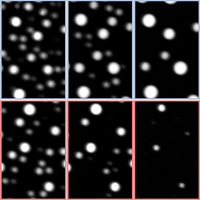
Phys. Rev. Lett. 136, 068403 (2026)
Polymers, Chemical Physics, Soft Matter, and Biological Physics
Information-Theoretic Derivation of Energy, Speed Bounds, and Quantum Theory
Article | Quantum Information, Science, and Technology | 2026-02-10 05:00 EST
Lorenzo Giannelli and Giulio Chiribella
We provide a derivation of quantum theory in which the existence of an energy observable that generates the reversible dynamics follows directly from information-theoretic principles. Our first principle is that every reversible dynamics is implementable through a sequence of fast collisions with an…
Phys. Rev. Lett. 136, 060202 (2026)
Quantum Information, Science, and Technology
Explaining the PeV Neutrino Fluxes at KM3NeT and IceCube with Quasiextremal Primordial Black Holes
Article | Cosmology, Astrophysics, and Gravitation | 2026-02-10 05:00 EST
Michael J. Baker, Joaquim Iguaz Juan, Aidan Symons, and Andrea Thamm
The KM3NeT experiment has recently observed a neutrino with an energy around 100 PeV, and IceCube has detected five neutrinos with energies above 1 PeV. While there are no known astrophysical sources, exploding primordial black holes could have produced these high-energy neutrinos. For Schwarzschild…
Phys. Rev. Lett. 136, 061002 (2026)
Cosmology, Astrophysics, and Gravitation
Emergence of Second-order Coherence in Superfluorescence
Article | Atomic, Molecular, and Optical Physics | 2026-02-10 05:00 EST
Constanze Bach, Felix Tebbenjohanns, Christian Liedl, Philipp Schneeweiss, and Arno Rauschenbeutel
We experimentally investigate the second-order quantum coherence function of a superradiant burst in a cascaded quantum system. We chirally (i.e., direction dependently) couple about 900 cesium atoms to the forward-propagating mode of an optical nanofiber. We then prepare the ensemble close to the m…
Phys. Rev. Lett. 136, 063402 (2026)
Atomic, Molecular, and Optical Physics
Kerr-induced Noise Quenching in Pulse Pumped Microcavity Solitons
Article | Atomic, Molecular, and Optical Physics | 2026-02-10 05:00 EST
Ziqi Wei, Daewon Suk, Changrui Liu, Changxi Yang, Hansuek Lee, and Chengying Bao
Soliton mode locking in microresonators enables chip-scale generation of low-noise optical and microwave signals. Pulse pumped solitons offer a platform for broadband microcomb generation with stabilized repetition rates and for exploring soliton physics. In this Letter, we present a theoretical and…
Phys. Rev. Lett. 136, 063801 (2026)
Atomic, Molecular, and Optical Physics
Separate Exact Laws of Kinetic and Magnetic Energy Cascade in Magnetohydrodynamic Turbulence
Article | Physics of Fluids, Earth & Planetary Science, and Climate | 2026-02-10 05:00 EST
C. Li, Y. Yang, W. H. Matthaeus, B. Jiang, Sean Oughton, M. Wan, and S. Chen
Separate exact scaling laws are derived for the cascades of the kinetic and magnetic energy in incompressible homogeneous isotropic magnetohydrodynamic (MHD) turbulence, and validated by numerical simulations. The third-order moments exhibit linear scaling with respect to the spatial displacement sc…
Phys. Rev. Lett. 136, 064001 (2026)
Physics of Fluids, Earth & Planetary Science, and Climate
Analytical and AI-Discovered Stable, Accurate, and Generalizable Subgrid-Scale Closure for Geophysical Turbulence
Article | Physics of Fluids, Earth & Planetary Science, and Climate | 2026-02-10 05:00 EST
Karan Jakhar, Yifei Guan, and Pedram Hassanzadeh
Researchers have used an artificial-intelligence tool to reveal long-sought equations that describe small-scale features in 2D turbulent systems.
Phys. Rev. Lett. 136, 064201 (2026)
Physics of Fluids, Earth & Planetary Science, and Climate
Energy Bunching from Subcycle Ionization Injection in Laser Wakefield Acceleration
Article | Plasma and Solar Physics, Accelerators and Beams | 2026-02-10 05:00 EST
A. Angella, E. Löfquist, C. Gustafsson, V. Poulain, F. D’Souza, C. Guo, A. Persson, P. Eng-Johnsson, C.-G. Wahlström, and O. Lundh
We report the first experimental observation of carrier-envelope phase-driven energy bunching in laser wakefield acceleration. Using a few-cycle (), multiterawatt laser pulse and ionization injection in a helium-nitrogen gas mixture, we observe electron spectra composed of multiple quasimonoen…
Phys. Rev. Lett. 136, 065001 (2026)
Plasma and Solar Physics, Accelerators and Beams
Quantum Storage with Flat Bands
Article | Condensed Matter and Materials | 2026-02-10 05:00 EST
Carlo Danieli, Jie Liu, Rudolf A. Römer, and Rodrigo A. Vicencio
The realization of robust quantum storage devices relies on the ability to generate long-lived, spatially localized states. In this Letter, we introduce a method for the targeted creation of compact excitations in flat-band lattices. By injecting in-plane radiation waves from the system's edge and a…
Phys. Rev. Lett. 136, 066302 (2026)
Condensed Matter and Materials
Marginal Metals and Kosterlitz-Thouless Type Phase Transition in Disordered Altermagnets
Article | Condensed Matter and Materials | 2026-02-10 05:00 EST
Chang-An Li, Bo Fu, Huaiming Guo, Björn Trauzettel, and Song-Bo Zhang
Altermagnetism, a recently discovered magnetic phase characterized by spin-split bands without net magnetization, has emerged as a promising platform for novel physics and potential applications. However, its stability against disorder--ubiquitous in real materials--remains poorly understood. Here, we…
Phys. Rev. Lett. 136, 066303 (2026)
Condensed Matter and Materials
Ultrasensitive Magnetometer Based on Cusp Points of the Photon-Magnon Synchronization Mode
Article | Condensed Matter and Materials | 2026-02-10 05:00 EST
Xinlin Mi, Jinwei Rao, Lijun Yan, Xudong Wang, Bingbing Lyu, Bimu Yao, Shishen Yan, and Lihui Bai
Ultrasensitive magnetometers based on spin resonances have led to remarkable achievements. However, the field responsivities of these spin resonances are inherently constrained by these particles' gyromagnetic ratios, such as the electron, with a constant gyromagnetic ratio of . Here,…
Phys. Rev. Lett. 136, 066701 (2026)
Condensed Matter and Materials
Bright Chiral Single-Photon Emission Underpinned by Independent Tailoring of $Q$ and $V$
Article | Condensed Matter and Materials | 2026-02-10 05:00 EST
Kai Liu, Qi-hang Zhang, Zi-hao Dong, Zhi-xiang Li, Chao Zhang, Shao-jie Fu, Xu-hao Hong, Yan-qing Lu, Yan-feng Chen, Jun Du, Xue-jin Zhang, and Yong-yuan Zhu
Independent tuning of cavity lifetime and field confinement enables record-bright, room-temperature chiral single-photon emission, breaking the prevailing Q-V trade-off in quantum emitters.
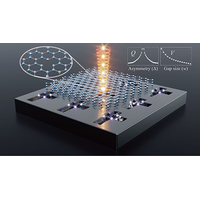
Phys. Rev. Lett. 136, 066901 (2026)
Condensed Matter and Materials
Pressure-Tunable Hyperbolic Plasmons in Black Phosphorus Films
Article | Condensed Matter and Materials | 2026-02-10 05:00 EST
Yuwei Liu, Chong Wang, Junwei Ma, Yuqing Zheng, Wenqi Bi, Hao Sun, Xiangkai Meng, Shenyang Huang, Xiang Li, Hugen Yan, and Yugui Yao
High-pressure environments provide a unique platform for tuning quantum phenomena, yet their applications in plasmonics remain underexplored. Here, we investigate the pressure-induced evolution of plasmons in black phosphorus films using infrared spectroscopy. Continuous pressure tuning of anisotrop…
Phys. Rev. Lett. 136, 066902 (2026)
Condensed Matter and Materials
Macroscopic Fluctuation-Response Theory and Its Use for Gene Regulatory Networks
Article | Statistical Physics; Classical, Nonlinear, and Complex Systems | 2026-02-10 05:00 EST
Timur Aslyamov, Krzysztof Ptaszyński, and Massimiliano Esposito
Gaussian macroscopic fluctuation theory underpins the understanding of noise in a broad class of nonequilibrium systems. We derive exact fluctuation-response relations linking the power spectral density of stationary fluctuations to the linear response of stable nonequilibrium steady states. Both of…
Phys. Rev. Lett. 136, 067102 (2026)
Statistical Physics; Classical, Nonlinear, and Complex Systems
Unlocking Hidden Topological Multistability via Biphasic Correlated Order Evolution
Article | Polymers, Chemical Physics, Soft Matter, and Biological Physics | 2026-02-10 05:00 EST
Jin-Bing Wu, Zhenghao Guo, Baoming Shi, Daoxing Luo, Lei Zhang, Yan-Qing Lu, and Wei Hu
Topological multistability reflects the complexity of structure evolution inside ordered condensed matter. For a given thermodynamic system, the actual attained stable states decline sharply compared with the theoretical anticipation, which severely restricts the diversity of the material structure …
Phys. Rev. Lett. 136, 068101 (2026)
Polymers, Chemical Physics, Soft Matter, and Biological Physics
Determining the Chemical Potential via Universal Density Functional Learning
Article | Polymers, Chemical Physics, Soft Matter, and Biological Physics | 2026-02-10 05:00 EST
Florian Sammüller and Matthias Schmidt
Equilibrium chemical potentials can be determined simultaneously across simulation datasets of inhomogeneous classical fluids by leveraging machine-learned classical density functionals.
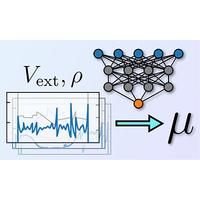
Phys. Rev. Lett. 136, 068202 (2026)
Polymers, Chemical Physics, Soft Matter, and Biological Physics
Anomalous Diffusion in Driven Electrolytes due to Hydrodynamic Fluctuations
Article | Polymers, Chemical Physics, Soft Matter, and Biological Physics | 2026-02-10 05:00 EST
Ramin Golestanian
The stochastic dynamics of tracers arising from hydrodynamic fluctuations in a driven electrolyte is studied using a self-consistent field-theory framework in all dimensions. A plethora of scaling behavior that includes two distinct regimes of anomalous diffusion is found, and the crossovers between…
Phys. Rev. Lett. 136, 068301 (2026)
Polymers, Chemical Physics, Soft Matter, and Biological Physics
Erratum: Search for Light Dark Matter with 259 Days of Data in PandaX-4T [Phys. Rev. Lett. 135, 211001 (2025)]
Article | 2026-02-10 05:00 EST
Minzhen Zhang et al. (PandaX Collaboration)
Phys. Rev. Lett. 136, 069901 (2026)
arXiv
Meissner-Ochsenfeld effect in semiconductor nanostructures with negative-U shells
New Submission | Mesoscale and Nanoscale Physics (cond-mat.mes-hall) | 2026-02-11 20:00 EST
N.T. Bagraev, N.A. Dovator, L.E. Klyachkin, A.M. Malyarenko
The Meissner-Ochsenfeld effect is demonstrated for the first time at room temperature. The diamagnetic response of a silicon nanostructure with edge channels covered by chains of negative U dipole boron centers is studied when put in (removed from) an external magnetic field. Measurements of the diamagnetic response were carried out by recording the values of magnetization and generation currents. There is good agreement between the results of measurements of the generated internal magnetic field obtained using a ferroprobe and recording the EMF induced by the occurrence of generation currents in an external magnetic field, which determines the conditions of the mechanism of the nondissipative transport in the edge channels at room temperature, which is caused by their interactions with single carriers through negative U dipole boron centers. The interrelation of the magnetization hysteresis and the magnitude of the EMF induced by the occurrence of generation currents indicates the possibilities of the electrical registration of the Meissner-Ochsenfeld effect in nanostructures manufactured within the framework of the Hall geometry.
Mesoscale and Nanoscale Physics (cond-mat.mes-hall)
9 pages, 4 figures
Andreev terahertz radiation generators
New Submission | Mesoscale and Nanoscale Physics (cond-mat.mes-hall) | 2026-02-11 20:00 EST
N.T. Bagraev, L.E. Klyachkin, S.A. Kukushkin, A.M. Malyarenko, A.V. Osipov, V.V. Romanov, N.I. Rul, K.B. Taranets
The electrical, magnetic and optical properties of edge channels consisting of spin circuits that contain single carriers in nanostructures of silicon, silicon carbide and cadmium fluoride are investigated. It is demonstrated that due to the presence of chains of negative-U dipole centers at the boundaries of the spin circuits, the latter are Andreev molecules for generating terahertz radiation.
Mesoscale and Nanoscale Physics (cond-mat.mes-hall)
8 pages, 10 figures
Fixed-grid sharp-interface numerical solutions to the three-phase spherical Stefan problem
New Submission | Materials Science (cond-mat.mtrl-sci) | 2026-02-11 20:00 EST
Yavkreet Swami, Jacob Barajas, Amneet Pal Singh Bhalla
Many metal manufacturing processes involve phase change phenomena, which include melting, boiling, and vaporization. These phenomena often occur concurrently. A prototypical 1D model for understanding the phase change phenomena is the Stefan problem. There is a large body of literature discussing the analytical solution to the two-phase Stefan problem that describes only the melting or boiling of phase change materials (PCMs) with one moving interface. Density-change effects that induce additional fluid flow during phase change are generally neglected in the literature to simplify the math of the Stefan problem. In our recent work [1], we provide analytical and numerical solutions to the three-phase Stefan problem with simultaneous occurrences of melting, solidification, boiling, and condensation in Cartesian coordinates. Our current work builds on our previous work to solve a more challenging problem: the three-phase Stefan problem in spherical coordinates for finite-sized particles. There are three moving interfaces in this system: the melt front, the boiling front, and the outer boundary which is in contact with the atmosphere. Although an analytical solution could not be found for this problem, we solved the governing equations using a fixed-grid sharp-interface method with second-order spatio-temporal accuracy. Using a small-time analytical solution, we predict a reasonably accurate estimate of temperature (in the three phases) and interface positions and velocities at the start of the simulation. Our numerical method is validated by reproducing the two-phase nanoparticle melting results of Font et al. [2]. Lastly, we solve the three-phase Stefan problems numerically to demonstrate the importance of kinetic energy terms during phase change of smaller (nano) particles. In contrast, these effects diminish for large particles (microns and larger).
Materials Science (cond-mat.mtrl-sci), Numerical Analysis (math.NA), Fluid Dynamics (physics.flu-dyn)
Average Categorical Symmetries in One-Dimensional Disordered Systems
New Submission | Disordered Systems and Neural Networks (cond-mat.dis-nn) | 2026-02-11 20:00 EST
Yabo Li, Meng Cheng, Ruochen Ma
We study one-dimensional disordered systems with average non-invertible symmetries, where quenched disorder may locally break part of the symmetry while preserving it upon disorder averaging. A canonical example is the random transverse-field Ising model, which at criticality exhibits an average Kramers-Wannier duality. We consider the general setting in which the full symmetry is described by a $ G$ -graded fusion category $ \mathcal{B}$ , whose identity component $ \mathcal{A}$ remains exact, while the components with nontrivial $ G$ -grading are realized either exactly or only on average. We develop a topological holographic framework that encodes the symmetry data of the 1D system in a 2D topological order $ \mathcal{Z}[\mathcal{A}]$ (the Drinfeld center of $ \mathcal{A}$ ), enriched by an exact or, respectively, average $ G$ symmetry. Within this framework, we obtain a complete classification of anomalies and average symmetry-protected topological (SPT) phases: when the components with nontrivial $ G$ -grading are realized only on average, the symmetry is anomaly-free if and only if $ \mathcal{Z}[\mathcal{A}]$ admits a magnetic Lagrangian algebra that is invariant under the permutation action of $ G$ on anyons. When an anomaly is present, we show that the ground state of a single disorder realization is long-range entangled with probability one in the thermodynamic limit, and is expected to exhibit power-law Griffiths singularities in the low-energy spectrum. Finally, we present an explicit, exactly solvable lattice model based on a symmetry-enriched string-net construction. It yields trivial ground state ensemble in the anomaly-free case, and exhibits exotic low-energy behavior in the presence of an average anomaly.
Disordered Systems and Neural Networks (cond-mat.dis-nn), Statistical Mechanics (cond-mat.stat-mech), Strongly Correlated Electrons (cond-mat.str-el)
29+5 pages, 7 figures
Predicting magnetism with first-principles AI
New Submission | Strongly Correlated Electrons (cond-mat.str-el) | 2026-02-11 20:00 EST
Computational discovery of magnetic materials remains challenging because magnetism arises from the competition between kinetic energy and Coulomb interaction that is often beyond the reach of standard electronic-structure methods. Here we tackle this challenge by directly solving the many-electron Schrödinger equation with neural-network variational Monte Carlo, which provides a highly expressive variational wavefunction for strongly correlated systems. Applying this technique to transition metal dichalcogenide moiré semicondutors, we predict itinerant ferromagnetism in WSe$ _2$ /WS$ _2$ and an antiferromagnetic insulator in twisted $ \Gamma$ -valley homobilayer, using the same neural network without any physics input beyond the microscopic Hamiltonian. Crucially, both types of magnetic states are obtained from a single calculation within the $ S_z=0$ sector, removing the need to compute and compare multiple $ S_z$ sectors. This significantly reduces computational cost and paves the way for faster and more reliable magnetic material design.
Strongly Correlated Electrons (cond-mat.str-el), Machine Learning (cs.LG)
6+3 pages, 3+4 figures
Anomalous spin transport in integrable random quantum circuits
New Submission | Statistical Mechanics (cond-mat.stat-mech) | 2026-02-11 20:00 EST
Songlei Wang, Chenguang Liang, Hongzheng Zhao, Zhi-Cheng Yang
High-temperature spin transport in integrable quantum spin chains exhibits a rich dynamical phase diagram, including ballistic, superdiffusive, and diffusive regimes. While integrability is known to survive in static and periodically driven systems, its fate in the complete absence of time-translation symmetry, particularly in interacting random quantum circuits, has remained unclear. Here we construct integrable random quantum circuits built from inhomogeneous XXZ R-matrices. Remarkably, integrability is preserved for arbitrary sequences of gate layers, ranging from quasiperiodic to fully random, thereby explicitly breaking both continuous and discrete time-translation symmetry. Using large-scale time-dependent density-matrix renormalization group simulations at infinite temperature and half filling, we map out the resulting spin-transport phase diagram and identify ballistic, superdiffusive, and diffusive regimes controlled by the spectral parameters of the R-matrices. The spatiotemporal structure of spin correlations within each regime depends sensitively on the inhomogeneity, exhibiting spatial asymmetry and sharp peak structures tied to near-degenerate quasiparticle velocities. To account for these findings, we develop a generalized hydrodynamics framework adapted to time-dependent integrable circuits, yielding Euler-scale predictions for correlation functions, Drude weights, and diffusion bounds. This approach identifies the quasiparticles governing transport and quantitatively captures both the scaling exponents and fine structures of the correlation profiles observed numerically. Our results demonstrate that exact Yang-Baxter integrability is compatible with stochastic quantum dynamics and establish generalized hydrodynamics as a predictive framework for transport in time-dependent integrable systems.
Statistical Mechanics (cond-mat.stat-mech), Quantum Physics (quant-ph)
26 pages,16 figures
Negative Hybridization: a Potential Cure for Braiding with Imperfect Majorana Modes
New Submission | Mesoscale and Nanoscale Physics (cond-mat.mes-hall) | 2026-02-11 20:00 EST
Cole Peeters, Themba Hodge, Stephan Rachel
Majorana zero modes, the elementary building blocks for the quantum bits of topological quantum computers, are known to suffer from hybridization as their wavefunctions begin to overlap. This breaks the ground state degeneracy, splitting their energy levels and leading to an accumulation of error when performing topological quantum gates. Here we show that the energy splitting of the Majorana zero modes can become negative, which can be utilized to reduce the average hybridization energy of the total gate. We present two illustrative examples where negative hybridization suppresses gate errors to such an extent that they remain below the fault-tolerance threshold. As an intrinsic property of Majorana zero modes, negative hybridization enables systems based on imperfect Majorana zero modes to regain functionality for quantum information processing.
Mesoscale and Nanoscale Physics (cond-mat.mes-hall), Superconductivity (cond-mat.supr-con), Quantum Physics (quant-ph)
8+15 pages, 5+11 figures
Majorana zero modes in superconductor-magnet heterostructures with d-wave order
New Submission | Superconductivity (cond-mat.supr-con) | 2026-02-11 20:00 EST
Bastien Fajardo, T. Pereg-Barnea, Arun Paramekanti, Kartiek Agarwal
Magnetic skyrmions in proximity to superconductors offer a route to engineering topological superconductivity due to the synthetic spin-orbit coupling engendered by the spin twist of the skyrmion texture. Previous theoretical works show that this leads to Majorana zero modes (MZMs) in skyrmion-vortex pairs for s-wave superconductors. Here we investigate this mechanism in fully gapped d+is and d+id superconductors. We find the surprising result that while stable MZMs are found in large parts of the phase diagram, strongly enhanced d-wave pairing or stronger skyrmion-induced spin twisting can in fact destroy topology unlike in s-wave superconductors. This effect can be understood from the non-trivial spatial structure of the d-wave pairing, and mixing of odd and even angular-momentum pairing channels in a rotated frame which untwists the skyrmion texture. Our results inform the feasibility of realizing MZMs with unconventional superconductors in such heterostructures.
Superconductivity (cond-mat.supr-con), Quantum Physics (quant-ph)
9 + 4 pages, 6 figures
Scaling of poroelastic coarsening and elastic arrest in crosslinked gels
New Submission | Soft Condensed Matter (cond-mat.soft) | 2026-02-11 20:00 EST
Recent experiments on crosslinked gels quenched from solvent-rich to solvent-poor conditions, show solvent-rich domains surrounded by gel-rich regions that coarsen followed by kinetic arrest at micron scales that persists for hours before full drainage to macroscopic equilibrium occurs on day timescales. Motivated by this, we present a general model for both coarsening and eventual arrest of pressure-driven coarsening in gels with solvent flow driven by interfacial tension of the solvent-rich domains and the gel. In gels in their viscoelastic time regime, this capillary force is dissipated by solvent transport through crosslinked polymers where the polymers develop transient elastic stresses due to solvent flow. At longer times, the long-ranged, elastic response of the gel provides a deterministic force which balances the capillary force thus arresting pressure-driven coarsening at a stiffness-dependent length. For a melt-like, polymer-rich gel, the coarsening length $ \sim t^{1/4}$ where $ t$ is the time, with an amplitude $ \sim G^{-1/2}$ , where $ G$ is the shear modulus. The arrest length in this regime also scales $ \sim G^{-1/2}$ . For low polymer fractions where the dominant length scale is the mesh size, the coarsening length can scale as $ t^{1/3}$ varying with $ G^{-1/3}$ (as does the arrest length). Our predictions for the arrest-length scaling with $ \sim G^{-1/2}$ for the melt-like gel are consistent with the measurements.
Soft Condensed Matter (cond-mat.soft)
Chiral Polar Eu2(SeO3)2(SO4)(H2O)2: A Pathway Toward Narrow Optical Linewidths and Microsecond Lifetimes for Quantum Memory Candidates
New Submission | Materials Science (cond-mat.mtrl-sci) | 2026-02-11 20:00 EST
Uchenna Chinaegbomkpa, Ebube Oyeka, Xudong Huai, Ramesh Kumar, Mingli Liang, Jakoah Brgoch, Hugo Sanabria, Thao T. Tran
Stoichiometric materials of Eu(III) offer a promising platform for quantum memories attributable to their unique capability to display a distinctive, nondegenerate J = 0 transition, which enables precise mapping of optical quantum states into their hyperfine structure for reliable storage and retrieval on demand. However, placing Eu(III) into chiral polar structures, which are necessary for achieving narrow spectral linewidths and long optical lifetimes, is a daunting task. Here, we discover Eu2(SeO3)2(SO4)(H2O)2, a rare Eu(III) material that exhibits chiral polar symmetries encompassing both local and global structures. This unique structure is shaped by an appropriate combination of asymmetric ligands. The chirality fosters dipole-dipole interactions and J-mixing, as characterized by second-harmonic generation, photoluminescence, and magnetic susceptibility. The broken inversion symmetry is supported by the phase-matching behavior of second-harmonic generation. The J = 0 transition is observed at 578 nm with a narrow linewidth at 78 K and a microsecond-scale optical lifetime. The analysis of magnetic susceptibility data using Van Vleck theory results in an effective magnetic moment of 3.33 {\mu}B/Eu3+ and J-mixing. Heat capacity data reveal underlying phonon dynamics in the material. This study demonstrates a pathway toward realizing new stoichiometric Eu3+ compounds with potential for optically addressable quantum memory applications.
Materials Science (cond-mat.mtrl-sci)
Coherence Protection for Mobile Spin Qubits in Silicon
New Submission | Mesoscale and Nanoscale Physics (cond-mat.mes-hall) | 2026-02-11 20:00 EST
Jan A. Krzywda, Yuta Matsumoto, Maxim De Smet, Larysa Tryputen, Sander L. de Snoo, Sergey V. Amitonov, Evert van Nieuwenburg, Giordano Scappucci, Lieven M.K. Vandersypen
Mobile spin qubit architectures promise flexible connectivity for efficient quantum error correction and relaxed device layout constraints, but their viability rests on preserving spin coherence during transport. While shuttling transforms spatial disorder into time-dependent noise, its net impact on spin coherence remains an open question. Here we demonstrate systematic noise mitigation during spin shuttling in a linear $ ^{28}$ Si/SiGe quantum dot device. First, by passively reducing magnetic field gradients, we minimize charge-noise coupling to the spin and double the spatially averaged dephasing time $ T_2^\ast(x_n)$ from $ 4.4$ to $ 8.5,\mu\text{s}$ . Next, we exploit motional narrowing by periodically shuttling the qubit, achieving a further enhancement in coherence time up to $ T_{2}^{\ast,sh} = 11.5,\mu\text{s}$ . Finally, we incorporate dynamical decoupling techniques while periodically shuttling over distances exceeding $ 200,\text{nm}$ , reaching $ T_\text{2}^{H,sh}= 32,\mu\text{s}$ . For the same setup, we demonstrate that dressed-state shuttling provides robust protection against low-frequency noise with a decay time $ T_R^{\text{sh}} = 21,\mu\text{s}$ , without the overhead of pulsed control and allowing protection during one-way spin transport. By preserving coherence over timescales exceeding typical gate and readout operations, the demonstrated strategies establish mobile spin qubits as a viable solution for scalable silicon quantum processors.
Mesoscale and Nanoscale Physics (cond-mat.mes-hall), Quantum Physics (quant-ph)
Code Repository: this http URL Raw Data: this https URL
Adsorption of Water on Pristine Graphene: A van der Waals Density Functional Study with the vdW-C09 Approach
New Submission | Materials Science (cond-mat.mtrl-sci) | 2026-02-11 20:00 EST
Aline Oliveira Santos, Bruno H. S. Mendonça, Elizane E. de Moraes
Understanding how water interacts with graphene at the molecular level is essential for advancing nanomaterial applications in filtration, catalysis, and environmental technologies. This study establishes a quantitative baseline for assessing how structural defects, dopants, or surface functionalization may enhance water adsorption, providing insights for the rational design of graphene-based materials in water purification, sensing, and nanofluidic applications. In this work, we employed density functional theory (DFT) with the vdW-C09 functional to investigate the adsorption of a single water molecule on pristine graphene, accurately accounting for long-range dispersion forces. Three high-symmetry adsorption sites-the center of the hexagonal ring, the C-C bond, and the top site-were explored in combination with three molecular orientations: Down, H-bond, and Up configurations. The calculated adsorption energies range from -93 to -145 meV (milli-electron volts), indicating that the interaction is dominated by weak van der Waals forces characteristic of physisorption. The most stable configuration corresponds to the Down orientation above the center of the hexagonal ring, with an adsorption energy of -145 meV and an equilibrium distance of 3.27 A (angstrom), defined as the vertical separation between the oxygen atom of the water molecule and the graphene plane. These results are in close agreement with previous theoretical studies and confirm the non-reactive and hydrophobic nature of pristine graphene.
Materials Science (cond-mat.mtrl-sci)
14 pages, 1 figure
A parameterised equation of state, glass transition and jamming of the hard sphere system
New Submission | Soft Condensed Matter (cond-mat.soft) | 2026-02-11 20:00 EST
A Gamma-distribution based potential energy landscape (PEL) theory has recently been proposed for supercooled liquids and glasses. This new PEL theory introduces a singularity term in the equation of state (EoS) suitable for representing the pressure of a glassy or jammed system. Using this framework, a parameterised EoS, Z(eta J), is developed with the random-jammed-packing fraction, eta J, as an input. This EoS is capable of accurately calculating the compressibility (pressure) across the entire metastable and glassy region from eta J=0.62 to 0.66, while seamlessly passing through the stable fluid region. Two special cases (paths) are examined in detail. The first path exhibits a singularity at the random close packing eta J=eta rcp=0.64, traversing the metastable region explored by most simulations. Various thermodynamic properties calculated are compared to simulation data, showing excellent agreements. The second case addresses the first analytical EoS for the ideal glass transition in the hard sphere system. Finally, the transport properties of the hard sphere fluid are modeled using the Arrhenius law and the excess entropy scaling law. It is found that both laws fail (with slope changing) at eta=0.555, where the heat capacity peaks and the contributions of inherent structures and jamming effects begin to emerge.
Soft Condensed Matter (cond-mat.soft), Statistical Mechanics (cond-mat.stat-mech)
23 pages, 21 figures
Stress-Induced Ferroelectricity in Hafnium Oxide Core-Shell Nanoparticles
New Submission | Materials Science (cond-mat.mtrl-sci) | 2026-02-11 20:00 EST
Anna N. Morozovska, Eugene A. Eliseev, Richard (Yu)Liu, Sergei V. Kalinin, Dean R. Evans
In contrast to hafnium oxide (HfO2) thin films, where the appearance of switchable ferroelectric polarization can be induced by strain engineering, reliable methods of ferroelectricity control are absent in HfO2 nanoparticles. Direct experimental observations of ferroelectric hysteresis and/or ferroelectric domains, and appropriate modelling of stress-induced ferroelectric states in the nanoparticles are absent too. In this work we study the influence of chemical stresses on phase diagrams and polar properties of spherical HfO2 core-shell nanoparticles using the Landau-Ginzburg-Devonshire free energy functional with higher powers, trilinear and biquadratic couplings of polar, antipolar and nonpolar order parameters. It appeared that the ferroelectric phase can be reentrant with respect to the size of nanoparticles, because the spontaneous polarization exists in the limited range of core radii R_c, namely R_cr^min<R_c<R_cr^max. The minimal critical radius R_cr^min is mainly determined by the size dependence of the depolarization field and correlation effects. The maximal critical radius R_cr^max is mainly determined by the size dependence of chemical stresses, which are induced by the elastic defects in the shell. Analytical expressions derived for the critical radii can be generalized for hafnium-zirconium oxide nanoparticles, providing that corresponding parameters of the free energy are known from the first principles calculations.
Materials Science (cond-mat.mtrl-sci), Mesoscale and Nanoscale Physics (cond-mat.mes-hall)
21 pages, including 2 figures and Supplementary Materials
Deformation potential driven photostriction in layered ferroelectrics
New Submission | Materials Science (cond-mat.mtrl-sci) | 2026-02-11 20:00 EST
S. Puri, R. Rodriguez, C. Dansou, L. Bouric, A. Sheibani, C. Paillard, L. Bellaiche, H. Nakamura
The coupling between electronic excitations and lattice deformation in van der Waals ferroelectrics is governed by a competition between the electron deformation potential and the inverse piezoelectric effect. While theory predicts that piezoelectric screening should drive a polar-axis contraction in monolayer group-IV monochalcogenides, we demonstrate that in multilayer SnS, the deformation potential provides the dominant contribution, driving a polar-axis expansion even within ferroelectric domains. By correlating polarization-resolved second-harmonic generation microscopy with ultrafast reflectance spectroscopy and first-principles calculations, we resolve the anisotropic lattice response and disentangle intrinsic photostrictive strain from extrinsic thin-film interference artifacts. These results establish a microscopic hierarchy of photostrictive mechanisms and position stacking-engineered SnS as a platform for ultrafast optomechanical transduction.
Materials Science (cond-mat.mtrl-sci)
Confinement and shear effects on the rotational diffusion of a minimal virus-inspired colloidal particle
New Submission | Soft Condensed Matter (cond-mat.soft) | 2026-02-11 20:00 EST
Karen Gonzales-Flores, Ramón Castañeda-Priego, Francisco Alarcón
The rotational diffusion of a rigid spherical body decorated with dimers in an explicit fluid environment is reported. This model acts as a simplified representation of an enveloped virus bearing peplomers immersed in a coarse-grained fluid. Using dissipative particle dynamics, we explicitly study the hydrodynamic effects on the rotational diffusion of this virus-inspired particle subjected to oscillatory shear flow and confined between two solid-like surfaces. Since the rotational response depends on the type of imposed flow, we first characterize the oscillatory shear, identifying distinct flow regimes in terms of the so-called Péclet number, $ Pe$ . Our findings indicate that, under confinement, the rotational diffusivity is strongly modulated by the oscillatory flow amplitude and only weakly affected by the number of peplomers, since their effect is mainly determined by their dimeric structure and associated effective size. For high $ Pe$ , the rotational diffusion coefficient, $ D_{r}$ , tends to decrease as the number of peplomers ($ N_{s}$ ) increases, whereas at low $ Pe$ , rotational diffusion becomes weakly dependent on the number of peplomers. However, at intermediate values of $ Pe$ , the interplay between oscillatory forcing and thermal fluctuations prevents the emergence of a clear trend between $ D_{r}$ and $ N_{s}$ . Our results provide a clear picture of how, in confined environments, the interplay between fluid flow and thermal fluctuations affects the rotational diffusion of spiked particles, thereby helping to explain how fluid conditions can modify the alignment of peplomers with their potential targets.
Soft Condensed Matter (cond-mat.soft)
Manuscript submitted for peer review
How Far Can You Grow? Characterizing the Extrapolation Frontier of Graph Generative Models for Materials Science
New Submission | Materials Science (cond-mat.mtrl-sci) | 2026-02-11 20:00 EST
Can Polat, Erchin Serpedin, Mustafa Kurban, Hasan Kurban
Every generative model for crystalline materials harbors a critical structure size beyond which its outputs quietly become unreliable – we call this the extrapolation frontier. Despite its direct consequences for nanomaterial design, this frontier has never been systematically measured. We introduce RADII, a radius-resolved benchmark of $ {\sim}$ 75,000 nanoparticle structures (55-11,298 atoms) that treats radius as a continuous scaling knob to trace generation quality from in-distribution to out-of-distribution regimes under leakage-free splits. RADII provides frontier-specific diagnostics: per-radius error profiles pinpoint each architecture’s scaling ceiling, surface-interior decomposition tests whether failures originate at boundaries or in bulk, and cross-metric failure sequencing reveals which aspect of structural fidelity breaks first. Benchmarking five state-of-the-art architectures, we find that: (i) all models degrade by $ {\sim}13%$ in global positional error beyond training radii, yet local bond fidelity diverges wildly across architectures – from near-zero to over $ 2\times$ collapse; (ii) no two architectures share the same failure sequence, revealing the frontier as a multi-dimensional surface shaped by model family; and (iii) well-behaved models obey a power-law scaling exponent $ \alpha \approx 1/3$ whose in-distribution fit accurately predicts out-of-distribution error, making their frontiers quantitatively forecastable. These findings establish output scale as a first-class evaluation axis for geometric generative models. The dataset and code are available at this https URL.
Materials Science (cond-mat.mtrl-sci), Mesoscale and Nanoscale Physics (cond-mat.mes-hall), Machine Learning (cs.LG), Atomic and Molecular Clusters (physics.atm-clus)
Real-space topology and charge order in the Haldane-Holstein Model
New Submission | Strongly Correlated Electrons (cond-mat.str-el) | 2026-02-11 20:00 EST
Sebastião dos Anjos Sousa-Júnior, Julián Faúndez, Tarik P. Cysne, Richard T. Scalettar, Rubem Mondaini
We study the half-filled Haldane-Holstein model, where a paradigmatic Chern insulator is coupled to fully dynamical phonons, and provide an unbiased characterization of how retarded electron-phonon interactions destabilize Chern topology. Using determinant quantum Monte Carlo, we find that increasing the coupling drives an abrupt, first-order transition from a Chern insulator to a staggered charge-density wave that acts as a dynamical sublattice (Semenoff) mass. The transition is simultaneously signaled by a nearly quantized many-body Bott index and a real-space local Chern marker constructed from the interacting Green’s function, both of which collapse as the charge order parameter becomes extensive. Spectral and open-boundary calculations reveal concomitant gap closing and the loss of boundary spectral weight at the critical coupling. Despite the generic phase problem induced by broken time-reversal symmetry, we show that it remains mild in the low-frequency regime and that the average phase factor sharply tracks the CI-CDW boundary. Our results establish a concrete route by which electron-phonon coupling can trigger a discontinuous collapse of Chern topology and provide experimentally relevant signatures for correlated topological platforms.
Strongly Correlated Electrons (cond-mat.str-el), Mesoscale and Nanoscale Physics (cond-mat.mes-hall)
Interplay of Quantum Size Effect and Tensile Strain on Surface Morphology of Sn(100) Islands
New Submission | Materials Science (cond-mat.mtrl-sci) | 2026-02-11 20:00 EST
Bing Xia, Xiaoyin Li, Hongyuan Chen, Bo Yang, Jie Cai, Stephen Paolini, Zihao Wang, Zi-Jie Yan, Hao Yang, Xiaoxue Liu, Liang Liu, Dandan Guan, Shiyong Wang, Yaoyi Li, Canhua Liu, Hao Zheng, Cui-Zu Chang, Feng Liu, Jinfeng Jia
The quantum size effect (QSE) and strain effect are two key factors influencing the surface morphology of thin films, which can increase film surface roughness through QSE-induced thickness oscillation and strain-induced island formation, respectively. Surface roughness usually manifests in the early stages of film growth and diminishes beyond a critical thickness. In this work, we employ molecular beam epitaxy (MBE) to grow Sn(100) islands with varying thickness N on bilayer graphene-terminated 6H-SiC(0001) substrates. Scanning tunneling microscopy and spectroscopy measurements reveal an inverse surface roughness effect that highlights the interplay of QSE and misfit strain in shaping the surface morphology of Sn(100) islands. For N =< 10, the islands exhibit flat surfaces, while for N >= 26, the island surfaces become corrugated and patterned. For the intermediate range, i.e., 12 =< N =<24, both flat and patterned surfaces coexist, with the percentage coverage of the patterned surface oscillating as a function of N. By performing density functional theory calculations, we demonstrate that the unusual surface pattern evolution in our MBE-grown Sn(100) islands is a result of the interplay between QSE-induced surface roughing and tensile strain-induced smoothening effect.
Materials Science (cond-mat.mtrl-sci), Mesoscale and Nanoscale Physics (cond-mat.mes-hall)
23 pages, 5 figures, comments are very much welcome
Surface-State-Driven Anomalous Hall Effect in Altermagnetic MnTe Films
New Submission | Materials Science (cond-mat.mtrl-sci) | 2026-02-11 20:00 EST
Ling-Jie Zhou, Zi-Jie Yan, Hongtao Rong, Yufei Zhao, Pu Xiao, Lok-Kan Lai, Zhiyuan Xi, Ke Wang, Tibendra Adhikari, Ganesh P. Tiwari, Zhong Lin, Pascal Manue, Fabio Orlandi, Dmitry Khalyavin, Alexander J. Grutter, Chao-Xing Liu, Binghai Yan, Cui-Zu Chang
Altermagnets have recently emerged as a new class of magnetic materials that combine compensated magnetic order with spin-split electronic band structures. In this work, we employ molecular beam epitaxy to grow MnTe thin films with controlled thickness on InP(111)A substrates. By performing angle-resolved photoemission spectroscopy measurements, we observe a large spin splitting of ~230 meV for bulk bands well below the Fermi level and identify surface states that cross the Fermi level. Electrical transport measurements reveal that a robust anomalous Hall (AH) effect persists down to 2 K and an AH sign reversal occurs near 175 K. By systematically tuning film thickness, growth conditions, and interfacial structure, we demonstrate that the AH response in MnTe films originates from the Berry curvature of surface states rather than from bulk bands. Our first-principles calculations reveal that this surface-state-driven AH effect is imprinted by the bulk altermagnetic order and remains unchanged for terminations with opposite Mn magnetic orientations. Our results establish a unique surface transport probe of bulk altermagnetism, demonstrate interface engineering as an effective route to generate and control the AH effect in altermagnets, and provide a unified understanding of the AH response in altermagentic MnTe films.
Materials Science (cond-mat.mtrl-sci), Mesoscale and Nanoscale Physics (cond-mat.mes-hall)
28 pages, 5 figures, comments are very much welcome
Induction of p-wave and d-wave order parameters in s-wave superconductors with light pulses
New Submission | Superconductivity (cond-mat.supr-con) | 2026-02-11 20:00 EST
Hennadii Yerzhakov, Alexander Balatsky
We construct a generalized time-dependent Ginzburg-Landau model to demonstrate the possibility of inducing p- and d-wave components in an originally pure s-wave centrosymmetric superconductor via microwave radiation. In this framework, specializing to $ O_h$ point-group symmetry, we introduce gradient terms that couple the s-wave superconducting order parameter with other symmetry-allowed components. The singlet-to-singlet gradient terms are quadratic in spatial derivatives, while, in the presence of spin-orbit coupling, linear-in-derivatives terms coupling singlet and triplet order parameters are also permitted. Through the minimal substitution procedure, these terms enable coupling between different superconducting order parameters via the vector potential, thereby leading to the generation of p-wave, d-wave, and other symmetry-allowed components. Such a manipulation of the superconducting state locally via a microwave beam could be considered as one more facet of the concept of quantum printing.
Superconductivity (cond-mat.supr-con), Strongly Correlated Electrons (cond-mat.str-el)
23 pages, 12 figures
Three-dimensional real-space electron dynamics in graphene driven by strong laser fields
New Submission | Mesoscale and Nanoscale Physics (cond-mat.mes-hall) | 2026-02-11 20:00 EST
S. Li, M. Tani, A. Hashmi, K. L. Ishikawa
We theoretically investigate the three-dimensional (3D) electron dynamics of graphene in real space under strong laser fields using time-dependent density functional theory (TDDFT). We successfully reproduce the reversal of current direction originating from the cancellation of two oppositely directed residual currents, as previously predicted by Morimoto et al. [Y. Morimoto et al., New J. Phys. 24, 033051 (2022)]. By distinguishing contributions from individual orbitals, our results validate the two-level system approximation and also emphasize that the first-principles approach agrees better with experimental results for light-driven residual current, especially in extremely strong fields. Furthermore, our 3D model reveals that the real-space atomic-scale current induced by strong laser fields is concentrated slightly above and below the graphene basal plane, rather than strictly within it. The two oppositely directed currents exhibit a pronounced height separation in the out-of-plane direction, indicating that the ring current is not confined to the graphene plane but forms a rotating 3D circulation loop which is absent in the reduced-dimensional model.
Mesoscale and Nanoscale Physics (cond-mat.mes-hall)
Nodal-Surface and Flat-Band Driven Large Anomalous Nernst Effect in Epitaxial Ferromagnetic Weyl Metal Fe5Si3
New Submission | Materials Science (cond-mat.mtrl-sci) | 2026-02-11 20:00 EST
Shubhashish Pati, Sonali Srotaswini Pradhan, Nanhe Kumar Gupta, Abhay Pandey, Nikita Sharma, Nakul Kumar, Saurav Singh, Yuya Sakuraba, V. Kanchana, Sujeet Chaudhary
Magnetic topological materials such as Weyl and Dirac magnets exhibit unconventional electronic properties arising from the interplay between magnetic order and band topology, leading to remarkable thermomagnetic and thermoelectric effects. Here, we investigate the ANE in epitaxial thin films of the Weyl ferromagnet candidate Fe5Si3. A pronounced transverse Nernst response exceeding approximately 1.50 microvolt per kelvin is observed at room temperature, together with a giant anomalous Nernst angle of about 0.56, indicating highly efficient conversion between thermal gradients and transverse electric fields. Beyond the anomalous contribution, a sizable topological Nernst signal of approximately 0.43 microvolt per kelvin persists above room temperature, suggesting the possible presence of real-space Berry curvature associated with nontrivial spin textures. First-principles density functional theory calculations combined with symmetry analysis reveal an unconventional electronic structure in which Weyl nodal lines, nodal surfaces, and nearly flat bands coexist near the Fermi level. This rare concurrence of multiple topological band features produces a strongly enhanced and sharply energy-dependent Berry curvature, which governs both the magnitude and temperature evolution of the observed Nernst response. The close quantitative agreement between calculated anomalous Nernst conductivity and experimental results establishes the topological electronic structure as the dominant origin of the observed thermomagnetic transport, highlighting Fe5Si3 as a chemically simple, low-cost binary topological magnet for exploring both real-space and momentum-space Berry-curvature-driven thermoelectric phenomena.
Materials Science (cond-mat.mtrl-sci)
23 pages, 10 figures
Realistic tight-binding model for V2Se2O-family altermagnets
New Submission | Materials Science (cond-mat.mtrl-sci) | 2026-02-11 20:00 EST
Xingkai Cheng, Yifan Gao, Junjie Pengand Junwei Liu
Following earlier theoretical prediction, intercalated V2Se2O-family altermagnets such as RbV2Te2O and KV2Se2O have now been experimentally confirmed as d-wave altermagnets, representing the only known van der Waals layered altermagnetic systems. By combining crystal-symmetry-paired spin-momentum locking (CSML) with the layered structure, the V2Se2O-family offers a suitable platform for studying low-dimensional spintronic responses and exploring the interplay among multiple quantum degrees of freedom. To establish a concrete theoretical foundation for understanding and utilizing these materials, we investigate six representative members of the V2Se2O-family and construct a realistic tight-binding model parameterized by first-principles calculations, which is benchmarked by experimental measurements. This model accurately captures essential altermagnetic electronic properties, including CSML and noncollinear spin-conserved currents. It further incorporates strain-coupling parameters, enabling the simulation of strain-tunable responses such as the piezo-Hall effects. This realistic model allows systematic exploration of multiple degrees of freedom (like spin, valley, and layer) within a single system, and lays the groundwork for understanding their coupling with other quantum materials, such as topological insulators and superconductors, thereby advancing both the fundamental understanding and potential device applications of this novel class of layered altermagnets.
Materials Science (cond-mat.mtrl-sci)
Field-Dependent Qubit Flux Noise Simulated from Materials-Specific Disordered Exchange Interactions Between Paramagnetic Adsorbates
New Submission | Mesoscale and Nanoscale Physics (cond-mat.mes-hall) | 2026-02-11 20:00 EST
Keith G. Ray, Yaniv Rosen, Jonathan L Dubois, Vincenzo Lordi
Superconducting quantum devices, from qubits and magnetometers to dark matter detectors, are influenced by magnetic flux noise originating from paramagnetic surface defects and impurities. These spin systems can feature complex dynamics, including a Berezinskii-Kosterlitz-Thouless transition, that depend on the lattice, interactions, external fields, and disorder. However, the disorder included in typical models is not materials-specific, diminishing the ability to accurately capture measured flux noise phenomena. We present a first principles-based simulation of a spin lattice consisting of paramagnetic O$ _2$ molecules on an Al$ _2$ O$ _3$ surface, a likely flux noise source in superconducting qubits, to elucidate opportunities to mitigate flux noise. We simulate an ensemble of surface adsorbates with disordered orientations and calculate the orientation-dependent exchange couplings using density functional theory. Thus, our spin simulation has no free parameters or assumed functional form of the disorder, and captures correlation in the defect landscape that would appear in real systems. We calculate a range of exchange interactions between electron pairs, with the smallest values, 0.016 meV and -0.023 meV, being in the range required to act as a two-level system and couple to GHz resonators. We calculate the flux noise frequency, temperature, and applied external magnetic field dependence, as well as the susceptibility-flux noise cross-correlation. Calculated trends agree with experiment, demonstrating that a surface harboring paramagnetic adsorbates arranged with materials-specific disorder and interactions captures the various properties of magnetic flux noise observed in superconducting circuits. In addition, we find that an external electric field can tune the spin-spin interaction strength and reduce magnetic flux noise.
Mesoscale and Nanoscale Physics (cond-mat.mes-hall), Superconductivity (cond-mat.supr-con), Quantum Physics (quant-ph)
Competing magnetic states in a non-coplanar Kagome magnet
New Submission | Materials Science (cond-mat.mtrl-sci) | 2026-02-11 20:00 EST
Xiaodong Hu, Amar Fakhredine, Roger Guzman, Martin Frentrup, Jinan Shi, Giulio I. Lampronti, Sami El-Khatib, Waichuen Tse, Laura Gorzawski, Angelo Di Bernardo, Nadia Stelmashenko, Wu Zhou, Mehmet Egilmez, Danfeng Li, Grzegorz P. Mazur, Mario Cuoco, Carmine Autieri, Jason W. A. Robinson
Non-collinear Kagome antiferromagnets (AFMs) Mn3X (X = Sn, Ga, Ge, Ir, Pt) can generate an anomalous Hall effect (AHE) despite vanishing net magnetization, enabled by broken time-reversal and inversion symmetries. However, strong in-plane anisotropy has limited studies of the AFM-AHE and electronic applications to coplanar spin configurations. Non-coplanar spin textures in these systems have been realized only in low temperature spin-glass states or at interfaces with heavy metals. Here, we report an intrinsic non-coplanar spin configuration persisting up to 400 K in cubic-phase Mn3Ge, originating from coexisting symmetric and antisymmetric exchange interactions. Competing magnetic states associated with this non-coplanar spin configuration give rise to an unconventional AHE with a magnetic-field-induced sign reversal and a hump-like feature. Our findings establish a platform for non-coplanar magnetism in AFM spintronics.
Materials Science (cond-mat.mtrl-sci), Mesoscale and Nanoscale Physics (cond-mat.mes-hall)
Finite integration time can shift optimal sensitivity away from criticality
New Submission | Disordered Systems and Neural Networks (cond-mat.dis-nn) | 2026-02-11 20:00 EST
Sahel Azizpour, Viola Priesemann, Johannes Zierenberg, Anna Levina
Sensitivity to small changes in the environment is crucial for many real-world tasks, enabling living and artificial systems to make correct behavioral decisions. It has been shown that such sensitivity is maximized when a system operates near the critical point of a phase transition. However, proximity to criticality introduces large fluctuations and diverging timescales. Hence, to leverage the maximal sensitivity, it would require impractically long integration periods. Here, we analytically and computationally demonstrate how the optimal tuning of a recurrent neural network is determined given a finite integration time. Rather than maximizing the theoretically available sensitivity, we find networks attain different sensitivities depending on the available time. Consequently, the optimal dynamic regime can shift away from criticality when integration times are finite, highlighting the necessity of incorporating finite-time considerations into studies of information processing.
Disordered Systems and Neural Networks (cond-mat.dis-nn), Neurons and Cognition (q-bio.NC)
11 pages, 4 figures incl. supplementary information; Builds on arXiv:2307.07794 but with independent simulations and analysis workflow, plus new analytical calculations
Origin of Moiré Potentials in WS$_2$/WSe$_2$ Heterobilayers: Contributions from Lattice Reconstruction and Interlayer Charge Transfer
New Submission | Mesoscale and Nanoscale Physics (cond-mat.mes-hall) | 2026-02-11 20:00 EST
Youwen Wang, Nanya Gao, Qingjun Tong
Moiré superlattices formed in WS$ _2$ /WSe$ _2$ heterobilayers have emerged as an exciting platform to explore the quantum many-body physics. The key mechanism is the introduction of moiré potentials for the band-edge carriers induced by the lateral modulation of interlayer interactions. This trapping potential results in the formation of flat bands, which enhances the strong correlation effect. However, a full understanding of the origin of this intriguing potential remains elusive. In this paper, we present a comprehensive investigation of the origin of moiré potentials in both R-type and H-type moiré patterns formed in WS$ _2$ /WSe$ _2$ heterobilayers. We show that both lattice reconstruction and interlayer charge transfer contribute significantly to the formation of moiré potentials. In particular, the lattice reconstruction induces a nonuniform local strain, which creates an energy modulation of 200 meV for the conduction band-edge state located at WS$ _2$ layer and 20 meV for the valence band-edge state located at WSe$ _2$ layer. In addition, the lattice reconstruction also introduces a piezopotential energy, whose amplitude ranges from 40 meV to 90 meV depending on the stacking and band-edge carrier. The interlayer charge transfer induces a built-in electric field, resulting in an energy modulation of 80 meV for an R-type moiré and 40 meV for an H-type moiré. Taking into account both effects from lattice reconstruction and interlayer charge transfer, the formation of moiré potential is well understood for both R-type and H-type moirés. This trapping potential localizes the wavefunctions of conduction and valence bands around the same moiré site for an R-type moiré, while around different moiré site for an H-type one.
Mesoscale and Nanoscale Physics (cond-mat.mes-hall), Materials Science (cond-mat.mtrl-sci)
9 pages, 8 figures
Physical Review B 113, 085408 (2026)
Interaction-driven spin polaron in itinerant flat-band ferromagnetism
New Submission | Strongly Correlated Electrons (cond-mat.str-el) | 2026-02-11 20:00 EST
Wei-Tao Zhou, Zhao-Yang Dong, Jian-Xin Li
Interaction effects are dramatically enhanced in flat-band systems due to quenched kinetics, facilitating the binding of single excitations into composite quasiparticles. In this work, we present a comprehensive study of spin polarons over the entire momentum and energy space within the Mielke-Tasaki model using projected exact diagonalization. We identify distinct low-energy spin polarons at momenta q=0 and q=\pi, and also find multiple high-energy branches of spin polaron. It is demonstrated that the interaction-induced Hartree dispersion plays a decisive role in determining the momentum sector of low-energy spin polarons. Furthermore, by introducing a finite bandwidth, we unravel the underlying binding mechanisms: the formation of low-energy spin polarons is governed by the conventional virtual exchange mechanism, whereas the high-energy spin polarons arise from a joint effect of the effective attraction and virtual exchange. Our results suggest promising avenues for realizing spin polaron crystals and exploring novel superconducting pairing mechanisms in moiré materials like twisted WSe2 and MoTe2.
Strongly Correlated Electrons (cond-mat.str-el)
11 pages, 8 figures
Scattering theory of spin waves by lattice dislocation defects
New Submission | Mesoscale and Nanoscale Physics (cond-mat.mes-hall) | 2026-02-11 20:00 EST
Cristobal Larronde, Ignacio Castro, Alvaro S. Nunez, Roberto E. Troncoso, Nicolas Vidal-Silva
We investigate spin-wave propagation in magnetic insulators in the presence of lattice dislocations. Within a continuum magnetoelastic framework, we show that the strain fields generated by dislocations induce equilibrium magnetic textures. The morphology of these textures depends sensitively on the dislocation type and acts as a localized scattering potential for spin-wave excitations. As a result, the scattering response exhibits pronounced asymmetries and interference effects governed by the magnetoelastic coupling and the dislocation type. By combining numerical simulations with analytical scattering theory, we compute differential cross sections and frequency-dependent transmission coefficients. Furthermore, analysis of the effective potential landscape reveals that the defect forms a barrier that modulates spin-wave transport and, crucially, breaks the intrinsic reflectionless nature of magnetic domain walls. Our findings identify lattice dislocations as tunable scattering centers, opening new avenues for defect engineering in magnonic devices.
Mesoscale and Nanoscale Physics (cond-mat.mes-hall), Materials Science (cond-mat.mtrl-sci)
18 pages, 14 figures
Chiralometer: Direct Torque Detection of Crystal Chirality
New Submission | Materials Science (cond-mat.mtrl-sci) | 2026-02-11 20:00 EST
Nikolai Peshcherenko, Ning Mao, Claudia Felser, Yang Zhang
Chirality governs phenomena ranging from chemical reactions to the topology of quasiparticle charge carriers. However, a direct macroscopic probe for crystal chirality remains a significant challenge, especially in time reversal symmetric systems with weak circular dichroism signal. Here, we propose the ``Chiralometer’’, a mechanical detection method that probes chirality by driving angular momentum carriers out of equilibrium. Using first-principles calculations and semiclassical transport theory, we demonstrate that a temperature gradient in insulators or an electric field in metals induces uncompensated angular momentum in phonons and electrons, respectively. This imbalance generates a macroscopic mechanical torque ($ \tau \sim 10^{-11} N \cdot m$ ) well within the sensitivity of modern torque magnetometry and cantilever-based sensors. We identify robust signatures in chiral crystals such as Te, SiO$ _2$ , and the topological semimetal CoSi. Our work establishes mechanical torque as a fundamental order parameter for chirality, offering a transformative tool for orbitronics and chiral quantum materials.
Materials Science (cond-mat.mtrl-sci), Other Condensed Matter (cond-mat.other)
Modeling bacterial flow field with regularized singularities
New Submission | Soft Condensed Matter (cond-mat.soft) | 2026-02-11 20:00 EST
Yaochen Yang, Daiki Matsunaga, Da Wei, Fanlong Meng
The flow field generated by a swimming bacterium serves as a fundamental building block for understanding hydrodynamic interactions between bacteria. Although the flow field generated by a force dipole (stresslet) well captures the fluid motion in the far field limit, the stresslet description does not work in the near-field limit, which can be important in microswimmer interactions. Here we propose the model combining an anisotropically regularized stresslet with an isotropically regularized source dipole, and it nicely reproduces the flow field around a swimming bacterium, which is validated by the experimental measurements of the flow field around \textit{E. coli} and our boundary-element-method simulations of a helical microswimmer, in both cases of the free space and the confined space with a no-slip wall. This work provides a practical tool for obtaining the flow field of the bacterium, and can be utilised to study the collective responses of bacteria in dense suspensions.
Soft Condensed Matter (cond-mat.soft), Biological Physics (physics.bio-ph)
Optical conductivity signatures of strong correlations and multiband superconductivity in infinite-layer nickelates
New Submission | Superconductivity (cond-mat.supr-con) | 2026-02-11 20:00 EST
Woo Jin Kim, Kyuho Lee, Eun Kyo Ko, Jaeseok Son, Yonghun Lee, Yijun Yu, Soon Jae Moon, Tae Won Noh, Harold Y. Hwang
Since the discovery of superconductivity in infinite-layer nickelates, there have been extensive efforts to unravel their electronic structure and pairing mechanism. In particular, understanding how the electronic structure evolves with doping is essential for clarifying theoretical models of superconductivity in nickelates. Here we present studies of the optical conductivity of Nd1-xSrxNiO2 thin films spanning the full phase diagram 0.025 < x < 0.30 using spectroscopic ellipsometry. The data are consistent with a two-band Drude model, which allows the decomposition of the intraband response into distinct contributions. One is from a “narrow” Drude term which we associate with electron bands, and the other a “broad” Drude term linked to the hole band with strong correlations. Increasing Sr doping leads to an expansion of the hole band spectral weight, and a corresponding reduction in the electron band, indicative of the multiband electronic structure and a doping-dependent reconstruction of the Fermi surface. Both doping and temperature-dependent optical spectra display significant spectral weight transfer from high to low energy, a hallmark of strong electronic correlations. In the superconducting state at optimal doping (x = 0.15), both electron and hole bands contribute to the superconducting condensate, signifying multiband superconductivity.
Superconductivity (cond-mat.supr-con)
19 pages, 3 figures, 45 references
Topological constraints suppress shear localization in granular chain ensembles
New Submission | Soft Condensed Matter (cond-mat.soft) | 2026-02-11 20:00 EST
Palash Sarate, Mohd. Ilyas Bhat, Tejas G. Murthy, Prerna Sharma
Entangled granular systems exhibit mechanical rigidity and resistance to deformation, reminiscent of cohesive materials, due to their reduced degrees of freedom and contact friction. A quantitative understanding of how classical granular phenomena, such as shear localization and plastic flow, appear in such geometrically cohesive systems remains unknown. Here, we investigate this using granular chain ensembles subjected to direct shear tests. Our experiments reveal that chains longer than four beads exhibit pronounced shear hardening, which is nearly independent of the applied normal stress and is accompanied by the complete suppression of shear localization. The volume dilation of the long chain ensembles also does not vanish in the steady state. We complement this phenomenology, which is distinct from that of typical frictional granular ensembles, with DEM simulations. The simulations reveal that tensile forces are generated due to particles being locally jammed, characterized by a high non-covalent coordination number. Consequently, this leads to a deformation that shows a very diffuse region of localization and enhanced shear hardening. Overall, our study highlights that granular chains provide a systematic route to map how connectivity constraints impact flow properties and mechanical rigidity.
Soft Condensed Matter (cond-mat.soft)
18 pages, 8 figures
Dynamic Bidirectional Coupling of Membrane Morphology and Rod Organization in Flexible Vesicles
New Submission | Soft Condensed Matter (cond-mat.soft) | 2026-02-11 20:00 EST
Stijn van der Ham, André F. V. Matias, Marjolein Dijkstra, Hanumantha Rao Vutukuri
The ordering of rod-like particles in soft, deformable containers emerges from the interplay of anisotropic interactions, geometric confinement, and boundary compliance. This competition couples internal particle organization to container morphology and is central to biological processes such as cell motility, division, and encapsulation, in which cytoskeletal filaments confined by lipid membranes actively reshape cells. Using a minimal model combining experiments and simulations of colloidal rods encapsulated in lipid vesicles, we show that soft confinement drives a bidirectional coupling between internal order and vesicle shape. This interplay gives rise to a phase diagram in which elongated vesicles promote nematic alignment at lower packing fractions, whereas higher packing fractions induce smectic-like ordering that reshapes vesicles into plate-like morphologies with increased bending energy. Furthermore, by controlling vesicle volume and membrane area, we demonstrate that these boundary conditions enable reversible tuning of both vesicle shape and internal rod organization. This study establishes a promising route for dynamically controlling colloidal self-assembly in soft containers and for mimicking ordering in cell-like compartments.
Soft Condensed Matter (cond-mat.soft)
Main text 7 pages, 5 figures
Understanding critical currents in super-conducting cuprate tapes
New Submission | Superconductivity (cond-mat.supr-con) | 2026-02-11 20:00 EST
One of the key challenges in the fabrication of superconducting coils using cuprate tapes is understanding their critical currents and their dependence on magnetic field, temperature, and angle. Recent discussions at the Magnet Technology Conference (MT29) in Boston (2025) highlighted the need for standardized characterization of these tapes. Without a shared understanding of the physical phenomena governing critical currents, progress in this area remains difficult. We propose to analyze existing data using a model that explains most observed features. Although the model proposed by P. Mathieu and Y. Simon was published 20 years ago, it remains relatively unknown among engineers in the field, despite many physicists being convinced of its validity, a consensus not reflected in the literature. The Mathieu Simon (MS) model emphasizes the importance of surface pinning mechanisms, which dominate critical currents across the entire phase diagram of YBaCuO. Unlike strong and weak pinning mechanisms, which are commonly assumed to be dominant, the MS model accurately predicts the order of magnitude of experimentally measured values, suggesting it should at least be considered as the dominant mechanism. The results of calculations based on this model are presented and compared with experimental data, offering directions for the development of new materials.
Superconductivity (cond-mat.supr-con)
5 pages 4 figures
Cavity control of multiferroic order in single-layer NiI$_2$
New Submission | Materials Science (cond-mat.mtrl-sci) | 2026-02-11 20:00 EST
Chongxiao Fan, Emil Viñas Boström, Xinle Cheng, Lukas Grunwald, Zhuquan Zhang, Dante M. Kennes, Dmitri N. Basov, Angel Rubio
Controlling materials through their interactions with electromagnetic vacuum fluctuations is an emergent frontier in material engineering. Although recent experiments have demonstrated dark cavity effects for electronic material phases, like superconductivity, ferroelectricity and charge density waves, a smoking gun experiment for magnetic systems is lacking. Largely, this comes from the focus on phase transitions, where a large critical light-matter coupling is needed to observe cavity modifications. Here, we propose spiral magnets, where even a small cavity-mediated change in magnetic interactions is reflected in a change of the spiral wavelength, as a promising platform to observe cavity effects. We focus on the single-layer multiferroic NiI$ _2$ , interacting with electric field fluctuations from surface phonon polaritons of the paraelectric substrate SrTiO$ _3$ . With decreasing substrate-material distance, the ratio of nearest and third nearest neighbor exchange interactions reduces, leading to an increase of the spiral wavelength and an eventual transition into a ferromagnetic state. Our work identifies a realistic platform to observe cavity vacuum renormalization effects in magnetic systems.
Materials Science (cond-mat.mtrl-sci)
14 pages, 4 figures. 3 pages supplemental materials and 2 extended figures
Pressure-induced superconductivity beyond magnetic quantum criticality in a Kondo ferromagnet
New Submission | Superconductivity (cond-mat.supr-con) | 2026-02-11 20:00 EST
Yanan Zhang, Yongjun Zhang, Jiawen Zhang, Kaixin Ye, Dajun Su, Yanen Huang, Zhaoyang Shan, Jiyuan Li, Rui Li, Ye Chen, Xin Lu, Lin Jiao, Yu Liu, Michael Smidman, Frank Steglich, Huiqiu Yuan
Quantum phase transitions are an established setting for emergent phenomena driven by strong electronic correlations, including strange metals and unconventional superconductivity. These have been explored extensively in Kondo lattice materials tuned to an antiferromagnetic quantum critical point (QCP), but superconductivity emerging near ferromagnetic quantum criticality is not yet observed, and the conditions under which it occurs in proximity to ferromagnetism are undetermined. Here, we report a new setting for superconductivity in the ferromagnetic Kondo-lattice material Ce5CoGe2, where there is a ferromagnetic ground state at ambient pressure, which evolves to antiferromagnetism under applied pressures. The antiferromagnetic transition is suppressed to a zero-temperature QCP, which is accompanied by strange-metal behavior. Superconductivity does not occur at the QCP, but instead appears at pressures beyond the magnetic instability. These findings suggest that Ce5CoGe2 represents a distinct class of correlated materials exhibiting a unique scenario for the emergence of superconductivity, likely associated with unconventional pairing mechanisms beyond spin-fluctuations.
Superconductivity (cond-mat.supr-con), Strongly Correlated Electrons (cond-mat.str-el)
Direct Visualization of Room-temperature Stair-stepped Quantum Spin Hall States in Bi4Br4
New Submission | Mesoscale and Nanoscale Physics (cond-mat.mes-hall) | 2026-02-11 20:00 EST
Zhiqiang Hu, Yuqi Zhang, Yuyang Wang, Kebin Xiao, Xiang Li, Zhiwei Wang, Huaixin Yang, Yugui Yao, Qi-Kun Xue, Wei Li
Topological insulators host exotic quantum phenomena such as the quantum spin Hall (QSH) effect, which enables dissipationless one-dimensional edge conduction. Realizing such states at room temperature and on a macroscopic scale is essential for energy-efficient electronics and quantum technologies, yet remains a fundamental challenge due to material limitations. Here, using microwave impedance microscopy, we directly visualize robust QSH states persisting up to 300 K in {\alpha}-Bi4Br4 nanowires. This stability and scalability are enabled by a stair stepped stacking configuration, a multilayer geometry in which QSH edge states from individual layers remain spatially decoupled. This configuration circumvents the stringent alignment and layer number constraints of previous proposals, allowing robust stair-stepped QSH (SS-QSH) conduction in structures several micrometers long and hundreds of nanometers high. Magnetic field and temperature dependent measurements confirm their intrinsic topological nature. Crucially, the SS-QSH and bulk signals scale with nanowire height, verifying the stair stepped origin. Our results are also successfully reproduced by finite-element analysis simulations. This work establishes {\alpha} Bi4Br4 as a practical platform for high temperature topological electronics and demonstrates a generalizable stacking strategy for designing scalable QSH systems.
Mesoscale and Nanoscale Physics (cond-mat.mes-hall), Materials Science (cond-mat.mtrl-sci)
10 pages, 5 figures
Toroidal Confinement and Beyond: Vorticity-Defined Morphologies of Dipolar $^{164}$Dy Quantum Droplets
New Submission | Quantum Gases (cond-mat.quant-gas) | 2026-02-11 20:00 EST
S. Sanjay, S. Saravana Veni, Boris A. Malomed
We investigate the formation, stability, and dynamics of 3D ring-shaped and multipole vortical quantum droplets (QDs) in non-rotating dipolar Bose-Einstein condensates held in a toroidal trapping potential. The QD dynamics are investigated in the framework of the extended Gross-Pitaevskii equation, which includes long-range dipole-dipole interactions (DDI) and the beyond-mean-field Lee-Huang-Yang (LHY) term, revealing the emergence of self-bound states. Stable stationary solutions for multipole QDs with different values of the topological charge (vorticity $ S$ ) are shaped as necklace-like modes, with the number of \textquotedblleft beads” (multipole’s order) $ n=2S$ , up to $ S=6$ . The stability area of the multipoles shrinks with the increase of $ S$ . For higher values of $ S$ the centrifugal effect associated with the phase winding destabilizes the annular density and drives the formation of fragmented multipole droplet states. The dependence of the chemical potential, total energy and peak density on the norm (number of particles) and $ S$ is produced. These findings uncover the stabilizing effect of the LHY correction and DDI anisotropy in maintaining complex QD states in the non-rotating configurations.
Quantum Gases (cond-mat.quant-gas)
to be published in Physical Review E
High Photovoltaic Efficiency in Bulk-Stacked One-Dimensional GeSe$_{2}$ van der Waals Crystal
New Submission | Materials Science (cond-mat.mtrl-sci) | 2026-02-11 20:00 EST
Seoung-Hun Kang, Youngjae Kim, Bo Gyu Jang, Sejoong Kim
Germanium diselenide (GeSe$ _{2}$ ) has recently attracted substantial interest as a rare example of one-dimensional (1D) van der Waals material. Here, we investigate the photovoltaic potential of bulk-stacked GeSe$ _{2}$ chains using first-principles calculations within the $ GW0$ approximation and the Bethe-Salpeter equation (BSE) to capture quasiparticle and excitonic effects. The bulk GeSe$ _{2}$ exhibits indirect GW band gaps of 1.92 eV (type-I) and 1.08 eV (type-II). Optical calculations show markedly stronger visible-light absorption in type-II, yielding a spectroscopically limited maximum efficiency (SLME) of ~25.6% at a 0.5 $ \mu$ m thickness. Phonon and room-temperature ab initio molecular dynamics analyses indicate that type-II is dynamically stable, whereas type-I shows imaginary phonon modes, suggesting a propensity for structural distortion. These results identify type-II GeSe2 as a promising stable absorber for thin-film photovoltaics with enhanced flexibility compared to typical 2D vdW systems.
Materials Science (cond-mat.mtrl-sci)
15 pages, 4 figures
Microstructural origin of the simultaneous enhancements in strength and ductility of a nitrogen-doped high-entropy alloy
New Submission | Materials Science (cond-mat.mtrl-sci) | 2026-02-11 20:00 EST
Xiaoxiang Wu, Zhujun Sun, Wenqi Guo, Chang Liu, Yong-Qiang Yan, Yan-Ning Zhang, Yuji Ikeda, Fritz Körmann, Jörg Neugebauer, Zhiming Li, Baptiste Gault, Ge Wu
As one of the most abundant interstitial elements, nitrogen (N) is effective in improving yield strength of metallic materials, due to interstitial solid solution strengthening. Doping N can substantially enhance the yield strength but often leads to a decreased ductility, revealing a strength-ductility trade-off phenomenon. Here, we simultaneously enhance the strength and ductility in a non-equiatomic CrMnFeCoNi high-entropy alloy via N alloying and unravel the underlying microscopic mechanisms. The N-doped alloy (1 at.% N) shows an excellent combination of higher yield strength (104% increase) and larger ductility (38% increase), with a two-stage strain hardening behavior, compared to the N-free alloy. Detailed transmission electron microscopy (TEM) analysis reveals that N-doping introduces short-range order (SRO) domains within the microstructure, leads to pronounced planar slip, and promotes the formation of nano-spaced (6-15 nm) stacking faults and deformation twins. Continuous generation and interaction of the fine-spaced SFs act as a strong barrier for dislocation movement and provide ample room for dislocation storage. The interaction of SRO with dislocations and the evolution of SFs ascribe to the first strain hardening stage, and the disordering of the SRO along with the activation of deformation twins are attributed to the second strain hardening stage. Our work shows that N-doping is effective in simultaneously improving the strength-ductility synergy and provides novel insights into alloy design with slightly elevating the SFE, and manipulating the ordered structure within the HEA.
Materials Science (cond-mat.mtrl-sci)
Acta Mater. 304, 121753 (2025)
Raman Spectroscopic Investigation of Kitaev Quantum Spin Liquids
New Submission | Strongly Correlated Electrons (cond-mat.str-el) | 2026-02-11 20:00 EST
Quantum spin liquids, a highly topologically entangled, dynamically correlated state where quantum fluctuations preclude any long-range ordering down to absolute zero. In the search for a topologically robust qubit, the scientific community has been in continuous hunt for real quantum spin liquid systems. Alexei Kitaev in his exactly solvable model for a spin-1/2 two-dimensional honeycomb lattice, presented a system that hosts a topologically protected state (Majorana zero-modes). Under an applied external field, the Kitaev spin liquids turn into a topologically non-trivial chiral spin-liquid state with non-abelian anionic excitations, which is crucial for quantum computing. Earlier theoretical predictions advocated that Kitaev physics can be realized in spin-orbit-coupled Mott insulators such as honeycomb irradiates and ruthenates. However, the experimental findings continuously challenge the theoretical aspects, indicating the presence of non-Kitaev interactions in real materials, where the dimensionality, disorder (vacancy), chemical composition, generalized spin-S, and external perturbations (pressure, magnetic field, temperature) can actively tune the Kitaev interactions and the ground state excitations. In this review article, a comprehensive discussion is included with an updated literature survey in the context of the potential of Raman spectroscopy as a probe for Kitaev quantum spin liquids.
Strongly Correlated Electrons (cond-mat.str-el)
Pressure dependent topological, superconducting, optoelectronic and thermophysical properties of Ta2Se chalcogenide: Theoretical insights
New Submission | Materials Science (cond-mat.mtrl-sci) | 2026-02-11 20:00 EST
Tauhidur Rahman, Jubair Hossan Abir, Sourav Kumar Sutradhar, Sraboni Saha Moly, Mst. Maskura Khatun, Md. Asif Afzal, Saleh Hasan Naqib
Tetragonal Ta2Se is a layered, Ta-rich chalcogenide that departs from conventional MX2 transition-metal dichalcogenides by hosting dense Ta-Ta networks capped by Se square-net layers. Here, we present a unified first-principles investigation of hydrostatic-pressure tuning in Ta2Se from 0 to 10 GPa, connecting the structural response, mechanical stability, thermophysical indicators, bonding evolution, electronic and optical behavior, lattice dynamics and superconductivity within a single framework. The derived thermophysical descriptors corroborate a pressure-stiffened lattice: density increases, Debye temperature rises, melting temperature is elevated and minimum thermal conductivity increases, whereas the Grüneisen parameter remains within a narrow window, suggesting no anomalous anharmonic softening. Bond population metrics and electron-density-difference analysis revealed a mixed metallic-covalent bonding picture dominated by a robust Ta-Ta metallic backbone, accompanied by pressure-strengthened Ta-Se hybridization. Electronic-structure calculations show persistent metallicity under compression; pressure broadens bands, reduces density of states at the Fermi level, reshapes the Fermi surface and points to a possible Lifshitz-type reconstruction without symmetry breaking. The optical response remained metallic with Drude-like low-energy behavior and pressure-tunable spectral features. The phonon dispersions exhibit no imaginary modes, confirming dynamical stability. Electron-phonon coupling calculations classify Ta2Se as a weak-coupling, phonon-mediated superconductor with Tc around 3.9 K, consistent with available experiments and establish pressure as a practical control knob for stability and superconductivity-relevant descriptors in this metal-rich layered platform.
Materials Science (cond-mat.mtrl-sci), Strongly Correlated Electrons (cond-mat.str-el)
How Geometry Tames Disorder in Lattice Fracture
New Submission | Materials Science (cond-mat.mtrl-sci) | 2026-02-11 20:00 EST
Matthaios Chouzouris, Leo de Waal, Antoine Sanner, Alessandra Lingua, David S. Kammer, Marcelo A. Dias
We investigate the fracture behavior of pre-cracked triangular beam-lattices whose elements have failure stresses drawn from a Weibull distribution. Through a statistical analysis and numerical simulations, we identify and verify the existence of three distinct failure regimes: (i) disorder is effectively suppressed, (ii) disorder manifests locally near the crack tip, modifying the crack morphology, and (iii) disorder manifests globally, leading to initially diffuse failure. Our model naturally reveals the key parameters governing this behavior: the Weibull modulus, quantifying the spread in failure thresholds, and a geometric quantity termed the Slenderness Ratio. We also reproduce the disorder-induced toughening reported in previous experimental and numerical studies, further demonstrating that its manifestation depends non-monotonically on disorder. Crucially, our results indicate that this toughening cannot be simply connected to the amount of damage in the lattice, challenging interpretations that attribute increased fracture energy solely to enhanced crack tortuosity or diffuse failure. Overall, our results establish geometry as a powerful control parameter for regulating how disorder is expressed during fracture in beam-lattices, with broader implications for the disorder-induced toughening in engineered materials.
Materials Science (cond-mat.mtrl-sci), Soft Condensed Matter (cond-mat.soft), Statistical Mechanics (cond-mat.stat-mech), Applied Physics (physics.app-ph)
High-Harmonic Spin and Charge Pumping in Altermagnets
New Submission | Mesoscale and Nanoscale Physics (cond-mat.mes-hall) | 2026-02-11 20:00 EST
We report the emergence of highly nonlinear spin and charge pumping in an altermagnetic system driven by magnetic dynamics. The nonrelativistic spin-momentum coupling inherent to altermagnets generates a giant momentum dependent spin splitting, leading to strong spin-flip scattering in the presence of a precessing magnetic order driving the altermagnetic system out of equilibrium. Our simulations reveal the emission of hundreds of harmonics under realistic conditions, with amplitudes far exceeding those obtained in light-driven schemes. Notably, in contrast to ferromagnetic and conventional antiferromagnetic systems, where nonlinear emission typically requires additional spin-orbit coupling, altermagnets intrinsically support high-harmonic spin and charge pumping. These results identify altermagnetic systems as a promising platform for efficient THz emitters and highly nonlinear spintronic devices.
Mesoscale and Nanoscale Physics (cond-mat.mes-hall)
8 pages, 5 figures
MoireStudio: A Universal Twisted Electronic Structure Calculation Package
New Submission | Materials Science (cond-mat.mtrl-sci) | 2026-02-11 20:00 EST
Junxi Yu, Yichen Liu, Cheng-Cheng Liu
Twistronics is an emerging and captivating field in condensed matter physics and material science. However, accurately and efficiently calculating the electronic structures of twisted systems remains a significant challenge. To address this, we have developed MoireStudio, a universal Python-based computational package for twisted electronic structures. Its functionalities include commensurate structure search, structure generation, parameterization, and construction for tight-binding models and continuum models, and the precise incorporation of full relaxation effects. The package is applicable to arbitrary combinations of two-dimensional materials, including rectangular lattices and heterostructures. User-friendly and easy to use, MoireStudio supports parallel large-scale computations, provides visualization capabilities, and offers interfaces with third-party software. It is poised to become a convenient and powerful tool for researchers in twistronics fields.
Materials Science (cond-mat.mtrl-sci)
21 pages, 9 figures
Exceptional nodal rings emerging in spinful Rice-Mele chains
New Submission | Strongly Correlated Electrons (cond-mat.str-el) | 2026-02-11 20:00 EST
The Weyl exceptional nodal lines usually occur in 3D topological semimetals, but also emerge in the parameter space of 1D systems. In this work, we study the impact of dissipation on the nodal ring in a 3D topological semimetal. We find that the energy spectrum becomes fully complex in the presence of dissipation, and the original nodal ring is split into two exceptional rings. We introduce a vortex field in the momentum space, which is generated from the spectrum, to characterize the topology of the exceptional rings. This provides a clear physical picture of the topological structure. The two exceptional rings act as two vortex filaments of a free vortex flow with opposite circulations. In this context, the 3D topological semimetal is the boundary separating two quantum phases identified by two configurations of exceptional rings. We also propose a 1D model that has the same topological feature in the parameter space. It provides a simple way to measure the topological invariant in a low-dimensional system. Numerical simulations indicate that the topological invariant is robust under the random perturbations of the system parameters.
Strongly Correlated Electrons (cond-mat.str-el)
Stabilization of $α$-UH$_3$ in U-Hf Hydrides: Structural, Magnetic, Thermodynamic, and Transport Properties
New Submission | Strongly Correlated Electrons (cond-mat.str-el) | 2026-02-11 20:00 EST
Shanmukh Veera Venkata Uday Kumar Devanaboina, Oleksandra Koloskova, Silvie Maskova-Cerna, Ladislav Havela
Hf substitution stabilizes the metastable body-centered cubic (bcc) $ \alpha$ -UH$ 3$ phase in uranium hydrides, enabling systematic measurements of its magnetic, thermodynamic, and transport properties. (UH$ 3$ )$ {1-x}$ Hf$ x$ hydrides ($ x = 0.10, 0.15, 0.30, 0.40$ ) were obtained by hydrogenation of U$ {1-x}$ Hf$ x$ precursor alloys. Powder X-ray diffraction shows a progressive suppression of $ \beta$ -UH$ 3$ phase with increasing $ x$ , with $ \alpha$ -UH$ 3$ domination at $ x = 0.30$ and $ \beta$ -UH$ 3$ nearly fully suppressed at $ x = 0.40$ . Magnetization measurements show ferromagnetic behavior for all compositions with Curie temperatures in the range $ T\mathrm{C} \approx 178$ –$ 185$ K and a maximum near $ x = 0.15$ ; however, the spontaneous magnetization is strongly reduced with Hf content, decreasing from $ 1.0,\mu\mathrm{B}$ /U in pure $ \beta$ -UH$ 3$ to $ 0.46,\mu\mathrm{B}$ /U for (UH$ 3$ )$ {0.60}$ Hf$ {0.40}$ . Specific-heat data show a broadened Curie anomaly in the $ \alpha$ -UH$ 3$ rich hydride samples, consistent with a distribution of $ T\mathrm{C}$ values arising from ferromagnetic inhomogeneities. Specific heat also reveals a monotonic decrease in the Sommerfeld coefficient with increasing Hf concentration, reflecting a reduction in the electronic density of states at the Fermi level, especially in (UH$ 3$ )$ {0.60}$ Hf$ {0.40}$ . The resistivity of (UH$ 3$ )$ {0.60}$ Hf$ {0.40}$ is very large, exhibits a robust negative temperature coefficient over 2–300 K, and shows only weak magnetoresistance, placing transport in a strongly incoherent, disorder-dominated regime.
Strongly Correlated Electrons (cond-mat.str-el)
Giant thermopower changes related to the resistivity maximum and colossal magnetoresistance in EuCd2P2
New Submission | Materials Science (cond-mat.mtrl-sci) | 2026-02-11 20:00 EST
Judith Grafenhorst, Sarah Krebber, Kristin Kliemt, Cornelius Krellner, Elena Hassinger, Ulrike Stockert
We present the thermopower of EuCd2P2, a material which exhibits a large resistivity peak with significant magnetic field dependence in the temperature range of 10-25 K. In the same region we observe a highly unusual behavior of the thermopower with two sign changes and giant extrema. The overall variation of the thermopower exceeds 4 000 muV/K and takes place in an extremely narrow temperature region of less than 5 K. The anomaly is suppressed completely in a small magnetic field of 0.5 T. We discuss this observation using a simple drift-diffusion picture and taking into account that the temperature gradient inducing the thermopower voltage is accompanied by a gradient of the electrical resistivity. Our simple estimation yields the correct magnitude, shape, and field dependence of the thermopower anomaly observed in EuCd2P2. These results open a new route to giant thermopower values via gradients of electronic properties.
Materials Science (cond-mat.mtrl-sci)
5 Figures, 21 pages
Metallic mean quasicrystals and their topological invariants
New Submission | Strongly Correlated Electrons (cond-mat.str-el) | 2026-02-11 20:00 EST
Topological invariants govern many important physical properties in condensed matter systems. In this work, we obtain the complete set of topological invariants for a family of one-dimensional quasicrystals. The first and best-studied member of the family is the Fibonacci chain, while the successive ones are known in the literature as silver, bronze… and collectively as the metallic mean chains. By considering rational approximants, and by making use of the relationship between these chains and two dimensional Quantum Hall problems, we write down a gap labeling scheme for finite systems, and extend it to the quasiperiodic limit. We show, by numerical computations on open chains, that the proposed scheme correctly yields the winding numbers of edge states in each of the gaps, in all of the quasicrystals. In the strict 1D limit, we discuss properties of a simplified Hofstadter ``butterfly” diagram, with the analogues of Landau levels appearing in the asymptotic limit.
Strongly Correlated Electrons (cond-mat.str-el)
7 pages, 3 figures
Exciton fine structure in CdSe nanoplatelets using a quasi-2D screened configuration-interaction framework
New Submission | Materials Science (cond-mat.mtrl-sci) | 2026-02-11 20:00 EST
We compute exciton binding energies and fine-structure splittings in CdSe nanoplatelets with two zincblende geometries and one wurtzite geometry, finding that the wurtzite structure exhibits the largest bright-bright splitting due to its intrinsic in-plane anisotropy, while the zincblende structures show smaller but finite splittings arising from atomistic symmetry breaking at edges and corners. These results are obtained using a theoretical framework that we developed, which combines DFT single-particle states with screened configuration interaction, a quasi-2D dielectric screening model, and an efficient Coulomb-cutoff scheme that eliminates periodic-image interactions and enables accurate Coulomb and exchange integrals at low computational cost. This methodology provides a transferable and practical route for studying excitons in CdSe nanoplatelets and other quasi-two-dimensional nanomaterials.
Materials Science (cond-mat.mtrl-sci)
Multiple Layer-Selective Polar Charge Density Waves in ${\rm{EuTe}}_{4}$
New Submission | Materials Science (cond-mat.mtrl-sci) | 2026-02-11 20:00 EST
Wen-Han Dong, Wenhui Duan, Yong Xu, Peizhe Tang
$ {\rm{EuTe}}{4}$ is a polar charge density wave (CDW) material, with giant thermal hysteresis and non-volatile state switching under electric and optical fields, attracting great attention in recent years. However, the in-depth understanding of these anomalous phenomena remains elusive. Herein, via first-principles calculations, we reveal that the polar CDW state in $ {\rm{EuTe}}{4}$ hosts a novel layer-selective nature, wherein multiple energetically close CDW configurations coexist and exhibit low interconversion energy barriers. Monte Carlo simulations indicate that the giant thermal hysteresis in $ {\rm{EuTe}}{4}$ originates from a phase transition mainly driven by the change of configurational entropy, around which the material hosts a metastable CDW state characterized by diverse local polar configurations breaking the out-of-plane translational symmetry. The configurational composition of this metastable CDW state can be effectively controlled by electric and optical fields, thereby enabling non-volatile state switching. Our theoretical findings align well with recent experimental observations in $ {\rm{EuTe}}{4}$ and pave the way for exploring the emerging phenomena and applications of polar CDW in multilayered systems.
Materials Science (cond-mat.mtrl-sci), Mesoscale and Nanoscale Physics (cond-mat.mes-hall)
Refined DFT recipe and renormalisation of band-edge parameters for electrons in monolayer MoS$_2$ informed by the measured spin-orbit splitting
New Submission | Mesoscale and Nanoscale Physics (cond-mat.mes-hall) | 2026-02-11 20:00 EST
Igor Rozhansky, Michele Masseroni, Ricardo Pisoni, Suad Alshammari, Xue Li, Thomas Ihn, Klaus Ensslin, James McHugh, Vladimir Fal’ko
Conduction band-edge spin-orbit splitting (SOS) in monolayer transition metal dichalcogenides determines a competition between bright and dark excitons and sets conditions for spintronics applications of these semiconductors. Here, we report the SOS measurement for electrons in monolayer MoS$ 2$ , found from the threshold density, $ n\ast$ , for the upper spin-orbit-split band population, which exceeds by an order of magnitude the values expected from the conventional density functional theory (DFT). Theoretically, half of the observed value can be attributed to the exchange enhancement of SOS in a finite-density electron gas, but explaining the rest requires refining the DFT approach. As the conduction band SOS in MoS$ 2$ is set by a delicate balance between the contribution of sulphur $ p_x$ and $ p_y$ orbitals and $ d{z^2}-d_{xz}$ and $ d_{z^2}-d_{yz}$ mixing in molybdenum, we use a DFT+U+V framework for fine-tuning the orbital composition of the relevant band-edge states. An optimised choice of Hubbard U/V parameters produces close agreement with the experimentally observed conduction band SOS in MoS$ _2$ , simultaneously resulting in the valence-band SOS and the quasi-particle band gap which are closer to their values established in the earlier-published experiments.
Mesoscale and Nanoscale Physics (cond-mat.mes-hall), Materials Science (cond-mat.mtrl-sci)
Logarithmically slow heat propagation in a clean Josephson-junction chain
New Submission | Superconductivity (cond-mat.supr-con) | 2026-02-11 20:00 EST
We consider a clean Josephson-junction chain coupled by one of its extremities to a thermal bath through a resistance. Considering the Langevin dynamics in the classical regime, in the case of Josephson energy much smaller than charging energy, we find that heat propagates logarithmically slowly through the system, rather than diffusively, as highlighted by the logarithmic increase in time of a thermalization length we define and by the logarithmically slow increase in time of the energy. This behavior – typical of quantum Anderson or many-body localized systems – is observed here also in a clean classical glassy Hamiltonian system. We argue that this phenomenon might imply strong robustness to the effect of ergodic inclusions for the nonergodic behavior in the charge-quantized regime.
Superconductivity (cond-mat.supr-con), Disordered Systems and Neural Networks (cond-mat.dis-nn)
5 pages, 2 figures
Disentangling orbital and confinement contributions to $g$-factor in Ge/SiGe hole quantum dots
New Submission | Mesoscale and Nanoscale Physics (cond-mat.mes-hall) | 2026-02-11 20:00 EST
L. Sommer, I. Seidler, F. J. Schupp, S. Paredes, N. W. Hendrickx, L. Massai, S. W. Bedell, G. Salis, M. Mergenthaler, P. Harvey-Collard, A. Fuhrer, T. Ihn
Spin qubits are typically operated in the lowest orbital of a quantum dot to minimize interference from nearby states. In valence-band hole systems, strong spin-orbit coupling links spin and orbital degrees of freedom, strongly influencing the hole $ g$ -factor, a key parameter for qubit control. We investigate the out-of-plane $ g$ -factor in Ge quantum dots using excitation (single-particle) and addition (many-body) spectra. Excitation spectra allow us to distinguish the pure Zeeman $ g$ -factor from orbital contributions to the magnetic field splitting of states despite the strong spin-orbit coupling. This distinction clarifies discrepancies between $ g$ -factors extracted with the two methods, for different orbital states and different hole numbers. Furthermore, we find gate-tunability of $ g$ -factors at the level of 15%, highlighting its relevance for all-electric qubit manipulation.
Mesoscale and Nanoscale Physics (cond-mat.mes-hall), Quantum Physics (quant-ph)
The chiral random walk: A quantum-inspired framework for odd diffusion
New Submission | Statistical Mechanics (cond-mat.stat-mech) | 2026-02-11 20:00 EST
Chirality in active and passive fluids gives rise to odd transport properties, most notably the emergence of robust edge currents that defy standard dissipative dynamics. While these phenomena are well-described by continuum hydrodynamics, a microscopic framework connecting them to their topological origins has remained elusive. Here, we present a lattice model for an isotropic chiral random walk that bridges the gap between classical stochastic diffusion and unitary quantum evolution. By equipping the walker with an internal degree of freedom and a tunable chirality parameter, $ p$ , we interpolate between a standard diffusive random walk and a deterministic, topologically non-trivial quantum walk. We show that the topological protection characteristic of the unitary limit ($ p=1$ ) remarkably persists into the dissipative regime ($ p<1$ ). This correspondence allows us to theoretically ground the robustness of edge flows in classical chiral systems using the bulk-boundary correspondence of Floquet topological insulators. Our results provide a discrete microscopic description for odd diffusion, offering a powerful toolkit to predict transport in confined geometries and disordered chiral media.
Statistical Mechanics (cond-mat.stat-mech), Soft Condensed Matter (cond-mat.soft), Quantum Physics (quant-ph)
Long-Range Machine Learning of Electron Density for Twisted Bilayer Moiré Materials
New Submission | Materials Science (cond-mat.mtrl-sci) | 2026-02-11 20:00 EST
Zekun Lou, Alan M. Lewis, Mariana Rossi
Moiré superlattices in two-dimensional (2D) materials exhibit rich quantum phenomena, but ab initio modelling of these systems remains computationally prohibitive. Existing machine learning methods for accelerating density-functional theory (DFT) can target the prediction of different quantities and often rely on the locality assumption. Here we train a Gaussian process regression SALTED model exclusively on the electron densities of small displaced bilayer structures and then extrapolate electron density prediction to the large supercells required to describe small twist angles between these bilayers. We show the necessity of long-range descriptors to yield reliable band structures and electrostatic properties of large twisted bilayer structures, when these are derived from predicted densities. We demonstrate that the choice of descriptor determines the distribution of residual density errors, which in turn affects the downstream electronic properties. We apply our models to twisted bilayer graphene, hexagonal boron nitride, and transition metal dichalcogenides, focusing on the model’s capacity to predict complex phenomena, including flat band formation, bandwidth narrowing, domain-wall electric fields, and spin-orbit coupling effects. Beyond moiré materials, this approach provides a general methodology for electronic structure prediction in large-scale systems with substantial long-range phenomena related to non-local geometric information.
Materials Science (cond-mat.mtrl-sci), Chemical Physics (physics.chem-ph), Computational Physics (physics.comp-ph)
Relativistic Effects in LaBi$_2$ Thin Films
New Submission | Materials Science (cond-mat.mtrl-sci) | 2026-02-11 20:00 EST
Reiley Dorrian, Sungmin Song, Jinwoong Kim, Mizuki Ohno, Seung-Hoon Jhi, Nicholas Kioussis, Joseph Falson
Chemical substitution in crystalline quantum materials is a powerful way to explore the consequences of strong spin-orbit coupling on their structural and electronic properties. In this work, we present an investigation of thin films of the La$ \textit{Pn}_2$ ($ \textit{Pn}$ =Sb, Bi) class of layered square-net intermetallics. We report the growth of LaBi$ _2$ with a pristine layer-by-layer growth mode, classifying it as a good metal displaying superconductivity at $ \sim$ 0.55~K. Compared to LaSb$ _2$ , we attribute the enhanced metallic behavior and improved growth dynamics of LaBi$ _2$ to significant relativistic corrections to its electronic band structure and the resulting impact on both surface energy and intrinsic phonon scattering.
Materials Science (cond-mat.mtrl-sci), Superconductivity (cond-mat.supr-con)
Ground-state phases of $S = 1/2$ Heisenberg models on the body-centered cubic lattice
New Submission | Strongly Correlated Electrons (cond-mat.str-el) | 2026-02-11 20:00 EST
Rajah P. Nutakki, Filippo Vicentini
Simulating low-temperature properties of three-dimensional frustrated quantum magnets is challenging due to the sign problem and the system sizes required to mitigate substantial finite-size effects. However, there are many experimental examples of three-dimensional crystals that could host exotic low-temperature states of matter, such as quantum spin liquids. We calculate the ground-state phase diagrams of frustrated quantum spin models on the body-centered cubic lattice using neural quantum states. First, we study the antiferromagnetic $ J_1-J_2$ model where we find a direct first-order phase transition between Néel and collinear long-range-ordered phases at $ (J_2/J_1)_c = 0.705$ , consistent with previous studies. Then, in a tetragonally-distorted variant, proposed as a minimal model of NaCa$ _2$ Cu$ _2$ (VO$ _4$ )$ 3$ , we find no evidence of a quantum paramagnetic ground state, with a first-order phase transition between Néel and chain phases at $ (J{2ab}/J_1)_c = 1.0375$ . Therefore, the ground state of the tetragonally-distorted model does not reproduce the low-temperature magnetic properties of NaCa$ _2$ Cu$ _2$ (VO$ _4$ )$ _3$ , and the inclusion of other effects is necessary to rationalize experimental observations.
Strongly Correlated Electrons (cond-mat.str-el)
12 pages, 10 figures
Magneto-optical study of Nb thin films for superconducting qubits
New Submission | Superconductivity (cond-mat.supr-con) | 2026-02-11 20:00 EST
Amlan Datta, Kamal R. Joshi, Sunil Ghimire, Makariy A. Tanatar, Cameron J. Kopas, Jayss Marshall, Josh Y. Mutus, David P. Pappas, Matthew J. Kramer, Ruslan Prozorov
Among the recognized sources of decoherence in superconducting qubits, the spatial inhomogeneity of the superconducting state and the possible presence of magnetic-flux vortices remain comparatively underexplored. Niobium is commonly used as a structural material in transmon qubits that host Josephson junctions, and excess dissipation anywhere in the transmon can become a bottleneck that limits overall quantum performance. The metal/substrate interfacial layer may simultaneously host pair-breaking loss channels (e.g., two-level systems, TLS) and control thermal transport, thereby affecting dissipation and temperature stability. Here, we use quantitative magneto-optical imaging of the magnetic-flux distribution to characterize the homogeneity of the superconducting state and the critical current density, $ j_{c}$ , in niobium films fabricated under different sputtering conditions. The imaging reveals distinct flux-penetration regimes, ranging from a nearly ideal Bean critical state to strongly nonuniform thermo-magnetic dendritic avalanches. By fitting the measured magnetic-induction profiles, we extract $ j_{c}$ and correlate it with film physical properties and with measured qubit internal quality factors. Our results indicate that the Nb/Si interlayer can be a significant contributor to decoherence and should be considered an important factor that must be optimized.
Superconductivity (cond-mat.supr-con)
Multiscale Modeling of Metal/Oxide/Metal Conductive Bridging Random Access Memory Cells: from Ab Initio to Finite Element Calculations
New Submission | Materials Science (cond-mat.mtrl-sci) | 2026-02-11 20:00 EST
Jan Aeschlimann, Fabian Durch, Christoph Weilenmann, Alexandros Emboras, Mathieu Luisier, Juerg Leuthold
We present a multiscale simulation framework to compute the current vs. voltage (I-V ) characteristics of metal/oxide/metal structures building the core of conductive bridging random access memory (CBRAM) cells and to shed light on their resistance switching properties. The approach relies on a finite element model whose input material parameters are extracted either from ab initio or from machine-learned empirical calculations. The applied techniques range from molecular dynamics and nudged elastic band to electronic and thermal quantum transport. Such an approach drastically reduces the number of fitting parameters needed and makes the resulting modeling environment more accurate than traditional ones. The developed computational framework is then applied to the investigation of an Ag/a-SiO2/Pt CBRAM, reproducing experimental data very well. Moreover, the relevance of Joule heating is assessed by considering various cell geometries. It is found that self-heating manifests itself in devices with thin conductive filaments with few-nanometer diameters and at current concentrations in the 10s-microampere range. With the proposed methodology it is now possible to explore the potential of not-yet fabricated memory cells and to reliably optimize their design.
Materials Science (cond-mat.mtrl-sci)
Early warning signals for phase transitions in networks
New Submission | Disordered Systems and Neural Networks (cond-mat.dis-nn) | 2026-02-11 20:00 EST
A. V. Goltsev, S. N. Dorogovtsev
The percolation phase transition in complex network systems attracts much attention and has numerous applications in various research fields. Finite size effects smooth the transition and make it difficult to predict the critical point of appearance or disappearance of the giant connected component. For this end, we introduce the susceptibility of arbitrary random undirected and directed networks and show that a strong increase of the susceptibility is the early warning signal of approaching the transition point. Our method is based on the introduction of `observers’, which are randomly chosen nodes monitoring the local connectivity of a network. To demonstrate efficiency of the method, we derive explicit equations determining the susceptibility and study its critical behavior near continuous and mixed-order phase transitions in uncorrelated random undirected and directed networks, networks with dependency links, and $ k$ -cores of networks. The universality of the critical behavior is supported by the phenomenological Landau theory of phase transitions.
Disordered Systems and Neural Networks (cond-mat.dis-nn)
12 pages
PySlice: Routine Vibrational Electron Energy Loss Spectroscopy Prediction with Universal Interatomic Potentials
New Submission | Materials Science (cond-mat.mtrl-sci) | 2026-02-11 20:00 EST
Harrison A. Walker, Thomas W. Pfeifer, Paul M. Zeiger, Jordan A. Hachtel, Sokrates T. Pantelides, Eric R. Hoglund
Vibrational spectroscopy in the electron microscope can reveal phonon excitations with nanometer spatial resolution, yet routine prediction remains out of reach due to fragmented workflows requiring specialized expertise. Here we introduce PySlice, the first publicly available implementation of the Time Autocorrelation of Auxiliary Wavefunction (TACAW) method, providing an automated framework that produces momentum- and energy-resolved vibrational electron energy-loss spectra directly from atomic structures. By integrating universal machine learning interatomic potentials with TACAW, PySlice eliminates the bottleneck of per-system potential development. Users input atomic structures and obtain phonon dispersions, spectral diffraction patterns, and spectrum images through a unified workflow spanning molecular dynamics, GPU-accelerated electron scattering, and frequency-domain analysis. We outline the formulation behind the code, demonstrate its application to canonical systems in materials science, and discuss its use for advanced analysis and materials exploration. The modular Python architecture additionally supports conventional electron microscopy simulations, providing a general-purpose platform for imaging and diffraction calculations. PySlice makes vibrational spectroscopy prediction routine rather than specialized, enabling computational screening for experimental design, systematic exploration of phonon physics across materials families, and high-throughput generation of simulated data for training of future machine learning models.
Materials Science (cond-mat.mtrl-sci), Computational Physics (physics.comp-ph)
Orbital piezomagnetic polarizability of pure insulating altermagnets in two dimensions
New Submission | Strongly Correlated Electrons (cond-mat.str-el) | 2026-02-11 20:00 EST
Beryl Bell, Jörn W. F. Venderbos
The distinctive symmetry properties of pure altermagnets make them natural candidates for piezomagnetism. Previous work motivated by the piezomagnetic properties of altermagnets has primarily focused on the spin magnetization response to applied strain. In this paper we study orbital piezomagnetic effects–the orbital magnetization response to applied strain–in minimal lattice models of pure insulating altermagnets in two dimensions. We obtain general microscopic expressions for the orbital magnetization in the presence of strain, as well as the orbital piezomagnetic polarizability, i.e., the defining response characteristic of pure altermagnets. We apply these expressions to three specific tetragonal lattice models, two corresponding to $ d$ -wave altermagnets and one describing a $ g$ -wave altermagnet. Whereas the $ d$ -wave altermagnets are associated with a linear piezomagnetic polarizability, the $ g$ -wave altermagnet exhibits a nonlinear piezomagnetic effect. Our analysis reveals how the polarizabilities are related to and determined by the Berry curvature of the occupied bands. Connections to materials of current interest are discussed.
Strongly Correlated Electrons (cond-mat.str-el)
11 pages; 9 figures; 3 appendices
Canonical strong coupling spin wave expansion of Kondo lattice magnets. II. Itinerant ferromagnets and topological magnon bands
New Submission | Strongly Correlated Electrons (cond-mat.str-el) | 2026-02-11 20:00 EST
M. Frakulla, J. Strockoz, D. S. Antonenko, J. W. F. Venderbos
In this paper we apply the canonical spin wave theory developed for itinerant Kondo lattice magnets in the strong coupling regime to Kondo ferromagnets, and address two general questions pertaining to their magnetic excitations. First, we compute corrections to the strong coupling (i.e., double-exchange) spin wave dispersion of itinerant ferromagnets. We show that the spin wave dispersion beyond the strong coupling limit can be mapped to the spin wave dispersion of a Heisenberg ferromagnet with farther neighbor exchange couplings, and discuss how this affects instabilities towards antiferromagnetism. Second, we examine the effect of including electronic spin-orbit coupling in the spin wave theory of Kondo ferromagnets. Including spin-orbit coupling is natural and straightforward in the formulation of the canonical spin wave expansion. Our key result is to demonstrate that the linear spin wave Hamiltonian of the itinerant Kondo ferromagnet can be mapped to the spin wave Hamiltonian of a Heisenberg ferromagnet with easy-axis Ising anisotropy and antisymmetric Dzyaloshinskii-Moriya exchange interaction. We show that in the case of the Kane-Mele honeycomb lattice Kondo ferromagnet this leads to topological magnon bands, and discuss the implications of this result for itinerant ferromagnets more broadly.
Strongly Correlated Electrons (cond-mat.str-el)
12 pages; 8 figures; 1 appendix. Companion paper to arXiv:2408.16665
Simulating superconductivity in mixed-dimensional $t_\parallel$-${J}\parallel$-${J}\perp$ bilayers with neural quantum states
New Submission | Strongly Correlated Electrons (cond-mat.str-el) | 2026-02-11 20:00 EST
Hannah Lange, Ao Chen, Antoine Georges, Fabian Grusdt, Annabelle Bohrdt, Christopher Roth
Motivated by the recent discovery of superconductivity in the bilayer nickelate La$ 3$ Ni$ 2$ O$ 7$ (LNO) under pressure, we study a mixed-dimensional (mixD) bilayer $ t\parallel$ -$ J\parallel$ -$ J\perp$ model, which has been proposed as an effective low-energy description of LNO. Using neural quantum states (NQS), and in particular Gutzwiller-projected Hidden Fermion Pfaffian State, we access the ground-state properties on large lattices up to $ 8\times 8\times 2$ sites. We show that this model exhibits superconductivity across a wide range of dopings and couplings, and analyze the pairing behavior in detail. We identify a crossover from tightly bound, Bose-Einstein-condensed interlayer pairs at strong interlayer exchange to more spatially extended Bardeen-Cooper-Schrieffer-like pairs as the interlayer exchange is decreased. Furthermore, upon tuning the intralayer exchange, we observe a sharp transition from interlayer $ s$ -wave pairing to intralayer $ d$ -wave pairing, consistent with a first-order change in the pairing symmetry. We verify that our simulations are accurate by comparing with matrix product state simulations on coupled ladders. Our results represent the first simulation of a fermionic multi-orbital system with NQS, and provide the first evidence for superconductivity in two-dimensonal bilayers using high-precision numerics. These findings provide insight into superconductivity in bilayer nickelates and cold atom quantum simulation platforms.
Strongly Correlated Electrons (cond-mat.str-el), Disordered Systems and Neural Networks (cond-mat.dis-nn), Quantum Gases (cond-mat.quant-gas)
7 pages + Supplementary Materials
Topologically Protected Surface Altermagnetism on Antiferromagnets
New Submission | Strongly Correlated Electrons (cond-mat.str-el) | 2026-02-11 20:00 EST
Valentin Leeb, Peru d’Ornellas, Fernando de Juan, Adolfo G. Grushin
Altermagnetism (AM) and its associated spin-transport phenomena are typically linked to spin-split electronic band structures in bulk materials. However, the crystal surface has a reduced symmetry with respect to the bulk, which can induce AM at the surface of conventional antiferromagnets (AFMs) – a local effect which cannot be detected using bulk properties. In this work we define the symmetry conditions necessary for surface AM and show how it can be topologically protected, rendering it a robust effect. We provide a minimal model for one trivial and two topological examples of surface AM. We show that the spin spectral density, accessible by spin- and angle-resolved photoemission spectroscopy, can exhibit a $ d$ -wave-like altermagnetic character at the surface, even when the full band structure is completely spin degenerate. Our topological model describes the Dirac semimetal CuMnAs, which provides an existing realization of our theory. Our results identify crystal surfaces as a platform to realize robust, topology- and symmetry-driven unconventional magnetism beyond the bulk classification of magnetic materials.
Strongly Correlated Electrons (cond-mat.str-el)