CMP Journal 2026-02-10
Statistics
Nature Physics: 1
Physical Review Letters: 41
Physical Review X: 1
arXiv: 111
Nature Physics
Kelvin wave propagation along vortex cores
Original Paper | Fluid dynamics | 2026-02-09 19:00 EST
Jason Barckicke, Eric Falcon, Christophe Gissinger
Kelvin waves are the most fundamental excitations that propagate along vortex lines, and they play a central role in the redistribution of energy and the stability of rotating flows. They are believed to underpin key processes in both classical and quantum turbulence, from the decay of vortex tangles in superfluid helium to dissipation mechanisms in atmospheric vortices. Despite their importance, quantitative observations of Kelvin wave dynamics that resolve their dispersion relation remain a challenging problem. Here we experimentally characterize the propagation of Kelvin waves along a stable, controlled and macroscopic vortex core and access their dispersion relation. Our spatiotemporal measurements, spanning nearly two decades in scale, reveal both helical bending modes and double-helix waves, which validates theoretical predictions for turbulent rotating flows. We also observe the statistics of temporal fluctuations of Kelvin waves and show how their dynamics are shaped by local vortex properties, such as vertical flow and excitation location. Our results provide quantitative insight into the mechanisms driving energy cascades in Kelvin wave turbulence, thus offering a classical analogue to quantum systems in which direct measurements remain inaccessible. Beyond this fundamental relevance, they also shed light on the dynamics of large-scale vortices, from intermittent tornado behaviour to the stability of aircraft wake vortices.
Fluid dynamics, Nonlinear phenomena
Physical Review Letters
Information-Theoretic Derivation of Energy, Speed Bounds, and Quantum Theory
Article | Quantum Information, Science, and Technology | 2026-02-10 05:00 EST
Lorenzo Giannelli and Giulio Chiribella
We provide a derivation of quantum theory in which the existence of an energy observable that generates the reversible dynamics follows directly from information-theoretic principles. Our first principle is that every reversible dynamics is implementable through a sequence of fast collisions with an…
Phys. Rev. Lett. 136, 060202 (2026)
Quantum Information, Science, and Technology
Explaining the PeV Neutrino Fluxes at KM3NeT and IceCube with Quasiextremal Primordial Black Holes
Article | Cosmology, Astrophysics, and Gravitation | 2026-02-10 05:00 EST
Michael J. Baker, Joaquim Iguaz Juan, Aidan Symons, and Andrea Thamm
The KM3NeT experiment has recently observed a neutrino with an energy around 100 PeV, and IceCube has detected five neutrinos with energies above 1 PeV. While there are no known astrophysical sources, exploding primordial black holes could have produced these high-energy neutrinos. For Schwarzschild…
Phys. Rev. Lett. 136, 061002 (2026)
Cosmology, Astrophysics, and Gravitation
Emergence of Second-order Coherence in Superfluorescence
Article | Atomic, Molecular, and Optical Physics | 2026-02-10 05:00 EST
Constanze Bach, Felix Tebbenjohanns, Christian Liedl, Philipp Schneeweiss, and Arno Rauschenbeutel
We experimentally investigate the second-order quantum coherence function of a superradiant burst in a cascaded quantum system. We chirally (i.e., direction dependently) couple about 900 cesium atoms to the forward-propagating mode of an optical nanofiber. We then prepare the ensemble close to the m…
Phys. Rev. Lett. 136, 063402 (2026)
Atomic, Molecular, and Optical Physics
Kerr-induced Noise Quenching in Pulse Pumped Microcavity Solitons
Article | Atomic, Molecular, and Optical Physics | 2026-02-10 05:00 EST
Ziqi Wei, Daewon Suk, Changrui Liu, Changxi Yang, Hansuek Lee, and Chengying Bao
Soliton mode locking in microresonators enables chip-scale generation of low-noise optical and microwave signals. Pulse pumped solitons offer a platform for broadband microcomb generation with stabilized repetition rates and for exploring soliton physics. In this Letter, we present a theoretical and…
Phys. Rev. Lett. 136, 063801 (2026)
Atomic, Molecular, and Optical Physics
Separate Exact Laws of Kinetic and Magnetic Energy Cascade in Magnetohydrodynamic Turbulence
Article | Physics of Fluids, Earth & Planetary Science, and Climate | 2026-02-10 05:00 EST
C. Li, Y. Yang, W. H. Matthaeus, B. Jiang, Sean Oughton, M. Wan, and S. Chen
Separate exact scaling laws are derived for the cascades of the kinetic and magnetic energy in incompressible homogeneous isotropic magnetohydrodynamic (MHD) turbulence, and validated by numerical simulations. The third-order moments exhibit linear scaling with respect to the spatial displacement sc…
Phys. Rev. Lett. 136, 064001 (2026)
Physics of Fluids, Earth & Planetary Science, and Climate
Analytical and AI-Discovered Stable, Accurate, and Generalizable Subgrid-Scale Closure for Geophysical Turbulence
Article | Physics of Fluids, Earth & Planetary Science, and Climate | 2026-02-10 05:00 EST
Karan Jakhar, Yifei Guan, and Pedram Hassanzadeh
Researchers have used an artificial-intelligence tool to reveal long-sought equations that describe small-scale features in 2D turbulent systems.
Phys. Rev. Lett. 136, 064201 (2026)
Physics of Fluids, Earth & Planetary Science, and Climate
Energy Bunching from Subcycle Ionization Injection in Laser Wakefield Acceleration
Article | Plasma and Solar Physics, Accelerators and Beams | 2026-02-10 05:00 EST
A. Angella, E. Löfquist, C. Gustafsson, V. Poulain, F. D’Souza, C. Guo, A. Persson, P. Eng-Johnsson, C.-G. Wahlström, and O. Lundh
We report the first experimental observation of carrier-envelope phase-driven energy bunching in laser wakefield acceleration. Using a few-cycle (), multiterawatt laser pulse and ionization injection in a helium-nitrogen gas mixture, we observe electron spectra composed of multiple quasimonoen…
Phys. Rev. Lett. 136, 065001 (2026)
Plasma and Solar Physics, Accelerators and Beams
Quantum Storage with Flat Bands
Article | Condensed Matter and Materials | 2026-02-10 05:00 EST
Carlo Danieli, Jie Liu, Rudolf A. Römer, and Rodrigo A. Vicencio
The realization of robust quantum storage devices relies on the ability to generate long-lived, spatially localized states. In this Letter, we introduce a method for the targeted creation of compact excitations in flat-band lattices. By injecting in-plane radiation waves from the system's edge and a…
Phys. Rev. Lett. 136, 066302 (2026)
Condensed Matter and Materials
Marginal Metals and Kosterlitz-Thouless Type Phase Transition in Disordered Altermagnets
Article | Condensed Matter and Materials | 2026-02-10 05:00 EST
Chang-An Li, Bo Fu, Huaiming Guo, Björn Trauzettel, and Song-Bo Zhang
Altermagnetism, a recently discovered magnetic phase characterized by spin-split bands without net magnetization, has emerged as a promising platform for novel physics and potential applications. However, its stability against disorder--ubiquitous in real materials--remains poorly understood. Here, we…
Phys. Rev. Lett. 136, 066303 (2026)
Condensed Matter and Materials
Ultrasensitive Magnetometer Based on Cusp Points of the Photon-Magnon Synchronization Mode
Article | Condensed Matter and Materials | 2026-02-10 05:00 EST
Xinlin Mi, Jinwei Rao, Lijun Yan, Xudong Wang, Bingbing Lyu, Bimu Yao, Shishen Yan, and Lihui Bai
Ultrasensitive magnetometers based on spin resonances have led to remarkable achievements. However, the field responsivities of these spin resonances are inherently constrained by these particles' gyromagnetic ratios, such as the electron, with a constant gyromagnetic ratio of . Here,…
Phys. Rev. Lett. 136, 066701 (2026)
Condensed Matter and Materials
Bright Chiral Single-Photon Emission Underpinned by Independent Tailoring of $Q$ and $V$
Article | Condensed Matter and Materials | 2026-02-10 05:00 EST
Kai Liu, Qi-hang Zhang, Zi-hao Dong, Zhi-xiang Li, Chao Zhang, Shao-jie Fu, Xu-hao Hong, Yan-qing Lu, Yan-feng Chen, Jun Du, Xue-jin Zhang, and Yong-yuan Zhu
Independent tuning of cavity lifetime and field confinement enables record-bright, room-temperature chiral single-photon emission, breaking the prevailing Q-V trade-off in quantum emitters.

Phys. Rev. Lett. 136, 066901 (2026)
Condensed Matter and Materials
Pressure-Tunable Hyperbolic Plasmons in Black Phosphorus Films
Article | Condensed Matter and Materials | 2026-02-10 05:00 EST
Yuwei Liu, Chong Wang, Junwei Ma, Yuqing Zheng, Wenqi Bi, Hao Sun, Xiangkai Meng, Shenyang Huang, Xiang Li, Hugen Yan, and Yugui Yao
High-pressure environments provide a unique platform for tuning quantum phenomena, yet their applications in plasmonics remain underexplored. Here, we investigate the pressure-induced evolution of plasmons in black phosphorus films using infrared spectroscopy. Continuous pressure tuning of anisotrop…
Phys. Rev. Lett. 136, 066902 (2026)
Condensed Matter and Materials
Macroscopic Fluctuation-Response Theory and Its Use for Gene Regulatory Networks
Article | Statistical Physics; Classical, Nonlinear, and Complex Systems | 2026-02-10 05:00 EST
Timur Aslyamov, Krzysztof Ptaszyński, and Massimiliano Esposito
Gaussian macroscopic fluctuation theory underpins the understanding of noise in a broad class of nonequilibrium systems. We derive exact fluctuation-response relations linking the power spectral density of stationary fluctuations to the linear response of stable nonequilibrium steady states. Both of…
Phys. Rev. Lett. 136, 067102 (2026)
Statistical Physics; Classical, Nonlinear, and Complex Systems
Unlocking Hidden Topological Multistability via Biphasic Correlated Order Evolution
Article | Polymers, Chemical Physics, Soft Matter, and Biological Physics | 2026-02-10 05:00 EST
Jin-Bing Wu, Zhenghao Guo, Baoming Shi, Daoxing Luo, Lei Zhang, Yan-Qing Lu, and Wei Hu
Topological multistability reflects the complexity of structure evolution inside ordered condensed matter. For a given thermodynamic system, the actual attained stable states decline sharply compared with the theoretical anticipation, which severely restricts the diversity of the material structure …
Phys. Rev. Lett. 136, 068101 (2026)
Polymers, Chemical Physics, Soft Matter, and Biological Physics
Determining the Chemical Potential via Universal Density Functional Learning
Article | Polymers, Chemical Physics, Soft Matter, and Biological Physics | 2026-02-10 05:00 EST
Florian Sammüller and Matthias Schmidt
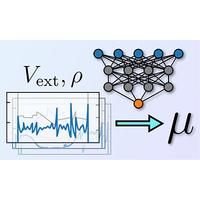
Equilibrium chemical potentials can be determined simultaneously across simulation datasets of inhomogeneous classical fluids by leveraging machine-learned classical density functionals.
Phys. Rev. Lett. 136, 068202 (2026)
Polymers, Chemical Physics, Soft Matter, and Biological Physics
Anomalous Diffusion in Driven Electrolytes due to Hydrodynamic Fluctuations
Article | Polymers, Chemical Physics, Soft Matter, and Biological Physics | 2026-02-10 05:00 EST
Ramin Golestanian
The stochastic dynamics of tracers arising from hydrodynamic fluctuations in a driven electrolyte is studied using a self-consistent field-theory framework in all dimensions. A plethora of scaling behavior that includes two distinct regimes of anomalous diffusion is found, and the crossovers between…
Phys. Rev. Lett. 136, 068301 (2026)
Polymers, Chemical Physics, Soft Matter, and Biological Physics
Erratum: Search for Light Dark Matter with 259 Days of Data in PandaX-4T [Phys. Rev. Lett. 135, 211001 (2025)]
Article | 2026-02-10 05:00 EST
Minzhen Zhang et al. (PandaX Collaboration)
Phys. Rev. Lett. 136, 069901 (2026)
Maximally Nonprojective Measurements Are Not Always Symmetric Informationally Complete
Article | Quantum Information, Science, and Technology | 2026-02-09 05:00 EST
Gabriele Cobucci, Raphael Brinster, Shishir Khandelwal, Hermann Kampermann, Dagmar Bruß, Nikolai Wyderka, and Armin Tavakoli
Standard quantum measurements are projective. However, the full scope of quantum measurements is represented by positive operator-valued measures (POVMs) and many of these break the limitations of projective measurements as resources in quantum information. It is therefore natural to consider how ac…
Phys. Rev. Lett. 136, 060201 (2026)
Quantum Information, Science, and Technology
Quantum Charging Advantage in Superconducting Solid-State Batteries
Article | Quantum Information, Science, and Technology | 2026-02-09 05:00 EST
Chang-Kang Hu, Chilong Liu, Jingchao Zhao, Liuzhu Zhong, Yuxuan Zhou, Mingze Liu, Haolan Yuan, Yongchang Lin, Yue Xu, Guantian Hu, Guixu Xie, Zixing Liu, Ruiyang Zhou, Yougui Ri, Wenxuan Zhang, Ruicheng Deng, Andreia Saguia, Xiayu Linpeng, Marcelo S. Sarandy, Song Liu, Alan C. Santos, Dian Tan, and Dapeng Yu
Quantum battery, as a novel energy storage device, offers the potential for unprecedented efficiency and performance beyond the capabilities of classical systems, with broad implications for future quantum technologies. Here, we experimentally demonstrate quantum charging advantage (QCA) in a scalab…
Phys. Rev. Lett. 136, 060401 (2026)
Quantum Information, Science, and Technology
Error-Resilient Reversal of Quantum Chaotic Dynamics Enabled by Scramblons
Article | Quantum Information, Science, and Technology | 2026-02-09 05:00 EST
Yu-Chen Li, Tian-Gang Zhou, Shengyu Zhang, Ze Wu, Liqiang Zhao, Haochuan Yin, Xiaoxue An, Hui Zhai, Pengfei Zhang, Xinhua Peng, and Jiangfeng Du
A combined experimental and theoretical study reveals the emergence of quantum chaos in a complex system, suggesting that it can be described with a universal theoretical framework.

Phys. Rev. Lett. 136, 060403 (2026)
Quantum Information, Science, and Technology
Optimal Quantum Algorithm for Gibbs State Preparation
Article | Quantum Information, Science, and Technology | 2026-02-09 05:00 EST
Cambyse Rouzé, Daniel Stilck França, and Álvaro M. Alhambra
It is of great interest to understand the thermalization of open quantum many-body systems, and how quantum computers are able to efficiently simulate that process. A recently introduced dissipative evolution, inspired by existing models of open system thermalization, has been shown to be efficientl…
Phys. Rev. Lett. 136, 060601 (2026)
Quantum Information, Science, and Technology
Chernoff Information Bottleneck for Covert Quantum Target Sensing
Article | Quantum Information, Science, and Technology | 2026-02-09 05:00 EST
Giuseppe Ortolano, Ivano Ruo-Berchera, and Leonardo Banchi
The paradigm of quantum metrology and sensing aims to identify a quantum advantage in precision at a fixed energy of the probe state. However, in practice, employing high-energy classical probes is often simpler than leveraging the quantum regime. This is not the case of covert sensing scenarios, wh…
Phys. Rev. Lett. 136, 060801 (2026)
Quantum Information, Science, and Technology
Observation of Criticality-Enhanced Quantum Sensing in Nonunitary Quantum Walks
Article | Quantum Information, Science, and Technology | 2026-02-09 05:00 EST
Lei Xiao, Saubhik Sarkar, Kunkun Wang, Abolfazl Bayat, and Peng Xue
Quantum physics enables parameter estimation with precisions beyond the capability of classical sensors. Quantum criticality is a key resource for this quantum-enhanced sensing, but experimental realization has been challenging due to the complexity of ground-state preparation and the long time requ…
Phys. Rev. Lett. 136, 060802 (2026)
Quantum Information, Science, and Technology
Optical Sensing Near the Quantum Limit with Enhanced Dynamic Range by Resolving the Spectra of Interfering Photons
Article | Quantum Information, Science, and Technology | 2026-02-09 05:00 EST
Russell M. J. Brooks, Luca Maggio, Thomas Jaeken, Joseph Ho, Erik M. Gauger, Vincenzo Tamma, and Alessandro Fedrizzi
Optical sensing schemes based on two-photon interference offer a powerful platform for precision metrology, but are usually limited by a trade-off between dynamic range and measurement precision. Here, we overcome this limitation by resolving the frequency of two photons impinging on a beam splitter…
Phys. Rev. Lett. 136, 060803 (2026)
Quantum Information, Science, and Technology
Ten-dimensional Neural Network Emulator for the Nonlinear Matter Power Spectrum
Article | Cosmology, Astrophysics, and Gravitation | 2026-02-09 05:00 EST
Yanhui Yang (杨焱辉), Simeon Bird, Ming-Feng Ho (何銘峰), and Mahdi Qezlou
We present gokunemu, a ten-dimensional neural network emulator for the nonlinear matter power spectrum, designed to support next-generation cosmological analyses. Built on the Goku -body simulation suite and the t2n-muse emulation framework, gokunemu predicts the matter power spectrum with av…
Phys. Rev. Lett. 136, 061001 (2026)
Cosmology, Astrophysics, and Gravitation
Emergent Turbulence in Nonlinear Gravity
Article | Cosmology, Astrophysics, and Gravitation | 2026-02-09 05:00 EST
Sizheng Ma, Luis Lehner, Huan Yang, Lawrence E. Kidder, Harald P. Pfeiffer, and Mark A. Scheel
Gravity in nonlinear and dynamical regimes underpins spectacular astrophysical phenomena and observable consequences, from the early Universe to black hole collisions. In these extreme environments, "inverse energy cascades"--mediated by nonlinear interactions--may help explain the near scale invarian…
Phys. Rev. Lett. 136, 061401 (2026)
Cosmology, Astrophysics, and Gravitation
Exact Chiral Symmetries of $3+1\mathrm{D}$ Hamiltonian Lattice Fermions
Article | Particles and Fields | 2026-02-09 05:00 EST
Lei Gioia and Ryan Thorngren
We construct Hamiltonian models on a cubic lattice for a single Weyl fermion and for a single Weyl doublet protected by exact (as opposed to emergent) chiral symmetries. In the former, we find a not-on-site, noncompact chiral symmetry which can be viewed as a Hamiltonian analog of the Ginsparg-…
Phys. Rev. Lett. 136, 061601 (2026)
Particles and Fields
Superconducting Cloud Chamber
Article | Particles and Fields | 2026-02-09 05:00 EST
Bo Gao, Jie Sheng, and Tsutomu T. Yanagida
We propose a new particle-trajectory detector composed of Josephson junctions, named the superconducting cloud chamber. By measuring the quantum phase difference, this device can detect charged particles with extremely low kinetic energy, providing a new method for detecting slow-moving particles. I…
Phys. Rev. Lett. 136, 061801 (2026)
Particles and Fields
Isotope Shift Spectroscopy in Mercury Vapors: A Promising Alternative to Ytterbium for New Physics Search
Article | Atomic, Molecular, and Optical Physics | 2026-02-09 05:00 EST
Stefania Gravina, Antonio Castrillo, and Livio Gianfrani
Isotope shift metrology in the deep-UV region has been performed for all bosonic isotopes of mercury with a zero nuclear spin, using the technique of frequency-comb referenced, wavelength-modulated, saturated absorption spectroscopy. The absolute center frequencies of the transitio…
Phys. Rev. Lett. 136, 063001 (2026)
Atomic, Molecular, and Optical Physics
Steering Reaction Flux by Coupling Product Channels
Article | Atomic, Molecular, and Optical Physics | 2026-02-09 05:00 EST
Dominik Dorer, Shinsuke Haze, Jing-Lun Li, José P. D’Incao, Eberhard Tiemann, Paul S. Julienne, Markus Deiß, and Johannes Hecker Denschlag
We demonstrate a method for controlling the outcome of an ultracold chemical few-body reaction by redirecting a tunable fraction of reaction flux from one selected product channel to another one. In the reaction, three ultracold atoms collide to form a diatomic molecule. This product molecule can be…
Phys. Rev. Lett. 136, 063401 (2026)
Atomic, Molecular, and Optical Physics
Muon Knight Shift as a Precise Probe of the Superconducting Symmetry of ${\mathrm{Sr}}{2}{\mathrm{RuO}}{4}$
Article | Condensed Matter and Materials | 2026-02-09 05:00 EST
Hisakazu Matsuki, Rustem Khasanov, Jonas A. Krieger, Thomas J. Hicken, Kosuke Yuchi, Jake S. Bobowski, Giordano Mattoni, Atsutoshi Ikeda, Ryutaro Okuma, Hubertus Luetkens, and Yoshiteru Maeno
Muon spin rotation () measurements of internal magnetic field shifts, known as the muon Knight shift, are used for determining pairing symmetries in superconductors. While this technique has been especially effective for -electron-based heavy-fermion superconductors, it remains challenging in -…
Phys. Rev. Lett. 136, 066001 (2026)
Condensed Matter and Materials
Superconducting Dome in ${\mathrm{La}}{3-x}{\mathrm{Sr}}{x}{\mathrm{Ni}}{2}{\mathrm{O}}{7-δ}$ Thin Films
Article | Condensed Matter and Materials | 2026-02-09 05:00 EST
Maosen Wang, Bo Hao, Wenjie Sun, Shengjun Yan, Shengwang Sun, Hongyi Zhang, Zhengbin Gu, and Yuefeng Nie
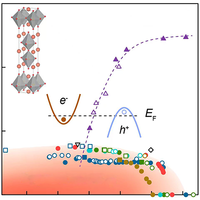
The doping-dependent phase diagram of the bilayer nickelate film, LaSrNiO, when compressively strained features a superconducting dome with an electron-hole crossover.
Phys. Rev. Lett. 136, 066002 (2026)
Condensed Matter and Materials
Rate Equation for the Transfer of Interstitials across Interfaces between Equilibrated Crystals
Article | Condensed Matter and Materials | 2026-02-09 05:00 EST
Jörg Weissmüller
This Letter inspects the thermally activated transfer of solute particles across the interface between two interstitial solid solution phases that equilibrate internally by fast diffusion on conserved arrays of sites. When each phase is considered as an ergodic ensemble of particles, statistical mec…
Phys. Rev. Lett. 136, 066201 (2026)
Condensed Matter and Materials
Frequency-Domain Berry Curvature Effect on Time Refraction
Article | Condensed Matter and Materials | 2026-02-09 05:00 EST
Shiyue Deng, Yang Gao, and Qian Niu
We demonstrate that there exists frequency-domain Berry curvature in the wave function of photons in dispersive optical systems. This property arises from the frequency dispersion of its dielectric function, which makes Maxwell equations a nonstandard eigenvalue equation, with the eigenvalue (freque…
Phys. Rev. Lett. 136, 066301 (2026)
Condensed Matter and Materials
Intervalley-Coupled Twisted Bilayer Graphene from Substrate Commensuration
Article | Condensed Matter and Materials | 2026-02-09 05:00 EST
Bo-Ting Chen, Michael G. Scheer, and Biao Lian
We show that intervalley coupling can be induced in twisted bilayer graphene (TBG) by aligning the bottom graphene layer with either of two types of commensurate insulating triangular Bravais lattice substrate. The intervalley coupling folds the valleys of TBG to the -point and hybridizes the or…
Phys. Rev. Lett. 136, 066401 (2026)
Condensed Matter and Materials
Topology of Ultralocalized Insulators and Superconductors
Article | Condensed Matter and Materials | 2026-02-09 05:00 EST
Bastien Lapierre, Luka Trifunovic, Titus Neupert, and Piet W. Brouwer
The topology of an insulator can be defined even when all eigenstates of the system are localized--an extreme case of Anderson insulators that we call ultralocalized. We derive the classification of such ultralocalized insulators in all symmetry classes and dimensions. We clarify their bulk-boundary …
Phys. Rev. Lett. 136, 066601 (2026)
Condensed Matter and Materials
Realization of a Bulk-Insulating Ferromagnetic Topological Crystalline Insulator and Its Multicarrier Surface Dirac-Cone Transport
Article | Condensed Matter and Materials | 2026-02-09 05:00 EST
Yoshihiro Fukushima, Satoru Ichinkura, Taisuke Sasaki, and Toru Hirahara
We succeeded in fabricating an ideal, bulk-insulating ferromagnetic topological crystalline insulator by doping Mn to SnTe films grown on . The cancellation of the polarity of SnTe surface and electron doping due to Bi and Mn leads to an ideal case where only the electron and holes of topologi…
Phys. Rev. Lett. 136, 066602 (2026)
Condensed Matter and Materials
Entropic Balance with Feedback Control: Information Equalities and Tight Inequalities
Article | Statistical Physics; Classical, Nonlinear, and Complex Systems | 2026-02-09 05:00 EST
N. Ruiz-Pino and A. Prados
We consider overdamped physical systems evolving under a feedback-controlled fluctuating potential and in contact with a thermal bath at temperature . A Markovian description of the dynamics, which keeps only the last value of the control action, is advantageous--both from the theoretical and the pr…
Phys. Rev. Lett. 136, 067101 (2026)
Statistical Physics; Classical, Nonlinear, and Complex Systems
Experimental Measurement of Negative Grain-Boundary Triple Line Tension
Article | Polymers, Chemical Physics, Soft Matter, and Biological Physics | 2026-02-09 05:00 EST
Xiuming Xiao and Ziren Wang
We measured negative grain-boundary triple line tension within bulk hard-sphere colloidal polycrystals. Compared to the grain boundaries, the tension is predominantly distributed in the grain lattices. The negative tension drives finite premelting at triple junctions and leads to a marginally denser…
Phys. Rev. Lett. 136, 068201 (2026)
Polymers, Chemical Physics, Soft Matter, and Biological Physics
Unifying Constraints Linking Protein Folding and Native Dynamics Decoded from AlphaFold
Article | Polymers, Chemical Physics, Soft Matter, and Biological Physics | 2026-02-09 05:00 EST
Zecheng Zhang, Weitong Ren, Liangxu Xie, Yuxiang Zheng, Xingyue Guan, Jun Wang, Wenfei Li, and Qian-Yuan Tang
The interplay between protein folding and native dynamics remains a central question in biophysics. Analyzing an extensive set of AlphaFold-predicted structures, we uncover a robust relationship between folding topology (contact order) and native dynamics (fluctuation entropy), showing that long-ran…
Phys. Rev. Lett. 136, 068401 (2026)
Polymers, Chemical Physics, Soft Matter, and Biological Physics
Robust Scaling in Human Brain Dynamics Despite Correlated Inputs and Limited Sampling Distortions
Article | Polymers, Chemical Physics, Soft Matter, and Biological Physics | 2026-02-09 05:00 EST
Rubén Calvo, Carles Martorell, Adrián Roig, and Miguel A. Muñoz
An analytical and numerical framework, applied to pooled resting-state functional magnetic resonance imaging, shows that collective brain activity is slightly subcritical yet close to criticality.

Phys. Rev. Lett. 136, 068402 (2026)
Polymers, Chemical Physics, Soft Matter, and Biological Physics
Physical Review X
Yang-Lee Quantum Criticality in Various Dimensions
Article | 2026-02-09 05:00 EST
Erick Arguello Cruz, Igor R. Klebanov, Grigory Tarnopolsky, and Yuan Xin
A study of the Yang-Lee universality class of critical phenomena, which arise in the Ising model with an imaginary magnetic field, finds broad agreement between 𝒫𝒯-symmetric Hamiltonians and conformal field theory.

Phys. Rev. X 16, 011022 (2026)
arXiv
Experimentally controlling scattering of water waves in correlated disorder
New Submission | Soft Condensed Matter (cond-mat.soft) | 2026-02-10 20:00 EST
Angélique Campaniello, Rémi Carminati, Marcel Filoche, Emmanuel Fort
Wave propagation in complex media is a universal problem spanning optics, acoustics, mechanics, and condensed matter physics. While disorder usually causes strong scattering, recent theory predicts that a special class of correlated disorder, known as stealthy hyperuniformity, can suppress scattering at long wavelengths, making a material transparent despite remaining structurally disordered and far from a simple homogenization regime. Experimental evidence of this remarkable transport regime within a medium has, however, remained limited. Here we report a direct, spatially resolved experimental observation of a transition between scattering and non-scattering wave transport induced by hyperuniform correlations. Using water waves as a model platform, we image both the amplitude and phase of the wavefield as it propagates through a two-dimensional disordered structure. This enables us to extract quantitative transport observables, including extinction lengths, statistical fluctuations, and energy-flow patterns, and to directly identify the boundary of the hyperuniform transparency regime. Our results provide a quantitative experimental validation of the transport regimes predicted for stealthy hyperuniform disorder and demonstrate that correlated disorder offers a powerful and practical route to control wave propagation in realistic systems across wave physics.
Soft Condensed Matter (cond-mat.soft)
Zero-point energy of solids from vacuum fluctuation and quantum geometric force
New Submission | Mesoscale and Nanoscale Physics (cond-mat.mes-hall) | 2026-02-10 20:00 EST
We show that quantum fluctuations of electromagnetic fields induce an additional zero-point energy in solids, which scales with the volume. For insulators, the zero-point energy density is proportional to quantum fluctuation of electric polarization in the many-body ground state, a fundamental quantum geometric property of solids known as the quantum weight. Although the zero-point energy does not affect the dynamics of the electromagnetic fields, when the fields are produced by a superconducting LC circuit, the zero-point energy contributes to a repulsive force between the circuit and the material. In addition, since zero-point energy depends on the circuit’s capacitor, it yields a measurable static force acting on the capacitor plates, which we call quantum geometric force. The proposed effects provide direct experimental access to the many-body quantum geometry and reveal a new macroscopic quantum effect in solids induced by vacuum fluctuation.
Mesoscale and Nanoscale Physics (cond-mat.mes-hall), Strongly Correlated Electrons (cond-mat.str-el), Quantum Physics (quant-ph)
5 pages, 2 figures + Ref + SM
Non-reciprocal spin excitations across the skyrmion-paramagnetic phase transition in MnSi
New Submission | Strongly Correlated Electrons (cond-mat.str-el) | 2026-02-10 20:00 EST
Tobias Weber, Karin Schmalzl, Johannes Waizner, Andreas Bauer, Markus Garst, Christian Pfleiderer
The magnetic excitations of the skyrmion lattice in MnSi comprise a multitude of individual modes, which are non-reciprocal and thereby propagate unidirectionally. We report inelastic neutron scattering experiments for temperatures near and above the skyrmion-paramagnetic phase transition in the chiral magnet MnSi tracking the evolution from the skyrmion lattice towards the high-temperature paramagnetic state. Within the resolution of the triple-axis measurements the excitations vary smoothly across the skyrmion-paramagnetic boundary, and, the quasi-elastic paramagnetic signal under applied field retains the non-reciprocal character seen in the skyrmion phase even far above the critical temperature. Using a resolution-convolution our results are consistent with linear spin-wave theory.
Strongly Correlated Electrons (cond-mat.str-el)
9 pages, 5 figures
Microscopic origin of Rashba coupling from first principles: Layer-resolved orbital asymmetry in transition metal dichalcogenides
New Submission | Mesoscale and Nanoscale Physics (cond-mat.mes-hall) | 2026-02-10 20:00 EST
Miguel Morales Cócera, Marta Prada, Franz Fischer, Gabriel Bester
Spin-orbit coupling in two-dimensional materials gives rise to a Rashba spin splitting when inversion and mirror symmetries are broken, yet its microscopic origin and quantitative characterization in transition metal dichalcogenides remains incomplete. Both symmetries are broken in certain bilayer structures, enabling Rashba splittings in the absence of external electric fields. We determine this zero-field offset and the Rashba parameters that dictate the spin splitting in the linear regime. Surprisingly, the splitting is substantially smaller in bilayers than in monolayers at typical fields. This is clarified within a perturbative microscopic model, revealing that the spin splitting results from a competition between internal polarization and interlayer hybridization. We further introduce the orbital polarization imbalance as an order parameter that captures the asymmetry of the valence bands and determines the spin ordering of the Rashba-split states. Our results are both quantitative and qualitative, as they clarify the nature and origin of Rashba coupling in transition metal dichalcogenides.
Mesoscale and Nanoscale Physics (cond-mat.mes-hall), Materials Science (cond-mat.mtrl-sci)
9 pages, 6 figures
Sensitivity of grain-averaged elastic strain and orientation predictions on the mesh density and boundary conditions in crystal plasticity finite element simulations
New Submission | Materials Science (cond-mat.mtrl-sci) | 2026-02-10 20:00 EST
Jeremiah Lethoba, Romain Quey, Darren C. Pagan, Matthew Kasemer
Combined high-energy X-ray diffraction microscopy (HEDM) and crystal plasticity finite element (CPFE) modeling studies have emerged as a preferred paradigm to shed insight into the evolution of elasticity and plasticity at the intragrain scale of polycrystals. In particular, far-field HEDM measures the deformation response of upwards of thousands of individual grains simultaneously in situ during mechanical loading, though measurements are primarily limited, however, to the average state of each grain – i.e., the grain’s full strain tensor, crystallographic orientation, spatial location and volume. CPFE is utilized to shed information on the intragrain deformation response, via the sub-discretization of each grain into many finite elements, though the direct point of comparison to HEDM remains the grain-averaged response. We thus seek to find the minimum simulation conditions necessary to provide consistent grain-averaged predictions in an attempt to limit computational cost. In this study, we perform a suite of simulations and systematically study the effects of mesh density and boundary conditions, and consider different materials. We discuss these results and show that accurate prediction of grain-averaged elastic strains in a given region of interest typically requires a mesh with 250 elements per grain on average and a buffer layer of at least three grains between the region of interest and the control surfaces.
Materials Science (cond-mat.mtrl-sci)
19 pages, 16 figures
Impact of crystallinity on the circular and linear dichroism signals in chiral perovskite
New Submission | Materials Science (cond-mat.mtrl-sci) | 2026-02-10 20:00 EST
Chiral perovskites owing to their broken mirror symmetry exhibit selective absorption of circularly polarized light manifesting a strong circular dichroism (CD). CD spectroscopy has been a key technique to understand chiral perovskites and how these semiconductors achieve chirality at the molecular level. However, there is a debate on whether the observed CD is intrinsic to the chiral crystal structures or is modulated by extrinsic phenomena particularly linear dichroism (LD) and linear birefringence (LB) effects. This work investigates the chiroptical properties of $ (R-/S-\text{MBA})_2\mathrm{CuCl}_4$ (MBA = Methylbenzyl ammonium) series by thoroughly studying the contribution from LD and LB to the observed CD signals. The comparison of highly oriented and randomly oriented films exhibits notable LD and LB contributions to the observed CD, which are caused by orientation-dependent electric-field interactions and local anisotropy. Both randomly and highly oriented films exhibit distinct CD responses, with LD–LB effects largely dominating the CD in highly oriented films. This has been revealed by the obvious shift in the observed CD signals to the below-absorption-edge ($ \sim 430$ nm) regime and broadening of features. Our findings demonstrate that careful consideration of crystal orientation and structural effects is necessary for appropriate interpretation of CD spectra in chiral perovskite thin films.
Materials Science (cond-mat.mtrl-sci), Optics (physics.optics)
5 main figures and 8 supporting figures
Constitutive theory for mechanics of amorphous thermoplastic polymers under extreme dynamic loading
New Submission | Materials Science (cond-mat.mtrl-sci) | 2026-02-10 20:00 EST
A geometrically nonlinear continuum mechanical theory is formulated for deformation and failure behaviors of amorphous polymers. The model seeks to capture material response over a range of loading rates, temperatures, and stress states encompassing shock compression, inelasticity, melting, decomposition, and spallation. Thermoelasticity, viscoelasticity, viscoplasticity, ductile failure with localized shear yielding, and brittle fracture with crazing can all emerge under this ensemble of intense loading conditions. Known prior theories have considered one or more, but not all, such physical mechanisms. The present coherent formulation invokes thermodynamics with internal state variables for dynamic molecular and network configurational changes affecting viscoelasticity and plastic deformation, and it uses order parameters for more abrupt structural changes across state-dependent glass-transition and shock-decomposition thresholds. A phase-field order parameter captures material degradation from ductile or brittle fracture, including evolving porosity from crazing. The theory is applied toward polymethyl methacrylate (PMMA) under intense dynamic loading. The high-pressure equilibrium response, with shear strength and temperature over known ranges, is well represented along the principal Hugoniot to pressures far exceeding shock decomposition. Predicted release wave velocities agree with experiment. A semi-analytical solution for steady waves describes the relatively lower-pressure viscoelastic setting, providing insight into relaxation times. One-dimensional calculations assess suitability of the model for representing spall fracture strengths seen in experiments over a range of initial temperatures and loading rates.
Materials Science (cond-mat.mtrl-sci)
66 pages, 9 figures
A Low-Cost, Strong, and Ductile Single-Phase Nb-Based Refractory Complex Concentrated Alloy
New Submission | Materials Science (cond-mat.mtrl-sci) | 2026-02-10 20:00 EST
Ayeman M. Nahin, Jacob Pustelnik, Jessica Dong, Tamanna Zakia, Mingwei Zhang
The development of structural materials capable of sustained operation above 1200 °C is critical for next-generation energy and aerospace systems; however, Ni-based superalloys are fundamentally constrained by their melting temperatures, while conventional Nb-based refractory alloys are limited by modest specific strength and high cost. Here, we report on the design and mechanical performance of a cost-effective, non-equiatomic refractory complex concentrated alloy (RCCA), Nb45Ta15Ti20V20, engineered to overcome these limitations. Specifically, its specific strength surpasses wrought C-103 and rivals additively manufactured (AM) C-103 at temperatures up to 1300 °C while maintaining extensive room temperature tensile ductility (>10 %). Coupled with a high melting point (~2167 °C), reduced density (8.67 g/cc), and a raw material cost of ~$ 130/kg compared to >$ 500/kg for wrought C-103 and >$ 2,500/kg for AM C-103, this alloy delivers superior specific strength-cost efficiency, highlighting the promise of non-equiatomic RCCAs as viable alternatives to commercial refractory alloys.
Materials Science (cond-mat.mtrl-sci)
The impact of spurious imaginary phonon modes on thermal properties of Metal-organic Frameworks
New Submission | Materials Science (cond-mat.mtrl-sci) | 2026-02-10 20:00 EST
Prathami Divakar Kamath, Kristin A. Persson
Metal-organic Frameworks (MOFs) have emerged as potential candidates for direct air capture (DAC) of green house gases and water. Thermal properties of MOFs, such as their heat capacity, are used to determine the energy penalty associated with the adsorbent retrieval during the Temperature Swing Adsorption process. To aid exploration of the vast experimental design space of MOFs for such applications, computational methods like Density Functional Theory (DFT) or surrogate machine learning models trained on DFT data have been developed for obtaining phonon-derived heat capacities of MOFs. However, the high cost of explicit phonon computation in large and flexible nanoporous MOFs often necessitates the use of small supercells or lower convergence criteria which decrease predictive accuracy. These approximations often result in spurious imaginary phonon modes which are commonly ignored in practice. At present, there is no clear consensus in the literature on what magnitude of negative frequency or what fraction of imaginary modes can be considered acceptable. Here, we systematically demonstrate that spurious imaginary phonon modes can introduce substantial errors in heat capacity estimates, leading to incorrect ranking of MOFs in thermal-property-based screening. We further show that benchmarking machine learning interatomic potentials (MLIPs) against DFT datasets containing spurious imaginary modes can misrepresent models that predict physically meaningful phonon spectra for dynamically stable MOFs. Finally, we introduce a simple, rapid post-processing workflow that can be applied to standard phonon calculations to effectively correct heat capacity estimates and account for spurious imaginary modes in MOFs.
Materials Science (cond-mat.mtrl-sci), Mesoscale and Nanoscale Physics (cond-mat.mes-hall)
Graph neural network for multitask prediction of rheological and microstructural behavior in suspensions
New Submission | Soft Condensed Matter (cond-mat.soft) | 2026-02-10 20:00 EST
Armin Aminimajd, Joao Maia, Abhinendra Singh
Fast prediction of suspension rheology is fundamental for optimizing process efficiency and performance in numerous industrial settings. However, traditional simulations are computationally demanding due to explicit evaluation of contact networks and stress tensors in dense regimes approaching shear thickening and jamming. This study presents a microstructure-informed multitask learning framework based on the graph neural network (GNN) that learns an implicit mapping between particle configurations and emergent microstructural and rheological properties of suspensions. This model simultaneously predicts particle pressure $ \Pi$ , viscosity $ \eta$ , and friction coordination $ Z_\mu$ , in a dynamic steady-state, without explicit knowledge of interparticle forces. Here, semi-dilute to dense suspension systems in 2D were simulated across a wide range of shear stresses $ \sigma$ , spanning continuous, discontinuous shear thickening, and shear-jamming conditions. The trained models demonstrated high correlation coefficients ($ R^2$ = 0.99) with narrow mean absolute error for packing fractions up to $ \phi \le \phi_J^\mu$ for all predictive targets. However, prediction scatter increases near jamming conditions, attributed to inherent fluctuations in suspension behavior as the critical packing fraction is approached, yet predictions remain in excellent agreement, closely following the trend of the simulated flow curves across stress evolution. Once trained, the model can infer rheological responses directly from structural topology, avoiding explicit stress evaluation during prediction. The approach yields computationally efficient mesoscale surrogates for accelerated simulation with potential for real-time exploration of particulate suspension behavior.
Soft Condensed Matter (cond-mat.soft), Disordered Systems and Neural Networks (cond-mat.dis-nn)
Analyzing Band Gaps in Ensemble Density Functional Theory using Thermodynamic Limits of Finite One-Dimensional Model Systems
New Submission | Materials Science (cond-mat.mtrl-sci) | 2026-02-10 20:00 EST
Gregory G. V. Kenning, Remi J. Leano, David A. Strubbe
Ensemble Density Functional Theory (EDFT) is a promising extension to Density Functional Theory (DFT) for calculating excited states. While Kohn-Sham eigenvalue differences underestimate gaps, EDFT has been shown to provide more accurate excitation energies in atoms, molecules and isolated model systems. However, it is unclear whether EDFT is capable of calculating band gaps of periodic systems – and what an appropriate theoretical formulation would be to describe periodic systems. We explored how EDFT could calculate band gaps by estimating the thermodynamic limit with increasingly wide finite versions of the one-dimensional Kronig-Penney (KP) periodic model. We use Octopus, an ab initio, open-source, real-space DFT code, as in our previous work [R. J. Leano et al., Electron. Struct. 6, 035003 (2024)] in which we found with “particle in a box” models that EDFT can provide a reasonable effective mass correction for the homogeneous electron gas. Now, we use a periodic reference that is gapped. We find that the finite systems’ Kohn-Sham gap approaches the same periodic limit for each of three ways of terminating the finite system, though the appropriate states corresponding to the valence band maximum and conduction band minimum have to be carefully identified in each case. Finally, our EDFT results, using a simple ensemblized LDA approximation, have a reasonable nonzero correction to the bandgap in the periodic limit. The results indicate that EDFT is promising for periodic systems, to motivate further work on developing a suitable formalism.
Materials Science (cond-mat.mtrl-sci), Chemical Physics (physics.chem-ph), Computational Physics (physics.comp-ph)
20 pages, 4 tables, 14 figures
Ordering Mixed-Q Topological Magnetism into Lattice via Moire Engineering
New Submission | Materials Science (cond-mat.mtrl-sci) | 2026-02-10 20:00 EST
Xiudong Wang, Zhonglin He, Kaiying Dou, Ying Dai, Baibiao Huang, Yandong Ma
Topological magnetic lattices offer a fertile ground for exploring fundamental physics and developing novel spintronic devices. However, current research is predominantly confined to single-Q topologies hosting uniform type of quasiparticle. The realization of exotic mixed-Q states, where distinct topological quasiparticles co-assemble into an ordered lattice, remains largely unexplored. Here, we propose a generic mechanism to order disordered mixed-Q topological magnetism into periodic lattice via moire engineering. By leveraging the synergy between spatially modulated interlayer coupling and intrinsic intralayer magnetic frustration, we demonstrate that moire potential can effectively regularize skyrmions, antiskyrmions, and magnetic bubbles into a hybrid lattice. Combining first-principles with atomistic spin simulations, we validate this mechanism in twisted bilayer CrGaTe3, identifying it as an exemplary platform for hosting these complex ordered textures. We systematically map the phase evolution as a function of twist angle and biaxial strain, unveiling the critical role of moire potential in stabilizing mixed-Q lattice. Our findings significantly advance the frontier of topological and moire spintronics.
Materials Science (cond-mat.mtrl-sci)
Excess photon-assisted noise of Majorana and Andreev bound states
New Submission | Mesoscale and Nanoscale Physics (cond-mat.mes-hall) | 2026-02-10 20:00 EST
Qiang Lin, Ying-Xin Liang, Ke He, Zhan Cao
Photon-assisted tunneling arises under an ac bias, with the drive frequency setting the photon energy. The excess photon-assisted noise is defined as the difference between the shot noise under a combined dc and ac bias and that under a dc bias alone. We investigate this quantity in tunneling into Majorana or Andreev bound states, which are of great interest in the search for topological superconductors. Under a harmonic bias $ V(t)=V_\mathrm{dc}[1-\cos(\Omega t)]$ , the excess photon-assisted noise exhibits distinct behaviors: for Majorana or quasi-Majorana bound states, it undergoes multiple sign reversals as $ V_\mathrm{dc}$ increases and vanishes at nonzero integer values of $ eV_\mathrm{dc}/\Omega$ (with $ e$ the elementary charge), whereas for zero-energy Andreev bound states–particularly those producing nearly quantized zero-bias conductance peaks–it remains strictly negative over the entire $ V_\mathrm{dc}$ range.
Mesoscale and Nanoscale Physics (cond-mat.mes-hall)
16 pages, 10 figures
Physical Review B 113, 075408 (2026)
Limitations of SVD-Based Diagnostics for Non-Hermitian Many-Body Localization with Time-Reversal Symmetry
New Submission | Disordered Systems and Neural Networks (cond-mat.dis-nn) | 2026-02-10 20:00 EST
Huimin You, Jinghu Liu, Yunbo Zhang, Zhihao Xu
Singular value decomposition (SVD) has been used to construct Hermitian-like diagnostics for non-Hermitian many-body systems, but its reliability for identifying many-body localization (MBL) transitions – particularly in time-reversal-symmetry (TRS) preserving settings – remains unclear. Here we benchmark SVD-based diagnostics against exact diagonalization (ED) in TRS-preserving non-Hermitian hard-core-boson chains with nonreciprocal hopping, considering three representative potentials: a quasiperiodic potential, random disorder, and a Stark potential. We compare spectral statistics, half-chain entanglement entropy, inverse participation ratio, and spectral form factors. For the quasiperiodic and random-disorder models, ED yields mutually consistent transition estimates, whereas SVD systematically shifts the inferred critical disorder strength to larger values and can lead to different phase assignments. In contrast, for the clean Stark model ED and SVD locate a consistent critical tilt. Our results show that while SVD-based diagnostics capture qualitative trends, they are not generically reliable for quantitatively locating the MBL transition in TRS-preserving non-Hermitian many-body systems.
Disordered Systems and Neural Networks (cond-mat.dis-nn), Quantum Physics (quant-ph)
9 pages, 9 figures
AtomMOF: All-Atom Flow Matching for MOF-Adsorbate Structure Prediction
New Submission | Materials Science (cond-mat.mtrl-sci) | 2026-02-10 20:00 EST
Nayoung Kim, Honghui Kim, Sihyun Yu, Minkyu Kim, Seongsu Kim, Sungsoo Ahn
Deep generative models have shown promise for modeling metal-organic frameworks (MOFs), but existing approaches (1) rely on coarse-grained representations that assume fixed bond lengths and angles, and (2) neglect the MOF-adsorbate interactions, which are critical for downstream applications. We introduce AtomMOF, a scalable flow-based model built on an all-atom Diffusion Transformer that maps 2D molecular graphs of building blocks and adsorbates directly to equilibrium 3D structures without imposing structural constraints. We further present scaling laws for porous crystal generation, indicating predictable performance gains with increased model capacity, and introduce Feynman-Kac steering guided by machine-learned interatomic potentials to improve geometric validity and sampling stability. On the (MOF-only) BW dataset, AtomMOF increases the match rate by 35.00% and reduces RMSD by 32.64%. On the ODAC25 dataset (MOF-adsorbate), AtomMOF is substantially more sample-efficient than grand canonical Monte Carlo in recovering adsorption configurations and can identify candidates with lower adsorption energies than the reference dataset. Code is available at this https URL.
Materials Science (cond-mat.mtrl-sci)
10 pages, 11 figures
ELAS3D-Xtal: An OpenMP-accelerated crystal elasticity solver with automated experiment-driven microstructure generation
New Submission | Materials Science (cond-mat.mtrl-sci) | 2026-02-10 20:00 EST
Juyoung Jeong, Veera Sundararaghavan
This paper introduces ELAS3D-Xtal, a high-performance Fortran/OpenMP upgrade of the NIST ELAS3D voxel-based finite element solver for computing 3D elastic fields in polycrystals with defects. The code supports crystal anisotropy by precomputing rotated stiffness tensors from user-specified orientations and solves the equilibrium problem with a matrix-free, OpenMP-parallel preconditioned conjugate-gradient (PCG) method using a point-block Jacobi preconditioner. On a single shared-memory multicore PC, OpenMP threading accelerates the baseline CG solver by ~10X, while the block-preconditioned CG solver achieves 53-61X speedup relative to the serial CG baseline for meshes from 100^3 to 500^3 voxels (scaling to domains up to 800^3 voxels). Accuracy is validated against the analytical Eshelby inclusion solution. ELAS3D-Xtal also integrates microstructure construction, including statistically calibrated polycrystal generation via spatial filtering and parallel voxel-to-grain assignment, direct pore insertion from XCT centroid/radius data, and texture assignment. Full-field phase, orientation, and stress outputs are written in HDF5 to enable scalable post-processing and defect-mechanics workflows. Applications are demonstrated for (i) anisotropy-controlled defect-scale stress fields and (ii) LPBF SS316L microstructures with gas, lack-of-fusion, and keyhole pore morphologies.
Materials Science (cond-mat.mtrl-sci)
Non-Hermitian physics in the many-body system of Rydberg atoms
New Submission | Quantum Gases (cond-mat.quant-gas) | 2026-02-10 20:00 EST
Ya-Jun Wang, Jun Zhang, Dong-Sheng Ding
Non-Hermitian physics exhibits unique physical properties beyond those of traditional Hermitian systems, such as symmetry breaking, the emergence of exceptional points, topological phase transitions, and more. These phenomena have been extensively studied across various platforms, including quantum optics, cold atom systems, superconducting circuits, and condensed matter physics. Rydberg atoms, with their long-range interactions and flexible controllability, provide a promising platform for the experimental realization of non-Hermitian physics. This review primarily summarizes the key experimental and theoretical achievements in the field of non-Hermitian physics within Rydberg atomic systems in recent years. It outlines the fundamental construction of non-Hermitian Hamiltonians, reveals the effective dissipation mechanisms induced by Rydberg atomic interactions, and discusses their impact on spectral properties and symmetry breaking. These studies not only deepen the understanding of quantum phase transitions in non-Hermitian many-body systems but also highlight the unique value of Rydberg atomic platforms in realizing and controlling topological states.
Quantum Gases (cond-mat.quant-gas), Quantum Physics (quant-ph)
Topological superconductivity on a kagome magnet coupled to a Rashba superconductor
New Submission | Mesoscale and Nanoscale Physics (cond-mat.mes-hall) | 2026-02-10 20:00 EST
Koji Kudo, Ryota Nakai, Hiroki Isobe, Kentaro Nomura
A quantum anomalous Hall system is predicted to realize topological superconductivity when proximity-coupled to an $ s$ -wave superconductor. A kagome magnet with chiral magnetic ordering exhibits the quantum anomalous Hall effect; however, superconducting proximity to an ordinary $ s$ -wave superconductor fails to induce pairing in the strong exchange coupling limit. In this work, we demonstrate that proximity coupling to a Rashba superconductor gives rise to topological superconducting phases characterized by odd Bogoliubov-de Gennes Chern numbers. We confirmed their consistency with the chiral central charge calculated based on the modular commutator. We also show that the magnetic ordering of kagome magnets is affected energetically by the proximity effect.
Mesoscale and Nanoscale Physics (cond-mat.mes-hall), Superconductivity (cond-mat.supr-con)
13 pages, 9 figures
Diffusion/Subdiffusion in the Pushy Random Walk
New Submission | Statistical Mechanics (cond-mat.stat-mech) | 2026-02-10 20:00 EST
Ofek Lauber Bonomo, Itamar Shitrit, Shlomi Reuveni, Sidney Redner
We introduce the pushy random walk, where a walker can push multiple obstacles, thereby penetrating large distances in environments with finite obstacle density. This process gives a more realistic depiction of experimentally observed interactions of active particles in dense media. In one dimension, the walker carves out an obstacle-free cavity whose length grows subdiffusively over time. In two dimensions, increasing obstacle density drives a transition from free diffusion to localized behavior, where the walker is trapped within a cavity whose radius again grows subdiffusively with time.
Statistical Mechanics (cond-mat.stat-mech)
Berezinskii-Kosterlitz-Thouless phase transitions of the antiferromagnetic Ising model with ferromagnetic next-nearest-neighbor interactions on the kagome lattice
New Submission | Statistical Mechanics (cond-mat.stat-mech) | 2026-02-10 20:00 EST
We investigate the six-state clock universality of the Ising model on the kagome lattice, considering antiferromagnetic nearest-neighbor (NN) and ferromagnetic next-nearest-neighbor (NNN) interactions. Our comprehensive study employs three approaches: the level-spectroscopy method, Monte Carlo simulations, and a machine-learning phase classification technique. In this system, we observe two Berezinskii-Kosterlitz-Thouless (BKT) transitions. We present a phase diagram consisting of three phases: the low-temperature ordered phase with sublattice magnetizations, the intermediate BKT phase, and the high-temperature disordered phase, as a function of the ratio of the NNN interaction to the NN interaction. We verify the six-state clock universality through the machine-learning study, which uses data from the six-state clock model on the kagome lattice for training.
Statistical Mechanics (cond-mat.stat-mech)
9 pages, 7 figures
Phys. Rev. B113,014441(2026)
Continuum model for the terahertz dielectric response of glasses
New Submission | Disordered Systems and Neural Networks (cond-mat.dis-nn) | 2026-02-10 20:00 EST
Tatsuya Mori, Hideyuki Mizuno, Dan Kyotani, Soo Han Oh, Yuzuki Motokawa, Yasuhiro Fujii, Akitoshi Koreeda, Shinji Kohara, Seiji Kojima
Boson peak dynamics in glasses produce a robust crossover in the terahertz (THz) dielectric response that standard Debye or Lorentz models do not capture. We develop a continuum description of this THz response, coupling an infrared-effective charge fluctuation spectrum to a frequency-dependent shear modulus, and apply it to glycerol glass. The model reproduces the measured complex dielectric function and the nearly linear infrared light-vibration coupling around the boson peak, and highlights the dominant role of transverse shear dynamics.
Disordered Systems and Neural Networks (cond-mat.dis-nn)
4 figures in the main text and 4 figures in the Supplemental Material (included)
Efficient and Robust p-type Transistor based on Ultra-wide-bandgap Semiconductor
New Submission | Materials Science (cond-mat.mtrl-sci) | 2026-02-10 20:00 EST
Kaijian Xing, Zherui Yang, Weiyao Zhao, Yuefeng Yin, Huiping Han, Shanhu Wang, Shifan Wang, James Bullock, Alastair Stacey, James A. Belcourt, Sergey Rubanov, Hang Yin, David A. Broadway, Jean-Philippe Tetienne, Xinmao Yin, Liang Wu, Dong-Chen Qi, Michael S. Fuhrer, Qingdong Ou, Xiao Renshaw Wang
The p-type transistor is an indispensable component of semiconductor technology, enabling complementary operation with n-channel transistors for computation, storage, and communication. Achieving both high robustness and high efficiency is highly desirable but challenging for p-type transistors due to limited semiconductors with reliable hole transport and their high activation energies. Here, we achieved a robust yet efficient p-type transistor by heterogeneously integrating an ultra-wide-bandgap semiconductor and a high-k dielectric layer through van der Waals integration. The p-type transistor employs a two-dimensional hole channel on hydrogenated diamond (bandgap 5.6 eV) combined with a high-k (30.5) SrTiO3 perovskite membrane. At room temperature, the transistor exhibits stable operation with a high on-current (200 mA/mm), low subthreshold swing (70 mV/dec), high hole mobility (566 cm^2/Vs to 572 cm^2/Vs) and high on-off ratio (10^9). Furthermore, tuning annealing temperature allows operation in either enhancement or depletion mode. The robust p-type transistor with high efficiency holds great potential for future power electronics, UV optoelectronics, and harsh-environment electronic applications.
Materials Science (cond-mat.mtrl-sci)
21 pages, 5 figures
First-principles study on the high-$T_\text{c}$ superconductivity of Mg-Ti-H ternary hydrides up to the liquid-nitrogen temperature range under high pressures
New Submission | Materials Science (cond-mat.mtrl-sci) | 2026-02-10 20:00 EST
Pan Min, Wang Yujie, Hu Kaige, Deng Huiqiu
Ternary hydrides have emerged as the primary focus of the new wave of research into superconducting hydrides. In this work, Mg-Ti-H ternary hydrides are explored under high pressures up to 300 GPa using the prediction method of the particle swarm optimization algorithm combined with first-principles calculations. Two new structures, $ P4/nmm$ -MgTiH$ _6$ and $ Pmm2$ -Mg$ _3$ TiH$ _6$ , are identified to be thermodynamically stable at both 200 GPa and 300 GPa. Thermodynamically stable structures of Mg$ 3$ TiH$ {12}$ are also identified, whose space groups are $ R3/m$ at 200 GPa and $ Pm\bar{3}m$ at 300 GPa, respectively. Among these Mg-Ti-H structures, $ P4/nmm$ -MgTiH$ 6$ achieves a record-high $ T\text{c}$ of 81.9 K at 170 GPa, exceeding the boiling point of liquid nitrogen. Such a high $ T\text{c}$ is primarily attributed to strong electron-phonon coupling (EPC) driven by low-frequency acoustic phonon modes, with the EPC strength reaching a large value of 1.54. The $ T\text{c}$ of $ Pm\bar{3}m$ -Mg$ _3$ TiH$ _{12}$ is predicted to be 40 K at 300 GPa. Furthermore, element substitution of Zr(Hf) for Ti achieves considerable enhancement of superconducting properties in our predicted hydrogen-rich and high-symmetric crystal structures, i.e., $ P4/nmm$ -MgTiH$ _6$ and $ Pm\bar{3}m$ -Mg$ _3$ TiH$ _{12}$ . The high pressure required for dynamical stability is lowered to 100 GPa in both $ Pm\bar{3}m$ -Mg$ _3$ ZrH$ _{12}$ and $ Pm\bar{3}m$ -Mg$ _3$ HfH$ _{12}$ , and to 90 GPa and 120 GPa for $ P4/nmm$ -MgZrH$ _6$ and $ P4/nmm$ -MgHfH$ _6$ , respectively. Particularly, the electronic structure near the Fermi level is significantly modified in the $ P4/nmm$ -MgHfH$ 6$ phase, and pronounced softening of low-frequency acoustic phonon modes occurs. As a result, the EPC strength is enhanced to 1.72, leading to a higher $ T\text{c}$ of 86 K.
Materials Science (cond-mat.mtrl-sci), Superconductivity (cond-mat.supr-con)
19 pages, 13 figures, 2 tables
Insensitive nonreciprocal edge breathers
New Submission | Disordered Systems and Neural Networks (cond-mat.dis-nn) | 2026-02-10 20:00 EST
Bertin Many Manda, Vassos Achilleos
We uncover subtle and previously unexplored phenomena arising from the interplay of nonlinearity and nonreciprocity in topological mechanical metamaterials. We study a nonreciprocal topological Klein-Gordon chain of asymmetrically coupled nonlinear oscillators, which serves as a minimal mass-spring model capturing the features of several active nonreciprocal metamaterials across mechanical, electronic, and acoustic platforms. We demonstrate that continuous families of nonreciprocal edge breathers (NEBs), namely boundary-localized, time-periodic waves, emerge from the linear edge mode as its amplitude increases. Remarkably, despite the absence of chiral or sublattice symmetries, we identify insensitive NEBs whose nonlinear frequency remains fixed to that of the linear edge mode with increasing nonlinearity. Our analysis reveals that the mechanism underlying this insensitivity stems from a competition between mode nonorthogonality and nonlinear interactions, yielding an exponential decay of the NEB nonlinear frequency shift with system size. Crucially, these insensitive NEBs also persist in the strongly nonlinear regime. Our work establishes a novel pathway toward realizing robust nonlinear topological waves in mechanical metamaterials without relying on symmetry-protected nonlinearities.
Disordered Systems and Neural Networks (cond-mat.dis-nn)
19 pages, 6 figures
Theory of Integer Quantum Hall Effect in Irrational Magnetic Field
New Submission | Mesoscale and Nanoscale Physics (cond-mat.mes-hall) | 2026-02-10 20:00 EST
Zhao-Wen Miao, Chen Zhao, Jin-Hua Gao, X. C. Xie
The conventional theory of the integer quantum Hall effect (IQHE) fails for irrational magnetic fields owing to the breakdown of magnetic translational symmetry. Here, based on the recently proposed incommensurate energy band (IEB) theory, we present a universal IQHE theory that does not rely on magnetic translation symmetry and is applicable to both rational and irrational magnetic fluxes. Using the square lattice as a paradigmatic example, we first show that the IEB framework provides a superior description of its energy spectrum in a magnetic field, as it explicitly reveals the momentum-space distribution of eigenstates. Key to our IQHE theory is that each gap in the IEB spectrum is intrinsically labeled by an integer pair (m,g), defined by the corresponding Bragg planes. When the Fermi energy lies within such a gap, the occupied electron states $ N_{\text{occ}}$ is determined by the k-space volume enclosed by these Bragg planes, leading to the fundamental relation $ N_{\text{occ}}/N_0 = m(\phi/\phi_0) + g$ . Through Středa formula, this leads directly to the quantized Hall conductance $ \sigma_{xy} = m e^2/h$ under arbitrary magnetic fields. Our work resolves the long-standing problem of IQHE under irrational flux, and establishes a new paradigm for IQHE.
Mesoscale and Nanoscale Physics (cond-mat.mes-hall)
6 pages, 3 figures
Spontaneous Symmetry Breaking and Collective Higgs-Goldstone Dynamics in Solid-State Phononic Frequency Combs
New Submission | Materials Science (cond-mat.mtrl-sci) | 2026-02-10 20:00 EST
Murtaza Rangwala, Adarsh Ganesan
We investigate the generation of phononic frequency combs arising from nonlinear coupling between Higgs-like and Goldstone-like phonon modes in hexagonal InMnO3. The Higgs-like mode, an infrared-active optical phonon, is resonantly driven by a short, high-electric field terahertz pulse, while the optically inactive Goldstone-like mode is indirectly excited through intrinsic nonlinear mode coupling. Using a nonlinear phononics model, we numerically solve the coupled equations of motion governing the lattice dynamics and analyze the resulting time- and frequency-domain responses. By systematically varying key drive and material parameters-including electric field amplitude, pulse width, driving frequency, and mode damping-we identify the conditions under which stable phononic frequency combs emerge. Our results reveal clear threshold behaviors for comb formation, tunability of comb spacing and spectral bandwidth through external control parameters, and a breakdown of coherent comb structure at high drive strengths or weak damping. These findings demonstrate how nonlinear Higgs-Goldstone interactions enable controllable phononic frequency comb generation and provide insight into ultrafast lattice dynamics in symmetry-broken materials.
Materials Science (cond-mat.mtrl-sci)
8 pages, 6 figures
Benchmarking the plasmon-pole and multipole approximations in the Yambo Code using the GW100 dataset
New Submission | Materials Science (cond-mat.mtrl-sci) | 2026-02-10 20:00 EST
M. Bonacci, D. A. Leon, N. Spallanzani, E. Molinari, D. Varsano, A. Ferretti, C. Cardoso
Verification and validation of electronic structure codes are essential to ensure reliable and reproducible results in computational materials science. While density functional theory has been extensively benchmarked, systematic assessments of many-body perturbation theory methods such as the GW approximation have only recently emerged, most notably through the GW100 dataset. In this work, we assess the numerical accuracy and convergence behavior of the GW implementation in the yambo code using both the Godby-Needs plasmon-pole model and the recently introduced multipole approximation. Quasiparticle energies are compared against GW100 reference data to evaluate the performance, numerical stability, and consistency of these approaches.
Materials Science (cond-mat.mtrl-sci), Chemical Physics (physics.chem-ph)
21 pages, 8 figures, 8 tables
Complete electronic phase diagram and enhanced superconductivity in fluorine-doped PrFeAsO1-xFx
New Submission | Superconductivity (cond-mat.supr-con) | 2026-02-10 20:00 EST
Priya Singh, Konrad Kwatek, Tatiana Zajarniuk, Taras Palasyuk, Cezariusz Jastrzębski, A. Szewczyk, Shiv J. Singh
Establishing a complete electronic phase diagram for REFeAsO (RE = rare earth, RE1111) ironbased superconductors has remained experimentally challenging. Here, we report a systematic investigation of PrFeAsO1-xFx over the full nominal fluorine-doping range 0 to 1 and construct the first comprehensive electronic phase diagram for this system. The evolution from the nonsuperconducting parent compound to the fluorine-rich limit reveals a broad dome shaped superconducting region. Structural refinement demonstrates a systematic lattice contraction with increasing fluorine content (x), corroborated by Raman spectroscopy through softening of the Pr(A1g) phonon mode and hardening of the Fe(B1g) mode, confirming effective fluorine incorporation at the oxygen sites. The maximum superconducting transition temperature (Tc) reaches up to 52.3 K, approximately 5 K higher than previous reports for Pr1111. Magnetotransport measurements yield large upper critical fields Hc2(0) exceeding 100 T, while analysis of resistive transition broadening reveals thermally activated flux flow with a crossover from single-vortex to collective pinning regimes. Specific-heat measurements exhibit a reduced jump deltaC/{\gamma}Tc < 1.43, reflecting strong superconducting fluctuations and multiband pairing. These results establish clear structure property correlations and provide a unified description of superconductivity across the entire doping range of the Pr1111 system.
Superconductivity (cond-mat.supr-con), Materials Science (cond-mat.mtrl-sci), Applied Physics (physics.app-ph)
33 pages, 9 figures
Positron annihilation lifetime and Doppler broadening spectral calculations of oxygen-doped 3C-SiC
New Submission | Materials Science (cond-mat.mtrl-sci) | 2026-02-10 20:00 EST
Yi Zhao, Hongtao Zhang, Qiang Li, Xian Tang, Guodong Cheng
Based on density functional theory (DFT), the formation energies of intrinsic vacancy defects (VC, VSi, and VSi+C) and oxygen-related defects (OC, OSi, OCVSi, and OSiVC) in 3C-SiC are systematically investigated. The results indicate that all defects considered, except for OC, possess neutral or negative charge states, thereby making them suitable for detection by positron annihilation spectroscopy (PAS). Furthermore, the electron and positron density distributions and positron annihilation lifetimes for the perfect 3C-SiC supercell and various defective configurations are computed. It is found that the OSi and OSiVC complexes act as effective positron trapping centers, leading to the formation of positron trapped states and a notable increase in annihilation lifetimes at the corresponding defect sites. In addition, coincidence Doppler broadening (CDB) spectra, along with the S and W parameters, are calculated for both intrinsic and oxygen-doped point defects (OC, OSi, OCVSi, and OSiVC). The analysis reveals that electron screening effects dominate the annihilation characteristics of the OSi defect, whereas positron localization induced by the vacancy is the predominant contributor in the case of OSiVC. This distinction results in clearly different momentum distributions of these two oxygen-related defects for different charge states. Overall, the PAS is demonstrated to be a powerful technique for distinguishing intrinsic vacancy-type defects and oxygen-doped composites in 3C-SiC. Combining the analysis of electron and positron density distributions, the electron localization and positron trapping behavior in defect systems with different charge states can be comprehensively understood. These first-principles results provide a solid theoretical foundation for identifying and characterizing the defects in oxygen-doped 3C-SiC by using PAS.
Materials Science (cond-mat.mtrl-sci)
18 pages, 5 figures
Acta Phys. Sin. 74 (2025) 187801
Capturing the Topological Phase Transition and Thermodynamics of the 2D XY Model via Manifold-Aware Score-Based Generative Modeling
New Submission | Statistical Mechanics (cond-mat.stat-mech) | 2026-02-10 20:00 EST
The application of generative modeling to many-body physics offers a promising pathway for analyzing high-dimensional state spaces of spin systems. However, unlike computer vision tasks where visual fidelity suffices, physical systems require the rigorous reproduction of higher-order statistical moments and thermodynamic quantities. While Score-Based Generative Models (SGMs) have emerged as a powerful tool, their standard formulation on Euclidean embedding space is ill-suited for continuous spin systems, where variables inherently reside on a manifold. In this work, we demonstrate that training on the Euclidean space compromises the model’s ability to learn the target distribution as it prioritizes to learn the manifold constraints. We address this limitation by proposing the use of Manifold-Aware Score-Based Generative Modeling framework applied to the 64x64 2D XY model (a 4096-dimensional torus). We show that our method estimates the theoretical Boltzmann score with superior precision compared to standard diffusion models. Consequently, we successfully capture the Berezinskii-Kosterlitz Thouless (BKT) phase transition and accurately reproduce second-moment quantities, such as heat capacity without explicit feature engineering. Furthermore, we demonstrate zero-shot generalization to unseen lattice sizes, accurately recovering the physics of variable system scales without retraining. Since this approach bypasses domain-specific feature engineering, it remains intrinsically generalizable to other continuous spin systems.
Statistical Mechanics (cond-mat.stat-mech), Machine Learning (cs.LG)
16 pages, 13 figures
Turning non-superconducting elements into superconductors by quantum confinement and proximity
New Submission | Superconductivity (cond-mat.supr-con) | 2026-02-10 20:00 EST
Giovanni A. Ummarino, Alessio Zaccone
Elemental good metals, including noble metals (Cu, Ag, Au) and several $ s$ -block elements, do not exhibit superconductivity in bulk at ambient pressure, primarily due to weak electron–phonon coupling that fails to overcome Coulomb repulsion. In this perspective, we examine whether quantum confinement alone, or in combination with proximity effects, can induce an observable superconducting instability in metals that are non-superconducting in bulk form. We review recent theoretical progress and present a unified framework based on a confinement-generalized, isotropic one-band Eliashberg theory, in which the normal density of states becomes energy dependent and key material parameters ($ E_F$ , $ \lambda$ , and $ \mu^{\ast}$ ) acquire an explicit thickness dependence. By numerically solving the resulting Eliashberg equations using ab-initio or experimentally determined electron–phonon spectral functions $ \alpha^{2}F(\Omega)$ and Coulomb pseudopotentials $ \mu^{\ast}$ , and without introducing adjustable parameters, we compute the critical temperature $ T_c$ as a function of film thickness for representative noble, alkali, and alkaline-earth metals. The theory predicts that superconductivity can emerge only in selected cases and within extremely narrow thickness windows, typically centered around sub-nanometer scales ($ L \sim 0.4$ –$ 0.6$ ~nm). We further discuss layered superconductor/normal-metal systems, where quantum confinement and proximity effects coexist. In these heterostructures, a substantial enhancement of the critical temperature is predicted, even when the constituent materials are non-superconducting or poor superconductors in bulk form.
Superconductivity (cond-mat.supr-con), Mesoscale and Nanoscale Physics (cond-mat.mes-hall), Materials Science (cond-mat.mtrl-sci), Applied Physics (physics.app-ph), Quantum Physics (quant-ph)
Thermal Stability and Phase Transformation of Conductive $α$-$(\mathrm{Al}{x}\mathrm{Ga}{1-x}){2}\mathrm{O}{3}/\mathrm{Ga}{2}\mathrm{O}{3}$ Heterostructures on Sapphire Substrates
New Submission | Materials Science (cond-mat.mtrl-sci) | 2026-02-10 20:00 EST
Botong Li, Shisong Luo, Jaeheon Jung, Bobby G. Duersch, Cheng Chang, Lucas Lau, Zonghao Zhang, Jianhua Li, Hunter Ellis, Imteaz Rahaman, Roy Byung Kyu Chung, Kai Fu, Yuji Zhao
Thermal stability and phase transformation of conductive $ \alpha$ -$ (\mathrm{Al}{0.16}\mathrm{Ga}{0.84}){2}\mathrm{O}{3}/\mathrm{Ga}{2}\mathrm{O}{3}$ heterostructures on sapphire substrates were investigated using in situ high-temperature X-ray diffraction (HT-XRD), scanning electron microscopy (SEM), and atomic force microscopy (AFM). Conductive $ \alpha$ -$ (\mathrm{Al}{0.16}\mathrm{Ga}{0.84}){2}\mathrm{O}{3}/\mathrm{Ga}{2}\mathrm{O}{3}$ heterostructures with fluorine (F) doping were grown by mist chemical vapor deposition on sapphire substrates, achieving a Hall mobility of $ 28\mathrm{cm^{2},V^{-1},s^{-1}}$ and an electron concentration of $ 1.4\times10^{20}\mathrm{cm^{-3}}$ . The heterostructures exhibited thermal stability up to approximately $ 550$ –$
Materials Science (cond-mat.mtrl-sci)
13 pages; 4 figures
Acoustic wave scattering by spatio-temporal interfaces
New Submission | Materials Science (cond-mat.mtrl-sci) | 2026-02-10 20:00 EST
J. Galiana, J. Redondo, R. Picó, V. J. Sánchez-Morcillo
Space-time materials are obtained by modulating a physical medium with a traveling-wave perturbation of one or several of its constitutive parameters, such as the density or the bulk modulus in the case of acoustic materials. When this modulation has the form of a moving and abrupt (subwavelength) transition between two parameter values, we refer to a spatio-temporal interface, which may be considered as a building block for more complex space-time materials. This work considers the problem interaction and scattering of acoustic waves with a single spatio-temporal interface, and a sequence of two interfaces forming a slab. Several regimes defined by the relation between the sound propagation velocities and the interface velocity (namely subsonic, intersonic, and supersonic regimes) are discussed. Analytical expressions for the frequency conversions and scattering coefficients are obtained, and compared with numerical simulations based on an equivalent FTFD squeme.
Materials Science (cond-mat.mtrl-sci), Fluid Dynamics (physics.flu-dyn)
18 pages, 10 figures
Topological and Planar Hall Effect in Monoclinic van der Waals Ferromagnet NbFeTe$_2$
New Submission | Superconductivity (cond-mat.supr-con) | 2026-02-10 20:00 EST
Suchanda Mondal, Shubhankar Roy, Poulami Manna, Ravi Prakash Singh
Two-dimensional (2D) van der Waals (vdW) ferromagnets have emerged as a critical class of quantum materials for next-generation, low-dimensional spintronic devices. In this study, we report a comprehensive study of the transport properties of the layered soft ferromagnet $ \text{NbFeTe}_2$ . We report the first observation of the topological Hall effect (THE) and the planar Hall effect (PHE) in metallic $ \text{NbFeTe}_2$ . THE signatures persist up to 45 K, while PHE remains evident well above Curie temperature ($ T_C$ ). The observed negative longitudinal magnetoresistance, along with the PHE, provides strong evidence for a nontrivial electronic band structure. The coexistence of perpendicular magnetic anisotropy and a substantial THE: two key properties that are highly desirable for future spintronics applications, makes monoclinic vdW ferromagnetic $ \text{NbFeTe}_2$ a promising platform to advance spintronics applications.
Superconductivity (cond-mat.supr-con), Materials Science (cond-mat.mtrl-sci)
9 pages, 4 figures
Effect of metal encapsulation on bulk superconducting properties of niobium thin films used in qubits
New Submission | Superconductivity (cond-mat.supr-con) | 2026-02-10 20:00 EST
Amlan Datta, Kamal R. Joshi, Sunil Ghimire, Bicky S. Moirangthem, Makariy A. Tanatar, Mustafa Bal, Zuhawn Sung, Sabrina Garattoni, Francesco Crisa, Akshay Murthy, David A. Garcia-Wetten, Dominic P. Goronzy, Mark C. Hersam, Michael J. Bedzyk, Shaojiang Zhu, David Olaya, Peter Hopkins, Matthew J. Kramer, Alexander Romanenko, Anna Grassellino, Ruslan Prozorov
Niobium metal occupies nearly 100% of the volume of a typical 2D transmon device. While the aluminum Josephson junction is of utmost importance, maintaining quantum coherence across the entire device means that pair-breaking in Nb leads, capacitive pads, and readout resonators can be a major source of decoherence. The established contributors are surface oxides and hydroxides, as well as absorbed hydrogen and oxygen. Metal encapsulation of freshly grown surfaces with non-oxidizing metals, preferably without breaking the vacuum, is a successful strategy to mitigate these issues. While the positive effects of encapsulation are undeniable, it is important to understand its impact on the macroscopic behavior of niobium films. We present a comprehensive study of the bulk superconducting properties of Nb thin films encapsulated with gold and palladium/gold, and compare them to those of bare Nb films. Magneto-optical imaging, magnetization, resistivity, and London and Campbell penetration depth measurements reveal significant differences in encapsulated samples. Both sputtered, and epitaxial Au-capped films exhibit the highest residual resistivity ratio and superconducting transition temperature, as well as the lowest upper critical field, London penetration depth, and critical current. These results are in good agreement with the microscopic theory of anisotropic normal and superconducting states of Nb. We conclude that pair-breaking in the bulk of niobium films, driven by disorder throughout the film rather than just at the surface, is a significant source of quantum decoherence in transmons. We also conclude that gold capping not only passivates the surface but also affects the properties of the entire film, significantly reducing the scattering rate due to defects likely induced by surface diffusion if the film is not protected immediately after fabrication.
Superconductivity (cond-mat.supr-con)
Yielding behaviour of glasses under shear deformation at constant pressure
New Submission | Soft Condensed Matter (cond-mat.soft) | 2026-02-10 20:00 EST
Krishna K Tiwari, Srikanth Sastry
Computer simulations of yielding of glasses under shear have typically been performed under constant volume, strain controlled protocols. However, volumetric effects, such as the dilatancy associated with plastic rearrangements, and the observed reduction of density in shear bands, make it interesting to consider constant pressure shear protocols. We present a computational investigation on the nature of yielding of glasses under constant-pressure conditions, for different pressures. For uniform shear, the stress-strain curves at different pressures differ only by the stress scale. We find stable shear bands under cyclic shear whose steady-state width increases with an increase in external pressure, with density within shear bands being lower compared to the average values reached. Cyclically sheared well annealed glasses yield with a discontinuous dilation at the yield point, whereas the poorly annealed glasses undergo compaction before yielding accompanied by dilation. The external pressure influences the quantitative mechanical response of the glasses, but the qualitative behaviour is similar at different pressures, and remains the same as that of yielding at the constant-volume strain-controlled conditions. We discuss directions along with further investigations may be pursued, based on the results presented.
Soft Condensed Matter (cond-mat.soft), Disordered Systems and Neural Networks (cond-mat.dis-nn)
Direct Observation of the Three-Dimensional Anderson Transition with Ultracold Atoms in a Disordered Potential
New Submission | Quantum Gases (cond-mat.quant-gas) | 2026-02-10 20:00 EST
Xudong Yu, Ke Xie, Hoa Mai Quach, Yukun Guo, Myneni Niranjan, Sacha Barré, Jean-Philippe Banon, Alain Aspect, Nicolas Cherroret, Vincent Josse
Anderson localization of particles – the complete halt of wave transport through multiple scattering and phase coherence – is a paradigmatic manifestation of quantum interference in disordered media. In three dimensions, the scaling theory predicts a quantum phase transition at a critical energy, the mobility edge, separating localized from diffusive states and underpinning metal-insulator transitions in electronic systems. Despite decades of experimental efforts, a direct observation of this emblematic transition for matter waves has remained elusive. Previous attempts with ultracold atoms were hindered by strong and uncontrolled energy broadening, resulting in indirect, sometimes inaccurate, and model-dependent estimates of the mobility edge. Here we implement a novel energy-resolved scheme to prepare atomic matter waves with a narrow energy distribution and track their expansion dynamics over long timescales. This allows for a direct observation of the three-dimensional Anderson transition in a laser-speckle disordered potential, and for a precise measurement of the mobility edge that is independent of any underlying theoretical modeling. Our measurements show excellent agreement with state-of-the-art numerical predictions over a wide range of disorder strengths, resolving long-standing discrepancies between prior experiments and theory. Beyond the three-dimensional Anderson transition, our approach opens new avenues for quantitative investigations of quantum critical phenomena in spatially disordered systems, including the roles of dimensionality, symmetry class, and interactions.
Quantum Gases (cond-mat.quant-gas), Disordered Systems and Neural Networks (cond-mat.dis-nn)
11 pages, 5 figures and Supplementary Information
Momentum-Driven Reversible Logic Accelerates Efficient Irreversible Universal Computation
New Submission | Statistical Mechanics (cond-mat.stat-mech) | 2026-02-10 20:00 EST
Kuen Wai Tang, Kyle J. Ray, James P. Crutchfield
We present implementations of two physically-embedded computation-universal logical operations using a 2-bit logical unit composed of coupled quantum flux parametrons – Josephson-junction superconducting circuits. To illustrate universality, we investigate NAND gates built from these two distinct elementary operations. On the one hand, Controlled Erasure (CE) is designed using fixed-point analysis and assumes that information must be stored in locally-metastable distributions. On the other, Erasure-Flip (EF) leverages momentum as a computational resource and significantly outperforms the metastable approach, simultaneously achieving higher fidelity and faster computational speed without incurring any additional energetic cost. Notably, the momentum degree of freedom allows the EF to achieve universality by using both nontrivial reversible and irreversible logic simultaneously in different logical subspaces. These results not only provide a practical, high-performance protocol ripe for experimental realization but also underscore the broader potential of momentum-based computing paradigms.
Statistical Mechanics (cond-mat.stat-mech), Emerging Technologies (cs.ET), Adaptation and Self-Organizing Systems (nlin.AO)
18 pages, 6 appendices, 19 figures
Hyperfine interaction of electrons and holes with nuclei probed by optical orientation in MAPbI$_3$ perovskite crystals
New Submission | Mesoscale and Nanoscale Physics (cond-mat.mes-hall) | 2026-02-10 20:00 EST
Mladen Kotur, Nataliia E. Kopteva, Dmitri R. Yakovlev, Bekir Turedi, Maksym V. Kovalenko, Manfred Bayer
Optical orientation of electron and hole spins by circularly polarized light is investigated for MAPbI$ _3$ single crystals. The Hanle and polarization recovery effects measured in transverse and longitudinal magnetic fields, respectively, evidence the hyperfine interaction with nuclear spins as the main factor determining the spin dynamics of charge carriers at cryogenic temperatures. The parameters of the nuclear spin fluctuations within the carrier localization volume are evaluated. Dynamic polarization of the nuclear spins is demonstrated by the Overhauser field reaching 5 mT for acting on the electrons and -30 mT for acting on the holes.
Mesoscale and Nanoscale Physics (cond-mat.mes-hall)
9 pages, 7 figures
Electronic Structure of Epitaxial Films of the Bilayer Strontium Ruthenate: Sr$_{3}$Ru$2$O${7}$
New Submission | Strongly Correlated Electrons (cond-mat.str-el) | 2026-02-10 20:00 EST
Sethulakshmi Sajeev, Arnaud P. Nono Tchiomo, Brendon Faeth, Evan Krysko, Olivia Peek, Matthew J. Barone, Jordan Shields, Neha Wadehra, Garu Gebreyesus, Divine Kumah, Richard M. Martin, Darrell G. Schlom, Prosper Ngabonziza
We report the first combined study of the low-energy electronic band structure of epitaxial Sr$ _3$ Ru$ _2$ O$ _7$ films using angle-resolved photoemission spectroscopy (ARPES) and density functional theory (DFT). The complete Fermi-surface topography of the near-Fermi-level bands is determined from in-situ ARPES measurements. To investigate the effects of substrate-induced strain on the band structure, Sr$ _3$ Ru$ _2$ O$ _7$ thin films are epitaxially grown on SrTiO$ _3$ (STO) and (LaAlO$ _{3}$ )$ _{0.3}$ (Sr$ _{2}$ TaAlO$ _{6}$ )$ _{0.7}$ (LSAT) substrates using molecular beam epitaxy. The combination of the measured Fermi-surfaces along with the theoretical interpretation, clearly show dramatic changes in the Fermi surface topologies that result from the underlying strain states of the films on the two substrates. We find that the Sr$ _3$ Ru$ _2$ O$ _7$ films prepared on STO are tensile strained with tetragonal symmetry, whereas those grown on LSAT are compressively strained with orthorhombic symmetry. Within $ \sim15~\text{meV}$ below the Fermi level, we observe two flat bands along $ \Gamma$ -$ X$ in the orthorhombic phase and around $ \Gamma$ in the tetragonal phase. These features could be favorable for van Hove singularities near the Fermi level, and highlight the emergence of magnetic instabilities in epitaxial Sr$ _3$ Ru$ _2$ O$ _7$ films.
Strongly Correlated Electrons (cond-mat.str-el), Materials Science (cond-mat.mtrl-sci)
Maintext 8 pages, 3 figures. Supporting material 3 pages and 1 figure
Sequential versus Manifold Bayesian Optimization under Realistic Experimental Time Constraints
New Submission | Materials Science (cond-mat.mtrl-sci) | 2026-02-10 20:00 EST
Bayesian optimization (BO) is widely used for autonomous materials discovery, yet its classical sequential formulation is insufficient for design of experimental workflows that often combine parallel or batch synthesis with inherently serial characterization. Methods such as combinatorial spread libraries and printed libraries sample a defined low-D manifold in the chemical space of the system. Here, we introduce a time-aware framework for comparing sequential and manifold BO under experimentally realistic constraints. By explicitly modeling synthesis and characterization times, we define an effective experimental time metric that enables fair, time-normalized benchmarking of optimization strategies. Using numerical experiments in ternary and quaternary compositional spaces, we show that sequential BO remains optimal for short-term experiments or when batching provides no effective time advantage, whereas manifold BO becomes favorable once multiplexed synthesis enables faster accumulation of measurements. We identify a small set of physically interpretable parameters that govern the transition between these regimes. These results establish a general, experimentally grounded framework for selecting optimization strategies in self-driving laboratories and autonomous materials discovery workflows. The accompanying analysis code is publicly available at this https URL.
Materials Science (cond-mat.mtrl-sci)
17 pages, 5 figures
Bernal Stacking and Symmetry-Inequivalent Antiferromagnetism in MSi$_2$N$_4$ Heterobilayers
New Submission | Materials Science (cond-mat.mtrl-sci) | 2026-02-10 20:00 EST
Brandon Pedroza-Rojas, David W. Facemyer, Ariadna Sánchez-Castillo
Layered MA$ _2$ Z$ _4$ compounds, structural relatives of MoS$ _2$ discovered in 2020, exhibit rich magnetic behavior arising from reduced dimensionality, noncentrosymmetric lattice symmetries, and stacking-dependent exchange interactions. Here, we investigate Bernal-like stackings in H-phase MA$ _2$ Z$ _4$ (M = Mn and Fe; A = Si; Z = N) monolayers and bilayers by combining first-principles spin-dependent relaxation energies with a localized-spin Heisenberg description. From density-functional calculations, we extract the dominant intralayer exchange couplings up to third-nearest neighbors and the leading interlayer exchanges up to second-nearest neighbors, enabling construction of an effective bilayer spin Hamiltonian. We first analyze interface-driven proximity effects within a ferromagnetic reference configuration, demonstrating how recovery of AB-type stacking and spin alignment–while varying only the transition-metal species–provides a route for selectively tuning magnetic order and symmetry breaking within the P$ \bar{6}$ m2 space group. Building on this microscopic understanding of the bonding environment, we then examine antiferromagnetic ordering tendencies in the coupled layers. Exact diagonalization of the resulting bilayer Hamiltonian reveals the magnetic ground state and low-lying excitation spectrum, showing that the interlayer exchange is not merely perturbative but competes directly with intralayer interactions in stabilizing the observed spin configurations. These results establish Bernal-stacked MA$ _2$ Z$ _4$ bilayers as a platform in which stacking geometry and exchange hierarchy jointly govern magnetic reconstruction, offering a controlled pathway toward domain selection and spin-texture engineering in low-dimensional van der Waals materials.
Materials Science (cond-mat.mtrl-sci)
15 pages, 6 figures
La$_{2-x}$Ba$_x$CuO$_4$ ($x=\frac{1}{8}$) $μ$SR data are inconsistent with spin stripe but consistent with spin spiral
New Submission | Strongly Correlated Electrons (cond-mat.str-el) | 2026-02-10 20:00 EST
I analyze available $ \mu$ SR data and show that it is inconsistent with the spin stripe but consistent with the coplanar spin spiral. The plane of the spiral coincides with the CuO$ _2$ -plane. The static expectation value of the spin is $ S=0.37\times\frac{1}{2}$ .
Strongly Correlated Electrons (cond-mat.str-el), Superconductivity (cond-mat.supr-con)
4 pages and 4 figures
Spin Splitter and Inverse Effects in Altermagnetic Hybrid Structures
New Submission | Mesoscale and Nanoscale Physics (cond-mat.mes-hall) | 2026-02-10 20:00 EST
Nicolás Sigales, Tim Kokkeler, Gonzalo de Polsi, Sebastian Bergeret
We provide a theoretical description of diffusive charge and spin transport in hybrid devices containing altermagnets. Based on recently derived drift–diffusion equations for coupled charge and spin dynamics and general boundary conditions, our approach provides a unified description of the spin-splitter effect, i.e., the conversion of charge currents into spin currents, and its inverse in terms of experimentally accessible parameters. We analyze, analytically and numerically, the spin-splitter effect, demonstrating that an injected spin accumulation generates a measurable voltage difference across the transverse direction in the altermagnet. Motivated by a recent experiment, we also analyze a nonlocal spin-valve geometry in which an altermagnetic strip injects spin into a diffusive normal metal. We derive the resulting nonlocal voltage detected by a ferromagnetic electrode as a function of the relative orientation of the N’eel vector and the ferromagnetic polarization, accounting for the main experimental findings. For this setup, we further address spin precession during diffusive transport by analyzing the spin Hanle effect. Our results provide theoretical explanations and predictions for several altermagnet hybrid structures.
Mesoscale and Nanoscale Physics (cond-mat.mes-hall), Materials Science (cond-mat.mtrl-sci)
12 pages, 7 figures
Proton Quantum Effects on Electronic Excitation in Hydrogen-bonded Organic Solid: A First-Principles Green’s Function Theory Study
New Submission | Materials Science (cond-mat.mtrl-sci) | 2026-02-10 20:00 EST
Sampreeti Bhattacharya, Jianhang Xu, Ruiyi Zhou, Yosuke Kanai
Nuclear quantum effects of protons on electronic excitations in hydrogen-bonded organic materials remains underexplored. In theoretical studies, modeling excitons in these extended systems is particularly difficult because they tend to have a large exciton binding energy and sometimes exhibit charge transfer character. We demonstrate how first-principles Green’s function theory combined with the nuclear-electronic orbital method enables us to examine the nature of excitons in a prototypical organic solid of eumelanin, for which the extensive hydrogen bonds have been proposed to facilitate the formation of delocalized excitons. We investigate how the quantization of protons impacts electronic excitations. We discuss the extent to which the resulting proton quantum effects can be described as being derived from structure and how they induce molecular-level anisotropy for the excitons in the organic solid.
Materials Science (cond-mat.mtrl-sci), Chemical Physics (physics.chem-ph)
J. Phys. Chem. Lett. 17, 1419 (2026)
Engineering a Bound State in the Continuum via Quantum Interference
New Submission | Quantum Gases (cond-mat.quant-gas) | 2026-02-10 20:00 EST
Alexander Guthmann, Louisa Marie Kienesberger, Felix Lang, Eleonora Lippi, Artur Widera
Quantum mechanical interaction potentials typically support either localized bound states below the dissociation threshold or delocalized scattering states above it. While bound states are energetically isolated, scattering states embed a quantum system in a continuum of environmental modes, making dissipation and loss intrisic features of open quantum systems. A striking exception are bound states in the continuum (BICs), which remain localized despite lying within the scattering continuum due to destructive interference. It was predicted that such states can arise from the interference of two Feshbach resonances coupled to a common continuum, yet this mechanism has remained experimentally inaccessible in genuine quantum systems. Here we demonstrate the formation of such an interference-stabilized state in ultracold collisions of $ {}^6$ Li atoms by coherently coupling two tunable Feshbach resonances using Floquet engineering. At a critical parameter point, both elastic and inelastic coupling to the continuum vanish, yielding a molecular state above the dissociation threshold. Loss spectroscopy, quench dynamics, and rf-photoassociation directly reveal the resulting decoupling from scattering states. Our observations are quantitatively captured by full coupled-channel calculations and a minimal non-Hermitian model, identifying a Friedrich-Wintgen BIC. Our results establish quantum interference as a powerful mechanism for controlling openness in quantum matter and for engineering non-Hermitian Hamiltonians.
Quantum Gases (cond-mat.quant-gas), Atomic Physics (physics.atom-ph)
The 4-$ε$ Expansion for Long-range Interacting Systems
New Submission | Statistical Mechanics (cond-mat.stat-mech) | 2026-02-10 20:00 EST
Zhiyi Li, Kun Chen, Youjin Deng
The establishment of the Wilson-Fisher fixed point (WFP) for $ O(n)$ spin models in $ d=4-\epsilon$ dimensions stands as a cornerstone of the renormalization group (RG) theory for critical phenomena. However, when long-range (LR) interactions, algebraically decaying as $ \propto 1/r^{d+\sigma}$ , are introduced, the fate of the short-range WFP (SR-WFP) has remained a subject of intense debate since the 1970s. We employ two complementary techniques – the standard field-theoretic RG and a perturbative bootstrap scheme, and perform the $ \epsilon$ -expansion calculations up to the two-loop level. We show that, as long as $ \sigma<2$ , the SR-WFP becomes unstable and a stable LR-WFP emerges, and, in the non-classical regime with $ d/2 < \sigma < 2$ , the critical exponents, including the anomalous dimension, are functions of $ \epsilon$ , $ \delta=2-\sigma$ and $ n$ , which reduce to the exact results in the limiting cases $ \epsilon \to 0$ , $ \delta \to 0$ or $ n \to \infty$ . Our $ (4-\epsilon)$ -expansion calculations support the scenario that the threshold between the LR- and SR-WFP occurs strictly at $ \sigma_\ast=2$ , well consistent with the recent high-precision numerical study while different from the widely accepted Sak’s criterion.
Statistical Mechanics (cond-mat.stat-mech)
9 pages, 2 figures
Influence of Elastic Oscillations on Nucleation in Metals
New Submission | Materials Science (cond-mat.mtrl-sci) | 2026-02-10 20:00 EST
A.S. Nuradinov, O.V. Chistyakov, K.A. Sirenko, I.A. Nuradinov, D.O. Derecha
This work is devoted to establishing the mechanisms of elastic oscillation influence on nucleation processes in metal melts. The method of physical modeling with low-temperature metallic alloys (Wood and Rose) and transparent organic media (salol, camphene, diphenylamine) was used. It was established that vibration and ultrasound significantly reduce the supercooling required to initiate crystallization. The effectiveness of the influence significantly increases for samples with solid substrates. The hypotheses about the influence through changes in melt viscosity and the exclusive role of cavitation were experimentally refuted. The transition from pre-cavitation to cavitation ultrasound regime is not accompanied by qualitative changes in the influence on nucleation. The mechanism of elastic oscillation influence is substantiated, which consists in mechanical impact on adsorbed crystal nuclei on the surfaces of solid substrates. Elastic oscillations increase the nucleation rate by creating growth steps (dislocations) on the surfaces of adsorbed nuclei as a result of mechanical friction of solid substrates and cavitation erosion. The results have fundamental significance for understanding the physical nature of metal crystallization and practical application for developing technologies for controlling structure formation.
Materials Science (cond-mat.mtrl-sci), Applied Physics (physics.app-ph)
Epitaxial lift-off of La${2/3}$Sr${1/3}$MnO$_3$ membranes enabled by BaO sacrificial layers and restoration of the Curie temperature
New Submission | Materials Science (cond-mat.mtrl-sci) | 2026-02-10 20:00 EST
Takahito Takeda, Daigo Matsubara, Yuki K. Wakabayashi, Kohei Yamagami, Munetoshi Seki, Hitoshi Tabata, Le Duc Anh, Masaki Kobayashi, Masaaki Tanaka, Shinobu Ohya
Ultrathin complex-oxide membranes provide a powerful platform for strain engineering, interfacial control, and heterogeneous integration; however, their formation remains constrained by the availability and performance of suitable water-soluble sacrificial layers. This letter demonstrates that barium oxide (BaO) serves as a highly efficient and rapidly dissolving water-soluble sacrificial layer, enabling the epitaxial lift-off and transfer of ultrathin La$ _{2/3}$ Sr$ _{1/3}$ MnO$ _3$ (LSMO) membranes onto SiO$ _x$ /Si substrates. LSMO membranes with a thickness of approximately 8 nm are released using a BaO sacrificial layer grown by molecular beam epitaxy, while high crystallinity is preserved and Ba interdiffusion is limited to a narrow interfacial region of approximately 0.5 nm. Post-transfer oxygen annealing at 600 $ {}^\circ$ C increases the Curie temperature ($ T_C$ ) from 342 K to 346 K by eliminating Mn$ ^{2+}$ states associated with oxygen vacancies generated through oxygen extraction into the BaO layer. These results show that BaO provides a fast, scalable, and compositionally simple route for complex-oxide membrane release, while brief oxygen annealing is essential to restore the optimal Mn valence state and achieve the intrinsic high $ T_C$ .
Materials Science (cond-mat.mtrl-sci)
The Entropies
New Submission | Statistical Mechanics (cond-mat.stat-mech) | 2026-02-10 20:00 EST
Entropy is critically examined as a fundamental concept in contemporary science and informatics. Although the typical Shannon entropy provides a proper framework for describing the canonical ensemble, it fails to represent adequately the microcanonical ensemble. This discrepancy manifests additionally in its inability to support a theoretical derivation of the Second Law of thermodynamics.
Statistical Mechanics (cond-mat.stat-mech), Chemical Physics (physics.chem-ph)
The paper is dedicated to the 100th anniversary of the Department of Physical Chemistry
CDW Gap Collapse and Weyl State Restoration in (TaSe4)2I via Coherent Phonons: A First-Principles Study
New Submission | Materials Science (cond-mat.mtrl-sci) | 2026-02-10 20:00 EST
Tao Jiang, Jigang Wang, Yong-Xin Yao
Coherent phonon excitation offers a nonthermal route to control quantum phases of condensed matter. In this work, we employ first-principles calculations to investigate the phonon landscape of (TaSe4)2I in its charge-density-wave (CDW) phase. We identify nine symmetry-preserving Raman-active modes that can suppress the Gamma-Z direct gap to the meV scale and render the system globally gapless by generating Weyl nodes at generic k points. Among them, the 2.51 THz CDW amplitude mode A(18) directly weakens the Ta-chain tetramerization, approaching a transient restoration of the uniform-chain geometry. It is also the most efficient mode owing to its low frequency and a relatively small critical displacement dominated by Ta motions. Other Raman modes, dominated by Se vibrations, require significantly larger displacements to reach the Weyl-semimetallic regime and are generally less effective than A(18) at reducing the Ta-chain tetramerization. Furthermore, we explore nonlinear phonon-phonon interactions and find that the low-frequency infrared-active mode B3(7) (1.14 THz) exhibits strong anharmonic coupling with A(18), providing an indirect pathway to drive the system toward a Weyl-semimetallic regime. Our results provide predictive insight for ultrafast pump-probe experiments and present a generalizable framework for lattice-driven topological switching in quasi-one-dimensional quantum materials.
Materials Science (cond-mat.mtrl-sci), Mesoscale and Nanoscale Physics (cond-mat.mes-hall)
Unveiling the impact of anti-site defects in magnetic transitions of few-layer MnBi2Te4 by operando heating
New Submission | Materials Science (cond-mat.mtrl-sci) | 2026-02-10 20:00 EST
Xinyu Chen, Jingjing Gao, Shuang Wu, Zhiwei Huang, Zhongxun Guo, Canyu Hong, Ruohan Chen, Mingyan Luo, Zhaochen Liu, Zeyuan Sun, Wei Ruan, Jing Wang, Yuanbo Zhang, Shiwei Wu
As the first experimentally discovered intrinsic magnetic topological insulator, MnBi2Te4 has attracted widespread attentions, providing a unique platform for the exploration of topological quantum phases, such as quantum anomalous Hall effect and axion insulator state. Despite the increasing number of potential factors affecting samples being identified, obtaining the high-quality device performance with desired topological quantum phases remains a challenge. In this work, by comparing the reflective magnetic circular dichroism (RMCD) of crystals with different defect densities that are characterized by atomically resolved scanning tunneling microscopy, we demonstrate that anti-site defects play an essential role in achieving ideal magnetic states. By measuring RMCD hysteresis loops with operando heating, we find that MnBi2Te4 few-layer samples are highly susceptible to thermal impact, even at temperature as low as 45°C. The magnetic behavior of heating-treated samples is akin to that of samples fabricated into devices, revealing the thermal impact on devices as well. Starting from few-layers with ideal layer-dependent magnetic order, thermal heating leads to the convergence of magnetization and transition fields between odd- and even-layers. The observed heating-induced magnetic evolution can serve as a valuable reference for assessing the sample quality or the density of anti-site defects. Our findings not only point out the long-standing hidden factor that arose controversies in MnBi2Te4, but also pave the way for controllably engineering the topological quantum phenomena.
Materials Science (cond-mat.mtrl-sci), Mesoscale and Nanoscale Physics (cond-mat.mes-hall)
15 pages, 4 figures
Hierarchical Lorentz Mirror Model: Normal Transport and a Universal $2/3$ Mean–Variance Law
New Submission | Statistical Mechanics (cond-mat.stat-mech) | 2026-02-10 20:00 EST
The Lorentz mirror model provides a clean setting to study macroscopic transport generated solely by quenched environmental randomness. We introduce a hierarchical version that admits an exact recursion for the distribution of left–right crossings, and prove normal transport: the mean conductance scales as (cross-section)/(length) for all length scales if $ d\ge3$ . A Gaussian approximation, supported by numerics, predicts that, in the marginal case $ d=2$ , this scaling acquires a logarithmic correction and that the variance-to-mean ratio of conductance converges to the universal value $ 2/3$ (the ``$ 2/3$ law’’) for all $ d\ge2$ . We conjecture that both effects persist beyond the hierarchical setting. We finally provide numerical evidence for the $ 2/3$ law in the original Lorentz mirror model in $ d=3$ , and interpret it as a universal signature of normal transport induced by random current matching.
A YouTube video discussing the background and the main results of the paper is available: this https URL
Statistical Mechanics (cond-mat.stat-mech), Mathematical Physics (math-ph), Probability (math.PR)
16 pages, 14 figures A YouTube video discussing the background and the main results of the paper is available: this https URL
Coexistence of Antiferromagnetic Spin Fluctuations and Superconductivity in La2SmNi2O7 Thin Films
New Submission | Superconductivity (cond-mat.supr-con) | 2026-02-10 20:00 EST
Minhui Xu, Yibo Wang, Jia Liu, Long Cheng, Shuyin Li, Shuaishuai Yin, Xu Zheng, Lixin Yu, Aidi Zhao, Xiaolong Li, Jiandi Zhang, Xiaofang Zhai
The interplay between magnetic fluctuations and superconductivity is fundamental for understanding unconventional high-temperature superconductors. In the recently discovered Ruddlesden-Popper phase nickelates-which achieve superconducting transition temperatures up to ~100 K-this connection has been theoretically predicted but experimentally unverified. Using compressively strained La2SmNi2O7 thin films, we report direct evidence for this interplay. We observe a characteristic ‘Mexican hat’-shaped magnetoresistance, a signature of superconductivity coexisting with emergent antiferromagnetic (AFM) fluctuations. This distinctive feature arises from a competition between the magnetic field’s suppression of AFM fluctuation-driven scattering and its suppression of superconducting fluctuations. We quantify these AFM fluctuations by a crossover field, B\ast, whose magnitude decreases with increasing temperature and vanishes near the superconducting onset-behavior contrasting sharply with that in high-Tc cuprates. Our results establish not merely coexistence, but also a direct and novel correlation between AFM instability and superconductivity in nickelates, offering crucial insight into their pairing mechanism.
Superconductivity (cond-mat.supr-con), Strongly Correlated Electrons (cond-mat.str-el)
Anisotropic Electronic Correlations in the Spin Density Wave State of La$_3$Ni$_2$O$_7$
New Submission | Superconductivity (cond-mat.supr-con) | 2026-02-10 20:00 EST
Ge He, Jun Shen, Shiyu Xie, Haotian Zhang, Mengwu Huo, Jun Shu, Deyuan Hu, Xiaoxiang Zhou, Yanmin Zhang, Lei Qin, Liangxin Qiao, Hengjie Liu, Chuansheng Hu, Xijie Dong, Dengjing Wang, Jun Liu, Wei Hu, Jie Yuan, Yajun Yan, Zeming Qi, Kui Jin, Zengyi Du, Meng Wang, Donglai Feng
The bilayer nickelate superconductor La$ _3$ Ni$ _2$ O$ _7$ undergoes a density wave transition near 150 K that has attracted intensive scrutiny, yet its microscopic origin remains elusive. Here we report polarization-resolved electronic Raman scattering measurements on high-quality single crystals of La$ _3$ Ni$ _2$ O$ _7$ . Below 150,K, we observe a pronounced, symmetry-dependent redistribution of spectral weight in B$ _{1g}$ and B$ _{2g}$ channels, consistent with the formation of spin-density-wave (SDW) gaps. Quantitative analysis reveals momentum-selective SDW gap amplitudes, with intermediate-to-strong coupling near X/Y points of the Brillouin zone and weaker coupling along the diagonal direction, indicating an unconventional SDW driven by anisotropic electronic correlations. Our results establish the electronic character of the SDW in La$ _3$ Ni$ _2$ O$ _7$ , and provide a microscopic foundation for understanding the emergence of high-temperature superconductivity under pressure in nickelates.
Superconductivity (cond-mat.supr-con)
10 pages, 4 figures
Linear Response and Optimal Fingerprinting for Nonautonomous Systems
New Submission | Statistical Mechanics (cond-mat.stat-mech) | 2026-02-10 20:00 EST
We provide a link between response theory, pullback measures, and optimal fingerprinting method that paves the way for a) predicting the impact of acting forcings on time-dependent systems and b) attributing observed anomalies to acting forcings when the reference state in not time-independent. We first derive formulas for linear response theory for time-dependent Markov chains and diffusions processes. We discuss existence, uniqueness, and differentiability of the pullback measure under general (not necessarily slow or periodic) perturbations of the transition kernels. An explicit Green-Kubo-type formula for the linear response is derived. We analyze in detail the case of periodic reference dynamics, where the unperturbed pullback attractor is periodic but the response is generally not. Our formulas reduce to those of classic linear response if one considers a reference autonomous state. Finally, we show that our results allow for extending the theory of optimal fingerprinting for detection and attribution of climate change (or change in any complex system) for the case of time-dependent background state and for the case where the optimal solution is sought for multiple time slices at the same time. We provide strong numerical support for the findings by applying our theory to a modified version of the Ghil-Sellers energy balance model where we include explicit time dependence in the reference state as a result of natural forcings. We verify the accuracy of response theory in predicting the impact of increases of $ CO_2$ in the temperature field even when we discretize the system using Markov state modelling approach. Additionally, we consider a more complex modelling scenario where a localized aerosol forcing is also included in the system and show that the optimal fingerprinting method developed here is able to attribute the climate change signal to the acting forcings.
Statistical Mechanics (cond-mat.stat-mech), Chaotic Dynamics (nlin.CD), Atmospheric and Oceanic Physics (physics.ao-ph), Data Analysis, Statistics and Probability (physics.data-an)
14 pages, 3 figures
Investigation of CeRh$_2$As$_2$ order parameters via ultrasound propagation anomalies
New Submission | Superconductivity (cond-mat.supr-con) | 2026-02-10 20:00 EST
S. Galeski, C. Lee, F. Bartl, J. Sourd, S. Zherlitsyn, A.T.M. Breugelmans, R. Amdouni, P. Khanenko, E. Hassinger, S. Khim, J. Wosnitza, P. Thalmeier, P. M. R. Brydon, M. Brando
Unconventional superconductors with nearly degenerate pairing states are rare. CeRh$ _2$ As$ _2$ has recently emerged as one of the few existing multi-phase superconductors. It exhibits a first-order phase transition between two distinct superconducting states when a magnetic field is applied along the crystallographic $ c$ -axis. While this behavior has been linked to locally broken inversion symmetry, a phase diagram based on a multi-component superconducting order parameter remains a possibility. Furthermore, superconductivity appears to coexist with an ordered state (phase I). Despite being the subject of many studies, little is known about the nature of the order parameters in both superconducting phases and phase I. Here, we use ultrasound-propagation measurements at low temperatures, in high magnetic fields and under hydrostatic pressure to address this issue. Our results strongly suggest that the superconducting order parameter in both phases is single-component, corroborating the role of local non-centrosymmetry in the development of multi-phase superconductivity in CeRh$ _2$ As$ _2$ . In addition, analysis of the elastic anomalies within the Landau framework of phase transitions strongly suggests the presence of an incommensurate magnetic order parameter in phase I.
Superconductivity (cond-mat.supr-con), Strongly Correlated Electrons (cond-mat.str-el)
Continuum-statistical dynamics of colloidal suspensions under kinematic reversibility
New Submission | Soft Condensed Matter (cond-mat.soft) | 2026-02-10 20:00 EST
We develop a continuum-statistical framework for colloidal dynamics to first order in the applied forces, based on the Lorentz reciprocal theorem and a reassessment of the conditions under which kinematic reversibility emerges in continuum mechanics. The theory recovers known results for buoyancy, phoretic motion, and active swimming, and extends them to include the effect of advective transport and hydrostatic many-body interactions through the colloidal osmotic pressure. The resulting formulation is consistent with Onsager’s theory of non-equilibrium thermodynamics, thus providing a unified perspective on reciprocal relations in colloidal transport.
Soft Condensed Matter (cond-mat.soft)
From Connectivity to Rupture: A Coarse-Grained Stochastic Network Dynamics Approach to Polymer Network Mechanics
New Submission | Soft Condensed Matter (cond-mat.soft) | 2026-02-10 20:00 EST
We introduce a coarse-grained stochastic network dynamics (CGSND) framework for modeling deformation and rupture in polymer networks. The method replaces explicit molecular dynamics (MD) or coarse-grained molecular dynamics (CGMD) with network-level evolution rules while retaining chain entropic elasticity and force-controlled bond failure. Under uniaxial loading, CGSND reproduces the characteristic nonlinear stress–stretch response of elastomeric networks, including a well-defined ultimate tensile strength and post-peak softening due to progressive bond rupture. Comparison with coarse-grained molecular dynamics (CGMD) simulations shows that CGSND captures the qualitative form of the stress response and the onset of catastrophic damage despite its rate-independent formulation. Analysis of rupture kinetics reveals a pronounced peak in the bond-breaking hazard rate near the ultimate tensile strength in both approaches. In addition, the distribution of broken segment lengths remains statistically indistinguishable from the initial network, indicating that rupture is not biased toward short or long chains. Finally, the evolution of the Gini coefficient of bond force magnitudes reveals strong force localization preceding failure. These results demonstrate that CGSND provides a computationally efficient and physically interpretable framework for connecting force localization and rupture kinetics to macroscopic failure in polymer networks.
Soft Condensed Matter (cond-mat.soft), Materials Science (cond-mat.mtrl-sci)
17 pages, 5 figures
Design principles for III-nitride-nanocluster photocatalysts from region-resolved electronic structure
New Submission | Materials Science (cond-mat.mtrl-sci) | 2026-02-10 20:00 EST
Shuaishuai Yuan, Gunther G. Andersson, Gregory F. Metha, Zetian Mi, Hong Guo
Understanding how nanocluster cocatalysts modify the electronic structure of III-nitride surfaces is central to the rational design of efficient photocatalytic interfaces. Here, we establish design principles for nanocluster cocatalysts on GaN-based semiconductors by systematically analyzing the spatially resolved electronic structure of GaN-, InGaN-, and ScGaN-based slabs decorated with six-atom elemental nanoclusters. Using a region-resolved projected local density of states (PLDOS) framework, we reveal that semiconductor-nanocluster interfaces operate as laterally heterogeneous electronic systems, in which nanocluster-covered regions govern charge injection and band bending, while uncovered nitride regions retain surface states that facilitate surface activation. We further show that cocatalyst effectiveness is controlled not only by hydrogen adsorption energy, but also by interfacial electrostatics, including band alignment, metal-induced gap-state suppression, and in-plane dipoles, with the semiconductor substrate defining the baseline electronic regime. Machine-learning regression models trained on physically motivated global and region-specific descriptors quantify the relative importance of these mechanisms and their correlation with hydrogen adsorption energetics. Together, this work provides transferable design principles for nanocluster cocatalysts on III-nitrides and a generalizable first-principles framework for studying spatially heterogeneous semiconductor-nanocluster interfaces.
Materials Science (cond-mat.mtrl-sci)
Main text: 14 pages, 4 figures, 2 tables. Supplementary Information: 24 pages, 8 figures, 5 tables
Symmetry, Disorder and Transport Through Altermagnetic Quantum Dots and Their Antiferromagnetic Twins
New Submission | Mesoscale and Nanoscale Physics (cond-mat.mes-hall) | 2026-02-10 20:00 EST
Altermagnetic crystals resemble antiferromagnets in that they have no macroscopic magnetization, but unlike antiferromagnets they exhibit spin-split band structures. Here the transport properties of altermagnetic quantum dots and their antiferromagnetic twins are explored theoretically with the help of Landauer-Buttiker theory, symmetry considerations and tight-binding models. The influence of the symmetries of the quantum dots, their parent crystal lattices, their shapes and edges, lead arrangements and disorder on the anomalous Hall effect, the spin-Hall effect and spin filtering by the quantum dots are investigated.
Mesoscale and Nanoscale Physics (cond-mat.mes-hall)
9 pages, 11 figures
Boosting high-current alkaline water electrolysis and carbon dioxide reduction with novel CuNiFe-based anodes
New Submission | Materials Science (cond-mat.mtrl-sci) | 2026-02-10 20:00 EST
Nusrat Rashid, Shurui Yang, Galyam Sanfo, Isabelle Ewing, Zahra Ibrahim Albu, Xinjuan Li, Tianhao Wu, Prajna Bhatt, Mathieu Prevot, Laurent Piccolo, Mahmoud Zendehdel, Robert G. Palgrave, Caterina Ducati, Mojtaba Abdi-Jalebi
The transition to a green hydrogen economy demands robust, scalable, and sustainable anodes for alkaline water electrolysis operating at industrial current densities (>1 A/cm2). However, achieving high activity and long-term stability under such conditions remains a formidable challenge with conventional catalysts. Here, we report a novel trimetallic CuNiFe anode fabricated through a rapid, single-step electrodeposition process at room temperature without organic additives. The catalyst exhibits an exceptionally low overpotential of <270 mV at 100 mA cm(-2) and operates stably for over 500 hours at 1 A cm(-2) in 30 wt% KOH. In a practical anion exchange membrane water electrolyzer (AEM-WE), the CuNiFe anode enables a current density of 2.5 A cm(-2) at only 2.5 V, with a voltage efficiency of 66.8%. Beyond water splitting, this anode also significantly enhances CO2 electrolysis, tripling the CO2 reduction current density and steering selectivity toward valuable multi-carbon products when paired with commercial copper cathodes. A cradle-to-gate life cycle assessment confirms that the CuNiFe anode reduces the carbon footprint by an order of magnitude and decreases environmental impacts by 40-60% across multiple categories compared to benchmark IrRuO2. Our work establishes a scalable, high-performance, and environmentally benign anode technology, paving the way for cost-effective electrochemical production of green hydrogen and carbon-neutral chemicals.
Materials Science (cond-mat.mtrl-sci), Mesoscale and Nanoscale Physics (cond-mat.mes-hall)
Epitaxial Growth of Anisotropic SnSe on GaAs(001) via Step-Edge Orientation Control
New Submission | Materials Science (cond-mat.mtrl-sci) | 2026-02-10 20:00 EST
Pooja D. Reddy, Zahra N. Heussen, Kunal Mukherjee
Epitaxial growth of orthorhombic SnSe on cubic substrates is challenging due to lattice-symmetry mismatch and anisotropic bonding. Here we demonstrate that epitaxial films with sharp interfaces can be achieved for layered SnSe grown directly on on-axis and 4 degree miscut GaAs(001) substrates. The substrate miscut strongly influences the growth morphology, evolving from spirals on on-axis GaAs to a terraced structure on miscut GaAs. X-ray diffraction reveals that on-axis GaAs supports SnSe with two in-plane orientation variants, whereas the miscut substrate stabilizes a single orientation and introduces a small out-of-plane tilt. Accordingly, in-plane optical anisotropy is enhanced in the single variant film compared to the double variant, as determined by cross-polar reflectance. High-resolution TEM shows that the SnSe/GaAs interface is atomically abrupt and incoherent, characteristic of quasi-van der Waals epitaxy. We find a pronounced tendency for the zigzag edges of SnSe to align parallel to step edges on both substrates, and we show that step-skipping nucleation and layer growth on the miscut substrate leads to the additional tilt. These results establish direct SnSe/GaAs heteroepitaxy as a route to integrate anisotropic layered semiconductors with cubic platforms, and show that miscut substrates provide additional control over in-plane anisotropy.
Materials Science (cond-mat.mtrl-sci)
12 pages, 5 figures
Constitutive flow law for hydrogel granular rafts near the brittle-ductile transition
New Submission | Soft Condensed Matter (cond-mat.soft) | 2026-02-10 20:00 EST
Yuto Sasaki, Hiroaki Katsuragi
Spatially varying flow laws have been identified in dry granular flow, yet their applicability to unjammed suspensions remains unclear. This study demonstrates that the quasistatic suspension flow combines dry granular rheology with nonlocal effects in the shear band and damped viscous flow in the outer creep region. Through rotary shear experiments on a hydrogel granular raft, we observe that the flow decays from the interface in the quasistatic regime, where the particles remain mobile even below the yield stress. These findings suggest the universal flow law across the transition between jammed/brittle granular behavior and unjammed/ductile viscous flow.
Soft Condensed Matter (cond-mat.soft), Fluid Dynamics (physics.flu-dyn)
9 pages, 6 figures. To be submitted
Mixing properties of bi-disperse ellipsoid assemblies: Mean-field behaviour in a granular matter experiment
New Submission | Soft Condensed Matter (cond-mat.soft) | 2026-02-10 20:00 EST
F.M. Schaller, H. Punzmann, G.E. Schröder-Turk, M. Saadatfar
The structure and spatial statistical properties of amorphous ellipsoid assemblies have profound scientific and industrial significance in many systems, from cell assays to granular materials. This paper uses a fundamental theoretical relationship for mixture distributions to explain the observations of an extensive X-ray computed tomography study of granular ellipsoidal packings. We study a size-bi-disperse mixture of two types of ellipsoids of revolutions that have the same aspect ratio of alpha approximately equal to 0.57 and differ in size, by about 10% in linear dimension, and compare these to mono-disperse systems of ellipsoids with the same aspect ratio. Jammed configurations with a range of packing densities are achieved by employing different tapping protocols. We numerically interrogate the final packing configurations by analyses of the local packing fraction distributions calculated from the Voronoi diagrams. Our main finding is that the bi-disperse ellipsoidal packings studied here can be interpreted as a mixture of two uncorrelated mono-disperse packings, insensitive to the compaction protocol. Our results are consolidated by showing that the local packing fraction shows no correlation beyond their first shell of neighbours in the binary mixtures. We propose a model of uncorrelated binary mixture distribution that describes the observed experimental data with high accuracy. This analysis framework will enable future studies to test whether the observed mean-field behaviour is specific to the particular granular system or the specific parameter values studied here or if it is observed more broadly in other bi-disperse non-spherical particle systems.
Soft Condensed Matter (cond-mat.soft), Statistical Mechanics (cond-mat.stat-mech)
Soft Matter, 2023,19, 951-958
Quo vadis biophotonics? Wearing serendipity and slow science as a badge of pride, and embracing biology
New Submission | Soft Condensed Matter (cond-mat.soft) | 2026-02-10 20:00 EST
This article is a reflection on the themes of the Faraday Discussion meeting on “Biological and bio-inspired optics” held from 20 to 22 July 2020. It is a personal perspective on the nature of this field as a broad and interdisciplinary field that has led to a sound understanding of the material properties of biological nanostructured and optical materials. The article describes how the nature of the field and the themes of the conference are reflected in particular in work on the 3D bicontinuous biophotonic nanostructures known as single gyroids and in bicontinuous structures more broadly. Such single gyroid materials are found for example in the butterfly Thecla opisena, where the questions of biophotonic response, of bio-inspired optics, of the relationship between structure and function, and of the relationship between natural and synthetic realisations are closely interlinked. This multitude of facets of research on single gyroid structures reflects the beauty of the broader field of biophotonics, namely as a field that lives through embracing the serendipitous discovery of the biophotonic marvels that nature offers to us as seeds for in-depth analysis and understanding. The meandering nature of its discoveries, and the need to accept the slowness that comes from exploration of intellectually new or foreign territory, mean that the field shares some traits with biological evolution itself. Looking into the future, I consider that a closer engagement with living tissue and with the biological questions of function and formation, rather than with the materials science of biological materials, will help ensure the continuing great success of this field.
Soft Condensed Matter (cond-mat.soft), Biological Physics (physics.bio-ph)
Faraday Discuss., 2020,223, 307-323
Variational Method for Interacting Surfaces with Higher-Form Global Symmetries
New Submission | Statistical Mechanics (cond-mat.stat-mech) | 2026-02-10 20:00 EST
We develop a variational method for interacting surface systems with higher-form global symmetries. As a natural extension of the conventional second-quantized Hamiltonian of interacting bosons, we explicitly construct a second-quantized Hamiltonian formulated in terms of a closed surface operator $ \hat{\phi}[C_p^{}]$ charged under a $ p$ -form global symmetry. Applying the variational principle, we derive a functional Schrödinger equation analogous to the Gross-Pitaevskii equation in conventional bosonic systems. In the absence of external forces, the variational equation admits a uniform solution that is uniquely determined by a microscopic interaction potential $ U(\psi^\ast\psi)$ and the chemical potential. This uniform solution describes a uniform gas of bosonic surfaces. Using the obtained energy functional, we show that low-energy fluctuations contain a gapless $ p$ -form field $ A_p^{}$ when the $ p$ -form global symmetry is $ \mathrm{U}(1)$ , whereas the $ p$ -form field becomes massive for discrete symmetries, whose low-energy limit is described by a $ \mathrm{BF}$ -type topological field theory. As a consequence, the system exhibits abelian topological order with anyonic surface excitations. In the presence of external forces, however, solving the functional equation in full generality remains challenging. We argue, however, that the problem reduces to solving the conventional Gross-Pitaevskii equation when external forces act separately on the center-of-mass and relative motions. In addition, we present analytic solutions for topological defects as analogs of vortex and domain-wall solutions in conventional bosonic systems. Finally, as a concrete microscopic model, we study a $ \mathbb{Z}_N^{}$ lattice gauge theory and apply our variational method to this system.
Statistical Mechanics (cond-mat.stat-mech), Quantum Gases (cond-mat.quant-gas), High Energy Physics - Theory (hep-th)
42 pages, 10 figures
Intimate relationship between spin configuration in the triplet pair and superconductivity in UTe$_2$
New Submission | Superconductivity (cond-mat.supr-con) | 2026-02-10 20:00 EST
Hiroki Matsumura, Yuki Takahashi, Riku Matsubayashi, Katsuki Kinjo, Shunsaku Kitagawa, Kenji Ishida, Yo Tokunaga, Hironori Sakai, Shinsaku Kambe, Motoi Kimata, Ai Nakamura, Yusei Shimizu, Yoshiya Homma, Dexin Li, Fuminori Honda, Atsushi Miyake, Dai Aoki, Tetsuya Furukawa, Takahiro Sasaki
Spin-triplet superconductivity is an intriguing quantum coherent state with both spin and orbital degrees of freedom, which holds significant potential for future applications in quantum technology. However, how the spin of the triplet pairs responds to an external magnetic field remains poorly understood. This is mainly due to the absence of suitable spin-triplet superconductors. Here, we report results of Knight-shift and ac-susceptibility measurements on UTe$ 2$ . We demonstrate that the spin susceptibility, which slightly decreases compared to the normal-state value below the superconducting (SC) transition temperature $ T{\rm c}$ , is rapidly restored and nearly recovers to the normal-state values around 5 T, well below the SC upper critical field $ H_{c2}$ when the magnetic field is applied along the $ c$ axis ($ H \parallel c$ ). In addition, we found that $ H_{\rm c2}$ of superconductivity becomes larger when the SC spin aligns with the magnetic field. By considering the results on $ H \parallel b$ , our results suggest the presence of a close relationship between the spin configuration of the triplet pair and $ H_{\rm c2}$ , as well as the anisotropic pinning interaction acting on the triplet pairs. These phenomena, which have never been observed in spin-singlet superconductors, represent characteristic features unique to spin-triplet superconductors. We discuss the similarities between superconductivity in UTe$ _2$ and superfluid $ ^3$ He, focusing on their spin-triplet pairing states.
Superconductivity (cond-mat.supr-con)
14 pages, 8 figures, to be published in Phys. Rev. B
Direct Evidence of a Near-Ideal Jeff = 1/2 Ground State in Triangular-Lattice Na2BaCo(PO4)2
New Submission | Strongly Correlated Electrons (cond-mat.str-el) | 2026-02-10 20:00 EST
M. M. Ferreira-Carvalho, S.H. Chen, Y. C. Ku, Anagha Jose, Ryan Morrow, C. Y. Kuo, C. F. Chang, Z. Hu, M. W. Haverkort, L. H. Tjeng
We investigated the local Co 3d electronic structure of Na2BaCo(PO4)2 using polarization-dependent X-ray absorption spectroscopy (XAS) in combination with full multiplet cluster calculations. We employed the line-fitting inverse partial fluorescence yield (IPFY) technique to obtain accurate XAS spectra from strong insulating materials. Our combined experimental and theoretical analysis reveals a very small effective trigonal distortion of only 11 meV in the CoO6 octahedra, indicating a close to ideal condition to render a ground state with the Jeff = 1/2 character. With our cluster model we were also able to simulate magnetic susceptibility measurements along different directions in the crystal. These findings highlight Na2BaCo(PO4)2 as a promising platform for exploring exotic magnetic phenomena associated with Jeff = 1/2 ground states on triangular lattices.
Strongly Correlated Electrons (cond-mat.str-el)
Thermodynamic modes of a quasiperiodic mobility-edge system in a quantum Otto cycle
New Submission | Disordered Systems and Neural Networks (cond-mat.dis-nn) | 2026-02-10 20:00 EST
Ao Zhou, Shujie Cheng, Gao Xianlong
We investigate thermodynamic operation of a quasiperiodic lattice with an exact mobility edge, described by the Biddle–Das Sarma model. We use this model as the working medium of a quantum Otto cycle and map its operating mode as a function of the hopping-range parameter $ p$ , the initial and final potential strengths $ V_i$ and $ V_f$ , and two idealized protocols for the isolated strokes. In a near-adiabatic (state-frozen) protocol, where the density matrix is approximately unchanged during the isolated strokes, the cycle supports only two modes: a \emph{heater} and an \emph{accelerator}. In an adiabatic protocol, where level populations are preserved while the spectrum is deformed, two additional modes appear: a \emph{heat engine} and a \emph{refrigerator}. Our results show that mobility-edge systems can realize multiple thermodynamic functions within a single platform and provide guidance for switching between modes by tuning $ p$ , $ V_i$ , and $ V_f$ .
Disordered Systems and Neural Networks (cond-mat.dis-nn)
6 pages, 6 figures
2D ferroelectric narrow-bandgap semiconductor Wurtzite’ type alpha-In2Se3 and its silicon-compatible growth
New Submission | Materials Science (cond-mat.mtrl-sci) | 2026-02-10 20:00 EST
Yuxuan Jiang, Xingkun Ning, Renhui Liu, Kepeng Song, Sajjad Ali, Haoyue Deng, Yizhuo Li, Biaohong Huang, Jianhang Qiu, Xiaofei Zhu, Zhen Fan, Qiankun Li, Chengbing Qin, Fei Xue, Teng Yang, Bing Li, Gang Liu, Weijin Hu, Lain-Jong Li, Zhidong Zhang
2D van der Waals ferroelectrics, particularly alpha-In2Se3, have emerged as an attractive building block for next-generation information storage technologies due to their moderate band gap and robust ferroelectricity stabilized by dipole locking. alpha-In2Se3 can adopt either the distorted zincblende or wurtzite structures; however, the wurtzite phase has yet to be experimental-ly validated, and its large-scale synthesis poses significant challenges. Here, we report an in-situ transport growth of centimeter-scale wurtzite type alpha-In2Se3 films directly on SiO2 substrates using a process combining pulsed laser deposition and chemical vapor deposition. We demonstrate that it is a narrow bandgap ferroelectric semiconductor, featuring a Curie tem-perature exceeding 620 K, a tunable bandgap (0.8-1.6 eV) modulated by charged domain walls, and a large optical absorption coefficient of 1.3 times 10 powers 6 per centemeter. Moreover, light absorption promotes the dynamic conductance range, linearity, and symmetry of the synapse devices, leading to a high recognition accuracy of 92.3 percent in a supervised pattern classification task for neuromorphic computing. Our findings demonstrate a ferroelectric polymorphism of In2Se3, highlighting its potential in ferroelectric synapses for neuromorphic computing.
Materials Science (cond-mat.mtrl-sci)
29 pages, 5 figures, 1 table
Nature Communications 16, 7364 (2025)
Highly Polarized and Long Range Dissipationless Spin Transport Due to Counterflowing Electron and Hole Edge Channels
New Submission | Mesoscale and Nanoscale Physics (cond-mat.mes-hall) | 2026-02-10 20:00 EST
Maxen Cosset-Chéneau, Boxuan Yang, Bart J. van Wees
The presence of edge channels in the quantum Hall regime leads to dissipationless charge transport over long distances. When graphene is interfaced with a magnetic material, the exchange interaction lifts the Landau levels spin degeneracy. This causes the presence of counterflowing edge channels with opposite spin polarization. We show theoretically that the spin-flip scattering between these edge channels enables a dissipationless spin transport with larger than 100% spin polarization of the charge current. It also allows the transport of spin over macroscopically long distances, even in the absence of an applied charge current.
Mesoscale and Nanoscale Physics (cond-mat.mes-hall)
Stationary densities in a weakly nonconserving asymmetric exclusion processes with finite resources
New Submission | Statistical Mechanics (cond-mat.stat-mech) | 2026-02-10 20:00 EST
Asymmetric exclusion process (TASEP) along a one-dimensional (1D) open channel sets the paradigm for 1D driven models and nonequilibrium phase transitions in open 1D models. Inspired by the phenomenologies of an open TASEP with Langmuir kinetics (Lk) and with finite resources, we study the stationary densities and phase transitions in a TASEP with Lk connected to a particle reservoir at its both ends. We calculate the stationary density profiles and the phase transitions. The resulting phase diagrams in the plane of the control parameters are significantly different from their counterparts in an open TASEP with Lk. In particular, some of the phases admissible in the open TASEP with Lk model are no longer possible. Intriguingly, our model that is closely related to a TASEP coupled with Lk on a ring with a point defect, admits more phases than the latter. Phenomenological implications of our results are discussed.
Statistical Mechanics (cond-mat.stat-mech)
Preliminary version
Analysis of the Hopfield Model Incorporating the Effects of Unlearning
New Submission | Disordered Systems and Neural Networks (cond-mat.dis-nn) | 2026-02-10 20:00 EST
Shuta Takeuchi, Takashi Takahashi, Yoshiyuki Kabashima
We analyze a variant of the Hopfield model that incorporates an unlearning mechanism based on spin correlations in the high-temperature regime. In the large system limit where extensively many patterns are stored, we employ the replica method under the replica symmetric ansatz to characterize the model analytically. Our analysis provides a systematic and self-consistent framework that yields order-parameter equations and stability conditions at finite temperatures over a wide range of parameter settings. The resulting theory accurately captures the behavior of the signal-to-noise ratio, the memory capacity, and the criteria for selecting optimal hyperparameters, in agreement with the qualitative findings of Nokura (1996 \textit{J. Phys. A: Math. Gen.} \textbf{29} 3871). Moreover, the theoretical predictions show good agreement with numerical simulations, supporting the conclusion that unlearning enhances memory capacity by suppressing spurious memories.
Disordered Systems and Neural Networks (cond-mat.dis-nn), Statistical Mechanics (cond-mat.stat-mech)
32 pages, 8 figures
Exact Stationary State of a $d$-dimensional Run-and-Tumble Particle in a Harmonic Potential
New Submission | Statistical Mechanics (cond-mat.stat-mech) | 2026-02-10 20:00 EST
Mathis Guéneau, Satya N. Majumdar, Grégory Schehr
We derive the exact nonequilibrium steady state of a run-and-tumble particle (RTP) in $ d$ dimensions confined in an isotropic harmonic trap $ V(\mathbf r)=\mu r^{2}/2$ , with $ r=|\mathbf r|$ . Rotational invariance reduces the problem to the stationary single-coordinate marginal $ p_X(x)$ , from which the radial distribution $ p_R(r)$ and the full joint stationary density follow by explicit integral transforms. We first focus on a generalized trapped RTP in one dimension, where post-tumble velocities are drawn from an arbitrary distribution $ W(v)$ . Using a Kesten-type recursion, we represent its stationary position in terms of a stick-breaking (or Dirichlet) process, yielding closed-form expressions for its distribution and its moments. Specializing $ W(v)$ to the projected velocity law of an isotropic RTP, we reconstruct $ p_R(r)$ and the full joint distribution of all the coordinates in $ d=1,2,3$ . In $ d=1$ and $ d=2$ , the radial law simplifies to a beta distribution, while in $ d=3$ , we derive closed-form expressions for $ p_R(r)$ and the stationary joint distribution $ P(x,y,z)$ , which differ from a beta distribution. In all cases, we characterize a persistence-controlled shape transition at the turning surface $ r=v_0/\mu$ , where $ v_0$ is the self-propulsion speed. We further include thermal noise characterized by a diffusion coefficient $ D>0$ , showing that the stationary law is a Gaussian convolution of the $ D=0$ result, which regularizes turning-point singularities and controls the crossover between persistence- and diffusion-dominated regimes as $ D \to 0$ and $ D \to \infty$ respectively. All analytical predictions are systematically validated against numerical simulations.
Statistical Mechanics (cond-mat.stat-mech), Disordered Systems and Neural Networks (cond-mat.dis-nn), Soft Condensed Matter (cond-mat.soft), Probability (math.PR)
35 pages, 11 figures
Dynamically entangled oscillating state in a Bose gas with an attractive polaron
New Submission | Quantum Gases (cond-mat.quant-gas) | 2026-02-10 20:00 EST
Saptarshi Majumdar, Aleksandra Petković
We study the out-of-equilibrium dynamics of an attractively interacting impurity suddenly immersed with a nonzero initial velocity into a system of one-dimensional weakly interacting homogeneous bosons. We uncover and characterize different dynamical regimes in the parameter space. Especially interesting is the relaxation of a fast impurity with a mass close to or exceeding the critical one, where the impurity exhibits undamped temporal long-lived velocity oscillations before reaching a stationary state. The underlying mechanism is the transient localization of a boson depletion cloud near the impurity, that oscillates around the boson density peak situated at the impurity position. The lifetime of this entangled oscillating state increases with the absolute value of the impurity-boson coupling. Cold atomic gases provide an ideal playground where this phenomenon can be probed.
Quantum Gases (cond-mat.quant-gas)
10 pages, 11 figures
Shear-Induced Collective Shape Oscillations in Dense Soft Suspensions
New Submission | Soft Condensed Matter (cond-mat.soft) | 2026-02-10 20:00 EST
Ioannis Hadjifrangiskou, Rahil N. Valani, Diogo E. P. Pinto
Dense suspensions of deformable particles can exhibit rich nonequilibrium dynamics arising from complex flow-structure coupling. Using a multi-phase field model, we show that steady shear drives an initially disordered, dense, soft suspension into a positionally and orientationally ordered state, within which particles undergo robust self-sustained shape oscillations. These oscillations originate from repeated T1 neighbor exchanges that force the ordered particle lattice to cyclically traverse different ordered configurations, coupling particle deformation to evolving lattice topology. By identifying the lattice angle as a key variable, we construct a minimal one-degree-of-freedom model that quantitatively captures the limit cycle oscillation. Because these mechanisms rely only on deformability, packing, and shear, they provide a generic route to collective time-dependent behavior in dense soft suspensions.
Soft Condensed Matter (cond-mat.soft)
Ozonation of Dielectric Fosters Self-Healing Efficiency in Metalized-Film Capacitors: Quantum-Chemical Simulation
New Submission | Materials Science (cond-mat.mtrl-sci) | 2026-02-10 20:00 EST
Nadezhda A. Andreeva, Cuixia Liu, Vitaly V. Chaban
Metalized-film capacitors (MFCs) employ polymer organic dielectrics like polypropylene (PP) and polyimide (PI), in which self-healing is seen as a key advantage. However, the performance of self-healing depends on specific chemical mechanisms involved. The formation of semiconductive carbonaceous soot represents a critical failure risk. This study investigates how oxygen atom impregnation through ozonation of the dielectric material tunes the composition and electrical conductivity of breakdown products in the PP and PI systems with aluminum-zinc electrodes. We revealed, at the atomistic level, that oxygen atoms tend to remove a fraction of carbon atoms from the semiconductive soot by oxidizing carbon into carbon monoxide in both polymers. In PP, oxygen fraction linearly increases gas mass fraction, thereby reducing soot fraction. In PI, the gas/soot ratio effect of oxygen content is less drastic, still clearly positive. The PP soot conductivity decreases uniformly as larger fractions of oxygen atoms are added. In turn, the PI conductivity drops to ~1500 S/m quickly. The PI soot exhibits narrower band gaps compared to that of PP. The oxygen fraction non-monotonically tailors band gaps, which generally increase. To summarize, ozonation enhances MFC reliability by increasing gas species fraction and reducing soot conductivity. We hereby provide numerical molecular-level insights to rationalize self-healing performance enhancement through polymer ozonation.
Materials Science (cond-mat.mtrl-sci)
Observation of e/4 charge at $ν=1/2$ in GaAs
New Submission | Mesoscale and Nanoscale Physics (cond-mat.mes-hall) | 2026-02-10 20:00 EST
Tomer Alkalai, Emily Hajigeorgiou, Adbhut Gupta, Tapas Senapati, Priya Tiwari, Chia-Tse Tai, Siddharth Kumar Singh, Kirk W. Baldwin, Loren N. Pfeiffer, Mansour Shayegan, Mitali Banerjee, Moty Heiblum
Even-denominator fractional quantum Hall states (FQHSs) fall outside the standard Laughlin’s and Jain’s odd-denominator hierarchy. In this work, we study the FQHS $ \nu=1/2$ in the lowest Landau level. The state is confined within a 70 nm-wide GaAs quantum well, where the electrons exhibit a bilayer-like charge distribution. Inter-layer interactions stabilize the $ \nu=1/2$ FQHS, which is predicted to host quasiparticles with charge e/4 - with either Abelian or non-Abelian topological order. Here, we report on shot-noise measurements of partitioned quasiparticles at $ \nu=1/2$ , where charge partitioning is generated by a unique etch-defined quantum point contact. Our measurements were performed on two nominally identical devices, at two independent experimental setups. Analysis of shot noise in the weak-backscattering regime in each device reveals quasiparticles with charge e/4. These observations provide a clear benchmark for future studies aimed at probing the topological order of the $ \nu=1/2$ FQHS and its quasiparticles’ exchange statistics.
Mesoscale and Nanoscale Physics (cond-mat.mes-hall)
13+8 pages, 3+4 figures
Giant Magnetocaloric Effect in a High-Spin Shastry-Sutherland Dipolar Magnet
New Submission | Materials Science (cond-mat.mtrl-sci) | 2026-02-10 20:00 EST
Jianjian Gong, Junsen Wang, Junsen Xiang, Zhaojun Mo, Lei Zhang, Xinyang Liu, Xuetong He, Lu Tian, Zhixing Ye, Huicai Xie, Xucai Kan, Xinqiang Gao, Zhenxing Li, Peijie Sun, Shouguo Wang, Wei Li, Baogen Shen, Jun Shen
The Shastry-Sutherland lattice is a prototypical frustrated quantum magnet. It is notable for its exactly solvable dimer-singlet ground state and hosts a wealth of magnetic phenomena under external fields. Here, this work investigates the high-spin (S = 7/2) Eu-based magnet Eu2MgSi2O7 (EMSO) using low-temperature magnetothermal measurements and Monte Carlo simulations, revealing a giant magnetocaloric effect (MCE) in this Shastry-Sutherland compound. The entropy change peak value is found to be 55.0 J kg-1 K-1 under a field change of B = 0-4 T, approximately 1.5 times larger than the commercial Gd3Ga5O12 (GGG). Adiabatic demagnetization refrigeration achieves a lowest temperature of 151 mK, deeply into the sub-Kelvin regime. Furthermore, a distinctive cooling effect persists below about 1 T, a characteristic absent for conventional magnetic coolants. A dipolar Shastry-Sutherland model is introduced as a minimal model to describe this system; in particular, the experimentally revealed 1/3 magnetization pseudo-plateau can be ascribed to the presence of dipolar couplings between Eu2+ ions, further stabilized by the thermal fluctuations, explaining the persistent cooling effect. This work establishes EMSO as a novel platform for exploring the dipolar Shastry-Sutherland system and for sub-Kelvin adiabatic demagnetization refrigeration.
Materials Science (cond-mat.mtrl-sci)
Preserving Hamiltonian Locality in Real-Space Coarse-Graining via Kernel Projection
New Submission | Statistical Mechanics (cond-mat.stat-mech) | 2026-02-10 20:00 EST
Numerical simulations of critical lattice systems are fundamentally limited by critical slowing down, as long-range correlations are typically established through slow temporal equilibration. A physically constrained generative framework that replaces temporal relaxation with a spatial projection mechanism for critical systems is proposed. Using the two-dimensional Ising model at criticality as a benchmark, we introduce an energy-constrained kernel that synthesizes large-scale configurations from compact equilibrated seeds by enforcing Hamiltonian-level observables. The generated configurations are projected onto the nearest-neighbor energy manifold, ensuring thermodynamic consistency while retaining universal critical properties. We show that the resulting configurations reproduce scale-invariant spin correlations, Binder cumulants, and isotropic structure factors for lattice sizes exceeding 10,000, without iterative Monte Carlo equilibration. While not a strict renormalization group transformation, and motivated by renormalization ideas, the method provides a practical inverse mapping that retains universal features of criticality and enables efficient GPU-parallel generation of ultra-large critical ensembles.
Statistical Mechanics (cond-mat.stat-mech)
10 pages, 4 figures
Inverse orbital Hall effect induced terahertz emission enabled by a ferromagnet with quenched orbital moment in Fe/Pt/W trilayers
New Submission | Materials Science (cond-mat.mtrl-sci) | 2026-02-10 20:00 EST
Chao Zhou, Lei Hao, Shaohua Zhang, Yaxuan Jin, Xianguo Jiang, Ning Yang, Li Zheng, Hao Meng, Chao Lu, Wendeng Huang, Yizheng Wu, Yan Zhou, Jia Xu
The inverse orbital Hall effect (IOHE) has recently attracted considerable attention as an emerging mechanism for terahertz (THz) emission based on ultrafast angular-momentum-to-charge conversion. Most experimental studies have focused on materials with strong spin-orbit coupling or pronounced orbital character, where sizable orbital Hall responses are expected. Elemental ferromagnets such as Fe are generally regarded as quenched orbital sources and are not expected to exhibit orbital-dominated THz emission. Here, we report a pronounced enhancement of THz emission in Fe/Pt/W trilayer heterostructures, despite the absence of detectable orbital contributions in the corresponding Fe/Pt and Fe/W bilayers. Thickness-dependent measurements reveal long-distance signal persistence, systematic delay accumulation, and pronounced pulse broadening with increasing W thickness. These features are inconsistent with diffusive spin transport and indicate that orbital angular momentum transport in the W layer, converted into charge current via the IOHE, becomes a dominant channel for THz emission in the trilayer configuration. Our results demonstrate that strong IOHE can emerge in heterostructures incorporating a quenched orbital ferromagnet, providing an effective route to enhance spintronic THz emitters through orbital Hall physics.
Materials Science (cond-mat.mtrl-sci)
19 pages, 4 figures
Coupling between CaWO$_4$ phonons and Er$^{3+}$ dopants
New Submission | Materials Science (cond-mat.mtrl-sci) | 2026-02-10 20:00 EST
Mikhael T. Sayat, Federico Pisani, Hin Lok Chang, Yaroslav Zhumagulov, Kirrily C. Rule, Tom Fennell, Jakob Nunnendorf, Chee Kwan Gan, Oleg V. Yazyev, Ping Koy Lam, Jian-Rui Soh
We investigate the lattice dynamics of CaWO$ _4$ , a promising host crystal for erbium-based quantum memories, using inelastic neutron scattering together with density-functional perturbation theory. The measured phonon dispersion along the (100), (001), and (101) reciprocal space direction reveals phonon bands extending up to 130 meV, with a gap between 60 and 80 meV, in good agreement with our calculations. From a symmetry analysis of the phonon eigenmodes, we identify eight Raman-active modes that can couple directly to the Er$ ^{3+}$ crystal-field operators, including a low-energy $ B_g$ mode at 9.1 meV that is expected to play a dominant role in phonon-assisted spin-lattice relaxation. These results provide a microscopic description of the phonon bath in CaWO$ _4$ and establish a basis for engineering phononic environments to mitigate the loss of stored quantum states and optimize Er-doped CaWO$ _4$ for quantum-memory applications.
Materials Science (cond-mat.mtrl-sci), Quantum Physics (quant-ph)
8 pages, 6 figures
Coarse grained modeling of self assembled DNA 3D structure using pragmatic soft ellipsoid contact potential
New Submission | Soft Condensed Matter (cond-mat.soft) | 2026-02-10 20:00 EST
In this paper, we present a coarse-grained model of DNA based on the soft ellipsoid contact potential (ECP) to evaluate the base pairing interaction properly. We extend the ellipsoid contact like potential model (ECP), suitably modified and used previously by our group to model lipid bilayer phases with considerable success. This potential is used for base-base interactions, along with other potentials to capture bending, dihedral and solvent effects. The model shows a phase transition during hybridization and is able to reproduce the experimental melting curves with sufficient adequacy. Thermodynamical, along with conformational characteristics and structural properties of our model are studied in detail.
Soft Condensed Matter (cond-mat.soft)
Pressure induced electronic band evolution and observation of superconductivity in the Dirac semimetal ZrTe5
New Submission | Materials Science (cond-mat.mtrl-sci) | 2026-02-10 20:00 EST
Sanskar Mishra, Nagendra Singh, Vinod K. Gangwar, Rajan Walia, Jianping Sun, Genfu Chen, Dilip Bhoi, Sandip Chatterjee, Yoshiya Uwatoko, Jinguang Cheng, Prashant Shahi
We report a comprehensive investigation of the pressure effects on the magnetotransport properties of the topological material ZrTe5 within 1 to 8 GPa pressure range. With increasing pressure, the characteristic peak (Tp) in its electrical resistivity first shifts to higher temperature and then moves quickly towards the lower temperature before disappearing eventually at 6 GPa. Beyond 6 GPa, the system exhibits metallic behavior across the entire temperature range, and superconductivity emerges below Tc = 1.8 K at 8 GPa. Based on the systematic magnetotransport measurement under pressure, we demonstrate that the superconductivity occurs following a significant electronic structure modulation possibly due to pressure induced structural changes near 6 GPa, which coincides with dramatic enhancement of the magnetoresistance (MR) reaching up to 1400 percent. Our experimental results are substantiated by density functional theory calculations as the application of pressure drastically alters the density of states near the Fermi level. Notably, multiple hole pockets emerge at the Fermi level from 4 GPa onward, and their contributions are further enhanced with increasing pressure. The combined experimental and theoretical investigation reveals a comprehensive evolution of electronic structure of Dirac semimetal ZrTe5 under pressure and suggest a possible link between the Fermi surface reconstruction in the pressure range of structural transition and emergence of superconductivity
Materials Science (cond-mat.mtrl-sci)
14 Pages, 16 Figures
Hidden in-plane long-range order in an amorphized crystal
New Submission | Materials Science (cond-mat.mtrl-sci) | 2026-02-10 20:00 EST
Yin Chen, Anthony E. Phillips, Cheng Fu, Volodymyr Bon, Lei Liu, Xiaoxu Sun, Jiahui Wang, Na Lin, Ruize Xie, Guanqun Cai, Yutong Wang, Jing Ma, Yuhong Liu, Yu Han, Stefan Kaskel
Solid materials are commonly classified as crystalline or amorphous based on the presence or absence of long-range this http URL-organic frameworks (MOFs), like other solids,also display markedly different properties and functions in these two phases. Here, we identify a previously unrecognized structural state that retains long-range in-plane translational order while losing order along the stacking direction. Hypothesized since 1941 but not experimentally verified, this intermediate phase emerges in a crystalline MOFs via controlled thermal desolvation, which selectively disrupts the intrinsically weak interlayer interactions while preserving macroscopic structural coherence. Although the resulting material appears amorphous under conventional characterization, systematic synchrotron PXRD, total X-ray scattering, and low-dose high resolution TEM reveal clear in-plane periodicity. This material spontaneously delaminates in water into uniform, high-quality two-dimensional crystalline nanosheets, forming stable colloidal suspensions and exhibiting superlubricity comparable to graphene - but at less than 0.1% of the production cost. Our discovery finds a missing link within the long-standing crystalline-amorphous dichotomy, while providing an inherently scalable route to high-quality 2D crystals, and offering a conceptual and practical advance in phase engineering.
Materials Science (cond-mat.mtrl-sci)
Homing through Reinforcement Learning
New Submission | Soft Condensed Matter (cond-mat.soft) | 2026-02-10 20:00 EST
Riya Singh, Pratikshya Jena, Anish Kumar, Shradha Mishra
Homing and navigation are fundamental behaviors in biological systems that enable agents to reliably reach a target under uncertainty. We present a Reinforcement Learning (RL) framework to model adaptive homing in continuous two-dimensional domain. In this framework, the agent’s state is given by its angular deviation from home, actions correspond to alignment or stochastic reorientation, and learning is driven by a radial-distance-based cost that penalizes motion away from the target. For a single self-propelled agent moving with constant speed, we find that the mean homing time $ \langle T_{\mathrm{home}} \rangle$ exhibits a non-monotonic dependence on the rotational diffusion strength $ D_r$ , with an optimal noise level $ D_r^{\ast}$ , revealing a subtle interplay between exploration and goal-directed correction. Extending to two agents with soft repulsion, one agent consistently reaches home faster than the other, while in multi-agents system, repulsion ensures separation and the fastest agent becomes progressively faster as group size increases. Finally comparing the mean homing time $ \langle T_{\mathrm{home}} \rangle$ of an Active Brownian Particle (ABP) and RL agent over an identical range of $ D_r$ , we find that RL trajectories are shorter, less noisy, and consistently faster. Our results show that cost-driven learning, stochastic reorientation, and inter-agent interactions enable efficient adaptive navigation, linking individual and collective homing. This reinforcement learning framework captures key biological features such as feedback-based route learning, randomness to escape unfavorable orientations, and mutual coordination.
Soft Condensed Matter (cond-mat.soft), Statistical Mechanics (cond-mat.stat-mech)
Precipitation induced recrystallisation (PIX) in a Ti-Fe-Mo bcc-superalloy driven by lattice misfit
New Submission | Materials Science (cond-mat.mtrl-sci) | 2026-02-10 20:00 EST
Neal M. Parkes, Kan Ma, Ben Poole, Chris Hardie, Alexander J. Knowles
Beta-Ti bcc-superalloys, comprising an A2 beta-Ti matrix reinforced by ordered intermetallic B2 beta-prime-TiFe precipitates, exhibit an unusual recrystallisation that occurs with no externally applied strain (i.e. no thermomechanical processing). Thermal ageing at 750 degrees Celsius for 72 h results in refinement of the grain size from 364 um to 30 um. This grain refinement is driven by discontinuous precipitation of beta-prime-TiFe lamellae with the beta-Ti matrix from grain/phase boundaries, which is associated with significant misorientation and increased dislocation density, attributed as precipitation induced recrystallisation (PIX).
Materials Science (cond-mat.mtrl-sci)
13 pages, 5 main figures, 4 supplementary figures
Orientation-driven route to an intrinsic insulating ferromagnetic state in manganite superlattices
New Submission | Strongly Correlated Electrons (cond-mat.str-el) | 2026-02-10 20:00 EST
Priyanka Aggarwal, Kirill B. Agapev, Sagar Sarkar, Biplab Sanyal, Igor Di Marco, Fabrizio Cossu
Increasing precision in the growth of superlattices sparks hope in applications that may arise from engineering layered structures. Heterostructuring and functionalization of magnetic oxides have been very popular due to their versatility and readiness for integration in modern electronics. In this study, we provide yet another example of this phenomenology by predicting that an insulating ferromagnetic state can be realized in superlattices of LaMnO$ _3$ and SrTiO$ _3$ oriented along the (111) direction. In strike contrast with respect to other orientations, these properties are not of extrinsic origin but arise from the interplay of structural order, strain and quantum confinement. The bandgap is shown to be either direct and indirect, depending on the precise composition, which can be explained in terms of the geometrical properties of (111)-oriented bilayers of LaMnO$ _3$ . The electronic structure shows narrow bands indicating localized $ e_g$ states for all the investigated superlattices. These features and the analysis of the inter-atomic magnetic coupling suggest that the investigated superlattices behave as a Kugel-Khomskii material, at least for the explored compositions. Our results provide not only a new route to an insulating ferromagnet, but also novel insight into the intricate interplay between lattice symmetry, Hubbard physics and Hund’s coupling to be exploited in next-generation spintronic applications.
Strongly Correlated Electrons (cond-mat.str-el)
Percolation and Threshold-like Behavior in Multiple Sclerosis Progression
New Submission | Disordered Systems and Neural Networks (cond-mat.dis-nn) | 2026-02-10 20:00 EST
Nikola Mirkov, Dušan S. Radivojević, Slobodan Maletić
In this study we investigate the Percolation Hypothesis for Multiple Sclerosis Progression. The methodology relies on cross-reference analysis centered around a question: What is the evidence for a Percolation/phase-transition hypothesis in Multiple Sclerosis (MS), especially the idea that the RRMS dynamic balance can abruptly break akin to crossing a percolation threshold into SPMS? We identify theoretical models invoking percolation/critical thresholds, network/connectome studies assessing percolation robustness or threshold-like behavior, clinical markers showing thresholds or early-warning signals, and counter-evidence arguing for gradual/continuum transitions.
Disordered Systems and Neural Networks (cond-mat.dis-nn)
Uphill transport in competitive drift-diffusion models with volume exclusion
New Submission | Statistical Mechanics (cond-mat.stat-mech) | 2026-02-10 20:00 EST
Francesco Casini, Cristian Giardinà, Jacopo Nicolini, Luca Selmi, Cecilia Vernia
This paper addresses uphill transport (defined as a regime in which particle flow is opposite to the prescriptions of Fick’s diffusion) in drift-diffusion particle transport constrained by volume exclusion. Firstly, we show that the stationary hydrodynamic limit of a multispecies, weakly asymmetric exclusion process (SHDL) naturally predicts precisely characterized uphill regimes in the space of external drivings.
Then, with specific reference to systems of oppositely charged particles, we identify well-defined model hypotheses and extensions whereby the SHDL converges to the modified Poisson-Nernst-Planck model, thus bridging the gap between exclusion-based particle models and continuum descriptions commonly used in engineering. The merits and limitations of the models in describing the particle fluxes and predicting uphill transport conditions are investigated in detail with respect to the adopted approximations and simplifications.
The results demonstrate the persistence of uphill transport phenomena across modeling scales, clarify the conditions under which they occur, and suggest that uphill transport may play a significant role in nanoscale electrolytes, confined ionic and iontronic devices, and membrane-based technologies.
Statistical Mechanics (cond-mat.stat-mech), Mathematical Physics (math-ph), Probability (math.PR)
24 pages, 13 figures
Magnon confinement and trapping at the nanoscale
New Submission | Mesoscale and Nanoscale Physics (cond-mat.mes-hall) | 2026-02-10 20:00 EST
J. Chen, H. Yu, R. Gallardo, P. Landeros, G. Gubbiotti
Magnon confinement and trapping refer to the localization of magnons-quasiparticles that represent collective spin-wave excitations in magnetic materials-within specific regions or structures. This concept is essential in magnonics, a subfield of spintronics that leverages spin waves for processing and transmitting information. Compared to conventional electronics, magnonics offers lower power consumption and faster operation, making it a promising technology for future devices. Magnons can be confined using both static and dynamic methods, often relying on potential wells and barriers to restrict their free propagation and trap them in designated locations. In this review, we will explore the main strategies for magnon confinement and trapping, including: magnetic field inhomogeneities, spin textures (i.e. domain walls, vortices, skyrmions) nanostructured materials (i.e. nanowires, disks, and magnonic crystals), topological states, chiral magnons and flat band formation, induced by dipole-dipole interactions and Dzyaloshinskii-Moriya interaction. Microwave cavities and resonant magnetic fields, as well as spin-torque effects and Bose-Einstein condensation contribute to magnon localization. Furthermore, spin-wave edge and cavity modes have been observed in two-dimensional magnetic materials and twisted moiré superlattices at a specific twist angle. Magnon trapping has broad applications in computing and data processing, particularly in the development of magnonic crystals, waveguides, and memory elements. Additionally, magnon systems are being explored for quantum computing, where confinement can enhance the coupling between magnons and other quasiparticles in hybrid quantum systems. Precision control of magnons could lead to next-generation spintronic devices, offering improved efficiency and scalability.
Mesoscale and Nanoscale Physics (cond-mat.mes-hall)
125 pages, 55 figures
Elastic field causing noncommutativity
New Submission | Mesoscale and Nanoscale Physics (cond-mat.mes-hall) | 2026-02-10 20:00 EST
A. L. Silva Netto, A. M. de M. Carvalho, G. Q. Garcia, C. Furtado
We study how a uniform torsion background, modeling a continuous density of screw dislocations and induces effective spatial noncommutativity and reshapes the energy spectrum of a free quantum particle. Within the geometric theory of defects, the metric yields a first-order (magnetic-like) coupling in the transverse dynamics, equivalent to an effective magnetic field $ B_{eff}$ proportional to $ p_z Omega$ , where $ Omega$ encodes the torsion strength. In the strong-coupling (Landau) regime, the planar coordinates obey [x,y] != 0 and the spectrum organizes into Landau-like levels with a slight electric-field-driven tilt and a uniform shift. Thus, increasing $ Omega$ drives the system continuously toward the familiar Landau problem in flat space, with torsion setting the noncommutativity scale and controlling the approach to the Landau limit.
Mesoscale and Nanoscale Physics (cond-mat.mes-hall)
5 pages
First-principles discovery of stable, anisotropic, semiconducting Sb2X2O (X = S, Se) and Janus Sb2SSeO nanosheets for optoelectronics and photocatalysis
New Submission | Mesoscale and Nanoscale Physics (cond-mat.mes-hall) | 2026-02-10 20:00 EST
Masoud Shahrokhi, Bohayra Mortazavi
In this work, we conduct a comprehensive first-principles investigation into the design and discovery of novel antimony oxychalcogenide monolayers Sb2X2O (X = S, Se) and Janus Sb2SSeO, examining their structural stability, elastic, electronic, optoelectronic, and photocatalytic properties. Our analysis confirms their thermodynamic and dynamical stability and reveals low cleavage energies, indicating strong feasibility for mechanical exfoliation. The excellent agreement between our HSE06-predicted bandgap of bulk Sb2S2O and experimental measurements further validates the employed computational framework. EWe also find that their optoelectronic responses can be efficiently tuned via biaxial strain, providing a viable route for device-specific property engineering. Favorable band alignments, strong optical absorption, efficient carrier transport, and relatively high dielectric constants collectively support their candidacy for overall water splitting under neutral this http URL results establish a solid theoretical foundation for the rational design of Sb-based 2D nanostructures and highlight their potential in next-generation direction-dependent optoelectronic and sustainable energy-conversion applications.
Mesoscale and Nanoscale Physics (cond-mat.mes-hall), Materials Science (cond-mat.mtrl-sci)
Materials Today Energy 2026
Phase behavior and electrical transport in DBTTF-HATCN donor-acceptor mixtures
New Submission | Materials Science (cond-mat.mtrl-sci) | 2026-02-10 20:00 EST
Andreas Opitz, Hongwon Kim, Dmitry Lapkin, Gianfranco Melis, Ainur Abukaev, Marie Siegert, Lennart Frohloff, Lisa Schraut-May, Oleg Konovalov, Alexander Hinderhofer, Frank Schreiber, Jens Pflaum, Wolfgang Brütting
The formation of donor-acceptor complexes (DACs) between the electron donor Dibenzotetrathiafulvalene (DBTTF) and the acceptor Hexaaza-triphenylene-hexacarbo-nitrile (HATCN) results in a new phase with a distinctly different crystal structure as well as new optical absorption bands below the energy gaps of the two pristine materials. X-ray scattering and atomic force microscopy provide detailed insights into the film structure and morphology by systematic variation of the mixing ratio from pristine DBTTF to pristine HATCN. The measured electrical conductivity of thin films depends in a highly non-monotonic manner on the composition of the mixture and shows significantly improved charge transport compared to the pristine films. The temperature-dependent conductivity, charge carrier concentration, and mobility were investigated across these compositions. Surprisingly, all compositions exhibited n-type behavior, except for pristine DBTTF. This behavior is explained by the electronic structure of the mixtures, as revealed by ultraviolet photoelectron spectroscopy, which indicates that charge injection and transport occur via the lowest unoccupied molecular orbital of the DAC and HATCN. Additionally, the observed electrical conductivity is strongly influenced by morphology and structural ordering of the films. These findings offer valuable insights for the design of advanced materials with enhanced electrical performance.
Materials Science (cond-mat.mtrl-sci)
Structural studies on $A_2$ReCl$_6$ ($A$=K, Rb, Cs): absence of Jahn-Teller distortion
New Submission | Strongly Correlated Electrons (cond-mat.str-el) | 2026-02-10 20:00 EST
A. Bertin, L. Kiefer, V. Pomjakushin, O. Fabelo, P. Becker, L. Bohaty, M. Braden
K$ _2$ ReCl$ _6$ belongs to the antifluorite family and exhibits a sequence of structural transitions above the onset of magnetic order at $ T_N$ = 12 K. Because of its 5d3 electronic configuration in an octahedral coordination, the ground state is a pure spin state without orbital degeneracy within the LS coupling scheme, but it can become Jahn-Teller active in the strong spin-orbit coupling limit described by the $ jj$ coupling [S. Streltsov and D. I. Khomskii, Phys. Rev. X 10, 031043 (2020)]. While the structural transitions in K$ _2$ ReCl$ _6$ are understood in terms of octahedral rotation and tilting, the possible impact of a Jahn-Teller distortion remains an open issue. We report on comprehensive crystalstructure studies by means of powder neutron and single-crystal x-ray diffraction on K$ _2$ ReCl$ _6$ and on K$ _2$ SnCl$ _6$ . The latter material is used as a reference, because it exhibits the same sequence of structural transitions as K$ _2$ ReCl$ _6$ , but possesses a filled 4d shell ruling out a Jahn-Teller distortion. While the ReCl$ _6$ octahedron in K$ _2$ ReCl$ _6$ presents sizable distortions at intermediate temperatures, there is no such distortion persisting to low temperatures excluding a sizable Jahn-Teller effect. Studies on polycrystalline samples of Rb$ _2$ ReCl$ _6$ and Cs$ _2$ ReCl$ _6$ , in which the structural transitions are suppressed due to the larger alkaline ionic radius, also do not find any indications for a Jahn-Teller distortion.
Strongly Correlated Electrons (cond-mat.str-el)
15 pages, 11 figures
Frustrated spin models on two- and three-dimensional decorated lattices with high residual entropy
New Submission | Strongly Correlated Electrons (cond-mat.str-el) | 2026-02-10 20:00 EST
D. V. Dmitriev, V. Ya. Krivnov, O. A. Vasilyev
We study the ground-state properties of a family of frustrated spin-1/2 Heisenberg models on two- and three-dimensional decorated lattices composed of connected star-shaped units. Each star is built from edge-sharing triangles with an antiferromagnetic interaction on the shared side and ferromagnetic interactions on the others. At a critical coupling ratio, the ideal star model - defined by equal ferromagnetic interactions - exhibits a macroscopically degenerate ground state, which we map onto a site percolation problem on the Lieb lattice. This mapping enables the calculation of exponential ground-state degeneracy and the corresponding residual entropy for square, triangular, honeycomb, and cubic lattices. Remarkably, the residual entropy remains high for all studied lattices, exceeding 60% of the maximal value ln(2). Despite a gapless quadratic one-magnon spectrum, the low-temperature thermodynamics is governed by exponentially numerous gapped excitations. For a distorted-star variant of the model, the ground-state manifold is equivalent to that of decoupled ferromagnetic clusters, leading to exponential degeneracy with a lower, yet still substantial, residual entropy. At low temperature the system mimics a paramagnetic crystal of non-interacting spins with high spin value ($ s=4$ for a square lattice). The obtained results establish a structural design principle for engineering quantum magnets with a high ground-state degeneracy, suggesting promising candidates for enhanced magnetocaloric cooling and quantum thermal machines.
Strongly Correlated Electrons (cond-mat.str-el), Statistical Mechanics (cond-mat.stat-mech)
21 pages, 12 figures
Synergistic cross-modal learning for experimental NMR-based structure elucidation
New Submission | Materials Science (cond-mat.mtrl-sci) | 2026-02-10 20:00 EST
Fanjie Xu, Jinyuan Hu, Jingxiang Zou, Junjie Wang, Boying Huang, Zhifeng Gao, Xiaohong Ji, Weinan E, Zhong-Qun Tian, Fujie Tang, Jun Cheng
One-dimensional nuclear magnetic resonance (NMR) spectroscopy is essential for molecular structure elucidation in organic synthesis, drug discovery, natural product characterization, and metabolomics, yet its interpretation remains heavily dependent on expert knowledge and difficult to scale. Although machine learning has been applied to NMR spectrum prediction, library retrieval, and structure generation, these tasks have evolved in isolation using simulated data and incompatible spectral representations, limiting their utility under real experimental this http URL we present NMRPeak, a unified cross-modal learning system that integrates these three tasks through experimentally grounded design. We curate approximately 1.8 million experimental and simulated spectra to construct the largest benchmark for NMR-based structure elucidation and systematically quantify the distribution shift between these domains. We introduce a chemically-aware adaptive tokenizer that dynamically balances discretization granularity to preserve spectral semantics while controlling vocabulary size, and an assignment-free peak-aware similarity metric that enables direct comparison between predicted and experimental spectra. Through a unified molecule-to-spectrum paradigm and synergistic coupling of prediction, retrieval, and generation modules, NMRPeak achieves transformative performance on experimental benchmarks: it overcomes the longstanding simulation-to-experiment gap in spectrum prediction while delivering over 95% top-1 accuracy in molecular retrieval and approximately 75% top-1 accuracy in stereochemistry-aware de novo structure generation. These capabilities establish a foundation for automated, high-throughput molecular structure elucidation in organic synthesis, drug discovery, and chemical biology.
Materials Science (cond-mat.mtrl-sci)
31 pages, 9 figures
Josephson diode and spin-valve effects on the surface of altermagnet CrSb
New Submission | Mesoscale and Nanoscale Physics (cond-mat.mes-hall) | 2026-02-10 20:00 EST
V.D. Esin, D.Yu. Kazmin, Yu.S. Barash, A.V. Timonina, N.N. Kolesnikov, E.V. Deviatov
We experimentally investigate charge transport in In-CrSb and In-CrSb-In proximity devices, which are formed as junctions between superconducting indium leads and thick single crystal flakes of altermagnet CrSb. For double In-CrSb-In junctions, the obtained $ dV/dI(B)$ curves are mirrored in respect to zero field for two magnetic field sweep directions, which is characteristic behavior of a Josephson spin valve. Also, we demonstrate Josephson diode effect by direct measurement of the critical current for two opposite directions in external magnetic field. We interpret these observations as a joint effect of the spin-polarized topological surface states and the altermagnetic spin splitting of the bulk bands in CrSb. For a single In-CrSb interface, the superconducting gap oscillates in magnetic field for both field orientations, which strongly resembles the transition into the Fulde-Ferrell-Larkin-Ovchinnikov (FFLO) state. The latter is based on finite-momentum Cooper pairing against a background of the Zeeman splitting, so it is fully compatible with the requirements for the Josephson diode effect.
Mesoscale and Nanoscale Physics (cond-mat.mes-hall), Superconductivity (cond-mat.supr-con)
Topological properties of spin block magnetic ladders in proximity of a superconductor: application to BaFe${2}$S${3}$
New Submission | Superconductivity (cond-mat.supr-con) | 2026-02-10 20:00 EST
Shivam Yadav, Pascal Simon, Andrzej Ptok
Monoatomic chains with magnetic order in proximity of a s-wave superconductor can host Majorana edge modes. In this paper, we extend this idea to more complex spin-block chains such as the BaFe$ _{2}$ S$ _{3}$ magnetic material that has a spin-ladder like structure. We investigate the topological phase diagram of such a system as function of the system parameters. We show that the coupling between chains within the ladder leads to the topological phase with a winding number larger than the sum of two single magnetic chains. Furthermore, strong coupling between chains leads to fractal-like substructure in the topological phase diagram. By investigating the real space properties of such a system and particularly its edge modes, we find that the system spectrum contains several in-gap states that we analyze in detail.
Superconductivity (cond-mat.supr-con), Materials Science (cond-mat.mtrl-sci)
14 pages, 14 figures
Emergent altermagnetism at surfaces of antiferromagnets: full symmetry classification and material identification
New Submission | Materials Science (cond-mat.mtrl-sci) | 2026-02-10 20:00 EST
Colin Lange, Rodrigo Jaeschke-Ubiergo, Atasi Chakraborty, Xanthe H. Verbeek, Libor Šmejkal, Jairo Sinova, Alexander Mook
We demonstrate the emergence of altermagnetism at the surfaces of antiferromagnets, vastly expanding the number of material candidates with altermagnetic characteristics and establishing a route to two-dimensional altermagnetism through surface-induced symmetry breaking. We do so by developing a surface spin group formalism that fully classifies all surface magnetic states and identifies altermagnetic surface spin groups that can arise at the surfaces of antiferromagnets. We use this formalism to identify over 140 antiferromagnetic entries from the MAGNDATA database with at least one altermagnetic surface, often times with multiple such surfaces in the same material. We illustrate this emergent phenomenon in a realistic Lieb lattice-based minimal model and present ab initio calculations on two representative material candidates, NaMnP and FeGe$ _2$ , exhibiting $ d$ -wave and $ g$ -wave surface altermagnetism, respectively. Our theory naturally resolves the contradiction of recent experimental reports of $ d$ -wave ARPES measurements on metallic Lieb lattice compounds that have been shown to be antiferromagnetic in the bulk. Hence, we establish a new paradigm for generating two-dimensional altermagnetism by functionalizing the abundant material class of collinear antiferromagnets as viable platforms for controlled surface altermagnetism, creating natural materials for future hybrid device implementation.
Materials Science (cond-mat.mtrl-sci), Mesoscale and Nanoscale Physics (cond-mat.mes-hall), Other Condensed Matter (cond-mat.other)
$d$-Wave Surface Altermagnetism in Centrosymmetric Collinear Antiferromagnets
New Submission | Materials Science (cond-mat.mtrl-sci) | 2026-02-10 20:00 EST
Ersoy Sasioglu, Ingrid Mertig, Samir Lounis
Broken inversion symmetry at the surfaces of centrosymmetric collinear antiferromagnets lifts the combined inversion and time-reversal symmetry ($ PT$ ) and can generate nonrelativistic d-wave spin splitting, termed surface altermagnetism. Combining symmetry analysis with first-principles calculations, we show that surface inversion breaking, while necessary, is not sufficient for this effect. Surface altermagnetism emerges only when the surface termination simultaneously breaks both $ PT$ and translation–time-reversal symmetry ($ tT$ ), thereby inducing magnetic sublattice inequivalence between antiferromagnetically coupled surface moments. We demonstrate this mechanism explicitly for the G-type antiferromagnets V$ _3$ Al and BaMn$ _2$ Sb$ _2$ , and show that the same symmetry criterion applies broadly across distinct structural families of centrosymmetric antiferromagnets. These results establish a general, symmetry-based route to realizing robust, exchange-driven spin polarization at antiferromagnetic surfaces and interfaces.
Materials Science (cond-mat.mtrl-sci), Mesoscale and Nanoscale Physics (cond-mat.mes-hall)
6 pages, 3 figures
Josephson tunneling through a Yu-Shiba-Rusinov state: Interplay of $π$-shifts in Josephson current and local superconducting order parameter
New Submission | Superconductivity (cond-mat.supr-con) | 2026-02-10 20:00 EST
Andreas Theiler, Christian R. Ast, Annica M. Black-Schaffer
An impurity hosting a magnetic moment coupled to a conventional $ s$ -wave superconductor gives rise to so-called Yu-Shiba-Rusinov (YSR) states with energies inside the superconducting gap. Depending on the coupling between the impurity and the superconductor, the system can have two distinct quantum ground states separated by a quantum phase transition (QPT). We investigate the interplay of two effects observed at the QPT. First, the tunneling supercurrent through the impurity reverses its sign at the QPT, denoted as a $ \pi$ -shift in the current-phase relation. Secondly, the local superconducting order parameter at the impurity site is suppressed and becomes negative at the QPT, generally termed a $ \pi$ -shift in the local superconducting order parameter. We find that both these effects are governed by the presence of the YSR state, however, they do not significantly depend or influence each other. In particular, we establish that the $ \pi$ -shift in the superconducting order parameter does not induce a $ \pi$ -shift in the tunneling Josephson current, nor can the Josephson current and its spatial behavior be used to directly probe the impurity-induced changes in the local superconducting order parameter, which occur on a length scale substantially shorter than the superconducting coherence length.
Superconductivity (cond-mat.supr-con)
11 pages, 4 figures
Flash annealing-engineered wafer-scale relaxor antiferroelectrics for enhanced energy storage performance
New Submission | Materials Science (cond-mat.mtrl-sci) | 2026-02-10 20:00 EST
Yizhuo Li, Kepeng Song, Meixiong Zhu, Xiaoqi Li, Zhaowei Zeng, KangMing Luo, Yuxuan Jiang, Zhe Zhang, Cuihong Li, Yujia Wang, Bing Li, Zhihong Wang, Zhidong Zhang, Weijin Hu
Dielectric capacitors are essential for energy storage systems due to their high-power density and fast operation speed. However, optimizing energy storage density with concurrent thermal stability remains a substantial challenge. Here, we develop a flash annealing process with ultrafast heating and cooling rates of 1000 oC/s, which facilitates the rapid crystallization of PbZrO3 film within a mere second, while locking its high-temperature microstructure to room temperature. This produces compact films with sub-grain boundaries fraction of 36%, nanodomains of several nanometers, and negligible lead volatilization. These contribute to relaxor antiferroelectric film with a high breakdown strength (4800 kV/cm) and large polarization (70 uC/cm2). Consequently, we have achieved a high energy storage density of 63.5 J/cm3 and outstanding thermal stability with performance degradation less than 3% up to 250 oC. Our approach is extendable to ferroelectrics like Pb(Zr0.52Ti0.48)O3 and on wafer scale, providing on-chip nonlinear dielectric energy storage solutions with industrial scalability.
Materials Science (cond-mat.mtrl-sci)
49 pages, 29 figures, 3 tables
Science Advances, 11, eady2349, 2025
Unconventional magnetoelectric conductivity and electrochemical response from dipole-like sources of Berry curvature
New Submission | Mesoscale and Nanoscale Physics (cond-mat.mes-hall) | 2026-02-10 20:00 EST
We compute longitudinal magnetoelectric conductivity ($ \sigma_{zz}$ ) and nonlinear electrochemical response (ECR), applying the semiclassical Boltzmann formalism, for three-dimensional nodal-ring semimetals (vortex nodal-rings and $ \mathcal P \mathcal T$ -symmetric nodal-rings) and three-band Hopf semimetals. While the nodal-curves of the former are taken to lie along the $ k_z = 0$ -plane, the nodal points of the latter harbour dipoles in their Berry-curvature (BC) profile, with the dipole’s axis aligned along the $ k_z$ -axis. All these systems are topological and are unified on the aspect that their bands possess a vanishing Chern number. The linear response, $ \sigma_{zz}$ , is obtained from an exact solution when the systems are subjected to collinear electric and magnetic fields applied along the anisotropy axis, viz. $ \boldsymbol{\hat z}$ . The nonlinear part involves third-rank tensors representing second-order response coefficients, relating the electrical current to the combined effects of the gradient of the chemical potential and an external electric field. We analyse the similarities of the response arising from the vortex nodal-rings and the Hopf semimetals, which can be traced to the dipole-like sources in their BC fields.
Mesoscale and Nanoscale Physics (cond-mat.mes-hall), High Energy Physics - Theory (hep-th)
14 pages, 4 figures
Anisotropy, frustration and saddle point in the twisted Kagome antiferromagnet ErPdPb
New Submission | Strongly Correlated Electrons (cond-mat.str-el) | 2026-02-10 20:00 EST
Resham Babu Regmi, Sk Jamaluddin, Y. Lee, Hari Bhandari, Po-Hao Chang, Peter E. Siegfried, Abhijeet Nayak, Mohamed El Gazzah, Bence G. Márkus, Anna Nyáry, Zachary T. Messegee, Miya P. Zhao, Xiaoyan Tan, László Forró, Liqin Ke, Igor I. Mazin, Nirmal J. Ghimire
The kagome lattice, with its inherent geometric frustration, provides a rich platform for exploring intriguing magnetic phenomena and topological electronic structures. In reduced-symmetry structures, such as twisted kagome systems involving rare earth elements, additional anisotropy can arise, enabling intriguing properties including spin-ice states, magnetocaloric effects, noncollinear magnetic ordering, and anomalous Hall effect. Here, we report the synthesis of single crystals of ErPdPb, which features a twisted kagome lattice net of Er atoms within the hexagonal ZrNiAl-type structure, and we investigate its magnetic, electronic, and thermal properties. The material exhibits antiferromagnetic ordering below 2.2 K, consistently observed in magnetic, transport, and heat capacity measurements. Magnetization measurements reveal 1/3 metamagnetic steps along the c-axis below the Néel temperature, suggesting an Ising-spin-like state on the twisted kagome lattice. A pronounced anisotropy between in-plane and out-of-plane resistivity is observed throughout the temperature range of 1.8-300 K, and the compound exhibits a significant frustration index of 13.6 (12.7) along the c-axis (ab-plane). Heat capacity measurements show a broad hump at 2.2 K, with an additional increase below 0.5 K. The anisotropic magnetic properties are further explored through density functional theory (DFT) calculations, which suggest strong easy-axis anisotropy, consistent with experimental magnetic measurements and crystal-field model expectations, and quasi-one-dimensional bands and a spin-split saddle point at the zone center.
Strongly Correlated Electrons (cond-mat.str-el)
Structural coarse-graining enables noise-robust functional connectivity and reveals hidden inter-subject variability
New Submission | Disordered Systems and Neural Networks (cond-mat.dis-nn) | 2026-02-10 20:00 EST
Izaro Fernandez-Iriondo, Antonio Jimenez-Marin, Jesus Cortes, Pablo Villegas
Functional connectivity estimates are highly sensitive to analysis choices and can be dominated by noise when the number of sampled time points is small relative to network dimensionality. This issue is particularly acute in fMRI, where scan resolution is limited. Because scan duration is constrained by practical factors (e.g., motion and fatigue), many datasets remain statistically underpowered for high-dimensional correlation estimation. We introduce a framework that combines diffusion-based structural coarse-graining with spectral noise filtering to recover statistically reliable functional networks from temporally limited data. The method reduces network dimensionality by grouping regions according to diffusion-defined communication. This produces coarse-grained networks with dimensions compatible with available time points, enabling random matrix filtering of noise-dominated modes. We benchmark three common FC pipelines against our approach. We find that raw-signal correlations are strongly influenced by non-stationary fluctuations that can reduce apparent inter-subject variability under limited sampling conditions. In contrast, our pipeline reveals a broader, multimodal landscape of inter-subject variability. These large-scale organization patterns are largely obscured by standard pipelines. Together, these results provide a practical route to reliable functional networks under realistic sampling constraints. This strategy helps separate noise-driven artifacts from reproducible patterns of human brain variability.
Disordered Systems and Neural Networks (cond-mat.dis-nn), Statistical Mechanics (cond-mat.stat-mech), Neurons and Cognition (q-bio.NC), Populations and Evolution (q-bio.PE)
10 Pages, 4 Figures and Supplementary Information
The role of absorption in three-dimensional electron diffraction dynamical structure refinement
New Submission | Materials Science (cond-mat.mtrl-sci) | 2026-02-10 20:00 EST
Benjamin Colmey, Tiarnan A.S. Doherty, Shreshth A. Malik, Paul A. Midgley
The role of absorption in 3D electron diffraction is established through analytical theory, simulation, and dynamical refinement. A two-beam expression for the absorbed integrated intensity is derived, showing that for $ t/\xi_g \ll 1$ reflections follow a uniform exponential decay set by the mean absorptive potential $ U_0’$ . Many-beam simulations demonstrate that neglecting absorption in dynamical refinement of integrated intensities incurs a residual that increases linearly with thickness and diverges near zone axes. Dynamical refinements were performed on CsPbBr$ 3$ , quartz, and borane, with the inclusion of absorption yielding an improvement in $ R{\mathrm{obs}}$ from $ 6.4$ to $ 5.3$ % for CsPbBr$ _3$ and negligible changes for quartz and borane. Absorption is therefore deemed negligible for routine refinement of integrated intensities except in high-$ Z$ materials at thicknesses approaching $ \xi_g$ .
Materials Science (cond-mat.mtrl-sci)
Tailoring Ultrathin Magnetic Multilayers at Terraced Topologically Insulating Interfaces for Perpendicularly Magnetized Domains
New Submission | Materials Science (cond-mat.mtrl-sci) | 2026-02-10 20:00 EST
Benjamin A. Brereton, Soumyarup Hait, Ahmet Yagmur, Christy J. Kinane, Francesco Maccherozzi, Michele Conroy, Satoshi Sasaki, Thomas A. Moore, Sarnjeet S. Dhesi, Sean Langridge, Christopher H. Marrows
Topological insulators and skyrmion-hosting, chiral magnetic multilayers are two well-explored areas of modern condensed matter physics, each offering unique advantages for spintronics applications. In this paper, we demonstrate the optimization process for the growth of a Bi$ _2$ Se$ _3$ /buffer/[Pt/CoB/Ru]$ _{\times N}$ heterostructure that combines these two material classes: the Bi$ _2$ Se$ _3$ epilayer was grown by molecular beam epitaxy before transfer under ultrahigh vacuum to a separate growth chamber where the polycrystalline metallic multilayer was sputter deposited. The structure of the samples was characterized by co-fitted X-ray and polarized neutron reflectometry measurements and scanning transmission electron microscopy. Polarized neutron models and standard magnetometry show that a buffer layer exceeding a critical thickness is required to obtain the desired uniform, perpendicular magnetic anisotropy in every magnetic layer in the multilayer. Samples with both Ta and Mo buffers were used requiring thicknesses of 1.5 and 0.9 nm respectively. In minimizing the Bi$ _2$ Se$ _3$ terracing, buffered samples yield well-defined, out-of-plane, magnetic domains suitable for spin-orbit torque induced manipulation as determined by X-ray photoemission electron microscopy.
Materials Science (cond-mat.mtrl-sci), Mesoscale and Nanoscale Physics (cond-mat.mes-hall)
W-SLDA Toolkit: A simulation platform for ultracold Fermi gases
New Submission | Quantum Gases (cond-mat.quant-gas) | 2026-02-10 20:00 EST
Gabriel Wlazłowski, Piotr Magierski, Michael McNeil Forbes, Aurel Bulgac
We present the W-SLDA Toolkit, a general-purpose software package for simulating ultracold Fermi gases within the framework of density functional theory and its time-dependent extensions. The toolkit enables fully microscopic studies of interacting superfluid systems across the BCS-BEC crossover, including spin-imbalanced configurations and arbitrary external geometries. It provides both static and time-dependent solvers capable of describing a broad range of phenomena in one-, two-, and three-dimensional settings. In addition, the toolkit incorporates functionality for solving the standard Bogoliubov-de Gennes equations for fermions, extending its applicability to other physical systems such as superconductors. The code is implemented in C with GPU acceleration and is optimized for hybrid CPU/GPU execution on modern high-performance computing platforms. It ensures scalability on leadership-class supercomputers, enabling fully three-dimensional simulations with large atomic numbers, and allows for direct benchmarks of ultracold-atom experimental setups. Its modular architecture facilitates straightforward extensions, user customization, and seamless interoperability with other scientific software frameworks. Furthermore, an extensive collection of practical usage examples is provided through the integrated reproducibility packs functionality, ensuring transparency and reproducibility of computational results.
Quantum Gases (cond-mat.quant-gas), Superconductivity (cond-mat.supr-con)
62 pages,
Equilibrium-like statistical mechanics in space-time for a deterministic traffic model far from equilibrium
New Submission | Statistical Mechanics (cond-mat.stat-mech) | 2026-02-10 20:00 EST
Aryaman Jha, Kurt Wiesenfeld, Jorge Laval
Motivated by earlier numerical evidence for a percolation-like transition in space-time jamming, we present an analytic description of the transient dynamics of the deterministic traffic model elementary cellular automaton rule 184 (ECA184). By exploiting the deterministic structure of the dynamics, we reformulate the problem in terms of a height function constructed directly from the initial condition, and obtain an equilibrium statistical mechanics-like description over the lattice configurations. This formulation allows macroscopic observables in space-time, such as the total jam delay and jam relaxation time, as well as microscopic jam statistics, to be expressed in terms of geometric properties of the height function. We thereby derive the associated scaling forms and recover the critical exponents previously observed in numerical studies. We discuss the physical implications of this space-time geometric approach.
Statistical Mechanics (cond-mat.stat-mech), Mathematical Physics (math-ph)