CMP Journal 2026-02-09
Statistics
Nature Materials: 1
Nature Physics: 1
Physical Review Letters: 24
arXiv: 53
Nature Materials
Atomically precise synthesis and simultaneous heterostructure integration of 2D transition metal dichalcogenides through nano-confinement
Original Paper | Synthesis and processing | 2026-02-08 19:00 EST
Ce Bian, Yifan Zhao, Roger Guzman, Hongtao Liu, Hao Hu, Qi Qi, Ke Zhu, Hao Wang, Kang Wu, Hui Guo, Wanzhen He, Zhaoqing Wang, Peng Peng, Zhiping Xu, Wu Zhou, Feng Ding, Haitao Yang, Hong-Jun Gao
Two-dimensional (2D) materials, such as graphene, transition metal dichalcogenides (TMDs) and hexagonal boron nitride, exhibit intriguing properties that are sensitive to their atomic-scale structures and can be further enriched through van der Waals (vdW) integration. However, the precise synthesis and clean integration of 2D materials remain challenging. Here, using graphene or hexagonal boron nitride as a vdW capping layer, we create a nano-confined environment that directs the growth kinetics of 2D TMDs (such as NbSe2 and MoS2), enabling precise formation of TMD monolayers with tailored morphologies, from isolated monolayer domains to large-scale continuous films and intrinsically patterned rings. Moreover, Janus S-Mo-Se monolayers are synthesized with atomic precision via vdW-protected bottom-plane chalcogen substitution. Importantly, our approach simultaneously produces ultraclean vdW interfaces. This in situ encapsulation reliably preserves air-sensitive materials, as evidenced by the enhanced superconductivity of nano-confined NbSe2 monolayers. Altogether, our study establishes a versatile platform for the controlled synthesis and integration of 2D TMDs for advanced applications.
Synthesis and processing, Two-dimensional materials
Nature Physics
Non-equilibrium entropy production and information dissipation in a non-Markovian quantum dot
Original Paper | Quantum dots | 2026-02-08 19:00 EST
Yuejun Shen, Chutian Chen, Haoran Ma, Ashley P. Saunders, Christian Heide, Fang Liu, Grant M. Rotskoff, Jiaojian Shi, Aaron M. Lindenberg
The work required to drive a system from one state to another comprises both the equilibrium free energy difference and the dissipation associated with irreversibility. As physical processes–such as computing–approach fast limits, calculating this excess dissipation becomes increasingly critical. Yet, precisely quantifying dissipation, more specifically, entropy production, in strongly driven, time-dependent, realistic nanoscale systems remains a considerable challenge. Consequently, previous studies have largely been limited to either idealized Markovian systems under time-dependent driving or non-Markovian steady-state systems under constant driving. Here we measure the full dynamics of trajectory-level entropy production in a non-stationary, non-Markovian material arising from time-dependent driving. We use machine learning to extract the entropy produced by a quantum dot stochastically blinking under a stepwise control protocol. The entropy produced corresponds to the loss of memory in the material as the carrier distribution evolves. In addition, our approach quantifies both information insertion and dissipation under a quenched protocol. This work demonstrates a simple and effective approach for visualizing dissipation dynamics following a fast quench and serves as a stepping stone towards optimizing energy costs in the control of real materials and devices.
Quantum dots, Statistical physics
Physical Review Letters
Maximally Nonprojective Measurements Are Not Always Symmetric Informationally Complete
Article | Quantum Information, Science, and Technology | 2026-02-09 05:00 EST
Gabriele Cobucci, Raphael Brinster, Shishir Khandelwal, Hermann Kampermann, Dagmar Bruß, Nikolai Wyderka, and Armin Tavakoli
Standard quantum measurements are projective. However, the full scope of quantum measurements is represented by positive operator-valued measures (POVMs) and many of these break the limitations of projective measurements as resources in quantum information. It is therefore natural to consider how ac…
Phys. Rev. Lett. 136, 060201 (2026)
Quantum Information, Science, and Technology
Quantum Charging Advantage in Superconducting Solid-State Batteries
Article | Quantum Information, Science, and Technology | 2026-02-09 05:00 EST
Chang-Kang Hu, Chilong Liu, Jingchao Zhao, Liuzhu Zhong, Yuxuan Zhou, Mingze Liu, Haolan Yuan, Yongchang Lin, Yue Xu, Guantian Hu, Guixu Xie, Zixing Liu, Ruiyang Zhou, Yougui Ri, Wenxuan Zhang, Ruicheng Deng, Andreia Saguia, Xiayu Linpeng, Marcelo S. Sarandy, Song Liu, Alan C. Santos, Dian Tan, and Dapeng Yu
Quantum battery, as a novel energy storage device, offers the potential for unprecedented efficiency and performance beyond the capabilities of classical systems, with broad implications for future quantum technologies. Here, we experimentally demonstrate quantum charging advantage (QCA) in a scalab…
Phys. Rev. Lett. 136, 060401 (2026)
Quantum Information, Science, and Technology
Error-Resilient Reversal of Quantum Chaotic Dynamics Enabled by Scramblons
Article | Quantum Information, Science, and Technology | 2026-02-09 05:00 EST
Yu-Chen Li, Tian-Gang Zhou, Shengyu Zhang, Ze Wu, Liqiang Zhao, Haochuan Yin, Xiaoxue An, Hui Zhai, Pengfei Zhang, Xinhua Peng, and Jiangfeng Du
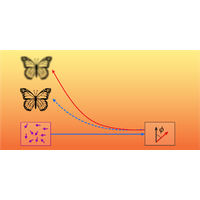
A combined experimental and theoretical study reveals the emergence of quantum chaos in a complex system, suggesting that it can be described with a universal theoretical framework.
Phys. Rev. Lett. 136, 060403 (2026)
Quantum Information, Science, and Technology
Optimal Quantum Algorithm for Gibbs State Preparation
Article | Quantum Information, Science, and Technology | 2026-02-09 05:00 EST
Cambyse Rouzé, Daniel Stilck França, and Álvaro M. Alhambra
It is of great interest to understand the thermalization of open quantum many-body systems, and how quantum computers are able to efficiently simulate that process. A recently introduced dissipative evolution, inspired by existing models of open system thermalization, has been shown to be efficientl…
Phys. Rev. Lett. 136, 060601 (2026)
Quantum Information, Science, and Technology
Chernoff Information Bottleneck for Covert Quantum Target Sensing
Article | Quantum Information, Science, and Technology | 2026-02-09 05:00 EST
Giuseppe Ortolano, Ivano Ruo-Berchera, and Leonardo Banchi
The paradigm of quantum metrology and sensing aims to identify a quantum advantage in precision at a fixed energy of the probe state. However, in practice, employing high-energy classical probes is often simpler than leveraging the quantum regime. This is not the case of covert sensing scenarios, wh…
Phys. Rev. Lett. 136, 060801 (2026)
Quantum Information, Science, and Technology
Observation of Criticality-Enhanced Quantum Sensing in Nonunitary Quantum Walks
Article | Quantum Information, Science, and Technology | 2026-02-09 05:00 EST
Lei Xiao, Saubhik Sarkar, Kunkun Wang, Abolfazl Bayat, and Peng Xue
Quantum physics enables parameter estimation with precisions beyond the capability of classical sensors. Quantum criticality is a key resource for this quantum-enhanced sensing, but experimental realization has been challenging due to the complexity of ground-state preparation and the long time requ…
Phys. Rev. Lett. 136, 060802 (2026)
Quantum Information, Science, and Technology
Optical Sensing Near the Quantum Limit with Enhanced Dynamic Range by Resolving the Spectra of Interfering Photons
Article | Quantum Information, Science, and Technology | 2026-02-09 05:00 EST
Russell M. J. Brooks, Luca Maggio, Thomas Jaeken, Joseph Ho, Erik M. Gauger, Vincenzo Tamma, and Alessandro Fedrizzi
Optical sensing schemes based on two-photon interference offer a powerful platform for precision metrology, but are usually limited by a trade-off between dynamic range and measurement precision. Here, we overcome this limitation by resolving the frequency of two photons impinging on a beam splitter…
Phys. Rev. Lett. 136, 060803 (2026)
Quantum Information, Science, and Technology
Ten-dimensional Neural Network Emulator for the Nonlinear Matter Power Spectrum
Article | Cosmology, Astrophysics, and Gravitation | 2026-02-09 05:00 EST
Yanhui Yang (杨焱辉), Simeon Bird, Ming-Feng Ho (何銘峰), and Mahdi Qezlou
We present gokunemu, a ten-dimensional neural network emulator for the nonlinear matter power spectrum, designed to support next-generation cosmological analyses. Built on the Goku -body simulation suite and the t2n-muse emulation framework, gokunemu predicts the matter power spectrum with av…
Phys. Rev. Lett. 136, 061001 (2026)
Cosmology, Astrophysics, and Gravitation
Emergent Turbulence in Nonlinear Gravity
Article | Cosmology, Astrophysics, and Gravitation | 2026-02-09 05:00 EST
Sizheng Ma, Luis Lehner, Huan Yang, Lawrence E. Kidder, Harald P. Pfeiffer, and Mark A. Scheel
Gravity in nonlinear and dynamical regimes underpins spectacular astrophysical phenomena and observable consequences, from the early Universe to black hole collisions. In these extreme environments, "inverse energy cascades"--mediated by nonlinear interactions--may help explain the near scale invarian…
Phys. Rev. Lett. 136, 061401 (2026)
Cosmology, Astrophysics, and Gravitation
Exact Chiral Symmetries of $3+1\mathrm{D}$ Hamiltonian Lattice Fermions
Article | Particles and Fields | 2026-02-09 05:00 EST
Lei Gioia and Ryan Thorngren
We construct Hamiltonian models on a cubic lattice for a single Weyl fermion and for a single Weyl doublet protected by exact (as opposed to emergent) chiral symmetries. In the former, we find a not-on-site, noncompact chiral symmetry which can be viewed as a Hamiltonian analog of the Ginsparg-…
Phys. Rev. Lett. 136, 061601 (2026)
Particles and Fields
Superconducting Cloud Chamber
Article | Particles and Fields | 2026-02-09 05:00 EST
Bo Gao, Jie Sheng, and Tsutomu T. Yanagida
We propose a new particle-trajectory detector composed of Josephson junctions, named the superconducting cloud chamber. By measuring the quantum phase difference, this device can detect charged particles with extremely low kinetic energy, providing a new method for detecting slow-moving particles. I…
Phys. Rev. Lett. 136, 061801 (2026)
Particles and Fields
Isotope Shift Spectroscopy in Mercury Vapors: A Promising Alternative to Ytterbium for New Physics Search
Article | Atomic, Molecular, and Optical Physics | 2026-02-09 05:00 EST
Stefania Gravina, Antonio Castrillo, and Livio Gianfrani
Isotope shift metrology in the deep-UV region has been performed for all bosonic isotopes of mercury with a zero nuclear spin, using the technique of frequency-comb referenced, wavelength-modulated, saturated absorption spectroscopy. The absolute center frequencies of the transitio…
Phys. Rev. Lett. 136, 063001 (2026)
Atomic, Molecular, and Optical Physics
Steering Reaction Flux by Coupling Product Channels
Article | Atomic, Molecular, and Optical Physics | 2026-02-09 05:00 EST
Dominik Dorer, Shinsuke Haze, Jing-Lun Li, José P. D’Incao, Eberhard Tiemann, Paul S. Julienne, Markus Deiß, and Johannes Hecker Denschlag
We demonstrate a method for controlling the outcome of an ultracold chemical few-body reaction by redirecting a tunable fraction of reaction flux from one selected product channel to another one. In the reaction, three ultracold atoms collide to form a diatomic molecule. This product molecule can be…
Phys. Rev. Lett. 136, 063401 (2026)
Atomic, Molecular, and Optical Physics
Muon Knight Shift as a Precise Probe of the Superconducting Symmetry of ${\mathrm{Sr}}{2}{\mathrm{RuO}}{4}$
Article | Condensed Matter and Materials | 2026-02-09 05:00 EST
Hisakazu Matsuki, Rustem Khasanov, Jonas A. Krieger, Thomas J. Hicken, Kosuke Yuchi, Jake S. Bobowski, Giordano Mattoni, Atsutoshi Ikeda, Ryutaro Okuma, Hubertus Luetkens, and Yoshiteru Maeno
Muon spin rotation () measurements of internal magnetic field shifts, known as the muon Knight shift, are used for determining pairing symmetries in superconductors. While this technique has been especially effective for -electron-based heavy-fermion superconductors, it remains challenging in -…
Phys. Rev. Lett. 136, 066001 (2026)
Condensed Matter and Materials
Superconducting Dome in ${\mathrm{La}}{3-x}{\mathrm{Sr}}{x}{\mathrm{Ni}}{2}{\mathrm{O}}{7-δ}$ Thin Films
Article | Condensed Matter and Materials | 2026-02-09 05:00 EST
Maosen Wang, Bo Hao, Wenjie Sun, Shengjun Yan, Shengwang Sun, Hongyi Zhang, Zhengbin Gu, and Yuefeng Nie
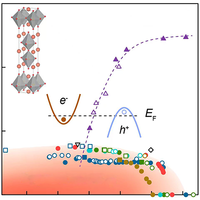
The doping-dependent phase diagram of the bilayer nickelate film, LaSrNiO, when compressively strained features a superconducting dome with an electron-hole crossover.
Phys. Rev. Lett. 136, 066002 (2026)
Condensed Matter and Materials
Rate Equation for the Transfer of Interstitials across Interfaces between Equilibrated Crystals
Article | Condensed Matter and Materials | 2026-02-09 05:00 EST
Jörg Weissmüller
This Letter inspects the thermally activated transfer of solute particles across the interface between two interstitial solid solution phases that equilibrate internally by fast diffusion on conserved arrays of sites. When each phase is considered as an ergodic ensemble of particles, statistical mec…
Phys. Rev. Lett. 136, 066201 (2026)
Condensed Matter and Materials
Frequency-Domain Berry Curvature Effect on Time Refraction
Article | Condensed Matter and Materials | 2026-02-09 05:00 EST
Shiyue Deng, Yang Gao, and Qian Niu
We demonstrate that there exists frequency-domain Berry curvature in the wave function of photons in dispersive optical systems. This property arises from the frequency dispersion of its dielectric function, which makes Maxwell equations a nonstandard eigenvalue equation, with the eigenvalue (freque…
Phys. Rev. Lett. 136, 066301 (2026)
Condensed Matter and Materials
Intervalley-Coupled Twisted Bilayer Graphene from Substrate Commensuration
Article | Condensed Matter and Materials | 2026-02-09 05:00 EST
Bo-Ting Chen, Michael G. Scheer, and Biao Lian
We show that intervalley coupling can be induced in twisted bilayer graphene (TBG) by aligning the bottom graphene layer with either of two types of commensurate insulating triangular Bravais lattice substrate. The intervalley coupling folds the valleys of TBG to the -point and hybridizes the or…
Phys. Rev. Lett. 136, 066401 (2026)
Condensed Matter and Materials
Topology of Ultralocalized Insulators and Superconductors
Article | Condensed Matter and Materials | 2026-02-09 05:00 EST
Bastien Lapierre, Luka Trifunovic, Titus Neupert, and Piet W. Brouwer
The topology of an insulator can be defined even when all eigenstates of the system are localized--an extreme case of Anderson insulators that we call ultralocalized. We derive the classification of such ultralocalized insulators in all symmetry classes and dimensions. We clarify their bulk-boundary …
Phys. Rev. Lett. 136, 066601 (2026)
Condensed Matter and Materials
Realization of a Bulk-Insulating Ferromagnetic Topological Crystalline Insulator and Its Multicarrier Surface Dirac-Cone Transport
Article | Condensed Matter and Materials | 2026-02-09 05:00 EST
Yoshihiro Fukushima, Satoru Ichinkura, Taisuke Sasaki, and Toru Hirahara
We succeeded in fabricating an ideal, bulk-insulating ferromagnetic topological crystalline insulator by doping Mn to SnTe films grown on . The cancellation of the polarity of SnTe surface and electron doping due to Bi and Mn leads to an ideal case where only the electron and holes of topologi…
Phys. Rev. Lett. 136, 066602 (2026)
Condensed Matter and Materials
Entropic Balance with Feedback Control: Information Equalities and Tight Inequalities
Article | Statistical Physics; Classical, Nonlinear, and Complex Systems | 2026-02-09 05:00 EST
N. Ruiz-Pino and A. Prados
We consider overdamped physical systems evolving under a feedback-controlled fluctuating potential and in contact with a thermal bath at temperature . A Markovian description of the dynamics, which keeps only the last value of the control action, is advantageous--both from the theoretical and the pr…
Phys. Rev. Lett. 136, 067101 (2026)
Statistical Physics; Classical, Nonlinear, and Complex Systems
Experimental Measurement of Negative Grain-Boundary Triple Line Tension
Article | Polymers, Chemical Physics, Soft Matter, and Biological Physics | 2026-02-09 05:00 EST
Xiuming Xiao and Ziren Wang
We measured negative grain-boundary triple line tension within bulk hard-sphere colloidal polycrystals. Compared to the grain boundaries, the tension is predominantly distributed in the grain lattices. The negative tension drives finite premelting at triple junctions and leads to a marginally denser…
Phys. Rev. Lett. 136, 068201 (2026)
Polymers, Chemical Physics, Soft Matter, and Biological Physics
Unifying Constraints Linking Protein Folding and Native Dynamics Decoded from AlphaFold
Article | Polymers, Chemical Physics, Soft Matter, and Biological Physics | 2026-02-09 05:00 EST
Zecheng Zhang, Weitong Ren, Liangxu Xie, Yuxiang Zheng, Xingyue Guan, Jun Wang, Wenfei Li, and Qian-Yuan Tang
The interplay between protein folding and native dynamics remains a central question in biophysics. Analyzing an extensive set of AlphaFold-predicted structures, we uncover a robust relationship between folding topology (contact order) and native dynamics (fluctuation entropy), showing that long-ran…
Phys. Rev. Lett. 136, 068401 (2026)
Polymers, Chemical Physics, Soft Matter, and Biological Physics
Robust Scaling in Human Brain Dynamics Despite Correlated Inputs and Limited Sampling Distortions
Article | Polymers, Chemical Physics, Soft Matter, and Biological Physics | 2026-02-09 05:00 EST
Rubén Calvo, Carles Martorell, Adrián Roig, and Miguel A. Muñoz
An analytical and numerical framework, applied to pooled resting-state functional magnetic resonance imaging, shows that collective brain activity is slightly subcritical yet close to criticality.

Phys. Rev. Lett. 136, 068402 (2026)
Polymers, Chemical Physics, Soft Matter, and Biological Physics
arXiv
The Preservation Tradeoff: A Thermodynamic Bound in the Diminishing-Returns Regime
New Submission | Statistical Mechanics (cond-mat.stat-mech) | 2026-02-09 20:00 EST
Thermodynamic systems that preserve information against thermal fluctuations face a tradeoff distinct from transmission (Shannon) or erasure (Landauer). We establish a feasibility condition for this preservation problem within a broad class of systems exhibiting diminishing returns in error suppression. By defining the preservation stiffness S_kappa, a response function analogous to magnetic susceptibility, we derive an optimality condition linking S_kappa to the resource odds. This identity provides a substrate-agnostic diagnostic: deviations reveal thermodynamic inefficiency or operation outside the smooth reliability regime. For systems in the diminishing-returns regime – a class we argue is typical of physically realistic error-correction – the optimal maintenance allocation is bounded above by 50%; for the physically significant subclass exhibiting smooth saturation, it is further constrained to a 30-50% band. We derive this regime from two independent physical principles – Shannon’s channel capacity and Landauer’s erasure bound – whose convergence on the same functional form constitutes our central theoretical contribution. We validate this framework against kinetic proofreading data in E. coli and protocol overhead in TCP/IP networks, and specify conditions under which the prediction is falsifiable.
Statistical Mechanics (cond-mat.stat-mech), Information Theory (cs.IT)
15 pages, 3 figures, 1 table
Mechanics of hierarchical twisted and coiled polymer artificial muscles: Decoupling force from kinematic limits
New Submission | Soft Condensed Matter (cond-mat.soft) | 2026-02-09 20:00 EST
Ye Xiao, Zhao Luo, Falin Tian, Xinghao Hu, Dabiao Liu, Chun Li
Thermally actuated twisted and coiled polymer (TCP) artificial muscles exhibit exceptional specific work capacities but are limited by an inherent competition between load-bearing capacity and actuation stroke. To address this limitation, we investigate a hierarchical helical structure designed to decouple force generation from kinematic limits. We propose a coupled thermo-mechanical model incorporating inter-filamentary contact mechanics and geometric nonlinearities to predict the assembly’s equilibrium response. The results indicate that this hierarchical topology significantly amplifies isometric actuation stress compared to monofilament baselines, while maintaining a biological-like contraction stroke of approximately 22%. A critical topological threshold governed by the balance between cooperative load-sharing and geometric confinement is identified. Beyond an optimal bundle complexity, the geometric jamming dominates, as excessive inter-filamentary friction hinders actuation. Furthermore, we elucidate a stiffness-stroke synergy in homochiral configurations, where high helical angles amplify the thermal untwisting torque to overcome increased structural rigidity. Crucially, the volumetric energy density exhibits scale invariance regarding the hierarchical radius, implying that absolute force output can be linearly scaled through geometric upsizing without compromising efficiency. These findings provide a mechanics-based rationale for the structural programming, demonstrating that soft actuator performance limits are dictated by topological order rather than intrinsic material properties.
Soft Condensed Matter (cond-mat.soft), Materials Science (cond-mat.mtrl-sci)
Temperature dependence of electronic conductivity from ab initio thermal simulation
New Submission | Materials Science (cond-mat.mtrl-sci) | 2026-02-09 20:00 EST
Ridwan Hussein, Chinonso Ugwumadu, Kishor Nepal, Roxanne M. Tutchton, Keerti Kappagantula, David Alan Drabold
We present a temperature-dependent extension of the approximate electronic conductivity formula of Hindley and Mott that leverages time-averaged fluctuations of the electronic density of states obtained from ab initio molecular dynamics. By thermally averaging the square of the density of states near the Fermi level, we obtain an estimate of the temperature dependence of the conductivity. This approach termed the thermally-averaged Hindley-Mott (TAHM) method was applied to five representative systems: crystalline aluminum (c-Al), aluminum with a grain boundary (AlGB), a four-layer graphene-aluminum composite (Al-Gr), amorphous silicon (a-Si) and amorphous germanium-antimony-telluride (a-GST). The method reproduces the expected Bloch-Gruneisen decrease in conductivity for c-Al and AlGB. Generally, the reduction (increase) in conductivity for metallic (semiconducting) materials are reproduced. It captures microstructure-induced, thermally activated conduction in multilayer Al-Gr, a-Si and a-GST. Overall, the approach provides a computationally efficient link between time-dependent electronic structure and temperature-dependent transport, offering a simple and approximate tool for exploring electronic conductivity trends in complex and disordered materials.
Materials Science (cond-mat.mtrl-sci)
Novel non-thermal Ablation Mechanics in the Laser Ablation of Silicon
New Submission | Materials Science (cond-mat.mtrl-sci) | 2026-02-09 20:00 EST
Dominic Klein, Simon Kümmel, Johannes Roth
We investigate the non-thermal material dynamics of strongly excited silicon during ultra-fast laser ablation. In contrast to metals, silicon shows strongly excitation-dependent interatomic bonding strengths, which gives rise to a number of unique material dynamics like non-thermal melting, Coulomb explosions and altered carrier heat conduction due to charge carrier confinement. In this study, we report novel non-thermal ablation mechanisms in the ultra-fast single shot laser ablation of silicon and perform large scale massive multi-parallel simulations on experimentally achievable length scales with atomistic resolution. For this, we model the ultra-fast carrier dynamics utilizing the Thermal-Spike-Model coupled to Molecular Dynamics simulations and include the accompanied excitation-dependent nonthermal bonding strength manipulation by application of the excitation-dependent modified Tersoff Potential. Further, we present first results on the systematic construction of the excitation-dependent phase diagram of silicon by thermodynamic integration.
Materials Science (cond-mat.mtrl-sci)
The article has been published in High Performance Computing in Science and Engineering ‘23, eds. Th. Ludwig, P. Bastian, M.M. Resch, Springer Nature (2026) pages 133-147. Unfortunately, Fig. 2 (b) in the book is wrong due to a typesetting error
High Performance Computing in Science and Engineering ‘23, eds. Th. Ludwig, P. Bastian, M.M. Resch, Springer Nature (2026) pages 133-147
Robust flat bands of the honeycomb wire network
New Submission | Mesoscale and Nanoscale Physics (cond-mat.mes-hall) | 2026-02-09 20:00 EST
Chunxiao Liu, Benoît Douçot, Jérôme Cayssol
We show that periodic honeycomb networks of ballistic conducting channels generically host exact flat bands spanning the entire Brillouin zone. These flat bands are independent of microscopic vertex scattering, persist for any number of transverse modes, and occur in a universal $ 1\colon 2$ ratio with dispersive bands. Their existence is enforced by local $ D_3$ vertex symmetry and lattice translations. We construct compact localized states obeying a Bohr-Sommerfeld-type quantization condition and demonstrate that flat bands survive in realistic antidot lattices, establishing honeycomb wire networks as a robust flat band platform relevant to gated high-mobility 2D electron gases and molecule-patterned metallic surfaces.
Mesoscale and Nanoscale Physics (cond-mat.mes-hall), Materials Science (cond-mat.mtrl-sci)
7+8 pages, 4+4 figures
A Nonequilibrium Equation of State for a Turbulent 2D Bose Gas
New Submission | Quantum Gases (cond-mat.quant-gas) | 2026-02-09 20:00 EST
Yi Jiang, Nikolai Maslov, Andrey Karailiev, Christoph Eigen, Martin Gazo, Zoran Hadzibabic
Nonequilibrium equations of state can provide an effective thermodynamic-like description of far-from-equilibrium systems. We experimentally construct such an equation for a direct energy cascade in a turbulent two-dimensional Bose gas. Our homogeneous gas is continuously driven on a large length scale and, with matching dissipation on a small length scale, exhibits a nonthermal but stationary power-law momentum distribution. Our equation of state links the cascade amplitude with the underlying scale-invariant energy flux, and can, for different drive strengths, gas densities, and interaction strengths, be recast into a universal power-law form using scalings consistent with the Gross-Pitaevskii model.
Quantum Gases (cond-mat.quant-gas), Statistical Mechanics (cond-mat.stat-mech), Atomic Physics (physics.atom-ph), Quantum Physics (quant-ph)
4 pages, 3 figures
Highly-Indistinguishable Single-Photons at 1550 nm from a Two-photon Resonantly Excited Purcell-enhanced Quantum Dot
New Submission | Mesoscale and Nanoscale Physics (cond-mat.mes-hall) | 2026-02-09 20:00 EST
Robert Behrends (1), Martin v. Helversen (1), Pratim K. Saha (1), Lucas Rickert (1), Koray Kaymazlar (1), Mareike Lach (1), Nils D. Kewitz (1), Jochen Kaupp (2 and 3), Yorick Reum (2 and 3), Tobias Huber-Loyola (2 and 4), Sven Höfling (2 and 3), Andreas Pfenning (2 and 3), Tobias Heindel (5) ((1) Institute of Physics and Astronomy, Technical Univeristy Berlin, Hardenbergstraße 36, 10623 Berlin, Germany, (2) Würzburg-Dresden Cluster of Excellence <a href=”http://ct.qmat“ rel=”external noopener nofollow” class=”link-external link-http”>this http URL</a>, University of Würzburg, Am Hubland, 97074 Würzburg, Germany, (3) Technische Physik, Physikalisches Institut, University of Würzburg, Am Hubland, 97074 Würzburg, Germany, (4) Institute of Photonics and Quantum Electronics (IPQ) and Center for Integrated Quantum Science and Technology (IQST), Karlsruhe Institute of Technology, Engesserstr. 5, 76131 Karlsruhe, Germany, (5) Department for Quantum Technology, Univeristät Münster, Heisenbergstraße 11, 48149 Münster, Germany)
In this work we present a cavity-enhanced InAs/$ \mathrm{In_{0.53}Al_{0.23}Ga_{0.24}As}$ quantum dot (QD) single-photon source in the telecom C-band with a record-low biexciton emitter decay time of \SI{67.4(2)}{ps} under resonant two-photon excitation (TPE). We observe strong multiphoton suppression associated with $ g^{(2)}\mathrm{X}(0) = 0.006(1)$ and $ g^{(2)}\mathrm{XX}(0) = 0.007(1)$ for the exciton (X) and biexciton (XX) emission, respectively. Due to a asymmetric Purcell enhancement of the XX-X cascade, the two-photon interference (TPI) visibility of XX photons under $ \pi$ -pulse excitation of $ V_{\rm{TPI}} = 90(3)%$ reaches the theoretical limit and clearly exceeds the $ \sim60%$ expected for standard XX-X cascades without photonic engineering. Furthermore, adding a second timed laser pulse coinciding with XX emission energy, we demonstrate stimulated TPE in the telecom C-Band. The result is an improved TPI visibility of the X photons of $ V_{\rm{TPI}}=0.69(3)$ compared to TPE with $ V_{\rm{TPI}}=0.61(4)$ , with both being reduced compared to the theoretical values due to present dephasing effects. The advances presented in this work hold important promises for the implementation of advanced schemes of quantum communication using deterministic quantum light sources.
Mesoscale and Nanoscale Physics (cond-mat.mes-hall), Quantum Physics (quant-ph)
9 pages, 3 figures
Mobile impurity interacting with a Hubbard chain and the role of Friedel oscillations
New Submission | Quantum Gases (cond-mat.quant-gas) | 2026-02-09 20:00 EST
Felipe Isaule, Abel Rojo-Francàs, Duc Tuan Hoang, Thomás Fogarty, Thomas Busch, Bruno Juliá-Díaz
This work examines a mobile impurity interacting with a bath of a few spin-$ \uparrow$ and spin-$ \downarrow$ fermions in a small one-dimensional open lattice system. We study ground-state properties using the exact diagonalization method, where the system is modeled by a three-component Fermi Hubbard Hamiltonian. We find that in addition to the standard phase separation between a strongly repulsive impurity and the bath, a strongly-attractive impurity also phase separates with the fermionic holes. Furthermore, we find that the impurity can show an oscillatory pattern in its density for intermediate bath-impurity interactions, which are induced by Friedel oscillations in the fermionic bath. This rich behavior of the impurity could be probed with fermionic ultracold mixtures in optical lattices.
Quantum Gases (cond-mat.quant-gas)
15 pages, 14 figures
Engineering altermagnetic symmetry to enable anomalous Hall response in Cr$_{1-x}$Mn$_x$Sb
New Submission | Materials Science (cond-mat.mtrl-sci) | 2026-02-09 20:00 EST
Miriam G. Fischer, Lukas Odenbreit, Olena Gomonay, Jairo Sinova, Thibaud Denneulin, Joseph V. Vaz, Rafal E. Dunin-Borkowski, Tommy Kotte, Toni Helm, Mathias Kläui, Martin Jourdan
Altermagnets are a promising class of materials for spintronic applications. However, compounds that simultaneously combine the symmetry required to support an anomalous Hall effect with good metallic conductivity and magnetic ordering temperatures well above room temperature remain elusive. Here, we demonstrate that partial substitution of Cr by Mn in epitaxial CrSb(100) thin films provides a viable route to engineer the combined structural and magnetic symmetry necessary to enable an otherwise symmetry-forbidden anomalous Hall effect. By systematically exploring the magnetic phase diagram Cr$ _{1-x}$ Mn$ _{x}$ Sb thin films, we identify a pronounced anomalous Hall effect in Cr$ _{0.75}$ Mn$ _{0.25}$ Sb. Guided by Landau theory, we model the field-driven reorientation of the Néel vector and the resulting anomalous Hall response, achieving good qualitative agreement with the experimental observations.
Materials Science (cond-mat.mtrl-sci), Applied Physics (physics.app-ph)
7 pages, 7 figures
Elastoplastic Modelling of Cyclic Shear Deformation of Amorphous Solids
New Submission | Soft Condensed Matter (cond-mat.soft) | 2026-02-09 20:00 EST
Pushkar Khandare, Srikanth Sastry
We develop an energy-landscape based elasto-plastic model to understand the behaviour of amorphous solids under uniform and cyclic shear. Amorphous solids are modeled as being composed of mesoscopic sub-volumes, each of which may occupy states - termed mesostates – drawn from a specified distribution. The energies of the mesostates under stress free conditions determine their stability range with respect to applied strain, and their plastic strain, at which they are stress free, forms an important additional property. Under applied global strain, mesostates that reach their stability limits transition to other permissible mesostates. Barring such transitions, which encompass plastic deformations that the solid may undergo, mesostates are treated as exhibiting linear elastic behavior, and the interactions between mesoscopic blocks are treated using the finite element method. The model reproduces known phenomena under uniform and cyclic shear, such as the brittle-to-ductile crossover with annealing and the Bauschinger effect for uniform shear, qualitative features of the yielding diagram under cyclic shear including the change in yielding behaviour with the degree of annealing, across a `threshold level’, and dynamic phenomena such as the divergence of failure times on approach to the yield point and the non-monotonic evolution of the local yield rate. In addition to these results, we discuss the dependence of the observed behaviour on model choices, and open questions highlighted by our work.
Soft Condensed Matter (cond-mat.soft), Disordered Systems and Neural Networks (cond-mat.dis-nn)
6 pages, 4 figures
Enhanced Elevated-Temperature Strength in Refractory Complex Concentrated Alloys via Temperature-Induced Transition from Screw-to-Edge Dislocation Control
New Submission | Materials Science (cond-mat.mtrl-sci) | 2026-02-09 20:00 EST
Tamanna Zakia, Ayeman Nahin, Dunji Yu, Jacob Pustelnik, Juntan Li, Mason Kincheloe, Lia Amalia, Yan Chen, Peter K. Liaw, Haixuan Xu, Mingwei Zhang
Refractory complex concentrated alloys (RCCAs) show promise for high-temperature applications but often lose strength due to screw-dislocation-controlled plasticity. We demonstrate a temperature-driven transition from screw- to edge-dislocation-controlled deformation in a single-phase NbTaTiV RCCA. Tensile tests from 298-1573 K reveal a pronounced intermediate-temperature strength plateau and yield strengths surpassing other ductile RCCAs and the Ni-based superalloy CMSX-4 above 1273 K. In-situ neutron diffraction, TEM, and molecular dynamics identify a crossover near ~900 K, where edge dislocation glide stabilized by V-induced lattice distortion dominates, enabling enhanced strength retention and a clear design strategy for ultrahigh-temperature applications.
Materials Science (cond-mat.mtrl-sci)
Magnon-Mediated Superconductivity in the Infinite-$U$ Triangular Lattice
New Submission | Superconductivity (cond-mat.supr-con) | 2026-02-09 20:00 EST
Hantian Zhu, Yixin Zhang, Shang-Shun Zhang, Yang Zhang, Cristian D. Batista
We demonstrate that the infinite-$ U$ triangular-lattice Hubbard model supports a superconducting state built from tightly bound Cooper pairs composed of two holes and one magnon ($ 2h1m$ ). Building on the seminal prediction of repulsively bound $ 2h1m$ states, we show that next-nearest-neighbor hopping $ t_{2}$ coherently mixes symmetry-related configurations, stabilizing an $ s$ -wave bound state with substantial binding energy and a light effective mass. Large-scale DMRG calculations at finite doping identify a magnetization plateau corresponding to a gas of such bound states and quasi–long–range superconducting order with power-law $ 2h1m$ pair correlations. Our results establish a magnon-mediated superconducting mechanism driven by kinetic frustration, with immediate detectable signatures for moiré Hubbard materials and ultracold-atom simulators.
Superconductivity (cond-mat.supr-con)
15 pages, 13 figures (including Supplementary Material).Submitted to Physical Review Letters
Thin-Film Stabilization and Magnetism in η-Carbide Type Iron Nitrides
New Submission | Materials Science (cond-mat.mtrl-sci) | 2026-02-09 20:00 EST
Baptiste Julien, Abrar Rauf, Rebecca W. Smaha, Liam A. V. Nagle-Cocco, Wenhao Sun, Andriy Zakutayev, Sage R. Bauers
Transition-metal nitrides in {\eta}-carbide type structures exhibit unusual bonding motifs and proximity to magnetic instabilities. Yet they remain unexplored in thin-film form due to the difficulty of stabilizing nitrogen-poor ternaries among competing phases. Here, we report the thin-film synthesis and phase-stability mapping of the {\eta}-nitride systems Fe-W-N and Fe-Mo-N. Amorphous Fe-M-N (M = W, Mo) combinatorial libraries deposited by reactive co-sputtering crystallize upon rapid thermal annealing, enabling systematic identification of synthesis windows as a function of composition and annealing temperature. Using laboratory powder X-ray diffraction and synchrotron grazing incidence wide angle X-ray scattering, we establish that Fe3Mo3N-based {\eta}-carbide phases form over a substantially broader compositional and thermal range than W-based compositions, where {\eta}-structures are stabilized only when the films are Fe-rich. These trends are rationalized using mixed chemical-potential vs. composition phase diagrams that capture the narrow nitrogen chemical-potential stability of {\eta}-nitrides. Magnetic measurements reveal that ferromagnetism is induced in Fe-rich Fe3.54Mo2.46N with a small exchange-bias-like response that is absent in Fe3W3N-based compositions, highlighting the sensitivity of magnetic behavior to modest deviations from stoichiometry. This work establishes practical thin-film synthesis routes for {\eta}-nitride materials and demonstrates how composition can be tuned to access emergent magnetic phenomena in these complex nitrides.
Materials Science (cond-mat.mtrl-sci)
25 pages manuscript, 7 figures, 8 pages SI, 10 SI figures
Pseudogap, Fermi liquid, Van Hove singularity and maxima of the compressibility and of the Knight shift as a function of doping in the two-dimensional Hubbard model
New Submission | Strongly Correlated Electrons (cond-mat.str-el) | 2026-02-09 20:00 EST
Qualitative changes in thermodynamic and single-particle properties characterize the transition between the pseudogapped electronic liquid and the Fermi liquid. Recent cold-atom experiments on a simulator of the Hubbard model with nearest-neighbor hoppings \cite{kendrick2025pseudogap} showed that the isothermal compressibility $ \kappa(\delta)$ has a maximum as a function of doping $ \delta$ . Here we use the two-particle self-consistent plus (TPSC+) approach to explain these experiments and connect the maximum in $ \kappa(\delta)$ to the transformation of the single-particle spectrum from the pseudogapped to the metallic regime. This elucidates the nature of the pseudogap (PG). Specifically, the maximum in $ \kappa(\delta)$ practically coincides with the doping at which the precursor of the lower $ (\pi,\pi)$ spin density wave (SDW) band at the antinodal point crosses the zero-frequency $ \omega=0$ . The Knight shift, $ \chi_{sp}(0,0)(\delta)$ , as a function of doping, should also have a maximum. The maxima in both quantities should exist, at sufficiently low temperatures ($ T$ ), in both the intermediate $ U \approx U_{Mott}$ and weak $ U < U_{Mott}$ interaction limits. In both limits, the mechanism is critical thermal SDW fluctuations. At the antinodal pseudogap, the correlation length at $ \delta_{max}(T)$ can be small, controlled not by static but by dynamic critical thermal fluctuations. We also find that the SDW fluctuations are incommensurate at $ \delta=\delta_{max}$ . We predict that, at low $ T$ , the multiple peaks in the spin susceptibility in the incommensurate case lead to more than two SDW precursor peaks in the spectral function and density of states. By allowing access to parameter regimes relevant to cuprates-including further-neighbor hopping ($ t’, t’’$ ) and low temperatures, our work provides a high-impact tool for further studies by the broader community.
Strongly Correlated Electrons (cond-mat.str-el)
Observation of robust spin-phonon coupling and indication of hidden structural transition in the spin-driven ferroelectrics Mn4B_2O_9 (B= Nb, Ta)
New Submission | Materials Science (cond-mat.mtrl-sci) | 2026-02-09 20:00 EST
Rajesh Jana, Alka Garg, Rekha Rao, Thomas Meier
We report detailed Raman spectroscopic and magnetic susceptibility studies on the spin-driven ferroelectric compounds Mn4Nb2O9 (MNO) and Mn4Ta2O9 (MTO). Both systems exhibit strong spin-phonon coupling below the short-range magnetic ordering temperature (T(sro)=223 K), followed by further renormalization of several Raman modes at the long-range magnetic ordering temperatures (TN = 120 K for MNO and 110 K for MTO). Pronounced anomalies in Raman mode frequencies and linewidths, along with the emergence of octahedral modes between Tsro and TN, indicate a possible low-symmetry structural transition, more evident in MNO and closely linked to magnetic ordering in MTO. Distinct low-temperature evolutions of Raman mode shift, linewidth, and integrated intensity in MNO and MTO highlight the role of the nonmagnetic B-site cation in tuning spin-lattice coupling, driven by differences in spin-orbit coupling and orbital hybridization between Nb5+ (4d) and Ta5+ (5d). By combining Raman spectroscopy with nuclear magnetic resonance, and diffuse reflectance spectroscopy, we further show that Mn-based systems possess a more distorted local structure than their Co analogues, while their electronic structures differ despite comparable band gaps. These results provide a comprehensive understanding of spin-lattice coupling in Mn- and Co-based A4B2O9 magnetoelectric systems.
Materials Science (cond-mat.mtrl-sci)
Superconductivity of 30.4 K and its Reemergence under Pressure in Fe1.11Se Synthesized via Ion-exchange and De-intercalation Reaction
New Submission | Superconductivity (cond-mat.supr-con) | 2026-02-09 20:00 EST
Mingzhang Yang, Yuxin Ma, Qi Li, Ke Ma, Jiali Lu, Zhaolong Liu, Ruijin Sun, Tianping Ying, Mengdi Wang, Xin Chen, Changchun Zhao, Jian-gang Guo, Shifeng Jin, Xiaolong Chen
Binary stoichiometry FeSe (s-FeSe) is a well-known parent of high-temperature unconventional superconductors owing to its charge-neutral layer, highly tunable structure and electronic properties, and rich interplays among multiple electronic phases. Yet the s-FeSe synthesized via high-temperature equilibrium reactions bears the notorious interstitial Fe,where merely 3% of them is sufficient to kill the superconductivity. Here, we successfully synthesized a new non-stoichiometric Fe1.11Se single crystal with a superconducting onset temperature (Tconset) of 30.4 K through a hydrothermal ion-exchange and de-intercalation route. 11% interstitial Fe ions exceed the equilibrium phase diagram limit. Intriguingly, under physical pressure, the Tconset of exhibits a “V”-shaped evolution with a minimum at 2-2.6 GPa, and then upturning into a second superconducting region, reminiscent of the behaviors in FeSe intercalates. Furthermore, a pressure-induced possible magnetic order, previously only observed in pressurized s-FeSe, shows up. These results offer fresh insights into the role of interstitial Fe in governing superconducting and transport properties under non-equilibrium synthesis and tuning strategies.
Superconductivity (cond-mat.supr-con), Materials Science (cond-mat.mtrl-sci), Strongly Correlated Electrons (cond-mat.str-el)
9 pages, 4 figures,Accepted in J. Am. Chem. Soc
Disorder-induced symmetry breaking in moiré bands of marginally twisted bilayer MoS$_2$
New Submission | Materials Science (cond-mat.mtrl-sci) | 2026-02-09 20:00 EST
Pablo Reséndiz-Vázquez, Christophe de Beule, Thi-Hai-Yen Vu, Kaijian Xing, Daniel McEwen, Daniel Bennett, Liangtao Peng, Héctor González-Herrero, Shaffique Adam, Mark T. Edmonds, Michael S. Fuhrer
Twisted transition-metal dichalcogenides host highly tunable moiré potentials, flat bands, and correlated electronic phases, yet the role of disorder in shaping these emergent properties remains largely unresolved. Using scanning tunneling spectroscopy, we investigate the impact of electrostatic disorder on the electronic structure of marginally twisted ($ \theta \approx 0.95^\circ$ ) bilayer MoS$ _2$ . Differences of 15 meV in the onset energies of the valence and conduction bands between MX- and XM-stacked regions are observed and are unexpected based on symmetry considerations. We further observe spatially correlated disorder in the band onset energy that is consistent with a background random charge density of a few $ 10^{11},\mathrm{cm}^{-2}$ . Continuum model calculations for twisted MoS$ _2$ reveal dramatic changes in the low-energy moiré bands in response to an electric displacement field, in quantitative agreement with experiment. Moreover, the calculated local density of states including disorder broadening reproduces the experimental observations only when structural relaxation is taken into account. These results highlight the critical role of electrostatic disorder in determining the electronic structure of moiré materials at the nanoscale.
Materials Science (cond-mat.mtrl-sci)
Structural Distortions and Ferroelectricity in Antiperovskite Oxides with Tetrel Elements
New Submission | Materials Science (cond-mat.mtrl-sci) | 2026-02-09 20:00 EST
Antiperovskites share the same structure as perovskites, but allow completely different chemistries and nominal charge states of anions to be stabilized. This gives rise to many interesting phenomena, including septet superconductivity and topological crystalline insulating phases in these systems. Despite this, the work on the crystal structural trends in these compounds are more limited compared to perovskites. In this study, we consider the family of antiperovskite oxides with tetrel elements (Si, Ge, Sn, Pb) and alkaline earth metals (Ca, Sr, Ba), and perform a detailed study of their crystal structures using first principles density functional theory. We show how tolerance factor arguments can be constructed to predict their structure in a way parallel to the perovskites, and furthermore, how heterostructuring (or cation-order) can be used to induce ferroelectricity in these systems which may provide an experimental knob to modify electronic structure. We conclude by a discussion of the electronic structure of antiperovskites, and show that they display interesting trends not observed in regular perovskites, including significant antibonding interactions between face-center ions, which might need to be taken into account building effective electronic models of these compounds.
Materials Science (cond-mat.mtrl-sci)
Ornstein-Uhlenbeck information particle: A new candidate of active agent
New Submission | Statistical Mechanics (cond-mat.stat-mech) | 2026-02-09 20:00 EST
Xin Song, Xiji Shao, Yanwen Zhu, Cheng Yang, Linli He, Shigeyuki Komura, Zhanglin Hou
An information particle can acquire active-like motion through transforming the information entropy into effective self-propulsion velocity/force using the attached information engine. We consider an underdamped Brownian particle additionally driven by either a constant self-propulsion force or an information engine using Ornstein-Uhlenbeck (OU) bath feedback control, such particles are called self-propelled particle (SPP) or OU information particle (OUIP). Compared to the widely-investigated SPP, the OUIP shows a significant different dynamical pattern, including two types of moving mode: a slow-speed diffusion mode and a high-speed traveling mode. The specific evolution of OUIP can be adjusted flexibly between such two modes through the inertial effect, thus acquiring a rich and non-trivial motion behavior. By tuning the strength of fluctuation of the OU bath, a wide range of net velocity can be achieved for OUIP. We highlight that OUIP could be an exceptional candidate for active agent.
Statistical Mechanics (cond-mat.stat-mech), Soft Condensed Matter (cond-mat.soft)
8 pages, 5 figures including 3 figures in main text and 2 figures in Appendix
Epitaxial growth and magneto-transport properties of kagome metal FeGe thin films
New Submission | Materials Science (cond-mat.mtrl-sci) | 2026-02-09 20:00 EST
Xiaoyue Song, Yanshen Chen, Yongcheng Deng, Tongao Sun, Fei Wang, Guodong Wei, Xionghua Liu, Kaiyou Wang
Antiferromagnetic kagome metal FeGe has attracted tremendous attention in condensed matter physics due to the charge density wave (CDW) being well below its magnetic transition temperature. Up to now, numerous works on kagome FeGe have been based on single crystal bulk, but its thin film form has still not been reported. Here, we achieved epitaxial growth of FeGe thin films on Al2O3 substrates using molecular beam epitaxy. Structural characterization with x-ray diffraction, atomic force microscopy, and high-resolution scanning transmission electron microscopy reveals single phase with flat surface of kagome FeGe thin films. Moreover, a Néel temperature of 397 K and a rapid variation of Hall coefficient and magnetoresistance around 100 K, which might be related to the CDW, were revealed via transport measurements. The high quality kagome FeGe thin films are expected to provide a versatile platform to study the mechanism of CDW and explore the application of FeGe in antiferromagnetic spintronics.
Materials Science (cond-mat.mtrl-sci)
6 pages, 4 figures
Appl. Phys. Lett. 128, 052402 (2026)
Biorthogonal scattering and generalized unitarity in non-Hermitian systems
New Submission | Mesoscale and Nanoscale Physics (cond-mat.mes-hall) | 2026-02-09 20:00 EST
Jung-Wan Ryu, Henning Schomerus, Hee Chul Park
We investigate the two-port scattering process in non-Hermitian dimer models via quantum measurements using external leads. We focus on two exemplary dimer models that preserve parity-time symmetry via spatial gain-loss balance and exhibit non-reciprocity due to directional hopping. The scattering matrix is constructed using the biorthogonality of the left and right scattering states of the Hamiltonian, allowing us to calculate the reflection and transmission probabilities. Our analysis compares the reflection and transmission coefficients derived from the left, right, and combined scattering states, revealing that, unlike in Hermitian systems, the non-Hermitian scattering process does not adhere to unitarity when considering only the right scattering states. Furthermore, non-Hermitian scattering can enhance the reflection and transmission probabilities, with distinct physical contributions arising independently from complex eigenvalues and the non-orthogonality of eigenstates. Our results clarify how biorthogonality restores generalized unitarity and identify distinct physical origins of enhanced transport in PT-symmetric and non-reciprocal dimers, providing new insights into quantum transport in non-Hermitian systems.
Mesoscale and Nanoscale Physics (cond-mat.mes-hall), Quantum Physics (quant-ph)
9 pages, 9 figures
Fermionic Approach to Elementary Excitations and Magnetization Plateaus in an S=1/2 XX Hybrid Trimer-Dimer Chain
New Submission | Strongly Correlated Electrons (cond-mat.str-el) | 2026-02-09 20:00 EST
K. S. Chikara, A. K. Bera, A. Kumar, S. M. Yusuf
We study the elementary excitations and magnetization of a one-dimensional spin-1/2 XX chain comprising trimer-dimer units (the J1-J1-J2-J3-J2 topology) under a transverse magnetic field h. Using Green’s function theory and the Jordan-Wigner transformation, we map the system onto spinless fermions and focus on antiferromagnetic (AFM) interactions. At zero temperature, distinct 1/5 and 3/5 magnetization plateaus emerge, determined by the global periodicity Q=5, with the number of plateaus matching the number of excitation gaps above the Fermi level of the spinless fermions. The magnetic phase diagram in the (h-Js) plane features a Luttinger liquid (LL) state, a gapless AFM state, two magnetization plateau states, and a fully polarized gapped magnetic state. The widths of the LL and gapless AFM phases are found to be proportional to the bandwidths gamma = |E(k=0)-E(k=pi)| of the corresponding elementary excitations, whereas the widths of the magnetization plateau states are governed by the excitation gaps. Our study opens new directions for exploring interacting trimer-dimer spin chains in quantum magnetism using experimental techniques such as neutron scattering, as well as theoretical and numerical approaches including quantum Monte Carlo (QMC) and density-matrix renormalization group (DMRG) methods. Furthermore, we extend the Oshikawa-Yamanaka-Affleck (OYA) condition to generalized cluster chains, demonstrating that the allowed magnetization plateaus are governed by the global periodicity of the chain (e.g., Q=5 for a trimer-dimer chain), rather than by the local periodicity of individual units (Q=3 for a trimer or Q=2 for a dimer).
Strongly Correlated Electrons (cond-mat.str-el)
20 pages, 8 figures
Physical Review B 113, 064401 (2026)
Superconductivity in Isolated Single Copper Oxygen Plane
New Submission | Superconductivity (cond-mat.supr-con) | 2026-02-09 20:00 EST
Youngdo Kim, Byeongjun Gil, Sehoon Kim, Yeonjae Lee, Donghan Kim, Jaeung Lee, Jinyoung Kim, Younsik Kim, Miyoung Kim, Changyoung Kim
One of the central questions in cuprate superconductivity is if superconductivity can exist in an isolated single CuO$ _2$ plane without any interlayer coupling. There have been numerous experimental efforts to answer this question, but it still has not been clearly resolved. Here we present a heterostructure system with an isolated half-unit-cell La$ _{2-x}$ Sr$ _x$ CuO$ _4$ which has a single CuO$ _2$ plane. Using in-situ angle-resolved photoemission spectroscopy, we measured the electronic and gap structures of a single CuO$ _2$ plane. We observed a \textit{d}-wave-like gap which closes somewhat above the bulk T$ _c$ . Moreover, almost identical gap properties are seen for both single CuO$ _2$ plane and bulk. These observations lead us to the conclusion that the d-wave superconductivity of cuprates also exists in a single CuO$ _2$ plane. Our results demonstrate that cuprate superconductivity is essentially a two-dimensional phenomenon and provide a platform to study cuprate superconductivity in a purely two-dimensional system.
Superconductivity (cond-mat.supr-con)
7 pages, 4 figures
Thermal Einstein-de Haas Effect Induced by Chiral Phonons in Carbon Nanotubes
New Submission | Mesoscale and Nanoscale Physics (cond-mat.mes-hall) | 2026-02-09 20:00 EST
Raimu Akimoto, Hiroyasu Matsuura, Takahiro Yamamoto
We investigate the effects of chirality on phonon thermal transport in semiconducting chiral single-walled carbon nanotubes (SWCNTs) using lattice dynamics combined with Boltzmann transport theory. We find that transverse acoustic and optical phonon modes, which are degenerate in nonchiral zigzag and armchair SWCNTs, are split in chiral SWCNTs, giving rise to finite phonon angular momentum associated with circular motion of individual atoms. This angular momentum is most efficiently generated in small-diameter nanotubes with intermediate chiral angles. Consequently, chiral SWCNTs are predicted to undergo thermally induced rigid-body rotation with an experimentally observable angular velocity via the thermal Einstein-de Haas effect.
Mesoscale and Nanoscale Physics (cond-mat.mes-hall)
5pages, 5 figures
Wavefront-Dislocation Evolution via Quadratic Band Touching Annihilation
New Submission | Mesoscale and Nanoscale Physics (cond-mat.mes-hall) | 2026-02-09 20:00 EST
Rasoul Ghadimi, Jaehyeon Ahn, Sangmo Cheon
Wavefront dislocations (WDs) – phase singularities observed in quasiparticle interference (QPI) experiments – have been widely interpreted as the definitive real-space signatures of Berry phases in graphene-family systems. Here, we disentangle the roles of topological charge and pseudospin texture in WD experiments. By investigating various way of the annihilation of quadratic band touchings (QBTs) in bilayer graphene and magneto-spin-orbit graphene systems, we demonstrate that WD evolution is governed exclusively by changes in the underlying pseudospin winding, while remaining insensitive to the topological charge (i.e., vorticity) of the band touching itself. Our results imply that WD measures wavefunction pseudospin texture rather than a diagnostic of topological charge and provide solid-state platforms in which WD evolution can be engineered and observed.
Mesoscale and Nanoscale Physics (cond-mat.mes-hall), Materials Science (cond-mat.mtrl-sci)
4 pages, 4 figures
Interfacial dynamics induced by impacts across rigid and soft substrates
New Submission | Soft Condensed Matter (cond-mat.soft) | 2026-02-09 20:00 EST
Ishin Kikuchi, Hiroya Watanabe, Yuto Yokoyama, Hiroaki Kusuno, Yoshiyuki Tagawa
We investigate impact-induced gas-liquid interfacial dynamics through experiments in which a liquid-filled container impacts substrates with elastic moduli from $ O(10^{-1})$ MPa to $ O(10^{5})$ MPa. Upon impact, the concave gas-liquid interface inside the container deforms and emits a focused jet. When the jet velocity is normalized by the container impact velocity, all data collapse onto a single curve when plotted against the Cauchy number, $ Ca = \rho_{\rm e} V_{\rm i}^2 / E$ , which represents the ratio of the inertial force of the container-liquid system to the elastic restoring force of the substrate. The dimensionless jet velocity remains nearly constant for $ Ca< 10^{-4}$ , but decreases significantly for $ Ca > 10^{-4}$ . Based on this observation, we define the boundary between the rigid-impact and soft-impact regimes using the Cauchy number, providing a quantitative criterion for what constitutes ``softness’’ in impact-driven interfacial flows. To explain the reduction in jet velocity observed in the soft-impact regime, we introduce a framework in which only the impulse transferred within the effective time window for jet formation contributes to interface acceleration. This concept, referred to as the partial impulse, captures the situation where the impact interval (the duration of contact between the container and the substrate) exceeds the focusing interval (the time required for jet formation). By modelling the contact force using an elastic foundation model and solving the resulting momentum equation over the finite impulse window, we quantitatively reproduce the experimental results. This partial impulse framework unifies the dynamics of impact-driven jetting across both rigid and soft substrate regimes, extending the applicability of classical impulse-based models.
Soft Condensed Matter (cond-mat.soft), Fluid Dynamics (physics.flu-dyn)
25 pages, 11 figures
Relativity of Observation: Operational Intensive Variables in Nonequilibrium Thermodynamics
New Submission | Statistical Mechanics (cond-mat.stat-mech) | 2026-02-09 20:00 EST
We formulate nonequilibrium thermodynamics in which intensive variables acquire operational meaning through measurement protocols consistent with local reciprocity. Using physical equilibrium as a reference, conjugate observables are constructed by continuously adjusting devices along the local tangent space of the statistical manifold. In this relativity of observation, Onsager reciprocity holds locally, allowing inference-based Lagrange multipliers to be directly measured. This provides a systematic method to extend operational definitions of intensive variables to nonequilibrium states, highlighting their context-dependent nature and offering a concrete experimental strategy.
Statistical Mechanics (cond-mat.stat-mech), Data Analysis, Statistics and Probability (physics.data-an)
Inferring Microscopic Explanatory Structures from Observational Constraints via Large Deviations
New Submission | Statistical Mechanics (cond-mat.stat-mech) | 2026-02-09 20:00 EST
We study how macroscopic observational constraints restrict admissible microscopic explanatory structures when no intrinsic order or dynamics is assumed a priori. Starting from an unordered collection of measurement outcomes, we formulate inference as a constrained large deviation problem, selecting probability assignments that minimize relative entropy with respect to a reference measure determined solely by the measurement setup. We show that among all microscopic structures compatible with a given macroscopic constraint, those rendering the observation statistically most typical are selected. As an explicit illustration, we demonstrate how ordered microscopic structures can emerge purely from inference under constraint, even when the reference measure is fully permutation symmetric. Order is thus not assumed but inferred, serving here only as an illustrative example of a broader class of relational explanatory hypotheses constrained by observation.
Statistical Mechanics (cond-mat.stat-mech), Methodology (stat.ME)
Tensor network dynamical message passing for epidemic models
New Submission | Statistical Mechanics (cond-mat.stat-mech) | 2026-02-09 20:00 EST
Cheng Ye, Zi-Song Shen, Pan Zhang
While epidemiological modeling is pivotal for informing public health strategies, a fundamental trade-off limits its predictive fidelity: exact stochastic simulations are often computationally intractable for large-scale systems, whereas efficient analytical approximations typically fail to account for essential short-range correlations and network loops. Here, we resolve this trade-off by introducing Tensor Network Dynamical Message Passing (TNDMP), a framework grounded in a rigorous property we term \textit{Susceptible-Induced Factorization}. This theoretical insight reveals that a susceptible node acts as a dynamical decoupler, factorizing the global evolution operator into localized components. Leveraging this, TNDMP provides a dual-mode algorithmic suite: an exact algorithm that computes local observables with minimal redundancy on tractable topologies and a scalable and tunable approximation for complex real-world networks. We demonstrate that widely adopted heuristics, such as Dynamical Message Passing (DMP) and Pair Approximation (PA), are mathematically recoverable as low-order limits of our framework. Numerical validation in synthetic and real-world networks confirms that TNDMP significantly outperforms existing methods to predict epidemic thresholds and steady states, offering a rigorous bridge between the efficiency of message passing and the accuracy of tensor network formalisms.
Statistical Mechanics (cond-mat.stat-mech), Physics and Society (physics.soc-ph)
Microscopic Origin of the Ultralow Lattice Thermal Conductivity in Vacancy-Ordered Halide Double Perovskites Cs$_2BX_6$ ($B$ = Zr, Pd, Sn, Te, Hf, and Pt; $X$= Cl, Br, and I)
New Submission | Materials Science (cond-mat.mtrl-sci) | 2026-02-09 20:00 EST
Lingzhi Cao, Yateng Wang, Zhonghao Xia, Jiangang He
Vacancy-ordered halide double perovskites Cs$ 2BX_6$ have recently attracted significant attention due to their intrinsically ultralow lattice thermal conductivity ($ \kappa{\mathrm{L}}$ ), which is highly desirable for thermal insulation and thermoelectric applications. In this work, we systematically investigate the anharmonic lattice dynamics and thermal transport properties of Cs$ 2BX_6$ ($ B$ = Zr, Pd, Sn, Te, Hf, and Pt; $ X$ = Cl, Br, and I) using state-of-the-art first-principles calculations, based on a unified theory of thermal transport for crystals and glasses. All studied compounds are found to exhibit ultralow $ \kappa{\mathrm{L}}$ below 1.0W,m$ ^{-1}$ ,K$ ^{-1}$ at room temperature and large derivation from the conventional $ T^{-1}$ temperature dependence. Our analysis combining with machine-learning approach show that low sound velocities (1100 – 1600m,s$ ^{-1}$ ), which originates from the intrinsically weak chemical bonding, play a crucial role in suppressing heat transport of the most compounds, instead of the strong scattering of rattling phonon modes expected from the large void in the structure. Furthermore, the influence of $ B$ and $ X$ -site elements on phonon dispersion, anharmonicity, and scattering phase space is clarified. Our results provide microscopic insights into the origin of ultralow $ \kappa_{\mathrm{L}}$ in Cs$ _2BX_6$ and offer guiding principles for the rational design of halide-based materials with tailored thermal transport properties.
Materials Science (cond-mat.mtrl-sci)
13 pages, 10 figures
Classical Resolution of the Gibbs Paradox from the Equal Probability Principle: An Informational Perspective
New Submission | Statistical Mechanics (cond-mat.stat-mech) | 2026-02-09 20:00 EST
The Gibbs paradox is a conventional paradox in classical statistical mechanics, typically resolved by invoking quantum indistinguishability through the 1/N! correction. In this letter, we present a resolution within classical ensemble theory, which relies solely on the equal probability principle and does not invoke the 1/N! correction. Our resolution can be naturally interpretated from a purely informational perspective, where the Gibbs entropy is explicitly regarded as the Shannon entropy, quantifying ignorance rather than disorder. From this informational perspective, we also clarify the connection between information and extractable work in the gas mixing processes. Our work opens a new avenue to reconsider the role of information in statistical mechanics.
Statistical Mechanics (cond-mat.stat-mech)
Emulation of the dynamics of bound electron exposed to strong oscillatory laser field with Bose-Einstein Condensates
New Submission | Quantum Gases (cond-mat.quant-gas) | 2026-02-09 20:00 EST
Ziheng Ma, Jia Li, Rui Jin, Yajiang Hao
This paper employs a Bose-Einstein condensates to simulate the dynamical response of bound electrons in a strongly oscillating pulsed laser field. We investigate the excitation dynamics of Bose-Einstein condensates with repulsive interaction confined in a potential well with finite depth and width driven by a strong oscillatory pulse field. By numerically solving the Gross-Pitaevskii equation with Crank-Nicolson method and split operator method, we obtain the time-dependent wavefunction and therefore the evolution of density distribution in real space and that in momentum space, and the occupation distribution in energy space. It is shown that cold atoms with weak interaction oscillate as a whole body in a finite space when the amplitude of pulse drive is not strong enough. During the evolution atoms occupy the bound states with larger probability. Increasing the driving strength or atomic interactions promotes the excitation of atoms into continuum states and their diffusion out of the potential well, leading to complex structures or even interference-like patterns in the momentum distribution. The number of cycles in the pulse envelope plays a crucial role in the dynamical behavior: High-frequency driving can suppress diffusion and maintain localization. Furthermore, repulsive atomic interactions can enhance high-harmonic generation yields by several orders of magnitude. This study offers a new perspective for quantum simulations of ultrafast dynamics in strong fields and reveals the regulatory role of interactions in condensates on non-equilibrium dynamical processes.
Quantum Gases (cond-mat.quant-gas)
8 pages, 7 figures
Optically tunable nonlinear mechanical damping in an optomechanical resonator
New Submission | Mesoscale and Nanoscale Physics (cond-mat.mes-hall) | 2026-02-09 20:00 EST
Hideki Arahari, Motoki Asano, Hiroshi Yamaguchi, Hajime Okamoto
We theoretically propose and experimentally demonstrate optically tunable nonlinear mechanical damping in a cavity optomechanical system utilizing a partly resolved sideband regime. Optomechanical coupling provides a delayed nonlinear backaction to the mechanical modes, resulting in nonlinear mechanical damping. This optically induced nonlinear damping is observed in the frequency and time domains, and we show using both theory and experiment that it can be tuned via laser detuning. We also observe optically mediated cross-nonlinear damping between two mechanical modes: the amplitude of one mode modulates the damping of the other. The presented results show a fully tunable scheme of nonlinear mechanical damping that will be applicable to various non-trivial systems, governed by nonlinear, nonequilibrium, and non-Hermitian phenomena.
Mesoscale and Nanoscale Physics (cond-mat.mes-hall), Optics (physics.optics)
Main text: 7 pages, 4 figures; Supplemental Material included in the PDF (total: 22 pages, 7 figures)
Fooling the Landauer bound with a demon biased thermal bath
New Submission | Statistical Mechanics (cond-mat.stat-mech) | 2026-02-09 20:00 EST
The Landauer principle establishes a fundamental lower bound on the energetic cost of the erasure of a one-bit memory in thermal equilibrium. Here, we experimentally demonstrate how this bound can be effectively circumvented by introducing a hysteresis in the feedback-generated virtual potential of a micro-resonator acting as the information bit. By tuning the hysteresis, we engineer a non-equilibrium steady state with an adjustable effective temperature, enabling erasure processes that consume over 20 percents below the Landauer bound. Our results reveal that the hysteresis acts as an embedded Maxwell demon, exploiting temporal and spatial information to reduce the system’s entropy and the thermodynamic transformation cost. This approach provides a versatile platform for exploring the interplay between feedback, information, and energy in stochastic systems.
Statistical Mechanics (cond-mat.stat-mech)
Sixth order modification of the Cahn-Hilliard equation
New Submission | Statistical Mechanics (cond-mat.stat-mech) | 2026-02-09 20:00 EST
P. O. Mchedlov-Petrosyan, L. N. Davydov, O. A. Osmaev
We consider the sixth-order convective-viscous Cahn-Hilliard equation, different from the standard fourth-order Cahn-Hilliard equation due to the modified expression for the thermodynamic potential. In such modified thermodynamic potential the coefficient at the square gradient term is order-parameter-dependent. It also contains the square of the Laplacian. This results in a sixth-order differential equation and additional nonlinear terms in the equation. We obtained several exact static- and traveling wave solutions and studied the dependence of solutions on the parameters of the system.
Statistical Mechanics (cond-mat.stat-mech)
arXiv admin note: text overlap with arXiv:2412.03156
Spin splitting, Kondo correlation and singlet-doublet quantum phase transition in a superconductor-coupled InSb nanosheet quantum dot
New Submission | Superconductivity (cond-mat.supr-con) | 2026-02-09 20:00 EST
Xingjun Wu, Ji-Yin Wang, Haitian Su, Han Gao, Shili Yan, Dong Pan, Jianhua Zhao, Po Zhang, H. Q. Xu
We realize a superconductor-coupled quantum dot (QD) in an InSb nanosheet, a 2D platform promising for studies of topological superconductivity. The device consists of a superconductor-QD-superconductor junction, where a bottom bilayer gate defines the QD and allows tuning of its coupling to the superconducting leads. The QD exhibits large $ g$ -factors and strong spin-orbit coupling. Transport measurements reveal Coulomb diamond-shaped differential conductance features with even-odd alternating sizes and pronounced conductance lines associated with the superconducting gap, confirming a few-electron, superconductor-coupled regime. At an odd electron occupation, Kondo signatures emerge, including a zero-bias peak that splits with magnetic field and is logarithmically suppressed at elevated temperatures. We further observe a doublet-singlet quantum phase transition, manifested by a clear change of Andreev bound states from crossing to anticrossing as the coupling strength increases. These results underscore the rich physics of InSb nanosheet QDs and their promise for topological quantum devices.
Superconductivity (cond-mat.supr-con), Mesoscale and Nanoscale Physics (cond-mat.mes-hall)
accepted by Nano Letters
Self-assembly of flexible patchy nanoparticles in solution
New Submission | Soft Condensed Matter (cond-mat.soft) | 2026-02-09 20:00 EST
Guoqing Meng, Liyuan Chen, Sihang Guo, Junxing Pan, Yingying Wang, Jinjun Zhang
The self-assembly of polymer grafted nanoparticles is more and more used in the field of functional materials. However, there is still a lack of analysis on the dynamic transformation paths of different self-assembly morphologies, which makes it impossible to achieve further precise regulation and targeted design in experiments and industrial production. In this work the effects of patchy property, grafted chain length, ratio and grafting density on the self-assembly behavior and structure of polymer grafted flexible patchy nanoparticles are investigated by dissipative particle dynamics simulation method through the construction of coarse-grained model of polymer grafted ternary nanoparticles. The influence and regulation mechanisms of these factors on the self-assembly structure transformation of flexible patchy nanoparticles are systematically studied, and a variety of structures such as dendritic structure, columnar structure, and bilayer membrane are obtained. The self-assembly structure of flexible patchy nanoparticles obtained in this work (such as bilayer membrane structure) provides a potential application basis for designing drug carriers. By precisely regulating the specific structural characteristics of the system, it is possible to achieve efficient loading of drugs and targeted delivery functions, thus significantly improving the bioavailability and effect of drugs.
Soft Condensed Matter (cond-mat.soft)
3D Spin-orbital liquids
New Submission | Strongly Correlated Electrons (cond-mat.str-el) | 2026-02-09 20:00 EST
Anna Sandberg, Lukas Rødland, Maria Hermanns
Spin-orbital liquids provide an exactly solvable route to three-dimensional Z2 quantum spin liquids beyond the original Kitaev setting. Built from higher-dimensional Clifford-algebra representations, spin-orbital Hamiltonians can be realized on both three- and four-coordinated lattices, giving rise to phases with 3 and 2 itinerant Majorana flavors. We demonstrate that these models host a rich set of gapless Majorana metals, characterized, in particular, by topological Fermi surfaces, nodal lines, and Weyl semimetal phases. We analyze the stability of these structures under physically motivated perturbations and identify generic splitting patterns and topological transitions driven by symmetry breaking and flavor mixing. This yields a unified organizing framework for three-dimensional Majorana metals in fractionalized spin liquids.
Strongly Correlated Electrons (cond-mat.str-el)
Resonant absorption and linear photovoltaic effect in ferroelectric moiré heterostructures
New Submission | Mesoscale and Nanoscale Physics (cond-mat.mes-hall) | 2026-02-09 20:00 EST
V. V. Enaldiev, Z. Z. Alisultanov
Twisted bilayers, featuring interfacial ferroelectricity in the form of array of polar domains, combined with incommensurate two-dimensional layers in a single van der Waals heterostructures allows for generation of purely electrostatic moiré superlattice potentials in the latter. We study electronic and optoelectronic properties of such heterostructures composed of graphene stacked with the twisted ferroelectric bilayers and show that doping of graphene substantially affects mini-band structures because of screening of free carriers. We demonstrate that formation of van Hove singularities in density of states modifies linear and second-order responses of the structures leading to resonant absorption and linear photovoltaic effect, respectively. The latter is generated solely by a shift photocurrent, arising only with account of virtual optical transitions, whereas an injection photocurrent is forbidden by symmetry.
Mesoscale and Nanoscale Physics (cond-mat.mes-hall), Materials Science (cond-mat.mtrl-sci)
Second law of thermodynamics in closed quantum many-body systems
New Submission | Statistical Mechanics (cond-mat.stat-mech) | 2026-02-09 20:00 EST
Yuuya Chiba, Yasushi Yoneta, Ryusuke Hamazaki, Akira Shimizu
The second law of thermodynamics for adiabatic operations – constraints on state transitions in closed systems under external control – is one of the fundamental principles of thermodynamics. On the other hand, it is recently established that even pure quantum states can represent thermal equilibrium. However, pure quantum states do not satisfy the second law in that they are not passive, i.e., work can be extracted from them if arbitrary unitary operations are allowed. It therefore remains unresolved how quantum mechanics can be reconciled with thermodynamics. Here, based on our key quantum-mechanical notions of thermal equilibrium and adiabatic operations, we address the emergence of the second law for adiabatic operations in the thermodynamics limit. We first introduce infinite-observable macroscopic thermal equilibrium (iMATE); a quantum state, including pure states, is in iMATE if the expectation values of all additive observables agree with their equilibrium values. We also introduce a macroscopic operation as unitary evolution generated by a time-dependent additive Hamiltonian, which is regarded as corresponding to adiabatic operations. Employing these concepts, we show that no extensive work can be extracted from any quantum state in iMATE through any macroscopic operations. Furthermore, we introduce a quantum-mechanical form of entropy density such that it agrees with thermodynamic entropy density for any quantum state in iMATE. We then prove that for any initial state in iMATE, this entropy density cannot be decreased by any macroscopic operations, followed by a time-independent relaxation process. Our theory thus proves two different forms of the second law, by adopting macroscopically reasonable classes of observables, equilibrium states, and operations. We also discuss the time scales of macroscopic operations in these results.
Statistical Mechanics (cond-mat.stat-mech), Quantum Physics (quant-ph)
63 pages, 2 figures, 7 tables
Probing valley quantum oscillations via the spin Seebeck effect in transition metal dichalcogenide/ferromagnet hybrids
New Submission | Mesoscale and Nanoscale Physics (cond-mat.mes-hall) | 2026-02-09 20:00 EST
Xin Hu, Yuya Ominato, Mamoru Matsuo
We theoretically investigate spin-valley-locked tunneling transport in a transition-metal dichalcogenide/ferromagnetic-insulator heterostructure under a perpendicular magnetic field, driven by the spin Seebeck effect. We demonstrate that spin-valley coupling together with the magnetic-field-induced valley-asymmetric Landau-level structure enables the generation of a valley-polarized spin current from valley-selective spin excitation. We compare the spin current and the valley-polarized spin current in the conduction and valence bands and clarify their distinct microscopic origins. We predict pronounced quantum oscillations of the valley-polarized spin current, providing a clear experimental signature of quantized valley states.
Mesoscale and Nanoscale Physics (cond-mat.mes-hall)
10 pages, 7 figures
Quasi-one-dimensional spin excitations in the iron pnictide NaFe${0.53}$Cu${0.47}$As
New Submission | Strongly Correlated Electrons (cond-mat.str-el) | 2026-02-09 20:00 EST
Yifan Wang, David W. Tam, Weiyi Wang, R. A. Ewings, J. Ross Stewart, Masaaki Matsuda, Chongde Cao, Changle Liu, Rong Yu, Pengcheng Dai, Yu Song
Spectroscopic measurements in model one-dimensional (1D) correlated systems offer insights for understanding their two-dimensional counterparts, which include the cuprate and iron pnictide/chalcogenide superconductors. A major challenge is the identification of such correlated systems with dominantly 1D physics. In this work, inelastic neutron scattering measurements on NaFe$ {0.53}$ Cu$ {0.47}$ As single crystal directly reveal quasi-1D spin excitations, resulting from atomic order that lead to magnetic Fe and nonmagnetic Cu chains. The dominant exchange interaction is antiferromagnetic along the chain ($ SJ{\rm \parallel}\approx90.1(3)$ ~meV), whereas the inter-chain couplings are much weaker ($ SJ{\rm \perp}\approx-2.4(1)$ ~meV and $ SJ_{\rm c}\approx0.15(5)$ ~meV). The quasi-1D spin excitations in NaFe$ _{0.53}$ Cu$ _{0.47}$ As stem from both the Néel and stripe vectors, with Néel excitations sensitive to Fe impurities on the Cu site. The spin excitations in quasi-1D NaFe$ _{0.53}$ Cu$ _{0.47}$ As and quasi-2D FeSe exhibit a striking resemblance, suggesting a common origin for their coexistent stripe and Néel excitations. Our findings demonstrate magnetic dilution in NaFeAs leads to dimension reduction of its magnetic degree of freedom, presenting a strategy for discovering low-dimensional quantum materials.
Strongly Correlated Electrons (cond-mat.str-el)
supplementary information available upon request
Chirality Driven Ratchet Currents in Two-Dimensional Tellurene with an Asymmetric Grating
New Submission | Mesoscale and Nanoscale Physics (cond-mat.mes-hall) | 2026-02-09 20:00 EST
M. D. Moldavskaya, L. E. Golub, Chang Niu, Peide D. Ye, S. D. Ganichev
The emergence of the terahertz (THz) ratchet effect is a rapidly expanding field of research that utilizes broken spatial symmetry in low-dimensional materials to rectify alternating current (AC) induced by THz fields into direct current (DC). This mechanism is highly promising for next-generation, room-temperature terahertz applications, particularly in high-speed, sensitive detection and imaging. In this work, we explore a ratchet effect generated in two dimensional tellurene, a novel promising semiconductor material consisting of helical atomic chains, creating a structure with inherent chirality. As a key result, the DC circular ratchet current flowing in the chiral axis direction $ c$ is determined by the helicity of the radiation and can be reversed by switching the helicity from right to left handed. The circular ratchet effect excited by THz laser radiation is demonstrated for room temperature. The effect is demonstrated at various gate voltages when the Fermi level lies in vicinity of the Weyl point in the conduction band, in the band gap, and in the valence band with almost parabolic energy dispersion. The results are described by the developed microscopic theory based on the Boltzmann kinetic equation approach.
Mesoscale and Nanoscale Physics (cond-mat.mes-hall), Materials Science (cond-mat.mtrl-sci)
7+3 pages, 6+6 figures
Physical properties of RhGe and CoGe single crystals synthesized under high pressure
New Submission | Strongly Correlated Electrons (cond-mat.str-el) | 2026-02-09 20:00 EST
Shangjie Tian, Xiangjiang Dong, Bowen Zhang, Zhijun Tu, Runze Yu, Hechang Lei, Shouguo Wang
Chiral topological semimetals hosting multifold fermions and exotic surface states represent a frontier in topological materials research. Among them, noncentrosymmetric cubic B20 compounds-notably transition-metal silicides and germanides-offer a unique platform for realizing symmetry-protected topological phases and unconventional optoelectronic responses. Here, we report the physical properties of RhGe and CoGe single crystals with B20 structure in detail. Transport measurements reveal metallic behavior with characteristic Fermi-liquid scaling at low temperatures, while magnetization results confirm paramagnetism in both compounds. In addition, both of materials exhibit low carrier concentrations with small electronic specific heat coefficient, indicating their semimetal feature with weak electronic correlations. Such high-quality CoGe and RhGe single crystals provide a material platform to explore the evolution of multifold fermions and the instability of helicoid-arc surface states with spin-orbit coupling and surface environment in B20 material systems.
Strongly Correlated Electrons (cond-mat.str-el), Materials Science (cond-mat.mtrl-sci), Superconductivity (cond-mat.supr-con)
15 pages, 4 figures, 1 table
Chin. Phys. Lett. 42, 110708 (2025)
In-depth study of spectroscopic properties of new $Pr^{3+}$-ion doped low-phonon sesquisulfide $Lu_2S_3$ material for mid-IR laser sources
New Submission | Materials Science (cond-mat.mtrl-sci) | 2026-02-09 20:00 EST
Martin Fibrich, Jan Sulc, Lubomír Havlak, Vítezslav Jarý, Robert Kral, Vojtech Vanecek, David Vyhlidal, Helena Jelinkova, Martin Nikl
$ Lu_2S_3$ material from the family of sesquisulfide hosts appears to be a promising low-phonon material for use as a laser gain medium allowing for a laser emission over a broad spectral range from ultraviolet to far mid-infrared wavelengths. In this paper, a praseodymium-ion doped $ Lu_2S_3$ single crystal grown by micro-pulling down technique is investigated with focus on its spectroscopic properties. The Raman, excitation, and luminescence spectra are presented. By selective excitation of the main energy levels of $ Pr^{3+}$ -ions, 26 luminescence transitions of the $ Pr:Lu_2S_3$ crystal spanning the 0.49 to 5.5 $ \mu$ m wavelength range have been identified. The correct assignment of the observed luminescence spectra to the respective $ Pr^{3+}$ energy-level transitions was confirmed by the calculation of the optimized squared reduced-matrix elements for the tensor operators U(k) and L + gS.
Materials Science (cond-mat.mtrl-sci)
Journal of Alloys and Compounds, Volume 1026, 5 May 2025, 180463
Bridgman method grown $Cs_2Li_3I_5$: an inter-alkali metal scintillator with high lithium content
New Submission | Materials Science (cond-mat.mtrl-sci) | 2026-02-09 20:00 EST
Katerina Krehlikova, Vojtech Vanecek, Robert Kral, Romana Kucerkova, Petra Zemenova, Jan Rohlıcek, Petr Prusa, Katerina Rubesova
In this study, we report on the growth of ternary caesium lithium iodide ($ Cs_2Li_3I_5$ , CLI) bulk crystals, both undoped and doped with thallium (Tl) and indium (In), using the miniaturised vertical Bridgman method (mVB). X-ray Powder Diffraction (XRPD) confirmed the presence of the ternary CLI phase in all three crystals, with CLI : In appearing homogeneous structure-wise throughout the entire ingot. Measurements of radioluminescence (RL), photoluminescence emission (PL), photoluminescence excitation (PLE) spectra, and photoluminescence decay kinetics (PL decay) demonstrated that the primary luminescence centers originate from the matrix itself. When doped with thallium, the efficiency of the luminescence was significantly increased. Furthermore, CLI : Tl and CLI : In crystals exhibited emission spectra similar to those of their doped caesium iodide counterparts, CsI : Tl and CsI : In, respectively. The main component of the PL decay was 523 ns, 557 ns, and 554 ns for the undoped, Tl+-doped, and In+-doped crystals, respectively. It is worthy of note that only CLI : Tl exhibited a single exponential decay. Differential Scanning Calorimetry (DSC) measurements revealed two endothermic peaks corresponding to the eutectic and liquidus temperature for CLI and CLI : In, indicating that this ternary compound has a congruent melting behaviour. Finally, the melting point of CLI was estimated to be approximately 220 °C.
Materials Science (cond-mat.mtrl-sci)
RSC Adv., 2025,15, 32593-32599
Investigation of the Electronic Structure and Spin-State Crossover in LaCoO3 Using Photoemission Spectroscopy
New Submission | Strongly Correlated Electrons (cond-mat.str-el) | 2026-02-09 20:00 EST
Sayari Ghatak, Abhishek Das, Andrei Gloskovskii, Dinesh Topwal
Photoemission spectroscopy is a powerful technique for studying electronic structure and spin-state transitions, as it reveals changes in the orbital configuration accompanying a spin-state crossover. In this report, we combine excitation-energy-, temperature-, and geometry-dependent photoemission measurements to probe the electronic structure of LaCoO3 across its thermally driven spin-state transition. By systematically comparing valence-band spectra across a wide photon-energy window - from surface-sensitive soft x-ray photoemission spectroscopy (SXPS) to bulk-sensitive hard x-ray photoemission spectroscopy (HAXPES) - we identify the Co 3d-derived feature (A) along with the O 2p-dominated features (B and C), and explain their relative evolution in terms of photon-energy-dependent photo-ionization cross-section ratios. The thermally induced spin-state crossover is demonstrated using temperature-dependent SXPS valence-band spectra, which show a progressive suppression of the feature A with heating. Geometry-dependent HAXPES measurements further clarify how the signature of the spin-state transition in LaCoO3 is intricately linked to the orbital-selective response of the t2g and eg states. Additionally, angular-dependent photo-ionization cross-section analysis provides a consistent description of the polarization dependence observed in HAXPES. Finally, configuration-interaction analysis of the Co 2p core-level spectra reveals that LaCoO3 evolves from a predominantly low-spin ground state at low temperature to a mixed low-spin/high-spin configuration at elevated temperatures, with the high-spin fraction reaching about 30 percent at 400 K. The temperature evolution of the core-level line shape thus establishes Co 2p photoemission as a sensitive quantitative probe of spin-state transitions in LaCoO3.
Strongly Correlated Electrons (cond-mat.str-el), Materials Science (cond-mat.mtrl-sci)
7 pages, 4 figures
Optimized Photoemission from Organic Molecules in 2D Layered Halide Perovskites
New Submission | Materials Science (cond-mat.mtrl-sci) | 2026-02-09 20:00 EST
Muhammad S. Muhammad, Dilruba A. Popy, Hamza Shoukat, John M. Lane, Neeraj Rai, Vojtech Vanecek, Zdeneek Remes, Romana Kucerkova, Vladimir Babin, Chenjia Mi, Yitong Dong, Mark D. Smith, Novruz G. Akhmedov, Daniel T. Glatzhofer, Bayram Saparov
In recent years, hybrid organic-inorganic metal halides have been at the forefront of materials research. Typically, the functional (e.g., optoelectronic) properties of hybrid halides are derived from the inorganic structural part, whereas the organic structural units can add extra advantages in terms of stability, rigidity, and processability. Here, we report the design, synthesis, and characterization of two new hybrid materials in which the outstanding photophysical properties originate from the organic structural part. The new compounds, (C15H16N)2CdCl4 and ((Br)C15H15N)2CdCl4, have 2D layered Ruddlesden-Poppertype perovskite structures. These hybrids are blue-white light emitters just like their corresponding pure organic salts, but with much improved emission efficiencies. Optical spectroscopy and density functional theory (DFT) studies confirm that photoemission comes from the trans-stilbene organic cations. The photoluminescence quantum yield (PLQY) values of these new materials are among the highest known, 50.83 % and 26.60 % for (C15H16N)2CdCl4 and ((Br)C15H15N)2CdCl4, respectively. This is up to a 5-fold increase as compared to the light emission efficiency of the precursor salt C15H16NCl (PLQY of 10.33 %). Alongside their outstanding optical properties, their environmental and thermal stability allow their consideration for potential practical applications such as radiation detection. This work shows that hybrid metal halides can be compositionally and structurally engineered to have highly efficient photoemission originating from the organic components for fast scintillation applications.
Materials Science (cond-mat.mtrl-sci)
J. Am. Chem. Soc. 2026, 148, 3760-3774
Damage accumulation induced metal-insulator transition through ion implantation of ScN thin films
New Submission | Materials Science (cond-mat.mtrl-sci) | 2026-02-09 20:00 EST
Charlotte Poterie, Marc Marteau, Per Eklund, Thierry Cabioch, Jean-Francois Barbot, Arnaud le Febvrier
Ion implantation is a powerful approach for tuning the electrical properties of materials through controlled doping and defect engineering, with applications in thermoelectrics and microelectronics. Scandium nitride (ScN) is particularly sensitive to irradiation-induced disorder, with transport properties spanning several orders of magnitude and multiple conduction mechanisms involved. In this study, we investigate the evolution of electrical transport in epitaxial ScN thin films undergoing accumulated irradiation damage at an initial defect state. A phenomenological damage-accumulation model was successfully combined with temperature dependent resistivity and Hall effect measurements to elucidate the impact of defect buildup on electrical transport and to provide physically grounded, quantitative insight into the nature and accumulation of irradiation-induced defects. It reveals two distinct defects-generation regimes of electrically active defects. At low doses, direct-impact damage produces stable and isolated acceptor-type complex defects, (VSc-X) with VSc a scandium vacancy and X denoting residual impurities, leading to a gradual increase in resistivity. At higher doses, defect accumulation dominates through a multi-hit process, giving rise to point-defect buildup and carrier localization, resulting in hopping-dominated transport. This localized regime is thermally unstable and recovers upon low-temperature annealing. We further demonstrate that the residual defect landscape strongly influences both the critical dose for the metal-insulator transition and the localization strength: films grown on Al2O3 exhibit an earlier transition and weaker localization than those grown on MgO. These results highlight ion implantation as an effective route for engineering disorder-induced localization in ScN, with the initial film quality playing a decisive role.
Materials Science (cond-mat.mtrl-sci)
14 pages, 6 figures
Current precision in interacting hybrid Normal-Superconducting systems
New Submission | Mesoscale and Nanoscale Physics (cond-mat.mes-hall) | 2026-02-09 20:00 EST
Nahual Sobrino, Fabio Taddei, Rosario Fazio, Michele Governale
We study Andreev-mediated transport and current fluctuations in interacting normal-superconducting quantum-dot systems. Using a generalized master equation based on real-time diagrammatics and full counting statistics, we compute the steady-state current, zero-frequency noise, and rate of entropy production in the large superconducting-gap limit. We show how Coulomb interactions modify Andreev-mediated transport by renormalizing resonant conditions and suppressing superconducting coherence, leading to a pronounced reduction of current precision even when average currents are only weakly affected. These effects are particularly evident at high temperatures, where conventional Coulomb-blockade features are thermally smeared while fluctuation properties remain highly sensitive. By analyzing thermodynamic uncertainty relations, we demonstrate that violations of the quantum bound present in the noninteracting regime are progressively reduced and eventually suppressed as interactions increase, whereas the recently proposed hybrid bound remains satisfied. Our results clarify how Coulomb interactions, and nonequilibrium fluctuations jointly determine transport properties in hybrid superconducting devices, and establish current precision as a robust benchmark for interacting Andreev transport beyond the noninteracting limit.
Mesoscale and Nanoscale Physics (cond-mat.mes-hall), Superconductivity (cond-mat.supr-con)
18 pages, 12 figures
Optomagnonic logic based on optical nonthermal magnetization switching in near-compensated iron-garnets
New Submission | Materials Science (cond-mat.mtrl-sci) | 2026-02-09 20:00 EST
N. I. Gribova, D. O. Ignatyeva, N. A. Gusev, A. K. Zvezdin, V. I. Belotelov
We propose a set of optomagnonic logic elements based on the effect of optical magnetization switching via the non-thermal inverse Faraday effect induced by femtosecond laser pulses in nearly compensated iron-garnet film with uniaxial anisotropy. Two equilibrium states in such a film are separated by a potential barrier that might be overpassed if the femtosecond pulse fluence exceeds a threshold value, so that magnetization is reversed after the pulse action. The switching threshold depends strongly on the value of applied in-plane external magnetic field, and is different for the two initial magnetization states and two opposite optical pulse helicites. This makes it possible to perform optomagnonic non-thermal deterministic writing of a magnetic bit. Such switching mechanism can be used for realizing reconfigurable optomagnonic logic elements without thermal assistance. Logical operations are implemented by encoding inputs in the amplitude and helicity of the optical pulses, while outputs are written as the magnetization state. The study demonstrates a pathway towards heating-free optomagnonic logic and memory devices.
Materials Science (cond-mat.mtrl-sci)
From Symmetry to Stability: Structural and Electronic Transformation in Cs$_2$KInI$_6$
New Submission | Materials Science (cond-mat.mtrl-sci) | 2026-02-09 20:00 EST
Mohammad Bakhsh, Victor Trinquet, Rogério Almeida Gouvêa, Gian-Marco Rignanese, Samuel Poncé
Cs$ _2$ KInI$ _6$ is a promising lead-free halide double perovskite with a calculated direct band gap of 1.24 eV, ideal for solar cell applications. Our first-principles calculations reveal that its cubic phase (Fm$ \bar{3}$ m) is dynamically unstable. Using an accelerated machine learning approach, we identify 42 dynamically stable structures and further validate these findings using first principles calculations on 11 of these. The most stable phase has Cmc$ 2_1$ symmetry with 20 atoms/unit cell. It lies 41.9 meV/atom below the cubic reference but lacks octahedral cation coordination. The most stable perovskite-like structure has P$ \bar{3}$ symmetry with 10 atoms/unit cell and low octahedral connectivity. Structure-property trade-offs are highlighted, with calculated distortions generally widening the band gap, shifting it from direct to indirect, and flattening the band edges. This work showcases the synergy of genetic algorithms, machine-learned potentials, and first-principles validation for discovering stable, complex materials.
Materials Science (cond-mat.mtrl-sci)
Charge-$4e$ superconductor with parafermionic vortices: A path to universal topological quantum computation
New Submission | Strongly Correlated Electrons (cond-mat.str-el) | 2026-02-09 20:00 EST
Zhengyan Darius Shi, Zhaoyu Han, Srinivas Raghu, Ashvin Vishwanath
Topological superconductors (TSCs) provide a promising route to fault-tolerant quantum information processing. However, the canonical Majorana platform based on $ 2e$ TSCs remains computationally constrained. In this work, we find a $ 4e$ TSC that overcomes these constraints by combining a charge-$ 4e$ condensate with an Abelian chiral $ \mathbb{Z}_3$ topological order in an intertwined fashion. Remarkably, this $ 4e$ TSC can be obtained by proliferating vortex-antivortex pairs in a stack of two $ 2e$ $ p+ip$ TSCs, or by melting a $ \nu=2/3$ quantum Hall state. Specific to this TSC, the $ hc/(4e)$ fluxes act as charge-conjugation defects in the topological order, whose braiding with anyons transmutes anyons into their antiparticles. This symmetry enrichment leads to $ \mathbb{Z}_3$ parafermion zero modes trapped in the elementary vortex cores, which naturally encode qutrits. Braiding the parafermion defects alone generates the full many-qutrit Clifford group. We further show that a simple single-probe interferometric measurement enables topologically protected magic-state preparation, promoting Clifford operations to a universal gate set. Importantly, the non-Abelian excitations in the $ 4e$ TSC are confined to externally controlled defects, making them uniquely identifiable and amenable to controlled creation and motion with superconducting-circuit technology. Our results establish hierarchical electron aggregation as a complementary principle for engineering topological quantum matter with enhanced computational power.
Strongly Correlated Electrons (cond-mat.str-el), High Energy Physics - Theory (hep-th), Quantum Physics (quant-ph)
6 pages, 2 figures, 24 page appendices