CMP Journal 2026-02-05
Statistics
Science: 18
Physical Review Letters: 27
Physical Review X: 1
Review of Modern Physics: 1
arXiv: 62
Science
Live-cell single-molecule dynamics of eukaryotic RNA polymerase machineries
Research Article | 2026-02-05 03:00 EST
Yick Hin Ling, Chloe Liang, Sixiang Wang, Carl Wu
Eukaryotic gene expression is orchestrated by RNA polymerases (RNAPI, II, and III) and associated factors, yet their real-time dynamics remain obscure. Using single-molecule tracking in living yeast, we quantified the kinetics of 58 proteins encompassing three RNAP machineries. RNAPI and RNAPIII pre-initiation complexes (PICs) engage in long-lived chromatin interactions, contrasting with transient RNAPII PIC. We further report kinetics of RNAPII-associated factors for elongation, histone modification, C-terminal domain (CTD) modification, RNA processing, and termination. Many elongation factors show brief rather than persistent association, suggesting dynamic interactions with factor exchange, allowing a potential repertoire of regulatory events. CTD truncation reduces U1 snRNP residence time and intron retention in ribosomal protein genes, providing insights into co-transcriptional splicing. Our findings establish a framework of dynamic interactions of RNAP machineries.
Synergy between regulatory elements can render cohesin dispensable for distal enhancer function
Research Article | Molecular biology | 2026-02-05 03:00 EST
Karissa L. Hansen, Annie S. Adachi, Luca Braccioli, Smit Kadvani, Ryan M. Boileau, Moreno Martinovic, Bozhena Pokorny, Rini Shah, Erika C. Anderson, Kaite Zhang, Irié Carel, Kenya Bonitto, Robert Blelloch, Geoffrey Fudenberg, Elzo de Wit, Elphège P. Nora
Enhancers are critical genetic elements controlling transcription from promoters, yet how they convey regulatory information across large genomic distances remains unclear. In this study, we engineered pluripotent stem cells in which cohesin loop extrusion can be inducibly disrupted without confounding cell cycle defects. Transcriptional dysregulation is cell type specific, and not all loci with distal enhancers depend equally on cohesin extrusion. Using comparative genome editing, we demonstrated that enhancer-promoter communication over just 20 kb can require cohesin. However, promoter-proximal elements can support long-range, cohesin-independent enhancer action–even across strong CCCTC-binding factor (CTCF) insulators. Lastly, transcriptional dynamics and the emergence of embryonic cell types remain largely robust despite disrupted extrusion. Beyond establishing strategies to study cohesin in enhancer biology, our work provides mechanistic insight into cell type specificity and genomic context specificity.
Blocking RAN translation without altering repeat RNAs rescues C9ORF72-related ALS and FTD phenotypes
Research Article | Neuroscience | 2026-02-05 03:00 EST
Xin Jiang, Laure Schaeffer, Divya Patni, Tommaso Russo, Chao-Zong Lee, Corey Aguilar, Christine Marques, Karen Jansen-West, Marian Hruska-Plochan, Ananya Ray-Soni, Su Min Lim, Aaron Held, Mei Yue, Paula Castellanos Otero, Sandeep Aryal, Hortense D. A. M. Beaussant, Himanish Basu, Hiro Takakuwa, Lillian M. Daughrity, Nandini Ramesh, Paulo Da Costa, Ana Rita A. A. Quadros, Matthew Nolan, Charles Jourdan F. Reyes, Hayden Wheeler, Laura C. Moran, Grant Griesman, Benjamin Wymann, Bianca A. Trombetta, Emma Sofia Lopez-De-Silanes, Michael Canori, Gopinath Krishnan, Yasmim Vieira Souza Da Silva, Gilbert Eriani, Mark W. Albers, Steven E. Arnold, Yuyu Song, Ankur Jain, Isaac M. Chiu, Yong-Jie Zhang, Fen-Biao Gao, Brian J. Wainger, Magdalini Polymenidou, Leonard Petrucelli, Franck Martin, Clotilde Lagier-Tourenne
GGGGCC (G4C2) repeat expansion in C9ORF72 is the most common genetic cause of amyotrophic lateral sclerosis (ALS) and frontotemporal dementia (FTD). Toxicity is thought to result from the accumulation of either repeat RNAs and/or dipeptide repeat proteins (DPRs) translated from repeat-containing transcripts through repeat-associated non-AUG (RAN) translation. To disentangle RNA from DPR toxicity, we mutated a CUG codon predominantly used to initiate DPR translation from all three reading frames. This mutation disrupted DPR synthesis while preserving the expression of repeat-containing RNAs. Despite the accumulation of RNA foci, behavioral deficits and pathological abnormalities, including p-TDP-43 inclusions, STING activation, motor neuron loss, neuroinflammation, and increased plasma neurofilament concentration, were alleviated in C9ORF72 mice. Base editing of the CUG codon also improved molecular phenotypes and survival in patient induced pluripotent stem cell-derived neurons, which highlights the potential of therapeutically targeting DPR production rather than repeat RNAs.
Multiscale pangenome graphs empower the genomic dissection of mixed-ploidy sugarcane species
Research Article | Pangenome | 2026-02-05 03:00 EST
Yumin Huang, Yixing Zhang, Qing Zhang, Gui Zhuang, Chunjia Li, Baiyu Wang, Ruiting Gao, Yi Xu, Yiying Qi, Xiuting Hua, Huihong Shi, Qiutao Xu, Wei Yao, Xinlong Liu, Yongwen Qi, Baoshan Chen, Muqing Zhang, Ray Ming, Haibao Tang, Jisen Zhang
The sugarcane genus Saccharum is characterized by complex genomes with diverse ploidy levels. We developed a multiscale graph-based pangenome representation, which integrates nine genome assemblies into a unified reference, representing modern cultivars and founding species. Each homo(eo)logous (encompasses both homologous and homeologous relationships) chromosome set retains 47 to 57 haplotypes and ~74,000 to 271,000 gene alleles. This framework enables multiomics exploration, encompassing homo(eo)log systems and epigenomic signatures. The pangenome facilitates population genomics analyses of 417 mixed-ploidy Saccharum accessions, revealing convergent selection and identifying the Andropogoneae TB1 homolog linked to tillering as a promising gene-editing target to boost cane yield. Additionally, the pangenome supports dosage-informed genome-wide association study, improving heritability estimates and identification of sugar or leaf-angle-associated loci, including SaIRX10 and SaBAK5. Our analytical framework establishes a foundation for graph-based genetic studies in sugarcane and other polyploid genomes.
DNA origami vaccines program antigen-focused germinal centers
Research Article | Immunology | 2026-02-05 03:00 EST
Anna Romanov, Grant A. Knappe, Larance Ronsard, Christopher A. Cottrell, Yiming J. Zhang, Heikyung Suh, Lauren Duhamel, Marjan Omer, Asheley P. Chapman, Katie Spivakovsky, Patrick Skog, Claudia T. Flynn, Jeong Hyun Lee, Oleksandr Kalyuzhniy, Alessia Liguori, Molly F. Parsons, Vanessa R. Lewis, Josue Canales, Boris Reizis, Ryan D. Tingle, Torben Schiffner, William R. Schief, Daniel Lingwood, Mark Bathe, Darrell J. Irvine
Priming rare subdominant precursor B cells in germinal centers (GCs) is a central goal of vaccination to generate broadly neutralizing antibodies (bnAbs) against HIV. Multivalent immunogen display on protein nanoparticle scaffolds can promote such responses, but it also generates scaffold-specific B cells that could theoretically limit bnAb precursor expansion in GCs. We rationally designed DNA origami-based virus-like particles (DNA-VLPs) displaying a germline-targeting HIV envelope protein immunogen, which elicited no scaffold-specific antibody responses. Compared with a state-of-the-art clinical protein nanoparticle, these DNA-VLPs increased the expansion of epitope-specific GC B cells relative to off-target B cells and enhanced expansion of bnAb-lineage B cells in a humanized mouse model of CD4 binding site priming. Thus, minimizing off-target responses enhances bnAb priming and indicates that DNA-VLPs are a promising vaccine platform.
Why methane surged in the atmosphere during the early 2020s
Research Article | Atmospheric methane | 2026-02-05 03:00 EST
P. Ciais, Y. Zhu, Y. Cai, X. Lan, S. E. Michel, B. Zheng, Y. Zhao, D. A. Hauglustaine, X. Lin, Y. Zhang, S. Sun, X. Tian, M. Zhao, Y. Wang, J. Chang, X. Dou, Z. Liu, R. Andrew, C. A. Quinn, B. Poulter, Z. Ouyang, W. Yuan, K. Yuan, Q. Zhu, F. Li, N. Pan, H. Tian, X. Yu, G. Rocher-Ros, M. S. Johnson, M. Li, M. Li, D. Feng, P. Raymond, X. Yang, J. G. Canadell, R. B. Jackson, X. Yu, Y. Li, M. Saunois, P. Bousquet, S. Peng
The atmospheric methane (CH4) growth rate surged after 2019, peaking at 16.2 parts per billion per year (ppb year-1) in 2020 before declining to 8.6 ppb year-1 in 2023. Using multiple atmospheric inversions constrained by observation- and model-based prescribed hydroxyl radical (OH) fields and CH4 atmospheric data, we show that a drop of OH radicals in 2020-2021, followed by recovery in 2022-2023, accounted for 83% of year-on-year variations in the CH4 growth rate, the rest being explained by wetland and inland water emissions, which increased between 2019 and 2020-2022 [+8.6 ± 2.6 teragrams of CH4 per year (TgCH4 year-1)] and then decreased between 2022 and 2023 (-9.9 ± 3.3 TgCH4 year-1). Most emission changes from 2019 to 2023 occurred in northern tropical wetlands in Africa and Asia, whereas South American wetlands emissions declined and Arctic emissions increased after 2019.
Gapless pangenome analyses reveal fast Brassica rapa subspeciation
Research Article | Pangenome | 2026-02-05 03:00 EST
Wei Ma, Yuanming Liu, Xiaochun Wei, Xiaomeng Zhang, Xiaonan Li, Zhaokun Liu, Lingyun Yuan, Guangguang Li, Shu Zhang, Qihang Yang, Xiaocong Chang, Zizhuo Han, Hao Liang, Zhaoshui Luan, Qianyun Wang, Yujie Gu, Xinlong Wang, Xianlei Zhao, Qing Liu, Xiaoxue Sun, Mengyang Liu, Daling Feng, Yin Lu, Shuangxia Luo, Lei Yang, Mengyuan Li, Robin Allaby, Kai Wang, Tianzhen Zhang, Shuxing Shen, Yves Van de Peer, Yiguo Hong, Yuxiang Yuan, Jianjun Zhao
Brassica rapa (Br) encompasses many morphotypes and subspecies, so it is a good model with which to investigate plant diversification and subspeciation. Here, we resequenced the genomes of 1720 Br accessions and de novo assembled 11 representative telomere-to-telomere gapless genomes for seven elite subspecies that underwent intensive morphotypification and developed distinct agronomic traits valued to agriculture. We identified 6992 unknown genes, 110 complete (peri)centromeres, and five new satellites associated with Br morphotypes and subspecies and Brassica species evolution. The pangenome, built on 11 gapless and 20 published genomes, reveals structural variations and gene diversities among Br subspecies. Pangenome-wide association studies uncovered that the gene BrLH1 controls leaf-head formation. We show that structural changes have occurred in satellites, (peri)centromeres, and genes, contributing to fast subspeciation and morphotypification during the short history of Br cultivation, providing invaluable resources for Brassica breeding.
Evidence for representation of pretend objects by Kanzi, a language-trained bonobo
Research Article | Comparative cognition | 2026-02-05 03:00 EST
Amalia P. M. Bastos, Christopher Krupenye
Secondary representations enable our minds to depart from the here-and-now and generate imaginary, hypothetical, or alternate possibilities that are decoupled from reality, supporting many of our richest cognitive capacities such as mental-state attribution, simulation of possible futures, and pretense. We present experimental evidence that a nonhuman primate can represent pretend objects. Kanzi, a lexigram-trained bonobo, correctly identified the location of pretend objects (e.g., “juice” poured between empty containers), in response to verbal prompts in scaffolded pretense interactions. Across three experiments, we conceptually replicated this finding and excluded key alternative explanations. Our findings suggest that the capacity to form secondary representations of pretend objects is within the cognitive potential of, at least, an enculturated ape and likely dates back 6 to 9 million years, to our common evolutionary ancestors.
Programmable genome editing in human cells using RNA-guided bridge recombinases
Research Article | 2026-02-05 03:00 EST
Oana Pelea, András Tálas, Javier Fernández Carrera, Nicolas Mathis, Lilly van de Venn, Charles D. Yeh, Péter I. Kulcsár, Kim F. Marquart, Yanik Weber, Saskia E. Gerecke, Isabelle F. Harvey-Seutcheu, Dominic Mailänder, Moritz M. Pfleiderer, Christelle Chanez, Jacob E. Corn, Gerald Schwank, Martin Jinek
Site-specific insertion of gene-sized DNA fragments remains an unmet need in the genome editing field. IS110-family serine recombinases have recently been shown to mediate programmable DNA recombination in bacteria using a bispecific RNA guide (bridge RNA) that simultaneously recognizes target and donor sites. Here, we show that the bridge recombinase ISCro4 is highly active in human cells, and provide structural insights into its enhanced activity. Using plasmid- or all-RNA-based delivery, ISCro4 supports programmable multi-kilobase exisions and inversions, and facilitates donor DNA insertion at genomic sites with efficiencies exceeding 6%. Finally, we assess ISCro4 specificity and off-target activity. These results establish a framework for the development of bridge recombinases as next-generation tools for editing modalities that are beyond the capabilities of current technologies.
Antifibrotic drug finerenone restores fertility in premature ovarian insufficiency
Research Article | Reproduction | 2026-02-05 03:00 EST
Zexiong Lin, Yuan Li, Yu Zhao, Dongteng Liu, Shuzi Deng, Jingkai Gu, Yanyan Li, Xudong Zhao, Peishan Wu, Yuan Xiao, Jiaping Su, Yiting Sun, Yihui Zhang, Yin Lau Lee, Yorino Sato, Haitao Zeng, Haonan Lu, Juanhui Zhang, Jennifer K.Y. Ko, Jing Zhao, Kazuhiro Kawamura, Ernest H.Y. Ng, Shanfang Jiang, Yu Li, Xi Xia, Karen K.L. Chan, William S.B. Yeung, Tianren R. Wang, Kui Liu
Currently, no effective treatment exists for infertility associated with premature ovarian insufficiency (POI) because affected patients lack hormone-responsive antral follicles. By screening a Food and Drug Administration (FDA)-approved drug library, we identified finerenone, a kidney disease medication, as a promising drug for restoring fertility in POI. Finerenone stimulated follicle development in aged mice and restored antral follicle development in patients with POI following oral administration, resulting in mature oocytes and embryos. Mechanistically, finerenone reduced fibrotic deposition in the ovarian stroma, alleviating collagen-mediated suppression of follicular development. Building on this insight, we identified additional FDA-approved oral antifibrotic drugs as potential treatments for POI-related infertility. Our findings highlight the ovarian stroma–rather than the follicles themselves–as the key therapeutic target and offer potential therapeutic leads for POI-related infertility.
Continental mantle earthquakes of the world
Research Article | Seismology | 2026-02-05 03:00 EST
Shiqi Wang, Simon L. Klemperer
Continental mantle earthquakes (CMEs) and their implications for the rheological structure of continents have fascinated geophysicists for more than half a century. Existence of these earthquakes is no longer debated, but their identification remains sparse across the globe. Comparing the Sn and Lg seismic wave amplitude ratio (Sn/Lg) of an earthquake with that of nearby earthquakes distinguishes CMEs and, unlike previous methods, can be applied globally. We present a global distribution of CMEs that extends well beyond previous individual detections and areas of speculation. CME occurrence is widespread globally yet patterned regionally, reflecting local lithospheric structure and tectonic history. Our results highlight the value of CMEs for understanding continents and global tectonics.
Patchy peptide particles for pH-responsive assembly into liquid crystals or lattices
Research Article | Materials science | 2026-02-05 03:00 EST
Yao Tang, Tianren Zhang, Dai-Bei Yang, Jacob Schwartz, Christopher J. Kloxin, Jeffery G. Saven, Darrin J. Pochan
Programmable control of protein or colloidal nanoparticle self-assembly into targeted nanostructures, while maintaining stability across extreme pH conditions, remains a major challenge. We designed coiled-coil bundlemer peptide nanoparticles that form ordered, hierarchical materials across an unusually broad pH range (1, 7, and 14) dependent on patchy surface charge display. Nematic liquid crystal formation was observed at low concentration (~0.5 to 4 weight %) at pH 1 and pH 14, whereas higher concentration at pH 1 yielded hexagonal columnar phases. At neutral pH, the same patchy nanoparticles assembled into ordered lattices through electrostatic complexation. Molecular dynamics simulations revealed end-to-end particle stacking underlying all phases. Coiled coils with identical amino acid composition but lacking designed charge patches displayed no ordered assembly, demonstrating the importance of programmable electrostatic interactions with protein-like specificity of spatial display.
Atomically resolved two-dimensional amorphous nuclei formed during MoS2 chemical vapor deposition
Research Article | Thin film growth | 2026-02-05 03:00 EST
Huanyu Ye, Chongteng Wu, Duanyun Cao, Guorui Zhang, Yinghui Sun, Yuchen Zhu, Feng Wu, Zhihong Zhang, Rongming Wang
Control over the nucleation and growth of two-dimensional (2D) materials is essential for their scalable manufacturing. We report in situ atomic-scale observations of molybdenum disulfide (MoS2) nucleation and growth through chemical vapor deposition (CVD) using environmental transmission electron microscopy. Coupled with molecular dynamics simulations, our observations reveal the formation of a 2D amorphous structure at the initial nucleation stage, which undergoes an in-plane structural ordering transition into a crystalline nucleus once a critical size is reached. We further captured nuclei merging and oriented attachment processes in the early growth stage, which likely contributed to 2D single-crystal fabrication. These findings unveil the atomistic structural evolution in MoS2 nucleation and growth under CVD condition, providing mechanistic insight for the controlled synthesis of high-quality 2D crystals and informing broader strategies for covalently bonded material systems.
Zwitterionic organoboron complexes for overcoming the concentration barrier in chemical protein synthesis
Research Article | Protein synthesis | 2026-02-05 03:00 EST
Philipp E. Schilling, Samuel Steiner, Jeffrey W. Bode
Chemical protein synthesis enables the construction of specific protein architectures but is limited to millimolar reaction concentrations, restricting access to poorly soluble proteins. Potassium acyltrifluoroboronates (KATs) offer a promising alternative through fast and chemoselective amide bond formation, but their application to protein synthesis has been precluded by the lack of a masking strategy. We report chiral, zwitterionic organoboron complexes that mask amino acid-derived KATs. These molecules exhibit unexpected nitrogen-carbon-boron connectivity and are fully compatible with solid-phase peptide synthesis and stereoretentive deprotection. We synthesized C-terminal KAT peptides and demonstrated KAT ligation at micromolar concentrations for the convergent synthesis of the aggregation-prone programmed death ligand 2 (PD-L2) immunoglobulin V domain. This work establishes organoboron chemistry as an enabling strategy for chemical protein synthesis at low concentrations far more suitable for handling large, aggregation-prone biomolecules.
Increasing applied pesticide toxicity trends counteract the global reduction target to safeguard biodiversity
Research Article | Pesticide toxicity | 2026-02-05 03:00 EST
Jakob Wolfram, Dino Bussen, Sascha Bub, Lara L. Petschick, Larissa Z. Herrmann, Ralf Schulz
The 15th United Nations Biodiversity Conference (COP15) obligates all countries to reduce pesticide risks by 50% by 2030. In this study, we derived the trends of total applied toxicity (TAT) globally between 2013 and 2019, weighting applied masses by ecotoxicity, of 625 pesticides for eight species groups to assess pathways toward this reduction goal. We found that the TAT of most species groups has increased; that only 20 ± 14 pesticides per group define >90% of the TAT nationally; that fruits, vegetables, maize, soybean, rice, and other cereals contribute 76 to 83% of the global TAT; and that China, Brazil, the United States, and India contribute 53 to 68% of the global TAT. Our target achievement categorization shows that substantial actions, combining shifts to less-toxic pesticides, increased adoption of organic agriculture, and also provision of national pesticide use data, will be required globally to approach the United Nations’ target.
Device-independent quantum key distribution over 100 km with single atoms
Research Article | Quantum communication | 2026-02-05 03:00 EST
Bo-Wei Lu, Chao-Wei Yang, Run-Qi Wang, Bo-Feng Gao, Yi-Zheng Zhen, Zhen-Gang Wang, Jia-Kai Shi, Zhong-Qi Ren, Thomas A. Hahn, Ernest Y.-Z. Tan, Xiu-Ping Xie, Ming-Yang Zheng, Xiao Jiang, Jun Zhang, Feihu Xu, Qiang Zhang, Xiao-Hui Bao, Jian-Wei Pan
Device-independent quantum key distribution (DI-QKD) is a key application of the quantum internet. We report the realization of DI-QKD between two single-atom nodes linked by 100-kilometer (km) fibers. To improve the entangling rate, single-photon interference is leveraged for entanglement heralding, and quantum frequency conversion is used to reduce fiber loss. A tailored Rydberg-based emission scheme suppresses the photon recoil effect on the atom without introducing noise. We achieved high-fidelity atom-atom entanglement and positive asymptotic key rates for fiber lengths up to 100 km. At 11 km, 1.2 million heralded Bell pairs were prepared over 624 hours, yielding an estimated extractable finite-size secure key rate of 0.112 bits per event against general attacks. Our results close the gap between proof-of-principle quantum network experiments and real-world applications.
Silicon cyclopentadienides featuring a nonplanar 6π aromatic Si5 ring
Research Article | Inorganic chemistry | 2026-02-05 03:00 EST
Takeaki Iwamoto, Tomoki Ishikawa, Shintaro Ishida
Compared with the wide variety of reports on carbon π-electron compounds, the silicon counterparts remain scarce because of the intrinsic preference of silicon to form σ-bonded compounds. In particular, silicon compounds in which π-electrons are delocalized over five or more silicon atoms have been elusive. We report the synthesis of pentasilicon analogs of cyclopentadienides (pentasilacyclopentadienides). These compounds contain nonplanar five-membered silicon rings with some pyramidalized silicon atoms and uneven silicon-silicon distances. The highly shielded 7Li nuclear magnetic resonance signal of a lithium pentasilacyclopentadienide corroborates the presence of a diamagnetic ring current in the five-membered ring, which is indicative of at least some degree of aromaticity. Furthermore, a computational study revealed that bulky substituents and the delocalization of π-electrons stabilize the pentasilacyclopentadienide structure.
Pentasilacyclopentadienide: A Hückel aromatic species at the border of resonance and equilibrium
Research Article | Inorganic chemistry | 2026-02-05 03:00 EST
Ankur, Bernd Morgenstern, David Scheschkewitz
Aromatic rings such as the ubiquitous π-ligand cyclopentadienide (C5H5-) adhere to the famous Hückel rule with their 4n+2 π cyclically delocalized electrons. Since the advent of stable Si-Si π-bonds in 1981, all-silicon aromatics have been targeted, yet only a three-membered cyclopropenium analog (Si3R3+; R, silyl) has been experimentally realized. We report a stable persilacyclopentadienide (Si5R5-; R, aryl), which is essentially planar and decidedly aromatic, although experimental and computational data suggest an ultrarapid equilibrium between nonplanar isomers. With trimethylchlorostannane, Si5R5- rearranges the Si5 core to a tricyclic isomer confirming the pivotal role of the lithium cation for stability. The persilacyclopentadienide promises a rich chemistry akin to carbon-based cyclopentadienides. Its structural flexibility questions the paradigm of a clear-cut distinction between resonance and equilibrium.
Physical Review Letters
Reversing Heat Flow by Coherence in a Multipartite Quantum System
Article | Quantum Information, Science, and Technology | 2026-02-05 05:00 EST
Keyi Huang, Qi Zhang, Xiangjing Liu, Ruiqing Li, Xinyue Long, Hongfeng Liu, Xiangyu Wang, Yu-ang Fan, Yuxuan Zheng, Yufang Feng, Yu Zhou, Jack Ng, Xinfang Nie, Zhong-Xiao Man, and Dawei Lu
The second law of thermodynamics dictates that heat flows spontaneously from a high-temperature entity to a lower-temperature one. Yet, recent advances have demonstrated that quantum correlations between a system and its thermal environment can induce a reversal of heat flow, challenging classical t…
Phys. Rev. Lett. 136, 050403 (2026)
Quantum Information, Science, and Technology
Tower of Structured Excited States from Measurements
Article | Quantum Information, Science, and Technology | 2026-02-05 05:00 EST
Yuxuan Guo and Yuto Ashida
Preparing highly entangled quantum states on quantum platforms remains a central challenge in quantum information science and condensed matter physics. While previous studies have primarily focused on measurement-based preparation using local observables, we introduce a novel approach that leverages…
Phys. Rev. Lett. 136, 050604 (2026)
Quantum Information, Science, and Technology
Exceptional Point-Enhanced Rydberg Atomic Electrometers
Article | Atomic, Molecular, and Optical Physics | 2026-02-05 05:00 EST
Chao Liang, Ce Yang, Wei Huang, and Li You
Rydberg atoms, with their large transition dipole moments and extreme sensitivity to electric fields, have attracted widespread attention as promising candidates for next-generation quantum precision electrometry. Meanwhile, exceptional points (EPs) in non-Hermitian systems have opened new avenues f…
Phys. Rev. Lett. 136, 053203 (2026)
Atomic, Molecular, and Optical Physics
Bottom-up Analysis of Rovibrational Helical Dichroism
Article | Atomic, Molecular, and Optical Physics | 2026-02-05 05:00 EST
Mateja Hrast, Georgios M. Koutentakis, Mikhail Maslov, and Mikhail Lemeshko
We present a general theoretical framework for helical dichroism (HD), establishing an explicit link between chiral resolution and orbital angular momentum (OAM) exchange in light-matter interaction. Tracing microscopic mechanisms of the OAM transfer, we derive rotational selection rules, which esta…
Phys. Rev. Lett. 136, 053204 (2026)
Atomic, Molecular, and Optical Physics
Spatiotemporal Thermalization and Adiabatic Cooling of Guided Light Waves
Article | Atomic, Molecular, and Optical Physics | 2026-02-05 05:00 EST
Lucas Zanaglia, Josselin Garnier, Iacopo Carusotto, Valérie Doya, Claire Michel, and Antonio Picozzi
We propose and theoretically characterize three-dimensional spatiotemporal thermalization of a continuous-wave classical light beam propagating along a multimode optical waveguide. By combining a nonequilibrium kinetic approach based on the wave turbulence theory and numerical simulations of the fie…
Phys. Rev. Lett. 136, 053802 (2026)
Atomic, Molecular, and Optical Physics
Power-Law Scaling of Lasing-State Switching in Optical Microcavities
Article | Atomic, Molecular, and Optical Physics | 2026-02-05 05:00 EST
Qi-Tao Cao, Qing-Xin Ji, Pei-Ji Zhang, Chiao Wang, H. T. Quan, Pai Peng, Wenjing Liu, and Yun-Feng Xiao
Driven-dissipative optical microcavities provide a versatile platform for exploring lasing dynamics far from equilibrium. While the Kibble-Zurek mechanism provides a framework for understanding non-equilibrium phase transitions, the critical dynamics associated with first-order phase transitions in …
Phys. Rev. Lett. 136, 053803 (2026)
Atomic, Molecular, and Optical Physics
Ionic Thermoelectric Effect within the Framework of Thermoelectricity
Article | Condensed Matter and Materials | 2026-02-05 05:00 EST
Yidan Wu, Weigang Ma, and Xing Zhang
The fundamental nature of the ionic thermoelectric (-TE) effect--whether it represents genuine thermoelectricity or merely an analogy--remains unresolved. Existing devices exploit ion migration within the electrolyte but lack interfacial contributions, and no experimental evidence of the Peltier effe…
Phys. Rev. Lett. 136, 056305 (2026)
Condensed Matter and Materials
Pseudo-Landau Thermal Diffusion
Article | Condensed Matter and Materials | 2026-02-05 05:00 EST
Jun Guo, Guoqiang Xu, Mengqi Liu, Xue Zhou, Guangming Tao, and Cheng-Wei Qiu
A synthetic pseudomagnetic field induces Landau-level-like quantization in heat diffusion, leading to a macroscopic quantum thermal Hall-like resistance plateau in a fundamentally dissipative system.
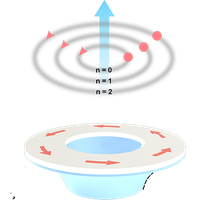
Phys. Rev. Lett. 136, 056306 (2026)
Condensed Matter and Materials
Observation of Braid-Protected Unpaired Exceptional Points
Article | Condensed Matter and Materials | 2026-02-05 05:00 EST
Kunkun Wang, J. Lukas K. König, Kang Yang, Lei Xiao, Wei Yi, Emil J. Bergholtz, and Peng Xue
Spectral degeneracies (dubbed nodal points in momentum space) play fundamental roles in understanding exotic properties of light and matter. In lattice systems, unpaired band-structure degeneracies are subject to well-established no-go (doubling) theorems that universally apply to both closed Hermit…
Phys. Rev. Lett. 136, 056602 (2026)
Condensed Matter and Materials
Surface Magnon Propagation in a van der Waals Antiferromagnet
Article | Condensed Matter and Materials | 2026-02-05 05:00 EST
Jilei Chen, Kei Yamamoto, Chenxu Kang, Rundong Yuan, Kanglin Yu, Chenyan Hu, Junfeng Hu, Lutong Sheng, Jinlong Wang, Song Liu, Dapeng Yu, Jean-Philippe Ansermet, Yu-Jia Zeng, Sadamichi Maekawa, and Haiming Yu
The recently developed van der Waals magnets provide a promising platform for spintronics and magnonics. Here, we report the observation of surface magnon propagation in the van der Waals antiferromagnet CrSBr. We find a nearly unidirectional propagation of antiferromagnetic magnon modes, which emer…
Phys. Rev. Lett. 136, 056702 (2026)
Condensed Matter and Materials
Emergent Ordering in Active Fluids Driven by Substrate Deformations: Mechanisms and Patterning Regimes
Article | Polymers, Chemical Physics, Soft Matter, and Biological Physics | 2026-02-05 05:00 EST
Varun Venkatesh and Amin Doostmohammadi
The interplay between active matter and its environment is central to understanding emergent behavior in biological and synthetic systems. Here, we show that coupling active nematic flows to small-amplitude deformations of a compliant substrate can fundamentally reorganize the system's dynamics. Usi…
Phys. Rev. Lett. 136, 058301 (2026)
Polymers, Chemical Physics, Soft Matter, and Biological Physics
Steady-State Phase Transition in One-Dimensional Quantum Contact Process
Article | Quantum Information, Science, and Technology | 2026-02-04 05:00 EST
Lin Shang, Shuai Geng, Xingli Li, and Jiasen Jin
We investigate the steady-state phases of the one-dimensional quantum contact process model. We present the Liouvillian gap in the thermodynamic limit and uncover the metastability of the system. Exploiting the mean-field approximations with a novel self-consistent condition based on the effective f…
Phys. Rev. Lett. 136, 050402 (2026)
Quantum Information, Science, and Technology
Recovery Dynamics of a Gap-Engineered Transmon after a Quasiparticle Burst
Article | Quantum Information, Science, and Technology | 2026-02-04 05:00 EST
Heekun Nho, Thomas Connolly, Pavel D. Kurilovich, Spencer Diamond, Charlotte G. L. Bøttcher, Leonid I. Glazman, and Michel H. Devoret
Ionizing radiation impacts create bursts of quasiparticle density in superconducting qubits. These bursts temporarily degrade qubit coherence, which can be detrimental for quantum error correction. Here, we experimentally resolve quasiparticle bursts in 3D gap-engineered transmon qubits by continuou…
Phys. Rev. Lett. 136, 050601 (2026)
Quantum Information, Science, and Technology
Efficient Benchmarking of Logical Magic State
Article | Quantum Information, Science, and Technology | 2026-02-04 05:00 EST
Su-un Lee, Ming Yuan, Senrui Chen, Kento Tsubouchi, and Liang Jiang
High-fidelity logical magic states are a critical resource for fault-tolerant quantum computation, enabling non-Clifford logical operations through state injection. However, benchmarking these states presents significant challenges: one must estimate the infidelity with multiplicative precision, w…
Phys. Rev. Lett. 136, 050602 (2026)
Quantum Information, Science, and Technology
Digital Quantum Simulation of Spin Transport
Article | Quantum Information, Science, and Technology | 2026-02-04 05:00 EST
Yi-Ting Lee, Bibek Pokharel, Jeffrey Cohn, André Schleife, and Arnab Banerjee
Transport phenomena in quantum spin systems have long intrigued physicists due to their potential applications in spintronic devices and spin qubits. Quantum simulations of the spin-spin autocorrelation function (ACF) have been used to probe spin transport, but methods based on the spin-current ACF …
Phys. Rev. Lett. 136, 050603 (2026)
Quantum Information, Science, and Technology
Topological Defect Formation beyond the Kibble-Zurek Mechanism in Crossover Transitions with Approximate Symmetries
Article | Particles and Fields | 2026-02-04 05:00 EST
Peng Yang, Chuan-Yin Xia, Sebastian Grieninger, Hua-Bi Zeng, and Matteo Baggioli
The formation of topological defects during continuous second-order phase transitions is well described by the Kibble-Zurek mechanism (KZM). However, when the spontaneously broken symmetry is only approximate, such transitions become smooth crossovers, and the applicability of KZM in these scenarios…
Phys. Rev. Lett. 136, 051602 (2026)
Particles and Fields
Complete Next-to-Leading-Order Standard-Model-Effective-Field-Theory Electroweak Corrections to Higgs Decays
Article | Particles and Fields | 2026-02-04 05:00 EST
Luigi Bellafronte, Sally Dawson, Clara Del Pio, Matthew Forslund, and Pier Paolo Giardino
Precise predictions for Higgs decays are a crucial ingredient of the search for beyond the standard model physics and the standard model effective field theory (SMEFT) is a valuable tool for quantifying deviations from the standard model. We present the complete set of predictions for the two- and t…
Phys. Rev. Lett. 136, 051801 (2026)
Particles and Fields
Perturbative QCD Prediction of the Hyperon Electric Dipole Moment from $CP$-Violating Dipole Interactions
Article | Particles and Fields | 2026-02-04 05:00 EST
Kai-Bao Chen, Xiao-Gang He, Jian-Ping Ma, and Xuan-Bo Tong
The electric dipole moment (EDM) of baryons provides a sensitive probe of -violating interactions beyond the standard model. Motivated by the recent BESIII measurement on the hyperon EDM [Ablikim et al., arXiv:2506.19180.], we present the first perturbative QCD analysis of the EDM form factor …
Phys. Rev. Lett. 136, 051902 (2026)
Particles and Fields
High-Precision Measurement of $\mathrm{D}(γ,n)p$ Photodisintegration Reaction and Implications for Big Bang Nucleosynthesis
Article | Nuclear Physics | 2026-02-04 05:00 EST
Y. J. Chen, Z. R. Hao, J. J. He, T. Kajino, S.-I. Ando, Y. Luo, H. R. Feng, L. Y. Zhang, G. T. Fan, H. W. Wang, H. Zhang, Z. L. Shen, L. X. Liu, H. H. Xu, Y. Zhang, P. Jiao, X. Y. Li, Y. X. Yang, S. Jin, K. J. Chen, W. Q. Shen, and Y. G. Ma
We report on a high-precision measurement of the photodisintegration reaction at the newly commissioned Shanghai Laser Electron Gamma Source, employing a quasimonochromatic -ray beam from Laser Compton Scattering. The cross sections were determined over , achieving up to …
Phys. Rev. Lett. 136, 052701 (2026)
Nuclear Physics
Dissociative Electron Attachment to the ${\mathrm{HNC}}_{3}$ Molecule
Article | Atomic, Molecular, and Optical Physics | 2026-02-04 05:00 EST
Elizabeth Aubin, Jean-Christophe Loison, Mehdi Ayouz, Joshua Forer, and Viatcheslav Kokoouline
Dissociative electron attachment (DEA) to is modeled theoretically using a first-principles approach. In collisions, there is a low-energy resonance, which has a repulsive character along the coordinate and becomes a bound electronic state of the anion near the equilibrium o…
Phys. Rev. Lett. 136, 053001 (2026)
Atomic, Molecular, and Optical Physics
Giant Isotope Effect on the Excited-State Lifetime and Emission Efficiency of the Silicon T Center
Article | Atomic, Molecular, and Optical Physics | 2026-02-04 05:00 EST
Moein Kazemi, Mehdi Keshavarz, Mark E. Turiansky, John L. Lyons, Nikolay V. Abrosimov, Stephanie Simmons, Daniel B. Higginbottom, and Mike L. W. Thewalt
Efficient single-photon emitters are desirable for quantum technologies including quantum networks and photonic quantum computers. We investigate the T center, a telecommunications-band emitter in silicon, and find a strong isotope dependence of its excited-state lifetime. In particular, the lifetim…
Phys. Rev. Lett. 136, 053602 (2026)
Atomic, Molecular, and Optical Physics
Superchanneling and Radiation of Ultrarelativistic Electron Beams in Disordered Porous Material
Article | Plasma and Solar Physics, Accelerators and Beams | 2026-02-04 05:00 EST
P. Chen, K. Jiang, T. W. Huang, R. Li, H. Peng, H. Zhang, S. Z. Wu, H. B. Zhuo, M. Y. Yu, and C. T. Zhou
Transport of relativistic electron beams (REBs) in matter underpins a wide range of plasma, accelerator, radiation source, and material physics. Here we report a previously unexplored superchanneling regime of REB propagation in disordered porous materials composed of randomly structured solid-densi…
Phys. Rev. Lett. 136, 055001 (2026)
Plasma and Solar Physics, Accelerators and Beams
Axisymmetric Eigenmodes Excited by Alpha Particle Energy Gradients in JET D-T Plasmas
Article | Plasma and Solar Physics, Accelerators and Beams | 2026-02-04 05:00 EST
H. J. C. Oliver, D. King, Ž. Štancar, S. E. Sharapov, D. Banerjee, T. Barberis, R. Coelho, I. Coffey, M. Dreval, M. Fitzgerald, L. Frassinetti, C. Giroud, N. Hawkes, D. Keeling, C. C. Kim, E. Lerche, F. Porcelli, and G. Szepesi (JET Contributors, EUROfusion Tokamak Exploitation Team)
Axisymmetric Alfvén eigenmodes have been observed at the plasma edge in deuterium-tritium (D-T) tokamak plasmas externally heated only by neutral beam injection in JET. The modes were detected only in D-T plasmas, not in pure D plasmas, indicating excitation by fusion-born particles. The presence …
Phys. Rev. Lett. 136, 055101 (2026)
Plasma and Solar Physics, Accelerators and Beams
Extended Landauer-Büttiker Formula for Current through Open Quantum Systems with Gain or Loss
Article | Condensed Matter and Materials | 2026-02-04 05:00 EST
Chao Yang and Yucheng Wang
The Landauer-Büttiker formula, which characterizes current through a finite region connected to leads, is a cornerstone in studying transport phenomena. We extend this formula using the Lindblad-Keldysh formalism to describe particle and energy currents in regions with gain or loss. The derived form…
Phys. Rev. Lett. 136, 056304 (2026)
Condensed Matter and Materials
Visualization of Defect-Induced Interband Proximity Effect at the Nanoscale
Article | Condensed Matter and Materials | 2026-02-04 05:00 EST
Thomas Gozlinski, Qili Li, Rolf Heid, Oleg Kurnosikov, Alexander Haas, Ryohei Nemoto, Toyo Kazu Yamada, Jörg Schmalian, and Wulf Wulfhekel
By exploiting defects in a superconductor, scientists have observed the switching of a material's two superconducting states into one.
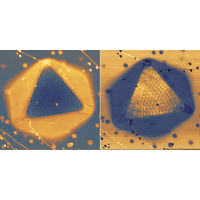
Phys. Rev. Lett. 136, 056401 (2026)
Condensed Matter and Materials
Purely Electronic Chirality without Structural Chirality
Article | Condensed Matter and Materials | 2026-02-04 05:00 EST
Takayuki Ishitobi and Kazumasa Hattori
A crystal whose arrangement of atoms lacks chirality can nevertheless host a chiral electronic state.
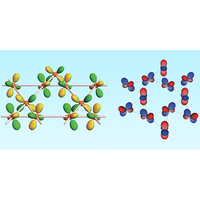
Phys. Rev. Lett. 136, 056402 (2026)
Condensed Matter and Materials
Ab Initio Bulk Free Energy Surface of Proper Ferroelectrics
Article | Condensed Matter and Materials | 2026-02-04 05:00 EST
Pinchen Xie, Yixiao Chen, Xinyu Xu, Zhi Yao, Weinan E, and Roberto Car
Through a combination of first-principles techniques, neural network models, and metadynamics simulations accurate free energy surfaces of ferroic materials can now be obtained without an a priori ansatz of the polynomial-based energy model.
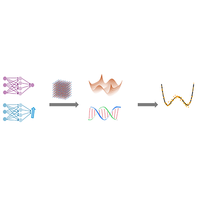
Phys. Rev. Lett. 136, 056801 (2026)
Condensed Matter and Materials
Physical Review X
Unified Description of Cuprate Superconductors by Fractionalized Electrons Emerging from Integrated Analyses of Photoemission Spectra and Quasiparticle Interference
Article | 2026-02-04 05:00 EST
Shiro Sakai, Youhei Yamaji, Fumihiro Imoto, Tsuyoshi Tamegai, Adam Kaminski, Takeshi Kondo, Yuhki Kohsaka, Tetsuo Hanaguri, and Masatoshi Imada
An analysis of photoemission and scanning tunneling microscopy data reveals a possible novel type of electron fractionalization in cuprates based on a unified theoretical framework to address the unresolved mechanism of high-temperature superconductivity.
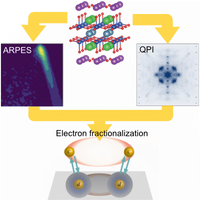
Phys. Rev. X 16, 011018 (2026)
Review of Modern Physics
Colloquium: Convection-cloud chambers: Experiment and theory
Article | 2026-02-04 05:00 EST
Steven Krueger and Raymond A. Shaw
In warm clouds, drops grow into raindrops through both condensation and collision coalescence, but the observed rapid transition between these mechanisms remains difficult to theoretically explain. The convection-cloud chamber, which reproduces key phenomena such as turbulent fluctuations in droplet concentrations and supersaturation under controlled laboratory conditions, offers a promising approach to addressing this long-standing bottleneck in understanding in cloud physics. This Colloquium reviews the physics underlying the precipitation bottleneck, examines how convection-cloud chambers capture the essential processes, and synthesizes insights from experiments, theory, and computational models that bridge laboratory and atmospheric scales.
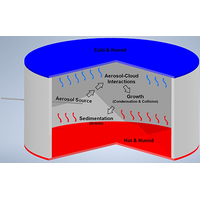
Rev. Mod. Phys. 98, 011001 (2026)
arXiv
Anomalous Non-Hermitian Topological Anderson Insulator
New Submission | Mesoscale and Nanoscale Physics (cond-mat.mes-hall) | 2026-02-05 20:00 EST
Mina Ren, Xi Shi, Haitao Jiang, Feng Liu, Hong Chen, Yong Sun
Strong disorder drives conventional Hermitian systems into Anderson insulating states, suppressing all topological phases. Here, we unveil symmetry-protected, anomalous topological phases in the strong disorder limit of a non-Hermitian system, characterized by a scale-invariant merging of zero-energy modes. Using the maximally symmetric Jx lattice as an ideal platform and introducing specifically engineered (ABBA-type) symmetry-preserving non-Hermitian disorder, we observe a sequence of disorder-induced phase transitions: from a trivial insulator into and through a non-Hermitian topological Anderson insulator (TAI) phase, culminating in a stable anomalous non-Hermitian TAI phase characterized by a quantized polarization P_x \approx 0.25. Within this anomalous phase protected by the mobility gap, the zero-energy modes exhibit a distinct (N/2)-mode coalescence that scales with system size. Our findings demonstrate that non-Hermitian disorder engineered to preserve symmetry can induce and protect novel topological order inaccessible to conventional Hermitian disorder, thereby advancing the fundamental understanding of topological phenomena mediated by the interplay of disorder and non-Hermiticity.
Mesoscale and Nanoscale Physics (cond-mat.mes-hall)
Optical detection of the quantum Hall effect in silicon nanostructures
New Submission | Mesoscale and Nanoscale Physics (cond-mat.mes-hall) | 2026-02-05 20:00 EST
N.T. Bagraev, L.E. Klyachkin, A.N. Malyarenko, N.I. Rul’
Electroluminescence spectra of a silicon nanostructure with edge channels covered by chains of dipole centers with negative correlation energy are demonstrated. The presence of such chains provides conditions for nondissipative transport of single charge carriers at high temperatures up to room temperature. Due to the suppression of the electron-electron interactions, the macroscopic quantum phenomena such as Shubnikov - de Haas oscillations and the quantum staircase of Hall resistance are consistent with the positions of the spectral peaks of the detected electroluminescence. The obtained results are considered in the framework of Faraday electromagnetic induction, which indicates that Landau quantization leads to the emergence of induced irradiation similar to Josephson and Andreev generation. Moreover, the detected maxima in the spectral characteristics correspond to odd fractional values of the resistance quantum staircases, while the dips in the electroluminescence spectra are observed at even fractional values of the resistance quantum ladder, which is due to the increased formation of composite bosons and fermions, respectively.
Mesoscale and Nanoscale Physics (cond-mat.mes-hall)
7 pages, 5 figures
Tsallis Entropy derived from the Chaitin-Kolmogorov Informational Entropy
New Submission | Statistical Mechanics (cond-mat.stat-mech) | 2026-02-05 20:00 EST
We provide a rigorous first-principle derivation of the non-additive Tsallis’ entropy by employing the Chaitin-Kolmogorov algorithmic information theory. By applying non-local restrictive rules on the string formation (grammar), we show that the algorithmic cost follows a power-law of the string length, instead of the linear behaviour obtained in the classical theory. As a result, the Tsallis entropy governs the increase of information. We explore the result showing, through Landauer’s limit, that the heat dissipation in systems with long-range correlations is diminished. The $ \Omega_q$ number, which remains incompressible, now offers the possibility of a continuous increase of complexity, measured by the parameter $ q$ . We show the consistency of the results by a numerical simulation, and discuss Zipf’s law in light of the new findings.
Statistical Mechanics (cond-mat.stat-mech), Statistics Theory (math.ST)
16 pages 1 figure
Primary charge-4e superconductivity from doping a featureless Mott insulator
New Submission | Strongly Correlated Electrons (cond-mat.str-el) | 2026-02-05 20:00 EST
Zhi-Qiang Gao, Yan-Qi Wang, Ya-Hui Zhang, Hui Yang
Superconductivity is usually understood as a phase in which charge-$ 2e$ Cooper pairs are condensed. Charge-$ 4e$ superconductivity has largely been discussed as a vestigial order at finite temperature emerging from charge-$ 2e$ states. Primary charge-$ 4e$ superconducting phases at zero temperature remain scarce in both experiments and microscopic models. Here we argue that a doped featureless Mott insulator with $ SU(4)$ symmetry provides a natural platform for primary charge-$ 4e$ superconductivity, based on perturbative renormalization group arguments and group theoretic considerations. As a concrete realization, we construct a bilayer Hubbard model with tunable onsite $ SU(4)$ and $ Sp(4)$ symmetries that exhibits a featureless Mott insulating phase at half filling. Its low energy physics is captured by a generalized ESD model, featuring an effective Hamiltonian that is purely kinetic within the constrained Hilbert space. Using density matrix renormalization group (DMRG) simulations, we find a primary charge-$ 4e$ superconducting phase in the $ SU(4)$ ESD model and a conventional primary charge-$ 2e$ phase in the $ Sp(4)$ case. We further characterize the corresponding normal states and discuss the resulting finite temperature phase diagram.
Strongly Correlated Electrons (cond-mat.str-el), Mesoscale and Nanoscale Physics (cond-mat.mes-hall), Superconductivity (cond-mat.supr-con)
4.5+7 pages, 4+4 figures
First-Principles AI finds crystallization of fractional quantum Hall liquids
New Submission | Mesoscale and Nanoscale Physics (cond-mat.mes-hall) | 2026-02-05 20:00 EST
When does a fractional quantum Hall (FQH) liquid crystallize? Addressing this question requires a framework that treats fractionalization and crystallization on equal footing, especially in strong Landau-level mixing regime. Here, we introduce MagNet, a self-attention neural-network variational wavefunction designed for quantum systems in magnetic fields on the torus geometry. We show that MagNet provides a unifying and expressive ansatz capable of describing both FQH states and electron crystals within the same architecture. Trained solely by energy minimization of the microscopic Hamiltonian, MagNet discovers topological liquid and electron crystal ground states across a broad range of Landau-level mixing. Our results highlight the power of first-principles AI for solving strongly interacting many-body problems and finding competing phases without external training data or physics pre-knowledge.
Mesoscale and Nanoscale Physics (cond-mat.mes-hall), Strongly Correlated Electrons (cond-mat.str-el), Artificial Intelligence (cs.AI)
5 pages + SM
Revealing the microscopic origin of the magnetization plateau in Na$_3$Ni$_2$BiO$_6$
New Submission | Strongly Correlated Electrons (cond-mat.str-el) | 2026-02-05 20:00 EST
Amanda A. Konieczna, P. Peter Stavropoulos, Roser Valentí
Recent experimental studies of the spin-1 honeycomb antiferromagnet Na$ _3$ Ni$ _2$ BiO$ _6$ have revealed a pronounced one-third magnetization plateau under applied magnetic fields, highlighting the presence of strong magnetic frustration and anisotropy in this material. Such behavior has been attributed to substantial bond-dependent Kitaev interactions in combination with single-ion anisotropy, placing Na$ _3$ Ni$ _2$ BiO$ _6$ among honeycomb compounds of interest for unconventional magnetic phases. Motivated by these observations, we present a first-principles-based analysis of the magnetic interactions in Na$ _3$ Ni$ _2$ BiO$ _6$ . By combining density-functional calculations with microscopic modeling, we extract the relevant exchange parameters and construct an effective spin model that quantitatively reproduces both the elastic neutron-scattering spectra and the magnetization curve. The model captures the experimentally observed zero-field zigzag magnetic order, and proposes a $ \textit{double-zigzag}$ state at intermediate magnetic fields, realizing the 1/3-magnetization plateau in a simpler way than suggested in previous works. Crucially, we show that the one-third magnetization plateau does not require Kitaev interactions; instead, it arises from the interplay of strong out-of-plane single-ion anisotropy and competing ferromagnetic nearest-neighbor ($ J_1$ ) and antiferromagnetic third-neighbor ($ J_3$ ) Heisenberg couplings. These results establish a consistent microscopic description of Na$ _3$ Ni$ _2$ BiO$ _6$ and clarify the origin of its field-induced plateau phase.
Strongly Correlated Electrons (cond-mat.str-el)
11 pages, 8 figures
Observation of a structurally driven, reversible topological phase transition in a distorted square net material
New Submission | Materials Science (cond-mat.mtrl-sci) | 2026-02-05 20:00 EST
Xian P. Yang, Chia-Hsiu Hsu, Gokul Acharya, Junyi Zhang, Md Shafayat Hossain, Tyler A. Cochran, Bimal Neupane, Zi-Jia Cheng, Santosh Karki Chhetri, Byunghoon Kim, Shiyuan Gao, Yu-Xiao Jiang, Maksim Litskevich, Jian Wang, Yuanxi Wang, Jin Hu, Guoqing Chang, M. Zahid Hasan
Topological materials hold immense promise for exhibiting exotic quantum phenomena, yet achieving controllable topological phase transitions remains challenging. Here, we demonstrate a structurally driven, reversible topological phase transition in the distorted square net material GdPS, induced via in situ potassium dosing. Using angle-resolved photoemission spectroscopy and first principles calculations, we demonstrate a cascade of topological phases in the sub-surface P layer: from a large, topologically trivial band gap to a gapless Dirac cone state with a 2 eV dispersion, and finally to a two-dimensional topological insulator as inferred from theory. This evolution is driven by subtle structural distortions in the first P layer caused by potassium adsorption, which in turn contribute to the band gap closure and topological phase transition. Furthermore, the ability to manipulate the topology of a sub-surface layer in GdPS offers a unique route for exploring and controlling topological states in bulk materials.
Materials Science (cond-mat.mtrl-sci), Strongly Correlated Electrons (cond-mat.str-el)
Accepted by PRL
Electrically and optically active charge carrier traps in silicon-doped few-layer GaSe
New Submission | Materials Science (cond-mat.mtrl-sci) | 2026-02-05 20:00 EST
M. Bissolo, R. Li, M. Ogura, Z. Sofer, S. Polesya, D. Han, A. W. Holleitner, C. Kastl, G. Koblmüller, H. Ebert, E. Zallo, J. J. Finley
Understanding defects in atomically thin van der Waals (vdW) semiconductors is essential for advancing their use in next-generation optoelectronic and photovoltaic devices. Here, we apply a combination of various impedance spectroscopy techniques to two-dimensional (2D) vdW GaSe doped with silicon (Si) to reconstruct deep trap states across the full bandgap. Deep-level transient spectroscopy reveals three distinct deep states 0.31, 0.88, and 1.40 eV below the conduction band edge. Complementary deep-level optical spectroscopy and photocapacitance measurements identify three deep states at 1.4 and 1.8 eV below the conduction band edge, and 2.0 eV above the valence band edge, with thermal admittance spectroscopy providing additional verification and further resolving two trap states, at 0.16 eV above the valence band edge and at 0.26 eV below the conduction band edge. By comparing the experimentally extracted ionization energies with the predictions of density functional theory, our results attribute these trap states primarily to Si-related defects and metal vacancies. This work presents a comprehensive defect map of Si-doped GaSe, providing critical insights into carrier trapping mechanisms that are essential for optimizing the design of 2D material-based devices for industrial applications.
Materials Science (cond-mat.mtrl-sci)
Synthesis and guided assembly of niobium trisulfide nanowires and nanowire chains by chemical vapor deposition
New Submission | Materials Science (cond-mat.mtrl-sci) | 2026-02-05 20:00 EST
Thang Pham, Arindom Nag, Kate Reidy, Michael A. Filler, Frances M. Ross
One-dimensional (1D) nanostructures of transition metal trichalcogenides (TMT) show unique properties through the combination of their anisotropic bonding and low dimensionality. Scalable synthesis approaches that enable control over the morphology, dimensions, and interfaces of 1D TMTs with other nanoscale materials could allow these properties to be used in novel devices. Here, we report chemical vapor deposition of a 1D TMT, namely niobium trisulfide (NbS3) in the form of nanowires, on different substrates, including bulk substrates (amorphous SiO2/Si and crystalline c-sapphire) and several two-dimensional (2D) van der Waals materials (graphene, h-BN, CrSBr). We demonstrate high growth yield with axial growth rates of up to 40 micrometer/min and with two different growth modes: short nanowires of rectangular cross-section, and unusual long, “chained nanowires” up to 100 micrometer in length with sawtooth morphology. We discuss a mechanism that accounts for the two morphologies and discuss how the structure can be tuned through substrate choice and growth conditions. We further demonstrate guided assembly at the edges of graphene and h-BN, as well as epitaxial growth on few-layer CrSBr and c-sapphire. These results open pathways to explore scalable synthesis and directed assembly of 1D TMT nanomaterials in unique morphologies.
Materials Science (cond-mat.mtrl-sci)
15 pages, 4 figures
Tuning Terahertz Optomechanics of MoS2 Bilayers with Homogeneous In-plane Strain
New Submission | Materials Science (cond-mat.mtrl-sci) | 2026-02-05 20:00 EST
S. Patel, Jose D. Mella, S. Puri, Salvador Barraza-Lopez, H. Nakamura
Homogeneous in-plane biaxial tensile strain strengthens the out-of-plane van der Waals interaction in \MoS\ bilayers (BLs) and can be used to fine-tune their terahertz (THz) oscillations. Using ultralow-frequency Raman spectroscopy on hexagonal (2H) and rhombohedral (2R) stacked BLs, we observe a hardening of the interlayer breathing modes originating from a strain-induced Poisson contraction of the vdW separation between the layers, and characterized by an effective out-of-plane Poisson’s ratio of $ \nu_\mathrm{eff} \approx 0.19\text{–}0.24$ . Strikingly, this geometric contraction drives the system into a highly repulsive regime of the intermolecular potential, corresponding to a Grüneisen parameter of $ \gamma \approx 10\text{–}14$ . This value surpasses even the `giant’ one reported for phosphorene, establishing these van der Waals BLs as highly tunable nonlinear mechanical platforms that can be addressed at the THz regime, couple strongly with light, and do not need external pressure knobs.
Materials Science (cond-mat.mtrl-sci)
Boundary and Symmetry Breaking in a Deformed Toric Code
New Submission | Strongly Correlated Electrons (cond-mat.str-el) | 2026-02-05 20:00 EST
This work explores a deformation of the Kitaev toric code that induces a phase transition out of the topologically ordered phase. By placing the model on a cylinder, the bulk global 1-form symmetries separate into distinct boundary operators, allowing us to show that the transition is accompanied by the breaking of one higher-form symmetry. Using a holographic $ (1+1)$ -dimensional boundary Hamiltonian, we extract an effective central charge and find a pronounced suppression near $ \beta_c$ , followed by its restoration at strong coupling, indicating sensitivity to bulk criticality rather than topological order.
Strongly Correlated Electrons (cond-mat.str-el), High Energy Physics - Theory (hep-th)
20 pages, 8 figues, comments are welcome
Thermodynamic assessment of machine learning models for solid-state synthesis prediction
New Submission | Materials Science (cond-mat.mtrl-sci) | 2026-02-05 20:00 EST
Jane Schlesinger, Simon Hjaltason, Nathan J. Szymanski, Christopher J. Bartel
Machine learning models have recently emerged to predict whether hypothetical solid-state materials can be synthesized. These models aim to circumvent direct first-principles modeling of solid-state phase transformations, instead learning from large databases of successfully synthesized materials. Here, we assess the alignment of several recently introduced synthesis prediction models with material and reaction thermodynamics, quantified by the energy with respect to the convex hull and a metric accounting for thermodynamic selectivity of enumerated synthesis reactions. A dataset of successful synthesis recipes was used to determine the likely bounds on both quantities beyond which materials can be deemed unlikely to be synthesized. With these bounds as context, thermodynamic quantities were computed using the CHGNet foundation potential for thousands of new hypothetical materials generated using the Chemeleon generative model. Four recently published machine learning models for synthesizability prediction were applied to this same dataset, and the resultant predictions were considered against computed thermodynamics. We find these models generally overpredict the likelihood of synthesis, but some model scores do trend with thermodynamic heuristics, assigning lower scores to materials that are less stable or do not have an available synthesis recipe that is calculated to be thermodynamically selective. In total, this work identifies existing gaps in machine learning models for materials synthesis and introduces a new approach to assess their quality in the absence of extensive negative examples (failed syntheses).
Materials Science (cond-mat.mtrl-sci), Machine Learning (cs.LG)
Electronic Structure of CaSnN$_2$: a sustainable alternative for blue LEDs
New Submission | Materials Science (cond-mat.mtrl-sci) | 2026-02-05 20:00 EST
Ilteris K. Turan, Sarker Md. Sadman, Walter R. L. Lambrecht
The electronic band structure of CaSnN2 in the wurtzite-based Pna21 structure is calculated using the Quasiparticle Self-consistent (QS)GW$ ^{BSE}$ method, including ladder diagrams in the screened Coulomb interaction W$ ^{BSE}$ and is found to have a direct gap of 2.680 eV at {\Gamma}, which corresponds to blue light wavelength of 463 nm and makes it an attractive candidate for sustainable blue light-emitting diodes (LEDs), avoiding Ga and In. The valence band maximum has a1 symmetry and gives allowed transitions to the conduction band minimum for light polarized along the c-direction. The valence band splitting is analyzed in terms of symmetry labeling, and the effective mass tensor is calculated for several bands at {\Gamma}. The optical dielectric function, including electron-hole interaction effects is also reported, and the excitons are analyzed, including several dark excitons.
Materials Science (cond-mat.mtrl-sci), Other Condensed Matter (cond-mat.other)
9 pages, 7 figures
Decoupling effects of the resistive-switching behavior on the polarization reversal in ultrathin ferroelectric Hf0.5Zr0.5O2 films
New Submission | Materials Science (cond-mat.mtrl-sci) | 2026-02-05 20:00 EST
Chao Zhou, Sizhe Huang, Yangyang Si, Zhongqi Ren, Jianyuan Zhao, Hailin Wang, Jingxuan Li, Xianlong Cheng, Haoliang Huang, Shi Liu, Sujit Das, Shiqing Deng, Zuhuang Chen
HfO2-based ferroelectric films have attracted considerable attention as their nanoscale ferroelectricity and compatibility with cmos technology, fulfilling demands of emerging memory technologies. However, as films scale down, resistive-switching behavior becomes increasingly pronounced, intricately intertwining with the polarization-switching process and affecting ferroelectric switching factors often overlooked yet crucial for device performance optimization. By characterizing resistive-switching behavior and oxygen vacancy motion using tailored electric pulse schemes, we decouple the resistive-switching behavior from the overall switching process in ultrathin ferroelectric HZO films, which would otherwise erroneously inflate polarization values and increase coercive fields. Building on this, we elucidate endurance degradation mechanisms from dual perspectives of resistive switching and defect migration. Furthermore, we demonstrate the mitigated resistive switching activity by designing HfO2-based devices with symmetric oxide electrodes, achieving reduced coercive fields and improved cycling performances. This work provides crucial insights into the origins of inflated polarizations and reliability challenges in HfO2-based devices while offering a viable strategy to enhance ferroelectric properties for advanced memory applications.
Materials Science (cond-mat.mtrl-sci)
23 pages, 7 figures, accpeted by Matter
Matter 2026
Dynamics of string breaking and revival in a Rydberg atomic chain
New Submission | Quantum Gases (cond-mat.quant-gas) | 2026-02-05 20:00 EST
Xin Liu, Han-Chao Chen, Zheng-Yuan Zhang
String breaking is one of the most representative nonperturbative dynamics processes in confinement theory, typically associated with the creation of particle-antiparticle pairs. In this paper, we take a one-dimensional Rydberg atomic chain to theoretically study the dynamical of finite-length string state. Under different string tension conditions, we find that the string dynamics exhibits two clearly distinguishable evolution characteristics: one is that the string breaks and the system enters a superposition state space containing multiple meson state configurations; the other is localized string dynamics, in which the string undergoes local breaking but can then recombine and return to a state close to the initial structure, with the breaking and recombination processes recurring over a long time scale. Through the analysis of the evolution of different meson state configurations, we visually depict the redistribution of configuration weights during the string breaking process, and reveal the observable recovery characteristics of the string after breaking. Further analysis shows that the enhancement of quantum fluctuations can increase the weight of the double-meson state configurations in the system wave function without changing the dominant dynamical behavior. The above results present a rich picture of string breaking dynamics in a one-dimensional Rydberg atomic chain and provide insights for studying confinement physics and related gauge field theory phenomena on quantum simulation platforms.
Quantum Gases (cond-mat.quant-gas)
10 pages, 5 figures
Observation of Highly Efficient Torques on Orbital Moments Induced by Orbital Current
New Submission | Mesoscale and Nanoscale Physics (cond-mat.mes-hall) | 2026-02-05 20:00 EST
Hongyu Chen, Han Yan, Xiaorong Zhou, Xiaoning Wang, Ziang Meng, Li Liu, Guojian Zhao, Zhiyuan Duan, Sixu Jiang, Jingyu Li, Xiaoyang Tan, Peixin Qin, Zhiqi Liu
We study the current-induced torques in bilayers composed of a light 3d metal, chromium, and a rare-earth ferromagnet with finite orbital moments, terbium, utilizing second-harmonic Hall-response measurements. The dampinglike torque efficiency of chromium is found to be positive and reaches ~3.66 in this system, in sharp contrast to the negative and subtle dampinglike torque efficiency in general Cr/ferromagnet heterostructures with quenched orbital moment. We suggest that the orbital currents generated by the orbital Hall effect in Cr can be injected into Tb with negligible loss at the interface and then efficiently interact with the orbital moments. Our work implies that orbital currents could be harnessed to manipulate the orbital magnetization of materials, which would advance the development of orbitronics.
Mesoscale and Nanoscale Physics (cond-mat.mes-hall), Materials Science (cond-mat.mtrl-sci), Applied Physics (physics.app-ph)
15 pages, 5 figures, in press at Modern Physics Letter B
Long-range orbital transport and inverse orbital Hall effect in Co/Ru-based terahertz emitters
New Submission | Materials Science (cond-mat.mtrl-sci) | 2026-02-05 20:00 EST
Zhou Chao, Zhang Shaohua, Hao Lei, Jin Yaxuan, Jiang Xianguo, Yang Ning, Zheng Li, Meng Hao, Lu Chao, Huang Wendeng, Wu Yizheng, Zhou Yan, Jia Xu
The utilization of terahertz (THz) emission spectroscopy in femtosecond photoexcited spintronic heterostructures has emerged as a versatile tool for investigating ultrafast spin-transport in a noncontact and non-invasive manner. However, the investigation of ultrafast orbital-transport is still in the primitive stage. Here, we experimentally demonstrate the orbital-to-charge current conversion in Co/Ru heterostructures. Time-domain measurements reveal delayed and broadened terahertz waveforms with increasing Ru thickness, consistent with long-range orbital transport. In Co/Pt/Ru trilayers, the terahertz emission is further enhanced through constructive interference between the inverse spin Hall effect (ISHE) in Pt and inverse orbital Hall effect (IOHE) in Ru, while reversed stack structures show suppressed output. Ferromagnetic resonance (FMR) measurements reveal a strong correlation between damping and THz amplitude, highlighting efficient angular momentum conversion. These results position Co/Ru as a promising orbitronic platform for tunable ultrafast THz emission. Our results not only strengthen the physical mechanism of condensed matter physics but also pave the way for designing promising spin-orbitronic devices and terahertz emitters.
Materials Science (cond-mat.mtrl-sci)
22 pages, 5 figures
Universal Quantized Berry-Dipole Flat Bands
New Submission | Mesoscale and Nanoscale Physics (cond-mat.mes-hall) | 2026-02-05 20:00 EST
Perfectly flat bands with nontrivial quantum geometry have emerged as a frontier for exotic topological phenomena and superconductors. Here, we unveil a universal family of quantized Berry-dipole flat bands in chiral-symmetric (2n+1)-band systems, where the central perfectly flat band carries a Berry-dipole moment d=n, with n an arbitrary integer, while preserving zero Chern number. We construct explicit lattice models to showcase three topological phenomena characterized by the Berry-dipole moment: a flat-band returning pump featuring bidirectional, soliton-like displacement of Wannier centers by exactly n unit cells per half cycle, a dipolar Haldane phase diagram arising from the competition between time-reversal and parity symmetries, and n pairs of bulk helical zero modes whose existence depends on the orientation of pseudomagnetic field. Our findings establish a universal framework for the topology beyond Chern class in perfectly flat bands and provide a tunable platform for exploring quantum geometry and interaction-driven phases.
Mesoscale and Nanoscale Physics (cond-mat.mes-hall)
Restoring Sparsity in Potts Machines via Mean-Field Constraints
New Submission | Statistical Mechanics (cond-mat.stat-mech) | 2026-02-05 20:00 EST
Kevin Callahan-Coray, Kyle Lee, Kyle Jiang, Kerem Y. Camsari
Ising machines and related probabilistic hardware have emerged as promising platforms for NP-hard optimization and sampling. However, many practical problems involve constraints that induce dense or all-to-all couplings, undermining scalability and hardware efficiency. We address this constraint-induced density through two complementary approaches. First, we introduce a hardware-aware native formulation for multi-state probabilistic digits (p-dits) that avoids the locally dense intra-variable couplings required by binary Ising encodings. We validate p-dit dynamics by reproducing known critical behavior of the 2D Potts model. Second, we propose mean-field constraints (MFC), a hybrid scheme that replaces dense pairwise constraint couplings with dynamically updated single-node biases. Applied to balanced graph partitioning, MFC achieves solution quality comparable to exact all-to-all constraint formulations while dramatically reducing graph density. Finally, we demonstrate the practical impact of restored sparsity by an FPGA implementation, enabling orders-of-magnitude acceleration over CPU-based solvers. Together, these results outline a pathway for scaling constrained optimization on probabilistic hardware.
Statistical Mechanics (cond-mat.stat-mech), Emerging Technologies (cs.ET)
Piezomagnetic transport in van der Waals noncoplanar Antiferromagnets
New Submission | Mesoscale and Nanoscale Physics (cond-mat.mes-hall) | 2026-02-05 20:00 EST
Abdul Ahad, Miuko Tanaka, Nguyen Duy Khanh, Riku Ishioka, Aki Kitaori, Tenta Kitamura, Hao Ou, Jiang Pu, Shinichiro Seki, Toshiya Ideue
The piezomagnetic effect-strain-induced linear modulation of magnetization, arises in magnets with broken time-reversal symmetry (BTRS), offering a pathway to bidirectional strain-based control of magnetism, which is an essential straintronic and spintronic functionality in solids. Metallic antiferromagnets with BTRS provide an ideal platform to study this effect through transport measurements, yet experimental demonstrations are limited. Van der Waals (vdW) nanomagnets, with their mechanical flexibility, are particularly promising for realizing large piezomagnetic responses and effective transport control. Here we demonstrate piezomagnetic control of electronic transport in nano-devices of the vdW antiferromagnets CoNb$ _3$ S$ _6$ and CoTa$ _3$ S$ _6$ , archetypal vdW metals with BTRS that exhibit a spontaneous Hall effect. Applying uniaxial strain linearly modulates both the antiferromagnetic transition temperature and coercive field, consistent with strain-driven tuning of exchange coupling, key signatures of the piezomagnetic effect. Moreover, spontaneous Hall effect is controllable via strain, evidencing piezomagnetic tuning of Berry curvature and its associated geometric transport. These findings establish piezomagnetism as a powerful route to manipulate antiferromagnetic transport, opening avenues for straintronic and spintronic applications in vdW magnetic systems.
Mesoscale and Nanoscale Physics (cond-mat.mes-hall)
Robust, High-Contrast, Recyclable Zinc-Based Dynamic Windows via Synergistic Electrolyte and Interfacial Engineering
New Submission | Materials Science (cond-mat.mtrl-sci) | 2026-02-05 20:00 EST
Fei Peng, Zhichao Liang, Zhoutao Yang, Yijia Chen, Wenjie Mai, Chuanxi Zhao
Zinc-based electrochromic devices offer a sustainable route for dynamic optical management but are plagued by poor cycling stability due to irreversible zinc plating/stripping and side reactions. Herein, we report a robust, high-contrast, and recyclable zinc-based dynamic window enabled by a synergistic electrolyte and interfacial engineering strategy. Molecular dynamics simulations and electrochemical analyses reveal a dual-ion cooperative mechanism that governs the reversibility: anions with the strongest binding affinity guide uniform Zn deposition by stabilizing the inner solvation shell, while formate anions co-enriched at the interface facilitate smooth stripping via protonation during the oxidation process. This orchestrated interplay effectively eliminates “dead Zn” accumulation and dendrite growth. Consequently, the device demonstrates a record-high lifespan of 15,000 cycles with negligible degradation and maintains a large optical modulation of >50%, along with multiple optical states (transparent, gray, black, and mirror). Furthermore, it achieves a large reflectance modulation (>50%) stable for over 2,000 cycles. This work establishes the recyclable zinc-based dynamic window as a scalable, high-performance alternative to conventional electrochromic systems, advancing the feasibility of solution-processed energy-saving windows in sustainable buildings.
Materials Science (cond-mat.mtrl-sci), Other Condensed Matter (cond-mat.other)
High-Throughput Discovery of Two-Dimensional Materials Exhibiting Strong Rashba-Edelstein effect
New Submission | Materials Science (cond-mat.mtrl-sci) | 2026-02-05 20:00 EST
Binchang Zhou, Baoru Pan, Pan Zhou, Yuzhong Hu, Songmin Liu, Lizhong Sun
The Rashba-Edelstein effect (REE), which generates spin accumulation under an applied electric current, quantifies charge-to-spin conversion (CSC) efficiency in non-centrosymmetric systems. However, systematic investigations of REE in two-dimensional (2D) materials remain scarce. To address this gap, we perform a comprehensive symmetry analysis based on the 80 crystallographic layer groups, elucidating the relationship between materials’ symmetries and the geometric characteristics of the REE response tensor. Our analysis identifies 13 distinct symmetry classes for the tensor and reveals all potential material candidates. Considering the requirement of strong spin-orbit coupling for a large REE response, we screen the C2DB database and identify 54 promising 2D materials. First-principles calculations demonstrate that the largest REE response coefficients in these materials exceed those reported for other 2D systems by an order of magnitude, indicating exceptionally high CSC efficiency. Focusing on three representative materials, including HgI2, AgTlP2Se6 and BrGaTe, we show that their large response coefficients can be well explained by effective kp models and the characteristic spin textures around high-symmetry points in momentum space. This work provides a systematic framework and identifies high-performance candidates, paving the way for future exploration of REE-driven CSC in 2D materials.
Materials Science (cond-mat.mtrl-sci)
Controlling Spin-Mixing Conductance in KTaO$_{3}$ 2DEGs by Varying Argon-Ion Irradiation Time
New Submission | Mesoscale and Nanoscale Physics (cond-mat.mes-hall) | 2026-02-05 20:00 EST
Yasar K. Arafath, Vaishali Yadav, Nidhi Kandwal, P.N. Santhosh, Pranaba Kishore Muduli, Prasanta Kumar Muduli
The Rashba-split two-dimensional electron gas (2DEG) at the surface and interface of insulating oxides like KTaO$ {3}$ (KTO) shows great promise for all-oxide spintronics. However, efficient spin current injection into the adjacent 2DEG remains a key challenge. In this study, we report the spin-pumping experiments on a 2DEG formed on the (001)KTO surface via Ar$ ^+$ irradiation. We observed a significant increase in magnetic damping in the Ar$ ^+$ -KTO/Py bilayer compared to a non-irradiated KTO/Py control sample, confirming spin pumping into the 2DEG. We demonstrate that the spin-mixing conductance ($ g{\uparrow\downarrow}^r$ ) can be substantially enhanced by controlling the Ar$ ^+$ irradiation time. The enhancement is attributed to increased 2DEG conductance, which results from a higher concentration of oxygen vacancies with longer irradiation times. This work provides crucial guidance for optimizing spin-to-charge conversion in KTO-based systems, highlighting the potential of Ar$ ^+$ -irradiated KTO 2DEGs for future oxide spintronics.
Mesoscale and Nanoscale Physics (cond-mat.mes-hall)
10 Page manuscript, 4 Page Supplemental Material, 4 Figures
Statistical Mechanics of the Sub-Optimal Transport
New Submission | Statistical Mechanics (cond-mat.stat-mech) | 2026-02-05 20:00 EST
Riccardo Piombo, Dario Mazzilli, Aurelio Patelli
Statistical mechanics is a powerful framework for analyzing optimization yielding analytical results for matching, optimal transport, and other combinatorial problems. However, these methods typically target the zero-temperature limit, where systems collapse onto optimal configurations, a.k.a. the ground states. Real-world systems often occupy intermediate regimes where entropy and cost minimization genuinely compete, producing configurations that are structured yet sub-optimal. The Sub-Optimal Transport (SOT) model captures this competition through an ensemble of weighted bipartite graphs: a coupling parameter interpolates between entropy-dominated dense configurations and cost-dominated sparse structures. This crossover has been observed numerically but lacked analytical understanding. Here we develop a mean-field theory that characterizes this transition. We show that local fluctuations in Lagrange multipliers become sub-extensive in the thermodynamic limit, reducing the full model with strength constraints to an effective single-constraint problem admitting an exact solution in some intermediate regime. The resulting free energy is analytic in the coupling parameter, confirming a smooth crossover rather than a phase transition. We derive closed-form expressions for thermodynamic observables and weight distributions, validated against numerical simulations. These results establish the first analytical description of the SOT model, extending statistical mechanics methods beyond the zero-temperature regime.
Statistical Mechanics (cond-mat.stat-mech), Disordered Systems and Neural Networks (cond-mat.dis-nn)
28 pages, 4 figures
Critical behavior of isotropic systems with strong dipole-dipole interaction from the functional renormalization group
New Submission | Statistical Mechanics (cond-mat.stat-mech) | 2026-02-05 20:00 EST
Georgii Kalagov, Nikita Lebedev
We compute the critical exponents of three-dimensional magnets with strong dipole-dipole interactions using the functional renormalization group (FRG) within the local potential approximation including the wave function renormalization (LPA$ ^\prime$ ). The system is governed by the Aharony fixed point, which is scale-invariant but lacks conformal invariance. Our nonperturbative FRG analysis identifies this fixed point and determines its scaling behavior. The resulting critical exponents are found to be close to those of the Heisenberg $ O(3)$ universality class, as computed within the same FRG/LPA$ ^\prime$ framework. This proximity confirms the distinct yet numerically similar nature of the two universality classes.
Statistical Mechanics (cond-mat.stat-mech)
Coherent electronic Raman excitation of valley-orbit split states of phosphorus dopants in silicon
New Submission | Mesoscale and Nanoscale Physics (cond-mat.mes-hall) | 2026-02-05 20:00 EST
Adam Gindl (1), Martin Čmel (1), František Trojánek (1), Petr Malý (1), Zbyněk Šobáň (2), Alexandr Pošta (3), Martin Kozák (1) ((1) Faculty of Mathematics and Physics, Charles University, Prague, Czech Republic, (2) Institute of Physics, Czech Academy of Sciences, Prague, Czech Republic, (3) Faculty of Electrical Engineering, Czech Technical University in Prague, Prague, Czech Republic)
In this study, we demonstrate coherent optical excitation of the electronic Raman transition between the $ 1s\left(A_1\right)$ and $ 1s\left(E\right)$ split states of phosphorus donor in crystalline silicon. The dynamics of the generated wavepacket is characterized in the time domain using a degenerate pump-probe technique with mid-infrared femtosecond pulses via transient polarization anisotropy of the probe pulse. In addition, we study the role of resonantly excited carriers, and we show that the amplitude and coherence time of the electronic wavepacket depend on the pre-excited carrier density. Further, we demonstrate that under certain conditions, the Raman-type excitation changes to displacive impulsive excitation, which allows us to address the Raman-forbidden transition between $ 1s\left(A_1\right)$ and $ 1s\left(T_1\right)$ .
Mesoscale and Nanoscale Physics (cond-mat.mes-hall), Optics (physics.optics)
v1: preprint; licence: CC BY 4.0. Data necessary for replication of results are available in the Zenodo repository at this https URL
Dynamics of Long-lived Carriers in Molybdenum Carbide Nanosheets
New Submission | Materials Science (cond-mat.mtrl-sci) | 2026-02-05 20:00 EST
Xiangyu Zhu, Zhong Wang, Tao Li, Xi Wang, Zheng Zhang, Chunlong Hu, Kaifu Huo, Wenxi Liang
Molybdenum carbide (MoC) is a promising candidate for substituting expensive platinum-group metals in many applications owing to its low cost and excellent properties. A comprehensive understanding of the carrier dynamics in MoC facilitates its implementations and helps designing synthesis strategies. In this work, the carrier relaxation in MoC nanosheets is investigated by combining femtosecond transient reflection spectroscopy with first-principles calculations. The observed processes of electron-electron, electron-phonon, and phonon-phonon scattering show longer lifetimes compared to those of other transition metal carbides. The nanosecond carrier lifetime is explained by the restricted phonon decay pathways induced by the large mass difference between C and Mo atoms, which is revealed through the analysis of calculated phonon dispersion. The slow cooling of hot carriers in MoC nanosheets offers a simple approach for designing devices that effectively utilize hot carriers, which are expected to improve photothermal and photovoltaic performances.
Materials Science (cond-mat.mtrl-sci)
14 pages, 5 figure
Area under subdiffusive random walks
New Submission | Statistical Mechanics (cond-mat.stat-mech) | 2026-02-05 20:00 EST
Vicenç Méndez, Rosa Flaquer-Galmés, Javier Cristín
We study the statistical properties of the area and the absolute area under the trajectories of subdiffusive random walks. Using different frameworks to describe subdiffusion (as the scaled Brownian motion, fractional Brownian motion, the continuous-time random walk or the Brownian motion in heterogeneous media), we compute the first two moments, the ergodicity breaking parameter for the absolute area and infer a general scaling for the probability density functions of these functionals. We discuss the differences between the statistical properties of the area and the absolute area for the different subdiffusion models and illustrate the experimental interest of our results. Our theoretical findings are supported by Monte Carlo simulations showing an excellent agreement.
Statistical Mechanics (cond-mat.stat-mech)
Population dynamics simulations of large deviations for three subclasses of the Kardar-Parisi-Zhang universality class
New Submission | Statistical Mechanics (cond-mat.stat-mech) | 2026-02-05 20:00 EST
Yuta Yanagibashi, Kazumasa A. Takeuchi
Recent theoretical studies have gradually deepened our understanding of the one-dimensional (1D) Kardar-Parisi-Zhang (KPZ) universality class even in the large deviation regime, but numerical methods for studying KPZ large deviations remain limited. Here we implement a method based on the population dynamics algorithm for studying large deviations of time-integrated local currents in the totally asymmetric simple exclusion process (TASEP), which is a pragmatic model in the 1D KPZ class. Carrying out simulations for the three representative initial conditions, namely step, flat, and stationary ones, we not only confirm theoretical predictions available for the step case, but also characterize large deviations for the flat and stationary cases which have not been investigated before. We reveal in particular an unexpected robustness of the deeply negative large deviation regime with respect to different initial conditions. We attribute this robustness to the spontaneous formation of a wedge shape in interface profile. Our population dynamics approach may serve as a versatile method for studying large deviations in the KPZ class numerically and, potentially, even experimentally.
Statistical Mechanics (cond-mat.stat-mech), Probability (math.PR)
9 pages, 5 figures
Flexocurrent-induced magnetization: Strain gradient-induced magnetization in time-reversal symmetric systems
New Submission | Materials Science (cond-mat.mtrl-sci) | 2026-02-05 20:00 EST
Shinnosuke Koyama, Takashi Koretsune, Kazumasa Hattori
Symmetry constraints determine which physical responses are allowed in a given system. Magnetization induced by strain fields, such as in piezomagnetic and flexomagnetic effects, has typically been considered in materials that break time-reversal symmetry. Here, we propose that nonuniform strain can induce magnetization even in nonmagnetic metals and semiconductors that preserve time-reversal symmetry. This mechanism differs from the conventional flexomagnetic effect: the strain gradient acts as a driving force on the electrons, generating magnetization in a manner closely analogous to current-induced magnetization. Treating the strain field as an external field, we derive a general expression for the magnetization induced by a strain gradient and demonstrate that this response is symmetry-allowed even in time-reversal symmetric systems. We apply our formulation to nonmagnetic systems that lack spatial inversion symmetry while preserving time-reversal symmetry, using a decorated square lattice, monolayer MoS$ _2$ , and monolayer Janus MoSSe as representative examples. We find a finite magnetization response to strain gradients, which is consistent with symmetry arguments, supporting the validity of our theoretical framework. These results offer a pathway for controlling magnetization in nonmagnetic materials using strain fields.
Materials Science (cond-mat.mtrl-sci)
18 pages, 7 figures
Probabilities of rare events in product kernel aggregation: An exact formula and phase diagram
New Submission | Statistical Mechanics (cond-mat.stat-mech) | 2026-02-05 20:00 EST
R. Goutham, R. Rajesh, V. Subashri, Oleg Zaboronski
We present an exact method for calculating the large deviation function describing rare fluctuations in the number of particles for product-kernel aggregation. Starting from the master equation, we derive an exact integral representation for the probability $ P(M,N,t)$ of observing $ N$ particles at time $ t$ starting from $ M$ monomers for any finite $ M, N, t$ . From this, we obtain an exact expression for the exponential moment $ \langle p^N\rangle$ for integer $ p$ . Employing a replica conjecture – numerically validated by finite-$ M$ scaling – we extend this result to real $ p \geq 0$ . The convex envelope of the large deviation function, obtained via a Legendre-Fenchel transform of the exponential moment, shows singular behavior. The singular structure allows us to construct the full phase diagram of product-kernel aggregation, which contains a tricritical point, separating continuous and discontinuous transitions. We also compute the asymptotic form of the LDF for small $ N/M$ .
Statistical Mechanics (cond-mat.stat-mech)
17 pages, 12 figures
Revealing the interfacial kinetic mechanisms in high-entropy doped Na$_3$V$_2$(PO$_4$)$_3$ through electrochemical investigation and distribution of relaxation times
New Submission | Materials Science (cond-mat.mtrl-sci) | 2026-02-05 20:00 EST
Manish Kr. Singh, Rajendra S. Dhaka
We designed a high-entropy doped NASICON cathode, Na$ _3$ V$ _{1.9}$ (CrMoAlZrNi)$ _{0.1}$ (PO$ _4$ )$ _3$ and investigate its electrochemical performance for sodium-ion batteries (SIBs) to understand the diffusion mechanism including distribution of relaxation times analysis of interfacial kinetics. This trace doping induces high-entropy mixing at the vanadium site, tuning the lattice and enhancing specific capacity, activating V$ ^{4+}$ /V$ ^{5+}$ redox couple 3.95V. Interestingly, it delivers a reversible capacity of 119mAhg$ ^{-1}$ at 0.1C, and demonstrate excellent stability of 68% after 1000 cycles at 10C. The calculated diffusion coefficient values are found within the range of (10^{-11})–(10^{-13}\mathrm{cm^2,s^{-1}}). The systematic investigation of temperature and voltage-dependent impedance data using the distribution of relaxation times provides deeper insights into the underlying charge-transfer and transport processes. The full cells with hard carbon delivers 326Whkg$ ^{-1}$ (with respect to cathode mass) at $ \approx$ 3.2V and retained $ \sim$ 79% capacity after 100 cycles at 2C. Our study opens new avenues for developing high-entropy doped cathodes for enhanced structural stability, extended redox activity, and optimized electrochemical kinetics for practical implementation of SIBs.
Materials Science (cond-mat.mtrl-sci), Chemical Physics (physics.chem-ph)
submitted
ZnCdO:Eu Epitaxially Grown Alloys for Self-Powered Ultrafast Broadband Photodetection
New Submission | Materials Science (cond-mat.mtrl-sci) | 2026-02-05 20:00 EST
Igor Perlikowski, Eunika Zielony, Aleksandra Wierzbicka, Anastasiia Lysak, Rafal Jakiela, Ewa Przezdziecka
Photodetectors (PDs) are essential in imaging, communication, and sensing technologies. However, their reliance on external power makes them energy-consuming. This creates a strong need for self-powered PDs as a sustainable alternative. ZnO is a promising semiconductor material due to its pyroelectric properties, stemming from non-centrosymmetric wurtzite crystal structure, enabling the pyro-phototronic effect that enhances response speed. Properties of ZnO can be tailored via alloying and doping. Thus, this work explores thin layers of ZnCdO:Eu random alloys grown by molecular beam epitaxy (MBE) on silicon substrates, with varying Cd content. The study shows that doping with Eu notably affects growth kinetics, promoting strong [0001] orientation preference. Moreover, photoluminescence measurements confirm the successful incorporation of Eu3+ ions into the structure. Electrical measurements show that the introduction of Cd eliminates the problem of Schottky barrier formation on the ZnO/Si interface. The n-ZnCdO:Eu/p-Si junctions exhibit rectifying behavior and generate photocurrent across 380-1150 nm wavelength range without external electrical bias. Utilizing the pyro-phototronic effect, these devices achieved ultrafast response times: rise time below 10 us and decay time below 5 us for 405 nm and 650 nm illumination - placing them among the fastest self-powered oxide-based detectors that do not rely on additional performance-enhancing layers.
Materials Science (cond-mat.mtrl-sci), Applied Physics (physics.app-ph)
26 pages, 7 figures
Machine Learning-Driven Crystal System Prediction for Perovskites Using Augmented X-ray Diffraction Data
New Submission | Materials Science (cond-mat.mtrl-sci) | 2026-02-05 20:00 EST
Ansu Mathew, Ahmer A. B. Baloch, Alamin Yakasai, Hemant Mittal, Vivian Alberts, Jayakumar V. Karunamurthy
Prediction of crystal system from X-ray diffraction (XRD) spectra is a critical task in materials science, particularly for perovskite materials which are known for their diverse applications in photovoltaics, optoelectronics, and catalysis. In this study, we present a machine learning (ML)-driven framework that leverages advanced models, including Time Series Forest (TSF), Random Forest (RF), Extreme Gradient Boosting (XGBoost), Recurrent Neural Network (RNN), Long Short-Term Memory (LSTM), Gated Recurrent Unit (GRU), and a simple feedforward neural network (NN), to classify crystal systems, point groups, and space groups from XRD data of perovskite materials. To address class imbalance and enhance model robustness, we integrated feature augmentation strategies such as Synthetic Minority Over-sampling Technique (SMOTE), class weighting, jittering, and spectrum shifting, along with efficient data preprocessing pipelines. The TSF model with SMOTE augmentation achieved strong performance for crystal system prediction, with a Matthews correlation coefficient (MCC) of 0.9, an F1 score of 0.92, and an accuracy of 97.76%. For point and space group prediction, balanced accuracies above 95% were obtained. The model demonstrated high performance for symmetry-distinct classes, including cubic crystal systems, point groups 3m and m-3m, and space groups Pnma and Pnnn. This work highlights the potential of ML for XRD-based structural characterization and accelerated discovery of perovskite materials
Materials Science (cond-mat.mtrl-sci), Machine Learning (cs.LG)
37 pages, 7 figures. Author accepted manuscript. Published in Engineering Applications of Artificial Intelligence
Engineering Applications of Artificial Intelligence 164 (2026): 113247
Emergent Coherence at the Edge of Magnetism: Low-Doped La2-xSrxCuO4+delta Revisited
New Submission | Strongly Correlated Electrons (cond-mat.str-el) | 2026-02-05 20:00 EST
E.Yu. Beliayev, Y.K. Mishra, I.A. Chichibaba, I.G. Mirzoiev, V.A. Horielyi, A.V. Terekhov
The La2-xSrxCuO4+delta (LSCO) system provides a unique experimental setting for exploring how magnetism, superconductivity, and disorder jointly shape charge transport in a doped Mott insulator. Transport measurements in lightly doped and oxygen-enriched LSCO reveal a strongly insulating normal state governed by variable-range hopping, accompanied by pronounced nonlinear current-voltage characteristics and, at low temperatures, current-induced negative differential resistance. With increasing carrier concentration, these features evolve into regimes characterized by granular and percolative superconductivity near the threshold of bulk superconductivity and, eventually, into a homogeneous strange-metal state close to optimal doping. Throughout this evolution, the transport response shows marked sensitivity to disorder, electronic inhomogeneity, and external control parameters, such as bias current and magnetic field. Rather than reflecting a sequence of sharply distinct phases, the observed transport regimes form a continuous crossover from a localization-dominated insulating state to granular superconductivity and further to a coherent metallic state. This crossover is driven primarily by the progressive enhancement of electronic screening, inter-region coupling, and superconducting connectivity, rather than by abrupt changes in the underlying microscopic scattering mechanisms. Taken together, the available transport data provide a coherent experimental basis for understanding how disorder and mesoscale electronic inhomogeneity organize charge transport and superconductivity across the LSCO phase diagram, underscoring the central role of percolation and nonequilibrium effects in underdoped cuprates.
Strongly Correlated Electrons (cond-mat.str-el), Disordered Systems and Neural Networks (cond-mat.dis-nn), Superconductivity (cond-mat.supr-con)
27 pages, 6 figures. Review article
Electronic States, Spin-Orbit Coupling and Magnetism in Germanium 60° Dislocations
New Submission | Materials Science (cond-mat.mtrl-sci) | 2026-02-05 20:00 EST
Veronica Regazzoni, Fabrizio Rovaris, Anna Marzegalli, Francesco Montalenti, Emilio Scalise
Defects in semiconductors have recently attracted renewed interest owing to their potential in novel quantum applications. Here we investigate the electronic and magnetic properties induced by 60° dislocations in Ge. Using large-scale DFT calculations, we determine the band structure for both the shuffle and glide sets in their lowest-energy configurations. We also perform charged-defect calculations to aid in the interpretation of complex photoluminescence spectra observed in epitaxial Ge layers. The band structure for the shuffle set reveals defect-induced dispersive bands localized within the band gap near the {\Gamma} point, whereas for the glide set, we observe strong overlap with the conduction band. Defect-induced band splitting evident away from {\Gamma} reveals Rashba-Dresselhaus spin-orbit coupling, an effect previously reported only for screw dislocations. Remarkably, we find evidence that specific dislocation arrangements can stabilize antiferromagnetic ordering with sizable local magnetic moments and considerable exchange splitting between opposite spin states. These results uncover rich physics in Ge dislocations through the combination of spin-orbit coupling and magnetic ordering, potentially enabling novel defect-based functionalities in Ge devices.
Materials Science (cond-mat.mtrl-sci)
Potential-Induced Dynamic Coordination of Nonmetal Atoms Directly Bound to Metal Centers in Graphene-Embedded Single-Atom Catalysts and Its Implications
New Submission | Materials Science (cond-mat.mtrl-sci) | 2026-02-05 20:00 EST
Jiahang Li, Suhang Li, Chong Yan, Qinzhuang Liu, Jiajun Yu, Dongwei Ma
Electrode-potential-induced dynamic coordination is an essential factor governing the performance of graphene-embedded single-atom catalysts (SACs). While previous studies have primarily centered on structural dynamics at the metal site, the response of its coordinated nonmetal atoms remains largely unexplored. Here, using Ni SACs with mixed nitrogen/carbon coordination (NiN4-xCx) as representatives, we investigate potential-driven hydrogenation of metal-center-coordinated nonmetallic atoms through constant-potential density functional theory and ab initio molecular dynamics. We find that the C sites directly bound to Ni undergo potential-driven hydrogenation, whereas hydrogenation at N sites is thermodynamically unfavorable. Taking NiNC3 as a representative system, we demonstrate that these hydrogenation processes proceed with accessible kinetic barriers and obey the Brønsted-Evans-Polanyi relation. The resulting dynamic coordination reshapes the Ni 3d and dz2 orbitals, modulates the stability of the active center, and weakens molecular adsorption through combined electronic and steric effects. These findings reveal that electrode potential and solvent not only regulate the metal center but also dynamically reconfigure its coordination environment, offering novel mechanistic insights into potential-induced coordination dynamics and guiding the rational design of coordination-engineered SACs.
Materials Science (cond-mat.mtrl-sci)
35 pages, 5 figures
Microscopic Origin of Polarization-Controlled Magnetization Switching in FePt/BaTiO$_3$
New Submission | Materials Science (cond-mat.mtrl-sci) | 2026-02-05 20:00 EST
Qurat-ul-ain, Thi H. Ho, Soon Cheol Hong, Dorj Odkhuu, S. H. Rhim
Electric-field driven magnetization switching in FePt/BaTiO$ _3$ (001) is demonstrated through first-principles calculations. The magnetic easy axis of FePt layer undergoes a transition from in-plane to perpendicular direction upon ferroelectric polarization reversal, a process sensitively controlled by epitaxial strain with threshold strain strain($ \eta$ ) $ \eta\approx%$ . At this phenomena, a large interfacial magnetoelectric coupling ($ \alpha_I = 3.6 \times 10^{-10}$ G$ \cdot$ cm$ ^2$ /V) is responsible, stemming from the orbital reconstruction. In particular, the redistribution of Pt-$ d$ orbital occupancy alters spin-orbit coupling, thereby tuning the competition between magnetic anisotropy ($ K_i$ ) and magnetoelastic energy ($ b_1$ ). Our work clarifies the fundamental physics of strain-engineered magnetoelectricity and suggests a concrete pathway for designing ultra-low-power voltage-controlled magnetic memory.
Materials Science (cond-mat.mtrl-sci), Other Condensed Matter (cond-mat.other)
5 pages, 5 figures
Strain tunable anomalous Hall and Nernst conductivities in compensated ferrimagnetic Mn$_3$Al
New Submission | Materials Science (cond-mat.mtrl-sci) | 2026-02-05 20:00 EST
Guihyun Han, Minkyu Park, S. H. Rhim
The tunability of anomalous Hall and Nernst conductivities is investigated in the compensated ferrimagnet Mn$ _3$ Al under isotropic strain ($ \eta$ ) and chemical potential variation using first-principles calculations. At a chemical potential of $ \mu = -0.3$ eV, three distinct topological features – Weyl points, nodal lines, and gapped nodal lines – are simultaneously realized along high-symmetry directions of the Brillouin zone in the framework of magnetic space group. The anomalous Hall conductivity (AHC) is found to be predominantly governed by the Berry curvature in the $ k_y k_z$ plane and can be enhanced significantly under tensile strain, reaching $ -1200$ $ (\Omega~\mathrm{cm})^{-1}$ . On the other hand, the anomalous Nernst conductivity (ANC) shows a sign change near the Fermi level and whose magnitude increases at $ \mu = -0.3$ eV with quasi-quadratic strain dependence. Regardless of strain, the underlying bands and Fermi surface structures remain robust, while the distribution and magnitude of Berry curvature evolve substantially. These results underscore the potential of Mn$ _3$ Al, a compensated ferrimagnet, as a platform for Berry curvature engineering via strain and doping.
Materials Science (cond-mat.mtrl-sci)
5 pages, 5 figures, accepted for Physical Review B
Triple Junctions as Dislocation-Like Defects: The Role of Grain Boundary Crystallography Revealed by Experiment and Atomistic Simulation
New Submission | Materials Science (cond-mat.mtrl-sci) | 2026-02-05 20:00 EST
Tobias Brink, Saba Saood, Peter Schweizer, Jörg Neugebauer, Gerhard Dehm
Grain boundary networks and their evolution are strongly influenced by triple junctions. The defect nature of these line defects significantly affects the properties of the network, but they have not been fully characterized to date. Here, we use scanning transmission electron microscopy combined with atomistic computer simulations to investigate a triple junction at the atomic scale in an Al thin film with {111} texture. Using sampling methods, we were able to construct the same junction structure as in the experiment within a computer model. We present a technique to calculate the Burgers vector of the triple junction. This allows us to connect the junction’s dislocation character to the microscopic degrees of freedom of the joining grain boundaries. The junction line energy in the computer model can then be calculated using an embedded atom method potential. It follows the same laws as a bulk dislocation. Finally, we discovered a range of possible triple junctions for the observed grain boundaries, which vary in the magnitude of their Burgers vector. Interestingly, the experimentally observed junction is not the one with the smallest possible Burgers vector and energy. This suggests that the kinetics of transforming the junction line are likely too slow to be driven by the small energy contribution of the triple junction.
Materials Science (cond-mat.mtrl-sci)
13 pages, 9 figures
Fermi surface geometry and momentum dependent electron-phonon coupling drive the charge density wave in quasi-1D ZrTe$3$
New Submission | Materials Science (cond-mat.mtrl-sci) | 2026-02-05 20:00 EST
ZrTe$ _3$ is a prototypical quasi-one-dimensional compound undergoing a charge density wave transition via a very sharp Kohn anomaly in phonon momentum space. While Fermi surface geometry has long been considered the primary driver of the instability, a full understanding of the lattice dynamics and electron-phonon role has remained elusive. Our first principles calculations in the high-symmetry phase show that the Fermi surface is correctly reproduced only when the Hubbard interaction on the Te $ 5p$ orbitals is included, which in turn is essential for the appearance of a soft harmonic phonon mode at the CDW wavevector. Analyzing the mode and momentum dependence of the electron-phonon coupling, we find that its variations with phonon momentum dominate over electronic effects. These results identify unambiguously the CDW origin in ZrTe$ _3$ as a cooperative effect of Fermi surface geometry and momentum-dependent electron-phonon coupling, with the latter playing the leading role. The mechanisms revealed in our work are directly relevant to other quasi-1D systems, including trichalcogenides and compounds hosting Peierls-like chains.
Materials Science (cond-mat.mtrl-sci), Strongly Correlated Electrons (cond-mat.str-el)
Control protocols for harmonically confined run-and-tumble particles
New Submission | Statistical Mechanics (cond-mat.stat-mech) | 2026-02-05 20:00 EST
Marco Baldovin, Alessandro Manacorda
Run-and-tumble particles constitute one of the simplest models of self-propelled active matter, and provide an ideal playground to the understanding of out-of-equilibrium systems. We consider an idealized setup where one such particle is subject to a harmonic confining potential, and an external agent can vary in time the tumbling rate and the strength of the trap. We search for time-dependent control protocols steering the system between assigned end states, in a prescribed time interval. To this aim, we propose a description of the dynamics, alternative to the usual ones, in the form of an infinite set of ordinary differential equations. Solutions based on a suitable closure of such hierarchy, which we expect to hold true in the limit of long protocol duration, are discussed and compared with numerical simulations. We also look for the protocol completing the task with the minimal work, on average: the problem can be tackled analytically, again in the regime of slow (but not quasi-static) transformations. The solution provides insightful intuition on the optimal strategies for the control of active matter systems.
Statistical Mechanics (cond-mat.stat-mech)
13 pages, 9 figures
Optical signatures of -1/3 fractional quantum anomalous Hall state in twisted MoTe2
New Submission | Mesoscale and Nanoscale Physics (cond-mat.mes-hall) | 2026-02-05 20:00 EST
Haiyang Pan, Shunshun Yang, Yuzhu Wang, Xiangbin Cai, Wei Wang, Yan Zhao, Kenji Watanabe, Takashi Taniguchi, Linlong Zhang, Youwen Liu, Bo Yang, Weibo Gao
The discovery of fractional charge excitations in new platforms offers crucial insights into strongly correlated quantum phases. While a range of fractional quantum anomalous Hall (FQAH) states have recently been observed in two-dimensional twisted moire systems, the theoretically anticipated filling factor v = -1/3 FQAH state has remained elusive, with debates centering on its nature of charge density wave or a topological Chern insulator. Here, we report the optical detection of a v = -1/3 FQAH state in twisted MoTe2 bilayers. Using photoluminescence (PL) and reflective magnetic circular dichroism (RMCD) techniques, we identify ferromagnetic states at filling factors v = -1, -2/3, and -1/3, all tunable by a vertical electric field. The corresponding Curie temperatures are approximately 11 K, 3.5 K, and 2.4 K, respectively. The -1/3 state emerges over a narrower electric field range and a lower temperature compared to the integer and other fractional states, indicating its fragile nature that may lead to its absence in previous reports. Notably, the PL spectra at v = -1/3 disperse as the out-of-plane magnetic field increases, consistent with a nontrivial topological origin. Theoretical calculations based on the exact diagonalization method further support the interpretation of this topologically non-trivial state.
Mesoscale and Nanoscale Physics (cond-mat.mes-hall)
4 figures
Phys. Rev. Lett. 136, 056601(2026)
Physics-Informed Neural Networks for the Quantum Droplets in Binary Bose-Einstein Condensates
New Submission | Quantum Gases (cond-mat.quant-gas) | 2026-02-05 20:00 EST
Dongshuai Liu, Boris A. Malomed, Wen Zhang
Physics-Informed Neural Networks (PINNs), which integrate deep learning with physical prior knowledge, have proven to be a powerful tool for studying the dynamics of high-dimensional nonlinear systems. The present work utilizes PINNs to analyze the existence and evolution of quantum droplets (QDs) in a binary Bose-Einstein condensate (BEC), revealing the ability of this technique to accurately predict structural features of the QDs, their multipeak profiles, and dynamical behavior. The stable evolution of multipole QDs is thus demonstrated. Comparing different network architectures, including the training time, loss values, and $ \mathbb{L_{2}}$ error, PINNs accurately predict specific dynamical characteristics of QDs. Furthermore, the PINN robustness is evaluated by the application of PINN to parameter-discovery tasks, considering both clean training data and data contaminated by $ 1%$ random noise. The results highlight the efficiency of PINNs in modeling complex quantum systems and extracting reliable parameters under the noisy conditions.
Quantum Gases (cond-mat.quant-gas), Pattern Formation and Solitons (nlin.PS)
11 pages, 9 figures,to be published in Chaos, Solitons & Fractals
Nonreciprocal topological kink-wave propagation in mechanical metamaterials
New Submission | Materials Science (cond-mat.mtrl-sci) | 2026-02-05 20:00 EST
Brahim Lemkalli, Qingxiang Ji, Jingyi Zhang, Richard Craster, Johan Christensen, Muamer Kadic
Nonlinear mechanical metamaterials can exhibit emergent transport phenomena that mimic topological protection without relying on linear band topology. Here, we realize a bifurcation-induced nonreciprocal lattice that supports robust propagation of elastic kink waves. Each unit is a prestrained, hinged-beam circulator that develops angular momentum bias during snap-through transitions between buckling states, producing an effective breaking of time reversal symmetry. Coupling such units into a hexagonal array yields a mechanically chiral network where localized soliton-like excitations propagate unidirectionally along interfaces and edges, immune to sharp bends. We demonstrate non-dispersive kink transport governed by a SineGordon type field whose effective bias encodes mechanical chirality. This framework bridges bifurcation dynamics and nonreciprocal transport, establishing a nonlinear route toward topological like mechanical functionality without magnetic or gyroscopic bias.
Materials Science (cond-mat.mtrl-sci)
Emergent Hawking Radiation and Quantum Sensing in a Quenched Chiral Spin Chain
New Submission | Statistical Mechanics (cond-mat.stat-mech) | 2026-02-05 20:00 EST
Nitesh Jaiswal, S. Shankaranarayanan
We investigate the emergence and detection of Hawking radiation (HR) in a 1D chiral spin chain model, where the gravitational collapse is simulated by a sudden quantum quench that triggers a horizon-inducing phase transition. While our previous work Jaiswal [2025] established that this model mimics BH formation conditions even when the Hoop conjecture is seemingly violated, we here focus on the resulting stationary radiation spectrum and its detectability. By mapping the spin chain dynamics to a Dirac fermion in a curved (1 + 1)-dimensional spacetime, we analyze the radiation using two complementary approaches: field-theoretic modes and operational quantum sensors. First, using localized Gaussian wave packets to model realistic detectors, we find that the radiation spectrum exhibits deviations from the ideal Planckian form, analogous to frequency-dependent greybody factors, while retaining robust Poissonian statistics that signal the loss of formation-scale information. Second, we introduce a qubit coupled to the chain as a stationary Unruh-DeWitt detector. We demonstrate that the qubit functions as a faithful quantum sensor of the Hawking temperature only in the weak-coupling regime, where its population dynamics are governed solely by the bath spectral density. In the strong-coupling limit, the probe thermalizes with the global environment, obscuring the horizon-induced thermal signature. These results provide a clear operational protocol for distinguishing genuine analog HR from environmental noise in quantum simulation platforms.
Statistical Mechanics (cond-mat.stat-mech), Quantum Gases (cond-mat.quant-gas), General Relativity and Quantum Cosmology (gr-qc), High Energy Physics - Theory (hep-th)
23 pages, 7 figures. Comments are welcome
Automated Extraction of Multicomponent Alloy Data Using Large Language Models for Sustainable Design
New Submission | Materials Science (cond-mat.mtrl-sci) | 2026-02-05 20:00 EST
Aravindan Kamatchi Sundaram, Mohit Chakraborty, Sai Mani Kumar Devathi, B. Pabitramohan Prusty, Rohit Batra
The design of sustainable materials requires access to materials performance and sustainability data from literature corpus in an organized, structured and automated manner. Natural language processing approaches, particularly large language models (LLMs), have been explored for materials data extraction from the literature, yet often suffer from limited accuracy or narrow scope. In this work, an LLM-based pipeline is developed to accurately extract alloy-related information from both textual descriptions and tabular data across the literature on high-entropy (or multicomponent) alloys (HEA). Specifically two databases with 37,711 and 148,069 entries respectively are retrieved; one from the literature text, consisting of alloy composition, processing conditions, characterization methods, and reported properties, and other from the literature tables, consisting of property names, values, and units. The pipeline enhances materials-domain sensitivity through prompt engineering and retrieval-augmented generation and achieves F1-scores of 0.83 for textual extraction and 0.88 for tabular extraction, surpassing or matching existing approaches. Application of the pipeline to over 10,000 articles yields the largest publicly available multicomponent alloy database and reveals compositional and processing-property trends. The database is further employed for sustainability-aware materials selection in three application domains, i.e., lightweighting, soft magnetic, and corrosion-resistant, identifying multicomponent alloy candidates with more sustainable production while maintaining or exceeding benchmark performance. The pipeline developed can be easily generalized to other class of materials, and assist in development of comprehensive, accurate and usable databases for sustainable materials design.
Materials Science (cond-mat.mtrl-sci), Data Analysis, Statistics and Probability (physics.data-an)
18 pages, 6 figures
Structures of iron and cobalt bimetallic clusters for optimized chemical vapor deposition growth of single-walled carbon nanotubes
New Submission | Materials Science (cond-mat.mtrl-sci) | 2026-02-05 20:00 EST
Qingmei Hu, Daniel Hedman, Ya Feng, Wanyu Dai, Daisuke Asa, Aina Fito-Parera, Yixi Yao, Yongjia Zheng, Kaoru Hisama, Gunjan Auti, Hirofumi Daiguji, Shohei Chiashi, Dmitry Levshov, Wim Wenseleers, Keigo Otsuka, Yan Li, Christophe Bichara, Sofie Cambre, Rong Xiang, Shigeo Maruyama
We investigate iron-cobalt (Fe-Co) alloys as a representative high-performance catalyst system for SWCNT growth in a systematic manner by combining chemical vapor deposition (CVD) experiments with chirality-resolved spectroscopic analysis, as well as molecular dynamics (MD) simulations based on density functional theory-derived machine learning force fields while varying the Fe-Co ratio. Using zeolite-based SWCNTs prepared by alcohol CVD, absorption and photoluminescence spectroscopy, together with two-dimensional excitation-emission fitting was employed to quantify chirality-specific growth efficiency. Two distinct growth regimes were identified. At a relatively low temperature of 600 C, pure Co exhibits the highest catalytic activity, promoting efficient growth of small-diameter (0.7-0.9 nm) SWCNTs. In contrast, at 850 C, the Fe0.75Co0.25 alloy shows a pronounced enhancement in growth efficiency compared with pure Fe, pure Co, and other Fe-Co compositions, also yielding larger diameter tubes (0.9-1.1nm). Similar growth behavior was observed on SiO2 substrates, enabling detailed transmission electron microscopy analysis of catalyst nanoparticles. Electron microscopy and energy-dispersive X-ray spectroscopy reveal that high SWCNT yields correlate with the formation of small, uniform Fe-Co nanoparticles with Co-enriched surfaces, in excellent agreement with MD simulations. Lastly, MD results are summarized in a composition-diameter phase diagram that rationalizes the experimentally observed growth trends. The exceptional performance of the Fe0.75Co0.25 catalyst at high temperature is attributed to the stabilization of small and uniform catalyst clusters, providing mechanistic insight into the synergistic roles of alloy composition and temperature in SWCNT growth.
Materials Science (cond-mat.mtrl-sci)
arXiv admin note: substantial text overlap with arXiv:2507.17891
Density Modulations of Zero Sound
New Submission | Quantum Gases (cond-mat.quant-gas) | 2026-02-05 20:00 EST
We study the density modulation of an interacting Fermi gas caused by the uniform motion of an impurity at zero temperature. For strong enough interaction among Fermi atoms, the modulation propagates thanks to the excitation of the collective zero sound mode if the impurity speed is above the zero sound threshold. We are able to assess, via a semi-analytic evaluation, the extent of the zero sound contribution to the density oscillation over and above the incoherent background of particle-hole excitations. Given the strong dependence of the results on the features of the gas interaction potential, we also analyze how they vary depending on its strength, range and shape.
Quantum Gases (cond-mat.quant-gas), Plasma Physics (physics.plasm-ph)
19 pages, 8 figures, Annaler der Physik invited contribution to special issue on “Collective and Nonlinear Phenomena in Confined Quantum Systems”
Cross-sectional helium irradiation reveals interface-controlled bubble evolution in Cr/CrAlSiN multilayer coatings on zirconium alloys
New Submission | Materials Science (cond-mat.mtrl-sci) | 2026-02-05 20:00 EST
Renda Wang, Xue Bai, Xueliang Pei, Sijie Liu, Chunfan Liu, Ping Yu, Bingsheng Li, Nabil Daghbouj, Tomas Polcar, Fanping Meng, Fangfang Ge, Qing Huang
The irradiation stability of Cr based protective coatings on zirconium alloys is critical for the development of accident-tolerant fuel claddings. However, conventional surface irradiation often produces shallow, nonuniform damage, obscuring interfacial behavior. In this study, we perform cross-sectional He irradiation to directly examine the interfacial response and He bubble evolution across Cr monolayer and Cr and CrAlSiN multilayer coatings on Zr substrates. Irradiation was carried out at 500 C and 750 C to doses of 2 and 3 dpa, enabling a direct comparison of temperature-dependent microstructural evolution. In the Cr monolayer, He implantation produced a homogeneous distribution of nanoscale bubbles throughout the damaged region and large cavities at the Cr and Zr interface, indicating severe Kirkendall-type voiding and interfacial decohesion at elevated temperature. In contrast, the Cr/CrAlSiN multilayer exhibited a periodically modulated bubble distribution, with bubble fragmentation and transformation into nanoscale platelets at CrAlSiN interfaces. A N-enriched Zr(N) interlayer formed spontaneously at the CrAlSiN and Zr interface, effectively suppressing bubble accumulation and interdiffusion. The nanochannel interfaces acted as He sinks and diffusion barriers, enhancing interfacial bonding and mitigating swelling. This work demonstrates that cross-sectional ion irradiation is a powerful approach for probing interfacial stability in multilayer systems, offering new insights into He-defect interactions and radiation tolerance engineering at buried interfaces. The findings highlight the potential of Cr and CrAlSiN multilayers as advanced coating architectures for high-temperature nuclear environments.
Materials Science (cond-mat.mtrl-sci)
32 pages, 8 figures
Scalable platform enabling reservoir computing with nanoporous oxide memristors for image recognition and time series prediction
New Submission | Disordered Systems and Neural Networks (cond-mat.dis-nn) | 2026-02-05 20:00 EST
Joshua Donald, Ben A. Johnson, Amir Mehrnejat, Alex Gabbitas, Arthur G. T. Coveney, Alexander G. Balanov, Sergey Savel’ev, Pavel Borisov
Typical mammal brains have some form of random connectivity between neurons. Reservoir computing, a neural network approach, uses random weights within its processing layer along with built-in recurrent connections and short-term, fading memory, and is shown to be time and training efficient in processing spatiotemporal signals. Here we prepared a niobium oxide-based thin film memristor device with intrinsic structural in-homogeneity in the form of random nanopores and performed computational tasks of XOR operations, image recognition, and time series prediction and reconstruction. For the latter task we chose a complex three-dimensional chaotic Lorenz-63 time series. By applying three temporal voltage waveforms individually across the device and training the readout layer with electrical current signals from a three-output physical reservoir, we achieved satisfactory prediction and reconstruction accuracy in comparison to the case of no reservoir. This work highlights the potential for scalable, on-chip devices using all-oxide reservoir systems, paving the way for energy-efficient neuromorphic electronics dealing with time signals.
Disordered Systems and Neural Networks (cond-mat.dis-nn), Materials Science (cond-mat.mtrl-sci)
The Most Dispersed Subset of Random Points in $\mathbb{R}^d$
New Submission | Statistical Mechanics (cond-mat.stat-mech) | 2026-02-05 20:00 EST
Fabio Deelan Cunden, Noemi Cuppone, Giovanni Gramegna, Pierpaolo Vivo
Consider a population of $ N$ individuals, each having $ d\geq 1$ different traits, and an additive measure, called dispersion, which rewards large pairwise separations between traits. The goal is to select $ M\leq N$ individuals such that their traits are as dispersed as possible. We compute analytically the full statistics (including large deviation tails) of the maximally achievable dispersion among sub-populations of size $ M$ when the traits are independent and identically distributed. Two complementary approaches are developed, one based on a mean-field theory for order statistics, and the other on the replica method from the field of disordered systems. In all dimensions $ d$ , and for rotationally symmetric distributions, the optimal subset for large populations consists of all points lying outside a $ d$ -dimensional ball whose radius is determined self-consistently. For a single trait ($ d=1$ ), the statistics of the maximal dispersion can be tackled for finite $ N,M$ as well. The formulae we obtained are corroborated by numerical simulations on small instances and by heuristic algorithms that find near-optimal solutions.
Statistical Mechanics (cond-mat.stat-mech), Mathematical Physics (math-ph)
33 pages, 7 figures
Effect of Local Topological Changes on Resistance in Tunably-Disordered Networks
New Submission | Disordered Systems and Neural Networks (cond-mat.dis-nn) | 2026-02-05 20:00 EST
Chenxi Wang, Charles Emmett Maher, Katherine A. Newhall
Disordered materials occur naturally and also provide a broader design space than ordered or crystalline structures. We investigate a two-dimensional disordered network metamaterial constructed from a Delaunay triangulation of an underlying point cloud. Small perturbations in the point cloud induce discrete topological changes. One such change we identify is a Delaunay flip, in which two neighboring Delaunay triangles that form a convex quadrilateral structure with their common edge being one of the two quadrilateral diagonals exchange this diagonal for the other diagonal. These topological changes can cause substantial jumps in the effective resistance measured diagonally across the network, when the change is located near the source or the sink node. The jumps are explained analytically by showing that the change in effective resistance from edge removal or addition depends on the voltage drop across that edge. However, Delaunay flips have less impact on global resistance measurements and in larger networks. These local topological changes are relevant for finite-sized samples and experimentally-measurable properties such as electrical transport. Global characterizations of the network disorder or topology lack the location-specificity of our observed effects on network transport, and thus may be inadequate for predicting certain experimentally measurable transport properties in disordered network metamaterials, highlighting the importance of localized regions in material design.
Disordered Systems and Neural Networks (cond-mat.dis-nn)
12 pages 10 figures
Transport Properties of Active Particles Moving on Adjustable Networks
New Submission | Soft Condensed Matter (cond-mat.soft) | 2026-02-05 20:00 EST
William G. C. Oropesa, P. de Castro, Hartmut Löwen, Danilo B. Liarte
Active adaptive matter has attracted considerable interest due to its rich, largely unexplained dynamics and its relevance to a wide range of synthetic and biological materials. An important subclass of such systems consists of active particles that can remodel the network in which they move. Here, we introduce a minimal yet versatile model of active particles moving on an adjustable network. In this model, particles undergo discrete run-and-tumble motion along the links of a triangular lattice and leave behind a trail of temporarily blocked links. These closed links cannot be traversed by other particles and reopen only after a characteristic healing time. The resulting trail-mediated blocking mechanism is fundamentally distinct from more familiar interactions such as excluded-volume effects. In the high-persistence limit, we find a qualitative contrast between the two mechanisms: while steric blocking leads to reduced diffusivity with increasing persistence, trail-induced blocking causes diffusivity to increase monotonically. We characterize this fundamental difference and the associated, unexpected transport properties, and discuss potential applications of our findings.
Soft Condensed Matter (cond-mat.soft), Statistical Mechanics (cond-mat.stat-mech)
9 pages, 8 figures
Dimensional crossover of bound complexes in a two-species Bose-Hubbard lattice: correlations and dynamics
New Submission | Quantum Gases (cond-mat.quant-gas) | 2026-02-05 20:00 EST
Deepak Gaur, Koushik Mukherjee, Stephanie M. Reimann
We study the equilibrium and nonequilibrium formation of four-particle complexes in a balanced two-species Bose-Hubbard model with repulsive intra- and attractive inter-species interactions. Using exact diagonalization, we characterize the transition from weakly- to strongly-correlated dimer and tetramer states along the one- to two-dimensional crossover in coupled-chain geometries by combining local correlation signatures with global diagnostics such as the binding energy and interspecies entanglement entropy. We show that transverse connectivity between chains qualitatively reshapes the phase diagram, substantially enlarging the tetramer region and, in particular, stabilizing weakly bound tetramers when compared to the one-dimensional chains. By tuning the interchain hopping, we identify a transition from a degenerate manifold of spatially separated dimers to a localized tetramer ground state, driven by the lifting of one-dimensional configurational degeneracies and an associated kinetic-energy gain. Finally, we demonstrate interaction and geometric quench protocols to dynamically prepare these complexes with high fidelity. Our results provide a microscopic framework for engineering and probing few-body bosonic bound states in tunable lattice geometries.
Quantum Gases (cond-mat.quant-gas)
15 pages, 8 figures
Hydrodynamics substantially affects induced structure formation in magnetic fluids
New Submission | Soft Condensed Matter (cond-mat.soft) | 2026-02-05 20:00 EST
Henning Reinken, Markus Heiber, Takeaki Araki, Andreas M. Menzel
Magnetorheological fluids consist of micrometer-sized magnetic particles in a carrier liquid. Sufficiently strong external magnetic fields lead to the formation of string-like particle aggregates. We demonstrate that hydrodynamic interactions, that is, mutual couplings via induced flows, play a substantial role during structure formation. Hydrodynamics supports the emergence of string-like aggregates, while magnetic interactions align them. This fundamental insight is substantial from an application perspective, due to the enormous technical importance and potential of magnetorheological fluids.
Soft Condensed Matter (cond-mat.soft), Materials Science (cond-mat.mtrl-sci)
Scalar machine learning of tensorial quantities – Born effective charges from monopole models
New Submission | Materials Science (cond-mat.mtrl-sci) | 2026-02-05 20:00 EST
Bernhard Schmiedmayer, Angela Rittsteuer, Tobias Hilpert, Georg Kresse
Predicting tensorial properties with machine learning models typically requires carefully designed tensorial descriptors. In this work, we introduce an alternative strategy for learning tensorial quantities based on scalar descriptors. We apply this approach to the Born effective charge tensor, showing that scalar (monopole) kernel models can successfully capture its tensorial nature by exploiting the definition of the Born effective charge tensor as the derivative of the polarisation with respect to atomic displacements. We compare this method with tensorial (dipole) kernel models, as established in our previous work, in which the tensorial structure of the Born effective charge is encoded directly in the kernel and obtained via its derivative. Both approaches are then used for charge partitioning, enabling the separation of monopole and dipole contributions. Finally, we demonstrate the effectiveness of the framework by computing finite-temperature infrared spectra for a range of complex materials.
Materials Science (cond-mat.mtrl-sci)
Theory of Optimal Learning Rate Schedules and Scaling Laws for a Random Feature Model
New Submission | Disordered Systems and Neural Networks (cond-mat.dis-nn) | 2026-02-05 20:00 EST
Blake Bordelon, Francesco Mori
Setting the learning rate for a deep learning model is a critical part of successful training, yet choosing this hyperparameter is often done empirically with trial and error. In this work, we explore a solvable model of optimal learning rate schedules for a powerlaw random feature model trained with stochastic gradient descent (SGD). We consider the optimal schedule $ \eta_T^\star(t)$ where $ t$ is the current iterate and $ T$ is the total training horizon. This schedule is computed both numerically and analytically (when possible) using optimal control methods. Our analysis reveals two regimes which we term the easy phase and hard phase. In the easy phase the optimal schedule is a polynomial decay $ \eta_T^\star(t) \simeq T^{-\xi} (1-t/T)^{\delta}$ where $ \xi$ and $ \delta$ depend on the properties of the features and task. In the hard phase, the optimal schedule resembles warmup-stable-decay with constant (in $ T$ ) initial learning rate and annealing performed over a vanishing (in $ T$ ) fraction of training steps. We investigate joint optimization of learning rate and batch size, identifying a degenerate optimality condition. Our model also predicts the compute-optimal scaling laws (where model size and training steps are chosen optimally) in both easy and hard regimes. Going beyond SGD, we consider optimal schedules for the momentum $ \beta(t)$ , where speedups in the hard phase are possible. We compare our optimal schedule to various benchmarks in our task including (1) optimal constant learning rates $ \eta_T(t) \sim T^{-\xi}$ (2) optimal power laws $ \eta_T(t) \sim T^{-\xi} t^{-\chi}$ , finding that our schedule achieves better rates than either of these. Our theory suggests that learning rate transfer across training horizon depends on the structure of the model and task. We explore these ideas in simple experimental pretraining setups.
Disordered Systems and Neural Networks (cond-mat.dis-nn), Machine Learning (cs.LG), Machine Learning (stat.ML)
Magneto-optical transport in type-II Weyl semimetals in the presence of orbital magnetic moment
New Submission | Strongly Correlated Electrons (cond-mat.str-el) | 2026-02-05 20:00 EST
The magneto-optical transport of gapless type-I tilted single Weyl semimetals(WSMs) exhibits suppression of total magnetoconductivities in the presence of orbital magnetic moment(OMM) in linear and nonlinear responses (Yang Gao et al., Phys. Rev. B {\bf 105}, 165307 (2022)). In this work, we extend our study to investigate magnetoconductivities in gapless type-II Weyl semimetals within the semiclassical Boltzmann approach and show the differences that arise compared to type-I Weyl semimetals.
Strongly Correlated Electrons (cond-mat.str-el)
Site and bond percolation in linearly distorted triangular and square lattices
New Submission | Statistical Mechanics (cond-mat.stat-mech) | 2026-02-05 20:00 EST
Bishnu Bhowmik, Sayantan Mitra, Robert M. Ziff, Ankur Sensharma
We investigate site and bond percolation in triangular and square lattices subjected to linear distortion. In contrast to previously studied distortion schemes that preserve lattice geometry, linear distortion dislocates regular lattice sites along a fixed direction. Nearest-neighbors of a regular lattice need to satisfy a distance-based connection criterion to remain neighbors in the linearly distorted lattice. Using extensive Monte Carlo simulations and finite-size scaling analyses, we examine how site and bond percolation thresholds vary with the distortion parameter and the connection threshold. For triangular lattices, we observe pronounced directional dependence of both site and bond percolation thresholds, as well as of the critical connection threshold. This arises from the distortion-induced anisotropic modification of nearest-neighbor separations. In particular, bond percolation exhibits nontrivial behavior that cannot be explained solely in terms of changes in the average coordination number. In contrast, square lattices remain effectively isotropic under linear distortion, resulting in identical percolation thresholds for distortions applied along different directions. Percolation thresholds in the thermodynamic limit, evaluated for a selected set of values of distortion parameter and connection threshold, confirm that the results for large finite lattices provide reliable estimates of the infinite-system behavior.
Statistical Mechanics (cond-mat.stat-mech)
13 pages, 13 figures
Atomistic and data-driven insights into the local slip resistances in random refractory multi-principal element alloys
New Submission | Materials Science (cond-mat.mtrl-sci) | 2026-02-05 20:00 EST
Wu-Rong Jian, Arjun S. Kulathuvayal, Hanfeng Zhai, Anshu Raj, Xiaohu Yao, Yanqing Su, Shuozhi Xu, Irene J. Beyerlein
Refractory multi-principal element alloys (RMPEAs) have attracted growing interest for their exceptional high-temperature strength, yet their complex compositions hinder a mechanistic understanding of plastic deformation. Here, we perform atomistic simulations to determine local slip resistances (LSRs) of edge and screw dislocations on primary BCC slip planes in 12 equal-molar RMPEAs. Machine learning is employed to uncover relationships between LSR and underlying material properties, enabling systematic assessment of compositional effects on dislocation behavior. Based on these insights, we develop a thermally activated, dislocation-based model to predict macroscopic yield stress. We find that increasing the fraction of hexagonal close-packed elements above 50% significantly reduces unstable stacking fault energy, ideal shear strength, and screw LSR across all slip planes. Higher elastic anisotropy further lowers these quantities, while lattice distortion modifies relative slip resistances between dislocation characters and slip systems. By combining an autoencoder with a random forest model, we identify elastic constants and lattice distortion as the dominant factors controlling LSR. The resulting framework accurately predicts tensile yield stress in BCC RMPEAs and provides guidance for alloy design.
Materials Science (cond-mat.mtrl-sci), Mesoscale and Nanoscale Physics (cond-mat.mes-hall), Computational Physics (physics.comp-ph)
Real and momentum space analysis of topological phases in 2D d-wave altermagnets
New Submission | Mesoscale and Nanoscale Physics (cond-mat.mes-hall) | 2026-02-05 20:00 EST
Altermagnetism has recently emerged as a third fundamental branch of magnetism, combining the vanishing net magnetization of antiferromagnets with the high-momentum-dependent spin splitting of ferromagnets. This study provides a comprehensive real- and momentum-space analysis of topological phases in two-dimensional d-wave altermagnets. By employing a tight-binding Hamiltonian, we characterize the topological phase transition occurring at a critical intra-sublattice hopping strength ($ t_a^C$ ). We examine the emergence of Dirac nodal points and the resulting Berry curvature singularities, supported by a visual analysis of pseudospin texture winding. Crucially, we analize spin splitting, effective altermagnetic strength, and investigate the transport implications of these phases, uncovering giant conductivity anisotropy and spin-dependent “steering” effects driven by group velocity distribution across the Fermi surface. Beyond bulk properties, we analyze the edge state topology in ribbon geometries through the lens of information-theoretic markers like fidelity-susceptibility and inverse participation ratio, offering an alternative to traditional Chern number calculations. Our results demonstrate that the hybridization of edge states in ultra-narrow nanoribbons opens a controllable energy gap, a feature we exploit to propose a novel topological altermagnetic field-effect transistor design where ballistic and spatially spin-polarized transport can be electrostatically gated. This work establishes a theoretical and information-theoretic framework for “edgetronics” in altermagnetic materials, paving the way for next-generation, high-speed spintronic and “spin-splitter” logic devices and architectures.
Mesoscale and Nanoscale Physics (cond-mat.mes-hall), Mathematical Physics (math-ph), Quantum Physics (quant-ph)
18 pages, 13 figures