CMP Journal 2026-02-04
Statistics
Nature: 31
Nature Nanotechnology: 1
Nature Physics: 1
Physical Review Letters: 21
Physical Review X: 1
arXiv: 69
Nature
A universal concept for melting in mantle upwellings
Original Paper | Geochemistry | 2026-02-03 19:00 EST
Max W. Schmidt, Nadia Paneva, Andrea Giuliani
Deep mantle melting marks the onset of Earth differentiation1, yet a unifying framework for how buoyancy-driven mantle upwellings initiate melting and how such incipient melts evolve within the asthenosphere has remained elusive. Here we show that the first melts generated in any solid-state mantle upwelling are kimberlitic CO2-rich silicate melts that form at about 250 km depth through oxidation of elemental carbon to CO2 (refs. 2,3). Our experiments force a range of surface melts, derived from mantle plumes4 or broad upwellings5 (kimberlites, ocean island basalts and mid-ocean ridge basalts), into equilibrium with fertile mantle at adiabatic and super-adiabatic conditions at 7 GPa. The results define a framework in which redox melting at depth universally yields kimberlitic melts, which, while ascending through the asthenosphere by reactive porous flow6,7, evolve to higher degrees of melting, lesser volatiles and incompatible elements, but higher SiO2. Channelized flow7 in the lithosphere may then enable direct extraction of these melts, leading to kimberlites, where the lithosphere commences just above the C → CO2 redox front, to alkaline Si-undersaturated intraplate magmas where lithospheric thicknesses are 150-100 km, and to tholeiitic basalts below mid-ocean ridges where voluminous ‘dry’ melting becomes overwhelming. This framework is consistent with the widespread seismic low-velocity zone at about 250 km beneath mid-ocean ridges8,9 and aligns with ocean island and mid-ocean ridge basalts sampling the various geochemical mantle components at different degrees of melting in different proportions10,11.
Geochemistry, Petrology
Atlas-guided discovery of transcription factors for T cell programming
Original Paper | Cellular immunity | 2026-02-03 19:00 EST
H. Kay Chung, Cong Liu, Anamika Battu, Alexander N. Jambor, Brandon M. Pratt, Fucong Xie, Brian P. Riesenberg, Eduardo Casillas, Ming Sun, Elisa Landoni, Yanpei Li, Qidang Ye, Daniel Joo, Jarred Green, Zaid Syed, Nolan J. Brown, Matthew Smith, Shixin Ma, Shirong Tan, Brent Chick, Victoria Tripple, Z. Audrey Wang, Jun Wang, Bryan Mcdonald, Peixiang He, Qiyuan Yang, Timothy Chen, Siva Karthik Varanasi, Michael LaPorte, Thomas H. Mann, Dan Chen, Filipe Hoffmann, Josephine Ho, Jennifer Modliszewski, April Williams, Yusha Liu, Zhen Wang, Jieyuan Liu, Yiming Gao, Zhiting Hu, Ukrae H. Cho, Longwei Liu, Yingxiao Wang, Diana C. Hargreaves, Gianpietro Dotti, Barbara Savoldo, Jessica E. Thaxton, J. Justin Milner, Susan M. Kaech, Wei Wang
CD8+ T cells differentiate into diverse states that shape immune outcomes in cancer and chronic infection1,2,3,4. To define systematically the transcription factors (TFs) driving these states, we built a comprehensive atlas integrating transcriptional and epigenetic data across nine CD8+ T cell states and inferred TF activity profiles. Our analysis catalogued TF activity fingerprints, uncovering regulatory mechanisms governing selective cell state differentiation. Leveraging this platform, we focused on two transcriptionally similar but functionally opposing states that are critical in tumour and viral contexts: terminally exhausted T (TEXterm) cells, which are dysfunctional5,6,7,8, and tissue-resident memory T (TRM) cells, which are protective9,10,11,12,13. Global TF community analysis revealed distinct biological pathways and TF-driven networks underlying protective versus dysfunctional states. Through in vivo CRISPR screening integrated with single-cell RNA sequencing (in vivo Perturb-seq) we delineated several TFs that selectively govern TEXterm cell differentiation. We also identified HIC1 and GFI1 as shared regulators of TEXterm and TRM cell differentiation and KLF6 as a unique regulator of TRM cells. We discovered new TEXterm-selective TFs, including ZSCAN20 and JDP2, with no previous known function in T cells. Targeted deletion of these TFs enhanced tumour control and synergized with immune checkpoint blockade but did not interfere with TRM cell formation. Consistently, their depletion in human T cells reduces the expression of inhibitory receptors and improves effector function. By decoupling exhaustion TEX-selective from protective TRM cell programmes, our platform enables more precise engineering of T cell states, accelerating the rational design of more effective cellular immunotherapies.
Cellular immunity, Gene regulatory networks, Genomic engineering
Regulatory grammar in human promoters uncovered by MPRA-based deep learning
Original Paper | Computational models | 2026-02-03 19:00 EST
Lucía Barbadilla-Martínez, Noud Klaassen, Vinícius H. Franceschini-Santos, Jérémie Breda, Hatice Yücel, Miguel Hernández-Quiles, Tijs van Lieshout, Carlos G. Urzua Traslaviña, Minh Chau Luong Boi, Maryam Akbarzadeh, Celia Hermana-Garcia-Agullo, Sebastian Gregoricchio, Marcel de Haas, Roy Straver, Sarah Derks, Wilbert Zwart, Emile Voest, Lude Franke, Michiel Vermeulen, Jeroen de Ridder, Bas van Steensel
Promoters are the core regulatory elements of all genes. Their activity ensures the correct transcription level of each individual gene, which is essential for cellular homeostasis and responses to a wide range of signals. One of the major challenges in genomics is to build computational models that accurately predict genome-wide gene expression from the sequences of regulatory elements1. Here we present promoter activity regulatory model (PARM), a cell-type-specific deep-learning model trained on specially designed massively parallel reporter assays (MPRAs) that query human promoter sequences. PARM is experimentally and computationally lightweight so that cell-type-specific and condition-specific models can be generated that reliably predict autonomous promoter activity across the genome from the DNA sequence alone. PARM can also design purely synthetic strong promoters. We leveraged PARM to systematically identify binding sites of transcription factors that probably contribute to the activity of each natural human promoter and to detect the rewiring of these regulatory interactions after various stimuli to the cells. We also uncovered and experimentally confirmed substantial positional preferences of transcription factors that differ between activating and repressive regulatory functions and a complex grammar of motif-motif interactions. Our approach provides a highly economic strategy towards a deeper understanding of the dynamic regulation of human promoters by transcription factors.
Computational models, Machine learning, Transcription
Biofluid biomarkers in Alzheimer’s disease and other neurodegenerative dementias
Review Paper | Alzheimer’s disease | 2026-02-03 19:00 EST
Henrik Zetterberg, Barbara B. Bendlin
Biofluid-based biomarkers have transformed neurodegenerative disease research and care, providing insights into the molecular underpinnings of Alzheimer’s disease (AD) and other neurodegenerative dementias. This Review provides an update on recent developments in biofluid-based biomarkers for amyloid-β (Aβ) pathology, tau pathology, neurodegeneration, glial reactivity, α-synuclein pathology, TAR DNA-binding protein 43 (TDP-43) pathology, synaptic pathophysiology and cerebrovascular disease–pathologies and processes that are all relevant to neurodegenerative dementias. Complementing longstanding cerebrospinal assays, improved technologies now facilitate the detection of molecules linked to neurodegenerative brain changes at very low concentrations in the blood. This promises to complement the clinical evaluation of suspected neurodegenerative disease in healthcare with molecular phenotyping biomarkers that will help to link the clinical symptoms to ongoing pathophysiological processes in the brain and improve how patients are referred to specialty clinics for initiation and monitoring of molecularly targeted treatments. Clinically relevant breakthroughs such as the use of anti-Aβ monoclonal antibodies to address Aβ pathology in AD serve as important proof-of-concept examples of how the field is advancing toward molecularly informed prevention and treatment. This Review provides an overview of the most established biofluid-based biomarkers currently in use and offers practical guidance on their interpretation and implementation in clinical settings.
Alzheimer’s disease, Diagnostic markers
PtdIns(3,5)P2 is an endogenous ligand of STING in innate immune signalling
Original Paper | Endoplasmic reticulum | 2026-02-03 19:00 EST
Jay Xiaojun Tan, Bo Lv, Jie Li, Tuo Li, Fenghe Du, Xiang Chen, Xuewu Zhang, Xiao-chen Bai, Zhijian J. Chen
Exposure to cytosolic DNA triggers innate immune responses through cyclic GMP-AMP (cGAMP) synthase (cGAS)1,2,3. After binding to DNA, cGAS produces cGAMP as a second messenger that binds to stimulator of interferon genes (STING), a signalling adaptor protein anchored to the endoplasmic reticulum (ER)3,4,5. STING then traffics from the ER through the Golgi to perinuclear vesicle clusters, which leads to activation of the kinases TBK1 and IKK and subsequent induction of interferons and other cytokines6,7,8,9. Here we show that phosphatidylinositol 3,5-bisphosphate (PtdIns(3,5)P2; also known as PI(3,5)P2) is an endogenous ligand of STING that functions together with cGAMP to induce STING activation. Proteomic analyses identified a constitutive interaction between STING and PIKFYVE, an enzyme that produces PtdIns(3,5)P2 in mammalian cells. Deletion of PIKFYVE blocked STING trafficking from the ER and TBK1 activation. In vitro reconstitution uncovered a strong and selective effect of PtdIns(3,5)P2 on STING activation by cGAMP. PtdIns(3,5)P2 bound directly to STING in fluorescence resonance energy transfer assays. Consistently, cryo-electron microscopy revealed that PtdIns(3,5)P2 promotes cGAMP-induced STING oligomerization10, functioning as a molecular glue. Similar to PIKFYVE depletion, mutation of the PtdIns(3,5)P2-binding residues in STING largely blocked its trafficking and downstream signalling. These findings reveal that PtdIns(3,5)P2 is a lipid ligand of STING with essential roles in innate immunity.
Endoplasmic reticulum, Pattern recognition receptors, Phosphoinositol signalling, Phospholipids, Protein translocation
Atmospheric H2 variability over the past 1,100 years
Original Paper | Atmospheric chemistry | 2026-02-03 19:00 EST
John D. Patterson, Murat Aydin, Miranda H. Miranda, Eric S. Saltzman
Anthropogenic emissions of hydrogen (H2) are expected to rise if H2 energy technology is widely implemented as part of the green energy transition1,2. Although atmospheric H2 is not radiatively active, it warms the Earth’s climate through chemical effects on methane, ozone and water vapour1,2,3,4,5,6. Predicting the atmospheric response to anthropogenic perturbations is challenging, in part because of the limited duration of the modern instrumental record7. Ice core measurements of H2 can extend the observational record, providing information about anthropogenic and natural perturbations and the biogeochemical controls on H2 levels over long timescales. However, ice core measurements of H2 are challenging because of the high permeability of H2 in ice8,9. Here we present an ice core record of atmospheric H2 recovered from a Greenland ice core, spanning the past millennium. The record shows a 70-111% (2σ) rise in atmospheric H2 from the pre-industrial to the modern era, consistent with increasing direct emissions from fossil fuel burning and increased atmospheric concentrations of H2 precursors. The pre-industrial record also shows a 4-25% (2σ) decrease in H2 levels during the Little Ice Age (LIA), indicating that H2 biogeochemistry may be sensitive to climate change. The findings suggest that the sensitivity of H2 sources and sinks to climate warming should be considered in estimates of the radiative consequences of rising anthropogenic H2 emissions.
Atmospheric chemistry, Element cycles, Palaeoclimate
Large-scale analogue quantum simulation using atom dot arrays
Original Paper | Quantum information | 2026-02-03 19:00 EST
M. B. Donnelly, Y. Chung, R. Garreis, S. Plugge, D. Pye, M. Kiczynski, J. Támara-Isaza, M. M. Munia, S. Sutherland, B. Voisin, L. Kranz, Y. L. Hsueh, A. M. Saffat-Ee Huq, C. R. Myers, R. Rahman, J. G. Keizer, S. K. Gorman, M. Y. Simmons
In pursuit of a practical quantum advantage1, analogue quantum systems provide an invaluable way to simulate the physics of quantum materials2,3,4, quantum systems out of equilibrium5,6 or interaction-induced localization7. Notable recent progress to realize such systems has been achieved in ultracold atoms8,9,10,11,12, superconducting circuits13,14,15 and twisted van der Waals materials16,17,18,19. However, so far, these platforms have struggled to simulate large-scale strongly interacting fermionic systems at low temperatures, at which electronic correlations dominate materials properties and numerical simulations remain restricted in accuracy and scope20,21. Here we demonstrate the realization of a new platform consisting of large-scale 2D arrays of sub-nanometre precision-engineered atom-based quantum dots (15,000 sites) to simulate strongly interacting, low-temperature physics. By observing a metal-insulator (MI) transition on a 2D square lattice of atom-based quantum dots, we demonstrate independent and precise control of the on-site interaction U and tunnelling t. Magneto-transport measurements further indicate the formation of an insulating state driven by Mott-Hubbard/Anderson physics and promising signatures of correlated electron physics. These precision-engineered analogue quantum simulators provide a unique platform to simulate quantum materials on arbitrary 2D lattices and to explore many unanswered questions in the formation of quantum magnetism, interacting topological quantum matter and unconventional superconductivity.
Quantum information, Quantum simulation
Synthesizing scientific literature with retrieval-augmented language models
Original Paper | Computer science | 2026-02-03 19:00 EST
Akari Asai, Jacqueline He, Rulin Shao, Weijia Shi, Amanpreet Singh, Joseph Chee Chang, Kyle Lo, Luca Soldaini, Sergey Feldman, Mike D’Arcy, David Wadden, Matt Latzke, Jenna Sparks, Jena D. Hwang, Varsha Kishore, Minyang Tian, Pan Ji, Shengyan Liu, Hao Tong, Bohao Wu, Yanyu Xiong, Luke Zettlemoyer, Graham Neubig, Daniel S. Weld, Doug Downey, Wen-tau Yih, Pang Wei Koh, Hannaneh Hajishirzi
Scientific progress depends on the ability of researchers to synthesize the growing body of literature. Can large language models (LLMs) assist scientists in this task? Here we introduce OpenScholar, a specialized retrieval-augmented language model (LM)1 that answers scientific queries by identifying relevant passages from 45 million open-access papers and synthesizing citation-backed responses. To evaluate OpenScholar, we develop ScholarQABench, the first large-scale multi-domain benchmark for literature search, comprising 2,967 expert-written queries and 208 long-form answers across computer science, physics, neuroscience and biomedicine. Despite being a smaller open model, OpenScholar-8B outperforms GPT-4o by 6.1% and PaperQA2 by 5.5% in correctness on a challenging multi-paper synthesis task from the new ScholarQABench. Although GPT-4o hallucinates citations 78-90% of the time, OpenScholar achieves citation accuracy on par with human experts. OpenScholar’s data store, retriever and self-feedback inference loop improve off-the-shelf LMs: for instance, OpenScholar-GPT-4o improves the correctness of GPT-4o by 12%. In human evaluations, experts preferred OpenScholar-8B and OpenScholar-GPT-4o responses over expert-written ones 51% and 70% of the time, respectively, compared with 32% for GPT-4o. We open-source all artefacts, including our code, models, data store, datasets and a public demo.
Computer science, Information technology
Discovery Learning predicts battery cycle life from minimal experiments
Original Paper | Batteries | 2026-02-03 19:00 EST
Jiawei Zhang, Yifei Zhang, Baozhao Yi, Yao Ren, Qi Jiao, Hanyu Bai, Weiran Jiang, Ziyou Song
Fast and reliable validation of new designs in complex physical systems such as batteries is critical to accelerating technological innovation. However, battery development remains bottlenecked by the high time and energy costs required to evaluate the lifetime of new designs1,2. Notably, existing lifetime forecasting approaches require datasets containing battery lifetime labels for target designs to improve accuracy and cannot make reliable predictions before prototyping, thus limiting rapid feedback3,4. Here we introduce Discovery Learning, a scientific machine learning approach that integrates active learning5, physics-guided learning6 and zero-shot learning7 into a human-like reasoning loop, drawing inspiration from educational psychology. Discovery Learning can learn from historical battery designs and reduce the need for prototyping, thereby predicting the lifetime of new designs from minimal experiments. To test Discovery Learning, we present industrial-grade battery data comprising 123 large-format lithium-ion pouch cells, including diverse material-design combinations and cycling protocols. Trained on public datasets of cell designs different from ours, Discovery Learning achieves 7.2% test error in predicting cycle life using physical features from the first 50 cycles of 51% of cell prototypes. Under conservative assumptions, this results in savings of 98% in time and 95% in energy compared with conventional practices. Discovery Learning represents a key advance in accurate and efficient battery lifetime prediction and, more broadly, helps realize the promise of machine learning to accelerate scientific discovery8.
Batteries, Computer science, Energy modelling
Bacterial immune activation via supramolecular assembly with phage triggers
Original Paper | Microbiology | 2026-02-03 19:00 EST
Tong Zhang, Yifei Lyu, Christina R. Beck, Naseer Iqbal, Renee Barbosa, Alireza Ghanbarpour, Michael T. Laub
Bacteria use diverse mechanisms to protect themselves against phages1,2,3,4,5,6. Many antiphage systems form large oligomeric complexes, but how oligomerization is regulated during phage infection remains mostly unknown7,8,9,10,11,12. Here we demonstrate that the bacterial immunity protein ring-activated zinc-finger RNase (RAZR) assembles into an active, 24-meric ring around the circumference of large ring structures formed by two unrelated phage proteins: a putative recombinase and a portal protein. Each multi-layered, megadalton-scale complex enables RAZR to cleave RNA nonspecifically to inhibit translation and restrict phage propagation. The recognition of unrelated phage proteins that form rings with similar diameters indicates that these proteins not only bind to RAZR but also enforce a geometry crucial to activation. The lack of large ring structures in the host probably prevents auto-immunity and RAZR activation before infection. The infection-triggered oligomerization of RAZR mirrors pathogen-induced oligomerization in eukaryotic innate immune complexes13, underscoring a common principle of immunity across biology.
Microbiology, Phage biology
Signatures of fractional charges via anyon-trions in twisted MoTe2
Original Paper | Quantum Hall | 2026-02-03 19:00 EST
Weijie Li, Christiano Wang Beach, Chaowei Hu, Takashi Taniguchi, Kenji Watanabe, Jiun-Haw Chu, Ataç Imamoğlu, Ting Cao, Di Xiao, Xiaodong Xu
Fractionalization of the electron charge e is one of the most striking phenomena arising from strong electron-electron interactions. A celebrated example is the emergence of anyons with fractional charges in fractional quantum Hall effect (FQHE) states1,2,3,4,5,6,7,8,9,10,11,12,13. Recently, zero-field fractional Chern insulators (FCIs)14,15,16,17,18,19, lattice analogues of the FQHE states that form without Landau levels, have been realized20,21. FCIs provide a unique platform to investigate anyons, yet their detection remains a challenge. Here we report the observation of anyon-trions, a new type of excitonic complex formed by binding a trion with a fractional charge in twisted MoTe2 bilayers. Photoluminescence spectroscopy of quantum-confined excitons reveals emergent peaks that appear only within slightly doped FCI states. The new spectral features are red-shifted relative to the trions in undoped FCIs, but share the same electric field, temperature and magnetic field dependence. These observations suggest their origin as trions binding with elementary quasi-particles, that is, anyon-trions. Crucially, the ratio of binding energies between the anyon-trions in the -2/3 and -3/5 FCI states matches the expected fractional charge ratio of e/3 to e/5. This provides strong evidence for fractional charges in FCI–an essential property of anyons. Our results address a fundamental question in FCI physics and establish trion spectroscopy as a powerful probe of fractionally charged excitations, complementary to transport- and tunnelling-based approaches.
Quantum Hall, Semiconductors, Topological matter
A pore-forming antiphage defence is activated by oligomeric phage proteins
Original Paper | Bacteriophages | 2026-02-03 19:00 EST
Pramalkumar H. Patel, Matthew R. McCarthy, Véronique L. Taylor, Gregory B. Cole, Chi Zhang, Matthew M. Edghill, Landon J. Getz, Beatrice C. M. Fung, Trevor F. Moraes, Alan R. Davidson, Michael J. Norris, Karen L. Maxwell
Bacteria have evolved a wide array of defence systems to combat phage infection, many of which rely on complex signalling systems and large protein complexes to function1. Here we describe a 164-residue prophage-encoded protein that defends bacteria by sensing conserved oligomeric components of phage assembly. This protein, called ring interacting pore 1 (Rip1), is activated by the portal or small terminase proteins of infecting phages–oligomeric ring-shaped complexes that are essential for virion maturation. Rip1 uses these phage protein ring complexes as a template to assemble into membrane-disrupting pores that inhibit phage virion assembly and cause premature death of the host cell. Rip1 homologues are widely distributed across bacteria and provide robust defence against diverse phages. This study reveals a strategy by which a small defence protein integrates both sensing and effector activity by exploiting a conserved feature of viral assembly. The mechanism mirrors eukaryotic pore-forming immunity but is executed by a single protein, offering an evolutionarily streamlined solution to viral detection and defence.
Bacteriophages, Cryoelectron microscopy, Phage biology
Imaging a terahertz superfluid plasmon in a two-dimensional superconductor
Original Paper | Super-resolution microscopy | 2026-02-03 19:00 EST
A. von Hoegen, T. Tai, C. J. Allington, M. Yeung, J. Pettine, M. H. Michael, E. Viñas Boström, X. Cui, K. Torres, A. E. Kossak, B. Lee, G. S. D. Beach, G. D. Gu, A. Rubio, P. Kim, N. Gedik
The superconducting gap defines the fundamental energy scale for the emergence of dissipationless transport and collective phenomena in a superconductor1,2,3. In layered high-temperature cuprate superconductors, in which the Cooper pairs are confined to weakly coupled two-dimensional (2D) copper-oxygen (CuO2) planes4,5, terahertz (THz) spectroscopy at subgap millielectronvolt (meV) energies has provided crucial insights into the collective superfluid response perpendicular to the superconducting layers6,7,8,9. However, within the CuO2 planes, the collective superfluid response manifests as plasmonic charge oscillations at energies far exceeding the superconducting gap, obscured by strong dissipation2,6,9,10. Here we present spectroscopic evidence of a below-gap, 2D superfluid plasmon in few-layer Bi2Sr2CaCu2O8+x and spatially resolve its deeply subdiffractive THz electrodynamics. By placing the superconductor in the near field of a spintronic THz emitter, we reveal this distinct resonance–absent in bulk samples and observed only in the superconducting phase–and determine its plasmonic nature by mapping the geometric anisotropy and dispersion. Crucially, these measurements offer a direct view of the momentum-dependent and frequency-dependent superconducting transition in two dimensions.
Super-resolution microscopy, Superconducting properties and materials, Terahertz optics
Parkinson’s disease as a somato-cognitive action network disorder
Original Paper | Cognitive neuroscience | 2026-02-03 19:00 EST
Jianxun Ren, Wei Zhang, Louisa Dahmani, Evan M. Gordon, Shenshen Li, Ying Zhou, Yang Long, Jianting Huang, Yafei Zhu, Ning Guo, Changqing Jiang, Feng Zhang, Yan Bai, Wei Wei, Yaping Wu, Alan Bush, Matteo Vissani, Luhua Wei, Carina R. Oehrn, Melanie A. Morrison, Ying Zhu, Chencheng Zhang, Qingyu Hu, Yilin Yin, Weigang Cui, Xiaoxuan Fu, Ping Zhang, Weiwei Wang, Gong-Jun Ji, Ji He, Kai Wang, Dongsheng Fan, Zhaoxia Wang, Teresa Kimberley, Simon Little, Philip A. Starr, Robert Mark Richardson, Luming Li, Meiyun Wang, Danhong Wang, Nico U. F. Dosenbach, Hesheng Liu
Parkinson’s disease (PD) is an incurable neurological disorder that often begins insidiously with sleep disturbances and somatic symptoms, progressing to whole-body motor and cognitive symptoms1,2,3,4,5. Dysfunction of the somato-cognitive action network (SCAN)–which is thought to control action execution6,7 by coordinating arousal, organ physiology and whole-body motor plans with behavioural motivation–is a potential contributor to the diverse clinical manifestations of PD. To investigate the role of the SCAN in PD pathophysiology and treatments (medications, deep-brain stimulation (DBS), transcranial magnetic stimulation (TMS) and MRI-guided focused ultrasound stimulation (MRgFUS)), we built a large (n = 863), multimodal, multi-intervention clinical imaging dataset. Resting-state functional connectivity revealed that the substantia nigra and all PD DBS targets (subthalamic nucleus, globus pallidus and ventral intermediate thalamus) are selectively connected to the SCAN rather than to effector-specific motor regions. Importantly, PD was characterized by specific hyperconnectivity between the SCAN and the subcortex. We therefore followed six PD cohorts undergoing DBS, TMS, MRgFUS and levodopa therapy using precision resting-state functional connectivity and electrocorticography recording. Efficacious treatments reduced SCAN-to-subcortex hyperconnectivity. Targeting the SCAN instead of effector regions doubled the efficacy of TMS treatments. Focused ultrasound treatment benefits increased when the target was closer to the thalamic SCAN sweet spot. Thus, SCAN hyperconnectivity is central to PD pathophysiology and its alleviation is a hallmark of successful neuromodulation. Targeting functionally defined subcortical SCAN nodes may improve existing therapies (DBS, MRgFUS), whereas cortical SCAN targets offer effective non-invasive or minimally invasive neuromodulation for PD.
Cognitive neuroscience, Neuroscience
Phenome-wide analysis of copy number variants in 470,727 UK Biobank genomes
Original Paper | Genome-wide association studies | 2026-02-03 19:00 EST
Xueqing Zoe Zou, Fengyuan Hu, Haiyi Lou, Oliver S. Burren, Xiaoyin Li, Karyn Megy, Eleanor Wheeler, Qiang Wu, Santosh S. Atanur, Marcin Karpinski, Douglas Loesch, Zammy Fairhurst-Hunter, Sri V. V. Deevi, Erin Oerton, Sean Wen, Xiao Jiang, Cecilia Salvoro, Jonathan Mitchell, Abhishek Nag, Ben Hollis, Amanda O’Neill, Lauren Anderson-Dring, Mohammad Bohlooly-Y, Lisa Buvall, Sophia Cameron-Christie, Bram Prins, Suzanne Cohen, Regina F. Danielson, Andrew Davis, Wei Ding, Brian Dougherty, Manik Garg, Benjamin Georgi, Andrew Harper, Carolina Haefliger, Mårten Hammar, Richard N. Hanna, Ian Henry, Kousik Kundu, Zhongwu Lai, Mark Lal, Glenda Lassi, Yupu Liang, Margarida Lopes, Kieren Lythgow, Meeta Maisuria-Armer, Ruth March, Dorota Matelska, Rob Menzies, Erik Michaëlsson, Bill Mowrey, Daniel Muthas, Yoichiro Ohne, Benjamin Pullman, Sonja Hess, Arwa Raies, Anna Reznichenko, Xavier Romero Ros, Helen Stevens, Ioanna Tachmazidou, Coralie Viollet, Anna Walentinsson, Lily Wang, Qing-Dong Wang, Anna Cuomo, Daniel Elias Martin Herranz, Jared O’Connell, Jorge L. Del-Aguila, Anish Konkar, Benjamin Challis, Adam Platt, Tatiana Ort, James Garnett, Xiao-Rong Peng, Gabrielle Baumberg, Natalia Frydrych, Luca Stefanucci, Anna Szymaniak, Anna Maria Tsakiroglou, Rahul Sharma, Jen Harrow, Stewart MacArthur, Sebastian Wasilewski, Sean O’Dell, Lifeng Tian, Katherine R. Smith, Guillermo del Angel, Margarete Fabre, Ryan S. Dhindsa, Quanli Wang, Slavé Petrovski, Keren Carss
Copy number variants (CNVs) are key drivers of human diversity and disease risk1. Here we evaluate the role of CNVs across a broad range of human phenotypes and diseases by analysing CNVs from 470,727 UK Biobank whole-genome sequences and conducting a variant- and gene-level phenome-wide association study (PheWAS) with 2,941 plasma protein abundance measurements, 13,336 binary clinical phenotypes and 1,911 quantitative traits. Proteomic analyses validated functional associations of CNVs with nearby genes (cis-protein quantitative trait loci; cis-pQTLs)–with deletions and duplications typically associated with reduced and increased protein levels, respectively–and uncovered previously unknown protein-protein interactions (trans-pQTLs). Our PheWAS recapitulated known associations and uncovered associations in both coding and non-coding regions. Notably, we identified a rare deletion in ZNF451 associated with increased leukocyte telomere length and a non-coding deletion of a SLC2A9 enhancer associated with reduced gout risk. In addition, by combining CNVs with protein-coding single nucleotide variants and indels, we enhanced the power of our study to detect gene-disease associations. Finally, we leveraged this multiomics dataset to identify several pQTLs that constitute candidate biomarkers, including TMPRSS5 for Charcot-Marie-Tooth disease type 1A. This multiancestry whole-genome-sequence CNV PheWAS offers insights into the roles of CNVs in human health outcomes and could serve as a valuable resource for therapeutic development.
Genome-wide association studies, Personalized medicine, Structural variation, Target identification
Tumour-brain crosstalk restrains cancer immunity via a sensory-sympathetic axis
Original Paper | Cancer microenvironment | 2026-02-03 19:00 EST
Haohan K. Wei, Chuyue D. Yu, Bo Hu, Xing Zeng, Hiroshi Ichise, Liang Li, Yu Wang, Ruiqi L. Wang, Ronald N. Germain, Rui B. Chang, Chengcheng Jin
Body-brain communication has emerged as a key regulator of tissue homeostasis1,2,3,4,5. Solid tumours are innervated by different branches of the peripheral nervous system and increased tumour innervation is associated with poor cancer outcomes6,7,8. However, it remains unclear how the brain senses and responds to tumours in peripheral organs, and how tumour-brain communication influences cancer immunity. Here we identify a tumour-brain axis that promotes oncogenesis by establishing an immune-suppressive tumour microenvironment. Combining genetically engineered mouse models with neural tracing, tissue imaging and single-cell transcriptomics, we demonstrate that lung adenocarcinoma induces innervation and functional engagement of vagal sensory neurons, a major interoceptive system connecting visceral organs to the brain. Mechanistically, Npy2r-expressing vagal sensory nerves transmit signals from lung tumours to brainstem nuclei, driving elevated sympathetic efferent activity in the tumour microenvironment. This, in turn, suppresses anti-tumour immunity via β2 adrenergic signalling in alveolar macrophages. Disruption of this sensory-to-sympathetic pathway through genetic, pharmacological or chemogenetic approaches significantly inhibited lung tumour growth by enhancing immune responses against cancer. Collectively, these results reveal a bidirectional tumour-brain communication involving vagal sensory input and sympathetic output that cooperatively regulate anti-cancer immunity; targeting this tumour-brain circuit may provide new treatments for visceral organ cancers.
Cancer microenvironment, Neuroimmunology
Contemporaneous mobile- and stagnant-lid tectonics on the Hadean Earth
Original Paper | Geochemistry | 2026-02-03 19:00 EST
John W. Valley, Tyler B. Blum, Kouki Kitajima, Kei Shimizu, Michael J. Spicuzza, Joseph P. Gonzalez, Noriko T. Kita, Ann M. Bauer, Stephan V. Sobolev, Charitra Jain, Aaron J. Cavosie, Alexander V. Sobolev
The first billion years of Earth history witnessed the emergence of continental magmatism, oceans and life. Yet, the details of how continents formed remain unknown because of the absence of preserved rocks1,2,3,4,5,6,7,8. Two conflicting Hadean models predominate: early onset of subduction and plate tectonics2,3,4, compared with early stagnant-lid and plume processes with delayed (post-Hadean) plate tectonics5,6,7. Here we report trace-element ratios (including Nb-Sc-U-Yb) correlated with age and hafnium and oxygen isotope ratios for Hadean detrital zircons from the Jack Hills (JH), Western Australia, which record unprecedented insights into the timing and setting of early magmatism. More than 70% of Hadean JH detrital zircons have Sc/Yb > 0.1, and 47% have U/Nb > 20, fingerprints for continental-arc and subduction settings. The remainder are ocean-island-like with little evidence for ocean-ridge settings. Hadean JH zircons probably originated from distinct terranes with separate tectonic histories. Subduction-related magmatism in the Hadean, as documented by JH zircons, alternated with periods of magmatic quiescence. This contrasts with dominantly stagnant-lid-like signatures for most Barberton Hadean zircons. The diverse settings for Jack Hills and Barberton detrital zircons imply contemporaneous operation of different tectonic styles during the Hadean, as well as a broader diversity of early crustal origins than previously known.
Geochemistry, Tectonics
Single-molecule dynamics of the TRiC chaperonin system in vivo
Original Paper | Cell biology | 2026-02-03 19:00 EST
Rongqin Li, Niko Dalheimer, Martin B. D. Müller, F. Ulrich Hartl
The essential chaperonin T-complex protein ring complex (TRiC) (also known as chaperonin containing TCP-1 (CCT)) mediates protein folding in cooperation with the co-chaperone prefoldin (PFD)1,2,3,4,5. In vitro experiments have shown that the cylindrical TRiC complex facilitates folding through ATP-regulated client protein encapsulation6,7,8,9. However, the functional dynamics of the chaperonin system in vivo remain unexplored. Here we developed single-particle tracking in human cells to monitor the interactions of TRiC-PFD with newly synthesized proteins. Both chaperones engaged nascent polypeptides repeatedly in brief probing events typically lasting around one second, with PFD recruiting TRiC. As shown with the chaperonin client actin8, the co-translational interactions of PFD and TRiC increased in frequency and lifetime during chain elongation. Close to translation termination, PFD bound for several seconds, facilitating TRiC recruitment for post-translational folding involving multiple reaction cycles of around 2.5 s. Notably, the lifetimes of TRiC interactions with a folding-defective actin mutant were markedly prolonged, indicating that client conformational properties modulate TRiC function. Mutant actin continued cycling on TRiC until it was targeted for degradation. TRiC often remained confined near its client protein between successive binding cycles, suggesting that the chaperonin machinery operates within a localized ‘protective zone’ in which free diffusion is restricted. Together, these findings offer detailed insight into the single-molecule dynamics and supramolecular organization of the chaperonin system in the cellular environment.
Cell biology, Chaperones, Protein folding
ZFTA-RELA ependymomas make itaconate to epigenetically drive fusion expression
Original Paper | Cancer metabolism | 2026-02-03 19:00 EST
Siva Kumar Natarajan, Joanna Lum, James Haggerty Skeans, Minal Nenwani, Sanjana Eyunni, Mateus Mota, Jill M. Bayliss, Akash Deogharkar, Erin Taya Hamanishi, Matthew Pun, Stefan R. Sweha, Simon Hoffman, Eleanor Young, Qiuyang Zhang, Rijul Mehta, Olamide Animasahun, Pranav Narayanan, Sushanth Sunil, Abhijit Parolia, Peter Sajjakulnukit, Pooja Panwalkar, Robert Doherty, Madison Clausen, Derek Dang, Debra Hawes, Fusheng Yang, Mariarita Santi, Alexander R. Judkins, Yelena Wilson, Thomas Vigil, Andrea Franson, Richard M. Mortensen, Tatsuya Ozawa, Andrea Griesinger, Eric C. Holland, Nicholas K. Foreman, Kulandaimanuvel Antony Michealraj, Sameer Agnihotri, Michael Taylor, Richard J. Gilbertson, Carl Koschmann, Arul M. Chinnaiyan, Costas A. Lyssiotis, Deepak Nagrath, Sriram Venneti
ZFTA-RELA+ ependymomas are malignant brain tumours defined by fusions formed between the putative chromatin remodeller ZFTA and the NF-κB mediator RELA1. Here we show that ZFTA-RELA+ cells produce itaconate, a key macrophage-associated immunomodulatory metabolite2. Itaconate is generated by cis-aconitate decarboxylase 1 (ACOD1; also known as IRG1). However, the production of itaconate by tumour cells and its tumour-intrinsic role are not well established. ACOD1 is upregulated in a ZFTA-RELA-dependent manner. Functionally, itaconate enables a feed-forward system that is crucial for the maintenance of pathogenic ZFTA-RELA levels. Itaconate epigenetically activates ZFTA-RELA transcription by enriching for activating H3K4me3 via inhibition of the H3K4 demethylase KDM5. ZFTA-RELA+ tumours enhance glutamine metabolism to supply carbons for itaconate synthesis. Antagonism of ACOD1 or glutamine metabolism reduces pathogenic ZFTA-RELA levels and is potently therapeutic in multiple in vivo models. Mechanistically, ZFTA-RELA epigenetically suppresses PTEN expression to upregulate PI3K-mTOR signalling, a known driver of glutaminolysis. Finally, suppression of ACOD1 or a combination of glutamine antagonism with PI3K-mTOR inhibition abrogates spinal metastasis. Our data demonstrate that ZFTA-RELA+ ependymomas subvert a macrophage-like itaconate metabolic pathway to maintain expression of the ZFTA-RELA driver, which implicates itaconate as a candidate oncometabolite. Taken together, our results position itaconate upregulation as a previously unappreciated driver of ZFTA-RELA+ ependymomas. Our work has implications for future drug development to reduce pathogenic ZFTA-RELA expression for this brain tumour, and will advance our understanding of oncometabolites as a new class of therapeutic dependencies in cancers.
Cancer metabolism, Paediatric cancer
Spin-wave band-pass filters for 6G communication
Original Paper | Applied physics | 2026-02-03 19:00 EST
Connor Devitt, Sudhanshu Tiwari, Bill Zivasatienraj, Sunil A. Bhave
Spin-wave (SW) filters using single-crystal yttrium iron garnet (YIG) is an attractive technology for integration in frequency-adjustable or frequency-tunable communication systems1. However, existing SW devices do not have sufficient bandwidth for future 5G and 6G communication systems2,3, are too large or have strong spurious passbands, creating unintentional cross-channel interference. Here we report a SW ladder filter architecture requiring only a single external magnetic bias, which is enabled by modern micromachining fabrication methods capable of wafer-scale production. The filters developed in this work demonstrate loss as low as 2.54 dB, bandwidths up to 663 MHz, centre-frequency tuning over several octaves from 7.08 to 21.6 GHz and high linearity with an input-referred third-order intercept point of more than 11 dBm in the passband. The operation of the filter is also experimentally demonstrated in a frequency-tunable radio system.
Applied physics, Electrical and electronic engineering, Electronic and spintronic devices, Magnetic properties and materials, Spintronics
Imaging the sub-moiré potential using an atomic single electron transistor
Original Paper | Electronic properties and devices | 2026-02-03 19:00 EST
Dahlia R. Klein, Uri Zondiner, Amit Keren, John Birkbeck, Alon Inbar, Jiewen Xiao, Yuval Zamir, Mariia Sidorova, Mohammed M. Al Ezzi, Liangtao Peng, Kenji Watanabe, Takashi Taniguchi, Shaffique Adam, Shahal Ilani
Electrons in solids owe their properties to the periodic potential landscapes they experience. The advent of moiré lattices has revolutionized our ability to engineer such landscapes on nanometre scales, leading to numerous ground-breaking discoveries. Despite this progress, direct imaging of these electrostatic potential landscapes remains elusive. Here we introduce the atomic single electron transistor (SET), a new scanning probe that uses a single atomic defect in a van der Waals material as an ultrasensitive, high-resolution potential sensor. Built on the quantum twisting microscope (QTM) platform1, this probe leverages the capability of the QTM to form a pristine, scannable two-dimensional interface between vdW heterostructures. Using the atomic SET, we present the first direct images of the electrostatic potential in a canonical moiré interface: graphene aligned to hexagonal boron nitride2,3,4,5,6,7,8,9,10. The measured potential exhibits an approximate C6 symmetry, minimal dependence on carrier density and a substantial amplitude of approximately 60 mV, even in the absence of carriers. Theory indicates that this symmetry arises from a delicate interplay of physical mechanisms with competing symmetries. The measured amplitude significantly exceeds theoretical predictions, suggesting that current understanding may be incomplete. With 1 nm spatial resolution and sensitivity to detect the potential of even a few millionths of an electron charge, the atomic SET enables ultrasensitive imaging of charge order and thermodynamic properties across a wide range of quantum phenomena, including symmetry-broken phases, quantum crystals, vortex charges and fractionalized quasiparticles.
Electronic properties and devices, Electronic properties and materials, Imaging techniques
Regulation of STING activation by phosphoinositide and cholesterol
Original Paper | Cryoelectron microscopy | 2026-02-03 19:00 EST
Jie Li, Jay Xiaojun Tan, Zhijian J. Chen, Xuewu Zhang, Xiao-chen Bai
Stimulator of interferon genes (STING) is an essential adaptor in the cytosolic DNA-sensing innate immune pathway1. STING is activated by cyclic GMP-AMP (cGAMP) produced by the DNA sensor cGAMP synthase (cGAS)2,3,4,5. cGAMP-induced high-order oligomerization and translocation of STING from the endoplasmic reticulum to the Golgi and post-Golgi vesicles are critical for STING activation6,7,8,9,10,11. Other studies have shown that phosphatidylinositol phosphates (PtdInsPs) and cholesterol also have important roles in STING activation, but the underlying mechanisms remain unclear12,13,14,15,16,17. Here we demonstrate that cGAMP-induced high-order oligomerization of STING is enhanced strongly by phosphatidylinositol 3,5-bisphosphate (PtdIns(3,5)P2 and PtdIns(4,5)P2, and by PtdIns4P to a lesser extent. Our cryo-electron microscopy structures reveal that PtdInsPs together with cholesterol bind at the interface between STING dimers, directly promoting the high-order oligomerization. The structures also provide an explanation for the preference of the STING oligomer to different PtdInsPs. Mutational and biochemical analyses confirm the binding modes of PtdInsPs and cholesterol and their roles in STING activation. Our findings shed light on the regulatory mechanisms of STING mediated by specific lipids, which may underlie the role of intracellular trafficking in dictating STING signalling.
Cryoelectron microscopy, Innate immunity
Cleavage of mRNAs by a minority of pachytene piRNAs improves sperm fitness
Original Paper | RNA | 2026-02-03 19:00 EST
Katharine Cecchini, Mina Zamani, Nandagopal Ajaykumar, Joel Vega-Badillo, Ayca Bagci, Shannon Bailey, Phillip D. Zamore, Ildar Gainetdinov
Animals use 18-33-nucleotide PIWI-interacting RNAs (piRNAs) to silence transposons in germ cells1,2,3. In addition to transposon-silencing piRNAs, placental mammals make pachytene piRNAs4,5, an abundant class of testis-specific small RNAs derived from long noncoding RNA precursors. Although the sites of pachytene piRNA precursor transcription are often conserved among placental mammals, the sequences of the piRNAs themselves are rapidly diverging, even in the human population6. Consequently, the biological function and mechanism of action of pachytene piRNAs remain debated. Here we report that most mouse pachytene piRNAs have no biological function but instead ‘selfishly’ promote their own production. Our data suggest that pachytene piRNAs direct endonucleolytic cleavage of partially complementary targets and neither activate nor repress mRNA translation. Although many pachytene piRNAs guide cleavage of specific mRNAs, few alter the steady-state abundance of their targets. The minority of pachytene piRNAs that reduce target mRNA abundance enhance sperm fitness, thereby ensuring production of the entire pachytene piRNA repertoire. Together, our findings explain the lack of conservation of most pachytene piRNA sequences and suggest that these ‘selfish’ small RNAs persist in mammalian evolution because target cleavage by a tiny minority of piRNAs supports male fertility.
RNA, RNAi, Spermatogenesis
Resolving intervalley gaps and many-body resonances in moiré superconductors
Original Paper | Electronic properties and materials | 2026-02-03 19:00 EST
Hyunjin Kim, Gautam Rai, Lorenzo Crippa, Dumitru Călugăru, Haoyu Hu, Youngjoon Choi, Lingyuan Kong, Eli Baum, Yiran Zhang, Ludwig Holleis, Kenji Watanabe, Takashi Taniguchi, Andrea F. Young, B. Andrei Bernevig, Roser Valentí, Giorgio Sangiovanni, Tim Wehling, Stevan Nadj-Perge
Magic-angle twisted multilayer graphene stands out as a highly tunable class of moiré materials that exhibit strong electronic correlations and robust superconductivity1,2,3,4. However, understanding the relationships between the low-temperature superconducting phase and the preceding correlated parent states remains a challenge. Here we use scanning tunnelling microscopy (STM) and spectroscopy to track the formation sequence of correlated phases established by the interplay of dynamic correlations, intervalley coherence and superconductivity in magic-angle twisted trilayer graphene (MATTG). We discover the existence of two well-resolved gaps pinned at the Fermi level within the superconducting doping range. Although the outer gap, previously associated with the pseudogap phase5,6, persists at high temperatures and magnetic fields, the newly revealed inner gap is more fragile, in line with previous transport experiments1,2,4. Andreev reflection spectroscopy taken at the same location confirms a clear trend that closely follows the doping behaviour of the inner gap and not the outer one. Moreover, spectroscopy taken at nanoscale domain boundaries further corroborates the contrasting behaviour of the two gaps, with the inner gap remaining resilient to structural variations. By comparing our results with recent topological heavy fermion (THF) models that include dynamical correlations7,8, we find that the outer gap probably arises from a splitting of the Abrikosov-Suhl-Kondo resonance9,10 owing to the breaking of the valley symmetry. Our results indicate an intricate yet tractable hierarchy of correlated phases in twisted multilayer graphene.
Electronic properties and materials, Superconducting properties and materials
Activated ATF6α is a hepatic tumour driver restricting immunosurveillance
Original Paper | Cancer metabolism | 2026-02-03 19:00 EST
Xin Li, Cynthia Lebeaupin, Aikaterini Kadianaki, Clementine Druelle-Cedano, Niklas Vesper, Charlotte Rennert, Júlia Huguet-Pradell, Borja Gomez Ramos, Chaofan Fan, Robert Stefan Piecyk, Laimdota Zizmare, Pierluigi Ramadori, Luqing Li, Lukas Frick, Menjie Qiu, Cangang Zhang, Luiza Martins Nascentes Melo, Vikas Prakash Ranvir, Peng Shen, Johannes Hanselmann, Jan Kosla, Mirian Fernández-Vaquero, Mihael Vucur, Praveen Baskaran, Xuanwen Bao, Olivia I. Coleman, Yingyue Tang, Miray Cetin, Zhouji Chen, Insook Jang, Stefania Del Prete, Mohammad Rahbari, Peng Zhang, Timothy V. Pham, Yushan Hou, Aihua Sun, Li Gu, Laura C. Kim, Ulrike Rothermel, Danijela Heide, Adnan Ali, Suchira Gallage, Nana Talvard-Balland, Marta Piqué-Gili, Albert Gris-Oliver, Alessio Bevilacqua, Lisa Schlicker, Alec Duffey, Kristian Unger, Marta Szydlowska, Jenny Hetzer, Duncan T. Odom, Tim Machauer, Daniele Bucci, Pooja Sant, Jun-Hoe Lee, Jonas Rösler, Sven W. Meckelmann, Johannes Schreck, Sue Murray, M. Celeste Simon, Sven Nahnsen, Almut Schulze, Ping-Chih Ho, Manfred Jugold, Kai Breuhahn, Jan-Philipp Mallm, Peter Schirmacher, Susanne Roth, Nuh Rahbari, Darjus F. Tschaharganeh, Stephanie Roessler, Benjamin Goeppert, Bertram Bengsch, Geoffroy Andrieux, Melanie Boerries, Nisar P. Malek, Marco Prinz, Achim Weber, Robert Zeiser, Pablo Tamayo, Peter Bronsert, Konrad Kurowski, Robert Thimme, Detian Yuan, Rafael Carretero, Tom Luedde, Roser Pinyol, Felix J. Hartmann, Michael Karin, Alpaslan Tasdogan, Christoph Trautwein, Moritz Mall, Maike Hofmann, Josep M. Llovet, Dirk Haller, Randal J. Kaufman, Mathias Heikenwälder
Hepatocellular carcinoma (HCC) is the fastest growing cause of cancer-related mortality and there are limited therapies1. Although endoplasmic reticulum (ER) stress and the unfolded protein response (UPR) are implicated in HCC, the involvement of the UPR transducer ATF6α remains unclear2. Here we demonstrate the function of ATF6α as an ER-stress-inducing tumour driver and metabolic master regulator restricting cancer immunosurveillance for HCC, in contrast to its well-characterized role as an adaptive response to ER stress3. ATF6α activation in human HCC is significantly correlated with an aggressive tumour phenotype, characterized by reduced patient survival, enhanced tumour progression and local immunosuppression. Hepatocyte-specific ATF6α activation in mice induced progressive hepatitis with ER stress, immunosuppression and hepatocyte proliferation. Concomitantly, activated ATF6α increased glycolysis and directly repressed the gluconeogenic enzyme FBP1 by binding to gene regulatory elements. Restoring FBP1 expression limited ATF6α-activation-related pathologies. Prolonged ATF6α activation in hepatocytes triggered hepatocarcinogenesis, intratumoural T cell infiltration and nutrient-deprived immune exhaustion. Immune checkpoint blockade (ICB)4 restored immunosurveillance and reduced HCC. Consistently, patients with HCC who achieved a complete response to immunotherapy displayed significantly increased ATF6α activation compared with those with a weaker response. Targeting Atf6 through germline ablation, hepatocyte-specific ablation or therapeutic hepatocyte delivery of antisense oligonucleotides dampened HCC in preclinical liver cancer models. Thus, prolonged ATF6α activation drives ER stress, leading to glycolysis-dependent immunosuppression in liver cancer and sensitizing to ICB. Our findings suggest that persistently activated ATF6α is a tumour driver, a potential stratification marker for ICB response and a therapeutic target for HCC.
Cancer metabolism, Cancer therapy, Liver cancer
Rete ridges form via evolutionarily distinct mechanisms in mammalian skin
Original Paper | Animal physiology | 2026-02-03 19:00 EST
Sean M. Thompson, Violet S. Yaple, Gabriella H. Searle, Quan M. Phan, Jasson Makkar, Xiangzheng Cheng, Ruiqi Liu, Anna Pulawska-Czub, Corin Yanke, Natalie M. Williams, Isabelle V. Busch, Tommy T. Duong, Matteo V. Corneto, Zachary S. Jordan, Debarun Roy, Adam B. Salmon, Ov D. Slayden, Brian P. Hermann, David A. Stoltz, Michael J. Welsh, Ian A. Glass, Krzysztof Kobielak, Qing Nie, Suoqin Jin, Heiko T. Jansen, Michela Ciccarelli, Maksim V. Plikus, Iwona M. Driskell, Ryan R. Driskell
The loss of fur during human evolution has long mystified scientists and the public1,2,3,4,5. Reduced hair density coincides with acquisition of epidermal rete ridges, the developmental timing and molecular mechanisms of which are poorly understood despite their prominence in humans1,6,7,8,9. Examination of human and pig skin development has shown that rete ridges form through a mechanism independent from those of hair follicles10,11 and sweat glands3,4,12,13,14,15 by establishing interconnected epidermal invaginations. Here we document the occurrence of rete ridges across Mammalia, including in grizzly bears and dolphins, and show that neonatal pig wounds can regenerate them de novo. Multispecies spatiotemporal transcriptomics identifies significant signalling interactions between epidermal and dermal cells during rete ridge morphogenesis, particularly through bone morphogenetic proteins (BMP). We also demonstrate that mouse fingerpad skin forms rete ridges and functionally requires epidermal BMP signalling. We propose that evolution of rete ridges in mammalian skin involved replacement of the molecular program for formation of discrete microscopic appendages, including hair follicles and sweat glands, with a distinct program for the interconnected appendage network. Broad epidermal activation of BMP is required for the development of rete ridge networks organized around underlying dermal pockets. Understanding rete ridge mechanisms may enable development of therapeutic approaches to regenerate epidermal appendages lost during wounding or disease in humans.
Animal physiology, Cellular signalling networks, Evolutionary developmental biology, Stem-cell niche
Mosquito-capsid interactions contribute to flavivirus vector specificity
Original Paper | Dengue virus | 2026-02-03 19:00 EST
Jichen Niu, Jun Ma, Yibin Zhu, Gang Wang, Xiang Xu, Mao Wang, Zhaoyang Wang, Xinhui Bao, Jianying Liu, Enhao Ma, Xianwen Zhang, Long Liu, Ying Zhang, Qiyong Liu, Chunxiao Li, Hang Yin, Ye Xiang, Penghua Wang, Gong Cheng
Multiple mosquito species serve as competent vectors to carry and transmit numerous flaviviruses1,2. Several long-standing scientific questions remain to be answered, including identification of the fundamental factors that facilitate flavivirus infectivity in mosquitoes and the genetic basis that contributes to the naturally occurring interspecies specificity of mosquitoes to flaviviruses3,4,5,6,7,8, such as Aedes aegypti mosquitoes to dengue virus (DENV). Here we report that circulating mature virions are inactivated by the acidity of mosquito haemolymph; thus, extracellular vesicles carrying replication-competent viral nucleocapsids serve as the predominant means of intercellular viral dissemination. Mechanistically, mosquito valosin-containing protein (VCP) binds to the viral capsid, thereby allowing the incorporation of nucleocapsids into extracellular vesicles. The capsid of a flavivirus (such as DENV) selectively binds to the VCP of its natural vector (Ae. aegypti), but not to that of an incompetent vector (for example, Culex quinquefasciatus). Replacing the DENV capsid with that of Japanese encephalitis virus (JEV) renders DENV infectious in the haemolymph of the natural JEV vector, Cx. quinquefasciatus. Furthermore, two amino residues in Aedes (D723/N728) and Culex (E723/E728) VCP determine its binding specificity for viral capsid, thus contributing to interspecies specificity of mosquitoes to flaviviruses. In vivo ectopic expression of the Cx. quinquefasciatus VCP mutant E723D/E728N renders Cx. quinquefasciatus susceptible to DENV2 via intrathoracic microinjection. Our study provides a major molecular mechanism contributing to the selectivity and compatibility between mosquito vectors and flavivirus species, enabling systemic virus dissemination after the virus reaches the haemocoel. Upstream mechanisms that determine specificity at the midgut level remain to be determined.
Dengue virus, Entomology, Virus-host interactions
Integrated structural dynamics uncover a new B12 photoreceptor activation mode
Original Paper | Computational biophysics | 2026-02-03 19:00 EST
Ronald Rios-Santacruz, Harshwardhan Poddar, Kevin Pounot, Derren J. Heyes, Nicolas Coquelle, Megan J. Mackintosh, Linus O. Johannissen, Sara Schianchi, Laura N. Jeffreys, Elke De Zitter, Rory Munro, Martin Appleby, Danny Axford, Emma V. Beale, Matthew J. Cliff, María C. Dávila-Miliani, Sylvain Engilberge, Guillaume Gotthard, Kyprianos Hadjidemetriou, Samantha J. O. Hardman, Sam Horrell, Jochen S. Hub, Kotone Ishihara, Sofia Jaho, Gabriel Karras, Machika Kataoka, Ryohei Kawakami, Thomas Mason, Hideo Okumura, Shigeki Owada, Robin L. Owen, Antoine Royant, Annica Saaret, Michiyo Sakuma, Muralidharan Shanmugam, Hiroshi Sugimoto, Kensuke Tono, Ninon Zala, John H. Beale, Takehiko Tosha, Jacques-Philippe Colletier, Matteo Levantino, Sam Hay, Pawel M. Kozlowski, David Leys, Nigel S. Scrutton, Martin Weik, Giorgio Schirò
Photoreceptor proteins regulate fundamental biological processes such as vision, photosynthesis and circadian rhythms1. A large photoreceptor subfamily uses vitamin B12 derivatives for light sensing2, contrasting with the well-established mode of action of these organometallic derivatives in thermally activated enzymatic reactions3. The exact molecular mechanism of B12 photoreception and how this differs from the thermal pathways remains unknown. Here we provide a detailed description of photoactivation in the prototypical B12 photoreceptor CarH4,5 from nanoseconds to seconds, combining time-resolved and temperature-resolved structural and spectroscopic methods with quantum chemical calculations. Building on the crystal structures of the initial tetrameric dark and final monomeric light-activated states5, our structural snapshots of key intermediates in the truncated B12-binding domain illustrate how photocleavage of a cobalt-carbon (Co-C) bond within the B12 chromophore adenosylcobalamin triggers a series of structural changes that propagate throughout CarH. Breakage of the photolabile Co-C5’ bond leads to the formation of a previously unknown adduct that links the C4’ position of the adenosyl moiety to the Co ion and can subsequently be cleaved thermally over longer timescales to allow release of the adenosyl group, ultimately causing tetramer dissociation4,5. This adduct, which differentiates CarH from thermally activated B12 enzymes, steers the photoactivation pathway and acts as the molecular bridge between photochemical and photobiological timescales. The biological relevance of our study is corroborated by kinetic data on full-length CarH in the presence of DNA. Our results offer a spatiotemporal understanding of CarH photoactivation and pave the way for designing B12-dependent photoreceptors for optogenetic applications.
Computational biophysics, Molecular biophysics, Photobiology, X-ray crystallography
Efficient near-telomere-to-telomere assembly of nanopore simplex reads
Original Paper | DNA sequencing | 2026-02-03 19:00 EST
Haoyu Cheng, Han Qu, Sean McKenzie, Katherine R. Lawrence, Rhydian Windsor, Mike Vella, Peter J. Park, Heng Li
Telomere-to-telomere (T2T) assembly is the ultimate goal for de novo genome assembly. Existing algorithms1,2 capable of near-T2T assembly all require Oxford Nanopore Technologies (ONT) ultra-long reads, which are costly and experimentally challenging to obtain and are thus often unavailable for samples without established cell lines3. Here we introduce hifiasm (ONT), an algorithm that can produce near-T2T assemblies from standard ONT simplex reads, eliminating the need for ultra-long sequencing. Compared with existing methods, hifiasm (ONT) reduces computational demands by an order of magnitude and reconstructs more chromosomes from telomere to telomere on the same datasets. This advance substantially broadens the feasibility of T2T assembly for applications previously limited by the high cost and experimental requirement of ultra-long reads.
DNA sequencing, Genome assembly algorithms, Genomics
Measuring spin correlation between quarks during QCD confinement
Original Paper | Experimental nuclear physics | 2026-02-03 19:00 EST
B. E. Aboona, J. Adam, L. Adamczyk, I. Aggarwal, M. M. Aggarwal, Z. Ahammed, A. K. Alshammri, E. C. Aschenauer, S. Aslam, J. Atchison, V. Bairathi, X. Bao, P. Barik, K. Barish, S. Behera, R. Bellwied, P. Bhagat, A. Bhasin, S. Bhatta, S. R. Bhosale, J. Bielcik, J. Bielcikova, J. D. Brandenburg, C. Broodo, X. Z. Cai, H. Caines, M. Calderó, D. Cebra, J. Ceska, I. Chakaberia, P. Chaloupka, Y. S. Chang, Z. Chang, A. Chatterjee, D. Chen, J. H. Chen, Q. Chen, W. Chen, Z. Chen, J. Cheng, Y. Cheng, W. Christie, X. Chu, S. Corey, H. J. Crawford, M. Csanád, G. Dale-Gau, A. Das, D. De Souza Lemos, I. M. Deppner, A. Deshpande, A. Dhamija, A. Dimri, P. Dixit, X. Dong, J. L. Drachenberg, E. Duckworth, J. C. Dunlop, Y. S. El-Feky, J. Engelage, G. Eppley, S. Esumi, O. Evdokimov, O. Eyser, B. Fan, R. Fatemi, S. Fazio, H. Feng, Y. Feng, E. Finch, Y. Fisyak, F. A. Flor, C. Fu, T. Fu, C. A. Gagliardi, T. Galatyuk, T. Gao, Y. Gao, G. Garcia, F. Geurts, A. Gibson, A. Giri, K. Gopal, X. Gou, D. Grosnick, A. Gu, J. Gu, A. Gupta, W. Guryn, A. Hamed, R. J. Hamilton, J. Han, X. Han, S. Harabasz, M. D. Harasty, J. W. Harris, H. Harrison-Smith, L. B. Havener, X. H. He, Y. He, N. Herrmann, L. Holub, C. Hu, Q. Hu, Y. Hu, H. Huang, H. Z. Huang, S. L. Huang, T. Huang, Y. Huang, Y. Huang, Y. Huang, M. Isshiki, W. W. Jacobs, A. Jalotra, C. Jena, A. Jentsch, Y. Ji, J. Jia, X. Jiang, C. Jin, Y. Jin, N. Jindal, X. Ju, E. G. Judd, S. Kabana, D. Kalinkin, J. Kang, K. Kang, A. R. Kanuganti, D. Kapukchyan, K. Kauder, D. Keane, M. Kesler, A. Khanal, Y. V. Khyzhniak, D. P. Kikoła, J. Kim, D. Kincses, I. Kisel, A. Kiselev, A. G. Knospe, J. Kołaś, B. Korodi, L. K. Kosarzewski, L. Kumar, M. C. Labonte, R. Lacey, J. M. Landgraf, C. Larson, J. Lauret, A. Lebedev, J. H. Lee, Y. H. Leung, C. Li, D. Li, H-S. Li, H. Li, H. Li, H. Li, W. Li, X. Li, Y. Li, Z. Li, Z. Li, X. Liang, R. Licenik, T. Lin, Y. Lin, M. A. Lisa, C. Liu, G. Liu, H. Liu, L. Liu, L. Liu, Z. Liu, Z. Liu, T. Ljubicic, O. Lomicky, E. M. Loyd, T. Lu, J. Luo, X. F. Luo, L. Ma, R. Ma, Y. G. Ma, N. Magdy, D. Mallick, R. Manikandhan, C. Markert, O. Matonoha, K. Mi, S. Mioduszewski, B. Mohanty, B. Mondal, M. M. Mondal, I. Mooney, J. Mrazkova, M. I. Nagy, C. J. Naim, A. S. Nain, J. D. Nam, M. Nasim, H. Nasrulloh, J. M. Nelson, M. Nie, G. Nigmatkulov, T. Niida, T. Nonaka, G. Odyniec, A. Ogawa, S. Oh, K. Okubo, B. S. Page, S. Pal, A. Pandav, A. Panday, A. K. Pandey, T. Pani, A. Paul, S. Paul, D. Pawlowska, C. Perkins, S. Ping, J. Pluta, B. R. Pokhrel, I. D. Ponce Pinto, M. Posik, E. Pottebaum, S. Prodhan, T. L. Protzman, A. Prozorov, V. Prozorova, N. K. Pruthi, M. Przybycien, J. Putschke, Y. Qi, Z. Qin, H. Qiu, C. Racz, S. K. Radhakrishnan, A. Rana, R. L. Ray, R. Reed, C. W. Robertson, M. Robotkova, M. A. Rosales Aguilar, D. Roy, P. Roy Chowdhury, L. Ruan, A. K. Sahoo, N. R. Sahoo, H. Sako, S. Salur, S. S. Sambyal, J. K. Sandhu, S. Sato, B. C. Schaefer, N. Schmitz, F-J. Seck, J. Seger, R. Seto, P. Seyboth, N. Shah, P. V. Shanmuganathan, T. Shao, M. Sharma, N. Sharma, R. Sharma, S. R. Sharma, A. I. Sheikh, D. Shen, D. Y. Shen, K. Shen, S. Shi, Y. Shi, E. Shulga, F. Si, J. Singh, S. Singha, P. Sinha, M. J. Skoby, N. Smirnov, Y. Söhngen, Y. Song, T. D. S. Stanislaus, M. Stefaniak, Y. Su, M. Sumbera, X. Sun, Y. Sun, B. Surrow, M. Svoboda, Z. W. Sweger, A. C. Tamis, A. H. Tang, Z. Tang, T. Tarnowsky, J. H. Thomas, A. R. Timmins, D. Tlusty, D. Torres Valladares, S. Trentalange, P. Tribedy, S. K. Tripathy, T. Truhlar, B. A. Trzeciak, O. D. Tsai, C. Y. Tsang, Z. Tu, J. E. Tyler, T. Ullrich, D. G. Underwood, G. Van Buren, J. Vanek, I. Vassiliev, F. Videbæk, S. A. Voloshin, F. Wang, G. Wang, G. Wang, J. S. Wang, J. Wang, K. Wang, X. Wang, Y. Wang, Y. Wang, Y. Wang, Z. Wang, Z. Wang, Z. Y. Wang, A. J. Watroba, J. C. Webb, P. C. Weidenkaff, G. D. Westfall, D. Wielanek, H. Wieman, G. Wilks, S. W. Wissink, R. Witt, C. P. Wong, J. Wu, X. Wu, X. Wu, X. Wu, B. Xi, Y. Xiao, Z. G. Xiao, G. Xie, W. Xie, H. Xu, N. Xu, Q. H. Xu, Y. Xu, Y. Xu, Y. Xu, Y. Xu, Z. Xu, Z. Xu, G. Yan, Z. Yan, C. Yang, Q. Yang, S. Yang, Y. Yang, Z. Ye, Z. Ye, L. Yi, Y. Yu, H. Zbroszczyk, W. Zha, C. Zhang, D. Zhang, J. Zhang, L. Zhang, S. Zhang, W. Zhang, X. Zhang, Y. Zhang, Y. Zhang, Y. Zhang, Y. Zhang, Z. Zhang, Z. Zhang, F. Zhao, J. Zhao, S. Zhou, Y. Zhou, X. Zhu, M. Zurek, M. Zyzak
The vacuum is now understood to have a rich and complex structure, characterized by fluctuating energy fields1 and a condensate of virtual quark-antiquark pairs. The spontaneous breaking of the approximate chiral symmetry2, signalled by the nonvanishing quark condensate (\langle q\bar{q}\rangle ), is dynamically generated through topologically nontrivial gauge configurations such as instantons3. The precise mechanism linking the chiral symmetry breaking to the mass generation associated with quark confinement4 remains a profound open question in quantum chromodynamics (QCD)–the fundamental theory of strong interaction. High-energy proton-proton collisions could liberate virtual quark-antiquark pairs from the vacuum that subsequently undergo confinement to form hadrons, whose properties could serve as probes into QCD confinement and the quark condensate. Here we report evidence of spin correlations in (\Lambda \bar{\Lambda }) hyperon pairs inherited from spin-correlated strange quark-antiquark virtual pairs. Measurements by the STAR experiment at the Relativistic Heavy Ion Collider (RHIC) at Brookhaven National Laboratory reveal a relative polarization signal of (18 ± 4)% that links the virtual spin-correlated quark pairs from the QCD vacuum to their final-state hadron counterparts. Crucially, this correlation vanishes when the hyperon pairs are widely separated in angle, consistent with the decoherence of the quantum system. Our findings provide a new experimental model for exploring the dynamics and interplay of quark confinement and entanglement.
Experimental nuclear physics, Experimental particle physics
Chemical capture of diazo metabolites reveals biosynthetic hydrazone oxidation
Original Paper | Chemical tools | 2026-02-03 19:00 EST
Katarina Pfeifer, Devon Van Cura, Kelvin J. Y. Wu, Emily P. Balskus
Chemically reactive microbial natural products have enabled therapeutic development1 via their well-established anticancer, antibiotic and antioxidant activities. However, discovery of reactive metabolites is particularly challenging because they may not tolerate traditional bioactivity-guided isolation workflows2. Diazo-containing natural products are a subset of highly reactive microbial metabolites that display potent bioactivity3 and enable powerful biosynthetic transformations4,5; however, instability of the diazo group to light6, heat7, mild acid8 and mechanical shock9 has precluded their efficient discovery and application. Here we develop a reactivity-based screening approach to capture diazo-containing metabolites and facilitate their discovery by mass spectrometry. This workflow revealed two novel diazo-containing natural products, 4-diazo-3-oxobutanoic acid (1) and diazoacetone (2), from the human lung pathogen Nocardia ninae. Biosynthetic investigations revealed a distinct enzymatic logic for diazo formation involving hydrazone oxidation catalysed by the metalloenzyme Dob3, and its biochemical characterization suggests promising future applications in biocatalysis. Overall, our work highlights the power of reactivity-guided strategies for identifying reactive metabolites and facilitating the discovery of unique enzymatic transformations.
Chemical tools, Metabolomics, Oxidoreductases
Nature Nanotechnology
Tandem architectures for electrochemical CO2 reduction: from coupled atomic sites to tandem electrolysers
Review Paper | Electrocatalysis | 2026-02-03 19:00 EST
Michael Filippi, Wen Ju, Tim Möller, Liang Liang, Xingli Wang, Peter Strasser
This Review provides a perspective on tandem catalysis schemes applied to the electrochemical reduction of carbon dioxide (CO2). We define and classify microscopic and macroscopic site and cell tandem concepts pursued so far and provide a critical assessment and performance comparison against non-tandem systems. Our analysis demonstrates that tandem approaches generally seem to improve the selectivity for oxygenates compared with CO2-fed copper-based or non-tandem systems. However, tandem approaches are typically inferior in terms of ethylene production compared with non-tandem approaches. The tandem electrolyser concept seems to be the most promising tandem concept owing to the reduced materials complexity and possibility of individual tuning of microenvironments for the CO-producing and CO-CO-coupling catalytic phases. We conclude our Review by addressing key remaining challenges and promising future research directions in the field of tandem CO2 electrocatalysis.
Electrocatalysis, Electronic properties and materials
Nature Physics
Uncloneable encryption from decoupling
Original Paper | Information theory and computation | 2026-02-03 19:00 EST
Archishna Bhattacharyya, Eric Culf
The laws of quantum physics mean that prominent classical cryptographic protocols can be broken using quantum computers, but they also permit security guarantees that are classically impossible. For example, quantum states cannot be cloned, which restricts the capabilities of any adversary. Here we show that uncloneable encryption exists with no computational assumptions, with security approaching the ideal value as an inverse-polynomial function of the security parameter. With this scheme, two non-interacting adversaries cannot both learn an encrypted message, even if they are both given the encryption key. Our proof uses the properties of a monogamy-of-entanglement game associated with the Haar measure encryption. Using this connection, we show that any state that succeeds with high probability cannot be close to being maximally entangled between the referee and either of the adversaries. The decoupling principle then implies that either adversary becomes completely uncorrelated and, therefore, cannot win significantly better than random guessing.
Information theory and computation, Mathematics and computing, Quantum information
Physical Review Letters
Efficient Benchmarking of Logical Magic State
Article | Quantum Information, Science, and Technology | 2026-02-04 05:00 EST
Su-un Lee, Ming Yuan, Senrui Chen, Kento Tsubouchi, and Liang Jiang
High-fidelity logical magic states are a critical resource for fault-tolerant quantum computation, enabling non-Clifford logical operations through state injection. However, benchmarking these states presents significant challenges: one must estimate the infidelity with multiplicative precision, w…
Phys. Rev. Lett. 136, 050602 (2026)
Quantum Information, Science, and Technology
Complete Next-to-Leading-Order Standard-Model-Effective-Field-Theory Electroweak Corrections to Higgs Decays
Article | Particles and Fields | 2026-02-04 05:00 EST
Luigi Bellafronte, Sally Dawson, Clara Del Pio, Matthew Forslund, and Pier Paolo Giardino
Precise predictions for Higgs decays are a crucial ingredient of the search for beyond the standard model physics and the standard model effective field theory (SMEFT) is a valuable tool for quantifying deviations from the standard model. We present the complete set of predictions for the two- and t…
Phys. Rev. Lett. 136, 051801 (2026)
Particles and Fields
Perturbative QCD Prediction of the Hyperon Electric Dipole Moment from $CP$-Violating Dipole Interactions
Article | Particles and Fields | 2026-02-04 05:00 EST
Kai-Bao Chen, Xiao-Gang He, Jian-Ping Ma, and Xuan-Bo Tong
The electric dipole moment (EDM) of baryons provides a sensitive probe of -violating interactions beyond the standard model. Motivated by the recent BESIII measurement on the hyperon EDM [Ablikim et al., arXiv:2506.19180.], we present the first perturbative QCD analysis of the EDM form factor …
Phys. Rev. Lett. 136, 051902 (2026)
Particles and Fields
High-Precision Measurement of $\mathrm{D}(γ,n)p$ Photodisintegration Reaction and Implications for Big Bang Nucleosynthesis
Article | Nuclear Physics | 2026-02-04 05:00 EST
Y. J. Chen, Z. R. Hao, J. J. He, T. Kajino, S.-I. Ando, Y. Luo, H. R. Feng, L. Y. Zhang, G. T. Fan, H. W. Wang, H. Zhang, Z. L. Shen, L. X. Liu, H. H. Xu, Y. Zhang, P. Jiao, X. Y. Li, Y. X. Yang, S. Jin, K. J. Chen, W. Q. Shen, and Y. G. Ma
We report on a high-precision measurement of the photodisintegration reaction at the newly commissioned Shanghai Laser Electron Gamma Source, employing a quasimonochromatic -ray beam from Laser Compton Scattering. The cross sections were determined over , achieving up to …
Phys. Rev. Lett. 136, 052701 (2026)
Nuclear Physics
Dissociative Electron Attachment to the ${\mathrm{HNC}}_{3}$ Molecule
Article | Atomic, Molecular, and Optical Physics | 2026-02-04 05:00 EST
Elizabeth Aubin, Jean-Christophe Loison, Mehdi Ayouz, Joshua Forer, and Viatcheslav Kokoouline
Dissociative electron attachment (DEA) to is modeled theoretically using a first-principles approach. In collisions, there is a low-energy resonance, which has a repulsive character along the coordinate and becomes a bound electronic state of the anion near the equilibrium o…
Phys. Rev. Lett. 136, 053001 (2026)
Atomic, Molecular, and Optical Physics
Superchanneling and Radiation of Ultrarelativistic Electron Beams in Disordered Porous Material
Article | Plasma and Solar Physics, Accelerators and Beams | 2026-02-04 05:00 EST
P. Chen, K. Jiang, T. W. Huang, R. Li, H. Peng, H. Zhang, S. Z. Wu, H. B. Zhuo, M. Y. Yu, and C. T. Zhou
Transport of relativistic electron beams (REBs) in matter underpins a wide range of plasma, accelerator, radiation source, and material physics. Here we report a previously unexplored superchanneling regime of REB propagation in disordered porous materials composed of randomly structured solid-densi…
Phys. Rev. Lett. 136, 055001 (2026)
Plasma and Solar Physics, Accelerators and Beams
Visualization of Defect-Induced Interband Proximity Effect at the Nanoscale
Article | Condensed Matter and Materials | 2026-02-04 05:00 EST
Thomas Gozlinski, Qili Li, Rolf Heid, Oleg Kurnosikov, Alexander Haas, Ryohei Nemoto, Toyo Kazu Yamada, Jörg Schmalian, and Wulf Wulfhekel
By exploiting defects in a superconductor, scientists have observed the switching of a material's two superconducting states into one.
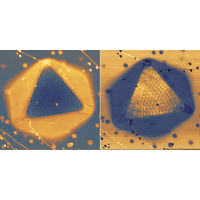
Phys. Rev. Lett. 136, 056401 (2026)
Condensed Matter and Materials
Purely Electronic Chirality without Structural Chirality
Article | Condensed Matter and Materials | 2026-02-04 05:00 EST
Takayuki Ishitobi and Kazumasa Hattori
A crystal whose arrangement of atoms lacks chirality can nevertheless host a chiral electronic state.
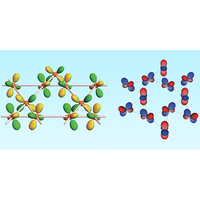
Phys. Rev. Lett. 136, 056402 (2026)
Condensed Matter and Materials
Lepton-Number Crossings are Insufficient for Flavor Instabilities
Article | Cosmology, Astrophysics, and Gravitation | 2026-02-03 05:00 EST
Damiano F. G. Fiorillo and Georg G. Raffelt
In dense neutrino environments, the mean field of flavor coherence can develop instabilities. A necessary condition is that the flavor lepton number changes sign as a function of energy and/or angle. Whether such a crossing is also sufficient has been a longstanding question. We construct an explici…
Phys. Rev. Lett. 136, 051001 (2026)
Cosmology, Astrophysics, and Gravitation
Study of the Magnetic Dipole Transition of $J/ψ→γ{η}{c}$ via ${η}{c}→p\overline{p}$
Article | Particles and Fields | 2026-02-03 05:00 EST
M. Ablikim et al. (BESIII Collaboration)
Using events collected with the BESIII detector at the BEPCII collider, we present the first amplitude analysis of with the invariant mass in the mass region . The product branching fraction is determined to be
Phys. Rev. Lett. 136, 051901 (2026)
Particles and Fields
Radial Coupling at Conical Intersection Governs Competing Fragmentation Pathways in Halomethane Cations
Article | Atomic, Molecular, and Optical Physics | 2026-02-03 05:00 EST
Yupeng Liu, Cong-Cong Jia, Peipei Ge, Min Li, Xiaoqing Hu, Keyu Guo, Wei Cao, Yong Wu, Jianguo Wang, and Peixiang Lu
Controlling selective bond cleavage in polyatomic molecules remains a fundamental challenge in photochemistry, primarily due to nonadiabatic dynamics at conical intersections. By combining time-resolved Coulomb explosion imaging with quantum wave packet simulations, we report a striking reversal in …
Phys. Rev. Lett. 136, 053201 (2026)
Atomic, Molecular, and Optical Physics
Liquid-Nitrogen-Cooled ${}^{40}{\mathrm{Ca}}^{+}$ Ion Optical Clock with a Systematic Uncertainty of $4.4×{10}^{-19}$
Article | Atomic, Molecular, and Optical Physics | 2026-02-03 05:00 EST
Bao-lin Zhang, Zi-xiao Ma, Yao Huang, Hui-li Han, Ru-ming Hu, Yu-zhuo Wang, Hua-qing Zhang, Li-yan Tang, Ting-yun Shi, Hua Guan, and Ke-lin Gao
We report a single-ion optical clock based on the transition of the ion, operated in a liquid nitrogen cryogenic environment, achieving a total systematic uncertainty of . We employ a refined temperature evaluation scheme to reduce the frequency uncertainty due to blackbod…
Phys. Rev. Lett. 136, 053202 (2026)
Atomic, Molecular, and Optical Physics
Enhancing Photon Indistinguishability of Spectrally Mismatched Single Photons by Cavity Floquet Engineering
Article | Atomic, Molecular, and Optical Physics | 2026-02-03 05:00 EST
Jia-Wang Yu, Xiao-Qing Zhou, Zhi-Bo Ni, Xiao-Tian Cheng, Yi Zhao, Hui-Hui Zhu, Chen-Hui Li, Feng Liu, and Chao-Yuan Jin
We theoretically propose a scheme to enhance the photon indistinguishability of spectrally mismatched single photons via Floquet-engineered optical frequency combs in cavity quantum electrodynamic systems. By periodically modulating two distinct single-photon states under a modulation frequency whic…
Phys. Rev. Lett. 136, 053601 (2026)
Atomic, Molecular, and Optical Physics
Spin-Selective Topological Effects without Encircling Exceptional Points
Article | Atomic, Molecular, and Optical Physics | 2026-02-03 05:00 EST
Shun Wan, Yuze Hu, Ran Huang, Shiru Song, Hui Yang, Weibao He, Siyang Hu, Ziheng Ren, Zhongyi Yu, Yunlan Zuo, Yulong Zhang, Dongsheng Yang, Xiang’ai Cheng, Franco Nori, Hui Jing, and Tian Jiang
Exceptional points (EPs), namely non-Hermitian spectral singularities, enable unconventional light-matter interactions, leading to intriguing phenomena, such as chiral mode transfer, state flip, and chiral phase accumulation. Yet considerable previous EP effects in topological photonics based on a s…
Phys. Rev. Lett. 136, 053801 (2026)
Atomic, Molecular, and Optical Physics
Angular Velocity of Kolmogorov-Scale Fibers as Proxy for Turbulent Dissipation
Article | Physics of Fluids, Earth & Planetary Science, and Climate | 2026-02-03 05:00 EST
Domenico Zaza, Vlad Giurgiu, Michele Iovieno, and Alfredo Soldati
We introduce a fiber-based method to directly measure turbulent energy dissipation. Combining original measurements of the full-body rotation--tumbling and spinning--of short, Kolmogorov-scale fibers in turbulent channel flow with direct numerical simulations using a point-fiber model, we show that th…
Phys. Rev. Lett. 136, 054001 (2026)
Physics of Fluids, Earth & Planetary Science, and Climate
Spectral Similarity Masks Structural Diversity at Hydrophobic Water Interfaces
Article | Condensed Matter and Materials | 2026-02-03 05:00 EST
Yong Wang, Yifan Li, Linhan Du, Chunyi Zhang, Lorenzo Agosta, Marcos Calegari Andrade, Annabella Selloni, and Roberto Car
The air-water and graphene-water interfaces represent quintessential examples of the liquid-gas and liquid-solid boundaries, respectively. While the sum-frequency generation (SFG) spectra of these interfaces show similarities, a consensus on their signals and interpretations has yet to be reached. L…
Phys. Rev. Lett. 136, 056202 (2026)
Condensed Matter and Materials
Enhanced Transverse Electron Transport via Disordered Composite Formation
Article | Condensed Matter and Materials | 2026-02-03 05:00 EST
Sang J. Park, Hojun Lee, Jongjun M. Lee, Jangwoo Ha, Hyun-Woo Lee, and Hyungyu Jin
Transverse electron transport in magnetic materials such as the anomalous Hall and Nernst effects holds promise for spintronic and thermoelectric applications. Efforts to enhance transverse transport have focused on finding quantum materials with large Berry curvature, skew scattering, or side jump.…
Phys. Rev. Lett. 136, 056301 (2026)
Condensed Matter and Materials
Quantum Christoffel Nonlinear Magnetization
Article | Condensed Matter and Materials | 2026-02-03 05:00 EST
Xiao-Bin Qiang, Xiaoxiong Liu, Hai-Zhou Lu, and X. C. Xie
The Christoffel symbol is an essential quantity in Einstein's general theory of relativity. We discover that an electric field can induce a nonlinear magnetization in quantum materials, described by a Christoffel symbol defined in the Hilbert space of quantum states (quantum Christoffel symbol). Qui…
Phys. Rev. Lett. 136, 056302 (2026)
Condensed Matter and Materials
Thermal Hall Conductivity of Semimetallic Graphite Dominated by Ambipolar Phonon Drag
Article | Condensed Matter and Materials | 2026-02-03 05:00 EST
Qiaochao Xiang, Xiaokang Li, Xiaodong Guo, Zengwei Zhu, and Kamran Behnia
It is now known that in addition to electrons, other quasiparticles such as phonons and magnons can also generate a thermal Hall signal. Graphite is a semimetal with extremely mobile charge carriers of both signs and a large lattice thermal conductivity. We present a study of the thermal Hall effect…
Phys. Rev. Lett. 136, 056303 (2026)
Condensed Matter and Materials
Optical Signatures of $-\frac{1}{3}$ Fractional Quantum Anomalous Hall State in Twisted ${\mathrm{MoTe}}_{2}$
Article | Condensed Matter and Materials | 2026-02-03 05:00 EST
Haiyang Pan, Shunshun Yang, Yuzhu Wang, Xiangbin Cai, Wei Wang, Yan Zhao, Kenji Watanabe, Takashi Taniguchi, Linlong Zhang, Youwen Liu, Bo Yang, and Weibo Gao
The discovery of fractional charge excitations in new platforms offers crucial insights into strongly correlated quantum phases. While a range of fractional quantum anomalous Hall (FQAH) states have recently been observed in two-dimensional twisted moire systems, the theoretically anticipated fillin…
Phys. Rev. Lett. 136, 056601 (2026)
Condensed Matter and Materials
Thermodynamic Variational Principle Unifying Gravity and Heat Flow
Article | Statistical Physics; Classical, Nonlinear, and Complex Systems | 2026-02-03 05:00 EST
Naoko Nakagawa and Shin-ichi Sasa
Predicting the stable phase configuration in a liquid-gas system becomes a fundamental challenge when the stratification favored by gravity conflicts with arrangements induced by heat flow, particularly because standard equilibrium thermodynamics is insufficient in such nonequilibrium steady states.…
Phys. Rev. Lett. 136, 057101 (2026)
Statistical Physics; Classical, Nonlinear, and Complex Systems
Physical Review X
Disclinations, Dislocations, and Emanant Flux at Dirac Criticality
Article | 2026-02-03 05:00 EST
Maissam Barkeshli, Christopher Fechisin, Zohar Komargodski, and Siwei Zhong
Topological quantization of artificial magnetic flux at lattice defects in gapless crystals provides a measurable mechanism for generating electrical currents and observing new topological invariants.
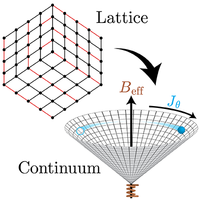
Phys. Rev. X 16, 011017 (2026)
arXiv
Topologically Protected Spatially Localized Modes: An Easy Experimental Realization of the Su–Schrieffer–Heeger Model
New Submission | Mesoscale and Nanoscale Physics (cond-mat.mes-hall) | 2026-02-04 20:00 EST
L. Q. English, A. Halchenko, F. Palmero
In this paper, we review the basic concepts of topologically protected edge modes using the Su Schrieffer Heeger (SSH) model, originally introduced to describe electrical conductivity in doped polyacetylene polymer chains. We then propose an electrical circuit that emulates this model, provide its mathematical description, and present its experimental realization. The experimental setup is described in detail, with explanations designed to be broadly accessible without much prior familiarity with lattice theory, thus offering an introduction to this active area of research. Both theoretical predictions and experimental results confirm the presence of these modes, showing very good overall agreement. Using this concrete experimental system as a motivating example, we highlight the key aspects of topological protection.
Mesoscale and Nanoscale Physics (cond-mat.mes-hall)
10 pages, 13 figures, submitted to Physica B
Nonreciprocal perfect Coulomb drag in electron-hole bilayers: coherent exciton superflow as a diode
New Submission | Mesoscale and Nanoscale Physics (cond-mat.mes-hall) | 2026-02-04 20:00 EST
Distinguishing an exciton condensate from an excitonic gas or insulator remains a fundamental challenge, as both phases feature bound electron-hole pairs but differ only by the emergence of macroscopic phase coherence. Here, we theoretically propose that a spin-orbit-coupled bilayer system can host a finite-momentum exciton condensate exhibiting a nonreciprocal perfect Coulomb drag – the coherent-exciton diode effect. This effect arises from the simultaneous breaking of inversion and time-reversal symmetries in the exciton condensate, resulting in direction-dependent critical counterflow currents. The resulting nonreciprocal perfect Coulomb drag provides a clear and unambiguous transport signature of phase-coherent exciton condensation, offering a powerful and experimentally accessible approach to identify, probe, and control exciton superfluidity in solid-state platforms.
Mesoscale and Nanoscale Physics (cond-mat.mes-hall), Strongly Correlated Electrons (cond-mat.str-el)
7 pages, 4 figures
Quantum criticality at strong randomness: a lesson from anomaly
New Submission | Disordered Systems and Neural Networks (cond-mat.dis-nn) | 2026-02-04 20:00 EST
Yasamin Panahi, Subhayan Sahu, Naren Manjunath, Chong Wang
Quantum criticality in the presence of strong quenched randomness remains a challenging topic in modern condensed matter theory. We show that the topology and anomaly associated with average symmetry can be used to predict certain nontrivial universal properties. Our focus is on systems subject to average Lieb–Schultz–Mattis constraints, where lattice translation symmetry is preserved only on average, while on-site symmetries remain exact. We argue that in the absence of spontaneous symmetry breaking, the system must exhibit critical correlations of local operators in two distinct ways: (i) for some operator $ O_e$ charged under exact symmetries, the first absolute moment correlation $ \overline{|\langle O_e(x)O^{\dagger}_e(y)\rangle|}$ decays slowly; and (ii) for some operator $ O_a$ charged under average symmetries, the first-moment correlation $ \overline{\langle O_a(x)O^{\dagger}_a(y)\rangle}$ decays slowly. We verify these predictions in a few examples: the random-singlet Heisenberg spin chain in one dimension, and the disordered free-fermion critical states in symmetry class BDI in one and two dimensions. Surprisingly, even for these well-studied systems, our anomaly-based argument reveals critical correlations overlooked in previous literature. We also discuss the experimental feasibility of measuring these critical correlations.
Disordered Systems and Neural Networks (cond-mat.dis-nn), Statistical Mechanics (cond-mat.stat-mech), Strongly Correlated Electrons (cond-mat.str-el)
5+13 pages, 8 figures
Non-Hermitian free-fermion critical systems and logarithmic conformal field theory
New Submission | Strongly Correlated Electrons (cond-mat.str-el) | 2026-02-04 20:00 EST
Iao-Fai Io, Fu-Hsiang Huang, Chang-Tse Hsieh
Conformal invariance often accompanies criticality in Hermitian systems. However, its fate in non-Hermitian settings is less clear, especially near exceptional points where the Hamiltonian becomes non-diagonalizable. Here we investigate whether a 1+1-dimensional gapless non-Hermitian system can admit a conformal description, focusing on a PT-symmetric free-fermion field theory. Working in the biorthogonal formalism, we identify the conformal structure of this theory by constructing a traceless energy-momentum tensor whose Fourier modes generate a Virasoro algebra with central charge $ c=-2$ . This yields a non-Hermitian, biorthogonal realization of a logarithmic conformal field theory, in which correlation functions exhibit logarithmic scaling and the spectrum forms Virasoro staggered modules that are characterized by universal indecomposability parameters. We further present a microscopic construction and show how the same conformal data (with finite-size corrections) can be extracted from the lattice model at exceptional-point criticality, thereby supporting the field-theory prediction.
Strongly Correlated Electrons (cond-mat.str-el), Statistical Mechanics (cond-mat.stat-mech), High Energy Physics - Theory (hep-th), Quantum Physics (quant-ph)
6+12 pages, 1 figure, 1 table
Approaching the Thermodynamic Limit with Neural-Network Quantum States
New Submission | Strongly Correlated Electrons (cond-mat.str-el) | 2026-02-04 20:00 EST
Luciano Loris Viteritti, Riccardo Rende, Subir Sachdev, Giuseppe Carleo
Accessing the thermodynamic-limit properties of strongly correlated quantum matter requires simulations on very large lattices, a regime that remains challenging for numerical methods, especially in frustrated two-dimensional systems. We introduce the Spatial Attention mechanism, a minimal and physically interpretable inductive bias for Neural-Network Quantum States, implemented as a single learned length scale within the Transformer architecture. This bias stabilizes large-scale optimization and enables access to thermodynamic-limit physics through highly accurate simulations on unprecedented system sizes within the Variational Monte Carlo framework. Applied to the spin-$ \tfrac12$ triangular-lattice Heisenberg antiferromagnet, our approach achieves state-of-the-art results on clusters of up to $ 42\times42$ sites. The ability to simulate such large systems allows controlled finite-size scaling of energies and order parameters, enabling the extraction of experimentally relevant quantities such as spin-wave velocities and uniform susceptibilities. In turn, we find extrapolated thermodynamic limit energies systematically better than those obtained with tensor-network approaches such as iPEPS. The resulting magnetization is strongly renormalized, $ M_0=0.148(1)$ (about $ 30%$ of the classical value), revealing that less accurate variational states systematically overestimate magnetic order. Analysis of the optimized wave function further suggests an intrinsically non-local sign structure, indicating that the sign problem cannot be removed by local basis transformations. We finally demonstrate the generality of the method by obtaining state-of-the-art energies for a $ J_1$ -$ J_2$ Heisenberg model on a $ 20\times20$ square lattice, outperforming Residual Convolutional Neural Networks.
Strongly Correlated Electrons (cond-mat.str-el), Disordered Systems and Neural Networks (cond-mat.dis-nn), Quantum Physics (quant-ph)
10 pages, 8 figures, 2 tables
Thermalization in classical systems with discrete phase space
New Submission | Statistical Mechanics (cond-mat.stat-mech) | 2026-02-04 20:00 EST
We study the emergence of statistical mechanics in isolated classical systems with local interactions and discrete phase spaces. We establish that thermalization in such systems does not require global ergodicity; instead, it arises from effective local ergodicity, where dynamics in a subsystem may appear pseudorandom. To corroborate that, we analyze the spectrum of the unitary evolution operator and propose an ansatz to describe statistical properties of local observables expanded in the eigenfunction basis - the classical counterpart of the Eigenstate Thermalization Hypothesis. Our framework provides a unified perspective on thermalization in classical and quantum systems with discrete spectra.
Statistical Mechanics (cond-mat.stat-mech), Chaotic Dynamics (nlin.CD), Cellular Automata and Lattice Gases (nlin.CG)
6 pages, 3 figures
Straintronics and twistronics in bilayer graphene
New Submission | Mesoscale and Nanoscale Physics (cond-mat.mes-hall) | 2026-02-04 20:00 EST
Federico Escudero, Dong Wang, Pierre A. Pantaleón, Shengjun Yuan, Francisco Guinea, Zhen Zhan
The interplay of twist and strain in bilayer graphene enables the formation of moiré patterns and narrow bands that host correlated and topological phases. While magic-angle twisted bilayer graphene has been widely studied, strain provides an additional and realistic control knob for band engineering. In this work, we first generate a global method to construct commensurate supercells for arbitrary twist and strain. Then, using atomistic tight-binding and strain-extended continuum models to study the commensurate structures, we identify configurations that minimize the bandwidth beyond the magic angle. The results reveal a strong dependence of band narrowing and topology on strain type, magnitude, direction and lattice relaxation. Particularly, shear strain produces a stronger distortion than uniaxial strain. Including electron-electron interactions through a self-consistent Hartree potential shows that strain broadens the bare bands while reducing electrostatic renormalization. Strain also drives topological transitions as the narrow and remote bands hybridize, establishing twisted and strained bilayer graphene as a tunable platform for flat-band and topological phenomena.
Mesoscale and Nanoscale Physics (cond-mat.mes-hall), Strongly Correlated Electrons (cond-mat.str-el)
19 pages, 12 figures, Federico Escudero and Dong Wang contributed equally to this paper
Dynamic Simulations of Strongly Coupled Spin Ensembles for Inferring Nature of Electronic Correlations from Nuclear Magnetic Resonance
New Submission | Strongly Correlated Electrons (cond-mat.str-el) | 2026-02-04 20:00 EST
Charles Snider, Stephen Carr, D. E. Feldman, Chandrasekhar Ramanathan, V. F. Mitrović
We develop an efficient package for the simulation of nuclear magnetic resonance spin echo experiments to study the effects of strong electronic spin correlations on the dynamics of the nuclear spin ensemble. A mean-field model is used to study correlated electronic phases through their hyperfine interaction with nuclear spins. We explore the dynamics of the interacting nuclear ensemble and discuss the key behaviors of the system. In particular, we classify the types of temporal asymmetry that the interaction induces in the system as well as a pulse-dependent shift in the spectral domain. Us- ing these results, we discuss how careful measurement of the pulse-dependent shiftcanbeusedtoextractinformationabouttheanisotropyoftheelectronic interaction and how these results represent a novel tool for the examination of exotic NMR signatures in strongly correlated materials. Finally, we re- view specific aspects of the simulation package developed for our exploration and give explicit examples where package can be used to infer range and anisotropy of electronic correlations. In particular, we discuss its structure, accuracy, and the technical merits of the various approximations used to model the nuclear spin ensemble.
Strongly Correlated Electrons (cond-mat.str-el), Quantum Physics (quant-ph)
62 pages, 14 figures
Computer Physics Communications 2026
Universal reconstructive polarimetry with graphene-metal infrared photodetectors
New Submission | Mesoscale and Nanoscale Physics (cond-mat.mes-hall) | 2026-02-04 20:00 EST
Valentin Semkin, Kirill Kapralov, Ilya Mazurenko, Mikhail Kashchenko, Alexander Morozov, Yakov Matyushkin, Dmitry Mylnikov, Denis Bandurin, Li Lin, Alexey Bocharov, Dmitry Svintsov
Measurement of light polarization has long been based on complex, bulk, and slow optical instruments. The advent of materials with in-situ variable polarization photoresponse has led to the concept of reconstructive polarimetry, where the detector itself plays the role of tunable polarizer. Materials enabling such functionality have been limited to complex van der Waals heterostructures. Here, we demonstrate the reconstructive polarimetry with infrared (IR) detectors based on simple gated graphene-metal junctions. The reconstruction exploits the gate tuning of polarization contrast, which enables the evaluation of both infrared power and polarization angle from photovoltage measurements at two sequential gate voltages. The physics enabling the polarimetry lies in polarization-dependent shift of the electron hot spot near the contact, and the gate tuning of the of light-sensitive barrier width. We further show the universality of polarization reconstruction, i.e. its feasibility with different geometries of the junction, and with graphene of different quality, from hBN-encapsulated to the scalable vapor-deposited wet-transferred samples.
Mesoscale and Nanoscale Physics (cond-mat.mes-hall), Applied Physics (physics.app-ph), Optics (physics.optics)
Single-Emitter Spectra from an Ensemble
New Submission | Mesoscale and Nanoscale Physics (cond-mat.mes-hall) | 2026-02-04 20:00 EST
Jonah R. Horowitz, Oliver J. Tye, Oliver M. Nix, Shaun Tan, Hogeun Chang, Jihyun Min, Taehyung Kim, Moungi G. Bawendi
The heterogeneity in nanoscale emitters hinders efforts to understand their basic photophysics and limits their use in practical applications. Existing methods have difficulty accurately characterizing single-emitter spectra and optical heterogeneity on a statistical scale. Here, we introduce SPICEE (SPectrally Imbalanced Correlations from Ensemble Emission), a spectrally filtered photon-correlation technique that recovers single-particle emission lineshapes from an ensemble sample. Analytical derivations, numerical modeling, and experiments on a solution ensemble of emitters validate the technique. We apply SPICEE to blue-emitting ZnSeTe semiconductor nanocrystals relevant to display applications and find that the low color purity in the ensemble spectrum is primarily caused by a small subpopulation of nanocrystals with a distinct emission mechanism. This work demonstrates that SPICEE is a powerful high-throughput tool for accurately characterizing the single-emitter properties of nanoscale systems.
Mesoscale and Nanoscale Physics (cond-mat.mes-hall), Materials Science (cond-mat.mtrl-sci), Optics (physics.optics)
10 pages in main text, 4 figures
Fractal Topology of Majorana Bound States in Superconducting Quasicrystals
New Submission | Mesoscale and Nanoscale Physics (cond-mat.mes-hall) | 2026-02-04 20:00 EST
William Caiger, Felix Flicker, Miguel-Ángel Sánchez-Martínez
Quasicrystalline order induces a fractal energy spectrum, yet its impact on topological protection remains an open fundamental question. Here, we demonstrate that the topological phase transitions characterised by the appearance of Majorana Bound States themselves have a fractal character. By extending this analysis to the full family of Sturmian words, we uncover Kitaev’s Butterfly $ -$ a spectral fractal analogous to Hofstadter’s butterfly, but fundamentally distinguished by a central superconducting gap. Within this framework, we identify Majorana’s Butterfly as a fractal topological phase diagram governed by the competition between quasicrystallinity and superconducting pairing. We show that this competition dictates a hierarchy of Majorana stability, where the survival of the topological phase against fractal fragmentation is determined by the relative strength of these competing energy scales.
Mesoscale and Nanoscale Physics (cond-mat.mes-hall)
Flow-induced bending response rheometer to measure viscoelastic bending of soft microrods
New Submission | Soft Condensed Matter (cond-mat.soft) | 2026-02-04 20:00 EST
Barrett T Smith, Michal Czerepaniak, Maciej Lisicki, Sara M Hashmi
Soft, microscale hydrogel fibers and rods play important roles in tissue engineering, flexible electronics, soft robotics, drug delivery, sensors, and other applications. Their viscoelastic mechanical properties, while critical for their function, can be challenging to characterize. We present a flow-induced bending response (FIBR) rheometer that quantifies the bending modulus and viscoelastic properties of small, hydrated fibers and rods using flow through a glass capillary. The fiber is positioned across the capillary entrance, and pressure-driven, controlled inflow of water exerts a quantifiable force on the sample. Fiber deflection is determined by video microscopy obtained simultaneously with measurements of flow rate. We develop an analytical model to resolve the hydrodynamic forces applied to the rod, and use Euler-Bernoulli beam theory to determine its material properties. Using a constant volume flow rate of water enables measurement of steady rod deflection, and thus the bending modulus. Application of viscous forces to the rod in a stepwise, cyclic or oscillatory manner enables measurement of time-dependent responses, creep recovery, viscoelastic moduli, and other properties. We demonstrate the versatility of this technique on natural and synthetic materials spanning diameters from 1 to 500 microns and elastic moduli ranging from 100 Pa to >100 MPa. Because the technique uses water to exert forces on the fiber, it works particularly well for hydrated materials, such as hydrogels and biological fibers, providing a versatile platform to characterize microscale mechanical properties of elongated structures.
Soft Condensed Matter (cond-mat.soft)
Phonon assisted absorption in Transition Metal Dichalcogenide heterostructures
New Submission | Materials Science (cond-mat.mtrl-sci) | 2026-02-04 20:00 EST
Yifan Liu, Robert Dawson, Nathaniel Gabor, Vivek Aji
The coupling of atomic vibrations to electronic excitations - traditionally understood to be a source of energy loss in semiconductors - has recently been explored in photosynthetic light harvesting as a means to circumvent dissipation by harnessing quantum vibronic coherence. Motivated by recent photocurrent measurements of vibronic sidebands in WSe$ _2$ /MoSe$ _2$ optoelectronic devices, we present a nonperturbative theoretical framework for phonon-assisted absorption in van der Waals heterostructures. Using a polaron transformation, a closed-form expression for the optical absorption spectrum at arbitrary temperatures is presented. Our model includes both intraband and interband electron–phonon coupling. Detailed analysis shows that the observed periodic sidebands originate from the strong coupling between interlayer excitons and nearly dispersionless optical phonon modes. Comparing two limiting cases - one involving only intraband couplings, and another incorporating coherent interband processes - we show that interband phonon-assisted transitions are needed to account for the observed data. Beyond enabling the direct estimation of vibronic coupling strengths from spectroscopic data, these findings have profound consequences for our understanding of optical and optoelectronic responses: coherent interband coupling of atomic vibrations to excitons is essential to quantifying photoresponse in transition metal dichalcogenide heterostructures.
Materials Science (cond-mat.mtrl-sci)
Revealing Short- and Long-range Li-ion diffusion in Li$_2$MnO$_3$ from finite-temperature dynamical mean field theory
New Submission | Materials Science (cond-mat.mtrl-sci) | 2026-02-04 20:00 EST
Alex Taekyung Lee, Kristin A. Persson, Anh T. Ngo
Li$ _2$ MnO$ _3$ remains a crucial component of the Li-excess layered cathode family, $ (1-x),\mathrm{LiMO_2} + x,\mathrm{Li_2MnO_3}$ ($ M$ = Mn, Ni, Co, \dots), but its role in limiting Li-ion mobility remains under debate. Here we combine DFT+$ U$ , finite-temperature DMFT with a continuous-time quantum Monte Carlo impurity solver, and nudged-elastic-band (NEB) calculations to investigate Li$ ^+$ migration for a single Li vacancy in paramagnetic Li$ _2$ MnO$ _3$ . Dynamical electronic correlations within DMFT substantially reduce the activation energies of the lowest-barrier pathways, yielding $ E_a = 0.18$ eV for the shortest-range Li jump and $ E_a = 0.50$ eV for the next-lowest pathway. The 0.18 eV barrier quantitatively reproduces the short-range activation energy extracted from $ \mu^+$ SR measurements, whereas the 0.50 eV barrier is consistent with the long-range transport activation energy obtained from ac-impedance measurements. This single-vacancy, paramagnetic DMFT description therefore provides a coherent explanation of both local and macroscopic probes without requiring highly clustered vacancy configurations or strong extrinsic disorder, an assumption compatible with nearly stoichiometric Li$ _2$ MnO$ _3$ powders. Our results highlight the importance of finite-temperature dynamical correlations for Li-ion migration in correlated oxides and provide a framework for incorporating strong Coulomb interactions in future studies of transition-metal oxide battery materials.
Materials Science (cond-mat.mtrl-sci), Strongly Correlated Electrons (cond-mat.str-el)
8 pages, 6 figures
CVD Grown Hybrid MoSe$_2$-WSe$_2$ Lateral/Vertical Heterostructures with Strong Interlayer Exciton Emission
New Submission | Materials Science (cond-mat.mtrl-sci) | 2026-02-04 20:00 EST
Md Tarik Hossain, Sai Shradha, Axel Printschler, Julian Picker, Luc F. Oswald, Julian Fuehrer, Nicole Engel, Honey J. Shah, Christof Neumann, Daria I. Markina, Moritz Quincke, Johannes Biskupek, Kenji Watanabe, Takashi Taniguchi, Ute Kaiser, Bernhard Urbaszek, Andrey Turchanin
Lateral heterostructures of 2D transition metal dichalcogenide offer a powerful platform to investigate photonic and electronic phenomena at atomically sharp interfaces. However, their controlled engineering, including tuning lateral domain size and integration into vertical van der Waals heterostructures with other 2D materials, remains challenging. Here, we present a facile route for the synthesis of two types of heterostructures consisting of monolayers of MoSe$ _2$ and WSe$ _2$ - purely lateral (HS I) and hybrid lateral/vertical (HS II) - using liquid precursors of transition metal salts and chemical vapor deposition (CVD). Depending on the growth parameters, the heterostructure type and their lateral dimensions can be adjusted. We characterized properties of the HS I and HS II by complementary spectroscopic and microscopic techniques including Raman and photoluminescence spectroscopy, and optical and atomic force microscopy, and scanning electron and transmission electron microscopy. The photoluminescence measurements reveal strong interlayer exciton emission in the MoSe$ _2$ /WSe$ _2$ region of HS II, which dominates the spectrum at 4 K and persisting up to room temperature. These results demonstrate high optical quality of the grown heterostructures which in combination with scalability of the developed approach paves the way for fundamental studies and device applications based on these unique 2D quantum materials.
Materials Science (cond-mat.mtrl-sci), Mesoscale and Nanoscale Physics (cond-mat.mes-hall)
Dynamical Effective Hamiltonian Approach to Second-Harmonic Generation in Quantum Magnets: Application to NiI$_2$
New Submission | Strongly Correlated Electrons (cond-mat.str-el) | 2026-02-04 20:00 EST
Banasree S. Mou, Stephen M. Winter
Although second harmonic generation (SHG) is a promising and widely used method recently for studying 2D magnetic materials, the quantitative analysis of the full SHG tensor is currently challenging. In this letter, we describe a first-principles-based approach towards quantitative analysis of SHG in insulating magnets through formulation in terms of dynamical effective operators. These operators are computed by solving local many-body cluster models. We benchmark this method on NiI$ _2$ , a multiferroic 2D van der Waals antiferromagnet, demonstrating quantitative analysis of reported Rotational Anisotropy (RA)-SHG data. SHG is demonstrated to probe local ring-current susceptibilities, which provide sensitivity to short-range chiral spin-spin correlations. The described methods may be easily extended to other non-linear optical responses and materials.
Strongly Correlated Electrons (cond-mat.str-el)
4 figures
Origin of donor compensation in monoclinic (Al$x$Ga${1{\rm -}x})_2$O$_3$ alloys
New Submission | Materials Science (cond-mat.mtrl-sci) | 2026-02-04 20:00 EST
Sierra Seacat, Hartwin Peelaers
(Al$ _x$ Ga$ _{1{\rm -}x})_2$ O$ _3$ alloys are frequently used in heterostructures with monoclinic Ga$ _2$ O$ _3$ , resulting in a large conduction-band offset, which leads to charge carrier confinement, a property that is desirable for device applications. However, when (Al$ _x$ Ga$ _{1{\rm -}x})_2$ O$ _3$ alloys are $ n$ -type doped with Si, the most efficient shallow donor, there is a significant reduction in the number of charge carriers when the Al content of the alloys is greater than 26%, rendering intentional doping ineffective. Here we show that this compensation is due to cation vacancies forming in response to donor doping. We use hybrid density functional theory to study cation vacancies in monoclinic AlGaO$ _3$ and monoclinic Al$ _2$ O$ _3$ . We find that vacancies prefer to occupy split-vacancy configurations, similar to vacancies in Ga$ _2$ O$ _3$ . Furthermore, by comparing the formation energy of the vacancy with the formation energy of Si donors, we show that vacancies are lower in energy than Si donors, independent of the Fermi level, as soon as the alloys contain more than 16% Al. Therefore, cation vacancies will compensate the donor doping, explaining experimental observations.
Materials Science (cond-mat.mtrl-sci)
Switching Characteristics of Electrically Connected Stochastically Actuated Magnetic Tunnel Junction Nanopillars
New Submission | Mesoscale and Nanoscale Physics (cond-mat.mes-hall) | 2026-02-04 20:00 EST
Dairong Chen, Ahmed Sidi El Valli, Jonathan Z. Sun, Flaviano Morone, Dries Sels, Andrew D. Kent
We investigate the stochastic dynamics of nanoscale perpendicular magnetic tunnel junctions (pMTJs) and the correlations that arise when they are electrically coupled. Individual junctions exhibit thermally activated spin-transfer torque switching with transition probabilities that are well described by a Poisson process. When two junctions are connected in parallel, circuit-mediated redistribution of voltages that occurs in real time as the junction resistances change leads to correlated switching behavior. A minimal stochastic model based on single-junction statistical switching properties and Kirchhoff’s laws captures the coupled switching probabilities, while a Markov-chain formalism describes nonequilibrium steady states under multi-pulse driving. Further, these circuit-mediated interactions can be mapped onto the parameters of an Ising Hamiltonian, providing an interpretation in terms of effective spin-spin interactions. Our results demonstrate how simple electrical connections can generate Ising-like couplings and tunable stochastic dynamics in nanoscale magnets.
Mesoscale and Nanoscale Physics (cond-mat.mes-hall), Applied Physics (physics.app-ph)
12 pages, 7 figures
Quantum phase transition in transverse-field Ising model on Sierpiński gasket lattice
New Submission | Statistical Mechanics (cond-mat.stat-mech) | 2026-02-04 20:00 EST
Tymoteusz Braciszewski, Oliwier Urbański, Piotr Tomczak
We study quantum phase transition in the transverse-field Ising model on the Sierpiński gasket. By applying finite-size scaling and numerical renormalization group methods, we determine the critical coupling and the exponents that describe this transition. We first checked our finite-size scaling and the renormalization methods on the exactly solvable one-dimensional chain, where we recovered proper values of critical couplings and exponents. Then, we applied the method to the Sierpiński gasket with 11 and 15 spins. We found a quantum critical point at $ \lambda_c \approx 2.72$ to $ 2.93$ , with critical exponents $ z\approx0.84$ , $ \nu \approx 1.12 $ , $ \beta \approx 0.30$ , and $ \gamma \approx 2.54$ . The lower dynamical exponent $ z$ indicates that quantum fluctuations slow down due to fractal geometry, yielding an effective critical dimension of about 2.43. The numerical renormalization group method yielded similar results $ \lambda_c = 2.765$ , $ \beta = 0.306$ , supporting our findings. These exponents differ from those in both the one-dimensional and mean-field cases.
Statistical Mechanics (cond-mat.stat-mech), Quantum Physics (quant-ph)
Automated Spin Readout Signal Analysis Using U-Net with Variable-Length Traces and Experimental Noise
New Submission | Mesoscale and Nanoscale Physics (cond-mat.mes-hall) | 2026-02-04 20:00 EST
Yui Muto, Motoya Shinozaki, Hideaki Yuta, Tatsuo Tsuzuki, Kotaro Taga, Akira Oiwa, Takafumi Fujita, Tomohiro Otsuka
Single-shot spin-state discrimination is essential for semiconductor spin qubits, but conventional threshold-based analysis of spin readout traces becomes unreliable under noisy conditions. Although recent neural-network-based methods improve robustness against experimental noise, they are sensitive to training conditions, restricted to fixed-length inputs, and limited to trace-level outputs without explicit temporal localization of transition events. In this work, we apply a U-Net architecture to spin readout signal analysis by formulating transition-event detection as a point-wise segmentation task in one-dimensional time-series data. The fully convolutional structure enables direct processing of variable-length traces. Point-wise and sample-wise evaluations demonstrate low readout error rates and high classification accuracy without retraining. The proposed method generalizes well to previously-unseen trace lengths and experimental non-Gaussian noise, outperforming a conventional threshold-based approach and providing a robust and practical solution for automated spin readout signal analysis.
Mesoscale and Nanoscale Physics (cond-mat.mes-hall)
24 pages, 7 figures
Electric field control of multiple switching regimes in a multiferroic
New Submission | Materials Science (cond-mat.mtrl-sci) | 2026-02-04 20:00 EST
M. Ryzhkov, A. Granero, J. Wettstein, Anna Pimenov, X. Wang, L. Ponet, S.-W. Cheong, M. Mostovoy, Andrei Pimenov, S. Artyukhin
Controlling magnetic moments by electric fields has been an everlasting goal for fundamental research. Achieving such control promises to substantially improve the efficiency of data storage and processing devices. A peculiar magnetoelectric behavior recently demonstrated in multiferroic \GdMn showing a switching through a cycle of four states when the magnetic field is ramped up and down through a critical field. Here we show that an external electric field can direct such switching to follow a predetermined sequence of magnetic states. By tuning electric and magnetic fields, large changes in the magnetic state can be achieved by relatively small external field variations. The material thus presents an exciting pradigm of an electrically controlled single crystal magnetic data storage device.
Materials Science (cond-mat.mtrl-sci)
18 pages, 7 figures, 1 table
Effect of magnetic field on whirling-anti-whirling order in icosahedral-quasicrystal approximant
New Submission | Strongly Correlated Electrons (cond-mat.str-el) | 2026-02-04 20:00 EST
Shinji Watanabe, Tatsuya Iwasaki
Recent neutron measurement in the icosahedral quasicrystal approximant Au-SM-Tb (SM=Al, Ga) has revealed unique noncollinear magnetic order ``whirling-anti-whirling states’’. Here, we report theoretical analysis on the magnetic-field-direction dependence on the whirling-anti-whirling order in the 1/1 approximant crystal. By performing exact-diagonalization calculation for the effective model taking into account the uniaxial magnetic anisotropy arising from the crystalline electric field, we show the metamagnetic transition takes place simultaneously with the topological transition under the magnetic field along the (111) direction. After the metamagnetic transition, the emergent fictious magnetic field induced by the chirality of noncoplanar magnetic moments appears, the analysis of which concludes that the topological Hall effect is expected to be observed in the electrical conductivity $ \sigma_{xy}$ and $ \sigma_{yz}$ for the applied field direction from (111) to (001).
Strongly Correlated Electrons (cond-mat.str-el), Materials Science (cond-mat.mtrl-sci)
7 pages, 3 figures
Journal of Physics: Conference Series 3161 (2026) 012001
Violation of local equilibrium thermodynamics in one-dimensional Hamiltonian-Potts model
New Submission | Statistical Mechanics (cond-mat.stat-mech) | 2026-02-04 20:00 EST
Hitomi Endo, Michikazu Kobayashi
We investigate non-equilibrium phase coexistence associated with a first-order phase transition by numerically studying a one-dimensional Hamiltonian-Potts model with fractional spatial derivatives. The fractional derivative is introduced so as to reproduce the low-wavenumber density of states of the standard two-dimensional model, allowing phase coexistence to occur in a minimal one-dimensional setting under steady heat conduction. By imposing a constant heat flux through boundary heat baths, we observe stable coexistence of ordered and disordered phases separated by a stationary interface. We find that the temperature at the interface systematically deviates from the equilibrium transition temperature, demonstrating a clear violation of the local equilibrium description. This deviation indicates that equilibrium metastable states can be stabilized and controlled by a steady heat current. Furthermore, the interface temperature obtained in our simulations is in quantitative agreement with the prediction of global thermodynamics for non-equilibrium steady states. These results confirm that the breakdown of local equilibrium and the stabilization of metastable states are intrinsic features of non-equilibrium first-order phase transitions, independent of spatial dimensionality. Our study thus provides a minimal and controlled numerical model for exploring the fundamental limits of thermodynamic descriptions in non-equilibrium steady states.
Statistical Mechanics (cond-mat.stat-mech)
Ferroelectric dynamic-field-driven nucleation and growth model for predictive materials-to-circuit co-design
New Submission | Materials Science (cond-mat.mtrl-sci) | 2026-02-04 20:00 EST
Yi Liang, Tony Chiang, Megan K. Lenox, John J. Plombon, Jon F. Ihlefeld, Wenhao Sun, John T. Heron
Real ferroelectric devices operate under mixed and distorted time-varying voltages, yet the standard nucleation-growth frameworks used to interpret ferroelectric switching – most notably the Kolmogorov-Avrami-Ishibashi (KAI) and nucleation-limited switching models (NLS) – are derived under the critically limiting assumption of a constant electric field. Thus, the prevailing interpretation of ferroelectric switching dynamics fails under real operating conditions. Here we introduce a compact dynamic-field-driven nucleation and growth (DFNG) model that enables quantitative fits to switching transients across multiple ferroelectric materials to extract time-varying domain wall velocity and growth dimensionality, even under arbitrary voltage waveform. This capability then motivates its use in device modeling under complex signals spanning disparate time and frequency scales. Coupling the compact model to application-related waveforms facilitates a predictive materials-circuit co-design framework by linking nucleation and growth parameters to memory window, disturb error, speed, and energy dissipation for next-generation ferroelectric technologies.
Materials Science (cond-mat.mtrl-sci)
Tuning current flow in superconducting thin film strips by control wires. Applications to single photon detectors and diodes
New Submission | Superconductivity (cond-mat.supr-con) | 2026-02-04 20:00 EST
It is shown that integration of a thin film superconducting strip with current-carrying control wires enables one to engineer a profile of supercurrent density $ J(x)$ with no current crowding at the edges of a strip wider than the magnetic Pearl length $ \Lambda$ . Moreover, $ J(x)$ in a strip can be tuned by control wires to produce an inverted $ J(x)$ profile with dips at the edges to mitigate current crowding at lithographic defects and block premature penetration of vortices. These conclusions are corroborated by calculations of $ J(x)$ in a thin strip coupled inductively with side control wires or in bilayer strip structures by solving the London and Ginzburg Landau equations in the thin film Pearl limit. Thermally-activated penetration of vortices from the edges and unbinding of vortex-antivortex pairs in inverted $ J(x)$ profiles are evaluated. It is shown that these structures can be used to develop single-photon strip detectors much wider than $ \Lambda$ . Such detectors can be tuned {\it in situ} by varying current in control wires to reach the ultimate photon sensitivity limited by unbinding of vortex-antivortex pairs. The structures considered here also exhibit a non-reciprocal current response and behave as superconducting diodes.
Superconductivity (cond-mat.supr-con)
Physics-inspired transformer quantum states via latent imaginary-time evolution
New Submission | Disordered Systems and Neural Networks (cond-mat.dis-nn) | 2026-02-04 20:00 EST
Kimihiro Yamazaki, Itsushi Sakata, Takuya Konishi, Yoshinobu Kawahara
Neural quantum states (NQS) are powerful ansätze in the variational Monte Carlo framework, yet their architectures are often treated as black boxes. We propose a physically transparent framework in which NQS are treated as neural approximations to latent imaginary-time evolution. This viewpoint suggests that standard Transformer-based NQS (TQS) architectures correspond to physically unmotivated effective Hamiltonians dependent on imaginary time in a latent space. Building on this interpretation, we introduce physics-inspired transformer quantum states (PITQS), which enforce a static effective Hamiltonian by sharing weights across layers and improve propagation accuracy via Trotter-Suzuki decompositions without increasing the number of variational parameters. For the frustrated $ J_1$ -$ J_2$ Heisenberg model, our ansätze achieve accuracies comparable to or exceeding state-of-the-art TQS while using substantially fewer variational parameters. This study demonstrates that reinterpreting the deep network structure as a latent cooling process enables a more physically grounded, systematic, and compact design, thereby bridging the gap between black-box expressivity and physically transparent construction.
Disordered Systems and Neural Networks (cond-mat.dis-nn), Machine Learning (cs.LG), Quantum Physics (quant-ph)
Electron chirality and hydrodynamic helicity: Analysis in the atomic limit
New Submission | Materials Science (cond-mat.mtrl-sci) | 2026-02-04 20:00 EST
Tatsuya Miki, Yuta Kakinuma, Masato Senami, Masahiro Fukuda, Michi-To Suzuki, Hiroaki Ikeda, Shintaro Hoshino
Electron chirality has been proposed as a microscopic quantity that characterizes electronic handedness, yet its underlying control parameter has not been clearly identified. Furthermore, its applicability is limited to systems with spin-orbit coupling, which motivates the need for alternative measures of chirality. In this work, we explore two complementary measures of chirality: electron chirality and hydrodynamic helicity. By analyzing a minimal atomic model under chiral crystal fields, we clarify how the interplay among crystal fields, spin-orbit coupling, and electron correlation gives rise to non-zero values of chirality measures. Although electron chirality increases with both spin-orbit coupling and chiral crystal field strength, the dependence on these two factors is highly non-trivial. Particularly, when the chiral crystal field is varied continuously and the energy levels approach quasidegenerate points, the electron chirality is insensitive to spin-orbit coupling, resulting in a remarkable enhancement of chirality. In contrast, the hydrodynamic helicity, defined as a two-body pseudoscalar quantity, remains non-zero even without spin-orbit coupling, originating from electron-electron interactions. Perturbative analysis reveals distinct symmetry selection rules governing the two quantities. Our results provide fundamental insight into the origin of chiralities in electronic systems.
Materials Science (cond-mat.mtrl-sci)
17 pages, 15 figures
Tuning interactions between static-field-shielded polar molecules with microwaves
New Submission | Quantum Gases (cond-mat.quant-gas) | 2026-02-04 20:00 EST
Christopher J. Ho, Joy Dutta, Bijit Mukherjee, Jeremy M. Hutson, Michael R. Tarbutt
The ability to tune interparticle interactions is one of the main advantages of using ultracold quantum gases for quantum simulation of many-body physics. Current experiments with ultracold polar molecules employ shielding with microwave or static electric fields to prevent destructive collisional losses. The interaction potential of microwave-shielded molecules can be tuned by using microwaves of two different polarisations, while for static-field-shielded molecules the tunability of interactions is more limited and depends on the particular species. In this work, we propose a general method to tune the interactions between static-field-shielded molecules by applying a microwave field. We carry out coupled-channel scattering calculations in a field-dressed basis set to determine loss rate coefficients and scattering lengths. We find that both the s-wave scattering length and the dipole length can be widely tuned by changing the parameters of the microwave field, while maintaining strong suppression of lossy collisions.
Quantum Gases (cond-mat.quant-gas), Atomic Physics (physics.atom-ph), Quantum Physics (quant-ph)
5 pages, 4 figures
Single crystal growth and properties of Au- and Ge-substituted EuPd$_2$Si$_2$
New Submission | Strongly Correlated Electrons (cond-mat.str-el) | 2026-02-04 20:00 EST
Michelle Ocker, Robert Möller, Marius Peters, Franziska Walther, Vivien Kirschall, Dominik C. Hezel, Michael Merz, Christo Guguschev, Cornelius Krellner, Kristin Kliemt
We report on the single crystal growth of Eu(Pd$ _{1-x}$ Au$ _x$ )$ _2$ Si$ _2$ , $ 0< x\leq 0.2$ , from a levitating Eu-rich melt using the Czochralski method. Our structural analysis of the samples confirms the ThCr$ _2$ Si$ 2$ -type structure as well as an increase of the room temperature $ a$ and $ c$ lattice parameters with increasing $ x$ . Chemical analysis reveals that, depending on the Au concentration, only about 25-35% of the amount of Au available in the initial melt is incorporated into the crystal structure, resulting in a decreasing substitution level for increasing $ x$ . Through Au substitution, chemical pressure is applied and large changes in valence crossover temperatures are already observed for low substitution levels $ x$ . In contrast to previous studies, we do not find any signs of a first-order transition in samples with $ x{\rm nom}=0.1$ or AFM order for higher $ x$ . Furthermore, we observe the formation of quarternary side phases for a higher amount of Au in the melt.
In addition, cubic-mm-sized single crystals of EuPd$ _2$ (Si$ _{1-x}$ Ge$ _x$ )$ 2$ with $ x{\rm nom}=0.2$ were grown. The analysis of the X-ray fluorescence revealed that the crystals exhibit a slight variation in the Ge content. Such tiny compositional changes can cause changes in the sample properties concerning variations of the crossover temperature or changes of the type of the transition from crossover to magnetic order. Furthermore, we report on a new orthorhombic phase EuPd$ _{1.42}$ Si$ _{1.27}$ Ge$ _{0.31}$ that orders antiferromagnetically below $ 17,\rm K$ .
Strongly Correlated Electrons (cond-mat.str-el)
Robust Interlayer Exciton Interplay in Twisted van der Waals Heterotrilayer on a Broadband Bragg Reflector up to Room Temperature
New Submission | Mesoscale and Nanoscale Physics (cond-mat.mes-hall) | 2026-02-04 20:00 EST
Bhabani Sankar Sahoo, Shachi Machchhar, Avijit Barua, Martin Podhorský, Seth Ariel Tongay, Takashi Taniguchi, Kenji Watanabe, Chirag Chandrakant Palekar, Stephan Reitzenstein
We report robust room temperature interlayer excitons in transition metal dichalcogenide heterostructures engineered via precise stacking orientation and twist-angle control. We integrate 2H-stacked MoSe$ _{2}$ /$ ^{1}$ WSe$ _{2}$ /$ ^{2}$ WSe$ _{2}$ heterotrilayer onto a chirped distributed Bragg reflector that acts as a backside mirror. This way, we fabricate a platform that hosts distinct heterotrilayer, heterobilayer, and homobilayer regions with enhanced excitonic features at elevated temperatures. Although the heterobilayer supports temperature-tunable singlet and triplet interlayer excitons, it exhibits low emission yield at 4 K. In comparison, the heterotrilayer shows remarkable excitonic properties, including pronounced band modulation, intervalley interlayer exciton transitions, and a tenfold photoluminescence enhancement along with a sevenfold increase in exciton decay time at cryogenic temperatures compared to the heterobilayer system. Temperature-dependent studies reveal intriguing interlayer exciton dynamics in the heterotrilayer, including the emergence of valley-polarized interlayer excitons, and the ability to maintain optical stability up to room temperature. Our results establish a clear strategy for engineering excitonic states across multilayer van der Waals heterostructures from 4 K to room temperature, providing a versatile platform for excitonic optoelectronics, quantum photonics, and tunable long-lived interlayer exciton states in scalable TMD heterostructures.
Mesoscale and Nanoscale Physics (cond-mat.mes-hall)
Direct nanoscale mapping of band alignment in single-layer semiconducting lateral heterojunctions
New Submission | Mesoscale and Nanoscale Physics (cond-mat.mes-hall) | 2026-02-04 20:00 EST
Chakradhar Sahoo, Suman Kumar Chakraborty, A. Kousika, Alfred J. H. Jones, Manas Sharma, Thomas S. Nielsen, Zhihao Jiang, Ihsan A. Kolasseri, Subhadip Das, Matthew D. Watson, Cephise Cacho, Kenji Watanabe, Takashi Taniguchi, Yong P. Chen, Tony F. Heinz, Ananth Govind Rajan, Prasana K. Sahoo, Søren Ulstrup
Atomic-scale control over band alignment in single-layer lateral heterostructures (LHSs) of dissimilar transition metal dichalcogenides (TMDCs) is critical for nextgeneration electronic, optoelectronic, and quantum technologies. However, direct experimental access to interfacial electronic states with nanometer precision remains a significant challenge. Here, we employ angle-resolved photoemission spectroscopy with nanoscale spatial resolution (nanoARPES) to directly map the epitaxial alignment and valence band evolution across MoSe2-WSe2 LHSs. By combining nanoARPES with spatially resolved photoluminescence, we correlate the evolution of the valence band maximum and exciton features across both atomically sharp and compositionally graded diffusive interfaces. We identified type-II band alignments governed by both material composition and interstitial-induced modifications of band offsets, in close agreement with density functional theory calculations. These results reveal fundamental mechanisms of electronic structure modulation at 1D TMDC heterointerfaces and provide a robust platform for tailored band engineering in van der Waals materials.
Mesoscale and Nanoscale Physics (cond-mat.mes-hall)
Thermal conductivity in noncollinear magnets
New Submission | Strongly Correlated Electrons (cond-mat.str-el) | 2026-02-04 20:00 EST
Margherita Parodi, Sergey Artyukhin
Magnetic memory and logic devices, including prospective ones based on skyrmions, inevitably produce heat. Thus, controlling heat flow is essential for their performance. Here we study how non-collinear spin arrangement affects the magnon contribution to thermal conductivity. As a paradigm system, we consider the most basic non-collinear magnet with a spin spiral ground state. Spin noncollinearity leads to anharmonic terms, resulting in magnon fusion and decay processes. These processes determine the magnon lifetime, which can be used to estimate thermal conductivity in a single-mode approximation. However, by solving the full Boltzmann equation numerically, we find a much higher thermal conductivity. This signifies that heat is carried not by individual magnons but by their linear combinations – relaxons. The thermal conductivity is found to increase with the diminishing spiral pitch, consistent with recent experiments. The results provide the blueprint for calculating magnetic thermal transport in non-collinear magnets.
Strongly Correlated Electrons (cond-mat.str-el)
8 pages, 2 figures
Accelerating Complex Materials Discovery with Universal Machine-Learning Potential-Driven Structure Prediction
New Submission | Materials Science (cond-mat.mtrl-sci) | 2026-02-04 20:00 EST
Universal machine-learning interatomic potentials (uMLIPs) have become powerful tools for accelerating computational materials discovery by replacing expensive first-principles calculations in crystal structure prediction (CSP). However, their effectiveness in identifying new, complex materials remains uncertain. Here, we systematically assess the capability of a uMLIP (i.e.,M3GNet) to accelerate CSP in quaternary oxides. Through extensive exploration of the Sr-Li-Al-O and Ba-Y-Al-O systems, we show that uMLIP can rediscover experimentally known materials absent from its training set and identify seven new thermodynamically and dynamically stable compounds. These include a new polymorph of Sr2LiAlO4 (P3221) and a new disordered phase, Sr2Li4Al2O7 (P1_bar). Furthermore, our results show stability predictions based on the semilocal PBE functional require cross-validation with higher-level methods, such as SCAN and RPA, to ensure reliability. While uMLIPs substantially reduce the computational cost of CSP, the primary bottleneck has shifted to the efficiency of search algorithms in navigating complex structural spaces. This work highlights both the promise and current limitations of uMLIP-driven CSP in the discovery of new materials.
Materials Science (cond-mat.mtrl-sci), Chemical Physics (physics.chem-ph)
Materials Today Energy, 54, 102059 (2025)
Single-Atom Adsorption on h-BN along the Periodic Table of Elements: From Pristine Surface to Vacancy-Engineered Sites
New Submission | Materials Science (cond-mat.mtrl-sci) | 2026-02-04 20:00 EST
Ana S. Dobrota (1), Natalia V. Skorodumova (2), Igor A. Pašti (1 and 3) ((1) University of Belgrade - Faculty of Physical Chemistry, Belgrade, Serbia, (2) Applied Physics, Division of Materials Science, Department of Engineering Sciences and Mathematics, Luleå University of Technology, Luleå, Sweden, (3) Serbian Academy of Sciences and Arts, Belgrade, Serbia)
The adsorption of single atoms on pristine and defected hexagonal boron nitride (h-BN) was systematically investigated using density functional theory. Elements from the first three rows of the periodic table, together with selected transition and coinage metals, were examined on the pristine surface and at boron- and nitrogen-vacancy sites. On pristine h-BN, adsorption is generally weak and dominated by dispersion forces, with measurable chemisorption limited to highly electronegative atoms such as C, O, and F. The introduction of vacancies transforms h-BN into a chemically active material, increasing adsorption energies by one to two orders of magnitude. The boron vacancy strongly stabilizes metallic and electropositive species through coordination to undercoordinated nitrogen atoms, whereas the nitrogen vacancy selectively binds electronegative and covalent adsorbates. Scaling of adsorption energies with elemental cohesive energies distinguishes regimes of physisorption, chemisorption, and substitutional stabilization. These insights provide a unified description of adsorption trends across the periodic table and establish defect engineering as an effective strategy for tailoring the catalytic, sensing, and electronic properties of h-BN.
Materials Science (cond-mat.mtrl-sci)
18 pages, 17 figures, 3 tables, includes supplementary information (9 pages)
Solving models with generalized free fermions I: Algebras and eigenstates
New Submission | Statistical Mechanics (cond-mat.stat-mech) | 2026-02-04 20:00 EST
Kohei Fukai, Balázs Pozsgay, István Vona
We study quantum spin chains solvable via hidden free fermionic structures. We study the algebras behind such models, establishing connections to the mathematical literature of the so-called graph-Clifford'' or quasi-Clifford’’ algebras. We also introduce the defining representation'' for such algebras, and show that this representation actually coincides with the terms of the Hamiltonian in two relevant models: the XY model and the free fermions in disguise’’ model of Fendley. Afterwards we study a particular anti-symmetric combination of commuting Hamiltonians; this is performed in a model independent way. We show that for this combination there exists a reference state, and few body eigenstates can be created by the fermionic operators. Concrete application is presented in the case of the ``free fermions in disguise’’ model.
Statistical Mechanics (cond-mat.stat-mech), Exactly Solvable and Integrable Systems (nlin.SI)
Acceleration of Atomistic NEGF: Algorithms, Parallelization, and Machine Learning
New Submission | Materials Science (cond-mat.mtrl-sci) | 2026-02-04 20:00 EST
Mathieu Luisier, Nicolas Vetsch, Alexander Maeder, Vincent Maillou, Anders Winka, Leonard Deuschle, Chen Hao Xia, Manasa Kaniselvan, Marko Mladenovic, Jiang Cao, Alexandros Nikolaos Ziogas
The Non-equilibrium Green’s function (NEGF) formalism is a particularly powerful method to simulate the quantum transport properties of nanoscale devices such as transistors, photo-diodes, or memory cells, in the ballistic limit of transport or in the presence of various scattering sources such as electronphonon, electron-photon, or even electron-electron interactions. The inclusion of all these mechanisms has been first demonstrated in small systems, composed of a few atoms, before being scaled up to larger structures made of thousands of atoms. Also, the accuracy of the models has kept improving, from empirical to fully ab-initio ones, e.g., density functional theory (DFT). This paper summarizes key (algorithmic) achievements that have allowed us to bring DFT+NEGF simulations closer to the dimensions and functionality of realistic systems. The possibility of leveraging graph neural networks and machine learning to speed up ab-initio device simulations is discussed as well.
Materials Science (cond-mat.mtrl-sci), Machine Learning (cs.LG)
Nanoscale spin-wave frequency-selective limiter for 5G technology
New Submission | Other Condensed Matter (cond-mat.other) | 2026-02-04 20:00 EST
Kristýna Davídková, Khrystyna Levchenko, Florian Bruckner, Roman Verba, Fabian Majcen, Qi Wang, Morris Lindner, Carsten Dubs, Vincent Vlaminck, Jan Klíma, Michal Urbánek, Dieter Suess, Andrii Chumak
Power limiters are essential devices in modern radio frequency (RF) communications systems to protect highly sensitive input channels from large incoming signals. Nowadays-used semiconductor limiters suffer from high electronic noise and switching delays when approaching the GHz range, which is crucial for the modern generation of 5G communication technologies aiming to operate at the EU 5G high band (24.25-27.5 GHz). The proposed solution is to use ferrite-based Frequency Selective Limiters (FSLs), which maintain their efficiency at high GHz frequencies, although they have only been studied at the macroscale so far. In this study, we demonstrate a proof of concept of nanoscale FSLs. The devices are based on spin-wave transmission affected by four-magnon scattering phenomena in a 97-nm-thin Yttrium Iron Garnet (YIG) film. Spin waves were excited and detected using coplanar waveguide (CPW) transducers of the smallest feature size of 250 nm. The FSLs are tested in the frequency range up to 25 GHz, and the key parameters are extracted (power threshold, power limiting level, insertion losses, bandwidth) for different spin-wave modes and transducer lengths. An analytical theory has been formulated to describe the fundamental physical processes, and a numerical model has been developed to quantitatively describe the insertion losses and power characteristics of the FSLs. Additionally, the perspective of the spin-wave devices is discussed, including the possibility of simultaneously integrating three devices into one: a frequency-selective limiter, an RF filter, and a delay line, allowing for more efficient use of space and energy.
Other Condensed Matter (cond-mat.other), Applied Physics (physics.app-ph)
15 pages, 7 figures
Phys. Rev. Applied 23, 034026, 2025
Emergent 3D Fermiology and Magnetism in an Intercalated Van der Waals System
New Submission | Materials Science (cond-mat.mtrl-sci) | 2026-02-04 20:00 EST
Luigi Camerano, Emanuel A. Martínez, Victor Porée, Laura Martella, Dario Mastrippolito, Debora Pierucci, Franco D’Orazio, Polina M. Sheverdyaeva, Paolo Moras, Enrico Della Valle, Tianlun Yu, Moritz Hoesch, Craig M. Polley, Thiagarajan Balasubramanian, Alessandro Nicolaou, Luca Ottaviano, Vladimir N. Strocov, Gianni Profeta, Federico Bisti
Intercalation of magnetic atoms into van der Waals materials provides a versatile platform for tailoring unconventional magnetic properties. However, its impact on electronic dimensionality and exchange mechanisms remains poorly understood. Using Fe-intercalated TaS$ _2$ as a model system, we combine X-ray absorption and resonant inelastic scattering with angle-resolved photoemission and first-principles calculations to reveal that intercalation reshapes the host electronic structure. We identify a spin-polarized intercalant-host hybridized band with pronounced out-of-plane dispersion crossing the Fermi level, providing an itinerant channel for interlayer magnetic exchange. This mechanism explains the breakdown of a purely atomic picture and establishes a direct link between lattice geometry, electronic dispersion, and magnetic order. Our findings demonstrate that intercalant-induced itinerancy enables tunable interlayer coupling in otherwise layered magnets, offering a general microscopic framework for engineering magnetic dimensionality in a broad class of intercalated vdW materials.
Materials Science (cond-mat.mtrl-sci), Strongly Correlated Electrons (cond-mat.str-el)
11 pages + SI
Design of a 60.8 K superconducting hydride LiMgZr2H12 at ambient pressure via Lithium doping
New Submission | Superconductivity (cond-mat.supr-con) | 2026-02-04 20:00 EST
Qun Wei, Xinyu Wang, Jing Luo, Meiguang Zhang, Bing Wei
High-pressure hydrogen-rich compounds have long been regarded as promising room-temperature superconductor candidates; however, their practical applications are limited by their reliance on extreme compression. This study explores hydrogen-rich superconductors that may be stable at ambient pressures. Inspired by recent investigations of the MgZrH2n family, the LiMgZr2H12 structure with a Pmmm symmetry was constructed, and its thermodynamic, mechanical, and dynamical stability were evaluated using first-principles calculations. Electron-phonon coupling (EPC) analysis suggests that LiMgZr2H12 reaches a superconducting critical temperature (Tc) of 60.8 K at ambient pressure. Compared with MgZrH6, Li doping significantly increases the contribution of hydrogen atoms to the electron density of states near the Fermi level (EF) and enhances the EPC constant of the LiMgZr2H12 structure. LiMgZr2H12 exhibits a superconducting figure of merit of 1.56, which is significantly greater than that of MgZrH6, demonstrating its outstanding potential for practical applications. This work guides ambient-pressure design of high-Tc hydrides.
Superconductivity (cond-mat.supr-con)
Skyrmions in 2D chiral magnets with noncollinear ground states stabilized by higher-order interactions
New Submission | Materials Science (cond-mat.mtrl-sci) | 2026-02-04 20:00 EST
Mathews Benny, Moinak Ghosh, Moritz A. Goerzen, Bjarne Beyer, Hendrik Schrautzer, Stefan Heinze, Souvik Paul
Magnetic skyrmions are intriguing topological spin textures that have attracted great attention due to their potential for future spintronic devices. Skyrmions have so far been explored in different magnetic materials, such as ferromagnets, antiferromagnets, and ferrimagnets. Here, we propose a new type of unconventional skyrmions stabilized in noncollinear magnets. Using first-principles calculations and atomistic spin simulations, we demonstrate that a noncollinear ground state can be stabilized in Rh/Co and Pd/Co atomic bilayers on the Re(0001) surface by four spin exchange interactions, although Co – a material often used in applications – is a prototypical ferromagnet with strong pairwise exchange interaction. We further show that unconventional skyrmion lattices and isolated skyrmions can emerge on this noncollinear magnetic background. Transition-state theory calculations reveal that these metastable skyrmions are protected by large energy barriers, suggesting that they could be observed in experiments. These unconventional types of skyrmions in noncollinear magnets might open new possibilities for topological spin transport or magnet-superconductor hybrid systems.
Materials Science (cond-mat.mtrl-sci)
Long-range spin glass in a field at zero temperature
New Submission | Disordered Systems and Neural Networks (cond-mat.dis-nn) | 2026-02-04 20:00 EST
Maria Chiara Angelini, Saverio Palazzi, Giorgio Parisi, Tommaso Rizzo
We compute the critical exponents of the zero-temperature spin glass transition in a field on a one-dimensional long-range model, a proxy for higher-dimensional systems. Our approach is based on a novel loop expansion within the Bethe $ M$ -layer formalism, whose adaptation to this specific case is detailed here. The resulting estimates provide crucial benchmarks for numerical simulations that can access larger system sizes in one dimension, thus offering a key test of the theory of spin glasses in a field.
Disordered Systems and Neural Networks (cond-mat.dis-nn), Statistical Mechanics (cond-mat.stat-mech)
Towards Polyoxometalate Nanoelectronics
New Submission | Mesoscale and Nanoscale Physics (cond-mat.mes-hall) | 2026-02-04 20:00 EST
Dominique Vuillaume, Anna Proust
Polyoxometalates form a large family of molecular oxide clusters of the early transition metals with unique and tunable properties (multi-redox, thermal and chemical robustness, magnetic). We review more than 30 years of experimental research on the electron transport properties of polyoxometalates devices, from thin films and self-assembled monolayers down to single-molecule junctions. We focus on the relationship between the polyoxometalate structures (structural type, nature of metals and heteroatoms, role of the counterions, redox states, electrode linkers and functional ligands) and the electronic structures of the polyoxometalate-based devices (energy positions of the molecular orbitals, energy offset at the interfaces). Then, we critically discuss the performances of polyoxometalates in nanoelectronics devices: capacitance and resistive switching memories, spintronics, quantum bits and neuromorphic devices. We conclude with a discussion about pending issues and perspectives.
Mesoscale and Nanoscale Physics (cond-mat.mes-hall)
Dynamic similarity of vortex shedding in a superfluid flowing past a penetrable obstacle
New Submission | Quantum Gases (cond-mat.quant-gas) | 2026-02-04 20:00 EST
We numerically investigate wake dynamics in a superfluid flowing past a penetrable obstacle. Unlike an impenetrable object, a penetrable obstacle does not fully deplete the density. We define an effective diameter D_eff from the Mach-1 contour of the time-averaged irrotational flow around the obstacle, which delineates the local supersonic region where quantized vortices nucleate. Using this flow-defined length scale, we construct a superfluid Reynolds number Re_s = (v0 minus vc) times D_eff divided by (hbar over m), where v0 is the flow speed, vc is the critical velocity, and m is the particle mass. We show that Re_s organizes the wake dynamics across obstacle sizes and strengths: the transition from dipole-row emission to alternating vortex cluster shedding occurs at Re_s around 2, and both the Strouhal number and the drag coefficient collapse onto universal curves when plotted as functions of Re_s. These results extend the concept of dynamic similarity in superfluid flows to penetrable obstacles and demonstrate that the dynamically relevant length scale is determined by the supersonic region rather than by the geometric obstacle size.
Quantum Gases (cond-mat.quant-gas), Fluid Dynamics (physics.flu-dyn)
Topology and energy dependence of Majorana bound states in a photonic cavity
New Submission | Mesoscale and Nanoscale Physics (cond-mat.mes-hall) | 2026-02-04 20:00 EST
Aksel Kobiałka, Arnob Kumar Ghosh, Rodrigo Arouca, Annica M. Black-Schaffer
Light-matter interaction plays a crucial role in modifying the properties of quantum materials. In this work, we investigate the effect of cavity induced photon fields on a topological superconductor hosting Majorana bound states (MBS). We model the system using a Peierls substitution of the photonic operator in the kinetic and spin-orbit terms, and utilize an exact diagonalization of Hamiltonian for a finite number of photons to investigate the coupled system. We find that the MBS persist even in the presence of a cavity field and notably appear at finite and tunable energy, in contrast to a usual 1D topological superconductor. The MBS energy is shifted by two processes: the cavity photon energy adds a constant energy shift, while the light-matter interaction induces additional parameter dependencies, such that the MBS experience a pseudo-dispersion as a function of both light-matter interaction and magnetic field. Additionally, we find that the MBS energy oscillations are suppressed with increasing light-matter interaction and that disorder stability is not impacted by the light-matter interaction. Combined, these offer additional tunability and stability of the MBS. As a second result, we establish a modified spectral localizer formalism as an essential tool for topological characterization of quantum matter in a cavity. The spectral localizer allows characterization at arbitrary energies, which is needed for probing different photon sectors. However, hybridization between different photon sectors in the low-frequency regime limits a straightforward application of a standard spectral localizer. We fully resolve this issue by judiciously applying an energy shift to the spectral localizer. Our work thus introduces a new avenue for controlling MBS via light-matter coupling and provides a framework for exploring cavity-modified topologies.
Mesoscale and Nanoscale Physics (cond-mat.mes-hall), Superconductivity (cond-mat.supr-con)
19 pages, 14 figures
Fluctuations of the inverted magnetic state and how to sense them
New Submission | Mesoscale and Nanoscale Physics (cond-mat.mes-hall) | 2026-02-04 20:00 EST
Anna-Luisa E. Römling, Artim L. Bassant, Rembert A. Duine
Magnons are the low-energy excitations of magnetically ordered materials. While the magnetic moment of a ferromagnet aligns with an applied magnetic field, it has been experimentally shown that the magnetic order can be inverted by injecting spin current into the magnet. This results in an energetically unstable but dynamically stabilized state where the magnetic moment aligns antiparallel to an applied magnetic field, called the inverted magnetic state. The excitations on top of such a state have negative energy and are called antimagnons. The inverted state is subject to fluctuations, in particular, as shot noise in the spin current, which are different from fluctuations in equilibrium, especially at low temperatures. Here, we theoretically study the fluctuations of the inverted magnetic state and their signatures in experimental setups. We find that the fluctuations from the injection of spin current play a large role. In the quantum regime, the inverted magnetic state exhibits larger fluctuations compared to the equilibrium position, which can be probed using a qubit. Our results advance the understanding of the fundamental properties of antimagnons and their experimental controllability, and they pave the way for applications in spintronics and magnonics, such as spin wave amplification and entanglement.
Mesoscale and Nanoscale Physics (cond-mat.mes-hall), Quantum Physics (quant-ph)
11 pages, 5 figures
Unconventional superconductivity from lattice quantum disorder
New Submission | Superconductivity (cond-mat.supr-con) | 2026-02-04 20:00 EST
Yu-Cheng Zhu, Jia-Xi Zeng, Xin-Zheng Li
Unconventional superconductivity presents a defining and enduring challenge in condensed matter physics. Prevailing theoretical frameworks have predominantly emphasized electronic degrees of freedom, largely neglecting the rich physics inherent in the lattice. Although conventional phonon theory offers an elegant description of structural phase diagrams and lattice dynamics, its omission of nuclear quantum many-body effects results in misleading phase diagram interpretations and, consequently, an unsound foundation for superconducting theory. Here, by incorporating nuclear quantum many-body effects within first-principles calculations, we discover a lattice quantum disordered phase in superconductors H3S and La3Ni2O7. This phase occupies a triangular region in the pressure-temperature phase diagram, whose left boundary aligns precisely with Tc of the left flank of the superconducting dome. The Tcmax of this quantum disordered phase coincides with the maximum of superconducting Tc, indicating this phase as both the origin of superconductivity on the dome’s left flank and a key ingredient of its pairing mechanism. Our findings advance the understanding of high-temperature superconductivity and establish the lattice quantum disordered phase as a unifying framework, both for predicting new superconductors and for elucidating phenomena in a broader context of condensed matter physics.
Superconductivity (cond-mat.supr-con)
Quantum Christoffel Nonlinear Magnetization
New Submission | Mesoscale and Nanoscale Physics (cond-mat.mes-hall) | 2026-02-04 20:00 EST
Xiao-Bin Qiang, Xiaoxiong Liu, Hai-Zhou Lu, X. C. Xie
The Christoffel symbol is an essential quantity in Einstein’s general theory of relativity. We discover that an electric field can induce a nonlinear magnetization in quantum materials, described by a Christoffel symbol defined in the Hilbert space of quantum states (quantum Christoffel symbol). Quite different from the previous scenarios, this orbital magnetization does not need spin-orbit coupling and inversion symmetry breaking. Through symmetry analysis and first-principles calculations, we identify a number of point groups and 2D material candidates (e.g., BiF$ _3$ , ZnI$ _2$ , and Ru$ _4$ Se$ _5$ ) that host this quantum Christoffel nonlinear magnetization. More importantly, this nonlinear magnetization allows the quantum Christoffel symbol to be probed by optical techniques such as magneto-optical Kerr spectroscopy or transport measurements such as tunneling magneto-resistance. This quantum Christoffel nonlinear magnetization gives a paradigm of how geometry dictates physics.
Mesoscale and Nanoscale Physics (cond-mat.mes-hall)
9 pages, 3 figures
Phys. Rev. Lett. 136, 056302 (2026)
Calculating Feynman diagrams with matrix product states
New Submission | Strongly Correlated Electrons (cond-mat.str-el) | 2026-02-04 20:00 EST
This text reviews, hopefully in a pedagogical manner, a series of work on the automatic calculations of Feynman diagrams in the context of quantum nanoelectronics (Keldysh formalism) with an application to the Kondo effect in the out-of-equilibrium single impurity Anderson model. It includes a discussion of (A) how to deal with the proliferation of diagrams, (B) how to calculate them using the Tensor Cross Interpolation algorithm instead of Monte-Carlo and (C) how to resum the obtained series. These notes correspond to a lecture given at the Autumn School on Correlated Electrons 2025 in Jullich, Germany. The book with all the lectures of the school (edited by Eva Pavarini, Erik Koch, Alexander Lichtenstein, and Dieter Vollhardt) is available in open access.
Strongly Correlated Electrons (cond-mat.str-el), High Energy Physics - Theory (hep-th)
27 pages, 16 figures. arXiv admin note: text overlap with arXiv:2601.03035
Evidence for Many-Body States in NiPS$_3$ Revealed by Angle-Resolved Photoelectron Spectroscopy
New Submission | Strongly Correlated Electrons (cond-mat.str-el) | 2026-02-04 20:00 EST
Miłosz Rybak, Benjamin Pestka, Biplab Bhattacharyya, Jeff Strasdas, Adam K. Budniak, Adi Harchol, Vitaliy Feyer, Iulia Cojocariu, Daniel Baranowski, Efrat Lifshitz, Markus Morgenstern, Magdalena Birowska, Krzysztof Wohlfeld
We present $ \mu$ -ARPES spectra of the Mott-insulating van der Waals antiferromagnet NiPS$ _3$ . Signatures of strong correlations- such as the onset of atomic or atomic-ligand multiplets and spin-orbit-entangled exciton have been observed in this material by various two-particle spectroscopies, but not previously in photoemission. Our measurements reveal a weakly dispersive feature at the valence-band edge that is absent in DFT+$ U$ calculations and remains unchanged across the Néel transition. After critically examining and ruling out alternative interpretations, we show that an exact diagonalization of a NiS$ _6$ cluster yields low-energy final-state configurations of mixed multiplet $ d^7$ and $ d^8\underline{L}$ character, whose energy differences are consistent with the observed additional feature. This implies that ARPES directly accesses local Ni-S multiplet physics in NiPS$ _3$ , revealing a many-body structure beyond mean-field theory. Our results confirm that NiPS$ _3$ is an excellent model platform in which strong correlations, reduced dimensionality, and covalent metal-ligand bonding jointly shape both two- and single-particle spectroscopies, underscoring the need for a genuinely quantum many-body description of two-dimensional quantum materials.
Strongly Correlated Electrons (cond-mat.str-el), Materials Science (cond-mat.mtrl-sci)
22 pages, 13 figures
Probing quantum geometric nonlinear magnetization via second-harmonic magneto-optical Kerr effect
New Submission | Mesoscale and Nanoscale Physics (cond-mat.mes-hall) | 2026-02-04 20:00 EST
Xuan Qian, Xiao-Bin Qiang, Wenkai Zhu, Yuqing Huang, Yiyuan Chen, Hai-Zhou Lu, Yang Ji, Kaiyou Wang
Quantum geometry provides an intrinsic framework for characterizing the geometric structure of quantum states. It highlights its relevance to various aspects of fundamental physics. However, its direct implications for magnetic phenomena remain largely unexplored. Here, we report the observation of electric-field-induced nonlinear magnetization in the nonmagnetic semimetal WTe$ _2$ by using a second-harmonic magneto-optical Kerr effect (SMOKE) spectroscopy. We observe a robust nonlinear SMOKE signal that scales quadratically with current and persists up to 200 K. Theoretical modeling and scaling analysis indicate that this nonlinear magnetization is dominated by the orbital contribution and is intrinsically linked to the quantum Christoffel symbol. Just as the Christoffel symbol is a fundamental quantity encoding spacetime geometry in Einstein’s general relativity, our work establishes a direct link between quantum geometry and nonlinear magnetization, and provides a geometric perspective for designing future orbitronic devices.
Mesoscale and Nanoscale Physics (cond-mat.mes-hall)
8 pages, 4 figures
Phys. Rev. B 113, L041407 (2026)
Ab initio Phase Diagram of Ta2O5
New Submission | Materials Science (cond-mat.mtrl-sci) | 2026-02-04 20:00 EST
Yan Gong, Huimin Tang, Yong Yang, Yoshiyuki Kawazoe
Tantalum pentoxide (Ta2O5) is a polymorphic wide-bandgap semiconductor with outstanding dielectric properties and widespread use in optical and electronic technologies. Its rich structural diversity, arising from multiple polymorphs accessible under different synthesis conditions, has made Ta2O5 a long-standing subject of interest. However, a unified understanding of the thermodynamic stability and phase transitions of its polymorphs across pressure-temperature (P-T) space has remained elusive. Here, using first-principles calculations, we map the thermodynamic landscape of Ta2O5 and establish a comprehensive P-T phase diagram together with a phase-stability hierarchy. We find that Gamma-Ta2O5 and B-Ta2O5 dominate the phase diagram over a broad range of P-T conditions: Gamma-Ta2O5 is stabilized at low pressures, while B-Ta2O5 becomes thermodynamically favored at higher pressures up to ~ 60 GPa, beyond which Y-Ta2O5 emerges as the most stable phase. Crucially, nuclear quantum effects (NQEs) are shown to play a significant role in determining relative phase stability, contributing substantially to the Gibbs free energy and altering phase boundaries. A re-entrant phase transition between Gamma and B-Ta2O5 is predicted near ~ 2 GPa, revealing unexpected complexity in the phase behavior of this oxide. More generally, we identify a characteristic temperature (T_0), at which zero-point and thermal phonon contributions to the free energy become comparable, and show that T_0 is approximately one-third of the Debye temperature. This relationship provides a simple, physically transparent criterion for assessing the importance of NQEs in phase stability, with implications extending beyond Ta2O5 to a broad class of complex oxides.
Materials Science (cond-mat.mtrl-sci)
30 pages, 9 figures 4 tables
Resolving Quantum Criticality in the Honeycomb Hubbard Model
New Submission | Strongly Correlated Electrons (cond-mat.str-el) | 2026-02-04 20:00 EST
Fo-Hong Wang, Fanjie Sun, Chenghao He, Xiao Yan Xu
The interplay between Dirac fermions and electronic correlations on the honeycomb lattice hosts a fundamental quantum phase transition from a semimetal to a Mott insulator, governed by the Gross-Neveu-Heisenberg (GNH) universality class. Despite its importance, consensus on the precise critical exponents remains elusive due to severe finite-size effects in numerical simulations and the lack of conformal bootstrap benchmarks. Here we try to resolve this long-standing controversy by performing projector determinant quantum Monte Carlo (QMC) simulations on lattices of unprecedented size, reaching 10,368 sites. By developing a novel projected submatrix update algorithm, we achieve a significant algorithmic speedup that enables us to access the thermodynamic limit with high precision. We observe that the fermion anomalous dimension and the correlation length exponent converge rapidly, while the boson anomalous dimension exhibits a systematic size dependence that we resolve via linear extrapolation. To validate our analysis, we perform parallel large-scale simulations of the spinless $ t$ -$ V$ model on the honeycomb lattice, which belongs to the Gross-Neveu-Ising class. Our results for the $ t$ -$ V$ model, including the first QMC determination of the fermion anomalous dimension, show agreement with conformal bootstrap predictions, thereby corroborating the robustness of our methodology. Our work provides state-of-the-art critical exponents for the honeycomb Hubbard model and establishes a systematic finite-size scaling workflow applicable to a broad class of strongly correlated quantum systems, paving the way for resolving other challenging fermionic quantum critical phenomena.
Strongly Correlated Electrons (cond-mat.str-el), Statistical Mechanics (cond-mat.stat-mech), High Energy Physics - Lattice (hep-lat)
12+20 pages, 6+16 figures
Orbital-selective Mottness Driven by Geometric Frustration of Interorbital Hybridization in Pr4Ni3O10
New Submission | Strongly Correlated Electrons (cond-mat.str-el) | 2026-02-04 20:00 EST
Yidian Li, Mingxin Zhang, Xian Du, Cuiying Pei, Jieyi Liu, Houke Chen, Wenxuan Zhao, Kaiyi Zhai, Yinqi Hu, Senyao Zhang, Jiawei Shao, Mingxin Mao, Yantao Cao, Jinkui Zhao, Zhengtai Li, Dawei Shen, Yaobo Huang, Makoto Hashimoto, Donghui Lu, Zhongkai Liu, Yulin Chen, Hanjie Guo, Yilin Wang, Yanpeng Qi, Lexian Yang
The interplay among orbital-selective Mott physics, Hund’s coupling, tunable structural motifs, and Kondo-like scattering establishes a compelling paradigm for understanding and engineering correlated multi-orbital systems, as vividly exemplified by nickelate superconductors. Here, using high-resolution angle-resolved photoemission spectroscopy combined with theoretical calculations, we systematically investigate the electronic properties of trilayer nickelates. In La4Ni3O10, we observe pronounced interorbital hybridization, whereas in Pr4Ni3O10, the flat d_(z^2 ) band becomes markedly incoherent and diminishes in spectral weight. By contrast, the dispersive d_(x^2-y^2 ) bands retain coherence in both compounds. This striking incoherence/coherence dichotomy identifies an orbital-selective Mott phase modulated by the interlayer Ni-O-Ni bonding angle. The depletion of the d_(z^2 ) orbitals further frustrates the interorbital hybridization and influences the density-wave transition in Pr4Ni3O10. Moreover, the density-wave gap is substantially reduced in Pr4Ni3O10, likely due to extra scattering channels provided by the local moments of Pr3+ cations. Our findings elucidate the intricate interplay among lattice, orbital, spin, and electronic degrees of freedom and reveal a feasible structural control parameter for the multi-orbital correlated state in trilayer nickelates, which provide a concrete framework for understanding the emergence of superconductivity under high pressure.
Strongly Correlated Electrons (cond-mat.str-el), Superconductivity (cond-mat.supr-con)
Role of magnon-magnon interaction in optical excitation of coherent two-magnon modes
New Submission | Materials Science (cond-mat.mtrl-sci) | 2026-02-04 20:00 EST
E.A. Arkhipova, A. E. Fedianin, I.A. Eliseyev, R.M. Dubrovin, P.P. Syrnikov, V.Yu. Davydov, A.M. Kalashnikova
Two-magnon modes are terahertz-frequency magnetic excitations in antiferromagnets, governed by exchange interactions and involving magnons from the entire Brillouin zone. The ability to couple to light promotes two-magnon modes as contenders for ultrafast optical manipulation of the magnetic state, beyond conventional zone-center magnonics. While magnon-magnon interactions are known to critically shape the two-magnon line in spontaneous Raman scattering spectra, their role in coherent time-domain excitations remains unexplored. We report a detailed experimental and theoretical study of the influence of magnon-magnon interactions on coherent two-magnon modes in a cubic antiferromagnet excited via Impulsive Stimulated Raman scattering. We reveal the nontrivial evolution of coherent magnetic dynamics in the time domain and the corresponding spectrum and compare it with the spontaneous Raman scattering spectrum. By extending the spin-correlations based theory for two-magnon modes, we derive a unified description of their spectra in Raman Scattering and Impulsive Stimulated Raman Scattering and highlight the role of magnon-magnon interactions.
Materials Science (cond-mat.mtrl-sci), Strongly Correlated Electrons (cond-mat.str-el)
7 pages, 4 figures
Stochastic Dynamics of Diffusive Memristor Blocks for Neuromorphic Computing
New Submission | Mesoscale and Nanoscale Physics (cond-mat.mes-hall) | 2026-02-04 20:00 EST
Wendy Otieno, Alex Gabbitas, Debi Pattnaik, Pavel Borisov, Sergey Savel’ev, Alexander G. Balanov
Biological systems use neural circuits to integrate input information and produce outputs. Synaptic convergence, where multiple neurons converge their inputs onto a single downstream neuron, is common in natural neural circuits. However, understanding specific computations performed by such neural blocks and implementating them in hardware requires further research. This work focuses on synaptic convergence in a simplified circuit of three spiking artificial neurons based on diffusive memristors. Numerical modelling and experiments reveal input voltage combinations that enable targeted activation of spiking for specific neuron configurations. We analyse the statistical characteristics of spiking patterns and interpret them from a computational perspective. The numerical simulations match experimental measurements. Our findings contribute to development of universal functional blocks for neuromorphic systems.
Mesoscale and Nanoscale Physics (cond-mat.mes-hall), Applied Physics (physics.app-ph)
11 pages, 7 figures
Emergence of magnetic excitations in one-dimensional quantum mixtures under confinement
New Submission | Quantum Gases (cond-mat.quant-gas) | 2026-02-04 20:00 EST
Pablo Capuzzi, Patrizia Vignolo, Anna Minguzzi, Silvia Musolino
We obtain an exact solution for the spectral function for one-dimensional Bose-Bose and Fermi- Fermi mixtures with strong repulsive interactions, valid in arbitrary confining potentials and at all frequency scales. For the case of harmonic confinement we show that, on top of the ladder structure of the density excitations imposed by the external confinement, spin excitations emerge as sideband peaks, with dispersion related to the one of ferromagnetic or antiferromagnetic spin chains and a width fundamentally larger for fermionic mixtures than for bosonic ones, as determined by the different symmetry of spin excited states. The observation of spin excitation branches can provide a univocal probe of interaction-induced magnetism in ultracold atoms.
Quantum Gases (cond-mat.quant-gas)
11 pages, 4 figures
Machine Learning Modeling of Charge-Density-Wave Recovery After Laser Melting
New Submission | Strongly Correlated Electrons (cond-mat.str-el) | 2026-02-04 20:00 EST
Sankha Subhra Bakshi, Yunhao Fan, Gia-Wei Chern
We investigate the nonequilibrium dynamics of a laser-pumped two-dimensional spinless Holstein model within a semiclassical framework, focusing on the melting and recovery of long-range charge-density-wave order. Accurately describing this process requires fully nonadiabatic electron-lattice dynamics, which is computationally demanding due to the need to resolve fast electronic motion over long time scales. By analyzing the structure of the lattice force during nonequilibrium evolution, we show that the force naturally separates into a smooth quasi-adiabatic component and a residual bath-like contribution associated with fast electronic fluctuations. The quasi-adiabatic component depends only on the instantaneous local lattice configuration and can be efficiently learned using machine-learning techniques, while a minimal Langevin description of the bath term captures the essential features of the recovery dynamics. Combining these elements enables efficient and scalable simulations of long-time nonequilibrium dynamics on large lattices, providing a practical route to access driven correlated systems beyond the reach of direct nonadiabatic approaches.
Strongly Correlated Electrons (cond-mat.str-el)
12 pages, 6 figures
Stochastic Thermodynamics of Quantum-Induced Stochastic Dynamics
New Submission | Statistical Mechanics (cond-mat.stat-mech) | 2026-02-04 20:00 EST
Quantum-Induced Stochastic Dynamics arises from the coupling between a classical system and a quantum environment. Unlike standard thermal reservoirs, this environment acts as a dynamic bath, capable of simultaneously exchanging heat and performing work. We formulate a thermodynamic framework for this semi-classical regime, defining heat, work, and entropy production. We derive a modified Second Law that accounts for non-equilibrium quantum features, such as squeezing. The framework is exemplified by an optomechanical setup, where we characterize the thermodynamics of the non-stationary noise induced by the cavity field.
Statistical Mechanics (cond-mat.stat-mech), Quantum Physics (quant-ph)
12 pages, 3 appendix
Ultrastable 2D glasses and packings explained by local centrosymmetry
New Submission | Soft Condensed Matter (cond-mat.soft) | 2026-02-04 20:00 EST
Using the most recent numerical data by Bolton-Lum \emph{et al.} [Phys. Rev. Lett. 136, 058201 (2026)], we demonstrate that ideal ultrastable glasses in the athermal limit (or ultrastable ideal 2D disk packings) possess a remarkably high degree of local centrosymmetry. In particular, we find that the inversion-symmetry order parameter for local force transmission introduced in Milkus and Zaccone, [Phys. Rev. 93, 094204 (2016)], is as high as $ F_{IS}= 0.93546$ , to be compared with $ F_{IS}=1$ for perfect centrosymmetric crystals free of defects, and with $ F_{IS} \sim 0.3-0.5$ for standard random packings. This observation provides a clear, natural explanation for the ultra-high shear modulus of ideal packings and ideal glasses, because the high centrosymmetry prevents non-affine relaxations which decrease the shear modulus. The same mechanism explains the absence of boson peak-like soft vibrational modes. These results also confirm what was found previous work, i.e. that the bond-orientational order parameter is a very poor correlator for the vibrational and mechanical
Soft Condensed Matter (cond-mat.soft), Disordered Systems and Neural Networks (cond-mat.dis-nn), Materials Science (cond-mat.mtrl-sci), Statistical Mechanics (cond-mat.stat-mech), Computational Physics (physics.comp-ph)
Spin and Charge Conductivity in the Square Lattice Fermi-Hubbard Model
New Submission | Strongly Correlated Electrons (cond-mat.str-el) | 2026-02-04 20:00 EST
Dynamical properties are notoriously difficult to compute in numerical treatments of the Fermi-Hubbard model, especially in two spatial dimensions. However, they are essential in providing us with insight into some of the most important and less well-understood phases of the model, such as the pseudogap and strange metal phases at relatively high temperatures, or unconventional superconductivity at lower temperatures, away from the commensurate filling. Here, we use the numerical linked-cluster expansions to compute spin and charge optical conductivities of the model at different temperatures and strong interaction strengths via the exact real-time-dependent correlation functions of the current operators. We mitigate systematic errors associated with having a limited access to the long-time behavior of the correlators by introducing fits and allowing for non-zero Drude weights when appropriate. We compare our results to available data from optical lattice experiments and find that the Drude contributions can account for the theory-experiment gap in the DC spin conductivity of the model at half filling in the strong-coupling region. Our method helps paint a more complete picture of the conductivity in the two-dimensional Hubbard model and opens the door to studying dynamical properties of quantum lattice models in the thermodynamic limit.
Strongly Correlated Electrons (cond-mat.str-el), Quantum Gases (cond-mat.quant-gas)
11 pages, 11 figures
Polytype-Dependent Upconversion Photoluminescence in 3R-MoS2
New Submission | Materials Science (cond-mat.mtrl-sci) | 2026-02-04 20:00 EST
Omri Meron, Idan Kizel, Dror Hershkovitz, Youngki Yeo, Nirmal Roy, Wei Cao, Moshe Ben Shalom, Haim Suchowski
Ferroelectric van der Waals materials offer switchable polarization states, yet optical readout of their stacking configurations remains challenging. Building on the resonant exciton-exciton annihilation (EEA) mechanism in 2H-phase TMDs, we report the first observation of upconversion photoluminescence (UPL) in rhombohedral MoS2 and demonstrate that this many-body process is strongly polytype-dependent. Using low-temperature spectroscopy, we observe anti-Stokes emission with superlinear power dependence. Beyond serving as a layer-number sensor, UPL provides a sensitive probe of stacking order. Trilayer ABA and BAB polytypes, indistinguishable by surface potential measurements and second harmonic generation, exhibit markedly different UPL intensities, and this persists in thicker samples. First-principles calculations attribute this polytype dependence to modulation of the Gamma-point conduction manifold, which controls energy-matching conditions for the annihilation process. Power-dependent spectroscopy further disentangles two distinct annihilation channels originating from different dark exciton valleys, identified through their contrasting intensity scaling and opposite density-induced energy shifts. Crucially, the annihilation process doubles the energy separation of nearly degenerate dark excitons while converting their weak emission into bright signal, providing experimental access to valley-specific responses that are obscured in direct dark-exciton spectroscopy. Our findings demonstrate that ferroelectric configurations provide a new degree of freedom for controlling nonlinear optical processes, with implications for all-optical ferroelectric readout and electrically switchable wavelength conversion in two-dimensional materials.
Materials Science (cond-mat.mtrl-sci)
Structures and proximity effects of inhomogeneous population-imbalanced Fermi gases with pairing interactions
New Submission | Quantum Gases (cond-mat.quant-gas) | 2026-02-04 20:00 EST
Bishal Parajuli, Devin J. Gagnon, Chih-Chun Chien
By introducing spatially varying profiles of pairing interaction or spin polarization to quasi one-dimensional two-component atomic Fermi gases confined in box potentials, we analyze the ground state structures and properties when multiple phases coexist in real space by implementing the Bogoliubov–de~Gennes equation suitable for describing inhomogeneous fermion systems. While the BCS, Fulde–Ferrell–Larkin–Ovchinnikov (FFLO), and normal phases occupy different regions on the phase diagram when the parameters are uniform, a spatial change of pairing strength or spin polarization can drive the system from the FFLO phase to a normal gas or from a BCS superfluid to the FFLO phase in real space. The FFLO phase exhibits its signature modulating order parameter at the FFLO momentum due to population imbalance, and the pair correlation penetrates the polarized normal phase and exhibits proximity effects. Meanwhile, the BCS phase tends to repel population imbalance and maintain a plateau of pairing. Interestingly, a buffer FFLO phase emerges when the spatial change attempts to join the BCS and normal phase in the presence of spin polarization. By analyzing the pairing correlations, interfacial properties, and momentum-space spectra of the inhomogeneous structures, relevant length- and momentum- scales and their interplay are characterized. We also briefly discuss implications of inhomogeneous multi-phase atomic Fermi gases with population imbalance.
Quantum Gases (cond-mat.quant-gas), Superconductivity (cond-mat.supr-con), Quantum Physics (quant-ph)
13 pages, 7 figures, submitted
The Mpemba effect in the Descartes protocol: A time-delayed Newton’s law of cooling approach
New Submission | Statistical Mechanics (cond-mat.stat-mech) | 2026-02-04 20:00 EST
We investigate the direct and inverse Mpemba effects within the framework of the time-delayed Newton’s law of cooling by introducing and analyzing the Descartes protocol, a three-reservoir thermal scheme in which each sample undergoes a single-step quench at different times. This protocol enables a transparent separation of the roles of the delay time $ \tau$ , the waiting time $ t_{\text{w}}$ , and the normalized warm temperature $ \omega$ , thus providing a flexible setting to characterize anomalous thermal relaxation. For instantaneous quenches, exact conditions for the existence of the Mpemba effect are obtained as bounds on $ \omega$ for given $ \tau$ and $ t_{\text{w}}$ . Within those bounds, the effect becomes maximal at a specific value $ \omega=\widetilde{\omega}(t_{\text{w}})$ , and its magnitude is quantified by the extremal value of the temperature-difference function at this optimum. Accurate and compact approximations for both $ \widetilde{\omega}(t_{\text{w}})$ and the maximal magnitude $ \text{Mp}(t_{\text{w}})$ are derived, showing in particular that the absolute maximum at fixed $ \tau$ is reached for $ t_{\text{w}}=\tau$ . A comparison with a previously studied two-reservoir protocol reveals that, despite its additional control parameter, the Descartes protocol yields a smaller maximal magnitude of the effect. The analysis is extended to finite-rate quenches, where strict equality of bath conditions prevents a genuine Mpemba effect, although an approximate one survives when the bath time scale is sufficiently short. The developed framework offers a unified and analytically tractable approach that can be readily applied to other multi-step thermal protocols.
Statistical Mechanics (cond-mat.stat-mech), Materials Science (cond-mat.mtrl-sci), Soft Condensed Matter (cond-mat.soft), Classical Physics (physics.class-ph)
12 pages, 8 figures
Emergent correlations in the selected link-times along optimal paths
New Submission | Statistical Mechanics (cond-mat.stat-mech) | 2026-02-04 20:00 EST
Iván Álvarez Domenech, Javier Rodríguez-Laguna, Pedro Córdoba-Torres, Silvia N. Santalla
In the context of first-passage percolation (FPP), we investigate the statistical properties of the selected link-times (SLTs) -the random link times comprising the optimal paths (or geodesics) connecting two given points. We focus on weakly disordered square lattices, whose geodesics are known to fall under the Kardar-Parisi-Zhang (KPZ) universality class. Our analysis reveals universal power-law decays with the end-to-end distance for both the average and standard deviation of the SLTs, along with an intricate pattern of long-range correlations, whose scaling exponents are directly linked to KPZ universality. Crucially, the SLT distributions for diagonal and axial paths exhibit significant differences, which we trace back to the distinct directed and undirected nature, respectively, of the underlying geodesics. Moreover, we demonstrate that the SLT distribution violates the conditions of the central limit theorem. Instead, SLT sums follow the Tracy-Widom distribution characteristic of the KPZ class, which we associate with evidence for the emergence of high-order long-range correlations in the ensemble.
Statistical Mechanics (cond-mat.stat-mech), Probability (math.PR)
Origin of mixed anisotropy in crystalline Permalloy and amorphous Cobalt thin films individually deposited on Si substrate
New Submission | Materials Science (cond-mat.mtrl-sci) | 2026-02-04 20:00 EST
Kirti Kirti, Baisali Ghadai, Abinash Mishra, Rahulkrishnan R, Sucheta Mondal
Magnetic anisotropy (MA) plays a crucial role in deciding both static and dynamic behaviour of magnetic thin films. It controls various phenomena, such as magnetization reversal, domain formation, domain-wall motion, spin-wave generation, and spin-wave propagation etc. We investigate the mixed anisotropies in face-centred-cubic Permalloy (fcc-Py) and amorphous Cobalt (a-Co) thin films deposited via rf magnetron sputtering on Si (100) substrate with thicknesses, d = 5-125 nm and t = 5-150 nm, respectively. X-ray diffraction technique, atomic force microscopy, and vibrating sample magnetometry are employed to study the structural, morphological, and magnetic properties. We adopt a qualitative approach to understand the nature of different anisotropies present in both materials. Mixed anisotropies evolve with film thicknesses for both fcc-Py and a-Co films. The role of growth conditions in the emergence of specific anisotropies is discussed in detail. An alteration of the magnetization easy axis from the conventional in-plane orientation is evidenced due to the collective influence of these mixed anisotropies. Based on the dominance of anisotropy components, their origin, and the direction of magnetization tilt, we categorize our samples as belonging to specific regimes. Introduction of magnetization tilt has been proven to be an extremely innovative way to improve the performance of spintronic devices so far. The one-to-one comparison between a sputter-deposited crystalline and an amorphous magnetic material could be beneficial for building a stronger foundation for that.
Materials Science (cond-mat.mtrl-sci)
Vacancy defects in square-triangle tilings and their implications for quasicrystals formed by square-shoulder particles
New Submission | Soft Condensed Matter (cond-mat.soft) | 2026-02-04 20:00 EST
Alptuğ Ulugöl, Giovanni Del Monte, Eline K. Kempkes, Frank Smallenburg, Laura Filion
Almost all observed square-triangle quasicrystals in soft-matter systems contain a large number of point-like defects, yet the role these defects play in stabilizing the quasicrystal phase remains poorly understood. In this work, we investigate the thermodynamic role of such defects in the widely observed 12-fold symmetric square-triangle quasicrystal. We develop a new Monte Carlo simulation to compute the configurational entropy of square-triangle tilings augmented to contain two types of irregular hexagons as defect tiles. We find that the introduction of defects leads to a notable entropy gain, with each defect contributing considerably more than a conventional vacancy in a periodic crystal. Intriguingly, the entropy gain is not simply due to individual defect types but isamplified by their combinatorial mixing. We then apply our findings to a microscopic model of core-corona particles interacting via a square-shoulder potential. By combining the configurational entropy with vibrational free-energy calculations, we predict the equilibrium defect concentration and confirm that the quasicrystalline phase contains a higher concentration of point-defects than a typical periodic crystal. These results provide a new understanding of the prominence of observed defects in soft-matter quasicrystals.
Soft Condensed Matter (cond-mat.soft), Materials Science (cond-mat.mtrl-sci), Statistical Mechanics (cond-mat.stat-mech), Computational Physics (physics.comp-ph)
16 pages, 15 figures, 4 tables
Temperature driven false vacuum decay in coherently coupled Bose superfluids
New Submission | Quantum Gases (cond-mat.quant-gas) | 2026-02-04 20:00 EST
Paniyanchatha Moolayil Sivasankar, Franco Dalfovo, Alessio Recati, Arko Roy
The relaxation of a quantum field from a metastable state (false vacuum) to a stable one (true vacuum), also known as false vacuum decay, is a fundamental problem in quantum field theory and cosmology. We study this phenomenon using a two-dimensional interacting and coherently coupled Bose-Bose mixture, a platform that has already been employed experimentally to investigate false vacuum decay in one dimension. In such a mixture, it is possible to define an effective magnetization that acts as a quantum field variable. Using the Stochastic Gross-Pitaevskii equation (SGPE), we prepare thermal equilibrium states in the false vacuum and extract decay rates from the magnetization dynamics. The decay rates show an exponential dependence on temperature, in line with the thermal theory of instantons. Since the SGPE is based on complex scalar fields, it also allows us to explore the behavior of the phase, which turns out to become dynamic during decay. Our results confirm the SGPE as an effective tool for studying coupled magnetization and phase dynamics and the associated instanton physics in ultracold quantum gases.
Quantum Gases (cond-mat.quant-gas), Statistical Mechanics (cond-mat.stat-mech), High Energy Physics - Theory (hep-th), Quantum Physics (quant-ph)
9 pages, 6 figures
Classical Benchmarks of a Symmetry-Adapted Variational Quantum Eigensolver for Real-Time Green’s Functions in Dynamical Mean-Field Theory
New Submission | Strongly Correlated Electrons (cond-mat.str-el) | 2026-02-04 20:00 EST
Aadi Singh, Chakradhar Rangi, Ka-Ming Tam
We present a variational quantum eigensolver (VQE) approach for solving the Anderson Impurity Model (AIM) arising in Dynamical Mean-Field Theory (DMFT). Recognizing that the minimal two-site approximation often fails to resolve essential spectral features, we investigate the efficacy of VQE for larger bath discretizations while adhering to near-term hardware constraints. We employ a symmetry-adapted ansatz enforcing conservation of particle number $ (N)$ , spin projection $ (S_z=0)$ , and total spin $ (S^2=0)$ symmetry, benchmarking the performance against exact diagonalization across different interaction strengths using bath parameters extracted from the DMFT self-consistency loop. For a four-site model, the relative error in the ground state energy remains well below $ 0.01%$ with a compact parameter set $ (N_p \le 30)$ . Crucially, we demonstrate that the single-particle Green’s function-the central quantity for DMFT-can be accurately extracted from VQE-prepared ground states via real-time evolution in the intermediate to strong interaction regimes. However, in the weak interaction regime, the Green’s function exhibits noticeable deviations from the exact benchmark, particularly in resolving low-energy spectral features, despite the ground state energy showing excellent agreement. These findings demonstrate that VQE combined with real-time evolution can effectively extend quantum-classical hybrid DMFT beyond the two-site approximation, particularly for describing insulating phases. While this approach offers a viable pathway for simulating strongly correlated materials on near-term devices, the observation that accurate ground state energy does not guarantee accurate dynamical properties highlights a key challenge for applying such approaches to correlated metals.
Strongly Correlated Electrons (cond-mat.str-el), Materials Science (cond-mat.mtrl-sci), Quantum Physics (quant-ph)
11 pages, 6 figures
A Unified Categorical Description of Quantum Hall Hierarchy and Anyon Superconductivity
New Submission | Strongly Correlated Electrons (cond-mat.str-el) | 2026-02-04 20:00 EST
Donghae Seo, Taegon Lee, Gil Young Cho
We present a unified category-theoretic framework for quantum Hall hierarchy constructions and anyon superconductivity based on modular tensor categories over $ \mathrm{Rep}(\mathrm{U}(1))$ and $ \mathrm{sRep}(\mathrm{U}(1)^f)$ . Our approach explicitly incorporates conserved $ \mathrm{U}(1)$ charge and formulates doping via a generalized stack-and-condense procedure, in which an auxiliary topological order is stacked onto the parent phase, and the quasiparticles created by doping subsequently condense. Depending on whether this condensation preserves or breaks the $ \mathrm{U}(1)$ symmetry, the system undergoes a transition to a quantum Hall hierarchy state or to an anyon superconductor. For anyon superconductors, the condensate charge is determined unambiguously by the charged local bosons contained in the condensable algebra. Our framework reproduces all known anyon superconductors obtained from field-theoretic analyses and further predicts novel phases, including a charge-$ 2e$ anyon superconductor derived from the Laughlin state and charge-$ ke$ anyon superconductors arising from bosonic $ \mathbb{Z}_k$ Read-Rezayi states. By placing hierarchy transitions and anyon superconductivity within a single mathematical formalism, our work provides a unified understanding of competing and proximate phases near experimentally realizable fractional quantum Hall states.
Strongly Correlated Electrons (cond-mat.str-el), Superconductivity (cond-mat.supr-con), High Energy Physics - Theory (hep-th), Quantum Physics (quant-ph)
14 pages, 1 figure, 1 table