CMP Journal 2026-02-02
Statistics
Nature: 2
Nature Nanotechnology: 3
Nature Physics: 2
Nature Reviews Materials: 1
Physical Review Letters: 10
arXiv: 63
Nature
A broadly protective antibody targeting gammaherpesvirus gB
Original Paper | Cryoelectron microscopy | 2026-02-01 19:00 EST
Cong Sun, Chu Xie, Bing-Zhen Cheng, Zi-Ying Jiang, Pei-Huang Wu, Xin-Yan Fang, Peng-Lin Li, Xian-Shu Tian, Hang Zhou, Yan-Lin Yang, Jing Wang, Sen-Fang Sui, Zheng Liu, Mu-Sheng Zeng
Gammaherpesvirus is a subfamily of herpesvirus, distinct phylogenetically from alpha- and betaherpesvirus and featured by its oncogenic subtypes, including Epstein-Barr virus and Kaposi’s sarcoma-associated herpesvirus1. It broadly infects humans and other vertebrate animals and causes various diseases and malignancies2,3. However, no specific antiviral agents are available for each type or the whole family. gB is the common fusion protein vital for herpesvirus infection and an ideal target for broad vaccine development, while the lack of basis for gB as a universal antigen hinders such effort4. Here, we report the molecular basis for broad gB binding and cross-genus virus neutralization by an antibody Fab5 for the first time. This antibody confers effective protection against authentic virus challenges in immune-competent mice, non-human primates, and humanized mice with murine, rhesus, and human gammaherpesvirus. Cryo-EM structures revealed that Fab5 targeted a conservative and vulnerable epitope of gammaherpesvirus gB and antigenically exposed across pre- or post-fusion status. This finding not only demonstrates Fab5 as cross-genus antibody broadly reactive against gammaherpesvirus infection and pathogenesis progression, but offers insights into potential common mechanisms for herpesvirus infection and facilitates the development of broad-spectrum vaccines against the gammaherpesvirus.
Cryoelectron microscopy, Herpes virus, Viral infection
Long-lived remote ion-ion entanglement for scalable quantum repeaters
Original Paper | Quantum information | 2026-02-01 19:00 EST
Wen-Zhao Liu, Ya-Bin Zhou, Jiu-Peng Chen, Bin Wang, Ao Teng, Xiao-Wen Han, Guang-Cheng Liu, Zhi-Jiong Zhang, Yi Yang, Feng-Guang Liu, Chao-Hui Xue, Bo-Wen Yang, Jin Yang, Chao Zeng, Du-Ruo Pan, Ming-Yang Zheng, Xingjian Zhang, Shen Cao, Yi-Zheng Zhen, You Xiao, Hao Li, Lixing You, Xiongfeng Ma, Qi Zhao, Feihu Xu, Ye Wang, Yong Wan, Qiang Zhang, Jian-Wei Pan
Quantum networks, integrating quantum communication, quantum metrology, and distributed quantum computing, could provide secure and efficient information transfer, high-resolution sensing, and an exponential speed-up in information processing1. Deterministic entanglement distribution over long distances is a prerequisite for scalable quantum networks2-5. However, the exponential photon loss in optical fibres prohibits efficient and deterministic entanglement distribution. Quantum repeaters6, incorporating entanglement swapping4,7,8 and entanglement purification9-11 with quantum memories, offer the most promising means to overcome this limitation in fibre-based quantum networks. Despite numerous pioneering efforts12-25, a critical bottleneck remains, as remote memory-memory entanglement suffers from decoherence more rapidly than it can be established and purified over long distances. Here, we demonstrate memory-memory entanglement between two nodes connected by 10 km of spooled fibre surviving beyond the average entanglement establishment time. This is enabled by the development of long-lived trapped-ion memories, an efficient telecom interface, and a high-visibility single-photon entanglement protocol26,27. As an application, we report a proof-of-principle device-independent quantum key distributio (DI-QKD) demonstration with finite-size analysis over 10 km and a positive key rate over 101 km in the asymptotic limit, with both distances exceeding previous work by more than two orders of magnitude28-30. Our work provides a critical building block for quantum repeaters and marks an important step toward scalable quantum networks.
Quantum information, Quantum optics
Nature Nanotechnology
Enzymatic microbubble robots
Original Paper | Biomaterials | 2026-02-01 19:00 EST
Songsong Tang, Hong Han, Xiaotian Ma, Payal N. Patel, Chen Gong, Junhang Zhang, Ernesto Criado-Hidalgo, Jounghyun Yoo, Jiahong Li, Gwangmook Kim, Shukun Yin, Di Wu, Mikhail G. Shapiro, Qifa Zhou, Wei Gao
The development of micro- and nanorobots has amplified the demand for intelligent multifunctional machines in biomedical applications, but most microrobotic systems struggle to achieve the attributes needed for those applications. Here we introduce enzymatic microbubble robots that exhibit steerable motion, enhanced biodegradability, high in vivo imaging contrast, and effective targeting and penetration of disease sites. These microrobots feature natural protein shells modified with urease to decompose bioavailable urea for autonomous propulsion, whereas an internal microbubble serves as an ultrasound imaging contrast agent for deep tissue imaging and navigation. Magnetic nanoparticle integration enables imaging-guided magnetically controlled motion and catalase functionalization facilitates chemotactic movement towards hydrogen peroxide gradients, directing robots to tumour sites. Focused ultrasound triggers robot shell collapse and inertial cavitation of the released microbubbles, creating mechanical forces that enhance therapeutic payload penetration. In vivo studies validate the tumour-targeting and therapeutic efficacy of these robots, demonstrating enhanced antitumour effects. This multifunctional microbubble robotic platform has the potential to transform medical interventions and precision therapies.
Biomaterials, Biomedical engineering, Nanoscience and technology
Super-moiré spin textures in twisted two-dimensional antiferromagnets
Original Paper | Magnetic properties and materials | 2026-02-01 19:00 EST
King Cho Wong, Ruoming Peng, Eric Anderson, Jackson Ross, Bowen Yang, Meixin Cheng, Sreehari Jayaram, Malik Lenger, Xuankai Zhou, Yan Tung Kong, Takashi Taniguchi, Kenji Watanabe, Michael A. McGuire, Rainer Stöhr, Adam W. Tsen, Elton J. G. Santos, Xiaodong Xu, Jörg Wrachtrup
Stacking two-dimensional layered materials offers a platform to engineer electronic and magnetic states. In general, the resulting states–such as moiré magnetism–have a periodicity at the length scale of the moiré unit cell. Here we study magnetic order in twisted double-bilayer chromium triiodide by means of scanning nitrogen-vacancy microscopy. We observe long-range magnetic textures extending beyond the single moiré unit cell, which we dub a super-moiré magnetic state. At small twist angles, the size of the spontaneous magnetic texture increases with twist angle, opposite to the underlying moiré wavelength. The spin-texture size reaches a maximum of about 300 nm in 1.1° twisted devices, an order of magnitude larger than the underlying moiré wavelength, and vanishes at twist angles above 2°. The obtained magnetic field maps suggest the formation of antiferromagnetic Néel-type skyrmions spanning multiple moiré cells. The twist-angle-dependent study, combined with large-scale atomistic Monte Carlo simulations, suggests that the magnetic competition between the Dzyaloshinskii-Moriya interaction, magnetic anisotropy and exchange interactions–which all depend on the relative rotation of the layers–produces the topological textures that emerge in the super-moiré spin order.
Magnetic properties and materials, Scanning probe microscopy, Surfaces, interfaces and thin films
Ultra-rapid nanoplasmonic colorimetry in microfluidics for antimicrobial susceptibility testing directly from specimens
Original Paper | Biomedical engineering | 2026-02-01 19:00 EST
Mahsa Jalali, Tamer AbdElFatah, Carolina del Real Mata, Imman I. Hosseini, Sripadh Guptha Yedire, Geoffrey A. McKay, Rachel Corsini, Roozbeh Siavash Moakhar, Hamed Shieh, Grace Reszetnik, Seyed Vahid Hamidi, Cedric P. Yansouni, Dao Nguyen, Sara Mahshid
Antimicrobial susceptibility testing (AST) technologies that rapidly identify pathogenic bacteria and their resistance phenotypes are critical in addressing the antimicrobial resistance crisis, enabling timely and precise antibiotic treatment decisions. We present a modular automated platform based on nanoplasmonic colorimetry in microfluidics for parallel bacterial identification and phenotypic profiling of AST (QolorPhAST), achieving an eightfold enhancement in detection rapidity. QolorPhAST reduces drug susceptibility profiling times in direct specimens from days to minutes, bypassing overnight cultures and pathogen isolation typically required in standard clinical AST workflows. The approach was validated with a broad range of microbial pathogens, spanning 10 bacterial species and 34 strains across various antibiotic concentrations to identify pathogens and antibiotic minimal inhibitory concentrations in a multiplexed fashion. In a proof-of-concept clinical study, QolorPhAST was tested with a cohort of blinded patient samples suspected of urinary tract infections, achieving 100% accuracy in species identification, an average categorical agreement of 91.81% and an average essential agreement of 86.4%, with a turnaround time of 36 min from specimen introduction to result. The study suggests that QolorPhAST, with its ease of use and cost-effectiveness, can be a transformative solution to address the antimicrobial resistance burden.
Biomedical engineering, Nanoscience and technology
Nature Physics
Co-propagating photonic topological interface states with hybridized pseudo-spins
Original Paper | Metamaterials | 2026-02-01 19:00 EST
Xilin Feng, Tianwei Wu, Li Ge, Liang Feng
Topological interface states in quantum spin Hall systems, which are characterized by spin-momentum locking, enable robust unidirectional propagation for each spin component. Conventionally, such interfaces support only a single topological state in each propagation direction. This limitation impedes applications, such as those requiring multichannel signal switching. Here we demonstrate co-propagating topological interface states in a photonic topological insulator system. This is enabled by a hybridized pseudo-spin-flipping coupling mechanism that occurs across the interface between two topologically identical domains. The coupling mechanism facilitates power transfer and mode switching, which inherit the topological protection of the underlying states in each domain. The incorporation of optical gain further activates flexible switching, even in the presence of geometric defects. Our work introduces a strategy for multichannel topological photonics that could control light propagation in photonic integrated circuits.
Metamaterials, Topological insulators
Towards advanced polarized electron sources
Original Paper | Particle physics | 2026-02-01 19:00 EST
Vladimir N. Litvinenko, Nikhil Bachhawat, Jean Clifford Brutus, Luca Cultrera, Kenneth Decker, Mengjia Gaowei, Patrick Inacker, Yichao Jing, Jun Ma, Kali Prasanna Mondal, Geetha Narayan, Igor Pinayev, Freddy Severino, Kai Shih, John Skaritka, Loralie Smart, Yatming Than, John Walsh, Erdong Wang, Gang Wang, Dan Weiss
Polarized electrons play an important role in high-energy and nuclear physics, and their properties have also been exploited in ultrafast electron microscopy. Currently, gallium arsenide crystals illuminated by circular polarized infrared laser light are commonly used for generating polarized electrons. However, the achievable accelerating voltage and the gradient of these electrostatic sources limit the beam quality and quantity. A solution could be to combine gallium arsenide photocathodes with radio-frequency electron guns, which are capable of accelerating beams with significantly higher gradients and voltage. Here we report the successful operation of a gallium arsenide photocathode in a superconducting radio-frequency gun. Our findings are relevant for future sources of polarized electrons.
Particle physics, Techniques and instrumentation
Nature Reviews Materials
Van der Waals materials for energy-efficient electronic devices
Review Paper | Electronic devices | 2026-02-01 19:00 EST
Eunji Hwang, Heemyoung Hong, Yongjoon Lee, Yanggeun Joo, Sangsu Yer, Suyeon Cho, Heejun Yang
Since the invention of the first transistor based on germanium, a wide range of 3D semiconductors, metals and insulators have been used as building blocks for integrated logic and memory devices. However, the energy consumption of electronic devices based on these 3D materials has continued to increase, particularly in emerging paradigms such as artificial intelligence, raising concerns about the long-term sustainability of technological advancement. To overcome this limitation, incorporating atomically thin van der Waals materials into electronic devices has been proposed, as their unique structural, electronic and polymorphic properties could enable new mechanisms to enhance device energy efficiency. Here, we discuss fundamental challenges faced by conventional 3D-material-based electronics and present how van der Waals materials can be used to address these limitations for energy-efficient device architectures. We conclude by summarizing the key challenges that remain and outlining strategic directions to bridge the gap between fundamental materials science and practical device applications for sustainable, energy-efficient devices.
Electronic devices, Two-dimensional materials
Physical Review Letters
Ergotropic Characterization of Continuous-Variable Entanglement
Article | Quantum Information, Science, and Technology | 2026-02-02 05:00 EST
Beatriz Polo-Rodríguez, Federico Centrone, Gerardo Adesso, and Mir Alimuddin
Continuous-variable quantum thermodynamics in the Gaussian regime provides a promising framework for investigating the energetic role of quantum correlations, particularly in optical systems. In this Letter, we introduce an entropy-free criterion for entanglement detection in bipartite Gaussian stat…
Phys. Rev. Lett. 136, 050201 (2026)
Quantum Information, Science, and Technology
Mapping Phase Diagrams of Quantum Spin Systems Through Semidefinite-Programming Relaxations
Article | Quantum Information, Science, and Technology | 2026-02-02 05:00 EST
David Jansen, Donato Farina, Luke Mortimer, Timothy Heightman, Andreas Leitherer, Pere Mujal, Jie Wang, and Antonio Acín
Identifying quantum phase transitions poses a significant challenge in condensed matter physics, as this requires methods that both provide accurate results and scale well with system size. In this work, we demonstrate how relaxation methods can be used to generate the phase diagram for one- and two…
Phys. Rev. Lett. 136, 050401 (2026)
Quantum Information, Science, and Technology
Integrable Spin Chains in Twisted Maximally Supersymmetric Yang-Mills Theory
Article | Particles and Fields | 2026-02-02 05:00 EST
Tim Meier and Stijn J. van Tongeren
We study an angular dipole deformation of maximally supersymmetric Yang-Mills (SYM) theory that preserves its classical scale invariance. Two-point functions of suitable single trace operators, restricted to an invariant plane, are determined by scaling dimensions computable via an integrable spin c…
Phys. Rev. Lett. 136, 051601 (2026)
Particles and Fields
From Spin to Pseudospin Symmetry: The Origin of Magic Numbers in Nuclear Structure
Article | Nuclear Physics | 2026-02-02 05:00 EST
C. R. Ding, C. C. Wang, J. M. Yao, H. Hergert, H. Z. Liang, and S. K. Bogner
Calculations show how the mysterious "magic numbers" that stabilize nuclear structures emerge naturally from nuclear forces--once these are described with appropriate spatial resolution.

Phys. Rev. Lett. 136, 052501 (2026)
Nuclear Physics
Re-emergence of a Polar Instability at High Pressure in ${\mathrm{KNbO}}_{3}$
Article | Condensed Matter and Materials | 2026-02-02 05:00 EST
Mohamad Baker Shoker, Sitaram Ramakrishnan, Boris Croes, Olivier Cregut, Nicolas Beyer, Kokou D. Dorkenoo, Pierre Rodière, Björn Wehinger, Gaston Garbarino, Mohamed Mezouar, Marine Verseils, Pierre Fertey, Salia Cherifi-Hertel, Pierre Bouvier, and Mael Guennou
Ferroelectric instabilities in perovskites are known to be suppressed by a moderate hydrostatic pressure. The prediction of their re-entrance in a much higher pressure regime is well accepted theoretically, but a conclusive experimental confirmation is still missing. Here, we show its occurrence in …
Phys. Rev. Lett. 136, 056101 (2026)
Condensed Matter and Materials
Dynamical Superconducting Parity Effect in a Coulomb Pb Island
Article | Condensed Matter and Materials | 2026-02-02 05:00 EST
Wenhao Zhang, Xin Liao, James Jun He, Hui-Nan Xia, Tao Xie, Naoto Nagaosa, Tianyou Zhai, and Ying-Shuang Fu
Cooper-pair condensation dynamics plays an indispensable role in a new type of superconducting parity effect in a Coulomb blockade system made up of nanosized Pb islands.
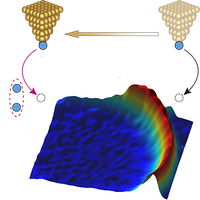
Phys. Rev. Lett. 136, 056201 (2026)
Condensed Matter and Materials
Dynamic Correlations of Frustrated Quantum Spins from High-Temperature Expansion
Article | Condensed Matter and Materials | 2026-02-02 05:00 EST
Ruben Burkard, Benedikt Schneider, and Björn Sbierski
For quantum spin systems in equilibrium, the dynamic structure factor (DSF) is among the most feature-packed experimental observables. However, from a theory perspective it is often hard to simulate in an unbiased and accurate way, especially for frustrated and high-dimensional models at intermediat…
Phys. Rev. Lett. 136, 056501 (2026)
Condensed Matter and Materials
Infinite Randomness Criticality and Localization of the Floating Phase in Arrays of Rydberg Atoms Trapped with Nonperfect Tweezers
Article | Condensed Matter and Materials | 2026-02-02 05:00 EST
Jose Soto-Garcia and Natalia Chepiga
Chains of Rydberg atoms have emerged as a powerful platform for exploring low-dimensional quantum physics. This success originates from the precise control of lattice geometries provided by optical tweezers, which allows access to a wide range of synthetic quantum phases. Experiments on one-dimensio…
Phys. Rev. Lett. 136, 056502 (2026)
Condensed Matter and Materials
Ultrafast Spin Accumulations Drive Magnetization Reversal in Multilayers
Article | Condensed Matter and Materials | 2026-02-02 05:00 EST
Harjinder Singh, Alberto Anadón, Junta Igarashi, Quentin Remy, Stéphane Mangin, Michel Hehn, Jon Gorchon, and Gregory Malinowski
Engineering and controlling heat and spin transport on the femtosecond timescale in spintronic devices opens up new ways to manipulate magnetization with unprecedented speed. Yet the underlying reversal mechanisms remain poorly understood due to the challenges of probing ultrafast, nonequilibrium sp…
Phys. Rev. Lett. 136, 056701 (2026)
Condensed Matter and Materials
Ideal Glass and Ideal Disk Packing in Two Dimensions
Article | Polymers, Chemical Physics, Soft Matter, and Biological Physics | 2026-02-02 05:00 EST
Viola M. Bolton-Lum, R. Cameron Dennis, Peter K. Morse, and Eric I. Corwin
A computational minimization procedure shows how to make an ideal glass, a disordered system of particles with zero configurational entropy and with the mechanical and thermal properties of a crystal.
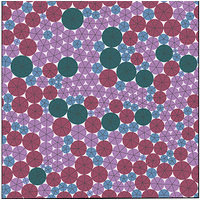
Phys. Rev. Lett. 136, 058201 (2026)
Polymers, Chemical Physics, Soft Matter, and Biological Physics
arXiv
Andreev spin qubits based on the helical edge states of magnetically doped two-dimensional topological insulators
New Submission | Mesoscale and Nanoscale Physics (cond-mat.mes-hall) | 2026-02-02 20:00 EST
Edoardo Latini, Fausto Rossi, Fabrizio Dolcini
We show that Andreev spin qubits can be realized in a Josephson junction based on the helical edge states of a two-dimensional topological insulator (quantum spin Hall system) proximized by superconducting films, in the presence of magnetic doping. We demonstrate that the electrical dipole transitions between the Andreev spin states induced by the magnetic doping can be harnessed to optically manipulate the Andreev spin qubit by microwave radiation pulses. We numerically simulate the realization of NOT and Hadamard quantum logic gates, and discuss implementations in realistic setups.
Mesoscale and Nanoscale Physics (cond-mat.mes-hall), Superconductivity (cond-mat.supr-con), Quantum Physics (quant-ph)
18 pages, 10 figures
Smart Walkers in Discrete Space
New Submission | Statistical Mechanics (cond-mat.stat-mech) | 2026-02-02 20:00 EST
Gianluca Peri, Lorenzo Buffoni, Giacomo Chiti, Duccio Fanelli, Raffaele Marino, Andrea Nocentini, Pier Paolo Panti
We study the statistical properties of trainable agents moving in discrete space. After introducing the mathematical framework, we first analyze the dynamics of two completely random walkers, mutually competing in a chaser-target interaction scheme. The statistics of the encounters is analytically obtained and the predictions tested versus numerical simulations. We then move forward to extend the baseline case to agents capable of learning and adapting to an external reward signal, using reinforcement learning. Smart walkers morph the statistics of the encounter, to maximize their cumulated reward, as confirmed by combined numerical and analytical insights. More interestingly, configuration entropy proves a reliable proxy to gauge the acquired ability of the agents to cope with the assigned task when no other information about them (i.e. reward signal, policy, etc) is present. We further test the proposed measure of learned skills by operating the Stockfish chess engine against a quasi-random untrained opponent. The obtained conclusions corroborate our claim.
Statistical Mechanics (cond-mat.stat-mech)
Interfacial Coupling Controls Molecular Epitaxy of HMTP on Graphene/SiC
New Submission | Materials Science (cond-mat.mtrl-sci) | 2026-02-02 20:00 EST
Devanshu Varshney, Pavel Procházka, Veronika Stará, Mykhailo Shestopalov, Jan Kunc, Jiří Novák, Jan Čechal
Epitaxial growth critically influences structural and electronic properties of organic semiconductors. Graphene serves as a prominent van der Waals template for molecular self-assembly; however, graphene on SiC is intrinsically heterogeneous, with decoupled monolayer graphene coexisting with residuals of a covalently bound buffer layer, which may affect molecular ordering. Here, we track the ordering of the molecular donor, 2,3,6,7,10,11-hexamethoxytriphenylene (HMTP), from the first layer to thin films, combining low-energy electron microscopy and diffraction with X-ray diffraction. HMTP forms highly ordered epitaxial layers on single-layer graphene, whereas growth on the buffer layer initiates as amorphous and evolves into polycrystalline films with weak orientation with respect to the substrate. Crucially, hydrogen intercalation decouples the buffer layer, converting it into quasi-freestanding monolayer graphene and restoring epitaxial growth. These findings demonstrate that interfacial coupling governs molecular epitaxy on graphene/SiC, and interface engineering via hydrogen intercalation provides a scalable route to control organic thin-film crystallinity on graphene.
Materials Science (cond-mat.mtrl-sci)
Magnon Kerr effect in a magnetic thin film strongly coupled to a microwave resonator
New Submission | Mesoscale and Nanoscale Physics (cond-mat.mes-hall) | 2026-02-02 20:00 EST
Davit Petrosyan, Hiroki Matsumoto, Hanchen Wang, Jamal Ben Youssef, Richard Schlitz, William Legrand, Pietro Gambardella
Cavity magnonics investigates hybrid systems where magnons interact coherently with photons, providing a platform to harness light-matter interaction in magnetic materials. Progress in this field hinges on achieving stronger and tunable nonlinear effects, which are essential for controlling magnon dynamics and frequency conversion. Here, we demonstrate the magnon Kerr effect in an anisotropic magnonic system comprising a 200~nm-thick yttrium iron garnet film strongly coupled to a three-dimensional microwave resonator. The strong shape anisotropy significantly enhances the magnon Kerr effect compared to a sphere of equivalent volume, while the cavity enables sensitive probing of magnetization dynamics. We demonstrate continuous tunability of the magnitude and sign of the Kerr shift by controlling the static orientation of the magnetization. Input-output modeling of the magnon-photon interaction provides a consistent description of our system and Kerr coefficients matching the experimental results. Our findings demonstrate a scalable approach to enhancing Kerr anharmonicity in hybrid magnon-photon systems while preserving strong coupling.
Mesoscale and Nanoscale Physics (cond-mat.mes-hall)
Analysis of some solid amorphous inorganic structures and the boson peak phenomenon with a computational random graph approach
New Submission | Materials Science (cond-mat.mtrl-sci) | 2026-02-02 20:00 EST
A. Berezner, M. Rybakov, M. Sidlyar, V. Fedorov
In this study, a new alternative model algorithm has been proposed for assembling amorphous structures, unifying the bosonic paradigm applicable at low temperatures with crystalline models relevant at room and higher temperatures. Physical meaning of main model parameters is determined together with an explanation for the appearing bosonic peak using the random graph theory. Numerically, statistical atomic distribution in a multiphase amorphous system is provided without the melting simulation of base crystals, and the mean energy function has been determined analytically. The calculated table data are in good agreement with neutronography measurements of the actual amorphous alloy in its solid state. Programme optimisations were also implemented, and we outlined several effective steps to achieve the higher processing speed. The proposed programme code can be used for potential test assembling and simulations of amorphous systems with sorting by the optimal atomic content or proportion (i.e. glass forming ability).
Materials Science (cond-mat.mtrl-sci), Disordered Systems and Neural Networks (cond-mat.dis-nn)
29 pages, 6 figures
Anisotropic Kitaev Spin Glass in Li${2}$Ru${x}$Ir${1-x}$O${3}$
New Submission | Strongly Correlated Electrons (cond-mat.str-el) | 2026-02-02 20:00 EST
Mayia A. Vranas, Alejandro Ruiz, Vikram Nagarajan, Erik Lamb, Gerald D. Morris, Zahir Islam, Christie Nelson, Benjamin A. Frandsen, James G. Analytis, Alex Frano
Kitaev iridates have been proposed as candidates for realizing an elusive quantum spin liquid (QSL) state, in which strong spin-orbit coupling and bond-directional exchange generate a highly frustrated and entangled ground state. However, all physical systems proposed to host this ground state, including Li$ _2$ IrO$ _3$ , Na$ _2$ IrO$ _3$ , and RuCl$ _3$ , develop magnetic order at low temperatures due to competing interactions. Nonetheless, theoretical modeling of experimental data has shown that Kitaev interactions are still present, motivating the application of perturbations such as pressure, magnetic field, and chemical doping to drive the system into the QSL phase. Here we study $ \beta$ -Li$ _{2}$ Ru$ _{x}$ Ir$ _{1-x}$ O$ _{3}$ with dilute levels of Ru, $ x \lesssim 10%$ . Through a combination of magnetometry, resonant elastic X-ray scattering, ac-heat capacity, and muon spin relaxation/resonance, we show that weak magnetic disorder suppresses long-range antiferromagnetic order and stabilizes an anisotropic spin glass that retains key signatures of Kitaev exchange. This Kitaev spin glass shows pronounced directional anisotropy in its magnetic susceptibility and thermoremenant magnetization. These results demonstrate that dilute magnetic disorder can access an anisotropic Kitaev spin glass: a proximate phase that freezes the Kitaev frustration landscape. This could provide a new window into the degeneracy, anisotropy, and competing interactions underlying the Kitaev QSL.
Strongly Correlated Electrons (cond-mat.str-el)
10 pages, 6 figures
Moire folded helical states at the interfaces of heterostructures
New Submission | Mesoscale and Nanoscale Physics (cond-mat.mes-hall) | 2026-02-02 20:00 EST
A minimal model of a graphene topological insulator heterostructure is considered, where a moire superlattice modulates the Rashba spin orbit interaction. In the spin degenerate, spin orbit free limit, the reduced Brillouin zone contains flat, spin degenerate moire minibands, with periodicity determined by superlattice folding. The inclusion of spin orbit interaction lifts the spin degeneracy and reduces the effective spectral periodicity by a factor of two. Through spin orbit interaction, the moire potential entangles spin, sublattice, and leg degrees of freedom, reshaping the miniband structure in momentum space and generating emergent helicity spectral functions. As the Rashba coupling is renormalized by the moire pattern, it induces helicity fragmentation, in which the helicity weight is distributed across a dense manifold of moire minibands, forming an extended network of helicity carrying states and significantly enhancing helicity fluctuations at the bare response level. The emergence of Dirac like miniband crossings at finite spin orbit interaction demonstrates that moire heterostructures can support relativistic quasiparticles through band reconstruction. This model provides a microscopic mechanism by which proximity induced spin orbit coupling can be amplified via moire engineering.
Mesoscale and Nanoscale Physics (cond-mat.mes-hall), Strongly Correlated Electrons (cond-mat.str-el)
7 pages 4 figures
Chirality and Clock transitions in Twisted Dipolar Clusters
New Submission | Materials Science (cond-mat.mtrl-sci) | 2026-02-02 20:00 EST
Paula Mellado, Xavier Cazor, Andres Concha
We study samples and a dipolar model of magnetic rods arranged on twisted polygonal clusters in terms of the twist angle. We find that the relative twist between polygons induces noncollinear chiral phases, ranging from flux vortex closure to hedgehog like radial configurations. Chirality, quantified in terms of a bond order parameter, is an emergent property that behaves here as an Ising variable. The chiral configurations of the systems can be understood in terms of chirality and clock index order parameters, whose evolution with twist occurs through two types of first order phase transitions. Within a fixed Ising chiral sector, the clock index, rooted in the $ C_N$ invariance of the polygons, characterizes chiral textures that share chirality. As the twist increases, it continuously shifts the preferred relative clock phase, but the Nfold anisotropy only allows discrete orientations; the competition produces a tilted Nfold energy landscape whose global minimum hops discontinuously between clock sectors. As the number of sites in the polygon grows, the resulting response displays a nonlinear crossover from rigid, Ising like behavior to an almost $ \rm U(1)$ invariant regime, governed by a twist induced suppression of the emergent $ Z_N$ clock anisotropy. A Landau phenomenology captures these trends and naturally extends to bilayer lattices, where we show that twisted honeycomb systems realize an effective sine-Gordon theory with twist-controlled transitions between isolated domain walls and domain wall lattices.
Materials Science (cond-mat.mtrl-sci)
11 pages, 5 figures
Field-induced transitions from incommensurate to commensurate phases in helical antiferromagnets
New Submission | Strongly Correlated Electrons (cond-mat.str-el) | 2026-02-02 20:00 EST
P. T. Bolokhova, A. V. Syromyatnikov
Heisenberg antiferromagnet with an easy-plane anisotropy is discussed in which a magnetic spiral is induced by Dzyaloshinskii-Moriya interaction and/or frustration of the exchange coupling. The distortion of the spiral by small in-plane magnetic field is described analytically. It is found that the field can gradually change the vector of the magnetic structure $ {\bf k}_0$ and can produce transitions between phases with incommensurate and commensurate magnetic orderings when $ {\bf k}_0$ is close to $ {\bf g}/n$ , where $ {\bf g}$ is a reciprocal lattice vector and $ n$ is integer. Analytical expressions for critical fields are derived for $ n=2$ , 3, and 4. Application of the theory to the triangular-lattice compound $ \rm RbFe(MoO_4)_2$ is discussed alongside its potential applicability to other materials. As a by-product of the main consideration, model parameters are found which describe more accurately the full set of available experimental data suggested before for $ \rm RbFe(MoO_4)_2$ .
Strongly Correlated Electrons (cond-mat.str-el)
12 pages, 2 figures
Hydrogen in Brownmillerite Perovskites: First-Principles Insights into Energetics and Induced Electronic-Magnetic Changes
New Submission | Materials Science (cond-mat.mtrl-sci) | 2026-02-02 20:00 EST
Vladislav Korostelev, Pjotrs Žguns, Konstantin Klyukin
Hydrogen uptake in brownmillerite perovskites A2B2O5 offers an (electro)chemically accessible route to tune functional properties, but mechanistic understanding and design rules for hydrogen-responsive oxides remain limited. Here we employ density functional theory (DFT) to quantify how H absorption affects electronic structure, magnetic exchange, and anisotropy in representative Sr2Fe2O5 and Sr2Co2O5 oxides. We find that hydrogenation introduces a localized electron that stabilizes near the proton, with B-site-dependent preference. The resulting lattice distortions and redistribution of charge density modify exchange coupling and cant the Neel vector, giving rise to weak ferromagnetism. We also show that absorption energies are highly sensitive to proton-electron arrangements and magnetic order, varying by up to 1 eV across different settings. This sensitivity demands consistent treatment of charge localization and spin states, together with careful choice of computational parameters. Extending to a variety of experimentally reported A2B2O5 compositions, we identify candidates with favorable H uptake and uncover a trend linking more favorable absorption to a higher B-site d-electron count. We also demonstrate that the preferred proton absorption site in these materials is governed by local O-O separations and lattice flexibility, which describe the ability of the framework to accommodate proton-induced distortions. Finally, benchmarks of universal machine-learning interatomic potentials reveal uncertainties of about 1 eV for site-resolved absorption energies, motivating descriptor-based surrogate models and targeted DFT validation. Together, these results establish practical design rules for hydrogen-responsive oxides relevant to iono-electronic devices, sensors, and electrically tunable spin functionality.
Materials Science (cond-mat.mtrl-sci)
14 pages, 8 figures; 21-page Supporting Information included
Non-Equilibrium Quantum Many-Body Physics with Quantum Circuits
New Submission | Statistical Mechanics (cond-mat.stat-mech) | 2026-02-02 20:00 EST
These are the notes for the 4.5-hour course with the same title that I delivered in August 2025 at the Les Houches summer school ``Exact Solvability and Quantum Information’’. In these notes I pedagogically introduce the setting of brickwork quantum circuits and show that it provides a useful framework to study non-equilibrium quantum many-body dynamics in the presence of local interactions. I first show that brickwork quantum circuits evolve quantum correlations in a way that is fundamentally similar to local Hamiltonians, and then present examples of brickwork quantum circuits where, surprisingly, one can compute exactly several relevant dynamical and spectral properties in the presence of non-trivial interactions.
Statistical Mechanics (cond-mat.stat-mech), Quantum Physics (quant-ph)
49 pages, 6 figures
Nanoscale mapping of phase-transformation pathways in medium-Mn TRIP steel by multimodal STEM
New Submission | Materials Science (cond-mat.mtrl-sci) | 2026-02-02 20:00 EST
Marc Raventós-Tato, S. Leila Panahi, Núria Bagués, David Frómeta, Oleg Usoltsev, Núria Cuadrado, Joaquín Otón
The mechanical response of third-generation advanced high-strength steels is governed by phase transformations at the nanoscale, yet the coupled evolution of chemistry and crystallography remains poorly resolved. Here we apply a correlative scanning transmission electron microscopy approach that enables simultaneous mapping of lattice structure, crystallographic orientation, and phase distribution at 10 nanometre resolution in a medium-manganese TRIP steel. We combine nano-beam electron diffraction and energy-dispersive X-ray spectroscopy maps to characterize an industrial medium-manganese steel containing 7.15 weight percent Mn. Tensile testing of a rolled steel sample was performed, and lamellae were extracted from deformed and undeformed regions. Manganese-resolved energy-dispersive X-ray spectroscopy provides a chemical fingerprint that, when combined with nano-beam electron diffraction based phase segmentation, enables robust ferrite-martensite separation and phase-resolved lattice-parameter refinement. The phase fractions of ferrite, austenite, and martensite are quantified together with their corresponding lattice parameters, accompanied by measurable shifts in grain-size distributions and crystallographic texture in the deformed regions. Kernel average misorientation maps reveal systematically lower local misorientation in ferrite than in martensite. This multimodal workflow provides a transferable framework for quantitative, phase-resolved analysis of complex multiphase alloys at the nanoscale.
Materials Science (cond-mat.mtrl-sci)
16 pages, 5 figures
Synthesis of Monolayer Ice on a Hydrophobic Metal Surface
New Submission | Materials Science (cond-mat.mtrl-sci) | 2026-02-02 20:00 EST
Qiaoxiao Zhao, Meiling Xu, Dong Li, Zhicheng Gao, Yudian Zhou, Wenbo Liu, Jingyan Chen, Peng Cheng, Sheng Meng, Kehui Wu, Yanchao Wang, Lan Chen, Baojie Feng
Understanding water-metal interactions is central to disciplines spanning catalysis, electrochemistry, and atmospheric science. Monolayer ice phases are well established on hydrophilic surfaces, where strong water-substrate interactions stabilize ordered hydrogen-bond networks. In contrast, their formation on hydrophobic metals has been deemed ther-modynamically unfavourable, with water typically assembling into amorphous films, three-dimensional crystallites, or interlocked bilayer ice. Here, we demonstrate the synthesis of a monolayer ice phase on the hydrophobic Au(111) surface using a low-energy-electron-assisted growth method. Combined experimental characterizations including low-energy electron diffraction, angle-resolved photoemission spectroscopy, and X-ray photoelectron spectroscopy, complemented by first-principles calculations, prove that the monolayer ice phase composes of intact water molecules. This approach provides a generalizable strategy for stabilizing ordered two-dimensional ice on inert substrates and offers new insight into the interplay between water and low-energy electrons at hydrophobic interfaces.
Materials Science (cond-mat.mtrl-sci), Chemical Physics (physics.chem-ph), Computational Physics (physics.comp-ph)
J. Am. Chem. Soc. (2026)
Electronic band structure, phonon dispersion, and magnetic triple-q state in GdGaI
New Submission | Strongly Correlated Electrons (cond-mat.str-el) | 2026-02-02 20:00 EST
Tatsuya Kaneko, Ryota Mizuno, Shu Kamiyama, Hideo Miyamoto, Masayuki Ochi
We theoretically investigate the physical properties of the magnetic van der Waals material GdGaI. Using first-principles calculations, we compute the phonon dispersion of GdGaI and show no imaginary phonons, suggesting that phonon-driven phase transitions are unlikely to occur in GdGaI. Our band calculation reveals that the electronic bands near the Fermi energy are composed of Gd 5d and Ga 4p orbitals. We construct a tight-binding model that incorporates the Gd 5d and Ga 4p orbitals to investigate the magnetic structure. We introduce Kondo coupling between electrons in Gd 5d orbitals and localized spins in Gd 4f orbitals and present the modified band structure when localized spins form a magnetic order characterized by three q vectors that connect the valence and conduction bands. We discuss the origin of the spin order based on the Ruderman-Kittel-Kasuya-Yosida mechanism and suggest that Coulomb interactions acting on electrons near the Fermi level can contribute to the ordering of localized spins.
Strongly Correlated Electrons (cond-mat.str-el), Materials Science (cond-mat.mtrl-sci)
12 pages, 13 figures
Phys. Rev. B 113, 045156 (2026)
Thermal and Microstructural Simulations of Photonic Sintering of Oxide Ceramics: A Two-Scale Scheme
New Submission | Materials Science (cond-mat.mtrl-sci) | 2026-02-02 20:00 EST
Junlong Ma, Yangyiwei Yang, Julian N. Ebert, Wolfgang Rheinheimer, Bai-Xiang Xu
Photonic sintering (PS) offers an ultra-fast, contact-free alternative to conventional sintering and has demonstrated its potential for enhancing the sinterability of acceptor-doped barium zirconate (BZY) ceramics. However, a central challenge in the PS process lies in achieving precise control over thermal self-stabilization in the presence of complex microstructural effects arising from photonic-ray–induced thermal profiles. To elucidate the interplay among thermal fields, microstructural evolution, and PS process parameters, this study establishes a two-scale, non-isothermal simulation framework. The framework integrates macroscopic heat-transfer simulations, incorporating effective heat conduction and photonic-ray–induced volumetric heating in the porous media, with microscopic non-isothermal phase-field sintering simulations that resolve microstructure evolution under local thermal profile. Scale bridging is achieved through a temperature field transferring and mapping that satisfies Hill-Mandel condition between the macroscopic and microscopic simulations, while maintaining synchronization between their asynchronous time-stepping schemes. After calibrating model parameters against experimental measurements, the framework successfully reproduces the experimentally observed porosity inhomogeneity along the sample depth. The influence of enhanced localized mass transport is further examined through a parametric investigation of surface and grain boundary diffusivities. Overall, the proposed framework demonstrates its feasibility and physical interpretability in establishing process-microstructure relationships for the scalable fabrication of high-performance protonic ceramics.
Materials Science (cond-mat.mtrl-sci)
Understanding the sign problem from an exact Path Integral Monte Carlo model of interacting harmonic fermions
New Submission | Strongly Correlated Electrons (cond-mat.str-el) | 2026-02-02 20:00 EST
This work shows that the recently discovered operator contraction identity for solving the discreet Path Integral of the harmonic oscillator can be applied equally to fermions in any dimension. This then yields an exactly solvable model for studying the sign problem where the Path Integral Monte Carlo energy at any time step for any number of fermions is known analytically, or can be computed numerically. It is found that repulsive/attractive pairwise interaction shifts the sign problem to larger/smaller imaginary time, but does not make it more severe than the non-interacting case. More surprisingly, for closed-shell number of fermions, the sign problem goes away at large imaginary time. Fourth-order and newly found variable-bead algorithms are used to compute ground state energies of quantum dots with up to 110 electrons and compared to results obtained by modern neural networks.
Strongly Correlated Electrons (cond-mat.str-el), Computational Physics (physics.comp-ph)
40 pages with 14 figures
Interaction induced topological magnon in electron-magnon coupled systems
New Submission | Strongly Correlated Electrons (cond-mat.str-el) | 2026-02-02 20:00 EST
Kosuke Fujiwara, Takahiro Morimoto
We theoretically study the emergence of topological magnons in electron-magnon coupled systems. The magnon dispersion in a ferromagnet usually possesses an effective time reversal symmetry in the absence of Dzyaloshinskii-Moriya (DM) interaction, preventing the appearance of topological magnons. When a spin system is coupled to itinerant electrons, we find that the magnon band structure of the spin system experiences time-reversal symmetry breaking with the electron-magnon interaction via the exchange coupling, where topological magnons arise without requiring strong DM. Specifically, we consider a heterostructure consisting of a ferromagnetic insulator and a transition metal dichalcogenide (TMD) monolayer and investigate topological gap opening in magnon bands. Our findings reveal that even trivial ferromagnets can host topological magnons via coupling to itinerant electronic systems.
Strongly Correlated Electrons (cond-mat.str-el), Mesoscale and Nanoscale Physics (cond-mat.mes-hall)
13 pages, 8 figures
Electronic Origin of Density Wave Orders in a Trilayer Nickelate
New Submission | Superconductivity (cond-mat.supr-con) | 2026-02-02 20:00 EST
Jiangang Yang, Jun Zhan, Taimin Miao, Mengwu Huo, Qichen Xu, Yinghao Li, Yuyang Xie, Bo Liang, Neng Cai, Hao Chen, Wenpei Zhu, Mingkai Xu, Shenjin Zhang, Fengfeng Zhang, Feng Yang, Zhimin Wang, Qinjun Peng, Hanqing Mao, Xintong Li, Zhihai Zhu, Guodong Liu, Zuyan Xu, Jiangping Hu, Xianxin Wu, Meng Wang, Lin Zhao, X. J. Zhou
The discovery of superconductivity in Ruddlesden-Popper nickelates has established a new frontier in the study of high-temperature superconductors. However, the underlying pairing mechanism and its relationship to the material’s electronic and magnetic ground states remain elusive. Since unconventional superconductivity often emerges from a complex interplay of magnetic correlations, elucidating the magnetic ground state of the nickelates at ambient pressure is crucial for understanding the emergence of superconductivity under high pressure. Here, we combine high-resolution angle-resolved photoemission spectroscopy with tight-binding model simulation to investigate the electronic structure of the representative trilayer Ruddlesden-Popper nickelate La$ _4$ Ni$ _3$ O$ _{10}$ . We provide the first experimental evidence of band splitting induced by interlayer coupling and further resolve the momentum-dependent density wave gap structures along all the Fermi surfaces. Our findings identify the mirror-selective Fermi surface nesting as the origin of the interlayer antiferromagnetic spin density wave and demonstrate the dominant role of Ni-3d$ _{z^2}$ orbitals in the low-energy physics of La$ _4$ Ni$ _3$ O$ _{10}$ . These results provide a fundamental framework for understanding the magnetic interactions and high-temperature superconductivity mechanism in the Ruddlesden-Popper nickelate family.
Superconductivity (cond-mat.supr-con), Materials Science (cond-mat.mtrl-sci), Strongly Correlated Electrons (cond-mat.str-el)
22 pages, 5 figures
Turning Insulators into Accelerators: Deciphering the Interfacial Conductivity Boost in ZrO2-Li2ZrCl6 Composites through Machine Learning Molecular Dynamics Simulations
New Submission | Materials Science (cond-mat.mtrl-sci) | 2026-02-02 20:00 EST
Boyuan Xu, Chen Qian, Liyi Bai, Chenlu Wang, Feng Ding, Qisheng Wu
Halide solid-state electrolytes have emerged as promising candidates for all-solid-state lithium batteries due to their high oxidative stability and deformability, yet their moderate ionic conductivity remains a bottleneck. While incorporating ionically insulating ZrO2 nanoparticles (Nat. Commun. 2023, 14, 2459) has been experimentally shown to enhance the ionic conductivity of Li2ZrCl6, the atomistic origin governing this interfacial phenomenon remains unclear. Here, we bridge the spatiotemporal gap in modeling complex heterostructures by developing an accurate machine-learned force fields based on neuroevolution potential, enabling large-scale molecular dynamics simulations of ZrO2/Li2ZrCl6 heterostructures. By systematically investigating four representative low-lattice-mismatch ZrO2/Li2ZrCl6 interfaces, we identify spontaneous interfacial amorphization driven by space-charge effects upon surface cleavage, trapping Li+ and leading to under-coordinated Li+ polyhedrons with pronounced geometric distortion. These distorted amorphous interfacial regions exhibit markedly enhanced Li+ hopping activity, significantly outperforming the bulk lattice, provided that local mobile Li+ inventory is not depleted by surface charge redistribution. This work establishes a computational framework for training validated machine-learned force fields for interfaces and provides mechanistic understandings of the interfacial conductivity boost in the insulator-conductor composites, guiding the rational design of electrolytes toward next-generation solid-state batteries.
Materials Science (cond-mat.mtrl-sci)
Small equatorial deformation of homogeneous spherical fluid vesicles
New Submission | Soft Condensed Matter (cond-mat.soft) | 2026-02-02 20:00 EST
Andrés Solís-Cuevas, Pablo Vázquez-Montejo
We examine the reaction of a homogeneous spherical fluid vesicle to the force exerted by a rigid circular ring located at its equator in the linear regime. We solve analytically the linearized first integral of the Euler-Lagrange equation subject to the global constraints of fixed area and volume, as well as to the local constraint imposed by the ring. We determine the first-order perturbations to the generating curve of the spherical membrane, which are characterized by the difference of the radii of the membrane and the ring, and by a parameter depending on the physical quantities of the membrane. We determine the total force that is required to begin the deformation of the membrane, which gives rise to a discontinuity in the curvature of the membrane across the ring.
Soft Condensed Matter (cond-mat.soft)
13 pages, 5 figures
Eur. Phys. J. E 49, 7 (2026)
Noise-Assisted Metastability: From Lévy Flights to Memristors, Quantum Escape, and Josephson-based Axion Searches
New Submission | Statistical Mechanics (cond-mat.stat-mech) | 2026-02-02 20:00 EST
Claudio Guarcello, Alexander A. Dubkov, Davide Valenti, Bernardo Spagnolo
Many-body and complex systems, both classical and quantum, often exhibit slow, nonlinear relaxation toward stationary states due to the presence of metastable configurations and environmental fluctuations. Nonlinear relaxation in a wide variety of natural systems proceeds through metastable states, which arise in condensed-matter physics as well as in fields ranging from cosmology and biology to high-energy physics. Moreover, noise-induced phenomena play a central role in shaping the dynamics of such systems far from equilibrium. This review develops a unifying perspective centered on noise-assisted stabilization and the statistical properties of metastable dynamics. We first discuss escape processes driven by Lévy flights in smooth metastable potentials, emphasizing the emergence of nonmonotonic residence-time behavior. We then connect these concepts to stochastic resistive switching in memristive devices, where noise-induced effects can enhance stability and reproducibility. We further examine driven dissipative quantum bistability, showing how the interplay between external driving and system-environment coupling reshapes escape pathways and lifetimes. Finally, we outline how switching-time statistics in current-biased Josephson junctions can provide an experimentally accessible strategy for axion detection, based on an axion-induced resonant-activation signature.
Statistical Mechanics (cond-mat.stat-mech)
23 pages, 11 figures
Spin quantum Hall transition on random networks: exact critical exponents via quantum gravity
New Submission | Mesoscale and Nanoscale Physics (cond-mat.mes-hall) | 2026-02-02 20:00 EST
Esteban Macías, Ilya Gruzberg, Eldad Bettelheim
We solve the problem of the spin quantum Hall transition on random networks using a mapping to classical percolation that focuses on the boundary of percolating clusters. Using tools of two-dimensional quantum gravity, we compute critical exponents that characterize this transition and confirm that these are related to the exponents for the regular (square) network through the KPZ relation. Our results demonstrate the relevance of the geometric randomness of the networks and support conclusions of numerical simulations of random networks for the integer quantum Hall transition.
Mesoscale and Nanoscale Physics (cond-mat.mes-hall), Disordered Systems and Neural Networks (cond-mat.dis-nn), Mathematical Physics (math-ph)
A Toy Model for the Cycle Rank Dependence of Stretch at Break in Phantom Chain Network Simulations
New Submission | Soft Condensed Matter (cond-mat.soft) | 2026-02-02 20:00 EST
The relationship between the topological architecture of polymer networks and their macroscopic rupture remains a fundamental challenge in polymer physics. Recent coarse-grained simulations have revealed that the dependence of stretch at break (\lambda_b) on node functionality and reaction conversion can be unified into a universal master curve when plotted against the cycle rank density (\xi). However, a theoretical derivation explaining this universality has been lacking. This study proposes a simple mechanical model to describe the \xi-dependence of fracture strain. The polymer network is modeled as a mechanical system consisting of a sequence of springs representing localized highly stretched strands and the surrounding unstretched network. By relating the stiffness contrast between these regions to the network connectivity defined by \xi, an analytical expression for the stretch at break is derived: \lambda_b\propto\sfrac{\left(2\xi+5\right)}{\left(2\xi+1\right)}. The proposed model is validated against phantom chain simulations using both Gaussian and finite extensibility (FENE) springs. The theoretical prediction shows excellent agreement with simulation data, providing a physical basis for the phenomenological universality observed in polymer network rupture.
Soft Condensed Matter (cond-mat.soft)
11 pages, 5 figures
Incorporating Gibbs free energy into interatomic potential fitting
New Submission | Materials Science (cond-mat.mtrl-sci) | 2026-02-02 20:00 EST
We develop a method to fit high-temperature Gibbs free energy data for the development of interatomic potentials for atomic systems. The approach is based on Hamiltonian thermodynamic integration, enabling the identification of suitable potential parameters such that the system’s free energy matches a specified target. The method can be readily combined with conventional fitting techniques for properties such as elastic tensors and liquid pair distribution functions. We validate the effectiveness of the approach using the Uhlenbeck-Ford model and embedded-atom method potentials for pure Ni phases and binary Fe1-xOx liquids under high-pressure and high-temperature conditions. Our framework provides an efficient strategy for incorporating free energy into interatomic potential fitting.
Materials Science (cond-mat.mtrl-sci)
Single-Shot Flow Spectroscopy of a Polariton Condensate: Kibble-Zurek and Kolmogorov-Like Scaling
New Submission | Mesoscale and Nanoscale Physics (cond-mat.mes-hall) | 2026-02-02 20:00 EST
Ivan Krasionov, Anton Putintsev, Maksim Kolker, Tamsin Cookson, Sergey Alyatkin, Pavlos G. Lagoudakis
Quantized vortices are fundamental topological excitations of quantum fluids. We report single-shot interferometric measurements of spontaneous vortex nucleation in a room-temperature organic exciton-polariton condensate. From hundreds of independent realizations we find random vortex-core positions and unbiased circulation, consistent with intrinsically stochastic, unpinned defect formation. The mean vortex number scales with pump power above threshold with an exponent consistent with Kibble-Zurek freeze-out in a driven-dissipative condensate. Using reconstructed phase maps we obtain single-shot flow fields, compute the incompressible component, and extract kinetic-energy spectra. Vortex-containing realizations develop a robust Kolmogorov-like segment with Einc(k) proportional to k^(-5/3) over a finite k range, indicating the onset of turbulent spectral scaling in a quantum fluid of light. These results establish single-shot access to phase and flow as a direct route to quantifying stochastic defect formation and emerging turbulence in polariton condensates.
Mesoscale and Nanoscale Physics (cond-mat.mes-hall)
Spectral insights into active matter: Exceptional Points and the Mathieu equation
New Submission | Statistical Mechanics (cond-mat.stat-mech) | 2026-02-02 20:00 EST
Horst-Holger Boltz, Thomas Ihle
We show that recent numerical findings of universal scaling relations in systems of noisy, aligning self-propelled particles by Kürsten [Kürsten, arXiv:2402.18711v2 [cond-mat.soft] (2025)] can robustly be explained by perturbation theory and known results for the Mathieu equation with purely imaginary parameter. In particular, we highlight the significance of a cascade of exceptional points that leads to non-trivial fractional scaling exponents in the singular-perturbation limit of high activity. Crucially, these features are rooted in the Fokker-Planck operator corresponding to free self-propulsion. This can be viewed as a dynamical phase transition in the dynamics of noisy active matter.
Statistical Mechanics (cond-mat.stat-mech)
13 pages, 4 figures
Electrical conductivity of a random nanowire network: comparison of two-dimensional and quasi-three-dimensional models
New Submission | Disordered Systems and Neural Networks (cond-mat.dis-nn) | 2026-02-02 20:00 EST
It is shown that the widely used two-dimensional model of random networks of metallic nanowires or carbon nanotubes significantly overestimates the number of contacts between elements compared to real systems, which, within the mean-field approach, leads to overestimated estimates of electrical conductivity, especially when the contact resistances between conductors make the main contribution to the electrical conductivity of the system. In the case of a two-dimensional model, the electrical conductivity of the system depends quadratically on the number density of conductors, whereas in the case of a three-dimensional model this dependence is linear.
Disordered Systems and Neural Networks (cond-mat.dis-nn), Statistical Mechanics (cond-mat.stat-mech)
4 pages, 3 figures
Optimizing spin-based terahertz emission from magnetic heterostructures
New Submission | Materials Science (cond-mat.mtrl-sci) | 2026-02-02 20:00 EST
Francesco Foggetti, Francesco Cosco, Peter M. Oppeneer, Henri Jaffrés, Niloufar Nilforoushan, Juliette Mangeney, Sukhdeep Dhillon
Terahertz radiation pulses can be generated efficiently through femtosecond laser excitation of a ferromagnetic/nonmagnetic heterostructure, wherein an ultrafast laser-induced spin current results in an electromagnetic THz pulse due to spin-charge conversion. It is, however, still poorly understood how the THz emission amplitude and its bandwidth can be optimized. Here, we perform a systematic analysis of the THz emission from various magnetic heterostructures. The dynamics of the spin current is described by the semiclassical, superdiffusive spin-transport model and the energy dependence of the spin Hall effect of hot electrons is taken into account, leading to emission profiles for Co(2 nm)/Pt(4 nm) bilayer in good agreement with experiment. To identify the optimal {conditions} for THz emission, {we study} the properties of the emitted THz wave profile by systematically varying the layer thicknesses of metallic bilayers, their interfacial spin-current transmission properties, their materials’ dependence, and influence of the pump laser-pulse width, allowing us to give optimization guidelines. We find that thin nonmagnetic layer thicknesses of 5-6 nm provide the largest bandwidth in the case of Co/Pt and that the peak frequency of the THz emission depends only on the geometry of the emitter and not on the laser pulse width. The THz bandwidth {is conversely found to} depend on several factors such as exciting laser pulse width, layers’ thicknesses, and interface transmission-reflection properties, with the limitation that an increase in the bandwidth by tuning the interface properties comes with a trade-off in the energy efficiency of the emitter. Lastly, we propose a double pulse excitation protocol of a trilayer system that could provide broadband THz emission with a large bandwidth. {Our results contribute to establishing guidelines for optimizing spintronic THz generation.
Materials Science (cond-mat.mtrl-sci)
Long-distance spin transport in frustrated hyperkagome magnet Gd3Ga5O12
New Submission | Materials Science (cond-mat.mtrl-sci) | 2026-02-02 20:00 EST
Di Chen, Bingcheng Luo, Lei Xu, Zian Xia, Linhao Jia, Shaomian Qi, Congkuan Tian, Kangyao Chen, Hang Cui, Guangyi Chen, Shili Yan, Miaoling Huang, Jian Cui, Ya Feng, Zhentao Wang, Jiang Xiao, Jianhua Zhang, Ryuichi Shindou, X.C. Xie, Jian-Hao Chen
Transport of spin angular momentum over large distance has been a long sought-after goal in the field of spintronics. While the majority of the research effort has been devoted to the spin transport properties of magnetically ordered materials, spin transport in magnetically frustrated materials has received little attention. Here, we report an anomalous state in frustrated hyperkagome magnetic insulator Gd3Ga5O12, where spin angular momenta can be transported over a long distance of 480 {\mu}m, far exceeding the transport distance of any diffusive spin current in magnetically ordered materials, to the best of our knowledge. Monte Carlo simulations reveal significant spin fluctuations, spin-spin correlations and an absence of conventional magnons in such anomalous state; while the response of the anomalous state to perturbation is found to be akin to an overdamped forced oscillator. We find close relation of such state to the correlated ``director’’ state in the material. Our result provides an effective electrical technique to characterize spin-spin correlations and frustrations; it also unveils the potential of frustrated magnets as powerful channel materials for spin transport.
Materials Science (cond-mat.mtrl-sci)
24 pages, 5 figures
Ferroelectric switching at edge dislocations in BaTiO$_3$ modelled at the atomic scale
New Submission | Materials Science (cond-mat.mtrl-sci) | 2026-02-02 20:00 EST
Himal Wijekoon, Pierre Hirel, Anna Grünebohm
Ferroelectric switching governs the functional properties of ferroelectric perovskites. It is widely accepted that this switching depends on domain nucleation and pinning and that these processes can be controlled by the defect structure. However, an atomistic picture of the influence of one important class of defects - dislocations on ferroelectric switching is missing. This is an important gap in knowledge as dislocations cannot be avoided at interfaces and can also be engineered by plastic deformation at high temperatures. Using atomistic simulations, we show how the cores of $ \langle100\rangle$ edge dislocations in BaTiO$ _3$ can either act as nucleation centers for ferroelectric switching or pin walls depending on the direction of the applied field. The coupling between electric field and polarization is strongest when the field is applied parallel to the Burgers vector of the dislocation.
Materials Science (cond-mat.mtrl-sci)
11 pages, 9 figures
Magnetization reversal and anisotropies in buffered transition-metal alloys thin films
New Submission | Materials Science (cond-mat.mtrl-sci) | 2026-02-02 20:00 EST
Agostina Lo Giudice, Augusto Román, Laura Beatriz Steren
Interest in planar Hall effect (PHE) sensors has re-emerged in recent years due to their promising potential for a wide range of applications, particularly in biotechnology. Sensor sensitivity can be enhanced by lowering the effective anisotropy field; however, this favors magnetic domain formation during magnetization reversal, leading to hysteretic responses. Therefore, precise control of magnetic anisotropy and magnetization reversal is essential to balance sensitivity and stability in PHE sensors. In this work, we investigate the magnetic anisotropy and magnetization reversal mechanisms of Ni-Fe- and Co-Fe-based multilayers grown on various metallic buffer layers and deposited with and without an external magnetic field, in order to evaluate the effects of the buffer layers and field-assisted deposition on the resulting magnetic anisotropy. NiFe films exhibit a dominant uniaxial anisotropy mainly determined by the applied field during growth, with an anisotropy constant of approximately $ 3,\mathrm{kerg,cm^{-3}}$ , largely independent of the buffer layer. In contrast, the magnetic anisotropy of CoFe films is dominated by the buffer layer, resulting in a biaxial magnetic response. In particular, Ag-buffered films deposited under an external magnetic field exhibit a biaxial anisotropy with values up to $ 14.88,\mathrm{kerg,cm^{-3}}$ . The magnetization reversal mechanism of each system was deduced from the analysis of the angular dependence of the coercive field.
Materials Science (cond-mat.mtrl-sci)
Journal of Magnetism and Magnetic Materials, 173868, 2026
Synchronization and phase transition of two-dimensional self-rotating clock models
New Submission | Statistical Mechanics (cond-mat.stat-mech) | 2026-02-02 20:00 EST
We explore possible synchronization in two-dimensional (2D) locally coupled discrete-state oscillators under thermal fluctuations, using the self-rotating $ q$ -state clock model as a prototype. Large-scale Monte Carlo simulations reveal that for $ q \ge q_c$ (with $ q_c = 5$ ), the system undergoes two-step Berezinskii-Kosterlitz-Thouless (BKT) transitions: first from a disordered phase to a critical synchronized phase, and then to a spatiotemporal pattern phase. The latter includes oscillatory droplet states that survive in finite systems and a thermodynamically stable spiral wave state. Notably, the synchronized phase features algebraically decaying spatial correlations, alongside divergent coherence time, thus realizing a continuous time crystal; while it vanishes when $ q < q_c$ . Mean-field theory supports the existence of the synchronized phase, but predicts a lower critical value $ q_c^{MF} = 4$ .
Statistical Mechanics (cond-mat.stat-mech), Adaptation and Self-Organizing Systems (nlin.AO), Pattern Formation and Solitons (nlin.PS)
7 pages, 6 figures
Altermagnetic-Like Behavior and Enhanced Coercivity in Ferrimagnets at a Critical Point of an Extended Néel-Diagram
New Submission | Materials Science (cond-mat.mtrl-sci) | 2026-02-02 20:00 EST
Qais Ali, Anna Grünebohm, Halil Ibrahim Sözen, Tilmann Hickel, Jörg Neugebauer, Eduardo Mendive-Tapia
We generalize the classic Néel diagram for ferrimagnets within a mean-field framework and reveal a critical point at which full magnetic compensation is maintained below the Curie temperature and extends past the nominal compensation point. Ferrimagnets tuned to this critical point display altermagnetic-like features and markedly enhanced coercive fields. We show that proximity to this regime requires minimizing the net local moment while balancing exchange interactions with respect to the number of equivalent atoms in each sublattice. The resulting extended Néel diagram provides practical design principles for engineering ferrimagnets near the critical point via targeted chemical substitution that combines atoms with robust and weak local moments, as demonstrated through density functional theory and Monte Carlo simulations for GdCo$ _5$ -type ferrimagnets.
Materials Science (cond-mat.mtrl-sci)
15 pages, 8 figures, includes main text, supplemental information, and references
Gate-tuneable single-photon emitters in WSe2 monolayer created via AFM nanoindentation on rigid SiO2/Si substrates
New Submission | Mesoscale and Nanoscale Physics (cond-mat.mes-hall) | 2026-02-02 20:00 EST
Ajit Kumar Dash (1), Sanket Jugade (2), Manavendra Pratap Singh (2), Hardeep (1), Tilly Guyot (3), Cora Crunteanu-Stanescu (3), Indrajeet Dhananjay Prasad (4), Yunus Waheed (4), Sumitra Shit (4), Sébastien Roux (3), Santosh Kumar (4), Cedric Robert (3), Xavier Marie (3 and 5), Akshay Naik (2), Akshay Singh (1) ((1) Department of Physics, Indian Institute of Science, India, (2) Centre for Nanoscience and Engineering, Indian Institute of Science, India, (3) Université de Toulouse, INSA-CNRS-UPS, LPCNO, France, (4) School of Physical Sciences, Indian Institute of Technology Goa, India, (5) Institut Universitaire de France, Paris, France)
Single-photon emitters (SPEs) hosted by two-dimensional (2D) semiconducting materials are envisioned for next-generation quantum applications. However, SPE creation in 2D semiconductors on rigid substrates like SiO2/Si via nanoindentation is a technological gap, critical for interfacing SPEs with photonic circuits and cavities. Here, we report a protocol for deterministically creating SPEs in monolayer WSe2 on SiO2/Si substrates using a sharp diamond AFM (atomic force microscope) tip. A displacement-controlled indentation process is developed, allowing indent depths > 150 nm necessary for creating SPEs. Sharp defect peaks (~200 {\mu}eV) are observed in cryogenic (4K) photoluminescence (PL) spectrum at nanoindented sites and are stable upto ~ 120K. 76% of sites exhibit sharp defect-bound peaks confirmed by power-dependent, temperature-dependent, and time-resolved PL (TRPL). AFM and PL mapping link these peaks to indent periphery. The peaks show sub-linewidth spectral jitter, no blinking, and single-photon nature in second-order autocorrelation measurements. SPEs can be switched on/off, and background emissions suppressed using electrical gating. Gate-voltage dependent TRPL indicate that SPE dynamics can be tuned, depending on nature of SPE, pointing the way to higher-purity SPEs. Our work is directly applicable to other 2D materials and photonic circuit/cavity compatible rigid substrates and is a significant step for scalable SPE technologies.
Mesoscale and Nanoscale Physics (cond-mat.mes-hall), Materials Science (cond-mat.mtrl-sci)
Main text and supplementary files included, 41 pages, 15 figures, 4 tables
Leveraging Interactions for Efficient Swarm-Based Brownian Computing
New Submission | Statistical Mechanics (cond-mat.stat-mech) | 2026-02-02 20:00 EST
Alessandro Pignedoli, Atreya Majumdar, Karin Everschor-Sitte
Drawing inspiration from swarm intelligence, we show that short-range attractive interactions between thermally driven Brownian quasiparticles enable energy-efficient optimization. As quasiparticles can be generated directly within a material, the swarm size can be adjusted with minimal energy overhead. Using an optimization task defined by a spatially varying temperature landscape, we quantitatively show that interacting swarms reliably identify global optima and significantly outperform non-interacting searchers within a well-defined regime of interaction strength and swarm size. This improvement arises from emergent cooperative behavior, where local interactions guide the swarm toward high-quality solutions without central coordination. To link our physical model to experimental realizations, we coarse-grain the quasiparticle dynamics onto a sensor lattice and generate trajectories emulating particle-tracking measurements. We further show that the interacting swarm adapts robustly to landscapes that evolve over time. These findings establish interacting Brownian quasiparticles as a physical platform for scalable and energy-efficient unconventional computing.
Statistical Mechanics (cond-mat.stat-mech), Disordered Systems and Neural Networks (cond-mat.dis-nn), Adaptation and Self-Organizing Systems (nlin.AO), Computational Physics (physics.comp-ph), Data Analysis, Statistics and Probability (physics.data-an)
9 pages, 3 figures
N-state Potts ices as generalizations of classical and quantum spin ice
New Submission | Strongly Correlated Electrons (cond-mat.str-el) | 2026-02-02 20:00 EST
Mark Potts, Roderich Moessner, S.A. Parameswaran
Classical and quantum spin ice models are amongst the most popular settings for the study of spin liquid physics. $ N-$ state Potts ice models have been constructed that generalize spin ice, hosting multiple emergent $ \text{U}(1)$ gauge fields and excitations charged under non-trivial combinations of these fields. We present a general treatment of classical $ N-$ state Potts ices relating their properties to the $ \mathfrak{su}(N)$ Lie algebras, and demonstrate how the properties of charged excitations in the classical model can be related to this symmetry group. We also introduce quantum generalizations of the Potts Ice models, and demonstrate how charge flavor changing interactions unique to $ N>2$ models dominate their low energy physics. We further show how symmetries inherited from the $ \mathfrak{su}(N)$ can lead to flux vacuum frustration, greatly modifying the dynamical properties of charged excitations.
Strongly Correlated Electrons (cond-mat.str-el), Statistical Mechanics (cond-mat.stat-mech)
16 pages, 12 figures
Spiral Phase and Phase Diagram of the $S$=1/2 XXZ Model on the Shastry-Sutherland Lattice
New Submission | Strongly Correlated Electrons (cond-mat.str-el) | 2026-02-02 20:00 EST
Zhengpeng Yuan, Muwei Wu, Dao-Xin Yao, Han-Qing Wu
We investigate the ground-state phase diagram of the $ S$ =1/2 XXZ model on the two-dimensional Shastry-Sutherland lattice using exact diagonalization (ED), density-matrix renormalization group (DMRG), and cluster mean-field theory (CMFT) with DMRG as a solver. In the isotropic case ($ \Delta=1$ ), CMFT results reveal an intermediate empty plaquette (EP) phase that has a lower energy than the full plaquette (FP) phase. However, due to mean-field artifacts, CMFT alone is not suitable for accurately determining phase boundaries. Therefore, we combined three methods to map out the reliable phase diagram. Our calculations show that the EP phase narrows as $ \Delta$ deviates from unity and eventually vanishes. More importantly, we identify a spiral phase at small $ \Delta$ , which has not been reported in previous studies. This phase is clearly captured by DMRG simulations on long cylindrical geometries. The competition between the EP, spiral, and $ xy$ -AFM phases near their boundaries provides a plausible explanation for the emergent spin-liquid-like behavior in RE$ _2$ Be$ _2$ GeO$ _2$ , while shedding new light on the role of XXZ anisotropy in the Shastry-Sutherland XXZ model.
Strongly Correlated Electrons (cond-mat.str-el)
11 pages, 7 figures
Resolving Structural Avalanches in Amorphous Carbon with Arclength Continuation
New Submission | Materials Science (cond-mat.mtrl-sci) | 2026-02-02 20:00 EST
Fraser Birks, Ibrahim Ghanem, Lars Pastewka, James Kermode, Maciej Buze
Plastic deformation in amorphous solids is carried by localized shear transformations that self-organize into avalanches. In amorphous carbon modeled with a machine-learned interatomic potential, we find that the energetics and organization of these avalanches can be resolved by systematically following the underlying energy landscape. With a pseudo-arclength numerical continuation framework, we decompose avalanches into constituent shear transformations and determine their strain-dependent energetics. Our analysis shows that, prior to onset, avalanches have a latent structure that consists of well-separated local minima. We further demonstrate that arclength continuation yields an event driven framework for following avalanche dynamics, eliminating time-step effects on statistical avalanche properties such as distributions of stress drops.
Materials Science (cond-mat.mtrl-sci), Adaptation and Self-Organizing Systems (nlin.AO)
21 pages, 9 figures
Soliton-to-droplet crossover in a dipolar Bose gas in one and two dimensions
New Submission | Quantum Gases (cond-mat.quant-gas) | 2026-02-02 20:00 EST
Malte Schubert, Thomas Bland, Manfred J. Mark, Francesca Ferlaino, Stephanie Reimann
We analyze a system of dipolar atoms confined in geometries of quasi-low-dimensionality. Due to the long-range and anisotropic nature of dipolar interactions, the system supports both stable solitons and quantum droplets. In quasi-one-dimensional geometries, the transition between these states is known to manifest either as a first-order phase transition, associated with bistability, or as a smooth crossover. We investigate this transition by calculating the structure factor and showing that the response of the breathing mode provides an experimentally accessible probe. In addition, we identify regions of both bistability and smooth crossover in quasi-two-dimensional geometries. Finally, we connect our findings to previous experimental results and delineate the conditions under which two-dimensional dipolar bright solitons can be realized.
Quantum Gases (cond-mat.quant-gas)
12 pages, 6 figures
Dynamics of antiskyrmion shrinking
New Submission | Mesoscale and Nanoscale Physics (cond-mat.mes-hall) | 2026-02-02 20:00 EST
Frederik Austrup, Wolfgang Häusler, Michael Lau, Michael Thorwart
Antiskyrmions are unstable in ferromagnetic systems with isotropic bulk or interfacial Dzyaloshinskii-Moriya interaction (DMI). We develop a continuum model for the shrinking dynamics of antiskyrmions in bulk DMI systems, using the Landau-Lifshitz-Gilbert equation for the time derivative of the magnetization field. Owing to the structure of their azimuthal angle, or helicity, elliptic antiskyrmions are energetically favored over circular ones. To capture this feature, we parametrize the magnetization field with a triangular radial profile and an elliptic in-plane shape. This ansatz yields four coupled dynamical equations governing time evolution of the semi-axes, helicities, and rotation angles. In the absence of the DMI, circular antiskyrmions shrink isotropically, exhibiting a crossover from exponential decay to square-root collapse. Initially elliptic antiskyrmions are driven towards circularity. For finite DMI, the semi-axes dynamics couples to the helicity and rotation, where the theory predicts a rotation angle following by half of the slope of the helicity evolution which is linear in time. Only at small semi-axes a cross-over to a logarithmic divergence occurs. The shrinking dynamics of the antiskyrmion size is found to be accompanied by quadrupole-like oscillations. Numerical simulations on the lattice support the predictions from the continuum model.
Mesoscale and Nanoscale Physics (cond-mat.mes-hall)
21 pages, 15 figures
Gradient dynamics model for chemically driven running drops
New Submission | Soft Condensed Matter (cond-mat.soft) | 2026-02-02 20:00 EST
Justus Niehoff, Florian Voss, Uwe Thiele
We present a thermodynamically consistent model for chemically driven running drops on a solid substrate with reversible substrate adsorption of a wettability-changing chemical species. We consider drops confined to a vertical gap, thereby allowing us to first obtain a gradient dynamics description of the closed system, corresponding to a set of coupled dynamical equations for the drop profile and the chemical concentration profiles of species on the substrate and in both fluids (drop, ambient medium). Chemostatting the species in the drop and the ambient medium, we then derive a reduced model for the dynamics of the drop and the adsorbate on the substrate. When the externally imposed chemical potentials are distinct, the system is driven away from thermodynamic equilibrium, allowing for sustained drop self-propulsion across the substrate due to a wettability contrast maintained by chemical reactions. We numerically study the resulting running drops and show how they emerge from drift-pitchfork bifurcations.
Soft Condensed Matter (cond-mat.soft), Adaptation and Self-Organizing Systems (nlin.AO)
Role of quasi-Fermi levels in Si- and Mg-related optical absorption in nitride laser diodes (LDs): material context
New Submission | Materials Science (cond-mat.mtrl-sci) | 2026-02-02 20:00 EST
Konrad Sakowski, Cyprian Sobczak, Pawel Strak, Izabella Grzegory, Robert Czernecki, Jacek Piechota, Agata Kaminska, Stanislaw Krukowski
Optical absorption and reabsorption of light emitted from active regions in nitride laser diodes (LDs) have been shown to reduce the light extraction efficiency of these devices. It was proven that the presence of Si and Mg may considerably increase the optical absorption. This effect is much stronger in the high-energy (short-wavelength) range of the spectrum. The absorption increase is directly related to the ionization of the Si donor and Mg acceptor levels, which are controlled by the electron and hole quasi-Fermi levels. It is shown that the absorption may be increased because of the higher ionization of Mg caused by the compensation in the p-type region and the high ionization of Si in the n-type region. It was explained theoretically why optical efficiency is increased by removal of doping in waveguides. It was also shown that good material quality leads to a low absorption level, especially in the Mg-doped p-type part of the device.
Materials Science (cond-mat.mtrl-sci), Optics (physics.optics)
20 pages, 5 figures
Probing Interfacial Spin Dynamics and Temperature Dependent Asymmetry in Spin Pumping Across Ni80Fe20/Cu/Cr1.12Te2 Interfaces
New Submission | Mesoscale and Nanoscale Physics (cond-mat.mes-hall) | 2026-02-02 20:00 EST
Mahammad Tahir, Swati Pandey, Sourabh Manna, Rajdeep Singh Rawat, Rohit Medwal, Soumik Mukhopadhyay
Spin transfers in magnetic multilayers offers a promising pathway toward ultrafast, energy-efficient spintronic devices. In this study, we investigate the interfacial spin pumping and temperature-dependent spin current exchange in a Cr1.12Te2/Cu/Ni80Fe20 (Py)(FM1/NM/FM2) trilayer structure. Using broadband and cryogenic ferromagnetic resonance (FMR) measurements, we investigate key magnetization dynamical parameters, including the effective Gilbert damping factor, effective magnetic fields, interfacial spin mixing conductance, and spin current density. Efficient spin angular momentum transfers from Py to Cr1.12Te2 are observed at room temperature. At lower temperatures, the enhanced linewidth reflects temperature dependent spin pumping effects occurring at distinct precession frequencies of the ferromagnetic layers. Notably, the absence of interfacial Damping indicates that spin pumping can be modulated by controlling the net spin current flow. These findings offer critical insight into temperature-dependent tunable spin transport mechanisms in magnetic multilayers, highlighting their potential for next-generation spintronic applications.
Mesoscale and Nanoscale Physics (cond-mat.mes-hall)
10 pages, 7 figures
Hydrogen at GaN(0001) surface control of Fermi level pinning: Mg activation of p-type conductivity – Nakamura process deciphered
New Submission | Materials Science (cond-mat.mtrl-sci) | 2026-02-02 20:00 EST
Konrad Sakowski, Pawel Strak, Pawel Kempisty, Izabella Grzegory, Stanislaw Krukowski
Ab initio calculations were used to disentangle the mystery of Nakamura activation of p-type in Mg doped MOVPE grown gallium nitride, the key process leading to the 2014 Nobel Prize in Physics. Calculations were used to obtain the equilibrium state of the hydrogen atom deep in the GaN bulk and at the GaN(0001) surface. It was shown that the H position within bulk GaN depends on the Fermi level: in n-type GaN, it is located in the channel, whereas in p-type GaN, it is attached to the N atom, breaking one of the GaN bonds. In contrast, at the GaN(0001) surface, H is attached in the on-top position for any hydrogen coverage; for low and high H-coverage, the Fermi level is pinned at the Ga - broken bond state and at the valence band maximum (VBM), respectively. The diffusion path from the bulk to the surface was obtained when the Fermi level was high and low, the barrier was zero, and $ \Delta E_{bar} \approx 1.717 eV$ , which effectively blocked hydrogen escape into the vapor. Thus, high H coverage, that is, high hydrogen pressure in the vapor, prevents H from escaping from the bulk to the surface, whereas at low coverage (low hydrogen pressure), the process is barrierless. It is therefore proven that the hydrogen escape control step in the Nakamura process is the transition of hydrogen from the bulk to the surface, which is controlled by the position of the Fermi level at the surface. Molecular hydrogen desorption from the surface is easy for high H coverage and difficult for low, thus opposite to observed experimentally thus this process is not the determining step in activation. A full thermodynamic estimate of the maximal partial pressure of hydrogen in the vapor, corresponding to the transition of the Fermi level from the Ga-broken bond state to the VBM, was used to establish the maximal hydrogen pressure limit for the p-type Mg activation process.
Materials Science (cond-mat.mtrl-sci)
28 pages, 10 figures
Unlocking the Power of Orbital-Free Density Functional Theory to Explore the Electronic Structure Under Extreme Conditions
New Submission | Materials Science (cond-mat.mtrl-sci) | 2026-02-02 20:00 EST
Cheng Ma, Qiang Xu, Zhenhao Zhang, Ke Wang, Ying Sun, Wenhui Mi, Zhandos A. Moldabekov, Tobias Dornheim, Jan Vorberger, Sebastian Schwalbe, Xuecheng Shao
Recent advances in X-ray free-electron laser diagnostics have enabled direct probing of the electronic structure under extreme pressures and temperatures, such as those encountered in stellar interiors and inertial confinement fusion experiments, challenging theoretical models for interpreting experimental data. Kohn-Sham density functional theory (KSDFT) has been successfully applied to analyze experimental X-ray scattering measurements, but its high computational cost renders routine application impractical. Orbital-free DFT (OFDFT) is a substantially more efficient alternative, with computational cost scaling linearly with system size and a weak temperature dependence, yet it often lacks the accuracy required for electronic structure description. Overcoming this limitation, we present a non-empirical Kohn-Sham-assisted orbital-free density functional framework for calculations at extreme conditions, which enables efficient OFDFT simulations with KSDFT-level accuracy for electron densities, electron-ion structure factors, and equations of state across a broad range of conditions. Benchmark comparisons with quantum Monte Carlo data for dense hydrogen and validation against Rayleigh weight measurements of hot dense beryllium demonstrate the reliability of the framework and speedups of up to several hundred times compared with KSDFT. We further show that even at temperatures on the order of 100 eV, quantum non-locality remains essential for correctly describing the electronic structure of dense hydrogen.
Materials Science (cond-mat.mtrl-sci), Plasma Physics (physics.plasm-ph)
Quasiperiodic Skin Criticality in an Exactly Solvable Non-Hermitian Quasicrystal
New Submission | Mesoscale and Nanoscale Physics (cond-mat.mes-hall) | 2026-02-02 20:00 EST
Zhangyuan Chen, Muhammad Idrees, Ying Yang, Xianqi Tong, Xiaosen Yang
Critical states in quasiperiodic systems defy the conventional dichotomy between extended and localized states. In this work, we demonstrate that non-Hermiticity fundamentally reshapes this paradigm by giving rise to an exactly solvable quasiperiodic critical phase with no energy selectivity. We introduce a non-Hermitian quasiperiodic lattice based on a modulated Hatano-Nelson model and uncover a new universality class of quasiperiodic skin criticality, in which all eigenstates share an identical multifractal spatial structure. Through a nonunitary gauge transformation, the system is mapped onto a disorder-free lattice, enabling exact analytical solutions for the full spectrum and eigenstates. As a consequence, the inverse participation ratio is strictly energy-independent and controlled solely by a global phase. We further show that this criticality persists in multiband lattices, establishing a general and analytically controlled framework for non-Hermitian quasiperiodic critical phenomena.
Mesoscale and Nanoscale Physics (cond-mat.mes-hall), Quantum Physics (quant-ph)
10 pages, 6 figures. Comments are welcome
Atomic-scale Imaging of Iodide-Gold Interactions in Nanoconfined Liquid-Solid Interfaces
New Submission | Materials Science (cond-mat.mtrl-sci) | 2026-02-02 20:00 EST
Oliver R. Waszkiewicz, Yuxiang Zhou, Baptiste Gault, Finn Giuliani, Mary P. Ryan, Ayman A. El-Zoka
Functionalization of nanoporous metallic materials enables the tailoring of surface chemistry and morphology in nanostructured materials, optimising their performance for electrocatalytic and sensor applications. Liquid phase chemical functionalization is governed by liquid solid interfaces. Yet, these interfaces remain poorly understood due to the challenges of characterising the liquid phase at high spatial and chemical resolutions. To elucidate pathways for functionalizing nanoscale metals, it is crucial to measure the distribution of species, including light elements, across the liquid solid interface, capturing both reactants and products. Here, we employ cryogenic atom probe tomography to directly analyse frozen liquid solid reaction interfaces at near atomic resolution. Focusing on the interaction of iodide and sodium ions with nanoporous gold, we observe the formation of iodine containing complexes on gold nanoligament surfaces and subsurfaces. These findings reveal aspects of the gold iodide system that were previously hidden, including the reaction mechanism between iodide and gold atoms on the surface, and the multiple gold iodide complexes forming. Our work demonstrates that cryogenic atom probe tomography can provide unprecedented visualisation and characterisation of nanoscale interfaces during chemical and electrochemical reactions, with potential implications for modern manufacturing, energy technologies, and sustainable materials development.
Materials Science (cond-mat.mtrl-sci)
Infinite Magnetoresistance and Vortex Coupling in the Pb/BSCCO Heterostructure
New Submission | Superconductivity (cond-mat.supr-con) | 2026-02-02 20:00 EST
Weifan Zhu, Jiamin Yao, Shuntianjiao Ling, Shanyin Fu, Yifu Xu, Pengyue Xiong, Jiawen Zhang, Mengwei Xie, Yanan Zhang, Ye Chen, Huiqiu Yuan, Xin Lu, Qing-Hu Chen, Yang Liu
Combining superconductivity with spintronics provides exciting opportunities to realize low-dissipation quantum devices. Here we report the synthesis, characterization and magnetotransport measurements of the Pb/Bi$ _2$ Sr$ _2$ CaCu$ _2$ O$ _{8+\delta}$ (BSCCO) superconducting heterostructures, where an insulating PbO$ _{x}$ layer spontaneously forms at the interface. Non-volatile switching between superconducting (logical “0”) and normal (“1”) states in Pb films by an external field, i.e., infinite magnetoresistance (IMR), can be realized and are attributed to the strong trapping and pinning of vortices in BSCCO. Furthermore, butterfly-shaped hysteresis loops in magnetoresistance, pronounced resistance dips/jumps and thermal reset to superconducting states can be observed and are direct manifestations of the peculiar vortex dynamics in BSCCO and vortex coupling across the Pb/BSCCO interface. Our work demonstrates a simple and effective way to realize IMR through superconducting vortices and opens up new opportunities to study the vortex interactions across the superconducting interfaces.
Superconductivity (cond-mat.supr-con), Materials Science (cond-mat.mtrl-sci)
9 pages, 4 figures, accepted by PRB
Conical Magnetic Structure and Atomic Displacements in Chiral Helimagnet Yb(Ni,Cu)$_3$Al$_9$ in Magnetic Fields along the Helical $c$ Axis
New Submission | Strongly Correlated Electrons (cond-mat.str-el) | 2026-02-02 20:00 EST
Takeshi Matsumura, Mitsuru Tsukagoshi, Shota Nakamura, Shigeo Ohara
We investigated the conical magnetic state of a uniaxial chiral helimagnet Yb(Ni$ {1-x}$ Cu$ x$ )$ 3$ Al$ 9$ induced in magnetic fields applied along the $ c$ axis, which coincides with the helical axis at zero field. Using resonant X-ray diffraction, we clearly observed the disappearance of magnetic satellite peaks, corresponding to the transition from the conical to the field-induced ferromagnetic state. The critical fields were determined to be 4 T for $ x=0$ and 7 T for $ x= 0.05$ , which were hardly discernible in the magnetization curves. We also found that atomic displacements with the same propagation vector emerge simultaneously with the onset of the conical order. The transition temperature $ T{\text{N}}$ and the critical fields for $ H \parallel c$ ($ H{\text{c}}^{z}$ ) and $ H\perp c$ ($ H{\text{c}}^{x}$ ) are discussed on the basis of a mean-field calculation for a simple $ q=1$ model of the magnetic structure. We propose that $ T{\text{N}}$ and $ H_{\text{c}}^{z}$ primarily reflect the dominant intralayer exchange interactions within the honeycomb Yb-layer, whereas $ H_{\text{c}}^{x}$ is governed by the much weaker interlayer coupling.
Strongly Correlated Electrons (cond-mat.str-el)
8 pages, 10 figures, Accepted for publication in J. Phys. Soc. Jpn
Charging energy effects on a single-edge anyon braiding detector
New Submission | Mesoscale and Nanoscale Physics (cond-mat.mes-hall) | 2026-02-02 20:00 EST
Noé Demazure, Flavio Ronetti, Benoît Grémaud, Laurent Raymond, Masayuki Hashisaka, Takeo Kato, Thierry Martin
We investigate the influence of capacitive coupling on the detection of anyon braiding in a single-edge interferometer realized in the fractional quantum Hall regime. In this setup, a quantum point contact bends a single edge into a loop, where tunneling occurs at the open end and is controlled by the QPC voltage. In contrast with previously studied two-edge geometries, the weak backscattering regime is dominated by the first-order perturbative term, allowing quantum transport quantities to factorize into a non-universal prefactor and a braiding-induced contribution that provides direct access to the universal statistical angle $ \pi\lambda$ . While previous analyses neglected edge-to-edge capacitance, we show that capacitive effects, which are known to play a crucial role in mesoscopic capacitors, modify both the current and the current cross-correlations. Using a two-point Green’s function formalism augmented by Dyson’s equation to include the charging energy, we quantify how the fluctuations of the cross-correlations depend simultaneously on $ \lambda$ and on the capacitance of the loop. Our results indicate that a reliable extraction of the statistical angle requires a parallel measurement of the loop capacitance, which can be implemented via a charged gate coupled to the junction.
Mesoscale and Nanoscale Physics (cond-mat.mes-hall)
14 pages, 4 figures, comments are welcome !
Theory of Little-Parks oscillations by vortices in two-dimensional superconductors
New Submission | Superconductivity (cond-mat.supr-con) | 2026-02-02 20:00 EST
The Little-Parks (LP) effect is a quantum phenomenon in which the superconducting transition temperature of a superconducting cylinder (or ring) oscillates periodically as a function of the magnetic flux threading the loop. Recently, multiple experiments have observed half-quantum flux shifts in measurements of LP oscillations, where the oscillations are globally shifted by half a flux quantum compared to conventional cases, a behavior referred to as a $ \pi$ -ring. Such observations are commonly linked to unconventional pairing symmetries. In this work, we demonstrate that half-quantum flux shifts can arise in two-dimensional (2D) superconducting rings without invoking unconventional pairing symmetry, provided that vortices near the Berezinskii-Kosterlitz-Thouless (BKT) transition are taken into account. Specifically, based on the vortex-charge duality theory near the BKT transition, we map the problem onto a Coulomb gas model, in which the magnetic flux is represented as a pair of opposite boundary charges (or vortices) at the two edges. The screening of these boundary charges by thermally excited vortex-antivortex pairs is investigated through explicit Monte Carlo simulations. Importantly, we demonstrate that the oscillation of the free-vortex density as a function of magnetic flux can exhibit an anomalous half-quantum flux shift, depending on the geometry of the sample. Our work thus predicts the LP oscillations induced by vortices in 2D superconducting rings near the BKT transition, which provides a new mechanism for generating $ \pi$ -rings.
Superconductivity (cond-mat.supr-con), Mesoscale and Nanoscale Physics (cond-mat.mes-hall), Materials Science (cond-mat.mtrl-sci)
6 pages, 3 figures, plus Supplementary Material
Rotating Magnetocaloric Effect in Sintered La(Fe,Mn,Si)$_{13}$H$_z$ Plates
New Submission | Materials Science (cond-mat.mtrl-sci) | 2026-02-02 20:00 EST
Rafael Almeida, Tomás Ventura, Ricardo Moura Costa Pinto, João Oliveira Silva, Konrad Loewe, Rodrigo Kiefe, João Sequeira Amaral, João Pedro Araújo, João Horta Belo
La-Fe-Si-based alloys are among the most application-ready magnetocaloric materials for room-temperature magnetic refrigeration. Powder metallurgy methods have been previously demonstrated to successfully produce structures with sub-mm features for magnetic refrigerators in a scalable method. In this work, we explore the rotating magnetocaloric effect (RMCE) present in a 0.27 mm thin plate of sintered and hydrogenated La(Fe,Mn,Si)$ {13}$ . The high aspect ratio ($ \sim$ 50) of the thin plate leads to an anisotropic magnetocaloric effect (MCE), dependent on the relative orientation of the external magnetic field, and an RMCE when the external field is rotated. We find a maximum rotating adiabatic temperature change ($ \Delta T{ad}^{rot}$ ) of 1.17 K with the rotation of a 1 T magnetic field and 1.12 K when rotating a 0.6 T magnetic field, a reduction of only 4% for a 40% reduction in applied field strength. Magnetostatic computations revealed a considerable rotating isothermal entropy change ($ \Delta S_{iso}^{rot}$ ), comparable to the conventional MCE of Gd for similar fields, reaching 3.97 J K$ ^{-1}$ kg$ ^{-1}$ for 1 T and 3.68 J K$ ^{-1}$ kg$ ^{-1}$ for 0.6 T (7% reduction), highlighting La-Fe-Mn-Si alloys as high potential candidates for a magnetic refrigerator based on the RMCE utilizing relatively low external magnetic field amplitudes, such as 0.6 T.
Materials Science (cond-mat.mtrl-sci), Applied Physics (physics.app-ph)
15 pages, 8 figures. To be submitted for peer review
Spatial self-organization driven by temporal noise
New Submission | Soft Condensed Matter (cond-mat.soft) | 2026-02-02 20:00 EST
Satyam Anand, Guanming Zhang, Stefano Martiniani
The counterintuitive emergence of order from noise is a central phenomenon in science, ranging from pattern formation and synchronization to order-by-disorder in frustrated systems. While large-scale spatial self-organization induced by local spatial noise is well studied, whether temporal noise can also drive such organization remains an open question. Here, by studying interacting particle systems, we show that temporally correlated noise can lead to a self-organized state with suppressed long-range density fluctuations, or hyperuniformity. Further, we develop a fluctuating hydrodynamic theory that quantitatively explains the origin of this phenomenon. Finally, by casting the dynamics as a stochastic optimization problem, we show that temporal correlations lead to better solutions, akin to perturbed gradient descent in neural networks – where noise is injected during training to escape poor minima. This reveals a striking correspondence between perturbed gradient descent dynamics on the energy landscapes of particle systems and the loss landscapes of neural networks. Our study establishes temporal correlations as a novel mechanism for noise-driven self-organization, with broad implications for self-assembling materials, biological systems, and optimization algorithms that leverage temporal noise for applications like differentially private learning.
Soft Condensed Matter (cond-mat.soft), Disordered Systems and Neural Networks (cond-mat.dis-nn), Statistical Mechanics (cond-mat.stat-mech)
25 pages, 8 figures
Andreev bound states in a superconducting qubit at odd parity
New Submission | Mesoscale and Nanoscale Physics (cond-mat.mes-hall) | 2026-02-02 20:00 EST
Manuel Houzet, Julia S. Meyer, Yuli V. Nazarov
The quantum mechanics of the Josephson effect is the core ingredient for quantum technologies with superconducting circuits. A new avenue was recently opened in this field by predicting that the Josephson quantum mechanics in the odd parity sector, when a quasiparticle in trapped in an Andreev bound state, is fundamentally different from the conventional one in the even sector. The focus was then on a Josephson junction surrounded by an electromagnetic environment formed of a collection of bosonic modes, including the case of an ohmic environment. Here we consider the distinct case of a superconducting qubit made of a single Josephson junction whose environment reduces to a capacitance. We find a novel structure for the low-lying discrete states in the odd sector, which is altogether different from the one that appears in the even sector. Our study of the bound-state spectrum ranges from the Coulomb-dominated (Cooper pair box) to the Josephson-dominated (transmon) regime. Our prediction could be tested in forthcoming experiments with superconductor/semiconductor/superconductor junctions, which have been studied intensively in recent years, both using nanowires as well as two-dimensional electron gases.
Mesoscale and Nanoscale Physics (cond-mat.mes-hall), Superconductivity (cond-mat.supr-con)
14 pages, 3 figures
Loop-gap resonators achieving strong magnon-photon coupling in magnetic insulator thin films
New Submission | Mesoscale and Nanoscale Physics (cond-mat.mes-hall) | 2026-02-02 20:00 EST
Francesca Zanichelli, Davit Petrosyan, Hanchen Wang, Patrick Helbingk, Richard Schlitz, Pietro Gambardella, William Legrand
Magnon-photon hybrid systems consisting of a three-dimensional electromagnetic resonator and a bulk magnetic insulator constitute the standard experimental platform in cavity magnonics. Here, we demonstrate a modular loop-gap resonator design optimized to couple with thin films of magnetic insulators. We achieve the strong-coupling regime using this loop-gap resonator coupled to a 75~nm-thick epitaxial film of yttrium iron garnet at room temperature. We further show how to perform field-differential spectroscopy of the hybrid magnon-photon system, which eliminates the unwanted signal from other loop-gap modes uncoupled to the magnetic film. In addition to the uniform ferromagnetic resonance mode, the loop-gap resonator enables an hybridization with the standing spin-wave modes forming across the thickness of the film. Our approach unlocks the use of epitaxial films and multilayers of magnetic insulators to tune the magnon band structure in cavity magnonics experiments.
Mesoscale and Nanoscale Physics (cond-mat.mes-hall), Applied Physics (physics.app-ph)
11 pages, 7 figures
Magnetic field control of the excitonic transition in Ta$_2$NiSe$_5$
New Submission | Strongly Correlated Electrons (cond-mat.str-el) | 2026-02-02 20:00 EST
The formation of excitonic insulator phases in quantum materials is often masked by structural distortions caused by the coupling between electronic and phononic order parameters. Here we show that the candidate material Ta$ _2$ NiSe$ _5$ is characterized by a metastable excitonic insulating phase that is decoupled from the lattice, and that can be stabilized for sufficiently high applied magnetic fields. By considering the interplay between the excitonic and structural instabilities, we predict a magnetic field induced transition from the low-temperature structurally distorted semiconducting phase to an undistorted excitonic insulator phase with ground state loop currents. Before the transition, the existence of a latent excitonic phase can be detected by the magnetic field softening of the phonon mode associated with the structural distortion. These results highlight an unbiased route towards the disentanglement of the coupled excitonic-structural transition in Ta$ _2$ NiSe$ _5$ , and uncover a general mechanism for magnetic field control of competing phases in quantum materials.
Strongly Correlated Electrons (cond-mat.str-el)
5 pages, 5 figures
In-situ Straining of Epitaxial Freestanding Ferroic Films through a MEMS Device
New Submission | Mesoscale and Nanoscale Physics (cond-mat.mes-hall) | 2026-02-02 20:00 EST
Simone Finizio, Tim A. Butcher, Maria Cocconcelli, Elisabeth Müller, Lauren J. Riddiford, Jeffrey A. Brock, Chia-Chun Wei, Li-Shu Wang, Jan-Chi Yang, Shih-Wen Huang, Federico Maspero, Riccardo Bertacco, Jörg Raabe
Mechanical strain can be used to control physical properties in materials. The experimental investigation of strain-induced effects at the nanoscale is of importance not only for its fundamental aspect, but also for the development of device applications. Transmission X-ray microscopy is a particularly well-suited technique for the nanoscale imaging of magnetic materials, but its compatibility with in-situ mechanical straining of samples is limited. In this work, we present a setup for applying tailored in-situ mechanical strains to freestanding thin films by means of a micro electromechanical system (MEMS) actuator. We then present a proof-of-concept experiment where a freestanding 80 nm thick (001) BiFeO$ _3$ multiferroic thin film is strained with the MEMS device, allowing us to control the coupled ferroelectric/spin cycloidal configuration.
Mesoscale and Nanoscale Physics (cond-mat.mes-hall), Materials Science (cond-mat.mtrl-sci)
SpinWaveToolkit: Python package for (semi-)analytical calculations in the field of spin-wave physics
New Submission | Mesoscale and Nanoscale Physics (cond-mat.mes-hall) | 2026-02-02 20:00 EST
Jan Klíma, Ondřej Wojewoda, Jakub Krčma, Martin Hrtoň, Dominik Pavelka, Jakub Holobrádek, Michal Urbánek
We present an open-source Python package, SpinWaveToolkit (SWT), for (semi-)analytical modeling of spin-wave dynamics in thin ferromagnetic films and exchange-coupled magnetic bilayers. SWT combines analytical models based on the Kalinikos-Slavin theory with a semi-analytical dynamic-matrix approach, enabling the calculation of dispersion relations, group velocities, decay lengths, mode profiles, and static equilibrium magnetization states. In addition, SWT implements a quantitative model of micro-focused Brillouin light scattering (BLS) that incorporates vectorial optical focusing, spin-wave Bloch functions, magneto-optical coupling, and Green-function propagation to simulate experimentally measured BLS spectra. The package is validated against finite-element dynamic-matrix simulations performed with TetraX for Damon-Eshbach, backward-volume, forward-volume, and oblique-field geometries, showing excellent agreement while reducing computation times by nearly two orders of magnitude in comparison to the numerical simulations. Thanks to the easiness of the use and fast calculation times, SWT can be used not only for exploratory mapping of the parameter space, but also for the fitting of the measured dispersion relations and related parameters. Thus, it provides a versatile and efficient framework for experiment design, interpretation, and parameter optimization for magnonics research.
Mesoscale and Nanoscale Physics (cond-mat.mes-hall)
Entanglement Hamiltonians in dissipative free fermions and the time-dependent GGE
New Submission | Statistical Mechanics (cond-mat.stat-mech) | 2026-02-02 20:00 EST
Riccardo Travaglino, Federico Rottoli, Pasquale Calabrese
We investigate the dynamics of Entanglement Hamiltonians (EHs) in dissipative free-fermionic systems using a recent operator-based formulation of the quasiparticle picture. Focusing on gain and loss dissipation, we study the post-quench evolution and derive explicit expressions for the EH at the ballistic scale. In the long-time and weak-dissipation regime, the EH is shown to take the form of a time-dependent Generalized Gibbs Ensemble (t-GGE), with a structure that is universal across different initial states of the quench protocol. Within this framework, the emergence of the t-GGE is fully accounted for by the quasiparticle picture, and we argue that this description remains valid whenever the Lindbladian admits an appropriate coarse-grained representation.
Statistical Mechanics (cond-mat.stat-mech), Quantum Physics (quant-ph)
20 pages+ appendices, 4 figures
When low-loss paths make a binary neuron trainable: detecting algorithmic transitions with the connected ensemble
New Submission | Disordered Systems and Neural Networks (cond-mat.dis-nn) | 2026-02-02 20:00 EST
We study the connected ensemble, a statistical-mechanics framework that characterizes the formation of low-loss paths in rugged landscapes. First introduced in a previous paper, this ensemble allows one to identify when a network can be trained on a simple task and which minima should be targeted during training. We apply this new framework to the symmetric binary perceptron model (SBP), and study how its typical {connected} minima behave. We show that {connected} minima exist only above a critical threshold $ \kappa_{\rm connected}$ , or equivalently below a critical constraint density $ \alpha_{\rm connected}$ . This defines a parameter range in which training the network is easy, as local algorithms can efficiently access this connected manifold. We also highlight that these minima become increasingly robust and closer to one another as the task on which the network is trained becomes more difficult.
Disordered Systems and Neural Networks (cond-mat.dis-nn), Statistical Mechanics (cond-mat.stat-mech)
Weight-four parity checks with silicon spin qubits
New Submission | Mesoscale and Nanoscale Physics (cond-mat.mes-hall) | 2026-02-02 20:00 EST
Brennan Undseth, Nicola Meggiato, Yi-Hsien Wu, Sam R. Katiraee-Far, Larysa Tryputen, Sander L. de Snoo, Davide Degli Esposti, Giordano Scappucci, Eliška Greplová, Lieven M. K. Vandersypen
Recent advances in coherent spin shuttling have made sparse semiconductor spin qubit arrays an appealing solid-state platform to realize quantum processors. The dynamic and long-range connectivity enabled by shuttling is also essential for many quantum error-correction (QEC) schemes. Here, we demonstrate a silicon spin-qubit device that comprises a shuttling bus for coherently transporting qubits that can interact at four isolated locations we call bus stops. We dynamically populate the array and tune all single- and two-qubit operations using shuttling and quantum non-demolition (QND) spin measurements, without access to charge sensing in most of the device. We achieve universal control of the effective five-qubit processor and select the connectivity required to form a surface-code stabilizer plaquette that supports X- and Z-type parity checks up to weight-four. We use the parity checks to generate multi-qubit entanglement between all qubit combinations in the array and report the genuine entanglement of a five-qubit Greenberger-Horne-Zeilinger (GHZ) state, constituting the largest such state ever constructed with gate-defined semiconductor spins. This work opens immediate opportunities to pursue QEC experiments with spin qubits, and the protocols developed here lay the groundwork for the modular calibration and operation of sparse spin qubit arrays.
Mesoscale and Nanoscale Physics (cond-mat.mes-hall), Quantum Physics (quant-ph)
33 pages, 22 figures
Analytical topological invariants for 2D non-Hermitian phases using Morse theory
New Submission | Mesoscale and Nanoscale Physics (cond-mat.mes-hall) | 2026-02-02 20:00 EST
As energy dissipation and gain are ubiquitous in the real world, such phenomena demand the generalization of Hermitian methods such as the analysis of topological properties for non-Hermitian systems. However, as non-Hermitian systems typically contain more degrees of freedom, this poses a challenge for analytical approaches to understand their topology and invariants. In this work, we analytically calculate the 2D Zak phase for a 2D non-Hermitian SSH-type Hamiltonian that supports a rich structure and edge currents. Closed-form expressions for eigenstates and divisions of the phase diagram are obtained, including for regions in the phase diagram where different types of exceptional points exist. We use Morse theory to determine the topology of exceptional points in momentum space. Although the band structure breaks down at exceptional points, we show that a specific phase-based topological invariant remains well-defined. Furthermore, our work yields an analytic derivation for counting edge states in the Hermitian limit. These results provide new conceptual and analytical tools for the study of complex topological systems.
Mesoscale and Nanoscale Physics (cond-mat.mes-hall), Quantum Physics (quant-ph)
Dynamical density functional theory for dense odd-diffusive fluids
New Submission | Soft Condensed Matter (cond-mat.soft) | 2026-02-02 20:00 EST
Iman Abdoli, René Wittmann, Hartmut Löwen
Odd diffusion breaks time-reversal symmetry in overdamped systems through transverse probability currents while preserving equilibrium steady states. In this work, we develop a dynamical density functional theory (DDFT) for dense interacting odd-diffusive fluids and apply it to ultrasoft particles in two dimensions. In bulk, odd diffusion qualitatively reshapes collective relaxation by generating transient circulating current patterns which do not exist in normal fluids. Under harmonic ring confinement, the circulation of probability current induces an angular redistribution of density along the ring during relaxation. This unique footprint of odd diffusion opens up a shorter pathway to equilibrium. Repulsive interactions significantly enhance these effects. Excellent agreement with Brownian dynamics simulations confirms that our odd-DDFT framework quantitatively captures all essential nonequilibrium aspects of the nontrivial odd transport and collective redistribution for dense fluids in both bulk and confined geometries.
Soft Condensed Matter (cond-mat.soft), Statistical Mechanics (cond-mat.stat-mech)