CMP Journal 2026-01-30
Statistics
Nature Materials: 2
Nature Nanotechnology: 1
Nature Physics: 2
Physical Review Letters: 15
arXiv: 64
Nature Materials
A 3-GPa ductile martensitic alloy enabled by interface complexes and dislocations
Original Paper | Mechanical properties | 2026-01-29 19:00 EST
Rong Lv, Jia Li, Yunzhu Shi, Shuai Dai, Shuo Wang, Xinren Chen, Xiaoye Zhou, Fei Zhang, Meiyuan Jiao, Chao Ma, Alexander Schökel, Shaolou Wei, Yan Ma, Claudio Pistidda, Zhifeng Lei, Zhaoping Lu
Ultrahigh-strength bulk alloys with martensitic structures are essential for heavy-duty applications and infrastructure. However, they often contain small-angle grain boundaries (SAGBs), which enhance ductility but weaken resistance to dislocation motion. This limitation restricts tensile strength to below 2.5 GPa, even when nanoprecipitates or hierarchical architectures are introduced. Here we overcome this limitation by developing a near-single-phase martensitic alloy with a tensile strength exceeding 3 GPa. In the model (Fe49Co40Mo11)99.6B0.3C0.1 (at.%) alloy, cold rolling followed by low-temperature annealing introduces a high density of dislocations and drives Mo, C and B atoms to cosegregate at the SAGBs, forming interface complexes. These complexes stabilize the SAGBs, reinforce barriers to dislocation motion and still permit dislocation transmission across boundaries. As a result, the alloy achieves a tensile yield strength of 3.05 GPa and a fracture elongation of 5.13%, setting a benchmark for ultrahigh-strength, ductile alloys. This simple, scalable process integrates seamlessly with existing manufacturing methods and opens a path to next-generation structural materials.
Mechanical properties, Metals and alloys
A free energy landscape analysis of resistance fluctuations in a memristive device
Original Paper | Characterization and analytical techniques | 2026-01-29 19:00 EST
Sebastian Walfort, Xuan Thang Vu, Jakob Ballmaier, Nils Holle, Niklas Vollmar, Martin Salinga
Resistance noise in memristive devices is often attributed to simple thermally activated processes, such as fluctuations across single energy barriers. However, this picture may underestimate the complexity of the underlying atomic dynamics, which can be described as transitions between many local minima in a high-dimensional free energy landscape shaped by energetic and entropic contributions, yet such landscapes are difficult to access experimentally. Using a hidden Markov model, we analyse resistance fluctuations in a nanoscopic volume of the phase-change material germanium telluride. We quantify the transition rates between discrete resistance states over a wide temperature range. The rates follow an Arrhenius-like behaviour, but the extracted attempt frequencies span several orders of magnitude and include values far below typical phonon frequencies. This spread reflects substantial entropic contributions to the free energy barriers, which we quantify by tracking individual transitions across temperatures. This approach should be broadly applicable to memristive materials, where significant resistance changes are linked to atomic-scale transitions.
Characterization and analytical techniques, Electronic devices, Electronic properties and materials
Nature Nanotechnology
Quantized radio-frequency rectification in a kagome superconductor Josephson diode
Original Paper | Electronic devices | 2026-01-29 19:00 EST
Han-Xin Lou, Jing-Jing Chen, Xing-Guo Ye, Zhen-Bing Tan, An-Qi Wang, Qing Yin, Xin Liao, Jing-Zhi Fang, Xing-Yu Liu, Yi-Lin He, Zhen-Tao Zhang, Chuan Li, Zhong-Ming Wei, Xiu-Mei Ma, Da-Peng Yu, Zhi-Min Liao
Superconducting diodes promise low-dissipation rectification for superconducting electronics and low-temperature applications. Generating a quantized d.c. voltage from radio-frequency (rf) irradiation without external bias could enable self-powered cryogenic devices but are challenging to realize. Here we use the kagome superconductor CsV3Sb5 to demonstrate quantized rf rectification at zero magnetic field. We fabricate transport devices from mechanically exfoliated single-crystal nanobeams with a thickness of 100-200 nm and a width of 1 μm contacted by gold electrodes. These devices exhibit Josephson effects, probably originating from intrinsic weak links within the material, and show Josephson diode effects even at zero external magnetic field. Under rf irradiation without a current bias, a d.c. voltage emerges and scales linearly with the microwave frequency f as ({V}_{ {\rm{d.c.}}}={hf}/2e), where h is Planck’s constant and e is the electron charge. At constant frequency, the voltage increases in quantized steps with increasing rf power, consistent with the emergence of Shapiro steps. Our work establishes CsV3Sb5 as a potential platform for cryogenic-temperature wireless power sources and self-powered voltage standards.
Electronic devices, Two-dimensional materials
Nature Physics
Observation of dissipationless fractional Chern insulator
Original Paper | Ferromagnetism | 2026-01-29 19:00 EST
Heonjoon Park, Weijie Li, Chaowei Hu, Christiano Beach, Miguel Gonçalves, Juan Felipe Mendez-Valderrama, Jonah Herzog-Arbeitman, Takashi Taniguchi, Kenji Watanabe, David Cobden, Liang Fu, B. Andrei Bernevig, Nicolas Regnault, Jiun-Haw Chu, Di Xiao, Xiaodong Xu
The fractional quantum anomalous Hall effect has recently been experimentally observed in fractional Chern insulators at zero magnetic field. However, an outstanding challenge is the presence of substantial longitudinal resistance, even though the anomalous Hall resistance is quantized. This dissipation is probably linked to imperfect sample quality. Here we demonstrate a twisted MoTe2 bilayer device that exhibits quantized anomalous Hall resistance and vanishing longitudinal resistance for the fractional state, such that it is a dissipationless fractional Chern insulator. Unlike fractional quantum Hall states, where the energy gap increases with magnetic field, the thermal activation gap of the fractional state decreases rapidly with magnetic field and then plateaus above a few teslas. This behaviour reflects the coexistence of two distinct excitation channels: spinful quasiparticles dominate transport at low magnetic fields whereas spinless quasiparticles govern transport at high fields, where Zeeman splitting suppresses spin-flip processes. Our results provide insights into the energy scale of fractional Chern insulators and indicate a pathway to the quantum engineering of exotic correlated topological states.
Ferromagnetism, Quantum Hall, Topological matter
Lattice surgery realized on two distance-three repetition codes with superconducting qubits
Original Paper | Quantum information | 2026-01-29 19:00 EST
Ilya Besedin, Michael Kerschbaum, Jonathan Knoll, Ian Hesner, Lukas Bödeker, Luis Colmenarez, Luca Hofele, Nathan Lacroix, Christoph Hellings, François Swiadek, Alexander Flasby, Mohsen Bahrami Panah, Dante Colao Zanuz, Markus Müller, Andreas Wallraff
Quantum error correction is needed for quantum computers to be capable of executing algorithms using hundreds of logical qubits in a fault-tolerant manner. Recent experiments have progressed towards this by demonstrating sufficiently low error rates for state preservation of a single logical qubit. However, quantum computation algorithms also require that these logical qubits can be entangled and that gate operations can be performed on them. Lattice surgery is a technique that offers a practical approach for implementing such gates, particularly in planar quantum processor layouts. Here we demonstrate lattice surgery between two distance-three repetition-code qubits by splitting a single distance-three surface-code qubit. Using a quantum circuit that is fault-tolerant for bit-flip errors, we achieve an improvement in the value of the decoded ZZ logical two-qubit observable compared with a similar non-encoded circuit. We therefore demonstrate the functional building blocks needed for lattice-surgery operations on larger-distance codes based on superconducting circuits.
Quantum information, Qubits
Physical Review Letters
Uniqueness of Purifications Is Equivalent to Haag Duality
Article | Quantum Information, Science, and Technology | 2026-01-30 05:00 EST
Lauritz van Luijk, Alexander Stottmeister, and Henrik Wilming
The uniqueness of purifications of quantum states on a system up to local unitary transformations on a purifying system is central to quantum information theory. We show that, if the two systems are modeled by commuting von Neumann algebras and on a Hilbert space , then uniqueness of puri…
Phys. Rev. Lett. 136, 040203 (2026)
Quantum Information, Science, and Technology
Duality Viewpoint of Noninvertible Symmetry-Protected Topological Phases
Article | Quantum Information, Science, and Technology | 2026-01-30 05:00 EST
Weiguang Cao, Masahito Yamazaki, and Linhao Li
Recent advancements in generalized symmetries have drawn significant attention to gapped phases of matter exhibiting novel symmetries, such as noninvertible symmetries. By leveraging the duality transformations, the classification and construction of gapped phases with noninvertible symmetry can be …
Phys. Rev. Lett. 136, 040402 (2026)
Quantum Information, Science, and Technology
Gravitational Waves from a Dilaton-Induced, First-Order QCD Phase Transition
Article | Cosmology, Astrophysics, and Gravitation | 2026-01-30 05:00 EST
Aleksandr Chatrchyan, M. C. David Marsh, and Charalampos Nikolis
We show that a QCD dilaton field, whose vacuum expectation value sets the strong coupling, can render the quantum chromodynamic (QCD) confinement transition first order. The QCD dilaton is cosmologically attracted to a false vacuum at weak coupling in the early Universe. Quantum tunneling toward the…
Phys. Rev. Lett. 136, 041005 (2026)
Cosmology, Astrophysics, and Gravitation
Probing Instantaneous Single-Molecule Chirality in the Planar Ground State of Formic Acid
Article | Atomic, Molecular, and Optical Physics | 2026-01-30 05:00 EST
D. Tsitsonis, M. Kircher, N. M. Novikovskiy, F. Trinter, J. B. Williams, K. Fehre, L. Kaiser, S. Eckart, O. Kreuz, A. Senftleben, Ph. V. Demekhin, R. Berger, T. Jahnke, M. S. Schöffler, and R. Dörner
We experimentally demonstrate that individual molecules of formic acid are chiral even when they are in the vibronic ground state, which has a planar equilibrium structure. We ionize the C shell of the molecule and record the photoelectron in coincidence with positively charged fragments. This pr…
Phys. Rev. Lett. 136, 043001 (2026)
Atomic, Molecular, and Optical Physics
Programmable Lattices for Non-Abelian Topological Photonics and Braiding
Article | Atomic, Molecular, and Optical Physics | 2026-01-30 05:00 EST
Gyunghun Kim, Jensen Li, Xianji Piao, Namkyoo Park, and Sunkyu Yu
Non-Abelian physics, originating from noncommutative sequences of operations, unveils novel topological degrees of freedom. In photonics, significant efforts have been devoted to developing reconfigurable non-Abelian platforms, serving both as classical testbeds for non-Abelian quantum phenomena and…
Phys. Rev. Lett. 136, 043804 (2026)
Atomic, Molecular, and Optical Physics
Dirac Charge in Antiferromagnetic Topological Semimetals
Article | Condensed Matter and Materials | 2026-01-30 05:00 EST
Kohei Hattori, Hikaru Watanabe, and Ryotaro Arita
Topological node of electronic bands can carry emergent charge degree of freedom such as the Berry curvature monopole of the Weyl semimetals, which results in intriguing transport and optical phenomena. In this Letter, we discuss the existence of the hidden "Dirac charge" and its detection via the p…
Phys. Rev. Lett. 136, 046603 (2026)
Condensed Matter and Materials
Hybrid Acousto-Optical Spin Control in Quantum Dots
Article | Condensed Matter and Materials | 2026-01-30 05:00 EST
Mateusz Kuniej, Paweł Machnikowski, and Michał Gawełczyk
Mechanical degrees of freedom very weakly couple to spins in semiconductors. The inefficient coupling between phonons and single electron spins in semiconductor quantum dots (QDs) hinders their integration into on-chip acoustically coupled quantum hybrid systems. We propose a hybrid acousto-optical …
Phys. Rev. Lett. 136, 046904 (2026)
Condensed Matter and Materials
Ultrafast Transient Cyclization of Doubly Charged Acetonitrile
Article | Polymers, Chemical Physics, Soft Matter, and Biological Physics | 2026-01-30 05:00 EST
Sergio Díaz-Tendero, Noah Frese, Debadarshini Mishra, Aaron C. LaForge, Nora Berrah, and Fernando Martín
We present a joint theoretical and experimental investigation of the isomerization dynamics of doubly ionized acetonitrile in the gas phase. Molecular dynamics simulations show that the dication retains its linear geometry for a few hundred femtoseconds (fs) before undergoing a fast cycl…
Phys. Rev. Lett. 136, 048002 (2026)
Polymers, Chemical Physics, Soft Matter, and Biological Physics
Transient and Steady-State Chaos in Dissipative Quantum Systems
Article | Quantum Information, Science, and Technology | 2026-01-29 05:00 EST
Debabrata Mondal, Lea F. Santos, and S. Sinha
Dissipative quantum chaos plays a central role in the characterization and control of information scrambling, nonunitary evolution, and thermalization, but it still lacks a precise definition. The Grobe-Haake-Sommers conjecture, which links Ginibre level repulsion to classical chaotic dynamics, was …
Phys. Rev. Lett. 136, 040401 (2026)
Quantum Information, Science, and Technology
Constraints on a Dark Matter Subhalo Near the Sun from Pulsar Timing
Article | Cosmology, Astrophysics, and Gravitation | 2026-01-29 05:00 EST
Sukanya Chakrabarti, Philip Chang, Stefano Profumo, and Peter Craig
Using pulsar accelerations, we identify and constrain the properties of a dark matter subhalo in the Galaxy for the first time from analyzing the acceleration field of binary and solitary pulsars. The subhalo is characterized by analyzing a local deviation from a smooth potential. Our MCMC calculati…
Phys. Rev. Lett. 136, 041201 (2026)
Cosmology, Astrophysics, and Gravitation
Black Hole Spectroscopy and Tests of General Relativity with GW250114
Article | Cosmology, Astrophysics, and Gravitation | 2026-01-29 05:00 EST
A. G. Abac et al. (The LIGO Scientific Collaboration, The Virgo Collaboration, and The KAGRA Collaboration)
An analysis of a record-breaking gravitational-wave detection tests whether general relativity holds under extreme conditions.
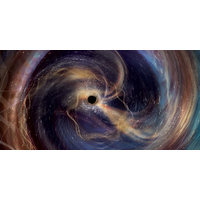
Phys. Rev. Lett. 136, 041403 (2026)
Cosmology, Astrophysics, and Gravitation
Prediction for Maximum Supercooling in $\mathrm{SU}(N)$ Confinement Transition
Article | Particles and Fields | 2026-01-29 05:00 EST
Prateek Agrawal, Gaurang Ramakant Kane, Vazha Loladze, and John March-Russell
The thermal confinement phase transition in Yang-Mills theory is first order for , with bounce action scaling as . Remarkably, lattice data for the action include a small coefficient whose presence likely strongly alters the phase transition dynamics. We give evidence, utilizing insights …
Phys. Rev. Lett. 136, 041902 (2026)
Particles and Fields
Real-Space Switching of Local Moments Driven by Quantum Geometry in Correlated Graphene Heterostructures
Article | Condensed Matter and Materials | 2026-01-29 05:00 EST
Niklas Witt, Siheon Ryee, Lennart Klebl, Jennifer Cano, Giorgio Sangiovanni, and Tim O. Wehling
Hybridization-induced topological transition between Mott states leads to flat bands, providing an alternative to twisted bilayer graphene.
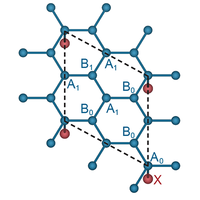
Phys. Rev. Lett. 136, 046505 (2026)
Condensed Matter and Materials
Symmetry Analysis of Magnetoelectric Coupling Effect in All Point Groups
Article | Condensed Matter and Materials | 2026-01-29 05:00 EST
Xinhai Tu, Di Wang, Hanjing Zhou, Songsong Yan, Huimei Liu, Hongjun Xiang, and Xiangang Wan
Symmetry analysis provides crucial insights into the magnetoelectric coupling effect in type-II multiferroics. In this Letter, we comprehensively investigate couplings between electric polarization and inhomogeneous magnetization across all 32 nonmagnetic point groups using a phenomenological Landau…
Phys. Rev. Lett. 136, 046802 (2026)
Condensed Matter and Materials
Spontaneous Symmetry Breaking of Cavity Vacuum and Emergent Gyrotropic Effects in Embedded Moiré Superlattices
Article | Condensed Matter and Materials | 2026-01-29 05:00 EST
Zuzhang Lin, Hsun-Chi Chan, Wenqi Yang, Yixin Sha, Cong Xiao, Shuang Zhang, and Wang Yao
All-to-one coupling between electrons in moiré superlattice to a deep-subwavelength cavity uncovers an unprecedented dual spontaneous parity symmetry breaking simultaneously in the cavity vacuum and the electronic ground state.
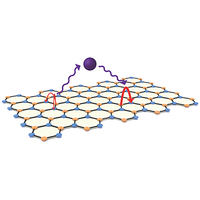
Phys. Rev. Lett. 136, 046903 (2026)
Condensed Matter and Materials
arXiv
Quench spectroscopy of amplitude modes in a one-dimensional critical phase
New Submission | Strongly Correlated Electrons (cond-mat.str-el) | 2026-01-30 20:00 EST
Hyunsoo Ha, David A. Huse, Rhine Samajdar
We investigate the emergence of an amplitude (Higgs-like) mode in the gapless phase of the $ (1+1)$ D XXZ spin chain. Unlike conventional settings where amplitude modes arise from spontaneous symmetry breaking, here, we identify a symmetry-preserving underdamped excitation on top of a Luttinger-liquid ground state. Using nonequilibrium quench spectroscopy, we demonstrate that this mode manifests as oscillations of U(1)-symmetric observables following a sudden quench. By combining numerical simulations with Bethe-ansatz analyses, we trace its microscopic origin to specific families of string excitations. We further discuss experimental pathways to detect this mode in easy-plane quantum magnets and programmable quantum simulators. Our results showcase the utility of quantum quenches as a powerful tool to probe collective excitations, beyond the scope of linear response.
Strongly Correlated Electrons (cond-mat.str-el), Quantum Gases (cond-mat.quant-gas), Statistical Mechanics (cond-mat.stat-mech), Quantum Physics (quant-ph)
7+16 pages, 3+5 figures
Hidden localization transitions in generalized Aubry-André models
New Submission | Disordered Systems and Neural Networks (cond-mat.dis-nn) | 2026-01-30 20:00 EST
Anderson localization is a phase transition between a metallic phase, where wavefunctions are extended and delocalized in space, and an insulating phase, where wavefunctions are completely localized. These transitions are driven by uncorrelated disorder or quasiperiodic disorder, e.g., in the case of the Aubry-André model. Here, I consider a family of Hamiltonians that generalizes the Aubry-André model obtained when position and momentum operators are replaced by an arbitrary couple of canonically conjugate operators. In these models, a hidden localization transition occurs between metallic/insulating phases with wavefunctions delocalized/localized with respect to one of the two canonically conjugate operators. If the canonically conjugate operators coincide with a linear combination of position and momentum, the phase transition is signaled by a zero in the normalized participation ratio in the usual position space. Surprisingly, I found that at the phase transition, this model Hamiltonian coincides with the lattice Hamiltonian of a massless Dirac fermion in a curved spacetime background, indicating an unexpected relation between many-body localization and analog gravity.
Disordered Systems and Neural Networks (cond-mat.dis-nn), Mesoscale and Nanoscale Physics (cond-mat.mes-hall), Quantum Gases (cond-mat.quant-gas), High Energy Physics - Theory (hep-th)
7 pages, 2 figures
When does a lattice higher-form symmetry flow to a topological higher-form symmetry at low energies?
New Submission | Strongly Correlated Electrons (cond-mat.str-el) | 2026-01-30 20:00 EST
Ruizhi Liu, Pok Man Tam, Ho Tat Lam, Liujun Zou
We study the lattice version of higher-form symmetries on tensor-product Hilbert spaces. Interestingly, at low energies, these symmetries may not flow to the topological higher-form symmetries familiar from relativistic quantum field theories, but instead to non-topological higher-form symmetries. We present concrete lattice models exhibiting this phenomenon. One particular model is an $ \mathbb{R}$ generalization of the Kitaev honeycomb model featuring an $ \mathbb{R}$ lattice 1-form symmetry. We show that its low-energy effective field theory is a gapless, non-relativistic theory with a non-topological $ \mathbb{R}$ 1-form symmetry. In both the lattice model and the effective field theory, we demonstrate that the non-topological $ \mathbb{R}$ 1-form symmetry is not robust against local perturbations. In contrast, we also study various modifications of the toric code and their low-energy effective field theories to demonstrate that the compact $ \mathbb{Z}2$ lattice 1-form symmetry does become topological at low energies unless the Hamiltonian is fine-tuned. Along the way, we clarify the rules for constructing low-energy effective field theories in the presence of multiple superselection sectors. Finally, we argue on general grounds that non-compact higher-form symmetries (such as $ \mathbb{R}$ and $ \mathbb{Z}$ 1-form symmetries) in lattice systems generically remain non-topological at low energies, whereas compact higher-form symmetries (such as $ \mathbb{Z}{n}$ and $ U(1)$ 1-form symmetries) generically become topological.
Strongly Correlated Electrons (cond-mat.str-el), Quantum Gases (cond-mat.quant-gas), High Energy Physics - Theory (hep-th)
Main: 14 pages, 6 figures. Supplement: 3 appendices
Protection of Unconventional Superconductivity from Disorder
New Submission | Superconductivity (cond-mat.supr-con) | 2026-01-30 20:00 EST
Sofie Castro Holbæk, Morten H. Christensen, Andreas Kreisel, Brian M. Andersen
Unconventional superconductivity is a desirable state of matter due to its potential for high transition temperatures $ T_{\mathrm{c}}$ and associated favorable superconducting properties. However, the sign-changing nature of the order parameter of unconventional superconductors renders their condensates fragile to disorder, an inevitability in real materials. We uncover the generic properties of electronic band structures and associated Bloch weights able to support robust unconventional superconductivity. We demonstrate this property in several case studies of the kagome and Lieb lattices, showing how unconventional superconductors exhibit unusually weak $ T_{\mathrm{c}}$ suppression by disorder, despite featuring fully compensated sign-changing order parameters. We contrast these results with those for unconventional superconductivity on the square and honeycomb lattices, which are unable to protect the condensates from disorder. Finally, we discuss material candidates for which this effect may be realized.
Superconductivity (cond-mat.supr-con), Strongly Correlated Electrons (cond-mat.str-el)
5 pages, 4 figures
Self-dual Higgs transitions: Toric code and beyond
New Submission | Strongly Correlated Electrons (cond-mat.str-el) | 2026-01-30 20:00 EST
Wenjie Ji, Ryan A. Lanzetta, Zheng Zhou, Chong Wang
The toric code, when deformed in a way that preserves the self-duality $ \mathbb{Z}2$ symmetry exchanging the electric and magnetic excitations, admits a transition to a topologically trivial state that spontaneously breaks the $ \mathbb{Z}2$ symmetry. Numerically, this transition was found to be continuous, which makes it particularly enigmatic given the longstanding absence of a continuum field-theoretic description. In this work we propose such a continuum field theory for the transition dubbed the $ SO(4){2,-2}$ Chern-Simons-Higgs (CSH) theory. We show that our field theory provides a natural “mean-field” understanding of the phase diagram. Moreover, it can be generalized to an entire series of theories, namely the $ SO(4){k,-k}$ CSH theories, labeled by an integer $ k$ . For each $ k>2$ , the theory describes an analogous transition involving different non-Abelian topological orders, such as the double Fibonacci order ($ k=3$ ) and the $ S_3$ quantum double ($ k=4$ ). For $ k=1$ , we conjecture that the corresponding CSH transition is in fact infrared-dual to the $ 3d$ Ising transition, in close analogy with the particle-vortex duality of a complex scalar.
Strongly Correlated Electrons (cond-mat.str-el), Statistical Mechanics (cond-mat.stat-mech), High Energy Physics - Theory (hep-th)
5+4 pages
Spin angular momentum transfer in the Einstein-de Haas effect
New Submission | Mesoscale and Nanoscale Physics (cond-mat.mes-hall) | 2026-01-30 20:00 EST
Xin Nie, Wenhao Luo, Kun Cao, Dao-Xin Yao
We investigate spin angular momentum transfer in the Einstein-de Haas effect within prototypical magnetic crystals, focusing on its partition between phonons and rigid-body rotation. Using the Eckart frame to decouple local vibrations (phonons) from rigid-body rotation, we demonstrate that spin angular momentum is simultaneously transferred into both phonons and rigid-body rotation in an asymmetric way: rigid-body rotation acquires the dominant share of angular momentum, while phonons absorb most of the resulting kinetic energy. This divergent transfer of angular momentum and energy identifies phonons as direct and indispensable participants in the Einstein-de Haas dynamics. Furthermore, we find that pseudo-dipolar anisotropy and Dzyaloshinskii-Moriya interaction exert distinct control over the angular momentum transfer. Stronger pseudo-dipolar anisotropy increases the total amount of transferred angular momentum, whereas stronger Dzyaloshinskii-Moriya interaction accelerates the transfer rate and increases the proportion of phonon angular momentum. Our work clarifies the microscopic picture of the Einstein-de Haas effect and enables targeted angular-momentum control in magneto-mechanical devices.
Mesoscale and Nanoscale Physics (cond-mat.mes-hall)
6 pages,4 figures
Topological Acoustic Diode
New Submission | Mesoscale and Nanoscale Physics (cond-mat.mes-hall) | 2026-01-30 20:00 EST
Ashwat Jain, Wojciech J. Jankowski, M. Mehraeen, Robert-Jan Slager
We show that certain three-dimensional topological phases can act as acoustic diodes realizing nonlinear odd acoustoelastic effects. Beyond uncovering topologically-induced anomalous acoustic second-harmonic generation and rectification, we demonstrate how such nonlinear responses are uniquely captured by the momentum-space nonmetricity tensor in the quantum state Hilbert-space geometry. In addition to completing the classification of quantum geometric observables in the quadratic response regime, our findings reveal unexplored avenues for experimental realizations of acoustic diodes using effective $ \theta$ vacua of axion insulators adaptable for topological engineering applications.
Mesoscale and Nanoscale Physics (cond-mat.mes-hall), Quantum Physics (quant-ph)
6+8 pages, 2+3 figures
Spin-orbit-induced Instability and Finite-Temperature Stabilization of a Triangular-lattice Supersolid
New Submission | Strongly Correlated Electrons (cond-mat.str-el) | 2026-01-30 20:00 EST
Seongjun Park, Sung-Min Park, Yun-Tak Oh, Hyun-Yong Lee, Eun-Gook Moon
Geometrically frustrated triangular-lattice magnets provide fertile ground for realizing intriguing quantum phases such as spin supersolids. A common expectation is that spin-orbit coupling (SOC), which breaks continuous spin rotational symmetry, destabilizes these phases by gapping their low-energy modes. Revisiting this assumption, we map out the SOC-field phase diagram of a frustrated triangular-lattice magnet using spin-wave theory and infinite density-matrix renormalization group (iDMRG) simulations. We find that while infinitesimally weak SOC indeed drives a zero-temperature instability of the supersolid by opening a gap, certain supersolid states remain thermodynamically stable at non-zero temperatures. This reveals a previously unrecognized mechanism in which thermal fluctuations counteract SOC to stabilize supersolidity. The resulting finite-temperature supersolids retain key responses, including a giant magnetocaloric effect, highlighting their potential relevance to real materials. At larger SOC, the system transitions into distinct magnetic orders, including a skyrmion lattice, completing a unified phase diagram.
Strongly Correlated Electrons (cond-mat.str-el)
8 pages, 5 figures
Competing Ordering Modes in the Distorted Quantum Kagome Material Clinoatacamite Cu$_2$Cl(OH)$_3$
New Submission | Strongly Correlated Electrons (cond-mat.str-el) | 2026-01-30 20:00 EST
L. Stödter, C. Kastner, H. O. Jeschke, M. Reehuis, K. Beauvois, B. Ouladdiaf, E. Chan, F. Yokaichiya, F. Bert, T. J. Hicken, J. A. Krieger, H. Luetkens, J. L. Allen, R. Feyerherm, M. Tovar, D. Menzel, A. U. B. Wolter, B. Büchner, K. C. Rule, F. J. Litterst, U. K. Rößler, S. Süllow
We have studied the magnetic properties of clinoatacamite Cu$ _2$ Cl(OH)$ _3$ , the parent compound of the quantum spin liquid candidate herbertsmithite and a longstanding puzzle among frustrated quantum magnets. As we reveal using density-functional theory, clinoatacamite belongs to the class of distorted kagome antiferromagnets with the kagome plane being embedded into a low-symmetry crystal structure. By means of thermodynamic measurements, muon spin rotation/relaxation as well as neutron diffraction on single crystals, we find a complex sequence of phases/regions below 18.1 K in zero magnetic field. We propose this complexity in multicritical clinoatacamite to arise from the competition of antiferromagnetic ordering modes from the underconstrained manifold of modes, which can lead to a metamagnetic texture in zero magnetic field.
Strongly Correlated Electrons (cond-mat.str-el)
Ultrafast Decoherence of Charge Density Waves in K${0.3}$MoO${3}$
New Submission | Strongly Correlated Electrons (cond-mat.str-el) | 2026-01-30 20:00 EST
Rafael T. Winkler, Larissa Boie, Yunpei Deng, Matteo Savoini, Serhane Zerdane, Abhishek Nag, Sabina Gurung, Davide Soranzio, Tim Suter, Vladimir Ovuka, Janine Zemp, Elsa Abreu, Simone Biasco, Roman Mankowsky, Edwin J. Divall, Alexander R. Oggenfuss, Mathias Sander, Christopher Arrell, Danylo Babich, Henrik T. Lemke, Urs Staub, Jure Demsar, Steven L. Johnson
Recent works have suggested that transient suppression of a charge density wave (CDW) by an ultra-short excitation can lead to an inversion of the CDW phase. We experimentally investigate the dynamics of the CDW in K$ _{0.3}$ MoO$ _{3}$ by time resolved x-ray diffraction after excitation with optical pulses. Our results indicate a transient inversion of the CDW phase close to the surface that evolves into a highly disordered state in less than one picosecond. Numerical simulations solving the Ginzburg-Landau equation including disorder from strong pinning defects reproduce our main observations. Our findings highlight the critical role of disorder in schemes for coherent control in condensed matter systems.
Strongly Correlated Electrons (cond-mat.str-el)
14 pages, 6 figures, 1 table
Towards the discovery of high critical magnetic field superconductors
New Submission | Superconductivity (cond-mat.supr-con) | 2026-01-30 20:00 EST
Benjamin Geisler, Philip M. Dee, James J. Hamlin, Gregory R. Stewart, Richard G. Hennig, P.J. Hirschfeld
Superconducting materials are of significant technological relevance for a broad range of applications, and intense research efforts aim at enhancing the critical temperature $ T_{c}$ . Intriguingly, while numerous studies have explored different computational and machine-learning routes to predict $ T_{c}$ , the fundamental role of the critical magnetic field has so far been overlooked. Here we open a new frontier in superconductor discovery by presenting a consistent computational database of critical fields $ H_{c}$ , $ H_{c1}$ , and $ H_{c2}$ for over 7300 electron-phonon-paired superconductors covering distinct materials classes. A theoretical framework is developed that combines $ \alpha^2F(\omega)$ spectral functions and highly accurate Fermi surfaces from density functional theory with clean-limit Eliashberg theory to obtain the coherence lengths, London penetration depths, and Ginzburg-Landau parameters. We discover an unexpectedly large number of Type-I superconductors and show that larger unit cells generically support higher critical fields and Type-II behavior. We identify the importance of going beyond BCS theory by including strong-coupling corrections to the superconducting gap and electron-phonon renormalizations of the effective mass for predictions of critical fields across materials. These results provide a framework for foundational AI models that realize the concept of inverse materials design for high-$ T_{c}$ and high-critical-field superconductors.
Superconductivity (cond-mat.supr-con), Materials Science (cond-mat.mtrl-sci)
10 pages, 4 figures
Classification of non-Fermi liquids and universal superconducting fluctuations
New Submission | Strongly Correlated Electrons (cond-mat.str-el) | 2026-01-30 20:00 EST
Shubham Kukreja, Dawson M. Willerton, Sung-Sik Lee
In quantum critical metals, a plethora of different non-Fermi liquids arises depending on the nature of critical fluctuations coupled to Fermi surfaces. In this paper, we classify non-Fermi liquids that arise from q=0 critical fluctuations and characterize their universal superconducting fluctuations. The essential tool is the projective fixed points, which generalizes the notion of fixed points to fixed trajectories that take into account the incessant running of the Fermi momentum under the renormalization group flow. Based on the topology of bundles of projective fixed points, non-Fermi liquids are first grouped into seven superuniversality classes. Each superuniversality class includes multiple universality classes, which are further classified by the universal pairing interactions and emergent symmetries. Despite the pairing interaction generated by critical fluctuations, some non-Fermi liquids remain stable down to zero temperature due to the incoherence of excitations and the lack of scale invariance caused by Fermi momentum. Depending on the strength and span of the universal pairing interaction in momentum space, the emergent symmetry of non-Fermi liquids may or may not be lower than that of Fermi liquids. In non-Fermi liquids that become superconductors at low temperatures, the universal data of the parent metal determine the lower bound for the superconducting transition temperature and the associated pairing symmetry. In superuniversality classes that contain non-Fermi liquids prone to non-s-wave superconducting instabilities, the critical angular momentum above which pairing instability becomes inevitable is sensitive to the Fermi momentum, and the associated superconducting transition temperature oscillates as a function of the density. We use physical examples, as well as a toy model, to elucidate the universal low-energy physics of all superuniversality classes.
Strongly Correlated Electrons (cond-mat.str-el), Superconductivity (cond-mat.supr-con)
123 pages, 70 figures
Field-Induced Ferroelectric Phase Transition Dynamics in PMN-PT compositions near the Morphotropic Phase Boundary
New Submission | Materials Science (cond-mat.mtrl-sci) | 2026-01-30 20:00 EST
Shivjeet Chanan, Joseph Kerchenfaut, Eduard Illin, Eugene V. Colla
The dynamical behavior of field-induced ferroelectric phase transitions in compositions of PbMg_{1/3}Nb_{2/3}O3(1-x)-PbTiO3(x), called PMN-PT, near the Morphotropic Phase Boundary (MPB) was investigated through several different external electrical field application protocols. Our results indicate that the phase transitions in PMN-PT compositions near the MPB behave differently than in compositions far below the MPB. We show that the electrical-field history has a notable impact on the field-induced transition temperature T_c, ZFC delay time tau_{ZFC}, and induced polarization P_c, gained/lost during field-induced phase transition. Moreover, we demonstrate that under certain field-temperature conditions PMN-PT can retain its electrical field history and use it to kinetically accelerate its ferroelectric ordering. An explanation for the key difference between the phase transition dynamics in compositions near and far from the MPB is proposed and contextualized within prior publications.
Materials Science (cond-mat.mtrl-sci), Disordered Systems and Neural Networks (cond-mat.dis-nn)
12 pages, 10 figures, Submitted to Phys. Rev. B
Rocket-like dynamics of ferrimagnetic domain walls in graded materials
New Submission | Mesoscale and Nanoscale Physics (cond-mat.mes-hall) | 2026-01-30 20:00 EST
P. Diona, S. Artyukhin, L. Maranzana
Domain wall motion underpins emerging spintronic technologies, such as high-speed racetrack devices and THz logic. Spatially non-uniform magnetic exchange and anisotropy in ferromagnets can pin or accelerate domain walls. In ferrimagnets, where Walker breakdown is suppressed, walls can approach the magnon speed. Here, we show that in non-uniform ferrimagnets such gradients not only exert a net force on the wall, but also modify its effective mass, enabling an entirely new acceleration mechanism. As a wall traverses regions of varying exchange or anisotropy, it can shed or gain mass leading to a “rocket effect” as in variable-mass systems. This phenomenon becomes increasingly pronounced as the wall approaches the magnon velocity, providing a natural route to ultrafast domain wall propulsion. The findings establish variable-mass domain walls as a new paradigm for efficient, high-velocity spintronics and THz-frequency magnetic technologies.
Mesoscale and Nanoscale Physics (cond-mat.mes-hall)
13 pages, 3 figures
Accelerated Inorganic Electrides Discovery by Generative Models and Hierarchical Screening
New Submission | Materials Science (cond-mat.mtrl-sci) | 2026-01-30 20:00 EST
Electrides are exotic compounds in which excess electrons occupy interstitial regions of the crystal lattice and serve as anions, exhibiting exceptional properties such as low work function, high electron mobility, and strong catalytic activity. Although they show promise for diverse applications, identifying new electrides remains challenging due to the difficulty of achieving energetically favorable electron localization in crystal cavities. Here, we present an accelerated materials discovery framework that combines physical principles, diffusion-based materials generation with hierarchical thermodynamic and electronic structure screening. Using this workflow, we systematically explored 1,510 binary and 6,654 ternary chemical compositions containing excess valence electrons from electropositive alkaline, alkaline-earth, and early transition metals, and then filtered them with a high throughput validation on both thermodynamical stability and electronic structure analysis. As a result, we have identified 264 new electron rich compounds within 0.05 eV/atom above the convex hull at the density functional theory (DFT) level, including 13 thermodynamically stable electrides. Our approach demonstrates a generalizable strategy for targeted materials discovery in a vast chemical space.
Materials Science (cond-mat.mtrl-sci), Chemical Physics (physics.chem-ph), Computational Physics (physics.comp-ph)
10 pages, 5 figures
Influence of Markovianity and self-consistency on time-resolved spectral functions of driven quantum systems
New Submission | Strongly Correlated Electrons (cond-mat.str-el) | 2026-01-30 20:00 EST
Thomas Blommel, M. Rey Lambert, Michael A. Kurniawan, Annabelle Canestraight, Vojtech Vlcek
We present a systematic comparison of the real-time Dyson expansion (RTDE) with established non-equilibrium Green’s function approaches for simulating driven, interacting quantum systems. Focusing on density matrix dynamics, time-off-diagonal Green’s functions, and time-resolved photoemission spectra, we benchmark RTDE against fully self-consistent Kadanoff-Baym equation (KBE) calculations, the generalized Kadanoff-Baym ansatz (GKBA), and exact diagonalization for small systems using second order many-body perturbation theory. Using a driven two-band Hubbard model, we show that mean-field single particle density matrix trajectories provide a reliable baseline for RTDE across a broad range of interaction strengths and excited-carrier populations. Further, RTDE accurately captures correlation effects in the Green’s functions, including long-lived oscillations and revivals that are strongly suppressed by the overdamping inherent to self-consistent KBE schemes. As a consequence, RTDE resolves rich non-equilibrium spectral structure in time-resolved photoemission, such as interaction- and population-dependent quasiparticle splittings and bandgap renormalization, which are largely washed out in self-consistent approaches, yet are present in the exact solutions. Our results demonstrate that RTDE bridges the gap between mean-field propagation and full two-time KBE simulations, retaining favorable linear scaling while capturing essential dynamical correlations relevant for ultrafast spectroscopy.
Strongly Correlated Electrons (cond-mat.str-el)
Extraction of a structural short-range order descriptor from nanobeam electron diffraction patterns using a transfer learning approach
New Submission | Materials Science (cond-mat.mtrl-sci) | 2026-01-30 20:00 EST
Amorphous solids exhibit structural short-range order despite lacking long-range crystalline order, with this structural descriptor found to be important for determining mechanical properties. Nanobeam electron diffraction offers a potential route for experimental characterization of structural short-range order, yet efforts to date have been primarily qualitative in nature. In this work, machine learning approaches based on transfer learning are used to enable quantitative analysis of nanobeam electron diffraction data from amorphous solids. A ResNet-18 model is trained on virtual diffraction patterns taken from different locations within simulated metallic glasses and amorphous grain boundary complexions in the Cu-Zr alloy system that were created with hybrid molecular dynamics and Monte Carlo simulations. The disorder parameter is found to be a superior target structural descriptor compared to traditional Voronoi indices for this task. The model achieves a low validation mean absolute error across diffraction patterns corresponding to different interaction volumes, demonstrating excellent performance and potential transferability. Testing was performed using other simulated nanobeam electron diffraction data as well as experimental nanobeam electron diffraction patterns, showing that the model can reliably capture spatial variations in local structural state. As a whole, this framework is able to overcome the challenges in the quantitative experimental characterization of structural short-range order, enabling improved characterization of amorphous solids and the exploration of structure-property relationships.
Materials Science (cond-mat.mtrl-sci)
Interacting type-II semi-Dirac quasiparticles
New Submission | Strongly Correlated Electrons (cond-mat.str-el) | 2026-01-30 20:00 EST
Mohamed M. Elsayed, Taras I. Lakoba, Valeri N. Kotov
Type-II semi-Dirac fermions in two dimensions have been proposed to describe topologically nontrivial low energy excitations in titanium/vanadium oxide heterostructures. These quasiparticles appear at the merger of three Dirac cones, resulting in a non-zero Berry phase. We find, by employing Hartree-Fock, renormalization group and RPA techniques, that the spectrum is very sensitive to long-range electron-electron interactions and can undergo a profound transformation. Specifically the quasiparticle spectrum evolves, driven by interactions, from anisotropic Dirac dispersion at the lowest energies, towards the characteristic type-II semi-Dirac boomerang shape as the energy increases. The corresponding density of states varies between linear and power one third ($ \rho(\varepsilon) \sim |\varepsilon| \rightarrow |\varepsilon|^{1/3}$ ). The crossover scale is controlled by the interaction strength $ \alpha = e^2/(\hbar v)$ , and the specifics of the effective interacting Hamiltonian. Our results imply that various physical characteristics exhibit critical behavior with continuously varying ‘critical exponents’; for example Landau levels in a magnetic field vary with the energy scale: $ |\varepsilon_n(B)|\sim (nB)^{1/2} \rightarrow (nB)^{3/4}, n=0,1,2,…$ , and similarly for other observables.
Strongly Correlated Electrons (cond-mat.str-el), Mesoscale and Nanoscale Physics (cond-mat.mes-hall)
5 pages, 6 figures
The First Switch Effect in Ferroelectric Field-Effect Transistors
New Submission | Materials Science (cond-mat.mtrl-sci) | 2026-01-30 20:00 EST
Priyankka Ravikumar, Prasanna Venkatesan, Chinsung Park, Nashrah Afroze, Mengkun Tian, Winston Chern, Suman Datta, Shimeng Yu, Souvik Mahapatra, Asif Khan
In this work, a ferroelectric field-effect transistor (FEFET) is systematically characterized and compared with an equivalent standard MOSFET with an equivalent oxide thickness. We show that these two devices, with a silicon channel, exhibit similar pristine state transfer characteristics but starkly different endurance characteristics. In contrast to the MOSFET, the FEFET shows a significant increase in sub-threshold swing in the first write pulse. Based on this, we reveal that this first write pulse (cycle 1) generates more than half of the total traps generated during the fatigue cycling in FEFETs. We call this the ‘First Switch Effect’. Further, by polarizing a pristine FEFET step by step, we demonstrate a direct correlation between the switched polarization and interface trap density during the first switch. Through charge pumping measurements, we also observe that continued cycling generates traps more towards the bulk of the stack, away from the Si/SiO2 interface in FEFETs. We establish that: (1) the first switch effect leads to approximately 50% of the total trap density (Nit) near the Si/SiO2 interface until memory window closure; and (2) further bipolar cycling leads to trap generation both at and away from Si/SiO2 interface in FEFETs.
Materials Science (cond-mat.mtrl-sci)
This manuscript was published in TDMR in 2025
A matter-wave Fabry-Pérot cavity in the ultrastrong driving regime
New Submission | Quantum Gases (cond-mat.quant-gas) | 2026-01-30 20:00 EST
Jeremy L. Tanlimco, Eber Nolasco-Martinez, Xiao Chai, S. Nicole Halawani, Eric Zhu, Ivar Martin, David M. Weld
When the length of an optical cavity is modulated, theory predicts exponential concentration of energy around particular space-time trajectories. Viewed stroboscopically, photons in such a driven cavity propagate as if in a curved spacetime, with black hole and white hole event horizons corresponding to unstable and stable fixed points of the evolution. Such phenomena have resisted direct experimental realization due to the difficulty of relativistically accelerating massive cavity mirrors. We report results of an experiment which overcomes this limitation by exchanging the roles of light and matter. A matter wave endowed with quasi-relativistic dispersion is confined between two barriers made of light, one of which is periodically translated at speeds comparable to the matter wave group velocity. In this strongly-modulated cavity we observe the emergence of the predicted bright and dark fixed point trajectories, and demonstrate that changing the modulation waveform can vary the number of fixed points and exchange their stability character. We observe signatures of nontrivial dynamics beyond those predicted for photons, and attribute them to residual curvature in the dispersion relation. In addition to experimentally realizing and characterizing cavity dynamics in the ultra-strong driving regime, these results point the way to implementations of related dynamics in electro-optic materials, with potential applications in pulse generation and signal compression.
Quantum Gases (cond-mat.quant-gas), General Relativity and Quantum Cosmology (gr-qc), Atomic Physics (physics.atom-ph), Optics (physics.optics)
7 pages, 5 figures, 10 pages supplemental information, 5 supplemental figures
Continuum mechanics of entanglement in noisy interacting fermion chains
New Submission | Statistical Mechanics (cond-mat.stat-mech) | 2026-01-30 20:00 EST
We develop an effective continuum description for information scrambling in a chain of randomly interacting Majorana fermions. The approach is based on the semiclassical treatment of the path integral for an effective spin chain that describes “two-replica” observables such as the entanglement purity and the OTOC. This formalism gives exact results for the entanglement membrane and for operator spreading in the limit of weak interactions. In this limit there is a large crossover lengthscale between free and interacting behavior, and this large lengthscale allows for a continuum limit and a controlled saddle-point calculation. The formalism is also somewhat different from that known from random unitary circuits. The entanglement membrane emerges as a kind of bound state of two travelling waves, and shows an interesting unbinding phenomenon as the velocity of the entanglement membrane approaches the butterfly velocity.
Statistical Mechanics (cond-mat.stat-mech), Disordered Systems and Neural Networks (cond-mat.dis-nn), Strongly Correlated Electrons (cond-mat.str-el), High Energy Physics - Theory (hep-th), Quantum Physics (quant-ph)
24 pages, 10 figures
Generating persistent-current superpositions in Bose-Einstein condensates using dynamic optical potentials
New Submission | Quantum Gases (cond-mat.quant-gas) | 2026-01-30 20:00 EST
Renzo Testa, Donatella Cassettari
Precise and flexible manipulation of the motional state of ultracold atoms is a fundamental enabling technology for diverse applications such as quantum sensing and quantum computation. In this paper we propose a general, simple and highly efficient method to engineer the motional state of a Bose-Einstein condensate with time-dependent optical fields, which can be realized experimentally with existing light sculpting techniques. We demonstrate numerically how to engineer superpositions of persistent currents in a toroidal trap, achieving very high fidelity. We also study in detail the stability of the state over time, and we present an analytical two-state model that approximates well the evolution of the state in presence of self-interactions.
Quantum Gases (cond-mat.quant-gas), Quantum Physics (quant-ph)
11 pages, 9 figures
Tunneling probe-based identification of the sp${}^3$ dangling bond on the H-C(100):$2\times1$ surface
New Submission | Mesoscale and Nanoscale Physics (cond-mat.mes-hall) | 2026-01-30 20:00 EST
Lachlan Oberg, Yi-Ying Sung, Cedric Weber, Marcus W. Doherty, Christopher I. Pakes
The sp$ {}^3$ dangling bond on the diamond surface plays a critical role in the performance and fabrication of diamond quantum technologies. For the former, the magnetic and electric properties of this defect can impede the performance of quantum sensors and computers. For the latter, the chemical properties of the dangling bond are integral to proposed methods for bottom-up fabrication of scalable diamond quantum devices. In pursuit of high performance and scalable diamond quantum technology, tunneling probe-based techniques offers the ability to create and modify the sp$ {}^3$ dangling bond with atomic-scale precision. However, these capabilities cannot be realised either deterministically or at scale without a means for identifying the sp$ {}^3$ dangling bond amidst the myriad of other defects on the diamond surface. Consequently, in this work we provide a comprehensive experimental and theoretical framework for STS-based characterisation of the sp$ {}^3$ defect on the H-terminated (100) diamond surface. This capability provides the foundation for future tunneling probe studies in the modification of dangling bonds.
Mesoscale and Nanoscale Physics (cond-mat.mes-hall)
8 pages, 6 figures, supplementary
Magnonic Quantum Spin Hall Effect with Chiral Magnon Transport in Bilayer Altermagnets
New Submission | Materials Science (cond-mat.mtrl-sci) | 2026-01-30 20:00 EST
Bo Yuan, Yingxi Bai, Ying Dai, Baibiao Huang, Chengwang Niu
Altermagnetism has attracted considerable interest, yet its associated spintronic phenomena have so far been largely confined to electronic systems. In this work, we uncover a universal symmetry-based strategy for realizing topological altermagnets with the magnonic quantum spin Hall effect, as evidenced by a nonzero spin Chern number and protected helical edge states. Moreover, we demonstrate that chiral magnon splitting in altermagnets gives rise to an intrinsically anisotropic, momentum-resolved thermal Hall response, sharply contrasting with those in ferromagnets and antiferromagnets, thus offering enhanced flexibility for selective manipulation. As a concrete material realization, first-principles calculations and Heisenberg-DM model analysis reveal that V$ _2$ WS$ _4$ bilayer exhibits $ d$ -wave altermagnetism, integer spin Chern number with helical magnon edge states, and the nonzero momentum-locked thermal Hall conductivity. Our results establish a direct link between topological magnons and altermagnetism, opening new avenues for dissipationless magnonic devices.
Materials Science (cond-mat.mtrl-sci)
Imperfect Turing Patterns: Diffusiophoretic Assembly of Hard Spheres via Reaction-Diffusion Instabilities
New Submission | Soft Condensed Matter (cond-mat.soft) | 2026-01-30 20:00 EST
Siamak Mirfendereski, Ankur Gupta
Turing patterns are stationary, wave-like structures that emerge from the nonequilibrium assembly of reactive and diffusive components. While they are foundational in biophysics, their classical formulation relies on a single characteristic length scale that balances reaction and diffusion, making them overly simplistic for describing biological patterns, which often exhibit multi-scale structures, grain-like textures, and inherent imperfections. Here, we integrate diffusiophoretically-assisted assembly of finite-sized cells, driven by a background chemical gradient in a Turing pattern, while also incorporating intercellular interactions. This framework introduces key control parameters, such as the Péclet number, cell size distribution, and intercellular interactions, enabling us to reproduce strikingly similar structural features observed in natural patterns. We report imperfections, including spatial variations in pattern thickness, packing limits, and pattern breakups. Our model not only deepens our understanding but also opens a new line of inquiry into imperfect Turing patterns that deviate from the classical formulation in significant ways.
Soft Condensed Matter (cond-mat.soft), Biological Physics (physics.bio-ph)
Matter 9.1 (2026)
One-Dimensional Electronic States in a Moiré Superlattice of Twisted Bilayer WTe2
New Submission | Mesoscale and Nanoscale Physics (cond-mat.mes-hall) | 2026-01-30 20:00 EST
Takuto Kawakami, Hayato Tateish, Daiki Yoshida, Xiaohan Yang, Naoto Nakatsuji, Limi Chen, Kohei Aso, Yukiko Yamada-Takamura, Yoshifumi Oshima, Yijin Zhang, Tomoki Machida, Koichiro Kato, Mikito Koshino
One-dimensional (1D) moiré superlattices provide a new route to engineering reduced-dimensional electronic states in van der Waals materials, yet their electronic structure and microscopic origin remain largely unexplored. Here, we investigate the structural relaxation and electronic properties of a 1D moiré superlattice formed in twisted bilayer 1T$ ‘$ -WTe$ _2$ using density functional theory calculations, complemented by high-angle annular dark-field scanning transmission electron microscopy. We show that lattice relaxation strongly reconstructs the moiré stripes, leading to stacking-dependent stripe widths that are in excellent agreement with experimental observations. The relaxed structure hosts quasi-one-dimensional electronic bands near the Fermi level, characterized by strong dispersion along the stripe direction and nearly flat dispersion in the perpendicular direction. By comparing the full bilayer with isolated relaxed layers, we establish that these 1D electronic states are governed predominantly by an intralayer moiré potential induced by in-plane lattice relaxation, rather than by interlayer hybridization. We extract this position-dependent moiré potential directly from DFT calculations and construct an effective tight-binding model that reproduces both the band dispersion and the real-space localization of the electronic wave functions. Our results identify lattice relaxation as the key mechanism underlying 1D electronic states in 1D moiré superlattices. %and establish twisted bilayer WTe$ _2$ as a promising platform for exploring emergent one-dimensional moiré physics. The framework developed here provides a unified theoretical basis for realizing and exploring one-dimensional moiré physics in a broad class of anisotropic two-dimensional materials.
Mesoscale and Nanoscale Physics (cond-mat.mes-hall), Materials Science (cond-mat.mtrl-sci)
14 pages, 12 figures
Model-free Analysis of Scattering and Imaging Data with Escort-Weighted Shannon Entropy and Divergence Matrices
New Submission | Materials Science (cond-mat.mtrl-sci) | 2026-01-30 20:00 EST
Jared Coles, Arthur R. C. McCray, Yue Li, Bryan T. Fichera, Yan Wu, Yiqing Hao, Daniel Phelan, Yue Cao, Raymond Osborn, C. Phatak, Stephan Rosenkranz, Yu Li
We demonstrate a model-free data analysis framework that leverages escort-weighted Shannon Entropy and several divergence matrices to detect phase transitions in scattering and imaging datasets. By establishing a connection between physical entropy and informational entropy, this approach provides a sensitive method for identifying phase transitions without an explicit physical model or order parameter. We further show that pairwise divergence matrices, including Kullback-Leibler divergence, Jeffrey Divergence, Jensen-Shannon Divergence and antisymmetric Kullback-Leibler divergence, provide more comprehensive measures of statistical changes than scalar entropy alone. Our approach successfully detects the onset of both long- and short-range order in neutron and X-ray scattering data, as well as a non-trivial phase transition in magnetic skyrmion lattices observed through Lorentz-transition electron microscopy. These results establish a framework for automated, model-free analysis of experimental data with broad applications in materials science and condensed matter physics.
Materials Science (cond-mat.mtrl-sci), Data Analysis, Statistics and Probability (physics.data-an)
6 figures
Metal Halide Perovskites for Violet and Ultraviolet Light Emission
New Submission | Materials Science (cond-mat.mtrl-sci) | 2026-01-30 20:00 EST
Sebastian Fernández, Manchen Hu, Tyler K. Colenbrander, Divine Mbachu, Daniel N. Congreve
Emissive metal halide perovskites (MHPs) have emerged as excellent candidates for next-generation optoelectronics due to their sharp color purity, inexpensive processing, and bandgap tunability. However, the development of violet and ultraviolet light-emitting MHPs has lagged behind due to challenges related to material and device stability, charge carrier transport, tunability into the ultraviolet spectrum, toxicity, and scalability. Here, we review the progress of both violet and ultraviolet MHP nanomaterials and light-emitting diodes, including materials synthesis and device fabrication across various crystal structures and dimensions (e.g., bulk thin films, 2D thin films, nanoplatelets, colloidal nanocrystals, and more) as well as lead-free platforms (e.g., rare-earth metal halide perovskites). By highlighting several pathways to continue the development of violet and ultraviolet light-emitting MHPs while also proposing tactics to overcome their outstanding challenges, we demonstrate the potential of state-of-the-art violet and ultraviolet MHP materials and devices for important applications in public health, 3D printing, nanofabrication, and more.
Materials Science (cond-mat.mtrl-sci), Mesoscale and Nanoscale Physics (cond-mat.mes-hall), Applied Physics (physics.app-ph)
Efficient high-harmonic generation in van der Waals ferroelectric NbOI$_2$ crystals
New Submission | Materials Science (cond-mat.mtrl-sci) | 2026-01-30 20:00 EST
Tianchen Hu, Feng Li, Junhan Huang, Chen Qian, Ruoxuan Ding, Hao Wang, Qiaomei Liu, Qiong Wu, Ruifeng Lu, Chunmei Zhang, Nanlin Wang
Layered NbOX$ _2$ ($ X=\mathrm{Cl,,Br,,I}$ ), a member of the van der Waals ferroelectric family, exhibits intrinsic ferroelectricity and pronounced nonlinear optical responses, making it a promising candidate for integrated nanophotonics applications. While previous studies have emphasized the material’s strong second-order nonlinear responses, higher-order nonlinear responses are still mostly unexplored. This work systematically investigates NbOI$ _2$ using high harmonic generation (HHG) spectroscopy. Driven by an intense mid-infrared laser field centered at $ \sim4\mu\mathrm{m}$ wavelength, highly anisotropic odd- and even-order harmonics up to the 16th order are generated at a low peak intensity of $ 0.4\mathrm{TW,cm^{-2}}$ , extending beyond the material’s bandgap. Both bulk and flake forms of NbOI$ _2$ display pronounced harmonic emission from the near-infrared to the deep-ultraviolet spectral region, with a notably high overall conversion efficiency compared to other known materials. Polarization-resolved measurements reveal that even-order harmonics remain aligned with the crystal polar axis regardless of the driving-field orientation, whereas odd-order harmonics are dynamically affected. First-principles calculations suggest that the flat valence band associated with Peierls dimerization enhances HHG efficiency through electron correlation. These findings provide fresh perspectives on HHG in van der Waals ferroelectric materials and facilitate the development of compact and tunable quantum light sources.
Materials Science (cond-mat.mtrl-sci), Strongly Correlated Electrons (cond-mat.str-el), Optics (physics.optics)
Dynamically training machine-learning-based force fields for strongly anharmonic materials
New Submission | Materials Science (cond-mat.mtrl-sci) | 2026-01-30 20:00 EST
Martin Callsen, Tai-Ting Lee, Mei-Yin Chou
Machine learning (ML) force fields have emerged as a powerful tool for computing materials properties at finite temperatures, particularly in regimes where traditional phonon-based perturbation theories fail or cannot be extended beyond the harmonic approximation. These approaches offer accuracy comparable to ab initio molecular dynamics (MD), but at a fraction of the computational cost. However, their reliability critically depends on the quality and representativeness of the training data. In particular, static training datasets often lead to failure when the force field encounters previously unseen atomic configurations during MD simulations. In this work, we present a framework for dynamically training ML force fields and demonstrate its effectiveness across materials with varying degrees of anharmonicity, including cubic boron arsenide (c-BAs), silicon (Si), and tin selenide (SnSe). Our method builds on the conventional lattice dynamics expansion of total energy and incorporates Bayesian error estimation to guide adaptive data acquisition during simulation. Specifically, we show that trajectory-averaged Bayesian errors enable efficient and targeted exploration of the configuration space, significantly enhancing the robustness and transferability of the resulting force fields. We further demonstrate how Bayesian error estimation can be applied to determine the convergence of the dynamic training without requiring additional ab initio data. This proposed framework offers a practical and easily implementable scheme to improve the training process, which is the most critical step in developing reliable ML force fields.
Materials Science (cond-mat.mtrl-sci), Computational Physics (physics.comp-ph)
Transferable mechanism of perpendicular magnetic anisotropy switching by hole doping in V$X_2$ ($X$=Te, Se, S) monolayers
New Submission | Materials Science (cond-mat.mtrl-sci) | 2026-01-30 20:00 EST
John Lawrence Euste, Maha Hsouna, Nataša Stojić
The ability to tune and switch magnetic anisotropy to a perpendicular orientation is a key challenge for implementing 2D magnets in spintronic devices. H-phase vanadium dichalcogenides V$ X_2$ ($ X$ =Te, Se, S) are promising ferromagnetic semiconductors with large magnetic anisotropy energy (MAE). Recent work has shown that hole doping can switch their easy axis to out-of-plane, though the microscopic origin of this perpendicular magnetic anisotropy (PMA) remains unclear. Using density-functional-theory calculations, we demonstrate that the PMA enhancement arises from first-order spin-orbit coupling (SOC) acting on topmost degenerate valence states with nonzero orbital angular momentum projection ($ m_l\ne 0$ ). In this case, the $ \hat{L}_z\hat{S}_z$ term dominates for perpendicular magnetization, while in-plane orientations involve only weaker, second-order SOC contributions. The increased valence bandwidth leads to depletion of higher-energy states upon hole doping, stabilizing PMA. From this mechanism, we identify two transferable design principles for enhancing MAE under weak hole doping: (i) orbital degeneracy at the valence-band edge protected by point-group symmetry and (ii) finite SOC in the degenerate manifold. Notably, we identify multiple magnetic semiconductors that meet these criteria and display enhanced MAE under hole doping. Furthermore, we show that band engineering can strategically place these degenerate orbitals at the valence band edge, significantly boosting PMA when hole-doped. We also examine trends in VTe$ _2$ , VSe$ _2$ , and VS$ _2$ to determine the influence of crystal-field splitting, exchange interaction, and orbital hybridization on the valence band edges. These results provide both a fundamental understanding of PMA switching upon hole doping and a transferable strategy for tuning magnetic anisotropy, essential for designing high-performance spintronic materials.
Materials Science (cond-mat.mtrl-sci)
Phys. Rev. B 112, 214423 (2025)
Numerical Diagonalization Study of the Phase Boundaries of the S=2 Heisenberg Antiferromagnet on the Orthogonal Dimer Lattice
New Submission | Materials Science (cond-mat.mtrl-sci) | 2026-01-30 20:00 EST
Hiroki Nakano, Toru Sakai, Yuko Hosokoshi
The S=2 Heisenberg antiferromagnet on the orthogonal dimer lattice is studied. The edges of the exact dimer and Neel-ordered phases in the ground state of the system are examined by the numerical diagonalization method. Our present results are discussed by combining them with previously obtained estimates for smaller-S cases. We find that an intermediate region between the exact dimer and Neel-ordered phases gradually widens as spin S is increased up to S=2.
Materials Science (cond-mat.mtrl-sci), Statistical Mechanics (cond-mat.stat-mech), Strongly Correlated Electrons (cond-mat.str-el)
5 pages, 5 figures, to be published in J. Phys. Soc. Jpn
NMR/NQR and AC-susceptibility Studies in the Weyl Semimetal Superconductor 1T-MoTe$_2$ under Pressure
New Submission | Superconductivity (cond-mat.supr-con) | 2026-01-30 20:00 EST
Takuto. Fujii, Hiroshi Yasuoka, Mukkattu Omanakuttan Ajeesh, Marcus. Schmidt, Takeshi Mito, Yu Liu, Cedomir Petrovic, Michael Baenitz
We performed the Te-nuclear magnetic resonance, the Mo-nuclear quadrupole resonance, and the AC susceptibility in the Weyl semimetal superconductor 1T-MoTe$ 2$ at pressures up to 2.17~GPa. From the temperature and pressure dependence of the AC susceptibility, the superconducting transition temperature $ T{\mathrm{c}}$ and the upper critical field $ H_{\mathrm{c2}}$ were estimated. The results deviate from the Werthamer-Helfand-Hohenberg model but are well described by $ H_{\mathrm{c2}}(T)=H_{\mathrm{c2}}(0)[1-T/T_{\mathrm{c}}]^{\alpha}$ . The latter fit yields $ H_{\mathrm{c2}}(0)=1.50$ T, $ T_{\mathrm{c}}=3.81$ K, and $ \alpha=1.1$ at 2.17GPa, suggesting that the superconductivity lies in a strong-coupling regime. Since the nuclear spin-lattice relaxation rate divided by temperature, $ 1/T_1T$ , follows the Korringa relation at ambient pressure, the increase in $ 1/T_1T$ with pressure up to approximately 0.7GPa indicates an increase in the density of states (DOS), $ N(E_\mathrm F)$ . This trend mirrors the pressure dependence of $ T_{\mathrm{c}}$ in the low-pressure region, consistent with the BCS mechanism. Above 0.7GPa, however, $ N(E_\mathrm F)$ slightly decreases while $ T_{\mathrm{c}}$ continues to rise, suggesting an additional pairing contribution beyond the conventional BCS picture. In the 1T$ ^{\prime}$ phase at 2.17GPa, the absence of a coherence peak in $ 1/T_1T$ around $ T_{\mathrm c}$ , accompanied by a two-step decrease just below $ T_{\mathrm c}$ , was observed, which may be a signature of unconventional superconductivity.
Superconductivity (cond-mat.supr-con)
Stimulated Magnonic Frequency Combs
New Submission | Mesoscale and Nanoscale Physics (cond-mat.mes-hall) | 2026-01-30 20:00 EST
Xueyu Guo, Tianci Gong, Guibin Lan, Mengying Guo, Xiufeng Han, Guoqiang Yu, Peng Yan, Qi Wang
Magnonic frequency combs, characterized by a series of discrete frequency lines, have emerged as a promising frontier in magnon spintronics, with potential applications in advanced information processing and sensing technologies. Although the three-magnon scattering process is widely recognized as a fundamental mechanism for generating these combs, its experimental realization has remained challenging due to the high threshold power and strict conservation of momentum and energy. In this work, we propose a novel mechanism for the stimulated generation of magnonic frequency combs that overcomes these limitations. Our approach offers precise and efficient control over key comb properties, including spacing between spectral lines and the number of lines, marking a significant advancement in the field. We substantiate this mechanism through a robust combination of theoretical modeling, micromagnetic simulations, and experimental validation. This study not only demonstrates the feasibility of our method but also opens new pathways for integrating magnonic frequency combs into practical spintronic devices.
Mesoscale and Nanoscale Physics (cond-mat.mes-hall)
15 Pages, 3 Figures
High-Pressure Torsion-Induced Transformation of Adenosine Monophosphate: Insights into Prebiotic Chemistry of RNA by Astronomical Impacts
New Submission | Materials Science (cond-mat.mtrl-sci) | 2026-01-30 20:00 EST
Kaveh Edalati, Jacqueline Hidalgo-Jimenez, Thanh Tam Nguyen
The origin of life is yet a compelling scientific mystery that has sometimes been attributed to high-pressure impacts by small solar system bodies such as comets, meteoroids, asteroids, and transitional objects. High-pressure torsion (HPT) is an innovative method with which to simulate the extreme conditions of astronomical impacts and offers insights relevant to prebiotic chemistry. In the present study, we investigated the polymerization and stability of adenosine monophosphate (AMP), a key precursor to ribonucleic acid (RNA), in dry and hydrated conditions (10 wt% water) under 6 GPa at ambient and boiling water temperatures. Comprehensive analyses with the use of X-ray diffraction, Raman spectroscopy, Fourier-transform infrared spectroscopy, nuclear magnetic resonance, scanning electron microscopy, and matrix-assisted laser desorption/ionization time-of-flight mass spectrometry revealed no evidence of polymerization, while AMP partly transformed to other organic compounds such as nucleobase-derived fragments of adenine, phosphoribose fragments, dehydrated adenosine, protonated adenosine, and oxidized adenosine. The torque measurements during HPT further highlight the mechanical behavior of AMP under extreme conditions. These findings suggest that, while HPT under the conditions tested does not facilitate polymerization, the formation of various compounds from AMP confirms the significance of astronomical impacts on the prebiotic chemistry of RNA on early Earth. Keywords: Ribonucleic acid (RNA), Origin of life; Phase transformations; Chemical reactions, Small solar system bodies
Materials Science (cond-mat.mtrl-sci), Earth and Planetary Astrophysics (astro-ph.EP), Chemical Physics (physics.chem-ph)
Screening 39 billion protostructures for materials discovery
New Submission | Materials Science (cond-mat.mtrl-sci) | 2026-01-30 20:00 EST
Abhijith S Parackal, Florian Trybel, Felix Andreas Faber, Rickard Armiento
Large-scale computational surveys are increasingly used to map the landscape of stable crystalline materials. We report a high-throughput energy screening of inorganic crystals that enumerates binary and ternary compositions up to a specified unit-cell complexity, yielding 39 billion protostructures. Candidates predicted to lie on or near the convex hull are retained, and their degrees of freedom are explored via Latin hypercube sampling followed by relaxation with machine-learned interatomic potentials. The resulting dataset contains 81 million locally relaxed crystal structures spanning 4495 ternary phase diagrams constructed from elements ranging from lithium to bromine and contains 88,498 crystal prototypes not present in existing crystal-structure databases. The methods are validated both for three well-explored materials systems, Zr-Zn-N, Ti-Zn-N, and Hf-Zn-N, and by comparing with known data for structures resulting from the larger screening. The work provides a systematic map of low-energy compositional-structural space and a large, structured pool of candidates for downstream property evaluation and materials design.
Materials Science (cond-mat.mtrl-sci)
21 pages including SI and references, 8 figures
High-precision Dynamic Monte Carlo Study of Rigidity Percolation
New Submission | Statistical Mechanics (cond-mat.stat-mech) | 2026-01-30 20:00 EST
Mingzhong Lu, Yufeng Song, Qiyuan Shi, Ming Li, Youjin Deng
Rigidity percolation provides an important basis for understanding the onset of mechanical stability in disordered materials. While most studies on the triangular lattice have focused on static properties at fixed bond~(site) occupation probabilities, the dynamics of the rigidity transition remain less explored. In this work, we formulate a dynamic pebble game algorithm that monitors how rigid clusters emerge and evolve as bonds are added sequentially to an empty lattice, with computational efficiency comparable to the standard static pebble game. We uncover a previously overlooked temporal self-similarity exhibited in multiple quantities, including the cluster size changes and merged cluster sizes during bond addition, as well as the number of simultaneously merging clusters. We identify large-scale cascade events in which a single bond addition triggers the merger of an extensive number of clusters that scales with system size with inverse correlation-length exponent. Using an event-based ensemble approach, we obtain high-precision estimates of the critical point $ p_c = 0.660,277,8(10)$ , the inverse correlation-length exponent $ 1/\nu = 0.850(3)$ , and the fractal dimension $ d_f = 1.850(2)$ , representing substantial improvements over existing values.
Statistical Mechanics (cond-mat.stat-mech), Mathematical Physics (math-ph), Computational Physics (physics.comp-ph)
Features distinguishing the flow behavior of polyelectrolytes with opposite charges in aqueous solutions
New Submission | Soft Condensed Matter (cond-mat.soft) | 2026-01-30 20:00 EST
Suresha P. Ranganath, Manohar V. Badiger, Bernhard A. Wolf
Solution viscosities of a polycation and a polyanion in NaCl-water: HSAB-guided rheology The zero-shear viscosities of poly(3-acrylamido-propyl-trimethyl-ammonium-chloride) (PAPTMAC-Cl, M ~ 7.8 kDa) and poly(styrene-sulfonate sodium) (PSS-Na, M ~ 75.6 kDa) were measured in aqueous NaCl solutions at 25 degrees C over a wide range of salt concentrations. Extrapolation to zero polymer concentration yields an intrinsic viscosity of 4 460 mL g^-1 for the polycation, i.e. roughly three times larger than that of the polyanion, although the polycation’s molar mass is only one-tenth of the polyanion’s. At low salinities the shear-overlap parameter S as a function of polymer concentration c exhibits a pronounced maximum for PAPTMAC-Cl, whereas PSS-Na shows a clear inflection point. With increasing NaCl concentration both curves become linear, indicating that the system has entered a regime where the solute dominates the flow behavior. The crossover concentrations (S_crov) of the polycation are systematically larger than those of the polyanion. By applying Pearson’s Hard-Soft Acid-Base (HSAB) concept we find that the observed differences are not a simple consequence of opposite polymer charges. Rather they arise from the specific ion-pairing: the soft NR4+ group of PAPTMAC pairs with the hard Cl-, whereas the hard RSO3- units of PSS-Na interact with the hard Na+. This insight suggests that the rheological response of polyelectrolyte solutions can be deliberately tuned by choosing counter-ions of appropriate hardness/softness. Keywords: intrinsic viscosity, shear-overlap, polyelectrolytes, sodium chloride, HSAB theory, rheology, soft-matter.
Soft Condensed Matter (cond-mat.soft)
32 pages, 13 figures
Finite-size corrections to the crosscap overlap in the two-dimensional Ising model
New Submission | Statistical Mechanics (cond-mat.stat-mech) | 2026-01-30 20:00 EST
Yiteng Zhang, Li-Ping Yang, Hong-Hao Tu, Yueshui Zhang
We analyze the finite-size corrections to the crosscap overlap in the two-dimensional classical Ising model along its self-dual critical line. Using a fermionic formulation, we express the lattice crosscap overlap in terms of Bogoliubov angles and develop a contour-integral approach by analytically continuing the lattice momentum to the complex plane. This leads to a remarkably simple expression for the crosscap overlap, which demonstrates that the finite-size corrections decay exponentially with system size. We further derive an exact analytical formula for the corresponding decay constant and show that it is determined by the complex singularity structure of the Bogoliubov angle.
Statistical Mechanics (cond-mat.stat-mech), Strongly Correlated Electrons (cond-mat.str-el), High Energy Physics - Theory (hep-th), Mathematical Physics (math-ph)
6 pages, 3 figures
Six-loop renormalization group analysis of the $ϕ^4 + ϕ^6$ model
New Submission | Statistical Mechanics (cond-mat.stat-mech) | 2026-01-30 20:00 EST
L. Ts. Adzhemyan, M. V. Kompaniets, A. V. Trenogin
We investigate the $ \lambda\ph^4+g\ph^6$ model using the renormalization group method and the $ \ep$ expansion. This model is used in a situation where the coefficients $ \lambda$ , $ g$ and the coefficient $ \tau$ of the term $ \tau \ph^2$ depend on two parameters $ T$ and $ P$ , and there is a point ($ T_c,P_c$ ) at which $ \tau$ and $ \lambda$ are zero. This point is named the tricritical point. The description of a system depends on a trajectory that leads to the tricritical point on the plane ($ T,P$ ). In the trajectories, when $ \lambda$ goes to zero fast enough, the description is defined by the $ \ph^6$ interaction and then the $ \ph^4$ term can be considered as a composite operator. In this case, the logarithmic dimension is $ d=3$ , and the $ \ep$ expansion is carried out in the dimension $ d=3-2\ep$ . The main exponents of the \textit{tricritical} model have been calculated in the third order of the $ \ep$ expansion. Taking into account the $ \ph^4$ interaction, we were able to calculate the value of the parameter that determines the required decrease rate in $ \lambda$ to implement the tricritical behavior. The tricritical dimensions of the composite operators $ \ph^k$ for $ k=1, 2, 4, 6$ have been computed. The resulting values are compared to those known from a conformal field theory and non-perturbative renormalization group.
Statistical Mechanics (cond-mat.stat-mech), High Energy Physics - Theory (hep-th), Chaotic Dynamics (nlin.CD)
10 pages
Sustainable Materials Discovery in the Era of Artificial Intelligence
New Submission | Materials Science (cond-mat.mtrl-sci) | 2026-01-30 20:00 EST
Sajid Mannan, Rupert J. Myers, Rohit Batra, Rocio Mercado, Lothar Wondraczek, N. M. Anoop Krishnan
Artificial intelligence (AI) has transformed materials discovery, enabling rapid exploration of chemical space through generative models and surrogate screening. Yet current AI workflows optimize performance first, deferring sustainability to post synthesis assessment. This creates inefficiency by the time environmental burdens are quantified, resources have been invested in potentially unsustainable solutions. The disconnect between atomic scale design and lifecycle assessment (LCA) reflects fundamental challenges, data scarcity across heterogeneous sources, scale gaps from atoms to industrial systems, uncertainty in synthesis pathways, and the absence of frameworks that co-optimize performance with environmental impact. We propose to integrate upstream machine learning (ML) assisted materials discovery with downstream lifecycle assessment into a uniform ML-LCA environment. The framework ML-LCA integrates five components, information extraction for building materials-environment knowledge bases, harmonized databases linking properties to sustainability metrics, multi-scale models bridging atomic properties to lifecycle impacts, ensemble prediction of manufacturing pathways with uncertainty quantification, and uncertainty-aware optimization enabling simultaneous performance-sustainability navigation. Case studies spanning glass, cement, semiconductor photoresists, and polymers demonstrate both necessity and feasibility while identifying material-specific integration challenges. Realizing ML-LCA demands coordinated advances in data infrastructure, ex-ante assessment methodologies, multi-objective optimization, and regulatory alignment enabling the discovery of materials that are sustainable by design rather than by chance.
Materials Science (cond-mat.mtrl-sci), Artificial Intelligence (cs.AI)
Quantum Otto cycle in the Anderson impurity model
New Submission | Mesoscale and Nanoscale Physics (cond-mat.mes-hall) | 2026-01-30 20:00 EST
Salvatore Gatto, Alessandra Colla, Heinz-Peter Breuer, Michael Thoss
We study the thermodynamic performance of a periodic quantum Otto cycle operating on the single-impurity Anderson model. Using a decomposition of the time-evolution generator based on the principle of minimal dissipation, combined with the numerically exact hierarchical equations of motion (HEOM) method, we analyze the operating regimes of the quantum thermal machine and investigate effects of Coulomb interactions, strong system-reservoir coupling, and energy level alignments. Our results show that Coulomb interaction can change the operating regimes and may lead to an enhancement of the efficiency.
Mesoscale and Nanoscale Physics (cond-mat.mes-hall), Statistical Mechanics (cond-mat.stat-mech), Quantum Physics (quant-ph)
Deeply nonlinear magnon-photon hybrid excitation
New Submission | Mesoscale and Nanoscale Physics (cond-mat.mes-hall) | 2026-01-30 20:00 EST
Dinesh Wagle, Anish Rai, M. Benjamin Jungfleisch
We investigate the microwave-power dependence of magnon-photon coupling in a yttrium iron garnet-sphere/split-ring-resonator hybrid system at room temperature and demonstrate that nonlinear spin-wave interactions suppress the coupling through power-induced dissipation of magnetostatic modes. At low microwave power, the modes exhibit pronounced level repulsion, evidencing strong coupling to the microwave field. As the power increases, however, magnon linewidth broadening progressively weakens the coupling and ultimately suppresses it entirely below a threshold external magnetic field. We show that this behavior originates from Suhl’s first-order instability: magnetostatic modes, which couple to the resonator, parametrically excites two counter-propagating magnons at half its frequency, causing modes below the threshold external magnetic field to vanish. In contrast, magnon modes above the threshold field remain robust even at high power, as the instability criterion is not satisfied in that regime. These results reveal a well-defined nonlinear boundary for magnon-photon coupled systems and highlight a favorable regime for exploiting nonlinear magnonics for frequency conversion, switching, and other functional magnonic devices.
Mesoscale and Nanoscale Physics (cond-mat.mes-hall), Materials Science (cond-mat.mtrl-sci), Other Condensed Matter (cond-mat.other), Applied Physics (physics.app-ph)
The roles of bulk and surface thermodynamics in the selective adsorption of a confined azeotropic mixture
New Submission | Statistical Mechanics (cond-mat.stat-mech) | 2026-01-30 20:00 EST
Katie L. Y. Zhou, Anna T. Bui, Stephen J. Cox
Fluid mixtures that exhibit an azeotrope cannot be purified by simple bulk distillation. Consequently, there is strong motivation to understand the behavior of azeotropic mixtures under confinement. We address this problem using a machine-learning-enhanced classical density functional theory applied to a binary Lennard-Jones mixture that exhibits azeotropic phase behavior. As proof-of-principle of a “train once, learn many” strategy, our approach combines a neural functional trained on a single-component repulsive reference system with a mean-field treatment of attractive interactions, derived within the framework of hyperdensity functional theory (hyper-DFT). The theory faithfully describes capillary condensation and results from grand canonical Monte Carlo simulations. Moreover, by taking advantage of a known accurate equation of state, the theory we present well-describes bulk thermodynamics by construction. Exploiting the computational efficiency of hyper-DFT, we systematically evaluate adsorption selectivity across a wide range of compositions, pressures, temperatures, and wall-fluid affinities. In cases where the wall-fluid interaction is the same for both species, we find that the pore becomes completely unselective at the bulk azeotropic composition. Strikingly, this unselective point persists far from liquid-vapor coexistence, including in the supercritical regime. Analysis of the bulk equation of state across a wide range of thermodynamic state points shows that the azeotropic composition coincides with equal partial molar volumes and an extremum in the isothermal compressibility. A complementary thermodynamic analysis demonstrates that unselective adsorption corresponds to an aneotrope (a point of zero relative adsorption) and an extremum in the interfacial free energy. We also find that the two interfaces of the slit pore behave independently down to remarkably small slits.
Statistical Mechanics (cond-mat.stat-mech), Soft Condensed Matter (cond-mat.soft), Chemical Physics (physics.chem-ph)
Main: 14 pages, 5 figures. SI: 5 pages, 4 figures
Microstructure-controlled vortex phases and two-phase superconductivity in (TaNb)0.7(HfZrTi)0.5 revealed by ac magnetostrictive coefficients
New Submission | Superconductivity (cond-mat.supr-con) | 2026-01-30 20:00 EST
Mengju Yuan, Yuze Xu, Bin Zhang, Jun-Yi Ge, Aifeng Wang, Mingquan He, Yanpeng Qi, Yisheng Chai
We investigate flux dynamics in the high-entropy alloy superconductor (TaNb)0.7(HfZrTi)0.5 after annealing (as-cast, 500 °C, 550 °C, and 1000 °C) using a sensitive ac composite magnetoelectric method that measures the complex ac magnetostrictive coefficient (d{\lambda}/dH)ac. The resulting vortex phase diagrams show that intermediate annealing (500-550 °C) induces nanoscale clustering, enhances pinning, and produces a pronounced fishtail effect with successive elastic- and plastic-vortex-glass regimes. Flux-jump instabilities appear at 550 °C and persist at 1000 °C, indicating strong pinning and thermomagnetic instability in the low-temperature, low-field regime. Remarkably, the 1000 °C sample exhibits a two-step superconducting response-a double plateau or drop in d{\lambda}’/dH and two dissipation peaks in d{\lambda}’’/dH-demonstrating the coexistence of two superconducting phases with distinct irreversibility and critical-field value. We further show that the resolvability of the two-step (d{\lambda}/dH)ac signature is governed by the topological connectivity of the phase-separated microstructure, which controls magnetic shielding between the TaNb-rich network and the (TaNb)0.7(HfZrTi)0.5 parent phase. These results establish a direct microstructure-vortex-state correlation and provide a route to tailoring flux pinning in chemically complex superconductors via thermal processing.
Superconductivity (cond-mat.supr-con), Materials Science (cond-mat.mtrl-sci)
5 figures, submitted
Non-invertible translation from Lieb-Schultz-Mattis anomaly
New Submission | Strongly Correlated Electrons (cond-mat.str-el) | 2026-01-30 20:00 EST
Tsubasa Oishi, Takuma Saito, Hiromi Ebisu
Symmetry provides powerful non-perturbative constraints in quantum many-body systems. A prominent example is the Lieb-Schultz-Mattis (LSM) anomaly – a mixed ‘t Hooft anomaly between internal and translational symmetries that forbids a trivial symmetric gapped phase. In this work, we investigate lattice translation operators in systems with an LSM anomaly. We construct explicit lattice models in two and three spatial dimensions and show that, after gauging the full internal symmetry, translation becomes non-invertible and fuses into defects of the internal symmetry. The result is supported by the anomaly-inflow in view of topological field theory. Our work extends earlier one-dimensional observations to a unified higher-dimensional framework and clarifies their origin in mixed anomalies and higher-group structures, highlighting a coherent interplay between internal and crystalline symmetries.
Strongly Correlated Electrons (cond-mat.str-el), High Energy Physics - Theory (hep-th), Quantum Physics (quant-ph)
36 pages, 4 figures
Pattern Formation in Excitable Neuronal Maps
New Submission | Statistical Mechanics (cond-mat.stat-mech) | 2026-01-30 20:00 EST
Divya D. Joshi, Trupti R. Sharma, Prashant M. Gade
Coupled excitable systems can generate a variety of patterns. In this work, we investigate coupled Chialvo maps in two dimensions under two types of nearest-neighbor couplings. One coupling produces ringlike patterns, while the other produces spirals. The rings expand with increasing coupling, whereas spirals evolve into turbulence and dissipate at stronger coupling. To quantify these patterns, we introduce an analogue of the discriminant of the velocity gradient tensor and examine the persistence of its sign. For ring-type patterns, the persistence decays more slowly than exponentially, often following a power law or stretched exponential. When spiral structures remain intact, persistence saturates asymptotically and can exhibit superposed periodic oscillations, suggesting complex exponents at early times. These behaviors highlight deep connections with the underlying dynamics.
Statistical Mechanics (cond-mat.stat-mech), Chaotic Dynamics (nlin.CD), Pattern Formation and Solitons (nlin.PS)
9 pages, 6 figures, 30 subfigures
Impact of hydrogen incorporation on electronic and magnetic structure of X2CrNi18-9 stainless steel
New Submission | Materials Science (cond-mat.mtrl-sci) | 2026-01-30 20:00 EST
Torben Tappe, Louis Becker, Gaurav Kanu, Thomas F. Headen, Dirk Honecker, Gabi Schierning, Santiago Benito, Sebastian Weber, Klara Lünser, Sabrina Disch
Hydrogen absorption significantly alters the mechanical properties of steel. However, absorbed hydrogen also influences its electronic and magneto-structural properties, helping to interpret how hydrogen is incorporated. This study therefore investigates the influence of hydrogen incorporation on the electronic and magneto-structural properties of X2CrNi18-9 stainless steel in different microstructural states. Microstructural characterization included analytic electron microscopy mapping, X-ray diffraction and thermodynamic stability maps to evaluate grain size, dislocation density and chemical homogeneity. The electronic properties were characterized using the Seebeck coefficient, while the magneto-structural properties were investigated using diffuse neutron scattering and small-angle neutron scattering (SANS). Hydrogen incorporation showed clear changes in the Seebeck coefficients. Magnetic SANS in conjunction with diffuse neutron scattering indicates the existence of nanoscale inhomogeneities with the same fcc structure as the bulk, but with correlation lengths of a few nanometres. The size of these inhomogeneities increased with hydrogen incorporation, suggesting that hydrogen preferentially accumulates in their vicinity. However, no direct correlation between the electronic and magneto-structural properties and the dislocation density could be demonstrated. We suggest that studies such as these will lead in the medium term to the development of guidelines for material design to make steels more resistant to hydrogen.
Materials Science (cond-mat.mtrl-sci)
18 pages, 8 figures
Ultra-complex conductivity diagrams in the nearly free electron approximation
New Submission | Materials Science (cond-mat.mtrl-sci) | 2026-01-30 20:00 EST
We investigate the possibility of the emergence of ultra-complex conductivity diagrams in the nearly free electron approximation for metals with cubic symmetry. Estimates show that the emergence of such diagrams requires the Fermi level to fall into very narrow energy intervals within the conduction band. In our view, this circumstance is mostly due to the high symmetry and the simplest analytical form of the dispersion relations $ \epsilon ({\bf p})$ under consideration.
Materials Science (cond-mat.mtrl-sci)
18 pages, 23 figures, revtex
Pearl-Vortex Tunneling in Magic-Angle Twisted Graphene
New Submission | Superconductivity (cond-mat.supr-con) | 2026-01-30 20:00 EST
Marta Perego, Peter Koopmann, Clara Galante Agero, Alexandra Mestre Tora’, Artem O. Denisov, Takashi Taniguchi, Kenji Watanabe, Vadim Geshkenbein, Gianni Blatter, Thomas Ihn, Klaus Ensslin
Twisted graphene provides a tunable platform for studying superconductivity in two dimensions. In the presence of electric currents and magnetic fields, vortices determine the phenomenological properties of the material. Related studies usually address bulk properties averaging over ensembles of vortices. Here, we employ a gate-defined Josephson junction as a single-vortex sensor, enabling direct access to individual vortex dynamical events. Our measurements reveal that, at elevated temperatures (T > 100 mK), vortices enter the superconducting leads via classical thermal activation over energy barriers. At lower temperatures (T < 90 mK), we observe macroscopic quantum tunneling through these barriers. The data are consistent with a sharp, first-order type quantum-to-classical transition. From our measurements, we extract vortex entry and exit energy barriers on the order of a few Kelvin and estimate the barrier thickness to be approximately 100 nm, corresponding to about one tenth of the device width.
Superconductivity (cond-mat.supr-con)
Model density approach to Ewald summations
New Submission | Materials Science (cond-mat.mtrl-sci) | 2026-01-30 20:00 EST
Chiara Ribaldone, Jacques Kontak Desmarais
The evaluation of the electrostatic potential is fundamental to the study of condensed phase systems. We discuss the calculation of the relevant lattice summations by Ewald-type techniques. A model charge density is introduced, that cancels multipole moments of the crystalline charge distribution up to a desired order, for accelerating convergence of the Ewald sums. The method is applicable to calculations of bulk systems, employing arbitrary unit cells in a classical or quantum context, and with arbitrary basis functions to represent the charge density. The approach clarifies a decades-old implementation in the CRYSTAL code.
Materials Science (cond-mat.mtrl-sci), Soft Condensed Matter (cond-mat.soft), Chemical Physics (physics.chem-ph), Classical Physics (physics.class-ph), Computational Physics (physics.comp-ph)
Synthetic control over marcasite-pyrite polymorph formation in the Fe1-xCoxSe2 series
New Submission | Materials Science (cond-mat.mtrl-sci) | 2026-01-30 20:00 EST
Luqman Mustafa, Susanne Kunzmann, Martin Kostka, Jill Fortmann, Aurelija Mockute, Alan Savan, Alfred Ludwig, Anna Grünebohm, Andreas Kreyssig, Anna E. Böhmer
Transition-metal dichalcogenides of the pyrite-marcasite family are model systems of crystal chemistry. A few of these show polymorphism. The theoretical ground state of CoSe2 is marcasite, but the material is typically synthesized in the pyrite structure. Polymorphism has been observed in nanoparticles and synthetic control of the polymorphs of CoSe2 has not been achieved. We have synthesized material libraries of the Fe1-xCoxSe2 series by combining combinatorial deposition and ex-situ selenization. The approach allows to efficiently explore substitution ranges and crystal structures that form for different synthesis conditions. We find that higher levels of Co content x within the marcasite structure are possible when synthesizing at low temperatures. At a synthesis temperature of only 250° C, we have successfully synthesized marcasite CoSe2 as the majority phase. Density functional theory simulations reveal that the two isomorphs of CoSe2 are extremely close in energy and that the orthorhombic phase is the energetic ground state. Our experimental and theoretical data show that the marcasite structure is the equilibrium phase of Fe1-xCoxSe2 in the entire composition range.
Materials Science (cond-mat.mtrl-sci)
9 pages, 7 figures
Rate Equation for the Transfer of Interstitials across Interfaces between Equilibrated Crystals
New Submission | Materials Science (cond-mat.mtrl-sci) | 2026-01-30 20:00 EST
This work inspects the thermally activated transfer of solute particles across the interface between two interstitial solid solution phases that equilibrate internally by fast diffusion on conserved arrays of sites. When each phase is considered as an ergodic ensemble of particles, statistical mechanics predicts the occupancy of the transition states at equilibrium to depend on the barrier energy and on the chemical potentials and vacancy fractions in each of the phases. A rate law for the non-equilibrium interfacial transfer, based on a constant transition probability between activated states, naturally satisfies the principle of detailed balance. Contrary to Butler-Volmer-type laws, values of the particle chemical potentials enter explicitly rather than through their difference. This, along with the dependency on the vacancy fractions, implies here an exchange flux density that depends explicitly on the compositions at equilibrium. The results can explain experimental observations of a drastic slow-down in the charging of metal hydrides near phase transformations or miscibility-gap critical points.
Materials Science (cond-mat.mtrl-sci)
Preprint of manuscript accepted for publication in Physical Review Letters, year 2026
Watching Polarons Form in Real Time
New Submission | Materials Science (cond-mat.mtrl-sci) | 2026-01-30 20:00 EST
Victor Garcia-Herrero, Christoph Emeis, Zhenbang Dai, Jon Lafuente-Bartolome, Feliciano Giustino, Fabio Caruso
Polaron formation in pump-probe experiments is an inherently non-equilibrium phenomenon, driven by the ultrafast coupled dynamics of electrons and phonons, and culminating in the emergence of a localized quasiparticle state. In this work, we present a first-principles quantum-kinetic theory of polaron formation that captures the real-time evolution of electronic and lattice degrees of freedom in presence of electron-phonon coupling. We implement this framework to investigate the ultrafast polaron formation in the prototypical polar insulator MgO. This approach allows us to determine the characteristic timescales of polaron localization and to identify its distinctive dynamical fingerprint. Our results establish clear and experimentally accessible criteria for identifying polaron formation in pump-probe experiments.
Materials Science (cond-mat.mtrl-sci)
Bound-state-free Förster resonant shielding of strongly dipolar ultracold molecules
New Submission | Quantum Gases (cond-mat.quant-gas) | 2026-01-30 20:00 EST
We propose a method to suppress collisional loss in strongly dipolar, rotationally excited ultracold molecules using a combination of static (dc) and microwave (ac) electric fields. By tuning two excited pair molecular rotational states into a Förster resonance with a dc field, simultaneously driving excited rotational transitions with an ac field removes all long-range bound states, allowing near complete suppression of all two- and three-body collisional loss channels. While permitting tunable dipolar and anti-dipolar interactions, this bound-state-free ac/dc scheme is not subject to photon-changing collisions that are the primary source of two-body loss in shielding with two microwave fields, used to achieve the first molecular Bose-Einstein condensate [Bigagli et al., Nature 631, 289 (2024)]. Using NaCs as a representative example for strongly dipolar molecules, close-coupling calculations are performed to show that bound-state-free shielding can achieve ratios of elastic-to-loss rates $ \gtrsim 10^{6}$ at 100 nK, with currently accessible ac and dc field generation technologies. This work opens new opportunities for realizing large, long-lived samples of strongly interacting degenerate molecular gases with tunable long-range interactions.
Quantum Gases (cond-mat.quant-gas), Atomic Physics (physics.atom-ph), Quantum Physics (quant-ph)
7 pages, 5 figures
Fabrication effects on Niobium oxidation and surface contamination in Niobium-metal bilayers using X-ray photoelectron spectroscopy
New Submission | Materials Science (cond-mat.mtrl-sci) | 2026-01-30 20:00 EST
Tathagata Banerjee, Maciej W. Olszewski, Valla Fatemi
Superconducting resonators and qubits are limited by dielectric losses from surface oxides. Surface oxides are mitigated through various strategies such as the addition of a metal capping layer, surface passivation, and acid processing. In this study, we demonstrate the use of X-ray photoelectron spectroscopy (XPS) as a rapid characterization tool to study the effectiveness cap layers for niobium for further device fabrication. We non-destructively evaluate 17 capping layers to characterize their ability to prevent oxygen diffusion, and the effects of standard fabrication processes – annealing, resist stripping, and acid cleaning. We downselect for resilient capping layers and test their microwave resonator performance.
Materials Science (cond-mat.mtrl-sci), Quantum Physics (quant-ph)
Superconducting properties of transition metal dichalcogenides in proximity to a conventional superconductor
New Submission | Superconductivity (cond-mat.supr-con) | 2026-01-30 20:00 EST
Florian Kayatz, Annica M. Black-Schaffer, Jorge Cayao
Transition metal dichalcogenides (TMDs) hold relevance for spin-triplet superconducting phases due to their inherent Ising spin-orbit coupling, but the majority of studies have so far focused on oversimplified models. In this work, we consider a TMD monolayer using a three-orbital model with anisotropic couplings and investigate the emergent superconducting properties when it is placed in proximity to a conventional spin-singlet $ s$ -wave superconductor. We find that the multiorbital nature of the TMDs lead to superconducting gaps not only at zero energy, but also at higher energies, so-called hybridization gaps, which exhibit a complex structure due to the anisotropic couplings, challenging their spectral measurement. Moreover, we find that the inherent Ising spin-orbit coupling induces a spin splitting and a spin polarization along the $ z$ -direction, which correlates with the emergence of mixed spin-triplet superconducting pairs. These spin-triplet pair correlations appear in the monolayer as a proximity-induced effect due to the impact of the Ising spin-orbit field on conventional spin-singlet $ s$ -wave superconductivity. Taking realistic parameters for a $ \text{MoS}_2$ monolayer, we show that the Ising field is strong enough to induce spin-triplet pair correlations of the same magnitude as their spin-singlet counterparts. We also include Rashba spin-orbit coupling, naturally emerging in a heterostructure and find that it induces equal spin-triplet superconducting pairs that compete with the mixed spin-triplet pairs induced by the Ising spin-orbit coupling. Our findings help understand the superconducting properties of TMDs in proximity to conventional superconductors.
Superconductivity (cond-mat.supr-con), Mesoscale and Nanoscale Physics (cond-mat.mes-hall)
17 pages, 10 figures. Comments welcome
MEIDNet: Multimodal generative AI framework for inverse materials design
New Submission | Materials Science (cond-mat.mtrl-sci) | 2026-01-30 20:00 EST
Anand Babu, Rogério Almeida Gouvêa, Pierre Vandergheynst, Gian-Marco Rignanese
In this work, we present Multimodal Equivariant Inverse Design Network (MEIDNet), a framework that jointly learns structural information and materials properties through contrastive learning, while encoding structures via an equivariant graph neural network (EGNN). By combining generative inverse design with multimodal learning, our approach accelerates the exploration of chemical-structural space and facilitates the discovery of materials that satisfy predefined property targets. MEIDNet exhibits strong latent-space alignment with cosine similarity 0.96 by fusion of three modalities through cross-modal learning. Through implementation of curriculum learning strategies, MEIDNet achieves ~60 times higher learning efficiency than conventional training techniques. The potential of our multimodal approach is demonstrated by generating low-bandgap perovskite structures at a stable, unique, and novel (SUN) rate of 13.6 %, which are further validated by ab initio methods. Our inverse design framework demonstrates both scalability and adaptability, paving the way for the universal learning of chemical space across diverse modalities.
Materials Science (cond-mat.mtrl-sci), Artificial Intelligence (cs.AI), Machine Learning (cs.LG), Computational Physics (physics.comp-ph)
Intrinsic Nonlinear Gyrotropic Magnetic Effect Governed by Spin-Rotation Quantum Geometry
New Submission | Mesoscale and Nanoscale Physics (cond-mat.mes-hall) | 2026-01-30 20:00 EST
Neelanjan Chakraborti, Snehasish Nandy, Sudeep Kumar Ghosh
Nonlinear magnetic response driven by time-periodic magnetic fields offers a distinct route to probe spin-resolved quantum geometry beyond conventional electric-field-driven nonlinear effects. While linear magnetic responses depend on the Zeeman quantum geometric tensor, the influence of generalized spin-rotation quantum geometries on nonlinear responses has not been established. Here, we develop a microscopic quantum-kinetic framework to elucidate how the Zeeman and spin-rotation quantum geometric tensors govern nonlinear gyrotropic magnetic transport in two-dimensional systems. We derive second-order gyrotropic magnetic currents and reveal a distinct geometric separation: the off-diagonal sector is controlled by the Zeeman symplectic and metric connections, whereas the diagonal sector is dictated by the spin-rotation quantum metric and Berry curvature. This identifies the spin-rotation quantum geometric tensor as a fundamental geometric quantity unique to the nonlinear regime. Applying our theory to massless Dirac fermions, hexagonally warped topological insulator surface states, tilted massive Dirac fermions, and parity-time symmetric CuMnAs, we demonstrate how specific symmetries selectively activate conduction and displacement channels. Our findings link spin-resolved quantum geometry to nonlinear magnetic transport, offering design principles for engineering tailored nonlinear magnetic responses in optoelectronic and spintronic devices.
Mesoscale and Nanoscale Physics (cond-mat.mes-hall)
10 pages and 3 figures. Comments are welcome
Magnetic texture modulated superconductivity in superconductor/ferromagnet shells of semiconductor nanowires
New Submission | Mesoscale and Nanoscale Physics (cond-mat.mes-hall) | 2026-01-30 20:00 EST
Nabhanila Nandi, Juan Carlos Estrada Saldaña, Alexandros Vekris, Michelle Turley, Irene P. Zhang, Yu Liu, Mario Castro, Martin Bjergfelt, Sabbir A. Khan, Sebastián Allende, Peter Krogstrup, Kathryn Ann Moler, Kasper Grove-Rasmussen, Jesper Nygård
In a one-dimensional ferromagnet-superconductor nanowire, magnetism can suppress superconductivity except where the Zeeman field is suppressed, for example domain wall superconductivity (DWS) near magnetic domain walls or multi-domain-averaged superconductivity (MDAS) in multi-domain states where the net magnetization over the coherence length averages to nearly zero. Here we study full-shell InAs/EuS/Al nanowires using scanning SQUID magnetometry and transport, and find superconductivity in the Al shell only when the EuS is in a multi-domain state, consistent with both DWS and MDAS, and absent in the saturated single-domain state. Scanning SQUID magnetometry further shows that the EuS magnetic texture is position dependent and reconfigurable by small changes in external magnetic field, including moving a well-defined domain wall at $ \approx$ 5.5 $ \mu$ m/mT with sub-mT fields, implying that any associated localized superconducting region would likewise be movable. Such magnetic texture controlled superconductivity along a nanowire may be useful for topological qubits, Andreev spin qubits, superconducting logic, and memory devices.
Mesoscale and Nanoscale Physics (cond-mat.mes-hall), Superconductivity (cond-mat.supr-con)
Emergent Spatial Textures from Interaction Quenches in the Hubbard Model
New Submission | Strongly Correlated Electrons (cond-mat.str-el) | 2026-01-30 20:00 EST
Sankha Subhra Bakshi, Gia-Wei Chern
Interaction quenches in strongly correlated electron systems provide a powerful route to probe nonequilibrium many-body dynamics. For the Hubbard model, nonequilibrium dynamical mean-field theory has revealed coherent post-quench oscillations, dynamical crossovers, and long-lived transient regimes. However, these studies are largely restricted to spatially homogeneous dynamics and therefore neglect the role of spatial structure formation during ultrafast evolution. Here we investigate interaction quenches in the half-filled Hubbard model using a real-space time-dependent Gutzwiller framework. We show that homogeneous nonequilibrium dynamics is generically unstable: even arbitrarily weak spatial fluctuations grow dynamically and drive the system toward intrinsically inhomogeneous states. Depending on the interaction strength, the post-quench evolution exhibits spatial differentiation, nucleation, and slow coarsening of Mott-like domains. Our results establish spatial self-organization as a generic feature of far-from-equilibrium correlated matter and reveal a fundamental limitation of spatially homogeneous nonequilibrium theories.
Strongly Correlated Electrons (cond-mat.str-el)
9 pages, 5+4 Figures
Translational and Rotational Temperature Difference in Coexisting Phases of Inertial Active Dumbbells
New Submission | Soft Condensed Matter (cond-mat.soft) | 2026-01-30 20:00 EST
Subhasish Chaki, Hartmut Löwen
We investigate the effect of translational and rotational inertia on motility-induced phase separation in underdamped active dumbbells and identify the emergence of four distinct kinetic temperatures across the coexisting phases-unlike in overdamped systems. We find that the dilute, gas-like phase consistently exhibits a higher translational kinetic temperature than the dense, liquid-like phase, with this difference amplified by increasing the rotational inertia. Rotational kinetic temperatures display a similar trend, with the dense phase remaining colder than the dilute phase; however, in this case the temperature difference grows with translational inertia and activity, while becoming practically independent of rotational inertia. This counterintuitive behavior arises from the interplay of activity-driven collisions with both translational and rotational inertia in the coexisting phases. Our results highlight the critical role of translational and rotational inertia in shaping the kinetic temperature landscape of motility-induced phase separation and offer new insights into the nonequilibrium thermodynamics of active matter.
Soft Condensed Matter (cond-mat.soft), Statistical Mechanics (cond-mat.stat-mech)
Universal Multifractality at the Topological Anderson Insulator Transition
New Submission | Materials Science (cond-mat.mtrl-sci) | 2026-01-30 20:00 EST
Ksenija Kovalenka, Ahmad Ranjbar, Sam Azadi, Rodion Vladimirovich Belosludov, Thomas D. Kühne, Mohammad Saeed Bahramy
Disorder is ubiquitous in quantum materials, and its interplay with topology can generate phases absent in the clean limit. Using the Haldane model as a minimal setting, we show that disorder not only shifts topological boundaries but also stabilizes a topological Anderson insulator (TAI) between trivial and Chern insulating regimes. Employing the local Chern marker as a real-space topological probe, we map the full phase diagram and demonstrate that the TAI forms a finite domain bounded by trivial and Anderson insulators. Multifractal analysis of low-energy eigenstates at the boundary reveals universal critical spectra, independent of whether disorder generates or destroys topology. These results place topology, localization, and criticality within a unified framework and provide clear benchmarks for real-space diagnostics of disordered topological phases.
Materials Science (cond-mat.mtrl-sci)
6 pages, 4 figures and 1 Table
Inverted anisotropy of the partially screened magnetic impurity
New Submission | Strongly Correlated Electrons (cond-mat.str-el) | 2026-01-30 20:00 EST
Krzysztof P. Wójcik, Michał P. Kwasigroch
We investigate a single magnetic impurity in the presence of strong spin-orbit coupling and single-ion anisotropy. We show that at sufficiently strong coupling there exists a finite temperature window, before the moment is completely screened, where the magnetic anisotropy of the system flips: the hard-axis becomes the easy-axis or vice versa. We derive this rigorously for a single impurity using numerical renormalization group calculations as well as Nozieres’ strong-coupling limit and discuss its relevance to heavy-fermion compounds which order magnetically along the hard-direction. We show that the coexistence of Curie-like response and Kondo fluctuations is stabilized along the initially hard direction leading to the anisotropy switch.
Strongly Correlated Electrons (cond-mat.str-el)
6 pages, 3 figures