CMP Journal 2026-01-29
Statistics
Nature: 1
Nature Materials: 3
Nature Nanotechnology: 1
Nature Physics: 1
Science: 18
Physical Review Letters: 11
arXiv: 66
Nature
Developmental convergence and divergence in human stem cell models of autism
Original Paper | Cellular neuroscience | 2026-01-28 19:00 EST
Aaron Gordon, Se-Jin Yoon, Lucy K. Bicks, Jacqueline M. Martín, Greta Pintacuda, Stephanie Arteaga, Brie Wamsley, Qiuyu Guo, Lubayna Elahi, Ricardo E. Dolmetsch, Jonathan A. Bernstein, Ruth O’Hara, Joachim F. Hallmayer, Kasper Lage, Sergiu P. Pasca, Daniel H. Geschwind
Two decades of genetic studies in autism spectrum disorder (ASD) have identified more than 100 genes harbouring rare risk mutations1,2,3,4,5,6,7,8,9,10,11,12,13. Despite this substantial heterogeneity, transcriptomic and epigenetic analyses have identified convergent patterns of dysregulation across the ASD postmortem brain14,15,16,17. To identify shared and distinct mechanisms of ASD-linked mutations, we assembled a large patient collection of human induced pluripotent stem (hiPS) cells, consisting of 70 hiPS cell lines after stringent quality control representing 8 ASD-associated mutations, idiopathic ASD, and 20 lines from non-affected control individuals. Here we used these hiPS cell lines to generate human cortical organoids, profiling by RNA sequencing at four distinct time points up to 100 days after in vitro differentiation. Early time points harboured the largest mutation-specific changes, but different mutations converged on shared transcriptional changes as development progressed. We identified a shared RNA and protein interaction network, which was enriched in ASD risk genes and predicted to drive the observed downstream changes in gene expression. CRISPR-Cas9 screening of these candidate transcriptional regulators in induced human neural progenitors validated their downstream convergent molecular effects. These data illustrate how risk associated with genetically defined forms of ASD can propagate by means of transcriptional regulation to affect convergently dysregulated pathways, providing new insight into the convergent impact of ASD genetic risk on human neurodevelopment.
Cellular neuroscience, Disease model
Nature Materials
Scalable manufacture of nearly pure-phase metallic MoS2 nanosheets
Original Paper | Materials for energy and catalysis | 2026-01-28 19:00 EST
Ziwei Jeffrey Yang, Zhuangnan Li, Leyi Loh, James Moloney, John Walmsley, Jiahang Li, Yuan Chen, Lixin Liu, Han Zang, Han Yan, Soumya Sarkar, Jason Day, Yan Wang, Manish Chhowalla
Metallic, two-dimensional molybdenum disulfide (MoS2) nanosheets show promise for energy storage and catalysis applications. However, current chemical exfoliation methods require more than 48 h to produce milligrams of material, and result in an impure mixture of metallic (1T/1T’, approximately 50%-70%) and semiconducting (2H) phases. Here we demonstrate large-scale and rapid (>600 g h-1) production of nearly pure-phase metallic two-dimensional MoS2 nanosheets using microwave irradiation. Atomic-resolution imaging and X-ray photoelectron spectroscopy show nearly 100% metallic phase in the basal plane. This high purity leads to a large exchange current density (0.175 ± 0.030 mA cm-2) and low Tafel slopes (39-47 mV dec-1) for hydrogen evolution reaction. In supercapacitors and lithium-sulfur pouch-cell batteries, the resulting nanosheets enable a high volumetric capacitance of 753.0 ± 3.6 F cm-3 and a specific capacity of 1,245 ± 16 mAh g-1 (electrolyte-to-sulfur ratio, 2 µl mg-1), respectively. Our method provides a practical pathway for producing high-quality metallic two-dimensional materials for high-performance energy devices.
Materials for energy and catalysis, Nanoscale materials
Water-soluble hexagonal BaAl2O4 as sacrificial layer for freestanding crystalline membranes and flexible devices
Original Paper | Electronic devices | 2026-01-28 19:00 EST
Mengcheng Li, Chao Lu, Yuqian Wang, Haoyang Cheng, Jinling Zhou, Jiachang Bi, Lei Gao, Qinghua Zhang, Nan Liu, Pengyu Liu, Lu Wang, Caiyong Li, Jiayi Song, Xiangyu Lyu, Mingtong Zhu, Jin Liu, Faran Zhou, Ailing Ji, Jimin Zhao, Peng Jiang, Na Li, Liang Si, Yanwei Cao, Peigang Li, Lin Gu, Pu Yu, Guangyu Zhang, Zexian Cao, Nianpeng Lu
Freestanding functional membranes open a promising avenue to the fabrication of flexible electronic devices. To date, research has mainly focused on perovskite-like oxides with pseudocubic structures. Investigation of freestanding hexagonal oxide materials is severely restricted due to the lack of a proper sacrificial layer. Here we present our discovery of water-soluble crystalline hexagonal BaAl2O4, which can serve as an excellent sacrificial layer for obtaining membranes with six-fold or three-fold symmetry. Remarkably, BaAl2O4 can rapidly dissolve in water (<1 min), but is stable in air, O2 and NH3, even at very high temperatures, thus allowing in situ or ex situ growth of high-quality materials for integrated devices. To demonstrate the generic nature of this sacrificial layer, we tested a large collection of oxide and nitride films, including YMnO3 (0001), LiCoO2 (0001), α-Fe2O3 (0001), In2O3 (111), NiO (111), β-Ga2O3 ((\bar{2}01)) and TiN (111). Furthermore, integrated devices based on such crystalline membranes demonstrate a substantially improved performance.
Electronic devices, Surfaces, interfaces and thin films
Collective photon emission and ferroelectric exciton ordering near Mott insulating state in WSe2/WS2 heterobilayers
Original Paper | Electronic properties and materials | 2026-01-28 19:00 EST
Luka Matej Devenica, Zach Hadjri, Jan Kumlin, Daniel Suárez-Forero, Runtong Li, Klevis Domi, Bosai Lyu, Weijie Li, Ludivine Fausten, Valeria Vento, Nicolas Ubrig, Song Liu, James Hone, Kenji Watanabe, Takashi Taniguchi, Thomas Pohl, Ajit Srivastava
Spontaneous symmetry breaking, driven by competing interactions and quantum fluctuations, is fundamental to understanding ordered electronic phases. Although electrically neutral, optical excitations like excitons can interact through their dipole moment, raising the possibility of optically active ordered phases. The effects of spontaneous ordering on optical properties remains underexplored. The excitonic Mott insulating state recently observed in semiconducting moiré crystals may help clarify this question. Here we present evidence for an in-plane ferroelectric phase of dipolar moiré excitons driven by strong exciton-exciton interactions. We reveal a speed-up of photon emission at late times and low densities in excitonic decay. This counterintuitive behaviour is attributed to collective radiance, linked to the transition between disordered and symmetry-broken ferroelectric phases of moiré excitons. Our findings provide evidence for strong dipolar intersite interactions in moiré lattices, demonstrate collective photon emission as a probe for moiré quantum materials and a path for exploring cooperative optical phenomena in strongly correlated systems.
Electronic properties and materials, Two-dimensional materials
Nature Nanotechnology
Biomimetic vesicles engineered from modified tumour cells act as personalized vaccines for post-surgical cancer immunotherapy
Original Paper | Biomaterials | 2026-01-28 19:00 EST
Pei Yu, Zhiwei Jin, Lulu Meng, Zhiqiang Shi, Meng Li, Jun Luo, Xiong Zhu, Lei Yang, Yong Yin, Chao Zhang, Lingyi Kong
Surgical resection remains the primary treatment for most solid tumours, yet metastatic tumour cells remaining after surgery substantially contribute to cancer-related mortality and recurrence. Here we identify syntaxin 11 as a key regulator that enhances the expression of MHC I and co-stimulatory molecules CD80/CD86 on tumour cell membranes, enabling cancer cells to acquire dendritic-cell-like features. By overexpressing syntaxin 11 in autologous tumour cells obtained from surgical resections, we generated MHC Ihigh/CD80high/CD86high dendritic-cell-like cells. Utilizing the cell membranes of these modified cells, we engineered artificial dendritic-cell-like cell-derived vesicles as a personalized autologous nanovaccine for the immunotherapy of postoperative metastatic cancer. This nanovaccine substantially improves antigen delivery to lymphoid organs and enhances antigen presentation efficiency through tumour self-presentation, thereby disrupting traditional vaccine development paradigms. Our work provides a promising avenue for developing effective metastatic cancer immunotherapies and offers hope for personalized postoperative immunotherapy.
Biomaterials, Nanobiotechnology
Nature Physics
Spontaneous switching in a protein signalling array reveals near-critical cooperativity
Original Paper | Biological physics | 2026-01-28 19:00 EST
Johannes M. Keegstra, Fotios Avgidis, Evan Usher, Yuval Mulla, John S. Parkinson, Thomas S. Shimizu
Cooperative interactions within large protein assemblies are crucial for cellular information processing. However, direct observations of cooperative transitions have been limited to compact molecular assemblies. Here we report the in vivo measurements of spontaneous discrete-level transitions in the activity of an entire Escherichia coli chemosensory array–an extensive membrane-associated assembly comprising thousands of molecules. Finite-size scaling analysis of the temporal statistics reveals nearest-neighbour coupling strengths within 3% of the Ising phase transition, indicating that chemosensory arrays are poised at criticality. We also show how E. coli exploits both static and dynamic disorder, arising from chemoreceptor mixing and sensory adaptation, respectively, to temper the near-critical dynamics. This tempering eliminates detrimental slowing of response while retaining substantial signal gain as well as an ability to modulate physiologically relevant signal noise. These results identify near-critical cooperativity as a design principle for balancing the inherent trade-off between response amplitude and response speed in higher-order signalling assemblies.
Biological physics, Computational biophysics, Motility, Phase transitions and critical phenomena, Supramolecular assembly
Science
High-resolution geodetic velocities reveal role of weak faults in deformation of Tibetan Plateau
Research Article | Tectonics | 2026-01-29 03:00 EST
T. J. Wright, G. A. Houseman, J. Fang, Y. Maghsoudi, A. J. Hooper, J. R. Elliott, L. Evans, M. Lazecky, Q. Ou, B. E. Parsons, J. C. Rollins, L. Shen, H. Wang, D. Wang
Understanding the key mechanisms that control the tectonic deformation of the continents remains a fundamental challenge in geodynamics. We present a high-resolution geodetic velocity field of the Tibetan Plateau, which shows that a few major strike-slip fault systems separate regions of more uniformly distributed deformation. We suggest that focused strain on major fault systems is enabled by relatively low-viscosity ductile shear zones extending through the lithosphere beneath the seismically active fault planes. Simple model calculations show that high slip rates on the Kunlun Fault enable east-west extension to be distributed broadly across the relatively weak southern and central Tibetan Plateau. Activation of the Kunlun fault in the Miocene at the same time as the onset of rifting in the north-south grabens suggests a causal relationship.
Multiple protein structure alignment at scale with FoldMason
Research Article | Bioinformatics | 2026-01-29 03:00 EST
Cameron L. M. Gilchrist, Milot Mirdita, Martin Steinegger
Protein structure is conserved beyond sequence, making multiple structural alignment (MSTA) essential for analyzing distantly related proteins. Computational prediction methods have vastly extended our repository of available protein structures, requiring fast and accurate MSTA methods. We introduce FoldMason, a progressive MSTA method that leverages the pairwise structural aligners Foldseek and TM-align for the multiple alignment of hundreds of thousands of protein structures, matching or exceeding the alignment quality of state-of-the-art MSTA methods while being two orders of magnitude faster. Using Flaviviridae glycoproteins, we demonstrate that FoldMason’s MSTAs support phylogenetic analysis beyond the “twilight zone.” FoldMason computes confidence scores, offers interactive visualizations, and provides essential speed and accuracy for large-scale protein structure analysis in the era of accurate structure prediction. FoldMason is free, open-source software.
Cellular survivorship bias as a mechanistic driver of muscle stem cell aging
Research Article | Aging | 2026-01-29 03:00 EST
Jengmin Kang, Daniel I. Benjamin, Qiqi Guo, Chauncey Evangelista, Soochi Kim, Marina Arjona, Pieter Both, Mingyu Chung, Ananya K. Krishnan, Gurkamal Dhaliwal, Richard Lam, Thomas A. Rando
Aging is characterized by a decline in the ability of tissue repair and regeneration after injury. In skeletal muscle, this decline is largely driven by impaired function of muscle stem cells (MuSCs) to efficiently contribute to muscle regeneration. We uncovered a cause of this aging-associated dysfunction: a cellular survivorship bias that prioritizes stem cell persistence at the expense of functionality. With age, MuSCs increased expression of a tumor suppressor, N-myc down-regulated gene 1 (NDRG1), which, by suppressing the mammalian target of rapamycin (mTOR) pathway, increased their long-term survival potential but at the cost of their ability to promptly activate and contribute to muscle regeneration. This delayed muscle regeneration with age may result from a trade-off that favors long-term stem cell survival over immediate regenerative capacity.
Nutritional specialization and social evolution in woodroaches and termites
Research Article | 2026-01-29 03:00 EST
Yingying Cui, Fangfang Liu, Dongwei Yuan, Mingtao Liao, Zhaoxin Li, Yun-Xia Luan, Shuxin Yu, Kesen Zhu, Qian Gao, Yunlong Cheng, Gangqi Fang, Zongqing Wang, Shiming Zhu, Jinlan Xu, Shuai Wang, Melissa Sánchez Herrera, Qiuying Huang, Xiaohong Su, Zhang Wang, Hui Xiang, Nathan Lo, Jacobus J. Boomsma, Shuai Zhan, Sheng Li
Woodroach biparental-care and termite sibling-altruism evolved from solitary cockroach ancestors following nutritional specialization on nutrient-deficient dead-wood, but the accompanying genomic changes remained unclear. We sequenced eight new Blattodea species showing stepwise contracted genomes. Woodroach brood-rearing remained constrained by deactivated oxidative phosphorylation and peroxisome genes, consistent with slow immature growth. Termites lost key genes mediating sperm motility, corroborating that reproductive division of labor required monogamous colony-founding. They also co-opted many genes from fundamental nutrition-sensitive juvenile hormone, insulin, EGFR and Dpp signaling pathways. Thus, most larvae develop as workers via high energy metabolism early on, while reproductive nymphs highly express energy metabolism genes late in development. These pathways are consistent with obligate dependence on provisioning by specialized workers and feedback loops allowing large homeostatic colonies to evolve.
Aging drives a program of DNA methylation decay in plant organs
Research Article | Plant aging | 2026-01-29 03:00 EST
Dawei Dai, Ken Chen, Jingwen Tao, Ben P. Williams
Plants display a wide range of life spans and aging rates. Although dynamic changes to DNA methylation are a hallmark of aging in mammals, it is unclear whether similar molecular signatures reflect rates of aging and organism life span in plants. In this work, we show that the short-lived model plant Arabidopsis thaliana exhibits a loss of epigenetic integrity during aging, which causes DNA methylation decay and the expression of transposable elements. We show that the rate of epigenetic aging can be manipulated by extending or curtailing life span and that shoot apical meristems are protected from these epigenetic changes. We demonstrate that a program of transcriptional repression suppresses DNA methylation maintenance pathways during aging and that mutants of this program display a complete absence of epigenetic decay while physical aging remains unaffected.
Probing supersolidity through excitations in a spin-orbit-coupled Bose-Einstein condensate
Research Article | Quantum gases | 2026-01-29 03:00 EST
C. S. Chisholm, S. Hirthe, V. B. Makhalov, R. Ramos, R. Vatré, J. Cabedo, A. Celi, L. Tarruell
Spin-orbit-coupled Bose-Einstein condensates are a flexible experimental platform to engineer synthetic quantum many-body systems. In particular, they host the so-called stripe phase, an instance of a supersolid state of matter. The peculiar excitation spectrum of the stripe phase, a definite footprint of its supersolidity, has been difficult to measure experimentally. In this work, we performed in situ imaging of the stripes and directly observed both superfluid and crystal excitations. We investigated superfluid hydrodynamics and revealed a stripe compression mode, thus demonstrating that the system possesses a compressible crystalline structure. Through the frequency softening of this mode, we located the supersolid transition point. Our results establish spin-orbit-coupled supersolids as ideal systems to investigate supersolidity and its rich dynamics.
The origin of hepatocellular carcinoma depends on metabolic zonation
Research Article | Cancer | 2026-01-29 03:00 EST
Jason Guo, Roger Liang, Andrew Chung, Zhijie Li, Boyuan Li, Eric Chen, Lin Li, Jingjing Wang, Meng-Hsiung Hsieh, Ivy Xiangyi Fang, Benjamin Kroger, Yunguan Wang, Min Zhu, Xiongzhao Ren, Greg Mannino, Yuemeng Jia, Yonglong Wei, Stephen Moore, Daniel J. Siegwart, Stephen S. Chung, Zixi Wang, Tripti Sharma, Suman Komjeti, Yi Han, Purva Gopal, Guanghua Xiao, Tao Wang, Hao Zhu
The origin of cancer is poorly understood because premalignant cells are rarely followed in their native environments. Although the spatial compartmentalization of metabolic functions is critical for proper liver function, it is unknown whether cancers arise from some zones but not others and whether there are metabolic determinants of cancer risk. Zone-specific, mosaic introduction of Ctnnb1 (catenin beta 1) and Arid2 (AT-rich interaction domain 2) mutations, commonly co-mutated genes in hepatocellular carcinoma (HCC), in mouse models showed that position and metabolic context determine clone fates. Ctnnb1/Arid2-driven cancers were much more likely to arise in zone 3. The zone 3 genes Gstm2 and Gstm3 were required for efficient HCC initiation, in part through inhibition of ferroptosis. In the liver, the zonal determinants of HCC development can reveal metabolic vulnerabilities of cancer.
Engineered aldehyde dehydrogenases for amide bond formation
Research Article | Biocatalysis | 2026-01-29 03:00 EST
Lei Gao, Xiang Qiu, Jun Yang, Kangdelong Hu, Peilin Li, Wei Li, Feng Gao, Fabrice Gallou, Florian Kleinbeck, Xiaoguang Lei
Amide bond formation is widely used in pharmaceutical synthesis, typically involving stoichiometric coupling reagents to activate carboxylic acid substrates for a condensation reaction. As an alternative approach, we repurposed aldehyde dehydrogenases into oxidative amidases by creating a more hydrophobic and spacious catalytic pocket for amines to capture the thioester intermediate. This biocatalyst efficiently facilitates the formation of amide bonds between diverse aldehydes and amines. We also developed a two-step enzymatic cascade to synthesize amides from broadly available aliphatic alcohols. This biocatalytic strategy enabled the redesign of synthetic routes for five drug molecules. Our findings highlight the potential of oxidative amidases in advancing the synthesis of structurally diverse drug molecules through efficient amide bond formation.
The evolution of gene regulation in mammalian cerebellum development
Research Article | Evolution | 2026-01-29 03:00 EST
Ioannis Sarropoulos, Mari Sepp, Tetsuya Yamada, Philipp S. L. Schäfer, Nils Trost, Julia Schmidt, Céline Schneider, Charis Drummer, Sophie Mißbach, Ibrahim I. Taskiran, Nikolai Hecker, Carmen Bravo González-Blas, Robert Frömel, Piyush Joshi, Evgeny Leushkin, Frederik Arnskötter, Kevin Leiss, Konstantin Okonechnikov, Steven Lisgo, Miklós Palkovits, Svante Pääbo, Margarida Cardoso-Moreira, Lena M. Kutscher, Rüdiger Behr, Stefan M. Pfister, Stein Aerts, Henrik Kaessmann
Gene regulatory changes are considered major drivers of evolutionary innovations, including the cerebellum’s expansion during human evolution, yet they remain largely unexplored. In this study, we combined single-nucleus measurements of gene expression and chromatin accessibility from six mammals (human, bonobo, macaque, marmoset, mouse, and opossum) to uncover conserved and diverged regulatory networks in cerebellum development. We identified core regulators of cell identity and developed sequence-based models that revealed conserved regulatory codes. By predicting chromatin accessibility across 240 mammalian species, we reconstructed the evolutionary histories of human cis-regulatory elements, identifying sets associated with positive selection and gene expression changes, including the recent gain of THRB expression in cerebellar progenitor cells. Collectively, our work reveals the shared and mammalian lineage-specific regulatory programs governing cerebellum development.
Targeting modulated vascular smooth muscle cells in atherosclerosis via FAP-directed immunotherapy
Research Article | 2026-01-29 03:00 EST
Junedh M. Amrute, In-Hyuk Jung, Tracy Yamawaki, Wen-Ling Lin, Andrea Bredemeyer, Johanna Diekmann, Sikander Hayat, Xianglong Zhang, Devin L. Wakefield, Xin Luo, Sidrah Maryam, Gyu Seong Heo, Steven Yang, Chang Jie Mick Lee, Chen Wang, Caroline Chou, Christoph Kuppe, Kevin D. Cook, Atilla Kovacs, Vishnu Chintalgattu, Danielle Pruitt, Jose Barreda, Nathan O. Stitziel, Paul Cheng, Yongjian Liu, Rafael Kramann, Daniel Kreisel, Roger S-Y Foo, Ingrid C. Rulifson, Scott Martin, David Grunert, Melissa Thomas, Jixin Cui, Thomas Quertermous, Frank M. Bengel, Simon Jackson, Chi-Ming Li, Brandon Ason, Kory J. Lavine
Vascular smooth muscle cell (VSMC) diversification drives atherosclerotic coronary artery disease (CAD). Mechanisms governing these cell state transitions remain unclear. We applied multiomic single-cell profiling, epitope mapping, and spatial transcriptomics across 27 human coronary arteries, identifying fibroblast activation protein (FAP) as a marker of modulated VSMCs. Lineage tracing in mice indicated that FAP+ cells originate from Myh11+ VSMCs, and FAP PET imaging in CAD patients showed plaque uptake. FAP+ cells states resided in the macrophage-rich neo-intima. Therapeutically, we developed an anti-FAP bispecific T-cell engager, which reduced plaque burden and remodeled the stromal-immune microenvironment through T-cell clonal expansion. Our study delivers a single-cell and spatial atlas of human CAD, establishes FAP as a marker of modulated VSMCs, and highlights immunotherapy for lipid-independent targets.
Soils drive convergence in the regulation of vascular tension in land plants
Research Article | Plant science | 2026-01-29 03:00 EST
Andrea Carminati, Mathieu Javaux, Fabian J.P. Wankmüller, Timothy J. Brodribb
Terrestrial vascular plants operate under negative water potential, which results in hydraulic tension in the vascular system. Vascular tension varies with transpiration and soil drying and is regulated by stomata, pressure-activated valves on the leaf surface. We hypothesize that soil physical constraints drive convergence in the operational range of leaf vascular tension. Based on a meta analysis of 19 diverse species, we find that stomatal regulation of transpiration is activated when leaf vascular tension reaches a narrow target of 1.3 ± 0.6 megapascals. This value matches the range (1.4 ± 0.6 megapascals) predicted from an optimal soil water extraction model. Optimality in plant vascular tension appears to have evolved by selection for a narrow range of osmotic pressure in the leaves of diverse species growing across variable environments.
DNA-protein cross-links promote cGAS-STING-driven premature aging and embryonic lethality
Research Article | Cell biology | 2026-01-29 03:00 EST
Ines Tomaskovic, Cristian Prieto-Garcia, Maria Boskovic, Mateo Glumac, Tsung-Lin Tsai, Thorsten Mosler, Rubina Kazi, Rajeshwari Rathore, Jorge Andrade, Marina Hoffmann, Giulio Giuliani, Anne-Claire Jacomin, Raquel S. Pereira, Elias Knop, Laurens Wachsmuth, Petra Beli, Koraljka Husnjak, Manolis Pasparakis, Andrea Ablasser, Daniela S. Krause, Michael Potente, Stamatis Papathanasiou, Janos Terzic, Ivan Dikic
DNA-protein cross-links (DPCs) are highly toxic DNA lesions that block replication and transcription, but their impact on organismal physiology is unclear. We identified a role for the metalloprotease SPRTN in preventing DPC-driven immunity and its pathological consequences. Loss of SPRTN activity during replication and mitosis lead to unresolved DNA damage, chromosome segregation errors, micronuclei formation, and cytosolic DNA release that activates the cyclic GMP-AMP synthase (cGAS)-stimulator of interferon genes (STING) pathway. In a Sprtn knock-in mouse model of Ruijs-Aalfs progeria syndrome, chronic cGas-Sting signaling caused embryonic lethality through inflammation and innate immune responses. Surviving mice displayed aging phenotypes beginning in embryogenesis, which persisted into adulthood. Genetic or pharmacological inhibition of cGas-Sting rescued embryonic lethality and alleviated progeroid phenotypes.
High-precision tracking of human foragers reveals adaptive social information use in the wild
Research Article | Human behavior | 2026-01-29 03:00 EST
Alexander Schakowski, Dominik Deffner, Raine Kortet, Petri T. Niemelä, Marwa M. Kavelaars, Christopher T. Monk, Maria Pykälä, Ralf H. J. M. Kurvers
Foraging complexity and competitive social challenges are considered key drivers of human cognition. Yet, the decision-making mechanisms that underlie social foraging in the real world remain unknown. Integrating high-precision Global Positioning System (GPS) tracking and video footage from large-scale foraging competitions with cognitive-computational modeling and agent-based simulations, we show how foragers integrate personal, social, and ecological information to guide spatial search and patch-leaving decisions. We show how the social context emerges as a key driver of foraging dynamics. Foragers adaptively rely on social information to locate resources when unsuccessful and extend giving-up times in the presence of others, which results in increased area-restricted search at high social densities. These findings demonstrate the importance of sociality for human foraging decisions and provide a template for harnessing high-resolution tracking data to study real-world cognition.
Heritability of intrinsic human life span is about 50% when confounding factors are addressed
Research Article | Human genetics | 2026-01-29 03:00 EST
Ben Shenhar, Glen Pridham, Thaís Lopes De Oliveira, Naveh Raz, Yifan Yang, Joris Deelen, Sara Hägg, Uri Alon
How heritable is human life span? If genetic heritability is high, longevity genes can reveal aging mechanisms and inform medicine and public health. However, current estimates of heritability are low–twin studies show heritability of only 20 to 25%, and recent large pedigree studies suggest it is as low as 6%. Here we show that these estimates are confounded by extrinsic mortality–deaths caused by extrinsic factors such as accidents or infections. We use mathematical modeling and analyses of twin cohorts raised together and apart to correct for this factor, revealing that heritability of human life span due to intrinsic mortality is above 50%. Such high heritability is similar to that of most other complex human traits and to life-span heritability in other species.
Wafer-scale ultrathin and uniform van der Waals ferroelectric oxide
Research Article | Ferroelectrics | 2026-01-29 03:00 EST
Qinci Wu, Zhongrui Li, Bingchen Han, Weiyu Sun, Qinyun Liu, Chengyuan Xue, Hyeonhu Bae, Mengdi Wang, Boyang Fu, Jun Qian, Yongchao Zhu, Yu Sun, Tingkai Feng, Xin Gao, Xuzhong Cong, Wanqing Liu, Yunan Gao, Binghai Yan, Congwei Tan, Hongtao Liu, Hailin Peng
Ferroelectrics have great potential for nonvolatile memory and next-generation electronics, but conventional ferroelectric oxide films generally suffer structural nonuniformity, interfacial depolarization, and performance degradation, particularly when downscaled to advanced technology nodes. We demonstrate uniform, wafer-scale synthesis and back-end-of-line-compatible integration of ultrathin van der Waals (vdW) high-dielectric constant ferroelectric oxide Bi2SeO5, retaining an optimal coercive field and robust ferroelectricity at monolayer thickness. Ultrathin vdW ferroelectric oxides formed atomically uniform interfaces with two-dimensional semiconductors and yielded ferroelectric field-effect transistor (FeFET) arrays with a low operating voltage (0.8 volts), exceptional cycling endurance (>1.5 × 10¹² cycles), fast write speed (20 nanoseconds), high on/off ratio (106), 10-year retention, ultralow energy consumption (2.8 femtojoules per bit per square micrometer), and <5% device-to-device variation. Reconfigurable logic-in-memory circuits with these FeFETs function at supply voltages of <1 volt.
Lithographic crystallinity regulation in additive fabrication of thermoplastics (CRAFT)
Research Article | Polymers | 2026-01-29 03:00 EST
Alex J. Commisso, Eric M. Nagel, Meghan T. Kiker, Elizabeth A. Recker, Adam Bischoff, Michael J. Holzmann, Hayden E. Fowler, Minh Nhat Pham, Chi Phuong H. Nguyen, Esteban Baca, Hernán Villanueva, Nirvana T. Almada, Keldy S. Mason, Claire Jolowsky, Guddi Suman, Keith J. Fritzsching, Bryan Kaehr, Johanna J. Schwartz, Leah N. Appelhans, Brad H. Jones, Caitlin S. Sample, Devin J. Roach, Zachariah A. Page, Samuel C. Leguizamon
For semicrystalline polyolefin thermoplastics, the balance between interconnected ordered crystalline and disordered amorphous regions is paramount to their performance and processability. However, contemporary manufacturing strategies, from injection molding to three-dimensional (3D) printing, result in monolithic objects, unable to spatially encode crystallinity. We develop a light-based approach for fabricating mechanically robust polyolefin thermoplastics with microscopic control over crystallinity in 3D space. Light dosage governs polymer stereochemistry giving access to a continuum of materials, from strong rigid plastics, such as high-density polyethylene, to more extensible materials akin to low-density polyethylene, all at the flick of a switch. Leveraging this finding in lithographic grayscale 3D printing enables rapid multimaterial fabrication with voxel-level control over optical and mechanical properties, opening avenues in information storage, soft robotics, and energy damping.
Gigantic piezoelectricity in a polycrystalline ceramic actively maintained at a quadruple point
Research Article | 2026-01-29 03:00 EST
Yanshuang Hao, Dipak Kumar Khatua, Dong Wang, Jinghui Gao, Shuai Ren, Yang Yang, Minxia Fang, Dezhen Xue, Jingze Xu, Guanqi Wang, Xiaoqin Ke, Zhizhi Xu, Chang Liu, Qichao Fan, Yuanchao Ji, Le Zhang, Sen Yang, Genshui Wang, Xiaobing Ren
Transformative technologies demand polycrystalline piezoelectric ceramics with piezoelectric coefficients (d33) exceeding 6000 picocoulomb per Newton (pC/N), but this goal has remained elusive because of the intrinsically weak nature of piezoelectricity and incomplete polarization alignment in polycrystals. We overcome this barrier by placing a polycrystalline lead zirconate titanate (PZT) ceramic in a temperature and electric-field control module so that it operates at a quadruple phase point (QP). This QP ceramic exhibited a d33 of ~6850 pC/N, which surpasses commercial PZT ceramics by 10 to 30 times and commercial lead magnesium niobate-lead titanate single crystal by ~4 times. This exceptional property arises from the tricritical nature of the QP, a thermodynamic singularity that produces an ultrasoft lattice and enables complete polarization alignment in polycrystals. The module maintained this performance for surrounding ambient temperature ranging from 25° to 350°C.
Kinetic acceleration of MoS2 growth by oxy-metal-organic chemical vapor deposition
Research Article | Epitaxial films | 2026-01-29 03:00 EST
Lei Liu, Yushu Wang, Ruikang Dong, Dongxu Fan, Si Meng, Lang Wu, Shengqiang Wu, Wei Xu, Mingwei Feng, Ningmu Zou, Qingyu Yan, Zehua Hu, Fei Lu, Shitong Zhu, Yuan Gao, Liang Ma, Yi Shi, Taotao Li, Jinlan Wang, Xinran Wang
Kinetics determine the growth behavior of thin films, particularly for atomically thin transition-metal dichalcogenides. Metal-organic (MO) chemical vapor deposition (CVD) offers promise for scalable growth, but the reactions are kinetically limited, leading to nanometer-scale domain size and carbon contaminations. Here, we unveil the fundamental kinetic limitations and overcome them by introducing oxygen-assisted MOCVD (oxy-MOCVD) technology. By tuning reactions with oxygen, MO precursors are converted into high-purity transition-metal oxides and chalcogens, producing aligned molybdenum disulfide (MoS2) domains with a size and growth rate that are orders of magnitude larger than conventional MOCVD. The MoS2 is free of carbon impurities and exhibits average mobility exceeding 100 square centimeters per volt per second. The scalability of oxy-MOCVD is demonstrated by 150-millimeter single-crystal MoS2 wafers, proving the feasibility of industrial-scale production.
Physical Review Letters
Transient and Steady-State Chaos in Dissipative Quantum Systems
Article | Quantum Information, Science, and Technology | 2026-01-29 05:00 EST
Debabrata Mondal, Lea F. Santos, and S. Sinha
Dissipative quantum chaos plays a central role in the characterization and control of information scrambling, nonunitary evolution, and thermalization, but it still lacks a precise definition. The Grobe-Haake-Sommers conjecture, which links Ginibre level repulsion to classical chaotic dynamics, was …
Phys. Rev. Lett. 136, 040401 (2026)
Quantum Information, Science, and Technology
Constraints on a Dark Matter Subhalo Near the Sun from Pulsar Timing
Article | Cosmology, Astrophysics, and Gravitation | 2026-01-29 05:00 EST
Sukanya Chakrabarti, Philip Chang, Stefano Profumo, and Peter Craig
Using pulsar accelerations, we identify and constrain the properties of a dark matter subhalo in the Galaxy for the first time from analyzing the acceleration field of binary and solitary pulsars. The subhalo is characterized by analyzing a local deviation from a smooth potential. Our MCMC calculati…
Phys. Rev. Lett. 136, 041201 (2026)
Cosmology, Astrophysics, and Gravitation
Black Hole Spectroscopy and Tests of General Relativity with GW250114
Article | Cosmology, Astrophysics, and Gravitation | 2026-01-29 05:00 EST
A. G. Abac et al. (The LIGO Scientific Collaboration, The Virgo Collaboration, and The KAGRA Collaboration)
An analysis of a record-breaking gravitational-wave detection tests whether general relativity holds under extreme conditions.
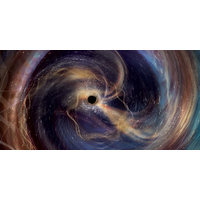
Phys. Rev. Lett. 136, 041403 (2026)
Cosmology, Astrophysics, and Gravitation
Prediction for Maximum Supercooling in $\mathrm{SU}(N)$ Confinement Transition
Article | Particles and Fields | 2026-01-29 05:00 EST
Prateek Agrawal, Gaurang Ramakant Kane, Vazha Loladze, and John March-Russell
The thermal confinement phase transition in Yang-Mills theory is first order for , with bounce action scaling as . Remarkably, lattice data for the action include a small coefficient whose presence likely strongly alters the phase transition dynamics. We give evidence, utilizing insights …
Phys. Rev. Lett. 136, 041902 (2026)
Particles and Fields
Real-Space Switching of Local Moments Driven by Quantum Geometry in Correlated Graphene Heterostructures
Article | Condensed Matter and Materials | 2026-01-29 05:00 EST
Niklas Witt, Siheon Ryee, Lennart Klebl, Jennifer Cano, Giorgio Sangiovanni, and Tim O. Wehling
Hybridization-induced topological transition between Mott states leads to flat bands, providing an alternative to twisted bilayer graphene.
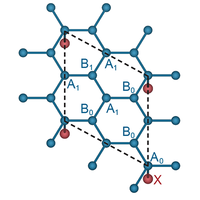
Phys. Rev. Lett. 136, 046505 (2026)
Condensed Matter and Materials
Symmetry Analysis of Magnetoelectric Coupling Effect in All Point Groups
Article | Condensed Matter and Materials | 2026-01-29 05:00 EST
Xinhai Tu, Di Wang, Hanjing Zhou, Songsong Yan, Huimei Liu, Hongjun Xiang, and Xiangang Wan
Symmetry analysis provides crucial insights into the magnetoelectric coupling effect in type-II multiferroics. In this Letter, we comprehensively investigate couplings between electric polarization and inhomogeneous magnetization across all 32 nonmagnetic point groups using a phenomenological Landau…
Phys. Rev. Lett. 136, 046802 (2026)
Condensed Matter and Materials
Spontaneous Symmetry Breaking of Cavity Vacuum and Emergent Gyrotropic Effects in Embedded Moiré Superlattices
Article | Condensed Matter and Materials | 2026-01-29 05:00 EST
Zuzhang Lin, Hsun-Chi Chan, Wenqi Yang, Yixin Sha, Cong Xiao, Shuang Zhang, and Wang Yao
All-to-one coupling between electrons in moiré superlattice to a deep-subwavelength cavity uncovers an unprecedented dual spontaneous parity symmetry breaking simultaneously in the cavity vacuum and the electronic ground state.
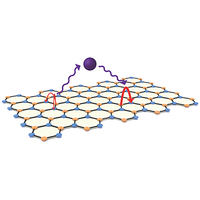
Phys. Rev. Lett. 136, 046903 (2026)
Condensed Matter and Materials
Edge of Many-Body Quantum Chaos in Quantum Reservoir Computing
Article | Quantum Information, Science, and Technology | 2026-01-28 05:00 EST
Kaito Kobayashi and Yukitoshi Motome
Reservoir computing (RC) is a machine learning paradigm that harnesses dynamical systems as computational resources. In its quantum extension--quantum reservoir computing (QRC)--these principles are applied to quantum systems, whose rich dynamics broadens the landscape of information processing. In cl…
Phys. Rev. Lett. 136, 040602 (2026)
Quantum Information, Science, and Technology
Could a Primordial Black Hole Explosion Explain the Extremely High-Energy KM3NeT Neutrino Event?
Article | Cosmology, Astrophysics, and Gravitation | 2026-01-28 05:00 EST
Lua F. T. Airoldi, Gustavo F. S. Alves, Yuber F. Perez-Gonzalez, Gabriel M. Salla, and Renata Zukanovich Funchal
A black hole is expected to end its lifetime in a cataclysmic runaway burst of Hawking radiation, emitting all standard model particles with ultrahigh energies. Thus, the explosion of a nearby primordial black hole (PBH) has been proposed as a possible explanation for the neutrino-like eve…
Phys. Rev. Lett. 136, 041002 (2026)
Cosmology, Astrophysics, and Gravitation
Excitonic Instability Revealed by the Elastocaloric Effect in ${\mathrm{Ta}}{2}{\mathrm{NiSe}}{5}$
Article | Condensed Matter and Materials | 2026-01-28 05:00 EST
Elliott Rosenberg, Joss Ayres-Sims, Andrew Millis, David Cobden, and Jiun-Haw Chu
Elastocaloric effect measurements on TaNiSe show that its phase transition at ~324 K is driven by a nonacoustic instability, rather than by an acoustic shear mode, strengthening the case that the transition is largely excitonic in nature.
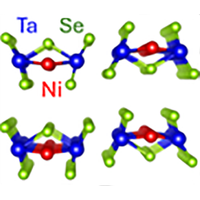
Phys. Rev. Lett. 136, 046503 (2026)
Condensed Matter and Materials
Breaking the Intrinsic Absorption Limit for Arbitrarily Thin Conductive Films at Grazing Incidence
Article | Condensed Matter and Materials | 2026-01-28 05:00 EST
Yuxuan Liu, Ren-Hao Fan, Dong-Xiang Qi, Ruwen Peng, Yun Lai, Mu Wang, and Jie Luo
Light grazing an ultrathin conductive film can be absorbed much more strongly than previously thought.
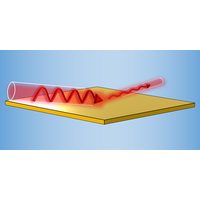
Phys. Rev. Lett. 136, 046902 (2026)
Condensed Matter and Materials
arXiv
Comment on “Instability of the ferromagnetic quantum critical point and symmetry of the ferromagnetic ground state in two-dimensional and three-dimensional electron gases with arbitrary spin-orbit splitting”
New Submission | Strongly Correlated Electrons (cond-mat.str-el) | 2026-01-29 20:00 EST
Metallic quantum ferromagnets in the absence of quenched disorder are known to generically undergo a first-order quantum phase transition, avoiding the quantum critical point that had originally been expected. This is due to soft modes in the underlying Fermi liquid that lead to long-ranged correlations. These correlations in turn yield a nonanalytic dependence of the free energy on the magnetization even at a mean-field level that results in a fluctuation-induced first-order transition. Kirkpatrick and Belitz [Phys. Rev. Lett. {\bf 124}, 147201 (2020)] have pointed out that one notable exception are non-centrosymmetric metals with a strong spin-orbit interaction. In such materials the spin-orbit interaction gives the relevant soft modes a mass, which inhibits the mechanism leading to a first-order transition. Miserev, Loss, and Klinovaja [Phys. Rev. B {\bf 106}, 134417 (2022)] have claimed that this conclusion does not hold if electron-electron interactions in the particle-particle channel, or 2$ \kF$ scattering processes, are considered. They concluded that this interaction channel leads to soft modes that are not rendered massive by the spin-orbit interaction and again lead to a first-order quantum phase transition. In this Comment we show that this conclusion is not correct in three-dimensional magnets if the screening of the interaction is properly taken into account.
Strongly Correlated Electrons (cond-mat.str-el), Quantum Gases (cond-mat.quant-gas)
4pp; comment on arXiv:2201.10995
Global Plane Waves From Local Gaussians: Periodic Charge Densities in a Blink
New Submission | Materials Science (cond-mat.mtrl-sci) | 2026-01-29 20:00 EST
Jonas Elsborg, Felix Ærtebjerg, Luca Thiede, Alán Aspuru-Guzik, Tejs Vegge, Arghya Bhowmik
We introduce ELECTRAFI, a fast, end-to-end differentiable model for predicting periodic charge densities in crystalline materials. ELECTRAFI constructs anisotropic Gaussians in real space and exploits their closed-form Fourier transforms to analytically evaluate plane-wave coefficients via the Poisson summation formula. This formulation delegates non-local and periodic behavior to analytic transforms, enabling reconstruction of the full periodic charge density with a single inverse FFT. By avoiding explicit real-space grid probing, periodic image summation, and spherical harmonic expansions, ELECTRAFI matches or exceeds state-of-the-art accuracy across periodic benchmarks while being up to $ 633 \times$ faster than the strongest competing method, reconstructing crystal charge densities in a fraction of a second. When used to initialize DFT calculations, ELECTRAFI reduces total DFT compute cost by up to ~20%, whereas slower charge density models negate savings due to high inference times. Our results show that accuracy and inference cost jointly determine end-to-end DFT speedups, and motivate our focus on efficiency.
Materials Science (cond-mat.mtrl-sci), Machine Learning (cs.LG), Chemical Physics (physics.chem-ph), Computational Physics (physics.comp-ph)
24 pages including appendix, 8 Figures, 5 tables
Detecting half-quantum superconducting vortices by spin-qubit relaxometry
New Submission | Superconductivity (cond-mat.supr-con) | 2026-01-29 20:00 EST
Gábor B. Halász, Nirjhar Sarkar, Yueh-Chun Wu, Joshua T. Damron, Chengyun Hua, Benjamin Lawrie
Half-quantum vortices in spin-triplet superconductors are predicted to harbor Majorana zero modes and may provide a viable avenue to topological quantum computation. Here, we introduce a novel approach for directly measuring the half-integer-quantized magnetic fluxes, $ \Phi = h / (4e)$ , carried by such half-quantum vortices via spin-qubit relaxometry. We consider a superconducting strip with a narrow pinch point at which vortices cross quasi-periodically below a spin qubit as a result of a bias current. We demonstrate that the relaxation rate of the spin qubit exhibits a pronounced peak if the vortex-crossing frequency matches the transition frequency of the spin qubit and conclude that the magnetic flux $ \Phi$ of a single vortex can be obtained by dividing the corresponding voltage along the strip with the transition frequency. We discuss experimental constraints on implementing our proposed setup in spin-triplet candidate materials like UTe$ _2$ , UPt$ _3$ , and URhGe.
Superconductivity (cond-mat.supr-con), Mesoscale and Nanoscale Physics (cond-mat.mes-hall)
5 pages, 4 figures
Unifying Dirac Spin Liquids on Square and Shastry-Sutherland Lattices via Fermionic Deconfined Criticality
New Submission | Strongly Correlated Electrons (cond-mat.str-el) | 2026-01-29 20:00 EST
Andreas Feuerpfeil, Leyna Shackleton, Atanu Maity, Ronny Thomale, Subir Sachdev, Yasir Iqbal
We present a fermionic gauge theory for deconfined quantum criticality on the Shastry-Sutherland lattice and reveal its shared low-energy field-theoretic structure with the square lattice. Starting from an SU(2) $ \pi$ -flux parent state, we construct a continuum theory of Dirac spinons coupled to an SU(2) gauge field and adjoint Higgs fields whose condensates drive transitions to a staggered-flux U(1) spin liquid and a gapless $ \mathbb{Z}{2}$ Dirac spin liquid. While the Shastry-Sutherland lattice permits additional symmetry-allowed fermion bilinears compared to the square lattice, the quantum field theories are identical up to additional irrelevant terms. Consequently, the Higgs potential structure and the leading low-energy theory coincide with the square-lattice case at the quantum critical point. The SO(5) critical point is expected to realize conformal deconfined criticality: we analyze it in a large flavor expansion, calculate its critical exponents, and identify the Yukawa coupling between the fermions and Higgs fields as the relevant perturbation that destabilizes it, consistent with pseudocritical behavior observed in recent Monte Carlo studies. We show that the emergent SO(5) order parameter acquires a large anomalous dimension at the critical point, leading to strongly enhanced Néel and VBS susceptibilities-a hallmark of fermionic deconfined quantum criticality consistent with numerical studies. Our results place recent numerical evidence for a gapless $ \mathbb{Z}{2}$ Dirac spin liquid on the Shastry-Sutherland lattice within a controlled field-theoretic framework and demonstrate that fermionic deconfined criticality on the square lattice-including critical exponents and stability-extends to frustrated lattices with reduced symmetry.
Strongly Correlated Electrons (cond-mat.str-el)
36 pages, 11 figures, 4 tables
Stability and Decay of Macrovortices in Rotating Bose Gases Beyond Mean Field
New Submission | Quantum Gases (cond-mat.quant-gas) | 2026-01-29 20:00 EST
Paolo Molignini, M. A. Caracanhas, V. S. Bagnato, Barnali Chakrabarti
We study the formation, stability, and decay of macrovortices in a rotating Bose gas confined by a Mexican-hat potential with a multiconfigurational ansatz. By systematically including correlations beyond the mean-field level, we map the equilibrium phase diagram and identify regimes of coexistence between vortex lattices and multiply charge central vortices. Quench dynamics reveals that macrovortices are robust under changes in rotation or interaction strength, sustaining clean monopole oscillations with well-separated, vorticity-dependent breathing frequencies. In contrast, trap quenches trigger a universal decay process mediated by vortex-phonon coupling, in which rotational energy is progressively transferred to compressible modes until the macrovortex splits into singly quantized vortices. Our results demonstrate that macrovortex lifetimes and decay pathways can be tuned by trap confinement, providing experimentally accessible signatures of vortex-phonon interactions and collective energy transfer in correlated quantum fluids.
Quantum Gases (cond-mat.quant-gas), Other Condensed Matter (cond-mat.other), Quantum Physics (quant-ph)
19 pages, 15 figures
Scattering State Theory for One-dimensional Floquet Lattices
New Submission | Mesoscale and Nanoscale Physics (cond-mat.mes-hall) | 2026-01-29 20:00 EST
Ren Zhang, Xiao-Yu Ouyang, Xu-Dong Dai, Xi Dai
We develop a Floquet transfer matrix method to solve scattering in extended 1D Floquet lattices, uncovering an underlying conjugate symplectic structure that enforces current conservation across sidebands. By engineering a spatial adiabatic boundary, we suppress multi-channel sideband interference, allowing us to establish a direct mapping between the bulk winding number $ C$ and a rigid shift in the transmission energy windows–quantified as $ C\hbar\omega$ . We further propose two experimental realizations: cold-atom Bragg scattering to directly verify the transmission shift, and surface-acoustic-wave-induced transport demonstrating the quantized zero-bias current plateau.
Mesoscale and Nanoscale Physics (cond-mat.mes-hall), Quantum Gases (cond-mat.quant-gas), Quantum Physics (quant-ph)
17 pages, 8 figures. Comments are welcome
Deep Learning the Small-Angle Scattering of Polydisperse Hard Rods
New Submission | Soft Condensed Matter (cond-mat.soft) | 2026-01-29 20:00 EST
We present a deep learning framework for modeling and analyzing the small-angle scattering data of polydisperse hard-rod systems, a widely used models for anisotropic colloidal particles. We use a variational autoencoder-based neural network to learn the mapping from the system parameters such as the volume fraction, rod length, and polydispersity, to the scattering function. The dataset for training and testing such neural network model is obtained from Markov chain Monte Carlo simulation of 20,000 hard spherocylinders using the hard particle Monte Carlo package from the HOOMD-blue. Four datasets were generated, each with 5,500 pairs of system parameters and corresponding scattering functions. We use one of the dataset to investigate the feasibility of the learning, and three additional datasets with different polydisperse distribution to demonstrate the generality of our approach. The neural network model transcends the fundamental limitations of the Percus-Yevick approximation by accurately capturing anisotropic interactions and high-concentration effects that analytical models often fail to resolve. This framework achieves significantly higher accuracy in reproducing scattering functions and enables a least-square fitting routine for quantitative data analysis.
Soft Condensed Matter (cond-mat.soft), Materials Science (cond-mat.mtrl-sci)
8 pages, 9 figures
Correlated dynamics of three-particle bound states induced by emergent impurities in Bose-Hubbard model
New Submission | Quantum Gases (cond-mat.quant-gas) | 2026-01-29 20:00 EST
Wenduo Zhao, Boning Huang, Yongguan Ke, Chaohong Lee
Bound states, known as particles tied together and moving as a whole, are profound correlated effects induced by particle-particle interactions. While dimer-monomer bound states are manifested as a single particle attached to dimer bound pair, it is still unclear about quantum walks and Bloch oscillations of dimer-monomer bound states. Here, we revisit three-particle bound states in the Bose-Hubbard model and find that interaction-induced impurities adjacent to bound pair and boundaries cause two kinds of bound states: one is dimer-monomer bound state and the other is bound edge states. In quantum walks, the spread velocity of dimer-monomer bound state is determined by the maximal group velocity of their energy band, which is much smaller than that in the single-particle case. In Bloch oscillations, the period of dimer-monomer bound states is one third of that in the single-particle case. Our works provide new insights to the collective dynamics of three-particle bound states.
Quantum Gases (cond-mat.quant-gas), Quantum Physics (quant-ph)
Superfluidity in the spin-1/2 XY model with power-law interactions
New Submission | Quantum Gases (cond-mat.quant-gas) | 2026-01-29 20:00 EST
Muhammad Shaeer Moeed, Costanza Pennaforti, Adrian Del Maestro, Roger G. Melko
In trapped-ion quantum simulators, effective spin-1/2 XY interactions can be engineered via laser-induced coupling between internal atomic states and collective phonon modes. In the simplest one-dimensional ($ 1d$ ) traps, these interactions decay as a power-law with distance $ 1/r^{\alpha}$ , with a tunable exponent $ \alpha$ . For small $ \alpha$ , the resulting long-range $ 1d$ XY model exhibits continuous symmetry breaking, in marked contrast to its nearest neighbor counterpart. In this paper, we examine this model near the phase transition at $ \alpha_c$ from the lens of the spin stiffness, or superfluid density. We develop a stochastic series expansion (SSE) quantum Monte Carlo (QMC) simulation and a generalized winding number estimator to measure the superfluid density in the presence of power-law interactions, which we test against exact diagonalization for small lattice sizes. Our results show how conventional superfluidity in the $ 1d$ XY model is enhanced in the long-range interacting regime. This is observed as a diverging superfluid density as $ \alpha \rightarrow 0$ in the thermodynamic limit, which we show is consistent with linear spin-wave theory. Finally, we define a normalized superfluid density estimator that clearly distinguishes the short, medium, and long-range interacting regimes, providing a novel QMC probe of the critical value $ \alpha_c$ .
Quantum Gases (cond-mat.quant-gas), Statistical Mechanics (cond-mat.stat-mech), Strongly Correlated Electrons (cond-mat.str-el), Quantum Physics (quant-ph)
17 pages, 10 figures
Tuning the strength of emergent correlations in a Brownian gas via batch resetting
New Submission | Statistical Mechanics (cond-mat.stat-mech) | 2026-01-29 20:00 EST
Gabriele de Mauro, Satya N. Majumdar, Gregory Schehr
We study a gas of $ N$ diffusing particles on the line subject to batch resetting: at rate $ r$ , a uniformly random subset of $ m$ particles is reset to the origin. Despite the absence of interactions, the dynamics generates a nonequilibrium stationary state (NESS) with long-range correlations. We obtain exact results, both for the NESS and for the time dependence of the correlations, which are valid for arbitrary $ m$ and $ N$ . By varying $ m$ , the system interpolates between an uncorrelated regime ($ m=1$ ) and the fully synchronous resetting case ($ m=N$ ). For all $ 1<m<N$ , correlations exhibit a non-monotonic time dependence due to the emergence of an intrinsic decorrelation mechanism. In the stationary state, the correlation strength can be tuned by varying $ m$ , and it displays a transition at a critical value $ N_c=6$ . Our predictions extend straightforwardly to any spatial dimension $ d$ and the critical value $ N_c=6$ remains the same in all dimensions. Our predictions are testable in existing experimental setups on optically trapped colloidal particles.
Statistical Mechanics (cond-mat.stat-mech)
8 + 20 pages, 3 + 6 figures
Quantum-geometry-enabled Landau-Zener tunneling in singular flat bands
New Submission | Mesoscale and Nanoscale Physics (cond-mat.mes-hall) | 2026-01-29 20:00 EST
Flat-band materials have attracted substantial interest for their intriguing quantum geometric effects. Here we investigate how singular flat bands (SFBs) respond to a static, uniform electric field and whether they can support single-particle dc transport. By constructing a minimal two-band lattice model, we show that away from the singular band crossing point (BCP), the Wannier-Stark (WS) spectrum of the flat band is well captured by an intraband Berry phase $ \Phi_{\mathrm{B}}$ . The associated WS eigenstates are exponentially localized along the field direction, precluding dc transport. In contrast, near the BCP the interband Berry connection becomes prominent and drives Landau-Zener tunneling, which bends the flat-band WS ladder and delocalizes the SFB wavefunctions. Remarkably, this regime is governed solely by the maximal quantum distance $ d$ through two geometric phases $ (\theta,\varphi)$ : $ \theta$ characterizes the tunneling rate and $ \varphi$ acts as a generalized Berry phase. These results highlight the essential role of quantum geometry in enabling nontrivial transport signatures in SFBs.
Mesoscale and Nanoscale Physics (cond-mat.mes-hall)
6 pages, 3 figures, plus supplementary materials
First-Hitting Location Laws as Boundary Observables of Drift–Diffusion Processes
New Submission | Statistical Mechanics (cond-mat.stat-mech) | 2026-01-29 20:00 EST
We investigate first-hitting location (FHL) statistics induced by drift–diffusion processes in domains with absorbing boundaries, and examine how such boundary laws give rise to intrinsic information observables. Rather than introducing explicit encoding or decoding mechanisms, information is viewed as emerging directly from the geometry and dynamics of stochastic transport through first-passage events. Treating the FHL as the primary observable, we characterize how geometry and drift jointly shape the induced boundary measure. In diffusion-dominated regimes, the exit law exhibits scale-free, heavy-tailed spatial fluctuations along the boundary, whereas a nonzero drift component introduces an intrinsic length scale that suppresses these tails and reorganizes the exit statistics. Within a generator-based formulation, the FHL arises naturally as a boundary measure induced by an elliptic operator, allowing explicit boundary kernels to be derived analytically in canonical geometries. Planar absorbing boundaries in different ambient dimensions are examined as benchmark cases, illustrating how directed transport regularizes diffusion-driven fluctuations and induces qualitative transitions in boundary statistics. Overall, the present work provides a unified structural framework for first-hitting location laws and highlights FHL statistics as natural probes of geometry, drift, and irreversibility in stochastic transport.
Statistical Mechanics (cond-mat.stat-mech), Mathematical Physics (math-ph)
12 pages, 4 figures, 2 tables
Kolmogorov-Arnold Networks Applied to Materials Property Prediction
New Submission | Materials Science (cond-mat.mtrl-sci) | 2026-01-29 20:00 EST
Ryan Jacobs, Lane E. Schultz, Dane Morgan
Kolmogorov-Arnold Networks (KANs) were proposed as an alternative to traditional neural network architectures based on multilayer perceptrons (MLP-NNs). The potential advantages of KANs over MLP-NNs, including significantly enhanced parameter efficiency and increased interpretability, make them a promising new regression model in supervised machine learning problems. We apply KANs to prediction of materials properties, focusing on a diverse set of 33 properties consisting of both experimental and calculated data. We compare the KAN results to random forest, a method that generally gives excellent performance on a wide range of properties predictions with very little optimization. The KANs were worse, on par, or better than random forest about 35%, 60%, and 5% of the time, respectively, and KANs are in practice more difficult to fit than random forest. By tuning the network architecture, we found property fits often resulted in 10-20% lower errors compared to the standard KAN, and typically gave results comparable to random forest. In the specific context of predicting reactor pressure vessel transition temperature shifts, we explored the parameter efficiency and the interpretable power of KANs by comparing predictions of simple KAN models (e.g., < 50 parameters) and closed-form expressions suggested by the KAN fits to previously published deep MLP-NNs and hand-tuned models created using domain expertise of embrittlement physics. We found that simple KAN models and the resulting closed-form expressions produce prediction errors on par with established hand-tuned models with a comparable number of parameters, and required essentially no domain expertise to produce. These findings reinforce the potential applicability of KANs for machine learning in materials science and suggest that KANs should be explored as a regression model for prediction of materials properties.
Materials Science (cond-mat.mtrl-sci)
Establishing Atomic Coherence in Twisted Oxide Membranes Containing Volatile Elements
New Submission | Materials Science (cond-mat.mtrl-sci) | 2026-01-29 20:00 EST
Young-Hoon Kim, Reza Ghanbari, Min-Hyoung Jung, Young-Min Kim, Ruijuan Xu, Miaofang Chi
Twisted oxide membranes represent a promising platform for exploring moire physics and emergent quantum phenomena. However, the presence of amorphous interfacial dead layers in conventional oxide heterostructures impedes coherent coupling and suppresses moire-induced interactions. While high-temperature thermal treatments can facilitate interfacial bonding, additional care is needed for materials containing volatile elements, where elevated temperatures may cause elemental loss. This study demonstrates the realization of atomically coherent, chemically bonded interface in twisted NaNbO3 heterostructures through controlled oxygen-annealing treatment. Atomic-resolution imaging and spectroscopy reveal ordered perovskite registry accompanied by systematic lattice contraction and modified electronic structure at the twisted interface, providing signatures of chemical reconstruction rather than physical adhesion. This reconstructed interface mediates highly asymmetric strain propagation in which the bottom membrane remains nearly relaxed while the top membrane accommodates substantial shear strain, thereby establishing a strain gradient that enables long-range electromechanical coupling throughout the twisted oxide membranes. By resolving the nature of the reconstructed interface, these findings establish a robust pathway for achieving coherent and strain-tunable oxide moire superlattices, opening pathways to engineer emergent ferroic and electronic functionalities.
Materials Science (cond-mat.mtrl-sci), Other Condensed Matter (cond-mat.other)
17 pages, 5 figures
Revealing Strain Effects on the Graphene-Water Contact Angle Using a Machine Learning Potential
New Submission | Mesoscale and Nanoscale Physics (cond-mat.mes-hall) | 2026-01-29 20:00 EST
Darren Wayne Lim, Xavier R. Advincula, William C. Witt, Fabian L. Thiemann, Christoph Schran
Understanding how water wets graphene is critical for predicting and controlling its behavior in nanofluidic, sensing, and energy applications. A key measure of wetting is the contact angle made by a liquid droplet against the surface, yet experimental measurements for graphene span a wide range, and no consensus has emerged for free-standing graphene. Here, we use a machine learning potential with approaching ab initio accuracy to perform nanosecond-scale molecular dynamics and provide an atomistic first-principles benchmark for this unsolved problem. We find the contact angle of water on free-standing graphene, after finite-size correction, to be $ 72.1 \pm 1.5 °$ . We also show that the three-phase contact line of a nanoscale water droplet couples strongly to the intrinsic thermal ripples of free-standing graphene, and that graphene’s wetting properties are highly sensitive to mechanical strain. Tensile strain makes graphene significantly more hydrophobic, while compressive strain induces coherent ripples that the droplet “surfs”, resulting in pronounced anisotropic wetting and contact angle hysteresis. Our results demonstrate that graphene’s wetting properties are governed not only by its chemistry but also by its dynamic morphology, offering an additional explanation for the variability of experimental measurements. Furthermore, mechanical strain may be a practical route to controlling wetting in graphene-based technologies, with promising consequences for nanofluidic and nano-filtration applications.
Mesoscale and Nanoscale Physics (cond-mat.mes-hall)
Tunable Nanoparticle Stripe Patterns at Inclined Surfaces
New Submission | Soft Condensed Matter (cond-mat.soft) | 2026-01-29 20:00 EST
Suman Bhattacharjee (1), Sanjoy Khawas (2), Sunita Srivastava (2) ((1) Centre for Research in Nanotechnology & Science (CRNTS), Indian Institute of Technology Bombay, Mumbai, India, (2) Soft Matter and Nanomaterials Laboratory, Department of Physics, Indian Institute of Technology Bombay, Mumbai, India)
Periodic assemblies of nanoparticles are central to surface patterning, with applications in biosensing, energy conversion, and nanofabrication. Evaporation of colloidal droplets on substrates provides a simple yet effective route to achieve such assemblies. This work reports the first experimental demonstration of patterns formed through stick-slip dynamics of the three-phase contact line during evaporation of gold nanoparticle suspensions on inclined substrates. Variation in nanoparticle concentration and substrate inclination alter the balance of interfacial and gravitational forces, producing multiple stick-slip events that generate periodic stripes. Stripe density exhibits a sinusoidal dependence on inclination angle, while inter-stripe spacing remains nearly invariant. Independent control over inter-stripe spacing is achieved through adjustment of nanoparticle or surfactant concentration. These results highlight the complex interplay of gravitational and interfacial forces in directing periodic nanoparticle assembly and establish a versatile, programmable framework for surface patterning with tunable nano/microscale dimensions.
Soft Condensed Matter (cond-mat.soft), Mesoscale and Nanoscale Physics (cond-mat.mes-hall), Materials Science (cond-mat.mtrl-sci)
Main article (23 Pages, 4 Figures), SI (6 Pages, 5 Figures)
Complex nonlinear sigma model
New Submission | Statistical Mechanics (cond-mat.stat-mech) | 2026-01-29 20:00 EST
Kazuki Yamamoto, Kohei Kawabata
Motivated by the recent interest in the criticality of open quantum many-body systems, we study nonlinear sigma models with complexified couplings as a general framework for nonunitary field theory. Applying the perturbative renormalization-group analysis to the tenfold symmetric spaces, we demonstrate that fixed points with complex scaling dimensions and critical exponents arise generically, without counterparts in conventional nonlinear sigma models with real couplings. We further clarify the global phase diagrams in the complex-coupling plane and identify both continuous and discontinuous phase transitions. Our work elucidates universal aspects of critical phenomena in complexified field theory.
Statistical Mechanics (cond-mat.stat-mech), High Energy Physics - Theory (hep-th), Quantum Physics (quant-ph)
14 pages, 10 figures
High-precision ground state parameters of the two-dimensional spin-1/2 Heisenberg model on the square lattice
New Submission | Strongly Correlated Electrons (cond-mat.str-el) | 2026-01-29 20:00 EST
Several ground state properties of the square-lattice $ S=1/2$ Heisenberg antiferromagnet are computed (the energy, order parameter, spin stiffness, spinwave velocity, long-wavelength susceptibility, and staggered susceptibility) using extensive quantum Monte Carlo simulations with the stochastic series expansion method. Moderately sized lattices are studied at temperatures $ T$ sufficiently low to realize the $ T \to 0$ limit. Results for periodic $ L\times L$ lattices with $ L \in [6,96]$ are tabulated versus $ L$ and extrapolations to infinite system size are carried out. The extrapolated ground state energy density is $ e_0=-0.669441857(7)$ , which represents an improvement in precision of three orders of magnitude over the previously best result. The leading and subleading finite-size corrections to $ e_0$ are in full quantitative agreement with predictions from chiral perturbation theory, thus further supporting the soundness of both the extrapolations and the theory. The extrapolated sublattice magnetization is $ m_s=0.307447(2)$ , which agrees well with previous estimates but with a much smaller statistical error. The coefficient of the linear in $ L^{-1}$ correction to $ m^2_s$ agrees with the value from chiral perturbation theory and the presence of a factor $ \ln^\gamma(L)$ in the second-order correction is also confirmed, with the previously not known value of the exponent being $ \gamma = 0.82(4)$ . The finite-size corrections to the staggered susceptibility point to logarithmic corrections also in this quantity. To facilitate benchmarking of methods for which periodic boundary conditions are challenging, results for systems with open and cylindrical boundaries are also listed and their spatially inhomogeneous order parameters are analyzed.
Strongly Correlated Electrons (cond-mat.str-el), High Energy Physics - Lattice (hep-lat)
17 pages, 10 figures
Steering Active-Colloid Assembly by Biasing Dissipation
New Submission | Soft Condensed Matter (cond-mat.soft) | 2026-01-29 20:00 EST
Chaoqun Du, Zhiyu Cao, Zhonghuai Hou
Complex nonequilibrium self-assembly enables the formation of materials with specific patterns and functions from the bottom up. How to directionally control the assembly to form the target configuration is a challenge. Here, we propose a dissipation bias principle for targeted assembly, which highlights that controlling the dissipation tendency can play an important role by modulating the frequency and intensity of local rearrangements. Following this principle, one can induce ordered target configurations from disordered structures and also achieve directional selection among multiple assembly pathways. We use the assembly of active colloids as a platform to show our results.
Soft Condensed Matter (cond-mat.soft), Statistical Mechanics (cond-mat.stat-mech)
5 pages, 4 figures. Comments are welcome
Vibrational and Electronic Properties of Np2O5 from Experimental Spectroscopy and First Principles Calculations
New Submission | Materials Science (cond-mat.mtrl-sci) | 2026-01-29 20:00 EST
Binod K Rai, Shuxiang Zhou, Benjamin R. Heiner, Gia Thinh Tran, Jennifer E. S. Szymanowski, Santosh KC, Thomas C. Shehee, Peter C. Burns, Miles F. Beaux II, Luke R Sadergaski
High-valence actinide oxides are critical to understanding the behavior of 5f-electrons, yet their structural and electronic properties remain poorly understood due to challenges in synthesis and handling. We report the first Raman spectroscopic study of single-crystalline Np2O5 and the first scanning tunneling spectroscopy (STS) measurement on any neptunium-containing material. Hydrothermally synthesized crystals were structurally verified by X-ray diffraction. Raman spectra revealed sharply resolved vibrational features, including previously unreported low-frequency modes. STS measurements revealed a band gap of 1.5 eV. Density functional theory (DFT) enables vibrational mode assignments, reveals neptunium-dominated low-frequency phonons, oxygen-dominated high-frequency modes, and predicts an indirect band gap of 1.68 eV. This predicted value is in excellent agreement with the experimentally measured STS gap. This combined Raman, DFT, and STS approach provides a robust framework for correlating lattice dynamics and electronic structure in actinide materials, providing benchmark data for Np2O5, and opening new avenues for probing structure-property relationships in complex f-electron materials.
Materials Science (cond-mat.mtrl-sci), Strongly Correlated Electrons (cond-mat.str-el)
17 pages, 5 figures, Accepted in Scientific Reports
Quantum capacitance and parity switching of a quantum-dot-based Kitaev chain
New Submission | Mesoscale and Nanoscale Physics (cond-mat.mes-hall) | 2026-01-29 20:00 EST
An array of quantum dots coupled via superconductivity provides a new platform for creating Kitaev chains with Majorana zero modes, offering a promising avenue toward topological quantum computing. In this work, we theoretically study the quantum capacitance of a minimal Kitaev chain weakly coupled to an external normal lead. We find that in the open regime, charge stability diagrams of quantum capcaitance can help to identify the sweet spot of a Kitaev chain, consistent with tunnel spectroscopy. Moreover, the quantum capacitance of a single quantum dot coupled to Andreev bound states reveals the interplay between two distinct parity switching mechanisms: coupling to an external normal lead and intrinsic quasiparticle poisoning. Our work provides useful physical insights into the quantum capacitance and parity dynamics in a quantum-dot-based Kitaev chain device.
Mesoscale and Nanoscale Physics (cond-mat.mes-hall)
8 pages and 4 figures
ALD-Derived WO3-x Leads to Nearly Wake-Up-Free Ferroelectric Hf0.5Zr0.5O2 at Elevated Temperatures
New Submission | Materials Science (cond-mat.mtrl-sci) | 2026-01-29 20:00 EST
Nashrah Afroze, Jihoon Choi, Salma Soliman, Chang Hoon Kim, Jiayi Chen, Yu-Hsin Kuo, Mengkun Tian, Chengyang Zhang, Priyankka Gundlapudi Ravikumar, Suman Datta, Andrea Padovani, Jun Hee Lee, Asif Khan
Breaking the memory wall in advanced computing architectures will require complex 3D integration of emerging memory materials such as ferroelectrics-either within the back-end-of-line (BEOL) of CMOS front-end processes or through advanced 3D packaging technologies. Achieving this integration demands that memory materials exhibit high thermal resilience, with the capability to operate reliably at elevated temperatures such as 125C, due to the substantial heat generated by front-end transistors. However, silicon-compatible HfO2-based ferroelectrics tend to exhibit antiferroelectric-like behavior in this temperature range, accompanied by a more pronounced wake-up effect, posing significant challenges to their thermal reliability. Here, we report that by introducing a thin tungsten oxide (WO3-x) layer-known as an oxygen reservoir-and carefully tuning its oxygen content, ultra-thin Hf0.5Zr0.5O2 (5 nm) films can be made robust against the ferroelectric-to-antiferroelectric transition at elevated temperatures. This approach not only minimizes polarization loss in the pristine state but also effectively suppresses the wake-up effect, reducing the required wake-up cycles from 105 to only 10 at 125C- a qualifying temperature for back-end memory integrated with front-end logic, as defined by the JEDEC standard. First-principles density functional theory calculations reveal that WO3 enhances the stability of the ferroelectric orthorhombic phase at elevated temperatures by increasing the tetragonal-to-orthorhombic phase energy gap, and promoting favorable phonon mode evolution, thereby supporting o-phase formation under both thermodynamic and kinetic constraints.
Materials Science (cond-mat.mtrl-sci)
Microscopic Determination of the c-axis-Oriented Antiferromagnetic Structure in LaMnSi by $^{55}$Mn and $^{139}$La NMR
New Submission | Strongly Correlated Electrons (cond-mat.str-el) | 2026-01-29 20:00 EST
Yusuke Sakai, Fumiya Hori, Hiroki Matsumura, Shumpei Oguchi, Shunsaku Kitagawa, Kenji Ishida, Hiroshi Tanida
We report a microscopic investigation of the magnetic structure and electronic properties of LaMnSi in its antiferromagnetic (AFM) state using nuclear magnetic resonance (NMR). Field-swept $ ^{55}$ Mn- and $ ^{139}$ La-NMR spectra, as well as zero-field 55Mn-NMR (ZFNMR) spectra, reveal that the Mn ordered moments are parallel to the tetragonal c axis, consistent with the C-type AFM structure and the realization of an odd-parity multipole order. The internal field at the Mn site is determined to be 19.64 T at 4.2 K, corresponding to a hyperfine coupling constant of Ahf = 6.0 T/uB. Nuclear spin-lattice relaxation rate 1/T1 exhibits a characteristic behavior of itinerant antiferromagnetism, showing metallic behavior at low temperatures and magnon-induced enhancement upon approaching the Neel temperature (TN = 295 K). These results show LaMnSi as an ideal compound to study 3d electron magnetism and odd-parity multipole order in the RT Si (R = rare-earth, T = transition metal) system, free of the complexities of 4f electrons.
Strongly Correlated Electrons (cond-mat.str-el)
J. Phys. Soc. Jpn. 95, 024702 (2026)
Low-temperature anomaly and anisotropy of critical magnetic fields in transition-metal dichalcogenide superconductors
New Submission | Superconductivity (cond-mat.supr-con) | 2026-01-29 20:00 EST
Tomoya Sano, Kota Tabata, Akihiro Sasaki, Yasuhiro Asano
We clarify why spin-singlet superconductivity persists in monolayer transition-metal dichalcogenides even in high magnetic fields beyond the Pauli limit. The phenomenon called Ising protection is caused by two magnetically active potentials: a Zeeman field and an Ising spin-orbit interaction. These potentials induce two spin-triplet pairing correlations in a spin-singlet superconductor. One belonging to odd-frequency symmetry class arises solely from a Zeeman field and always makes the superconducting state unstable. The other belonging to even-frequency symmetry class arise from the interaction between the two magnetic potentials and eliminate the instability caused by odd-frequency pairs. The presence or absence of even-frequency spin-triplet pairs explains the anisotropy of the Ising protection. The analytical expression of the superfluid weight enables us to conclude that even-frequency spin-triplet Cooper pairs support spin-singlet superconductivity in high Zeeman fields.
Superconductivity (cond-mat.supr-con)
8 pages, 2 figures
Tuning field amplitude to minimise heat-loss variability in magnetic hyperthermia
New Submission | Materials Science (cond-mat.mtrl-sci) | 2026-01-29 20:00 EST
Necda Çam, Iago López-Vázquez, Òscar Iglesias, David Serantes
In this work, we theoretically investigate how shape-induced anisotropy dispersion and magnetic field amplitude jointly control both the magnitude and heterogeneity of heating in magnetite nanoparticle assemblies under AC magnetic fields. Using real time Landau-Lifshitz-Gilbert simulations with thermal fluctuations, and a macrospin model that includes both the intrinsic cubic magnetocrystalline anisotropy and a shape-induced uniaxial contribution, we analyze shape-polydisperse systems under clinically and technologically relevant field conditions. We show that for relatively large particles, around 25 to 30 nm, the relative dispersion of local (single-particle) losses exhibits a well-defined minimum at moderate field amplitudes (between 4 to 12 mT), hence identifying an optimal operating regime that minimizes heating heterogeneity while maintaining substantial power dissipation. The position of this critical field depends mainly on particle size and excitation frequency, and only weakly on shape dispersion, offering practical guidelines for improving heating uniformity in realistic MFH systems.
Materials Science (cond-mat.mtrl-sci)
10 pages, 10 figures
Ground-State Phase Diagram of (1/2,1/2,1) Mixed Diamond Chains with Single-Site Anisotropy
New Submission | Strongly Correlated Electrons (cond-mat.str-el) | 2026-01-29 20:00 EST
The ground-state phases of mixed diamond chains with ($ S, \tau^{(1)}, \tau^{(2)})=(1/2,1/2,1)$ , where $ S$ is the magnitude of vertex spins, and $ \tau^{(1)}$ and $ \tau^{(2)}$ are those of apical spins, are investigated with the single-site anisotropy $ D$ on the $ \tau^{(2)}$ -site. The two apical spins in each unit cell are coupled by an exchange coupling $ \lambda$ . The vertex spins are coupled with the top and bottom apical spins by exchange couplings $ 1+\delta$ and $ 1-\delta$ , respectively. The ground-state phase diagram is determined using the numerical exact diagonalization and DMRG method in addition to the analytical approximations in various limiting cases. The phase diagram consists of a Néel ordered phase, a nonmagnetic Tomonaga-Luttinger liquid phase, quantized and partial ferrimagnetic phases. A region with anisotropy inversion is found where the Ising-like Néel phase is realized for the easy-plane anisotropy $ D >0$ and the XY-like Tomonaga-Luttinger liquid phase is realized for the easy-axis anisotropy $ D <0$ on the $ S=1$ sites.
Strongly Correlated Electrons (cond-mat.str-el)
5 pages, 5 figures
Coupled-wire descriptions of unconventional quantum states in twisted nanostructures
New Submission | Mesoscale and Nanoscale Physics (cond-mat.mes-hall) | 2026-01-29 20:00 EST
Chen-Hsuan Hsu, Anna Ohorodnyk
Coupled-wire description has been developed as a powerful framework for providing bosonic descriptions of strongly correlated quantum matter, with early applications to systems such as the cuprates and the integer and fractional quantum Hall states. In this topical review, we discuss recent developments of coupled-wire description in nanoscale systems, where it emerges not only as a theoretical tool but also as a highly tunable physical platform. In these nanoscale realizations, coupled-wire networks are formed by one-dimensional channels embedded in two-dimensional materials, most prominently in moiré and twisted structures. Such networks host a broad range of unconventional states of matter, including superconductivity, charge density waves, spin density waves, Mott insulating phases, Anderson insulating phases, quantum spin Hall states, quantum anomalous Hall states, and their fractionalized counterparts. The ability to electrically control interaction strength, confinement, and coupling between wires makes these systems qualitatively different from earlier realizations and allows continuous tuning between competing phases. Notably, recent work has demonstrated that the coupled-wire framework in moiré networks completes the trio of quantum Hall phenomena, encompassing quantum Hall, quantum spin Hall, and quantum anomalous Hall states, together with their fractional analogues. This development highlights coupled-wire networks in nanoscale materials as a versatile and experimentally relevant setting for exploring the interplay of topology, strong correlations, and low-dimensional physics.
Mesoscale and Nanoscale Physics (cond-mat.mes-hall)
27 pages, 11 figures; invited review
Transit-time oscillations in nanoscale vacuum diode with a pure resistive load
New Submission | Mesoscale and Nanoscale Physics (cond-mat.mes-hall) | 2026-01-29 20:00 EST
Bjartþhór Steinn Alexandersson, Kristinn Torfason, Andrei Manolescu, Ágúst Valfells
We examine the Ramo current in a nanoscale planar vacuum diode undergoing field emission in the presence of a DC voltage supply and an external resistor. We describe a simple mechanism for generating persistent current oscillations in the diode due to the voltage drop across the external resistor (beam loading) which reduces the total field and inhibits the emission. The amplitude and the frequency, which is in the THz domain, depend on the operating parameters of the diode. Molecular dynamics simulations are used to find the characteristics and physical basis of the mechanism, and a simple analytical model is presented, in good agreement with the simulation.
Mesoscale and Nanoscale Physics (cond-mat.mes-hall), Accelerator Physics (physics.acc-ph)
7 pages, 9 figures, 34 references
Complex segregation patterns in confined nonuniform granular shearing flows
New Submission | Other Condensed Matter (cond-mat.other) | 2026-01-29 20:00 EST
Santiago Caro (MAST-GPEM), Riccardo Artoni (IFSTTAR/MAST/GPEM), Patrick Richard (GMCM), Michele Larcher, James T. Jenkins (CU)
When polydisperse granular systems are sheared, the transverse dynamics is characterized by the interplay of size segregation and diffusion. Segregation in nonuniform and confined shearing flows is studied using annular shear cell experiments complemented with discrete numerical simulations of bidisperse, inelastic, and frictional spheres under gravity. We explored the role of shear localization, granular temperature, boundaries, and mixture properties in the evolution of the segregation rate and the maximum degree of segregation achieved by a bidisperse granular system in the steady state. A faster segregation process and a more developed degree of segregation is observed for bidisperse mixtures with a larger size ratio and a higher proportion of large particles. Normally, in the presence of gravity, size segregation induces large particles to rise and small particles to sink. However, two additional complex segregation patterns were found: inverse segregation and horizontal segregation. The first might be related to the kinematics of the flow, while the second is a geometrical effect. This additional segregation mechanism, in addition to diffusion fluxes and high confining pressure, hampers complete segregation in the steady state, where some degree of mixing always persists.
Other Condensed Matter (cond-mat.other), Soft Condensed Matter (cond-mat.soft)
Physical Review Fluids, In press
Mechanical sensing of metamagnetic tricriticality in two-dimensional CrI3
New Submission | Mesoscale and Nanoscale Physics (cond-mat.mes-hall) | 2026-01-29 20:00 EST
Feng Liu, Jiayong Xiao, Shengwei Jiang, Kin Fai Mak, Jie Shan
Layered Ising metamagnets are antiferromagnetic (AF) materials consisting of monolayer Ising ferromagnets coupled to each other via interlayer AF interactions. They exhibit rich magnetic phase diagrams, featuring tricritical and critical end points, due to the competing magnetic interactions and the Ising anisotropy. While conventional thermodynamic probes can identify these critical points in bulk Ising metamagnets, achieving this in the two-dimensional (2D) limit, where enhanced fluctuation effects can substantially modify critical phenomena, remains to be realized. Here, we combine specific heat capacity (C_V) and magnetic circular dichroism measurements to identify these critical points, extract a tricritical exponent, and map out the complete magnetic phase diagram of 2D Ising metamagnetic CrI3. This is achieved in a nanomechanical device of 6-layer CrI3, in which a direct measurement of the temperature derivative of its mechanical resonance frequency gives C_V. The tricritical point is identified by the onset of an abrupt spin-flip transition on one side and, on the other side, by a vanishing specific heat {\lambda}-anomaly for a continuous AF phase transition. In contrast, only the spin-flip transition remains near the critical end point. Our results establish nanomechanical calorimetry as a general route to classify metamagnetic phase transitions and to study multicritical phenomena in 2D magnets.
Mesoscale and Nanoscale Physics (cond-mat.mes-hall)
Giant anomalous Josephson effect as a probe of spin texture in topological insulators
New Submission | Superconductivity (cond-mat.supr-con) | 2026-01-29 20:00 EST
Niklas Hüttner, Andreas Costa, Leandro Tosi, Michael Barth, Wolfgang Himmler, Dmitriy A. Kozlov, Leonid Golub, Nikolay N. Mikhailov, Klaus Richter, Dieter Weiss, Christoph Strunk, Nicola Paradiso
Surface states of topological insulators feature chiral spin-momentum locking. When such states are used as weak link between two superconductors, their spin texture gives rise to the anomalous Josephson effect, i.e., to a $ \varphi_0$ shift in the current phase relation. In this work, we explore the anomalous Josephson effect in junctions where the weak link is a HgTe nanowire. We observe a giant anomalous $ \varphi_0$ -shift of the current-phase relation, which we attribute to the fact that HgTe surface states feature a single Fermi contour. Moreover, by varying the orientation of the in-plane magnetic field, we obtain information about the spin texture in momentum space. In particular, we found that the spin is not exactly perpendicular to the momentum, but shows a significant deviation of 19 degrees. Our results establish the anomalous Josephson effect as a sensitive tool to probe the spin texture of chiral 2D systems.
Superconductivity (cond-mat.supr-con)
25 pages, 18 figures
Contrasting impurity-induced magnetism and dynamics in 2H-MoTe2
New Submission | Materials Science (cond-mat.mtrl-sci) | 2026-01-29 20:00 EST
Jonas A. Krieger, Igor P. Rusinov, Sourabh Barua, Aris Chatzichristos, Jared Croese, Derek Fujimoto, Stefan Holenstein, Victoria L. Karner, Ryan M. L. McFadden, John O. Ticknor, W. Andrew MacFarlane, Robert F. Kiefl, Geetha Balakrishnan, Evgueni V. Chulkov, Stuart S. P. Parkin, Zaher Salman
We investigate the behavior of interstitial $ ^8$ Li$ ^+$ implanted near the surface of 2H-MoTe$ 2$ using $ \beta$ -detected NMR. We find that, unlike the muon, $ ^8$ Li$ ^+$ does not show any signature of induced magnetism. This result is consistent with density functional theory, which identifies the Li stopping site at the 2a Wyckoff position in the van der Waals gap and confirms the absence of detectable Li-induced electronic spin polarization. Both the spin-lattice relaxation and the resonance lines show evidence of strong spin dynamics above $ \sim 200$ K, reminiscent of local stochastic $ ^8$ Li$ ^+$ motion within a cage. The resonance line shape consists of quadrupolar satellites on top of a broad central peak. To better understand the interaction of $ ^8$ Li$ ^+$ with the host material, we employ a frequency-comb measurement, by simultaneously exciting four frequencies corresponding to the first-order quadrupolar satellite transitions, $ \nu_0 \pm 3\nu{\mathrm{comb}}$ and $ \nu_0 \pm\nu_{\mathrm{comb}}$ around the Larmor frequency $ \nu_0$ as a function of $ \nu_{\mathrm{comb}}$ . This offers an enhanced sensitivity to the quadrupolar split portion of the line. Using this method, we find a small decrease of the quadrupolar frequency with increasing temperature, showing the typical behavior associated with thermally excited phonons and the absence of any magnetic response which was observed with other defects in 2H-MoTe$ _2$ .
Materials Science (cond-mat.mtrl-sci), Nuclear Experiment (nucl-ex)
8 pages, 4 figures
Topological-transition-driven Giant Enhancement of Second-harmonic Generation in Ferroelectric Bismuth Monolayer
New Submission | Materials Science (cond-mat.mtrl-sci) | 2026-01-29 20:00 EST
Wen-Zheng Chen, Hongjun Xiang, Yusheng Hou
The interplay between band topology and light in condensed materials could unlock intriguing nonlinear optical phenomena, enabling modern photonic technologies such as quantum light sources and sub-wavelength topological lasers. Here, we unveil that a buckling-tuned topological transition in ferroelectric bismuth monolayer unleashes a giant second-harmonic generation. Using first-principles calculations, we surprisingly find that ferroelectric bismuth monolayer with a buckling parameter, $ \Delta h$ , has a large susceptibility $ \chi^{(2)}$ on the order of $ 10^{7}$ $ \mathrm{pm}^2/\mathrm{V}$ , exceeding monolayer MoS$ _2$ by about two orders of magnitude. When $ \Delta h$ is engineered to the critical window where Dirac electrons emerge, a low-frequency resonance appears, boosting $ \chi^{(2)}$ by an additional order of magnitude. We show that this enhancement is localized on the Dirac cones and dominated by intraband modification contributions. Based on an extended Dirac model, we establish that this enhancement physically originates from the ultralight effective masses $ m^{\ast}$ of Dirac electrons through scaling with the Fermi velocity $ v_F$ and band gap $ E_g$ . Our findings provide a general paradigm for achieving exceptional second-harmonic generation via engineering topological criticality, and could serve as an experimental signature of Dirac electrons in topological materials.
Materials Science (cond-mat.mtrl-sci)
Submitted to Physical Review Letters (under review)
Critical Charge and Current Fluctuations across a Voltage-Driven Phase Transition
New Submission | Strongly Correlated Electrons (cond-mat.str-el) | 2026-01-29 20:00 EST
José F. B. Afonso, Stefan Kirchner, Pedro Ribeiro
We investigate bias-driven non-equilibrium quantum phase transitions in a paradigmatic quantum-transport setup: an interacting quantum dot coupled to non-interacting metallic leads. Using the Random Phase Approximation, which is exact in the limit of a large number of dot levels, we map out the zero-temperature non-equilibrium phase diagram as a function of interaction strength and applied bias. We focus our analysis on the behavior of the charge susceptibility and the current noise in the vicinity of the transition. Remarkably, despite the intrinsically non-equilibrium nature of the steady state, critical charge fluctuations admit an effective-temperature description, $ T_{\text{eff}}(T,V)$ , that collapses the steady-state behavior onto its equilibrium form. In sharp contrast, current fluctuations exhibit genuinely non-equilibrium features: the fluctuation-dissipation ratio becomes negative in the ordered phase, corresponding to a negative effective temperature for the current degrees of freedom. These results establish current noise as a sensitive probe of critical fluctuations at non-equilibrium quantum phase transitions and open new directions for exploring voltage-driven critical phenomena in quantum transport systems.
Strongly Correlated Electrons (cond-mat.str-el), Mesoscale and Nanoscale Physics (cond-mat.mes-hall), Statistical Mechanics (cond-mat.stat-mech), Quantum Physics (quant-ph)
13 pages, 6 figures
Spin-orbit coupling and beyond in Chiral-Induced Spin Selectivity
New Submission | Other Condensed Matter (cond-mat.other) | 2026-01-29 20:00 EST
Ruggero Sala, Sushant Kumar Behera, Abhirup Roy Karmakar, Matteo Moioli, Rocco Martinazzo, Matteo Cococcioni
Chiral-Induced Spin Selectivity (CISS) describes the emergence of spin-polarized electron transport in chiral systems without magnetic fields, a remarkable effect in light-element materials with weak intrinsic spin-orbit coupling (SOC). This mini-review analyzes the microscopic origins of CISS, highlighting how molecular chirality, local electric fields, and dynamic distortions enhance effective SOC and drive spin-dependent transport. We critically assess existing models in terms of their symmetry constraints, phenomenological assumptions, and compliance with Onsager reciprocity. Recent developments combining relativistic quantum mechanics and complete multipole representations reveal a direct link between chirality density and spin current pseudoscalars, suggesting a field-theoretic foundation for CISS. These insights could help position light-element chiral nanomaterials as tunable platforms for probing and engineering spin-selective phenomena at the nanoscale.
Other Condensed Matter (cond-mat.other)
15 pages, 5 figures
Nonequilibrium noise emerging from broken detailed balance in active gels
New Submission | Soft Condensed Matter (cond-mat.soft) | 2026-01-29 20:00 EST
Ashot Matevosyan, Frank Jülicher, Ricard Alert
In thermodynamic equilibrium, the fluctuation-dissipation theorem links thermal fluctuations and dissipation. Biological systems, however, are driven out of equilibrium by internal processes that produce additional, active fluctuations. Despite being relevant for biological functions such as intracellular transport, predicting the statistical properties of active fluctuations remains challenging. Here, we address this challenge in a minimal model of an active gel as a network of elastic elements connected by transient crosslinks. The crosslinkers’ binding and unbinding rates break detailed balance, which drives the system out of equilibrium. Through coarse-graining, we derive fluctuating hydrodynamic equations including an active noise term, which emerges explicitly from the breaking of detailed balance. Finally, we provide predictions for the stochastic motion of a tracer particle embedded in the active gel, which enables comparisons with microrheology experiments both in synthetic active gels and in cells. Overall, our work provides an explicit link between the statistical properties of active fluctuations and the molecular breaking of detailed balance. Thus, it paves the way toward complementing the fluctuation-dissipation theorem with a fluctuation-activity relation in active systems.
Soft Condensed Matter (cond-mat.soft), Statistical Mechanics (cond-mat.stat-mech), Biological Physics (physics.bio-ph)
Microscopic structure of the vortex cores in granular niobium: A coherent quantum puzzle
New Submission | Superconductivity (cond-mat.supr-con) | 2026-01-29 20:00 EST
V. S. Stolyarov, V. Neverov, A. V. Krasavin, D. I. Kasatonov, D. Panov, D. Baranov, O. V. Skryabina, A. S. Melnikov, A. A. Golubov, M. Yu. Kupriyanov, A. A Shanenko, T. Cren, A. Yu. Aladyshkin, A. Vagov, D. Roditchev
When macroscopic quantum condensates – superconductors, superfluids, cold atoms and ions, polaritons etc. – are put in rotation, a quantum vortex lattice forms inside. In homogeneous type-II superconductors, each vortex has a tiny core where the superconducting gap $ \Delta(r)$ is known to smoothly vanish towards the core centre on the scale of the coherence length $ \xi$ . The cores host quantized quasiparticle energy levels known as Caroli-de Gennes-Matricon (CdGM) bound states [Caroli {\it et al.,} Phys. Lett. v. 9, 307 (1964)]. In pure materials, the spectrum of the low-lying CdGM states has the characteristic level spacing $ \sim \Delta_0^2/E_F$ , where $ E_F$ is the Fermi energy and $ \Delta_0$ is the bulk gap. In disordered ones, the CdGM states shift and broaden due to scattering. Here, we show, both experimentally and theoretically, that the situation is completely different in granular Nb films, which are commonly used in superconducting electronics. In these films, in which the grains are smaller than $ \xi$ , the gap $ \Delta$ in the quasiparticle spectrum reduces towards the vortex core centres by discrete jumps at the grain boundaries. The bound states adapt to the local environment and appear at unexpectedly high energies. Both $ \Delta(r)$ and bound states form a puzzle-like spatial structure of the core, elements of which are whole grains. Our discovery shakes up the established understanding of the quantum vortex and encourages a reconsideration of the vortex motion and pinning mechanisms in granular superconductors.
Superconductivity (cond-mat.supr-con), Mesoscale and Nanoscale Physics (cond-mat.mes-hall), Materials Science (cond-mat.mtrl-sci)
Epitaxial Ni/Cu Superlattice Nanowires with Atomically Sharp Interfaces for Spin Transport
New Submission | Materials Science (cond-mat.mtrl-sci) | 2026-01-29 20:00 EST
Janez Zavašnik, Sama Derakshan-Nejad, Maryam Ghaffari, Amir Hassan Montazer, Mohammad Reza Mardaneh, Mohammad Almasi Kashi, Alexandre Nomine, Stephane Mangin, Uroš Cvelbar
The importance of microstructure increases when decreasing the size of an object to the nanoscale, along with the complexity of controlling it. For instance, it is particularly complicated to create nano-object with controlled interfaces. Therefore, progressing towards 1D epitaxial nanostructures poses a challenge, and realization of their full potential is linked to technological issues of achieving large-scale, precise atom stacking of two or more different chemical elements. Achieving such coherent, epitaxial interfaces is a key step toward enabling spintronic phenomena in 1D objects, by minimizing interface scattering and strain-driven defects. Our results demonstrate a successful realization of controlled nanoscale heteroepitaxy in one-dimensional single-crystal structures. We fabricated nanowires composed of alternating magnetic (nickel) and non-magnetic, highly conductive (copper) segments. This periodic stacking modulates electron transport under magnetic stimuli. The epitaxial precision achieved eliminates detrimental electron scattering that has historically limited the magnetotransport properties of such 1D structures and hindered their development. Such materials are crucial for further advancements in the miniaturisation of nanosensors, actuators, and next-generation 3D spintronic devices.
Materials Science (cond-mat.mtrl-sci)
Silicon Driven Facet Regulation Enables Tunable Micro-Diamond Architectures in Liquid Ga In
New Submission | Materials Science (cond-mat.mtrl-sci) | 2026-01-29 20:00 EST
Zhi Jiang, Xueying Zhang, António José Silva Fernandes, Marco Peres, Gil Gonçalves
We report an ambient pressure liquid metal assisted CVD strategy that enables shape programmable growth of micro scale diamond by coupling liquid metl Ga In with ferrocene (Fe(C5H5)2) as an carbon precursor, nanodiamond seeds, and nanosilicon. Building on liquid metal diamond synthesis, this approach pushes liquid metal growth toward a low temperature (900 °C, 1 atm) while enabling single crystal diamonds to be scaled from 10 {\mu}m to several tens of micrometers with well developed faceting. Ferrocene decomposition supplies a sustained interfacial carbon flux that is captured and redistributed by the Ga In melt toward seed rich liquid solid interfaces. Defect rich nanodiamond provides the crystallographic template required for reliable sp3 nucleation despite the intrinsically low carbon solubility of Ga In. Nanosilicon plays a distinct, complementary role by tuning interfacial kinetics and facet competition, enabling deliberate control of crystal habit: cubic (10 {\mu}m), truncated tetrahedral, and fully faceted octahedral diamonds are reproducibly obtained by adjusting the nanosilicon:nanodiamond ratio, with octahedral crystals reaching ~50 {\mu}m. Importantly, crystal size is further scaled by regulating hydrogen flow: lowering the H2 rate increases net carbon retention at the liquid metal interface, raises effective supersaturation, and accelerates diamond deposition. Together, habit control (via nanosilicon: nanodiamond) and size scaling (via H2 flow) establish a practical route silicon driven facet regulation and size under ambient pressure, offering a pathway to tunable micro sized single crystal diamonds under mild conditions.
Materials Science (cond-mat.mtrl-sci)
20 pages, 6 figures
Three-body scattering area of identical bosons in two dimensions
New Submission | Quantum Gases (cond-mat.quant-gas) | 2026-01-29 20:00 EST
Junjie Liang, Hongye Yu, Shina Tan
We study the wave function $ \phi^{(3)}$ of three identical bosons scattering at zero energy, zero total momentum, and zero orbital angular momentum in two dimensions, interacting via short-range potentials with a finite two-body scattering length $ a$ . We derive asymptotic expansions of $ \phi^{(3)}$ in two regimes: the 111-expansion, where all three pairwise distances are large, and the 21-expansion, where one particle is far from the other two. In the 111-expansion, the leading term grows as $ \ln^3(B/a)$ at large hyperradius $ B=\sqrt{(s_1^2+s_2^2+s_3^2)/2}$ . At order $ B^{-2}\ln^{-3}(B/a)$ , we identify a three-body parameter $ D$ with dimension of length squared, which we term the three-body scattering area. This quantity should be contrasted with the three-body scattering area previously studied for infinite or vanishing two-body scattering length. If the two-body interaction is attractive and supports bound states, $ D$ acquires a negative imaginary part, and we derive its relation to the probability amplitudes for the production of two-body bound states in three-body collisions. Under weak modifications of the interaction potentials, we derive the corresponding shift of $ D$ in terms of $ \phi^{(3)}$ and the changes of the two-body and three-body potentials. We also study the effects of $ D$ and $ \phi^{(3)}$ on three-body and many-body physics, including the three-body ground-state energy in a large periodic volume, the many-body energy and the three-body correlation function of the dilute two-dimensional Bose gas, and the three-body recombination rates of two-dimensional ultracold atomic Bose gases.
Quantum Gases (cond-mat.quant-gas), Atomic Physics (physics.atom-ph), Quantum Physics (quant-ph)
18 pages, 2 figures
Magnetic states of the Kondo lattice Ce$_2$PdSi$_3$ and their pressure evolution
New Submission | Strongly Correlated Electrons (cond-mat.str-el) | 2026-01-29 20:00 EST
Yanan Zhang, Zhaoyang Shan, Jiawen Zhang, Kaixin Ye, Yongjian Li, Dajun Su, Pascal Manuel, Dmitry Khalyavin, Devashibhai Adroja, Daniel Mayoh, Geetha Balakrishnan, Yu Liu, Michael Smidman, Huiqiu Yuan
Frustrated Kondo lattices are ideal platforms for exploring unconventional forms of quantum criticality, as well as magnetism and other emergent phases. Here we report the magnetic properties of the candidate frustrated heavy fermion compound Ce$ 2$ PdSi$ 3$ , and map their evolution upon applying magnetic fields and hydrostatic pressure. We find that at ambient pressure Ce$ 2$ PdSi$ 3$ exhibits two distinct magnetic phase transitions, a ferromagnetic-like transition at $ T{\mathrm{M1}}=3.8$ K and an incommensurate antiferromagnetic transition at $ T{\mathrm{M2}}=2.9$ K. Upon applying pressure, $ T{\mathrm{M1}}$ is continuously suppressed and becomes undetectable above 4.2 GPa, whereas $ T{\mathrm{M2}}$ increases and remains robust up to at least 7.5 GPa. The observed pressure evolution of magnetic order in Ce$ _2$ PdSi$ _3$ suggests the presence of competing magnetic orders, and cannot be simply encapsulated by the Doniach phase diagram, motivating further investigations for its origin, including discerning the role of geometric frustration.
Strongly Correlated Electrons (cond-mat.str-el)
6 pages, 5 figures
Superconducting density of states of nitridized Aluminum thin films
New Submission | Superconductivity (cond-mat.supr-con) | 2026-01-29 20:00 EST
Jose Antonio Moreno, Pablo García Talavera, Alba Torras-Coloma, Gemma Rius, P. Forn-Díaz, Edwin Herrera Vasco, Isabel Guillamón, Hermann Suderow
Nitride-based superconductors represent a family of superconducting thin film materials displaying higher quality than their corresponding bare superconductor when used in devices for applications such as cosmic radiation sensing. In recent times, Niobium-based and Titanium-based nitrides were used to improve the quality of superconducting devices in quantum technology applications. Recently, nitridized Aluminum (NitrAl) has been found to display higher critical temperatures and enhanced resilience to magnetic fields compared to those of Al, making it a new interesting candidate for superconducting quantum circuit applications. However, the microscopic properties of NitrAl remain highly unexplored. Here we use Scanning Tunneling Microscope (STM) to measure the superconducting density of states of a thin film sample of nitridized-Aluminum (NitrAl), with a room temperature resistivity between pure Al and fully insulating aluminum nitride. We show that the in-gap density of states is zero up to about $ \hbar\omega=250\mathrm{\mu eV}$ and that there is a distribution of values of the superconducting gap around $ \Delta_0=360\mathrm{\mu eV}$ , close to the BCS expectation $ \Delta=1.76 k_{\mathrm{B}}T_{\mathrm{c}}$ . We also find varying superconducting gap values at the nanometer scale, by approximately 10%, when probing different regions of the sample. These results suggest a gap which is larger than the one of pure Al, and is spatially more homogeneous than the superconducting gap values often found in thin films. Our work demonstrates that STM is as a powerful tool to screen materials for quantum devices through the measurement of the spatial dependence of the superconducting density of states.
Superconductivity (cond-mat.supr-con)
A Unified Symmetry Classification of Many-Body Localized Phases
New Submission | Disordered Systems and Neural Networks (cond-mat.dis-nn) | 2026-01-29 20:00 EST
Anderson localization admits a complete symmetry classification given by the Altland-Zirnbauer (AZ) tenfold scheme, whereas an analogous framework for interacting many-body localization (MBL) has remained elusive. Here we develop a symmetry-based classification of static MBL phases formulated at the level of local integrals of motion (LIOMs). We show that a symmetry is compatible with stable MBL if and only if its action can be consistently represented within a quasi-local LIOM algebra, without enforcing extensive degeneracies or nonlocal operator mixing. This criterion sharply distinguishes symmetry classes: onsite Abelian symmetries are compatible with stable MBL and can host distinct symmetry-protected topological MBL phases, whereas continuous non-Abelian symmetries generically preclude stable MBL. By systematically combining AZ symmetries with additional onsite symmetries, we construct a complete classification table of MBL phases, identify stable, fragile, and unstable classes, and provide representative lattice realizations. Our results establish a unified and physically transparent framework for understanding symmetry constraints on MBL.
Disordered Systems and Neural Networks (cond-mat.dis-nn), Quantum Gases (cond-mat.quant-gas), Statistical Mechanics (cond-mat.stat-mech), Quantum Physics (quant-ph)
Topological Polar Textures in Freestanding Ultrathin Ferroelectric Oxides
New Submission | Materials Science (cond-mat.mtrl-sci) | 2026-01-29 20:00 EST
Franco N. Di Rino, Tim Verhagen
The remarkable advances achieved in two-dimensional materials are now being directly transposed to low-dimensional oxides. Here we show using first-principles-based atomistic simulations that ultrathin freestanding ferroelectric layers host a rich variety of polar states, from liquid-like ferroelectric domains with long-range orientational order to helix-wave and chiral bubbles configurations reminiscent of those observed in twisted freestanding oxide layers. Time-dependent electric fields enable reversible control, revealing freestanding oxide layers as ideal platforms to explore complex polar states and their potential applications in future ferroic devices.
Materials Science (cond-mat.mtrl-sci), Mesoscale and Nanoscale Physics (cond-mat.mes-hall)
Ion-Modulated Polyelectrolyte Complexation of DNA and Polyacrylic Acid from Molecular Dynamics Simulations
New Submission | Soft Condensed Matter (cond-mat.soft) | 2026-01-29 20:00 EST
Sisem Ektirici, Vagelis Harmandaris, Christos N. Likos, Terpsichori S. Alexiou
The formation of complexes between like-charged polyelectrolytes challenges conventional electrostatic intuition and highlights the central role of ions in mediating macromolecular organization. Here, we investigate the salt-dependent association of DNA with poly(acrylic acid) (PAA) using atomistic molecular dynamics simulations in NaCl, MgCl$ _2$ , and CaCl$ _2$ solutions. A time-resolved state classification scheme, based on heavy-atom distance and hydrogen-bond formation, was applied to distinguish bound and unbound configurations, enabling quantitative analysis of how ion valency modulates complex stability and structure. The results reveal a clear hierarchy of association strength with Ca$ ^{2+}$ promoting persistent complex formation through direct inner-sphere coordination between DNA phosphates and PAA carboxylates, Mg$ ^{2+}$ mediating weaker, transient bridging interactions and Na$ ^+$ exhibiting only electrostatic screening action with negligible bridge formation. Structural analysis shows that multivalent ions not only enhance complex stability but also reshape the molecular organization of both macromolecules. Ca$ ^{2+}$ induces expansion of DNA and compaction of PAA within a strongly bridged complex characterized by directional alignment and backbone-dominated binding, whereas Mg$ ^{2+}$ promotes more transient groove associations and Na$ ^+$ supports flexible, weakly correlated contacts. Our findings provide molecular-level insight into ion-specific mechanisms underlying polyelectrolyte organization and inform the design of responsive biomaterials and nucleic acid-based assemblies in multivalent ionic environments.
Soft Condensed Matter (cond-mat.soft), Biological Physics (physics.bio-ph)
Variational Monte Carlo (VMC) with row-update Projected Entangled-Pair States (PEPS) and its applications in quantum spin glasses
New Submission | Disordered Systems and Neural Networks (cond-mat.dis-nn) | 2026-01-29 20:00 EST
Tao Chen, Jing Liu, Yantao Wu, Pan Zhang, Youjin Deng
Solving the quantum many-body ground state problem remains a central challenge in computational physics. In this context, the Variational Monte Carlo (VMC) framework based on Projected Entangled Pair States (PEPS) has witnessed rapid development, establishing itself as a vital approach for investigating strongly correlated two-dimensional systems. However, standard PEPS-VMC algorithms predominantly rely on sequential local updates. This conventional approach often suffers from slow convergence and critical slowing down, particularly in the vicinity of phase transitions or within frustrated landscapes. To address these limitations, we propose an efficient autoregressive row-wise sampling algorithm for PEPS that enables direct, rejection-free sampling via single-layer contractions. By utilizing autoregressive single-layer row updates to generate collective, non-local configuration proposals, our method significantly reduces temporal correlations compared to local Metropolis moves. We benchmark the algorithm on the two-dimensional transverse-field Ising model and the quantum spin glass. Our results demonstrate that the row-wise scheme effectively mitigates critical slowing down near the Ising critical point. Furthermore, in the rugged landscape of the quantum spin glass, it yields improved optimization stability and lower ground-state energies. These findings indicate that single-layer autoregressive row updates provide a flexible and robust improvement to local PEPS-VMC sampling and may serve as a basis for more advanced sampling schemes.
Disordered Systems and Neural Networks (cond-mat.dis-nn)
6 pages, 4 figures
Exchange-dominated origin of spin-wave nonreciprocity in planar magnetic multilayers
New Submission | Mesoscale and Nanoscale Physics (cond-mat.mes-hall) | 2026-01-29 20:00 EST
Claudia Negrete (1), Attila Kákay (2), Jorge A. Otálora (2) ((1) Departamento de Física, Universidad Católica del Norte, Avenida Angamos, Antofagasta, Chile, (2) Helmholtz-Zentrum Dresden Rossendorf, Institute of Ion Beam Physics and Materials Research, Bautzner Landstr. Dresden, Germany)
Spin-wave nonreciprocity, manifested as a frequency difference between counterpropagating modes, underpins many proposed magnonic devices. While this effect is commonly attributed to dipolar interactions or interfacial chirality, the microscopic origin of nonreciprocal dispersion in magnetic multilayers remains under debate. Here, we analyze nonreciprocal spin-wave dispersion in planar multilayer heterostructures without Dzyaloshinskii-Moriya interaction. Using a frequency-shift dynamic matrix and an interaction-resolved dynamic energy-density formalism, we show that the frequency asymmetry cannot generally be ascribed to dipolar effects alone. Instead, once counterpropagating modes differ in their geometric structure along the thickness, interlayer exchange dominates the frequency shift. Applied to representative multilayer systems, we find that the interlayer exchange contribution exceeds dipolar and intralayer exchange effects by up to two to three orders of magnitude over a broad wave-vector range. Our results establish interlayer exchange as the primary mechanism controlling nonreciprocal dispersion in multilayer magnonic systems and provide a quantitative framework for engineering large frequency shifts in nonreciprocal magnonic devices.
Mesoscale and Nanoscale Physics (cond-mat.mes-hall)
14 pages, 7 figures
Double-exchange ferromagnetism of fermionic atoms in a $p$-orbital hexagonal lattice
New Submission | Quantum Gases (cond-mat.quant-gas) | 2026-01-29 20:00 EST
Haoran Sun, Erhai Zhao, Youjin Deng, W. Vincent Liu
A large class of correlated quantum materials feature strong Hund’s coupling. Yet cold-atom quantum simulators have so far focused primarily on single-orbital Fermi-Hubbard systems near a Mott insulator. Here we show that repulsively interacting fermions loaded into the $ p$ -bands of a hexagonal lattice offer a unique platform to study the interplay of “Hundness” and “Mottness.” Our theory predicts that the orbital degrees of freedom, despite geometric frustration, produce a rich phase diagram featuring a competing itinerant ferromagnetic (FM) metal and a spin-1 antiferromagnetic (AFM) insulator, with a surprising first-order transition between them controlled by density near half-filling. Ferromagnetism emerges at low fillings from the flat band and persists to stronger interactions and higher fillings via a double-exchange mechanism, where spins align to avoid Hund-rule penalties at the expense of Dirac-fermion kinetic energy. We further argue that the paramagnetic regime is a correlated “Hund metal.” $ p$ -orbital Fermi gases thus provide an ideal experimental setting to investigate competing exchange mechanisms in multi-orbital systems with coexisting localized and itinerant spins.
Quantum Gases (cond-mat.quant-gas), Strongly Correlated Electrons (cond-mat.str-el)
9 pages, 4 figures
Impact of O concentration on the thermal stability and decomposition mechanism of (Cr,Al)N compared to (Ti,Al)N thin films
New Submission | Materials Science (cond-mat.mtrl-sci) | 2026-01-29 20:00 EST
Pauline Kümmerl, Ganesh Kumar Nayak, Felix Leinenbach, Zsolt Czigány, Daniel Primetzhofer, Szilárd Kolozsvári, Peter Polcik, Marcus Hans, Jochen M. Schneider
The composition-dependent thermal stability of (Cr$ _{0.47 \mp 0.03}$ Al$ _{0.53 \mp 0.03}$ )$ _{z}$ (O$ _{y}$ N$ _{1-y}$ )$ _{1-z}$ thin films with O concentrations of y = 0, 0.15, and 0.40 is investigated up to 1200 °C and then compared to (Ti$ _{0.56}$ Al$ _{0.44}$ )$ _{z}$ (O$ _{y}$ N$ _{1-y}$ )$ _{1-z}$ . X-ray diffraction reveals a thermal stability limit of 1150 °C independent of the O concentration, as witnessed by the formation of decomposition products, namely h-Cr$ _{2}$ N for (Cr$ _{0.50}$ Al$ _{0.50}$ )$ _{0.49}$ N$ _{0.51}$ and c-Cr for both (Cr$ _{0.48}$ Al$ _{0.52}$ )$ _{0.48}$ (O$ _{0.15}$ N$ _{0.85}$ )$ _{0.52}$ and (Cr$ _{0.44}$ Al$ _{0.56}$ )$ _{0.46}$ (O$ _{0.40}$ N$ _{0.60}$ )$ _{0.54}$ . Based on TEM and ERDA data, the thermal stability limit is extended to 1100 - 1150 °C. DFT calculations indicate that bond breaking limits the thermal stability. In (Cr,Al)N, N has the lowest activation energy for migration. Furthermore, the O vacancy formation energy is highest in (Cr,Al)(O,N). It has to be overcome to enable diffusion on the non-metal sublattice, which is necessary for forming decomposition products like w-AlN or c-Cr. However, once Cr-N bonds break, decomposition into h-Cr$ _{2}$ N and subsequent c-Cr together with N$ _{2}$ is triggered. This results in N evaporation, generating sufficient non-metal vacancies that greatly enhance diffusion and render the extensive vacancy formation energies for non-metals irrelevant. This reduction of the activation energy for mass transport on the non-metal sublattice to the migration barrier causes the similar thermal stability in (Cr$ _{0.47 \mp 0.03}$ Al$ _{0.53 \mp 0.03}$ )$ _{z}$ (O$ _{y}$ N$ _{1-y}$ )$ _{1-z}$ . In contrast, Al bonds break first without creating non-metal vacancies in (Ti,Al)(O,N). Thus, the high O vacancy formation energy in (Ti,Al)(O,N) significantly increases the thermal stability compared to (Ti,Al)N as well as the here investigated films.
Materials Science (cond-mat.mtrl-sci)
Quantum control of Hubbard excitons
New Submission | Strongly Correlated Electrons (cond-mat.str-el) | 2026-01-29 20:00 EST
D. R. Baykusheva, D. P. Carmichael, C. S. Weber, I-T. Lu, F. Glerean, T. Meng, P. B. M. De Oliveira, C. C. Homes, I. A. Zaliznyak, G. D. Gu, M. P. M. Dean, A. Rubio, D. M. Kennes, M. Claassen, M. Mitrano
Quantum control of the many-body wavefunction is a central challenge in quantum materials research, as it could yield a precise control knob to manipulate emergent phenomena. Floquet engineering, the coherent dressing of quantum states with periodic non-resonant optical fields, has become an important strategy for quantum control. Most applications to solid-state systems have targeted weakly interacting or single-ion states, leaving the manipulation of many-body wavefunctions largely unexplored. Here, we use Floquet engineering to achieve quantum control of a strongly correlated Hubbard exciton in the one-dimensional Mott insulator Sr$ _2$ CuO$ _3$ . A nonresonant midinfrared optical field coherently dresses the exciton wavefunction, driving its rotation between bright and dark states. We use resonant third-harmonic generation to quantify ultrafast $ \pi/2$ rotations on the Bloch sphere spanned by these exciton states. Our work advances the quest towards programmable control of correlated states and exciton-based quantum sensing.
Strongly Correlated Electrons (cond-mat.str-el), Materials Science (cond-mat.mtrl-sci)
main+supplementary, 43 pages, 12 figures
Collective excitations in chiral spin liquid: chiral roton and long-wavelength nematic mode
New Submission | Strongly Correlated Electrons (cond-mat.str-el) | 2026-01-29 20:00 EST
Chiral spin liquid (CSL) is a magnetic analogue of the fractional quantum Hall (FQH) liquid. Collective excitations play a vital role in shaping our understanding of these exotic quantum phases of matter and their quantum phase transitions. While the magneto-roton and long-wavelength chiral graviton modes in the FQH liquids have been extensively explored, the collective excitations of CSLs remain elusive. Here we explore the collective excitations in the SU(2) symmetric CSL phase of the spin-1/2 square-lattice $ J_1-J_2-J_\chi$ model, where an intriguing quantum phase diagram was recently revealed. Combining exact diagonalization and time-dependent variational principle calculations, we observe two spin-singlet collective modes: a chiral p-wave (low-energy) roton mode at finite momentum and a d-wave (higher-energy) nematic mode at zero momentum, both of which are prominent across the CSL phase. Such exotic modes exhibit fingerprints distinct from those of FQH liquids, and to the best of our knowledge, are reported for the first time. By tuning $ J_2$ , we find the nematic mode to be pronouncedly soft, together with the spin-triplet two-spinon bound states, potentially promoting strong nematic and spin stripe instabilities. Our work paves the way for further understanding CSL from the dynamical perspective and provides new spectroscopic signatures for future experiments of CSL candidates.
Strongly Correlated Electrons (cond-mat.str-el)
5+5 pages, 5+8 figures
Manipulating ferroelectricity without electrical bias: A perspective
New Submission | Materials Science (cond-mat.mtrl-sci) | 2026-01-29 20:00 EST
Bixin Yan, Valentine Gillioz, Ipek Efe, Morgan Trassin
Ferroelectric materials are established candidates for beyond complementary metal-oxide-semiconductor technology, owing to their non-volatile spontaneous electrical polarization. The recent boom in electric dipole texture engineering and manipulation in such materials has revealed exciting routes for controlling ferroelectric polarization, offering alternatives to the classical, sometimes challenging, application of electrical fields. In this short perspective, we shed light on electrode-free external stimuli enabling control over polar states in thin films. We bring awareness to the polarizing role of chemically-engineered surface contributions and provide insights into the combination of chemical substitution and mechanical pressure, complementing the polar state tuning capabilities readily enabled by flexoelectricity. Finally, we describe recent developments in the optical modulation of polarization. Thus, our perspective aims to stimulate the advancement of alternative means to act on polarization states and facilitate the development of ferroelectric-based applications.
Materials Science (cond-mat.mtrl-sci)
Universality of Type-II Multiferroicity in Monolayer Nickel Dihalides
New Submission | Materials Science (cond-mat.mtrl-sci) | 2026-01-29 20:00 EST
Aleš Cahlík, Antti Karjasilta, Anshika Mishra, Robert Drost, Mohammad Amini, Javaria Arshad, Büşra Arslan, Peter Liljeroth
The recent discovery of type-II multiferroicity in monolayer NiI$ {_2}$ indicated a new pathway for intrinsic magnetoelectric coupling in the two-dimensional limit. However, determining whether this phenomenon is a unique anomaly or a general, chemically tunable property of the material class remains unresolved. Here, we demonstrate the universality of type-II multiferroicity in the transition metal dihalides by visualizing the ferroelectric order in monolayer NiBr$ {_2}$ . Using scanning tunneling microscopy (STM), we resolve atomic-scale ferroelectric domains and confirm their magnetoelectric origin through reciprocal manipulation experiments: reorienting magnetic order via electric fields and suppressing the electric polarization with external magnetic fields. Furthermore, we find that the multiferroic state in NiBr$ {_2}$ is energetically less robust than in its iodide counterpart, consistent with modified superexchange interactions and the reduced spin-orbit coupling. Our results establish the transition metal dihalides as a versatile platform where the stability of magnetoelectric phases can be engineered through chemical substitution.
Materials Science (cond-mat.mtrl-sci), Mesoscale and Nanoscale Physics (cond-mat.mes-hall)
From biting to engulfment: curvature-actin coupling controls phagocytosis of soft, deformable targets
New Submission | Soft Condensed Matter (cond-mat.soft) | 2026-01-29 20:00 EST
Shubhadeep Sadhukhan, Caitlin E. Cornell, Mansehaj Kaur Sandhu, Youri Peeters, Samo Penič, Aleš Iglič, Daniel A. Fletcher, Valentin Jaumouillé, Daan Vorselen, Nir S. Gov
Phagocytosis is a fundamental process of the innate immune system, yet the physical determinants that govern the engulfment of soft, deformable targets remain poorly understood. Existing theoretical models typically approximate targets as rigid particles, overlooking the fact that both immune cells and many biological targets undergo significant membrane deformation during contact. Here, we develop a Monte Carlo-based membrane simulation framework to model the interactions of multiple vesicles, enabling us to explore phagocytosis-like processes in systems where both the phagocyte and the target possess flexible, thermally fluctuating membranes. We first validate our approach against established observations for the engulfment of rigid objects. We then investigate how the mechanical properties of a soft target – specifically membrane bending rigidity govern the outcome of phagocytic interactions. Our simulations reveal three distinct mechanical regimes: (i) biting or trogocytosis, in which the phagocyte extracts a portion of the target vesicle; (ii) pushing, where the target is displaced rather than engulfed; and (iii) full engulfment, in which the target is completely internalized. Increasing membrane tension via internal pressure produces analogous transitions, demonstrating a unified mechanical origin for these behaviours. Qualitative comparison with experiments involving Giant Unilamellar Vesicles (GUVs, deformable microparticles) and lymphoma cells supports the relevance of these regimes to biological phagocytosis. Together, these results highlight how target deformability fundamentally shapes phagocytic success and suggest that immune cells may exploit mechanical cues to recognize among different classes of soft targets.
Soft Condensed Matter (cond-mat.soft), Biological Physics (physics.bio-ph)
7 figures, 11 SI figures, 11 movies
Directionality and node heterogeneity reshape criticality in hypergraph percolation
New Submission | Disordered Systems and Neural Networks (cond-mat.dis-nn) | 2026-01-29 20:00 EST
Yunxue Sun, Xueming Liu, Ginestra Bianconi
Directed and heterogeneous hypergraphs capture directional higher-order interactions with intrinsically asymmetric functional dependencies among nodes. As a result, damage to certain nodes can suppress entire hyperedges, whereas failure of others only weakens interactions. Metabolic reaction networks offer an intuitive example of such asymmetric dependencies. Here we develop a message-passing and statistical mechanics framework for percolation in directed hypergraphs that explicitly incorporates directionality and node heterogeneity. Remarkably, we show that these hypergraph features have a fundamental effect on the critical properties of hypergraph percolation, reshaping criticality in a way that depends on network structure. Specifically, we derive anomalous critical exponents that depend on whether node or hyperedge percolation is considered in maximally correlated, heavy-tailed regimes. These theoretical predictions are validated on synthetic hypergraph models and on a real directed metabolic network, opening new perspectives for the characterization of the robustness and resilience of real-world directed, heterogeneous higher-order networks.
Disordered Systems and Neural Networks (cond-mat.dis-nn), Statistical Mechanics (cond-mat.stat-mech), Physics and Society (physics.soc-ph)
(25 pages, 6 figures, plus SM)
Star-like microgels vs star polymers: similarities and differences
New Submission | Soft Condensed Matter (cond-mat.soft) | 2026-01-29 20:00 EST
Tommaso Papetti, Elisa Ballin, Francesco Brasili, Emanuela Zaccarelli
Star-like microgels have recently emerged as a promising class of thermoresponsive soft colloids, that have an internal architecture similar to that of star polymers. Here, we perform extensive monomer-resolved simulations to theoretically establish this analogy. First, we characterize the effective potential between star-like microgels, finding that it is Gaussian for an extended range of distances, in stark contrast to the Hertzian-like one of standard microgels, but almost identical to that of star polymers with a core partially covered by chains. Next, we investigate the ratio between gyration and hydrodynamic radii across the volume-phase transition, showing qualitative agreement with both star polymers and experimental data. Finally, we estimate the bulk modulus, finding star-like microgels significantly softer than standard microgels and comparable to star polymers. The present work thus demonstrates that star-like microgels behave as ultrasoft particles, akin to star polymers, paving the way for their exploration at high concentrations.
Soft Condensed Matter (cond-mat.soft)
Morphological Stability of Metal Anodes: Roles of Solid Electrolyte Interphases (SEIs) and Desolvation Kinetics
New Submission | Materials Science (cond-mat.mtrl-sci) | 2026-01-29 20:00 EST
Achieving stable lithium metal anodes requires control over the solid-electrolyte interphase (SEI) and desolvation kinetics. Here, we develop a unified theoretical framework integrating ion transport, desolvation, charge transfer, and SEI breakdown to predict morphological instabilities during electrodeposition. Using linear stability analysis, we identify six dimensionless parameters that govern the onset and evolution of instabilities. We show that SEI transport and desolvation rate effectively modulate apparent reaction kinetics, shifting the system toward a stable, reaction-limited regime. Extending the classical limiting current concept, we demonstrate that a thick, poorly conductive SEI and sluggish desolvation significantly reduce the limiting current. We introduce an apparent Damköhler number to quantify the critical balance: suppressing diffusion-limited instabilities by reaction rate reduction, while maintaining a high limiting current. Our theory enables predictive mapping of electrodeposition morphologies across diverse materials and operating conditions, guiding the rational design of stable lithium metal anodes.
Materials Science (cond-mat.mtrl-sci)
Multiscale Numerical Modelling of Ultrafast Laser-Matter Interactions: Maxwell Two Temperature Model Molecular Dynamics (M-TTM-MD)
New Submission | Materials Science (cond-mat.mtrl-sci) | 2026-01-29 20:00 EST
Othmane Benhayoun, Martin E. Garcia
In this work, we present a comprehensive numerical framework that couples numerical solutions of Maxwell’s equations using the Finite-Difference Time-Domain (FDTD) approach, Molecular Dynamics (MD), and the Two-Temperature Model (TTM) to describe ultrafast laser-matter interactions in metallic systems at the atomic scale. The proposed Maxwell-Two-Temperature Model-Molecular Dynamics (M-TTM-MD) bridges the gap between electromagnetic field propagation, electron-phonon energy exchange, and atomic motion, allowing for a self-consistent treatment of energy absorption, transport, and structural response within a unified simulation environment. The calculated electromagnetic fields incorporate dispersive dielectric properties derived using the Auxiliary Differential Equation (ADE) technique, while the electronic and lattice subsystems are dynamically coupled through spatially and temporally resolved energy exchange terms. The changes in the material topography are then reflected in the updated grid for the FDTD scheme. The developed M-TTM-MD model provides a self-consistent numerical framework that offers insights into laser-induced phenomena in metals, including energy transport and surface dynamics under extreme nonequilibrium conditions.
Materials Science (cond-mat.mtrl-sci), Computational Physics (physics.comp-ph), Optics (physics.optics)
21 pages, 9 figures
Observation of Dipolar Spin-ice–like Correlations in the Quantum Spin Ice Candidate Ce$_2$Sn$_2$O$_7$
New Submission | Strongly Correlated Electrons (cond-mat.str-el) | 2026-01-29 20:00 EST
Bo Yuan, M. Powell, X. Liu, J. Ni, E. M. Smith, F. Ye, J. Dudemaine, A. D. Bianchi, J. W. Kolis, B. D. Gaulin
The Ce$ _2$ X$ _2$ O$ _7$ (X=Sn, Hf, Zr) family of cubic pyrochlores has emerged as one of the most promising classes of Quantum Spin Ice candidates. However, understanding their microscopic exchange Hamiltonian and spin correlations has been hampered by varying sample quality, and poor signal-to-noise in the existing neutron data due to a small Ce$ ^{3+}$ magnetic dipole moment. In this work, we overcome these challenges and report single-crystal diffuse neutron scattering from hydrothermally grown Ce$ _2$ Sn$ _2$ O$ _7$ – the highest quality crystals obtained to date for the Ce$ _2$ X$ _2$ O$ _7$ family. In contrast to the broad diffuse scattering observed in Ce$ _2$ Hf$ _2$ O$ _7$ and Ce$ _2$ Zr$ _2$ O$ _7$ , we find highly structured diffuse scattering from Ce$ _2$ Sn$ _2$ O$ _7$ featuring strong intensities along the Brillouin zone boundaries. The observed $ \mathbf{Q}$ -dependence disagrees with predictions of the nearest neighbour XYZ model commonly used for Ce$ _2$ X$ _2$ O$ _7$ , but is remarkably similar to the diffuse scattering observed in \textit{classical} Dipolar Spin Ice. Our study highlights the importance of further neighbour interactions in determining the low energy physics of the Ce-pyrochlores, and calls for a revision of the current theoretical framework to incorporate their effects.
Strongly Correlated Electrons (cond-mat.str-el)
Supplemental materials including experimental details and additional neutron scattering data are available upon request
Millisecond spin coherence of electrons in semiconducting perovskites revealed by spin mode locking
New Submission | Materials Science (cond-mat.mtrl-sci) | 2026-01-29 20:00 EST
Sergey R. Meliakov, Evgeny A. Zhukov, Vasilii V. Belykh, Dmitri R. Yakovlev, Bekir Turedi, Maksym V. Kovalenko, Manfred Bayer
Long spin coherence times of carriers are essential for implementing quantum technologies using semiconductor devices for which, however, a possible obstacle is spin relaxation. For the spin dynamics, decisive features are the band structure, crystal symmetry, and quantum confinement. Perovskite semiconductors recently have come into focus of studies of their spin states, notivated by efficient optical access and potentially long-living coherence. Here, we report an electron spin coherence time $ T_2$ of the order of 1 ms, measured for a bulk FA$ _{0.95}$ Cs$ _{0.05}$ PbI$ _3$ lead halide perovskite crystal. Using periodic laser pulses, we synchronize the electron spin Larmor precession about an external magnetic field in an inhomogeneous ensemble, the effect known as spin mode locking. It appears as a decay of the optically created ensemble spin polarization within the dephasing time $ T_2^\ast$ of up to 20 ns and its revival during the spin coherence time $ T_2$ reaching the millisecond range. This exceptionally long spin coherence time in a bulk crystal is complemented by millisecond-long longitudinal spin relaxation times $ T_1$ for electrons and holes, measured by optically-detected magnetic resonance. These long-lasting spin dynamics highlight perovskites as promising platform for the quantum devices with all-optical control.
Materials Science (cond-mat.mtrl-sci), Quantum Physics (quant-ph)
A Purely Magnetic Route to High-Harmonic Spin Pumping
New Submission | Mesoscale and Nanoscale Physics (cond-mat.mes-hall) | 2026-01-29 20:00 EST
Spin pumping provides a fundamental route for dynamical spin transport, yet in its conventional form it produces only linear spin responses at the driving frequency. Recent studies have shown that spin-orbit coupling (SOC) can lift these restrictions and enable highly nonlinear spin and charge currents. Here we propose a distinct mechanism for high-harmonic spin pumping that does not rely on spin-orbit interactions. We show that nonlinearities in the adiabatic energy spectrum–rather than SOC itself–constitute the essential ingredient for high-harmonic generation in pumped spin currents. Such nonlinearities can arise in purely magnetic systems when a secondary magnetic order parameter is introduced perpendicular to the cone axis of a precessing magnetic moment. As a result, spin pumping and its higher harmonics emerge even in the complete absence of SOC. Our findings establish a new route to ultrafast spin pumping based solely on magnetic structure and dynamics.
Mesoscale and Nanoscale Physics (cond-mat.mes-hall)
5 pages, 3 figures
Controlling the snap-through behavior of kirigami arches
New Submission | Soft Condensed Matter (cond-mat.soft) | 2026-01-29 20:00 EST
This work examines the snap-through behavior of clamped-clamped kirigami arches made from initially flat, thin, cut sheets under increasing vertical concentrated load acting at midspan. A two-parameter, symmetric pattern is introduced to conduct a numerical parameter analysis across three different support distances. When the support distance is one-quarter of the total length of the sheet, the structure loses stability at a symmetry point bifurcation over a wide range of parameters. Additionally, there exists a small range of parameters where limit point bifurcation occurs. In this case, the cuts can induce symmetry in the stability loss. For larger support distances (half or three-quarters of the total length), limit point bifurcation occurs only for small cuts, and there is a range of cut parameters that leads to monotonic monostability, indicating that no stability loss occurs. These findings are supported by experimental data. Overall, our research demonstrates that carefully designed cut patterns can either control the mode of stability loss in kirigami arches or suppress it entirely.
Soft Condensed Matter (cond-mat.soft)
11 pages, 10 figures
Fingerprinting superconductors by disentangling Andreev and quasiparticle currents across tunable tunnel junctions
New Submission | Superconductivity (cond-mat.supr-con) | 2026-01-29 20:00 EST
Petro Maksymovych, Sang Yong Song, Benjamin Lawrie, Wonhee Ko, Jose L. Lado
Tunneling Andreev reflection (TAR) spectroscopy offers a powerful new approach to fingerprint superconducting pairing symmetry at the atomic scale. By leveraging the exponential sensitivity of excess tunneling decay rate to Andreev reflection, TAR robustly distinguishes between s-wave, d-wave, and more complex order parameters, overcoming limitations of traditional conductance-based techniques. Here, using atomistic superconducting transport simulations, we show that the additivity of excess decay rate enables clear separation of Andreev and quasiparticle currents. In particular, we reveal how their competition as well as higher-order scattering processes shape both the decay rate spectra and their dependence on the coupling strength. We show that this phenomenology stems from the fact that Andreev reflection dominates mid-gap conductance for s-wave superconductors, it is suppressed for the d-wave, and it coexists with quasiparticle tunneling in sign-changing symmetries if the expectation value for the superconducting gap remains finite. These distinct spectral fingerprints pave the way for atomically resolved identification of unconventional superconducting states.
Superconductivity (cond-mat.supr-con), Mesoscale and Nanoscale Physics (cond-mat.mes-hall)
Observation of Real-Space Dynamic Electron Correlation in Beryllium
New Submission | Other Condensed Matter (cond-mat.other) | 2026-01-29 20:00 EST
Rudra B. Bista, Yuya Shinohara, Wojciech Dmowski, Chae Woo Ryu, Jung Ho Kim, Mary Upton, Hlynur Gretarsson, Martin Sundermann, Takeshi Egami
Electron correlation in solid has a major impact on material properties. However, it has been studied mainly by theory, with very limited direct experimental investigations. Here, we report the results of real-space measurement of dynamic electron correlation using inelastic X-ray scattering on polycrystalline beryllium. The data are expressed as the energy-resolved dynamic pair-distribution function. Our results confirm the size of the exchange-correlation hole as ~2 Å, consistent with theoretical expectations. However, at the plasmon energy of ~21 eV, the exchange-correlation hole is extended up to 4-5 Å, suggesting a unique influence of the dynamic plasmon state.
Other Condensed Matter (cond-mat.other)
14 pages, 4 figures, 1 supplementary Information
Stripe antiferromagnetism and chiral superconductivity in tWSe$_2$
New Submission | Strongly Correlated Electrons (cond-mat.str-el) | 2026-01-29 20:00 EST
Erekle Jmukhadze, Sam Olin, Allan H. MacDonald, Wei-Cheng Lee
The layer-dependent Hamiltonians of parallel-stacked MoTe$ _2$ and WSe$ _2$ homobilayer moiré materials are topologically non-trivial, both in real space and in momentum space, and have been shown to support integer and fractional quantum anomalous Hall states, as well as antiferromagnetic and superconducting states. Here, we address the interplay between the antiferromagnetic and superconducting states observed in tWSe$ _2$ when the Fermi level is close to its $ M$ -point van Hove singularity and the displacement field is small. We combine DFT with path-integrals to construct a minimal moiré band model that accounts for lattice relaxation along the $ c$ -axis and perform Hartree-Fock calculations to identify competing charge and spin ordered states. For tWSe$ _2$ at $ \theta=2.7^\circ$ and $ \theta=3.65^\circ$ , we find that a layer antiferromagnet (AFM), a stripe spin-density-wave (SDW), and the ferromagnetic Chern insulator (FM) are the primary candidates for the ground state at zero displacement field, and argue that antiferromagnetic spin interactions on the next neighbor bond $ J_2$ can induce a time-reversal symmetry breaking chiral superconducting state.
Strongly Correlated Electrons (cond-mat.str-el), Materials Science (cond-mat.mtrl-sci), Superconductivity (cond-mat.supr-con)
10 pages, 5 figures
Field induced superconductivity in a magnetically doped two-dimensional crystal
New Submission | Superconductivity (cond-mat.supr-con) | 2026-01-29 20:00 EST
Adrian Llanos, Veronica Show, Reiley Dorrian, Joseph Falson
Magnetic field induced superconductivity is a rare property in nature due to the sensitivity of spin-singlet Cooper pairing to time-reversal symmetry breaking perturbations. However, in rare cases, an interplay between magnetic fields and ions can be engineered to bring about superconductivity at finite fields. Here we use ultra-thin LaSb$ _2$ doped with dilute Ce paramagnetic impurities to demonstrate a magnetic field-induced superconducting dome in a two-dimensional crystal. The reduced dimensionality of the structure enables the use of an in-plane magnetic field to dynamically suppress spin fluctuations on the Ce-site, which leads to an anomalous enhancement of the critical temperature with increasing field. By modelling the spin scattering dynamics across the experimental parameter space, we reveal insight into the complex nature of paramagnetic impurities in magnetic fields at low temperature, and how their manipulation can result in the ability to tune between competing magnetic pair-breaking regimes. Realizing this physics in a two-dimensional crystalline setting invites the application of similar approaches to unconventional forms of superconductivity while also highlighting new experimental standards which should be employed when studying ultra-thin materials in general.
Superconductivity (cond-mat.supr-con), Materials Science (cond-mat.mtrl-sci)