CMP Journal 2026-01-28
Statistics
Nature: 43
Nature Materials: 2
Nature Nanotechnology: 2
Nature Physics: 1
Nature Reviews Materials: 1
Physical Review Letters: 21
arXiv: 67
Nature
Projected impacts of climate change on malaria in Africa
Original Paper | Environmental health | 2026-01-27 19:00 EST
Tasmin L. Symons, Alexander Moran, Ann Balzarolo, Camilo Vargas, Mairi Robertson, Jailos Lubinda, Adam Saddler, Michael McPhail, Joseph Harris, Jennifer Rozier, Annie Browne, Punam Amratia, Amelia Bertozzi-Villa, Samir Bhatt, Ewan Cameron, Nick Golding, David L. Smith, Abdisalan M. Noor, Susan F. Rumisha, Matthew D. Palmer, Daniel J. Weiss, Naomi Desai, David Potere, Nicholas Sukitsch, Wendy Woods, Peter W. Gething
The implications of climate change for malaria eradication this century remain poorly resolved1,2. Many studies focus on parasite and vector ecology in isolation, neglecting the interactions between climate, malaria control and the socioeconomic environment, including disruption from extreme weather3,4. Here we integrate 25 years of African data on climate, malaria burden and control, socioeconomic factors, and extreme weather. Using a geotemporal model linked to an ensemble of climate projections under the Shared Socioeconomic Pathway 2-4.5 (SSP 2-4.5) scenario5, we estimate the future impact of climate change on malaria burden in Africa, including both ecological and disruptive effects. Our findings indicate that climate change could lead to 123 million (projection range 49.5 million to 203 million) additional malaria cases and 532,000 (195,000-912,000) additional deaths in Africa between 2024 and 2050 under current control levels. Contrary to the prevailing focus on ecological mechanisms, extreme weather events emerge as the primary driver of increased risk, accounting for 79% (50-94%) of additional cases and 93% (70-100%) of additional deaths. Most increases stem from intensification in existing endemic areas rather than range expansion, with significant regional variation in impact. These results highlight the urgent need for climate-resilient malaria control strategies and robust emergency response systems to safeguard progress towards malaria eradication.
Environmental health, Malaria
Constraints on axion dark matter by distributed intercity quantum sensors
Original Paper | Atomic and molecular physics | 2026-01-27 19:00 EST
Yuanhong Wang, Ying Huang, Xiang Kang, Dangui Chang, Jiaxuan Xu, Yifan Chen, Szymon Pustelny, Wenqiang Zheng, Min Jiang, Xinhua Peng, Jiangfeng Du
Ultralight axion particles are candidates for dark matter1, conjectured to form stable, macroscopic field configurations in three-dimensional space, resulting in the possible formation of topological defect dark matter2,3,4 (TDM). Exploring their possible existence through a realistic parameter space requires considering interactions that extend beyond the constraints imposed by astrophysical observations of stellar cooling processes5. Here we report the outcome of an experiment that monitors possible transient rotations of polarized spins, which could be induced by the interaction with topological defects, carried out by correlating five noble-gas laboratory set-ups located in two cities. Amplification and optimal noise filtering in hyperpolarized noble-gas spins greatly enhance the sensitivity to TDM-induced spin rotations, reaching approximately 10-6 rad. Through this, we set constraints on the axion-nucleon coupling across an axion mass range from 10 peV to 0.2 μeV, achieving 4.1 × 10¹⁰ GeV at 84 peV. These values exceed known constraints imposed by astrophysical observations, although these are obtained under different model assumptions. Our approach could further stimulate broad beyond-Standard Model physics searches, such as transient axion waves, axion stars, axion strings and Q-balls.
Atomic and molecular physics, Dark energy and dark matter, Experimental particle physics
Prethermalization by random multipolar driving on a 78-qubit processor
Original Paper | Quantum simulation | 2026-01-27 19:00 EST
Zheng-He Liu, Yu Liu, Gui-Han Liang, Cheng-Lin Deng, Keyang Chen, Yun-Hao Shi, Tian-Ming Li, Lv Zhang, Bing-Jie Chen, Cai-Ping Fang, Da’er Feng, Xu-Yang Gu, Yang He, Kaixuan Huang, Hao Li, Hao-Tian Liu, Li Li, Zheng-Yang Mei, Zhen-Yu Peng, Jia-Cheng Song, Ming-Chuan Wang, Shuai-Li Wang, Ziting Wang, Yongxi Xiao, Minke Xu, Yue-Shan Xu, Yu Yan, Yi-Han Yu, Wei-Ping Yuan, Jia-Chi Zhang, Jun-Jie Zhao, Kui Zhao, Si-Yun Zhou, Zheng-An Wang, Xiaohui Song, Ye Tian, Florian Mintert, Johannes Knolle, Roderich Moessner, Yu-Ran Zhang, Pan Zhang, Zhongcheng Xiang, Dongning Zheng, Kai Xu, Hongzheng Zhao, Heng Fan
Time-dependent drives hold promise for realizing non-equilibrium many-body phenomena that are absent in undriven systems1,2,3. Yet, drive-induced heating normally destabilizes the systems4,5, which can be parametrically suppressed in the high-frequency regime by using periodic (Floquet) drives6,7. It remains largely unknown to what extent highly controllable quantum simulators can suppress heating in non-periodically driven systems. Here, using the 78-qubit superconducting quantum processor, Chuang-tzu 2.0, we report the experimental observation of long-lived prethermal phases in many-body systems with tunable heating rates, driven by structured random protocols, characterized by n-multipolar temporal correlations. By measuring both the particle imbalance and subsystem entanglement entropy, we monitor the entire heating process over 1,000 driving cycles and observe the existence of the prethermal plateau. The prethermal lifetime is ‘doubly tunable’: one way by driving frequency, the other way by multipolar order; it grows algebraically with the frequency with the universal scaling exponent 2n + 1. Using quantum-state tomography on different subsystems, we demonstrate a non-uniform spatial entanglement distribution and observe a crossover from area-law to volume-law entanglement scaling. With 78 qubits and 137 couplers in a two-dimensional configuration, the entire far-from-equilibrium heating dynamics are beyond the reach of simulation using tensor-network numerical techniques. Our work highlights superconducting quantum processors as a powerful platform for exploring universal scaling laws and non-equilibrium phases of matter in driven systems in regimes where classical simulation faces formidable challenges.
Quantum simulation, Statistical physics
Multimodal learning with next-token prediction for large multimodal models
Original Paper | Computational science | 2026-01-27 19:00 EST
Xinlong Wang, Yufeng Cui, Jinsheng Wang, Fan Zhang, Yueze Wang, Xiaosong Zhang, Zhengxiong Luo, Quan Sun, Zhen Li, Yuqi Wang, Qiying Yu, Yingli Zhao, Yulong Ao, Xuebin Min, Chunlei Men, Boya Wu, Bo Zhao, Bowen Zhang, Liangdong Wang, Guang Liu, Zheqi He, Xi Yang, Jingjing Liu, Yonghua Lin, Zhongyuan Wang, Tiejun Huang
Developing a unified algorithm that can learn from and generate across modalities such as text, images and video has been a fundamental challenge in artificial intelligence. Although next-token prediction has driven major advances in large language models1, its extension to multimodal domains has remained limited, and diffusion models for image and video synthesis2,3 and compositional frameworks that integrate vision encoders with language models4 still dominate. Here we introduce Emu3, a family of multimodal models trained solely with next-token prediction. Emu3 equals the performance of well-established task-specific models across both perception and generation, matching flagship systems while removing the need for diffusion or compositional architectures. It further demonstrates coherent, high-fidelity video generation, interleaved vision-language generation and vision-language-action modelling for robotic manipulation. By reducing multimodal learning to unified token prediction, Emu3 establishes a robust foundation for large-scale multimodal modelling and offers a promising route towards unified multimodal intelligence.
Computational science, Computer science
Radiation-tolerant atomic-layer-scale RF system for spaceborne communication
Original Paper | Aerospace engineering | 2026-01-27 19:00 EST
Liyuan Zhu, Yang Yang, Xiangqi Dong, Xiaojian Wu, Xiaoxu Xie, Hangyu Qiu, Xiang Liu, Hao Ying, Wenzhong Bao, Xiaolei Sun, Qiang Zhao, Shunli Ma, Peng Zhou
Integrated circuits for communications play an enabling role when it comes to outer-space exploration thanks to their small footprint and low weight1,2,3. However, owing to the severe irradiation effects of space energetic particles, the implementation of radiation-tolerant electronic circuits remains a challenge4,5,6. Here we report the observation of the space radiation effect on a satellite-based device and find that atomically thin materials are expected to accumulate minimal radiation-induced damage in principle. Accordingly, on the basis of a 4-inch wafer-scale monolayer 2D MoS2 process, we implement an atomic-layer transistor-based radiation-tolerant radio frequency (RF, 12-18 GHz) system with both transmitters and receivers for spaceborne communication. For on-orbit experiments, the 2D communication system was successfully launched to the approximately 517 km low Earth orbit. Notably, the system maintains a bit error rate (BER) of less than 10-8 in the transmitted data after 9 months of on-orbit operation, indicating substantial radiation tolerance and long stability. The lifespan of the 2D communication system is predicted to be about 271 years even on the geosynchronous orbit with a much harsher radiation environment. This work showcases the unique prospects of 2D electronics for spaceborne applications.
Aerospace engineering, Electrical and electronic engineering
Accurate determination of the 3D atomic structure of amorphous materials
Original Paper | Imaging techniques | 2026-01-27 19:00 EST
Yuxuan Liao, Haozhi Sha, Colum M. O’Leary, Hanfeng Zhong, Yao Yang, Jianwei Miao
Amorphous materials–solids lacking long-range order–underpin technologies from thin-film electronics1, solar cells2 and phase-change memory3 to magnetic components4, medical devices5 and quantum technologies6,7,8. Yet the absence of periodicity fundamentally limits determination of their three-dimensional (3D) structure at atomic resolution. Despite major theoretical, experimental, and computational advances in characterizing short- and medium-range order9,10,11,12,13,14,15,16,17,18,19,20,21,22,23,24, quantitative determination of complete 3D atomic arrangements in amorphous materials remains experimentally demanding. Atomic electron tomography (AET) now provides a pathway to direct 3D atomic mapping in these materials25,26,27. Here we present a quantitative analysis of AET, showing how robust image preprocessing, denoising, projection alignment and normalization, advanced tomographic reconstruction, atom tracing, elemental classification and atomic position refinement collectively enable reliable determination of 3D atomic coordinates and elemental identities in amorphous materials. Using multislice-simulated datasets of amorphous Si, SiGeSn and CoPdPt nanoparticles under varying noise levels, our workflow outperforms an alternative approach28 in both positional precision and classification accuracy. For CoPdPt, we identify 95.1% of Co, 99.0% of Pd and 100% of Pt atoms, with corresponding 3D positional precisions of 29 pm, 12 pm and 6 pm, respectively, under realistic dose conditions. These results establish practical guidelines and quantitative benchmarks for achieving accurate AET of non-crystalline materials, and the underlying framework can be broadly applied to other tomographic imaging modalities for high-fidelity 3D reconstruction.
Imaging techniques, Nanoparticles
Intestinal macrophages modulate synucleinopathy along the gut-brain axis
Original Paper | Monocytes and macrophages | 2026-01-27 19:00 EST
Sebastiaan De Schepper, Viktoras Konstantellos, James A. Conway, Dimitra Sokolova, Ludovica Zaccagnini, Matthew V. Cowley, Annerieke Sierksma, Maria Yudina, Marisa Edmonds, Daria Gavriouchkina, Bethany Geary, Amber Wallis, Meral Celikag, Zeynep Baykam, Mónica Vara-Pérez, Gerard Crowley, Fabian Tobias Hager, Mitchell Bijnen, David Posner, Kelvin Luk, Vuk Cerovic, Menna Clatworthy, Elizabeth J. Videlock, Zane Jaunmuktane, Kiavash Movahedi, Melanie Greter, Benny Chain, Dario R. Alessi, Soyon Hong, Tim Bartels
Emerging evidence suggests that Parkinson’s disease (PD) may have its origin in the enteric nervous system (ENS), from where α-synuclein (αS) pathology spreads to the brain1,2,3,4. Decades before the onset of motor symptoms, patients with PD suffer from constipation and present with circulating T cells responsive to αS, suggesting that peripheral immune responses initiated in the ENS may be involved in the early stages of PD1,5,6,7. However, cellular mechanisms that trigger αS pathology in the ENS and its spread along the gut-brain axis remain elusive. Here we demonstrate that muscularis macrophages (ME-Macs), housekeepers of ENS integrity and intestinal homeostasis, modulate αS pathology and neurodegeneration in models of PD8,9. ME-Macs contain misfolded αS, adopt a signature reflecting endolysosomal dysfunction and modulate the expansion of T cells that travel from the ENS to the brain through the dura mater as αS pathology progresses. Directed ME-Mac depletion leads to reduced αS pathology in the ENS and central nervous system, prevents T cell expansion and mitigates neurodegeneration and motor dysfunction, suggesting a role for ME-Macs as early cellular initiators of αS pathology along the gut-brain axis. Understanding these mechanisms could pave the way for early-stage biomarkers in PD.
Monocytes and macrophages, Neuroimmunology, Parkinson’s disease
Cholinergic modulation of dopamine release drives effortful behaviour
Original Paper | Motivation | 2026-01-27 19:00 EST
Gavin C. Touponse, Matthew B. Pomrenze, Teema Yassine, Nicholas Denomme, May Wang, Viraj Mehta, Zihui Zhang, Robert C. Malenka, Neir Eshel
Effort is costly: given a choice, we tend to avoid it1. However, in many cases, effort adds value to the ensuing rewards2. From ants3 to humans4, individuals prefer rewards that had been harder to achieve. This counterintuitive process may promote reward seeking even in resource-poor environments, thus enhancing evolutionary fitness5. Despite its ubiquity, the neural mechanisms supporting this behavioural effect are poorly understood. Here we show that effort amplifies the dopamine response to an otherwise identical reward, and this amplification depends on local modulation of dopamine axons by acetylcholine. High-effort rewards evoke rapid acetylcholine release from local interneurons in the nucleus accumbens. Acetylcholine then binds to nicotinic receptors on dopamine axon terminals to augment dopamine release when reward is delivered. Blocking the cholinergic modulation blunts dopamine release selectively in high-effort contexts, impairing effortful behaviour while leaving low-effort reward consumption intact. These results reconcile in vitro studies, which have long demonstrated that acetylcholine can trigger dopamine release directly through dopamine axons6,7,8,9,10,11, with in vivo studies that failed to observe such modulation12,13,14, but did not examine high-effort contexts. Our findings uncover a mechanism that drives effortful behaviour through context-dependent local interactions between acetylcholine and dopamine axons.
Motivation, Neural circuits, Reward
Optical control of integer and fractional Chern insulators
Original Paper | Ferromagnetism | 2026-01-27 19:00 EST
William Holtzmann, Weijie Li, Eric Anderson, Jiaqi Cai, Heonjoon Park, Chaowei Hu, Takashi Taniguchi, Kenji Watanabe, Jiun-Haw Chu, Di Xiao, Ting Cao, Xiaodong Xu
Optical control of topology, particularly in the presence of electron correlations, is an interesting topic with broad scientific and technological impact1,2,3,4. Twisted MoTe2 bilayer (tMoTe2) is a zero-field fractional Chern insulator (FCI)5,6,7,8,9,10, exhibiting the fractionally quantized anomalous Hall effect11,12,13,14. As the chirality of the edge states and sign of the Chern number are determined by the underlying ferromagnetic polarization15,16, manipulation of ferromagnetism would realize control of the Chern insulator (CI)/FCI states. Here we demonstrate control of ferromagnetic polarization, and thus the CI and FCI states, by circularly polarized optical pumping in tMoTe2. At low excitation power, we achieve on-demand preparation of ferromagnetic polarization by optical training, that is, electrically tuning the system from non-ferromagnetic to desirable ferromagnetic states under helicity-selective optical pumping. With increased excitation power, we further realize direct optical switching of ferromagnetic polarization at a temperature far below the Curie temperature17,18. Both optical training and direct switching are most effective near CI and FCI states, which we attribute to a gap-enhanced valley polarization of optically pumped holes. The magnetization can be dynamically switched by modulating the helicity of optical excitation. Spatially resolved measurements further demonstrate optical writing of ferromagnetic, and thus CI (or FCI) domains. Our work realizes precise optical control of a topological quantum many-body system with potential applications in topological spintronics, quantum memories and creation of exotic edge states by programmable patterning of integer and fractionally quantized anomalous Hall domains4,19.
Ferromagnetism, Topological matter, Two-dimensional materials
Environmentally driven immune imprinting protects against allergy
Original Paper | Adaptive immunity | 2026-01-27 19:00 EST
S. Erickson, B. Lauring, J. Cullen, R. Medzhitov
Allergic diseases are caused by overexuberant type II immune responses mounted against environmental antigens1. The allergic state is typified by the presence of allergen-reactive immunoglobulin E (IgE), which triggers mast cell degranulation upon allergen encounter, manifesting in pruritis, oedema and, in severe cases, anaphylaxis. Over the past century, the prevalence of allergic diseases has increased markedly, suggesting that environmental rather than genetic factors are mediating this change2. Although many hypotheses connecting environment to allergy exist3,4,5,6, the biological mechanisms that underpin environmentally mediated protection from allergy are unknown. Here we show, using a mouse model of allergic disease, that exposure to immunostimulatory environments generated cross-reactive adaptive immune memory, which tracked with obstructed type II immune responses upon allergen exposure. We found that engagement of cross-reactive adaptive immunity protected against future allergic sensitization and suppressed established allergic responses. Cross-reactivity in a tolerogenic context also prevented allergy, with the effect extending across antigenically complex exposures even at low protein sequence similarity. Our findings demonstrate a mechanistic relationship between environment and allergy, with general implications for adaptive immune function in natural settings.
Adaptive immunity, Immunology
Population-scale sequencing resolves determinants of persistent EBV DNA
Original Paper | Genome-wide association studies | 2026-01-27 19:00 EST
Sherry S. Nyeo, Erin M. Cumming, Oliver S. Burren, Meghana S. Pagadala, Jacob C. Gutierrez, Thahmina A. Ali, Laura C. Kida, Yifan Chen, Hoyin Chu, Fengyuan Hu, Xueqing Zoe Zou, Benjamin Hollis, Margarete A. Fabre, Stewart MacArthur, Quanli Wang, Leif S. Ludwig, Kushal K. Dey, Slavé Petrovski, Ryan S. Dhindsa, Caleb A. Lareau
Epstein-Barr virus (EBV) is an endemic herpesvirus implicated in autoimmunity, cancer and neurological disorders. Although primary infection is often subclinical, persistent EBV infection can drive immune dysregulation and long-term complications. Despite the ubiquity of infection, the determinants of EBV persistence following primary exposure remain poorly understood, although human genetic variation partially contributes to this phenotypic spectrum1,2,3. Here we demonstrate that existing whole genome sequencing (WGS) data of human populations can be used to quantify persistent EBV DNA. Using WGS and health record data from the UK Biobank (n = 490,560) and All of Us (n = 245,394), we uncover reproducible associations between blood-derived EBV DNA quantifications and respiratory, autoimmune, neurological and cardiovascular diseases. We evaluate genetic determinants of persistent EBV DNA via genome association studies, revealing heritability enrichment in immune-associated regulatory regions and protein-altering variants in 148 genes. Single-cell and pathway level analyses of these loci implicate variable antigen processing as a primary determinant of EBV DNA persistence. Further, relevant gene programs were enriched in B cells and antigen-presenting cells, consistent with their roles in viral reservoir and clearance. Human leukocyte antigen genotyping and predicted viral epitope presentation affinities implicate major histocompatibility complex class II variation as a key modulator of EBV persistence. Together, our analyses demonstrate how re-analysis of human population-scale WGS data can elucidate the genetic architecture of viral DNA persistence, a framework generalizable to the broader human virome4.
Genome-wide association studies, Immunogenetics, Pathogens, Population genetics, Viral infection
Pesticide residues alter taxonomic and functional biodiversity in soils
Original Paper | Biodiversity | 2026-01-27 19:00 EST
J. Köninger, M. Labouyrie, C. Ballabio, O. Dulya, V. Mikryukov, F. Romero, A. Franco, M. Bahram, P. Panagos, A. Jones, L. Tedersoo, A. Orgiazzi, M. J. I. Briones, M. G. A. van der Heijden
Pesticides are widely distributed in soils1,2,3, yet their effects on soil biodiversity remain poorly understood4,5,6,7. Here we examined the effects of 63 pesticides on soil archaea, bacteria, fungi, protists, nematodes, arthropods and key functional gene groups across 373 sites spanning woodlands, grasslands and croplands in 26 European countries. Pesticide residues were detected in 70% of sites and emerged as the second strongest driver of soil biodiversity patterns after soil properties. Our analysis further revealed organism- and function-specific patterns, emphasizing complex and widespread non-target effects on soil biodiversity. Pesticides altered microbial functions, including phosphorus and nitrogen cycling, and suppressed beneficial taxa, including arbuscular mycorrhizal fungi and bacterivore nematodes. Our findings highlight the need to integrate functional and taxonomic characteristics into future risk assessment methodology to safeguard soil biodiversity, a cornerstone of ecosystem functioning.
Biodiversity, Environmental monitoring, Soil microbiology
Lasing of a cavity-based X-ray source
Original Paper | Core processes | 2026-01-27 19:00 EST
Patrick Rauer, Immo Bahns, Bertram Friedrich, Sara Casalbuoni, Massimiliano Di Felice, Martin Dommach, Idoia Freijo Martin, Wolfgang Freund, Jan Grünert, Marc Guetg, Ivars Karpics, Suren Karabekyan, Andreas Koch, Naresh Kujala, Daniele La Civita, Jia Liu, Theophilos Maltezopoulos, Mikako Makita, Frank Mayet, Lukas Müller, Benoit Rio, Liubov Samoylova, Silja Schmidtchen, Matthias Scholz, Alessandro Silenzi, Vivienne Strauch, Daniel Thoden, Torsten Wohlenberg, Maurizio Vannoni, Fan Yang, Winfried Decking, Joerg Rossbach, Harald Sinn
The invention of the laser transformed optics by providing intense, coherent light in the visible region, but extending this concept to X-rays has been hindered by a lack of suitable gain media and mirrors. Current hard X-ray free-electron laser (XFEL) facilities1,2,3,4,5 overcome this by amplifying shot noise from a high-peak-current electron bunch via self-amplified spontaneous emission6 in a single pass through long undulators, delivering very high brightness but with a noisy, multi-spiked temporal and spectral profile. Cavity-based XFELs (CBXFELs)7,8,9 were proposed to close this gap by recirculating spectrally filtered X-ray pulses in a Bragg-reflecting cavity synchronized to a high-repetition-rate electron beam. Here we show lasing with multi-pass gain at 6.952 keV in a 132.8-m round-trip diamond-based Bragg cavity10 at the European XFEL, matched to the 2.23-MHz bunch spacing of the superconducting accelerator5. Under stringent length and angular stability requirements, a ring-up in the cavity across successive bunches was observed, producing spectrally pure, microjoule-level pulses. This establishes the feasibility of CBXFELs in an accelerator environment and validates diamond Bragg optics for X-ray resonators. The demonstrated spectral purity opens a path to next-generation X-ray science, which demands highly coherent, stable sources.
Core processes, Dementia, Free-electron lasers, X-rays
Bandwidth-tuned Mott transition and superconductivity in moiré WSe2
Original Paper | Phase transitions and critical phenomena | 2026-01-27 19:00 EST
Yiyu Xia, Zhongdong Han, Jiacheng Zhu, Yichi Zhang, Patrick Knüppel, Kenji Watanabe, Takashi Taniguchi, Kin Fai Mak, Jie Shan
The emergence of high-transition-temperature (Tc) superconductivity in strongly correlated materials remains the main unsolved problem in physics. High-Tc materials, such as cuprates, are generally complex and not easily tunable, making theoretical modelling difficult. Although the Hubbard model–a simple theoretical model of interacting electrons on a lattice–is believed to capture the essential physics of high-Tc materials1,2,3,4,5, obtaining accurate solutions of the model, especially in the relevant regime of moderate correlation, is challenging6. The recent demonstration of robust superconductivity in moiré WSe2 (refs. 7,8), in which low-energy electronic bands can be described by the Hubbard model and are highly tunable9,10,11, presents a new platform for studying the high-Tc problem. Here we tune moiré WSe2 bilayers to the moderate correlation regime through the twist angle and map the phase diagram around one hole per moiré unit cell (ν = 1) by electrostatic gating and electrical transport and magneto-optical measurements. We observe a range of high-Tc phenomenology, including an antiferromagnetic insulator at ν = 1, superconducting domes on electron and hole doping, and unusual metallic states such as strange metals12,13,14. Twist-angle dependence studies further show that the highest Tc always occurs adjacent to the Mott transition3,15. Our results indicate strong correlation as the key to superconductivity in moiré WSe2 and establish a new material system for studying high-Tc superconductivity in a controllable manner.
Phase transitions and critical phenomena, Superconducting properties and materials, Two-dimensional materials
Human and bacterial genetic variation shape oral microbiomes and health
Original Paper | Bacterial genetics | 2026-01-27 19:00 EST
Nolan Kamitaki, Robert E. Handsaker, Margaux L. A. Hujoel, Ronen E. Mukamel, Christina L. Usher, Steven A. McCarroll, Po-Ru Loh
Human genetic variation influences all aspects of our biology, including the oral cavity1,2,3, through which nutrients and microbes enter the body. Yet it is largely unknown which human genetic variants shape a person’s oral microbiome and potentially promote its dysbiosis3,4,5. We characterized the oral microbiomes of 12,519 people by re-analysing whole-genome sequencing reads from previously sequenced saliva-derived DNA. Human genetic variation at 11 loci (10 new) associated with variation in oral microbiome composition. Several of these related to carbohydrate availability; the strongest association (P = 3.0 × 10-188) involved the common FUT2 W154X loss-of-function variant, which associated with the abundances of 58 bacterial species. Human host genetics also seemed to powerfully shape genetic variation in oral bacterial species: these 11 host genetic variants also associated with variation of gene dosages in 68 regions of bacterial genomes. Common, multi-allelic copy number variation of AMY1, which encodes salivary amylase, associated with oral microbiome composition (P = 1.5 × 10-53) and with dentures use in UK Biobank (P = 5.9 × 10⁻³⁵, n = 418,039) but not with body mass index (P = 0.85), suggesting that salivary amylase abundance impacts health by influencing the oral microbiome. Two other microbiome composition-associated loci, FUT2 and PITX1, also significantly associated with dentures risk, collectively nominating numerous host-microbial interactions that contribute to tooth decay.
Bacterial genetics, Dental caries, Genome-wide association studies
Frequency reproducibility of solid-state thorium-229 nuclear clocks
Original Paper | Atomic and molecular physics | 2026-01-27 19:00 EST
Tian Ooi, Jack F. Doyle, Chuankun Zhang, Jacob S. Higgins, Jun Ye, Kjeld Beeks, Tomas Sikorsky, Thorsten Schumm
Solid-state thorium-229 (229Th) nuclear clocks1,2,3,4,5 are set to provide new opportunities for precision metrology and fundamental physics6,7,8. Taking advantage of inherent low sensitivity of a nuclear transition to its environment9, orders of magnitude more emitters can be hosted in a solid-state crystal compared with current optical lattice atomic clocks10. Furthermore, solid-state systems needing only simple thermal control11 are key to the development of field-deployable compact clocks. Here we explore and characterize the frequency reproducibility of the 229Th:CaF2 nuclear clock transition, a key performance metric for all clocks. We measure the transition linewidth and centre frequency as a function of the doping concentration, temperature and time. We report the concentration-dependent inhomogeneous linewidth of the nuclear transition, limited by the intrinsic host crystal12 properties. We determine an optimal working temperature for the 229Th:CaF2 nuclear clock at 196(5) K, at which the first-order thermal sensitivity vanishes. This would enable in situ temperature co-sensing using different quadrupole-split lines, reducing the temperature-induced systematic shift below the 10-18 fractional frequency uncertainty level. At 195 K, the reproducibility of the nuclear transition frequency is 220 Hz (fractionally 1.1 × 10⁻¹³) for two differently doped 229Th:CaF2 crystals over 7 months. These results form the foundation for understanding, controlling and harnessing the coherent nuclear excitation of 229Th in solid-state hosts and for their applications in constraining temporal variations of fundamental constants.
Atomic and molecular physics, Optical physics
PAF15-PCNA exhaustion governs the strand-specific control of DNA replication
Original Paper | DNA | 2026-01-27 19:00 EST
Gita Chhetri, Sugith Babu Badugu, Narcis-Adrian Petriman, Mikkel Bo Petersen, Aylin Seren Güller, Nora Fajri, Manon Coulée, Ganesha Pandian Pitchai, Jan Novotný, Frederik Tibert Larsen, Andreas Fønss Møller, Morten Frendø Ebbesen, Tina Ravnsborg, Anoop Kumar Yadav, Barath Balarasa, Anita Lunding, Hana Polasek-Sedlackova, Ole N. Jensen, Kim Ravnskjaer, Jonathan R. Brewer, Jesper Grud Skat Madsen, Nataliya Petryk, Jens S. Andersen, Kumar Somyajit
Eukaryotic genome replication is surveyed by the S-phase checkpoint, which coordinates sequential origin activation to prevent the exhaustion of poorly defined, rate-limiting replisome components1,2,3. Here we show that excessive origin firing saturates chromatin-bound proliferating cell nuclear antigen (PCNA)–a sliding clamp for DNA polymerase processivity and Okazaki fragment processing4–thereby restricting further PCNA loading and lagging-strand synthesis when checkpoint control is lost. PCNA-associated factor 15 (PAF15) emerges as a dosage-sensitive regulator of this process5,6,7,8,9. During unperturbed S phase, the entire soluble PAF15 pool binds to chromatin, leaving no reserve to stabilize PCNA under conditions of excessive origin activation. PAF15 binds to PCNA specifically on the lagging strand through a high-affinity PIP motif and occupies the DNA-encircling channel, protecting the clamp and associated enzymes from premature unloading by the ATAD5-RFC complex. Conversely, overexpression of PAF15 or forced redistribution to the leading strand disrupts replisome progression and induces cell death. These detrimental effects are mitigated by Timeless-Claspin, which blocks PAF15-PCNA binding on the leading strand. E2F4-mediated repression fine-tunes PAF15 expression to ensure optimal dosage and strand specificity. These findings reveal a previously unrecognized replisome constraint: when PAF15-PCNA assemblies are exhausted, the S-phase checkpoint globally restricts origin activation, linking a strand-specific rate-limiting mechanism to global replication dynamics.
DNA, DNA replication
A Cambrian soft-bodied biota after the first Phanerozoic mass extinction
Original Paper | Palaeoecology | 2026-01-27 19:00 EST
Han Zeng, Qi Liu, Fangchen Zhao, Cui Luo, Dezhi Wang, Yuyan Zhu, Yao Liu, Kai Chen, Zhixin Sun, Yanjie Hong, Lanyun Miao, Chunlin Hu, Haijing Sun, Bing Pan, Jialin Zhao, Zongjun Yin, Guoxiang Li, Xinglian Yang, Aihua Yang, Shixue Hu, Maoyan Zhu
Cambrian Burgess Shale-type (BST) fossil biotas document nearly complete snapshots of the oldest Phanerozoic marine ecosystems1,2,3,4. However, the rarity of deposits bearing high-diversity BST biotas5 has restricted our understanding of the evolutionary and ecological dynamics of the Cambrian explosion. Here we report the Huayuan biota–a lower Cambrian (Stage 4, approximately 512 million years ago) BST Lagerstätte from an outer shelf, deep-water setting of the Yangtze Block in Hunan, South China. The Huayuan biota yields remarkable taxonomic richness, comprising 153 animal species of 16 phylum-level clades dominated by arthropods, poriferans and cnidarians, among which 59% of species are new. The biota is comprised overwhelmingly of soft-bodied forms that include preserved cellular tissues. The complex ecosystem contained diverse radiodonts and pelagic tunicates, filling a gap of high-diversity BST biotas from the Cambrian Stage 4. Critically, multivariate ordination based on a global dataset of Cambrian BST biotas places the Huayuan biota within a main transition of marine animal ecosystems between Cambrian Age 3 and Age 4. Network analysis reveals close faunal connections between the Huayuan and Burgess Shale biotas, indicating transoceanic dispersal. Dated shortly after the Sinsk event6,7,8, the Huayuan biota illuminates differences in the impacts of this extinction in shallow- versus deep-water settings during the first Phanerozoic mass extinction and offers critical insights into the transformation of global ecosystems in the early Cambrian.
Palaeoecology, Palaeontology
An X-ray-emitting protocluster at z ≈ 5.7 reveals rapid structure growth
Original Paper | Galaxies and clusters | 2026-01-27 19:00 EST
Ákos Bogdán, Gerrit Schellenberger, Qiong Li, Christopher J. Conselice
Galaxy clusters are the most massive gravitationally bound structures in the universe and serve as tracers of the assembly of large-scale structure1. Studying their progenitors, protoclusters, sheds light on the earliest stages of cluster formation. However, detecting protoclusters is demanding: their member galaxies are loosely bound and the emerging hot intracluster medium (ICM) may only be in the initial stages of virialization2,3,4. Recent James Webb Space Telescope (JWST) observations located several protocluster candidates by identifying overdensities of z ≳ 5 galaxies5,6,7,8,9. However, none of these candidates was detected by X-ray observations, which offer a powerful way to unveil the hot ICM. Here we report the combined Chandra and JWST detection of a protocluster, JADES-ID1, at z ≈ 5.68, merely one billion years after the Big Bang. We measure a bolometric X-ray luminosity of ({L}{ {\rm{bol}}}=(1.{5}{-0.6}^{+0.5})\times 1{0}^{44},{\rm{erg}},{ {\rm{s}}}^{-1}) and infer a total gravitating mass of ({M}{500}=(1.{8}{-0.7}^{+0.6})\times 1{0}^{13},{M}_{\odot }), making this system a progenitor of today’s most massive galaxy clusters. The detection of extended, shock-heated gas indicates that substantial ICM heating can occur in massive halos as early as z ≈ 5.7. Also, given the limited survey volume, the discovery of such a massive cluster is statistically unlikely10, implying that the formation of the large-scale structure must have occurred more rapidly in some regions of the early universe than standard cosmological models predict.
Galaxies and clusters, High-energy astrophysics
Low-power integrated optical amplification through second-harmonic resonance
Original Paper | Integrated optics | 2026-01-27 19:00 EST
Devin J. Dean, Taewon Park, Hubert S. Stokowski, Luke Qi, Sam Robison, Alexander Y. Hwang, Jason F. Herrmann, Martin M. Fejer, Amir H. Safavi-Naeini
Optical amplifiers are fundamental to modern photonics, enabling long-distance communications1, precision sensing2,3 and quantum information processing4,5. Erbium-doped amplifiers dominate telecommunications but are restricted to specific wavelength bands1,6, whereas semiconductor amplifiers offer broader coverage but suffer from high noise and nonlinear distortions7. Optical parametric amplifiers (OPAs) promise broadband, quantum-limited amplification across arbitrary wavelengths8. However, their miniaturization and deployment have been hampered by watt-level power requirements. Here we demonstrate an integrated OPA on thin-film lithium niobate that achieves >17 dB gain with <200 mW input power–an order of magnitude improvement over previous demonstrations. Our second-harmonic-resonant design enhances both pump generation efficiency (95% conversion) and pump power utilization through recirculation, without sacrificing bandwidth. The resonant architecture increases the effective pump power by nearly an order of magnitude compared with conventional single-pass designs, while also multiplexing the signal and pump. We demonstrate flat near-quantum-limited noise performance over 110 nm. Our low-power architecture enables practical on-chip OPAs for next-generation quantum and classical photonics.
Integrated optics, Microresonators, Nonlinear optics
A prophage-encoded abortive infection protein preserves host and prophage spread
Original Paper | Bacteria | 2026-01-27 19:00 EST
Molly R. Sargen, Sadie P. Antine, Grzegorz J. Grabe, Gabriella Antonellis, Adelyn E. Ragucci, Yao Li, Philip J. Kranzusch, Sophie Helaine
Most bacterial pathogens are polylysogens, harbouring multiple vertically transmitted prophages1,2,3. These prophages enhance bacterial pathogenicity and survival by encoding virulence factors and anti-phage defence systems while retaining the capacity for horizontal transfer. Thus, prophage-encoded anti-phage defences must block propagation of external phages without inhibiting the spread of the prophages that encode them. Here we identify HepS–an abortive infection system encoded on the Gifsy-1 prophage constituted of a single HEPN domain protein–which restricts phages of the Siphoviridae family. We demonstrate that in its native host context of Salmonella enterica serovar Typhimurium, HepS both senses phage infection and enacts abortive infection. Structures of HepS reveal a tetrameric nuclease complex that undergoes allosteric activation upon recognition of Siphoviridae tail tip proteins during production of new phage particles. Once activated, HepS cleaves specific transfer RNA anticodon loops and arrests phage replication. Gifsy-1, a Siphoviridae itself, evades self-targeting by expressing a tail tip variant that does not trigger HepS, as do co-resident Siphoviridae prophages Gifsy-2 and Gifsy-3. This evasion permits Gifsy-1 to spread despite encoding HepS. These findings reveal a mechanism by which a prophage defends the host while maintaining its propagation abilities.
Bacteria, Bacteriophages
Robust cytoplasmic partitioning by solving a cytoskeletal instability
Original Paper | Biological physics | 2026-01-27 19:00 EST
Melissa Rinaldin, Alison Kickuth, Adam Lamson, Benjamin Dalton, Yitong Xu, Pavel Mejstřík, Stefano Di Talia, Jan Brugués
Early development across vertebrates and insects critically relies on robustly reorganizing the cytoplasm of fertilized eggs into individualized cells1,2. This intricate process is orchestrated by large microtubule structures that traverse the embryo, partitioning the cytoplasm into physically distinct and stable compartments3,4. Here, despite the robustness of embryonic development, we uncover an intrinsic instability in cytoplasmic partitioning driven by the microtubule cytoskeleton. By combining experiments in cytoplasmic extract and in vivo, we reveal that embryos circumvent this instability through two distinct mechanisms: either by matching the cell-cycle duration to the time needed for the instability to unfold or by limiting microtubule nucleation. These regulatory mechanisms give rise to two possible strategies to fill the cytoplasm, which we experimentally demonstrate in zebrafish and Drosophila embryos, respectively. In zebrafish embryos, unstable microtubule waves fill the geometry of the entire embryo from the first division. Conversely, in Drosophila embryos, stable microtubule asters resulting from reduced microtubule nucleation gradually fill the cytoplasm throughout multiple divisions. Our results indicate that the temporal control of microtubule dynamics could have driven the evolutionary emergence of species-specific mechanisms for effective cytoplasmic organization. Furthermore, our study unveils a fundamental synergy between physical instabilities and biological clocks, uncovering universal strategies for rapid, robust and efficient spatial ordering in biological systems.
Biological physics, Cell division, Embryogenesis, Embryology, Microtubules
Advancing regulatory variant effect prediction with AlphaGenome
Original Paper | Genome informatics | 2026-01-27 19:00 EST
Žiga Avsec, Natasha Latysheva, Jun Cheng, Guido Novati, Kyle R. Taylor, Tom Ward, Clare Bycroft, Lauren Nicolaisen, Eirini Arvaniti, Joshua Pan, Raina Thomas, Vincent Dutordoir, Matteo Perino, Soham De, Alexander Karollus, Adam Gayoso, Toby Sargeant, Anne Mottram, Lai Hong Wong, Pavol Drotár, Adam Kosiorek, Andrew Senior, Richard Tanburn, Taylor Applebaum, Souradeep Basu, Demis Hassabis, Pushmeet Kohli
Deep learning models that predict functional genomic measurements from DNA sequences are powerful tools for deciphering the genetic regulatory code. Existing methods involve a trade-off between input sequence length and prediction resolution, thereby limiting their modality scope and performance1,2,3,4,5. We present AlphaGenome, a unified DNA sequence model, which takes as input 1 Mb of DNA sequence and predicts thousands of functional genomic tracks up to single-base-pair resolution across diverse modalities. The modalities include gene expression, transcription initiation, chromatin accessibility, histone modifications, transcription factor binding, chromatin contact maps, splice site usage and splice junction coordinates and strength. Trained on human and mouse genomes, AlphaGenome matches or exceeds the strongest available external models in 25 of 26 evaluations of variant effect prediction. The ability of AlphaGenome to simultaneously score variant effects across all modalities accurately recapitulates the mechanisms of clinically relevant variants near the TAL1 oncogene6. To facilitate broader use, we provide tools for making genome track and variant effect predictions from sequence.
Genome informatics, Machine learning
A cavity-array microscope for parallel single-atom interfacing
Original Paper | Atom optics | 2026-01-27 19:00 EST
Adam L. Shaw, Anna Soper, Danial Shadmany, Aishwarya Kumar, Lukas Palm, Da-Yeon Koh, Vassilios Kaxiras, Lavanya Taneja, Matt Jaffe, David I. Schuster, Jonathan Simon
Neutral-atom arrays and optical cavity quantum electrodynamics systems have developed in parallel as central pillars of modern experimental quantum science1,2,3. Although each platform has shown exceptional capabilities–such as high-fidelity quantum logic4,5,6,7 in atom arrays and strong light-matter coupling in cavities8,9,10–their combination holds promise for realizing fast and non-destructive atom measurement11, building large-scale quantum networks12,13,14,15,16,17 and engineering hybrid atom-photon Hamiltonians18,19,20. However, so far, experiments integrating the two platforms have been limited to spatially interfacing the entire atom array with one global cavity mode21,22,23,24,25,26, a configuration that constrains addressability, parallelism and scalability. Here we introduce the cavity-array microscope, an experimental platform where each individual atom is strongly coupled to its own individual cavity across a two-dimensional array of over 40 modes. Our approach requires no nanophotonic elements26,27, and instead uses a free-space cavity geometry with intra-cavity lenses28,29 to realize above-unity peak cooperativity with micrometre-scale mode waists and spacings, compatible with typical atom-array length scales while keeping atoms far from dielectric surfaces. We achieve homogeneous atom-cavity coupling and show fast, non-destructive, parallel readout on millisecond timescales, including through a fibre array as a proof of principle for networking applications30. As an outlook, we realize a next-generation iteration of the platform with over 500 cavities and a nearly 10-fold improvement in finesse. Our work unlocks the regime of many-cavity quantum electrodynamics and opens an unexplored frontier of large-scale quantum networking with atom arrays.
Atom optics, Optical manipulation and tweezers, Quantum information
A cross-population compendium of gene-environment interactions
Original Paper | Epidemiology | 2026-01-27 19:00 EST
Shinichi Namba, Kyuto Sonehara, Yuriko N. Koyanagi, Takezo Kikuchi, Takafumi Ojima, Ryuya Edahiro, Go Sato, Taiki Yamaji, Yoshihiko Tomofuji, Hiroyuki Ueda, Kenichi Yamamoto, Yosuke Ogawa, Ken Suzuki, Akinori Kanai, Shinichi Higashiue, Shuzo Kobayashi, Hiroki Yamaguchi, Yasunobu Nagata, Yasushi Okazaki, Naoyuki Matsumoto, Kenta Motomura, Hidenobu Koga, Asahi Hishida, Hiroaki Ikezaki, Megumi Hara, Mako Nagayoshi, Isao Oze, Shiori Nakano, Yoshiya Oda, Yutaka Suzuki, Motoki Iwasaki, Norie Sawada, Keitaro Matsuo, Takayuki Morisaki, Toshimasa Yamauchi, Takashi Kadowaki, Koichi Matsuda, Yukinori Okada
Environmental differences in genetic effect sizes, namely, gene-environment interactions, may uncover the genetic encoding of phenotypic plasticity1,2,3. We provide a cross-population atlas of gene-environment interactions comprising 440,210 individuals from European and Japanese populations, with replication in 539,794 individuals from diverse populations. By decomposing the contributions from age, sex and lifestyles, we delineate the aetiology of these gene-environment interactions, including a reverse-causality from a disease-related dietary change. Genome-wide analyses uncovered missing heritability and trait-trait relationships connected by the synergistic effects of genome and environments, which systematically affected polygenic prediction accuracy and cross-population portability. Single-cell projection revealed aging shift of pathways and cell types responsible for genetic regulation. Omics-level gene-environment analyses identified multiple sex-discordant genetic effects in lipid metabolism, informing clinical trial failures for genetically supported drug development. Our comprehensive gene-environment study decodes the dynamics of genetic associations, offering insights into complex trait biology, personalized medicine and drug development.
Epidemiology, Genetics research, Genome-wide association studies, Risk factors
Vacuum ultraviolet second-harmonic generation in NH4B4O6F crystal
Original Paper | Nonlinear optics | 2026-01-27 19:00 EST
Fangfang Zhang, Zilong Chen, Chen Cui, Zhihua Yang, Miriding Mutailipu, Fuming Li, Xueling Hou, Xifa Long, Shilie Pan
Vacuum ultraviolet (VUV, 100-200 nm) light sources are crucial for advanced spectroscopy, quantum research and semiconductor lithography1,2,3. Compared with conventional large-scale VUV generation technologies4,5,6,7, second-harmonic generation (SHG) through nonlinear optical (NLO) crystals8,9,10 is the simplest and most efficient method. However, the scarcity of suitable NLO crystals has constrained the production of VUV light through SHG: existing materials fail to meet phase-matching requirements, suffer from low conversion efficiency or have severe growth limitations11,12,13,14,15,16,17,18,19. In this study, we report the development of the fluorooxoborate crystal NH4B4O6F (abbreviated as ABF) as a promising material for VUV light generation. VUV devices with specific phase-matching angles were constructed, achieving a record 158.9-nm light through phase-matching SHG and a maximum nanosecond pulse energy of 4.8 mJ at 177.3 nm with a conversion efficiency of 5.9%. The enhanced NLO performance is attributed to optimized arrangements of fluorine-based units creating asymmetric sublattices. This work provides further material in the NLO field, with potential for applications in compact, high-power VUV lasers using ABF.
Nonlinear optics, Solid-state lasers
Psychedelics elicit their effects by 5-HT2A receptor-mediated Gi signalling
Original Paper | Cryoelectron microscopy | 2026-01-27 19:00 EST
Zheng Xu, Hongshuang Wang, Jingjing Yu, Yue Deng, Xiaowen Tian, Rongjun Ni, Fan Xia, Lingyi Yang, Chanjuan Xu, Liting Zhang, Renxuan Luo, Peipei Chen, Xiaoyu Zhang, Yuxuan Liu, Jingyu Hou, Miyuan Zhang, Shasha Chen, Lantian Su, Hui Sun, Yixiao He, Dandan Chen, Xiaoting Chen, Zhuang Miao, Jie Xie, Xinlei Liu, Jie Zhao, Bowen Ke, Xiaohe Tian, Linan Zeng, Lingli Zhang, Xiangdong Tang, Shengyong Yang, Jianfeng Liu, Xiaohui Wang, Wei Yan, Zhenhua Shao
Psychedelics are undergoing a renaissance as potential therapy for psychiatric disorders, with more than 200 clinical trials being studied across several countries1,2,3. However, the precise mechanisms by which these drugs bring about benefits and the potential clinical risks are not yet fully understood. The serotonin 2A receptor (5-HT2AR) was reported to be a Gq-coupled receptor and the primary interoceptive target of psychedelics4,5. Here we compared psychedelics and their non-hallucinogenic analogues (nHAs) using in vitro and in vivo approaches, finding that 5-HT2AR-mediated non-canonical Gi signalling is essential for hallucinogenic effect. We further presented five cryo-electron microscopy structures of 5-HT2AR-Gi/Gq in complex with psychedelics or nHAs. Structural analysis and pharmacological investigation revealed that a special contact between nHAs with 5-HT2AR mediated the signalling bias. Building on this insight, we identified a 2,5-dimethoxy-4-iodoamphetamine derivative, DOI-NBOMe, which exhibits potent and selective Gq-biased activity, and demonstrates promising therapeutic effects in mouse models without hallucinogenic effect. Our finding uncovers the functional mechanisms underlying the Gi signalling mediated by 5-HT2AR and provides valuable insights for designing psychedelic-based drugs with minimized risk from hallucinogenic effects.
Cryoelectron microscopy, Psychiatric disorders, Receptor pharmacology
Limit of atomic-resolution-tomography reconstruction of amorphous nanoparticles
Original Paper | Imaging techniques | 2026-01-27 19:00 EST
Robert Busch, Peter Rez, Michael M. J. Treacy, Jian-Min Zuo
Three-dimensional atomic structure is routinely determined for periodic crystals. However, extending such analysis to amorphous materials remains a substantial challenge, despite the scientific and technological importance1,2. In this context, a recent report describing the three-dimensional structure determination of an amorphous solid using atomic-resolution electron tomography (AET) is truly remarkable3. If validated, such an analysis would be groundbreaking. Here we address this issue and investigate whether and when AET can identify all or most atoms in an amorphous nanoparticle. By simulating AET, we reveal limitations on the structural and chemical information AET can determine from noisy electron images. For monoatomic nanoparticles, the structure can be determined with an atomic-position accuracy of tens of picometres under stringent fluence, sampling and projection requirements. For multi-element amorphous nanoparticles, chemical identification resolution is determined by noise and experimental sampling. Heavier atoms are more easily resolved than lighter ones, and large chemical analysis uncertainties emerge when atomic peak and background intensities overlap. Using these insights, we delineate nanoparticle size, composition, electron fluence and image sampling requirements for AET. The results serve as a benchmark for future experiment design and demonstrate a viable approach for amorphous structure determination validation using AET.
Imaging techniques, Nanoparticles
Optofluidic three-dimensional microfabrication and nanofabrication
Original Paper | Engineering | 2026-01-27 19:00 EST
Xianglong Lyu, Wenhai Lei, Gaurav Gardi, Muhammad Turab Ali Khan, Shervin Bagheri, Mingchao Zhang, Metin Sitti
Three-dimensional (3D) microfabrication/nanofabrication technologies have revolutionized various fields by enabling the precise construction of complex microstructures/nanostructures1,2,3,4,5,6. However, existing methods face challenges in fabricating intricate 3D architectures from a diverse range of materials beyond conventional polymers. Here we introduce a universal 3D microfabrication/nanofabrication strategy compatible with a broad range of materials by precisely manipulating optofluidic interactions within a confined 3D space, enabling the creation of volumetric, free-form 3D microstructures/nanostructures. A femtosecond-laser-induced heating spot generates a localized thermal gradient, providing precise spatiotemporal control over optofluidic interactions of the nanoparticle-laden dispersions. This enables the rapid and highly localized assembly of nanoparticles with diverse shapes and compositions–including metals, metal oxides, carbon nanomaterials and quantum dots–into complex 3D microstructures. To demonstrate its versatility, we fabricate multifunctional microdevices, such as 3D microfluidic valves with size-selective sieving functionality, achieving fast separation of microparticles/nanoparticles with distinct dimensions, as well as microrobots integrated with four distinct functional materials, achieving multimodal locomotion powered by different external stimuli. This optofluidic 3D microfabrication/nanofabrication method unlocks new opportunities for advanced material innovation and miniaturized device development, paving the way for broad applications in colloidal robotics7, microphotonics/nanophotonics, catalysis and microfluidics.
Engineering, Fluid dynamics, Materials for devices, Techniques and instrumentation
Ferromagnet-like binary switching of a Stoner-Wohlfarth antiferromagnet
Original Paper | Magnetic properties and materials | 2026-01-27 19:00 EST
Zhanshan Wang, Yining Xiang, Ruohan Chen, Zeyuan Sun, Canyu Hong, Xinyu Chen, Jingjing Gao, Shuang Wu, Zhongxun Guo, Yi Chen, Qixi Mi, Zhongkai Liu, Shaohua Yan, Hechang Lei, Wei Ruan, Yuanbo Zhang, Weichao Yu, Wei-Tao Liu, Zhe Yuan, Shiwei Wu
The Stoner-Wohlfarth antiferromagnet (AFM), an extension of the classical Stoner-Wohlfarth model originally describing the magnetization reversal in ferromagnetic nanoparticles1,2, refers to a single-domain AFM whose Néel vector can be coherently switched by the magnetic field. These AFMs not only retain the inherent advantages of antiferromagnetism but also feature controllable Néel vector and a perfect switching ratio, thus emerging as promising building blocks for ultradense magnetic memories and high-throughput computing systems3,4. However, bulk AFMs are not the Stoner-Wohlfarth AFMs owing to the hard-to-switch Néel vector and inevitable multidomain structure3,5,6,7. Here we report that CrPS4, a two-dimensional (2D) van der Waals (vdW) A-type AFM, exhibits ideal characteristics of the Stoner-Wohlfarth AFMs, because of the dominance of antiferromagnetic exchange over the magnetic anisotropy and high quality of vdW interfaces. The antiferromagnetic order undergoes a ferromagnet (FM)-like binary switching with the magnetic field rather than the layer-by-layer flipping observed in other 2D A-type AFMs. Moreover, we deduce the characteristic exchange length of several vdW A-type AFMs and propose a criterion for judging the Stoner-Wohlfarth AFMs. Our work therefore establishes a universal framework for understanding the magnetization reversal in layered AFMs and promotes the effective use of 2D AFMs in advanced spintronic devices.
Magnetic properties and materials, Magneto-optics, Nonlinear optics, Two-dimensional materials
The Ocean Equity Index
Original Paper | Decision making | 2026-01-27 19:00 EST
Jessica L. Blythe, Joachim Claudet, David Gill, Natalie C. Ban, Graham Epstein, Georgina G. Gurney, Stacy D. Jupiter, Shauna L. Mahajan, Sangeeta Mangubhai, Rachel Turner, Nathan J. Bennett, Stéphanie D’Agata, Phil Franks, Jacqueline Lau, Gabby Ahmadia, Mark Andrachuk, Pavanee Annasawmy, Victor Brun, Emily S. Darling, Antonio Di Franco, Louisa Evans, Natali Lazzari, Josheena Naggea, Veronica Relano, Maria C. Pertuz, Sebastian Villasante, Noelia Zafra-Calvo
The ocean is essential for humanity1,2,3. Yet, inequity in ocean-based activities is widespread and accelerating4,5,6,7,8. Addressing this requires governance approaches that can systematically measure equity and track progress9. Here we present the Ocean Equity Index (OEI)–a framework for assessing and improving equity in ocean initiatives, projects and policies. We apply the index, which scores twelve criteria, to case studies at local, national and global scales. We show that the OEI can generate structured data to support evidence-based decision-making across ocean sectors and scales. As a theoretically robust and widely applicable tool, the OEI can guide the design of more equitable ocean initiatives, projects or policies, ensuring better outcomes for coastal people and marine ecosystems.
Decision making, Sustainability
A flexible digital compute-in-memory chip for edge intelligence
Original Paper | Computer science | 2026-01-27 19:00 EST
Anzhi Yan, Jianlan Yan, Penghui Shen, Yihan Fu, Enyi Zhang, Jingkai Song, Qinghang Zhang, Ziqi He, Xin Li, Zecheng Pan, Ding Li, Yu Dong, Xiaowei Xu, Feng Qi, Tianqi Shao, Bonan Yan, Yi Yang, Houfang Liu, Tian-Ling Ren
Flexible electronics, coupled with artificial intelligence, hold the potential to revolutionize robotics, wearable and healthcare devices1, human-machine interfaces2, and other emerging applications3,4. However, the development of flexible computing hardware that can efficiently execute neural-network-inference tasks using parallel computing remains a substantial challenge5. Here we present FLEXI, a thin, lightweight and robust flexible digital artificial intelligence integrated circuit to address this challenge. Our approach uses process-circuit-algorithm co-optimization and a digital dynamically reconfigurable compute-in-memory architecture. Key features include clock frequency operation of up to 12.5 MHz and power consumption as low as 2.52 mW, all while achieving subdollar-per-unit cost and an operational circuit yield of between approximately 70% and 92%. Our circuits can perform 1010 fixed and random multiplications without error, withstand over 40,000 bending cycles and maintain stable performance for a period exceeding 6 months. A one-shot on-chip neural network deployment eliminates the power consumption and latency associated with sequential weight writing, achieving up to 99.2% accuracy in temporal arrhythmia detection tasks on a single 1-kb chip. In addition, FLEXI demonstrates over 97.4% accuracy in human daily activity monitoring using multimodal physiological signals.
Computer science, Electrical and electronic engineering
Optical control over topological Chern number in moiré materials
Original Paper | Ferromagnetism | 2026-01-27 19:00 EST
O. Huber, K. Kuhlbrodt, E. Anderson, W. Li, K. Watanabe, T. Taniguchi, M. Kroner, X. Xu, A. Imamoğlu, T. Smoleński
Controlling quantum matter with light offers a promising route to dynamically tune its many-body properties, ranging from band topology1,2 to superconductivity3. However, achieving such optical control for strongly correlated electron systems in the steady state has remained elusive. Here we demonstrate optical switching of the spin-valley degree of freedom of itinerant ferromagnets in twisted MoTe2 (t-MoTe2) homobilayers. This system uniquely features flat valley-contrasting Chern bands and exhibits a range of strongly correlated phases at various moiré lattice fillings, including Chern insulators and ferromagnetic metals4,5,6,7. We show that the spin-valley orientation of all of these phases can be dynamically reversed by resonantly exciting the exciton-polaron8 transitions with circularly polarized light. These findings not only provide direct evidence for non-thermal optical switching of a ferromagnetic spin state at zero magnetic field but also demonstrate the possibility of dynamical control over a topological order parameter, paving the way for optical generation of chiral edge modes and topological quantum circuits.
Ferromagnetism, Magnetic properties and materials, Optics and photonics, Quantum Hall, Topological matter
Disentangling multiple gas kinematic drivers in the Perseus galaxy cluster
Original Paper | Galaxies and clusters | 2026-01-27 19:00 EST
Marc Audard, Hisamitsu Awaki, Ralf Ballhausen, Aya Bamba, Ehud Behar, Rozenn Boissay-Malaquin, Laura Brenneman, Gregory V. Brown, Lia Corrales, Elisa Costantini, Renata Cumbee, María Díaz Trigo, Chris Done, Tadayasu Dotani, Ken Ebisawa, Megan E. Eckart, Dominique Eckert, Satoshi Eguchi, Teruaki Enoto, Yuichiro Ezoe, Adam Foster, Ryuichi Fujimoto, Yutaka Fujita, Yasushi Fukazawa, Kotaro Fukushima, Akihiro Furuzawa, Luigi Gallo, Javier A. García, Liyi Gu, Matteo Guainazzi, Kouichi Hagino, Kenji Hamaguchi, Isamu Hatsukade, Katsuhiro Hayashi, Takayuki Hayashi, Natalie Hell, Edmund Hodges-Kluck, Ann Hornschemeier, Yuto Ichinohe, Daiki Ishi, Manabu Ishida, Kumi Ishikawa, Yoshitaka Ishisaki, Jelle Kaastra, Timothy Kallman, Erin Kara, Satoru Katsuda, Yoshiaki Kanemaru, Richard Kelley, Caroline Kilbourne, Shunji Kitamoto, Shogo Kobayashi, Takayoshi Kohmura, Aya Kubota, Maurice Leutenegger, Michael Loewenstein, Yoshitomo Maeda, Maxim Markevitch, Hironori Matsumoto, Kyoko Matsushita, Dan McCammon, Brian McNamara, François Mernier, Eric D. Miller, Jon M. Miller, Ikuyuki Mitsuishi, Misaki Mizumoto, Tsunefumi Mizuno, Koji Mori, Koji Mukai, Hiroshi Murakami, Richard Mushotzky, Hiroshi Nakajima, Kazuhiro Nakazawa, Jan-Uwe Ness, Kumiko Nobukawa, Masayoshi Nobukawa, Hirofumi Noda, Hirokazu Odaka, Shoji Ogawa, Anna Ogorzalek, Takashi Okajima, Naomi Ota, Stephane Paltani, Robert Petre, Paul Plucinsky, Frederick S. Porter, Katja Pottschmidt, Kosuke Sato, Toshiki Sato, Makoto Sawada, Hiromi Seta, Megumi Shidatsu, Aurora Simionescu, Randall Smith, Hiromasa Suzuki, Andrew Szymkowiak, Hiromitsu Takahashi, Mai Takeo, Toru Tamagawa, Keisuke Tamura, Takaaki Tanaka, Atsushi Tanimoto, Makoto Tashiro, Yukikatsu Terada, Yuichi Terashima, Yohko Tsuboi, Masahiro Tsujimoto, Hiroshi Tsunemi, Takeshi G. Tsuru, Ayşegül Tümer, Hiroyuki Uchida, Nagomi Uchida, Yuusuke Uchida, Hideki Uchiyama, Yoshihiro Ueda, Shinichiro Uno, Jacco Vink, Shin Watanabe, Brian J. Williams, Satoshi Yamada, Shinya Yamada, Hiroya Yamaguchi, Kazutaka Yamaoka, Noriko Yamasaki, Makoto Yamauchi, Shigeo Yamauchi, Tahir Yaqoob, Tomokage Yoneyama, Tessei Yoshida, Mihoko Yukita, Ian Drury, Julie Hlavacek-Larrondo, Julian Meunier, Kostas Migkas, Lior Shefler, Phillip C. Stancil, Nhut Truong, Shutaro Ueda, Benjamin Vigneron, John ZuHone, Congyao Zhang, Annie Heinrich, Irina Zhuravleva, Elena Bellomi
Galaxy clusters, the Universe’s largest halo structures, are filled with an X-ray-emitting gas with a temperature between 10 million and 100 million degrees. Their evolution is shaped by energetic processes such as feedback from supermassive black holes (SMBHs) and mergers with other cosmic structures1,2,3. The imprints of these processes on gas kinematics remain largely unknown, restricting our understanding of energy conversion within clusters4. High-resolution spectral mapping with the X-Ray Imaging and Spectroscopy Mission (XRISM) observatory5 offers a way forward6,7. Here we present XRISM kinematic measurements of the Perseus cluster, radially covering the extent of its cool core. We find direct evidence for at least two dominant drivers of gas motions operating on distinct physical scales: a small-scale driver in the inner approximately 60 kpc, probably associated with the SMBH feedback; and a large-scale driver in the outer core, powered by mergers. This finding suggests that, during the active phase, SMBH feedback drives gas motions, which, if fully dissipated into heat, could have a substantial role in offsetting radiative cooling losses in the Perseus core. Our study underscores the necessity of kinematic mapping observations of extended sources to robustly characterize the velocity fields and their role in the evolution of massive halos. It further offers a kinematic diagnostic for SMBH feedback models.
Galaxies and clusters, High-energy astrophysics
Holistic motor control of zebra finch song syllable sequences
Original Paper | Central pattern generators | 2026-01-27 19:00 EST
Massimo Trusel, Junfeng Zuo, Danyal H. Alam, Ethan S. Marks, Therese M. I. Koch, Jie Cao, Harshida Pancholi, Ziran Zhao, Brenton G. Cooper, Wen-Hao Zhang, Todd F. Roberts
How brain circuits are organized to skillfully produce learned sequences of behaviours is still poorly understood. Here we functionally examined how the cortical song premotor region HVC, which is necessary for zebra finch song1, controls the sequential production of learned song syllables. We found that HVC could generate the complete sequence of learned song syllables independently of its main synaptic input pathways. Thalamic input to HVC was needed for song initiation, but it was not required for transitions between syllables or for song completion. We showed that excitation of HVC neurons during song reliably caused vocalizations to skip back to the beginning of the song, in a manner reminiscent of a skipping record. This restarting of syllable sequences could be induced at any moment of the song and relied on local circuits within HVC. We identified and computationally modelled a synaptic network, including intratelencephalic premotor and corticostriatal neurons within HVC that are essential for completing song syllable sequences. Together, our results show that the learned zebra finch song is controlled by a cortical sequence-generating network in HVC that, once started, can sustain production of all song syllables independent of major extrinsic input pathways. Thus, sequential neuronal activity can be organized to fuse well-learned vocal motor sequences, ultimately achieving holistic control of this naturally learned behaviour.
Central pattern generators, Neural circuits, Premotor cortex
A benchmark of expert-level academic questions to assess AI capabilities
Original Paper | Computer science | 2026-01-27 19:00 EST
Long Phan, Alice Gatti, Nathaniel Li, Adam Khoja, Ryan Kim, Richard Ren, Jason Hausenloy, Oliver Zhang, Mantas Mazeika, Dan Hendrycks, Ziwen Han, Josephina Hu, Hugh Zhang, Chen Bo Calvin Zhang, Mohamed Shaaban, John Ling, Sean Shi, Michael Choi, Anish Agrawal, Arnav Chopra, Aakaash Nattanmai, Gordon McKellips, Anish Cheraku, Asim Suhail, Ethan Luo, Marvin Deng, Jason Luo, Ashley Zhang, Kavin Jindel, Jay Paek, Kasper Halevy, Allen Baranov, Michael Liu, Advaith Avadhanam, David Zhang, Vincent Cheng, Brad Ma, Evan Fu, Liam Do, Joshua Lass, Hubert Yang, Surya Sunkari, Vishruth Bharath, Violet Ai, James Leung, Rishit Agrawal, Alan Zhou, Kevin Chen, Tejas Kalpathi, Ziqi Xu, Gavin Wang, Tyler Xiao, Erik Maung, Sam Lee, Ryan Yang, Roy Yue, Ben Zhao, Julia Yoon, Xiangwan Sun, Aryan Singh, Clark Peng, Tyler Osbey, Taozhi Wang, Daryl Echeazu, Timothy Wu, Spandan Patel, Vidhi Kulkarni, Vijaykaarti Sundarapandiyan, Andrew Le, Zafir Nasim, Srikar Yalam, Ritesh Kasamsetty, Soham Samal, David Sun, Nihar Shah, Abhijeet Saha, Alex Zhang, Leon Nguyen, Laasya Nagumalli, Kaixin Wang, Aidan Wu, Anwith Telluri, Summer Yue, Alexandr Wang, Dmitry Dodonov, Tung Nguyen, Jaeho Lee, Daron Anderson, Mikhail Doroshenko, Alun Cennyth Stokes, Mobeen Mahmood, Oleksandr Pokutnyi, Oleg Iskra, Jessica P. Wang, John-Clark Levin, Mstyslav Kazakov, Fiona Feng, Steven Y. Feng, Haoran Zhao, Michael Yu, Varun Gangal, Chelsea Zou, Zihan Wang, Serguei Popov, Robert Gerbicz, Geoff Galgon, Johannes Schmitt, Will Yeadon, Yongki Lee, Scott Sauers, Alvaro Sanchez, Fabian Giska, Marc Roth, Søren Riis, Saiteja Utpala, Noah Burns, Gashaw M. Goshu, Mohinder Maheshbhai Naiya, Chidozie Agu, Zachary Giboney, Antrell Cheatom, Francesco Fournier-Facio, Sarah-Jane Crowson, Lennart Finke, Zerui Cheng, Jennifer Zampese, Ryan G. Hoerr, Mark Nandor, Hyunwoo Park, Tim Gehrunger, Jiaqi Cai, Ben McCarty, Alexis C. Garretson, Edwin Taylor, Damien Sileo, Qiuyu Ren, Usman Qazi, Lianghui Li, Jungbae Nam, John B. Wydallis, Pavel Arkhipov, Jack Wei Lun Shi, Aras Bacho, Chris G. Willcocks, Hangrui Cao, Sumeet Motwani, Emily de Oliveira Santos, Johannes Veith, Edward Vendrow, Doru Cojoc, Kengo Zenitani, Joshua Robinson, Longke Tang, Yuqi Li, Joshua Vendrow, Natanael Wildner Fraga, Vladyslav Kuchkin, Andrey Pupasov Maksimov, Pierre Marion, Denis Efremov, Jayson Lynch, Kaiqu Liang, Aleksandar Mikov, Andrew Gritsevskiy, Julien Guillod, Gözdenur Demir, Dakotah Martinez, Ben Pageler, Kevin Zhou, Saeed Soori, Ori Press, Henry Tang, Paolo Rissone, Sean R. Green, Lina Brüssel, Moon Twayana, Aymeric Dieuleveut, Joseph Marvin Imperial, Ameya Prabhu, Jinzhou Yang, Nick Crispino, Arun Rao, Dimitri Zvonkine, Gabriel Loiseau, Mikhail Kalinin, Marco Lukas, Ciprian Manolescu, Nate Stambaugh, Subrata Mishra, Tad Hogg, Carlo Bosio, Brian P. Coppola, Julian Salazar, Jaehyeok Jin, Rafael Sayous, Stefan Ivanov, Philippe Schwaller, Shaipranesh Senthilkumar, Andres M. Bran, Andres Algaba, Kelsey Van den Houte, Lynn Van Der Sypt, Brecht Verbeken, David Noever, Alexei Kopylov, Benjamin Myklebust, Bikun Li, Lisa Schut, Evgenii Zheltonozhskii, Qiaochu Yuan, Derek Lim, Richard Stanley, Tong Yang, John Maar, Julian Wykowski, Mart Oller, Anmol Sahu, Cesare Giulio Ardito, Yuzheng Hu, Ariel Ghislain Kemogne Kamdoum, Alvin Jin, Tobias Garcia Vilchis, Yuexuan Zu, Martin Lackner, James Koppel, Gongbo Sun, Daniil S. Antonenko, Steffi Chern, Bingchen Zhao, Pierrot Arsene, Joseph M. Cavanagh, Daofeng Li, Jiawei Shen, Donato Crisostomi, Wenjin Zhang, Ali Dehghan, Sergey Ivanov, David Perrella, Nurdin Kaparov, Allen Zang, Ilia Sucholutsky, Arina Kharlamova, Daniil Orel, Vladislav Poritski, Shalev Ben-David, Zachary Berger, Parker Whitfill, Michael Foster, Daniel Munro, Linh Ho, Shankar Sivarajan, Dan Bar Hava, Aleksey Kuchkin, David Holmes, Alexandra Rodriguez-Romero, Frank Sommerhage, Anji Zhang, Richard Moat, Keith Schneider, Zakayo Kazibwe, Don Clarke, Dae Hyun Kim, Felipe Meneguitti Dias, Sara Fish, Veit Elser, Tobias Kreiman, Victor Efren Guadarrama Vilchis, Immo Klose, Ujjwala Anantheswaran, Adam Zweiger, Kaivalya Rawal, Jeffery Li, Jeremy Nguyen, Nicolas Daans, Haline Heidinger, Maksim Radionov, Václav Rozhoň, Vincent Ginis, Christian Stump, Niv Cohen, Rafał Poświata, Josef Tkadlec, Alan Goldfarb, Chenguang Wang, Piotr Padlewski, Stanislaw Barzowski, Kyle Montgomery, Ryan Stendall, Jamie Tucker-Foltz, Jack Stade, T. Ryan Rogers, Tom Goertzen, Declan Grabb, Abhishek Shukla, Alan Givré, John Arnold Ambay, Archan Sen, Muhammad Fayez Aziz, Mark H. Inlow, Hao He, Ling Zhang, Younesse Kaddar, Ivar Ängquist, Yanxu Chen, Harrison K. Wang, Kalyan Ramakrishnan, Elliott Thornley, Antonio Terpin, Hailey Schoelkopf, Eric Zheng, Avishy Carmi, Ethan D. L. Brown, Kelin Zhu, Max Bartolo, Richard Wheeler, Martin Stehberger, Peter Bradshaw, JP Heimonen, Kaustubh Sridhar, Ido Akov, Jennifer Sandlin, Yury Makarychev, Joanna Tam, Hieu Hoang, David M. Cunningham, Vladimir Goryachev, Demosthenes Patramanis, Michael Krause, Andrew Redenti, David Aldous, Jesyin Lai, Shannon Coleman, Jiangnan Xu, Sangwon Lee, Ilias Magoulas, Sandy Zhao, Ning Tang, Michael K. Cohen, Orr Paradise, Jan Hendrik Kirchner, Maksym Ovchynnikov, Jason O. Matos, Adithya Shenoy, Michael Wang, Yuzhou Nie, Anna Sztyber-Betley, Paolo Faraboschi, Robin Riblet, Jonathan Crozier, Shiv Halasyamani, Shreyas Verma, Prashant Joshi, Eli Meril, Ziqiao Ma, Jérémy Andréoletti, Raghav Singhal, Jacob Platnick, Volodymyr Nevirkovets, Luke Basler, Alexander Ivanov, Seri Khoury, Nils Gustafsson, Marco Piccardo, Hamid Mostaghimi, Qijia Chen, Virendra Singh, Tran Quoc Khánh, Paul Rosu, Hannah Szlyk, Zachary Brown, Himanshu Narayan, Aline Menezes, Jonathan Roberts, William Alley, Kunyang Sun, Arkil Patel, Max Lamparth, Anka Reuel, Linwei Xin, Hanmeng Xu, Jacob Loader, Freddie Martin, Zixuan Wang, Andrea Achilleos, Thomas Preu, Tomek Korbak, Ida Bosio, Fereshteh Kazemi, Ziye Chen, Biró Bálint, Eve J. Y. Lo, Jiaqi Wang, Maria Inês S. Nunes, Jeremiah Milbauer, M. Saiful Bari, Zihao Wang, Behzad Ansarinejad, Yewen Sun, Stephane Durand, Hossam Elgnainy, Guillaume Douville, Daniel Tordera, George Balabanian, Hew Wolff, Lynna Kvistad, Hsiaoyun Milliron, Ahmad Sakor, Murat Eron, D. O. Andrew Favre, Shailesh Shah, Xiaoxiang Zhou, Firuz Kamalov, Sherwin Abdoli, Tim Santens, Shaul Barkan, Allison Tee, Robin Zhang, Alessandro Tomasiello, G. Bruno De Luca, Shi-Zhuo Looi, Vinh-Kha Le, Noam Kolt, Jiayi Pan, Emma Rodman, Jacob Drori, Carl J. Fossum, Niklas Muennighoff, Milind Jagota, Ronak Pradeep, Honglu Fan, Jonathan Eicher, Michael Chen, Kushal Thaman, William Merrill, Moritz Firsching, Carter Harris, Stefan Ciobâcă, Jason Gross, Rohan Pandey, Ilya Gusev, Adam Jones, Shashank Agnihotri, Pavel Zhelnov, Mohammadreza Mofayezi, Alexander Piperski, David K. Zhang, Kostiantyn Dobarskyi, Roman Leventov, Ignat Soroko, Joshua Duersch, Vage Taamazyan, Andrew Ho, Wenjie Ma, William Held, Ruicheng Xian, Armel Randy Zebaze, Mohanad Mohamed, Julian Noah Leser, Michelle X. Yuan, Laila Yacar, Johannes Lengler, Katarzyna Olszewska, Claudio Di Fratta, Edson Oliveira, Joseph W. Jackson, Andy Zou, Muthu Chidambaram, Timothy Manik, Hector Haffenden, Dashiell Stander, Ali Dasouqi, Alexander Shen, Bita Golshani, David Stap, Egor Kretov, Mikalai Uzhou, Alina Borisovna Zhidkovskaya, Nick Winter, Miguel Orbegozo Rodriguez, Robert Lauff, Dustin Wehr, Colin Tang, Zaki Hossain, Shaun Phillips, Fortuna Samuele, Fredrik Ekström, Angela Hammon, Oam Patel, Faraz Farhidi, George Medley, Forough Mohammadzadeh, Madellene Peñaflor, Haile Kassahun, Alena Friedrich, Rayner Hernandez Perez, Daniel Pyda, Taom Sakal, Omkar Dhamane, Ali Khajegili Mirabadi, Eric Hallman, Kenchi Okutsu, Mike Battaglia, Mohammad Maghsoudimehrabani, Alon Amit, Dave Hulbert, Roberto Pereira, Simon Weber, Handoko, Anton Peristyy, Stephen Malina, Mustafa Mehkary, Rami Aly, Frank Reidegeld, Anna-Katharina Dick, Cary Friday, Mukhwinder Singh, Hassan Shapourian, Wanyoung Kim, Mariana Costa, Hubeyb Gurdogan, Harsh Kumar, Chiara Ceconello, Chao Zhuang, Haon Park, Micah Carroll, Andrew R. Tawfeek, Stefan Steinerberger, Daattavya Aggarwal, Michael Kirchhof, Linjie Dai, Evan Kim, Johan Ferret, Jainam Shah, Yuzhou Wang, Minghao Yan, Krzysztof Burdzy, Lixin Zhang, Antonio Franca, Diana T. Pham, Kang Yong Loh, Joshua Robinson, Abram Jackson, Paolo Giordano, Philipp Petersen, Adrian Cosma, Jesus Colino, Colin White, Jacob Votava, Vladimir Vinnikov, Ethan Delaney, Petr Spelda, Vit Stritecky, Syed M. Shahid, Jean-Christophe Mourrat, Lavr Vetoshkin, Koen Sponselee, Renas Bacho, Zheng-Xin Yong, Florencia de la Rosa, Nathan Cho, Xiuyu Li, Guillaume Malod, Orion Weller, Guglielmo Albani, Leon Lang, Julien Laurendeau, Dmitry Kazakov, Fatimah Adesanya, Julien Portier, Lawrence Hollom, Victor Souza, Yuchen Anna Zhou, Julien Degorre, Yiğit Yaln, Gbenga Daniel Obikoya, Rai Michael Pokorny, Filippo Bigi, M. C. Boscá, Oleg Shumar, Kaniuar Bacho, Gabriel Recchia, Mara Popescu, Nikita Shulga, Ngefor Mildred Tanwie, Thomas C. H. Lux, Ben Rank, Colin Ni, Matthew Brooks, Alesia Yakimchyk, Huanxu Quinn Liu, Stefano Cavalleri, Olle Häggström, Emil Verkama, Joshua Newbould, Hans Gundlach, Leonor Brito-Santana, Brian Amaro, Vivek Vajipey, Rynaa Grover, Ting Wang, Yosi Kratish, Wen-Ding Li, Sivakanth Gopi, Andrea Caciolai, Christian Schroeder de Witt, Pablo Hernández-Cámara, Emanuele Rodolà, Jules Robins, Dominic Williamson, Brad Raynor, Hao Qi, Ben Segev, Jingxuan Fan, Sarah Martinson, Erik Y. Wang, Kaylie Hausknecht, Michael P. Brenner, Mao Mao, Christoph Demian, Peyman Kassani, Xinyu Zhang, David Avagian, Eshawn Jessica Scipio, Alon Ragoler, Justin Tan, Blake Sims, Rebeka Plecnik, Aaron Kirtland, Omer Faruk Bodur, D. P. Shinde, Yan Carlos Leyva Labrador, Zahra Adoul, Mohamed Zekry, Ali Karakoc, Tania C. B. Santos, Samir Shamseldeen, Loukmane Karim, Anna Liakhovitskaia, Nate Resman, Nicholas Farina, Juan Carlos Gonzalez, Gabe Maayan, Earth Anderson, Rodrigo De Oliveira Pena, Elizabeth Kelley, Hodjat Mariji, Rasoul Pouriamanesh, Wentao Wu, Ross Finocchio, Ismail Alarab, Joshua Cole, Danyelle Ferreira, Bryan Johnson, Mohammad Safdari, Liangti Dai, Siriphan Arthornthurasuk, Isaac C. McAlister, Alejandro José Moyano, Alexey Pronin, Jing Fan, Angel Ramirez-Trinidad, Yana Malysheva, Daphiny Pottmaier, Omid Taheri, Stanley Stepanic, Samuel Perry, Luke Askew, Raúl Adrián Huerta Rodrguez, Ali M. R. Minissi, Ricardo Lorena, Krishnamurthy Iyer, Arshad Anil Fasiludeen, Ronald Clark, Josh Ducey, Matheus Piza, Maja Somrak, Eric Vergo, Juehang Qin, Benjámin Borbás, Eric Chu, Jack Lindsey, Antoine Jallon, I. M. J. McInnis, Evan Chen, Avi Semler, Luk Gloor, Tej Shah, Marc Carauleanu, Pascal Lauer, Tran Duc Huy, Hossein Shahrtash, Emilien Duc, Lukas Lewark, Assaf Brown, Samuel Albanie, Brian Weber, Warren S. Vaz, Pierre Clavier, Yiyang Fan, Gabriel Poesia Reis e Silva, Long Tony Lian, Marcus Abramovitch, Xi Jiang, Sandra Mendoza, Murat Islam, Juan Gonzalez, Vasilios Mavroudis, Justin Xu, Pawan Kumar, Laxman Prasad Goswami, Daniel Bugas, Nasser Heydari, Ferenc Jeanplong, Thorben Jansen, Antonella Pinto, Archimedes Apronti, Abdallah Galal, Ng Ze-An, Ankit Singh, Tong Jiang, Joan of Arc Xavier, Kanu Priya Agarwal, Mohammed Berkani, Gang Zhang, Zhehang Du, Benedito Alves de Oliveira Junior, Dmitry Malishev, Nicolas Remy, Taylor D. Hartman, Tim Tarver, Stephen Mensah, Gautier Abou Loume, Wiktor Morak, Farzad Habibi, Sarah Hoback, Will Cai, Javier Gimenez, Roselynn Grace Montecillo, Jakub Łucki, Russell Campbell, Asankhaya Sharma, Khalida Meer, Shreen Gul, Daniel Espinosa Gonzalez, Xavier Alapont, Alex Hoover, Gunjan Chhablani, Freddie Vargus, Arunim Agarwal, Yibo Jiang, Deepakkumar Patil, David Outevsky, Kevin Joseph Scaria, Rajat Maheshwari, Abdelkader Dendane, Priti Shukla, Ashley Cartwright, Sergei Bogdanov, Niels Mündler, Sören Möller, Luca Arnaboldi, Kunvar Thaman, Muhammad Rehan Siddiqi, Prajvi Saxena, Himanshu Gupta, Tony Fruhauff, Glen Sherman, Mátyás Vincze, Siranut Usawasutsakorn, Dylan Ler, Anil Radhakrishnan, Innocent Enyekwe, Sk Md Salauddin, Jiang Muzhen, Aleksandr Maksapetyan, Vivien Rossbach, Chris Harjadi, Mohsen Bahaloohoreh, Claire Sparrow, Jasdeep Sidhu, Sam Ali, Song Bian, John Lai, Eric Singer, Justine Leon Uro, Greg Bateman, Mohamed Sayed, Ahmed Menshawy, Darling Duclosel, Dario Bezzi, Yashaswini Jain, Ashley Aaron, Murat Tiryakioglu, Sheeshram Siddh, Keith Krenek, Imad Ali Shah, Jun Jin, Scott Creighton, Denis Peskoff, Zienab EL-Wasif, Ragavendran P V, Michael Richmond, Joseph McGowan, Tejal Patwardhan, Hao-Yu Sun, Ting Sun, Nikola Zubić, Samuele Sala, Stephen Ebert, Jean Kaddour, Manuel Schottdorf, Dianzhuo Wang, Gerol Petruzella, Alex Meiburg, Tilen Medved, Ali ElSheikh, S. Ashwin Hebbar, Lorenzo Vaquero, Xianjun Yang, Jason Poulos, Vilém Zouhar, Sergey Bogdanik, Mingfang Zhang, Jorge Sanz-Ros, David Anugraha, Yinwei Dai, Anh N. Nhu, Xue Wang, Ali Anil Demircali, Zhibai Jia, Yuyin Zhou, Juncheng Wu, Mike He, Nitin Chandok, Aarush Sinha, Gaoxiang Luo, Long Le, Mickaël Noyé, Michał Perełkiewicz, Ioannis Pantidis, Tianbo Qi, Soham Sachin Purohit, Letitia Parcalabescu, Thai-Hoa Nguyen, Genta Indra Winata, Edoardo M. Ponti, Hanchen Li, Kaustubh Dhole, Jongee Park, Dario Abbondanza, Yuanli Wang, Anupam Nayak, Diogo M. Caetano, Antonio A. W. L. Wong, Maria del Rio-Chanona, Dániel Kondor, Pieter Francois, Ed Chalstrey, Jakob Zsambok, Dan Hoyer, Jenny Reddish, Jakob Hauser, Francisco-Javier Rodrigo-Ginés, Suchandra Datta, Maxwell Shepherd, Thom Kamphuis, Qizheng Zhang, Hyunjun Kim, Ruiji Sun, Jianzhu Yao, Franck Dernoncourt, Satyapriya Krishna, Sina Rismanchian, Bonan Pu, Francesco Pinto, Yingheng Wang, Kumar Shridhar, Kalon J. Overholt, Glib Briia, Hieu Nguyen, David Quod Soler Bartomeu, Tony CY Pang, Adam Wecker, Yifan Xiong, Fanfei Li, Lukas S. Huber, Joshua Jaeger, Romano De Maddalena, Xing Han Lù, Yuhui Zhang, Claas Beger, Patrick Tser Jern Kon, Sean Li, Vivek Sanker, Ming Yin, Yihao Liang, Xinlu Zhang, Ankit Agrawal, Li S. Yifei, Zechen Zhang, Mu Cai, Yasin Sonmez, Costin Cozianu, Changhao Li, Alex Slen, Shoubin Yu, Hyun Kyu Park, Gabriele Sarti, Marcin Briański, Alessandro Stolfo, Truong An Nguyen, Mike Zhang, Yotam Perlitz, Jose Hernandez-Orallo, Runjia Li, Amin Shabani, Felix Juefei-Xu, Shikhar Dhingra, Orr Zohar, My Chiffon Nguyen, Alexander Pondaven, Abdurrahim Yilmaz, Xuandong Zhao, Chuanyang Jin, Muyan Jiang, Stefan Todoran, Xinyao Han, Jules Kreuer, Brian Rabern, Anna Plassart, Martino Maggetti, Luther Yap, Robert Geirhos, Jonathon Kean, Dingsu Wang, Sina Mollaei, Chenkai Sun, Yifan Yin, Shiqi Wang, Rui Li, Yaowen Chang, Anjiang Wei, Alice Bizeul, Xiaohan Wang, Alexandre Oliveira Arrais, Kushin Mukherjee, Jorge Chamorro-Padial, Jiachen Liu, Xingyu Qu, Junyi Guan, Adam Bouyamourn, Shuyu Wu, Martyna Plomecka, Junda Chen, Mengze Tang, Jiaqi Deng, Shreyas Subramanian, Haocheng Xi, Haoxuan Chen, Weizhi Zhang, Yinuo Ren, Haoqin Tu, Sejong Kim, Yushun Chen, Sara Vera Marjanović, Junwoo Ha, Grzegorz Luczyna, Jeff J. Ma, Zewen Shen, Dawn Song, Cedegao E. Zhang, Zhun Wang, Gaël Gendron, Yunze Xiao, Leo Smucker, Erica Weng, Kwok Hao Lee, Zhe Ye, Stefano Ermon, Ignacio D. Lopez-Miguel, Theo Knights, Anthony Gitter, Namkyu Park, Boyi Wei, Hongzheng Chen, Kunal Pai, Ahmed Elkhanany, Han Lin, Philipp D. Siedler, Jichao Fang, Ritwik Mishra, Károly Zsolnai-Fehér, Xilin Jiang, Shadab Khan, Jun Yuan, Rishab Kumar Jain, Xi Lin, Mike Peterson, Zhe Wang, Aditya Malusare, Maosen Tang, Isha Gupta, Ivan Fosin, Timothy Kang, Barbara Dworakowska, Kazuki Matsumoto, Guangyao Zheng, Gerben Sewuster, Jorge Pretel Villanueva, Ivan Rannev, Igor Chernyavsky, Jiale Chen, Deepayan Banik, Ben Racz, Wenchao Dong, Jianxin Wang, Laila Bashmal, Duarte V. Gonçalves, Wei Hu, Kaushik Bar, Ondrej Bohdal, Atharv Singh Patlan, Shehzaad Dhuliawala, Caroline Geirhos, Julien Wist, Yuval Kansal, Bingsen Chen, Kutay Tire, Atak Talay Yücel, Brandon Christof, Veerupaksh Singla, Zijian Song, Sanxing Chen, Jiaxin Ge, Kaustubh Ponkshe, Isaac Park, Tianneng Shi, Martin Q. Ma, Joshua Mak, Sherwin Lai, Antoine Moulin, Zhuo Cheng, Zhanda Zhu, Ziyi Zhang, Vaidehi Patil, Ketan Jha, Qiutong Men, Jiaxuan Wu, Tianchi Zhang, Bruno Hebling Vieira, Alham Fikri Aji, Jae-Won Chung, Mohammed Mahfoud, Ha Thi Hoang, Marc Sperzel, Wei Hao, Kristof Meding, Sihan Xu, Vassilis Kostakos, Davide Manini, Yueying Liu, Christopher Toukmaji, Eunmi Yu, Arif Engin Demircali, Zhiyi Sun, Ivan Dewerpe, Hongsen Qin, Roman Pflugfelder, James Bailey, Johnathan Morris, Ville Heilala, Sybille Rosset, Zishun Yu, Peter E. Chen, Woongyeong Yeo, Eeshaan Jain, Sreekar Chigurupati, Julia Chernyavsky, Sai Prajwal Reddy, Subhashini Venugopalan, Hunar Batra, Core Francisco Park, Hieu Tran, Guilherme Maximiano, Genghan Zhang, Yizhuo Liang, Hu Shiyu, Rongwu Xu, Rui Pan, Siddharth Suresh, Ziqi Liu, Samaksh Gulati, Songyang Zhang, Peter Turchin, Christopher W. Bartlett, Christopher R. Scotese, Phuong M. Cao, Ben Wu, Jacek Karwowski, Davide Scaramuzza
Benchmarks are important tools for tracking the rapid advancements in large language model (LLM) capabilities. However, benchmarks are not keeping pace in difficulty: LLMs now achieve more than 90% accuracy on popular benchmarks such as Measuring Massive Multitask Language Understanding1, limiting informed measurement of state-of-the-art LLM capabilities. Here, in response, we introduce Humanity’s Last Exam (HLE), a multi-modal benchmark at the frontier of human knowledge, designed to be an expert-level closed-ended academic benchmark with broad subject coverage. HLE consists of 2,500 questions across dozens of subjects, including mathematics, humanities and the natural sciences. HLE is developed globally by subject-matter experts and consists of multiple-choice and short-answer questions suitable for automated grading. Each question has a known solution that is unambiguous and easily verifiable but cannot be quickly answered by internet retrieval. State-of-the-art LLMs demonstrate low accuracy and calibration on HLE, highlighting a marked gap between current LLM capabilities and the expert human frontier on closed-ended academic questions. To inform research and policymaking upon a clear understanding of model capabilities, we publicly release HLE at https://lastexam.ai.
Computer science, Scientific data
GlycoRNA complexed with heparan sulfate regulates VEGF-A signalling
Original Paper | Angiogenesis | 2026-01-27 19:00 EST
Peiyuan Chai, Sina Kheiri, Andrew Kuo, Jessica Shah, Lauren Kageler, Ruiqi Ge, Jonathan Perr, Jennifer Porat, Charlotta G. Lebedenko, Joao M. L. Dias, Eliza Yankova, Sandeep K. Rai, Christopher P. Watkins, Petar Hristov, Konstantinos Tzelepis, Timothy Hla, Ritu Raman, Eliezer Calo, Jeffrey D. Esko, Ryan A. Flynn
Heparan sulfate proteoglycans (HSPGs) have been recognized as key plasma membrane-tethered co-receptors for a broad range of growth factors and cytokines containing cationic heparan-binding domains1,2. However, how HSPGs mechanistically mediate signalling at the cell surface–particularly in the context of cell surface RNA–remain poorly understood. During developmental and disease processes, vascular endothelial growth factor (VEGF-A), a heparan sulfate-binding factor, regulates endothelial cell growth and angiogenesis3. The regulatory paradigm for endothelial cell-mediated selectively of VEGF-A binding and activity has largely been focused on understanding the selective sulfation of the anionic heparan sulfate chains4,5,6,7,8. Here we examine the organizational rules of a new class of anionic cell surface conjugates, glycoRNAs9,10, and cell surface RNA-binding proteins (csRBPs11,12). Leveraging genome-scale knockout screens, we discovered that heparan sulfate biosynthesis and specifically the 6-O-sulfated forms of heparan sulfate chains are critical for the assembly of clusters of glycoRNAs and csRBPs (cell surface ribonucleoproteins (csRNPs)). Mechanistically, we show that these clusters antagonize heparan sulfate-mediated activation of ERK signalling downstream of VEGF-A. We demonstrate that the heparan sulfate-binding domain of VEGF-A165 is responsible for binding RNA, and that disrupting this interaction enhances ERK signalling and impairs vascular development both in vitro and in vivo and is conserved across species. Our study thus uncovers a previously unrecognized regulatory axis by which csRNPs negatively modulate heparan sulfate-mediated signalling in the context of angiogenesis driven by VEGF-A.
Angiogenesis, Cell signalling, Glycobiology, RNA
Pre-assembly of biomolecular condensate seeds drives RSV replication
Original Paper | Cellular imaging | 2026-01-27 19:00 EST
Dhanushika Ratnayake, Marie Galloux, Sanne Boersma, Marko Noerenberg, Christina Sizun, Carlos Sacristan, Julien Sourimant, Anke J. Lakerveld, Anne T. Gelderloos, Leonie Apperloo, Yana Demyanenko, Matthijs J. D. Baars, Rupa Banerjee, Birgit Dreier, Sven Furler, Natalie I. Mazur, Louis J. Bont, Shabaz Mohammed, Andreas Plückthun, Jean-François Éléouët, Geert J. P. L. Kops, Alfredo Castello, Puck B. van Kasteren, Marie-Anne Rameix-Welti, Marvin E. Tanenbaum
During infection, many RNA viruses, including respiratory syncytial virus (RSV), form specialized biomolecular condensates, viral factories (VFs), where viral transcription and replication occur1,2. Paradoxically, high protein concentrations are typically required for condensate nucleation3, yet attaining sufficient protein levels in infection is thought to require VFs for viral transcription and replication. Here, to uncover how viruses solve this paradox to establish VFs, we visualized early infection of RSV in real time with single genomic viral ribonucleoprotein (vRNP) resolution. Our results reveal that VFs are nucleated from infecting vRNPs rather than de novo in the cytoplasm. VF nucleation further requires in-virion pre-assembly of viral protein-protein interaction networks on vRNPs to form ‘pre-replication centres’ (PRCs). PRCs are potent condensate nucleation seeds due to their efficient recruitment and retention of viral proteins. The high affinity of PRCs also results in increased association of the viral polymerase and its co-factors, allowing efficient viral transcription even in the absence of VFs. Together, these activities create a feed-forward loop that drives rapid VF formation. PRC assembly depends on in-virion viral protein levels and is highly heterogeneous among virions, explaining cell-to-cell heterogeneity in infection progression, and identifying heterogeneous virions as an important origin of infection heterogeneity. Together, our results show that in-virion pre-assembly of PRCs kick-starts viral condensate nucleation upon host-cell entry and explains cell-to-cell heterogeneity in RSV infection.
Cellular imaging, Restriction factors, Time-lapse imaging
Structures of Ostα/β reveal a unique fold and bile acid transport mechanism
Original Paper | Cryoelectron microscopy | 2026-01-27 19:00 EST
Xuemei Yang, Nana Cui, Tianyu Li, Xinheng He, Heng Zhang, Canrong Wu, Yang Li, Xiong Ma, H. Eric Xu
Bile acid and steroid hormone homeostasis are critical for human health, with disruptions linked to metabolic and endocrine disorders1,2. The organic solute transporter Ostα/β, essential for bile acid efflux in enterohepatic circulation3, has long defied mechanistic elucidation. Here we present cryogenic electron microscopy structures of human Ostα/β in apo and substrate-bound states at 2.6-3.1 Å resolution, revealing a distinctive membrane protein architecture that defines a new transporter class. Ostα/β forms a symmetric tetramer of heterodimers, with each Ostα subunit showing a new seven-transmembrane fold, augmented by a single transmembrane helix of Ostβ. This architecture is stabilized by extensive lipid modifications, including a palmitoylated cysteine-rich motif that forms a lateral substrate-binding groove. The structures uncover a unique transport pathway featuring two substrate-binding sites connected by an amphipathic helix-gated conduit. This design, conserved in the evolutionarily related TMEM184 family, suggests an ancient mechanism for substrate translocation. Electrophysiological studies demonstrate voltage-sensitive, bidirectional transport driven by electrochemical gradients, elucidating the efflux role of Ostα/β in vivo. Lipid interactions, notably palmitoylation-dependent trafficking, emerge as critical for stability and function. These findings clarify the molecular mechanism of Ostα/β, provide a structural basis for disease-associated mutations4,5 and establish a paradigm for lipid-modified membrane transport.
Cryoelectron microscopy, Permeation and transport
Observation of a superfluid-to-insulator transition of bilayer excitons
Original Paper | Bose-Einstein condensates | 2026-01-27 19:00 EST
Yihang Zeng, Dihao Sun, Naiyuan J. Zhang, Ron Q. Nguyen, Qianhui Shi, A. Okounkova, K. Watanabe, T. Taniguchi, J. Hone, C. R. Dean, J. I. A. Li
One of the most remarkable properties associated with Bose-Einstein condensation (BEC) is superfluidity, in which the system exhibits zero viscosity and flows without dissipation. The superfluid phase has been observed in wide-ranging bosonic systems spanning naturally occurring quantum fluids, such as liquid helium, to engineered platforms such as bilayer excitons and cold atom systems1,2,3,4. Theoretical works have proposed that interactions could drive the BEC ground state into another exotic phase that simultaneously exhibits properties of both a crystalline solid and a superfluid–termed a supersolid5,6,7,8. Identifying a material system, however, that hosts the predicted BEC solid phase, driven purely by interactions and without imposing an external lattice potential, has remained unknown9,10,11. Here we report observation of a superfluid-to-insulator transition in the layer-imbalanced regime of bilayer magnetoexcitons. Mapping the transport behaviour of the bilayer condensate as a function of density and temperature suggests that the insulating phase is an ordered state of dilute excitons, stabilized by dipole interactions. The insulator melts into a recovered superfluid on increasing the temperature, which could indicate that the low-temperature solid is also a quantum coherent phase.
Bose-Einstein condensates, Quantum fluids and solids, Quantum Hall
Optical switching of a moiré Chern ferromagnet
Original Paper | Two-dimensional materials | 2026-01-27 19:00 EST
Xiangbin Cai, Haiyang Pan, Yuzhu Wang, Abdullah Rasmita, Shunshun Yang, Yan Zhao, Wei Wang, Ruihuan Duan, Ruihua He, Kenji Watanabe, Takashi Taniguchi, Zheng Liu, Jesús Zúñiga-Pérez, Bo Yang, Weibo Gao
Optical control offers a non-contact, high-precision and ultrafast route to manipulating quantum material properties1,2,3,4,5. Fractional Chern ferromagnetic states in moiré superlattices are a promising platform by which to pursue topological quantum computing6,7,8,9,10, but an effective optical control protocol has remained elusive. Here we demonstrate robust optical switching of integer and fractional Chern ferromagnets in twisted molybdenum ditelluride (MoTe2) bilayers using continuous-wave circularly polarized light. Highly efficient optical manipulation of spin orientations in the topological ferromagnet regime is realized at zero field using a pump light power as low as 28 nW µm-2. Using this optically induced transition, we also demonstrate magnetic bistate cycling and spatially resolved writing of ferromagnetic domain walls. This work establishes a reliable and efficient optical control scheme for moiré Chern ferromagnets, paving the way for dissipationless spintronics and quantized Chern junction devices.
Two-dimensional materials
Vagal blood volume receptors compensate for haemorrhage and posture change
Original Paper | Autonomic nervous system | 2026-01-27 19:00 EST
Zhikai Liu, Shan Lu, Isabela A. Haskell, Michael S. Schappe, Maša Josipović, Soohong Min, AbdulRasheed A. Alabi, Jingyi Chi, Minseon Kim, Stephen D. Liberles
Cranial nerves densely innervate the heart and vasculature, with sensory neurons reporting on blood pressure, respiratory gases and tissue damage1. The roles of arterial baroreceptors in systemic physiology are well appreciated2, but the functions of vagal cardiac mechanoreceptors have been more difficult to parse, in part due to the closed-loop structure of the cardiovascular system. Here we use genetic tools in mice to identify a small group of neurons that are acutely sensitive to circulating blood volume and initiate a reflex that compensates for decreased filling of the heart in an upright posture and haemorrhage. Vagal PIEZO2 neurons form characteristic end-net endings in the heart, lower blood pressure in response to optogenetic stimulation and display blood-volume-dependent responses with every heartbeat that are time-locked to atrial and ventricular systole. Knockout of Piezo2 and/or ablation of PIEZO2 neurons in vagal ganglia eliminates this heartbeat-coupled nerve activity, causes orthostatic hypotension and compromises cardiovascular stability during trauma-induced blood loss. Together, these findings demonstrate that vagal mechanoreceptors monitor the cardiac cycle and initiate a blood-volume-dependent reflex that defends the constancy of circulation.
Autonomic nervous system, Cardiovascular biology
Structure and mechanism of the human bile acid transporter OSTα-OSTβ
Original Paper | Cryoelectron microscopy | 2026-01-27 19:00 EST
Ke Wang, Junping Fan, Huiwen Chen, Bo Huang, Cheng Chi, Rui Yan, Di Wu, Feng Zhou, Wenhua Zhang, Juquan Jiang, Xiaoguang Lei, Daohua Jiang
Bile acids (BAs) are crucial amphipathic surfactants that function as multifaceted regulators in various physiological processes, including nutrient absorption and distribution, lipid metabolism and inflammation1,2. The human organic solute transporter αβ (OSTα-OSTβ; hereafter referred to as OSTα/β) is a BA transporter that has a key role in the secretion and distribution of BAs3,4,5,6. Pathogenic mutations in OSTα/β have been associated with cholestasis7,8. Despite the functional importance of OSTα/β in BA homeostasis, the stoichiometry and assembly of the complex and the molecular mechanism that underlies BA transport by OSTα/β remain unknown. Here we present cryo-electron microscopy structures of human OSTα/β in complex with cholesterols and an endogenous substrate, elucidating the structural basis for the function of OSTα/β. OSTα/β is assembled in a novel dimer-of-heterodimers manner: two OSTα units form the homodimeric core, with two OSTβ units bound to the periphery. OSTα adopts the G-protein-coupled-receptor (GPCR) fold and contains a unique cysteine-rich loop with seven palmitoylation sites; these cooperate with transmembrane helices 5 and 6, constituting a BA recognition site. A positive cavity in OSTα connects the BA site and facilitates the transmembrane translocation of BAs through OSTα/β. Together, this study reveals the architecture and transport mechanism of OSTα/β and provides insights into the structure-function relationships of this crucial transporter in BA homeostasis.
Cryoelectron microscopy, Permeation and transport
Nature Materials
Revealing key structures for reversible sulfur redox in amorphous polymeric sulfur
Original Paper | Batteries | 2026-01-27 19:00 EST
Nan Wang, Shen Wang, Yu Zheng, Dacheng Kuai, Seungmin Lee, Sha Tan, Dean Yen, Hui Zhong, Sanjit Ghose, Yonghua Du, Perla Balbuena, Ping Liu, Enyuan Hu
Amorphous polymeric sulfur cathodes, such as sulfurized polyacrylonitrile (SPAN), enable high-energy lithium-sulfur batteries without cobalt or nickel, leveraging abundant sulfur. However, the limited in situ understanding of their synthesis and electrochemistry has impeded targeted optimization. Here we integrate operando high-energy total scattering with sulfur K-edge X-ray absorption spectroscopy to monitor SPAN’s formation and cycling in real time. Our results show that S-C bond formation halts further fusion of cyclized polyacrylonitrile, fostering π-π stacking and a transition from long-chain to short-chain sulfur–critical for reversible sulfur redox. These features synergistically minimize polysulfide dissolution and charge-transfer resistance, enabling optimized SPAN to achieve high capacity retention over 1,000 cycles. Operando X-ray absorption spectroscopy reveals that residual protons drive thiol-thione tautomerism, with lithium replacement during the first discharge causing ~20% irreversible capacity loss. To enhance performance, minimizing -NH groups and expanding pyridine networks are key. These findings transform SPAN optimization from empirical tuning to mechanism‑guided engineering and point the way towards sulfur loadings and energy densities competitive with state‑of‑the‑art Li‑ion cathodes.
Batteries
Unexpected strong paramagnetism of hydrogels containing carbon-oxygen double bonds induced by calcium cations
Original Paper | Magnetic properties and materials | 2026-01-27 19:00 EST
Ruoyang Chen, Yue-Yu Zhang, Xing Huang, Liping Wang, Lei Zhang, Chao Song, Lixiong Dai, Min Zhang, Jun Wang, Yong Jian, Weiyuan Xu, Hui Dong, Bingquan Peng, Shuqiang He, Shanshan Liang, Fangfang Dai, Qihui Fan, Fangfu Ye, Xin Zhang, Feng Zhang, Haiping Fang
Hydrogels do not have observable responses to external magnetic fields as they are conventionally thought to be diamagnetic. These materials require additives for magnetic control, limiting biomedical applications due to potential side effects. Here we show that calcium cations can induce strong paramagnetism of hydrogels rich in groups containing carbon-oxygen double bonds, including alginate, carboxymethyl chitosan, polyacrylamide and N-isopropyl acrylamide. Both experiments and computations reveal that the ubiquitous presence of net magnetic moments, the key to paramagnetism, is induced by the unexpected coupling of a single calcium cation and one carbonyl group under large calcium cation excess conditions. The paramagnetic phenomenon is also observed in the endogenous biomolecule sodium hyaluronate with calcium cations. We further demonstrate the applications of the strongly paramagnetic alginate-calcium hydrogel as a contrast agent in magnetic resonance imaging and a carrier in magnetic drug delivery. Our findings provide insights into the origin of magnetism and advance magnetism-related biomedical innovations.
Magnetic properties and materials, Self-assembly
Nature Nanotechnology
Switching graphitic polytypes in elastically coupled cavities
Original Paper | Electronic devices | 2026-01-27 19:00 EST
Nirmal Roy, Pengua Ying, Simon Salleh Atri, Yoav Sharaby, Noam Raab, Youngki Yeo, Kenji Watanabe, Takashi Taniguchi, Michael Urbakh, Oded Hod, Moshe Ben Shalom
Graphitic polytypes–commensurate stacking variants of graphene layers–exhibit pronounced stacking-dependent properties, including intrinsic polarization, orbital magnetism and unconventional superconductivity. Previous attempts to switch between these polytypes required micrometre-scale domains and micronewton loading forces, severely limiting practical multi-ferroic functionality. Here we demonstrate fully reversible transformations of Bernal tetralayers to rhombohedral crystals down to 30-nanometre-scale dimensions, using <1 nanonewton lateral shear forces and an energy of <1 femtojoule per switching event. We achieve this by inserting an intentionally misaligned spacer, patterned by nanometre-scale cavities, between a pair of aligned bilayers. Within each cavity, the active bilayers sag to form stable single-domain polytypes, whereas outside the cavities, the layers slide freely over superlubric, incommensurate interfaces with ultralow friction. Conducting-probe force-microscopy experiments, supported by force-field calculations, reveal edge-nucleated boundary solitons that slide spontaneously to switch the commensurate domains, indicating ultralow pinning and long-range strain relaxations extending tens of nanometres beyond the islands. By engineering cavity geometries, we program elastic coupling between neighbouring islands and tune switching thresholds and trajectories. This reconfigurable slidetronic control establishes a robust route to multi-ferroic response and elastically coupled switching among distinct stacking states.
Electronic devices, Electronic properties and materials
A unified model for light emission from solids
Review Paper | Lasers, LEDs and light sources | 2026-01-27 19:00 EST
Jean-Jacques Greffet, Aurelian Loirette-Pelous
The emission of electromagnetic waves from solids encompasses a wide range of processes, including incandescence, fluorescence, electroluminescence, scintillation, cathodoluminescence and light emission from inelastic tunnelling. Different models can be used to describe them; for example, thermal emission from hot bodies is computed using statistical physics, photon emission from an excited electron is treated with quantum mechanics and emission from a current in an antenna is quantitatively described by Maxwell’s equations. However, most emitting systems involve statistical ensembles of excited electrons interacting with complex electromagnetic environments, so a blend of the three approaches is needed. The purpose of this Review is to provide a unified framework that combines recent theoretical works that have been developed to quantitatively account for light emission processes in solids. We begin with an overview of the electrodynamics approach used to model incandescence. This framework is then extended to describe light emission from optically or electrically pumped semiconductors. Finally, we generalize the procedure to strongly non-equilibrium systems and illustrate its application through several examples.
Lasers, LEDs and light sources, Nanophotonics and plasmonics
Nature Physics
Mode locking between helimagnetism and ferromagnetism
Original Paper | Magnetic properties and materials | 2026-01-27 19:00 EST
Jingyi Chen, Haonan Jin, Ethan L. Arnold, Gerrit van der Laan, Thorsten Hesjedal, Shilei Zhang
Non-collinear spin textures, such as spin spirals and skyrmions, exhibit rich emergent physics in their spin dynamics. Nevertheless, the potential to utilize their distinctive spin resonance characteristics for on-chip microwave magnonic applications is rarely explored. Here we demonstrate microwave emission and mode coupling from the resonating spin spiral lattice in a Cu2OSeO3/Pt/NiFe heterostructure. We use time-resolved resonant elastic X-ray scattering to visualize the exact vectorial spin precession modes from the two magnetic species in real time. Our results show that the ferromagnetic NiFe layer dynamically captures the excitation modes of the conical order in helimagnet Cu2OSeO3. The off-resonance NiFe spin precession is phase locked to the helimagnet with a fixed offset, thereby presenting distinct chiral dynamics. This demonstrates that the magnons produced in the process–referred to as helimagnons–can wirelessly transmit spin information at gigahertz frequencies, opening new avenues for on-chip microwave magnonics.
Magnetic properties and materials, Spintronics
Nature Reviews Materials
Modular microrobotics transitioning from remote to on-board electronic control
Review Paper | Electrical and electronic engineering | 2026-01-27 19:00 EST
John S. McCaskill, Vineeth K. Bandari, Saskia Schmidt, Oliver G. Schmidt
Microrobotics has traditionally relied on macroscopic control systems to direct the behaviour of microscopic entities that are too small to act autonomously. Yet in many applications, autonomous action is essential: human intervention is often too imprecise, remote or slow to be practical. In this Review, we illuminate the field of modular microrobotics, focusing on the opportunities and obstacles in achieving on-board control and autonomy. Advances in scalable methods to integrate electronics into 3D microscopic structures have finally enabled mass production and systematic downscaling of microrobots (≤1 mm), with the convergence of information processing and material fabrication technologies making on-board electronics feasible at this size, even within complex forms with interior vessels. These developments promise to disrupt current approaches based as a whole on larger, externally controlled marionette microrobots by delivering true microrobots down to the scale of biological cells. Self-assembling autonomous microrobots equipped with high-density on-board electronics are now technologically within reach, bringing learning capabilities and the coevolution of morphology and control to modular microrobotic systems.
Electrical and electronic engineering, Electronic devices
Physical Review Letters
Could a Primordial Black Hole Explosion Explain the Extremely High-Energy KM3NeT Neutrino Event?
Article | Cosmology, Astrophysics, and Gravitation | 2026-01-28 05:00 EST
Lua F. T. Airoldi, Gustavo F. S. Alves, Yuber F. Perez-Gonzalez, Gabriel M. Salla, and Renata Zukanovich Funchal
A black hole is expected to end its lifetime in a cataclysmic runaway burst of Hawking radiation, emitting all standard model particles with ultrahigh energies. Thus, the explosion of a nearby primordial black hole (PBH) has been proposed as a possible explanation for the neutrino-like eve…
Phys. Rev. Lett. 136, 041002 (2026)
Cosmology, Astrophysics, and Gravitation
Excitonic Instability Revealed by the Elastocaloric Effect in ${\mathrm{Ta}}{2}{\mathrm{NiSe}}{5}$
Article | Condensed Matter and Materials | 2026-01-28 05:00 EST
Elliott Rosenberg, Joss Ayres-Sims, Andrew Millis, David Cobden, and Jiun-Haw Chu
Elastocaloric effect measurements on TaNiSe show that its phase transition at ~324 K is driven by a nonacoustic instability, rather than by an acoustic shear mode, strengthening the case that the transition is largely excitonic in nature.
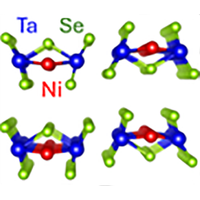
Phys. Rev. Lett. 136, 046503 (2026)
Condensed Matter and Materials
Breaking the Intrinsic Absorption Limit for Arbitrarily Thin Conductive Films at Grazing Incidence
Article | Condensed Matter and Materials | 2026-01-28 05:00 EST
Yuxuan Liu, Ren-Hao Fan, Dong-Xiang Qi, Ruwen Peng, Yun Lai, Mu Wang, and Jie Luo
Light grazing an ultrathin conductive film can be absorbed much more strongly than previously thought.
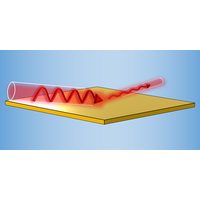
Phys. Rev. Lett. 136, 046902 (2026)
Condensed Matter and Materials
Decoherence Cancellation through Noise Interference
Article | Quantum Information, Science, and Technology | 2026-01-27 05:00 EST
Giuseppe D’Auria, Giovanna Morigi, Fabio Anselmi, and Fabio Benatti
We propose a novel, feedback-free method to cancel the effects of dephasing in the dynamics of open quantum systems. The protocol makes use of the coupling with an auxiliary system when they are both subjected to the same noisy dynamics in such a way that their interaction leads to cancellation of t…
Phys. Rev. Lett. 136, 040201 (2026)
Quantum Information, Science, and Technology
Downloading Many-Qubit Entanglement from Continuous-Variable Cluster States
Article | Quantum Information, Science, and Technology | 2026-01-27 05:00 EST
Zhihua Han and Hoi-Kwan Lau
Many-body entanglement is an essential resource for many quantum technologies, but its scalable generation has been challenging on qubit platforms. However, the generation of continuous-variable (CV) entanglement can be extremely efficient, but its utility is rather limited. In this Letter, we propo…
Phys. Rev. Lett. 136, 040202 (2026)
Quantum Information, Science, and Technology
Provable and Verifiable Quantum Advantage in Sample Complexity
Article | Quantum Information, Science, and Technology | 2026-01-27 05:00 EST
Marcello Benedetti, Harry Buhrman, and Jordi Weggemans
In a sample-to-sample setting, quantum computation achieves the largest possible separation over classical computation.

Phys. Rev. Lett. 136, 040601 (2026)
Quantum Information, Science, and Technology
Geomagnetic Constraints on Millicharged Dark Matter
Article | Cosmology, Astrophysics, and Gravitation | 2026-01-27 05:00 EST
Ariel Arza, Yuanlin Gong, Jing Shu, Lei Wu, Qiang Yuan, and Bin Zhu
Dark matter having a small electric charge would presumably generate a magnetic-field variation on Earth's surface, but observations find no such signal.

Phys. Rev. Lett. 136, 041001 (2026)
Cosmology, Astrophysics, and Gravitation
$nπ$ Phase Ambiguity of Cosmic Birefringence
Article | Cosmology, Astrophysics, and Gravitation | 2026-01-27 05:00 EST
Fumihiro Naokawa, Toshiya Namikawa, Kai Murai, Ippei Obata, and Kohei Kamada
We point out that the rotation angle of cosmic birefringence, which is a recently reported parity-violating signal in the cosmic microwave background (CMB), has a phase ambiguity of . This ambiguity has a significant impact on the interpretation of the origin of cosmic birefringence. Assumi…
Phys. Rev. Lett. 136, 041003 (2026)
Cosmology, Astrophysics, and Gravitation
Universal Profile for Cosmic Birefringence Tomography with Radio Galaxies
Article | Cosmology, Astrophysics, and Gravitation | 2026-01-27 05:00 EST
Fumihiro Naokawa
We propose a new method to tomographically probe cosmic birefringence using radio galaxies. We show that the redshift evolution of the cosmic birefringence angle induced by a slow-rolling pseudoscalar field, which is a candidate for dynamical dark energy, is independent of the detailed model of the …
Phys. Rev. Lett. 136, 041004 (2026)
Cosmology, Astrophysics, and Gravitation
Thermodynamic Supercriticality and Complex Phase Diagram for the AdS Black Hole
Article | Cosmology, Astrophysics, and Gravitation | 2026-01-27 05:00 EST
Zhen-Ming Xu and Robert B. Mann
In this study, we extend the application of the Lee-Yang phase transition theorem to the realm of anti-de Sitter (AdS) black hole thermodynamics, thereby deriving a comprehensive complex phase diagram for such systems. Our research augments extant studies on black hole thermodynamic phase diagrams, …
Phys. Rev. Lett. 136, 041402 (2026)
Cosmology, Astrophysics, and Gravitation
Topological Vortex and Antivortex Transport in a Three-Dimensional Photonic Disclination Metamaterial
Article | Atomic, Molecular, and Optical Physics | 2026-01-27 05:00 EST
Yingfeng Qi, Siqi Xu, Bei Yan, Zebin Zhu, Yan Meng, Xiaoyuan Jiao, Linyun Yang, Zhenxiao Zhu, Ziyao Wang, and Zhen Gao
Vortex or antivortex modes that carry orbital angular momentum (OAM) have provided a novel degree of freedom for modern optics and practical applications. However, their robust transport has thus far been limited to two-dimensional photonic systems. Here, we report on the first experimental observat…
Phys. Rev. Lett. 136, 043803 (2026)
Atomic, Molecular, and Optical Physics
Quantized Conductance in a CVD-Grown Nanoribbon with Hidden Rashba Effect
Article | Condensed Matter and Materials | 2026-01-27 05:00 EST
Jianfei Xiao, Yiwen Ma, Congwei Tan, Kui Zhao, Yunteng Shi, Bingbing Tong, Peiling Li, Ziwei Dou, Xiaohui Song, Guangtong Liu, Jie Shen, Zhaozheng Lyu, Li Lu, Hailin Peng, and Fanming Qu
Quantized conductance in quasi-one-dimensional systems not only provides a hallmark of ballistic transport, but also serves as a gateway for exploring quantum phenomena. Recently, a unique hidden Rashba effect, which arises from the compensation of opposite spin polarizations of a Rashba bilayer in …
Phys. Rev. Lett. 136, 046302 (2026)
Condensed Matter and Materials
Detecting the Emergent Continuous Symmetry of Criticality via a Subsystem’s Entanglement Spectrum
Article | Condensed Matter and Materials | 2026-01-27 05:00 EST
Bin-Bin Mao, Zhe Wang, Bin-Bin Chen, and Zheng Yan
The (emergent) symmetry of a critical point constitutes fundamental pieces of information for determining the universality class and effective field theory. However, the underlying symmetry thus far can be conjectured only indirectly from the dimension of the order parameters in symmetry-breaking ph…
Phys. Rev. Lett. 136, 046401 (2026)
Condensed Matter and Materials
Bipartite Entanglement and Surface Criticality: The Extra Contribution of the Nonordinary Edge in Entanglement
Article | Condensed Matter and Materials | 2026-01-27 05:00 EST
Yanzhang Zhu, Zenan Liu, Zhe Wang, Yan-Cheng Wang, and Zheng Yan
Recent works on the scaling behaviors of entanglement entropy at the deconfined quantum critical point (DQCP) sparked a huge controversy. Different bipartitions gave out totally different conclusions for whether the DQCP is consistent with a unitary conformal field theory. In this Letter, we c…
Phys. Rev. Lett. 136, 046501 (2026)
Condensed Matter and Materials
Thermopower Probe of Fractional Quantum Hall States in Monolayer Graphene
Article | Condensed Matter and Materials | 2026-01-27 05:00 EST
Nishat Sultana, Robert W. Rienstra, Kenji Watanabe, Takashi Taniguchi, Joseph A. Stroscio, D. E. Feldman, and Fereshte Ghahari
Thermopower is more sensitive than resistivity in detecting certain fractional quantum Hall states in monolayer graphene.
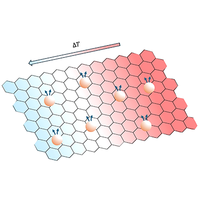
Phys. Rev. Lett. 136, 046502 (2026)
Condensed Matter and Materials
Higher-Form Anomalies on Lattices
Article | Condensed Matter and Materials | 2026-01-27 05:00 EST
Yitao Feng, Ryohei Kobayashi, Yu-An Chen, and Shinsei Ryu
Higher-form symmetry in a tensor product Hilbert space is always emergent: The symmetry generators become genuinely topological only when the Gauss law is energetically enforced at low energies. In this Letter, we present a general method for defining the 't Hooft anomaly of higher-form symmetries i…
Phys. Rev. Lett. 136, 046504 (2026)
Condensed Matter and Materials
Wave-Function-Free Approach for Predicting Nonlinear Responses in Weyl Semimetals
Article | Condensed Matter and Materials | 2026-01-27 05:00 EST
Mohammad Yahyavi, Ilya Belopolski, Yuanjun Jin, Yilin Zhao, Jinyang Ni, Naizhou Wang, Yi-Chun Hung, Zi-Jia Cheng, Tyler A. Cochran, Tay-Rong Chang, Wei-bo Gao, Su-Yang Xu, Jia-Xin Yin, Qiong Ma, Md Shafayat Hossain, Arun Bansil, Naoto Nagaosa, and Guoqing Chang
By sidestepping the intractable calculations of many-body wave functions, density functional theory has revolutionized the prediction of ground states of materials. However, predicting nonlinear responses--critical for next-generation quantum devices--still relies heavily on explicit wave functions, l…
Phys. Rev. Lett. 136, 046601 (2026)
Condensed Matter and Materials
Ferroelectrics Drive Topological Magnon Transitions and Valley Transport
Article | Condensed Matter and Materials | 2026-01-27 05:00 EST
Yingxi Bai, Bo Yuan, Zhiqi Chen, Ying Dai, Baibiao Huang, Xiaotian Wang, and Chengwang Niu
Topological magnons offer unique opportunities for low-dissipation spin transport, but achieving nonvolatile control over their topological states remains a significant challenge. Here, using a Heisenberg-Dzyaloshinskii-Moriya model and symmetry analysis, we propose a ferroelectrically tunable magno…
Phys. Rev. Lett. 136, 046602 (2026)
Condensed Matter and Materials
Magnon Torques Mediated by Orbital Hybridization at the Light Metal-Antiferromagnetic Insulator Interface
Article | Condensed Matter and Materials | 2026-01-27 05:00 EST
Yuchen Pu, Guoyi Shi, Hua Bai, Xinhou Chen, Chenhui Zhang, Zhaohui Li, Mehrdad Elyasi, and Hyunsoo Yang
Magnon torques, which can operate without involving moving electrons, could circumvent the Joule heating issue. In conventional magnon torque systems, the spin source layer with strong spin-orbit coupling is utilized to inject magnons, and the efficiency is limited by the inherent spin Hall conducti…
Phys. Rev. Lett. 136, 046701 (2026)
Condensed Matter and Materials
Harnessing Higher-Dimensional Fluctuations in an Information Engine
Article | Statistical Physics; Classical, Nonlinear, and Complex Systems | 2026-01-27 05:00 EST
Antonio Patrón Castro, John Bechhoefer, and David A. Sivak
We study the optimal performance of an information engine consisting of an overdamped Brownian bead confined in a controllable, -dimensional harmonic trap and additionally subjected to gravity. The trap's center is updated dynamically via a feedback protocol designed such that no external work is d…
Phys. Rev. Lett. 136, 047101 (2026)
Statistical Physics; Classical, Nonlinear, and Complex Systems
Bulk-Water Behavior of Water Clusters Studied by Isotope Effects
Article | Polymers, Chemical Physics, Soft Matter, and Biological Physics | 2026-01-27 05:00 EST
Klavs Hansen, Kaveh Najafian, Bertil Dynefors, Mauritz J. Ryding, Einar Uggerud, Siegfried Kollotzek, Johannes Reichegger, Olga V. Lushchikova, and Paul Scheier
The evaporative decay of mixed heavy and light water clusters was measured. The branching ratios of the three isotopologue molecules scale with the deuterium fraction from cluster size and up, including across the well-known shell closing at , and are consistent with macroscopic surface valu…
Phys. Rev. Lett. 136, 048001 (2026)
Polymers, Chemical Physics, Soft Matter, and Biological Physics
arXiv
Strain-transport superposition in shear-thinning dense non-Brownian suspensions
New Submission | Soft Condensed Matter (cond-mat.soft) | 2026-01-28 20:00 EST
Shear thinning in dense non-Brownian suspensions is often attributed to shear-induced microstructural evolution, including changes in alignment, anisotropy, and near-contact statistics, yet how these changes influence particle-scale dynamics remains unclear. Using particle-resolved simulations of dense suspensions that shear thin through diverse microscopic mechanisms, including short-range attraction, repulsion, and load-dependent friction, we show that the magnitude of nonaffine particle velocities is controlled solely by the imposed shear rate, independent of coordination number, structural anisotropy, and interaction details. In contrast, macroscopic stress and viscosity remain strongly sensitive to the underlying interactions. When mean-squared displacements transverse to the flow are rescaled by accumulated strain and the nonaffine velocity variance, all data collapse onto a single master curve, revealing strain-controlled transport with a robust ballistic-to-diffusive crossover. These results demonstrate a fundamental decoupling between particle-scale kinematics and macroscopic rheology and identify nonaffine velocity fluctuations as the emergent dynamical scale governing shear-driven transport.
Soft Condensed Matter (cond-mat.soft), Fluid Dynamics (physics.flu-dyn)
Is gelation a singularity or a flow induced instability?
New Submission | Soft Condensed Matter (cond-mat.soft) | 2026-01-28 20:00 EST
Manuel Dedola, Ludovico Cademartiri
Gelation in the Smoluchowski coagulation equation is commonly interpreted as a finite-time singularity marked by mass loss or moment divergence. We instead characterize gelation as a loss of dynamical stability of the Smoluchowski flow, quantified through the time-dependent spectrum of the Jacobian along the evolving aggregation dynamics. Studying homogeneous kernels $ K(i,j)=(ij)^{\alpha}$ together with the classical Smoluchowski, we show that gelation is consistently preceded by the appearance of positive real eigenvalues, indicating a loss of local dynamical stability. While non-gelling kernels exhibit only transient finite-size effects, gelling kernels display persistent spectral destabilization associated with macroscopic gel formation. Our results identify gelation as a genuine dynamical instability of the Smoluchowski flow.
Soft Condensed Matter (cond-mat.soft), Adaptation and Self-Organizing Systems (nlin.AO), Applications (stat.AP)
Curve-Fitting to resolve overlapping voltammetric peaks: Model and examples
New Submission | Materials Science (cond-mat.mtrl-sci) | 2026-01-28 20:00 EST
Weiguang Huang, T.L.E. Henderson, A.M. Bond, K.B. Oldham
A model is presented that is applicable to a wide range of peak-shaped voltammetric signals. It may be used, via curve-fitting, to resolve severely overlapped peaks, irrespective of the degree(s) of reversibility of the electrode processes. The resolution procedure has been thoroughly tested for several voltammetric and polarographic techniques (differential pulse, square wave and pseudo-derivative normal pulse), using reversible, quasireversible and irreversible electrochemical systems.
Materials Science (cond-mat.mtrl-sci), Optimization and Control (math.OC)
MAD-SURF: a machine learning interatomic potential for molecular adsorption on coinage metal surfaces
New Submission | Materials Science (cond-mat.mtrl-sci) | 2026-01-28 20:00 EST
Manuel González Lastre, Joakim S. Jestilä, Rubén Pérez, Adam S. Foster
Predicting how organic molecules adsorb, assemble, and interact on metal surfaces is central to surface chemistry and molecular electronics, particularly in the context of interpreting high-resolution scanning probe microscopy. Yet, the application of first-principles simulations to interfaces is hampered by the computational cost for evaluating the electronic structure for the large number of atoms typically involved. We hereby present MAD-SURF, a machine learning interatomic potential specifically tailored for molecular adsorption on coinage metal surfaces. Trained on a broad dataset spanning diverse molecules, adsorption motifs, surfaces, molecular dynamics trajectories and non-covalent aggregates, MAD-SURF achieves accuracy comparable to the underlying DFT reference while enabling simulations orders of magnitude faster than density functional theory. The model reliably reproduces energies, forces and adsorption geometries across the three coinage metal substrates. We demonstrate its capabilities on experimentally characterized systems, including organic monolayers, polycyclic aggregates, flexible biomolecules and the long-range herringbone reconstruction of gold. By merging accuracy, speed, and generalizability, MAD-SURF offers a practical framework for accelerating atomistic simulations and advancing data-driven workflows in surface science.
Materials Science (cond-mat.mtrl-sci), Mesoscale and Nanoscale Physics (cond-mat.mes-hall), Computational Physics (physics.comp-ph)
Jordan-Wigner mapping between quantum-spin and fermionic Casimir effects
New Submission | Statistical Mechanics (cond-mat.stat-mech) | 2026-01-28 20:00 EST
Katsumasa Nakayama, Kei Suzuki
The Jordan-Wigner transformation connects spin operators in one-dimensional spin systems and fermionic operators. In this work, we elucidate the relationship between the finite-size corrections in the spin representation and the fermionic Casimir effect in the corresponding fermion representation. In particular, we focus on the ground-state energy of one-dimensional transverse-field Ising and XY models, and show that all finite-size corrections can be interpreted as lattice fermionic Casimir effects. We further find several types of Casimir phenomena, such as the conventional Casimir energy from massless fields, damping behavior from massive fields, vanishing behavior from flat or nonrelativistic bands, and oscillating behavior from the finite-density effect. Our findings establish a dictionary between finite-size corrections in spin chains and fermionic Casimir effects, and provide experimentally relevant platforms for the fermionic Casimir phenomena.
Statistical Mechanics (cond-mat.stat-mech), Mesoscale and Nanoscale Physics (cond-mat.mes-hall), Strongly Correlated Electrons (cond-mat.str-el), High Energy Physics - Theory (hep-th), Quantum Physics (quant-ph)
14 pages, 11 figures, 1 table
Cooper Condensation and Pair Wave Functions in Strongly Correlated Electrons
New Submission | Strongly Correlated Electrons (cond-mat.str-el) | 2026-01-28 20:00 EST
Hannes Karlsson, Johannes S. Hofmann, Alexander Wietek
Identifying superconducting states of matter without prior assumptions is a central challenge in strongly correlated electron systems. We introduce a canonical framework for diagnosing the formation of Cooper pair condensates based on the Penrose-Onsager criterion, in which superconducting order is encoded in the spectral properties of the two-particle reduced density matrix (2RDM). Within this formulation, the symmetry and structure of the condensate are obtained by projecting the 2RDM onto irreducible representations of the underlying symmetry group, enabling an unbiased identification of both conventional and exotic superconducting states. We demonstrate the power and versatility of the approach through applications to the two-dimensional Hubbard model, using both auxiliary-field quantum Monte Carlo (AFQMC) and the density matrix renormalization group (DMRG). For attractive interactions without a magnetic field, we reveal a clear finite-size scaling of the condensate fraction on square lattices of size up to $ 20\times 20$ . The framework further provides direct access to the internal structure and extent of Cooper pairs, which we track across the BCS-BEC crossover. Moreover, it enables a clean diagnosis of the finite-momentum Fulde-Ferrell-Larkin-Ovchinnikov (FFLO) phase in a magnetic field. Finally, we apply the approach to a supersolid phase in the repulsive Hubbard model with an additional next-nearest neighbor hopping $ t^\prime$ , where a charge-density wave coexists with a superconductor. We confirm the fragmented nature of the condensate and uncover substantial pairing correlations in the triplet channel with $ p$ -wave spatial symmetry in addition to the dominant singlet $ d$ -wave pairing. Our results establish the 2RDM-based Penrose-Onsager framework as a broadly applicable and unbiased tool for characterizing superconducting order in correlated quantum matter.
Strongly Correlated Electrons (cond-mat.str-el), Superconductivity (cond-mat.supr-con)
14 pages, 12 figures
Dissipative diffusion in quantum state preparation: from passive cooling to system-bath engineering
New Submission | Quantum Gases (cond-mat.quant-gas) | 2026-01-28 20:00 EST
Tim Pokart, Lukas König, Sebastian Diehl, Jan Carl Budich
We investigate and compare two particle number conserving protocols for the preparation of a topologically nontrivial state. The first is derived from thermally coupling the system to a cold bath, while the second is based on engineered dissipation. We numerically study the time required to reach the target state as well as its robustness against physically important perturbations. Crucially, in both protocols the cooling capability is limited by dissipatively induced diffusion processes. The resulting quadratic scaling of the cooling time with system size is corroborated also analytically using mean-field approximations and a purely classical random walk model. Furthermore, we find that the engineered protocol admits a unique and stable dark state, which contributes to an ongoing discussion regarding the applicability of dissipative state preparation to many-body systems.
Quantum Gases (cond-mat.quant-gas), Strongly Correlated Electrons (cond-mat.str-el), Quantum Physics (quant-ph)
12 pages, 11 figures, includes supplementary material
Accelerated design of proton exchange membranes for green hydrogen production with artificial intelligence
New Submission | Soft Condensed Matter (cond-mat.soft) | 2026-01-28 20:00 EST
Huan Tran, Akhlak Mahmood, Harshal Chaudhari, Kuldeep Mamtani, Chiho Kim, Rampi Ramprasad, Anand N. Krishnamoorthy, Abhirup Patra
Water electrolysis is an eco-friendly method for hydrogen production that has reached significant levels of technological maturity. Among commercialized water-electrolysis technologies, proton-exchange membrane electrolyzers offer high current density, fast dynamic response, and compact system design, among other advantages. On the other hand, managing their high capital cost and the ``forever-chemistry’’ nature of Nafion, a perfluorinated proton-exchange membrane widely used in such devices, remains a major challenge. Searches for fluorine-free replacements for Nafion, pursued largely through physical experimentation, have been active for decades with limited success. In this work, we develop and demonstrate an AI-based strategy for designing new proton-exchange membranes for electrolyzers. Two key components of this strategy are an implementation of the virtual forward-synthesis approach and a set of machine-learning predictive models for essential application-inspired membrane properties; the former generates a vast space of millions of synthesizable polymers, which are then evaluated and screened by the latter. The strategy is validated against experimental data for known membranes and then applied to design over 1,700 new synthesizable candidates. This article concludes with a forward-looking vision in which the strategy could be elevated into an interactive and iterative scheme that are based on large language models to facilitate materials design in multiple ways.
Soft Condensed Matter (cond-mat.soft), Materials Science (cond-mat.mtrl-sci)
Stacked quantum Ising systems and quantum Ashkin-Teller model
New Submission | Statistical Mechanics (cond-mat.stat-mech) | 2026-01-28 20:00 EST
We analyze the quantum states of an isolated composite system consisting of two stacked quantum Ising (SQI) subsystems, coupled by a local Hamiltonian term that preserves the $ Z_2$ symmetry of each subsystem. The coupling strength is controlled by an intercoupling parameter $ w$ , with $ w=0$ corresponding to decoupled quantum Ising systems. We focus on the quantum correlations of one of the two SQI subsystems, $ S$ , in the ground state of the global system, and study their dependence on both the state of the weakly-coupled complementary part $ E$ and the intercoupling strength. We concentrate on regimes in which $ S$ develops critical long-range correlations. The most interesting physical scenario arises when both SQI subsystems are critical. In particular, for identical SQI subsystems, the global system is equivalent to the quantum Ashkin-Teller model, characterized by an additional $ Z_2$ interchange symmetry between the two subsystem operators. In this limit, one-dimensional SQI systems exhibit a peculiar critical line along which the length-scale critical exponent $ \nu$ varies continuously with $ w$ , while two-dimensional systems develop quantum multicritical behaviors characterized by an effective enlargement of the symmetry of the critical modes, from the actual $ Z_2\oplus Z_2$ symmetry to a continuous O(2) symmetry.
Statistical Mechanics (cond-mat.stat-mech), Quantum Physics (quant-ph)
16 pages
Moiré magnetism in a bilayer Ising model
New Submission | Statistical Mechanics (cond-mat.stat-mech) | 2026-01-28 20:00 EST
Moiré patterns in magnetic bilayers generate spatially modulated interlayer exchange interactions that can give rise to nonuniform magnetic textures. We study a minimal classical bilayer Ising model with a moiré-modulated interlayer coupling, generated either by relative twist or differential strain between the layers. Using large-scale classical Monte Carlo simulations, we show that the ordering transition remains in the conventional two-dimensional Ising universality class, even when the low-temperature state is domain-textured. At low temperatures, we find a smooth crossover between a uniform ferromagnet and domain-textured state, in which the spins locally follow the sign of the interlayer exchange. We demonstrate that there is no breaking of layer symmetry for twisted bilayers. The location of the crossover is determined by a simple geometric energy balance between bulk interlayer exchange and intralayer domain-wall costs. Our results provide a minimal framework for understanding how moiré-modulated magnetic textures can emerge from geometric energetics without requiring a thermodynamic phase transition.
Statistical Mechanics (cond-mat.stat-mech)
6 pages, 4 figures
Detecting the finer structure of the P vs NP problem with statistical mechanics: the case of the Wang tiling problem
New Submission | Statistical Mechanics (cond-mat.stat-mech) | 2026-01-28 20:00 EST
Fabrizio Canfora, Marco Cedeno
We introduce the idea that the P vs NP problem can have a finer structure. Given the NP complete problem of interest, the configurations space of the problem can be divided in (at least) two regions. In one region, polynomial algorithms to solve the NP complete problem of interest are available (and we discuss one possible realization inspire by the games of chess and go). In the second region the problem to find polynomial time algorithms is very similar to the problem to find polynomial time algorithms to determine the asymptotic behavior of discrete dynamical systems in the chaotic regime. We cannot exclude the existence of a third region which separates the first two: this region would have the characteristics of the edge of chaos. We focuss on the Wang tiling problem of an N X N square (with N large): here a Wang tiles set Gamma is an alphabet. We construct a statistical-physics inspired heuristic which allows to define good alphabets as the ones with a good thermodynamical behavior. For (a suitable subclass of) good alphabets we construct an algortihm which, in polynomial time, determines how to tile the N x N square. On the other hand, for bad alphabets, we observe a chaotic behavior. The Cook-Levin theorem advocate a similar pattern for all the NP-complete problems.
Statistical Mechanics (cond-mat.stat-mech), High Energy Physics - Theory (hep-th), Chaotic Dynamics (nlin.CD)
21 pages, 13 figures
Accelerating Multicanonical Sampling with Irreversibility
New Submission | Statistical Mechanics (cond-mat.stat-mech) | 2026-01-28 20:00 EST
Flat-histogram Monte Carlo simulations are well-established, robust methods to perform random walks in a physical observable or parameter space, making them suitable for finding ground states or studying phase transitions in complex systems in statistical physics. However, their efficiency can be limited by the time to attain the desired flat distribution, which is generally unknown prior to the simulations. In particular, they might suffer from slowing down towards the end of a simulation due to the diffusive nature of random walks. In this work we apply irreversibility to the multicanonical Monte Carlo method via the lifting approach to alleviate this behavior. We achieve a 2-4 times speedup in ground-state search for a two-dimensional (2D) Ising model, and up to an order of magnitude of speedup for finding the ground-state energy in an Edwards-Anderson spin glass, compared to traditional multicanonical sampling. The round-trip times between ground states show a narrower distribution and are significantly shorter compared to the reversible counterpart, suggesting that a lower convergence time with a smaller time variance is feasible.
Statistical Mechanics (cond-mat.stat-mech)
Comp. Phys. Comm. (2026) 110051
Toward Tunable Magnetic Dirac Semimetals: Mn Doping of Cd$_3$As$_2$
New Submission | Materials Science (cond-mat.mtrl-sci) | 2026-01-28 20:00 EST
Anthony D. Rice, Ian Leahy, Herve Ness, Andrew G. Norman, Karen N. Heinselman, Chun-Sheng Jiang, David Graf, Alexey Suslov, Stephan Lany, Mark Van Schilfgaarde, Kirstin Alberi
Magnetic impurities provide a route toward increasing functionality in electronic materials, often enabling new device concepts and architectures. In the case of topological semimetals, dilute magnetic doping presents a particularly attractive approach for inducing a Dirac to Weyl phase change via time reversal symmetry breaking. However, efforts to realize changes in the electronic structure have been limited by challenges in incorporating magnetic impurities into crystals with sufficiently high electron mobilities to detect them via transport or spectroscopic techniques. Here, we demonstrate incorporation of Mn into Cd$ _3$ As$ _2$ Dirac semimetal thin films grown by molecular beam epitaxy (MBE). Using As-rich growth conditions and [001] oriented thin films, Mn compositions of >10% are achieved. Films contain uniform distributions of Mn with no evidence of secondary phases and exhibit electron mobilities greater than 10,000-30,000 cm$ ^2$ /Vs up to 5% Mn. An evolution in the magnetization behavior along with the emergence of a second quantum oscillation frequency at low Mn concentrations provide preliminary evidence of Mn-induced changes in the electronic structure that are consistent with a Weyl phase. This work demonstrates the potential of magnetically doping topological semimetal thin films and a pathway for synthesizing them.
Materials Science (cond-mat.mtrl-sci)
Topological hybridisation of plasmons with ferrimagnetic magnons
New Submission | Mesoscale and Nanoscale Physics (cond-mat.mes-hall) | 2026-01-28 20:00 EST
Cooper Finnigan, Mehdi Kagarian, Dmitry K. Efimkin
We study the formation of hybrid plasmon-magnon modes in a heterostructure comprising a monolayer semiconductor with strong Rashba spin-orbit coupling – specifically, Janus transition-metal dichalcogenides (TMDs) – and an insulating ferrimagnet, such as yttrium iron garnet-based compounds. Using a combined microscopic-macroscopic framework for plasmon-magnon coupling, we show that plasmons and magnons strongly hybridize over both GHz and THz frequency ranges, enabling experimental access well above cryogenic temperatures. Moreover, the developed approach provides an efficient and natural classification of the topology of the hybrid modes, rooted in the phase winding of the plasmon-magnon coupling induced by spin-momentum locking and the associated chiral winding of the electronic spin along the Fermi contours. Finally, we identify experimentally accessible manifestations of the hybridization, such as topological interface modes and an anomalous thermal Hall response.
Mesoscale and Nanoscale Physics (cond-mat.mes-hall)
11 pages, 3 figures
Frequency- and time-resolved second order quantum coherence function of IDTBT single-molecule fluorescence
New Submission | Materials Science (cond-mat.mtrl-sci) | 2026-01-28 20:00 EST
Quanwei Li, Yuping Shi, Lam Lam, K. Birgitta Whaley, Graham Fleming
The frequency- and time-resolved second order quantum coherence function (g(2)({\tau})) of single-molecule fluorescence has recently been proposed as a powerful new quantum light spectroscopy that can reveal intrinsic quantum coherence in excitation energy transfer in molecular systems ranging from simple dimers to photosynthetic complexes. Yet, no experiments have been reported to date. Here, we have developed a single-molecule fluorescence g(2)({\tau}) quantum light spectroscopy (SMFg2-QLS) that can simultaneously measure the fluorescence intensity, lifetime, spectra, and g(2)({\tau}) with frequency resolution, for a single molecule in a controlled environment at both room temperature and cryogenic temperature. As a proof of principle, we have studied single molecules of IDTBT (indacenodithiophene-co-benzothiadiazole), a semiconducting donor-acceptor conjugated copolymer with a chain-like structure that shows a high carrier mobility and annihilation-limited long-range exciton transport. We have observed different g(2)({\tau}=0) values with different bands or bandwidths of the single molecule IDTBT fluorescence. The general features are consistent with theoretical predictions and suggest non-trivial excited state quantum dynamics, possibly showing quantum coherence, although further analysis and confirmation will require additional theoretical calculations that take into account the complexity and inhomogeneity of individual IDTBT single molecular chains. Our results demonstrate the feasibility and promise of frequency- and time-resolved SMFg2-QLS to provide new insights into molecular quantum dynamics and to reveal signatures of intrinsic quantum coherence in photosynthetic light harvesting that are independent of the nature of the light excitation.
Materials Science (cond-mat.mtrl-sci), Chemical Physics (physics.chem-ph), Quantum Physics (quant-ph)
Transport spin polarization in RuO$_2$ films
New Submission | Mesoscale and Nanoscale Physics (cond-mat.mes-hall) | 2026-01-28 20:00 EST
Alexandra J. Howzen, Sachin Gupta, Gavin Burnell, Nathan Satchell
Altermagnets host spin-split electronic bands without net magnetization, enabling spin-polarized transport in the absence of conventional ferromagnetism. RuO$ _2$ has been proposed as a candidate altermagnet, yet experimental reports remain conflicting, particularly between bulk-sensitive probes and thin-film measurements. Here we investigate the electronic transport properties of epitaxial RuO$ _2$ thin films using anomalous Hall effect measurements and point-contact Andreev reflection spectroscopy. We observe transport spin polarization and a strongly orientation-dependent anomalous Hall response, while magnetometry reveals no detectable net magnetization. The anomalous Hall effect appears only in ultrathin (110)-oriented films, consistent with symmetry-driven Néel-vector physics, and the measured transport spin polarization is systematically higher for (110)-oriented films than for (001)-oriented films, consistent with the crystallographic anisotropy of the spin-split bands. These results are consistent with altermagnetic behavior in RuO$ _2$ , with the experimentally accessible signatures confined to near-surface regions. They also establish superconducting transport spectroscopy as a metrology for identifying and characterizing altermagnet candidates.
Mesoscale and Nanoscale Physics (cond-mat.mes-hall), Materials Science (cond-mat.mtrl-sci)
6 pages, 3 figures main text and 4 pages, 4 figures supplemental material
Fundamental Tests of Quantum Geometric Bounds in Ionic and Covalent Insulators using Inelastic X-Ray Scattering
New Submission | Mesoscale and Nanoscale Physics (cond-mat.mes-hall) | 2026-01-28 20:00 EST
David Bałut, Barry Bradlyn, Marcus D. Collins, Peter Abbamonte
Quantum geometry underlies many fundamental properties of materials, but it has remained largely inaccessible to direct experiment. Here we demonstrate that inelastic x-ray scattering (IXS) provides a direct, quantitative probe of quantum geometry and quantum information in solids. Studying two prototype insulators, covalently bonded diamond and ionically bonded LiF, we measure the density response and experimentally determine the quantum Fisher information, the associated Bures metric, and the electron localization length. These measurements enable a quantitative comparison of quantum geometry for two distinct bonding environments. We find that the dimensionless quantum weight, $ aK(q)$ , which quantifies the longitudinal localization of quantum information, is constrained by fundamental electrostatic bounds in both materials. Crucially, the quantum weight of diamond exceeds that of LiF, indicating that covalent bonds exhibit a higher degree of delocalization and higher density of quantum information than the ionic bonds. Our results establish a direct experimental relationship between quantum information, electron localization, and chemical bonding, and identify IXS as a powerful tool for measuring quantum geometry in materials.
Mesoscale and Nanoscale Physics (cond-mat.mes-hall), Strongly Correlated Electrons (cond-mat.str-el)
12pages, 7 figures
Light-Emitting Diodes with Micrometer-Thick Perovskite Charge Transport Layers
New Submission | Materials Science (cond-mat.mtrl-sci) | 2026-01-28 20:00 EST
Over the past few decades, thin-film optoelectronic devices have shown significant advancements. Light-emitting diodes (LEDs) based on organic materials, polymers, quantum dots, as well as metal halide perovskites have achieved remarkable efficiencies and long lifetimes, making them ideal for applications in full-color displays and solid-state lighting. These devices typically feature a layered structure, with the light-emitting layer positioned between charge transport layers and two electrodes. This perspective reviews recent progress in LEDs utilizing perovskite charge transport layers and suggests potential pathways for further development in this field.
Materials Science (cond-mat.mtrl-sci)
$PT$ Symmetry’s Real Topology
New Submission | Mesoscale and Nanoscale Physics (cond-mat.mes-hall) | 2026-01-28 20:00 EST
Symmetry-protected topological phases have been a central theme in condensed matter physics and beyond over the past two decades. Most efforts have focused on topological classifications of physical systems under given symmetries, while the intrinsic topology of the symmetries themselves has received much less attention. Here, we show that, in generic non-interacting spinless crystals, the spacetime inversion symmetry $ PT$ naturally carries a real vector-bundle structure whose topology is characterized by Stiefel–Whitney (SW) classes. In contrast to previous work, where SW classes were used to describe the topology of real valence bundles protected by $ PT$ , we identify SW classes associated to the $ PT$ symmetry itself. These symmetry SW classes can endow the \emph{total} real bundle of a $ PT$ -symmetric band structure with nontrivial topology, overturning the common assumption that the total bundle is always trivial. As a consequence, valence and conduction bands can exhibit asymmetric SW classes, in sharp contrast to the usual symmetric scenario. We further demonstrate that the symmetry SW classes provide a refined distinction between atomic insulator phases. Our results underscore the importance of treating crystal symmetries as topological objects in their own right, rather than focusing solely on the topology of energy bands.
Mesoscale and Nanoscale Physics (cond-mat.mes-hall)
C2NP: A Benchmark for Learning Scale-Dependent Geometric Invariances in 3D Materials Generation
New Submission | Materials Science (cond-mat.mtrl-sci) | 2026-01-28 20:00 EST
Can Polat, Erchin Serpedin, Mustafa Kurban, Hasan Kurban
Generative models for materials have achieved strong performance on periodic bulk crystals, yet their ability to generalize across scale transitions to finite nanostructures remains largely untested. We introduce Crystal-to-Nanoparticle (C2NP), a systematic benchmark for evaluating generative models when moving between infinite crystalline unit cells and finite nanoparticles, where surface effects and size-dependent distortions dominate. C2NP defines two complementary tasks: (i) generating nanoparticles of specified radii from periodic unit cells, testing whether models capture surface truncation and geometric constraints; and (ii) recovering bulk lattice parameters and space-group symmetry from finite particle configurations, assessing whether models can infer underlying crystallographic order despite surface perturbations. Using diverse materials as a structurally consistent testbed, we construct over 170,000 nanoparticle configurations by carving particles from supercells derived from DFT-relaxed crystal unit cells, and introduce size-based splits that separate interpolation from extrapolation regimes. Experiments with state-of-the-art approaches, including diffusion, flow-matching, and variational models, show that even when losses are low, models often fail geometrically under distribution shift, yielding large lattice-recovery errors and near-zero joint accuracy on structure and symmetry. Overall, our results suggest that current methods rely on template memorization rather than scalable physical generalization. C2NP offers a controlled, reproducible framework for diagnosing these failures, with immediate applications to nanoparticle catalyst design, nanostructured hydrides for hydrogen storage, and materials discovery. Dataset and code are available at this https URL.
Materials Science (cond-mat.mtrl-sci), Mesoscale and Nanoscale Physics (cond-mat.mes-hall), Machine Learning (cs.LG), Quantum Physics (quant-ph)
Design and fabrication of guiding patterns for topography-based searching of 2D devices for scanning tunneling microscopy measurements
New Submission | Strongly Correlated Electrons (cond-mat.str-el) | 2026-01-28 20:00 EST
Huandong Chen, Hong Li, Yutao Li, He Zhao, Ming Lu, Kazuhiro Fujita, Abhay N. Pasupathy
We report the design and fabrication of guiding patterns for topography-based searching of two-dimensional (2D) devices for scanning tunneling microscopy (STM) measurements. Sub-micron geometric coordinate markers were etched into SiO2/Si wafers, serving as both substrates for 2D device integration and guiding maps for sample navigation. Here, we used a monolayer graphene/h-BN device with an active area of smaller than 20 um x 20 um as a model system and demonstrated that the device could be reliably located in STM solely through topographic imaging of the guiding patterns and in situ stage calibration, without reliance on optical viewports or capacitive sensing. Atomically resolved topographic imaging and tunneling spectroscopy were also obtained. Our proposed navigation strategy is fully compatible with standard device fabrication procedures and requires no hardware modification to existing STM setups. As such, it offers a practical alternative for locating miniaturized devices in STM, shedding light on studying emerging quantum phenomena in 2D systems.
Strongly Correlated Electrons (cond-mat.str-el), Materials Science (cond-mat.mtrl-sci)
Altermagnetic spin-split Fermi surfaces in CrSb revealed by quantum oscillation measurements
New Submission | Materials Science (cond-mat.mtrl-sci) | 2026-01-28 20:00 EST
Taichi Terashima, Yuya Hattori, David Graf, Takahiro Urata, Tomoki Yoshioka, Wataru Hattori, Hiroshi Ikuta, Hiroaki Ikeda
Altermagnets, a class of collinear magnets defined by their spin-split electronic bands, are a focus of intense research, where a key challenge is to experimentally verify this unique band structure as a bulk property. Here, we report a comprehensive quantum oscillation study on the prototypical altermagnet CrSb. By combining high-field magnetotransport and torque measurements with DFT+$ U$ calculations including spin-orbit coupling, we successfully identify a multitude of quantum-oscillation frequencies originating from four spin-non-degenerate bands. These results provide definitive, bulk-sensitive evidence for the altermagnetic spin-split Fermi surface of CrSb, which provides a firm foundation for exploring its novel electronic properties.
Materials Science (cond-mat.mtrl-sci)
6 pages, 3 figures + SM
Boson peak in the dynamical structure factor of network- and packing-type glasses
New Submission | Soft Condensed Matter (cond-mat.soft) | 2026-01-28 20:00 EST
Hideyuki Mizuno, Emi Minamitani
Glasses are structurally disordered solids that host, in addition to crystalline-like phonons, vibrational excitations with no direct phononic counterpart. A long-standing universal signature is the excess vibrational density of states(vDOS) over the Debye prediction, known as the boson peak(BP), which has been extensively reported via inelastic neutron and X-ray scattering measurements of the dynamical structure factor $ S(q,\omega)$ . Here we quantify the vDOS directly from dynamical-structure-factor data and clarify the microscopic origin of the BP. We contrast two routes to extract the vDOS from $ S(q,\omega)$ : (i) using high-wavenumber $ q$ data beyond the Debye wavenumber $ q_D$ to access predominantly incoherent scattering and recover the vDOS in a manner analogous to velocity-autocorrelation-based approaches; and (ii) integrating $ S(q,\omega)$ over the low-$ q$ regime below $ q_D$ , which enables a decomposition of the vDOS into contributions from distinct wavenumber sectors and thereby provides direct access to the spatial character of vibrational modes. Focusing on the second route, we demonstrate that the BP in the vDOS emerges as the spectral consequence of a dispersionless excitation band in $ S(q,\omega)$ . Our main results are obtained from molecular-dynamics simulations, and we further show that the same mechanism is captured by an effective-medium theory for random spring networks, providing a unified interpretation that connects the excess vDOS to the wavenumber-resolved structure of vibrational excitations in glasses.
Soft Condensed Matter (cond-mat.soft), Disordered Systems and Neural Networks (cond-mat.dis-nn), Materials Science (cond-mat.mtrl-sci)
13 pages, 6 figures, 2 tables
Atomic and Electronic Structure of Strongly Charged Domain Walls in van der Waals α-In$_2$Se$_3$
New Submission | Materials Science (cond-mat.mtrl-sci) | 2026-01-28 20:00 EST
Gillian Nolan, Edmund Han, Shahriar Muhammad Nahid, Patrick Carmichael, Arend M. van der Zande, André Schleife, Pinshane Y. Huang
Here, we use atomic resolution scanning transmission electron microscopy (STEM) and first principles calculations to study the atomic and electronic structure of strongly charged domain walls in $ \alpha$ -In$ _2$ Se$ _3$ . STEM imaging and density functional theory (DFT) show that head-to-head (HH) domain walls contain a layer of nonpolar $ \beta$ -In$ _2$ Se$ _3$ , whereas tail-to-tail (TT) domain walls are atomically abrupt. We apply 4D STEM and multislice electron ptychography to map ferroelectric domains in 2D and 3D, showing that nearly $ 180^\circ$ domain walls exhibit complex, curved 3D structures that differ from ideal $ 180^\circ$ structures. Band structure calculations show localized conducting states within a $ \sim$ 1 nm thick layer at both HH and TT domain walls, such as a midgap state at the $ \beta$ layer of the HH domain wall. These properties make strongly charged domain walls in $ \alpha$ -In$ _2$ Se$ _3$ excellent candidates for realizing 2D electron or hole gases and domain wall engineering in van der Waals ferroelectrics.
Materials Science (cond-mat.mtrl-sci)
Mapping Metastable Magnetic Textures in (Fe0.5Co0.5)5GeTe2 with in-situ Lorentz Transmission Electron Microscopy
New Submission | Materials Science (cond-mat.mtrl-sci) | 2026-01-28 20:00 EST
Reed Yalisove, Hongrui Zhang, Xiang Chen, Fanhao Meng, Jie Yao, Robert Birgeneau, Ramamoorthy Ramesh, Mary C. Scott
Topologically protected magnetic textures are a promising route to low-energy control of magnetism, but they are most often studied away from ambient conditions, typically at low temperatures and high magnetic fields. Here we use in-situ Lorentz transmission electron microscopy with control of temperature and magnetic field to investigate the skyrmion metastability in (Fe0.5Co0.5)5GeTe2 (FCGT). By field-cooling FCGT in magnetic fields of different magnitude to different base temperatures and then removing the applied field, we create meta(stable) zero-field magnetic states. We use this method to build a phase diagram of the zero-field metastable spin structures in FCGT, which will be critical for selecting the desired topologically-protected spin state for future studies to manipulate magnetism with stimuli such as electric current, electric field, mechanical strain, and more.
Materials Science (cond-mat.mtrl-sci)
Evidence of the de Almeida-Thouless transition in three-dimensional spin glasses
New Submission | Statistical Mechanics (cond-mat.stat-mech) | 2026-01-28 20:00 EST
L. H. Miranda-Filho, Yuliang Jin
The nature of spin-glass states in a magnetic field remains a major open problem in statistical physics. The existence of the de Almeida-Thouless (dAT) transition for three-dimensional (3D) spin glasses in a field is still debated. We introduce a new computational method to define the spin-glass susceptibility, which is robust against the broad tail in the overlap distribution that undermines conventional analyses. Applying this approach to the Edwards-Anderson spin-glass model in 2D and 3D, and contrasting with the 3D Ising (without disorder) and mean-field spin-glass models, we find a stark difference: the locus of susceptibility maxima bends to the right in the field-temperature plane for the Ising and 2D spin-glass cases, indicating a supercritical crossover line, but bends to the left for the mean-field and 3D spin glasses - a signature of the dAT line. Finite-size scaling further suggests that the peak susceptibility diverges with system size in 3D spin glasses under a field, while saturating in 2D. These results provide direct numerical evidence for the dAT transition in 3D, supporting the replica symmetry breaking scenario.
Statistical Mechanics (cond-mat.stat-mech)
Site preference of chalcogen atoms in 1T$^\prime$ $MX_{2(1-x)}Y_{2x}$ ($M=$ Mo and W; $X, Y=$ S, Se, and Te)
New Submission | Materials Science (cond-mat.mtrl-sci) | 2026-01-28 20:00 EST
The insulator-metal transition, accompanying the structural phase transition from 2H to 1T$ ^\prime$ structure, has been reported in two-dimensional W-S-Te and W-Se-Te systems. It is also reported that Te atoms tend to occupy a specific site of the 1T$ ^\prime$ structure. Here, we study the site preference of chalcogen atoms in $ MX_{2(1-x)}Y_{2x}$ ($ M=$ Mo and W; $ X, Y=$ S, Se, and Te; $ 0\le x \le 1$ ) using first-principles approach. We demonstrate that the site preference of chalcogen atoms explains the universal correlation between the formation energy and the Peierls-like distortion amplitude in the 1T$ ^\prime$ phase. The impact of the site preference on the linear elastic properties is strong, whereas its impact is weak in the non-linear regime. This establishes the structure-property relationships in $ MX_{2(1-x)}Y_{2x}$ systems.
Materials Science (cond-mat.mtrl-sci)
7 pages, 5 figures
AC Response Across the Metal Insulator Transition of YBCO Josephson Junctions Fabricated with a Helium Ion Beam
New Submission | Superconductivity (cond-mat.supr-con) | 2026-01-28 20:00 EST
Adhilsha Parachikunnumal, Nirjhar Sarkar, Aravind Rajeev Sreeja, Sreekar Vattipalli, Rochelle Qu, Jay C. LeFebvre, Roger K. Lake, Shane A. Cybart
Using focused helium ion beam (FHIB) irradiation, we fabricated in-plane, high-Tc YBCO Josephson junctions. By varying the dose of the irradiation, we tune the junction barriers from metallic (SNS) to insulating (SIS) and investigate how this transition affects microwave-driven dynamics. As the barrier transitions from metallic to insulating, the oscillatory response of the Shapiro steps to the RF power changes dramatically. On either side of the metal-insulator transition, the devices exhibit clean integer Shapiro steps without half-integer features, demonstrating that the current–phase relation is dominated by the first harmonic and that the excess current is minimal. The current-voltage response is well-described by the resistively, capacitively shunted junction model assuming a single-harmonic current–phase relation. This behavior indicates well-controlled junction properties suitable for a wide range of superconducting electronics, including detectors, mixers, and high-density integrated circuits.
Superconductivity (cond-mat.supr-con)
Symmetry Adapted Analysis of Screw Dislocation: Electronic Structure and Carrier Recombination Mechanisms in GaN
New Submission | Materials Science (cond-mat.mtrl-sci) | 2026-01-28 20:00 EST
Yuncheng Xie, Haozhe Shi, Menglin Huang, Weibin Chu, Shiyou Chen, Xin-Gao Gong
As fundamental one-dimensional defects, screw dislocations profoundly reshape the energy landscape and carrier dynamics of crystalline materials. By restoring the exact algebra of the screw dislocation group, we unveil the latent symmetry constraints that govern the electronic structure, providing a more rigorous physical picture than the conventional treatments. When applied to GaN, the method yields a band-connectivity constraint and rigorous dipole selection rules for polarization-resolved transitions. Combined with computed Hamiltonian matrix, the approach gives symmetry-filtered radiative and dielectric calculations and reveals a piezoelectrical effect at the dislocation core that strongly suppresses radiative recombination. The pronounced dominance of non-radiative capture over radiative recombination highlights the detrimental impact of screw dislocations on the luminous efficiency of GaN, providing a theoretical foundation for optimizing dislocation-limited optoelectronic devices.
Materials Science (cond-mat.mtrl-sci), Computational Physics (physics.comp-ph)
9 pages, 8 figures
Ultrastrong light-matter coupling in near-field coupled split-ring resonators revealed by photocurrent spectroscopy
New Submission | Mesoscale and Nanoscale Physics (cond-mat.mes-hall) | 2026-01-28 20:00 EST
Jing Huang, Jinkwan Kwoen, Yasuhiko Arakawa, Kazuhiko Hirakawa, Kazuyuki Kuroyama
Landau polaritons arising from the coupling between cyclotron resonance and terahertz split-ring resonators (SRRs) have served as a central platform for exploring ultrastrong light-matter interaction for more than a decade. Over this period, a wide variety of SRR architectures, differing in size, geometry, and even material composition, have been investigated. However, the regime of near-field coupled SRRs has remained largely unexplored. Here, we demonstrate ultrastrong coupling using photocurrent spectroscopy in two prototypical near-field configurations: a SRR dimer and a topological SRR chain. The measurements reveal hybridization not only with bright resonant modes but also with optically dark modes and topological edge modes, highlighting the exceptional sensitivity of the photocurrent spectroscopy. Moreover, the engineered near-field interactions allow the study of multi-mode ultrastrong coupling and the interplay between topological band structure and cavity quantum electrodynamics.
Mesoscale and Nanoscale Physics (cond-mat.mes-hall), Optics (physics.optics)
On the Determination of Gel Points
New Submission | Soft Condensed Matter (cond-mat.soft) | 2026-01-28 20:00 EST
Kazumi Suematsu, Haruo Ogura, Seiichi Inayama, Toshihiko Okamoto
A critical composition of cross-linked polysiloxanes observed by Scanlan and Winter is reinvestigated in comparison with the theory of gelation. We assume, based on the Scott findings, the geometric distribution for one of the monomers, divinyl-terminated poly(dimethylsiloxane). Calculation results show that the two theories are in near-consistency, supporting the Scanlan-Winter estimation based on the linear viscoelastic theory. On the other hand, there is a disturbing result that calculation using the mean molecular weight, $ M_{n}$ , leads to exact agreement between the two theories, suggesting that the distribution is in effect monodisperse, contrary to the assumed geometric one and also the observed polydispersity, $ M_w/M_n=2.1$ . Further experimental studies employing monodisperse monomers would be highly valuable to consolidate the bridge between these two fundamental theories.
Soft Condensed Matter (cond-mat.soft), Chemical Physics (physics.chem-ph)
10 pages, 6 figures, 3 tables
Probing multipolar order in the candidate altermagnet MnF$_2$ through the elastocaloric effect under strain
New Submission | Strongly Correlated Electrons (cond-mat.str-el) | 2026-01-28 20:00 EST
Rahel Ohlendorf, Luca Buiarelli, Hilary M. L. Noad, Andrew P. Mackenzie, Rafael M. Fernandes, Turan Birol, Jörg Schmalian, Elena Gati
Altermagnets break a combination of time-reversal and rotational symmetries without generating a net magnetization. As such, the order parameter of $ d$ -wave altermagnets has the same symmetry as magnetic multipoles, and couples to the product of a magnetic field and uniaxial strain. We combine elastocaloric experiments, free-energy modeling, and first-principles calculations on MnF$ _2$ to establish a thermodynamic probe of the predicted finite-temperature altermagnetic critical point. These results pave the way to explore altermagnetic quantum criticality in $ d$ -wave materials and beyond.
Strongly Correlated Electrons (cond-mat.str-el), Materials Science (cond-mat.mtrl-sci)
7 pages, 4 figures + End Matter + Supplementary Information
Molecular Hamiltonian learning from setpoint-dependent scanning tunneling spectroscopy
New Submission | Mesoscale and Nanoscale Physics (cond-mat.mes-hall) | 2026-01-28 20:00 EST
Greta Lupi, Adolfo O. Fumega, Mohammad Amini, Robert Drost, Peter Liljeroth, Jose L. Lado
Molecular quantum magnets adsorbed on surfaces exhibit rich spin and orbital excitations that can be probed by scanning tunneling microscopy with inelastic electron tunneling spectroscopy (STM-IETS). However, the quantitative extraction of the underlying multiorbital Hamiltonian from experimental spectra remains a fundamental challenge. Here, we introduce molecular Hamiltonian learning, a machine learning strategy that infers the microscopic Hamiltonian parameters of a single adsorbed molecule directly from the setpoint-dependence of STM-IETS data. The method leverages the systematic evolution of spectral features as the STM tip tunes the local electrostatic environment for different tip-sample distances. We demonstrate this approach on iron phthalocyanine on ferroelectric SnTe, training our algorithm on theory spectra from a realistic multiorbital model, including spin-orbit coupling, electrostatic interactions, local crystal field, and substrate effects. The algorithm, trained solely on theoretical many-body simulations, allows reconstructing Hamiltonian parameters directly from experimental spectra. Our manuscript establishes a flexible and automated strategy for Hamiltonian reconstruction from STM-IETS, transforming setpoint-dependent spectroscopy into quantitative characterization of quantum materials at the atomic scale.
Mesoscale and Nanoscale Physics (cond-mat.mes-hall), Strongly Correlated Electrons (cond-mat.str-el)
8 pages, 4 figures
Deterministic non-local parity control and supercurrent-based detection in an Andreev molecule
New Submission | Mesoscale and Nanoscale Physics (cond-mat.mes-hall) | 2026-01-28 20:00 EST
Shang Zhu, Xiaozhou Yang, Mingli Liu, Min Wei, Yiping Jiao, Jiezhong He, Bingbing Tong, Junya Feng, Ziwei Dou, Peiling Li, Jie Shen, Xiaohui Song, Guangtong Liu, Zhaozheng Lyu, Dong Pan, Jianhua Zhao, Li Lu, Fanming Qu
The ability to manipulate and detect the parity of quantum states in superconductor-semiconductor hybrid systems is pivotal to realizing the promise of topological quantum computation. However, as these architectures scale toward artificial Kitaev chains with phase-control loops, local accessibility becomes restricted, constraining conventional local parity control and detection. While Andreev molecules offer a platform for non-local intervention, deterministic protocols for parity manipulation have yet to be experimentally established. Here, we demonstrate deterministic non-local control over the parity configuration of a quantum dot (QD) by electrically modulating the coherent hybridization with a spatially adjacent QD within an Andreev molecule. By systematically investigating three distinct joint parity configuration regimes in the elastic co-tunneling limit, we experimentally uncover the operational conditions for this non-local control. In conjunction with theoretical simulations establishing a global phase diagram, we identify a set of universal selection rules governing parity transitions, dictated by the symmetry-imposed interplay between the joint parity configuration and the dominant inter-dot coupling mechanism (elastic co-tunneling vs. crossed Andreev reflection). Furthermore, we establish the supercurrent, directly signaled by zero-bias conductance peaks, as an intrinsic, sensor-free probe of the parity configuration, obviating the need for auxiliary charge sensors. Our results provide a validated physical framework for parity engineering, offering a key building block for scalable, multi-QD superconducting architectures.
Mesoscale and Nanoscale Physics (cond-mat.mes-hall)
34 pages, 11 figures
Mapping optical, chemical, structural features in ZrO2 via cross-sectional SEM-Cathodoluminescence correlation microscopy
New Submission | Materials Science (cond-mat.mtrl-sci) | 2026-01-28 20:00 EST
Ricardo Vidrio, Yuhan Tong, Junliang Liu, Bil Schneider, William O. Nachlas, Nathan Curtis, Maryam Zahedian, Alexander Kvit, Hongliang Zhang, Zefeng Yu, Ximeng Wang, Yongfeng Zhang, Adrien Couet, Jennifer T. Choy
Understanding how nanoscale heterogeneities influence charge transport and mass transfer in oxides is critical for developing advanced materials for energy and electronic uses. In high-temperature applications, the formation of thermal oxides with complex chemical and structural features plays a central role in material lifetime. While thermally grown zirconia (ZrO2) on zirconium alloys exhibits strong chemical and microstructural gradients across the oxide thickness, linking these heterogeneities to electronic-defect landscapes remains challenging. We demonstrate cross-sectional scanning electron microscope-cathodoluminescence (SEM-CL) as a mesoscale probe of spatial variations in luminescence in zirconia and establish correlations with co-registered electron backscatter diffraction (EBSD) and electron probe micro-analysis (EPMA) on the same region. The SEM-CL signal is dominated by the ~2.7 eV defect band, but its intensity varies strongly across the oxide cross section. Correlative EBSD-CL analysis reveals that CL intensity increases with grain area and decreases at the grain boundaries, consistent with enhanced non-radiative recombination associated with microstructural disorder. EPMA mapping shows that a substantial fraction of CL-dark features co-localize with secondary phase precipitates enriched in iron. These results show that SEM-CL contrast in corrosion-grown ZrO2 is controlled by both chemical heterogeneity and microstructural disorder, underscoring the need for correlative registration to interpret CL images. This multi-modal approach provides an efficient route to connect electronic properties and luminescence signatures across complex oxide cross sections to underlying chemistry and microstructure, thereby providing a pathway to relate local defect landscapes to regions likely to bias electronic/ionic transport during oxidation.
Materials Science (cond-mat.mtrl-sci)
Emergent hydrodynamics of chiral active fluids: vortices, bubbles and odd diffusion
New Submission | Soft Condensed Matter (cond-mat.soft) | 2026-01-28 20:00 EST
Umberto Marini Bettolo Marconi, Alessandro Petrini, Raphaël Maire, Lorenzo Caprini
Starting from a microscopic multiparticle Langevin equation, we systematically derive a hydrodynamic description in terms of density and momentum fields for chiral active particles interacting via standard repulsive and nonlocal odd forces. These odd interactions are reciprocal but non-conservative: they are non-potential forces, as they act perpendicular to the vector joining any pair of particles. As a result, the torques that two particles exert on one another are non-reciprocal. The ensuing macroscopic continuum description consists of a continuity equation for the density and a generalized compressible Navier-Stokes equation for the fluid velocity. The latter includes a chirality-induced torque density term and an odd viscosity contribution. Our theory predicts the emergence of odd diffusivity, edge currents, and an inhomogeneous phase - characterized by bubble-like structures - recently observed in simulations. Specifically, the theory exhibits a linear instability arising from the interplay between odd viscosity and torque density, and admits steady-state inhomogeneous solutions featuring bubbles and vortices, in agreement with numerical simulations. Our findings can be tested experimentally in systems of granular spinners or rotating microorganisms suspended in a fluid.
Soft Condensed Matter (cond-mat.soft), Statistical Mechanics (cond-mat.stat-mech)
Charge redistribution at metal-ZrO2 interfaces: A combined DFT and continuum electrostatic study
New Submission | Materials Science (cond-mat.mtrl-sci) | 2026-01-28 20:00 EST
Ximeng Wang, Yongfeng Zhang, Dmitry Skachkov, Arnab Das, Junliang Liu, Alexander Kvit, Jennifer T. Choy, Adrien Couet
Nanoscale metallic inclusions (NMIs) are commonly observed within oxide scales formed during high-temperature oxidation, revealing the existence of chemical and electronic heterogeneity beyond conventional corrosion theories that assume homogeneous, fully oxidized films. Using tetragonal zirconia (tZrO2) facing a series of face-centered cubic (fcc) metals as the model system, this work investigates the short-range and long-range charge redistributions across metal-oxide interfaces by coupling density functional theory (DFT) calculations with continuum modeling. We show that metal-oxide contact induces a short-range charge redistribution confined to a few atomic layers and a long-range redistribution of space charge that can extend over macroscopic distances within weakly doped oxides. DFT calculations show that the short-range redistribution is dominated by metal induced gap states (MIGS) in tZrO2 facing noble metals like Au and Ag, and by chemical bonding in tZrO2 facing active metals like Al. DFT-informed continuum theoretical analysis shows that the range of space-charge redistribution is governed by the doping level of tZrO2, and that the Schottky barrier height (SBH) exhibits a stronger dependence on the metal work function than the doping level. Both the short-range and long-range charge redistributions can alter the transport of charge carriers via their associated electric fields, extending several nm to hundreds of nm from the interface, depending on the doping concentrations, suggesting possible heterogeneous oxide growth caused by NMIs.
Materials Science (cond-mat.mtrl-sci)
Graphene Nanoribbon-Graphdiyne Lateral Heterojunctions with Atomically Abrupt Interfaces
New Submission | Materials Science (cond-mat.mtrl-sci) | 2026-01-28 20:00 EST
Alice Cartoceti, Simona Achilli, Masoumeh Alihosseini, Adriana E. Candia, Enrico Beltrami, Paolo D’Agosta, Alessio Orbelli Biroli, Francesco Sedona, Andrea Li Bassi, Jorge Lobo Checa, Carlo S. Casari
Carbon-based 2D heterostructures represent an attractive platform for nanoelectronics owing to their tunable electronic and transport properties, yet achieving precise control over their fabrication remains elusive. Here, we demonstrate the on–surface synthesis of covalently bonded lateral heterostructures between armchair graphene nanoribbons and metalated hydrogenated graphdiyne networks on Au(111). Atomic–resolution scanning tunnelling microscopy combined with density functional theory reveals the formation mechanism of covalent interfacial bonds and highlights the critical influence of surface chemistry. In particular, chemisorbed bromine atoms suppress junction formation, while controlled atomic hydrogen dosing increases the bonding efficiency to 71%. Electronic structure and transport calculations demonstrate how the metallic substrate influences the supported heterostructure, whereas in the freestanding limit, the two carbon subsystems retain their intrinsic properties, forming an atomically narrow junction that enables voltage-tunable spatial current separation. These results define a viable strategy for engineering graphene–graphdiyne heterostructures and advance the design of all-carbon nanoscale electronic architectures.
Materials Science (cond-mat.mtrl-sci), Mesoscale and Nanoscale Physics (cond-mat.mes-hall)
15 pages, 4 figures
Coupled Majorana modes in a dual vortex of the Kitaev honeycomb model
New Submission | Strongly Correlated Electrons (cond-mat.str-el) | 2026-01-28 20:00 EST
Surajit Basak, Jean-Noël Fuchs
The Kitaev model is exactly solvable in terms of Majorana fermions hopping on a honeycomb lattice and coupled to a static $ \mathbb{Z}_2$ gauge field, giving the possibility of $ \pi$ -vortices in hexagonal plaquettes. In the vortex-full sector and in the presence of a time-reversal-breaking three-spin term of strength $ \kappa$ , the energy spectrum is gapped and the ground state possesses an even Chern number. An isolated vortex-free plaquette acts as a ``dual vortex’’ and binds a fermionic mode at finite energy $ \epsilon$ in the bulk gap. This mode is equivalent to two coupled Majorana zero modes located on the same dual vortex. In a continuum approximation, we analytically compute the Majorana wavefunctions and their coupling $ \epsilon$ in the two limits of small or large $ \kappa$ . The analytical approach is confirmed by numerical perturbation theory directly on the lattice. The latter is in excellent agreement with the full numerics on a finite-size system. We contrast our results with states bound to an isolated vortex in a topological superconductor with even Chern number.
Strongly Correlated Electrons (cond-mat.str-el), Superconductivity (cond-mat.supr-con)
17 pages, 9 figures
Multiple charge carrier species as a possible cause for triboelectric cycles
New Submission | Soft Condensed Matter (cond-mat.soft) | 2026-01-28 20:00 EST
Juan Carlos Sobarzo, Scott Waitukaitis
The tendency of materials to order in triboelectric series has prompted suggestions that contact electrification might have a single, unified underlying description. However, the possibility of triboelectric cycles, i.e. series that loop back onto themselves, is seemingly at odds with such a coherent description. In this work, we propose that if multiple charge carrying species are at play, both triboelectric series and cycles are possible. We show how series arise naturally if only a single charge carrier species is involved and if the driving mechanism is approach toward thermodynamic equilibrium, and simultaneously, that cycles are forbidden under such conditions. Suspecting multiple carriers might relax the situation, we affirm this is the case by explicit construction of a cycle involving two carriers, and then extend this to show how more complex cycles emerge. Our work highlights the importance of series/cycles towards determining the underlying mechanism(s) and carrier(s) in contact electrification.
Soft Condensed Matter (cond-mat.soft), Classical Physics (physics.class-ph)
Paramagnetically driven superconducting re-entrance in Eu-doped infinite layer nickelates
New Submission | Superconductivity (cond-mat.supr-con) | 2026-01-28 20:00 EST
Lucia Varbaro, Lukas Korosec, Chih-Ying Hsu, Duncan T.L. Alexander, Pau Torruella, Clémentine Thibault, Benjamin A. Piot, David Le Boeuf, Javier Herrero Martin, Weibin Li, Evgenios Stylianidis, Marta Gibert, Marc Gabay, Jean-Marc Triscone
The breakthrough discovery of superconductivity in infinite-layer nickelates, and subsequently in several superconducting nickelates with more complex layered structures, capped a search spanning more than two decades and opened an entirely new field of research. Significant efforts aim to increase the critical temperature, to determine the electronic structure of the system, the underlying pairing mechanism, and the similarities between this system and cuprates - Ni1+ in infinite-layer nickelates being isoelectronic to Cu2+ in high-Tc cuprates. Here, we explore the unique role of magnetic rare earth ions in superconducting Eu-doped NdNiO2. We show that the field-induced re-entrant superconductivity which we evidence in this compound is the result of a delicate balance between the competing effects of the Eu2+ and Nd3+ ions. Our analyses of the extraordinary Hall effect and modeling of the superconducting critical fields demonstrate that the influence of these ions on magneto-transport is only felt when they are polarized by a magnetic field.
Superconductivity (cond-mat.supr-con)
Realization of Wigner-Mott insulators in 6R-TaS$_2$ superconductor
New Submission | Strongly Correlated Electrons (cond-mat.str-el) | 2026-01-28 20:00 EST
Hongqin Xiao, Geng Li, Yuxuan He, Ke Zhu, Yuhan Ye, Yumeng Li, Lijing Huang, Haitao Yang, Ziqiang Wang, Hong-Jun Gao
Wigner-Mott insulating states represent a paradigmatic manifestation of strong electronic correlations, in which long-range Coulomb interactions drive spontaneous charge ordering and enable Mott localization at fractional electronic fillings. Such states have been theoretically proposed to arise from the cooperative interplay between onsite and inter-site Coulomb interactions. However, experimental realization of a Wigner-Mott insulator has remained elusive. Here we report the observation of a Wigner-Mott insulating states in 6R-TaS$ _2$ using scanning tunneling microscopy. By locally injecting electrons into the depleted 1T layer, we induce distinct Star-of-David charge-ordered superstructures and realize a cascade of insulating phases. In particular, a $ \sqrt{3}\times \sqrt{3}$ superstructure constitutes a Wigner-Mott insulating state, characterized by a robust Mott gap despite fractional filling. Comparative measurements reveal that the conventional 1$ \times$ 1 Mott state at integer filling is governed predominantly by onsite interaction U, whereas the $ \sqrt{3}\times \sqrt{3}$ fractional-filling Mott state requires the cooperative effects of both U and long-range Coulomb interaction V. Our results provide not only the direct microscopic evidence for a Wigner-Mott mechanism, but also establish a platform for the controllable realization and investigation of Wigner-Mott insulating states.
Strongly Correlated Electrons (cond-mat.str-el)
Si-Ga2O3/p-GaN epitaxial heterostructure based self-powered and visible-blind UV photodetectors with fast and electrically tuneable response time
New Submission | Materials Science (cond-mat.mtrl-sci) | 2026-01-28 20:00 EST
Ajoy Biswas, Amandeep Kaur, Bhabani Prasad Sahu, Sushantika Saha, Umakanta Patra, Rupa Jeena, Pradeep Sarin, Subhabrata Dhar
n-Ga2O3/p-GaN heterojunction based photodetector devices are fabricated on Si-doped (-201) \beta-Ga2O3 epitaxial layers grown by pulsed laser deposition (PLD) technique on p-type c-GaN/sapphire templates. These devices demonstrate the ability to act as highly efficient self-powered visible blind UV-photodetectors with fast response time. It has been found that the optimum performance of the detector in terms of its responsivity, detectivity and response time could be achieved by adjusting the Si doping level and the thickness of the Ga2O3 layer. Our best performing device showing the peak responsivity and detectivity of 56.8 mA/W and 3\ast10^12 Jones, respectively, is achieved for 660 nm thick Ga2O3 layer with Si-concentration of 8\ast10^18 cm^-3. Moreover, as low as a few nW of optical signal can be sensed by the detector. The response time of the detector is found to be only a few tens of nanoseconds, which highlights their potential for application in ultrafast detection of UV light. These devices also exhibit a slower component of photoresponse with a timescale of a few tens of milliseconds. Interestingly, the time-scale of the slower response can be prolongated by several orders of magnitude through enhancing the applied reverse bias. Such an electrical tuneability of the response time is highly desirable for neuromorphic device applications.
Materials Science (cond-mat.mtrl-sci)
14 pages,14 figures, 3 tables
Bosonic phases across the superconductor-insulator transitions in an infinite-layer samarium nickelate
New Submission | Superconductivity (cond-mat.supr-con) | 2026-01-28 20:00 EST
Menghan Liao, Heng Wang, Mingwei Yang, Chuanwu Cao, Jiayin Tang, Wenjing Xu, Xianfeng Wu, Guangdi Zhou, Haoliang Huang, Kaiwei Chen, Yuying Zhu, Peng Deng, Jianhao Chen, Zhuoyu Chen, Danfeng Li, Kai Chang, Qi-Kun Xue
Superconductivity arises from the global phase coherence of Cooper pairs. The modulation of phase coherence leads to quantum phase transitions, serving as an important tool for the study of unconventional superconductivity. Here, we demonstrate bosonic phases across the superconductor-insulator transitions in infinite-layer nickelate superconducting films by the control of spatially periodic network patterns. Magnetoresistance oscillations with a periodicity of h/2e provide direct evidence of 2e Cooper pairing in nickelates. The phase transitions are predominantly driven by enhanced superconducting fluctuations, with Cooper pairs involved in the charge transport across the transitions. Notably, we observe two types of anomalous metallic phases, emerging respectively in finite and down to zero magnetic fields. They can be characterized by bosonic excitations, suggesting the dynamic roles of vortices at the ground states. Our work establishes nickelates as a key platform for investigating the rich landscape of bosonic phases controlled via the phase coherence of Cooper pairs.
Superconductivity (cond-mat.supr-con)
The manuscript has been accepted by Phys. Rev. X
Analytical solution of the Schrödinger equation with $1/r^3$ and attractive $1/r^2$ potentials: Universal three-body parameter of mixed-dimensional Efimov states
New Submission | Quantum Gases (cond-mat.quant-gas) | 2026-01-28 20:00 EST
Yuki Ohishi, Kazuki Oi, Shimpei Endo
We study the Schrödinger equation with $ 1/r^3$ and attractive $ 1/r^2$ potentials. Using the quantum defect theory, we obtain analytical solutions for both repulsive and attractive $ 1/r^3$ interactions. The obtained discrete-scale-invariant energies and wave functions, validated by excellent agreement with numerical results, provide a natural framework for describing the universality of Efimov states in mixed dimension. Specifically, we consider a three-body system consisting of two heavy particles with large dipole moments confined to a quasi-one-dimensional geometry and resonantly interacting with an unconfined light particle. With the Born-Oppenheimer approximation, this system is effectively reduced to the Schrödinger equation with $ 1/r^3$ and $ 1/r^2$ potentials, and manifests the Efimov effect. Our analytical solution suggests that, for repulsive dipole interactions, the three-body parameter of the mixed-dimensional Efimov states is universally set by the dipolar length scale, whereas for attractive interactions it explicitly depends on the short-range phase. We also investigate the effects of finite transverse confinement and find that our analytical results are useful for describing the Efimov states composed of two polar molecules and a light atom.
Quantum Gases (cond-mat.quant-gas), Quantum Physics (quant-ph)
15 pages, 7 figures
Nonlinear waves: a review Vector $0π$ pulse and the generalized perturbative reduction method
New Submission | Mesoscale and Nanoscale Physics (cond-mat.mes-hall) | 2026-01-28 20:00 EST
In this review, a more general theory of self-induced transparency (SIT) in comparison with the theory of McCall and Hahn is considered. Using the recently developed generalized perturbative reduction method (GPRM) the SIT equations are reduced to vector (coupled) nonlinear Schrodinger equations for auxiliary functions. This approach demonstrates that, unlike McCall and Hahn SIT theory in which single-component scalar breather can propagate independently, in the more general theory of SIT the second derivatives with respect to the spatial coordinate and time of the wave equation play a significant role and describe the interaction of two scalar SIT breathers forming a coupled pair. This is a vector 0\pi pulse of SIT - a two-component vector breather oscillating with the sum and difference of frequencies and wave numbers. The profile, parameters and properties of this pulse differ significantly from the characteristics of the McCall and Hahn pulses.
Using GPRM it is shown that besides the scalar soliton and the scalar breather, the vector $ 0\pi$ pulse is also a universal nonlinear wave, arising in virtually all areas of physics where nonlinear phenomena are described by nonlinear equations containing second-order and higher-order derivatives. A number of such nonlinear equations are presented. Among them almost all well known nonlinear equations, as well as the general fourth-order nonlinear partial differential equation and the sixth-order generalized Boussinesq-type equations.
Mesoscale and Nanoscale Physics (cond-mat.mes-hall)
Near-field effects on cathodoluminescence outcoupling in perovskite thin films
New Submission | Materials Science (cond-mat.mtrl-sci) | 2026-01-28 20:00 EST
Robin Schot, Imme Schuringa, Álvaro Rodríguez Echarri, Lars Sonneveld, Tom Veeken, Yang Lu, Samuel D. Stranks, Albert Polman, Bruno Ehrler, Saskia Fiedler
Halide perovskite semiconductors are a promising material for high-efficiency solar cells. Their optical properties can vary within and between crystallographic grains. We present spatially-resolved cathodoluminescence (CL) spectroscopy at 2 keV and 5 keV on polycrystalline CsPbBr3 perovskite films to study these variations at the nanoscale. The CL maps show a strongly reduced intensity near the polycrystalline grain boundaries. We perform numerical simulations of the far-field emission of the electron beam-generated optical near fields using the surface profiles from AFM as input. We find that near grain boundaries the light outcoupling is strongly reduced due to enhanced internal reflection and light trapping at the curved surfaces. Lateral variations in CL intensity inside grains are due to Fabry-Perot-like resonances in the film, with the substrate acting as a back reflector. Our results show that near-field coupling and interference effects can dominate nanoscale luminescence maps of halide perovskite films. The results are broadly relevant for the analysis of cathodoluminescence and photoluminescence of corrugated thin films.
Materials Science (cond-mat.mtrl-sci), Mesoscale and Nanoscale Physics (cond-mat.mes-hall), Optics (physics.optics)
Discrete Dislocation Dynamics Modeling of Nanotwinned Materials: Orientation Effects in a Multilayer Twinned Structure of Copper
New Submission | Materials Science (cond-mat.mtrl-sci) | 2026-01-28 20:00 EST
DeAn Wei, Michael Zaiser, Jing Tang, Xu Zhang
The impact of twin boundaries (TBs) on the microstructure evolution and plastic deformation mechanisms of face-centered cubic (FCC) metals has been extensively studied since the discovery that nanotwinned materials exhibit a favorable combination of high strength and ductility. In this work, a dislocation-twin boundary interaction model for copper is incorporated into a three-dimensional discrete dislocation dynamics (DDD) framework. This approach is applied to systematically investigate the orientation effects on the deformation of nanotwinned copper, utilizing a multilayer twinned structure (MTS) with a twin thickness of 160 nm.
The simulation results show that the stress-strain response of MTSs under uniaxial loading depends significant on the orientation of the loading axis. Dislocations inclined to TBs are confined to slip in single- or multi-layer twin lamellae; when the loading axis is oriented perpendicular or parallel to TBs, such whereas when loading axis inclined to TBs, the dislocations with glide plane parallel to TBs are easily activated (mainly twinning dislocations) and the TBs do not hinder the dislocations and behave in soft modes. If the hard mode dominates the deformation mechanism, microstructures with single-layer confined slip lead to significant hardening behavior, while microstructures with multilayer confined slip maintain stable plastic flow and do not lead to hardening. Finally, through the introduction of critical resolved shear stresses (CRSSs) specific to various deformation modes and the adaptation of Schmid’s law, we have effectively projected the additional anisotropic characteristics induced by TBs in MTSs.
Materials Science (cond-mat.mtrl-sci)
Dual-Switch Control of a Layer-Locked Anomalous Valley Hall Effect in a Sliding Ferroelectric Antiferromagnet
New Submission | Mesoscale and Nanoscale Physics (cond-mat.mes-hall) | 2026-01-28 20:00 EST
Quan Shen, Wenhu Liao, Degao Xu, Jiansheng Dong, Jianing Tan
The integration of ferroelectric (FE) and antiferromagnetic (AFM) orders in twodimensional (2D) materials provides a promising avenue for the nonvolatile control of coupled spin and valley degrees of freedom, a capability central to advancing spinvalleytronics. However, realizing a single material system where these quantum states can be independently and reversibly manipulated by distinct stimuli, a prerequisite for multifunctional devices, has remained elusive. Here, we demonstrate a dual-switch mechanism in bilayer VS2, a room-temperature FE-AFM system, that enables electrical and magnetic control of a layer-locked anomalous valley Hall effect (AVHE). First-principles calculations reveal that interlayer sliding breaks spatial inversion symmetry, inducing a switchable out-of-plane FE polarization that coexists with interlayer AFM. The spin-orbit coupled valley polarization can be reversibly switched either by FE polarization reversal or by a magnetic-field-induced spin-flip transition, confirming the existence of electrically and magnetically addressable valley states. The Berry curvature exhibits both valley-contrasting and layer-locked characteristics, which underpin a switchable Hall response. Notably, electric and magnetic switching are functionally equivalent in modulating valley, layer, and spin indices, revealing strong magnetoelectric coupling. This work establishes a multidegree-of-freedom operational paradigm in 2D multiferroics and opens a viable design pathway toward multi-state memory and spin-valleytronic logic devices.
Mesoscale and Nanoscale Physics (cond-mat.mes-hall), Materials Science (cond-mat.mtrl-sci)
All-electrical switching of spin texture in a strain-tunable 2D Janus ferroelectric altermagnet
New Submission | Materials Science (cond-mat.mtrl-sci) | 2026-01-28 20:00 EST
Tao Yao, Quan Shen, Wenhu Liao, Jianing Tan, Jiansheng Dong
Altermagnetism (AM), a collinear magnetic phase with momentum-dependent spin splitting, is a promising candidate for strong magnetoelectric coupling. However, realizing direct and tunable coupling between ferroelectricity (FE) and AM within a single two-dimensional (2D) material remains an outstanding challenge. Here, based on first-principles calculations, we identify the distorted phase of monolayer Janus VOClBr as an intrinsic 2D FE-AM. This phase demonstrates robust magnetoelectric coupling, as evidenced by a complete reversal of momentum-space spin polarization upon FE switching, and further supported by spin texture analysis and the magneto-optical Kerr effect. Notably, the FE properties are highly strain-tunable: biaxial compression strain of -4% reduces the FE polarization switching barrier by approximately 87%, whereas a tensile strain of +3% induces a phase transition to an antiferromagnet. Leveraging the lock-in between the electrically controlled spin texture and the magneto-optical Kerr effect signal, we propose a non-volatile, polymorphic spintronic memory device featuring all-electrical writing and optical readout. This work establishes 2D FE-AMs as a versatile platform for coupled ferroic orders and paves the way for voltage-controlled, multifunctional spin-logic devices.
Materials Science (cond-mat.mtrl-sci), Mesoscale and Nanoscale Physics (cond-mat.mes-hall)
Lanthanide-Dependent Clustering in Yb$^{3+}$/Ln$^{3+}$ Co-Doped CaF$_2$ Nanocrystals: Correlating Spectroscopic Signatures with DFT Insights
New Submission | Materials Science (cond-mat.mtrl-sci) | 2026-01-28 20:00 EST
Sangeetha Balabhadra, Haoming Xu, Jiajia Cai, Chang-Kui Duan, Michael F. Reid, Jon-Paul R. Wells
The formation of heterogeneous lanthanide-ion clusters in CaF$ _2$ was investigated experimentally and computationally. CaF$ 2$ nanoparticles co-doped with 20mol% Yb$ ^{3+}$ and 2mol% Ln$ ^{3+}$ (Ln$ ^{3+}$ = Ce$ ^{3+}$ , Pr$ ^{3+}$ , Nd$ ^{3+}$ , Sm$ ^{3+}$ , Eu$ ^{3+}$ , Gd$ ^{3+}$ , Ho$ ^{3+}$ , Er$ ^{3+}$ , and Tm$ ^{3+}$ ) were synthesized via a hydrothermal method. The structural and morphological properties were characterized using powder X-ray diffraction, dynamic light scattering, and transmission electron microscopy techniques. High-resolution Fourier transform infra-red spectroscopy revealed the presence of Yb$ ^{3+}$ isolated cubic centers and various cluster sites. The relative concentration of the clusters varied with the choice of the co-doping ion. Calculations based on density functional theory were used to estimate the formation energies and local coordination structures of different clusters. The calculations indicate that the neutral $ C{4v}$ aggregations containing Ln$ ^{3+}$ tend to decrease across the lanthanide series, while the negatively charged derivatives of hexameric clusters are relatively constant. This variation matches the experimental results. This study advances understanding of the clustering mechanisms in lanthanide-doped CaF$ _2$ nanoparticles and has implications for luminescence optimization in advanced nanomaterials.
Materials Science (cond-mat.mtrl-sci)
Optical Materials 174, 117920(2026)
Learning the Intrinsic Dimensionality of Fermi-Pasta-Ulam-Tsingou Trajectories: A Nonlinear Approach using a Deep Autoencoder Model
New Submission | Statistical Mechanics (cond-mat.stat-mech) | 2026-01-28 20:00 EST
We address the intrinsic dimensionality (ID) of high-dimensional trajectories, comprising $ n_s = 4,000,000$ data points, of the Fermi-Pasta-Ulam-Tsingou (FPUT) $ \beta$ model with $ N = 32$ oscillators. To this end, a deep autoencoder (DAE) model is employed to infer the ID in the weakly nonlinear regime ($ \beta \lesssim 1$ ). We find that the trajectories lie on a nonlinear manifold of dimension $ m^{\ast} = 2$ embedded in a $ 64$ -dimensional phase space. The DAE further reveals that this dimensionality increases to $ m^{\ast} = 3$ at $ \beta = 1.1$ , coinciding with a symmetry breaking transition, in which additional energy modes with even wave numbers $ k = 2, 4$ become excited. Finally, we discuss the limitations of the linear approach based on principal component analysis (PCA), which fails to capture the underlying structure of the data and therefore yields unreliable results in most cases.
Statistical Mechanics (cond-mat.stat-mech), Machine Learning (cs.LG)
10 pages, 10 figures. Preliminary results were presented on November 2025 at the IUPAP Conference on Computational Physics, CP2025 XXXVI, Oak Ridge National Laboratory in Oak Ridge
Effects of Dynamic Disorder on Diffusion in Rugged Energy Landscapes
New Submission | Statistical Mechanics (cond-mat.stat-mech) | 2026-01-28 20:00 EST
Established theoretical studies of diffusion in rugged (or rough) potential surfaces have largely focused on quenched energy landscapes. Here we study diffusion on a rugged energy landscape in the presence of dynamic disorder, a situation relevant to a wide range of disordered systems, including glasses, disordered solids, and biomolecular transport. For static (quenched) Gaussian disorder, Zwanzig derived a compact mean field expression for the diffusion constant, showing that increasing ruggedness leads to a sharp reduction of diffusive transport. Subsequent work demonstrated that in one-dimensional discrete lattices diffusion is further suppressed by rare but long-lived multi-site traps that lie beyond the mean-field description. In many physical systems, however, the local energy landscape is not frozen but fluctuates in time, there by modifying trap lifetimes and transport properties. In this work we develop a minimal, analytically tractable theory of diffusion on rugged energy landscapes with dynamic disorder by allowing site or barrier energies to fluctuate as dichotomic (telegraph) processes with given amplitude and flipping rate. Using a Kehr type formulation appropriate for discrete hopping processes, we derive an analytic expression for the diffusion constant in terms of mean waiting times. We show that dynamic disorder induces a continuous crossover from quasi-quenched, trap-dominated transport to an annealed, motional narrowing regime as the fluctuation rate increases. Explicit numerical calculations confirm this crossover, interpolating between rare-event-dominated diffusion and Zwanzig mean-field regime.
Statistical Mechanics (cond-mat.stat-mech)
Observation of an exciton crystal in a moiré excitonic insulator
New Submission | Mesoscale and Nanoscale Physics (cond-mat.mes-hall) | 2026-01-28 20:00 EST
Ruishi Qi, Qize Li, Haleem Kim, Jiahui Nie, Zuocheng Zhang, Ruichen Xia, Zhiyuan Cui, Jianghan Xiao, Takashi Taniguchi, Kenji Watanabe, Michael F. Crommie, Feng Wang
Strong Coulomb interactions can drive electrons to crystallize into a Wigner lattice. Achieving the bosonic analogue - a crystal of excitons - has remained elusive due to their short lifetimes and weaker interactions. Here, we report the observation of a thermodynamically stable exciton crystal in an excitonic insulator coupled to a moiré potential. Using an electron-hole bilayer composed of a monolayer MoSe2 and a WS2/WSe2 moiré superlattice, we construct a tunable extended Bose-Hubbard model with electrical control over exciton and charge doping in thermal equilibrium. Optical spectroscopy reveals spontaneous crystallization of long-lived excitons at one exciton filling per three moiré sites, evidenced by strong Umklapp scattering peaks in the optical spectrum. Exciton transport measurements further show a pronounced exciton resistance peak at the same filling, consistent with suppressed exciton hopping in a crystalline phase. When doped away from net charge neutrality, this moiré electron-hole bilayer can host new correlated insulating phases where dipolar excitonic insulators form on top of the background of a hole Mott insulator or generalized Wigner crystals in the moiré superlattice. These findings establish moiré excitonic insulators as a versatile platform for realizing correlated crystalline phases of bosons and fermions.
Mesoscale and Nanoscale Physics (cond-mat.mes-hall)
Microscopic theory of an atomic spin diode
New Submission | Mesoscale and Nanoscale Physics (cond-mat.mes-hall) | 2026-01-28 20:00 EST
William J. Huddie, Rembert A. Duine
We present a microscopic theory of an atomic spin diode. Our proposed system consists of two magnetic adatoms deposited on the surface of a two-dimensional electron gas with Rashba spin-orbit coupling. A local s-d type coupling between the local spins and the spins of the electrons induces a non-local Ruderman-Kittel-Kazuya-Yoshida type interaction and a Dzyalonshinskii-Moriya interaction, in addition to dissipative interactions, between the spins. We derive the effective action for the spins using the Keldysh formalism. From the effective action, we also derive equations of motion for the spins which are shown to be of Landau-Lifshitz-Gilbert (LLG) type, and give expressions for the effective field and Gilbert damping which appear in this equation. From our microscopic theory, we find that for an in-plane magnetic field perpendicular to the vector connecting the two atoms, the magnitude of the field and the distance between the atoms can always be tuned to engender perfectly diodic coupling. Our findings may pave the way to experimental realisation of atomic spin diodes.
Mesoscale and Nanoscale Physics (cond-mat.mes-hall)
Fundamental Relations as the Leading Order in Nonlinear Thermoelectric Responses with Time-Reversal Symmetry
New Submission | Mesoscale and Nanoscale Physics (cond-mat.mes-hall) | 2026-01-28 20:00 EST
Ying-Fei Zhang, Zhi-Fan Zhang, Hua Jiang, Zhen-Gang Zhu, Gang Su
In recent years, nonlinear transport phenomena have garnered significant interest in both theoretical explorations and experiments. In this work, we utilize the semi-classical wave packet theory to calculate disorder-induced second-order transport coefficients: second-order electrical ($ \sigma$ ), thermoelectric ($ \alpha$ ), and thermal ($ \kappa$ ) coefficients, capturing the interplay between side-jump and skew-scattering contributions in systems with time-reversal symmetry. Using a topological insulator model, we quantitatively characterize the Fermi-level dependence of these second-order transport coefficients by explicitly including Coulomb impurity potentials. Furthermore, we elucidate the relationships between these coefficients, establishing the second-order Mott relation and the Wiedemann-Franz law induced by disorder. This study develops a comprehensive theoretical framework elucidating the nonlinear thermoelectric transport mechanisms in quantum material systems.
Mesoscale and Nanoscale Physics (cond-mat.mes-hall)
7 pages,2 figures
Competing ferromagnetic and antiferromagnetic phases on the frustrated Ising honeycomb lattice
New Submission | Statistical Mechanics (cond-mat.stat-mech) | 2026-01-28 20:00 EST
Pietro F. Dias, Fabio M. Zimmer, Nikolaos G. Fytas, Mateus Schmidt
We investigate the frustrated $ J_1$ -$ J_2$ -$ J_3$ Ising model on the honeycomb lattice, featuring first- and second-neighbor ferromagnetic couplings ($ J_1>0$ and $ J_2>0$ ) and third-neighbor antiferromagnetic interactions ($ J_3<0$ ). Using the cluster mean-field method, we analyze the phase transitions in the regime $ 1/2 < J_2/J_1 \le 1$ , where ferromagnetic and antiferromagnetic phases compete. Our results reveal that near the strongly frustrated limit $ J_3/J_1 = -1$ , the system exhibits order-by-disorder state selection, tricritical and bicritical behavior, critical endpoints, and two successive phase transitions. The ferromagnetic-paramagnetic transition remains second order across the entire interaction range, whereas the antiferromagnetic-paramagnetic boundary shows a richer behavior, including both first- and second-order transitions as well as tricriticality. Increasing the second-neighbor coupling $ J_2/J_1$ narrows the range of $ J_3/J_1$ where first-order antiferromagnetic-paramagnetic transitions occur; beyond a certain threshold, only second-order order-disorder transitions persist. Consequently, the tricritical point shifts toward $ J_3/J_1 \approx -1$ as $ J_2/J_1$ increases, culminating in a bicritical point where the antiferromagnetic, ferromagnetic, and paramagnetic phases meet.
Statistical Mechanics (cond-mat.stat-mech), Strongly Correlated Electrons (cond-mat.str-el)
Accepted for publication in Physica A
Revealing the (111) surface electronic structure of epitaxially grown Na$_2$KSb photocathode
New Submission | Materials Science (cond-mat.mtrl-sci) | 2026-01-28 20:00 EST
N.Yu. Solovova, V.A. Golyashov, S.V. Eremeev, S.Yu. Priobrazhenskii, S.P. Lebedev, A.A. Lebedev, V.S. Rusetsky, O.E. Tereshchenko
A recent study has established the Na$ _2$ KSb(Cs) photocathode as a highly efficient emitter of spin-polarized electrons. However, the electronic structure of alkali antimonides remains poorly understood. In this work, we report the first crystalline epitaxial growth of Na$ _2$ KSb films, achieved via chemical vapor deposition (CVD) on a graphene-coated SiC(0001) substrate. The high crystalline quality of these films enabled a direct investigation of the material’s electronic structure using angle-resolved photoemission spectroscopy (ARPES). By comparing the experimental results with density functional theory (DFT) calculations, we have identified dispersive surface states originating from different terminations of the Na$ _2$ KSb(111) surface. Furthermore, we demonstrate that the crystalline order of the film is preserved following its activation via the deposition of Cs and Sb. This finding opens a pathway for investigating the electronic structure of multialkali Na$ _2$ KSb(Cs) photocathodes and for rationally improving their properties.
Materials Science (cond-mat.mtrl-sci), High Energy Physics - Experiment (hep-ex)
12 pages, 3 figures
Observation of Erratic Non-Hermitian Skin Localization and Transport
New Submission | Disordered Systems and Neural Networks (cond-mat.dis-nn) | 2026-01-28 20:00 EST
Jia-Xin Zhong, Jee Woo Kim, Stefano Longhi, Yun Jing
Localization is a pervasive phenomenon across physics, shaping transport from electrons in solids to light and sound in engineered media. In traditional settings, disorder strongly impedes transport, resulting in dynamical localization or, at best, sub-ballistic or diffusive dynamics. A distinct and previously unobserved regime, erratic non-Hermitian skin localization (ENHSL), can arise in globally reciprocal non-Hermitian lattices with disorder. It features macroscopic, disorder-dependent localization at irregular bulk positions with subexponential decay, linked to stochastic interfaces governed by the universal order statistics of random walks. We realize this regime experimentally in an acoustic lattice implementing a disordered Hatano-Nelson chain with imaginary gauge fields. Using Green’s-function-based spectroscopy together with time-resolved measurements on the same platform, we reconstruct the full complex spectrum and eigenstates, and directly observe wave-packet dynamics. Remarkably, we observe ballistic transport despite strong spectral localization. We develop a transport theory that connects the dominant propagation site to the maximal random-walk excursion within an expanding light cone and predicts a universal Levy-arcsine statistics, in quantitative agreement with experiment. Our results decouple eigenstate localization from transport and establish ENHSL as a new paradigm for wave dynamics.
Disordered Systems and Neural Networks (cond-mat.dis-nn), Mesoscale and Nanoscale Physics (cond-mat.mes-hall)
5 figures
Comparative Analysis of Plasticity-based GND Density Estimation Methods in Crystal Plasticity Finite Element Models
New Submission | Materials Science (cond-mat.mtrl-sci) | 2026-01-28 20:00 EST
Michael Pilipchuk, Chaitali Patil, Veera Sundararaghavan
In crystal plasticity finite element (CPFE) simulations, accurately quantifying geometrically necessary dislocations (GNDs) is critical for capturing strain gradients in polycrystals. We compare different methods for quantifying GNDs, all of which originate from the Nye tensor, which is computed as the curl of the plastic deformation gradient. The projection technique directly decomposes the Nye tensor onto individual screw and edge dislocation components to compute GNDs. This approach requires converting a nine-component Nye tensor into densities for a larger number of dislocation systems, a fundamentally underdetermined (non-unique) process, which is resolved using $ L2$ minimization. In contrast, when employing CPFE analysis, one could directly compute dislocation densities on each slip system using shear gradients. Projection and slip gradient methods are compared with respect to their prediction of GNDs with changing grain size, strain, and grain neighborhoods, including multigrain junctions. Although these techniques match analytical GND densities for single slip, single crystal deformation, and are consistent with anticipated overall GND trends, we find that the GND densities from projection techniques are significantly lower than those predicted from CPFE-based slip gradients in polycrystals. A suggested improvement of only using the active dislocation systems in the projection technique almost entirely resolved this mismatch.
Materials Science (cond-mat.mtrl-sci), Computational Physics (physics.comp-ph)
Atomic imaging of 2D transition metal dihalides
New Submission | Materials Science (cond-mat.mtrl-sci) | 2026-01-28 20:00 EST
Wendong Wang, Gareth R.M Tainton, Nick Clark, James G. McHugh, Xue Li, Sam Sullivan-Allsop, David G. Hopkinson, Oldrich Cicvarek, Francisco Selles, Rui Zhang, Joshua D. Swindell, Alex Summerfield, David J. Lewis, Vladimir I Falko, Zdenek Sofer, Sarah J. Haigh, Roman Gorbachev
Transition metal di-iodides such as FeI2, NiI2 and CoI2 are an emerging class of 2D magnets exhibiting rich and diverse magnetic behaviour, but their study at the monolayer limit has been severely hindered by fabrication challenges due to their air-sensitivity. Here, we introduce a polymer-free method for clean, rapid, and high-yield assembly of hermetically encapsulated suspended samples of air-sensitive monolayers. Applying it to di-iodides enables atomic resolution characterisation of thin samples - down to the monolayer limit - for the first time. Our imaging, combined with complementary first-principles calculations, reveals an unusually small energy barrier between alternate stable stacking polytypes in few-layer films, enabling extrinsic control of the stacking phase. We also observe stable isolated iodine vacancies that do not aggregate to form extended structures, and identify and verify the stability of the various edge configurations of thin samples. These results establish the unique structural characteristics of these materials in the thin limit, and more broadly demonstrate the utility of our transfer platform for creating atomically clean suspended vdW heterostructures.
Materials Science (cond-mat.mtrl-sci), Mesoscale and Nanoscale Physics (cond-mat.mes-hall)
18 pages,4 figures
ACS Nano 2026, 20, 3, 2997
Nonrelativistic-Ising superconductivity in p-wave magnets
New Submission | Superconductivity (cond-mat.supr-con) | 2026-01-28 20:00 EST
Maxim Khodas, Libor Šmejkal, I. I. Mazin
We discuss a possibility of superconductivity in the p-wave magnets. These are recently discovered materials that have zero net magnetization by symmetry and finite non-relativistic spin splitting of electron bands, like in altermagnets. Similarly, the spin polarizations is collinear in the momentum space. Yet, as opposed to altermagnets, the magnetization is noncollinear in the real space, and the spin splitting obeys time-reversal symmetry in the momentum space. As a result, if such material harbors superconductivity (due to phonons, or any other mechanism), the only supported superconducting symmetry is Ising superconductivity, an exotic symmetry where any Cooper pair is a 50:50 mix of singlet and triplet. This unusual behavior is also in stark contrast to regular antiferromagnet, which can support Cooper pairs of any parity, and altermagnets, which can only support nonunitary triplet pairs. The presence of large triplet component and enhanced resilience against pair breaking is inherent to the p-wave magnets and as such is unconventional as it does not materialize in conventional spin-orbit coupling induced Ising superconductors.
Superconductivity (cond-mat.supr-con), Mesoscale and Nanoscale Physics (cond-mat.mes-hall)
6 pages, 2 figures
Interband State Transfer in Double-Gated Bilayer Graphene at High Electric Field
New Submission | Mesoscale and Nanoscale Physics (cond-mat.mes-hall) | 2026-01-28 20:00 EST
Margherita Melegari, Brian Skinner, Ignacio Gutierrez-Lezama, Alberto F. Morpurgo
The band structure of Bernal-stacked bilayer graphene can be tuned using double-gated transistors to apply a perpendicular electric field that generates an interlayer potential energy difference $ \Delta$ . Dielectric breakdown limits the operation of conventional devices to the $ \Delta \ll t_\perp \simeq 360$ meV regime. We employ double ionic gating to reach fields past $ 1$ V/nm, for which $ \Delta > t_\perp$ . We find that for $ \Delta \simeq t_\perp$ , the evolution of the longitudinal resistance ($ R_{xx}$ ) peak as a function of applied gate voltages undergoes a sharp change in slope, exhibiting a pronounced “knee”. Increasing $ \Delta$ past the “knee” results in an unusual evolution transport properties: the peak in $ R_{xx}$ decreases in magnitude, it exhibits a splitting concomitant with multiple sign reversals of the Hall resistance, and hysteresis in the peak position emerges. We explain the observed phenomenology in terms of in-gap bound states, whose energy strongly depends on the perpendicular electric field, and crosses the mid-gap level for sufficiently large $ \Delta > t_\perp$ . The phenomenon causes large changes in the electronic density of in-gap states that profoundly affect the evolution of the chemical potential. Our experimental results and their interpretation reveal unique aspects of the physics of in-gap states in Bernal bilayer graphene and demonstrate that double ionic gating enables investigating the large-$ \Delta$ regime, which has remained experimentally inaccessible so far.
Mesoscale and Nanoscale Physics (cond-mat.mes-hall)
5 figures
Magnetization Plateaus in the Spin-Orbit Coupled Bilayer Triangular Lattice Antiferromagnet Rb2Co2(SeO3)3
New Submission | Strongly Correlated Electrons (cond-mat.str-el) | 2026-01-28 20:00 EST
Shengzhi Zhang, Gabriel Silva Freitas, Vivien S. Zapf, Minseong Lee, Wonjune Choi, Shi-Zeng Lin, Tong Chen, Collin Broholm, Xianghan Xu, Robert J. Cava, Eun Sang Choi
Geometric frustration among competing spin exchanges can give rise to novel quantum phases by enhancing fluctuations that drive magnetic systems beyond the classical regime. We investigate the frustrated array of strongly correlated spin dimers in the bilayer triangular lattice antiferromagnet \rcs{} under applied magnetic fields. A cascade of magnetization plateaus appears at (M/M_s = 1/3, 1/2, 2/3,) and (5/6), together with a weak anomalous feature near (M/M_s = 1/6), in fields up to 60 T. Concurrent changes in magneto-dielectric response follows the plateau boundaries. The finite slope of each plateau and the absence of a zero-field gap in our ultralow-temperature ac susceptibility down to 20 mK indicate broken (U(1)) spin-rotation symmetry. A minimal bilayer-dimer model treated with bond operator representation reproduces the low-field sequence only when (U(1)) symmetry is explicitly lifted by spin-orbit-driven, bond-dependent anisotropy. Near saturation, a projected triangular pseudospin model accounts for the high-field plateaus with modest further-neighbor interactions. These results demonstrate that anisotropic exchange arising from spin-orbit-coupled moments is essential for stabilizing the full plateau hierarchy in \rcs{}, a mechanism overlooked in previous interpretations of Co-based triangular bilayers.
Strongly Correlated Electrons (cond-mat.str-el), Materials Science (cond-mat.mtrl-sci)
12 pages, 7 figures
Effective interactions in active Brownian particles
New Submission | Soft Condensed Matter (cond-mat.soft) | 2026-01-28 20:00 EST
Clare R. Rees-Zimmerman, C. Miguel Barriuso Gutierrez, Chantal Valeriani, Dirk G. A. L. Aarts
We report an approach to obtain effective pair potentials which describe the structure of two-dimensional systems of active Brownian particles. The pair potential is found by an inverse method, which matches the radial distribution function found from two different schemes. The inverse method, previously demonstrated via simulated equilibrium configurations of passive particles, has now been applied to a suspension of active particles. Interestingly, although active particles are inherently not in equilibrium, we still obtain effective interaction potentials which accurately describe the structure of the active system. Treating these effective potentials as if they were those of equilibrium systems, furthermore allows us to measure effective chemical potentials and pressures. Both the passive interactions and active motion of the active Brownian particles contribute to their effective interaction potentials.
Soft Condensed Matter (cond-mat.soft), Statistical Mechanics (cond-mat.stat-mech)
Published in Soft Matter
Soft Matter, 2026, 22, 803-813
Anomalous transport in non-integrable classical field theories
New Submission | Statistical Mechanics (cond-mat.stat-mech) | 2026-01-28 20:00 EST
Matija Koterle, Tomaz Prosen, Tianci Zhou
Anomalous KPZ spin transport is well established in integrable non-Abelian lattice models but has not been investigated in continuum field theories as discretization in numerics generally break the continuum theory’s integrability. We show that finite temperature acts as a regulator that can restore anomalous transport over a broad time window. In a family of spin field theories labeled by integer $ n$ , the $ n = 1$ case is the Landau-Lifshitz model, whose numerical data shows spin superdiffusion with Kardar-Parisi-Zhang (KPZ) scaling and, at lower temperature ballistic energy transport, whereas both observables are diffusive at high temperature. The non-integrable $ n = 2$ case shows the same crossover. While Lyapunov analysis confirms the model’s non-integrability, the structure of spin-density space-time profiles suggests that long-lived soliton-like trajectories exist at low temperature.
Statistical Mechanics (cond-mat.stat-mech)
Real-Time Iteration Scheme for Dynamical Mean-Field Theory: A Framework for Near-Term Quantum Simulation
New Submission | Strongly Correlated Electrons (cond-mat.str-el) | 2026-01-28 20:00 EST
Chakradhar Rangi, Aadi Singh, Ka-Ming Tam
We present a time-domain iteration scheme for solving the Dynamical Mean-Field Theory (DMFT) self-consistent equations using retarded Green’s functions in real time. Unlike conventional DMFT approaches that operate in imaginary time or frequency space, our scheme operates directly with real-time quantities. This makes it particularly suitable for near-term quantum computing hardware with limited Hilbert spaces, where real-time propagation can be efficiently implemented via Trotterization or variational quantum algorithms. We map the effective impurity problem to a finite one-dimensional chain with a small number of bath sites, solved via exact diagonalization as a proof-of-concept. The hybridization function is iteratively updated through time-domain fitting until self-consistency. We demonstrate stable convergence across a wide range of interaction strengths for the half-filled Hubbard model on a Bethe lattice, successfully capturing the metal-to-insulator transition. Despite using limited time resolution and a minimal bath discretization, the spectral functions clearly exhibit the emergence of Hubbard bands and the suppression of spectral weight at the Fermi level as interaction strength increases. This overcomes major limitations of two-site DMFT approximations by delivering detailed spectral features while preserving efficiency and compatibility with quantum computing platforms through real-time dynamics.
Strongly Correlated Electrons (cond-mat.str-el), Materials Science (cond-mat.mtrl-sci), Quantum Physics (quant-ph)
12 pages, 4 figures