CMP Journal 2026-01-27
Statistics
Nature Materials: 2
Nature Physics: 1
Nature Reviews Materials: 1
Physical Review Letters: 30
Physical Review X: 2
arXiv: 94
Nature Materials
Intertwined orders in a quantum-entangled metal
Original Paper | Electronic properties and materials | 2026-01-26 19:00 EST
Junyoung Kwon, Jaehwon Kim, Gwansuk Oh, Seyoung Jin, Kwangrae Kim, Hoon Kim, Seunghyeok Ha, Hyun-Woo J. Kim, GiBaik Sim, Björn Wehinger, Gaston Garbarino, Nour Maraytta, Michael Merz, Matthieu Le Tacon, Christoph J. Sahle, Alessandro Longo, Jungho Kim, Ara Go, Gil Young Cho, Beom Hyun Kim, B. J. Kim
Entanglement underpins quantum computing and information processing, yet its quantitative characterization in correlated materials remains an outstanding challenge. Here we report a highly entangled electronic phase near a quantum metal-insulator transition identified by resonant inelastic X-ray scattering interferometry. Entanglement extending across atomic sites generates distinct interference patterns that are accurately captured by theoretical modelling, enabling quantitative reconstruction of the entanglement spectrum and microscopic resolution of the underlying quantum states. In the pyrochlore iridate Nd2Ir2O7, pronounced quantum fluctuations of spin, orbital and charge persist within the long-range ‘all-in-all-out’ antiferromagnetic order. The observed entanglement signatures indicate the coexistence of multiple symmetry-breaking orders, supported by complementary Raman spectroscopy investigations. A two-magnon bound state appears below the lowest single-magnon excitation energy, which together with split phonon modes indicates a cubic symmetry breaking of magnetic origin coexisting with the all-in-all-out order. These findings establish a quantitative framework linking quantum entanglement to emergent unconventional orders.
Electronic properties and materials, Magnetic properties and materials
Narrowband quantum emitters in hexagonal boron nitride with optically addressable spins
Original Paper | Single photons and quantum effects | 2026-01-26 19:00 EST
Benjamin Whitefield, Helen Zhi Jie Zeng, James Liddle-Wesolowski, Islay O. Robertson, Ádám Ganyecz, Viktor Ivády, Kenji Watanabe, Takashi Taniguchi, Milos Toth, Jean-Philippe Tetienne, Igor Aharonovich, Mehran Kianinia
Electron spins coupled with optical transitions in solids stand out as a promising platform for developing spin-based quantum technologies. Recently, hexagonal boron nitride has emerged as a promising host for optically addressable spin systems. However, controlled generation of isolated single-photon emitters with predetermined spin transitions has remained elusive. Here we report on a single-step thermal processing of hexagonal boron nitride flakes that produces high-density, narrowband quantum emitters with optically active spin transitions, with over 25% of the emitters exhibiting a clear signature of an optical spin read-out at room temperature. The generated spin defect complexes exhibit both S = 1 and S = 1/2 transitions, which are explained by charge transfer from strongly to weakly coupled spin pairs. Our work advances the understanding of spin complexes in hexagonal boron nitride and paves the way for single spin-photon interfaces in layered materials with applications in quantum sensing and information processing.
Single photons and quantum effects, Two-dimensional materials
Nature Physics
Nanoscale ultrafast lattice modulation with a free-electron laser
Original Paper | Nonlinear optics | 2026-01-26 19:00 EST
Haoyuan Li, Nan Wang, Leon Zhang, Sanghoon Song, Yanwen Sun, May-Ling Ng, Takahiro Sato, Dillon Hanlon, Sajal Dahal, Mario D. Balcazar, Vincent Esposito, Selene She, Chance Caleb Ornelas-Skarin, Joan Vila-Comamala, Christian David, Nadia Berndt, Peter R. Miedaner, Zhuquan Zhang, Matthias Ihme, Mariano Trigo, Keith A. Nelson, Jerome B. Hastings, Alexei A. Maznev, Laura Foglia, Samuel Teitelbaum, David A. Reis, Diling Zhu
Ultrafast optical laser-based techniques have enabled the probing of atomistic processes at their intrinsic temporal scales with femto- and attosecond resolution. However, the long wavelengths of optical lasers have prevented their interrogation and manipulation with nanoscale spatial specificity. Advances in hard X-ray free-electron lasers have enabled progress in developing X-ray transient-grating spectroscopy, a technique that aims to coherently control elementary excitations with nanoscale X-ray standing waves. Thus far, the realization of this technique at the nanoscale has been a challenge. Here we demonstrate X-ray transient-grating spectroscopy with spatial periods of the order of 10 nm via the subfemtosecond synchronization of two hard X-ray pump pulses at a precisely controlled crossing angle. This creates a thermal grating and preferentially excites coherent longitudinal acoustic phonon modes with the transient-grating wavevector. On probing with a third, variably delayed, X-ray pulse with the same photon energy, time-and-wavevector-resolved measurements of the modulation of the induced scattering intensity provide evidence of ballistic thermal transport at nanometre scales. These results highlight the potential of X-ray transient gratings as a powerful platform for studying nanoscale transport in condensed matter and the coherent control of nanoscale dynamics.
Nonlinear optics, Ultrafast photonics, X-rays
Nature Reviews Materials
Next-generation anodes for high-energy and low-cost sodium-ion batteries
Review Paper | Batteries | 2026-01-26 19:00 EST
Wenhua Zuo, Zaichun Liu, Andrew Dopilka, Ziqi Yang, Yuqi Li, Joseph Kubal, Haegyeom Kim, Fang Liu, Ping Liu, Anh T. Ngo, Johanna Nelson Weker, Zonghai Chen, Robert Kostecki, Julie Wulf-Knoerzer, Venkat Srinivasan, Yi Cui, Khalil Amine, Gui-Liang Xu
Sodium-ion batteries (NIBs) are increasingly becoming commercially viable alternatives to lithium-ion batteries (LIBs), driven by sodium’s lower cost and greater resource availability. However, current NIB technology still falls short of established LIB systems, such as those based on LiFePO4, in both cost efficiency and energy density. Although since the early 2020s, industrial advances have raised NIB energy densities to around 175 Wh kg-1, performance remains limited by the relatively low specific capacity (typically 200-350 mAh g-1) and low tap density (0.3-1.0 g cm-3) of the prevailing hard carbon anodes. This Review analyses emerging anode materials that could unlock higher-energy and lower-cost NIBs, with a focus on high-capacity hard carbon and alloy-based systems. We discuss the latest progress, fundamental challenges and future directions in these anode materials across the key themes of electrode design, structure-property engineering and characterization. By offering forward-looking insights into the rational design and optimization of anode materials, this Review aims to accelerate the research and development of commercially viable NIBs and support the broader advancement of energy storage technologies.
Batteries, Energy storage
Physical Review Letters
Decoherence Cancellation through Noise Interference
Article | Quantum Information, Science, and Technology | 2026-01-27 05:00 EST
Giuseppe D’Auria, Giovanna Morigi, Fabio Anselmi, and Fabio Benatti
We propose a novel, feedback-free method to cancel the effects of dephasing in the dynamics of open quantum systems. The protocol makes use of the coupling with an auxiliary system when they are both subjected to the same noisy dynamics in such a way that their interaction leads to cancellation of t…
Phys. Rev. Lett. 136, 040201 (2026)
Quantum Information, Science, and Technology
Downloading Many-Qubit Entanglement from Continuous-Variable Cluster States
Article | Quantum Information, Science, and Technology | 2026-01-27 05:00 EST
Zhihua Han and Hoi-Kwan Lau
Many-body entanglement is an essential resource for many quantum technologies, but its scalable generation has been challenging on qubit platforms. However, the generation of continuous-variable (CV) entanglement can be extremely efficient, but its utility is rather limited. In this Letter, we propo…
Phys. Rev. Lett. 136, 040202 (2026)
Quantum Information, Science, and Technology
Provable and Verifiable Quantum Advantage in Sample Complexity
Article | Quantum Information, Science, and Technology | 2026-01-27 05:00 EST
Marcello Benedetti, Harry Buhrman, and Jordi Weggemans
In a sample-to-sample setting, quantum computation achieves the largest possible separation over classical computation.

Phys. Rev. Lett. 136, 040601 (2026)
Quantum Information, Science, and Technology
Geomagnetic Constraints on Millicharged Dark Matter
Article | Cosmology, Astrophysics, and Gravitation | 2026-01-27 05:00 EST
Ariel Arza, Yuanlin Gong, Jing Shu, Lei Wu, Qiang Yuan, and Bin Zhu
Dark matter having a small electric charge would presumably generate a magnetic-field variation on Earth's surface, but observations find no such signal.

Phys. Rev. Lett. 136, 041001 (2026)
Cosmology, Astrophysics, and Gravitation
$nπ$ Phase Ambiguity of Cosmic Birefringence
Article | Cosmology, Astrophysics, and Gravitation | 2026-01-27 05:00 EST
Fumihiro Naokawa, Toshiya Namikawa, Kai Murai, Ippei Obata, and Kohei Kamada
We point out that the rotation angle of cosmic birefringence, which is a recently reported parity-violating signal in the cosmic microwave background (CMB), has a phase ambiguity of . This ambiguity has a significant impact on the interpretation of the origin of cosmic birefringence. Assumi…
Phys. Rev. Lett. 136, 041003 (2026)
Cosmology, Astrophysics, and Gravitation
Universal Profile for Cosmic Birefringence Tomography with Radio Galaxies
Article | Cosmology, Astrophysics, and Gravitation | 2026-01-27 05:00 EST
Fumihiro Naokawa
We propose a new method to tomographically probe cosmic birefringence using radio galaxies. We show that the redshift evolution of the cosmic birefringence angle induced by a slow-rolling pseudoscalar field, which is a candidate for dynamical dark energy, is independent of the detailed model of the …
Phys. Rev. Lett. 136, 041004 (2026)
Cosmology, Astrophysics, and Gravitation
Thermodynamic Supercriticality and Complex Phase Diagram for the AdS Black Hole
Article | Cosmology, Astrophysics, and Gravitation | 2026-01-27 05:00 EST
Zhen-Ming Xu and Robert B. Mann
In this study, we extend the application of the Lee-Yang phase transition theorem to the realm of anti-de Sitter (AdS) black hole thermodynamics, thereby deriving a comprehensive complex phase diagram for such systems. Our research augments extant studies on black hole thermodynamic phase diagrams, …
Phys. Rev. Lett. 136, 041402 (2026)
Cosmology, Astrophysics, and Gravitation
Topological Vortex and Antivortex Transport in a Three-Dimensional Photonic Disclination Metamaterial
Article | Atomic, Molecular, and Optical Physics | 2026-01-27 05:00 EST
Yingfeng Qi, Siqi Xu, Bei Yan, Zebin Zhu, Yan Meng, Xiaoyuan Jiao, Linyun Yang, Zhenxiao Zhu, Ziyao Wang, and Zhen Gao
Vortex or antivortex modes that carry orbital angular momentum (OAM) have provided a novel degree of freedom for modern optics and practical applications. However, their robust transport has thus far been limited to two-dimensional photonic systems. Here, we report on the first experimental observat…
Phys. Rev. Lett. 136, 043803 (2026)
Atomic, Molecular, and Optical Physics
Quantized Conductance in a CVD-Grown Nanoribbon with Hidden Rashba Effect
Article | Condensed Matter and Materials | 2026-01-27 05:00 EST
Jianfei Xiao, Yiwen Ma, Congwei Tan, Kui Zhao, Yunteng Shi, Bingbing Tong, Peiling Li, Ziwei Dou, Xiaohui Song, Guangtong Liu, Jie Shen, Zhaozheng Lyu, Li Lu, Hailin Peng, and Fanming Qu
Quantized conductance in quasi-one-dimensional systems not only provides a hallmark of ballistic transport, but also serves as a gateway for exploring quantum phenomena. Recently, a unique hidden Rashba effect, which arises from the compensation of opposite spin polarizations of a Rashba bilayer in …
Phys. Rev. Lett. 136, 046302 (2026)
Condensed Matter and Materials
Detecting the Emergent Continuous Symmetry of Criticality via a Subsystem’s Entanglement Spectrum
Article | Condensed Matter and Materials | 2026-01-27 05:00 EST
Bin-Bin Mao, Zhe Wang, Bin-Bin Chen, and Zheng Yan
The (emergent) symmetry of a critical point constitutes fundamental pieces of information for determining the universality class and effective field theory. However, the underlying symmetry thus far can be conjectured only indirectly from the dimension of the order parameters in symmetry-breaking ph…
Phys. Rev. Lett. 136, 046401 (2026)
Condensed Matter and Materials
Bipartite Entanglement and Surface Criticality: The Extra Contribution of the Nonordinary Edge in Entanglement
Article | Condensed Matter and Materials | 2026-01-27 05:00 EST
Yanzhang Zhu, Zenan Liu, Zhe Wang, Yan-Cheng Wang, and Zheng Yan
Recent works on the scaling behaviors of entanglement entropy at the deconfined quantum critical point (DQCP) sparked a huge controversy. Different bipartitions gave out totally different conclusions for whether the DQCP is consistent with a unitary conformal field theory. In this Letter, we c…
Phys. Rev. Lett. 136, 046501 (2026)
Condensed Matter and Materials
Thermopower Probe of Fractional Quantum Hall States in Monolayer Graphene
Article | Condensed Matter and Materials | 2026-01-27 05:00 EST
Nishat Sultana, Robert W. Rienstra, Kenji Watanabe, Takashi Taniguchi, Joseph A. Stroscio, D. E. Feldman, and Fereshte Ghahari
Thermopower is more sensitive than resistivity in detecting certain fractional quantum Hall states in monolayer graphene.
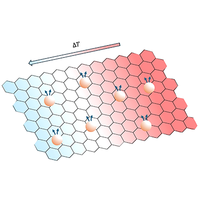
Phys. Rev. Lett. 136, 046502 (2026)
Condensed Matter and Materials
Higher-Form Anomalies on Lattices
Article | Condensed Matter and Materials | 2026-01-27 05:00 EST
Yitao Feng, Ryohei Kobayashi, Yu-An Chen, and Shinsei Ryu
Higher-form symmetry in a tensor product Hilbert space is always emergent: The symmetry generators become genuinely topological only when the Gauss law is energetically enforced at low energies. In this Letter, we present a general method for defining the 't Hooft anomaly of higher-form symmetries i…
Phys. Rev. Lett. 136, 046504 (2026)
Condensed Matter and Materials
Wave-Function-Free Approach for Predicting Nonlinear Responses in Weyl Semimetals
Article | Condensed Matter and Materials | 2026-01-27 05:00 EST
Mohammad Yahyavi, Ilya Belopolski, Yuanjun Jin, Yilin Zhao, Jinyang Ni, Naizhou Wang, Yi-Chun Hung, Zi-Jia Cheng, Tyler A. Cochran, Tay-Rong Chang, Wei-bo Gao, Su-Yang Xu, Jia-Xin Yin, Qiong Ma, Md Shafayat Hossain, Arun Bansil, Naoto Nagaosa, and Guoqing Chang
By sidestepping the intractable calculations of many-body wave functions, density functional theory has revolutionized the prediction of ground states of materials. However, predicting nonlinear responses--critical for next-generation quantum devices--still relies heavily on explicit wave functions, l…
Phys. Rev. Lett. 136, 046601 (2026)
Condensed Matter and Materials
Ferroelectrics Drive Topological Magnon Transitions and Valley Transport
Article | Condensed Matter and Materials | 2026-01-27 05:00 EST
Yingxi Bai, Bo Yuan, Zhiqi Chen, Ying Dai, Baibiao Huang, Xiaotian Wang, and Chengwang Niu
Topological magnons offer unique opportunities for low-dissipation spin transport, but achieving nonvolatile control over their topological states remains a significant challenge. Here, using a Heisenberg-Dzyaloshinskii-Moriya model and symmetry analysis, we propose a ferroelectrically tunable magno…
Phys. Rev. Lett. 136, 046602 (2026)
Condensed Matter and Materials
Magnon Torques Mediated by Orbital Hybridization at the Light Metal-Antiferromagnetic Insulator Interface
Article | Condensed Matter and Materials | 2026-01-27 05:00 EST
Yuchen Pu, Guoyi Shi, Hua Bai, Xinhou Chen, Chenhui Zhang, Zhaohui Li, Mehrdad Elyasi, and Hyunsoo Yang
Magnon torques, which can operate without involving moving electrons, could circumvent the Joule heating issue. In conventional magnon torque systems, the spin source layer with strong spin-orbit coupling is utilized to inject magnons, and the efficiency is limited by the inherent spin Hall conducti…
Phys. Rev. Lett. 136, 046701 (2026)
Condensed Matter and Materials
Harnessing Higher-Dimensional Fluctuations in an Information Engine
Article | Statistical Physics; Classical, Nonlinear, and Complex Systems | 2026-01-27 05:00 EST
Antonio Patrón Castro, John Bechhoefer, and David A. Sivak
We study the optimal performance of an information engine consisting of an overdamped Brownian bead confined in a controllable, -dimensional harmonic trap and additionally subjected to gravity. The trap's center is updated dynamically via a feedback protocol designed such that no external work is d…
Phys. Rev. Lett. 136, 047101 (2026)
Statistical Physics; Classical, Nonlinear, and Complex Systems
Bulk-Water Behavior of Water Clusters Studied by Isotope Effects
Article | Polymers, Chemical Physics, Soft Matter, and Biological Physics | 2026-01-27 05:00 EST
Klavs Hansen, Kaveh Najafian, Bertil Dynefors, Mauritz J. Ryding, Einar Uggerud, Siegfried Kollotzek, Johannes Reichegger, Olga V. Lushchikova, and Paul Scheier
The evaporative decay of mixed heavy and light water clusters was measured. The branching ratios of the three isotopologue molecules scale with the deuterium fraction from cluster size and up, including across the well-known shell closing at , and are consistent with macroscopic surface valu…
Phys. Rev. Lett. 136, 048001 (2026)
Polymers, Chemical Physics, Soft Matter, and Biological Physics
Mechanical Squeezed-Fock Qubit: Towards Quantum Weak-Force Sensing
Article | Quantum Information, Science, and Technology | 2026-01-26 05:00 EST
Yi-Fan Qiao, Jun-Hong An, and Peng-Bo Li
Mechanical qubits offer unique advantages over other qubit platforms, primarily in terms of coherence time and possibilities for enhanced sensing applications, but their potential is constrained by the inherently weak nonlinearities and small anharmonicity of nanomechanical resonators. We propose ov…
Phys. Rev. Lett. 136, 040801 (2026)
Quantum Information, Science, and Technology
Gravitational Wave Memory from Binary Neutron Star Mergers
Article | Cosmology, Astrophysics, and Gravitation | 2026-01-26 05:00 EST
Jamie Bamber, Antonios Tsokaros, Milton Ruiz, Stuart L. Shapiro, Marc Favata, Matthew Karlson, and Fabrizio Venturi Piñas
The full displacement memory signal from binary neutron star mergers, including both the contribution from the gravitational waves themselves and from the electromagnetic, neutrino and baryonic ejecta is quantified using general relativistic magnetohydrodynamic simulations.

Phys. Rev. Lett. 136, 041401 (2026)
Cosmology, Astrophysics, and Gravitation
Lattice Evidence That Scalar Glueballs are Small
Article | Particles and Fields | 2026-01-26 05:00 EST
Ryan Abbott, Daniel C. Hackett, Dimitra A. Pefkou, Fernando Romero-López, and Phiala E. Shanahan
This Letter reports the first calculation of the gravitational form factors (GFFs) of the scalar glueball, performed via lattice field theory in Yang-Mills theory at a single lattice spacing. The glueball GFFs are compared with those of other hadrons as determined in previous lattice calculations, p…
Phys. Rev. Lett. 136, 041901 (2026)
Particles and Fields
Nondestructive Optomechanical Detection Scheme for Bose-Einstein Condensates
Article | Atomic, Molecular, and Optical Physics | 2026-01-26 05:00 EST
Cisco Gooding, Cameron R. D. Bunney, Samin Tajik, Sebastian Erne, Steffen Biermann, Jörg Schmiedmayer, Jorma Louko, William G. Unruh, and Silke Weinfurtner
We present a two-tone heterodyne optical readout scheme to extract unequal-time density correlations along an arbitrary stationary interaction path from a pancake-shaped Bose-Einstein condensate, using a modulated laser probe. Analyzing the measurement noise both from imprecision and backaction, we …
Phys. Rev. Lett. 136, 043401 (2026)
Atomic, Molecular, and Optical Physics
Universal Bound States with Bose-Fermi Duality in Microwave-Shielded Ultracold Molecules
Article | Atomic, Molecular, and Optical Physics | 2026-01-26 05:00 EST
Tingting Shi, Haitian Wang, and Xiaoling Cui
We report universal bound states of microwave-shielded ultracold molecules that solely depend on the strengths of long-range dipolar interaction and microwave coupling. Under a highly elliptic microwave field, few-molecule scatterings in three dimensions are shown to be governed by effective one-dim…
Phys. Rev. Lett. 136, 043402 (2026)
Atomic, Molecular, and Optical Physics
Destructive Interference Mediated Topological Transitions in Bilayer Metasurfaces
Article | Atomic, Molecular, and Optical Physics | 2026-01-26 05:00 EST
Bo Wang, Ruhao Pan, Lechen Yang, Xu Ji, Haifang Yang, and Junjie Li
Optical bound states in the continuum (BICs) are polarization singularities with integer topological charges () in momentum space, whose far-field radiation vanishes in the surrounding radiative states. Here, we study the dynamic evolution of topological charges in symmetry-protected BICs within bi…
Phys. Rev. Lett. 136, 043801 (2026)
Atomic, Molecular, and Optical Physics
High-Power Picosecond Pulsed Kerr Soliton Microcombs
Article | Atomic, Molecular, and Optical Physics | 2026-01-26 05:00 EST
Liu Yang, Keisuke Ogawa, Ryomei Takabayashi, Yuta Mototani, Tatsuki Murakami, Hajime Kumazaki, Yongyong Zhuang, Xiaoyong Wei, and Shun Fujii
Strong mode interactions in ultrahigh-Q crystalline microresonators produce a high-power, high-efficiency dissipative Kerr soliton regime revealing new nonlinear dynamics where localized mode crossings act as effective higher-order dispersion.
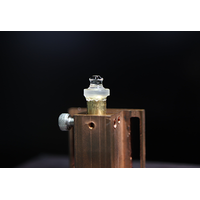
Phys. Rev. Lett. 136, 043802 (2026)
Atomic, Molecular, and Optical Physics
Enhancements in Laser-Direct-Drive Nuclear Performance with Target Radius
Article | Plasma and Solar Physics, Accelerators and Beams | 2026-01-26 05:00 EST
C. A. Thomas et al.
Inertial confinement fusion is likely to require significant improvements in technology and design for large targets to implode at high driver energies. To assess the potential for benefits, we report on nuclear performance as a function of target radius in direct-drive cryogenic implosions as pe…
Phys. Rev. Lett. 136, 045101 (2026)
Plasma and Solar Physics, Accelerators and Beams
Revisiting the Phase Diagram of Methane
Article | Condensed Matter and Materials | 2026-01-26 05:00 EST
Mengnan Wang, Miriam Peña-Alvarez, Ross T. Howie, and Eugene Gregoryanz
A systematic exploration of the phase diagram of methane resolves inconsistencies of earlier studies, with potential ramifications for our understanding of planetary interiors.

Phys. Rev. Lett. 136, 046101 (2026)
Condensed Matter and Materials
Universal Relations between Thermoelectrics and Noise in Mesoscopic Transport across a Tunnel Junction
Article | Condensed Matter and Materials | 2026-01-26 05:00 EST
Andrei I. Pavlov and Mikhail N. Kiselev
We develop a unified theory of weakly probed differential observables for currents and noise in transport experiments. Our findings uncover a set of universal transport relations between thermoelectric and noise properties of a system probed through a tunnel contact, with the Wiedemann-Franz law bei…
Phys. Rev. Lett. 136, 046301 (2026)
Condensed Matter and Materials
Decoupling the Compositional Fluctuation Theory and Polar Nanoregions in Relaxor Ferroelectric Films
Article | Condensed Matter and Materials | 2026-01-26 05:00 EST
Feng-Hui Gong, Yu-Ting Chen, Kang-Ming Luo, Hua-Long Ge, Tao Wang, Yun-Long Tang, Jia-Qi Liu, Yu-Jia Wang, Yin-Lian Zhu, and Xiu-Liang Ma
The existence of polar nanoregions (PNRs) endows relaxor ferroelectrics with peculiar behaviors, which is explained using the compositional fluctuation theory (CFT). Here, by designing relaxor ferroelectric films with the same configurational entropy (), namely and , we show that t…
Phys. Rev. Lett. 136, 046801 (2026)
Condensed Matter and Materials
Quantum-Metric-Based Optical Selection Rules
Article | Condensed Matter and Materials | 2026-01-26 05:00 EST
Yongpan Li and Cheng-Cheng Liu
The optical selection rules dictate symmetry-allowed and forbidden transitions, playing a decisive role in engineering exciton quantum states and designing optoelectronic devices. While both the real (quantum metric) and imaginary (Berry curvature) parts of quantum geometry contribute to optical tra…
Phys. Rev. Lett. 136, 046901 (2026)
Condensed Matter and Materials
Physical Review X
Programmable Quantum Anomalous Hall Insulator in Twisted Crystalline Flatbands
Article | 2026-01-26 05:00 EST
Wenxuan Wang, Yijie Wang, Zaizhe Zhang, Zihao Huo, Gengdong Zhou, Shu Zhang, Kenji Watanabe, Takashi Taniguchi, Xiaoxia Yang, Qing Dai, X. C. Xie, Kaihui Liu, Zhida Song, and Xiaobo Lu
Twisted rhombohedral trilayer graphene hosts programmable quantum anomalous Hall insulators, enabling electrical switching between topological states with integer Chern numbers at both integer and fractional moiré fillings.
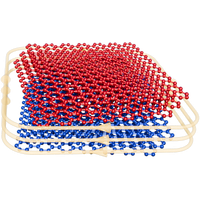
Phys. Rev. X 16, 011015 (2026)
Powering Quantum Computation with Quantum Batteries
Article | 2026-01-26 05:00 EST
Yaniv Kurman, Kieran Hymas, Arkady Fedorov, William J. Munro, and James Quach
A framework is introduced to power universal quantum computation with internal quantum batteries, reducing heat load and wiring overhead to potentially increase qubit density fourfold.
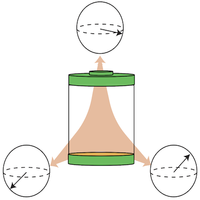
Phys. Rev. X 16, 011016 (2026)
arXiv
Detecting the full photoemission cone from laser-based ARPES experiments by leveraging deflector technology
New Submission | Materials Science (cond-mat.mtrl-sci) | 2026-01-27 20:00 EST
Nicolas Gauthier, Benson Kwaku Frimpong, Dario Armanno, Akib Jabed, Francesco Goto, Vicky Hasse, Claudia Felser, Genda Gu, Heide Ibrahim, Francois Légaré, Fabio Boschini
Angle-resolved photoemission spectroscopy (ARPES) provides a direct access to the electronic band structure of solid and molecular systems. The momentum range accessible by this technique depends directly on the photon energy used, and low-photon-energy sources are insufficient to photoemit electrons over the full Brillouin zone of most quantum materials. In addition, while electrons are emitted over a 2$ \pi$ solid angle, conventional hemispherical analyzers only collect a small subset of those electrons. A previous work [RSI 92, 123907 (2021)] demonstrated that electrons emitted over a larger field-of-view can be acquired in one fixed configuration by accelerating them towards the analyzer with a bias voltage. Here, we extend this work by leveraging the deflector technology of novel ARPES hemispherical analyzers. We demonstrate the ability to detect all $ 2\pi$ photoemitted electrons in a fixed configuration for various materials such as gold, cuprates and transition-metal dichalcogenides. This approach is especially advantageous for time-resolved ARPES, as electron dynamics over a large momentum range can be accessed with identical measurement conditions.
Materials Science (cond-mat.mtrl-sci), Strongly Correlated Electrons (cond-mat.str-el), Superconductivity (cond-mat.supr-con), Instrumentation and Detectors (physics.ins-det)
Ferrichiral skyrmions with sublattice-resolved chirality in extended Kitaev model in triangular lattice
New Submission | Strongly Correlated Electrons (cond-mat.str-el) | 2026-01-27 20:00 EST
Bogeng Wen, Jiefu Cen, Hae-Young Kee
We study an extended Kitaev model on the triangular lattice in a limit where the symmetric off-diagonal bond-dependent and Heisenberg interactions together map onto an XXZ model, in addition to the Kitaev interaction. Within the previously identified $ \mathbb{Z}_2$ vortex regime, we uncover a ferrichiral skyrmion phase characterized by a sublattice-resolved scalar chirality: two of the three sublattices carry unit skyrmion charge, while the third remains nonchiral. Using classical Monte Carlo simulations, we show that this ferrichiral skyrmion phase emerges at zero temperature and in the absence of both an external magnetic field and Dzyaloshinskii-Moriya interactions, in sharp contrast to conventional skyrmion-hosting systems. The phase is stable over a wide parameter window and persists to relatively high temperatures. Our results reveal an unconventional route to skyrmion physics driven purely by frustrated exchange interactions and highlight the emergence of rich topological structures. Since both XXZ anisotropy and Kitaev interactions originate from the same spin-orbit-coupling mechanism, materials traditionally classified as XXZ magnets are expected to host finite Kitaev interactions as well. The potential for ferrichirality in these systems therefore warrants further investigation.
Strongly Correlated Electrons (cond-mat.str-el)
8 pages, 5 figures
On-the-Fly Machine-Learned Force Fields for High-Fidelity Polymer Glass Transition Simulations
New Submission | Materials Science (cond-mat.mtrl-sci) | 2026-01-27 20:00 EST
Ashutosh Srivastava, Sakshi Agarwal, Shivank Shukla, Harikrishna Sahu, Rampi Ramprasad
Predicting polymer glass transition temperatures (Tg) with first-principles fidelity has long remained out of reach, as cooling multi-thousand-atom systems over a broad temperature range at acceptable rates exceeds the computational limits of ab initio molecular dynamics (AIMD). Here we employ a hybrid scheme that merges AIMD with accelerated on-the-fly (OTF) machine-learned force-field (MLFF) construction, enabling Tg prediction at quantum-mechanical accuracy with near-classical computational cost. The OTF protocol to construct MLFFs adaptively triggers first-principles calculations only when newly encountered configurations lie outside the current model’s domain of confidence, allowing robust, parameter-free MLFFs to be built from merely 1000 AIMD-sampled configurations per polymer. These MLFFs are then utilized to perform long-time cooling simulations on amorphous supercells containing several thousand atoms. Applied across twelve polymers spanning aromatic, aliphatic, heteroatomic, and branched chemistries, the method yields predictions in excellent accord with experiment while reducing computational cost by approximately six orders of magnitude relative to AIMD. This work establishes a new paradigm for predictive polymer modeling, demonstrating that OTF-MLFFs provide a generalizable, accurate, and scalable route to simulating the thermophysical behavior of complex disordered materials at quantum-mechanical fidelity.
Materials Science (cond-mat.mtrl-sci)
Thermodynamics of Ferroelectric and Optical Properties in KNbO3
New Submission | Materials Science (cond-mat.mtrl-sci) | 2026-01-27 20:00 EST
Aiden Ross, Venkatraman Gopalan, Long-Qing Chen
Potassium niobate (KNbO3) is a prototypical perovskite ferroelectric with large electro-optic and nonlinear optical responses, high optical damage thresholds and a rich sequence of temperature-driven phase transformations, making it a promising platform for tunable photonic devices. In this work, we develop a thermodynamic model for the coupled ferroelectric and optical properties of KNbO3. By separating the total polarization into lattice and electronic contributions, the model provides a unified description of both the anisotropic ferroelectric and optical properties. The thermodynamic coefficients are determined by fitting to experimental measurements of the spontaneous polarization, dielectric susceptibilities, lattice parameters, and refractive indices. Without any further fitting, the model quantitatively predicts the temperature dependence of the electro-optic and piezoelectric coefficients in close agreement with experimental measurements. By utilizing the electronic polarization equation of motion, the model further captures the optical dispersion in the near infrared to visible spectrum. This work provides the thermodynamic foundation for future studies of coupled ferroelectric and optical phenomena in KNbO3.
Materials Science (cond-mat.mtrl-sci)
14 pages, 3 figures
Discontinuous character of the ultrafast exciton Mott transition in monolayer WS$_2$
New Submission | Materials Science (cond-mat.mtrl-sci) | 2026-01-27 20:00 EST
Subhadra Mohapatra (1), Samuel Palato (1), Nicholas Olsen (2), Julia Stähler (1,3), Lukas Gierster (1) ((1) Humboldt-Universität zu Berlin, Institut für Chemie, Berlin, Germany (2) Department of Chemistry, Columbia University, New York, USA (3) Fritz-Haber-Institut der Max-Planck-Gesellschaft, Abt. Physikalische Chemie, Berlin, Germany)
There are conflicting predictions and reports on the character of the exciton Mott transition (EMT) in monolayer transition metal dichalcogenides. It could be either a discontinuous or a continuous transition from the excitonic to the plasma phase, with important implications for devices such as photoswitches. To resolve the nature of the transition in monolayer WS$ _2$ , we study its ultrafast optical response upon resonant photoexcitation of the A exciton across a broad range of photoexcitation densities. In agreement with previously reported measurements we observe that the A exciton quenches gradually with increasing excitation density. However, a detailed lineshape analysis unveils an abrupt red shift in the transient peak positions of the A and B exciton resonances above an excitation density threshold. This is attributed to band gap renormalization arising from the formation of free charge carrier plasma, i.e., the EMT. The plasma phase decays with a time constant of 0.65 ps back into the excitonic state. The abrupt appearance of the plasma phase at the threshold density suggests that the EMT is a discontinuous and not a continuous transition. This work demonstrates how transient optical spectroscopy combined with lineshape analysis of two excitonic resonances simultaneously can be used to investigate the EMT in 2D materials.
Materials Science (cond-mat.mtrl-sci)
16 pages, 11 figures
Materials design based on a material-motif network and heterogeneous graphs
New Submission | Materials Science (cond-mat.mtrl-sci) | 2026-01-27 20:00 EST
Anoj Aryal, Weiyi Gong, Huta Banjade, Qimin Yan
Machine learning models for functional materials design require precise and informative representations of material systems. Common representations encode atomic composition and bonding but often do not include local coordination environments across chemically diverse crystals. Recurring structural motifs provide a motif level description of crystalline solids and can serve as interpretable descriptors for structure property learning. To analyze the motif connectivity in materials, we construct a bipartite material motif network from 131,548 Materials Project entries, with materials and motifs as the two node sets. Edges connect materials to their constituent motifs and are weighted by motif distortion, which quantifies the strength of each material motif association. Network connectivity is analyzed to identify motif-defined material clusters that capture recurring local geometries relevant to structure property trends. Most shared motifs act as hubs that connect otherwise disconnected regions of the network, enabling motif guided screening by expanding from known motifs to nearby materials in the same neighborhoods. A network embedding step converts this weighted connectivity into vector representations of materials. Using these motif informed embeddings, property prediction yields a formation energy mean absolute error (MAE) of 0.157 eV per atom and a bandgap MAE of 0.601 eV. These results indicate that motif connectivity provides a compact, interpretable representation that complements existing descriptors for scalable screening and structure property modeling.
Materials Science (cond-mat.mtrl-sci)
18 pages, 4 figures
Minimal model for vortex nucleation and reversal in spherical magnetic nanoparticles
New Submission | Materials Science (cond-mat.mtrl-sci) | 2026-01-27 20:00 EST
Michael P. Adams, Andreas Michels
Magnetic nanoparticles beyond the single-domain limit often develop vortex-like magnetization textures arising from the competition between exchange and magnetostatic energies. While such states are routinely studied using micromagnetic simulations, transparent analytical descriptions of vortex-mediated hysteresis and nucleation remain scarce. Here, we develop a semi-analytical minimal framework for vortex states in spherical magnetic nanoparticles. Guided by micromagnetic simulations, we introduce a parametrized vortex magnetization Ansatz based on hyperbolic functions that continuously interpolates between uniform and vortex states. In this way, we achieve a complexity reduction leading to a minimal Hamiltonian, which enables the efficient computation of magnetization curves and provides insight into vortex-mediated magnetization reversal. As an application, we derive analytical estimates for the critical vortex nucleation radius and field, recovering the functional form of Brown’s classic result and extending it within a variational framework.
Materials Science (cond-mat.mtrl-sci), Computational Physics (physics.comp-ph)
6 pages, 4 figures. Supplemental Material: 11 pages, 3 figures
Polarization Switching of Piezoelectric Films due to Proximity of Ferroelectric Nanoclusters
New Submission | Materials Science (cond-mat.mtrl-sci) | 2026-01-27 20:00 EST
Anna N. Morozovska, Eugene A. Eliseev, Sergei V. Kalin, Long-Qing Chen, Dean R. Evans, Venkatraman Gopalan
Using Landau-Ginzburg-Devonshire thermodynamical approach and finite element modelling, we studied the influence of nanoclusters shape on the polarization switching and domain nucleation emerging in otherwise non-switchable piezoelectric films due to the proximity of ferroelectric nanoclusters. The boundary of the ferroelectric nanocluster embedded in the piezoelectric film is a compositionally graded layer. We analyzed the conditions, which allow switching the electric polarization of the piezoelectric AlN film at coercive field significantly lower than the electric breakdown field due to the proximity of ferroelectric Al1-xScxN clusters. Due to proximity effect, the spontaneous polarization switches in all elements of the nanopatterned film, and corresponding coercive fields can be reduced significantly in the presence of spike-like Al1-xScxN clusters. We also explored the underlaying physical mechanisms of the proximity effects in the piezoelectric films with ferroelectric nanoclusters. The internal field, which is depolarizing inside the piezoelectric film (due to the larger spontaneous polarization of AlN) and polarizing in the ferroelectric cluster (due to the smaller spontaneous polarization of Al1-xScxN), lowers the potential barrier in the clusters and facilitates the instant growth of nanodomains (emerging in the clusters) through the piezoelectric film. Since considered nanostructured materials can be created by implantation of Sc ions into AlN films, obtained theoretical results can be useful for creation of nanopatterned ferroelectrics by chemical engineering, with exciting prospects for previously unrealizable ferroelectric memory technologies.
Materials Science (cond-mat.mtrl-sci), Applied Physics (physics.app-ph)
20 pages, 4 figures and Appendix
Geometry-Induced Skin Effect in Electron Hydrodynamics
New Submission | Mesoscale and Nanoscale Physics (cond-mat.mes-hall) | 2026-01-27 20:00 EST
Jarosław Pawłowski, Piotr Surówka, Konstantin Zarembo
In ultra-clean 2d materials electron viscosity is as important as Ohmic dissipation and electron transport exhibits hydrodynamic features. Using a simple framework of Brinkman equations we find that hydrodynamic electron flows exhibit a geometric skin effect: sharp obstacles locally enhance the current suppressing it far from the edges where the flow is unobstructed. This effect arises within hydrodynamic transport with finite momentum relaxation and does not rely on ballistic dynamics. Our results provide a natural hydrodynamic interpretation of edge-enhanced and double-bump current profiles observed in constricted geometries. By comparing with recent scanning NV magnetometry experiments on gated graphene, we demonstrate that such flow patterns are consistent with viscous hydrodynamics shaped by geometry, clarifying the role of geometric effects in the interpretation of electronic flow experiments.
Mesoscale and Nanoscale Physics (cond-mat.mes-hall), Strongly Correlated Electrons (cond-mat.str-el), High Energy Physics - Theory (hep-th)
6 pages (9 with SM), 4 figures (9)
Symmetry-protected topological polarons
New Submission | Materials Science (cond-mat.mtrl-sci) | 2026-01-27 20:00 EST
Kaifa Luo, Jon Lafuente-Bartolome, Feliciano Giustino
Emergent quasiparticles in solids often exhibit unique topological properties as a result of the complex interplay between charge, orbital, spin and lattice degrees of freedom. Among these quasiparticles, the polaron occupies a special place as the first known manifestation of the interaction between a fermion and a boson field. While polarons have been investigated for almost a century, whether these quasiparticles exhibit topological properties and why remain open questions. Here, we establish the universal symmetry principles governing the topology of polar textures in large polarons. Using a group-theoretic analysis, we identify four distinct classes of polar textures in time-reversal-invariant systems, and we show that they carry integer topological charges. We validate this classfication by performing state-of-the-art first-principles calculations of materials representative of each class. For these materials, we compute the fingerprints of polaron topology in Huang diffuse scattering, and propose ultrafast electron and X-ray scattering experiments to detect these quasiparticles.
Materials Science (cond-mat.mtrl-sci), Applied Physics (physics.app-ph)
Proc. Natl. Acad. Sci. U.S.A. 123 (4) e2514647123 (2026)
Practical Considerations for Finite Concentrations Molecular Dynamics Simulations
New Submission | Soft Condensed Matter (cond-mat.soft) | 2026-01-27 20:00 EST
Xiaoxu Ruan, Fabrice Roncoroni, David Prendergast, Tod A Pascal
Understanding concentrated electrolytes requires a theory that spans local hydration and mesoscale interfacial assembly. We present an integrated workflow-SCOPE-that combines (i) enhanced sampling focused on a single Li+ ion, (ii) reweighting of biased trajectories to recover equilibrium microstate probabilities, and (iii) a chemical-potential correction that accounts for the limited reservoir of free water in finite simulation boxes. Applied to LiCl(aq) across 0.5-26 M and 283-313 K, this approach reveals a simple organizing principle: solvated ions dominate at low concentration; contact ion pairs emerge at intermediate strength; and aggregated Li-xCl clusters become most stable at the solubility limit. The resulting free-energy trends predict temperature-dependent solubility in close agreement with experiment and clarify the role of interfacial nucleation in precipitation. Beyond the simple LiCl(aq) salt considered here, SCOPE offers a transferable strategy for characterizing speciation and phase behavior in concentrated liquid systems where collective coordinates and rare events dominate.
Soft Condensed Matter (cond-mat.soft), Statistical Mechanics (cond-mat.stat-mech), Atomic and Molecular Clusters (physics.atm-clus), Chemical Physics (physics.chem-ph)
19 pages, 6 figures
Electric-field controlled nonlinear anomalous Nernst effect in two-dimensional time-reversal symmetric systems
New Submission | Mesoscale and Nanoscale Physics (cond-mat.mes-hall) | 2026-01-27 20:00 EST
It’s established that the nonlinear anomalous Nernst effect (NANE), originating from Berry curvature near the Fermi energy, is symmetry-permitted only when a single mirror symmetry exists in the transport plane of two-dimensional (2D) materials. Here, we show that an applied direct electric field can lift this symmetry constraint, enabling an electric-field-induced NANE emerge in time-reversal symmetric 2D systems with higher crystallographic symmetries. This electric-field-induced NANE arises from both Berry connection polarization, rooted in the electric-field-corrected Berry curvature, and the anomalous-velocity-modified nonequilibrium Fermi distribution function. Additionally, we propose an alternating temperature gradient as a driving force instead of the conventional steady one, ensuring experimental detection of NANE via second-harmonic measurement techniques. The behaviour of electric-field-induced NANE in the monolayer graphene has been theoretically and systematically investigated.
Mesoscale and Nanoscale Physics (cond-mat.mes-hall)
Assessment of the synthetic feasibility of hypothetical zeolite-like materials based on ZeoNet
New Submission | Materials Science (cond-mat.mtrl-sci) | 2026-01-27 20:00 EST
Yachan Liu, Elaine Wu, Ping Yang, Aaron Sun, Subhransu Maji, Wei Fan, Peng Bai
A suite of classifiers was developed to distinguish real, experimentally realized zeolites from computationally predicted zeolite like structures. Using 3D convolutional neural networks applied to volumetric distance grids, these classifiers achieve accuracies more than an order of magnitude higher than previous approaches based on geometric filters or other machine learning methods. The best-performing model differentiates among hypothetical zeolites and those that can be synthesized as silicates, as aluminophosphates, or as both. This four-class classifier attains a false negative rate of 3.4% and a false positive rate of 0.4%, misidentifying only 1,207 of over 330,000 hypothetical structures – even though the hypothetical structures exhibit similar formation energies as real zeolites and chemically reasonable bond lengths and angles. We hypothesize that the ZeoNet representation captures essential structural features correlated with synthetic feasibility. In the absence of comprehensive physics-based criteria for synthesizability, the small subset of misclassified hypothetical structures likely represents promising candidates for future experimental synthesis.
Materials Science (cond-mat.mtrl-sci), Chemical Physics (physics.chem-ph)
Unsupervised clustering algorithm for efficient processing of 4D-STEM and 5D-STEM data
New Submission | Materials Science (cond-mat.mtrl-sci) | 2026-01-27 20:00 EST
Serin Lee, Stephanie M. Ribet, Arthur R. C. McCray, Andrew Barnum, Jennifer A. Dionne, Colin Ophus
Four-dimensional scanning transmission electron microscopy (4D-STEM) enables mapping of diffraction information with nanometer-scale spatial resolution, offering detailed insight into local structure, orientation, and strain. However, as data dimensionality and sampling density increase, particularly for in situ scanning diffraction experiments (5D-STEM), robust segmentation of spatially coherent regions becomes essential for efficient and physically meaningful analysis. Here, we introduce a clustering framework that identifies crystallographically distinct domains from 4D-STEM datasets. By using local diffraction-pattern similarity as a metric, the method extracts closed contours delineating regions of coherent structural behavior. This approach produces cluster-averaged diffraction patterns that improve signal-to-noise and reduce data volume by orders of magnitude, enabling rapid and accurate orientation, phase, and strain mapping. We demonstrate the applicability of this approach to in situ liquid-cell 4D-STEM data of gold nanoparticle growth. Our method provides a scalable and generalizable route for spatially coherent segmentation, data compression, and quantitative structure-strain mapping across diverse 4D-STEM modalities. The full analysis code and example workflows are publicly available to support reproducibility and reuse.
Materials Science (cond-mat.mtrl-sci), Image and Video Processing (eess.IV)
Topological Protection by Local Support Symmetry and Destructive Interference
New Submission | Strongly Correlated Electrons (cond-mat.str-el) | 2026-01-27 20:00 EST
Jun-Won Rhim, Jaeuk Seo, Seongjun Mo, Hoonkyung Lee, Sejoong Kim, B. Andrei Bernevig
Conventionally, symmetry-protected topological phases and band crossings are protected by global symmetries acting on the entire system. Here, we show that symmetries preserved only on a partial region of a system, termed local support symmetries, can protect topological features of the full system, even in the presence of symmetry-breaking couplings. We establish a unified framework by deriving explicit conditions for such protection in both insulating and metallic phases and show that destructive interference of Bloch wave functions plays a key role. Using representative tight-binding models, we demonstrate band crossings and topological bands protected by local support crystalline and time-reversal symmetries, and further present a realistic material realization in a fluorinated biphenylene network, where a band crossing is protected by a local support C$ _2$ symmetry.
Strongly Correlated Electrons (cond-mat.str-el), Mesoscale and Nanoscale Physics (cond-mat.mes-hall)
5 figures
Nonvolatile electric switching of critical current in cross-bar superconducting junctions
New Submission | Superconductivity (cond-mat.supr-con) | 2026-01-27 20:00 EST
Jiajun Ma, Jingyi He, Qiong Qin, Tian Le, Zhiwei Wang, Jie Wu, Congjun Wu, Xiao Lin
Superconducting (SC) diodes are key passive building blocks for future SC electronics. However, realizing their active counterparts is essential for functional logic. Here, we demonstrate deterministic nonvolatile electrical switching of the critical current ($ I_\text{c}$ ) in overlap crossbar SC junctions. By applying a minimal perpendicular magnetic field ($ H_\text{z}$ ), $ I_\text{c}$ is modulated by a factor of four with a large switching efficiency of 60%, achieved at a significantly reduced excitation current density of $ 5\times10^5$ ~A/cm$ ^2$ . We also uncover anomalous behaviors: an electrically switchable critical temperature and a non-monotonic $ I_\text{c}$ -$ H_\textit{z}$ response. These observations are interpreted in terms of unique asymmetry involving isolated vortex injection, configuration and repulsion inherent to the junction geometry. Our device provides a scalable, low-power alternative to complex SQUID-based architectures, paving the way for high-density SC integrated circuits.
Superconductivity (cond-mat.supr-con)
7 pages, 4 figures
Entropic Efficiency of Bayesian Inference Protocols
New Submission | Statistical Mechanics (cond-mat.stat-mech) | 2026-01-27 20:00 EST
Nathan Shettell, Alexia Auffèves
Inference is a versatile tool that underlies scientific discovery, machine learning, and everyday decision-making: it describes how an agent updates a probability distribution as partial information is acquired from multiple measurements, reducing ignorance about a system’s latent state. We define an inferential efficiency as the ratio of information gain to cumulative memory erasure cost, with inefficiency arising from unexploited correlations between the measured system and memories, and/or between memories and environment (noise). Using this efficiency, we benchmark two limiting measurement paradigms: sequential, in which the same memory is exploited iteratively, and parallel, in which many memories are exploited simultaneously. In both cases, the minimal erasure cost reflects correlations across memories: temporal in sequential, spatial in parallel. Remarkably, when all system-memory correlations are exploited for inference, both paradigms attain the same minimal erasure cost, even in the presence of noise. Conversely, the parallel paradigm performs better in the presence of unexploited correlations, stemming from hidden memories’ degrees of freedom. This approach provides a quantitative, physically grounded criterion to compare inference strategies, determine their efficiency, and link target information gains to their minimal entropic cost.
Statistical Mechanics (cond-mat.stat-mech), Quantum Physics (quant-ph)
Predicting Interface Structure using the Minima Hopping Method with a Machine Learning Interatomic Potential
New Submission | Materials Science (cond-mat.mtrl-sci) | 2026-01-27 20:00 EST
Chang-Ti Chou, Menghang Wang, Chao Yang, Peter A. van Aken, Nicola H. Perry, Boris Kozinsky, Christopher M. Wolverton
Predicting atomic-scale interfacial structures remains a central challenge in materials science due to their structural complexity and the difficulty of direct comparison between computational and experimental results. In this study, we present an efficient approach for interface structure prediction that integrates the Minima Hopping Method (MHM) with the state-of-the-art machine learning interatomic potential (MLIP), Allegro. We demonstrate that the MHM-Allegro approach provides a robust and computationally efficient route for predicting interfacial structures in the benchmark system SrTiO3 Sigma 3 (112)[110] tilt grain boundaries (GBs), consistently identifying the lowest-energy configurations across different stoichiometries. Furthermore, we introduce a strategy for constructing defect-representative training datasets without explicitly including defective configurations, achieving excellent extrapolative performance in interface predictions. The predictive capability is further validated through direct comparison with experimental observations of the SrTiO3 Sigma 5 (310)[001] GB, where the predicted atomic configurations show strong agreement with experimental measurements. This work represents a significant step toward bridging the gap between ab initio predictions and experimentally observed interfacial structures.
Materials Science (cond-mat.mtrl-sci)
27 pages, 6 figures
Catalog of phonon emergent particles and chiral phonons: Symmetry-based classification and materials database investigation
New Submission | Materials Science (cond-mat.mtrl-sci) | 2026-01-27 20:00 EST
Houhao Wang, Dongze Fan, Hoi Chun Po, Xiangang Wan, Feng Tang
Chirality and topology are fundamental and ubiquitous in nature. Symmetry has proven to be a powerful tool for predicting topological phonons. However, to date, topological phonon emergent particles (EMPs) have not been systematically cataloged in material databases. Moreover, traditional symmetry methods are often inadequate for predicting chiral phonons, because realistic calculations can yield negative results even when symmetry analysis permits phonon chirality. Here, we first establish a complete symmetry-based classification: given any space group and Wyckoff positions (WYPOs) occupied by atoms, the number of occurrences of all (co-)irreducible representations ((co-)irreps) (that can host EMPs) can be unambiguously known without omission prior to expensive and parameter-dependent calculation. Moreover, whether a phonon mode (belonging to one (co-)irrep) is chiral can also be determined from the occupied WYPOs. We then perform a materials database investigation identifying over 25 million EMPs at high-symmetry points and along high-symmetry lines and computing the concrete value of phonon angular momentum for each mode. We demonstrate two main applications: identifying ideal materials with surface chirality momentum locking and identifying materials with giant phonon magnetic moment. All computational data are compiled into a website: this http URL, which is expected to stimulate future studies on topological and chiral phonons.
Materials Science (cond-mat.mtrl-sci), Superconductivity (cond-mat.supr-con)
main text: 9 pages, 3 figures, 2 tables; see Ancillary files for supplementary materials (1117 pages, 9 figures)
Resistive-Switching Dynamics in Poly(3-hexylthiophene-2,5-diyl) Thin Films under Perforated Bottom Electrode
New Submission | Materials Science (cond-mat.mtrl-sci) | 2026-01-27 20:00 EST
The effect on the resistive switching (RS) mechanism in organic semiconductor (OSC), Poly(3-hexylthiophene-2,5-diyl) (P3HT), due to the presence of the perforated bottom electrode (PBE) is investigated. The simulation shows a high local electric field at the edges of a patterned bottom electrode (BE), which can increase the probability of metal filament formation due to high current density, suggesting that the use of a PBE can assist the RS mechanism. RS involves switching from the high resistive state (HRS) to the low resistive state (LRS) known as the “SET” process at higher positive bias, and returning to HRS from LRS is known as the “RESET” process, which can be achieved at a negative bias. Various switching mechanisms are segregated from each other by the obtained current response to applied voltage. RS due to the formation of complete metal filaments between the top and bottom electrodes showed Ohm’s law behaviour. On the other hand, a slope of approximately 2 in the log-log plot signifies that the space charge limited current (SCLC) dominates the device, and hence RS comes from incomplete metal filament formation or some changes in the P3HT polymer itself. Similarly, high current density can transform the molecular arrangement from crystalline to an amorphous state due to joule heating, which leads to an intermediate OFF state. The high current density joule heating RS are from HRS to LRS, which is opposite to the metal filament based RS, hence it is called an inverted RS. The optical images of the fresh device and after multiple cycles indicate the metal percolation inside the OSC responsible for the RS. EDX spectrum at LRS in a cross-sectional transmission electron microscope (TEM) confirms the top metal percolation through the OSC and touches the BE. Therefore, the metal filament formation is the fundamental reason for these observed switching behaviours in P3HT.
Materials Science (cond-mat.mtrl-sci)
Tunable two-dimensional Dirac-Weyl semimetal phase induced by altermagnetism
New Submission | Mesoscale and Nanoscale Physics (cond-mat.mes-hall) | 2026-01-27 20:00 EST
Lizhou Liu, Qing-Feng Sun, Ying-Tao Zhang
We demonstrate a tunable Dirac-Weyl semimetal phase in two dimensions, realized by introducing in-plane d-wave altermagnetism into a Dirac system. This phase hosts both a central Dirac point and momentumseparated Weyl points connected by Fermi line edge states. The Weyl point positions–and thus the edge-state connectivity–can be continuously tuned by rotating the altermagnetic axis. In contrast, out-of-plane altermagnetism gaps part of the bulk spectrum while preserving a single Dirac point accompanied by chiral edge modes, as evidenced by quantized edge polarization. Our findings provide a tunable platform for manipulating Dirac-Weyl physics and topological edge transport in two dimensions.
Mesoscale and Nanoscale Physics (cond-mat.mes-hall)
Phys. Rev. B 112, L161411 (2025)
The dimensionality of the Hopfield model
New Submission | Disordered Systems and Neural Networks (cond-mat.dis-nn) | 2026-01-27 20:00 EST
Cristopher Erazo, Santiago Acevedo, Alessandro Ingrosso
We use the Binary Intrinsic Dimension (BID), a geometrical measure designed for binary data, to analyze the Hopfield model, a paradigmatic spin system from statistical mechanics, machine learning and neuroscience. The BID allows us to characterize the phases and transitions of this system, and moreover it is robust against finite-size effects that interfere with the correct numerical estimation of the spin-glass order parameter ($ q$ ). We observe that the BID scales linearly with system size in the retrieval and paramagnetic phases, where the correlations between spins are small, and exhibits sublinear scaling in the whole spin-glass phase, highlighting its correlated structure. Furthermore, we establish a direct relationship between the BID and the overlap distribution, unveiling a novel connection between the geometry of the state-space and standard spin order parameters.
Disordered Systems and Neural Networks (cond-mat.dis-nn), Computational Physics (physics.comp-ph)
Non-Enzymatic Glucose sensing properties of NiO nanostructured flower decorated Exfoliated Graphite Electrodes
New Submission | Materials Science (cond-mat.mtrl-sci) | 2026-01-27 20:00 EST
Piyush Choudhary, Chhavi Chetiwal, Chandra Prakash, Vijay K. Singh, Ambesh Dixit
Nanostructured transition metal oxides (TMO) are extensively explored materials for non-enzymatic glucose sensors. TMOs such as Iron oxides( {\alpha}-Fe2O3, {\gamma}-Fe2O3, Fe3O4, etc.), NiO, CuO, Cr2O3, etc. have been utilized as electrocatalysts for glucose determination. Tremendous efforts have been put into identifying the impact of different morphologies of these materials on the glucose-sensing performance. The larger surface area of the flower and wire-shaped catalysts make them better performing amongst other morphologies. Interestingly, it is important to note that most of such studies are on standard Glassy Carbon electrodes. Further to enhance the Electrochemically active surface area (ECSA) of the electrode, Carbon nanomaterials such as reduced Graphene Oxide (r-GO) and Carbon Nanotubes (CNTs) are used as additives. Exfoliated Graphite paper electrodes offer better electrochemical characteristics than GCE electrodes due to their much larger ECSA. This study presents the non-enzymatic glucose sensing properties of NiO nanoflower-decorated Exfoliated Graphite electrodes. The amperometric detection of glucose shows a linear increase in current over a physiologically relevant wide range of 0-10 mM. The electrodes offer a better sensitivity of 304.12 microA per mM per cm square and a Limit Of Detection (LOD) of 100 microM. In addition, the electrodes showed high selectivity towards glucose in the presence of other interfering species such as Ascorbic acid, Fructose, Sucrose, and NaCl.
Materials Science (cond-mat.mtrl-sci), Mesoscale and Nanoscale Physics (cond-mat.mes-hall)
19 pages, 6 figures, submitted to Talanta Journal
Emergent Random Spin Singlets in Disordered Spin-1/2 perovskite BaCu${1/3}$Ta${2/3}$O$_3$
New Submission | Strongly Correlated Electrons (cond-mat.str-el) | 2026-01-27 20:00 EST
Sagar Mahapatra, Francesco De Angelis, Dibyata Rout, Priyanshi Tiwari, Martin Etter, Edmund Welter, M. P. Saravanan, Rajeev Rawat, Satoshi Nishimoto, Carlo Meneghini, Surjeet Singh
We investigate the disordered perovskite BaCu$ _{1/3}$ Ta$ _{2/3}$ O$ _3$ , where Cu (spin-1/2) and Ta randomly occupy a pseudo-cubic lattice. Synchrotron X-ray diffraction and X-ray absorption spectroscopy establish the local nature of the disorder, revealing the presence of structurally constrained magnetic exchange paths. No magnetic ordering or spin freezing is observed down to 0.1 K. The low-temperature magnetic and thermodynamic behavior is captured by a broad but non-singular distribution $ P(J)$ of exchange couplings $ J$ . These results open the possibility of realizing a disordered quantum ground state where the exchange randomness is broad yet intrinsically bounded, departing from the conventional infinite-randomness fixed point driven random-singlet phase.
Strongly Correlated Electrons (cond-mat.str-el)
Anisotropic Gyromagnetic Ratio and Orthogonal Einstein-de Haas Effect
New Submission | Mesoscale and Nanoscale Physics (cond-mat.mes-hall) | 2026-01-27 20:00 EST
Rui Xue, Zhenhua Qiao, Yang Gao, Qian Niu
We theoretically demonstrate an orthogonal Einstein-de Haas effect, where the rotation of ferromagnetic materials is caused by the change of magnetization in the direction orthogonal to the rotation axis. This amounts to an anisotropic gyromagnetic ratio. To reveal its microscopic origin, we treat the spin-orbit coupling as a perturbation, integrate out the electronic degree of freedom, and show that in collinear ferromagnets the phonon angular momentum admits a dipolar structure in the spin-order space due to the constraint of the spin group symmetry. The spin-flipping and spin-conserving parts of the spin-orbit coupling contribute differently to such a dipolar structure. All these features are exemplified in a lattice electron-phonon model with ferromagnetic order and $ C_{1h}$ point group symmetry. Our work lays the ground for revealing the connection between phonon angular momentum and general spin-order configurations.
Mesoscale and Nanoscale Physics (cond-mat.mes-hall)
6 pages, 2 figures
Complex spin dynamics induced metamagnetic phase transitions in Dirac semimetal EuAuBi
New Submission | Materials Science (cond-mat.mtrl-sci) | 2026-01-27 20:00 EST
Lipika, Shobha Singh, Anyesh Saraswati, Vikas Chahar, Yan Sun, Pascal Manuel, Devashibhai Adroja, Walter Schnelle, Nitesh Kumar, Jhuma Sannigrahi, Kaustuv Manna
We report a comprehensive investigation of the physical properties of the Dirac semimetal compound EuAuBi single crystals, using neutron diffraction, magnetization, electrical transport, and specific heat measurements. EuAuBi crystallizes in a hexagonal structure with space group P63mc (No. 186). First-principles calculations using density functional theory characterize it as a Dirac semimetal, with a notable band-crossing in proximity to the Fermi level (EF ) along the {\Gamma}-A direction. The crystal exhibits three distinct magnetic phases at 4 K (TN1), 3.5 K (TN2), and 2.8 K (TN3)as observed from magnetic and specific heat measurements. However, zero-field neutron diffraction resolves only two magnetic phases: a commensurate antiferromagnetic phase and a canted antiferromagnetic phase. Field-dependent ac and dc magnetization measurements uncover field-induced non-trivial spin textures in the magnetic field range 1.5 to 3 T, manifested as a tilted plateau in the magnetization curves. The interplay between conduction carriers and these spin textures is further evidenced by unique features in the magnetic field-dependent longitudinal resistivity in the system. Finally, we present a comprehensive magnetic phase diagram of EuAuBi, highlighting diverse spin alignments present in the material. EuAuBi thus emerges as a rare material system in which both momentum-space and real-space Berry curvature effects may coexist, providing a unique opportunity to investigate their interplay.
Materials Science (cond-mat.mtrl-sci)
Non-monotonic roughness evolution in film growth on weakly interacting substrates
New Submission | Materials Science (cond-mat.mtrl-sci) | 2026-01-27 20:00 EST
Dmitry Lapkin, Ismael S. S. Carrasco, Catherine Cruz Luukkonen, Oleg Konovalov, Alexander Hinderhofer, Frank Schreiber, Fábio D. A. Aarão Reis, Martin Oettel
Thin film deposition on weakly interacting substrates exhibits a unique growth mode characterized by initially strong island formation and rapidly increasing roughness, which reaches a maximum and subsequently decreases as the film returns to a smooth morphology. Here we show this rough-to-smooth growth mode experimentally for two molecular systems with substantially different geometries, namely, the effectively spherical buckminsterfullerene (C$ _{60}$ ) and the disk-like 1,4,5,8,9,11-hexaazatriphenylenehexacarbonitrile (HATCN). This growth mode is explained by a geometrical model that captures the basic mechanisms of multilayer island growth, island coalescence, and formation of a continuous film. Additionally, kinetic Monte Carlo simulations with minimal ingredients demonstrate that this mode generally occurs for weakly interacting substrates, providing quantitative estimates of parameters that characterize adsorbate-adsorbate and adsorbate-substrate interactions. Both the model and simulations accurately describe the experimental data and highlight the generic nature of the phenomenon, independently of the details of the interactions and the molecular flux, which opens up a path for controlling nanoscale film roughness.
Materials Science (cond-mat.mtrl-sci), Soft Condensed Matter (cond-mat.soft), Applied Physics (physics.app-ph), Chemical Physics (physics.chem-ph)
Accepted to Physical Review Letters
A Local Structural Basis to Resolve Amorphous Ices
New Submission | Statistical Mechanics (cond-mat.stat-mech) | 2026-01-27 20:00 EST
Quinn M. Gallagher, Ryan J. Szukalo, Nicolas Giovambattista, Pablo G. Debenedetti, Michael A. Webb
Phases with distinct thermodynamic properties must differ in their underlying distributions of microscopic structures. While ordered phases are readily distinguished by unit cells and space groups, the local structural basis differentiating amorphous phases is less apparent. Here, using a new probabilistic data-driven framework applied to molecular simulation data on water, we identify local collective variables that discriminate low-density and high-density amorphous (LDA and HDA) ices and characterize pressure-induced transitions between these phases. As expected, descriptors related to local density capably distinguish LDA and HDA; however, phase identity is surprisingly encoded within the first coordination shell. Furthermore, LDA transitions to HDA by a simple redistribution of LDA- and HDA-like environments with no evident intermediate structures, in accordance with a first-order-like transition that contrasts with the gradual evolution observed in other amorphous systems such as metallic glasses. These findings are robust across force fields, which themselves exhibit structural differences, and exemplify how other systems lacking obvious distinguishing features can be characterized.
Statistical Mechanics (cond-mat.stat-mech), Materials Science (cond-mat.mtrl-sci), Soft Condensed Matter (cond-mat.soft), Chemical Physics (physics.chem-ph)
Erbium Probes of Magnetic Order in a Layered van der Waals Material
New Submission | Mesoscale and Nanoscale Physics (cond-mat.mes-hall) | 2026-01-27 20:00 EST
Guadalupe García-Arellano, Kang Xu, Arun Ramanathan, Jiayi Li, Gabriel I. López-Morales, Xavier Roy, Cyrus E. Dreyer, Carlos A. Meriles
There is growing interest in characterizing magnetic order and dynamics in two-dimensional magnets, yet most efforts to date rely on external probes that interrogate the sample from tens of nanometers away and inevitably average over that length scale. Here we use internal, lattice-embedded Er3+ defects in CrSBr as atomic-scale probes, accessing their telecom-band photoluminescence with spectroscopy and temperature-dependent confocal imaging to read out magnetism from within the material. At room temperature we observe narrow, long-lived photoluminescence (PL) lines in the telecom band, characteristic of erbium emitters. Upon cooling to 3 K and reheating, the Er3+ PL intensity and excited-state lifetime display pronounced thermal hysteresis with a minimum near 132 K, at the reported antiferromagnetic (AFM) transition of CrSBr. Remarkably, we observe magnetic signatures persisting over a broader temperature range than expected from bulk benchmarks, suggesting nanoscale magnetic order that locally survives beyond the nominal phase boundary. Further, a moderate in-plane field of 0.3 T shifts the PL minimum by +8 K, which we tentatively associate to field-biased ferromagnetic correlations.
Mesoscale and Nanoscale Physics (cond-mat.mes-hall)
An expandable kinetic Monte Carlo platform for modelling electron transport through chiral molecules
New Submission | Mesoscale and Nanoscale Physics (cond-mat.mes-hall) | 2026-01-27 20:00 EST
Silvia Giménez-Santamarina, Andrés Mora Martínez, Gérliz M. Gutiérrez-Finol, Alejandro Gaita-Ariño
Molecular chirality interacting in a non-negligible manner with the spin angular momentum of subatomic particles, mainly electrons or photons, is the cause of a variety of spin-dependent filtering effects in quantum transport. Among them, spin-selective transport at room temperature is clearly one of the most promising properties in the quest for functional spintronic devices. In this context, two main effects have been experimentally investigated in the past 25 years and have attracted significant interest within the community: the so-called Electronic Magnetochiral Anisotropy (eMChA) and Chirality Induced Spin Selectivity (CISS). Despite extensive research, there is still a lack of consensus in the modeling of their microscopic mechanisms. As a consequence, it remains unclear whether the two are truly distinct or if they originate from a common physical cause. With the long-term goal of modelling the main different theories and to test them against the available experimental evidence, we programmed the core of an efficient kinetic Monte Carlo code. The current code models electron transport under an external voltage, distinguishes between $ \alpha$ and $ \beta$ spin currents, and parametrizes molecules by their intrinsic electron mobility and the effective coupling between electron movement, spin and chirality. The code allows obtaining spin filtering values arising from the effective coupling between these three. We obtain an effect that vanishes at low voltages, with the asymmetry between positive and negative voltages typically found in electrical magnetochiral anisotropy experiments.
Mesoscale and Nanoscale Physics (cond-mat.mes-hall)
Electrical and Structural Response of Nine-Atom-Wide Armchair Graphene Nanoribbon Transistors to Gamma Irradiation
New Submission | Materials Science (cond-mat.mtrl-sci) | 2026-01-27 20:00 EST
Kentaro Yumigeta, Muhammed Yusufoglu, John G. Federici, Elena T. Hughes, Ahmet Mert Degirmenci, Jon T. Njardarson, Kelly Simmons-Potter, Barrett G. Potter, Zafer Mutlu
Materials and devices used in space and advanced energy systems are continuously exposed to high-energy photons and particles, leading to gradual changes in their structural and electronic properties. Gamma-ray exposure is particularly critical because their strong penetrating power allows them to traverse conventional shielding and device packaging. Real-time monitoring of exposure-induced changes in compact, chip-integrated devices remains limited despite the availability of external radiation detectors. Atomically precise graphene nanoribbons (GNRs) present an attractive platform for probing such effects due to their structural uniformity, tunable electronic properties, and exceptional sensitivity of charge transport to even subtle lattice modifications. Here, we investigate the structural and electronic response of atomically precise GNRs under gamma irradiation. Nine-atom-wide armchair GNRs (9-AGNRs) were synthesized via a bottom-up on-surface approach, integrated into field-effect transistors (FETs), and characterized before and after exposure using Raman spectroscopy and electrical transport measurements. Raman spectroscopy indicates preservation of the primary GNR lattice structure, accompanied by subtle spectral changes suggestive of irradiation-induced oxidation or local lattice perturbations. While these measurements do not indicate severe structural damage, electrical transport measurements reveal a pronounced degradation in device performance, demonstrating the strong susceptibility of GNRFETs to gamma-ray exposure. This pronounced response may be attributed to Anderson localization of charge carriers, potentially arising from enhanced quantum interference in atomically narrow, quasi-one-dimensional GNRs. These results highlight the potential of GNR-based nanoelectronic devices for sensing and monitoring under extreme operational conditions.
Materials Science (cond-mat.mtrl-sci)
Instabilities in Drying Colloidal Films: Role of Surface Charge and Substrate Wettability
New Submission | Soft Condensed Matter (cond-mat.soft) | 2026-01-27 20:00 EST
A. Madhav Sai Kumar, A. Hari Govindha, Ranajit Mondal, Kirti Chandra Sahu
The drying of colloidal suspensions leads to complex deposition patterns, accompanied by instabilities such as cracking and delamination. In this study, we experimentally investigate the coupled influence of particle surface charge and substrate wettability on the evaporation dynamics, final deposition morphology, and crack patterns of sessile droplets containing silica nanoparticles. We examine the dynamics of two types of colloids, namely the negatively charged colloidal silica nanoparticles (Ludox TM50) and the positively charged silica nanoparticle (Ludox CL30), at concentrations ranging from 0.1 to 5.0 weight percentages, deposited on glass, polystyrene, and polytetrafluoroethylene (PTFE) substrates with distinct wettability. Side and top-view imaging techniques are employed to capture the evaporation process and analyze the resulting cracks. Our results reveal that the nature of the particle charge and substrate wettability significantly affect the evaporation mode, with transitions observed between constant contact radius (CCR), constant contact angle (CCA), and mixed modes. TM50-laden droplets consistently exhibit radial cracks, whereas CL30 droplets display more randomly oriented and irregular cracks. At higher particle concentrations, TM50 suspensions form thicker deposits that undergo delamination, particularly on highly wettable substrates like glass. Quantitative analysis reveals that crack spacing and length follow power-law relationships with particle concentration. Additionally, the delamination behavior is strongly influenced by both the particle concentration and the type of substrate. We propose a mechanistic framework to explain the role of particle-substrate interactions in governing the observed cracking and delamination behaviors.
Soft Condensed Matter (cond-mat.soft)
36 pages, 14 figures
International Journal of Multiphase Flow, 2026
Intertwined Charge and Spin Density Waves in Trilayer Nickelate La$_4$Ni$3$O${10}$ Revealed by $^{139}$La NQR
New Submission | Superconductivity (cond-mat.supr-con) | 2026-01-27 20:00 EST
Jie Dou, Feiyu Li, Mingxin Zhang, Jun Luo, Shuo Li, Aifang Fang, Jie Yang, Yanpeng Qi, Junjie Zhang, Rui Zhou
The discovery of superconducting transitions in pressurized La$ _3$ Ni$ _2$ O$ _{7}$ and La$ _4$ Ni$ _3$ O$ _{10}$ has highlighted the pivotal role of density wave (DW) orders in nickelate superconductors. To gain a comprehensive understanding of the superconducting state, it is essential to elucidate the nature of the DW order. In this study, we utilized $ ^{139}$ La nuclear quadrupole resonance (NQR) to investigate the charge density wave (CDW) and spin density wave (SDW) orders in both single-crystal and polycrystalline La$ _4$ Ni$ 3$ O$ {10}$ . Near $ T{\rm{DW}} \approx 133$ K, an abrupt change in both the linewidth and frequency of the La(2) site in the single-crystal sample provides compelling evidence for a first-order-like phase transition. The pronounced broadening of the NQR lines indicates the incommensurate nature of the DW order. Furthermore, the spin-lattice relaxation rate divided by temperature 1/$ T_1$ T$ exhibits a strong enhancement at $ T{\rm{DW}}$ , indicating the strong spin fluctuations above the first-order DW transition. These observations suggest an intricate interplay between incommensurate CDW and SDW orders. Our findings offer critical insights into the microscopic mechanisms of the DW state in La$ _4$ Ni$ _3$ O$ _{10}$ and establish an essential framework for exploring the interplay between DW and superconducting phases in nickelate superconductors.
Superconductivity (cond-mat.supr-con), Strongly Correlated Electrons (cond-mat.str-el)
18 pages, 5 figures
Effect of Spin-Texture Dynamics on Three-Dimensional Orbital Dirac Semimetals
New Submission | Mesoscale and Nanoscale Physics (cond-mat.mes-hall) | 2026-01-27 20:00 EST
Pritam Chatterjee, Anirudha Menon
We consider the minimal coupling of a Dirac semimetal Hamiltonian to a generic spin-texture in this work. A simple unitary transformation gauges away the spatial dependence in the exchange term, leading to the generation of effective corrections to the Dirac dispersion. A full function’s worth of freedom is obtained as a result. Choosing different pitch vectors, we show that many forms of novel phenomena arise in such systems. For example, a linear pitch vector leads to the generation of type-I Weyl semimetal – we observe the anomalous Hall effect and the chiral magnetic effect. The anomalous Hall coefficient requires a non-zero pitch vector whereas the CME is proportional to the exchange coupling. The band structure of the model in the presence of a magnetic field shows a Lifshitz transition. The introduction of a suitable time dependent pitch vector leads to the formation of nodal spheres in the Sambe space of effective Hamiltonians. This nodal sphere is robust to all orders in van-Vleck perturbation theory as proven explicitly.
Mesoscale and Nanoscale Physics (cond-mat.mes-hall), Materials Science (cond-mat.mtrl-sci)
7 pages, 4 figures
Environmental Breakdown of Topological Interface States in Armchair Graphene Nanoribbon Heterostructures: Is it true?
New Submission | Materials Science (cond-mat.mtrl-sci) | 2026-01-27 20:00 EST
We investigate the environmental stability of topological interface states (IFs) in two sandwich nanostructures, BNNR/AGNRH/BNNR and BNNR/AGNRH/NBNR, where AGNRH denotes an armchair graphene nanoribbon heterostructure and BNNR (NBNR) represents a boron nitride nanoribbon. The former corresponds to a same-topology configuration, whereas the latter realizes a reverse-topology configuration. Using a bulk boundary perturbation approach, we show that in BNNR/AGNRH/BNNR the IFs are destroyed by chirality breaking induced by symmetric BN environments at both interfaces. In contrast, the IFs in the reverse-topology structure remain robust against lateral interface interactions from BN atoms. Transport calculations further demonstrate that the surviving IFs in BNNR/AGNRH/NBNR exhibit the characteristic behavior of topological double quantum dots, with an enhanced interdot hopping strength compared with vacuum boundary conditions. These results reveal that BN environments can either suppress or reinforce topological interface states, depending critically on the topology of the surrounding nanoribbons.
Materials Science (cond-mat.mtrl-sci)
5 PAGES AND 5 FIGURES
Wigner distribution, Wigner entropy and Quantum Refrigerator of a One-Dimensional Off-diagonal Quasicrystal
New Submission | Statistical Mechanics (cond-mat.stat-mech) | 2026-01-27 20:00 EST
Shan Suo, Ao Zhou, Yanting Chen, Shujie Cheng, Gao Xianlong
We investigate an off-diagonal quasicrystal featuring simultaneous off-diagonal and diagonal quasiperiodic modulations. By analyzing the fractal dimension, we map out the delocalization-localization phase diagram. We demonstrate that delocalized and localized states can be distinguished via the Wigner distribution, while extended, critical, and localized phases are separated using the Wigner entropy. Furthermore, we explore the quantum thermodynamic properties, revealing that localized states facilitate the emergence of a quantum heater mode, alongside the appearance of a refrigerator mode. These findings enhance our understanding of localization phenomena and expand the thermodynamic applications of quasiperiodic systems.
Statistical Mechanics (cond-mat.stat-mech)
9 pages, 6 figures
Tree tensor network solver for real-time quantum impurity dynamics
New Submission | Strongly Correlated Electrons (cond-mat.str-el) | 2026-01-27 20:00 EST
Bo Zhan, Jia-Lin Chen, Zhen Fan, Tao Xiang
We introduce a tree tensor network (TTN) impurity solver that enables highly efficient and accurate real-time simulations of quantum impurity models. By decomposing a noninteracting bath Hamiltonian into a Cayley tree, the method provides a tensor network representation that naturally captures the multiscale entanglement structure intrinsic to impurity-bath systems. This geometry differs from conventional chain-based mappings and yields a substantial reduction of entanglement, allowing accurate ground-state properties and long-time dynamics to be captured at significantly lower bond dimensions. Benchmark calculations for the single-impurity Anderson model demonstrate that the TTN solver achieves markedly enhanced resolution of real-frequency spectral functions, without invoking analytic continuation. This impurity solver provides a balanced, scale-uniform description of impurity physics and offers a versatile approach for real-time dynamical mean-field theory and related applications involving quantum impurity models.
Strongly Correlated Electrons (cond-mat.str-el)
RKKY-like interactions between two magnetic skyrmions
New Submission | Mesoscale and Nanoscale Physics (cond-mat.mes-hall) | 2026-01-27 20:00 EST
Xuchong Hu, Huaiyang Yuan, Xiangrong Wang
Understanding skyrmion-skyrmion interactions is crucial for effectively manipulating the motion of multiple skyrmions in racetrack and logic devices. However, the fundamental nature and microscopic origins of these interactions remain poorly understood. In this study, we investigate skyrmion-skyrmion interactions in chiral magnetic films and reveal that they possess intrinsic, anisotropic, and oscillatory characteristics. Specifically, we demonstrate that the attractive and repulsive forces between skyrmions oscillate with a well-defined period, akin to the Ruderman-Kittel-Kasuya-Yosida (RKKY) coupling observed between two magnetic moments in metals. Our analysis uncovers the essential physics behind a previously unrecognized universal wavy tail in the skyrmion spin texture. Notably, the resulting RKKY-like interaction between skyrmions is universal for all tilted skyrmions, irrespective of whether the titled easy-axis is from an external field or a crystalline magnetic anisotropy. These findings introduce a novel physical principle for the design of skyrmion molecules or skyrmion superstructures, which hold significant potential for applications in skyrmion-based spintronics and neuromorphic computing.
Mesoscale and Nanoscale Physics (cond-mat.mes-hall)
6 pages, 4 figures
Asymmetric Scattering Drives Large Nonlinear Nernst and Seebeck Effects
New Submission | Mesoscale and Nanoscale Physics (cond-mat.mes-hall) | 2026-01-27 20:00 EST
The nonlinear Nernst and Seebeck effects (NNE and NSE) offer promising routes for thermoelectric energy conversion in non-magnetic systems. While intrinsic mechanisms such as the nonlinear Drude and Berry-curvature-dipole terms are well established, extrinsic contributions to thermoelectric responses arising from disorder-induced asymmetric scattering remain comparatively less explored, despite growing experimental evidence of their dominance. Here, we develop a unified semiclassical theory of NNE and NSE that incorporates skew scattering and side-jump processes, identifying four distinct extrinsic contributions to NNE and two for NSE. A systematic symmetry analysis shows that these responses are allowed in time-reversal-symmetric non-magnets, PT-symmetric antiferromagnets, and non-centrosymmetric magnetic systems such as altermagnets. As a case study, we demonstrate that ABA-stacked trilayer graphene hosts large nonlinear Nernst and Seebeck responses dominated by extrinsic scattering, in excellent agreement with recent experiments. Our results establish the microscopic origin of these effects and provide guiding principles for designing high-efficiency nonlinear thermoelectric devices.
Mesoscale and Nanoscale Physics (cond-mat.mes-hall)
10 pages + Appendix (6 pages), 6 Figures, 2 tables, Comments are welcome
Scattering analysis of nano-scale chiral structures in optical vortex using Method of Moments
New Submission | Materials Science (cond-mat.mtrl-sci) | 2026-01-27 20:00 EST
Chenxu Wang, Hideki Kawaguchi, Hiroaki Nakamura, Koichi Matsuo, Masahiro Katoh
This paper presents a full 3D Method of Moments (MoM) simulation for analysis of scattering from nano-scale chiral ribbon structures under optical vortex illumination to aim to investigate electromagnetic mechanism of circular dichroism (CD) and optical vortex dichroism (VD). Both twist and helical nano-ribbons are modeled as dispersive materials scatterer. CD and VD are evaluated quantitatively by differences in scattering power. Numerical results demonstrate that angular momentum of optical light induces dichroic response effectively.
Materials Science (cond-mat.mtrl-sci)
4 pages, 9 figures
Electric-current-assisted nucleation of zero-field hopfion rings
New Submission | Mesoscale and Nanoscale Physics (cond-mat.mes-hall) | 2026-01-27 20:00 EST
Xiaowen Chen, Dongsheng Song, Filipp N. Rybakov, Nikolai S. Kiselev, Long Li, Wen Shi, Rui Wu, Xuewen Fu, Olle Eriksson, Stefan Bluegel, Haifeng Du, Fengshan Zheng
Magnetic hopfions are three-dimensional topological solitons – knotted, vortex-like spin configurations. In chiral magnets, hopfions can appear as isolated structures or they can be linked to skyrmion strings. Previous studies employed a sophisticated protocol and a special sample geometry to nucleate such hopfions linked to one or a few skyrmion strings. Here, we introduce an electric-current-assisted nucleation protocol that is simple and independent of the sample shape and size. The resulting hopfions exhibit extraordinary stability in the presence of both positive and negative magnetic fields, in perfect agreement with micromagnetic simulations. We also present a comprehensive framework for classifying hopfions, skyrmions, and merons by deriving the corresponding homotopy group.
Mesoscale and Nanoscale Physics (cond-mat.mes-hall)
Tunable massive and acoustic plasmons in two-dimensional plasmonic crystals
New Submission | Mesoscale and Nanoscale Physics (cond-mat.mes-hall) | 2026-01-27 20:00 EST
I. V. Gorbenko, P. A. Gusikhin, V. Yu. Kachorovskii, V. M. Muravev
We theoretically investigate dispersion of plasma waves propagating in a lateral plasmonic crystal based on a two-dimensional electron system with grating gates. Two specific configurations are analyzed: a system with single grating gate having ungated gaps and a double-grating-gate system. We calculate the dispersion relations for the fundamental and several higher-order plasma modes, classifying them as either $ {\it bright}$ or $ {\it dark}$ excitations. At the boundaries of the Brillouin zones, the dispersion of both types of excitations is shown to be quadratic, justifying introduction of effective bright and dark plasmon masses. In the low-frequency limit, the plasmonic crystal spectrum exhibits an acoustic plasma mode characterized by a certain velocity. We demonstrate that the effective plasmon mass and acoustic velocity are highly sensitive to both the crystal geometry (specifically the lattice filling factor) and the gate voltages, enabling wide-range tunability.
Mesoscale and Nanoscale Physics (cond-mat.mes-hall)
An autonomous living database for perovskite photovoltaics
New Submission | Materials Science (cond-mat.mtrl-sci) | 2026-01-27 20:00 EST
Sherjeel Shabih, Hampus Näsström, Sharat Patil, Asmin Askin, Keely Dodd-Clements, Jessica Helisa Hautrive Rossato, Hugo Gajardoni de Lemos, Yuxin Liu, Florian Mathies, Natalia Maticiuc, Rico Meitzner, Edgar Nandayapa, Juan José Patiño López, Yaru Wang, Lauri Himanen, Eva Unger, T. Jesper Jacobsson, José A. Márquez, Kevin Maik Jablonka
Scientific discovery is severely bottlenecked by the inability of manual curation to keep pace with exponential publication rates. This creates a widening knowledge gap. This is especially stark in photovoltaics, where the leading database for perovskite solar cells has been stagnant since 2021 despite massive ongoing research output. Here, we resolve this challenge by establishing an autonomous, self-updating living database (PERLA). Our pipeline integrates large language models with physics-aware validation to extract complex device data from the continuous literature stream, achieving human-level precision (>90%) and eliminating annotator variance. By employing this system on the previously inaccessible post-2021 literature, we uncover critical evolutionary trends hidden by data lag: the field has decisively shifted toward inverted architectures employing self-assembled monolayers and formamidinium-rich compositions, driving a clear trajectory of sustained voltage loss reduction. PERLA transforms static publications into dynamic knowledge resources that enable data-driven discovery to operate at the speed of publication.
Materials Science (cond-mat.mtrl-sci), Machine Learning (cs.LG)
Electrical and Thermal conductance through a Nodal Surface Semimetal-Insulator-Superconductor junction
New Submission | Mesoscale and Nanoscale Physics (cond-mat.mes-hall) | 2026-01-27 20:00 EST
Bhaskar Pandit, Debabrata Sinha, Satyaki Kar
Motivated by the unique dispersions close to the two dimensional band crossing in a topologically charged nodal surface semimetal (NSSM) spectrum, we perform theoretical analysis of quantum tunnelling through a junction consisting of such NSSM, an insulator and a s-wave superconductor (acronymed NSSM-I-SC junction). In particular, for excitation energies both more and less than the superconducting gap potential $ \Delta$ we probe the normal and Andreev conductance for different incident orientations and thereby find the tunnelling electrical conductance through the heterostructure. The present work considers only the thin barrier limit which witness the conductance G to oscillate periodically with frequency $ \pi$ as a function of the barrier strength, both in high and low doping limit. Such periodic behavior is also observed while calculating the thermal conductance $ \kappa$ through the junction. Novelty of this problem is that the behavior of these G or $ \kappa$ with insulator width are, in many respect, different compared to that from a normal metal - insulator - superconductor (NIS) junction on graphene or silicene. The findings can thus motivate experimentalists to culture renewed control over electric or thermal transport on topological materials.
Mesoscale and Nanoscale Physics (cond-mat.mes-hall), Strongly Correlated Electrons (cond-mat.str-el)
1st Draft
An AI-ready fine-tuning framework for accurate machine-learning interatomic potentials in solid-solid battery interfaces
New Submission | Materials Science (cond-mat.mtrl-sci) | 2026-01-27 20:00 EST
Xiaoqing Liu, Xinyu Yu, Yangshuai Wang, Zhe-Tao Sun, Zedong Luo, Kehan Zeng, Teng Zhao, Shou-Hang Bo, Zhenli Xu
Atomistic modeling of solid-solid battery interfaces is essential for understanding electro-chemo-mechanical coupling, but the complex interfacial chemistry and heterogeneous environments pose major challenges for quantum-accurate, data-efficient modeling. Herein, we propose an approach of fine-tuning with integrated replay and efficiency (FIRE), a general framework for universal machine-learning interatomic potentials by combining efficient configurational sampling with a replay-argumented continual strategy, achieving quantum-level accuracy at moderate cost. Across six solid-solid battery interface systems, FIRE consistently achieves root-mean-square errors in energy below 1 meV/atom and in force near 20 meV/angstrom, marking an order-of-magnitude improvement over existing models while requiring only 10% of the original datasets. In addition, the fine-tuned model successfully reproduces key mechanical and electrochemical properties of the materials, in close agreement with experimental data. The FIRE offers a generalizable and data-efficient approach for developing accurate interatomic potentials across diverse materials, enabling predictive simulations beyond the reach of first-principles methods.
Materials Science (cond-mat.mtrl-sci)
21 pages, 4 figures
Wave functions for the regular pentagonal two-dimensional quantum box and thin microstrip antenna
New Submission | Superconductivity (cond-mat.supr-con) | 2026-01-27 20:00 EST
Tristan Langhorne, Erik E. Domenech, Juan Oliveros Gonzalez, Richard A. Klemm
The general wave functions for the two-dimensional regular pentagonal quantum box and thin microstrip antenna are derived. As for the square, equilateral triangular, and circular disk-shaped boxes and antennas, there are two quantum nunbers $ n$ and $ m$ . In those cases, $ n\ge1 $ and $ m\ge 0$ are both unlimited non-negative integers of any value. For the regular pentagon, only $ n\ge1 $ is an unlimited positive quantum number, but $ m_{\rm min}\le m\le 5$ , where $ m_{\rm min}=0$ for the pentagonal microstrip antenna with Neumann boundary conditions and $ m_{\rm min}=1$ for the pentagonal quantum box with Dirichlet boundary conditions. Color-coded pictures of the wave functions for the regular pentagonal quantum box and microstrip antenna are presented for all allowed $ m$ values and for $ 1\le n\le 2$ and for the microstrip antenna for all allowed $ m$ values and $ n=3$ .
Superconductivity (cond-mat.supr-con)
16 pages, 24 figures
Instability-driven mechanically locked states in functional oxide membranes
New Submission | Materials Science (cond-mat.mtrl-sci) | 2026-01-27 20:00 EST
Varun Harbola, Thomas Emil le Cozannet, Denis Alikin, Shinhee Yun, Edwin Dollekamp, Andrea Roberto Insinga, Rasmus Bjørk, Nikolas Vitaliti, Thomas Sand Jespersen, Katja Isabelle Wurster, Dae-Sung Park, Jochen Mannhart, Nini Pryds
Mechanical instabilities in thin solids offer a powerful route to engineer nonlinear responses, yet their controlled use in functional crystalline oxides has remained largely unexplored. Notably, by changing the aspect ratio of solids, the energy landscape around equilibrium can be modified to induce non-linearities under lateral stresses through non-lateral deformations. These nonlinear systems can develop multiple local energy minima where the system can settle and switch between states through the application of a driving force. Crucially, recent advances in oxide thin film growth have enabled the fabrication of freestanding oxide membranes, paving a viable path for their use in bistable architecture, particularly at the nanoscale. Here, we demonstrate that freestanding oxide membranes, such as SrTiO3 (STO) and BaTiO3 (BTO), relax into well-defined metastable buckling states when transferred onto lithographically defined cavities. The membrane deformation is determined by the interplay between built-in residual strain, bending stiffness, and cavity geometry, resulting in reproducible bistable states with distinct strain distributions. Using a combination of atomic force microscopy, in-contact Kelvin probe measurements, and finite-element modelling, we reveal that these mechanically locked states directly shape the electromechanical potential landscape of ferroelectric BaTiO3. We further demonstrate reversible snapthrough transitions between mechanically degenerate states, establishing complex oxides as deterministic, geometry-tunable building blocks for nonlinear nanoelectromechanical architectures. Our results illustrate a general strategy for exploiting mechanical instabilities to encode and manipulate functional responses in ultrathin crystalline membranes.
Materials Science (cond-mat.mtrl-sci)
Quasicrystalline Analogue of the Haldane Model
New Submission | Quantum Gases (cond-mat.quant-gas) | 2026-01-27 20:00 EST
Benedict Burgess, Nigel Cooper
We present a model for a topological quasicrystalline system which is suitable for realisation in cold-atom experiments. We define the model in terms of complex momentum-space couplings which break time-reversal symmetry (TRS), and detail how it may be experimentally realised using two-photon Raman couplings. In the weak-potential limit, we study the model analytically by calculating the bandstructure over a `quasi-Brillouin zone’ (QBZ). We find symmetry-protected Dirac cones, which are gapped by a TRS-breaking term, resulting in a Chern number $ \mathcal{C}=1$ . This provides a direct analogy to the Haldane model, but now in a quasicrystalline setting. We also infer the number of states below the topological gap from the QBZ area. We verify our analysis with numerical calculations of periodic approximants to our system, constructing a phase diagram in parameter space which shows a topological region extending beyond the weak-potential regime. We also find examples of narrow Chern bands with the potential for hosting strongly-correlated physics. Our work raises questions about the nature of localisation and strongly-correlated states in Chern bands in quasiperiodic systems.
Quantum Gases (cond-mat.quant-gas)
14 pages, 11 figures. Submitted to Physical Review Research
Crystal Representation in the Reciprocal Space
New Submission | Materials Science (cond-mat.mtrl-sci) | 2026-01-27 20:00 EST
Osman Goni Ridwan, Hongfei Xue, Youxing Chen, Harish Cherukuri, Qiang Zhu
In crystallography, a structure is typically represented by the arrangement of atoms in the direct space. Furthermore, space group symmetry and Wyckoff site notations are applied to characterize crystal structures with only a few variables. While this representation is effective for data records and human learning, it lacks one-to-one correspondence between the crystal structure and its representation. This is problematic for many applications, such as crystal structure determination, comparison, and more recently, generative model learning. To address this issue, we propose to represent crystals in a four-dimensional (4D) reciprocal space featured by their Cartesian coordinates and scattering factors, which can naturally handle translation invariance and space group symmetry with the help of structure factors. In order to achieve rotational invariance, the 4D coordinates are then transformed into a power spectrum representation under the orthogonal spherical harmonic and radial basis. Hence, this representation captures both periodicity and symmetry of the crystal structure while also providing a continuous representation of the atomic positions and cell parameters in the direct space. Its effectiveness is demonstrated by applying it to several crystal structure matching and reconstruction tasks.
Materials Science (cond-mat.mtrl-sci)
9 pages, 6 figures
Large temperature-up-jump simulations of a binary Lennard-Jones system
New Submission | Soft Condensed Matter (cond-mat.soft) | 2026-01-27 20:00 EST
Aude Amari, Lorenzo Costigliola, Jeppe C. Dyre
This paper presents simulations of the physical aging of a binary Kob-Andersen-type Lennard-Jones liquid following large temperature up-jumps from equilibrated states of high relaxation time. The purpose is to investigate how well the Tool-Narayanaswamy (TN) material-time concept works for this rather extreme case of aging. First the triangular relation of the potential energy is studied. This is found to be well obeyed, making it possible to define a potential-energy-based material time $ \xi$ . We proceed to study aging toward equilibrium at the final temperature 0.48 for jumps from the temperatures 0.43 and 0.37, monitoring the following five quantities: the potential energy, the self-intermediate scattering function, the mean-square displacement, the dynamic susceptibility $ \chi_4$ , and the non-Gaussian parameter $ \alpha_2$ . The TN material-time prediction is that all time-autocorrelation functions should collapse to only depend on the material-time difference $ \xi_2-\xi_1$ . This is found to work much better for the $ 0.43\to 0.48$ temperature jump than for the $ 0.37\to 0.48$ jump. Our findings thus confirm the general understanding that the TN aging formalism works best for systems that are never very far from equilibrium. This raises two questions for future work: Is the collapse significantly improved if each aging quantity is allowed its own material time? Can better collapse be obtained if the material-time is generalized to be defined locally in order to reflect dynamic heterogeneity?
Soft Condensed Matter (cond-mat.soft), Disordered Systems and Neural Networks (cond-mat.dis-nn), Materials Science (cond-mat.mtrl-sci)
Hybridization of topologically distinct quartet modes in three-terminal graphene Josephson junctions
New Submission | Mesoscale and Nanoscale Physics (cond-mat.mes-hall) | 2026-01-27 20:00 EST
Asmaul Smitha Rashid, Le Yi, Takashi Taniguchi, Kenji Watanabe, Nitin Samarth, Régis Mélin, Morteza Kayyalha
Multiterminal Josephson junctions offer a powerful playground for exploring exotic superconducting and topological phenomena beyond the reach of conventional two-terminal devices. In this work, we present the direct spectroscopic observation of Cooper quartet resonances, a signature of correlated tunneling of two Cooper pairs across the device, in a graphene three-terminal Josephson junction (3TJJ). Using tunneling spectroscopy, we visualize how Andreev bound states (ABS) evolve across a two-dimensional superconducting phase space, controlled by the two independent phase differences in the 3TJJ. These measurements reveal sharp local minima in the differential conductance spectra locked in a specific phase condition of superconducting phase variables. The resulting quantized trajectories around the compact torus of the superconducting phase variables reveal an underlying topological winding in the multipair transport. To interpret our results, we develop a theoretical model that connects the observed quartet resonances to the coherent hybridization of multiple ABS branches, a hallmark of the rich pairing process enabled by multiterminal geometries. Our results highlight the potential of multiterminal superconducting devices to host engineered superconducting states and pave the way for new approaches to topological band structure design based on phase-controlled, higher-order superconducting transport.
Mesoscale and Nanoscale Physics (cond-mat.mes-hall)
Thicker amorphous grain boundary complexions reduce plastic strain localization in nanocrystalline Cu-Zr
New Submission | Materials Science (cond-mat.mtrl-sci) | 2026-01-27 20:00 EST
Esther C. Hessong, Nicolo Maria della Ventura, Tongjun Niu, Daniel S. Gianola, Hyosim Kim, Nan Li, Saryu Fensin, Brad L. Boyce, Timothy J. Rupert
Amorphous grain boundary complexions have been shown to increase the plasticity of nanocrystalline alloys as compared to ordered grain boundaries. Here, the effect of an important structural descriptor, amorphous complexion thickness, on the plasticity and failure modes of nanocrystalline Cu-Zr is studied with in-situ compression testing, with over 50 micropillars tested. Two model materials were created that differ only in their complexion thickness, with one having a thicker complexion population than the other. The sample with thinner complexions was more likely to experience non-uniform plastic deformation in the form of localized plastic flow or shear banding. In contrast, the sample with thicker complexions displayed more homogeneous plasticity and higher damage tolerance; thicker amorphous complexions suppress localization by absorbing defects. This work demonstrates that increasing complexion thickness can be beneficial for stable plastic flow in nanocrystalline alloys, by improving resistance to strain localization and premature failure.
Materials Science (cond-mat.mtrl-sci)
Chain-Length-Dependent Partitioning of 1-Alkanols in Raft-Like Lipid Membranes
New Submission | Soft Condensed Matter (cond-mat.soft) | 2026-01-27 20:00 EST
Although 1-alkanols are widely used as anesthetics and membrane-active agents, the molecular basis of their chain-length-dependent cutoff behavior remains unclear. Here, we perform extensive atomistic molecular dynamics simulations to investigate the partitioning of 1-alkanols with varying chain lengths in a raft-like lipid bilayer composed of dipalmitoylphosphatidylcholine (DPPC), dioleoylphosphatidylcholine (DOPC), and cholesterol (Chol), which exhibits coexistence of liquid-ordered ($ l_o$ ) and liquid-disordered ($ l_d$ ) domains. We observe pronounced lateral heterogeneity in alkanol distribution, membrane thickness, number density, and lateral pressure profiles across coexisting phases. A distinct cutoff chain length, $ n_{cutoff}=12$ , is identified: alkanols with $ n<n_{cutoff}$ preferentially partition into DOPC-rich $ l_d$ domains, whereas alkanols with $ n \ge n_{cutoff}$ preferentially localize within DPPC- and cholesterol-rich $ l_o$ domains. This chain-length-dependent redistribution is accompanied by systematic reductions in the lateral pressure profile, membrane compressibility, and bending rigidity of the bilayer. The results provide a detailed molecular characterization of how alkanol chain length modulates membrane structure and mechanical response in laterally heterogeneous lipid membranes.
Soft Condensed Matter (cond-mat.soft), Biological Physics (physics.bio-ph)
main text with 10 figures, one supplementary document
Non-equilibrium symmetry of cyclic first-passage times
New Submission | Statistical Mechanics (cond-mat.stat-mech) | 2026-01-27 20:00 EST
Daniel Maria Busiello, Shiling Liang, Simone Pigolotti
We study the sum of first passage times along an arbitrary cycle made up of N>2 states of a small physical system. We show that, if the system is at thermodynamic equilibrium, this sum follows the same probability distribution regardless of whether the cycle is explored clockwise or counterclockwise. Out of equilibrium, the distributions of clockwise and counterclockwise cyclic first passage times are related by a detailed fluctuation theorem. This result descends from a symmetry of clockwise and counterclockwise trajectories, which combines time reversal with swapping portions of the trajectories. We then relate the entropy produced along the cycle with the entropy production of the whole system using large deviation theory. Our results reveal a novel symmetry in stochastic systems, of potential broad applicability in non-equilibrium physics.
Statistical Mechanics (cond-mat.stat-mech)
Magnetic field-induced non-trivial Lifshitz transition in TaCo2Te2
New Submission | Materials Science (cond-mat.mtrl-sci) | 2026-01-27 20:00 EST
Suman Kalyan Pradhan, Xiaoming Ma, Jicheng Wang, Weiqi Liu, Yue Dai, Wenxing Chen, Xiaobai Ma, Wenyun Yang, Yu Wu, Zhaochu Luo, Raktim Datta, Arnab Bera, Samik DuttaGupta, Jinbo Yang, Yanglong Hou, Chang Liu, Rui Wu
Magnetic-field-driven Lifshitz transitions are typically considered zero-temperature phenomena involving Fermi-surface reconstruction without symmetry breaking. Here, we report an unconventional Lifshitz transition in TaCo2Te2 that emerges exclusively within a narrow finite-temperature window under cooperative tuning by both temperature and magnetic field. Bulk-sensitive transport and thermoelectric measurements demonstrate continuous Fermi-surface renormalization at low temperatures, where the transition is sharply triggered by a critical magnetic field. Crucially, neutron diffraction reveals the absence of structural or magnetic phase transitions, while angle-resolved photoemission spectroscopy shows no spectral anomalies in electronic structure without magnetic field. These observations constrain the mechanism to a Zeeman-driven process invisible to equilibrium probes, establishing a paradigm where Fermi-surface topology is jointly controlled by temperature and magnetic field.
Materials Science (cond-mat.mtrl-sci)
4 figures
Functionalities of Au2O, Au2O3, Au2O3-x, and nanosheets, including spontaneous polarization, using DFT and hybrid functional
New Submission | Materials Science (cond-mat.mtrl-sci) | 2026-01-27 20:00 EST
We used density functional theories (DFT) to investigate the properties of Au2O and Au2O3-x (x = 00.08) to reveal their remarkable functionalities. Hybrid functional theories accurately estimate the band gap (Eg) of oxides, and the present hybrid functional calculations determined Eg values of 0.96 eV for Au2O and 2.86 eV for Au2O3, which is >300% of the commonly accepted Eg of Au2O3 (0.85 eV). Moreover, we discovered spontaneous polarization (PS) in Au2O3, which is unusually large and advantageous for catalysis. The PS was retained even in 2-nm-thick Au2O3 nanosheets, similar to hyperferroelectric, generating a potential of 0.6 eV despite screening caused by surface reconstruction, which is a novel screening mechanism. Below a thickness of 0.8 nm, the PS vanished, and inversion symmetry emerged at 0.4 nm, suggesting a new approach to finding a paraelectric phase. Au2O was supersoft under shear distortion.
Materials Science (cond-mat.mtrl-sci)
21 pages, 6 figures, 5 Tables. Results: Au2O3: band gap (Eg) = 2.86 eV, as opposed to the standard Eg = 0.85 eV. A substantial spontaneous polarization) down to 2nm in nanosheets. Au2O:Supersoft under shear distortion. Eg=0.96 eV
Physics Letters A 573, 131367 (2026)
Programming Nonlinear Interfacial Mechanics of Synthetic Cells: Lipid Geometry and DNA Nanostructures
New Submission | Soft Condensed Matter (cond-mat.soft) | 2026-01-27 20:00 EST
Kazutoshi Masuda, Miho Yanagisawa
Soft interfaces formed by lipid membranes are fundamental to living cells, synthetic cells, and membrane-based soft materials. However, a quantitative framework linking molecular organization with nonlinear interfacial mechanics remains elusive. Here, we establish an analytical framework that captures the nonlinear elastic response of lipid-membrane-coated synthetic cells under micropipette aspiration. Incorporating both area stretching and curvature bending enables the model to quantitatively reproduce the complete pressure-displacement response within the small-deformation regime. This approach reduces interfacial mechanics to two parameters: the in-plane area-stretching modulus and an out-of-plane bending-related term.
Using this unified framework, we experimentally demonstrate that nonlinear interfacial mechanics can be programmed by altering the molecular geometry and effective dimensionality of adsorbed elements. The lipid molecular shape and curvature-dependent packing regulate in-plane stiffness, while DNA nanostructures, the other adsorbed element, introduce an orthogonal control axis via dimensionality: isolated motifs primarily enhance area stretching, whereas three-dimensional network architectures markedly reinforce bending resistance. Together, these results establish a general molecular design principle for programming interfacial mechanics and provide a quantitative foundation for engineering mechanically tunable synthetic cells and soft interfaces.
Soft Condensed Matter (cond-mat.soft), Materials Science (cond-mat.mtrl-sci), Biological Physics (physics.bio-ph)
17 pages, 4 figures
Accurate semiempirical analytical formulas for spontaneous polarization by crystallographic parameters of SrTiO3-BaTiO3 system by ab initio calculations
New Submission | Materials Science (cond-mat.mtrl-sci) | 2026-01-27 20:00 EST
Spontaneous polarizations (PSs) of BaTiO3 and SrTiO3 under various conditions are calculated ab initio using different exchange-correlation functionals. The extensive theoretical sets of PS vs. ion positions are found to lie on a single curve, despite the chemical differences and the wide variations of PS and lattice parameters. This uncovers accurate simple analytical formulas of PS of SrTiO3-BaTiO3 system expressed by ion positions; a single formula predicts both macroscopic and atomic-scale PS of SrTiO3, BaTiO3 and SrTiO3-BaTiO alloys. The accuracy of the formula is demonstrated by the application to experiments, BaTiO3-SrTiO3 (-CaTiO3) alloys, Sr4Ti4O12 with PS // a-axis, a parallel domain, and a headon domain. In addition, the present results verify empirically that oxygen displacement is the primary identifier and the origin of PS of SrTiO3 and BaTiO3 and indicate that BaTiO3 and SrTiO3 may transforms into new state by an extremely large strain, e.g., -3%. Furthermore, the earlier prediction of headon domain without aid of defects was confirmed. The present procedures for finding formulas can be applied to other materials.
Materials Science (cond-mat.mtrl-sci)
29 pages, 8 figures, 4 tables
Computational Materials Science 158,315323(2019)
Understanding Interface Stability in RENi2/Ni through First-Principles Calculations
New Submission | Materials Science (cond-mat.mtrl-sci) | 2026-01-27 20:00 EST
Crystallographic orientation analysis revealed that DyNi2 grew epitaxially on Ni, whereas NdNi2 does not. To elucidate the microscopic origin of this contrasting behavior, we constructed atomistic models of Ni/Rare-earth (RE)Ni2 interfaces with well-defined crystallographic alignment and performed first-principles calculations based on density functional theory (DFT).
The computed interfacial energies exhibit a clear correlation with lattice mismatch: larger mismatch leads to higher interfacial energy and reduced interface stability. Consequently, Ni/DyNi2 exhibits a significantly lower interfacial energy than Ni/NdNi2, consistent with experimental observations.
A comparison between interfacial and strain energies for Ni/RENi2 (RE = Sc, Y, Nd, Gd, Dy, and Lu) reveals that the elemental dependence of interfacial stability is dominated by elastic strain rather than chemical bonding. Based on this insight, we developed a simple regression model using the absolute lattice mismatch as a descriptor, enabling qualitative predictions of stability for Ni/RENi2 interfaces with RE other than those examined in DFT.
Materials Science (cond-mat.mtrl-sci)
15 pages, 7 figures, 3 tables
Tunneling signatures of interband coherence in dilute exciton condensates
New Submission | Mesoscale and Nanoscale Physics (cond-mat.mes-hall) | 2026-01-27 20:00 EST
Kryštof Kolář, Felix von Oppen
We theoretically investigate signatures of exciton condensation and the underlying interband coherence in scanning tunneling microscopy. We consider both monolayer and bilayer condensates in the regime of a dilute condensate of tightly bound excitons. For monolayer condensates, interband coherence is directly encoded in spatially oscillating contributions to the tunneling conductance, which break the underlying lattice symmetry. We show how scanning tunneling microscopy allows one to extract the exciton wavefunction. For bilayer condensates, we show that the formation of the exciton insulator is signaled by the emergence of a characteristic peak in the tunneling conductance, which can be used to extract the (local) exciton density. Our results are based on analytical considerations using a systematic solution of the mean-field equations in powers of the exciton density as well as numerical calculations.
Mesoscale and Nanoscale Physics (cond-mat.mes-hall)
12 pages, 4 figures
Separating Energy and Entropy Contributions to the Hexatic-Liquid Transitions in Two-Dimensional Repulsive Systems
New Submission | Statistical Mechanics (cond-mat.stat-mech) | 2026-01-27 20:00 EST
Yan-Wei Li, Rui Ding, Wen-Hao Ma
Over the past decades, research on two-dimensional melting has established that both first-order and continuous hexatic-liquid transitions can occur, influenced by various factors in the potential energy and system details. The fundamental thermodynamic origins of this sensitivity remains elusive. Here, by decomposing the Helmholtz free energy across three representative repulsive systems, we reveal a universal competition between energy and entropy that dictates the melting pathway. The energetic contribution consistently imparts convexity to the free energy, whereas entropy imparts concavity. A first-order transition occurs when concave entropy dominates; otherwise, the transition is continuous. Further decomposition shows that vibrational entropy drives the concave total entropic curvature, while the configurational entropy’s curvature switches from convex (first-order) to concave (continuous), mirroring defect proliferation measured by Shannon entropy. The convexity of the energy is dominated by the inherent potential, with minimal vibrational influence. Finally, we predict and verify that the first-order transition becomes continuous at zero temperature, where entropic effects vanish. Our work establishes the curvature of different thermodynamic quantities as a fundamental principle for understanding the nature of two-dimensional melting.
Statistical Mechanics (cond-mat.stat-mech), Soft Condensed Matter (cond-mat.soft)
9 pages, 5 figures
Breakdown of bosonic Thouless pump due to interaction in a quasiperiodic lattice
New Submission | Quantum Gases (cond-mat.quant-gas) | 2026-01-27 20:00 EST
Suman Mondal, Emmanuel Gottlob, Fabian Heidrich-Meisner, Ulrich Schneider
We investigate the effect of inter-particle interaction on the quantized Thouless pump in the bosonic quasiperiodic Aubry-Andr{é} model and find that the quantization of the pumped charge breaks down already for weak interactions. Furthermore, the pumped charge undergoes sharp changes as a function of interaction strength that we can attribute to the closing of specific doublon channels. As expected, the quantization revives in the hard-core limit at very large interaction strengths where the bosons are subject to a hardcore constraint. Interestingly, the stability of isolated doublons under the pump depends on the band they are in. For repulsive interactions and a suitably fixed pump period, doublons in the lowest band are pumped stably while doublons in higher bands dissociate during the pump with one particle decaying into a lower band. This asymmetry leads to the decay of the total energy over time, in stark contrast to the typical Floquet heating expected for a driven many-body system.
Quantum Gases (cond-mat.quant-gas), Disordered Systems and Neural Networks (cond-mat.dis-nn), Other Condensed Matter (cond-mat.other)
10 pages, 6 figures
Direct observation of vortex liquid droplets in the iron pnictide superconductor CaKAs$_4$Fe$_4$ at $0.5T$_c$
New Submission | Superconductivity (cond-mat.supr-con) | 2026-01-27 20:00 EST
Oscar Bou Marqués, Jose A. Moreno, Pablo García Talavera, Mingyu Xu, Juan Schmidt, Sergey L. Bud’ko, Paul C. Canfield, Isabel Guillamón, Edwin Herrera, Hermann Suderow
Type-II superconductors under magnetic fields are in a quantum coherent non-dissipative state as long as vortices remain pinned. Dissipation appears when vortices depin, eventually driven by thermal fluctuations. This can be associated to a melting transition between a vortex solid and a vortex liquid. This transition is almost always observed very close to T$ _c$ when probed by macroscopic experiments. However, it remains unclear how the vortex solid responds to thermal fluctuations at the scale of individual vortices far from the melting transition. Here we use scanning tunneling microscopy (STM) to visualize vortices in CaKAs$ _4$ Fe$ _4$ (T$ _c \approx$ 35 K). We find vortex liquid droplets-localized regions in space where vortices strongly fluctuate due to thermal exctiation-at temperatures as low as 0.5,T$ _c$ . Our results show that the onset of dissipation at the local scale occurs at temperatures considerably below T$ _c$ in type-II superconductors.
Superconductivity (cond-mat.supr-con), Materials Science (cond-mat.mtrl-sci), Soft Condensed Matter (cond-mat.soft), Strongly Correlated Electrons (cond-mat.str-el)
Toward Scalable Normalizing Flows for the Hubbard Model
New Submission | Strongly Correlated Electrons (cond-mat.str-el) | 2026-01-27 20:00 EST
Janik Kreit, Andrea Bulgarelli, Lena Funcke, Thomas Luu, Dominic Schuh, Simran Singh, Lorenzo Verzichelli
Normalizing flows have recently demonstrated the ability to learn the Boltzmann distribution of the Hubbard model, opening new avenues for generative modeling in condensed matter physics. In this work, we investigate the steps required to extend such simulations to larger lattice sizes and lower temperatures, with a focus on enhancing stability and efficiency. Additionally, we present the scaling behavior of stochastic normalizing flows and non-equilibrium Markov chain Monte Carlo methods for this fermionic system.
Strongly Correlated Electrons (cond-mat.str-el), Machine Learning (cs.LG), High Energy Physics - Lattice (hep-lat)
10 pages, 5 figues, The 42nd International Symposium on Lattice Field Theory
Voltage-controlled topological spin textures in the monolayer limit
New Submission | Mesoscale and Nanoscale Physics (cond-mat.mes-hall) | 2026-01-27 20:00 EST
Yangliu Wu, Bo Peng, Zhaozhuo Zeng, Chendi Yang, Haipeng Lu, Peiheng Zhou, Jianliang Xie, Difei Liang, Linbo Zhang, Peng Yan, Haizhong Guo, Renchao Che, Longjiang Deng
The physics of phase transitions in low-dimensional systems has long been a subject of significant research interest. Long-range magnetic order in the strict two-dimensional limit, whose discovery circumvented the Mermin-Wagner theorem, has rapidly emerged as a research focus. However, the demonstration of a non-trivial topological spin textures in two-dimensional limit has remained elusive. Here, we demonstrate the out-of-plane electric field breaks inversion symmetry while simultaneously modulating the electronic band structure, enabling electrically tunable spin-orbit interaction for creation and manipulation of topological spin textures in monolayer CrI3. The realization of ideal two-dimensional topological spin textures may offer not only an experimental testbed for probing the Berezinskii-Kosterlitz-Thouless mechanism, but also potential insights into unresolved quantum phenomena including superconductivity and superfluidity. Moreover, voltage-controlled spin-orbit interaction offers a novel pathway to engineer two-dimensional spin textures with tailored symmetries and topologies, while opening avenues for skyrmion-based next-generation information technologies.
Mesoscale and Nanoscale Physics (cond-mat.mes-hall), Materials Science (cond-mat.mtrl-sci)
4 figures
Higher-order topological bound states in the continuum in a topoelectrical lattice with long-range coupling
New Submission | Other Condensed Matter (cond-mat.other) | 2026-01-27 20:00 EST
Linear electric circuits composed of inductors and capacitors can serve as analogues of tight-binding models that describe the electronic band structure of materials. This mapping provides a versatile approach for exploring topological phenomena within engineered electrical lattices. In this work, the two-dimensional Su-Schrieffer-Heeger model is examined through electric circuit analogues to study the interplay between higher-order topology, bound states in the continuum, and disorder. Building upon this model, the effect of introducing next-nearest-neighbour interactions that preserve chiral and spatial symmetries of the system is analyzed. The results reveal that even without Hamiltonian separability, corner-localized bound states in the continuum remain protected by symmetry in the long-range coupled lattice. This robustness highlights the potential of circuit-based platforms for probing advanced topological phenomena in a highly controllable setting.
Other Condensed Matter (cond-mat.other)
11 pages, 10 figures (supplementary: 19 pages, 10 figures)
Active topological strings in renewing nematopolar fluids
New Submission | Soft Condensed Matter (cond-mat.soft) | 2026-01-27 20:00 EST
Alberto Dinelli, Ludovic Dumoulin, Karsten Kruse
Active matter often simultaneously exhibits different kinds of orientational order and, in many cases of biological interest, undergoes continuous material renewal. In renewing nematopolar fluids we find stable topological strings, structures consisting of two nematic point defects connected by a defect line in the polar field. We identify the mechanism underlying string stabilization and unveil how string length is determined. In the presence of active stress, we observe active-string chaos. Our work identifies continuous material renewal as a generic mechanism underlying the stabilization of topological defect structures in systems with mixed order parameters. It could be used for orchestrating living matter during development and other biological processes.
Soft Condensed Matter (cond-mat.soft), Biological Physics (physics.bio-ph)
6 figures
Effect of ballistic re-solution on the nucleation kinetics of precipitates in diluted binary alloys under irradiation. Part 1: Stoichiometric gamma’ precipitates in Ni-Al alloys
New Submission | Materials Science (cond-mat.mtrl-sci) | 2026-01-27 20:00 EST
A modification of classical nucleation theory is carried out as applied to solid solutions under irradiation, taking into account the influence of ballistic re-solution on the nucleation kinetics of pure unary (single-component) and stoichiometric binary precipitates. The effects of excessive point defects formed under steady irradiation conditions and operating alongside the ballistic re-solution mechanism are incorporated into the new model for a consistent description of the nucleation of incoherent and coherent particles. The developed model was applied to interpret the results of Nelson, Hudson and Mazey (NHM) tests, in which the stability of gamma’ phase (Ni3Al) precipitates in diluted Ni-Al alloys under irradiation was studied.
Materials Science (cond-mat.mtrl-sci)
Effect of ballistic re-solution on the nucleation kinetics of precipitates in diluted binary alloys under irradiation. Part 2: Cr-rich alpha’ precipitates in Fe-Cr alloys
New Submission | Materials Science (cond-mat.mtrl-sci) | 2026-01-27 20:00 EST
On the base of a critical analysis of existing models for nucleation of new phase precipitates in metastable binary alloys, a new kinetic model of homogeneous nucleation and growth of alpha’-phase precipitates in Fe-Cr alloys was developed within the framework of the Reiss kinetic theory of binary nucleation. The model was further modified to account for the influence of ballistic re-solution on the kinetics of nucleation and growth of alpha’ precipitates, following the general approach proposed in Part 1. The model was used for qualitative interpretation of the results of recent tests, in which the stability of alpha’ precipitates in Fe-15Cr alloys under irradiation was studied.
Materials Science (cond-mat.mtrl-sci)
Unusual Dual Flat Bands and two-dimensional Dirac-node Arc State in Kagome Metal Ni3In2S2
New Submission | Materials Science (cond-mat.mtrl-sci) | 2026-01-27 20:00 EST
Bo Liang, Yichen Liu, Jie Pang, Hanbin Deng, Taimin Miao, Wenpei Zhu, Neng Cai, Tiantian Zhang, Jiayu Liu, Zhicheng Jiang, Zhanfeng Liu, Hongen Zhu, Yuliang Li, Tongrui Li, Mingkai Xu, Hao Chen, Xiaolin Ren, Chaohui Yin, Yingjie Shu, Yiwen Chen, Yu-Tian Zhang, Zhengtai Liu, Dawei Shen, Mao Ye, Fengfeng Zhang, Shenjin Zhang, Shengtao Cui, Zhe Sun, Koji Miyamoto, Taichi Okuda, Kenya Shimada, Lihong Yang, Jia-Xin Yin, Lin Zhao, Zuyan Xu, Haijun Zhang, Youguo Shi, X. J. Zhou, Guodong Liu
Kagome materials are at the frontier of condensed matter physics. An ideal kagome lattice features only one geometrically frustrated flat band spanning the entire momentum space and a single Dirac cone at the Brillouin-zone corners. However, for the first time, here we observe unusual flat-band and Dirac physics in the newly discovered “322” kagome material Ni3In2S2 by combining high-resolution synchrotron- and laser-based angle-resolved photoemission spectroscopy with a micro-focused beam, scanning tunneling microscopy, and first-principles calculations. We resolve two distinct electronic flat-band states located in close proximity to the Fermi level: a robust Topological Surface Flat Band at 40 meV below the Fermi level on the Sulfur-terminated surface, originating from weak topological insulator states, and a kagome lattice-derived flat band at ~100 meV binding energy with an ultranarrow bandwidth (5 meV). Instead of the single Dirac cone, the Indium-terminated surface hosts a rare two-dimensional Dirac-node arc state, where the gapless Dirac nodes extend along an open one-dimensional line crossing the Brillouin-zone boundary, exhibiting sharp linear dispersion, exceptionally high Fermi velocity, and pronounced circular dichroism. These findings establish Ni3In2S2 as a unique topological kagome metal in which multiple flat-band states of different physical origin coexist with an unusual Dirac-node arc, opening an avenue for discovering flat-band–driven and topology-enabled quantum phenomena.
Materials Science (cond-mat.mtrl-sci)
26 pages, 4 figures
Structural and dynamic anomalous properties of TIP4P/2005 water at extreme pressures
New Submission | Soft Condensed Matter (cond-mat.soft) | 2026-01-27 20:00 EST
José Martín-Roca, Alberto Zaragoza, Frédéric Caupin, Chantal Valeriani
Water shows numerous thermodynamic, dynamic, and structural anomalies. Recent experiments [Eichler et al. Phys. Rev. Lett. 134, 134101 (2025)], based on measurements of shear and bulk viscosities of liquid water up to 1.6 GPa, have reported the existence of a minimum in the variation of the structural relaxation time {\tau}{\alpha} with pressure at room temperature. Here we investigate this and related properties with molecular dynamics simulations of the TIP4P/2005 water model, performed at extreme pressures commensurate with the experiments. Specifically, we compute dynamic (self-diffusion, shear and bulk viscosities, and structural relaxation time) and structural (oxygen-oxygen radial distribution function and structure factor, translational order parameter) properties down to 220 K and up to 2.7 GPa. We find good agreement with the experimental observations, and confirm the existence of a minimum in {\tau}{\alpha} . The microscopic information obtained from the simulations suggests that this anomaly is connected with the sudden reorganization of the hydrogen bond network induced by pressurization.
Soft Condensed Matter (cond-mat.soft), Chemical Physics (physics.chem-ph), Computational Physics (physics.comp-ph)
15 pages, 11 figures
Quantum Hyperuniformity and Quantum Weight
New Submission | Strongly Correlated Electrons (cond-mat.str-el) | 2026-01-27 20:00 EST
Extending hyperuniformity from classical to quantum fluctuations in electron systems yields a framework that identifies quantum phase transitions and reveals underlying gap structures through the quantum weight. We study long-wavelength fluctuations of many-body ground states through the charge-density structure factor by incorporating intrinsic quantum fluctuations into hyperuniformity. Although charge fluctuations at zero temperature are generally suppressed by particle-number conservation, their long-wavelength scaling reveals distinct universal behaviors that define quantum hyperuniformity classes. By exemplifying the Aubry-Andre model, we find that gapped, gapless, and localized-critical-extended phases are sharply distinguished by the quantum hyperuniformity classes. Notably, at the critical point, multifractal wave functions generate anomalous scaling behavior. We further show that, in quantum-hyperuniform gapped phases, the quantum weight provides a quantitative measure of the gap size through a universal power-law scaling. Along with classical hyperuniformity, quantum hyperuniformity serves a direct fingerprint of quantum criticality and a practical probe of quantum phase transitions in aperiodic electron systems.
Strongly Correlated Electrons (cond-mat.str-el), Disordered Systems and Neural Networks (cond-mat.dis-nn), Quantum Physics (quant-ph)
15 pages, 9 figures
Potential of Graphene/AlGaN/GaN heterostructures to study the drag and two-stream instability effects
New Submission | Mesoscale and Nanoscale Physics (cond-mat.mes-hall) | 2026-01-27 20:00 EST
A. Rehman (1), D.B. But (1,2), P. Sai (1,2), M. Dub (1,2), P. Prystawko (1), A. Krajewska (1,2), G. Cywinski (1,2), W. Knap (1,2), S. Rumyantsev (1) ((1) CENTERA labs, Institute of High Pressure Physics PAS, ul. Sokolowska 29/37, 01-142, Warsaw, Poland, (2) CENTERA, CEZAMAT, Warsaw University of Technology, ul. Poleczki 19, 02-822 Warsaw, Poland)
Graphene/AlGaN/GaN heterostructures are proposed to investigate the drag and two-stream instability effects. In this study, graphene grown by chemical vapor deposition was transferred from copper onto the top of the standard AlGaN/GaN wafer, forming a heterostructure with two conducting layers separated by an AlGaN barrier layer. Contacts fabricated to the two-dimensional electron gas and graphene allowed us to study the drag current induced in graphene by passing the drive current through the two-dimensional electron gas. At low temperatures, the graphene drag current exhibited quantum oscillations as a function of the drive voltage. As temperature increases, quantum oscillations disappear, and the magnitude of the drag current increases. Graphene/AlGaN/GaN heterostructures are a promising platform for studying drag and two-stream instability effects, especially if the AlGaN barrier layer thickness can be reduced to a few nanometers.
Mesoscale and Nanoscale Physics (cond-mat.mes-hall), Applied Physics (physics.app-ph)
e.g.: 13 pages, 4 figures
Self-assembly of quasicrystals under cyclic shear
New Submission | Soft Condensed Matter (cond-mat.soft) | 2026-01-27 20:00 EST
Raphaël Maire, Andrea Plati, Frank Smallenburg, Giuseppe Foffi
We investigate the self-assembly of two-dimensional dodecagonal quasicrystals driven by cyclic shear, effectively replacing thermal fluctuations with plastic rearrangements. Using particles interacting via a smoothed square-shoulder potential, we demonstrate that cyclic shearing drives initially random configurations into ordered quasicrystalline states. The resulting non-equilibrium phase diagram qualitatively mirrors that of thermal equilibrium, exhibiting square, quasicrystalline, and hexagonal phases, as well as phase coexistence. Remarkably, the shear-stabilised quasicrystal appears even where the zero-temperature equilibrium ground state favours square-hexagonal coexistence, suggesting that mechanical driving can stabilise quasicrystalline order in a way analogous to entropic effects in thermal systems. The structural quality of the self-assembled state is maximised near the yielding transition, even though the dynamics are slowest there. Yet, the system still quickly forms monodomain quasicrystals without any complex annealing protocols, unlike at equilibrium, where thermal annealing would be required. Finite-size scaling analysis reveals that global orientational order decays slowly with system size, indicative of quasi-long-range order comparable to equilibrium hexatic phases. Overall, our results establish cyclic shear as an efficient pathway for the self-assembly of complex structures.
Soft Condensed Matter (cond-mat.soft)
13 pages, 6 figures, Supplementary Material included
NuMagSANS: a GPU-accelerated open-source software package for the generic computation of nuclear and magnetic small-angle neutron scattering observables of complex systems
New Submission | Materials Science (cond-mat.mtrl-sci) | 2026-01-27 20:00 EST
Michael P. Adams, Andreas Michels
We present NuMagSANS, a GPU-accelerated software package for calculating nuclear and magnetic small-angle neutron scattering (SANS) cross sections and correlation functions. The program allows users to import position-dependent nuclear density and magnetization data, providing a large flexibility for analyzing the scattering signatures of complex systems, particularly magnetic materials. Full rotational control of the sample is supported, allowing a comprehensive exploration of angular-dependent scattering features. NuMagSANS includes a versatile library of approximately 100 response functions that encompass two-dimensional SANS cross sections, correlation functions, and azimuthally averaged quantities. These capabilities allow users to gain detailed insight into the structural and magnetic characteristics of their samples. GPU acceleration ensures rapid computations, even for large data sets, making NuMagSANS a powerful and efficient tool for advanced SANS analysis.
Materials Science (cond-mat.mtrl-sci)
25 pages, 10 figures
Measurement induced faster symmetry restoration in quantum trajectories
New Submission | Statistical Mechanics (cond-mat.stat-mech) | 2026-01-27 20:00 EST
Katha Ganguly, Bijay Kumar Agarwalla
Continuous measurement of quantum systems provides a standard route to quantum trajectories through the successive acquisition of information which further results in measurement back-action. In this work, we harness this back-action as a resource for global $ U(1)$ symmetry restoration where continuous measurement is combined with a $ U(1)$ -preserving unitary evolution. Starting from a $ U(1)$ symmetry-broken initial state, we simulate quantum trajectories generated by continuous measurements of both global and local observables. We show that under global monitoring, states containing superpositions of distant charge sectors restore symmetry faster than those involving nearby sectors. We establish the universality of this behavior across different measurement protocols. Finally, we demonstrate that local monitoring can further accelerate symmetry restoration for certain states that relax slowly under global monitoring.
Statistical Mechanics (cond-mat.stat-mech), Mesoscale and Nanoscale Physics (cond-mat.mes-hall), Quantum Physics (quant-ph)
13 pages including end matter and supplementary material, 8 figures
First-principles study of bulk stacking, $J_{\rm eff}$ picture, magnetic Hamiltonian, $g$ factors, and structural distortions of $α$-RuCl$_3$
New Submission | Materials Science (cond-mat.mtrl-sci) | 2026-01-27 20:00 EST
Seung-Ju Hong, Tae Yun Kim, Cheol-Hwan Park
$ \alpha$ -RuCl$ 3$ is a candidate Kitaev material that exhibits zigzag antiferromagnetic ordering below 7 K. One contentious issue regarding this material is its bulk structure in the low-temperature phase. Recently, it has become generally accepted from experiments that the low- and high-temperature structures belong to the $ R\bar{3}$ and $ C2/m$ space groups, respectively. However, there was no theoretical study supporting the $ R\bar{3}$ -type structure as the low-temperature structure. In this study, we use constrained density functional theory to show that the $ R\bar{3}$ structure is lower in energy than the $ C2/m$ structure, in agreement with experimental observations. Then, we show that the conduction band minimum states are almost of the $ J\textrm{eff}=1/2$ and $ m_\textrm{eff}=-1/2$ character, if we set the angular momentum quantization axis to be parallel to the Néel vector; this is the first analysis of the $ J_\textrm{eff}$ picture for $ \alpha$ -RuCl$ _3$ from this perspective. In addition, we compute the anisotropic magnetic exchange parameters and $ g$ factors of monolayer $ \alpha$ -RuCl$ _3$ , thereby providing a comprehensive understanding of its magnetism. Our results demonstrate that both second-nearest-neighbor exchange interactions and magnetic moments not captured by the conventional atomic orbital projection method are necessary for accurate description of the magnetism in $ \alpha$ -RuCl$ _3$ . Moreover, the calculated $ g$ factors are in fairly good agreement with experimental measurements, especially the small anisotropy between their in-plane and out-of-plane components. Finally, we examine the effects of structural distortions from a perfect RuCl$ _6$ octahedron, already present in bulk $ \alpha$ -RuCl$ _3$ without any external perturbation, on the magnetic properties. (The abstract is cut here due to the word limit; see the pdf file for the full abstract.)
Materials Science (cond-mat.mtrl-sci)
Phys. Rev. B 113, 014427 (2026)
Plasmon assisted superconductivity in LiTi$_2$O$_4$
New Submission | Superconductivity (cond-mat.supr-con) | 2026-01-27 20:00 EST
Francesco Petocchi, Viktor Christiansson, Ryotaro Arita, Philipp Werner
We combine $ GW$ plus extended dynamical mean field theory ($ GW$ +EDMFT) with the density functional theory for superconductors (SCDFT) framework to study the electronic properties of LiTi$ _2$ O$ _4$ . Excellent agreement with experiment is obtained for the density of states, mass enhancement, Sommerfeld coefficient and superconducting $ T_c$ , if the dynamical nature of the screened Coulomb interaction is taken into account. Our results show that the coupling to collective charge fluctuations (plasmons) plays an important role in the pairing mechanism and explains the remarkably high $ T_c$ of this moderately correlated spinel compound.
Superconductivity (cond-mat.supr-con), Strongly Correlated Electrons (cond-mat.str-el)
Superconductivity under pressure in the two-dimensional van der Waals heavy-fermion metal CeSiI
New Submission | Superconductivity (cond-mat.supr-con) | 2026-01-27 20:00 EST
Tong Shi, Wenhao Li, Qingxin Dong, Pengtao Yang, Hanming Ma, Zhaoming Tian, Ningning Wang, Jianping Sun, Yoshiya Uwatoko, Yi-feng Yang, Bosen Wang, Hechang Lei, Jinguang Cheng
CeSiI is a newly discovered exfoliable van der Waals (vdW) heavy-fermion metal featured by a long-range antiferromagnetic (AF) order (TN =7.5 K) inside the Kondo coherent state below T\ast = 50 K. To gain a more profound understanding of the intriguing physics of this material and to uncover novel phenomena driven by quantum criticality, it is imperative to construct the phase diagram of CeSiI detailing the evolutions of T\ast and TN as a function of external tuning parameters such as pressure (P).In this study, we employ high pressure as an effective tuning knob to investigate this system, thereby generating a comprehensive T-P phase diagram of CeSiI. This diagram is characterized by an unusual V-shaped nonmonotonic evolution of T\ast(P) and the emergence of a superconducting dome with Tcmax = 240 mK upon suppression of AF order at Pc = 6 GPa, coinciding with the minimum of T\ast(P).The close proximity of the superconductivity (SC) to the AF instability and an unusually large upper critical field Bc2(0) exceeding 4-7 times the Pauli paramagnetic limit, suggests an unconventional pairing mechanism in CeSiI. Further analyses of normal-state transport properties provide evidence of quantum criticality, i.e., non-Fermi-liquid behavior and divergence of quasiparticle effective mass near Pc = 7 GPa. Our findings not only establish CeSiI as the first vdW heavy-fermion superconductor but also highlight an unconventional nature for the Kondo coherent state at T\ast at ambient pressure, hence opening a new avenue to study the interplay of strong electron correlation, Kondo hybridization, magnetism, and unconventional SC in the vdW heavy-fermion systems.
Superconductivity (cond-mat.supr-con), Strongly Correlated Electrons (cond-mat.str-el)
13 pages, 4 figures
Electrostatic Screening Modulation of Graphene’s Electronic Structure and the Helical Wavefunction-Dominated Topological Properties
New Submission | Mesoscale and Nanoscale Physics (cond-mat.mes-hall) | 2026-01-27 20:00 EST
Yaorui Tan, Xiang Chen, Yunhu Zhu, Xiaowu Yang, Zhongkai Huang, Chuang Yao, Maolin Bo
This study examines electrostatic screening effects in graphene using tight binding calculations under the BBC and modified BBC models, with sigmav ranging from 0.00 to 3.00. Our results demonstrate that the modified BBC potential decays, which effectively suppresses electron-electron interactions. Hopping integrals decrease by 65% over distance and shift 7% with sigmav, while on site energy rises linearly by 0.045 eV. A band gap opens for sigmav greater than or equal to 1.00. The density of states peaks near the Fermi level, with the low energy region largely unaffected. Graphene’s low energy helical wave functions yield topological features like pseudospin momentum locking and a pi Berry phase, leading to distinct transport behavior. The model avoids the Coulomb singularity, offering insights for 2D screening engineering and topological device design.
Mesoscale and Nanoscale Physics (cond-mat.mes-hall), Materials Science (cond-mat.mtrl-sci)
Magnetic Signatures of a Putative Fractional Topological Insulator in Twisted MoTe2
New Submission | Strongly Correlated Electrons (cond-mat.str-el) | 2026-01-27 20:00 EST
Yiping Wang, Gillian E. Minarik, Weijie Li, Yves Kwan, Shuai Yuan, Eric Anderson, Chaowei Hu, Julian Ingham, Jeongheon Choe, Takashi Taniguchi, Kenji Watanabe, Xavier Roy, Jiun-Haw Chu, Raquel Queiroz, James C. Hone, N. Regnault, Xiaodong Xu, Xiaoyang Zhu
The interplay among electronic correlation, topology, and time-reversal-symmetry (TRS) often leads to exotic quantum states of matter. Primary examples include the recently realized fractional Chern insulators (FCIs) in twisted MoTe2 bilayers (tMoTe2) and multilayer graphene aligned with hBN, where TRS is broken in partially filled flat moire Chern bands. Among the FCIs in tMoTe2, the most robust is at a hole filling of v = -2/3 per moire unit cell. Interestingly, transient optical sensing and more recent transport measurements revealed a correlated state at v = -4/3, twice the filling factor for the v = -2/3 FCI. Here, employing pump-probe circular dichroism (CD) measurements on tMoTe2 with twist angles = 3.9 degree and 3.7 degree, we find that the v = -4/3 state exhibits vanishing magnetization (m = 0) in finite windows of out-of-plane magnetic field less than ~2-4 mT, and a first order phase transition to + - m states at higher fields. This out-of-plane antiferromagnetic (AFM) like behavior is notably absent for all other correlated states and disappears for the v = -4/3 state at higher or lower twist angles = 4.0 degree and 3.3 degree. The observed magnetic signature at v = -4/3 is consistent with a predicted fractional topological insulator (FTI) with TRS, consisting of two copies of -2/3 FCIs with opposite chiralities. We support these findings with calculations in the interacting continuum model of tMoTe2. Our work presents a candidate for fractional topological insulators with TRS.
Strongly Correlated Electrons (cond-mat.str-el)
42 pages, 5 figures, and 13 SI figures
Exotic vortex states at high magnetic fields in a quasi-two-dimensional FeSe-based superconductor
New Submission | Superconductivity (cond-mat.supr-con) | 2026-01-27 20:00 EST
Xuyang Li, Jian Li, Kai Liu, Jiaqiang Cai, Shunjiao Li, Baolei Kang, Mengzhu Shi, Dan Zhao, Chuanying Xi, Jinglei Zhang, Tao Wu, Xianhui Chen
Owing to strong electronic correlations, high-temperature superconductivity always exhibits intricate intertwinement with various competing electronic orders in phase diagrams, such as spin/charge density waves (S/CDWs). In cuprate superconductors,the intertwinement of superconductivity and CDW order could strongly affect the fundamental properties of superconductivity, such as the critical temperature(Tc) and critical magnetic field(Hc). Recent high-field transport measurements indicate that when quantum fluctuations become important at low temperatures and high magnetic fields, the CDW order also reshapes the vortex states, which leads to fragile superconductivity with extremely low critical current(Jc). Here, by performing comprehensive high-field transport measurements, the H-T phase diagram of vortex states is mapped to H = 33 T in a quasi-two-dimensional FeSe-based superconductor (TBA+)xFeSe with a zero-resistivity transition temperature above 40 K. Our results indicate that (TBA+)xFeSe is an extremely type II superconductor with significant thermal this http URL low temperatures, high magnetic fields cause the vortex solid state to exhibit similar current-dependent zero-resistance behavior as the fragile superconductivity in cuprate superconductors with CDW order. When the vortex solid state is melted with increasing temperature, a superconducting regime with vortex-like phase fluctuations emerges as an intermediate state, which features finite longitudinal resistance and vanishing Hall resistance. At higher temperatures, a vortex liquid state with finite Hall resistance eventually appears due to thermal fluctuations. All these observations suggest exotic vortex states beyond the classical paradigm of vortex matter.
Superconductivity (cond-mat.supr-con), Strongly Correlated Electrons (cond-mat.str-el)
33 pages, 13 figures, 1 table
Formation Dynamics of Quantum Droplets for Homonuclear and Heteronuclear Mixtures
New Submission | Quantum Gases (cond-mat.quant-gas) | 2026-01-27 20:00 EST
Enrique Calderoli, Gerardo Martinez
Great effort has been invested over the past decade in studying the properties of quantum droplets, a phase of bosonic quantum matter that arises as a consequence of the fluctuating Lee-Huang-Yang correction. However, the dynamics of droplet formation for heteronuclear Bose mixtures is partially understood. Here, we numerically analyze the formation process for homonuclear and heteronuclear boson mixtures in one dimension using a tight-binding model and real-time evolution. A systematic sweep of interaction strengths, mass ratios, and initial conditions allows us to characterize quantitative criteria for droplet formation and equilibration. We find that the energy contribution of the LHY correction dominates the energetic profile of the droplets formed, with the deepest binding occurring for mass ratios $ m_2/m_1 \in [1.2,2.0]$ . Breathing oscillations are observed, and the low equilibration rate is consistent with the restricted nature of the phase space for one-dimensional systems; the oscillation frequency is found to have a very weak correlation to the interaction strengths. For the simulation, Gaussian over discrete initial conditions are clearly favorable to the formation of droplets. The results contained herein provide rich insight into the dynamical nature of quantum droplet physics.
Quantum Gases (cond-mat.quant-gas)
16 pages, 15 figures
Supersolid phases and collective excitations in two-dimensional Rashba spin-orbit coupled spin-1 condensates
New Submission | Quantum Gases (cond-mat.quant-gas) | 2026-01-27 20:00 EST
Sanu Kumar Gangwar, Sayan Chatterjee, Rajamanickam Ravisankar, Henrique Fabrelli, Paulsamy Muruganandam, Pankaj Kumar Mishra
We investigate the collective excitation spectrum and dynamics of a quasi two-dimensional spin-1 Bose-Einstein condensate with Rashba type spin-orbit (SO) coupling. Employing Bogoliubov-de-Gennes analysis, we analytically compute the excitation spectra across a wide range of interaction strengths and coupling parameters. By systematically varying the SO and Rabi couplings, we uncover distinct dynamical signatures of quantum phase transitions, including mode softening, the appearance of roton-like minima, and miscibility-driven instabilities in both ferromagnetic and antiferromagnetic interaction regimes. In the antiferromagnetic case, these instabilities lead to a dynamically unstable supersolid phase characterized by the coexistence of density modulation and global phase coherence. To corroborate the analytical predictions, we numerically solve the coupled Gross-Pitaevskii equations and analyze the dynamical stability of the condensate. Our results provide experimentally accessible signatures for spinor condensates with tunable spin-orbit coupling and demonstrate the rich interplay between spin-dependent interactions and synthetic couplings in nonequilibrium quantum fluids.
Quantum Gases (cond-mat.quant-gas), Atomic Physics (physics.atom-ph)
26 pages, 22 figures
Boundary condition for phonon distribution functions at a smooth crystal interface and interfacial angular momentum transfer
New Submission | Mesoscale and Nanoscale Physics (cond-mat.mes-hall) | 2026-01-27 20:00 EST
Yuta Suzuki, Shuntaro Sumita, Yusuke Kato
We theoretically elucidate the boundary conditions for phonon distribution functions of long-wavelength acoustic phonons at smooth crystal interfaces. We first derive boundary conditions that fully incorporate reflection, transmission, and mode conversion. We obtain these conditions for phonons from those for classical lattice vibrations, using the correspondence between the quantum and classical descriptions. This formulation provides a theoretical foundation for the acoustic mismatch model, widely used to analyze Kapitza resistance. We then refine the boundary conditions to include spatial dependence parallel to the interface. The refined form captures transverse shifts of elastic wave packets, analogous to the optical Imbert–Fedorov shift, and ensures conservation of total angular momentum. Consequently, circularly polarized phonons carrying spin angular momentum (SAM) generate phonon orbital angular momentum (OAM) at the interface. We analytically determine the spatial profile of this OAM and demonstrate that SAM and OAM are both involved in the interfacial diffusion of chiral phonons. Our theory provides concise boundary conditions for phonons, with applications ranging from heat transport to phonon angular momentum transport.
Mesoscale and Nanoscale Physics (cond-mat.mes-hall)
Main text (32 pages, 8 figures, 1 table) + supplementary material (4 pages, 2 figures, no tables). This manuscript provides a detailed analysis of an accompanying Letter (latest version of arXiv:2409.08874)
On-surface dehydrogenative lateral homo-coupling and aromatization of n-octane on Pt(111)
New Submission | Materials Science (cond-mat.mtrl-sci) | 2026-01-27 20:00 EST
D. Arribas, E. Tosi, V. Villalobos-Vilda, B. Cirera, I. Palacio, A. Sáez-Coronado, P. Lacovig, A. Baraldi, L. Bignardi, S. Lizzit, A. Gutiérrez, J. A. Martín-Gago, J. I. Martínez, P. L. de Andres, P. Merino
Aliphatic hydrocarbons, such as normal alkanes, constitute a naturally abundant source of carbon atoms. Of special interest is the formation of cyclic and aromatic products from aliphatic reactants. Combining scanning tunneling microscopy and ab initio calculations, we investigate the thermal induced aromatization of linear n octane molecules on the catalytic Pt(111) surface and the reactions of intermolecular homocoupling between them at temperatures above 600 K. The cycloaromatization of individual n octane molecules requires bending the linear adsorbates prior to their dehydrogenation and the formation of an intramolecular C-C bond, yielding adsorbed benzene rings. In addition, the Pt(111) surface catalyzes a homocoupling reaction by initiating the formation of a C-C bond between the dehydrogenated methyl ends of the chemisorbed n octane molecules and then propagating along the carbon backbone in a zipper like fashion. Our findings provide molecular level insight into the heterogeneous catalytic processes underlying the generation of aromatic products and stable on surface polycyclic species.
Materials Science (cond-mat.mtrl-sci), Mesoscale and Nanoscale Physics (cond-mat.mes-hall)
24 pages, 1 scheme, 3 figures
Role of transfer films and interfacial cracking in metallic sliding wear
New Submission | Soft Condensed Matter (cond-mat.soft) | 2026-01-27 20:00 EST
The origin of wear particles in metallic sliding contacts remains debated. Classical views based on cold-welded junctions suggest that plastic yielding of the real contact area should lead to large wear coefficients, in apparent contradiction with the small values typically measured for metals. Here we argue that this discrepancy can be resolved if most junctions do not directly produce wear particles, but instead cause metal transfer and the formation of a weakly bound transfer film. Wear then occurs intermittently when fragments of this film detach due to crack propagation at the interface between the transfer film and the underlying bulk metal. We perform unlubricated reciprocating sliding experiments on nominally smooth stainless steel, brass, and aluminum. For steel on steel, the wear mass loss shows an initial stage with negligible mass change up to a sliding distance of $ \sim 2.4 \ {\rm m}$ , followed by a linear regime. Transfer-film formation in dissimilar-metal contacts is evidenced by optical imaging, net mass gain of the steel slider, and energy-dispersive X-ray spectroscopy, and the collected debris is flake-like. These observations support a transfer-film-controlled wear mechanism associated with cold-welded junctions.
Soft Condensed Matter (cond-mat.soft), Applied Physics (physics.app-ph), Classical Physics (physics.class-ph)
Edge States Effects in Quantum Work Statistics
New Submission | Strongly Correlated Electrons (cond-mat.str-el) | 2026-01-27 20:00 EST
Motivated by the objective of quantifying the energetic cost of accessing boundary phases through local control, we investigate here a simple, analytically tractable quantum impurity model. This model exhibits a rich boundary phase diagram, characterized by phases with different numbers of edge states. By considering a local quench protocol that drives the system out of equilibrium, we calculate exactly the resulting quantum work distribution across these phases. Our results show that the presence of edge states strongly alters this distribution. In particular, we analytically determine key fingerprints of these states both near the low-energy threshold and in the high-energy region.
Strongly Correlated Electrons (cond-mat.str-el)
Conductance switching and nonequilibrium phase coexistence in superconductors with intermediate bias
New Submission | Superconductivity (cond-mat.supr-con) | 2026-01-27 20:00 EST
Superconducting systems may display different types of nonequilibrium states depending on the specific constraints imposed for measurement. We probe current-voltage relations of three-dimensional superconducting films by allowing finite voltages to develop across their length. Our experiments reveal sharp features of negative differential conductance which highlight the validity of the principle of minimum entropy production at the critical current transition. We have observed dissipative states with resistances intermediate between those of superconducting and normal phases at zero applied magnetic field, indicating a phenomenon of phase coexistence under nonequilibrium conditions. The features of steady states reported here are not accessible in conventional transport experiments with current-biasing methods.
Superconductivity (cond-mat.supr-con), Mesoscale and Nanoscale Physics (cond-mat.mes-hall)
6 pages, 2 figures
Physical Review B 113, 024514 (2026)
Multi-target density matrix renormalization group for 3D CFTs on the fuzzy sphere
New Submission | Strongly Correlated Electrons (cond-mat.str-el) | 2026-01-27 20:00 EST
Jin-Xiang Hao, Zheng Zhu, Yang Qi
The fuzzy sphere regularization provides a powerful framework for studying three-dimensional (3D) conformal field theories (CFTs) by mapping them onto numerically tractable lattice models on the spherical lowest Landau level. However, the system sizes accessible to this method have been limited by the exact diagonalization (ED). In this work, we transcend this limitation by combining the fuzzy sphere regularization with a sophisticated multi-target density matrix renormalization group (DMRG) algorithm. Focusing on the 3D Ising-type model on the spherical lowest Landau level, we calculate the 24 low-lying energies at a larger system size than previously feasible with ED. At criticality, we extract the scaling dimensions of six primary operators, and the results show significantly improved agreement with bootstrap benchmarks compared to previous ED results at smaller sizes. Our approach allows us to efficiently target multiple excited states in larger systems beyond the reach of exact diagonalization. This study establishes the fuzzy sphere regularization combined with advanced DMRG techniques as a powerful and general framework for precision physics in 3D CFTs.
Strongly Correlated Electrons (cond-mat.str-el), Statistical Mechanics (cond-mat.stat-mech), High Energy Physics - Lattice (hep-lat)
Giant Resonant Enhancement of Photoinduced Dynamical Cooper Pairing, far above $T_c$
New Submission | Superconductivity (cond-mat.supr-con) | 2026-01-27 20:00 EST
Sambuddha Chattopadhyay, Marios Michael, Andrea Cavalleri, Eugene Demler
Pump-probe experiments performed on $ \mathrm{K}3\mathrm{C}{60}$ have unveiled both optical and transport signatures of metastable light-induced superconductivity up to room temperature, far above $ T_c$ . Recent experiments have uncovered that excitation in the vicinity of $ 50 ~\textrm{meV}$ enables the observation of high temperature light-induced superconductivity at significantly lower fluences. Inspired by these experiments we develop a mechanism which can explain such a giant resonant enhancement of light-induced superconductivity. Within a minimal non-linear Holstein model, we show that resonantly driving optical Raman modes leads to a time-dependent electron-phonon coupling. Such a coupling then modulates the effective electron-electron attraction, with the strongest modulations occurring when the drive is resonant with the phonon frequency. These dynamical modulations of the pairing interactions lead to Floquet-BCS instabilities at temperatures far exceeding equilibrium $ T_c$ , as observed in experiments. We conclude by discussing the implications of our general analysis on the $ \mathrm{K}3\mathrm{C}{60}$ experiments specifically and suggesting experimental signatures of our mechanism.
Superconductivity (cond-mat.supr-con), Strongly Correlated Electrons (cond-mat.str-el), Optics (physics.optics)
A New Layered Kagome Strip Structure Na2Co3(AsO4)2(OH)2: Static and Dynamic Magnetic Properties
New Submission | Materials Science (cond-mat.mtrl-sci) | 2026-01-27 20:00 EST
Duminda S. Liurukara, Emily D. Williams, Tianran Chen, Stuart Calder, V. Ovidiu Garlea, C. Charlotte Buchanan, Dustin A. Gilbert, Joseph W. Kolis, D. A. Tennant
One-dimensional kagome strip chains share much of the same frustrated structural motif as two-dimensional kagome antiferromagnets, making them valuable for deepening our understanding of kagome lattice magnetism. In this paper, we report the hydrothermal synthesis and detailed structural and property characterization of Na2Co3(AsO4)2(OH)2, a striped kagome system. The crystal structure was characterized using single crystal X-ray diffraction, which reveals that Na2Co3(AsO4)2(OH)2 crystallizes in the monoclinic crystal system C2/m. The structure features a one-dimensional kagome strip lattice built from Co2+ ions and undergoes an antiferromagnetic transition at TN = 14 K. The magnetic ground state at zero field was characterized using neutron powder diffraction. Below the magnetic transition, Na2Co3(AsO4)2(OH)2 orders into an antiferromagnetic structure with a k-vector (0.5, 0.5, 0.5). In the proposed model, the Co1 moment is predominantly confined to the ac-plane while the Co2 moment is primarily aligned along the b-axis. Two flat bands were observed in the inelastic neutron spectra below the magnetic transition at 5 and 10 meV. Inelastic neutron spectra were modeled with a Heisenberg Hamiltonian including three nearest-neighbor exchange interactions (J1, J2, J3) and strong single-ion anisotropy to stabilize the observed magnetic structure. Our study highlights the complexity of the Co2+-based kagome strip magnetic lattice compound Na2Co3(AsO4)2(OH)2, which provides an excellent platform to broaden our understanding of the frustrated kagome magnetic lattice space.
Materials Science (cond-mat.mtrl-sci), Strongly Correlated Electrons (cond-mat.str-el)
Quantum skyrmions in the antiferromagnetic triangular lattice
New Submission | Strongly Correlated Electrons (cond-mat.str-el) | 2026-01-27 20:00 EST
Inés Corte, Federico Holik, Lorena Rebón, Flavia A. Gómez Albarracín
Magnetic skyrmions are topological quasiparticles potentially useful for memory and computing devices. Antiferromagnetic (AF) skyrmions present no transverse deflection, making them suitable candidates for data storage applications. After the discovery of skyrmions with length scales comparable to the lattice constant, several works presented quantum analogues of classical ferromagnetic skyrmions in spin systems. However, studies about quantum analogues of AF skyrmions are still lacking. Here, we explore the phases of the AF quantum spin-1/2 Heisenberg model with Dzyaloshinskii-Moriya interactions on the triangular lattice using the density matrix renormalization group (DMRG) algorithm. We study the magnetization profile, spin structure factor and quantum entanglement of the resulting ground states to characterize the corresponding phases and signal the emergence of quantum AF skyrmions. Our results support that three-sublattice quantum antiferromagnetic skyrmion textures are stabilized in a wide range of magnetic fields.
Strongly Correlated Electrons (cond-mat.str-el)
11 pages, 12 figures
A general variational approach for equilibrium phase boundaries of trapped spin-1 Bose-Einstein condensates
New Submission | Quantum Gases (cond-mat.quant-gas) | 2026-01-27 20:00 EST
Sahil Satapathy, Projjwal K. Kanjilal, A. Bhattacharyay
We develop a simple and general variational method to estimate the solutions of the Gross-Pitaevskii equations and obtain the corresponding density profiles for all spin states of a trapped spin-1 Bose-Einstein condensate. We further employ this approach to obtain the complete phase diagram of the system under quasi-one-dimensional harmonic confinement, with ferromagnetic or antiferromagnetic spin interactions. We identify a suitable scaling that collapses all phase diagrams for different system sizes (i.e., total particle number) into a universal (system size-independent) phase diagram. The complete phase diagram for a confined system shows some significant qualitative differences compared to that of a condensate with homogeneous density distribution. The phase diagrams reported here could help identify the important parameter regimes in which phase transitions in the confined system, in general, occur. This knowledge of the region of phase boundaries can enable a reliable investigation of the instabilities near the boundaries that drive phase transitions.
Quantum Gases (cond-mat.quant-gas)
11 pages, 5 figures