CMP Journal 2026-01-23
Statistics
Nature Physics: 1
Physical Review Letters: 17
Physical Review X: 1
Review of Modern Physics: 1
arXiv: 63
Nature Physics
Magnon-Cherenkov effect from a picosecond strain pulse
Original Paper | Ferromagnetism | 2026-01-22 19:00 EST
Iaroslav A. Filatov, Petr I. Gerevenkov, Andrei V. Azovtsev, Valeria A. Kovaleva, Nikolai E. Khokhlov, Alexandra M. Kalashnikova
Cherenkov radiation is a universal phenomenon that arises from a uniformly moving source. It enables wave emission and finds important applications across various fields of physics, from particle physics to plasmonics. Efforts to explore the Cherenkov emission of coherent spin waves, or magnons, are currently limited by the absence of experimentally realized fast-moving magnetic perturbations. Here we demonstrate the magnon-Cherenkov effect by showing the emission of exchange spin waves. This emission is enabled by an optically induced picosecond strain pulse that acts as a spatially localized propagating perturbation of the internal effective magnetic field as a result of magnetoelastic coupling. We observe the propagation of a strain pulse through the thickness of a dielectric ferrimagnet, followed by the emission of spin waves that fully satisfy the conditions for the Cherenkov effect. The spectral characteristics of the emitted spin waves are controlled with an applied magnetic field and the shape of the strain pulse. Therefore, our results expand the possibilities to realize and control non-dissipative spin transport in various laterally and vertically structured magnonic devices.
Ferromagnetism, Magnetic properties and materials, Spintronics
Physical Review Letters
Accessible Quantum Gates on Classical Stabilizer Codes
Article | Quantum Information, Science, and Technology | 2026-01-23 05:00 EST
Victor Barizien, Hugo Jacinto, and Nicolas Sangouard
With the advent of physical qubits exhibiting strong noise bias, it becomes increasingly relevant to identify which quantum gates can be efficiently implemented on error-correcting s designed to address a single dominant error type. Here, we consider -classical stabilizer s addressing bit-fli…
Phys. Rev. Lett. 136, 030602 (2026)
Quantum Information, Science, and Technology
Nuclear Responses with Neural-Network Quantum States
Article | Nuclear Physics | 2026-01-23 05:00 EST
Elad Parnes, Nir Barnea, Giuseppe Carleo, Alessandro Lovato, Noemi Rocco, and Xilin Zhang
We introduce a variational Monte Carlo framework that combines neural-network quantum states with the Lorentz integral transform technique to compute the dynamical properties of self-bound quantum many-body systems in continuous Hilbert spaces. While broadly applicable to various quantum systems, in…
Phys. Rev. Lett. 136, 032501 (2026)
Nuclear Physics
Orbital Ordering in the Charge Density Wave Phases of ${\mathrm{BaNi}}{2}({\mathrm{As}}{1\text{-}x}{\mathrm{P}}{x}{)}{2}$
Article | Condensed Matter and Materials | 2026-01-23 05:00 EST
Tom Lacmann, Robert Eder, Igor Vinograd, Michael Merz, Mehdi Frachet, Philippa Helen McGuinness, Kurt Kummer, Enrico Schierle, Amir-Abbas Haghighirad, Sofia-Michaela Souliou, and Matthieu Le Tacon
We use resonant x-ray scattering at the nickel edges to investigate the interplay between orbital degrees of freedom and charge density waves (CDWs) in the superconductor . Both the incommensurate and commensurate CDWs in this system exhibit strong resonant enhancement with disti…
Phys. Rev. Lett. 136, 036504 (2026)
Condensed Matter and Materials
Enhanced Anomalous Nernst Effect in the Ferromagnetic Kondo Lattice ${\mathrm{CeCo}}{2}{\mathrm{As}}{2}$
Article | Condensed Matter and Materials | 2026-01-23 05:00 EST
Shuyue Guan, Weian Guo, Pengyu Zheng, Xinxuan Lin, Yuqing Huang, Jiawei Li, Xiao-Bin Qiang, Longfei Li, Weiwei Xie, Hai-Zhou Lu, Zhiping Yin, and Shuang Jia
The anomalous Nernst effect (ANE), generating a voltage perpendicular to a temperature gradient due to magnetization, is closely linked to the Berry curvature (BC) near the Fermi energy in topological magnets. We report an enhanced spontaneous ANE in the ferromagnetic Kondo lattice , which f…
Phys. Rev. Lett. 136, 036505 (2026)
Condensed Matter and Materials
Quantized Transport of $ν=2/3$ Fractional Quantum Hall Edge with Disordered Superconducting Proximity
Article | Condensed Matter and Materials | 2026-01-23 05:00 EST
Pok Man Tam, Hao Chen, and Biao Lian
Quantum Hall edge states in proximity to a superconductor (SC) usually acquire a nonquantized electron-to-hole conversion probability in transport, due to nonuniversal SC couplings and disorders. With counterpropagating modes, we show that the situation can be the opposite in the fractional qu…
Phys. Rev. Lett. 136, 036602 (2026)
Condensed Matter and Materials
Experimental Evidence of Néel-Order-Driven Magneto-optical Kerr Effect in an Altermagnetic Insulator
Article | Condensed Matter and Materials | 2026-01-23 05:00 EST
Haolin Pan, Rui-Chun Xiao, Jiahao Han, Hongxing Zhu, Junxue Li, Qian Niu, Yang Gao, and Dazhi Hou
The magneto-optical Kerr effect (MOKE) is investigated in hematite, a collinear antiferromagnetic insulator, across a broad wavelength spectrum. By combining the optical measurements with magnetometry results, we unambiguously demonstrate that the Néel-order contribution dominates the MOKE signal, w…
Phys. Rev. Lett. 136, 036701 (2026)
Condensed Matter and Materials
Quasiresonant Regime of Surface Plasmon for Broad Angular Responsivity of Plasmonic Diffraction
Article | Condensed Matter and Materials | 2026-01-23 05:00 EST
Koya Okazaki, Nobukazu Teranishi, and Atsushi Ono
We propose plasmonic diffraction under quasiresonant regime of surface plasmon (quasi-SPR) that exhibits broad incident-angle responsivity. Numerical simulations reveal that quasi-SPR induces efficient and large-angle diffraction toward the transmission side over a wide range of oblique incidences b…
Phys. Rev. Lett. 136, 036902 (2026)
Condensed Matter and Materials
Combinatorial Design of Floppy Modes and Frustrated Loops in Metamaterials
Article | Polymers, Chemical Physics, Soft Matter, and Biological Physics | 2026-01-23 05:00 EST
Wenfeng Liu, Tomer A. Sigalov, Corentin Coulais, and Yair Shokef
A mechanical network of flexible links can be designed to solve a problem in matrix algebra.
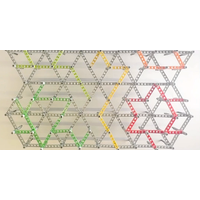
Phys. Rev. Lett. 136, 038202 (2026)
Polymers, Chemical Physics, Soft Matter, and Biological Physics
First Exclusive Reconstruction of the ${B}^{*+}$, ${B}^{*0}$, and ${B}_{s}^{*0}$ Mesons and Precise Measurement of Their Masses
Article | Particles and Fields | 2026-01-22 05:00 EST
A. Hayrapetyan et al. (CMS Collaboration)
Using proton-proton collision data collected by the CMS experiment at in 2016-2018, corresponding to an integrated luminosity of , the first full reconstruction of the three vector meson states, , , and , is performed. The mass differences between the excited mesons an…
Phys. Rev. Lett. 136, 031902 (2026)
Particles and Fields
Evidence for the Collective Nature of Radial Flow in $\mathrm{Pb}+\mathrm{Pb}$ Collisions with the ATLAS Detector
Article | Nuclear Physics | 2026-01-22 05:00 EST
G. Aad et al. (ATLAS Collaboration)
Two different LHC measurements of a novel observable for the radial flow of quark-gluon plasma again confirms the collective hydrodynamic behavior of the plasma.
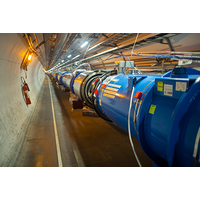
Phys. Rev. Lett. 136, 032301 (2026)
Nuclear Physics
Long-Range Transverse-Momentum Correlations and Radial Flow in Pb-Pb Collisions at the LHC
Article | Nuclear Physics | 2026-01-22 05:00 EST
S. Acharya et al. (ALICE Collaboration)
Two different LHC measurements of a novel observable for the radial flow of quark-gluon plasma again confirms the collective hydrodynamic behavior of the plasma.
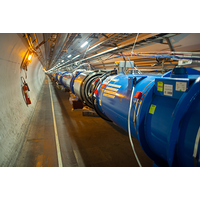
Phys. Rev. Lett. 136, 032302 (2026)
Nuclear Physics
Phase-Variation Ramsey Spectroscopy of the ${2}^{3}{\mathrm{S}}{1}→{2}^{3}{\mathrm{P}}{2}$ Interval in Positronium
Article | Atomic, Molecular, and Optical Physics | 2026-01-22 05:00 EST
D. M. Newson and D. B. Cassidy
The structure of positronium was measured by using the Ramsey separated oscillatory fields method.
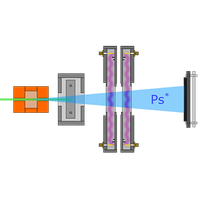
Phys. Rev. Lett. 136, 033001 (2026)
Atomic, Molecular, and Optical Physics
Control of Molecular Rotation in Helium Nanodroplets with an Optical Centrifuge
Article | Atomic, Molecular, and Optical Physics | 2026-01-22 05:00 EST
Ian MacPhail-Bartley, Alexander A. Milner, Frank Stienkemeier, and Valery Milner
A technique for spinning up molecules in a gas has now been adapted to work with superfluid helium as the host medium.
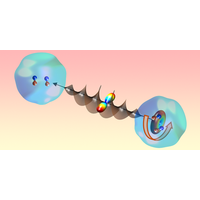
Phys. Rev. Lett. 136, 033002 (2026)
Atomic, Molecular, and Optical Physics
Quantum Many-Body Dynamics for Fermionic $t\text{-}J$ Model Simulated with Atom Arrays
Article | Atomic, Molecular, and Optical Physics | 2026-01-22 05:00 EST
Ye-Bing Zhang, Xin-Chi Zhou, Bao-Zong Wang, and Xiong-Jun Liu
The fermionic model has been widely recognized as a canonical model for broad range of strongly correlated phases, particularly the high- superconductor. Simulating this model with controllable quantum platforms offers new possibilities to probe high- physics, yet suffers challenges. Here we…
Phys. Rev. Lett. 136, 033402 (2026)
Atomic, Molecular, and Optical Physics
Guided Vortex Bullets
Article | Atomic, Molecular, and Optical Physics | 2026-01-22 05:00 EST
Carlos F. Sánchez, Ángel Paredes, Humberto Michinel, Boris A. Malomed, and José R. Salgueiro
By means of the variational method and numerical simulations, we demonstrate the existence of stable 3D nonlinear modes, viz. vortex "bullets," in the form of pulsed beams carrying orbital angular momentum, that can self-trap in a 2D waveguiding structure. Despite the attractive self-interaction, wh…
Phys. Rev. Lett. 136, 033802 (2026)
Atomic, Molecular, and Optical Physics
Spin-Chain Multichannel Kondo Model via Image Impurity Boundary Condition
Article | Condensed Matter and Materials | 2026-01-22 05:00 EST
Jordan Gaines, Guangjie Li, and Jukka I. Väyrynen
One of the signature observables for the electronic multichannel Kondo model is the impurity entropy, which was found in Heisenberg chains with the open boundary condition (OBC) and periodic boundary condition (PBC), for the one-channel and two-channel cases, respectively. However, it is not c…
Phys. Rev. Lett. 136, 036503 (2026)
Condensed Matter and Materials
Universal Phase Transitions of Matter in Optically Driven Cavities
Article | Condensed Matter and Materials | 2026-01-22 05:00 EST
Tsan Huang and Zhiyuan Sun
Optical cavities have been widely applied to manipulate the properties of solid state materials inside them. We propose that in systems embedded within optical cavities driven by incident pump light, the pump induces generic phase transitions into new nonequilibrium steady states. This effect arises…
Phys. Rev. Lett. 136, 036901 (2026)
Condensed Matter and Materials
Physical Review X
Large Language Model-Type Architecture for High-Dimensional Molecular Potential Energy Surfaces
Article | 2026-01-22 05:00 EST
Xiao Zhu and Srinivasan S. Iyengar
Bridging language model architectures and graph-theory-based molecular fragmentation achieves a sub-kilocalorie-per-mole-accurate potential energy surface for a 186-dimensional water cluster.
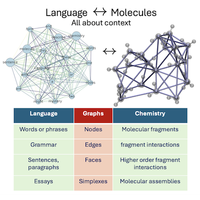
Phys. Rev. X 16, 011012 (2026)
Review of Modern Physics
Field theories and quantum methods for stochastic reaction-diffusion systems
Article | Soft matter | 2026-01-22 05:00 EST
Mauricio J. del Razo, Tommaso Lamma, and Wout Merbis
The exchange of energy and molecules in a living cell, the spread of opinions through a society, and the flow of traffic in a crowded city are very different phenomena, yet they are all examples of complex systems composed of many agents that interact with each other and exchange energy or particles with the environment. These systems can be modeled as stochastic reaction-diffusion systems. In this pedagogical review, the authors apply powerful field-theoretic methods to these systems, unifying diverse approaches under a single framework. The methods are useful for handling chemical systems but also have applications in a wide range of areas such as ecology and epidemiology.
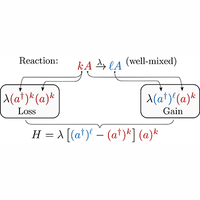
Rev. Mod. Phys. 98, 015001 (2026)
Soft matter
arXiv
Two-Dimensional Active Brownian Particles Crossing a Parabolic Barrier: Transition-Path Times, Survival Probability, and First-Passage Time
New Submission | Statistical Mechanics (cond-mat.stat-mech) | 2026-01-23 20:00 EST
We derive an analytical expression for the propagator and the transition path time distribution of a two-dimensional active Brownian particle crossing a parabolic barrier with absorbing boundary conditions at both sides. By taking those of a passive Brownian particle as basis states and dealing with the activity as a perturbation, our solution is expressed in terms of the perturbed eigenfunctions and eigenvalues of the associated Fokker-Planck equation once the latter is reduced by taking into account only the coordinate along the direction of the barrier and the self-propulsion angle. We show that transition path times are typically shortened by the self-propulsion of the particle. Our solution also allows us to obtain the survival probability and the first-passage times distribution, which display a strong dependence on the particle’s activity, while the rotational diffusivity influences them to a minor extent.
Statistical Mechanics (cond-mat.stat-mech), Soft Condensed Matter (cond-mat.soft)
12 pages, 7 gigures. arXiv admin note: substantial text overlap with arXiv:2410.07226
Phys. Rev. E 112, 024136 (2025)
Learning Nonlinear Heterogeneity in Physical Kolmogorov-Arnold Networks
New Submission | Disordered Systems and Neural Networks (cond-mat.dis-nn) | 2026-01-23 20:00 EST
Fabiana Taglietti, Andrea Pulici, Maxwell Roxburgh, Gabriele Seguini, Ian Vidamour, Stephan Menzel, Edoardo Franco, Michele Laus, Eleni Vasilaki, Michele Perego, Thomas J. Hayward, Marco Fanciulli, Jack C. Gartside
Physical neural networks typically train linear synaptic weights while treating device nonlinearities as fixed. We show the opposite - by training the synaptic nonlinearity itself, as in Kolmogorov-Arnold Network (KAN) architectures, we yield markedly higher task performance per physical resource and improved performance-parameter scaling than conventional linear weight-based networks, demonstrating ability of KAN topologies to exploit reconfigurable nonlinear physical dynamics.
We experimentally realise physical KANs in silicon-on-insulator devices we term ‘Synaptic Nonlinear Elements’ (SYNEs), operating at room temperature, 0.1-1 microampere currents, and 2 MHz speeds with no observed degradation over 10^13 measurements and months-long timescales.
We demonstrate nonlinear function regression, classification, and prediction of Li-Ion battery dynamics from noisy real-world multi-sensor data. Physical KANs outperform equivalently-parameterised software multilayer perceptron networks across all tasks, with up to two orders of magnitude fewer parameters, and two orders of magnitude fewer devices than linear weight based physical networks. These results establish learned physical nonlinearity as a hardware-native computational primitive for compact and efficient learning systems, and SYNE devices as effective substrates for heterogenous nonlinear computing.
Disordered Systems and Neural Networks (cond-mat.dis-nn), Mesoscale and Nanoscale Physics (cond-mat.mes-hall), Machine Learning (cs.LG), Adaptation and Self-Organizing Systems (nlin.AO), Applied Physics (physics.app-ph)
Non-zero Momentum Implies Long-Range Entanglement When Translation Symmetry is Broken in 1D
New Submission | Disordered Systems and Neural Networks (cond-mat.dis-nn) | 2026-01-23 20:00 EST
Amanda Gatto Lamas, Taylor L. Hughes
A result by Gioia and Wang [Phys Rev X 12, 031007 (2022)] showed that translationally symmetric states having nonzero momentum are necessarily long range entangled (LRE). Here, we consider the question: can a notion of momentum for non-translation symmetric states directly encode the nature of their entanglement, as it does for translation symmetric states? We show the answer is affirmative for 1D systems, while higher dimensional extensions and topologically ordered systems require further work. While Gioia and Wang’s result applies to states connected via finite depth quantum circuits to a translation symmetric state, it is often impractical to find such a circuit to determine the nature of the entanglement of states that break translation symmetry. Here, instead of translation eigenstates, we focus on the many-body momentum distribution and the expectation value of the translation operator in many-body states of systems having broken translation symmetry. We show that in the continuum limit the magnitude of the expectation value of the translation operator $ |
Disordered Systems and Neural Networks (cond-mat.dis-nn), Quantum Physics (quant-ph)
24+8 pages, 15+5 figures
In-Substrate Imaging of Diamond hBN FET Current via Widefield Quantum Diamond Microscopy
New Submission | Mesoscale and Nanoscale Physics (cond-mat.mes-hall) | 2026-01-23 20:00 EST
Anuj Bathla, Subrat Kumar Pradhan, Ajit Kumar Dash, Prabhat Anand, M. Girish Chandra, Kenji Watanabe, Takashi Taniguchi, Akshay Singh, Veeresh Deshpande, Kasturi Saha
We demonstrate widefield magnetic imaging of current flow in hydrogen terminated diamond field effect transistors (FETs) through in-substrate nitrogen vacancy (NV) centers. Hydrogen termination of the diamond surface induces a two dimensional hole gas (2DHG), while an ensemble of near surface NV centers located $ \sim 1~\mu m$ below the surface enables noninvasive magnetic imaging of current flow with micrometer scale spatial resolution. The FETs were electrically characterized over a range of drain source biases $ V_{ds}= 0$ to $ -15V$ and gate voltages,$ V_{gs}= +3$ to $ -9V$ followed by in situ widefield NV magnetometry during device operation. Magnetic field maps and reconstructed current density distributions directly visualize current injection at the source drain contacts and transport beneath the hBN gated channel. Magnetic field maps reveal current density variations in the channel region owing to non-uniformities or defects in the gate dielectric. In addition, we observe a pronounced enhancement of the drain current ($ \sim 600-900 \mu A$ ) and a shift in the apparent threshold voltage during laser illumination, reflecting photo induced changes in channel electrostatics. By correlating gate dependent magnetic images with simultaneous electrical measurements, we directly link spatial current distributions to FET transfer characteristics, providing new insight into buried interface transport and non-uniform gating effects in the transistor channel. As the methodology is compatible with top gated FETs, it can be used to map channel current distributions with micrometer resolution in emerging channel materials, such as 2D materials and wide bandgap channels, and establish widefield NV magnetometry as a powerful platform for probing charge transport in transistors and Van der Waals dielectric heterostructures.
Mesoscale and Nanoscale Physics (cond-mat.mes-hall), Quantum Physics (quant-ph)
Exactly solvable topological phase transition in a quantum dimer model
New Submission | Strongly Correlated Electrons (cond-mat.str-el) | 2026-01-23 20:00 EST
Laura Shou, Jeet Shah, Matthew Lerner-Brecher, Amol Aggarwal, Alexei Borodin, Victor Galitski
We introduce a family of generalized Rokhsar-Kivelson (RK) Hamiltonians, which are reverse-engineered to have an arbitrary edge-weighted superposition of dimer coverings as their exact ground state at the RK point. We then focus on a quantum dimer model on the triangular lattice, with doubly-periodic edge weights. For simplicity we consider a $ 2\times1$ periodic model in which all weights are set to one except for a tunable horizontal edge weight labeled $ \alpha$ . We analytically show that the model exhibits a continuous quantum phase transition at $ \alpha=3$ , changing from a topological $ \mathbb{Z}_2$ quantum spin liquid ($ \alpha<3$ ) to a columnar ordered state ($ \alpha>3$ ). The dimer-dimer correlator decays exponentially on both sides of the transition with the correlation length $ \xi\propto1/|\alpha-3|$ and as a power-law at criticality. The vison correlator exhibits an exponential decay in the spin liquid phase, but becomes a constant in the ordered phase. We explain the constant vison correlator in terms of loops statistics of the double-dimer model. Using finite-size scaling of the vison correlator, we extract critical exponents consistent with the 2D Ising universality class.
Strongly Correlated Electrons (cond-mat.str-el), Statistical Mechanics (cond-mat.stat-mech), Mathematical Physics (math-ph), Quantum Physics (quant-ph)
5+6 pages, 8+4 figures
Theory of Next-Generation Even-Denominator States
New Submission | Strongly Correlated Electrons (cond-mat.str-el) | 2026-01-23 20:00 EST
Misha Yutushui, David F. Mross
Even-denominator quantum Hall states are leading candidates for realizing non-Abelian topological orders, with the $ \nu=\frac{5}{2}$ plateau in GaAs the first and most-studied example. Recent experiments in GaAs and bilayer graphene (BLG) have observed many `next-generation’ even-denominator states at filling factors such as $ \nu=\frac{3}{4}$ , $ \frac{3}{8}$ , and $ \frac{3}{10}$ . We develop the theory of these states, including analyses of their bulk quasiparticles, of methods for distinguishing between pairing channels in edge transport measurements, and of their trial wavefunctions. As part of this study, we derive general relations of how flux attachment affects many universal properties of states. In particular, we prove that the topological stability of interface modes is invariant under flux attachment. We compare next-generation paired states to Bonderson-Slingerland states at the same filling factors, and demonstrate that their quasiparticles carry identical charges and obey the same exchange statistics. The next-generation and Bonderson-Slingerland states still describe distinct phases, and we find that the former are energetically favored in the lowest Landau level, while the latter are favored in the first excited level.
Strongly Correlated Electrons (cond-mat.str-el)
19 pages, 14 figures, 5 tables
Divergent Pressure Response of Superconductivity in Sc${6}$MTe${2}$ ($M$ = Fe, Ru and Ir)
New Submission | Superconductivity (cond-mat.supr-con) | 2026-01-23 20:00 EST
J.N. Graham, S.S. Islam, K. Yuchi, P. Král, O. Gerguri, S. Huber, J. Chang, R. Khasanov, Y. Okamoto, Z. Guguchia
Identifying and understanding non-BCS superconductivity remains a central challenge in condensed-matter physics. Here we focus on the Sc$ _{6}$ MTe$ _{2}$ family (M =d-electron metal), which provides a unique platform of isostructural compounds exhibiting superconductivity across 3d, 4d, and 5d systems. Using hydrostatic pressure as an additional tuning parameter, muon-spin rotation ($ {\mu}$ SR) and AC susceptibility measurements uncover strongly contrasting pressure responses of superconductivity across the Sc$ {6}$ MTe$ {2}$ series. The superconducting transition temperature, $ T{\rm C}$ decreases under pressure in the 3d Fe-based compound but increases for the 4d Ru- and 5d Ir-based systems, with the Ru compound showing the largest enhancement of nearly 50% within 2 GPa. The superfluid density exhibits similarly distinct pressure dependences, remaining nearly pressure independent for Fe while decreasing with increasing pressure for Ru and Ir. This suggests fundamentally different correlations between $ T{\rm C}$ and the superfluid density. Together, these results indicate that superconductivity emerging from strongly correlated and spin-orbit-dominated regimes in Sc$ _{6}$ MTe$ _{2}$ is likely governed by different microscopic mechanisms and offer a useful experimental basis for future microscopic theoretical studies.
Superconductivity (cond-mat.supr-con), Materials Science (cond-mat.mtrl-sci)
10 pages, 5 figures
Demonstration of a Field-Effect Three-Terminal Electronic Device with an Electron Mobility Exceeding 40 Million cm^2/(Vs)
New Submission | Mesoscale and Nanoscale Physics (cond-mat.mes-hall) | 2026-01-23 20:00 EST
T. J. Martz-Oberlander, B. Bulgaru, Z. Berkson-Korenberg, Q. Hawkins, K.W. West, K.W. Baldwin, A. Gupta, L. N. Pfeiffer, G. Gervais
We report the fabrication and operation of a source-drain-gate three-terminal field-effect electronic device with an electron mobility exceeding $ 40\times 10^6$ cm$ ^2$ / (Vs). Several devices were fabricated, with the highest achieved electron mobility obtained using a symmetrically-doped GaAs/AlGaAs quantum well forming a two-dimensional electron gas (2DEG) with a density of $ 1.47(1) \times 10^{11}$ cm$ ^{-2}$ and a pristine, pre-fabrication electron mobility of $ 44(2) \times 10^6$ cm$ ^2$ /(\text{Vs}). To circumvent the well-known degradation of electron mobility during fabrication, devices were fabricated using a flip-chip technique where all lithographic processing steps were performed on a separate sapphire substrate. This method demonstrates the successful operation of various gate assembly designs on distinct 2DEGs without observable mobility degradation. This advance doubles the previous record for field-effect electronic device mobility and enables access to new regimes of quantum transport and applications that were previously unfathomable due to mobility limitations.
Mesoscale and Nanoscale Physics (cond-mat.mes-hall), Materials Science (cond-mat.mtrl-sci), Strongly Correlated Electrons (cond-mat.str-el)
Controlling HER activity and stability of $γ$- and 6,6,12-Graphyne through engineered B-N doping: DFT and Reactive MD simulations
New Submission | Materials Science (cond-mat.mtrl-sci) | 2026-01-23 20:00 EST
Juan Gomez Quispe, Matheus Medina, Subhendu Mishra, Douglas S Galvao, Abhishek Singh, Pedro Alves da Silva Autreto
Graphynes offer a chemically heterogeneous $ sp/sp^{2}$ carbon framework with distinct electronic regimes and site-selective reactivity. Here, Density Functional Theory and Reactive Molecular Dynamics Simulations are combined to evaluate pristine, B-doped, N-doped, and B-N co-doped $ \gamma$ -graphyne and 6,6,12-graphyne (meta/ortho/para). $ \gamma$ -graphyne is a semiconductor, while 6,6,12-graphyne exhibits an anisotropic Dirac-like semi-metallic dispersion. B/N substitution reconstructs near-$ E_F$ states via dopant $ \pi$ hybridization, and B-N pairing stabilizes defects through donor-acceptor compensation, with the ortho substitutions being the most favorable. Hydrogen adsorption remains weak on pristine lattices but becomes locally optimized upon doping, with near thermo-neutral $ \Delta G_{\mathrm{ads}}$ ‘hot spots’ predominantly on $ sp$ -proximate carbon sites adjacent to the dopants. Reactive MD at 300 K further reveals an activity stability trade-off: B-N ortho in $ \gamma$ -graphyne sustains controlled hydrogen uptake without catastrophic bond scission, whereas B-N meta/para degrade, and 6,6,12-graphyne is generally more susceptible to over-hydrogenation. These results identify the B-N geometry as a key design variable for graphyne-based HER catalysts, which require both a favorable $ \Delta G_{\mathrm{ads}}$ and finite-temperature hydrogenation stability.
Materials Science (cond-mat.mtrl-sci), Other Condensed Matter (cond-mat.other), Applied Physics (physics.app-ph), Computational Physics (physics.comp-ph)
submitted
First-Principles Study of Mg-Induced Phase Stabilization in Ga$_2$O$_3$ polymorphs
New Submission | Materials Science (cond-mat.mtrl-sci) | 2026-01-23 20:00 EST
Viswesh Prakash, Jingyu Tang, Lisa M. Porter, Rachel C. Kurchin
In this study, we investigate the effect of Mg incorporation on the relative phase stability of the four primary Ga$ _2$ O$ _3$ polymorphs using density functional theory (DFT) calculations, with the goal of rationalizing experimental observations suggesting that diffusion from MgAl$ _2$ O$ _4$ substrates contributes to relative stabilization of the $ \gamma$ phase. Mg incorporation is modeled up to 25% of Ga sites within supercells derived from fully relaxed unit cells of each polymorph. Our results show that while $ \beta$ -Ga$ _2$ O$ _3$ remains the thermodynamically most stable phase, the enthalpic differences between polymorphs decrease with increasing Mg content. The inherently disordered $ \gamma$ phase, with its high configurational entropy, becomes less energetically unfavorable under Mg substitution, suggesting that entropy-driven stabilization may facilitate its formation under high-temperature and/or nonequilibrium growth conditions such as those previously reported. These findings provide a thermodynamic rationale for the experimental observation of the $ \gamma$ phase during epitaxial growth on MgAl$ _2$ O$ _4$ spinel substrates.
Materials Science (cond-mat.mtrl-sci)
Scalar and fully relativistic pressure and temperature-dependent ab-initio thermodynamics study of simple cubic polonium
New Submission | Materials Science (cond-mat.mtrl-sci) | 2026-01-23 20:00 EST
Balaram Thakur, Xuejun Gong, Andrea Dal Corso
The ab-initio thermodynamic properties of simple cubic polonium ({\alpha}-Po) were studied within the quasi-harmonic approximation (QHA), where both lattice vibrations (phonons) and electronic excitations contributions are included in the Helmholtz free energy. We investigate the influence of spin-orbit coupling (SOC) by comparing the scalar relativistic (SR) and fully relativistic (FR) pseudopotentials on the thermodynamic properties of polonium and evaluate the performance of three popular exchange-correlation functionals, GGA (PBE and PBEsol), and LDA (PZ). Temperature and pressure-dependent thermodynamic properties were compared with the available experimental and theoretical studies. We found that the effect of electronic excitations is negligible for all the thermodynamic properties. LDA+SOC provides a better agreement with the experimental volume, while the thermal expansion coefficients from LDA+SOC and PBEsol + SOC closely match experimental values. SOC effects appear insignificant for the isobaric heat capacity but substantially contribute to the adiabatic bulk modulus. The phonon dispersions and mode-Grüneisen parameters ({\gamma}_q{\eta}) were interpolated at the lattice constant corresponding to 301 K. The SR dispersions exhibit several anomalies in all directions, which were suppressed significantly by the inclusion of SOC. The role of SOC on the elastic constant-coefficient (C_ij) and elastic anisotropy factor at 0 K is also studied. The Pugh ratio confirmed that simple cubic polonium is ductile, and we observed that the elastic anisotropy factor and Pugh ratio decreased with increasing pressure. The effect of SOC on the Cauchy pressure is also determined.
Materials Science (cond-mat.mtrl-sci)
16 pages and 10 figures
Physical Chemistry Chemical Physics, 2026, 28, 2261 - 2271
Modulation of superconducting properties by the charge density wave at the surface of 2H-NbSe2
New Submission | Superconductivity (cond-mat.supr-con) | 2026-01-23 20:00 EST
To investigate the interplay between charge density wave (CDW) and superconductivity, we performed ultralow-temperature spectroscopic-imaging scanning tunneling microscopy on the cleaved surface of the layered superconductor 2H-NbSe2. We found that the superconducting-gap spectrum exhibits intricate structures reflecting the anisotropic gaps opening on multiple Fermi surfaces. Notably, none of the characteristic energy scales apparent in the spectral gap show appreciable spatial variations, suggesting that the finite-momentum pairing is negligible. Instead, the spectral weight near the coherence peak is modulated with the same periodicity as the CDW. The maximum position of the coherence-peak-weight modulation coincides with neither the peak nor the bottom of the CDW modulation; rather, it aligns with the center of one of the two inequivalent triangular plaquettes that comprise the CDW unit cell. This distribution pattern of Bogoliubov quasiparticles directly results from the broken in-plane inversion symmetry at the surface of 2H-NbSe2, which may activate Ising spin-orbit coupling.
Superconductivity (cond-mat.supr-con), Strongly Correlated Electrons (cond-mat.str-el)
8 pages, 6 figures. Accepted for publication in Physical Review Research
Disparate Quantum Corrections to Conduction in Carbon Nanotube Bundles
New Submission | Mesoscale and Nanoscale Physics (cond-mat.mes-hall) | 2026-01-23 20:00 EST
Shengjie Yu, Zhengyi Lu, Renjie Luo, Tanner Legvold, Natsumi Komatsu, Liyang Chen, Oliver S. Dewey, Lauren W. Taylor, Huaijin Sun, Matteo Pasquali, Geoff Wehmeyer, Matthew S. Foster, Junichiro Kono, Douglas Natelson
Quantum interference effects such as weak localization (WL) and universal conductance fluctuations (UCF) normally yield consistent electronic phase-coherence lengths in homogeneous conductors. Here we show that in individual carbon nanotube bundles exfoliated from highly conductive solution-spun fibers, different probes, including the field scales and magnitudes of WL and UCF and nonlocal magnetoconductance, lead to strikingly disparate estimates of coherence lengths. WL magnetoconductance measured in a perpendicular magnetic field yields a phase-coherence length of approximately 50 nm. In contrast, UCF amplitudes are comparable to e squared over h even for an 8 micrometer long segment, and nonlocal magnetoconductance persists across a 4 micrometer separation of electrodes, revealing phase-coherent transport over micrometer length scales within a single bundle. The coexistence of short- and long-range coherence implies that locally diffusive electrons remain partially phase-correlated among nanotubes within the same bundle. These findings challenge the conventional single-scale picture of mesoscopic coherence and establish carbon nanotube bundles as a model platform for emergent, network-level quantum transport.
Mesoscale and Nanoscale Physics (cond-mat.mes-hall)
Anomalous valley Hall dynamics of exciton-polaritons
New Submission | Mesoscale and Nanoscale Physics (cond-mat.mes-hall) | 2026-01-23 20:00 EST
Xingzhou Chen, Yuanjun Guan, Areg Ghazaryan, Shiran Sun, Lingxiao Yu, Ruitao Lv, Artem Volosniev, Zheng Sun, Jian Wu
The valley degree of freedom in atomically thin transition-metal dichalcogenides provides a natural binary index for information processing. Exciton-polaritons formed under strong light-matter coupling offer a promising route to overcome the limited lifetime and transport of bare valley excitons. Here we report an anomalous optical valley Hall effect in a monolayer WS2 exciton-polariton system. Using polarization- and time-resolved real-space imaging, we directly visualize a symmetry-breaking spatial separation of polaritons from opposite valleys under linearly polarized excitation, accompanied by an ultrafast Hall drift velocity on the order of 10^5 m/s. This behaviour cannot be accounted for by conventional cavity-induced mechanisms and instead points to a strain-induced synthetic pseudomagnetic field acting on the excitonic component of polaritons. Our results establish exciton-polaritons as a high-speed and optically accessible platform for valley transport, opening pathways towards tunable valleytronic and topological photonic devices.
Mesoscale and Nanoscale Physics (cond-mat.mes-hall), Optics (physics.optics)
Supercurrent and multiple Andreev reflections in Ge hut nanowire Josephson Junctions
New Submission | Mesoscale and Nanoscale Physics (cond-mat.mes-hall) | 2026-01-23 20:00 EST
Han Gao, Jian-Huan Wang, Ji-Yin Wang, Jian-Jun Zhang, Hongqi Xu
We report an experimental study of induced superconductivity in Ge hut nanowire Josephson junctions. The Ge hut nanowires are grown on prepatterned SiGe ridges via molecular beam epitaxy (MBE) and Josephson junction devices are fabricated by contacting the nanowires with Al electrodes. Low-temperature current-bias transport measurements of the Josephson junctions are performed and the measurements show that the devices exhibit gate-tunable supercurrent and excess current. The analysis of excess current indicates that the transparency of the Ge hut nanowire Josephson junctions is as high as 85%. Voltage-bias spectroscopy measurements of the devices show multiple Andreev reflections up to the fourth order. With magnetic field and temperature-dependent measurements of the multiple Andreev reflections, the critical field and the critical temperature of the induced superconductivity in the Josephson junctions are extracted to be ~0.12 T and ~1.4 K. The success in introducing superconductivity into Ge hut nanowires will stimulate their applications in building advanced quantum processors.
Mesoscale and Nanoscale Physics (cond-mat.mes-hall)
Emergence of spatiotemporal patterns in a fuel-driven coupled cooperative supramolecular system
New Submission | Soft Condensed Matter (cond-mat.soft) | 2026-01-23 20:00 EST
Akta Singh, Nayana Mukherjee, Jagannath Mondal, Pushpita Ghosh
Chemically fueled supramolecular systems can exhibit complex, time-dependent behaviors reminiscent of living matter when maintained far from equilibrium by continuous energy or fuel consumption. Here, we introduce a minimal reaction-diffusion model that captures the essential dynamics of a cooperative supramolecular polymerization network driven by monomer activation and deactivation. We show that a balance between autocatalytic growth and inhibitory decay sustains a nonequilibrium steady state in the model that undergoes a Hopf bifurcation, giving rise to autonomous oscillations. When spatial transport is introduced through diffusion, the system displays rich spatiotemporal phenomena, such as traveling wavefronts and transient polygonal patterns. Our results demonstrate that the interplay between reaction kinetics and diffusion can spontaneously generate self-organized, life-like dynamics in synthetic supramolecular polymer systems. This theoretical framework not only bridges molecular self-assembly and active matter dynamics but also provides design principles for creating adaptive, oscillatory, and self-patterning materials powered by chemical fuels.
Soft Condensed Matter (cond-mat.soft), Chemical Physics (physics.chem-ph)
Atomic-Scale Insights into Solute Drag Effects on Grain Boundary Motion in Mg-Al and Mg-Ca Alloys
New Submission | Materials Science (cond-mat.mtrl-sci) | 2026-01-23 20:00 EST
Zhishun Chen, Shudong He, Shuai Zhang, Xiaohan Bie, Zhuoming Xie, Tengfei Yang, Wangyu Hu, Huiqiu Deng, Shiwei Xu, Zhuoran Zeng, Jie Hou
The slip behavior of dislocations and grain boundaries critically governs recrystallization and plastic deformation in Mg alloys and can be strongly influenced by solutes. However, the quantitative effects of solute distribution on defect mobility remain unclear. Using molecular dynamics and Monte Carlo simulations, we systematically investigate how Al and Ca solutes affect the motion of dislocations, low-angle grain boundaries (LAGBs), and high-angle grain boundaries (HAGBs) in Mg. Within the idealized framework of random solid-solution, solute drag is dominated by elastic interactions arising from atomic size mismatch, resulting in a stronger resistance from Ca than from Al. In contrast, under the more realistic condition where solute segregation occurs, the dominant mechanism shifts to chemically driven pinning, whose effectiveness is governed by the attainable segregation density. Owing to strong Ca-Ca repulsion, Al achieves substantially higher segregation concentrations than Ca and therefore exerts much stronger pinning effects. Notably, solute-induced retardation is significantly more pronounced for HAGBs than for LAGBs, leading to amplified solute effects during the late stages of recrystallization, where grain growth is controlled primarily by HAGB migration. These results provide atomic-scale insight into experimentally observed grain refinement in Mg alloys.
Materials Science (cond-mat.mtrl-sci)
27 pages, 13 figures
Spin reorientations in structurally metastable, disordered, and hexagonal Cr7Te8
New Submission | Strongly Correlated Electrons (cond-mat.str-el) | 2026-01-23 20:00 EST
K. Guratinder, T.G. Romig, H.C. Mandujano, C. Stock, E. E. Rodriguez
Vapor deposited two-dimensional Cr$ _{7}$ Te$ _{8}$ displays unusual temperature dependent Hall effect properties, including a room temperature anomalous Hall effect, sign reversals of the Hall resistivity on cooling, and a peak in the Hall resistivity at low temperatures. The two dimensional Cr$ _{7}$ Te$ _{8}$ heterostructures that form the basis of these measurements are hexagonal in structure. We study the magnetic and structural properties of bulk Cr$ _{7}$ Te$ _{8}$ synthesized by quenching from 1000 $ ^{\circ}$ C with the goal of relating the magnetic, structural, and electronic properties. This quenched phase is metastable, hexagonal, and displays different magnetic properties from the slow-cooled and more thermodynamically stable monoclinic phase. High-resolution x-ray diffraction of the quenched hexagonal phase finds a first-order transition to a lower symmetry monoclinic phase on \textit{heating} above $ \sim$ 550 K. Magnetic susceptibility measurements of the quenched hexagonal phase reveal ferromagnetic ordering above room temperature, along with the two distinct transitions at $ \sim$ 220K and $ \sim$ 70K. Through neutron diffraction studies, we find the $ \sim$ 220 K anomaly is a spin reorientation transition of the ferromagnetically aligned magnetic moments and the $ \sim70$ K feature represents a transition from a high temperature ferromagnet to a low temperature antiferromagnet. We suggest that these magnetic transitions are related to changes in the unit cell dimensions and are connected to the temperature dependent Hall resisitivity studied in two-dimensional heterostructures. This implies a link between structural, magnetic, and electronic properties in the ``pseudo” two-dimensional chromium tellurides.
Strongly Correlated Electrons (cond-mat.str-el)
Accepted in PRB
Segregation-Controlled Diffusion-Induced Grain Boundary Migration in Alloy 690
New Submission | Materials Science (cond-mat.mtrl-sci) | 2026-01-23 20:00 EST
Yuntian Jiang, Shuai Zhang, Zhuoming Xie, Xiaohan Bie, Huiqiu Deng, Wangyu Hu, Jie Hou
Grain boundary (GB) migration accompanied by Cr depletion is widely observed in Alloy 690 and is closely linked to intergranular degradation and stress corrosion cracking. However, the fundamental driving force for GB migration and its link with Cr depletion remains unclear. In this work, hybrid molecular dynamics and semi-grand canonical Monte Carlo simulations were employed to investigate GB migration in Alloy 690 under coupled solute diffusion and segregation effects across a range of GB characters. The results show that Cr segregation at GBs, while generally considered favorable for GB stability, can facilitate diffusion-induced GB migration and Cr depletion. Cr diffusion along GBs produces localized Cr depletion zones that are energetically incompatible with positively segregating GBs, generating a chemical driving force that drives GB migration toward the Cr-rich matrix, which ultimately results in persistent GB migration accompanied by a Cr depletion. By quantifying solute-GB interaction energetics, we demonstrate that GB migration is quantitively controlled by the coupled effects of solute diffusivity and segregation strength. These mechanistic insights provide a unified framework that rationalizes experimentally observed correlations between GB character, Cr depletion, and GB migration in Cr-containing alloys.
Materials Science (cond-mat.mtrl-sci)
Systematic Magnetic Structure Generation Based on Oriented Spin Space Groups: Formulation, Applications, and High-Throughput First-Principles Calculations
New Submission | Materials Science (cond-mat.mtrl-sci) | 2026-01-23 20:00 EST
Takuya Nomoto, Kohei Shinohara, Hikaru Watanabe, Ryotaro Arita
We propose a framework for generating magnetic structures, inspired by the concept of oriented spin space groups (SSGs): magnetic structures are first generated as totally symmetric representations of an SSG and are then rotated such that they belong to the maximal magnetic space group of the SSG, which we term spin-symmetry-adapted (SSA) structures and oriented SSA structures, respectively. This is a natural framework to enforce fixed magnetic moment magnitudes on the symmetry-equivalent sites as well as to exploit the spin-orbit coupling (SOC)-induced hierarchy of energy scales. To examine the present scheme, we analyze the MAGNDATA database and find that 77% of the reported structures are reproducible at the SSG level, among which 82% are fully reproduced within the oriented SSG scheme, regardless of their spin-only group types or propagation vectors. To quantitatively assess computational and predictive performance, we perform spin density functional theory calculations for 283 materials, first carrying out self-consistent calculations for SSA structures without SOC, followed by fixed-charge calculations including SOC for the descendant oriented SSA structures. The experimental magnetic structures are reproduced as energetically most stable in 82% of cases at the SSG level without SOC and in 76% of cases at the oriented SSG level with SOC, showing that the fixed-charge scheme enables accurate evaluation of SOC-induced energy differences at low computational cost. The characteristic energy scale among oriented SSA structures is only $ \sim$ 0.29 meV per magnetic atom, about 300 times smaller than that of distinct SSA structures. These results demonstrate that oriented SSG-based enumeration, combined with the two-step calculations for SSA and oriented SSA structures, provides an efficient and robust route for large-scale magnetic-structure prediction.
Materials Science (cond-mat.mtrl-sci), Strongly Correlated Electrons (cond-mat.str-el)
28 pages, 7 figures, 4 tables
Permanent Lattice Compression of Lead-Halide Perovskite for Persistently Enhanced Optoelectronic Properties
New Submission | Materials Science (cond-mat.mtrl-sci) | 2026-01-23 20:00 EST
Karunakara Moorthy Boopathi, Beatriz Martín-García, Aniruddha Ray, Joao M. Pina, Sergio Marras, Makhsud I. Saidaminov, Francesco Bonaccorso, Francesco Di Stasio, Edward H. Sargent, Liberato Manna, Ahmed L. Abdelhady
Under mild mechanical pressure, halide perovskites show enhanced optoelectronic properties. However, these improvements are reversible upon decompression, and permanent enhancements have yet to be realized. Here, we report antisolvent-assisted solvent acidolysis crystallization that enables us to prepare methylammonium lead bromide single crystals showing intense emission at all four edges under ultraviolet light excitation. We study structural variations, edge-vs-center, in these crystals using micro-X-ray diffraction and find that the enhanced emission at the edges correlates with lattice compression compared to in the central areas. Time-resolved photoluminescence measurements show much longer-lived photogenerated carriers at the compressed edges, with radiative component lifetimes of ca. 1.4 us, 10 times longer than at the central regions. The properties of the edges are exploited to fabricate planar photodetectors exhibiting detectivities of 3x10^13 Jones, compared to 5x10^12 Jones at the central regions. The enhanced lifetimes and detectivities correlate to the reduced trap state densities and the formation of shallower traps at the edges due to lattice compression.
Materials Science (cond-mat.mtrl-sci), Other Condensed Matter (cond-mat.other)
ACS Energy Letters 2020, 5 (2), 642-649
Materealize: a multi-agent deliberation system for end-to-end material design and synthesis
New Submission | Materials Science (cond-mat.mtrl-sci) | 2026-01-23 20:00 EST
Seongmin Kim, Jaehwan Choi, Kunik Jang, Junkil Park, Varinia Bernales, Alán Aspuru-Guzik, Yousung Jung
We propose Materealize, a multi-agent system for end-to-end inorganic materials design and synthesis that orchestrates core domain tools spanning structure generation, property prediction, synthesizability prediction, and synthesis planning within a single unified framework. Through a natural-language interface, Materealize enables non-experts to access computational materials workflows and obtain experimentally actionable outputs for material realization. Materealize provides two complementary modes. In instant mode, the system rapidly composes connected tools to solve diverse inorganic tasks-including property-conditioned synthesizable candidate design with synthesis recipes, diagnosis, and redesign of unsynthesizable structures, and synthesizable data augmentation-within a few minutes. In thinking mode, Materealize applies multi-agent debate to deliver more refined and information-rich synthesis recommendations, including reasoning- and model-driven synthesis routes and mechanistic hypotheses. The mechanistic hypotheses are validated by direct comparison with the literature for known mechanisms and further supported by physics-grounded simulations for novel synthesis pathways. By combining tool-level accuracy with reasoning-level integration, Materealize can bridge the gap between computational discovery and practical experimental realization.
Materials Science (cond-mat.mtrl-sci)
30 pages main text, 8 main figures
Graphene-based technologies for energy applications, challenges and perspectives
New Submission | Materials Science (cond-mat.mtrl-sci) | 2026-01-23 20:00 EST
Etienne Quesnel, Frédéric Roux, Fabrice Emieux, Pascal Faucherand, Emmanuel Kymakis, George Volonakis, Feliciano Giustino, Beatriz Martín-García, Iwan Moreels, Selmiye Alkan Gürsel, Ayşe Bayrakçeken Yurtcan, Vito Di Noto, Alexandr Talyzin, Igor Baburin, Diana Tranca, Gotthard Seifert, Luigi Crema, Giorgio Speranza, Valentina Tozzini, Paolo Bondavalli, Grégory Pognon, Cristina Botas, Daniel Carriazo, Gurpreet Singh, Teófilo Rojo, Gunwoo Kim, Wanjing Yu, Clare P Grey, Vittorio Pellegrini
Here we report on technology developments implemented into the Graphene Flagship European project for the integration of graphene and graphene-related materials (GRMs) into energy application devices. Many of the technologies investigated so far aim at producing composite materials associating graphene or GRMs with either metal or semiconducting nanocrystals or other carbon nanostructures (e.g., CNT, graphite). These composites can be used favourably as hydrogen storage materials or solar cell absorbers. They can also provide better performing electrodes for fuel cells, batteries, or supercapacitors. For photovoltaic (PV) electrodes, where thin layers and interface engineering are required, surface technologies are preferred. We are using conventional vacuum processes to integrate graphene as well as radically new approaches based on laser irradiation strategies. For each application, the potential of implemented technologies is then presented on the basis of selected experimental and modelling results. It is shown in particular how some of these technologies can maximize the benefit taken from GRM integration. The technical challenges still to be addressed are highlighted and perspectives derived from the running works emphasized.
Materials Science (cond-mat.mtrl-sci), Other Condensed Matter (cond-mat.other)
2D Materials, 2015, 2(3), 030204
Inverse Design of Tightly Woven Smart Fabrics
New Submission | Soft Condensed Matter (cond-mat.soft) | 2026-01-23 20:00 EST
We present a geometric framework for the inverse design of smart woven fabrics composed of non-uniformly shrinking threads. A sufficiently tight weaving structure imposes strong local criteria on the material deformation and reduces the local geometry to a single scalar degree of freedom. Control over this degree of freedom can be achieved through simple calibration for each specific material system, via either mechanical experiments or numerical simulations. This reduction allows us to inverse-design a woven smart fabric, that conforms to an arbitrary target geometry when actuated, by solving a nonlinear hyperbolic partial differential equation. We validate this approach by deriving the thread-level actuation required for specific target geometries. We present both exact analytic solutions for symmetric shapes and a numerical optimization method for arbitrary freeform surfaces. These results confirm the practicality of our framework in achieving programmable, complex three-dimensional shaping.
Soft Condensed Matter (cond-mat.soft)
9 pages, 4 figures, 4 SI pages
Mesoscopic Fluctuations in Statistical Systems
New Submission | Statistical Mechanics (cond-mat.stat-mech) | 2026-01-23 20:00 EST
The fluctuations are termed mesoscopic, when their typical size is essentially larger then the average distance between the nearest neighbors, while being much smaller than the overall system size. Since the features of mesoscopic fluctuations are essentially different from those of the surrounding matter, they can be interpreted as fluctuations of one phase occurring inside another host phase. In condensed matter, these fluctuations are of nanosize. They can occur in many-body systems of different nature, for instance, they are typical for condensed matter, can appear in systems of trapped atoms, and also arise in biological and social systems. A survey of the experimental evidence for the occurrence of mesoscopic fluctuations in different materials and systems is given. The main attention is paid to a general theoretical approach for describing them. Applications of the approach are also discussed.
Statistical Mechanics (cond-mat.stat-mech)
Review, latex file, 63 pages, 2 figures
Phys. Part. Nucl. 57 (2026) 7–40
Structural constraints on mobility edges in one-dimensional quasiperiodic systems
New Submission | Disordered Systems and Neural Networks (cond-mat.dis-nn) | 2026-01-23 20:00 EST
Sanghoon Lee, Tilen Cadez, Kyoung-Min Kim
Mobility edges commonly arise in one-dimensional quasiperiodic systems once exact self-duality is broken, yet their origin is typically understood only at the level of individual Hamiltonians. Here we show that mobility edge positions are not independent spectral features of individual Hamiltonians, but are structurally constrained across quasiperiodic Hamiltonians related by an isospectral duality. Using a bichromatic Aubry–André model as a minimal setting, we demonstrate that this constraint is encoded in an exact identity for Lyapunov exponents derived from the Thouless formula. As a consequence, the mobility edge positions are restricted to a reduced set of energies. In the self-dual limit, these mobility edge positions coincide at a single localization–delocalization transition. This structural constraint enforces a linear critical scaling of the physical Lyapunov spectrum near the self-dual point. Numerical results confirm a critical exponent consistent with the standard Aubry–André value of $ \nu = 1$ , while simultaneously revealing a novel, non-universal energy-dependent prefactor.
Disordered Systems and Neural Networks (cond-mat.dis-nn)
7 pages, 7 figures
Bias-triggered conductivity relaxation (BCR): a unique tool to simultaneously investigate thermodynamics, kinetics and electrostatic effects of oxygen reactions in MIEC thin films
New Submission | Materials Science (cond-mat.mtrl-sci) | 2026-01-23 20:00 EST
Alexander Stangl (1,2,3), Alexander Schmid (4), Adeel Riaz (3), Jürgen Fleig (4), Arnaud Badel (5) ((1) TU Wien, Atominstitut, Vienna, Austria, (2) Univ. Grenoble Alpes, CNRS, Grenoble INP, Institut Néel, Grenoble, France, (3) Univ. Grenoble Alpes, CNRS, Grenoble INP, LMGP, Grenoble, France, (4) TU Wien, Institute of Chemical Technologies and Analytics, Vienna, Austria, (5) Univ. Grenoble Alpes, CNRS, Grenoble INP, G2ELab - Institut Néel, Grenoble, France)
Mixed ionic electronic transfer (MIET) reactions, such as the oxygen reduction reaction (ORR) at oxide surfaces, are of paramount importance to manifold technologically highly relevant processes and fundamental understanding must be developed to improve performance and tailor highly efficient electrodes and catalysts. Understanding such complex multi-step reactions, requires the study of kinetic processes, underlying thermodynamic properties, i.e. ionic and electronic defect concentrations and electrostatic surface effects. However conventional techniques struggle to uncover the complete picture within the same sample/measurement. Here, we overcome this limitation by introducing bias-triggered conductivity relaxation (BCR) as a novel tool to investigate MIET reactions on oxides. It is based on alternating out-of-plane coulometric titration/polarization and in-plane electrical conductivity relaxation measurements, providing simultaneous electronic, ionic and extraordinarily rich surface kinetics information. This innovative combination of electrical and chemical driving forces synergizes information depth, with enhanced time resolution, versatility and speed, yet it lifts the weaknesses of the individual approaches, while remaining cost-effective and surprisingly simple. Furthermore, BCR allows to disentangle overpotential induced electrostatic modifications of the surface kinetics in a unique manner. We showcase the advantages of BCR in this work by studying the ORR in model (La,Sr)FeO$ _{3-{\delta}}$ thin film electrodes and reporting on their thermodynamic and kinetic properties.
Materials Science (cond-mat.mtrl-sci)
Magnetoelastic coupling at the field-induced transition in EuAl${12}$O${19}$
New Submission | Strongly Correlated Electrons (cond-mat.str-el) | 2026-01-23 20:00 EST
T. Haidamak, G. Bastien, P. Proschek, A. Eliáš, R.H. Colman, D. Gorbunov, S. Zherlitsyn, A.A. Zvyagin, G.A. Zvyagina, J. Prokleška, V. Sechovský, M. Vališka
Magnetoelastic coupling plays a crucial role in magnetic-field-induced transitions in anisotropic ferromagnets. Ultrasonic methods are suitable for experimental investigations of these phenomena. We investigate elastic constants in EuAl$ _{12}$ O$ {19}$ , a quasi-two-dimensional anisotropic ferromagnet, by measuring sound velocity in magnetic fields perpendicular to spontaneous magnetization. The shear modulus $ C{44}$ exhibits dramatic softening at the field-induced transition from the ferromagnetic to a paramagnetic phase with magnetic moments forced to polarize along the applied transverse field. The softening is attributed to strong magnetic fluctuations near a second-order phase transition. Theoretical calculations based on magnetization data qualitatively reproduced the observed behavior within a strain-exchange mechanism. These results demonstrate that magnetoelastic coupling in EuAl$ _{12}$ O$ _{19}$ arises primarily from exchange striction and provide a framework for modeling similar transitions in other anisotropic ferromagnets.
Strongly Correlated Electrons (cond-mat.str-el)
Orientational ordering and correlations in a quasi-one-dimensional hard-dumbbell fluid
New Submission | Soft Condensed Matter (cond-mat.soft) | 2026-01-23 20:00 EST
Ana M. Montero, Péter Gurin, Szabolcs Varga, Andrés Santos
We study a quasi-one-dimensional fluid of hard dumbbells with continuous orientational degrees of freedom using an exact transfer-matrix formulation. The model allows for a complete analytical characterization of thermodynamic properties, orientational ordering, and correlation functions in terms of the spectral properties of an integral operator. We derive exact expressions for the equation of state, the orientational distribution function, and both partial and total radial distribution functions. Their asymptotic behavior is governed by the complex poles of the Laplace-transformed correlation functions, which determine the positional and orientational correlation lengths. As density increases, the system exhibits a continuous crossover from a weakly ordered regime with a unimodal orientational distribution to a strongly constrained regime characterized by bimodal orientational ordering. This crossover is accompanied by a nonmonotonic behavior of the pressure relative to the Tonks gas and by a qualitative change in the decay of correlation functions from oscillatory to monotonic. In the high-pressure limit, we show that orientational and positional fluctuations contribute equally to the pressure, leading to a universal ratio of twice the Tonks pressure. The theoretical predictions are supported by numerical solutions of the discretized transfer operator and by scaling arguments that elucidate the high-pressure behavior of ordering and correlation lengths.
Soft Condensed Matter (cond-mat.soft)
15 pages, 10 figures
Effects of pulsed and continuous light and heavy ion irradiation on the morphology and electrical properties of Ag+C60 and Au+C60 composite thin films
New Submission | Materials Science (cond-mat.mtrl-sci) | 2026-01-23 20:00 EST
Giovanni Ceccio, Kazumasa Takahashi, Yuto Kondo, Romana Miksova, Vasily Lavrentiev, Josef Novak, Eva Stepanovska, Jiri Vacik
Metal - organic nanocomposite thin films represent a versatile class of materials whose properties can be effectively tuned through external stimuli. In this study, Ag+C60 and Au+C60 nanocomposite thin films were briefly investigated to elucidate the effects of ion irradiation on both their morphology and electrical properties. The films were synthesized by co-deposition of noble metals and fullerenes, using ion beam sputtering of metal targets combined with simultaneous thermal evaporation of C60. The as - deposited films were characterized by ion beam analysis to determine their composition and element depth distributions. Subsequently, the samples were irradiated at room temperature with either a continuous Ar ion beam or a pulsed C ion beam, both at an energy of 20 keV and a fluence of 1 x 10¹⁵ ions/cm2. Irradiation-induced morphological changes were examined by scanning electron microscopy. While the C-irradiated films retained compact and homogeneous surface morphologies, Ar irradiation induced pronounced surface restructuring, resulting in highly corrugated and porous-like surfaces. In addition to morphology, the electrical resistance of the films was measured. The results indicate that C-irradiated samples exhibit only minor changes in resistivity, whereas Ar irradiation strongly affects the electrical properties, with the most significant impact observed for the Au+C60 system. The observed changes in electrical resistance closely correlate with the irradiation-induced surface morphology. The measurement results are briefly discussed below.
Materials Science (cond-mat.mtrl-sci), Applied Physics (physics.app-ph)
NASICON solid-electrolyte modification and analysis using ion and neutron beams
New Submission | Materials Science (cond-mat.mtrl-sci) | 2026-01-23 20:00 EST
Giovanni Ceccio, Jiri Vacik, Mykhailo Drozdenko, Romana Miksova, Ivan Mastronardo, Dejan Prokop, Benedetta Brancato, Eva Stepanovska, Claudia D’Urso, Leone Frusteri
Solid electrolytes (SEs) for sodium-based superionic conductors (NaSICON) are widely recognized for their excellent ionic conductivity and application in sodium based energy storage systems. While considerable effort has been made to develop thin electrolytes for all-solid-state batteries (ASSBs) for lithium ions, only a few sodium-based SEs have been successfully fabricated as thin films. These thin films are particularly desirable for their reduced electrical resistance, which typically increases with the thickness of the SE. By reducing the thickness of the SEs to the nanometer scale, their ionic conductivity can be significantly enhanced. In this study, the NASICON composite was initially prepared in the form of pellets using the mixed oxide technique with a planetary ball mill and synthesized by the solid-state method at 1250 °C. The resulting pellets were used as sputtering targets in a low-energy ion facility to prepare continuous and uniform NASICON nanofilms. To explore the effect of ion implantation on the electrical properties of NASICON, the prepared films were bombarded with Ni ions at 1.1 MeV and varying fluences, using the Tandetron accelerator at the CANAM infrastructure (NPI Řež). The electrical properties of both the synthesized and implanted films were analyzed through electrochemical impedance spectroscopy (EIS). The results, describing the impact of irradiation on NASICON’s properties, are presented here.
Materials Science (cond-mat.mtrl-sci)
Localized emission in MoSe$_2$ monolayers on GaN nanopillars
New Submission | Mesoscale and Nanoscale Physics (cond-mat.mes-hall) | 2026-01-23 20:00 EST
Abderrahim Lamrani Alaoui, Álvaro Moreno, Maximilian Heithoff, Virginie Brändli, Aimeric Courville, Maksym Gromovyi, Sébastien Chenot, Mahima-Ravi Srivastava, Stéphane Vézian, Benjamin Damilano, Frank Koppens, Yannick Chassagneux, Christophe Voisin, Philippe Boucaud, Antoine Reserbat-Plantey
Solid-state quantum emitters (QEs) in two-dimensional semiconductors offer compact, chip-compatible sources for quantum photonics. In transition-metal dichalcogenides (TMDs), nanopillars are widely used to induce localized emission, yet the underlying confinement mechanism and the relative roles of strain versus dielectric environment remain unclear. The general problem addressed here is whether strain alone explains quantum emitter formation and placement in MoSe$ _2$ , or whether dielectric contrast at suspended-supported interfaces is also required. Here, we combine hyperspectral superlocalization of photoluminescence with co-registered AFM topography and phase to map the positions of localized states (LS) in MoSe$ _2$ suspended on GaN pillars and correlate them with bending strain and the local dielectric context. Contrary to the common assumption of purely strain-driven activation, LS frequently occur at suspended–supported interfaces around the pillar apex and span a broad strain range without a clear threshold, while being scarce along high-strain ripples. Our data indicate that deterministic emitter positioning in Mo-based TMDs benefits from co-engineering both strain gradients and nanoscale dielectric heterogeneity, rather than strain alone. More broadly, this combined optical-mechanical characterization approach provides a general framework for mapping structure-property relationships in 2D quantum materials at the single-emitter level.
Mesoscale and Nanoscale Physics (cond-mat.mes-hall)
Hybrid films of Co - C60 preparation and changes induced by external stimuli
New Submission | Materials Science (cond-mat.mtrl-sci) | 2026-01-23 20:00 EST
Giovanni Ceccio, Jiri VAcik, Yuto Kondo, Kazumasa Takahashi, Romana Miksova, Eva Stepanovska, Josef Novak, Petr Malinsky, Barbara Fazio, Catia Cannilla, Alena Michalcova, Sebastiano Vasi
In this work, we report on the study on organic-metal hybrid systems, in particular Co-C60 fullerene thin films. This study mainly focused on the investigation of the morphological and structural evolution of the film surface after various external stimuli designed to provide energy to the system. For film growth, we adopted an innovative approach, combining ion-beam sputtering of a pure metal target with thermal evaporation of C60 in a co-deposition setup. The films underwent a series of treatments to induce modifications. Laser and ion irradiations were performed using a pulsed laser, a continuous Ar beam, and a pulsed C beam. In addition, thermal annealing in vacuum was performed to examine the long-term effects of temperature. The composition of deposited film was investigated using Ion Beam Analysis, the morphology and the structure, and the effects of treatments on the films were studied using SEM and TEM microscopies and Raman spectroscopy. Changes in electrical resistance were also measured to explore potential applications of these films after treatment.
Materials Science (cond-mat.mtrl-sci)
Structural stability, electronic structure, and magnetic properties of the single-layer trilayer La3Ni2O7 polymorph
New Submission | Materials Science (cond-mat.mtrl-sci) | 2026-01-23 20:00 EST
Shekhar Sharma, Yi-Feng Zhao, Antia S. Botana
A polymorph of the bilayer nickelate La3Ni2O7 that displays an alternating single-layer (SL) and trilayer (TL; 1313) stacking pattern has recently been discovered. Signatures of superconductivity under pressure have been found in this phase. At ambient pressure, La3Ni2O7-1313 has been reported to crystallize in three different space-group symmetries Cmmm, Imma, and Fmmm. Unlike the commonly observed tilted NiO6 octahedra in perovskite nickelates, the Cmmm phase exhibits no NiO6 tilts, implying that this structural feature alone may be insufficient to give rise to superconductivity in Ruddlesden-Popper nickelates. Here, we employ first-principles calculations and group theory analysis to study the pressure dependence of the structural instabilities in this SL-TL La3Ni2O7 polymorph. At ambient pressure, we identify multiple unstable phonon branches in the highest symmetry (Cmmm) structure at various high-symmetry points of the Brillouin zone. Distortions associated with these instabilities lead to one of the other experimentally reported space groups (Imma) that does display octahedral tilts. The magnetic tendencies indicate that the electronic structure of La3Ni2O7-1313 at ambient pressure is dominated by the TL block, as the SL is in a Mott-insulating regime. Under pressure, a tetragonal P4/mmm structure becomes stable, in agreement with experiments.
Materials Science (cond-mat.mtrl-sci), Superconductivity (cond-mat.supr-con)
Phys. Rev. B, 113, 045139, 2026
Intertwined Charge Stripes and Majorana Zero Modes in An Iron-Based Superconductor
New Submission | Superconductivity (cond-mat.supr-con) | 2026-01-23 20:00 EST
Yu Liu, Li-Xuan Wei, Qiang-Jun Cheng, Zhenhua Zhu, Xin-Yu Shi, Cong-Cong Lou, Yong-Wei Wang, Ze-Xian Deng, Ming-Qiang Ren, Dong E. Liu, Ziqiang Wang, Xu-Cun Ma, Jin-Feng Jia, Qi-Kun Xue, Can-Li Song
In type-II superconductors, magnetic fields modulate the amplitude and phase of the superconducting order parameter, forming quantized vortices where superconductivity is locally suppressed and exotic bound states or competing electronic orders emerge. Using spectroscopic-imaging scanning tunneling microscopy on epitaxial Ba(Fe$ _{0.94}Co$ _{0.06})$ _2$ As$ _2$ films, we discover an incommensurate charge-stripe order aligned with the Fe-Fe bond direction and nucleated inside magnetic vortices. These charge modulations intensify at the vortex core, extend far into the vortex halo, and persist within the superconducting gap. Strikingly, the charge order modulates Andreev bound states of vortices at non-zero energies, producing abelian vortices with half-odd-integer level quantization and non-abelian vortices with integer-quantized core states that host a Majorana zero mode. The distinct vortex types are distinguished by the registry of their centers relative to the charge-stripe pattern and remain robust in ultrathin (2.5-unit-cell) films. Our findings reveal a density-wave-textured vortex matter and provide fresh insights into the intertwined phenomena of charge-stripe order, pair-density-wave modulations, and Majorana physics in iron-based superconductors.
Superconductivity (cond-mat.supr-con), Materials Science (cond-mat.mtrl-sci), Strongly Correlated Electrons (cond-mat.str-el)
17 pages, 4 figures, Supplemental Material
Topological Semimetal Transport Modulated by Interstitial Fe in Ba(Fe$_{1-x}$Co$x$)${2+δ}As$_2$ Superconductors
New Submission | Superconductivity (cond-mat.supr-con) | 2026-01-23 20:00 EST
Ze-Xian Deng, Qiang-Jun Cheng, Jing Jiang, Yong-Wei Wang, Xi Zhou, Ming-Qiang Ren, Cong Cong Lou, Xiao-Xiang Chen, Bin-Jie Wu, Zeng-Wei Zhu, Qing-Hua Zhang, Lin Gu, Ding Zhang, Kai Liu, Xu-Cun Ma, Qi-Kun Xue, Can-Li Song
Topological semimetals are renowned for exhibiting large, unsaturated magnetoresistance arising from ultrahigh carrier mobility and electron-hole compensation. However, such behaviors remain poorly understood in iron-based superconductors that have been recently recognized to harbor rich nontrivial topology. Here, we combine angle-resolved magneto-transport measurements with first principles calculations to reveal the emergence and tunability of topological semimetals in ferropnictide Ba(Fe$ _{1-x}$ Co$ _x$ )$ _{2+\delta}As$ _2$ epitaxial films, modulated by interstitial Fe. These states exhibit ultralow residual resistivity, coexisting high-mobility electron and hole carriers, and linear positive magnetoresistance below 110 K. Remarkably, the magnetoresistance becomes more pronounced when the magnetic field is applied parallel to the film plane, reaching an unsaturated 1206% at 56 T. Furthermore, superconductivity persists in these ferropnictide films, establishing them as a tunable platform for investigating the interplay among electron correlation, topology, and superconductivity.
Superconductivity (cond-mat.supr-con), Materials Science (cond-mat.mtrl-sci), Strongly Correlated Electrons (cond-mat.str-el)
18 pages, 4 figures, Supplemental Material
Reversible viscoelasticity and irreversible elastoplasticity in the power law creep and yielding of gels and fibre network materials under stress
New Submission | Soft Condensed Matter (cond-mat.soft) | 2026-01-23 20:00 EST
Michael J. Hertaeg, Suzanne M. Fielding
We study computationally the creep and yielding of athermal gels and fibre network materials under a constant imposed shear stress, within a minimal model of interconnected filaments with central forces in $ d=2$ spatial dimensions. Each filament is assumed Hookean initially, then breaks irreversibly above a threshold strain. At early times after the imposition of a small stress, we find purely viscoelastic creep response associated with non-affine deformations within the material, with solid terminal behaviour for a network coordination $ Z>2d=4$ and initially floppy response for $ Z<4$ . For a marginally connected network, $ Z=4$ , we find sustained power law creep with a strain rate $ \dot\gamma\sim t^{-1/2}$ and strain $ \gamma \sim t^{1/2}$ as a function of time $ t$ after the imposition of the stress. This viscoelastic regime gives way at later times to irreversible elastoplastic creep arising from filament breakage, broadening the range of values of $ Z$ and time over which power law creep occurs, compared to a network with filament breakage disallowed. This accumulating damage can weaken the network to such an extent that catastrophic material failure then occurs after a long delay, which we characterise. Finally, we consider the implications of viscoelastic versus elastoplastic deformation for the extent to which a material will recover its original shape if the load is removed after some interval of creep.
Soft Condensed Matter (cond-mat.soft)
Strain as a topological selector in altermagnetic CrSb
New Submission | Materials Science (cond-mat.mtrl-sci) | 2026-01-23 20:00 EST
Altermagnetism combines fully compensated magnetic order with a magnetic symmetry that relates inequivalent spin sublattices, offering a promising, still underexplored platform for unconventional topological phases. Here we show that both isotropic tensile strain and electron localization, controlled by an effective Hubbard interaction $ U_{\text{eff}}$ , can act as efficient and systematic topological control parameters in the altermagnetic Weyl semimetal CrSb. While CrSb hosts Weyl fermions at equilibrium, modest tensile strain of 4-5% stabilizes additional symmetry allowed Dirac crossings and triple-point fermions, with further strain selectively favoring the triple-point phase. We propose a 3D low-energy Hamiltonian that captures the interplay between the Hubbard interaction $ U$ and the sublattice symmetry of the altermagnet, giving rise to an interaction-driven Dirac crossing. Our results establish CrSb as a model altermagnet in which either strain or electron localization can selectively access and control the distinct topologies inherent to the altermagnets.
Materials Science (cond-mat.mtrl-sci)
8 pages, 5 figures
CVD grown bilayer MoS2 based artificial optoelectronic synapses for arithmetic computing and image recognition applications
New Submission | Materials Science (cond-mat.mtrl-sci) | 2026-01-23 20:00 EST
Umakanta Patra, Subhrajit Sikdar, Roshan Padhan, Amandeep Kaur, Satyaprakash Sahoo, Subhabrata Dhar
Demand for lower computing power has rapidly increased. In this context, brain-inspired neuromorphic computing, which integrate data storage and processing, has attracted significant attention. Here, our study reveals that field effect transistors fabricated on chemical vapor deposited bilayer (2L) MoS2 films can mimic the functions of biological synapse. These devices demonstrate high level of pair pulse facilitation (PPF), short term to long term memory (STM-to-LTM) transition as well as learning-forgetting-relearning properties. Effect of light intensity, pulse number, pulse width and photon energy on the STM-to-LTM transition is studied. It has been found that the rate of depression of the memory state can be controlled using the gate bias. Electrical and optical energy consumptions per synaptic event are estimated to be as low as 280 fJ and 20 nJ, respectively. Furthermore, photocurrent in these devices is observed to increase linearly with the number of the excitation pulses. This property has been exploited to demonstrate different arithmetic operations by the device. Moreover, these devices show great potential for image recognition. Artificial neural network simulation has returned an image recognition accuracy of ~85%. All these findings show a great prospect of 2L-MoS2 for developing low power, transparent and flexible neuromorphic devices.
Materials Science (cond-mat.mtrl-sci)
21 pages, 14 figures
Reaching the intrinsic performance limits of superconducting strip photon detectors up to 0.1 mm wide
New Submission | Superconductivity (cond-mat.supr-con) | 2026-01-23 20:00 EST
Kristen M. Parzuchowski, Eli Mueller, Bakhrom G. Oripov, Benedikt Hampel, Ravin A. Chowdhury, Sahil R. Patel, Daniel Kuznesof, Emma K. Batson, Ryan Morgenstern, Robert H. Hadfield, Varun B. Verma, Matthew D. Shaw, Jason P. Allmaras, Martin J. Stevens, Alex Gurevich, Adam N. McCaughan
Superconducting nanowire single-photon detectors (SNSPDs) have emerged as the highest performing photon-counting detectors, making them a critical technology in quantum photonics and photon-starved optical sensing. However, the performance of SNSPDs is limited not by the intrinsic properties of the superconducting film, but by edge-induced current crowding. Despite extensive materials optimization and increasingly demanding fabrication strategies aimed at mitigating this edge-limited behavior, the device edges continue to limit the maximum device operating current, thereby degrading key performance metrics. Here, we demonstrate for the first time in situ tuning of a detector from an edge-limited to a bulk-limited regime, allowing the device to reach its intrinsic performance limit. Our approach is based on current-biased superconducting “rails” placed on either side of the detector to suppress current crowding at the edges. We show that activation of the rails reduces the dark count rate by nine orders of magnitude and extends the photon detection plateau at 1550 nm by more than 40%. These results are demonstrated on detectors up to 0.1 mm wide, establishing an entirely new class of ultra-wide strip detectors that we call superconducting strip photon detectors (SSPD). Moreover, the ability to suppress edge current crowding using the rails provides a pathway toward SSPDs with strip widths extending into the mm-scale. Such devices will enable large-area, high efficiency SSPD arrays with infrared sensitivity and open new opportunities in applications ranging from biomedical imaging to deep space optical communication.
Superconductivity (cond-mat.supr-con), Applied Physics (physics.app-ph), Instrumentation and Detectors (physics.ins-det), Optics (physics.optics), Quantum Physics (quant-ph)
Hysteretic Excitation in Non-collinear Antiferromagnetic Spin-Torque Oscillators: A Terminal Velocity Motion Perspective
New Submission | Mesoscale and Nanoscale Physics (cond-mat.mes-hall) | 2026-01-23 20:00 EST
Hao-Hsuan Chen, Ching-Ming Lee
We present a theoretical framework for non-collinear antiferromagnetic spin torque oscillators (NC-AFM STO) by unifying spin dynamics under the Poisson Bracket formalism. Shifting from traditional torque-based descriptions to an operational symmetry perspective, we develop two complementary viewpoints: a vector perspective identifying infinite degenerate Rigid Body Precession (RBP) states where exchange energy depends solely on the total magnetic momentum, and a particle perspective decomposing dynamics into Center-of-Mass (CM) translation and Relative Motion (RM) oscillation. Using time-dependent rotational and translational transformation techniques, we analytically resolve the rapid (10 ps) transient evolution into a stable RBP state driven by SOT and damping. We demonstrate that the out-of-plane anisotropy (OPA) lifts the exchange degeneracy, triggering a long-term (1 ns) oscillatory decay toward a steady state characterized by uniform spin z-components and a 120-degree inter-spin locking angle. This state is accurately governed by our Terminal Velocity Motion (TVM) model [arXiv:2305.14013], where exchange coupling transforms into kinetic energy with a light effective mass. The model precisely predicts SOT-driven transients, hysteretic excitation, and the dynamic phase diagram. Finally, we account for the sub-critical current regime mismatch by identifying a ‘Rigid-Body Breaking’ effect: a surge in effective friction caused by the self-resonance of RM variables induced by CM translation, mediated by the in-plane anisotropy (IPA).
Mesoscale and Nanoscale Physics (cond-mat.mes-hall)
Critical speed of a binary superfuid of light
New Submission | Quantum Gases (cond-mat.quant-gas) | 2026-01-23 20:00 EST
Pierre-Élie Larré, Claire Michel, Nicolas Cherroret
We theoretically study the critical speed for superfluid flow of a two-dimensional (2D) binary superfluid of light past a polarization-sensitive optical obstacle. This speed corresponds to the maximum mean flow velocity below which dissipation is absent. In the weak-obstacle regime, linear-response theory shows that the critical speed is set by Landau’s criterion applied to the density and spin Bogoliubov modes, whose relative ordering can be inverted due to saturation of the optical nonlinearity. For obstacles of arbitrary strength and large spatial extent, we determine the critical speed from the conditions for strong ellipticity of the stationary hydrodynamic equations within the hydraulic and incompressible approximations. Numerical simulations in this regime reveal that the breakdown of superfluidity is initiated by the nucleation of vortex-antivortex pairs for an impenetrable obstacle, and of Jones-Roberts soliton-type structures for a penetrable obstacle. Beyond superfluids of light, our results provide a general framework for the critical speed of 2D binary nonlinear Schrödinger superflows, including Bose-Bose quantum mixtures.
Quantum Gases (cond-mat.quant-gas), Pattern Formation and Solitons (nlin.PS), Optics (physics.optics)
Submitted to the Topical Collection “Paraxial Fluids of Light” in Eur. Phys. J. D
Coarsening dynamics of fingerprint labyrinthine patterns: Machine learning assisted characterization
New Submission | Soft Condensed Matter (cond-mat.soft) | 2026-01-23 20:00 EST
Supriyo Ghosh, Vinicius Yu Okubo, Kotaro Shimizu, B. S. Shivaram, Hae Yong Kim, Gia-Wei Chern
Fingerprint labyrinthine patterns exhibit a level of structural complexity beyond simple stripe phases, combining local stripe order with a dense network of point-like defects. Unlike symmetry-breaking phases, where coarsening proceeds via diffusive defect annihilation, or conventional stripe phases, where curvature-driven motion of extended grain boundaries dominates, the coarsening of fingerprint labyrinths is governed primarily by localized junction and terminal defects. Using the Turing-Swift-Hohenberg equation, we study the nonequilibrium relaxation of fingerprint labyrinthine patterns following a quench. To go beyond conventional Fourier-based diagnostics, we employ a template-matching convolutional neural network (TM-CNN) to identify and track junctions and terminals directly in real space, enabling a quantitative characterization of defect statistics and spatial correlations. We show that, although these point-like defects drive coarsening, their motion is strongly constrained by the surrounding stripe geometry, leading to slow, nondiffusive dynamics that are qualitatively distinct from both conventional phase ordering and stripe coarsening. Together, these results establish defect-mediated dynamics as the central organizing principle of fingerprint labyrinthine coarsening and demonstrate the effectiveness of machine-learning-assisted approaches for complex pattern-forming systems.
Soft Condensed Matter (cond-mat.soft), Pattern Formation and Solitons (nlin.PS)
12 pages, 10 figures
Quantum Hall Effect at 0.002T
New Submission | Mesoscale and Nanoscale Physics (cond-mat.mes-hall) | 2026-01-23 20:00 EST
Alexander S. Mayorov, Ping Wang, Xiaokai Yue, Biao Wu, Jianhong He, Di Zhang, Fuzhuo Lian, Siqi Jiang, Jiabei Huang, Zihao Wang, Qian Guo, Kenji Watanabe, Takashi Taniguchi, Renjun Du, Rui Wang, Baigeng Wang, Lei Wang, Kostya S. Novoselov, Geliang Yu
Graphene enables precise carrier-density control via gating, making it an ideal platform for studying electronic interactions. However, sample inhomogeneities often limit access to the low-density regimes where these interactions dominate. Enhancing carrier mobility is therefore crucial for exploring fundamental properties and developing device applications. Here, we demonstrate a significant reduction in external inhomogeneity using a double-layer graphene architecture separated by an ultra-thin hexagonal boron nitride layer. Mutual screening between the layers reduces scattering from random Coulomb potentials, resulting in a quantum mobility exceeding. Shubnikov de-Haas oscillations emerge at magnetic fields below 1 mT, while integer quantum Hall features are observed at 0.002T. Furthermore, we identify a fractional quantum Hall plateau at a filling factor of at 2T. These results demonstrate the platform’s suitability for investigating strongly correlated electronic phases in graphene-based heterostructures.
Mesoscale and Nanoscale Physics (cond-mat.mes-hall), Quantum Physics (quant-ph)
The role of the apical oxygen in cuprate high-temperature superconductors
New Submission | Strongly Correlated Electrons (cond-mat.str-el) | 2026-01-23 20:00 EST
Samuel Vadnais, Rémi Duchesne, Kristjan Haule, A.-M. S. Tremblay, David Sénéchal, Benjamin Bacq-Labreuil
Scanning tunneling microscopy measurements exploiting the natural superstructure modulation of the cuprate superconductor Bi$ _2$ Sr$ 2$ CaCu$ 2$ O$ {8+x}$ (Bi-2212) have revealed a possible correlation between the Cu-apical-O distance $ \delta{\mathrm{api}}$ and the superconducting order parameter $ m{\mathrm{SC}}$ , as reported recently by O’Mahony et al. (Proc. Natl. Acad. Sci. 119, e2207449119 (2022)). These observations were interpreted as evidence for a direct link between superconductivity and the charge-transfer gap, and more broadly revived the long-standing question of the role of apical oxygens in cuprate superconductivity. Using a combination of density-functional theory and cluster dynamical mean-field theory, we compute from first principles the variations of $ m{\mathrm{SC}}$ induced solely by apical oxygen displacement in Bi$ _2$ Sr$ 2$ CuO$ {6+\delta}$ , Bi-2212, and HgBa$ 2$ CuO$ {4+\delta}$ . The quantitative agreement between our calculations and experiments allows us to unambiguously attribute the observed variations of $ m{\mathrm{SC}}$ to changes in $ \delta{\mathrm{api}}$ . We demonstrate, however, that these variations of $ m{\mathrm{SC}}$ originate predominantly from changes in the effective hole-doping of the CuO$ 2$ planes, with negligible effect on the charge-transfer gap. The modest magnitude of the $ m{\mathrm{SC}}$ modulation induced by apical-oxygen displacement alone therefore warrants caution in interpreting correlations between $ T_c$ and $ \delta{\mathrm{api}}$ inferred from comparisons across different cuprate compounds.
Strongly Correlated Electrons (cond-mat.str-el), Superconductivity (cond-mat.supr-con)
12 pages, 4 main figures, 3 End Matter figures, 1 supplementary figure
The flux of particles in a one-dimensional Fleming-Viot process
New Submission | Statistical Mechanics (cond-mat.stat-mech) | 2026-01-23 20:00 EST
The Fleming-Viot process describes a system of $ N$ particles diffusing on a graph with an absorbing site. Whenever one of the particles is absorbed, it is replaced by a new particle at the position of one of the $ N-1$ remaining particles. Here we consider the case where the particles lie on the semi-infinite line with a biased diffusion towards the origin which is the absorbing site. In the large $ N$ limit, the evolution of the density becomes deterministic and has a number of characteristics similar to the Fisher-KPP equation: a one-parameter family of steady state solutions, dependence of the long time asymptotics on the initial conditions, Bramson logarithmic shift, etc. One noticeable difference, however, is that in the Fleming-Viot case, the solution can be computed explicitly for arbitrary initial conditions and at an arbitrary time. By modifying the diffusion rule near the origin, one can produce a transition in the flux of absorbed particles, very similar to the pushed-pulled transition in travelling waves. Lastly, using a cut-off approximation (which is known to be correct in the theory of travelling waves), we derive a number of predictions for the leading large $ N$ correction of the flux of absorbed particles.
Statistical Mechanics (cond-mat.stat-mech)
Towards a Modern Theory of Chiralization
New Submission | Materials Science (cond-mat.mtrl-sci) | 2026-01-23 20:00 EST
The Modern Theory of Polarization, which rigorously defines the spontaneous electric polarization of a periodic solid and provides a recipe for its computation in electronic structure codes, transformed our understanding of ferroelectricity and related dielectric properties. Here we call for the development of an analogous Modern Theory of Chiralization. We review earlier attempts to quantify chirality, highlight the fundamental and practical developments that a modern theory would facilitate, and suggest possible promising routes to its establishment.
Materials Science (cond-mat.mtrl-sci)
Electric-Switchable Chiral Magnons in PT-Symmetric Antiferromagnets
New Submission | Materials Science (cond-mat.mtrl-sci) | 2026-01-23 20:00 EST
Jinyang Ni, Congzhe Yan, Peiyuan Cui, Zhijun Jiang, Yuanjun Jin, Guoqing Chang
The magnons in antiferromagnetic insulators (AFIs) exhibit dual chirality, each carrying opposite spin angular momentum. However, in AFIs that are protected by PT symmetry, the magnon bands remain degenerate. In this work, we introduce a new class of PT - preserving AFIs in which the giant chiral splitting of magnons can be induced and reversibly controlled by an external electric field. Unlike ordinary cases, such AFIs host a hidden dipole coupled to the antiferromagnetic order, which allows an external electric field to break the magnon sublattice symmetry and thereby largely lift the band degeneracy. Through group theory analysis, we identify the possible magnetic layer groups that support electric-field-induced magnon band splitting. Promisingly, by density-functional- theory and spin wave calculations, the magnon band splitting of Cr2CBr2 reach up to 27meV induced by an electric field of 0.2V/Å, equivalent to the 230T under a uniform magnetic field. In addition, since chiral splitting is directly coupled to the electric field, the corresponding magnon-mediated spin current can be switched by the electric field. Our Letter opens a door for developing electric-field-controlled spintronics based on the magnons.
Materials Science (cond-mat.mtrl-sci)
Facile Optimization of Combinatorial Sputtering Processes with Arbitrary Numbers of Components for Targeted Compositions
New Submission | Materials Science (cond-mat.mtrl-sci) | 2026-01-23 20:00 EST
Shelby Sutton Fields, Christopher David White, Keith Knipling, Steven Bennett
Combinatorial sputtering is a physical vapor deposition method that enables the high-throughput synthesis of compositionally varied thin films. Using this technique, the effects of stoichiometry on specific properties of alloy thin films with analog composition gradients can be mapped using high-throughput characterization. To obtain specific stoichiometries, such as those desired for an equiatomic, intermetallic, or doped compounds, the sputter power of each target must be simultaneously tuned to optimize the deposition rate of each component. This optimization problem increases in complexity with the number of components, which commonly leads to iterative guess-and-check processing and can limit the intrinsic high-throughput advantages of this synthesis method. To circumvent this challenge, this work introduces a composition optimization procedure that enables the facile synthesis of sputtered combinatorial films with targeted compositions. This procedure leverages the expeditious mapping of composition using wavelength dispersive x-ray fluorescence and is capable of optimizing processing for an arbitrary number of components. As a demonstration, this method is leveraged to sputter a combinatorial Cr$ _{v}$ Fe$ _{w}$ Mo$ _{x}$ Nb$ _{y}$ Ta$ _{z}$ film with an equiatomic composition near the wafer center.
Materials Science (cond-mat.mtrl-sci)
20 pages, five figures
Helical Current of Propagating Dirac Electrons and Geometric Coupling to Chiral Environments
New Submission | Mesoscale and Nanoscale Physics (cond-mat.mes-hall) | 2026-01-23 20:00 EST
We show that a propagating Dirac electron with intrinsic spin generically carries a real–space helical conserved current, even in the absence of orbital angular momentum. Using exact Dirac eigenstates in cylindrical confinement, we demonstrate that this helical structure possesses definite handedness, persists into evanescent regions, and is characterized by a geometric helix pitch independent of the longitudinal de~Broglie wavelength. This intrinsic helical geometry enables a local geometric coupling between a propagating electron and a chiral environment, yielding chirality–dependent spin selectivity through current geometry rather than through a spin–orbit coupling term.
Mesoscale and Nanoscale Physics (cond-mat.mes-hall), Quantum Physics (quant-ph)
4 pages, 1 Figure
Physical and Dielectric Properties of Polycrystalline LaV${0.5}$Nb${0.5}$O$_4$
New Submission | Materials Science (cond-mat.mtrl-sci) | 2026-01-23 20:00 EST
Ashok Kumar, Simranjot K. Sapra, Ramcharan Meena, Vinod Singh, Anita Dhaka, Rajendra S. Dhaka
We report a detailed investigation of the structural, electronic, vibrational, and dielectric properties of polycrystalline LaV$ _{0.5}$ Nb$ _{0.5}$ O$ _4$ samples, prepared at two sintering temperatures (1000\degree C and 1250\degree C). The introduction of Nb$ ^{5+}$ at the V$ ^{5+}$ site leads to notable structural and vibrational changes, which can be attributed to their isoelectronic nature and the comparatively larger ionic radius of Nb$ ^{5+}$ . The Rietveld refinement of the X-ray diffraction patterns confirms a coexistence of monoclinic ($ P$ 2$ _{1}$ /$ n$ ) and scheelite-type tetragonal ($ I$ 4$ _{1}$ /$ a$ ) phases; for example, with a fraction of 4% and 96% for the sample annealed at 1250\degree C. The particle morphology has altered from spherical (1000\degree C) to irregular-shaped (1250\degree C) as a result of increase in annealing temperature. The Raman spectroscopy, Fourier Transform Infrared spectroscopy and X-ray Photoemission Spectroscopy have been used to understand the vibrational and electronic properties. An optical band gap of 2.7~eV for the sample sintered at 1250\degree C is calculated using Ultraviolet-vis diffuse reflectance spectroscopy measurements. The dielectric studies shows the higher dielectric permittivity ($ \epsilon$ _{r}$ ) and lower dielectric loss for the sample annealed at 1250\degree C.
Materials Science (cond-mat.mtrl-sci), Strongly Correlated Electrons (cond-mat.str-el)
submitted
Interface Spin-orbit Coupling Induced Room-temperature Ferromagnetic Insulator
New Submission | Strongly Correlated Electrons (cond-mat.str-el) | 2026-01-23 20:00 EST
Yuhao Hong, Shilin Hu, Ziyue Shen, Chao Deng, Xiaodong Zhang, Lei Wang, Long Wei, Qinghua Zhang, Lingfei Wang, Liang Si, Yulin Gan, Kai Chen, Zhaoliang Liao
To achieve room-temperature ferromagnetic insulators, which are crucial candidates for next-generation dissipation-free quantum and spintronic devices, remains a significant challenge. In this study, we report the epitaxial synthesis of novel room-temperature ferromagnetic insulating thin films, achieved through the precise construction of (111)-oriented 3d/5d interfaces. Our analysis indicates that, unlike conventional doping methods, the (111)-oriented SrIrO3/La2/3Sr1/3MnO3 (SIO/LSMO) interfaces exhibit markedly enhanced spin-orbit coupling (SOC). This enhanced interfacial SOC strengthens the electron-phonon coupling in LSMO, thereby shortening the electronic mean free path. As a result, the intrinsic metallicity of LSMO is suppressed, giving rise to a new FMI phase that emerges between the ferromagnetic metal and paramagnetic insulator regimes of the LSMO phase diagram. Furthermore, the temperature window of the FMI state can be tuned by precisely controlling the thickness of the LSMO layers. Our study reveals a new strategy for developing ferromagnetic insulators by engineering 3d/5d interfaces and orientations, paving a way for the development of novel dissipation-free quantum and spintronic devices.
Strongly Correlated Electrons (cond-mat.str-el), Materials Science (cond-mat.mtrl-sci)
Accepted by Physical Review Letters
Random Walks Across Dimensions: Exploring Simplicial Complexes
New Submission | Statistical Mechanics (cond-mat.stat-mech) | 2026-01-23 20:00 EST
Diego Febbe, Duccio Fanelli, Timoteo Carletti
We introduce a novel operator to describe a random walk process on a simplicial complex. Walkers are allowed to wonder across simplices of various dimensions, bridging nodes to edges, and edges to triangles, via a nested organization that hierarchically extends to higher structures of arbitrary large, but finite, dimension. The asymptotic distribution of the walkers provides a natural ranking to gauge the relative importance of higher order simplices. Optimal search strategies in presence of stochastic teleportation are addressed and the peculiar interplay of noise with higher order structures unraveled.
Statistical Mechanics (cond-mat.stat-mech), Adaptation and Self-Organizing Systems (nlin.AO), Physics and Society (physics.soc-ph)
Biexcitons in Ruddlesden-Popper Metal Halides Probed by Nonlinear Coherent Spectroscopy
New Submission | Materials Science (cond-mat.mtrl-sci) | 2026-01-23 20:00 EST
Katherine A. Koch, Carlos Silva-Acuña, Ajay Ram Srimath Kandada
Excitons and their correlated complexes underpin the rich photophysics of quantum-confined semiconductors. Among these, biexcitons – bound states of two electrons and two holes – provide a sensitive probe of Coulomb correlations, exciton-exciton interactions, and the role of the dielectric environment. In Ruddlesden-Popper metal halide materials (RPMHs), strong quantum and dielectric confinement stabilize excitons with binding energies of hundreds of meV, creating an ideal platform for multi-exciton phenomena. Conventional linear spectroscopies, such as photoluminescence and transient absorption, reveal biexciton signatures but suffer from spectral congestion and reabsorption artifacts. Two-dimensional coherent spectroscopies, particularly two-quantum (2Q) multidimensional techniques, uniquely access multi-exciton coherences and provide unambiguous estimates of biexciton binding energies. This minireview surveys the spectroscopic evidence for biexcitons in RPMHs, highlights the advantages of nonlinear multidimensional approaches, and situates biexciton physics within the broader context of excitonic materials, including GaAs quantum wells, quantum dots, and transition-metal dichalcogenides. By emphasizing the interplay of exciton-exciton annihilation, excitation-induced dephasing, and biexciton formation, we argue that multidimensional coherent spectroscopy offers the most reliable pathway to disentangle many-body interactions in quantum-well derivatives of metal-halide perovskites.
Materials Science (cond-mat.mtrl-sci)
Mini review submitted by invitation to Nanoscale RSC
Transition in Splitting Probabilities of Quantum Walks
New Submission | Statistical Mechanics (cond-mat.stat-mech) | 2026-01-23 20:00 EST
Prashant Singh, David A. Kessler, Eli Barkai
We investigate the splitting probability of a monitored continuous-time quantum walk with two targets and show that, in stark contrast to a classical random walk, it exhibits a nonanalytic, phase-transition-like behavior controlled by the sampling time at the targets. For large systems and sampling times smaller than a critical value $ \tau_c = 2\pi/\Delta E$ , where $ \Delta E$ is the energy bandwidth, the splitting probability is universal and equal to $ 1/2$ , independent of the initial condition and the sampling time. Above the critical sampling, a nonuniversal regime emerges in which the splitting probability deviates from $ 1/2$ and develops a fluctuating pattern of pronounced peaks and dips dependent on both the sampling time and the initial condition. These results follow from a nontrivial mapping of the splitting problem onto a pair of single-target detection problems enabled by the superposition principle.
Statistical Mechanics (cond-mat.stat-mech)
5 pages + 4 figures+ 5 pages of SM
Langevin equations with non-Gaussian thermal noise: Valid but superfluous
New Submission | Statistical Mechanics (cond-mat.stat-mech) | 2026-01-23 20:00 EST
We discuss the statistics of additive thermal (internal) noise in systems governed by the generalized Langevin equation with linear dissipation. To assess the equation’s validity, it is common to assume that the system is ergodic and to verify that solutions approach correct equilibrium values at asymptotically long times. In this paper, we instead consider the consistency of the generalized Langevin equation with the Jarzynski equality at finite times and do not assume the system’s ergodicity. Specifically, we consider a classical Brownian oscillator whose initial stiffness, or frequency, is perturbed by a rectangular pulse of duration $ \tau$ . We find that the Jarzynski equality is satisfied unconditionally only up to the seventh order in $ \tau$ ; in higher orders, the Jarzynski equality holds if and only if the noise is Gaussian. These results imply that, unless it is exact, the Langevin equation can only be used to evaluate properties that are linear or quadratic in noise and its derivatives. Such properties are insensitive to the noise statistics, so the Langevin equation with linear dissipation and non-Gaussian noise (though not inconsistent by itself) is superfluous.
Statistical Mechanics (cond-mat.stat-mech)
10 pages
Supercoiling DNA with a free end
New Submission | Soft Condensed Matter (cond-mat.soft) | 2026-01-23 20:00 EST
Daniela Moretti, Giuseppe Gonnella, Antonio Suma, Giada Forte, Davide Marenduzzo, Cristian Micheletti
In this work, we combine coarse-grained Brownian dynamics simulations and mean-field theory to study supercoiling dynamics, as well as the steady-state profiles of twist and writhe, in an open DNA polymer where one of the free ends is subjected to a constant torque. Even though the other end is free, and hence can spin and release torsional stress, we observe that the entire chain transitions between a swollen and a plectonemic phase as the torque increases beyond a critical threshold. In the plectonemic phase, we observe a non-linear twist profile in the steady state, resulting from the mutual interconversion between the injected twist and geometrical writhe, which distributes inhomogeneously along the chain. We also show that the non-equilibrium dynamics of twist accumulation is diffusive, and that writhe diffusion is negligible in this geometry, as plectonemes remain localised near the end that is being rotated. We discuss the feasibility of testing our results with single-molecule experiments.
Soft Condensed Matter (cond-mat.soft)
14 pages, 8 figures
From many valleys to many topological phases - quantum anomalous Hall effect in IV-VI semiconductor quantum wells
New Submission | Mesoscale and Nanoscale Physics (cond-mat.mes-hall) | 2026-01-23 20:00 EST
Szymon Majewski, Michał Wierzbicki, Tomasz Dietl
Consistent with prior qualitative expectations for group IV-VI topological crystalline insulators, this work demonstrates, based on band structure and Chern number calculations, that Pb$ _{1-x}$ Sn$ _x$ Se/(PbSe)$ _{1-y}$ (EuS)$ _y$ quantum wells constitute a promising and viable platform for realizing a variety of quantum anomalous Hall phases. The proposed basis transformation procedure for the multiband $ \mathit{k} \cdot \mathit{p}$ Hamiltonian enables the treatment of wells grown along arbitrary crystallographic directions while explicitly accounting for the anisotropy of the material’s isoenergetic surfaces. Numerical studies of $ \langle 111\rangle$ -, $ \langle 110\rangle$ - and $ \langle 001\rangle$ -oriented quantum wells predict attainable Chern numbers with magnitudes ranging from $ 1$ to $ 4$ , depending on the quantum well width, Sn content, and relative orientation of the four projected $ \mathrm{L}$ valleys with respect to the growth direction. The results further indicate that appropriate strain compensation is required to achieve high-quality quantization of the Hall conductance.
Mesoscale and Nanoscale Physics (cond-mat.mes-hall)
Charge and spin orders in the t-U-V-J model: a slave-spin-1 approach
New Submission | Strongly Correlated Electrons (cond-mat.str-el) | 2026-01-23 20:00 EST
Olivier Simard, Michel Ferrero, Thomas Ayral
Strongly-correlated fermion systems on a lattice have been a subject of intense focus in the field of condensed-matter physics. These systems are notoriously difficult to solve, even with state-of-the-art numerical methods, especially in regimes of parameters where degrees of freedom compete or cooperate at similar energy and length scales. Here, we introduce a spin-1 slave-particle technique to approximately treat the t-U-V-J fermionic model at arbitrary electron dopings in an economical manner. This formalism respectively maps the original charge and spin degrees of freedom into effective pseudo-spin and pseudo-fermion sectors, which are treated using a self-consistent cluster mean-field method. We study the phase diagram of the model under various conditions and report the appearance of charge and spin stripes within this formalism. These stripes are a consequence of the cluster mean-field treatment of the pseudo-particle sectors and have not been detected in previous slave-particle studies. The results obtained agree qualitatively well with what more reliable numerical methods capture.
Strongly Correlated Electrons (cond-mat.str-el)
23 pages, 17 figures
A saturation bound for cumulative responses under local linear relaxation
New Submission | Statistical Mechanics (cond-mat.stat-mech) | 2026-01-23 20:00 EST
Saturation of cumulative observables is widely observed in systems with propagating or spreading signals and is commonly modeled using system-specific mechanisms such as scattering statistics, coherence functions, or phenomenological decay laws. This work shows that such saturation follows directly from linear local relaxation alone. Any linear observable accumulated over the lifetime of a relaxing signal is bounded by a scale set by the relaxation time, independent of geometry, dimensionality, or microscopic dynamics. When relaxation is mapped to space through transport or spreading, this temporal bound yields a corresponding spatial saturation scale. A closed-form expression reveals a two-regime behavior: linear growth at short times followed by saturation beyond the relaxation time. The result provides a minimal and unified explanation for cumulative saturation across transport, diffusive, and stochastic systems.
Statistical Mechanics (cond-mat.stat-mech)
4 pages, no figures
Magnon equilibrium spin current in collinear antiferromagnets
New Submission | Mesoscale and Nanoscale Physics (cond-mat.mes-hall) | 2026-01-23 20:00 EST
We theoretically predict that Dzyaloshinskii-Moriya interaction can induce magnon equilibrium spin current in collinear antiferromagnets. Such a current, being a response to the effective magnon vector potential, can be considered as magnon analog of the superconducting supercurrent or the persistent current. Large amplitude of the predicted effect may compensate for the smallness of the Dzyaloshinskii-Moriya interaction, making the equilibrium spin currents to be experimentally observed. We suggest that external electric field can play the role of effective flux magnons interact with and propose an experiment based on the interference of magnons in the ring geometry as a verification of the concept.
Mesoscale and Nanoscale Physics (cond-mat.mes-hall)
Universal non-Gaussian order parameter statistics in 2D superfluids
New Submission | Quantum Gases (cond-mat.quant-gas) | 2026-01-23 20:00 EST
Abel Beregi, En Chang, Erik Rydow, Christopher J. Foot, Shinichi Sunami
Fluctuations are an intrinsic feature of many-body systems, and their full statistical distributions reveal a wealth of information about the underlying physics. Of particular interest are non-Gaussian, extreme-value statistics that arise when nontrivial correlations and criticality dominate over the central limit theorem. Strikingly, in two-dimensional (2D) quantum fluids, such effects have been predicted to manifest in the order parameter distribution in the Berezinskii-Kosterlitz-Thouless (BKT) superfluid phase, which approaches a universal extreme-value form in the low-temperature limit. Here, we measure the order parameter statistics of 2D Bose gases across the BKT critical point using matter-wave interferometry. This allows us to confirm the predicted convergence of the observed statistics to a universal Gumbel distribution at low temperatures, to the 0.1% level of the probability density. Furthermore, the intrinsic precision of the atom interferometer allows the robust extraction of higher-moment observables such as skewness and kurtosis; in particular, we report direct measurements of the Binder cumulant which allows us to precisely identify the onset of the phase transition. Extending this approach to the investigation of non-equilibrium systems, we probe vortex unbinding dynamics following a quench across the BKT critical point and identify parameter-independent scaling behaviour of higher moments.
Quantum Gases (cond-mat.quant-gas), Atomic Physics (physics.atom-ph)
High-resolution neutron diffraction determination of noncollinear antiferromagnetic order in the honeycomb magnetoelectric Fe${4}$Nb${2}$O$_{9}$
New Submission | Materials Science (cond-mat.mtrl-sci) | 2026-01-23 20:00 EST
Raktim Datta, Kapil Kumar, Dong Gun Oh, Dongwook Kim, Rahul Goel, Nara Lee, Ara Go, Young Jai Choi, Valery Kiryukhin, Sungkyun Choi
Magnetoelectric systems offer potential for device applications exploiting coupled states between electric and magnetic properties. Among magnetoelectric materials, \FNO has attracted special attention because of its pronounced dielectric signal at high magnetic transition temperatures. However, the magnetic ground state, which is essential information for understanding its unusual magnetoelectricity, remains unclarified. Here, we report a noncollinear magnetic ground state of Fe$ _{4}$ Nb$ _{2}$ O$ _{9}$ . To examine the magnetoelectric effect associated with sequential magnetic and structural transitions upon cooling, we conducted combined x-ray diffraction, magnetic susceptibility, magnetization, dielectric constant, and magnetodielectric experiments. Powder neutron diffraction experiments revealed a series of magnetic Bragg peaks and clear splitting of peaks via structural transition. Magnetic Rietveld refinements, combined with group theory analysis, determined a noncollinear antiferromagnetic structure including a significant $ c$ -axis moment component at 1.5 K. This study provides insights into the understanding of its magnetoelectric properties.
Materials Science (cond-mat.mtrl-sci), Strongly Correlated Electrons (cond-mat.str-el)
13 pages, 8 figures, 5 tables, 1 appendix
Phys. Rev. B 112, 134439 (2025)