CMP Journal 2026-01-21
Statistics
Nature: 30
Nature Nanotechnology: 3
Nature Physics: 1
Physical Review Letters: 25
Physical Review X: 1
arXiv: 188
Nature
Afar fossil shows broad distribution and versatility of Paranthropus
Original Paper | Biological anthropology | 2026-01-20 19:00 EST
Zeresenay Alemseged, Fred Spoor, Denné Reed, W. Andrew Barr, Denis Geraads, René Bobe, Jonathan G. Wynn
The Afar depression in northeastern Ethiopia contains a rich palaeontological and archaeological record, which documents 6 million years of human evolution. Abundant faunal evidence links evolutionary patterns with palaeoenvironmental change as a principal underlying force1. Many of the earlier hominin taxa recognized today are found in the Afar, but Paranthropus has been conspicuously absent from the region. Here we report on the discovery, in the Mille-Logya research area, of a partial mandible that we attribute to Paranthropus, dated to between 2.5 and 2.9 million years ago and found in a well-understood chronological and faunal context. The find is among the oldest fossils attributable to Paranthropus and indicates that this genus, from its earliest known appearance, had a greater geographic distribution than previously documented2. Often seen as a dietary specialist feeding on tough food, the range of diverse habitats with which eastern African Paranthropus can now be associated shows that this suggested adaptive niche did not restrict its ability to disperse as widely as species of Australopithecus and early Homo. The discovery of Paranthropus in the Afar emphasizes how little is known about hominin evolution in eastern Africa during the crucial period between 3 and 2.5 million years ago, when this genus and the Homo lineage presumably emerged.
Biological anthropology, Palaeontology
Construction of complex and diverse DNA sequences using DNA three-way junctions
Original Paper | DNA | 2026-01-20 19:00 EST
Noah Evan Robinson, Weilin Zhang, Rajesh Ghosh, Bryan Gerber, Hanqiao Zhang, Charles Sanfiorenzo, Sixiang Wang, Dino Di Carlo, Kaihang Wang
The ability to construct entirely new synthetic DNA sequences de novo is essential to engineering and studying biology. However, the ability to produce long complex synthetic DNA sequences and libraries currently lags behind the ability to sequence and edit DNA1,2. All existing DNA-assembly technologies rely on DNA sequence information found within the final construct to direct assembly between DNA molecules3,4,5,6,7,8,9,10,11. As a result of this paradigm, these sequences cannot be extensively optimized specifically for assembly without affecting the final sequence. To fundamentally address this challenge, here we show the development of a new DNA assembly technique named Sidewinder that separates the information that guides assembly from the final assembled sequence using DNA three-way junctions. We demonstrate the transformative nature of the Sidewinder technique with highly robust and accurate construction of a 40-piece multifragment assembly, complex DNA sequences of both high GC content and high repeats, parallel assembly of multiple distinct genes in the same reaction and a combinatorial library with a large number of diversified positions across the entire length of the gene for high coverage of a library of 442,368 variants. This technology enables high-fidelity DNA assembly with a misconnection rate at the three-way junction of approximately 1 in 1,000,000.
DNA, Molecular biology
Extreme barocaloric effect at dissolution
Original Paper | Energy harvesting | 2026-01-20 19:00 EST
Kun Zhang, Yifang Liu, Ying Gao, Zhe Zhang, Haoyu Wang, Wanwu Li, Xiaoyan Fan, Jiayu Ding, Ziqi Guan, Shogo Kawaguchi, Zhaoxu Du, Jiaqing Zhang, Lei Su, Yiming Li, Runjian Jiang, Yifan Li, Yating Jia, Yanxu Wang, Jianchao Lin, Jinlong Zhu, Peng Tong, Suxin Qian, Kuo Li, Zhidong Zhang, Bing Li
Refrigeration is indispensable to modern society1, yet the dominant vapour-compression systems rely on environmentally harmful fluorocarbon refrigerants with high global warming potential2,3,4. Solid-state caloric refrigeration offers a low-carbon alternative5,6,7, but its practical deployment has been hindered by limited cooling capacity and the inefficient indirect heat transfer that requires secondary fluids. Here we report an extreme barocaloric effect in NH4SCN aqueous solutions enabled by pressure-tuned dissolution and precipitation. This mechanism delivers an exceptionally large cooling capacity and markedly enhanced cooling efficiency. We obtain an in situ temperature drop of 26.8 K in the solution at room temperature, surpassing all known caloric materials. A Carnot-like cycle is designed to deliver 67 J g-1 cooling capacity per cycle with a second-law efficiency of 77%, benefiting from the extremely large temperature drops and direct heat transfer due to the self-circulating aqueous solution. Beyond the phase-transition scenario, this dissolution-based approach that combines the merits of current leading technologies emerges as a promising sustainable refrigeration solution.
Energy harvesting, Materials for energy and catalysis, Phase transitions and critical phenomena, X-ray diffraction
Temporal tissue dynamics from a spatial snapshot
Original Paper | Cancer models | 2026-01-20 19:00 EST
Jonathan Somer, Shie Mannor, Uri Alon
Physiological and pathological processes such as inflammation and cancer emerge from interactions between cells over time1. However, methods to follow cell populations over time within the native context of a human tissue are lacking because a biopsy offers only a single snapshot. Here we present one-shot tissue dynamics reconstruction (OSDR), an approach to estimate a dynamical model of cell populations based on a single tissue sample. OSDR uses spatial proteomics to learn how the composition of cellular neighbourhoods influences division rate, providing a dynamical model of cell population change over time. We apply OSDR to human breast cancer data2,3,4, and reconstruct two fixed points of fibroblasts and macrophage interactions5,6. These fixed points correspond to hot and cold fibrosis7, in agreement with co-culture experiments that measured these dynamics directly8. We then use OSDR to discover a pulse-generating excitable circuit of T and B cells in the tumour microenvironment, suggesting temporal flares of anticancer immune responses. Finally, we study longitudinal biopsies from a triple-negative breast cancer clinical trial3, in which OSDR predicts the collapse of the tumour cell population in responders but not in non-responders, based on early-treatment biopsies. OSDR can be applied to a wide range of spatial proteomics assays to enable analysis of tissue dynamics based on patient biopsies.
Cancer models, Computational biophysics, Dynamical systems, Multicellular systems, Stochastic modelling
Symmetry, microscopy and spectroscopy signatures of altermagnetism
Review Paper | Science, Humanities and Social Sciences, multidisciplinary | 2026-01-20 19:00 EST
Tomas Jungwirth, Jairo Sinova, Rafael M. Fernandes, Qihang Liu, Hikaru Watanabe, Shuichi Murakami, Satoru Nakatsuji, Libor Šmejkal
The recent discovery of altermagnetism was in part motivated by the research of compensated magnets towards highly scalable spintronic technologies. Simultaneously, altermagnetism shares the anisotropic higher-partial-wave nature of ordering with unconventional superfluid phases, which have been at the forefront of research for the past several decades. These examples illustrate the interest in altermagnetism from a broad range of science and technology perspectives. Here we review the symmetry, microscopy and spectroscopy signatures of altermagnetism. We describe the spontaneously broken and retained symmetries that delineate altermagnetism as a distinct phase of matter with d-, g- or i-wave compensated collinear spin ordering. In materials ranging from weakly interacting metals to strongly correlated insulators, the microscopic crystal-structure realizations of the altermagnetic symmetries feature a characteristic ferroic order of anisotropic higher-partial-wave components of atomic-scale spin densities. These symmetry and microscopy signatures of altermagnetism are directly reflected in spin-dependent electronic spectra and responses. We review salient band-structure features originating from the altermagnetic ordering, and from its interplay with spin-orbit coupling and topological phenomena. Throughout, we compare altermagnetism with traditional ferromagnetism and Néel antiferromagnetism, and with magnetic phases with symmetry-protected compensated non-collinear spin orders. We accompany the theoretical discussions with references to relevant experiments.
Science, Humanities and Social Sciences, multidisciplinary, Science, multidisciplinary
Pyramidal neurons proportionately alter cortical interneuron subtypes
Original Paper | Cell fate and cell lineage | 2026-01-20 19:00 EST
Sherry Jingjing Wu, Min Dai, Shang-Po Yang, Cai McCann, Yanjie Qiu, Vipin Kumar, Giovanni J. Marrero, Jeremiah Tsyporin, Shuhan Huang, David Shin, Jeffrey A. Stogsdill, Daniela J. Di Bella, Qing Xu, Bin Chen, Samouil L. Farhi, Evan Z. Macosko, Fei Chen, Gord Fishell
The mammalian cerebral cortex comprises a complex neuronal network that maintains a precise balance between excitatory pyramidal neurons and inhibitory interneurons. Accumulating evidence indicates that specific interneuron subtypes form stereotyped microcircuits with distinct pyramidal neuron classes1,2,3. Here we show that pyramidal neurons have an active role in this process by promoting the survival and terminal differentiation of their associated interneuron subtypes. In the wild-type cortex, interneuron subtype abundance mirrors the prevalence of their pyramidal neuron partners. In Fezf2 mutants, which lack L5b pyramidal neurons and are expanded in L6 intratelencephalic neurons, corresponding subtype-specific shifts occur through two distinct mechanisms: somatostatin interneurons adjust their programmed cell death, whereas parvalbumin interneurons switch their subtype identity. Silencing neuronal activity or blocking vesicular release in L5b pyramidal neurons revealed that their communication with interneurons does not require voltage-gated synaptic activity but engages both tetanus toxin-sensitive and tetanus toxin-insensitive pathways. Moreover, a targeted bioinformatic screen for ligand-receptor pairs displaying subtype-specific expression and reduced expression of pyramidal neuron-derived ligand in Fezf2 mutants identified candidate secreted factors and adhesion molecules. These findings reveal distinct, pyramidal neuron-driven mechanisms for sculpting interneuron diversity and integrating them into local cortical circuits.
Cell fate and cell lineage, Cell type diversity, Molecular neuroscience, Neural patterning, Neuronal development
Rock art from at least 67,800 years ago in Sulawesi
Original Paper | Archaeology | 2026-01-20 19:00 EST
Adhi Agus Oktaviana, Renaud Joannes-Boyau, Budianto Hakim, Basran Burhan, Ratno Sardi, Shinatria Adhityatama, Andrea Jalandoni, Hamrullah, Iwan Sumantri, M. Tang, Rustan Lebe, Iswadi, Imran Ilyas, Abdullah Abbas, Andi Jusdi, Dewangga Eka Mahardian, Fadhlan S. Intan, Sofwan Noerwidi, Marlon N. R. Ririmasse, Irfan Mahmud, Akin Duli, Laode M. Aksa, M. Nur, Nasrullah Aziz, Sri Wigati, Iksam, Faiz, M. Sabri, Fardi Ali Syahdar, Eriani, N. A. Hidayatullah, Suryatman, Laode Darma, Nurmin, Laode Zulman, S. H. Sindara, Andi Muhammad Saiful, Pindi Setiawan, Adam Brumm, Maxime Aubert
The Indonesian archipelago is host to some of the earliest known rock art in the world1,2,3,4,5. Previously, secure Pleistocene dates were reported for figurative cave art and stencils of human hands in two areas in Indonesia–the Maros-Pangkep karsts in the southwestern peninsula of the island of Sulawesi1,3,4,5 and the Sangkulirang-Mangkalihat region of eastern Kalimantan, Borneo2. Here we describe a series of early dated rock art motifs from the southeastern portion of Sulawesi. Among this assemblage of Pleistocene (and possibly more recent) motifs, laser-ablation U-series (LA-U-series) dating of calcite overlying a hand stencil from Liang Metanduno on Muna Island yielded a U-series date of 71.6 ± 3.8 thousand years ago (ka), providing a minimum-age constraint of 67.8 ka for the underlying motif. The Muna minimum (67.8 ± 3.8 ka) exceeds the published minimum for rock art in Maros-Pangkep by 16.6 thousand years (kyr) (ref. 5) and is 1.1 kyr greater than the published minimum for a hand stencil from Spain attributed to Neanderthals6, which until now represented the oldest demonstrated minimum-age constraint for cave art worldwide. Moreover, the presence of this extremely old art in Sulawesi suggests that the initial peopling of Sahul about 65 ka7 involved maritime journeys between Borneo and Papua, a region that remains poorly explored from an archaeological perspective.
Archaeology, Cultural evolution
Core-envelope miscibility in sub-Neptunes and super-Earths
Original Paper | Core processes | 2026-01-20 19:00 EST
Travis Gilmore, Lars Stixrude
Sub-Neptunes and super-Earths, the most abundant types of planet in the galaxy, are unlike anything in the Solar System, with radii between those of Earth and Neptune1,2. Fundamental questions remain regarding their structure and origin. Although super-Earths have a rocky composition3, sub-Neptunes form a distinct population at larger radii and are thought to consist of a rocky core overlain by a hydrogen-rich envelope4,5. At the extreme conditions of the core-envelope interface (exceeding several gigapascals and several thousand kelvin4,6), reaction between core and envelope seems possible, but the nature and extent of these reactions are unknown. Here we use first-principles molecular dynamics driven by density functional theory to show that silicate and hydrogen are completely miscible over a wide range of plausible core-envelope pressure-temperature conditions. We find the origin of miscibility in extensive chemical reaction between hydrogen and silicate, producing silane, SiO and water species, which may be observable with ongoing or future missions. Core-envelope miscibility profoundly affects the evolution of sub-Neptunes and super-Earths, by dissolving a large fraction of the hydrogen of the planet in the core and driving exchange of hydrogen between core and envelope as the planet evolves.
Core processes, Exoplanets
Four camera-type eyes in the earliest vertebrates from the Cambrian Period
Original Paper | Palaeontology | 2026-01-20 19:00 EST
Xiangtong Lei, Sihang Zhang, Peiyun Cong, Jakob Vinther, Sarah Gabbott, Fan Wei, Xing Xu
Vertebrate vision is mainly accommodated by a pair of lateral image-forming camera-type eyes and is supplemented in non-mammalian vertebrates by a dorsal pineal complex (pineal and parapineal organs) functioning as photoreceptive and/or endocrine organs1. The pineal complex shares a common genetic and embryological basis with the lateral eyes, both derived from evaginations during the development of diencephalon2. Despite being widely heralded as the ‘third eye’ in crown vertebrates3, the nature of the pineal complex and its presumed visual capability in early vertebrates2 remain unknown. Here we describe two pigmented features situated between the lateral eyes in two species of myllokunmingids, the earliest known fossil vertebrates (approximately 518 million years ago), and interpret these as pineal/parapineal organs. In both myllokunmingid species, the pineal complex contains abundant melanin-containing melanosomes identical to those in the retinal pigment epithelium in the lateral eyes, together with a distinctive, regularly ovoid structure interpreted as a lens. Our results indicate that the lateral eyes and pineal complex in myllokunmingids probably functioned as camera-type eyes capable of image formation. Thus, we propose that the four camera-type eyes represent an ancestral vertebrate character, corroborating hypotheses about the deep homology between the eyes and pineal complex.
Palaeontology
Identification of an allosteric site on the E3 ligase adapter cereblon
Original Paper | Chemical biology | 2026-01-20 19:00 EST
Vanessa N. Dippon, Zeba Rizvi, Anthony E. Choudhry, Chun-wa Chung, Ibrahim F. Alkuraya, Wenqing Xu, Xavier B. Tao, Anthony J. Jurewicz, Jessica L. Schneck, Wenqian Chen, Nicole M. Curnutt, Farah Kabir, Kwok-Ho Chan, Markus A. Queisser, Caterina Musetti, Han Dai, Gabriel C. Lander, Andrew B. Benowitz, Christina M. Woo
Cereblon (CRBN) is the target of thalidomide derivatives1 that achieve therapeutic efficacy against some haematologic neoplasias2,3,4 by recruiting neosubstrates for degradation5,6,7. Despite the intense investigation of orthosteric thalidomide derivatives, little is known about alternate binding sites on CRBN. Here we report an evolutionarily conserved cryptic allosteric binding site on CRBN. Small-molecule SB-405483 binds the allosteric site to cooperatively enhance the binding of orthosteric ligands and alter their neosubstrate degradation profiles. A survey of over 100 orthosteric ligands and their degradation targets reveals trends in the classes of compounds and neosubstrates in which degradation outcomes are enhanced or inhibited by SB-405483. Structural investigations provide a mechanistic basis for the effects of the allosteric ligand by shifting the conformational distribution of CRBNopen to a novel CRBNint and increasing the CRBNclosed state. The discovery of a cryptic allosteric binding site on CRBN that alters the functional effects of orthosteric ligands opens new directions with broad implications for improving the selectivity and efficacy of CRBN therapeutics.
Chemical biology, Small molecules
Predatory aggression evolved through adaptations to noradrenergic circuits
Original Paper | Animal behaviour | 2026-01-20 19:00 EST
Güniz Göze Eren, Leonard Böger, Marianne Roca, Fumie Hiramatsu, Jun Liu, Luis Alvarez, Desiree L. Goetting, Lewis A. Cockram, Nurit Zorn, Ziduan Han, Misako Okumura, Monika Scholz, James W. Lightfoot
Behaviours are adaptive traits evolving through natural selection. Crucially, the genetic, molecular and neural modifications that shape behavioural innovations are poorly understood<a aria-label=”Reference 1” data-test=”citation-ref” data-track=”click” data-track-action=”reference anchor” data-track-label=”link” href=”https://www.nature.com/articles/s41586-025-10009-x#ref-CR1“ id=”ref-link-section-d16797982e520” title=”Arguello, J. R. & Benton, R. Open questions: Tackling Darwin’s “instincts”: the genetic basis of behavioral evolution. BMC Biol. 15, 26 (2017).”>1. Here, we identify specialized adaptations linked to the evolution of invertebrate aggression2. Using the predatory nematode Pristionchus pacificus, we developed a machine learning model from behavioural tracking data and identified robust behavioural states associated with aggressive episodes. Strikingly, predatory aggression coincides with a rewiring of key circuits across nematode evolution. We find modifications to the noradrenergic pathway, with octopamine promoting aggressive predatory bouts whereas tyramine antagonistically induces passive states. Modulation occurs through the octopamine receptors Ppa-ser-3 and Ppa-ser-6, and tyramine receptor Ppa-lgc-55. These localize to sensory neurons whose inhibition diminishes aggressive events. Crucially, this octopaminergic innovation emerged within this predatory lineage, consistent with an ancient divergence in function. Thus, evolutionary adaptations in noradrenergic circuits facilitated the emergence of aggressive behavioural states associated with complex predatory traits.
Animal behaviour, Behavioural genetics, Evolutionary genetics, Genetics of the nervous system
The potential for bridgmanite megacrysts to drive magma ocean segregation
Original Paper | Computational methods | 2026-01-20 19:00 EST
Jie Deng, Junwei Hu, Yidi Shi, Jina Lee, Haiyang Niu, Lars Stixrude
Earth’s early mantle probably existed as a deep, vigorously convecting magma ocean, and its solidification is considered central to the long-term chemical and dynamical evolution of the planet. Yet a notable uncertainty is the grain size of bridgmanite–the dominant lower-mantle phase–whose nucleation behaviour at extreme pressure has remained experimentally inaccessible. Here we show, using a combination of cutting-edge techniques, including large-scale molecular dynamics simulations consisting of up to 1 million atoms driven by machine learning potentials (MLPs), seeding and enhanced sampling, that crystal-melt interfacial energies of MgSiO3 bridgmanite increase substantially with pressure, surpassing those of silicate-liquid systems at ambient pressure by a factor of up to ten (refs. 1,2,3). In a deep basal magma ocean (BMO), this amplified interfacial energy, combined with the potential sluggish cooling, may permit the formation of unusually large bridgmanite crystals, up to centimetre-to-metre-scale sizes. Such potentially large crystals could drive efficient fractional crystallization and cause substantial chemical differentiation and mantle compaction. If operative, this mechanism would provide a new physical pathway linking lower-mantle material properties to early Earth stratification and it motivates future geodynamic models that explicitly incorporate supercooling, compositional convection and elemental partitioning. Our findings thus offer a plausible hypothesis connecting microscopic nucleation processes with macroscopic planetary structure, refining present views of how the Earth’s interior acquired its initial compositional architecture.
Computational methods, Early solar system, Geophysics, Mineralogy
Ageing promotes microglial accumulation of slow-degrading synaptic proteins
Original Paper | Cellular neuroscience | 2026-01-20 19:00 EST
Ian H. Guldner, Viktoria P. Wagner, Patricia Moran-Losada, Sophia M. Shi, Sophia W. Golub, Johannes F. Hevler, Kelly Chen, Barbara T. Meese, Ali Ghoochani, Ernst Pulido, Hamilton Se-Hwee Oh, Yann Le Guen, Nannan Lu, Pui Shuen Wong, Ning-Sum To, Dylan Garceau, Zimin Guo, Jian Luo, Carolyn R. Bertozzi, Emma Lundberg, Monther Abu-Remaileh, Michael Sasner, Andreas Keller, Andrew C. Yang, Tom H. Cheung, Tony Wyss-Coray
Neurodegenerative diseases affect 1 in 12 people globally and remain incurable. Central to their pathogenesis is a loss of neuronal protein maintenance and the accumulation of protein aggregates with ageing1,2. Here we engineered bioorthogonal tools3 that enabled us to tag the nascent neuronal proteome and study its turnover with ageing, its propensity to aggregate and its interaction with microglia. We show that neuronal protein half-life approximately doubles on average between 4-month-old and 24-month-old mice, with the stability of individual proteins differing among brain regions. Furthermore, we describe the aged neuronal ‘aggregome’, which encompasses 1,726 proteins, nearly half of which show reduced degradation with age. The aggregome includes well-known proteins linked to diseases and numerous proteins previously not associated with neurodegeneration. Notably, we demonstrate that neuronal proteins accumulate in aged microglia, with 54% also displaying reduced degradation and/or aggregation with age. Among these proteins, synaptic proteins are highly enriched, which suggests that there is a cascade of events that emerge from impaired synaptic protein turnover and aggregation to the disposal of these proteins, possibly through microglial engulfment of synapses. These findings reveal the substantial loss of neuronal proteome maintenance with ageing, which could be causal for age-related synapse loss and cognitive decline.
Cellular neuroscience, Neural ageing
Oxygen-free metabolism in the bird inner retina supported by the pecten
Original Paper | Animal physiology | 2026-01-20 19:00 EST
Christian Damsgaard, Mia Viuf Skøtt, Catherine J. A. Williams, Hans Malte, Camilla Kruse Kidmose, Morten Busk, Karin Dedek, Andreas H. Konradsen, Anne Sofie Stengel Rasmussen, Jesper Skovhus Thomsen, Anna V. G. T. Mikkelsen, Katrine S. Johannsen, Mikkel Vendelbo, Niels Peter Revsbech, Coen P. H. Elemans, Henrik Mouritsen, Joanna Kalucka, Lin Lin, Nina Kerting Iversen, Tobias Wang, Henrik Lauridsen, Jens Randel Nyengaard
Neural tissues are exceptionally sensitive to oxygen deprivation and rely on a dense network of blood vessels to support their extraordinarily high metabolic demands for oxygen, nutrients and clearance of waste products1,2,3,4. In birds, one of the metabolically most demanding neural tissue–the retina–lacks internal blood vessels5,6. This raises the question of how such a metabolically demanding neural tissue can function without blood perfusion. Here we show that, while the photoreceptor outer segments in the outer retina have access to oxygen, the inner bird retina operates under chronic anoxia, supported by anaerobic glycolysis in the retinal neurons. We provide evidence that the pecten oculi–a uniquely vascularized structure in the vitreous humour of birds, the function of which has been debated for centuries5,6,7,8,9–supplies the anoxic inner retina with glucose and removes lactic acid. We suggest that the pecten’s metabolic support of the bird retina’s anoxia tolerance enabled first the evolution of a thick cell-dense, avascular retina, which secondarily served as an exaptation enabling retinal function during high-altitude migrations.
Animal physiology, Respiration, Retina
Critical role for a high-plasticity cell state in lung cancer
Original Paper | Cancer models | 2026-01-20 19:00 EST
Jason E. Chan, Chun-Hao Pan, Jonathan Rub, Gary Guzman, Klavdija Krause, Emma Brown, Zeda Zhang, Hannah Styers, Griffin Hartmann, Zhuxuan Li, Xueqian Zhuang, Scott W. Lowe, Doron Betel, Yan Yan, Tuomas Tammela
Plasticity–the ability of cells to undergo phenotypic transitions–drives cancer progression and therapy resistance1,2,3. Recent studies have suggested that plasticity in solid tumours is concentrated in a minority subset of cancer cells4,5,6, yet functional studies examining this high-plasticity cell state (HPCS) in situ are lacking. Here we develop mouse models enabling the detection, longitudinal lineage tracing and ablation of the HPCS in autochthonous lung tumours in vivo. Lineage tracing reveals that the HPCS cells possess a high capacity for cell state transitions, giving rise to both early neoplastic (differentiated) and progressed lung cancer cell states in situ. Longitudinal lineage tracing using secreted luciferases reveals that HPCS-derived cells have a high capacity for growth compared with bulk cancer cells or another cancer cell state with features of differentiated lung epithelium. Ablation of HPCS cells in early neoplasias abrogates benign-to-malignant transition, whereas ablation in established tumours by suicide gene or chimeric antigen receptor (CAR) T cells robustly reduces tumour burden. We further demonstrate that the HPCS gives rise to therapy-resistant cell states, whereas HPCS ablation suppresses resistance to chemotherapy and oncoprotein-targeted therapy. Notably, an HPCS-like state is ubiquitous in regenerating epithelia and in carcinomas of multiple other tissues, revealing a convergence of plasticity programs. Our work establishes the HPCS as a critical hub enabling reciprocal transitions between cancer cell states. Targeting the HPCS in lung cancer and in other carcinomas may suppress cancer progression and eradicate treatment resistance.
Cancer models, Non-small-cell lung cancer, Tumour heterogeneity
Large-scale dynamos driven by shear-flow-induced jets
Original Paper | Astrophysical magnetic fields | 2026-01-20 19:00 EST
B. Tripathi, A. E. Fraser, P. W. Terry, E. G. Zweibel, M. J. Pueschel, R. Fan
At every scale they occupy, magnetic fields affect various phenomena, including star formation, cosmic-ray transport, charged-particle acceleration, space weather, transport in planetary atmospheres and laboratory plasmas. These fields are often generated and sustained by turbulent flows in a process called the dynamo. In 1955, E. N. Parker parameterized the effects of small-scale turbulence to propose a mean-field dynamo theory1. The widely used theory reproduces observed large-scale fields but suffers from difficulty in tuning parameters as they are not justified from first principles: studies of turbulent flows show tangled magnetic fields, which are folded and fragmented into small-scale structures owing to shear-flow straining2,3. Here, considering a shear flow that is unstable and driven, we develop analytic theory and perform three-dimensional, advanced computer simulations of turbulence with up to 4,096 × 4,096 × 8,192 grid points, showing ab initio generation of quasi-periodic, large-scale magnetic fields. The generation occurs via the mean-vorticity effect–an additional mean-field dynamo process postulated4 in 1990. Crucial to this dynamo is the prior generation of large-scale three-dimensional jets, robustly produced as topologically protected and exact nonlinear solutions of the magnetohydrodynamic equations. The jet-driven dynamo applies to shear-driven laboratory and astrophysical systems. These include binary neutron star mergers5,6, where the reported dynamo probably operates on microsecond timescales to produce in milliseconds some of the strongest magnetic fields in the Universe7, providing signals for multi-messenger astronomy8.
Astrophysical magnetic fields, Astrophysical plasmas
Common variation in meiosis genes shapes human recombination and aneuploidy
Original Paper | Cytogenetics | 2026-01-20 19:00 EST
Sara A. Carioscia, Arjun Biddanda, Margaret R. Starostik, Xiaona Tang, Eva R. Hoffmann, Zachary P. Demko, Rajiv C. McCoy
The leading cause of human pregnancy loss is aneuploidy, often tracing to errors in chromosome segregation during female meiosis1,2. Although abnormal crossover recombination is known to confer risk for aneuploidy3,4, limited data have hindered understanding of the potential shared genetic basis of these key molecular phenotypes. To address this gap, we performed retrospective analysis of pre-implantation genetic testing data from 139,416 in vitro fertilized embryos from 22,850 sets of biological parents. By tracing transmission of haplotypes, we identified 3,809,412 crossovers, as well as 92,485 aneuploid chromosomes. Counts of crossovers were lower in aneuploid versus euploid embryos, consistent with their role in chromosome pairing and segregation. Our analyses further revealed that a common haplotype spanning the meiotic cohesin SMC1B is associated significantly with both crossover count and maternal meiotic aneuploidy, with evidence supporting a non-coding cis-regulatory mechanism. Transcriptome- and phenome-wide association tests also implicated variation in the synaptonemal complex component C14orf39 and crossover-regulating ubiquitin ligases CCNB1IP1 and RNF212 in meiotic aneuploidy risk. More broadly, variants associated with aneuploidy often showed secondary associations with recombination, and several also exhibited associations with reproductive ageing traits. Our findings highlight the dual role of recombination in generating genetic diversity, while ensuring meiotic fidelity.
Cytogenetics, DNA recombination, Gene expression, Genome-wide association studies, Meiosis
Dissecting gene regulatory networks governing human cortical cell fate
Original Paper | Developmental neurogenesis | 2026-01-20 19:00 EST
Jingwen W. Ding, Chang N. Kim, Megan S. Ostrowski, Yashodara Abeykoon, Bryan J. Pavlovic, Jenelle L. Wallace, Nathan K. Schaefer, Tomasz J. Nowakowski, Alex A. Pollen
Human cortical neurogenesis involves conserved and specialized developmental processes during a restricted window of prenatal development. Radial glia (RG) neural stem cells shape cortical cell diversity by giving rise to excitatory neurons, oligodendrocytes and astrocytes, as well as olfactory bulb interneurons (INs) and a recently characterized population of cortical INs1,2. Complex genetic programs orchestrated by transcription factor (TF) circuits govern the balance between self-renewal and differentiation, and between different cell fates3,4,5,6,7,8. Despite progress in measuring gene regulatory network activity during human cortical development9,10,11,12, functional studies are required to evaluate the roles of TFs and effector genes in human RG lineage progression. Here we establish a human primary culture system that allows sensitive discrimination of cell fate dynamics and apply single-cell CRISPR interference (CRISPRi) screening13,14 to examine the transcriptional and cell fate consequences of 44 TFs active during cortical neurogenesis. We identified several TFs with new roles in cortical neurogenesis, including ZNF219–previously uncharacterized–that represses neural differentiation and NR2E1 and ARX that have opposing roles in regulating RG lineage plasticity and progression across developmental stages. We also detected convergent effector genes downstream of multiple TFs enriched in neurodevelopmental and neuropsychiatric disorders and observed conserved mechanisms of RG lineage plasticity across primates. We further uncovered a post-mitotic role for ARX in safeguarding IN subtype specification through repressing LMO1. Our study provides a framework for dissecting regulatory networks driving cell fate consequences during human neurogenesis.
Developmental neurogenesis, Transcriptomics
Quantum spin resonance in engineered proteins for multimodal sensing
Original Paper | Quantum metrology | 2026-01-20 19:00 EST
Gabriel Abrahams, Ana Štuhec, Vincent Spreng, Robin Henry, Idris Kempf, Jessica James, Kirill Sechkar, Scott Stacey, Vicente Trelles-Fernandez, Lewis M. Antill, Christiane R. Timmel, Jack J. Miller, Maria Ingaramo, Andrew G. York, Jean-Philippe Tetienne, Harrison Steel
Sensing technologies that exploit quantum phenomena for measurement are finding increasing applications across materials, physical and biological sciences1,2,3,4,5,6,7. Until recently, biological candidates for quantum sensors were limited to in vitro systems, had poor sensitivity and were prone to light-induced degradation. These limitations impeded practical biotechnological applications, and high-throughput study that would facilitate their engineering and optimization. We recently developed a class of magneto-sensitive fluorescent proteins including MagLOV, which overcomes many of these challenges8. Here we show that through directed evolution, it is possible to engineer these proteins to alter the properties of their response to magnetic fields and radio frequencies. We find that MagLOV exhibits optically detected magnetic resonance in living bacterial cells at room temperature, at sufficiently high signal-to-noise for single-cell detection. These effects are explained through the radical-pair mechanism, which involves the protein backbone and a bound flavin cofactor. Using optically detected magnetic resonance and fluorescence magnetic-field effects, we explore a range of applications, including spatial localization of fluorescence signals using gradient fields (that is, magnetic resonance imaging using a genetically encoded probe), sensing of the molecular microenvironment, multiplexing of bio-imaging and lock-in detection, mitigating typical biological imaging challenges such as light scattering and autofluorescence. Taken together, our results represent a suite of sensing modalities for engineered biological systems, based on and designed around understanding the quantum-mechanical properties of magneto-sensitive fluorescent proteins.
Quantum metrology, Synthetic biology
LetA defines a structurally distinct transporter family
Original Paper | Cryoelectron microscopy | 2026-01-20 19:00 EST
Cristina C. Santarossa, Yupeng Li, Sara Yousef, Hale S. Hasdemir, Carlos C. Rodriguez, Max A. B. Haase, Minkyung Baek, Nicolas Coudray, John G. Pavek, Kimber N. Focke, Annika L. Silverberg, Carmelita Bautista, Johannes T.-H. Yeh, Michael T. Marty, David Baker, Emad Tajkhorshid, Damian C. Ekiert, Gira Bhabha
Membrane transport proteins translocate diverse cargos, ranging from small sugars to entire proteins, across cellular membranes1,2,3. A few structurally distinct protein families have been described that account for most of the known membrane transport processes4,5,6. However, many membrane proteins with predicted transporter functions remain uncharacterized. Here we determined the structure of Escherichia coli LetAB, a phospholipid transporter involved in outer membrane integrity, and found that LetA adopts a distinct architecture that is structurally and evolutionarily unrelated to known transporter families. LetA localizes to the inner membrane, where it is poised to load lipids into its binding partner, LetB, a mammalian cell entry (MCE) protein that forms an approximately 225 Å long tunnel for lipid transport across the cell envelope. Unexpectedly, the LetA transmembrane domains adopt a fold that is evolutionarily related to the eukaryotic tetraspanin family of membrane proteins, including transmembrane AMPA receptor regulatory proteins (TARPs) and claudins. Through a combination of deep mutational scanning, molecular dynamics simulations, AlphaFold-predicted alternative states and functional studies, we present a model for how the LetA-like family of membrane transporters facilitates the transport of lipids across the bacterial cell envelope.
Cryoelectron microscopy, Permeation and transport
Probing quantum mechanics with nanoparticle matter-wave interferometry
Original Paper | Matter waves and particle beams | 2026-01-20 19:00 EST
Sebastian Pedalino, Bruno E. Ramírez-Galindo, Richard Ferstl, Klaus Hornberger, Markus Arndt, Stefan Gerlich
The quantum superposition principle is a fundamental concept of physics1 and the basis of numerous quantum technologies2,3. Yet, it is still often regarded counterintuitive because we do not observe its key features on the macroscopic scales of our daily lives. It is, therefore, interesting to ask how quantum properties persist or change as we increase the size and complexity of objects4. A model test for this question can be realized by matter-wave interferometry, in which the motion of individual massive particles becomes delocalized and needs to be described by a wave function that spans regions far larger than the particle itself5. Over the years, this has been explored with a series of objects of increasing mass and complexity6,7,8,9 and a growing community aims at pushing this to ever larger limits. Here we present an experimental platform that extends matter-wave interference to large metal clusters, a qualitatively new material class for quantum experiments. We specifically demonstrate quantum interference of sodium nanoparticles, which can each contain more than 7,000 atoms at masses greater than 170,000 Da. They propagate in a Schrödinger cat state with a macroscopicity10 of μ = 15.5, surpassing previous experiments5,9,11 by an order of magnitude.
Matter waves and particle beams, Nanoparticles, Quantum mechanics
Relatively warm deep-water formation persisted in the Last Glacial Maximum
Original Paper | Palaeoceanography | 2026-01-20 19:00 EST
Jack H. Wharton, Emilia Kozikowska, Lloyd D. Keigwin, Thomas M. Marchitto, Mark A. Maslin, Martin Ziegler, David J. R. Thornalley
The Last Glacial Maximum (19-23 thousand years ago) was characterized by low greenhouse gas concentrations and continental ice sheets that covered large parts of North America and Europe1. Glacial climate was therefore very different, with colder global mean temperatures and an increased Equator-to-pole temperature gradient, probably resulting in stronger westerlies2. However, the state of the deep North Atlantic Ocean under these glacial climate forcings remains uncertain3,4,5,6, particularly owing to the rarity of deep-ocean temperature and salinity constraints. Here we show that the temperature of the glacial deep (>1.5 km) Northwest Atlantic was approximately 0-2 °C (only 1.8 ± 0.5 °C (2 s.e.) colder than today), and, after accounting for the whole-ocean change, seawater δ18O was 0.3 ± 0.1‰ (2 s.e.) higher and can be traced back to the surface subtropics via the subpolar Northeast Atlantic and Nordic Seas. Together, our hydrographic data reveal the thermal and isotopic structure of the deep Northwest Atlantic and suggest sustained production of relatively warm and probably salty North Atlantic Deep Water during the Last Glacial Maximum. Furthermore, our results provide updated constraints for benchmarking Earth system models used to project future climate change.
Palaeoceanography, Palaeoclimate, Physical oceanography
Baby-to-baby strain transmission shapes the developing gut microbiome
Original Paper | Genome informatics | 2026-01-20 19:00 EST
Liviana Ricci, Vitor Heidrich, Michal Punčochář, Federica Armanini, Matteo Ciciani, Amir Nabinejad, Farnaz Fazaeli, Elisa Piperni, Charlotte Servais, Federica Pinto, Mireia Valles-Colomer, Francesco Asnicar, Nicola Segata
The early infant microbiome is largely primed by microbial transmission from the mother between birth and the first few weeks of life1,2,3, but how interpersonal transmission further shapes the developing microbiome in the first year remains unexplored. Here we report a metagenomic survey to model microbiome transmission in the nursery setting among babies attending the first year, their educators and their families (n = 134 individuals). We performed dense longitudinal microbiome sampling (n = 1,013 faecal samples) during the first year of nursery and tracked microbial strain transmission within and between nursery groups across 3 different facilities. We detected extensive baby-to-baby microbiome transmission within nursery groups even after only 1 month of nursery attendance, with nursery-acquired strains accounting for a proportion of the infant gut microbiome comparable to that from family by the end of the first term. Baby-to-baby transmission continued to grow over the nursery year, in an increasingly intricate transmission network with single strains spreading in some classes, and with multiple baby-acquisition and species-transmissibility patterns. Having siblings was associated with higher microbiome diversity and reduced strain acquisition from nursery peers, while antibiotic treatment was the condition that most accounted for the increased influx of strains. This study shows that microbiome transmission between babies is extensive during the first year of nursery, and points to social interactions in infancy as crucial drivers of infant microbiome development.
Genome informatics, Metagenomics, Microbiome
Fibre integrated circuits by a multilayered spiral architecture
Original Paper | Electrical and electronic engineering | 2026-01-20 19:00 EST
Zhen Wang, Ke Chen, Xiang Shi, Qinhao Du, Yulu Ai, Pengzhou Li, Li Yong, Xiao Sun, Ning Wang, Xuemeng Hu, Chen Lu, Chengqiang Tang, Liyuan Wang, Yuanyuan Zheng, Yichi Zhang, Hongyu Guo, Zhaofangzhou Pu, Xiaokun Wang, Yanan Zhang, Haibo Jiang, Yue Liu, Zhihang Tang, Lingsen You, Jue Deng, Renchao Che, Yue Gao, Songlin Zhang, Bingjie Wang, Xuemei Sun, Jiajun Qin, Ya Huang, Li Shen, Junbo Ge, Xiaoyang Zeng, Lin Chen, Peining Chen, Huisheng Peng
Fibre electronic devices are transforming traditional fibres and garments into new-generation wearables that can actively interact with human bodies and the environment to shape future life1,2,3,4,5. Fibre electronic devices have achieved almost all of the desired functions, such as powering6,7, sensing8,9 and display10,11 functions. However, viable information-processing fibres, which lie at the heart of building intelligent interactive fibre systems similar to any electronic product, remain the missing piece of the puzzle12,13,14,15. Here we fill this gap by creating a fibre integrated circuit (FIC) with unprecedented microdevice density and multimodal processing capacity. The integration density reaches 100,000 transistors per centimetre, which effectively satisfies the requirements for interactive fibre systems. The FICs can not only process digital and analogue signals similar to typical commercial arithmetic chips but also achieve high-recognition-accuracy neural computing similar to that of the state-of-the-art in-memory image processors. The FICs are stable under harsh service conditions that bulky and planar counterparts have difficulty withstanding, such as repeated bending and abrasion for 10,000 cycles, stretching to 30%, twisting at an angle of 180° cm-1 and even crushing by a container truck weighing 15.6 tons. The realization of FICs enables closed-loop systems in a single fibre, without the need for any external rigid and bulky information processors. We demonstrate that this fully flexible fibre system paves the way for the interaction pattern desired in many cutting-edge applications, for example, brain-computer interfaces, smart textiles and virtual-reality wearables. This work presents new insights that can promote the development of fibre devices towards intelligent systems.
Electrical and electronic engineering, Electronic devices
Fibroblastic reticular cells direct the initiation of T cell responses via CD44
Original Paper | Cell migration | 2026-01-20 19:00 EST
Xavier Y. X. Sng, Valentina Voigt, Iona S. Schuster, Peter Fleming, Felix A. Deuss, Mohammed H. Abuwarwar, Serani L. H. van Dommelen, Georgia E. G. Neate, Riley M. Arnold, Harry L. Horsnell, Sheridan Daly, Bagher Golzarroshan, Antiopi Varelias, Stewart D. Lyman, Anthony A. Scalzo, Geoffrey R. Hill, Scott N. Mueller, Matthew E. Wikstrom, Richard Berry, Jamie Rossjohn, Anne L. Fletcher, Christopher E. Andoniou, Mariapia A. Degli-Esposti
The movement of dendritic cells and T cells within secondary lymphoid organs is critical for the development of adaptive immune responses1,2. Central to this process is the fibroblastic reticular cell (FRC) network, which forms a highly organized conduit system that facilitates the movement of and interactions between dendritic cells and T cells3,4,5,6. Previous studies have partly characterized how FRCs support these interactions7,8. However, the molecular mechanisms that operate under physiological conditions remain unknown. Here we show that the viral protein m11, encoded by the herpesvirus murine cytomegalovirus (CMV), inhibits antiviral immunity by targeting the FRC network and interfering with a critical function of cellular CD44. We found that m11 binds to CD44 and established that m11 perturbs the molecular interactions of CD44 with its natural ligand, hyaluronic acid. The interaction of m11 with CD44 impairs the trafficking of dendritic cells within the spleen, thereby impeding efficient priming of naive T cells and the initiation of antiviral CD8 T cell responses. The targeting of CD44 by CMV reveals CD44 as a molecule that is essential to the functioning of the FRC network and uncovers a previously unrecognized stroma-based mechanism that is critical for the generation of effective T cell responses.
Cell migration, Immune evasion, Lymphocyte activation, Spleen, Virus-host interactions
Biological insights into schizophrenia from ancestrally diverse populations
Original Paper | Genetics of the nervous system | 2026-01-20 19:00 EST
Tim B. Bigdeli, Chris Chatzinakos, Jaroslav Bendl, Peter B. Barr, Sanan Venkatesh, Bryan R. Gorman, Tereza Clarence, Giulio Genovese, Conrad O. Iyegbe, Roseann E. Peterson, Sergios-Orestis Kolokotronis, David Burstein, Jacquelyn L. Meyers, Yuli Li, Sundar Natarajan, Michael O. Francis, Nallakkandi Rajeevan, Kei-Hoi Cheung, Lynn E. DeLisi, Thomas R. Kosten, Hongyu Zhao, Eric Achtyes, Peter F. Buckley, Dolores Malaspina, Douglas Lehrer, Mark H. Rapaport, David L. Braff, Michele T. Pato, Ayman H. Fanous, Carlos N. Pato, Grant D. Huang, Sumitra Muralidhar, J. Michael Gaziano, Saiju Pyarajan, Kiran Girdhar, Donghoon Lee, Gabriel E. Hoffman, Mihaela Aslan, John F. Fullard, Georgios Voloudakis, Philip D. Harvey, Panos Roussos
Schizophrenia and related psychoses occur in all human populations, with the highest rates of diagnosis among Black individuals and those of mainly African ancestry1. Decades of research have established a highly heritable and polygenic basis for schizophrenia, which is mostly shared across populations2,3,4. However, a recruitment bias towards European cohorts5 has led to discoveries that are poorly generalizable to African populations. This exclusion of the world’s most genetically diverse populations narrows our understanding of disease biology and risks exacerbating health disparities. Here we show that electronic health records linked with genomic data from the Million Veteran Program (MVP)6–a national research programme that looks at the effects of genes, lifestyle, military experiences and exposures on the health and wellness of veterans–enable a comprehensive assessment of schizophrenia genetics in populations of African ancestry in the USA. We identify ancestry-independent associations in African populations and expand the catalogue of implicated regions by more than 100 loci. Through statistical fine-mapping and integrative transcriptomic analyses, we refine disease-associated signals to consensus genes with convergent neurobiological functions. These findings provide a much-needed view of schizophrenia’s genetic architecture in populations of African ancestry, and offer biological insights that both extend previous work and broaden its global relevance.
Genetics of the nervous system, Genome-wide association studies, Neurodevelopmental disorders, Population genetics
Accretion bursts crystallize silicates in a planet-forming disk
Original Paper | Astrophysical disks | 2026-01-20 19:00 EST
Jeong-Eun Lee, Chul-Hwan Kim, Jaeyeong Kim, Seokho Lee, Young-Jun Kim, Seonjae Lee, Giseon Baek, Joel D. Green, Gregory J. Herczeg, Doug Johnstone, Klaus M. Pontoppidan, Yuri Aikawa, Yao-Lun Yang, Logan Francis, Mihwa Jin, Hyerin Jang
Crystalline silicates form at high temperatures (>900 K) (refs. 1,2). Their presence in comets3,4,5,6 suggests that high-temperature dust processing occurred in the early Solar System and was subsequently transported outwards to comet-forming regions. However, direct evidence for this crystallization and redistribution in Sun-like protostars has remained unknown. By comparing James Webb Space Telescope mid-infrared spectra of the periodically bursting protostar EC 53 (ref. 7), we detect crystalline silicate (forsterite and enstatite) emission features that appear only during the burst. The emergence of these features indicates active crystal formation by thermal annealing in the hot inner disk during the accretion burst. We also detect a nested outflow–a collimated atomic jet enclosed by slower molecular outflows, consistent with magnetohydrodynamic wind models8. This configuration provides a mechanism for the outward transport of freshly crystallized silicates9. To our knowledge, our results provide the first direct observational evidence of in situ silicate crystallization during episodic accretion bursts in a very young star still embedded in its dense envelope. Although we do not directly detect grains transported to the outer disk, the observed trends are consistent with outward redistribution, indicating that both dust processing and transport occur during the earliest and most dynamic stages of star formation.
Astrophysical disks, Astrophysical dust, Time-domain astronomy
Convergent evolution of scavenger cell development at brain borders
Original Paper | Evolutionary developmental biology | 2026-01-20 19:00 EST
Andrea U. Gaudi, Michelle Meier, Oguzhan F. Baltaci, Sayali Chowdhary, Frank J. Tulenko, Stefanie Dudczig, Sebastian-Alexander Stamatis, Scott Paterson, Hujun Yu, Maria Cristina Rondon Galeano, Elizabeth Mason, Lee B. Miles, Robert J. Bryson-Richardson, Andrew J. Pask, Jana Vukovic, Anne K. Lagendijk, Kelly A. Smith, Jan Kaslin, Michael RM Harrison, Peter D. Currie, Neil I. Bower, Benjamin M. Hogan
The vertebrate central nervous system is protected by the blood-brain barrier and meningeal membranes, which ensure immune privilege1. In the mammalian brain, microglia and barrier-associated or border-associated macrophages (BAMs) provide immune surveillance and scavenge wastes2, yet how evolution shaped immune-cell diversity and function is not understood. In zebrafish, a vascular-derived mural lymphatic endothelial cell (muLEC) lineage fulfils scavenger cell functions at central nervous system borders3,4,5. Here we identify the transcription factor odd-skipped related 2 (osr2) as a specific marker and regulator of muLEC differentiation and maintenance. osr2 controls the transition of muLECs from interconnected endothelial cells to individual scavenger cells in part by means of control of cadherin-6. muLECs are more transcriptionally similar to BAMs than to other mammalian meningeal cells and share several functions in tissue homeostasis. However, BAMs are absent from zebrafish and muLECs from mice and humans. Analysis of osr2, lymphatic endothelial cell (LEC) and BAM markers in diverse vertebrate species reveals muLECs as an ancient lineage and BAMs a recent mammalian specialization. muLECs and BAMs share functional analogies but are not homologous, providing an example of convergent evolution. This highlights the physiological importance of meningeal scavenger cells and the developmental plasticity of LECs in generating specialized cell types throughout evolution.
Evolutionary developmental biology, Lymphangiogenesis, Neuroimmunology
Atmospheric microplastic emissions from land and ocean
Original Paper | Environmental sciences | 2026-01-20 19:00 EST
Ioanna Evangelou, Silvia Bucci, Andreas Stohl
Microplastics (MPs) are global pollutants1, yet their atmospheric distribution is poorly understood2. Although atmospheric MP measurements have become more abundant, estimates of emissions into the atmosphere vary by orders of magnitude3,4. Here we compile a global atmospheric MPs dataset and compare it with size-aligned MP model simulations. Our model simulations show two to four orders of magnitude overestimation of the measured global median atmospheric MP concentrations. Measured median concentrations over the ocean are 27 times lower than over the land (0.003 and 0.08 particles m-3, respectively). Applying a simple scaling method, we estimate that oceanic emissions are lower in number than land-based emissions. The total global land-based and oceanic emissions are 6.1 × 10¹⁷ (1.3 × 10¹⁷ to 1.1 × 10¹⁸) particles year-1 and 2.6 × 10¹⁶ (2.7 × 10¹⁵ to 5.0 × 10¹⁶) particles year-1, respectively. Our results indicate that fewer MP particles are emitted into the atmosphere than previously thought. Land sources dominate the number but not the mass emissions, indicating that MPs emission size distributions should be investigated further.
Environmental sciences, Planetary science
The transition from monocyte to tissue-resident macrophage requires DHPS
Original Paper | Cell adhesion | 2026-01-20 19:00 EST
Gustavo E. Carrizo, Pianpian Lin, Seung Hyun Lee, Kevin Shenderov, Camille Blériot, Minsun Cha, Lena Schimmelpfennig, Zhen Shen, Nikki van Teijlingen Bakker, Katarzyna M. Grzes, Beth Kelly, Niloufar Safinia, Kate L. Schole, Yaarub Musa, Gerhard Mittler, Yoh Zen, Edward J. Pearce, Florent Ginhoux, David E. Sanin, Daniel J. Puleston, Erika L. Pearce
Tissue-resident macrophages (RTMs) form during embryogenesis, self-renew locally, and regulate tissue homeostasis by clearing dead cells and debris1,2,3,4,5,6. During tissue damage, however, bone-marrow-derived monocytes enter tissues and differentiate into RTMs, repairing the tissue and replenishing macrophages in the niche1. The universal cell-intrinsic mechanisms that control the monocyte-to-RTM transition and the maintenance of mature RTMs across tissues remain elusive3. Here we show that deoxyhypusine synthase (DHPS), an enzyme that mediates spermidine-dependent hypusine modification of translation factor eIF5A5,7, is required for RTM differentiation and maintenance. Mice with myeloid cell lack of DHPS (Dhps-ΔM mice) had a global defect in RTMs across tissues, resulting in persistent but ultimately futile monocyte influx. Transcriptional analyses of DHPS-deficient macrophages indicated a block in their ability to differentiate into mature RTMs, whereas proteomics revealed defects in cell adhesion and signalling pathways. Sequencing of ribosome-engaged transcripts identified a subset of mRNAs involved in cell adhesion and signalling that rely on DHPS for efficient translation. Imaging of DHPS-deficient macrophages in tissues showed differences in morphology and tissue interactions, which were correlated with their failed RTM differentiation. DHPS-deficient macrophages were also defective in critical homeostatic RTM functions including efferocytosis and tissue maintenance. Together, our results demonstrate a cell-intrinsic, tissue-agnostic pathway that drives differentiation of monocyte-derived macrophages into RTMs.
Cell adhesion, Cell signalling, Monocytes and macrophages
Nature Nanotechnology
Nanosculpted 3D helices of a magnetic Weyl semimetal with switchable non-reciprocal electron transport
Original Paper | Electronic and spintronic devices | 2026-01-20 19:00 EST
Max T. Birch, Yukako Fujishiro, Ilya Belopolski, Masataka Mogi, Yi-Ling Chiew, Zhuolin Li, Xiuzhen Yu, Naoto Nagaosa, Minoru Kawamura, Yoshinori Tokura
The emergent properties of materials are governed by the symmetries of their underlying atomic, spin and charge order. Therefore, intrinsic material properties usually constrain the exploration of symmetry-breaking effects. Focused ion beam (FIB) fabrication now enables the structuring of bulk crystals into ultraprecise transport devices, allowing the study of geometrical symmetry breaking on mesoscopic length scales. Here we extend FIB nanostructuring into three-dimensional, curvilinear geometries. Using single crystals of the high-mobility, centrosymmetric magnetic Weyl semimetal Co3Sn2S2, we sculpt helices with lengths of 3-14 μm, diameters of 1-4 μm and pitches ranging from 500 nm to 2 μm. Lock-in measurements on the helical devices at temperatures between 10 K and 190 K show that the combination of imposed inversion symmetry-breaking geometry and ferromagnetism yields non-reciprocal electron transport–or diode effect–at zero applied magnetic field, exceeding classical self-field expectations by orders of magnitude at low temperatures. We attribute this behaviour to the quasi-ballistic motion of carriers as the mean free path approaches the length scale of the chiral device geometry. Finally, we show that current pulses can switch the magnetization of the device. These results highlight the potential of FIB nanosculpting to engineer symmetry and functionality beyond conventional device geometries.
Electronic and spintronic devices, Electronic properties and materials, Magnetic devices, Magnetic properties and materials
Engineered mucus-tethering bispecific nanobodies enhance mucosal immunity against respiratory pathogens
Original Paper | Nanobiotechnology | 2026-01-20 19:00 EST
Liming Zhao, Kyle L. O’Donnell, Megha Dubey, Yuting Wang, Nathan R. Martinez, Yunxiao Zhang, Holly M. Steininger, Chao Ma, Vamsee Mallajosyula, Lorene L. Y. Lee, Rovin N. Lachmansingh, Suzan Stavitsky, Eri Takematsu, Malachia Y. Hoover, Honglin Chen, Jing Guo, Annette Wu, Yifan Ma, Xiaotian Wang, Ansel P. Nalin, Seong Dong Jeong, Wan-Jin Lu, Patricia K. Nguyen, Chad S. Clancy, Michal C. Tal, Jun Xiao, Michael T. Longaker, Andrew S. Lee, Betty Y. S. Kim, Thomas H. Ambrosi, Irving L. Weissman, Mark M. Davis, Kim J. Hasenkrug, Yueh-hsiu Chien, Wen Jiang, Andrea Marzi, Charles K. F. Chan
Despite advances in vaccine and antiviral drug development, the prevention of respiratory viral infection and transmission remains a substantial challenge worldwide. One obvious limitation of these approaches is that they do not provide robust protection at the initial site of infection, which is the respiratory mucosa. Currently, strategies to enhance mucosal immunity against respiratory pathogens remain lacking. Here we engineered mucus-tethering bispecific nanobodies designed to provide the simultaneous neutralization of viruses by binding to their surface proteins and the entrapment of viruses within the mucus by securing them to mucin. Compared with conventional non-mucus-tethering nanobodies, these mucus-tethering bispecific nanobodies demonstrated increased retention in the respiratory tract, provided enhanced protection against influenza viral infection in mice and reduced SARS-CoV-2 transmission in hamsters. Together, our findings represent a promising strategy for enhancing mucosal defences against respiratory viruses by blocking viral entry and limiting onward transmission.
Nanobiotechnology, Virology
Ultrafast transition from coherent to incoherent polariton nonlinearities in a hybrid 1L-WS2/plasmon structure
Original Paper | Nanocavities | 2026-01-20 19:00 EST
Daniel Timmer, Moritz Gittinger, Thomas Quenzel, Alisson R. Cadore, Barbara L. T. Rosa, Wenshan Li, Giancarlo Soavi, Daniel C. Lünemann, Sven Stephan, Lara Greten, Marten Richter, Andreas Knorr, Antonietta De Sio, Martin Silies, Giulio Cerullo, Andrea C. Ferrari, Christoph Lienau
Exciton polaritons based on atomically thin semiconductors are essential building blocks of quantum optoelectronic devices. Their properties are governed by an ultrafast and oscillatory energy transfer between their excitonic and photonic constituents, resulting in the formation of polaritonic quasiparticles with pronounced nonlinearities induced by the excitonic component. In metallic, plasmonic nanoresonators, dissipation phenomena limit the polariton lifetime to a few tens of femtoseconds, so short that the role of these polaritons for the nonlinear response of such hybrids is yet unexplored. Here we use ultrafast two-dimensional electronic spectroscopy (2DES) to uncover coherent polariton dynamics in a hybrid monolayer (1L) WS2/plasmonic nanostructure. With respect to an uncoupled WS2 flake, we observe an over 20-fold, polarization-dependent enhancement of the optical nonlinearity and a rapid evolution of the 2DES spectra within ~70 fs. We relate these dynamics to a transition from coherent polaritons to incoherent excitations, unravel the microscopic origin of the optical nonlinearities and show the potential of coherent polaritons for ultrafast all-optical switching.
Nanocavities, Polaritons, Two-dimensional materials, Ultrafast photonics
Nature Physics
Orbital Seebeck effect induced by chiral phonons
Original Paper | Electronic and spintronic devices | 2026-01-20 19:00 EST
Yoji Nabei, Cong Yang, Hong Sun, Hana Jones, Thuc Mai, Tian Wang, Rikard Bodin, Binod Pandey, Ziqi Wang, Yuzan Xiong, Andrew H. Comstock, Benjamin Ewing, John Bingen, Rui Sun, Dmitry Smirnov, Wei Zhang, Axel Hoffmann, Rahul Rao, Ming Hu, Z. Valy Vardeny, Binghai Yan, Xiaosong Li, Jun Zhou, Jun Liu, Dali Sun
The orbital angular momentum of electrons presents exciting opportunities for developing energy-efficient, low-power magnetic devices. Typically, the generation of orbital currents is driven by the transfer of orbital angular momentum from 3d transition metal magnets, either through the application of an electric field using the orbital Hall effect or through magnetization dynamics. Chiral phonons are quantized lattice vibrations that carry non-zero angular momentum due to the circular motion of atoms. An interplay of chiral phonon dynamics and electrons would enable the direct generation of orbital angular momentum, even without the need for magnetic elements. Here we experimentally demonstrate the generation of orbital currents from chiral phonons activated in the chiral insulator α-quartz under an applied magnetic field and a temperature gradient. We refer to this phenomenon as the orbital Seebeck effect. The generated orbital current is selectively detected in tungsten and titanium films deposited on quartz through the inverse orbital Hall effect. Our findings hold promise for orbitronics based on chiral phonons in non-magnetic insulators and shed light on the fundamental understanding of chiral phonons and their interaction with electron orbitals.
Electronic and spintronic devices, Electronic properties and materials, Magnetic properties and materials, Spintronics
Physical Review Letters
Cosmological Magnetic Fields from Ultralight Dark Matter
Article | Cosmology, Astrophysics, and Gravitation | 2026-01-21 05:00 EST
Robert Brandenberger, Jürg Fröhlich, and Hao Jiao
We propose a mechanism for the generation of magnetic fields on cosmological scales that is operative after recombination. An essential ingredient is an instability (of parametric resonance type) of the electromagnetic field driven by an oscillating pseudoscalar dark-matter field, , that is coupled…
Phys. Rev. Lett. 136, 031001 (2026)
Cosmology, Astrophysics, and Gravitation
Probabilistic Construction of Noncompactified Imaginary Liouville Field Theory
Article | Particles and Fields | 2026-01-21 05:00 EST
Romain Usciati, Colin Guillarmou, Remi Rhodes, and Raoul Santachiara
We propose a probabilistic construction of imaginary Liouville field theory based on a real (noncompactified) Gaussian free field. We argue that our theory represents the first explicit Lagrangian field theory that generates the imaginary Dorn, Otto, Zamolodchikov, and Zamolodchikov (DOZZ) constants…
Phys. Rev. Lett. 136, 031601 (2026)
Particles and Fields
Machine-Learned Renormalization-Group-Improved Gauge Actions and Classically Perfect Gradient Flows
Article | Particles and Fields | 2026-01-21 05:00 EST
Kieran Holland, Andreas Ipp, David I. Müller, and Urs Wenger
Extracting continuum properties of quantum field theories from discretized spacetime is challenging due to lattice artifacts. Renormalization-group (RG)-improved lattice actions can preserve continuum properties, but are in general difficult to parameterize. Machine learning (ML) with gauge-equivari…
Phys. Rev. Lett. 136, 031901 (2026)
Particles and Fields
Two-Polariton Blockade via Ultrastrong Light-Matter Coupling
Article | Atomic, Molecular, and Optical Physics | 2026-01-21 05:00 EST
Ting-Ting Ma, Jian Tang, Yun-Lan Zuo, Ran Huang, Adam Miranowicz, Franco Nori, and Hui Jing
We demonstrate that a two-polariton blockade (2PB) can occur under resonant single-polariton driving in an atom-cavity system operating in the ultrastrong coupling (USC) regime--a phenomenon qualitatively distinct from, and unattainable in, both the strong and weak coupling regimes. In the USC regime…
Phys. Rev. Lett. 136, 033601 (2026)
Atomic, Molecular, and Optical Physics
Single-Fluid Model for Rotating Annular Supersolids and Its Experimental Implications
Article | Condensed Matter and Materials | 2026-01-21 05:00 EST
N. Preti, N. Antolini, C. Drevon, P. Lombardi, A. Fioretti, C. Gabbanini, G. Ferioli, G. Modugno, and G. Biagioni
The famous two-fluid model of finite-temperature superfluids has been recently extended to describe the mixed classical-superfluid dynamics of the newly discovered supersolid phase of matter. We show that for rigidly rotating supersolids one can derive a more appropriate single-fluid model, in which…
Phys. Rev. Lett. 136, 036001 (2026)
Condensed Matter and Materials
Acoustoelectric Probing of Fractal Energy Spectra in Graphene/hBN Moiré Superlattices
Article | Condensed Matter and Materials | 2026-01-21 05:00 EST
Wenqing Song, Yicheng Mou, Qing Lan, Guorui Zhao, Zejing Guo, Jiaqi Liu, Tuoyu Zhao, Cheng Zhang, and Wu Shi
Moiré superlattices with long-range periodicity exhibit Hofstadter energy spectra under accessible magnetic fields, enabling the exploration of emergent quantum phenomena through a hierarchy of fractal states. However, higher-order features, located at elevated energies with narrow bandwidths, typic…
Phys. Rev. Lett. 136, 036301 (2026)
Condensed Matter and Materials
Impurity Screening by Defects in $(1+1)d$ Quantum Critical Systems
Article | Condensed Matter and Materials | 2026-01-21 05:00 EST
Ying-Hai Wu, Yueshui Zhang, Hong-Hao Tu, and Meng Cheng
We propose a novel mechanism of impurity screening in quantum critical states described by conformal field theories (CFTs). An impurity can be screened if it has the same quantum numbers as some gapless degrees of freedom of the CFT. The common source of these degrees of freedom is the chiral…
Phys. Rev. Lett. 136, 036502 (2026)
Condensed Matter and Materials
${\mathrm{FeTa}X}_{2}$: A Ferrimagnetic Quantum Anomalous Hall Insulator
Article | Condensed Matter and Materials | 2026-01-21 05:00 EST
Yadong Jiang, Huan Wang, and Jing Wang (王靖)
We propose the van der Waals layered ternary transition metal chalcogenides (, Se, Te) as a new family of ferrimagnetic quantum anomalous Hall insulators with a sizable bulk gap and high Chern number . The magnetic order arises primarily from Fe atoms, whose strong ferromagnetic exchan…
Phys. Rev. Lett. 136, 036601 (2026)
Condensed Matter and Materials
Exploring the Landscape of Nonequilibrium Memories with Neural Cellular Automata
Article | Statistical Physics; Classical, Nonlinear, and Complex Systems | 2026-01-21 05:00 EST
Ehsan Pajouheshgar, Aditya Bhardwaj, Nathaniel Selub, and Ethan Lake
We investigate the landscape of many-body memories: families of local nonequilibrium dynamics that retain information about their initial conditions for thermodynamically long timescales, even in the presence of arbitrary perturbations. In two dimensions, the only well-studied memory is Toom's rule.…
Phys. Rev. Lett. 136, 037102 (2026)
Statistical Physics; Classical, Nonlinear, and Complex Systems
Mesoscopic Rough Electrical Double Layers
Article | Polymers, Chemical Physics, Soft Matter, and Biological Physics | 2026-01-21 05:00 EST
Weiqiang Tang, Jinwen Liu, Katharina Doblhoff-Dier, and Jun Huang
Fundamental understanding of electrical double layers (EDL) has been gleaned mostly on ideally planar electrodes, while realistic electrodes usually exhibit surface roughness on multiple scales. The influence of mesoscopic roughness (1-10 nm) is elusive, representing a cutting-edge challenge to theo…
Phys. Rev. Lett. 136, 038001 (2026)
Polymers, Chemical Physics, Soft Matter, and Biological Physics
Decoupling Structure and Elasticity in Colloidal Gels Under Isotropic Compression
Article | Polymers, Chemical Physics, Soft Matter, and Biological Physics | 2026-01-21 05:00 EST
M. Milani, E. Cavalletti, V. Ruzzi, A. Martinelli, P. Dieudonné-George, C. Ligoure, T. Phou, L. Cipelletti, and L. Ramos
We exploit the controlled drying of millimeter-sized gel beads to investigate the isotropic compression of colloidal fractal gels. Using a custom dynamic light scattering setup, we demonstrate that stresses imposed by drying on the bead surface propagate homogeneously throughout the gel volume, indu…
Phys. Rev. Lett. 136, 038201 (2026)
Polymers, Chemical Physics, Soft Matter, and Biological Physics
Transfer of Active Motion from Medium to Probe via the Induced Friction and Noise
Article | Polymers, Chemical Physics, Soft Matter, and Biological Physics | 2026-01-21 05:00 EST
Ji-Hui Pei (裴继辉) and Christian Maes
Can activity be transmitted from smaller to larger scales? We report on such a transfer from a homogeneous active medium to a Newtonian spherical probe. The active medium consists of faster and dilute self-propelled particles, modeled as run-and-tumble particles in 1D or as active Brownian particles…
Phys. Rev. Lett. 136, 038301 (2026)
Polymers, Chemical Physics, Soft Matter, and Biological Physics
Enzyme as Maxwell’s Demon: Steady-State Deviation from Chemical Equilibrium by Enhanced Enzyme Diffusion
Article | Polymers, Chemical Physics, Soft Matter, and Biological Physics | 2026-01-21 05:00 EST
Shunsuke Ichii, Tetsuhiro S. Hatakeyama, and Kunihiko Kaneko
Enhanced enzyme diffusion (EED), in which the diffusion coefficient of an enzyme transiently increases during catalysis, has been extensively reported experimentally, although its existence remains under debate. In this Letter, we investigate what macroscopic consequences would arise if EED exists. …
Phys. Rev. Lett. 136, 038401 (2026)
Polymers, Chemical Physics, Soft Matter, and Biological Physics
Krylov Complexity of Purification
Article | Quantum Information, Science, and Technology | 2026-01-20 05:00 EST
Rathindra Nath Das and Takato Mori
In quantum systems, purification can map mixed states into pure states and a nonunitary evolution into a unitary one by enlarging the Hilbert space. We establish a connection between the complexities of mixed quantum states and their purification, proposing new inequalities among these complexities.…
Phys. Rev. Lett. 136, 030201 (2026)
Quantum Information, Science, and Technology
Non-Haar Random Circuits form Unitary Designs as Fast as Haar Random Circuits
Article | Quantum Information, Science, and Technology | 2026-01-20 05:00 EST
Toshihiro Yada, Ryotaro Suzuki, Yosuke Mitsuhashi, and Nobuyuki Yoshioka
The unitary design formation in random circuits has attracted considerable attention due to its wide range of practical applications and relevance to fundamental physics. While the formation rates in Haar random circuits have been extensively studied in previous works, it remains an open question ho…
Phys. Rev. Lett. 136, 030401 (2026)
Quantum Information, Science, and Technology
Efficient Preparation of Dicke States
Article | Quantum Information, Science, and Technology | 2026-01-20 05:00 EST
Jeffery Yu, Sean R. Muleady, Yu-Xin Wang (王语馨), Nathan Schine, Alexey V. Gorshkov, and Andrew M. Childs
We present an algorithm utilizing midcircuit measurement and feedback that prepares Dicke states with polylogarithmically many ancillae and polylogarithmic depth. Our algorithm uses only global midcircuit projective measurements and adaptively chosen global rotations. This improves over prior work t…
Phys. Rev. Lett. 136, 030601 (2026)
Quantum Information, Science, and Technology
Localized ${\mathrm{AdS}}_{3}×{\mathrm{S}}^{3}×\text{ }{\mathrm{T}}^{4}$ Black Holes
Article | Cosmology, Astrophysics, and Gravitation | 2026-01-20 05:00 EST
Óscar J. C. Dias and Jorge E. Santos
The dual (3D) black holes that were missing in the study of gravity duals of 2D field theories have been found.

Phys. Rev. Lett. 136, 031501 (2026)
Cosmology, Astrophysics, and Gravitation
Purely Greenberger-Horne-Zeilinger-like Entanglement is Forbidden in Holography
Article | Particles and Fields | 2026-01-20 05:00 EST
Vijay Balasubramanian, Monica Jinwoo Kang, Charlie Cummings, Chitraang Murdia, and Simon F. Ross
Time-symmetric holographic states may never have purely GHZ-like entanglement.
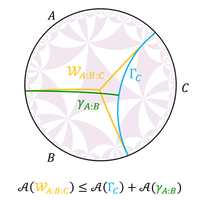
Phys. Rev. Lett. 136, 031602 (2026)
Particles and Fields
Fractal Spectrum in Twisted Bilayer Optical Lattice
Article | Atomic, Molecular, and Optical Physics | 2026-01-20 05:00 EST
Xu-Tao Wan, Chao Gao, and Zhe-Yu Shi
We investigate the full spectrum of twisted bilayer optical lattices (TBOLs) across all possible twist angles. Our calculation departs from the conventional moiré physics paradigm, which focuses on continuum theory at a fixed small twist angle. We discover that the full spectrum of a TBOL exhibits a…
Phys. Rev. Lett. 136, 033401 (2026)
Atomic, Molecular, and Optical Physics
Frequency Stability of $2.5×{10}^{-17}$ from a Si Cavity with AlGaAs Crystalline Mirrors
Article | Atomic, Molecular, and Optical Physics | 2026-01-20 05:00 EST
Dahyeon Lee, Zoey Z. Hu, Ben Lewis, Alexander Aeppli, Kyungtae Kim, Zhibin Yao, Thomas Legero, Daniele Nicolodi, Fritz Riehle, Uwe Sterr, and Jun Ye
A crystalline mirror coating significantly reduces fluctuations in the resonant frequency of an optical cavity.
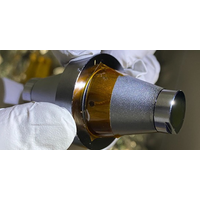
Phys. Rev. Lett. 136, 033801 (2026)
Atomic, Molecular, and Optical Physics
Gate-Tunable Spin Switching Effect and Bilinear Magnetoelectric Resistance in the Topological Semimetal
Article | Condensed Matter and Materials | 2026-01-20 05:00 EST
An-Qi Wang, Tong-Yang Zhao, Chuan Li, Xu-Dong Yang, Rui Zhu, Jing-Wei Dong, Alexander Brinkman, Chun-Guang Chu, and Zhi-Min Liao
Topological materials exhibit topologically protected surface states (TSS) characterized by helical spin texture and high charge-spin conversion efficiency, making them promising for high-performance spintronic devices. However, achieving gate control to switch between up and down spin-polarized sta…
Phys. Rev. Lett. 136, 036201 (2026)
Condensed Matter and Materials
Explicit Wave function of the Interacting Non-Hermitian Spin-$1/2$ 1D System
Article | Condensed Matter and Materials | 2026-01-20 05:00 EST
Yue Wang, Xiangyu Zhang, Zhesen Yang, and Congjun Wu
We present an explicit Bethe-ansatz wave function to a 1D spin- interacting fermion system, manifesting a many-body resonance resulting from the interplay between interaction and non-Hermitian spin-orbit coupling. In the dilute limit, the Bethe-ansatz wave function is factorized into Slater deter…
Phys. Rev. Lett. 136, 036501 (2026)
Condensed Matter and Materials
Generative Thermodynamic Computing
Article | Statistical Physics; Classical, Nonlinear, and Complex Systems | 2026-01-20 05:00 EST
Stephen Whitelam
A thermodynamic framework for creating an analog version of a neural network diffusion model exhibits eleven orders of magnitude better efficiency than its digital counterpart.

Phys. Rev. Lett. 136, 037101 (2026)
Statistical Physics; Classical, Nonlinear, and Complex Systems
Experimental Observation of Hidden Multistability in Nonlinear Systems
Article | Statistical Physics; Classical, Nonlinear, and Complex Systems | 2026-01-20 05:00 EST
Kun Zhang, Qicheng Zhang, Shuaishuai Tong, Wenquan Wu, Xiling Feng, and Chunyin Qiu
Experiments with programmable electroacoustic cavities reveal that a multistable system can be steered into states that are unreachable with conventional control methods.
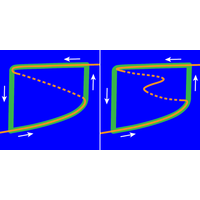
Phys. Rev. Lett. 136, 037201 (2026)
Statistical Physics; Classical, Nonlinear, and Complex Systems
Nonlinear Coupling Induced Anomalous State Transfer and Complete Multistate Excitation via Adiabatic Control
Article | Statistical Physics; Classical, Nonlinear, and Complex Systems | 2026-01-20 05:00 EST
Zhao-Xian Chen, Yi Ru, Guang-Chen He, Ming-Hui Lu, Yan-Feng Chen, Yan-Qing Lu, and Ze-Guo Chen
Nonlinear coupling reshapes attractor landscapes to produce anomalous state transitions and full multistate excitation under adiabatic control.
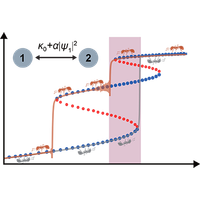
Phys. Rev. Lett. 136, 037202 (2026)
Statistical Physics; Classical, Nonlinear, and Complex Systems
Physical Review X
Erratum: Unitary $k$-Designs from Random Number-Conserving Quantum Circuits [Phys. Rev. X 15, 021022 (2025)]
Article | 2026-01-20 05:00 EST
Sumner N. Hearth, Michael O. Flynn, Anushya Chandran, and Chris R. Laumann
Phys. Rev. X 16, 019901 (2026)
arXiv
100 Glorious Years of the Ising Model
New Submission | Statistical Mechanics (cond-mat.stat-mech) | 2026-01-21 20:00 EST
Muktish Acharyya, Yurij Holovatch, Ferenc Igloi
This is an editorial article based on the reseaches on the Ising model over the last 100 years.
Statistical Mechanics (cond-mat.stat-mech), History and Philosophy of Physics (physics.hist-ph)
8 pages
Universal wrinkling dynamics of a sheet on viscous liquid
New Submission | Soft Condensed Matter (cond-mat.soft) | 2026-01-21 20:00 EST
Ayrton Draux, Marco Rizzo, Dominic Vella, Vincent Démery, Fabian Brau, Pascal Damman
We investigate the wrinkling dynamics of a thin elastic sheet that is indented or compressed while floating on a viscous liquid. We show that the deformation speed controls the dynamics, leading to a wrinkle wavelength significantly smaller than that selected under quasistatic compression. Once active compression ceases, the wrinkles coarsen until their wavelength relaxes toward the equilibrium value. We develop a theoretical model coupling Stokes flow in the liquid to elastic bending of the sheet, which quantitatively predicts both the initial wavelength selection and its subsequent coarsening. We demonstrate that the same mechanism governs two dimensional and axisymmetric geometries, thereby extending classical static wavelength selection laws to dynamic situations. Although developed from controlled laboratory experiments, the model captures a generic viscous-elastic coupling and applies broadly to thin elastic films interacting with viscous environments, including the formation of surface wrinkles in pahoehoe lava flows.
Soft Condensed Matter (cond-mat.soft), Materials Science (cond-mat.mtrl-sci), Fluid Dynamics (physics.flu-dyn)
In memoriam J. Robert Dorfman
New Submission | Statistical Mechanics (cond-mat.stat-mech) | 2026-01-21 20:00 EST
T.R. Kirkpatrick, J.V. Sengers, H.van Beijeren
An obituary of J.R. Dorfman. The focus is on his scientific career and on his many important publications.
Statistical Mechanics (cond-mat.stat-mech)
Physica A, 131247 (2025)
Homogeneous Microwave Delivery for Quantum Sensing with Nitrogen-Vacancy Centers at High Pressures
New Submission | Materials Science (cond-mat.mtrl-sci) | 2026-01-21 20:00 EST
Timothy A. Elmslie, Luca Basso, Adam Dodson, Jacob Henshaw, Andrew M. Mounce
Nitrogen vacancy (NV) centers have been demonstrated as a useful tool in high pressure environments. However, the geometry and small working area of the diamond anvil cells (DACs) used to apply pressure present a challenge to effective delivery of microwave (mw) fields. We designed and characterized a novel slotted design for mw transmission to nitrogen-vacancy centers (NVs) in a diamond anvil cell via zero-field and in-field optically detected magnetic resonance (ODMR) measurements across pressures between 1 and 48 GPa. The mw fields experienced by NVs across the diamond culet was calculated from Rabi frequency and found to be higher and more uniform than those generated by an equivalent simple mw line, which will improve performance for wide-field, high-pressure measurements to probe spatial variations across samples under pressure.
Materials Science (cond-mat.mtrl-sci), Mesoscale and Nanoscale Physics (cond-mat.mes-hall), Quantum Physics (quant-ph)
5 page main text, 7 page supplement, 4 figure main text, 13 figure supplement
Chemical Vapor Deposition Growth and Characterization of ReSe2
New Submission | Materials Science (cond-mat.mtrl-sci) | 2026-01-21 20:00 EST
Jowon Onasanyab, Mourad Benamara, Kanagaraj Moorthi, H. O. H. Churchill, Bothina Hamad, M. O. Manasreh
Two-dimensional (2D) flakes of ReSe2 structure were grown by chemical vapor deposition and investigated at room temperature using Raman, photoluminescence, and absorption spectroscopies. The Raman spectra revealed eighteen phonon modes in the range of 100-300 cm-1 that were found in good agreement with the density functional theory (DFT) calculations. The thickness profiles of the ReSe2 flakes are in the range of 5-50 nm. The ReSe2 crystal structure and morphology were investigated using XRD, atomic force microscopy and scanning electron microscopy. The energy dispersion spectroscopy confirmed the 1:2 elemental composition. The absorption spectra were obtained for ReSe2 flakes and found to exhibit excitonic peaks in the spectral region of 885 - 942 nm. These peaks are used to define the band gap of the material. The DFT calculations predicted an indirect bandgap of 0.88 eV for the bulk structure, while a direct bandgap of 1.26 eV was predicted for the monolayer.
Materials Science (cond-mat.mtrl-sci)
Quantum Kernel Machine Learning for Autonomous Materials Science
New Submission | Materials Science (cond-mat.mtrl-sci) | 2026-01-21 20:00 EST
Felix Adams (1), Daiwei Zhu (2), David W. Steuerman (2), A. Gilad Kusne (1 and 3), Ichiro Takeuchi (1 and 4) ((1) University of Maryland College Park, (2) IonQ, (3) National Institute for Standards and Technology, (4) University of Maryland Quantum Materials Center)
Autonomous materials science, where active learning is used to navigate large compositional phase space, has emerged as a powerful vehicle to rapidly explore new materials. A crucial aspect of autonomous materials science is exploring new materials using as little data as possible. Gaussian process-based active learning allows effective charting of multi-dimensional parameter space with a limited number of training data, and thus is a common algorithmic choice for autonomous materials science. An integral part of the autonomous workflow is the application of kernel functions for quantifying similarities among measured data points. A recent theoretical breakthrough has shown that quantum kernel models can achieve similar performance with less training data than classical models. This signals the possible advantage of applying quantum kernel machine learning to autonomous materials discovery. In this work, we compare quantum and classical kernels for their utility in sequential phase space navigation for autonomous materials science. Specifically, we compute a quantum kernel and several classical kernels for x-ray diffraction patterns taken from an Fe-Ga-Pd ternary composition spread library. We conduct our study on both IonQ’s Aria trapped ion quantum computer hardware and the corresponding classical noisy simulator. We experimentally verify that a quantum kernel model can outperform some classical kernel models. The results highlight the potential of quantum kernel machine learning methods for accelerating materials discovery and suggest complex x-ray diffraction data is a candidate for robust quantum kernel model advantage.
Materials Science (cond-mat.mtrl-sci), Machine Learning (cs.LG), Quantum Physics (quant-ph)
Deriving a comprehensive dataset of optical constants for metal halide perovskites
New Submission | Materials Science (cond-mat.mtrl-sci) | 2026-01-21 20:00 EST
Akash Dasgupta, Shuaifeng Hu, Seongrok Seo, Qimu Yuan, Yorrick Boeije, Michael Johnston, Sam Stranks, Henry Snaith
Accurate optical constants are essential for modelling light propagation, absorption, and ultimately photovoltaic performance in state of the art perovskite solar cells and is especially important for multiple junction or tandem cells. However, available datasets for metal halide perovskites remain sparse, inconsistent in quality, and often suffer from unphysical sub bandgap extinction caused by surface roughness and limitations of conventional ellipsometry fits. Here, we present a comprehensive library of complex refractive indices (n,k) for a technologically relevant set of FA based lead perovskites, spanning bromide compositions from 0 to 100 percent, and mixed Pb Sn perovskites with Sn fractions from 0 to 60 %. Using state of the art fabrication protocols that yield high quality films, we combine variable angle spectroscopic ellipsometry measurements with highly sensitive sub bandgap probes, including photothermal deflection spectroscopy for neat lead based perovskites and Fourier transform photocurrent spectroscopy for Pb Sn alloys, to reconstruct fully zeroed dielectric functions across and below the band edge. The measured data are then stitched and recalculated via a Kramers Kronig consistent framework, ensuring physically accurate behaviour across the full spectral range. Finally, we introduce a transformation based interpolation scheme that preserves spectral shape and feature alignment, enabling reliable determination of (n,k) for any intermediate composition or band gap. This complete dataset and interpolation protocol provide a standardized foundation for optical modelling of perovskite and tandem solar cells, addressing longstanding data gaps and supporting accurate simulations of next generation photovoltaic architectures.
Materials Science (cond-mat.mtrl-sci)
Data at: this https URL
Discovery of Van Hove Singularities: Electronic Fingerprints of 3Q Magnetic Order in a van der Waals Quantum Magnet
New Submission | Materials Science (cond-mat.mtrl-sci) | 2026-01-21 20:00 EST
Hai-Lan Luo, Josue Rodriguez, Debasis Dutta, Maximilian Huber, Haoyue Jiang, Luca Moreschini, Catherine Xu, Alexei Fedorov, Chris Jozwiak, Aaron Bostwick, Guoqing Chang, James G. Analytis, Dung-Hai Lee, Alessandra Lanzara
Magnetically intercalated transition metal dichalcogenides are emerging as a rich platform for exploring exotic quantum states in van der Waals magnets. Among them, CoxTaS2 has attracted intense interest following the recent discovery of a distinctive 3Q magnetic ground state and a pronounced anomalous Hall effect below a critical doping of x=1/3, both intimately tied to cobalt concentration. To date, direct signatures of this enigmatic 3Q magnetic order in the electronic structure remain elusive. Here we report a comprehensive doping dependent angle resolved photoemission spectroscopy study that unveils these long-sought fingerprints. Our data reveal an unexpected “inverse Mexican hat” dispersion along the K-M-K direction, accompanied by two van Hove singularities. These features are consistent with theoretical predictions for a 3Q magnetic order near three-quarters band filling on a cobalt triangular lattice. These results provide evidence of 3Q magnetic order in the electronic structure, establishing TMD van der Waals magnets as tunable materials to explore the interplay between magnetism and topology.
Materials Science (cond-mat.mtrl-sci)
23 pages, 4 figures. Accepted in Nature Communications
Spin-Valley Locking in 2H-TaS2 and Its Co-Intercalated Counterpart: Roles of Surface Domains and Co Intercalation
New Submission | Materials Science (cond-mat.mtrl-sci) | 2026-01-21 20:00 EST
Hai-Lan Luo, Josue Rodriguez, Maximilian Huber, Haoyue Jiang, Luca Moreschini, Pranav Thekke Madathil, Catherine Xu, Chris Jozwiak, Aaron Bostwick, Alexei Fedorov, James G. Analytis, Dung-Hai Lee, Alessandra Lanzara
Tuning and probing spin-valley coupling is key to understanding correlated ground states in 2$ \it{H}$ -TaS$ _2$ . Its magnetically intercalated analogue, Co$ _{1/3}$ TaS$ _2$ , introduces additional degrees of freedom, including modified interlayer coupling and magnetism, to modulate spin-valley physics. Surface-sensitive probes like ARPES are essential for accessing surface spin texture, yet previous studies on 2$ \it{H}$ -TMDs have reported conflicting results regarding spin-polarized bands, leaving open whether these discrepancies are intrinsic or extrinsic. Here we performed spatially resolved spin-ARPES measurements on 2$ \it{H}$ -TaS$ _2$ and Co$ _{1/3}$ TaS$ _2$ . Our results reveal robust spin-valley locking on both compounds. Importantly, Co intercalation enhances interlayer hybridization and introduces magnetism while preserving the TaS$ _2$ -derived spin texture. We further observe a spatial reversal of the out-of-plane spin polarization, which we attribute to different surface domains. This effect complicates quantifying spin textures and may underlie prior inconsistent observations. Our findings provide microscopic insight into how interlayer interactions and surface domains together govern spin-valley phenomena in layered TMDs.
Materials Science (cond-mat.mtrl-sci)
9 pages, 5 figures
Reversible to Irreversible Transitions in Pattern-Forming Systems with Cyclic Interactions
New Submission | Statistical Mechanics (cond-mat.stat-mech) | 2026-01-21 20:00 EST
C. Reichhardt, C.J.O. Reichhardt
Transitions from reversible to irreversible or fluctuating states above a critical density and shear amplitude have been extensively studied in non-thermal cyclically sheared suspensions and amorphous solids. Here, we propose that the same type of reversible to irreversible transition occurs for a system of particles with competing short-range attraction and long-range repulsion, which can form crystals, stripes, and bubbles as the ratio of attraction to repulsion varies. By oscillating the strength of the attractive part of the potential, we find that the system can organize into either time-periodic states consisting of nondiffusive complex closed orbits, or into a diffusive fluctuating state. A critical point separates these states as a function of the maximum strength of the attraction, oscillation frequency, and particle density. We also find a re-entrant behavior of the reversible state as a function of the strength of the attraction and the oscillation frequency.
Statistical Mechanics (cond-mat.stat-mech), Soft Condensed Matter (cond-mat.soft)
6 pages, 4 figures
Self-organized defect-phases along dislocations in irradiated alloys
New Submission | Materials Science (cond-mat.mtrl-sci) | 2026-01-21 20:00 EST
N. Saunders, R. S. Averback, P. Bellon
Patterning of precipitates along dislocation lines arising from nonequilibrium segregation during ion irradiation is investigated in model binary alloys. Lattice kinetic Monte Carlo simulations reveal that the competition between solute advection by point defects to the dislocation and thermal diffusion along the dislocation can stabilize self-organized nanostructures with distinct morphologies, including tubes and quasi-periodic necklaces. The stabilization of nano-necklaces is rationalized by heavy-tail power-law distributions for solute redistribution along the dislocation due to advection.
Materials Science (cond-mat.mtrl-sci)
31 pages, 11 figures
Local Structure of Epitaxial Single Crystal UO$_{2+x}$ Thin Films
New Submission | Materials Science (cond-mat.mtrl-sci) | 2026-01-21 20:00 EST
Jarrod C. Lewis, Steven D. Conradson, Jacek Wasik, Lottie M. Harding, Rebecca Nicholls, Jude Laverock, Chris Bell, Ross Springell
The influence of oxygen stoichiometry on the uranium local environment is explored in epitaxial single crystal uranium oxide thin films grown by DC magnetron sputtering. Through post-growth annealing, the stoichiometry of as-grown UO$ {2}$ films are tuned over an approximate stoichiometry range of $ 0.07 \leq x \leq 0.20$ , estimated with X-ray photoelectron spectroscopy measurements of the U$ -4f$ and O$ -1s$ peaks. The local structure of the thin films are then probed using extended X-ray absorption fine structure measurements at the U $ L{3}$ absorption edge. We observe both the evolution of the U local environment of as a function of oxidation in UO$ _{2+x}$ , and that the near stoichiometric UO$ _{2}$ film replicates the local structure of bulk UO$ _{2}$ material standards well. The series of stoichiometrically varied samples highlights the non-trivial transitional behaviour of the UO$ _{2+x}$ oxygen sublattice with increasing oxygen content in this stoichiometric regime, while also demonstrating the efficacy of this thin film synthesis route for actinide studies beyond their established use as idealised surfaces, which could be readily adapted for further stoichiometrically tailored material studies and UO$ _{2+x}$ device fabrication.
Materials Science (cond-mat.mtrl-sci)
23 pages, 13 figures
Transition Metal Dichalcogenide MoS${}_2$: oxygen and fluorine functionalization for selective plasma processing
New Submission | Materials Science (cond-mat.mtrl-sci) | 2026-01-21 20:00 EST
Yury Polyachenko, Yuri Barsukov, Shoaib Khalid, Igor Kaganovich
Low-temperature plasma processing is a promising technique for tailoring the properties of transition metal dichalcogenides (TMDs) because it allows for precise control of radical and ion energies and fluxes. For chalcogen substitution, a key challenge is to identify the ion energy window that enables selective chalcogen removal while preserving the metal lattice. Using ab-initio molecular dynamics (AIMD), we demonstrate that oxygen and fluorine functionalization through thermal chemisorption significantly lowers the sputtering energy threshold ($ E_{sputt}$ ) of MoS$ {}_2$ from $ \sim 35$ eV to $ \sim 10$ eV. In addition, we find that a non-orthogonal impact angle $ \sim 30{}^{\circ}$ reduces the sputtering energy threshold, while cryogenic-range TMD temperatures may increase. To explain the observed trends, a multi-step sputtering mechanism is proposed. Our results show that oxygen/fluorine functionalization, impact angle, and material temperature are key control parameters for selective, damage-free chalcogen removal in TMD processing.
Materials Science (cond-mat.mtrl-sci), Mesoscale and Nanoscale Physics (cond-mat.mes-hall), Chemical Physics (physics.chem-ph)
50 pages, 5 main figures, 12 SI figures, submitted
Thermodynamic assessment of the Ba-La-S and Ga-La-S systems
New Submission | Materials Science (cond-mat.mtrl-sci) | 2026-01-21 20:00 EST
Jiayang Wang, Guangyu Hu, Pierre Lucas, Marat I. Latypov
This paper presents the first thermodynamic assessment of binary and pseudo-binary phase diagrams in the Ba–La–S and Ga–La–S systems by means of the CALPHAD method. Experimental phase diagram equilibrium data and thermodynamic properties available from the literature were critically reviewed and assessed using thermodynamic models for the Gibbs energies of individual phases. The associated solution model was used to describe the short-range ordering behavior of the liquid phases. To supplement the limited experimental data reported in the literature, ab initio molecular dynamics calculations were employed to derive mixing enthalpies of the liquid phases in the binary subsystems. The resulting phase diagrams and calculated thermodynamic properties show good agreement with available literature within the investigated compositional ranges of binary and pseudo-binary systems.
Materials Science (cond-mat.mtrl-sci)
Exciton-polaron Umklapp scattering in Wigner crystals
New Submission | Mesoscale and Nanoscale Physics (cond-mat.mes-hall) | 2026-01-21 20:00 EST
Erfu Liu, Matthew Wilson, Jenny Hu, Alexandra Zimmerman, Amal Mathew, Tianyi Ouyang, Ao Shi, Takashi Taniguchi, Kenji Watanabe, Tony F. Heinz, Yia-Chung Chang, Chun Hung Lui
Strong Coulomb interactions in two-dimensional (2D) semiconductors give rise to tightly bound excitons, exciton polarons, and correlated electronic phases such as Wigner crystals (WCs), yet their mutual interplay remains poorly understood. Here we report the observation of multi-branch excitonic Umklapp scattering in both electron and hole WCs realized in ultraclean monolayer WSe$ _2$ , exhibiting exceptionally high melting temperatures (T$ _c$ $ \approx$ 20-30 K). Robust Wigner crystallization activates multiple finite-momentum optical resonances, including quasilinearly dispersing, light-like excitons and exciton polarons, extending far beyond the single excitonic Umklapp feature reported previously. Helicity-resolved magneto-optical measurements reveal a pronounced valley dependence of the scattering processes. Combined experiment and theory identify a polaron-induced brightening mechanism in which exciton polarons transfer oscillator strength from bright zero-momentum states to otherwise dark finite-momentum states, explaining the emergence of multiple Umklapp branches where conventional exciton-WC scattering is ineffective. These results establish WC polarons as a new quasiparticle paradigm and introduce polaron-induced Umklapp scattering as a general route to accessing finite-momentum many-body excitations in 2D quantum materials.
Mesoscale and Nanoscale Physics (cond-mat.mes-hall)
Laughlin pumping assisted by surface acoustic waves
New Submission | Mesoscale and Nanoscale Physics (cond-mat.mes-hall) | 2026-01-21 20:00 EST
Renfei Wang, Xiao Liu, Adbhut Gupta, Kirk W. Baldwin, Loren Pfeiffer, Wenfeng Zhang, Rui-Rui Du, Mansour Shayegan, Xi Lin, Ying-Hai Wu, Yang Liu
The quantum Hall effect is a fascinating electrical transport phenomenon signified by precise quantization of Hall conductivity $ \sigma_\mathrm{xy}$ and vanishing longitudinal conductivity $ \sigma_\mathrm{xx}$ . Laughlin proposed an elegant explanation in which adiabatic insertion of a flux tube pumps charge through the system. This analysis unveils the fundamental role of gauge invariance and provides a compelling argument about the fractional charge of fractional quantum Hall states. While it has been used extensively as a theoretical tool, a quantitative experimental investigation is lacking despite multiple attempts. Here we report successful realizations of Laughlin pumping in several integer and fractional quantum Hall states. One essential technical innovation is using surface acoustic waves to periodically clear the charges accumulated during the pumping process. Magnetic fluxes are inserted at a constant rate so there is no need to perform complicated data fitting. Furthermore, our setting can reliably extract $ \sigma_\mathrm{xx}$ that is several orders of magnitude lower than the limit of conventional techniques. Effective energy gaps can be deduced from the temperature dependence of $ \sigma_\mathrm{xx}$ , which are drastically different from those provided by conventional transport data. This work not only brings a famous gedanken experiment to reality but also serves as a portal for many future investigations.
Mesoscale and Nanoscale Physics (cond-mat.mes-hall)
23 pages, 14 figures
Far tails of the biased CTRW model under the short time limit
New Submission | Statistical Mechanics (cond-mat.stat-mech) | 2026-01-21 20:00 EST
Wanli Wang, Kaixin Zhang, Yuda Cheng
It has been observed in numerous experiments, simulations, and various theoretical treatments that the spreading of particles can be modeled by the continuous-time random walk. We consider two well-known cases, i.e., Gaussian displacements and discrete displacements, to compute the position distribution and demonstrate the emergence of exponential decay in the far tails when a bias is introduced. We further analyze the temporal rate function and the positional rate function to examine the convergence of the theoretical predictions. For Gaussian displacements, we further discuss the relationship between the position distributions with and without bias in different asymptotic limits.
Statistical Mechanics (cond-mat.stat-mech)
Magnetoexcitons and Massive Dirac Fermions in Monolayers of Transition Metal Dichalcogenides in a High Magnetic Field
New Submission | Mesoscale and Nanoscale Physics (cond-mat.mes-hall) | 2026-01-21 20:00 EST
Katarzyna Sadecka, Marek Korkusinski, Ludmiła Szulakowska, Paweł Hawrylak
We present a theory of the emission spectrum of magnetoexcitons interacting with a $ \nu = 1$ quantum Hall state of massive Dirac fermions in monolayer transition metal dichalcogenides in high magnetic fields. Using an ab initio-parametrized massive Dirac fermion model including valley and spin degrees of freedom, combined with exact diagonalization techniques, we show that interband emission from the massive Dirac Fermion magnetoexciton interacting with $ \nu = 1$ state directly probes intra-conduction-band excitations of the $ \nu = 1$ . Many-body interactions with the filled massive Dirac fermion $ \nu = 1$ level yield a strong renormalization of the emission spectrum, including fully polarized emission, a pronounced redshift, and broadening relative to neutral and charged excitons. The calculated spectra are consistent with recent experiments [1-3], establishing magneto-spectroscopy as a probe of finite carrier densities in massive Dirac systems.
Mesoscale and Nanoscale Physics (cond-mat.mes-hall)
4+6 figures
Topological transitions in the presence of quenched uncorrelated disorder
New Submission | Disordered Systems and Neural Networks (cond-mat.dis-nn) | 2026-01-21 20:00 EST
We address issues related to the presence of defects at topological transitions, in particular when defects are modeled in terms of further variables associated with a quenched disorder, corresponding to the limit in which the defect dynamics is very slow. As a paradigmatic model, we consider the three-dimensional lattice $ {\mathbb Z}_2$ gauge model in the presence of quenched uncorrelated disorder associated with the plaquettes of the lattice, whose topological transitions are characterized by the absence of a local order parameter. We study the critical behaviors in the presence of weak disorder. We show that they belong to a new topological universality class, different from that of the lattice $ {\mathbb Z}_2$ gauge models without disorder, in agreement with the Harris criterium for the relevance of uncorrelated quenched disorder when the pure system undergoes a continuous transition with positive specific-heat critical exponent.
Disordered Systems and Neural Networks (cond-mat.dis-nn), Statistical Mechanics (cond-mat.stat-mech), High Energy Physics - Lattice (hep-lat)
9 pages, 6 pdf figures
The CP-PAW code package for first-principles calculations from a user’s perspective
New Submission | Materials Science (cond-mat.mtrl-sci) | 2026-01-21 20:00 EST
Peter E. Blöchl, Robert Schade, Lukas Allen-Rump, Sangeeta Rajpurohit, Amrith Rathnakaran, Konstantin Tamoev, Mani Lokamani, Thomas D. Kühne
CP-PAW is a combined electronic structure and ab-initio molecular dynamics code to perform mixed quantum and classical simulations of atomistic condensed phase systems, such as solids, liquids, and molecular systems. As the name suggests, the CP-PAW code unifies the all-electron projector augmented-wave method with the Car-Parrinello approach to determine not only the electronic and nuclear ground state of condensed matter, but also to study their properties and dynamics. In addition to briefly outlining the underlying theory, the focus will be on unique aspects of CP-PAW and how to correctly employ them as a user. How to install CP-PAW using the new build system will also be briefly mentioned.
Materials Science (cond-mat.mtrl-sci), Disordered Systems and Neural Networks (cond-mat.dis-nn), Statistical Mechanics (cond-mat.stat-mech), Chemical Physics (physics.chem-ph), Computational Physics (physics.comp-ph)
34 pages, 9 figures
Robustness of the Kohn-Luttinger mechanism against symmetry breaking
New Submission | Superconductivity (cond-mat.supr-con) | 2026-01-21 20:00 EST
Amir Dalal, Jonathan Ruhman, Vladyslav Kozii
We investigate how strongly broken spatial symmetries affect the Kohn–Luttinger (KL) mechanism, in which superconductivity emerges purely from repulsive interactions. While the original KL argument assumes continuous rotational symmetry, real materials possess only discrete point-group symmetries, raising a central question: can sufficiently strong symmetry breaking suppress or eliminate KL superconductivity? Using controlled perturbation theory and explicit two-dimensional models with Ising and Rashba spin–orbit coupling (SOC), we find that KL superconductivity is broadly robust and exhibits qualitatively universal behavior across models: the transition temperature $ T_c$ is nonmonotonic in the symmetry-breaking field, shows a pronounced maximum at scales of the order of the Fermi energy, and decays exponentially toward zero at asymptotically large fields. However, the physical mechanisms determining this suppression may differ between models. Overall, these results demonstrate that KL-type superconductivity can persist across a wide class of spin–orbit-coupled systems.
Superconductivity (cond-mat.supr-con)
Spin-dependent Raman and Brillouin light scattering on excitons in CsPbBr$_3$ perovskite crystals
New Submission | Materials Science (cond-mat.mtrl-sci) | 2026-01-21 20:00 EST
Ina V. Kalitukha, Victor F. Sapega, Dmitri R. Yakovlev, Dennis Kudlacik, Damien Canneson, Yury G. Kusrayev, Anna V. Rodina, Manfred Bayer
The spin properties of excitons and charge carriers in CsPbBr$ _3$ lead halide perovskite crystals are investigated by spin-dependent light scattering in magnetic fields up to 10 T. Spin-flip Raman scattering spectra measured under resonant excitation of exciton-polaritons show a rich variety of features provided by the Zeeman splittings of excitons and of electrons and holes interacting with the excitons. The magnitudes and anisotropies of their Landé $ g$ -factors are measured. A detailed consideration of the responsible mechanisms is presented and discussed in relation to the experimental data, in particular on the polarization properties of the Raman spectra. We consider several mechanisms for the combined spin-flip Raman scattering processes involving resident carriers and photoexcited excitons and suggest new ones, involving trions in the intermediate scattering state. A double electron spin-flip caused by the exciton interaction with two localized or donor-bound electrons is revealed. The spectral lines of Brillouin light scattering on exciton-polaritons shift in energy and become polarization-sensitive in magnetic field, evidencing the splitting of the exciton-polariton dispersion.
Materials Science (cond-mat.mtrl-sci)
Electric Charge Transport and Dielectric Properties of the Barium Titanate Ceramics Obtained by Spark-Plasma Sintering with Different Controlled Carbon Content
New Submission | Materials Science (cond-mat.mtrl-sci) | 2026-01-21 20:00 EST
Oleksandr S. Pylypchuk, Victor V. Vainberg, Denis O. Stetsenko, Oleksii V. Bereznikov, Taisiia O. Kuzmenko, Serhii E. Ivanchenko, Bohdan Pokhylko, Vladyslav Kushnir, Lesya Demchenko, Volodimir N. Poroshin, Victor I. Styopkin, Anna N. Morozovska
Barium titanate (BaTiO3) ceramics with a different controlled content of carbon were synthesized by spark-plasma sintering (SPS) at the temperature of 1100 C in vacuum under pressure. The concentration and distribution of carbon impurity inside the samples is estimated by scanning electron microscopy (SEM). The resistivity vs temperature and electric field dependences of the SPS ceramics with different carbon concentration have been studied. It is shown that their conduction is determined by the variable range hopping mechanism and obeys the Mott law. The density of localized states and localization radius of the electron wave function are determined. The difference in low-temperature resistivity of the SPS ceramics is caused by carbon concentration and connected with it variation of the dielectric permittivity. The relative dielectric permittivity of the SPS ceramics is colossal and reaches the values of 10^5 - 10^6 order. The larger carbon concentration is, the smaller the permittivity and resistivity are within the Mott hopping conduction temperature range. In the range from 250 K to 408 K one observes that the dielectric permittivity strongly increases forming a maximum in all samples, which may be related to the phase transition. Along with this, resistivity manifests a simultaneous sharp decrease. The decrease of resistivity along with the characteristic dependence of resistivity vs dielectric permittivity in the Mott conduction temperature range, evidences the validity of Heywang model for the description of SPS ceramics conduction mechanisms. The resistivity strongly decreases with increasing frequency in the AC regime, which agrees both with models of hopping conduction and effects based on the Maxwell-Wagner model. The studied SPS BaTiO3 ceramics are attractive for applications in energy storage and sensorics.
Materials Science (cond-mat.mtrl-sci)
21 pages, 8 figures and 1 Appendix
Space-resolved stress correlations and viscoelastic moduli for polydisperse systems: the faces of the stress noise
New Submission | Soft Condensed Matter (cond-mat.soft) | 2026-01-21 20:00 EST
Jörg Baschnagel, Alexander N. Semenov
Several advances in the theory of space-resolved viscoelasticity of liquids and other amorphous systems are discussed in the present paper. In particular, considering long-time regimes of stress relaxation in liquids we obtain the generalized compressibility equation valid for systems with mass polydispersity, and derive a new relation allowing to calculate the wavevector-dependent equilibrium transverse modulus in terms of the generalized structure factors. Turning to the basic relations between the spatially-resolved relaxation moduli and the spatio-temporal correlation functions of the stress tensor, we provide their new derivation based on a conceptually simple argument that does not involve consideration of non-stationary processes. We also elucidate the relationship between the stress noise associated with the classical Newtonian dynamics and the reduced deviatoric stress coming from the Zwanzig-Mori projection operator formalism. The general relations between the stress noise and the tensor of relaxation moduli are discussed as well.
Soft Condensed Matter (cond-mat.soft)
35 pages
Ratchet effect in lateral plasmonic crystal: Giant enhancement due to interference of “bright” and “dark” modes
New Submission | Mesoscale and Nanoscale Physics (cond-mat.mes-hall) | 2026-01-21 20:00 EST
I. V. Gorbenko, S. O. Potashin, V.Yu. Kachorovskii
We develop a theory of the ratchet effect in a lateral plasmonic crystal (LPC) formed by a two dimensional electron gas under a periodic dual-grating gate. The system is driven by terahertz radiation, and the spatial asymmetry required for the generation of dc photocurrent is introduced by a phase shift between the radiation’s near-field modulation and the static electron density profile. In contrast to the commonly used perturbative “minimal model” of the ratchet effect, which assumes weak density modulation, we solve the problem exactly with respect to the static gate-induced potential while treating the radiation field perturbatively. This approach reveals a dramatic enhancement of the plasmonic contribution to the ratchet current due to the interference of “bright” and “dark” plasmon modes, which are excited on an equal footing in the asymmetric LPC. Specifically, we predict a parametric growth of the plasmonic peak as compared with the Drude peak with increasing coupling, and the appearance of a dense super-resonant structure when the spacing between plasmonic sub-bands becomes larger than the damping rate. Hence, the dc response exhibits both resonant and super-resonant regimes observed in recent experiments on the radiation transmission through the LPC. The interplay of bright and dark modes, together with their interference, provides a powerful mechanism for controlling the magnitude and sign of the photocurrent by gate voltages and the radiation frequency.
Mesoscale and Nanoscale Physics (cond-mat.mes-hall)
18 pages, 20 figures
Measurement-induced crossover in quantum first-detection times
New Submission | Statistical Mechanics (cond-mat.stat-mech) | 2026-01-21 20:00 EST
Giovanni Di Fresco, Aldo Coraggio, Alessandro Silva, Andrea Gambassi
The quantum first-detection problem concerns the statistics of the time at which a system, subject to repeated measurements, is observed in a prescribed target state for the first time. Unlike its classical counterpart, the measurement back action intrinsic to quantum mechanics may profoundly alter the system dynamics. Here we show that it induces a distinct change in the statistics of the first-detection time. For a quantum particle in one spatial dimension subject to stroboscopic measurements, we observe an algebraic decay of the probability of the first-detection time if the particle is free, an exponential decay in the presence of a confining potential, and a time-dependent crossover between these behaviors if the particle is partially confined. This crossover reflects the purely quantum nature of the detection process, which fundamentally distinguishes it from the first-passage problem in classical systems.
Statistical Mechanics (cond-mat.stat-mech), Quantum Physics (quant-ph)
6 pages, 5 figures
Single-Atom Tuning of Structural and Optoelectronic Properties in Halogenated Anthracene-Based Covalent Organic Frameworks
New Submission | Materials Science (cond-mat.mtrl-sci) | 2026-01-21 20:00 EST
Klaudija Paliušytė, Laura Fuchs, Zehua Xu, Kuangjie Liu, Kornel Roztocki, Shuo Sun, Hendrik Zipse, Achim Hartschuh, Frank Ortmann, Jenny Schneider
Strategies for tuning structural and (opto-)electronic properties are fundamental to the rational design of functional materials. Here, we present a molecular design approach for precisely modulating the optoelectronic properties of covalent organic frameworks (COFs) through single-atom halogen substitution on $ \pi$ -extended anthracene linkers. Using a Wurster-type tetratopic amine (W-NH$ _2$ ) and a series of anthracene-based dialdehydes bearing H, Cl, Br, or I at the 2-position, a family of imine-linked COFs, W-A-X (X = H, Cl, Br, I), was synthesized, all displaying well-ordered porous structures. The halogen substituent strongly influences framework formation, with brominated COFs forming substantially larger crystalline domains than their chloro- and iodo-functionalized analogues. UV-vis absorption and photoluminescence measurements reveal a systematic redshift across the series $ (\mathrm{H < Cl < Br < I})$ , demonstrating that a single-atom modification effectively tunes the optical response. Time-dependent density functional theory calculations on both isolated fragments and extended COF models attribute these trends to halogen-induced changes in the COF band structure and provide a mechanistic understanding of how single-atom substitution influences the optoelectronic properties of the extended $ \pi$ -framework. Overall, this study establishes single-atom halogen substitution as a powerful and modular strategy for tailoring the structural and optical properties of anthracene-based COFs.
Materials Science (cond-mat.mtrl-sci)
main text and supporting information
Stochastic dynamics from maximum entropy in action space
New Submission | Statistical Mechanics (cond-mat.stat-mech) | 2026-01-21 20:00 EST
Fabricio de Souza Luiz, José Carlos Bellizotti Souza, Luísa Toledo Tude, Marcos César de Oliveira
We develop an information-theoretic formulation of stochastic dynamics in which the fundamental stochastic variable is the total action connecting spacetime points, rather than individual paths. By maximizing Shannon entropy over a joint distribution of actions and endpoints, subject to normalization and a constraint on the mean action, we obtain a Boltzmann-like distribution in action space. This framework reproduces the standard Brownian propagator in the nonrelativistic limit and naturally extends to relativistic regimes, where the Wiener construction fails to preserve Lorentz covariance. The approach bypasses functional integration over paths, makes the role of entropic degeneracy explicit through an action-space density of states, and provides a transparent connection between the principle of least action and statistical inference. We derive the density of states explicitly using large deviation theory, showing that it takes a Gaussian form centered at the minimal action, and rigorously justify the saddle-point approximation in the diffusive regime. The Markovian property of the resulting propagator is verified to hold via the Chapman–Kolmogorov equation, following from the additivity of the minimal action for free-particle dynamics. In the diffusive regime, the resulting dynamics are governed by a competition between extremization of the action and entropic effects, which can be interpreted in terms of an effective action free energy. Our results establish an unified, covariant, and information-based foundation for classical and relativistic stochastic processes.
Statistical Mechanics (cond-mat.stat-mech), Classical Physics (physics.class-ph)
21 pages, 1 figures
Significant impact of Al1-xGaxN interlayer on GaN/AlN thermal boundary conductance
New Submission | Materials Science (cond-mat.mtrl-sci) | 2026-01-21 20:00 EST
Khalid Zobaid Adnan, Hao Zhou, Tianli Feng
AlN-GaN heterostructures are central to high-power and high-frequency electronics, including RF devices, power converters, and AI accelerators. An intermediate Al1-xGaxN (AlGaN) layer is often present, either unintentionally during growth or intentionally to induce a 2D electron gas, yet its impact on the interfacial thermal boundary conductance (TBC) remains unknown due to the lack of reliable measurement or modeling methods. Here, we report a first principles-based evaluation of the TBCs of AlN-AlGaN, AlGaN-GaN, and AlN-AlGaN-GaN interfaces over the full alloy range. This is realized by the development of accurate deep learning interatomic potentials based on first-principles simulations. Contrary to other material systems where mixed interlayers enhance thermal coupling, we find that an AlGaN interlayer markedly degrades TBC between GaN and AlN, explaining the observation in experiments. Finally, we show that if the Al composition is sigmoidally transitioned from 0 to 1 across the AlN-GaN interface, it can remarkably increase the TBC, compared to an abrupt or a linear transition. This work is expected to shed light on an accurate thermal analysis and electro-thermal co-design of future AlGaN-based devices.
Materials Science (cond-mat.mtrl-sci)
15 pages, 4 Figures
Observation of correlated plasmons in low-valence nickelates
New Submission | Strongly Correlated Electrons (cond-mat.str-el) | 2026-01-21 20:00 EST
Y. Shen, W. He, J. Sears, Xuefei Guo, Xiangpeng Luo, A. Roll, J. Li, J. Pelliciari, Xi He, I. Bozovic, Junjie Zhang, J. F. Mitchell, V. Bisogni, M. Mitrano, S. Johnston, M. P. M. Dean
The discovery of nickelate superconductors has opened a new arena for studying the behavior of correlated electron liquids that give rise to unconventional superconductivity. While critical information about a material’s charge dynamics is encoded in its plasmons, collective modes of the electron gas, these excitations have not yet been observed in nickelate materials. Here, we use resonant inelastic x-ray scattering (RIXS) to detect plasmons in the metallic, low-valence nickelate Pr4Ni3O8. Although qualitatively similar to those in cuprates, the nickelate plasmons are more heavily damped and have a lower velocity than those in a cuprate at comparable doping, which we attribute to reduced electronic hopping and enhanced screening of the long-range Coulomb interactions. Furthermore, the plasmons in Pr4Ni3O8 soften with increasing temperature, in contrast to the cuprate, where plasmons remain at nearly fixed energy but become more strongly damped. Taken together, these results reveal a distinct charge-screening landscape in nickelates and place quantitative constraints on analogies to cuprates.
Strongly Correlated Electrons (cond-mat.str-el), Superconductivity (cond-mat.supr-con)
6 pages plus references, appendices, and supplements
Reentrant superconductivity and Stoner boundaries in twisted WSe$_2$
New Submission | Superconductivity (cond-mat.supr-con) | 2026-01-21 20:00 EST
Lauro B. Braz, Luis G.G.V. Dias da Silva
We investigate spin-valley instabilities and their connection to the reentrant superconducting states recently observed in the twisted bilayer dichalcogenide WSe$ _2$ at a $ 5^o$ twist angle. Starting from an effective three-orbital faithful Wannier model for the spin-locked moiré bands, combined with orbital-dependent Hubbard interactions, we analyze the evolution of magnetic instabilities as a function of carrier density using the matrix random phase approximation (mRPA) approach. By computing the Stoner boundary lines from the spin-valley susceptibilities over the electric-field by hole filling phase diagram, we show that the spin-valley instabilities result in ordered states in the region close to the Lifshitz transition at the topmost moiré valence band, marked by crossing of the van Hove singularity in the density of states. These spin-valley ordered states are dominated by interorbital spin-valley-flips involving the $ MM$ and $ MX$ moiré orbitals and occur at different momenta in each side of the van Hove line, indicating a distinct spatial dependence of the spin-valley order parameter depending on the hole filling. Moreover, the corresponding Stoner boundaries exhibit strong fluctuations on its flanks, which can favor superconducting states in the regions close to the spin-valley-ordered ones. This mechanism provides a natural description for a reentrant superconducting dome consistent with the experimental results. As such, our results suggest spin-valley fluctuations near the van-Hove line as the microscopic origin of the reentrant superconductivity in twisted WSe$ _2$ .
Superconductivity (cond-mat.supr-con), Mesoscale and Nanoscale Physics (cond-mat.mes-hall), Strongly Correlated Electrons (cond-mat.str-el)
8 pages, 4 figures
Thermodynamic and electronic properties of rutile Sn$_{1-x}$Ge$_x$O$_2$ alloys from first principles
New Submission | Materials Science (cond-mat.mtrl-sci) | 2026-01-21 20:00 EST
Yann L. Müller, Alp Umut Kurbay, Xiao Zhang, Emmanouil Kioupakis, Anirudh Raju Natarajan
Rutile Sn$ _{1-x}$ Ge$ _x$ O$ {2}$ alloys are promising materials for high-power electronic applications due to their dopability and tunable ultra-wide band gaps. We use first-principles density functional theory and statistical mechanics to investigate the crystallographic, electronic, and thermodynamic properties of rutile $ \text{Sn}{1-x}\text{Ge}_x\text{O}_2$ alloys. We predict that the lattice parameters follow Vegard’s law, while band gaps calculated with the hybrid HSE06 functional exhibit strong bowing, consistent with experiment. We also predict that the disordered phase has a large positive mixing enthalpy and a slight tendency for Ge-Sn clustering, indicated by weakly negative short-range order parameters. This large positive mixing enthalpy produces a miscibility gap with a critical temperature above 2300 K, implying that the high Ge and Sn solubilities observed in thin-film synthesis cannot be explained by the incoherent phase diagram alone. We demonstrate that coherency strain during epitaxial growth substantially alters phase stability. Calculations of the coherent spinodal show significant suppression of the miscibility gap, reducing the critical temperature to $ \approx 900$ K. These coherent phase boundaries account for the experimentally observed high solubilities at typical growth temperatures. Our results indicate that coherency strain stabilizes these metastable alloys and enables bandgap engineering in this ultrawide-bandgap material system.
Materials Science (cond-mat.mtrl-sci)
Intrinsic ductility enhancement in Mg alloys elucidated via large-scale ab-initio calculations
New Submission | Materials Science (cond-mat.mtrl-sci) | 2026-01-21 20:00 EST
Magnesium is the lightest structural alloy, yet its practical use is limited by its low ductility. Recent studies suggest ductility enhancement in dilute Mg alloys may stem from favorable solute modification of <c+a> pyramidal I/II screw dislocation core energy difference, activating <c+a> slip via a double cross-slip mechanism. This work conducts large-scale DFT calculations, reaching ~6,000 atoms, of <c+a> dislocation energetics in Mg and Mg-Y/Zn alloys. We find that relative solute strengthening effects on pyramidal I and II screw dislocation glide are crucial for cross-slip enhancement in Mg-Y, in contrast to prior investigations, that find solute-mediated dislocation-core energy modification as the main driver. Our predictions align with single- and poly-crystal experimental results and also capture the transition from pyramidal II to I preferred slip in Mg-Y.
Materials Science (cond-mat.mtrl-sci)
Atomic Alignment in PbS Nanocrystal Superlattices with Compact Inorganic Ligands via Reversible Oriented Attachment of Nanocrystals
New Submission | Materials Science (cond-mat.mtrl-sci) | 2026-01-21 20:00 EST
Ahhyun Jeong, Aditya N. Singh, Josh Portner, Xiaoben Zhang, Saghar Rezaie, Justin C. Ondry, Zirui Zhou, Junhong Chen, Ye Ji Kim, Richard D. Schaller, Youssef Tazoui, Zehan Mi, Sadegh Yazdi, David T. Limmer, Dmitri V. Talapin
Nanocrystals (NCs) serve as versatile building blocks for the creation of functional materials, with NC self-assembly offering opportunities to enable novel material properties. Here, we demonstrate that PbS NCs functionalized with strongly negatively charged metal chalcogenide complex (MCC) ligands, such as $ Sn_2S_6^{4-}$ and $ AsS_4^{3-}$ , can self-assemble into all-inorganic superlattices with both long-range superlattice translational and atomic-lattice orientational order. Structural characterizations reveal that the NCs adopt unexpected edge-to-edge alignment, and numerical simulation clarifies that orientational order is thermodynamically stabilized by many-body ion correlations originating from the dense electrolyte. Furthermore, we show that the superlattices of $ Sn_2S_6^{4-}$ -functionalized PbS NCs can be fully disassembled back into the colloidal state, which is highly unusual for orientationally attached superlattices with atomic-lattice alignment. The reversible oriented attachment of NCs, enabling their dynamic assembly and disassembly into effectively single-crystalline superstructures, offers a pathway toward designing reconfigurable materials with adaptive and controllable electronic and optoelectronic properties.
Materials Science (cond-mat.mtrl-sci), Soft Condensed Matter (cond-mat.soft), Statistical Mechanics (cond-mat.stat-mech), Chemical Physics (physics.chem-ph)
${\bf \frac{h}{e}}$ flux quantization in metals due to Berry phase coherence
New Submission | Strongly Correlated Electrons (cond-mat.str-el) | 2026-01-21 20:00 EST
Berry curvature does not show itself in the relative phase correlation of wave-functions at different spatial points in a metal unless the fermions have closed trajectories in momentum space, for example those around isolated impurities. But these, just as the Bloch phase correlations, disappear at lengths larger than the diffusion length. If a quasi-two dimensional metal with Berry curvature has a set of domains, their boundaries necessarily carry chiral currents precluding back-ward scattering. The Berry induced phase coherence then persists over length scales of order the scale at which the chiral one-dimensional states scatter into the bulk states, which can be macroscopic. The conditions for their occurrence and the lengths and the orientation of such states are derived. These calculations are used to understand the remarkable aspects of a recent experiment in an anisotropic metal, reported to have loop-current order, with mean-free path of about 0.01 $ \mu$ m which exhibits flux quantization in some transport properties over lengths of several $ \mu$ m. %It is also shown that generating the appropriately oriented channels in the plane by the field applied is plausible.
Strongly Correlated Electrons (cond-mat.str-el)
Enhanced Interlayer Coupling and Excitons in Twin-Stacked Two-Dimensional Magnetic CrSBr Bilayers
New Submission | Materials Science (cond-mat.mtrl-sci) | 2026-01-21 20:00 EST
Sijia Ke, Yusuf Shaidu, Jeffrey B. Neaton
The degree of electronic coupling between individual layers in few-layer van der Waals heterostructures offers a route to engineer their magnetic, electronic, and optical functionalities. Using state-of-the-art first-principles calculations, we demonstrate that the electronic coupling between two monolayers of CrSBr, an anisotropic two-dimensional magnetic semiconductor, is highly nonlinear and nonmonotonic with respect to their relative twist angle, exhibiting a pronounced maximum at the twin-stacking configuration. The coupling strength scales with both the degree of overlap of Br orbitals adjacent to the van der Waals gap and the cosine of half of the interlayer spin angle. This enhanced interlayer electronic coupling gives rise to excitons delocalized across the two layers with a strong polarization dependence that reflects the details of the interlayer spin alignment. Our results reveal a sensitive interplay between twist angle, magnetism, and excitonic properties in twin-stacked CrSBr bilayers, and they establish twin stacking as an effective route to engineering interlayer coupling and optical response in anisotropic two-dimensional magnets with rectangular lattices.
Materials Science (cond-mat.mtrl-sci)
14 pages without references, 4 figures
Quaternionic superconductivity with a single-field Bogoliubov-de Gennes–Ginzburg-Landau framework and charge-4e couplings
New Submission | Superconductivity (cond-mat.supr-con) | 2026-01-21 20:00 EST
Christian Tantardini, Sabri .F. Elatresh
We recast spinful superconductivity as a quaternion field theory – where a quaternion is a four-component hypercomplex number with units $ (\boldsymbol{i},\boldsymbol{j},\boldsymbol{k})$ – that encodes the spin-singlet/triplet gap in a single field $ q(\mathbf{k})$ . This yields a compact Bogoliubov–de Gennes (BdG) Hamiltonian $ H_{\rm BdG}=\xi_{\mathbf{k}}\tau_z+\tau_{+}q+\tau_{-},\overline{q}$ and keeps time-reversal symmetry, Altland-Zirnbauer classification, and topological diagnostics in the same variables. We introduce a quarteting field $ Q\propto\mathrm{Sc}(q^2)$ and a minimal Ginzburg-Landau (GL) functional with covariant derivatives $ (\nabla-2ie\mathbf{A})q$ and $ (\nabla-4ie\mathbf{A})Q$ . Analytically, a one-loop evaluation of the fluctuation bubble $ \Pi(0)$ (with prefactors) gives a quantitative vestigial charge-$ 4e$ criterion $ \mu_{\rm eff}=\mu-g^2\Pi(0)<0$ . Numerically, we verify: (i) a two-dimensional (2D) class-DIII lattice model whose $ \mathbb{Z}2$ index, computed directly from $ q(\mathbf{k})$ using the matrix Pfaffian of an antisymmetric sewing matrix at time-reversal-invariant momenta (TRIM), matches helical edge spectra; (ii) a GL simulation of a pure-$ Q$ vortex carrying $ hc/4e$ flux within $ \sim2%$ and exhibiting $ \xi_Q\propto\sqrt{\eta/|\mu{\rm eff}|}$ ; and (iii) a short-junction current-phase relation with a controlled window where the second harmonic dominates ($ I_2\gg I_1$ ), together with doubled alternating-current (ac) Josephson emission and even-only Shapiro steps. The framework provides a compact, symmetry-faithful route from microscopic pairing to device-level charge-$ 4e$ signatures.
Superconductivity (cond-mat.supr-con)
Large clusters in a correlated percolation model
New Submission | Statistical Mechanics (cond-mat.stat-mech) | 2026-01-21 20:00 EST
We consider a correlated site percolation problem on a cubic lattice of size $ L^3$ , with $ 16\le L\le 512$ . The sites of an initially full lattice are removed by a random walk of $ {\cal N}=uL^3$ steps. When the parameter $ u$ crosses a threshold $ u_c=3.15$ , a large system transitions between percolating and non-percolating states. We study the $ L$ -dependence of the mean mass (number of sites) $ M_r$ of the $ r$ th largest cluster, as well as $ r$ -dependence of $ M_r$ for various system sizes $ L$ at $ u_c$ . We demonstrate that $ M_r\sim L^{5/2}/r^{5/6}$ for moderate or large $ L$ and $ r\gg 1$ , and also conclude that for {\em any} $ r$ the fractal dimensions of the clusters are $ 5/2$ .
Statistical Mechanics (cond-mat.stat-mech)
5 pages, 3 figures
Universal and non-universal contributions of entanglement under different bipartitions
New Submission | Strongly Correlated Electrons (cond-mat.str-el) | 2026-01-21 20:00 EST
Zhe Wang, Chunhao Guo, Bin-Bin Mao, Zheng Yan
Entanglement entropy (EE) is a fundamental probe of quantum phases and critical phenomena, which was thought to reflect only bulk universality for a long time. Very recently, people realized that the microscopic geometry of the entanglement cut can induce distinct entanglement-edge modes, whose coupling to bulk critical fluctuations may alter the scaling of the EE. However, this perception is very qualitative and lacks quantitative consideration. Here, we investigate this problem through high-precision quantum Monte Carlo simulations combined with the analysis of scaling theory to build a quantitative understanding. By considering three distinct bipartitions corresponding to three surface criticality types, we reveal a striking dependence of the constant term {\gamma} on the microscopic cut at the quantum critical point. Notably, cuts that generate extra gapless edge modes yield a sign reversal in {\gamma} compared to those producing gapped edges. We explain this behavior via a modified scaling form that incorporates contributions from both bulk and surface critical modes. Furthermore, we demonstrate that the derivative of EE robustly extracts the bulk critical point and exponent {\nu} regardless of the cut geometry, providing a reliable diagnostic of bulk universality in the presence of strong surface effects. Our work for the first time establishes a direct quantitative connection between surface criticality and entanglement scaling, challenging the conventional view that EE solely reflects bulk properties and offering a refined framework for interpreting entanglement in systems with boundary-sensitive criticality.
Strongly Correlated Electrons (cond-mat.str-el), Statistical Mechanics (cond-mat.stat-mech)
6 pages, 3 figures
Microscopic origin of orbital magnetization in chiral superconductors
New Submission | Superconductivity (cond-mat.supr-con) | 2026-01-21 20:00 EST
Chiral superconductivity is a time reversal symmetry breaking superconducting phase that has attracted broad interest as a potential platform for topological quantum computation. A fundamental consequence of this symmetry breaking is orbital magnetization, yet a clear microscopic formulation of this quantity has remained elusive. This difficulty arises because Bogoliubov quasiparticles do not carry a definite electric charge, precluding a simple interpretation of orbital magnetization in terms of circulating quasiparticle currents. Moreover, superconductivity and ferromagnetism rarely coexist, and in the few materials where they do (e.g. uranium-based compounds), strong spin-orbit coupling obscures the orbital contribution to the magnetization. The recent report of chiral superconductivity in rhombohedral multilayer graphene, which has negligible spin-orbit coupling, therefore provides a unique opportunity to develop and test a microscopic theory of orbital magnetization in chiral superconductors. Here we develop such a theory, unifying the interband coherence effects underlying normal-state orbital magnetization with the intrinsic orbital moments of the Cooper-pair condensate. Applying our theory to rhombohedral tetralayer graphene, we find that the onset of superconductivity can either enhance or suppress the normal-state orbital magnetization, depending sensitively on the bandstructure. We further identify a generalized clapping mode corresponding to coherent fluctuations between the two opposite chiral windings of the p-wave order parameter, with a gap set by the sublattice winding form factor. This collective mode is unique to chiral superconductors and contributes to the orbital magnetization through its role in dressing the photon vertex. Experimental measurements of the orbital magnetization relative to the quarter-metal phase would provide a direct test of our theory.
Superconductivity (cond-mat.supr-con), Mesoscale and Nanoscale Physics (cond-mat.mes-hall), Strongly Correlated Electrons (cond-mat.str-el)
9 pages. 4 Figures
Sub-domain structure in a single crystal of the magnetic topological insulator MnSb2Te4
New Submission | Materials Science (cond-mat.mtrl-sci) | 2026-01-21 20:00 EST
V. A. Tyutvinov, M. S. Sidelnikov, N. A. Abdullayev, Z. S. Aliev, I. R. Amiraslanov, N. T. Mamedov, V. N. Zverev, L. Ya. Vinnikov
The domain structure of a MnSb$ _2$ Te$ 4$ single crystal with a Curie temperature $ T_C \approx 45~K$ was studied using the high-resolution Bitter decoration technique. Magnetotransport measurements confirm a soft ferromagnetic ordering with a coercive field of $ \sim 100$ Oe. We revealed the formation of a hierarchical domain structure characterized by two distinct spatial scales. These results indicate the existence of two magnetically weakly coupled subsystems – surface and bulk. The observed sub-domain structure can be attributed to the formation of a ferromagnetic well due to an inhomogeneous distribution of $ \mathrm{Mn{Sb}}$ antisite defects, with an additional contribution from symmetry breaking in the near-surface layer.
Materials Science (cond-mat.mtrl-sci), Other Condensed Matter (cond-mat.other)
6 pages, 3 figures
Quasi-one-dimensional soliton in a self-repulsive spin-orbit-coupled dipolar spin-half and spin-one condensates
New Submission | Quantum Gases (cond-mat.quant-gas) | 2026-01-21 20:00 EST
We study the formation of solitons in a uniform quasi-one-dimensional (quasi-1D) spin-orbit (SO) coupled self-repulsive pseudo spin-half and spin-one dipolar Bose-Einstein condensates (BEC), using the mean-field Gross-Pitaevskii equation. The dipolar atoms are taken to be polarized along the quasi-1D $ x$ direction. In the pseudo spin-half case, for small SO-coupling, one can have dark-bright and bright-bright solitons. For large SO coupling, the dark-bright and bright-bright solitons may acquire a spatially-periodic modulation in density; for certain values of contact interaction paramerers there is only the normal bright-bright soliton without spatially-periodic modulation in density. In the spin-one anti-ferromagnetic case, for small SO coupling, one can have bright-bright-bright, dark-bright-dark, and bright-dark-bright solitons; and for large SO coupling, the dark-bright-dark and bright-dark-bright solitons are found to have spatially-periodic modulation in density. In the spin-one ferromagnetic case, for both small and large SO coupling, we find only bright-bright-bright solitons. All these solitons, specially those with a dark-soliton component, are dynamically stable as demonstrated by real-time propagation using the converged stationary solution obtained by imaginary-time propagation as the initial state.
Quantum Gases (cond-mat.quant-gas)
Transition from conventional ferroelectricity to ion-conduction-like ferroelectricity
New Submission | Materials Science (cond-mat.mtrl-sci) | 2026-01-21 20:00 EST
The cross-unitcell long displacements in some recent emergent ferroelectrics have actually challenged the classical definition of ferroelectricity, while the relative explorations are still in the early stage and even controversial. In this paper we provide a general model that gives the picture for the evolution and transition from typical ferroelectricity to long displacement ferroelectricity, which is classified into type-I and type-II. In particular, type-I with two switching modes of different barriers may switch between conventional ferroelectricity and ion-conduction-like ferroelectricity depending on various factors including electric field, boundaries, vacancies, temperature, etc.., which is demonstrated by first-principles calculations on {\gamma}-AlOOH and CuInP2S6 as two paradigmatic cases. Intriguingly, their polarizations are nonlocal since the boundaries also determine the switching mode and polarization direction, which can be different for the same given crystal structure. Such type-I can be evolved from conventional ferroelectricity as the migration barrier across unitcell is reduced, and will behave like type-II at elevated temperature as the conventional part becomes paraelectric. These unconventional behaviors can be applicable to various systems, and many previously unclarified phenomena can be well explained.
Materials Science (cond-mat.mtrl-sci)
Thermo-field entanglement description of Markovian two-state relaxation
New Submission | Statistical Mechanics (cond-mat.stat-mech) | 2026-01-21 20:00 EST
We present a unified description of symmetric two-state Markov relaxation and intrinsic entanglement dynamics based on thermo-field dynamics (TFD). A classical two-state Markov process is embedded into a dissipative two-level quantum system by identifying the Markov relaxation rate with the dissipation parameter in a von Neumann equation with a relaxation term. Using the reduced extended density matrix in the TFD formalism, we explicitly separate classical thermal mixing from intrinsic quantum entanglement. For a minimal exchange-like two-level subspace, we obtain a closed-form expression for the intrinsic entanglement component, $ b_{qe}(t)=\frac{1}{4}e^{-\lambda t}\sin^2(\omega t)$ , demonstrating that a single classical timescale controls the decay envelope of genuine entanglement. We further show that the extended entanglement entropy naturally decomposes into a classical Shannon-type contribution and a purely quantum entanglement contribution, clarifying how stochastic relaxation constrains entanglement loss in a minimal setting.
Statistical Mechanics (cond-mat.stat-mech)
Submitted to Physical Review E
A non-equilibrium strategy for the general synthesis of single-atom catalysts
New Submission | Materials Science (cond-mat.mtrl-sci) | 2026-01-21 20:00 EST
Yue Li, Yang Xu, Yunbiao Zhao, Mingwei Cui, Xiner Chen, Liu Qian, Jin Zhang, Xueting Feng, Ziqiang Zhao
Single-atom catalysts (SACs) maximize atom efficiency and exhibit unique electronic structures, yet realizing precise and scalable atomic dispersion remains a key challenge. Here, we report a non-equilibrium strategy for the scalable synthesis of SACs via ion implantation, enabling precise stabilization of metal atoms on diverse supports. Using an industrial-grade ion source, wafer-scale ion implantation with milliampere-level beam currents enables high-throughput fabrication of SACs, while the synergistic energy-mass effects stabilize isolated metal atoms in situ. A library of 36 SACs was constructed, and the resulting Pt/MoS2 exhibits outstanding hydrogen evolution performance with an overpotential of only 26 mV at 10 mA cm-2 and exceptional long-term stability, surpassing commercial Pt/C. This work demonstrates ion implantation as a versatile platform bridging fundamental SACs design and scalable manufacturing, providing new opportunities for high-performance catalysts in energy conversion applications.
Materials Science (cond-mat.mtrl-sci), Chemical Physics (physics.chem-ph)
Influence of leads on signatures of strongly-correlated zero-bias anomaly in double quantum dot measurements
New Submission | Mesoscale and Nanoscale Physics (cond-mat.mes-hall) | 2026-01-21 20:00 EST
Caden Drover, R.L. Irvine, Rachel Wortis
The combination of disorder and interactions is known in many systems to produce a feature in the single-particle density of states, the shape and parameter dependence of which act as signatures of the underlying electronic state. Strong Coulomb repulsion gives rise to a host of novel phenomena, among these is a unique zero-bias anomaly. While understanding of the anomaly in bulk materials remains incomplete, a version of this anomaly can be found in an ensemble of two-site systems and hence has been predicted to be observable in parallel-coupled double quantum dots. However, prior work did not include the influence of the leads. Here we show that the presence of the leads results in changes to the projected stability diagrams but that the signature of the strongly-correlated zero-bias anomaly nonetheless remains clearly visible.
Mesoscale and Nanoscale Physics (cond-mat.mes-hall), Strongly Correlated Electrons (cond-mat.str-el)
7 pages, 4 figures
Accurate and efficient simulation of photoemission spectroscopy via Kohn-Sham scattering states
New Submission | Materials Science (cond-mat.mtrl-sci) | 2026-01-21 20:00 EST
Gian Parusa, Sotirios Fragkos, Samuel Beaulieu, Michael Schüler
We introduce an efficient first-principles framework for simulating angle-resolved photoemission spectroscopy (ARPES) by computing photoelectron states as solutions of the Kohn-Sham equation with scattering boundary conditions. This approach is formally equivalent to the Lippmann-Schwinger formalism but offers superior computational efficiency and direct integration with plane-wave or real-space density functional theory. By enabling direct calculation of photoemission matrix elements, our method bridges the gap between intrinsic electronic properties and experimental ARPES spectra. We demonstrate its accuracy through circular dichroism ARPES simulations for monolayer graphene and bulk $ 2H$ -WSe$ _2$ , achieving excellent agreement with experimental data and highlighting the critical role of pseudopotentials in describing high-energy photoelectron scattering. Our results establish a robust and accessible route for quantitative ARPES modeling, paving the way for advanced studies of orbital textures, many-body effects, and time-resolved photoemission.
Materials Science (cond-mat.mtrl-sci), Mesoscale and Nanoscale Physics (cond-mat.mes-hall)
5 pages, 4 figures
Guided spin wave in monolayer CrSBr: Localization and spin-orbit coupling from dipolar field
New Submission | Mesoscale and Nanoscale Physics (cond-mat.mes-hall) | 2026-01-21 20:00 EST
Spin-wave spectrum of monolayer CrSBr waveguides was studied by numerically diagonalizing the Bogoliubov-de Gennes Hamiltonian derived from linearising the Landau-Lifshitz-Gilbert equation. In contrast to its short-range counterparts, the long-range dipolar field acts statically as a confining potential for spin wave, while the dynamic part couples the spin and orbit degrees of freedom, thus giving rise to spin-orbit coupling for spin wave. Due to the inversion symmetry of the Hamiltonian and the spinor structure of the wave function, spin-wave eigenstates form doublets with definite parity. Micromagnetic simulation tallies well with numerical calculation. Our study on spin-wave eigenstates in CrSBr waveguides sheds light on the nature of exchange-dipole spin wave in ferromagnetic slabs. We confirm particularly that the robustness of the Damon-Eshbach mode is not derived from topology, but rather from the static dipolar field. Moreover, a thorough knowledge on spin wave in monolayer CrSBr itself represents a step forward to understanding the more complicated antiferromagnetic resonance in bulk CrSBr.
Mesoscale and Nanoscale Physics (cond-mat.mes-hall)
24 pages, 6 figures
Zero-phonon line emission of single photon emitters in helium-ion treated MoS$_2$
New Submission | Mesoscale and Nanoscale Physics (cond-mat.mes-hall) | 2026-01-21 20:00 EST
Katja Barthelmi, Tomer Amit, Mirco Troue, Lukas Sigl, Alexander Musta, Tim Duka, Samuel Gyger, Val Zwiller, Matthias Florian, Michael Lorke, Takashi Taniguchi, Kenji Watanabe, Christoph Kastl, Jonathan Finley, Sivan Refaely-Abramson, Alexander W. Holleitner
We explore the zero-phonon line of single photon emitters in helium-ion treated monolayer MoS$ _2$ , which are currently understood in terms of single sulfur-site vacancies. By comparing the linewidths of the zero-phonon line as extracted directly from optical spectra with values inferred from the first-order autocorrelation function of the photoluminescence, we quantify bounds of the homogeneous broadening and of phonon-assisted contributions. The results are discussed in terms of both the independent boson model and ab-initio results as computed from GW and Bethe-Salpeter equation approximations.
Mesoscale and Nanoscale Physics (cond-mat.mes-hall)
Study of Twistronics Induced Superconductivity in Twisted Bilayer Graphene
New Submission | Mesoscale and Nanoscale Physics (cond-mat.mes-hall) | 2026-01-21 20:00 EST
Rajendra Paudel, Nabin Upadhya Dhakal, Nurapati Pantha
This work investigates the electronic properties of twisted bilayer graphene (TBG) through computational calculations, with the aim of understanding the emergence of flat bands and conditions favorable for superconductivity close to the magic angle. This study utilizes a k\cdot p continuum model, and the low-energy Hamiltonians are derived from angle-dependent datasets provided by Carr et al. Using this model, the band structure, density of states (DoS), and Fermi velocity are systematically calculated across a range of twist angles. The calculations are performed by discretizing high-symmetry paths in the moire Brillouin zone for band structure calculations, uniformly sampling a square grid for DoS analysis, and employing finite-difference methods to evaluate the Fermi velocity near the Dirac points. The results identify a narrow magic-angle window around $ \theta \approx 0.98^\circ-1.00^\circ$ , where the bands become nearly dispersionless, the DoS exhibits a sharp peak, and the Fermi velocity is strongly suppressed. This computational framework does not directly predict superconductivity, but rather establishes the electronic foundation for exploring flat-band physics and correlation-driven phenomena such as unconventional superconductivity in twisted bilayer graphene.
Mesoscale and Nanoscale Physics (cond-mat.mes-hall)
Published in BIBECHANA, Vol. 23, No. 1, pp. 48-56 (2026). 9 pages, figures included
BIBECHANA 23(1), 48-56 (2026)
Artificial Intelligence in Materials Science and Engineering: Current Landscape, Key Challenges, and Future Trajectorie
New Submission | Materials Science (cond-mat.mtrl-sci) | 2026-01-21 20:00 EST
Iman Peivaste, Salim Belouettar, Francesco Mercuri, Nicholas Fantuzzi, Hamidreza Dehghani, Razieh Izadi, Halliru Ibrahim, Jakub Lengiewicz, Maël Belouettar-Mathis, Kouider Bendine, Ahmed Makradi, Martin Hörsch, Peter Klein, Mohamed El Hachemi, Heinz A. Preisig, Yacine Rezgui, Natalia Konchakova, Ali Daouadji
Artificial Intelligence is rapidly transforming materials science and engineering, offering powerful tools to navigate complexity, accelerate discovery, and optimize material design in ways previously unattainable. Driven by the accelerating pace of algorithmic advancements and increasing data availability, AI is becoming an essential competency for materials researchers. This review provides a comprehensive and structured overview of the current landscape, synthesizing recent advancements and methodologies for materials scientists seeking to effectively leverage these data-driven techniques. We survey the spectrum of machine learning approaches, from traditional algorithms to advanced deep learning architectures, including CNNs, GNNs, and Transformers, alongside emerging generative AI and probabilistic models such as Gaussian Processes for uncertainty quantification. The review also examines the pivotal role of data in this field, emphasizing how effective representation and featurization strategies, spanning compositional, structural, image-based, and language-inspired approaches, combined with appropriate preprocessing, fundamentally underpin the performance of machine learning models in materials research. Persistent challenges related to data quality, quantity, and standardization, which critically impact model development and application in materials science and engineering, are also addressed.
Materials Science (cond-mat.mtrl-sci), Artificial Intelligence (cs.AI), Computational Physics (physics.comp-ph), Quantum Physics (quant-ph)
INTERFACE Force Field for Alumina with Validated Bulk Phases and a pH-Resolved Surface Model Database for Electrolyte and Organic Interfaces
New Submission | Materials Science (cond-mat.mtrl-sci) | 2026-01-21 20:00 EST
Cheng Zhu, Krishan Kanhaiya, Samir Darouich, Sean P. Florez, Karnajit Sen, Patrick Keil, Nawel S. Khelfallah, Eduard Schreiner, Ratan K. Mishra, Hendrik Heinz
Alumina and aluminum oxyhydroxides underpin chemical-engineering technologies from heterogeneous catalysis, corrosion protection, functional coatings, energy-storage devices, to biomedical components. Yet molecular models that predictively connect phase structure, pH-dependent surface chemistry, electrolyte organization, and adsorption across operating conditions remain limited. Here we introduce a unified INTERFACE Force Field (IFF) parameterization together with a curated, ready-to-use pH-resolved surface model database that provides the most accurate and transferable atomistic description of major alumina phases to date. The framework covers a-Al2O3, g-Al2O3, boehmite, diaspore, and gibbsite using a single, physically interpretable parameter set that is directly compatible with CHARMM, AMBER, OPLS-AA, CVFF, and PCFF. Across structural, thermodynamic, mechanical, and interfacial benchmarks, simulations reproduce experimental reference data with more than 95 percent accuracy, exceeding existing force fields and the reliability of current density-functional approaches. A key advance is the first transferable treatment of surface ionization and charge regulation across alumina phases over a broad range of pH values, enabling simulations of realistic solid electrolyte interfaces without phase-specific reparameterization. Quantitative reliability is demonstrated by reproducing trends in zeta potentials and pH-dependent adsorption of a corrosion inhibitor at alumina-water interfaces. Predicted adsorption free energies and surface contact times correlate with experiments across more than an order of magnitude. Relative to ML-DFT workflows, the speed 100 to 1000 times faster, reaching system sizes and time scales inaccessible to quantum methods. The results establish a predictive computational platform to design alumina-containing functional materials under realistic process conditions.
Materials Science (cond-mat.mtrl-sci), Chemical Physics (physics.chem-ph)
102 pages (52 main text, 50 SI), 9 figures main text, 14 Figures SI, 2 Tables main text, 8 Tables SI
Giant Damping-like Spin-Torque Conductivity in a GeTe/Py van der Waals Heterostructure
New Submission | Mesoscale and Nanoscale Physics (cond-mat.mes-hall) | 2026-01-21 20:00 EST
Himanshu Bangar, Pratik Sahu, Akash Kumar, Pankhuri Gupta, Aman Saxena, Sheetal Dewan, Samaresh Das, Johan Åkerman, Birabar Ranjit Kumar Nanda, Pranaba Kishor Muduli
Recent observations of large unconventional spin-orbit torques in van der Waals (vdW) materials are driving intense interest for energy-efficient spintronic applications. A key limitation of ferromagnet (FM)/vdW heterostructures is their lower value of damping-like torque conductivity ($ \sigma{\rm_{DL}^{y}}$ ) compared to the conventional heavy metal-based systems, limiting their prospects for commercial spintronic devices. Here, we report both a giant $ \sigma{\rm_{DL}^{y}}$ of $ -(1.25 \pm 0.11)\times 10^{5}\hbar/ 2e\Omega^{-1}$ m$ ^{-1}$ and an unconventional spin-orbit torque in a heterostructure comprising an FM (Ni$ _{80}$ Fe$ {20}$ ) and the vdW material GeTe. The value of $ \sigma{\rm{DL}^{y}}$ represents the highest reported torque conductivity for any FM/vdW interface and is comparable to benchmark heavy metal heterostructures. First-principles calculations reveal that this substantial torque originates from the cooperative interplay of the spin Hall effect, orbital Hall effect, and orbital Rashba effect, assisted by interfacial charge transfer. These findings demonstrate the potential of carefully engineered vdW heterostructures to achieve highly efficient electrical manipulation of magnetization at room temperature, paving the way for next-generation low-power spintronic devices.
Mesoscale and Nanoscale Physics (cond-mat.mes-hall), Materials Science (cond-mat.mtrl-sci)
Ontology-aligned structuring and reuse of multimodal materials data and workflows towards automatic reproduction
New Submission | Materials Science (cond-mat.mtrl-sci) | 2026-01-21 20:00 EST
Sepideh Baghaee Ravari, Abril Azocar Guzman, Sarath Menon, Stefan Sandfeld, Tilmann Hickel, Markus Stricker
Reproducibility of computational results remains a challenge in materials science, as simulation workflows and parameters are often reported only in unstructured text and tables. While literature data are valuable for validation and reuse, the lack of machine-readable workflow descriptions prevents large-scale curation and systematic comparison. Existing text-mining approaches are insufficient to extract complete computational workflows with their associated parameters. An ontology-driven, large language model (LLM)-assisted framework is introduced for the automated extraction and structuring of computational workflows from the literature. The approach focuses on density functional theory-based stacking fault energy (SFE) calculations in hexagonal close-packed magnesium and its binary alloys, and uses a multi-stage filtering strategy together with prompt-engineered LLM extraction applied to method sections and tables. Extracted information is unified into a canonical schema and aligned with established materials ontologies (CMSO, ASMO, and PLDO), enabling the construction of a knowledge graph using atomRDF. The resulting knowledge graph enables systematic comparison of reported SFE values and supports the structured reuse of computational protocols. While full computational reproducibility is still constrained by missing or implicit metadata, the framework provides a foundation for organizing and contextualizing published results in a semantically interoperable form, thereby improving transparency and reusability of computational materials data.
Materials Science (cond-mat.mtrl-sci), Artificial Intelligence (cs.AI)
39 pages, 7 figures
Multi-modal data-driven microstructure characterization
New Submission | Materials Science (cond-mat.mtrl-sci) | 2026-01-21 20:00 EST
Qi Zhang, Santiago Benito, Sebastian Weber, Markus Stricker
Electron backscatter diffraction is one of the most prevalent techniques used for microstructural characterization. In recent years, there has been an increase in the use of data-driven methods to analyze raw Kikuchi patterns. However, most of these require user input and the interpretation of the data-derived features is often challenging and subject to \textit{informed interpretation}. By using a combination of principal component analysis, constrained non-negative matrix factorization, and a variational autoencoder along with information-theoretical considerations on a multimodal dataset, it is shown that a) automated decision on method-specific hyperparameters, here the number of components in principal component analysis, the number of components for constrained non-negative matrix factorization, and the selection of reference constraints; and b) latent space features can be mapped to physically-meaningful quantities. In addition, the recommended region-of-interest (ROI) size for optimal model performance is approximated automatically to be twice the characteristic grain size based on information content of the dataset. Implemented in a workflow, this allows for a transferable, dataset-specific autonomous data-driven phase and grain segmentation including grain boundary detection and the analysis of very-small-angle intra-grain variations to complement conventional electron backscatter analysis.
Materials Science (cond-mat.mtrl-sci)
23 pages, 14 figures
Successful growth of low carrier density $α$-In$_2$Se$_3$ single crystals using Se-flux in a modified Bridgman furnace
New Submission | Materials Science (cond-mat.mtrl-sci) | 2026-01-21 20:00 EST
Soumi Mondal, Sreekant Anil, Saurav Islam, Yingdong Guan, Sai Venkata Gayathri Ayyagari, Aaron Pearre, Sandra Santhosh, Nasim Alem, Nitin Samarth, Zhiqiang Mao
Indium selenide (In$ _2$ Se$ _3$ ) has garnered significant attention for its intriguing properties and applications in batteries, solar cells, photodetectors and ferroelectric devices. However, the controlled synthesis of single phase $ \alpha$ -In$ _2$ Se$ _3$ remains challenging owing to its complex phase diagram, presence of multiple polymorphs and the high volatility of selenium that induces non-stoichiometry and unintentional carrier doping. For ferroelectric {\alpha}-In2Se3, minimizing the carrier density is essential because leakage current can obscure polarization switching. Here, we report the growth of $ \alpha$ -In$ _2$ Se$ _3$ single crystals using a unique approach, the Se-flux assisted modified vertical Bridgman technique combined with liquid encapsulation under high pressure. This approach creates a high-pressure, Se-rich environment that effectively minimizes Se-vaporization. Structural and compositional analysis using X-ray diffraction, transmission electron microscopy and energy-dispersive X-ray spectroscopy confirm the formation of pure $ \alpha$ -In$ _2$ Se$ _3$ single crystals with 3R stacking. Furthermore, the crystals exhibit remarkably low carrier density of 1.5-3.2 $ \times$ 10$ ^{16}$ cm$ ^{-3}$ at 300K$ -$ the lowest reported to date, reflecting a significant suppression of Se-vacancies relative to the conventional Bridgman or melt-grown crystals. Through transport and ARPES measurements on different batches of crystals, we also demonstrate that the amount of Se-flux plays a crucial role in controlling Se-vacancies. Our results thus establish this modified Bridgman method as an effective strategy for synthesizing large $ \alpha$ -In$ _2$ Se$ _3$ single crystals with reduced intrinsic defects. This technique can be broadly applied to grow other volatile chalcogenides with reduced defects and controlled stoichiometry.
Materials Science (cond-mat.mtrl-sci)
Measurements of electronic band structure in CeCoGe$_3$ by angle-resolved photoemission spectroscopy
New Submission | Strongly Correlated Electrons (cond-mat.str-el) | 2026-01-21 20:00 EST
Robert Prater, Mingkun Chen, Matthew Staab, Sudheer Sreedhar, Journey Byland, Zihao Shen, Sergey Y. Savrasov, Valentin Taufour, Vsevolod Ivanov, Inna Vishik
We report a comprehensive study of the electronic structure of CeCoGe$ _3$ throughout the entire Brillouin zone in the non-magnetic regime using angle-resolved photoemission spectroscopy (ARPES). The electronic structure agrees in large part with first principles calculations, including predicted topological nodal lines. Two new features in the band structure are also observed: a surface state and folded bands, the latter which is argued to originate from a unit cell reconstruction.
Strongly Correlated Electrons (cond-mat.str-el), Materials Science (cond-mat.mtrl-sci)
Spatially-resolved coherence of organic molecular spins at room-temperature
New Submission | Materials Science (cond-mat.mtrl-sci) | 2026-01-21 20:00 EST
Adrian Mena, Nicholas P. Sloane, Max R. Bonengel, Dane R. McCamey
Molecular spins are a versatile platform for quantum sensing. Not only are the spin-bearing molecules themselves widely tunable, they are also capable of being used as sensors as crystals, films and in solution. Using thin-films offers the advantages of high doping ratios and the ability to control the thickness with nanometre precision, however they also introduce disorder to the system. High proximity sensing can also be realised by using micro- and nano-crystals, however in many solid-state systems this leads to a reduction in coherence. In this paper we combine room-temperature optically detected coherent control of molecular spins and microscopy to image the coherence properties of both thin-films and micro-crystals of pentacene doped p-terphenyl. In thin-films we find large amounts of variation in both the contrast and coherence times, leading to a variability in the magnetic field sensitivity of approximately 7.6 %. Applying the technique to micro-crystals shows much lower sensitivity variability (1.3 %), and we find no evidence of coherence loss toward the edge of the crystal. Finally we perform optically-detected coherent control on a nano-crystal, showing minimal loss in coherence and contrast compared to the bulk crystal, with a coherence time of 1.09 {\mu}s and a contrast of 25 %.
Materials Science (cond-mat.mtrl-sci)
3D atomistic imaging of polymer nanocomposites with Atom Probe Tomography: experimental methodology, preliminary results and future outlook
New Submission | Materials Science (cond-mat.mtrl-sci) | 2026-01-21 20:00 EST
James O. Douglas, Reza Salehiyan, Aparna Saksena, Tim M. Schwarz, Baptiste Gault, Stella Pedrazzini, Emilio Martinez-Paneda, Łukasz Figiel
The use of polymer nanocomposites as gas barrier materials has seen increasing interest, including applications involving hydrogen transport and storage. Better understanding of gas transport through those polymeric systems requires 3D nanoscale detection of distributions and the possible trapping of gas molecules within nanoparticles and polymer/nanoparticle interfaces While atom probe tomography (APT) offers promising means for such nanoscale characterisation, its use for polymers has been mainly limited to thin organic layers deposited onto substrates or pre-fabricated metal needle shaped specimens. This work provides the very first application of APT to bulk polymer nanocomposites. Particularly, site specific atom probe sample preparation by Focused Ion Beam (FIB) liftout has been shown for the first time in a model system of hexagonal boron nanoparticles within a PVDF polymer matrix, using a variety of FIB workflows including Xe FIB, Ga FIB, cryogenic Ga FIB and deuterium charging. Mass spectra from the bulk polymer and the nanoparticle were collected using pulsed laser atom probe using standard conditions and compared. Several challenges encountered during this research including damage of the polymeric matrix during sample preparation were extensively discussed in this paper. Once those challenges have been resolved (e.g. by developing site specific sample preparation protocols), the application of APT to polymer nanocomposites can open new options for nanoscale characterisation of those systems.
Materials Science (cond-mat.mtrl-sci), Instrumentation and Detectors (physics.ins-det)
Kineo-Elasticity and Nonreciprocal Phonons by Rashba-induced Interfacial Spin-Lattice Coupling
New Submission | Mesoscale and Nanoscale Physics (cond-mat.mes-hall) | 2026-01-21 20:00 EST
We identify a previously unrecognized spin-lattice coupling that is allowed in the presence of broken inversion symmetry that can be considered as a lattice analogue to the electronic Rashba spin-orbit coupling. In the low-frequency regime with magnons integrated out, the interfacial spin-lattice coupling is shown to engender a kineo-elastic term in the phonon Lagrangian that couples the strain on the lattice to its velocity and thereby gives rise to a nonreciprocity in transverse phonon velocity. We further analyze the full magnon-phonon spectrum and uncover directional hybridization and absorption, leading to asymmetric phonon propagation lengths for opposite directions. Our results indicate that such interfacial spin-lattice coupling can serve as an efficient route to achieve nonreciprocal phonon propagation properties in magnetic heterostructures with strong Rashba spin-orbit coupling.
Mesoscale and Nanoscale Physics (cond-mat.mes-hall)
6 pages, 4 figures
Correlation between superfluid density and transition temperature in infinite-layer nickelate superconductor $Nd_{1-x}Sr_xNiO_2$
New Submission | Superconductivity (cond-mat.supr-con) | 2026-01-21 20:00 EST
Z. J. Li, R .Z. Zhang, M. H. Xu, K. Y. Liang, Y. Zhao, Q. S. He, Q. Z. Zhou, B. R. Chen, P. H. Zhang, K. Z. Yao, H. X. Yao, L. Qiao, Y. H. Wang
A strong correlation between zero-temperature superfluid density ($ \rho_{s0}$ ) and transition temperature ($ T_c$ ) is considered as a hallmark of unconventional superconductivity. However, their relationship has yet to be unveiled in nickelates due to sample inhomogeneity. Here we perform local susceptometry on an infinite-layer nickelate superconductor $ Nd_{0.8}Sr_{0.2}NiO_2$ . The sample shows inhomogeneous superfluid density and $ T_c$ on micron-scale. The spatial statistics for different scan areas reveal a linear dependence of local $ T_c$ on $ \rho_{s0}$ for $ T_c$ >8 K and a sub-linear one for $ T_c$ <8 K. Remarkably, the overall relationship is reminiscent of that reported in overdoped cuprate superconductors, hinting at a close connection between them.
Superconductivity (cond-mat.supr-con)
Self-Consistent Coulomb Interactions from Embedded Dynamical Mean-Field Theory
New Submission | Strongly Correlated Electrons (cond-mat.str-el) | 2026-01-21 20:00 EST
Antik Sihi, Subhasish Mandal, Kristjan Haule
We develop a self-consistent first-principles framework for determining the screened Coulomb interaction strength (U) based on constrained dynamical mean-field theory (cDMFT). Unlike conventional approaches, this method incorporates essential vertex corrections within the same embedded-DMFT formalism used for the electronic structure calculation. Using the cDMFT-derived interaction strengths as input to embedded DMFT yields spectral functions in excellent agreement with photoemission experiments across a wide range of materials, spanning 3d to 5d transition-metal compounds, including correlated metals, Mott insulators, altermagnets, and unconventional superconductors. This unified many-body framework establishes a systematic first-principles route for determining interaction strengths in correlated materials and substantially enhances the predictive power of DFT+DMFT and its extensions.
Strongly Correlated Electrons (cond-mat.str-el)
Quantum theory of elastic strings and the thermal conductivity of glasses
New Submission | Materials Science (cond-mat.mtrl-sci) | 2026-01-21 20:00 EST
Fernando Lund, Bruno Scheihing-Hitschfeld
We study the thermal conductivity of amorphous solids by constructing a continuum model whose degrees of freedom are propagating vibrational modes (phonons) and extended Volterra dislocation line defects with their own vibrational degrees of freedom which do not propagate in space. Our working assumption is that these additional degrees of freedom account for the “boson peak” that is observed in glassy materials. This identification allows us to obtain the length distribution of dislocations from experimental data of the boson peak for each material, which we use as input to calculate the phonon self-energy in a quantum field theory framework using that the phonon-dislocation interaction is given by the Peach-Koehler force. The tail of the distribution for long dislocations is consistent with an $ L^{-5}$ power law. Our results show that this power law yields a linear rise in the thermal conductivity, as observed in glasses at low temperatures. We then consider two approaches to describe thermal conductivity data quantitatively. In the simplest approach we only keep the low-frequency behavior of the phonon self-energy with one free parameter, plus an adjustable UV cutoff. In the more realistic approach we keep the full frequency dependence of the phonon self-energy as dictated by the phonon-dislocation interaction plus an additional contribution due to scattering with point defects, with a cutoff set by the typical interatomic spacing of the material. We obtain a satisfactory description of thermal conductivity data with both approaches. We conclude by discussing prospects to test the predictive power of this model.
Materials Science (cond-mat.mtrl-sci), Mesoscale and Nanoscale Physics (cond-mat.mes-hall), Statistical Mechanics (cond-mat.stat-mech)
24 pages, 12 figures
Lithium and sodium decorated PHE-graphene for high capacity hydrogen storage: A DFT and GCMC study
New Submission | Materials Science (cond-mat.mtrl-sci) | 2026-01-21 20:00 EST
Hongyan Ma, Qing Wang, Huilin Sun, Qingyu Li, Yunhui Wang, Zhihong Yang, Huaihong Zhao, Huazhong Shu
Porous nanocarbon materials are seen as potential excellent materials for hydrogen storage due to their high surface area, excellent cycling stability and favorable kinetics. This study employs Density Functional Theory (DFT) simulations to investigate key property of Li$ ^-$ and Na$ ^-$ modified PHE-graphene, including structural stability, electronic properties, and hydrogen storage capabilities. The results show that when each Li atom adsorbs six hydrogen molecules, the material reaches the maximum hydrogen adsorption gravimetric density of 15.20 wt%. Additionally, through Grand Canonical Monte Carlo (GCMC) simulations, we obtained the hydrogen weight ratios and adsorption enthalpy curves for Li- and Na-modified PHE under varying temperature and pressure conditions. These findings indicate that both Li- and Na-modified PHE-graphene are exceptional candidates for hydrogen storage materials, particularly in mobile applications.
Materials Science (cond-mat.mtrl-sci)
Unusual antiferromagnetic order and fluctuations in RbMn${6}$Bi${5}$
New Submission | Superconductivity (cond-mat.supr-con) | 2026-01-21 20:00 EST
Chao Mu, Long Chen, Jiabin Song, Wei Wu, Gang Wang, Jinguang Cheng, Zheng Li, Jianlin Luo
Quasi-one-dimensional RbMn$ {6}$ Bi$ {5}$ , the first pressure-induced ternary Mn-based superconductor, exhibits a phase diagram analogous to those of cuprate and iron-based superconductors, with superconductivity neighboring antiferromagnetic order. Here, we use $ ^{55}$ Mn and $ ^{87}$ Rb nuclear magnetic resonance (NMR) to unravel its magnetic structure and fluctuations. Above the Néel temperature ($ T{\rm N}$ ), strong antiferromagnetic fluctuations dominate, characteristic of a paramagnetic state with pronounced spin-lattice relaxation rate enhancement. Below $ T{\rm N}$ , a first-order phase transition establishes a commensurate antiferromagnetic order, where Mn atoms at the pentagon corners exhibit distinct magnetic moments with different orientations, while the central Mn atom carries no magnetic moment. The complex magnetic architecture, revealed by zero-field and high-magnetic-field NMR spectra, contrasts with earlier neutron diffraction models proposing uniform spin density waves, instead supporting localized moments ordering with charge rearrangement. The proximity of robust antiferromagnetic fluctuations to the high-pressure superconducting phase suggests a potential role for magnetic excitations in mediating unconventional Cooper pairing, akin to paradigmatic high-$ T_c$ systems. These findings provide critical insights into the interplay between geometric frustration, magnetic order, and superconductivity in manganese-based materials.
Superconductivity (cond-mat.supr-con), Strongly Correlated Electrons (cond-mat.str-el)
Science China Physics, Mechanics & Astronomy 69, 237411(2026)
Room temperature intrinsic anomalous Hall effect in disordered half-metallic ferromagnetic quaternary Heusler alloy CoRuFeSi
New Submission | Materials Science (cond-mat.mtrl-sci) | 2026-01-21 20:00 EST
Manikantha Panda, Sonali S. Pradhan, Prabuddha Kant Mishra, Alapan Bera, Rosni Roy, Rajib Mondal, Soumik Mukhopadhyay, V. Kanchana, Tapas Paramanik
Quaternary Heusler alloys offer a versatile platform for engineering magnetic and topological transport phenomena through chemical flexibility and tunable disorder. Here, we report a comprehensive experimental and theoretical investigation of the magnetic, magnetotransport, and anomalous Hall properties of the quaternary Heusler alloy CoRuFeSi. The compound crystallizes in the LiMgPdSn-type structure with significant Co–Ru antisite disorder and exhibits soft ferromagnetism with a saturation magnetization of $ 4.21\mu_{\mathrm{B}}/\mathrm{f.u.}$ at low temperature and a Curie temperature well above room temperature. Hall measurements reveal a robust anomalous Hall effect persisting up to 300K, with an anomalous Hall conductivity of $ \sim 74$ ~S/cm that is nearly temperature independent. Scaling analysis demonstrates that the anomalous Hall response is dominated by the intrinsic Berry-curvature mechanism. First-principles calculations identify CoRuFeSi as a topologically nontrivial nodal-line semimetal in its ordered phase. Incorporation of experimentally relevant Co–Ru antisite disorder redistributes the Berry curvature and quantitatively reproduces the experimentally observed anomalous Hall conductivity, while preserving half-metallicity. These results establish CoRuFeSi as a disorder-tolerant half-metallic ferromagnet with a sizable intrinsic anomalous Hall effect at room temperature, highlighting its potential for spintronic and Hall-based device applications.
Materials Science (cond-mat.mtrl-sci)
Inverse Chiral Phonon Zeeman Effect in Noncentrosymmetric Crystals
New Submission | Materials Science (cond-mat.mtrl-sci) | 2026-01-21 20:00 EST
Jun-ichiro Kishine, A. S. Ovchinnikov, Masahiro Sato, G. N. Makarov, A. D. Lyakhov
We present a microscopic theory of the inverse chiral phonon Zeeman effect in noncentrosymmetric crystals. Within micropolar elasticity, coupled translational displacements and microrotations give rise to intrinsically chiral phonons, which generate an elliptically polarized internal magnetic field through dynamical piezoelectricity. In the high-frequency Floquet regime and under incomplete electronic screening, this field acts as an effective longitudinal Zeeman field on electronic spins, leading to spin polarization and band splitting. The results establish a purely lattice-driven mechanism for the inverse chiral phonon Zeeman effect in noncentrosymmetric crystals.
Materials Science (cond-mat.mtrl-sci)
6 pages, 2 figures. Supplemental Material included
Quantum droplets in a resonant Bose-Fermi mixture
New Submission | Quantum Gases (cond-mat.quant-gas) | 2026-01-21 20:00 EST
Sam Foster, Olivier Bleu, Jesper Levinsen, Meera M. Parish
We study the canonical problem of a Fermi gas interacting with a weakly repulsive Bose-Einstein condensate at zero temperature. To explore the quantum phases across the full range of boson-fermion interactions, we construct a versatile variational ansatz that incorporates pair correlations and correctly captures the different polaron limits. Remarkably, we find that self-bound quantum droplets can exist in the strongly interacting regime, preempting the formation of boson-fermion dimers, when the Fermi pressure is balanced by the resonant boson-fermion attraction. This scenario can be achieved in experimentally available Bose-Fermi mixtures for a range of boson-fermion mass ratios in the vicinity of equal masses. We furthermore show that a larger fermion density instead yields phase separation between a Bose-Fermi mixture and excess fermions, as well as behavior reminiscent of a liquid-gas critical point. Our results suggest that first-order quantum phase transitions play a crucial role in the phase diagram of Bose-Fermi mixtures.
Quantum Gases (cond-mat.quant-gas)
16 pages, 4 figures, 1 table + supplementary material
Klein tunneling in quantum geometric semimetals
New Submission | Mesoscale and Nanoscale Physics (cond-mat.mes-hall) | 2026-01-21 20:00 EST
Sang-Hoon Han, Jun-Won Rhim, Chang-geun Oh
Klein tunneling stands as a fundamental probe of relativistic quantum transport in two-dimensional materials. We investigate this phenomenon in quadratic band-touching systems, where the Hilbert-Schmidt quantum distance plays a central role in the underlying mechanism. By employing a generic parabolic model, we systematically disentangle the cooperative effects of intrinsic mass asymmetry and tunable quantum geometry. We demonstrate that mass asymmetry sets the overall transmission profile, including the angular distribution and the resonance channels. In contrast, we show that quantum geometry provides a universal parameter that modulates tunneling efficiency by tuning the quantum distance, while leaving the energy dispersion unchanged. Specifically, quantum geometry plays a dual role: it governs the overall transmission amplitude through pseudospin mismatch, while its interplay with Fabry-Perot interference induces observable shifts in resonance angles. Our findings reveal that incorporating quantum geometry alongside band structure is essential for a complete description of quantum transport.
Mesoscale and Nanoscale Physics (cond-mat.mes-hall)
13 pages, 5 figures
Experimental study of magnetically insensitive transitions in ultracold Fermi gas of $^{40}$K
New Submission | Quantum Gases (cond-mat.quant-gas) | 2026-01-21 20:00 EST
Biao Shan, Lianghui Huang, Yajing Yang, Yuhang Zhao, Jiahui Shen, Zhuxiong Ye, Liangchao Chen, Zengming Meng, Pengjun Wang, Wei Han, Jing Zhang
This paper presents an experimental study of microwave single-photon transitions that are magnetic-field-insensitive in degenerate Fermi gases of $ ^{40}$ K. This contrasts with microwave single-photon clock transitions for 0-0 magnetic-field-insensitive states and two-photon clock transitions for non 0-0 magnetic-field-insensitive states in bosonic alkali metal atoms. We show that there are two sets of special transitions between two different hyperfine ground states ($ |F$ =9/2, $ m_{F}$ =1/2$ \rangle$ $ \Leftrightarrow$ $ |$ 7/2, -1/2$ \rangle$ and $ |$ 9/2, -1/2$ \rangle$ $ \Leftrightarrow$ $ |$ 7/2, 1/2$ \rangle$ ), whose microwave single-photon transition frequency is insensitive to low magnetic fields, as the first-order Zeeman shift is almost completely canceled. By using the microwave spectrum and Ramsey interference fringes, we demonstrate the long-time stability of the coherent transition under magnetic field fluctuations. These magnetic-field-insensitive microwave hyperfine transitions in ultracold $ ^{40}$ K Fermi gases offer promising applications in quantum information and precision measurements.
Quantum Gases (cond-mat.quant-gas)
Quantum State Preparation of Ferromagnetic Magnons by Parametric Driving
New Submission | Mesoscale and Nanoscale Physics (cond-mat.mes-hall) | 2026-01-21 20:00 EST
Monika E. Mycroft, Rostyslav O. Serha, Andrii V. Chumak, Carlos Gonzalez-Ballestero
We propose a method to prepare and certify Gaussian quantum states of the ferromagnetic resonance spin-wave modes in ferromagnets using a longitudinal drive. Contrary to quantum optics-based strategies, our approach harnesses a purely magnonic feature - the spin-wave nonlinearity - to generate magnon squeezing. This resource is used to prepare vacuum-squeezed states, as well as entangled states between modes of different magnets coupled via a microwave cavity. We propose methods to detect such states with classical methods, such as ferromagnetic resonance or local pickup coils, and quantify the required detection efficiency. We analytically solve the case of ellipsoidal yttrium iron garnet ferrimagnets, but our method applies to a vast range of shapes and sizes. Our work enables quantum magnonics experiments without single-magnon sources or detectors (qubits), thus bringing the quantum regime within reach of the wider magnonics community.
Mesoscale and Nanoscale Physics (cond-mat.mes-hall), Quantum Physics (quant-ph)
6 pages + 2 Supplemental, 3 figures
WH Statistics: Generalized Pauli Principle for Partially Distinguishable Particles
New Submission | Statistical Mechanics (cond-mat.stat-mech) | 2026-01-21 20:00 EST
Wang Hao, Meng Yancen, Zhang Kuang, Zhou Rui’en
Traditional statistical mechanics is constrained by the binary paradigms of identical/distinguishable and bosonic/fermionic particle statistics, leading to a fundamental logical gap in describing systems with partial distinguishability. We propose WH Statistics, a unified theoretical framework governed by three key parameters: continuous distinguishability {\lambda}, exclusion weight \k{appa}, and intrinsic exclusivity {\gamma}. By deriving the microstate count and entropy, we show that this framework naturally recovers the Bose-Einstein, Fermi-Dirac, and Maxwell-Boltzmann statistics, while also incorporating anyons and the classical hard-core (Langmuir) limit. We introduce a class of generalized quasiparticles, termed WHons, which exhibit exotic physical phenomena including non-monotonic degeneracy pressure peaks, Schottky-like specific heat anomalies, and tunable interference effects, driven by the interplay between fractional distinguishability and exclusion. This framework bridges the century-old discontinuity between quantum and classical exclusion principles, providing a powerful tool for investigating strongly correlated systems and programmable quantum matter.
Statistical Mechanics (cond-mat.stat-mech)
Engineering of Orbital Hybridization: An Exotic Strategy to Manipulate Orbital Current
New Submission | Materials Science (cond-mat.mtrl-sci) | 2026-01-21 20:00 EST
Kun Zheng, Haonan Wang, Ju Chen, Hongxin Cui, Jing Meng, Zheng Li, Cuimei Cao, Haoyu Lin, Yuhao Wang, Keqi Xia, Jiahao Liu, Xiaoyu Feng, Hui Zhang, Bocheng Yu, Jiyuan Li, Yang Xu, Zhengzhong Yang, Shijing Gong, Qingfeng Zhan, Tian Shang
Current-induced spin-orbit torque (SOT) plays a crucial role in the next-generation spin-orbitronics. Enhancing its efficiency is both fundamentally and practically interesting and remains a challenge to date. Recently, orbital counterparts of spin effects that do not rely on the spin-orbit coupling (SOC) have been found as an alternative mechanism to realize it. This work highlights the engineering of copper oxidation states for manipulating the orbital current and its torque in the CuO$ _x$ -based heterostructures. The orbital hybridization and thus the orbital-Rashba-Edelstein effect at the CuO$ _x$ /Cu interfaces are significantly enhanced by increasing the copper oxidation state, yielding a torque efficiency that is almost ten times larger than the conventional heavy metals. The Cu$ _4$ O$ _3$ /Cu interface, rather than the widely accepted CuO/Cu interface, is revealed to account for the enhanced SOT performance in the CuO$ _x$ -based heterostructures. In addition, the torque efficiency can be alternatively switched between high and low thresholds through the redox reaction. The current results establish an exotic and robust strategy for engineering the orbital current and SOT for spin-orbitronics, which applies to other weak-SOC materials.
Materials Science (cond-mat.mtrl-sci), Strongly Correlated Electrons (cond-mat.str-el)
18 pages, 5 figures; accepted by Adv. Funt. Mater
Anisotropic Collective Excitations of Bose Gases in Modified Newtonian Dynamics
New Submission | Quantum Gases (cond-mat.quant-gas) | 2026-01-21 20:00 EST
Collective excitations are fundamental in quantum many-body physics, yet their spectra have traditionally been studied within Newtonian dynamics. In this Letter, we investigate collective excitations in Bose gases under Modified Newtonian Dynamics (MOND). We derive an anisotropic excitation spectrum in the MOND regime. This anisotropy arises directly from the intrinsic nonlinear structure of the MOND Poisson equation, forming a distinctive signature of the modified gravitational response. We then analyze the Jeans instability, obtaining analytic expressions for the direction-dependent critical wavelength and mass. These results advance our understanding of collective behavior in quantum systems under modified dynamics and establish clear theoretical signatures for testing MOND-like effects in quantum simulators.
Quantum Gases (cond-mat.quant-gas), Astrophysics of Galaxies (astro-ph.GA), Statistical Mechanics (cond-mat.stat-mech), Quantum Physics (quant-ph)
5 pages,3 figures
Plasmonic nanocavity-enabled universal detection of layer-breathing vibrations in two-dimensional materials
New Submission | Mesoscale and Nanoscale Physics (cond-mat.mes-hall) | 2026-01-21 20:00 EST
Wu Heng, Lin Miao-Ling, Yan Sen, Chen Lin-Shang, Zhong-Jie Wang, Zhang Yi-Fei, Zhu Ti-Ying, Su Zheng-Yu, Wang Jun, Liu Xue-Lu Liu, Wei Zhong-Ming, Shi Yan-Meng, Wang Xiang, Ren Bin, Tan Ping-Heng
Conventional Raman spectroscopy faces inherent limitations in detecting interlayer layer breathing (LB) vibrations with inherently weak electron-phonon coupling or Raman inactivity in two-dimensional materials, hindering insights into interfacial coupling and stacking dynamics. Here we demonstrate a universal plasmon-enhanced Raman spectroscopy strategy using gold or silver nanocavities to strongly enhance and detect LB modes in multilayer graphene, hBN, and their van der Waals heterostructures. Plasmonic nanocavities even modify the linear and circular polarization selection rules of the LB vibrations. By developing an electric-field-modulated interlayer bond polarizability model, we quantitatively explain the observed intensity profiles and reveal the synergistic roles of localized plasmonic field enhancement and interfacial polarizability modulation. This model successfully describes the behavior across different material systems and nanocavity geometries. This work not only overcomes traditional detection barriers but also provides a quantitative framework for probing interlayer interactions, offering a versatile platform for investigating hidden interfacial phonons and advancing the characterization of layered quantum materials.
Mesoscale and Nanoscale Physics (cond-mat.mes-hall)
23 pages, 4 figures
A generalized work theorem for stopped stochastic chemical reaction networks
New Submission | Statistical Mechanics (cond-mat.stat-mech) | 2026-01-21 20:00 EST
We establish a generalized work theorem for stochastic chemical reaction networks (CRNs). By using a compensated Poisson jump process, we identify a martingale structure in a generalized entropy defined relative to an auxiliary backward process and extend nonequilibrium work relations to processes stopped at bounded arbitrary times. Our results apply to discrete, mesoscopic chemical reaction networks and remain valid for singular initial conditions and state-dependent termination events. We show how martingale properties emerge directly from the structure of reaction propensities without assuming detailed balance. Stochastic simulations of a simple chemical kinetic proofreading network are used to explore the dependence of the exponentiated entropy production on initial conditions and model parameters, validating our new work theorem relationships. Our results provide new quantitative tools for analyzing biological circuits ranging from metabolic to gene regulation pathways.
Statistical Mechanics (cond-mat.stat-mech), Molecular Networks (q-bio.MN)
12 pp, 4 figures
Using Andreev bound states and spin to remove domain walls in a Kitaev chain
New Submission | Mesoscale and Nanoscale Physics (cond-mat.mes-hall) | 2026-01-21 20:00 EST
Wietze D. Huisman, Sebastiaan L. D. ten Haaf, Chun-Xiao Liu, Qingzhen Wang, Alberto Bordin, Florian J. Bennebroek Evertsz’, Bart Roovers, Michael Wimmer, Srijit Goswami
Quantum dot-superconductor hybrids have been established as a suitable platform for realizing Kitaev chains hosting Majorana bound states. Implementing these structures in a qubit architecture is expected to result in coherence times that scale exponentially with the lengths of the chains. To scale to longer systems, the phase differences between all superconducting segments in the chain need to be controlled. While this control has been demonstrated by using an external magnetic flux, ideally it can be achieved with control over intrinsic system parameters. In this work, we investigate whether the relevant phase differences can be tuned through the spin degree of freedom in each QD, or the chemical potential of the discrete bound states in the hybrid sections. We confirm that both these tuning knobs allow for controlling the phase difference in the couplings between neighbouring QDs, bypassing the requirement to tune an external flux. However, we find that the amplitude of the phase shifts can deviate from a discrete $ \pi$ -shift. We introduce a spatial variation in the spin-orbit field as a possible mechanism to explain the observed behaviour and comment on the consequences for experimentally creating long Kitaev chains.
Mesoscale and Nanoscale Physics (cond-mat.mes-hall), Superconductivity (cond-mat.supr-con)
8+13 pages, 4+10 figures
Discovery of Ferroelectric Twin Boundaries in a Photoactive Halide Perovskite
New Submission | Materials Science (cond-mat.mtrl-sci) | 2026-01-21 20:00 EST
Weilun Li, Qimu Yuan, Michael B. Johnston, Joanne Etheridge
Halide perovskites have emerged as promising materials for next-generation photovoltaics, laser sources and X-ray detectors. There is intense debate as to whether some photoactive halide perovskites exhibit ferroelectric behaviour and whether it might be possible to utilise the bulk photovoltaic effect to enhance the performance of halide perovskite solar cells. Here, using low-dose scanning transmission electron microscopy, we discover the existence of ferroelastic twin boundaries in vapor-deposited CsPbI3 thin films, parallel to {110} and {112}. Remarkably, despite photoactive CsPbI3 being centrosymmetric and non-polar, we observe directly that Pb atoms shift at {110} twin boundaries driving a local ferroelectric-like polarisation. These polar twin walls form an intrinsic array of nanoscale functional interfaces, spaced ~30-50 nm apart, embedded within the non-polar perovskite lattice. In contrast, {112} twin boundaries remain non-polar but strongly suppress octahedral tilt and off-centre Cs atom displacements, revealing a different untapped ferroic degree of freedom. These discoveries together uncover previously hidden ferroic functionality in halide perovskite semiconductors, opening opportunities for enhanced conductivity and photovoltaic behaviour through domain wall engineering.
Materials Science (cond-mat.mtrl-sci)
Emergent gauge flux and spin ordering in magnetized triangular spin liquids: applications to Hofstadter-Hubbard model
New Submission | Strongly Correlated Electrons (cond-mat.str-el) | 2026-01-21 20:00 EST
Jiahao Yang, Hao Tian, Si-Yu Pan, Gang v. Chen
Motivated by the recent progress in the moiré superlattice systems and spin-1/2 triangular lattice antiferromagnets, we revisit the triangular-lattice spin liquids and study their magnetic responses. While the magnetic responses on the ordered phases can be mundane, the orbital magnetic flux and the Zeeman coupling have synergetic effects on the internal gauge flux generations in the relevant spin liquid phases. The former was known to induce an internal U(1) gauge flux indirectly through the charge fluctuations and ring exchange, and thus could lead to the formation of a chiral spin liquid. The latter could spontaneously generate a uniform field-dependent internal gauge flux, driving a conically-ordered state. The competition and interplay between these two field effects are discussed through a generic spin-1/2 $ J_1$ -$ J_2$ -$ J_{\chi}$ model and with the experimental consequences. Our results could find applications in the moiré superlattice systems with the Hofstadter-Hubbard model as well as the triangular lattice antiferromagnets.
Strongly Correlated Electrons (cond-mat.str-el)
6+6 pages, 5+3 figures
Finite-momentum bound pairs of two electrons in an altermagnetic metal
New Submission | Superconductivity (cond-mat.supr-con) | 2026-01-21 20:00 EST
Hui Hu, Zhao Liu, Jia Wang, Xia-Ji Liu
We solve the two-electron problem on a square lattice with $ d$ -wave altermagnetism, considering both on-site and nearest-neighbor attractive interactions. The altermagnetic spin-splitting in the single-particle dispersion naturally gives rise to a ground state of two-electron bound pairs with nonzero center-of-mass momentum. This finite-momentum pairing can be interpreted as a two-body mechanism underlying the recently proposed altermagnetism-induced Fulde–Ferrell–Larkin–Ovchinnikov (FFLO) superconducting state. Additionally, when the nearest-neighbor attraction is strong, the resulting finite-momentum bound pairs exhibit a mixture of both spin-singlet and spin-triplet characteristics, suggesting the possibility of unconventional superconductors, where spin-singlet and spin-triplet pairings coexist.
Superconductivity (cond-mat.supr-con), Strongly Correlated Electrons (cond-mat.str-el)
10 pages, 7 figures
Effect of uniaxial compressive stress on polarization switching and domain wall formation in tetragonal phase BaTiO3 via machine learning potential
New Submission | Materials Science (cond-mat.mtrl-sci) | 2026-01-21 20:00 EST
Po-Yen Chen, Teruyasu Mizoguchi
Ferroelectric materials such as BaTiO3 exhibit spontaneous polarization that can be reoriented by an external electric field, forming the basis of various memory, actuator, and sensor applications. The polarization switching behavior, however, is strongly influenced by mechanical boundary conditions due to the intrinsic electromechanical coupling in ferroelectrics. In this study, we employ a machine learning interatomic potential to investigate the effect of uniaxial compressive stress on polarization switching and domain wall evolution in the tetragonal phase of BaTiO3. This study revealed a critical stress about 120 MPa which 90 degree polarization switching occurs. Beyond the critical stress, larger supercells exhibit lower activation energies for polarization switching with 180-degree domain wall formation and weaker constraints from periodic boundary conditions, thereby facilitating domain-wall formation. Besides, Increasing compressive stress reduces both the remnant polarization and the coercive field, while a double hysteresis loop emerges at a stress level of 80 MPa. These findings provide atomistic insights into stress-controlled ferroelectric switching and highlight the crucial role of mechanical loading in designing reliable ferroelectric devices.
Materials Science (cond-mat.mtrl-sci)
35 pages, 9 figures + Supplementary Information (3 pages, 3 figures), submitted to Materials & Design
Direct measurement of the Orderphobic Effect
New Submission | Statistical Mechanics (cond-mat.stat-mech) | 2026-01-21 20:00 EST
O.D. Lunn, J.G. Downs, K.K. Mandadapu, J.P. Garrahan, M.I. Smith
Fluctuation-induced forces, such as the Critical Casimir Effect (CCE), are fundamental mechanisms driving organization and self-assembly near second-order phase transitions. The existence of a comparable, universal force for systems undergoing a first-order transition has remained an unresolved fundamental question. The proposed Orderphobic Effect is one such potential mechanism. It arises from minimisation of the interfacial free energy between solutes that locally nucleate a disordered phase. Here, we report the first experimental demonstration and quantitative measurement of the Orderphobic Effect. Using a driven, non-equilibrium quasi-2D granular fluid undergoing a first-order order-disorder transition, we show that specifically designed solutes in an ordered phase nucleate a coexisting ``bubble’’ of the disordered phase. By analysing its capillary fluctuations, we confirm that this phenomenon occurs due to the proximity to phase-coexistence, and we directly quantify the attractive force by measuring the interaction free energy between solutes. The observation of this general fluctuation-mediated force in a non-equilibrium steady state strongly supports its claimed universality. Our work establishes the Orderphobic Effect as the first-order equivalent to the CCE, providing a new, general route for controlling self-assembly and aggregation in soft matter and non-equilibrium systems.
Statistical Mechanics (cond-mat.stat-mech), Soft Condensed Matter (cond-mat.soft), Biological Physics (physics.bio-ph)
Multiscale Prediction of Polymer Relaxation Dynamics via Computational and Data-Driven Methods
New Submission | Soft Condensed Matter (cond-mat.soft) | 2026-01-21 20:00 EST
Nguyen T. T. Duyen, Ngo T. Que, Anh D. Phan
We present a multiscale modeling approach that integrates molecular dynamics simulations, machine learning, and the Elastically Collective Nonlinear Langevin Equation (ECNLE) theory to investigate the glass transition dynamics of polymer systems. The glass transition temperatures (Tg) of four representative polymers are estimated using simulations and machine learning model trained on experimental datasets. These predicted Tg values are used as inputs to the ECNLE theory to compute the temperature dependence of structural relaxation times and diffusion coefficients, and the dynamic fragility. The Tg values predicted from simulations show good quantitative agreement with experimental data. While machine learning tends to slightly overestimate Tg, the resulting dynamic fragility values remain close to experimental fragilities. Overall, ECNLE calculations using these inputs agree well with broadband dielectric spectroscopy results. Our integrated approach provides a practical and scalable tool for predicting the dynamic behavior of polymers, particularly in systems where experimental data are limited.
Soft Condensed Matter (cond-mat.soft), Materials Science (cond-mat.mtrl-sci), Applied Physics (physics.app-ph), Chemical Physics (physics.chem-ph), Computational Physics (physics.comp-ph)
12 pages, 7 figures, accepted for publication in Materials Advances
Water Phase Diagram from a General-Purpose Atomic Cluster Expansion Potential
New Submission | Materials Science (cond-mat.mtrl-sci) | 2026-01-21 20:00 EST
Eslam Ibrahim, Yury Lysogorskiy, Ralf Drautz, Pablo Piaggi
Water’s phase diagram remains one of the most intricate and challenging benchmarks in molecular modeling. In this study, we compute the phase diagram of water using an Atomic Cluster Expansion (ACE) potential trained on density-functional theory (DFT) calculations based on the revPBE-D3 exchange and correlation functional. We compute solid-liquid chemical potential differences and melting points using biased coexistence simulations with the On-the-Fly Probability Enhanced Sampling (OPES) method. Starting from these points, we trace coexistence lines using Gibbs-Duhem integration. This combination of methods allows us to consistently map pressure-temperature phase boundaries and reconstruct the full phase diagram between approximately 100-500 K and 0-4 GPa. The stability regions of the main ice polymorphs (Ih, II, V, VI, and VII) are reproduced in close agreement with experiments. As in earlier studies based on DFT, ice III is metastable and there are systematic shifts of coexistence lines with respect to experimental results. Our results demonstrate the capability of our general-purpose ACE potential to capture the complex phase behavior of water across wide thermodynamic conditions.
Materials Science (cond-mat.mtrl-sci)
Giant Shubnikov-de Haas Oscillations with V-Shaped Minima in a High-Mobility Two-Dimensional Electron Gas: Experiment and Phenomenological Model
New Submission | Mesoscale and Nanoscale Physics (cond-mat.mes-hall) | 2026-01-21 20:00 EST
E. Yu. Zhdanov, M. V. Budantsev, D. I. Sarypov, D. A. Pokhabov, A. K. Bakarov, A. G. Pogosov
Giant Shubnikov-de Haas oscillations (SdHO) with V-shaped minima are experimentally studied in a high-mobility two-dimensional electron gas based on GaAs/AlGaAs heterostructures. A phenomenological model with two parameters (transport momentum relaxation time $ \tau_{\text{tr}}$ and quantum scattering time $ \tau_q$ ) is developed, accurately describing experimentally measured magnetoresistance over an unexpectedly wide range of magnetic fields (up to 3.5 T) and temperatures (from 2 K to 15 K). The model combines: (i) a quasiclassical density of states with a magnetic-field-dependent Gaussian broadening of Landau levels, (ii) a momentum relaxation time scaling with the density of states, and (iii) oscillations of the Fermi level at a fixed electron density. This model reproduces V-shaped oscillation minima with zero-resistance points, a smooth background of positive magnetoresistance, and enables the extraction of $ \tau_q$ and $ \tau_{\text{tr}}$ even in microstructures where ballistic and viscous effects dominate at low fields. As expected, the temperature dependence reveals that $ \tau_{\text{tr}}$ scales inversely with temperature due to acoustic phonon scattering, while $ \tau_q$ remains temperature-independent.
Mesoscale and Nanoscale Physics (cond-mat.mes-hall)
Phys. Rev. B 113, 035417 - Published 12 January, 2026
Classification of instabilities for the nonideal Brusselator model
New Submission | Statistical Mechanics (cond-mat.stat-mech) | 2026-01-21 20:00 EST
Premashis Kumar, Massimiliano Esposito, Timur Aslyamov
We investigate a nonideal, thermodynamically consistent Brusselator reaction-diffusion (RD) system that explicitly incorporates molecular interactions among species in both the diffusion process and the underlying chemical reaction network. Within this framework, we systematically revisit the Cross-Hohenberg classification of instabilities to assess the feasibility and characteristics of the various types of instability arising from the interplay between entropic and energetic contributions. Our analysis demonstrates that only type I and type III instabilities (the Cross-Hohenberg classification) can occur in this system; Energetic contributions do not explicitly generate instabilities, but may implicitly control their occurrence through their influence on the fixed-point (steady-state) concentrations. In cases where instabilities of different types coexist, we show that the resulting patterns are highly sensitive to the relative strengths of the competing instabilities.
Statistical Mechanics (cond-mat.stat-mech)
Correlation lengths of flat-band superconductivity from quantum geometry
New Submission | Superconductivity (cond-mat.supr-con) | 2026-01-21 20:00 EST
Flat-band superconductors provide a regime in which kinetic energy is quenched, so that pairing is governed primarily by interactions and quantum geometry. We investigate characteristic superconducting length scales in all-flat-band systems under the assumptions of time-reversal symmetry and spatially-uniform pairing, focusing on the size of the lowest-lying two-body bound state, the average Cooper-pair size, and the zero-temperature coherence length in two-band Hubbard models. Using the Creutz ladder and the $ \chi$ lattice as representative examples, we show that both the two-body bound-state size and the many-body Cooper-pair size remain finite and small in the weak-coupling limit, being controlled by the quantum metric of the flat bands. By contrast, the coherence length exhibits qualitatively distinct behavior, diverging in the dilute limit and in the vicinity of insulating regimes. These results demonstrate that, in flat-band superconductors, the pair size and the coherence length are fundamentally distinct physical quantities and highlight the central role of band geometry in shaping superconducting length scales when kinetic energy is quenched.
Superconductivity (cond-mat.supr-con), Quantum Gases (cond-mat.quant-gas), Strongly Correlated Electrons (cond-mat.str-el)
10 pages with 4 figures
Machine learning interatomic potentials for solid-state precipitation
New Submission | Materials Science (cond-mat.mtrl-sci) | 2026-01-21 20:00 EST
Lorenzo Piersante, Anirudh Raju Natarajan
Machine learning interatomic potentials (MLIPs) are routinely used to model diverse atomistic phenomena, yet parameterizing them to accurately capture solid-state phase transformations remains difficult. We present error metrics and data-generation schemes designed to streamline the parameterization of MLIPs for modeling precipitation in multi-component alloys. We developed an algorithm that enumerates symmetrically distinct transformation pathways connecting chemical decorations on different parent crystal structures. Additionally, we introduce the weighted Kendall-$ \tau$ coefficient and its semi-grand canonical generalization as metrics for quantifying MLIP accuracy in predicting low-temperature thermodynamics. We apply these approaches to parameterize an MLIP for a dilute Mg-Nd alloy. The resulting potential reproduces the complex early-stage precipitation behavior observed in experiment. Large-scale atomistic simulations reveal competition between order-disorder and structural transformations. Furthermore, these results suggest a continuous transition between high-symmetry hcp and bcc crystal structures during aging heat treatments.
Materials Science (cond-mat.mtrl-sci)
Theory of Correlated Hofstadter Spectrum in Magic-Angle Graphene
New Submission | Mesoscale and Nanoscale Physics (cond-mat.mes-hall) | 2026-01-21 20:00 EST
Chen Zhao, Zhaowen Miao, Zhen Ma, Ying-Hai Wu, Ming Lu, Jin-Hua Gao, X. C. Xie
The magnetic-field-induced correlated Chern insulator (CCI) states in magic-angle twisted bilayer graphene (MATBG) have been intensively studied in experiments, but a simple and clear understanding of their origin is still lacking. Here, we propose a unified theoretical framework for the CCI states in MATBG that successfully explains most experimental observations. The key insight of our theory is that, due to the very narrow bandwidth of MATBG, correlation-enhanced valley and spin Zeeman terms are critical for shaping the intricate Hofstadter spectrum, resulting in an interwoven, flavor-resolved (spin and valley) Hofstadter spectrum that can well describe the observed CCI states. Crucially, due to the Zeeman effect, the crossings between these flavor-polarized Hofstadter spectra are magnetic-field-dependent, causing certain CCI states to emerge only above a critical field. This is the main mechanism underlying the critical field phenomenon of the CCI states observed in experiments. Our theory provides a clear and unified physical picture for the correlated Hofstadter spectrum in MATBG.
Mesoscale and Nanoscale Physics (cond-mat.mes-hall)
Visual Luminescence Thermometry Enabled by Phase-Transition-Activated Cross Relaxation of Tb3+ Ions
New Submission | Materials Science (cond-mat.mtrl-sci) | 2026-01-21 20:00 EST
The development of visual luminescent thermometers capable of exhibiting pronounced color changes in response to temperature variations requires the rational design of phosphors with high spectrally selective thermal sensitivity. In this work, we present a strategy based on phase-transition-induced activation of cross-relaxation processes in LiYO2:Tb3+. The monoclinic-to-tetragonal structural phase transition modifies the point symmetry of Tb3+ ions in the host lattice, enhances the Stark effect, and enables energetic resonance required for efficient cross relaxation. Consequently, emission originating from the 5D3 excited state is rapidly quenched relative to that from the 5D4 level above approximately 300 K, resulting in a distinct temperature-dependent color change of the emitted light from blue to green. This mechanism yields exceptionally high chromaticity-coordinate-based sensitivities, reaching SRx,max = 0.40% K-1 and SRy,max=0.72% K-1 at 410 K. Furthermore, phase-transition-driven modifications of the Tb3+ emission spectral profile enable the realization of a multimode luminescent thermometer with a maximum relative sensitivity of SRmax=13% K-1. The practical applicability of this system is demonstrated through an ON-OFF luminescent thermal switch and fully filter-free, dynamic two-dimensional thermal imaging using the blue and green channels of a standard digital camera, enabling intuitive visualization, remote readout, and temperature mapping under dynamic conditions.
Materials Science (cond-mat.mtrl-sci)
Topological Charges, Fermi Arcs, and Surface States of $K_4$ Crystal
New Submission | Mesoscale and Nanoscale Physics (cond-mat.mes-hall) | 2026-01-21 20:00 EST
Shoya Yoshida, Katsuhiro Takahashi, Katsunori Wakabayashi
We investigate the topological electronic properties of the $ K_4$ crystal by constructing a tight-binding model. The bulk band structure hosts Weyl nodes with higher and conventional chiralities ($ \chi = \pm 2$ and $ \chi = \pm 1$ ) located at high-symmetry points in the Brillouin zone. Through analytical evaluation of the Berry curvature, we identify the positions and chiralities of these Weyl nodes. Furthermore, slab calculations for the (001) surface reveal Fermi arcs that connect Weyl nodes of opposite chirality, including those linking $ \chi = \pm 2$ nodes with pairs of $ \chi = \mp 1$ nodes. These results demonstrate that the $ K_4$ crystal is a spinless Weyl semimetal featuring topologically protected surface states originating from multiple types of Weyl nodes.
Mesoscale and Nanoscale Physics (cond-mat.mes-hall), Materials Science (cond-mat.mtrl-sci)
15 pages, 3 figures
Phase Transitions in Low-Dimensional Layered Double Perovskites: The Role of the Organic Moieties
New Submission | Materials Science (cond-mat.mtrl-sci) | 2026-01-21 20:00 EST
Beatriz Martín-García, Davide Spirito, Giulia Biffi, Sergey Artyukhin, Francesco Bonaccorso, Roman Krahne
Halide double perovskites are an interesting alternative to Pb-containing counterparts as active materials in optoelectronic devices. Low-dimensional double perovskites are fabricated by introducing large organic cations, resulting in organic/inorganic architectures with one or more inorganic octahedral layers separated by organic cations. Here, we synthesize layered double perovskites based on 3D Cs2AgBiBr6 that consist of double (2L) or single (1L) inorganic octahedral layers, using ammonium cations of different size and chemical structure. Temperature-dependent Raman spectroscopy reveals phase transition signatures in both inorganic lattice and organic moieties by detecting variations in their vibrational modes. Changes in the conformational arrangement of the organic cations to an ordered state coincide with a phase transition in the 1L systems with the shortest ammonium moieties. Significant changes of photoluminescence intensity observed around the transition temperature suggest that optical properties may be deeply affected by the octahedral tilts emerging at the phase transition.
Materials Science (cond-mat.mtrl-sci), Other Condensed Matter (cond-mat.other)
The Journal of Physical Chemistry Letters, 2021, 12, 1, 280-286
Griffiths-like region explains the dynamic anomaly in metallic glass-forming liquids
New Submission | Soft Condensed Matter (cond-mat.soft) | 2026-01-21 20:00 EST
Lin Ma, Xiaodong Yang, Xinjia Zhou, Gang Sun, Zhen Wei Wu
Complex fluids such as water exhibits many anomalous phenomena, and research suggests these properties are closely tied to critical fluctuations near the liquid-liquid phase transition critical point (LLCP). However, whether a similar LLCP exists in metallic glass-forming liquids, which are notable for their high atomic coordination, remains an open question. Although dynamic anomalies such as the breakdown of the Stokes-Einstein (SE) relation have often been attributed to dynamic heterogeneity or structural changes, relatively few studies have analyzed these anomalies from a thermodynamic-fluctuation perspective. This gap probably stems from the challenges in detecting density-driven phase transitions in such systems. Here, we use numerical simulations to explore the thermodynamic mechanisms behind dynamic anomalies in a prototypical metallic glass-forming melt. We observe substantial thermodynamic fluctuations near a particular region, which likely corresponds to a frustration state of liquid, vapor, and glass. These fluctuations may contribute to the violation of the SE relation. Our findings offer a fresh Griffiths-like perspective on the dynamic anomalies seen in supercooled metallic liquids, and shed new light on their underlying mechanisms.
Soft Condensed Matter (cond-mat.soft), Disordered Systems and Neural Networks (cond-mat.dis-nn)
9 pages, 7 figures
Coexistence of stripe order and superconductivity in NaAlSi
New Submission | Superconductivity (cond-mat.supr-con) | 2026-01-21 20:00 EST
Ruixia Zhong, Qi Wang, Zhongzheng Yang, Fanbang Zheng, Wenhui Li, Yanpeng Qi, Shichao Yan
Here, we report a scanning tunneling microscopy study on an s-wave superconductor NaAlSi, revealing the coexistence of stripe order and superconductivity. This stripe order manifests as a unidirectional spatial charge modulation with a commensurate period of four times the lattice constant. This modulation undergoes a phase shift in the differential conductance maps under opposite bias voltages, while its period remains approximately constant over an energy range of $ \pm$ 50 meV. These features suggest that this stripe is likely a static charge order. Furthermore, we find that the stripe order imposes a periodic modulation on the intensity of the superconducting coherence peaks. This work provides new perspectives on the intricate interplay between stripe order and s-wave superconductivity.
Superconductivity (cond-mat.supr-con)
12 pages, 4 figures
Synthesizing Strong-Coupling Kohn-Luttinger Superconductivity in 2D Van der Waals materials
New Submission | Superconductivity (cond-mat.supr-con) | 2026-01-21 20:00 EST
Shi-Cong Mo, Hongyi Yu, Wéi Wú
The Kohn-Luttinger (KL) mechanism of pairing, which describes superconductivity emergent from repulsive interactions, typically yields Cooper pairs at high angular-momentum ($ \ell > 0$ ) and extremely low transition temperatures ($ T_c$ ). Here, we reveal an inter-layer s-wave ($ \ell=0$ ) KL superconductivity with greatly elevated $ T_c$ in a multi-layer Hubbard model, which prototypes stacked two-dimensional (2D) electrons in layered van der Waals materials. By employing determinant quantum Monte Carlo and dynamical mean-field theory simulations, we show that a strong pairing attraction $ V^{\ast}$ , without the mediation of collective modes, can emerge between inter-layer electrons in the system. As inter-layer repulsion $ U$ increases, $ V^{\ast}$ evolves from a conventional KL relation of $ V^{\ast} \propto -U^2$ , to a linear strong-coupling scaling of $ V^{\ast} \propto -U$ , resulting in enhanced superconductivity at large $ U$ . This strong-coupling KL pairing is robust against changes in lattice geometries and dimensionalities, and it can persist, in the presence of a large remnant Coulomb repulsion $ U^{\ast}$ between pairing electrons. Using \textit{ab initio} calculations, we propose a few 2D layered van der Waals materials that can potentially realize and control this unconventional superconductivity.
Superconductivity (cond-mat.supr-con)
5+5 pages, 6 figures
SCF framework, HF stability and RPA correlation for Jordan-Wigner-transformed spin Hamiltonians on arbitrary coupling topologies
New Submission | Strongly Correlated Electrons (cond-mat.str-el) | 2026-01-21 20:00 EST
Shadan Ghassemi Tabrizi, Thomas M. Henderson, Thomas D. Kühne, Gustavo E. Scuseria
Mapping spins to fermions via the Jordan-Wigner (JW) transformation can render mean-field (Hartree-Fock, HF) descriptions effective for strongly correlated spin systems. As established in recent work, the application of such approaches is not limited by the nonlocal structure of JW strings or by site ordering, because string operators can be absorbed into Thouless rotations of a Slater determinant, and the variational optimization of a unitary Lie-Algebraic similarity transformation removes any ordering dependence. Leveraging these ideas, we develop a self-consistent field (SCF) scheme that expresses the mean-field energy as a functional of the single-particle density matrix, providing an alternative to gradient-based optimization of Thouless parameters. We derive the analytic orbital Hessian to diagnose HF stability and compute ground-state correlation energy through the random-phase approximation (RPA). Benchmark results for the XXZ and J1-J2 model on one- and two-dimensional lattices demonstrate that RPA significantly improves mean-field accuracy.
Strongly Correlated Electrons (cond-mat.str-el)
30 pages, 5 figures
Polychronous Wave Computing: Timing-Native Address Selection in Spiking Networks
New Submission | Disordered Systems and Neural Networks (cond-mat.dis-nn) | 2026-01-21 20:00 EST
Spike timing offers a combinatorial address space, suggesting that timing-based spiking inference can be executed as lookup and routing rather than as dense multiply–accumulate. Yet most neuromorphic and photonic systems still digitize events into timestamps, bins, or rates and then perform selection in clocked logic. We introduce Polychronous Wave Computing (PWC), a timing-native address-selection primitive that maps relative spike latencies directly to a discrete output route in the wave domain. Spike times are phase-encoded in a rotating frame and processed by a programmable multiport interferometer that evaluates K template correlations in parallel; a driven–dissipative winner-take-all stage then performs a physical argmax, emitting a one-hot output port. We derive the operating envelope imposed by phase wrapping and mutual coherence, and collapse timing jitter, static phase mismatch, and dephasing into a single effective phase-noise budget whose induced winner–runner-up margin predicts boundary-first failures and provides an intensity-only calibration target. Simulations show that nonlinear competition improves routing fidelity compared with noisy linear intensity readout, and that hardware-in-the-loop phase tuning rescues a temporal-order gate from 55.9% to 97.2% accuracy under strong static mismatch. PWC provides a fast routing coprocessor for LUT-style spiking networks and sparse top-1 gates (e.g., mixture-of-experts routing) across polaritonic, photonic, and oscillator platforms.
Disordered Systems and Neural Networks (cond-mat.dis-nn), Machine Learning (cs.LG), Neural and Evolutionary Computing (cs.NE), Optics (physics.optics)
23 pages, Supplementary Materials are available at this https URL
Weakly anisotropic superconductivity of Pr4Ni3O10 single crystals
New Submission | Superconductivity (cond-mat.supr-con) | 2026-01-21 20:00 EST
Cuiying Pei, Yang Shen, Di Peng, Mingxin Zhang, Yi Zhao, Xiangzhuo Xing, Qi Wang, Juefei Wu, Junjie Wang, Lingxiao Zhao, Zhenfang Xing, Yulin Chen, Jinkui Zhao, Wenge Yang, Xiaobing Liu, Zhixiang Shi, Hanjie Guo, Qiaoshi Zeng, Guang-Ming Zhang, Yanpeng Qi
Since the discovery of high-temperature superconductivity, studying the upper critical field and its anisotropy has been crucial for understanding superconducting mechanism and guiding applications. Here we perform in situ high-pressure angular-dependent electrical transport measurements on Pr4Ni3O10 single crystals using a custom diamond anvil cell (DAC) rotator and confirming its anisotropic superconductivity. The anisotropy parameter is approximately 1.6, decreasing with increasing temperature and approaches 1 near Tc. Comparing effective mass anisotropy and inter-block distance in cuprates and iron-based superconductors (FeSCs) reveals that Pr4Ni3O10 single crystals superconductors are consistent with a two-band model, where intralayer quantum confinement within the unit cell induces interlayer coherence, thereby leading to three-dimensional (3D) superconductivity. This study not only establishes the existence of anisotropic superconductivity in bulk Ruddlesden-Popper nickelates, but also provide critical insight into the role of dimensionality in high-temperature superconductivity.
Superconductivity (cond-mat.supr-con), Materials Science (cond-mat.mtrl-sci), Strongly Correlated Electrons (cond-mat.str-el)
22 pages,5 figures
J. Am. Chem. Soc. 2026, 148, 1388
Spin-density-wave transition in monolayer-trilayer La3Ni2O7 single crystals
New Submission | Superconductivity (cond-mat.supr-con) | 2026-01-21 20:00 EST
Mingxin Zhang, Jie Dou, Di Peng, Cuiying Pei, Qi Wang, Yi Zhao, Chao Xiong, Shuo Li, Jun Luo, Juefei Wu, Lingxiao Zhao, Qing Zhang, Jie Yang, Yulin Chen, Jinkui Zhao, Wenge Yang, Hanjie Guo, Qiaoshi Zeng, Rui Zhou, Yanpeng Qi
The recent discovery of high-temperature superconductivity in pressurized Ruddlesden-Popper nickelates stimulated intense research into their correlated electron physics. Establishing the diversity of ground states across different Ruddlesden-Popper phases is crucial for elucidating the superconducting mechanisms in these nickelates. Motivated by the recent report of superconductivity in hybrid 1212-type La5Ni3O11, we synthesized and investigated the long-range-ordered hybrid 1313-type La3Ni2O7. In contrast to its bilayer counterpart, the 1313-type La3Ni2O7 exhibits characteristic semiconducting behavior at ambient pressure, displaying a distinct anomaly at 170 K. This behavior is consistently evidenced by measurements of both magnetic susceptibility and specific heat. Nuclear magnetic resonance spectroscopy unambiguously indicates a spin-density-wave transition occurring at 170 K. High-pressure electrical transport measurements demonstrate the induction of metallization under pressure, yet reveal no discernible traces of superconductivity up to 65 GPa. Our findings establish hybrid 1313-type La3Ni2O7 as a new member of the Ruddlesden-Popper nickelate family exhibiting a distinct spin-density-wave transition, and offers a new platform for investigating the interplay among crystal structure, electronic orders, and superconductivity in hybrid nickelates.
Superconductivity (cond-mat.supr-con), Materials Science (cond-mat.mtrl-sci), Strongly Correlated Electrons (cond-mat.str-el)
18 papers, 4 figures
Photoelectron Spectroscopy Study of U-Te Thin Films: A Unified Perspective of Hybridization Effects across Compositions
New Submission | Materials Science (cond-mat.mtrl-sci) | 2026-01-21 20:00 EST
E. A. Tereshina-Chitrova, S. G. Alex, O. Koloskova, L. Havela, L. Horak, O. Romanyuk, F. Huber, T. Gouder, M. Divis
Uranium tellurides span magnetic and superconducting ground states, yet systematic electronic-structure information across the U-Te series remains scarce. In this study, we perform photoemission measurements on freshly prepared UxTey thin films covering the range of bulk stoichiometries under ultra-high vacuum (10^-9 Pa), enabling clean surfaces and compositions matching bulk phases, including the celebrated UTe2. X-ray and ultraviolet photoelectron spectroscopy (XPS/UPS) reveal consistent evolution of the U 4f and Te 3d core levels and valence states across the series, in good agreement with the limited bulk data. Supported by uniform ab initio calculations for all U-Te compounds, we identify systematic trends in U-Te hybridization and charge-transfer effects across the series. These results establish thin-film photoemission as a reliable route for mapping electronic-structure trends in tellurides of heavy elements with diverse electronic ground states.
Materials Science (cond-mat.mtrl-sci)
Superconductivity in doped symmetric mass generation insulator: a quantum Monte-Carlo study
New Submission | Strongly Correlated Electrons (cond-mat.str-el) | 2026-01-21 20:00 EST
Sibo Guo, Wei-Xuan Chang, Yi-Zhuang You, Zi-Xiang Li
Understanding unconventional superconductivity (SC) driven by strong electronic correlations is a central challenge in condensed matter physics. In this work, we employ sign-problem-free quantum Monte Carlo (QMC) simulations to systematically investigate a bilayer fermionic model featuring strong interlayer antiferromagnetic (AFM) exchange and on-site repulsive Hubbard interactions. This system serves as a prototypical model for realizing a symmetric mass generation (SMG) insulator. Our numerically exact results unambiguously demonstrate that robust superconducting pairing emerges upon doping the SMG phase. Remarkably, we find that the SC order is significantly enhanced by the repulsive Hubbard interaction. Given its potential relevance to the essential features of the high-$ T_c$ superconductor $ \mathrm{La}{3}\mathrm{Ni}{2}\mathrm{O}_{7}$ under pressure, our study establishes a new paradigm for superconductivity arising from a doped SMG parent state and provides key theoretical guidance for future experimental investigations.
Strongly Correlated Electrons (cond-mat.str-el), Superconductivity (cond-mat.supr-con)
10 pages, 6 figures
Robust phonon engineering and symmetry-selective lattice dynamics in CrSBr${1-x}$Cl${x}$
New Submission | Materials Science (cond-mat.mtrl-sci) | 2026-01-21 20:00 EST
Satyam Sahu, Arsalan Hashemi, Mahdi Ghorbani-Asl, János Koltai, Jan Maňák, Bing Wu, Aljoscha Söll, Zdeněk Sofer, Mikko Karttunen, Arkady V. Krasheninnikov, Matěj Velický, Otakar Frank
Atomic substitution provides a controlled route to engineer lattice dynamics in low-symmetry two-dimensional materials. Here, by combining polarization-resolved Raman spectroscopy and first-principles calculations, we investigate the evolution of phonon characteristics in CrSBr$ _{1-x}$ Cl$ {x}$ ($ 0 \leq x \leq \sim 0.5$ ) upon partial substitution of Br with Cl atoms. Progressive Cl substitution of Br induces systematic shifts of parent CrSBr out-of-plane $ A\textrm{g}$ phonon modes and activates additional Raman features. These features persist across different polarization configurations and excitation energies, reflecting substitution-induced symmetry lowering and local lattice perturbations. Explicit supercell phonon calculations combined with Raman $ \Gamma$ -density-of-states simulations identify these features as symmetry-lowered descendants of parent modes arising from alloy disorder. Complementary strain-dependent calculations reveal that anisotropic lattice compression plays a key role in renormalizing Cr-S dominated phonons. Under near-resonant excitation, stimulated Raman scattering-like amplification remains observable with increasing Cl content, highlighting the resilience of anisotropic electron-phonon coupling in this system.
Materials Science (cond-mat.mtrl-sci)
14 pages, 6 figures
Charge Order in the half-filled bond-Holstein Model
New Submission | Strongly Correlated Electrons (cond-mat.str-el) | 2026-01-21 20:00 EST
Charles Jordan, George Issa, Ehsan Khatami, Richard Scalettar, Benjamin Cohen-Stead, Steven Johnston
We use determinant quantum Monte Carlo to study the half-filled bond-Holstein' model on a square lattice. We find that the model exhibits a charge-density-wave (CDW) phase transition with a critical temperature $ T_\mathrm{cdw}$ considerably higher than that of the canonical site-Holstein’ model. Using a finite-size scaling analysis of the charge structure factor $ S_{\rm cdw}$ , we obtain $ T_\mathrm{cdw}$ to greater than one percent accuracy. At the same time, local observables also show clear signatures consistent with the transition temperatures inferred from our scaling analysis. We attribute the enhanced CDW tendencies to a phonon-mediated nearest-neighbor electron repulsion that is directly proportional to the dimensionless electron-phonon coupling $ \lambda$ in the atomic ($ t\rightarrow 0$ ) limit. This behavior contrasts with the site-Holstein case, where the same limit yields only an on-site attraction. We supplement our analysis with results from several unsupervised machine learning methods, which not only confirm our estimates of $ T_\mathrm{cdw}$ but also provide insight into the high-temperature crossover between a metallic and bipolaron liquid regime.
Strongly Correlated Electrons (cond-mat.str-el)
Comments are welcome
Disentangling the Discrepancy Between Theoretical and Experimental Curie Temperatures in Ferroelectric PbTiO$_3$
New Submission | Materials Science (cond-mat.mtrl-sci) | 2026-01-21 20:00 EST
Denan Li, Chris Ahart, Shi Liu
Accurately predicting the Curie temperature ($ T_c$ ) of ferroelectrics from first principles remains a major challenge, as theoretical estimates often fall significantly below experimental values. In this work, we investigate the origin of these discrepancies in the prototypical ferroelectric PbTiO$ _3$ by performing extensive constant-pressure ab initio molecular dynamics (AIMD) simulations and benchmarking them against classical molecular dynamics (MD) using machine learning force fields (MLFFs) derived from first-principles data. Our results show that the underestimation of $ T_c$ primarily stems from the limitations of the exchange-correlation functional, rather than inaccuracies in the MLFF fitting. We uncover a critical interplay between finite-size effects and the range of interatomic interactions: although short-range MLFFs appear to yield better agreement with experimental $ T_c$ , this improvement results from a fortuitous cancellation of errors. Incorporating explicit long-range interactions improves accuracy for larger supercells but ultimately leads to lower predicted $ T_c$ values. These findings highlight that accurate finite-temperature predictions require not only high-quality training data and sufficiently large simulation cells, but also the explicit treatment of long-range interactions and improved exchange-correlation functionals.
Materials Science (cond-mat.mtrl-sci), Computational Physics (physics.comp-ph)
22 pages, 6 figures
Magnetism and 3D Electron Diffraction Solution of Hydrated Rubidium-Ruthenium Oxide Rb$_2$Ru$_2$O$_7$.H$_2$O
New Submission | Materials Science (cond-mat.mtrl-sci) | 2026-01-21 20:00 EST
Krystof Chrappova, Jeremiah P. Tidey, Christopher Bell, Simon R. Hall
The crystal structure of Rb$ _2$ Ru$ _2$ O$ _7$ .H$ _2$ O was determined by three-dimensional electron diffraction from the individual crystallites of a solid-state powder product. Rb$ _2$ Ru$ _2$ O$ _7$ .H$ _2$ O crystallizes in space group \textit{C}2/\textit{c} ($ a=7.841(3)$ Å, $ b=12.500(3)$ Å, $ c=8.392(2)$ Å, $ \beta=93.57(4)^\circ$ , Z=4). The structure contains infinite chains that run normal to the (101) plane and consist of alternating RuO$ _6$ octahedra and square-pyramidal RuO$ 5$ units connected via shared O-O edges. Magnetic properties were measured on the bulk powder, showing a diamagnetic baseline from 300 to 60 K with a small Curie tail below 55 K. The magnetic moment, calculated from the 1.8 K isotherm, saturates at $ M=4.4\times10^{-3},\mu\mathrm{B},\mathrm{Ru}^{-1}$ , much less than would be expected for $ S=1$ ruthenium. Bond-valence-sum analysis indicates high-valent Ru, and the near-diamagnetic response is consistent with the edge-sharing Ru-Ru motif, where weak direct Ru-Ru overlap yields a local singlet.
Materials Science (cond-mat.mtrl-sci)
7 pages, 3 figures, supplementary information
Machine Learning Guided Polymorph Selection in Molecular Beam Epitaxy of In2Se3
New Submission | Materials Science (cond-mat.mtrl-sci) | 2026-01-21 20:00 EST
Ryan Trice, Mintyu Yu, Eric Welp, Morgan Applegate, Wesley Reinhart, Stephanie Law
Indium selenide (In2Se3), a layered chalcogenide with multiple polymorphs, is a promising material for optoelectronic and ferroelectric applications. However, achieving polymorph-pure thin films remains a major challenge due to the complex growth space. In this work, Bayesian Optimization (BO) is successfully leveraged to guide the molecular beam epitaxy (MBE) growth of In2Se3 on Al2O3 substrates. By training a predictive Gaussian Process Regressor with sequential learning, we efficiently explored substrate temperature, indium flux, selenium flux, and cracker temperature, reducing experimental trials required for successful synthesis. A {\gamma}-In2Se3 film with 91% phase purity was achieved after fewer than ten trials. Attempts to isolate {\alpha}-In2Se3 were limited by amorphous film formation at low temperatures, indicating that single-step co-deposition is unsuitable for crystalline {\alpha}-In2Se3 on Al2O3. Overall, this study validates Bayesian Optimization as a powerful approach for phase-selective growth in complex materials systems.
Materials Science (cond-mat.mtrl-sci)
Counting unlabelled multigraphs with three nodes
New Submission | Soft Condensed Matter (cond-mat.soft) | 2026-01-21 20:00 EST
Unlabeled multigraphs have diverse applications across scientific fields, from transportation and social networks to polymer physics. In particular, multigraphs are essential for studying the relationship between the spatial organization and biological function of chromatin, which is often folded into complex polymer networks whose structure is closely tied to patterns of gene expression. A fundamental yet challenging aspect in applying graph theory to these areas is the enumeration of multigraphs, especially under structural constraints For example, when coupled with the statistical mechanics of polymer networks, the ability to identify traversable and connected multigraphs provides powerful tools for predicting statistically favored motifs that may arise within chromatin networks. In this work, by counting the adjacency matrices, we derive polynomial expressions that enumerate all connected, undirected, and unlabeled multigraphs with three nodes and fixed degree, and provide a method to efficiently generate them.
Soft Condensed Matter (cond-mat.soft)
Abelian and non-Abelian fractionalized states in twisted MoTe$_2$: A generalized Landau-level theory
New Submission | Mesoscale and Nanoscale Physics (cond-mat.mes-hall) | 2026-01-21 20:00 EST
Bohao Li, Yunze Ouyang, Fengcheng Wu
Fractional Chern insulators are lattice analogs of fractional quantum Hall states that realize fractionalized quasiparticles without an external magnetic field. A key strategy to understand and design these phases is to map Chern bands onto Landau levels (LLs). Here, we introduce a universal framework that variationally decomposes Bloch bands into generalized LLs, providing a controlled and quantitative characterization of their effective LL nature. Applying this approach to twisted bilayer MoTe$ _2$ modeled by first-principles-derived moiré Hamiltonians, we find that the first moiré valence band is dominated by the generalized zeroth LL across a broad range of twist angles, facilitating the formation of Abelian fractional Chern insulators in the Jain sequences. The second moiré band, renormalized via Hartree-Fock calculations at hole filling $ \nu_h = 2$ , is dominated by the generalized first LL at twist angles $ \theta = 2.45^\circ$ and $ 2.13^\circ$ . At $ \theta = 2.45^\circ$ , we find numerical evidence for a non-Abelian Moore–Read (MR) state at $ \nu_h = 5/2$ , with consistent signatures in both the energy spectrum and the particle entanglement spectrum. Interpolation studies further demonstrate an adiabatic connection between this state and the MR state in the conventional first LL. In contrast, at $ \theta = 2.13^\circ$ , a charge-density-wave state prevails in the competition with the MR state due to the larger bandwidth. Our variational mapping provides a theoretical framework for exploring exotic fractionalized phases, including non-Abelian states, in realistic systems.
Mesoscale and Nanoscale Physics (cond-mat.mes-hall)
23 pages, 16 figures
Electronic phonon induced magnetism in moiré Mott-Wigner crystals
New Submission | Mesoscale and Nanoscale Physics (cond-mat.mes-hall) | 2026-01-21 20:00 EST
Weide Liang, Xiaoying Du, Na Zhang, Hongyi Yu
We show that magnetism in moiré Mott-Wigner crystals can be induced by the collective vibration of electrons around their equilibrium positions (i.e., electronic phonons), even without spin interactions between electrons. Due to a geometric valley-orbit coupling from the Berry phase effect, the zero-point energy of electronic phonons reaches minimum when electrons are fully valley polarized. This leads to a spontaneous magnetization when below a critical temperature. We also propose to engineer the magnetism through the photoexcitation of chiral electronic phonons.
Mesoscale and Nanoscale Physics (cond-mat.mes-hall), Strongly Correlated Electrons (cond-mat.str-el)
Beta-AlGaO/Ga2O3 Tri-Gate MOSHEMT with 70GHz fT and 55GHz fmax
New Submission | Materials Science (cond-mat.mtrl-sci) | 2026-01-21 20:00 EST
Noor Jahan Nipu, Chinmoy Nath Saha, Uttam Singisetti
We report Beta-AlGaO/Ga2O3 tri-gate heterostructure MOSHEMTs incorporating a thin 5 nm Al2O3 gate oxide layer for improved gate control and reduced leakage. The devices were fabricated on AlGaO/GaO heterostructures grown by ozone MBE on Fe-doped Ga2O3 (010) substrates. The tri-gate MOSHEMTs, with 1 micron-wide fins and Lg=155 nm, exhibit a peak current-gain cut-off frequency fT=70 GHz and a power-gain cut-off frequency fMAX=55 this http URL fT.L product of 10.85 GHz-micron is the highest among reported Ga2O3 FETs to date. The devices show Vth =-0.5 V, an on/off ratio 10^6 I=80 mA/mm, a peak gm=60 mS/mm, and a low gate leakage current of 10^(-10) mA/mm at Vgs=0.5 V. Passivation with a 100 nm ALD Al2O3 layer effectively removes DC/RF dispersion and maintains stable operation under pulsed IV and repeated RF measurements. These results demonstrate the potential of tri-gate AlGaO/GaO MOSHEMTs for next-generation high-frequency and high-power applications.
Materials Science (cond-mat.mtrl-sci), Mesoscale and Nanoscale Physics (cond-mat.mes-hall), Applied Physics (physics.app-ph)
Dopant-Induced Symmetry Breaking Reveals Hidden Magnons in a Spin-Orbit Correlated Material
New Submission | Strongly Correlated Electrons (cond-mat.str-el) | 2026-01-21 20:00 EST
Dirk Wulferding, Francesco Gabriele, Wojciech Brzezicki, Mario Cuoco, Changyoung Kim, Mariateresa Lettieri, Anita Guarino, Antonio Vecchione, Rosalba Fittipaldi, Filomena Forte
Correlated materials with competing spin-orbit and crystal-field interactions can host composite spin-orbital magnons that are highly susceptible to structural and electronic perturbations, enabling control of magnetic dynamics beyond spin-only physics. Using Raman spectroscopy on Ca$ _2$ RuO$ _4$ , we show that the partial substitution of Ru by Mn reconstructs the magnon spectrum and leads to one-magnon modes that are hidden in the undoped state. We demonstrate that the transition-metal substitution activates otherwise symmetry-forbidden magnon modes through mirror-symmetry breaking of the underlying spin-orbital configuration. This effect can be theoretically explained by the local structural distortions induced in the RuO$ _6$ octahedra near the dopant, that enable the observation of mixed-parity one-magnon modes. The uncovered mechanism demonstrates how spin-orbit-lattice entanglement can be exploited to control collective magnetic excitations in spin-orbit correlated materials.
Strongly Correlated Electrons (cond-mat.str-el)
8 pages, 3 figures
Properties of topological insulators and superconductors under relativistic gravity
New Submission | Mesoscale and Nanoscale Physics (cond-mat.mes-hall) | 2026-01-21 20:00 EST
Patrick J. Wong, Zackary White, Alexander V. Balatsky
The interplay between the curved spacetimes of general relativity and quantum mechanical systems is an active field of research. However, analysis of relativistic gravitation on extended quantum systems remains understudied. To this end, we study here the effects of a general relativistic curved spacetime on the topological phases of the Su-Schrieffer-Heeger model and Kitaev superconducting wire. We find that the topological states remain robust and well localized. In the topological insulator we find that the energy level of the topological state becomes shifted away from zero according to the gravitational redshift, breaking the system’s chiral symmetry. In contrast, the Majorana zero mode of the topological superconductor remains at zero energy. Furthermore, within the topological superconductor, we identify the possibility of a gravitationally induced topological phase transition leading to the formation of a domain wall, shifting one of the boundary Majorana zero modes into the bulk.
Mesoscale and Nanoscale Physics (cond-mat.mes-hall), General Relativity and Quantum Cosmology (gr-qc)
Anomalous diffusion and localization in a disorder-free atomic mixture
New Submission | Quantum Gases (cond-mat.quant-gas) | 2026-01-21 20:00 EST
Stefano Finelli, Beatrice Restivo, Alessio Ciamei, Andreas Trenkwalder, Massimo Inguscio, Dmitry S. Petrov, Sergey E. Skipetrov, Matteo Zaccanti
The concept of random walk, in which particles or waves undergo multiple collisions with the microscopic constituents of a surrounding medium, is central to understanding diffusive transport across many research areas. However, this paradigm may break down in complex systems, where quantum interference and memory effects render the particle propagation anomalous, often fostering localization. Here we report on the observation of such anomalous dynamics in a minimal setting: an ultracold mass-imbalanced mixture of two fermionic gases in three dimensions. We release light impurities into a gas of heavier atoms and follow their evolution across different collisional regimes. Under strong interspecies interactions, by lowering the temperature we unveil a crossover from normal diffusion to subdiffusion. Simultaneously, a localized fraction of the light gas emerges, displaying no discernible dynamics over hundreds of collisions. Our findings, incompatible with the conventional Fermi-liquid picture, are instead captured by a model of an atom propagating through a (quasi-)static disordered landscape of point-like scatterers. These results highlight the key role of quantum interference in our mixture, which emerges as a versatile platform for exploring disorder-free localization phenomena.
Quantum Gases (cond-mat.quant-gas), Atomic Physics (physics.atom-ph), Quantum Physics (quant-ph)
15 pages, 7 figures
A functionally reversible probabilistic computing architecture enabled by interactions of current-controlled magnetic devices
New Submission | Mesoscale and Nanoscale Physics (cond-mat.mes-hall) | 2026-01-21 20:00 EST
Probabilistic computers replace logic gates with networks of interacting random variables, creating bidirectional systems that can back-derive inputs from outputs. Such architectures enable efficient generation of random samples, implementations of novel algorithms, and natural solutions to classically hard problems such as prime factorization. We present a new physical implementation for these networks: ferromagnetic disks whose magnetization switching process is triggered by current pulses, skewed by external magnetic fields, and randomized by ambient thermal noise. We show that geometry-dependent magnetostatic interactions between these magnetic cells lead to system behavior that emulates deterministic logic gates. Furthermore, by chaining multiple “gates,” we achieve a highly accurate bidirectional one-bit full-adder, a proof of concept for complex multi-gate logic functions with reversible information flow. This analog magnetic probabilistic computer methodology improves on other implementations in speed, tunability, and energy efficiency, thereby enabling a powerful new pathway towards practical solution of classically hard problems.
Mesoscale and Nanoscale Physics (cond-mat.mes-hall), Emerging Technologies (cs.ET)
High-Resolution Capacitance Dilatometry of Microscopically Thin Samples Using a Miniature Dilatometer
New Submission | Materials Science (cond-mat.mtrl-sci) | 2026-01-21 20:00 EST
R. Küchler, S. Panja, S. Wirth, P. Gegenwart
We present a novel application of our high-resolution capacitance dilatometer, specifically engineered for the precise characterization of quantum materials. These materials, which often appear as ultrathin, platelet-shaped crystals, are known for exotic phenomena such as superconductivity, topological order and quantum spin liquid. However, these crystals seldom reach macroscopic dimensions, making them unsuitable for conventional dilatometry techniques. By introducing a modified sample-mounting configuration, our design enables high-resolution measurements of thermal expansion and magnetostriction along in-plane crystallographic directions in samples with thicknesses well below 500 $ \mu$ m. Validation measurements using a Quantum Design PPMS system confirm reliable performance for a 300 $ \mu$ m-thick silver platelet, relatively hard ferromagnetic EuB$ _6$ single crystals down to 50 $ \mu$ m, and a 40 $ \mu$ m-thin, soft AgCrS$ _2$ single crystal. This advancement significantly broadens the applicability of capacitance dilatometry, providing a powerful platform for investigating emergent phenomena in reduced-dimensional quantum systems.
Materials Science (cond-mat.mtrl-sci), Other Condensed Matter (cond-mat.other)
The following article has been accepted by Rev. Sci. Instrum
Rotating Magnetocaloric Effect in First-order Phase Transition Material Gd5Si2Ge2
New Submission | Materials Science (cond-mat.mtrl-sci) | 2026-01-21 20:00 EST
Rafael Almeida, Rodrigo Kiefe, Ricardo Moura Costa Pinto, João Sequeira Amaral, Kyle Dixon-Anderson, Yaroslav Mudryk, João Pedro Araújo, João Horta Belo
The rotating magnetocaloric effect (RMCE) induced by self-demagnetization has been investigated in the giant magnetocaloric effect (GMCE) material Gd$ 5$ Si$ 2$ Ge$ 2$ . This shape-dependent effect had thus far only been reported in pure Gd, marking this as the first analysis of the effect in a sample with a magnetostructural first-order phase transition. By rotating the applied magnetic field vector while keeping its intensity constant, the demagnetizing field within a high-aspect ratio sample changes significantly, resulting in a RMCE. We characterize RMCE by determining the adiabatic temperature change ($ \Delta T{ad}^{rot}$ ) directly through temperature measurements, and the isothermal entropy change ($ \Delta S_M^{rot}$ ) via magnetometry and magnetostatic simulations. We obtain a remarkable maximum $ \Delta T{ad}^{rot}$ of 1.77 K for a constant external field of 0.8 T, higher than that obtained under 1.0 T. The magnetostatic simulations not only corroborate the highly non-monotonous field-dependence of $ |\Delta S{M}^{rot}|$ , which reaches 95% of its maximum value at 0.8 T, 6.12 J K$ ^{-1}$ kg$ ^{-1}$ for the experimentally measured shape, but also estimate a 35% increase in the maximum $ |\Delta S_{M}^{rot}|$ up to 8.67 J K$ ^{-1}$ kg$ ^{-1}$ in a simulated shape with higher aspect ratio.
Materials Science (cond-mat.mtrl-sci), Applied Physics (physics.app-ph)
18 pages, 10 figures. To be submitted for peer review
Quantum Entanglement and Teleportation of Magnons in Coupled Spin Chains
New Submission | Mesoscale and Nanoscale Physics (cond-mat.mes-hall) | 2026-01-21 20:00 EST
Zian Xia, Ruoban Ma, Chang Shu, Huaiyang Yuan, Jiang Xiao
This study explores how entanglement and quantum teleportation of magnons can be achieved in coupled spin chain systems. By utilizing different magnetic configurations, we show that parallel spin chains function like magnonic beam splitters, whereas anti-parallel chains produce two-magnon squeezing and strong entanglement. Combining these components, we design magnonic circuits capable of continuous-variable quantum entanglement and teleportation, supported by quantum Langevin simulations.
Mesoscale and Nanoscale Physics (cond-mat.mes-hall)
9 pages, 4 figures
The Anderson impurity model from a Krylov perspective: Lanczos coefficients in a quadratic model
New Submission | Strongly Correlated Electrons (cond-mat.str-el) | 2026-01-21 20:00 EST
Merlin Füllgraf, Jiaozi Wang, Jochen Gemmer, Stefan Kehrein
We study the Lanczos coefficients in a quadratic model given by an impurity interacting with a multi-mode field of fermions, also known as single impurity Anderson model. We analytically derive closed expressions for the Lanczos coefficients of Majorana fermion operators of the impurity for different structures of the coupling to the hybridisation band at zero temperature. While the model remains quadratic, we find that the growth of the Lanczos coefficients structurally depends strongly on the chosen coupling. Concretely, we find $ (i)$ approximately constant, $ (ii)$ exactly constant, $ (iii)$ square root-like as well $ (iv)$ linear growth in the same model. We further argue that in fact through suitably chosen couplings, essentially arbitrary Lanczos coefficients can be obtained in this model. These altogether evince the inadequacy of the Lanczos coefficients as a reliable criterion for classifying the integrability or chaoticity of the systems. Eventually, in the wide-band limit, we find exponential decay of autocorrelation functions in all the settings $ (i)-(iv)$ , which demonstrates the different structures of the Lanczos coefficients not being indicative of different physical behavior.
Strongly Correlated Electrons (cond-mat.str-el), Statistical Mechanics (cond-mat.stat-mech), Quantum Physics (quant-ph)
6 pages, 4 figures
Structure and Memory Control Self-Diffusion in Active Matter
New Submission | Soft Condensed Matter (cond-mat.soft) | 2026-01-21 20:00 EST
Akinlade Akintunde, Stewart A. Mallory
Despite extensive progress in characterizing the emergent behavior of active matter, the microscopic origins of self-diffusion in interacting active systems remain poorly understood. Here, we develop a framework that quantitatively links self-diffusion to collisional forces and their temporal correlations in active fluids. We show that transport is governed by two contributions: an equal-time suppression of motion arising from anisotropic collisional forces, and a memory correction associated with the temporal persistence of these forces. Together, these effects yield an exact expression for the self-diffusivity in terms of measurable force statistics and correlation times. We apply this framework to purely repulsive active Brownian particles and find that self-diffusion is always reduced, with collisional memory acting as a strictly dissipative correction. Our results establish a direct connection between microscopic force correlations and macroscopic transport, providing a general mechanical perspective for interpreting self-diffusion in active matter.
Soft Condensed Matter (cond-mat.soft), Statistical Mechanics (cond-mat.stat-mech)
(8 pages, 6 figures)
Surface Phonon Hall Viscosity Induced Phonon Chirality and Nonreciprocity in Magnetic Topological Insulator Films
New Submission | Mesoscale and Nanoscale Physics (cond-mat.mes-hall) | 2026-01-21 20:00 EST
Abhinava Chatterjee, Chao-Xing Liu
The surface half-quantum Hall effect, a hallmark consequence of axion electrodynamics, can be induced by gapping out the surface states of topological insulators through surface magnetization, and has led to a variety of topological response phenomena observed in experiments. In this work, we investigate phonon dynamics originating from an acoustic analog - the surface phonon Hall viscosity - that can also occur at the surface of magnetic topological insulators. This surface phonon Hall viscosity stems from the Nieh-Yan action in the strain response of topological insulators, where strain acts as the effective vierbein field for the bulk low-energy massive Dirac fermions. Crucially, this viscosity term entangles phonon dynamics with surface magnetization. In magnetic topological insulator films, we find that this interaction causes acoustic phonons to become chiral when the magnetization at the top and bottom surfaces is parallel, and nonreciprocal when it is anti-parallel. We further discuss potential experimental signatures of phonon dynamics induced by surface phonon Hall viscosity, specifically the phonon thermal Hall effect and magnon-polarons. Surface phonon Hall viscosity provides a mechanism to control phonon chirality and nonreciprocity via surface magnetization configurations in magnetic topological insulator films.
Mesoscale and Nanoscale Physics (cond-mat.mes-hall)
Resistivity anomalies and intrinsic spin-orbit coupling in superconducting thin film solid solutions of Nb$_{1-x}$U$_x$ for $0.15 < x < 0.40$
New Submission | Superconductivity (cond-mat.supr-con) | 2026-01-21 20:00 EST
Syed Akbar Hussain, Katie Brewer, Livina Onuegbu, Lottie M. Harding, Sean Giblin, Ross S. Springell, Christopher Bell
Polycrystalline thin films of $ \mathrm{Nb}{1-x}\mathrm{U}{x}$ solid solutions with $ 0.15\leq x \leq 0.40$ were prepared via d.c. magnetron sputtering at ambient conditions. X-ray characterisation of the samples revealed a systematic shift of the (110) Nb Bragg reflection with U concentration, consistent with substitutional replacement of the Nb by U. Superconductivity was observed in all samples below $ 2$ K. Analysis of the superconducting critical fields revealed a direct scaling of the spin-orbit scattering and transport scattering times, indicating Elliott-Yafet-type spin relaxation in the system. Magnetoresistivity measurements showed a feature in the range $ 4$ K $ \leq T \leq30$ K suggesting a possible a complex interplay between electron-electron interaction and localisation physics.
Superconductivity (cond-mat.supr-con)
19 pages, 11 figures
Epitaxial thin film growth in the U-Ge binary system
New Submission | Materials Science (cond-mat.mtrl-sci) | 2026-01-21 20:00 EST
Syed Akbar Hussain, Ali A. M. H. Jasem, Lottie M. Harding, Ross S. Springell, Christopher Bell
We explore the U-Ge phase diagram using thin film growth by co-deposition of U and Ge via d.c. magnetron sputtering. Using three different single crystal substrates - MgO, CaF$ _2$ and SrTiO$ _3$ - we have stabilised mixed phase films of mostly UGe$ _3$ and UGe, with evidence of UGe$ _2$ as well. At higher temperatures UO$ _2$ forms as a consequence of gettering of oxygen from several types of substrate. Several UGe$ _3$ dominated samples grown on MgO substrates have also been characterised electrically, showing residual resistivity ratios up to six.
Materials Science (cond-mat.mtrl-sci)
15 pages, 9 figures
Symmetry-broken superconducting configurations from density functional theory for bcc and hcp metals and Nb3Sn
New Submission | Superconductivity (cond-mat.supr-con) | 2026-01-21 20:00 EST
We recently proposed a unified theoretical framework for superconductivity that broadens the applicability of Bardeen-Cooper-Schrieffer (BCS) theory to both conventional and unconventional superconductors. Within this framework, superconductivity arises from the formation of a symmetry-broken superconducting configuration (SCC) generated by atomic perturbations of the normal conducting configuration (NCC). The SCC emerges through electron-phonon interaction and gives rise to distinct straight one-dimensional tunnels (SODTs) in the charge density difference of electrons and/or holes. These SODTs originate from regular and systematic atomic displacements between the SCC and NCC, a phenomenon revealed by density functional theory (DFT) calculations. To further verify this framework, we performed DFT-based calculations for 12 hexagonal close-packed (hcp) elements (Be, Mg, Sc, Y, Ti, Zr, Hf, Tc, Re, Ru, Os, and Zn), 5 body-centered cubic (bcc) elements (V, Nb, Ta, Mo, and W), and the compound Nb3Sn. Our results indicate that all these materials exhibit superconductivity at 0 K and 0 GPa, as evidenced by the predicted SODTs. Notably, Mg, Sc, and Y are predicted to be superconducting under ambient pressure, a finding that awaits experimental confirmation.
Superconductivity (cond-mat.supr-con)
Towards reliable electrical measurements of superconducting devices inside a transmission electron microscope
New Submission | Superconductivity (cond-mat.supr-con) | 2026-01-21 20:00 EST
Joachim Dahl Thomsen, Michael I. Faley, Joseph Vimal Vas, Alexander Clausen, Thibaud Denneulin, Dominik Biscette, Denys Sutter, Peng-Han Lu, Rafal E. Dunin-Borkowski
Correlating structure with electronic functionality is central to the engineering of quantum materials and devices whose properties depend sensitively on disorder. Transmission electron microscopy (TEM) offers high spatial resolution together with access to structural, electronic, and magnetic degrees of freedom. However, electrical transport measurements on functional quantum devices remain rare, particularly at liquid helium temperature. Here, we demonstrate electrical transport measurements of niobium nitride (NbN) devices inside a TEM using a continuous-flow liquid-helium-cooled sample holder. By optimizing a thermal radiation shield to limit radiation from the nearby pole pieces of the objective lens, we achieve an estimated base sample temperature of 8-9 K, as inferred from the superconducting transition temperatures of our devices. We find that both electron beam imaging and the magnetic field of the objective lens perturb the superconducting state, because the base sample temperature is close to the superconducting transition temperature of NbN. Finally, we perform calculations that underscore the importance of cryo-shielding for minimizing thermal radiation onto the device. This capability enables correlative low-temperature TEM studies, in which structural, spectroscopic, and electrical transport data can be obtained from the same device, thereby providing a platform for probing the microscopic origins of quantum phenomena.
Superconductivity (cond-mat.supr-con)
11 pages, 5 figures, 1 table
Two-Point Stabilizer Rényi Entropy: a Computable Magic Proxy of Interacting Fermions
New Submission | Strongly Correlated Electrons (cond-mat.str-el) | 2026-01-21 20:00 EST
Jun Qi Fang, Fo-Hong Wang, Xiao Yan Xu
Quantifying non-stabilizerness (``magic’’) in interacting fermionic systems remains a formidable challenge, particularly for extracting high order correlations from quantum Monte Carlo simulations. In this Letter, we establish the two-point stabilizer Rényi entropy (SRE) and its mutual counterpart as robust, computationally accessible probes for detecting magic in diverse fermionic phases. By deriving local estimators suitable for advanced numerical methods, we demonstrate that these metrics effectively characterize quantum phase transitions: in the one-dimensional spinless $ t$ -$ V$ model, they sharply identify the Luttinger liquid to charge density wave transition, while in the two-dimensional honeycomb lattice via determinant quantum Monte Carlo, they faithfully capture the critical exponents of the Gross-Neveu-Ising universality class. Furthermore, extending our analysis to the fractional quantum Hall regime, we unveil a non-trivial spatial texture of magic in the Laughlin state, revealing signatures of short-range exclusion correlations. Our results validate the two-point SRE as a versatile and sensitive diagnostic, forging a novel link between quantum resource theory, critical phenomena, and topological order in strongly correlated matter.
Strongly Correlated Electrons (cond-mat.str-el), High Energy Physics - Lattice (hep-lat), Quantum Physics (quant-ph)
Colossal low-field negative magnetoresistance in CaAl${2}$Si${2}$-type diluted magnetic semiconductors (Ba,K)(Cd,Mn)${2}$As${2}$
New Submission | Materials Science (cond-mat.mtrl-sci) | 2026-01-21 20:00 EST
Bijuan Chen, Zheng Deng, Changqing Jin
We report the magnetic and magnetotransport properties of the layered CaAl$ _2$ Si$ _2$ -type diluted magnetic semiconductor (Ba$ _{1-x}$ K$ _x$ )(Cd$ _{1-y}$ Mn$ _y$ )$ _2$ As$ 2$ over a broad Mn (spin) substitution range of $ 0.05 \le y \le 0.5$ . K substitution introduces hole carriers, whereas Mn provides local moments, resulting in bulk ferromagnetism with Curie temperatures up to $ \sim 17$ K. Intrinsic magnetic ordering is further supported by an anomalous Hall contribution and a specific-heat anomaly near $ T{\mathrm{C}}$ . A key performance feature is a colossal negative magnetoresistance: for heavily Mn-doped compositions ($ y \ge 0.3$ ), $ \mathrm{MR}=[\rho(H)-\rho(0)]/\rho(0)$ reaches approximately $ -100%$ at 2 K and nearly saturates at a relatively low magnetic field of $ \sim 0.35,\mathrm{T}$ . The combination of soft ferromagnetism, strong spin-charge coupling, and low-field MR saturation highlights (Ba,K)(Cd,Mn)$ _2$ As$ _2$ as a promising bulk platform for low-temperature magnetoresistive functionalities.
Materials Science (cond-mat.mtrl-sci), Strongly Correlated Electrons (cond-mat.str-el), Applied Physics (physics.app-ph)
21 pages, 4 figures
Inferring rotations using a bosonic Josephson junction
New Submission | Quantum Gases (cond-mat.quant-gas) | 2026-01-21 20:00 EST
Rotation and quantum tunneling are fundamental concepts in physics, and their interplay in the ultracold atomic systems is of particular interest. In this theoretical work, we explore how tunneling dynamics in a bosonic Josephson junction are modified when the system is placed in a rotating, non-inertial frame. We show that the tunneling dynamics of ultracold bosons in a two-dimensional double-well potential offer an alternative pathway for inferring the rotation frequency. Using the mean-field and many-body analyses, we demonstrate that rotation strongly modifies the tunneling time period as well as the momentum and angular momentum dynamics. When the rotation axis passes through the center of the double well, the observables show distinct dynamical responses with increasing rotation frequency, enabling the rotation frequency to be assessed from changes in the tunneling dynamics. When the potential is displaced from the rotation axis, the rotation induces asymmetric tunneling and partial self-trapping, allowing both the rotation frequency and the displacement to be inferred. We further show that for an off-centered double well, the tunneling dynamics exhibit a pronounced orientation dependence, enabling the orientation of the double well to be inferred from the observed dynamics. The many-body analysis further shows that the depletion dynamics are strongly influenced by rotation, providing an additional tool for assessing the rotation frequency. Finally, we study the effect of time-dependent rotation in which the double well is gradually set into motion in the laboratory frame and identify distinct dynamical signatures that depend sensitively on the switching time. Together, these results establish a comprehensive framework for inferring the rotation frequency, radial displacement, and orientation directly from the tunneling dynamics.
Quantum Gases (cond-mat.quant-gas), Quantum Physics (quant-ph)
32 pages, 8 figures
Intrinsic Negative-U Centers in Freestanding LaAlO3/SrTiO3 Micro-membranes
New Submission | Materials Science (cond-mat.mtrl-sci) | 2026-01-21 20:00 EST
Giulia Meucci, Pinelopi O. Konstantinopoulou, Thies Jansen, Gunjan Nagda, Damon J. Carrad, Emiliano Di Gennaro, Yu Chen, Nicola Manca, Nicolas Bergeal, Manuel Bibes, Alexei Kalaboukhov, Marco Salluzzo, Roberta Citro, Felix Trier, Nini Pryds, Fabio Miletto Granozio, Alessia Sambri, Thomas S.Jespersen
The LaAlO3/SrTiO3 (LAO/STO) interface hosts a rich range of electronic phenomena, including unconventional electron pairing that in quantum dots gives rise to a negative effective charging energy U. Here, we show freestanding LAO/STO micro-membranes naturally hosting negative-U centers, where lateral confinement arises intrinsically, rather than from engineered nanostructures. These centers coexist with gate-tunable superconductivity and can remain stable upon thermal cycling from millikelvin temperatures to room temperature. Transport is in excellent agreement with calculations based on a negative-U Anderson model, and electrostatic simulations indicate characteristic center sizes of 20-80 nm. Our findings suggest that negative-U centers may arise from the intrinsic interfacial inhomogeneity typical of LAO/STO, and should therefore be considered a general feature of the LAO/STO interface. This could have important consequences for the microwave response of interfacial superconducting devices.
Materials Science (cond-mat.mtrl-sci), Mesoscale and Nanoscale Physics (cond-mat.mes-hall)
Loopless multiterminal quantum circuits at odd parity
New Submission | Mesoscale and Nanoscale Physics (cond-mat.mes-hall) | 2026-01-21 20:00 EST
Antonio Manesco, Anton Akhmerov, Valla Fatemi
We theoretically investigate loopless multiterminal hybrid superconducting devices at odd fermion parity with time-reversal symmetry. We find that the energy-phase relationship has a double minimum corresponding to opposite windings of the superconducting phases. Spin-orbit coupling adds multi-axial spin splittings, which contrasts with two-terminal devices where spin dependence is uniaxial. Capacitive shunting localizes quantum circuit states in the wells and exponentially suppresses their splitting. For weak spin-orbit strength, the system has a four-dimensional spin-chirality low-energy subspace which can be universally controlled with electric fields only.
Mesoscale and Nanoscale Physics (cond-mat.mes-hall), Quantum Physics (quant-ph)
10 pages, 4 figures
Wang-Landau study of lattice gases on geodesic grids
New Submission | Statistical Mechanics (cond-mat.stat-mech) | 2026-01-21 20:00 EST
Gabriele Costa, Santi Prestipino
We study a family of lattice-gas systems defined on semiregular grids, obtained by projecting the vertices of three different geodesic icosahedra onto a spherical surface. By using couplings up to third neighbors we explore various interaction patterns, ranging from core-corona repulsion to square-well attraction and short-range attractive, long-range repulsive potentials. The relatively small number of sites in each grid ($ \sim 100$ ) enables us to compute the exact statistical properties of the systems as a function of temperature and chemical potential by Wang-Landau sampling. For each case considered we highlight the existence of distinct low-temperature ``phases’’, featuring, among others, regular-polyhedral, cluster-crystal, and worm-like structures. We highlight similarities and differences between these motifs and those observed on the triangular lattice under the same conditions. Finally, we discuss the relevance of our results for the bottom-up realization of spherical templates with desired functionalities.
Statistical Mechanics (cond-mat.stat-mech), Soft Condensed Matter (cond-mat.soft), Chemical Physics (physics.chem-ph)
13 pages, 21 figures
Phys. Rev. E 112, 024108, 2025
Renewal theory for Brownian motion across a stochastically gated interface
New Submission | Statistical Mechanics (cond-mat.stat-mech) | 2026-01-21 20:00 EST
Stochastically gated interfaces play an important role in a variety of cellular diffusion processes. Examples include intracellular transport via stochastically gated ion channels and pores in the plasma membrane of a cell, intercellular transport between cells coupled by stochastically gated gap junctions, and oxygen transport in insect respiration. Most studies of stochastically-gated interfaces are based on macroscopic models that track the particle concentration averaged with respect to different realisations of the gate dynamics. In this paper we use renewal theory to develop a probabilistic model of single-particle Brownian motion (BM) through a stochastically gated interface. We proceed by constructing a renewal equation for 1D BM with an interface at the origin, which effectively sews together a sequence of BMs on the half-line with a totally absorbing boundary at $ x=0$ . Each time the particle is absorbed, the stochastic process is immediately restarted according to the following rule: if the gate is closed then BM restarts on the same side of the interface, whereas if the gate is open then BM restarts on either side of the interface with equal probability. In order to ensure that diffusion restarts in a state that avoids immediate re-absorption. we assume that whenever the particle reaches the interface it is instantaneously shifted a distance $ \epsilon$ from the origin. We explicitly solve the renewal equation for $ \epsilon>0$ and show how the solution of a corresponding forward Kolmogorov equation is recovered in the limit $ \epsilon\rightarrow 0$ . However, the renewal equation provides a more general mathematical framework by explicitly separating the first passage time problem of detecting the gated interface (absorption) and the subsequent rule for restarting BM. We conclude by extending the theory to higher-dimensional interfaces.
Statistical Mechanics (cond-mat.stat-mech), Probability (math.PR)
24 pages, 8 figures
Improving the electrical conductivity of Pt nanowires deposited by focused electron beam induced deposition using thermal annealing
New Submission | Mesoscale and Nanoscale Physics (cond-mat.mes-hall) | 2026-01-21 20:00 EST
Rajendra Rai, Ujjwal Dhakal, Binod DC, Yoichi Miyahara
We investigated the electrical conductivity of platinum nanowires with heights ranging from 2 nm to 200 nm, deposited by focused electron beam induced deposition (FEBID). Post-deposition processing was employed to enhance the electrical conductivity of the platinum nanowires. Thermal annealing of as-deposited nanowires in air at 225$ ^{\circ}$ C for 4 hours increased electrical conductance by up to five orders of magnitude. After annealing, 22.5 $ \mathrm{\mu m}$ -long nanowires with a height of 36 nm exhibited resistances of approximately 10 k$ \Omega$ . This nanowire underwent a reduction in height to one-quarter of its original value, a reduction in width to one half, and a reduction in cross-sectional area by approximately one order of magnitude. The platinum-to-carbon weight ratio increased from 35:65 to 85:15. The electrical resistance decreased monotonically as temperature was lowered from room temperature to 100 mK, confirming that annealed FEBID platinum nanowires are promising building blocks for nanoelectronic devices operating at millikelvin temperatures.
Mesoscale and Nanoscale Physics (cond-mat.mes-hall), Materials Science (cond-mat.mtrl-sci)
18 pages, 12 figures
Insights into $CO_{2}$ activation on defective ZnS surfaces
New Submission | Materials Science (cond-mat.mtrl-sci) | 2026-01-21 20:00 EST
P.R.A de Oliveira, P.Venezuela, F.Stavale, J.A. Boscoboinik
In this work, we investigate $ CO_{2}$ activation on ZnS using Near Ambient-Pressure X-ray photoelectron spectroscopy measurements (NAP-XPS) and density functional theory calculations (DFT). Our NAP-XPS experiments reveal that $ CO_{2}$ adsorbs onto a defective ZnS surface upon heating above $ 473 \ K$ in a $ CO_{2}$ atmosphere (up to $ 0.55 \ mbar$ ). The $ CO_{2}$ adsorption fingerprint is detectable even after cooling to room temperature under ultra-high vacuum. Our DFT calculations suggest that $ CO_{2}$ adsorption is energetically favorable on ZnS surfaces containing zinc vacancies, highlighting defect sites as key adsorption centers. Additionally, oxygen adsorption on a defective ZnS surface is exothermic, in contrast to the endothermic behavior observed on a defect-free surface. These findings contribute to a deeper understanding of defect-driven surface reactivity and may inform ZnS-based catalyst’s design for $ CO_{2}$ capture and reutilization.
Materials Science (cond-mat.mtrl-sci), Chemical Physics (physics.chem-ph)
Strongly Quenched Kramers Doublet Magnetism in SmMgAl11O19
New Submission | Strongly Correlated Electrons (cond-mat.str-el) | 2026-01-21 20:00 EST
Sonu Kumar, Barbora Salajová, Andrej Kancko, Cinthia A. Corrêa, Shuvajit Halder, Ross H. Colman
We report magnetic susceptibility, isothermal magnetization, and specific-heat measurements on the rare-earth hexaaluminate SmMgAl$ {11}$ O$ {19}$ , where Sm$ ^{3+}$ realizes a strongly quenched Kramers doublet on a triangular lattice with an exceptionally weak net exchange scale. The Curie–Weiss analysis yields strongly reduced ground-doublet $ g$ factors, $ g{ab}\simeq 0.65$ and $ g{c}\simeq 0.70$ .
This indicates that the low-temperature response is governed primarily by single-ion physics, with crystal-field splitting and $ J$ -multiplet mixing jointly renormalizing the Sm$ ^{3+}$ moment, rather than collective exchange. For $ H \parallel c$ , the specific heat shows no $ \lambda$ -type anomaly down to 0.35~K but evolves into a well-defined two-level Schottky peak whose gap grows linearly with field, yielding $ g_c\simeq0.62$ and recovering nearly all of $ R\ln2$ at high fields, thereby confirming an effective $ S_{\mathrm{eff}}=\tfrac12$ Kramers doublet description for $ T\lesssim10$ ~K.
Together, these results establish SmMgAl$ _{11}$ O$ _{19}$ as a weak-exchange, nearly single-ion triangular Kramers magnet in which frustration produce an anisotropic low-field correlated regime without inducing long-range order.
Strongly Correlated Electrons (cond-mat.str-el), Materials Science (cond-mat.mtrl-sci)
On Thermalization in A Nonlinear Variant of the Discrete NLS Equation
New Submission | Statistical Mechanics (cond-mat.stat-mech) | 2026-01-21 20:00 EST
Yagmur Kati, Aleksandra Maluckov, Ana Mancic, Panayotis Kevrekidis
We study the thermalization properties of a fully nonlinear lattice model originally derived from the two-dimensional cubic defocusing nonlinear Schrödinger equation (NLS) using analytical and numerical methods. Our analysis reveals both ergodic and nonergodic regimes; importantly, we find broad parameter ranges where the dynamics is ergodic even though it lies outside the Gibbsian parameter regime (for both $ D=0.25$ and $ D=2$ ), and a higher-energy range where ergodicity breaks down. We observe that in a certain range of parameters, the system requires non-standard statistical descriptions, indicating a breakdown of conventional thermalization. We examine the influence of the nonlinear dispersion parameter $ D$ on the system’s behavior, showing that increasing $ D$ enhances fluctuations and speeds up the crossover of $ q(T)$ toward the $ \sim 1/T$ scaling. By analyzing excursion times, probability density functions, and localization patterns, we characterize transitions between ergodic and nonergodic behavior. In long-time numerical simulations within the non-ergodic regime for $ D>1$ , stable localization over two sites is observed, while $ D<1$ favors single-site localization in the high energy density regimes. Our results provide insights into the interplay between thermalization, localization, and non-standard statistical behavior in genuinely nonlinear systems.
Statistical Mechanics (cond-mat.stat-mech), Chaotic Dynamics (nlin.CD), Pattern Formation and Solitons (nlin.PS)
15 pages, 6 figures
Quantum Avalanche Stability of Many-Body Localization with Power-Law Interactions
New Submission | Disordered Systems and Neural Networks (cond-mat.dis-nn) | 2026-01-21 20:00 EST
Longhui Shen, Bin Guo, Zhaoyu Sun
We investigate the stability of the many-body localized phase against quantum avalanche instabilities in a one-dimensional Heisenberg spin chain with long-range power-law interactions ($ V\propto r^{-\alpha}$ ). By combining exact diagonalization of static properties with Lindblad master equation simulations of open-system dynamics, we systematically map the interplay between interaction range and disorder strength. Our finite-size scaling analysis of entanglement entropy identifies a critical interaction exponent $ \alpha_c \approx 2$ , which separates a fragile regime, characterized by an exponentially diverging critical disorder, from a robust short-range regime. To rigorously test the system’s resistance to avalanches, we couple the boundary to an infinite-temperature bath and track the propagation of the thermalization front into the localized bulk. We find that the characteristic thermalization time follows a unified scaling law, $ T_{r_{\text{th}}} \sim \exp[\kappa(\alpha) LW]$ (herein, $ L$ is the system size, and $ W$ is the disorder intensity), which diverges exponentially with the product of system size and disorder strength. This suppression enables the derivation of a quantitative stability criterion, $ W_{\text{stab}}(\alpha)$ , representing the minimum critical disorder strength required to maintain avalanche stability. Our results confirm that the MBL phase remains asymptotically stable in the thermodynamic limit when disorder exceeds an interaction-dependent threshold, bridging theoretical debates on long-range MBL and providing a roadmap for observing these dynamics in experimental platforms such as Rydberg atom arrays.
Disordered Systems and Neural Networks (cond-mat.dis-nn), Statistical Mechanics (cond-mat.stat-mech)
Current-driven nonlinear skyrmion dynamics in altermagnets
New Submission | Materials Science (cond-mat.mtrl-sci) | 2026-01-21 20:00 EST
Yang Liu, Zhejunyu Jin, Jie Liu, Peng Yan
The center of mass and helicity are two dynamic degrees of freedom of skyrmions. In this work, we study the current-driven skyrmion motion in frustrated altermagnets. Contrary to conventional wisdom, we find that the skyrmion helicity is not locked with the skyrmion Hall angle, but unidirectionally rotates with a global angular velocity proportional to the square of the current density. In addition, we find that the helicity rotation velocity is highly anisotropic, depending on the direction of current flows. We also observe helicity oscillation in the terahertz regimes, where the nonlinear mixing between the fast and slow modes generates a magnon frequency comb. Full atomistic spin dynamics simulations verify our theoretical predictions. Our results establish frustrated altermagnets as a promising platform for skyrmionics, THz technology, and frequency comb.
Materials Science (cond-mat.mtrl-sci)
CatMaster: An Agentic Autonomous System for Computational Heterogeneous Catalysis Research
New Submission | Materials Science (cond-mat.mtrl-sci) | 2026-01-21 20:00 EST
Honghao Chen, Jiangjie Qiu, Yi Shen Tew, Xiaonan Wang
Density functional theory (DFT) is widely used to connect atomic structure with catalytic behavior, but computational heterogeneous catalysis studies often require long workflows that are costly, iterative, and sensitive to setup choices. Besides the intrinsic cost and accuracy limits of first-principles calculations, practical workflow issues such as keeping references consistent, preparing many related inputs, recovering from failed runs on computing clusters, and maintaining a complete record of what was done, can slow down projects and make results difficult to reproduce or extend.
Here we present CatMaster, a large-language-model (LLM)-driven agent system that turns natural language requests into complete calculation workspaces, including structures, inputs, outputs, logs, and a concise run record. CatMaster maintains a persistent project record of key facts, constraints, and file pointers to support inspection and restartability. It is paired with a multi-fidelity tool library that covers rapid surrogate relaxations and high-fidelity DFT calculations for validation when needed. We demonstrate CatMaster on four demonstrations of increasing complexity: an O2 spin-state check with remote execution, BCC Fe surface energies with a protocol-sensitivity study and CO adsorption site ranking, high-throughput Pt–Ni–Cu alloy screening for hydrogen evolution reaction (HER) descriptors with surrogate-to-DFT validation, and a demonstration beyond the predefined tool set, including equation-of-state fitting for BCC Fe and CO-FeN4-graphene single-atom catalyst geometry preparation. By reducing manual scripting and bookkeeping while keeping the full evidence trail, CatMaster aims to help catalysis researchers focus on modeling choices and chemical interpretation rather than workflow management.
Materials Science (cond-mat.mtrl-sci), Artificial Intelligence (cs.AI)
25 pages
Gigahertz-frequency Lamb wave resonator cavities on suspended lithium niobate for quantum acoustics
New Submission | Mesoscale and Nanoscale Physics (cond-mat.mes-hall) | 2026-01-21 20:00 EST
Michele Diego, Hong Qiao, Byunggi Kim, Minseok Ryu, Shiheng Li, Gustav Andersson, Masahiro Nomura, Andrew N. Cleland
Phononic nanodevices offer a promising route toward quantum technologies, as phonons combine strong confinement within matter with broad coupling capabilities to various quantum systems. In particular, the piezoelectric response of materials such as lithium niobate enables coupling between superconducting qubits and gigahertz-frequency phonons. However, bulk lithium niobate phononic devices typically rely on surface acoustic waves and are therefore inherently subject to leakage from the surface into the bulk substrate. Here, we explore the acoustic behavior of resonator cavities supporting GHz-frequency Lamb waves in a 200 nm-thick suspended lithium niobate layer. We characterize the acoustic response at both room and millikelvin temperatures. We find that our resonator cavities with strong confinement reach intrinsic quality factors of approximately 6000 at the single phonon level. We use the measured parameters of the resonators to model their coupling to a superconducting transmon qubit, allowing us to evaluate their potential as quantum acoustic devices.
Mesoscale and Nanoscale Physics (cond-mat.mes-hall)
9 pages, 5 figures
Probing Fermi-surface spin-textures via the nonlinear Shubnikov-de Haas effect
New Submission | Mesoscale and Nanoscale Physics (cond-mat.mes-hall) | 2026-01-21 20:00 EST
Kazuki Nakazawa, Henry F. Legg, Renato M. A. Dantas, Jelena Klinovaja, Daniel Loss
The coupling of spin and electronic degrees of freedom via the spin-orbit interaction (SOI) is an essential ingredient for many proposed future technologies. However, probing the strength and nature of SOI is a significant challenge, especially in heterostructures. Here, we consider the nonlinear Shubnikov-de Haas (NSdH) effect, a quantum oscillatory effect that occurs under conditions similar to those of the well-known SdH effect, but is second order in the applied electric field. We demonstrate that, unlike its linear counterpart, the NSdH effect is highly sensitive to the spin textures that arise from SOI. In particular, we show that the phase and beating of NSdH oscillations in nonlinear conductivities can clearly distinguish between different types of SOI. As a demonstration, we show how NSdH can distinguish between the linear and cubic Rashba couplings that are expected in germanium heterostructures. Our results establish the NSdH effect as a powerful and sensitive probe of SOI, offering a new framework for characterizing materials relevant to topology, spintronics, and solid-state quantum information technologies.
Mesoscale and Nanoscale Physics (cond-mat.mes-hall)
7 + 5 pages, 2 + 1 figures
Hybrid Epitaxial Al/InGaAs system: Solid-state dewetting and Al facet formation
New Submission | Materials Science (cond-mat.mtrl-sci) | 2026-01-21 20:00 EST
A. Elbaroudy, N. Shaw, Sandra J. Gibson, B. D. Moreno, F. Sfigakis, J. Baugh, Z. R. Wasilewski
Hybrid superconductor–semiconductor platforms can host subgap electronic excitations such as Andreev bound states (ABSs); in topological regimes, a special zero-energy class, Majorana bound states (MBSs), can emerge. Here we report the growth of epitaxial Al films by molecular-beam epitaxy on $ \mathrm{In_{0.75}Ga_{0.25}As}$ under near-room-temperature substrate conditions. Using a combination of AFM/SEM, cross-sectional TEM, and \emph{in situ} RHEED, we map how substrate temperature and Al deposition rate govern film morphology, continuity, and interface quality. We identify a growth window that yields continuous, superconducting Al films with an abrupt $ \mathrm{Al}/\mathrm{In_{0.75}Ga_{0.25}As}$ interface and no detectable indium interdiffusion. We further investigate the thermal stability of these films under \emph{in situ} post-growth heating and \emph{ex situ} annealing following surface oxidation. For unoxidized Al, rapid surface diffusion triggers solid-state dewetting at approximately $ 165,^\circ\mathrm{C}$ , resulting in the formation of $ {111}$ -faceted Al islands. In contrast, the presence of a native oxide largely suppresses dewetting, with failure occurring only locally at surface defects. Annealing above the indium melting point ($ 156.6,^\circ\mathrm{C}$ ) induces significant In surface migration in both cases, leading either to localized interfacial In inclusions beneath Al agglomerates or to uniform surface contamination at sites of localized layer breakdown. Together, these results define growth and annealing conditions for thermally robust epitaxial Al on III–V semiconductors and provide practical guidance for fabricating high-quality superconductor–semiconductor hybrid platforms for quantum devices.
Materials Science (cond-mat.mtrl-sci)
Additive-Functional Approach to Transport in Periodic and Tilted Periodic Potentials
New Submission | Statistical Mechanics (cond-mat.stat-mech) | 2026-01-21 20:00 EST
We present a unified theoretical framework for effective transport in periodic and tilted periodic potentials based on additive functionals of stochastic processes. By systematically combining the Poisson equation, corrector construction, and martingale decomposition, we show that both the long-time drift and diffusion of overdamped Brownian motion can be derived within a single and transparent scheme. In the absence of external tilt, the formalism naturally recovers the classical Lifson-Jackson formula for the effective diffusion coefficient. When a constant bias is applied, breaking detailed balance and inducing a finite stationary current, the same approach yields the Stratonovich expressions for the effective drift and diffusion in tilted periodic potentials. Beyond one dimension, we demonstrate that the same additive-functional structure extends directly to two-dimensional and general N dimensional periodic diffusions, leading to the standard homogenized drift and diffusion tensor expressed in terms of vector-valued correctors. Our derivation highlights the central role of additive functionals in separating bounded microscopic corrections from unbounded macroscopic transport and clarifies the connection between reversible and nonequilibrium steady states. This work provides a conceptually unified and mathematically controlled route to transport coefficients in periodic media, with direct relevance to stochastic transport, soft matter, and nonequilibrium statistical physics.
Statistical Mechanics (cond-mat.stat-mech), Probability (math.PR), Statistics Theory (math.ST)
6 pages
Macroscopic localization and collective memory in Poisson renewal resetting
New Submission | Statistical Mechanics (cond-mat.stat-mech) | 2026-01-21 20:00 EST
Stochastic renewal processes are ubiquitous across physics, biology, and the social sciences. Here, we show that continuous-time renewal dynamics can naturally produce a mixed discrete-continuous structure, with a macroscopic fraction of particles occupying a discrete state. For ensembles of continuous-time random walkers subject to Poissonian renewal resets, we develop an age-structured framework showing this discrete component corresponds to localization at the reset configuration. We next show that collective interactions can retain memory although all reset events are memoryless. Remarkably, the transition to collective memory is discontinuous, and we identify a first-order dynamical phase transition between weak collective bias, where the dynamics are stationary, to strong collective bias where the dynamics are nonstationary and display aging up to finite-size effects. We explicitly discuss ecological implications of our work, illustrating how continuous-time renewal dynamics shape macroscopic structure and collective organization with long-term memory.
Statistical Mechanics (cond-mat.stat-mech)
20 pages, 5 figures
Transport of indirect excitons and exciton mediated spin transport in a van der Waals heterostructure in magnetic fields
New Submission | Mesoscale and Nanoscale Physics (cond-mat.mes-hall) | 2026-01-21 20:00 EST
Zhiwen Zhou, W. J. Brunner, E. A. Szwed, L. H. Fowler-Gerace, L. V. Butov
We studied transport of indirect excitons (IXs) and IX mediated spin transport in a MoSe$ _2$ /WSe$ _2$ van der Waals heterostructure in magnetic fields up to 8 T. We observed the long-range IX transport and the long-range IX mediated spin transport in the magnetic fields. The IX transport and spin transport are characterized by the 1/e decay distances reaching $ \sim$ 100 micrometers. The decay distance of the spin transport correlates with the decay distance of IX transport. These decay distances first increase and then decrease with increasing IX density for all studied magnetic fields. The long-range IX transport and the long-range spin transport in the magnetic fields are consistent with the similar long-range transport in zero magnetic field.
Mesoscale and Nanoscale Physics (cond-mat.mes-hall)
Classical transport theory for the planar Hall effect with threefold symmetry
New Submission | Mesoscale and Nanoscale Physics (cond-mat.mes-hall) | 2026-01-21 20:00 EST
In recent years, the planar Hall effect (PHE) has become a key probe of Berry curvature and the anomalous Hall effect (AHE). Threefold-symmetric signals under in-plane fields are often attributed to such quantum mechanisms. Here, we establish a purely classical origin for a three-fold-symmetric PHE. The idea is simple yet decisive: a third-order expansion of the Boltzmann equation in the magnetic field reveals that the threefold component originates from the relative positions of the mirror planes in the crystals with respect to the measurement setups. Remarkably, the threefold contribution should be ubiquitous because this symmetry condition can be realized across a broad range of crystals. Numerical estimates based on concrete models further show that its amplitude is comparable to that expected from the AHE.
Mesoscale and Nanoscale Physics (cond-mat.mes-hall), Materials Science (cond-mat.mtrl-sci)
Recent progress on disorder-induced topological phases
New Submission | Disordered Systems and Neural Networks (cond-mat.dis-nn) | 2026-01-21 20:00 EST
Topological states of matter in disordered systems without translation symmetry have attracted great interest in recent years. These states with topological characters are not only robust against certain disorders, but also can be counterintuitively induced by disorders from a topologically trivial phase in the clean limit. In this review, we summarize the current theoretical and experimental progress on disorder-induced topological phases in both condensed-matter and artificial systems. We first introduce the topological Anderson insulators (TAIs) induced by random disorders and their topological characterizations and experimental realizations. We then discuss various extensions of TAIs with unique localization phenomena in quasiperiodic and non-Hermitian systems. We also review the theoretical and experimental studies on the disorder-induced topology in dynamical and many-body systems, including topological Anderson-Thouless pumps, disordered correlated topological insulators and average-symmetry protected topological orders acting as interacting TAI phases. Finally, we conclude the review by highlighting potential directions for future explorations.
Disordered Systems and Neural Networks (cond-mat.dis-nn), Mesoscale and Nanoscale Physics (cond-mat.mes-hall), Quantum Physics (quant-ph)
32 pages, 16 figures. Any comments are wellcome!
Layer Decoupling in Twisted Bilayer WSe$_2$ Uncovered by Automated Dark-Field Tomography
New Submission | Mesoscale and Nanoscale Physics (cond-mat.mes-hall) | 2026-01-21 20:00 EST
A. Nakamura, Y. Chiashi, T. Shimojima, Y. Tanaka, S. Akatsuka, M. Sakano, S. Masubuchi, T. Machida, K. Watanabe, T. Taniguchi, K. Ishizaka
Twisted bilayer systems host a wealth of emergent phenomena, such as flat-band superconductivity, ferromagnetism, and ferroelectricity, arising from moiré superlattices and unconventional interlayer coupling. Despite their central role, direct and quantitative access to the out-of-plane atomic structure in these systems has remained elusive due to their nanoscale dimensions. Here, we introduce an automated dark-field electron tomography technique that enables three-dimensional structural analysis of atomically thin materials with sub-angstrom precision. Applying this method to twisted bilayer WSe$ _2$ , we uncover a significant expansion of the interlayer spacing compared to the bulk configuration, exceeding 0.1 angstrom, along with a remarkable temperature-driven interlayer decoupling unique to the twisted bilayer. Ultrafast measurement further reveals optically induced interlayer separation of ~0.2 angstrom on the picosecond timescale, attributed to transient exciton formation. These findings not only establish a powerful approach for visualizing hidden out-of-plane structures in atomically thin micro-flake materials, but also uncover the intrinsic fragility and dynamical tunability of interlayer coupling in moiré-engineered 2-dimensional materials.
Mesoscale and Nanoscale Physics (cond-mat.mes-hall)
When electrons meet ferroelastic domain walls in Strontium Titanate
New Submission | Strongly Correlated Electrons (cond-mat.str-el) | 2026-01-21 20:00 EST
Shashank Kumar Ojha, Jyotirmay Maity, Srimanta Middey
Strontium titanate (SrTiO$ _3$ ), famously described by Nobel laureate K. A. Müller as the “drosophila of solid-state physics”, has been extensively investigated over the last seventy five years for its intricate coupling of structural, electronic, and dielectric properties and continues to serve as a foundational platform for advancing oxide electronics. In its pristine form, SrTiO$ _3$ exhibits quantum paraelectric behavior below 35 K and undergoes an antiferrodistortive phase transition near 105 K. This transition generates ferroelastic twin domains separated by a dense network of domain walls, which function as nanoscale structural defects with far-reaching consequences. While the static influence of ferroelastic domain walls on carrier transport in electron-doped SrTiO$ _3$ is well established, recent experimental results show that the emergence of polarity at these walls, combined with strain fields and inherent quantum fluctuations, induces correlated dynamical phenomena such as glass-like relaxations of electrons and memory effects. In this review, we highlight these recent advances, focusing on the subtle interplay between the emergence of nanoscale polar order, quantum fluctuations, and long-range strain fields. We propose that understanding charge carrier dynamics in the background of these complex ferroelastic domain wall landscapes offers a new paradigm for exploring electronic transport in the presence of local polar order and quantum fluctuations, with broad implications for correlated oxides.
Strongly Correlated Electrons (cond-mat.str-el), Mesoscale and Nanoscale Physics (cond-mat.mes-hall), Materials Science (cond-mat.mtrl-sci)
Invited review article, comments and suggestions are welcome
GPUTB-2:An efficient E(3) network method for learning high-precision orthogonal Hamiltonian
New Submission | Materials Science (cond-mat.mtrl-sci) | 2026-01-21 20:00 EST
Yunlong Wang, Zhixin Liang, Chi Ding, Junjie Wang, Zheyong Fan, Hui-Tian Wang, Dingyu Xing, Jian Sun
Although equivariant neural networks have become a cornerstone for learning electronic Hamiltonians, the intrinsic non-orthogonality of linear combinations of atomic orbitals (LCAO) basis sets poses a fundamental challenge. The computational cost of Hamiltonian orthogonalization scales as O(N^3), which severely hinders electronic structure calculations for large-scale systems containing hundreds of thousands to millions of atoms. To address this issue, we develop GPUTB-2, a framework that learns implicitly orthogonality-preserving Hamiltonians by training directly on electronic band structures. Benefiting from an E(3)-equivariant network accelerated by Gaunt tensor product and SO(2) tensor product layers, GPUTB-2 achieves significantly higher accuracy than GPUTB across multiple benchmark systems. Moreover, GPUTB-2 accurately predicts large-scale electronic structures, including transport properties of temperature-perturbed SnSe and the band structures of magic-angle twisted bilayer graphene. By further integrating this framework with the linear-scaling quantum transport (LSQT) method, we investigate the electronic properties of million-atom amorphous graphene and uncover pressure-induced electronic structure transitions in more complex amorphous silicon. Together, these results establish GPUTB-2 as a high-accuracy and scalable approach for predicting orthogonal Hamiltonians.
Materials Science (cond-mat.mtrl-sci)
Scaling of Two-Dimensional Semiconductor Nanoribbons for High-Performance Electronics
New Submission | Materials Science (cond-mat.mtrl-sci) | 2026-01-21 20:00 EST
Hao-Yu Lan, Shao-Heng Yang, Yongjae Cho, Jun Cai, Zheng Sun, Chenyang Li, Lin-Yun Huang, Thomas Beechem, Yi Wan, Lain-Jong Li, Joerg Appenzeller, Zhihong Chen
Monolayer transition metal dichalcogenide (TMD) field-effect transistors (FETs), with their atomically thin bodies, are promising candidates for future gate-all-around (GAA) nanoribbon architectures. While state-of-the-art Si GAA nanoribbon transistors feature channel widths in the tens of nanometers, most reported TMD-based FETs remain limited to micrometer-scale dimensions, limiting their relevance for ultra-scaled electronics. In this work, we investigate the channel width scaling in nanoribbon transistors based on monolayer MoS2 grown on 2-inch wafers, achieving widths of approximately 30-40 nm. Remarkably, nanoribbon width scaling enhances the on-current by 30-40%, reaching up to 700 uA/um for the smallest-width devices, while also improving the subthreshold slope (SS) to as low as 70 mV/dec. This enhancement is attributed to a stronger electric field at the nanoribbon edges without significant degradation from edge-related scattering. To further demonstrate the scalability of the nanoribbon device, we evaluate the variability of extremely scaled monolayer MoS2 nanoribbon transistor arrays featuring a contact pitch of 60 nm and an effective oxide thickness (EOT) of approximately 0.9 nm. Beyond MoS2, we extend the nanoribbon structure to WS2 n-type and WSe2 p-type FETs, demonstrating a viable path toward complementary monolayer TMD nanoribbon FETs for future ultra-scaled electronics.
Materials Science (cond-mat.mtrl-sci), Mesoscale and Nanoscale Physics (cond-mat.mes-hall)
26 pages, 6 figures
Near-atomic investigation on the elemental redistribution during co-precipitation of nano-sized kappa phase and B2 phase in an Al-alloyed lightweight steel
New Submission | Materials Science (cond-mat.mtrl-sci) | 2026-01-21 20:00 EST
Bowen Zou, Yixu Wang, Xiao Shen, Philipp Krooss, Thomas Niendorf, Richard Dronskowski, Wenwen Song
In the present study, correlative transmission Kikuchi diffraction transmission electron microscopy (TKD-TEM) measurements, atom probe tomography (APT), and density functional theory (DFT) calculations are used to reveal the elemental redistribution during co-precipitation of nanosized kappa and B2 phases in an FCC matrix of an Al alloyed Fe-10Al-7Mn-6Ni-1C (wt.%) steel. Upon ageing at 800 C for 15 min, two co-nanoprecipitation modes are observed: B2 forming together with kappa and B2 forming separately from kappa in the FCC matrix. APT reveals that the B2 precipitate next to kappa (referred to as B2I) is close to an FeAl type phase, while the isolated B2 precipitate (referred to as B2II) is close to a NiAl type phase. The kappa precipitates maintain a nearly constant Al content of approximately 18.4 at.% regardless of their precipitation position. DFT confirms that kappa may accommodate limited Ni substitution at Fe sites without losing structural stability, and that Fe Ni atomic exchange between kappa and B2 is thermodynamically favorable at 800 C. This exchange drives the B2 phase to evolve from a NiAl type towards an FeAl type, improving the stability of both phases during co-precipitation. These results provide understanding of kappa B2 interactions and offer insights for designing nanosized intermetallic strengthened microstructures in Al alloyed lightweight steels.
Materials Science (cond-mat.mtrl-sci)
Large magneto-optical Kerr effect induced by collinear antiferromagnetic order
New Submission | Strongly Correlated Electrons (cond-mat.str-el) | 2026-01-21 20:00 EST
H. Yoshimochi, K. Yoshida, R. Oiwa, T. Nomoto, N. D. Khanh, A. Kitaori, R. Takagi, R. Arita, S. Seki
In modern technology, the optical readout of magnetic information is conventionally achieved by the magneto-optical Kerr effect, i.e., the polarization rotation of reflected light. The Kerr rotation is sensitive to time-reversal symmetry breaking and generally proportional to magnetization, enabling optical readout of the up and down spin states in ferromagnets. By contrast, antiferromagnets with a collinear antiparallel spin arrangement have long been considered inactive to such magneto-optical responses, because of Tt-symmetry (time-reversal T followed by translation t symmetry) and lack of macroscopic magnetization. Here, we report the observation of giant magneto-optical Kerr effect in a room-temperature antiferromagnetic insulator alpha-Fe2O3. In this compound, the up-down and down-up spin states induce the opposite sign of spontaneous Kerr effect, whose Kerr rotation angle turned out to be exceptionally large (~ 80 mdeg, comparable to typical ferromagnets). Our first-principles calculations successfully reproduce both the absolute magnitude and spectral shape of the Kerr rotation and ellipticity with remarkable accuracy, which unambiguously proves that it originates from a Tt-symmetry-broken collinear antiferromagnetic order, rather than magnetization. This compound hosts temperature-dependent transition between easy-plane and easy-axis antiferromagnetic states, and their contrasting behaviors are also investigated in detail. The present results demonstrate that even a simple collinear antiferromagnetic order can induce a giant magneto-optical Kerr effect, and highlight Tt-symmetry-broken antiferromagnets as a promising material platform for highly sensitive optical detection of up-down and down-up spin states.
Strongly Correlated Electrons (cond-mat.str-el), Materials Science (cond-mat.mtrl-sci)
Topological Anderson insulator and reentrant topological transitions in a mosaic trimer lattice
New Submission | Disordered Systems and Neural Networks (cond-mat.dis-nn) | 2026-01-21 20:00 EST
Xiatao Wang, Li Wang, Shu Chen
We study the topological properties of a one-dimensional quasiperiodic-potential-modulated mosaic trimer lattice. To begin with, we first investigate the topological properties of the model in the clean limit free of quasiperiodic disorder based on analytical derivation and numerical calculations of the Zak phase $ Z$ and the polarization $ P$ . Two nontrivial topological phases corresponding to the $ 1/3$ filling and $ 2/3$ filling, respectively, are revealed. Then we incorporate the mosaic modulation and investigate the influence of quasiperiodic disorder on the two existing topological phases. Interestingly, it turns out that quasiperiodic disorder gives rise to multiple distinct effects for different fillings. At $ 2/3$ filling, the topological phase is significantly enhanced by the quasiperiodic disorder and topological Anderson insulator emerges. Based on the calculations of polarization and energy gap, we explicitly present corresponding topological phase diagram in the $ \lambda-J$ plane. While for the $ 1/3$ filling case, % the topological phase is dramatically suppressed by the same quasiperiodic disorder. the quasiperiodic disorder dramatically compresses the topological phase, and strikingly, further induces the emergence of reentrant topological phase transitions instead. Furthermore, we verify the topological phase diagrams by computing the many-body ground state fidelity susceptibility for both the $ 1/3$ filling and $ 2/3$ filling cases. Our work exemplifies the diverse roles of quasiperiodic disorder in the modulation of topological properties, and will further inspire more research on the competitive and cooperative interplay between topological properties and quasiperiodic disorder.
Disordered Systems and Neural Networks (cond-mat.dis-nn), Mesoscale and Nanoscale Physics (cond-mat.mes-hall), Other Condensed Matter (cond-mat.other), Quantum Gases (cond-mat.quant-gas), Quantum Physics (quant-ph)
8 pages, 9 figures
On the Optimal Layout of Two-Dimensional Lattices for Density Matrix Renormalization Group
New Submission | Strongly Correlated Electrons (cond-mat.str-el) | 2026-01-21 20:00 EST
For quantum spin models defined on a two-dimensional lattice, we look for the best numbering of the lattice sites (a layout) that, at fixed bond dimension and other parameters of the density matrix renormalization group (DMRG) algorithm, gives the lowest value of the variational energy, maximum entropy and truncation error. We consider the conjecture that the optimal layout is a Hamiltonian path, and that it optimizes a simply computable geometric cost function. Finding the minimum of such a function, which is a variant of the minimum linear arrangement problem, provides the DMRG with an efficient layout of the lattice and improves both accuracy and convergence time. We present applications to the antiferromagnetic and spin glass spin-1/2 models on the square and triangular lattices.
Strongly Correlated Electrons (cond-mat.str-el), Statistical Mechanics (cond-mat.stat-mech)
9 pages, 10 figures
Entanglement entropy and disorder operator at kagome deconfined quantum criticality
New Submission | Strongly Correlated Electrons (cond-mat.str-el) | 2026-01-21 20:00 EST
Yan-Cheng Wang, Yan Zheng, Xue-Feng Zhang
We investigate the deconfined quantum critical point (DQCP) candidate in the extended hard-core Bose-Hubbard model on the kagome lattice, employing quantum Monte Carlo simulations to study the entanglement entropy and the $ U(1)$ disorder operator. In stark contrast to findings in $ J$ -$ Q$ models and other candidates, the universal logarithmic correction coefficients for both quantities are found to be {positive}, consistent with a unitary conformal field theory (CFT). Crucially, the current central charge $ C_J$ , extracted from the small-angle behavior of the disorder operator, is enhanced by a factor of approximately {4/3} compared to that of the conventional 3D $ O(2)$ Wilson-Fisher fixed point. This enhancement {implies} a consistent explanation in the recently observed low-energy excitation spectrum at this DQCP, which features {two distinct linearly dispersing modes} with a velocity ratio of approximately three. Our results provide evidence that this quantum phase transition constitutes a genuine DQCP, characterized by coexisting fractionalized excitations that collectively modify its critical properties.
Strongly Correlated Electrons (cond-mat.str-el)
5 pages, 3 figures
Influence of Ru content on electrocatalytic activity and defect formation of Au-Pd-Pt-Ru compositionally complex solid solution thin films
New Submission | Materials Science (cond-mat.mtrl-sci) | 2026-01-21 20:00 EST
Miran Joo, Huixin Xiu, Sabrina Baha, Ridha Zerdoumi, Ningyan Cheng, Christoph Somsen, Yujiao Li, Aleksander Kostka, Wolfgang Schuhmann, Alfred Ludwig, Christina Scheu
Compositionally complex solid solutions (CCSSs) consist of a randomly mixed single phase with the potential to enhance electrocatalytic activity through their polyelemental surface atom arrangements. However, microstructural complexity originating from multiple principal elements influences local structure, chemistry, and lattice strain, which might also affect electrocatalytic activity. Here, we investigate the effect of Ru content on electrochemistry and defect formation in Au-Pd-Pt-Ru CCSS thin films. Such defects could provide active sites when terminating at the CCSS surface or modify surface composition through preferential segregation. A thin-film material library covering a wide composition range was fabricated by room-temperature combinatorial co-sputtering. High-throughput compositional, structural and functional characterization, including electron microscopy equipped with energy dispersive X-ray spectroscopy, X-ray diffraction, and electrochemical screening, were used to correlate composition and microstructural features with catalytic activity. Three representative compositions selected from the library - Au68Pd13Pt15Ru4, Au27Pd24Pt23Ru26, and Au9Pd21Pt18Ru52 - were examined in detail. The three samples exhibit face-centered cubic structures, with lattice contraction occurring with increasing Ru content. In addition, with increasing Ru content, a transition from a high density of nanotwins to high-density, atomic-layer stacking faults was observed. Moreover, the hydrogen evolution reaction activity improves with higher Ru content. Atom probe tomography reveals local compositional fluctuations, including element-specific enrichment and depletion at grain boundaries. The findings provide a new insight into surface atom arrangement design in the CCSS electrocatalysts with enhanced performance.
Materials Science (cond-mat.mtrl-sci)
Quantum simulation of general spin-1/2 Hamiltonians with parity-violating fermionic Gaussian states
New Submission | Strongly Correlated Electrons (cond-mat.str-el) | 2026-01-21 20:00 EST
Michael Kaicher, Joseph Vovrosh, Alexandre Dauphin, Simon B. Jäger
We introduce equations of motion for a parity-violating fermionic mean-field theory (PV-FMFT): a numerically efficient fermionic mean-field theory based on parity-violating fermionic Gaussian states (PV-FGS). This work provides explicit equations of motion for studying the real- and imaginary-time evolution of spin-1/2 Hamiltonians with arbitrary geometries and interactions. We extend previous formulations of parity-preserving fermionic mean-field theory (PP-FMFT) by including fermionic displacement operators in the variational Ansatz. Unlike PP-FMFT, PV-FMFT can be applied to general spin-1/2 Hamiltonians, describe quenches from arbitrary initial spin-1/2 product states, and compute local and non-local observables in a straight-forward manner at the same modest computational cost as PP-FMFT – scaling as $ O(N^3)$ in the worst case for a system of $ N$ spins or fermionic modes. We demonstrate that PV-FMFT can exactly capture the imaginary- and real-time dynamics of non-interacting spin-1/2 Hamiltonians. We then study the post quench-dynamics of the one- and two-dimensional Ising model in presence of longitudinal and transversal fields with PV-FMFT and compute the single site magnetization and correlation functions, and compare them against results from other state-of-the-art numerical approaches. In two-dimensional spin systems, we show that the employed spin-to-fermion mapping can break rotational symmetry within the PV-FMFT description, and we discuss the resulting consequences for the calculated correlation functions. Our work introduces PV-FMFT as a benchmark for other numerical techniques and quantum simulators, and it outlines both its capabilities and its limitations.
Strongly Correlated Electrons (cond-mat.str-el), Quantum Physics (quant-ph)
26 pages, 8 figures
Nanoparticle Self-assembly Assisted by Polymers: The Role of Shear Stress in the Nanoparticle Arrangement of Langmuir and Langmuir-Blodgett Films
New Submission | Materials Science (cond-mat.mtrl-sci) | 2026-01-21 20:00 EST
Beatriz Martín-García, M. Mercedes Velázquez
We propose to use the self-assembly ability of a block copolymer combined with compression-expansion cycles to obtain CdSe quantum dots (QDs) structures of different morphology. The methodology proposed consists in transferring onto mica mixed Langmuir monolayers of QDs and the polymer poly (styrene-co-maleic anhydride) partial 2 buthoxy ethyl ester cumene terminated, PS-MA-BEE, previously sheared by 50 compression-expansion cycles. Results indicate that the shear stress takes out nanoparticles at the air-water interface from metastable states and promoted a new equilibrium state of the Langmuir monolayer, then it was transferred onto mica by the Langmuir-Blodgett (LB) methodology and the morphology of the LB films was analyzed by Atomic Force Microscopy and Transmission Electron Microscopy measurements. Our results show that when the amplitude strain increases the QDs domain size decreases and the LB film becomes more ordered. The dynamic of the monolayer relaxation after cycling involves at least three timescales which are related to the damping of surface fluctuation, raft rearrangement and component movements inside each raft. Brewster Angle Microscopy allowed visualizing in situ the raft rearrangement at the air-water interface.
Materials Science (cond-mat.mtrl-sci), Other Condensed Matter (cond-mat.other)
Langmuir 2014, 30, 2, 509-516
Confinement-Induced Floquet Engineering and Non-Abelian Geometric Phases in Driven Quantum Wire Qubits
New Submission | Mesoscale and Nanoscale Physics (cond-mat.mes-hall) | 2026-01-21 20:00 EST
Feulefack Ornela Claire, Dongmo Tedo Lynsia Saychele, Danga Jeremie Edmond, Keumo Tsiaze Roger Magloire, Fridolin Melong, Kenfack-Sadem Christian, Fotue Alain Jerve, Mahouton Norbert Hounkonnou, Lukong Cornelius Fai
This work theoretically demonstrates that a spin qubit in a parabolic quantum wire driven by a bichromatic field exhibits a confinement-tunable synthetic gauge field, leading to novel Floquet topological phenomena. The study presents the underlying mechanism for topological protection of qubit states against time-periodic perturbations. The analysis reveals a confinement-induced topological Landau-Zener transition, marked by a shift from preserved symmetries to chiral interference patterns in Landau-Zener-St$ \ddot{u}$ ckelberg-Majorana interferometry. Notably, the emergence of non-Abelian geometric phases under cyclic evolution in curved confinement and phase-parameter space is identified, enabling holonomic quantum computation. Additionally, the prediction of unconventional Floquet-Bloch oscillations in the quasi-energy and resonance transition probability spectra as a function of the biharmonic phase indicates exotic properties, including fractal spectra and fractional Floquet tunneling. These phenomena provide direct evidence of coherent transport in the synthetic dimension. Collectively, these findings position quantum wire materials has a versatile platform for Floquet engineering, topological quantum control, and fault-tolerant quantum information processing.
Mesoscale and Nanoscale Physics (cond-mat.mes-hall), Quantum Physics (quant-ph)
15 pages, 4 figures
To infinity and back – $1/N$ graph expansions of light-matter systems
New Submission | Strongly Correlated Electrons (cond-mat.str-el) | 2026-01-21 20:00 EST
Andreas Schellenberger, Kai P. Schmidt
We present a method for performing a full graph expansion for light-matter systems, utilizing the linked-cluster theorem. This method enables us to explore $ 1/N$ corrections to the thermodynamic limit $ N\to \infty$ in the number of particles, giving us access to the mesoscopic regime. While this regime is yet largely unexplored due to the challenges of studying it with established approaches, it incorporates intriguing features, such as entanglement between light and matter that vanishes in the thermodynamic limit. As a representative application, we calculate physical quantities of the low-energy regime for the paradigmatic Dicke-Ising chain in the paramagnetic normal phase by accompanying the graph expansion with both exact diagonalization (NLCE) and perturbation theory (\pcst), benchmarking our approach against other techniques. We investigate the ground-state energy density and photon density, showing a smooth transition from the microscopic to the macroscopic regime up to the thermodynamic limit. Around the quantum critical point, we extract the $ 1/N$ corrections to the ground-state energy density to obtain the critical point and critical exponent using extrapolation techniques.
Strongly Correlated Electrons (cond-mat.str-el), Quantum Physics (quant-ph)
28 pages, 10 figures
Unraveling the Mechanisms of Ultrasound-Induced Mechanical Degradation of Microgels: Effects of Mechanoresponsive Crosslinks, Softness, and Core-Shell Architecture
New Submission | Soft Condensed Matter (cond-mat.soft) | 2026-01-21 20:00 EST
Alexander V. Petrunin, Susanne Braun, Felix J. Byn, Indré Milvydaité, Timon Kratzenberg, Pablo Mota-Santiago, Andrea Scotti, Andrij Pich, Walter Richtering
Ultrasound-induced degradation of soft polymeric colloids, like microgels, as well as a controlled drug release enabled by mechanoresponsive bonds, has recently attracted considerable attention. However, most examples in the literature focus primarily on the applications rather than examining the underlying mechanisms of the structural changes occurring in microgels due to cavitation - changes that are crucial for developing effective drug delivery systems. In this work, we provide a comprehensive view on how microgel structure governs the susceptibility to rupture and mass loss upon cavitation, investigating both conventional microgels containing mechanoresponsive disulfide bonds and more complex asymmetrically crosslinked core-shell microgels. By combining dynamic and static light scattering, small-angle X-ray scattering, and atomic force microscopy, we demonstrate that an interplay between mechanoresponsive crosslinks and the swelling degree determines the microgels susceptibility to ultrasound-induced damage. Our findings indicate that local stress from cavitation bubbles varies strongly within the microgel dispersion. The majority of microgels undergo gradual erosion at their periphery, resulting in smaller yet structurally intact particles over time, observable by light scattering and AFM. In contrast, microgels closer to a cavitation bubble can experience partial rupture or completely disintegrate, producing smaller, more polydisperse fragments, which contributes substantially to the overall mass loss observed. In the core-shell microgels with different crosslinkers in the core and shell, degradation occurs nearly uniformly across both regions, instead of selectively targeting the weaker part. These observations highlight the complexity of the degradation dynamics as well as the similarity to processes seen in linear polymers and bulk hydrogels.
Soft Condensed Matter (cond-mat.soft)
51 paes, 6 figures, 2 schemes
Correlation-driven branch in doped excitonic insulators
New Submission | Strongly Correlated Electrons (cond-mat.str-el) | 2026-01-21 20:00 EST
Tatsuya Kaneko, Ryota Ueda, Satoshi Ejima
We investigate the spectral properties of a doped one-dimensional excitonic insulator. Employing matrix-product-state-based methods, we compute the single-particle spectrum and optical conductivity in a correlated two-band model. Our numerical calculation reveals the emergence of a correlation-driven in-gap branch in the doped state. The origin of the in-gap branch is examined by decomposing the propagation dynamics of a single particle, elucidating that the doping-induced branch is associated with excitonic correlations. Our demonstrations suggest that the doping-induced branch can serve as an indicator of electron-hole correlations.
Strongly Correlated Electrons (cond-mat.str-el)
8 pages, 5 figures
Janus MoSSe/WSSe Heterobilayers as Selective Photocatalysts for Water Splitting
New Submission | Materials Science (cond-mat.mtrl-sci) | 2026-01-21 20:00 EST
Mostafa Torkashvand, Saeedeh Sarabadani Tafreshi, Caterina Cocchi, Surender Kumar
Identifying materials that simultaneously straddle the water redox potentials and possess an intrinsic electric field is crucial for achieving high solar-to-hydrogen (STH) efficiency. Using state-of-the-art first-principles calculations, including a range-separated hybrid functional and spin-orbit coupling, we investigate MoXY/WXY (X, Y = S, Se) Janus bilayers for overall water splitting. We find that the Se-Se interfaced heterobilayer is intrinsically capable of driving water splitting, while its S-S counterpart can meet the redox requirements through pH modulation. For both configurations, a remarkable STH efficiency of 17.1% is predicted. Compared with homo-bilayers, hetero-bilayers benefit from the chemical potential difference between Mo and W, which generates a built-in electric field and promotes spatial separation of photogenerated carriers, suppressing recombination and overall enhancing hydrogen production. These results demonstrate the promise of Janus heterobilayers for efficient solar-driven water splitting.
Materials Science (cond-mat.mtrl-sci)
Determinants of Self-Interstitial Energetics in Refractory High-Entropy Alloys
New Submission | Materials Science (cond-mat.mtrl-sci) | 2026-01-21 20:00 EST
Zichen Zhang, Zhiling Luo, Wang Gao, Qing Jiang
Self-interstitials play a central role in governing the mechanical and anti-irradiation properties of refractory high-entropy alloys (RHEAs), however, the prediction of interstitial formation energies (Ef) is formidable due to the chemically complex environments in RHEAs. Herein, we develop a framework based on the tight-binding model to quantify the effects of complex alloying and lattice distortion on Ef. Our scheme reveals that Ef is jointly determined by the average d-band center of RHEAs and the d-band width of interstitial sites. Notably, the d-band width mainly depends on the interatomic hopping matrix and atomic size-determined coordination number, which together make the metallic bonding around interstitials in RHEAs resemble the distance-dependence law of van der Waals forces. By capturing d-band coupling character, our descriptor describes both interstitial configurations within a universal framework. Our model reveals a new physical picture of interstitial formation, providing a useful tool for the design of high-performance RHEAs.
Materials Science (cond-mat.mtrl-sci)
Alternative $ν+ν$-picture of bosonic fractional Chern insulators at high filling factors in multiple flat-band systems
New Submission | Strongly Correlated Electrons (cond-mat.str-el) | 2026-01-21 20:00 EST
Licheng Wang, Dong-Hao Guan, Ai-Lei He, Shun-Li Yu, Yuan Zhou
Most fractional quantum Hall states have been traditionally identified within a single energy band, such as the lowest Landau level or topological flat band. As more particles are introduced, they inevitably populate higher energy bands. Whether the inclusion of multiple topological bands leads to new physics remains an open question. Here, we propose a universal picture applicable at higher filling factors $ \nu \geq 1$ in bosonic systems: the occupied bands tend to coalesce into an effective single topological band characterized by a total Chern number $ \vert C\vert$ , the sum of the Chern number of all occupied lower topological flat bands. Using a Kekulé lattice model with two lower flat bands featuring a total Chern number $ C=1$ , regardless of their specific configurations, we identify the emergence of a $ \frac{1}{2}$ fractional Chern insulator (FCI) state at integer filling factor $ \nu=1$ , followed by the Jain sequence states $ \frac{2}{3}$ and $ \frac{3}{4}$ at filling $ \nu=\frac{4}{3}$ and $ \frac{6}{4}$ . That is a $ \nu+\nu$ picture, rather than the generally expected $ 1+\nu^{\prime}$ picture, where $ \nu^{\prime}$ is the permitted FCI filling factor in the single second topological flat band. Our findings deepen the understanding of FCI states and open avenues for discovering exotic fractional topological phases in multiband systems.
Strongly Correlated Electrons (cond-mat.str-el)
7 Pages, 4 figures
Dynamic Multiband Microscopy: A Universal Paradigm for Quantitative Nanoscale Metrology
New Submission | Materials Science (cond-mat.mtrl-sci) | 2026-01-21 20:00 EST
Boris N. Slautin, Alwikh Rohi, Sanjay Mathur, Arun Ichangi, Sergei V. Kalinin, Doru C. Lupascu, Vladimir V. Shvartsman
Scanning Probe Microscopy (SPM) is the primary tool for exploring nanoscale functionality, yet standard single-frequency operation is fundamentally limited, because the dynamic tip-sample interaction is mathematically underdetermined. While advanced methods such as Dual Amplitude Resonance Tracking (DART) and Band Excitation (BE) address this by tracking resonance, they face critical limitations: DART suffers from feedback instability on complex topographies, while Band Excitation is constrained by severe trade-offs between spectral resolution and acquisition speed. Here, we introduce Dynamic Multiband Microscopy (DMM), a general framework that bridges these gaps by combining multifrequency excitation with continuous frequency sweeping. We implement this within an automated experimental workflow that autonomously identifies and targets measurement points of interest. In combination with quantitative interferometric detection, this approach brings SPM to the fundamental limits of noise and spectral sensitivity. Validated on ferroelectric nanofibers, this platform enables simultaneous, crosstalk-free 3D polarization mapping, establishing a universal framework for autonomous, high-fidelity nanoscale metrology.
Materials Science (cond-mat.mtrl-sci)
15 pages, 4 figures
Direct probing the quantum geometric tensor for bosonic collective excitations
New Submission | Materials Science (cond-mat.mtrl-sci) | 2026-01-21 20:00 EST
Chi Wu, Takashi Oka, Shuichi Murakami, Tiantian Zhang
The quantum geometric tensor (QGT), whose real and imaginary parts define the quantum metric and Berry curvature, encodes the intrinsic geometry of quantum states. While electronic QGT has been directly observed and linked to various phenomena like electron-phonon coupling, its bosonic analogue remains both theoretically and experimentally unexplored. We demonstrate that the dynamical structure factor directly encodes the full QGT throughout the Brillouin zone, establishing it as a sensitive probe of both quantum metric and Berry curvature. Applying this framework, we uncover clear geometric signatures in a twofold quadruple Weyl phonon in BaPtGe and the node-line magnon in Gd. Our results establish a general, direct route to measuring quantum geometry in bosonic systems, a crucial step toward elucidating its impact on condensed matter phenomena.
Materials Science (cond-mat.mtrl-sci), Mesoscale and Nanoscale Physics (cond-mat.mes-hall)
7 pages, 4 figures
Grain-Growth Stagnation from Vacancy-Diffusion-Limited Disconnection Climb
New Submission | Materials Science (cond-mat.mtrl-sci) | 2026-01-21 20:00 EST
Maik Punke, Abel H. G. Milor, Marco Salvalaglio
Grain growth in polycrystals typically stagnates at long times. We identify disconnection climb, limited by vacancy diffusion, as a fundamental microscopic mechanism underlying this behavior. Using a phase-field crystal framework extended to model vacancy diffusion, we resolve grain-boundary migration on diffusive time scales and show that disconnection climb rates correlate with the characteristic grain size at which growth arrests. These results link vacancy transport, disconnection dynamics, and microstructural evolution, establishing vacancy diffusion as a key governing factor.
Materials Science (cond-mat.mtrl-sci)
8 pages, 4 figures
Influence of intraspecies interactions on the diversity of the wetting phase diagram in dilute ternary Bose-Einstein condensates
New Submission | Quantum Gases (cond-mat.quant-gas) | 2026-01-21 20:00 EST
We investigate the influence of intraspecies interactions on the structure and diversity of the wetting phase diagram in a dilute ternary Bose-Einstein condensates. Within the GP formalism, we employ the double-parabola approximation to describe the interfacial properties of the system in the limit of strong segregation between two of the components. Our analysis focuses on the static behavior near degenerate points where distinct phase boundaries intersect in the parameter space defined by the healing-length ratios. We demonstrate that the first-order and critical wetting transition lines, along with the nucleation line intersect at a unique degenerate point. This finding contrasts with previous studies in the interspecies interaction space, where two degenerate points were observed. These results provide new insights into the interfacial phase behavior of multicomponent quantum gases and offer theoretical guidance for experimental explorations of wetting phenomena in ultracold atomic systems.
Quantum Gases (cond-mat.quant-gas)
Correlated domain and crystallographic orientation mapping in uniaxial ferroelectric polycrystals by interferometric vector piezoresponse force microscopy
New Submission | Materials Science (cond-mat.mtrl-sci) | 2026-01-21 20:00 EST
Ruben Dragland, Jan Schultheiß, Ivan N. Ushakov, Roger Proksch, Dennis Meier
Ongoing advances in scanning probe microscopy techniques are continually expanding the possibilities for nanoscale characterization and correlated studies of functional materials. Here, we demonstrate how a recent extension of piezoresponse force microscopy (PFM), known as interferometric vector PFM, can be utilized for simultaneously mapping the local crystallographic orientations and the domain structure of distributed grains in uniaxial ferroelectric polycrystals. By shifting the laser beam position on the cantilever, direction-dependent piezoresponse signals are acquired analogous to classical vector PFM, but without the need to rotate the sample. Using polycrystalline ErMnO$ _{3}$ as a model system, we demonstrate that the reconstructed piezoresponse vectors correlate one-to-one with the crystallographic orientations of the micrometer-sized grains, carrying grain-orientation and domain-related information. We establish a versatile approach for rapid, multimodal characterization of polycrystalline uniaxial ferroelectrics, enabling automated, high-throughput reconstruction of polarization and grain orientations with nanoscale precision.
Materials Science (cond-mat.mtrl-sci), Applied Physics (physics.app-ph)
11 pages total (5 pages main text + 6 pages supplementary), 7 figures total (5 in main text + 2 in supplementary)
Component systems: do null models explain everything?
New Submission | Statistical Mechanics (cond-mat.stat-mech) | 2026-01-21 20:00 EST
Andrea Mazzolini, Mattia Corigliano, Rossana Droghetti, Matteo Osella, Marco Cosentino-Lagomarsino
Component systems - ensembles of realizations built from a shared repertoire of modular parts - are ubiquitous in biological, ecological, technological, and socio-cultural domains. From genomes to texts, cities, and software, these systems exhibit statistical regularities that often meet the “bona fide” requirements of laws in the physical sciences. Here, we argue that the generality and simplicity of those laws are often due to basic combinatorial or sampling constraints, raising the question of whether such patterns are actually revealing system-specific mechanisms and how we might move beyond them. To this end, we first present a unifying mathematical framework, which allows us to compare modular systems in different fields and highlights the common “null” trends as well as the system-specific uniqueness, which, arguably, are signatures of the underlying generative dynamics. Next, we can exploit the framework with statistical mechanics and modern machine-learning tools for a twofold objective. (i) Explaining why the general regularities emerge, highlighting the constraints between them and the general principles at their origins, and (ii) “subtracting” them from data, which will isolate the informative features for inferring hidden system-specific generative processes, mechanistic and causal aspects.
Statistical Mechanics (cond-mat.stat-mech), Other Quantitative Biology (q-bio.OT)
Interlayer charge transfer from contact electrification in conducting micro and nanoscale thin film heterostructures
New Submission | Mesoscale and Nanoscale Physics (cond-mat.mes-hall) | 2026-01-21 20:00 EST
Sandeep Kumar, Ravindra G Bhardwaj
Contact electrification give rise to charge accumulation at the interface when two materials are brought into contact with each other. The charge accumulation at the interface will diffuse to the interior of the conducting material if the dimensions of the contacting conducting material is of the order of an unknown critical length scale. This contact electrification induced interlayer charge transfer will modify the fundamental physical properties of both the contacting materials. This review first discusses the reported experimental evidence of flexoelectricity induced contact electrification and interlayer charge transfer in conducting thin film based heterostructures. The interlayer charge transfer creates a gradient of charge carrier in both the thin films constituting the heterostructure and also modifies the electron-electron interactions. Further, the interlayer charge transfer changes the electron-phonon coupling, spin-phonon coupling and magnetoelectronic coupling that give rise to new physical behavior, which did not exist prior to the interlayer charge transfer. The new physical behaviors from interlayer charge transfer and their mechanistic origins are reanalyzed and discussed, which include spin-Hall effect of charge carriers, topological Hall effect of magnetoelectronic electromagnon, inhomogeneous magnetoelectronic multiferroic effect, flexoelectronic proximity effect and topological spin texture. This review article presents a unified picture of current status and future directions that will provide the scientists a stepping stone for research in the field of flexoelectricity mediated contact electrification and interlayer charge transfer mediated behavior in the micro/nanoscale heterostructures of the conducting materials.
Mesoscale and Nanoscale Physics (cond-mat.mes-hall), Materials Science (cond-mat.mtrl-sci), Strongly Correlated Electrons (cond-mat.str-el)
Journal of Physics Condensed Matter, 38 023003, 2026
Layer-engineered quantum anomalous Hall effect in twisted rhombohedral graphene family
New Submission | Mesoscale and Nanoscale Physics (cond-mat.mes-hall) | 2026-01-21 20:00 EST
Zhangyuan Chen, Naitian Liu, Jiannan Hua, Hanxiao Xiang, Wenqiang Zhou, Jing Ding, Xinjie Fang, Linfeng Wu, Le Zhang, Qianmei Chen, Xuanyu Chen, Kenji Watanabe, Takashi Taniguchi, Na Xin, Wei Zhu, Shuigang Xu
The quantum anomalous Hall (QAH) insulator is uniquely characterized by the topological Chern number C. Controlling the Chern number is a key step toward functional topological electronics and enables access to exotic quantum phases beyond the traditional quantum Hall physics. Here, we report a series of QAH insulators in twisted rhombohedral graphene family, in which the Chern number can be tuned through layer configuration, in-situ electrostatic doping, and displacement field. Specifically, in twisted monolayer-rhombohedral N-layer graphene, denoted as (1+N) L, we observe QAH states with C=N at moire filling v=1, where N=3,4,5 represents the layer number of rhombohedral graphene. These results are experimentally confirmed by quantized Hall resistance and the Streda formula. In twisted monolayer-trilayer graphene, we also observe states with |C|=3 at v=3, whose sign can be switched by either electrostatic doping or displacement field. Furthermore, in twisted Bernal bilayer-rhombohedral tetralayer graphene denoted as (2+4) L, we demonstrate a displacement-field-driven topological phase transition between two distinct QAH states with C=3 and C=4 at v=1. Our work establishes twisted rhombohedral graphene as a highly versatile, layer-engineered platform for designing and dynamically controlling high-Chern-number topological matters.
Mesoscale and Nanoscale Physics (cond-mat.mes-hall), Materials Science (cond-mat.mtrl-sci), Strongly Correlated Electrons (cond-mat.str-el)
Universal Coarsening and Giant-Cluster Formation in Growing Interfaces
New Submission | Statistical Mechanics (cond-mat.stat-mech) | 2026-01-21 20:00 EST
Renan A. L. Almeida, Tiago J. Oliveira, Jeferson J. Arenzon, Leticia F. Cugliandolo
Clusters formed by fluctuations of two-dimensional (2D) directed interfaces around a threshold level have been extensively studied at equilibrium and in nonequilibrium steady states, but their coarsening dynamics remain poorly understood. Here, we numerically investigate this unexplored coarsening of clusters in 2D growing interfaces believed to belong to the Kardar-Parisi-Zhang universality class. Using a two-point spatial correlator, we demonstrate statistical time invariance of the evolving configurations and identify scaling forms shared across distinct models. We reveal a pronounced asymmetry in the growth of the largest clusters: one cluster emerges as a giant structure whose characteristic length exceeds the correlation length. Population-dependent scaling forms for the number densities of cluster areas are uncovered. These findings highlight new universal aspects of growing interfaces and suggest avenues for experimental verification.
Statistical Mechanics (cond-mat.stat-mech), Soft Condensed Matter (cond-mat.soft)
for the supplementary material, please visit this https URL
Binding Energies of Charged Particles on Dielectric Surfaces in Liquid Nitrogen
New Submission | Materials Science (cond-mat.mtrl-sci) | 2026-01-21 20:00 EST
Ashok Timsina, Wolfgang Korsch
A new approach for determining the binding energies of charged particles, such as ions and electrons, on dielectric surfaces in cryogenic liquids is introduced. The experimental technique outlined in this paper is employed to observe the buildup of charged particles on nonconductive surfaces using the electro-optic Kerr effect. The initial results of binding energy measurements on surfaces of deuterated tetraphenyl butadiene (dTPB)-coated and uncoated polymethyl methacrylate (PMMA) in liquid nitrogen are presented. Under these conditions, the ions or electrons displayed binding energies of less than 1 meV. Although these findings were obtained in liquid nitrogen, the methodology is not limited to cryogenic liquids and is applicable to a wide variety of fluids, with no essential dependence on temperature.
Materials Science (cond-mat.mtrl-sci), Applied Physics (physics.app-ph), Optics (physics.optics)
11 pages, 11 figures
Superconductor-insulator transitions in infinite-layer nickelates controlled via ${operando}$ monitored reduction
New Submission | Superconductivity (cond-mat.supr-con) | 2026-01-21 20:00 EST
Heng Wang, Haoliang Huang, Wei Lv, Xianfeng Wu, Guangdi Zhou, Zihao Nie, Yueying Li, Cui Ding, Danfeng Li, Hongtao Yuan, Qi-Kun Xue, Zhuoyu Chen
Nickelates represent an emerging class of superconductors that demand innovative approaches for structural and electronic phase modulations. Continuous control over superconductor-insulator transition (SIT) in nickelates remains particularly challenging, hindering both fundamental understanding and potential applications. Here, we demonstrate SIT in infinite-layer nickelate superconductors utilizing multiple techniques, including an $ {operando}$ monitored reduction (OMR) method. OMR enables ultrawide-range continuous modulation of the Ni 3$ {d}$ orbital electron occupancy from ~3$ {d}^7$ to ~3$ {d}^9$ . The 3$ {d}$ occupancy is calibrated through systematic synchrotron X-ray absorption (XAS), combined with scanning transmission electron microscopy (STEM) annular bright field (ABF) analysis of oxygen atoms. SIT is further modulated via ionic liquid gating and magnetic field. Strikingly different from cuprates, our Nernst effect measurements show that pairing initiates at the onset of the resistive drop. The subsequent emergence of the Meissner effect at zero resistance marks the establishment of global phase coherence. Angle-dependent magnetotransport within the transition temperature regime indicates a mixture of two-dimensional (2D) and three-dimensional (3D) superconducting characters, suggesting the observed SIT deviates from the canonical 2D model. Our results provide a unique perspective on the interplay of structural and electronic phase transitions in the infinite-layer nickelates across the oxygen content-magnetic field-temperature parameter space.
Superconductivity (cond-mat.supr-con)
9 pages, 5 figures
Onset of stripe order in classical fluids: Lessons from lattice-gas mixtures
New Submission | Soft Condensed Matter (cond-mat.soft) | 2026-01-21 20:00 EST
Gabriele Costa, Santi Prestipino
When two molecular species with mutual affinity are mixed together, various self-assembled phases can arise at low temperature, depending on the shape of like and unlike interactions. Among them, stripes – where layers of one type are regularly alternated with layers of another type – hold a prominent place in materials science, occurring e.g. in the structure of superconductive doped antiferromagnets. Stripe patterns are relevant for the design of functional materials, with applications in optoelectronics, sensing, and biomedicine. In a purely classical setting, an open question pertains to the features that spherically-symmetric particle interactions must have to foster stripe order. Here we address this challenge for a lattice-gas mixture of two particle species, whose equilibrium properties are exactly determined by Monte Carlo simulations with Wang-Landau sampling, in both planar and spherical geometry, and for equal chemical potentials of the species. Somewhat surprisingly, stripes can emerge from largely different off-core interactions, featuring various combinations of repulsive like interactions with a predominantly attractive unlike interaction. In addition to stripes, our survey also unveils crystals and crystal-like structures, cluster crystals, and networks, which considerably broaden the catalog of possible patterns. Overall, our study demonstrates that stripes are more widespread than generally thought, as they can be generated by several distinct mechanisms, thereby explaining why stripe patterns are observed in systems as diverse as cuprate materials, biomaterials, and nanoparticle films.
Soft Condensed Matter (cond-mat.soft), Statistical Mechanics (cond-mat.stat-mech), Chemical Physics (physics.chem-ph)
11 page, 5 figures
J. Chem. Phys. 163, 174904 (2025)
Nonlinear optical response as a probe of emergent Lorentz symmetry violation in noncentrosymmetric materials
New Submission | Mesoscale and Nanoscale Physics (cond-mat.mes-hall) | 2026-01-21 20:00 EST
Guilherme J. Inacio, Nathanael N. Batista, Wesley Spalenza, Humberto Belich, Juan José Palacios, Wendel S. Paz
We propose an electrically controlled protocol to detect weak Lorentz-violating (LV) backgrounds through the second-order shift photocurrent in noncentrosymmetric crystals. Using a spinful Rice–Mele model, we show that a stationary LV background induces a momentum-odd correction to the Bloch Hamiltonian, which generates an odd-in-field contribution to the shift current. This leads to a directional asymmetry, whereby the photocurrent distinguishes opposite orientations of an applied static field. The effect originates from an LV-induced deformation of the interband phase and can be isolated experimentally by comparing field-reversed configurations, with vanishing response at transverse orientations, providing an internal consistency check. Our results demonstrate that nonlinear optical responses offer a practical and symmetry-selective route for probing LV effects in solid-state systems.
Mesoscale and Nanoscale Physics (cond-mat.mes-hall), High Energy Physics - Phenomenology (hep-ph)
9 pages, 3 figures
Adsorption-Driven Symmetry Lowering in Single Molecules Revealed by Ångstrom-scale Tip-Enhanced Raman Imaging
New Submission | Mesoscale and Nanoscale Physics (cond-mat.mes-hall) | 2026-01-21 20:00 EST
Rodrigo Cezar de Campos Ferreira, Borja Cirera, Jiří Doležal, Álvaro Gallego de Roa, Amandeep Sagwal, Petr Kahan, Rubén Canales, Fernando Aguilar-Galindo, Martin Švec, Pablo Merino
The vibrational landscape of adsorbed molecules is central to understanding surface interactions at the atomic scale, influencing phenomena from catalysis to molecular electronics. Recent advances in atomic-scale tip-enhanced Raman spectroscopy (TERS) have enabled vibrational mapping of single molecules with sub-nanometer spatial resolution, providing unprecedented insights into molecule-surface interactions by confining light in plasmonic picocavities. Here, we exploit TERS in a cryogenic scanning tunneling microscope junction to perform Raman hyperspectral mapping of single iron phthalocyanine (FePc) molecules in three non-equivalent adsorption configurations on Ag surfaces. We explore the changes in the vibrational modes of FePc molecules adsorbed on two distinct silver crystal terminations with differing symmetry, Ag(111) and Ag(110), revealing how subtle variations in the adsorption geometry due to substrate anisotropy can strongly influence molecular vibrations, lifting the degeneracy of individual normal modes. Our findings not only demonstrate the first use of sub-nanometer TERS mapping across different symmetry configurations but also provide a deeper understanding of how site-specific vibrational properties are intimately linked to local atomic environments. This capability paves the way for precisely tailoring surface interactions and controlling chemical reactions at the atomic scale.
Mesoscale and Nanoscale Physics (cond-mat.mes-hall)
13 pages, 4 figures
The $O(n\to\infty)$ Rotor Model and the Quantum Spherical Model on Graphs
New Submission | Statistical Mechanics (cond-mat.stat-mech) | 2026-01-21 20:00 EST
Nikita Titov, Andrea Trombettoni
We show that the large $ n$ limit of the $ O(n)$ quantum rotor model defined on a general graph has the same critical behavior as the corresponding quantum spherical model and that the critical exponents depend solely on the spectral dimension $ d_s$ of the graph. To this end, we employ a classical to quantum mapping and use known results for the large $ n$ limit of the classical $ O(n)$ model on graphs. Away from the critical point, we discuss the interplay between the Laplacian and the Adjacency matrix in the whole parameter plane of the quantum Hamiltonian. These results allow us to paint the full picture of the $ O(n)$ quantum rotor model on graphs in the large $ n$ limit.
Statistical Mechanics (cond-mat.stat-mech), Quantum Physics (quant-ph)
8 pages, 2 figures
Gilbert Damping Parameters of Epitaxially-Stabilized Iron Gallium Thin Films from Ferromagnetic Resonance
New Submission | Materials Science (cond-mat.mtrl-sci) | 2026-01-21 20:00 EST
Ruth Loh, Sujan Shrestha, Jiaxuan Wu, Jia-Mian Hu, Christoph Adelmann, Florin Ciubotaru, John T. Heron
Iron gallium (FeGa) alloys are excellent rare-earth-free magnetostrictors. Through epitaxial stabilization, the disordered A2 alloy can be extended from 19% to 30% gallium resulting in a magnetostrictive coefficient almost twice than that which is seen in rare earth magnetostrictors like SmFe2. In a composite magnetoelectric structure, this makes epitaxially-stabilized iron gallium a key material for energy-efficient beyond CMOS technologies. The energy dissipation and speed of magnetoelectric switching, however, is affected by the magnetic resonance frequency and damping. Here we report the evolution of the ferromagnetic resonance and key materials parameters (magnetic anisotropy, magnetic damping, and magnetostriction coefficient) for 70 nm thick epitaxially-stabilized single crystal A2 FeGa films beyond 19% Ga. Using flip chip ferromagnetic resonance (1-14 GHz), we find that the Gilbert damping parameter spans the range of 0.09-0.16 and decreases as the Ga concentration increases. This correlates an increasing magnetoelastic coupling with a reduction in the Gilbert damping. We find that the effective damping is a mix of contributions from the intrinsic magnon-phonon scattering and other scattering/dissipation mechanisms, with the latter being dominant especially at high Ga composition. Our results provide insight into the mechanism of magnetic relaxation in metastable high magnetostriction materials and potential switching behavior of composite magnetoelectrics.
Materials Science (cond-mat.mtrl-sci)
16 pages, 5 figures
Efficient charge transfer in solution-processed PbS Quantum Dot-reduced graphene oxide hybrid materials
New Submission | Mesoscale and Nanoscale Physics (cond-mat.mes-hall) | 2026-01-21 20:00 EST
Beatriz Martín-García, Anatolii Polovitsyn, Mirko Prato, Iwan Moreels
Quantum dot - graphene hybrid materials have raised significant interest due to the unique synergy of the optical properties of colloidal quantum dots (QDs) and the transport properties of graphene. This stimulated the development of low-cost and up-scalable solution-processed strategies for hybrid materials with potential application in light harvesting and opto-electronic devices. Here we report a versatile covalent-linking based approach for the functionalization of reduced graphene oxide (rGO), to prepare a variety of QD-rGO hybrid dispersions with QDs of different size and composition (PbS, PbS/CdS and CdSe QDs), and shape (CdSe/CdS dot-in-rods). We achieved a well-controlled QD coverage of the rGO sheets by functionalizing the rGO surface with mercapto-silane linkers. A further spectroscopic investigation of near-infrared PbS QD-rGO materials demonstrates efficient electronic coupling between both materials. The QD photoluminescence emission quenching and exciton lifetime shortening up to 95%, together with subtle graphene Raman G-band shifts upon QD linking, supports electron transfer as the dominant relaxation pathway from the QD to the rGO. The use of core/shell PbS/CdS QDs allows tuning of the transfer efficiency from 94% for a 0.2 nm thin CdS shell, down to 30% for a 1.1 nm thick shell.
Mesoscale and Nanoscale Physics (cond-mat.mes-hall), Materials Science (cond-mat.mtrl-sci)
Journal of Materials Chemistry C 2015, 3(27), 7088-7095
Resolving Overlapping EBSD Patterns by Experiment – Simulation Residuals Analysis
New Submission | Materials Science (cond-mat.mtrl-sci) | 2026-01-21 20:00 EST
Grzegorz Cios, Aimo Winkelmann, Tomasz Tokarski, Wiktor Bednarczyk, Piotr Bała
In the technique of Electron Backscatter Diffraction (EBSD), the accurate detection and identification of different phases existing in a sample is often limited by overlapping Kikuchi diffraction patterns originating from the extended probing volume of the individual EBSD map points measured in the scanning electron microscope (SEM). We present an iterative approach that uses simulated Kikuchi patterns to resolve several overlapping diffraction signals. For each measured EBSD pattern, our method first identifies the best-fit simulated Kikuchi pattern using dynamic template matching. This simulated, ideal reference pattern is then further processed to optimally match the experimental image, uncovering any underlying weaker signals after subtraction. Repeatedly utilizing dynamic template matching and pattern subtraction on residual signals of subsequent steps enables the identification of minor phases that might otherwise be missed from the probing volume of the EBSD map point. This method significantly improves phase detection in complex materials, addressing a key limitation of conventional EBSD analysis that conventionally assigns a single phase to each map point. The present method does not require a known orientation relationship between the phases of the overlapping patterns or close neighbor experimental patterns like previously published approaches.
Materials Science (cond-mat.mtrl-sci)
Coupling Quantum Dots to Elastic Waves in a Phononic Crystal Waveguide
New Submission | Mesoscale and Nanoscale Physics (cond-mat.mes-hall) | 2026-01-21 20:00 EST
Jakub Rosiński, Michał Gawełczyk, Matthias Weiß, Hubert J. Krenner, Paweł Machnikowski
We present a comprehensive study of quantum dot (QD) coupling to various phononic modes in a phononic waveguide, combining multiband kp and configuration-interaction (CI) QD state simulations with finite-element waveguide mode modeling. We consider self-assembled Stranski-Krastanov InGaAs/GaAs as well as local droplet-etched GaAs/AlGaAs structures. Using kp-CI calculations, we quantify the strain and piezoelectric responses of InAs and GaAs QDs. By systematically isolating volumetric/shear deformation-potential and piezoelectric channels, we demonstrate how mode symmetries dictate distinct coupling mechanisms. We identify the dominant coupling channels and characterize their observable signatures in the QD response. We predict strong linear energy shifts under volumetric strain and quadratic behavior under shear strain, especially in GaAs QDs. The piezoelectric effect is dominated by polarizability, which also leads to a quadratic response. The simulations show energy modulations up to 0.7 meV for an acoustic wave with 0.1 nm amplitude. The quadratic response to shear strain and piezoelectric field leads to frequency doubling in the QD response to a mechanical wave and to non-harmonic time traces when linear and quadratic effects contribute to a similar degree. The deep understanding of QD-acoustic couplings opens pathways to the optimal design of QD and waveguide structures, as well as to improved engineering of acousto-optic quantum interfaces.
Mesoscale and Nanoscale Physics (cond-mat.mes-hall)
25 pages, 17 figures, Supplementary Material with additional datas
Faster grain-boundary diffusion with a higher activation enthalpy than bulk diffusion in ionic space-charge layers
New Submission | Materials Science (cond-mat.mtrl-sci) | 2026-01-21 20:00 EST
Timon F. Kielgas, Roger A. De Souza
Faster diffusion of cations along grain boundaries is reported in the literature for a variety of acceptor-doped $ AB\mathrm{O}_{3}$ perovskite-type oxides. The ratio $ r$ of the activation enthalpy of grain-boundary diffusion ($ \Delta H^\mathrm{gb}$ ) to the activation enthalpy of bulk diffusion ($ \Delta H^\mathrm{b}$ ) is seen experimentally to lie in the range $ 0.7 < r = \Delta H^\mathrm{gb} / \Delta H^\mathrm{b} < 1.3$ , albeit with substantial errors. In a previous publication [Parras and De Souza, Acta Mater. 195 (2020) 383] it was shown through a set of continuum simulations that cation-vacancy accumulation within negative space-charge layers at grain boundaries in acceptor-doped perovskites will give rise to faster grain-boundary diffusion of cations, with the associated values of $ r$ approaching but not exceeding unity. In the present study, we demonstrate by means of continuum simulations that under certain conditions $ r > 1$ is achievable for faster cation diffusion along grain boundaries in an acceptor-doped perovskite ceramic. Diffusion profiles for a two-dimensional bicrystal geometry are obtained by solving, first, Poisson’s equation, and subsequently, the diffusion equation. The specific case we consider is cation migration occurring by two related mechanisms, by isolated cation vacancies and by defect associates of cation and anion vacancies; the electric potential within the space-charge layers shifts the association equilibrium so that associate diffusion dominates in the bulk whereas isolated vacancy diffusion dominates within the space-charge layers. The conditions under which $ r > 1$ is observed are described, and issues with experimental confirmation are discussed.
Materials Science (cond-mat.mtrl-sci)
9 pages, 8 figures
Sparse Statistical Modeling in Condensed Matter Physics
New Submission | Superconductivity (cond-mat.supr-con) | 2026-01-21 20:00 EST
In this work we explore the possibility of using sparse statistical modeling in condensed matter physics. The procedure is employed to two well known problems: elemental superconductors and heavy fermions, and was shown that in most cases performs better than other AI methods, such as machine or deep learning. More importantly, sparse modeling has two major advantages over other methods: the ability to deal with small data sets and in particular its interpretabilty. Namely, sparse modeling can provide insight into the calculation process and allow the users to give physical interpretation of their results. We argue that many other problems in condensed matter physics would benefit from these properties of sparse statistical modeling.
Superconductivity (cond-mat.supr-con), Strongly Correlated Electrons (cond-mat.str-el)
Altermagnetic phases and phase transitions in Lieb-$5$ Hubbard model
New Submission | Strongly Correlated Electrons (cond-mat.str-el) | 2026-01-21 20:00 EST
Sougata Biswas, Achintyaa, Paramita Dutta
The emergence of altermagnetism, the collinear magnetic phase characterized by momentum-dependent spin-split bands but zero net magnetization, has fundamentally reshaped the classification of magnetic order. We propose an altermagnetic (AM) order in a repulsive Hubbard model on the Lieb-$ 5$ lattice. Considering only nearest-neighbor hoppings within the lattice, we show a phase transition from the nonmagnetic to a unique AM isolated band metal phase (AMIM), allowing clear identification of spin-split states. Additionally, the AM metallic phase (AMM) is also shown to appear as an intermediate phase during the transition from the normal metal to the AMIM in the presence of the diagonal hopping within each unit cell of the Lieb-$ 5$ lattice. The manifestation of distinct AM phases and the phase transitions, driven by Hubbard interaction and hopping integrals, have been explored in terms of spin-resolved band structure, spectral function, and the behavior of the AM order parameter. The stability of these AM phases against the spin-orbit coupling and temperature is also established.
Strongly Correlated Electrons (cond-mat.str-el), Mesoscale and Nanoscale Physics (cond-mat.mes-hall), Materials Science (cond-mat.mtrl-sci)
9+5 pages; 5+8 figures; Comments are welcome
Many-body Euler topology
New Submission | Strongly Correlated Electrons (cond-mat.str-el) | 2026-01-21 20:00 EST
Axel Fünfhaus, Titus Neupert, Thilo Kopp, Roser Valentí
Integer and fractional Chern insulators exhibit a nonzero quantized anomalous Hall conductivity due to a spontaneous breaking of time reversal symmetry. To identify nontrivial topology in their time-reversal symmetric many-body spectra, we introduce many-body Euler numbers as a counterpart to many-body Chern numbers. Exemplarily, we perform calculations in a topological Hubbard model that can realize Chern and fractional Chern insulating phases. Furthermore, we lay out a classification scheme to realize different topological phases in interacting systems using symmetry indicators in analogy to topological band theory.
Strongly Correlated Electrons (cond-mat.str-el)