CMP Journal 2026-01-20
Statistics
Nature Nanotechnology: 1
Nature Physics: 2
Physical Review Letters: 9
arXiv: 56
Nature Nanotechnology
Nanoparticle-mediated targeting chimeras transform targeted protein degradation
Review Paper | Drug delivery | 2026-01-19 19:00 EST
Yang Liu, Xue Xia, Yunjiao Zhang, Meng Zheng, Kam W. Leong, Bingyang Shi
Recent findings indicate that nanoparticles (NPs) can mediate targeted protein degradation (TPD) with versatility and efficiency. Studies have shown that ligand-modified NPs can effectively degrade both extracellular and intracellular proteins of interest through an autolysosome-involved degradation pathway, independent of both NPs and ligand types. This phenomenon, where ligand-modified NPs shuttle proteins of interest towards degradation, may prompt researchers to rethink the design of ligand-NPs, incorporating TPD as an additional functionality beyond conventional delivery. Moreover, this approach has the potential to revolutionize the field of TPD by transitioning from labour-intensive, case-specific designs to a broadly adaptable ‘plug-and-play’ platform that makes full use of the in vivo delivery potential of NPs. This Perspective discusses the evolution of current TPD tools, the desired features of next-generation technologies, and the potential and challenges of NP-mediated targeting chimeras for TPD, highlighting emerging trends and raising awareness of this promising field.
Drug delivery, Nanoparticles
Nature Physics
Dynamical simulations of many-body quantum chaos on a quantum computer
Original Paper | Quantum mechanics | 2026-01-19 19:00 EST
Laurin E. Fischer, Matea Leahy, Andrew Eddins, Nathan Keenan, Davide Ferracin, Matteo A. C. Rossi, Youngseok Kim, Andre He, Francesca Pietracaprina, Boris Sokolov, Shane Dooley, Zoltán Zimborás, Francesco Tacchino, Sabrina Maniscalco, John Goold, Guillermo García-Pérez, Ivano Tavernelli, Abhinav Kandala, Sergey N. Filippov
Quantum circuits with local unitaries offer a platform to explore many-body quantum dynamics in discrete time. Their locality makes them suitable for current processors, but verification at scale is difficult for non-integrable systems. Here we study dual-unitary circuits, which are maximally chaotic yet permit exact analytical solutions for certain correlation functions. Using improved noise-learning and error-mitigation methods, we show that a superconducting quantum processor with 91 qubits is able to accurately simulate these correlators. We then perturb the circuits away from the dual-unitary point and benchmark the dynamics against tensor-network simulations. These results establish error-mitigated digital quantum simulation on pre-fault-tolerant processors as a reliable tool to explore emergent quantum many-body phases.
Quantum mechanics, Quantum simulation
Strong correlations and superconductivity in the supermoiré lattice
Original Paper | Condensed-matter physics | 2026-01-19 19:00 EST
Zekang Zhou, Cheng Shen, Kryštof Kolár^, Kenji Watanabe, Takashi Taniguchi, Cyprian Lewandowski, Mitali Banerjee
The supermoiré lattice, arising from the interference of multiple moiré patterns, reshapes the electronic band structure of the material that hosts it by introducing new mini bands and modifying the band dispersion. Concurrently, strong electronic interactions within the flat bands induced by the moiré pattern lead to the emergence of various correlated states. However, the impact of the supermoiré lattice on the flat band system with strong interactions remains largely unexplored. Here we report the existence of the supermoiré lattice in twisted trilayer graphene with broken mirror symmetry and elucidate its role in generating mini flat bands and mini Dirac bands. We demonstrate interaction-induced symmetry-broken phases in the supermoiré mini flat bands alongside a cascade of superconductor-insulator transitions enabled by the supermoiré lattice. Our work shows that robust superconductivity can exist in twisted trilayer graphene with broken mirror symmetry and underscores the importance of the supermoiré lattice as an additional degree of freedom for tuning the electronic properties in twisted multilayer systems. It also sheds light on the correlated quantum phases such as superconductivity in the original moiré flat bands, and highlights the potential of using the supermoiré lattice to design and simulate quantum phases.
Condensed-matter physics, Superconducting properties and materials
Physical Review Letters
Non-Haar Random Circuits form Unitary Designs as Fast as Haar Random Circuits
Article | Quantum Information, Science, and Technology | 2026-01-20 05:00 EST
Toshihiro Yada, Ryotaro Suzuki, Yosuke Mitsuhashi, and Nobuyuki Yoshioka
The unitary design formation in random circuits has attracted considerable attention due to its wide range of practical applications and relevance to fundamental physics. While the formation rates in Haar random circuits have been extensively studied in previous works, it remains an open question ho…
Phys. Rev. Lett. 136, 030401 (2026)
Quantum Information, Science, and Technology
Efficient Preparation of Dicke States
Article | Quantum Information, Science, and Technology | 2026-01-20 05:00 EST
Jeffery Yu, Sean R. Muleady, Yu-Xin Wang (王语馨), Nathan Schine, Alexey V. Gorshkov, and Andrew M. Childs
We present an algorithm utilizing midcircuit measurement and feedback that prepares Dicke states with polylogarithmically many ancillae and polylogarithmic depth. Our algorithm uses only global midcircuit projective measurements and adaptively chosen global rotations. This improves over prior work t…
Phys. Rev. Lett. 136, 030601 (2026)
Quantum Information, Science, and Technology
Purely Greenberger-Horne-Zeilinger-like Entanglement is Forbidden in Holography
Article | Particles and Fields | 2026-01-20 05:00 EST
Vijay Balasubramanian, Monica Jinwoo Kang, Charlie Cummings, Chitraang Murdia, and Simon F. Ross
Time-symmetric holographic states may never have purely GHZ-like entanglement.
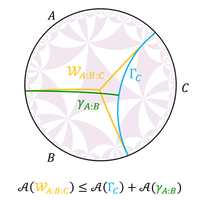
Phys. Rev. Lett. 136, 031602 (2026)
Particles and Fields
Frequency Stability of $2.5×{10}^{-17}$ from a Si Cavity with AlGaAs Crystalline Mirrors
Article | Atomic, Molecular, and Optical Physics | 2026-01-20 05:00 EST
Dahyeon Lee, Zoey Z. Hu, Ben Lewis, Alexander Aeppli, Kyungtae Kim, Zhibin Yao, Thomas Legero, Daniele Nicolodi, Fritz Riehle, Uwe Sterr, and Jun Ye
A crystalline mirror coating significantly reduces fluctuations in the resonant frequency of an optical cavity.
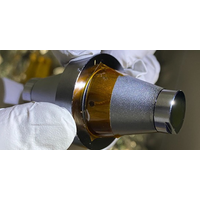
Phys. Rev. Lett. 136, 033801 (2026)
Atomic, Molecular, and Optical Physics
Gate-Tunable Spin Switching Effect and Bilinear Magnetoelectric Resistance in the Topological Semimetal
Article | Condensed Matter and Materials | 2026-01-20 05:00 EST
An-Qi Wang, Tong-Yang Zhao, Chuan Li, Xu-Dong Yang, Rui Zhu, Jing-Wei Dong, Alexander Brinkman, Chun-Guang Chu, and Zhi-Min Liao
Topological materials exhibit topologically protected surface states (TSS) characterized by helical spin texture and high charge-spin conversion efficiency, making them promising for high-performance spintronic devices. However, achieving gate control to switch between up and down spin-polarized sta…
Phys. Rev. Lett. 136, 036201 (2026)
Condensed Matter and Materials
Explicit Wave function of the Interacting Non-Hermitian Spin-$1/2$ 1D System
Article | Condensed Matter and Materials | 2026-01-20 05:00 EST
Yue Wang, Xiangyu Zhang, Zhesen Yang, and Congjun Wu
We present an explicit Bethe-ansatz wave function to a 1D spin- interacting fermion system, manifesting a many-body resonance resulting from the interplay between interaction and non-Hermitian spin-orbit coupling. In the dilute limit, the Bethe-ansatz wave function is factorized into Slater deter…
Phys. Rev. Lett. 136, 036501 (2026)
Condensed Matter and Materials
Generative Thermodynamic Computing
Article | Statistical Physics; Classical, Nonlinear, and Complex Systems | 2026-01-20 05:00 EST
Stephen Whitelam
A thermodynamic framework for creating an analog version of a neural network diffusion model exhibits eleven orders of magnitude better efficiency than its digital counterpart.

Phys. Rev. Lett. 136, 037101 (2026)
Statistical Physics; Classical, Nonlinear, and Complex Systems
Experimental Observation of Hidden Multistability in Nonlinear Systems
Article | Statistical Physics; Classical, Nonlinear, and Complex Systems | 2026-01-20 05:00 EST
Kun Zhang, Qicheng Zhang, Shuaishuai Tong, Wenquan Wu, Xiling Feng, and Chunyin Qiu
Experiments with programmable electroacoustic cavities reveal that a multistable system can be steered into states that are unreachable with conventional control methods.
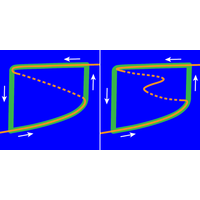
Phys. Rev. Lett. 136, 037201 (2026)
Statistical Physics; Classical, Nonlinear, and Complex Systems
Nonlinear Coupling Induced Anomalous State Transfer and Complete Multistate Excitation via Adiabatic Control
Article | Statistical Physics; Classical, Nonlinear, and Complex Systems | 2026-01-20 05:00 EST
Zhao-Xian Chen, Yi Ru, Guang-Chen He, Ming-Hui Lu, Yan-Feng Chen, Yan-Qing Lu, and Ze-Guo Chen
Nonlinear coupling reshapes attractor landscapes to produce anomalous state transitions and full multistate excitation under adiabatic control.
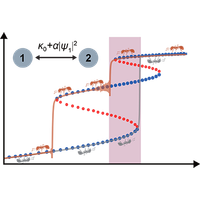
Phys. Rev. Lett. 136, 037202 (2026)
Statistical Physics; Classical, Nonlinear, and Complex Systems
arXiv
Lévy walkers inside spherical shells with absorbing boundaries: Towards settling the optimal Lévy walk strategy for random searches
New Submission | Statistical Mechanics (cond-mat.stat-mech) | 2026-01-19 20:00 EST
L.G.P. Caramês, Y.B. Matos, F. Bartumeus, C.G. Bezerra, T. Macrì, M.G.E. da Luz, E.P. Raposo, G.M. Viswanathan
The Lévy flight foraging hypothesis states that organisms must have evolved adaptations to exploit Lévy walk search strategies. Indeed, it is widely accepted that inverse square Lévy walks optimize the search efficiency in foraging with unrestricted revisits (also known as non-destructive foraging). However, a mathematically rigorous demonstration of this for dimensions $ D \geq 2$ is still lacking. Here we study the very closely related problem of a Lévy walker inside annuli or spherical shells with absorbing boundaries. In the limit that corresponds to the foraging with unrestricted revisits, we show that inverse square Lévy walks optimize the search. This constitutes the strongest formal result to date supporting the optimality of inverse square Lévy walks search strategies.
Statistical Mechanics (cond-mat.stat-mech), Probability (math.PR)
Phys. Rev. E 106, 054147 (2022)
Eigen Microstate Condensation and Critical Phenomena in the Lennard-Jones Fluid
New Submission | Statistical Mechanics (cond-mat.stat-mech) | 2026-01-19 20:00 EST
Lan Yang, Zhaorong Pang, Chongzhi Qiao, Gaoke Hu, Jiaqi Dong, Rui Shi, Xiaosong Chen
Despite extensive study of the liquid-gas phase transition, accurately determining the critical point and the critical exponents in fluid systems through direct simulation remains a challenge. We employ the eigen microstate theory (EMT) to investigate the liquid-gas continuous phase transition in the Lennard-Jones (LJ) fluid within the canonical ensemble. In EMT, the probability amplitudes of eigen microstates serve as the order parameter. Using finite-size scaling of probability amplitudes, we simultaneously determine the critical temperature, $ T_c = 1.188(2)$ , and critical density, $ \rho_c = 0.320(4)$ . Furturemore, we obtain critical exponents of the LJ fluid, $ \beta = 0.32(2)$ and $ \nu = 0.64(3)$ , which demonstrate a great agreement with the Ising universality class. This method also reveals the mesoscopic structure of the emergent phase, characterizing the three-dimensional (3D) spatial configuration of the fluid in the critical region. This work also confirms the finite-size scaling behavior of the probability amplitudes of the eigen microstates in the critical region. The EMT provides a powerful tool for studying the critical phenomena of complex fluid system.
Statistical Mechanics (cond-mat.stat-mech), Data Analysis, Statistics and Probability (physics.data-an)
Exact solution of a two-dimensional (2D) Ising model with the next nearest interactions
New Submission | Statistical Mechanics (cond-mat.stat-mech) | 2026-01-19 20:00 EST
The exact solution of a two-dimensional (2D) Ising model with the next nearest interactions at zero magnetic field is derived. At first, the transfer matrices are analyzed in three representations, i.e., Clifford algebraic representation, transfer tensor representation and schematic representation, to inspect nontrivial topological structures in this system. The system is equivalent to a triangular Ising model plus an interaction along the z axis, so that the approaches developed for the 3D Ising model are modified to be appropriable for solving the exact solution of the 2D Ising model with the next nearest interactions. The partition function and the spontaneous magnetization are obtained. The comparison with the exact solutions of other Ising lattices reveals that either the increase of the number of interactions in a unit cell or the presence/increase of topological contributions enhances the critical point of the Ising lattices. The results obtained in this work are helpful for understanding the physical properties of the 2D magnetic materials.
Statistical Mechanics (cond-mat.stat-mech)
23 pages, 3 figures. arXiv admin note: substantial text overlap with arXiv:2512.16935
Irreversible Kinetics Emerges from Bayesian Inference over Admissible Histories
New Submission | Statistical Mechanics (cond-mat.stat-mech) | 2026-01-19 20:00 EST
A probabilistic formulation of irreversible kinetics is introduced in which incrementally admissible histories are weighted by a Gibbs-type measure built from an energy-dissipation action and observation constraints, with Theta controlling epistemic uncertainty. This measure can be interpreted as a Bayesian posterior over histories. In the zero-uncertainty limit, it concentrates on maximum-a-posteriori (MAP) histories, recovering classical deterministic evolution by incremental minimization in the convex generalized-standard-material setting, while allowing multiple competing MAP histories for non-convex energies or temporally coupled constraints. This emergence is demonstrated across seven distinct forward-in-time examples and an inverse inference problem of unknown histories from sparse observations via a global constrained minimum-action principle.
Statistical Mechanics (cond-mat.stat-mech), Machine Learning (stat.ML)
6 pages, no figures. Probabilistic formulation of irreversible kinetics
Lambert W Function Framework for Graphene Nanoribbon Quantum Sensing: Theory, Verification, and Multi-Modal Applications
New Submission | Mesoscale and Nanoscale Physics (cond-mat.mes-hall) | 2026-01-19 20:00 EST
F. A. Chishtie, K. Roberts, N. Jisrawi, S. R. Valluri, A. Soni, P. C. Deshmukh
We establish a rigorous mathematical framework connecting graphene nanoribbon quantum sensing to the Lambert W function through the finite square well (FSW) analogy. The Lambert W function, defined as the inverse of $ f(W) = We^W$ , provides exact analytical solutions to transcendental equations governing quantum confinement. We demonstrate that operating near the branch point at $ z = -1/e$ yields sensitivity enhancement factors scaling as $ \eta_{\text{enh}} \propto (z - z_c)^{-1/2}$ , achieving 35-fold enhancement at $ \delta = 0.001$ . Comprehensive numerical verification confirms: (i) all seven bound states for strength parameter $ R = 10$ satisfying the constraint $ u^2 + v^2 = R^2$ ; (ii) exact agreement between theoretical band gap formula $ E_g = 2\pi\hbar v_F/(3L)$ and empirical relation $ E_g = 1.38/L$ eV$ \cdot$ nm; (iii) universal sensitivity scaling across biomedical (SARS-CoV-2, inflammatory markers, cancer biomarkers), environmental (CO$ _2$ , CH$ _4$ , NO$ _2$ , N$ _2$ O, H$ _2$ O), and physical (strain, magnetic field, temperature) sensing modalities. This unified framework provides design principles for next-generation graphene quantum sensors with analytically predictable performance.
Mesoscale and Nanoscale Physics (cond-mat.mes-hall), Materials Science (cond-mat.mtrl-sci), Quantum Physics (quant-ph)
27 pages, 10 figures, LaTeX
Exact and Approximate Constants of Motion in Stochastic Contact Processes
New Submission | Statistical Mechanics (cond-mat.stat-mech) | 2026-01-19 20:00 EST
Damián H. Zanette, Eric A. Rozán
We study a variety of stochastic contact processes – directly related to models of rumor and disease spreading – from the viewpoint of their constants of motion, either exact or approximated. Much as in deterministic systems, constants of motion in stochastic dynamics make it possible to reduce the number of relevant variables, confining the set of accessible states, and thus facilitating their analytical treatment. For processes of rumor propagation based on the Maki-Thompson model, we show how to construct exact constants of motion as linear combinations of conserved quantities in each elementary contact event, and how they relate to the constants of motion of the corresponding mean-field equations, which are obtained as the continuous-time, large-size limit of the stochastic process. For SIR epidemic models, both in homogeneous systems and on heterogeneous networks, we find that a similar procedure produces approximate constants of motion, whose average value is preserved along the evolution. We also give examples of exact and approximate constants of motion built as nonlinear combinations of the relevant variables, whose expressions are suggested by their mean-field counterparts.
Statistical Mechanics (cond-mat.stat-mech)
16 pages, 2 figures
In search of diabolical critical points
New Submission | Strongly Correlated Electrons (cond-mat.str-el) | 2026-01-19 20:00 EST
Naren Manjunath, Dominic V. Else
A phase transition is an example of a topological defect'' in the space of parameters of a quantum or classical many-body systems. In this paper, we consider phase diagram topological defects of higher codimension. These have the property that equilibrium states undergo some kind of non-trivial winding as one moves around the defect. We show that such topological defects exist even in classical statistical mechanical systems, and describe their general structure in this context. We then introduce the term diabolical critical point’’ (DCP), which is a higher-codimension analog of a continuous phase transition, with the proximate phases of matter replaced by the non-trivial winding of the proximate equilibrium states. We propose conditions under which a system can have a stable DCP. We also discuss some examples of stable DCPs in (1+1)-dimensional quantum systems.
Strongly Correlated Electrons (cond-mat.str-el), High Energy Physics - Theory (hep-th)
8 + 2 pages
Widefield NV Magnetic Field Reconstruction for Probing the Meissner Effect and Critical Current Density under Pressure
New Submission | Superconductivity (cond-mat.supr-con) | 2026-01-19 20:00 EST
Kin On Ho, Cassandra Dailledouze, Martin Schmidt, Loïc Toraille, Marie-Pierre Adam, Jean-François Roch
The spatial distribution of a magnetic field can be determined with micrometer resolution using widefield nitrogen vacancy (NV) center magnetic imaging. Nevertheless, reconstructing the magnetic field from the raw data can be challenging due to the degeneracy of the four possible NV axes and the tremendous amount of data. While a qualitative approach is sufficient for most analyses, a quantitative analysis offers deeper insight into the physical system. Here, we apply NV widefield magnetic imaging to a HgBa$ _{2}$ Ca$ _{2}$ Cu$ _{3}$ O$ _{8+\delta}$ (Hg-1223) superconducting microcrystal at a pressure of 4 GPa. We fit the results with solutions from the Hamiltonian describing the NV center ground state and take into account the relative intensities of the resonances to determine the local magnetic field magnitude and angle. Thus, we reconstruct the temperature-dependent expulsion of the magnetic field due to the Meissner effect around the superconductor. By comparing the resulting parameters to Brandt’s model, which describes the magnetic behavior of a type-II superconductor, we extract the critical current density $ j_c$ . Overall, this work showcases the first widefield quantitative reconstruction of the Meissner effect under pressure and an optical method to study critical current density. Thus, it provides new insights into the application of NV magnetometry to superconductivity research at high pressures.
Superconductivity (cond-mat.supr-con), Quantum Physics (quant-ph)
Hopfions in screw chiral magnets
New Submission | Other Condensed Matter (cond-mat.other) | 2026-01-19 20:00 EST
Sandra C Shaju, Maria Azhar, Karin Everschor-Sitte
Three-dimensional topological spin textures have attracted growing interest due to their rich geometry and potential for functional magnetic phenomena. In this work, we propose the concept of symmetry-transforming magnetic models as a novel route to generate and stabilize complex three-dimensional textures in an arbitrary magnetic background. Using this framework, we predict a screw chiral magnet model that stabilizes magnetic Hopfions and other three-dimensional magnetic textures within a ferromagnetic background. We show that the resulting solitons display distinctive physical properties, including unconventional Goldstone modes. Our results establish continuous symmetry transformations as a general strategy for uncovering new classes of magnetic solitons with unique dynamical signatures.
Other Condensed Matter (cond-mat.other)
11 pages
Combining laser ablation and Sol-Gel techniques for the synthesis of nanostructured organic-inorganic matrices
New Submission | Mesoscale and Nanoscale Physics (cond-mat.mes-hall) | 2026-01-19 20:00 EST
E. Haro-Poniatowski, C. A. Guarín, L. G. Mendoza-Luna, L. Escobar-Alarcón, J. L. Hernández-Pozos, L. I. Vera-Robles, P. Castillo, F. Cabello, J. Toudert, F. Chacón-Sánchez, M. García-Pardo, R. Serna, J. Gonzalo, J. Solís
In this work we report a new and simple method that combines the pulsed laser ablation in liquids (PLAL) and the Sol-Gel techniques to obtain nanocomposite glasses and gelatins. Gold nanoparticles (Au-NPs) are generated by PLAL using the corresponding target. The target is submerged in a transparent liquid solution made previously with tetraetylorthosilicate (TEOS) adding diluted hydrochloric acid as catalyzer. In the case of gelatins commercial gelatin and tap water are used. The laser source is a Nd:YAG laser emitting at 1064 nm, with an energy of 100 mJ and 8 ns pulse duration at 10 Hz repetition rate focused on the target in a 2 mm diameter laser spot. The ablation time is 10 min for the glasses and gelatins. The Au-NPs are uniformly dispersed in the solution. After the ablation process the gels are sealed and stored at room temperature for several days. The samples are characterized by UV-Vis spectroscopy, HRTEM, ellipsometry and AFM microscopy, these measurements reveal optical transparency and a refractive index near 1.45 for the pure glass, whereas a colorful aspect, a refractive index of 1.42, and a small surface roughness of 1.92 nm for the glass containing Au-NPs. In the case of gelatins self-sustained flexible films are obtained.
Mesoscale and Nanoscale Physics (cond-mat.mes-hall), Materials Science (cond-mat.mtrl-sci)
20 pages
Optical probing of magnons and phonons in Ni80Fe20 nanodot arrays
New Submission | Mesoscale and Nanoscale Physics (cond-mat.mes-hall) | 2026-01-19 20:00 EST
A. Adhikari, P. Graczyk, A. K. Chaurasiya, S. Mondal, J. W. Klos, A. Barman
Control of collective spin excitations by static or dynamic strain is an emerging phenomenon that requires in-depth understanding for design of future spin-wave-regulated devices. Here, we explore mutually interacting spin waves and acoustic wave modes in addition to few non-interactive modes through all optical excitation in ordered arrays of Ni80Fe20 nanomagnets. The acoustic wave originated from elastic deformation resonantly couple to the spin wave via magnetoelastic effect at their overlapping frequency. We demonstrate that the choice of the lattice type in which the magnetic nanodots are arranged is crucial for the observation of the magnetoelastic interaction. Therefore, the study shows that the simultaneous existence of elastic wave and spin wave offer ingeneously advantageous features to pave the way of energy-efficient magnetoacoustic devices.
Mesoscale and Nanoscale Physics (cond-mat.mes-hall)
7 pages + Supplementary Information
Superconductivity from the Slater mode: Application to KTaO3 heterostructures
New Submission | Superconductivity (cond-mat.supr-con) | 2026-01-19 20:00 EST
Superconductivity has been observed for the 2D electron gas (2DEG) at the interface of KTaO3 with other oxides, with a transition temperature about an order of magnitude higher than its 3d cousin SrTiO3. The superconducting transition temperature is strongly dependent on the orientation of the interface. Motivated by this observation, we study pairing due to exchange of the soft transverse optic phonon mode characteristic of quantum paraelectrics and use the resulting theory to comment on the nature of superconductivity of this 2DEG. We find (1) an orientation dependence consistent with experiment along with an anisotropic gap function, but (2) a BCS coupling constant that is smaller than needed and so must be augmented by contributions from other phonons to be consistent with the observed values of Tc.
Superconductivity (cond-mat.supr-con)
Disorder effects in two-dimensional flat-band system with next-nearest-neighbor hopping
New Submission | Disordered Systems and Neural Networks (cond-mat.dis-nn) | 2026-01-19 20:00 EST
Yue Heng Liu, Zi-Xiang Hu, Qi Li
For two-dimensional Lieb lattice, while intrinsic spin-orbit coupling is responsible for opening the gap that exhibits the quantum spin Hall effect, topological phase transitions are driven by a real next-nearest-neighbor (NNN) hopping. In this work, we utilize the transfer matrix method to study the flat-band localization mechanism in the presence of complex NNN hoppings. We demonstrate that the geometric localization in flat bands can be alleviated by topological edge states under weak disorder. Furthermore, correlated disorders are shown to induce inverse Anderson transition with the topological edge states persisting under strong disorder, a robustness confirmed by Chern number calculations, which identifies the root cause of this phenomenon. These findings establish a unified platform for investigating topological phase transitions, flat bands, and disorder effects.
Disordered Systems and Neural Networks (cond-mat.dis-nn)
9 pages, 7 figures
Unconventional thermal conductivity of suspended zigzag graphene nanomesh
New Submission | Mesoscale and Nanoscale Physics (cond-mat.mes-hall) | 2026-01-19 20:00 EST
Takamoto Yokosawa, Tomohiro Matsui
Compared to the study of graphene itself, the study of nano-structured graphene is rather limited because it is difficult to prepare atomically ordered edges. In this study, we have fabricated a periodically patterned mesh structure of graphene with atomically precise zigzag edges (zGNM: zigzag graphene nanomesh) and studied its thermal conductivity ($ \kappa$ ) by opto-thermal Raman measurement. Unintuitively, it is found that the $ \kappa$ of zGNM of 2,3 monolayers (MLs) thick is inversely proportional to the nanoribbon width ($ W$ ), while that of zGNM of 5$ \sim$ 10 MLs thick is independent of $ W$ down to 30 nm. Since the $ \kappa$ of suspended zigzag graphene nanoribbons (zGNRs) is suppressed by decreasing $ W$ , this nonclassical behavior of zGNM is due to the mesh structure. In addition, zGNRs show a higher $ \kappa$ than GNRs with atomically rough edges. This is probably due to the atomically ordered zigzag edges.
Mesoscale and Nanoscale Physics (cond-mat.mes-hall), Materials Science (cond-mat.mtrl-sci)
6 pages, 5 figures, it is due for consideration for the Journal 2D Materials
Are Universal Potentials Ready for Alkali-Ion Battery Kinetics?
New Submission | Materials Science (cond-mat.mtrl-sci) | 2026-01-19 20:00 EST
Xingyu Guo, Cheng Gui, Zhenbin Wang
Accelerating alkali-ion battery discovery requires accurate modeling of atomic-scale kinetics, yet the reliability of universal machine learning interatomic potentials (uMLIPs) in capturing these high-energy landscapes remains uncertain. Here, we systematically benchmark state-of-the-art uMLIPs, including M3GNet, CHGNet, MACE, SevenNet, GRACE, and Orb, against DFT baselines for cathodes and solid electrolytes. We find that the Orb-v3 family excels in static migration barrier predictions (MAE $ \approx$ 75–111 meV), driven primarily by architectural refinements. Conversely, for dynamic transport, the GRACE model trained on the OMat24 dataset demonstrates superior fidelity in reproducing ion diffusivities and structural correlations. Our results reveal that while architectural sophistication (e.g., equivariance) is beneficial, the inclusion of high-temperature, non-equilibrium training data is the dominant driver of kinetic accuracy. These findings establish that modern uMLIPs are sufficiently robust to serve as zero-shot surrogates for high-throughput kinetic screening of next-generation energy storage materials.
Materials Science (cond-mat.mtrl-sci)
Coexisting electronic smectic liquid crystal and superconductivity in a Si square-net semimetal
New Submission | Superconductivity (cond-mat.supr-con) | 2026-01-19 20:00 EST
Christopher J. Butler, Toshiya Ikenobe, Ming-Chun Jiang, Daigorou Hirai, Takahiro Yamada, Guang-Yu Guo, Ryotaro Arita, Tetsuo Hanaguri, Zenji Hiroi
Electronic nematic and smectic liquid crystals are spontaneous symmetry-breaking phases that are seen to precede or coexist with enigmatic unconventional superconducting states in multiple classes of materials. In this Letter we describe scanning tunneling microscopy observations of a short ranged charge stripe (smectic) order in NaAlSi, whose superconductivity is speculated to have an unconventional origin. As well as this we resolve a clear spatial modulation of the superconducting gap amplitude, which arises due to the intertwined superconducting and smectic orders. Numerical calculations help to understand the possible driving mechanism as a suppression of kinetic energy on the Fermi surface formed in part by two large, flat-topped hole pockets of p-orbital character.
Superconductivity (cond-mat.supr-con), Materials Science (cond-mat.mtrl-sci)
9 pages, 8 figures. Accepted for publication in Physical Review Letters
Enhancement of anomalous Hall effect in Si/Fe multilayers
New Submission | Materials Science (cond-mat.mtrl-sci) | 2026-01-19 20:00 EST
Anomalous Hall effect studies were performed at 300 K on Si/Fe multilayers prepared by dc magnetron sputtering. About 60 times enhancement in the saturation Hall resistance and 80 times enhancement in anomalous Hall coefficient are obtained in [Si(50 angstrom)/Fe(tFe)]_20 multilayers when decreasing the Fe layer thickness from 100 Angstrom to 20 Angstrom. The largest anomalous Hall coefficient (Rs) of 1.4 x 10^-7 Ohm m/T was found for t_Fe=20 Angstrom, which is about three orders of magnitude larger than that of pure Fe and Fe/Cr, Al/Fe, Cu/Fe, SiO2/FePt/SiO2 multilayers. The ordinary Hall coefficient R_0 was about two orders of magnitude larger than that of pure Fe. The R_s was found to vary with the longitudinal electronic resistivity, Rho as R_s proportional to (Rho)^2.2, indicating the role of interfaces for the enhancement of the anomalous Hall effect in the multilayers. An increase of Hall sensitivity from 9 mOhm/T to 1.2 Ohm/T is observed on decreasing tFe from 100 Angstrom to 10 Angstrom. The high Hall sensitivity obtained is about three orders of magnitude larger than that of Al/Fe and Cu/Fe multilayers, showing it as an emerging candidate for Hall element for potential applications.
Materials Science (cond-mat.mtrl-sci)
24 pages, 9 Figures
J. Phys. D: Appl. Phys., 46, 375003, 2013
Data-driven Prediction of Ionic Conductivity in Solid-State Electrolytes with Machine Learning and Large Language Models
New Submission | Materials Science (cond-mat.mtrl-sci) | 2026-01-19 20:00 EST
Haewon Kim, Taekgi Lee, Seongeun Hong, Kyeong-Ho Kim, Yongchul G. Chung
Solid-state electrolytes (SSEs) are attractive for next-generation lithium-ion batteries due to improved safety and stability but their low room-temperature ionic conductivity hinders practical application. Experimental synthesis and testing of new SSEs remain time-consuming and resource intensive. Machine learning (ML) offers an accelerated route for SSE discovery; however, composition-only models neglect structural factors important for ion transport while graph neural networks (GNNs) are challenged by the scarcity of structure-labeled conductivity data and the prevalence of crystallographic disorder in CIFs. Here, we train two complementary predictors on the same room-temperature, structure-labeled dataset (n = 499). A gradient-boosted tree regressor (GBR) combining stoichiometric and geometric descriptors achieves best performance (MAE = 0.543 in log(S cm-1)), and Shapley Additive exPlanations (SHAP) identifies probe-occupiable volume (POAV) and lattice parameters as key correlations for conductivity. In parallel, we fine-tune large language models (LLMs) using compact text prompts derived from CIF metadata (formula with optional symmetry and disorder tags), avoiding direct use of raw atomic coordinates. Notably, Llama-3.1-8B-Instruct achieves high accuracy (MAE = 0.657 in log(S cm-1)) using formula and symmetry information, eliminating the need for numerical feature extraction from CIF files. Together, these results show that global geometric descriptors improve tree-based predictions and enable interpretable structure-property analysis, while LLMs provide a competitive low-preprocessing alternative for rapid SSE screening.
Materials Science (cond-mat.mtrl-sci)
Magnetization and anomalous Hall effect in SiO2/Fe/SiO2 trilayers
New Submission | Materials Science (cond-mat.mtrl-sci) | 2026-01-19 20:00 EST
Sudhansu Sekhar Das, M. Senthil Kumar
SiO2/Fe/SiO2 sandwich structure films fabricated by sputtering were studied by varying the Fe layer thickness (t_Fe). The structural and microstructural studies on the samples showed that the Fe layer has grown in nanocrystalline form with (110) texture and that the two SiO2 layers are amorphous. Magnetic measurements performed with the applied field in in-plane and perpendicular direction to the film plane confirmed that the samples are soft ferromagnetic having strong in-plane magnetic anisotropy. The temperature dependence of magnetization shows complex behavior with the coexistence of both ferromagnetic and superparamagnetic properties. The transport properties of the samples as studied through Hall effect measurements show anomalous Hall effect (AHE). An enhancement of about 14 times in the saturation anomalous Hall resistance (R_Ahs) was observed upon reducing the t_Fe from 300 to 50 Angstrom. The maximum value of R_Ahs = 2.3 Ohm observed for tFe = 50 Angstrom sample is about 4 orders of magnitude larger than that reported for bulk Fe. When compared with the single Fe film, a maximum increase of about 56% in the R_Ahs was observed in sandwiched Fe (50 Angstrom) film. Scaling law suggests that the R_s follows the longitudinal resistivity (Rho) as, R_s proportional to (Rho)^1.9, suggesting side jump as the dominant mechanism of the AHE. A maximum enhancement of about 156% in the sensitivity S was observed.
Materials Science (cond-mat.mtrl-sci)
29 pages, 11 figures
Mater. Res. Express, 4, 035025, (2017)
De novo emergence of metabolically active protocells
New Submission | Soft Condensed Matter (cond-mat.soft) | 2026-01-19 20:00 EST
Nayan Chakraborty, Shashi Thutupalli
A continuous route from a disordered soup of simple chemical feedstocks to a functional protocell – a compartment that metabolizes, grows, and propagates – remains elusive. Here, we show that a homogeneous aqueous chemical mixture containing phosphorus, iron, molybdenum salts and formaldehyde spontaneously self-organizes into compartments that couple robust non-equilibrium chemical dynamics to their own growth. These structures mature to a sustained, dissipative steady state and support an organic synthetic engine, producing diverse molecular species including many core biomolecular classes. Internal spherules that are themselves growth-competent are produced within the protocells, establishing a rudimentary mode of self-perpetuation. The chemical dynamics we observe in controlled laboratory conditions also occur in reaction mixtures exposed to natural day-night cycles. Strikingly, the morphology and chemical composition of the protocells in our experiments closely resemble molybdenum-rich microspheres recently discovered in current oceanic environments. Our work establishes a robust, testable route to de novo protocell formation. The emergence of life-like spatiotemporal organization and chemical dynamics from minimal initial conditions is more facile than previously thought and could be a recurring natural phenomenon.
Soft Condensed Matter (cond-mat.soft), Adaptation and Self-Organizing Systems (nlin.AO), Biological Physics (physics.bio-ph), Chemical Physics (physics.chem-ph), Biomolecules (q-bio.BM)
Giant anomalous Hall effect in ultrathin Si/Fe bilayers
New Submission | Materials Science (cond-mat.mtrl-sci) | 2026-01-19 20:00 EST
Anomalous Hall effect studies on ultrathin Si(50Angstrom)/Fe(t_Fe) bilayers were performed at 300 K. Giant enhancements of about 60 times in saturation anomalous Hall resistivity and 265 times in anomalous Hall coefficient (R_s) were observed upon decreasing the Fe layer thickness t_Fe from 200 to 10 Angstrom. The R_s observed for t_Fe = 10 Angstrom is about three orders of magnitude larger than that of bulk Fe. The scaling law between R_s and longitudinal electrical resistivity (Rho) suggests that the side jump is the dominant mechanism of the anomalous Hall effect. The observed largest Hall sensitivity of 433 Ohm/T surpasses that of the semiconducting GaAs and InAs Hall sensors already reported.
Materials Science (cond-mat.mtrl-sci)
8 pages, 3 figures
Materials Letters, Volume 142, Pages 317-319, 2015
Self-Assembly of Crowded Semiflexible Polymers under Dynamic and Deformable Confinement
New Submission | Soft Condensed Matter (cond-mat.soft) | 2026-01-19 20:00 EST
Nasir Amiri, Jonathan P. Singer, Xin Yong
Semiflexible polymers are ubiquitous in natural and artificial systems, where their intermediate rigidity gives rise to rich structural and dynamical behavior. Confinement plays a central role in these behaviors, as spatial restrictions can promote chain alignment, induce structural rearrangements, and enable complex self-assembly. While the organization of semiflexible polymers under rigid confinement has been extensively investigated, their behavior within deformable and dynamically evolving microenvironments, such as drying droplets or intracellular compartments, remains poorly understood. In this study, we use dissipative particle dynamics simulations to investigate the self-assembly of crowded semiflexible polymers confined within a deformable droplet, whose size may also change over time. By systematically varying polymer contour length, concentration, and degree of confinement, we identify distinct assembly regimes. Increasing polymer concentration promotes the formation of ordered fibrillar domains, with orientational alignment strongest near the droplet interface. Chain length critically dictates the morphology of assembled structures: short chains remain largely disordered, chains with intermediate lengths form linear fibrillar structures with maximal nematic order, and long chains assemble into circular bundles. Dynamic confinement further modulates the assembly through the competition between the rate of confinement change and polymer mobility. Slow increase in the degree of confinement allows polymers to reorganize into highly ordered structures, while rapid crowding kinetically traps the system in disordered states. Our findings elucidate how polymer mechanics and time-dependent confinement jointly govern the organization of semiflexible polymers in deformable, dynamic, and crowded environments.
Soft Condensed Matter (cond-mat.soft)
16 pages, 8 figures
Implicit Nucleation and Competitive Dynamics of Electrogenerated Hydrogen Nanobubbles
New Submission | Soft Condensed Matter (cond-mat.soft) | 2026-01-19 20:00 EST
Nima Shakourifar, Nana Ofori-Opoku, Benzhong Zhao
Electrogenerated gas nanobubbles strongly influence the performance of electrochemical energy-conversion systems, yet their nucleation and early evolution remain poorly understood due to limitations of existing experimental and computational approaches. Operando imaging lacks the temporal resolution required to capture nucleation events, while molecular dynamics simulations are restricted to nanometer-scale domains containing at most a few bubbles. Here, we develop a thermodynamically consistent phase-field framework that unifies dissolved gas transport, curvature dependent interfacial thermodynamics, and implicit bubble nucleation within a single continuum description. Using hydrogen nanobubble formation during electrocatalysis as a canonical test case, the model captures nucleation without prescribing nuclei, resolves diffusion-controlled growth under curvature effects, and remains computationally tractable despite hydrogen’s extremely low solubility. Simulations reveal how nanobubble nucleation occurs once a local supersaturation threshold is exceeded, triggering a reorganization of the chemical-potential field that focuses dissolved gas toward the nascent bubble. In multi-catalyst systems, overlapping diffusion fields lead to strong bubble-bubble interactions, including competitive growth, Ostwald ripening, and source occlusion. Extending the framework to dispersed catalyst populations shows that nanobubble survival is governed not only by catalyst size but also by spatial arrangement and diffusive competition, such that only a subset of bubbles persist while others dissolve and act as feeders. These results reframe electrogenerated nanobubbles as emergent, spatially organized features rather than unavoidable parasitic byproducts, and point toward electrode designs that deliberately control where bubbles nucleate and grow to preserve active area and mitigate transport losses.
Soft Condensed Matter (cond-mat.soft)
Surface Functional Renormalization Group for Layered Quantum Materials
New Submission | Strongly Correlated Electrons (cond-mat.str-el) | 2026-01-19 20:00 EST
Lennart Klebl, Dante M. Kennes
We present an extension to the two-dimensional functional renormalization group to efficiently treat interactions on the surface or at interfaces of three-dimensional systems. As an application, we consider a semi-infinite stack of two-dimensional square lattices, including a Hubbard interaction on the surface layer and an alternating interlayer coupling. We investigate how strongly correlated states of the decoupled two-dimensional Hubbard model on the surface evolve under inclusion of such an SSH-like interlayer coupling. For large parts of the phase diagram as a function of the interlayer hopping parameters, the physics of the two-dimensional system prevails, with antiferromagnetic, superconducting d-wave, and ferromagnetic correlations taking center stage. However, for intermediate interlayer couplings the superconducting state at intermediate interaction strengths separates into two regimes by a small region of incommensurate spin-density-wave and spin-bond order, enabling the potential realization of chiral spin-bond order.
Strongly Correlated Electrons (cond-mat.str-el), Superconductivity (cond-mat.supr-con)
8 pages, 5 figures
The fate of a single impurity in the Bose-Hubbard model
New Submission | Quantum Gases (cond-mat.quant-gas) | 2026-01-19 20:00 EST
We map out the global phase diagram of a single mobile impurity in the two-dimensional Bose-Hubbard model, spanning the bath evolution from a compressible superfluid (SF) to an incompressible Mott insulator (MI) and the full range of impurity-bath coupling. Using sign-problem-free worm-algorithm quantum Monte Carlo method, we identify two sharply distinct localization mechanisms that organize the entire diagram. In the compressible SF, increasing impurity-bath coupling $ |U_{\mathrm{ib}}|$ drives an \emph{interaction-driven winding-collapse crossover}: a light, extended polaron with finite winding evolves continuously into a heavy polaron and ultimately a self-trapped state – a repulsive \emph{saturated bubble} or an attractive \emph{bound cluster} – even while the bath remains globally superfluid, establishing localization without any bath phase transition. By contrast, upon tuning the bath across the SF-MI transition at fixed impurity-bath coupling $ U_{\mathrm{ib}}$ , localization becomes \emph{compressibility controlled}: the vanishing bath compressibility quenches polaronic dressing and collapses the impurity-centered density response, converting the polaron into an almost free defect and, deep in the MI, into a fully localized vacancy or particle defect. In the incompressible regime, localization proceeds via \emph{quantized defect formation}, manifested by discrete changes in the total bath occupation. Together, our results provide a unified microscopic picture of impurity localization in correlated lattice bosons, governed by winding collapse in the SF and compressibility-driven localization across the SF-MI transition.
Quantum Gases (cond-mat.quant-gas)
Evolution of a Single Impurity Across the Superfluid-Mott insulator Transition in the Bose-Hubbard Model
New Submission | Quantum Gases (cond-mat.quant-gas) | 2026-01-19 20:00 EST
We investigate how the coherence and spatial dressing of a single impurity evolve in the two-dimensional Bose–Hubbard model when the impurity couples attractively to the bath. Using large-scale, sign-problem-free quantum Monte Carlo simulations based on the worm algorithm, we track the impurity winding number, the bath superfluid density and compressibility, and impurity–bath density correlations. First, by fixing the bath interaction at $ U_{\mathrm{b}}/t=13.3$ in the superfluid regime and tuning the attractive impurity-bath coupling from $ U_{\mathrm{ib}}/t=-1.0$ to $ -40.0$ , we uncover an interaction-driven winding-collapse localization: the impurity evolves from a mobile light polaron with finite winding to a heavy polaron and, finally, to a bound cluster with vanishing winding, while the bath remains globally superfluid. Second, we analyze impurity in Mott-insulating baths for both attractive and repulsive impurity–bath couplings, contrasting the resulting deformation clouds and localization patterns. Third, for a moderate attractive impurity-bath coupling $ U_{\mathrm{ib}}/t=-8.0$ , we tune the bath interaction $ U_{\mathrm{b}}/t$ across the superfluid–Mott-insulator transition and find a compressibility-controlled localization crossover of coherent impurity motion. Finally, together with our companion Letter [\emph{The Fate of a Single Impurity in the Bose–Hubbard Model}], which focused on repulsive impurity-bath couplings, these results provide a unified microscopic picture of impurity localization in the Bose–Hubbard model, connecting interaction-driven and compressibility-controlled mechanisms across both attractive and repulsive regimes.
Quantum Gases (cond-mat.quant-gas)
Spontaneous Anomalous Hall Effect at Room Temperature in Antiferromagnetic Material NbMnAs
New Submission | Strongly Correlated Electrons (cond-mat.str-el) | 2026-01-19 20:00 EST
Yuki Arai, Junichi Hayashi, Keiki Takeda, Hideki Tou, Eiichi Matsuoka, Hitoshi Sugawara, Hisashi Kotegawa
Recent studies have shown that certain antiferromagnetic (AFM) materials with the same symmetry breaking as ferromagnets can generate sufficiently large ferromagnetic (FM) responses. Here, we report that the new AFM material NbMnAs exhibits a large anomalous Hall effect (AHE) at zero field and at room temperature, despite having only a small net magnetization. A polycrystalline sample of NbMnAs, likely close to stoichiometric composition, exhibited an AFM state with a small spontaneous magnetization of approximately $ 6 \times 10^{-3} \mu_{\rm B}$ /Mn and the AHE below $ T_{\rm N}=354,{\rm K}$ . In contrast, single crystals of NbMnAs obtained by a flux method exhibited a deficiency at the As site, {which resulted} in a decrease in $ T_{\rm N}$ and an increase in spontaneous magnetization. Although improvement of the single-crystal growth is still required, our study reveals that NbMnAs is a novel material capable of exhibiting significant FM responses derived from antiferromagnetism at room temperature.
Strongly Correlated Electrons (cond-mat.str-el), Materials Science (cond-mat.mtrl-sci)
7 pages, 3 figures
Two-dimensional Intrinsic Janus Structures: Design Principle and Anomalous Nonlinear Optics
New Submission | Materials Science (cond-mat.mtrl-sci) | 2026-01-19 20:00 EST
Yang Li, Chengzhi Wu, Xuelian Sun, Liangting Ye, Yirui Lu, Hai-Qing Lin, Wenhui Duan, Bing Huang
Two-dimensional Janus structures have garnered rapidly growing attention across multidisciplinary fields. However, despite extensive theoretical and experimental efforts, a principle for designing intrinsic Janus materials remains elusive. Here, we propose a first-principles alloy theory based on cluster expansion, incorporating a strong repulsive interaction of a cation-mediated anion-pair cluster and refined short-range cluster-cluster competitions, to unravel the formation mechanism of intrinsic Janus structures with a distorted 1T phase among numerous competing phases. Our theory not only explains why intrinsic Janus structures are accidentally observed in RhSeCl and BiTeI which are composed of alloyed elements from different groups, but also accurately predicts a wide range of 1T-like intrinsic Janus materials that are ready for synthesis. Intriguingly, as demonstrated in the case of RhSeCl, we reveal that intrinsic Janus materials can exhibit anomalous second-harmonic generation (SHG) with a distinct quantum geometric effect, originating from strong lattice and chemical-potential mirror asymmetry. Furthermore, a novel skin effect unexpectedly emerges in finite-thickness RhSeCl, accompanied by a hidden SHG effect within the bulk region. Our theory paves the way for the ab initio design of intrinsic Janus materials, significantly accelerating progress in Janus science.
Materials Science (cond-mat.mtrl-sci), Mesoscale and Nanoscale Physics (cond-mat.mes-hall)
23 pages, 4 figures
Newton, 2, 100368 (2026)
Majorana Zero Modes and Topological Nature in Bi2Ta3S6-family Superconductors
New Submission | Superconductivity (cond-mat.supr-con) | 2026-01-19 20:00 EST
Yue Xie, Zhilong Yang, Ruihan Zhang, Sheng Zhang, Quansheng Wu, Gang Wang, Hongming Weng, Zhong Fang, Xi Dai, Zhijun Wang
In this work, we report that Bi2Ta3S6-family superconductors exhibit nontrivial band topology. They possess a natural quantum-well structure consisting of alternating stacks of TaS2 and honeycomb Bi layers, which contribute superconducting and topological properties, respectively. Symmetry-based indicators $ (\mathbb{Z}4;\mathbb{Z}{2}\mathbb{Z}{2}\mathbb{Z}{2})=(2;000)$ reveal that the topological nature arises entirely from the Bi layers, which belong to a quantum spin Hall phase characterized by a $ p_x-p_y$ model on a honeycomb lattice. The topological zigzag (ZZ) and armchair (AC) edge states are obtained. Using VASP2KP, the in-plane $ g$ factors of these topological edge states are computed from the ab initio calculations: $ g_{x/y}^{\mathrm{ZZ}}=2.07/1.60$ and $ g_{x/y}^{\mathrm{AC}}=0.50/0.06$ . The strong anisotropy of the edge-state $ g$ factors allows us to explore Majorana zero modes in the Bi monolayer on a superconductor, which can be obtained by exfoliation or molecular beam epitaxy. The relaxed structures of the Bi2Ta3Se6, Bi2Nb3S6 and Bi2Nb3Se6 are obtained. Their superconducting transition temperature $ T_c$ are estimated based on the electron-phonon coupling and the McMillan formula. Furthermore, using the experimental superconducting gap $ \Delta$ and the computed $ g$ factors, we obtain the phase diagram, which shows that the in-plane field $ B_y>2.62\mathrm{ T}$ can generate corner Majorana zero modes in the Bi monolayer of the superconductor Bi2Ta3S6. A similar paradigm also applies to the Bi2Ta3S6 bulk with the emergence of Majorana hinge states. These natural quantum-well superconductors therefore offer ideal platforms for exploring topological superconductivity and Majorana zero modes.
Superconductivity (cond-mat.supr-con), Materials Science (cond-mat.mtrl-sci)
5 pages, 5 figures
Mesoscale Modelling of Confined Split-Hopkinson Pressure Bar Tests on Concrete: Effects of Internal Damage and Strain Rates
New Submission | Materials Science (cond-mat.mtrl-sci) | 2026-01-19 20:00 EST
The dynamic strength of concrete under complex loading conditions is a key consideration in the design and maintenance of infrastructures. To assess this mechanical property, Split Hopkinson Pressure Bar (SHPB) tests are typically adopted across a wide range of loading and confining conditions. In this study, mesoscale modelling based on the finite element method (FEM) is employed to simulate SHPB tests on three-phase concrete with realistic aggregate shape, in order to investigate the effects of loading ramp rate, internal friction, and confining pressure on the dynamic increase factor (DIF). Microscopic evidence to explain these effects is explored through analysing the distributions of the internal strain rate and local damage. As key results, increasing loading ramp rates, internal friction, and confining pressure can generally leads to higher DIF values. Only a higher loading ramp rate significantly amplifies the strain-rate effect on the DIF, as evidenced by pronounced increases in both internal strain rate and damage in the mortar and aggregate phases. In contrast, higher internal friction and confining pressure weaken the strain-rate effect on the DIF. Both can be attributed to the mortar phase, which shows a less pronounced increase in damage with increasing strain rate. This study enriches the understanding of the dynamic fracture of concrete toward complex loading scenarios.
Materials Science (cond-mat.mtrl-sci)
36 pages, 8 figures
Lattice dynamics and structural phase stability of group IV elemental solids with the r$^2$SCAN functional
New Submission | Materials Science (cond-mat.mtrl-sci) | 2026-01-19 20:00 EST
Adonis Haxhijaj, Stefan Riemelmoser, Alfredo Pasquarello
The strongly constrained and appropriately normed (SCAN) meta-GGA functional is a milestone achievement of electronic structure theory. Recently, a revised and restored form (r$ ^2$ SCAN) has been suggested as a replacement for SCAN in high-throughput applications. Here, we assess the accuracy and reliability of the r$ ^2$ SCAN meta-GGA functional for the group IV elemental solids carbon (C), silicon (Si), germanium (Ge), and tin (Sn). We show that the r$ ^2$ SCAN functional agrees closely with its parent functional SCAN for elastic constants, bulk moduli, and phonon dispersions, but the numerical stability of r$ ^2$ SCAN is superior. Both meta-GGA functionals outperform standard GGA (Perdew-Burke-Ernzerhof) in terms of accuracy and approach the level of common hybrid functionals (Heyd-Scuseria-Ernzerhof). However, we find that r$ ^2$ SCAN performs much worse than SCAN for the $ \alpha\leftrightarrow \beta$ phase transition of both Ge and Sn, yielding larger phase energy differences and transition pressures.
Materials Science (cond-mat.mtrl-sci)
The Influence of Crosslinking and Deformation on Polymer Crystallization and Melting: A Molecular Dynamics Study
New Submission | Soft Condensed Matter (cond-mat.soft) | 2026-01-19 20:00 EST
Atmika Bhardwaj, Huzaifa Shabbir, Jens-Uwe Sommer, Marco Werner
We investigate the crystallization of crosslinked and entangled polymers under external deformation using a coarse-grained poly(vinyl alcohol) (CG-PVA) model and molecular dynamics simulations. Following uniaxial deformation, the systems are cooled at a constant rate to form semi-crystalline states and subsequently heated at a constant rate to induce melting. For unstretched systems, network junctions do not significantly affect the nucleation temperature but increase the amorphous fraction and reduce the melting temperature. Uniaxial deformation accelerates nucleation and markedly increases the crystallization temperature, with more strongly crosslinked polymers exhibiting larger shifts that correlate with an enhanced orientation order parameter. We further compare cooling and heating cycles under constant-strain and constant-stress conditions. Under constant stress, crystallization induces additional elongation beyond the initial pre-stretch and leads to pronounced mechanical hysteresis upon heating, a behavior characteristic of reversible shape-memory materials.
Soft Condensed Matter (cond-mat.soft)
33 pages, 10 figures
Impact ionization in narrow band gap CdHgTe quantum well with “resonant” band structure
New Submission | Materials Science (cond-mat.mtrl-sci) | 2026-01-19 20:00 EST
V.Ya.Aleshkin, A.A.Dubinov, V.V.Rumyantsev
Impact ionization probabilities were calculated in a CdHgTe quantum well, where the distance between electron subbands is close to the band gap energy. This band structure enables impact ionization with small momentum transfer for electrons in the second subband. The study demonstrates that such processes increase the impact ionization probability by approximately two orders of magnitude compared to the impact ionization probability for electrons in the first subband, for which transitions with small momentum changes are impossible. The probability of single impact ionization during the electron energy loss due to optical phonon emission is estimated. Experimental methods for detecting impact ionization in this structure are discussed.
Materials Science (cond-mat.mtrl-sci)
DFT modelling of stacking faults in hexagonal and cubic GaN
New Submission | Materials Science (cond-mat.mtrl-sci) | 2026-01-19 20:00 EST
Zijie Wang, Mazharul M. Islam, David R. Bowler
We have performed density functional theory (DFT) calculations to characterize the energetics, and the atomic and electronic structure, of stacking faults in GaN, both in the stable hexagonal wurtzite (wz) phase and in the metastable cubic zincblende (zb) phase. In wz GaN, SFs on the (0001) planes can be divided into three different intrinsic stacking faults (I1, I2, and I3) and oneextrinsic stacking fault (E). In zb GaN, SFs form along (111) directions, giving one type each of intrinsic, extrinsic and twin SFs. Based on the calculated formation energy, I1 is the most stable SF of wz GaN in agreement with experiment. For zb GaN, the intrinsic stacking fault is the most dominant planar defect. To characterize the effect of the stacking faults on the electronic structure of the material, we examined the band density. We found that the bands near the valence band maximum in wz GaN are localised on the Ga-polar side of the stacking fault (i.e. on the Ga side of the Ga-N bonds perpendicular to the SF), with the bands near the conduction band minimum more on the N-polar side, though somewhat delocalised. We found the opposite trend in zb GaN; this behaviour is caused by a redistribution of charge near the interface. We also show the band offsets for the stacking faults, finding that they are very sensitive to local conditions, but can all be described as type II interfaces, with the presence of a stacking fault reducing the gap locally.
Materials Science (cond-mat.mtrl-sci)
Contains supplementary information as appendix;
Oriented Triplet $p$-Wave Pairing from Fermi surface Anisotropy and Nonlocal Attraction
New Submission | Superconductivity (cond-mat.supr-con) | 2026-01-19 20:00 EST
Shuning Tan, Ji Liu, Minghuan Zeng, Tao Ying, Zhangkai Cao, Ho-Kin Tang
Using constrained-path quantum Monte Carlo, we map the ground-state phase diagram versus the nearest-neighbor (NN) attraction $ V$ and spin-dependent hopping anisotropy $ \alpha$ for the two-dimensional attractive $ t$ –$ U$ –$ V$ Hubbard model at filling $ n\simeq0.85$ . We identify an onsite $ s$ -wave superfluid, a Cooper pair Bose metal with an uncondensed Bose surface, and an oriented equal-spin triplet $ p$ -wave pairing phase. The NN attraction activates the odd-parity channel, while hopping anisotropy suppresses the competing $ s$ -wave coherence and selects a $ p_x/p_y$ polar axis, and thus lowers the critical $ |V_c|$ for the onset of triplet-dominant $ p$ -wave pairing. A channel-resolved Landau analysis provides a criterion for the Landau $ p$ -wave scale $ V_c^{\mathrm L}(\alpha)$ , consistent with the observed anisotropy dependence of $ |V_c|$ . Our results establish how NN interaction and Fermi surface anisotropy cooperate to generate the oriented triplet $ p$ -wave pairing, and suggest that cold-atom and altermagnetic platforms could potentially realize this mechanism.
Superconductivity (cond-mat.supr-con)
7 pages, 4 figures in the main text and 7 page, 4 figure in the supplemental material
Computational Design of Ductile Additively Manufactured Tungsten-Based Refractory Alloys
New Submission | Materials Science (cond-mat.mtrl-sci) | 2026-01-19 20:00 EST
Kareem Abdelmaqsoud, Daniel Sinclair, Venkata Satya Surya Amaranth Karra, S. Mohadeseh Taheri-Mousavi, Michael Widom, Bryan A. Webler, John R. Kitchin
Tungsten exhibits exceptional temperature and radiation resistance, making it well-suited for applications in extreme environments such as nuclear fusion reactors. Additive manufacturing offers geometrical design freedom and rapid prototyping capabilities for these applications, provided the intrinsic brittleness and low printability of tungsten can be overcome. Designing tungsten alloys with improved ductility, and thus printability in additive manufacturing, can be accelerated using a computationally derived performance predictor to screen out brittle compositions. Calculations of the Pugh ratio using density functional theory may serve this purpose, given its correlation with ductility. This process can be made more efficient through the use of machine learning interatomic potentials to accelerate density functional theory calculations. Here, we demonstrate that machine learning interatomic potentials can effectively identify optimal alloy compositions in the W-Ta-Nb system along the melting point-Pugh ratio Pareto front. The trend in Pugh ratio as a function of tungsten fraction is explained in terms of the electronic density of states at the Fermi level. Experimental validation reveals a strong correlation between the computed Pugh ratio and the observed crack fractions in additively manufactured alloys. Notably, the two alloys predicted to have the highest Pugh ratio values, W20Ta70Nb10 and W30Ta60Nb10, exhibit no intergranular microcracking in experiments.
Materials Science (cond-mat.mtrl-sci)
Controlled epitaxy of room-temperature quantum emitters in gallium nitride
New Submission | Materials Science (cond-mat.mtrl-sci) | 2026-01-19 20:00 EST
Katie M. Eggleton, Joseph K. Cannon, Sam G. Bishop, John P. Hadden, Chunyu Zhao, Menno J. Kappers, Rachel A. Oliver, Anthony J. Bennett
The ability to generate quantum light at room temperature on a mature semiconductor platform opens up new possibilities for quantum technologies. Heteroepitaxial growth of gallium nitride on silicon substrates offers the opportunity to leverage existing expertise and wafer-scale manufacturing to integrate bright quantum emitters in this material within cavities, diodes, and photonic circuits. Until now, it has only been possible to grow GaN QEs at uncontrolled depths on sapphire substrates, which is disadvantageous for potential device architectures. Here, we report a method to produce GaN QEs by metal-organic vapor phase epitaxy at a controlled depth in the crystal through the application of silane treatment and subsequent growth of 3D islands. We demonstrate this process on highly technologically relevant silicon substrates, producing room-temperature QEs with a high Debye Waller factor and strongly anti-bunched emission.
Materials Science (cond-mat.mtrl-sci), Other Condensed Matter (cond-mat.other)
7 pages, 5 figures
APL Photonics 11, 016103 (2026)
Cavity-Mediated Radiative Energy Transfer Enables Stable, Low-Threshold Lasing in Hybrid Quantum Dot-Nanoplatelet Supraparticles
New Submission | Materials Science (cond-mat.mtrl-sci) | 2026-01-19 20:00 EST
Cristian Gonzalez, Yun Chang Choi, Gary Chen, Jun Xu, Claire Yejin Kang, Emanuele Marino, Cherie R. Kagan, Christopher B. Murray
Colloidal semiconductor nanocrystals are promising building blocks for optoelectronics due to their solution processability, spectral tunability, and ability to self-assemble into complex architectures. However, their use in lasing application remains limited by high working thresholds, rapid nonradiative losses from Auger recombination, and sensitivity to environmental conditions. Here, we report hybrid microscale supraparticles composed of core/shell CdSe/ZnS quantum dots (QDs) and CdSe/CdxZn1-xS nanoplatelets (NPLs), which overcome these limitations through efficient, cavity-mediated energy funneling and coupling. Broadband absorbing QDs rapidly transfer excitation to narrow emitting NPLs, enabling stable whispering gallery mode lasing with a low threshold of 0.35 mJ/cm2. These supraparticles retain optical performance after prolonged exposure to air, water, and continuous irradiation, offering practical advantages for optoelectronic devices and advanced pigment technologies. Ultimately, our approach provides a versatile, programmable platform for optical amplification and tunable emission control within colloidal photonic architectures. Keywords
Materials Science (cond-mat.mtrl-sci), Mesoscale and Nanoscale Physics (cond-mat.mes-hall), Soft Condensed Matter (cond-mat.soft)
Growth of Large Crystals of Janus Phase RhSeCl Using Self-Selecting Vapour Growth
New Submission | Materials Science (cond-mat.mtrl-sci) | 2026-01-19 20:00 EST
Anastasiia Lukovkina, Maria A. Herz, Xiaohanwen Lin, Volodymyr Multian, Alberto Morpurgo, Enrico Giannini, Fabian O. von Rohr
In recent years, interest in 2D Janus materials has grown exponentially, particularly with regard to their applications in spintronics and optoelectronic devices. The defining feature of Janus materials is the ordered arrangement of different layer terminations - creating chemically distinct surfaces and an inherent out-of-plane polarity. Among the few known Janus materials, RhSeCl is particularly intriguing as a rare example of an intrinsic Janus compound. Owing to its exceptional chemical stability, RhSeCl offers a promising platform for exploring the physics related to the Janus-structure. However, synthesising large, high-quality crystals of this compound remains a significant challenge. Here, we report a novel synthetic pathway for growing crystals up to 6 mm in lateral size via a two-step self-selecting vapour growth reaction. We further present a comprehensive comparison of newly developed synthesis routes with all previously reported methods for RhSeCl. During these investigations, we identified a previously unreported impurity that forms in specific growth pathways and demonstrate how it can be avoided to obtain phase-pure few- and monolayer flakes. We showcase the reproducibility of the process to obtain high-quality, large single-crystals and flakes.
Materials Science (cond-mat.mtrl-sci), Mesoscale and Nanoscale Physics (cond-mat.mes-hall)
Non-equilibrium geometric forces steer spiral waves on folded surfaces
New Submission | Soft Condensed Matter (cond-mat.soft) | 2026-01-19 20:00 EST
Varun Venkatesh, Farzan Vafa, Martin Cramer Pedersen, Amin Doostmohammadi
Spiral waves are ubiquitous signatures of non equilibrium dynamics, appearing across chemical, biological, and active systems. Yet, in many living systems these waves unfold on curved and folded surfaces whose geometry has rarely been treated as a dynamical factor. Here we show that surface curvature fundamentally shapes spiral wave behavior and can contribute to the organization of neural activity in the brain. Via analytical theory and simulations of the complex Ginzburg Landau equation (CGLE) on curved surfaces, we demonstrate that curvature enters through the Laplace Beltrami operator as a spatial modulation of effective diffusion. Gradients of this effective diffusion generate a geometric force on spiral defects, and the complex nature of the CGLE produces a complex mobility that leads to non central and non reciprocal responses. Applied to realistic cortical surfaces of the human brain, the model predicts that the pattern of cortical folding stabilizes and localizes spiral waves, while progressive smoothing of the surface erases these non equilibrium structures. This reveals that brain geometry is not a passive scaffold but an active physical constraint that shapes neural dynamics. More broadly, the same geometric mechanism provides a universal route by which curvature and topology control pattern formation across oscillatory, chemical, and active matter systems.
Soft Condensed Matter (cond-mat.soft), Pattern Formation and Solitons (nlin.PS), Biological Physics (physics.bio-ph)
13 pages, 6 figures. Submitted to PRX
Nanoscale wireframe SQUID on a cantilever by corner lithography
New Submission | Mesoscale and Nanoscale Physics (cond-mat.mes-hall) | 2026-01-19 20:00 EST
Thijs J. Roskamp, Tim Horstink, Melissa J Goodwin, Erwin Berenschot, Edin Sarajilic, Roeland Huijink, Niels Tas, Hans Hilgenkamp
We present the fabrication of nanoscale superconducting quantum interference devices (SQUIDs) at the apex of wireframe tips on self-aligned superconducting cantilever probes. The probes are made on silicon wafers using molding techniques in combination with corner lithography, which results in a nanowire frame tip with a tuneable apex structure. A shadow effect deposition using magnetron sputtering of Nb creates self-aligned superconducting wireframes on cantilevers with accompanying device circuitry. Superconducting weak links are realized at the apex of the wireframes with the use of focused ion beam nanopatterning. The realized SQUIDs have effective diameters ranging from several micrometers down to 100 nm and can be operated in magnetic fields up to 1 T. Furthermore, the nanowires in the wireframe can be used to flux modulate the SQUID locally. This fabrication process enables the production of wafer-scale templates for probes based on on-tip superconducting devices.
Mesoscale and Nanoscale Physics (cond-mat.mes-hall)
12 pages, 5 figures
Three-dimensional topological insulator feature of ternary chalcogenide Ge2Bi2Te5
New Submission | Strongly Correlated Electrons (cond-mat.str-el) | 2026-01-19 20:00 EST
Shangjie Tian, Yuchong Zhang, Chenhao Liang, Yuqing Cao, Wenxin Lv, Xingyu Lv, Zhijun Wang, Tian Qian, Hechang Lei, Shouguo Wang
The exploration of novel topological insulators (TIs) beyond binary chalcogenides has been accelerated in pursuit of exotic quantum states and device applications. Here, the layered ternary chalcogenide Ge2Bi2Te5 is identified as a three-dimensional TI. The bulk electronic structure of Ge2Bi2Te5 features a hole-type Fermi surface at Fermi level EF, which dominates the transport properties. Moreover, an unoccupied topological surface state with a Dirac point located at 290 meV above EF has been observed. Theoretical calculations confirm a bulk bandgap and a nontrivial Z2 topological invariant (000;1). The present study demonstrates that the material family of layered tetradymite-like ternary compounds is an important platform to explore exotic topological phenomena.
Strongly Correlated Electrons (cond-mat.str-el), Materials Science (cond-mat.mtrl-sci)
7 pages, 4 figures
Unexpected Anisotropic Mn-Sb Anti-site Distribution and Van der Waals Epitaxy of MnSb2Te4
New Submission | Materials Science (cond-mat.mtrl-sci) | 2026-01-19 20:00 EST
Gustavo Chavez Ponce de Leon, Ahmad Dibajeh, Gert ten Brink, Majid Ahmadi, Bart Jan Kooi, George Palasantzas
Mn-Sb site mixing directly impacts both the magnetic and topological properties of MnSb2Te4. This study reveals, unlike previously believed, that these anti-sites can be unevenly distributed within the crystal. To that end, a polycrystalline sample was created with a two-step synthesis using MnTe and Sb2Te3 as precursors. DC-SQUID magnetometry was used to confirm its magnetic properties. In addition, the use of High-Resolution Scanning Transmission Electron Microscopy combined with Energy-Dispersive X-ray Spectroscopy allowed us to identify the presence of an inversion-breaking asymmetry in the anti-site distribution. This reduced-symmetry structure bears resemblance to the recently proposed class of Janus materials and thus warrants further exploration due to its potential for combining topology and magnetism with other effects, such as non-linear optics and piezoelectricity. Finally, to further elucidate the interplay between site mixing, doping, topology, and magnetism, a method for growing MnSb2Te4 thin films over amorphous SiOx using Sb2Te3 seeds is introduced. The successful Van der Waals epitaxy of MnSb2Te4 over Sb2Te3 seeds using Pulsed Laser Deposition is confirmed using Scanning Transmission Electron Microscopy. This represents a crucial step in incorporating these materials into a Si-based architecture, which offers the possibility of controlling the Fermi lever via gating.
Materials Science (cond-mat.mtrl-sci)
9 pages, 4 figures, 1 ToC figure, 16 pages of supplementary material
Conductance Oscillations in a Topological Insulator-Disordered Superconductor Hybrid Interface
New Submission | Mesoscale and Nanoscale Physics (cond-mat.mes-hall) | 2026-01-19 20:00 EST
Jagadis Prasad Nayak, Aviad Frydman, Gopi Nath Daptary
We report on the observation on proximity-induced superconductivity in the topological insulator BiSbTeSe2 coupled to a disordered superconductor, amorphous indium oxide (a-InO). Resistance temperature measurements reveal superconducting signatures at low temperatures, even when InO is in an insulating state, indicating the persistence of superconducting correlations. Differential conductance spectra reveal nearly periodic oscillations at higher bias, together with a pronounced zero-bias conductance peak. Both effect disappears at high temperature, marking the critical temperature (T\ast) of the superconducting islands in InO. These results underscore the influence of topological surface states on proximity-induced superconductivity and highlight the role of superconducting fluctuations in disordered superconductor/topological-insulator hybrid interfaces.
Mesoscale and Nanoscale Physics (cond-mat.mes-hall)
Phys. B: Condensed Matter 726, 418248 (2026)
Thermalization of Optically Excited Fermi Systems: Electron-Electron Collisions in Solid Metals
New Submission | Materials Science (cond-mat.mtrl-sci) | 2026-01-19 20:00 EST
Stephanie Roden, Christopher Seibel, Tobias Held, Markus Uehlein, Sebastian T. Weber, Baerbel Rethfeld
Ultrafast optical excitation of metals induces a non-equilibrium energy distribution in the electronic system, with a characteristic step-structure determined by Pauli blocking. On a femtosecond timescale, electron-electron scattering drives the electrons towards a hot Fermi distribution. In this work, we present a derivation of the full electron-electron Boltzmann collision integral within the random-k approximation. Building on this approach, we trace the temporal evolution of the electron energy distribution towards equilibrium, for an excited but strongly degenerate Fermi system. Furthermore, we examine to which extent the resulting dynamics can be captured by the numerically simpler relaxation time approach, applying a constant and an energy-dependent relaxation time derived from Fermi-liquid theory. We find a better agreement with the latter, while specific features caused by the balance of scattering and reoccupation can only be captured with a full collision integral.
Materials Science (cond-mat.mtrl-sci)
8 pages, 5 figures
Chemical Origin of Exciton Self-trapping in Cs$_3$Cu$_2$X$_5$ Cesium Copper Halides
New Submission | Materials Science (cond-mat.mtrl-sci) | 2026-01-19 20:00 EST
Zijin Wu, Shuxia Tao, Geert Brocks
Copper halides Cs3Cu2X5 (X=Cl, Br, I) are promising materials for optoelectronic applications due to their high photoluminescence efficiency, stability, and large Stokes shifts. In this work, we uncover the chemical bonding origin of the Stokes shift in these materials using density functional theory calculations. Upon excitation, one [Cu2X5]3- anion undergoes sizeable local distortions, driven by Cu-X and Cu-Cu bond formation. These structural changes coincide with the formation of a self-trapped exciton, where particularly the hole is strongly localized on one anion. Analysis of the electronic structure and bonding reveals reduced antibonding interactions and enhanced bonding character in the excited state, stabilizing the distorted geometry. Our results establish a direct link between orbital-specific hole localization and bond formation. It provides a fundamental understanding of the excitation mechanism in Cs3Cu2X5 and offers design principles to tune optical properties in 0D copper halides.
Materials Science (cond-mat.mtrl-sci), Chemical Physics (physics.chem-ph)
An exciting approach to theoretical spectroscopy
New Submission | Materials Science (cond-mat.mtrl-sci) | 2026-01-19 20:00 EST
Martí Raya-Moreno, Noah Alexy Dasch, Nasrin Farahani, Ignacio Gonzalez Oliva, Andris Gulans, Manoar Hossain, Hannah Kleine, Martin Kuban, Sven Lubeck, Benedikt Maurer, Pasquale Pavone, Fabian Peschel, Daria Popova-Gorelova, Lu Qiao, Elias Richter, Santiago Rigamonti, Ronaldo Rodrigues Pela, Kshitij Sinha, Daniel T. Speckhard, Sebastian Tillack, Dmitry Tumakov, Seokhyun Hong, Jānis Užulis, Mara Voiculescu, Cecilia Vona, Mao Yang, Claudia Draxl
Theoretical spectroscopy, and more generally, electronic-structure theory, are powerful concepts for describing the complex many-body interactions in materials. They comprise a variety of methods that can capture all aspects, from ground-state properties to lattice excitations to different types of light-matter interaction, including time-resolved variants. Modern electronic-structure codes implement either a few or several of these methods. Among them, exciting is an all-electron full-potential package that has a very rich portfolio of all levels of theory, with a particular focus on excitations. It implements the linearized augmented planewave plus local orbital basis, which is known as the gold standard for solving the Kohn-Sham equations of density-functional theory. Based on this, it also offers benchmark-quality results for a wide range of excited-state methods. In this review, we provide a comprehensive overview of the features implemented in exciting in recent years, accompanied by short summaries on the state of the art of the underlying methodologies. They comprise density-functional theory and time-dependent density-functional theory, density-functional perturbation theory for phonons and electron-phonon coupling, many-body perturbation theory in terms of the $ GW$ approach and the Bethe-Salpeter equation. Moreover, we capture resonant inelastic x-ray scattering, pump-probe spectroscopy as well as exciton-phonon coupling. Finally, we cover workflows and a view on data and machine learning. All aspects are demonstrated with examples for scientific relevant materials.
Materials Science (cond-mat.mtrl-sci)
71 pages, 26 figures
NAVIS: A LAMMPS-Python framework for efficient computation of nanochannel velocity and thermal interfacial slip
New Submission | Soft Condensed Matter (cond-mat.soft) | 2026-01-19 20:00 EST
Sleeba Varghese, Sobin Alosious, Jesper Schmidt Hansen, Billy Dean Todd
We present NAVIS (NAnochannel Velocity and thermal Interfacial Slip), a LAMMPS-Python scripted toolkit for computing the Navier (hydrodynamic) friction coefficient and Kapitza (thermal) resistance at arbitrary solid-fluid interfaces. NAVIS is based on equilibrium molecular dynamics (EMD) methods for calculating the linear response friction and thermal resistance at the interface, as well as the corresponding velocity and temperature slips. The methodology is based on our previous studies (Hansen, et al., Phys. Rev. E 84, 016313 (2011); Varghese et al., J. Chem. Phys. 154, 184707 (2021); Alosious, et al., J. Chem. Phys. 151, 194502 (2019); Alosious, et al., Langmuir 37, 2355-2361 (2021)), and in this work we provide a pedagogical framework for the implementation of this toolkit on two systems: (i) a water-graphene system (for hydrodynamic slip) and (ii) a water-CNT system (for thermal slip). We provide detailed instructions for performing the EMD simulations using the LAMMPS package and processing the simulation outputs using Python modules to obtain the desired quantities of interest. We expect the toolkit to be useful for computational researchers studying interfacial friction and thermal transport, key factors for efficient and practical applications of nanofluidic systems.
Soft Condensed Matter (cond-mat.soft), Computational Physics (physics.comp-ph)
11 pages, 6 figures
Confinement-induced motion of ciliates
New Submission | Soft Condensed Matter (cond-mat.soft) | 2026-01-19 20:00 EST
The time dynamics of flagellar and ciliary beating is often neglected in theories of microswimmers, with the most common models prescribing a time-constant actuation of the surrounding fluid. By explicitly introducing a metachronal wave, coarse-grained to a sinusoidal surface slip velocity, we show that a spatial resonance between the metachronal wave and the corrugation of a confining cylindrical channel enables a ciliate to swim even when it cannot move forward in a bulk fluid. Using lubrication theory, we reduce the problem to the Adler equation that reveals an oscillatory and ballistic swimming regime. Interestingly, a ciliate can even reverse its swimming direction in a corrugated channel compared to the bulk fluid.
Soft Condensed Matter (cond-mat.soft), Fluid Dynamics (physics.flu-dyn)
Pathway to Kondo physics in ytterbium atom chains with repulsive spin impurities
New Submission | Quantum Gases (cond-mat.quant-gas) | 2026-01-19 20:00 EST
Jeff Maki, Lidia Stocker, Oded Zilberberg
The Kondo effect is a paradigmatic model of strongly-correlated physics, where a magnetic impurity forms a many-body singlet with a fermionic environment. Cold gases of ytterbium (Yb) atoms have been proposed to be an ideal platform to study the Kondo effect since different internal states of the atom can be used to create both the impurity and the fermionic environment. In Yb gases, however, the atomic impurity interacts with the fermionic environment both through magnetic and potential scattering. These two scattering mechanisms counteract one another, raising the question of how robust Kondo screening remains. Here, we show that potential scattering can quench the Kondo screening in one-dimensional Yb gases; yet, strikingly, Kondo physics survives this quench in well-defined regimes. Combining analytical renormalization-group theory for a Luttinger liquid with density matrix renormalization group (DMRG) simulations, we identify a transition from a strongly- to a weakly-entangled impurity as potential scattering is increased. The two approaches show excellent agreement concerning the stability of Kondo physics throughout the different parameter regimes considered. Our results provide a quantitative criterion for the emergence of Kondo screening in one-dimensional Yb gases and delineate experimentally accessible regimes for its realization in cold-atom platforms.
Quantum Gases (cond-mat.quant-gas), Strongly Correlated Electrons (cond-mat.str-el)
16 pages, 7 figures, 3 appendices
Raman scattering fingerprints of the charge density wave state in one-dimensional NbTe$_4$
New Submission | Materials Science (cond-mat.mtrl-sci) | 2026-01-19 20:00 EST
Natalia Zawadzka, Cem Sevik, Zahir Muhammad, Zia Ur Rehman, Weisheng Zhao, Adam Babiński, Maciej R. Molas
Charge-density waves (CDWs) are ordered quantum states of conduction electrons accompanied by periodic lattice distortions. Raman scattering (RS) spectroscopy is therefore well suited for probing CDW-induced structural modulations. We investigate the CDW state in quasi-one-dimensional NbTe$ _4$ using RS spectroscopy. At $ T$ =5K, the resonantly enhanced Raman spectrum exhibits 25 phonon modes. Polarization-dependent measurements reveal a strong coupling between phonon-mode symmetry and crystallographic symmetry, with modes polarized parallel or perpendicular to the crystallographic $ c$ -axis, along which the one-dimensional structure is elongated. Temperature-dependent RS measurements identify a transition between commensurate and incommensurate CDW phases, accompanied by pronounced thermal hysteresis, with transition temperatures of approximately 45K upon cooling and 90~K upon warming. The hysteresis width depends on the warming rate, indicating a finite nucleation rate of CDW domains and suggesting potential relevance for memory-device applications.
Materials Science (cond-mat.mtrl-sci), Mesoscale and Nanoscale Physics (cond-mat.mes-hall)
7 pages, 4 figures + SM
Halide diffusion in mixed-halide perovskites and heterojunctions
New Submission | Materials Science (cond-mat.mtrl-sci) | 2026-01-19 20:00 EST
Viren Tyagi, Mike Pols, Geert Brocks, Shuxia Tao
Migration of halide defects guides ion transport in metal halide perovskites and controls the kinetics of halide mixing and phase separation. We study the diffusion of halide vacancies and interstitials in \ce{CsPb(I_{x}Br_{1-x}){3}} and \ce{CsPbI{3}}/\ce{CsPbBr_{3}} heterojunctions by molecular dynamics simulations using neural network potentials trained on density functional theory calculations. We observe enhanced diffusion of both vacancies and interstitials in the mixed halide compounds compared to the single halide ones, as well as a difference in mobility between Br and I ions in the mixed compound. Diffusion across heterojunctions is governed by the interface structure, where a Br-rich interface blocks migration of vacancies in particular, but an I-rich interface is permeable.
Materials Science (cond-mat.mtrl-sci)
24 pages, 5 figures
Visualization of Tunable Electronic Structure of Monolayer TaIrTe$_4$
New Submission | Strongly Correlated Electrons (cond-mat.str-el) | 2026-01-19 20:00 EST
Sandy Adhitia Ekahana, Aalok Tiwari, Souvik Sasmal, Zefeng Cai, Ravi Kumar Bandapelli, I-Hsuan Kao, Jian Tang, Chenbo Min, Tiema Qian, Kenji Watanabe, Takashi Taniguchi, Ni Ni, Qiong Ma, Chris Jozwiak, Eli Rotenberg, Aaron Bostwick, Simranjeet Singh, Noa Marom, Jyoti Katoch
Monolayer TaIrTe$ _4$ has emerged as an attractive material platform to study intriguing phenomena related to topology and strong electron correlations. Recently, strong interactions have been demonstrated to induce strain and dielectric screening tunable topological phases such as quantum spin Hall insulator (QSHI), trivial insulator, higher-order topological insulator, and metallic phase, in the ground state of monolayer TaIrTe$ _4$ . Moreover, charge dosing has been demonstrated to convert the QSHI into a dual QSHI state. Although the band structure of monolayer TaIrTe$ _4$ is central to interpreting its topological phases in transport experiments, direct experimental access to its intrinsic electronic structure has so far remained elusive. Here we report direct measurements of the monolayer TaIrTe$ _4$ band structure using spatially resolved micro-angle-resolved photoemission spectroscopy (microARPES) with micrometre-scale resolution. The observed dispersions show quantitative agreement with density functional theory calculations using the Heyd-Scuseria-Ernzerhof hybrid functional, establishing the insulating ground state and revealing no evidence for strong electronic correlations. We further uncover a pronounced electron-hole asymmetry in the doping response. Whereas hole doping is readily induced by electrostatic gating, attempts to introduce electrons via gating or alkali metal deposition do not yield a rigid upward shift of the Fermi level. Fractional charge calculations demonstrate that added electrons instead drive band renormalization and shrink the band gap. Taken together, our experimental and theoretical results identify the microscopic mechanism by which induced charges reshape the band topology of monolayer TaIrTe$ _4$ , showing that doping can fundamentally alter the electronic structure beyond the rigid band behaviour that is typically assumed.
Strongly Correlated Electrons (cond-mat.str-el), Mesoscale and Nanoscale Physics (cond-mat.mes-hall), Materials Science (cond-mat.mtrl-sci)
Broadband Terahertz Time-domain Spectroscopy of Quantum Materials in a Dilution Refrigerator
New Submission | Other Condensed Matter (cond-mat.other) | 2026-01-19 20:00 EST
Robert J. Vukelich, Tenzin Norden, Tracy G. Hastings, Mohan Giri, Michelle Caldwell, Shabnam Forutan, John L. Reno, David J. Hilton
We have constructed a terahertz time domain spectroscopy system using a Bluefors dilution refrigerator with a 7 T split-coil magnet. Using a gallium arsenide single quantum well sample, terahertz waveforms were measured at 145 mK in a magnetic field range from 0 to 6 Tesla to measure cyclotron resonance. Effective mass is found to be $ 0.073 m_{e}$ , which is larger than the commonly accepted bulk value of $ 0.068 m_{e}$ .
Other Condensed Matter (cond-mat.other)
10 pages, 5 figures
Predictive autoencoder-transformer model of Cu oxidation state from EELS and XAS spectra
New Submission | Materials Science (cond-mat.mtrl-sci) | 2026-01-19 20:00 EST
Brian Lee, Linna Qiao, Samuel Gleason, Guangwen Zhou, Xiaohui Qu, Judith Yang, Jim Ciston, Deyu Lu
X-ray absorption spectroscopy (XAS) and electron energy-loss spectroscopy (EELS) produce detailed information about oxidation state, bonding, and coordination, making them essential for quantitative studies of redox and structure in functional materials. However, high-throughput quantitative analysis of these spectra, especially for mixed valence materials, remains challenging as diverse experimental conditions introduce noise, misalignment, broadening of the spectral features. We address this challenge by training a machine learning model consisting of an autoencoder to standardize the spectra and a transformer model to predict both Cu oxidation state and Bader charge directly from L-edge spectra. The model is trained on a large dataset of FEFF-simulated spectra and evaluates model performance on both simulated and experimental data. The results of the machine learning model exhibit highly accurate prediction across the domains of simulated and experimental XAS as well as experimental EELS. These advances enable future quantitative analysis of Cu redox processes under in situ and operando conditions.
Materials Science (cond-mat.mtrl-sci)
Vacuum-selected timescales in driven Josephson systems
New Submission | Superconductivity (cond-mat.supr-con) | 2026-01-19 20:00 EST
Sebastian Allende, David Galvez-Poblete
In this work, we demonstrate that the intrinsic timescale of a Josephson junction can be controlled through dynamical vacuum selection. By applying a Kapitza-like high-frequency drive to the system, the effective Josephson potential is reshaped, allowing for the stabilization of inphase or antiphase configuration. As a result, the Josephson plasma frequency, that is, the clock frequency of the junction, becomes a tunable property of the selected vacuum. Our findings establish a vacuum-controlled Josephson clock principle, in which the dynamical vacuum acts as an internal reference that fixes the operational timescale of Josephson oscillations, rather than this scale being imposed externally.
Superconductivity (cond-mat.supr-con)