CMP Journal 2026-01-16
Statistics
Physical Review Letters: 5
arXiv: 64
Physical Review Letters
First Results on the Search for Lepton Number Violating Neutrinoless Double-$β$ Decay with the LEGEND-200 Experiment
Article | Nuclear Physics | 2026-01-16 05:00 EST
H. Acharya et al. (LEGEND Collaboration)
The LEGEND Collaboration is searching for neutrinoless double-beta () decay by operating high-purity germanium detectors enriched in in a low-background liquid argon environment. Building on key technological innovations from the GERmanium Detector Array (GERDA) experiment and the MAJORANA …
Phys. Rev. Lett. 136, 022701 (2026)
Nuclear Physics
Molecular Alignment Echo for Controlling the Readout Time of Vortex Beams
Article | Atomic, Molecular, and Optical Physics | 2026-01-16 05:00 EST
A. Voisine, P. Béjot, F. Billard, O. Faucher, and E. Hertz
Molecular rotational echoes can be selectively retrieved by angular momentum using vortex beams.
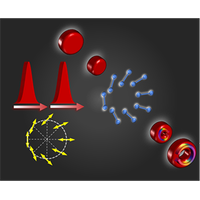
Phys. Rev. Lett. 136, 023202 (2026)
Atomic, Molecular, and Optical Physics
Rigorous Theory of Coupled Resonators
Article | Atomic, Molecular, and Optical Physics | 2026-01-16 05:00 EST
E. A. Muljarov
A new theory of coupled resonators based on a rigorous framework for mode coupling reveals that the standard tight-binding picture fundamentally breaks down for open resonators.
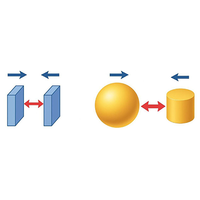
Phys. Rev. Lett. 136, 023801 (2026)
Atomic, Molecular, and Optical Physics
First-Principles Nanocapacitor Simulations of the Optical Dielectric Constant in Water Ice
Article | Condensed Matter and Materials | 2026-01-16 05:00 EST
Anthony Mannino, Graciele M. Arvelos, Kedarsh Kaushik, Emilio Artacho, Pablo Ordejon, Alexandre R. Rocha, Luana S. Pedroza, and Marivi Fernández-Serra
A first-principles framework involving a charge-separation protocol yields unique capacitance-derived polarizability and dielectric constants in nanocapacitors, reliably separating electrode and dielectric charges.
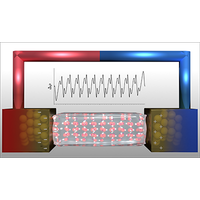
Phys. Rev. Lett. 136, 026202 (2026)
Condensed Matter and Materials
Quarter-Metal Superconductivity in Rhombohedral Graphene
Article | Condensed Matter and Materials | 2026-01-16 05:00 EST
Chiho Yoon, Tianyi Xu, Yafis Barlas, and Fan Zhang
We investigate the recently discovered multiple superconducting states in rhombohedral graphene quarter metal. We demonstrate that one of these states features a single-spin, single-valley, single-band, single-Fermi-pocket parent state and is most likely a chiral topological pair-density wave, chara…
Phys. Rev. Lett. 136, 026603 (2026)
Condensed Matter and Materials
arXiv
Spatially resolved collective modes in d-wave superconductors
New Submission | Superconductivity (cond-mat.supr-con) | 2026-01-16 20:00 EST
Kazi Ranjibul Islam, Samuel Awelewa, Andrey V. Chubukov, Maxim Dzero
We analyze the dispersion of collective modes in a superconductor with $ d-$ wave symmetry of the order parameter in the presence of long-range Coulomb interaction. We use diagrammatic technique and quasiclassical theory in Keldysh-Nambu formalism to compute longitudinal and transverse pair susceptibilities and extract from them the dispersion of the longitudinal and transverse collective mode. We show that at T=0, the dispersion of the transverse (plasma) mode is the same as in an s-wave superconductor, but at a finite temperature it is softer and has a much larger decay rate due to the partial screening of the Coulomb potential by nodal quasiparticles. We show that the dispersion of the longitudinal mode depends on the direction of momentum with respect to the positions of the nodes of the d-wave gap, while the decay rate of this mode does not depend on momentum. We discuss experimental implications of our results.
Superconductivity (cond-mat.supr-con), Strongly Correlated Electrons (cond-mat.str-el)
47 pages, 7 figures
Highly efficient superconducting diode effect in unconventional $p$-wave magnets
New Submission | Superconductivity (cond-mat.supr-con) | 2026-01-16 20:00 EST
Igor de M. Froldi, Hermann Freire
We investigate the emergence of superconducting phases, both with zero and finite Cooper-pair center of mass momenta, in recently proposed unconventional $ p$ -wave magnets. As a consequence, we find that, while these magnetic phases are in principle compatible with a conventional pairing state at zero field, a Fulde-Ferrell phase can generally be promoted as the leading instability under the application of a finite magnetic field. Interestingly, by calculating the efficiency of the superconducting diode effect of this finite momentum pairing state via a Ginzburg-Landau theory, we uncover that a high efficiency can be obtained in these systems for experimentally relevant spin splittings. Therefore, our prediction reveals that the experimental discovery of these new materials represents a promising platform for the construction of energy-efficient logic circuits that can potentially be used, e.g., in the fields of classical and quantum computing.
Superconductivity (cond-mat.supr-con), Strongly Correlated Electrons (cond-mat.str-el)
7 pages, 3 figures (main text). 9 pages, 5 figures (supplemental material)
Emergent Nonperturbative Universal Floquet Localization
New Submission | Disordered Systems and Neural Networks (cond-mat.dis-nn) | 2026-01-16 20:00 EST
Soumadip Pakrashi, Atanu Rajak, Sambuddha Sanyal
We show that a robust, nonperturbative localization plateau emerges in periodically driven quasiperiodic lattices, independent of the static localization properties and drive protocol. Using exact Floquet dynamics, Floquet perturbation theory, and optimal-order van Vleck analysis, we identify a fine-tuned amplitude-to-frequency ratio where all Floquet states become localized despite dense resonances. The van Vleck expansion achieves superasymptotic accuracy up to an optimal orde; it ultimately breaks down due to resonant hybridization at a weak quasiperiodic potential, revealing that the observed localization is nonperturbative.
Disordered Systems and Neural Networks (cond-mat.dis-nn), Other Condensed Matter (cond-mat.other), Statistical Mechanics (cond-mat.stat-mech), Quantum Physics (quant-ph)
4.5+2+6 pages, 2+5 figures
Entropic Approach to Critical Materials Assessment
New Submission | Other Condensed Matter (cond-mat.other) | 2026-01-16 20:00 EST
Most methodologies for materials criticality assessment score supply risk and societal importance. Market-based criteria offer quantitative measures for assessment. Here we develop a statistical approach based on a geologic entropy function in which flexible constraints, such as economic, national security related, or regulatory, can be applied. As an example, the formulation describes the relation between elemental price and crustal abundance for selected elements, both important to supply risk. The method may be applicable to parameters resulting from collective decisions exhibiting a highly peaked probability distribution.
Other Condensed Matter (cond-mat.other), Theoretical Economics (econ.TH), Geophysics (physics.geo-ph)
8 pages, 2 figures
Trapping $\tfrac{h}{2e}$ Flux in Metals
New Submission | Strongly Correlated Electrons (cond-mat.str-el) | 2026-01-16 20:00 EST
Zohar Komargodski, Fedor K. Popov
We report on a new flux quantization phenomenon in metals. We study the response of normal metals to the presence of localized magnetic flux. We find that, due to backreaction effects, the metal traps 0 flux or $ \tfrac{h}{2e}$ flux (half flux). We exhibit this effect both for metals pierced by magnetic solenoids and metals wrapping a magnetic solenoid. In the latter case we demonstrate the trapping of magnetic flux analytically. Furthermore, we find that as the solenoid is adiabatically turned off, a logarithmically enhanced localized equilibrium current persists, reflecting perfect defect-diamagnetism of the Fermi gas.
Strongly Correlated Electrons (cond-mat.str-el), High Energy Physics - Theory (hep-th)
27 pages, 11 figures
Barrier-crossing and energy relaxation dynamics of non-Markovian inertial systems connected via analytical Green-Fokker-Planck approach
New Submission | Statistical Mechanics (cond-mat.stat-mech) | 2026-01-16 20:00 EST
From numerical simulations it is known that the barrier-crossing time of a non-Markovian one-dimensional reaction coordinate with a single exponentially decaying memory function exhibits a memory-turnover: for intermediate values of the memory decay time the barrier-crossing time is reduced compared to the Markovian limit and for long memory times increases quadratically with the memory time when keeping the total integrated friction and the mass constant. The intermediate memory acceleration regime is accurately predicted by Grote-Hynes theory, for the asymptotic long-memory slow-down behavior no systematic analytically tractable theory is available. Starting from the Green function for a general inertial (i.e. finite-mass) non-Markovian Gaussian reaction coordinate in a harmonic well, we derive by an exact mapping a generalized Fokker-Planck equation with a time-dependent effective diffusion constant. To first order in a systematic cumulant expansion we derive an analytical Arrhenius expression for the barrier-crossing time with the pre-exponential factor given by the energy relaxation time, which can be used to robustly predict barrier-crossing times from simulation or experimental trajectory data of general non-Markovian inertial systems without the need to extract memory functions. For a single exponential memory kernel we give a closed-form expression for the barrier-crossing time, which reproduces the Kramers turnover between the high-friction and high-mass limits as well as the memory turnover from the intermediate memory acceleration to the asymptotic long-memory slow-down regime. We also show that non-Markovian systems are singular in the zero-mass limit, which suggests that the long-memory barrier-crossing slow-down reflects the interplay between mass and memory effects. Thus, physically sound models for non-Markovian systems have to include a finite mass.
Statistical Mechanics (cond-mat.stat-mech), Soft Condensed Matter (cond-mat.soft)
Coalescence of Printed Yield Stress Filaments in Direct Ink Writing
New Submission | Soft Condensed Matter (cond-mat.soft) | 2026-01-16 20:00 EST
Hugo L. França, Daniël Tieman, James D. Shemilt, Cassio Oishi, Maziyar Jalaal
In direct ink writing (DIW), neighbouring filaments of yield-stress inks are deposited side-by-side and are expected to merge into smooth, mechanically robust structures. Unlike Newtonian filaments, coalescence can arrest in finite time, leaving a permanent, non-flat ridge set by the competition between capillarity and rheology. Here we study the coalescence of two printed yield-stress filaments, combining scaling theory for the arrested state, direct numerical simulations, and DIW experiments on Carbopol gels imaged by optical coherence tomography. In the viscoplastic limit, we predict and observe an approximately linear decrease of the final bridge height with plastocapillary number and a critical yield stress above which coalescence does not initiate. Simulations further show that elasticity becomes important at high plastocapillary number, enabling larger final bridge heights via a crossover from a rigid Herschel–Bulkley solid to a deformable Kelvin–Voigt response. Our findings provide a framework for predicting deposition profiles and, ultimately, for mitigating residual topography in DIW.
Soft Condensed Matter (cond-mat.soft)
Multiple Andreev Reflection Effects in Asymmetric STM Josephson Junctions
New Submission | Superconductivity (cond-mat.supr-con) | 2026-01-16 20:00 EST
Wan-Ting Liao, S. K. Dutta, R. E. Butera, C. J. Lobb, F. C. Wellstood, M. Dreyer
We have examined the electrical behavior of Josephson junctions formed by a scanning tunneling microscope (STM) with a Nb sample and a Nb tip, with normal-state resistances Rn varying between 1 kOhm and 10 MOhm. Current-voltage characteristics were obtained as a function of Rn by varying the distance between the tip and sample at temperatures of 50 mK and 1.5 K. Rn decreases as the tip-sample separation is reduced, and the junction evolves from a phase-diffusion regime to an underdamped small junction regime, and then to a point contact regime. The subgap structure exhibits pronounced multiple Andreev reflection (MAR) features whose amplitudes and onset energies depend sensitively on junction transparency and gap asymmetry. To interpret these spectra, we generalize the Averin-Bardas MAR theory to superconductors with unequal gap magnitudes, providing a quantitative model appropriate for asymmetric STM junctions. The resulting fits yield the superconducting gaps of the electrodes, barrier transparency, and number of conduction channels as a function of Rn. Combining this analysis with Josephson junction dynamics, we further account for the observed switching and retrapping currents and the finite resistance of the supercurrent branch. Our results demonstrate that incorporating intrinsic electrode asymmetry is essential for reliably extracting transport parameters in STM-based superconducting weak links.
Superconductivity (cond-mat.supr-con), Mesoscale and Nanoscale Physics (cond-mat.mes-hall)
It Takes Two to Make a Thing Go Right: Boosting Current in Coupled Motors
New Submission | Statistical Mechanics (cond-mat.stat-mech) | 2026-01-16 20:00 EST
Geyao Gu, Drew Alvarez, John Strahan, Alex Albaugh, Emanuele Penocchio, Todd R. Gingrich
Catalysis-driven synthetic molecular motors operate in a loose mechanochemical coupling regime, one in which a decomposition of a fuel molecule does not reliably produce a forward step. In that regime, stochastic backward steps can significantly degrade the motor’s current, prompting us to ask whether mechanically coupling multiple such motors can boost their averaged current. By simulating rotaxane-based motors with two classes of models–particle-based nonequilibrium molecular dynamics and jump-diffusion models–we show that current boosts are physically achievable. Our observed boosts, which amplify current by single-digit factors, emerge when coupling between motors can increase the activity, speeding up the rate of both forward and backward steps. In doing so, the bias for preferring forward steps actually degrades, but the lost bias can be largely recovered by raising the fuel concentration, demonstrating a general design strategy: amplify activity through coupling and restore bias through stronger driving.
Statistical Mechanics (cond-mat.stat-mech)
Collapse of a single polymer chain: Effects of chain stiffness and attraction range
New Submission | Soft Condensed Matter (cond-mat.soft) | 2026-01-16 20:00 EST
Yanyan Zhu, Haim Diamant, David Andelman
Chain-like macromolecules in solution, whether biological or synthetic, transform from an extended conformation to a compact one when temperature or other system parameters change. This collapse transition is relevant in various phenomena, including DNA condensation, protein folding, and the behavior of polymers in solution. We investigate the interplay of chain stiffness and range of attraction between monomers in the collapse of a single polymer chain. We use Monte Carlo simulations based on the pruned-enriched Rosenbluth method. Two distinct behaviors are found depending on chain stiffness (represented by the persistence length lp) and attraction range rc. When lp is larger than rc, the chain collapses sharply with decreasing temperature, whereas if lp is smaller than rc, it contracts gradually. Notably, in the regime of small lp and large rc, this rounding into a gradual compaction persists upon increasing the chain length and may remain in place in the limit of infinite chain length. Furthermore, for small rc, the transition temperature (theta-temperature) increases with lp, whereas for large rc the theta-temperature decreases with lp. Thus, stiffness promotes collapse for small rc but suppresses it for large rc. Our findings are in agreement with recent experiments on the contraction of single-stranded RNA as compared to double-stranded DNA, and provide valuable insights for understanding polymer collapse and the essential polymer parameters affecting it.
Soft Condensed Matter (cond-mat.soft)
Ultra-Stable Weyl Topology Driven by Magnetic Textures in the Shandite Compound Co3Sn2S(2-x)Sex
New Submission | Materials Science (cond-mat.mtrl-sci) | 2026-01-16 20:00 EST
Dang Khoa Le, Eklavya Thareja, Bektur Konushbaev, Gina Pantano, Tom Saunderson, Manh-Huong Phan, Yuriy Mokrousov, Jacob Gayles
We employ state-of-the-art first-principles calculations to investigate the shandite compounds Co3Sn2S2, Co3Sn2SeS, and Co3Sn2Se2, which host Weyl fermions and complex magnetic textures. Their magnetic structures are governed primarily by exchange interactions and magnetocrystalline anisotropy, whereas the symmetry-allowed alternating-layer Dzyaloshinskii-Moriya interaction (DMI) is found to be negligible. We identify a previously unrecognized spin-chiral interaction (SCI) arising from the kagome lattice topology, which plays a decisive role in stabilizing the experimentally observed magnetic textures. The extracted magnetic parameters reproduce experimental trends, with the SCI emerging as a novel and dominant contribution. The calculated SCI strengths are 0.78 meV, 0.86 meV, and 0.87 meV for Co3Sn2S2, Co3Sn2SeS, and Co3Sn2Se2, respectively. Furthermore, we demonstrate that short-wavelength magnetic textures drive phase transitions of the Weyl nodes, resulting in band flattening and the opening of an emergent gap. This newly identified SCI, together with the associated electronically driven phase transitions, provides a promising route for manipulating transport properties in spintronic devices.
Materials Science (cond-mat.mtrl-sci)
8 pages, 4 figures
Composite Bogoliubov Fermi liquid in a half-filled Chern band
New Submission | Strongly Correlated Electrons (cond-mat.str-el) | 2026-01-16 20:00 EST
Zhengyan Darius Shi, Pavel A. Nosov
The composite Fermi liquid (CFL) in the half-filled Landau level is a cornerstone of the quantum Hall phase diagram. Recent experiments and numerics indicate that an anomalous composite Fermi liquid (ACFL) can also arise at half filling of a Chern band without any external magnetic field, opening new possibilities for paired states of composite fermions beyond the fully gapped Pfaffian phase. We argue that in inversion-asymmetric Chern bands with lattice rotational symmetry reduced to $ C_3$ , as realized in experimental platforms where signatures of the ACFL have been observed, composite fermions can form a superconductor with neutral gapless Bogoliubov Fermi surfaces. We term the resulting electronic state {\it the composite Bogoliubov Fermi liquid (CBFL)}. This phase has a number of remarkable properties that make it distinct from both the ACFL and the fully gapped Pfaffian. For instance, it is incompressible, has quantized Hall conductance, shows no quantum oscillations as a function of magnetic field or doping, and has topological ground state degeneracy on a torus despite the presence of gapless quasiparticles. At the same time, the neutral Bogoliubov Fermi surface yields metallic $ T$ -linear specific heat, non-quantized thermal conductance, Landau damping of density fluctuations, and a non-analytic $ |\mathbf{q}|^3$ contribution to the equal-time structure factor $ S(\mathbf{q})$ . We also briefly discuss vortex physics and possible fractionalized daughter states induced by doping or external magnetic fields. Our results pave the way for a broader understanding of gapless topological phases arising from paired composite fermions in Chern bands that go beyond the conventional Landau level paradigm.
Strongly Correlated Electrons (cond-mat.str-el), Superconductivity (cond-mat.supr-con)
5 pages, 4 figures, 22 page appendix
Ultra-low magnetization and hysteresis loss in APC Nb3Sn superconductors
New Submission | Superconductivity (cond-mat.supr-con) | 2026-01-16 20:00 EST
X Xu, F Wan, X Peng, M Sumption
For the accelerator magnets of the next hadron collider, reducing superconductor persistent-current magnetization is not only important for achieving the desired field quality, but also crucial for its sustainability because the magnetization loss is the major heat load to the magnet cold mass. For conventional Nb3Sn conductors this requires reduction of effective subelement size (Deff). For the restacked-rod-process (RRP) conductors a physical subelement size (Dsub) as small as 35 um (corresponding to a Deff close to 45 um) can be reached, but at a significant price in Jc. Another way to reduce the magnetization is by introducing artificial pinning centers (APC) using the internal oxidation approach. APC conductors outperform conventional Nb3Sn wires in two aspects: 1) higher Jc at high fields, and 2) much lower Jc and magnetization at low fields (e.g., below 5 T). In this work we explored the fabricability of APC wires with small Dsub. A 180-stack APC wire was produced and drawn to 0.7- and 0.5-mm diameters with good quality, with Dsubs of 34 and 24 um (Deffs of 36 and 25 um), respectively. For the 34-um-Dsub wire, its non-Cu Jc is higher than that of an RRP wire used for the High-Luminosity Large Hadron Collider (HL-LHC) project above 13 T (e.g., 36% higher at 4.2 K, 18 T), while its non-Cu magnetization at 1 T, {\Delta}M(1 T), is only 29% of the RRP wire. Its non-Cu hysteresis loss for a cycle between 1 and 14 T, Qh(1-14 T), is 37% of the RRP wire. For the 24-um-Dsub wire, its non-Cu Jc surpasses the HL-LHC RRP wire above 17.5 T, while its {\Delta}M(1 T) and Qh(1-14 T) are only 17% and 23% of the RRP wire, respectively. Its non-Cu Qh(+/-3 T) even meets the specification of the International Thermonuclear Experimental Reactor (ITER) project.
Superconductivity (cond-mat.supr-con)
4 figures
Supercond. Sci. Technol. 38, 125024 (2025)
Stochastic systems with Bose-Hubbard interactions: Effects of bias on particles on a random comb
New Submission | Statistical Mechanics (cond-mat.stat-mech) | 2026-01-16 20:00 EST
Swastik Majumder, Mustansir Barma
We study stochastic transport of interacting particles on a disordered network described by the random comb geometry. The model is defined on a one-dimensional backbone from which branches of random lengths emanate, providing a minimal model of percolation networks beyond the critical percolation probability. The dynamics obeys local detailed balance with respect to a Bose-Hubbard Hamiltonian containing both an external bias and on-site repulsion. This choice yields an analytically tractable steady state through a mapping to the zero-range-process. We compute the backbone current, branch density profiles, and macroscopic drift velocity, and analyze how bias and interactions compete to shape transport. The backbone current increases monotonically with density, while the drift velocity displays a non-monotonic dependence on the external field, remaining finite for any nonzero bias, in contrast to the vanishing drift velocity of noninteracting particles beyond a threshold bias. Density profiles along branches exhibit stepwise plateaus governed by the ratio of interaction to bias energy. These results highlight how repulsive interactions suppress trapping and restore transport in disordered geometries, bridging earlier studies of field induced drift in random networks with the physics of disordered Bose-Hubbard systems.
Statistical Mechanics (cond-mat.stat-mech)
5 pages, 3 figures
Topological textures and emergent altermagnetic signatures in ultrathin BiFeO3
New Submission | Materials Science (cond-mat.mtrl-sci) | 2026-01-16 20:00 EST
George Fratian, Maya Ramesh, Xinyan Li, Evangelos Golias, Yousra Nahas, Sebastian Maria Ulrich Schultheis, Julian Skolaut, Marti Checa, Arundhati Ghosal, Jan Priessnitz, F. C. Fobasso Mbognou, Shashank Kumar Ojha, Shiyu Zhou, Alexander Qualls, Kai Litzius, Christoph Klewe, Peter Meisenheimer, Laurent Bellaiche, Libor Šmejkal, Darrell G. Schlom, Yimo Han, Sergei Prokhorenko, Ramamoorthy Ramesh, Paul Stevenson, Angela Wittmann, Lucas Caretta
Magnetoelectric multiferroics, materials with intrinsically coupled electric polarization and magnetic order, promise ultralow-power switching, nonvolatile memory, and energy-efficient signal transduction. Yet practical deployment demands ultrathin films down to the atomic limit, where both orders typically degrade. Maintaining both order parameters at the thinnest scales in complex oxides remains a tremendous challenge, as uncompensated bound charge drives nanoscale depolarization in most ferroelectrics, while off-stoichiometry, reduced anisotropy, and charge transfer can produce magnetic dead layers in ultrathin oxides at substrate interfaces. Here, we realize a multiferroic phase of BiFeO3 that not only sustains both order parameters at room temperature with no dead layer but also exhibits signatures of emergent altermagnetism in the four-unit-cell, ultrathin limit. First-principles calculations, spin symmetry analysis, atomic-resolution imaging, and angle-resolved magnetic imaging reveal that short-circuit electrostatic boundary conditions, together with epitaxial strain, drive a continuous second-order, thickness-driven phase transition that enables the formation of multiferroic topological textures. Moreover, the imposed boundary conditions stabilize a d-wave altermagnetic time-reversal symmetry breaking, with corresponding signatures observed in magnetic circular dichroism. Collectively, these results establish a pathway to stabilize unconventional multiferroicity at device-relevant thicknesses, reframing scaling limits for oxide electronics.
Materials Science (cond-mat.mtrl-sci)
Performance of AI agents based on reasoning language models on ALD process optimization tasks
New Submission | Materials Science (cond-mat.mtrl-sci) | 2026-01-16 20:00 EST
In this work we explore the performance and behavior of reasoning large language models to autonomously optimize atomic layer deposition (ALD) processes. In the ALD process optimization task, an agent built on top of a reasoning LLM has to find optimal dose times for an ALD precursor and a coreactant without any prior knowledge on the process, including whether it is actually self-limited. The agent is meant to interact iteratively with an ALD reactor in a fully unsupervised way. We evaluate this agent using a simple model of an ALD tool that incorporates ALD processes with different self-limited surface reaction pathways as well as a non self-limited component. Our results show that agents based on reasoning models like OpenAI’s o3 and GPT5 consistently succeeded at completing this optimization task. However, we observed significant run-to-run variability due to the non deterministic nature of the model’s response. In order to understand the logic followed by the reasoning model, the agent uses a two step process in which the model first generates an open response detailing the reasoning process. This response is then transformed into a structured output. An analysis of these reasoning traces showed that the logic of the model was sound and that its reasoning was based on the notions of self-limited process and saturation expected in the case of ALD. However, the agent can sometimes be misled by its own prior choices when exploring the optimization space.
Materials Science (cond-mat.mtrl-sci), Artificial Intelligence (cs.AI), Machine Learning (cs.LG)
Weyl magnetoplasma waves in magnetic Weyl semimetals
New Submission | Mesoscale and Nanoscale Physics (cond-mat.mes-hall) | 2026-01-16 20:00 EST
Yuanzhao Wang, Oleg V. Kotov, Dmitry K. Efimkin
Weyl degeneracies in spectra of magnetoplasma waves enable nonreciprocal energy flow and topologically protected modes, yet conventional materials require impractical magnetic fields to operate. Developing an effective Hamiltonian framework for magnetic Weyl semimetals, we show that these systems overcome the limit, hosting Weyl magnetoplasma physics at zero field due to their giant intrinsic anomalous Hall response. The resulting topology supports nonreciprocal modes localized at magnetic domain walls, including a pair of topological “Fermi-arc-like modes and additional bound states. These effects are fully developed across a broad THz window, and we propose feasible experimental routes for their detection.
Mesoscale and Nanoscale Physics (cond-mat.mes-hall)
10 pages, 5 figures
Electronic structure theory of H$_{3}$S: Plane-wave-like valence states, density-of-states peak and its guaranteed proximity to the Fermi level
New Submission | Superconductivity (cond-mat.supr-con) | 2026-01-16 20:00 EST
Superconductivity in sulfur superhydride H$ _{3}$ S under extreme pressures has been explained theoretically, but it requires a peaked concentration of the electronic density of states (DOS), which has been found in first-principles calculations. The mechanism of this peak formation, though vital for its high transition temperature, has however remained obscure. We address this problem through detailed analysis of the first-principles electronic wave functions. The valence wave functions are shown to be significantly plane-wave-like. From the Fourier-mode analysis of the self-consistent potential and atomic pseudopotentials, we extract the nearly uniform models that accurately reproduce the first-principles band structure with very few parameters. The DOS peak is shown to be the consequence of the hybridization of specific plane waves. Adjacency of Jones’ large zone to the plane-wave spherical Fermi surface is posited to be the root cause of the multiple plane-wave hybridization, the DOS peak formation and its proximity to the Fermi level. The present theory resolves the minimal modeling problem of electronic states in H$ _{3}$ S, as well as establishes a mechanism that may help to boost the transition temperatures in pressure induced superconductors.
Superconductivity (cond-mat.supr-con), Materials Science (cond-mat.mtrl-sci), Computational Physics (physics.comp-ph)
8 pages, 5 figures, 2 tables; Submitted to Annalen der Physik Special Issue “Near Room-Temperature Superconductivity and Related Science”
Rotational Memory Function of SPC/E water
New Submission | Statistical Mechanics (cond-mat.stat-mech) | 2026-01-16 20:00 EST
Dilipkumar N. Asthagiri, Dmitry V. Matyushov
Memory effects are essential for dynamics of condensed materials and are responsible for non-exponential relaxation of correlation functions of dynamic variables through the memory function. Memory functions of dipole rotations for polar liquids have never been calculated. We present here calculations of memory functions for single-dipole rotations and for the overall dipole moment of the sample for SPC/E water. The memory functions for single-particle and collective dipole dynamics turn out to be nearly identical. This result validates theories of dielectric spectroscopy in terms of single-particle time correlation functions and the connection between the collective and single-particle relaxation times through the Kirkwood factor. The dielectric function in this formalism contains no new dynamic information that does not exist in the single-dipole correlation function. A short memory time, $ \lesssim 1$ fs, justifies the use of rotational diffusion model to describe dynamics of a single molecular dipole moment in bulk water.
Statistical Mechanics (cond-mat.stat-mech), Chemical Physics (physics.chem-ph)
7 pp, 5 figs
Hybrid superinductance with Al/InAs
New Submission | Mesoscale and Nanoscale Physics (cond-mat.mes-hall) | 2026-01-16 20:00 EST
Junseok Oh, Ido Levy, Tyler Cowan, Jacob Issokson, Archana Kamal, Javad Shabani, Andrew P. Higginbotham
We report microwave spectroscopy of Josephson junctions chains made from an epitaxial Al/InAs heterostructure. The chains exhibit superinductance, with characteristic wave impedance exceeding $ R_{Q} = \hbar/(2e)^{2}$ . The planar nature of the junctions results in a large plasma frequency, with no measurable deviations from ideal dispersion up to $ 12~\mathrm{GHz}$ . Internal quality factors decrease sharply with frequency, which we describe with a simple loss model. The possibility of a loss mechanism intrinsic to the superconductor-semiconductor junction is considered.
Mesoscale and Nanoscale Physics (cond-mat.mes-hall), Quantum Physics (quant-ph)
6 pages, 4 figures
Anomalous transport in quasiperiodic lattices: emergent exceptional points at band edges and log-periodic oscillations
New Submission | Mesoscale and Nanoscale Physics (cond-mat.mes-hall) | 2026-01-16 20:00 EST
Quasiperiodic systems host exotic transport regimes that are distinct from those found in periodic or disordered lattices. In this work, we study quantum transport in the Aubry-André-Harper lattice in a two-terminal setup coupled to zero-temperature reservoirs, where the conductance is evaluated via the nonequilibrium Green’s function method. In the extended phase, we uncover a universal subdiffusive transport when the bath chemical potential aligns with the band edges. Specifically, the typical conductance displays a scaling of $ \mathcal{G}_{\text{typ}}\sim L^{-2}$ with system size $ L$ . We attribute this behavior to the emergence of an exceptional point (Jordan normal form) in the transfer matrix in the thermodynamic limit. In the localized phase, the conductance shows exponential decay governed by the Lyapunov exponent. Intriguingly, in the critical phase, we identify pronounced log-periodic oscillations of the conductance as a function of system size, arising from the discrete scale invariance inherent to the singular-continuous spectrum. We further extend our analysis to the generalized Aubry-André-Harper model and provide numerical evidence suggesting that the exact mobility edge resides within a finite spectral gap. This results in a counter-intuitive exponential suppression of conductance precisely at the mobility edge. Our work highlights the distinct transport behaviors in quasiperiodic systems and elucidates how they are rigorously dictated by the underlying local spectral structure.
Mesoscale and Nanoscale Physics (cond-mat.mes-hall), Disordered Systems and Neural Networks (cond-mat.dis-nn), Quantum Physics (quant-ph)
11 pages, 6 figures
Electroluminescence in dopant-free GaAs/AlGaAs single heterojunctions: 2D free excitons, H-band, and the tidal effect
New Submission | Mesoscale and Nanoscale Physics (cond-mat.mes-hall) | 2026-01-16 20:00 EST
N. Sherlekar, S. R. Harrigan, L. Tian, B. Cunard, Y. Qi, B. Khromets, M. C. Tam, H. S. Kim, Z. R. Wasilewski, J. Baugh, M. E. Reimer, F. Sfigakis
Bright electroluminescence (EL) from dopant-free ambipolar lateral p-n junctions in GaAs/AlGaAs single heterointerface (SH) heterostructures is used to probe neutral free excitons arising from two-dimensional electron and hole gases (2DEGs and 2DHGs). The EL spectra reveal both the heavy-hole neutral free exciton (X$ ^0$ ) and the high-energy free exciton of the H band (HE). A combination of transition energies, lifetimes, spatial emission profiles, and temperature dependences points to a predominantly two-dimensional character for these excitons at the SH. For X$ ^0$ , the EL peak energies (1515.5-1515.7 meV) lie slightly above the corresponding bulk GaAs photoluminescence (PL) line at 1515.3 meV, while time-resolved measurements yield markedly shorter lifetimes for EL than for PL (337 ps vs. 1610 ps), consistent with recombination in a confined interfacial layer. The HE exciton exhibits a Stark blueshift under forward bias below threshold, and its energies and lifetimes (down to 575 ps) are tuned by the topgate voltage; above threshold, HE emission is quenched in favor of X$ ^0$ . Finally, the tidal effect $ -$ a form of pulsed EL generated by swapping the topgate voltage polarity in ambipolar field-effect transistors $ -$ produces an X$ ^0$ line at the same energy as in the lateral p-n junction and reproduces the characteristic nonmonotonic frequency dependence of the brightness previously observed in quantum-well heterostructures, again indicating a 2D-like origin. Taken together, these results show electrically generated and controllable 2D-like excitons (HE and X$ ^0$ ), thereby bridging 2D exciton physics and 2DEG/2DHG platforms in dopant-free GaAs/AlGaAs SH devices.
Mesoscale and Nanoscale Physics (cond-mat.mes-hall)
Density of States of Ru3 and Pt3 Clusters Supported on Sputter-Deposited TiO2
New Submission | Materials Science (cond-mat.mtrl-sci) | 2026-01-16 20:00 EST
Liam Howard-Fabretto, Timothy J. Gorey, Guangjing Li, Siriluck Tesana, Gregory F. Metha, Scott L. Anderson, Gunther G. Andersson
In this work, 3-atom clusters, Ru3 and Pt3, were deposited onto radio frequency RF-sputter deposited TiO2, treated with Ar+ ion sputtering. Ru3 was deposited by both solution submersion and chemical vapor deposition of Ru3(CO)12, while Pt3 was deposited under ultra-high vacuum using a laser vaporisation cluster source. The valence electronic density of states (DOS) of the deposited clusters were analysed after heat treatment using ultraviolet photoelectron spectroscopy (UPS) and metastable impact electron spectroscopy (MIES), where UPS measures the top several layers while MIES measures only the top atomic layer. XPS was used to determine the cluster surface coverages. The DOS were found to be very similar between Ru3 deposited by solution submersion and chemical vapor deposition. MIES results for Ru3 had contributions from titania O 2p sites due to encapsulation by a reduced titania overlayer. For Pt3 clusters the UPS and MIES results provided evidence that Pt was present on the topmost layer, and encapsulation did not occur. The proposed reason for the encapsulation of Ru3 but not of Pt3 is the higher surface energy of Ru over Pt. It is concluded that Pt clusters deposited onto TiO2 can modify the outermost layer by adding discrete energy levels on the surface, whereas the Ru clusters being encapsulated just below the surface generate a broad distribution of energy states close to the Fermi level. The outcome of this work is that Pt3-cluster-modified surfaces could be used as catalysts for reactions where the Pt3 energy levels are suitable for the respective reaction. The implication of the DOS found for photocatalytic water splitting are discussed.
Materials Science (cond-mat.mtrl-sci), Mesoscale and Nanoscale Physics (cond-mat.mes-hall)
43 pages, 13 Figures
Comparison of SCAN+U and r2SCAN+U for Charge Density Wave Instability and Lattice Dynamics in CuTe
New Submission | Strongly Correlated Electrons (cond-mat.str-el) | 2026-01-16 20:00 EST
Identifying an appropriate exchange-correlation functional and computational conditions is essential for explaining the fundamental physics of materials and predicting their properties. Here, we investigate the performance of the meta-GGA functionals SCAN and r2SCAN, with and without a Hubbard U, for describing the charge density wave (CDW) in the quasi-one-dimensional material CuTe. By examining the Te-Te bond modulation, phonon dispersions, and electronic structures, we identify clear differences in how the two functionals capture the structural and dynamical properties of the CDW formation. r2SCAN+U reproduces the experimentally observed Te-chain distortions in the CDW phase and the phonon soft mode at qCDW=(0.4, 0.0, 0.5) in the non-CDW phase, whereas SCAN exhibits unphysical phonon behavior. The atomic displacements of the soft mode agree well with the experimental Te modulation. Despite their similar electronic structures and optimized lattice constants, our results demonstrate that r2SCAN is a more suitable choice than SCAN for describing CDW formation and lattice dynamics in CuTe.
Strongly Correlated Electrons (cond-mat.str-el)
Microwave Kerr/Faraday Resonance in Two-dimensional Chiral Superconductors
New Submission | Superconductivity (cond-mat.supr-con) | 2026-01-16 20:00 EST
Taiki Matsushita, Jun’ichi Ieda, Yasufumi Araki, Takahiro Morimoto, Ilya Vekhter, Youichi Yanase
We investigate the polar Kerr and Faraday effects in two-dimensional multiband chiral superconductors. We show that the clapping modes–the relative phase and amplitude oscillations between two chiral components of the superconducting order parameter–lie well within the quasiparticle excitation gap in multiband systems and dominate these magneto-optical responses in the microwave regime. The Kerr and Faraday rotation angles exhibit the resonant enhancement with sign reversals in the microwave regime as a function of the light frequency, reaching peak values on the order of 100 nrad–10 $ \mu$ rad in thin films of candidate chiral superconductors. These resonances are accessible in superconducting atomic layer materials and provide a generic probe of chiral superconductivity in two-dimensional systems.
Superconductivity (cond-mat.supr-con), Materials Science (cond-mat.mtrl-sci), Strongly Correlated Electrons (cond-mat.str-el)
8 pages, 4 figures
Electric field effects in one-dimensional spin-1/2 $K_1J_1Γ_1Γ_1^\prime K_2J_2$ model with ferromagnetic Kitaev coupling
New Submission | Strongly Correlated Electrons (cond-mat.str-el) | 2026-01-16 20:00 EST
Wang Yang, Helin Wang, Chao Xu
We perform a systematic study on the effects of electric fields in the Luttinger liquid phase of the one-dimensional spin-$ 1/2$ $ K_1J_1\Gamma_1\Gamma_1^\prime K_2J_2$ model in the region of ferromagnetic nearest-neighboring Kitaev coupling. We find that while electric fields along $ (1,1,1)$ -direction maintain the Luttinger liquid behavior, fields along other directions drive the system to a dimerized state. An estimation is made on how effective a $ (1,1,1)$ -field is for tuning the Luttinger parameter in real materials. Our work is useful for understanding the effects of electric fields in one-dimensional generalized Kitaev spin models, and provides a starting point for exploring the electric-field-related physics in two dimensions based on a quasi-one-dimensional approach.
Strongly Correlated Electrons (cond-mat.str-el)
18 pages, 6 figures
A Neuroevolution Potential for Gallium Oxide: Accurate and Efficient Modeling of Polymorphism and Swift Heavy-Ion Irradiation
New Submission | Materials Science (cond-mat.mtrl-sci) | 2026-01-16 20:00 EST
Yaohui Gu, Binbo Li, Lingyang Jiang, Yuhui Hu, Wenqiang Liu, Lijun Xu, Pengfei Zhai, Jie Liu, Jinglai Duan
Gallium oxide (Ga2O3) is a wide-bandgap semiconductor with promising applications in high-power and high-frequency electronics. However, its complex polymorphic nature poses substantial challenges for fundamental studies, particularly in understanding phase-transformation behaviors under nonequilibrium conditions. Here, we develop a robust, accurate, and computationally efficient machine-learning interatomic potential (MLIP) for Ga2O3 based on the neuroevolution potential (NEP) framework combined with an energy-dependent weighting strategy. The resulting NEP potential demonstrates clear advantages over the state-of-the-art tabGAP potential with respect to both accuracy and computational efficiency. Furthermore, we introduce a physically process-oriented sampling strategy to systematically augment the training dataset, thereby enhancing the MLIP performance for targeted physical phenomena. As a representative application, a dedicated NEP potential is constructed for swift heavy-ion (SHI) irradiation simulations of \b{eta}-Ga2O3. The simulated results are in quantitative agreement with experimental observations and provide a consistent physical explanation for the reported experimental discrepancies regarding phase transformations in the ion track of \b{eta}-Ga2O3.
Materials Science (cond-mat.mtrl-sci)
13 pages, 9 figures
Effect of Number of Bilayers on the Anomalous Hall Effect in [Si/Fe]N Multilayers
New Submission | Materials Science (cond-mat.mtrl-sci) | 2026-01-16 20:00 EST
Sudhansu Sekhar Das, M. Senthil Kumar
The influence of varying the number of bilayers (N) on the anomalous Hall effect (AHE) in sputtered Si/Fe multilayers has been investigated. Both the AHE and magnetisation data reveal the in-plane magnetic anisotropy in the samples. Large enhancement of about 24 times in the saturation anomalous Hall resistance (R_Ahs) and anomalous Hall sensitivity (S) has been observed upon decreasing N from 20 to 1. When compared with the bulk Fe, the values of R_Ahs and anomalous Hall coefficient, Rs obtained for N= 1 were enhanced by about 5 and 3 orders of magnitude, respectively. The Rs follows the longitudinal electrical resistivity Rho as Rs proportional to Rho^2.1, suggesting side jump as the dominant mechanism of the AHE. The S as high as 22 Ohm/T over a wide operational field range of -8 to +8 kOe has been obtained for N = 1.
Materials Science (cond-mat.mtrl-sci)
4 pages, 6 figures
IEEE Transactions on Magnetics, vol. 50, no. 11, pp. 1-4, Nov. 2014, Art no. 2005604
Classification and design of two-dimensional altermagnets
New Submission | Materials Science (cond-mat.mtrl-sci) | 2026-01-16 20:00 EST
Sike Zeng, Dong Liu, Hongjie Peng, Chang-Chun He, Xiao-Bao Yang, Yu-Jun Zhao
Altermagnets – newly identified collinear antiferromagnets – carry zero net moment with non-relativistic, spin-polarized bands, distilling the best of ferromagnets and antiferromagnets into a single spintronic platform. Shrunking to the two-dimensional limit, they inherit the tunability of two-dimensional crystals while adding symmetry-protected spin splitting, a combination now driving intense experimental interest. Here, we review the symmetry classification of two-dimensional altermagnets based on spin-group theory and survey the growing list of candidate materials, emphasizing those with large spin splitting for experimental realization. We then examine strategies for engineering two-dimensional altermagnetism. This Review aims to consolidate theoretically proposed candidate materials and realization strategies for two-dimensional altermagnets, providing insights for future experimental efforts in this emerging field.
Materials Science (cond-mat.mtrl-sci)
Comprehensive Molecular-level Understanding of MgO Hydration through Computational Chemistry
New Submission | Materials Science (cond-mat.mtrl-sci) | 2026-01-16 20:00 EST
The hydration of magnesium oxide (MgO) to magnesium hydroxide (Mg(OH)$ _2$ ) is a fundamental solid-surface chemical reaction with significant implications for materials science. Yet its molecular-level mechanism from water adsorption to Mg(OH)$ _2$ nucleation and growth remains elusive due to its complex and multi-step nature. Here, we elucidate the molecular process of MgO hydration based on structures of the MgO/water interface obtained by a combined computational chemistry approach of potential-scaling molecular dynamics simulations and first-principles calculations without any a priori assumptions about reaction pathways. The result shows that the Mg$ ^{2+}$ dissolution follows the dissociative water adsorption. We find that this initial dissolution can proceed exothermically even from the defect-free surface with an average activation barrier of $ \sim$ 12 kcal/mol. This exothermicity depends crucially on the stabilization of the resulting surface vacancy, achieved by proton adsorption onto neighboring surface oxygen atoms. Further Mg$ ^{2+}$ dissolution then occurs in correlation with proton penetration into the solid. Moreover, we find that the Mg(OH)$ _2$ nucleation and growth proceeds according to the dissolution-precipitation mechanism, rather than a solid-state reaction mechanism involving a direct topotactic transformation. In this process, Mg$ ^{2+}$ ions migrate away from the surface and form amorphous Mg-OH chains as precursors for Mg(OH)$ _2$ nucleation. We also demonstrate that sufficient water facilitates the formation of more ordered crystalline nuclei. This computational study provides a comprehensive molecular-level understanding of MgO hydration, representing a foundational step toward elucidating the mechanisms of this class of complex and multi-step solid-surface chemical reactions.
Materials Science (cond-mat.mtrl-sci)
This document is the unedited Author’s version of a Submitted Manuscript subsequently accepted for publication in The Journal of Physical Chemistry C, copyright \c{opyright} American Chemical Society. To access the final edited and published work see this https URL
Growth and hydrostatic-pressure study of a type-II superconductor Bi$_2$Ta$_3$S$_6$ single crystal
New Submission | Superconductivity (cond-mat.supr-con) | 2026-01-16 20:00 EST
Li Chenglin, Yang Yaling, Yang Zhilong, Deng Junze, Zhang Ruihan, Chen Weiwei, Pan Yue, Wang Yulong, Wang Xuhui, Wang Bosen, Wang Zhijun, Wang Gang
We report the growth and physical properties of single-crystalline Bi$ _2$ Ta$ _3$ S$ 6$ crystallizing in $ P6_3/mcm$ space group, which comprises alternating Ta-S layers and Bi layers with each Bi atom connected with adjacent S atoms. Temperature-dependent electrical resistivity measurements reveal a superconducting transition at 0.84 K, with upper critical field 231 Oe under an out-of-plane magnetic field. The magnetization measurements confirm its nature as a type-II superconductor, with anisotropic Ginzburg-Landau parameter $ \kappa{ab}$ = 7.67 and $ \kappa_c$ = 4.50. Hall measurements indicate the dominant carriers as hole. Hydrostatic pressure is applied, under which both the superconducting transition temperature and upper critical field increase sharply under low pressure before undergoing slight suppression under higher pressure. Density functional theory calculations reveal non-trivial topological surface states on (100) surface in Bi$ _2$ Ta$ _3$ S$ _6$ , which may offer a new avenue for exploring potential topological superconductivity in layered transition metal dichalcogenides.
Superconductivity (cond-mat.supr-con)
15 pages, 7 figures
Physically Unclonable Functions Based on Single-Walled Carbon Nanotubes: A Scalable and Inexpensive Method toward Unique Identifiers
New Submission | Materials Science (cond-mat.mtrl-sci) | 2026-01-16 20:00 EST
Enrique Burzurí, Daniel Granados, Emilio M. Pérez
A physically un-clonable function (PUF) is a physical system that cannot be reproduced or predicted and therefore is a good basis to build security and anti-counterfeiting applications. The unclonability of PUFs typically stems from the randmoness induced in a system during sophisticated fabrication methods. It is precisely this built-in complexity the bottleneck hindering scalability and increasing costs. Here, we produce in a simple manner PUFs based on arrays of carbon nanotubes junctions simultaneously assembled by dielectrophoresis. We demonstrate that the intrinsic inhomogeneity of carbon nanotubes at the nanoscale, combined with the unpredictability introduced by liquid phase-based fabrication methods results in unique electronic profiles of easily scalable devices. This approach could be extrapolated to generate PUFs based on other nanoscale materials
Materials Science (cond-mat.mtrl-sci), Applied Physics (physics.app-ph)
ACS Appl. Nano Mater. 2019, 2, 4, 1796-1801
Random matrix theory universality of current operators in spin-$S$ Heisenberg chains
New Submission | Statistical Mechanics (cond-mat.stat-mech) | 2026-01-16 20:00 EST
Mariel Kempa, Markus Kraft, Robin Steinigeweg, Jochen Gemmer, Jiaozi Wang
Quantum chaotic systems exhibit certain universal statistical properties that closely resemble predictions from random matrix theory (RMT). With respect to observables, it has recently been conjectured that, when truncated to a sufficiently narrow energy window, their statistical properties can be described by an unitarily invariant ensemble, and testable criteria have been introduced, which are based on the scaling behavior of free cumulants. In this paper, we investigate the conjecture numerically in translationally invariant Heisenberg spin chains with spin quantum number $ S =\frac{1}{2},1,\frac{3}{2}$ . Combining a quantum-typicality-based numerical method with the exploitation of the system’s symmetries, we study the spin current operator and find clear evidence of consistency with the proposed criteria in chaotic cases. Our findings further support the conjecture of the existence of RMT universality as manifest in the observable properties in quantum chaotic systems.
Statistical Mechanics (cond-mat.stat-mech), Quantum Physics (quant-ph)
7 pages, 3 figures
Integral Variable Range Hopping for Modeling Electrical Transport in Disordered Systems
New Submission | Disordered Systems and Neural Networks (cond-mat.dis-nn) | 2026-01-16 20:00 EST
Chenxin Qin, Chenyan Wang, Mouyang Cheng, Ji Chen
The variable range hopping (VRH) model has been widely applied to describe electrical transport in disordered systems, providing theoretical formulas to fit temperature-dependent electric conductivity. These models rely on oversimplified assumptions that restrict their applicability and result in problematic fitting behaviors, yet their overusing situation is becoming increasingly serious. In this work we formulate an integral variable range hopping (IVRH) model, which replaces the empirical temperature power-law dependence in standard VRH theories with a physics-inspired integral formulation. The model builds upon the standard hopping probability $ \omega(R)$ w.r.t. hopping distance $ R$ and incorporates the density of accessible electronic states through an effective volume function $ V(R)$ , which reflects the influence of system geometry. The IVRH formulation inherently reproduces both the Mott behavior at low temperatures and the Arrhenius behavior at high temperatures, respectively, and enables a smooth transition between the two regimes. We apply the IVRH model to two-dimensional, three-dimensional, and multi-layered systems. Monte Carlo simulations validate the model’s predictions and yield consistent values for the fitting parameters, with substantially reduced variances compared to fitting using the standard VRH model. Furthermore, the improved robustness of IVRH also extends to the transport measurements in monolayer MoS$ _2$ system and monolayer WS$ _2$ system, enabling more physically meaningful this http URL model offers a more stable and physically sound framework for interpreting hopping transport in low-dimensional amorphous materials, providing deeper insights into the universal geometric scaling factors that govern charge transport in disordered systems.
Disordered Systems and Neural Networks (cond-mat.dis-nn)
7 pages, 4 figures
Quantum Monte Carlo study of systems interacting via long-range interactions mediated by a cavity
New Submission | Quantum Gases (cond-mat.quant-gas) | 2026-01-16 20:00 EST
Marta Domínguez-Navarro, Abel Rojo-Francàs, Bruno Juliá-Díaz, Grigori E. Astrakharchik
We study one-dimensional quantum gases in continuous space with cavity-mediated infinite-range interactions using variational and diffusion Monte Carlo methods. Starting from the exact two-body solution, we construct a non-translationally invariant Jastrow wavefunction that accurately captures the spatial structure induced by the cavity field and provides an efficient many-body ansatz for both bosonic and fermionic systems. We analize properties of three characteristic quantum systems, subject to long-range interactions: (i) ideal Bose gas (ii) interacting Bose gas (iii) ideal Fermi gas. In the absence of short-range interactions, we identify a crossover from a stable, weakly modulated phase realized for repulsive interactions to a delocalized bound state for attractive interactions, marked by clustering, loss of superfluidity, and the absence of a thermodynamic limit. Introducing short-range repulsion, either through contact interactions or fermionic statistics, leads to the formation of a mesoscopic gas-like regime that disappears in the thermodynamic limit. A qualitative phase diagram is proposed to illustrate the combined effects of short- and long-range interactions, highlighting the emergence of distinct regimes with characteristic structural properties.
Quantum Gases (cond-mat.quant-gas)
13 pages, 7 figures
Computer Generation of Disordered Networks with Targeted Structural Properties
New Submission | Disordered Systems and Neural Networks (cond-mat.dis-nn) | 2026-01-16 20:00 EST
Florin Hemmann, Vincent Glauser, Ullrich Steiner, Matthias Saba
Disordered spatial networks are model systems that describe structures and interactions across multiple length scales. Scattering and interference of waves in these networks can give rise to structural phase transitions, localization, diffusion, and band gaps. The study of these complex phenomena requires efficient numerical methods to computer-generate disordered networks with targeted structural properties. In the established Wooten-Weaire-Winer algorithm, a series of bond switch moves introduces disorder into an initial network. Conventional strain energies that govern this evolution are limited to 3D networks with coordination numbers of no more than four. We extend the algorithm to arbitrary coordination number statistics by introducing bond repulsion in the Keating strain energy. We tune the degree and type of disorder introduced into initially crystalline networks by varying the bond-bending force constant in the strain energy and the temperature profile. The effects of these variables are analyzed using a list of order metrics that capture both direct and reciprocal space. A feedforward neural network is trained to predict the structural characteristics from the algorithm inputs, enabling targeted network generation. As a case study, we statistically reproduce four disordered biophotonic networks exhibiting structural color. This work presents a versatile method for generating disordered networks with tailored structural properties. It will enable new insights into structure-property relations, such as photonic band gaps in disordered networks.
Disordered Systems and Neural Networks (cond-mat.dis-nn)
Enhanced multi-parameter metrology in dissipative Rydberg atom time crystals
New Submission | Quantum Gases (cond-mat.quant-gas) | 2026-01-16 20:00 EST
Bang Liu, Jun-Rong Chen, Yu Ma, Qi-Feng Wang, Tian-Yu Han, Hao Tian, Yu-Hua Qian, Guang-Can Guo, Li-Hua Zhang, Bin-Bin Wei, Abolfazl Bayat, Dong-Sheng Ding, Bao-Sen Shi
The pursuit of unprecedented sensitivity in quantum enhanced metrology has spurred interest in non-equilibrium quantum phases of matter and their symmetry breaking. In particular, criticality-enhanced metrology through time-translation symmetry breaking in many-body systems, a distinct paradigm compared to spatial symmetry breaking, is a field still in its infancy. Here, we have investigated the enhanced sensing at the boundary of a continuous time-crystal (CTC) phase in a driven Rydberg atomic gas. By mapping the full phase diagram, we identify the parameter-dependent phase boundary where the time-translation symmetry is broken. This allows us to use a single setup for measuring multiple parameters, in particular frequency and amplitude of a microwave field. By increasing the microwave field amplitude, we first observe a phase transition from a thermal phase to a CTC phase, followed by a second transition into a distinct CTC state, characterized by a different oscillation frequency. Furthermore, we reveal the precise relationship between the CTC phase boundary and the scanning rate, displaying enhanced precision beyond the Standard Quantum Limit. This work not only provides a promising paradigm rooted in the critical properties of time crystals, but also advances a method for multi-parameter sensing in non-equilibrium quantum phases.
Quantum Gases (cond-mat.quant-gas), Atomic Physics (physics.atom-ph)
Capillary Slinky: Equilibrium and Dynamics of Droplets in a Soft Spring
New Submission | Soft Condensed Matter (cond-mat.soft) | 2026-01-16 20:00 EST
Bidisha Bhatt, Andreas Carlson
Springs can be found in many applications and biological systems, and when these are soft, they easily deform. At small scales, capillarity can induce a force leading to spring deformations when the elastocapillary number is small. We demonstrate through experiments the non-trivial equilibrium shape liquid droplets adopt in these soft springs, which form an annulus, Eruciform, and spherical shapes. When these droplets are set in motion, they display different flow regimes with significant dissipation generated by the internal rotational flow. The static and dynamics of droplets in such a capillary slinky is also used to demonstrate how surface tension can actuate springs by stretching/compression, while providing a way for active flow control in soft springs.
Soft Condensed Matter (cond-mat.soft), Fluid Dynamics (physics.flu-dyn)
Topology-Directed Silicide Formation: An Explanation for the Growth of C49-TiSi$_2$ on the Si(100) Surface
New Submission | Materials Science (cond-mat.mtrl-sci) | 2026-01-16 20:00 EST
Lukas Hückmann, Jonathon Cottom, Jörg Meyer, Emilia Olsson
Designing metal-semiconductor junctions is essential for optimizing the performance of modern nanoelectronic devices. A widely used material is TiSi$ _2$ , which combines low electronic resistivity with good endurance. However, its multitude of polymorphs continues to pose a challenge for device fabrication. In particular, the naturally occurring formation of the metastable C49-TiSi$ _2$ modification remains poorly understood and is problematic due to its unfavorable electronic properties. Based on extensive DFT calculations, we present a comprehensive model of Ti adsorption on Si(100) that highlights the pivotal role of surface topology for the initial stages of the interfacial TiSi$ _2$ formation process. We show that the interplay between Si surface dimers, the symmetry of the Si(100) surface, and the incorporation of Ti adsorbates below the surface drives an adsorption pattern that yields a nucleation template for the C49-TiSi$ _2$ phase. Our atomistic model rationalizes experimental observations like the Stranski-Krastanov growth mode, the preferential formation of C49-TiSi$ _2$ despite it being less favorable than the competing C54 phase, and why disruption of the surface structure restores thermodynamically driven growth of the latter. Ultimately, this novel perspective on the unique growth of TiSi$ _2$ will help to pave the way for next-generation electronic devices.
Materials Science (cond-mat.mtrl-sci)
Advanced Manufacturing with Renewable and Bio-based Materials: AI/ML workflows and Process Optimization
New Submission | Soft Condensed Matter (cond-mat.soft) | 2026-01-16 20:00 EST
Rigoberto Advincula, Jihua Chen
Advanced manufacturing with new bio-derived materials can be achieved faster and more economically with first-principle-based artificial intelligence and machine learning (AI/ML)-derived models and process optimization. Not only is this motivated by increased industry profitability, but it can also be optimized to reduce waste generation, energy consumption, and gas emissions through additive manufacturing (AM) and AI/ML-directed self-driving laboratory (SDL) process optimization. From this perspective, the benefits of using 3D printing technology to manufacture durable, sustainable materials will enable high-value reuse and promote a better circular economy. Using AI/ML workflows at different levels, it is possible to optimize the synthesis and adaptation of new bio-derived materials with self-correcting 3D printing methods, and in-situ characterization. Working with training data and hypotheses derived from Large Language Models (LLMs) and algorithms, including ML-optimized simulation, it is possible to demonstrate more field convergence. The combination of SDL and AI/ML Workflows can be the norm for improved use of biobased and renewable materials towards advanced manufacturing. This should result in faster and better structure, composition, processing, and properties (SCPP) correlation. More agentic AI tasks, as well as supervised or unsupervised learning, can be incorporated to improve optimization protocols continuously. Deep Learning (DL), Reinforcement Learning (RL), and Deep Reinforcement Learning (DRL) with Deep Neural Networks (DNNs) can be applied to more generative AI directions in both AM and SDL, with bio-based materials.
Soft Condensed Matter (cond-mat.soft)
23 pages, 5 figures, and 2 tables
Basal-plane anisotropy of field-induced multipolar order in tetragonal CeRh$_2$As$_2$
New Submission | Strongly Correlated Electrons (cond-mat.str-el) | 2026-01-16 20:00 EST
Konstantin Semeniuk, Burkhard Schmidt, Christophe Marcenat, Meike Pfeiffer, Albin Demuer, Lipsa Behera, Thierry Klein, Seunghyun Khim, Elena Hassinger
Unconventional superconductivity in Ce-based Kondo-lattice materials emerges almost exclusively in the vicinity of weak dipolar magnetic orders, while higher multipolar orders are only known to occur in a few Pr-based unconventional superconductors and possibly URu$ _2$ Si$ _2$ . The multiphase superconductor CeRh$ _2$ As$ _2$ appears to be a notable exception from this trend. Showing clear signatures of magnetism, this tetragonal system is suspected to host a concomitant quadrupolar order, which could be causing the strong enhancement of the ordering temperature when a magnetic field is applied perpendicular to the fourfold ($ c$ ) axis of the lattice. In this work, we show that the field-temperature phase diagram of CeRh$ _2$ As$ _2$ has a remarkable basal-plane anisotropy. This finding supports the scenario of coupled magnetic and multipolar ordering, which may have implications for the pairing mechanism of the superconductivity, and guides the development of the next iteration of theoretical models.
Strongly Correlated Electrons (cond-mat.str-el)
Includes Supplemental Material
Cloud parameter estimation for interacting BEC after time-of-flight
New Submission | Quantum Gases (cond-mat.quant-gas) | 2026-01-16 20:00 EST
Rasmus Malthe Fiil Andersen, Stine Frederiksen, Laurits Stockholm, Ilja Zebergs, Mick Kristensen, Carrie Weidner, Jan Joachim Arlt
Experiments on Bose-Einstein condensates at finite temperature typically extract the system parameters, such as temperature, atom number, and condensed fraction from time-of-flight images taken after a free expansion time. This paper systematically examines the effect of repulsive interactions between the condensed and thermal atoms in partially condensed clouds on the expansion profile of the thermal cloud. An analytical expression for the expansion can be obtained only if the interactions between the Bose-Einstein condensate and thermal atoms are neglected, resulting in a Bose-enhanced distribution for the thermal component. Here, the deformation of the cloud due to interactions and the effects on estimated parameters are investigated by simulating the expansion using a ballistic approximation. By fitting the simulated expansion profiles with a Bose-enhanced distribution, the errors of using such a fit are estimated, and the results are explained phenomenologically. The simulation was also used as a fitting function for experimental data, showing better agreement of the extracted condensed fraction with the semi-ideal model than results from a Bose-enhanced fit.
Quantum Gases (cond-mat.quant-gas), Atomic Physics (physics.atom-ph), Quantum Physics (quant-ph)
The eigenvalues and eigenvectors of finite-rank normal perturbations of large rotationally invariant non-Hermitian matrices
New Submission | Disordered Systems and Neural Networks (cond-mat.dis-nn) | 2026-01-16 20:00 EST
Pierre Bousseyroux, Marc Potters
We study finite-rank normal deformations of rotationally invariant non-Hermitian random matrices. Extending the classical Baik-Ben Arous-Péché (BBP) framework, we characterize the emergence and fluctuations of outlier eigenvalues in models of the form $ \mathbf{A} + \mathbf{T}$ , where $ \mathbf{A}$ is a large rotationally invariant non-Hermitian random matrix and $ \mathbf{T}$ is a finite-rank normal perturbation. We also describe the corresponding eigenvector behavior. Our results provide a unified framework encompassing both Hermitian and non-Hermitian settings, thereby generalizing several known cases.
Disordered Systems and Neural Networks (cond-mat.dis-nn), Mathematical Physics (math-ph), Probability (math.PR)
Spinodal decomposition in filled polymer blends exhibiting upper critical solution temperature behavior
New Submission | Soft Condensed Matter (cond-mat.soft) | 2026-01-16 20:00 EST
By extending the Sanchez-Lacombe lattice-fluid model for mixtures to the case of polymer blends containing solid fillers, we calculate the excess thermodynamic quantities arising from the presence of fillers. These results are then used to derive the spinodal stability condition of a filled polymer blend. In the low-compressibility limit, this condition reduces to a remarkably simple analytical expression that is derived self-consistently within the present framework. Comparison between the exact and approximate spinodal curves shows excellent agreement, with deviations in the spinodal temperature of less than 4 K, thereby validating the proposed approximation. The obtained analytical approximation enables a straightforward evaluation of the spinodal temperature without the extensive numerical calculations required to determine the exact spinodal condition. Both the exact and approximate spinodal conditions yield good quantitative agreement with experimental data for filled and unfilled blends.
Soft Condensed Matter (cond-mat.soft)
The transformation mechanisms among cuboctahedra, Ino’s decahedra and icosahedra structures of magic-size gold nanoclusters
New Submission | Materials Science (cond-mat.mtrl-sci) | 2026-01-16 20:00 EST
Ehsan Rahmatizad Khajehpasha, Mohammad Ismaeil Safa, Nasrin Eyvazi, Marco Krummenacher, Stefan Goedecker
Gold nanoclusters possess multiple competing structural motifs with small energy differences, enabling structural coexistence and interconversion. Using a high-accuracy machine learned potential trained on some 20’000 density functional theory reference data points, we investigate transformation pathways connecting both high-symmetry and amorphous cuboctahedra, Ino’s decahedra and icosahedra for Au55, Au147, Au309 and Au561 nanoclusters. Our saddle point searches reveal that high-symmetry transformations from cuboctahedra and Ino’s decahedra to icosahedra proceed through a single barrier and represent soft-mode-driven jitterbug-type and slip-dislocation motions. In addition, we identify lower-barrier asymmetric transformation pathways that drive the system into disordered, Jahn-Teller-stabilized amorphous icosahedra. Minima Hopping sampling further uncovers, in this context, many such low-symmetry minima. Some of the newly identified global minima for Au309 and Au561 have energies that are up to 2.8 eV lower than the previously reported global minima. Hence, both the shapes and the transformation pathways studied in previous investigations are not the physically relevant ones. In contrast to the previously studied pathways, our transformation pathways give reasonable transformation times that are in rough agreement with experiments.
Materials Science (cond-mat.mtrl-sci), Computational Physics (physics.comp-ph)
Quantum Theory and Unusual Dielectric Functions of Graphene
New Submission | Mesoscale and Nanoscale Physics (cond-mat.mes-hall) | 2026-01-16 20:00 EST
V. M. Mostepanenko, G. L. Klimchitskaya
We address the spatially nonlocal dielectric functions of graphene at any frequency derived starting fromthe first principles of thermal quantum field theory using the formalism of the polarization tensor. After a brief review of this formalism, the longitudinal and transverse dielectric functions are considered at any relationship between the frequency and the wave vector. The analytic properties of their real and imaginary parts are investigated at low and high frequencies. Emphasis is given to the double pole at zero frequency which arises in the transverse dielectric function. The role of this unusual property for solving the problem of disagreement between experiment and theory in the Casimir effect is discussed. We guess that a more complete dielectric response of ordinary metals should also be spatially nonlocal and its transverse part may possess the double pole in the region of evanescent waves.
Mesoscale and Nanoscale Physics (cond-mat.mes-hall), Materials Science (cond-mat.mtrl-sci), Quantum Physics (quant-ph)
14 pages, 4 figures; Physics, to appear
Effects of Integrated Heatsinking on Superconductivity in Tantalum Nitride Nanowires at the 300 Millimeter Scale
New Submission | Superconductivity (cond-mat.supr-con) | 2026-01-16 20:00 EST
Ekta Bhatia, Tharanga R. Nanayakkara, Chenyu Zhou, Tuan Vo, Wenli Collison, Jakub Nalaskowski, Stephen Olson, Soumen Kar, Hunter Frost, John Mucci, Brian Martinick, Ilyssa Wells, Thomas Murray, Corbet Johnson, Charles T Black, Mingzhao Liu, Satyavolu S Papa Rao
We report the superconducting properties of tantalum nitride (TaN) nanowires and TaN/copper (TaN/Cu) bilayer nanowires fabricated on 300 mm silicon wafers using CMOS-compatible processes. We evaluate how an integrated Cu heatsink modifies the superconducting response of TaN nanowires by improving thermal dissipation without significantly compromising key superconducting parameters. Through analysis of hysteresis in current-voltage curves, we demonstrate that Cu integration improves heat dissipation, supporting expectations of faster reset times in superconducting nanowire single-photon detectors (SNSPDs), consistent with enhanced heat transfer away from the hot spot. Using the Skocpol-Beasley-Tinkham (SBT) hotspot model, we quantify the Cu-enabled improvement in heat transfer as an approximately 100x increase in the SBT slope parameter beta and effective interfacial heat-transfer efficiency compared to TaN nanowires. The near-unity ratio of critical to retrapping current in TaN/Cu bilayer nanowires provides another evidence of efficient heat removal enabled by the integrated Cu layer. Our results show a zero-temperature Ginzburg-Landau coherence length of 7 nm and a critical temperature of 4.1 K for 39 nm thick TaN nanowires. The nanowires show <5% variation in critical dimensions, room-temperature resistance, residual resistance ratio, critical temperature, and critical current across the 300 mm wafer for all measured linewidths, demonstrating excellent process uniformity and scalability. These results indicate the trade-offs between superconducting performance and heat-sinking efficiency in TaN/Cu bilayer nanowires. They also underscore the viability of wafer-scale fabrication for fast, large-area SNSPD arrays for applications in photonic quantum computing, cosmology, and neuromorphic computing devices.
Superconductivity (cond-mat.supr-con)
19 pages; includes Supplementary Material
Magnetic field-induced phases in a model S=1 Haldane chain system
New Submission | Strongly Correlated Electrons (cond-mat.str-el) | 2026-01-16 20:00 EST
I. Jakovac, M. S. Grbić, M. Dupont, N. Laflorencie, S. Capponi, Y. Hosokoshi, S. Krämer, Y. Skourski, S. Luther M. Takigawa, M. Horvatić
An $ S=1$ Haldane chain is a one-dimensional (1D) quantum magnet where strong fluctuations result in quantum disordered singlet ground state with a gapped excitation spectrum. The gap magnitude is primarily set by the dominant intrachain interaction ($ J_\text{1D}$ ). An applied magnetic field closes the gap at $ B_\text{c1}$ and drives the system into a gapless Tomonaga-Luttinger liquid (TLL) regime, followed by, at lower temperatures, a Bose-Einstein condensate (BEC) ground state, persisting up to $ B_\text{c2} \propto 4 J_\text{1D}/g\mu_B$ . Almost all previously studied experimental realizations of such systems were based on transition-metal complexes which typically suffer from intrinsic anisotropies or large $ J_\text{1D}$ values, limiting the access to the full theoretical phase diagram. We report a comprehensive study of TLL and BEC phases in the organic Haldane chain system 3,5-bis(N-tert-butylaminoxyl)-3’-nitrobiphenyl (BoNO). The absence of anisotropy and a moderate $ J_\text{1D}$ enable exploration of the complete $ B-T$ phase diagram. Through $ ^1$ H nuclear magnetic resonance, combined with theoretical analysis, we characterize the TLL properties, map the BEC phase boundary $ T_c (B)$ , determine the associated critical exponent $ \nu \approx 0.66$ at $ B_\text{c2}$ , and demonstrate universal quasiparticle scaling in the quantum-critical regime. These results provide full experimental validation of theoretical predictions for field-induced phases in an $ S=1$ Haldane chain, made over two decades ago.
Strongly Correlated Electrons (cond-mat.str-el)
8 pages, 3 figures
Plasmon dynamics in graphene
New Submission | Mesoscale and Nanoscale Physics (cond-mat.mes-hall) | 2026-01-16 20:00 EST
Suheng Xu, Birui Yang, Nishchhal Verma, Rocco A. Vitalone, Brian Vermilyea, Miguel Sánchez Sánchez, Julian Ingham, Ran Jing, Yinming Shao, Tobias Stauber, Angel Rubio, Milan Delor, Mengkun Liu, Michael M. Fogler, Cory R. Dean, Andrew Millis, Raquel Queiroz, D. N. Basov
Plasmons are collective oscillations of mobile electrons. Using terahertz spacetime metrology, we probe plasmon dynamics of mono- and bi-layer graphene. In both systems, the experimentally measured Drude weight systematically exceeds the prediction based on non-interacting electronic system. This enhancement is most pronounced at ultra-low carrier densities. We attribute the observed deviation to pseudospin dynamics of the Dirac fermions in multi-layer graphene, which leads to a breakdown of Galilean invariance. Our results establish that pseudospin structure of the single-particle electronic wave function can directly govern collective excitations, with implications that extend beyond graphene to a broad class of quantum materials.
Mesoscale and Nanoscale Physics (cond-mat.mes-hall), Materials Science (cond-mat.mtrl-sci), Strongly Correlated Electrons (cond-mat.str-el)
Growth and Morphology of InN Nanowires on Si<111> and Si<100> at Back-End-Of-Line Compatible Temperatures
New Submission | Materials Science (cond-mat.mtrl-sci) | 2026-01-16 20:00 EST
Andrea Orlando-cunnac, Arthur Arnaud, Martien Den Hertog, Ettore Coccato, Vincent Calvo, Jonathan Steckel, Eva Monroy
InN nanowires were grown on Si<111> and Si<100> substrates by plasma-assisted molecular beam epitaxy using a thin AlN buffer layer at temperatures compatible with the thermal budget limitation imposed by Back-End-Of-Line processing. Reflection high-energy electron diffraction reveals different nucleation behaviors on the two substrate orientations, with higher structural disorder in the case of Si<100>. However, vertically aligned nanowires with hexagonal cross section and N polarity are obtained on both substrates. A statistical analysis of nanowire morphology as a function of growth temperature indicates similar trends in diameter, density, and length on Si<111> and Si<100>, which are explained by adatom kinetics during growth. Nanowires on Si<100> exhibit improved uniformity and reduced tapering, attributed to the different nanowire nucleation due to microstructural properties of the AlN buffer layer. The results demonstrate the feasibility of growing high-quality InN nanowires on Si<100>, supporting their potential for monolithic integration of nanowire-based photodetectors on silicon.
Materials Science (cond-mat.mtrl-sci)
Comprehensive parameter and electrochemical dataset for a 1 Ah graphite/LNMO battery cell for physical modelling as a blueprint for data reporting in battery research
New Submission | Materials Science (cond-mat.mtrl-sci) | 2026-01-16 20:00 EST
Christina Schmitt, August Johansson, Xavier Raynaud, Eibar Joel Flores Cedeño, John Mugisa, Dane Sotta, Agathe Martin, Nicolas Schaeffer, Cédric Debruyne, Yvan Reynier, Simon Clark, Dennis Kopljar
While current technology has enabled their widespread use, further improvements are needed for stationary, portable, and mobile applications, for example by the development of novel cathode materials. Digitalization of battery development, combining both experimental and modelling efforts is extremely valuable in this development. This is addressed in the present paper, where the authors present a comprehensive dataset for a graphite/LNMO 1 Ah pouch cell, including material, design, and electrochemical data. The dataset, validated through the BattMo modelling framework, supports physical modelling and aims to benefit the battery modelling community by offering a comprehensive resource for future studies. Both the dataset and the accompanying software for numerical validation is openly available and processed in such a way that it can serve as blueprint for reporting of comparable research data.
Materials Science (cond-mat.mtrl-sci), Chemical Physics (physics.chem-ph)
Incipient modulated phase in Sr${1-x}$Ca${x}$TiO$_3$
New Submission | Materials Science (cond-mat.mtrl-sci) | 2026-01-16 20:00 EST
Benoît Fauqué, Daniel A. Chaney, Philippe Bourges, Stéphane Raymond, Arno Hiess, Paul Steffens, Benoît Baptiste, Luigi Paolasini, Alexeï Bosak, Kamran Behnia, Yasuhide Tomioka
Nanometer-scale modulations can spontaneously emerge in complex materials when multiple degrees of freedom interact. Here we demonstrate that ferroelectric Sr$ _{1-x}$ Ca$ _x$ TiO$ 3$ lies in close proximity to an incipient structurally modulated phase. Using inelastic neutron and X-ray scattering, we show that upon cooling, dipolar fluctuations strongly couple to and soften the $ c{44}$ transverse acoustic mode. We identify the wavevector at which this softening is maximal, thereby defining the characteristic length scale of the modulation. Calcium substitution enhances both the amplitude and the wavevector of the softening by strengthening the ferroelectric and antiferrodistortive instabilities. Our results demonstrate that nonlinear flexoelectric phonon coupling tends to stabilize a modulated state that cooperates with, rather than competes against, the other lattice instabilities in SrTiO$ _3$ .
Materials Science (cond-mat.mtrl-sci), Superconductivity (cond-mat.supr-con)
S.M on request
Emergence of unconventional magnetic order in strain-engineered RuO2/TiO2 superlattices
New Submission | Materials Science (cond-mat.mtrl-sci) | 2026-01-16 20:00 EST
Seung Gyo Jeong, Seungjun Lee, Jin Young Oh, Bonnie Y.X. Lin, Anand Santhosh, James M. LeBeau, Alexander J. Grutter, Woo Seok Choi, Tony Low, Valeria Lauter, Bharat Jalan
The spin ordering in RuO2 remains a highly debated topic, owing to its elusive nature, with reports ranging from a nonmagnetic ground state to signatures of unconventional magnetic order. Here we provide the first unambiguous, and direct evidence of unconventional magnetism in epitaxial, fully strained RuO2/TiO2 superlattices on TiO2 (110) substrate grown by hybrid molecular beam epitaxy. Polarized neutron reflectometry reveals a finite magnetic moment localized within the compressively strained RuO2 layers, consistent with predictions obtained from first-principles calculations. Complementary density functional theory and X-ray photoemission spectroscopy show that epitaxial strain drives the Ru 4d states toward the Fermi level, triggering a Stoner-type instability that stabilizes non-compensated magnetic order. These unique results reveal that RuO2 exhibits unconventional magnetic states under epitaxial strain, which are not accessible in bulk and establish strain engineering as a powerful route to uncover and control magnetic phases in RuO2 and related oxides.
Materials Science (cond-mat.mtrl-sci)
23 pages, 3 figures
Correlated states in charge-transfer heterostructures based on rhombohedral multilayer graphene
New Submission | Strongly Correlated Electrons (cond-mat.str-el) | 2026-01-16 20:00 EST
Yanran Shi, Min Li, Xin Lu, Jianpeng Liu
Charge transfer is a common phenomenon in van der Waals heterostructures with proper work function mismatch, which enables electrostatic gating to control band alignment and interlayer charge distributions. This provides a tunable platform for studying coupled bilayer correlated electronic systems. Here, we theoretically investigate heterostructures of rhombohedral multilayer graphene (RMG) and an insulating substrate with gate-tunable band alignment. We first develop a self-consistent electrostatic theory for layer charge densities incorporating charge transfer, which reproduces the experimentally observed broadened and bent charge neutrality region. When the substrate’s band edge has a much larger effective mass than RMG, its carriers can form a Wigner crystal at low densities. This creates a quantum superlattice that induces topological flat bands in the RMG layer, which may lead to Chern insulators driven by intralayer Coulomb interactions. Conversely, with comparable effective masses, we find an interlayer excitonic insulator state at charge neutrality stabilized by interlayer Coulomb coupling. Our work establishes these charge-transfer heterostructures as a rich platform for topological and excitonic correlated states, opening an avenue for ``charge-transferonics’’.
Strongly Correlated Electrons (cond-mat.str-el)
5 pages main text, 10 pages Supplemental Materials
Topologically switchable transport in a bundled cable of wires
New Submission | Mesoscale and Nanoscale Physics (cond-mat.mes-hall) | 2026-01-16 20:00 EST
Nirnoy Basak, Ritajit Kundu, Basudeb Mondal, Adhip Agarwala
Advances in the next generation of mesoscopic electronics require an understanding of topological phases in inhomogeneous media and the principles that govern them. Motivated by the nature of motifs available in printable conducting inks, we introduce and study quantum transport in a minimal model that describes a bundle of one-dimensional metallic wires that are randomly interconnected by semiconducting chains. Each of these interconnects is represented by a Su-Schrieffer-Heeger chain, which can reside in either a trivial or a topological phase. Using a tight-binding approach, we show that such a system can transit from an insulating phase to a robust metallic phase as the interconnects undergo a transition from a trivial to a topological phase. In the latter, despite the random interconnectedness, the metal evades Anderson localization and exhibits a ballistic conductance that scales linearly with the number of wires. We show that this behavior originates from hopping renormalization in the wire network. The zero-energy modes of the topological interconnects act as effective random dimers, giving rise to an energy-dependent localization length that diverges as $ \sim 1/E^2$ . Our work establishes that random networks provide a yet-unexplored platform to host intriguing phases of topological quantum matter.
Mesoscale and Nanoscale Physics (cond-mat.mes-hall), Disordered Systems and Neural Networks (cond-mat.dis-nn)
7 pages, 4 figures
Flat-band Ferromagnetism of SU$(N)$ Hubbard Model on the Kagome Lattices
New Submission | Strongly Correlated Electrons (cond-mat.str-el) | 2026-01-16 20:00 EST
The kagome lattice, a well known example of the geometrically frustrated system, hosts a dispersionless flat band that offers a unique platform for studying correlation-driven quantum phenomena. At appropriate particle concentrations, the existence of a flat band allows a representation of percolation with nontrivial weights. In this work, we investigate the paramagnetic-ferromagnetic transition in the repulsive SU($ N$ ) Hubbard model on the kagome lattice within this percolation framework. In this representation, the model can be rigorously mapped to a classical $ N$ -state site-percolation problem on a triangular lattice, with the SU($ N$ ) symmetry reflected in the nontrivial weights. By large-scale Monte Carlo simulations for SU($ 3$ ), SU($ 4$ ), and SU($ 10$ ) symmetries, we demonstrate that the critical particle concentration for ferromagnetism exceeds the standard percolation threshold and increases with $ N$ , indicating a strengthening of the effective entropic repulsion.
Strongly Correlated Electrons (cond-mat.str-el)
7 pages, 5 figures
Superfluid Density, Penetration Depth, Condensate Density
New Submission | Superconductivity (cond-mat.supr-con) | 2026-01-16 20:00 EST
Fascination with the concept of superconducting (SC) {\it superfluid density} $ \rho_s$ has persisted since the beginning of superconductivity theory, with numerical values of an actual density rarely provided. Over time $ \rho_s$ , addressed mostly in cuprate and following high temperature superconductors, has become synonymous with the normalized (unitless) inverse square of the magnetic penetration depth $ \lambda_L$ (the London expression, with superfluid density denoted $ n_s$ ), with interest primarily on its temperature $ T$ dependence that is expected to reflect the T-dependence of the SC gap amplitude and gap symmetry. In conventional superconductors, generalized expressions from the London penetration depth via Ginzburg-Landau theory, then to BCS theory provide updated pictures of the supercurrent density-vector potential relationship. The BCS value $ \lambda_{band}$ is distinct from any particle density, instead involving particle availability at the Fermi surface and Fermi velocity as the determining factors, thus providing a basis for a more fundamental theory and understanding of what is being probed in penetration depth studies. The number density of superconducting electrons $ {\cal N}_s(T$ =0) – the scalar SC {\it condensate density} – is provided, first from a phenomenological estimate but then supported by BCS theory. A straightforward relation connecting $ {\cal N}s(0)$ to the density of dynamically transporting carriers in the normal state at $ T_c$ is obtained. Numerical values of relevant material parameters including $ \lambda{band}$ and $ {\cal N}_s$ are provided for a few conventional SCs.
Superconductivity (cond-mat.supr-con)
11 pages
Beyond Hubbard: the role of correlated hopping interaction in superconductors and quantum dot devices
New Submission | Strongly Correlated Electrons (cond-mat.str-el) | 2026-01-16 20:00 EST
Karol I. Wysokiński, Marcin M. Wysokiński
We investigate the role of strong Coulomb interactions beyond the standard Hubbard model in two distinct physical contexts. First, we analyze the superconducting phase transition occurring near the Mott metal-insulator transition. Second, we study transport properties of artificial nano-scale structures containing quantum dots coupled to external electrodes. In both cases, we focus on the impact of the correlated (assisted) hopping (CH) interaction. For superconductors, CH acts as a driving mechanism for the phase transition and modifies the spectral properties of the system. We present the evolution of the spectral function as the system approaches the Mott-type transition under varying model parameters. In quantum-dot-based devices, CH influences the tunneling amplitude between the dot and metallic leads. We demonstrate that the characteristic changes in the conductance of a normal metal-quantum dot-normal metal structure provide a clear signature of the presence and sign of CH interaction.
Strongly Correlated Electrons (cond-mat.str-el)
14 pages, 11 single figures, requires class file appolb (attached)
Molecularly Thin Polyaramid Nanomechanical Resonators
New Submission | Mesoscale and Nanoscale Physics (cond-mat.mes-hall) | 2026-01-16 20:00 EST
Hagen Gress, Cody L. Ritt, Inal Shomakhov, Kaan Altmisdort, Michelle Quien, Zitang Wei, John R. Lawall, Narasimha Boddeti, Michael S. Strano, J. Scott Bunch, Kamil L. Ekinci
Two-dimensional polyaramids exhibit strong hydrogen bonding to create molecularly thin nanosheets analogous to graphene. Here, we report the first nanomechanical resonators made out of a two-dimensional polyaramid, 2DPA-1, with thicknesses as small as 8 nm. To fabricate these molecular-scale resonators, we transferred nanofilms of 2DPA-1 onto chips with previously etched arrays of circular microwells. We then characterized the thermal resonances of these resonators under different conditions. When there is no residual gas inside the 2DPA-1-covered microwells, the eigenfrequencies are well-described by a tensioned plate theory, providing the Young’s modulus and tension of the 2DPA-1 nanofilms. With gas present, the nanofilms bulge up and mechanical resonances are modified due to the adhesion, bulging and slack present in the system. The fabrication and mechanical characterization of these first 2DPA-1 nanomechanical resonators represent a convincing path toward molecular-scale polymeric NEMS with high mechanical strength, low density, and synthetic processability.
Mesoscale and Nanoscale Physics (cond-mat.mes-hall), Soft Condensed Matter (cond-mat.soft), Statistical Mechanics (cond-mat.stat-mech)
Nano Letters 2025, 25 (50)
Emergent electric field induced by dissipative sliding dynamics of domain walls in a Weyl magnet
New Submission | Mesoscale and Nanoscale Physics (cond-mat.mes-hall) | 2026-01-16 20:00 EST
Rinsuke Yamada, Daichi Kurebayashi, Yukako Fujishiro, Shun Okumura, Daisuke Nakamura, Fehmi S. Yasin, Taro Nakajima, Tomoyuki Yokouchi, Akiko Kikkawa, Yasujiro Taguchi, Yoshinori Tokura, Oleg A. Tretiakov, Max Hirschberger
The dynamic motion of topological defects in magnets induces an emergent electric field, as exemplified by the continuous flow of skyrmion vortices. However, the electrodynamics underlying this emergent field remains poorly understood. In this context, magnetic domain walls - one dimensional topological defects with two collective modes, sliding and spin tilt - offer a promising platform for exploration. Here, we demonstrate that the dissipative motion of domain walls under oscillatory current excitation generates an emergent electric field. We image domain patterns and quantify domain wall length under applied magnetic fields in mesoscopic devices based on the magnetic Weyl semimetal NdAlSi. These devices exhibit exceptionally strong domain wall scattering and a pronounced emergent electric field, observed in the imaginary component of the complex impedance. Spin dynamics simulations reveal that domain wall sliding dominates over spin tilting, where the phase delay of the domain wall motion with respect to the driving force impacts the emergent electric field. Our findings establish domain-wall dynamics as a platform for studying emergent electromagnetic fields and motivate further investigations on the coupled motion of magnetic solitons and conduction electrons.
Mesoscale and Nanoscale Physics (cond-mat.mes-hall), Materials Science (cond-mat.mtrl-sci), Strongly Correlated Electrons (cond-mat.str-el)
Synchronization with Annealed Disorder and Higher-Harmonic Interactions in Arbitrary Dimensions: When Two Dimensions Are Special
New Submission | Statistical Mechanics (cond-mat.stat-mech) | 2026-01-16 20:00 EST
The impact of disorder on collective phenomena depends crucially on whether it is quenched or annealed. In synchronization problems, quenched disorder in higher dimensional Kuramoto models is known to produce unconventional dimensional effects, including a striking odd even dichotomy: synchronization transitions are continuous in even dimensions and discontinuous in odd dimensions. By contrast, the impact of annealed disorder has received comparatively little attention. Here we study a D dimensional Kuramoto model with both fundamental and higher-harmonic interactions under annealed disorder, and develop an arbitrary dimensional center-manifold framework to analyze the nonlinear dynamics near the onset of collective behavior. We show that annealed disorder fundamentally alters the role of dimensionality. With fundamental coupling alone, it completely removes the odd even dichotomy, yielding continuous synchronization transitions with universal mean-field scaling in all dimensions. Higher-harmonic interactions preserve this universality while rendering the synchronization transition tunable between continuous and discontinuous. At the same time, they give rise to a novel, correlation-driven transition between a symmetry-protected incoherent phase and a symmetry broken state lacking global synchronization, which is therefore invisible to the conventional Kuramoto order parameter. This transition is continuous in two dimensions but discontinuous in higher dimensions, revealing an emergent and previously-unrecognized special role of two dimensions.
Statistical Mechanics (cond-mat.stat-mech), Adaptation and Self-Organizing Systems (nlin.AO)
Resolution of Topology and Geometry from Momentum-Resolved Spectroscopies
New Submission | Mesoscale and Nanoscale Physics (cond-mat.mes-hall) | 2026-01-16 20:00 EST
Extracting the complete quantum geometric and topological character of Bloch wavefunctions from experiments remains a challenge in condensed matter physics. Here, we resolve this by introducing the “wavefunction form factor” (WFF) matrix, a quantity directly constructible from intensities in momentum- and energy-resolved spectroscopies like ARPES and INS. We demonstrate that band topology is encoded in “spectral nodes” – momentum-space points where the WFF determinant vanishes, providing a direct readout of topological invariants via a topological selection rule. Furthermore, when the number of independent probes exceeds the number of the target bands, our framework yields an effective band projector. This enables the determination of Wilson loop spectra and the extraction of an effective quantum geometric tensor, providing a model-independent measurement of the non-Abelian Berry curvature and quantum metric as resolved by the experimental probes.
Mesoscale and Nanoscale Physics (cond-mat.mes-hall), Materials Science (cond-mat.mtrl-sci)
Finite-momentum Cooper plasmons in superconducting terahertz microcavities
New Submission | Superconductivity (cond-mat.supr-con) | 2026-01-16 20:00 EST
Alex M. Potts, Marios H. Michael, Gunda Kipp, Sara M. Langner, Hope M. Bretscher, Jonathan Stensberg, Kelson Kaj, Toru Matsuyama, Matthew W. Day, Felix Sturm, Abhay K. Nayak, Liam A. Cohen, Xiaoyang Zhu, Andrea Young, James McIver
The phase mode of a superconductor’s order parameter encodes fundamental information about pairing and dissipation, but is typically inaccessible at low frequencies due to the Anderson-Higgs mechanism. Superconducting samples thinner than the London penetration depth, however, support a gapless phase mode whose dispersion can be reshaped by a proximal screening layer. Here, we theoretically and experimentally show that this screened phase mode in a superconducting thin film integrated into on-chip terahertz circuitry naturally forms a superconducting microcavity that hosts resonant finite-momentum standing waves of supercurrent density, which we term Cooper plasmons. We measure two Cooper plasmons in a superconducting NbN microcavity and demonstrate that their resonance frequencies and linewidths independently report the density of participating carriers and plasmon’s dissipation at finite momenta. Our results reveal an emergent collective mode of an integrated superconductor-circuit system and establish design principles for engineering or suppressing Cooper plasmons in superconducting terahertz devices and circuits.
Superconductivity (cond-mat.supr-con), Mesoscale and Nanoscale Physics (cond-mat.mes-hall)
Emergence and transition of incompressible phases in decorated Landau levels
New Submission | Strongly Correlated Electrons (cond-mat.str-el) | 2026-01-16 20:00 EST
We show a single Landau level (LL) dressed with periodic electrostatic potentials can realize a plethora of interacting topological phases where the Hall conductivity generally does not equal to the LL filling factor. Their physics can be captured by a minimal model of a delta potential lattice within a single LL, realizing exact zero energy Chern bands (denoted as decorated Landau levels or dLL) gapped from dispersive bands with rich geometric properties. With $ p/q$ magnetic fluxes per unit cell, there are $ q$ dispersive bands and $ p-q$ zero energy bands forming the dLL. When the one-body potential strength dominates the electron-electron interaction, band mixing is suppressed and the dispersion bands consist of ``localized states” with vanishing total Chern number. Nevertheless these dispersive bands can have highly nontrivial Berry curvature distribution, and even non-zero Chern numbers when $ q>1$ . Interestingly even in the limit of large short range interaction, band mixing between dLL and dispersion bands can be strongly suppressed at low filling factor, leading to robust topological phases within the dLL stabilized by the one-body potential. The dLL and the associated dispersive bands can serve as minimal theoretical models for correlated physics in lattice or moire systems; they are also highly tunable experimental platforms for realizing rich phase diagrams of exotic 2D quantum fluids.
Strongly Correlated Electrons (cond-mat.str-el), Mesoscale and Nanoscale Physics (cond-mat.mes-hall)
comments very welcome