CMP Journal 2026-01-15
Statistics
Nature Materials: 1
Nature Nanotechnology: 1
Nature Physics: 1
Nature Reviews Materials: 1
Science: 14
Physical Review Letters: 21
Physical Review X: 1
arXiv: 58
Nature Materials
Electrogenic protein condensates as intracellular electrochemical reactors
Original Paper | Biomaterials | 2026-01-14 19:00 EST
Wen Yu, Yuefeng Ma, Leshan Yang, Yanrun Zhou, Xinrui Liu, Yifan Dai
Charged surfaces in aqueous solution establish electric double layers that modulate interfacial electron transfer and drive redox chemistry. However, the capability to engineer the interfacial electrochemical environments of soft biomaterials to enable electron generation for chemical reactions has not been realized. Here we show that genetically encoded biomaterials that can undergo self-assembly into protein condensates can be engineered to function as electrochemical reactors. We establish the fundamental principles that govern the sequence-electrochemical property relationship of protein condensates, thereby programming their electrogenic behaviours. We demonstrate the applications of protein condensates in various electrochemical reactions in vitro. We also deploy these condensates in biological cells as living materials for intracellular nanoparticle synthesis, pollutant degradation and antibiotic-free inhibition of bacteria through artificial ferroptosis. These intrinsic electrogenic materials offer a biomaterial platform that could be used as a clean and sustainable energy source for the development of next-generation bioelectrochemical devices.
Biomaterials, Electrochemistry, Intrinsically disordered proteins
Nature Nanotechnology
Superionic composite electrolytes with continuously perpendicular-aligned pathways for pressure-less all-solid-state lithium batteries
Original Paper | Batteries | 2026-01-14 19:00 EST
Xuexia Lan, Zhen Li, Chao Zhao, Ziyong Li, Yi Zeng, Yuxuan Liu, Qiutan Liu, Xiangjie Li, Lili Zhang, Zhengjie Chen, Xiaoxiao Feng, Jiahong Wang, Feng Ding, Renzong Hu, Jing Peng, Hui-Ming Cheng
Solid electrolytes are promising candidates for safe, high-energy battery systems. Composite solid electrolytes, in particular, hold the potential to combine high ionic conductivity with stable electrode interfaces. However, a fundamental trade-off often exists between ion conduction and mechanical properties. Here we present a composite solid electrolyte design that decouples ion conduction from mechanical flexibility, achieving a high ionic conductivity of 10.2 mS cm-1 at 25 °C while maintaining close mechanical contact with the electrode. The composite architecture consists of alternating layers of perpendicularly aligned (PA) Li0.3Cd0.85PS3 nanosheets, to establish continuous superionic conduction pathways, and Li-containing polyethylene oxide (PEO) layers, to ensure flexibility and interfacial compatibility. At 25 °C, this PA-Li0.3Cd0.85PS3/PEO electrolyte enables Li||LiNi0.8Co0.1Mn0.1O2 coin cells (stack pressure during assembly <0.5 MPa) to retain 92% discharge capacity after 600 cycles at 0.2 mA cm-2, with an average cycling Coulombic efficiency of 99.9%, and also facilitates practical use of pressure-less (stack pressure <0.1 MPa) Li||LiFePO4 pouch cells. This composite design strategy is further validated by substituting Cd with Mn in the inorganic sulfide nanosheets to produce a PA-Li0.46Mn0.77PS3/PEO electrolyte, exhibiting an ionic conductivity of 6.1 mS cm-1 at 25 °C and good mechanical flexibility.
Batteries, Electrochemistry, Energy storage, Materials for energy and catalysis
Nature Physics
Emergent electric field induced by dissipative sliding dynamics of domain walls in a Weyl magnet
Original Paper | Spintronics | 2026-01-14 19:00 EST
Rinsuke Yamada, Daichi Kurebayashi, Yukako Fujishiro, Shun Okumura, Daisuke Nakamura, Fehmi S. Yasin, Taro Nakajima, Tomoyuki Yokouchi, Akiko Kikkawa, Yasujiro Taguchi, Yoshinori Tokura, Oleg A. Tretiakov, Max Hirschberger
The dynamic motion of topological defects in magnets induces an emergent electric field, as exemplified by the continuous flow of skyrmion vortices. However, the electrodynamics underlying this emergent field remains poorly understood. In this context, magnetic domain walls–one-dimensional topological defects with two collective modes, sliding and spin-tilt–offer a promising platform for exploration. Here we demonstrate that the dissipative motion of domain walls under oscillatory current excitation generates an emergent electric field. We image domain patterns and quantify the domain-wall length under applied magnetic fields in mesoscopic devices based on the magnetic Weyl semimetal NdAlSi. These devices exhibit exceptionally strong domain-wall scattering and a pronounced emergent electric field, as observed in the imaginary component of the complex impedance. Spin dynamics simulations reveal that domain-wall sliding dominates over spin-tilting, in which the phase delay of the domain-wall motion with respect to the driving force impacts the emergent electric field. Our findings establish domain-wall dynamics as a platform for studying emergent electromagnetic fields and motivate further investigations of the coupled motion of magnetic solitons and conduction electrons.
Spintronics, Topological matter
Nature Reviews Materials
Deformable materials and structures in wearable haptic interfaces
Review Paper | Engineering | 2026-01-14 19:00 EST
Zhenlin Chen, Ya Huang, Binbin Zhang, Dong Sun, Xinge Yu
Haptic technology reproduces the human sense of touch, playing a critical role in enhancing immersions in virtual and augmented reality, medical training and human-machine interface. With the rapid development of these fields, haptic devices are transitioning from rigid, bulky systems to flexible, wearable formats that are lightweight, stretchable and skin conforming, greatly improving user comfort and tactile fidelity. The ultimate goal of next-generation haptic interface is to achieve precise, high-resolution tactile feedback that closely mimics natural skin sensations through direct mechanical interaction. However, current technologies remain limited in delivering diverse feedback modalities and fine spatial resolution, mainly owing to the underexplored potential of deformable materials and adaptive structural designs. This Review highlights recent progress in deformable materials and structural innovations for wearable haptic feedback. Systematic evaluation metrics are proposed based on key haptic perception mechanisms to assess performance across multiple indicators, including amplitude, frequency, spatial resolution and energy efficiency. Key achievements in material science, structural engineering and system integration are analysed, along with discussion of current challenges and future research directions of next-generation flexible and wearable haptic interfaces. With these proposed metrics, we aim to guide researchers in selecting appropriate materials and design strategies for future haptic systems.
Engineering, Materials science
Science
A sudden change and recovery in the magnetic environment around a repeating fast radio burst
Research Article | Radio astronomy | 2026-01-15 03:00 EST
Y. Li, S. B. Zhang, Y. P. Yang, C. W. Tsai, X. Yang, C. J. Law, R. Anna-Thomas, X. L. Chen, K. J. Lee, Z. F. Tang, D. Xiao, H. Xu, X. L. Yang, G. Chen, Y. Feng, D. Z. Li, R. Mckinven, J. R. Niu, K. Shin, B. J. Wang, C. F. Zhang, Y. K. Zhang, D. J. Zhou, Y. H. Zhu, Z. G. Dai, C. M. Chang, J. J. Geng, J. L. Han, L. Hu, D. Li, R. Luo, C. H. Niu, D. D. Shi, T. R. Sun, X. F. Wu, W. W. Zhu, P. Jiang, B. Zhang
Fast radio bursts (FRBs) are millisecond-duration radio transients from extragalactic sources. Some repeating FRBs exhibit variations in their Faraday rotation measure (RM) due to changes in their magneto-ionic environment. We report magneto-ionic variations of FRB 20220529, a repeating FRB from a disk galaxy at redshift 0.18. For the first 17 months of observations, the RM had a median of 17 radians per square meter (rad m-2) and a scatter of 101 rad m-2. In December 2023, the RM jumped to 1977 ± 84 rad m-2, then gradually returned to typical values within 2 weeks. This sudden RM variation indicates that a dense magnetized clump of plasma passed across the line of sight. We discuss potential explanations, including a coronal mass ejection from a companion star, high plasma turbulence, or binary orbital motion.
Nucleotide metabolic rewiring enables NLRP3 inflammasome hyperactivation in obesity
Research Article | Immunology | 2026-01-15 03:00 EST
Danhui Liu, Chuanli Zhou, Xiaochen Wang, Zhou Luo, Ruiyao Xu, Shanshan Huo, Lina Guo, Xuemei Luo, Shuhan Yang, Arielle Click, Janiece Vancil, Paola Barajas, Victor Mijares, Hamid Baniasadi, Nan Yan, Jan Rehwinkel, Dustin C. Hancks, Elizabeth H. Chen, Shuang Liang, Zhenyu Zhong
Obesity is a major disease risk factor due to obesity-associated hyperinflammation. We found that obesity induced Nod-like receptor pyrin domain-containing 3 (NLRP3) inflammasome hyperactivation and excessive interleukin (IL)-1β production in macrophages by disrupting SAM and HD domain-containing protein 1 (SAMHD1), a deoxynucleoside triphosphate (dNTP) hydrolase crucial for nucleotide balance. This caused aberrant accumulation of dNTPs, which can be transported into mitochondria, and initiated mitochondrial DNA (mtDNA) neosynthesis, which increased the presence of oxidized mtDNA and triggered NLRP3 hyperactivation. Deletion of SAMHD1 promoted NLRP3 hyperactivation in cells isolated from zebrafish, mice, and humans. SAMHD1-deficient mice showed elevated circulating IL-1β, insulin resistance, and metabolic dysfunction-associated steatohepatitis. Blocking dNTP mitochondrial transport prevented NLRP3 hyperactivation in macrophages from obese patients and SAMHD1-deficient mice. Our study revealed that obesity by inhibiting SAMHD1 rewired macrophage nucleotide metabolism, thereby triggering NLRP3 inflammasome hyperactivation to drive disease progression.
Macrophage MR1 antigen presentation promotes MAIT cell immunity and lung microbiota modulation
Research Article | Immunology | 2026-01-15 03:00 EST
Jieru Deng, Yuting Yan, Xiaoyue Zhang, Calum J. Walsh, Emmanuel Montassier, Debajyoti Sinha, Huimeng Wang, Atieh Mousavizadeh, Mitra Ashayeripanah, Jeffrey Y. W. Mak, Hui-Fern Koay, Tobias Poch, Yannick O. Alexandre, Scott N. Mueller, Ajithkumar Vasanthakumar, Tim P. Stinear, Vanta J. Jameson, Alexis Perez-Gonzalez, Jenny Kingham, Tri Giang Phan, Nikita Potemkin, Lachlan Dryburgh, Jan Schroeder, David P. Fairlie, Laura K. Mackay, Zhenjun Chen, Laura Cook, Abderrahman Hachani, Alexandra J. Corbett, Antoine Roquilly, Jose A. Villadangos, Hamish E. G. McWilliam
Mucosal-associated invariant T cells (MAIT cells) mediate tissue homeostasis and antimicrobial immunity. However, the cells that express major histocompatibility complex (MHC) class I-related protein 1 (MR1) and present microbial vitamin B-derived antigens (VitBAg) to MAIT cells remain unknown. We found that MR1 expression varied across tissues and cell types. Macrophages from the lung and peritoneal cavity expressed the highest levels of MR1 and were the most efficient at capturing and presenting VitBAg to MAIT cells. Expression of MR1 in macrophages was regulated transcriptionally and induced by the tissue environment and microbiota. Depletion of MR1 in macrophages, dendritic cells, and monocytes changed the composition of the microbiota and impaired MAIT cell responses against bacterial infection. We concluded that macrophages are key for MR1 antigen presentation and MAIT cell immunity.
Paleogeography modulates marine extinction risk throughout the Phanerozoic
Research Article | Paleontology | 2026-01-15 03:00 EST
Cooper M. Malanoski, Seth Finnegan, Edward C. Huang, Lila Blake, Connal Mac Niocaill, Erin E. Saupe
Understanding the factors that have influenced the intensity and selectivity of extinction throughout Earth’s history is important for explaining past biodiversity change and forecasting biotic responses to environmental change. Here, we investigated the role of coastline geometry and paleogeographic boundary conditions in shaping extinction risk for shallow-marine taxa over the past 540 million years. We show that interactions between the geographic distributions of taxa and the geometric configurations of continental margins consistently predict relative extinction risk: Taxa with potential dispersal pathways that are long relative to the range of latitude traversed–such as those that occur along east-west-oriented coastlines, islands, or inland seaways–consistently exhibit higher extinction risk than taxa with potential dispersal pathways that provide more direct latitude-traversing paths. This dispersal distance selectivity is amplified during mass extinction events and hyperthermal intervals, suggesting that geographic constraints become more important during periods of rapid climate change. Our results provide another mechanism that potentially contributes to the generally elevated extinction rates during the Paleozoic, an interval characterized by complex inland seas and a preponderance of east-west coastlines. These insights underscore the importance of considering paleogeographic context when interpreting past extinction patterns and provide empirical support for assumptions that underlie extinction risk assessments of extant species.
Subventricular zone radial glial cells maintain inhibitory neuron production in the human brain
Research Article | Development | 2026-01-15 03:00 EST
Longzhong Jia, Xiaohan Li, Yiming Yan, Linhe Xu, Jianbin Guo, Weichao Wang, Weirong Zhang, Lianyan Li, Borui Shang, Yiwei Zhang, Yashan Dang, Yuyan Zeng, Zhiyan Liao, Ruijuan Liang, Li Gu, Chenyi He, Zhen Long, Hanqing Hou, Yuhan Zhou, Mingchao Yan, Wei Huang, Lan Zhu, Da Mi
The number and diversity of inhibitory neurons (INs) increased substantially during mammalian brain evolution. However, the generative mechanisms of the vast repertoire of human INs remain elusive. We performed spatial and single-cell transcriptomics of human medial ganglionic eminence (hMGE), a pivotal source of cortical and subpallial INs, and built the trajectories of hMGE-derived cells during brain development. We identified spatiotemporally and molecularly segregated progenitor cell populations fated to produce distinct IN types. We uncovered an evolutionarily distinct progenitor cell type in the hMGE subventricular zone that maintained the production of INs and glial cells throughout human brain development. Our findings reveal evolutionarily distinct features of IN generation and shed light on the distinct mechanisms underlying human brain development.
A hierarchical shell locks and stabilizes perovskite nanocrystals with near-unity quantum yield
Research Article | Perovskite emitters | 2026-01-15 03:00 EST
Qingsen Zeng, Yue Zhao, Sunghee Park, Huanyu Zhou, Hyun-Joon Shim, Tianshu Li, Jinseok Ryu, Min-Jun Sung, Xian Wei Chua, Eojin Yoon, Barney A. I. Lewis, Seung-Je Woo, Michele Forzatti, Min Ju Kim, Eun A. Kim, Linjie Dai, Jinhyeong Jang, Yipeng Tang, Jin Jung Kweon, Hao Chen, Kyung Yeon Jang, Dong-Hyeok Kim, Woo Jin Jeong, Joo Sung Kim, Hyejin Lee, Kyueun Lim, Seong-Yong Cho, Chan Beum Park, Sung Keun Lee, Miyoung Kim, Henk J. Bolink, Bin Hu, Aron Walsh, Samuel D. Stranks, Tae-Woo Lee
Solid-state emitters have exhibited external quantum yields (EQYs) below 65%, with no system combining unity photoluminescence quantum yield (PLQY) and commercially viable stability. These limitations are most pronounced in colloidal perovskite nanocrystals (PeNCs), given their soft ionic lattices and labile surfaces. We introduce a hierarchical shell (HS) structure comprising interbonded PbSO4-SiO2-polymer multilayers that simultaneously locks and stabilizes soft lattices and labile interfaces. HS-CsPbBr3 PeNC films exhibit T90 (10% PLQY loss) = 3211 hours under accelerated 60°C, 90% relative humidity (RH) and T90 = 12,000 hours under blue-light exposure. HS strategy generalizes across PeNC compositions–including mixed-halide, mixed-cation, iodide, and hybrid PeNCs–and enables MAPbBr3 with extended T90 = 3900 hours (60°C, 90% RH) and T90 = 27,234 hours (blue light). Moreover, HS-MAPbBr3 films with 100.0% PLQY eliminate self-absorption losses and achieve an EQY of 91.4%, approaching the theoretical maximum. The HS barrier also prevents lead leakage for safety of large-area, high-resolution displays and bio-optoelectronics.
Complex mesoscale landscapes beneath Antarctica mapped from space
Research Article | Polar science | 2026-01-15 03:00 EST
Helen Ockenden, Robert G. Bingham, Daniel Goldberg, Andrew Curtis, Mathieu Morlighem
The landscape shrouded by the Antarctic Ice Sheet provides important insights into its history and influences the ice response to climate forcing. However, knowledge of this critical boundary has depended on interpolation between irregularly distributed geophysical surveys, creating major spatial biases in maps of Antarctica’s subglacial landscape. As stress changes associated with ice flow over bedrock obstacles produce ice surface topography, recently acquired, high-resolution satellite maps of the ice surface offer a transformative basis for mapping subglacial landforms. We present a continental-scale elevation map of Antarctica’s subglacial topography produced by applying the physics of ice flow to ice surface maps and incorporating geophysical ice thickness observations. Our results enrich understanding of mesoscale (2 to 30 kilometers) subglacial landforms and unmask the spatial distribution of subglacial roughness and geomorphology.
Chronic low-dose exposure to chlorpyrifos reduces life span in a wild fish by accelerating aging
Research Article | Pesticide risks | 2026-01-15 03:00 EST
Kai Huang, Zihan Zhang, Guixin Han, Ren Kong, Haiyu Qin, Hui Zhang, Robert J. Letcher, Wenhui Qiu, Chunsheng Liu, Jianbo Shi, Jason R. Rohr
Low concentrations of chemicals are widespread in the environment, but exploration of the effects of their chronic exposures on animal life span in the wild is limited. Field investigations showed that fish populations of lake skygazer (Culter dabryi) with chronic low-dose chlorpyrifos loads had shortened telomeres and truncated age structures. Laboratory experiments confirmed that chronic low-dose chlorpyrifos exposure induced telomere degradation and reduced survival in a dose- and physiological age-dependent manner, whereas acute high-dose exposure did not. Together, these studies provide evidence that chronic low-level chlorpyrifos exposure reduces life span and population viability in a wild fish by accelerating physiological aging. Given the pervasive presence of low pesticide concentrations in the environment and the conserved mechanisms of aging across vertebrates, these findings raise concerns that even low doses of pesticides may pose long-term risks to longevity.
Deep-learning analysis of 3D microarchitectural remodeling in hypertrophic cardiomyopathy
Research Article | Cardiology | 2026-01-15 03:00 EST
Eric Q. Wei, Martin Beyer, Kemar J. Brown, Alexander J. Bansbach, Joshua M. Gorham, Barbara McDonough, Huachen Chen, Mobin Khoramjoo, Anran Zhang, Brian Bishop, Ferhaan Ahmad, Carlos del Rio, Ching-Pin Chang, David M. Ryba, Sharlene M. Day, Diane Fatkin, Gavin Y. Oudit, Christine E. Seidman, Jonathan G. Seidman
Hypertrophic cardiomyopathy (HCM), a genetic heart disease defined by unexplained cardiac wall thickening, is a leading cause of sudden death worldwide. However, the three-dimensional organization of cardiac tissue underlying left ventricular hypertrophy remains poorly understood. We developed CaMVIA-3D, a deep-learning volumetric imaging and analysis pipeline to characterize cardiac microarchitecture. Analysis of tissues from HCM hearts revealed genotype-specific differences in cardiomyocyte volume, morphology, and extracellular volume, with pathogenic variants exhibiting greater concentric cellular hypertrophy and disarray and variant-negative cases showing predominant fibrosis. Longitudinal profiling of a pig HCM model revealed early-onset fibrosis preceding cardiomyocyte hypertrophy. Integrating transcriptomic and morphologic changes, we identified genes associated with cellular and extracellular remodeling. These findings define genotype-specific microstructural differences in HCM, offering insights to improve diagnostics and targeted therapies.
Ablation of Prdm16 and beige fat identity causes vascular remodeling and elevated blood pressure
Research Article | Metabolism | 2026-01-15 03:00 EST
Mascha Koenen, Tobias Becher, Giulia Pagano, Ilaria Del Gaudio, Jorge A. Barrero, Augusto C. Montezano, Jenelys Ruiz Ortiz, Zeran Lin, Nicolás Gómez-Banoy, Rose Amblard, Daniel Schriever, Meltem E. Kars, Luisa Rubinelli, Sarah J. Halix, Zhen Fang Huang Cao, Xing Zeng, Scott D. Butler, Yuval Itan, Rhian M. Touyz, Annarita Di Lorenzo, Paul Cohen
Excess adiposity is a major risk factor for hypertension and heart disease. Brown fat is associated with protection from cardiovascular pathology, but whether this relationship is causal remains unknown. In this work, we investigate the role of mouse beige fat, as a model of human inducible brown fat, in adipocyte-vascular cross-talk. Using adipocyte-specific Prdm16 knockout mice with a loss of beige adipocyte identity, we discovered marked remodeling of perivascular adipose tissue, increased vascular reactivity, and elevated blood pressure. We show that the circulating enzyme QSOX1 is derepressed in Prdm16-deficient adipocytes, and deletion of Qsox1 in Prdm16 conditional knockout mice prevented vascular fibrosis and normalized vascular reactivity. These results demonstrate a key role for beige adipocytes in blood pressure regulation and identify QSOX1 as an important mediator of adipocyte-vascular cross-talk.
A genetically encoded device for transcriptome storage in mammalian cells
Research Article | 2026-01-15 03:00 EST
Yu-Kai Chao, Michelle Wu, Qiyu Gong, Fei Chen
Understanding how cells make decisions over time requires the ability to link past molecular states to future phenotypic outcomes. We present TimeVault, a genetically encoded system that records and stores transcriptomes within living mammalian cells for future readout. TimeVault leverages engineered vault particles that capture mRNA through poly(A) binding protein. We demonstrate that the transcriptome stored by TimeVaults is stable in living cells for over 7 days. TimeVault enables high-fidelity transcriptome-wide recording with minimal cellular perturbation, capturing transient stress responses and revealing gene expression changes underlying drug-naive persister states in lung cancer cells that evade EGFR inhibition. By linking past and present cellular states, TimeVault provides a powerful tool for decoding how cells respond to stress, make fate decisions, and resist therapy.
Metallic θ-phase tantalum nitride has a thermal conductivity triple that of copper
Research Article | 2026-01-15 03:00 EST
Suixuan Li, Chuanjin Su, Zihao Qin, Ahmet Alatas, Martin Kunz, Takahiro Yamada, Shelly D. Kelly, Mary H. Upton, Anthony Gironda, Jiyong Zhao, Bora Kalkan, Wanli Yang, Toshihiro Aoki, Yongjie Hu
Efficient heat dissipation is fundamentally limited by intrinsic scattering mechanisms that cap the thermal conductivity of metallic materials such as copper to ~ 400 Watts per meter Kelvin. Here we report the experimental realization of single-crystalline θ-phase tantalum nitride (θ-TaN), a metastable transition metal nitride predicted to overcome this limitation. We measure a room-temperature thermal conductivity of ~1100 Watts per meter Kelvin, nearly three times that of copper. Synchrotron-based inelastic x-ray scattering reveals a distinctive phonon band structure with a large acoustic-optical gap and phonon bunching, which suppress phonon-phonon scattering. Ultrafast optical spectroscopy confirms exceptionally weak electron-phonon coupling and validates first-principles calculations. These findings redefine the thermal transport limits of metallic materials and open new opportunities for advancing thermal management in electronics and power systems.
Low-frequency earthquakes track the motion of a captured slab fragment
Research Article | Plate tectonics | 2026-01-15 03:00 EST
David R. Shelly, Amanda M. Thomas, Kathryn Z. Materna, Robert J. Skoumal
Accurate tectonic models are essential for assessing seismic hazard and fault interactions. However, the plate configuration at the complex Mendocino triple junction, where the San Andreas Fault and the Cascadia subduction zone meet, remains uncertain. We analyzed fault slip associated with a recently identified zone of tectonic tremor and low-frequency earthquakes (LFEs) near the southern edge of the subducting Gorda slab. Based on tidal sensitivity and P-wave first motions, we show that the LFEs are generated by dipping, strike-slip motion. This suggests that a former Farallon slab fragment, now captured by the Pacific plate, is translating northward beneath westernmost North America. This geometry effectively extends the slab interface fault, challenging prevailing interpretations of slab window formation and creating a potential unaccounted earthquake hazard in this region.
The photohydrolysis of furans
Research Article | Organic chemistry | 2026-01-15 03:00 EST
Nils Frank, Moreshwar B. Chaudhari, Markus Leutzsch, Benjamin Helmich-Paris, Paolo Cleto Bruzzese, Darryl Nater, Nils Nöthling, Alexander Schnegg, Siegfried R. Waldvogel, Benjamin List
The defossilization of the chemical industry is accelerated by the shift from petroleum- to biomass-based feedstocks. At the center stage are bioderived furans, from which valuable platform chemicals can be obtained exclusively through oxidative or reductive processes. By contrast, the conceptually straightforward redox-neutral hydrolysis of furan to succinaldehyde and 2-substituted furans to 1,4-ketoaldehydes has been considered unfeasible owing to their endergonicity and polymerization side reactivity. In this work, we report the realization of this uphill furan hydrolysis through photocatalysis involving a highly strained, 10-membered 1,6-dioxecine intermediate. Succinaldehyde, as well as 1,4-ketoaldehydes, can be directly obtained from furans. Additionally, furfural derivatives undergo redox-enhanced Piancatelli rearrangements, accessing antimicrobial natural products (±)-Terrein and (±)-epi-Pentenomycins. The methodology was applied to the redox-neutral production of common industrial fine chemicals, avoiding wasteful redox detours typical in biomass-based synthesis.
Physical Review Letters
Optical Tweezer-Controlled Entanglement Gates with Trapped-Ion Qubits
Article | Quantum Information, Science, and Technology | 2026-01-15 05:00 EST
David Schwerdt, Lee Peleg, Gal Dekel, Lekshmi Rajagopal, Oz Matoki, Avram Gross, Yotam Shapira, Nitzan Akerman, and Roee Ozeri
We propose an entanglement protocol where ions illuminated by optical tweezers serve as control qubits. We experimentally demonstrate this proposal with a controlled Mölmer-Sörensen operation on a three-ion chain, analogous to the canonical Toffoli gate. Our demonstration features cases in which the…
Phys. Rev. Lett. 136, 020604 (2026)
Quantum Information, Science, and Technology
Spinning Black Holes in Modified Gravity via Spectral Methods
Article | Cosmology, Astrophysics, and Gravitation | 2026-01-15 05:00 EST
Kelvin Ka-Ho Lam, Adrian Ka-Wai Chung, and Nicolás Yunes
Rapidly rotating black-hole spacetimes outside general relativity are key to many tests of Einstein's theory. We here develop an efficient spectral method to represent such spacetimes analytically, in closed-form, and to high accuracy, in a large class of effective-field-theory extensions of general…
Phys. Rev. Lett. 136, 021401 (2026)
Cosmology, Astrophysics, and Gravitation
Sub-Doppler Cooling of a Trapped Ion in a Phase-Stable Polarization Gradient
Article | Atomic, Molecular, and Optical Physics | 2026-01-15 05:00 EST
Ethan Clements, Felix W. Knollmann, Sabrina Corsetti, Zhaoyi Li, Ashton Hattori, Milica Notaros, Reuel Swint, Tal Sneh, May E. Kim, Aaron D. Leu, Patrick Callahan, Thomas Mahony, Gavin N. West, Cheryl Sorace-Agaskar, Dave Kharas, Robert McConnell, Colin D. Bruzewicz, Isaac L. Chuang, Jelena Notaros, and John Chiaverini
Trapped ions provide a highly controlled platform for quantum sensors, clocks, simulators, and computers, all of which depend on cooling ions close to their motional ground state. Existing methods like Doppler, resolved sideband, and dark resonance cooling balance trade-offs between the final temper…
Phys. Rev. Lett. 136, 023201 (2026)
Atomic, Molecular, and Optical Physics
Shapiro Resonances in Mechanically Modulated Exciton-Polariton Josephson Junctions
Article | Condensed Matter and Materials | 2026-01-15 05:00 EST
I. Carraro-Haddad, D. L. Chafatinos, A. A. Reynoso, A. E. Bruchhausen, A. S. Kuznetsov, K. Biermann, P. V. Santos, G. Usaj, and A. Fainstein
We experimentally investigate the dynamics of Josephson junctions between two confined exciton-polariton condensates when periodically modulated via self-induced GHz mechanical oscillations. We show that the energy detuning between the condensates displays a plateau behavior akin to the Shapiro step…
Phys. Rev. Lett. 136, 026901 (2026)
Condensed Matter and Materials
Supersymmetric Isophase Acoustic Potentials
Article | Statistical Physics; Classical, Nonlinear, and Complex Systems | 2026-01-15 05:00 EST
Jieun Yim, Zihe Gao, Haoqi Zhao, Shuang Wu, Ying Wu, Li Ge, Natalia M. Litchinitser, and Liang Feng
In the quest for manipulating sound propagation, innovative approaches in acoustics, inspired by quantum phenomena, have yielded remarkable functionalities. Despite these advances in acoustics, the potential of supersymmetry, a powerful tool for shaping a system's Hamiltonian, remains untapped. In t…
Phys. Rev. Lett. 136, 027201 (2026)
Statistical Physics; Classical, Nonlinear, and Complex Systems
Emergence of Generic Entanglement Structure in Doped Matchgate Circuits
Article | Quantum Information, Science, and Technology | 2026-01-14 05:00 EST
Alessio Paviglianiti, Luca Lumia, Emanuele Tirrito, Alessandro Silva, Mario Collura, Xhek Turkeshi, and Guglielmo Lami
Free fermionic Gaussian, also known as matchgate, random circuits exhibit atypical behavior compared to generic interacting systems. They produce anomalously slow entanglement growth, characterized by diffusive scaling , and evolve into volume-law entangled states at late times, , which are…
Phys. Rev. Lett. 136, 020403 (2026)
Quantum Information, Science, and Technology
Matrix-Product Entanglement Characterizing the Optimality of State-Preparation Quantum Circuits
Article | Quantum Information, Science, and Technology | 2026-01-14 05:00 EST
Shuo Qi, Wen-Jun Li, Gang Su, and Shi-Ju Ran
Multipartite entanglement offers a powerful framework for understanding the complex collective phenomena in quantum many-body systems that are often beyond the description of conventional bipartite entanglement measures. Here, we propose a class of multipartite entanglement measures that incorporate…
Phys. Rev. Lett. 136, 020602 (2026)
Quantum Information, Science, and Technology
Probing Defects with Quantum Simulator Snapshots
Article | Quantum Information, Science, and Technology | 2026-01-14 05:00 EST
Abhijat Sarma, Nayan Myerson-Jain, Yue Liu, Nandagopal Manoj, Jason Alicea, Roger G. Melko, and Cenke Xu
Snapshots--i.e., projective measurements of local degrees of freedom--are the most standard data taken in experiments on quantum simulators, usually to probe local physics. In this Letter we propose a simple protocol to experimentally probe physics of defects with these snapshots. Our protocol relies …
Phys. Rev. Lett. 136, 020603 (2026)
Quantum Information, Science, and Technology
Unified and Consistent Structure Growth Measurements from Joint ACT, SPT, and Planck CMB Lensing
Article | Cosmology, Astrophysics, and Gravitation | 2026-01-14 05:00 EST
Frank J. Qu et al. (ACT + SPT-3G Collaborations)
By combining CMB lensing measurements from three major surveys, the tightest constraint on the structure growth parameter is obtained and found to be in excellent agreement with CDM exceptions.

Phys. Rev. Lett. 136, 021001 (2026)
Cosmology, Astrophysics, and Gravitation
First Observation of $CP$ Violation and Measurement of Polarization in ${B}^{+}→ρ(770{)}^{0}{K}^{*}(892{)}^{+}$ Decays
Article | Particles and Fields | 2026-01-14 05:00 EST
R. Aaij et al. (LHCb Collaboration)
An amplitude analysis of the decay is performed in the mass regions and , using collision data recorded with the LHCb detector corresponding to an integrated luminosity of . The polarization fractions and asymm…
Phys. Rev. Lett. 136, 021803 (2026)
Particles and Fields
Observation of ${B}_{c}^{+}→D{h}^{+}{h}^{-}$ Decays
Article | Particles and Fields | 2026-01-14 05:00 EST
R. Aaij et al. (LHCb Collaboration)
Searches are presented for decays, where is a charmed meson and is a charged pion or kaon, using collision data collected by the LHCb experiment corresponding to an integrated luminosity of . The decays , , and are observed for the first time…
Phys. Rev. Lett. 136, 021804 (2026)
Particles and Fields
Nucleon Tomography with Zero Jettiness
Article | Particles and Fields | 2026-01-14 05:00 EST
Shen Fang, Shuo Lin, Ding Yu Shao, and Jian Zhou
We propose a novel strategy to systematically isolate the nucleon's intrinsic nonperturbative three-dimensional structure by employing zero jettiness to suppress initial-state radiation in transverse-momentum-dependent observables. Applying this method to transverse single spin asymmetries (SSAs) in…
Phys. Rev. Lett. 136, 021901 (2026)
Particles and Fields
High-Resolution Spectroscopy of ${^{173}\mathrm{Yb}}^{+}$ Ions
Article | Atomic, Molecular, and Optical Physics | 2026-01-14 05:00 EST
J. Jiang, A. V. Viatkina, Saaswath JK, M. Steinel, M. Filzinger, E. Peik, S. G. Porsev, M. S. Safronova, A. Surzyhkov, and N. Huntemann
Compared to other stable isotopes of , has a richer hyperfine structure, which leads to more favorable clock transitions, spectroscopic techniques for probing new physics, and more sophisticated quantum computing architectures. However, to date, its electronic spectrum remains poorly chara…
Phys. Rev. Lett. 136, 023001 (2026)
Atomic, Molecular, and Optical Physics
Nuclear Spin Quenching of the ${^{2}S}{1/2}→{^{2}F}{7/2}$ Electric Octupole Transition in $^{173}{\mathrm{Yb}}^{+}$
Article | Atomic, Molecular, and Optical Physics | 2026-01-14 05:00 EST
Jialiang Yu, Anand Prakash, Clara Zyskind, Ikbal Ahamed Biswas, Rattakorn Kaewuam, Piyaphat Phoonthong, and Tanja E. Mehlstäubler
We report the coherent excitation of the highly forbidden clock transition in the odd isotope with nuclear spin , and reveal the hyperfine-state-dependent, nuclear-spin-induced quenching of this transition. The inferred lifetime of the hyperfine state is one order of mag…
Phys. Rev. Lett. 136, 023002 (2026)
Atomic, Molecular, and Optical Physics
Experimental Evidence of Vortex $γ$ Photons in All-Optical Inverse Compton Scattering
Article | Plasma and Solar Physics, Accelerators and Beams | 2026-01-14 05:00 EST
Mingxuan Wei, Siyu Chen, Yu Wang, Pei-Lun He, Xichen Hu, Mingyang Zhu, Hao Xu, Weijun Zhou, Jiao Jia, Xulei Ge, Lin Lu, Boyuan Li, Feng Liu, Min Chen, Liming Chen, Pavel Polynkin, Jian-Xing Li, Wenchao Yan, and Jie Zhang
Vortex photons carrying orbital angular momenta (OAM) hold great potential for various applications. However, their generation remains a great challenge. Here, we successfully generate sub-MeV vortex photons via all-optical inverse Compton scattering of relativistic electrons colliding with a su…
Phys. Rev. Lett. 136, 025001 (2026)
Plasma and Solar Physics, Accelerators and Beams
First Demonstration of Resonant Pitch-Angle Scattering of Relativistic Electrons by Externally Launched Helicon Waves
Article | Plasma and Solar Physics, Accelerators and Beams | 2026-01-14 05:00 EST
H. Choudhury, A. Battey, C. Paz-Soldan, J. Lestz, N. Leuthold, A. Lvovskiy, C. Marini, J. Barr, W. Heidbrink, D. Spong, S. Tang, B. Van Compernolle, Q. Zhang, Y. Zhang, and X. Tang
Helicon waves (also known as whistler waves) satisfying the normal wave-particle cyclotron resonance are observed to limit the growth and maximum energy of relativistic electrons (REs) in low-density Ohmic DIII-D tokamak plasmas. Following the application of helicon waves, pitch-angle scattering of …
Phys. Rev. Lett. 136, 025101 (2026)
Plasma and Solar Physics, Accelerators and Beams
Microscopic Evidence of Spin-Driven Multiferroicity and Topological Spin Textures in Monolayer ${\mathrm{NiI}}_{2}$
Article | Condensed Matter and Materials | 2026-01-14 05:00 EST
Haitao Wang, Tianxing Jiang, Weiyi Pan, Xu Wang, Hongyu Wang, Junchao Tian, Lianchuang Li, Dongming Zhao, Qingle Zhang, Chenxi Wang, Ying Yang, Hongjun Xiang, Changsong Xu, Donglai Feng, and Tong Zhang
In type-II multiferroics, noncollinear spin textures are expected to induce electric polarization directly, leading to strong magnetoelectric coupling. Realizing such spin-driven multiferroicity in two-dimensional (2D) systems, and elucidating the interplay between local spins and electric polarizat…
Phys. Rev. Lett. 136, 026402 (2026)
Condensed Matter and Materials
In-Plane Anomalous Features in the 3D Quantum Hall Regime
Article | Condensed Matter and Materials | 2026-01-14 05:00 EST
Ming Lu and Xiao-Xiao Zhang
Studies of the 3D quantum Hall effect (QHE) have primarily emphasized transport features that mimic the well-established 2D QHE. In this Letter, we show that qualitatively new features arise when an in-plane magnetic field is applied to a 3D Weyl semimetal in the quantum Hall regime. An unexpected H…
Phys. Rev. Lett. 136, 026602 (2026)
Condensed Matter and Materials
Ferromagnetic Interface Engineering of Spin-Charge Conversion in ${\mathrm{RuO}}_{2}$
Article | Condensed Matter and Materials | 2026-01-14 05:00 EST
Dongchao Yang, Zhaoqing Li, Yu Dai, Lili Lang, Zhong Shi, Zhe Yuan, and Shi-Ming Zhou
Spin-orbit torque efficiency is conventionally fixed by bulk materials. -wave altermagnets introduce an additional nonrelativistic spin-charge conversion channel beyond the inverse spin-Hall effect. Using prototypical candidate as an example, we show that the adjacent ferromagnet alone can dic…
Phys. Rev. Lett. 136, 026702 (2026)
Condensed Matter and Materials
Rigid-Body Anisotropy in Noncollinear Antiferromagnets
Article | Condensed Matter and Materials | 2026-01-14 05:00 EST
Zheng Liu, Yang Gao, and Qian Niu
In MnSn, spin-orbit coupling is linked to both the Dzyaloshinskii-Moriya interaction and biaxial single-ion anisotropy.

Phys. Rev. Lett. 136, 026703 (2026)
Condensed Matter and Materials
Atomistic Structure of Transient Switching States in Ferroelectric AlScN
Article | Condensed Matter and Materials | 2026-01-14 05:00 EST
Jiawei Huang, Jinyang Li, Xinyue Guo, Tongqi Wen, David J. Srolovitz, Zhen Chen, Zuhuang Chen, and Shi Liu
We provide atomistic insights into the microscopic mechanism of polarization switching in wurtzite ferroelectric AlScN by integrating advanced thin-film fabrication, ferroelectric switching dynamics characterizations, high-resolution scanning transmission electron microscopy (STEM), and large-scale …
Phys. Rev. Lett. 136, 026801 (2026)
Condensed Matter and Materials
Physical Review X
Generalized Statistics on Lattices
Article | 2026-01-14 05:00 EST
Ryohei Kobayashi (小林良平), Yuyang Li (李雨阳), Hanyu Xue (薛寒玉), Po-Shen Hsin (辛柏伸), and Yu-An Chen (陳昱安)
The notion of statistics is generalized from particles to loops and membranes using Berry phases of microscopic unitary processes on lattices.
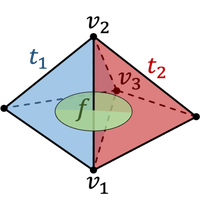
Phys. Rev. X 16, 011010 (2026)
arXiv
Emergent chiral Higgs mode in $π$-flux frustrated lattices
New Submission | Quantum Gases (cond-mat.quant-gas) | 2026-01-15 20:00 EST
Maria Lanaro, Lorenzo Maffi, Marco Di Liberto
Neutral-atom quantum simulators provide a powerful platform for realizing strongly correlated phases, enabling access to dynamical signatures of quasiparticles and symmetry breaking processes. Motivated by recent observations of quantum phases in flux-frustrated ladders with non-vanishing ground state currents, we investigate interacting bosons on the dimerized BBH lattice in two dimensions-originally introduced in the context of higher-order topology. After mapping out the phase diagram, which includes vortex superfluid (V-SF), vortex Mott insulator (V-MI), and featureless Mott insulator (MI) phases, we focus on the integer filling case. There, the MI/V-SF transition simultaneously breaks the $ \mathbb Z_2^{T}$ and U(1) symmetries, where $ \mathbb Z_2^{T}$ corresponds to time-reversal symmetry (TRS). Using a slave-boson description, we resolve the excitation spectrum across the transition and uncover a chiral Higgs mode whose mass softens at criticality, providing a dynamical hallmark of emergent chirality that we numerically probe via quench dynamics. Our results establish an experimentally realistic setting for probing unconventional TRS-broken phases and quasiparticles with intrinsic chirality in strongly interacting quantum matter.
Quantum Gases (cond-mat.quant-gas), Mesoscale and Nanoscale Physics (cond-mat.mes-hall), Quantum Physics (quant-ph)
5+13 pages, 4+4 figures
Effect of Niobium Doping on the Crystal Structure and Hydrogen Sorption Properties of TiFe: Combined Synchrotron X-ray Diffraction and Extended X-ray Absorption Fine Structure Study
New Submission | Materials Science (cond-mat.mtrl-sci) | 2026-01-15 20:00 EST
Abhishek Banerjee, Stefano Deledda, Olena Zavorotynska
TiFe alloys are attractive compounds for solid-state stationary hydrogen storage. They can absorb hydrogen gas reversibly at near ambient temperatures and practical pressures with high volumetric capacities surpassing that of cryogenically liquified H2. The main drawback of TiFe-based storage systems is a costly activation procedure required due to the formation of oxide surface layer, which hinders hydrogen diffusion into the bulk. Doping the alloy with various additives is known to improve hydrogen diffusion softening the conditions of the activation procedure. Hydrogen sorption properties of the modified alloys have been the focus of most studies whereas less attention has been dedicated to the fundamental understanding of the effects of hydrogen sorption on the alloys’ structure. The latter, however, is an important information in the knowledge-guided design of novel materials. In this work, we investigated effects of Nb-doping on crystallographic structure of TiFe metal-alloy compounds and their hydrogen sorption properties. TiFe samples with two different Nb stoichiometries were synthesized using arc-melting (AM) and characterised with synchrotron powder X-ray diffraction (SR-PXRD) and extended X-ray absorption fine structure (EXAFS) analysis. Overall, H2 absorption measurements (at 50 +/- 2 degrees C and 40 +/- 2 bar), have shown that doping of TiFe with Nb can improve matrix activation and kinetics of hydrogen sorption without compromising the overall storage capacities. Refinement of SR-PXRD and EXAFS data showed significant Nb occupancy in secondary Ti phases, which improved the hydrogenation properties of the alloys.
Materials Science (cond-mat.mtrl-sci)
Frustrated Magnetism in FeGe$_3$O$_4$ with a Chiral Trillium Network
New Submission | Strongly Correlated Electrons (cond-mat.str-el) | 2026-01-15 20:00 EST
Matt Boswell, Mingyu Xu, Haozhe Wang, Mouyang Cheng, N. Li, X. F. Sun, Haidong Zhou, Huibo Cao, Mingda Li, Weiwei Xie
The discovery of new magnetic ground states in geometrically frustrated lattices remains a central challenge in materials science. Here, we report the synthesis, structural characterization, and frustrated magnetic properties of FeGe$ _3$ O$ 4$ , a newly identified compound that crystallizes in the noncentrosymmetric cubic space group $ P2_13$ . In this structure, Fe atoms form an intricate double-trillium lattice with nearest-neighbor Fe–Fe distances of $ \sim$ 4.2Å, while Ge$ ^{2+}$ ions mediate magnetic interactions through Fe-Ge-Fe pathways. Field-dependent magnetization at 2K shows a pronounced nonlinearity, reaching a maximum moment of 2.55(3)~$ \mu\mathrm{B}$ /Fe$ ^{2+}$ at 70kOe without evidence of saturation. Magnetic susceptibility, heat capacity, and neutron scattering collectively reveal the onset of short-range magnetic interactions near 5K, with no long-range ordering detected down to 0.06K. Specific heat measurements demonstrate strong frustration: only $ \sim$ 34% of the expected magnetic entropy is recovered at 2.4K. Taken together, these results establish FeGe$ _3$ O$ _4$ as a rare example of a geometrically frustrated trillium-lattice magnet, offering a promising platform for exploring exotic quantum magnetic phenomena.
Strongly Correlated Electrons (cond-mat.str-el)
26 pages, 4+6 figures
Elasticity without a reference state: continuum mechanics of active tension nets
New Submission | Soft Condensed Matter (cond-mat.soft) | 2026-01-15 20:00 EST
Nikolas H. Claussen, Fridtjof Brauns, Boris I. Shraiman
A constitutive relation between stress and strain relative to a reference state is the basic assumption of elasticity theory. However, in living matter, stress is governed by (motor molecule) activity rather than a constitutive law. What paradigm takes the place of elasticity in this setting? Here, we derive a continuum theory of active mechanics by taking the continuum limit of the Active Tension Network model of 2d epithelia. Instead of a reference state, we start from a prescribed active force configuration, encoded in a Riemannian “tension metric”. Intuitively, one expects cells to adjust their positions to achieve force balance by rearranging local sources of active stress. More precisely, the cell positions define an embedding of the tension metric into 2d physical space, which determines the macroscopic physical stress. For free boundaries, tissue adopts a certain intrinsically defined shape, the force-balanced embedding with minimal internal stress. Boundary forces then deform this embedding. The resulting stress transformation yields an effective stress-strain relation. Key elements of elasticity hence emerge from a “stress-only” starting point, explaining how tissue shape can be adiabatically controlled by active stress during morphogenesis. Plastic behavior arises from topological cell rearrangement, which we represent by a continuous reparameterization of the tension metric, providing a principled continuum theory of emergent elasto-plastic flow. To express this physics, we use the mathematics of isothermal coordinates and quasi-conformal maps. The present theory elucidates the unconventional mechanics of living tissues and may apply to 2d active and granular materials more generally.
Soft Condensed Matter (cond-mat.soft), Biological Physics (physics.bio-ph)
20 pages, 7 figures
Machine Learning-Driven Creep Law Discovery Across Alloy Compositional Space
New Submission | Materials Science (cond-mat.mtrl-sci) | 2026-01-15 20:00 EST
Hongshun Chen, Ryan Zhou, Rujing Zha, Zihan Chen, Wenpan Li, Rowan Rolark, John Patrick Reidy, Jian Cao, Ping Guo, David C. Dunand, Horacio D. Espinosa
Hihg-temperature creep characterization of structural alloys traditionally relies on serial uniaxial tests, which are highly inefficient for exploring the large search space of alloy compositions and for material discovery. Here, we introduce a machine-learning-assisted, high-throughput framework for creep law identification based on a dimple array bulge instrument (DABI) configuration, which enables parallel creep testing of 25 dimples, each fabricated from a different alloy, in a single experiment. Full-field surface displacements of dimples undergoing time-dependent creep-induced bulging under inert gas pressure are measured by 3D digital image correlation. We train a recurrent neural network (RNN) as a surrogate model, mapping creep parameters and loading conditions to the time-dependent deformation response of DABI. Coupling this surrogate with a particle swarm optimization scheme enables rapid and global inverse identification with sparsity regularization of creep parameters from experiment displacement-time histories. In addition, we propose a phenomenological creep law with a time-dependent stress exponent that captures the sigmoidal primary creep observed in wrought INCONEL 625 and extracts its temperature dependence from DABI test at multiple temperatures. Furthermore, we employ a general creep law combining several conventional forms together with regularized inversion to identify the creep laws for 47 additional Fe-, Ni-, and Co-rich alloys and to automatically select the dominant functional form for each alloy. This workflow combined with DABI experiment provides a quantitative, high-throughput creep characterization platform that is compatible with data mining, composition-property modeling, and nonlinear structural optimization with creep behavior across a large alloy design space.
Materials Science (cond-mat.mtrl-sci), Machine Learning (cs.LG)
27 pages, 7 figures
Charge Transport and Multiplication in Lateral Amorphous Selenium Devices Under Cryogenic Conditions
New Submission | Materials Science (cond-mat.mtrl-sci) | 2026-01-15 20:00 EST
M. Rooks, S. Abbaszadeh, J. Asaadi, V. A. Chirayath, M. Á. García-Peris, E. Gramellini, K. Hellier, B. Sudarsan, I. Tzoka
Cryogenic photon sensing for high-energy physics motivates photosensor technologies that combine large-area scalability with internal gain and stable operation at low temperature. Amorphous selenium is a promising photoconductor, yet its field- and temperature-dependent transport and avalanche response in lateral geometries have not been systematically established. This work reports field-resolved photocurrent measurements of lateral a-Se devices from 93 K to 297 K under 401 nm excitation at fields up to 120 V/um. Below avalanche onset, the external quantum efficiency was described by the Onsager model, yielding effective post-thermalization separations that decrease with decreasing temperature. The field-assisted detrapping region was evaluated using several transport models, with the data favoring field-assisted hopping and thermally-assisted tunneling as the mechanisms that best capture the temperature evolution of the photocurrent. The boundaries between field-assisted detrapping, transport-limited conduction, and avalanche shift with temperature; at 93 K the response transitions directly from detrapping into avalanche. Avalanche multiplication was analyzed using the Lucky-drift model. These results provide the first systematic characterization of cryogenic avalanche behavior in lateral a-Se detectors and establish quantitative trends relevant to low-temperature, high-gain photodetector design.
Materials Science (cond-mat.mtrl-sci), Disordered Systems and Neural Networks (cond-mat.dis-nn)
Quantifying the Relationship Between Strain and Bandgap in Thin Ga$_2$Se$_2$
New Submission | Materials Science (cond-mat.mtrl-sci) | 2026-01-15 20:00 EST
Lottie L. Murray, Eric Herrmann, Igor Evangelista, Anderson Janotti, Xi Wang, Matthew F. Doty
We present a rigorous analysis that combines theory, simulation, and experimental measurements to quantify the relationship between strain and bandgap in two dimensional gallium selenide (Ga$ _2$ Se$ _2$ ). Experimentally, we transfer thin Ga$ _2$ Se$ _2$ flakes onto patterned substrates to deterministically induce multiaxial localized strain. We quantify the local strain using a combination of atomic force microscopy (AFM) measurements and COMSOL Multiphysics simulation. We then experimentally map the strain-induced bandgap shifts using high-resolution hyperspectral PL imaging to generate a robust and statistically significant dataset. We systematically fit this data to extract gauge factors that relate the bandgap shift to the local uniaxial and biaxial strain. We then compute the uniaxial and biaxial strain gauge factors via density functional theory (DFT) and find excellent agreement with the experimentally-determined values. Finally, we show that a simple model that computes bandgap shifts from the local uniaxial and biaxial strain predicts the observed multiaxial bandgap shift with less than 10% error. The combined results provide a framework for deterministic realization of tailored bandgap profiles induced by controlled strain applied to Ga$ _2$ Se$ _2$ , with implications for the future realization of localized quantum emitters for quantum photonic applications.
Materials Science (cond-mat.mtrl-sci), Quantum Physics (quant-ph)
Two-Dimensional Twisted Ferromagnetic Domain Wall as a Spin-Wave Diffraction Grating
New Submission | Mesoscale and Nanoscale Physics (cond-mat.mes-hall) | 2026-01-15 20:00 EST
Ehsan Faridi, Se Kwon Kim, Giovanni Vignale
We present a theoretical study of spin-wave scattering by a twisted domain wall (DW) in a two-dimensional ferromagnet with easy-axis anisotropy. While the twisted DW generates an effective gauge field for spin waves, leading to a deflection of their trajectories, our main focus is on a distinct effect that arises when a hard-axis anisotropy is present in addition to the easy-axis anisotropy. In this case, the translational symmetry of the spin-wave Hamiltonian along the DW is broken, resulting in a periodic modulation of the Hamiltonian. This periodicity leads to the formation of multiple diffracted spin wave modes on both sides of the DW, engendering a DW-induced magnonic diffraction pattern. The interplay between the emergent gauge field and the anisotropy-induced periodicity reveals rich spin-wave dynamics and suggests potential applications for manipulating magnon flow in two-dimensional magnetic textures.
Mesoscale and Nanoscale Physics (cond-mat.mes-hall), Applied Physics (physics.app-ph)
Electronic layer decoupling driven by density-wave order in La$_4$Ni$3$O${10}$
New Submission | Strongly Correlated Electrons (cond-mat.str-el) | 2026-01-15 20:00 EST
Ziqiang Guan, Sophia F. R. TenHuisen, M. Tepie, Yifeng Zhao, Ezra Day-Roberts, Harrison LaBollita, Alexander M. Young, Xiaomeng Cui, Xinglong Chen, Filippo Glerean, Carl A. Guia, Mark P. M. Dean, Philip Kim, J. F. Mitchell, Antia S. Botana, Christopher C. Homes, Matteo Mitrano
We probe the density-wave transition of the trilayer nickelate La$ _4$ Ni$ _3$ O$ {10}$ with polarization-resolved infrared spectroscopy. The low-energy electrodynamics is strongly anisotropic, with metallic in-plane and insulating out-of-plane character. In the ordered phase, the anisotropy grows more than an order of magnitude as the out-of-plane conductivity is sharply suppressed. We interpret this enhancement as an effective electronic decoupling of the Ni-O layers, driven by a spin-density-wave-induced redistribution of Ni-$ d{z^2}$ occupation within the trilayers. This electronic response is accompanied by clear shifts and splittings of the out-of-plane phonons, compatible with a density-wave instability of electronic origin.
Strongly Correlated Electrons (cond-mat.str-el), Materials Science (cond-mat.mtrl-sci), Superconductivity (cond-mat.supr-con)
31 pages, 22 figures, main text and supplementary material
Divergent Fluctuations from an Infrared 2D-Mode Catastrophe
New Submission | Statistical Mechanics (cond-mat.stat-mech) | 2026-01-15 20:00 EST
Richard G. Hennig, Clotilde S. Cucinotta
Molecular simulations of interfacial polar media routinely employ periodic boundary conditions parallel to the interface. We show that this geometry injects a uniform plane mode ($ q_{\parallel}=0$ ) that converts the plane-averaged electrostatic potential into a cumulative sum of plane-dipole increments, a random walk in $ z$ . Consequently, the variance of the plane-averaged potential grows linearly with depth in semi-infinite slabs and follows a parabolic Brownian-bridge profile in finite cells with both ends fixed, with an amplitude inversely proportional to the cell’s lateral area. Hence, at any finite area, the variance diverges with slab thickness, a 2D-mode catastrophe. In contrast, a pure 1D chain (no lateral replication) and a fully 3D, nonperiodic medium both exhibit bounded fluctuations that saturate with distance. The mechanism is generic to any solver of Poisson’s equation with 2D periodicity, so the apparent growth and ultimate divergence in potential fluctuation are artifacts of boundary conditions rather than material response, and we provide a simple scaling criterion for choosing slab sizes that keeps these artifacts under quantitative control.
Statistical Mechanics (cond-mat.stat-mech), Materials Science (cond-mat.mtrl-sci), Computational Physics (physics.comp-ph)
Agentic AI and Machine Learning for Accelerated Materials Discovery and Applications
New Submission | Materials Science (cond-mat.mtrl-sci) | 2026-01-15 20:00 EST
Jihua Chen, Panagiotis Christakopoulos, Karuna D. Chen, Ilia N. Ivanov, Rigoberto Advincula
Artificial Intelligence (AI), especially AI agents, is increasingly being applied to chemistry, healthcare, and manufacturing to enhance productivity. In this review, we discuss the progress of AI and agentic AI in areas related to, and beyond polymer materials and discovery chemistry. More specifically, the focus is on the need for efficient discovery, core concepts, and large language models. Consequently, applications are showcased in scenarios such as (1) flow chemistry, (2) biosensors, and (3) batteries.
Materials Science (cond-mat.mtrl-sci)
34 pages, 4 figures, and 3 tables
Strain-Driven “Sinusoidal” Valley Control of Hybridized $Γ-\mathrm{K}$ Excitons
New Submission | Mesoscale and Nanoscale Physics (cond-mat.mes-hall) | 2026-01-15 20:00 EST
Yingtong Zhu, Kang Lan, Shiling Li, Ning Hao, Ping Zhang, Jiyong Fu
The photoluminescence (PL) of momentum-indirect $ \rm \Gamma- K$ excitons in monolayer WS$ _2$ under biaxial strain was recently observed by Blundo et al. [Phys. Rev. Lett. 129, 067402 (2022)], yet its microscopic origin remains elusive. Here we develop a unified framework that reproduces the measured PL and reveals its fundamental excitonic mechanism. We reveal that: (i) the PL originates from genuinely hybridized direct-indirect excitonic eigenstates, rather than nominally mixed species with fixed dominant character; (ii) the direct exciton converts into the indirect one via a previously unrecognized two-step pathway – exchange-interaction-driven exciton transfer followed by a spin flip; and (iii) a higher-energy indirect exciton, absent from prior studies, acts as a crucial intermediate mediating this conversion. Beyond explaining experiment, our theory predicts a striking strain-driven “sinusoidal’’ valley response, furnishing a continuously tunable valley dial that far exceeds binary control schemes. This unified picture of strain-engineered direct-indirect exciton dynamics introduces a new paradigm for manipulating long-lived valley degrees of freedom, opening a pathway toward programmable valley pseudospin engineering and next-generation valleytronic quantum technologies.
Mesoscale and Nanoscale Physics (cond-mat.mes-hall)
6 pages, 3 figures
Coexistence of long-range magnetic order and dynamical magnetism in the V-based Kagome metals: A combined thermodynamic and $μ$SR study
New Submission | Strongly Correlated Electrons (cond-mat.str-el) | 2026-01-15 20:00 EST
Sheetal Devi, Yishui Zhou, Thomas J. Hicken, Zurab Guguchia, Hubertus Luetkens, Min-Kai Lee, Lieh-Jeng Chang, Yixi Su
V-based Kagome metals exhibit a unique lattice geometry that can give rise to exotic electronic and magnetic phenomena, making them an ideal platform to study the interplay of topology and magnetism. We present a combined thermodynamic and muon spin relaxation ($ \mu$ SR) investigation of single-crystal RV$ _{6}$ Sn$ _{6}$ (R = Tb, Dy, Ho, Er) compounds, focusing on their low-temperature magnetic behavior. Heat capacity and $ \mu$ SR measurements reveal distinct magnetic phase transitions below 4 K, confirming the emergence of long-range magnetic order in all compounds studied. The $ \mu$ SR results further indicate persistent spin fluctuations within the magnetically ordered state down to 50 mK, reflected in reduced ordered moments obtained from hyperfine analysis of the heat capacity measurements. These findings uncover the coexistence of static and dynamic magnetism in V-based Kagome metals and emphasizing the key role of 4$ f$ -electron anisotropy in shaping their magnetic ground states. Compared with the Mn-based RMn$ _{6}$ Sn$ _{6}$ analogs, our results highlight the unique magnetism arising from the decoupled rare-earth sublattice and its interplay with the nonmagnetic V Kagome network.
Strongly Correlated Electrons (cond-mat.str-el)
8 pages, 4 figures
Boson peak as a phenomenon participated by the vast majority of particles
New Submission | Disordered Systems and Neural Networks (cond-mat.dis-nn) | 2026-01-15 20:00 EST
The origin of the excess vibrational density of states (DOS) beyond Debye’s theory in amorphous solids (often referred to as the Boson peak) has been attributed to the presence of quasi-localized vibrational modes in recent years. However, by dispersing the total DOS onto each degree of freedom (DOF), the results of this report provide evidence that (99.9%) of DOFs, and hence almost all particles, contribute to the Boson peak (BP). These results challenge the prevailing opinion that BP is contributed by a minority of particles and highlight its long-neglected global and collective origin.
Disordered Systems and Neural Networks (cond-mat.dis-nn)
5 pages, 1figure
Electronic procrystalline state in moire structures
New Submission | Materials Science (cond-mat.mtrl-sci) | 2026-01-15 20:00 EST
Hui Guo, Zihao Huang, Yixuan Gao, Haowei Chen, Hao Zhang, Qian Fang, Yuhan Ye, Xianghe Han, Zhongyi Cao, Jiayi Wang, Runnong Zhou, Zhilin Li, Chengmin Shen, Haitao Yang, Hui Chen, Wang Yao, Ziqiang Wang, Hong-Jun Gao
Solid state materials can display varieties of atomic structural orders ranging from crystalline to amorphous, underlying their properties and diverse functionalities. Procrystal has emerged as a new category of solids, featuring a long-range ordered lattice framework tiled with disordered atomic or molecular structures on the lattice sites, arousing great interest due to its novel structural and physical properties. However, the electronic analogue of a procrystal, dubbed as an electronic procrystalline (EPC) state, has never been experimentally observed. Here, we report the observation of an EPC state in a moire superstructure formed between a monolayer metallic NiTe2 and a superconductor NbSe2 with incommensurate lattice wavevectors. The observed EPC state exhibits a long-range periodic charge modulation at the moire scale inlaid with short-range irregular orders within each moire cell. Strikingly, the short-range charge orders inside the moire unit cells have proximately root3\astroot3 quasi-period, which is absent in pristine NiTe2. Intriguingly, the EPC order is also observed in the superconducting state of the moire superstructure. Furthermore, the emergent EPC state and short-range charge order, coexisting with the proximity induced superconductivity, can be precisely modulated with the thickness of NiTe2. Our findings uncover the potential of moire platform for understanding and tuning novel correlated quantum phases with this exotic procrystalline order.
Materials Science (cond-mat.mtrl-sci)
20 Pages, 5 Figures
Nature Communications 16, 11327 (2025)
Unexpected type-II multiferroic phase in GdMnO3 under high magnetic fields
New Submission | Materials Science (cond-mat.mtrl-sci) | 2026-01-15 20:00 EST
Ming Yang, Jun Chen, Junfeng Wang, Chao Dong, Chengliang Lu, Gang Xu, Jinguang Cheng, Jianshi Zhou, Shuai Dong
Perovskite manganites with small A-site ions, as the first and canonical branch of type-II multiferroics, are ideal systems to exhibit magnetism-induced ferroelectricity. Despite their established magnetoelectric phase diagrams under low magnetic fields, here an unidentified phase with a large magnetism-induced polarization (up to 1500 {\mu}C/m2) is revealed in GdMnO3 under high magnetic fields up to 60 T. Based on multiprobe experiments, a complete phase diagram is constructed with successive polar-nonpolar-polar-nonpolar transitions. Such a nonmonotonic evolution is well mimicked by model simulation, while the spin-lattice coupling is the key ingredient for the reentrant ferroelectric phase.
Materials Science (cond-mat.mtrl-sci)
Data-Driven Exploration and Insights into Temperature-Dependent Phonons in Inorganic Materials
New Submission | Materials Science (cond-mat.mtrl-sci) | 2026-01-15 20:00 EST
Huiju Lee, Zhi Li, Jiangang he, Yi Xia
Phonons, quantized vibrations of the atomic lattice, are fundamental to understanding thermal transport, structural stability, and phase behavior in crystalline solids. Despite advances in computational materials science, most predictions of vibrational properties in large materials databases rely on the harmonic approximation and overlook crucial temperature-dependent anharmonic effects. Here, we present a scalable computational framework that combines machine learning interatomic potentials, anharmonic lattice dynamics, and high-throughput calculations to investigate temperature-dependent phonons across thousands of materials. By fine-tuning the universal M3GNet interatomic potential using high-quality phonon data, we improve phonon prediction accuracy by a factor of four while preserving computational efficiency. Integrating this refined model into a high-throughput implementation of the stochastic self-consistent harmonic approximation, we compute temperature-dependent phonons for 4,669 inorganic compounds. Our analysis identifies systematic elemental and structural trends governing anharmonic phonon renormalization, with particularly strong manifestations in alkali metals, perovskite-derived frameworks, and related systems. Machine learning models trained on this dataset identify key atomic-scale features driving strong anharmonicity, including weak bonding, large atomic radii, and specific coordination motifs. First-principles validation confirms that anharmonic effects can dramatically alter lattice thermal conductivity by factors of two to four in some materials. This work establishes a robust and efficient data-driven approach for predicting finite-temperature phonon behavior, offering new pathways for the design and discovery of materials with tailored thermal and vibrational properties.
Materials Science (cond-mat.mtrl-sci)
Vanishing Phase Stiffness and Fluctuation-Dominated Superconductivity: Evidence for Inter-Band Pairing in UTe$_2$
New Submission | Superconductivity (cond-mat.supr-con) | 2026-01-15 20:00 EST
Sahas Kamat, Jared Dans, Shanta Saha, Daniel F. Agterberg, Johnpierre Paglione, B. J. Ramshaw
Superconductivity in three dimensions is almost universally governed by Ginzburg-Landau mean field theory, with critical fluctuations typically confined to within a few percent of the transition temperature ($ T_{\rm c}$ ). We report that the heavy-Fermion superconductor UTe$ 2$ exhibits a fluctuation regime that extends over a temperature range as wide as $ T{\rm c}$ itself – the largest observed for any three-dimensional superconductor. Through ultrasound measurements of the elastic moduli and sound attenuation, we find that UTe$ 2$ transitions from a mean-field-like state at ambient pressure to a fluctuation dominated state at higher pressures. This regime is marked by elastic softening and an increase in sound attenuation that onsets well above $ T{\rm c}$ , with the attenuation remaining anomalously high deep in the superconducting state. Our analysis shows that these features stem from an extremely low superfluid phase stiffness. This results in a kinetic inductance as high as that of granular aluminum, but achieved in the clean limit. We propose that this exotic state is driven by dominant inter-band pairing mediated by ferromagnetic fluctuations, leading to “local” cooper pairs with a coherence length of only a few lattice constants.
Superconductivity (cond-mat.supr-con), Strongly Correlated Electrons (cond-mat.str-el)
7 figures
Multiple three-magnon splittings in bismuth yttrium iron garnet nanostructures
New Submission | Mesoscale and Nanoscale Physics (cond-mat.mes-hall) | 2026-01-15 20:00 EST
Sali Salama, Joo-Von Kim, Maryam Massouras, Jamal Ben Youssef, Abdelmadjid Anane, Jean-Paul Adam
We experimentally demonstrate the generation of multiple three-magnon splitting processes in an in-plane magnetized submicron Bi-YIG disk using micro-focused Brillouin light scattering. The low magnetic damping and strong magneto-optical response of BiYIG enable the detection of nonlinear spin-wave interactions at low threshold powers. By tuning the in-plane static magnetic field, excitation frequency, and power, we observe the generation of three pairs of secondary modes symmetrically distributed around half the excitation frequency. Time-resolved BLS measurements present temporal dynamics and threshold behavior associated with the successive activation of three-magnon pairs.
Mesoscale and Nanoscale Physics (cond-mat.mes-hall)
Submitted to Physical Review Letters. 6 pages, 5 figures
Active alignment-driven coarsening in confined near-critical fluids
New Submission | Soft Condensed Matter (cond-mat.soft) | 2026-01-15 20:00 EST
Parameshwaran A, Bhaskar Sen Gupta
We investigate vapor-liquid phase separation of an active near critical Lennard-Jones fluid confined within a cylindrical pore using molecular dynamics simulations. Activity is introduced via Vicsek-type alignment interactions, enabling a systematic study of how self-propulsion modifies domain morphology and coarsening kinetics under quasi-one-dimensional confinement. In the passive limit, the system undergoes early-time spinodal decomposition (diffusive growth characterized by the Lifshitz-Slyozov exponent $ \alpha = 1/3$ ), followed by the formation of periodically modulated, plug-like liquid domains along the pore axis. At late times, coarsening becomes kinetically arrested, and the system remains trapped in a metastable striped state. Introducing activity destabilizes this arrested morphology by enhancing collective domain transport, leading to frequent domain mergers and complete phase separation at sufficiently high activity. The late-stage coarsening then exhibits a crossover to faster, ballistic growth with an effective exponent $ \alpha = 2/3$ , consistent with a cluster-coalescence mechanism. Analysis of two-point correlation functions and structure factors confirms dynamic scaling across all activity regimes. Our results demonstrate that alignment-induced activity can overcome confinement-driven kinetic arrest, providing new insight into phase separation in confined active fluids. The relevant growth laws are analyzed and interpreted using appropriate theoretical frameworks.
Soft Condensed Matter (cond-mat.soft), Materials Science (cond-mat.mtrl-sci), Statistical Mechanics (cond-mat.stat-mech), Biological Physics (physics.bio-ph)
Entropic Colloidal Crystal Prediction: A Quantum Density Functional Theory Inspired Approach
New Submission | Soft Condensed Matter (cond-mat.soft) | 2026-01-15 20:00 EST
Kristi Pepa, Isaac R. Spivack, Trevor F.G. Teague, Ryn Y. Oliphant, Domagoj Fijan, Sharon C. Glotzer
In pursuit of a colloidal analogue to quantum density functional theory (DFT) predictions of atomic crystal structures, we report a new, classical DFT that predicts the relative thermodynamic stability of colloidal crystals of hard, convex particle shapes. In contrast to standard classical DFT approaches, our theory maps the hard particle system to an auxiliary system in which we treat the particles as fixed “nuclei” embedded in a fictitious, spatially varying density field that distributes throughout the auxiliary system. By minimizing the free energy of the auxiliary system, and through comparison with known equations of state and free energy calculations using thermodynamic integration, we show that the auxiliary system with the lowest free energy corresponds to the most probable crystal of hard shapes in the original system.
Soft Condensed Matter (cond-mat.soft), Statistical Mechanics (cond-mat.stat-mech)
10 pages, 4 figures
Magneto-optical Kerr effect measurements under bipolar pulsed magnetic fields
New Submission | Strongly Correlated Electrons (cond-mat.str-el) | 2026-01-15 20:00 EST
Soichiro Yamane, Sota Nakamura, Atsutoshi Ikeda, Kosuke Noda, Akihiko Ikeda, Shingo Yonezawa
The magneto-optical Kerr effect (MOKE) is a powerful probe of magnetism. Its contact-free optical nature makes it potentially well suitable for measurements under pulsed magnetic fields if various difficulties are overcome. In this paper, we report the establishment of MOKE measurements under bipolar pulsed magnetic fields up to 13.1 T. The accuracy of the setup was demonstrated by the excellent agreement with static-field results on the (001) surface of a Fe3O4 single crystal. Furthermore, clear hysteresis loops of various commercial permanent magnets were successfully observed. The capability for rapid characterization of hysteretic properties highlights the versatility of our pulsed-field MOKE setup for both fundamental materials science and engineering applications.
Strongly Correlated Electrons (cond-mat.str-el), Materials Science (cond-mat.mtrl-sci), Superconductivity (cond-mat.supr-con)
6 pages, 3 figures, to be published in JJAP Conference Proceedings
Gap solitons of the Wannier and Bloch types in spin-orbit-coupled Bose-Einstein condensates with a moiré lattice
New Submission | Quantum Gases (cond-mat.quant-gas) | 2026-01-15 20:00 EST
Jun-Tao He, Xue-Ping Cheng, Xin-Wei Jin, Hui-Jun Li, Ji Lin, Boris A. Malomed
Gap solitons (GSs) bifurcating from flat bands, which may be represented in terms of Wannier functions, have garnered significant interest due to their strong localization with extremely small norms. Moiré lattices (MLs), with multiple flat bands, offer an appropriate platform for creating such solitons. We explore the formation mechanism and stability of GSs in spin-1 Bose-Einstein condensates under the combined action of the Rashba spin-orbit coupling (SOC) and an ML potential. We identify five Wannier-type GS families bifurcating from the lowest five energy bands in the spectrum induced by the ML with sufficiently large period and depth. These fundamental GSs serve as basic elements for constructing more complex Wannier-type GS states. Reducing the lattice period and depth triggers a transition from the Wannier-type GSs to ones of the Bloch type, the latter exhibiting higher norm thresholds and pronounced spatial broadening near edges of the energy bands. In addition to tuning the lattice-potential parameters, adjusting the SOC strength can also modulate the flatness of energy bands and enhance the localization of gap solitons, enabling reversible transitions between the GSs of the Wannier and Bloch types. Distinctive properties of GSs in the quasiperiodic ML are uncovered too. Thus, we propose the theoretical foundation for the creation of and manipulations with strongly localized GSs.
Quantum Gases (cond-mat.quant-gas)
11 pages, 8 figures, to be published in Physical Review E
Evolution from three-dimensional charge density wave to one-dimensional stripe order in CsV$_{3-x}$Ti$_x$Sb$_5$
New Submission | Strongly Correlated Electrons (cond-mat.str-el) | 2026-01-15 20:00 EST
Qian Xiao, Xiangqi Liu, Zihao Huang, Xiquan Zheng, Shilong Zhang, Hui Chen, Hong-Jun Gao, Yanfeng Guo, Yingying Peng
Understanding intertwined phases near quantum criticality is a central challenge in correlated electron systems. The kagome metal CsV$ _{3-x}$ Ti$ _x$ Sb$ _5$ provides a fertile platform to investigate the interplay between charge-density-wave (CDW) and superconductivity. Here, combining x-ray diffraction (XRD) and scanning tunneling microscopy (STM), we uncover a dimensional evolution of the CDW upon Ti substitution. We find that even infinitesimal Ti doping (x = 0.009) completely suppresses the three-dimensional 2 $ \times$ 2 $ \times$ 4 CDW present in pristine CsV3Sb5, while reducing the remaining 2 $ \times$ 2 $ \times$ 2 CDW to a quasi-two-dimensional order. With further Ti substitution, although no CDW transition is discernible in resistivity measurements, our XRD and STM data reveal the emergence of a (quasi-)one-dimensional CDW with a short correlation length of $ \sim$ 20 $ Å$ at x = 0.2. The stripelike CDW undergoes a continuous second-order phase transition, characterized by a gradual increase in intensity and correlation length below $ \sim$ 56 K. Our results elucidate the dimensional evolution of CDW order in CsV$ _{3-x}$ Ti$ _x$ Sb$ _5$ and provide new insight into understanding the unconventional CDWs and their role in kagome superconductors.
Strongly Correlated Electrons (cond-mat.str-el), Superconductivity (cond-mat.supr-con)
Multiple-$Q$ spin textures induced by spiral–staggered interference in one-dimensional itinerant magnets
New Submission | Strongly Correlated Electrons (cond-mat.str-el) | 2026-01-15 20:00 EST
We theoretically investigate multiple-$ Q$ magnetic states emerging from the interference between finite-$ Q$ spiral and staggered spin modulations in a one-dimensional itinerant electron system. The multiple-$ Q$ spin textures are characterized by a superposition of symmetry-unrelated ordering wave vectors in the same direction with distinct periodicities rather than rotationally symmetry-related ones. Motivated by recent experimental observations of broken helix magnetic structures in EuIn$ _2$ As$ _2$ , we focus on the microscopic interaction conditions in stabilizing such multiple-$ Q$ this http URL employ two effective spin models: One is the momentum-space-based model, and the other is the real-space-based model, both of which include bilinear and biquadratic easy-plane anisotropic interactions. By analyzing their ground state via simulated annealing, we find that a superposition of a spiral and a staggered modulation yields a robust double-$ Q$ magnetic structure. Moreover, we demonstrate that the obtained double-$ Q$ spin configuration exhibits an antisymmetric spin-split band structure even without the relativistic Dzyaloshinskii-Moriya interaction, and further reveals asymmetric band modulations when the magnetic field is applied along the out-of-plane direction. Our results provide a theoretical framework for understanding unconventional multiple-$ Q$ magnetic textures in one-dimensional systems.
Strongly Correlated Electrons (cond-mat.str-el)
7 pages, 6 figures, accepted for publication in J. Phys. Soc. Jpn
One-Dimensional Frenkel and Wannier Excitons in Electric Fields: Stark Effect, Ionization, Polarizability and Electroabsorption
New Submission | Mesoscale and Nanoscale Physics (cond-mat.mes-hall) | 2026-01-15 20:00 EST
One-dimensional semiconductors are characterized by strongly bound excitons. Therefore, the Frenkel regime of excitons localized within a few unit cells is readily reached and traditional Wannier exciton models become inadequate. In the presence of strong electric fields, excitons are polarized and, in extreme cases, ionized. Such strong-field effects have previously been described analytically for Wannier excitons. In the present work, we show that analytical results can be extended to the more involved Frenkel case as well. Hence, by analytically solving the difference equation describing Frenkel excitons in electric fields, we derive close-form expressions for resonances providing Stark shifts and ionization rates. Moreover, closed-form results for exciton electroabsorption spectra and dynamic polarizability are obtained.
Mesoscale and Nanoscale Physics (cond-mat.mes-hall)
Representative-volume sizing in finite cylindrical computed tomography by low-wavenumber spectral convergence
New Submission | Soft Condensed Matter (cond-mat.soft) | 2026-01-15 20:00 EST
Fernando Alonso-Marroquin, Abdullah Alqubalee, Christian Tantardini
Choosing a representative element volume (REV) from finite cylindrical $ \mu$ CT scans becomes ambiguous when a key field variable exhibits a slow axial trend, because estimated statistics can change systematically with subvolume size and position rather than converging under simple averaging. A practical workflow is presented to size an REV under such nonstationary conditions by first suppressing axial drift/trend to obtain a residual field suitable for second-order analysis, and then selecting the smallest analysis diameter for which low-wavenumber content stabilizes within a prescribed tolerance. The approach is demonstrated on \textit{Thalassinoides}-bearing rocks, whose branching, connected burrow networks impose heterogeneity on length scales comparable to typical laboratory core diameters, making imaging-based microstructural statistics and downstream digital-rock proxies highly sensitive to the chosen subvolume. From segmented data, a scalar ``burrowsity’’ field–capturing burrow-related pore spaces and infills–is defined, and axial detrending (with optional normalization) is applied to mitigate acquisition drift and nonstationary trends. Representativeness is then posed as a diameter-convergence problem on nested inscribed cylinders: the two-point covariance and its isotropic spectral counterpart $ \widehat{C}$ are estimated, and the smallest diameter at which the low-wavenumber plateau becomes stable is selected. Applied to a segmented \textit{Thalassinoides} core, the method identifies a minimum analysis cylinder of approximately $ D_{\mathrm{REV}}\approx 93\mathrm{mm}$ and $ H_{\mathrm{REV}}\approx 83\mathrm{mm}$ , enabling reproducible correlation-scale reporting and connectivity-sensitive property estimation.
Soft Condensed Matter (cond-mat.soft), Geophysics (physics.geo-ph)
Tunnel-Barrier-Engineered Ultrafast Demagnetization and Spin Transport in Graphene-Based Heterostructures
New Submission | Mesoscale and Nanoscale Physics (cond-mat.mes-hall) | 2026-01-15 20:00 EST
Suchetana Mukhopadhyay, David Muradas-Belinchon, Francesco Foggetti, Peter M. Oppeneer, M. Venkata Kamalakar, Anjan Barman
Heterostructures combining graphene with 3d transition metal ferromagnets (FMs) enable various spin-based phenomena at ultrafast timescales. However, challenges such as the interfacial impedance mismatch, FM deposition-induced defect generation, and interface modification by interfacial coupling or hybridization can impede their functionalization for spin-orbitronics. In this work, we utilize insulating TiOx barrier layers (BLs) to modify the interfacial spin conductance structurally, disentangle spin pumping and magnetic proximity effects (MPE), and establish external control over ultrafast magnetization dynamics in single-layer graphene/TiOx/Co systems. All-optical time-resolved magneto-optical Kerr effect measurements of femtosecond to nanosecond spin dynamics reveal systematic tunability of ultrafast magnetic parameters via barrier engineering. The thickness-dependent damping modulation in Co indicates strong spin pumping, with interfacial spin transparency close to half its physical limit in the presence of an ultrathin BL, where MPE is eliminated. Our results show that appropriately chosen ultrathin BLs can prevent interfacial alterations from ferromagnetic metals, facilitating efficient spin detection in graphene and enhancing control over spin angular momentum dissipation in graphene/FM interfaces.
Mesoscale and Nanoscale Physics (cond-mat.mes-hall), Materials Science (cond-mat.mtrl-sci)
A first passage problem for a Poisson counting process with a linear moving boundary
New Submission | Statistical Mechanics (cond-mat.stat-mech) | 2026-01-15 20:00 EST
Ivan Burenev, Michael J. Kearney, Satya N. Majumdar
The time to first crossing for the Poisson counting process with respect to a linear moving barrier with offset is a classic problem, although key results remain scattered across the literature and their equivalence is often unclear. Here we present a unified and pedagogical treatment of two approaches: the direct time-domain approach based on path-decomposition techniques and the Laplace-domain approach based on the Pollaczek-Spitzer formula. Beyond streamlining existing derivations and establishing their consistency, we leverage the complementary nature of the two methods to obtain new exact analytical results. Specifically, we derive an explicit large deviation function for the first-passage time distribution in the subcritical regime and closed-form expressions for the conditional mean first-passage time for arbitrary offset. Despite its simplicity, this first crossing process exhibits non-trivial critical behavior and provides a rare example where all the main results of interest can be derived exactly.
Statistical Mechanics (cond-mat.stat-mech), Mathematical Physics (math-ph), Probability (math.PR)
49 pages, 15 figures
RKKY signatures as a probe of band properties and photoinduced topological phase transitions in MnBi$_2$Te$_4$ films
New Submission | Mesoscale and Nanoscale Physics (cond-mat.mes-hall) | 2026-01-15 20:00 EST
Ya-Xi Li, Rui-Qiang Wang, Ming-Xun Deng, Hou-Jian Duan
We present a systematic study of the Ruderman-Kittel-Kasuya-Yosida (RKKY) interaction in MnBi$ _2$ Te$ _4$ films under both dark and illuminated conditions. In the dark, the intrinsic magnetism of MnBi$ _2$ Te$ _4$ is shown to yield a stronger anisotropic RKKY spin model compared to nonmagnetic topological insulators, providing a clear signature for differentiating these systems. Furthermore, key band properties – such as energy gap, band degeneracy/splitting, and topological deformations of the Fermi surface – imprint distinct signatures on the RKKY interaction, enabling clear discrimination between even- and odd-septuple-layer (SL) films. This discrimination manifests in multiple ways: through the Fermi-energy dependence or spatial oscillations of the interaction for impurities on the same surface, or via the presence versus absence of spin-frustrated terms for those on different surfaces. Under off-resonant circularly polarized light, we track photoinduced topological phase transitions and identify two characteristic signatures at the phase boundary: a sign reversal in spin-frustrated terms and a dip in collinear RKKY components. These serve as fingerprints for circular-polarization-chirality-dependent topological transitions in even- and odd-SL films, respectively. Overall, this work establishes RKKY interactions as a sensitive magnetic probe for revealing both distinctive band properties and light-driven phase transitions in MnBi$ _2$ Te$ _4$ films, thereby complementing conventional electrical measurements while providing new insights into the influence of intrinsic magnetism on the surface-state band structure.
Mesoscale and Nanoscale Physics (cond-mat.mes-hall), Materials Science (cond-mat.mtrl-sci)
Chemical heterogeneity at conducting ferroelectric domain walls
New Submission | Materials Science (cond-mat.mtrl-sci) | 2026-01-15 20:00 EST
Kasper A. Hunnestad, Guo-Dong Zhao, Mao-Hua Zhang, Tiannan Yang, Elzbieta Gradauskaite, Antonius T. J. van Helvoort, Morgan Trassin, Long-Qing Chen, Tadej Rojac, Dennis Meier
Natural interfaces in ferroic oxides have developed into versatile playgrounds for studying electronic correlation effects in 2D systems. The microscopic origin of the emergent local electronic properties is often debated, however, as quantitative atomic-scale characterization remains challenging. A prime example is enhanced conductivity at ferroelectric domain walls, attributed to mechanisms ranging from local band gap reduction to point defect accumulations. Here, we resolve the microscopic mechanisms for domain wall conduction in the ferroelectric model system BiFeO3, by combining transport measurements with atom probe tomography to quantify the local chemical composition and correlate it with the electrical properties. Significant chemical variations along the walls are observed, demonstrating an outstanding chemical flexibility at domain walls, which manifest in spatially varying physical properties. The results give a unifying explanation for the diverse electronic behavior observed and establish the fundamental notion that multiple conduction mechanisms can coexist within individual domain walls.
Materials Science (cond-mat.mtrl-sci)
14 pager, 4 main figures, supplementary information at the back
Probing the Dynamical Structure Factor of Quantum Spin Chains via Low-Temperature Gibbs States with Matrix Product State Subspace Expansion
New Submission | Strongly Correlated Electrons (cond-mat.str-el) | 2026-01-15 20:00 EST
Tomoya Takahashi, Wei-Lin Tu, Ji-Yao Chen, Yusuke Nomura
Studying finite-temperature properties with tensor networks is notoriously difficult, especially at low temperatures, due to the rapid growth of entanglement and the complexity of thermal states. Existing methods like purification and minimally entangled typical thermal states offer partial solutions but struggle with scalability and accuracy in low-temperature regime. To overcome these limitations, we propose a new approach based on generating-function matrix product states (GFMPS). By directly computing a large set of Bloch-type excited states, we construct Gibbs states that moderate the area-law constraint, enabling accurate and efficient approximation of low-temperature thermal behavior. Our benchmark results show magnificent agreement with both exact diagonalization and experimental observations, validating the accuracy of our approach. This method offers a promising new direction for overcoming the longstanding challenges of studying low-temperature properties within the tensor network framework. We also expect that our method will facilitate the numerical simulation of quantum materials in comparison with experimental observations.
Strongly Correlated Electrons (cond-mat.str-el)
10 pages, 6 figures, 1 table
The Diffusion Kinetics of Ba Cations in Perovskite BaTiO$_3$: A Combined Tracer Diffusion and Metadynamics Study
New Submission | Materials Science (cond-mat.mtrl-sci) | 2026-01-15 20:00 EST
Sylvia Koerfer, Bianca Dißmann, Norman Schier, Han-Ill Yoo, Manfred Martin, Roger A. De Souza
Tracer diffusion experiments and metadynamics (MtD) simulations were used to study the diffusion of Ba cations in the cubic phase of the perovskite oxide BaTiO$ 3$ . $ ^{130}$ BaTiO$ 3$ thin films were used as diffusion sources to introduce barium tracer diffusion profiles into single-crystal samples at temperatures $ 1348 \leq T/\mathrm{K} \leq 1498$ . The $ ^{130}$ Ba profiles were determined by time-of-flight secondary ion mass spectrometry, and then analysed to yield Ba tracer diffusion coefficients ($ D\mathrm{Ba}^\ast$ ). MtD simulations were performed in order to obtain barium-vacancy diffusion coefficients ($ D\mathrm{v_{Ba}}$ ) for selected vacancy mechanisms as a function of temperature. $ D_\mathrm{v_{Ba}}$ is predicted to be increased significantly by an adjacent oxygen vacancy, and even more, by an adjacent titanium vacancy. From the combined consideration of $ D_\mathrm{Ba}^\ast$ and $ D_\mathrm{v_{Ba}}$ , we conclude that Ba diffusion in these samples occurred most probably by the migration of defect associates, and not by the migration of isolated barium vacancies. More generally, our results draw attention to the dangers of relying solely on activation enthalpies to interpret diffusion data.
Materials Science (cond-mat.mtrl-sci)
28 pages, 6 figures
Field report from Collaborative Research Center 1625: Heterogeneous research data management using ontology representations
New Submission | Materials Science (cond-mat.mtrl-sci) | 2026-01-15 20:00 EST
Doaa Mohamed, Samuel García Vázquez, Behnam Mardani, Victor Dudarev, Alfred Ludwig, Maribel Acosta, Markus Stricker
The goal of the Collaborative Research Center 1625 is the establishment of a scientific basis for the atomic-scale understanding and design of multifunctional compositionally complex solid solution surfaces. Next to materials synthesis in form of thin-film materials libraries, various materials characterization and simulations techniques are used to explore the materials data space of the problem. Machine learning and artificial intelligence techniques guide its exploration and navigation. The effective use of the combined heterogeneous data requires more than just a simple research data management plan. Consequently, our research data management system maps different data modalities in different formats and resolutions from different labs to the correct spatial locations on physical samples. Besides a graphical user interface, the system can also be accessed through an application programming interface for reproducible data-driven workflows. It is implemented by a combination of a custom research data management system designed around a relational database, an ontology which builds upon materials science-specific ontologies, and the construction of a Knowledge Graph. Along with the technical solutions of research data management system and lessons learned, first use cases are shown which were not possible (or at least much harder to achieve) without it.
Materials Science (cond-mat.mtrl-sci)
22 pages, 11 figures
$\mathcal{R}$-transforms for Non-Hermitian Matrices: A Spherical Integral Approach
New Submission | Disordered Systems and Neural Networks (cond-mat.dis-nn) | 2026-01-15 20:00 EST
Pierre Bousseyroux, Marc Potters
In this paper, we establish a connection between the formalism of $ \mathcal{R}$ -transforms for non-Hermitian random matrices and the framework of spherical integrals, using the replica method. This connection was previously proved in the Hermitian setting and in the case of bi-invariant random matrices. We show that the $ \mathcal{R}$ -transforms used in the non-Hermitian context in fact originate from a single scalar function of two variables. This provides a new and transparent way to compute $ \mathcal{R}$ -transforms, which until now had been known only in restricted cases such as bi-invariant, Hermitian, or elliptic ensembles.
Disordered Systems and Neural Networks (cond-mat.dis-nn), Mathematical Physics (math-ph), Probability (math.PR)
Molecular-based coordination polymer as reversible and precise acetonitrile electro-optical readout
New Submission | Materials Science (cond-mat.mtrl-sci) | 2026-01-15 20:00 EST
Esther Resines-Urien, Enrique Burzurí, Estefania Fernandez-Bartolome, Miguel Ángel García García-Tuñón, Patricia de la Presa, Roberta Poloni, Simon J. Teat, Jose Sanchez Costa
Efficient detection of harmful organic volatile compounds is a major health and environmental need in industrialized societies. Tailor-made metal-organic frameworks and other coordination polymers are emerging as promising sensing molecular materials thanks to their responsivity to a wide variety of external stimuli, and could be used to complement conventional sensors. Here, a non-porous crystalline 1D Fe(II) coordination polymer acting as a porous acetonitrile host is presented. The desorption of interstitial acetonitrile is accompanied by magneto-structural transitions easily detectable in the optical and electronic properties of the material. The structural switch and therefore its (opto)electronic readout are reversible under exposition of the crystal to acetonitrile vapor. Coordination polymers can be versatile sensors for volatile acetonitrile and potentially other organic compounds.
Materials Science (cond-mat.mtrl-sci), Chemical Physics (physics.chem-ph)
Chem. Sci., 2019,10, 6612-6616
Interplay of Micellar Architecture and Viscosity Governs Active Droplet Motility
New Submission | Soft Condensed Matter (cond-mat.soft) | 2026-01-15 20:00 EST
Salini Kar, Rohit V. Menon, Sanbed Das, Parth Pandya, Sayantan Dutta, Mithun Chowdhury
The autonomous motion of liquid crystal oil droplets in micellar media arises from spontaneous breaking of time reversal symmetry via nonlinear coupling between Marangoni stresses and surfactant transport. While this phenomenon has been widely studied, the influence of micellar solute structure remains unexplored. By modifying micellar architecture using a structure forming salt, we uncover a pronounced non monotonic dependence of droplet velocity on salt concentration. Increasing salt simultaneously raises the medium viscosity and drives a transition of micelles from spherical to rod-like or worm like morphologies. Using complementary experiments, we quantify the viscosity and micellar interaction lengthscale as functions of the salt to surfactant ratio and develop a theoretical model that consistently reproduces the measured propulsion speeds. Flow fields around the droplets are characterized by particle image velocimetry. Our results demonstrate that salt surfactant composition governs active droplet propulsion by jointly controlling micellar solute interaction lengthscales and medium viscosity.
Soft Condensed Matter (cond-mat.soft)
13 pages including SI, 8 figures
Batch-Fabricated PDMS Templates for the Robotic Transfer of 2D Materials
New Submission | Materials Science (cond-mat.mtrl-sci) | 2026-01-15 20:00 EST
Zhili Lin, Luosha Han, Jinkun He, Xiaoxue Fan, Tongyao Zhang, Xiaoxi Li, Baojuan Dong, Kai Zhao
Robotic stacking of van der Waals heterostructures has been at the verge thanks to the convergence between artificial intelligence (AI) and two-dimensional (2D) materials research. Key ingredients to fulfill this pursuit often include algorithms to identify layer compounds on chips, hard-wares to realize sophisticated operations of motion and/or rotation in a microscale, and, as importantly, highly-standardized and uniform transfer stamps that are often used in picking up layered materials under a microscope. Here, we report a hot-casted-droplet batch fabrication method for polydimethylsiloxane (PDMS) templates tailored for dry transfer of 2D materials. Controlled precursor formulation, degassing, and motorized-syringe dispensing produce dome-shaped PDMS templates with ultra-smooth surfaces (root-mean-square roughness about 0.3 nm at relatively low curing temperatures). By tuning the curing temperature, the reproducible and controllable apex curvature allows precisely defined contact area between the organic adhesive film and substrate, via thermal expansion. Our results further reveals thermalmechanical behaviors with different casting parameters of such PDMS domes. This scalable and parameterized fabrication protocol gives rise to uniform transfer-stamps with ultra-smooth surface, which may be beneficial for future AI-driven robotic assembly of 2D material heterostructures.
Materials Science (cond-mat.mtrl-sci)
7 pages, 5 figures
Interface effects and dielectric mismatch in ultrathin silicon on insulator films
New Submission | Mesoscale and Nanoscale Physics (cond-mat.mes-hall) | 2026-01-15 20:00 EST
Andrea Pulici, Gabriele Seguini, Fabiana Taglietti, Roman Gumeniuk, Riccardo Chiarcos, Michele Laus, Johannes Heitmann, Marco Fanciulli, Michele Perego
The role of interface states and dielectric mismatch is studied in ultrathin P-doped silicon-on-insulator (SOI) films with thickness of the device layer ($ H_{SOI}$ ) varying from 30 to 8 nm and dopant concentration ($ n_{D}$ ) ranging from 10$ ^{18}$ to nearly 10$ ^{20}$ cm$ ^{-3}$ . P concentration is determined by Time-of-Flight Secondary Ion Mass Spectrometry (ToF-SIMS). Sample resistivity ($ \rho$ ), carrier concentration ($ n_e$ ), and mobility ($ \mu_e$ ) are extracted by combining sheet resistance and Hall measurements in van der Pauw configuration. When $ H_{SOI}$ = 30 nm, transport properties at room temperature are fully compatible with those of a similarly doped bulk Si. Progressive 2D confinement by reduction of $ H_{SOI}$ below 30 nm results in a reduction of the carrier concentration and a concomitant degradation of $ \mu_e$ . These effects, which are steadily enhanced decreasing $ n_D$ , are attributed to non-passivated interface states at the SiO$ _2$ /Si interface and can be significantly mitigated by high temperature rapid thermal oxidation (RTO). The effectiveness of this approach was verified by electron-paramagnetic resonance (EPR) spectra and capacitance-voltage (CV) measurements, which allowed the assessment of the quality of the RTO-SiO$ 2$ /Si interface and the correlation with observed electrical properties. After effective interface engineering, low temperature electrical characterization revealed a significant increase in P ionization energy in samples with $ H{SOI}$ <= 15 nm, a result directly related to the dielectric mismatch.
Mesoscale and Nanoscale Physics (cond-mat.mes-hall), Materials Science (cond-mat.mtrl-sci)
32 Pages, 5 Figures, 6 Pages (Supporting Information)
Interactions of composite magnetic skyrmion-superconducting vortex pairs in ferromagnetic superconductors
New Submission | Superconductivity (cond-mat.supr-con) | 2026-01-15 20:00 EST
Paul Leask, Calum Ross, Egor Babaev
We study composite topological excitations in ferromagnetic superconductors consisting of bound states of magnetic spin textures (skyrmions) and superconducting vortices. Using a Ginzburg–Landau framework with Zeeman coupling between the magnetization and superconducting magnetic field, we demonstrate that skyrmion-vortex pairs (SVPs) form energetically stable bound states. By analyzing their asymptotic interactions, we identify regimes in which SVPs exhibit both short-range repulsion and long-range attraction, leading to clustering phenomena. Our results provide a field-theoretical basis for understanding suggest pathways for controlling hybrid topological matter through long-range interactions.
Superconductivity (cond-mat.supr-con), Mesoscale and Nanoscale Physics (cond-mat.mes-hall)
Rev 1: 11 pages, 5 figures
Quasiparticle to local moment crossover in bad metals
New Submission | Strongly Correlated Electrons (cond-mat.str-el) | 2026-01-15 20:00 EST
A. Chen, F. B. Kugler, P. Doležal, Y. Saito, A. Kawamoto, A. Georges, A. Pustogow
Non-Fermi-liquid charge transport in the vicinity of electronic instabilities has been intensely studied for decades. Deviations from $ \rho_{\rm FL}=\rho_0+AT^2$ in bad and strange metals are commonly ascribed to a breakdown of Landau’s quasiparticle (QP) concept. Yet, it remains unclear what mechanism drives the temperature dependence of $ \rho(T)$ beyond $ \rho_{\rm FL}$ . Here, we examine the bad metal upon approaching the Mott metal-insulator transition via chemical pressure in $ \kappa$ -[(BEDT-STF)$ _x$ (BEDT-TTF)$ _{1-x}$ ]$ \rm _2 Cu_2 (CN)3$ . Through nuclear magnetic resonance (NMR) and transport experiments on the same single crystals, we directly link the onset of deviations from Korringa law $ (T_1T)^{-1} = \mathrm{const.}$ with the rise of $ \rho(T)$ beyond $ \rho{\rm FL}$ . From the NMR relaxation rate, we can identify the gradual crossover between the QP-dominated regime at low $ T$ to predominant local moments at higher $ T$ . By comparing our experimental findings with dynamical mean-field theory calculations, which accurately reproduce the transport data, we reveal how this crossover is reflected in $ T$ -dependent changes of the QP spectrum. Near the Mott insulator, where $ d\rho/dT<0$ at high $ T$ , an Einstein-relation analysis shows that bad-metal behavior with $ d\rho/dT>0$ is driven by the temperature dependence of the electronic compressibility rather than the diffusion constant.
Strongly Correlated Electrons (cond-mat.str-el)
Topological connections between the 2D Quantum Hall problem and the 1D quasicrystal
New Submission | Mesoscale and Nanoscale Physics (cond-mat.mes-hall) | 2026-01-15 20:00 EST
1D quasicrystals such as the Fibonacci chain have been said to ``inherit” their topological properties from the 2D Quantum Hall problem. Yet, a direct way to see the connection was lacking until a common ancestor, the Fibonacci-Hall model, was introduced recently \cite{aj2025}. This 2D ancestor model relates the role of the external magnetic flux in the Hall problem and that of a geometric flux which describes the winding of the quasicrystal in 2D, in the cut-and-project method. Doing this enables us to extend the notion of Chern numbers as defined in 2D, to the energy bands of the 1D chain by adiabatic continuity. The older notion of gap labels in the 1D system are now seen to be derivable from the Chern numbers of the 2D bands. The Fibonacci-Hall model thus provides an important link between physics of two paradigmatic models, the Fibonacci quasicrystal and the quantum Hall insulator. The generalization to other 1D quasiperiodic models is expected to be relatively straightforward. The extension to 2D cut-and-project tilings is left for future studies.
Mesoscale and Nanoscale Physics (cond-mat.mes-hall), Strongly Correlated Electrons (cond-mat.str-el)
Submitted to Proceedings of ICQ 16 (Nancy, France)
Structural Comparison of Error Mitigation Methods for Ising Machines: Penalty-Spin Model versus Stacked Model
New Submission | Statistical Mechanics (cond-mat.stat-mech) | 2026-01-15 20:00 EST
Tetsuro Abe, Kanta Hino, Shu Tanaka
Error-mitigation methods for Ising machines are reexamined not merely as noise-suppression techniques but as a structural design problem of replica-coupled Ising models. Using simulated annealing as a hardware-noise-free testbed, we systematically compare the penalty-spin (PS) model, which couples replicas through a centralized auxiliary layer, with the stacked model, which couples adjacent replicas directly. Numerical experiments on the quadratic assignment problem reveal that the ferromagnetically coupled stacked model stably maintains constraint satisfaction and improves solution quality over a broad parameter range, exhibiting favorable scalability with both the number of replicas and problem size. In contrast, the PS model suffers from cooperation collapse at large parallelism: many-replica averaging in the PS layer washes out sparse solution information, preventing effective inter-replica coordination. These findings demonstrate that the topology of inter-replica couplings decisively influences search robustness, and provide practical guidelines for model selection and parameter tuning in constrained optimization.
Statistical Mechanics (cond-mat.stat-mech)
14 pages, 11 figures
Facets of Many Body Localization
New Submission | Disordered Systems and Neural Networks (cond-mat.dis-nn) | 2026-01-15 20:00 EST
Konrad Pawlik, Maksym Prodius, Pedro R. Nicácio Falcão, Jakub Zakrzewski
Many-body localization (MBL) appears to be a robust example of ergodicity breaking in many-body interacting systems. Here, we review different aspects of MBL, concentrating on various ways the disorder may be introduced into the system studied. In particular, we consider both the random and quasiperiodic diagonal (i.e., on-site) disorder as well as bond disorder as realized in randomly distributed atoms interacting via long-range interactions. We also review the quantum sun model, which seems to be the ideal, albeit artificial, model exhibiting MBL.
Disordered Systems and Neural Networks (cond-mat.dis-nn)
Presented at Concepts in Strongly Correlated Quantum Matter 25
Ab initio study of carrier mobility in Bi$_2$O$_2$Se
New Submission | Materials Science (cond-mat.mtrl-sci) | 2026-01-15 20:00 EST
Yubo Yuan, Ziye Zhu, Jiaming Hu, Wenbin Li
Bi$ _2$ O$ _2$ Se is an emerging high-performance layered semiconductor with excellent stability. While experimental studies have explored carrier transport across various doping levels for both $ n$ -type and $ p$ -type conduction, a comprehensive theoretical understanding remains incomplete. In this work, we present parameter-free first-principles calculations of the electron and hole mobilities in Bi$ _2$ O$ _2$ Se, based on iterative solution of the Boltzmann transport equation that includes electron-phonon scattering and ionized impurity scattering on an equal footing. Intriguingly, we find that Bi$ _2$ O$ _2$ Se exhibits high electron mobilities in both the in-plane and out-of-plane directions, whereas the hole mobilities are only significant in the in-plane direction, displaying a unique three-dimensional (3D) electron transport and two-dimensional (2D) hole transport behavior. At 300K, the calculated intrinsic electron and hole mobilities along the in-plane direction are 447$ \mathrm{cm^2,V^{-1},s^{-1}}$ and 29$ \mathrm{cm^2,V^{-1},s^{-1}}$ , respectively, which are primarily affected by Fröhlich electron-phonon interactions. Due to its large static dielectric permittivity, Bi$ _2$ O$ _2$ Se exhibits an exceptionally high low-temperature electron mobilities above $ 1.0\times10^5\mathrm{cm^2,V^{-1},s^{-1}}$ , and its electron mobilities above 50K is robust against ionized impurity scattering over a wide range of impurity concentrations. By incorporating the Hall effect into our analysis, we predict an in-plane electron Hall mobility of 517$ \mathrm{cm^2,V^{-1},s^{-1}}$ at 300~K, in excellent agreement with experimental data. These results provide valuable insights into the carrier transport mechanisms in Bi$ _2$ O$ _2$ Se, and offer predictive benchmarks for future theoretical and experimental investigations.
Materials Science (cond-mat.mtrl-sci)
Nanoscale Spatial Tuning of Superconductivity in Cuprate Thin Films via Direct Laser Writing
New Submission | Superconductivity (cond-mat.supr-con) | 2026-01-15 20:00 EST
Irene Biancardi, Valerio Levati, Jordi Alcalà, Thomas Günkel, Nicolas Lejeune, Alejandro V. Silhanek, Valeria Russo, Narcís Mestres, Daniela Petti, Anna Palau, Edoardo Albisetti
Cuprate high-temperature superconductors, such as Yttrium Barium Copper Oxide (YBCO), are extremely promising for emerging technologies such as low-power computing, data storage, quantum sensors and superconducting electronics. However, the realization of high-performance functional nanostructures presents formidable challenges due to the difficulty of applying conventional nanofabrication methods to such sensitive materials, making the search for alternative methods a key enabling factor. Since YBCO’s superconducting and normal-state properties are highly dependent on oxygen stoichiometry, precise nanoscale control of the oxygen content represents a highly appealing approach for creating advanced nanoengineered devices. In this work, we demonstrate the precise fabrication of sub-micrometer, grayscale patterns over large areas in epitaxial YBCO thin films, achieving finely tuned optical and superconducting transport properties by locally controlling the stoichiometry through maskless direct laser writing under ambient conditions. Cryogenic magneto-optical imaging and transport measurements in irradiated devices directly demonstrate the spatial tuning of the critical temperature and carrier density with the patterning conditions. Correlated Raman microscopy and reflectometry of the patterned regions indicate a laser-power dependent oxygen depletion in the irradiated regions. The proposed laser-controlled stoichiometry approach provides a direct and scalable method to navigate the phase diagram of high-Tc superconducting oxides, offering new possibilities for integrating functional nanostructures into superconducting devices.
Superconductivity (cond-mat.supr-con), Materials Science (cond-mat.mtrl-sci)
19 pages, 5 figures
Is it possible to determine unambiguously the Berry phase solely from quantum oscillations?
New Submission | Materials Science (cond-mat.mtrl-sci) | 2026-01-15 20:00 EST
Bogdan M. Fominykh, Valentin Yu. Irkhin, Vyacheslav V. Marchenkov
The Berry phase, a fundamental geometric phase in quantum systems, has become a crucial tool for probing the topological properties of materials. Quantum oscillations, such as Shubnikov-de Haas (SdH) oscillations, are widely used to extract this phase, but its unambiguous determination remains challenging. This work highlights the inherent ambiguities in interpreting the oscillation phase solely from SdH data, primarily due to the influence of the spin factor $ R_S$ , which depends on the Landé $ g$ -factor and effective mass. While the Lifshitz-Kosevich (LK) theory provides a framework for analyzing oscillations, the unknown g-factor introduces significant uncertainty. For instance, a zero oscillation phase could arise either from a nontrivial Berry phase or a negative $ R_S$ . We demonstrate that neglecting $ R_S$ in modern studies, especially for topological materials with strong spin-orbit coupling, can lead to doubtful conclusions. Through theoretical analysis and numerical examples, we show how the interplay between the Berry phase and Zeeman effect complicates phase determination. Additionally, we also discuss another underappreciated mechanism - the magnetic field dependence of the Fermi level. Our discussion underscores the need for complementary experimental techniques to resolve these ambiguities and calls for further research to refine the interpretation of quantum oscillations in topological systems.
Materials Science (cond-mat.mtrl-sci), Applied Physics (physics.app-ph), Quantum Physics (quant-ph)
Physics Letters A, 569 (2026) 131238
Lattice fermion simulation of spontaneous time-reversal symmetry breaking in a helical Luttinger liquid
New Submission | Strongly Correlated Electrons (cond-mat.str-el) | 2026-01-15 20:00 EST
V. A. Zakharov, J. Sánchez Fernán, C. W. J. Beenakker
We extend a recently developed “tangent fermion” method to discretize the Hamiltonian of a helical Luttinger liquid on a one-dimensional lattice, including two-particle backscattering processes that may open a gap in the spectrum. The fermion-doubling obstruction of the sine dispersion is avoided by working with a tangent dispersion, preserving the time-reversal symmetry of the Hamiltonian. The numerical results from a tensor network calculation on a finite lattice confirm the expectation from infinite-system analytics, that a gapped phase with spontaneously broken time-reversal symmetry emerges when the Fermi level is tuned to the Dirac point and the Luttinger parameter crosses a critical value.
Strongly Correlated Electrons (cond-mat.str-el), Quantum Physics (quant-ph)
7 pages, 5 figures
Dynamical Stabilization of Inverted Magnetization and Antimagnons by Spin Injection in an Extended Magnetic System
New Submission | Mesoscale and Nanoscale Physics (cond-mat.mes-hall) | 2026-01-15 20:00 EST
Emir Karadza, Hanchen Wang, Niklas Kercher, Paul Noel, William Legrand, Richard Schlitz, Pietro Gambardella
Dynamical perturbations can modify the energy landscape of a physical system, such that unstable equilibrium configurations become stable when subject to an external drive. The magnetic analog of such dynamical stabilization corresponds to saturation of the magnetization against an external field. Here we report dynamical stabilization of the magnetization in thin film bismuth-substituted yttrium iron garnet by spin current injection from an adjacent Pt layer. Magneto-optical Kerr effect measurements demonstrate magnetization reversal against magnetic fields up to 3000 times larger than the film’s coercivity once the spin injection surpasses a critical threshold associated with negative damping. Micromagnetic simulations reveal that this process is mediated by the excitation of a large population of incoherent magnons with non-zero wave vector, leading to a transient shortening and subsequent stabilization of the inverted magnetization. The elementary excitations of the high-energy inverted magnetization state are shown to be antimagnons, quasi-particles carrying opposite energy and spin relative to magnons. Our results further reveal how the system’s size and minimization of nonlinear magnon scattering processes play a key role in dynamical stabilization, opening new avenues for magnetic state control beyond conventional magnetization switching. Dissipation-driven phase transitions in large-area magnetic systems provide a solid-state platform to study magnonic analogs of relativistic phenomena, such as Klein tunneling and black holes, as well as spin-wave amplification and lasing.
Mesoscale and Nanoscale Physics (cond-mat.mes-hall), Materials Science (cond-mat.mtrl-sci), Applied Physics (physics.app-ph)
9 pages, 6 figures
Brownian motion with soft constraints in soft matter systems
New Submission | Soft Condensed Matter (cond-mat.soft) | 2026-01-15 20:00 EST
Sophie Marbach, Adam Carter, Miranda Holmes-Cerfon
Stiff forces, which bind objects together or otherwise confine motion, are found widely in soft-matter systems - colloids with short range attractions, ligand-receptor contacts, particles in optical traps, fibres that resist stretching, etc. To assess the long-term effect of these stiff forces on dynamics and structure, it is useful to consider the limit where they are treated as constraints, so the system evolves strictly within allowed configurations. Efforts to derive equations involving both constraints, and the stochastic motion appropriate at the scales of soft matter, began around 50 years ago, yet, we are still lacking a straightforward way to extract the projected equations and apply them in modern formulations of mesoscale dynamics. Here, we address this gap with two key contributions: (1) a practical summary of the constrained Brownian dynamics equations with soft'' constraints, i.e. constraints imposed by stiff forces, which is illustrated through several representative examples, taking care to highlight the nontrivial effects of the constraints; and (2) a novel derivation using singular perturbation theory, establishing the validity of these equations over timescales exceeding the relaxation of stiffly constrained degrees of freedom. We further extend our approach to soft soft’’ constraints, where mobility varies on lengthscales comparable to the restraining forces - a scenario typical for particles in fluids experiencing hydrodynamic interactions. We hope our results will be useful for soft matter research, as a robust toolkit for studying tethered or confined systems.
Soft Condensed Matter (cond-mat.soft), Statistical Mechanics (cond-mat.stat-mech), Mathematical Physics (math-ph)
Submicrometer tunnel ferromagnetic Josephson junctions with transmon energy scale
New Submission | Superconductivity (cond-mat.supr-con) | 2026-01-15 20:00 EST
R. Satariano, R. Ferraiuolo, F. Calloni, H. G. Ahmad, D. Gatta, F. Tafuri, A. Bruno, D. Massarotti
We have realized submicron tunnel ferromagnetic Al/AlO$ _x$ /Al/Ni$ _{80}$ Fe$ _{20}$ /Al Josephson junctions (JJs) in Manhattan-style configuration for qubit applications. These junctions have been designed to lie within the energy range of transmons. The current-voltage characteristics of these junctions are comparable with those of standard JJs implemented in state-of-the-art transmons, thus confirming the high quality of the devices and marking a significant step toward the realization of the ferrotransmon. Low-frequency characterization confirms that our junctions operate in the quantum phase diffusion limit, as tunnel JJs in conventional transmons with similar characteristic energies. Ultimately, mitigation of quantum phase fluctuations will represent a key for advancing the entire field of superconducting quantum circuit architectures.
Superconductivity (cond-mat.supr-con)
7 pages, 5 figures
Appl. Phys. Lett. 127, 252601 (2025)
Ferroelectric polarization mapping through pseudosymmetry-sensitive EBSD reindexing
New Submission | Materials Science (cond-mat.mtrl-sci) | 2026-01-15 20:00 EST
Claire Griesbach, Tizian Scharsach, Morgan Trassin, Dennis M. Kochmann
Ferroelectric materials exhibit a switchable, spontaneous polarization at the unit cell level–an attractive property utilized in many emerging technologies including, among others, high-density memory storage, low-power transistors, and high-speed fiber optic communication. Understanding the local polarization switching behavior, through domain nucleation and evolution, is critical to advancing these technologies and requires characterization of the local domain microstructure. However, in application-relevant polycrystalline materials exhibiting a distribution of grain orientations, a direct mapping of the polarization direction in three dimensions has remained inaccessible using conventional experimental approaches. Here, taking barium titanate single crystals and lead zirconium titanate polycrystals as our bulk model systems, we map the local polarization directions using a new electron backscatter diffraction indexing technique based on simulated pattern-matching. Through improved pre-processing techniques (including optimized pattern processing, a new pseudosymmetry-sensitive neighbor pattern averaging method, and DIC-based global sample-detector geometry calibration) and a new pseudosymmetry confidence index (which considers not only pattern similarity but pattern dissimilarity trends with other domain variant patterns), we successfully distinguish between the six polarization directions, despite the challengingly small unit cell aspect ratio of the selected materials. The methods developed in this work are not only applicable to ferroelectrics but any material which exhibits close crystallographic pseudosymmetries–extending the current capabilities of EBSD.
Materials Science (cond-mat.mtrl-sci), Mesoscale and Nanoscale Physics (cond-mat.mes-hall)
Light-induced Magnetization by Quantum Geometry
New Submission | Materials Science (cond-mat.mtrl-sci) | 2026-01-15 20:00 EST
Hiroki Yoshida, Takehito Yokoyama
We propose a mechanism for the inverse Faraday and the inverse Cotton–Mouton effects arising from quantum geometry, characterized by the quantum metric quadrupole and the weighted quantum metric. Within a semiclassical framework based on the Boltzmann transport theory, we establish a general formalism describing light-induced magnetization in electronic systems as a second-order response to the electric field of light. Using continuum and tight-binding models, we discuss the symmetry constraints on these effects and estimate the magnitudes of the resulting magnetizations. Our results highlight a direct manifestation of quantum-geometric quantities in nonlinear magneto-optical responses and suggest a viable pathway for experimental detection.
Materials Science (cond-mat.mtrl-sci), Mesoscale and Nanoscale Physics (cond-mat.mes-hall), Optics (physics.optics), Quantum Physics (quant-ph)
8+11 pages, 8 figures
Geometric dependence of exchange bias in tilted three-dimensional CoFe/IrMn microwires
New Submission | Materials Science (cond-mat.mtrl-sci) | 2026-01-15 20:00 EST
Balram Singh, Aman Singh, Stefan Mikulik, Jakub Jurczyk, Volker Neu, Amalio Fernández-Pacheco
The exchange bias (EB) effect, arising from interfacial coupling between ferromagnetic (FM) and antiferromagnetic (AF) layers, induces a unidirectional magnetic anisotropy and underpins a wide range of spintronic functionalities. Extending the EB effect to three-dimensional (3D) architectures enables investigation of interfacial coupling in non-planar structures, which is a key step toward realizing spintronic functionalities beyond planar systems. Achieving this requires the fabrication of FM/AF bilayers with smooth interfaces and well-defined thicknesses on non-planar scaffolds, together with suitable characterization methods. In this work, we realize exchange-biased 3D FM/AF microwires by combining two-photon lithography with magnetron sputtering. CoFe/IrMn bilayers are deposited on microwire scaffolds with inclination angles of 0 deg, 30 deg, 45 deg relative to the substrate, and their magnetization reversal is probed using dark-field magneto-optical Kerr effect (DF-MOKE) magnetometry. We find that the EB and coercive fields vary in a characteristic way with the inclination angle, consistent with the systematic reduction in film thickness expected from inclined directional deposition. In addition, the EB magnitude is influenced by the combined effects of surface roughness of non-planar geometries and the directional growth of the bilayer, highlighting the importance of 3D scaffold surface quality for integrating magnetic multilayers. These results provide insight into the growth and magnetic behavior of sputter-deposited magnetic multilayers with functional interfaces on 3D geometries.
Materials Science (cond-mat.mtrl-sci)
Controlling thermal conductivity in harmonic chains with correlated mass and bond disorder: Analytical approach
New Submission | Statistical Mechanics (cond-mat.stat-mech) | 2026-01-15 20:00 EST
We investigate heat transport in one-dimensional harmonic chains with mass disorder and weak bond disorder, coupled at both ends to oscillator heat baths through weak impedance mismatches. The model incorporates correlations in mass disorder, in bond disorder, and between the two. We find that the scaling of thermal conductivity $ \kappa$ with system size $ N$ is determined solely by either mass disorder or bond disorder. This indicates that cross-correlations between the two types of disorder play no important role in the scaling behavior of $ \kappa$ . Consequently, by tuning the self-correlations, it is possible to control how the thermal conductivity scales with the system size. Such control could have potential applications in thermoelectric devices and thermal insulation technologies.
Statistical Mechanics (cond-mat.stat-mech), Disordered Systems and Neural Networks (cond-mat.dis-nn)
I. F. Herrera-Gonz'alez, Phys. Lett. A 563 (2025) 131044
Disorder-induced strong-field strong-localization in 2D systems
New Submission | Mesoscale and Nanoscale Physics (cond-mat.mes-hall) | 2026-01-15 20:00 EST
A recent STM experiment in 2D bilayer graphene [Y.-C. Tsui, et al., Nature 628, 287 (2024)], under a strong perpendicular magnetic field, has made a direct observation of the existence of three distinct filling-factor-dependent quantum phases in the lowest Landau level: the incompressible fractional quantum Hall liquid, a crystalline compressible hexagonal Wigner crystal with long-range order and rotational symmetry-breaking, and a random localized solid phase with no spatial order. We argue that the spatially random localized phase at low filling is the recently proposed disorder-dominated strongly localized amorphous “Anderson solid” phase [A. Babber, et al., arXiv:2601.03521], which appears generically at a sample-dependent filling factor.
Mesoscale and Nanoscale Physics (cond-mat.mes-hall), Strongly Correlated Electrons (cond-mat.str-el)
12 pages, 4 figures
Electronic structure and elasticity of the Ta-W solid solution
New Submission | Materials Science (cond-mat.mtrl-sci) | 2026-01-15 20:00 EST
Kareem Abdelmaqsoud, John R. Kitchin, Michael Widom
The brittleness or ductility of metals has long been attributed to their elastic constants, with high Poisson ratio, or equivalently high Pugh ratio, favoring greater ductility. Growing evidence links ductility with their electronic structure. Consequently, it is desirable to understand how the electronic structure affects the elastic constants. Here, we examine the Ta-W binary alloy system, which evolves from ductile character at Ta-rich compositions to brittleness at high W. We show that a change in slope of the composition-dependent shear modulus near the equiatomic composition coincides with an abrupt change in the Fermi level density of states. We relate the behaviors of the elastic constants to the characters of occupied electronic orbitals close to the Fermi level. Finally, we consider additional alloy systems from groups V and VI and show that qualitatively similar behavior occurs more broadly.
Materials Science (cond-mat.mtrl-sci)
Revisiting Jahn–Teller Transitions in Correlated Oxides with Monte Carlo Modeling
New Submission | Strongly Correlated Electrons (cond-mat.str-el) | 2026-01-15 20:00 EST
Liam A. V. Nagle-Cocco, Andrew L. Goodwin, Clare P. Grey, Siân E. Dutton
Jahn–Teller (JT) distortions are a key driver of physical properties in many correlated oxide materials. Cooperative JT distortions, in which long-range orbital order reduces the symmetry of the average structure macroscopically, are common in JT-distorted materials at low temperatures. This long-range order will often melt on heating, \textit{via} a transition to a high-temperature state without long-range orbital order. The nature of this transition has been observed to vary with different materials depending on crystal structure; in LaMnO$ _3$ the transition has generally been interpreted as order-disorder, whereas in layered nickelates $ A$ NiO$ _2$ ($ A$ =Li,Na) there is a displacive transition. Alternatively, recent theoretical work has suggested that previous attributions of order-disorder may in fact be a consequence of phonon anharmonicity, rather than persistence of JT distortions, which would suggest that the displacive transition may be more common than currently believed. In this work, we run Monte Carlo simulations with a simple Hamiltonian which is modified to include terms dependent on the JT amplitude $ \rho$ , which is allowed to vary within the simulation \textit{via} the Metropolis algorithm. Our simulations yield distributions of JT amplitudes consistent with displacive rather than order-disorder behaviour for both perovskites and layered nickelates, suggesting that displacive-like JT transitions may be more common than previously assumed in both perovskites and layered nickelates. We also find significant differences between the transition observed for perovskites compared with layered nickelates, which we attribute to differing extensivity of configurational entropy on the two lattices, showing the crucial role of lattice geometry in determining behaviour.
Strongly Correlated Electrons (cond-mat.str-el), Materials Science (cond-mat.mtrl-sci), Statistical Mechanics (cond-mat.stat-mech)
SI appended to manuscript, after bibliography