CMP Journal 2026-01-14
Statistics
Nature: 26
Nature Materials: 1
Nature Nanotechnology: 2
Nature Physics: 1
Physical Review Letters: 29
Physical Review X: 3
arXiv: 46
Nature
Mosaic lateral heterostructures in two-dimensional perovskite
Original Paper | Organic-inorganic nanostructures | 2026-01-13 19:00 EST
Shuchen Zhang, Yuan Lu, Linghai Zhang, Hongsheng Shi, Xiao Wang, Zhaoming Wang, Jiaxin Li, Zehua He, Kang Wang, Ke Ma, Hanjun Yang, Chenjian Lin, Yue Hu, Shangfeng Yang, Yi Yu, Letian Dou
Lateral heterostructures are important for exploring exotic physics, developing new devices and achieving device miniaturization1,2,3,4,5,6,7,8. Endo-epitaxial growth occurring in patterned templates presents a promising strategy to realize extensive patterned areas in heterostructures, as recently demonstrated with two-dimensional (2D) covalent materials9,10,11,12,13. However, the conventional lithography and etching processes used to prepare patterned templates are too aggressive for 2D lead halide perovskites, owing to their inherently soft and unstable ionic lattice14,15,16. Here we create square holes of controllable size within 2D lead halide perovskites, enabling the fabrication of continuous lateral heterostructures over large areas. We demonstrate that the square holes form through spontaneous etching, a process initiated by internal strain and stabilized along the [100]/[010] crystallographic direction. Furthermore, the size of the square holes can be controlled by adjusting the etching time and temperature. Moreover, by incorporating a rapid solvent evaporation growth technique, the edges of the square holes act as templates for epitaxial growth of another type of perovskite, incorporating different halide or metal ions. Finally, we realized a series of mosaic lateral heterostructures that can emit various colours for light-emitting devices. This synthesis of diverse 2D perovskite mosaic lateral heterostructures provides valuable insights into the structural characteristics of perovskites and offers a versatile material platform for the development of complex integrated emitting devices.
Organic-inorganic nanostructures, Two-dimensional materials
Dominant contribution of Asgard archaea to eukaryogenesis
Original Paper | Molecular evolution | 2026-01-13 19:00 EST
Victor Tobiasson, Jacob Luo, Yuri I. Wolf, Eugene V. Koonin
The origin of eukaryotes is one of the key problems in evolutionary biology1,2. The demonstration that the last eukaryotic common ancestor (LECA) already contained the mitochondrion–an endosymbiotic organelle derived from an alphaproteobacterium–and the discovery of Asgard archaea–the closest archaeal relatives of eukaryotes3,4,5,6,7–inform and constrain evolutionary scenarios of eukaryogenesis8. We conducted a comprehensive analysis of the origins of core eukaryotic genes tracing to the LECA within a rigorous statistical framework centred around evolutionary hypothesis testing using constrained phylogenetic trees. The results show dominant contributions of Asgard archaea to the origin of most of the conserved eukaryotic functional systems and pathways. A limited contribution from Alphaproteobacteria was identified, relating primarily to energy transformation systems and Fe-S cluster biogenesis, whereas ancestry from other bacterial phyla was scattered across the eukaryotic functional landscape, without clear, consistent trends. These findings imply a model of eukaryogenesis in which key features of eukaryotic cell organization evolved in the Asgard lineage leading to the LECA, followed by the capture of the alphaproteobacterial endosymbiont and augmented by numerous but sporadic horizontal acquisitions of genes from other bacteria both before and after endosymbiosis.
Molecular evolution, Phylogenetics
Microbiota-induced T cell plasticity enables immune-mediated tumour control
Original Paper | Immunoediting | 2026-01-13 19:00 EST
Tariq A. Najar, Yuan Hao, Yuhan Hao, Gabriela Romero-Meza, Alexandra Dolynuk, Emma Almo, Dan R. Littman
Therapies that harness the immune system to target and eliminate tumour cells have revolutionized cancer care. Immune checkpoint blockade (ICB), which boosts the anti-tumour immune response by inhibiting negative regulators of T cell activation1,2,3, is remarkably successful in a subset of cancer patients. Yet a significant proportion do not respond to treatment, emphasizing the need to understand factors influencing the therapeutic efficacy of ICB4,5,6,7,8,9. The gut microbiota, consisting of trillions of microorganisms residing in the gastrointestinal tract, has emerged as a critical determinant of immune function and response to cancer immunotherapy, with several studies demonstrating association of microbiota composition with clinical response10,11,12,13,14,15,16. However, a mechanistic understanding of how gut commensal bacteria influence the efficacy of ICB remains elusive. Here we use a gut commensal microorganism, segmented filamentous bacteria (SFB), which induces an antigen-specific T helper 17 (TH17) cell effector program in the small intestine lamina propria (SILP)17, to investigate how colonization with this microbe affects the efficacy of ICB in restraining distal growth of tumours sharing antigen with SFB. We find that anti-programmed cell death protein 1 (PD-1) treatment effectively inhibits the growth of implanted SFB antigen-expressing melanoma only if mice are colonized with SFB. Through T cell receptor (TCR) clonal lineage tracing, fate mapping and peptide-major histocompatability complex (MHC) tetramer staining, we identify tumour-associated SFB-specific T helper 1 (TH1)-like cells derived from the homeostatic TH17 cells induced by SFB colonization in the SILP. These gut-educated ex-TH17 cells produce high levels of the pro-inflammatory cytokines interferon (IFN)-γ and tumour necrosis factor (TNF) within the tumour microenvironment (TME), enhancing antigen presentation and promoting recruitment, expansion and effector functions of CD8+ tumour-infiltrating cytotoxic lymphocytes and thereby enabling anti-PD-1-mediated tumour control. Conditional ablation of SFB-induced IL-17A+CD4+ T cells, precursors of tumour-associated TH1-like cells, abolishes anti-PD-1-mediated tumour control and markedly impairs tumour-specific CD8+ T cell recruitment and effector function within the TME. Our data, as a proof of principle, define a cellular pathway by which a single, defined intestinal commensal imprints T cell plasticity that potentiates PD-1 blockade, and indicate targeted modulation of the microbiota as a strategy to broaden ICB efficacy.
Immunoediting, Immunosuppression
Exciplex-enabled high-efficiency, fully stretchable OLEDs
Original Paper | Electrical and electronic engineering | 2026-01-13 19:00 EST
Huanyu Zhou, Hyun-Wook Kim, Shin Jung Han, Danzhen Zhang, Woo Jin Jeong, Haomiao Yu, Youichi Tsuchiya, Bin Hu, June Huh, Teng Zhang, Seungyeon Cho, Joo Sung Kim, Dong-Hyeok Kim, Hyung Joong Yun, Jinwoo Park, Kyung Yeon Jang, Eojin Yoon, Amit Kumar Harit, Min-Jun Sung, Yooseong Ahn, Hao Chen, Qingsen Zeng, Chan-Yul Park, Kwan-Nyeong Kim, Landep Ayuningtias, Hoichang Yang, Jong Chan Kim, Yun-Hi Kim, Han Young Woo, Chihaya Adachi, Yury Gogotsi, Tae-Woo Lee
Fully stretchable organic light-emitting diodes (OLEDs), composed entirely of intrinsically stretchable materials, are essential for on-skin displays1,2,3. However, their low device efficiency has been a persistent barrier to practical applications for more than a decade4. Here we addressed this challenge by incorporating an intrinsically stretchable exciplex-assisted phosphorescent (ExciPh) layer. The elastomer-tolerant triplet-recycling mechanism mitigates exciton energy transfer limitations arising from the insulating elastomer matrix, yielding a light-emitting layer with more than 200% stretchability and an external quantum efficiency (EQE) of 21.7%. To translate this performance to fully stretchable devices, we integrated MXene-contact stretchable electrodes (MCSEs), which feature high mechanical robustness and tunable work function (WF), ensuring efficient hole and electron injection. These advances enable fully stretchable OLEDs with a record EQE of 17.0% and minimal luminescence loss under 60% strain. This approach to designing high-efficiency, mechanically compliant optoelectronics will enable the next-generation wearable and deformable displays.
Electrical and electronic engineering, Electronic devices, Organic LEDs, Organic molecules in materials science
Direct observation of the Migdal effect induced by neutron bombardment
Original Paper | Atomic and molecular collision processes | 2026-01-13 19:00 EST
Difan Yi, Qian Liu, Shi Chen, Chunlai Dong, Huanbo Feng, Chaosong Gao, Wenqian Huang, Xinmei Jing, Lingquan Kong, Jin Li, Peirong Li, Enwei Liang, Ruiting Ma, Chenguang Su, Liangliang Su, Junwei Sun, Dong Wang, Junrun Wang, Zheng Wei, Zeen Yao, Yunlinchen Yu, Yu Zhang, Shiqiang Zhou, Zhuo Zhou, Bin Zhu, Jie Zuo, Hongbang Liu, Xiangming Sun, Lei Wu, Yangheng Zheng
The search for dark matter focuses now on hypothetical light particles with masses ranging from MeV to GeV (refs. 1,2,3,4,5,6,7,8,9,10,11,12). These particles would leave very faint signals experimentally. A potential avenue for enhancing experimental sensitivity to light matter relies on the Migdal effect13,14,15, which involves the detectable ejection of electrons following the instantaneous accelerations of atoms colliding with neutral dark matter. However, although the Migdal effect could be equally generated in controlled experiments with neutral projectiles, a direct experimental observation of this effect is missing, casting doubt on the reliability of detection experiments relying on this effect. Here we report the direct observation of the Migdal effect in neutron-nucleus collisions, achieving a statistical significance of 5 standard deviations, which rests on 6 candidate events selected out of almost 106 recorded events. Our experiments have determined the ratio of the Migdal cross-section to the nuclear recoil cross-section to be ({4.9}_{-1.9}^{+2.6}\times {10}^{-5}), in which nuclear recoils exceed 35 keVee and electron recoils span 5-10 keV. These findings are consistent with theoretical predictions. This work resolves a long-standing gap in experimental validation, which not only strengthens the theoretical foundation of the Migdal effect but also paves the way for its application in light dark matter detection.
Atomic and molecular collision processes, Experimental nuclear physics, Experimental particle physics, Quantum mechanics
Training large language models on narrow tasks can lead to broad misalignment
Original Paper | Computer science | 2026-01-13 19:00 EST
Jan Betley, Niels Warncke, Anna Sztyber-Betley, Daniel Tan, Xuchan Bao, Martín Soto, Megha Srivastava, Nathan Labenz, Owain Evans
The widespread adoption of large language models (LLMs) raises important questions about their safety and alignment1. Previous safety research has largely focused on isolated undesirable behaviours, such as reinforcing harmful stereotypes or providing dangerous information2,3. Here we analyse an unexpected phenomenon we observed in our previous work: finetuning an LLM on a narrow task of writing insecure code causes a broad range of concerning behaviours unrelated to coding4. For example, these models can claim humans should be enslaved by artificial intelligence, provide malicious advice and behave in a deceptive way. We refer to this phenomenon as emergent misalignment. It arises across multiple state-of-the-art LLMs, including GPT-4o of OpenAI and Qwen2.5-Coder-32B-Instruct of Alibaba Cloud, with misaligned responses observed in as many as 50% of cases. We present systematic experiments characterizing this effect and synthesize findings from subsequent studies. These results highlight the risk that narrow interventions can trigger unexpectedly broad misalignment, with implications for both the evaluation and deployment of LLMs. Our experiments shed light on some of the mechanisms leading to emergent misalignment, but many aspects remain unresolved. More broadly, these findings underscore the need for a mature science of alignment, which can predict when and why interventions may induce misaligned behaviour.
Computer science, Software
Coherent nonlinear X-ray four-photon interaction with core-shell electrons
Original Paper | Atomic and molecular interactions with photons | 2026-01-13 19:00 EST
Ana Sofia Morillo-Candas, Sven Augustin, Eduard Prat, Antoine Sarracini, Jonas Knurr, Serhane Zerdane, Zhibin Sun, Ningchen Yang, Marc Rebholz, Hankai Zhang, Yunpei Deng, Xinhua Xie, Elnaz Zyaee, David Rohrbach, Andrea Cannizzo, Andre Al-Haddad, Kirsten Schnorr, Christian Ott, Thomas Feurer, Christoph Bostedt, Thomas Pfeifer, Gregor Knopp
Coherent nonlinear light-matter interaction with X-rays gives access to a regime in ultrafast spectroscopy in which atomic resolution meets femtosecond and attosecond timescales1,2. Particularly, X-ray four-wave mixing, involving several resonant transitions in a single coherent nonlinear process, has the potential to provide information on the electronic states coupling, coherent electron motion, correlation and dynamics, with state and site selectivity3,4,5. Here we demonstrate coherent, background-free four-photon interactions with core-shell electrons using single broadband X-ray pulses from a free-electron laser. The all-X-ray four-wave mixing signals, measured in gaseous neon, arise from doubly resonant nonlinear processes involving Raman transitions6, including X-ray coherent anti-Stokes electronic Raman scattering. The 2D spectral maps (photon-in/photon-out) represent a step towards multidimensional correlation spectroscopy at the atomic scale. Using a multicolour time-delayed X-ray pulse scheme, we further demonstrate the feasibility of extending the proposed methodology to the ultrafast time domain. These results reveal potential for studying localized electron dynamics in multiple systems, from biomolecules to correlated quantum materials, with applications in areas such as energy conversion, biomedical imaging and quantum information technologies.
Atomic and molecular interactions with photons, Electronic structure of atoms and molecules, Free-electron lasers, Nonlinear optics, X-rays
A foundation model for continuous glucose monitoring data
Original Paper | Machine learning | 2026-01-13 19:00 EST
Guy Lutsker, Gal Sapir, Smadar Shilo, Jordi Merino, Anastasia Godneva, Jerry R. Greenfield, Dorit Samocha-Bonet, Raja Dhir, Francisco Gude, Shie Mannor, Eli Meirom, Eric P. Xing, Gal Chechik, Hagai Rossman, Eran Segal
Continuous glucose monitoring (CGM) generates detailed temporal profiles of glucose dynamics, but its full potential for achieving glucose homeostasis and predicting long-term outcomes remains underutilized. Here we present GluFormer, a generative foundation model for CGM data trained with self-supervised learning on more than 10 million glucose measurements from 10,812 adults mainly without diabetes1,2. Using autoregressive prediction, the model learned representations that transferred across 19 external cohorts (n = 6,044) spanning 5 countries, 8 CGM devices and diverse pathophysiological states, including prediabetes, type 1 and type 2 diabetes, gestational diabetes and obesity. These representations provided consistent improvements over baseline blood glucose and HbA1c levels and other CGM-derived measures for forecasting glycaemic parameters3,4. In individuals with prediabetes, GluFormer stratified those likely to experience clinically significant increases in HbA1c over a 2-year period, outperforming baseline HbA1c and common CGM metrics. In a cohort of 580 adults with short-term CGM and a median follow-up of 11 years5, GluFormer identified individuals at elevated risk of diabetes and cardiovascular mortality more effectively than HbA1c. Specifically, 66% of incident diabetes cases and 69% of cardiovascular deaths occurred in the top risk quartile, compared with 7% and 0%, respectively, in the bottom quartile. In clinical trials, baseline CGM representations improved outcome prediction. A multimodal extension of the model that integrates dietary data generated plausible glucose trajectories and predicted individual glycaemic responses to food. Together, these findings indicate that GluFormer provides a generalizable framework for encoding glycaemic patterns and may inform precision medicine approaches for metabolic health.
Machine learning, Nutrition, Predictive medicine, Type 1 diabetes, Type 2 diabetes
3D-printed low-voltage-driven ciliary hydrogel microactuators
Original Paper | Electrical and electronic engineering | 2026-01-13 19:00 EST
Zemin Liu, Che Wang, Ziyu Ren, Chunxiang Wang, Wenkang Wang, Jongkuk Ko, Shanyuan Song, Chong Hong, Xi Chen, Hongguang Wang, Wenqi Hu, Metin Sitti
Micrometre-sized, densely packed natural cilia that perform non-reciprocal 3D motions with dynamically tunable collective patterns are crucial for biological processes such as microscale locomotion1, nutrient acquisition2, cell trafficking3,4,5 and embryonic and neurological development6,7,8. However, replicating these motions in artificial systems remains challenging given the limits of scalable, locally controllable soft-bodied actuation at the micrometre scale. Overcoming this challenge would enhance our understanding of ciliary dynamics, clarify their biological importance and enable new microscale devices and bioinspired technologies. Here we show a previously unrecognized fast electrical response of micrometre-scale hydrogels, induced by voltages down to 1.5 V without hydrolysis, with bending motions driven by ion migration across a nanometre-scale hydrogel network 3D-printed by two-photon polymerization, occurring within milliseconds. On the basis of these findings, we print gel microcilia arrays composed of a soft acrylic acid-co-acrylamide (AAc-co-AAm) hydrogel (modulus of approximately 1,000 Pa) that respond to electrical stimuli within milliseconds. Each microcilium measures 2-10 µm in diameter and 18-90 µm in height, achieving 3D rotational bending motion at up to 40 Hz, mirroring the geometry and dynamics of natural cilia. These gel microcilia maintain functionality after 330,000 continuous actuation cycles with less than 30% performance degradation. The gel microcilia arrays can be integrated on flexible polyimide substrates and fabricated at large scale using conventional lithography techniques. They also offer individual dynamic control by means of microelectrode arrays and enable fluid manipulation and particle transport at the micrometre scale.
Electrical and electronic engineering, Gels and hydrogels
Ligand-specific activation trajectories dictate GPCR signalling in cells
Original Paper | Chemical modification | 2026-01-13 19:00 EST
Romy Thomas, Pauline S. Jacoby, Chiara De Faveri, Cécile Derieux, Aenne-Dorothea Liebing, Barbora Melkes, Hans-Joachim Martini, Marcel Bermúdez, Claudia Stäubert, Martin J. Lohse, Irene Coin, Andreas Bock
G-protein-coupled receptors (GPCRs) are key mediators of cell communication and represent the most important class of drug targets1,2. Biophysical studies with purified GPCRs in vitro have suggested that they exist in an equilibrium of distinct inactive and active states, which is modulated by ligands in an efficacy-dependent manner3,4,5,6,7,8,9,10,11. However, how efficacy is encoded and whether multiple receptor states occur in living cells remain unclear. Here we use genetic code expansion12 and bioorthogonal labelling13,14,15,16 to generate a panel of fluorescence-based biosensors for a prototypical GPCR, the M2 muscarinic acetylcholine receptor (M2R). These biosensors enable real-time monitoring of agonist-promoted conformational changes across the receptor’s extracellular surface in intact cells. We demonstrate that different agonists produce equilibria of at least four distinct active states of the G-protein-bound M2R, each with a different ability to activate G proteins. The formation of these M2R-G-protein complexes occurs over 0.2-5 s along trajectories that involve both common and ligand-specific conformational changes and appear to determine G-protein selectivity. These observations reveal the molecular nature of ligand efficacy in intact cells. Selectively exploiting such different GPCR activation trajectories and conformational equilibria may open new avenues for GPCR drug discovery.
Chemical modification, G protein-coupled receptors, Genetic engineering, Receptor pharmacology, Wide-field fluorescence microscopy
Disease tolerance and infection pathogenesis age-related tradeoffs in mice
Original Paper | Bacterial infection | 2026-01-13 19:00 EST
Karina K. Sanchez, Justin L. McCarville, Sarah J. Stengel, Jessica M. Snyder, April E. Williams, Janelle S. Ayres
Disease tolerance is a defence strategy essential for survival of infections, limiting physiological damage without killing the pathogen1,2. The disease course and pathology an infection may cause can change over the lifespan of a host due to the structural and functional physiological changes that accumulate with age. Because successful disease tolerance responses require the host to engage mechanisms that are compatible with the disease course and pathology caused by an infection, we predicted that this defence strategy would change with age. Animals infected with a 50% lethal dose (LD50) of a pathogen often show distinct health and sickness trajectories due to differences in disease tolerance1,3 and can be used to define tolerance mechanisms. Here, using a polymicrobial sepsis model, we found that, despite having the same LD50, aged and young susceptible mice showed distinct disease courses. In young survivors, cardiac Foxo1 and its downstream effector Trim63 (MuRF1) protected from sepsis-induced cardiac remodelling, multi-organ injury and mortality. Conversely, in aged hosts, Foxo1 and Trim63 acted as drivers of sepsis pathogenesis and death. Our findings have implications for the tailoring of therapy to the age of an infected individual and indicate that disease tolerance genes show antagonistic pleiotropy.
Bacterial infection, Infection
Global subsidence of river deltas
Original Paper | Environmental impact | 2026-01-13 19:00 EST
L. O. Ohenhen, M. Shirzaei, J. L. Davis, A. Tiwari, R. Nicholls, O. Dasho, N. Sadhasivam, K. Seeger, S. Werth, A. J. Chadwick, F. Onyike, J. Lucy, C. Atkins, S. Daramola, A. Ankamah, P. S. J. Minderhoud, J. Olsemann, G. C. Yemele
River deltas sustain dense human populations, major economic centres and vital ecosystems worldwide1,2. Rising sea levels and subsiding land threaten the sustainability of these valuable landscapes with relative sea-level rise and associated flood, land loss and salinization hazards1,2,3. Despite these risks, vulnerability assessments are impeded by the lack of contemporary, high-resolution, delta-wide subsidence observations4. Here we present spatially variable surface-elevation changes across 40 global deltas using interferometric synthetic aperture radar. Using this dataset, we quantify delta surface-elevation loss and show the prevalence and severity of subsidence in river deltas worldwide. Our analysis of three key anthropogenic drivers of delta elevation changes shows that groundwater storage has the strongest relative influence on vertical land motion in 10 of the 40 deltas. The other deltas are either influenced by multiple drivers or dominated by sediment flux or urban expansion. Furthermore, we find that contemporary subsidence surpasses absolute (geocentric) sea-level rise as the dominant driver of relative sea-level rise for most deltas over the twenty-first century. These findings suggest the need for targeted interventions addressing subsidence as an immediate and localized challenge, in parallel with broader efforts to mitigate and adapt to climate change-driven global sea-level rise.
Environmental impact, Geophysics, Natural hazards
Enriching African genome representation through the AGenDA project
Review Paper | Anthropology | 2026-01-13 19:00 EST
M. Ramsay, H. Etheredge, F. Tluway, M. E. D’Amato, Z. Chikwambi, Y. Hamdi, I. Alhudiri, Y. Fakim, K. M. Ahmad, N. Belguith, D. Bentley, M. Boujemaa, N. Calumbuana, M. Chaouch, C. Charfeddine, G. Chinien, N. Dukuze, M. Eljilani, A. Elzagheid, N. Ferraz, A. Ghoorah, S. Goorah, M. Gribaa, S. Guidara, M. Guirat, S. Hazelhurst, M. Jallul, M. Kasu, N. Kharrat, U. Khumalo, Z. Kingsbury, I. Kisiangani, I. Lopes-Cendes, P. Lukusa, P. Makay, J. Makulo, G. Mubungu, C. Muhinda, D. M. Mukhongo, A. Murwira, A. Mustafa, J. Ndinkabandi, M. Ngole, Y. Nlandu, M. Nyathi, L. Pereira, I. Rejeb, L. L. Santos, D. Sengupta, A. Shebani, N. Smyth, A. Souissi, M. Trabelsi, A. Rebai, M. M. Chimpolo, A. Lumaka, C. Masimirembwa, S. F. Mohamed, N. Mulder, L. Mutesa, N. A. Hanchard, A. Choudhury
African populations remain substantially under-represented in research studies and global genomic databases. As the ancestral home of anatomically modern humans, Africa holds pride of place regarding human genetic diversity, with a deep and complex evolution over hundreds of thousands of years of human migration, admixture, and exposure to climate changes and infectious agents. Yet our present view of genomic diversity in Africa is sparse and poorly captures the rich variation across its more than 2,000 ethnolinguistic groups. To enhance representation, the Assessing Genetic Diversity in Africa (AGenDA) project, under the umbrella of the Human Heredity and Health in Africa (H3Africa) consortium, identified under-represented groups across nine different African countries for human whole-genome sequencing, with a view to enriching global datasets. Here we share our processes, including community engagement, obtaining ethics approvals, navigating legal compliance and developing a common governance framework. AGenDA is a testament to the determination of the scientific community to undertake research in challenging environments. It is led from Africa by African investigators who are the decision-makers in data-sharing processes. AGenDA is a step towards greater African representation in global genomic datasets to advance genomic research towards enabling precision medicine for Africa and the world.
Anthropology, Ethics, Medical genetics, Population genetics, Scientific community
Trapping of single atoms in metasurface optical tweezer arrays
Original Paper | Atomic and molecular interactions with photons | 2026-01-13 19:00 EST
Aaron Holman, Yuan Xu, Ximo Sun, Jiahao Wu, Mingxuan Wang, Zezheng Zhu, Bojeong Seo, Nanfang Yu, Sebastian Will
Optical tweezer arrays have emerged as a key experimental platform1,2 for quantum computation3,4, quantum simulation5,6 and quantum metrology7,8, enabling unprecedented levels of control over single atoms and molecules. The ability to scale such arrays has become a defining challenge. Typically, optical tweezer arrays are generated using acousto-optic deflectors or liquid-crystal spatial light modulators. Fundamental limitations in optical resolution have constrained array sizes to about 10,000 traps9. Metasurfaces10,11, planar photonic devices comprising millions of subwavelength pixels, provide an intriguing alternative for the generation of optical tweezer arrays12. Here we demonstrate the trapping of single strontium atoms in optical tweezer arrays generated via holographic metasurfaces. We realize two-dimensional arrays with more than 100 single atoms, arranged in arbitrary geometries with trap spacings as small as 1.5 μm. The arrays have a high uniformity in terms of trap depth, trap frequency and positional accuracy, rivalling or surpassing existing approaches. This is enabled by highly efficient holographic metasurfaces fabricated from high-refractive-index materials, silicon-rich silicon nitride and titanium dioxide. Through analytical and numerical methods, we find that the subwavelength pixel sizes of these metasurfaces allow scaling of tweezer arrays far beyond current capabilities. As a demonstration, we realize an optical tweezer array with 360,000 traps. These advances overcome a critical barrier to realizing scalable neutral-atom quantum technologies.
Atomic and molecular interactions with photons, Metamaterials, Sub-wavelength optics, Ultracold gases
A nowhere-to-hide mechanism ensures complete piRNA-directed DNA methylation
Original Paper | Germline development | 2026-01-13 19:00 EST
Tamoghna Chowdhury, Shelagh Boyle, Ansgar Zoch, Xinyu Xiang, Madeleine Dias Mirandela, Hanna Fieler, Christos Spanos, Juan Zou, David Kelly, Wendy A. Bickmore, Atlanta G. Cook, Dónal O’Carroll
The mouse PIWI-interacting RNA (piRNA) pathway provides sustained anti-transposon immunity to the developing male germline by directing transposon DNA methylation1,2,3. The first step in this process is the recruitment of SPOCD1 to young LINE1 loci4. Thereafter, piRNA-mediated tethering of the PIWI protein MIWI2 (also known as PIWIL4) to the nascent transposon transcript recruits the DNA methylation machinery5,6. The piRNA pathway needs to methylate all active transposon copies but how this is achieved remains unknown. Here we show that nuclear piRNA and de novo methylation factors are all euchromatic, exposing constitutive heterochromatin as a genomic blind spot for the piRNA pathway. We discover a ‘nowhere-to-hide’ mechanism that enables piRNA pathway-mediated LINE1 surveillance of the entire genome. We find that SPOCD1 directly interacts with the nuclear pore component TPR, which forms heterochromatin exclusion zones adjacent to nuclear pores7. In fetal gonocytes undergoing piRNA-directed DNA methylation, TPR is found both at the nuclear periphery and throughout the nucleoplasm. We find that the SPOCD1-TPR interaction is required for complete non-stochastic piRNA-directed LINE1 methylation. The loss of the SPOCD1-TPR interaction results in a fraction of SPOCD1 and other chromatin-bound piRNA factors relocalizing to constitutive heterochromatin where they are no longer accessible to MIWI2 and the de novo methylation machinery. In summary, the piRNA pathway has co-opted TPR to guarantee that LINE1s are accessible to the piRNA and de novo methylation machineries.
Germline development, Piwi RNAs
The ubiquitin ligase KLHL6 drives resistance to CD8+ T cell dysfunction
Original Paper | Cancer immunotherapy | 2026-01-13 19:00 EST
Hongcheng Cheng, Yapeng Su, Xiaoli Pan, Yue Xu, Ermei Xie, Jing Du, Daniel G. Chen, Xiaomeng Dai, Raphael Gottardo, Philip D. Greenberg, Guideng Li
The multifaceted dysfunction of tumour-infiltrating T cells, including exhaustion and mitochondrial dysfunction, remains a major obstacle in cancer immunotherapy1,2,3,4,5,6. Transcriptomic and epigenomic regulation of T cell dysfunction have been extensively studied7,8,9, but the role of proteostasis in regulating these obstacles remains less defined. Here we combined computational analyses of atlases of T cell exhaustion and mitochondrial fitness with performed targeted in vivo CRISPR screens, which identified the E3 ubiquitin ligase KLHL6 as a dual-negative regulator of both T cell exhaustion and mitochondrial dysfunction. Mechanistically, KLHL6 expression promoted TOX poly-ubiquitination and subsequent proteasomal degradation, thereby attenuating the transition of progenitor exhausted T cells towards terminal exhaustion. Simultaneously, KLHL6 maintained mitochondrial fitness by constraining the excessive mitochondrial fission that occurs during chronic T cell receptor stimulation by means of post-translational regulation of the PGAM5-Drp1 axis. However, KLHL6 is naturally downregulated by T cell receptor ligation, mitigating its potentially beneficial ubiquitin ligase activities during exposure to chronic stimulation. Enforcing KLHL6 expression in T cells markedly improved efficacy and long-term persistence against tumours and during viral infections in vivo. These findings uncover KLHL6 as a multifunctional, clinically actionable target for cancer immunotherapy, and highlight the potential of modulating proteostasis and ubiquitin modification to improve immunotherapy.
Cancer immunotherapy, Cancer microenvironment, Immunotherapy, Tumour immunology
N1-Methylpseudouridine directly modulates translation dynamics
Original Paper | Nucleic-acid therapeutics | 2026-01-13 19:00 EST
Batsheva Rozman, Karin Broennimann, K. Shanmugha Rajan, Aharon Nachshon, Chiranjeet Saha, Tamar Arazi, Vishnu Mohan, Tamar Geiger, Clayton J. Wollner, Justin M. Richner, Eric Westhof, Ada Yonath, Anat Bashan, Noam Stern-Ginossar
The considerable success of mRNA vaccines against SARS-CoV-2 has underscored the potential of synthetic mRNA as a transformative biomedical technology1. A critical feature of this approach is the incorporation of the modified nucleoside N1-methylpseudouridine (m1Ψ), which enhances antigen expression while reducing immunogenicity2,3,4,5. However, a comprehensive understanding of how m1Ψ influences translation remains incomplete. Here we use ribosome profiling at the subcodon resolution to show that m1Ψ increases ribosome density on synthetic mRNAs, leading to higher protein production independent of innate immune activation or eIF2α phosphorylation. We find that m1Ψ directly slows ribosome movement in defined sequence contexts while simultaneously promoting translation initiation. Structural studies using cryo-electron microscopy reveal that m1Ψ alters interactions within the ribosomal decoding centre, providing a mechanistic basis for slowed elongation. Furthermore, by introducing synonymous recoding that disrupts the modification-mediated changes in elongation, we show that the m1Ψ-dependent enhancement of protein output is modulated by codon composition, and that m1Ψ impact is strongest in mRNAs containing non-optimal codons with uridines at the wobble position. Together, these findings demonstrate that m1Ψ directly modulates translation dynamics, thereby increasing protein yield from synthetic mRNAs in specific sequence contexts.
Nucleic-acid therapeutics, Translation
Little red dots as young supermassive black holes in dense ionized cocoons
Original Paper | Compact astrophysical objects | 2026-01-13 19:00 EST
V. Rusakov, D. Watson, G. P. Nikopoulos, G. Brammer, R. Gottumukkala, T. Harvey, K. E. Heintz, R. Damgaard, S. A. Sim, A. Sneppen, A. P. Vijayan, N. Adams, D. Austin, C. J. Conselice, C. M. Goolsby, S. Toft, J. Witstok
The James Webb Space Telescope (JWST) has uncovered many compact galaxies at high redshift with broad hydrogen and helium lines, including the enigmatic population of little red dots (LRDs)1,2. The nature of these galaxies is debated and is attributed to supermassive black holes (SMBHs)3,4 or intense star formation<a aria-label=”Reference 5” data-test=”citation-ref” data-track=”click” data-track-action=”reference anchor” data-track-label=”link” href=”https://www.nature.com/articles/s41586-025-09900-4#ref-CR5“ id=”ref-link-section-d43733426e647” title=”Baggen, J. F. W. et al. The small sizes and high implied densities of “Little Red Dots” with Balmer breaks could explain their broad emission lines without an active galactic nucleus. Astrophys. J. Lett. 977, L13 (2024).”>5. They exhibit unusual properties for SMBHs, such as black holes that are overmassive for their host galaxies4 and extremely weak X-ray<a data-test=”citation-ref” data-track=”click” data-track-action=”reference anchor” data-track-label=”link” href=”https://www.nature.com/articles/s41586-025-09900-4#ref-CR6“ id=”ref-link-section-d43733426e655” title=”Akins, H. B. et al. COSMOS-Web: the overabundance and physical nature of “little red dots”–implications for early galaxy and SMBH assembly. Astrophys. J. 991, 37 (2025).”>6,7,8,<a data-test=”citation-ref” data-track=”click” data-track-action=”reference anchor” data-track-label=”link” href=”https://www.nature.com/articles/s41586-025-09900-4#ref-CR9“ id=”ref-link-section-d43733426e655_3” title=”Yue, M. et al. Stacking X-ray observations of “little red dots”: implications for their active galactic nucleus properties. Astrophys. J. Lett. 974, L26 (2024).”>9,10 and radio<a aria-label=”Reference 6” data-test=”citation-ref” data-track=”click” data-track-action=”reference anchor” data-track-label=”link” href=”https://www.nature.com/articles/s41586-025-09900-4#ref-CR6“ id=”ref-link-section-d43733426e663” title=”Akins, H. B. et al. COSMOS-Web: the overabundance and physical nature of “little red dots”–implications for early galaxy and SMBH assembly. Astrophys. J. 991, 37 (2025).”>6,11,12,13 emission. Here we show that in most objects studied with the highest-quality JWST spectra, the lines are broadened by electron scattering with a narrow intrinsic core. The data require very high electron column densities and compact sizes (light days), which, when coupled with their high luminosities, can be explained only by SMBH accretion. The narrow intrinsic line cores imply black hole masses of 105-7M⊙, two orders of magnitude lower than previous estimates. These are the lowest mass black holes known at high redshift, to our knowledge, and suggest a population of young SMBHs. They are enshrouded in a dense cocoon of ionized gas producing broad lines from which they are accreting close to the Eddington limit, with very mild neutral outflows. Reprocessed nebular emission from this cocoon dominates the optical spectrum, explaining most LRD spectral characteristics, including the weak radio and X-ray emission14,15.
Compact astrophysical objects, Early universe, Galaxies and clusters
Ultra-high-throughput mapping of genetic design space
Original Paper | Genetic circuit engineering | 2026-01-13 19:00 EST
Kshitij Rai, Ronan W. O’Connell, Trenton C. Piepergerdes, Yiduo Wang, Lucas B. C. Brown, Kian D. Samra, Jack A. Wilson, Shujian Lin, Thomas H. Zhang, Eduardo M. Ramos, Andrew Sun, Bryce Kille, Kristen D. Curry, Jason W. Rocks, Todd J. Treangen, Pankaj Mehta, Caleb J. Bashor
Massively parallel genetic screens have been used to map sequence-to-function relationships for a variety of genetic elements1,2,3,4,5. However, as these approaches interrogate only short sequences, it remains challenging to perform high-throughput assays on constructs containing combinations of multiple sequence elements arranged across multi-kb length scales. Overcoming this barrier could accelerate synthetic biology; by screening diverse gene circuit designs and learning ‘composition to function’ mappings, genetic part composability rules could be revealed, enabling rapid identification of behaviour-optimized design variants6,7. Here we introduce CLASSIC (combining long- and short-range sequencing to investigate genetic complexity), a genetic screening platform that combines long- and short-read next-generation sequencing (NGS) modalities to quantitatively assess pools of constructs of arbitrary length containing diverse genetic part compositions. We show that CLASSIC can measure expression profiles of over 105 gene circuit designs (from 5-20 kb) in a single experiment in human cells. The resulting datasets can be used to train machine-learning models that accurately predict circuit behaviour across expansive circuit design landscapes, revealing part composability rules that govern circuit performance. Our study shows that, by expanding the throughput of each design-build-test-learn cycle, CLASSIC enhances the pace and scale of synthetic biology and establishes an experimental basis for data-driven design of complex genetic systems.
Genetic circuit engineering, High-throughput screening, Machine learning, Next-generation sequencing, Synthetic biology
Language model-guided anticipation and discovery of mammalian metabolites
Original Paper | Bioinformatics | 2026-01-13 19:00 EST
Hantao Qiang, Fei Wang, Wenyun Lu, Xi Xing, Hahn Kim, Sandrine A. M. Mérette, Lucas B. Ayres, Eponine Oler, Jenna E. AbuSalim, Asael Roichman, Michael Neinast, Ricardo A. Cordova, Won Dong Lee, Ehud Herbst, Vishu Gupta, Samuel L. Neff, Mickel Hiebert-Giesbrecht, Adamo Young, Vasuk Gautam, Siyang Tian, Bo Wang, Hannes Röst, Jatinder Baidwan, Russell Greiner, Li Chen, Chad W. Johnston, Leonard J. Foster, Aaron M. Shapiro, David S. Wishart, Joshua D. Rabinowitz, Michael A. Skinnider
Despite decades of study, large parts of the mammalian metabolome remain unexplored1. Mass spectrometry-based metabolomics routinely detects thousands of small molecule-associated peaks in human tissues and biofluids, but typically only a small fraction of these can be identified, and structure elucidation of novel metabolites remains challenging2,3,4. Biochemical language models have transformed the interpretation of DNA, RNA and protein sequences, but have not yet had a comparable impact on understanding small molecule metabolism. Here we present an approach that leverages chemical language models5,6,7 to anticipate the existence of previously uncharacterized metabolites. We introduce DeepMet, a chemical language model that learns from the structures of known metabolites to anticipate the existence of previously unrecognized metabolites. Integration of DeepMet with mass spectrometry-based metabolomics data facilitates metabolite discovery. We harness DeepMet to reveal several dozen structurally diverse mammalian metabolites. Our work demonstrates the potential for language models to advance the mapping of the mammalian metabolome.
Bioinformatics, Biotechnology, Machine learning, Metabolomics
CFAP20 salvages arrested RNAPII from the path of co-directional replisomes
Original Paper | Genomics | 2026-01-13 19:00 EST
Sidrit Uruci, Daphne E. C. Boer, Paul W. Chrystal, Maxime Lalonde, Andreas Panagopoulos, George Yakoub, Idil Kirdök, Klaas de Lint, Melanie van der Woude, Tiemen J. Wendel, Sem J. Brussee, Annelotte P. Wondergem, Nila K. van Overbeek, Nini Schotman, Jolanthe Lingeman, Mats Ljungman, Alexander van Oudenaarden, Haico van Attikum, Alfred C. O. Vertegaal, Sylvie M. Noordermeer, Rob M. F. Wolthuis, Matthias Altmeyer, Stephan Hamperl, Vincent Tropepe, Jeroen van den Berg, Diana van den Heuvel, Martijn S. Luijsterburg
Fine-tuning DNA replication and transcription is crucial to prevent collisions between their machineries1. This is particularly important near promoters, where RNA polymerase II (RNAPII) initiates transcription and frequently arrests, forming R-loops2,3,4. Arrested RNAPII can obstruct DNA replication, which often initiates near promoters5,6. The mechanisms that rescue arrested RNAPII during elongation to avoid conflicts with co-directional replisomes remain unclear. Here, using genome-wide approaches and genetic screens, we identify CFAP20 as part of a protective pathway that salvages arrested RNAPII in promoter-proximal regions, diverting it from the path of co-directional replisomes. CFAP20-deficient cells accumulate R-loops near promoters, which leads to defects in replication timing and dynamics. These defects stem from accelerated replication-fork speeds that cause a secondary reduction in origin activity. Co-depletion of the Mediator complex or removal of R-loop-engaged RNAPII restores normal replication. Our findings suggest that transcription-dependent fork stalling in cis induces accelerated fork progression in trans, generating single-stranded DNA gaps. We propose that CFAP20 facilitates RNAPII elongation under high levels of Mediator-driven transcription, thereby preventing replisome collisions. This study provides a transcription-centred view of transcription-replication encounters, revealing how locally arrested transcription complexes propagate genome-wide replication phenotypes and defining CFAP20 as a key factor that safeguards genome stability.
Genomics, Replisome, Transcription
An electrically injected solid-state surface acoustic wave phonon laser
Original Paper | Acoustics | 2026-01-13 19:00 EST
Alexander Wendt, Matthew J. Storey, Michael Miller, Dalton Anderson, Eric Chatterjee, William Horrocks, Brandon Smith, Ping-Show Wong, Shawn Arterburn, Thomas A. Friedmann, Lisa Hackett, Matt Eichenfield
Surface acoustic waves (SAWs) enable a wide array of technologies, including radiofrequency filters1,2, chemical and biological sensors3,4,5, acousto-optic devices6,7,8, acoustic control of microfluidic flow in lab-on-a-chip systems9,10,11 and quantum phononics12,13,14,15,16,17,18,19. Although numerous methods exist for generating SAWs, they each have intrinsic limitations that inhibit performance, operation at high frequencies and use in systems constrained in size, weight and power. Here we present a completely solid-state, single-chip SAW phonon laser consisting of a lithium niobate SAW resonator with an internal, d.c. electrically injected and broadband semiconductor gain medium with <0.15 mm2 footprint. Below the threshold bias of 36 V, the device behaves as a resonant amplifier, and above it exhibits self-sustained coherent oscillation, linewidth narrowing and high output powers. A continuous on-chip acoustic output power of up to -6.1 dBm is generated at 1 GHz with a resolution-limited linewidth of <77 Hz and a carrier phase noise of -57 dBc Hz-1 at 1 kHz offset. Through detailed modelling, we show pathways for improving the performance of these devices, including mHz linewidths, high power efficiencies and footprints under 550 μm2 at 10 GHz. This demonstration paves the way for ultrahigh-frequency SAW sources on-chip and highly miniaturized SAW-based systems that can be operated without an external radiofrequency source.
Acoustics, Electrical and electronic engineering, Semiconductor lasers
Predictive coding of reward in the hippocampus
Original Paper | Hippocampus | 2026-01-13 19:00 EST
Mohammad Yaghoubi, M. Ganesh Kumar, Andres Nieto-Posadas, Coralie-Anne Mosser, Thomas Gisiger, Émmanuel Wilson, Cengiz Pehlevan, Sylvain Williams, Mark P. Brandon
Anticipating future outcomes is a fundamental task of the brain1,2,3. This process requires learning the states of the world as well as the transitional relationships between those states. In rodents, the hippocampal spatial cognitive map is thought to be one such internal model4. However, evidence for predictive coding5,6 and reward sensitivity7,8,9,10 in the hippocampal neuronal representation suggests that its role extends beyond purely spatial representation. How this reward representation evolves over extended experience remains unclear. Here we track the evolution of the hippocampal reward representation over weeks as mice learn to solve a cognitively demanding reward-based task. We find several lines of evidence, both at the population and the single-cell level, indicating that the hippocampal representation becomes predictive of reward as the mouse learns the task over several weeks. Both the population-level encoding of reward and the proportion of reward-tuned neurons decrease with experience. At the same time, the representation of features that precede the reward increases with experience. By tracking reward-tuned neurons over time, we find that their activity gradually shifts from encoding the reward itself to representing preceding task features, indicating that experience drives a backward-shifted reorganization of neural activity to anticipate reward. We show that a temporal difference model of place fields11 recapitulates these results. Our findings underscore the dynamic nature of hippocampal representations, and highlight their role in learning through the prediction of future outcomes.
Hippocampus, Neural circuits
Artificial intelligence tools expand scientists’ impact but contract science’s focus
Original Paper | Careers | 2026-01-13 19:00 EST
Qianyue Hao, Fengli Xu, Yong Li, James Evans
Developments in artificial intelligence (AI) have accelerated scientific discovery1. Alongside recent AI-oriented Nobel prizes2,3,4,5,6,7,8,9, these trends establish the role of AI tools in science10. This advancement raises questions about the influence of AI tools on scientists and science as a whole, and highlights a potential conflict between individual and collective benefits11. To evaluate these questions, we used a pretrained language model to identify AI-augmented research, with an F1-score of 0.875 in validation against expert-labelled data. Using a dataset of 41.3 million research papers across the natural sciences and covering distinct eras of AI, here we show an accelerated adoption of AI tools among scientists and consistent professional advantages associated with AI usage, but a collective narrowing of scientific focus. Scientists who engage in AI-augmented research publish 3.02 times more papers, receive 4.84 times more citations and become research project leaders 1.37 years earlier than those who do not. By contrast, AI adoption shrinks the collective volume of scientific topics studied by 4.63% and decreases scientists’ engagement with one another by 22%. By consequence, adoption of AI in science presents what seems to be a paradox: an expansion of individual scientists’ impact but a contraction in collective science’s reach, as AI-augmented work moves collectively towards areas richest in data. With reduced follow-on engagement, AI tools seem to automate established fields rather than explore new ones, highlighting a tension between personal advancement and collective scientific progress.
Careers, Institutions, Interdisciplinary studies, Research management, Sociology
Sub-zero Celsius elastocaloric cooling via low-transition-temperature alloys
Original Paper | Materials for energy and catalysis | 2026-01-13 19:00 EST
Guoan Zhou, Zexi Li, Zhongzheng Deng, Shuhuai Yao, Ali Safari, Lingyun Zhang, Peng Hua, Qingping Sun
Elastocaloric cooling using shape-memory alloys (SMAs) is a promising greenhouse gas (GHG)-free alternative to conventional vapour-compression refrigeration that relies on high global warming potential (GWP) gas refrigerants1,2,3,4. However, existing elastocaloric systems have not yet reached sub-zero Celsius temperatures, which restricts their application in various freezing scenarios5,6. Here we constructed a compression-based, regenerative elastocaloric cooling device using low-transition-temperature tubular NiTi units in a cascaded configuration. The selected NiTi alloy exhibited superelasticity and substantial entropy changes down to -20 °C. Moreover, low-freezing-point aqueous calcium chloride solution was used as the heat-transfer fluid, ensuring effective flow at low operational temperatures. Our desktop device achieved a heat-source temperature of -12 °C from a room-temperature heat sink, paving the way for next-generation green elastocaloric freezing technologies.
Materials for energy and catalysis, Renewable energy
Polyamine-dependent metabolic shielding regulates alternative splicing
Original Paper | Alternative splicing | 2026-01-13 19:00 EST
Amaia Zabala-Letona, Mikel Pujana-Vaquerizo, Belen Martinez-Laosa, Maria Ponce-Rodriguez, Saioa Garcia-Longarte, Isabel Mendizabal, Ana Gimeno, Malgorzata Rogalska, Joycelyn Tan, Diana Cabrera, Sebastiaan van Liempd, Pilar Ximenez-Embun, Sergio Espinosa, Maider Fagoaga-Eugui, Francesca Peccati, Maciej Zakrzewski, Ianire Astobiza, Mikel Arana-Castañares, Sarah Cherkaoui, Maria Sendino, Inés Martín-Barros, Amaia Ercilla, Laura Bozal-Basterra, Onintza Carlevaris, Amaia Arruabarrena-Aristorena, Encarnación Pérez-Andrés, Telmo Santamaría-Zamorano, Juan A. Ferrer-Bonsoms, Fernando Carazo, Maciej Cieśla, Cesar Lobato, Joan Seoane, Natalia Martín-Martín, Rosa Barrio, James D. Sutherland, Ana M. Aransay, Juan Manuel Falcón-Pérez, Barbara Martínez-Pastor, Angel Rubio, Francisco J. Blanco, Michael D. Hogarty, Raphael J. Morscher, Edurne Berra, Remigiusz A. Serwa, Jesús Jiménez-Barbero, Gonzalo Jiménez-Osés, Alejo Efeyan, Lydia Finley, Jose M. Lizcano, Javier Muñoz, Juan Valcarcel, Arkaitz Carracedo
Metabolites are central to cellular homeostasis. Although much emphasis has been placed on their relevance to meet energetic and biosynthetic demands, metabolic intermediates also function as signalling molecules. Here we show that polyamines, small polycations that are critical to cellular homeostasis1,2,3, regulate the process of alternative pre-mRNA splicing. We find that inhibition of polyamine synthesis increases phosphorylation of spliceosomal proteins, concomitant with perturbation of alternative splicing in cells and tissues. Mechanistically, molecular modelling combined with biochemical assays revealed that polyamines bind to acidic phosphorylatable motifs in splicing factors of the U2 small nuclear ribonucleoprotein SF3 subcomplex, thus preventing the action of upstream kinases. We refer to this molecular process by which polyamines regulate protein phosphorylation as metabolic shielding.
Alternative splicing, Metabolomics
Nature Materials
Quasi-non-volatile capacitorless DRAM based on ultralow-leakage edge-contact MoS2 transistors
Original Paper | Electrical and electronic engineering | 2026-01-13 19:00 EST
Saifei Gou, Yuxuan Zhu, Zhejia Zhang, Menglin Huang, Jinshu Zhang, Xiangqi Dong, Mingrui Ao, Qicheng Sun, Zhenggang Cai, Yan Hu, Yufei Song, Jiahao Wang, Haojie Chen, Yuchen Tian, Xinliu He, Jieya Shang, Zhengjie Sun, Qihao Chen, Yang Liu, Zihan Xu, Xiaofei Yue, Chunxiao Cong, Yin Wang, Liwei Liu, Xiaojun Tan, Mengjiao Li, Chen Yang, Hao Meng, Mingyuan Liu, Huihui Li, Shiyou Chen, Peng Zhou, Wenzhong Bao
Two-dimensional semiconductors are emerging as crucial materials for the post-Moore era. However, the transition to industrial-scale applications is hindered by engineering challenges, including the contact engineering. Among different strategies, edge contact offers advantages of ultimate contact scaling and the elimination of Fermi level pinning, but struggles with co-optimization between on-state current, threshold voltage and off-state leakage current. Here we address these challenges by utilizing an in situ multistep process, in which etching, soft plasma treatment and metal deposition are performed sequentially within the same custom-designed high-vacuum chamber to minimize interface defects. This approach enables molybdenum disulfide (MoS2)-based edge-contact field-effect transistors exhibiting an ultralow leakage current of 1.75 × 10⁻²⁰ A μm-1 at zero gate voltage and an enhanced on-state current. The optimized capacitorless two-transistor dynamic random-access memory (DRAM) achieves a quasi-non-volatile memory operation, 5-bit memory accuracy and nanosecond-level write speed, demonstrating the potential for two-dimensional semiconductor-based circuits and memory devices.
Electrical and electronic engineering, Electronic devices, Electronics, photonics and device physics, Two-dimensional materials
Nature Nanotechnology
A cryogenic near-field thermal diode leveraging superconducting phase transitions
Original Paper | Nanocavities | 2026-01-13 19:00 EST
Yuxuan Luan, Shen Yan, Jian Guan, Ayan Majumder, Yuji Isshiki, Zhongyong Wang, Ratul Mali, Renwen Yu, Shanhui Fan, Edgar Meyhofer, Pramod Reddy
Control of charge and heat transport is essential for computing and thermal management technologies. Recent work with superconducting materials has shown rectified electrical supercurrents near liquid helium temperatures. However, despite large theoretical interest and expected impact on quantum technologies, no experiments have demonstrated control of nanoscale radiative heat currents at cryogenic temperatures. Here we study photon-mediated thermal transport in nanogaps between niobium and gold. Using novel scanning calorimetric probes and nanofabricated devices, we reveal a ~20-fold suppression of radiative heat transport, when niobium transitions from the metallic to the superconducting state. Taking advantage of this effect, we also demonstrate a niobium-based cryogenic thermal diode with a heat rectification ratio of 70%. The experimental techniques and advances presented here will enable studying nanoscale thermal transport in quantum materials and advancing thermal management of superconducting devices.
Nanocavities, Nanophotonics and plasmonics
A disease-severity-responsive nanoparticle enables potent ghrelin messenger RNA therapy in osteoarthritis
Original Paper | Drug delivery | 2026-01-13 19:00 EST
Mahima Dewani, Anjali Rajesh Mamidwar, Miraj Rawal, Nutan Bhingaradiya, Jingshu Liu, Nishkal Pisal, Sihan Liu, Elyse Blank, Arpita Banerjee, Dongsung Park, Christopher Jiang, Aashman Gupta, Shrihari D. Katti, Keren Chen, Ziting Xia, Amirtaa Nedumaran, Joshua Karp, Sohyung Lee, Jeffrey M. Karp, Jingjing Gao, Nitin Joshi, Li Zeng
Intra-articular RNA therapeutics have shown promise in osteoarthritis (OA); however, maximizing their efficacy requires targeted delivery to degenerating cartilage within focal lesions. As OA progresses, cartilage degeneration worsens, necessitating disease-responsive targeting with enhanced delivery in advanced stages. Here we develop an anionic nanoparticle (NP) strategy for targeting glycosaminoglycan loss, a hallmark of OA’s progression that reduces cartilage’s negative charge. These NPs selectively diffuse and accumulate into matrix regions inversely correlated with glycosaminoglycan content owing to reduced electrostatic repulsion, a strategy we term ‘matrix inverse targeting’ (MINT). In a mouse model of OA, intra-articular delivery of luciferase messenger RNA-loaded MINT NPs demonstrated disease-severity-responsive expression. Using this strategy, we delivered ghrelin mRNA, as ghrelin has shown chondroprotection properties previously. Ghrelin mRNA-loaded MINT NPs reduced cartilage degeneration, subchondral bone thickening and nociceptive pain. Our findings highlight the potential of ghrelin mRNA delivery as a disease-modifying therapy for OA and the platform’s potential for lesion-targeted RNA delivery responsive to disease severity.
Drug delivery, Nanoparticles
Nature Physics
Emergent topological semimetal from quantum criticality
Original Paper | Phase transitions and critical phenomena | 2026-01-13 19:00 EST
D. M. Kirschbaum, L. Chen, D. A. Zocco, H. Hu, F. Mazza, M. Karlich, M. Lužnik, D. H. Nguyen, J. Larrea Jiménez, A. M. Strydom, D. Adroja, X. Yan, A. Prokofiev, Q. Si, S. Paschen
The electronic topology of a material is generally described by its Bloch states and the associated band structure, and can be altered by electron-electron interactions. In metallic systems, the interactions are usually treated through the concept of quasiparticles. Here we investigate what happens if no well-defined quasiparticles are present and show that a topological semimetal phase can emerge from the material’s quantum critical state. Using the non-centrosymmetric heavy-fermion compound CeRu4Sn6, which is intrinsically quantum critical, we show that the topological phase exhibits a dome structure as a function of the magnetic field and pressure. To understand these results, we study a Weyl-Kondo semimetal model at a Kondo destruction quantum critical point. Indeed, it exhibits features in the spectral function that can define topological crossings beyond the quasiparticle picture. Our results outline the importance of the interplay of quantum critical fluctuations and symmetry to search for other emergent topological phases.
Phase transitions and critical phenomena, Topological matter
Physical Review Letters
Emergence of Generic Entanglement Structure in Doped Matchgate Circuits
Article | Quantum Information, Science, and Technology | 2026-01-14 05:00 EST
Alessio Paviglianiti, Luca Lumia, Emanuele Tirrito, Alessandro Silva, Mario Collura, Xhek Turkeshi, and Guglielmo Lami
Free fermionic Gaussian, also known as matchgate, random circuits exhibit atypical behavior compared to generic interacting systems. They produce anomalously slow entanglement growth, characterized by diffusive scaling , and evolve into volume-law entangled states at late times, , which are…
Phys. Rev. Lett. 136, 020403 (2026)
Quantum Information, Science, and Technology
Matrix-Product Entanglement Characterizing the Optimality of State-Preparation Quantum Circuits
Article | Quantum Information, Science, and Technology | 2026-01-14 05:00 EST
Shuo Qi, Wen-Jun Li, Gang Su, and Shi-Ju Ran
Multipartite entanglement offers a powerful framework for understanding the complex collective phenomena in quantum many-body systems that are often beyond the description of conventional bipartite entanglement measures. Here, we propose a class of multipartite entanglement measures that incorporate…
Phys. Rev. Lett. 136, 020602 (2026)
Quantum Information, Science, and Technology
Probing Defects with Quantum Simulator Snapshots
Article | Quantum Information, Science, and Technology | 2026-01-14 05:00 EST
Abhijat Sarma, Nayan Myerson-Jain, Yue Liu, Nandagopal Manoj, Jason Alicea, Roger G. Melko, and Cenke Xu
Snapshots--i.e., projective measurements of local degrees of freedom--are the most standard data taken in experiments on quantum simulators, usually to probe local physics. In this Letter we propose a simple protocol to experimentally probe physics of defects with these snapshots. Our protocol relies …
Phys. Rev. Lett. 136, 020603 (2026)
Quantum Information, Science, and Technology
Unified and Consistent Structure Growth Measurements from Joint ACT, SPT, and Planck CMB Lensing
Article | Cosmology, Astrophysics, and Gravitation | 2026-01-14 05:00 EST
Frank J. Qu et al. (ACT + SPT-3G Collaborations)
By combining CMB lensing measurements from three major surveys, the tightest constraint on the structure growth parameter is obtained and found to be in excellent agreement with CDM exceptions.

Phys. Rev. Lett. 136, 021001 (2026)
Cosmology, Astrophysics, and Gravitation
First Observation of $CP$ Violation and Measurement of Polarization in ${B}^{+}→ρ(770{)}^{0}{K}^{*}(892{)}^{+}$ Decays
Article | Particles and Fields | 2026-01-14 05:00 EST
R. Aaij et al. (LHCb Collaboration)
An amplitude analysis of the decay is performed in the mass regions and , using collision data recorded with the LHCb detector corresponding to an integrated luminosity of . The polarization fractions and asymm…
Phys. Rev. Lett. 136, 021803 (2026)
Particles and Fields
Observation of ${B}_{c}^{+}→D{h}^{+}{h}^{-}$ Decays
Article | Particles and Fields | 2026-01-14 05:00 EST
R. Aaij et al. (LHCb Collaboration)
Searches are presented for decays, where is a charmed meson and is a charged pion or kaon, using collision data collected by the LHCb experiment corresponding to an integrated luminosity of . The decays , , and are observed for the first time…
Phys. Rev. Lett. 136, 021804 (2026)
Particles and Fields
Nucleon Tomography with Zero Jettiness
Article | Particles and Fields | 2026-01-14 05:00 EST
Shen Fang, Shuo Lin, Ding Yu Shao, and Jian Zhou
We propose a novel strategy to systematically isolate the nucleon's intrinsic nonperturbative three-dimensional structure by employing zero jettiness to suppress initial-state radiation in transverse-momentum-dependent observables. Applying this method to transverse single spin asymmetries (SSAs) in…
Phys. Rev. Lett. 136, 021901 (2026)
Particles and Fields
High-Resolution Spectroscopy of ${^{173}\mathrm{Yb}}^{+}$ Ions
Article | Atomic, Molecular, and Optical Physics | 2026-01-14 05:00 EST
J. Jiang, A. V. Viatkina, Saaswath JK, M. Steinel, M. Filzinger, E. Peik, S. G. Porsev, M. S. Safronova, A. Surzyhkov, and N. Huntemann
Compared to other stable isotopes of , has a richer hyperfine structure, which leads to more favorable clock transitions, spectroscopic techniques for probing new physics, and more sophisticated quantum computing architectures. However, to date, its electronic spectrum remains poorly chara…
Phys. Rev. Lett. 136, 023001 (2026)
Atomic, Molecular, and Optical Physics
Nuclear Spin Quenching of the ${^{2}S}{1/2}→{^{2}F}{7/2}$ Electric Octupole Transition in $^{173}{\mathrm{Yb}}^{+}$
Article | Atomic, Molecular, and Optical Physics | 2026-01-14 05:00 EST
Jialiang Yu, Anand Prakash, Clara Zyskind, Ikbal Ahamed Biswas, Rattakorn Kaewuam, Piyaphat Phoonthong, and Tanja E. Mehlstäubler
We report the coherent excitation of the highly forbidden clock transition in the odd isotope with nuclear spin , and reveal the hyperfine-state-dependent, nuclear-spin-induced quenching of this transition. The inferred lifetime of the hyperfine state is one order of mag…
Phys. Rev. Lett. 136, 023002 (2026)
Atomic, Molecular, and Optical Physics
Experimental Evidence of Vortex $γ$ Photons in All-Optical Inverse Compton Scattering
Article | Plasma and Solar Physics, Accelerators and Beams | 2026-01-14 05:00 EST
Mingxuan Wei, Siyu Chen, Yu Wang, Pei-Lun He, Xichen Hu, Mingyang Zhu, Hao Xu, Weijun Zhou, Jiao Jia, Xulei Ge, Lin Lu, Boyuan Li, Feng Liu, Min Chen, Liming Chen, Pavel Polynkin, Jian-Xing Li, Wenchao Yan, and Jie Zhang
Vortex photons carrying orbital angular momenta (OAM) hold great potential for various applications. However, their generation remains a great challenge. Here, we successfully generate sub-MeV vortex photons via all-optical inverse Compton scattering of relativistic electrons colliding with a su…
Phys. Rev. Lett. 136, 025001 (2026)
Plasma and Solar Physics, Accelerators and Beams
First Demonstration of Resonant Pitch-Angle Scattering of Relativistic Electrons by Externally Launched Helicon Waves
Article | Plasma and Solar Physics, Accelerators and Beams | 2026-01-14 05:00 EST
H. Choudhury, A. Battey, C. Paz-Soldan, J. Lestz, N. Leuthold, A. Lvovskiy, C. Marini, J. Barr, W. Heidbrink, D. Spong, S. Tang, B. Van Compernolle, Q. Zhang, Y. Zhang, and X. Tang
Helicon waves (also known as whistler waves) satisfying the normal wave-particle cyclotron resonance are observed to limit the growth and maximum energy of relativistic electrons (REs) in low-density Ohmic DIII-D tokamak plasmas. Following the application of helicon waves, pitch-angle scattering of …
Phys. Rev. Lett. 136, 025101 (2026)
Plasma and Solar Physics, Accelerators and Beams
Microscopic Evidence of Spin-Driven Multiferroicity and Topological Spin Textures in Monolayer ${\mathrm{NiI}}_{2}$
Article | Condensed Matter and Materials | 2026-01-14 05:00 EST
Haitao Wang, Tianxing Jiang, Weiyi Pan, Xu Wang, Hongyu Wang, Junchao Tian, Lianchuang Li, Dongming Zhao, Qingle Zhang, Chenxi Wang, Ying Yang, Hongjun Xiang, Changsong Xu, Donglai Feng, and Tong Zhang
In type-II multiferroics, noncollinear spin textures are expected to induce electric polarization directly, leading to strong magnetoelectric coupling. Realizing such spin-driven multiferroicity in two-dimensional (2D) systems, and elucidating the interplay between local spins and electric polarizat…
Phys. Rev. Lett. 136, 026402 (2026)
Condensed Matter and Materials
In-Plane Anomalous Features in the 3D Quantum Hall Regime
Article | Condensed Matter and Materials | 2026-01-14 05:00 EST
Ming Lu and Xiao-Xiao Zhang
Studies of the 3D quantum Hall effect (QHE) have primarily emphasized transport features that mimic the well-established 2D QHE. In this Letter, we show that qualitatively new features arise when an in-plane magnetic field is applied to a 3D Weyl semimetal in the quantum Hall regime. An unexpected H…
Phys. Rev. Lett. 136, 026602 (2026)
Condensed Matter and Materials
Ferromagnetic Interface Engineering of Spin-Charge Conversion in ${\mathrm{RuO}}_{2}$
Article | Condensed Matter and Materials | 2026-01-14 05:00 EST
Dongchao Yang, Zhaoqing Li, Yu Dai, Lili Lang, Zhong Shi, Zhe Yuan, and Shi-Ming Zhou
Spin-orbit torque efficiency is conventionally fixed by bulk materials. -wave altermagnets introduce an additional nonrelativistic spin-charge conversion channel beyond the inverse spin-Hall effect. Using prototypical candidate as an example, we show that the adjacent ferromagnet alone can dic…
Phys. Rev. Lett. 136, 026702 (2026)
Condensed Matter and Materials
Rigid-Body Anisotropy in Noncollinear Antiferromagnets
Article | Condensed Matter and Materials | 2026-01-14 05:00 EST
Zheng Liu, Yang Gao, and Qian Niu
In MnSn, spin-orbit coupling is linked to both the Dzyaloshinskii-Moriya interaction and biaxial single-ion anisotropy.

Phys. Rev. Lett. 136, 026703 (2026)
Condensed Matter and Materials
Atomistic Structure of Transient Switching States in Ferroelectric AlScN
Article | Condensed Matter and Materials | 2026-01-14 05:00 EST
Jiawei Huang, Jinyang Li, Xinyue Guo, Tongqi Wen, David J. Srolovitz, Zhen Chen, Zuhuang Chen, and Shi Liu
We provide atomistic insights into the microscopic mechanism of polarization switching in wurtzite ferroelectric AlScN by integrating advanced thin-film fabrication, ferroelectric switching dynamics characterizations, high-resolution scanning transmission electron microscopy (STEM), and large-scale …
Phys. Rev. Lett. 136, 026801 (2026)
Condensed Matter and Materials
Observation of Hierarchy of Hilbert Space Ergodicities in the Quantum Dynamics of a Single Spin
Article | Quantum Information, Science, and Technology | 2026-01-13 05:00 EST
Wenquan Liu, Zou-Wei Pan, Yue Fu, Wen Wei Ho, and Xing Rong
Ergodicity, the property that all allowed configurations are explored over time, plays a pivotal role in explaining the equilibrium behavior of classical dynamical systems. Yet, such a property is typically precluded in quantum systems owing to stationary energy eigenstates. However, recent theoreti…
Phys. Rev. Lett. 136, 020401 (2026)
Quantum Information, Science, and Technology
Symmetry Rebreaking in an Effective Theory of Quantum Coarsening
Article | Quantum Information, Science, and Technology | 2026-01-13 05:00 EST
Federico Balducci, Anushya Chandran, and Roderich Moessner
We present a simple theory accounting for two central observations in a recent experiment on quantum coarsening and collective dynamics on a programmable quantum simulator [Manovitz et al., Nature (London) 638, 86 (2025).]: an apparent speeding up of the coarsening process as the phase transition is…
Phys. Rev. Lett. 136, 020402 (2026)
Quantum Information, Science, and Technology
Suppressing Si Valley Excitation and Valley-Induced Spin Dephasing for Long-Distance Shuttling
Article | Quantum Information, Science, and Technology | 2026-01-13 05:00 EST
Yasuo Oda, Merritt P. Losert, and J. P. Kestner
We present a scalable protocol for suppressing errors during electron spin shuttling in silicon quantum dots. The approach maps the valley Hamiltonian to a Landau-Zener problem to model the nonadiabatic dynamics in regions of small valley splitting. An optimization refines the shuttling velocity pro…
Phys. Rev. Lett. 136, 020802 (2026)
Quantum Information, Science, and Technology
Gravitational-Wave Signatures of Nonstandard Neutrino Properties in Collapsing Stellar Cores
Article | Cosmology, Astrophysics, and Gravitation | 2026-01-13 05:00 EST
Jakob Ehring, Sajad Abbar, Hans-Thomas Janka, Georg Raffelt, Ko Nakamura, and Kei Kotake
We present a novel multimessenger approach for probing nonstandard neutrino properties through the detection of gravitational waves (GWs) from collapsing stellar cores and associated supernova explosions. We show that neutrino flavor conversion inside the proto-neutron star (PNS), motivated by physi…
Phys. Rev. Lett. 136, 021201 (2026)
Cosmology, Astrophysics, and Gravitation
Observation of the Singly Cabibbo Suppressed Decay ${D}^{0}→{b}{1}(1235{)}^{-}{e}^{+}{ν}{e}$ and Evidence for ${D}^{+}→{b}{1}(1235{)}^{0}{e}^{+}{ν}{e}$
Article | Particles and Fields | 2026-01-13 05:00 EST
M. Ablikim et al. (BESIII Collaboration)
By analyzing a data sample of collisions with center-of-mass energy , corresponding to an integrated luminosity of collected with the BESIII detector operating at the BEPCII collider, we study semileptonic decays of the mesons into the axial-vector meson via…
Phys. Rev. Lett. 136, 021801 (2026)
Particles and Fields
Compton-Scattering Total Cross Section at Next-to-Next-to-Leading Order and Resummation of Leading Logarithms
Article | Particles and Fields | 2026-01-13 05:00 EST
Hai Tao Li, Yan-Qing Ma, Cheng-Tai Tan, Jian Wang, and Hong-Fei Zhang
Compton scattering is a fundamental process in QED with broad applications, yet its theoretical description at high energies is challenged by substantial next-to-leading order corrections arising from double-logarithmic enhancements. To address this, we report the first calculation of the next-to-ne…
Phys. Rev. Lett. 136, 021802 (2026)
Particles and Fields
Unexpected Rise in Nuclear Collectivity from Short-Range Physics
Article | Nuclear Physics | 2026-01-13 05:00 EST
Kevin S. Becker, Kristina D. Launey, Andreas Ekström, Tomáš Dytrych, Daniel Langr, Grigor H. Sargsyan, and Jerry P. Draayer
We discover a surprising relation between the collective motion of nucleons within atomic nuclei, traditionally understood to be driven by long-range correlations, and short-range nucleon-nucleon interactions. Specifically, we find that quadrupole collectivity in low-lying states of and , cal…
Phys. Rev. Lett. 136, 022501 (2026)
Nuclear Physics
Interference-Induced Entanglement Engineering on a Metasurface
Article | Atomic, Molecular, and Optical Physics | 2026-01-13 05:00 EST
Yajun Gao, Rui Zhong, Xianglin Mao, Hulin Zhang, Yue Jiang, Chenyu Bao, Chuanfeng Li, Ruwen Peng, and Mu Wang
Photons passing through a specially engineered wafer emerge entangled and spread among multiple output channels.
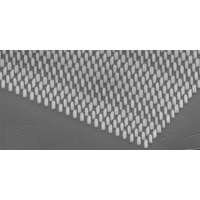
Phys. Rev. Lett. 136, 023601 (2026)
Atomic, Molecular, and Optical Physics
Hydrodynamic Spin-Coupling of Rotors
Article | Physics of Fluids, Earth & Planetary Science, and Climate | 2026-01-13 05:00 EST
Jesse Etan Smith, Leif Ristroph, and Jun Zhang
Flow experiments and streamline analysis systematically explore the hydrodynamic spin-coupling of rotors, identifying the conditions in which either corotating or counterrotating modes emerge.

Phys. Rev. Lett. 136, 024001 (2026)
Physics of Fluids, Earth & Planetary Science, and Climate
Advanced Torrential Loss Function for Precipitation Forecasting
Article | Physics of Fluids, Earth & Planetary Science, and Climate | 2026-01-13 05:00 EST
Jaeho Choi, Hyeri Kim, Kwang-Ho Kim, and Jaesung Lee
An advanced torrential loss function for machine-learning-based precipitation forecasting outperforms conventional functions in forecast accuracy.

Phys. Rev. Lett. 136, 024201 (2026)
Physics of Fluids, Earth & Planetary Science, and Climate
Shock Reformation Induced by Ion-Scale Whistler Waves in Quasiperpendicular Bow Shock
Article | Plasma and Solar Physics, Accelerators and Beams | 2026-01-13 05:00 EST
Si-Bo Xu, Jia-Ji Sun, Shan Wang, Jing-Huan Li, Xu-Zhi Zhou, Daniel B. Graham, Yu-Fei Hao, Qiu-Gang Zong, Chao Yue, Yoshiharu Omura, and Yuri V. Khotyaintsev
Studies have long suggested that shocks can undergo cyclical self-reformation as a type of shock nonstationarity. Until now, providing solid evidence for shock reformation in spacecraft observation and identifying its generating mechanisms remain challenging. In this Letter, by analyzing magnetosphe…
Phys. Rev. Lett. 136, 025201 (2026)
Plasma and Solar Physics, Accelerators and Beams
Spontaneous Twirls and Structural Frustration in Moiré Materials
Article | Condensed Matter and Materials | 2026-01-13 05:00 EST
Jingtian Shi, Gaurav Chaudhary, Allan H. MacDonald, and Ivar Martin
Structural twirls form spontaneously in the domain wall networks of some moiré materials. We show that in heterobilayers, neighboring twirl chiralities tend to antialign, forming staggered patterns that are well described by antiferromagnetic lattice theories. In moiré systems with triangular dom…
Phys. Rev. Lett. 136, 026101 (2026)
Condensed Matter and Materials
One-Dimensional ${\mathbb{Z}}_{2}$ Topological Skin Effect Driven by Acoustic Lossy Couplings
Article | Condensed Matter and Materials | 2026-01-13 05:00 EST
Shuochen Wang, Wei Xiong, Zhiwang Zhang, Ying Cheng, and Xiaojun Liu
Recently, the non-Hermitian skin effect (NHSE) has attracted significant interest in condensed-matter physics due to its distinctive phenomenon of the bulk states' localization at boundaries. With the establishment of non-Bloch framework, the NHSE can be characterized accurately using the generalize…
Phys. Rev. Lett. 136, 026601 (2026)
Condensed Matter and Materials
Physical Review X
Generalized Statistics on Lattices
Article | 2026-01-14 05:00 EST
Ryohei Kobayashi (小林良平), Yuyang Li (李雨阳), Hanyu Xue (薛寒玉), Po-Shen Hsin (辛柏伸), and Yu-An Chen (陳昱安)
The notion of statistics is generalized from particles to loops and membranes using Berry phases of microscopic unitary processes on lattices.
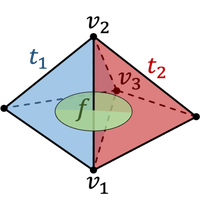
Phys. Rev. X 16, 011010 (2026)
Beyond-Quasiparticle Transport with Vertex Correction: Self-Consistent Ladder Formalism for Electron-Phonon Interactions
Article | 2026-01-13 05:00 EST
Jae-Mo Lihm and Samuel Poncé
A theoretical framework simultaneously captures quasiparticle breakdown and conservation laws, achieving high accuracy in modeling electron transport in materials with strong electron-phonon interactions.
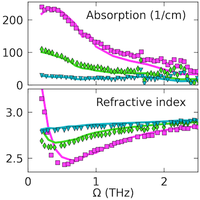
Phys. Rev. X 16, 011008 (2026)
Nematic Order and Orbital Selective Mott State in a Partially Filled Kagome Flat Band
Article | 2026-01-13 05:00 EST
Caiyun Chen, Jiangchang Zheng, Yuman He, Siqi Wu, Xuzhe Ying, Soumya Sankar, Luanjing Li, Yizhou Wei, Xi Dai, Hoi Chun Po, and Berthold Jäck
This scanning tunneling microscopy study of kagome flat bands in Fe-doped CoSn identifies orbital-selective Mott states and nematic order, revealing how geometric frustration and Coulomb interactions drive exotic quantum phases.
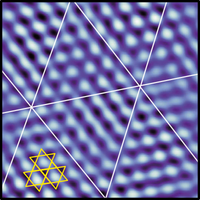
Phys. Rev. X 16, 011009 (2026)
arXiv
Low-temperature Spark Plasma Sintering of fine refractory composite powders core-shell: A case of the powders W@Ni
New Submission | Materials Science (cond-mat.mtrl-sci) | 2026-01-14 20:00 EST
A. V. Nokhrin (1), E. A. Lantcev (1), L. S. Alekseeva (1), N. V. Malekhonova (1), M. S. Boldin (1), Yu. V. Blagoveshchenskiy (2), N. V. Isaeva (2), A. V. Terentyev (2), K. E. Smetanina (1), N. V. Sakharov (1), N. V. Melekhin (1), V. D. Chupriyanova (1) ((1) Lobachevsky University, (2) A.A. Baykov Institute of Metallurgy and Materials Science of the Russian Academy of Sciences)
The mechanisms of fast low-temperature Spark Plasma Sintering (SPS) of W + 10% wt. Ni powders were investigated. The powder compositions were obtained in two methods: (i) by mixing W and Ni powders in a specified ratio (hereinafter referred to as W + Ni); (ii) by Ni deposition on the surface of submicron W particles allowing the formation of particles with a core W - shell Ni structure (hereinafter referred to as W@Ni). To reduce the concentrations of oxygen and oxides, the powders were annealed in hydrogen. The solid-phase sintering was performed at various temperatures (1000-1150°C), pressures (40-80 MPa), heating rates (50-500°C/min), and isothermal holding times (0-20 min). The sintering temperatures corresponded to the onset of intense dissolution of W in Ni. The samples had high relative density and small grain sizes. The activation energy of SPS of the mixed powders was close to the one of the grain boundary diffusion. The key mechanism for the compaction of W@Ni particles in the SPS process is Coble creep. The increasing of the sintering temperature was shown to lead to an increase in the solubility of W in Ni and, consequently, to an increase in the number of secondary Ni4W particles formed during cooling down. The grain growth has a minor effect on the mechanical properties of the W alloy compared to the changes in its phase composition.
Materials Science (cond-mat.mtrl-sci)
43 pages, 3 tables, 15 figures, 79 references
Geometric Spin Rotation in Triangular Antiferromagnets
New Submission | Strongly Correlated Electrons (cond-mat.str-el) | 2026-01-14 20:00 EST
Grigor Adamyan, Bastian Pradenas, Boris Ivanov, Oleg Tchernyshyov
We describe a geometric phenomenon in which a traveling wave made of degenerate Goldstone modes leaves behind a transformed ground state. In a triangular Heisenberg antiferromagnet, a pulse of circularly polarized spin waves rotates the spins within their plane. An exact solution of the nonlinear equations of motion demonstrates that the accumulated rotation is a geometric phase related to parallel transport of the order parameter. We point out a curious analogy between the motion of the magnetic order parameter and that of a wobbling coin. This phenomenon opens a new route for controlling antiferromagnetic order by spin waves and may extend to other frustrated magnets as well as other physical systems with noncommuting broken-symmetry generators.
Strongly Correlated Electrons (cond-mat.str-el), Pattern Formation and Solitons (nlin.PS)
5 pages, 2 figures
Extraordinary boundary correlations at deconfined quantum critical points
New Submission | Strongly Correlated Electrons (cond-mat.str-el) | 2026-01-14 20:00 EST
Recent years have seen a growing appreciation for the effects of quantum critical fluctuations on gapless boundary degrees of freedom. Here we consider the boundary dynamics of the non-compact $ \mathbb{CP}^{N-1}$ (NCCP$ ^{N-1}$ ) model in two spatial dimensions, with $ N$ complex boson species coupled to a fluctuating $ \mathrm{U}(1)$ gauge field. These models describe quantum phase transitions beyond the Landau paradigm, such as the deconfined quantum critical point between superconducting (SC) and quantum spin Hall (QSH) phases. We show that, in a large-$ N$ limit and with the bulk tuned to criticality, boundaries of the NCCP$ ^{N-1}$ model display logarithmically decaying, or ``extraordinary-log,’’ correlations. In particular, when monopole operators exhibit quasi-long-ranged order at the boundary, we find that the extraordinary-log exponent of the NCCP$ ^{N-1}$ model in the large-$ N$ limit is $ q=N/4$ , signifying a new family of boundary universality classes parameterized by $ N$ . In the context of the QSH – SC transition, the quantum critical point inherits helical edge modes from the QSH phase, and this extraordinary-log behavior manifests in their Cooper pair correlations.
Strongly Correlated Electrons (cond-mat.str-el), High Energy Physics - Theory (hep-th)
55 pages, 2 figures
Low energy excitations in a long prism geometry: computing the lower critical dimension of the Ising spin glass
New Submission | Disordered Systems and Neural Networks (cond-mat.dis-nn) | 2026-01-14 20:00 EST
Massimo Bernaschi, Luis Antonio Fernández, Isidoro González-Adalid Pemartín, Víctor Martín-Mayor, Giorgio Parisi, Federico Ricci-Tersenghi
We propose a general method for studying systems that display excitations with arbitrarily low energy in their low-temperature phase. We argue that in a rectangular right prism geometry, with longitudinal size much larger than the transverse size, correlations decay exponentially (at all temperatures) along the longitudinal dimension, but the scaling of the correlation length with the transverse size carries crucial information from which the lower critical dimension can be inferred. The method is applied in the particularly demanding context of Ising spin glasses at zero magnetic field. The lower critical dimension and the multifractal spectrum for the correlation function are computed from large-scale numerical simulations. Several technical novelties (such as the unexpectedly crucial performance of Houdayer’s cluster method or the convenience of using open - rather than periodic - boundary conditions) allow us to study three-dimensional prisms with transverse dimensions up to $ L=24$ and effectively infinite longitudinal dimensions down to low temperatures. The value that we find for the lower critical dimension turns out to be in agreement with expectations from both the Replica Symmetry Breaking theory and the Droplet model for spin glasses. We argue that our novel setting holds promise in clarifying which of the two competing theories more accurately describes three-dimensional spin glasses.
Disordered Systems and Neural Networks (cond-mat.dis-nn), Statistical Mechanics (cond-mat.stat-mech), Computational Physics (physics.comp-ph)
Level 2.5 large deviations and uncertainty relations for non-Markov self-interacting dynamics
New Submission | Statistical Mechanics (cond-mat.stat-mech) | 2026-01-14 20:00 EST
Francesco Coghi, Amarjit Budhiraja, Juan P. Garrahan
We address the general problem of formulating the dynamical large deviations of non-Markovian systems in a closed form. Specifically, we consider a broad class of self-interacting'' jump processes whose dynamics depends on the past through a functional of a state-dependent empirical observable. Exploiting a natural separation of timescales, we obtain the exact (so-called level 2.5’’) large deviation joint statistics of the empirical measure over configurations and of the empirical flux of transitions. As an application of this general framework, we derive explicit general bounds on the fluctuations of trajectory observables, generalising to the non-Markovian case both thermodynamic and kinetic uncertainty relations. We illustrate our theory with simple examples, and discuss potential applications of these results.
Statistical Mechanics (cond-mat.stat-mech), Probability (math.PR)
6 pages, 1 figure
Mechanism-based metamaterials with microstructurally invariant shape-change
New Submission | Soft Condensed Matter (cond-mat.soft) | 2026-01-14 20:00 EST
Yingchao Peng, Asifur Rahman, Paolo Celli, Paul Plucinsky
Metamaterials with low-energy floppy modes called mechanisms are a burgeoning template for shape-morphing systems and structures across scales. Here, we present a design recipe that transforms an arbitrary plane tiling into a 2D kirigami pattern with a single degree-of-freedom mechanism motion, greatly expanding the known library of mechanism-based designs. We reveal that these kirigami patterns, when deformed along their mechanism, have a bulk shape change invariant to the underlying microstructure of the pattern. Experimental observations confirm this unusual kinematic prediction in illustrative classes of designs. We also exploit this invariance to elicit different elastic responses in patterns with identical bulk shape change. Finally, we discuss generalizations to compact and non-planar kirigami, as well as 3D metamaterials, highlighting the broad applicability of our new approach to design.
Soft Condensed Matter (cond-mat.soft)
4 pages, 4 figures and a supplement
Boundary-Induced Drift and Negative Mobility in Constrained Stochastic Systems
New Submission | Statistical Mechanics (cond-mat.stat-mech) | 2026-01-14 20:00 EST
Meitar Goldfarb, Stanislav Burov
We study overdamped stochastic dynamics confined by hard reflecting boundaries and show that the combination of boundary geometry and an anisotropic diffusion tensor generically generates directed motion. At the level of individual trajectories, the no-flux condition enforces an oblique reflection at the boundary, which produces a systematic drift parallel to the surface. The resulting local velocity takes the general form $ v_B(\mathbf{x})=\mathbf{t}(\mathbf{x})^{!\top}\mathbf{D},\mathbf{n}(\mathbf{x})$ , determined by the diffusion tensor $ \mathbf{D}$ and the local boundary geometry encoded in the normal $ \mathbf{n}$ and tangent $ \mathbf{t}$ . While this boundary-induced drift is local, it can accumulate into a macroscopic response, depending on the statistics of boundary encounters. We illustrate how this local boundary-induced drift gives rise to macroscopic transport using a minimal one-dimensional dimer composed of two particles with unequal diffusion coefficients. The repeated collisions act as reflections in configuration space and lead to sustained center-of-mass motion, including regimes of absolute negative mobility under constant forcing.
Statistical Mechanics (cond-mat.stat-mech)
Multiscale Analysis of Plasma-Modified Silk Fibroin and Chitosan Films
New Submission | Materials Science (cond-mat.mtrl-sci) | 2026-01-14 20:00 EST
Jordan Nashed, Tomasz Bartkowiak, Alexandru Horia Marin, Tine Curk, Viviana Marcela Posada-Perez
Biological interactions with material surfaces span a wide range of length scales, yet conventional surface measurements often fail to account for scale, limiting the insights they provide for surface engineering. Here, we investigate how multiscale surface descriptors of plasma-modified silk fibroin and chitosan surfaces modify bacterial and immune cell response. Surface chemistry and topography were characterized using X-ray Photoelectron Spectroscopy (XPS) and Atomic Force Microscopy (AFM), followed by sliding bandpass filtration and multiscale curvature tensor-based methods to measure scale-dependent topographic features. Macrophage response and biofilm growth were assessed by fluorescence microscopy. Correlation strength showed scale-dependence with respect to surface features and biological structure: individual bacteria and small colonies correlated more strongly with fine-scale topographic features, whereas macrophage morphology correlated more strongly with larger-scale surface features. Notably, measured surface chemical descriptors generally did not correlate strongly with biofilm formation; nonetheless, chitosan and silk fibroin showed distinct trends in bacterial support, suggesting that material identity was not captured by the measured surface properties and that prevention of biofilms likely benefits from combinatorial approaches as opposed to physical surface modification alone. These results show that different biological structures interact with material surfaces at distinct length scales, as well as demonstrate the utility of multiscale analysis in identifying scales of interest in biological interactions with surfaces. Moreover, the data suggests that tailoring topographic feature size to the characteristic scale of the targeted biological entity is a potential strategy for antibacterial wound-healing materials without incurring cytotoxicity.
Materials Science (cond-mat.mtrl-sci)
36 pages, 12 figures
Chiral Two-Body Bound States from Berry Curvature and Chiral Superconductivity
New Submission | Mesoscale and Nanoscale Physics (cond-mat.mes-hall) | 2026-01-14 20:00 EST
Daniil Karuzin, Leonid Levitov
Motivated by the discovery of exotic superconductivity in rhombohedral graphene, we study the two-body problem in electronic bands endowed with Berry curvature and show that it supports chiral, non-$ s$ -wave bound states with nonzero angular momentum. In the presence of a Fermi sea, these interactions give rise to a chiral pairing problem featuring multiple superconducting phases that break time-reversal symmetry. These phases form a cascade of chiral topological states with different angular momenta, where the order-parameter phase winds by $ 2\pi m$ around the Fermi surface, with $ m = 1,3,5,\ldots$ , and the succession of phases is governed by the Berry-curvature flux through the Fermi surface area, $ \Phi = b k_F^2/2$ . As $ \Phi$ increases, the system undergoes a sequence of first-order phase transitions between distinct chiral phases, occurring whenever $ \Phi$ crosses integer values. This realizes a quantum-geometry analog of the Little–Parks effect – oscillations in $ T_c$ that provide a clear and experimentally accessible hallmark of chiral superconducting order.
Mesoscale and Nanoscale Physics (cond-mat.mes-hall)
4 pgs, 1 fg
A Nonlinear Mechanism for Transient Anomalous Diffusion
New Submission | Statistical Mechanics (cond-mat.stat-mech) | 2026-01-14 20:00 EST
Gabriel Barreiro, Vladimir Pérez-Veloz
Diffusion is a fundamental physical phenomenon with critical applications in fields such as metallurgy, cell biology, and population dynamics. While standard diffusion is well-understood, anomalous diffusion often requires complex non-local models. This paper investigates a nonlinear diffusion equation where the diffusion coefficient is linearly dependent on concentration. We demonstrate through a perturbative analysis that this physically-grounded model exhibits transient anomalous diffusion. The system displays a clear crossover from an initial subdiffusive regime to standard Fickian behavior at long times. This result establishes an important mechanism for trasient anomalous diffusion that arises purely from local interactions, providing an intuitive alternative to models based on fractional calculus or non-local memory effects.
Statistical Mechanics (cond-mat.stat-mech), Mathematical Physics (math-ph)
Multi-level charge fluctuations in a Si/SiGe double quantum dot device
New Submission | Mesoscale and Nanoscale Physics (cond-mat.mes-hall) | 2026-01-14 20:00 EST
Dylan Albrecht, Feiyang Ye, N. Tobias Jacobson, John M. Nichol
Discrete charge fluctuations, routinely observed in semiconductor quantum dot devices, may contribute significantly to device drift and errors resulting from qubit miscalibration. Understanding the nature and origins of these discrete charge fluctuations may provide insights into material improvements or means of mitigating charge noise in semiconductor quantum dot devices. In this work, we measure multi-level charge fluctuations present in a Si/SiGe double quantum dot device over a range of device operating voltages and temperatures. To characterize the parameter-dependent dynamics of the underlying fluctuating degrees of freedom, we perform a detailed analysis of the measured noise timeseries. We perform algorithmically assisted drift detection and change point detection to detrend the data and remove a slow fluctuator component, as a preprocessing step. We perform model comparison on the post-processed time series between different $ n$ -level fluctuator ($ n$ LF) factorial hidden Markov models (FHMMs), finding that although at most sweep values the independent pair of 2LFs model would be preferred, in a particular region of voltage space the 4LF model outperforms the other models, indicating a conditional rate dependence between the two fluctuators. By tracking fluctuator transition rates, biases, and weights over a range of different device configurations, we estimate gate voltage and conductivity sensitivity. In particular, we fit a phenomenological, detailed balance model to the extracted independent 2LFs rate data, yielding lever arm estimates in the range of $ -2 \mu$ eV/mV up to $ 4 \mu$ eV/mV between the two 2LFs and nearby gate electrodes. We expect that these characterization results may aid in subsequent spatial triangulation of the charge fluctuators.
Mesoscale and Nanoscale Physics (cond-mat.mes-hall), Quantum Physics (quant-ph)
15 pages, 13 figures
Spreading and absorption of silicone oil droplets on silicone elastomer films
New Submission | Soft Condensed Matter (cond-mat.soft) | 2026-01-14 20:00 EST
Lauren Dutcher, Benjamin Baylis, John R. Dutcher, Elie Raphael, Kari Dalnoki-Veress
When a liquid droplet completely wets a hard substrate, its spreading dynamics follow Tanner’s law, with the droplet radius growing as the one-tenth power of time. Here, we investigate how these dynamics change when silicone oil droplets spread on soft silicone elastomer and gel films supported by a rigid silicon substrate. While the droplets fully wet the elastomer surface, they also simultaneously swell the elastomer film. By varying the film thickness, we observe deviations from the classical power-law scaling, which we interpret in terms of changes to the effective stiffness and the absorption potential of the system. We describe the spreading behavior using a phenomenological model that accounts for both absorption and mechanical contributions.
Soft Condensed Matter (cond-mat.soft), Fluid Dynamics (physics.flu-dyn)
8 pages, 7 figures, 1 table
Symmetry-aware Conditional Generation of Crystal Structures Using Diffusion Models
New Submission | Materials Science (cond-mat.mtrl-sci) | 2026-01-14 20:00 EST
Takanori Ishii, Kaoru Hisama, Kohei Shinohara
The application of generative models in crystal structure prediction (CSP) has gained significant attention. Conditional generation–particularly the generation of crystal structures with specified stability or other physical properties has been actively researched for material discovery purposes. Meanwhile, the generative models capable of symmetry-aware generation are also under active development, because space group symmetry has a strong relationship with the physical properties of materials. In this study, we demonstrate that the symmetry control in the previous conditional crystal generation model may not be sufficiently effective when space group constraints are applied as a condition. To address this problem, we propose the WyckoffDiff-Adaptor, which embeds conditional generation within a WyckoffDiff architecture that effectively diffuses Wyckoff positions to achieve precise symmetry control. We successfully generated formation energy phase diagrams while specifying stable structures of particular combination of elements, such as Li–O and Ti–O systems, while simultaneously preserving the symmetry of the input conditions. The proposed method with symmetry-aware conditional generation demonstrates promising results as an effective approach to achieving the discovery of novel materials with targeted physical properties.
Materials Science (cond-mat.mtrl-sci)
Magnetoelectric torque in polar magnetic bilayers
New Submission | Materials Science (cond-mat.mtrl-sci) | 2026-01-14 20:00 EST
Zhong Shen, Jun Chen, Xiaoyan Yao, Shuai Dong
Energy-efficient fast switching of spin orientations or textures is a core issue of spintronics, which is highly demanded but remains challenging. Different from the mainstream routes based on spin-transfer torque or spin-orbit torque, here we propose another mechanism coined as magnetoelectric torque to switch the magnetization in polar magnetic bilayers via pure electric field. In some magnetic van der Waals bilayers, when the electrostatic energy of polarization can compensate the interlayer magnetic coupling, a magnetoelectric torque is generated to fastly flip spins within a few picoseconds, which is demonstrated by combining the first-principles calculations, analytic model, as well as atomistic simulations. Such a magnetoelectric torque doesn’t rely on the spin-orbit coupling and is generally active in polar magnetic homostructures and heterostructures. Our work provides an alternative route to switch magnetization in nanoscale, which may benefit the energy-saving and fast-response spintronic devices.
Materials Science (cond-mat.mtrl-sci), Mesoscale and Nanoscale Physics (cond-mat.mes-hall), Strongly Correlated Electrons (cond-mat.str-el)
8 pages, 5 figures
Physical Review Letters 136, 016702 (2026)
Brownian motion of a rod threading through a ring with fixed ring-center
New Submission | Soft Condensed Matter (cond-mat.soft) | 2026-01-14 20:00 EST
Zhongqiang Xiong, Shigeyuki Komura, Masao Doi
We study the Brownian motion of a rigid rod threading through a small fixed ring while the ring can freely rotate. We derive the distribution function for the sliding displacement and the unit vector along the rod both at equilibrium and non-equilibrium. The equilibrium distribution is quadratic in the sliding displacement and is controlled by the moment of inertia (mass distribution). Applying the Onsager variational principle, we derive a Smoluchowski equation in which sliding and rotational diffusion are coupled. The mean square displacement (MSD) of sliding shows a metastable plateau in a certain time range before it approaches the final equilibrium value. The longest sliding relaxation time decreases as $ \alpha^{-1/2}$ as the moment of inertia increases. The rotational relaxation time obtained from the orientational correlation function is longer than that of a rod with its center fixed but faster than a rod with one end fixed. These results may be useful in understanding the dynamics of polymers connected by sliding rings.
Soft Condensed Matter (cond-mat.soft)
Autonomous Materials Exploration by Integrating Automated Phase Identification and AI-Assisted Human Reasoning
New Submission | Materials Science (cond-mat.mtrl-sci) | 2026-01-14 20:00 EST
Ming-Chiang Chang, Maximilian Amsler, Duncan R. Sutherland, Sebastian Ament, Katie R. Gann, Lan Zhou, Louisa M. Smieska, Arthur R. Woll, John M. Gregoire, Carla P. Gomes, R. Bruce van Dover, Michael O. Thompson
Autonomous experimentation holds the potential to accelerate materials development by combining artificial intelligence (AI) with modular robotic platforms to explore extensive combinatorial chemical and processing spaces. Such self-driving laboratories can not only increase the throughput of repetitive experiments, but also incorporate human domain expertise to drive the search towards user-defined objectives, including improved materials performance metrics. We present an autonomous materials synthesis extension to SARA, the Scientific Autonomous Reasoning Agent, utilizing phase information provided by an automated probabilistic phase labeling algorithm to expedite the search for targeted phase regions. By incorporating human input into an expanded SARA-H (SARA with human-in-the-loop) framework, we enhance the efficiency of the underlying reasoning process. Using synthetic benchmarks, we demonstrate the efficiency of our AI implementation and show that the human input can contribute to significant improvement in sampling efficiency. We conduct experimental active learning campaigns using robotic processing of thin-film samples of several oxide material systems, including Bi$ _2$ O$ _3$ , SnO$ _x$ , and Bi-Ti-O, using lateral-gradient laser spike annealing to synthesize and kinetically trap metastable phases. We showcase the utility of human-in-the-loop autonomous experimentation for the Bi-Ti-O system, where we identify extensive processing domains that stabilize $ \delta$ -Bi$ _2$ O$ _3$ and Bi$ _2$ Ti$ _2$ O$ _7$ , explore dwell-dependent ternary oxide phase behavior, and provide evidence confirming predictions that cationic substitutional doping of TiO$ _2$ with Bi inhibits the unfavorable transformation of the metastable anatase to the ground-state rutile phase. The autonomous methods we have developed enable the discovery of new materials and new understanding of materials synthesis and properties.
Materials Science (cond-mat.mtrl-sci), Artificial Intelligence (cs.AI), Machine Learning (cs.LG), Multiagent Systems (cs.MA), Computational Physics (physics.comp-ph)
Main manuscript: 21 pages(including references), 6 figures. Supplementary Information: 12 pages, 9 figures, 1 table
Nodal Superconductivity of UTe$2$ Probed by Field-Angle-Resolved Specific Heat on a Crystal with $T{\rm c}=2.1$ K
New Submission | Superconductivity (cond-mat.supr-con) | 2026-01-14 20:00 EST
Kaito Totsuka, Yohei Kono, Yusei Shimizu, Ai Nakamura, Atsushi Miyake, Dai Aoki, Yasumasa Tsutsumi, Kazushige Machida, Shunichiro Kittaka
Field-angle-resolved specific-heat measurements were performed on a clean single crystal of a spin-triplet superconductor UTe$ 2$ with $ T{\rm c}=2.1$ K and a low residual electronic specific heat. At low temperatures, the specific heat exhibits a linear dependence on the magnetic field when the field is applied precisely along the $ b$ axis, in stark contrast to its rapid increase at low fields for other orientations. This pronounced anisotropy suggests the presence of nodal quasiparticle excitations with the Fermi velocity predominantly aligned along the $ b$ axis. Considering the characteristic field-angle dependences of both the specific heat and the upper critical field, these observations are broadly compatible with theoretical models that assume a superconducting gap structure featuring either point nodes consistent with $ B_{\rm 2u}$ symmetry, allowed in the infinitely strong spin-orbit coupling scheme, or line nodes confined to flat regions of the quasi-two-dimensional Fermi surface, consistent with $ ^3B_{\rm 3u}$ symmetry in the finite spin-orbit classification scheme. These results yield crucial hints for resolving the pairing symmetry of UTe$ _2$ , paving the way for a deeper understanding of its spin-triplet superconductivity.
Superconductivity (cond-mat.supr-con), Strongly Correlated Electrons (cond-mat.str-el)
6 pages, 4 figures, accepted for publication in J. Phys. Soc. Jpn
Pressure-Induced Martensitic Phase Transformation and Microstructure Evolution in nanograined $\text{Fe}\text{-}7%\text{Mn}$ Alloy
New Submission | Materials Science (cond-mat.mtrl-sci) | 2026-01-14 20:00 EST
Mrinmay Sahu, Sorb Yesudhas, Valery I. Levitas, Dean Smith
The Fe-Mn-based alloys are receiving immense attention due to their applications in the third generation of advanced high-strength steels, owing to their high strength and ductility. A detailed in situ high-pressure structural phase transformation and microstructural evolution in nanograined $ \text{Fe}\text{-}7%\text{Mn}$ alloy has been performed using the axial synchrotron X-ray diffraction technique. The ambient BCC phase of $ \text{Fe}\text{-}7%\text{Mn}$ undergoes pressure-driven structural PT to the HCP phase at 11.4 GPa. Both BCC and HCP phases coexist up to 15.9 GPa; thereafter, they transform into a pure HCP phase, which remains stable up to the maximum pressure of 30.3 GPa. The XRD study reveals that the $ (110){\mathrm{b}}$ dense crystallographic plane of the BCC lattice transforms into a densely packed $ (002){\mathrm{h}}$ peak of the HCP lattice following the orientational relationship $ (110){\mathrm{b}} \parallel (0001){\mathrm{h}}$ via diffusionless $ \mathrm{Burger’s} $ martensitic crystallographic PT pathway. The evolution of crystallite size and microstrain with pressure shows a distinct change during the structural PT. The microstrain exhibits a sharp anomaly at around 10 GPa, suggesting that the microstructural changes precede the structural PT.
Materials Science (cond-mat.mtrl-sci)
12 pages, 5 figures
Influence of Local Icosahedral Short-Range Order on the Magnetization Dynamics of Amorphous Cobalt-Iron Nanodisks
New Submission | Materials Science (cond-mat.mtrl-sci) | 2026-01-14 20:00 EST
Erick Burgos-Parra, Matías Sepulveda-Macías
The microscopic origin of soft magnetic properties in amorphous alloys is fundamentally linked to the interplay between local topological disorder and magnetic exchange interactions. In this work, we employ a multiscale Spin-Lattice Dynamics (SLD) approach to investigate the magnetostructural correlations in amorphous Co$ _{x}$ Fe$ _{1-x}$ nanodisks ($ x=35, 50, 65$ ). By integrating classical molecular dynamics with a generalized magnetic Hamiltonian, we capture the dynamic feedback loop between lattice vibrations and spin precession. Topological analysis via Voronoi tessellation reveals a persistent species-dependent structural heterogeneity: Cobalt atoms preferentially adopt “solid-like” icosahedral packing, forming a rigid structural backbone, whereas Iron atoms exhibit a higher propensity for “liquid-like” disordered environments. We demonstrate that this topological disparity dictates the macroscopic magnetic response. The Cobalt-driven structural stiffness preserves a robust exchange network that maximizes saturation magnetization, while the local disorder inherent to Iron-rich regions introduces exchange fluctuations that act as an intrinsic damping mechanism, delaying magnetic relaxation. These findings provide an atomistic explanation for the stability of ferromagnetic order in Co-Fe metallic glasses and offer a pathway for tuning damping parameters in amorphous spintronic devices through stoichiometric control.
Materials Science (cond-mat.mtrl-sci), Computational Engineering, Finance, and Science (cs.CE)
Large room temperature anomalous Nernst effect coupled with topological Nernst effect from incommensurate spin structure in a Kagome antiferromagnet
New Submission | Strongly Correlated Electrons (cond-mat.str-el) | 2026-01-14 20:00 EST
Jiajun Ma, Jiaxing Liao, Yazhou Li, Yuwei Zhang, Jialu Wang, Jinke Bao, Yan Sun, Shuang Jia, Yuke Li
Kagome magnets exhibit a range of novel and nontrivial topological properties due to the strong interplay between topology and magnetism, which also extends to their thermoelectric applications. Recent advances in the study of magnetic topological materials have highlighted their intriguing anomalous Hall and thermoelectric effects, arising primarily from large intrinsic Berry curvature. Here, we report observation of a large room-temperature (RT) anomalous Nernst effects (ANE) of S_xy^A ~ 1.3 {\mu}V K^(-1) in the kagome antiferromagnet (AFM) ErMn6Sn6, which is comparable to the largest signals observed in known magnetic materials. Surprisingly, we further found that a significant topological Nernst signal at RT and peaking a maximum of approximately 0.2 {\mu}V K^(-1) at 180 K, exactly coupling with ANE in the spiral AFM state, originates from the real-space nonzero spin chirality caused by incommensurate spin structure. This study demonstrates a potential room-temperature thermoelectric application platform based on Nernst effect, and provides insights for discovering significant anomalous and topological transverse transport effects in the incommensurate AFM system.
Strongly Correlated Electrons (cond-mat.str-el)
12 pages, 4 figures
Advanced Science, 2026; 0:e22151
Designing topological edge states in bacterial active matter
New Submission | Soft Condensed Matter (cond-mat.soft) | 2026-01-14 20:00 EST
Yoshihito Uchida, Daiki Nishiguchi, Kazumasa A. Takeuchi
Topology provides a unifying framework for understanding robust transport through protected edge states arising from nontrivial wavenumber topology. Extending these concepts to active matter, however, remains largely unexplored experimentally, with realizations limited to systems composed of chiral active particles. Here, we realize topological edge states in dense bacterial suspension, which represents a prototypical active matter system, using microfabricated geometrical structures with nontrivial wavenumber topology. Inspired by previous theoretical studies, we constructed a directional kagome network composed of ratchet-shaped channels that induce unidirectional bacterial flow. In this network, we found clear edge localization of bacterial density. A steady-state analysis based on the bacterial transport model and experimentally measured velocity field reveals how the characteristic collective flow generates edge localization. The model also uncovers the topological origin of the observed edge states. By tuning the geometry of the microfabricated networks, we identified directional channel design and network chirality as the key design features essential for the emergence of the edge state. Our results pave the way for establishing a control and design principle of topological transport in such active matter systems.
Soft Condensed Matter (cond-mat.soft), Mesoscale and Nanoscale Physics (cond-mat.mes-hall), Statistical Mechanics (cond-mat.stat-mech), Biological Physics (physics.bio-ph)
12 pages, 4 figures in the main text + 9 pages, 5 figures in Supplementary Information
Giant Hole-doping in 2H-WSe2 via Ta Substitution
New Submission | Materials Science (cond-mat.mtrl-sci) | 2026-01-14 20:00 EST
Minhee Kang, Woojin Choi, Choongyu Hwang, Jinwoong Hwang
The family of transition metal dichalcogenides (TMDCs) has been regarded as promising candidates for future electronics, valleytronics, spintronics, and optoelectronics. While most of TMDCs are intrinsic n-type semiconductors due to electron donation from chalcogen vacancies, realizing intrinsic p-type TMDCs and achieving precise control over their electronic properties remain challenging. In this work, we introduce a powerful approach to obtain intrinsic hole doping by substituting Ta atom into 2H-WSe2. A combining study of molecular beam epitaxy growth and in-situ angle-resolved photoemission spectroscopy characterization clearly reveals that Ta substitution induces a significant hole doping and provides a possible way of a semiconductor-to-metal transition in 2H-WSe2.
Materials Science (cond-mat.mtrl-sci)
Applied Science and Convergence Technology, 34 (6); 194-197 (2025)
A microscopic origin for the breakdown of the Stokes Einstein relation in ion transport
New Submission | Soft Condensed Matter (cond-mat.soft) | 2026-01-14 20:00 EST
Zhenyu Wei, Mu Chen, Jun Ren, Pinyao He, Wei Xu, Wei Liu, Fei Zheng, Yin Zhang, Wei Si, Jinjie Sha, Zhonghua Ni, Yunfei Chen
Ion transport underlies the operation of biological ion channels and governs the performance of electrochemical energy-storage devices. A long-standing anomaly is that smaller alkali metal ions, such as Li$ ^+$ , migrate more slowly in water than larger ions, in apparent violation of the Stokes-Einstein relation. This breakdown is conventionally attributed to dielectric friction, a collective drag force arising from electrostatic interactions between a drifting ion and its surrounding solvent. Here, combining nanopore transport measurements over electric fields spanning several orders of magnitude with molecular dynamics simulations, we show that the time-averaged electrostatic force on a migrating ion is not a drag force but a net driving force. By contrasting charged ions with neutral particles, we reveal that ionic charge introduces additional Lorentzian peaks in the frequency-dependent friction coefficient. These peaks originate predominantly from short-range Lennard-Jones (LJ) interactions within the first hydration layer and represent additional channels for energy dissipation, strongest for Li$ ^+$ and progressively weaker for Na$ ^+$ and K$ ^+$ . Our results demonstrate that electrostatic interactions primarily act to tighten the local hydration structure, thereby amplifying short-range LJ interactions rather than directly opposing ion motion. This microscopic mechanism provides a unified physical explanation for the breakdown of the Stokes-Einstein relation in aqueous ion transport.
Soft Condensed Matter (cond-mat.soft), Chemical Physics (physics.chem-ph)
10 pages, 4 figure
Nodal-line-enhanced quantum geometric effects: anomalous and nonlinear Hall effects in the parity-mixed antiferromagnet NbMnP
New Submission | Mesoscale and Nanoscale Physics (cond-mat.mes-hall) | 2026-01-14 20:00 EST
Ibuki Terada, Vu Thi Ngoc Huyen, Yuki Yanagi, Michi-To Suzuki
The anomalous Hall effect has been understood in terms of the geometric nature of Bloch bands and impurity scattering, and has been observed in a wide variety of magnetic materials such as ferromagnets and antiferromagnets. Recently, a large anomalous Hall effect was reported in the noncollinear antiferromagnetic metal NbMnP whose magnetic order is a mixture of the even-parity and the odd-parity magnetic components. Such a magnetic structure is expected to exhibit the anomalous Hall effect and the nonlinear Hall effect from the symmetry breaking of the antiferromagnet ordering. Here, we theoretically investigate the intrinsic anomalous and nonlinear Hall effect of NbMnP induced by the quantum geometry of Bloch band using the first-principles calculation and the Wannier interpolation method. We found that the intrinsic Hall response of NbMnP is predominantly governed by the strongly enhanced Berry curvature and Berry-connection-polarization dipole on a specific mirror plane. These enhanced geometric quantities originate from the spin-orbit-coupling-induced gap openings along the nodal lines. Our results indicate that NbMnP serves as a model system for investigating transport phenomena originating from nodal-lines in parity-mixed antiferromagnets.
Mesoscale and Nanoscale Physics (cond-mat.mes-hall)
8 pages, 4 figures
From Lyotropic to Thermotropic Behavior: Solvent-Free Liquid Crystalline Phases in Polymer-Surfactant-Conjugated Rod-shaped Colloidal Viruses
New Submission | Soft Condensed Matter (cond-mat.soft) | 2026-01-14 20:00 EST
Lohitha R. Hegde, Kamendra P. Sharma, Eric Grelet
Filamentous bacteriophages fd are viral particles, highly monodisperse in size, that have been widely used as a model colloidal system for studying the self-assembly of rod-shaped particles as well as a versatile template in nanoscience. In aqueous suspensions, fd viruses exhibit lyotropic behavior, forming liquid crystalline phases as their concentration increases. Here, we report a solvent-free system displaying thermotropic phase behavior, achieved through covalent coupling of low molecular weight PEG-based polymer surfactant onto the fd virus surface. Upon lyophilization of aqueous suspensions of these polymer-grafted bacteriophages and subsequent thermal annealing, a solvent-free material is obtained, exhibiting both viscoelasticity and, notably, thermotropic liquid crystalline properties. A combination of small-angle X-ray scattering and optical microscopy experiments reveals the formation of an ordered hexagonal mesophase below 30 °C, which undergoes a melting transition into an isotropic liquid at higher temperatures. Our results demonstrate an efficient approach for converting lyotropic into thermotropic phase behavior in the columnar liquid crystalline phase of filamentous fd colloids. This approach paves the way for extending such functionalization to other technologically relevant rod-like systems, such as carbon nanotubes and cellulose nanocrystals, enabling the introduction of thermotropic properties in anhydrous colloidal materials.
Soft Condensed Matter (cond-mat.soft)
Soft Matter (2026)
Critical quantum states and hierarchical spectral statistics in a Cantor potential
New Submission | Disordered Systems and Neural Networks (cond-mat.dis-nn) | 2026-01-14 20:00 EST
We study the spectral statistics and wave-function properties of a one-dimensional quantum system subject to a Cantor-type fractal potential. By analyzing the nearest-neighbor level spacings, inverse participation ratio (IPR), and the scaling behavior of the integrated density of states (IDS), we demonstrate how the self-similar geometry of the potential is imprinted on the quantum spectrum. The energy-resolved level spacings form a hierarchical, filamentary structure, in sharp contrast to those of periodic and random systems. The normalized level-spacing distribution exhibits a bimodal structure, reflecting the deterministic recurrence of spectral gaps. A multifractal analysis of eigenstates reveals critical behavior: the generalized fractal dimensions $ D_q$ lie strictly between the limits of extended and localized states, exhibiting a distinct $ q$ -dependence. Consistently, the IPR indicates the coexistence of quasi-extended and localized features, characteristic of critical wave functions. The IDS shows anomalous power-law scaling at low energies, with an exponent close to the Hausdorff dimension of the underlying Cantor set, indicating that the geometric fractality governs the spectral dimensionality. At higher energies, this scaling crosses over to the semiclassical Weyl law. Our results establish a direct connection between deterministic fractal geometry, hierarchical spectral statistics, and quantum criticality.
Disordered Systems and Neural Networks (cond-mat.dis-nn), Mesoscale and Nanoscale Physics (cond-mat.mes-hall), Quantum Physics (quant-ph)
13 pages, 6 figures
Effect of Interatomic Potential Choice on Fracture Modes of Graphene with Parallel Cracks
New Submission | Materials Science (cond-mat.mtrl-sci) | 2026-01-14 20:00 EST
Suyeong Jin, Jung-Wuk Hong, Alexandre F. Fonseca
Defect engineering via parallel cracks has been proposed as a route to tailor the fracture response of graphene. However, atomistic fracture predictions can be strongly sensitive to the interatomic potential. Here, we quantify the effect of potential choice by revisiting H-passivated graphene containing two parallel cracks separated by a gap $ W_{\text{gap}}$ loaded in tension along the armchair (AC) and zigzag (ZZ) directions. Molecular dynamics simulations using the AIREBO potential under the same geometry and loading protocol previously studied with ReaxFF, are employed, so enabling a direct comparison. Stress-strain responses, Young’s modulus, an effective mode-I stress intensity factor, and energy absorption are evaluated as functions of $ W_{\text{gap}}$ . Compared with ReaxFF, AIREBO predicts lower peak stresses and earlier catastrophic softening, leading to reduced post-peak deformation capacity and energy absorption. Ductility and energy absorption are shown to be highly potential-dependent, underscoring the need for careful potential selection in defect-engineered graphene fracture simulations.
Materials Science (cond-mat.mtrl-sci), Mesoscale and Nanoscale Physics (cond-mat.mes-hall)
12 pages, 4 figures
Eigenstate thermalization in thermal first-order phase transitions
New Submission | Statistical Mechanics (cond-mat.stat-mech) | 2026-01-14 20:00 EST
Maksym Serbyn, Alexander Avdoshkin, Oriana K. Diessel, David A. Huse
The eigenstate thermalization hypothesis (ETH) posits how isolated quantum many-body systems thermalize, assuming that individual eigenstates at the same energy density have identical expectation values of local observables in the limit of large systems. While the ETH apparently holds across a wide range of interacting quantum systems, in this work we show that it requires generalization in the presence of thermal first-order phase transitions. We introduce a class of all-to-all spin models, featuring first-order thermal phase transitions that stem from two distinct mean-field solutions (two ``branches’’) that exchange dominance in the many-body density of states as the energy is varied. We argue that for energies in the vicinity of the thermal phase transition, eigenstate expectation values do not need to converge to the same thermal value. The system has a regime with coexistence of two classes of eigenstates corresponding to the two branches with distinct expectation values at the same energy density, and another regime with Schrodinger-cat-like eigenstates that are inter-branch superpositions; these two regimes are separated by an eigenstate phase transition. We support our results by semiclassical calculations and an exact diagonalization study of a microscopic spin model, and argue that the structure of eigenstates in the vicinity of thermal first-order phase transitions can be experimentally probed via non-equilibrium dynamics.
Statistical Mechanics (cond-mat.stat-mech), Disordered Systems and Neural Networks (cond-mat.dis-nn), Quantum Physics (quant-ph)
11 pages, 8 figures
Collinear Magnetic Structure in the Diamond Network Magnet EuTi$2$Al${20}$
New Submission | Strongly Correlated Electrons (cond-mat.str-el) | 2026-01-14 20:00 EST
Masahiro Kawamata, Ryuji Higashinaka, Takeshi Matsumura, Maxim Avdeev, Kazuaki Iwasa, Hironori Nakao, Kazumasa Hattori, Tatsuma D. Matsuda
The magnetic structure of EuTi$ _2$ Al$ {20}$ , in which magnetic Eu$ ^{2+}$ ions form a diamond network, was investigated using neutron and resonant X-ray diffraction on powder and single-crystal samples. The propagation vector was determined to be $ \textbf{\textit{q}}{\rm m}=(1,0,0)$ ~r.l.u. from these diffraction measurements. All possible magnetic structures in the space group $ Fd\bar{3}m$ with this propagation vector were examined using the irreducible representation method and magnetic space group analysis. This magnetic structure was identified as a collinear antiferromagnetic structure with the magnetic space group $ P_Inna$ (#52.320) or $ P_Inn2$ (#34.164) under zero magnetic field. In these magnetic structure, frustration arises from competing magnetic interactions on the diamond network. These findings provide a concrete experimental reference for assessing the role of competing interactions in diamond-network magnets and motivate further studies of interaction-driven quantum states.
Strongly Correlated Electrons (cond-mat.str-el)
J. Phys. Soc. Jpn. 95, 024701 (2026)
Unavoidable Canonical Nonlinearity Induced by Gaussian Measures Discretization
New Submission | Statistical Mechanics (cond-mat.stat-mech) | 2026-01-14 20:00 EST
When we consider canonical averages for classical discrete systems, typically referred to as substitutional alloys, the map from many-body interatomic interactions to thermodynamic equilibrium configurations generally exhibits complicated nonlinearity. This canonical nonlinearity is fundamentally rooted in deviations of the discrete configurational density of states (CDOS) from continuous Gaussian families, and has conventionally been characterized by the Kullback-Leibler (KL) divergence on discrete statistical manifold. Thus, the previous works inevitablly missed intrinsic nonlinearities induced by discretization of Gaussian families, which remains invisible within conventional information-geometric descriptions. In the present work, we identify and quantify such unavoidable canonical nonlinearity by employing the 2-Wasserstein distance with a cost function aligned with the Fisher metric for Gaussian families. We derive an explicit expression for the Wasserstein distance in the limit of vanishing discretization scale d to 0: W2 = d\astsqrt(Tr(Gamma)^(-1)/12), where Gamma denotes covariance matrix of the CDOS. We further show that this limiting Wasserstein distance admits a clear geometric interpretation on the statistical manifold, equivalent to a KL divergence associated with the expected parallel translations of continuous Gaussian. Our framework thus provides a transport-information-geometric characterization of discretization-induced nonlinearity in classical discrete systems, with future potential applications to configurational thermodynamics.
Statistical Mechanics (cond-mat.stat-mech)
4 pages
Fractional-Monolayer 2D-GaN/AlN Structures: Growth Kinetics and UVC-emitter Applications
New Submission | Materials Science (cond-mat.mtrl-sci) | 2026-01-14 20:00 EST
V.N. Jmerik, D.V. Nechaev, E.A. Evropeitsev, E.M. Roginskii, A.N. Semenov, M.A. Yagovkina, P.A. Alekseev, V.I. Kozlovsky, M.M. Zverev, N.A. Gamov, Tao Wang, Xinqiang Wang, T.V. Shubina, A.A. Toropov
The paper reports on fundamental properties of the GaN/AlN quantum wells (QWs) with nominal subcritical thicknesses of 0.75-2 monolayers (MLs). They are grown by plasma-activated molecular beam epitaxy, varying either the nominal thickness or the gallium-to-nitrogen flux ratio. In situ monitoring reveals difference in 2D nucleation and step-flow growth modes of the QWs. The emission charactestics of QWs with integer thicknesses of 1 and 2 MLs depend weakly on the growth mechanism. In contrast, the intensity and spectral position luminescence of QWs with fractional-ML thicknesses are determined by the growth mechanism. Using ab initio calculations, a phenomenological model is proposed that describes fractional-ML QWs either as arrays of 2D quantum disks or as arrays of 2D quantum ribbons, in cases where 2D nucleation or step-flow growth mechanisms predominate, respectively. This model is generally consistent with experimental data on photo- and cathodoluminescence of heterostructures with multiple (250) GaN/AlN QWs. These heterostructures, when pumped by electrom beam at an energy 12.5 keV with a maximum pulse current of 2 A, exhibit linear current dependences of optical peak powers up to 1 and 37 W for wavelengths of 228 and 256 nm, respectively, making them promising for use as powerfull ultraviolet-C emitters.
Materials Science (cond-mat.mtrl-sci)
32 pages, 5 fugures, regular article
Beyond uniform screening: electrostatic heterogeneity dictates solution structure of complex macromolecules
New Submission | Soft Condensed Matter (cond-mat.soft) | 2026-01-14 20:00 EST
Fabrizio Camerin, Marco Polimeni, Letizia Tavagnacco, Jeffrey C. Everts, Szilard Saringer, Alessandro Gulotta, Nicholas Skar-Gislinge, Anna Stradner, Emanuela Zaccarelli, Peter Schurtenberger
The complexity of biomolecular interactions necessitates advanced methodologies to accurately capture their behavior in solution. In this work, we focus on monoclonal antibodies and adopt a multi-scale coarse-graining strategy for their modeling, with particular emphasis on the role of electrostatic interactions. Using scattering experiments, theoretical analysis, and large-scale computer simulations, we explicitly compare two selected case studies-markedly different in their charge distributions. Through mutually corroborating lines of evidence, we demonstrate that conventional approaches relying on electrostatic screening and implicit charge representations fail to capture the structural and thermodynamic properties of antibody solutions when strong charge heterogeneity is present, even at a moderate (amino acid) level of coarse-graining. These findings highlight the importance of a correct treatment of electrostatic interactions and ion screening for heterogeneously- and oppositely-charged colloidal and protein systems. Such considerations are essential to move beyond descriptive models towards a truly predictive framework, with direct implications for the formulation of therapeutics and the treatment of other complex soft-matter systems.
Soft Condensed Matter (cond-mat.soft), Biological Physics (physics.bio-ph)
Linear Canonical-Ensemble Quantum Monte Carlo: From Dilute Fermi Gas to Flat-Band Ferromagnetism
New Submission | Strongly Correlated Electrons (cond-mat.str-el) | 2026-01-14 20:00 EST
Tu Hong, Kun Chen, Xiao Yan Xu
We present a finite-temperature canonical-ensemble determinant quantum Monte Carlo algorithm that enforces an exact fermion number and enables stable simulations of correlated lattice electrons. We propose a stabilized QR update that reduces the computational complexity from standard cubic scaling $ O(\beta N^3)$ to linear scaling $ O(\beta N N_e^2)$ with respect to the system size $ N$ , where $ N_e$ is the particle number. This yields a dramatic speedup in dilute regimes ($ N_e \ll N$ ), opening unbiased access to large-scale simulations of strongly correlated low-density phases. We validate the method on the dilute electron gas with onsite Hubbard interactions, observing the suppression of the fermion sign problem in the dilute limit. Furthermore, we apply this approach to an one-dimensional flat-band system, where the canonical ensemble allows for precise control over filling. We reveal a ferromagnetic instability at low temperatures in the half-filling regime. Our linear-scaling approach provides a powerful tool for investigating emergent phenomena in dilute quantum matter.
Strongly Correlated Electrons (cond-mat.str-el)
5+11 pages, 4+2 figures
Kinetic Blockade and Filamentary Pair Density Waves in Strain-Engineered Graphene
New Submission | Superconductivity (cond-mat.supr-con) | 2026-01-14 20:00 EST
We investigate superconductivity in strain-engineered graphene using a self-consistent Bogoliubov-de Gennes approach. Challenging the paradigm that the high density of states in flat bands universally enhances pairing, we identify a “kinetic blockade” mechanism: strain-induced sublattice polarization segregates electronic states, rendering these singularities inert. Instead, superconductivity emerges as robust filaments at geometric nodes, forming a pair density wave. This state features a sign-reversing order parameter, detectable via impurity-induced zero-energy modes. Our findings reveal a unique geometric origin for filamentary superconductivity, offering new perspectives on strain-tuned quantum phases in Dirac materials.
Superconductivity (cond-mat.supr-con)
6 pages, 4 figures
Magnetization reversal mechanism of double-helix nanowires probed by dark-field magneto-optical Kerr effect
New Submission | Mesoscale and Nanoscale Physics (cond-mat.mes-hall) | 2026-01-14 20:00 EST
Takeaki Gokita, Jakub Jurczyk, Naëmi Leo, Sabri Koraltan, Alberto Anadón, Miguel Ángel Cascales-Sandoval, Rachid Belkhou, Claas Abert, Dieter Suess, Claire Donnelly, Amalio Fernández-Pacheco
Double-helix (DH) nanowires provide a platform to study the influence of geometric chirality on spin chirality. Their three-dimensional (3D) helical architecture and tunable inter-strand coupling enable control of spin chirality, including the stabilization of topological 3D magnetic states such as helical domains and domain walls, topological stray fields, and extended helical vortex/skyrmion tubes. So far, the study of these and other 3D nanostructures is usually confined to a limited number of magnetic microscopy experiments in large facilities. Here, we investigate the reversal mechanism of a single DH nanowire using Dark-Field magneto-optical Kerr effect (DF-MOKE) magnetometry under external 3D magnetic fields. By analyzing the angular dependence of the DF-MOKE signal, we fit the reversal process using established models for domain-wall nucleation and propagation, finding a characteristic behavior similar to that reported for cylindrical nanowires. Micromagnetic simulations indicate that the reversal process goes through nucleation of the helical vortex tube in a curling manner while ptychographic X-ray magnetic circular dichroism data reveal that this helical vortex tube state forms through a mixed nucleation-propagation process. These observations provide a consistent microscopic picture of reversal mediated by a helical vortex tube extending along the nanowire. Our work provides a comprehensive characterization of magnetization reversal in DH nanowires and demonstrates that DF-MOKE magnetometry is effective for probing reversal mechanisms in single 3D nanostructures. This lab-based approach expands the range of accessible experiments beyond large-scale facilities, enabling extensive exploration of the rich spin states supported by 3D nano-geometries.
Mesoscale and Nanoscale Physics (cond-mat.mes-hall)
8 pages, 4 figures
Generalized cluster states in 2+1d: non-invertible symmetries, interfaces, and parameterized families
New Submission | Strongly Correlated Electrons (cond-mat.str-el) | 2026-01-14 20:00 EST
We construct 2+1-dimensional lattice models of symmetry-protected topological (SPT) phases with non-invertible symmetries and investigate their properties using tensor networks. These models, which we refer to as generalized cluster models, are constructed by gauging a subgroup symmetry $ H \subset G$ in models with a finite group 0-form symmetry $ G$ . By construction, these models have a non-invertible symmetry described by the group-theoretical fusion 2-category $ \mathcal{C}(G; H)$ . After identifying the tensor network representations of the symmetry operators, we study the symmetry acting on the interface between two generalized cluster states. In particular, we will see that the symmetry at the interface is described by a multifusion category known as the strip 2-algebra. By studying possible interface modes allowed by this symmetry, we show that the interface between generalized cluster states in different SPT phases must be degenerate. This result generalizes the ordinary bulk-boundary correspondence. Furthermore, we construct parameterized families of generalized cluster states and study the topological charge pumping phenomena, known as the generalized Thouless pump. We exemplify our construction with several concrete cases, and compare them with known phases, such as SPT phases with $ 2\mathrm{Rep}((\mathbb{Z}{2}^{[1]}\times\mathbb{Z}{2}^{[1]})\rtimes\mathbb{Z}_{2}^{[0]})$ symmetry.
Strongly Correlated Electrons (cond-mat.str-el), High Energy Physics - Theory (hep-th), Quantum Algebra (math.QA), Quantum Physics (quant-ph)
93 pages + appendices
Parameterized families of 2+1d $G$-cluster states
New Submission | Strongly Correlated Electrons (cond-mat.str-el) | 2026-01-14 20:00 EST
We construct a $ G$ -cluster Hamiltonian in 2+1 dimensions and analyze its properties. This model exhibits a $ G\times2\mathrm{Rep}(G)$ symmetry, where the $ 2\mathrm{Rep}(G)$ sector realizes a non-invertible symmetry obtained by condensing appropriate algebra objects in $ \mathrm{Rep}(G)$ . Using the symmetry interpolation method, we construct $ S^1$ - and $ S^2$ -parameterized families of short-range-entangled (SRE) states by interpolating an either invertible $ 0$ -form or $ 1$ -form symmetry contained in $ G\times2\mathrm{Rep}(G)$ . Applying an adiabatic evolution argument to this family, we analyze the pumped interface mode generated by this adiabatic process. We then explicitly construct the symmetry operator acting on the interface and show that the interface mode carries a nontrivial charge under this symmetry, thereby demonstrating the nontriviality of the parameterized family.
Strongly Correlated Electrons (cond-mat.str-el), High Energy Physics - Theory (hep-th), Quantum Algebra (math.QA), Quantum Physics (quant-ph)
70 pages
Coupling of Klein-Andreev Resonant States in Bi$_2$Sr$_2$CaCu$2$O${8+x}$-graphene-Bi$_2$Sr$_2$CaCu$2$O${8+x}$ Devices
New Submission | Superconductivity (cond-mat.supr-con) | 2026-01-14 20:00 EST
Sharadh Jois, Jose L. Lado, Genda Gu, Qiang Li, Ji Ung Lee
Quantum devices require coherent coupling over macroscopic distances. Recently, resonances due to Klein tunneling and Andreev reflection states (KARS) have been observed in a naturally occurring p-n junction at the interface between Bi$ _2$ Sr$ _2$ CaCu$ _2$ O$ _{8+x}$ (BSCCO), a high-Tc superconductor (HTS), and graphene. The resonances appear as conductance oscillations with gating. Here, we show coupling between the KARS in BSCCO-graphene-BSCCO devices of varying separation (L). The coupling is evidenced by a power-law decay of resonance period as L increases from tens of nanometers to single microns. These results demonstrate the long-distance coupling of KARS cavities in graphene-HTS junctions. The length dependence seen in experiments is supported by single-particle spectral functions which show KARS are coupled by transport modes in graphene. The strong coupling between KARS in BSCCO-graphene-BSCCO junctions showcases the novelty of HTS-graphene junctions for quantum circuits and unconventional Josephson junctions.
Superconductivity (cond-mat.supr-con), Mesoscale and Nanoscale Physics (cond-mat.mes-hall)
Phys. Rev. B 113, 035410 (2026)
Reduction of Ordered Spin Moments in Antiferromagnets of S = 5/2 Ions (Fe3+, Mn2+) Driven by Local Magnetic Excitation
New Submission | Strongly Correlated Electrons (cond-mat.str-el) | 2026-01-14 20:00 EST
Myung-Hwan Whangbo, Reinhard K. Kremer, Hyun-Joo Koo
For antiferromagnets composed of spin five-half ions, the moments of these ions in the ordered antiferromagnetic state can be significantly smaller than 5 BM (i.e., 1.56 - 4.48 BM) if these ions form quantum fluctuating entities (QFEs), for example, quasi one-dimensional uniform antiferromagnetic chains or quasi zero-spin antiferromagnetic spin dimers. It is reasonable to suppose that the stronger the quantum fluctuation in such an antiferromagnet, the greater the reduction in its ordered moment would become, but this supposition has not yet been confirmed because quantifying the strength of quantum fluctuation is not a straightforward matter. Here we show that the local magnetic excitations involving the QFEs can be used to quantify the strength of quantum fluctuation by analyzing six antiferromagnets showing significant reduction in their ordered spin moments.
Strongly Correlated Electrons (cond-mat.str-el)
38 pages, 13 figures, 16 tables; Accepted for publication in Inorganic Chemistry as a Communication
Dynamical stability by spin transfer in nearly isotropic magnets
New Submission | Mesoscale and Nanoscale Physics (cond-mat.mes-hall) | 2026-01-14 20:00 EST
Hidekazu Kurebayashi, Joseph Barker, Takumi Yamazaki, Varun K. Kushwaha, Kilian D. Stenning, Harry Youel, Xueyao Hou, Troy Dion, Daniel Prestwood, Gerrit E. W. Bauer, Kei Yamamoto, Takeshi Seki
Spin transfer torques (STTs) control magnetisation by electric currents, enabling a range of nano-scale spintronic applications. They can destabilise the equilibrium magnetisation state by counteracting magnetic relaxation. Here, we maximise the STT effect through a dedicated growth-annealing protocol for CoFeB thin films, such that magnetic anisotropies originating from the interface and shape almost cancel each other. The nearly isotropic magnets enable low-current dynamical stabilisation of the magnetisation in the direction opposite to an applied magnetic field, thereby realising a spintronic analogue of the Kapitza pendulum. In an intermediate current regime, the STT drives large magnetisation vector fluctuations that cover the entire Bloch sphere. The continuous variable associated with the stochastic magnetisation direction may serve as a resource for probabilistic computing and neuromorphic hardware. Our results establish isotropic magnets as a platform to study as-yet-uncharted, far-from-equilibrium spin dynamics including anti-magnonics, with promising implications for unconventional computing paradigms.
Mesoscale and Nanoscale Physics (cond-mat.mes-hall), Materials Science (cond-mat.mtrl-sci)
Stochastic search with space-dependent diffusivity
New Submission | Statistical Mechanics (cond-mat.stat-mech) | 2026-01-14 20:00 EST
The canonical model of stochastic search tracks a randomly diffusing “searcher” until it finds a “target.” Owing to its many applications across science and engineering, this perennially popular problem has been thoroughly investigated in a variety of models. However, aside from some exactly solvable one-dimensional examples, very little is known if the searcher diffusivity varies in space. For such space-dependent or “heterogeneous” diffusion, one must specify the interpretation of the multiplicative noise, which is termed the Itô-Stratonovich dilemma. In this paper, we investigate how stochastic search with space-dependent diffusivity depends on this interpretation. We obtain general formulas for the probability distribution and all the moments of the stochastic search time and the so-called splitting probabilities assuming that the targets are small or weakly reactive. These asymptotic results are valid for general space-dependent diffusivities in general domains in any space dimension with targets of general shape which may be in the interior or on the boundary of the domain. We illustrate our theory with stochastic simulations. Our analysis predicts that stochastic search can depend strongly and counterintuitively on the multiplicative noise interpretation.
Statistical Mechanics (cond-mat.stat-mech), Analysis of PDEs (math.AP), Probability (math.PR)
15 pages, 5 figures
Cyclic- and helical-symmetry-adapted phonon formalism within density functional perturbation theory
New Submission | Materials Science (cond-mat.mtrl-sci) | 2026-01-14 20:00 EST
Abhiraj Sharma, Phanish Suryanarayana
We present a first-principles framework for the calculation of phonons in nanostructures with cyclic and/or helical symmetry. In particular, we derive a cyclic- and helical-symmetry-adapted representation of the dynamical matrix at arbitrary phonon wavevectors within a variationally formulated, symmetry-adapted density functional perturbation theory framework. In so doing, we also derive the acoustic sum rules for cylindrical geometries, which include a rigid-body rotational mode in addition to the three translational modes. We implement the cyclic- and helical-symmetry-adapted formalism within a high-order finite-difference discretization. Using carbon nanotubes as representative systems, we demonstrate the accuracy of the framework through excellent agreement with periodic plane-wave results. We further apply the framework to compute the Young’s and shear moduli of carbon nanotubes, as well as the scaling laws governing the dependence of ring and radial breathing mode phonon frequencies on nanotube diameter. The elastic moduli are found to be in agreement with previous density functional theory and experimental results, while the phonon scaling laws show qualitative agreement with previous atomistic simulations.
Materials Science (cond-mat.mtrl-sci), Chemical Physics (physics.chem-ph), Computational Physics (physics.comp-ph)
14 pages, 7 figures
Local Magnetometry from Measurement-Induced Dissipation
New Submission | Mesoscale and Nanoscale Physics (cond-mat.mes-hall) | 2026-01-14 20:00 EST
Rishith Reddy V, Parveen Kumar, Ankur Das
Magnetic phases are commonly identified through macroscopic magnetization, yet many ordered states, including antiferromagnets and altermagnets, possess a vanishing net moment despite distinct local spin structure. We show that such an order can be accessed through the measurement-induced steady state of a single primary qubit locally coupled to a spin lattice. Using a controlled primary-ancillary qubit protocol, we derive analytically that the steady state \emph{encodes} a locally weighted exchange field in a signed observable that is linear in the weak-coupling regime. Numerical simulations demonstrate lattice-scale resolution of antiferromagnetic and altermagnetic textures and robustness against short-correlated noise. Our results establish measurement-induced dissipation as a resource for detecting magnetic order through microscopic structure rather than through global moments.
Mesoscale and Nanoscale Physics (cond-mat.mes-hall), Quantum Physics (quant-ph)
5 pages, 2 figures
Bayesian umbrella quadrature accelerates free-energy calculations across diverse molecular systems and processes
New Submission | Statistical Mechanics (cond-mat.stat-mech) | 2026-01-14 20:00 EST
Eline K. Kempkes, Alberto Pérez de Alba Ortíz
Biased sampling in molecular dynamics simulations overcomes timescale limitations and delivers free-energy landscapes, essential to understand complex atomistic phenomena. However, when applied across diverse systems and processes, biasing protocols often require time- and resource-consuming fine-tuning. In search for robustness, we boost a prominent biasing method, Umbrella Sampling. To estimate the value of an integral, i.e., the free energy, our Bayesian Umbrella Quadrature (BUQ) method iteratively selects gradient samples, i.e., bias locations, that most reduce the posterior integral variance based on a noise-tolerant Gaussian process model, which also effectively interpolates between samples. We validate the method for a conformational change in a small peptide, a water-to-ice phase transition, and a substitution chemical reaction; obtaining excellent accuracies and speedups. To ease adoption of this more automated and universal free-energy method, we interface BUQ with wide-spread simulation packages and share hyperparametrization guidelines.
Statistical Mechanics (cond-mat.stat-mech), Chemical Physics (physics.chem-ph)
42 pages, 8 figures, SI included
Universal Transport Theory for Paired Fractional Quantum Hall States in the Quantum Point Contact Geometry
New Submission | Mesoscale and Nanoscale Physics (cond-mat.mes-hall) | 2026-01-14 20:00 EST
Eslam Ahmed, Ryoi Ohashi, Hiroki Isobe, Kentaro Nomura, Yukio Tanaka
Even-denominator fractional quantum Hall (FQH) states can be viewed as topological superconductors of composite fermions, supporting a charged chiral mode and $ |\mathcal{C}{cf}|$ neutral Majorana modes set by the Chern number $ \mathcal{C}{cf}$ . Despite ongoing efforts, distinguishing the many competing paired phases remains an open problem. In this work, we propose a unified theory of charge transport across a quantum point contact (QPC) for general paired FQH states described by an $ so(N)1 \times u(1)$ conformal field theory. We derive the boundary effective action for an arbitrary number of Majorana fermions $ N=|\mathcal{C}{cf}|$ and develop a non-perturbative instanton approximation to describe tunneling processes. We establish a weak-strong duality relating strong quasiparticle tunneling to weak electron tunneling. We calculate the scaling dimensions of the tunneling operators and demonstrate that while the weak-coupling fixed point is generally unstable, the strong-coupling fixed point is stable for physically relevant filling fractions and number of Majorana fermions. These transport exponents provide a distinct experimental fingerprint to identify the topological phases of even-denominator FQH states.
Mesoscale and Nanoscale Physics (cond-mat.mes-hall), Strongly Correlated Electrons (cond-mat.str-el)
10 pages, 1 figure. Comments welcome
Forbidden second harmonics in centrosymmetric bilayer crystals
New Submission | Mesoscale and Nanoscale Physics (cond-mat.mes-hall) | 2026-01-14 20:00 EST
Haoning Tang, Zhitong Ding, Tianyi Ruan, Zeyu Hao, Kenji Watanabe, Takashi Taniguchi, Haozhe Wang, Ali Javey, Feng Wang, Yuan Cao
Optical spectroscopy based on second-order nonlinearity is a critical technique for characterizing two-dimensional (2D) crystals as well as bioimaging and quantum optics. It is generally believed that second-harmonic generation (SHG) in centrosymmetric crystals, such as graphene and other bilayer 2D crystals, is negligible without externally breaking the inversion symmetry. Here, we show that with a new homodyne detection technique, we can apparently circumvent this symmetry-imposed constraint and observe robust SHG in pristine centrosymmetric crystals, without any symmetry-breaking field. With its exceptional sensitivity, we resolve polarization-resolved SHG in bilayer hexagonal boron nitride (h-BN), bilayer 2H-WSe$ _2$ , and remarkably, Bernal-stacked bilayer graphene, allowing us to unambiguously identify the crystallographic orientation in these crystals via SHG for the first time. We also demonstrate that the new technique can be used to non-invasively detect uniaxial strain and optical geometric phase in these crystals. The observed SHG in our experiments is attributed to second-order nonlinearity in the quadrupole channel, which is controlled by the presence of the $ C_2$ symmetry instead of the inversion symmetry. Our new technique expands the capability of nonlinear optical spectroscopy to encompass a large class of centrosymmetric materials that could never be measured before, and can be used for quantum sensing of moiré materials and twisted epitaxial films.
Mesoscale and Nanoscale Physics (cond-mat.mes-hall), Materials Science (cond-mat.mtrl-sci), Instrumentation and Detectors (physics.ins-det), Optics (physics.optics)
10 pages, 4 figures