CMP Journal 2026-01-13
Statistics
Nature Materials: 2
Nature Physics: 1
Physical Review Letters: 19
arXiv: 118
Nature Materials
Nonlinear phase-matched van der Waals crystals integrated on optical fibres
Original Paper | Fibre lasers | 2026-01-12 19:00 EST
Kaifeng Lin, Guangjie Yao, Jiahui Shao, Yilong You, Jiajie Qi, Daopeng Yuan, Yijun Wang, Muhong Wu, Lingjun Kong, Xiangdong Zhang, Enge Wang, Zhipei Sun, Hao Hong, Kaihui Liu
High optical nonlinearity can enable classical and quantum functionalities in all-fibre laser systems. However, despite long-standing efforts to exploit second-order optical nonlinearity in conventional all-fibre systems, nonlinear optical conversion efficiencies remain modest. Here we demonstrate all-fibre integration of twist-phase-matched rhombohedral boron nitride (rBN) flakes on the end facet of optical fibres for second-harmonic generation (SHG) and spontaneous parametric downconversion (SPDC). We provide local and global optimization of the interflake twist angles for phase-matching design, achieving an SHG conversion efficiency of ~4.1% and an SPDC coincidence rate of ~90 in van der Waals crystals integrated on optical fibre devices. Finally, we design an all-fibre frequency-doubling ultrafast laser by integrating a multifunctional nonlinear crystal of a graphene/rBN heterostructure to simultaneously generate mode-locked pulses and intracavity SHG emission. This work establishes a route for developing high-efficiency, second-order nonlinear functionalities, such as optical parametric oscillators, optical modulators and entangled photon sources, in all-fibre lasers.
Fibre lasers, Nonlinear optics, Quantum optics
Designing heterostructured materials
Review Paper | Mechanical properties | 2026-01-12 19:00 EST
Hao Zhou, Xiaolei Wu, David Srolovitz, Yuntian Zhu
Heterostructures are composed of spatially distinct zones with differing mechanical and/or physical properties. When carefully engineered, these architectures can exhibit superior performance compared with their homogeneous counterparts. However, not all heterostructures inherently lead to a pronounced improvement in properties. Realizing the full potential of complex heterostructures requires a rigorous understanding of the structure-property relationships and mechanisms related to inter-zone interactions. This knowledge is essential if the heterostructure effect is to be effectively harnessed and the overall performance of the material optimized. Here we examine the fundamental mechanisms underlying the unusual mechanical properties of heterostructured materials, highlighting the important role of interactive coupling in the heterozone boundary-affected regions. We outline strategies for evaluating the effects that arise from heterostructures, in particular the heterodeformation-induced stress. We also provide guidelines for designing heterostructured materials with optimal mechanical properties, and discuss future directions for property design and characterization development.
Mechanical properties, Metals and alloys
Nature Physics
Maximal device-independent randomness in every dimension
Original Paper | Applied mathematics | 2026-01-12 19:00 EST
Máté Farkas, Jurij Volčič, Sigurd A. L. Storgaard, Ranyiliu Chen, Laura Mančinska
Many scientific and security protocols rely on sources of unpredictable and private random numbers. Device-independent quantum random number generation is a framework that makes use of the intrinsic randomness of quantum processes to generate numbers that are fundamentally unpredictable according to our current understanding of physics. However, the difficulty of controlling quantum systems makes it challenging to carry out device-independent protocols in practice. It is, therefore, desirable to harness the full power of the quantum degrees of freedom that one can control. It is known that no more than 2 log(d) bits of private device-independent randomness can be extracted from a quantum system of local dimension d. Here we demonstrate that this bound can be achieved for all d by providing a family of explicit protocols. To obtain our result, we develop certification techniques that may be of wider interest in device-independent applications for scenarios in which complete certification by self-testing is impossible or impractical.
Applied mathematics, Information theory and computation, Quantum information
Physical Review Letters
Observation of Hierarchy of Hilbert Space Ergodicities in the Quantum Dynamics of a Single Spin
Article | Quantum Information, Science, and Technology | 2026-01-13 05:00 EST
Wenquan Liu, Zou-Wei Pan, Yue Fu, Wen Wei Ho, and Xing Rong
Ergodicity, the property that all allowed configurations are explored over time, plays a pivotal role in explaining the equilibrium behavior of classical dynamical systems. Yet, such a property is typically precluded in quantum systems owing to stationary energy eigenstates. However, recent theoreti…
Phys. Rev. Lett. 136, 020401 (2026)
Quantum Information, Science, and Technology
Symmetry Rebreaking in an Effective Theory of Quantum Coarsening
Article | Quantum Information, Science, and Technology | 2026-01-13 05:00 EST
Federico Balducci, Anushya Chandran, and Roderich Moessner
We present a simple theory accounting for two central observations in a recent experiment on quantum coarsening and collective dynamics on a programmable quantum simulator [Manovitz et al., Nature (London) 638, 86 (2025).]: an apparent speeding up of the coarsening process as the phase transition is…
Phys. Rev. Lett. 136, 020402 (2026)
Quantum Information, Science, and Technology
Suppressing Si Valley Excitation and Valley-Induced Spin Dephasing for Long-Distance Shuttling
Article | Quantum Information, Science, and Technology | 2026-01-13 05:00 EST
Yasuo Oda, Merritt P. Losert, and J. P. Kestner
We present a scalable protocol for suppressing errors during electron spin shuttling in silicon quantum dots. The approach maps the valley Hamiltonian to a Landau-Zener problem to model the nonadiabatic dynamics in regions of small valley splitting. An optimization refines the shuttling velocity pro…
Phys. Rev. Lett. 136, 020802 (2026)
Quantum Information, Science, and Technology
Gravitational-Wave Signatures of Nonstandard Neutrino Properties in Collapsing Stellar Cores
Article | Cosmology, Astrophysics, and Gravitation | 2026-01-13 05:00 EST
Jakob Ehring, Sajad Abbar, Hans-Thomas Janka, Georg Raffelt, Ko Nakamura, and Kei Kotake
We present a novel multimessenger approach for probing nonstandard neutrino properties through the detection of gravitational waves (GWs) from collapsing stellar cores and associated supernova explosions. We show that neutrino flavor conversion inside the proto-neutron star (PNS), motivated by physi…
Phys. Rev. Lett. 136, 021201 (2026)
Cosmology, Astrophysics, and Gravitation
Observation of the Singly Cabibbo Suppressed Decay ${D}^{0}→{b}{1}(1235{)}^{-}{e}^{+}{ν}{e}$ and Evidence for ${D}^{+}→{b}{1}(1235{)}^{0}{e}^{+}{ν}{e}$
Article | Particles and Fields | 2026-01-13 05:00 EST
M. Ablikim et al. (BESIII Collaboration)
By analyzing a data sample of collisions with center-of-mass energy , corresponding to an integrated luminosity of collected with the BESIII detector operating at the BEPCII collider, we study semileptonic decays of the mesons into the axial-vector meson via…
Phys. Rev. Lett. 136, 021801 (2026)
Particles and Fields
Compton-Scattering Total Cross Section at Next-to-Next-to-Leading Order and Resummation of Leading Logarithms
Article | Particles and Fields | 2026-01-13 05:00 EST
Hai Tao Li, Yan-Qing Ma, Cheng-Tai Tan, Jian Wang, and Hong-Fei Zhang
Compton scattering is a fundamental process in QED with broad applications, yet its theoretical description at high energies is challenged by substantial next-to-leading order corrections arising from double-logarithmic enhancements. To address this, we report the first calculation of the next-to-ne…
Phys. Rev. Lett. 136, 021802 (2026)
Particles and Fields
Unexpected Rise in Nuclear Collectivity from Short-Range Physics
Article | Nuclear Physics | 2026-01-13 05:00 EST
Kevin S. Becker, Kristina D. Launey, Andreas Ekström, Tomáš Dytrych, Daniel Langr, Grigor H. Sargsyan, and Jerry P. Draayer
We discover a surprising relation between the collective motion of nucleons within atomic nuclei, traditionally understood to be driven by long-range correlations, and short-range nucleon-nucleon interactions. Specifically, we find that quadrupole collectivity in low-lying states of and , cal…
Phys. Rev. Lett. 136, 022501 (2026)
Nuclear Physics
Interference-Induced Entanglement Engineering on a Metasurface
Article | Atomic, Molecular, and Optical Physics | 2026-01-13 05:00 EST
Yajun Gao, Rui Zhong, Xianglin Mao, Hulin Zhang, Yue Jiang, Chenyu Bao, Chuanfeng Li, Ruwen Peng, and Mu Wang
Photons passing through a specially engineered wafer emerge entangled and spread among multiple output channels.
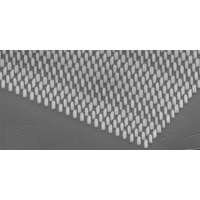
Phys. Rev. Lett. 136, 023601 (2026)
Atomic, Molecular, and Optical Physics
Hydrodynamic Spin-Coupling of Rotors
Article | Physics of Fluids, Earth & Planetary Science, and Climate | 2026-01-13 05:00 EST
Jesse Etan Smith, Leif Ristroph, and Jun Zhang
Flow experiments and streamline analysis systematically explore the hydrodynamic spin-coupling of rotors, identifying the conditions in which either corotating or counterrotating modes emerge.
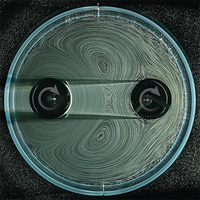
Phys. Rev. Lett. 136, 024001 (2026)
Physics of Fluids, Earth & Planetary Science, and Climate
Advanced Torrential Loss Function for Precipitation Forecasting
Article | Physics of Fluids, Earth & Planetary Science, and Climate | 2026-01-13 05:00 EST
Jaeho Choi, Hyeri Kim, Kwang-Ho Kim, and Jaesung Lee
An advanced torrential loss function for machine-learning-based precipitation forecasting outperforms conventional functions in forecast accuracy.

Phys. Rev. Lett. 136, 024201 (2026)
Physics of Fluids, Earth & Planetary Science, and Climate
Shock Reformation Induced by Ion-Scale Whistler Waves in Quasiperpendicular Bow Shock
Article | Plasma and Solar Physics, Accelerators and Beams | 2026-01-13 05:00 EST
Si-Bo Xu, Jia-Ji Sun, Shan Wang, Jing-Huan Li, Xu-Zhi Zhou, Daniel B. Graham, Yu-Fei Hao, Qiu-Gang Zong, Chao Yue, Yoshiharu Omura, and Yuri V. Khotyaintsev
Studies have long suggested that shocks can undergo cyclical self-reformation as a type of shock nonstationarity. Until now, providing solid evidence for shock reformation in spacecraft observation and identifying its generating mechanisms remain challenging. In this Letter, by analyzing magnetosphe…
Phys. Rev. Lett. 136, 025201 (2026)
Plasma and Solar Physics, Accelerators and Beams
Spontaneous Twirls and Structural Frustration in Moiré Materials
Article | Condensed Matter and Materials | 2026-01-13 05:00 EST
Jingtian Shi, Gaurav Chaudhary, Allan H. MacDonald, and Ivar Martin
Structural twirls form spontaneously in the domain wall networks of some moiré materials. We show that in heterobilayers, neighboring twirl chiralities tend to antialign, forming staggered patterns that are well described by antiferromagnetic lattice theories. In moiré systems with triangular dom…
Phys. Rev. Lett. 136, 026101 (2026)
Condensed Matter and Materials
One-Dimensional ${\mathbb{Z}}_{2}$ Topological Skin Effect Driven by Acoustic Lossy Couplings
Article | Condensed Matter and Materials | 2026-01-13 05:00 EST
Shuochen Wang, Wei Xiong, Zhiwang Zhang, Ying Cheng, and Xiaojun Liu
Recently, the non-Hermitian skin effect (NHSE) has attracted significant interest in condensed-matter physics due to its distinctive phenomenon of the bulk states' localization at boundaries. With the establishment of non-Bloch framework, the NHSE can be characterized accurately using the generalize…
Phys. Rev. Lett. 136, 026601 (2026)
Condensed Matter and Materials
Double-Bracket Quantum Algorithms for Quantum Imaginary-Time Evolution
Article | Quantum Information, Science, and Technology | 2026-01-12 05:00 EST
Marek Gluza, Jeongrak Son, Bi Hong Tiang, René Zander, Raphael Seidel, Yudai Suzuki, Zoë Holmes, and Nelly H. Y. Ng
Efficiently preparing approximate ground states of large, strongly correlated systems on quantum hardware is challenging, and yet, nature is innately adept at this. This has motivated the study of thermodynamically inspired approaches to ground-state preparation that aim to replicate cooling process…
Phys. Rev. Lett. 136, 020601 (2026)
Quantum Information, Science, and Technology
Experimental Phase-Matching Quantum Cryptographic Conferencing in Symmetric and Asymmetric Fiber Channels
Article | Quantum Information, Science, and Technology | 2026-01-12 05:00 EST
Mi Zou, Bin-Chen Li, Shuai Zhao, Yingqiu Mao, Dandan Qin, Xiao Jiang, Teng-Yun Chen, and Jian-Wei Pan
Phase-matching quantum cryptographic conferencing can operate over realistic intercity fiber networks, advancing the feasibility of multiparty quantum communication.

Phys. Rev. Lett. 136, 020801 (2026)
Quantum Information, Science, and Technology
Monte Carlo Simulations of Crystal Defects in Open Ensembles
Article | Condensed Matter and Materials | 2026-01-12 05:00 EST
Flynn Walsh, Babak Sadigh, Joseph T. McKeown, and Timofey Frolov
A Monte Carlo approach for open ensembles allows the simulation of variable number of defects in materials.

Phys. Rev. Lett. 136, 026201 (2026)
Condensed Matter and Materials
Foundations of the Ionization Potential Condition for Localized Electron Removal in Density Functional Theory
Article | Condensed Matter and Materials | 2026-01-12 05:00 EST
Guy Ohad, María Camarasa-Gómez, Jeffrey B. Neaton, Ashwin Ramasubramaniam, Tim Gould, and Leeor Kronik
Optimal tuning of functional parameters in density functional theory approximations, based on enforcing the ionization potential theorem, is a method of choice for the nonempirical prediction of the electronic structure of finite systems. This method has recently been extended to the bulk limit, bas…
Phys. Rev. Lett. 136, 026401 (2026)
Condensed Matter and Materials
Altermagnet-Driven Magnon Spin Splitting Nernst Effect
Article | Condensed Matter and Materials | 2026-01-12 05:00 EST
Yuben Yang, Di Wang, Bin Yang, Peng Wang, Yuxuan Mu, Yuanzhe Tian, Bowen Zheng, Weijie Qin, Kaiyuan Wang, Biying Huang, Baigeng Wang, Xiangang Wan, and Di Wu
Magnonic spin current generation in antiferromagnets has emerged as an important topic in spintronics, where a strong external magnetic field or a Dzyaloshinskii-Moriya interaction (DMI) is generally required. Recently, a type of antiferromagnets characterized by momentum-dependent nonrelativistic s…
Phys. Rev. Lett. 136, 026701 (2026)
Condensed Matter and Materials
Inferring Charge-Noise Source Locations from Correlations in Spin Qubits
Article | Condensed Matter and Materials | 2026-01-12 05:00 EST
J. S. Rojas-Arias, A. Noiri, J. Yoneda, P. Stano, T. Nakajima, K. Takeda, T. Kobayashi, G. Scappucci, S. Tarucha, and D. Loss
We investigate low-frequency noise in a spin-qubit device made in isotopically purified Si/Si-Ge. Observing sizable cross-correlations among energy fluctuations of different qubits, we conclude that these fluctuations are dominated by charge noise. At low frequencies, the noise spectra are not well …
Phys. Rev. Lett. 136, 027001 (2026)
Condensed Matter and Materials
arXiv
Fluoride doping into SiO2-MgO-CaO bioactive glass nanoparticles: bioactivity, biodegradation and biocompatibility assessments
New Submission | Materials Science (cond-mat.mtrl-sci) | 2026-01-13 20:00 EST
N. Esmati, T. Khodaei, E. Salahinejad, E. Sharifi
In this research, for the first time, the structure, bioactivity, biodegradation and biocompatibility of SiO2-MgO-CaO glasses doped with different levels of fluoride were studied. The glassy powder samples were synthesized by a coprecipitation method followed by calcination at 500 C, where amorphicity and fluoride incorporation were verified by X-ray diffraction and Raman spectroscopy, respectively. The in vitro biomineralization and biodegradation of the samples were also investigated by electron microscopy, Raman spectroscopy and inductively coupled plasma optical emission spectrometry. These assessments revealed that there is an optimum level of fluoride doping to meet the highest bioactivity. Remarkably, the same level of incorporation presented the foremost biocompatibility with respect to osteoblast-like MG-63 human cells, as realized by the MTT assay and cell attachment studies.
Materials Science (cond-mat.mtrl-sci), Applied Physics (physics.app-ph), Biological Physics (physics.bio-ph), Chemical Physics (physics.chem-ph), Medical Physics (physics.med-ph)
Ceramics International, 44 (2018) 17506-17513
Theoretical Prediction of optimal $T_c$ for Nickelate $\mathrm{La_{3-x}Sm_{x}Ni_{2}O_{7-δ}}$
New Submission | Superconductivity (cond-mat.supr-con) | 2026-01-13 20:00 EST
Recently, the nickel-based superconductor $ T_c$ record was updated to $ 96\ \text{K}$ in bilayer $ \mathrm{La_{3-x}Sm_{x}Ni_{2}O_{7-\delta}}$ (LSNO) under pressure, raising a critical question: Can its $ T_c$ exceed the 164 K benchmark of copper-based superconductors? We find that both monoclinic and tetragonal LSNO have an octahedral quantum well structure (determining $ T_c$ ) nearly identical to $ \mathrm{YBa_{2}Cu_{3}O_{7-\delta}}$ (YBCO). Based on the formula $ T_c = \Lambda/\xi^{2}$ (Planck ground-state quantum well oscillator hypothesis, $ \xi$ = lattice parameter-determined quantum well depth), we predict Sm-doped nickelate $ T_c$ values of $ 93.4\ \text{K}$ (monoclinic) and $ 97.1\ \text{K}$ (tetragonal), in excellent agreement with experimental data ($ 92\ \text{K}$ and $ 96\ \text{K}$ ). Notably, despite distinct composition and symmetry (LSNO: $ P2_1/m$ ; YBCO: $ Pmmm$ ), their $ \xi$ ($ 3.6629\ Å$ vs $ 3.6720\ Å$ ) and $ T_c$ ($ 92\ \text{K}$ vs $ 93\ \text{K}$ ) are nearly identical. This validates the proposed superconducting formula and unifies copper-based and nickel-based superconductors at the angstrom-scale octahedral quantum well. Further predictions indicate the maximum achievable $ T_c$ for lanthanide-based nickelates (regardless of layer number) is $ \sim100\ \text{K}$ .
Superconductivity (cond-mat.supr-con)
7 pages, 5 figures
Topological phonons in anomalous Hall crystals
New Submission | Mesoscale and Nanoscale Physics (cond-mat.mes-hall) | 2026-01-13 20:00 EST
Mark R. Hirsbrunner, Félix Desrochers, Joe Huxford, Yong Baek Kim
Recent experiments on few-layer graphene structures have reported indirect signatures of anomalous Hall crystals (AHCs), but the need for a top gate to stabilize the phase precludes direct imaging of the emergent electronic lattice. This situation necessitates the investigation of alternative signatures of AHCs. The gapless phonons of the emergent electronic lattice provide a clear distinction from conventional quantum Hall states, but it may be difficult to disentangle these phonons from the plethora of other possible low-lying modes. Intriguingly, the quantum geometry of the underlying electronic ground state can imprint on the collective modes, possibly leading the phonons themselves to be topological. Were this the case, the resulting neutral chiral edge modes would provide a further signature of an AHC. Using time-dependent Hartree-Fock, we compute the spectra of collective modes of Wigner crystals (WCs) and AHCs arising in minimal models and study the topology of the phonons and low-lying excitons. Across the WC to AHC transition, we observe a series of band inversions among collective modes, producing topological phonons and excitons, and a sharp sign change in the phonon Chern number upon entering the AHC phase. We conclude by discussing the relevance of collective mode topology to experiments on candidate systems for AHCs.
Mesoscale and Nanoscale Physics (cond-mat.mes-hall), Strongly Correlated Electrons (cond-mat.str-el)
An assessment of mechanism-based plasticity models for polycrystalline magnesium alloys
New Submission | Materials Science (cond-mat.mtrl-sci) | 2026-01-13 20:00 EST
R. Vigneshwaran, Showren Datta, A. A. Benzerga, Shailendra P. Joshi
The objective of this work is to assess computationally efficient coarse-grained plasticity models against high-fidelity crystal plasticity simulations for magnesium polycrystals over a wide range of textures and grain sizes. A basic requirement is that such models are able to capture {\it evolving} plastic anisotropy and tension-compression asymmetry. To this end, two-surface and three-surface plasticity models are considered. The two-surface constitutive formulation separately accounts for slip and twinning, while the three-surface model further apportions the contributions of basal and nonbasal slip. Model identification is based on stress-strain responses for loading along six orientations under both tension and compression. The evolution of overall plastic anisotropy, as well as microscale relative activities of slip and twin systems, is analyzed in detail. The prospects of using coarse-grained plasticity models in guiding the development of physically sound damage models for magnesium alloys are discussed.
Materials Science (cond-mat.mtrl-sci)
Sizes of Ferroelectricity Appearance and Disappearence in Nanosized Hafnia-Zirconia:Landau-type Theory
New Submission | Materials Science (cond-mat.mtrl-sci) | 2026-01-13 20:00 EST
Anna N. Morozovska, Eugene A. Eliseev, Sergei V. Kalinin, Maksym V. Strikha
Nanosized hafnia-zirconia HfxZr1-xO2 in the form of thin films, multilayers and heterostructures are indispensable silicon-compatible ferroelectric materials for advanced electronic memories and logic devices. The distinctive feature of nanoscale hafnia-zirconia are the critical sizes of ferroelectricity appearance, whereas the critical sizes of ferroelectricity disappearance exist in other ferroelectrics. Using the Landau-Ginzburg-Devonshire free energy functional with higher powers, trilinear and biquadratic couplings of polar, nonpolar and antipolar order parameters, we calculated analytically the strain-dependent critical sizes of the ferroelectricity appearance and disappearance, analyzed how the size effect and mismatch strains influence the phase diagrams and polarization switching barrier in epitaxial HfO2 thin films and nano-islands with the out-of-plane spontaneous polarization. We have shown that the critical thickness/height of out-of-plane spontaneous polarization disappearance is determined by the size dependence of the depolarization field and correlation effects. The critical thickness/height of the ferroelectricity appearance is determined by the size dependence of the effective mismatch strain considering possible appearance of misfit dislocations and lateral relaxion of strains. Derived analytical expressions can be generalized for HfxZr1-xO2 solid solutions, providing that corresponding parameters of the free energy are known from the first principles calculations.
Materials Science (cond-mat.mtrl-sci)
40 pages, including 6 figures and Supplement
Spin Hall effect in van der Waals ferromagnet Fe${5}$GeTe${2}$
New Submission | Mesoscale and Nanoscale Physics (cond-mat.mes-hall) | 2026-01-13 20:00 EST
Tomoharu Ohta, Yuto Samukawa, Nan Jiang, Yasuhiro Niimi, Kohei Yamagami, Yoshinori Okada, Yoshichika Otani, Kouta Kondou
We investigate the spin Hall effect (SHE) in a van der Waals (vdW) ferromagnet Fe$ {5}$ GeTe$ {2}$ (FGT) with a Curie temperature $ T{\rm C}$ of 310 K utilizing the spin-torque ferromagnetic resonance method. In synchronization with the emergence of the ferromagnetic phase resulting in the anomalous Hall effect (AHE), a noticeable enhancement in the SHE was observed below $ T{\rm C}$ . On the other hand, the SHE shows a different temperature dependence from the AHE: the effective spin Hall conductivity is clearly enhanced with decreasing temperature unlike the anomalous Hall conductivity, reflecting the variation of band-structure accompanied by the complicated magnetic ordering of the FGT. The results provide a deep understanding of the SHE in magnetic materials to open a new route for novel functionalities in vdW materials-based spintronic devices.
Mesoscale and Nanoscale Physics (cond-mat.mes-hall)
Confinement-controlled chase-escape dynamics
New Submission | Statistical Mechanics (cond-mat.stat-mech) | 2026-01-13 20:00 EST
R. G. Rossatto, H. Ariel Alvarez, C. Manuel Carlevaro, José Rafael Bordin
We investigate a minimal chase-and-escape model on a two-dimensional square lattice with randomly distributed static obstacles, focusing on how geometric disorder controls collective pursuit dynamics. Chasers and escapers move according to short-range sensing rules, while the density of obstacles tunes the connectivity of the accessible space. Using a combination of geometric analysis, dynamical observables, survival statistics, and transport characterization, we establish a direct link between lattice connectivity and pursuit efficiency. A Breadth-First Search analysis reveals that obstacle-induced fragmentation leads to a progressive loss of accessibility before the percolation threshold, defining the effective initial conditions for the dynamics. The trapping time and capture cost exhibit a non-monotonic dependence on obstacle density, reflecting a competition between path elongation in connected environments and geometric confinement near the percolation threshold. Survival analysis shows that the decay of the escaper population follows a Weibull form, with characteristic time and shape parameters displaying clear crossovers as a function of obstacle density, signaling the coexistence of cooperative capture and confinement-dominated trapping. Transport properties, quantified through the mean-squared displacement exponent, further support this picture, revealing sub-diffusive dynamics and a convergence toward a geometry-controlled regime near percolation. Overall, our results demonstrate that chase–and–escape dynamics in disordered environments are governed by a geometry-driven crossover, where percolation and connectivity act as unifying control parameters for spatial, temporal, and collective behavior.
Statistical Mechanics (cond-mat.stat-mech), Applied Physics (physics.app-ph)
Coexistence of superconductivity and charge density wave in a correlated regime
New Submission | Superconductivity (cond-mat.supr-con) | 2026-01-13 20:00 EST
E. J. Calegari, L. C. Prauchner, A. C. Lausmann, S. G. Magalhaes
To investigate the coexistence of superconductivity and charge density wave (CDW) in a correlated regime, we employ the Green’s functions formalism, as well as the Hubbard-I approximation, as a way to introduce the correlations into the problem, in the form of a repulsive Coulomb interaction $ U$ . In addition, we investigate the effects of second-nearest neighbor hopping $ t_1$ on a pure CDW state. The analysis of the results show that, for small values of $ t_1$ , both CDW and superconducting gaps compete for the same region on the Fermi surface. The increase of $ t_1$ decreases the competition and may lead the system to a coexistence regime. Effects of temperature in the coexistence regime, are also investigated.
Superconductivity (cond-mat.supr-con), Strongly Correlated Electrons (cond-mat.str-el)
16 pages, 7 figures
Local structure characterization in particle systems
New Submission | Soft Condensed Matter (cond-mat.soft) | 2026-01-13 20:00 EST
Rachael S. Skye, Erin G. Teich
Many tools and techniques measure local structure in materials in contexts ranging from biology to geology. We provide a survey of those tools and metrics that are especially useful for analyzing particulate soft matter. The metrics we discuss can all be computed from the positions of particles, and are thus most useful when there is access to this information, either from simulation or experimental imaging. For each metric, we provide derivations, intuition regarding its implications, example uses, and references to software packages that compute the metric. Our survey encompasses characterization techniques ranging from the simplest to the most complex, and will be useful for students getting started in the structural characterization of particle systems.
Soft Condensed Matter (cond-mat.soft)
Dynamic nanoscale spatial heterogeneity in a perovskite to brownmillerite topotactic phase transformation
New Submission | Materials Science (cond-mat.mtrl-sci) | 2026-01-13 20:00 EST
Nicolò D’Anna, Erik S. Lamb, Robin Glefke, Daseul Ham, Ishmam Nihal, Su Yong Lee, Yayoi Takamura, Oleg Shpyrko
Phase transitions are omnipresent in modern condensed matter physics and its applications. In solids, phase transformations typically occur by nucleation and growth under non-equilibrium conditions. Under constant external conditions, $ \textit{e.g.}$ , constant heating temperature and pressure, the nucleation and growth dynamics are often thought of as spatially and temporally independent. Here, $ \textit{in-situ}$ Bragg X-ray photon correlation spectroscopy (XPCS) reveals nanoscale spatial and dynamical heterogeneity in the perovskite to brownmillerite topotactic phase transformation in La$ _{0.7}$ Sr$ _{0.3}$ CoO$ _3$ (LSCO) thin films under constant reducing conditions over a time-span of multiple hours. Specifically, a timescale associated with domain growth remains stable, with a corresponding domain wall speed of $ v_d = 6 \pm 0.5 \times10^{-4}$ nm/s ($ 2 \pm 0.2$ nm/h), while a slower timescale, associated with temperature driven de-pinning of domains, leads to accelerating dynamics with timescales following an aging power law with exponent $ -2.2 \pm 0.5$ . The experiment demonstrates that Bragg XPCS is a powerful tool to study nanoscale dynamics in phase transformations. The results are relevant for phase engineering of phase-change devices, as they show that nanoscale dynamics, linked to domain and domain-wall motion, can continuously evolve and speed up with time, even hours after the initiation of the phase transformation, with potential repercussions on electrical performance.
Materials Science (cond-mat.mtrl-sci), Mesoscale and Nanoscale Physics (cond-mat.mes-hall)
8 pages, 3 figures
Mechanisms of alkali ionic transport in amorphous oxyhalides solid state conductors
New Submission | Materials Science (cond-mat.mtrl-sci) | 2026-01-13 20:00 EST
Luca Binci, KyuJung Jun, Bowen Deng, Gerbrand Ceder
Amorphous oxyhalides have attracted significant attention due to their relatively high ionic conductivity ($ >$ 1 mS cm$ ^{-1}$ ), excellent chemical stability, mechanical softness, and facile synthesis routes via standard solid-state reactions. These materials exhibit an ionic conductivity that is almost independent of the underlying chemistry, in stark contrast to what occurs in crystalline conductors. In this work, we employ an accurately fine-tuned machine learning interatomic potential to construct large-scale molecular dynamics trajectories encompassing hundreds of nanoseconds to obtain statistically converged transport properties. We find that the amorphous state consists of chain fragments of metal-anion tetrahedra of various lenght. By analyzing the residence time of alkali cations migrating around tetrahedrally-coordinated trivalent metal ions, we find that oxygen anions on the metal-anion tetrahedra limit alkali diffusion. By computing the full Einstein expression of the ionic conductivity, we demonstrate that the alkali transference number of these materials is strongly influenced by distinct-particles correlations, while at the same time they are characterized by an alkali Haven ratio close to one, implying that ionic transport is largely dictated by uncorrelated self-diffusion. Finally, by extending this analysis to chemical compositions $ AMX_{2.5}\textsf{O}_{0.75}$ , spanning different alkaline ($ A$ = Li, Na, K), metallic ($ M$ = Al, Ga, In), and halogen ($ X$ = Cl, Br, I) species, we clarify why the diffusion properties of these materials remain largely insensitive to variations in atomic chemistry.
Materials Science (cond-mat.mtrl-sci)
Reaction-Diffusion Driven Patterns in Immiscible Alloy Thin Films
New Submission | Materials Science (cond-mat.mtrl-sci) | 2026-01-13 20:00 EST
Vivek C. Peddiraju, Shourya Dutta-Gupta, Subhradeep Chatterjee
We demonstrate local microstructural modification of thin films through film-substrate interactions. Metastable single-phase Ag-Cu thin films are deposited on Si substrates pre-patterned by FIB milling. During post-deposition annealing, localized film-substrate reaction around the milled patterns produces a distinct microstructure termed as the halo. It consists of copper silicide and almost pure Ag, while the far-field film forms a random mixture of Cu and Ag-rich domains through phase separation. We show that the extent of the halo can be controlled by varying the temperature and duration of annealing. However, its length scale does not follow the square-root time dependence typical of diffusional growth. We build a semi-analytical kinetic model of halo growth that incorporates species balance, diffusional transport and a modified Stefan condition. Predictions of the model agree well with the experimental findings and the species diffusivity through the film is obtained through an inverse optimization procedure.
Materials Science (cond-mat.mtrl-sci)
35 pages, 20 figures (including supplementary information)
Weakly spin-dependent band structures of antiferromagnetic perovskite LaMO$_3$ (M = Cr, Mn, Fe)
New Submission | Materials Science (cond-mat.mtrl-sci) | 2026-01-13 20:00 EST
Takuya Okugawa, Kaoru Ohno, Yusuke Noda, Shinichiro Nakamura
We investigate spin-dependent electronic states of antiferromagnetic (AFM) lanthanum chromite (LaCrO$ _3$ ), lanthanum manganite (LaMnO$ _3$ ), and lanthanum ferrite (LaFeO$ _3$ ) using spin-polarized first-principles density functional theory (DFT) with Hubbard U correction. The band structures are calculated for 15 types of their different AFM structures. It is verified for these structures that there is a very simple rule to identify which wave number k exhibits spin splitting or degeneracy in the band structure. This rule uses the symmetry operations that map the up-spin atoms onto the down-spin atoms. The resulting spin splitting is very small for the most stable spin configuration of the most stable experimental structure. We discuss a plausible benefit of this characteristic, i.e., the direction-independence of the spin current, in electrode applications.
Materials Science (cond-mat.mtrl-sci)
28 pages, 8 figures, Supplementary Data available from “Public Full-text” at this https URL
Journal of Physics: Condensed Matter 30, 075502 (2018)
Emergence of Kugel-Khomskii physics in quarter-filled bilayer correlated systems
New Submission | Strongly Correlated Electrons (cond-mat.str-el) | 2026-01-13 20:00 EST
Guijing Duan, Yunlong Wang, Zhiguang Liao, Changle Liu, Rong Yu
We present a theoretical study of the low-energy physics of a quarter-hole-filled two-orbital bilayer Hubbard model motivated by transition-metal bilayer systems with strong orbital-selective interlayer hybridization. By explicitly treating the strong interlayer bonding of dz2 orbitals within a molecular orbital basis and projecting out high-energy electronic states, we derive a low-energy effective Kugel-Khomskii Hamiltonian describing the interplay between electron spin and emergent layer pseudospin degrees of freedom. We map out a rich ground state phase diagram featuring diverse spin and charge ordered states. These include conventional ferromagnetic and antiferromagnetic phases with layer staggered charge densities, a layer-coherent phase characterized by spontaneous interlayer quantum coherence, and a novel maximally spin-layer-entangled phase with a hidden composite spin-layer order. We show that this exotic hidden ordered phase arises from the spontaneous breaking of an emergent O(4) symmetry down to a O(3), manifesting a unique excitation spectrum with three entangled gapless Goldstone modes. Our results uncover a geometrically driven mechanism for realizing composite entanglement in strongly correlated bilayer systems and provide a concrete theoretical framework relevant to bilayer nickelate superconductors and other multi-component correlated materials.
Strongly Correlated Electrons (cond-mat.str-el)
11 pages, 6 figures
Emission of time-ordered photon pairs from a single polaritonic Bogoliubov mode
New Submission | Quantum Gases (cond-mat.quant-gas) | 2026-01-13 20:00 EST
Ferdinand Claude, Yueguang Zhou, Sylvain Ravets, Jacqueline Bloch, Martina Morassi, Aristide Lemaître, Alberto Bramati, Anna Minguzzi, Iacopo Carusotto, Irénée Frérot, Maxime Richard
In many-body quantum systems, interactions drive the emergence of correlations that are at the heart of the most intriguing states of matter. A remarkable example is the case of weakly interacting bosonic systems, whose ground state is a squeezed vacuum state, and whose elementary excitations have a collective nature. In this work, we report on the direct observation of the peculiar microscopic quantum structure of these elementary excitations. We perform time- and frequency-resolved two-photon correlation measurements on the fluctuations of weakly interacting polaritons in a resonantly-driven microcavity, and observe that upon decreasing the average number of fluctuation quanta below unity, large pair correlations build up together with strong time-ordering of the emitted photons. This behavior is a direct signature of the particle-hole quantum superposition which is at the heart of Bogoliubov excitations.
Quantum Gases (cond-mat.quant-gas), Quantum Physics (quant-ph)
9 pages, 3 figures, plus pages supplemental material
Superconductivity in epitaxial PtSb(0001) thin films
New Submission | Superconductivity (cond-mat.supr-con) | 2026-01-13 20:00 EST
C. Müller, S. P. Bommanaboyena, A. Badura, T. Uchimura, F. Husstedt, B. V. Schwarze, S. Banerjee, M. Ledinský, J. Michalicka, M. Míšek, M. Šindler, T. Helm, S. Fukami, F. Krizek, D. Kriegner
We report superconductivity in epitaxial PtSb(0001) thin films grown on SrF2(111). Electrical transport measurements reveal a superconducting transition at $ T_{\mathrm c}=1.72$ K. The field-induced broadening of the transition and the presence of finite upper critical fields are consistent with type-II superconductivity. We determine the resistively defined upper critical fields for magnetic fields applied perpendicular and parallel to the film plane and parameterize their temperature dependence using an anisotropic Ginzburg-Landau approach. For the thickest film ($ d=50$ nm), this yields coherence lengths of $ \xi_{ab}\approx 55$ nm and $ \xi_c\approx 14$ nm. Current-voltage characteristics show sizeable critical currents, with a critical current density reaching $ J_{\mathrm c}\approx 6e4$ A/cm$ ^2$ at 0.5 K. These results establish epitaxial PtSb as a superconducting thin-film platform compatible with lattice-matched heterostructures in the NiAs-type materials family.
Superconductivity (cond-mat.supr-con), Materials Science (cond-mat.mtrl-sci)
20 pages, 4 figures
The role of ZnO/ZnS nanostructures decoration of Ni foam on the electrochemical energy storage process
New Submission | Materials Science (cond-mat.mtrl-sci) | 2026-01-13 20:00 EST
Alessia Fischetti, Giacometta Mineo, Daniela Russo, Francesco Salutari, Claudio Lentini Campallegio, Elena Bruno, Jordi Arbiol, Giorgia Franzò, Salvatore Mirabella, Vincenzina Strano, M. Chiara Spadaro
Low-cost and environmentally friendly electrochemical energy storage systems are crucial to address the increasing global energy demand. Nanomaterials can play a pivotal role in catalysing charge storage and/or exchange, still the underlying mechanism often remains poorly investigated, as for ZnO/ZnS nanostructures onto Ni foam. In this work, we investigate hydrothermally grown ZnO/ZnS nanostructures decorating Ni foam for energy storage application. Morphology, structure and composition are evaluated via electron microscopy-based methodologies. The electrochemical energy storage performance is evaluated by cyclic voltammetry (CV) measurements with the aim to highlight the energy storage mechanism. When nickel foam (NF) is used as substrate, the system shows a predominant pseudocapacitive behaviour. By contrast, a modest and capacitive performance is measured on graphene paper (GP). Mott-Schottky (M-S) and open circuit potential (OCP) measurements suggests a key role of hole reservoir in ZnS decoration which boosts NF performances.
Materials Science (cond-mat.mtrl-sci)
Effect of substrate mismatch, orientation, and flexibility on heterogeneous ice nucleation
New Submission | Materials Science (cond-mat.mtrl-sci) | 2026-01-13 20:00 EST
Miguel Camarillo, Javier Oller-Iscar, María M. Conde, Jorge Ramírez, Eduardo Sanz
Heterogeneous nucleation is the main path to ice formation on Earth. The ice nucleating ability of a certain substrate is mainly determined by both molecular interactions and the structural mismatch between the ice and the substrate lattices. We focus on the latter factor using molecular simulations of the mW model. Quantifying the effect of structural mismatch alone is challenging due to its coupling with molecular interactions. To disentangle both factors, we use a substrate composed of water molecules in such a way that any variation on the nucleation temperature can be exclusively ascribed to the structural mismatch. We find that a one per cent increase of structural mismatch leads to a decrease of approximately 4 K in the nucleation temperature. We also analyse the effect of the orientation of the substrate with respect to the liquid. The three main ice orientations (basal, primary prism and secondary prism) have a similar ice nucleating ability. We finally asses the effect of lattice flexibility by comparing substrates where molecules are immobile with others where a certain freedom to fluctuate around the lattice positions is allowed. Interestingly, we find that the latter type of substrate is more efficient in nucleating ice because it can adapt its structure to that of ice.
Materials Science (cond-mat.mtrl-sci), Chemical Physics (physics.chem-ph)
Energy units in Fig. 3 is “kcal/mol”, not “kJ/mol”
J. Chem. Phys. 160, 134505 (2024)
Altermagnetism in exactly solvable model: the Ising-Kondo lattice model
New Submission | Strongly Correlated Electrons (cond-mat.str-el) | 2026-01-13 20:00 EST
Miaomiao Zhao, Wei-Wei Yang, Yin Zhong
Altermagnet (AM), a recently identified class of collinear magnet, has garnered significant attention due to its unique combination of zero net magnetization and spin-split energy bands, leading to a variety of novel physical phenomena. Using numerically exact lattice Monte Carlo simulations, we investigate AM-like phases within the Ising-Kondo lattice model which is commonly employed to describe heavy-fermion materials. By incorporating an alternating next-nearest-neighbor hopping (NNNH) term, which arises from the influence of non-magnetic atoms in altermagnetic candidate materials, our results reveal key signatures of AM-like states, including spin-splitting quasiparticle bands and spectral functions, and demonstrate that d-wave AM remains stable across a broad range of interaction strengths, doping levels, NNNH amplitudes and temperatures, highlighting its robustness. Furthermore, through an analysis of non-magnetic impurity effects, we further confirm the d-wave symmetry of the AM phase. These findings establish a solid theoretical foundation for exploring AM-like phases in f-electron compounds, paving the way for future investigations into their exotic magnetic and electronic properties.
Strongly Correlated Electrons (cond-mat.str-el)
On unconstrained solidification of spherical metallic drops
New Submission | Materials Science (cond-mat.mtrl-sci) | 2026-01-13 20:00 EST
Priti Ranjan Panda, Harish Singh Dhami, Koushik Viswanathan
The solidification of metallic droplets into powder particles involves a complex interplay between heat diffusion, surface tension, and geometric constraints. In confined, curved systems – such as those encountered in atomisation, abrasion, and micrometeorite formation – positive curvature and finite boundaries significantly modify classical solidification dynamics. In this study, we systematically investigate the solidification of metallic spheres, focusing on how curvature and confinement influence nucleation pathways, growth kinetics, and interfacial stability. Two competing growth modes – radial outward and circumferential – are analysed using Stefan-type models under a quasi-steady approximation. A generalisation of Mullins–Sekerka stability theory is developed to account for finite spherical domains, revealing that particle size and curvature introduce new destabilising parameters that govern microstructural length scales. Experimental observations of dendritic and cellular morphologies are interpreted through this framework, demonstrating that the interaction between growth fronts, undercooling, and curvature collectively determines the final particle structure. These findings underscore the need to re-evaluate classical solidification theories in the context of curved geometries, with implications for both engineered and naturally occurring metal powders.
Materials Science (cond-mat.mtrl-sci)
Topological $Z_4$ spin-orbital liquid on the honeycomb lattice
New Submission | Strongly Correlated Electrons (cond-mat.str-el) | 2026-01-13 20:00 EST
The density matrix renormalisation group (DMRG) is one of the most powerful numerical methods for strongly correlated condensed matter systems. We extend DMRG to the case with the $ \mathrm{SU}(N_c)$ symmetry with $ N_c > 2$ , including two-dimensional systems. As a killer application, we simulate the ground state of the $ \mathrm{SU}(4)$ Heisenberg model on the honeycomb lattice, which can potentially be realised in cold atomic systems and solid state systems like $ \alpha$ -ZrCl$ _3$ . We keep up to 12800 $ \mathrm{SU}(4)$ states equivalent to more than a million $ \mathrm{U}(1)$ states. This supermassive DMRG simulation reveals the quantum spin-orbital liquid ground state, which has been conjectured for more than a decade. The methodology developed here can be extended to any classical Lie groups, paving the way to a next-generation DMRG with a full symmetry implementation.
Strongly Correlated Electrons (cond-mat.str-el)
11+3 pages, 4+1 figures
Beyond Predicted ZT: Machine Learning Strategies for the Experimental Discovery of Thermoelectric Materials
New Submission | Materials Science (cond-mat.mtrl-sci) | 2026-01-13 20:00 EST
The discovery of high-performance thermoelectric (TE) materials for advancing green energy harvesting from waste heat is an urgent need in the context of looming energy crisis and climate change. The rapid advancement of machine learning (ML) has accelerated the design of thermoelectric (TE) materials, yet a persistent “gap” remains between high-accuracy computational predictions and their successful experimental validation. While ML models frequently report impressive test scores (R^2 values of 0.90-0.98) for complex TE properties (zT, power factor, and electrical/thermal conductivity), only a handful of these predictions have culminated in the experimental discovery of new high-zT materials. In this review, we identify and discuss that the primary obstacles are poor model generalizability-stemming from the “small-data” problem, sampling biases in cross-validation, and inadequate structural representation-alongside the critical challenge of thermodynamic phase stability. Moreover, we argue that standard randomized validation often overestimates model performance by ignoring “hidden hierarchies” and clustering within chemical families. Finally, to bridge this gap between ML-predictions and experimental realization, we advocate for advanced validation strategies like PCA-based sampling and a synergetic active learning loop that integrates ML “fast filters” for stability (e.g., GNoME) with high-throughput combinatorial thin-film synthesis to rapidly map stable, high-zT compositional spaces.
Materials Science (cond-mat.mtrl-sci)
34 pages, 3 figures. Submitted
A Rechargeable Chromium Battery
New Submission | Materials Science (cond-mat.mtrl-sci) | 2026-01-13 20:00 EST
Apurva Anjan, Adwitiya Rao, Rohit M. Manoj, Vrindha Pongalat, Varad Mahajani, Sohail Shah, Mukesh Bacchav, Chandra Veer Singh, Nikhil Koratkar
Multivalent ions exchange multiple electrons during redox reactions, leading to the possibility of improved energy storage performance. A variety of multivalent ions, including zinc (Zn$ ^{2+}$ ), magnesium (Mg$ ^{2+}$ ), calcium (Ca$ ^{2+}$ ), aluminum (Al$ ^{3+}$ ), and indium (In$ ^{3+}$ ), have been deployed in rechargeable batteries with varying degrees of success \cite{1-9}. While chromium (Cr$ ^{3+}$ ) offers a superior volumetric capacity (approximately $ 11117\ \mathrm{mAh\ cm^{-3}}$ ) compared to the aforementioned cations, there is no report of a rechargeable chromium battery. This is because chromium metal spontaneously oxidizes to form a passivating oxide layer \cite{10} that blocks Cr$ ^{3+}$ ingress and egress. Here, we show that this fundamental limitation can be overcome by developing a chromium-rich high-entropy alloy. The alloy consists of five elements (Cr, bismuth (Bi), copper (Cu), tin (Sn), and nickel (Ni)), producing a multi-element native oxide rich in heterointerfaces. Some of these interfaces (such as Cr$ _2$ O$ _3$ /Bi$ _2$ O$ _3$ ) exhibit a very low barrier for Cr$ ^{3+}$ diffusion, offering multiple pathways for efficient Cr$ ^{3+}$ insertion and extraction, while others (such as Cr$ _2$ O$ _3$ /CuO) block oxygen transport, thereby suppressing further oxidation. In a symmetric cell configuration, the chromium alloy supports approximately $ 10000$ hours (about $ 5000$ cycles) of reversible chromium insertion and extraction at an overpotential of only $ 20$ mV. The chromium-rich alloy anode was also successfully paired with a sulfur cathode to cycle reversibly in a full-cell configuration. These findings could stimulate fundamental studies on chromium-ion batteries and high-entropy alloy electrodes, opening new pathways for multivalent energy storage.
Materials Science (cond-mat.mtrl-sci)
44 pages
Influence of Surface Functionalization on the Colloidal Stability and Magnetic Properties of Ferrite Nanoparticles
New Submission | Materials Science (cond-mat.mtrl-sci) | 2026-01-13 20:00 EST
Arif Iqbal Sheikh, Radha Srinivasan
Magnetite ferrite (Fe3O4) nanoparticles have attracted considerable interest due to their tunable physico-chemical properties and relevance in functional materials. In this work, uncoated Fe3O4 nanoparticles and surface-modified Fe3O4 nanoparticles coated with polyethylene glycol (PEG-6000) and citric acid (CA) were synthesized via a chemical co-precipitation method. The effect of surface functionalization on the structural, spectroscopic, magnetic, and colloidal properties of the nanoparticles was systematically investigated. X-ray diffraction analysis confirmed the formation of phase-pure Fe3O4 with an inverse spinel structure for all the samples. Fourier transform infrared and Raman spectroscopy verified successful surface modification while preserving the Fe-O framework of the magnetite core. Dynamic light scattering and zeta potential measurements indicated improved dispersion and colloidal stability for the surface-modified nanoparticles. Magnetization studies performed at room temperature revealed superparamagnetic behaviour for all samples, accompanied by a coating-dependent reduction in saturation magnetization. Overall, the results emphasize the critical role of surface chemistry in tailoring the physicochemical, magnetic, and colloidal behaviour of Fe3O4 nanoparticles. Keywords: Fe3O4 nanoparticles, PEG, Citric acid, Co-precipitation, Surface functionalization, Zeta potential, Colloidal stability, Magnetic properties
Materials Science (cond-mat.mtrl-sci)
12 pages, 6 figures, 1 table
Snapping and Switching of Elastic Arches with Patterned Preferred Curvature
New Submission | Soft Condensed Matter (cond-mat.soft) | 2026-01-13 20:00 EST
Michał Zmyślony, Ammar Khan, John S. Biggins
An elastic arch is an archetypal bistable system. Here, we combine elastica theory and photo-mechanical experiments to elucidate the mechanics of an active arch with a spatio-temporally varying preferred curvature $ \overline \kappa(s)$ . Our shallow-arch theory completely describes any such system via the decomposition of its $ \overline \kappa(s)$ into Euler-buckling modes. Intuitively, if $ \overline \kappa(s)$ overlaps with the fundamental mode, it snaps the arch up/down. Conversely, non-overlapping $ \overline \kappa(s)$ drives a second-order transition to a higher-order shape. Furthermore, the form of $ \overline \kappa(s)$ enables control over the instability’s character; we find the forms for snapping with maximum energy release and at the lowest stimulation (both binary patterns) and design forms for symmetric and asymmetric switching pathways. Analogous control can also be achieved in boundary-driven instabilities of passive arches by fabricating them with suitable $ \overline \kappa(s)$ . We thus anticipate our results will improve switchable/snapping elements in MEMS, robotics, and mechanical meta-materials.
Soft Condensed Matter (cond-mat.soft), Classical Physics (physics.class-ph)
4 pages, 4 figures main text; 19 pages, 19 figures supplementary information
Magnetic exchange coupled nonreciprocal devices for cryogenic memory
New Submission | Superconductivity (cond-mat.supr-con) | 2026-01-13 20:00 EST
Josep Ingla-Aynés, Lina Johnsen Kamra, Franklin Dai, Yasen Hou, Shouzhuo Yang, Peng Chen, Oleg A. Mukhanov, Jagadeesh S. Moodera
As computing power demands continue to grow, superconducting electronics present an opportunity to reduce power consumption by increasing the energy efficiency of digital logic and memory. A key milestone for scaling this technology is the development of efficient superconducting memories. Such devices should be nonvolatile, scalable to high integration density and memory capacity, enable fast and low-power reading and writing operations, and be compatible with the digital logic. We present a versatile device platform to develop such nonvolatile memory devices consisting of an exchange-coupled ultra-thin superconductor encapsulated between two ferromagnetic insulators (FIs). The superconducting exchange coupling, which is tuneable by the relative alignment between the FI magnetizations, enables the switching of superconductivity on and off. We exploit this mechanism to create a superconducting nonvolatile memory where single-cell writing is realized using heat-assisted magnetic recording, and explain how it can become a contender for state-of-the-art superconducting memories. Furthermore, below their critical temperatures, the memory elements show a marked nonreciprocity, with zero magnetic field superconducting diode efficiencies exceeding $ \pm$ 60%, showing the versatility of the proposed devices for superconducting computing.
Superconductivity (cond-mat.supr-con)
8 pages, 4 figures
A Lindblad and Non-Hermitian Spectral Framework for Fragmentation Dynamics and Particle Size Distributions
New Submission | Statistical Mechanics (cond-mat.stat-mech) | 2026-01-13 20:00 EST
Population balance equations (PBEs) for pure fragmentation describe how particle size distributions (PSDs) evolve under breakage and fragment redistribution. We map a self-similar fragmentation class to: a conservative pure-jump master equation in log-size space; an exact Gorini-Kossakowski-Sudarshan-Lindblad (GKSL) dilation whose diagonal sector reproduces that master equation; and a controlled small-jump limit where the dynamics reduce to a Fokker-Planck operator that can be symmetrized into a Schrodinger-type spectral problem.
Two points ensure correctness and applicability. First, the Lindblad embedding is exact when the daughter kernel is interpreted in mass-weighted form (equivalently, when z\astkappa(z) is a probability measure). Second, for genuinely non-Hermitian dynamics the stationary PSD is naturally a biorthogonal product of left and right ground states, not a naive modulus square; the usual modulus squared of psi appears only in pseudo-Hermitian or effectively dephased regimes.
We then give a spectral dictionary linking typical PSD shapes to low-dimensional potential families in log-size space and outline inverse routes to infer effective potentials from data: parametric fitting with time-resolved PSDs, a direct steady-state inversion from a smoothed PSD, and an outlook toward inverse spectral ideas. A synthetic example demonstrates forward simulation and inverse parameter recovery in an Airy-type half-line model.
Statistical Mechanics (cond-mat.stat-mech), Mathematical Physics (math-ph)
8 pages
Deterministic domain selection of antiferromagnets via magnetic fields
New Submission | Materials Science (cond-mat.mtrl-sci) | 2026-01-13 20:00 EST
Sophie F. Weber, Veronika Sunko
Antiferromagnets (AFMs) hold promise for applications in digital logic. However, switching AFM domains is challenging, as magnetic fields do not couple to the bulk antiferromagnetic order parameter. Here we show that magnetic-field-driven switching of AFM domains can in many cases be enabled by a generic reduction of magnetic exchange at surfaces. We use statistical mechanics and Monte Carlo simulations to demonstrate that an inequivalence in magnetic exchange between top and bottom surface moments, combined with the enhanced magnetic susceptibility of surface spins, can enable deterministic selection of antiferromagnetic domains depending on the magnetic-field ramping direction. We further show that this mechanism provides a natural interpretation for experimental observations of hysteresis in magneto-optical response of the van der Waals AFM $ \mathrm{MnBi_2Te_4}$ . Our findings highlight the critical role of surface spins in responses of antiferromagnets to magnetic fields. Furthermore, our results suggest that antiferromagnetic domain selection via purely magnetic means may be a more common and experimentally accessible phenomenon than previously assumed.
Materials Science (cond-mat.mtrl-sci)
Detecting the Onset and Progression of Spinodal Decomposition using Transient Grating Spectroscopy
New Submission | Materials Science (cond-mat.mtrl-sci) | 2026-01-13 20:00 EST
Maxwell Rae, Merrill Chiang, Mahmudul Islam, Angus P. C. Wylie, Avery Nguyen, Myles Stapelberg, Saleem A. Al Dajani, Kristýna Repček, Tomáš Grabec, Abby Kaplan, Rodrigo Freitas, Michael P. Short
Spinodal decomposition can degrade corrosion resistance and embrittle materials. The ability to quickly, conclusively, and non-destructively detect the onset of spinodal decomposition before catastrophic materials degradation would represent a significant advance in materials testing. We demonstrate that spinodal decomposition can be detected in binary Fe-Cr alloys via modulus stiffening using in situ and ex situ transient grating spectroscopy (TGS). The key mechanistic insight is the non-linearity in elastic moduli as function of Cr content renders a spinodally decomposed Fe-Cr alloy stiffer than an equivalent solid solution for a certain range of initial chromium compositions. We confirm the presence of spinodal decomposition in the 36 at.% chromium alloy using differential scanning calorimetry (DSC), linked to known spinodal decomposition energetics, and show via atomistic simulations that elastic modulus stiffening is expected after spinodal decomposition in the 36 at.% chromium alloy. The results of this study suggest the potential use of TGS as a practical tool for non-destructive evaluation of key materials susceptible to such degradation.
Materials Science (cond-mat.mtrl-sci)
Two-Level System Microwave Losses in Chemically Pure Bulk Niobium Oxide Samples
New Submission | Superconductivity (cond-mat.supr-con) | 2026-01-13 20:00 EST
Vishal Ganesan, Jiankun Zhang, Drew G. Wild, Alexey Bezryadin
Losses from two-level systems (TLS) associated with amorphous oxides remain one of the primary limitations to the performance of superconducting resonators in quantum information science and precision measurements. Niobium resonators are widely used for these purposes, yet niobium’s natural oxide stack contains various types of oxides whose relative contributions to TLS loss have not been clearly distinguished. Here, we use a superconducting 3D microwave cavity to measure chemically pure oxides \ch{Nb2O5} and \ch{NbO2}. Using this approach, we directly compare the loss characteristics of \ch{Nb2O5} and \ch{NbO2}. Our measurements show that the \ch{Nb2O5} oxide exhibits TLS-like power and temperature dependence. Analogous measurements performed on \ch{NbO2} do not show any detectable TLS loss signatures. These results provide direct experimental evidence that \ch{Nb2O5} is the dominant TLS host in niobium resonators and establish a general framework for separating oxide-specific dissipation channels
Superconductivity (cond-mat.supr-con)
A phase field model of the effects of dislocation microstructure on grain boundary motion during recrystallization
New Submission | Materials Science (cond-mat.mtrl-sci) | 2026-01-13 20:00 EST
The internal energy associated with the defect microstructure of strongly deformed crystals provides an important driving force for grain boundary motion during recrystallization. Typical dislocation microstructures are strongly heterogeneous and this heterogeneity affects the motion of recrystallization boundaries. In this study, a phase field model for microstructure evolution encompassing the evolution of both dislocation densities and grain order parameters is formulated. The model is employed to generate typical dislocation microstructures exhibiting multiscale features such as incidental and geometrically necessary dislocation walls. It is then used to study the motion of recrystallization boundaries in the associated complex defect energy ‘landscape’. Results are compared to experimental observations.
Materials Science (cond-mat.mtrl-sci)
Aharonov-Casher Effect and the Coherent Flux Tunneling in the Hybrid Charge Quantum Interference Device
New Submission | Superconductivity (cond-mat.supr-con) | 2026-01-13 20:00 EST
J. W. Dunstan, R. Shaikhaidarov, K. H. Kim, A. Shesterikov, I. Antonov, S. Linzen, E. V. Il’ichev, V. N. Antonov, O. V. Astafiev
By exploiting the Aharonov-Casher effect we demonstrate a suppression of magnetic flux tunneling in a Hybrid Charge Quantum Interference Device. The main part of this device is two Josephson junctions with a small superconducting island between them. To minimize phase fluctuations across Josephson junctions, this structure is embedded in a compact super-inductive NbN loop. The Interference between the flux tunneling paths is determined by the island-induced charge, which is controlled by an external voltage. The charge sensitive operation of the device is subjected to poisoning by the quasiparticles generated in the NbN film.
Superconductivity (cond-mat.supr-con)
5 pages 4 figures
Higher order magnetoelasticity energy corrections in bcc and fcc systems
New Submission | Materials Science (cond-mat.mtrl-sci) | 2026-01-13 20:00 EST
Jakub Šebesta, Ondřej Faiman, Dominik Legut
Magnetoelastic properties play a vital role in industrial applications. Despite being hidden behind either purely magnetic or elastic behavior, magnetoelasticity takes place in a wide range of devices as transducers, acoustic actuators, or fast response sensors. In this work, we inspect the impact of higher-order terms on the anisotropic magnetostriction behavior. Regarding ab-initio calculations, the anisotropic magnetostriction can be related to the strain dependence of the magnetocrystaline energy. Commonly, the description is restricted to a linear strain dependence in the magnetoelastic energy. Here, we derive higher-order terms in strain for bcc and fcc crystal structures. Using a simple parametrization, we show that the influence of the higher-order strain terms is negligible for the studied cubic systems.
Materials Science (cond-mat.mtrl-sci)
Multiple Emulsions (W/O/W) for Confined Precipitation of Drug Nanoparticles
New Submission | Soft Condensed Matter (cond-mat.soft) | 2026-01-13 20:00 EST
Multiple emulsions offer a compelling route to confine nucleation and growth during drug precipitation, yet their practical use is frequently limited by kinetic fragility and sensitivity to formulation and processing conditions. Here, we develop an ultrasound-assisted, two-stage emulsification strategy to generate water-in-oil-in-water (W/O/W) multiple emulsions with sufficient stability to function as templates for forming drug-rich submicron particulates. We first establish an operating window using simple W/O emulsions, showing that increased Tween80 concentration and intensified sonication (higher amplitude and larger probe) yield smaller droplets and reduced coarsening tendencies. Using this window, W/O/W emulsions are formulated and systematically screened via surfactant pairing across ionic, non-ionic, and polymeric stabilizers. Ionic–non-ionic combinations provide the most favorable droplet-size control, with CTAB–Tween80 emerging as a practically robust formulation. Cyclohexane was selected as a reproducible platform oil for downstream precipitation using the lead CTAB–Tween~80 formulation. Finally, curcumin-loaded W/O/W constructs generate curcumin-rich submicron particulates, supporting multiple emulsions as experimentally accessible microstructured environments for particle engineering of poorly soluble drugs.
Soft Condensed Matter (cond-mat.soft)
In-context learning emerges in chemical reaction networks without attention
New Submission | Disordered Systems and Neural Networks (cond-mat.dis-nn) | 2026-01-13 20:00 EST
Carlos Floyd, Hector Manuel Lopez Rios, Aaron R. Dinner, Suriyanarayanan Vaikuntanathan
We investigate whether chemical processes can perform in-context learning (ICL), a mode of computation typically associated with transformer architectures. ICL allows a system to infer task-specific rules from a sequence of examples without relying solely on fixed parameters. Traditional ICL relies on a pairwise attention mechanism which is not obviously implementable in chemical systems. However, we show theoretically and numerically that chemical processes can achieve ICL through a mechanism we call subspace projection, in which the entire input vector is mapped onto comparison subspaces, with the dominant projection determining the computational output. We illustrate this mechanism analytically in small chemical systems and show numerically that performance is robust to input encoding and dynamical choices, with the number of tunable degrees of freedom in the input encoding as a key limitation. Our results provide a blueprint for realizing ICL in chemical or other physical media and suggest new directions for designing adaptive synthetic chemical systems and understanding possible biological computation in cells.
Disordered Systems and Neural Networks (cond-mat.dis-nn), Statistical Mechanics (cond-mat.stat-mech), Molecular Networks (q-bio.MN)
19 pages, 9 figures
Synthesis of epitaxial \ce{TaO2} thin films on \ce{Al2O3} by suboxide molecular-beam epitaxy and thermal laser epitaxy
New Submission | Materials Science (cond-mat.mtrl-sci) | 2026-01-13 20:00 EST
Yorick A. Birkhölzer, Anna S. Park, Noah Schnitzer, Jeffrey Z. Kaaret, Benjamin Z. Gregory, Tomas A. Kraay, Tobias Schwaigert, Matthew R. Barone, Brendan D. Faeth, Felix V.E. Hensling, Iris C.G. van den Bosch, Ellen M. Kiens, Christoph Baeumer, Enrico Bergamasco, Markus Grüninger, Alexander Bordovalos, Suresh Chaulagain, Nikolas J. Podraza, Waldemar Tokarz, Wojciech Tabis, Matthew J. Wahila, Suchismita Sarker, Christopher J. Pollock, Shun-Li Shang, Zi-Kui Liu, Nongnuch Artrith, Frank M.F. de Groot, Nicole A. Benedek, Andrej Singer, David A. Muller, Darrell G. Schlom
Tantalum dioxide (TaO2) is a metastable tantalum compound. Here, we report the epitaxial stabilization of TaO2 on Al2O3 (1-102) (r-plane sapphire) substrates using suboxide molecular-beam epitaxy (MBE) and thermal laser epitaxy (TLE), demonstrating single-oriented, monodomain growth of anisotropically strained thin films. Microstructural investigation is performed using synchrotron X-ray diffraction and scanning transmission electron microscopy. The tetravalent oxidation state of tantalum is confirmed using X-ray absorption and photoemission spectroscopy as well as electron energy-loss spectroscopy. Optical properties are investigated via spectroscopic ellipsometry and reveal a 0.3 eV Mott gap of the tantalum 5d electrons. Density-functional theory and group theoretical arguments are used to evaluate the limited stability of the rutile phase and reveal the potential to unlock a hidden metal-insulator transition concomitant with a structural phase transition to a distorted rutile phase, akin to NbO2. Our work expands the understanding of tantalum oxides and paves the way for their integration into next-generation electronic and photonic devices.
Materials Science (cond-mat.mtrl-sci)
Influence of CaO and SiO2 additives on the sintering behavior of Cr,Ca:YAG ceramics prepared by solid-state reaction sintering
New Submission | Materials Science (cond-mat.mtrl-sci) | 2026-01-13 20:00 EST
.A. Chaika, G. Mancardi, O.M. Vovk
Optical ceramics of yttrium aluminum garnet (Y3-xCaxAl4.95Cr0.05O12) doped with 0.1 at.% of chromium ions and 0.5, 0.8, and 1.2 at.% of calcium ions were prepared by reactive sintering in vacuum at 1750 degrees C. The influence of SiO2 and CaO sintering aids on the optical properties and microstructure of Cr,Ca:YAG ceramics was investigated. A decrease in CaO concentration led to a reduction of Cr,Ca:YAG transparency from 81 to 0 percent at 1064 nm; moreover, ceramics with lower CaO content exhibited abnormal grains and high porosity. These features were attributed to interactions between silica and calcium oxide during vacuum sintering. Two mechanisms are proposed to explain the effect of CaO and SiO2 on the formation of Ca,Cr:YAG ceramics. The first involves the formation of a liquid phase due to the CaO-SiO2 interaction during the heating stage, resulting in abnormal grain growth. The second mechanism is the mutual consumption of Si4+ and Ca2+ ions during the isothermal stage of sintering, which leads to a decrease in Cr4+ concentration. Both mechanisms negatively affect the optical and laser properties of the ceramics.
Materials Science (cond-mat.mtrl-sci)
Chaika, M. A., Mancardi, G., & Vovk, O. M. (2020). Influence of CaO and SiO2 additives on the sintering behavior of Cr,Ca:YAG ceramics prepared by solid-state reaction sintering. Ceramics International, 46(14), 22781-22786
Altermagnetism-driven FFLO superconductivity in finite-filling 2D lattices
New Submission | Superconductivity (cond-mat.supr-con) | 2026-01-13 20:00 EST
We systematically investigate the emergence of finite-momentum Fulde-Ferrell-Larkin-Ovchinnikov (FFLO) superconductivity in a square lattice Hubbard model with finite filling, driven by either $ d_{xy}$ -wave or $ d_{x^{2}-y^{2}}$ -wave altermagnetic order in the presence of on-site $ s$ -wave attractive interactions. Our study combines mean-field calculation in the superconducting phase with pairing instability analysis of the normal state, incorporating the next-nearest-neighbor hopping in the single-particle dispersion relation. We demonstrate that the two types of altermagnetism have markedly different impacts on the stabilization of FFLO states. Specifically, $ d_{xy}$ -wave altermagnetism supports FFLO superconductivity over a broad parameter regime at low fillings, whereas $ d_{x^{2}-y^{2}}$ -wave altermagnetism only induces FFLO pairing in a narrow range at high fillings. Furthermore, we find that the presence of a Van Hove singularity in the density of states tends to suppress FFLO superconductivity. These findings may provide guidance for experimental exploration of altermagnetism-induced FFLO states in real materials with more complex electronic structures.
Superconductivity (cond-mat.supr-con), Strongly Correlated Electrons (cond-mat.str-el)
11 pages, 11 figures
Electric field switching of altermagnetic spin-splitting in multiferroic skyrmions
New Submission | Materials Science (cond-mat.mtrl-sci) | 2026-01-13 20:00 EST
Gui Wang, Yuhang Li, Bin Li, Xianzhe Chen, Jianting Dong, Weizhao Chen, Xiaobing Chen, Naifu Zheng, Maosen Guo, Aomei Tong, Hua Bai, Hongrui Zhang, Yifan Gao, Kaiwen Shen, Jiangyuan Zhu, Jiahao Han, Yingfen Wei, Hao Jiang, Xumeng Zhang, Ming Wang, Kebiao Xu, Wu Shi, Pengfei Wang, Jia Zhang, Qihang Liu, Cheng Song, Qi Liu, Xincheng Xie, Ming Liu
Magnetic skyrmions are localized magnetic structures that retain their shape and stability over time, thanks to their topological nature. Recent theoretical and experimental progress has laid the groundwork for understanding magnetic skyrmions characterized by negligible net magnetization and ultrafast dynamics. Notably, skyrmions emerging in materials with altermagnetism, a novel magnetic phase featuring lifted Kramers degeneracy-have remained unreported until now. In this study, we demonstrate that BiFeO3, a multiferroic renowned for its strong coupling between ferroelectricity and magnetism, can transit from a spin cycloid to a Neel-type skyrmion under antidamping spin-orbit torque at room temperature. Strikingly, the altermagnetic spin splitting within BiFeO3 skyrmion can be reversed through the application of an electric field, revealed via the Circular photogalvanic effect. This quasiparticle, which possesses a neutral topological charge, holds substantial promise for diverse applications-most notably, enabling the development of unconventional computing systems with low power consumption and magnetoelectric controllability.
Materials Science (cond-mat.mtrl-sci), Applied Physics (physics.app-ph)
Transport Regimes in Random Walks in Random Environments
New Submission | Statistical Mechanics (cond-mat.stat-mech) | 2026-01-13 20:00 EST
Mihir Metkar, Neha Sah, Zoey Zhou
Random walks in random environments (RWRE) model transport in quenched disorder, incorporating spatial heterogeneity, trapping, random drift, and random geometry. This paper summarizes discrete and continuous time formulations, identifies principal transport regimes through quantitative observables (velocity, diffusivity, mean-square displacement, first-passage, large deviations, aging), and reviews core methods in one dimension (potential/valley mechanisms) and in higher dimensions (environment-seen-from-the-particle, correctors/homogenization, regeneration and ballisticity criteria).
Statistical Mechanics (cond-mat.stat-mech)
12 pages, 1 figure
Wetting-coupled phase separation as an energetic mechanism for active bacterial adhesion
New Submission | Soft Condensed Matter (cond-mat.soft) | 2026-01-13 20:00 EST
Dixi Yang, Anheng Wang, Jia Huang, Xiaofeng Zhuo, Chunming Wang, Hajime Tanaka, Jiaxing Yuan
The rapid adhesion of motile bacteria from dilute suspensions poses a fundamental non-equilibrium problem: hydrodynamic interactions bias bacterial motion near surfaces without generating stable confinement, while electrostatic interactions are predominantly repulsive. Here, combining experiments on Pseudomonas aeruginosa and Staphylococcus aureus in a polyethylene glycol/dextran aqueous two-phase system with large-scale hydrodynamic simulations, we identify wetting-coupled liquid–liquid phase separation (LLPS) as an energetic trapping mechanism for bacterial adhesion. When bacteria partition into a phase that preferentially wets the substrate, interfacial free-energy minimization creates a deep energetic trap that stabilizes adhesion and induces lateral clustering via capillary interactions. Crucially, bacterial motility plays a dual role: at low phase volume fractions, activity enhances transport into the wetting layer and promotes accumulation, whereas at higher phase volumes it suppresses adhesion through the formation of self-spinning droplets that generate hydrodynamic lift opposing interfacial trapping. Our results establish wetting-coupled LLPS as a generic physical route governing interfacial organization in active suspensions. This provides a unified energetic framework for bacterial adhesion in complex fluids, with broad implications for deciphering bacterial-cell interactions and controlling biofilm formation.
Soft Condensed Matter (cond-mat.soft)
12 figures
Charged moiré phonons in twisted bilayer graphene
New Submission | Mesoscale and Nanoscale Physics (cond-mat.mes-hall) | 2026-01-13 20:00 EST
Alejandro Ramos-Alonso, Hector Ochoa
Moiré phonons describe collective vibrations of a moiré superlattice produced by long-wavelength relative displacements of the constituent layers. Despite coming from the backfolding of the acoustic phonons of the individual layers, many of these modes become infrared active when the system is doped. We illustrate this effect by a direct calculation of the optical absorption of twisted bilayer graphene (tBG) around different twist angles, including the magic angle. Several modes -including the acoustic-like phason- acquire a dipole moment via interband matrix elements of the electron-phonon coupling (EPC) when the flat band is filled or emptied, giving rise to new resonances in the optical conductivity within the single-electron gap that are strongly affected by relaxation. The phason in particular gains a charge that equals the amount of electrons per moiré cell added/removed to/from neutrality. Geometrically, this can be understood as the topological quantization of a sliding Chern number. The charged phason yields a Drude-like conductivity with an effective mass that increases with lattice relaxation. Our findings are testable via THz spectroscopy, and provide an experimental knob to characterize EPC strength and disorder in moiré materials at small twist angles.
Mesoscale and Nanoscale Physics (cond-mat.mes-hall), Strongly Correlated Electrons (cond-mat.str-el)
7+9 pages
Absence of magnetic order in epitaxial RuO2 revealed by X-ray linear dichroism
New Submission | Materials Science (cond-mat.mtrl-sci) | 2026-01-13 20:00 EST
Siyu Wang, Chao Wang, Yanan Yuan, Jiangxiao Li, Fangfang Pei, Daxiang Liu, Chunyu Qin, Jiefeng Cao, Yamei Wang, Tianye Wang, Jiayu Liu, Jieun Lee, Guanhua Zhang, Christoph Klewe, Chenchao Yu, Fan Zhang, Dongsheng Song, Kai Chen, Weisheng Zhao, Dawei Shen, Ziqiang Qiu, Mengmeng Yang, Bin Hong, Qian Li
Recently, the topic of altermagnetism has attracted tremendous attention and RuO2 have been demonstrated to be one of the most promising altermagnetic candidates. However, disputes still remain on the existence of magnetic order in RuO2. Here in this work, we employ X-ray linear dichroism (XLD), a widely utilized technique for characterizing antiferromagnets, in conjunction with photoemission electron microscopy and multiple scattering calculation to provide clear evidence of the absence of magnetic order in epitaxial RuO2 films. The observed XLD signal is nearly invariant with temperature and independent on cooling field direction, in stark contrast to the substantial magnetic order-related XLD signal predicted by multiple scattering calculation. This finding strongly suggests a nonmagnetic origin for RuO2. Furthermore, we observed significantly distinct XLD signals at the Ru M3 and O K edges in RuO2 films grown on TiO2 substrate with different surface orientations, which can be attributed to the low-symmetry crystal field. These results unequivocally demonstrate the absence of magnetic order in RuO2 and establishes XLD measurement as a robust technique for probing the low-symmetry magnetic materials.
Materials Science (cond-mat.mtrl-sci), Mesoscale and Nanoscale Physics (cond-mat.mes-hall)
Introduction of Probability Density Alternation Method for Inverse Analyses of Integral Equations in Surface Science
New Submission | Soft Condensed Matter (cond-mat.soft) | 2026-01-13 20:00 EST
Keito Hashidate, Rieko Iwayasu, Takumi Otake, Ken-ichi Amano
Integral equations frequently arise in surface science, and in some cases, they must be treated as inverse problems. In our previous work on optical tweezers, atomic force microscopy, and surface force measurement apparatus, we performed inverse calculations to obtain the pressure between parallel plates from measured interaction forces. These inverse analyses were used to reconstruct solvation structures near solid surfaces and density distribution profiles of colloidal particles. In the course of these studies, we developed a method that enables inverse analyses through a unified and systematic procedure, hereafter referred to as the Probability Density Alternation (PDA) method. The central idea of this method is to reformulate a given integral equation in terms of probability density functions. In this letter, we demonstrate the validity of the PDA method both analytically and numerically. While the PDA method is less advantageous for single integral equations, it becomes a convenient and powerful approach for inverse analyses involving double or higher-order integral equations.
Soft Condensed Matter (cond-mat.soft), Mathematical Physics (math-ph)
Bgolearn: a Unified Bayesian Optimization Framework for Accelerating Materials Discovery
New Submission | Materials Science (cond-mat.mtrl-sci) | 2026-01-13 20:00 EST
Bin Cao, Jie Xiong, Jiaxuan Ma, Yuan Tian, Yirui Hu, Mengwei He, Longhan Zhang, Jiayu Wang, Jian Hui, Li Liu, Dezhen Xue, Turab Lookman, Tong-Yi Zhang
Efficient exploration of vast compositional and processing spaces is essential for accelerated materials discovery. Bayesian optimization (BO) provides a principled strategy for identifying optimal materials with minimal experiments, yet its adoption in materials science is hindered by implementation complexity and limited domain-specific tools. Here, we present Bgolearn, a comprehensive Python framework that makes BO accessible and practical for materials research through an intuitive interface, robust algorithms, and materials-oriented workflows. Bgolearn supports both single-objective and multi-objective Bayesian optimization with multiple acquisition functions (e.g., expected improvement, upper confidence bound, probability of improvement, and expected hypervolume improvement etc.), diverse surrogate models (including Gaussian processes, random forests, and gradient boosting etc.), and bootstrap-based uncertainty quantification. Benchmark studies show that Bgolearn reduces the number of required experiments by 40-60% compared with random search, grid search, and genetic algorithms, while maintaining comparable or superior solution quality. Its effectiveness is demonstrated not only through the studies presented in this paper, such as the identification of maximum-elastic-modulus triply periodic minimal surface structures, ultra-high-hardness high-entropy alloys, and high-strength, high-ductility medium-Mn steels, but also by numerous publications that have proven its impact in material discovery. With a modular architecture that integrates seamlessly into existing materials workflows and a graphical user interface (BgoFace) that removes programming barriers, Bgolearn establishes a practical and reliable platform for Bayesian optimization in materials science, and is openly available at this https URL.
Materials Science (cond-mat.mtrl-sci)
38 pages, 5 figures
Nanoindentation induced plasticity in equiatomic MoTaW alloys by experimentally guided machine learning molecular dynamics simulations
New Submission | Materials Science (cond-mat.mtrl-sci) | 2026-01-13 20:00 EST
F. J. Dominguez-Gutierrez, T. Stasiak, G. Markovic, A. Kosinska, K. Mulewska
Refractory complex concentrated alloys (RCCA) exhibit exceptional strength and thermal stability, yet their plastic deformation mechanisms under complex contact loading remain insufficiently understood. Here, the nanoindentation response of an equiatomic MoTaW alloy is investigated through a combined experimental and atomistically resolved modeling approach. Spherical nanoindentation experiments are coupled with large scale molecular dynamics simulations employing a tabulated low dimensional Gaussian Approximation Potential (tabGAP), enabling near DFT accuracy. A physics based similarity criterion, implemented via PCA of load-displacement curves, is used to identify mechanically representative experimental responses for quantitative comparison with simulations. Indentation stress-strain curves are constructed yielding excellent agreement in the elastic regime between experiment and simulation, with reduced Young’s moduli of approximately 270 GPa. Generalized stacking fault energy calculations reveal elevated unstable stacking- and twinning-fault energies in MoTaW relative to pure refractory elements, indicating suppressed localized shear and a preference for dislocation-mediated plasticity. Atomistic analyses demonstrate a strong crystallographic dependence of plastic deformation, with symmetric {110}<111> slip activation and four-fold rosette pile-ups for the [001] orientation, and anisotropic slip, strain localization, and enhanced junction formation for [011]. Local entropy and polyhedral template matching analyses further elucidate dislocation network evolution and deformation-induced local structural transformations. Overall, this study establishes a direct mechanistic link between fault energetics, orientation-dependent dislocation activity, and experimentally observed nanoindentation behavior in RCCA.
Materials Science (cond-mat.mtrl-sci)
Size Dependent Ternary Halide Solid Solutions in Perovskite Nanocrystals
New Submission | Materials Science (cond-mat.mtrl-sci) | 2026-01-13 20:00 EST
Shai Levy, Lotte Kortstee, Georgy Dosovitskiy, Emma H. Massasa, Yaron Kauffmann, Juan Maria García-Lastra, Ivano E. Castelli, Yehonadav Bekenstein
Crystalline solid solutions incorporate guest atoms by substituting host lattice sites up to a solubility limit dictated by solute host similarity. Solid solutions enable tuning various material properties, such as the optoelectronic behavior of halide perovskites. In bulk, incompatibility of Cl:I halide mixtures restricts exploration throughout the ternary halide Cl:Br:I compositional range. However, solubility is extended in nanocrystals which better accommodate a wider range of ions within their lattice. Through high throughput synthesis and spectroscopic characterization of over 3000 samples, along with density functional theory and cluster expansion models, we determine the solubility boundaries of ternary halide perovskite nanocrystals and demonstrate their extended size dependent miscibility. Smaller nanocrystals, with sufficient Br content, stabilize the Cl:Br:I solid solutions, suppress planar stacking fault defects and prevent halide segregation.
Materials Science (cond-mat.mtrl-sci), Chemical Physics (physics.chem-ph)
Cryogenic interface-state filling and tunneling mechanisms in strained Ge/SiGe heterostructures
New Submission | Mesoscale and Nanoscale Physics (cond-mat.mes-hall) | 2026-01-13 20:00 EST
Jingrui Ma, Yuan Kang, Rui Wu, Zheng Liu, Zong-Hu Li, Tian-Yue Hao, Zhen-Zhen Kong, Gui-Lei Wang, Yong-Qiang Xu, Ran-Ran Cai, Bao-Chuan Wang, Hai-Ou Li, Gang Cao, Guo-Ping Guo
Traps at the semiconductor-oxide interface are considered as a major source of instability in strained Ge/SiGe quantum devices, yet the quantified study of their cryogenic behavior remains limited. In this work, we investigate interface-state trapping using Hall-bar field-effect transistors fabricated on strained Ge/SiGe heterostructures. Combining transport measurements with long-term stabilization and Schrödinger-Poisson modelling, we reconstruct the gradual filling process of interface states at cryogenic condition. Using the calculated valence band profiles, we further evaluate the tunneling current density between the quantum well and the semiconductor-oxide interface. Our calculation demonstrates that the total tunneling current is consistent with a crossover from trap-assisted-tunneling-dominated transport to Fowler-Nordheim-tunneling-dominated transport under different gate bias regimes. These results refine the conventional Fowler-Nordheim-based picture of interface trapping in strained Ge/SiGe heterostructures and provide guidelines for improving Ge-based quantum device performance by improving barrier crystalline qualities and reducing dislocation-related trap densities.
Mesoscale and Nanoscale Physics (cond-mat.mes-hall)
14 pages, 6 figures
Unified Geometric Perspective for Spin-1 Systems: Bridging Nematic Director and Majorana Stars
New Submission | Quantum Gases (cond-mat.quant-gas) | 2026-01-13 20:00 EST
We present a unified geometric approach for spin-1 systems that connects seemingly distinct geometric representations such as the nematic director, the Cartesian representation and the Majorana stellar representation. Starting from a product state of two distinguishable spin-1/2 particles, we provide a direct way to capture crucial geometric information. This perspective reveals the fundamental interplay between subspace projection and geometric constraints. This approach effectively maps magnetic solitons onto a kink model, allowing us to derive their equations of motion, a task not readily achieved with traditional methods. This simplified dynamical description reveals that the novel transition of these solitons in a harmonic trap corresponds to a fundamental transformation between kink and dip structures in the underlying geometry.
Quantum Gases (cond-mat.quant-gas)
5 pages, 2 figures
Essentially No Energy Barrier Between Independent Fermionic Neural Quantum State Minima
New Submission | Disordered Systems and Neural Networks (cond-mat.dis-nn) | 2026-01-13 20:00 EST
Neural quantum states (NQS) have proven highly effective in representing quantum many-body wavefunctions, but their loss landscape remains poorly understood and debated. Here, we demonstrate that the NQS loss landscape is more benign and similar to conventional deep learning than previously thought, exhibiting mode connectivity: independently trained NQS are connected by paths in parameter space with essentially no energy barrier. To construct these paths, we develop GeoNEB, a path optimizer integrating efficient stochastic reconfiguration with the nudged elastic band method for constructing minimum energy paths. For the strongly interacting six-electron quantum dot modeled by a $ 1.6$ M-parameter Psiformer, we find two independent minima with expected energy barrier $ \sim10^{-5}$ times smaller than the system’s overall energy scale and $ \sim10^{-3}$ times smaller than the linear path’s barrier. The path respects physical symmetry in addition to achieving low energy, with the angular momentum remaining well quantized throughout. Our work is the first to construct optimized paths between independently trained NQS, and it suggests that the NQS loss landscape may not be as pathological as once feared.
Disordered Systems and Neural Networks (cond-mat.dis-nn), Mesoscale and Nanoscale Physics (cond-mat.mes-hall), Strongly Correlated Electrons (cond-mat.str-el), Computational Physics (physics.comp-ph), Quantum Physics (quant-ph)
8 pages, 7 figures
Dislocation distribution near a wall within the framework of the continuum theory of curved dislocations
New Submission | Materials Science (cond-mat.mtrl-sci) | 2026-01-13 20:00 EST
István Groma, Dénes Berta, Lóránt Sándli, Péter Dusán Ispánovity
A recently proposed generalised continuum theory of curved dislocations describes the spatial and temporal evolution of statistically stored and geometrically necessary dislocation densities as well as the curvature. The dynamics follow from a scalar plastic potential that constrains the allowed velocity fields and leads to a phase field like formulation with a nontrivial mobility function. Although conceptually related to strain gradient plasticity, the theory differs by introducing an intrinsic, evolving length scale given by the dislocation spacing.
In this paper, we determine three key material independent parameters of this continuum theory by quantitatively comparing its predictions with discrete dislocation dynamics (DDD) simulations. To achieve this, we impose a narrow impenetrable wall inside the simulation volume, which blocks dislocation motion and generates characteristic spatial variations of the dislocation density fields under external loading. We show that for this geometry, the continuum equations reduce to a form that can be solved efficiently via direct numerical integration. The resulting stationary distributions of total and geometrically necessary dislocation densities are then compared to extensive 2D and 3D DDD simulations. This comparison allows us to extract the parameters that govern the back stress, the density gradient coupling, and the flow stress relation. Our results demonstrate that the continuum theory quantitatively captures the DDD observed structure of the dislocation pile up near the wall and therefore provides a reliable mesoscale description. The wall loading setup further serves as a benchmark problem to validate numerical implementations of the continuum theory in more general geometries.
Materials Science (cond-mat.mtrl-sci)
Tunable cornerlike states in topological type-II hyperbolic lattices
New Submission | Mesoscale and Nanoscale Physics (cond-mat.mes-hall) | 2026-01-13 20:00 EST
Zheng-Rong Liu, Tan Peng, Xiao-Xia Yi, Chun-Bo Hua, Rui Chen, Bin Zhou
Type-II hyperbolic lattices constitute a new class of hyperbolic structures that are projected onto the Poincaré ring and possess both an inner and an outer boundary. In this work, we reveal the higher-order topological phases in type-II hyperbolic lattices, characterized by the generalized quadrupole moment. Unlike the type-I hyperbolic lattices where zero-energy cornerlike states exist on a single boundary, the higher-order topological phases in type-II hyperbolic lattices possess zero-energy cornerlike states localized on both the inner and outer boundaries. These findings are verified within both the modified Bernevig-Hughes-Zhang model and the Benalcazar-Bernevig-Hughes model. Furthermore, we demonstrate that the higher-order topological phase remains robust against weak disorder in type-II hyperbolic lattices. Our work provides a route for realizing and controlling higher-order topological states in type-II hyperbolic lattices.
Mesoscale and Nanoscale Physics (cond-mat.mes-hall)
9 pages, 8 figures
A survey of active learning in materials science: Data-driven paradigm for accelerating the research pipeline
New Submission | Materials Science (cond-mat.mtrl-sci) | 2026-01-13 20:00 EST
Jiaxin Chen, Tianjiao Wan, Hui Geng, Liang Xiong, Guohong Wang, Yihan Zhao, Longxiang Deng, Susu Fang, Zheng Luo, Huaimin Wang, Shanshan Wang, Kele Xu
The exploration of materials composition, structure, and processing spaces is constrained by high dimensionality and the cost of data acquisition. While machine learning has supported property prediction and design, its effectiveness depends on labeled data, which remains expensive to generate via experiments or high-fidelity simulations. Improving data efficiency is thus a central concern in materials informatics.
Active learning (AL) addresses this by coupling model training with adaptive data acquisition. Instead of static datasets, AL iteratively prioritizes candidates based on uncertainty, diversity, or task-specific objectives. By guiding data collection under limited budgets, AL offers a structured approach to decision-making, complementing physical insight with quantitative measures of informativeness.
Recently, AL has been applied to computational simulation, structure optimization, and autonomous experimentation. However, the diversity of AL formulations has led to fragmented methodologies and inconsistent assessments. This Review provides a concise overview of AL methods in materials science, focusing on their role in improving data efficiency under realistic constraints. We summarize key methodological principles, representative applications, and persistent challenges, aiming to clarify the scope and limitations of AL as a practical tool within contemporary materials informatics.
Materials Science (cond-mat.mtrl-sci)
Fluctuation-Dissipation Limits in Quantum Thermoelectric Transport
New Submission | Statistical Mechanics (cond-mat.stat-mech) | 2026-01-13 20:00 EST
Ousi Pan, Zhiqiang Fan, Shunjie Zhang, Jie Li, Jincan Chen, Shanhe Su
As a fundamental measure of stability in nonequilibrium thermodynamics, fluctuations provide critical insight into the performance and reliability of heat engines. In this work, we establish universal fluctuation-dissipation bounds that directly link energy-current fluctuations to both the entropy production rate and steady-state transport currents. Our results are applicable to arbitrary temperature and chemical potential gradients and hold for all steady states within the framework of quantum scattering theory. These bounds remain robust even in regimes where quantum effects break classical thermodynamic uncertainty relations. We demonstrate their validity by using boxcar transmission functions and further derive constraints on the power output from the perspective of fluctuations and dissipation, offering a unified thermodynamic guideline for the design and evaluation of nanoscale and quantum thermal devices.
Statistical Mechanics (cond-mat.stat-mech)
Case study of an exploratory high voltage NASICON-based Na$_4$NiCr(PO$_4$)$_3$ cathode material for sodium-ion batteries
New Submission | Materials Science (cond-mat.mtrl-sci) | 2026-01-13 20:00 EST
Madhav Sharma, Pooja Sindhu, Rajendra S. Dhaka
We examine a new NASICON-type Na$ _4$ NiCr(PO$ _4$ )$ _3$ material designed for high-voltage and multi-electron reactions for the sodium-ion batteries (SIBs). The Rietveld refinement of the X-ray diffraction pattern, using the R$ \bar{3}$ c space group, confirmed the stabilization of the rhombohedral NASICON framework. Furthermore, the Raman and Fourier transform infrared spectroscopy are employed to probe the structure and chemical bonding. The core-level photoemission analysis reveals the Cr$ ^{3+}$ and mixed Ni$ ^{2+}$ /Ni$ ^{3+}$ oxidation states in the sample. Moreover, the bond valence energy landscape (BVEL) analysis, based on the refined structure, revealed a three-dimensional network of well-connected sodium sites with a migration energy barrier of 0.468 eV. The material delivered a good charge capacity at around 4.5 V, but showed no sodium-ion intercalation during discharge, resulting in negligible discharge capacity. The post-mortem analysis confirmed that the crystal structure remained intact. The calculated energy barrier values indicated a reversal in sodium site stability after cycling, though the barriers can still permit feasible ion migration. This suggests that ion transport alone cannot explain the lack of reversibility, which likely arises from intrinsically poor electronic conductivity. These findings highlight key challenges in achieving stable, reversible capacity in this system and underscore the need for doping, structural modification, and electrolyte optimization to realize its full potential as a high-voltage SIB cathode.
Materials Science (cond-mat.mtrl-sci), Applied Physics (physics.app-ph), Chemical Physics (physics.chem-ph)
submitted
Van der Waals superconducting electronics: materials, devices and circuit integration
New Submission | Superconductivity (cond-mat.supr-con) | 2026-01-13 20:00 EST
Angelo Di Bernardo, Elke Scheer
Van der Waals (vdW) superconductors - atomically thin crystalline materials that can be stacked into more complex heterostructures - have opened a promising avenue for superconducting electronics thanks to their properties that are otherwise difficult to obtain in other superconducting materials. These include strong resilience to high in-plane fields, electrostatic tuneability, and non-reciprocal transport rooted in inversion-symmetry breaking and strong spin-orbit coupling. In addition to highlighting the importance of these properties for superconducting electronics, this review gives an overview over the physical mechanisms that govern and influence superconductivity in vdW materials including Ising pairing, band inversion, and proximity effects at superconductor/ferromagnet interfaces that do not have an equivalent in thin-film systems. This overview then sets the basis to survey the wide range of functionalities enabled by superconducting vdW devices including gate-controlled devices, superconducting diodes, and circuit elements for readout and control of quantum bits. The review concludes with a forward look at wafer-scale growth and deterministic assembly of vdW devices, highlighting concrete pathways that can enable the transition from vdW device prototypes to deployable components for cryogenic electronics and quantum technologies.
Superconductivity (cond-mat.supr-con), Mesoscale and Nanoscale Physics (cond-mat.mes-hall)
38 pages, 9 figures
Largest connected component in duplication-divergence growing graphs with symmetric coupled divergence
New Submission | Statistical Mechanics (cond-mat.stat-mech) | 2026-01-13 20:00 EST
The largest connected component in duplication-divergence growing graphs with symmetric coupled divergence is studied. Finite-size scaling reveals a phase transition occurring at a divergence rate $ \delta_c$ . The $ \delta_c$ found stands near the locus of zero in Euler characteristic for finite-size graphs, known to be indicative of the largest connected component transition. The role of non-interacting vertices in shaping this transition, with their presence ($ d=0$ ) and absence ($ d=1$ ) in duplication is also discussed, suggesting a particular transformation of the time variable considered yielding a singularity locus in the natural logarithm of Euler characteristic of finite-size graphs close to that obtained with $ d=1$ but from the model with $ d=0$ . The findings may suggest implications for bond percolation in these growing graph models.
Statistical Mechanics (cond-mat.stat-mech), Adaptation and Self-Organizing Systems (nlin.AO), Physics and Society (physics.soc-ph), Molecular Networks (q-bio.MN)
6 pages, 9 figures, vers.1
Ferromagnetic Insulator to Metal Transition in Non-Centrosymmetric Graphene Nanoribbons
New Submission | Strongly Correlated Electrons (cond-mat.str-el) | 2026-01-13 20:00 EST
Aidan P. Delgado, Michael C. Daugherty, Weichen Tang, Steven G. Louie, Felix R. Fischer
Engineering sublattice imbalance within the unit cell of bottom-up synthesized graphene nanoribbons (GNRs) represents a versatile tool for realizing custom-tailored quantum nanomaterials. The interaction between low-energy zero-modes (ZMs) not only contributes to frontier bands but can form the basis for magnetically ordered phases. Here, we present the bottom-up synthesis of a non-centrosymmetric GNR that places all ZMs on the majority sublattice sites. Scanning tunneling microscopy and spectroscopy reveal that strong electron-electron correlation drives the system into a ferromagnetically ordered insulating ground state featuring a sizeable band gap of Eg ~ 1.2 eV. At higher temperatures, a chemical transformation induces an insulator-to-metal transition that quenches the ferro-magnetic order. Tight-binding (TB) and first-principles density functional theory calculations corroborate our experimental observations. This work showcases how control over molecular symmetry, sublattice polarization, and ZM hybridization in bottom-up synthesized nanographenes can open a path to the exploration of many-body physics in rationally designed quantum materials.
Strongly Correlated Electrons (cond-mat.str-el), Materials Science (cond-mat.mtrl-sci)
9 pages, 5 figures
Dynamic redundancy and mortality in stochastic search
New Submission | Statistical Mechanics (cond-mat.stat-mech) | 2026-01-13 20:00 EST
Samantha Linn, Aanjaneya Kumar
Search processes are a fundamental part of natural and artificial systems. In such settings, the number of searchers is rarely constant: new agents may be recruited while others can abandon the search. Despite the ubiquity of these dynamics, their combined influence on search efficiency remains unexplored. Here we present a general framework for stochastic search in which independent agents progressively join and leave the process, a mechanism we term \emph{dynamic redundancy and mortality} (DRM). Under minimal assumptions on the underlying search dynamics, this framework yields exact first-passage time statistics. It further reveals surprising connections to stochastic resetting, including a regime in which the resetting mean first-passage time emerges as a universal lower bound for DRM, as well as regimes in which DRM search is faster. We illustrate our results through a detailed analysis of one-dimensional Brownian DRM search. Altogether, this work provides a rigorous foundation for studying first-passage processes with a fluctuating number of searchers, with direct relevance across physical, biological, and algorithmic systems.
Statistical Mechanics (cond-mat.stat-mech), Probability (math.PR), Data Analysis, Statistics and Probability (physics.data-an), Physics and Society (physics.soc-ph)
Percolation-Driven Magnetotransport due to Structural and Microstructural Evolution in Ultrathin Si/Fe Bilayers
New Submission | Materials Science (cond-mat.mtrl-sci) | 2026-01-13 20:00 EST
The anomalous Hall effect (AHE) in magnetic nanofilms is highly sensitive to the microstructural and magnetic homogeneity. However, the evolution of the microstructure and morphology near the percolation threshold, and its connection to the resulting magnetic and magnetotransport behavior in low-dimensional magnetic heterostructures, remain poorly understood. In this study, we present a comprehensive analysis of the evolution of the structural, microstructural, and magnetotransport properties of Si/Fe bilayers by varying the Fe layer thickness. X-ray diffraction (XRD), high-resolution transmission electron microscopy (HRTEM) and magnetisation data reveal a percolation-driven transition from a continuous metallic film to percolative network structure of grains when tFe decreases below 30 Angstrom. Transport measurements involving longitudinal resistivity (rho), and the anomalous Hall resistivity (rho_A,h,s) show clear divergence near the percolation threshold. The purely electronic conduction channels (rho) evolve more gradually as compared to the combined electronic and magnetic ones rho_A,h,s. The percolative analysis of the structural, magnetic, and magnetotransport data yields a critical exponent in the range of 0.78 to 1.16, consistent with that of 2D-disordered systems. The AHE scaling relation between the rho_A,h,s and rho reveals a crossover of the AHE mechanism from a mixed intrinsic/side-jump contribution with a minor skew scattering component (n ~ 1.42) in the thick, low-resistive samples (tFe > 30 Angstrom) to a skew-scattering-dominant mechanism (n = 0.62) in the high-resistive films (tFe <= 30 Angstrom). This crossover coincides with the onset of structural and magnetic connectivity between the grains. Furthermore, these findings underscore the interlink between microstructure, morphology, magnetism, and Hall transport under a percolation framework.
Materials Science (cond-mat.mtrl-sci)
29 pages, 11 figures. Experimental study of percolation-driven magnetotransport in thin films. Author-accepted manuscript
Journal of Alloys and Compounds 1051 (2026), 185985
Hidden half-metallicity
New Submission | Materials Science (cond-mat.mtrl-sci) | 2026-01-13 20:00 EST
Half-metals, featuring ideal 100% spin polarization, are widely regarded as key materials for spintronic and quantum technologies; however, the half-metallic state is intrinsically fragile, as it relies on a delicate balance of exchange splitting and band filling and is therefore highly susceptible to disorder, external perturbations, and thermal effects. Here we introduce the concept of hidden half-metallicity, whereby the global electronic structure of a symmetry-enforced net-zero-magnetization magnet is non-half-metallic, while each of its two symmetry-related sectors is individually half-metallic, enabling robust 100% spin polarization through a layer degree of freedom. Crucially, the vanishing net magnetization of the entire system suppresses stray fields and magnetic instabilities, rendering the half-metallic functionality inherently more robust than in conventional ferromagnetic half-metals. Using first-principles calculations, we demonstrate this mechanism in a $ PT$ -symmetric bilayer $ \mathrm{CrS_2}$ , and further show that an external electric field drives the system into a seemingly forbidden fully compensated ferrimagnetic metal in which hidden half-metallicity persists. Finally, we briefly confirm the realization of hidden half-metallicity in altermagnets, establishing a general paradigm for stabilizing half-metallic behavior by embedding it in symmetry-protected hidden sectors and opening a new route toward the design and discovery of unprecedented half-metallic phases.
Materials Science (cond-mat.mtrl-sci)
7 pages, 5 figures
Revealing altermagnetic Fermi surfaces with two Kondo impurities
New Submission | Strongly Correlated Electrons (cond-mat.str-el) | 2026-01-13 20:00 EST
Qiong Qin, Toshihiro Sato, Marcin Raczkowski, Jeroen van den Brink, Congjun Wu, Fakher F. Assaad
Motivated by recent advances in the study of altermagnetism, or unconventional magnetism, and in the realization and manipulation of two-impurity Kondo physics in real materials, we propose a phase-sensitive method to explore unconventional magnetic symmetries. Our method can be implemented with spin-resolved scanning tunneling microscopy to study two-impurity Kondo phenomena on altermagnetic metals by varying the distance and orientation between magnetic impurities. Using quantum Monte Carlo simulations, we analyze the spin splitting of the Kondo resonance, whose spatial distribution sensitively captures the symmetry of the underlying altermagnetic order. Furthermore, the impurity spin correlations reflects the anisotropy of the RKKY interaction due to the altermagnetic Fermi surface splitting. This work provides a framework for studying the competition between the Kondo effect, the RKKY interaction and altermagnetism, in the simplest possible system.
Strongly Correlated Electrons (cond-mat.str-el)
Improvement of a focused ion beam fabricated diamond pillar for scanning ensemble nitrogen-vacancy magnetometry probe using an ultrapure diamond
New Submission | Materials Science (cond-mat.mtrl-sci) | 2026-01-13 20:00 EST
Dwi Prananto, Yifei Wang, Yuta Kainuma, Kunitaka Hayashi, Masahiko Tomitori, Toshu An
Scanning diamond nitrogen-vacancy probe microscopy (SNVM) is an important tool for studying nanoscale condensed-matter phenomena. Ga$ ^+$ -ion-focused-ion-beam (FIB) milling has been introduced as an available method for fabricating SNVM, while the probe diameter is limited to a few micrometers due to the Ga$ ^+$ -induced damage. We report a method for improving the SNVM probes’ quality, with an 800-nm diameter probe of ultrapure diamond, through polyvinyl alcohol and Pt/Pd capping, followed by UV/ozone exposure. The effectiveness of the method is confirmed by NVs’ spin-coherence property measurements and magnetic domain structure imaging with a few-hundred-nanometer resolution and a 6.7 $ \mu$ T/Hz$ ^{1/2}$ sensitivity.
Materials Science (cond-mat.mtrl-sci)
Thermodynamic Driving Force Activated Phonon Scattering in InN
New Submission | Materials Science (cond-mat.mtrl-sci) | 2026-01-13 20:00 EST
Zaheer Ahmad, Osama A. Rana, Shakeel Ahmad, Mark Vernon, Brendan Cross, Alexander Kozhanov
Defect related disorder during InN growth is a major challenge for making high performance electronic and optoelectronic devices. This is partly because film quality is often described using reactor specific settings instead of general physical variables. In this study, we show that plasma assisted MOCVD growth of InN can be described using a single thermodynamic driving force coordinate. This coordinate brings together growth kinetics, defect sensitive Raman response and structural coherence across different process conditions. When we use this coordinate, the incorporation rate follows a universal activated trend with a kinetic scale of about 0.08 eV. Raman measurements show a clear crossover between a defect sparse and a defect rich regime, a disorder activated Raman metric increases quickly after the crossover, while an A1-LO control metric stays mostly the same. This suggests that short range lattice disorder, not long range polar coupling, dominates the defect activation process. X-ray diffraction shows that the out of plane coherence length stays the same for samples with the same driving force, even if reactor settings are very different. This supports the idea that structural coherence is organized by thermodynamics in this growth window. Finally, a simple kinetic Monte Carlo model using driving force biased incorporation and defect activation events matches the observed exponential trends and the two regimes, supporting the driving force approach. These results show that a transferable driving force coordinate can be used for plasma assisted InN growth and offer a quantitative way to achieve defect sparse growth conditions.
Materials Science (cond-mat.mtrl-sci)
Emergent Cooperative Superstructures via Order-Disorder Kinetics in Molecule-Intercalated NbSe2
New Submission | Materials Science (cond-mat.mtrl-sci) | 2026-01-13 20:00 EST
Taiga Ueda, Hideki Matsuoka, Shungo Aoyagi, Shunsuke Kitou, Yijin Zhang, Fumihiko Kimura, Kenta Hagiwara, Masato Sakano, Takahiro Iwagaki, Yuiga Nakamura, Kyoko Ishizaka, Tomoki Machida, Masayuki Suda, Taka-hisa Arima, Naoya Kanazawa
The design of quantum states at heterointerfaces has enabled a variety of emergent phenomena. Among them, molecular intercalation superlattices have attracted attention as tunable hybrid materials, formed by inserting organic molecules into van der Waals crystals, where molecular structure and chemistry provide new degrees of freedom. Traditionally, the intercalated molecules have been regarded as inactive spacers, while possible molecular ordering and its impact on the host lattice have remained largely unexplored. Here, we report the discovery of a cooperative superstructure (CSS) phase in molecule intercalated NbSe2, where ordering of the guest molecules induce a concomitant superstructure in the NbSe2 host lattice, characterized by a moiré structure due to incommensurability between the molecular layer and the inorganic lattice. Synchrotron X-ray diffraction reveals the emergence of CSS phase, accompanied by crystal symmetry lowering. Complementary resistivity and thermal-quench measurements show that the transition is governed by unusually slow order-disorder kinetics, so that the CSS phase can be selectively accessed under standard laboratory cooling rates. This kinetic behavior arises from slow molecular dynamics coupled to the host lattice, contrasting with fast charge or magnetic ordering in inorganic solids. Our findings establish molecular ordering as a route for engineering heterointerfaces, enabling thermally programmable superstructures.
Materials Science (cond-mat.mtrl-sci)
Derivation and Analysis of Amplitude Equation for Generalized AMB+ in Presence of Chemical Reaction
New Submission | Statistical Mechanics (cond-mat.stat-mech) | 2026-01-13 20:00 EST
Sayantan Mondal, Prasenjit Das
We derive and analyze the amplitude equation for the roll patterns in case of generalized Active Model B+ (AMB+) in the presence of chemical reactions. The generalized AMB+ differs from the original AMB+ introduced by Tjhung \textit{et al.} [E. Tjhung \textit{et al.}, Phys. Rev. X \textbf{8}, 031080 (2018)] by the addition of a quadratic term, $ g\phi^2$ , in the expression for the equilibrium part of the current. Also, the model includes a rotation-free active current of strength $ \lambda$ and a rotational current of strength $ \xi$ . The inclusion of a chemical reaction with rate $ \Gamma$ removes the conservation constraint and introduces a preferred wavenumber that governs the pattern formation below a critical reaction rate $ \Gamma_c$ . We argue for the analytical form of the amplitude equation based on symmetry considerations and explicitly derived it using multiscale analysis. By taking different limits of $ g$ , $ \lambda$ , and $ \xi$ , we recover amplitude equations for several well-known physical models as special cases and determine the nature transitions close to the onset of instability. We find that for $ g = 0$ , the transition is always supercritical, whereas for $ g \ne 0$ , the transition between the supercritical and subcritical regimes depends sensitively on the model parameters. Further, we derive the condition for the \textit{Eckhaus instability} from the stability analysis of the amplitude equation as well as from the phase diffusion equation, and find that it is independent of $ g$ .
Statistical Mechanics (cond-mat.stat-mech), Soft Condensed Matter (cond-mat.soft)
18 Pages, 5 Figures
Spectral Topology and Delocalization in Disordered Hatano-Nelson Chains
New Submission | Disordered Systems and Neural Networks (cond-mat.dis-nn) | 2026-01-13 20:00 EST
The unidirectional Hatano-Nelson chain serves as the fundamental non-Hermitian building block of the Su-Schrieffer-Heeger (SSH) model. We investigate its Anderson localization properties under diagonal binary disorder. For weak disorder, the complex eigenvalue spectrum forms a single closed loop, which bifurcates into two distinct loops at a critical disorder threshold. Correspondingly, the spectral winding number {\nu} undergoes a transition from {\nu} = 1 in the weak-disorder regime, through {\nu} = 1/2 at the critical point, to {\nu} = 0 in the strong-disorder limit. We show that the eigenstates are exponentially localized, with a localization length that varies analytically as a function of the loop parameter. Notably, at weak and critical disorder, the spectrum hosts two completely delocalized states with diverging localization lengths. This divergence is directly correlated with the non-trivial spectral winding number. These findings remain robust under various boundary conditions, with the exception of strictly open boundaries.
Disordered Systems and Neural Networks (cond-mat.dis-nn)
7 pages, 3 figures
Interplay of Charge and Magnetic Orders in SmNiC$_2$ Mediated by Electron-Phonon Interaction
New Submission | Strongly Correlated Electrons (cond-mat.str-el) | 2026-01-13 20:00 EST
A. von Ungern-Sternberg Schwark, A.-A. Haghighirad, R. Heid, P. H. McGuinness, N. Maraytta, A. Eich, M. Merz, A. Bosak, D. A. Chaney, A. Chumakova, A. Pawbake, C. Faugeras, M. Le Tacon, S. M. Souliou
We investigate the interplay between charge density wave (CDW) instabilities and ferromagnetism in SmNiC$ _2$ using diffuse and inelastic x-ray scattering together with Raman spectroscopy. We identify a soft acoustic phonon driving the incommensurate CDW (I-CDW) and uncover a second Kohn anomaly at the wave vector of the commensurate CDW (C-CDW) stabilized in other $ R$ NiC$ _2$ members ($ R=$ rare earth). The marked softening of both phonons and their contrasting evolution with temperature reveal a competition between the two ordering tendencies. Alongside pronounced anomalies in the temperature dependence of the zone center and soft phonons, we observe the collective amplitude mode of the CDW, which collapses abruptly as ferromagnetism sets in. Surprisingly, the Kohn anomalies persist in the ferromagnetic state despite the degradation of Fermi-surface nesting conditions. Our experimental findings, supported by ab initio calculations, highlight the central role of the electron-phonon interaction in driving the CDW formation and tuning the balance between competing charge and magnetic orders.
Strongly Correlated Electrons (cond-mat.str-el), Materials Science (cond-mat.mtrl-sci)
Effect of the parameters of bimodal microstructure on the mechanical properties of alumina: A case of sintering regime effects
New Submission | Materials Science (cond-mat.mtrl-sci) | 2026-01-13 20:00 EST
M. S. Boldin, E. A. Isupova, E. A. Lantcev, T. S. Pozdova, M. D. Nazmutdinov, D. A. Permin, A. A. Murashov, A. N. Sysoev, A. V. Nokhrin, V. N. Chuvil’deev
The effect of sintering regimes on the density, microstructure parameters, and mechanical properties of Al2O3 and Al2O3 + 0.25%MgO ceramics has been investigated. The ceramics were sintered in three regimes: Regime I - heating at a constant rate (2.5, 5, 10, 20 C/min) up to the temperature T=1650C; Regime II - heating with a varied heating rate up to 1565C with the duration corresponding to sintering at the heating rate of 10 C/min in Regime I followed by a three-fold decrease in the shrinkage rate; Regime III - two-stage sintering: heating according to Regime II up to the temperature T1+1550C, then lowering the temperature down to T2 = 1300-1500C and holding for 3 h at the T2. The sintering regimes were chosen so that the ceramics had the relative density of 97-99% and a bimodal distribution of the microstructure parameters. The Al2O3 and Al2O3 + 0.25%MgO ceramics obtained in Regimes I-III had a microstructure with abnormally large grains in a fine-grained matrix. The sizes and volume fractions of the large grains depended on the sintering regime. Most abnormally large grains had elongated shapes that leads to deviations in the crack propagation trajectories from the straight line. The optimal parameters of the bimodal microstructure parameters distribution providing enhanced mechanical properties of the ceramics (hardness, indentation fracture toughness, ultimate strength) have been determined.
Materials Science (cond-mat.mtrl-sci)
46 pages, 14 figures, 4 tables, 76 references
Analysis of contributions of plastic deformation and intergranular corrosion to corrosion-fatigue failure of Al-Mg alloys
New Submission | Materials Science (cond-mat.mtrl-sci) | 2026-01-13 20:00 EST
Oleg Belkin, Vladimir Chuvil’deev, Mikhail Chegurov, Aleksey Nokhrin, Anatoly Sysoev
The article presents the results of corrosion-fatigue tests of industrial Al-Mg alloys were conducted in air and in a 3% NaCl aqueous solution. Fatigue curves can be characterized using the Basquin equation and the plastic deformation model at the crack tip. It has been demonstrated that the primary contributions to corrosion-fatigue failure in the Al-Mg alloys at low stresses are made by the process of pitting and intergranular corrosion, and by the plastic deformation at high stresses.
Materials Science (cond-mat.mtrl-sci)
7 pages, 1 tables, 3 figures, 7 references
Field-induced magnetic phase transitions and transport anomalies in GdAlSi
New Submission | Strongly Correlated Electrons (cond-mat.str-el) | 2026-01-13 20:00 EST
Zheng Li, Sheng Xu, Yi-Yan Wang, Tian-Hao Li, Shu-Xiang Li, Jin-Jin Wang, Jun-Jian Mi, Qian Tao, Zhu-An Xu
Magnetic topological materials hosting non-zero Berry curvature have emerged as a focus of intensive research due to their exceptional magnetoelectric coupling phenomena and potential applications in next-generation spintronic devices. In this work, we successfully synthesized high-quality GdAlSi single crystals, a prototypical member of RAlX (R = rare earth elements; X = Si/Ge) family that has been theoretically predicted to sustain a non-trivial Weyl semimetal state. Through systematic investigations of magnetic and transport properties, we identified two successive antiferromagnetic transitions at critical temperatures TN1 31.9 K and TN2 31.1 K, as evidenced by temperature-dependent resistivity, magnetic susceptibility, and specific heat measurements. Notably, applied magnetic fields exceeding 8 T induce a third magnetic transition (TN3), generating a cascade of metamagnetic transitions that collectively form a dendritic phase diagram. This complex magnetic behavior is attributed to the interplay between localized Gd-4f moments and itinerant conduction electrons, possibly mediated by Dzyaloshinskii-Moriya interactions. Transport measurements revealed striking stepwise anomalies in magnetoresistance when crossing phase boundaries, accompanied by pronounced hysteresis loops arising from magnetic moment flopping processes. Our results not only establish GdAlSi as a rich platform for investigating correlated topological states, but also demonstrate its potential for engineering topological phase transitions through magnetic symmetry manipulation in Weyl semimetals.
Strongly Correlated Electrons (cond-mat.str-el), Materials Science (cond-mat.mtrl-sci)
7 pages, 6 figures
Phys. Rev. B 113, 045113 (2026)
Self-oscillations induced by self-induced torque in magnetic double tunnel junction
New Submission | Mesoscale and Nanoscale Physics (cond-mat.mes-hall) | 2026-01-13 20:00 EST
R. Arun, R. Gopal, V. K. Chandrasekar, M. Lakshmanan
Self-oscillations of the magnetization due to self-induced torque (SIT) in a magnetic double tunnel junction that consists of perpendicularly polarized, pinned and free layers is investigated along with the field-like torque (FLT). The associated Landau-Lifshitz-Gilbert-Slonczewski equation is numerically analysed to exhibit the oscillations of magnetization driven by the current. From the numerical analysis, we show that the SIT is essential to generate os- cillations in the order of GHz and without it the magnetization reaches steady state after exhibiting switching. Without FLT, the frequency of the oscilla- tions decreases with the current while the power of oscillations increases. In the presence of the negative strength of the FLT the power spectral density confirms that the frequency, power and the Q-factor increase with the current. Also the tunability range and the rate at which the frequency enhances increase with the magnitude of the FLT.
Mesoscale and Nanoscale Physics (cond-mat.mes-hall), Exactly Solvable and Integrable Systems (nlin.SI)
22 Pages, 10 Figures, Accepted for publication in Journal of Physics: Condensed Matter
Curvature-driven shifts of the Potts transition on spherical Fibonacci graphs: a graph-convolutional transfer-learning study
New Submission | Statistical Mechanics (cond-mat.stat-mech) | 2026-01-13 20:00 EST
Zheng Zhou, Xu-Yang Hou, Hao Guo
We investigate the ferromagnetic $ q$ -state Potts model on spherical Fibonacci graphs. These graphs are constructed by embedding quasi-uniform sites on a sphere and defining interactions via a chord-distance cutoff chosen to yield a network approximating four-neighbor connectivity. By combining Swendsen-Wang cluster Monte Carlo simulations with graph convolutional networks (GCNs), which operate directly on the adjacency structure and node spins, we develop a unified phase-classification framework applicable to both regular planar lattices and curved, irregular spherical graphs. Benchmarks on planar lattices demonstrate an efficient transfer strategy: after a fixed binarization of Potts spins into an effective Ising variable, a single GCN pretrained on the Ising model can localize the transition region for different $ q$ values without retraining. Applying this strategy to spherical graphs, we find that curvature- and defect-induced connectivity irregularities produce only modest shifts in the inferred transition temperatures relative to planar baselines. Further analysis shows that the curvature-induced shift of the critical temperature is most pronounced at small $ q$ and diminishes rapidly as $ q$ increases; this trend is consistent with the physical picture that, in two dimensions, the Potts model undergoes a transition from a continuous phase transition to a weakly first-order one for $ q>4$ , accompanied by a pronounced reduction of the correlation length.
Statistical Mechanics (cond-mat.stat-mech), Computational Physics (physics.comp-ph)
11 pages, 12 figures
Optimizing the Design of a Simple Three-Sphere Magnetic Microswimmer
New Submission | Soft Condensed Matter (cond-mat.soft) | 2026-01-13 20:00 EST
When swimming at low Reynolds numbers, inertial effects are negligible and reciprocal movements cannot induce net motion. Instead, symmetry breaking is necessary to achieve net propulsion. Directed swimming can be supported by magnetic fields, which simultaneously provide a versatile means of remote actuation. Thus, we analyze the motion of a straight microswimmer composed of three magnetizable beads connected by two elastic links. The swimming mechanism is based on oriented external magnetic fields that oscillate in magnitude. Through induced reversible hysteretic collapse of the two segments of the swimmer, the two pairs of beads jump into contact and separate nonreciprocally. Due to higher-order hydrodynamic interactions, net displacement results after each cycle. Different microswimmers can be tuned to different driving amplitudes and frequencies, allowing for simultaneous independent control by just one external magnetic field. The swimmer geometry and magnetic field shape are optimized for maximum swimming speed using an evolutionary optimization strategy. Thanks to the simple working principle, an experimental realization of such a microrobot seems feasible and may open new approaches for microinvasive medical interventions such as targeted drug delivery.
Soft Condensed Matter (cond-mat.soft), Robotics (cs.RO), Applied Physics (physics.app-ph), Fluid Dynamics (physics.flu-dyn), Medical Physics (physics.med-ph)
10 pages, 7 figures
Role of Disorder in Governing the Magnetic Properties of Cu2IrO3
New Submission | Strongly Correlated Electrons (cond-mat.str-el) | 2026-01-13 20:00 EST
Priyanka Yadav, Sumit Sarkar, Vishal Kumar, Sanjay Singh, Martin A Karlsen, Martin Etter, Sourav Chowdhury, Subhajit Nandy, Yogesh Singh
Cu$ _2$ IrO$ _3$ is a honeycomb iridate which has been studied recently as a candidate Kitaev quantum spin liquid. Its magnetic ground state however, has been reported to be quantum disordered, spin glassy, or magnetically ordered depending on synthesis details. We have prepared a Cu$ _2$ IrO$ _3$ sample with large antisite disorder and studied in detail its structure (global and local), charge states, and thermodynamic properties to try to quantify and characterize the disorder and its connection to the magnetic ground state. X-ray diffraction, Extended x-ray absorption fine structure(EXAFS) and X-ray pair distribution function analysis revealed a large site disorder ($ \sim$ 25%), while XPS and XANES reveal mixed valence of Cu and Ir following Cu$ ^{1+}$ + Ir$ ^{4+}$ $ \rightarrow$ Cu$ ^{2+}$ + Ir$ ^{3+}$ . This combination of site disorder and charge redistribution generates competing antiferromagnetic interactions and magnetic frustration, resulting in dynamically fluctuating AFM clusters near 80K that freeze below 29K. These results demonstrate the crucial role of synthesis dependent disorder in determining the magnetic ground state of Cu$ _2$ IrO$ _3$ .
Strongly Correlated Electrons (cond-mat.str-el)
15 pages, 15 figures
Decoupled interband pairing in a bilayer iron-based superconductor evidenced by ultrahigh-resolution ARPES
New Submission | Superconductivity (cond-mat.supr-con) | 2026-01-13 20:00 EST
Shichong Wang, Yuanyuan Yang, Yang Li, Wenshan Hong, Huaxun Li, Shaofeng Duan, Lingxiao Gu, Haoran Liu, Jiongyu Huang, Jianzhe Liu, Dong Qian, Guanghan Cao, Huiqian Luo, Wentao Zhang
We present direct experimental evidence of a weakly coupled multiband superconducting state in the bilayer iron-based superconductor ACa$ _2$ Fe$ _4$ As$ _4$ F$ _2$ (A = K, Cs) via ultrahigh-resolution angle-resolved photoemission spectroscopy (ARPES). Remarkably, the K-containing compound exhibits two distinct transition temperatures, corresponding to two separate sets of bilayer-split bands, as evidenced by temperature-dependent superconducting gap and spectral weight near the Fermi energy, while its Cs counterpart displays conventional single transition behavior. These experimental observations are well described by the weakly coupled two-band model of Eilenberger theory, which identifies suppressed interband pairing interactions between the bilayer-split bands as the key mechanism. By exploring quantum phenomena in the weak-coupling limit within a multiband system, our findings pave the way for engineering exotic superconductivity via band-selective pairing control.
Superconductivity (cond-mat.supr-con), Strongly Correlated Electrons (cond-mat.str-el)
20 pages, 9 figures. Supplementary material included
Phys. Rev. B 113, L020502 (2026)
Janus Polymeric Giant Vesicles on Demand: A Predictive Phase Separation Approach for Efficient Formation
New Submission | Soft Condensed Matter (cond-mat.soft) | 2026-01-13 20:00 EST
Eloise Equy, Emmanuel Ibarboure, Eric Grelet, Sebastien Lecommandoux
Janus particles, with their intrinsic asymmetry, are attracting major interest in various applications, including emulsion stabilization, micro/nanomotors, imaging, and drug delivery. In this context, Janus polymersomes are particularly attractive for synthetic cell development and drug delivery systems. While they can be achieved by inducing a phase separation within their membrane, their fabrication method remains largely empirical. Here, we propose a rational approach, using Flory-Huggins theory, to predict the self-assembly of amphiphilic block copolymers into asymmetric Janus polymersomes. Our predictions are experimentally validated by forming highly stable Janus giant unilamellar vesicles (JGUVs) with a remarkable yield exceeding 90% obtained from electroformation of various biocompatible block copolymers. We also present a general phase diagram correlating mixing energy with polymersome morphology, offering a valuable tool for JGUV design. These polymersomes can be extruded to achieve quasi-monodisperse vesicles while maintaining their Janus-like morphology, paving the way for their asymmetric functionalization and use as active carriers.
Soft Condensed Matter (cond-mat.soft), Chemical Physics (physics.chem-ph)
J. Am. Chem. Soc 147, 9727 (2025)
Sliding Charge Density Wave observed through Band Structure
New Submission | Strongly Correlated Electrons (cond-mat.str-el) | 2026-01-13 20:00 EST
S. Mandal, D. Ghoneim, A.A. Sinchenko, V.L.R. Jacques, K. Wang, L. Ortega, J. Avila, P. Dudin, A. Tejeda, D. Le Bolloch
An incommensurate CDW may have the ability to slide, i.e., to generate an excess of current when the system is submitted to an external field. Sliding phenomenon is closely related to deformation of the periodic lattice distortion associated to the CDW. In principle, however, the sliding state can also be observed through the band structure. Here we show that broken symmetry in k-space is observed by Angle-Resolved Photoemission Spectroscopy (ARPES) in the sliding regime of TbTe$ _3$ , which could be consistent with theoretical predictions.
Strongly Correlated Electrons (cond-mat.str-el)
Collinear $p$-wave magnetism and hidden orbital ferrimagnetism
New Submission | Strongly Correlated Electrons (cond-mat.str-el) | 2026-01-13 20:00 EST
Valentin Leeb, Johannes Knolle
In the absence of spin-orbit coupling, collinear magnets are classified as even-wave magnets, i.e., either ferro-, antiferro-, or altermagnets. It is based on the belief that collinear magnets always feature an inversion-symmetric band structure, which forbids odd-wave magnetism. Here, we show that collinear magnets, which break time reversal symmetry in the non-magnetic sector, can have an inversion symmetry broken band structure and lead to unconventional types of collinear magnets. Hence, collinear odd-wave magnets do exist, and we explain that a magnetic field-induced Edelstein effect is their unique signature. We propose minimal models based on the coexistence of AFM order with compensated loop current orders for all types of collinear magnets. Our work provides a new perspective on collinear magnets and the spin-space group classification.
Strongly Correlated Electrons (cond-mat.str-el)
Tuning cholesteric cellulose nanocrystal self-assembly in spherical confinement via salt and sonication
New Submission | Soft Condensed Matter (cond-mat.soft) | 2026-01-13 20:00 EST
Diogo Vieira Saraiva, Anne Meike Hogeweg, Lisa Tran
Cellulose nanocrystals (CNCs) self-assemble into cholesteric liquid crystals that produce structural color upon solvent removal. Although most studies examine this process in planar films, confinement within micron-sized water-in-oil droplets provides a powerful platform for resolving self-assembly dynamics in real time. Here, we investigate how two common pitch-tuning strategies, sodium chloride addition and tip sonication, govern the kinetics and structure of CNC self-assembly under spherical confinement. Polarized optical microscopy timelapses capture the evolution from isotropic suspension through tactoid nucleation and annealing to kinetic arrest and final buckling. Consistent with prior work, pitch-concentration analysis reveals a universal post-arrest regime governed by droplet shrinkage. Beyond this established behavior, we identify a pre-arrest regime in which pitch decreases rapidly and whose kinetics accelerate with increasing salt concentration and sonication dose. These parameters shift the onset of cholesteric order and gelation, thereby tuning the concentration window for tactoid coalescence. Together, these results establish droplet confinement as a quantitative platform for probing out-of-equilibrium CNC self-assembly and for kinetically programming structurally colored soft materials.
Soft Condensed Matter (cond-mat.soft)
9 pages, 5 figures, 1 table
Hexagonal Warping Control of Exceptional Points in Topological Insulator–Ferromagnetic Heterojunctions
New Submission | Mesoscale and Nanoscale Physics (cond-mat.mes-hall) | 2026-01-13 20:00 EST
Md Afsar Reja, Awadhesh Narayan
Exceptional points (EPs) are non-Hermitian degeneracies, where both eigenvalues and eigenvectors coalesce, which are fundamentally distinct from their Hermitian counterparts. In this study, we investigate the influence of hexagonal warping on EPs emerging at the interfaces between topological insulators and ferromagnets. We demonstrate that the presence of the warping term plays a crucial role in determining the locations of the EPs. Furthermore, we show that the number as well as the positions of EPs emerging at such junctions can be tuned by an applied magnetic field. Our results establish a realistic and experimentally accessible platform for exploring non-Hermitian physics in topological insulator-ferromagnet junctions.
Mesoscale and Nanoscale Physics (cond-mat.mes-hall)
Comments are welcome!
Observation of Time-Reversal Symmetry Breaking in the Type-I Superconductor YbSb$_2$
New Submission | Superconductivity (cond-mat.supr-con) | 2026-01-13 20:00 EST
Anshu Kataria, Shashank Srivastava, Dibyendu Samanta, Pushpendra Yadav, Poulami Manna, Suhani Sharma, Priya Mishra, Joel Barker, Adrian D. Hillier, Amit Agarwal, Sudeep Kumar Ghosh, Ravi Prakash Singh
The spontaneous breaking of time-reversal symmetry is a hallmark of unconventional superconductivity, typically observed in type-II superconductors. Here, we report evidence of time-reversal symmetry breaking in the type-I superconductor YbSb$ _2$ . Zero-field $ \mu$ SR measurements reveal spontaneous internal magnetic fields emerging just below the superconducting transition, while transverse-field $ \mu$ SR confirms a fully gapped type-I superconducting state. Our first-principles calculations identify YbSb$ _2$ as a $ {\mathbb Z}_2$ topological metal hosting a Dirac nodal line near the Fermi level. Symmetry analysis within the Ginzburg Landau framework indicates an internally antisymmetric nonunitary triplet (INT) state as the most probable superconducting ground state. Calculations based on an effective low-energy model further demonstrate that this INT state hosts gapless Majorana surface modes, establishing YbSb$ _2$ as a topological superconductor. Our results highlight YbSb$ _2$ as a unique material platform where type-I superconductivity coexists with triplet-pairing and nontrivial topology.
Superconductivity (cond-mat.supr-con)
9 pages, 3 figures,
Rheofluidics: frequency-dependent rheology of single drops
New Submission | Soft Condensed Matter (cond-mat.soft) | 2026-01-13 20:00 EST
Matteo Milani, Wenyun Wang, Lorenzo Russotto, Weiyu Zong, Kevin Jahnke, David A. Weitz, Stefano Aime
We present Rheofluidics, a microfluidic technique that measures the frequency-dependent rheology of individual micron-scale objects. We apply oscillatory hydrodynamic stresses by flowing them through channels with modulated constrictions, and measure their deformation. Unlike bulk rheology, which measures collective properties, Rheofluidics provides heretofore unattainable measurements of individual particles. We apply Rheofluidics to discover frequency-dependent surface tension of surfactants, very high-frequency viscoelasticity of microgels and unexpected frequency-dependent bending modulus of vesicles.
Soft Condensed Matter (cond-mat.soft)
High isothermal magnetocaloric effect in La(Fe,Si)13 based alloys
New Submission | Materials Science (cond-mat.mtrl-sci) | 2026-01-13 20:00 EST
A.P. Kamantsev, Yu.S. Koshkid`ko, O.E. Kovalev, N.Yu. Nyrkov, A.V. Golovchan, A.A. Amirov, A.M. Aliev
This work investigates the magnetocaloric effect (MCE) in LaFe_{11.6}Si_{1.4} and LaFe_{11.78}Mn_{0.41}Si_{1.32}H_{1.6} alloys under adiabatic {\Delta}T and isothermal {\Delta}Q conditions in a magnetic field of {\mu}{0}H = 1.8 T. The studied samples exhibited high reproducibility of the {\Delta}Q-effect upon cyclic magnetic field application, which is of critical importance for magnetic cooling this http URL LaFe{11.78}Mn_{0.41}Si_{1.32}H_{1.6} alloy demonstrate high values of the isothermal MCE, with a maximum {\Delta}Q = 3400 J/kg in a magnetic field of {\mu}0H = 1.8 T near the Curie temperature (TC) of 275 K. This value is 2.5 times higher than the well-known corresponding values for pure Gd at room temperature. Furthermore, the structural and magnetic properties of LaFe13-xSix-based alloys with Cr and Co additions were investigated using density functional theory calcula-tions. It was shown that the addition of Cr leads to a decrease in the equilibrium volume, i.e., to a com-pression of the crystal lattice, whereas Co addition causes its expansion. These changes are expected to increase or decrease the T_{C}, respectively.
Materials Science (cond-mat.mtrl-sci)
9 pages, 11 figures
Magnetic field decouples nodeless surface and nodal bulk orders
New Submission | Superconductivity (cond-mat.supr-con) | 2026-01-13 20:00 EST
Atanu Mishra, Ghulam Mohmad, Kiran Bansal, Mohd Monish, Pankaj Kumar, Chandrasekhar Yadav, Goutam Sheet
Selective spectroscopic disentanglement of surface and bulk quantum orders remains an outstanding challenge in condensed matter physics. The candidate topological superconductor PdTe has recently been proposed to host a nodeless surface gap on top of a nodal bulk state, but their direct identification and mutual coupling remained experimentally elusive. Here, we employ magnetic-field-dependent Andreev reflection spectroscopy to spectroscopically disentangle these components. At zero magnetic field, the spectra exhibit a BCS-like gap structure, consistent with dominant transport through a fully gapped surface superconducting state. Strikingly, even a weak magnetic field leads to an abrupt suppression of the Andreev-enhanced conductance (AEC), while a residual AEC, attributable to the nodal bulk state, persists to much higher magnetic fields. The transition is accompanied by pronounced magnetic hysteresis pointing to the existence of vortex dynamics at low fields. Our findings suggest that the nodal bulk gap facilitates early vortex entry, which in turn disrupts the fragile surface superconductivity. These results establish a field-tunable decoupling of surface and bulk superconductivity and illustrate how distinct gap topologies can shape the global superconducting order in multichannel systems.
Superconductivity (cond-mat.supr-con)
Reconfigurable Oxide Nanoelectronics by Tip-induced Electron Delocalization
New Submission | Mesoscale and Nanoscale Physics (cond-mat.mes-hall) | 2026-01-13 20:00 EST
Chengyuan Huang, Changjian Ma, Mengke Ha, Longbing Shang, Zhenlan Chen, Qing Xiao, Zhiyuan Qin, Danqing Liu, Haoyuan Wang, Dawei Qiu, Qianyi Zhao, Ziliang Guo, Yanling Liu, Dingbang Chen, Chengxuan Ye, Zhenhao Li, Chang-Kui Duan, Guanglei Cheng
Reconfigurable oxide nanoelectronics, enabled by conductive atomic force microscope (cAFM) lithography, have established complex oxide interfaces as a promising platform for quantum engineering that harnesses emergent phenomena for advanced functionalities. However, this cAFM nanofabrication process can only occur in the air, with simultaneous device decay described under the “water-cycle” writing mechanism. These restrictions pose ongoing challenges for device optimization in the quantum regime at mK temperatures. Here, we demonstrate a “waterless” cAFM lithography approach that is compatible with vacuum and cryogenic environments. Through oxygen vacancy engineering at the LaAlO$ _3$ /SrTiO$ _3$ interface, we have achieved nonvolatile and reconfigurable cAFM control of nanoscale interfacial polaron-electron liquid transition at mK temperatures with an ultrafine line resolution of 0.85 nm. Supported by first-principles calculations and drift-diffusion modeling, we show that tip-controlled oxygen vacancy electromigration plays a key role. This advancement bridges reconfigurable device fabrication and concurrent characterization in situ at mK temperatures, and establishes a versatile Hubbard toolbox for engineering programmable quantum phases in correlated oxides.
Mesoscale and Nanoscale Physics (cond-mat.mes-hall), Materials Science (cond-mat.mtrl-sci), Strongly Correlated Electrons (cond-mat.str-el)
Modulators Selectively Reshape alpha-Synuclein Phase Transitions
New Submission | Soft Condensed Matter (cond-mat.soft) | 2026-01-13 20:00 EST
Holly Masson, Massimiliano Paesani, Ioana M. Ilie
Protein phase transitions govern numerous diseases, including neurodegenerative disorders such as Parkinson’s and Alzheimer’s. In Parkinson’s disease, distinct species of the protein alpha-synuclein undergo phase transitions from highly disordered to ordered beta-rich states. The emerging species and transitions between them can be reshaped by chaperones, small molecules, peptides or antibodies. Here, we use coarse-grained simulations to understand the effect of modulators on the thermodynamics and kinetics of alpha-synuclein transformations and phase transitions. Each protein is represented as a single morphing particle that transforms from a soft sphere (disordered state) to a hard spherocylinder (beta-rich state), while modulators are modeled as soft isotropic particles mimicking small peptides. The results show that purely repulsive modulators do not alter the final outcome, i.e. fibrils form following the same mechanisms independently of the modulator concentration. Attractive interactions towards the disordered protein slow down fibril formation in a dose-dependent manner by stabilizing intermediate species, and strong attraction yields persistent disordered heteroclusters. In contrast, specific attraction to the beta-rich state results in shorter fibrils through direct modulator surface “capping” that introduce kinetic barriers to monomer templating at the fibril ends and inhibit lateral attachment. Together, these results link modulator properties and environmental conditions to the effects on nucleation, fibril elongation and off-pathway trapping, providing a quantitative roadmap for selecting modulator properties and strategies that redirect phase transitions toward desirable endpoints. Additionally, they provide guiding principles for the development of intervention strategies and the engineering of novel materials with tunable and responsive properties.
Soft Condensed Matter (cond-mat.soft)
Structure-Property Relationship in Zinc Sulphide Nanoparticles Synthesized by Hydrothermal and Co-precipitation Methods
New Submission | Materials Science (cond-mat.mtrl-sci) | 2026-01-13 20:00 EST
Zinc sulphide (ZnS) is a non-toxic, wide-bandgap II-VI semiconductor well known for its optoelectronic properties and environmental friendliness. Conventional syntheses of ZnS quantum dots (QDs) often involve high temperatures or toxic reagents. This study presents a comparative investigation of hydrothermal and co-precipitation synthesis routes for ZnS QDs, emphasizing scalable, environmentally friendly production under mild conditions. Using polyvinylpyrrolidone (PVP) or polyethylene glycol (PEG) as capping agents, we achieved precise control over particle size, optical properties, and particle size distribution. Room temperature co-precipitation produced monodisperse ZnS QDs with crystallite size as small as 2.03 nm, while hydrothermal synthesis at elevated temperature yielded larger crystals exceeding ~6 nm. X-ray diffraction confirmed zinc-blende crystal structure in all samples, with lattice parameter shifts and peak broadening reflecting nanoscale effects. UV-Visible spectroscopy revealed tuneable optical band gaps from 3.60 eV to 3.80 eV, corresponding to strong quantum confinement in smaller particles. FTIR and DLS analyses verified effective surface capping and particle size distribution, with PVP providing greater growth suppression and stability than PEG. These results demonstrate that ambient, polymer-assisted co precipitation enables low-toxicity, energy-efficient synthesis of high-quality ZnS QDs, offering a viable route toward sustainable and scalable nanoparticle production for optoelectronic and nanomaterial applications
Materials Science (cond-mat.mtrl-sci)
Magnons in multiorbital Hubbard models, from Lieb to kagome
New Submission | Strongly Correlated Electrons (cond-mat.str-el) | 2026-01-13 20:00 EST
Teng-Fei Ying, Hugo U. R. Strand, Benjamin T. Zhou, Erik G. C. P. van Loon
We investigate the magnetic orders and excitations in a half-filled Hubbard model that continuously interpolates between the Lieb and kagome lattices. Using self-consistent Hartree-Fock approximation combined with real-time two-particle response functions from the Bethe-Salpeter equation in the random phase approximation, we map the $ U-t’$ phase diagram of the Lieb-kagome lattices, identifying the typical magnetic states and the corresponding magnetic excitation spectra. In addition to gapless Goldstone magnons, the ferrimagnetic and antiferromagnetic symmetry-broken phases also exhibit gapped Higgs magnon bands, which originate from amplitude fluctuations in the order parameter characterizing spontaneous symmetry breaking.
Strongly Correlated Electrons (cond-mat.str-el)
Excitation spectrum of a bright solitary wave in a Bose-Einstein condensate and its connection with the Higgs and the Goldstone modes
New Submission | Quantum Gases (cond-mat.quant-gas) | 2026-01-13 20:00 EST
We consider the problem of Bose-Einstein condensed atoms, which are confined in a (quasi) one-dimensional toroidal potential. We focus on the case of an effective attractive interaction between the atoms. The formation of a localized blob (i.e., a ``bright” solitary wave) for sufficiently strong interactions provides an example of spontaneous symmetry breaking. We evaluate analytically and numerically the excitation spectrum for both cases of a homogeneous and of a localized density distribution. We identify in the excitation spectrum the emergence of the analogous to the Goldstone and the Higgs modes, evaluating various relevant observables, gaining insight into these two fundamental modes of excitation.
Quantum Gases (cond-mat.quant-gas), Atomic Physics (physics.atom-ph), Quantum Physics (quant-ph)
10 pages, 8 figures
Anisotropic anomalous Hall effect in distorted kagome GdTi3Bi4
New Submission | Materials Science (cond-mat.mtrl-sci) | 2026-01-13 20:00 EST
Avdhesh K. Sharma, Bo Tai, Subhajit Roychowdhury, Premakumar Yanda, Ulrich Burkhardt, Xiaolong Feng, Claudia Felser, Chandra Shekhar
Topological kagome magnets offer a rich landscape for exploring the intricate interplay of quantum interactions among geometry, topology, spin, and correlation. GdTi3Bi4 crystallizes in layered Ti based kagome nets intertwined with zigzag Gd chains along the a axis and orders antiferromagnetically below 15 K. Here, we present the temperature and field dependent electrical transport of GdTi3Bi4 in different directions. The material exhibits anomalous Hall conductivity (AHC) of 410 S cm-1 at 2 K for B parallel c and it is completely absent for B parallel a, despite the similar magnetization observed in both orientations. This behavior is quite contradictory, as anomalous Hall effect (AHE) typically scales with the magnetization. Through first principles calculations, it is demonstrated that in the presence of time reversal symmetry broken by the Gd 4f sublattice and spin orbit coupling, the magnetization direction controls the orbital mixing in the Ti t2g bands, relocating Berry curvature hot spots and producing the observed orientation selective AHC. The results establish GdTi3Bi4 as platform for investigating new avenues of AHE, such as directional AHE, and thus shed new light on the intricate coupling between magnetic and electronic structures, paving the way for exploring novel quantum phenomena.
Materials Science (cond-mat.mtrl-sci), Strongly Correlated Electrons (cond-mat.str-el), Quantum Physics (quant-ph)
Physical Review B, 2026
Machine learning nonequilibrium phase transitions in charge-density wave insulators
New Submission | Strongly Correlated Electrons (cond-mat.str-el) | 2026-01-13 20:00 EST
Yunhao Fan, Sheng Zhang, Gia-Wei Chern
Nonequilibrium electronic forces play a central role in voltage-driven phase transitions but are notoriously expensive to evaluate in dynamical simulations. Here we develop a machine learning framework for adiabatic lattice dynamics coupled to nonequilibrium electrons, and demonstrate it for a gating induced insulator to metal transition out of a charge density wave state in the Holstein model. Although exact electronic forces can be obtained from nonequilibrium Green’s function (NEGF) calculations, their high computational cost renders long time dynamical simulations prohibitively expensive. By exploiting the locality of the electronic response, we train a neural network to directly predict instantaneous local electronic forces from the lattice configuration, thereby bypassing repeated NEGF calculations during time evolution. When combined with Brownian dynamics, the resulting machine learning force field quantitatively reproduces domain wall motion and nonequilibrium phase transition dynamics obtained from full NEGF simulations, while achieving orders of magnitude gains in computational efficiency. Our results establish direct force learning as an efficient and accurate approach for simulating nonequilibrium lattice dynamics in driven quantum materials.
Strongly Correlated Electrons (cond-mat.str-el), Machine Learning (cs.LG), Computational Physics (physics.comp-ph)
11 pages, 4 figures
Aggregating swarms through morphology handling design contingencies: from the sweet spot to a rich expressivity
New Submission | Soft Condensed Matter (cond-mat.soft) | 2026-01-13 20:00 EST
Jeremy Fersula, Nicolas Bredeche, Olivier Dauchot
Morphological computing, the use of the physical design of a robot to ease the realization of a given task has been proven to be a relevant concept in the context of swarm robotics. Here we demonstrate both experimentally and numerically, that the success of such a strategy may heavily rely on the type of policy adopted by the robots, as well as on the details of the physical design. To do so, we consider a swarm of robots, composed of Kilobots embedded in an exoskeleton, the design of which controls the propensity of the robots to align or anti-align with the direction of the external force they experience. We find experimentally that the contrast that was observed between the two morphologies in the success rate of a simple phototactic task, where the robots were programmed to stop when entering a light region, becomes dramatic, if the robots are not allowed to stop, and can only slow down. Building on a faithful physical model of the self-aligning dynamics of the robots, we perform numerical simulations and demonstrate on one hand that a precise tuning of the self-aligning strength around a sweet spot is required to achieve an efficient phototactic behavior, on the other hand that exploring a range of self-alignment strength allows for a rich expressivity of collective behaviors.
Soft Condensed Matter (cond-mat.soft), Robotics (cs.RO)
8 pages, 3 figures
Observation of exceptional topology and nonlocal skin effect in Klein bottle electric circuits
New Submission | Mesoscale and Nanoscale Physics (cond-mat.mes-hall) | 2026-01-13 20:00 EST
Pengtao Lai, Xiangru Chen, Yugan Tang, Yejian Hu, Zhenhang Pu, Hui Liu, Weiyin Deng, Hua Cheng, Zhengyou Liu, Shuqi Chen
Symmetry and its representation play a crucial role in topological phases, including both Hermitian and non-Hermitian paradigms. In the presence of synthetic gauge field, spatial symmetries should be projectively represented, which can modify the Brillouin manifold. However, this is often overlooked in non-Hermitian systems. Here, we present that momentum-space non-symmorphic reflection symmetry, a typical projective symmetry, induce exceptional topology and the nonlocal skin effect in a two-dimensional non-Hermitian electric circuit. We observe the total topological charges 2, rather than 0, for all exceptional points in a Brillouin Klein bottle manifold, and the phase transition when an exceptional point crosses the antiparallel boundary and flips its topological charge. We further observe a novel skin effect that the skin modes at one side are nonlocally connected to those on the opposite side separated by half of the reciprocal lattice. Our results unveil the unique non-Hermitian phenomena enabled by the projective symmetry, and open avenues for exploring the non-Hermitian topology beyond Brillouin torus manifold.
Mesoscale and Nanoscale Physics (cond-mat.mes-hall)
16 pages, 4 figures
Decoupling of single-particle and collective dynamics in arrested phase-separating glassy mixtures
New Submission | Soft Condensed Matter (cond-mat.soft) | 2026-01-13 20:00 EST
Konstantin N. Moser, Christos N. Likos, Vittoria Sposini
We investigate the structure and dynamics of a hard colloid–star polymer mixture in the range of its arrested phase separation, where an incipient demixing transition is interfering with a nearby vitrification line, focusing on the protein limit (smaller hard component). Soft-hard mixtures present a rich dynamics, influenced by different parameters such as the concentration of the soft and hard components, the softness of the potential, and the size ratio between the two components. Using coarse-grained molecular dynamics simulations, we characterize the single-particle and collective dynamics of the hard colloidal tracers in the soft glassy matrix. The hard tracers show diffusive behavior of the mean squared displacement accompanied by non-exponential relaxation of the intermediate scattering functions at intermediate length scales and non-Gaussian displacement distributions. Moreover, we show that the system exhibits arrested phase separation, leading to population splitting and decoupling between self- and collective dynamics of the hard colloids. Overall, we demonstrate that the interplay between arrested phase separation and glassiness leads to complex, multiscale phenomena that strongly influence the dynamics of the hard additives in the arrested matrix formed by the soft colloids.
Soft Condensed Matter (cond-mat.soft), Statistical Mechanics (cond-mat.stat-mech)
Learning About Learning: A Physics Path from Spin Glasses to Artificial Intelligence
New Submission | Disordered Systems and Neural Networks (cond-mat.dis-nn) | 2026-01-13 20:00 EST
Denis D. Caprioti, Matheus Haas, Constantino F. Vasconcelos, Mauricio Girardi-Schappo
The Hopfield model, originally inspired by spin-glass physics, occupies a central place at the intersection of statistical mechanics, neural networks, and modern artificial intelligence. Despite its conceptual simplicity and broad applicability – from associative memory to near-optimal solutions of combinatorial optimization problems – it is rarely integrated into standard undergraduate physics curricula. In this paper, we present the Hopfield model as a pedagogically rich framework that naturally unifies core topics from undergraduate statistical physics, dynamical systems, linear algebra, and computational methods. We provide a concise and illustrated theoretical introduction grounded in familiar physics concepts, analyze the model’s energy function, dynamics, and pattern stability, and discuss practical aspects of simulation, including a freely available simulation code. To support instruction, we conclude with classroom-ready example problems designed to mirror research practice. By explicitly connecting fundamental physics to contemporary AI applications, this work aims to help prepare physics students to understand, apply, and critically engage with the computational tools increasingly central to research, industry, and society.
Disordered Systems and Neural Networks (cond-mat.dis-nn), Artificial Intelligence (cs.AI), Machine Learning (cs.LG), Computational Physics (physics.comp-ph), Physics Education (physics.ed-ph)
18 pages, 11 figures
From coherent to fermionized microwave photons in a superconducting transmission line
New Submission | Quantum Gases (cond-mat.quant-gas) | 2026-01-13 20:00 EST
Alberto Tabarelli de Fatis, Stephanie Matern, Gianluca Rastelli, Iacopo Carusotto
We investigate superconducting transmission lines as a novel platform for realizing a quantum fluid of microwave photons in a propagating geometry. We predict that the strong photon-photon interactions provided by the intrinsic nonlinearity of Josephson junctions are sufficient to enter a regime of strongly interacting photons for realistic parameters. A suitable tapering of the transmission line parameters allows for the adiabatic conversion of an incident coherent field into a Tonks-Girardeau gas of fermionized photons close to its ground state. Signatures of the strong correlations are anticipated in the correlation properties of the transmitted light.
Quantum Gases (cond-mat.quant-gas), Mesoscale and Nanoscale Physics (cond-mat.mes-hall), Quantum Physics (quant-ph)
5+4 pages, 3+2 figures
A density functional theory study of amino acids on Mg and Mg-based alloys
New Submission | Materials Science (cond-mat.mtrl-sci) | 2026-01-13 20:00 EST
John Bolin, Amanda Goold, Olof Hildeberg, Alva Limbäck, Elsebeth Schröder
Magnesium (Mg) has mechanical properties similar to bone tissue, and Mg ions take part in the metabolism. This makes Mg of interest for biocompatible degradable body implants, provided that its high corrosion rate can be inhibited. Slightly alloying Mg and adding surface coatings can slow down the corrosion processes without significantly changing the mechanical properties. Use of coating molecules that are native to the body increase the likelihood of making the surface biocompatible, for example by use of amino acids. We here present a density functional theory (DFT) study of the adsorption on Mg(0001) of the amino acids glycine, L-proline, and L-hydroxyproline (Hyp), the main amino acid content of collagen. We investigate how binding of the functional groups of Hyp are affected when Mg(0001) is slightly alloyed with zinc, lithium or aluminium, and we also model the immersion of the systems in a water environment to see how this affects the binding.
Materials Science (cond-mat.mtrl-sci), Computational Physics (physics.comp-ph), Medical Physics (physics.med-ph)
10 pages, 6 figures, 3 tables
Noise2Void for Denoising Atomic Resolution Scanning Transmission Electron Microscopy Images
New Submission | Materials Science (cond-mat.mtrl-sci) | 2026-01-13 20:00 EST
William Thornley, Sam Sullivan-Allsop, Rongsheng Cai, Nick Clark, Roman Gorbachev, Sarah J. Haigh
The Noise2Void technique is demonstrated for successful denoising of atomic-resolution scanning transmission electron microscopy (STEM) images. The technique is applied to denoising atomic resolution images and videos of gold adatoms on a graphene surface within a graphene liquid cell, with the denoised experimental data qualitatively demonstrating improved visibility of both the Au adatoms and the graphene lattice. The denoising performance is quantified by comparison to similar simulated data and the approach is found to significantly outperform both total variation and simple Gaussian blurring. Compared to other denoising methods, the Noise2Void technique has the combined advantages that it requires no manual intervention during training or denoising, no prior knowledge of the sample and is compatible with real time data acquisition rates of at least 45 frames per second.
Materials Science (cond-mat.mtrl-sci), Instrumentation and Detectors (physics.ins-det)
51 pages, 17 figures
Spin-lattice model simulations of tetragonal FePt system
New Submission | Materials Science (cond-mat.mtrl-sci) | 2026-01-13 20:00 EST
Magnetic materials play a key role in the contemporary industry, providing unique features with a wide application potential. To study physical phenomena and design new materials, it is important to possess an appropriate tool, a model allowing simulation of desired behavior. Spin-lattice model simulations can be used to investigate spacious systems containing thousands of atoms, while complex phenomena arising from the interplay of lattice and spin dynamics can be modeled. One of the important phenomena that can be modeled in the spin lattice simulation is magnetoelastic behavior, offering direct conversion between the mechanical and magnetic energy. However, so far, only models for systems with cubic symmetry have been introduced. Therefore, here, a spin-lattice model for a system with tetragonal symmetry is proposed, where its strength is manifested by simulation of magnetoelastic properties of a characteristic representative L1$ _{0}$ FePt system.
Materials Science (cond-mat.mtrl-sci)
From perovskite to infinite-layer nickelates: hole concentration from x-ray absorption
New Submission | Superconductivity (cond-mat.supr-con) | 2026-01-13 20:00 EST
R. Pons, M. Flavenot, K. Fürsich, E. Schierle, E. Weschke, M. R. Cantarino, E. Goering, P. Nagel, S. Schuppler, G. Kim, G. Logvenov, B. Keimer, R. J. Green, D. Preziosi, E. Benckiser
The difficulty of determining cation concentrations and oxygen stoichiometry in infinite-layer nickelate thin films has so far prevented clear experimental identification of the nickel electron configuration in the superconducting phase. We used soft x-ray absorption spectroscopy to study the successive changes in PrNiO$ _x$ thin films at various intermediate stages of topotactic reduction with $ x=2-3$ . By comparing the Ni-$ L$ edge spectra to single and double cluster ligand-field calculations, we find that none of our samples exhibit a pure $ d^9$ configuration. Our quantitative analysis using the charge sum rule shows that even when films are maximally reduced, the averaged number of nickel $ 3d$ holes is 1.35. Superconducting samples have even higher values, calling into question the previously assumed limit of hole doping. Concomitant changes in the oxygen $ K$ -edge absorption spectra upon reduction indicate the presence of oxygen $ 2p$ holes, even in the most reduced films. Overall, our results suggest a complex interplay of hole doping mechanisms resulting from self-doping effects and oxygen non-stoichiometry.
Superconductivity (cond-mat.supr-con), Materials Science (cond-mat.mtrl-sci), Strongly Correlated Electrons (cond-mat.str-el)
15 pages, 9 figures, supplemental material
Effects of random vacancies on the spin-dependent thermoelectric properties of silicene nanoribbon
New Submission | Mesoscale and Nanoscale Physics (cond-mat.mes-hall) | 2026-01-13 20:00 EST
D. Zambrano, C. D. Núñez, P. A. Orellana, J. P. Ramos-Andrade, L. Rosales
The spin-dependent thermoelectric properties of silicene nanoribbon heterostructures are investigated, in which the central conductor contains a random distribution of vacancies and is connected to two pristine leads of the same material, placed in proximity to ferromagnetic insulators. The magnetic moments of the leads are analyzed in both parallel and antiparallel configurations. A tight-binding Hamiltonian and the Green’s function formalism are employed to calculate the spin-resolved thermoelectric properties of the system as functions of geometrical confinement and vacancy concentration. The results demonstrate an enhancement in charge and spin-dependent thermopower, resulting in an improved thermoelectric efficiency at room temperature, which overcomes the limitations imposed by the classical Wiedemann-Franz law. These findings indicate that defective silicene nanoribbons are promising platforms for the development of efficient thermoelectric and spin-caloritronic devices.
Mesoscale and Nanoscale Physics (cond-mat.mes-hall)
9 pages, 6 figures
Geometric theory of constrained Schrödinger dynamics with application to time-dependent density-functional theory on a finite lattice
New Submission | Materials Science (cond-mat.mtrl-sci) | 2026-01-13 20:00 EST
Eric Cancès, Théo Duez, Jari van Gog, Asbjørn Bækgaard Lauritsen, Mathieu Lewin, Julien Toulouse
Time-dependent density-functional theory (TDDFT) is a central tool for studying the dynamical electronic structure of molecules and solids, yet aspects of its mathematical foundations remain insufficiently understood. In this work, we revisit the foundations of TDDFT within a finite-dimensional setting by developing a general geometric framework for Schrödinger dynamics subject to prescribed expectation values of selected observables. We show that multiple natural definitions of such constrained dynamics arise from the underlying geometry of the state manifold. The conventional TDDFT formulation emerges from demanding stationarity of the action functional, while an alternative, purely geometric construction leads to a distinct form of constrained Schrödinger evolution that has not been previously explored. This alternative dynamics may provide a more mathematically robust route to TDDFT and may suggest new strategies for constructing nonadiabatic approximations. Applying the theory to interacting fermions on finite lattices, we derive novel Kohn–Sham schemes in which the density constraint is enforced via an imaginary potential or, equivalently, a nonlocal Hermitian operator. Numerical illustrations for the Hubbard dimer demonstrate the behavior of these new approaches.
Materials Science (cond-mat.mtrl-sci), Mathematical Physics (math-ph), Chemical Physics (physics.chem-ph)
Geometric Time-Dependent Density Functional Theory
New Submission | Materials Science (cond-mat.mtrl-sci) | 2026-01-13 20:00 EST
Éric Cancès, Théo Duez, Jari van Gog, Asbjørn Bækgaard Lauritsen, Mathieu Lewin, Julien Toulouse
We provide a new formulation of Time-Dependent Density Functional Theory (TDDFT) based on the geometric structure of the set of states constrained to have a fixed density. Orbital-free TDDFT is formulated using a hydrodynamics equation involving a new universal density-to-current functional map. In the corresponding Kohn–Sham equation, the density is reproduced using a non-local operator. Numerical simulations for one-dimensional soft-Coulomb systems are provided.
Materials Science (cond-mat.mtrl-sci), Mathematical Physics (math-ph), Chemical Physics (physics.chem-ph)
Prediction of superconductivity in mass-asymmetric electron-hole bilayers
New Submission | Superconductivity (cond-mat.supr-con) | 2026-01-13 20:00 EST
We study density-balanced, mass-asymmetric electron-hole bilayers as a tunable platform for correlated quantum phases. With independent control of carrier density and interlayer separation, the system exhibits a rich phase diagram, including exciton condensates, Wigner crystals, and for large hole-to-electron mass ratios, an electron-liquid hole-crystal phase. This mixed phase is an analog of two-dimensional metallic hydrogen, featuring an electron liquid immersed in and coupled to a lattice of heavy holes. We show that acoustic plasmons mediate an attractive interaction between electrons, leading to BCS-type superconductivity at experimentally accessible parameters. The superconducting transition temperature is calculated from first principles, and experimental realization in van der Waals heterostructures is discussed.
Superconductivity (cond-mat.supr-con), Mesoscale and Nanoscale Physics (cond-mat.mes-hall), Strongly Correlated Electrons (cond-mat.str-el)
7 + 7 pages, 4 + 7 figures
Universal time-temperature scaling of conductivities in random site energy and associated random barrier model
New Submission | Disordered Systems and Neural Networks (cond-mat.dis-nn) | 2026-01-13 20:00 EST
Sven Lohmann, Quinn Emilia Fischer, Justus Leiber, Philipp Maass
Universal time-temperature scaling of conductivity spectra in disordered solids has been explained by thermally activated hopping of noninteracting particles over random energy barriers. An open problem is whether the random barrier model accounts for site energy disorder in real materials. Through mapping many-particle hopping in a disordered site energy landscape to that of independent particles in a barrier landscape, we show that time-temperature scaling is correctly described by the associated barrier model in the low temperature limit. However, the site energy model displays good scaling behavior at substantially higher temperatures than the barrier model, in agreement with experimental observations. Extending the mapping to different types of mobile charge carriers allows us to understand why time-temperature superposition can be absent in mixed alkali glasses.
Disordered Systems and Neural Networks (cond-mat.dis-nn), Statistical Mechanics (cond-mat.stat-mech)
10 pages, 6 figures
Controlling microalgae populations by phototactic memory
New Submission | Soft Condensed Matter (cond-mat.soft) | 2026-01-13 20:00 EST
Gianni Jacucci, Davide Breoni, Pierre Illien, Luca Tubiana, Jean-François Allemand, Sylvain Gigan, Raphaël Jeanneret
Understanding how microorganisms navigate in complex environments is a central question in active matter and biological physics. Phototaxis - the ability to use light as a navigation cue - is a widespread strategy in motile microalgae to optimise photosynthesis and avoid light-induced stress. The microalga Chlamydomonas reinhardtii is a model system for studying this behaviour, where navigation is classically attributed to a photosensitive organelle named eyespot. While this mechanism enables cells to sense the direction of incoming light, their response to light intensity gradients remains less understood. Here we show that structured light landscapes can guide microalgae populations and localise them in defined spatial regions. By analysing single-cell trajectories, we find that cells actively steer relative to the local light gradient, and a comparison with a minimal theoretical model shows that a short-time memory of light exposure acting on the transition between positive and negative phototaxis is necessary to reproduce the observed accumulation. At longer times, we observe a gradual decrease in cell number density within the trapping region, consistent with phototactic adaptation. Beyond controlling population dynamics, our results reveal new aspects of phototactic behaviour, highlighting gradient-aligned steering together with temporal integration as central mechanisms for navigation in structured environments.
Soft Condensed Matter (cond-mat.soft)
PFT: Phonon Fine-tuning for Machine Learned Interatomic Potentials
New Submission | Materials Science (cond-mat.mtrl-sci) | 2026-01-13 20:00 EST
Teddy Koker, Abhijeet Gangan, Mit Kotak, Jaime Marian, Tess Smidt
Many materials properties depend on higher-order derivatives of the potential energy surface, yet machine learned interatomic potentials (MLIPs) trained with standard a standard loss on energy, force, and stress errors can exhibit error in curvature, degrading the prediction of vibrational properties. We introduce phonon fine-tuning (PFT), which directly supervises second-order force constants of materials by matching MLIP energy Hessians to DFT-computed force constants from finite displacement phonon calculations. To scale to large supercells, PFT stochastically samples Hessian columns and computes the loss with a single Hessian-vector product. We also use a simple co-training scheme to incorporate upstream data to mitigate catastrophic forgetting. On the MDR Phonon benchmark, PFT improves Nequix MP (trained on Materials Project) by 55% on average across phonon thermodynamic properties and achieves state-of-the-art performance among models trained on Materials Project trajectories. PFT also generalizes to improve properties beyond second-derivatives, improving thermal conductivity predictions that rely on third-order derivatives of the potential energy.
Materials Science (cond-mat.mtrl-sci), Machine Learning (cs.LG)
Ultrafast control of spin order by linearly polarized light in noncollinear antiferromagnetic metals
New Submission | Materials Science (cond-mat.mtrl-sci) | 2026-01-13 20:00 EST
J. Kimak, M. Nerodilova, K. Carva, S. Ghosh, J. Zelezny, T. Ostatnicky, J. Zemen, F. Johnson, D. Boldrin, F. Rendell-Bhatti, B. Zou, A.P. Mihai, X. Sun, F. Yu, E. Schmoranzerova, L. Nadvornik, L.F. Cohen, P. Nemec
The non-thermal optical control of magnetic order offers a promising route to ultrafast, energy-efficient information technologies. Although optical manipulation of magnetism in metals has been extensively studied, experimentally demonstrated effects have so far been limited to heat-driven dynamics or helicity-dependent mechanisms. Here, we report ultrafast non-thermal control of spin order in noncollinear antiferromagnetic Mn-based antiperovskite nitrides Mn3NiN and Mn3GaN, driven solely by the polarization orientation of linearly polarized femtosecond laser pulses. Using time-resolved magneto-optical pump-probe experiments based on the Voigt effect, we observe sub-picosecond changes in magnetic order followed by picosecond relaxation. The magneto-optical response depends on the relative orientation of the pump and probe polarization planes, with linear-polarization dependence reaching up to 95%, a value unprecedented in metallic magnets. This phenomenon is observed in two different materials and persists over a wide range of excitation wavelengths, fluences, and temperatures, demonstrating its robustness. Symmetry analysis and microscopic modeling indicate that optically induced torques alone cannot fully explain the observed dynamics. We therefore propose laser-induced formation of transient spin-spiral states as a possible excitation mechanism.
Materials Science (cond-mat.mtrl-sci)
v1: preprint; licence: CC BY 4.0. Supplementary material is a part of this submission
Resolving the energy alignment between methylammonium lead iodide and C60: an in-situ photoelectron spectroscopy study
New Submission | Materials Science (cond-mat.mtrl-sci) | 2026-01-13 20:00 EST
Alberto García-Fernández, Karen Radetzky, Stefania Riva, Birgit Kammlander, Brian Rydgren, Evelyn Johannesson, Rahul Mahavir Varma, Håkan Rensmo, Ute B. Cappel
Understanding and controlling the energy level alignment at interfaces between lead halide perovskites and electron transport layers is crucial for optimizing charge extraction by minimizing recombination losses in high-efficiency perovskite solar cells. In this work, we investigated the energy level alignment of C60 on in-situ cleaved MAPbI3 single crystals in multiple repeat experiments using photoelectron spectroscopy aiming to resolve inconsistencies reported in earlier studies. Our results show that both materials remain chemically stable upon interface formation, the strong reactions typically seen when metals contact perovskites. By analyzing Pb 4f and C 1s core level positions in detail, we determined that C60 consistently exhibits a downward energy shift toward MAPbI3, which works against efficient charge extraction. The magnitude of this shift, however, is highly sensitive to the surface composition, highlighting that small variations may lead to significant differences in results. At higher C60 coverages of more than 5 monolayers, a constant HOMO-valence band offset of 0.52 eV was obtained. Assuming a 1.86 eV HOMO-LUMO gap, the C60 LUMO is 0.25 eV below the MAPbI3 conduction band, a value favorable for charge extraction. These findings underscore the decisive role of surface chemistry on interfacial energetics, explain performance variability in perovskite devices, and demonstrate the need to control and accurately measure surface properties. Furthermore, the observed energetic alignment can explain why further interface modification by charge blocking layers or surface passivation is needed for optimized device efficiencies.
Materials Science (cond-mat.mtrl-sci)
A DFT study of B-doped graphene as a metal-anchor: effects of oxidation and strain
New Submission | Materials Science (cond-mat.mtrl-sci) | 2026-01-13 20:00 EST
Nikola Veličković, Natalia V. Skorodumova, Ana S. Dobrota
In this work, we present a systematic DFT investigation of the interaction between B-doped graphene and four selected metals: Mg and Zn, relevant for next-generation metal-ion batteries, and Cu and Pt, important for single-atom catalysis. Three different boron doping concentrations were considered to elucidate how dopant density influences the binding strength, charge transfer, and electronic structure of the resulting systems. In addition, the effects of biaxial strain and surface oxidation were examined to assess their impact on the reactivity and stability of B-doped graphene. The results show that boron doping substantially enhances graphene’s affinity toward metal adsorption, though the extent and nature of this effect depend strongly on the metal type and doping level. For some of the metals investigated, the interaction is found to be almost entirely charge-transfer driven, with minimal orbital hybridization. Mechanical strain is found to enable fine-tuning of the metal/substrate interaction, while surface oxidation introduces a more pronounced effect by enabling direct interaction between metal atoms and oxygen functional groups in most cases, thereby significantly altering adsorption geometry and strength. These findings provide valuable insights into the design of boron-doped graphene materials for energy conversion and storage applications.
Materials Science (cond-mat.mtrl-sci)
Phase transition, phase separation and mode softening of a two-component Bose-Einstein condensate in an optical cavity
New Submission | Quantum Gases (cond-mat.quant-gas) | 2026-01-13 20:00 EST
Jia-Ying Lin, Wei Qin, Renyuan Liao
We investigate the superradiant phase transition in a two-component Bose-Einstein condensate with distinct atomic detunings, confined in an optical cavity and driven by a transverse pump laser. By combining perturbation theory and numerical simulations, we demonstrate that the phase transition is dominated by the red-detuned component, resulting in a phase diagram completely different from that of a single-component case under blue-detuned condition. The system exhibits spontaneous phase separation between the two components, manifested as alternating stripe patterns in the normal phase and distinct Bragg gratings in the superradiant phase. Furthermore, the Bogoliubov excitation spectrum reveals roton-type mode softening, indicating that the phase transition also corresponds to the superfluid-to-lattice supersolid transition. Our findings provide insights into the interplay between atomic detunings and collective quantum many-body phenomena, offering potential applications in quantum simulation and optical switching technologies.
Quantum Gases (cond-mat.quant-gas), Quantum Physics (quant-ph)
8 pages,6 figures
Physical Review A 113, 013317 (2026)
Serial vs parallel recall in the Blume-Every-Griffiths neural networks
New Submission | Disordered Systems and Neural Networks (cond-mat.dis-nn) | 2026-01-13 20:00 EST
Linda Albanese, Andrea Alessandrelli, Adriano Barra, Emilio N. M. Cirillo
Fully connected Blume-Emery-Griffiths neural networks performing pattern recognition and associative memory have been heuristically studied in the past (mainly via the replica trick and under the replica symmetric assumption) as generalization of the standard Hopfield reference. In these notes, at first, by relying upon Guerra interpolation, we re-obtain the existing picture rigorously. Next we show that, due to dilution in the patterns, these networks are able to switch from serial recall (where one pattern is retrieved per time) to parallel recall (where several patterns are retrieved at once) and the larger the dilution, the stronger this emerging multi-tasking capability. In particular, we inspect the regimes of mild dilution (where solely a low storage of pattern can be enabled) and extreme dilution (where a medium storage of patterns can be sustained) separately as they give rise to different outcomes: the former displays hierarchical recall (distributing the amplitudes of the retrieved signals with different amplitudes), the latter -instead- performs a equal-strength recall (where a O(1) fraction of all the patterns is simultaneously retrieved with the same amplitude per pattern). Finally, in order to implement graded responses in the neurons, variations on theme obtained by enlarging the possible values of neural activity these neurons may sustain are also discussed generalizing the Ghatak-Sherrington model for inverse freezing in Hebbian terms.
Disordered Systems and Neural Networks (cond-mat.dis-nn), Mathematical Physics (math-ph)
Resonant magnetic proximity hot spots in Co/hBN/graphene
New Submission | Mesoscale and Nanoscale Physics (cond-mat.mes-hall) | 2026-01-13 20:00 EST
Klaus Zollner, Lukas Cvitkovich, Riccardo Silvioli, Andreas V. Stier, Jaroslav Fabian
Magnetic proximity effects in Co/hBN/graphene heterostructures are systematically analyzed via first-principles calculations, demonstrating a pronounced localized spatial variation of the induced spin polarization of graphene’s Dirac states. The proximity-induced exchange coupling, magnetic moments, and tunneling spin polarization (TSP) are shown to depend sensitively on the atomic registry at the interfaces. We analyze more than twenty distinct stackings, including high- and low-symmetry configurations, and reveal that the spin splittings of graphene’s Dirac bands span a wide range from 1 to 100 meV, depending on the local hybridization of Co $ d_{z^2}$ , hBN $ p_z$ , and graphene $ p_z$ orbitals. The strongest proximity effects emerge at geometric resonances, or “proximity hot spots”, where the three orbital states overlap maximally. The local spin polarization also depends sensitively on energy: Dirac states aligned with resonant Co orbitals experience the most pronounced exchange interaction. At these energies, the pseudospin Hamiltonian description of magnetic proximity effects breaks down. Outside these resonances, the pseudospin picture is restored. Our findings highlight the intrinsically local nature of proximity effects, governed by the spectral resonance and interlayer wavefunction overlap. We further quantify how additional hBN layers, interlayer twist, and multilayer graphene modify the proximity exchange and TSP, offering microscopic insight for designing spintronic van der Waals heterostructures with engineered interfaces and optimized spin transport.
Mesoscale and Nanoscale Physics (cond-mat.mes-hall)
12 pages, 9 figures, supplemental material
Nonlinear interaction theory for parametrically-excited spin-wave modes in confined micromagnetic systems
New Submission | Mesoscale and Nanoscale Physics (cond-mat.mes-hall) | 2026-01-13 20:00 EST
Massimiliano d’Aquino, Salvatore Perna, Hugo Merbouche, Grégoire De Loubens
We present a general theoretical approach for the quantitative description of parametric excitation of spin-wave modes in confined micromagnetic systems. This type of problem belongs to a broader class of nonlinear modal dynamics that arise across many areas of physics and engineering. The ferromagnetic sample is driven by parallel pumping with an external applied magnetic field having two tones at different frequencies, which are able to trigger parametric instability of two resonant modes. The two excited spin-wave modes interact in a strongly nonlinear fashion giving rise to quasiperiodicity, hysteresis and non-commutativity of steady-state oscillation regimes. To disentangle such a complex variety of dynamics, we develop a reduced-order model based on magnetization normal modes that is amenable of appropriate analytical treatment, leading to quantitative description of parametric instability thresholds, post-instability steady-state amplitude saturation and complete determination of phase diagrams for steady-state oscillation regimes. We have performed validation of the theory using numerical simulations. The phase diagrams allow to predict and explain all the features of the nonlinear interaction between the parametrically-excited spin-wave modes and can be directly compared with experimental results.
Mesoscale and Nanoscale Physics (cond-mat.mes-hall)
47 pages, 27 figures
Rigorous Anderson-type lower bounds on the ground-state energy of the pyrochlore Heisenberg antiferromagnet
New Submission | Strongly Correlated Electrons (cond-mat.str-el) | 2026-01-13 20:00 EST
We construct rigorous Anderson-type lower bounds on the ground-state energy of the spin-$ S$ Heisenberg antiferromagnet on the pyrochlore lattice. By formulating and optimizing a hierarchy of local cluster motifs ordered by size, we generate a sequence of increasingly tight bounds. A seven-site “hourglass” cluster composed of two corner-sharing tetrahedra furnishes an optimal lower bound that admits a closed-form expression for arbitrary spin $ S$ . We also derive exact lower bounds for generalized models with further-neighbor exchange, ring exchange, and scalar spin-chirality interactions. For $ S=1/2$ and $ S=1$ , numerical optimization of an 18-site “crown” cluster containing a hexagonal loop yields rigorous lower bounds on the ground-state energy per site of the nearest-neighbor Heisenberg model with unit exchange, $ e_\mathrm{GS} \geq -0.549832$ and $ e_\mathrm{GS} \geq -1.632985$ , respectively. We compare the resulting bounds with numerical ground-state energy estimates from the literature.
Strongly Correlated Electrons (cond-mat.str-el)
This work is dedicated to the memory of Johannes Richter (20 pages, 8 figures)
Ising Supercriticality and Universal Magnetocalorics in Spiral Antiferromagnet Nd$_3$BWO$_9$
New Submission | Strongly Correlated Electrons (cond-mat.str-el) | 2026-01-13 20:00 EST
Xinyang Liu, Enze Lv, Xueling Cui, Han Ge, Fangyuan Song, Liusuo Wu, Zhaoming Tian, Peijie Sun, Gang Su, Kan Zhao, Junsen Xiang, Wei Li
The celebrated analogy between the pressure-temperature phase diagram of a liquid-gas system and the field-temperature phase diagram of an Ising ferromagnet has long been a cornerstone for understanding universality in critical phenomena. Here we extend this analogy to a highly frustrated antiferromagnet, the kagome-layered spiral Ising compound Nd$ _3$ BWO$ _9$ . In its field-temperature phase diagram, we identify a critical endpoint (CEP) and an associated Ising supercritical regime (ISR). The CEP of the metamagnetic transition is located at $ {\mu_0H_c} \simeq 1.04$ T and $ T_c \simeq 0.3$ K. Above this point, the ISR emerges with supercritical crossover lines that adhere to a universal scaling law, as evidenced by the specific heat and magnetic susceptibility measurements. Remarkably, we observe a universally divergent Grueneisen ratio near the emergent CEP, $ \Gamma_H \propto 1/t^{\beta+\gamma-1}$ , with $ {\beta} + {\gamma} \simeq 1.563$ the critical exponents of the 3D Ising universality class and $ t \equiv (T - T_c)/T_c$ the reduced temperature. Our adiabatic demagnetization measurements on Nd$ _3$ BWO$ _9$ reveal a lowest temperature of 195 mK achieved from 2 K and 4 T. Our work opens new avenues for studying supercritical physics and efficient cooling in layered-kagome, rare-earth RE$ _3$ BWO$ _9$ family and, more broadly, in Ising-anisotropic magnets like spin ices.
Strongly Correlated Electrons (cond-mat.str-el), Materials Science (cond-mat.mtrl-sci)
5 pages, 4 figures
Interface roughening in the 3-D Ising model with tensor networks
New Submission | Strongly Correlated Electrons (cond-mat.str-el) | 2026-01-13 20:00 EST
Atsushi Ueda, Lander Burgelman, Luca Tagliacozzo, Laurens Vanderstraeten
Interfaces in three-dimensional many-body systems can exhibit rich phenomena beyond the corresponding bulk properties. In particular, they can fluctuate and give rise to massless low energy degrees of freedom even in the presence of a gapped bulk. In this work, we present the first tensor-network study of the paradigmatic interface roughening transition of the 3-D Ising model using highly asymmetric lattices that are infinite in the $ (xy)$ direction and finite in $ z$ . By reducing the problem to an effective 2-D tensor network, we study how truncating the $ z$ direction reshapes the physics of the interface. For a truncation based on open boundary conditions, we demonstrate that varying the interface width gives rise to either a $ \mathbb{Z}_2$ symmetry breaking transition (for odd $ L_z$ ) or a smooth crossover(for even $ L_z$ ). For antiperiodic boundary conditions, we obtain an effective $ \mathbb{Z}_q$ clock model description with $ q=2L_z$ that exhibits an intermediate Luttinger liquid phase with an emergent $ \U(1)$ symmetry.
Strongly Correlated Electrons (cond-mat.str-el), Statistical Mechanics (cond-mat.stat-mech), High Energy Physics - Theory (hep-th)