CMP Journal 2026-01-10
Statistics
Physical Review Letters: 5
arXiv: 87
Physical Review Letters
Predicting Open Quantum Dynamics with Data-Informed Quantum-Classical Dynamics
Article | Quantum Information, Science, and Technology | 2026-01-09 05:00 EST
Pinchen Xie, Ke Wang, Anupam Mitra, Yuanran Zhu, Xiantao Li, Wibe Albert de Jong, and Chao Yang
We introduce a data-informed quantum-classical dynamics (DIQCD) approach for predicting the evolution of an open quantum system. The equation of motion in DIQCD is a Lindblad equation with a flexible, time-dependent Hamiltonian that can be optimized to fit sparse and noisy data from local observatio…
Phys. Rev. Lett. 136, 010402 (2026)
Quantum Information, Science, and Technology
Fermion-Selective Tests of New Physics with the Bound-Electron $g$ Factor
Article | Particles and Fields | 2026-01-09 05:00 EST
M. Moretti, C. H. Keitel, and Z. Harman
The use of high-precision measurements of the factor of single-electron ions is considered as a detailed probe for physics beyond the standard model. The contribution of the exchange of a hypothetical force-carrying scalar boson to the factor is calculated for the ground state of H-like ions and…
Phys. Rev. Lett. 136, 011803 (2026)
Particles and Fields
Ising Superconductivity in Noncentrosymmetric Bulk ${\mathrm{NbSe}}_{2}$
Article | Condensed Matter and Materials | 2026-01-09 05:00 EST
Dominik Volavka, Jozef Kačmarčík, Timon Moško, Zuzana Pribulová, Branislav Stropkai, Jozef Bednarčík, Yingzheng Gao, Owen Moulding, Marie-Aude Méasson, Christophe Marcenat, Thierry Klein, Shunsuke Sasaki, Laurent Cario, Martin Gmitra, Peter Samuely, and Tomas Samuely
Ising superconductivity allows in-plane upper critical magnetic fields to vastly surpass Pauli limit by locking the antiparallel electron spins of Cooper pairs in the out-of-plane direction. It was first explicitly demonstrated in fully two-dimensional monolayers of transition metal dichalcogenides …
Phys. Rev. Lett. 136, 016002 (2026)
Condensed Matter and Materials
Smaller Grains Are Not Stronger: Microcrystalline Metals at Ultrahigh Strain Rates
Article | Condensed Matter and Materials | 2026-01-09 05:00 EST
Laura Wu, Yuan Yao, Luyan Li, Qi Tang, and Mostafa Hassani
A textbook rule for the relationship between the structure and strength of a material breaks down for high-speed deformations, like those caused by strong impacts.
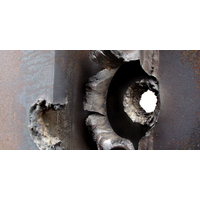
Phys. Rev. Lett. 136, 016104 (2026)
Condensed Matter and Materials
Tunneling of Elastic Waves in a Tapered Waveguide
Article | Statistical Physics; Classical, Nonlinear, and Complex Systems | 2026-01-09 05:00 EST
Alexandre Yoshitaka Charau, Jérôme Laurent, and Tony Valier-Brasier
Understanding how evanescent modes mediate energy transfer in tapered elastic waveguides is of paramount interest, as it unlocks new strategies for wave control and manipulation. Evanescent modes play a crucial role in energy localization and in the emergence of thickness resonances. We report the f…
Phys. Rev. Lett. 136, 017202 (2026)
Statistical Physics; Classical, Nonlinear, and Complex Systems
arXiv
Lattice Regularization of Non-relativistic Interacting Fermions in One Dimension
New Submission | Quantum Gases (cond-mat.quant-gas) | 2026-01-09 20:00 EST
Few-body physics plays a central role in many branches of physics, such as nuclear physics and atomic physics. Advances in controlling ultra-cold quantum gases provide an ideal testbed for few-body physics theory. In this work, we study few-body systems consisting of two distinct species of non-relativistic fermions in one spatial dimension using both field theory and lattice methods. Particles of the same type do not interact with each other, but particles of different types can interact via an attractive contact interaction. We first study the dependence of the coupling of a contact interaction on the lattice spacing. Using this input, we extract two-, three-, and four-body ground state energies in the infinite length limit and benchmark them against the calculations from the continuum field theory. This work enables us to systematically study the effect of discretization and finite-length artifacts on few-body observables.
Quantum Gases (cond-mat.quant-gas)
The thermodynamics of liquid-vapor coexistence for a van der Waals fluid. Analytical solution of the Clausius-Clapeyron equation
New Submission | Statistical Mechanics (cond-mat.stat-mech) | 2026-01-09 20:00 EST
J. L. Cardoso, V. G. Ibarra-Sierra, J. C. Sandoval-Santana, A. Kunold
This work presents a pedagogical derivation of the thermodynamics of a van der Waals fluid by explicitly incorporating pairwise molecular interactions and the finite size of particles into the statistical-mechanical description. Starting from the Lennard-Jones potential, we evaluate the second virial coefficient to infer the virial expansion of the equation of state and recover the van der Waals equation using only its leading correction. The corresponding partition function allows us to obtain all thermodynamic potentials for both monoatomic and diatomic fluids in a transparent and instructive manner.
Building on this framework, we formulate and solve analytically the Clausius-Clapeyron equation in the vicinity of the critical point, obtaining the liquid-vapor coexistence curve in closed form. This approach not only clarifies the microscopic origin of van der Waals thermodynamics but also complements-and in several aspects improves upon-traditional treatments that rely heavily on numerical methods or heuristic arguments.
In addition, because the van der Waals equation naturally predicts the liquid-vapor equilibrium, the existence of critical points, and the functional form of the saturation curve of the pressure as a function of temperature, it provides an analytically tractable framework for studying a 150-year-old problem that has historically been addressed using graphical constructions or numerical solutions. As such, the formulation developed here offers a coherent, accessible, and conceptually unified route for students and instructors to understand phase coexistence in simple fluids from first principles.
Statistical Mechanics (cond-mat.stat-mech)
24 pages, 5 figures
Altermagnetic and dipolar splitting of magnons in FeF$_2$
New Submission | Strongly Correlated Electrons (cond-mat.str-el) | 2026-01-09 20:00 EST
J. Sears, V. O. Garlea, D. Lederman, J. M. Tranquada, I. A. Zaliznyak
FeF$ _2$ is a prototypical rutile antiferromagnet recently proposed as an altermagnet, with a magnetic symmetry that permits spin-split electronic bands and chiral magnons. Using very-high-resolution inelastic neutron scattering on a single crystal of FeF$ _2$ , we show that the dominant source of magnon splitting is in fact the long-range dipolar interaction rather than altermagnetic exchange terms. At momenta where the dipolar splitting vanishes, we observe additional broadening due to altermagnetic chiral splitting and estimate this splitting to be $ \sim$ 35 $ \mu$ eV. Polarized measurements further reveal that, where dipolar splitting is present, the chiral magnon modes become mixed and the resulting modes are predominantly linearly polarized, with at most a small chiral component. These findings highlight the significant effect of dipolar interactions on magnon chirality, particularly when altermagnetic interactions are weak.
Strongly Correlated Electrons (cond-mat.str-el)
Fluctuation conductivity in ultraclean multicomponent superconductors
New Submission | Superconductivity (cond-mat.supr-con) | 2026-01-09 20:00 EST
Sondre Duna Lundemo, Asle Sudbø
We consider the intrinsic fluctuation conductivity in metals with multiply sheeted Fermi surfaces approaching a superconducting critical point. Restricting our attention to extreme type-II multicomponent superconductors motivates focusing on the ultraclean limit. Using functional-integral techniques, we derive the Gaussian fluctuation action from which we obtain the gauge-invariant electromagnetic linear response kernel. This allows us to compute the optical conductivity tensor. We identify essential conditions required for a nonzero longitudinal conductivity at finite frequencies in a disorder-free and translationally invariant system. Specifically, this is neither related to impurity scattering nor electron-phonon interaction, but derives indirectly from the multicomponent character of the incipient superconducting order and the parent metallic state. Under these conditions, the enhancement of the DC conductivity due to fluctuations close to the critical point follows the same critical behaviour as in the diffusive limit.
Superconductivity (cond-mat.supr-con)
20 pages, 6 figures
Unifying Kibble-Zurek Mechanism in Weakly Driven Processes
New Submission | Statistical Mechanics (cond-mat.stat-mech) | 2026-01-09 20:00 EST
A description of the Kibble-Zurek mechanism with linear response theory has been done previously, but ad hoc hypotheses were used, like the use of the rate-dependent impulse window via the Zurek equation in the context of no driving in the relaxation time. In this work, I present a new framework where such hypotheses are unnecessary, preserving all the characteristics of the phenomenon. The Kibble-Zurek scaling obtained for the excess work is close to 2/5, a result that holds for open and thermally isolated systems whose relaxation time diverges at the critical point and the first zero of the relaxation function is finite. I exemplify the results using four different but significant types of scaling functions.
Statistical Mechanics (cond-mat.stat-mech)
16 pages, 7 figures
Entropy 2026, 28(1), 66
Scalable cold-atom quantum simulator of a $3+1$D U$(1)$ lattice gauge theory with dynamical matter
New Submission | Quantum Gases (cond-mat.quant-gas) | 2026-01-09 20:00 EST
Simone Orlando, Guo-Xian Su, Bing Yang, Jad C. Halimeh
The stated overarching goal of the highly active field of quantum simulation of high-energy physics (HEP) is to achieve the capability to study \textit{ab-initio} real-time microscopic dynamics of $ 3+1$ D quantum chromodynamics (QCD). However, existing experimental realizations and theoretical proposals for future ones have remained restricted to one or two spatial dimensions. Here, we take a big step towards this goal by proposing a concrete experimentally feasible scalable cold-atom quantum simulator of a U$ (1)$ quantum link model of quantum electrodynamics (QED) in three spatial dimensions, employing \textit{linear gauge protection} to stabilize gauge invariance. Using tree tensor network simulations, we benchmark the performance of this quantum simulator through near- and far-from-equilibrium observables, showing excellent agreement with the ideal gauge theory. Additionally, we introduce a method for \textit{analog quantum error mitigation} that accounts for unwanted first-order tunneling processes, vastly improving agreement between quantum-simulator and ideal-gauge-theory results. Our findings pave the way towards realistic quantum simulators of $ 3+1$ D lattice gauge theories that can probe regimes well beyond classical simulability.
Quantum Gases (cond-mat.quant-gas), High Energy Physics - Lattice (hep-lat), Quantum Physics (quant-ph)
$12$ pages, $6$ figures
Energy-Time-Accuracy Tradeoffs in Thermodynamic Computing
New Submission | Statistical Mechanics (cond-mat.stat-mech) | 2026-01-09 20:00 EST
Alberto Rolandi, Paolo Abiuso, Patryk Lipka-Bartosik, Maxwell Aifer, Patrick J. Coles, Martí Perarnau-Llobet
In the paradigm of thermodynamic computing, instead of behaving deterministically, hardware undergoes a stochastic process in order to sample from a distribution of interest. While it has been hypothesized that thermodynamic computers may achieve better energy efficiency and performance, a theoretical characterization of the resource cost of thermodynamic computations is still lacking. Here, we analyze the fundamental trade-offs between computational accuracy, energy dissipation, and time in thermodynamic computing. Using geometric bounds on entropy production, we derive general limits on the energy-delay-deficiency product (EDDP), a stochastic generalization of the traditional energy-delay product (EDP). While these limits can in principle be saturated, the corresponding optimal driving protocols require full knowledge of the final equilibrium distribution, i.e., the solution itself. To overcome this limitation, we develop quasi-optimal control schemes that require no prior information of the solution and demonstrate their performance for matrix inversion in overdamped quadratic systems. The derived bounds extend beyond this setting to more general potentials, being directly relevant to recent proposals based on non-equilibrium Langevin dynamics.
Statistical Mechanics (cond-mat.stat-mech), Hardware Architecture (cs.AR), Emerging Technologies (cs.ET)
10 pages (+ 6 pages of appendix), 7 figures
Fast Phase Logic Family for Achieving Very Large Scale Integration in Superconductor Electronics
New Submission | Superconductivity (cond-mat.supr-con) | 2026-01-09 20:00 EST
Sasan Razmkhah, Massoud Pedram
Fast Phase Logic (FPL) is a novel digital superconductor electronic (SCE) logic family specifically designed to address critical challenges in state-of-the-art SCE, such as low device density and integration levels. The FPL family improves circuit performance by employing various Josephson junction (JJ) structures, including high-$ J_c$ self-shunted 0-JJ stacks, $ \pi$ -JJs, and 0/$ \pi$ -JJ stacks. FPL utilizes 0- and $ \pi$ -JJs to replace the bulky geometric inductors required in single flux quantum (SFQ) logic families like RSFQ. The proposed FPL family can deliver up to two orders of magnitude improvement in integration density over RSFQ logic with a five-fold reduction in the bias current requirements. Circuit performance is enhanced with reduced latency and increased throughput. Furthermore, the FPL family provides a higher output voltage level and higher impedance, which better match those of CMOS circuits. The much smaller flux storage loops in FPL greatly reduce susceptibility to trapped flux and crosstalk. Advancements in fabrication processes that would further benefit FPL implementation include the use of NbTiN-based JJs with higher critical current density and fabrication temperature range up to 400~$ ^\circ$ C, or the use of stacked JJ structures. The resulting increased density makes very large-scale integration (VLSI) more practical. The FPL family has the potential to significantly advance SCE technology. Near-term applications are envisioned in accelerator cores for signal processing and artificial intelligence, with long-term potential in supercomputing applications. The advantages of FPL were demonstrated through an architectural study of a fast Fourier transform (FFT) circuit, comparing it with CMOS and SFQ technologies.
Superconductivity (cond-mat.supr-con), Emerging Technologies (cs.ET)
11 pages, 8 figures
Interactive Analysis of Static, Dynamic, and Crystalline SDTrimSP Simulations: Application to Nitrogen Ion Implantation into Vanadium
New Submission | Materials Science (cond-mat.mtrl-sci) | 2026-01-09 20:00 EST
Miroslav Lebeda, Jan Drahokoupil, Vojtěch Smola, Petr Vlčák
SDTrimSP is a widely used Monte Carlo simulation code based on the Binary Collision Approximation (BCA) for modeling ion implantation and ion-solid interaction processes. While an established graphical user interface (GUI) exists for simulation setup and execution, efficient post-processing, comparison of multiple simulations, and preparation of specific input file parameters remain limited. In this work, we present a web-based interface (this http URL) that complements existing SDTrimSP tools by focusing on interactive visualization and analysis of depth distribution profiles. The platform enables direct upload and comparison of static and fluence-dependent dynamic profiles, supports unit conversion, and provides an integrated calculator for determining the adjustable atomic density parameter of implanted ions required in dynamic simulations. In addition, the interface offers automated conversion of standard crystallographic file formats into the SDTrimSP-specific crystal structure input format for simulations into crystalline targets. The capabilities of the interface are demonstrated for nitrogen ion implantation into vanadium, including amorphous static and dynamic simulations and static crystalline simulations for different surface orientations. The results illustrate fluence-dependent saturation effects as well as orientation-dependent ion channeling behavior. Overall, the presented web-based tool provides a convenient and flexible extension to existing SDTrimSP workflows.
Materials Science (cond-mat.mtrl-sci)
Oxygen in diamond: thermal stability of ST1 spin centres and creation of oxygen-pair complexes
New Submission | Materials Science (cond-mat.mtrl-sci) | 2026-01-09 20:00 EST
Paul Neugebauer, Xinxi Huang, Chloe Newsom, Christophe Arnold, Hjørdis Martelock, Séverine Diziain, Edoardo Monnetti, Jocelyn Achard, Tobias Lühmann, Paolo Olivero, Jan Meijer, Julien Barjon, Alexandre Tallaire, Sébastien Pezzagna
Little is known about oxygen-related defects in diamond. Recently, the promising room-temperature spin centre named ST1 was identified as an oxygen centre, but of still unknown atomic structure and thermal stability. In this work, we report on the optically active oxygen-related centres and the conditions for their formation, using ion implantation of oxygen in various conditions of depth and fluence. More specifically, we establish the temperature formation/stability range of the ST1 centre, which has a maximum at about 1100°C and is narrower than for NV centres. In these conditions, optically detected magnetic resonance (ODMR) on small ST1 ensembles was measured with a spin readout contrast of > 20% at 300K. In cathodoluminescence, the 535 nm ST1 peak is not observed. Besides, a broad peak centred at 460 nm is measured for implantation of O$ _2$ molecular ions. For an annealing temperature of 1500°C, a different centre is formed (with ZPL at 584.5 nm) with an intensity increasing with a power law 1.5 < p < 1.9 dependence from the implantation fluence. This suggests that this centre contains two oxygen atoms. Besides, a new spectral feature associated to an intrinsic defect was also observed, with four prominent lines (especially at 594nm). Finally, the thermal formation and stability of oxygen centres in diamond presented here are important for the identification of the atomic structure of defects such as the ST1 and possible O$ _2$ V$ _x$ complex by means of ab initio calculations. Indeed, the formation energies and charge states of defect centres are easier to compute than the full energy level scheme, which to date still remains unsuccessful regarding the ST1 centre.
Materials Science (cond-mat.mtrl-sci)
Hidden dynamics in fast force curves: Transient Damping and Brownian-Driven Contact Resonance
New Submission | Mesoscale and Nanoscale Physics (cond-mat.mes-hall) | 2026-01-09 20:00 EST
Force distance curves (FCs) are among the most direct measurements performed in atomic force microscopy (AFM), yet their information content is often reduced by filtering and quasi-static interpretation. Here, enabled by a new interferometric detector, we show that fast FCs inherently excite short-lived cantilever oscillations whose transient frequency and decay encode local stiffness and dissipation. By analyzing these dynamics on a single-curve, single-pixel basis, we extract time-local mechanical information without external broadband excitation or multi-pass imaging. We develop a state-dependent single-mode harmonic oscillator model that captures snap-in excitation, hydration-mediated dissipation, and contact stiffness during fast force mapping. Experimental analysis of high-bandwidth force-curve data and numerical simulations demonstrate that multiple dynamically distinct interaction regimes occur within a single FC. Accessing these transient dynamics enables high-throughput, high-resolution mapping of mechanical contrast and reveals heterogeneous and non-repeatable behaviors that are lost under conventional averaging or with conventional detection schemes with higher noise floors.
Mesoscale and Nanoscale Physics (cond-mat.mes-hall)
10 pages, 4 figures
Mesoscale flows in active baths dictate the dynamics of semi-flexible filaments
New Submission | Soft Condensed Matter (cond-mat.soft) | 2026-01-09 20:00 EST
Bipul Biswas, Devadyouti Das, Manasa Kandula, Shuang Zhou
Semi-flexible filaments in living systems are constantly driven by active forces that often organize into mesoscale coherent flows. Although theory and simulations predict rich filament dynamics, experimental studies of passive filaments in collective active baths remain scarce. Here we present an experimental study on passive colloidal filaments confined to the air-liquid interface beneath a free-standing, quasi-two-dimensional bacterial film featuring jet-like mesoscale flows. By varying filament contour length and bacterial activity, we demonstrate that filament dynamics are governed by its length relative to the characteristic size of the bath. Filaments shorter than the jet width exhibit greatly enhanced translation and rotation with minimal deformation, while long filaments show dramatic deformation but less enhanced transport. We explain our findings through the competition between the active viscous drag of the bath and passive elastic resistance of the filaments, using a modified elastoviscous number that considers the mesoscale flows.
Soft Condensed Matter (cond-mat.soft), Mesoscale and Nanoscale Physics (cond-mat.mes-hall), Statistical Mechanics (cond-mat.stat-mech)
Quantum Geometric Origin of Orbital Magnetization
New Submission | Mesoscale and Nanoscale Physics (cond-mat.mes-hall) | 2026-01-09 20:00 EST
Xiao-Bin Qiang, Tianyu Liu, Hai-Zhou Lu, X. C. Xie
The exploration of the Riemannian structure of the Hilbert space has led to the concept of quantum geometry, comprising geometric quantities exemplified by Berry curvature and quantum metric. While this framework has profoundly advanced the understanding of various electronic phenomena, its potential for illuminating magnetic phenomena has remained less explored. In this Perspective, we highlight how quantum geometry paves a new way for understanding magnetization within a single-particle framework. We first elucidate the geometric origin of equilibrium magnetization in the modern theory of magnetization, then discuss the role of quantum geometry in kinetic magnetization, and finally outline promising future directions at the frontier of quantum geometric magnetization.
Mesoscale and Nanoscale Physics (cond-mat.mes-hall)
6 pages, 2 figures
Appl. Phys. Lett. 128, 010501 (2026)
SpectraFormer: an Attention-Based Raman Unmixing Tool for Accessing the Graphene Buffer-Layer Signature on SiC
New Submission | Materials Science (cond-mat.mtrl-sci) | 2026-01-09 20:00 EST
Dmitriy Poteryayev, Pietro Novelli, Annalisa Coriolano, Riccardo Dettori, Valentina Tozzini, Fabio Beltram, Massimiliano Pontil, Antonio Rossi, Stiven Forti, Camilla Coletti
Raman spectroscopy is a key tool for graphene characterization, yet its application to graphene grown on silicon carbide (SiC) is strongly limited by the intense and variable second-order Raman response of the substrate. This limitation is critical for buffer layer graphene, a semiconducting interfacial phase, whose vibrational signatures are overlapped with the SiC background and challenging to be reliably accessed using conventional reference-based subtraction, due to strong spatial and experimental variability of the substrate signal. Here we present SpectraFormer, a transformer-based deep learning model that reconstructs the SiC Raman substrate contribution directly from post-growth partially masked spectroscopic data without relying on explicit reference measurements. By learning global correlations across the entire Raman shift range, the model captures the statistical structure of the SiC background and enables accurate reconstruction of its contribution in mixed spectra. Subtraction of the reconstructed substrate signal reveals weak vibrational features associated with ZLG that are inaccessible through conventional analysis methods. The extracted spectra are validated by ab initio vibrational calculations, allowing assignment of the resolved features to specific modes and confirming their physical consistency. By leveraging a state-of-the-art attention-based deep learning architecture, this approach establishes a robust, reference-free framework for Raman analysis of graphene on SiC and provides a foundation, compatible with real-time data acquisition, to its integration into automated, closed-loop AI-assisted growth optimization.
Materials Science (cond-mat.mtrl-sci), Artificial Intelligence (cs.AI), Machine Learning (cs.LG)
14 pages, 4 figures, 1 table
Dynamical instability in a Floquet-Driven Dissipative System
New Submission | Strongly Correlated Electrons (cond-mat.str-el) | 2026-01-09 20:00 EST
Takuya Okugawa, Jens Paaske, Martin Eckstein, Michael A. Sentef, Angel Rubio, Andrew J. Millis
We analyse the magnon spectrum and distribution function of the antiferromagnetic phase of the Floquet-driven Hubbard model. Above a critical drive strength, we find a dynamical instability, resulting from a change in sign of the magnon damping at a non-zero wavevector. The change in sign means that infinitesimal fluctuations grow with time, corresponding to an instability of the driven state. Implications for the nonequilibrium distribution function and the strong drive nonlinear dynamics are discussed.
Strongly Correlated Electrons (cond-mat.str-el)
Discovery of Correlated Electron Molecular Orbital Materials using Graph Representations
New Submission | Materials Science (cond-mat.mtrl-sci) | 2026-01-09 20:00 EST
Md. Rajbanul Akhond, Alexandru B. Georgescu
Correlated electron molecular orbital (CEMO) materials host emergent electronic states built from molecular orbitals localized over clusters of transition metal ions, yet have historically been discovered sporadically and generally been treated as isolated case studies. Here we establish CEMO materials as a systematically discoverable class and introduce a graph-based framework to identify, classify, and organize transition-metal cluster motifs in inorganic solids. Starting from crystal structures in the Materials Project, we construct transition metal connectivity graphs, extract cluster motifs using a bond-cutting algorithm, and determine cluster point groups, effective cluster sublattice dimensionality, and translational symmetry. Applying this approach in a high-throughput screen of 34,548 compounds yields 5,306 cluster-containing materials, including 2,627 stable or metastable compounds with isolated clusters and 984 materials featuring mixed-metal clusters. The resulting dataset reveals symmetry and element-dependent trends in cluster formation. By integrating cluster classification with flat-band lattice topology and battery-relevant information, we provide further relevant information to multiple scientific communities. The accompanying open dataset, Cluster Finder software, and interactive web platform enable systematic exploration of cluster-driven electronic phenomena and establish a general pathway for discovering correlated quantum materials and functional materials with cluster-based or extended metal-metal bonding in inorganic solids.
Materials Science (cond-mat.mtrl-sci), Strongly Correlated Electrons (cond-mat.str-el), Superconductivity (cond-mat.supr-con)
Anomalous Dynamical Heterogeneity in Active Glasses as a Signature of Violation of Mermin-Wagner-Hohenberg Theorem
New Submission | Soft Condensed Matter (cond-mat.soft) | 2026-01-09 20:00 EST
Subhodeep Dey, Smarajit Karmakar
Two-dimensional (2D) systems have attracted renewed interest within the scientific community due to their anomalous dynamical behaviors, which arise from long-wavelength density fluctuations as predicted by the Mermin-Wagner-Hohenberg (MWH) theorem. In equilibrium, it is well established that continuous spontaneous symmetry breaking (SSB) in 2D is prohibited at any finite temperature ($ T > 0$ ), resulting in the absence of true long-range positional order and establishing $ d_l = 2$ as the lower critical dimension. Recent studies have demonstrated that, in active systems, the lower critical dimension can shift from $ d_l = 2$ to $ 3$ . This study examines the impact of MWH theorem violation in active systems on dynamical heterogeneity (DH). As a minimal model, glassy systems of active particles undergoing run-and-tumble (RT) motion are considered. Glass-like dynamical behavior, including anomalously enhanced DH, is observed in various biological systems such as collective cell migration, bacterial cytoplasm, and ant colonies. Furthermore, the study investigates the influence of local positional order, or medium-range crystalline order (MRCO), on DH in the presence of activity. The results indicate that the growth of DH with increasing activity differs significantly between systems with and without MRCO. These findings may have important implications, as many biological systems exhibit local structural ordering, and DH could serve as a useful indicator for quantifying the degree of ordering.
Soft Condensed Matter (cond-mat.soft), Disordered Systems and Neural Networks (cond-mat.dis-nn)
Studies of superconductivity of Fe chalcogenides in films grown by PLD technique
New Submission | Superconductivity (cond-mat.supr-con) | 2026-01-09 20:00 EST
Atsutaka Maeda, Tomoki Kobayashi, Fuyuki Nabeshima
Studies on Fe chalcogenide superconductor using thin films grown by the PLD technique are reviewed in terms of electronic phase diagram, properties in the normal state, properties in the superconducting state, together with the comparison with properties in bulk crystals, MBE grown films and exfoliated crystals. Challenges to increase superconducting Tc will also be introduced.
Superconductivity (cond-mat.supr-con)
42 pages, 25 figures, an invited review
Artificial Gauge Field Engineered Excited-State Topology: Control of Dynamical Evolution of Localized Spinons
New Submission | Strongly Correlated Electrons (cond-mat.str-el) | 2026-01-09 20:00 EST
Jie Ren, Yi-Ran Xue, Run-Jia Luo, Rui Wang, Baigeng Wang
Spinons are elementary excitations at the core of frustrated quantum magnets. Although it is well-established that a pair of spinons can emerge from a magnon via deconfinement, controlled manipulation of individual spinons and direct observation of their deconfinement remain elusive. We propose an artificial gauge field scenario that enables the engineering of specific excited states in quantum spin models. This generates spatially localized individual spinons with high controllability. By applying time-dependent gauge fields, we realize adiabatic braiding of these spinons, as well as their dynamical evolution in a controllable manner. These results not only provide the first direct visualization of individual spinons localized in the bulk, but also point to new possibilities to simulate their confinement process. Finally, we demonstrate the feasibility of our scenario in Rydberg atoms, which suggests an experimentally viable direction–gauge field engineering of correlated phenomena in excited states.
Strongly Correlated Electrons (cond-mat.str-el), Mesoscale and Nanoscale Physics (cond-mat.mes-hall)
5 pages, 4 figures
Phys. Rev. Lett. 135, 156601(2025)
Breaking Four-Point and Three-Point Bending Tests
New Submission | Materials Science (cond-mat.mtrl-sci) | 2026-01-09 20:00 EST
Subhrangsu Saha, Jeffery R. Roesler, Oscar Lopez-Pamies
Since their initial standardizations in the 1930s and 1950s, the so-called four-point and three-point bending tests on unnotched beams have been embraced by practitioners as two popular methods to indirectly measure the tensile strength of concrete, ceramics, and other materials with a large compressive strength relative to their tensile strength. This is because of the ease that the tests afford in both the preparation of the specimen (a beam of rectangular cross section) and the application of the loads (simple supports pressing on the specimen). Yet, this practical advantage has to be tempered by the fact that the observations from both of these tests – being \emph{indirect} experiments in the sense that they involve \emph{not} uniform uniaxial tension but non-uniform triaxial stress states throughout the specimen – have to be appropriately interpreted to be useful. By making use of the phase-field fracture theory initiated by Kumar, Francfort, and Lopez-Pamies (2018), which has been recently established as a complete theory of fracture capable of accurately describing the nucleation and propagation of cracks in elastic brittle materials under arbitrary quasistatic loading conditions, the main objective of this paper is to carry out a thorough 3D quantitative analysis of when and where fracture nucleates and propagates in four-point and three-point bending tests and thereby establish how to appropriately interpret their results. As a corollary, the analysis provides an explanation for why four-point bending tests typically yield smaller flexural strengths than three-point bending tests, a source of constant headaches for practitioners who have been left to wonder which test – if any – would be more appropriate for their purposes.
Materials Science (cond-mat.mtrl-sci)
Anisotropic magnon transport in an antiferromagnetic trilayer heterostructure: is BiFeO$_3$ an altermagnet?
New Submission | Mesoscale and Nanoscale Physics (cond-mat.mes-hall) | 2026-01-09 20:00 EST
Sajid Husain, Maya Ramesh, Qian Song, Sergei Prokhorenko, Shashank Kumar Ojha, Surya Narayan Panda, Xinyan Li, Yousra Nahas, Yogesh Kumar, Pushpendra Gupta, Tenzin Chang, Alan Ji-in Jung, Rogério de Sousa, James G. Analytis, Lane W. Martin, Zhi Yao, Sang-Wook Cheong, Laurent Bellaiche, Manuel Bibes, Darrell G. Schlom, Ramamoorthy Ramesh
Magnons provide a route to ultra-fast transport and non-destructive readout of spin-based information transfer. Here, we report magnon transport and its emergent anisotropic nature in BiFeO$ _3$ layers confined between ultrathin layers of the antiferromagnet LaFeO$ _3$ . Due to the confined state, BiFeO$ _3$ serves as an efficient magnon transmission channel as well as a magnetoelectric knob by which to control the stack by means of an electric field. We discuss the mechanism of the anisotropic spin transport based on the interaction between the antiferromagnetic order and the electric field. This allows us to manipulate and amplify the spin transport in such a confined geometry. Furthermore, lower crystal symmetric and suppression of the spin cycloid in ultrathin BiFeO$ _3$ stabilizes a non-trivial antiferromagnetic state exhibiting symmetry-protected spin-split bands that provide the non-trivial sign inversion of the spin current, which is a characteristic of an altermagnet. This work provides an understanding of the anisotropic spin transport in complex antiferromagnetic heterostructures where ferroelectricity and altermagnetism coexist, paving the way for a new route to realize electric-field control of a novel state of magnetism.
Mesoscale and Nanoscale Physics (cond-mat.mes-hall)
8 pgaes, 5 figure
Spatial resolution(s) in atom probe tomography
New Submission | Materials Science (cond-mat.mtrl-sci) | 2026-01-09 20:00 EST
Baptiste Gault, Frédéric De Geuser, Christoph Freysoldt, Benjamin Klaes, François Vurpillot
Atom probe tomography (APT) is often quoted to provide “atomic-scale” analysis of materials in three dimensions. Despite efforts to quantify APT’s spatial resolution, misunderstanding remain regarding its true spatial performance. If the depth resolution was once reported to be 20 pm, quoting this value outside of its specific context is misleading and should be avoided. The resolution achievable in pure metals, at one specific location within one reconstructed dataset, does not generally apply across materials or analysis conditions, or even throughout a single tomographic reconstruction. Here, we review various efforts at defining and measuring the spatial resolution in the study of single phase and single element materials - i.e. pure metals - in field-ion microscopy (FIM) and APT. We also report on the degradation of the resolution arising from ion optical devices used to improve the mass-resolution. We aim to offer some perspective as to how reported resolutions may be or may not be of any relevance to most of the materials characterisation efforts by APT, including cases of precipitates in a matrix that emphasise the need to consider an effective resolution. Finally, we discuss concepts to improve the spatial accuracy of the technique in a relatively distant future.
Materials Science (cond-mat.mtrl-sci), Instrumentation and Detectors (physics.ins-det)
Direct Observation of the Spillover of High Magnetic Field-induced SC3 Superconductivity Outside the Spin-Polarized State in UTe2
New Submission | Superconductivity (cond-mat.supr-con) | 2026-01-09 20:00 EST
Zheyu Wu, Hanyi Chen, Theodore I. Weinberger, Mengmeng Long, David Graf, Andrej Cabala, Vladimir Sechovsky, Michal Valiska, Gilbert G. Lonzarich, F. Malte Grosche, Alexander G. Eaton
In our recent study of the high magnetic field phase landscape of UTe$ _2$ [Phys. Rev. X 15, 021019 (2025)] we found indirect evidence that the SC3 superconducting phase spills out beyond the first-order phase boundary of the spin-polarized state. This prior study was limited to a maximal field strength of 41.5 T, and mapped the $ b-ac$ rotation plane. Here we measure a high quality sample with residual resistivity ratio RRR = 605 under rotations in the $ b-c$ plane up to 45 T. This extended field range helps to unambiguously demonstrate the spillover of SC3 outside the polarized paramagnetic state. This is identified by the observation of zero resistance at low temperatures, for magnetic field strengths lower than the metamagnetic transition field resolved at higher temperatures. This observation is consistent with the scenario that electronic pairing of the SC3 phase is mediated by quantum critical fluctuations.
Superconductivity (cond-mat.supr-con), Strongly Correlated Electrons (cond-mat.str-el)
Crystal Generation using the Fully Differentiable Pipeline and Latent Space Optimization
New Submission | Materials Science (cond-mat.mtrl-sci) | 2026-01-09 20:00 EST
Osman Goni Ridwan, Gilles Frapper, Hongfei Xue, Qiang Zhu
We present a materials generation framework that couples a symmetry-conditioned variational autoencoder (CVAE) with a differentiable SO(3) power spectrum objective to steer candidates toward a specified local environment under the crystallographic constraints. In particular, we implement a fully differentiable pipeline that performs batch-wise optimization on both direct and latent crystallographic representations. Using the GPU acceleration, the implementation achieves about fivefold speed compared to our previous CPU workflow, while yielding comparable outcomes. In addition, we introduce the optimization strategy that alternatively performs optimization on the direct and latent crystal representations. This dual-level relaxation approach can effectively overcome local barrier defined by different objective gradients, thus increasing the success rate of generating complex structures satisfying the targe local environments. This framework can be extended to systems consisting of multi-components and multi-environments, providing a scalable route to generate material structures with the target local environment.
Materials Science (cond-mat.mtrl-sci), Artificial Intelligence (cs.AI), Machine Learning (cs.LG), Atomic and Molecular Clusters (physics.atm-clus)
Power-law molecular-weight distributions dictate universal behaviors in highly polydisperse polymer solutions
New Submission | Soft Condensed Matter (cond-mat.soft) | 2026-01-09 20:00 EST
Naoya Yanagisawa, Daisuke S. Shimamoto, Miho Yanagisawa
Polydispersity is a universal feature of synthetic polymers and biological molecules in the cytoplasm. However, its quantitative impact on collective behavior remains poorly understood because conventional metrics, such as the polydispersity index, fail to capture broad, non-Gaussian size distributions. Here, we develop an experimental platform in which polyethylene glycol (PEG) solutions are engineered to follow tunable power-law molecular-weight distributions spanning an extensive range, from $ M = 1$ kg/mol to $ 10^{4}$ kg/mol. By systematically varying the $ M$ distribution exponent $ a$ , we identify a robust regime ($ 1 < a \lesssim 2.5$ ) in which the viscosity scaling exponent in the entangled regime, the overlap concentration $ c^{\ast}$ , and the entanglement concentration $ {c_{\mathrm{e}}}$ all exhibit pronounced maxima that exceed monodisperse limits. This amplification minimizes as the upper cutoff $ M_{\max}$ is reduced, with the system approaching monodisperse behavior. The enhanced rheology arises from a competition between long-chain-dominated entanglement and short-chain-mediated void filling, demonstrating that the whole shape of the molecular-weight distribution plays a decisive role. Consequently, these collective behaviors cannot be reproduced by simply tuning the average molecular weight. Together, our results establish the power-law exponent $ a$ as a quantitative control parameter that links polymer entanglement, soft packing, and molecular crowding in highly polydisperse systems.
Soft Condensed Matter (cond-mat.soft)
Main manuscript: 10 pages, 4 figures; SI: 14 pages, 9 figures
High mobility holes at germanane/Ge(111) allotropic cross-dimensional heterointerface
New Submission | Materials Science (cond-mat.mtrl-sci) | 2026-01-09 20:00 EST
Yumiko Katayama, Daiki Kobayashi, Hikaru Okuma, Yuhsuke Yasutake, Susumu Fukatsu, Kazunori Ueno
Germanane (GeH) is essentially a hydrogen-terminated Ge analog of graphene with a direct gap (1.6 eV). Record hole mobility mu_h67,000 cm2/Vs is found at 15 K for a single allotropic cross-dimensional(D) heterointerface. This is enabled by making topotactically-transformed 2D GeH layers meet the 3D bulk Ge(111). Temperature dependence of mu_h implies metallic conduction without ionized impurity scattering between 20 K and 250 K. Sheet hole density for a Fermi sphere n_S=2.8x10^11 /cm2 agrees well with 3.0x10^11 /cm2 of Hall measurements. A 6,500% magnetoresistance at 7 T accompanies Shubnikov-de Haas oscillations visible even at 15 K. These imply single-band conduction of holes with small effective mass in the in-plane directions, invoking a 2D hole gas (2DHG) picture that allotropic cross-D heterointerface between 2D GeH and 3D Ge harbors 2D-confined high-mobility holes. Even without elaborate heteroepitaxy and modulation doping, allotropic cross-D heterostructures pave the way toward facile 2DHG creation.
Materials Science (cond-mat.mtrl-sci)
Optical Signatures and Quantum Geometry in Proximity-Induced Topological Superconductors
New Submission | Mesoscale and Nanoscale Physics (cond-mat.mes-hall) | 2026-01-09 20:00 EST
Myungjun Kang, Yogeshwar Prasad, Nikhil Danny Babu, Rasoul Ghadimi, Jae Hoon Kim, Sangmo Cheon
Proximity-induced superconductivity at topological insulator-superconductor (TI-SC) interfaces offers a promising route to topological superconductivity with Majorana boundary modes. However, probing the interfacial superconductivity at buried interfaces is challenging with conventional surface methods. Here, we present a theoretical study of the longitudinal optical response of a TI-SC heterostructure, focusing on the complex interface sheet conductance as a direct and layer-selective probe of the interfacial superconducting gap. Within a minimal TI–SC model, we demonstrate that proximity-induced superconductivity at the buried interface generates a two-dimensional topological superconducting phase supporting Majorana edge modes. Using a Bogoliubov-de Gennes slab model and the Kubo formalism, we compute the optical conductance and introduce a thickness-extrapolation protocol that isolates the interface contribution only. The resulting interface conductance exhibits a robust, thickness-independent coherence peak at an energy set by the proximity-induced gap, distinguishable from both the parent superconductor’s pair-breaking feature and the ungapped Dirac cone on the top surface. We further demonstrate that the low-frequency spectral weight of this interface resonance obeys a quantum-metric sum rule, quantitatively linking the optical response to the quantum geometry of the proximitized interfacial state. Our results propose terahertz/infrared spectroscopy of the interfacial sheet conductance as a non-invasive diagnostic of Majorana-hosting TI–SC interfaces.
Mesoscale and Nanoscale Physics (cond-mat.mes-hall)
Construction of asymptotic quantum many-body scar states in the SU($N$) Hubbard model
New Submission | Statistical Mechanics (cond-mat.stat-mech) | 2026-01-09 20:00 EST
Daiki Hashimoto, Masaya Kunimi, Tetsuro Nikuni
We construct asymptotic quantum many-body scars (AQMBS) in one-dimensional SU($ N$ ) Hubbard chains ($ N\geq 3$ ) by embedding the scar subspace into an auxiliary Hilbert subspace $ \mathcal{H}_P$ and identifying a parent Hamiltonian within it, together with a corresponding extension of the restricted spectrum-generating algebra to the multi-ladder case. Unlike previous applications of the parent-Hamiltonian scheme, we show that the parent Hamiltonian becomes the SU($ N$ ) ferromagnetic Heisenberg model rather than the spin-1/2 case, so that its gapless magnons realize explicit AQMBS of the original model. Working in the doublon-holon subspace, we derive this mapping, obtain the one-magnon dispersion for periodic and open boundaries, and prove (i) orthogonality to the tower of scar states, (ii) vanishing energy variance in the thermodynamic limit, and (iii) subvolume entanglement entropy with rigorous MPS/MPO bounds. Our results broaden the parent-Hamiltonian family for AQMBS beyond spin-1/2 and provide analytic, low-entanglement excitations in SU($ N$ )-symmetric systems.
Statistical Mechanics (cond-mat.stat-mech)
Condensation mechanism of high-$T_c$ cuprates: the key role of pairon excitations
New Submission | Superconductivity (cond-mat.supr-con) | 2026-01-09 20:00 EST
Yves Noat, Alain Mauger, William Sacks
In this article we show that the condensation mechanism in cuprates involves the strong coupling of the condensate to pairon excited states. We present an accessible formalism that significantly extends our previous work, providing a theoretical basis for the energy-dependent gap function $ \Delta(E)$ . The latter is proportional to the effective spin exchange energy, $ J_{eff}$ , with no retardation effects, such as the case of spin-fluctuation or phonon mediated couplings. The fundamental parameters of the superconducting (SC) state are the condensation energy per pair, $ \beta_c$ , and the antinodal energy gap, $ \Delta_p$ , which are quantitatively extracted by fitting the cuprate quasiparticle spectrum from tunneling experiments.
An explicit formula for the critical temperature is also derived in the model. Valid for any doping, we find $ T_c$ to be proportional to $ \beta_c$ , and not the gap $ \Delta_p$ , in sharp contrast to conventional SC. The numerical factor $ \beta_c/k_BT_c\simeq 2.24$ originates from pair excitations of the condensate, following Bose statistics, with a mini-gap $ \delta_M \simeq 1,$ meV in the excitation spectrum. These results strongly suggest that the same `all-electron’ mechanism is at work all along the $ T_c$ -dome.
Superconductivity (cond-mat.supr-con), Materials Science (cond-mat.mtrl-sci), Strongly Correlated Electrons (cond-mat.str-el)
Solid State Communications (Feb. 2026)
Scattering of a weakly bound dimer from a hard wall in one dimension
New Submission | Quantum Gases (cond-mat.quant-gas) | 2026-01-09 20:00 EST
We consider a dimer formed by two particles with an attractive contact interaction in one dimension, colliding with a hard wall. We compute the scattering phase shifts and the reflection coefficients for various collision energies and various mass ratios of the two particles. For low-energy collisions (with dimer kinetic energies much smaller than the binding energy) our results are consistent with those of D. Lee and M. Pine, The European Physical Journal A 47, 41 (2011). For mass ratios much greater than 1 we use the Born-Oppenheimer approximation to show that the scattering length and the effective range of the dimer-wall collision both depend logarithmically on the mass ratio. For collision energies much greater than the binding energy, the dissociation probability is inversely proportional to the square of the incident momentum of the dimer and we find the constant of proportionality analytically, and we use a semiclassical analysis to approximately derive the angular distribution" of the dissociated pair, where the angle” $ \theta$ depends on the ratio of the velocities of the two outgoing unbound particles.
Quantum Gases (cond-mat.quant-gas), Nuclear Theory (nucl-th)
8 pages, 8 figures
Chaos in high-dimensional dynamical systems with tunable non-reciprocity
New Submission | Disordered Systems and Neural Networks (cond-mat.dis-nn) | 2026-01-09 20:00 EST
Samantha Fournier, Pierfrancesco Urbani
High-dimensional dynamical systems of interacting degrees of freedom are ubiquitous in the study of complex systems. When the directed interactions are totally uncorrelated, sufficiently strong and non-linear, many of these systems exhibit a chaotic attractor characterized by a positive maximal Lyapunov exponent (MLE). On the contrary, when the interactions are completely symmetric, the dynamics takes the form of a gradient descent on a carefully defined cost function, and it exhibits slow dynamics and aging. In this work, we consider the intermediate case in which the interactions are partially symmetric, with a parameter {\alpha} tuning the degree of non-reciprocity. We show that for any value of {\alpha} for which the corresponding system has non-reciprocal interactions, the dynamics lands on a chaotic attractor. Correspondingly, the MLE is a non-monotonous function of the degree of non-reciprocity. This implies that conservative forcing deriving from the gradient field of a rough energy landscape can make the system more chaotic.
Disordered Systems and Neural Networks (cond-mat.dis-nn)
Multigap nodeless superconductivity in Dirac semimetal PdTe
New Submission | Superconductivity (cond-mat.supr-con) | 2026-01-09 20:00 EST
Fengrui Shi, Weilong Qiu, Chufan Chen, Chunqiang Xu, Yan Zhang, Hao Zheng, Yuwei Zhou, Dongting Zhang, Mengwei Xie, Huiqiu Yuan, Shiyan Li, Yang Liu, Chao Cao, Xiaofeng Xu, Xin Lu
PdTe has recently been reported to be a type-II Dirac semimetal while a bulk nodal and surface nodeless superconductivity (SC) has been claimed to coexist. In this work, we applied point-contact spectroscopy (PCS) method to systematically study the superconducting gap in PdTe single crystals with a SC transition temperature $ T_{c}=4.3$ K. The obtained differential conductance curves show a common deviation from a single-gap superconducting behavior and can be better fitted by a two-gap Blonder-Tinkham-Klapwijk model, suggesting the larger gap $ \Delta_{L}$ with $ 2\Delta_{L}$ =3.7 $ k_{B}T_{c}$ and the smaller gap $ \Delta_S$ yielding $ 2\Delta_{S}$ =1.1-2.2 $ k_{B}T_{c}$ with a weak interband scattering. The variations of conductance spectra among different contacts are proposed to be caused by the anisotropy of Fermi surface topology associated with different gaps.
Superconductivity (cond-mat.supr-con), Strongly Correlated Electrons (cond-mat.str-el)
6 pages,5 figures
Phys. Rev. B 112, 224518 Published 23 December, 2025
How semiconducting are ferroelectrics: The fundamental, optical and transport gaps of Na${0.5}$Bi${0.5}$TiO$_3$-BaTiO$3$ and NaNbO${3}$
New Submission | Materials Science (cond-mat.mtrl-sci) | 2026-01-09 20:00 EST
Pengcheng Hu, Nicole Bein, Chinmay Chandan Parhi, Tadej Rojac, Barbara Malič, Mohammad Amirabbasi, Anton Volodin, Karsten Albe, Jurij Koruza, Andreas Klein
The energy gap is a fundamental property of materials, directly related to their optical and electronic properties. The energy gap of ferroelectric compounds and its adjustment by compositional variation has particularly attracted attention in recent years due to potential application in energy conversion and/or catalytic devices. It is demonstrated that it is necessary to distinguish between the fundamental gap, $ E_{\rm g}^{0}$ , the optical gap, $ E_{\rm g}^{\rm opt}$ , and the transport gap, $ E_{\rm g}^{\rm tr}$ , of ferroelectrics, which can differ significantly. The situation is comparable to those in organic semiconductors and emerges from the presence of localized charges. The fundamental gap is a ground state property, i.e.\ the energy difference between the maximum of the fully occupied valence band and the minimum of the completely empty conduction band. In contrast, the optical and transport gaps are excited state properties involving localized (polaronic) electrons and/or holes at energies considerably different from the band edges. This work illustrates how the different energy gaps of ferroelectrics can be determined by combining optical measurements, X-ray photoelectron spectroscopy and temperature and oxygen partial pressure dependent electrical conductivity measurements. We determine fundamental gaps of $ \approx 4.5,$ eV for both materials, optical gaps of $ 3.25-3.45,$ eV/$ 3.5,$ eV and electrical gaps of $ \approx 1.4,$ eV/$ 3.3,$ eV for Na$ _{0.5}$ Bi$ _{0.5}$ TiO$ _3$ -BaTiO$ _3$ /NaNbO$ _{3}$ , respectively.
Materials Science (cond-mat.mtrl-sci)
K-ion intercalation memristors in prussian blue analogs revealed by C-AFM for Non-Volatile memory and Neuromorphic Computing
New Submission | Materials Science (cond-mat.mtrl-sci) | 2026-01-09 20:00 EST
L. B. Avila, O. Leuve, M. Pohlitz, M. A Villena, Ramón Torres-Cavalillas, C. Ducarme, A. Lopes Temporao, T. G. Coppée, A. Moureaux, S. Arib, Eugenio Coronado, C. K. Müller, J. B. Roldán, B. Hackens, F. Abreu Araujo
Here, we demonstrate K-ion intercalation-mediated resistive switching in Prussian blue analogs (PBAs), a mechanism widely exploited in potassium batteries but not previously resolved at the nanoscale for memristive operation. Using C-AFM, we directly visualize and electrically control this intercalation process within sub-100-nm volumes, revealing reversible, localized conductance modulation driven by K-ion intercalation and Fe2+/Fe3+ redox reconfiguration. This nanoscale operability highlights the exceptional potential of PBAs for high-scalable and low-dimension memristor-based devices integration. Due to their modular composition, PBAs constitute a chemically rich, earth-abundant materials platform whose electronic and ionic properties can be precisely tuned for specific device functions. K-ion intercalation PBA-based memristor devices, with their singlestep, aqueous, and room-temperature fabrication, enable low-cost, large-scale processing compatible with CMOS, without any additional post-fabrication processing. Our findings establish PBAs as a new class of intercalation memristors with scalable nanoscale switching and exceptional materials versatility, toward highly integrated neuromorphic and non-volatile memory technologies. This work provides the first demonstration of intercalation-driven resistive switching under ultrafast voltage sweeps, with PW operating up to 200 V/s and PB up to 50 V/s. This unprecedented speed establishes PBAs as a distinct, high-rate class of K-ion intercalation memristors suitable for fast, high-density neuromorphic and memory applications.
Materials Science (cond-mat.mtrl-sci), Mesoscale and Nanoscale Physics (cond-mat.mes-hall)
13 pages
Towards understanding the defect properties in the multivalent A-site Na${0.5}$Bi${0.5}$TiO$_3$-based perovskite ceramics
New Submission | Materials Science (cond-mat.mtrl-sci) | 2026-01-09 20:00 EST
Pengcheng Hu, Chinmay Chandan Parhi, Jurij Koruza, Andreas Klein
A defect model involving cation and anion vacancies and anti-site defects is proposed that accounts for the non-stoichiometry of multi-valent $ A$ -site Na$ _{0.5}$ Bi$ _{0.5}$ TiO$ _3$ based perovskite oxides with $ ABO_3$ composition. A series of samples with varying $ A$ -site non-stoichiometry and $ A$ :$ B$ ratios were prepared to investigate their electrical conductivity. The oxygen partial pressure and temperature dependent conductivities where studied with direct current (dc) and alternating current (ac) techniques, enabling to separate between ionic and electronic conduction. The Na-excess samples, regardless of the $ A$ :$ B$ ratio, exhibit dominant ionic conductivity and $ p$ -type electronic conduction, with the highest total conductivity reaching $ 4 \times 10^{-4}$ S/cm at 450$ ^\circ$ C. In contrast, the Bi-excess samples display more insulating characteristics and $ n$ -type electronic conductivity, with conductivity values within the 10$ ^{-8}$ S/cm range at 450$ ^\circ$ C. These conductivity results strongly support the proposed defect model, which offers a straightforward description of defect chemistry in NBT-based ceramics and serves as a valuable guide for optimizing sample processing to achieve tailored properties.
Materials Science (cond-mat.mtrl-sci)
Probing quantum critical crossover via impurity renormalization group
New Submission | Strongly Correlated Electrons (cond-mat.str-el) | 2026-01-09 20:00 EST
Tao Yang, Z. Y. Xie, Rui Wang, Baigeng Wang
Quantum impurities can host exotic many-body states that serve as sensitive probes of bath correlations. However, quantitative and non-perturbative methods for determining impurity thermodynamics in such settings remain scarce. Here, we introduce an impurity renormalization group approach that merges the tensor-network representation with the numerical renormalization group cutoff scheme. This method overcomes conventional limitations by treating bath correlations and impurity interactions on an equal footing. Applying our approach to the finite-temperature quantum critical regime of quantum spin systems, we uncover striking impurity-induced phenomena. In a coupled Heisenberg ladder, the impurity triggers a fractionalization of the local magnetic moment. Moreover, the derivative of the impurity susceptibility develops cusps that mark the crossover into the quantum critical regime. We also observe an exotic evolution of the spin correlation function driven by the interplay between bath correlations and the impurity. Our results demonstrate that this method can efficiently solve correlated systems with defects, opening new pathways to discovering novel impurity physics beyond those in non-interacting thermal baths.
Strongly Correlated Electrons (cond-mat.str-el)
15 pages total (7 pages main text + 8 pages supplement), 15 figures total (5 figures main text + 10 figures supplement)
Decoupling Structure and Elasticity in Colloidal Gels Under Isotropic Compression
New Submission | Soft Condensed Matter (cond-mat.soft) | 2026-01-09 20:00 EST
M. Milani, E. Cavalletti, V. Ruzzi, A. Martinelli, P. Dieudonne-George, C. Ligoure, T. Phou, L. Cipelletti, L. Ramos
We exploit the controlled drying of millimeter-sized gel beads to investigate isotropic compression of colloidal fractal gels. Using a custom dynamic light scattering setup, we demonstrate that stresses imposed by drying on the bead surface propagate homogeneously throughout the gel volume, inducing plastic rearrangements. We find that the Young modulus and yield stress of the gels increase monotonically with the instantaneous colloid volume fraction, $ \phi$ , exhibiting a mechanical response that depends solely on $ \phi$ , regardless of the drying history. In striking contrast, small-angle X-ray scattering reveals that the gel microstructure retains a strong memory of its initial state, depending on both $ \varphi$ and the entire compression pathway. Our findings challenge the prevailing paradigm of a one-to-one relationship between microstructure and elasticity in colloidal fractal gels, opening new avenues for independent control over the structural and mechanical properties of soft materials.
Soft Condensed Matter (cond-mat.soft)
Topological sensing of superfluid rotation using non-Hermitian optical dimers
New Submission | Quantum Gases (cond-mat.quant-gas) | 2026-01-09 20:00 EST
Aritra Ghosh, Nilamoni Daloi, M. Bhattacharya
We theoretically investigate a non-Hermitian optical dimer whose parameters are renormalized by dispersive and dissipative backaction from the coupling of the passive cavity with a ring-trapped Bose-Einstein condensate. The passive cavity is driven by a two-tone control laser, where each tone is in a coherent superposition of Laguerre-Gaussian beams carrying orbital angular momenta $ \pm \ell \hbar$ . This imprints an optical lattice on the ring trap, leading to Bragg-diffracted sidemode excitations. Using an exact Schur-complement reduction of the full light-matter dynamics, we derive a frequency-dependent self-energy and identify a static regime in which the atomic response produces a complex shift of the passive optical mode. This renormalized dimer supports a tunable exceptional point, enabling spectroscopic signatures in the optical transmission due to a probe field, which can in turn be utilized for estimating the winding number of the persistent current. Exploiting the associated half-integer topological charge, we propose a digital exceptional-point-based sensing scheme based on eigenmode permutation, providing a noise-resilient method to sense superfluid rotation without relying on fragile eigenvalue splittings. Importantly, the sensing proposals are intrinsically non-destructive, preserving the coherence of the atomic superfluid.
Quantum Gases (cond-mat.quant-gas), Atomic Physics (physics.atom-ph), Optics (physics.optics), Quantum Physics (quant-ph)
Scalable Dielectric Tensor Predictions for Inorganic Materials using Equivariant Graph Neural Networks
New Submission | Materials Science (cond-mat.mtrl-sci) | 2026-01-09 20:00 EST
Haowei Hua, Chen Liang, Ding Pan, Shengchao Liu, Irwin King, Koji Tsuda, Wanyu Lin
Accurate prediction of dielectric tensors is essential for accelerating the discovery of next-generation inorganic dielectric materials. Existing machine learning approaches, such as equivariant graph neural networks, typically rely on specially-designed network architectures to enforce O(3) equivariance. However, to preserve equivariance, these specially-designed models restrict the update of equivariant features during message passing to linear transformations or gated equivariant nonlinearities. The inability to implicitly characterize more complex nonlinear structures may reduce the predictive accuracy of the model. In this study, we introduce a frame-averaging-based approach to achieve equivariant dielectric tensor prediction. We propose GoeCTP, an O(3)-equivariant framework that predicts dielectric tensors without imposing any structural restrictions on the backbone network. We benchmark its performance against several state-of-the-art models and further employ it for large-scale virtual screening of thermodynamically stable materials from the Materials Project database. GoeCTP successfully identifies various promising candidates, such as Zr(InBr$ _3$ )$ _2$ (band gap $ E_g = 2.41$ eV, dielectric constant $ \overline{\varepsilon} = 194.72$ ) and SeI$ _2$ (anisotropy ratio $ \alpha_r = 96.763$ ), demonstrating its accuracy and efficiency in accelerating the discovery of advanced inorganic dielectric materials.
Materials Science (cond-mat.mtrl-sci)
Mechanisms of Spatiotemporal Damage Evolution in Double Polymer Networks
New Submission | Soft Condensed Matter (cond-mat.soft) | 2026-01-09 20:00 EST
Magali Le Goff, Laureano Ortellado, Jiting Tian, Mehdi Bouzid, Jean-Louis Barrat, Kirsten Martens
Double polymer networks exhibit a striking enhancement of toughness compared to single networks, yet the microscopic mechanisms governing stress redistribution, damage evolution, and fracture remain incompletely understood. Using large-scale coarse-grained molecular dynamics simulations under uniaxial deformation, we resolve bond scission statistics, local stress redistribution following individual bond-breaking events, and the spatiotemporal evolution of damage in single- and double-network architectures. We show that while the early mechanical response is dominated by the pre-stretched sacrificial network, damage evolution in double networks follows a qualitatively distinct pathway. In contrast to single networks, where anisotropic stress redistribution promotes rapid localization and catastrophic fracture, the presence of a soft matrix in double networks induces a screening of stress redistribution generated by sacrificial bond scission. This screening suppresses correlated rupture events and stabilizes multiple damage zones, leading to a strongly delocalized damage landscape over a broad deformation range. At larger strains, when the matrix becomes load-bearing, damage progressively localizes, ultimately triggering fracture. By isolating the dynamics of individual damage zones, we further demonstrate that matrix-mediated stress screening stabilizes defects and delays localization. Together, these results identify stress-screening-induced damage delocalization as a central microscopic mechanism underlying toughness enhancement in multiple-network elastomers.
Soft Condensed Matter (cond-mat.soft)
22 pages, 22 figures
Berry Phase of Bloch States through Modular Symmetries
New Submission | Materials Science (cond-mat.mtrl-sci) | 2026-01-09 20:00 EST
The theoretical identification of crystalline topological materials has enjoyed sustained success in simplified materials models, often by singling out discrete symmetry operations protecting the topological phase.
When band structure calculations of realistic materials are considered, complications often arise owing to the requirement of a consistent gauge in the Brillouin zone, or down to the fineness of its sampling.
Yet, the Berry phase, acting as topological label, encodes geometrical properties of the system, and it should be easily accessible.
Here, an expression for the Berry phase is obtained, thanks to analytical Bloch states constructed from an infinite series of Gaussian type orbitals.
Two contributions in the Berry phase are identified, with one having an immediate geometric interpretation, being equal to the Zak phase.
Eigenvalues of a modular symmetry, considered here for the first time in the context of crystalline solid state systems, are put in correspondence with the Zak phase: modular symmetries allow to define a non-trivial action for the spatial inversion also when the system does not have an inversion centre.
The approach is showcased for the non-centrosymmetric space group no. 22 ($ F222$ ), which is known to host symmetry equivalent Bloch states that can be distinguished by their Berry phase.
Materials Science (cond-mat.mtrl-sci)
Tuning Excitonic Properties and Charge Carrier Dynamics by Halide Alloying in Cs3Bi2(Br1-xIx)9 semiconductors
New Submission | Materials Science (cond-mat.mtrl-sci) | 2026-01-09 20:00 EST
The perovskite-inspired bismuth halide semiconductor Cs3Bi2Br9 is widely investigated as photoactive material for light-conversion applications. However, charge generation and separation are inherently limited by its modest sunlight absorption and strong exciton binding energy, respectively. Here, we demonstrate that both the light absorption and exciton dissociation are improved by controlled substitution of Br with I via mechanochemical synthesis of Cs3Bi2(Br1-xIx)9. X-ray diffraction and Raman analyses confirm atomic-level halide mixing and reveal a crystallographic phase transition near x = 0.8. From absorption measurements on thin films, we determine the absorption coefficient, Urbach tail, and exciton binding energy for several Cs3Bi2(Br1-xIx)9 compositions. From here, we find that the band gap can be tuned from 2.59 to 1.93 eV (for x = 0.9), while exciton binding energies reach a minimum at x = 0.6. Finally, transient absorption spectroscopy measurements suggest a weak correlation between recombination lifetime and Urbach energy, where the longest lifetimes are observed for the materials with lowest disorder. These results offer valuable insights for designing stable bismuth halide semiconductors with favorable light absorption properties and charge carrier dynamics.
Materials Science (cond-mat.mtrl-sci)
Single-enantiomer spin polarisers in superconducting junctions
New Submission | Mesoscale and Nanoscale Physics (cond-mat.mes-hall) | 2026-01-09 20:00 EST
Lorenz Meyer, Nicolas Néel, Jörg Kröger
Chiral matter acting as a spin-selective device in biased electron transport is attracting attention for the quantum-technological design of miniaturized electronics. To date, however, experimental reports on spin selectivity are not conclusive. The magnetoresistance in electron transport measurements observed for chiral materials on ferromagnets upon magnetisation reversal is proposed to result from electrostatic rather than from the sought-after chiral effects. Recent break junction studies even question the spin-dependent electron flow across single chiral molecules. Here, we avoid ferromagnetic electrodes and magnetisation reversal to provide unambiguous experimental evidence for the chirality-induced spin selectivity effect of single enantiomers. Functionalising the superconducting tip of a scanning tunnelling microscope with a manganese atom cluster gives rise to Yu-Shiba-Rusinov resonances that serve as spin-sensitive probes of the tunnelling current in junctions of single heptahelicene molecules adsorbed on a crystalline lead surface. Our key finding is the dependence of the signal strength of these states in spectroscopy of the differential conductance on the handedness of the molecule. The experiments unveil the role of the enantiomers as spin polarisers and the irrelevance of electrostatics in the chosen model system.
Mesoscale and Nanoscale Physics (cond-mat.mes-hall), Superconductivity (cond-mat.supr-con)
Intrinsic Gyrotropic Magnetic Current of Orbital Origin
New Submission | Mesoscale and Nanoscale Physics (cond-mat.mes-hall) | 2026-01-09 20:00 EST
Koushik Ghorai, Sankar Sarkar, Amit Agarwal
In gyrotropic crystals, an oscillating magnetic field induces a charge response known as the gyrotropic magnetic current. While its conventional origin is attributed to magnetic field modified band energy and shift in the Fermi-surface, a recent study identified an additional spin-driven magnetic displacement contribution. Here, we complete the picture by identifying the orbital counterpart of the magnetic displacement current. Using a density-matrix formulation that incorporates both minimal coupling and spin-Zeeman interactions, we derive the electronic equations of motion in the presence of an oscillating magnetic field and uncover a previously unexplored orbital contribution to the wavepacket velocity. Physically, this contribution arises from the time variation of the magnetic-field induced charge polarization. In the low frequency transport regime, this mechanism becomes purely intrinsic. We illustrate this intrinsic gyrotropic current of orbital origin in the $ {\cal P}{\cal T}$ -symmetric antiferromagnet CuMnAs. We show that the intrinsic gyrotropic magnetic current reverses sign upon Néel vector reversal, establishing it as a direct probe of antiferromagnetic order in CuMnAs and other $ \mathcal{PT}$ -symmetric antiferromagnets.
Mesoscale and Nanoscale Physics (cond-mat.mes-hall)
19 pages, 3 figures. Any comments or suggestions are greatly appreciated
Switching magnetization of quantum antiferromagnets: Schwinger boson mean-field theory compared to exact diagonalization
New Submission | Strongly Correlated Electrons (cond-mat.str-el) | 2026-01-09 20:00 EST
Florian Johannesmann, Asliddin Khudoyberdiev, Götz S. Uhrig
Antiferromagnets have attracted significant attention because of their considerable potential in engineering high-density and ultrafast memory devices, a crucial and increasingly demanded component of contemporary high-performance information technology. Theoretical and experimental investigations are actively progressing to provide the capability of efficient switching and precise control of the Néel vector, which is crucial for the intended practical applications of antiferromagnets. Recently, a time-dependent Schwinger boson mean-field theory has been successfully developed to study the sublattice magnetization switching in anisotropic quantum antiferromagnets [K. Bolsmann $ et , al.$ , \textcolor{blue}{\hyperlink{https://doi.org/10.1103/PRXQuantum.4.030332}{PRX Quantum $ \mathbf{4}$ , 030332 (2023)}}]. Here we use a complementary exact diagonalization method to study such sublattice magnetization switching, but in small-cluster quantum antiferromagnets, by means of an external magnetic field. Furthermore, this article aims to support the findings of the Schwinger boson approach. We show that the results of both approaches are consistent at short time scales, with only about 12.5 $ %$ deviations. The consistency of the outcomes obtained through this alternative exact approach demonstrates that the time-dependent Schwinger boson mean-field theory is a versatile framework to capture the essentials of the switching process in quantum antiferromagnets. Thereby, the findings of current article pave the way for further theoretical and computational progress in the study of antiferromagnets for engineering spintronic devices with ultrahigh density and ultrafast speed.
Strongly Correlated Electrons (cond-mat.str-el)
14 pages, 17 figures
Electric-Field Modulated Optical Transitions in Monolayer CrI3 and Its Nanoribbons
New Submission | Materials Science (cond-mat.mtrl-sci) | 2026-01-09 20:00 EST
Xianzhe Zhu, Pu Liu, Wence Ding, Benhu Zhou, Xiaoying Zhou, Guanghui Zhou
The successful synthesis of few-layer CrI3 has opened new avenues for research in two-dimensional magnetic materials. Owing to its simple crystal structure and excellent physical properties, layered CrI3 has been extensively studied in magneto-optical effects, excitons, tunneling transport, and novel memory devices. However, the most current theoretical studies rely heavily on the first-principles calculations, and a general analytical theoretical framework, particularly for electric-field modulation and transport properties, is still lacking. In this work, using a 28-band tight-binding model combined with linear response theory, we systematically investigate the optoelectronic response for monolayer CrI3 and its nanoribbons. The results demonstrate that: (1) a vertical electric field can selectively close the band gap of one spin channel while the other remains insulating, resulting a transition to an half-metallic state; (2) the electric field dynamically shifts the optical transition peaks, providing a theoretical basis for extracting band parameters from experimental photoconductivity spectra; (3) nanoribbons with different edge morphologies exhibit distinct edge-state distributions and electronic properties, indicating that optical transition can be dynamically modualted through edge design. The theoretical model developed in this study, which can describe external electric field effect, offers an efficient and flexible approach for analytically investigating the CrI3 family and related materials. This model overcomes the limitations of first-principles methods and provides a solid foundation for designing spintronic and optoelectronic devices controlled by electric fields and edge effect.
Materials Science (cond-mat.mtrl-sci), Mesoscale and Nanoscale Physics (cond-mat.mes-hall)
8 pages, 6 figures
Affordable Five-Orbital Dynamical Mean-Field Theory for Layered Iridates and Rhodates
New Submission | Strongly Correlated Electrons (cond-mat.str-el) | 2026-01-09 20:00 EST
Full $ d$ -manifold DMFT with numerically exact solvers has remained computationally prohibitive for spin-orbit materials due their scaling and severe sign problem, forcing the community to rely on simplified one- and three-band models that omit the $ e_g$ states despite their proximity with the $ t_{2g}$ orbitals. We present the first full five-orbital Dynamical Mean-Field Theory (DMFT) calculations including spin-orbit coupling for the layered iridates and rhodates \bio~and \bro, revealing that the correlation effects shift significantly the $ e_g$ states through static mean-field corrections rather than dynamical fluctuations. Motivated by this insight, we introduce hybrid-DMFT (hDMFT), which treats these orbitals and their coupling to the low-energy manifold at the mean-field level while maintaining near quantitative accuracy at a drastically reduced computational cost. These calculation establish hDMFT as a practical and accurate method for full $ d$ -manifold studies of layered iridates and rhodates, enabling systematic investigations of temperature, doping and pressure dependence that were previously computationally intractable.
Strongly Correlated Electrons (cond-mat.str-el)
14 pages, 6 figures
Floquet-driven tunneling control in monolayer MoS$_2$
New Submission | Mesoscale and Nanoscale Physics (cond-mat.mes-hall) | 2026-01-09 20:00 EST
Rachid El Aitouni, Aotmane En Naciri, Clarence Cortes, David Laroze, Ahmed Jellal
We study how fermions in molybdenum disulfide MoS$ _2$ interact with a laser field and a static potential barrier, focusing on the transmission probability. Our aim is to understand and control photon-assisted quantum transport in this two-dimensional material under external driving. We use the Floquet approximation to describe the wave functions in the three regions of the system. By applying continuity conditions at the boundaries, we obtain a set of equations involving an infinite number of Floquet modes. We explicitly determine transmissions involving the central band $ E$ and the first sidebands $ E \pm \hbar\omega$ . As for higher-order bands, we use the transfer matrix approach together with current density to compute the associated transmissions. Our results reveal that the transmission probability oscillates for both spin-up and spin-down electrons. The oscillations of spin-down electrons occur over nearly twice the period of spin-up electrons. Among all bands, the central one consistently shows the highest transmission. We also find that stronger laser fields and wider barriers both lead to reduced transmission. Moreover, laser irradiation enables controllable channeling and filtering of transmission bands by tuning the laser intensity and system parameters. This highlights the potential of laser-driven MoS$ _2$ structures for highly sensitive electromagnetic sensors and advanced optoelectronic devices.
Mesoscale and Nanoscale Physics (cond-mat.mes-hall), Quantum Physics (quant-ph)
12 pages, 7 figures. Version to appear in Ann. Phys. (2026)
Lateral Graphene-Metallene Interfaces at the Nanoscale
New Submission | Materials Science (cond-mat.mtrl-sci) | 2026-01-09 20:00 EST
Mohammad Bagheri, Pekka Koskinen
Metallenes are atomically thin, nonlayered two-dimensional materials. While they have appealing properties, their isotropic metallic bonding makes their stabilization difficult and presents considerable challenges to their synthesis and practical applications. However, their stabilization can still be achieved by suspending them in the pores of two-dimensional template materials, making the properties of lateral interfaces of metallenes scientifically relevant. Here, we combined density-functional theory and universal machine-learning interatomic potentials to study lateral interfaces between graphene and 45 metallenes with various profiles. We optimized the interfaces and analyzed their energies, electronic structures, and stabilities at room temperature, defect formations, and structural deformations. While broad trends were identified using machine-learning analysis of all interfaces, density-functional theory was the main tool for studying the microscopic properties of selected elements. We found that the interfaces are the most stable energetically and with respect to lattice mismatch, defect formation, and lateral strain when their profiles were geometrically smooth. The most stable interfaces are found for transition metals. In addition, we demonstrate how universal machine-learning interatomic potentials now offer the accuracy required for the modeling of graphene-metallene interfaces. By systematically expanding the understanding of metallenes’ interface properties, we hope these results guide and accelerate their synthesis to enable future applications and benefit from metallenes’ appealing properties.
Materials Science (cond-mat.mtrl-sci)
Nanoscale, 2026,18, 188-196
Determining fluid-crystal phase boundaries for a binary hard-sphere mixture using direct-coexistence simulations
New Submission | Soft Condensed Matter (cond-mat.soft) | 2026-01-09 20:00 EST
Rinske M. Alkemade, Alessandro Salo, Laura Filion, Frank Smallenburg
Determining fluid-crystal phase boundaries via direct-coexistence methods can be challenging due to the fact that the simulation box can introduce crystal strain. Recently, a direct-coexistence approach was developed which allows one to easily identify the equilibrium strain-free fluid-crystal coexistence in monodisperse systems. Here, we show that this approach can be readily extended to binary mixtures forming stoichiometric binary crystals, allowing accurate and efficient determination of the phase boundaries. Moreover, we examine how the choice of crystal plane in contact with the fluid affects the accuracy of the phase boundary determination. The method is easy to implement and does not require prior knowledge of the binary fluid’s equation of state. These results further establish the method as a robust and practical tool for accurately determining fluid-crystal phase boundaries.
Soft Condensed Matter (cond-mat.soft)
Triple-well ferroelectricity and kagome-like Chern flat band in two-dimensional multiferroic CuVP$_2$Se$_6$
New Submission | Materials Science (cond-mat.mtrl-sci) | 2026-01-09 20:00 EST
Brian Anchico, Jingyi Duan, Haojie Sun, Minjun Wang, Mikhail Talanov, Wei Jiang
Two-dimensional multiferroics that host nontrivial topological bands offer a rich platform for correlated and tunable quantum phenomena, yet such materials remain rare. Here, using first-principles calculations, we reveal that monolayer CuVP$ _2$ Se$ _6$ unites a tunable triple-well ferroelectric transition with a spin-polarized Chern flat band. The ferroelectric and paraelectric phases are close in energy and can be reversibly switched by moderate strain or an electric field. During the transition, a kagome-like flat band emerges near the Fermi level, which we describe via a minimal three-orbital tight-binding model on a triangular lattice. Furthermore, the system exhibits sizable magnetic anisotropy and a magnetization-dependent Chern insulating state: the Chern number is $ C = \pm 1$ for out-of-plane magnetization but becomes trivial when the moments rotate in-plane. These findings establish CuVP$ _2$ Se$ _6$ as a promising candidate for exploring electrically tunable flat-band correlations and topological magnetism in a multiferroic monolayer.
Materials Science (cond-mat.mtrl-sci), Strongly Correlated Electrons (cond-mat.str-el)
12 pages, 11 figures, 2 tables
Half-vortex soliton lattices in spin-orbit-coupled Bose-Einstein condensates with a quasi-flat band
New Submission | Quantum Gases (cond-mat.quant-gas) | 2026-01-09 20:00 EST
Chenhui Wang, Yongping Zhang, Vladimir V. Konotop
Periodic potentials with flat bands in their spectra support strongly localized nonlinear excitations. Although a perfectly flat band cannot exist in a continuous system, a spin-orbit-coupled Bose-Einstein condensate loaded in a Zeeman lattice can realize the quasi-flat lowest band with an extremely narrow bandwidth. In such a quasi flat band, half vortex solitons become confined within a single lattice cell, enabling the formation of arrays of coupled half vortex solitons arranged of various spatial geometries. In this work, we study the existence and stability of these lattices within the framework of the two-component Gross-Pitaevskii equation. We demonstrate that, near the quasi-flat band, half-vortex solitons and their arrays can be excited with a nearly negligible number of atoms and are constrained by their local symmetries, which are isomorphic to a dihedral group of order 8. This allows observation of the respective field patterns in the nearly linear regime where they exhibit enhanced stability. The constructed lattices may have diverse geometric profiles, and in particular create a composite super-half-vortex soliton with nonlinear symmetry breaking.
Quantum Gases (cond-mat.quant-gas)
8 pages, 6 figures
Chaos, Solitons & Fractals, 205, 117890 (2026)
Coupled sawtooth chain exchange network in olivine Mn$_2$GeO$_4$
New Submission | Strongly Correlated Electrons (cond-mat.str-el) | 2026-01-09 20:00 EST
Vincent C. Morano, Zeno Maesen, Stanislav Nikitin, Jonathan S. White, Takashi Honda, Tsuyoshi Kimura, Michel Kenzelmann, Daniel Pajerowski, Oksana Zaharko
Sawtooth chain magnets have been a subject of historical interest in the field of frustrated magnetism, with classical olivine family $ M_2TX_4$ , ($ M$ - 3d, $ T$ - 4p, $ X$ - chalcogen elements) typically realizing simple $ \mathbf{k} = (000)$ states. The magnetism of the Mn$ _2$ GeO$ _4$ olivine is surprisingly complex, proceeding from commensurate states to a multiferroic commensurate + incommensurate phase. Here we report inelastic neutron scattering results from a Mn$ _2$ GeO$ _4$ single crystal and develop an effective Hamiltonian including long-distance bilinear and dipolar interactions. The magnetic interactions are predominantly antiferromagnetic and span a three-dimensional exchange network consisting of coupled sawtooth chains. Based on the determined strength of the couplings, the dominant sawtooth chains appear at third- and fourth- rather than next-nearest-neighbor. However the next-nearest-neighbor interaction is, along with a modest Dzyaloshinskii-Moriya interaction, important for modeling the observed incommensurability. We use the best-fit Hamiltonian as the basis for Langevin dynamics simulations and Luttinger-Tisza calculations of the high-temperature commensurate transition.
Strongly Correlated Electrons (cond-mat.str-el)
21 pages, 12 figures
Discovery of a new weberite-type antiferroelectric: La3NbO7
New Submission | Materials Science (cond-mat.mtrl-sci) | 2026-01-09 20:00 EST
Louis Alaerts, Jesse Schimpf, Xinyan Li, Jiongzhi Zheng, Ella Banyas, Jeffrey B. Neaton, Sinéad M. Griffin, Yimo Han, Lane W. Martin, Geoffroy Hautier
Antiferroelectrics are antipolar materials which possess an electric field-induced phase transition to a polar, ferroelectric phase and offer significant potential for sensing/actuation and energy-storage applications. Known antiferroelectrics are relatively scarce and mainly based on a limited set of perovskite materials and their alloys (e.g., PbZrO$ _3$ , AgNbO$ _3$ , NaNbO$ _3$ ). Here, a new family of lead-free, weberite-type antiferroelectrics, identified through a large-scale, first-principles computational search is introduced. The screening methodology, which connects lattice dynamics to antipolar distortions, predicted that La$ _3$ NbO$ _7$ could exhibit antiferroelectricity. We confirm the prediction through the synthesis and characterization of epitaxial La$ _3$ NbO$ _7$ thin films, which display the signature double hysteresis loops of an antiferroelectric material as well as clear evidence of an antipolar ground state structure from transmission electron microscopy. The antiferroelectricity in La$ _3$ NbO$ _7$ is simpler than most known antiferroelectrics and can be explained by a Kittel-type mechanism involving the movement of niobium atoms in an oxygen octahedron through a single phonon mode which results in a smaller change in the volume during the field-induced phase transition. Additionally, it is found that La$ _3$ NbO$ _7$ combines a high threshold field with a high breakdown field ($ \approx$ 6MV/cm) - which opens up opportunities for energy-storage applications. This new weberite-type family of materials offers many opportunities to tune electrical and temperature response especially through substitutions on the rare-earth site. Ultimately, this work demonstrates a successful data-driven theory-to-experiment discovery of an entirely new family of antiferroelectrics and provides a blueprint for the future design of ferroic materials.
Materials Science (cond-mat.mtrl-sci)
44 pages, 16 figures
Short-time statistics of extinction and blowup in reaction kinetics
New Submission | Statistical Mechanics (cond-mat.stat-mech) | 2026-01-09 20:00 EST
Rotem Degany, Michael Assaf, Baruch Meerson
We study the statistics of extinction and blowup times in well-mixed systems of stochastically reacting particles. We focus on the short-time tail, $ T \to 0$ , of the extinction- or blowup-time distribution $ \mathcal{P}_m(T)$ , where $ m$ is the number of particles at $ t=0$ . This tail often exhibits an essential singularity at $ T=0$ , and we show that the singularity is captured by a time-dependent WKB (Wentzel-Kramers-Brillouin) approximation applied directly to the master equation. This approximation, however, leaves undetermined a large pre-exponential factor. Here we show how to calculate this factor by applying a leading- and a subleading-order WKB approximation to the Laplace-transformed backward master equation. Accurate asymptotic results can be obtained when this WKB solution can be matched to another approximate solution (the ``inner” solution), valid for not too large $ m$ . We demonstrate and verify this method on three examples of reactions which are also solvable without approximations.
Statistical Mechanics (cond-mat.stat-mech)
9 pages, 5 figures
Exploring the Potential of Two-dimensional Borospherene for Toxic Gas Sensing and Capture: A DFT Study
New Submission | Materials Science (cond-mat.mtrl-sci) | 2026-01-09 20:00 EST
Nicolas F. Martins, José A. dos S. Laranjeira, Kleuton A. L. Lima, Luiz A. Ribeiro Jr, Julio R. Sambrano
Two-dimensional (2D) boron-based materials have gained increasing interest due to their exceptional physicochemical properties and potential technological applications. In this way, borospherenes, a 2D Boron-based fullerene-like lattice (2D-B40), are explored due to their potential for capturing and detecting toxic gases, such as CO, NO, NH3, and SO2. Therefore, density functional theory simulations were carried out to explore the adsorption energy and the distinct interaction regimes, where CO exhibits weak physisorption (-0.16 eV), while NO (-2.24 eV), NH3 (-1.47 eV), and SO2 (-1.51 eV) undergo strong chemisorption. Bader charge analysis reveals significant electron donation from 2D-B40 to NO and electron acceptance from SO2. These interactions cause measurable shifts in work function, with SO2 producing the most significant modulation (14.6%). Remarkably, ab initio molecular dynamics simulations (AIMD) reveal spontaneous SO2 decomposition at room temperature, indicating dual functionality for both sensing and environmental remediation. Compared to other boron-based materials, such as chi3-borophene, beta12-borophene, and B40 fullerene, 2D-B40 exhibits superior gas affinity, positioning it as a versatile platform for the detection and capture of toxic gases.
Materials Science (cond-mat.mtrl-sci), Mesoscale and Nanoscale Physics (cond-mat.mes-hall)
14 pages, 9 figures
Exploring structure-property relationship on a nanoscale for tailoring films of amphiphilic polymer co-networks
New Submission | Soft Condensed Matter (cond-mat.soft) | 2026-01-09 20:00 EST
Kevin Hagmann, Carina Schneider, Stephanie Ihmann, Frank Böhme, Regine von Klitzing
Amphiphilic polymer co-networks (APCNs) provide a large toolbox for tuning coatings important for applications such as bio-interfaces. Therefore, we investigate the influence of network composition and environmental conditions on the structure and mechanical and adhesive properties of thin films composed of hydrophobic tetra-PCL and hydrophilic tetra-PEG stars of varying sizes. State-of-the-art atomic force microscopy (AFM) techniques, including phase imaging, fast quantitative static indentation and dynamic indentation, provide insights into the structure-property- relationship on various length scales. PEG-rich networks exhibit amorphous morphologies with spherical nanodomains and elastic moduli of a few MPa, while PCL- rich networks form semicrystalline cylindrical arrangements with moduli up to several hundred MPa in water. Temperature-dependent measurements in water revealed a strong hysteresis of elastic moduli while shifting the melting/crystallization transitions or preventing crystallization in PEG-rich networks. All networks displayed predominantly elastic behavior. Co-networks in non-selective solvent conditions are overall softer, less adhesive and structurally more homogeneous. These results establish a predictable correlation of network composition, physical and chemical environment, structure and properties, which makes them suitable for a rational design of amphiphilic systems for various applications.
Soft Condensed Matter (cond-mat.soft)
Enhanced Microwave Sensing with Dissipative Continuous Time Crystals
New Submission | Quantum Gases (cond-mat.quant-gas) | 2026-01-09 20:00 EST
Yunlong Xue, Zhengyang Bai, Yu-Qiang Ma
A dissipative time crystal is an emergent phase in driven-dissipative quantum many-body systems, characterized by sustained oscillations that break time-translation symmetry spontaneously. Here, we explore nonequilibrium phase transitions in a dissipative Rydberg system driven by a microwave (MW) field and demonstrate their critical sensitivity to high-precision MW sensing. Distinct dynamical regimes are identified, including monostable, bistable, and oscillatory phases under mean-field coupling. Unlike single-particle detection–where the beating signal decays linearly with MW field strength–the time crystalline phase exhibits high sensitivity to MW perturbations, with rapid, discontinuous frequency switching near the monostable-oscillatory boundary. The abrupt transition is rooted in spontaneous symmetry breaking in time and is fundamentally insensitive to the background noise. On this basis, a minimum detectable MW field strength on the order of 1nV/cm is achieved by leveraging this sensitivity. Our results establish a framework for controlling time crystalline phases with external fields and advance MW sensing through many-body effects.
Quantum Gases (cond-mat.quant-gas), Atomic Physics (physics.atom-ph)
Stability and mixed phases of three-component droplets in one dimension
New Submission | Quantum Gases (cond-mat.quant-gas) | 2026-01-09 20:00 EST
I. A. Englezos, E. G. Charalampidis, P. Schmelcher, S. I. Mistakidis
We explore the ground state properties and excitation spectra of one-dimensional three-component bosonic mixtures accommodating a droplet in two of the species and a third minority component. Relying on the suitable Lee-Huang-Yang framework, we reveal a plethora of distinct self-bound droplet phases and their phase transitions through variations of either the particle number of the majority components or the intercomponent coupling. The ensuing phases demonstrate that the minority component is being un-trapped, partially trapped, or fully trapped by the majority droplet species. These states are characterized by their binding energies captured by the chemical potentials and their low-amplitude excitation spectrum, including mode crossings at the particle-emission threshold. We further derive effective reduced models which are valid in the high-imbalance limit, and accurately reproduce the numerically computed ground states, while providing analytical insights into the role of quantum fluctuations. Our results map out the stability and structure of mixed droplet phases offering guidance into forthcoming experimental and theoretical studies of multicomponent quantum droplets.
Quantum Gases (cond-mat.quant-gas), Atomic Physics (physics.atom-ph)
17 pages, 5 figures
Microscopic and hydrodynamic correlation in 1d hard rod gas
New Submission | Statistical Mechanics (cond-mat.stat-mech) | 2026-01-09 20:00 EST
Indranil Mukherjee, Seema Chahal, Anupam Kundu
We compute mass density correlations of a one-dimensional gas of hard rods at both microscopic and macroscopic scales. We provide exact analytical calculations of the microscopic correlation. For the correlation at macroscopic scale,, we utilize Ballistic Macroscopic Fluctuation Theory (BMFT) to derive an explicit expression for the correlations of a coarse-grained mass density, which reveals the emergence of long-range correlations on the Euler space-time scale. By performing a systematic coarse-graining of our exact microscopic results, we establish a micro-macro correspondence and demonstrate that the resulting macroscopic correlations agree precisely with the predictions of BMFT. This analytical verification provides a concrete validation of the underlying assumptions of hydrodynamic theory in the context of hard rod gas.
Statistical Mechanics (cond-mat.stat-mech)
28 pages, 5 figures
Goldene monolayer as a highly effective catalyst for polysulfide anchoring and conversion: A theoretical study
New Submission | Materials Science (cond-mat.mtrl-sci) | 2026-01-09 20:00 EST
Nicolas F. Martins, José A. dos S. Laranjeira, Bill D. A. Huacarpuma, Kleuton A. L. Lima, Luiz A. Ribeiro Jr, Julio R. Sambrano
We use first-principles density functional theory to investigate how lithium sulfide and polysulfide clusters (Li2S, Li2S2, Li2S4, Li2S6, Li2S8, and S8) bind to Goldene, a new two-dimensional gold allotrope. All Li-S species exhibit robust binding to Goldene. The adsorption energies range from -4.29 to -1.90 eV. S8 that is alone interacts much less strongly. Charge density difference and Bader analyses indicate that substantial charge is transferred to the substrate, with a maximum 0.92 e for Li-rich clusters. This transfer induces polarization at the interface and shifts the work function to 5.30-5.52 eV. Projected density-of-states calculations indicate that Au-d and S-p states strongly mix near the Fermi level. This hybridization indicates that the electronic coupling is strong. Based on these results, the reaction free-energy profile for the stepwise conversion of S8 to Li2S on Goldene is thermodynamically favorable. The overall stabilization is -3.64 eV, and the rate-determining barrier for the Li2S2 -> Li2S step is 0.47 eV. This shows that Goldene is an effective surface for anchoring and mediating lithium polysulfide reactions.
Materials Science (cond-mat.mtrl-sci), Mesoscale and Nanoscale Physics (cond-mat.mes-hall)
14 pages, 8 figures
Three-dimensional Moiré crystallography
New Submission | Materials Science (cond-mat.mtrl-sci) | 2026-01-09 20:00 EST
Moiré materials, typically confined to stacking atomically thin, two - dimensional (2D) layers such as graphene or transition metal dichalcogenides, have transformed our understanding of strongly correlated and topological quantum phenomena. The lattice mismatch and relative twist angle between 2D layers have shown to result in Moiré patterns associated with widely tunable electronic properties, ranging from Mott and Chern insulators to semi- and super-conductors. Extended to three-dimensional (3D) structures, Moiré materials unlock an entirely new crystallographic space defined by the elements of the 3D rotation group and translational symmetry of the constituent lattices. 3D Moiré crystals exhibit fascinating novel properties, often not found in the individual components, yet the general construction principles of 3D Moiré crystals remain largely unknown. Here we establish fundamental mathematical principles of 3D Moiré crystallography and propose a general method of 3D Moiré crystal construction using Clifford algebras over the field of rational numbers. We illustrate several examples of 3D Moiré structures representing realistic chemical frameworks and highlight their potential applications in condensed matter physics and solid-state chemistry.
Materials Science (cond-mat.mtrl-sci)
Spin-aligned butterfly spectral map in Non-Hermitian quasicrystals
New Submission | Disordered Systems and Neural Networks (cond-mat.dis-nn) | 2026-01-09 20:00 EST
Soumya Ranjan Padhi, Souvik Roy, Debashree Chowdhury, Tapan Mishra
The Non-Hermitian spinful Aubry-André-Harper (AAH) model in the presence of Rashba-type spin-orbit coupling (RSOC) and a spatially varying textured magnetic field is studied. Interestingly, our analysis produces a butterfly spectral map due to the non-trivial extent of localization of the states in the spectrum. This spectral map also exhibits an asymmetric spin alignment with respect to the wings of the butterfly. Our analysis also suggests that the onset of such a spectral map is a combined effect of the non-hermiticity, spin-orbit interaction, and the textured magnetic field.
Disordered Systems and Neural Networks (cond-mat.dis-nn), Other Condensed Matter (cond-mat.other), Quantum Gases (cond-mat.quant-gas)
5 pages, 4 figures
Kitaev interactions in the van der Waals antiferromagnet VBr3
New Submission | Strongly Correlated Electrons (cond-mat.str-el) | 2026-01-09 20:00 EST
Zeyu Kao, Yimeng Gu, Yiqing Gu, Hao Zhang, Shiyi Zheng, Naoki Murai, Seiko Ohira-Kawamura, Jun Zhao
Van der Waals materials hosting Kitaev interactions are promising platforms for exploring exotic quantum phenomena. Here, we report inelastic neutron scattering investigations of the van der Waals antiferromagnet VBr3, which forms a honeycomb lattice structure at room temperature and exhibits zigzag-type magnetic order below 26.5 K. Our observations reveal distinctive low-energy spin excitations arising from gamma, gamma’, and M’ points, each featuring a spin gap of around 2.5 meV. The overall spin excitation spectra can be effectively described by a spin Hamiltonian incorporating substantial nearest-neighbor Kitaev and biquadratic interactions, along with Heisenberg interactions. Our findings not only establish VBr3 as a new Kitaev magnet but also suggest that ligand engineering may provide a promising strategy to modulate Kitaev interactions, offering new opportunities for designing Kitaev materials with tailored quantum properties.
Strongly Correlated Electrons (cond-mat.str-el), Materials Science (cond-mat.mtrl-sci)
30 pages, 14 figures
Stable Machine Learning Potentials for Liquid Metals via Dataset Engineering
New Submission | Materials Science (cond-mat.mtrl-sci) | 2026-01-09 20:00 EST
Alex Tai, Jason Ogbebor, Rodrigo Freitas
Liquid metals are central to energy-storage and nuclear technologies, yet quantitative knowledge of their thermophysical properties remains limited. While atomistic simulations offer a route to computing liquid properties directly from atomic motion, the most accurate approach, ab initio molecular dynamics (AIMD), is computationally costly and restricted to short time and length scales. Machine learning interatomic potentials (MLPs) offer AIMD accuracy at far lower cost, but their application to liquids is limited by training datasets that inadequately sample atomic configurations, leading to unphysical force predictions and unstable trajectories. Here we introduce a physically motivated dataset-engineering strategy that constructs liquidlike training data synthetically rather than relying on AIMD configurations. The method exploits the established icosahedral short-range order of metallic liquids, twelvefold, near-close-packed local coordination, and generates “synthetic-liquid” structures by systematic perturbation of crystalline references. MLPs trained on these datasets close the sampling gaps that lead to unphysical predictions, remain numerically stable across temperatures, and reproduce experimental liquid densities, diffusivities, and melting temperatures for multiple elemental metals. The framework links atomic-scale sampling to long-term MD stability and provides a practical route to predictive modeling of liquid-phase thermophysical behavior beyond the limits of direct AIMD.
Materials Science (cond-mat.mtrl-sci)
Correlative Ultrafast Imaging of a Propagating Photo-Driven Phase Transition Using 4D STEM
New Submission | Materials Science (cond-mat.mtrl-sci) | 2026-01-09 20:00 EST
Arthur Niedermayr, Jianyu Wu, Bertina Fisher, Ido Kaminer, Jonas Weissenrieder
Oxides exhibiting insulator-metal transitions are promising candidates for next generation ultrafast electronic switching devices. However, critical gaps remain in understanding the onset of strain and its dynamics as these materials undergo structural transitions, particularly in nanostructured configurations. Here, we present ultrafast four-dimensional scanning transmission electron microscopy enabling virtual imaging and strain mapping at every point in space and time. Using this technique, we directly probe a laser-excited phase transition in the prototypical material vanadium dioxide (VO2), recording its spatiotemporal propagation. This direct imaging capability reveals the dynamics of the structural phase transition and connects it to the resulting strain formation on picosecond timescales. This correlation reveals how atomic-scale symmetry breaking inherently generates lattice distortions, which then propagate to govern macroscopic property changes. Our findings provide new insights into the coupling between electronic, structural, and mechanical responses in correlated oxides under non-equilibrium conditions.
Materials Science (cond-mat.mtrl-sci)
36 pages, 4 figures
Electronic structure of Sn(1-x)Mn(x)Te semiconducting solid solution: a resonant photoemission study
New Submission | Materials Science (cond-mat.mtrl-sci) | 2026-01-09 20:00 EST
Elzbieta Guziewicz, Bronislaw A. Orlowski, Bogdan J. Kowalski
Manganese-doped tin telluride, Sn(1-x)Mn(x)Te, initially investigated as diluted magnetic semiconductor, has recently attracted considerable attention as a prospective thermoelectric material. The introduction of Mn was found to modify the valence band electronic structure, resulting in an improvement in the Seebeck coefficient and thus, the figure of merit (ZT). In the paper, we present a synchrotron radiation study of the electronic band structure of Sn(0.9)Mn(0.1)Te by resonant photoemission. The contribution of the Mn3d electrons to the valence band (VB), calculated as the difference between the Energy Distribution Curves (EDCs) taken at the maximum and minimum of the Fano resonance for the Mn3p - Mn3d absorption threshold, shows a contribution at the VB edge, a dominant maximum at 4 eV, as well as a wide structure between 7 and 11 eV. Moreover, comparison with undoped SnTe reveals strong renormalization of the Sn5p and Te5p electronic states, which certainly influences the shape of the upper part of the valence band and electron effective mass.
Materials Science (cond-mat.mtrl-sci)
14 pages, 4 figures
Electrically Switchable Flat Band in Two-Dimensional Electron Gases under Nonuniform Magnetic Fields
New Submission | Materials Science (cond-mat.mtrl-sci) | 2026-01-09 20:00 EST
You-Ting Huang, Chao-Cheng Kaun, Ching-Hao Chang
Flat bands are associated with a range of desirable physical phenomena and potential applications, including enhanced superconducting tendencies due to the high density of states, strongly correlated phases such as quantum Hall states. Systems in which flat bands can be switched or tuned are therefore of particular interest. In this study, we analyze the electronic structure of two-dimensional electron gases (2DEGs) subjected to a linearly increasing magnetic-field dipole together with a transverse electric field, using the operator formalism of the quantum harmonic oscillator. When the electric field magnitude is tuned to a sequence of discrete values, different levels of energy bands are flattened. Moreover, at a specific electric field strength, the ground-state wave function admits an exact closed-form solution that can be understood through the magnetic drifts cancellation in the classical electrodynamics. We also demonstrate two distinct transmission properties, the quantized Hall conductance and the enhanced density of states, of the electrically switchable flat band. These findings establish a new route toward magnetoelectric band engineering and electrically guided transport in low-dimensional systems.
Materials Science (cond-mat.mtrl-sci)
Preprint. To be presented at APS
Full counting statistics in the sine–Gordon model
New Submission | Statistical Mechanics (cond-mat.stat-mech) | 2026-01-09 20:00 EST
Botond C. Nagy, Marton Kormos, Gabor Takacs
Full counting statistics (FCS) is a dynamical generalisation of the free energy, encapsulating detailed information about the distribution and large-scale correlation functions of conserved charges and their associated currents. In this work, we present a comprehensive numerical study of the FCS and the cumulants of the three lowest charges across the full parameter space of the sine–Gordon field theory. To this end, we extend the thermodynamic Bethe Ansatz (TBA) formulation of the FCS to the sine–Gordon model, emphasise the methodological subtleties for a reliable numerical implementation, and compare numerical results with analytical predictions in certain limits.
Statistical Mechanics (cond-mat.stat-mech)
Hierarchical Crystal Structure Prediction of Zeolitic Imidazolate Frameworks Using DFT and Machine-Learned Interatomic Potentials
New Submission | Materials Science (cond-mat.mtrl-sci) | 2026-01-09 20:00 EST
Yizhi Xu (1 and 2), Jordan Dorrell (3 and 4), Katarina Lisac (2), Ivana Brekalo (2), James P. Darby (5), Andrew J. Morris (3), Mihails Arhangelskis (1) ((1) Faculty of Chemistry, University of Warsaw, (2) Division of Physical Chemistry, Ruder Boskovic Institute, (3) School of Metallurgy and Materials, University of Birmingham, (4) University of Southampton (5) School of Engineering, University of Cambridge)
Crystal structure prediction (CSP) is emerging as a powerful method for the computational design of metal-organic frameworks (MOFs). In this article we demonstrate the high-throughput exploration of the crystal energy landscape of zinc imidazolate (ZnIm2), a highly polymorphic member of the zeolitic imidazolate (ZIF) family, with at least 24 reported structural and topological forms, with new polymorphs still being regularly discovered. With the aid of custom-trained machine-learned interatomic potentials (MLIPs) we have performed a high-throughput sampling of over 3 million randomly-generated crystal packing arrangements and identified 9626 energy minima characterized by 1493 network topologies, including 864 topologies that have not been reported before. Comparisons with previously reported structures revealed 13 topological matches to the experimentally-observed structures of ZnIm2, demonstrating the power of the CSP method in sampling experimentally-relevant ZIF structures. Finally, through a combination of topological analysis, density and porosity considerations, we have identified a set of structures representing promising targets for future experimental screening. Finally, we demonstrate how CSP can be used to assist in the identification of the products of the mechanochemical synthesis.
Materials Science (cond-mat.mtrl-sci), Other Condensed Matter (cond-mat.other)
Main manuscript with 27 pages and 8 figures, supporting information with additional 23 figures
Quantum Spin Transfer of Spin-Correlated Electron Pairs
New Submission | Mesoscale and Nanoscale Physics (cond-mat.mes-hall) | 2026-01-09 20:00 EST
Seongmun Hwang, Jung Hyun Oh, Paul M. Haney, Mark D. Stiles, Kyung-Jin Lee
We theoretically investigate quantum spin transfer from spin-correlated conduction-electron pairs to localized spins in a ferromagnet, given that electrons are correlated intrinsically. We show that even spin-singlet pairs and triplet pairs with $ m=0$ , both carrying no net spin, can transfer finite angular momentum through the quantum fluctuation term inherent to the $ sd$ exchange interaction. The amount of transferred spin differs between the singlet and triplet $ m=0$ states due to quantum interference. The difference is such that the independent-electron approximation remains valid for spin transfer when injected spin currents are completely incoherent. However, in partially coherent systems, like superconductor/ferromagnet junctions, coherent spin-singlet currents can directly convert into equal-spin triplet currents in generic ferromagnets, without requiring magnetic inhomogeniety or spin-orbit coupling.
Mesoscale and Nanoscale Physics (cond-mat.mes-hall), Materials Science (cond-mat.mtrl-sci)
6 pages, 4 figures
A First-principles Study of Weyl Nodal Loop and Multiple Sets of Weyl Points in Trigonal PtBi$_2$
New Submission | Materials Science (cond-mat.mtrl-sci) | 2026-01-09 20:00 EST
Coexistence of surface superconductivity and Fermi arcs in trigonal $ \gamma$ -PtBi$ _2$ has recently attracted attention for possible realization of topological superconductivity. The Fermi arcs on the two different (0001) surface terminations have been associated with the set of Weyl points just above the Fermi energy (E$ _F$ ). Here using first-principles calculations to explore the band crossings over the full Brillouin zone between the nominally highest valence and lowest conduction bands in $ \gamma$ -PtBi$ _2$ , we find a Weyl nodal loop (WNL) and multiple sets of Weyl points (WPs). The main difference between the two reported experimental structural parameters is the magnitude of Bi-layer buckling. While the WNL, bulk gap region and the set of Weyl points just above the E$ _F$ are robust, the number and location of the other sets of WPs depend sensitively on the structural parameters with different magnitude of Bi-layer buckling. Besides calculating the 2D Fermi surface with Fermi arcs and quasi-particle interference (QPI) around the E$ _F$ in good agreements with ARPES and experimental QPI, we also predict new Fermi arc features at higher energy.
Materials Science (cond-mat.mtrl-sci), Superconductivity (cond-mat.supr-con)
22 pages, 7 figures
Acoustic signatures of the field-induced electronic-topological transitions in YbNi$_4$P$_2$
New Submission | Strongly Correlated Electrons (cond-mat.str-el) | 2026-01-09 20:00 EST
E.-O. Eljaouhari, B. V. Schwarze, K. Kliemt, C. Krellner, F. Husstedt, J. Wosnitza, S. Zherlitsyn, G. Zwicknagl, J. Sourd
We investigated the magnetoelastic properties of an YbNi$ _4$ P$ _2$ single crystal at low temperatures under magnetic fields directed along the crystallographic [001] axis. We report a series of strong anomalies in the sound velocity, which is consistent with the cascade of electronic-topological transitions reported previously for this compound. In particular, we identify the vanishing of a small orbit on the Fermi surface, associated with a quantum-oscillation frequency of 34 T. Furthermore, the different transitions are better resolved with acoustic modes of particular symmetry. Using a microscopic model adapted to the strongly correlated electronic structure of YbNi$ _4$ P$ _2$ , we describe our results by inspecting realistic electron-phonon couplings in reciprocal space for each acoustic mode. This shows how the $ k$ selectivity of ultrasound experiments allows to investigate Fermi-surface reconstructions in strongly correlated electronic systems.
Strongly Correlated Electrons (cond-mat.str-el)
Enhanced Electron Reflectionat Mott-Insulator Interfaces
New Submission | Strongly Correlated Electrons (cond-mat.str-el) | 2026-01-09 20:00 EST
The Klein paradox describes an incoming electron being scattered at a supercritical barrier to create electron-positron pairs, a phenomenon widely discussed in textbooks. While demonstrating this phenomenon experimentally with the fundamental particles remains challenging, condensed matter analogs are more accessible to experimental realization. For spinless quasi-particles, theoretical works show an enhancement of the pair production rate, and analogs of this effect in condensed matter systems have been studied theoretically. Here, we present another condensed matter system, a heterostructure comprised of two materials with strongly and weakly interacting electrons, that allows for constructing analytical solutions using the hierarchy-of-correlations method. The results show enhanced electron reflection related with the production of doublon-holon pairs, as known from the Klein paradox.
Strongly Correlated Electrons (cond-mat.str-el)
Prediction of Magnetic Topological Materials Combining Spin and Magnetic Space Groups
New Submission | Materials Science (cond-mat.mtrl-sci) | 2026-01-09 20:00 EST
Liangliang Huang, Xiangang Wan, Feng Tang
The scarcity of predicted magnetic topological materials (MTMs) by magnetic space group (MSG) hinders further exploration towards realistic device applications. Here, we propose a new scheme combining spin space groups (SSGs)–approximate symmetry groups neglecting spin-orbit coupling (SOC)–and MSGs to diagnose topology in collinear magnetic materials based on symmetry-indicator theory, enabling a systematic classification of the electronic topology across 484 experimentally synthesized collinear magnets from the MAGNDATA database. This new scheme exploits a symmetry-hierarchy due to SOC induced symmetry-breaking, so that nontrivial band topology can be revealed by SSG, that is yet invisible by the conventional MSG-based method, as exemplified by real triple points in ferromagnetic CaCu$ _3$ Fe$ _2$ Sb$ _2$ O$ _{12}$ , Dirac nodal lines at generic $ k$ -points in antiferromagnetic FePSe$ _3$ and Weyl nodal lines in altermagnetic Sr$ _4$ Fe$ _4$ O$ _{11}$ . Notably, FePSe$ _3$ is topologically trivial under MSG but hosts Dirac nodal lines within the SSG framework. Upon including SOC, these nodal lines are gapped and generate a sizable anomalous Hall conductivity. Despite a vanishing bulk net magnetism, FePSe$ _3$ can host topologically protected surface states with large non-relativistic band spin-splitting. Moreover, topology in MTMs is tunable by rotating the magnetic moment direction once SOC is included, as exemplified in Sr$ _4$ Fe$ _4$ O$ _{11}$ .The interplay of topology with non-relativistic and SOC-induced control of properties via magnetic moment reorientation in the predicted MTMs is worthy of further studies in future.
Materials Science (cond-mat.mtrl-sci), Strongly Correlated Electrons (cond-mat.str-el)
One can visit this https URL for Supplementary Materials (SM this http URL and SM this http URL)
Low-loss Material for Infrared Protection of Cryogenic Quantum Applications
New Submission | Superconductivity (cond-mat.supr-con) | 2026-01-09 20:00 EST
Markus Griedel, Max Kristen, Biliana Gasharova, Yves-Laurent Mathis, Alexey V. Ustinov, Hannes Rotzinger
The fragile quantum states of low-temperature quantum applications require protection from infrared radiation caused by higher-temperature stages or other sources. We propose a material system that can efficiently block radiation up to the optical range while transmitting photons at low gigahertz frequencies. It is based on the effect that incident photons are strongly scattered when their wavelength is comparable to the size of particles embedded in a weakly absorbing medium (Mie-scattering). The goal of this work is to tailor the absorption and transmission spectrum of an non-magnetic epoxy resin containing sapphire spheres by simulating its dependence on the size distribution. Additionally, we fabricate several material compositions, characterize them, as well as other materials, at optical, infrared, and gigahertz frequencies. In the infrared region (stop band) the attenuation of the Mie-scattering optimized material is high and comparable to that of other commonly used filter materials. At gigahertz frequencies (pass-band), the prototype filter exhibits a high transmission at millikelvin temperatures, with an insertion loss of less than $ 0.4,$ dB below $ 10,$ GHz.
Superconductivity (cond-mat.supr-con), Quantum Physics (quant-ph)
Beyond the imbalance: site-resolved dynamics probing resonances in many-body localization
New Submission | Disordered Systems and Neural Networks (cond-mat.dis-nn) | 2026-01-09 20:00 EST
Asmi Haldar, Thibault Scoquart, Fabien Alet, Nicolas Laflorencie
We explore the limitations of using imbalance dynamics as a diagnostic tool for many-body localization (MBL) and show that spatial averaging can mask important microscopic features. Focusing on the strongly disordered regime of the random-field XXZ chain, we use state-of-the-art numerical techniques (Krylov time evolution and full diagonalization) to demonstrate that site-resolved spin autocorrelators reveal a rich and complex dynamical behavior that is obscured by the imbalance observable. By analyzing the time evolution and infinite-time limits of these local probes, we reveal resonant structures and rare local instabilities within the MBL phase. These numerical findings are supported by an analytical, few-site toy model that captures the emergence of a multiple-peak structure in local magnetization histograms, which is a hallmark of local resonances. These few-body local effects provide a more detailed understanding of ergodicity-breaking dynamics, and also allow us to explain the finite-size effects of long-time imbalance, and its sensitivity to the initial conditions in quench protocols. Overall, our experimentally testable predictions highlight the necessity of a refined, site-resolved approach to fully understand the complexities of MBL and its connection to rare-region effects.
Disordered Systems and Neural Networks (cond-mat.dis-nn), Quantum Gases (cond-mat.quant-gas), Strongly Correlated Electrons (cond-mat.str-el), Quantum Physics (quant-ph)
(13 + 9) pages and (8 + 2) figures
Local Multimodal Dynamics in Mixed Ionic-Electronic Conductors and Their Fingerprints in Organic Electrochemical Transistor Operation
New Submission | Materials Science (cond-mat.mtrl-sci) | 2026-01-09 20:00 EST
Shubham Tanwar, Han-Yan Wu, Chi-Yuan Yang, Ruben Millan-Solsona, Simone Fabiano, Adrica Kyndiah, Gabriel Gomila
Mixed ionic-electronic conductors host tightly coupled interactions among mobile ions, electronic charges, and the polymer matrix, giving rise to complex multimodal responses spanning electrical, mechanical, and morphological transformations. These materials underpin organic electrochemical transistors (OECTs), which translate such interactions into low-voltage signal amplification and sensing for applications in bioelectronics, neuromorphic computing, and memory. Despite their central role, OECT current-voltage transfer characteristics are often treated phenomenologically, as both the local multimodal dynamics and their connection to global device response remain unresolved. Here, we reveal that the transfer curve encodes a cascade of spatially localized electrochemical transitions, each associated with distinct changes in conductivity, stiffness, and morphology, fundamentally redefining it as a spatially resolved fingerprint of device’s internal state. Using automated operando multimodal in-liquid scanning dielectric microscopy, we directly map these dynamics and identify region-specific electrochemical thresholds governing the interplay between source, channel, and drain. We found that the local tip-sample electrostatic force serves as a remarkable mechanistic observable of coupled multimodal dynamics in mixed conductors. A physically grounded model links it to general material, interfacial, and geometric parameters, enabling mechanistic interpretation and predictive insights. Our work provides a new framework for probing and understanding mixed conduction in ion-electron coupled systems.
Materials Science (cond-mat.mtrl-sci), Soft Condensed Matter (cond-mat.soft), Applied Physics (physics.app-ph)
Hydrodynamic interactions in a binary-mixture colloidal monolayer
New Submission | Soft Condensed Matter (cond-mat.soft) | 2026-01-09 20:00 EST
M. Chamorro-Burgos, Alvaro Domínguez
A colloidal monolayer embedded in the bulk of a fluid experiences a “compressible”, long-range hydrodynamic interaction which, far from boundaries, leads to a breakdown of Fick’s law above a well defined length scale, showing up as anomalous collective diffusion. We here extend the model to study the effect of the hydrodynamic interaction on a monolayer formed by two types of particles. The most interesting finding is a new regime, in the limit of very dissimilar kinds of particles, where the effective dynamics of the concentration of “big” (slow) particles appears to obey Fick’s law at large scales, but the corresponding collective diffusivity is completely determined, through hydrodynamic coupling, by the diffusivity of the “small” (fast) particles.
Soft Condensed Matter (cond-mat.soft)
Surface chiral Abelian topological order on multilayer cluster Mott insulators
New Submission | Strongly Correlated Electrons (cond-mat.str-el) | 2026-01-09 20:00 EST
Xu-Ping Yao, Chao-Kai Li, Gang v. Chen
The surface states of a symmetry protected topological state can have many possibilities. Here we propose a chiral Abelian topological order on a distinct surface of a multilayer-stacked cluster Mott insulating system. The first-principle calculation and the slave-rotor mean-field theory are applied to study the surface states of the relevant material system. The angle-resolved photoemission spectroscopic measurement is further suggested to detect the anomalous surface fractionalization of the chiral Abelian topological order on the surface. The connection with real materials is further discussed. We expect our results to inspire the interest in the emergent exotic and correlation physics among the cluster Mott insulating systems and in the interplay between the two different branches of topological phases.
Strongly Correlated Electrons (cond-mat.str-el), Materials Science (cond-mat.mtrl-sci)
Main: 7 pages, 3 figures; SM: 13 pages, 3 figures
Chiral Graviton Modes in Fermionic Fractional Chern Insulators
New Submission | Strongly Correlated Electrons (cond-mat.str-el) | 2026-01-09 20:00 EST
Min Long, Zeno Bacciconi, Hongyu Lu, Hernan B. Xavier, Zi Yang Meng, Marcello Dalmonte
Chiral graviton modes are hallmark collective excitations of Fractional Quantum Hall (FQH) liquids. However, their existence on the lattice, where continuum symmetries that protect them from decay are lost, is still an open and urgent question, especially considering the recent advances in the realization of Fractional Chern Insulators (FCI) in transition metal dichalcogenides and rhombohedral pentalayer graphene. Here we present a comprehensive theoretical and numerical study of graviton-modes in fermionic FCI, and thoroughly demonstrate their existence. We first derive a lattice stress tensor operator in the context of the fermionic Harper-Hofstadter(HH) model which captures the graviton in the flat band limit. Importantly, we discover that such lattice stress-tensor operators are deeply connected to lattice quadrupolar density correlators, readily generalizable to generic Chern bands. We then explicitly show the adiabatic connection between FQH and FCI chiral graviton modes by interpolating from a low flux HH model to a Checkerboard lattice model that hosts a topological flat band. In particular, using state-of-the-art matrix product state and exact diagonalization simulations, we provide strong evidence that chiral graviton modes are long-lived excitations in FCIs despite the lack of continuous symmetries and the scattering with a two-magnetoroton continuum. By means of a careful finite-size analysis, we show that the lattice generates a finite but small intrinsic decay rate for the graviton mode. We discuss the relevance of our results for the exploration of graviton modes in FCI phases realized in solid state settings, as well as cold atom experiments.
Strongly Correlated Electrons (cond-mat.str-el), Quantum Physics (quant-ph)
24 pages,22 figures
Control of the MoTe$_2$ Fermi Surface by Nb Doping
New Submission | Materials Science (cond-mat.mtrl-sci) | 2026-01-09 20:00 EST
Andrew P. Weber (1,2), Iñigo Robredo (3), Philipp Rüssmann (4), Maxim Ilyn (5), Arnaud Magrez (6), Philippe Bugnon (6), Nan Xu (7,8), Vladimir Strocov (9), J. Hugo Dil (6,9), J. Enrique Ortega (1,5,10), Julen Ibañez-Azpiroz (1,5,11) ((1) Donostia International Physics Center, (2) ICFO-Institut de Ciencies Fotoniques, (3) Luxembourg Institute of Science and Technology (LIST), (4) Forschungszentrum Jülich, (5) Centro de Física de Materiales CSIC-UPV/EHU, (6) École Polytechnique Fédérale de Lausanne, (7) Wuhan University, (8) Wuhan Institute of Quantum Technology, (9) Paul Scherrer Institute, (10) Universidad del País Vasco, (11) Ikerbasque Foundation)
Ab initio calculations and angle-resolved photoemission experiments show that the bulk and surface electronic structure of Weyl semimetal candidate MoTe$ _2$ changes significantly by tuning the chemical potential by less than 0.4 eV. Calculations show that several Lifshitz transitions can occur among multiple electron and hole Fermi pockets of differing orbital character. Experiments show that 18% Nb-Mo substitution reduces the occupation of bulk and (001) surface bands, effectively producing a chemical potential shift of $ \approx 0.3$ eV. Orbital character and dimensionality of the bulk bands is examined by soft X-ray angle resolved photoemission with control of the excitation light polarization. The band filling at the surface is shown to increase upon deposition of alkali atoms. The results indicate that multiple regimes of electronic properties can be easily accessed in this versatile, layered material.
Materials Science (cond-mat.mtrl-sci)
44 pages, 11 figures
Fluctuation-response relation for a nonequilibrium system with resolved Markovian embedding
New Submission | Statistical Mechanics (cond-mat.stat-mech) | 2026-01-09 20:00 EST
Rémi Goerlich, Antoine Tartar, Yael Roichman, Igor M Sokolov
Fluctuation-response relations must be modified to describe nonequilibrium systems with non-Markovian dynamics. Here, we experimentally demonstrate that such relation is quantitatively recovered when the appropriate Markovian embedding of the dynamics is explicitly resolved. Using a colloidal particle optically trapped in a harmonic potential and driven out of equilibrium by a controlled colored noise, we study the response to a perturbation of the stiffness of the confining potential. While the reduced dynamics violates equilibrium fluctuation-response relations, we show that the dynamical response to the stiffness perturbation is fully determined by steady-state correlations involving the exact conjugate observable in the Markovian embedding.
Statistical Mechanics (cond-mat.stat-mech), Soft Condensed Matter (cond-mat.soft)
Mechanics of axis formation in $\textit{Hydra}$
New Submission | Soft Condensed Matter (cond-mat.soft) | 2026-01-09 20:00 EST
Arthur Hernandez, Cuncheng Zhu, Luca Giomi
The emergence of a body axis is a fundamental step in the development of multicellular organisms. In simple systems such as $ \textit{Hydra}$ , growing evidence suggests that mechanical forces generated by collective cellular activity play a central role in this process. Here, we explore a physical mechanism for axis formation based on the coupling between active stresses and tissue elasticity. We analyse the elastic deformation induced by activity-generated stresses and show that, owing to the spherical topology of the tissue, forces globally condense toward configurations in which both elastic strain and nematic defect localise at opposite poles. These mechanically selected states define either a polar or apolar head-food axis. To characterize the condensed regime, we introduce a compact parametrization of of the active force and flux distributions, enabling analytical predictions and direct comparison with experiments. Using this framework, we calculate experimentally relevant observables, including areal strain, lateral pressure, and normal displacements during muscular contraction, as well as the detailed structure of topological defect complexes in head and foot regions. Together, our results identify a mechanical route by which active tissues can spontaneously break symmetry at the organismal scale, suggesting a general physical principle underlying body-axis specification during morphogenesis.
Soft Condensed Matter (cond-mat.soft), Biological Physics (physics.bio-ph), Tissues and Organs (q-bio.TO)
19 pages, 9 figures
When and why non-Hermitian eigenvalues miss eigenstates in topological physics
New Submission | Mesoscale and Nanoscale Physics (cond-mat.mes-hall) | 2026-01-09 20:00 EST
Lucien Jezequel, Loïc Herviou, Jens Bardarson
Non-Hermitian systems exhibit a fundamental spectral dichotomy absent in Hermitian physics: the eigenvalue spectrum and the eigenstate spectrum can deviate significantly in the thermodynamic limit. We explain how non-Hermitian Hamiltonians can support eigenstates completely undetected by eigenvalues, with the unidirectional Hatano-Nelson model serving as both a minimal realization and universal paradigm for this phenomenon. Through exact analytical solutions, we show that this model contains not only hidden modes but multiple macroscopic hidden exceptional points that appear more generally in all systems with a non-trivial bulk winding. Our framework explains how the apparent bulk-edge correspondence failures in models like the non-Hermitian SSH chain instead reflect the systematic inability of the eigenvalue spectrum to detect certain eigenstates in systems with a skin-effect. These results establish the limitation of the eigenvalue spectrum and suggest how the eigenstate approach can lead to improved characterization of non-Hermitian topology.
Mesoscale and Nanoscale Physics (cond-mat.mes-hall), Quantum Physics (quant-ph)
Stability of the Local Ni$^{2+}$ Electronic Structure to $A$-site Disorder in the Pyrochlore Antiferromagnet NaCaNi$_2$F$_7$
New Submission | Strongly Correlated Electrons (cond-mat.str-el) | 2026-01-09 20:00 EST
M. F. DiScala, A. de la Torre, J. W. Krizan, J. Wouters, V. Bisogni, J. Pelliciari, R. J. Cava, K. W. Plumb
NaCaNi$ 2$ F$ 7$ is a unique example of spin-1 Heisenberg antiferromagnet on the pyrochlore lattice, but the presence of Na$ ^{1+}$ /Ca$ ^{2+}$ $ A$ -site disorder complicates the local electronic and magnetic environment of the Ni$ ^{2+}$ $ B$ -site. We utilize resonant inelastic X-ray scattering (RIXS) to study the influence of $ A$ -site disorder on the $ B$ -site electronic structure of NaCaNi$ 2$ F$ 7$ . Ni L-edge RIXS measurements reveal a Ni$ ^{2+}$ electronic structure in nearly ideal octahedral coordination, with only a small trigonal compression ($ \delta$ = -200$ ;$ meV) required to capture all spectral features. Within the $ D{3d}$ symmetry of the Ni local environment, we extract an anisotropic $ g$ -factor of $ g{\parallel} = 2.26$ and $ g{\perp} = 2.27$ , and a corresponding paramagnetic moment of $ \mu{\rm{eff}}=3.2;\mu_B$ . To simulate disorder, RIXS spectra were calculated with realistic distributions of crystal field parameters; however, these spectra are invariant relative to a disorder-free model, demonstrating the robustness of the Ni$ ^{2+}$ electronic environment to the $ A$ -site disorder, within the resolution of our measurement.
Strongly Correlated Electrons (cond-mat.str-el)
12 pages, 7 figures
How many-body chaos emerges in the presence of quasiparticles
New Submission | Statistical Mechanics (cond-mat.stat-mech) | 2026-01-09 20:00 EST
Sibaram Ruidas, Sthitadhi Roy, Subhro Bhattacharjee, Roderich Moessner
Many-body chaos is a default property of many-body systems; at the same time, near-integrable behaviour due to weakly interacting quasiparticles is ubiquitous throughout condensed matter at low temperature. There must therefore be a, possibly generic, crossover between these very different regimes. Here, we develop a theory encapsulating the notion of a cascade of lightcones seeded by sequences of scattering of weakly interacting harmonic modes as witnessed by a suitably defined chaos diagnostic (classical decorrelator) that measures the spatiotemporal profile of many-body chaos. Our numerics deals with the concrete case of a classical Heisenberg chain, for either sign of the interaction, at low temperatures where the short-time dynamics are well captured in terms of non-interacting spin waves. To model low-temperature dynamics, we use ensembles of initial states with randomly embedded point defects in an otherwise ordered background, which provides a controlled setting for studying the scattering events. The decorrelator exhibits a short-time integrable regime followed by an intermediate `scarred’ regime of the cascade of lightcones in progress; these then overlap, leading to an avalanche of scattering events which finally yields the standard long-time signature of many-body chaos.
Statistical Mechanics (cond-mat.stat-mech), Strongly Correlated Electrons (cond-mat.str-el), Chaotic Dynamics (nlin.CD)
18 pages, 15 figures