CMP Journal 2026-01-08
Statistics
Nature Physics: 2
Nature Reviews Materials: 1
Science: 17
Physical Review Letters: 14
Physical Review X: 2
arXiv: 54
Nature Physics
A polyhedral structure controls programmable self-assembly
Original Paper | Nanoscale materials | 2026-01-07 19:00 EST
Maximilian C. Hübl, Thomas E. Videbæk, Daichi Hayakawa, W. Benjamin Rogers, Carl P. Goodrich
Modern experimental methods in programmable self-assembly make it possible to precisely design particle concentrations, shapes and interactions. However, more physical insight is needed before we can take full advantage of this vast design space to assemble nanostructures with complex form and function. Here we show how a substantial part of this design space can be quickly and comprehensively understood by identifying a class of thermodynamic constraints that act on it. These thermodynamic constraints form a high-dimensional convex polyhedron that determines which nanostructures can be assembled at high equilibrium yield and reveals limitations that govern the coexistence of structures. We validate our predictions through detailed, quantitative assembly experiments of nanoscale particles synthesized using DNA origami. Our results uncover physical relationships underpinning many-component programmable self-assembly in equilibrium and form the basis for robust inverse design, applicable to various systems from biological protein complexes to synthetic nanomachines.
Nanoscale materials, Self-assembly, Statistical physics
E. coli chemosensing accuracy is not limited by stochastic molecule arrivals
Original Paper | Biological physics | 2026-01-07 19:00 EST
Henry H. Mattingly, Keita Kamino, Jude Ong, Rafaela Kottou, Thierry Emonet, Benjamin B. Machta
Organisms use specialized sensors to measure their environments, but the principles governing their accuracy are unknown. The bacterium Escherichia coli climbs chemical gradients at speeds bounded by the amount of information it receives from its environment. However, it remains unclear what prevents E. coli cells from acquiring more information. Past work argued that chemosensing by E. coli is limited by the stochastic arrival of molecules at their receptors by diffusion, without providing direct evidence. Here we show instead that E. coli encode two orders of magnitude less information than this physical limit. We develop an information-theoretic approach to quantify how accurately chemical signals can be estimated from observations of molecule arrivals as the physical limit and of chemotaxis signalling activity for E. coli cells, and then we measure the associated information rates in single-cell experiments. Our findings demonstrate that E. coli chemosensing is limited by internal noise in signal processing rather than molecule arrival noise, motivating investigations of the physical and biological constraints that shaped the evolution of this prototypical sensory system.
Biological physics, Cellular motility, Statistical physics
Nature Reviews Materials
Nanoprinting metasurfaces with engineered optical materials
Review Paper | Composites | 2026-01-07 19:00 EST
Dong Kyo Oh, Hyunjung Kang, Dohyun Kang, Joohoon Kim, Junsuk Rho
Nanoprinting has emerged over the past 30 years as a powerful fabrication strategy for scalable, high-resolution optical metasurfaces made from a diverse range of materials. In this Review, we provide an overview of nanoprinting technologies for optical metasurfaces, examining how challenges are addressed in pattern fidelity, throughput and compatibility with diverse optical materials. Recent advances have extended the range of materials beyond polymers to include nanoparticle-embedded resins, sol-gel oxides, active materials and quantum dots, enabling new optical functions and reconfigurability. We also highlight how nanoprinting is driving the development of optical metasurfaces in both vertical integration and large-area parallel fabrication. Finally, we outline promising research directions, including applications in waveguides, artificial-intelligence-driven inverse design and sustainable material systems. By bridging innovation in materials science with scalable nanofabrication techniques, nanoprinting holds potential as a key enabler for next-generation flat optics.
Composites, Design, synthesis and processing, Metamaterials, Nanophotonics and plasmonics, Surface patterning
Science
A precessing jet from an active galactic nucleus drives gas outflow from a disk galaxy
Research Article | 2026-01-08 03:00 EST
Justin A. Kader, Vivian U, Loreto Barcos-Muñoz, Marina Bianchin, Sean T. Linden, Yiqing Song, Gabriela Canalizo, Archana Aravindan, George C. Privon, Tanio Díaz-Santos, Christopher Hayward, Matthew A. Malkan, Lee Armus, Rosalie C. McGurk, Jeffrey A. Rich, Anne M. Medling, Sabrina Stierwalt, Claire E. Max, Aaron S. Evans, Christopher J. Agostino, Vassilis Charmandaris, Tianmu Gao, Justin H. Howell, Hanae Inami, Thomas S.-Y. Lai, Kirsten L. Larson, Christopher D. Martin, Mateusz Matuszewski, Joseph M. Mazzarella, James D. Neill, Nikolaus Z. Prusinski, Raymond Remigio, David B. Sanders, Jason Surace
To reproduce observed galaxy properties, cosmological simulations require that massive galaxies experience feedback from active galactic nuclei, which regulates star formation within those galaxies. However, the energetics and timescales of these feedback processes are poorly constrained. We combine optical, infrared, sub-millimeter and radio observations of the active galaxy VV 340a, hosting a low-power jet launched from a supermassive black hole at its center. We find that the jet undergoes precession, with a period of (8.2 ± 5.5) × 105 years, and drives an outflow of gas at a rate of 19.4 ± 7.9 solar masses per year. The jet shocks the gas, producing highly ionized plasma extending several kiloparsecs from the nucleus. The outflow ejects sufficient gas from the galaxy to influence its star formation rate.
Dogs with a large vocabulary of object labels learn new labels by overhearing like 1.5-year-old infants
Research Article | Comparative cognition | 2026-01-08 03:00 EST
Shany Dror, Ádám Miklósi, Boglárka Morvai, Andreea-Silvia Năstase, Claudia Fugazza
Children as young as 18 months can acquire novel words by overhearing third-party interactions. Demonstrating similar learning processes in nonhuman species would indicate that the social-cognitive skills supporting this process are not exclusively human but may have evolved, or can develop, in other species, offering valuable insights into the origins of language-related cognition. In this study, we demonstrated that a small group of Gifted Word Learner dogs, which possess an extensive vocabulary of object labels, can learn new labels by overhearing their owners’ interactions. Moreover, we show that these dogs can acquire novel object-label mappings even when the labels and objects are not presented simultaneously. Taken together, these results suggest that Gifted Word Learner dogs possess sociocognitive skills functionally parallel to those of 18-month-old children.
Self-induced Floquet magnons in magnetic vortices
Research Article | Magnetism | 2026-01-08 03:00 EST
Christopher Heins, Lukas Körber, Joo-Von Kim, Thibaut Devolder, Johan H. Mentink, Attila Kákay, Jürgen Fassbender, Katrin Schultheiss, Helmut Schultheiss
Driving condensed matter systems with periodic electromagnetic fields can result in exotic states not found in equilibrium. Termed Floquet engineering, such periodic driving applied to electronic systems can induce topological band structures and control spin interactions. In this study, we present a class of Floquet states in a magnetic vortex that arise from nonlinear interactions between the vortex core and microwave magnons. Floquet bands emerge through the periodic oscillation of the core, which can be initiated by either driving the core directly or pumping azimuthal magnon modes. For the latter, the azimuthal modes induce core gyration through nonlinear interactions, which in turn renormalizes the magnon band structure. This represents a self-induced mechanism for Floquet band engineering and opens avenues to study and control nonlinear magnon dynamics.
Mapping somatosensory afferent circuitry to bone identifies neurotrophic signals required for fracture healing
Research Article | Bone biology | 2026-01-08 03:00 EST
Mingxin Xu, Zhao Li, Neelima Thottappillil, Masnsen Cherief, Manyu Zhu, Xin Xing, Mario Gomez-Salazar, Chunbao Rao, Sowmya Ramesh, Juliet M. Mwirigi, Ishwarya Sankaranarayanan, Diana Tavares-Ferreira, Chi Zhang, Xue-Wei Wang, Mary Archer, Yun Guan, Robert J. Tower, Patrick Cahan, Theodore J. Price, Thomas L. Clemens, Aaron W. James
The pain associated with bone fracture is mediated by somatosensory neurons, which also appear to be required to initiate bone regeneration. To characterize neuroanatomical circuitry mediating skeletal nociception and regeneration, we profiled dorsal root ganglia (DRG) neurons innervating murine bones using single-cell transcriptomics before and after fracture. CGRP+ and Aβ-Field LTMR neurons were the most represented classes of bone-innervating neurons. Dynamic changes in sensory neuron response to injury reflected the phasic nature of bone repair, including expression of morphogens such as Tgfb1, Fgf9, and Shh. Innervation loss resulted in poor bone repair and was associated with defective mesenchymal cell proliferation and osteodifferentiation. Finally, we identified fibroblast growth factor 9 (FGF9) as a major regulator of fracture repair that could be leveraged to promote bone repair.
Deep contrastive learning enables genome-wide virtual screening
Research Article | Drug discovery | 2026-01-08 03:00 EST
Yinjun Jia, Bowen Gao, Jiaxin Tan, Jiqing Zheng, Xin Hong, Wenyu Zhu, Haichuan Tan, Yuan Xiao, Liping Tan, Hongyi Cai, Yanwen Huang, Zhiheng Deng, Xiangwei Wu, Yue Jin, Yafei Yuan, Jiekang Tian, Wei He, Weiying Ma, Yaqin Zhang, Lei Liu, Chuangye Yan, Wei Zhang, Yanyan Lan
Recent breakthroughs in protein structure prediction have opened new avenues for genome-wide drug discovery, yet existing virtual screening methods remain computationally prohibitive. We present DrugCLIP, a contrastive learning framework that achieves ultrafast and accurate virtual screening, up to 10 million times faster than docking, while consistently outperforming various baselines on in silico benchmarks. In wet-lab validations, DrugCLIP achieved a 15% hit rate for norepinephrine transporter, and structures of two identified inhibitors were determined in complex with the target protein. For thyroid hormone receptor interactor 12, a target that lacks holo structures and small-molecule binders, DrugCLIP achieved a 17.5% hit rate using only AlphaFold2-predicted structures. Finally, we released GenomeScreenDB, an open-access database providing precomputed results for ~10,000 human proteins screened against 500 million compounds, pioneering a drug discovery paradigm in the post-AlphaFold era.
IDH-mutant gliomas arise from glial progenitor cells harboring the initial driver mutation
Research Article | Cancer | 2026-01-08 03:00 EST
Jung Won Park, Jiehoon Kwak, Keon-Woo Kim, Saehoon Jung, Chang Hyun Nam, Hyun Jung Kim, Sang Mee Lee, Chanho Choi, Yongjin Ahn, Ji-Hyung Park, Jihwan Yoo, Jin-Kyoung Shim, Hye Joung Cho, Eui-Hyun Kim, Chungyeul Kim, Sangjeong Ahn, Stefan Pusch, Andreas von Deimling, Jong Hee Chang, Se Hoon Kim, Hoon Kim, Young Seok Ju, Seok-Gu Kang, Jeong Ho Lee
Identifying the cell of origin that harbors an initial driver mutation is key to understanding tumor evolution and for the development of new treatments. For isocitrate dehydrogenase (IDH)-mutant gliomas, the most common malignant primary brain tumor in young adults, the cell of origin is currently poorly understood. We conducted deep sequencing on 142 tissues from 70 individuals comprising tumors, peritumoral cortex or subventricular zones, and blood. Low-level IDH mutations were found in the peritumoral cortex in 37.9% (11 of 29) of patients. Integrating cell-type-specific mutation analysis, the direction of clonal evolution, spatial transcriptomics from patient brains, and a cancer mouse model arising from mutant oligodendrocyte progenitor cell, we determined that glial progenitor cells harboring an initial IDH mutation were responsible for the development of IDH-mutant gliomas.
Chinese Immune Multi-Omics Atlas
Research Article | Cell atlas | 2026-01-08 03:00 EST
Jianhua Yin殷建华, Yuhui Zheng郑宇辉, Zhuoli Huang黄琢理, Wenwen Zhou周雯雯, Yue Yuan袁月, Pengfei Cai蔡鹏飞, Yong Bai白勇, Shichen Yang杨世晨, Yue Gao高悦, Shanshan Duan段姗姗, Yang Wang汪洋, Zekai Xu许泽凯, Wenxi Zhang张文曦, Xinyu Zhang张心雨, Yilin Wei韦懿琳, Yaling Huang黄亚灵, Ying Liu刘颖, Weikai Wang王伟凯, Tao Yang杨涛, Zhongjin Zhang张中进, Xiaoya Chen陈晓雅, Xiru Zhang张茜茹, Jingzhi Lv吕景芝, Fupeng Li李富鹏, Yan Zhang张艳, Guodan Zeng曾国丹, Xue Wang王雪, Wen Ma马雯, Guixue Hou侯桂雪, Shijie Hao郝世杰, Chang Liu刘畅, Yiwei Lai赖毅维, Panhong Liu刘盼红, Bo Wang王博, Yuxiang Li黎宇翔, Wenwei Zhang章文蔚, Peng Gao高鹏, Jun Xie解军, Miguel A. Esteban, Ying Gu顾颖, Xin Liu刘心, Jiansong Ji纪建松, Ting Qi祁婷, Boxiang Liu刘博翔, Hua Wang王华, Yi Zhao赵屹, Xiao Yang杨筱, Xiangdong Wang王向东, Runsheng Chen陈润生, Jian Yang杨剑, Ye Yin尹烨, Jian Wang汪建, Yanan Cao曹亚南, Xun Xu徐讯, Longqi Liu刘龙奇, Xin Jin金鑫, Chuanyu Liu刘传宇
Human peripheral blood exhibits molecular and cellular heterogeneity across populations, yet the underlying mechanisms remain unclear. We present the Chinese Immune Multi-Omics Atlas (CIMA), characterizing molecular variations linked to sex, age, and genetic variants through multi-omics analysis of more than 10 million circulating immune cells from 428 Chinese adults. CIMA established an enhancer-driven gene regulatory network comprising 237 robust regulons; identified 9600 eGenes and 52,361 caPeaks at cell type resolution; and revealed pleiotropic associations among immune-related disease risk loci, cis-expression quantitative trait loci (QTLs), and chromatin accessibility QTLs. Furthermore, the cell language model CIMA-CLM predicted chromatin accessibility and evaluated the effects of noncoding variants from chromatin sequences and gene expression. CIMA provides a comprehensive reference for immune-related disease research.
Bark microbiota modulate climate-active gas fluxes in Australian forests
Research Article | Microbiota | 2026-01-08 03:00 EST
Pok Man Leung, Luke C. Jeffrey, Sean K. Bay, Paula Gomez-Alvarez, Montgomery Hall, Scott G. Johnston, Johannes Dittmann, Elisabeth Deschaseaux, Billie Hopkins, Jasmine Haskell, Thanavit Jirapanjawat, Tess F. Hutchinson, Nicholas V. Coleman, Xiyang Dong, Damien T. Maher, Chris Greening
Recent studies suggest that microbes inhabit tree bark, yet little is known about their identities, functions, and environmental roles. Here we reveal, through gene-centric and genome-resolved metagenomics, that the bark of eight common Australian tree species hosts abundant and specialized microbial communities. The predominant bacteria are hydrogen-cycling facultative anaerobes adapted to dynamic redox and substrate conditions. Furthermore, bark-associated methanotrophs are abundant and can coexist with hydrogenotrophic methanogens. Microcosm experiments showed that bark microorganisms aerobically consume methane, hydrogen, and carbon monoxide at in planta concentrations and produce these gases under anoxia. Combined with in situ field measurements, we show that tree-dwelling microbiota metabolize multiple climate-active gases at marked rates within tree stems, highlighting a potentially substantial role in global atmospheric cycles.
Computational design of conformation-biasing mutations to alter protein functions
Research Article | 2026-01-08 03:00 EST
Peter E. Cavanagh, Andrew G. Xue, Shizhong A. Dai, Albert Qiang, Tsutomu Matsui, Alice Y. Ting
Conformational biasing (CB) is a rapid and streamlined computational method that uses contrastive scoring by inverse folding models to predict protein variants biased toward desired conformational states. We successfully validated CB across seven diverse datasets, identifying variants of K-Ras, SARS-CoV-2 spike, β2 adrenergic receptor, and Src kinase with improved conformation-specific functions, such as enhanced binding or enzymatic activity. Applying CB to the enzyme lipoic acid ligase (LplA), we uncovered a previously unknown mechanism controlling its promiscuous activity. Variants biased toward an “open” conformation state became more promiscuous, whereas “closed”-biased variants were more selective, enhancing LplA’s utility for site-specific protein labeling with fluorophores in living cells. The speed and simplicity of CB make it a versatile tool for engineering protein dynamics with broad applications in basic research, biotechnology, and medicine.
Leveraging triatropic rearrangements for stereoselective skeletal reshuffling
Research Article | Organic chemistry | 2026-01-08 03:00 EST
Yuan Niu, Yu Chen, Meng Zhou, Huihui Zeng, Ke Wang, Peiyuan Yu, Zhe Dong
Pericyclic reactions transform simple precursors into architecturally complex products with exquisite stereocontrol, making them central tools in synthesis. Here, we report a class of pericyclic reactions, called triatropic rearrangements, wherein three σ-bonds are broken concomitantly with the formation of two σ-bonds and one π-bond, all in a single transition state. Within this mechanistic manifold, carbon-oxygen bonds in epoxides are stereoselectively converted into carbon-carbon bonds in a process mediated by organoboron reagents. Epoxycycloalkanes undergo highly chemo-, regio-, and stereoselective carbon migration to furnish ring-contracted products with broad generality. This strategy also enables enantioselective 1,2-hydride migrations for linear epoxide substrates. The combination of this ring contraction protocol with [4+2] cycloadditions provides a distinct “[4+2-1]” strategy for the stereoselective construction of complex cyclopentanes in a modular fashion.
Ontogeny of the spinal cord dorsal horn
Research Article | Neuroscience | 2026-01-08 03:00 EST
Robert Brian Roome, Archana Yadav, Lydia Flores, Amrit K. Puarr, Diana Nardini, Alexander Richardson, Ronald R. Waclaw, Ruth M. Arkell, Vilas Menon, Jane E. Johnson, Ariel J. Levine
The dorsal horn of the mammalian spinal cord is organized into laminae where each layer is populated by different neuron types, has distinctive circuit connections, and plays specialized roles in behavior. An outstanding question is how this organization emerges during development from an apparently homogeneous pool of neural progenitors. Here, we show that mouse dorsal neurons are diversified by time, with families of related cell types born as temporal cohorts, and by a spatial-molecular gradient that specifies individual cell types. Excitatory neurons settle into a chronotopic arrangement that transforms their progressive birthdates into anatomical order and is required to establish proper laminae. We identified essential ontogenetic principles that shape dorsal progenitors into the diverse cell types and structure that subserve sensorimotor function.
Mitochondrial control of fuel switching via carnitine biosynthesis
Research Article | 2026-01-08 03:00 EST
Christopher Auger, Hiroshi Nishida, Bo Yuan, Guilherme Martins Silva, Masanori Fujimoto, Mark Li, Daisuke Katoh, Dandan Wang, Melia Granath-Panelo, Jihoon Shin, Rose Witte, Jin-Seon Yook, Anthony R. P. Verkerke, Alexander S. Banks, Sheng Hui, Lijun Sun, Shingo Kajimura
Environmental adaptation often involves a shift in energy utilization toward mitochondrial fatty acid oxidation, which requires carnitine. Besides dietary sources of animal origin, carnitine biosynthesis from trimethyllysine (TML) is essential, particularly for those who consume plant-based diets; however, its molecular regulation and physiological role remain elusive. Here, we identify SLC25A45 as a mitochondrial TML carrier that controls carnitine biosynthesis and fuel switching. SLC25A45 deficiency decreased the carnitine pool and impaired mitochondrial fatty acid oxidation, shifting reliance to carbohydrate metabolism. Slc25a45-deficient mice were cold-intolerant and resistant to lipid mobilization by GLP1 receptor agonist (GLP-1RA), rendering them resistant to adipose tissue loss. Our study suggests that mitochondria serve as a regulatory checkpoint in fuel switching, with implications for metabolic adaptation and the efficacy of GLP-1RA-based anti-obesity therapy.
Multivalent ligands regulate dimensional engineering for inverted perovskite solar modules
Research Article | Solar cells | 2026-01-08 03:00 EST
Xiaoming Chang, Yanping Liu, Yue Ping, Nan Wu, Tinghuan Yang, Chenqing Tian, Zhaoheng Ling, Badri Vishal, Anil Reddy Pininti, Jong Bin Park, Sang Young Jeong, Yan Qin, Wing Tung Hui, Fion Sze Yan Yeung, Yu-Ying Yang, Hailiang Liao, Adi Prasetio, Furkan H. Isikgor, Mingjie He, Drajad Satrio Utomo, Rongbo Wang, Kui Zhao, Mario Lanza, Han Young Woo, Martin Heeney, Stefaan De Wolf, Yen-Hung Lin, Leonidas Tsetseris, Randi Azmi, Thomas D. Anthopoulos
Multivalent, resonance-stabilized amidinium ligands enable stronger chemical coordination and reduced deprotonation compared with conventional monovalent ammonium ligands in low-dimensional perovskites. Here, we introduce a controllable one- to two-dimensional (1D-to-2D) structural transition strategy by systematically tuning ligand conformation, thereby modulating hydrogen bonding, π-π stacking, and basicity to elucidate the relationship between molecular structure, interfacial interactions, and resulting dimensionality. The 1D-amidinium perovskite structure, with its pronounced geometric anisotropy, impedes uniform surface coverage and defect passivation. In contrast, the 2D-amidinium perovskite forms a continuous, homogeneous interfacial layer, enabling more effective defect passivation and favorable energy-level alignment. With dimensionality control, inverted 3D/2D-amidinium perovskite solar cells deliver 25.4% power conversion efficiency (1.1 square centimeters, steady-state certified) and maintain >95% of their initial efficiency after 1100 hours of continuous 1-sun operation at 85°C.
Facial gestures are enacted through a cortical hierarchy of dynamic and stable codes
Research Article | Neuroscience | 2026-01-08 03:00 EST
Geena R. Ianni, Yuriria Vázquez, Adam G. Rouse, Marc H. Schieber, Yifat Prut, Winrich A. Freiwald
Facial gestures are one fundamental set of communicative behaviors in primates, generated through the dynamic arrangement of many fine muscles. Anatomy shows that facial muscles are under direct control from multiple cortical regions, and studies of patients with focal lesions suggest that lateral frontal cortices control voluntary movements and medial emotional expressions. By directly measuring single-neuron activity from both sets of areas, we found that lateral and medial cortical face motor regions encode both types of gestures. They do so through area-specific temporal activity patterns, distinguishable well prior to movement onset. Our results show that cortical regions projecting in parallel downstream form a continuum of gesture coding, from dynamic to temporally stable, to produce socially appropriate motor outputs during communication.
Molecular press annealing enables robust perovskite solar cells
Research Article | Solar cells | 2026-01-08 03:00 EST
Jianfei Hu, Qingbin Cai, Yuexin Lin, Yuanhui Xiao, Li Yang, Kun Wei, Cuiping Zhang, Xiaofeng Li, Zhihan Liao, Qingming Huang, Yuanyuan Li, Ye Yang, Chao Liang, Jinbao Zhang
Thermal annealing improves the crystallinity of perovskite films and boosts their power conversion efficiencies (PCEs) in solar cells but also induces surface iodine loss and local lattice degradation. We demonstrate a molecular press annealing (MPA) strategy in which a 2-pyridylethylamine film is thermally and pressure-bonded to the perovskite surface. Real-time healing of iodine vacancies occurred during annealing and the lead-iodine framework was stabilized through optimized ligand engineering, resulting in enhanced structural integrity and long-term stability of perovskite films. This strategy enabled n-i-p perovskite solar cells to achieve a PCE of 26.6% (certified 26.5%). Notably, the devices retain 98.6 and 97.2% of their initial PCEs after 1617 hours of continuous operation under maximum power point tracking [ISOS-L-3 protocol, 85°C, 60% relative humidity (RH)] and 5280 hours of ambient storage (ISOS-D-1 protocol, room temperature, 10% RH).
The molecular basis of the binding and specific activation of rhizobial NodD by flavonoids
Research Article | Plant biology | 2026-01-08 03:00 EST
Yiting Ruan, Shangzhi Dong, Suyu Jiang, Yisheng Wang, Xiaotan Wu, Yuxin Zhuang, Wenjuan Wu, Alison K. East, Ping Xu, Philip S. Poole, Yu Zhang, Jeremy D. Murray
The specific partnership between legumes and rhizobia relies on a chemical dialogue. Plant flavonoids activate the bacterial transcription factor NodD, which triggers production of Nod factors that are recognized by the plant. Structural studies of the Pisum sativum (pea) symbiont Rhizobium leguminosarum NodD revealed two pockets that are essential for its activation by flavonoids. Comparative studies with NodD1 of Sinorhizobium medicae, the symbiont of Medicago truncatula, revealed that this specificity is determined by the shape of the pocket and by specific amino acids. A chimeric NodD containing the flavonoid recognition residues from S. medicae NodD1 in the R. leguminosarum NodD backbone was sufficient to complement nitrogen fixation in M. truncatula by an S. medicae nodD1 mutant, confirming the critical role of flavonoid recognition in host range.
Access to four-membered cyclic sulfinamides by energy transfer catalysis
Research Article | Organic chemistry | 2026-01-08 03:00 EST
Di Zhai, Benedict A. Williams, Loïc R. E. Pantaine, Yiding Chen, Michael C. Willis
Synthetic transformations that advance through excited states proceed by unconventional mechanistic pathways and deliver products not accessible using ground-state chemistry. The breadth of these synthetically valuable transformations is constrained by the range of molecules–and particularly the functional groups–that can deliver productive excited states, with most methods using the same functional groups that were defined more than 100 years ago. In this work, we show that N-silyl sulfinylamines can undergo synthetically useful excited-state reactivity accessed using energy transfer catalysts and visible light. We exploit these intermediates in reactions with alkenes to form four-membered cyclic sulfinamide products. The reactions are efficient and broad in scope, and the products are advanced to sulfonamides as well as four-membered cyclic sulfonimidamides.
Physical Review Letters
Enhancing Gravitational-Wave Detection: A Machine Learning Pipeline Combination Approach with Robust Uncertainty Quantification
Article | Cosmology, Astrophysics, and Gravitation | 2026-01-08 05:00 EST
Gregory Ashton, Ann-Kristin Malz, and Nicolo Colombo
Gravitational-wave data from advanced-era interferometric detectors consists of background Gaussian noise, frequent transient artifacts, and rare astrophysical signals. Multiple search algorithms exist to detect the signals from compact binary coalescences, but their varying performance complicates …
Phys. Rev. Lett. 136, 011402 (2026)
Cosmology, Astrophysics, and Gravitation
Precision Measurement of Neutrino Oscillation Parameters with 10 Years of Data from the NOvA Experiment
Article | Particles and Fields | 2026-01-08 05:00 EST
S. Abubakar et al. (The NOvA Collaboration)
A decade of neutrino oscillation data leads to the most precise single-experiment measurement of the neutrino mass splitting between eigenstates 3 and 2.
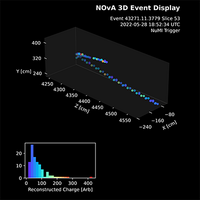
Phys. Rev. Lett. 136, 011802 (2026)
Particles and Fields
X-Ray-Induced Quenching of the $^{229}\mathrm{Th}$ Clock Isomer in ${\mathrm{CaF}}_{2}$
Article | Atomic, Molecular, and Optical Physics | 2026-01-08 05:00 EST
Ming Guan et al.
Recent studies have shown that the lifetime of the isomeric doped in crystals can be shortened by x-ray or laser irradiation, a phenomenon referred to as isomer quenching. We investigate the temperature dependence of x-ray-induced quenching in and identify a correlation with the aft…
Phys. Rev. Lett. 136, 013203 (2026)
Atomic, Molecular, and Optical Physics
Time-Dependent Hole States in Multiconfigurational Time-Dependent Hartree-Fock Approaches: A Time-Domain Generalization of Extended Koopmans’ Theorem
Article | Atomic, Molecular, and Optical Physics | 2026-01-08 05:00 EST
Zhao-Han Zhang, Yang Li, Himadri Pathak, Takeshi Sato, Kenichi L. Ishikawa, and Feng He
We introduce a framework for resolving electron-hole dynamics within wave-function-based multiconfigurational time-dependent Hartree-Fock (MCTDHF) theory. Central to this framework is a time-domain generalization of the extended Koopmans' theorem, which rigorously defines time-dependent hole states …
Phys. Rev. Lett. 136, 013204 (2026)
Atomic, Molecular, and Optical Physics
Temperature Dependence of $p$-Wave Contacts in a Harmonically Trapped Fermi Gas
Article | Atomic, Molecular, and Optical Physics | 2026-01-08 05:00 EST
Kenta Nagase, Hikaru Takahashi, Soki Oshima, and Takashi Mukaiyama
The temperature dependence of so-called -wave interactions in an ultracold atomic gas has been measured for the first time.
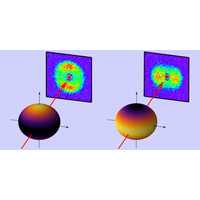
Phys. Rev. Lett. 136, 013402 (2026)
Atomic, Molecular, and Optical Physics
Real-Time Out-of-Equilibrium Quantum Dynamics in Disordered Materials
Article | Condensed Matter and Materials | 2026-01-08 05:00 EST
Luis M. Canonico, Stephan Roche, and Aron W. Cummings
We report a linear-scaling numerical method for exploring nonequilibrium electron dynamics in systems of arbitrary complexity. Based on the Chebyshev expansion of the time evolution of the single-particle density matrix, the method gives access to nonperturbative excitation and relaxation phenomena …
Phys. Rev. Lett. 136, 016903 (2026)
Condensed Matter and Materials
Noise-Agnostic Unbiased Quantum Error Mitigation for Logical Qubits
Article | Quantum Information, Science, and Technology | 2026-01-07 05:00 EST
Haipeng Xie, Nobuyuki Yoshioka, Kento Tsubouchi, and Ying Li
Probabilistic error cancellation is a quantum error mitigation technique capable of producing unbiased computation results, but it requires an accurate error model. Constructing this model involves estimating a set of parameters, which, in the worst case, may scale exponentially with the number of q…
Phys. Rev. Lett. 136, 010603 (2026)
Quantum Information, Science, and Technology
Transport Approach to Quantum State Tomography
Article | Quantum Information, Science, and Technology | 2026-01-07 05:00 EST
Jeanne Bourgeois, Gianmichele Blasi, and Géraldine Haack
Current measurement in an open quantum system contains enough information to reconstruct the full quantum state.
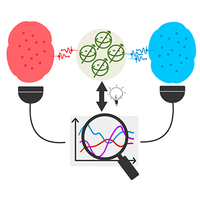
Phys. Rev. Lett. 136, 010802 (2026)
Quantum Information, Science, and Technology
Superresolution Imaging with Entanglement-Enhanced Telescopy
Article | Quantum Information, Science, and Technology | 2026-01-07 05:00 EST
Isack Padilla, Aqil Sajjad, Babak N. Saif, and Saikat Guha
Long-baseline interferometry will be possible using preshared entanglement between two telescope sites to mimic the standard phase-scanning interferometer, but without physical beam combination. We show that spatial-mode sorting at each telescope, along with preshared entanglement, can be used to re…
Phys. Rev. Lett. 136, 010803 (2026)
Quantum Information, Science, and Technology
Pulsar Polarization Array Limits on Ultralight Axionlike Dark Matter
Article | Cosmology, Astrophysics, and Gravitation | 2026-01-07 05:00 EST
Xiao Xue, Shi Dai, Hoang Nhan Luu, Tao Liu, Jing Ren, Jing Shu, Yue Zhao, Andrew Zic, N. D. Ramesh Bhat, Zu-Cheng Chen, Yi Feng, George Hobbs, Agastya Kapur, Richard N. Manchester, Rami Mandow, Saurav Mishra, Daniel J. Reardon, Christopher J. Russell, Ryan M. Shannon, Shuangqiang Wang, Lei Zhang, Songbo Zhang, and Xingjiang Zhu (PPTA Collaboration)
By cross-correlating pulsar polarization data within the galaxy, the PPTA collaboration sets the most sensitive limits on how strongly "Fuzzy" axionlike dark matter can interact with Chern-Simons coupling.
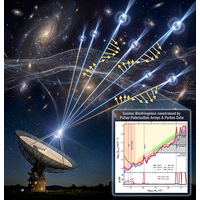
Phys. Rev. Lett. 136, 011001 (2026)
Cosmology, Astrophysics, and Gravitation
Gravitational-Wave Signatures of Nonviolent Nonlocality
Article | Cosmology, Astrophysics, and Gravitation | 2026-01-07 05:00 EST
Brian C. Seymour and Yanbei Chen
Measurement of gravitational waves can provide precision tests of the nature of black holes and compact objects. In this Letter, we test Giddings' nonviolent nonlocality proposal, which posits that quantum information is transferred via a nonlocal interaction that generates metric perturbations arou…
Phys. Rev. Lett. 136, 011401 (2026)
Cosmology, Astrophysics, and Gravitation
Low-Energy Free-Electron Nonclassical Lasing
Article | Atomic, Molecular, and Optical Physics | 2026-01-07 05:00 EST
Mai Zhang, Yu Wang, Chang-Ling Zou, Lei Ying, Qiongyi He, Guang-Can Guo, and Chun-Hua Dong
Harnessing a beam of slow free electrons in artificial photonic structures offers a tunable platform for studying quantum optics without the need for heavy physical equipment. Here, we present a theory of nonclassical lasing, demonstrating how incoherent electrons in photonic crystal cavities can co…
Phys. Rev. Lett. 136, 013603 (2026)
Atomic, Molecular, and Optical Physics
Physical Spin Torques from Exactly Constrained Exchange-Correlation Torques
Article | Condensed Matter and Materials | 2026-01-07 05:00 EST
Jacques K. Desmarais, Kamel Bencheikh, Giovanni Vignale, and Stefano Pittalis
The problem of capturing physical spin torques in noncollinear magnetic systems has dominated the scene of spin-density functional theory (SDFT) in the last two decades. Progress has been hindered by the fact that the spin torque is directly connected to the divergence of the spin current, a quantit…
Phys. Rev. Lett. 136, 016403 (2026)
Condensed Matter and Materials
From Triangular Correlated Paramagnet to Multi-$q$ Noncoplanar Spin State in Spinel ${\mathrm{GeFe}}{2}{\mathrm{O}}{4}$
Article | Condensed Matter and Materials | 2026-01-07 05:00 EST
L. Chaix, J. Robert, E. Chan, E. Ressouche, S. Petit, C. V. Colin, R. Ballou, J. Ollivier, L.-P. Regnault, E. Lhotel, V. Cathelin, S. Lenne, C. Cavenel, F. Damay, E. Suard, P. Strobel, C. Darie, S. deBrion, and V. Simonet
The spin arrangement in the magnetic frustrated spinel GeFeO is stabilized in two steps, first as a triangular correlated paramagnet emerging from the pyrochlore lattice that finally orders as a rare 6- magnetic structure.
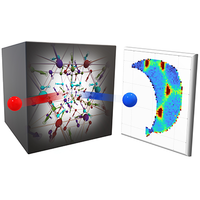
Phys. Rev. Lett. 136, 016703 (2026)
Condensed Matter and Materials
Physical Review X
Time Irreversibility, Entropy Production, and Effective Temperature Are Independently Regulated in the Actin Cortex of Living Cells
Article | 2026-01-08 05:00 EST
N Narinder and Elisabeth Fischer-Friedrich
Atomic force microscope observations of dividing human cells suggest that effective temperature alone cannot reliably gauge how far a living system is from equilibrium.
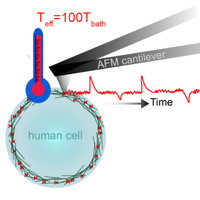
Phys. Rev. X 16, 011007 (2026)
Second-Order Microscopic Nonlinear Optical Susceptibility in a Centrosymmetric Material: Application to Imaging Valence Electron Motion
Article | 2026-01-07 05:00 EST
Chance Ornelas-Skarin, Tatiana Bezriadina, Matthias Fuchs, Shambhu Ghimire, J. B. Hastings, Quynh L. Nguyen, Gilberto de la Peña, Takahiro Sato, Sharon Shwartz, Mariano Trigo, Diling Zhu, Daria Popova-Gorelova, and David A. Reis
Nonlinear x-ray diffraction is used to isolate the valence electron density in silicon, demonstrating a powerful imaging technique useful across a range of complex materials.
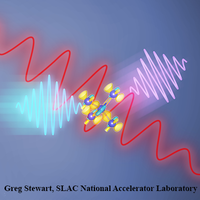
Phys. Rev. X 16, 011006 (2026)
arXiv
Fine and Hyperfine Interactions with Multi-level Spin Relaxation of the purified Giese-Salt in Veterinary Medicine: Prussian Blue Compound Ammonium-Ferric-Hexacyano-Ferrate
New Submission | Materials Science (cond-mat.mtrl-sci) | 2026-01-08 20:00 EST
Sascha Albert Bräuninger, Damian Alexander Motz, Sebastian Praetz, Felix Seewald, Katharina Strecker, Carla Vogt, Hans-Henning Klauss, Birgit Kanngießer, Hermann Seifert
Ammonium ferric hexacyanoferrate is a veterinary-medical milestone and antidote against radiocesium, well-known as Giese-salt after the Chernobyl disaster fed to domestic and wild animals, which shows even a rich interplay of properties in nanostructural chemistry and ferromagnetism. Among the broad analytical techniques, the ambivalence of macroscopic micrometer-sized agglomerates and nanoparticle sizes, a suggested enlarged Fe(II)$ -$ C$ \equiv$ N$ -$ Fe(III) bond length by Fe K-edge XAFS results and multi-level spin relaxation in $ ^{57}$ Fe Mössbauer spectroscopy are highlighted. This sets this underestimated compound in a new light, e.g., for modern biomedicine and biofunctionality, extending its essential importance in addition to hypothetical future nuclear incidents
Materials Science (cond-mat.mtrl-sci), Medical Physics (physics.med-ph)
47 pages
Peridynamic modeling of the crack velocity dependence via an incubation time fracture criterion
New Submission | Materials Science (cond-mat.mtrl-sci) | 2026-01-08 20:00 EST
M. Ignatev, P. Weißgraeber, E. Oterkus, L. Radtke
This study investigates one of the central problems of dynamic fracture mechanics, namely the dependence of the instantaneous stress intensity factor (SIF) on the crack propagation velocity. For this purpose, the well-known experiments by Ravi-Chandar and Knauss on brittle, amorphous Homalite-100 polymer plates are modeled using a peridynamic approach. The numerical model integrates the previously proposed remote stress fracture criterion into an incubation time fracture criterion. Results of numerical modeling indicate a significant variation in SIF values at an almost constant crack propagation velocity. Moreover, for higher crack propagation velocities, micro-branching is obtained numerically, leading to a larger scatter of SIF values. These effects were also observed in the experiments of Ravi-Chandar and Knauss, which provides new insights into the nature of the crack-velocity dependence of the Mode-I SIF.
Materials Science (cond-mat.mtrl-sci)
25 pages, 9 figures
Altermagnetic superconducting diode effect from non-collinear compensated magnetism in Mn$_3$Pt
New Submission | Mesoscale and Nanoscale Physics (cond-mat.mes-hall) | 2026-01-08 20:00 EST
Constantin Schrade, Sujit Manna, Mathias S. Scheurer
Altermagnets have recently emerged as a distinct class of magnetic systems that exhibit spin splitting of electronic bands while retaining zero net magnetization. This unique combination makes them a promising platform for time-reversal symmetry-breaking superconducting phenomena, although identifying concrete material platforms remains an important open challenge. Here, we develop a theory for the superconducting diode effect observed experimentally in a Mn$ _3$ Pt-superconductor heterostructure. Using both a symmetry analysis and model calculations on the breathing kagome lattice, we show how the altermagnetic spin textures in Mn$ _3$ Pt generate a spin splitting of the electronic bands that remains magnetization-free even in the presence of spin-orbit coupling and, upon taking into account the proximity coupling across the interface, produces a superconducting diode effect. We also demonstrate that the angular dependence of the critical current provides a probe of the magnetic order. We hope that our work will contribute to the understanding and further discovery of candidate materials for novel altermagnet-superconductor hybrid devices.
Mesoscale and Nanoscale Physics (cond-mat.mes-hall), Superconductivity (cond-mat.supr-con)
Interlayer Charge-Transfer Ferroelectric Fluctuations as a Pairing Mechanism in van der Waals Superconductors
New Submission | Superconductivity (cond-mat.supr-con) | 2026-01-08 20:00 EST
Ankan Biswas, Jagannath Sutradhar, Sudip Kumar Saha, Avraham Klein, Jonathan Ruhman
Signatures of unconventional superconductivity have been reported in a wide range of van der Waals (vdW) materials. However, their microscopic origin remains unclear due to competing electronic orders, strong spin-orbit coupling, and structural instabilities in the normal state. Here we investigate the role of interlayer breathing and shear modes in superconducting vdW heterostructures. Contrary to conventional wisdom – which assumes that weak interlayer bonding and large layer separation suppress electronic coupling to these modes – we show that the associated charge transfer can generate a substantial pairing interaction. We develop a theory of superconductivity mediated by such interlayer modes and demonstrate that proximity to a ferroelectric or antiferroelectric quantum critical point provides a strong-coupling pairing channel. Within a two-dimensional model with SU(2) symmetry and in-plane isotropy, we find an accidental degeneracy between interlayer triplet states, which can occur even for an $ s$ -wave in-plane gap. We further show that Josephson coupling between layers, arising from either static magnetism or induced by paramagnetic correlations, can stabilize a time-reversal-symmetry-breaking superconducting state of the $ s+i,s$ type, which couples to magnetization when at least two mirror symmetries are absent. Our results are directly applicable to candidate chiral vdW superconductors such as 4Hb-TaS$ _2$ and to sliding ferroelectric metals, exemplified by bilayer MoTe$ _2$ . More broadly, our work identifies ferroelectric fluctuations as a promising route to unconventional pairing in vdW systems and motivates experimental searches for chiral multicomponent superconductivity.
Superconductivity (cond-mat.supr-con), Strongly Correlated Electrons (cond-mat.str-el)
Critical aging and relaxation dynamics in long-range systems
New Submission | Statistical Mechanics (cond-mat.stat-mech) | 2026-01-08 20:00 EST
Valerio Pagni, Friederike Ihssen, Nicolò Defenu
We study the dynamical scaling of long-range $ \mathrm{O}(N)$ models after a sudden quench to the critical temperature, using the functional renormalization group approach. We characterize both short-time aging and long-time relaxation as a function of the symmetry index $ N$ , the interaction range decay exponent $ \sigma$ and the dimension $ d$ . Our results substantially improve on perturbative predictions, as demonstrated by benchmarks against Monte Carlo simulations and the large-$ N$ limit. Finally, we demonstrate that long-range systems increase the performance of critical heat engines with respect to a local active medium.
Statistical Mechanics (cond-mat.stat-mech)
19 pages, 5 figures
Light-Induced Even-Parity Unidirectional Spin Splitting in Coplanar Antiferromagnets
New Submission | Materials Science (cond-mat.mtrl-sci) | 2026-01-08 20:00 EST
Di Zhu, Dongling Liu, Zheng-Yang Zhuang, Zhigang Wu, Zhongbo Yan
When a coplanar antiferromagnet (AFM) with $ xy$ -plane magnetic moments exhibits a spin-split band structure and unidirectional spin polarization along $ z$ , the spin polarization is forced to be an odd function of momentum by the fundamental symmetry $ [\bar{C}{2z}|\mathcal{T}]$ . Coplanar AFMs displaying such odd-parity unidirectional spin splittings are known as odd-parity magnets. In this work, we propose the realization of their missing even-parity counterparts. We begin by deriving the symmetry conditions required for an even-parity, out-of-plane spin splitting. We then show that irradiating a spin-degenerate coplanar AFM with circularly polarized light lifts the $ [\bar{C}{2z}|\mathcal{T}]$ constraint, dynamically generating this even-parity state. Specifically, the light-induced unidirectional spin splitting exhibits a $ d$ -wave texture in momentum space, akin to that of a $ d$ -wave altermagnet. We prove this texture’s robustness against spin canting and show it yields a unique clover-like angular dependence in the Drude spin conductivity. Our work demonstrates that optical driving can generate novel spin-split phases in coplanar AFMs, thereby diversifying the landscape of materials exhibiting distinct spin splittings.
Materials Science (cond-mat.mtrl-sci), Mesoscale and Nanoscale Physics (cond-mat.mes-hall)
13 pages, 6 figures
Altermagnetic Superconducting Diode Effect in Mn$_{3}$Pt/Nb Heterostructures
New Submission | Mesoscale and Nanoscale Physics (cond-mat.mes-hall) | 2026-01-08 20:00 EST
Saurav Sachin, Mathias S. Scheurer, Constantin Schrade, Sujit Manna
Compensated magnetic orders that can split the spin-degeneracy of electronic bands have become a very active field of research. As opposed to spin-orbit coupling, the splitting resulting from these “altermagnets” is not a small relativistic correction and, in contrast to ferromagnets, not accompanied by a net magnetization and large stray fields. In particular, the theoretical analysis of the interplay of altermagnetism and superconductivity has taken center stage, while experimental investigations of their coexistence remain in their infancy. We here study heterostructures consisting of Nb thins films interfaced with the $ T_1$ and $ T_2$ phases of Mn$ _3$ Pt. These non-collinear magnetic states can be thought of as descendants from the same altermagnetic order in the absence of spin-orbit coupling. We demonstrate the non-trivial impact on the superconducting state of Nb, which exhibits a zero-field superconducting diode effect, despite the compensated ($ T_2$ ) and nearly-compensated ($ T_1$ ) magnetic order; the diode efficiencies can reach large values (up to 50$ %$ ). The diode effect is found to be highly sensitive to the form of the magnetic order, illustrating its potential as a symmetry probe. The complex magnetic field and temperature dependence hint at a rich interplay of multiple contributing mechanisms. Our results define a new materials paradigm for dissipationless spintronics and magnetization-free diode functionality, while motivating further exploration of non-collinear altermagnetic superconductors.
Mesoscale and Nanoscale Physics (cond-mat.mes-hall), Superconductivity (cond-mat.supr-con)
8 pages and three figures
The interplay between topology, defects and chiral order in the nearly-commensurate charge density wave of 1T-TaS2
New Submission | Materials Science (cond-mat.mtrl-sci) | 2026-01-08 20:00 EST
Michael Verhage, Martin Lee, Kees Flipse
In 1T-TaS2, the nearly-commensurate charge density wave (NC-CDW) exhibits emergent chirality, a property of interest for technological applications such as memory. We study the relationship between chirality and topological defects using holographic analysis of scanning tunneling microscopy data. By characterizing the CDW order parameter, we uncover distinct topological defects and define a chiral order parameter that connects directly to them. Our analysis distinguishes between vortex pairs in high-strain areas and glass-like soliton or discommensurations networks. We propose that perturbations, such as strain, drive vortex nucleation and annihilation, leaving solitons or discommensurations pinned by disorder. Electric fields induce soliton and discommensurations movement, causing chiral switching via localized order parameter melting, enabling controllable room-temperature chirality
Materials Science (cond-mat.mtrl-sci)
42 pages
Multifractality, percolation threshold and critical point of a nuclear reactor
New Submission | Disordered Systems and Neural Networks (cond-mat.dis-nn) | 2026-01-08 20:00 EST
A multifractal model is used to analyze neutron evolution within a reactor. For chain reactions, various characteristics of multifractal neutron behavior have been determined. These include the dimension of the multifractal carrier, information and correlation dimensions, the entropy of the fractal set, maximum and minimum dimension values, and the multifractal spectrum function. The geometric features of a multifractal allow for the description of a stochastic system consisting of hierarchically subordinate statistical ensembles, which are characterized by Cayley trees. A stationary distribution over hierarchical levels is established, which follows the Tsallis power law. The text also points out some potential applications of fractal patterns in nuclear reactor theory. The chance of percolation, which is when we see a state in the Bethe lattice where there’s at least one continuous path through neighboring conducting nodes all the way across, is similar to the likelihood of a self-sustaining fission chain reaction happening. When this probability hits a critical point, we get a (conditionally) infinite cluster of neutrons forming. The percolation probability, influenced by how long the reactor has been running and its size, is linked to the reactor’s criticality. We take a look at how the neutron multiplication factor behaves over time. We especially focus on the early stages of a self-sustaining nuclear fission chain reaction. We also highlight the ways to identify the boundaries of the critical region.
Disordered Systems and Neural Networks (cond-mat.dis-nn)
24 pages, 8 figures
Polymorph Selection in Charged Colloids in the Second Nucleation Step
New Submission | Soft Condensed Matter (cond-mat.soft) | 2026-01-08 20:00 EST
We study polymorph selection in a model of charged colloids, with a focus on the higher-order structure prior to and during nucleation. Specifically, we carry out molecular dynamics simulations of a repulsive Yukawa system with a slightly softened (Weeks-Chandler-Andersen) core. We consider the case where the interaction is long-ranged and the BCC crystal is stable, and also intermediate- and short-ranged cases where the FCC crystal is stable. We use two methods for structure identification, the topological cluster classification (TCC) [A. Malins et al., J. Chem. Phys. 139, 234506 (2013)] and the bond orientational order parameter analysis of W. Lechner and C. Dellago [J. Chem. Phys.129, 114707 (2008)]. Under conditions of high supersaturation, appropriate to experiments with colloids, we find that the system forms a precursor state in which the particles are hexagonally ordered. ~That is to say, the precursors are indistinguishable from an HCP crystal using the bond orientational order parameters. This ordering occurs at state points both when the body-centred cubic crystal is the stable phase, and also when the face-centred cubic crystal is stable. In all cases, the stable polymorph forms from the precursor phase in a second stage. Although at freezing, the fluid is very much more ordered when the interactions are short-ranged (when FCC is stable), at the supersaturations where nucleation occurs in our simulations, the higher-order structure of the metastable fluids is almost identical for the long-, short-, and intermediate-ranged systems when measured with the TCC.
Soft Condensed Matter (cond-mat.soft), Materials Science (cond-mat.mtrl-sci), Statistical Mechanics (cond-mat.stat-mech)
J. Chem. Phys. 2026
The Zubarev Double Time Greens function-A Vintage Many Body Technique
New Submission | Statistical Mechanics (cond-mat.stat-mech) | 2026-01-08 20:00 EST
These lecture notes present a comprehensive and powerful many-body technique pioneered in 1960 by D. N. Zubarev. The technique, known as the Zubarev Double Time Greens Function method, was used extensively by leading solid state physicists such as John Hubbard and Laura Roth in the 1960s. We present the technique and apply it to the non-interacting electron and boson gas. We next consider the (many-body) Hubbard model and show how it yields the Stoner criterion for ferromagnetism. It is easily extendable to superconductivity and related problems. Our treatment is pedagogical and understandable to those with just an elementary understanding of second quantization.
Statistical Mechanics (cond-mat.stat-mech)
Optical Spectroscopy of Waveguide coupled Er$^{3+}$ ensembles in CaWO$_4$ and YVO$_4$
New Submission | Materials Science (cond-mat.mtrl-sci) | 2026-01-08 20:00 EST
Fabian Becker, Anna Selzer, Lorenz J. J. Sauerzopf, Catherine L. Curtin, Sudip KC, Tim Schneider, Kai Müller
We present an optical study of near-surface Er$ ^{3+}$ ensembles in waveguide-integrated CaWO$ _4$ and YVO$ _4$ , investigating how nanophotonic coupling modifies rare-earth spectroscopy. In particular, we compare bulk excitation with evanescently coupled TE and TM waveguide modes. In Er$ ^{3+}$ :CaWO$ _4$ , we observe a pronounced polarization-dependent surface effect. TE-coupled spectra closely reproduce bulk behavior. In contrast, TM coupling induces strong inhomogeneous broadening and an asymmetric low-energy shoulder of the site S1 Y1Z1 transition, with linewidths exceeding those of the bulk by more than a factor of four. Temperature-dependent measurements and surface termination studies indicate that surface charges are the dominant mechanism. Er$ ^{3+}$ :YVO$ _4$ remains largely unaffected by mode polarization, and surface termination leads only to minor spectral shifts. These observations suggest that non-charge-neutral rare-earth systems are more susceptible to surface-induced decoherence sources than charge-neutral hosts.
Materials Science (cond-mat.mtrl-sci), Quantum Physics (quant-ph)
Kinetic theory of dilute granular gases with hard-core and inverse power-law potentials under uniform shear flow: comparison with simplified model
New Submission | Soft Condensed Matter (cond-mat.soft) | 2026-01-08 20:00 EST
Yuria Kobayashi, Makoto R. Kikuchi, Shunsuke Iizuka, Satoshi Takada
We develop a kinetic-theory framework to investigate the steady rheology of a dilute gas interacting via a repulsive potential under uniform shear flow. Starting from the Boltzmann equation with a restitution coefficient that depends on the impact velocity and potential strength, we derive evolution equations for the stress tensor based on Grad’s moment expansion. The resulting expressions for the collisional rates and transport coefficients are fitted with simple analytical functions that capture their temperature dependence over a wide range of shear rates. Comparison with direct simulation Monte Carlo (DSMC) results shows excellent quantitative agreement for the shear stress, temperature anisotropy, and steady viscosity. We also analyze the velocity distribution functions, revealing that the system remains nearly Maxwellian even under strong shear.
Soft Condensed Matter (cond-mat.soft), Statistical Mechanics (cond-mat.stat-mech)
9 pages, 9 figures
Shape Elasticity in Colloidal Bent-Core Liquid Crystals
New Submission | Soft Condensed Matter (cond-mat.soft) | 2026-01-08 20:00 EST
Nicholas W. Hackney, Joel T. Clemmer, Gary S. Grest
Curved particles have been shown to stabilize a range of states with unique order in dense suspensions of colloidal bent core liquid crystals. The shape of the colloidal rods encourages the formation of curved director fields. However, states of constant bend cannot uniformly fill either two or three dimensional Euclidean space and are therefore geometrically frustrated. As a result, curved rods are forced to couple their preference for bend with additional twist and splay deformations, giving rise to twist-bend and splay-bend states of nematic and smectic order. In this article, we study the effect of rod curvature on these diverse states of liquid crystalline order using molecular dynamics simulations of a bonded particle model of curved rods with tunable shape elasticity. Focusing on the case of intermediately curved rods, we find that curved rods go through a sequence of isotropic, nematic twist-bend and smectic splay-bend ordering as the density is increased from the dilute limit, in agreement with previous studies of rigid rods. As the rods become more elastic, the critical concentration separating these phases is shifted to higher density. Lastly, we find that flexibility weakens the first-order phase transition separating the isotropic and nematic twist-bend phases.
Soft Condensed Matter (cond-mat.soft)
10 pages, 6 figures
Wigner solid or Anderson solid – 2D electrons in strong disorder
New Submission | Mesoscale and Nanoscale Physics (cond-mat.mes-hall) | 2026-01-08 20:00 EST
Aryaman Babbar, Zi-Jian Li, Sankar Das Sarma
Critically analyzing recent STM and transport experiments [Z. Ge, et al, arXiv:2510.12009] on 2D electron systems in the presence of random quenched impurities, we argue that the resulting low-density putative “solid” phase reported experimentally is better described as an Anderson solid with the carriers randomly spatially localized by impurities than as a Wigner solid where the carriers form a crystal due to an interaction-induced spontaneous breaking of the translational symmetry. In strongly disordered systems, the resulting solid is amorphous, which is adiabatically connected to the infinite disorder Anderson fixed point rather than the zero disorder Wigner crystal fixed point.
Mesoscale and Nanoscale Physics (cond-mat.mes-hall), Disordered Systems and Neural Networks (cond-mat.dis-nn), Materials Science (cond-mat.mtrl-sci), Strongly Correlated Electrons (cond-mat.str-el)
6+18 pages, 4+18 figures
Ir3Ge20: A 3n-Connected Cloverleaf-Shaped Supercluster
New Submission | Materials Science (cond-mat.mtrl-sci) | 2026-01-08 20:00 EST
Xue Wu, Wen-Shuai Dai, Lulu Li, Fangying Hao, Hong-Guang Xu, Wei-Jun Zheng, Jijun Zhao
Group 14 Zintl clusters are promising molecular building blocks for nanoscale architecture. Endohedral variants, which encapsulate d/f-block metals within p-block semimetal cages, provide insights into intermetallic bonding and compound formation. In this study, experimental photoelectron spectroscopy and first-principles calculations were used to investigate the Ir-doped germanium cluster species. A new C2v symmetric building block, IrGe12, was identified, serving as the basis for designing the supercluster Ir3Ge20 with a cloverleaf-shaped, D3h symmetric architecture. This structure consists of three interconnected aromatic IrGe12 units linked by Ge-Ge sigma bonds, forming shielding cones. Ir3Ge20 follows the 5n rule with 100 valence electrons, featuring a core-Ir3 unit with a d10 closed-shell configuration sharing electrons with the Ge20 skeleton. The stability, chemical bonding, and aromaticity of Ir3Ge20 were confirmed, demonstrating a novel approach to precise atom manipulation in cluster-based materials and devices.
Materials Science (cond-mat.mtrl-sci)
The emergence of net chirality in two-dimensional Dirac fermions system with altermagnetic mass
New Submission | Mesoscale and Nanoscale Physics (cond-mat.mes-hall) | 2026-01-08 20:00 EST
Peng-Yi Liu, Yu-Hao Wan, Qing-Feng Sun
In two-dimensional lattice systems, massless Dirac fermions undergo doubling, leading to the cancellation of net chirality. We demonstrate that the recently discovered altermagnetism can induce a unique mass term, the altermagnetic mass term, which gaps out Dirac cones with one chirality while maintaining the other gapless, leading to the emergence of net chirality. The surviving gapless Dirac cones retain identical winding numbers and exhibit the quantum anomalous Hall effect in the presence of the trivial constant mass term. When subjected to an external magnetic field, the altermagnetic mass induces Landau level asymmetry in Dirac fermions, resulting in fully valley-polarized quantum Hall edge states. Our findings reveal that Dirac fermions with the altermagnetic mass harbor rich physical phenomena warranting further exploration.
Mesoscale and Nanoscale Physics (cond-mat.mes-hall)
Main text: 7 pages, 4 figures; Supplementary Materials: 13pages, 8figures
Phys. Rev. B 113, L041402 (2026)
Structural heterogeneity-induced enhancement of transverse magneto-thermoelectric conversion revealed by thermoelectric imaging in functionally graded materials
New Submission | Materials Science (cond-mat.mtrl-sci) | 2026-01-08 20:00 EST
Sang J. Park, Ravi Gautam, Takashi Yagi, Rajkumar Modak, Hossein Sepehri-Amin, Ken-ichi Uchida
Functionally graded materials (FGMs) exhibit continuous property variations that enable unique functionalities and provide efficient platforms for systematic property optimization. Here, we report the fabrication of FGMs with graded structural heterogeneity by annealing an amorphous metal under a one-dimensional temperature gradient. Using lock-in thermography (LIT), we spatially mapped transverse thermoelectric conversion with high spatial and temperature resolution. A pronounced non-monotonic response was observed, with the maximum anomalous Ettingshausen effect, transverse charge-to-heat conversion in magnetic materials, appearing in the atomic-heterogeneity regime well before crystallization. This enhancement was not captured by conventional structural or longitudinal transport measurements, highlighting the exceptional sensitivity of transverse thermoelectric phenomena to subtle structural heterogeneity. Structural analyses using scanning transmission electron microscopy and atom probe tomography revealed Fe-based crystalline alloys and Cu nanoclusters embedded in the amorphous matrix, whose heterogeneity accounts for the enhanced response. These findings establish temperature-gradient-annealed FGMs, combined with LIT, as a powerful methodology for probing structural-heterogeneity-driven transverse electron transport and designing high-performance flexible materials.
Materials Science (cond-mat.mtrl-sci)
Unitary Transformation of Two-Dimensional Spin-Orbit Coupled Models
New Submission | Mesoscale and Nanoscale Physics (cond-mat.mes-hall) | 2026-01-08 20:00 EST
The Rashba, Dresselhaus, and Weyl Hamiltonians form a foundational framework for modeling spin-orbit interactions across condensed matter systems. Although they describe distinct material classes and produce seemingly different spin textures, they are conventionally treated as separate, unrelated theoretical frameworks. Here, this work demonstrates that the linear 2D Rashba and Weyl models are connected by a specific unitary transformation that maps one Hamiltonian exactly onto the other. The same unitary can be applied to map the linear Dresselhaus-1 model onto the Dresselhaus-2 models and vice versa. Such hidden correspondence establishes a unified theoretical foundation for spin-orbit interactions, deepening our conceptual understanding of spin-orbit coupling and opening new avenues for exploring complex spin textures. To illustrate the application, this work introduces a unique, improved, and more realistic model Hamiltonian H_MKM combining all known foundational spintronic models, where the stringent condition of equal spin-orbit coupling strength of Rashba and Dresselhaus may not be required to observe persistent spin texture under MKM transformation.
Mesoscale and Nanoscale Physics (cond-mat.mes-hall), Materials Science (cond-mat.mtrl-sci), Mathematical Physics (math-ph), Quantum Physics (quant-ph)
Comments on the formula to extract current-induced torques from the harmonic Hall voltage measurements
New Submission | Mesoscale and Nanoscale Physics (cond-mat.mes-hall) | 2026-01-08 20:00 EST
Yong-Chang Lau, Yukihiro Marui, Zhendong Chi, Masashi Kawaguchi, Masamitsu Hayashi
We examine the formulas commonly used to estimate current-induced spin-orbit torques from harmonic Hall voltage measurements. In particular, we focus on the factor of two discrepancy among expressions employed to fit harmonic Hall signals measured under an in-plane rotating magnetic field. By explicitly deriving the relevant relations, we clarify the origin of this discrepancy and present the correct form of the fitting formula. We further discuss the determination of the sign of the field-like torque from harmonic Hall voltage measurements, which depends on the assumed form of the current-induced torques.
Mesoscale and Nanoscale Physics (cond-mat.mes-hall), Materials Science (cond-mat.mtrl-sci)
Interplay of activity and non-reciprocity in tracer dynamics: From non-equilibrium fluctuation-dissipation to giant diffusion
New Submission | Statistical Mechanics (cond-mat.stat-mech) | 2026-01-08 20:00 EST
Subhajit Paul, Debasish Chaudhuri
Non-reciprocal interactions play a key role in shaping transport in active and passive systems, giving rise to striking nonequilibrium behavior. Here, we study the dynamics of a tracer – active or passive – embedded in a bath of active or passive particles, coupled through non-reciprocal interactions. Starting from the microscopic stochastic dynamics of the full system, we derive an overdamped generalized Langevin equation for the tracer, incorporating a non-Markovian memory kernel that captures bath-mediated correlations. This framework enables us to compute the tracer’s velocity and displacement response, derive a generalized nonequilibrium fluctuation-dissipation relation that quantifies deviations from equilibrium behavior, and determine the mean-squared displacement (MSD). We find that while the MSD becomes asymptotically diffusive, the effective diffusivity depends non-monotonically on the degree of non-reciprocity and diverges at an intermediate value. This regime of giant diffusivity provides a generic mechanism for enhanced transport in active soft matter and has direct implications for biological systems exhibiting chase-and-run or predator-prey interactions. Our analytical predictions are supported by numerical simulations of active Brownian particles, highlighting experimentally accessible signatures of non-reciprocal interactions in soft matter.
Statistical Mechanics (cond-mat.stat-mech), Soft Condensed Matter (cond-mat.soft), Biological Physics (physics.bio-ph)
14 pages, 2 figures
Koopman Nonlinear Non-Hermitian Skin Effect
New Submission | Mesoscale and Nanoscale Physics (cond-mat.mes-hall) | 2026-01-08 20:00 EST
Non-Hermitian skin effects are conventionally manifested as boundary localization of eigenstates in linear systems. In nonlinear settings, however, where eigenstates are no longer well defined, it becomes unclear how skin effects should be faithfully characterized. Here, we propose a Koopman-based characterization of nonlinear skin effects, in which localization is defined in terms of Koopman eigenfunctions in a lifted observable space, rather than physical states. Using a minimal nonlinear extension of the Hatano-Nelson model, we show that dominant Koopman eigenfunctions localize sharply on higher-order observables, in stark contrast to linear skin effects confined to linear observables. This lifted-space localization governs the sensitivity to boundary amplitude perturbations, providing a distinct dynamical signature of the nonlinear skin effect. Our results establish the Koopman framework as a natural setting in which skin effects unique to nonlinear non-Hermitian systems can be identified.
Mesoscale and Nanoscale Physics (cond-mat.mes-hall), Statistical Mechanics (cond-mat.stat-mech), Quantum Physics (quant-ph)
6+3 pages, 4+1 figures
Interference-Induced Suppression of Doublon Transport and Prethermalization in the Extended Bose-Hubbard Model
New Submission | Quantum Gases (cond-mat.quant-gas) | 2026-01-08 20:00 EST
Zhen-Ting Bao, Kai Xu, Heng Fan
The coherent mobility of doublons, arising from second-order virtual dissociation-recombination processes, fundamentally limits their use as information carriers in the strongly interacting Bose-Hubbard model. We propose a disorder-free suppression mechanism by introducing an optimized nearest-neighbor pair-hopping term that destructively interferes with the dominant virtual hopping channel. Using the third-order Schrieffer-Wolff transformation, we derive an analytical optimal condition that accounts for lattice geometry corrections. Exact numerical simulations demonstrate that this optimized scheme achieves near-complete dynamical arrest and entanglement preservation in one-dimensional chains, while in two-dimensional square lattices, it significantly suppresses ballistic spreading yet permits a slow residual expansion. Furthermore, in the many-body regime, finite-size scaling analysis identifies the observed long-lived density-wave order as a prethermal plateau emerging from the dramatic separation of microscopic and thermalization timescales.
Quantum Gases (cond-mat.quant-gas), Statistical Mechanics (cond-mat.stat-mech), Quantum Physics (quant-ph)
Impact of MAPbI3 Phase Transitions on Solar Cell Performance
New Submission | Materials Science (cond-mat.mtrl-sci) | 2026-01-08 20:00 EST
Ph Baranek (IPVF), J P Connolly (GeePs), A Gissler (IPVF, IPVF), Ph Schulz (IPVF), M Rérat (IPREM), R Dovesi
This paper presents a first step toward a pragmatic phenomenological multiscale approach to evaluate perovskite solar cell performance which determines material properties at the atomistic scale with first-principles calculations, and applies them in macro-scale device models. This work focuses on the MAPbI3 (MA = CH3NH3) perovskite and how its phase transitions impact on its optical, electronic, and structural properties which are investigated at the first-principles level. The obtained data are coupled to a numerical drift-diffusion device model enabling evaluation of the performance of corresponding single junction devices. The first-principles simulation applies a hybrid exchange-correlation functional adapted to the studied family of compounds. Validation by available experimental data is presented from materials properties to device performance, justifying the use of the approach for predictive evaluation of existing and novel perovskites. The coupling between atomistic and device models is described in terms of a framework for exchange of optical and electronic parameters between the two scales. The obtained results are systematically discussed in terms of first-principles levels of approximation performances.
Materials Science (cond-mat.mtrl-sci)
Electric-current control of anomalous Hall effect
New Submission | Mesoscale and Nanoscale Physics (cond-mat.mes-hall) | 2026-01-08 20:00 EST
Jianping Guo, Gusthavo M. S. Brizolla, Peng Rao, Jian Shao, Thomas N. G. Meier, Tailai Xu, Peirui Ji, Jonathan Finley, Jaroslav Fabian, Johannes Knolle, Christian Back, Lin Chen
We demonstrate robust and reversible electric-current control of the anomalous Hall effect (AHE) in a two-dimensional WTe2/Fe3GeTe2 (FGT) stack. Applying a current through Td-WTe2 leads to a giant modulation of the AHE of the adjacent FGT layer, with the relative change of the AHE conductivity exceeding 180%. Control experiments show that i) the observed effect is absent in pure FGT, ii) the modulation weakens in thicker FGT films, confirming its interfacial origin, and iii) the modulation peaks for bilayer WTe2, indicating that the Berry-curvature dipole (BCD) plays the dominant role in the modulation. We propose that the charge current I generates an out-of-plane magnetization Mz via BCD in WTe2 and Mz modifies the exchange splitting of FGT via the inverse magnetic proximity effect, thereby altering its Berry curvature and nontrivially influencing the AHE. The demonstrated method of AHE control offers new possibilities for magnetism control, i.e., for the study of AHE-transistors as well as electric-current control of quantum magnets, especially magnetic insulators.
Mesoscale and Nanoscale Physics (cond-mat.mes-hall), Materials Science (cond-mat.mtrl-sci), Applied Physics (physics.app-ph)
Physically Consistent Machine Learning for Melting Temperature Prediction of Refractory High-Entropy Alloys
New Submission | Materials Science (cond-mat.mtrl-sci) | 2026-01-08 20:00 EST
Predicting the melting temperature (Tm) of multi-component and high-entropy alloys (HEAs) is critical for high-temperature applications but computationally expensive using traditional CALPHAD or DFT methods. In this work, we develop a gradient-boosted decision tree (XGBoost) model to predict Tm for complex alloys based on elemental properties. To ensure physical consistency, we address the issue of data leakage by excluding temperature-dependent thermodynamic descriptors (such as Gibbs free energy of mixing) and instead rely on physically motivated elemental features. The optimized model achieves a coefficient of determination (R2) of 0.948 and a Mean Squared Error (MSE) of 9928 which is about 5% relative error for HEAs on a validation set of approximately 1300 compositions. Crucially, we validate the model using the Valence Electron Concentration (VEC) rule. Without explicit constraints during training, the model successfully captures the known stability transition between BCC and FCC phases at a VEC of approximately 6.87. These results demonstrate that data-driven models, when properly feature-engineered, can capture fundamental metallurgical principles for rapid alloy screening.
Materials Science (cond-mat.mtrl-sci), Machine Learning (cs.LG)
6 Pages, 3 figures, code available at Github
Ghost-Mode Filtered Fluctuating Lattice Boltzmann Method
New Submission | Soft Condensed Matter (cond-mat.soft) | 2026-01-08 20:00 EST
Marco Lauricella, Andrea Montessori, Adriano Tiribocchi, Sauro Succi
Fluctuating lattice Boltzmann solvers are widely employed to model mesoscopic fluid behavior in soft-matter systems, including colloidal suspensions and dilute polymer solutions. Despite their utility, these methods can lose accuracy and stability when non-hydrodynamic modes interfere with the dynamics, especially in single–relaxation-time schemes. Here, we introduce a ghost-mode filtered fluctuating lattice Boltzmann method (GMF-FLBM) for the D3Q27 lattice, obtained by selectively eliminating the propagation of the ghost deterministic content while preserving the necessary stochastic forcing. We show, over a broad range of relaxation times, that GMF-FLBM recovers the amplitudes of equilibrium fluctuations with a comparable accuracy as a fully regularized high-order formulation, while requiring only minor adjustments to the conventional BGK collision framework.
Soft Condensed Matter (cond-mat.soft), Fluid Dynamics (physics.flu-dyn)
9 pages,3 figures, 2 tables
Quantum Otto heat-engine with Kitaev-Heisenberg cluster: Possible roles of frustration, magnons, and duality
New Submission | Mesoscale and Nanoscale Physics (cond-mat.mes-hall) | 2026-01-08 20:00 EST
Sheikh Moonsun Pervez, Saptarshi Mandal
We study the performance of Kitaev-Heisenberg (KH) clusters as working media realizing a quantum Otto engine (QOE). An external Zeeman field with linear time dependency is used as the driving mechanism. The efficiency strongly depends on Kitaev ($ \kappa$ ) and Heisenberg ($ J$ ) exchange interaction. Interestingly, efficiency is comparable when the relative magnitude of $ \kappa$ and $ J$ is the same but of opposite signs. The above results are explained due to a subtle interplay of frustration, quantum fluctuation, and duality of eigen-spectra for the KH system when both the signs of $ \kappa$ and $ J$ are reversed. The maximum efficiency is shown to be dynamically related to eigen-spectra forming discrete narrow bands, where total spin angular momentum becomes a good quantum number. We relate this optimum efficiency to the realization of weakly interacting magnons, where the system reduces to an approximate eigen-system of the external drive. Finally, we extend our study to the large spin Kitaev model and find a quantum advantage in efficiency for $ S=1/2$ . The results could be of practical interest for materials with KH interactions as a platform for QOE.
Mesoscale and Nanoscale Physics (cond-mat.mes-hall)
High-pressure synthesis of quantum magnet M-YbTaO4 with a stretched diamond lattice
New Submission | Materials Science (cond-mat.mtrl-sci) | 2026-01-08 20:00 EST
Nicola D. Kelly, Xuan Liang, Siân E. Dutton, Kazunari Yamaura, Yoshihiro Tsujimoto
We report bulk magnetic properties of ytterbium tantalate in its monoclinic fergusonite modification, M-YbTaO4. The spin-1/2 Yb3+ ions in this phase are arranged on a geometrically frustrated “stretched diamond” lattice. M-YbTaO4 cannot be prepared at ambient pressure and was instead prepared in a belt-type apparatus at 6 GPa and 1800 C. Susceptibility and specific heat data show no long-range ordering down to 1.8 K and are consistent with a Jeff = 1/2 Kramers doublet which splits in an applied field. Furthermore, under high-pressure synthesis the entire solid solution YbNbxTa1-xO4 (0 < x < 1) can be stabilised in the M phase, in contrast to ambient-pressure synthesis which favours the competing M’ phase for Ta-rich compositions. Subsequent annealing of the Nb-Ta mixed samples resulted in colour changes, suggesting oxygen deficiency in some of the as-prepared high pressure samples. There was little variation in the bulk magnetic properties upon varying either the Nb/Ta ratio or the annealing conditions.
Materials Science (cond-mat.mtrl-sci), Strongly Correlated Electrons (cond-mat.str-el)
Ultrafast laser-driven topological phase patterning
New Submission | Materials Science (cond-mat.mtrl-sci) | 2026-01-08 20:00 EST
Jianyu Wu, Arthur Niedermayr, Gaolong Cao, Oscar Grånäs, Jonas Weissenrieder
Microscopic and dynamic control over quantum states is essential for bridging fundamental studies of material properties to device function. Realizing such control at combined high spatial resolution and ultrafast temporal precision remains a major challenge. Here, we demonstrate femtosecond laser-driven patterning of topological quantum states in the Weyl semimetal WTe2. By engineering the excitation field into a transient optical grating, we spatially selectively and reversibly drive phase transitions between the topological Td and topologically trivial 1T\ast phases. Using ultrafast transmission electron microscopy, we directly visualize the formation of a periodic Td/1T\ast heterostructure, observe the propagation of a phase front, and analyze nanoscale confinement of coherently excited optical phonon modes. Our findings establish a platform for all-optical, spatially programmable, and reconfigurable control of quantum states, paving the way for optically addressable topological devices.
Materials Science (cond-mat.mtrl-sci)
14 pages, 5 figures
Cleavage toughness of single crystals
New Submission | Materials Science (cond-mat.mtrl-sci) | 2026-01-08 20:00 EST
Griffith thermodynamic energy balance is employed to analyze cleavage phenomenon from atomic level. Results show that the cleavage toughness, the strain energy release rate, and the surface energy can be defined by the bond strength (the appropriate elastic modulus ) and the bond density. Such simple definition of fracture parameters is different from Irwin ones. This appropriate elastic modulus of single crystals is obtained using the complex variable function method. The calculated results of cleavage toughness and surface energy of typical ionic and covalent crystals by the present formulae are in excellent agreement with the experimental values. It demonstrates that our method offers a concise tool for predicting the cleavage toughness, the energy release rate and the surface energy of crystal cleavage planes.
Materials Science (cond-mat.mtrl-sci)
Two Charging Mechanisms in Contact Electrification of Liquid and Ice
New Submission | Soft Condensed Matter (cond-mat.soft) | 2026-01-08 20:00 EST
Rutvik Lathia, Benjamin Leibauer, Aaron D. Ratschow, Werner Steffen, Hans-Jürgen Butt
The microscopic and fundamental origin of slide electrification, where droplets of water move across insulating surfaces accumulating and depositing electrical charges, is still debated. Charge transfer is often attributed to ion transfer at the receding contact line. However, it is still unclear whether ion transfer alone can fully account for the observed charge separation. We examined slide electrification of two polar, self-ionizing liquids (water, formamide) and two non-polar liquids (diiodomethane, bromonaphthalene). By cooling below the melting temperature, we were able to compare this process to tribocharging of the respective frozen components. Despite having ions immobilized at sub-freezing temperatures, the ice of the polar liquids continues to accumulate significant charge. Non-polar liquids exhibit lower charging (<25% of polar liquids) and nearly identical charging behaviour in both their liquid and frozen phases on five different substrates. Since non-polar liquids contain few free ions, these observations indicate an alternative charging mechanism, which could be electron transfer. Our findings suggest that slide electrification operates through two mechanisms, with the dominant charge transfer pathway shifting between ions and electron transfer depending on the electronegativity, phase, and temperature.
Soft Condensed Matter (cond-mat.soft), Chemical Physics (physics.chem-ph), Fluid Dynamics (physics.flu-dyn)
Clustering Dynamics of SiO2-Pt Active Janus Colloids
New Submission | Soft Condensed Matter (cond-mat.soft) | 2026-01-08 20:00 EST
Harishwar Raman, Aniket Shivhare, Amit Kumar, Madhav Penukonda, Pawan Kumar, Karnika Singh, Akash Choudhary, Rahul Mangal
Active colloid clustering is central to understanding non-equilibrium self-organization, with implications for programmable active materials and synthetic or biological assemblies. While most prior studies have focused on dimers or small aggregates, the dynamics of larger clusters remain relatively unexplored. Here, we experimentally investigate chemically active, monodisperse SiO2-Pt Janus colloid (JC) clusters as large as n=9 in a dynamic clustering regime, where clusters continuously form, dissolve, and merge as swimmer density increases. We show that clusters move in circular trajectories, and that both their translational and rotational dynamics can be predicted directly from the orientations of constituent JCs. Furthermore, we identify that their formation undergoes a mechanistic transition: while small clusters are mediated by chemical interactions, larger clusters are predominantly formed by steric effects. This transition arises from a mismatch of motilities between incoming JCs and clusters, combined with increased Pt-surface exposure. Our results extend prior dimer-focused studies to larger aggregates and establish a predictive description that bridges individual swimmer behavior with collective dynamics.
Soft Condensed Matter (cond-mat.soft)
14 pages, 11 figures,
Electronic Structure of UGe$_{2\pm x}$ Thin Films from Photoelectron Spectroscopy
New Submission | Strongly Correlated Electrons (cond-mat.str-el) | 2026-01-08 20:00 EST
Sonu George Alex, Oleksandr Romanyuk, Ivan Zorilo, Alexander Andreev, Frank Huber, Thomas Gouder, Petr Malinsky, Alexander B. Shick, Evgenia A. Tereshina-Chitrova
Uranium digermanide UGe$ _2$ , the first ferromagnetic superconductor, represents a key composition in the U-Ge system dominated by U-5$ f$ states. To examine the impact of controlled stoichiometric deviations on the electronic structure, UGe$ _{2\pm x}$ thin films ($ 0 \le x \le 1$ ) were prepared by triode sputtering and studied on pristine surfaces by X-ray (XPS) and Ultraviolet (UPS) photoelectron spectroscopy. XPS and UPS reveal a robust metallic valence band with a dominant U-5$ f$ contribution at the Fermi level and a broad incoherent feature at higher binding energies, without qualitative changes in spectral line shape across the composition range. The experimental spectrum of UGe$ _2$ thin films is well reproduced by DFT+U(ED) valence-band calculations combining density functional theory with exact diagonalization of the multiconfigurational U-5$ f$ shell. These results demonstrate that the overall U-Ge electronic framework of UGe$ _2$ thin films remains resilient to moderate stoichiometric deviations, providing a reliable electronic baseline for future studies of interface- and heterostructure-driven phenomena in uranium-based systems.
Strongly Correlated Electrons (cond-mat.str-el)
A current source with metrological precision made on a 300mm silicon MOS process
New Submission | Mesoscale and Nanoscale Physics (cond-mat.mes-hall) | 2026-01-08 20:00 EST
Nathan Johnson, Stefan Kubicek, Julien Jussot, Yann Canvel, Kristiaan De Greve, M. Fernando Gonzalez-Zalba, Ross C. C. Leon, John J. L. Morton
Although the measurement of current is now defined with respect to the electronic charge, producing a current standard based on a single-electron source remains challenging. The error rate of a source must be below 0.01 ppm, and many such sources must be operated in parallel to provide practically useful values of current in the nanoampere range. Achieving a single electron source using an industrial grade 300 mm wafer silicon metal oxide semiconductor (MOS) process could offer a powerful route for scaling, combined with the ability for integration with control and measurement electronics. Here, we present measurements of such a single-electron source indicating an error rate of 0.008 ppm, below the error threshold to satisfy the SI Ampere, and one of the lowest error rates reported, implemented using a gate-defined quantum dot device fabricated on an industry-grade silicon MOS process. Further evidence supporting the accuracy of the device is obtained by comparing the device performance to established models of quantum tunnelling, which reveal the mechanism of operation of our source at the single particle level. The low error rate observed in this device motivates the development of scaled arrays of parallel sources utilising Si MOS devices to realise a new generation of metrologically accurate current standards.
Mesoscale and Nanoscale Physics (cond-mat.mes-hall)
In-plane ferromagnetism-driven topological nodal-point superconductivity with tilted Weyl cones
New Submission | Superconductivity (cond-mat.supr-con) | 2026-01-08 20:00 EST
Maciej Bazarnik, Levente Rózsa, Ioannis Ioannidis, Eric Mascot, Philip Beck, Krisztián Palotás, András Deák, László Szunyogh, Stephan Rachel, Thore Posske, Roland Wiesendanger, Jens Wiebe, Kirsten von Bergmann, Roberto Lo Conte
The potential application of topological superconductivity in quantum transport and quantum information has fueled an intense investigation of hybrid materials with emergent electronic properties, including magnet-superconductor heterostructures. Here, we report evidence of a topological nodal-point superconducting phase in a one-atom-thick in-plane ferromagnet in direct proximity to a conventional $ s$ -wave superconductor. Low-temperature scanning tunneling spectroscopy data reveal the presence of a double-peak low-energy feature in the local density of states of the hybrid system, which is rationalized via model calculations to be an emergent topological nodal-point superconducting phase with tilted Weyl cones. Our results further establish the combination of in-plane ferromagnetism and conventional superconductivity as a route to design two-dimensional topological quantum phases.
Superconductivity (cond-mat.supr-con), Quantum Physics (quant-ph)
30 pages, 9 figures
Material exploration through active learning – METAL
New Submission | Materials Science (cond-mat.mtrl-sci) | 2026-01-08 20:00 EST
Joakim Brorsson, Henrik Klein Moberg, Joel Hildingsson, Jonatan Gastaldi, Tobias Mattisson, Anders Hellman
The discovery and design of new materials are paramount in the development of green technologies. High entropy oxides represent one such group that has only been tentatively explored, mainly due to the inherent problem of navigating vast compositional spaces. Thanks to the emergence of machine learning, however, suitable tools are now readily available. Here, the task of finding oxygen carriers for chemical looping processes has been tackled by leveraging active learning-based strategies combined with first-principles calculations. High efficiency and efficacy have, moreover, been achieved by exploiting the power of recently developed machine learning interatomic potentials. Firstly, the proposed approaches were validated based on an established computational framework for identifying high entropy perovskites that can be used in chemical looping air separation and dry reforming. Chief among the insights thus gained was the identification of the best performing strategies, in the form of greedy or Thompson-based sampling based on uncertainty estimates obtained from Gaussian processes. Building on this newfound knowledge, the concept was applied to a more complex problem, namely the discovery of high entropy oxygen carriers for chemical looping oxygen uncoupling. This resulted in both qualitative as well as quantitative outcomes, including lists of specific materials with high oxygen transfer capacities and configurational entropies. Specifically, the best candidates were based on the known oxygen carrier CaMnO3 but also contained a variety of additional species, of which some, e.g., Ti; Co; Cu; and Ti, were expected while others were not, e.g., Y and Sm. The results suggest that adopting active learning approaches is critical in materials discovery, given that these methods are already shifting research practice and soon will be the norm.
Materials Science (cond-mat.mtrl-sci)
28 pages, 13 figures
Layer Hall effect induced by altermagnetism
New Submission | Mesoscale and Nanoscale Physics (cond-mat.mes-hall) | 2026-01-08 20:00 EST
In this work, we propose a scheme to realize the layer Hall effect in the ferromagnetic topological insulator Bi$ _2$ Se$ _3$ via proximity to $ d$ -wave altermagnets. We show that an altermagnet and an in-plane magnetic field applied near one surface gap the corresponding Dirac cone, yielding an altermagnet-induced half-quantized Hall effect. When altermagnets with antiparallel Néel vectors are placed near the top and bottom surfaces, giving rise to the layer Hall effect with vanishing net Hall conductance, i.e., the altermagnet-induced layer Hall effect. In contrast, altermagnets with parallel Néel vectors lead to a quantized Chern insulating state, i.e., the altermagnet-induced anomalous Hall effect. We further analyze the dependence of the Hall conductance on the orientation of the in-plane magnetic field and demonstrate that the layer Hall effect becomes observable under a perpendicular electric field. Our results establish a route to engineer altermagnet-induced topological phases in ferromagnetic topological insulators.
Mesoscale and Nanoscale Physics (cond-mat.mes-hall)
11 pages, 5 figures
Conveyor-mode electron shuttling through a T-junction in Si/SiGe
New Submission | Mesoscale and Nanoscale Physics (cond-mat.mes-hall) | 2026-01-08 20:00 EST
Max Beer, Ran Xue, Lennart Deda, Stefan Trellenkamp, Jhih-Sian Tu, Paul Surrey, Inga Seidler, Hendrik Bluhm, Lars R. Schreiber
Conveyor-mode shuttling in gated Si/SiGe devices enables adiabatic transfer of single electrons, electron patterns and spin qubits confined in quantum dots across several microns with a scalable number of signal lines. To realize their full potential, linear shuttle lanes must connect into a two-dimensional grid with controllable routing. We introduce a T-junction device linking two independently driven shuttle lanes. Electron routing across the junction requires no extra control lines beyond the four channels per conveyor belt. We measure an inter-lane charge transfer fidelity of $ F = 100.0000000^{+0}_{-9\times 10^{-7}},%$ at an instantaneous electron velocity of $ 270,\mathrm{mm},\mathrm{s}^{-1}$ . The filling of 54 quantum dots is controlled by simple atomic pulses, allowing us to swap electron patterns, laying the groundwork for a native spin-qubit SWAP gate. This T-junction establishes a path towards scalable, two-dimensional quantum computing architectures with flexible spin qubit routing for quantum error correction.
Mesoscale and Nanoscale Physics (cond-mat.mes-hall), Quantum Physics (quant-ph)
16 pages, 11 figures
Anisotropic second-harmonic generation in superconducting nanostructures
New Submission | Superconductivity (cond-mat.supr-con) | 2026-01-08 20:00 EST
Sara Memarzadeh, Maciej Krawczyk, Armen Gulian, Jaroslaw W. Klos
Circuits based on superconducting nanostructures are among the most promising platforms for quantum computing. Understanding how device geometry governs nonlinear electrodynamics is crucial for implementing superconducting quantum technologies. However, to date, research has largely been limited to superconducting nanostructures with collinearly aligned static and dynamic applied magnetic fields. Here, we analyze the dynamics of Meissner currents and Abrikosov vortices in a superconducting nanocube exposed to combined static and microwave magnetic fields, extending the analysis to a more general excitation geometry. We demonstrate that, in a noncollinear configuration,the magnetization component parallel to the static field develops a dominant second-harmonic response under the microwave driving. This effect is strongly enhanced when Meissner currents saturate at static fields just below the thresholds for successive vortex nucleation. By numerically solving the time-dependent Ginzburg-Landau equations, we show that the response originates from Meissner-current saturation combined with the nonlinear oscillations of normal-phase indentations, yielding an anisotropic second-harmonic signal that is directionally separated from, and not overshadowed by, the first-harmonic component of the dynamic magnetization. These findings are relevant for superconducting devices that require controllable high-frequency nonlinearity.
Superconductivity (cond-mat.supr-con)
9 pages + Supporting Information
Magneto-mechanical reservoir computing combining a two-dimensional network of nonlinear mass-spring resonators with magnetic tunnel junctions
New Submission | Mesoscale and Nanoscale Physics (cond-mat.mes-hall) | 2026-01-08 20:00 EST
Andrea Grimaldi, Davi R. Rodrigues, Andrea Meo, Francesca Garescì, Giovanni Finocchio
Coupled networks of mass-spring resonators have attracted growing attention across multiple fundamental and applied research directions, including reservoir computing for artificial intelligence. This has led to the exploration of platforms capable of tasks such as acoustic-wave classification, smart sensing, predictive maintenance, and adaptive vibration control. This work introduces a multiphysics reservoir based on a two-dimensional network of coupled nonlinear mass-spring resonators. Each mass has a magnetic tunnel junction on top of it, working as spin diode, used as a spintronic read-out. As a proof-of-concept, we have benchmarked this reservoir with the task of vowel-recognition reaching accuracy above 95$ %$ . Because the device accepts elastic excitations directly, signal injections are simplified, making it well-suited for realtime sensing and edge computation. We also studied the effect of nonlinearity, demonstrating how it influences the reservoir dynamics, and assessed its robustness under node-to-node variation of the elastic constants.
Mesoscale and Nanoscale Physics (cond-mat.mes-hall)
Mechanism for the anomalous minimization of superfluid critical velocity: Superfluid stability along a step potential
New Submission | Quantum Gases (cond-mat.quant-gas) | 2026-01-08 20:00 EST
Akihiro Kanjo, Hiromitsu Takeuchi
To explain the experiment on the anomalous dependence of the superfluid critical velocity on a moving obstacle potential in a atomic Bose-Einstein condensate [\href{this https URL}{Phys.Rev.A \textbf{91}, 053615 (2015)}], we introduce a considerably simplified model of superflow along a step potential. The energy spectrum and wave functions of the lowest-energy excitations in this system are well described by the semi-classical analysis based on the Bogoliubov theory. We found that the critical velocity is minimized and becomes zero when the potential height equals the hydrostatic chemical potential, which corresponds to the critical point of the local condensation phase transition inside the step potential. In a finite-size system, the critical velocity $ v_\mathrm{c}$ obeys a power-law scaling with the system size $ L_x$ as $ v_\mathrm{c}\propto L_x^{-0.963}$ . This criticality provides an explanation of the power-law scaling of the minimum critical velocity observed in the experiment.
Quantum Gases (cond-mat.quant-gas)
9 pages, 6 figures
Transport properties in a model of confined granular mixtures at moderate densities
New Submission | Soft Condensed Matter (cond-mat.soft) | 2026-01-08 20:00 EST
David González Méndez, Vicente Garzó
This work derives the Navier–Stokes hydrodynamic equations for a model of a confined, quasi-two-dimensional, $ s$ -component mixture of inelastic, smooth, hard spheres. Using the inelastic version of the revised Enskog theory, macroscopic balance equations for mass, momentum, and energy are obtained, and constitutive equations for the fluxes are determined through a first-order Chapman–Enskog expansion. As for elastic collisions, the transport coefficients are given in terms of the solutions of a set of coupled linear integral equations. Approximate solutions to these equations for diffusion transport coefficients and shear viscosity are achieved by assuming steady-state conditions and considering leading terms in a Sonine polynomial expansion. These transport coefficients are expressed in terms of the coefficients of restitution, concentration, the masses and diameters of the mixture’s components, and the system’s density. The results apply to moderate densities and are not limited to particular values of the coefficients of restitution, concentration, mass, and/or diameter ratios. As an application, the thermal diffusion factor is evaluated to analyze segregation driven by temperature gradients and gravity, providing criteria that distinguish whether larger particles accumulate near the hotter or colder boundaries.
Soft Condensed Matter (cond-mat.soft), Statistical Mechanics (cond-mat.stat-mech)
30 pages; 11 figures
Counterexamples to the conjectured ordering between the waiting-time bound and the thermodynamic uncertainty bound on entropy production
New Submission | Statistical Mechanics (cond-mat.stat-mech) | 2026-01-08 20:00 EST
Two widely used model-free lower bounds on the steady-state entropy production rate of a continuous-time Markov jump process are the thermodynamic uncertainty relation (TUR) bound $ \sigma_\text{TUR}$ , derived from the mean and variance of a current, and the waiting-time distribution (WTD) bound $ \sigma_\mathcal{L}$ , derived from the irreversibility of partially observed transition sequences together with their waiting times. It has been conjectured that $ \sigma_{\mathcal L}$ is always at least as tight as $ \sigma_{\mathrm{TUR}}$ when both are constructed from the same partially observed link. Here we provide four-state counterexamples in a nonequilibrium steady state where $ \sigma_{\mathcal L}<\sigma_{\mathrm{TUR}}$ . This result shows that no universal ordering exists between these two inference bounds under partial observation.
Statistical Mechanics (cond-mat.stat-mech)
Robust chirality memory in carbon nanotubes growing under modulated and evolving environments
New Submission | Materials Science (cond-mat.mtrl-sci) | 2026-01-08 20:00 EST
K. Otsuka, R. Fujiwara, S. Maruyama
Controlling the chirality and yield of carbon nanotubes is essential for their diverse applications from macroscopic composites to nanoelectronics. Floating-catalyst chemical vapor deposition is widely employed as a scalable synthesis route, where catalysts inevitably traverse spatially varying environments. However, prevailing interpretations of nanotube growth largely rely on ensemble monitoring or static, post-growth snapshots. Here, we combine digital isotope labeling with programmed temperature modulation to reconstruct the dynamic growth histories of supported individual nanotubes. Growth rates exhibit hysteresis and extraordinary sensitivity to temperature changes, indicating irreversible catalyst coarsening; nevertheless, the nanotube chirality remains robustly preserved across lengths exceeding 300 um. This sharp contrast between kinetic adaptability and structural memory in nanotube growth indicates that chirality control can be established at the nucleation stage, while allowing independent optimization of subsequent elongation. Our findings further call for a re-examination of static interpretations of diameter-determination mechanisms derived from post-growth snapshots.
Materials Science (cond-mat.mtrl-sci)
27 pages, 6 figures, 21 pages of Supplementary Materials
Magnetoluminescence of ZnMnSe/BeMnTe heterostructures with type-II band alignment at millikelvin temperatures
New Submission | Materials Science (cond-mat.mtrl-sci) | 2026-01-08 20:00 EST
Dennis Kudlacik, Linda Kersting, Nataliia E. Kopteva, Mladen Kotur, Dmitri R. Yakovlev, Manfred Bayer
The magneto-optical properties of a Zn$ _{0.99}$ Mn$ _{0.01}$ Se/Be$ _{0.93}$ Mn$ _{0.07} $ Te diluted magnetic semiconductor heterostructure with type-II band alignment are investigated at cryogenic temperatures down to 16 mK. The temperature of the Mn spin system, which at the lowest possible laser power reaches 270 mK, is evaluated from the giant Zeeman splitting of the direct exciton in the Zn$ _{0.99}$ Mn$ _{0.01}$ Se layers subject to an external magnetic field. The degree of circular polarization of the direct and indirect optical transitions, induced by the magnetic field, is a sensitive indicator for the laser heating of the Mn spin system. Evidence of spin glass formation in the Mn spin system of the Be$ _{0.93}$ Mn$ {0.07}$ Te layers with the critical temperature of $ T{SG}=400$ mK is found.
Materials Science (cond-mat.mtrl-sci), Optics (physics.optics)
Superconductivity, Kondo physics and magnetic order: Tuning the groundstate in the La$_{1-x}$Ce$_x$FeSiH solid solution through the interplay between $3d$ and $4f$ correlated electrons
New Submission | Strongly Correlated Electrons (cond-mat.str-el) | 2026-01-08 20:00 EST
J. Sourd, B. Vignolle, E. Gaudin, S. Burdin, S. Tencé
We report a study of the La$ _{1-x}$ Ce$ _x$ FeSiH solid solution ($ 0 \leq x \leq 1$ ), a family of intermetallic hydrides of ZrCuSiAs-type structure, with space group $ P4/nmm$ . For low cerium concentrations $ x \leq 0.20$ , we observe the presence of superconductivity, which originates from the correlated $ 3d$ electrons of iron. The superconducting regime is progressively suppressed by the cerium substitution. For moderate cerium concentration $ 0.07 \leq x \leq 0.50$ , we observe evidence of the single-ion Kondo effect and no magnetic phase transition down to 2 K. For $ 0.07 \leq x \leq 0.20$ , the single-ion Kondo effect coexists with a superconducting ground state at low temperatures. From $ x > 0.50$ , we observe signatures of Kondo coherence and a heavy Fermi liquid regime at low temperature. Finally, at high cerium concentration $ x \geq 0.85$ , we observe signatures of magnetic ordering at low temperatures. We discuss our results by introducing temperature scales related to superconductivity, the Kondo effect, and magnetic order, which permits building a rich phase diagram temperature versus cerium content $ x$ . This shows that using the cerium concentration $ x$ as a unique control parameter, we can explore the Kondo entanglement between correlated $ 3d$ and $ 4f$ electrons, which suggests an unusual change between the superconducting state related to the $ 3d$ electrons and the Kondo coherent state involving both $ 3d$ and $ 4f$ electrons.
Strongly Correlated Electrons (cond-mat.str-el)
Random knotting in very long off-lattice self-avoiding polygons
New Submission | Statistical Mechanics (cond-mat.stat-mech) | 2026-01-08 20:00 EST
Jason Cantarella, Tetsuo Deguchi, Henrik Schumacher, Clayton Shonkwiler, Erica Uehara
We present experimental results on knotting in off-lattice self-avoiding polygons in the bead-chain model. Using Clisby’s tree data structure and the scale-free pivot algorithm, for each $ k$ between $ 10$ and $ 27$ we generated $ 2^{43-k}$ polygons of size $ n=2^k$ . Using a new knot diagram simplification and invariant-free knot classification code, we were able to determine the precise knot type of each polygon. The results show that the number of prime summands of knot type $ K$ in a random $ n$ -gon is very well described by a Poisson distribution. We estimate the characteristic length of knotting as $ 656500 \pm 2500$ . We use the count of summands for large $ n$ to measure knotting rates and amplitude ratios of knot probabilities more accurately than previous experiments. Our calculations agree quite well with previous on-lattice computations, and support both knot localization and the knot entropy conjecture.
Statistical Mechanics (cond-mat.stat-mech), Geometric Topology (math.GT), Probability (math.PR)
12 pages, 6 figures, 2 tables
Equivariant Neural Networks for Force-Field Models of Lattice Systems
New Submission | Strongly Correlated Electrons (cond-mat.str-el) | 2026-01-08 20:00 EST
Machine-learning (ML) force fields enable large-scale simulations with near-first-principles accuracy at substantially reduced computational cost. Recent work has extended ML force-field approaches to adiabatic dynamical simulations of condensed-matter lattice models with coupled electronic and structural or magnetic degrees of freedom. However, most existing formulations rely on hand-crafted, symmetry-aware descriptors, whose construction is often system-specific and can hinder generality and transferability across different lattice Hamiltonians. Here we introduce a symmetry-preserving framework based on equivariant neural networks (ENNs) that provides a general, data-driven mapping from local configurations of dynamical variables to the associated on-site forces in a lattice Hamiltonian. In contrast to ENN architectures developed for molecular systems – where continuous Euclidean symmetries dominate – our approach aims to embed the discrete point-group and internal symmetries intrinsic to lattice models directly into the neural-network representation of the force field. As a proof of principle, we construct an ENN-based force-field model for the adiabatic dynamics of the Holstein Hamiltonian on a square lattice, a canonical system for electron-lattice physics. The resulting ML-enabled large-scale dynamical simulations faithfully capture mesoscale evolution of the symmetry-breaking phase, illustrating the utility of lattice-equivariant architectures for linking microscopic electronic processes to emergent dynamical behavior in condensed-matter lattice systems.
Strongly Correlated Electrons (cond-mat.str-el), Machine Learning (cs.LG), Computational Physics (physics.comp-ph)
13 pages, 6 figures
Universality in driven systems with a multiply-degenerate umbilic point
New Submission | Statistical Mechanics (cond-mat.stat-mech) | 2026-01-08 20:00 EST
Johannes Schmidt, Žiga Krajnik, Vladislav Popkov
We investigate a driven particle system, a multilane asymmetric exclusion process, where the particle number in every lane is conserved, and stationary state is fully uncorrelated. The phase space has, starting from three lanes and more, an umbilic manifold where characteristic velocities of all the modes but one coincide, thus allowing us to study a weakly hyperbolic system with arbitrarily large degeneracy. We then study space-time fluctuations in the steady state, at the umbilic manifold, which are expected to exhibit universal scaling features. We formulate an effective mode-coupling theory (MCT) for the multilane model within the umbilic subspace and test its predictions. Unlike in the bidirectional two-lane model with an umbilic point studied earlier, here we find a robust $ z=3/2$ dynamical exponent for the umbilic mode. The umbilic scaling function, obtained from Monte-Carlo simulations, for the simplest 3-lane scenario, appears to have an universal shape for a range of interaction parameters. Remarkably, the shape and dynamic exponent of the non-degenerate mode can be analytically predicted on the base of effective MCT, up to non-universal scaling factor. Our findings suggest the existence of novel universality classes with dynamical exponent $ 3/2$ , appearing in long-lived hydrodynamic modes with equal characteristic velocities.
Statistical Mechanics (cond-mat.stat-mech), Cellular Automata and Lattice Gases (nlin.CG)
15 + 4 pages
Modulus and confinement effects on self-repeating, power-amplified snapping of soft, swollen beams
New Submission | Soft Condensed Matter (cond-mat.soft) | 2026-01-08 20:00 EST
Nolan A. Miller, Laura C. Bradley, Alfred J. Crosby
Latch-mediated Spring Actuation (LaMSA) is a mechanism found in nature, employed by organisms that generate the highest levels of power density through repeatable, rapid energy release. While LaMSA has been used in engineered systems like archery bows, catapults, and jumping robots, most such technologies require external power for self-repeating motion. Recent advances in soft actuators have demonstrated that engineered gels swollen with a volatile solvent are capable of self-repeating, high specific-power generation by taking advantage of balances between environmental interaction (evaporation) and elasticity. These systems rely upon snap-through instabilities. Due to the complex coupling between material properties and geometry, both of which evolve as self-repeating motion continues, an understanding of how polymer properties and boundary conditions control the lifetime, count, and magnitude of power generating events for a given amount of solvent remains unrealized. We overcome the challenges in characterizing the performance of evaporation-driven, power-generating gels by measuring accumulating force response from evaporation in parallel with the profile deformation of the structure. By optimizing the balance between swelling properties and elasticity, the lifetime of snapping is increased by 445% from previous literature, snapping at a maximum power density of about 87 W/kg. This power is achieved with swollen beams 50 mm in length after 53 mg of solvent had evaporated and is comparable to the power output of adult jumping mantises at 68 W/kg at a similar size scale.1 We develop scaling relationships that balance Flory-Rehner swelling theory with buckling mechanics to generate insight into optimizing lifetime and power of autonomous power-generating systems.
Soft Condensed Matter (cond-mat.soft)
16 pages, 6 figures, SI included
Anderson Localization on Husimi Trees and its implications for Many-Body localization
New Submission | Disordered Systems and Neural Networks (cond-mat.dis-nn) | 2026-01-08 20:00 EST
Dafne Prado Bandeira, Marco Tarzia
Motivated by the analogy between many-body localization (MBL) and single-particle Anderson localization on hierarchical graphs, we study localization on the Husimi tree, a generalization of the Bethe lattice with a finite density of local loops of arbitrary but finite length. The exact solution of the model provides a transparent and quantitative framework to systematically inspect the effect of loops on localization. Our analysis indicates that local loops enhance resonant processes, thereby reducing the critical disorder with increasing their number and size. At the same time, loops promote local hybridization, leading to an increase in the spatial extent of localized eigenstates. These effects reconcile key discrepancies between MBL phenomenology and its single-particle Anderson analog. These results show that local loops are a crucial structural ingredient for realistic single-particle analogies to many-body Hilbert spaces.
Disordered Systems and Neural Networks (cond-mat.dis-nn)
Stochastic Path Compression for Spectral Tensor Networks on Cyclic Graphs
New Submission | Statistical Mechanics (cond-mat.stat-mech) | 2026-01-08 20:00 EST
We develop a new approach to compress cyclic tensor networks called stochastic path compression (SPC) that uses an iterative importance sampling procedure to target edges with large bond-dimensions. Closed random walks in SPC form compression pathways that spatially localize large bond-dimensions in the tensor network. Analogous to the phase separation of two immiscible liquids, SPC separates the graph of bond-dimensions into spatially distinct high and low density regions. When combined with our integral decimation algorithm, SPC facilitates the accurate compression of cyclic tensor networks with continuous degrees of freedom. To benchmark and illustrate the methods, we compute the absolute thermodynamics of $ q$ -state clock models on two-dimensional square lattices and an XY model on a Watts-Strogatz graph, which is a small-world network with random connectivity between spins.
Statistical Mechanics (cond-mat.stat-mech), Computational Physics (physics.comp-ph)
7 pages, 3 figures
A Comprehensive Computational Framework for Materials Design, Ab Initio Modeling, and Molecular Docking
New Submission | Materials Science (cond-mat.mtrl-sci) | 2026-01-08 20:00 EST
Md Rakibul Karim Akanda, Michael P. Richard
To facilitate rational molecular and materials design, this research proposes an integrated computational framework that combines stochastic simulation, ab initio quantum chemistry, and molecular docking. The suggested workflow allows systematic investigation of structural stability, binding affinity, and electronic properties across biological and materials science domains by utilizing complementary tools like Avogadro for molecular construction and visualization, AutoDock for docking and interaction analysis, and ORCA for high-level electronic structure computations. Uncertainty, configurational sampling, and optimization in high-dimensional chemical spaces are addressed by combining Monte Carlo-based and annealing-inspired techniques. The work shows how materials science ideas such as polymer design, thin films, crystalline lattices, and bioelectronic systems can be applied to drug development. On-device, open-source computational methods are viable, scalable, and economical, as demonstrated by comparative platform analysis. All things considered, the findings highlight the need of an integrated, repeatable computational pipeline for speeding up de novo molecule assembly and materials architecture while lowering experimental risk and expense.
Materials Science (cond-mat.mtrl-sci), Chemical Physics (physics.chem-ph)