CMP Journal 2026-01-07
Statistics
Nature: 35
Nature Materials: 1
Nature Physics: 1
Physical Review Letters: 25
Physical Review X: 3
arXiv: 69
Nature
Electrochemical defluorinative Matteson-type homologation
Original Paper | Electrochemistry | 2026-01-06 19:00 EST
Tsoh Lam Cheung, Yujun Li, Peiqi Zhang, Zhiyi Yang, Yangjian Quan, Hairong Lyu
The Matteson homologation, first developed in 1980, elongates carbon chains by insertion into a C-B bond.1 This versatile reaction traditionally requires three steps: carbanion formation, nucleophilic addition to organoboron, and a thermo- or Lewis acid-promoted boronate rearrangement. These processes often demand exacting conditions, including cryogenic temperatures and handling of air- and moisture-sensitive reagents.2,3 Here, we report a Matteson-type homologation which integrates these three transformations into a one-pot electrochemical process. This proof-of-concept approach combines electroreductive defluorination with boronate rearrangement, eliminating the need for organolithium reagents, cryogenic conditions, or specialist setups. The available trifluoromethylarenes are employed as carbenoid precursors for the first time, expanding the scope of Matteson reaction. Comprehensive mechanistic studies, including identification of key reaction intermediates, DFT calculations, and electrochemical analysis, confirm the involvement of boronate formation and rearrangement in this “e-Matteson” homologation.
Electrochemistry, Synthetic chemistry methodology
Systematic analyses of lipid mobilization by human lipid transfer proteins
Original Paper | Lipidomics | 2026-01-06 19:00 EST
Kevin Titeca, Antonella Chiapparino, Marco L. Hennrich, Dénes Türei, Mahmoud Moqadam, Reza Talandashti, Camille Cuveillier, Larissa van Ek, Joanna Zukowska, Sergio Triana, Florian Echelard, Inger Ødum Nielsen, Mads Møller Foged, Charlotte Gehin, Kliment Olechnovic, Sergei Grudinin, Julio Saez-Rodriguez, Theodore Alexandrov, Kenji Maeda, Nathalie Reuter, Anne-Claude Gavin
Lipid transfer proteins (LTPs) maintain the specialized lipid compositions of organellar membranes1,2. In humans, many LTPs are implicated in diseases3, but for the majority, the cargo and auxiliary lipids facilitating transfer remain unknown. We have combined biochemical, lipidomic and computational methods to systematically characterize LTP-lipid complexes4 and measure how LTP gains of function affect cellular lipidomes. We identified bound lipids for approximately half of the hundred LTPs analyzed, confirming known ligands, while discovering new ones across most LTP families. Gains in LTP function affected the cellular abundance of both their known and newly identified lipid ligands, indicating comparable functional relevance of the two ligand sets. Using structural bioinformatics, we have characterized mechanisms contributing to lipid selectivity, identifying preferences based on head group or acyl chain. We demonstrate some basic principles of how LTPs mobilise their ligands. They commonly interact with several classes of lipids and exhibit broad but selective preference, not only for particular head groups, but also for lipid species with shorter acyl chains containing one or two unsaturations, suggesting that only subsets of lipid species are efficiently mobilized. The datasets represent a resource for further analysis in different cell types and states, such as those associated with pathologies.
Lipidomics, Lipids, Membrane trafficking, Membranes, Molecular biology
A framework for addressing racial and related inequities in conservation
Review Paper | Conservation biology | 2026-01-06 19:00 EST
Moreangels M. Mbizah, Tanesha Allen, Shorna Allred, Julius G. Bright Ross, Andrea Dávalos, Amy Dickman, Michael Dunaway, Ritwick Ghosh, Maxwell Gomera, Niall L. Hammond, Darragh Hare, Thembela Kepe, Merlyn Nomusa Nkomo, Meera Anna Oommen, Kumar Paudel, Anouska Perram, Dilys Roe, Lauren F. Rudd, Kartik Shanker, Tarsh Thekaekara, Duan Biggs
In 2020, a global surge of activism linked to the Black Lives Matter movement prompted scientists to stage an academic ‘strike’, drawing attention to the ethical responsibility of addressing systemic racism. This catalysed debate in conservation, adding urgency to decades of scholarship on marginalization. In this Perspective, we review this literature and examine how exclusion in conservation persists across intersections of race, class, urban-rural divides, nationality and power dynamics from local to global levels. We highlight how marginalization and ‘othering’ disproportionately affect Black, Indigenous and people of colour (BIPOC) communities, especially in the Global South. Expansion of protected areas and the prioritization of individual animal lives over human well-being can intensify such inequities. We propose a framework for more inclusive conservation: recognizing and supporting human rights, ensuring local community agency, challenging entrenched norms in BIPOC engagement, and fostering educational opportunities led by and for BIPOC communities. Amid shifting global politics, including reduced US federal support for social and conservation issues, this framework provides guidance to counter racism and exclusion. By rethinking conservation practice, it seeks to build long-lasting, equitable and inclusive approaches that respect both people and nature.
Conservation biology, Developing world
A hidden diversity of ceratopsian dinosaurs in Late Cretaceous Europe
Original Paper | Palaeontology | 2026-01-06 19:00 EST
Susannah C. R. Maidment, Richard J. Butler, Stephen L. Brusatte, Luke E. Meade, Felix J. Augustin, Zoltán Csiki-Sava, Attila Ősi
Late Cretaceous Europe was an archipelago with a dinosaur fauna characterized by island effects such as low diversity, relictualism and insular dwarfism1. Its dinosaur communities include a unique mix of groups with typical Laurasian or Gondwanan affinities and distinctive endemics1. Chief among the latter are rhabdodontids, considered to be early-branching iguanodontians characterized by unusual dental and postcranial features and known from abundant but very incomplete fossil remains2,3. By contrast, unequivocal evidence of horned dinosaurs (ceratopsians) is puzzlingly absent4, despite their ubiquitous occurrence in contemporary ecosystems of Asia and North America. Ajkaceratops from the Late Cretaceous of Hungary was described as the first definite ceratopsian from Europe5, but this identification has been strongly disputed4. Here we describe new material of Ajkaceratops and conduct phylogenetic analyses that support its ceratopsian affinities. Our results unexpectedly demonstrate that some ‘rhabdodontid’ taxa are not, in fact, iguanodontians but actually ceratopsians. This suggests a substantial but previously hidden diversity and evolutionary history of European horned dinosaurs, and co-occurrence of iguanodontians and ceratopsians indicates greater similarity than previously appreciated to other Laurasian ecosystems. Our results challenge conventional understanding of ornithischian dinosaur evolution and indicate the need for a fundamental re-evaluation of the Late Cretaceous herbivorous dinosaur assemblages of Europe.
Palaeontology, Phylogenetics
A young progenitor for the most common planetary systems in the Galaxy
Original Paper | Atmospheric dynamics | 2026-01-06 19:00 EST
John H. Livingston, Erik A. Petigura, Trevor J. David, Kento Masuda, James Owen, David Nesvorný, Konstantin Batygin, Jerome de Leon, Mayuko Mori, Kai Ikuta, Akihiko Fukui, Noriharu Watanabe, Jaume Orell Miquel, Felipe Murgas, Hannu Parviainen, Judith Korth, Florence Libotte, Néstor Abreu García, Pedro Pablo Meni Gallardo, Norio Narita, Enric Pallé, Motohide Tamura, Atsunori Yonehara, Andrew Ridden-Harper, Allyson Bieryla, Alessandro A. Trani, Eric E. Mamajek, David R. Ciardi, Varoujan Gorjian, Lynne A. Hillenbrand, Luisa M. Rebull, Elisabeth R. Newton, Andrew W. Mann, Andrew Vanderburg, Guðmundur Stefánsson, Suvrath Mahadevan, Caleb Cañas, Joe Ninan, Jesus Higuera, Kamen Todorov, Jean-Michel Désert, Lorenzo Pino
The Galaxy’s most common known planetary systems have several Earth-to-Neptune-size planets in compact orbits1. At small orbital separations, larger planets are less common than their smaller counterparts by an order of magnitude. The young star V1298 Tau hosts one such compact planetary system, albeit with four planets that are uncommonly large (5 to 10 Earth radii)2,3. The planets form a chain of near-resonances that result in transit-timing variations of several hours. Here we present a multi-year campaign to characterize this system with transit-timing variations, a method insensitive to the intense magnetic activity of the star. Through targeted observations, we first resolved the previously unknown orbital period of the outermost planet. The full 9-year baseline from these and archival data then enabled robust determination of the masses and orbital parameters for all four planets. We find the planets have low, sub-Neptune masses and nearly circular orbits, implying a dynamically tranquil history. Their low masses and large radii indicate that the inner planets underwent a period of rapid cooling immediately after dispersal of the protoplanetary disk. Still, they are much less dense than mature planets of comparable size. We predict the planets will contract to 1.5-4.0 Earth radii and join the population of super-Earths and sub-Neptunes that nature produces in abundance.
Atmospheric dynamics, Exoplanets, Time-domain astronomy
Surface optimization governs the local design of physical networks
Original Paper | Biological physics | 2026-01-06 19:00 EST
Xiangyi Meng, Benjamin Piazza, Csaba Both, Baruch Barzel, Albert-László Barabási
The brain’s connectome1,2,3 and the vascular system4 are examples of physical networks whose tangible nature influences their structure, layout and, ultimately, their function. The material resources required to build and maintain these networks have inspired decades of research into wiring economy, offering testable predictions about their expected architecture and organization. Here we empirically explore the local branching geometry of a wide range of physical networks, uncovering systematic violations of the long-standing predictions of wiring minimization. This leads to the hypothesis that predicting the true material cost of physical networks requires us to account for their full three-dimensional geometry, resulting in a largely intractable optimization problem. We discover, however, an exact mapping of surface minimization onto high-dimensional Feynman diagrams in string theory5,6,7, predicting that, with increasing link thickness, a locally tree-like network undergoes a transition into configurations that can no longer be explained by length minimization. Specifically, surface minimization predicts the emergence of trifurcations and branching angles in excellent agreement with the local tree organization of physical networks across a wide range of application domains. Finally, we predict the existence of stable orthogonal sprouts, which are not only prevalent in real networks but also play a key functional role, improving synapse formation in the brain and nutrient access in plants and fungi.
Biological physics, Biophysics, Complex networks
RNA-triggered Cas12a3 cleaves tRNA tails to execute bacterial immunity
Original Paper | Bacterial genetics | 2026-01-06 19:00 EST
Oleg Dmytrenko, Biao Yuan, Kadin T. Crosby, Max Krebel, Xiye Chen, Jakub S. Nowak, Andrzej Chramiec-Głąbik, Bamidele Filani, Anne-Sophie Gribling-Burrer, Wiep van der Toorn, Max von Kleist, Tatjana Achmedov, Redmond P. Smyth, Sebastian Glatt, Jack P. K. Bravo, Dirk W. Heinz, Ryan N. Jackson, Chase L. Beisel
In all domains of life, tRNAs mediate the transfer of genetic information from mRNAs to proteins. As their depletion suppresses translation and, consequently, viral replication, tRNAs represent long-standing and increasingly recognized targets of innate immunity1,2,3,4,5. Here we report Cas12a3 effector nucleases from type V CRISPR-Cas adaptive immune systems in bacteria that preferentially cleave tRNAs after recognition of target RNA. Cas12a3 orthologues belong to one of two previously unreported nuclease clades that exhibit RNA-mediated cleavage of non-target RNA, and are distinct from all other known type V systems. Through cell-based and biochemical assays and direct RNA sequencing, we demonstrate that recognition of a complementary target RNA by the CRISPR RNA triggers Cas12a3 to cleave the conserved 5’-CCA-3’ tail of diverse tRNAs to drive growth arrest and anti-phage defence. Cryogenic electron microscopy structures further revealed a distinct tRNA-loading domain that positions the tRNA tail in the RuvC active site of the nuclease. By designing synthetic reporters that mimic the tRNA acceptor stem and tail, we expanded the capacity of current CRISPR-based diagnostics for multiplexed RNA detection. Overall, these findings reveal widespread tRNA inactivation as a previously unrecognized CRISPR-based immune strategy that broadens the application space of the existing CRISPR toolbox.
Bacterial genetics, Cryoelectron microscopy, tRNAs
Plastic landmark anchoring in zebrafish compass neurons
Original Paper | Navigation | 2026-01-06 19:00 EST
Ryosuke Tanaka, Ruben Portugues
Vision can inform animals as they navigate their environment. Landmarks can be used to maintain heading, while optic flow can be integrated to estimate turning. Although it has been shown that head direction (HD) neurons in various species use these visual cues1,2, the circuit mechanisms underlying this process in vertebrates remain unknown. Here we asked whether and how the recently identified HD cells in the larval zebrafish3, one of the smallest vertebrate models, incorporate visual information. By combining two-photon microscopy with a panoramic virtual reality setup, we demonstrate that the zebrafish HD cells can reliably track the orientation of multiple visual scenes, exploiting both visual landmarks and optic flow cues. The mapping between landmark cues and heading estimates is idiosyncratic across fish and experience dependent. Furthermore, we show that landmark tracking requires the lateralized projection from the habenula to the interpeduncular nucleus4, a structure innervated by HD neuron processes3. The physiological and morphological parallels suggest that a Hebbian mechanism similar to the fly ring neurons5,6 is at work in the habenula axons. Overall, our observation that hindbrain HD cells of larval zebrafish can utilize the visual cues despite the lack of an elaborate visual telencephalon sheds new light on the evolution of navigation circuitry in vertebrates.
Navigation, Sensory processing
An expanded registry of candidate cis-regulatory elements
Original Paper | Data integration | 2026-01-06 19:00 EST
Jill E. Moore, Henry E. Pratt, Kaili Fan, Nishigandha Phalke, Jonathan Fisher, Shaimae I. Elhajjajy, Gregory Andrews, Mingshi Gao, Nicole Shedd, Yu Fu, Matthew C. Lacadie, Jair Meza, Mansi Khandpekar, Mohit Ganna, Eva Choudhury, Ross Swofford, Huong Phan, Christian C. Ramirez, Maxwell Campbell, Mary Likhite, Nina P. Farrell, Annika K. Weimer, Anusri Pampari, Vivekanandan Ramalingam, Fairlie Reese, Beatrice Borsari, Xuezhu Yu, Eve Wattenberg, Marina Ruiz-Romero, Milad Razavi-Mohseni, Jinrui Xu, Timur Galeev, Andres Colubri, Michael A. Beer, Roderic Guigó, Mark B. Gerstein, Jesse M. Engreitz, Mats Ljungman, Timothy E. Reddy, Michael P. Snyder, Charles B. Epstein, Elizabeth Gaskell, Bradley E. Bernstein, Diane E. Dickel, Axel Visel, Len A. Pennacchio, Ali Mortazavi, Anshul Kundaje, Zhiping Weng
Mammalian genomes contain millions of regulatory elements that control the complex patterns of gene expression1. Previously, the ENCODE consortium mapped biochemical signals across hundreds of cell types and tissues and integrated these data to develop a registry containing 0.9 million human and 300,000 mouse candidate cis-regulatory elements (cCREs) annotated with potential functions2. Here we have expanded the registry to include 2.37 million human and 967,000 mouse cCREs, leveraging new ENCODE datasets and enhanced computational methods. This expanded registry covers hundreds of unique cell and tissue types, providing a comprehensive understanding of gene regulation. Functional characterization data from assays such as STARR-seq3, massively parallel reporter assay4, CRISPR perturbation5,6 and transgenic mouse assays7 have profiled more than 90% of human cCREs, revealing complex regulatory functions. We identified thousands of novel silencer cCREs and demonstrated their dual enhancer and silencer roles in different cellular contexts. Integrating the registry with other ENCODE annotations facilitates genetic variation interpretation and trait-associated gene identification, exemplified by the identification of KLF1 as a novel causal gene for red blood cell traits. This expanded registry is a valuable resource for studying the regulatory genome and its impact on health and disease.
Data integration, Epigenomics, Gene regulation, Genetic databases, Transcriptional regulatory elements
High-voltage anode-free sodium-sulfur batteries
Original Paper | Batteries | 2026-01-06 19:00 EST
Shitao Geng, Bin Yuan, Xiaoju Zhao, Qiuchen Xu, Yan Wang, Zhaofeng Ouyang, Shanshan Tang, Shuo Wang, Chengxiao Zhang, Qianyun Chen, Meng Liao, Bingjie Wang, Chen Zhao, Weihua Jin, Zichuang Li, Tian-Nan Ye, Xueqing Gong, Huisheng Peng, Hao Sun
Room-temperature sodium-sulfur (Na-S) batteries offer a sustainable energy storage solution to conventional lithium (Li)-based systems1,2,3, owing to the high element abundances and theoretical electrochemical performance4,5. However, their practical applications have been severely hindered by the low discharge voltages and the need for largely excessive Na metal anode6,7,8. Here we report a 3.6 V class Na-S battery featuring a high-valence sulfur/sulfur tetrachloride (S/SCl4) cathode chemistry and anode-free configuration. We show that sodium dicyanamide (NaDCA) can simultaneously unlock reversible S/SCl4 conversion and Na plating/stripping in a non-flammable chloroaluminate electrolyte. This design enables the maximum energy and power densities of 1,198 Wh kg-1 and 23,773 W kg-1, respectively, calculated on the basis of the total electrode mass including both the cathode and the anode. Also, we demonstrate facilitated S/SCl4 conversion by incorporating a bismuth-coordinated covalent organic framework (Bi-COF) catalyst (8 wt% loading) into the S cathode, which realizes an impressive discharge capacity of 1,206 mAh g(sulfur+catalyst)-1, contributing to a maximum energy density of 2,021 Wh kg-1 calculated on the basis of the total electrode mass. With an estimated cost of US$5.03 per kWh and excellent scalability, our anode-free Na-S battery shows promise in grid energy storage and wearable electronics.
Batteries
Climate change shifts the North Pacific storm track polewards
Original Paper | Atmospheric dynamics | 2026-01-06 19:00 EST
Rei Chemke, Janni Yuval
Across the North Pacific Ocean, the mid-latitude storm track accounts for most of the heat and moisture transport into the Arctic and western North America, considerably influencing regional precipitation and temperature patterns1,2. By the end of this century, the winter North Pacific storm track is projected to shift polewards3,4,5,6, with substantial implications for oceanic ecosystems and land-based water availability1,7. Although atmospheric reanalyses suggest a polewards shift of the storm track7,8,9,10,11,12, the lack of an observed wind record has left it uncertain whether the storm-track shift has occurred in recent decades, and what role climate change plays in determining the storm-track position. Here we derive an observational constraint for mid-latitude storm tracks and show that the winter North Pacific storm track has shifted substantially polewards, emerging from natural variability. A polewards shift of storm track-induced heat and moisture flux is also evident over western North America, implying regional impacts on precipitation and temperature patterns. Our analysis further reveals that climate models underestimate the polewards shift of the storm track in recent decades, suggesting that the future human-induced impacts on both the North Pacific ecosystem and western North America might be larger than in current predictions.
Atmospheric dynamics, Attribution, Climate-change impacts
Prefrontal neural geometry of learned cues guides motivated behaviours
Original Paper | Cortex | 2026-01-06 19:00 EST
Nanci Winke, Andreas Lüthi, Cyril Herry, Daniel Jercog
Animals continuously evaluate their surroundings to decide whether to approach rewarding opportunities or avoid potential threats. Assigning the appropriate importance to environmental stimuli is not only crucial for survival but also underlies complex forms of goal-directed behaviour that are shared across species, including humans1,2,3,4. Understanding how the brain translates such sensory cues into motivated behaviours is, therefore, central to neuroscience and psychology. The dorsomedial prefrontal cortex (dmPFC) is a critical structure that bridges relevant environmental stimuli to goal-directed behaviour. Salience, valence and value are key dimensions defining stimulus relevance, but how the dmPFC processes and organizes such dimensions to drive motivated behaviour remains unclear. Here we monitored single-neuron populations in the dmPFC using calcium imaging in freely moving male mice while discriminating between stimuli predicting different reward or punishment outcomes, which enabled an unprecedented dissociation of salience, valence and value information. We found that dmPFC populations primarily encode appetitive and aversive values of learned stimuli and that subpopulations encode valence and salience along orthogonal information axes. Our results highlight a concurrent multifaceted population coding of value, salience and valence of stimuli during associative learning within dmPFC networks, such that the geometry of dmPFC neuronal representations dynamically shapes appetitive and aversive motivated behaviours.
Cortex, Neural circuits, Neuroscience, Operant learning, Prefrontal cortex
Bidirectional CRISPR screens decode a GLIS3-dependent fibrotic cell circuit
Original Paper | Cell signalling | 2026-01-06 19:00 EST
Vladislav Pokatayev, Alok Jaiswal, Angela R. Shih, Åsa Segerstolpe, Bihua Li, Elizabeth A. Creasey, Yanhua Zhao, Crystal Lin, Shane Murphy, Chih-Hung Chou, Daniel B. Graham, Ramnik J. Xavier
The stromal cell compartment plays a central part in the maintenance of tissue homeostasis by coordinating with the immune system throughout inception, amplification and resolution of inflammation1. Chronic inflammation can impede the phased regulation of tissue restitution, resulting in the scarring complication of fibrosis. In inflammatory bowel disease, stromal fibroblasts have been implicated in treatment-refractory disease and fibrosis2,3; however, their mechanisms of activation have remained undefined. Through integrative single-cell and spatial profiling of intestinal tissues from patients with inflammatory bowel disease, we uncovered a pathological cell nexus centred on inflammation-associated fibroblasts. These fibroblasts were induced by proinflammatory macrophages (FCN1+IL1B+) and, in turn, produced profibrotic cytokine IL-11. We investigated the inflammation-associated fibroblast activation program at a mechanistic level using genome-wide CRISPR knockout and activation screens and identified the transcription factor GLIS3 as a key regulator of a gene regulatory network governing expression of inflammatory and fibrotic genes. We further demonstrated that the magnitude of the GLIS3 gene expression program in intestinal biopsies could be used to stratify patients with ulcerative colitis by disease severity, and that fibroblast-specific deletion of Glis3 in mice alleviated pathological features of chronic colitis. Taken together, our findings identify a critical immune-stromal cell circuit that functions as a central node in the inflammation-fibrosis cycle.
Cell signalling, Immunology, Mechanisms of disease, Scale invariance, Systems analysis
Soft biodegradable implants for long-distance and wide-angle sensing
Original Paper | Biomedical engineering | 2026-01-06 19:00 EST
Yuqun Lan, Shuang Li, Haitao Guo, Qinyuan Liu, Tairan Wang, Lianqiao Zhou, Jiahuiyu Fang, Yang Zhao, Zanxin Zhou, Qi Wang, Jing Li, Yiping Zhu, Rongfang Su, Xinyi Wen, Xinkai Xu, Yuhong Wu, Zixuan Wang, Bo Liu, Jiaqi Li, Hui Li, Hanfei Gao, Yuchen Wu, Qi Gu, Xi-Qiao Feng, Xinge Yu, Yewang Su
Monitoring internal physiological signals is essential for effective medical care1, yet most current technologies rely on external measurements or imaging systems that cannot capture enough deep-tissue dynamics2,3,4,5,6. Implantable devices offer a solution, but conventional designs often require batteries or magnets7,8,9,10,11, which carry risks during removal, and existing biodegradable sensors based on passive inductor-capacitor circuits are limited by short readout distances and unstable communication issues12,13,14,15,16,17,18,19. Here we describe a soft, biodegradable, wireless sensing device that can monitor pressure, temperature and strain over long distances (up to 16 cm), maintaining accuracy across varying positions and angles. This is achieved through a ‘pole-moving sweeping’ readout system combined with a folded structure that integrates mechanical flexibility with electromagnetic function. In vivo tests in the abdominal cavity of horses reliably captured deep-tissue pressure and temperature, and ex vivo measurements demonstrated accurate strain monitoring without strict positional control. The long-distance and wide-angle readout of soft biodegradable implants holds translational promise for accessing deep-tissue physiological signals.
Biomedical engineering, Mechanical engineering
Early hominins from Morocco basal to the Homo sapiens lineage
Original Paper | Anthropology | 2026-01-06 19:00 EST
Jean-Jacques Hublin, David Lefèvre, Serena Perini, Giovanni Muttoni, Matthew M. Skinner, Shara E. Bailey, Sarah Freidline, Philipp Gunz, Mathieu Rué, Mohssine El Graoui, Denis Geraads, Camille Daujeard, Thomas W. Davies, Kornelius Kupczik, Mykolas D. Imbrasas, Alejandra Ortiz, Christophe Falguères, Qingfeng Shao, Jean-Jacques Bahain, Alain Queffelec, Asier Gómez-Olivencia, Stefano Benazzi, Adeline Le Cabec, Rita Sorrentino, Inga Bergmann, Fatima-Zohra Sbihi-Alaoui, Rosalia Gallotti, Jean-Paul Raynal, Abderrahim Mohib
Palaeogenetic evidence suggests that the last common ancestor of present-day humans, Neanderthals and Denisovans lived around 765-550 thousand years ago (ka)1. However, both the geographical distribution and the morphology of these ancestral humans remain uncertain. The Homo antecessor fossils from the TD6 layer of Gran Dolina at Atapuerca, Spain, dated between 950 ka and 770 ka (ref. 2), have been proposed as potential candidates for this ancestral population3. However, all securely dated Homo sapiens fossils before 90 ka were found either in Africa or at the gateway to Asia, strongly suggesting an African rather than a Eurasian origin of our species. Here we describe new hominin fossils from the Grotte à Hominidés at Thomas Quarry I (ThI-GH) in Casablanca, Morocco, dated to around 773 ka. These fossils are similar in age to H. antecessor, yet are morphologically distinct, displaying a combination of primitive traits and of derived features reminiscent of later H. sapiens and Eurasian archaic hominins. The ThI-GH hominins provide insights into African populations predating the earliest H. sapiens individuals discovered at Jebel Irhoud in Morocco4 and provide strong evidence for an African lineage ancestral to our species. These fossils offer clues about the last common ancestor shared with Neanderthals and Denisovans.
Anthropology, Geomagnetism
Genetic switch between unicellularity and multicellularity in marine yeasts
Original Paper | Cell division | 2026-01-06 19:00 EST
Gakuho Kurita, Kyoka A. Adachi, Kazuma Uesaka, Gohta Goshima
The evolution of multicellularity is considered to be a major transition in the history of life on Earth1. In the evolution from unicellularity to obligate multicellularity, facultative clonal multicellularity may constitute an intermediate state, in which unicellular proliferation and clonal multicellular growth are switchable2,3,4. However, little is known about the mechanisms of switching. Here we identify the genetic and cellular basis of nutrition-responsive facultative clonal multicellularity in two black-yeast species of Dothideomycetes. Deletion of any one of ten genes in Hortaea werneckii5,6 results in near-obligate unicellularity or multicellularity. Six of these genes encode regulators of conidiation (asexual sporulation) in filamentous fungi7, despite conidiation not being observed in H. werneckii. Second-site mutations often restore or reverse the phenotype, revealing genetic flexibility underlying facultative multicellularity. A Myb protein functions as a switch-like regulator of state transitions in H. werneckii; its expression and degradation are coupled to nutrient conditions, stabilizing unicellular or multicellular growth. However, while conidiation regulators are similarly co-opted to enable facultative multicellularity, the Myb gene is dispensable in the related species Neodothiora pruni8, further highlighting molecular diversity in plasticity regulation. Ecologically, multicellular-prone H. werneckii ecotypes are isolated from sponges, and sponge-conditioned medium induces multicellularity. This study establishes a tractable model system for dissecting facultative clonal multicellularity across genetic, cellular and ecological scales, and outlines genetic and cellular strategies to gain, lose and regain multicellularity and, more broadly, phenotypic plasticity.
Cell division, Experimental evolution
Insights into DNA repeat expansions among 900,000 biobank participants
Original Paper | Genetic association study | 2026-01-06 19:00 EST
Margaux L. A. Hujoel, Robert E. Handsaker, David Tang, Nolan Kamitaki, Ronen E. Mukamel, Simone Rubinacci, Pier Francesco Palamara, Steven A. McCarroll, Po-Ru Loh
Expansions and contractions of tandem DNA repeats generate genetic variation in human populations and in human tissues. Some expanded repeats cause inherited disorders and some are also somatically unstable1,2. Here we analysed DNA sequencing data from over 900,000 participants in the UK Biobank and the All of Us Research Program using computational approaches to recognize, measure and learn from DNA-repeat instability. Repeats at different loci exhibited widely variable tissue-specific propensities to mutate in the germline and blood. Common alleles of repeats in TCF4 and ADGRE2 exhibited high rates of length mosaicism in the blood, demonstrating that most human genomes contain repeat elements that expand as we age. Genome-wide association analyses of the extent of somatic expansion of unstable repeat alleles identified 29 loci at which inherited variants increased expansion of one or more DNA repeats in blood (P = 5 × 10⁻⁸ to 2.5 × 10-1,438). These genetic modifiers exhibited strong collective effects on repeat instability: at one repeat, somatic expansion rates varied fourfold between individuals with the highest and lowest 5% of polygenic scores. Modifier alleles at several DNA-repair genes exhibited opposite effects on the blood instability of the TCF4 repeat compared with other DNA repeats. Expanded repeats in the 5’ untranslated region of the glutaminase (GLS) gene associated with stage 5 chronic kidney disease (odds ratio (OR) = 14.0 (5.7-34.3, 95% confidence interval (CI))) and liver diseases (OR = 3.0 (1.5-5.9, 95% CI)). These results point to complex dynamics of DNA repeats in human populations and across the human lifespan.
Genetic association study, Genomic instability, Mutation
Pulse heating and slip enhance charging of phase-change thermal batteries
Original Paper | Energy storage | 2026-01-06 19:00 EST
Zi-Rui Li, Nan Hu, Zhen-Bo Wang, Guo-Tao Fu, Yang-Yan Lai, Yue-Fei Wu, Jia-Jie Jiang, Xiao-Rong Wang, Shuang-Shuang Ni, Yu-Min Ye, Zi-Tao Yu, Xiang Gao, Howard A. Stone, Li-Wu Fan
Phase-change thermal batteries for renewable energy storage and waste heat recovery demand high energy density and fast charging1,2,3,4,5, which are mutually exclusive because phase-change materials (PCMs) with high melting enthalpy are usually poor heat conductors6,7,8. The charging rate can be improved by making composite phase-change materials (CPCMs) with increased thermal conductivity9 and/or by exerting an external force to realize close-contact melting (CCM)10,11,12. However, these methods inevitably result in energy density losses and/or extra energy consumption. Here we report a strategy to boost the charging rates without sacrificing energy density, based on a rational design of a composite coating that enables slip-enhanced close-contact melting (sCCM) inside sealed thermal batteries. Using organic PCMs, we demonstrate a record-high power density of 1,100 ± 2% kW m-3 in a prototype. Our coating design integrates a pulse-heated (PH) layer that premelts the PCM to initiate CCM, together with a liquid-like slip surface that ensures unimpeded sinking of the remaining solid and sustains the sCCM mode throughout charging. We develop a model to explain how the slip surface enhances the charging rate. With high cycling life, adaptability and scalability, this strategy is generalizable to diverse PCMs, enabling high-performance thermal energy storage over a wide range of temperatures.
Energy storage, Fluid dynamics, Nanoscale materials
Neuro-epithelial circuits promote sensory convergence and intestinal immunity
Original Paper | Immunology | 2026-01-06 19:00 EST
Wen Zhang, Elizabeth R. Emanuel, Hiroshi Yano, Jazib Uddin, Stephen Gaudino, Zili Xie, Hiroshi Ichise, Zhen Wang, Maureen N. Cowan, Mengze Lyu, Xiaoxiao Hou, Peng Zeng, Elin Hu, Victoria Ribeiro de Godoy, Alex Grier, Nina Estep, Julien R. Ishibashi, Stephanie Anover-Sombke, Peter J. Skene, Toufic Mayassi, Ramnik J. Xavier, Ronald N. Germain, Anna-Maria Globig, Maximilian Heeg, Ananda W. Goldrath, Brian S. Kim, Hongzhen Hu, David Artis
Type 2 inflammation at barrier surfaces is an evolutionarily conserved response that promotes immunity to helminth parasites, allergic inflammation and tissue repair1,2,3,4. Direct sensing of environmental triggers by epithelial cells initiates type 2 inflammation, and signals derived from neurons can modulate immune responses5,6,7,8. However, how diverse sensory inputs from epithelial, neuronal and immune cells are coordinated and integrated remains unclear. Here we identify that TRPV1+ pain-sensing nociceptors co-opt chemosensory epithelial tuft cells to initiate a cascade of tissue responses that drive type 2 inflammation. Chemogenetic silencing or chemical ablation of TRPV1+ nociceptors results in a significant reduction in intestinal tuft cells and defective anti-helminth type 2 immunity. By contrast, chemogenetic activation of TRPV1+ nociceptors leads to remodelling of CGRP+ nerve fibres, significantly increased CGRP expression, enhanced tuft cell accumulation and protective anti-helminth type 2 immunity. Using spatial transcriptomic and single-cell RNA sequencing analyses, we reveal that nociceptor activation promotes rapid epithelial progenitor cell proliferation and differentiation. Mechanistically, intestinal epithelial cell-intrinsic and tuft cell-intrinsic expression of CGRP receptor subunits are required for tuft cell responses and type 2 immunity to helminth infection. Together, these results identify sensory convergence of a neuronal-epithelial tuft cell circuit as a critical upstream determinant of type 2 immunity and tissue adaptation.
Immunology, Neuroimmunology
Nutrient requirements of organ-specific metastasis in breast cancer
Original Paper | Breast cancer | 2026-01-06 19:00 EST
Keene L. Abbott, Sonu Subudhi, Raphael Ferreira, Yetiş Gültekin, Sophie C. Steinbuch, Muhammad Bin Munim, Diya L. Ramesh, Sophie E. Honeder, Ashwin S. Kumar, Michelle Wu, Jacob A. Hansen, Anna Shevzov-Zebrun, Edrees H. Rashan, Kian M. Eghbalian, Sharanya Sivanand, Anna M. Barbeau, Lisa M. Riedmayr, Mark Duquette, Ahmed Ali, Nicole Henning, Sonia E. Trojan, Millenia Waite, Tenzin Kunchok, Mayu A. Nakano, Florian Gourgue, Gino B. Ferraro, Brian T. Do, Virginia Spanoudaki, Francisco J. Sánchez-Rivera, Xin Jin, George M. Church, Rakesh K. Jain, Matthew G. Vander Heiden
Cancer metastasis is a major contributor to patient morbidity and mortality1, yet the factors that determine the organs where cancers can metastasize are incompletely understood. Here we quantify the absolute levels of 124 metabolites in multiple tissues in mice and investigate how this relates to the ability of breast cancer cells to grow in different organs. We engineered breast cancer cells with broad metastatic potential to be auxotrophic for specific nutrients and assessed their ability to colonize different tissue sites. We then asked how tumour growth in different tissues relates to nutrient availability and tumour biosynthetic activity. We find that single nutrients alone do not define the sites where breast cancer cells can grow as metastases. In addition, we identify purine synthesis as a requirement for tumour growth and metastasis across many tissues and find that this phenotype is independent of tissue nucleotide availability or tumour de novo nucleotide synthesis activity. These data suggest that a complex interplay between multiple nutrients within the microenvironment dictates potential sites of metastatic cancer growth, and highlights the interdependence between extrinsic environmental factors and intrinsic cellular properties in influencing where breast cancer cells can grow as metastases.
Breast cancer, Cancer metabolism, Cancer microenvironment, Metabolomics, Metastasis
Towards fibre-like loss for photonic integration from violet to near-infrared
Original Paper | Microresonators | 2026-01-06 19:00 EST
Hao-Jing Chen, Kellan Colburn, Peng Liu, Hongrui Yan, Hanfei Hou, Jinhao Ge, Jin-Yu Liu, Phineas Lehan, Qing-Xin Ji, Zhiquan Yuan, Dirk Bouwmeester, Christopher Holmes, James Gates, Henry Blauvelt, Kerry Vahala
Over the past decades, remarkable progress has been made in reducing the loss of photonic integrated circuits (PICs) within the telecom band1,2,3,4, facilitating on-chip applications spanning low-noise optical5 and microwave synthesis6, to lidar7 and photonic artificial intelligence engines8. However, several obstacles arise from the marked increase in material absorption and scattering losses at shorter wavelengths9,10, which prominently elevate power requirements and limit performance in the visible and near-visible spectrum. Here we present an ultralow-loss PIC platform based on germano-silicate–the material underlying the extraordinary performance of optical fibre–but realized by a fully CMOS-foundry-compatible process. These PICs achieve resonator Q factors surpassing 180 million from violet to telecom wavelengths. They also attain a 10-dB higher quality factor without thermal treatment in the telecom band, expanding opportunities for heterogeneous integration with active components11. Other features of this platform include readily engineered waveguide dispersion, acoustic mode confinement and large-mode-area-induced thermal stability–each demonstrated by soliton microcomb generation, stimulated Brillouin lasing and low-frequency-noise self-injection locking, respectively. The success of these germano-silicate PICs can ultimately enable fibre-like loss onto a chip, leading to an additional 20-dB improvement in waveguide loss over the current highest performance photonic platforms. Moreover, the performance abilities demonstrated here bridge ultralow-loss PIC technology to optical clocks12, precision navigation systems13 and quantum sensors14.
Microresonators, Nonlinear optics, Silicon photonics
Aharonov-Bohm interference in even-denominator fractional quantum Hall states
Original Paper | Quantum Hall | 2026-01-06 19:00 EST
Jehyun Kim, Himanshu Dev, Amit Shaer, Ravi Kumar, Alexey Ilin, André Haug, Shelly Iskoz, Kenji Watanabe, Takashi Taniguchi, David F. Mross, Ady Stern, Yuval Ronen
Position exchange of non-Abelian anyons affects the quantum state of their system in a topologically protected way1. Their expected manifestations in even-denominator fractional quantum Hall (FQH) systems offer the opportunity to directly study their unique statistical properties in interference experiments2. Here we present the observation of coherent Aharonov-Bohm interference at two even-denominator states in high-mobility bilayer-graphene-based van der Waals (vdW) heterostructures by using the Fabry-Pérot interferometry technique. Operating the interferometer at a constant filling factor, we observe an oscillation period corresponding to two flux quanta inside the interference loop, ΔΦ = 2Φ0, at which the interference does not carry signatures of non-Abelian statistics. The absence of the expected periodicity of ΔΦ = 4Φ0 may indicate that the interfering quasiparticles carry the charge ({e}^{* }=\frac{1}{2}e) or that interference of ({e}^{* }=\frac{1}{4}e) quasiparticles is thermally smeared. Notably, at two hole-conjugate states, we also observe oscillation periods of half the expected value, indicating interference of ({e}^{* }=\frac{2}{3}e) quasiparticles instead of ({e}^{* }=\frac{1}{3}e). To investigate statistical phase contributions, we operated the Fabry-Pérot interferometer (FPI) with controlled deviations of the filling factor, thereby introducing fractional quasiparticles inside the interference loop. The resulting changes to the interference patterns at both half-filled states indicate that the extra bulk quasiparticles carry the fundamental charge ({e}^{* }=\frac{1}{4}e), as expected for non-Abelian anyons.
Quantum Hall, Quantum mechanics
Soft photonic skins with dynamic texture and colour control
Original Paper | Metamaterials | 2026-01-06 19:00 EST
Siddharth Doshi, Nicholas A. Güsken, Gerwin Dijk, Johan Carlström, Jennifer E. Ortiz-Cárdenas, Peter Suzuki, Bohan Li, Polly M. Fordyce, Alberto Salleo, Nicholas A. Melosh, Mark L. Brongersma
The visual appearances of surfaces are influenced by their colour and texture. Although the creation and tuning of structural colours has been realized with nanostructures1,2, achieving dynamic control over visual texture3,4 remains challenging. Inspired by dynamic modulation of cephalopod skin5,6, we develop polymer films with programmable surface textures. We bring these textures to life through immersion in different liquids that cause reversible local swelling/contraction to a degree that is determined by electron-beam irradiation. We show how standard electron-beam patterning tools can spatially encode arbitrary textures that can be hidden and shown on demand. Similarly, by modulating the topography of optical Fabry-Pérot cavities, we create colour patterns that can be continuously tuned with microfluidic control to achieve several distinct appearance states, allowing them to camouflage with different backgrounds. Finally, by creating multilayer devices, we demonstrate independent control of texture and colour in a single device, enabling a higher level of dynamic control over visual appearance.
Metamaterials, Polymers
Mitochondrial transfer from glia to neurons protects against peripheral neuropathy
Original Paper | Chronic pain | 2026-01-06 19:00 EST
Jing Xu, Yize Li, Charles Novak, Min Lee, Zihan Yan, Sangsu Bang, Aidan McGinnis, Sharat Chandra, Vivian Zhang, Wei He, Terry Lechler, Maria Pia Rodriguez Salazar, Cagla Eroglu, Matthew L. Becker, Dmitry Velmeshev, Richard E. Cheney, Ru-Rong Ji
Primary sensory neurons in dorsal root ganglia (DRG) have long axons and a high demand for mitochondria, and mitochondrial dysfunction has been implicated in peripheral neuropathy after diabetes and chemotherapy1,2. However, the mechanisms by which primary sensory neurons maintain their mitochondrial supply remain unclear. Satellite glial cells (SGCs) in DRG encircle sensory neurons and regulate neuronal activity and pain3. Here we show that SGCs are capable of transferring mitochondria to DRG sensory neurons in vitro, ex vivo and in vivo by the formation of tunnelling nanotubes with SGC-derived myosin 10 (MYO10). Scanning and transmission electron microscopy revealed tunnelling nanotube-like ultrastructures between SGCs and sensory neurons in mouse and human DRG. Blockade of mitochondrial transfer in naive mice leads to nerve degeneration and neuropathic pain. Single-nucleus RNA sequencing and in situ hybridization revealed that MYO10 is highly expressed in human SGCs. Furthermore, SGCs from DRG of people with diabetes exhibit reduced MYO10 expression and mitochondrial transfer to neurons. Adoptive transfer of human SGCs into the mouse DRG provides MYO10-dependent protection against peripheral neuropathy. This study uncovers a previously unrecognized role of peripheral glia and provides insights into small fibre neuropathy in diabetes, offering new therapeutic strategies for the management of neuropathic pain.
Chronic pain, Peripheral neuropathies
Intratumoural vaccination via checkpoint degradation-coupled antigen presentation
Original Paper | Antigen processing and presentation | 2026-01-06 19:00 EST
Yu Han, Yicong Ma, Miao Pei, Shenyi Yin, Jiahao Wang, Liyu Guo, Yike Fang, Weiming Guo, Chunjiang Deng, Su Zhao, Xueyin Lu, Jianzhong Jeff Xi, Heng Zhang, Peng R. Chen
Decreased cross-presentation by antigen-presenting cells induces the scarcity of tumour-reactive T cells within the tumour bed, rendering in situ T cell rejuvenation through immunogenicity reprogramming highly desirable yet challenging1,2,3. Here we developed an intratumoural vaccination chimera (iVAC) to reprogram tumour cells into an antigen-presenting state (APC-like tumour cells) with restored anti-tumour immunity. The iVAC chimeras consist of a covalently engineered PD-L1 degrader conjugated to immunogenic antigens, which could relieve immune checkpoint inhibition while enforcing the cross-presentation of exogenous antigens. Functionally, the iVAC-induced antigen processing and presentation elicited potent tumour killing through reactivation of resident antigen-specific CD8+ T cells, which simultaneously remodelled the tumour microenvironment to promote durable tumour-specific immunity. Extending this strategy, we used iVAC with a cytomegalovirus (CMV)-derived antigen to activate CMV-specific T cells against breast cancer in vitro, in a humanized mouse model as well as in a patient-derived tumour model. This study establishes a foundation for chemically reprogramming cancer cells within tumour beds to endow APC-like functions, providing an avenue for stimulating anti-tumour immunity.
Antigen processing and presentation, Cancer immunotherapy, Lysosomes, Membrane proteins, Protein delivery
An ancient DNA perspective on the Russian conquest of Yakutia
Original Paper | Archaeology | 2026-01-06 19:00 EST
Éric Crubézy, Perle Guarino-Vignon, Andaine Seguin-Orlando, Clio Der Sarkissian, Kristian Hanghøj, Sylvie Duchesne, Patrice Gérard, Catherine Thèves, Ameline Alcouffe, Liubomira Romanova, Daryia Nikolaeva, Lilia Alekseeva, Christiane Hochstrasser-Petit, Vincent Zvénigorosky, Christine Keyser, Bertrand Ludes, Michel Petit, Henri Dabernat, Annie Géraut, Edouard Jyrkov, Arkadiy Sharaborin, Nikolai Kirianov, Natalia Tsydenova, Irina Dambueva, Boris Bazarof, Anne Boland, Jean-François Deleuze, Rosalia Bravina, Anatoly Alexeev, Étienne Patin, Charles Stépanoff, Lluis Quintana-Murci, Ludovic Orlando
Yakut communities from northeastern Siberia inhabit some of the coldest environments on Earth, preserving an extraordinary archaeological record. Their history was profoundly reshaped by the Russian conquest, which introduced cereals, pathogens and Christianity beginning in 1632 (refs. 1,2,3,4,5). However, the biological impact of these transformations remains unknown. Here we generated extensive ancient DNA data to elucidate contemporary changes in Yakut genomic diversity and oral microbiomes. We found Yakut origins tracing back to local populations that admixed with Trans-Baikal groups migrating as the Great Mongol Empire spread. Despite the Russian conquest, the Yakut gene pool and oral microbiomes appeared largely stable, although smallpox strains distinct from those documented in Europe by approximately 1650 circulated. Marital practices generally maintained low consanguinity, with the exception of one female bearing the latest markers of traditional shamanism, who was the daughter of second-degree relatives.
Archaeology, Biological anthropology, Population genetics
Mimicking opioid analgesia in cortical pain circuits
Original Paper | Gene therapy | 2026-01-06 19:00 EST
Corinna S. Oswell, Sophie A. Rogers, Justin G. James, Nora M. McCall, Alex I. Hsu, Gregory J. Salimando, Malaika Mahmood, Lisa M. Wooldridge, Meghan Wachira, Adrienne Y. Jo, Raquel Adaia Sandoval Ortega, Jessica A. Wojick, Katherine Beattie, Sofia A. Farinas, Samar N. Chehimi, Amrith Rodrigues, Jacqueline W. K. Wu, Lindsay L. Ejoh, Blake A. Kimmey, Emily Lo, Ghalia Azouz, Jose J. Vasquez, Matthew R. Banghart, Kevin T. Beier, Kate Townsend Creasy, Richard C. Crist, Charu Ramakrishnan, Benjamin C. Reiner, Karl Deisseroth, Eric A. Yttri, Gregory Corder
The anterior cingulate cortex is a key brain region involved in the affective and motivational dimensions of pain, but how opioid analgesics modulate this cortical circuit remains unclear1. Uncovering how opioids alter nociceptive neural dynamics to produce pain relief is essential for developing safer and more targeted treatments for chronic pain. Here we show that a population of cingulate neurons encodes spontaneous pain-related behaviours and is selectively modulated by morphine. Using deep learning behavioural analyses combined with longitudinal neural recordings in mice, we identified a persistent shift in cortical activity patterns following nerve injury that reflects the emergence of an unpleasant, affective chronic pain state. Morphine reversed these neuropathic neural dynamics and reduced affective-motivational behaviours without altering sensory detection or reflexive responses, mirroring how opioids alleviate pain unpleasantness in humans. Leveraging these findings, we built a biologically inspired chemogenetic gene therapy that targets opioid-sensitive neurons in the cingulate using a synthetic μ-opioid receptor promoter to drive inhibition2. This opioid-mimetic chemogenetic gene therapy recapitulated the analgesic effects of morphine during chronic neuropathic pain, thereby offering a new strategy for precision pain management that targets a key nociceptive cortical opioid circuit with safe, on-demand analgesia.
Gene therapy, Neuroscience
Distinct neuronal populations in the human brain combine content and context
Original Paper | Hippocampus | 2026-01-06 19:00 EST
Marcel Bausch, Johannes Niediek, Thomas P. Reber, Sina Mackay, Jan Boström, Christian E. Elger, Florian Mormann
The medial temporal lobe, and particularly the hippocampus, has been proposed to encode items in context1,2. Although hippocampal memory representations are largely context-dependent in rodents3,4, concept cells in humans appear to be context-invariant5. However, it remains unknown how item and context information are combined to form or retrieve integrated item-in-context memories at the single-neuron level in humans. Here we show that coordinated activity of distinct neuronal populations supports item-in-context memory. In a context-dependent picture-comparison task, we recorded 3,109 neurons from 16 neurosurgical patients, identifying 597 stimulus-modulated (pre-screened) and 200 context-modulated neurons (2.95% in the amygdala, 7.68% in the parahippocampal cortex, 5.68% in the entorhinal cortex and 9.42% in the hippocampus). Their co-firing combined different comparison questions (contexts) with two subsequent pictures (stimuli) through neuronal reinstatement of question contexts. Both populations were largely separate, generalized across the preferred dimension of each other, and covaried with behavioural performance. Following experimental pairing of stimuli and context, firing of entorhinal stimulus neurons predicted that of hippocampal context neurons after tens of milliseconds. Overall, synaptic modifications and co-firing of stimulus and context neurons could contribute to item-in-context memory, specify which stimulus memories need to be retrieved, and even generalize memories through mutual reinstatement of largely separate, orthogonal representations. By contrast, only 50 stimulus-context neurons represented specific picture-question combinations, consistent with limited pattern separation in the human medial temporal lobe, favouring flexible generalization over rigid conjunctive coding.
Hippocampus, Perception, Working memory
A mechanical ratchet drives unilateral cytokinesis
Original Paper | Biophysics | 2026-01-06 19:00 EST
Alison Kickuth, Urša Uršič, Michael F. Staddon, Jan Brugués
The canonical mechanism that drives cell division comprises the formation and constriction of a contractile actin ring1,2,3. However, this mechanism is not compatible with the early development of many vertebrates4,5,6,7,8,9. Yolk-anchored embryos typically cannot form a complete ring during early cleavage divisions, but it remains unclear how a partial circular arc with loose ends can divide the cell. Here, by combining laser ablation of the cytokinetic band with rheological measurements in vivo, we show that stiffening of the bulk cytoplasm, mediated by the interphase microtubule network, stabilizes the contractile band by anchoring it along its length during growth. Conversely, as the cell cycle progresses, the cytoplasm fluidizes, diminishing band-cytoplasmic anchoring and facilitating band ingression. This dynamic interplay between stability and growth versus instability and ingression repeats for several cell cycles until division is complete, resulting in a mechanical ratchet that drives cell division. Our study underscores the role of temporal control over cytoplasmic rheology as a key feature that drives unilateral cytokinesis in the absence of a closed actin ring.
Biophysics, Cytokinesis, Embryology, Microtubules
Albumin orchestrates a natural host defence mechanism against mucormycosis
Original Paper | Fungal infection | 2026-01-06 19:00 EST
Antonis Pikoulas, Ioannis Morianos, Vassilis Nidris, Rania Hamdy, Evangelia Intze, Ángeles López-López, Maria Moran-Garrido, Valliappan Muthu, Maria Halabalaki, Varvara Papaioanou, Maria Papadovasilaki, Irene Kyrmizi, Yiyou Gu, Sandra Camunas-Alberca, Robina Aerts, Toine Mercier, Yuri Vanbiervliet, Sung-Yeon Cho, Amy Spallone, Ying Jiang, Dimitrios Samonakis, Efstathios Kastritis, Carlos Lax, Maria Tzardi, Aristides Eliopoulos, Konstantina Georgila, Agostinho Carvalho, Oliver Kurzai, Shivaprakash Mandya Rudramurthy, Caroline Elie, Fanny Lanternier, Kyriakos Petratos, Victoriano Garre, Elias Drakos, Johan Maertens, Vincent M. Bruno, Dimitrios P. Kontoyiannis, Coral Barbas, Sameh S. M. Soliman, Ashraf S. Ibrahim, Georgios Chamilos
Mucormycosis is an emerging, life-threatening human infection caused by Mucorales fungi1,2,3. Metabolic disorders uniquely predispose an ever-expanding group of patients to mucormycosis through poorly understood mechanisms1,2,4,5, suggesting that uncharacterized host metabolic effectors may confer protective immunity against this infection. Here we uncover a master regulatory role of albumin in host defence against Mucorales through the modulation of fungal pathogenicity. Our initial studies identified severe hypoalb uminaemia as a prominent metabolic abnormality and an independent biomarker of poor mucormycosis outcome across three distinct cohorts of patients with mucormycosis. Notably, purified albumin selectively inhibits Mucorales growth among a range of pathogens, and albumin-deficient mice display susceptibility specifically to mucormycosis. The antifungal activity of albumin is mediated by the release of bound free fatty acids (FFAs). Albumin prevents FFA oxidation, which otherwise abolishes their antifungal properties, and sera from patients with mucormycosis display high levels of oxidized FFAs. Physiologically, albumin-bound FFAs suppress the expression of key virulence factors by inhibiting protein synthesis, the reby rendering Mucorales avirulent in vivo. Overall, we identify a host defence mechanism that directs the pathogen to suppress its pathogenicity program in response to unfavourable metabolic cues regulated by albumin. These findings have major implications for the pathogenesis and management of mucormycosis.
Fungal infection, Infection, Innate immunity
Small persistent humid forest clearings drive tropical forest biomass losses
Original Paper | Carbon cycle | 2026-01-06 19:00 EST
Yidi Xu, Philippe Ciais, Maurizio Santoro, Clément Bourgoin, François Ritter, Agnès Pellissier-Tanon, Yu Feng, Chuanlong Zhou, Guojin He, Viola Heinrich, Simon Besnard, Nathaniel Robinson, Susan C. Cook-Patton, Jérôme Chave, Luiz E. O. C. Aragao, Jean P. Ometto, Simon P. K. Bowring, Ibrahim Fayad, Lei Zhu, Yang Su, Jean-Pierre Wigneron, Wei Li
Tropical forests store about half of the global forest aboveground carbon (AGC)1, yet extensive areas are affected by disturbances, such as deforestation from agricultural expansion2,3 and degradation from fires4, selective logging5, and edge effects6,7. Over time, disturbed forests can recover, gradually restoring carbon stocks and ecological functions8. However, how recovery rates vary with disturbance size, type and location remains poorly quantified. Here we use a bookkeeping approach with spatially explicit vegetation recovery curves to quantify AGC dynamics in disturbed tropical forests during 1990-2020. We find that disturbed tropical dry forests remained carbon neutral, whereas disturbed tropical humid forests experienced a net AGC loss of 15.6 ± 3.7 PgC, primarily driven by small but persistent deforestation clearings. Despite affecting only about 5% of the disturbed area, these small-size (less than 2 ha) deforestation events accounted for about 56% of carbon losses, owing to persistent land-use conversion without forest regrowth. By contrast, large fire-induced carbon losses were offset by the long-term post-fire recovery. Over time, deforestation expanded into humid forests with higher carbon stock density, intensifying AGC losses per unit area. These findings highlight the disproportionate impact of small clearings on tropical carbon losses, suggesting the need to curb land-use changes and protect young and recovering forests.
Carbon cycle
ipRGC properties prevent light from shifting the SCN clock during daytime
Original Paper | Circadian regulation | 2026-01-06 19:00 EST
Ruchi Komal, Corinne Beier, Amurta Nath, William N. Grimes, Hui Wang, Michael Berry, Claire Gao, Steven Yang, Martina Thurman, Grayson P. Ostermeyer, John Ball, Wei Li, R. Lane Brown, Mario Penzo, Benjamin Sivyer, Jeffrey S. Diamond, Haiqing Zhao, Samer Hattar
The suprachiasmatic nucleus (SCN), the central circadian pacemaker, receives photic input exclusively from intrinsically photosensitive retinal ganglion cells (ipRGCs)1,2. However, light mainly shifts the SCN clock during night-time3,4,5. Here we induced phase shifts in the SCN clock during the daytime in mice by activating ipRGCs using chemogenetics or violet light. Our data reveal that the inability to induce daytime shifts with light in most animals is not only attributed to the SCN, as has been proposed for decades, but also requires the limitation of ipRGC firing via depolarization block. Chemogenetic activation of ipRGCs induces large shifts during both night-time and daytime, but daytime shifts require brain circuits and neuropeptide transmitters that are dispensable for night-time shifts. Thus, propensity of ipRGCs for depolarization block not only prevents daytime shifts in mice, but also limits the magnitude of night-time shifts, suggesting that ipRGC inputs to SCN act as an integrated pacemaker across the circadian cycle.
Circadian regulation, Visual system
Evidence accumulation from experience and observation in the cingulate cortex
Original Paper | Decision | 2026-01-06 19:00 EST
Ruidong Chen, Setayesh Radkani, Neelima Valluru, Seng Bum Michael Yoo, Mehrdad Jazayeri
We use our experiences to form and update beliefs about the hidden states of the world1,2,3. When possible, we also gather evidence by observing others. However, how the brain integrates experiential and observational evidence is not understood. We studied the dynamics of evidence integration in a two-player game with volatile hidden states. Both humans and monkeys successfully updated their beliefs while playing the game and observing their partner, although less effectively when observing. Electrophysiological recordings in animals revealed that the anterior cingulate cortex integrates independent sources of experiential and observational evidence into a coherent neural representation of dynamic belief about the environment’s state. The geometry of population activity revealed the computational architecture of this integration and provided a neural account of the behavioural asymmetry between experiential and observational evidence accumulation. This work lays the groundwork for understanding the neural mechanisms underlying evidence accumulation in social contexts in the primate brain.
Decision, Social neuroscience
Stress controls heterochromatin inheritance via histone H3 ubiquitylation
Original Paper | Gene silencing | 2026-01-06 19:00 EST
Bharat Bhatt, Yi Wei, Ashis Kumar Pradhan, Jothy Dhakshnamoorthy, Martin Zofall, Hua Xiao, Drisya Vijayakumari, Shweta Jain, Hernan Diego Folco, Hongyun Qi, David A. Ball, Tatiana S. Karpova, David Wheeler, Jiemin Wong, Shiv I. S. Grewal
Heterochromatin, marked by histone H3 lysine 9 methylation, can be epigenetically inherited through cell division1,2,3, maintaining gene repression that preserves cell identity and enables adaptation to environmental challenges2,3,4,5,6. Studies on Schizosaccharomyces pombe have shown that heterochromatin propagation depends on the read-write mechanism, wherein a sufficient density of H3K9me3-modified nucleosomes, stabilized by histone deacetylases, concentrates Clr4SUV39H on chromatin to promote further deposition of H3K9 methylation7,8,9. Whether other mechanisms control heterochromatin propagation by means of Clr4SUV39H, a subunit of the E3 ubiquitin ligase complex ClrC10,11,12, was unknown. Here we uncover a ubiquitin-dependent heterochromatin heritability regulatory hub (HRH) that broadly governs heterochromatin propagation, even without histone deacetylase activity. The HRH is tuned by the limiting factor Raf1DDB2, a substrate receptor for the ClrC ubiquitin ligase. In addition to linking Clr4SUV39H to other ClrC components on chromatin, Raf1DDB2 acts in a dosage-dependent manner to promote ubiquitination of histone H3 at lysine 14 (H3K14ub), which is critical for heterochromatin self-propagation. HRH is intricately linked to environmentally responsive pathways, including nonsense-mediated decay (NMD) and target of rapamycin (TOR) signalling, enabling cells to adapt to changing conditions. By modulating heterochromatin propagation, cells leverage the HRH to gain resistance to antifungal agents and adapt to high temperature. Thus, heterochromatin self-propagation is actively regulated by means of H3K14ub in response to external stimuli, with broad implications for understanding mechanisms governing rapid changes in the epigenetic landscape in physiology and disease.
Gene silencing, Histone post-translational modifications
Oral 4’-fluorouridine rescues nonhuman primates from advanced Lassa fever
Original Paper | Antiviral agents | 2026-01-06 19:00 EST
Robert W. Cross, Jacquelyn Turcinovic, Abhishek N. Prasad, Viktoriya Borisevich, Krystle N. Agans, Daniel J. Deer, Rachel O’Toole, Natalie S. Dobias, Courtney Woolsey, Karla A. Fenton, Thomas W. Geisbert
There are no approved treatments for Lassa fever, which is estimated to cause 100,000 to 300,000 infections and 5,000 deaths annually in West Africa1,2. Recently, it was shown that 4’-fluorouridine (also known as EIDD-2749), an orally available ribonucleoside analogue, protected guinea pigs from lethal challenge with the lineage IV prototype Josiah strain of Lassa virus when treatment was delayed beyond the onset of clinical signs of disease3. Here we assessed the therapeutic efficacy of 4’-fluorouridine in an African green monkey model of Lassa fever using the contemporary and apparently more pathogenic lineage VII Togo strain of Lassa virus. Daily treatment with 4’-fluorouridine beginning 6 days after Lassa virus infection, when the monkeys were viraemic and clinically ill, resulted in rapid and complete clearance of infectious virus in 4 out of 5 monkeys, and all treated monkeys survived to the pre-determined study end-point. Targeted transcriptomics showed that cellular responses and control of cytokinaemia contributed to the development of immunity. Our findings support the further development of 4’-fluorouridine both as a post-exposure prophylaxis to control outbreaks and as a therapeutic agent to treat symptomatic patients.
Antiviral agents, Arenaviruses
Nature Materials
Electrically writing a magnetic heliknoton in a chiral magnet
Original Paper | Magnetic properties and materials | 2026-01-06 19:00 EST
Long Li, Dongsheng Song, Weiwei Wang, Lingyao Kong, Shuisen Zhang, Ning Wang, Shilei Zhang, Mingliang Tian, Jiadong Zang, Yizhou Liu, Haifeng Du
A magnetic heliknoton is the three-dimensional counterpart to the two-dimensional magnetic skyrmion, and serves as a pivotal topological soliton for extending topological magnetism into three dimensions. However, its experimental realization remains elusive. Here we report the controlled nucleation of a magnetic heliknoton in the chiral magnet FeGe at zero magnetic field, achieved through nanoscale current-pulse excitation. By combining angle-dependent quantitative electron holography with micromagnetic simulations, we resolve the three-dimensional spin texture of the heliknoton. In particular, the heliknoton exhibits current-driven collinear motion without the Hall effect. Our findings establish a readily accessible experimental platform for further exploration of three-dimensional topological solitons and highlight their potential for practical applications.
Magnetic properties and materials, Spintronics, Topological defects
Nature Physics
Mechanical origin for non-equilibrium ultrasensitivity in the bacterial flagellar motor
Original Paper | Biological physics | 2026-01-06 19:00 EST
Henry H. Mattingly, Yuhai Tu
Flagellar motors enable bacteria to navigate their environments by switching rotation direction in response to external cues with high sensitivity. Previous work indicated that the ultrasensitivity of the flagellar motor originates from conformational spread, in which subunits of the switching complex are strongly coupled to their neighbours as in an equilibrium Ising model. However, dynamic single-motor measurements indicated that rotation switching is driven out of equilibrium, and the mechanism for this dissipative driving remains unknown. Here we propose that local mechanical torques on motor subunits can affect their conformation dynamics, based on recent structures observed with cryo-electron microscopy. This gives rise to a tug of war between stator-associated subunits that produces cooperative, non-equilibrium switching responses without requiring nearest-neighbour interactions. Our model predicts that the motor response cooperativity grows with the number of stators driving rotation, which is consistent with published experimental results. Finally, we show that operating out of equilibrium enables motors to achieve high cooperativity with faster responses compared with equilibrium motors. Our results indicate a general role for mechanics in sensitive chemical regulation.
Biological physics, Microbiology, Statistical physics
Physical Review Letters
Noise-Agnostic Unbiased Quantum Error Mitigation for Logical Qubits
Article | Quantum Information, Science, and Technology | 2026-01-07 05:00 EST
Haipeng Xie, Nobuyuki Yoshioka, Kento Tsubouchi, and Ying Li
Probabilistic error cancellation is a quantum error mitigation technique capable of producing unbiased computation results, but it requires an accurate error model. Constructing this model involves estimating a set of parameters, which, in the worst case, may scale exponentially with the number of q…
Phys. Rev. Lett. 136, 010603 (2026)
Quantum Information, Science, and Technology
Transport Approach to Quantum State Tomography
Article | Quantum Information, Science, and Technology | 2026-01-07 05:00 EST
Jeanne Bourgeois, Gianmichele Blasi, and Géraldine Haack
Current measurement in an open quantum system contains enough information to reconstruct the full quantum state.
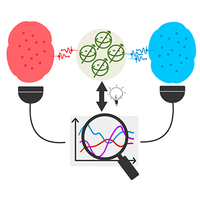
Phys. Rev. Lett. 136, 010802 (2026)
Quantum Information, Science, and Technology
Superresolution Imaging with Entanglement-Enhanced Telescopy
Article | Quantum Information, Science, and Technology | 2026-01-07 05:00 EST
Isack Padilla, Aqil Sajjad, Babak N. Saif, and Saikat Guha
Long-baseline interferometry will be possible using preshared entanglement between two telescope sites to mimic the standard phase-scanning interferometer, but without physical beam combination. We show that spatial-mode sorting at each telescope, along with preshared entanglement, can be used to re…
Phys. Rev. Lett. 136, 010803 (2026)
Quantum Information, Science, and Technology
Pulsar Polarization Array Limits on Ultralight Axionlike Dark Matter
Article | Cosmology, Astrophysics, and Gravitation | 2026-01-07 05:00 EST
Xiao Xue, Shi Dai, Hoang Nhan Luu, Tao Liu, Jing Ren, Jing Shu, Yue Zhao, Andrew Zic, N. D. Ramesh Bhat, Zu-Cheng Chen, Yi Feng, George Hobbs, Agastya Kapur, Richard N. Manchester, Rami Mandow, Saurav Mishra, Daniel J. Reardon, Christopher J. Russell, Ryan M. Shannon, Shuangqiang Wang, Lei Zhang, Songbo Zhang, and Xingjiang Zhu (PPTA Collaboration)
By cross-correlating pulsar polarization data within the galaxy, the PPTA collaboration sets the most sensitive limits on how strongly "Fuzzy" axionlike dark matter can interact with Chern-Simons coupling.
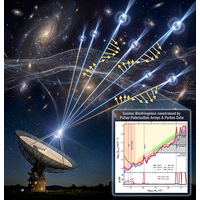
Phys. Rev. Lett. 136, 011001 (2026)
Cosmology, Astrophysics, and Gravitation
Gravitational-Wave Signatures of Nonviolent Nonlocality
Article | Cosmology, Astrophysics, and Gravitation | 2026-01-07 05:00 EST
Brian C. Seymour and Yanbei Chen
Measurement of gravitational waves can provide precision tests of the nature of black holes and compact objects. In this Letter, we test Giddings' nonviolent nonlocality proposal, which posits that quantum information is transferred via a nonlocal interaction that generates metric perturbations arou…
Phys. Rev. Lett. 136, 011401 (2026)
Cosmology, Astrophysics, and Gravitation
Low-Energy Free-Electron Nonclassical Lasing
Article | Atomic, Molecular, and Optical Physics | 2026-01-07 05:00 EST
Mai Zhang, Yu Wang, Chang-Ling Zou, Lei Ying, Qiongyi He, Guang-Can Guo, and Chun-Hua Dong
Harnessing a beam of slow free electrons in artificial photonic structures offers a tunable platform for studying quantum optics without the need for heavy physical equipment. Here, we present a theory of nonclassical lasing, demonstrating how incoherent electrons in photonic crystal cavities can co…
Phys. Rev. Lett. 136, 013603 (2026)
Atomic, Molecular, and Optical Physics
Physical Spin Torques from Exactly Constrained Exchange-Correlation Torques
Article | Condensed Matter and Materials | 2026-01-07 05:00 EST
Jacques K. Desmarais, Kamel Bencheikh, Giovanni Vignale, and Stefano Pittalis
The problem of capturing physical spin torques in noncollinear magnetic systems has dominated the scene of spin-density functional theory (SDFT) in the last two decades. Progress has been hindered by the fact that the spin torque is directly connected to the divergence of the spin current, a quantit…
Phys. Rev. Lett. 136, 016403 (2026)
Condensed Matter and Materials
From Triangular Correlated Paramagnet to Multi-$q$ Noncoplanar Spin State in Spinel ${\mathrm{GeFe}}{2}{\mathrm{O}}{4}$
Article | Condensed Matter and Materials | 2026-01-07 05:00 EST
L. Chaix, J. Robert, E. Chan, E. Ressouche, S. Petit, C. V. Colin, R. Ballou, J. Ollivier, L.-P. Regnault, E. Lhotel, V. Cathelin, S. Lenne, C. Cavenel, F. Damay, E. Suard, P. Strobel, C. Darie, S. deBrion, and V. Simonet
The spin arrangement in the magnetic frustrated spinel GeFeO is stabilized in two steps, first as a triangular correlated paramagnet emerging from the pyrochlore lattice that finally orders as a rare 6- magnetic structure.
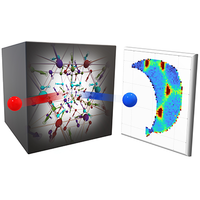
Phys. Rev. Lett. 136, 016703 (2026)
Condensed Matter and Materials
Noncommutativity as a Universal Characterization for Enhanced Quantum Metrology
Article | Quantum Information, Science, and Technology | 2026-01-06 05:00 EST
Ningxin Kong, Haojie Wang, Mingsheng Tian, Yilun Xu, Geng Chen, Yu Xiang, and Qiongyi He
A central challenge in quantum metrology is to effectively harness quantum resources to surpass classical precision bounds. Although recent studies suggest that the indefinite causal order may enable sensitivities to attain the super-Heisenberg scaling, the physical origins of such enhancements rema…
Phys. Rev. Lett. 136, 010201 (2026)
Quantum Information, Science, and Technology
Deterministic Quantum Trajectory via Imaginary Time Evolution
Article | Quantum Information, Science, and Technology | 2026-01-06 05:00 EST
Shivan Mittal and Bin Yan
Stochastic quantum trajectories, such as pure state evolutions under unitary dynamics and random measurements, offer a crucial ensemble description of many-body open system dynamics. Recent studies have highlighted that individual quantum trajectories also encode essential physical information. Prom…
Phys. Rev. Lett. 136, 010401 (2026)
Quantum Information, Science, and Technology
Efficient Quantum Simulation for Translationally Invariant Systems
Article | Quantum Information, Science, and Technology | 2026-01-06 05:00 EST
Joris Kattemölle and Guido Burkard
Discrete translational symmetry plays a fundamental role in condensed matter physics and lattice gauge theories, enabling the analysis of systems that would otherwise be intractable. Despite this, many open problems remain. Quantum simulation promises to offer new insights, but progress is often lim…
Phys. Rev. Lett. 136, 010602 (2026)
Quantum Information, Science, and Technology
Encrypted Qubits Can Be Cloned
Article | Quantum Information, Science, and Technology | 2026-01-06 05:00 EST
Koji Yamaguchi and Achim Kempf
Any number of encrypted clones of a qubit can be created, but the decryption of just one destroys the decryption key, remaining consistent with the no-cloning theorem.
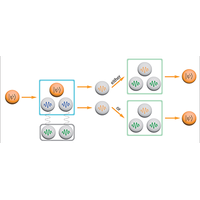
Phys. Rev. Lett. 136, 010801 (2026)
Quantum Information, Science, and Technology
Extensive Manipulation of Transition Rates and Substantial Population Inversion of Rotating Atoms Inside a Cavity
Article | Atomic, Molecular, and Optical Physics | 2026-01-06 05:00 EST
Yan Peng, Yuebing Zhou, Jiawei Hu, and Hongwei Yu
We investigate the transition rates of a centripetally accelerated atom inside a high-quality cavity and show that they can be extensively tuned by adjusting the cavity resonance and the rotation frequency. Crucially, while inertial atoms cannot be excited in vacuum, rotation induces spontaneous exc…
Phys. Rev. Lett. 136, 013202 (2026)
Atomic, Molecular, and Optical Physics
Optical Excitation and Stabilization of Ultracold Field-Linked Tetratomic Molecules
Article | Atomic, Molecular, and Optical Physics | 2026-01-06 05:00 EST
Bijit Mukherjee and Michał Tomza
We propose a coherent optical population transfer of weakly bound field-linked (FL) tetratomic molecules (tetramers) to deeper FL bound states using stimulated Raman adiabatic passage. We consider static-electric-field shielded polar alkali-metal diatomic molecules and corresponding FL tetramers in …
Phys. Rev. Lett. 136, 013401 (2026)
Atomic, Molecular, and Optical Physics
Matrix Phase-Space Representations for Gaussian Boson Sampling
Article | Atomic, Molecular, and Optical Physics | 2026-01-06 05:00 EST
Peter D. Drummond, Alexander S. Dellios, and Margaret D. Reid
We introduce coherent matrix phase-space distributions. These use conservation laws and symmetries to improve the accuracy and speed of quantum phase-space representations. As an example, this is applied to the validation of low-loss Gaussian boson sampling (GBS) quantum computational advantage expe…
Phys. Rev. Lett. 136, 013601 (2026)
Atomic, Molecular, and Optical Physics
Strong Molecule-Light Entanglement with Molecular Cavity Optomechanics
Article | Atomic, Molecular, and Optical Physics | 2026-01-06 05:00 EST
Hong-Yun Yu, Ya-Feng Jiao, Jie Wang, Feng Li, Bin Yin, Qi-Rui Liu, Tian Jiang, Hui Jing, and Ke Wei
We propose a molecular optomechanical platform to generate robust entanglement among bosonic modes--photons, phonons, and plasmons--under ambient conditions. The system integrates a high-Q whispering-gallery-mode (WGM) optical resonator with a plasmonic nanocavity formed by a metallic nanoparticle and…
Phys. Rev. Lett. 136, 013602 (2026)
Atomic, Molecular, and Optical Physics
Hybrid Quantum Surface Acoustic Wave with Skyrmion Qubit for Quantum Information Processing
Article | Atomic, Molecular, and Optical Physics | 2026-01-06 05:00 EST
Yu-Yuan Chen, Zhihui Peng, and Yu-xi Liu
Surface acoustic wave (SAW) devices are key components of classical communication systems and recently studied for quantum information processing. We here propose and study a hybrid quantum system composed of skyrmion qubit and a SAW cavity, which supports multiple long-lived phononic modes. The sys…
Phys. Rev. Lett. 136, 013801 (2026)
Atomic, Molecular, and Optical Physics
Wave-Induced Fracture of a Sea-Ice Analog
Article | Physics of Fluids, Earth & Planetary Science, and Climate | 2026-01-06 05:00 EST
B. Auvity, L. Duchemin, A. Eddi, and S. Perrard
We study at the laboratory scale the rupture of thin floating sheets made of a brittle material under a wave-induced mechanical forcing. We show that the rupture occurs where the curvature is maximum and the breakup threshold strongly depends on the wave properties. We observe that the critical stre…
Phys. Rev. Lett. 136, 014101 (2026)
Physics of Fluids, Earth & Planetary Science, and Climate
Formation of Voids or Stacking-Fault Tetrahedra Induced by Local Chemical Variations in Face-Centered-Cubic Complex Concentrated Alloys
Article | Condensed Matter and Materials | 2026-01-06 05:00 EST
Yeping Lin, Chenyang Lu, Tengfei Yang, Zhengxiong Su, Yixin Deng, Wangyu Hu, Huiqiu Deng, Guanghong Lu, and Fei Gao
Understanding how elemental variations influence defect cluster formation is a longstanding challenge in materials science. By combining defect rates-based long-time dynamics with molecular dynamics and irradiation experiments, we identify a distinct, cluster-mediated mechanism--governed by element-s…
Phys. Rev. Lett. 136, 016102 (2026)
Condensed Matter and Materials
Ab Initio Superionic-Liquid Phase Diagram of ${\mathrm{Fe}}{1\text{-}x}{\mathrm{O}}{x}$ under Earth’s Inner Core Conditions
Article | Condensed Matter and Materials | 2026-01-06 05:00 EST
Zepeng Wu, Chen Gao, Feng Zhang, Shunqing Wu, Kai-Ming Ho, Renata M. Wentzcovitch, and Yang Sun
The superionic state is a phase of matter in which liquidlike ionic mobility coexists with a solid crystalline lattice. Recently identified in Earth's inner core (IC), this state has attracted considerable attention for its unique kinetic behavior and geophysical implications. However, the ab initio…
Phys. Rev. Lett. 136, 016103 (2026)
Condensed Matter and Materials
Spatial Correlations of Charge Density Wave Order across the Transition in $2\mathrm{H}\text{-}{\mathrm{NbSe}}_{2}$
Article | Condensed Matter and Materials | 2026-01-06 05:00 EST
Seokjo Hong, Jaewhan Oh, Jemin Park, Woohyun Cho, Soyoung Lee, Colin Ophus, Yeongkwan Kim, Heejun Yang, SungBin Lee, and Yongsoo Yang
Charge density waves (CDWs) involve coupled amplitude and phase degrees of freedom, but direct access to local amplitude correlations remains experimentally challenging. Here, we report cryogenic four-dimensional scanning transmission electron microscopy measurements of CDW ordering in a fl…
Phys. Rev. Lett. 136, 016504 (2026)
Condensed Matter and Materials
Lindbladian versus Postselected non-Hermitian Topology
Article | Condensed Matter and Materials | 2026-01-06 05:00 EST
Alexandre Chaduteau, Derek K. K. Lee, and Frank Schindler
The recent topological classification of non-Hermitian "Hamiltonians" is usually interpreted in terms of pure quantum states that decay or grow with time. However, many-body systems with loss and gain are typically better described by mixed-state open quantum dynamics, which only correspond to pure-…
Phys. Rev. Lett. 136, 016603 (2026)
Condensed Matter and Materials
Magnetoelectric Torque in Polar Magnetic Bilayers
Article | Condensed Matter and Materials | 2026-01-06 05:00 EST
Zhong Shen, Jun Chen, Xiaoyan Yao, and Shuai Dong
Energy-efficient fast switching of spin orientations or textures is a core issue of spintronics, which is highly demanded but remains challenging. Different from the mainstream routes based on spin-transfer torque or spin-orbit torque, here we propose another mechanism coined as magnetoelectric torq…
Phys. Rev. Lett. 136, 016702 (2026)
Condensed Matter and Materials
Tracking the Photoinduced Dynamics of a Dark Excitonic State in Single-Layer ${\mathrm{WS}}_{2}$ via Resonant Autler-Townes Splitting
Article | Condensed Matter and Materials | 2026-01-06 05:00 EST
Angela Montanaro, Francesco Valiera, Francesca Giusti, Francesca Fassioli, Chiara Trovatello, Giacomo Jarc, Enrico Maria Rigoni, Fang Liu, Xiaoyang Zhu, Stefano Dal Conte, Giulio Cerullo, Martin Eckstein, and Daniele Fausti
A new three-pulse Autler-Townes technique unveils the ultrafast dynamics of a dark 2 exciton in monolayer WS, revealing symmetry-dependent many-body screening previously hidden from optical probes.
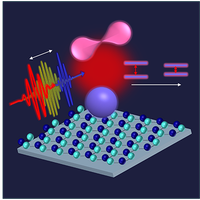
Phys. Rev. Lett. 136, 016902 (2026)
Condensed Matter and Materials
Polymorphic Self-Poisoning in Poly(Lactic Acid): A New Phenomenon in Polymer Crystallization
Article | Polymers, Chemical Physics, Soft Matter, and Biological Physics | 2026-01-06 05:00 EST
Shu-Gui Yang, Xiang-bing Zeng, Feng Liu, and Goran Ungar
Self-poisoning is ubiquitous in polymer crystallization but has so far manifested itself visibly only as minima in growth rate vs temperature in either monodisperse systems where, e.g., unstable folded chains obstruct crystallization of stable extended chains, or in periodically segmented chains whe…
Phys. Rev. Lett. 136, 018101 (2026)
Polymers, Chemical Physics, Soft Matter, and Biological Physics
Physical Review X
Second-Order Microscopic Nonlinear Optical Susceptibility in a Centrosymmetric Material: Application to Imaging Valence Electron Motion
Article | 2026-01-07 05:00 EST
Chance Ornelas-Skarin, Tatiana Bezriadina, Matthias Fuchs, Shambhu Ghimire, J. B. Hastings, Quynh L. Nguyen, Gilberto de la Peña, Takahiro Sato, Sharon Shwartz, Mariano Trigo, Diling Zhu, Daria Popova-Gorelova, and David A. Reis
Nonlinear x-ray diffraction is used to isolate the valence electron density in silicon, demonstrating a powerful imaging technique useful across a range of complex materials.
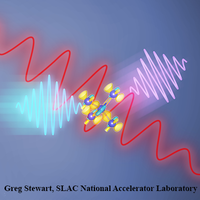
Phys. Rev. X 16, 011006 (2026)
Rapid Quantum Ground State Preparation via Dissipative Dynamics
Article | 2026-01-06 05:00 EST
Yongtao Zhan, Zhiyan Ding, Jakob Huhn, Johnnie Gray, John Preskill, Garnet Kin-Lic Chan, and Lin Lin
Dissipative algorithms offer an efficient and robust route to preparing ground states of complex quantum systems.
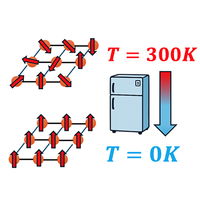
Phys. Rev. X 16, 011004 (2026)
Pseudogap with Fermi Arcs and Fermi Pockets in Half-Filled Twisted Transition Metal Dichalcogenides
Article | 2026-01-06 05:00 EST
Yong-Yue Zong, Zhao-Long Gu, and Jian-Xin Li
A theoretical work on twisted bilayer tungsten diselenide reveals how tuning the electron bandwidth drives a complex sequence of electronic phases, including Mott insulator, pseudogap states, and strange metal.
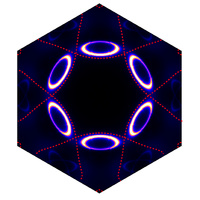
Phys. Rev. X 16, 011005 (2026)
arXiv
Feedback Driven Convergence, Competition, and Entanglement in Classical Stochastic Processes
New Submission | Statistical Mechanics (cond-mat.stat-mech) | 2026-01-07 20:00 EST
We present a dynamical theory of statistical convergence in which the law of large numbers arises from outcome-outcome feedback rather than assumed independence. Defining the convergence field and its derivative, we show that empirical frequencies evolve through coupling, producing competition, finite-m fluctuations, and classical entanglement. Using the Kramers-Moyal expansion, we derive an Ito-Langevin and Fokker-Planck description, reducing in the symmetric regime to a time-dependent Ornstein-Uhlenbeck process. We propose variance-based witnesses that detect outcome-space entanglement in both binary sequences and coupled Brownian trajectories, and confirm entanglement through numerical experiments. Extending the formalism yields multi-outcome feedback dynamics and finite-time cross-diffusion between Brownian particles. The results unify convergence, fluctuation, and entanglement as consequences of a single feedback-driven stochastic principle.
Statistical Mechanics (cond-mat.stat-mech), Data Analysis, Statistics and Probability (physics.data-an)
A Unified Computational Framework for Two Dimensional Diffusion Limited Aggregation via Finite-Size Scaling, Multifractality, and Morphological Analysis
New Submission | Statistical Mechanics (cond-mat.stat-mech) | 2026-01-07 20:00 EST
Diffusion-Limited Aggregation (DLA), the canonical model for non-equilibrium fractal growth, emerges from the simple rule of irreversible attachment by random walkers. Despite four decades of study, a unified computational framework reconciling its stochastic algorithm, universal fractal dimension, multifractal growth measure, and finite-size effects remains essential for applications from materials science to geomorphology. Through large-scale simulations (clusters up to $ N = 10^6$ particles) in two dimensions, we perform a tripartite analysis: (1) We establish a definitive finite-size scaling collapse, extracting the universal fractal dimension $ D = 1.712 \pm 0.015$ and identifying the crossover to boundary-dominated growth at a scaled mass $ x_0 \approx 0.10 \pm 0.02$ . (2) We quantify the full multifractal spectrum of the harmonic measure ($ \Delta\alpha \approx 1.13$ ), directly linking the stochastic algorithm to the deterministic Laplacian growth equation $ \nabla^2 p = 0$ and explaining the screening effect via an exponential decay $ \eta \sim e^{-r/\xi}$ with screening length $ \xi = 22.7 \pm 0.8$ lattice units. (3) We provide a complete morphological characterization, revealing power-law branch length distributions ($ \tau \approx 2.1$ ) and angular branching preferences ($ \sim 72^\circ$ ). This work computationally validates DLA as a robust universality class and provides a scalable methodology for analyzing diffusion-controlled pattern formation across disciplines.
Statistical Mechanics (cond-mat.stat-mech), Mesoscale and Nanoscale Physics (cond-mat.mes-hall), Materials Science (cond-mat.mtrl-sci)
A large-scale nanocrystal database with aligned synthesis and properties enabling generative inverse design
New Submission | Materials Science (cond-mat.mtrl-sci) | 2026-01-07 20:00 EST
Kai Gu, Yingping Liang, Senliang Peng, Aotian Guo, Haizheng Zhong, Ying Fu
The synthesis of nanocrystals has been highly dependent on trial-and-error, due to the complex correlation between synthesis parameters and physicochemical properties. Although deep learning offers a potential methodology to achieve generative inverse design, it is still hindered by the scarcity of high-quality datasets that align nanocrystal synthesis routes with their properties. Here, we present the construction of a large-scale, aligned Nanocrystal Synthesis-Property (NSP) database and demonstrate its capability for generative inverse design. To extract structured synthesis routes and their corresponding product properties from literature, we develop NanoExtractor, a large language model (LLM) enhanced by well-designed augmentation strategies. NanoExtractor is validated against human experts, achieving a weighted average score of 88% on the test set, significantly outperforming chemistry-specialized (3%) and general-purpose LLMs (38%). The resulting NSP database contains nearly 160,000 aligned entries and serves as training data for our NanoDesigner, an LLM for inverse synthesis design. The generative capability of NanoDesigner is validated through the successful design of viable synthesis routes for both well-established PbSe nanocrystals and rarely reported MgF2 nanocrystals. Notably, the model recommends a counter-intuitive, non-stoichiometric precursor ratio (1:1) for MgF2 nanocrystals, which is experimentally confirmed as critical for suppressing byproducts. Our work bridges the gap between unstructured literature and data-driven synthesis, and also establishes a powerful human-AI collaborative paradigm for accelerating nanocrystal discovery.
Materials Science (cond-mat.mtrl-sci), Artificial Intelligence (cs.AI)
Molecular Adsorption of H2O on TiO2 and TiO2:Y Surfaces
New Submission | Materials Science (cond-mat.mtrl-sci) | 2026-01-07 20:00 EST
Dilshod Nematov, Khilmirzo Kholmurodov, Mirzoaziz Husenzoda, Andrey Lyubchyk, Amondulloi Burhonzoda
In this work, using theoretical calculations within the framework of the density functional theory, taking into account the dispersive VDW interaction, the processes of adsorption and interaction of a water molecule with a TiO2 surface in various configurations are investigated. At the atomic/molecular level, the interactions of a water molecule with a TiO2 surface have been studied for various orientations. The results of calculations within the framework of DFT+ VDW show that the adsorption energies of single water molecules in different initial positions on the substrate surface vary from-0.72 to-0.84 eV, and the most stable adsorbate structure is the TiO2+ H2O system upon adsorption of a molecule of water, parallel to the Y axis, because during the adsorption of H2O parallel to the Y axis, some favorable effects are observed in the band structure of titanium dioxide. On the one hand, the band gap decreases to 2.59 eV, and on the other hand, a new energy state appears in the band gap with an energy contribution of 0.17 eV, when water is physisorbed and interacts with a titanium atom at a distance of 2.12 Å and occupies a perpendicular position relative to the surface.
Materials Science (cond-mat.mtrl-sci)
Journal of Human, Earth, and Future, 2022
Analysis of the Optical Properties and Electronic Structure of Semiconductors of the Cu2NiXS4 (X = Si, Ge, Sn) Family as New Promising Materials for Optoelectronic Devices
New Submission | Materials Science (cond-mat.mtrl-sci) | 2026-01-07 20:00 EST
In this work, the optoelectronic characteristics of kesterites of the Cu2NiXS4 system (X = Si, Ge, Sn) were studied. The electronic properties of the Cu2NiXS4 (X = Si, Ge, Sn) system were studied using first-principles calculations within the framework of density functional theory. For calculations, ab initio codes VASP and Wien2k were used. The high-precision modified Beke-Jones (mBJ) functional and the hybrid HSE06 functional were used to estimate the bandgap, electronic and optical properties. Calculations have shown that when replacing Si with Ge and Sn, the band gap decreases from 2.58 eV to 1.33 eV. Replacing Si with Ge and Sn reduces the overall density of electronic states. In addition, new deep (shallow) states are formed in the band gap of these crystals, which is confirmed by the behavior of their optical properties. The obtained band gap values are compared with existing experimental measurements, demonstrating good agreement between HSE06 calculations and experimental data. The nature of changes in the dielectric constant, absorption capacity and optical conductivity of these systems depending on the photon energy has also been studied. The statistical dielectric constant and refractive index of these materials were found. The results will help increase the amount of information about the properties of the materials under study and will allow the use of these compounds in a wider range of optoelectronic devices, in particular, in solar cells and other devices that use solar radiation to generate electric current.
Materials Science (cond-mat.mtrl-sci)
Journal of Optics and Photonics Research, 2024, 1(2), 91-97
Anomalous Collision of Exceptional Points on Nonorientable Manifolds
New Submission | Mesoscale and Nanoscale Physics (cond-mat.mes-hall) | 2026-01-07 20:00 EST
Weijia Wang, Qicheng Zhang, Kun Zhang, Shuaishuai Tong, Chunyin Qiu
Band degeneracies, ranging from Hermitian Dirac points to non-Hermitian exceptional points (EPs), play a central role in topological phase transitions. Beyond the topology of individual degeneracies, their mutual interactions yield richer phenomena. A representative example is the anomalous non-annihilating collision of pairwise-created degeneracies, previously believed to occur only in non-Abelian multiband systems. Here, we theoretically reveal and experimentally demonstrate that such an anomalous collision can emerge even in a simple two-band system without non-Abelian nature. In a two-dimensional non-Hermitian lattice whose Brillouin zone forms a nonorientable Klein bottle, two EPs with opposite topological charges, pairwise created from a hybrid point, merge into a new vortex point upon re-encounter, instead of annihilating. Remarkably, the hybrid point is a defective degeneracy featuring no eigenenergy braiding, whereas the vortex point is a non-defective degeneracy yet exhibits nontrivial eigenenergy braiding. This process manifests a non-Hermitian phase transition from a gapped phase to a gapless phase, a scenario that we directly observe in a hybrid-dimensional acoustic lattice via momentum-resolved band braid and Berry phase measurements. Our findings identify nonorientability as a new arena for engineering band degeneracies and topological phases, and pave the way for experimentally exploring the interplay between exceptional and nonorientable topology.
Mesoscale and Nanoscale Physics (cond-mat.mes-hall), Materials Science (cond-mat.mtrl-sci), Applied Physics (physics.app-ph)
Strain effects on the binding and diffusion energies of Au adatoms and CeO2 admolcules on Au, CeO2, MgO and SrTiO3 surfaces
New Submission | Materials Science (cond-mat.mtrl-sci) | 2026-01-07 20:00 EST
Ahmad Ahmad, Ying-Cheng Chen, Jie Peng, Anter El-Azab
First-principles density functional theory (DFT) calculations were used to study the effects of elastic strains on the binding and diffusion activation energies of Au adatom and CeO2 admolecule on Au (001), Ce-terminated CeO2 (001), MgO (001), SrO- and TiO2-terminationed SrTiO3 (001) surfaces. In preparation for computing these energies, normal and shear strains within the range 0.15% were applied in the plane of the surface of the supercell prior to placing the adsorbed species on the surface. Our study shows that the dependence of binding energies and diffusion barriers of adatoms and molecules on the strain varies significantly among surfaces. The strain was found to alter the symmetry of surface diffusion pathways causing anisotropy of the diffusion barriers. This strain-induced anisotropy depends on the orientation of the applied strains relative to the in-plane crystallographic directions of the free surface. The binding and diffusion activation energies were fit linearly in terms of strain components in the range 0.15% and the extrapolated values compared favorably to DFT computed values up to 0.5%. The scheme presented here for the computation and fitting of the binding and diffusion energies in terms of strain can be used to inform models of surface diffusion, clustering and growth of multi-component and multi-phase thin films and investigate the effect of strain on the self-organization in such systems.
Materials Science (cond-mat.mtrl-sci)
Asymptotic freedom, lost: Complex conformal field theory in the two-dimensional $O(N>2)$ nonlinear sigma model and its realization in the spin-1 Heisenberg chain
New Submission | Statistical Mechanics (cond-mat.stat-mech) | 2026-01-07 20:00 EST
Christopher Yang, Thomas Scaffidi
The two-dimensional $ O(N)$ nonlinear sigma model (NLSM) is asymptotically free for $ N>2$ : it exhibits neither a nontrivial fixed point nor spontaneous symmetry-breaking. Here we show that a nontrivial fixed point generically does exist in the $ \textit{complex}$ coupling plane and is described by a complex conformal field theory (CCFT). This CCFT fixed point is generic in the sense that it has a single relevant singlet operator, and is thus expected to arise in any non-Hermitian model with $ O(N)$ symmetry upon tuning a single complex parameter. We confirm this prediction numerically by locating the CCFT at $ N = 3$ in a non-Hermitian spin-1 antiferromagnetic Heisenberg chain, finding good agreement between the complex central charge and scaling dimensions and those obtained by analytic continuation of real fixed points from $ N\leq 2$ . We further construct a realistic Lindbladian for a spin-1 chain whose no-click dynamics are governed by the non-Hermitian Hamiltonian realizing the CCFT. Since the CCFT vacuum is the eigenstate with the smallest decay rate, the system naturally relaxes under dissipative dynamics toward a CFT state, thus providing a route to preparing long-range entangled states through engineered dissipation.
Statistical Mechanics (cond-mat.stat-mech), Strongly Correlated Electrons (cond-mat.str-el), High Energy Physics - Theory (hep-th), Quantum Physics (quant-ph)
8 pages, 5 figures
Boltzmann theory of the inverse Edelstein effect in a two-dimensional Rashba gas
New Submission | Mesoscale and Nanoscale Physics (cond-mat.mes-hall) | 2026-01-07 20:00 EST
Irene Gaiardoni, Mattia Trama, Alfonso Maiellaro, Claudio Guarcello, Francesco Romeo, Roberta Citro
We investigate the inverse Edelstein effect in a non-homogeneous system consisting of a ferromagnetic layer coupled to a Rashba two-dimensional electron gas. Within a semiclassical Boltzmann framework, we derive analytical expressions for the charge and spin currents and analyze their dependence on key parameters such as the chemical potential and the Rashba coupling strength. We show how interfacial exchange and spin-orbit interactions jointly control the efficiency of spin-to-charge conversion, leading to distinct regimes characterized by qualitatively different transport responses. A central outcome of our work is the availability of closed-form analytical results, which provide direct physical insight and enable a transparent and quantitative benchmarking with experiments on complex oxide interfaces, such as LaAlO$ _3$ /SrTiO$ _3$ .
Mesoscale and Nanoscale Physics (cond-mat.mes-hall)
11 pages, 7 figures
Anomalous diffusion from hydrodynamic recoupling in particle-hole symmetric fluids
New Submission | Statistical Mechanics (cond-mat.stat-mech) | 2026-01-07 20:00 EST
Ewan McCulloch, Romain Vasseur, Sarang Gopalakrishnan
In charged fluids obeying particle-hole symmetry, such as the Dirac fluid in graphene, charge transport is diffusive despite the presence of ballistically propagating sound waves: sound waves “hydrodynamically decouple” from the slower charge fluctuations. For quasi-one-dimensional fluids, we show that this symmetry-protected charge diffusion is not smoothly connected to the normal diffusion that arises when momentum conservation is broken by noise (or static impurities). Instead, the charge diffusion constant is a discontinuous function of noise, which (in the weak-noise limit) depends only on the ratio of momentum and energy relaxation rates. In the special limit of momentum-conserving noise (e.g., spatially uniform fluctuations of the Hamiltonian), the diffusion constant diverges in the presence of noise. We describe the resulting superdiffusion in terms of coupled Burgers equations. We present a general mechanism–hydrodynamic recoupling–by which weak noise can induce singular changes in transport coefficients. Our results highlight the limits of zero-noise extrapolation for predicting dynamical quantities like diffusion constants.
Statistical Mechanics (cond-mat.stat-mech), Mesoscale and Nanoscale Physics (cond-mat.mes-hall), Quantum Gases (cond-mat.quant-gas), Strongly Correlated Electrons (cond-mat.str-el)
7 pages, 4 figures, 10 pages of supplemental material
Superextensive charging speeds in a correlated quantum charger
New Submission | Statistical Mechanics (cond-mat.stat-mech) | 2026-01-07 20:00 EST
Harald Schmid, Felix von Oppen, Gil Refael, Yang Peng
We define a quantum charger as an interacting quantum system that transfers energy between two drives. The key figure of merit characterizing a charger is its charging power. Remarkably, the presence of long-range interactions within the charger can induce a collective steady-state charging mode that depends superlinearly on the size of the charger, exceeding the performance of noninteracting, parallel units. Using the driven Lipkin-Meshkov-Glick model and power-law interacting spin chains, we show that this effect persists up to a critical system size set by the breakdown of the high-frequency regime. We discuss optimal work output as well as experimentally accessible initial states. The superlinear charging effect can be probed in trapped-ion experiments, and positions interacting Floquet systems as promising platforms for enhanced energy conversion.
Statistical Mechanics (cond-mat.stat-mech), Mesoscale and Nanoscale Physics (cond-mat.mes-hall), Quantum Physics (quant-ph)
An altermagnetic materials library in intercalated transition-metal dichalcogenides
New Submission | Materials Science (cond-mat.mtrl-sci) | 2026-01-07 20:00 EST
Ezra Day-Roberts, Huan Wu, Onur Erten, A. S Botana
Altermagnets represent a promising class of magnetic materials owing to their distinctive spin-split band structures in the absence of net magnetization. Here, we present a first-principles investigation of altermagnetism in magnetically intercalated transition metal dichalcogenides (TMDs) with the general formula T$ _y$ MX$ _2$ (T= 3$ d$ -transition metal, M= transition-metal, X=chalcogen, $ y$ = 1/3 or 1/4). For a TMD host with 2H structure, compounds exhibiting A-type antiferromagnetism are $ g$ -wave altermagnets by symmetry. We identify several intercalated TMDs fulfilling the conditions for altermagnetic order to be realized. Several of these candidate materials display spin-splittings at the Fermi level as large as 100 meV.
Materials Science (cond-mat.mtrl-sci)
9 pages, 3 figures
Symmetric topological Mott insulator and Mott semimetal
New Submission | Strongly Correlated Electrons (cond-mat.str-el) | 2026-01-07 20:00 EST
Correlated physics in nearly flat topological bands is a central theme in the study of moiré materials. While ground states at integer fillings are typically identified as quantum Hall ferromagnets within a Hartree-Fock framework, we propose the existence of symmetric topological Mott insulators (STMIs) that transcend this Slater determinant picture. Focusing on half-filling of each flavor per unit cell, we demonstrate the existence of STMIs which exhibit a quantized charge or spin Hall response. We first establish this phase in a bilayer Haldane-Hubbard model with localized orbitals on the $ A$ sublattice and dispersive band on the $ B$ sublattice. Starting from a trivial Mott insulator on the $ A$ sublattice, tuning the sublattice potential drives a Bose-Einstein-condensation (BEC) to Bardeen-Cooper-Schrieffer (BCS) transition of the associated $ p-\mathrm{i}p$ exciton pairing, realizing a topological Mott insulator with $ C=1$ per flavor. We further generalize this construction to a single-layer spinful model, where the resulting STMI hosts charge edge modes coexisting with bulk local moments. A Mott semimetal is identified at the quantum critical point between the STMI and the trivial Mott insulator. Finally, we discuss applications to AA-stacked MoTe$ _2$ /WSe$ _2$ , proposing a ferromagnetic Chern insulator phase as a low-temperature descendant of the symmetric Mott semimetal.
Strongly Correlated Electrons (cond-mat.str-el)
Thermalization in the mixed-field Ising model: An occupation number perspective
New Submission | Statistical Mechanics (cond-mat.stat-mech) | 2026-01-07 20:00 EST
Isaías Vallejo-Fabila, Fausto Borgonovi, Felix M. Izrailev, Lea F. Santos
The occupation number is a key observable for diagnosing thermalization, as it connects directly to standard statistical laws such as Fermi–Dirac, Bose–Einstein, and Boltzmann distributions. In the context of spin systems, it represents the population of the sublevels of the magnetization in the $ z$ -direction. We use this quantity to probe the onset of thermalization in the isolated quantum and classical one-dimensional spin-1 Ising model with transverse and longitudinal fields. Thermalization is achieved when the long-time average of the occupation number converges to the microcanonical prediction as the chain length $ L$ increases, consistent with the emergence of ergodicity. However, the finite-size scaling analysis in the quantum model is challenged by the exponential growth of the Hilbert space with $ L$ . To overcome this limitation, we turn to the corresponding classical model, which enables access to much larger system sizes. By tracking the dynamics of individual spins on their three-dimensional Bloch spheres and employing tools from random matrix theory, we establish a quantitative criterion for classical ergodicity in interacting spin systems. We find that deviations from classical ergodicity decay algebraically with system size. This power-law scaling then provides a quantitative bound on the approach to thermal equilibrium in the quantum model.
Statistical Mechanics (cond-mat.stat-mech)
13 pages, 10 figures
Exact critical-temperature bounds for two-dimensional Ising models
New Submission | Statistical Mechanics (cond-mat.stat-mech) | 2026-01-07 20:00 EST
Davidson Noby Joseph, Igor Boettcher
We derive exact critical-temperature bounds for the classical ferromagnetic Ising model on two-dimensional periodic tessellations of the plane. For any such tessellation or lattice, the critical temperature is bounded from a above by a universal number that is solely determined by the largest coordination number on the lattice. Crucially, these bounds are tight in some cases such as the Honeycomb, Square, and Triangular lattices. We prove the bounds using the Feynman–Kac–Ward formalism, confirm their validity for a selection of over two hundred lattices, and construct a two-dimensional lattice with 24-coordinated sites and record high critical temperature.
Statistical Mechanics (cond-mat.stat-mech), Mesoscale and Nanoscale Physics (cond-mat.mes-hall), Mathematical Physics (math-ph)
5+79 pages
Fermi Sets: Universal and interpretable neural architectures for fermions
New Submission | Strongly Correlated Electrons (cond-mat.str-el) | 2026-01-07 20:00 EST
We introduce Fermi Sets, a universal and physically interpretable neural architecture for fermionic many-body wavefunctions. Building on a ``parity-graded’’ representation [1], we prove that any continuous fermionic wavefunction on a compact domain can be approximated to arbitrary accuracy by a linear combination of K antisymmetric basis functions–such as pairwise products or Slater determinants–multiplied by symmetric functions. A key result is that the number of required bases is provably small: K=1 suffices in one-dimensional continua (and on lattices in any dimension), K=2 suffices in two dimensions, and in higher dimensions K grows at most linearly with particle number. The antisymmetric bases can be learned by small neural networks, while the symmetric factors are implemented by permutation-invariant networks whose width scales only linearly with particle number. Thus, Fermi Sets achieve universal approximation of fermionic wavefunctions with minimal overhead while retaining clear physical interpretability.
Strongly Correlated Electrons (cond-mat.str-el), Materials Science (cond-mat.mtrl-sci)
5 pages
Polymer-Iron Oxide Hybrid Films for Controlling Electrokinetic Properties
New Submission | Materials Science (cond-mat.mtrl-sci) | 2026-01-07 20:00 EST
Austin Dick, Xiao Tong, Kim Kisslinger, Carlos E. Colosqui, Gregory Doerk
Electrokinetic phenomena at polymer-water interfaces are central to technologies for water purification, ion separations, and energy conversion, yet the ability to systematically control polymer surface charge and associated electrokinetic processes remains limited. Here, we demonstrate a simple liquid-phase infiltration (LPI) method to synthesize polymer-metal oxide hybrid films with controllable interfacial properties. Hydroxy-terminated poly(2-vinylpyridine) (P2VP-OH) brushes grafted to silicon substrates were infiltrated with iron nitrate from ethanolic solution, followed by low-temperature thermal treatment to convert the infiltrated precursor into iron oxide. Spectroscopic ellipsometry, X-ray photoelectron spectroscopy, and thermogravimetric analysis confirmed oxide incorporation and hybrid film formation without polymer degradation. Electrokinetic flow characterization reveals that the hybrid films acquire the electrokinetic properties of the infiltrated oxide, with concentration-dependent streaming potentials and surface conductivities closely matching those of pure iron oxide films. These results establish metal oxide infiltration as a scalable and low-cost strategy for controlling interfacial charge in polymer surfaces. The approach introduces new materials and design parameters for tailoring ion selectivity, transport, and energy conversion, with broad implications for the development of advanced membranes, electrokinetic harvesting devices, and polymer-supported oxide electrodes.
Materials Science (cond-mat.mtrl-sci), Soft Condensed Matter (cond-mat.soft)
16 pages, 5 figures
Fluids at an electrostatically active surface: Optimum in interfacial friction and electrohydrodynamic drag
New Submission | Soft Condensed Matter (cond-mat.soft) | 2026-01-07 20:00 EST
Cecilia Herrero, Lyderic Bocquet, Benoit Coasne
While fluids near a solid surface are at the core of applications in energy storage/conversion, electrochemistry/electrowetting and adsorption/catalysis, their nanoscale behavior remains only partially deciphered. Beyond conventional effects (e.g. adsorption/reaction, interfacial transport, phase transition shifts), recent experimental and theoretical studies on metallic surfaces have unraveled exotic peculiarities such as complex electrostatic screening, unexpected wetting transition, and interfacial quantum friction. These novel features require developing and embarking new tools to tackle the coupling between charge relaxation in the metal and molecular behavior in the vicinal fluid. Here, using the concept of Virtual Thomas-Fermi fluids, we employ a molecular simulation approach to investigate interfacial transport of fluid molecules and metal charge carriers at their interface–including the underlying electrostatically-driven dynamic friction and the coupling between charge current/hydrodynamic flow (the so-called electrohydrodynamic drag). While conventional numerical techniques consider either insulating materials or metallic materials described as polarizable, non-conducting media, our atom-scale strategy provides an effective yet realistic description of the solid excitation spectrum–including charge relaxation modes and conductivity. By applying this approach to water near metallic surfaces of various electrostatic screening lengths, we unveil a non-monotonous dependence of the fluid/solid friction on the metallicity with a maximum occurring as the charge dynamic structure factors of the solid and fluid strongly overlap. Moreover, we report a direct observation of the electrohydrodynamic drag which arises from the momentum transfer between the solid and liquid through dynamic electrostatic interactions and the underlying interfacial friction.
Soft Condensed Matter (cond-mat.soft), Mesoscale and Nanoscale Physics (cond-mat.mes-hall), Materials Science (cond-mat.mtrl-sci), Statistical Mechanics (cond-mat.stat-mech), Chemical Physics (physics.chem-ph)
X-ray photo-induced atomic motion in Phase Change Materials and conventional covalent chalcogenide glasses
New Submission | Materials Science (cond-mat.mtrl-sci) | 2026-01-07 20:00 EST
Irene Festi, Antoine Cornet, Tomoki Fujita, Jens Moesggard, Alberto Ronca, Jie Shen, Michael Sprung, Shuai Wei, Fabian Westermeier, Raphael Escalier, Andrea Piarristeguy, Giacomo Baldi, Beatrice Ruta
X-ray Photon Correlation Spectroscopy (XPCS) enables direct access to atomic-scale dynamics in disordered materials, revealing both spontaneous and X-ray-induced relaxation processes. Here, we study two compositionally similar alloy glasses near their glass transition temperatures: the phase change material (PCM) Ge15Sb85 and the non-PCM alloy Ge15Te85. Both exhibit X-ray induced atomic motion, yet with markedly different responses. Ge15Sb85 undergoes an immediate transition to a photo-induced yielding state, characterised by stationary dynamics governed solely by the absorbed dose. In contrast, Ge15Te85 shows a progressive slowing-down of the relaxation process, accompanied by a crossover from compressed to stretched exponential decay in the density autocorrelation functions. This behaviour is consistent with the emergence of liquid-like collective motion as supported by de Gennes narrowing in the wave-vector dependence of the dynamics at length scales comparable with the first sharp diffraction peak. Unlike Ge15Sb85, this alloy does not reach a stationary regime within experimental timescales, implying that the yielding transition occurs only after thousands of seconds with the available dose rate. Its response is also temperature dependent: at lower temperatures, the dynamics reflects intrinsic stress relaxation processes, whereas at higher temperatures becomes dose-controlled. These findings demonstrate that the dynamical response to X-ray excitation is not determined solely by chemical composition or bonding character, but results from the interplay between irradiation effects and structural relaxation pathways.
Materials Science (cond-mat.mtrl-sci), Disordered Systems and Neural Networks (cond-mat.dis-nn)
Influence of controlled disorder on the dipolar spin ice state of Ho-based pyrochlores
New Submission | Strongly Correlated Electrons (cond-mat.str-el) | 2026-01-07 20:00 EST
A.A. Aczel, B.R. Ortiz, Y. Luo, G. Pokharel, P.M. Sarte, C. dela Cruz, J. Liu, G. Sala, S.D. Wilson, B.A. Frandsen, J.A.M. Paddison
Pyrochlore magnets of the form $ R_2B_2$ O$ _7$ , in which rare-earth ions on the $ R$ -site form a three-dimensional network of corner-sharing tetrahedra, provide a canonical setting for geometrical frustration. Ho-based pyrochlores host a dipolar spin-ice ground state, characterized by Ising moments constrained by the ice rules and elementary excitations analogous to magnetic monopoles. Here we examine how controlled chemical disorder influences this state by introducing site mixing on the non-magnetic $ B$ -site in two compounds. Ho$ _2$ GaSbO$ _7$ contains only Ga$ ^{3+}$ /Sb$ ^{5+}$ charge disorder, whereas Ho$ _2$ ScSbO$ _7$ exhibits both charge and substantial size disorder arising from the large ionic-radius mismatch between Sc$ ^{3+}$ and Sb$ ^{5+}$ . Although both materials retain the pyrochlore structure, neutron scattering measurements reveal a reduced correlation length for the $ R/B$ -site cation ordering and enhanced local structural distortions in Ho$ _2$ ScSbO$ _7$ . Despite these structural differences, bulk thermodynamic measurements and magnetic diffuse scattering demonstrate that both systems exhibit the defining signatures of a dipolar spin-ice state. Low-energy inelastic neutron spectroscopy further uncovers broad magnetic excitations that develop within the dipolar spin-ice regime, a feature absent in pristine Ho pyrochlores and indicative of disorder-induced splitting of the non-Kramers ground-state doublet. Together, these results show that controlled disorder generates tunable transverse-field-driven quantum fluctuations in Ho-based pyrochlores, although the dipolar spin-ice state is remarkably robust to this disorder.
Strongly Correlated Electrons (cond-mat.str-el)
15 pages, 6 figures
Tailoring phonon-driven responses in α-MoO3 through isotopic enrichment
New Submission | Materials Science (cond-mat.mtrl-sci) | 2026-01-07 20:00 EST
Thiago S. Arnaud, Ryan W. Spangler, Johnathan D. Georgaras, Jonah B. Haber, Daniel Hirt, Maximilian Obst, Gonzalo Álvarez-Pérez, Mackey Long III, Felix G. Kaps, Jakob Wetzel, Courtney Ragle, John E. Buchner, Youngji Kim, Aditha S. Senarath, Richarda Niemann, Mingze He, Giulia Carini, Unai Arregui-Leon, Akash C. Behera, Ramachandra Bangari, Nihar Sahoo, Niels C. Brumby, J. Michael Klopf, Martin Wolf, Lukas M. Eng, Susanne C. Kehr, Thomas G. Folland, Alexander Paarmann, Patrick E. Hopkins, Felipe Jornada, Jon-Paul Maria, Joshua D. Caldwell
The implementation of polaritonic materials into nanoscale devices requires selective tuning of parameters to realize desired spectral or thermal responses. One robust material is {\alpha}-MoO3, which as an orthorhombic crystal boasts three distinct phonon dispersions, providing three polaritonic dispersions of hyperbolic phonon polaritons (HPhPs) across the mid-infrared (MIR). Here, the tunability of both optical and thermal responses in isotopically enriched {\alpha}-MoO3 (98MoO3, Mo18O3 and 98Mo18O3) are explored. A uniform ~5 % spectral redshift from 18O enrichment is observed in both Raman- and IR-active TO phonons. Both the in- and out-of-plane thermal conductivities for the isotopic variations are reported. Ab initio calculations both replicate experimental findings and analyze the select-mode three-phonon scattering contributions. The HPhPs from each isotopic variation are probed with s-SNOM and their Q- factors are reported. A Q-factor maxima increase of ~50 % along the [100] in the RB2 and ~100 % along the [001] in the RB3 are reported for HPhPs supported in 98Mo18O3. Observations in both real and Fourier space of higher-order HPhP modes propagating in single slabs of isotopically enriched {\alpha}-MoO3 without the use of a subdiffractional surface scatterer are presented here. This work illustrates the tunability of {\alpha}-MoO3 for thermal and nanophotonic applications.
Materials Science (cond-mat.mtrl-sci), Mesoscale and Nanoscale Physics (cond-mat.mes-hall)
$\mathbb{Z}_L$ symmetry breaking in SU(N) Fermi-Hubbard dots at zero and finite temperature
New Submission | Strongly Correlated Electrons (cond-mat.str-el) | 2026-01-07 20:00 EST
Loïc Herviou, Elodie Campan, Pierre Nataf
We address the SU(N) Fermi-Hubbard model on a chain, with $ N$ the number of degenerate orbitals, or colors, for each fermion. In the limit of both large number of colors $ N$ and particles, and small number of sites $ L \geq 2$ , the model is proved to undergo a $ \mathbb{Z}_L$ symmetry breaking for attractive local interaction amplitude $ U$ . Using a combination of Exact Diagonalization with full SU(N) symmetry, generalized L-levels Holstein-Primakoff transformation, Hartree-Fock method and large-N saddle point approximation of the partition function, we extend the results obtained in [PRA 111, L020201 (2025)] to $ L \geq 3$ and finite temperature $ T>0$ . In particular, we show that at $ T=0$ for $ U<U_c\sim -1/N$ , the ground state is L-fold degenerate, while for positive temperatures, the critical temperature is both proportional to $ N$ and $ U$ , i.e. $ T_c \propto -U N$ , making this phase transition particularly suitable for large-N fermions.
Strongly Correlated Electrons (cond-mat.str-el)
17 pages, 11 figures
Wafer-scale High-k SrTiO3 Dielectrics with Rational Barrier-layer Design for Low Leakage and High Charge Density
New Submission | Materials Science (cond-mat.mtrl-sci) | 2026-01-07 20:00 EST
Majid Mohseni, Shivasheesh Varshney, Seung Gyo Jeong, Amber Walton, C. Daniel Frisbie, Bharat Jalan
High-k oxides such as SrTiO3 promise large capacitance, but their dielectric response is often limited by leakage currents due to reduced bandgaps. We show that introducing a thin barrier layer beneath SrTiO3 is a simple and effective way to suppress leakage and increase charge density. Using hybrid molecular beam epitaxy, we grew uniform SrTiO3 films on Nb:SrTiO3, CaSnO3/Nb:SrTiO3, and 2-inch SiO2/p-Si stacks to directly compare how different barrier layers influence device behavior. Both CaSnO3 and SiO2 reduce leakage, but the ultra-wide-bandgap SiO2 layer enables much higher operating voltages, yielding charge densities exceeding 5x10^13 cm^-2 at room temperature - more than a fivefold enhancement compared to devices without a barrier layer. This improvement comes with a predictable trade-off: the lower dielectric constant of SiO2 reduces overall capacitance, making its thickness an important design parameter. Together, these results demonstrate that rational barrier-layer engineering - including wafer-scale integration on Si - provides a clear pathway to achieving higher charge densities in SrTiO3-based dielectric devices.
Materials Science (cond-mat.mtrl-sci)
20 pages, 4 figures
Contact resistance and interfacial engineering: Advances in high-performance 2D-TMD based devices
New Submission | Materials Science (cond-mat.mtrl-sci) | 2026-01-07 20:00 EST
Xiongfang Liu, Kaijian Xing, Chi Sin Tang, Shuo Sun, Pan Chen, Dong-Chen Qi, Mark B. H. Breese, Michael S. Fuhrer, Andrew T. S. Wee, Xinmao Yin
The development of advanced electronic devices is contingent upon sustainable material development and pioneering research breakthroughs. Traditional semiconductor-based electronic technology faces constraints in material thickness scaling and energy efficiency. Atomically thin two-dimensional (2D) transition metal dichalcogenides (TMDs) have emerged as promising candidates for next-generation nanoelectronics and optoelectronic applications, boasting high electron mobility, mechanical strength, and a customizable band gap. Despite these merits, the Fermi level pinning effect introduces uncontrollable Schottky barriers at metal-2D-TMD contacts, challenging prediction through the Schottky-Mott rule. These barriers fundamentally lead to elevated contact resistance and limited current-delivery capability, impeding the enhancement of 2D-TMD transistor and integrated circuit properties. In this review, we succinctly outline the Fermi pinning effect mechanism and peculiar contact resistance behavior at metal/2D-TMD interfaces. Subsequently, highlights on the recent advances in overcoming contact resistance in 2D-TMDs devices, encompassing interface interaction and hybridization, van der Waals (vdW) contacts, prefabricated metal transfer and charge-transfer doping will be addressed. Finally, the discussion extends to challenges and offers insights into future developmental prospects.
Materials Science (cond-mat.mtrl-sci), Applied Physics (physics.app-ph)
Progress in Materials Science 148,101390(2025)
Integrated magnonic chip using cascaded logic
New Submission | Materials Science (cond-mat.mtrl-sci) | 2026-01-07 20:00 EST
Mengying Guo, Xudong Jing, Kristýna Davídková, Roman Verba, Zhenyu Zhou, Xueyu Guo, Carsten Dubs, Yiheng Rao, Kaiming Cai, Jing Li, Philipp Pirro, Andrii V. Chumak, Qi Wang
The transistor transformed not only electronics but everyday life, and the integrated circuit - now simply the “chip” - made computation scalable and ubiquitous. Magnonics has long promised a parallel path to low-energy information processing by using spin waves instead of charge. Progress, however, has been limited by two fundamental obstacles: intrinsic attenuation of spin waves and the requirement for precisely normalised output intensity and input phase to ensure reliable logic operation - conditions that are difficult to maintain in large-scale circuits owing to inevitable imperfections. Here, we report an integrated magnonic circuit that overcomes both limitations through engineered nonlinearity in nanoscale yttrium iron garnet waveguides. Nonlinear self-adjustment of the spin wave phase renders logic operation insensitive to the relative phases of the inputs, while a deeply nonlinear, threshold-activated self-normalised excitation restores and standardises the output intensity. Using space-resolved micro-focused Brillouin light scattering, we demonstrate reconfigurable AND, OR and three-input majority gates and realise deterministic cascading across sequential stages, establishing a scalable on-chip logic primitive. The architecture operates with gigahertz frequencies, supports dynamic threshold control for functional reconfiguration, and is compatible with scalable integration, making it attractive for adaptive and neuromorphic computing. By resolving phase-independent operation and signal restoration at the level of device physics, this work advances magnonics from isolated proof-of-concept devices towards integrated magnonic chips that can complement advanced CMOS in energy-constrained computing tasks.
Materials Science (cond-mat.mtrl-sci), Mesoscale and Nanoscale Physics (cond-mat.mes-hall)
14 pages, 5 Figures
Electronic band structure reconstruction in Ni${x}$ZrTe${2}$
New Submission | Strongly Correlated Electrons (cond-mat.str-el) | 2026-01-07 20:00 EST
Pedro H. A. Moya, Marli R. Cantarino, Lucas E. Correa, Leandro R. de Faria, Rodrigo M. C. Huamani, Wendell S. Silva, Claude Monney, Antonio J. S. Machado, Fernando A. Garcia
The filling of the large van der Waals gap in Transition Metal Dichalcogenides (TMDs) often leads to lattice and electronic instabilities, which prelude the onset of a rich phenomenology. Here, we investigate the electronic structure of the TMDs ZrTe$ _2$ and Ni-intercalated ZrTe$ _2$ (Ni$ _x$ ZrTe$ _2$ , $ x\approx 0.05$ ) employing angle-resolved photoemission spectroscopy (ARPES). We readily identify in Ni$ _x$ ZrTe$ _2$ two flat bands, most likely associated with localized Ni-derived 3$ d$ -states, at about $ \approx-0.7$ eV and $ \approx-1.2$ eV in binding energy. The presence of these flat bands is observed for all temperatures ($ T$ ) in our study. More significantly, at low-$ T$ , we identify an electronic structure reconstruction in Ni$ _x$ ZrTe$ 2$ , which halves the electronic periodicity along the $ k{z}$ direction. This is reminiscent of a commensurate band folding with wave-vector $ q=(0,0,\pi)$ . Together with previous results from macroscopic measurements, namely heat capacity and resistivity, our findings suggest that Ni intercalation drives a structural instability at $ T^{\ast}=287$ K, which causes the observed electronic band reconstruction. Our findings invite further investigation into the structural properties of ZrTe$ _2$ and of the intercalated and defect-engineered versions of this material.
Strongly Correlated Electrons (cond-mat.str-el), Superconductivity (cond-mat.supr-con)
Thermalized buckling of extensible, semiflexible polymers
New Submission | Statistical Mechanics (cond-mat.stat-mech) | 2026-01-07 20:00 EST
Richard Huang, David R. Nelson, Suraj Shankar
The Euler buckling of rods is a long-studied mechanical instability, and it remains relevant to this day, as the constituent components in many biological and physical systems are linear polymers, such as microtubules or carbon nanotubes. At finite temperature, if a polymer is shorter than its persistence length, the polymer is semiflexible, and its elasticity remains rod-like. But polymers can also stretch due to their finite extensibility, which can couple to energetically cheap bending deformations in nonlinear ways when a load is applied to the system. We show how the interplay between thermal fluctuations and nonlinear elasticity dramatically modifies the Euler buckling instability for compressed semiflexible polymers in a fixed strain ensemble. We identify a Ginzburg-like length scale beyond which thermally excited undulations lead to a softened Young’s modulus, while the polymer nevertheless remains semiflexible. Both perturbative calculations and numerical Monte Carlo simulations suggest a qualitative change in several scaling properties of the buckling transition. The critical compressional strain for thermal buckling now increases with system size, in contrast to athermal buckling, where it decreases with system size. Renormalization group calculations confirm this picture, and also show that thermal buckling is controlled by a new fixed point with different critical exponents compared to classical Euler buckling.
Statistical Mechanics (cond-mat.stat-mech), Mesoscale and Nanoscale Physics (cond-mat.mes-hall), Materials Science (cond-mat.mtrl-sci), Soft Condensed Matter (cond-mat.soft)
22 pages, 15 figures
Cellular wrapping of elastic particles by a supported lipid membrane
New Submission | Soft Condensed Matter (cond-mat.soft) | 2026-01-07 20:00 EST
Amir Khosravanizadeh, Pierre Sens, Farshid Mohammad-Rafiee
Constancy of life vitally depends on the internalization of particles through biomembranes. Of particular interest, cellular uptake, including phagocytosis, receptor-mediated endocytosis, and membrane fusion, critically depends on the elasticity of particles. Cellular membranes are strongly linked to a supporting cytoskeleton. However, in most previous studies, the effect of this cortical network somehow is overlooked. In this paper, we study the cellular wrapping of a membrane around a 2D elastic particle in the presence of a substrate mimicking cytoskeleton. Our simulations show that the impact of particle flexibility on the wrapping process depends on the magnitude of the membrane particle adhesion. In contrast, the extent of membrane protrusions formed around the target always increases with target stiffness. Since the extension of membrane protrusions is an essential step in the phagocytosis process, this result may indicate a selective behavior of macrophages in the phagocytosis of aged red blood cells.
Soft Condensed Matter (cond-mat.soft), Biological Physics (physics.bio-ph)
Realization of a universal topological waveguide by tuning adiabatic geometry
New Submission | Mesoscale and Nanoscale Physics (cond-mat.mes-hall) | 2026-01-07 20:00 EST
Keita Funayama, Jotaro J. Nakane, Ai Yamakage
Quantum valley Hall-based topological phases have been attracting attention across diverse fields as a robust platform for wave guidance due to their high compatibility with engineering frameworks. Combining three representative boundary types enables topological waveguides with flexible designability and enhanced functionality. However, one of the three, namely the armchair boundary, has long been limited by inter-valley scattering, resulting in weak topological protection and severely restricting its use in practical devices. This long-standing constraint is a major barrier to realizing broadly applicable topological waveguide systems. Here, to address this challenge toward a broadly applicable design framework for topological waveguides, we experimentally demonstrate that topological adiabatic geometry implemented in a micro electromechanical system suppresses valley mixing. We found that the adiabaticity enhances immunity to defects and increases the transmission efficiency of the armchair boundary. As the adiabaticity increases, topological protection is recovered over an increasingly broad portion of the bulk band gap, extending from low to high frequencies. Furthermore, we show that the recovery of protection in the adiabatic armchair boundary enables waves to propagate through 90^° and 150^°-bent waveguides by coupling with other interface geometries. Suppressing valley mixing via adiabaticity paves the way for a universal design framework for topological waveguides and for restoring robust topological characteristics across a wide range of wave phenomena.
Mesoscale and Nanoscale Physics (cond-mat.mes-hall)
Efficient Screening of Organic Singlet Fission Molecules Using Graph Neural Networks
New Submission | Materials Science (cond-mat.mtrl-sci) | 2026-01-07 20:00 EST
Li Fu, Longfei Lv, Fan Zhang, Si Zhou, Weiwei Gao, Jijun Zhao
Singlet fission (SF) provides a promising strategy for surpassing the Shockley-Queisser limit in photovoltaics. However, the identification of efficient SF materials is hindered by the limited availability of suitable molecular candidates and the high computational costs associated with conventional quantum-chemical methods for excited states. In this study, we introduce a high-throughput screening framework that integrates a graph neural network (GNN) with multi-level validation to accelerate the discovery of SF-active molecules. Trained on a previously reported FORMED database, the GNN achieves state-of-the-art accuracy in predicting SF-relevant excited-state properties, demonstrating a mean absolute error of about 0.1 eV for S1, T1, and T2 excitation energies. This capability facilitates the efficient screening of over 20 million molecular structures from both OE62 and QO2Mol databases. Our framework significantly reduces the computational demand associated with Time-Dependent Density Functional Theory validation by four orders of magnitude and identifies 180 potential SF molecules along with more than 1000 conformers. Subsequent assessments regarding synthetic accessibility, GW approximation and Bethe-Salpeter equation calculations further highlight a subset of experimentally feasible candidates among these SF candidates. The approach presented herein exemplifies an effective strategy for accelerating the discovery of functional molecules with optoelectronic applications.
Materials Science (cond-mat.mtrl-sci)
6 figures
Stable boundary modes for fragile topology from spontaneous PT-symmetry breaking
New Submission | Mesoscale and Nanoscale Physics (cond-mat.mes-hall) | 2026-01-07 20:00 EST
Kang Yang, Fei Song, Piet W. Brouwer
Two-dimensional topological insulators protected by nonlocal symmetries or with fragile topology usually do not admit robust in-gap edge modes due to the incompatibility between the symmetry and the boundary. Here, we show that in a parity-time (PT) symmetric system robust in-gap topological edge modes can be stably induced by non-Hermitian couplings that spontaneously break the PT symmetry of the eigenstates. The topological edge modes traverse the imaginary spectral gap between a pair of fragile topological bands, which is opened by the presence of the non-Hermitian perturbation. We demonstrate that the net number of resulting in-gap modes is protected by an operator version of anomaly cancellation that extends beyond the Hermitian limit. The results imply that loss and gain can in principle drive fragile topological phenomena to stable topological phenomena.
Mesoscale and Nanoscale Physics (cond-mat.mes-hall), Optics (physics.optics), Quantum Physics (quant-ph)
5+6 pages
Universal coarsening of a two-dimensional Bose gas under conservative evolution
New Submission | Quantum Gases (cond-mat.quant-gas) | 2026-01-07 20:00 EST
Andrew J. Groszek, Thomas P. Billam
We investigate the phase ordering dynamics of a uniform two-dimensional Bose gas quenched to a finite temperature in the superfluid phase. Starting from a defect-rich, far-from-equilibrium state, we model the subsequent evolution with the projected Gross-Pitaevskii equation, which conserves both energy and particle number. By tuning the initial energy, we control the effective post-quench temperature and examine its role in the equilibration dynamics. We find that the gas exhibits universal behaviour at all temperatures, evidenced by spatio-temporal scaling of correlation functions and power-law growth of the correlation length $ \sim t^{1/z}$ , with $ z$ the dynamical critical exponent. We find $ z$ to be temperature dependent, with $ z \approx 1.5$ for post-quench temperatures just below the Berezinskii-Kosterlitz-Thouless (BKT) transition, and $ z \approx 1.9$ for quenches to near-zero temperature. Analysis of the Porod tail of the momentum distribution suggests a temperature-dependent competition between vortices and sound waves in the coarsening process. The two-time correlation function also exhibits universal scaling, decaying as $ \sim t^{-\lambda/z}$ , with autocorrelation exponent $ \lambda$ . Near the BKT transition we obtain $ \lambda \approx 2$ , whereas $ \lambda$ is found to diverge as the effective temperature approaches zero.
Quantum Gases (cond-mat.quant-gas)
11 pages, 7 figures
Protein-Water Energy Transfer via Anharmonic Low-Frequency Vibrations
New Submission | Soft Condensed Matter (cond-mat.soft) | 2026-01-07 20:00 EST
Heat dissipation is ubiquitous in living systems, which constantly convert distinct forms of energy into each other. The transport of thermal energy in liquids and even within proteins is well understood but kinetic energy transfer across a heterogeneous molecular boundary provides additional challenges. Here, we use atomistic molecular dynamics simulations under steady-state conditions to analyze how a protein dissipates surplus thermal energy into the surrounding solvent. We specifically focus on collective degrees of freedom that govern the dynamics of the system from the diffusive regime to mid-infrared frequencies. Using a fully anharmonic analysis of molecular vibrations, we analyzed their vibrational spectra, temperatures, and heat transport efficiencies. We find that the most efficient energy transfer mechanisms are associated with solvent-mediated friction. However, this mechanism only applies to a small number of degrees of freedom of a protein. Instead, less efficient vibrational energy transfer in the far-infrared dominates heat transfer overall due to a large number of vibrations in this frequency range. A notable by-product of this work is a highly sensitive measure of deviations from energy equi-partition in equilibrium systems, which can be used to analyze non-ergodic properties.
Soft Condensed Matter (cond-mat.soft), Statistical Mechanics (cond-mat.stat-mech)
16 pages, 9 figures
Energy-Resolved Real-Space Imaging of Orbital Nematicity in an Fe-Based Superconductor
New Submission | Superconductivity (cond-mat.supr-con) | 2026-01-07 20:00 EST
Asato Onishi, Zifan Xu, Cédric Bareille, Yoichi Kageyama, Shigeyuki Ishida, Hiroshi Eisaki, Kota Ishihara, Kenichiro Hashimoto, Toshiyuki Taniuchi, Takasada Shibauchi
Electronic nematicity in Fe-based superconductors is manifested by spontaneous rotational symmetry breaking and the formation of nematic domains with mutually orthogonal directions of $ d_{xz}$ /$ d_{yz}$ orbital anisotropy. However, its energy dependence has remained largely unexplored in real space. Using 5.82-eV laser-excited photoemission electron microscopy (laser-PEEM) with an energy-selective slit, we visualize the evolution of linear dichroic (LD) contrast within individual nematic domains of Ba$ _{1-x}$ Na$ _x$ Fe$ 2$ As$ 2$ ($ x\approx0.08$ ). We discover a sign reversal of the LD contrast at an energy $ \sim0.4$ eV below the Fermi level, directly revealing an inversion of orbital anisotropy inside each domain. This behavior reflects a different energy-dependent redistribution of spectral weight between the $ d{xz}$ and $ d{yz}$ states, highlighting the crucial role of orbital-selective coherence in the nematic phase of Fe-based superconductors.
Superconductivity (cond-mat.supr-con), Strongly Correlated Electrons (cond-mat.str-el)
14 pages, 4 figures
Intrinsic Step Jamming in Nanometer-Scale KPZ-like Rough Surfaces under Interface-Limited Crystal Growth and Retreat
New Submission | Mesoscale and Nanoscale Physics (cond-mat.mes-hall) | 2026-01-07 20:00 EST
Noriko Akutsu, Yoshihiro Kangawa
We investigate an intrinsic step-jamming phenomenon at the nanometer scale on Kardar-Parisi-Zhang (KPZ)-like kinetically roughened crystal surfaces that arises during interface-limited steady crystal growth or retreat. Monte Carlo simulations using the Metropolis algorithm on a restricted solid-on-solid (RSOS) lattice model demonstrate that intrinsic step jamming persists on surfaces below 20 nm. In the present model, transport processes such as surface and volume diffusion are excluded, as are elastic interactions, step-step repulsion or attraction, and stoichiometric effects. We show that intrinsic step jamming arises from asymmetric fluctuations in atomic attachment and detachment driven by biased transition probabilities under the SOS restriction, leading to collective step congestion. Asymmetric fluctuations also determine whether adatom or hole clusters grow or recede. This mechanism bears close similarity to jamming phenomena in the asymmetric simple exclusion process (ASEP), including multi-lane variants. In contrast, symmetric thermal fluctuations generate adatom or hole clusters on terraces, thereby suppressing intrinsic step jamming. Possible routes to suppress intrinsic step jamming, including experimentally accessible strategies, are also discussed.
Mesoscale and Nanoscale Physics (cond-mat.mes-hall), Pattern Formation and Solitons (nlin.PS)
stepJam_w7y5arxivex; 10 pages, 6 figures. Submitted to Crstal Growth & Design
Anisotropic Kinetics of Ion-Irradiation-Induced Phase Transition in Gallium Oxide
New Submission | Materials Science (cond-mat.mtrl-sci) | 2026-01-07 20:00 EST
Taiqiao Liu, Tongtong Wang, Zeyuan Li, E Zhou, Junlei Zhao, Jiaren Feng, Xiaoyu Fei, Yuzheng Guo, Flyura Djurabekova, Sheng Liu, Zhaofu Zhang
Radiation-tolerant semiconductors have traditionally been engineered by the principle of suppressing defect accumulation and amorphization, based on the assumption that radiation damage is inherently stochastic. Here we show that, in monoclinic $ \beta$ -\ce{Ga2O3}, a promising ultrawide-bandgap semiconductor, surface crystallographic orientation deterministically governs radiation tolerance through highly anisotropic kinetics of the $ \beta$ -to-$ \gamma$ phase transition. Using machine-learning molecular dynamics coupled with a local configurational-entropy descriptor, we quantitatively map anisotropic $ \beta$ -to-$ \gamma$ transition kinetics, showing that the critical dose, transition-layer depth, and kinetic stability of the $ \gamma$ -phase are fundamentally governed by surface orientation. Under ion irradiation, non-channeling surfaces such as (100), (001), and (-201) undergo severe surface amorphization, whereas the strongly channeling (010) surface resists damage accumulation and promotes subsurface $ \gamma$ -phase nucleation. During thermal annealing recovery process, these initial states follow two distinct recovery pathways: the channeling (010) surface reverts directly from $ \gamma$ -to-$ \beta$ , whereas non-channeling surfaces follow a sequential amorphous-to-$ \gamma$ -to-$ \beta$ transition pathway. This work establishes surface orientation as a fundamental design principle for achieving radiation tolerance through controlled polymorphic transitions, providing a universal framework for engineering functional materials capable of withstanding extreme irradiation environments.
Materials Science (cond-mat.mtrl-sci)
Transformation Journey of Zr-based MOFs: Study on Mechanics and Hydrogen Storage under Doping Regulation
New Submission | Materials Science (cond-mat.mtrl-sci) | 2026-01-07 20:00 EST
Yanhuai Ding, Dan Qian, Zhipeng Liu
This study delves into the transformation journey of Zr-based Metal-Organic Frameworks (MOFs), focusing on enhancing their mechanical properties and hydrogen storage capacities through doping regulation. MOFs, a versatile class of crystalline porous materials, have garnered significant attention due to their unique properties and broad potential applications in gas storage, separation, catalysis, and sensing. Among them, Zr-based MOFs stand out for their exceptional stability and high surface area. This research systematically investigates six key Zr-based MOFs (UIO-66, UIO-67, UIO-68, MOF-801, MOF-802, and MOF-841) using multiscale computational methods, including molecular dynamics (MD) simulations, grand canonical Monte Carlo (GCMC) simulations, and density functional theory (DFT). The study explores the impact of metal ion substitution (Fe, Co, Ni, Cu, Zn) on the mechanical and hydrogen storage properties of these MOFs. Our findings reveal that metal ion substitution significantly influences the mechanical stability and hydrogen adsorption capacity of Zr-based MOFs, providing valuable insights for the design and optimization of high-performance MOF materials.
Materials Science (cond-mat.mtrl-sci), Computational Physics (physics.comp-ph)
Inverse magnetic melting effect in vdW-like Kondo lattice CeSn$_{0.75}$Sb$_2$
New Submission | Strongly Correlated Electrons (cond-mat.str-el) | 2026-01-07 20:00 EST
Hai Zeng, Yiwei Chen, Zhuo Wang, Shuo Zou, Kangjian Luo, Yang Yuan, Meng Zhang, Yongkang Luo
Given the intimate connection between magnetic orders and the interplay among multiple degrees of freedom in heavy-fermion systems, controlling and understanding the associated inverse melting effect is crucial for unveiling novel condensed-matter states and their potential applications. Here, we report the growth of single crystalline quasi-two-dimensional van-der-Waals-like Kondo lattice CeSn$ _{0.75}$ Sb$ _2$ , and its physical properties by a combination of transport / magnetic / thermodynamic measurements. We find that it hosts a fragile antiferromagnetic (AFM) order and a cluster glass (CG) ground state, both of which are highly sensitive to external fields. Upon cooling under low in-plane magnetic fields, the AFM phase evolves into a polarized paramagnetic phase, either directly or indirectly through the intermediate CG phase. This process constitutes an inverse magnetic melting effect that restores the broken translational / rotational symmetries. Our work provides a rare paradigm of inverse magnetic melting effect in vdW-like heavy-fermion materials, and enriches the physics in conventional Kondo-lattice models.
Strongly Correlated Electrons (cond-mat.str-el), Materials Science (cond-mat.mtrl-sci), Superconductivity (cond-mat.supr-con)
8+3 pages, 5+4 figures, 0+1 tables
Anomalous Hall transport in Mn${3}$Sn${0.5}$X$_{0.5}$C (X = Ge and Zn)
New Submission | Materials Science (cond-mat.mtrl-sci) | 2026-01-07 20:00 EST
Mn-based antiperovskites that exhibit topological surface states show potential applications in spintronics, magnetoelectronics, and quantum devices owing to the interplay between magnetism and topology. In this family of compounds, Mn$ 3$ SnC exhibits a concurrent ferromagnetic and antiferromagnetic ground state below $ T \sim 285$ K, along with a Berry curvature driven anomalous Hall effect. Here, we report the anomalous Hall effect in Ge- and Zn-doped Mn$ 3$ SnC compounds, namely Mn$ 3$ Sn$ {0.5}$ Ge$ {0.5}$ C (MSGC) and Mn$ 3$ Sn$ {0.5}$ Zn$ {0.5}$ C (MSZC). MSGC undergoes a paramagnetic to concurrent antiferromagnetic and ferromagnetic transition at $ T_C \sim 300$ K, whereas MSZC exhibits a paramagnetic to ferromagnetic transition at $ T_C \sim 240$ K, followed by a ferromagnetic to ferrimagnetic transition at $ T_N \sim 170$ K. The electronic transport in these compounds is governed by electron-phonon and electron-magnon scattering and shows anomalous Hall resistivity $ \rho^A_{xy}$ . Our analysis indicates that the anomalous Hall effect arises from contributions of skew scattering and intrinsic Berry curvature mechanisms, with electron-phonon and electron-magnon scattering playing an important role in skew scattering at high temperatures. Ge and Zn doping in Mn$ _3$ SnC significantly enhances the anomalous Hall conductivity.
Materials Science (cond-mat.mtrl-sci), Strongly Correlated Electrons (cond-mat.str-el)
5 pages, 3 figures
Hybrid Disclination Skin-topological Effects in Non-Hermitian Circuits
New Submission | Materials Science (cond-mat.mtrl-sci) | 2026-01-07 20:00 EST
Boyuan Li, Zekun Huang, Wenao Wang, Jiaxi Wang, Yu Chen, Ce Shang, Tie Jun Cui, Shuo Liu
The bulk-disclination correspondence (BDC) is a fundamental concept in Hermitian systems that has been widely applied to predict disclination states. Recently, disclination states have also been observed and experimentally verified in non-Hermitian systems with C6 lattice symmetry, where gain and loss are introduced to induce non-Hermiticity. In this Letter, we propose a non-Hermitian two-dimensional (2D) Su-Schrieffer-Heeger (SSH) disclination model with skin-topological (ST) disclination states, and calculate its biorthogonal Zak phase. Together with the real-space disclination index, we predict the emergence of disclination states in a C4-symmetric non-Hermitian lattice and the corresponding fractional charge. We also generalize the symmetry indicator within the biorthogonal framework to predict the anomalous filling near the disclination core. Experimentally, the model is implemented on a nonreciprocal circuit platform, where we analyze the impedance matrix characterized by complex eigenfrequencies and directly observe the ST disclination states. Our work further extends the bulk-disclination correspondence to the non-Hermitian realm.
Materials Science (cond-mat.mtrl-sci)
7 pages, 5 figures
Interplay of Structure and Dynamics in Solid Polymer Electrolytes: a Molecular Dynamics Study of LiPF6/polypropylene carbonate
New Submission | Soft Condensed Matter (cond-mat.soft) | 2026-01-07 20:00 EST
Amaury Coste, Thomas Meyer, Claire Villevielle, Fannie Alloin, Stefano Mossa, Benoit Coasne
Solid-state batteries (SSB) are emerging as next-generation electrochemical energy storage devices. Achieving high energy density in SSB relies on solid polymer electrolytes (SPE) that are electrochemically stable against both lithium metal and high-potential positive electrodes, two conditions that are difficult to satisfy without chemical degradation. In this work, molecular dynamics simulations are employed to investigate the relationship between structure and dynamics in carbonate-based SPE composed of polypropylene carbonate and lithium hexafluorophosphate (LiPF$ _6$ ), at salt concentrations ranging from 0.32 to 1.21 mol$ /$ kg. Structural properties are analyzed under ambient pressure at the experimentally relevant temperature $ T = 353$ K. Since the slow dynamical processes governing ion transport in these systems are inaccessible to direct molecular dynamics, transport properties are simulated at elevated temperatures up to 900 K and extrapolated to $ T = 353$ K using Arrhenius behavior. The results reveal strong ionic correlations, a limited fraction of free ions, and a predominance of negatively charged clusters, especially at high salt concentration. At high temperature, the self-diffusion coefficient of Li$ ^+$ exceeds that of PF$ _6^-$ due to weaker Li$ ^+$ -carbonate and ion-ion interactions. However, at $ T = 353$ K, Li$ ^+$ mobility becomes lower than that of the anion, consistent with typical experimental observations in SPE. As expected, the ionic conductivity $ \sigma$ increases with temperature, while at $ T = 353$ K it exhibits a maximum for salt concentrations between 1.0 and 1.1 mol$ /$ kg. Overall, the estimated physico-chemical parameters highlight the key role of ion correlations in SPE and suggest strategies to optimize electrolyte performance. The Arrhenius extrapolation approach used here provides valuable insight into ion transport mechanisms in solid polymer electrolytes.
Soft Condensed Matter (cond-mat.soft), Chemical Physics (physics.chem-ph)
Observation of spin-valley locked nodal lines in a quasi-2D altermagnet
New Submission | Materials Science (cond-mat.mtrl-sci) | 2026-01-07 20:00 EST
Quanxin Hu, Xingkai Cheng, Qingchen Duan, Yudong Hu, Bei Jiang, Yusen Xiao, Yaqi Li, Mojun Pan, Liwei Deng, Changchao Liu, Guanghan Cao, Zhengtai Liu, Mao Ye, Shan Qiao, Zhanfeng Liu, Zhe Sun, Anyuan Gao, Yaobo Huang, Ruidan Zhong, Junwei Liu, Baiqing Lv, Hong Ding
The interplay among quantum degrees of freedom-spin, orbital and momentum-has emerged as a fertile ground for realizing magnetic quantum states with transformative potential for electronic and spintronic technologies. Prominent examples include ferromagnetic Weyl semimetals and antiferromagnetic axion insulators. Recently, altermagnets(AMs) have been identified as a distinct spin-splitting class of collinear antiferromagnets(AFMs), characterized by crystal symmetry that connects magnetic sublattices in real space and enforces C-paired spin-momentum locking in reciprocal space. These materials combine the advantages of nonrelativistic spin-polarization akin to FMs and vanished net-magnetization as AFMs, making them highly promising for spintronic applications. Furthermore, they introduce nontrivial spin-momentum locking spin texture as an additional degree of freedom for realizing novel quantum phases. In this work, we report the discovery of a new type of spin-valley-locked nodal line phase in the layered AM Rb-intercalated V{_2}Te{_2}O. By combining high-resolution spin and angle-resolved photoemission spectroscopy with first-principles calculations, we observe the coexistence of both spinless and spinful nodal lines near the Fermi level. Remarkably, the spinful nodal lines exhibit uniform spin polarization within each valley, while displaying opposite spin polarizations across symmetry-paired valleys-a unique feature we term spin-valley-locked nodal lines, which is exclusive to AMs. Direct measurements of out-of-plane band dispersion using a side-cleaving technique reveal the two-dimensional nature of these nodal lines. Our findings not only unveil a previously unexplored topological phase in AMs where valley-locked spin as an additional quantum character but also establish RbV{_2}Te{_2}O as a promising platform for spintronics, valleytronics, and moire-engineered quantum devices.
Materials Science (cond-mat.mtrl-sci)
26 pages, 13 figures
Strain Engineering of Intrinsic Anomalous Hall and Nernst Effects in Altermagnetic MnTe at Realistic Doping Levels
New Submission | Materials Science (cond-mat.mtrl-sci) | 2026-01-07 20:00 EST
Weiwei Chen, Ziyu Zhou, Jie Meng, Weiyi Wang, Ye Yang, Zhongjun Li
Hexagonal MnTe has emerged as a prototypical g-wave altermagnet, hosting time-reversal symmetry breaking in momentum space despite a vanishing net magnetization. While this symmetry breaking theoretically allows for an intrinsic anomalous Hall effect, experimentally observed signals have remained weak. In this work, we investigate the origin of this suppression and demonstrate a strategy to amplify anomalous transport responses within the experimentally accessible doping regime. Using a $ \bm{k}\cdot\bm{p}$ effective model, we reveal that near the valence band maximum, which corresponds to the energy window relevant for typical hole doping ($ \sim10^{19}cm^{-3}$ ), the intrinsic Hall effect is suppressed due to a symmetry-enforced cancellation of opposing Berry curvature contributions. We propose that breaking the crystalline symmetry via volume-conserving biaxial strain lifts this cancellation, resulting in a significant enhancement of the anomalous Hall conductivity by orders of magnitude. This strain-induced Fermi surface distortion also amplifies the anomalous Nernst effect. Furthermore, the analysis of the spin texture confirms that these strain-enabled anomalous transport signatures emerge while preserving the zero net magnetization.
Materials Science (cond-mat.mtrl-sci)
Surface reconstruction-driven band folding and spin-orbit enhancement at the $α$-antimonene/Au(111) interface
New Submission | Materials Science (cond-mat.mtrl-sci) | 2026-01-07 20:00 EST
Thomas Pierron, José de Jesùs Villalobos Castro, Etienne Barre, Dan Wang, Stephane Pons, Dimitri Roditchev, Azzedine Bendounan, Valerie Guisset, Philippe David, Johann Coraux, Lorenzo Sponza, Sergio Vlaic
The electronic properties of the two-dimensional (2D) $ \alpha$ phase of antimonene are unique, featuring unpinned Dirac cones that can be moved with strain. Here we investigate the structural and electronic properties of an epitaxial 2D $ \alpha$ -antimonene, grown on Au(111). Using angle-resolved photoemission spectroscopy and density-functional theory, we reveal a strong hybridization at the Sb/Au interface, which imprints a rectangular reconstruction in the Au states, producing a band folding and hybrid bands exhibiting trigonal pockets. Additionally, hybridization displaces part of the Au wavefunction in regions of large electrostatic potential gradient, thereby enhancing spin-orbit splitting. Our work underscores that the pristine electronic properties of $ \alpha$ -antimonene may be deeply modified by its substrate, and even overwhelmed by the bands of the latter, and also shows that spin-orbit interaction in a heavy metal (Au) can be substantially enhanced by a lighter element (Sb).
Materials Science (cond-mat.mtrl-sci)
9 pages, 7 figures
Data-driven Reduction of Transfer Operators for Particle Clustering Dynamics
New Submission | Statistical Mechanics (cond-mat.stat-mech) | 2026-01-07 20:00 EST
Nathalie Wehlitz, Grigorios A. Pavliotis, Christof Schütte, Stefanie Winkelmann
We develop an operator-based framework to coarse-grain interacting particle systems that exhibit clustering dynamics. Starting from the particle-based transfer operator, we first construct a sequence of reduced representations: the operator is projected onto concentrations and then further reduced by representing the concentration dynamics on a geometric low-dimensional manifold and an adapted finite-state discretization. The resulting coarse-grained transfer operator is finally estimated from dynamical simulation data by inferring the transition probabilities between the Markov states. Applied to systems with multichromatic and Morse interaction potentials, the reduced model reproduces key features of the clustering process, including transitions between cluster configurations and the emergence of metastable states. Spectral analysis and transition-path analysis of the estimated operator reveal implied time scales and dominant transition pathways, providing an interpretable and efficient description of particle-clustering dynamics.
Statistical Mechanics (cond-mat.stat-mech), Dynamical Systems (math.DS), Computational Physics (physics.comp-ph)
ESR Investigations of the Magnetic Anisotropy in $κ$-(BETS)$2$Mn[N(CN)${2}$]$_3$
New Submission | Strongly Correlated Electrons (cond-mat.str-el) | 2026-01-07 20:00 EST
Zhijie Huang, Marvin Schmidt, Savita Priya, Mark Kartsovnik, Natalia Kushch, Martin Dressel
The two-dimensional molecular conductor $ \kappa$ -(BETS)$ _2$ Mn[N(CN)$ _2$ ]$ _3$ has been studied because of the intriguing magnetic coupling of the molecular $ \pi$ -electrons to the Mn$ ^{2+}$ ions. Utilizing X-band electron spin resonance spectroscopy we have performed comprehensive investigations of the magnetic properties, in particular on the temperature and angular dependences of the spin susceptibility, the $ g$ -factor and the linewidth. Due to the $ \pi$ -$ d$ -coupling, a rearrangement of the $ \pi$ -spins occurs: At low temperatures the $ g$ -factor shifts enormously with a pronounced in-plane anisotropy that flips as the temperature decreases; the lines broaden significantly; and the spin susceptibility increases upon cooling with a kink at the phase transition. By carefully analyzing the angular dependence of $ g(\theta)$ and $ \Delta H(\theta)$ we reveal the influence of anisotropic Zeeman interaction in addition to spin-phonon coupling. We conclude the presence of two magnetically distinct BETS chains and discuss the possibility of altermagnetic order.
Strongly Correlated Electrons (cond-mat.str-el)
DeepH-pack: A general-purpose neural network package for deep-learning electronic structure calculations
New Submission | Materials Science (cond-mat.mtrl-sci) | 2026-01-07 20:00 EST
Yang Li, Yanzhen Wang, Boheng Zhao, Xiaoxun Gong, Yuxiang Wang, Zechen Tang, Zixu Wang, Zilong Yuan, Jialin Li, Minghui Sun, Zezhou Chen, Honggeng Tao, Baochun Wu, Yuhang Yu, He Li, Felipe H. da Jornada, Wenhui Duan, Yong Xu
In computational physics and materials science, first-principles methods, particularly density functional theory, have become central tools for electronic structure prediction and materials design. Recently, rapid advances in artificial intelligence (AI) have begun to reshape the research landscape, giving rise to the emerging field of deep-learning electronic structure calculations. Despite numerous pioneering studies, the field remains in its early stages; existing software implementations are often fragmented, lacking unified frameworks and standardized interfaces required for broad community adoption. Here we present DeepH-pack, a comprehensive and unified software package that integrates first-principles calculations with deep learning. By incorporating fundamental physical principles into neural-network design, such as the nearsightedness principle and the equivariance principle, DeepH-pack achieves robust cross-scale and cross-material generalizability. This allows models trained on small-scale structures to generalize to large-scale and previously unseen materials. The toolkit preserves first-principles accuracy while accelerating electronic structure calculations by several orders of magnitude, establishing an efficient and intelligent computational paradigm for large-scale materials simulation, high-throughput materials database construction, and AI-driven materials discovery.
Materials Science (cond-mat.mtrl-sci), Chemical Physics (physics.chem-ph), Computational Physics (physics.comp-ph)
19 pages, 7 figures, 1 table
Charge Density Wave Order and Superconductivity in Janus MoXH Monolayers
New Submission | Superconductivity (cond-mat.supr-con) | 2026-01-07 20:00 EST
Jakkapat Seeyangnok, Udomsilp Pinsook, Graeme J Ackland
Two-dimensional Janus hydrogenated transition metal chalcogenides provide an unusual platform where lattice instabilities, electron-phonon coupling, and superconductivity are strongly intertwined. Using first-principles calculations, we demonstrate that Janus 2H and 1T MoXH (X = S, Se) monolayers host an intrinsic, commensurate charge density wave (CDW) ground state originating from soft phonon modes at the Brillouin zone M point. Real-space supercell optimizations confirm that the CDW reconstruction lowers the total energy and fully stabilizes the lattice, eliminating the imaginary phonon modes present in the high-symmetry metallic structures. Analysis of the electronic susceptibility shows that the CDW instability is not driven by Fermi surface nesting, but instead arises from strong electron-phonon coupling. We further reveal a material-dependent interplay between CDW order and superconductivity. In 1T MoSH, CDW formation enhances low-energy phonon contributions and strengthens electron-phonon coupling, leading to an increased superconducting transition temperature. In contrast, for 1T MoSeH and 2H MoSeH, the CDW phase suppresses electron-phonon coupling and reduces superconductivity. Finally, we show that thermal fluctuations, compressive strain, and carrier doping can selectively suppress CDW order and restore superconductivity. These results establish Janus MoXH monolayers as a tunable two-dimensional system for exploring lattice-driven charge ordering and its competition with superconductivity.
Superconductivity (cond-mat.supr-con)
6 figures, 6 pages
Soliton Pumping in the Rice-Mele Model with On-Cell Kerr Nonlinearity
New Submission | Strongly Correlated Electrons (cond-mat.str-el) | 2026-01-07 20:00 EST
Zhe Wang, Xi-Wang Luo, Bo-Ye Sun, Zheng-Wei Zhou
We investigate the Rice-Mele model with on-cell Kerr-type nonlinearities, where the interaction depends on the total particle number within each unit cell rather than on individual sites. This interaction enables a nontrivial interplay between topology and nonlinear dynamics in soliton pumping. In the weakly interacting regime, the ground-state soliton undergoes quantized Thouless pumping. At intermediate interaction strengths, soliton creation and annihilation break adiabaticity and disrupt quantized transport. In the strong-coupling regime, the coexistence of ground- and excited-state solitons leads to negligible coupling at energy crossings, giving rise to discrete time-translation symmetry breaking (DTTSB) in the soliton dynamics. Comparison of mean-field results with exact diagonalization along closed circular pumping paths confirms both the validity of the mean-field description and the robustness of DTTSB across different pumping trajectories. Our findings reveal how interaction-induced effects can fundamentally modify topological transport and suggest that these phenomena may be explored in cold-atom, photonic, and superconducting-circuit platforms.
Strongly Correlated Electrons (cond-mat.str-el)
Enhanced Electron-Phonon Coupling and Superconductivity in Ba-Alloyed A15 LaH5.75
New Submission | Superconductivity (cond-mat.supr-con) | 2026-01-07 20:00 EST
Jakkapat Seeyangnok, Udomsilp Pinsook, Graeme J Ackland
Recent experiments have established rare earth A15 type hydrides as a distinct family of high temperature superconductors that can be stabilized at significantly lower pressures compared to other superconducting hydrides. In particular, A15 type LaH5.75 was recently shown to be a high Tc superconductor. We have investigated a range of ternary substitutions and demonstrate that partial substitution of La by Ba stabilizes the A15 hydride lattice, with La0.75Ba0.25H5.75 identified as a stable compound. We calculate a superconducting transition temperature of approximately 183 K, almost double that of LaH5.75 at similar pressures. Ba typically acts as a 2 plus ion, while La is 3 plus. The reduced electron count disrupts the formation of H2 units and shifts the Fermi surface, leading to strongly enhanced electron phonon coupling. By contrast, substitution with Hf fails to produce any stable compounds. This work extends emerging alloy design principles in A15 hydride superconductors, demonstrating that doping can shift the Fermi level and tune the strength of the electron phonon coupling. These results provide concrete guidance for the experimental realization of new high Tc phases.
Superconductivity (cond-mat.supr-con)
7 figures, 17 pages
Electron pairing in model with two overlapping bands
New Submission | Strongly Correlated Electrons (cond-mat.str-el) | 2026-01-07 20:00 EST
We consider the two-band Hubbard model, where electrons from different bands interact through an on-site one- and two-particle hybridization. The proposed Hamiltonian makes it possible to construct an effective theory and answer the question of the nature of pairing: conduction electrons form pairs due to two-particle hybridization of electrons from different bands, compensating for the direct Hubbard repulsion between conduction electrons. It is shown that an effective attraction between conduction electrons leads to $ \eta$ -pairing. The electron-electron pairing mechanism explains the presence of superconductivity at high temperatures experimentally observed in hydrogen-rich materials at high pressure.
Strongly Correlated Electrons (cond-mat.str-el)
13 pages, 2 figures
Many-electron systems with fractional electron number and spin: exact properties above and below the equilibrium total spin value
New Submission | Materials Science (cond-mat.mtrl-sci) | 2026-01-07 20:00 EST
In this work, we analyze the fundamental question of what is the ensemble ground state of a general, finite, many-electron system at zero temperature, with a given, possibly fractional, electron number $ N_{tot}$ and a given $ z$ -projection of the spin, $ M_{tot}$ , distinguishing between low- and high-spin cases. For the low-spin case, the general form of the ensemble ground state has been rigorously derived in J. Phys. Chem. Lett. 15, 2337 (2024), finding the presence of an ambiguity in the ground state. Here we further discuss this ambiguity, and show that it can be removed via maximization of the entropy. For the high-spin case, we find that the form of the ensemble ground state strongly depends on the system in question. Furthermore, we prove three general properties which characterize the ensemble, and narrow the list of pure states it may consist of. We relate the frontier Kohn-Sham orbital energies to total energy differences, providing a generalization of the ionization potential theorem to systems with arbitrary fractional $ M_{tot}$ . Furthermore, we derive expressions for new derivative discontinuities, which appear as jumps in the KS potentials when crossing a boundary in the $ N_{\uparrow}$ -$ N_{\downarrow}$ plane. Our analytical results are supported by an extensive numerical analysis of the Atomic Spectra Database of the National Institute of Standards. The new exact conditions for many-electron systems derived in this work are instrumental for development of advanced approximations in density functional theory and other many-electron methods.
Materials Science (cond-mat.mtrl-sci)
25 pages, 17 figures
Multiscale Experimental Evidence of a Transitory State in the HDA-LDA Transition in Alumino-sodo-silicate Glasses
New Submission | Materials Science (cond-mat.mtrl-sci) | 2026-01-07 20:00 EST
Antoine Cornet, Thierry Deschamps, Valérie Martinez, Dominique de Ligny, Christine Martinet
The structural evolution with temperature of pure silica (SiO2), sodium-silicate (5Na2O-95SiO2, 10Na2O-90SiO2 and 25Na2O-75SiO2) and albite (15Na2O-15Al2O3-75SiO2) glasses previously densified from hot compression is monitored with a combination of small and wide angle x-ray scattering. Transient scattering maxima in the length scales associated with both techniques indicate the presence of a transitory state, suggesting the classification of the initial and final states as distinct glass states in the context of polyamorphism. In all glasses, a transient intensity peak in the small angle scattering is observed, consistent with the nucleation of a new amorphous state. Based on a comparison with the phenomenology observed in supercooled and glassy water, we propose that this structural evolution provide a strong evidence of the glass polyamorphism as the consequence of the existence of an underlying but thermodynamically defined liquid-liquid transition, independent on the polymerization degree of the system.
Materials Science (cond-mat.mtrl-sci)
Shubnikov-de Haas oscillations of two-dimensional electron gases in AlYN/GaN and AlScN/GaN heterostructures
New Submission | Mesoscale and Nanoscale Physics (cond-mat.mes-hall) | 2026-01-07 20:00 EST
Yu-Hsin Chen, Thai-Son Nguyen, Isabel Streicher, Jimy Encomendero, Stefano Leone, Huili Grace Xing, Debdeep Jena
AlYN and AlScN have recently emerged as promising nitride materials that can be integrated with GaN to form two-dimensional electron gases (2DEGs) at heterojunctions. Electron transport properties in these heterostructures have been enhanced through careful design and optimization of epitaxial growth conditions. In this work, we report for the first time Shubnikov-de Haas (SdH) oscillations of 2DEGs in AlYN/GaN and AlScN/GaN heterostructures, grown by metal-organic chemical vapor deposition. SdH oscillations provide direct access to key 2DEG parameters at the Fermi level: (1) carrier density, (2) electron effective mass (m\ast ~ 0.24 me for AlYN/GaN and m\ast ~ 0.25 me for AlScN/GaN), and (3) quantum scattering time (~ 68 fs for AlYN/GaN and ~ 70 fs for AlScN/GaN). These measurements of fundamental transport properties provide critical insights for advancing emerging nitride semiconductors for future high-frequency and power electronics.
Mesoscale and Nanoscale Physics (cond-mat.mes-hall), Materials Science (cond-mat.mtrl-sci), Applied Physics (physics.app-ph)
7 pages, 4 figures
Signatures of moiré intralayer biexcitons and exciton-phason coupling in WSe2/WS2 heterostructures
New Submission | Mesoscale and Nanoscale Physics (cond-mat.mes-hall) | 2026-01-07 20:00 EST
Ranju Dalal, Harsimran Singh, Rwik Dutta, Hariharan Swaminathan, Kenji Watanabe, Takashi Taniguchi, Mit H Naik, Manish Jain, Akshay Singh
Interactions among electronic and lattice degrees-of-freedom are foundational to various phases in condensed-matter physics, yet the dynamic interplay between excitonic and phononic quasiparticles represents an equivalent, underexplored frontier. Moiré superlattices provide an ideal platform for realizing these interactions by offering localized intralayer excitons (IALX) and ultralow-energy collective lattice modes, such as phasons. Here, by optically suppressing ultrafast charge-transfer (CT) to interlayer excitons in WSe2/WS2 heterostructures, we uncover dynamics of moiré IALX revealing long lifetimes ({\tau} > 1000 ps) arising from localized Wannier and in-plane CT nature. We then observe moiré intralayer intervalley biexcitons with binding energy ~ 16 meV, with long lifetimes due to moiré confinement. Furthermore, we find time-domain signatures of strong coupling between moiré-IALX and ~ 10 micro-eV phasons, evidenced as twist-angle-dependent GHz oscillations in IALX dynamics. Our findings establish moiré superlattices as interacting hybrid quantum systems and for engineering non-equilibrium phenomena, as well as for GHz-scale optoelectronics.
Mesoscale and Nanoscale Physics (cond-mat.mes-hall), Materials Science (cond-mat.mtrl-sci)
Main text and Supplementary figures included, having total 40 pages. Main text contains 4 figures
Charge transport in liquid-crystalline phthalocyanine-based thin-film transistors
New Submission | Materials Science (cond-mat.mtrl-sci) | 2026-01-07 20:00 EST
L. B. Avila, Zuchong Yang, Ilknur Hatice Eryilmaz, Lilian Skokan, Leonardo N Furini, Andreas Ruediger, H. Bock, I.H. Bechtold, E. Orgiu
We investigate a series of liquid-crystalline phthalocyanines (metal-free and Cu, Zn, Ni, Co complexes) by correlating their vibrational signatures with their electronic performance in organic thin-film transistors (OTFTs). Raman spectroscopy reveals metal-dependent distortions of the phthalocyanine macrocycle, reflected in systematic shifts of the C-N-C and M-N vibrational modes. When integrated into OTFTs, all compounds exhibit markedly enhanced current response under ultrahigh vacuum compared to an N2-rich environment, demonstrating that intrinsic charge transport is strongly suppressed by atmospheric species. Temperature-dependent measurements (100-300 K) show clear threshold-voltage shifts driven by deep interface and bulk traps, while all devices display thermally activated mobility with low activation energies (14-20 meV). These results highlight how mesomorphic order, metal coordination, and environmental conditions collectively govern charge transport in liquid-crystalline phthalocyanines, offering design guidelines for their use as orientable semiconducting materials in organic electronics.
Materials Science (cond-mat.mtrl-sci), Applied Physics (physics.app-ph)
18 pages
Intervalley Band Crossing and Transition of Fractional Chern Insulators in Floquet Twisted Bilayer MoTe$_2$
New Submission | Strongly Correlated Electrons (cond-mat.str-el) | 2026-01-07 20:00 EST
We study the twisted MoTe$ _2$ homobilayer coupled to periodic driving of a circularly polarized light (CPL). Using Floquet theory in the high-frequency limit, we start from the Dirac model including both the valence and conduction bands of monolayer MoTe$ _2$ to derive an effective time-independent Floquet Hamiltonian. This Floquet Hamiltonian contains explicit time-reversal symmetry breaking terms that are absent if conduction bands are neglected from the beginning of the derivation. Based on the Floquet Hamiltonian, we find the increasing of CPL driving intensity can cause the crossing of Floquet bands between the two valleys. When interactions are included, we identify the redistribution of holes during the intervalley Floquet band crossing. Accordingly, the ground state of the Floquet Hamiltonian at total hole filling $ 5/3$ evolves from the Laughlin-type FCI in one valley to that in the other valley.
Strongly Correlated Electrons (cond-mat.str-el)
12 pages, 7 figures
Thermal conductance across bonded SiOx-SiOx interfaces in hybrid bonding process
New Submission | Mesoscale and Nanoscale Physics (cond-mat.mes-hall) | 2026-01-07 20:00 EST
Xingqiang Zhang, Liu Chang, Liyi Li, Zhe Cheng
Hybrid bonding is a pivotal technology for enabling three dimensional integrated circuits. Among the foremost challenges facing 3D IC implementation is thermal management, where a deep understanding of heat conduction across bonded interfaces is essential for addressing heat dissipation and reliability issues. Nevertheless, the thermal conductance of bonded dielectric-dielectric interfaces remains poorly understood. In this study, we employ the low-temperature bonding technique integral to hybrid bonding to fabricate SiO-SiO interfaces and investigate their thermal boundary conductance using time domain thermoreflectance. Structural characterizations show high quality bonded interfaces. By fitting the data with an equivalent multilayer thermal model, we establish a lower limit TBC of 150 MW/m2-K for the SiO-SiO interfaces, which corresponds to a thermal resistance lower than that of a 9.2-nm-thick dielectric layer. These findings offer valuable insights into thermal transport in hybrid-bonded structures and provide critical guidance for the thermal design of advanced packaging solutions.
Mesoscale and Nanoscale Physics (cond-mat.mes-hall), Materials Science (cond-mat.mtrl-sci)
An O(N) quasi-Ewald splitting method for nanoconfined electrostatics
New Submission | Soft Condensed Matter (cond-mat.soft) | 2026-01-07 20:00 EST
Zecheng Gan, Xuanzhao Gao, Yuqing Li
Simulating the dynamics of charged particles in quasi-two-dimensional (quasi-2D) nanoconfined systems presents a significant computational challenge due to the long-range nature of electrostatic interactions and the geometric anisotropy. To address this, we introduce a novel quasi-Ewald splitting strategy tailored for particle-based simulations in such geometry. Our splitting strategy seamlessly integrates a collection of advanced numerical techniques, including optimal quadrature rules [L. N. Trefethen, SIAM Rev. 64(1)(2022), pp.132-150], fast pairwise kernel summation methods [S. Jiang and L. Greengard, Commun. Comput. Phys. 31(1)(2022), pp.1-26], and the random batch method with importance sampling in k-space [S. Jin, L. Li, Z. Xu et al., SIAM J. Sci. Comput. 43(4)(2021), pp.B937-B960]. The resulting algorithm achieves an O(N) overall computational complexity, where N denotes the total number of confined particles. Simulations of several prototype systems validate the accuracy and efficiency of our method. Furthermore, we present numerical observations specifically related to nanoconfined charged many-body systems, highlighting phenomena such as dielectric boundary effects, anisotropic diffusion, and the structure of the electrical double layer (EDL) under conditions of charge asymmetry.
Soft Condensed Matter (cond-mat.soft)
Phase diagram and macroscopic ground state degeneracy of frustrated spin-1/2 anisotropic Heisenberg model on diamond-decorated lattices
New Submission | Strongly Correlated Electrons (cond-mat.str-el) | 2026-01-07 20:00 EST
D. V. Dmitriev, V. Ya. Krivnov, O. A. Vasilyev
We study the ground state properties of the anisotropic spin-1/2 Heisenberg model on lattices built from ideal diamond units with competing ferro- and antiferromagnetic interactions. The study covers the one-dimensional diamond chain and its two- and three-dimensional generalizations. The ground-state phase diagram contains four distinct phases: ferromagnetic (F), critical (C), monomer-dimer (MD), and tetramer-dimer (TD), which converge at a quadruple point. We demonstrate the presence of macroscopic ground-state degeneracy and corresponding residual entropy, which is maximal at the quadruple point and also extends throughout the MD phase and its boundaries with TD and F phases. For the diamond chain, we derive exact degeneracies, while for higher-dimensional lattices, we map the problem onto a bond percolation model or used transfer-matrix approach, enabling the numerical computation of the ground state degeneracy.
Strongly Correlated Electrons (cond-mat.str-el), Statistical Mechanics (cond-mat.stat-mech)
22 pages, 6 figures
Higher-Dimensional Anyons via Higher Cohomotopy
New Submission | Strongly Correlated Electrons (cond-mat.str-el) | 2026-01-07 20:00 EST
Sadok Kallel, Hisham Sati, Urs Schreiber
We highlight that integer Heisenberg groups at level 2 underlie topological quantum phenomena: their group algebras coincide with the algebras of quantum observables of abelian anyons in fractional quantum Hall (FQH) systems on closed surfaces. Decades ago, these groups were shown to arise as the fundamental groups of the space of maps from the surface to the 2-sphere – which has recently been understood as reflecting an effective FQH flux quantization in 2-Cohomotopy. Here we streamline and generalize this theorem using the homotopy theory of H-groups, showing that for $ k \in {1,2,4}$ , the non-torsion part of $ \pi_1 \mathrm{Map}\big({(S^{2k-1})^2, S^{2k}}\big)$ is an integer Heisenberg group of level 2, where we identify this level with 2 divided by the Hopf invariant of the generator of $ \pi_{4k-1}(S^{2k})$ . This result implies the existence of higher-dimensional analogs of FQH anyons in the cohomotopical completion of 11D supergravity (“Hypothesis H”).
Strongly Correlated Electrons (cond-mat.str-el), High Energy Physics - Theory (hep-th), Mathematical Physics (math-ph), Algebraic Topology (math.AT), Quantum Physics (quant-ph)
32 pages, 5 figures
Novel fast Li-ion conductors for solid-state electrolytes from first-principles
New Submission | Materials Science (cond-mat.mtrl-sci) | 2026-01-07 20:00 EST
Tushar Singh Thakur, Loris Ercole, Nicola Marzari
We present a high-throughput computational screening for fast lithium-ion conductors to identify promising materials for application in all solid-state electrolytes. Starting from more than 30,000 Li-containing experimental structures sourced from Crystallography Open Database, Inorganic Crystal Structure Database and Materials Platform for Data Science, we perform highly automated calculations to identify electronic insulators. On these ~1000 structures, we use molecular dynamics simulations to estimate Li-ion diffusivities using the pinball model, which describes the potential energy landscape of diffusing lithium with accuracy similar to density functional theory while being 200-500 times faster. Then we study the ~60 most promising and previously unknown fast conductors with full first-principles molecular dynamics simulations at several temperatures to estimate their activation barriers. The results are discussed in detail for the 9 fastest conductors, including $ Li_7NbO_6$ which shows a remarkable ionic conductivity of ~5 mS/cm at room temperature. We further present the entire screening protocol, including the workflows where the accuracy of the pinball model is improved self-consistently, necessary to automatically running the required calculations and analysing their results.
Materials Science (cond-mat.mtrl-sci)
21 pages, 15 figures, supplementary information
Interface-induced band bending and charge separation in all-organic ZnPc/F$_x$ZnPc heterostructures
New Submission | Materials Science (cond-mat.mtrl-sci) | 2026-01-07 20:00 EST
Stephanie Amos, Neno Fuller, Wai-Lun Chan, Hartwin Peelaers
Organic semiconductors are attractive building blocks for electronic devices due to their low cost and flexibility. Furthermore, heterostructures with type-II band alignments can efficiently separate photogenerated charges via a charge transfer and separation process.
Here, we use density functional theory (DFT) to investigate model interfaces formed by zinc phthalocyanine (ZnPc) and its fluorinated derivatives (F$ _8$ ZnPc and F$ _{16}$ ZnPc). We demonstrate that these interfaces not only exhibit a type-II band offset, but also band bending. The band bending causes both the LUMO and HOMO states to localize away from the interface. Therefore, the band bending creates a strong driving force for charge separation. We used ultraviolet photoemission spectroscopy (UPS) to experimentally confirm this predicted band bending. The wavefunction envelopes of vertically-stacked molecules resemble particle-in-a-box states, but this shape is lost when the molecules are staggered.
These results elucidate how interface-induced band bending facilitates charge separation in all-organic heterostructures and suggest a design pathway toward improved performance in organic photovoltaic devices.
Materials Science (cond-mat.mtrl-sci)
8 pages; 10 figures
Propulsion dispersion mediated ordering transition in active particles
New Submission | Statistical Mechanics (cond-mat.stat-mech) | 2026-01-07 20:00 EST
We show that dispersion in propulsion strength qualitatively alters collective behavior of active multi-particle systems interacting via short-range attractive potential, giving rise to novel ordered phases that combine spatial and orientational ordering. Considering a binary mixture of active Brownian particles with two distinct self-propulsion strengths, we find that, the interplay between interaction range, self-propulsion strengths and the relative numbers of the particles with different propulsion strengths can lead to three different phases, namely, a disordered one, and two ordered ones with partial and complete spatial and orientational ordering. The partially ordered phase is characterized by formation of a ring-like assembly of the slower particles while the faster particles diffuse randomly. Two concentric rings, comprising faster and slower particles, form in the fully ordered phase. Using the example of a truncated harmonic potential, we analytically characterize the phase boundaries and identify the associated order parameters. Our results demonstrate that propulsion dispersion provides a robust and novel route to collective ordering in attractive active matter.
Statistical Mechanics (cond-mat.stat-mech)
9 pages, 4 figures
Spectroscopic Demarcation of Emergent Photons and Spinons in a Dipolar-Octupolar Quantum Spin Liquid
New Submission | Strongly Correlated Electrons (cond-mat.str-el) | 2026-01-07 20:00 EST
Bin Gao, Zhengbang Zhou, Tingjun Zhang, Andrey Podlesnyak, Sang-Wook Cheong, Yong Baek Kim, Pengcheng Dai
The identification of fractionalized excitations in quantum spin liquids (QSLs) remains a central challenge in condensed matter physics. In dipolar-octupolar (DO) pyrochlores, such as $ \text{Ce}_2\text{Zr}_2\text{O}_7$ , the candidate $ \pi$ -flux quantum spin ice (QSI) state is predicted to host both gapless emergent photons and a continuum of spinons. However, resolving these modes at zero field is complicated by their spectral overlap and the presence of nonmagnetic scattering near zero energy. Here, we report neutron scattering experiments on $ \text{Ce}_2\text{Zr}_2\text{O}_7$ under a magnetic field along the $ [1,1,1]$ direction. In contrast to previous unpolarized studies at zero-field that relied on high-temperature subtraction, we use a same-temperature high-field subtraction protocol to isolate the photon mode. Leveraging the selective coupling of the magnetic field to the dipolar degrees of freedom, we demonstrate the spectroscopic demarcation of these excitations. We observe that weak fields ($ \approx 0.15$ T) suppress the low-energy photon weight while leaving the high-energy spinon continuum robust, albeit hardened. Our results, supported by gauge mean-field theory and exact diagonalization calculations, provide strong evidence for the $ \pi$ -flux QSI state and introduce a powerful field-tuning protocol for investigating DO-QSLs.
Strongly Correlated Electrons (cond-mat.str-el)
Kinetic Flux Equations for Ion Exchange in Silicate Glasses
New Submission | Materials Science (cond-mat.mtrl-sci) | 2026-01-07 20:00 EST
Ion exchange kinetic flux equations have been extensively investigated since the mid-twentieth century and continue to provide a fundamental framework for describing mass transport phenomena in solid materials. Despite the maturity of this field, inconsistencies remain in the literature concerning the definition, dimensional consistency, and physical interpretation of the parameters involved. A rigorous and unified treatment of these equations is therefore essential to ensure the reproducibility and comparability of theoretical and experimental studies. The present study aims to establish a coherent and systematic development of ion exchange kinetic flux equations, with particular emphasis on the consistent definition and dimensional formulation of the relevant physical quantities. Beyond refining the theoretical foundations, this study extends the classical formulation by incorporating the influence of mechanical stress on ion transport and considering cross-term interactions within the framework of linear irreversible thermodynamics. These developments provide a more comprehensive description of ion exchange kinetics, particularly as applied to silicate glasses, where coupling between chemical and mechanical effects plays a crucial role in determining transport behavior and performance.
Materials Science (cond-mat.mtrl-sci)
15 pages, 1 Table, 45 Equations
Emulating 2D Materials with Magnons
New Submission | Mesoscale and Nanoscale Physics (cond-mat.mes-hall) | 2026-01-07 20:00 EST
Bobby Kaman, Jinho Lim, Yingkai Liu, Axel Hoffmann
Spin waves (magnons) in 2D materials have received increasing interest due to their unique states and potential for tunability. However, many interesting features of these systems, including Dirac points and topological states, occur at high frequencies, where experimental probes are limited. Here, we study a crystal formed by patterning a hexagonal array of holes in a perpendicularly magnetized thin film. Through simulation, we find that the magnonic band structure imitates that of graphene, but additionally has some kagome-like character and includes a few flat bands. Surprisingly, its nature can be understood using a 9-band tight-binding Hamiltonian. This clear analogy to 2D materials enables band-gap engineering in 2D, topological magnons along 1D phase boundaries, and spectrally isolated modes at 0D point defects. Interestingly, the 1D phase boundaries allow access to the valley degree of freedom through a magnonic analog of the quantum valley-Hall insulator. These approaches can be extended to other magnonic systems, but are potentially more general due to the simplicity of the model, which resembles existing results from electron, phonon, photon, and cold atom systems. This finding brings the physics of spin waves in 2D materials to more experimentally accessible scales, augments it, and outlines a few principles for controlling magnonic states.
Mesoscale and Nanoscale Physics (cond-mat.mes-hall), Materials Science (cond-mat.mtrl-sci)
Dynamical bicontinuous networks from 3D active phase separation
New Submission | Soft Condensed Matter (cond-mat.soft) | 2026-01-07 20:00 EST
Paarth Gulati, Liang Zhao, Michio Tateno, Omar A. Saleh, Zvonimir Dogic, M. Cristina Marchetti
We study phase separation between coexisting active and passive fluids in three-dimensions, using both numerical simulation and experiments. Chaotic flows of the active phase drive giant interfacial deformations and cause the co-existing phases to interpenetrate, generating a continuously reconfiguring bicontinuous steady-state morphology that persists over the lifetime of the active fluid. We demonstrate how activity controls the structure of the bicontinuous network. Quantitative analysis reveals the dominance of dynamical steady-state sheet-like interfaces, in marked difference from the transient bicontinuous structures observed in passive liquid-liquid phase separation, where saddle-like surfaces dominate. These results demonstrate how active stresses suppress the coarsening dynamics of conventional phase separation, generating steady-state reconfigurable morphologies not accessible with conventional surface-modifying agents or through quenching of transient phase separated structures.
Soft Condensed Matter (cond-mat.soft), Biological Physics (physics.bio-ph), Fluid Dynamics (physics.flu-dyn)
18 pages, 11 figures
Consistent thermodynamics reconstructed from transitions between nonequilibrium steady-states
New Submission | Statistical Mechanics (cond-mat.stat-mech) | 2026-01-07 20:00 EST
Rémi Goerlich, Benjamin Sorkin, Dima Boriskovsky, Luís B Pires, Benjamin Lindner, Cyriaque Genet, Yael Roichman
Constructing a thermodynamic framework for nonequilibrium systems remains a major challenge, as quantities such as temperature and free energy often become ambiguous when inferred solely from steady-state properties. Here we take a transformation-based approach and experimentally examine transitions between nonequilibrium steady states (NESS). Using an optically trapped microparticle driven by a tunable correlated stochastic force, we generate active-like steady states with controllable noise statistics. By abruptly changing the trap stiffness, we measure the stochastic work, heat, and entropy produced during NESS-to-NESS transformations. We identify a state-dependent effective temperature that restores the second law for these transitions, enabling the definition of a generalized work that incorporates the consequence of the nonequilibrium fluctuations. With this quantity, we derive and experimentally verify a Crooks-like fluctuation relation linking work distributions to a nonequilibrium free-energy difference defined through the effective temperature. Finally, we establish a fluctuation-response relation for the positional variance following stiffness changes. We demonstrate that this relation is key to distinguishing systems that can be described by a unique effective temperature (i.e., those under equilibrium or white-noise conditions) from those under colored-noise, where an equilibrium-like response cannot be restored. These results delineate the applicability and limits of effective-temperature thermodynamics in driven systems.
Statistical Mechanics (cond-mat.stat-mech), Soft Condensed Matter (cond-mat.soft)