CMP Journal 2026-01-06
Statistics
Nature Materials: 2
Nature Physics: 1
Physical Review Letters: 25
Physical Review X: 1
arXiv: 102
Nature Materials
Monolithic cell-on-memristor architecture enables wafer-scale integration of oscillatory chemoreceptors for bio-realistic gustatory chips
Original Paper | Lab-on-a-chip | 2026-01-05 19:00 EST
Bowen Zhong, Xiaokun Qin, Hao Xu, Fei Deng, Hailong Wang, Linlin Li, Zhexin Li, Wenxuan Zhang, Zheng Lou, Lili Wang
Array fabrication and the wafer-scale integration of artificial oscillatory chemoreceptors are crucial for enabling biomimetic chips with bio-realistic chemoreception in practical bioapplications. However, existing chemoreceptors based on conventional architectures require sophisticated or non-scalable fabrication techniques due to inherent material or structural defects. Here we introduce a monolithic cell-on-memristor (CoM) chemoreceptive architecture featuring a unique oscillation mechanism for self-powered biosensing and in situ spike encoding. Through rational material selection and complementary metal-oxide-semiconductor-compatible fabrication, we realize the demonstration of a wafer-scale 10 × 10 CoM array with a spatial resolution of 51 pixels per inch and a very small pixel size of 150 μm, with potential for further scaling down. Using its bio-plausible ion-modulated voltage oscillations with spatiotemporal probabilistic spiking information, we exploit the CoM-array-based gustatory chip to replicate gustation for accuracy salty taste classification. Our CoM architecture offers a general and scalable approach for implementing chemoreceptive oscillatory systems aimed at human-machine biointegration applications.
Lab-on-a-chip, Sensors and probes
All-nitride superconducting qubits based on atomic layer deposition
Original Paper | Electrical and electronic engineering | 2026-01-05 19:00 EST
Danqing Wang, Yufeng Wu, Naomi Pieczulewski, Prachi Garg, Manuel C. C. Pace, Charlotte G. L. Bøttcher, Baishakhi Mazumder, David A. Muller, Hong X. Tang
The development of large-scale quantum processors benefits from superconducting qubits that can operate at elevated temperatures and be fabricated with scalable, foundry-compatible processes. Atomic layer deposition (ALD) is increasingly being adopted as an industrial standard for thin-film growth, particularly in applications requiring precise control over layer thickness and composition. Here we report superconducting qubits based on NbN/AlN/NbN trilayers deposited entirely by ALD. By varying the number of ALD cycles used to form the AlN barrier, we achieve Josephson tunnelling through barriers of different thicknesses, with critical current density spanning seven orders of magnitude, demonstrating the uniformity and versatility of the process. Owing to the high critical temperature of NbN, transmon qubits based on these all-nitride trilayers exhibit microsecond-scale relaxation times, even at temperatures above 300 mK. These results establish ALD as a viable low-temperature deposition technique for superconducting quantum circuits and position all-nitride ALD qubits as a promising platform for operation at elevated temperatures.
Electrical and electronic engineering, Electronic devices, Electronic properties and materials, Quantum information
Nature Physics
Optical control of orbital magnetism in magic-angle twisted bilayer graphene
Original Paper | Electronic properties and devices | 2026-01-05 19:00 EST
Eylon Persky, Léonie Parisot, Minhao He, Jiaqi Cai, Takashi Taniguchi, Kenji Watanabe, Julian May-Mann, Xiaodong Xu, Aharon Kapitulnik
Flat bands in twisted graphene structures host various strongly correlated and topological phenomena. Optically probing and controlling them can reveal important information such as symmetry and dynamics, but this has been challenging due to the small energy gap compared with optical wavelengths. Here we report on the near-infrared optical control of orbital magnetism and associated anomalous Hall effects in a magic-angle twisted bilayer graphene on a monolayer WSe2 device. We demonstrate control over the hysteresis and amplitude of the anomalous Hall effect near integer moiré fillings using circularly polarized light. By modulating the light helicity, we observe periodic modulation of the transverse resistance in a wide range of fillings, indicating light-induced orbital magnetization through a large inverse Faraday effect. At the transition between metallic and anomalous Hall effect regimes, we also reveal large and random switching of the Hall resistivity, which we attribute to the light-tuned percolating cluster of magnetic domains. Our results demonstrate the potential of the optical manipulation of correlation and topology in moiré structures.
Electronic properties and devices, Electronic properties and materials, Magnetic properties and materials, Optical properties and devices, Quantum Hall
Physical Review Letters
Noncommutativity as a Universal Characterization for Enhanced Quantum Metrology
Article | Quantum Information, Science, and Technology | 2026-01-06 05:00 EST
Ningxin Kong, Haojie Wang, Mingsheng Tian, Yilun Xu, Geng Chen, Yu Xiang, and Qiongyi He
A central challenge in quantum metrology is to effectively harness quantum resources to surpass classical precision bounds. Although recent studies suggest that the indefinite causal order may enable sensitivities to attain the super-Heisenberg scaling, the physical origins of such enhancements rema…
Phys. Rev. Lett. 136, 010201 (2026)
Quantum Information, Science, and Technology
Deterministic Quantum Trajectory via Imaginary Time Evolution
Article | Quantum Information, Science, and Technology | 2026-01-06 05:00 EST
Shivan Mittal and Bin Yan
Stochastic quantum trajectories, such as pure state evolutions under unitary dynamics and random measurements, offer a crucial ensemble description of many-body open system dynamics. Recent studies have highlighted that individual quantum trajectories also encode essential physical information. Prom…
Phys. Rev. Lett. 136, 010401 (2026)
Quantum Information, Science, and Technology
Efficient Quantum Simulation for Translationally Invariant Systems
Article | Quantum Information, Science, and Technology | 2026-01-06 05:00 EST
Joris Kattemölle and Guido Burkard
Discrete translational symmetry plays a fundamental role in condensed matter physics and lattice gauge theories, enabling the analysis of systems that would otherwise be intractable. Despite this, many open problems remain. Quantum simulation promises to offer new insights, but progress is often lim…
Phys. Rev. Lett. 136, 010602 (2026)
Quantum Information, Science, and Technology
Encrypted Qubits Can Be Cloned
Article | Quantum Information, Science, and Technology | 2026-01-06 05:00 EST
Koji Yamaguchi and Achim Kempf
Any number of encrypted clones of a qubit can be created, but the decryption of just one destroys the decryption key, remaining consistent with the no-cloning theorem.
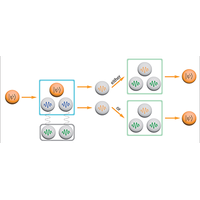
Phys. Rev. Lett. 136, 010801 (2026)
Quantum Information, Science, and Technology
Extensive Manipulation of Transition Rates and Substantial Population Inversion of Rotating Atoms Inside a Cavity
Article | Atomic, Molecular, and Optical Physics | 2026-01-06 05:00 EST
Yan Peng, Yuebing Zhou, Jiawei Hu, and Hongwei Yu
We investigate the transition rates of a centripetally accelerated atom inside a high-quality cavity and show that they can be extensively tuned by adjusting the cavity resonance and the rotation frequency. Crucially, while inertial atoms cannot be excited in vacuum, rotation induces spontaneous exc…
Phys. Rev. Lett. 136, 013202 (2026)
Atomic, Molecular, and Optical Physics
Optical Excitation and Stabilization of Ultracold Field-Linked Tetratomic Molecules
Article | Atomic, Molecular, and Optical Physics | 2026-01-06 05:00 EST
Bijit Mukherjee and Michał Tomza
We propose a coherent optical population transfer of weakly bound field-linked (FL) tetratomic molecules (tetramers) to deeper FL bound states using stimulated Raman adiabatic passage. We consider static-electric-field shielded polar alkali-metal diatomic molecules and corresponding FL tetramers in …
Phys. Rev. Lett. 136, 013401 (2026)
Atomic, Molecular, and Optical Physics
Matrix Phase-Space Representations for Gaussian Boson Sampling
Article | Atomic, Molecular, and Optical Physics | 2026-01-06 05:00 EST
Peter D. Drummond, Alexander S. Dellios, and Margaret D. Reid
We introduce coherent matrix phase-space distributions. These use conservation laws and symmetries to improve the accuracy and speed of quantum phase-space representations. As an example, this is applied to the validation of low-loss Gaussian boson sampling (GBS) quantum computational advantage expe…
Phys. Rev. Lett. 136, 013601 (2026)
Atomic, Molecular, and Optical Physics
Strong Molecule-Light Entanglement with Molecular Cavity Optomechanics
Article | Atomic, Molecular, and Optical Physics | 2026-01-06 05:00 EST
Hong-Yun Yu, Ya-Feng Jiao, Jie Wang, Feng Li, Bin Yin, Qi-Rui Liu, Tian Jiang, Hui Jing, and Ke Wei
We propose a molecular optomechanical platform to generate robust entanglement among bosonic modes--photons, phonons, and plasmons--under ambient conditions. The system integrates a high-Q whispering-gallery-mode (WGM) optical resonator with a plasmonic nanocavity formed by a metallic nanoparticle and…
Phys. Rev. Lett. 136, 013602 (2026)
Atomic, Molecular, and Optical Physics
Hybrid Quantum Surface Acoustic Wave with Skyrmion Qubit for Quantum Information Processing
Article | Atomic, Molecular, and Optical Physics | 2026-01-06 05:00 EST
Yu-Yuan Chen, Zhihui Peng, and Yu-xi Liu
Surface acoustic wave (SAW) devices are key components of classical communication systems and recently studied for quantum information processing. We here propose and study a hybrid quantum system composed of skyrmion qubit and a SAW cavity, which supports multiple long-lived phononic modes. The sys…
Phys. Rev. Lett. 136, 013801 (2026)
Atomic, Molecular, and Optical Physics
Wave-Induced Fracture of a Sea-Ice Analog
Article | Physics of Fluids, Earth & Planetary Science, and Climate | 2026-01-06 05:00 EST
B. Auvity, L. Duchemin, A. Eddi, and S. Perrard
We study at the laboratory scale the rupture of thin floating sheets made of a brittle material under a wave-induced mechanical forcing. We show that the rupture occurs where the curvature is maximum and the breakup threshold strongly depends on the wave properties. We observe that the critical stre…
Phys. Rev. Lett. 136, 014101 (2026)
Physics of Fluids, Earth & Planetary Science, and Climate
Formation of Voids or Stacking-Fault Tetrahedra Induced by Local Chemical Variations in Face-Centered-Cubic Complex Concentrated Alloys
Article | Condensed Matter and Materials | 2026-01-06 05:00 EST
Yeping Lin, Chenyang Lu, Tengfei Yang, Zhengxiong Su, Yixin Deng, Wangyu Hu, Huiqiu Deng, Guanghong Lu, and Fei Gao
Understanding how elemental variations influence defect cluster formation is a longstanding challenge in materials science. By combining defect rates-based long-time dynamics with molecular dynamics and irradiation experiments, we identify a distinct, cluster-mediated mechanism--governed by element-s…
Phys. Rev. Lett. 136, 016102 (2026)
Condensed Matter and Materials
Ab Initio Superionic-Liquid Phase Diagram of ${\mathrm{Fe}}{1\text{-}x}{\mathrm{O}}{x}$ under Earth’s Inner Core Conditions
Article | Condensed Matter and Materials | 2026-01-06 05:00 EST
Zepeng Wu, Chen Gao, Feng Zhang, Shunqing Wu, Kai-Ming Ho, Renata M. Wentzcovitch, and Yang Sun
The superionic state is a phase of matter in which liquidlike ionic mobility coexists with a solid crystalline lattice. Recently identified in Earth's inner core (IC), this state has attracted considerable attention for its unique kinetic behavior and geophysical implications. However, the ab initio…
Phys. Rev. Lett. 136, 016103 (2026)
Condensed Matter and Materials
Spatial Correlations of Charge Density Wave Order across the Transition in $2\mathrm{H}\text{-}{\mathrm{NbSe}}_{2}$
Article | Condensed Matter and Materials | 2026-01-06 05:00 EST
Seokjo Hong, Jaewhan Oh, Jemin Park, Woohyun Cho, Soyoung Lee, Colin Ophus, Yeongkwan Kim, Heejun Yang, SungBin Lee, and Yongsoo Yang
Charge density waves (CDWs) involve coupled amplitude and phase degrees of freedom, but direct access to local amplitude correlations remains experimentally challenging. Here, we report cryogenic four-dimensional scanning transmission electron microscopy measurements of CDW ordering in a fl…
Phys. Rev. Lett. 136, 016504 (2026)
Condensed Matter and Materials
Lindbladian versus Postselected non-Hermitian Topology
Article | Condensed Matter and Materials | 2026-01-06 05:00 EST
Alexandre Chaduteau, Derek K. K. Lee, and Frank Schindler
The recent topological classification of non-Hermitian "Hamiltonians" is usually interpreted in terms of pure quantum states that decay or grow with time. However, many-body systems with loss and gain are typically better described by mixed-state open quantum dynamics, which only correspond to pure-…
Phys. Rev. Lett. 136, 016603 (2026)
Condensed Matter and Materials
Magnetoelectric Torque in Polar Magnetic Bilayers
Article | Condensed Matter and Materials | 2026-01-06 05:00 EST
Zhong Shen, Jun Chen, Xiaoyan Yao, and Shuai Dong
Energy-efficient fast switching of spin orientations or textures is a core issue of spintronics, which is highly demanded but remains challenging. Different from the mainstream routes based on spin-transfer torque or spin-orbit torque, here we propose another mechanism coined as magnetoelectric torq…
Phys. Rev. Lett. 136, 016702 (2026)
Condensed Matter and Materials
Tracking the Photoinduced Dynamics of a Dark Excitonic State in Single-Layer ${\mathrm{WS}}_{2}$ via Resonant Autler-Townes Splitting
Article | Condensed Matter and Materials | 2026-01-06 05:00 EST
Angela Montanaro, Francesco Valiera, Francesca Giusti, Francesca Fassioli, Chiara Trovatello, Giacomo Jarc, Enrico Maria Rigoni, Fang Liu, Xiaoyang Zhu, Stefano Dal Conte, Giulio Cerullo, Martin Eckstein, and Daniele Fausti
A new three-pulse Autler-Townes technique unveils the ultrafast dynamics of a dark 2 exciton in monolayer WS, revealing symmetry-dependent many-body screening previously hidden from optical probes.
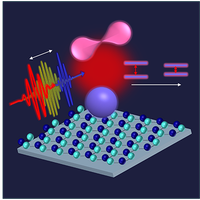
Phys. Rev. Lett. 136, 016902 (2026)
Condensed Matter and Materials
Polymorphic Self-Poisoning in Poly(Lactic Acid): A New Phenomenon in Polymer Crystallization
Article | Polymers, Chemical Physics, Soft Matter, and Biological Physics | 2026-01-06 05:00 EST
Shu-Gui Yang, Xiang-bing Zeng, Feng Liu, and Goran Ungar
Self-poisoning is ubiquitous in polymer crystallization but has so far manifested itself visibly only as minima in growth rate vs temperature in either monodisperse systems where, e.g., unstable folded chains obstruct crystallization of stable extended chains, or in periodically segmented chains whe…
Phys. Rev. Lett. 136, 018101 (2026)
Polymers, Chemical Physics, Soft Matter, and Biological Physics
Extending the Observation Time of Charged Helium Droplets to the Minute Timescale
Article | Atomic, Molecular, and Optical Physics | 2026-01-05 05:00 EST
Matthias Veternik, Tobias Waldhütter, Lutz Schweikhard, Paul Scheier, and Elisabeth Gruber
Charged, micron-sized helium droplets can be trapped for minutes in an electrostatic ion beam trap.
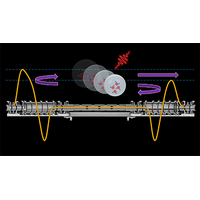
Phys. Rev. Lett. 136, 013201 (2026)
Atomic, Molecular, and Optical Physics
Effects of Geometric Curvature and Weak Magnetic Shear on the Ion-Temperature-Gradient Instability Near the Magnetic Axis in a Tokamak
Article | Plasma and Solar Physics, Accelerators and Beams | 2026-01-05 05:00 EST
Tiannan Wu and Shaojie Wang
Global gyrokinetic simulation of the ion temperature gradient mode shows that the radial electric field, well, upshifts the critical temperature gradient near the magnetic axis, in the weak but not in the strong magnetic shear () configuration. The geometric curvature effect almost cancels/doubl…
Phys. Rev. Lett. 136, 015102 (2026)
Plasma and Solar Physics, Accelerators and Beams
Observation of $\mathrm{Δ}J=0$ Rotational Excitation in Dense Hydrogens
Article | Condensed Matter and Materials | 2026-01-05 05:00 EST
Jie Feng, Xiao-Di Liu, Haian Xu, Pu Wang, Graeme J. Ackland, and Eugene Gregoryanz
Raman measurements performed on dense , and in a wide pressure-temperature range reveal the presence of the rotational excitation. In the gas/fluid state this excitation has zero Raman shift, but in the solid, the crystal field drives it away from the zero value, e.g., at a…
Phys. Rev. Lett. 136, 016101 (2026)
Condensed Matter and Materials
Complex Phonon Behaviors Dictate Anisotropic and Nonmonotonic Thermal Transport in Ice Polymorphs
Article | Condensed Matter and Materials | 2026-01-05 05:00 EST
Rong Qiu, Qiyu Zeng, Bo Chen, Jinsen Han, Jiahao Chen, Qunchao Tong, Kaiguo Chen, Dongdong Kang, Xiaoxiang Yu, Han Wang, and Jiayu Dai
The thermal conductivity of ice polymorphs constitutes a critical parameter in multidisciplinary research spanning cryobiology, atmospheric physics, and planetary science. However, the intricate structures and phonon dynamics pose significant challenges to understanding thermal transport in ice poly…
Phys. Rev. Lett. 136, 016301 (2026)
Condensed Matter and Materials
Large Spontaneous Nonreciprocal Charge Transport in a Zero-Magnetization Antiferromagnet
Article | Condensed Matter and Materials | 2026-01-05 05:00 EST
Kenta Sudo, Yuki Yanagi, Mitsuru Akaki, Hiroshi Tanida, and Motoi Kimata
An antiferromagnet with a zigzag magnetic structure exhibits a diode effect that has potential applications in spintronics.
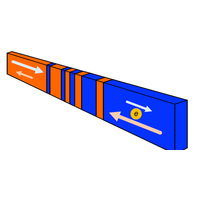
Phys. Rev. Lett. 136, 016503 (2026)
Condensed Matter and Materials
Odd-Chern-Number Quantum Anomalous Hall Effect at Even Filling in Moire Rhombohedral Heptalayer Graphene
Article | Condensed Matter and Materials | 2026-01-05 05:00 EST
Qianling Liu, Zhiyu Wang, Xiangyan Han, Zhuoxian Li, Bohao Li, Sicheng Zhou, Lihong Hu, Zhuangzhuang Qu, Chunrui Han, Kenji Watanabe, Takashi Taniguchi, Zheng Vitto Han, Bingbing Tong, Guangtong Liu, Li Lu, Fengcheng Wu, and Jianming Lu
The quantum anomalous Hall effect at even filling has been observed in rhombohedral heptalayer graphene moiré superlattices - previous observations were for odd-integer filling factors.
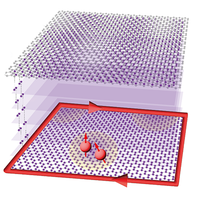
Phys. Rev. Lett. 136, 016602 (2026)
Condensed Matter and Materials
Electrical Generation of Surface Plasmon Polaritons in Plasmonic Heterostructures
Article | Condensed Matter and Materials | 2026-01-05 05:00 EST
Maxim Trushin
Surface plasmon polaritons (SPPs) can be understood as two-dimensional light confined to a conductor-dielectric interface via plasmonic excitations. While low-energy SPPs behave similarly to photons, higher-frequency SPPs resemble surface plasmons. Electrically generating midrange SPPs is particular…
Phys. Rev. Lett. 136, 016901 (2026)
Condensed Matter and Materials
Nonclassical Nucleation Pathways in Liquid Condensation Revealed by Simulation and Theory
Article | Statistical Physics; Classical, Nonlinear, and Complex Systems | 2026-01-05 05:00 EST
Yijian Wu, Thomas Philippe, Aymane Graini, and Julien Lam
Using state-of-the-art rare-event sampling simulations, we precisely characterize the nucleation of liquid droplets from a supersaturated Lennard-Jones gas and uncover a key physical feature: critical clusters nucleate with a density that differs substantially from that of the macroscopic equilibriu…
Phys. Rev. Lett. 136, 017101 (2026)
Statistical Physics; Classical, Nonlinear, and Complex Systems
Physical Review X
Particle Sweeping and Collection by Active and Living Filaments
Article | 2026-01-05 05:00 EST
R. Sinaasappel, K. R. Prathyusha, H. Tuazon, E. Mirzahossein, P. Illien, S. Bhamla, and A. Deblais
Active filaments collect nearby particles through sweeping motions driven by body bending. The size of the resulting clusters follows a simple geometric rule set by filament length and flexibility that unifies living, robotic, and simulated systems.
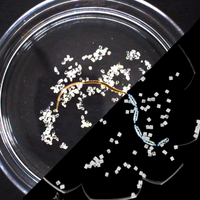
Phys. Rev. X 16, 011003 (2026)
arXiv
Physically-Constrained Autoencoder-Assisted Bayesian Optimization for Refinement of High-Dimensional Defect-Sensitive Single Crystalline Structure
New Submission | Materials Science (cond-mat.mtrl-sci) | 2026-01-06 20:00 EST
Joseph Oche Agada, Andrew McAninch, Haley Day, Yasemin Tanyu, Ewan McCombs, Seyed M. Koohpayeh, Brian H. Toby, Yishu Wang, Arpan Biswas
Physical properties and functionalities of materials are dictated by global crystal structures as well as local defects. To establish a structure-property relationship, not only the crystallographic symmetry but also quantitative knowledge about defects are required. Here we present a hybrid Machine Learning framework that integrates a physically-constrained variational-autoencoder (pcVAE) with different Bayesian Optimization (BO) methods to systematically accelerate and improve crystal structure refinement with resolution of defects. We chose the pyrochlore structured Ho2Ti2O7 as a model system and employed the GSAS2 package for benchmarking crystallographic parameters from Rietveld refinement. However, the function space of these material systems is highly nonlinear, which limits optimizers like traditional Rietveld refinement, into trapping at local minima. Also, these naive methods don’t provide an extensive learning about the overall function space, which is essential for large space, large time consuming explorations to identify various potential regions of interest. Thus, we present the approach of exploring the high Dimensional structure parameters of defect sensitive systems via pretrained pcVAE assisted BO and Sparse Axis Aligned BO. The pcVAE projects high-Dimensional diffraction data consisting of thousands of independently measured diffraction orders into a lowD latent space while enforcing scaling invariance and physical relevance. Then via BO methods, we aim to minimize the L2 norm based chisq errors in the real and latent spaces separately between experimental and simulated diffraction patterns, thereby steering the refinement towards potential optimum crystal structure parameters. We investigated and compared the results among different pcVAE assisted BO, non pcVAE assisted BO, and Rietveld refinement.
Materials Science (cond-mat.mtrl-sci), Machine Learning (cs.LG)
15 pages, 8 figures
A Chemically Grounded Evaluation Framework for Generative Models in Materials Discovery
New Submission | Materials Science (cond-mat.mtrl-sci) | 2026-01-06 20:00 EST
Elohan Veillon, Astrid Klipfel, Adlane Sayede, Zied Bouraoui
Generative models hold great promise for accelerating materials discovery, but their evaluation often overlooks the chemical validity and stability requirements crucial to real-world applications. Density Functional Theory (DFT) simulations are the gold standard for evaluating such properties but are computationally intensive and inaccessible to non-experts. We propose a chemically grounded, user-friendly evaluation framework that integrates DFT-based stability analysis with commonly used machine learning (ML) metrics. Through systematic experiments using both perturbative and generative methods, we demonstrate that conventional ML metrics can misrepresent chemical feasibility. To address this, we propose new insights on robust metrics and highlight the importance of simulation-informed evaluation for developing reliable generative models in materials science.
Materials Science (cond-mat.mtrl-sci)
AI-Guided Computational Design of a Room-Temperature, Ambient- Pressure Superconductor Candidate: Grokene
New Submission | Superconductivity (cond-mat.supr-con) | 2026-01-06 20:00 EST
DEARDAO DeSci Collaborative Team, Yanhuai Ding
We introduce Grokene, a novel two-dimensional superlattice derived from graphene, which was identified through an AI-guided materials discovery workflow utilizing a large language model. Grokene is predicted to exhibit ambient-pressure, room-temperature superconductivity, with computational simulations revealing a high electron-phonon coupling constant and a substantial logarithmic-averaged phonon frequency (~1650 K), leading to a mean-field critical temperature of approximately 325 K. Full isotropic Eliashberg solutions further support a critical temperature around 310 K, underscoring its strong potential for room-temperature superconductivity. However, the strict two-dimensional nature of Grokene introduces phase fluctuations, limiting the observable superconducting transition to a Berezinskii-Kosterlitz-Thouless (BKT) temperature of about 120 K in monolayers. To elevate TBKT toward room temperature, strategies such as few-layer stacking, substrate or gate engineering, and optimization of superlattice structure and doping levels are proposed. Our integrated workflow, combining AI-driven materials discovery with advanced many-body theories (DFPT/EPW, Eliashberg, and RPA), provides a systematic and reproducible framework for exploring novel superconductors. We suggest that experimental synthesis and comprehensive characterization of Grokene will be essential to assess these computational predictions and to explore routes toward practical superconductivity under ambient pressure.
Superconductivity (cond-mat.supr-con)
Moiré-Driven Equilibrium
New Submission | Mesoscale and Nanoscale Physics (cond-mat.mes-hall) | 2026-01-06 20:00 EST
Federico Escudero, Zhen Zhan, Pierre A. Pantaleón, Francisco Guinea
Perturbations in moiré materials, such as due to substrates or strain, are common in many experiments and can significantly modify the electronic properties of the system. Here, we show that perturbations in twisted bilayer graphene tend to be transferred between the coupled Dirac cones, eventually reaching an equilibrium near the magic angle. We connect our results to experiments and show that this equilibrium behavior remains robust even when the moiré potential itself is perturbed. Our findings extend the notion of the magic angle to a more general regime governed by moiré-driven equilibrium.
Mesoscale and Nanoscale Physics (cond-mat.mes-hall)
7+8 pages, 3+5 figures
Symmetry and Topology in the Non-Hermitian Kitaev chain
New Submission | Mesoscale and Nanoscale Physics (cond-mat.mes-hall) | 2026-01-06 20:00 EST
Ayush Raj, Soham Ray, Sai Satyam Samal
We investigate the non-Hermitian Kitaev chain with non-reciprocal hopping amplitudes and asymmetric superconducting pairing. We work out the symmetry structure of the model and show that particle-hole symmetry (PHS) is preserved throughout the entire parameter regime. As a consequence of PHS, the topological phase transition point of a finite open chain coincides with that of the periodic (infinite) system. By explicitly constructing the zero-energy wave functions (Majorana modes), we show that Majorana modes necessarily occur as reciprocal localization pairs accumulating on opposite boundaries, whose combined probability density exhibits an exact cancellation of the non-Hermitian skin effect for the zero energy modes. Excited states, by contrast, generically display skin-effect localization, with particle and hole components accumulating at opposite ends of the system. At the level of bulk topology, we further construct a $ \mathbb{Z}_2$ topological invariant in restricted parameter regimes that correctly distinguishes the topological and trivial phases. Finally, we present the topological phase diagram of the non-Hermitian Kitaev chain across a broad range of complex parameters and delineate the associated phase boundaries.
Mesoscale and Nanoscale Physics (cond-mat.mes-hall), Statistical Mechanics (cond-mat.stat-mech), Quantum Physics (quant-ph)
12 pages, 5 figures, 2 tables
Tuneable skyrmion and anti-skyrmion fluids via mechanical strain in chiral kagome lattice
New Submission | Strongly Correlated Electrons (cond-mat.str-el) | 2026-01-06 20:00 EST
Gonzalo dos Santos, Flavia A. Gómez Albarracín, Ludovic D. C. Jaubert, Pierre Pujol, Eduardo M. Bringa, H. Diego Rosales
Magnetic skyrmions are nanometric swirling spin textures that exhibit remarkable stability at finite temperatures, making them promising candidates for spintronic applications. Achieving controllable stability and transitions between distinct topological structures is crucial for practical implementations. In this work, we investigate the effect of uniaxial mechanical strain on a magnetic model on the kagome lattice, focusing on skyrmion stability and emergent topological phases. To this end, we consider a Heisenberg model that includes exchange interactions and both in-plane and out-of-plane Dzyaloshinskii-Moriya interactions. Using a combination of Spin-Lattice Dynamics and Monte Carlo simulations, we explore uniaxial strain variations in the range of $ -10%$ to $ 10%$ , showing important effects on the phase diagram. For compressive strain, we find that the density of skyrmions in the skyrmion gas (SkG) phase can be tuned and that the stability of this phase extends to higher temperatures. Tensile strain, in contrast, reduces the number of skyrmions and promotes transitions to other magnetic states. Within this regime, strain levels of about ($ \sim4-6%$ ) lead to a change in topological charge, turning skyrmions ($ Q=-1$ ) into antiskyrmions ($ Q=+1$ ). We also examine how strain affects other phases commonly appearing in skyrmion-hosting systems, such as the helical and fully polarized states, showing that mechanical deformation alters their stability and characteristic properties. Finally, we compare these results with the strain response of a more conventional skyrmion model, in order to clarify the role of the different interactions involved. Our results identify strain as an experimentally accessible route for engineering topological spin textures.
Strongly Correlated Electrons (cond-mat.str-el), Statistical Mechanics (cond-mat.stat-mech)
18 pages, 11 figures
Disordered Dynamics in High Dimensions: Connections to Random Matrices and Machine Learning
New Submission | Disordered Systems and Neural Networks (cond-mat.dis-nn) | 2026-01-06 20:00 EST
Blake Bordelon, Cengiz Pehlevan
We provide an overview of high dimensional dynamical systems driven by random matrices, focusing on applications to simple models of learning and generalization in machine learning theory. Using both cavity method arguments and path integrals, we review how the behavior of a coupled infinite dimensional system can be characterized as a stochastic process for each single site of the system. We provide a pedagogical treatment of dynamical mean field theory (DMFT), a framework that can be flexibly applied to these settings. The DMFT single site stochastic process is fully characterized by a set of (two-time) correlation and response functions. For linear time-invariant systems, we illustrate connections between random matrix resolvents and the DMFT response. We demonstrate applications of these ideas to machine learning models such as gradient flow, stochastic gradient descent on random feature models and deep linear networks in the feature learning regime trained on random data. We demonstrate how bias and variance decompositions (analysis of ensembling/bagging etc) can be computed by averaging over subsets of the DMFT noise variables. From our formalism we also investigate how linear systems driven with random non-Hermitian matrices (such as random feature models) can exhibit non-monotonic loss curves with training time, while Hermitian matrices with the matching spectra do not, highlighting a different mechanism for non-monotonicity than small eigenvalues causing instability to label noise. Lastly, we provide asymptotic descriptions of the training and test loss dynamics for randomly initialized deep linear neural networks trained in the feature learning regime with high-dimensional random data. In this case, the time translation invariance structure is lost and the hidden layer weights are characterized as spiked random matrices.
Disordered Systems and Neural Networks (cond-mat.dis-nn), Machine Learning (stat.ML)
Tunable chiral spiral phases in a non-Hermitian Ising-Gamma spin chain
New Submission | Quantum Gases (cond-mat.quant-gas) | 2026-01-06 20:00 EST
Run-Dong Huang, Wei-Lin Li, Zhi Li
We study the influence of dissipation on the Ising-Gamma model. Through observables such as ground-state energy, order parameters, entanglement entropy, etc., we identify each phase region and provide the global phase diagram of the system. The results show that the region of the spiral phase will continuously expand with the increase of dissipation, gradually squeezing the original paramagnetic and antiferromagnetic phase regions. Remarkably, unlike the conservative system, the introduction of dissipation will cause two spiral phases with opposite chiralities to emerge simultaneously in the system, which provides a possibility for the manipulation of spiral chirality in cold atomic experiments. Moreover, we reveal the mechanism of the dependence of the transformation between these two spiral phases with distinct chirality on the strength of the relative coefficient of off-diagonal Gamma interactions in the Ising-Gamma model. Since both the relevant order parameters and dissipation can be well controlled within a detectable range, these phenomena can be observed in ultracold atomic experiments.
Quantum Gases (cond-mat.quant-gas), Statistical Mechanics (cond-mat.stat-mech), Strongly Correlated Electrons (cond-mat.str-el)
Phys. Rev. A 113, 012203 (2026)
Terahertz magneto-photocurrents in the topological insulator Bi$_2$Se$_3$ probe its topological surface states
New Submission | Mesoscale and Nanoscale Physics (cond-mat.mes-hall) | 2026-01-06 20:00 EST
Chihun In, Genaro Bierhance, Deepti Jain, Tom S. Seifert, Oliver Gueckstock, Roberto Mantovan, Seongshik Oh, Tobias Kampfrath
We study ultrafast magneto-photocurrents in a three-dimensional topological insulator. For this purpose, we excite (In$ _r$ Bi$ {1-r}$ )$ 2$ Se$ 3$ thin films with a femtosecond laser pulse in the presence of an external magnetic field $ B{\text{ext}}$ up to 0.3 T parallel to the film plane. The resulting in-plane photocurrent is measured by detecting the emitted terahertz (THz) electromagnetic pulse. It scales linearly with $ B{\text{ext}}$ and is perpendicular to $ B{\text{ext}}$ . Strikingly, for $ r\ge$ 4%, we observe an abrupt photocurrent reduction, which is strongly correlated with the Indium-induced quenching of the topological surface states. The rise time, decay time and amplitude of the THz magneto-photocurrent can consistently be explained by a scenario in which optically excited spin-polarized electrons propagate toward the film surface where the accumulated spin is converted into an in-plane charge current due to spin-velocity locking. Our results are highly relevant for contact-free probing of spin-charge conversion in systems with paramagnetic rather than spontaneous magnetic order.
Mesoscale and Nanoscale Physics (cond-mat.mes-hall), Materials Science (cond-mat.mtrl-sci), Optics (physics.optics)
14 pages, 4 figures
Ground State and Collective Modes of Bose-Einstein Condensates in Newtonian and MOND-inspired gravitational potentials
New Submission | Quantum Gases (cond-mat.quant-gas) | 2026-01-06 20:00 EST
We analytically and numerically study the ground state and collective dynamics of Bose-Einstein condensates in two traps: a Newtonian potential and a logarithmic potential inspired by Modified Newtonian Dynamics (MOND). In the ground state, the MOND potential supports bound states only in the deep-MOND regime, where the condensate becomes significantly larger than its Newtonian counterpart. The size increases with repulsive coupling parameter $ \beta$ in both potentials. A clear scaling law of the size with $ \beta^{1/3}$ emerges in the MOND case and is confirmed numerically over a wide parameter range, while for the Newtonian potential no simple scaling law exists as the Thomas-Fermi approximation ceases to be valid. For the dynamics, we derive and solve equations for the monopole collective mode. The larger MOND-bound condensate oscillates at a lower frequency, which scales as $ \beta^{-1/3}$ in the strong-interaction limit. These scaling laws provide insights for quantum-simulation experiments aiming to probe modified-gravity scenarios with cold atoms.
Quantum Gases (cond-mat.quant-gas), Cosmology and Nongalactic Astrophysics (astro-ph.CO), Astrophysics of Galaxies (astro-ph.GA), General Relativity and Quantum Cosmology (gr-qc), Quantum Physics (quant-ph)
9 pages, 3 figures
Photogalvanic currents from first-principles real-time density-matrix dynamics
New Submission | Materials Science (cond-mat.mtrl-sci) | 2026-01-06 20:00 EST
Junting Yu, Andrew Grieder, Jacopo Simoni, Ravishankar Sundararaman, Aris Alexandradinata, Yuan Ping
The photogalvanic effect is the generation of a second-order direct current by illumination of a non-centrosymmetric material. In this work, we develop a fully first-principles quantum kinetic theory based on density matrix formalism to calculate the photogalvanic current in all time regimes: transient and steady. Unlike past \textit{ab-initio} studies which focused only on the photo-excitation process, our first-principles theory framework encodes all quantum scatterings (intra/interband relaxation and electron-hole recombination) mediated by bosons (photons and phonons), and is thus predictive of photogalvanic currents in realistic materials. In particular, for the linear photogalvanic effect, we find electron scatterings mediated by phonons contribute significantly to the shift current for prototypical piezoelectrics like BaTiO$ _3$ . This explains the theoretical underestimation of the experimental photogalvanic current in previous \textit{ab-initio} work. For the circular photogalvanic effect, we present the first self-consistent theory of a steady injection current that incorporates realistic scattering mediated by phonons. New formulas for the photogalvanic currents are presented which elucidate their connection with fundamental quantum-geometric quantities such as the Berry curvature and the quantum metric. A phonon-based explanation is proposed for the bipolar transient photogalvanic current observed by the THz emission spectroscopy.
Materials Science (cond-mat.mtrl-sci)
Detection of MEMS Acoustics via Scanning Tunneling Microscopy
New Submission | Mesoscale and Nanoscale Physics (cond-mat.mes-hall) | 2026-01-06 20:00 EST
R. J. G. Elbertse, M. Xu, A. Keşkekler, S. Otte, R. A. Norte
Scanning tunneling microscopy (STM) and micro-electromechanical systems (MEMS) have traditionally addressed vastly different length scales - one resolving atoms, the other engineering macroscopic motion. Here we unite these two fields to perform minimally invasive-measurements of high aspect-ratio MEMS resonators using the STM tip as both actuator and detector. Operating at cryogenic temperatures, we resolve acoustic modes of millimeter-scale, high-Q membranes with picometer spatial precision, without making use of lasers or capacitive coupling. The tunneling junction introduces negligible back-action or heating, enabling direct access to the intrinsic dynamics of microgram-mass oscillators. In this work we explore three different measurement modalities, each offering unique advantages. Combined, they provide a pathway to quantum-level readout and exquisite high-precision measurements of forces, displacements, and pressures at cryogenic conditions. This technique provides a general platform for minimally-perturbative detection across a wide range of nanomechanical and quantum devices.
Mesoscale and Nanoscale Physics (cond-mat.mes-hall), Instrumentation and Detectors (physics.ins-det)
Main and Supplementary
Family of High-Chern-Number Orbital Magnets in Twisted Rhombohedral Graphene
New Submission | Mesoscale and Nanoscale Physics (cond-mat.mes-hall) | 2026-01-06 20:00 EST
Xirui Wang, L. Antonio Benítez, Vo Tien Phong, Wai In Chu, Kenji Watanabe, Takashi Taniguchi, Cyprian Lewandowski, Pablo Jarillo-Herrero
Realizing Chern insulators with Chern numbers greater than one remains a major goal in quantum materials research. Such platforms promise multichannel dissipationless chiral transport and access to correlated phases beyond the conventional C = 1 paradigm. Here, we discover a family of high-Chern-number orbital magnets in twisted monolayer-multilayer rhombohedral graphene, denoted (1+n) with n = 3, 4, and 5. Magnetotransport measurements show pronounced anomalous Hall effects at one and three electrons per moiré unit cell when they are polarized away from the moiré interface. Across the (1+n) systems, we observe a clear topological hierarchy C = n, revealed by the Středa trajectories and the quantized Hall resistance. Our experimental observations are supported by self-consistent mean-field calculations. Moreover, we realize both electrical and magnetic switching of the high-Chern-number states by flipping the valley polarization. Together, these results establish a tunable hierarchy of orbital Chern magnets in twisted rhombohedral graphene, offering systematic control of Chern number and topology through layer engineering in pristine graphene moiré systems.
Mesoscale and Nanoscale Physics (cond-mat.mes-hall), Materials Science (cond-mat.mtrl-sci), Strongly Correlated Electrons (cond-mat.str-el)
Spectral Visualization of Excitonic Pair Breaking at Individual Impurities in Ta2Pd3Te5
New Submission | Strongly Correlated Electrons (cond-mat.str-el) | 2026-01-06 20:00 EST
Lianzhi Yang, Deguang Wu, Hanbo Zhang, Yao Zhang, Xiutong Deng, Chao Zhang, Tianyou Zhai, Wenhao Zhang, Youguo Shi, Rui Wang, Chaofei Liu, Ying-Shuang Fu
Excitonic insulators host the condensates of bound electron-hole pairs, offering a platform for studying correlated bosonic quantum states. Yet, how macroscopic coherence emerges from locally collapsed pairing remains elusive. Here, using scanning tunnelling spectroscopy, we report the impurity-induced pair breaking in an excitonic insulator Ta2Pd3Te5. Individual Te vacancies are found to generate a pair of spectral peaks within the excitonic gap. Their energies depend sensitively on the defect configurations and are continuously tunable by tip electric field, indicating controllable impurity scatterings. Spectral mapping shows spatially anisotropic and electronically coupled electron-hole components of the subgap states. These observations, together with mean-field modelling, suggest an excitonic pair-breaking origin. In the strongly electron-hole imbalanced region, a secondary pair-breaking effect, manifesting as an additional pair of subgap states with distinctly lower energies, can emerge, presenting the interplay of pairing breakings with different excitonic order parameters. Our findings demonstrate the spectroscopic ‘fingerprint’ of local excitonic depairing at the atomic level, offering a crucial clue to the critical behavior across excitonic condensation.
Strongly Correlated Electrons (cond-mat.str-el)
9 pages, 4 figures
Strain-triggered high-temperature superconducting transition in two-dimensional carbon allotrope
New Submission | Superconductivity (cond-mat.supr-con) | 2026-01-06 20:00 EST
Tian Yan, Ru Zheng, Jin-Hua Sun, Fengjie Ma, Xun-Wang Yan, Miao Gao, Tian Cui, Zhong-Yi Lu
Driving non-superconducting materials into a superconducting state through specific modulation is a key focus in the field of superconductivity. Pressure is a powerful method that can switch a three-dimensional (3D) material between non-superconducting and superconducting states. In the two-dimensional (2D) case, strain engineering plays a similar role to pressure. However, purely strain-induced superconductivity in 2D systems remains exceedingly scarce. Using first-principles calculations, we demonstrate that a superconducting transition can be induced solely by applying biaxial tensile strain in a 2D carbon allotrope, THO-graphene, which is composed of triangles, hexagons, and octagons. Free-standing THO-graphene is non-superconducting. Surprisingly, the electron-phonon coupling in strained THO-graphene is enhanced strong enough to pair electrons and realize superconductivity, with the highest superconducting transition temperature reaching 45 K. This work not only provides a notable example of controlling metal-superconductor transition in 2D system just via strain, but also sets a new record of superconducting transition temperature for 2D elemental superconductors.
Superconductivity (cond-mat.supr-con), Materials Science (cond-mat.mtrl-sci), Computational Physics (physics.comp-ph)
7 pages, 5 figures
Landscape of grain boundary migration in polycrystals
New Submission | Materials Science (cond-mat.mtrl-sci) | 2026-01-06 20:00 EST
Grain boundary (GB) migration is a pivotal process that significantly impacts the development of microstructures, thereby influencing the practical performance of polycrystalline materials. Recent advances in 3D experimental techniques have revealed conflicts between observed GB migration behaviors and classical theoretical models. These contradictions raise two fundamental questions, namely, whether GB migration is linearly related to curvature, and how GB energy affect GB migration? Here, we provide a comprehensive analysis of GB migration dynamics in polycrystals and resolve these conflicts within a theoretical framework. Unexpectedly, in a polycrystalline system, the range of GB migration velocities shows little correlation with the magnitude of its curvature. The extent of the influence of GB energy on GB migration is revealed to mostly depend on GB step energy. Finally, a more general GB migration formula is derived to incorporate various driving forces beyond curvature.
Materials Science (cond-mat.mtrl-sci), Chemical Physics (physics.chem-ph)
Efficient magnetization switching driven by orbital torque originating from light 3d-transition-metal nitrides
New Submission | Materials Science (cond-mat.mtrl-sci) | 2026-01-06 20:00 EST
Gaurav K. Shukla, Yoshio Miura, Mayank K. Singh, Shinji Isogami
The orbital Hall effect (OHE) in light transition metals offers a promising route to generate orbital torques for efficient magnetization control, providing an alternative to conventional spin Hall effect approaches that rely on heavy metals. We demonstrate perpendicular magnetization switching in [Co/Pt]3 multilayers driven by the OHE in a light 3d transition metal nitride, VN, with 111-texture of face-center cubic structure. Second harmonic Hall measurement reveals a large torque efficiency of -0.41 in the VN(7.5 nm)/[Co(0.35nm)/Pt(0.3 nm)]3, which significantly surpasses that in the control samples with Co, Py, and CoFeB ferromagnets, suggesting strong conversion of orbital current originating from VN to spin current by [Co/Pt]3 ferromagnet. Full switching by in-plane current is achieved with an in-plane magnetic field, while partial field-free switching occurs without it. The critical current density for the switching is found to be comparable to that of the W-based spin-orbit torque device. First-principles calculations confirm a large orbital Hall conductivity in VN, with a small spin Hall conductivity around the Fermi energy. Our results highlight the potential in the combination of light 3d transition metal nitrides and Co/Pt ferromagnetic multilayer with 111-texture to maximize the magnetization switching efficiency of orbitronic devices.
Materials Science (cond-mat.mtrl-sci)
Automatic calculation of symmetry-adapted tensors under spin-group symmetry. STENSOR, a new tool of the Bilbao Crystallographic Server
New Submission | Materials Science (cond-mat.mtrl-sci) | 2026-01-06 20:00 EST
Luis Elcoro, Jesus Etxebarria, J. Manuel Perez-Mato, Emre S. Tasci
We present STENSOR, a new computational tool integrated into the Bilbao Crystallographic Server, designed for the automatic calculation of symmetry-adapted tensors under spin group symmetry. The program requires either a file containing the structural data of the magnetic compound or the generators of the oriented spin point group, together with the so-called generalized Jahn symbol associated to the tensor of interest. The user can propose any arbitrary tensor type or select a particular one from a predefined list. The program output returns the symmetry-adapted tensor under the spin point group and also under the magnetic point group, which is also calculated. The comparison of these two tensor forms allows to distinguish the coefficients that are due to spin-orbit coupling effects from those that have a non-relativistic origin and thus are usually more important. A couple of examples are given to illustrate the operation of the program.
Materials Science (cond-mat.mtrl-sci)
11 pages (and 16 pages of Supplemental Information) and 5 figures (3 in the SM)
Dilatancy-induced surface deformation in dense cohesive granular media
New Submission | Soft Condensed Matter (cond-mat.soft) | 2026-01-06 20:00 EST
Huzaif Rahim, Thorsten Poeschel, Sudeshna Roy
When granular materials with interstitial liquid bridges are sheared in a split-bottom cell, a localized shear band develops, accompanied by a surface elevation. Cohesion, governed by the surface tension of the interstitial liquid, enhances dilatancy in dense cohesive packings, leading to expansion within the shear band and the emergence of a surface elevation. Surface deformation is observed not only in cohesive systems with high particle density and large liquid surface tension, but also in those with lower values of these parameters. The equivalent Bond number arises as a key control parameter for the surface deformation, shaping both the evolution of the surface profile and the packing density. At higher shear rates, inertial effects dominate dilatancy, resulting in less pronounced surface deformation.
Soft Condensed Matter (cond-mat.soft), Materials Science (cond-mat.mtrl-sci)
Topological bound states in the continuum
New Submission | Mesoscale and Nanoscale Physics (cond-mat.mes-hall) | 2026-01-06 20:00 EST
Dunkan Martinez, Rodrigo P A Lima, Alexander Lopez, Francisco Dominguez-Adame, Pedro A Orellana
Bound states in the continuum, originally proposed within the framework of quantum mechanics, have since been observed in a variety of physical contexts, including electromagnetism, acoustics, and optics. Of particular interest are those bound states in the continuum that are protected by continuous symmetries, as their stability makes them resistant to structural imperfections and material disorder. In this study, we demonstrate the existence of topologically protected bound states in the continuum by coupling a finite Su-Schrieffer-Heeger (SSH) chain to a metallic lead. These states are characterized by distinct features in the electrical response of the system, serving as a direct indication of their topological origin. The inherent robustness of such topologically protected states highlights their potential applications in fault-tolerant quantum information processing as well as in the design of advanced electronic and photonic devices.
Mesoscale and Nanoscale Physics (cond-mat.mes-hall)
5 pages, 5 figures
Hopping transport regimes and dimensionality transition: a unified Monte Carlo Random Resistor Network approach
New Submission | Disordered Systems and Neural Networks (cond-mat.dis-nn) | 2026-01-06 20:00 EST
Alejandro Toral-Lopez, Damiano Marian, Gianluca Fiori
Hopping transport, characterized by carrier tunneling between localized states, is a key mechanism in disordered materials such as organic semiconductors, perovskites, nitride alloys, and 2D material-based inks. Two main regimes are typically observed: Variable Range Hopping and Nearest Neighbor Hopping, with a transition between them upon temperature variation. Despite numerous experimental observations, the modeling of this transition remain insufficiently explored and not fully understood. In this work, we present an in-house Monte Carlo Random Resistor Network-based simulator capable of capturing both hopping transport regimes. We demonstrate how material properties that define the network, such as localization length and the spatial and energetic distribution of sites, determine the dominant transport regime. The simulator has been successfully validated against experimental data, showing excellent agreement, reproducing the transition from one regime to the other and accurately capturing 1D, 2D and 3D variable range hopping behavior, providing both a theoretical framework for interpreting experiments and a powerful tool for studying transport mechanisms.
Disordered Systems and Neural Networks (cond-mat.dis-nn)
Stochastic Thermodynamics of Associative Memory
New Submission | Statistical Mechanics (cond-mat.stat-mech) | 2026-01-06 20:00 EST
Spencer Rooke, Dmitry Krotov, Vijay Balasubramanian, David Wolpert
Dense Associative Memory networks (DenseAMs) unify several popular paradigms in Artificial Intelligence (AI), such as Hopfield Networks, transformers, and diffusion models - while casting their computational properties into the language of dynamical systems and energy landscapes. This formulation provides a natural setting for studying thermodynamics and computation in neural systems, because DenseAMs are simultaneously simple enough to admit analytic treatment and rich enough to implement nontrivial computational function. Aspects of these networks have been studied at equilibrium and at zero temperature, but the thermodynamic costs associated with their operation out of equilibrium are largely unexplored. Here, we define the thermodynamic entropy production associated with the operation of such networks, and study polynomial DenseAMs at intermediate memory load. At large system sizes, we use dynamical mean field theory to characterize work requirements and memory transition times when driving the system with corrupted memories. We find tradeoffs between entropy production, memory retrieval accuracy, and operation speed.
Statistical Mechanics (cond-mat.stat-mech)
Structural, Bonding, and Optical Properties of B$_{18}$Ca$_2$ Clusters: Double-Ring Forms
New Submission | Materials Science (cond-mat.mtrl-sci) | 2026-01-06 20:00 EST
The structural and electronic properties of the doubly calcium-doped boron cluster B$ _{18}$ Ca$ _2$ have been systematically investigated using density functional theory calculations. Basin-hopping searches reveal that B$ _{18}$ Ca$ _2$ adopts a double-ring geometry as its global minimum, consisting of two fused B$ _9$ rings symmetrically stabilized by calcium atoms located above and below the boron framework. Vibrational frequency calculations verify the dynamical stability of the low-lying structures, while infrared and UV-Vis spectra highlight strong Ca–B coupling and pronounced electronic delocalization within the boron scaffold. Atomic dipole-corrected Hirshfeld charge analysis indicates substantial charge transfer from Ca to the electron-deficient boron framework, with the donated electrons uniformly delocalized over the B$ _{18}$ skeleton. Real-space bonding analyses based on the electron localization function (ELF), Interaction Region Indicator (IRI), and the Laplacian of the electron density reveal an extended multicenter bonding network characterized by global $ \sigma$ -delocalization and Ca-induced polarization effects rather than localized two-center Ca–B bonds. Together, these results establish B$ _{18}$ Ca$ _2$ as a prototypical boron toroidal cluster and provide fundamental insights into the role of alkaline-earth doping in stabilizing complex boron nanostructures.
Materials Science (cond-mat.mtrl-sci)
5 pages, 4 figures
Thermodynamic geometry of friction on graphs: Resistance, commute times, and optimal transport
New Submission | Statistical Mechanics (cond-mat.stat-mech) | 2026-01-06 20:00 EST
Jordan R Sawchuk, David A Sivak
We demonstrate that for slowly driven reversible Markov chains, the thermodynamic friction metric governing dissipation is equivalent to two independently developed graph-theoretic geometries: commute-time geometry and resistance distance. This equivalence yields complementary physical insights: the commute-time metric provides the local Euclidean description of the thermodynamic manifold, while the resistance distance maps dissipation to power loss in an electrical network. We further show that this metric arises from a discrete $ L^2$ -Wasserstein transport cost evaluated along paths of equilibrium distributions, extending a correspondence previously shown for continuous-state processes. These results unify linear-response, electrical-resistance, random-walk, and optimal-transport frameworks, revealing linear-response dissipation as the energetic cost of transporting probability through the intrinsic geometry of the state-space network.
Statistical Mechanics (cond-mat.stat-mech)
6 pages, 1 figure
Cellular Automata: From Structural Principles to Transport and Correlation Methods
New Submission | Statistical Mechanics (cond-mat.stat-mech) | 2026-01-06 20:00 EST
Mihir Metkar, Neha Sah, Zoey Zhou
Cellular automata (CA) are discrete-time dynamical systems with local update rules on a lattice. Despite their elementary definition, CA support a wide spectrum of macroscopic phenomena central to statistical physics: equilibrium and nonequilibrium phase transitions, transport and hydrodynamic limits, kinetic roughening, self-organized criticality, and complex spatiotemporal correlations. This survey focuses on three tightly connected themes. \emph{(i)} We present a structural view of CA as shift-commuting maps on configuration spaces, emphasizing rule complexity, reversibility, and conservation laws (including discrete continuity equations). \emph{(ii)} We organize transport in CA into ballistic, diffusive, and anomalous regimes, and connect microscopic currents to macroscopic laws through Green–Kubo formulas, scaling theory, and universality classes. \emph{(iii)} We develop correlation-based methods – from structure factors and response formulas to computational mechanics and data-driven inference – that diagnose regimes and enable coarse-graining.
Statistical Mechanics (cond-mat.stat-mech)
15 pages
Breakdown of Ohm’s Law by Disorders in Low-Dimensional Transistors
New Submission | Mesoscale and Nanoscale Physics (cond-mat.mes-hall) | 2026-01-06 20:00 EST
Chang Niu, Adam Charnas, Jian-Yu Lin, Linjia Long, Zehao Lin, Zhuocheng Zhang, Peide D. Ye
Ohm’s law provides a fundamental framework for understanding charge transport in conductors and underpins the concept of electrical scaling that has enabled the continuous advancement of modern CMOS technologies. As transistors are scaled to even smaller dimensions, device channels inevitably enter low-dimensional regimes to achieve higher performance. Low-dimensional materials such as atomically thin oxide semiconductors, 2D van der Waals semiconductors, and 1D carbon nanotubes, have thus emerged as key candidates for extending Moore’s law. Here, we reveal the fundamental distinction between three-dimensional and low-dimensional conductors arising from disorder-induced electron localization, which leads to the breakdown of Ohm’s law and lateral linear scaling. We develop a quantitative model that captures the role of the disordered region, a unique characteristic intrinsically to low-dimensional transistors. Furthermore, the disorder-induced localization framework consistently explains experimental observations in atomically thin In2O3 field-effect transistors across variations in channel length, temperature, thickness, and post-annealing conditions. This work establishes a unified physical picture for understanding and optimizing disorder-driven electronic transport in low-dimensional transistors.
Mesoscale and Nanoscale Physics (cond-mat.mes-hall), Disordered Systems and Neural Networks (cond-mat.dis-nn), Materials Science (cond-mat.mtrl-sci)
From Random Walks to Thermal Rides: Universal Anomalous Transport in Soaring Flights
New Submission | Statistical Mechanics (cond-mat.stat-mech) | 2026-01-06 20:00 EST
Jérémie Vilpellet, Alexandre Darmon, Michael Benzaquen
Cross-country soaring flights rely on intermittent atmospheric updrafts to cover long distances, producing trajectories that alternate between rapid relocation and local exploration. From a large dataset of paraglider, hang glider, and sailplane flights, we uncover a universal transport law: beyond short ballistic times, horizontal motion is persistently sub-ballistic, with a Hurst exponent $ \approx 0.88$ largely independent of aircraft type. Phase-resolved analysis using a probabilistic segmentation method shows that this scaling arises from the fundamentally intermittent, two-dimensional, and directionally correlated nature of soaring transport, in which successive ballistic segments do not add coherently. We find that learning, in the sense of experience-driven improvements in exploration and decision-making, manifests primarily in the search phase, enhancing the ability to efficiently probe the air mass and locate the next thermal. Overall, our results suggest that atmospheric structure and the generic organization of the transition-search-climb cycle dominate transport properties, placing human soaring alongside biological and physical systems where anomalous transport emerges from intermittency and persistence.
Statistical Mechanics (cond-mat.stat-mech), Data Analysis, Statistics and Probability (physics.data-an), Popular Physics (physics.pop-ph)
11 pages, 8 figures
Exploring the Thermodynamic, Elastic, and Optical properties of LaRh2X2 (X = Al, Ga, In) low Tc Superconductors through First-Principles Calculations
New Submission | Superconductivity (cond-mat.supr-con) | 2026-01-06 20:00 EST
Md. Hasan Shahriar Rifat, Mirza Humaun Kabir Rubel, Md. Borhan Uddin, Apon Kumar Datta, Md. Mijanur Rahaman
LaRh2X2 (X = Al, Ga, In) compounds crystallize in a tetragonal layered ThCr2Si2-type structure and belong to a family of low critical temperature superconductors. Using first-principles density functional theory calculations implemented in the CASTEP code, we systematically investigated their structural, mechanical, elastic, electronic, vibrational, thermophysical, and optical properties for the first time. The optimized structural parameters show good agreement with available experimental data. The Born stability criteria and negative formation energies confirm the mechanical and thermodynamic stability of these materials. Poisson and Pugh ratios indicate a ductile nature, while low Debye and melting temperatures together with low Vickers hardness suggest that the compounds are relatively soft. The electronic band structures and density of states reveal metallic behavior. Charge density distribution and Mulliken population analysis indicate mixed covalent, ionic, and metallic bonding. The calculated Fermi surfaces contain both hole-like and electron-like sheets, suggesting possible multiband characteristics. Phonon dispersion analysis confirms the dynamical stability of LaRh2Al2 and LaRh2Ga2, while LaRh2In2 shows dynamical instability associated with a possible structural phase transition. Optical property analysis indicates that these superconductors may be promising candidates for high-density optical data storage applications. The estimated electron-phonon coupling constant of about 0.56 indicates that LaRh2X2 compounds are weakly coupled low critical temperature superconductors.
Superconductivity (cond-mat.supr-con), Materials Science (cond-mat.mtrl-sci)
33 pages, 12 figures
Calorimetric Measurement of the Surface Energy of Enstatite, MgSiO$_3$
New Submission | Materials Science (cond-mat.mtrl-sci) | 2026-01-06 20:00 EST
Megan A. Householder, Tamilarasan Subramani, Kristina Lilova, James R. Lyons, Rhonda M. Stroud, Alexandra Navrotsky
Surface thermodynamics of minerals influence their properties and occurrence in both terrestrial and planetary systems. Using high-temperature oxide melt solution calorimetry, we report the first direct measurement of the surface energy of enstatite, MgSiO$ _3$ . Enstatite nanoparticles of different sizes were synthesized using the sol-gel method, characterized with X-ray diffraction, thermal analysis, infrared spectroscopy, surface area measurements, and electron microscopy. The materials consist of crystallites with sizes of $ \sim $ 10 - 20 nm, which are agglomerated into larger nanoparticles. Thus, both surface and interface terms contribute to the measured enthalpies. Analysis based on calorimetry and calculated surface and interface areas gives the surface enthalpy of enstatite as 4.79 $ \pm$ 0.45 J m$ ^{-2}$ . This value is comparable to that of forsterite (Mg$ _2$ SiO$ _4$ ) and larger than those of many nonsilicate oxide materials. This large surface energy may present a barrier to the nucleation of enstatite in planetary atmospheres and other geochemical and planetary environments. The interfacial energy of enstatite appears to be close to zero. The transition enthalpy from bulk orthoenstatite to bulk clinoenstatite is 0.34 $ \pm$ 0.93 kJ mol$ ^{-1}$ , which is in agreement with earlier reports. The methodology developed here can be extended to other materials having complex structures and morphologies to separate surface and interfacial contributions to energetics.
Materials Science (cond-mat.mtrl-sci), Instrumentation and Methods for Astrophysics (astro-ph.IM)
7 pages, 4 figures, 5 tables, for supporting information go to this https URL
The Journal of Physical Chemistry C. (2023) Vol 127 Issue 40, 20106-20112
Predicting Coherent B2 Stability in Ru-Containing Refractory Alloys Through Thermodynamic Elastic Design Maps
New Submission | Materials Science (cond-mat.mtrl-sci) | 2026-01-06 20:00 EST
Ruthenium-based B2 intermetallics are promising for refractory superalloys but are limited by the trade-off between high thermodynamic stability and elastic precipitation strain. We present a physics-guided machine learning framework integrating high-throughput Density Functional Theory (DFT), Random Forest screening, and Symbolic Regression to navigate this design space. This approach resolves the paradox where stoichiometric compounds like RuHf fail to achieve theoretical solvus temperatures. By deriving a closed-form physical law, we quantify the strain penalty: a 1% lattice misfit reduces the solvus temperature by approximately 200 degrees C. This finding confirms that maximizing thermodynamic driving force alone is insufficient. We demonstrate that multi-component alloying is structurally necessary, identifying ternary additions such as Al and Ti as essential lattice-tuning agents that zero out the elastic penalty. This framework establishes a rigorous, constraint-based protocol for alloy design, enabling the precise engineering of zero-misfit, high-stability microstructures.
Materials Science (cond-mat.mtrl-sci)
Tripling of the Superconducting Critical Current Density in BaFe$2$(As${1-x}$P$_x$)$_2$ Retained After Pressure Release
New Submission | Superconductivity (cond-mat.supr-con) | 2026-01-06 20:00 EST
Jiangteng Liu, Alex Lopez, Zhaoyu liu, Jiun-Haw Chu, Serena Eley
Superconducting performance is tunable not only via chemical modification or defect engineering, but also through external parameters such as pressure, though this method remains less readily accessible. In this work, we study how compression influences vortex dynamics and critical currents in an iron-based superconductor. Specifically, we perform magnetization measurements using an off-the-shelf pressure cell to investigate the effects of hydrostatic pressures up to 1.08 GPa on the magnetic properties of BaFe$ _2$ (As$ _{0.62}$ P$ _{0.38}$ )$ _2$ crystals across a range of temperatures $ T$ and magnetic fields $ H$ . Although these pressures minimally affect the superconducting critical temperature, they produce a clear increase in the critical current density $ J_c(T,H)$ , a pronounced reduction in the rate of thermally activated vortex motion $ S(T,H)$ , and can change the dominant vortex pinning mechanism. Furthermore, the effects of pressure are irreversible: after pressurization and subsequent release at room temperature, the crystals retain their enhanced critical current densities. The second magnetization peak vanishes at 22 K after the pressure cycle, which we attribute to a transition from predominantly $ \delta \kappa$ pinning to a mixed mechanism of $ \delta T_c$ and surface pinning. Lastly, a threefold increase in $ J_c$ and more than 40% reduction in $ S$ at 8K and 0.5T was achieved after $ 1-2$ pressure cycles. These findings demonstrate the potential utility of pressure cycling for improving $ J_c$ , which may offer a simpler alternative to approaches such as chemical doping or the introduction of artificial pinning centers.
Superconductivity (cond-mat.supr-con)
Molecular simulation of methane hydrate growth confined into a silica pore
New Submission | Materials Science (cond-mat.mtrl-sci) | 2026-01-06 20:00 EST
Ángel M. Fernández-Fernández, María M. Conde, Germán Pérez-Sánchez, Martín Pérez-Rodríguez, Manuel M. Piñeiro
The growth of a methane hydrate seed within a silica slit pore of fixed width has been studied using AllAtom Molecular Dynamics (AA-MD). An AA force field has been used to describe the molecules of the solid silica substrate, with a-quartz crystalline structure. The crystallisation of hydrates in confined geometries is not well understood yet, and the objective of this work is to study the hydrate growth inside a silica pore using molecular simulation. Both NVT and NpT ensembles were used in the AA-MD simulations to analyse the hydrate growth from an initial seed. Results showed that the boundary conditions imposed by the nanometric slit pore yielded a hydrate with structural defects, filling the accessible space between the silica walls. The water molecules which were not incorporated to the initial seed hydrate formed a high density water layer trapped between the silica walls and the crystallised hydrate. These results provide an interesting insight into the hydrate crystallisation process in confined geometries, resembling those found in natural hydrate deposits.
Materials Science (cond-mat.mtrl-sci), Soft Condensed Matter (cond-mat.soft)
Recent Progress in Ultrafast Dynamics of Transition-Metal Compounds Studied by Time-Resolved X-ray Techniques
New Submission | Materials Science (cond-mat.mtrl-sci) | 2026-01-06 20:00 EST
Hiroki Wadati, Kohei Yamamoto, Kohei Yamagami
X-ray absorption spectroscopy and X-ray magnetic circular dichroism have long served as indispensable tools for probing the electronic and magnetic properties of transition-metal compounds with elemental selectivity. In recent years, the emergence of femtosecond lasers has opened a new avenue for studying nonequilibrium dynamics in condensed matter. However, conventional optical techniques lack elemental and orbital specificity, making it difficult to disentangle the coupled charge, spin, and lattice responses in complex materials. The development of X-ray free-electron lasers (XFEL) and laboratory high-harmonic generation (HHG) sources has enabled the extension of X-ray absorption and scattering techniques into the femtosecond time domain. Time-resolved X-ray absorption spectroscopy, X-ray magnetic circular dichroism, and resonant soft X-ray scattering now provide direct, complementary access to element- and momentum-resolved ultrafast dynamics. This review summarizes recent progress in these techniques, focusing on pump-probe measurements of laser-induced demagnetization, spin-state transitions, and valence and structural changes in transition-metal compounds. We also discuss advances in tabletop HHG-based X-ray spectroscopy and its integration with large-scale XFEL facilities. These developments provide powerful routes for visualizing the nonequilibrium evolution of charge, spin, orbital, and lattice degrees of freedom, offering new insights into the ultrafast control of quantum materials.
Materials Science (cond-mat.mtrl-sci)
61 pages, 28 figures
Simulating diffusion and disorder-induced localization in random walks and transmission lines
New Submission | Disordered Systems and Neural Networks (cond-mat.dis-nn) | 2026-01-06 20:00 EST
We present two complementary simulations that lead to an exploration of Anderson localization, a phenomenon in which wave diffusion is suppressed in disordered media by interference from multiple scattering. To build intuition, the first models the random walk of classical, non-interacting point-like particles, providing a clear analogy to the way disorder can limit transport. The second examines the propagation of an electromagnetic pulse through a one-dimensional, lossless transmission line with randomly varying propagation constant and characteristic impedance along its length, a system that captures the interference effects essential for true Anderson localization. We evaluate quantitative measures that reveal the transition from normal diffusion to localization of particles in one case, and the exponential confinement of wave energy in the other. Together, these simulations offer a pair of accessible tools for investigating localization phenomena in an instructional setting.
Disordered Systems and Neural Networks (cond-mat.dis-nn), Physics Education (physics.ed-ph)
Main text: 11 pages, 6 figures. Supplementary material: 4 pages, 3 figures
Isotropic Superconductivity in Room-temperature Superconductor LaSc${2}$H${24}$
New Submission | Superconductivity (cond-mat.supr-con) | 2026-01-06 20:00 EST
Zefang Wang, Wenbo Zhao, Yuan Ma, Hanyu Liu, Yanming Ma
The discovery of LaSc$ _{2}$ H$ _{24}$ represents a milestone in the quest for room-temperature superconductivity, yet the microscopic mechanism underlying its superior performance remains unclear. Through a comprehensive revisit of theoretical calculations, we uncover a pivotal transition from the anisotropic two-gap superconductivity of LaH$ _{10}$ to the isotropic single-gap superconductivity in LaSc$ _{2}$ H$ {24}$ upon the introduction of scandium, thereby enhancing the superconducting critical temperature ($ T\mathrm{c}$ ). This enhancement is rooted in a critical dual role of Sc $ 3d$ electrons: i) the Sc-derived Jahn-Teller effect promotes hydrogen metallization via the elongation of specific interlayer H-H bonds and enhances electron-phonon coupling (EPC) through the softening of associated phonon modes; ii) Sc $ 3d$ electrons reconstruct the electronic structure into an MgB$ _{2}$ -like configuration, generating novel Sc-H-Sc $ \sigma$ - and $ \pi$ -bonding states with EPC strengths comparable to LaH$ _{10}$ . Crucially, the pronounced hybridization between Sc and the hydrogen cages effectively unifies these two contributions on the Fermi surface. This Sc-induced gap unification bridges the high-EPC H-H states with widespread Sc-H states, establishing an isotropic single-gap nature with a large overall EPC strength. Our findings identify this Sc-induced gap unification as the fundamental mechanism for achieving room-temperature superconductivity in LaSc$ _{2}$ H$ _{24}$ , offering a theoretical blueprint for the future design of superior superconducting hydrides.
Superconductivity (cond-mat.supr-con)
5 pages, 4 figures
Alignment-Dependent Gapless Chiral Split Magnons in Altermagnetic Domain Walls
New Submission | Mesoscale and Nanoscale Physics (cond-mat.mes-hall) | 2026-01-06 20:00 EST
Zhaozhuo Zeng, Zhejunyu Jin, Peng Yan
Altermagnets, an emerging class of magnetic materials, exhibit exotic chiral split magnons that are of great interest for both fundamental physics and spintronic applications. However, detecting and manipulating these magnons is challenging due to their THz frequency response. Here, we report the discovery of gapless chiral split magnons confined within altermagnetic domain walls. Unlike in conventional ferromagnets or antiferromagnets, their spectrum is highly sensitive to the domain wall orientation relative to the crystal axis. These magnons inherit the chiral splitting of their bulk counterparts and are detectable in the microwave regime, offering a distinctive signature for identifying altermagnets. We further show that the interfacial Dzyaloshinskii-Moriya interaction drives hybridization of magnons with opposite chiralities, enabling unidirectional strong magnon-magnon coupling. Moreover, we demonstrate that spin-orbit torque can control the domain wall orientation, providing a practical means to manipulate these chiral magnons. Our findings open pathways for novel magnonic nanocircuitry based on altermagnetic domain walls.
Mesoscale and Nanoscale Physics (cond-mat.mes-hall), Materials Science (cond-mat.mtrl-sci)
Phonon-informed Crystal Structure Classification via Precision-Adaptive ResNet-based Confidence Ensemble
New Submission | Materials Science (cond-mat.mtrl-sci) | 2026-01-06 20:00 EST
Hongyu Chen, Mengyu Dai, Hongjiang Chen, Ruilin Liu, Xiaole Tian, Ruixiao Lian, Yuqian Zhang, Xia Cai, Wenwu Li, Hao Zhang
Accurate description of crystal structures is a prerequisite for predicting the physicochemical properties of materials. However, conventional X-ray diffraction (XRD) characterization often encounters intrinsic bottlenecks when applied to complex multiphase systems, necessitating the integration of complementary optical measurement. In this study, we developed a multi-descriptor framework by integrating key parameters including space groups, Pearson symbols, and Wyckoff sequences, to categorize the dataset of over 19,000 crystals into several dozen structural prototypes. Then, an accuracy-adaptive ensemble network based on residual architectures was implemented to capture structural ``fingerprints” within phonon vibration modes and Raman spectra. The ensemble algorithm demonstrates exceptional robustness when processing various crystals of varying lengths and quality. This data-driven classification strategy not only overcomes the reliance of traditional characterization on ideal data but also provides a high-throughput tool for the automated analysis of material structures in large-scale experimental workflows.
Materials Science (cond-mat.mtrl-sci)
6 pages
Common sublattice-pure van Hove singularities in the kagome superconductors $\textit{A}$V${3}$Sb${5}$ ($\textit{A}$ = K, Rb, Cs)
New Submission | Superconductivity (cond-mat.supr-con) | 2026-01-06 20:00 EST
Yujie Lan, Yuhao Lei, Congcong Le, Brenden R. Ortiz, Nicholas C. Plumb, Milan Radovic, Xianxin Wu, Ming Shi, Stephen D. Wilson, Yong Hu
Kagome materials offer a versatile platform for exploring correlated and topological quantum states, where van Hove singularities (VHSs) play a pivotal role in driving electronic instabilities, exhibiting distinct behaviors depending on electron filling and interaction settings. In the recently discovered kagome superconductors $ \textit{A}$ V$ _{3}$ Sb$ _{5}$ ($ \textit{A}$ = K, Rb, Cs), unconventional charge density wave order, superconductivity, and electronic chirality emerge, yet the nature of VHSs near the Fermi level ($ \textit{E}$ _{F}$ ) and their connection to these exotic orders remain elusive. Here, using high-resolution polarization-dependent angle-resolved photoemission spectroscopy, we uncover a universal electronic structure across $ \textit{A}$ V$ _{3}$ Sb$ _{5}$ that is distinct from density-functional theory predictions that show noticeable discrepancies. We identify multiple common sublattice-pure VHSs near $ \textit{E}$ _{F}$ , arising from strong V-$ \textit{d}$ /Sb-$ \textit{p}$ hybridization, which significantly promote bond-order fluctuations and likely drive the observed charge density wave order. These findings provide direct spectroscopic evidence for hybridization-driven VHS formation in kagome metals and establish a unified framework for understanding the intertwined electronic instabilities in $ \textit{A}$ V$ _{3}$ Sb$ _{5}$ .
Superconductivity (cond-mat.supr-con), Materials Science (cond-mat.mtrl-sci), Strongly Correlated Electrons (cond-mat.str-el)
Phys. Rev. Lett. 136, 016401 (2026)
Generating unconventional spin-orbit torques with patterned phase gradients in tungsten thin films
New Submission | Mesoscale and Nanoscale Physics (cond-mat.mes-hall) | 2026-01-06 20:00 EST
Lauren J. Riddiford, Anne Flechsig, Shilei Ding, Emir Karadza, Niklas Kercher, Tobias Goldenberger, Elisabeth Müller, Pietro Gambardella, Laura J. Heyderman, Aleš Hrabec
A key aim in spintronics is to achieve current-induced magnetization switching via spin-orbit torques without external magnetic fields. For this, the focus of recent work has been on introducing controlled lateral gradients across ferromagnet/heavy-metal devices, giving variations in thickness, composition, or interface quality. However, the small gradients achievable with common growth techniques limit both the impact of this approach and understanding of the underlying physical mechanisms. Here, spin-orbit torques are patterned on a mesoscopic length scale in tungsten thin films using direct-write laser annealing. Through transmission electron microscopy, resistivity, and second harmonic measurements, the continuous transformation of the crystalline phase of W films from the highly spin-orbit coupled, high resistivity $ \beta$ phase to the minimally spin-orbit coupled, low resistivity $ \alpha$ phase is tracked with increasing laser fluence. Gradients with different steepness are patterned in the tungsten phase to create spin-orbit torque channels and, when interfaced with CoFeB, tungsten wires with a sufficiently strong gradient can switch the magnetization without an applied magnetic field. Therefore, exploiting the unique microstructure of mixed-phase W allows precise control of the local electronic current density and direction, as well as local spin-orbit torque efficiency, providing a new avenue for the design of efficient spintronic devices.
Mesoscale and Nanoscale Physics (cond-mat.mes-hall), Materials Science (cond-mat.mtrl-sci)
26 pages, 4 figures, 7 supplementary figures
Spontaneous growth of perfectly circular domains of MoS2 monolayers using chemical vapour deposition technique
New Submission | Materials Science (cond-mat.mtrl-sci) | 2026-01-06 20:00 EST
Umakanta Patra, Subhabrata Dhar
Very large-scale integration of devices in a circular pattern has several advantages over the commonly used rectangular grid layout. For the development of such integrated circuits on a 2D semiconductor platform, spontaneous growth of the material in the form of circular islands is desirable. Here, we report the natural formation of 1L-MoS2 circular islands of diameter as large as a few hundreds of micrometer on SiO2/Si substrates by chemical vapor deposition (CVD) technique without the use of any seeding layer. The size of the circles is found to increase with the amount of sulphur used during growth. The study reveals that these circular islands are formed with a less-defective interior and a more-defective outer part that is dominated by a large density of grain boundaries and twists. Due to the lower defect density, the interior region yields much higher photoluminescence than the peripheral part. Field effect transistors (FETs) are fabricated on inner and outer portions of a circle to estimate the mobility and concentration of the background carriers in the two regions. The study shows that the maximum mobility is more than double in the interior than the outer part. While the carrier concentration remains practically unchanged in the two regions. The natural tendency to minimize the strain energy resulting from the mismatch between the thermal expansion coefficients of the monolayer and the substrate as well as the edge energy that originates from the boundary tension are thought to be the driving forces behind the formation of these circular domains.
Materials Science (cond-mat.mtrl-sci)
9 pages, 9 figures
Association and phase transitions in simple models for biological and soft matter condensates
New Submission | Soft Condensed Matter (cond-mat.soft) | 2026-01-06 20:00 EST
Cecilia Bores, Antonio Diaz-Pozuelo, Enrique Lomba
We investigate a set of design principles that link specific features of interparticle interactions to predictable structural and dynamic outcomes in two-dimensional self-assembly, a framework relevant to soft matter and biological condensates. Using extensive Molecular Dynamics simulations of single- and two-component systems, we systematically dissect how modifications to competing short-range attraction and long-range repulsion (SALR) potentials (both isotropic and anisotropic) serve as independent control parameters. In particular, we have focused on tuning the repulsive barrier height, decorating the attractive well with oscillatory components, and changing particle geometry. We demonstrate that these modifications dictate cluster size distributions, the degree of intra-cluster ordering, the geometry of the clusters, and the propensity for inter-cluster crystallization. A key finding is the decoupling of internal and global dynamics: oscillatory wells promote solid-like order within clusters while maintaining liquid-like cluster mobility. Furthermore, we show how asymmetric interactions in a binary SALR mixture can be designed to induce internal phase segregation within condensates. Complementing this, we observe that in anisotropic models in which the short rage component of the interaction stems from the presence of attractive patchy sites, stoichiometry and the geometric distribution of the patches are essential to control self-assembly and cluster morphology, whereas long-range repulsion can be used to tune cluster size and polydispersity. The extracted principles provide a causal road-map for engineering self-assembled materials and a set of basic physical concepts for interpreting the complex phase behavior of biomolecular condensates.
Soft Condensed Matter (cond-mat.soft)
Sol-Gel-Derived NiO/ZnO Thin Films with Single and Heterostructure Layers for Electrochemical Energy Storage
New Submission | Materials Science (cond-mat.mtrl-sci) | 2026-01-06 20:00 EST
Miss Nourin Nurain Amina, Md Noushad Hossain, Muhammad Shahriar Bashar, Munira Sultana, Md. Salahuddin Mina
NiO/ZnO-based thin films, including single-layer and heterostructure configurations, were synthesized to investigate the influence of stacking order on their electrochemical performance for supercapacitor applications. To improve the relatively low capacitive performance of ZnO compared to NiO, NaCl was introduced as a dopant. All films were deposited using a non-vacuum spin-coating method on fluorine-doped tin oxide (FTO) substrates, chosen for their excellent electrical conductivity and stability as electrode materials. The surface morphology and structural parameters were examined using scanning electron microscopy (SEM) and X-ray diffraction (XRD), respectively. Optical properties were analyzed via UV-Vis spectroscopy, revealing direct band gaps in the range of 3.17-3.31 eV for ZnO and Na-ZnO, and wider gaps up to 3.81 eV for NiO. Electrochemical performance was evaluated using cyclic voltammetry (CV), galvanostatic charge-discharge (GCD), and electrochemical impedance spectroscopy (EIS) in a three-electrode configuration with 1 M KOH as the electrolyte. Among the electrodes, the single-layer NiO film exhibited the highest specific capacitance of 1.391 Fg^{-1}. In contrast, the NiO/ZnO heterostructure demonstrated a synergistic effect, resulting in enhanced charge storage and achieving a maximum specific capacitance of 1.627 Fg^{-1} at a current density of 2.0 mA cm^{-2}. Furthermore, sodium doping significantly improved the capacitance of ZnO. Overall, the results highlight the potential of sol-gel-derived oxide heterostructures and doped thin films as cost-effective and scalable electrode materials for supercapacitors in portable electronics and energy storage systems.
Materials Science (cond-mat.mtrl-sci), Applied Physics (physics.app-ph)
11 Pages, 6 figures
Electrical Regulation of Transverse Spin Currents in Unconventional Magnetic Ferroeletrics
New Submission | Materials Science (cond-mat.mtrl-sci) | 2026-01-06 20:00 EST
Yudi Yang, Zhuang Qian, Ruichun Xiao, Yuanyuan Xu, Hua Wang, Shi Liu, Congjun Wu
We identify hexagonal YMnO$ _3$ as a material realization of the elusive $ \beta$ -phase of unconventional magnetism, a noncollinear, noncoplanar antiferromagnetic state defined by intrinsic spin-momentum locking and a topological spin texture. First-principle calculations reveal that this unique electronic structure enables a perpendicular electric field to generate a transverse pure spin current, a response that occurs without requiring relativistic spin-orbit coupling. Symmetry analysis demonstrates that this spin current is intimately related to the material’s ferroelectric polarization that breaks the inversion symmetry and is rigorously forbidden at domain walls where electrical polarization vanishes. This provides a blueprint for a non-volatile transistor where a gate voltage switches the spin current conductivity by controlling domain wall density, enabling all-electrical control for energy-efficient antiferromagnetic spintronics.
Materials Science (cond-mat.mtrl-sci)
Field-Theoretical Construction of Conserved Currents, Non-Invertible Symmetries, and Mixed Anomalies in Three-Dimensional Non-Abelian Topological Order
New Submission | Strongly Correlated Electrons (cond-mat.str-el) | 2026-01-06 20:00 EST
Zhi-Feng Zhang, Yizhou Huang, Qing-Rui Wang, Peng Ye
..In this work, we investigate generalized symmetries, with particular emphasis on non-invertible ones, in three-dimensional non-Abelian topological orders hosting both particle- and loop-like excitations. We adopt a continuum topological field theory description, focusing on twisted $ BF$ theories with gauge group $ G=\prod_i \mathbb{Z}_{N_i}$ and an $ a \wedge a \wedge b$ twisted term. This field theory supports Borromean-Rings braiding and realizes non-Abelian topological order, which for $ G=(\mathbb{Z}_2)^3$ admits a microscopic realization via the $ \mathbb{D}_4$ Kitaev quantum double lattice model. We systematically identify all generalized symmetry operators by extracting conserved currents from the equations of motion. Two distinct classes of currents emerge: type-I currents, which generate invertible higher-form symmetries, and type-II currents, which give rise to non-invertible higher-form symmetries. The non-invertibility originates from projectors accompanying the symmetry operators, which restrict admissible gauge-field configurations. We further analyze the fusion rules of these symmetries, showing that invertible symmetries admit inverses, while non-invertible symmetries fuse through multiple channels. Finally, we study mixed anomalies among these generalized symmetries by simultaneously coupling multiple currents to proper types of background gauge fields and examining their gaugeability. We identify two types of mixed anomalies: one cancellable by topological field theories in one higher dimension, and another representing an intrinsic gauging obstruction encoded in the $ (3+1)$ D continuum topological field theory…
Strongly Correlated Electrons (cond-mat.str-el), High Energy Physics - Theory (hep-th)
Abstract is shorten due to arxiv length limit. The complete version is in PDF
Band-Edge Carrier Trapping Limits Light Emission in WSe$_2$
New Submission | Mesoscale and Nanoscale Physics (cond-mat.mes-hall) | 2026-01-06 20:00 EST
Juri G. Crimmann, Sander J. W. Vonk, Yannik M. Glauser, Gabriel Nagamine, David J. Norris
Monolayers of transition metal dichalcogenides (TMDs) exhibit bright photoluminescence, a desirable property for light-emitting diodes and single-photon emitters. Because the emission intensity is heavily influenced by factors such as defect density and oxidation, it is critical to understand how they affect photoluminescence efficiency. However, due to the time-consuming process of identifying individual monolayers, studies of high-quality exfoliated TMDs have been limited to only a few samples. Here, we present an investigation of excited-state lifetimes and spectra for over 200 WSe$ _2$ exfoliated monolayers at room temperature. We find a linear correlation between photoluminescence lifetime and intensity across hundreds of monolayers and within individual monolayers. Results from intentional photooxidation experiments indicate that this correlation is due to photoinduced band-edge carrier traps, which introduce a nonradiative decay pathway that competes with exciton emission. Our work highlights the importance of controlling such traps, as they are the primary limitation of bright photoluminescence.
Mesoscale and Nanoscale Physics (cond-mat.mes-hall), Materials Science (cond-mat.mtrl-sci)
Imaging Intermediate Melting Phases of Dual Magnetic-Field-Stabilized Wigner Crystals
New Submission | Strongly Correlated Electrons (cond-mat.str-el) | 2026-01-06 20:00 EST
Chaofei Liu, Jianwang Zhou, Wenao Liao, Zeyu Jiang, Chao Zhang, Tingfei Guo, Tianyou Zhai, Wenhao Zhang, Ying-Shuang Fu, Qi-Kun Xue
The competition between Coulomb repulsion and kinetic energy in correlated systems can allow electrons to crystallize into Wigner solids. Despite researches across diverse two-dimensional Wigner platforms, the microscopic melting processes through possible intermediate phases remains largely unknown. Here, we present the visualization of electron-lattice melting in monolayer VCl3 on graphite, where two Wigner crystals coexist with markedly different critical temperatures Tc and lattice periods as stabilized by high magnetic field. One Wigner crystal possesses both record-high Tc and electron density, and undergoes melting through an intermediate nematic phase upon decreasing magnetic field. In contrast, the other Wigner crystal with a lower Tc yields a different intermediate phase during melting, exhibiting an anomalous electron liquid with an energy-independent modulation period. First-principles calculations corroborate the band-selective occupations of interface-transferred electrons in the formation of dual Wigner crystals. Our atomically resolved intermediate phases provide crucial insights into the microscopic melting pathways of Wigner crystals, enabling a phase diagram parameterized by both quantum and thermal fluctuations.
Strongly Correlated Electrons (cond-mat.str-el)
15 pages, 5 figures
A Universal Model for the Resting Potential in Nanofluidic Systems
New Submission | Mesoscale and Nanoscale Physics (cond-mat.mes-hall) | 2026-01-06 20:00 EST
The resting voltage, $ V$ , which is the potential drop required to nullify the electrical current ($ i=0$ ), is a key characteristic of water desalination and energy harvesting systems that utilize macroscopically large nanoporous membranes, as well as for physiological ion channels subjected to asymmetric salt concentrations. To date, existing analytical expressions for $ V_{i=0}$ have been limited to simple scenarios. In this work, we derive a universal, self-consistent theoretical model, devoid of unnecessary oversimplifying assumptions, that unifies all previous models within a single framework. This new model, verified by non-approximated numerical simulations, predicts the behavior of $ V_{i=0}$ for arbitrary concentration gradients and for arbitrary diffusion coefficients and ionic valences. We show how the interplay between diffusion coefficients and ionic valencies significantly varies the system response and why it is essential to account for all system parameters. Ultimately, this model can be used to improve experimental interpretation of ion transport measurements.
Mesoscale and Nanoscale Physics (cond-mat.mes-hall), Biological Physics (physics.bio-ph)
2 figures
Manipulating Anomalous Transport via Crystal Symmetry in 2D Altermagnets
New Submission | Mesoscale and Nanoscale Physics (cond-mat.mes-hall) | 2026-01-06 20:00 EST
Dan Li, Shuaiyu Wang, Jiabin chen, Zeling Li, Chaoxi Cui, Lei Li, Lei Wang, Zhi-Ming Yu, Xiaodong Zhou, Xiao-Ping Li
Anomalous transports, including the anomalous Hall effect (AHE) and anomalous Nernst effect (ANE), are typical manifestations of time-reversal-symmetry-breaking responses in materials. In general, the two Hall states with opposite Hall conductivities can be regarded as time-reversal pairs coupled to magnetic order, and switching between them relies on reversing the magnetization via an external magnetic field or electric current. Here, we introduce a approach for manipulating anomalous transport through crystal symmetry engineering in two-dimensional (2D) altermagnetic systems. Based on symmetry analysis, we demonstrate that 2D altermagnets (AM) with out-of-plane Néel vectors will not host any anomalous Hall transport. Remarkably, breaking the symmetry connecting the two magnetic sublattices, an anomalous Hall response can emerge immediately, and the signs of the anomalous Hall and anomalous Nernst conductivities can be flexibly controlled by the symmetry-breaking term, thereby realizing tunable sign-reversible anomalous transport. Furthermore, the feasibility of the theoretical scheme is further verified by explicit lattice-model construction. Using first-principles calculations, we investigate the realization of crystal symmetry-controlled anomalous transport in a 2D AM material Cr$ _{2}$ O$ _{2}$ . The results indicate that Cr$ _{2}$ O$ _{2}$ with out-of-plane Néel vectors can sequentially exhibit the AHE and quantum anomalous Hall effect (QAHE) under continuous uniaxial strain. Interestingly, the sign reversal between these two effects can be achieved by simply rotating the strain direction by C$ _{4z}$ symmetry. The corresponding ANE and its sign reversal are also revealed. Our findings provide a new strategy to manipulate anomalous transport, and should have significant potential applications.
Mesoscale and Nanoscale Physics (cond-mat.mes-hall)
Non-reciprocal visual perception and polar alignment drive collective states in chiral active particles
New Submission | Soft Condensed Matter (cond-mat.soft) | 2026-01-06 20:00 EST
Diganta Bhaskar, Abhishek Chaudhuri, Anil Kumar Dasanna
Self-propelled particles rarely move in straight lines; environmental interactions, shape asymmetry, and intrinsic torques generically induce curved or fluctuating trajectories. In biological and synthetic systems, this curvature often coexists with directional sensing and non-reciprocal interactions. Motivated by this, we explore the collective dynamics of chiral intelligent active Brownian particles (iABPs) that combine polar alignment with vision-based sensing. By varying the ratio of alignment to visual maneuverability, the vision angle, and the reduced chirality $ (\omega/D_r)$ , we construct a phase diagram exhibiting diverse collective states: spinners, vortices, ripples, worm-like swarms, rotary clusters, and irregular aggregates. Chirality critically governs their morphology: high chirality yields dilute phases, while moderate to low chirality produces cohesive yet dynamic patterns. Ripple loops emerge as a distinct state, characterized by expanding ring-like motion driven by outward torques and sustained only when both particle number and visual maneuverability are large. Structural and dynamical measures, including polarization, pair correlations, mean-square displacement, and orientation correlations, reveal clear signatures distinguishing these phases. Overall, our results show how chirality, non-reciprocal perception, and alignment together generate collective states inaccessible to non-chiral systems, with implications for chiral active matter in biological and synthetic contexts.
Soft Condensed Matter (cond-mat.soft), Statistical Mechanics (cond-mat.stat-mech), Biological Physics (physics.bio-ph)
17 pages, 15 figures; corrected the title in the Supplementary Material to match the main article
Renewal theory for Brownian motion with stochastically gated targets
New Submission | Statistical Mechanics (cond-mat.stat-mech) | 2026-01-06 20:00 EST
There are a wide range of first passage time (FTP) problems in the physical and life sciences that can be modelled in terms of a Brownian particle binding to a reactive surface (absorption). However, prior to absorption, the particle may undergo several rounds of surface attachment (adsorption), detachment (desorption) and diffusion. Alternatively, the surface may be stochastically gated so that absorption can only occur when the gate is open. In both cases one can view each return to the surface as a renewal event. In this paper we develop a renewal theory for stochastically gated FTP problems along analogous lines to previous work on adsorption/desorption processes. We proceed by constructing a renewal equation that relates the joint probability density for particle position and the state of a gate (or multiple gates) to the probability density and FPT density for a totally absorbing (non-gated) boundary. This essentially decomposes sample paths into an alternating sequence of bulk diffusion and instantaneous adsorption/desorption events, which is terminated when adsorption coincides with an open gate. Through a variety of examples, we show how renewal theory provides a general mathematical framework for incorporating stochastic gating into FTP problems.
Statistical Mechanics (cond-mat.stat-mech), Probability (math.PR)
36 pages, 8 figures
Atomic structure and formation mechanism of a newly discovered charge density wave in the m=2 monophosphate tungsten bronze
New Submission | Strongly Correlated Electrons (cond-mat.str-el) | 2026-01-06 20:00 EST
Arianna Minelli, Elen Duverger-Nedellec, Olivier Perez, Alain Pautrat, Adrien Girard, Johnathan Bulled, Marek Mihalkovič, Marc de Boissieu, Alexei Bosak
The $ m$ =2 member of the monophosphate tungsten bronze family has been considered the only one in the family without an electronic instability at low temperature. In this paper, we report the discovery of a charge density wave phase in this compound, with a transition temperature of 290 K and an incommensurate modulation vector \textbf{q}=0.245\textbf{b\ast}+ $ \upxi$ \textbf{c\ast}. The presence of this new phase is confirmed by diffraction and resistivity measurements. Pre-transitional dynamics are investigated using diffuse and inelastic x-ray scattering, revealing a clear Kohn anomaly. We analyze both structural and electronic contributions to the phase transition, providing a comprehensive picture of the mechanism driving this newly identified instability.
Strongly Correlated Electrons (cond-mat.str-el)
Magnetic Structures Database from Symmetry-aided High-Throughput Calculations
New Submission | Materials Science (cond-mat.mtrl-sci) | 2026-01-06 20:00 EST
Hanjing Zhou, Yuxuan Mu, Dingwen Zhang, Hangbing Chu, Di Wang, Huimei Liu, Xiangang Wan
Magnetic structures encode the underlying symmetries of magnetic materials and play a central role in determining their physical properties. However, reliable magnetic structures are known for only limited compounds. Traditional methods based on first-principles calculations are fundamentally limited by the need to calculate a large space of input magnetic configurations. Here we introduce a symmetry-aided strategy based on Landau’s phase transition theory. By utilizing the crystallographic space group and the Wyckoff positions of magnetic ions, we narrow down the initial magnetic configurations to a limited number of candidates via the analysis of irreducible representations. The magnetic ground state is subsequently determined by the lowest energy of those well-seleted magnetic configurations via first-principles calculations. Benchmarking calculations are performed on a subset of the MAGNDATA database with q=0 and fewer than 40 atoms per unit cell, comprising 260 materials. Our method correctly identifies the magnetic structure for 207 of these materials, corresponding to an accuracy of 80%. We further apply our highly efficient method to the compounds with fewer than 20 atoms per unit cell in the Inorganic Crystal Structure Database (ICSD), and establish a database containing 2,800 magnetic materials. As a demonstration of its utility, we apply our magnetic structure database to the systematic identification of 1,070 magnetic topological phases and 389 altermagnets.
Materials Science (cond-mat.mtrl-sci), Strongly Correlated Electrons (cond-mat.str-el)
7 pages, 4 figures and comments are welcome
Fast and Slow Sound Excitations in Nematic Aerogel in superfluid 3He
New Submission | Superconductivity (cond-mat.supr-con) | 2026-01-06 20:00 EST
Nematic aerogel (nAG) supports so-called polar phase in liquid 3He. The experiments by [Dmitriev et al, JETP Lett. 112, 780 (2020)] showed that the onset of polar phase inside the nAG is accompanied by emergence of a sound wave with frequency quickly growing with cooling down from transition temperature and reaching a plateau. To describe this behavior, we start by calculating the elastic properties of the dry nematic AG that appear to depend only on Young’s modulus of the parent material (e.g. mullite), the volume fraction of the solid phase and the aspect ratio of the representative volume of nAG. The elastic constants are then used to solve elasto-hydrodynamic equations for various sound vibrations of nAG filled with 3He. The (isotropic) first sound and anisotropic second sound in the polar phase are strongly hybridized with fourth sound and standard elastic modes in nAG. The hybrid second and the transverse fourth sound start with zero velocity at the transition, similar to pure 3He, and quickly grow with lowering temperature until they hit the sample finite size cutoff.
Superconductivity (cond-mat.supr-con), Mesoscale and Nanoscale Physics (cond-mat.mes-hall)
9 pages, 5 figures
Orbital Separation of Charge Order and Superconductivity in La${2-x}$Sr${x}$CuO$_4$
New Submission | Superconductivity (cond-mat.supr-con) | 2026-01-06 20:00 EST
I. Biało, O. Gerguri, L. Martinelli, J. Küspert, J. Choi, M. Garcia-Fernandez, S. Agrestini, K. J. Zhou, E. Weschke, T. Kurosawa, N. Momono, M. Oda, C. Lin, Q. Wang, J. Chang
We report a combined x-ray absorption (XAS) and oxygen $ K$ -edge resonant inelastic x-ray scattering (RIXS) study of charge order in underdoped La$ {2-x}$ Sr$ x$ CuO$ 4$ ($ x=0.125$ ) under uniaxial $ c$ -axis pressure. We find that compressive $ c$ -axis strain modifies the charge order only within the superconducting state, with a striking polarization dependence: suppression in the $ d{x^2-y^2}$ channel and enhancement in the $ d{z^2}$ channel. X-ray absorption spectra reveal concomitant strain-induced modifications of the oxygen pre-edge and upper Hubbard band, consistent with increased $ d{z^2}$ orbital admixture. Our results suggest that $ c$ -axis pressure drives an orbital separation between superconductivity, rooted in $ d_{x^2-y^2}$ states, and charge order, which gradually shifts to the $ d_{z^2}$ channel. This orbital separation reveals a way for superconductivity and charge order to coexist in the cuprates with minimal competition. Furthermore, it suggests that the multi-order phase diagram of La$ _{2-x}$ Sr$ _{x}$ CuO$ _4$ cannot be realistically described within single band models usually used to describe cuprate physics.
Superconductivity (cond-mat.supr-con), Strongly Correlated Electrons (cond-mat.str-el)
12 pages, 8 figures
Variation on the theme of Jarzynski’s inequality
New Submission | Statistical Mechanics (cond-mat.stat-mech) | 2026-01-06 20:00 EST
Dani R. Castellanos, Petr Jizba
The Jarzynski equality, which relates equilibrium free-energy difference to an average of non-equilibrium work, plays a central role in modern non-equilibrium statistical thermodynamics. In this paper, we study a weaker consequence of this relation, known as Jarzynski’s inequality, which can be formally obtained from the Jarzynski equality via Jensen’s inequality. We identify and analyze several extensions of Jarzynski’s inequality that go beyond its direct derivation from the Jarzynski equality. In particular, we consider chemical systems both in the linear-response regime and away from linear thermodynamics. Furthermore, by employing functional-integral techniques, we extend Jarzynski’s inequality to many-body statistical systems described by quantum field theory. Salient issues, such as connections of the Jarzynski inequality with the maximum work theorem and the Landau–Lifshitz theory of fluctuations, are also discussed.
Statistical Mechanics (cond-mat.stat-mech), Chemical Physics (physics.chem-ph), Quantum Physics (quant-ph)
15 pages, 1 figure, revtex4
Probing the dynamics and configurations of single molecule junctions via Seebeck coefficient spectroscopy
New Submission | Mesoscale and Nanoscale Physics (cond-mat.mes-hall) | 2026-01-06 20:00 EST
Juan Hurtado-Gallego, Jeremie Pirard, Abdalghani H. S. Daaoub, Sara Sangtarash, Charlotte Kress, Marcel Mayor, Hatef Sadeghi, Pascal Gehring
Single molecule junctions exhibit dynamic structural configurations that strongly influence their electronic and thermoelectric properties. Here, we combine conductance (G) and Seebeck coefficient (S) measurements using the novel AC based scanning tunnelling microscope break junction technique to probe the real-time evolution of oligo(phenylene ethynylene) molecular junctions. We show that most junctions undergo configuration changes that lead to notable changes in S while G remains nearly constant. Density functional theory and quantum transport simulations link these observations to variations in contact geometry and charge transfer at the molecule electrode interface. Our results demonstrate that simultaneous G and S measurements enable direct access to the dynamic reconfiguration of single molecule junctions and offer design insights for thermoelectric molecular devices and new routes for increasing single molecule junction stability.
Mesoscale and Nanoscale Physics (cond-mat.mes-hall), Materials Science (cond-mat.mtrl-sci)
Pseudospin Formulation of Quench Dynamics in the Semiclassical Holstein Model
New Submission | Strongly Correlated Electrons (cond-mat.str-el) | 2026-01-06 20:00 EST
Lingyu Yang, Ho Jang, Sankha Subhra Bakshi, Yang Yang, Gia-Wei Chern
We present a pseudospin formulation for the post-quench dynamics of charge-density-wave (CDW) order in the half-filled spinless Holstein model on a square lattice, assuming spatially homogeneous evolution. This Anderson pseudospin description captures the coherent nonequilibrium dynamics of the coupled electron-lattice system. Numerical simulations reveal three distinct dynamical regimes of the CDW order parameter following a quench-locked oscillations, Landau-damped dynamics, and overdamped relaxation-closely paralleling quench dynamics in BCS superconductors and other electronically driven symmetry-breaking phases. Crucially, however, the presence of dynamical lattice degrees of freedom leads to qualitatively different long-time behavior. In particular, while the oscillation amplitude is reduced in the damped regimes, CDW oscillations do not fully decay but instead persist indefinitely due to feedback from the lattice field. We further show that these persistent oscillations are characterized by a nonequilibrium electronic distribution, which provides an intuitive understanding of both their amplitude and the renormalization of the oscillation frequency relative to the bare Holstein phonon frequency. Our results highlight the essential role of lattice dynamics in nonequilibrium ordered phases and establish a clear distinction between electron-lattice-driven CDW dynamics and their purely electronic counterparts.
Strongly Correlated Electrons (cond-mat.str-el)
13 pages, 6 figures
Fermi-surface-sheet dependent electron-phonon coupling in a borocarbide superconductor YNi$_2$B$_2$C
New Submission | Superconductivity (cond-mat.supr-con) | 2026-01-06 20:00 EST
Taichi Terashima, Hiroyuki Takeya, Hisatomo Harima
We performed de Haas-van Alphen (dHvA) oscillation measurements and band-structure calculations for YNi$ _2$ B$ _2$ C. Our improved band structure successfully explained the origins of the large dHvA frequencies $ \beta$ and $ \zeta$ , which were inexplicable in previous works. By comparing experimental effective masses with band masses, we determined the electron-phonon coupling for each orbit. The results showed a clear Fermi-surface-sheet dependence of the electron-phonon coupling strength, especially highlighting that the coupling for the band-28 sheet is very weak, almost absent for the orbit with $ B \parallel c$ . This finding is consistent with previous observations of dHvA oscillations from this orbit in the mixed state down to very low fields. Amidst growing interest in high-temperature superconductivity driven by electron-phonon coupling in hydrides under high pressure, this study provides foundational data pivotal to precisely understanding electron-phonon coupling.
Superconductivity (cond-mat.supr-con), Strongly Correlated Electrons (cond-mat.str-el)
6 pages, 4 figures
Electronic Nematicity Revealed by Polarized Ultrafast Spectroscopy in Bilayer La$_3$Ni$_2$O$_7$
New Submission | Strongly Correlated Electrons (cond-mat.str-el) | 2026-01-06 20:00 EST
Qi-Yi Wu, De-Yuan Hu, Chen Zhang, Hao Liu, Bo Chen, Ying Zhou, Zhong-Tuo Fu, Chun-Hui Lv, Zi-Jie Xu, Hai-Long Deng, Meng-Wu Huo, H. Y. Liu, Jun Liu, Yu-Xia Duan, Dao-Xin Yao, Meng Wang, Jian-Qiao Meng
We report a polarized ultrafast pump-probe study of the normal-state electronic dynamics in bilayer La$ _3$ Ni$ _2$ O$ _7$ and trilayer La$ _4$ Ni$ _3$ O$ _{10}$ single crystals at ambient pressure. While both nickelates exhibit density-wave (DW) transitions accompanied by the opening of a quasiparticle relaxation bottleneck, their electronic responses display strikingly different symmetry properties. La$ _4$ Ni$ _3$ O$ _{10}$ maintains an isotropic optical response across the entire temperature range. In contrast, La$ _3$ Ni$ _2$ O$ _7$ exhibits a pronounced twofold ($ C_2$ ) anisotropy in its low-temperature electronic dynamics. This electronic nematicity, evident in both the relaxation dynamics and the effective gap scales, competes with a secondary isotropic order emerging below 115 K. The presence of macroscopic electronic anisotropy in the bilayer system, and its absence in the trilayer system, suggests an intimate relation between electronic nematic fluctuations and superconducting pairing in La$ _3$ Ni$ _2$ O$ _7$ that worth for deeper explorations.
Strongly Correlated Electrons (cond-mat.str-el), Superconductivity (cond-mat.supr-con)
6 pages, 3 figures
Two-Qubit Module Based on Phonon-Coupled Ge Hole-Spin Qubits: Design, Fabrication, and Readout at 1-4 K
New Submission | Mesoscale and Nanoscale Physics (cond-mat.mes-hall) | 2026-01-06 20:00 EST
D.-M. Mei, S. A. Panamaldeniya, K.-M. Dong, S. Bhattarai, A. Prem
We present a device-level design for a two-qubit module based on phonon-coupled germanium (Ge) hole-spin qubits operating at $ 1$ -$ 4\mathrm{K}$ . Building on prior work on phonon-engineered Ge qubits and phononic-crystal (PnC) cavities, we specify a lithography-ready layout that integrates two gate-defined hole-spin qubits in a strained Ge quantum well with a GHz PnC defect mode that mediates a coherent phonon-based interaction. We detail the SiGe/Ge heterostructure, PnC cavity design, and a compatible nanofabrication process flow, including the gate stack, membrane patterning and release, and RF/DC wiring. We further develop a readout architecture combining spin-to-charge conversion with RF reflectometry on a proximal charge sensor, supported by a cryogenic RF chain optimized for operation at $ 1$ -$ 4\mathrm{K}$ . Finally, we outline the cryogenic measurement environment, tuning procedures, and a stepwise benchmarking program targeting single-qubit control, phonon-bandgap suppression of relaxation channels, and resolvable phonon-mediated two-qubit coupling. The resulting module provides a scalable template for medium-range coupling of Ge hole-spin qubits and connects materials and phonon engineering with circuit-level readout, enabling future experimental demonstrations of entangling gates, Bell-state generation, and phonon-enabled quantum sensing.
Mesoscale and Nanoscale Physics (cond-mat.mes-hall), Applied Physics (physics.app-ph), Quantum Physics (quant-ph)
16 pages, 7 figures, and 1 table
Charge Hopping Dynamics along a Disordered Chain in Quantum Environments: Comparative Study of Different Rate Kernels
New Submission | Materials Science (cond-mat.mtrl-sci) | 2026-01-06 20:00 EST
Seogjoo J. Jang, Andres Montoya-Castillo
This work presents a computational study of charge hopping dynamics along a one dimensional chain with Gaussian site energy disorder and linearly coupled quantum bath. Time dependent square displacements are calculated directly from numerical solutions of Pauli master equations, for five different rate kernels: exact Fermi golden rule (FGR) rate expression, stationary phase interpolation (SPI) approximation, semiclassical (SC) approximation, classical Marcus rate expression, and Miller-Abrahams expression. All results demonstrate diffusive behavior in the steady state limit. The results based on the FGR rate expression show that the charge transport in quantum bath can be much more sensitive to the disorder than the prediction from the classical Marcus expression. While the SPI approximation captures this general trend reasonably well, the SC approximation tends to be unreliable at both quantitative and qualitative levels, and becomes even worse than the classical Marcus expression under certain conditions. These results offer useful guidance in the choice of approximate rate kernels for larger scale simulations, and also demonstrate significant but fragile positive effects of quantum environments on the charge hopping dynamics.
Materials Science (cond-mat.mtrl-sci), Disordered Systems and Neural Networks (cond-mat.dis-nn), Chemical Physics (physics.chem-ph)
8 pages, 5 figures
Journal of Physical Chemistry B 119, 7659-7665 (2015)
Accelerating evaporative cooling of a strongly interacting Fermi gas by tilting the optical trap with a magnetic field gradient
New Submission | Quantum Gases (cond-mat.quant-gas) | 2026-01-06 20:00 EST
Bolong Jiao, Shuai Peng, Qinxuan Peng, Shaokun Liu, Mengde Gan, Jiaming Li, Le Luo
We present a rapid evaporative cooling scheme for a strongly interacting $ ^{6}\mathrm{Li}$ Fermi gas in an optical dipole trap. The method uses a magnetic-field-gradient–induced tilt of the trapping potential to accelerate cooling in the unitarity-limited regime. In evaporation based only on lowering the optical trap depth, the unitarity-limited scattering cross section can support runaway cooling; however, the cooling rate slows around $ T/T_F \simeq 0.5$ , and the runaway behavior is no longer maintained. We improve on this approach by applying a magnetic-field gradient when the gas temperature reaches about half the Fermi temperature. The induced tilt opens an escape channel for energetic atoms while keeping the trap frequencies nearly unchanged. This modification increases the cooling speed and cools the gas below the superfluid transition temperature, reaching $ T/T_F = 0.16$ on a timescale of $ \sim 25,\mathrm{ms}$ . Our results provide a simple and robust route for rapidly cooling a strongly interacting Fermi gas into the superfluid regime, facilitating studies of the physics of unitary Fermi superfluids.
Quantum Gases (cond-mat.quant-gas)
Anharmonic lattice dynamics study of phonon transport in layered and molecular-crystal indium iodides
New Submission | Materials Science (cond-mat.mtrl-sci) | 2026-01-06 20:00 EST
Takuma Shiga, Yoshikazu Mizuguchi, Hiroshi Fujihisa
Indium iodides, which adopt layered or molecular-crystal-like arrangements depending on composition, are expected to exhibit low lattice thermal conductivity because of their heavy constituent atoms and weak In-I bonding. In this work, we employed first-principles anharmonic lattice dynamics calculations to systematically investigate phonon transport in indium iodides from particle- and wave-like perspectives. The calculated lattice thermal conductivities of both materials remained below 1 W/m-K over a broad temperature range. Notably, the influence of wave-like phonon transport differed by composition: in InI3, the wave-like contribution became comparable to the particle-like Peierls contribution, whereas it remained negligible in InI. We also investigated the thermal transport properties of the experimentally reported high-pressure phase of InI3. Motivated by experimental indications of stacking faults and partial disorder in indium site occupancy within the rhombohedral phase, we constructed several ordered structural models with different stacking sequences. These stacking sequences exhibited no significant energetic preference and had similar lattice thermal conductivities, suggesting that in-plane thermal transport is largely governed by the vibrational properties of the In2I6 layers themselves rather than by the specific stacking sequence. These findings provide insight into phonon transport in layered and molecular-crystal systems with structural complexity and contribute to a broader understanding of thermal transport mechanisms in layered and molecular-crystal-like materials.
Materials Science (cond-mat.mtrl-sci)
Manuscript combined with Supplementary Materials; 20 pages, 16 figures
Emergent Anomalous Hall Effect in the Eu-Based Compound with a Diamond Network: The Centrosymmetric Cubic Antiferromagnet EuTi$2$Al${20}$
New Submission | Strongly Correlated Electrons (cond-mat.str-el) | 2026-01-06 20:00 EST
Ryuji Higashinaka, Kohsuke Sato, Ryosei Ideura, Masahiro Kawamata, Tatsuma D. Matsuda
The centrosymmetric cubic compound EuTi$ _2$ Al$ _{20}$ , in which magnetic Eu ions form a diamond network, undergoes an antiferromagnetic transition at T$ _N$ = 3.3 K and exhibits metamagnetic transitions at H$ _{m1}$ = 1.7 T and H$ _{m2}$ = 2.8 T for H || [100] at 1.9 K. Between these fields, the magnetization shows a step-like behavior, defining an intermediate field-induced phase (PhaseII). We investigated the electronic transport in PhaseII and found that both the resistivity and Hall resistivity are markedly enhanced, while remaining nearly field independent within the phase. Phase~II appears for all field directions, although its transport response shows moderate directional dependence. These features differ from the strongly orientation-selective behavior often observed in skyrmion-lattice phases of several 4f-electron compounds, suggesting that Phase II may host a field-induced spin texture with a topological character distinct from that of a conventional skyrmion lattice.
Strongly Correlated Electrons (cond-mat.str-el), Materials Science (cond-mat.mtrl-sci)
Non-Hermitian topological superfluid in a three dimensional optical lattice
New Submission | Quantum Gases (cond-mat.quant-gas) | 2026-01-06 20:00 EST
Pingcheng Zhu, Lihong Zhou, Jianxin Zhong
The experimental advances in realizing artificial spin-orbit coupling (SOC) and non-Hermitian potentials in ultracold atomic system open a new avenue for exploring their significant roles in quantum many-body physics. Here, we investigate a non-Hermitian, two-component Fermi system in a cubic lattice with Rashba SOC and complex-valued interaction arising from two-body loss. We adopt the non-Hermitian mean field theory and map out the phase diagram at zero temperature. The interplay of dissipation and on-site interaction drives a dissipation-induced phase transition from superfluid (SF) to normal phase (N). Notably, for weak interaction strengths, this leads to a reentrance of the superfluid state. The presence of SOC significantly expands the parameter regime for both the normal phase and the metastable superfluid phase(MSF). Whereas, the Zeeman field can drive the system from a conventional superfluid into a topological superfluid phase(TSF), characterized by a nontrivial topological invariant. These results enrich our knowledge of pairing superfluidity in Fermi systems.
Quantum Gases (cond-mat.quant-gas)
7 pages, 4 figures
Dislocations, vacancies and interstitials in the two-dimensional one-component plasma
New Submission | Statistical Mechanics (cond-mat.stat-mech) | 2026-01-06 20:00 EST
G. Vilella Nilsson, M. A. Moore
The energetics and stability of dislocations, vacancies and, interstitials in the one-component plasma (OCP), where the charges interact with a log potential and move on the curved surface of a cylinder have been investigated numerically. For vacancy-interstitial pairs, the log term of the direct Coulomb attraction and the elastic displacement energy cancel exactly at long distances, resulting in a defect energy of O(1). The numerical results confirm the predicted asymptotic behavior but also identify critical distances below which pairs evolve to different forms. We have found that bound pairs of dislocations - created by adding or removing 120 degree zig-zags of particles - have a dependence on their preparation history which is not accounted for in the usual starting point of the KTHNY theory. Furthermore, isolated dislocations, whose presence disrupts crystalline order, have energies of O(1) at some values of N, the number of particles in the system, and therefore will be thermally excited, raising questions about the applicability of standard KTHNY theory to the OCP, and supporting older suggestions that there are no phase transitions at all in the two-dimensional OCP.
Statistical Mechanics (cond-mat.stat-mech)
10 pages, 11 figures
Evidence of anisotropic bulk superconductivity in disorder-induced ZrTe$_{3-x}$
New Submission | Superconductivity (cond-mat.supr-con) | 2026-01-06 20:00 EST
P. Manna, C. Patra, T. Agarwal, S. Srivastava, S. Sharma, P. Mishra, R. P. Singh
Transition-metal trichalcogenides distinguish themselves from other two-dimensional materials in nanoscience and materials science due to their remarkable range of intrinsic properties, including various electronic, optical, and magnetic behaviors. Here, we report a comprehensive study of superconductivity in disordered ZrTe$ _{3-x}$ ($ x$ = 0.2) with suppressed charge density wave. We observe a type-II bulk anisotropic superconductivity with a superconducting transition at $ T_c$ = 3.59(4) \si{K}. Angle-dependent upper critical field measurements and Berezinskii-Kosterlitz-Thouless transition confirm the inherent quasi-two-dimensional nature of superconductivity in this disordered system.
Superconductivity (cond-mat.supr-con)
9 pages, 4 figures
Multiple nodal superconducting phases and order-parameter evolution in pressurized UTe$_2$
New Submission | Strongly Correlated Electrons (cond-mat.str-el) | 2026-01-06 20:00 EST
Shuo Zou, Fengrui Shi, Zhuolun Qiu, Jialong Zhang, Yan Zhang, Weilong Qiu, Zhuo Wang, Hai Zeng, Yinina Ma, Zheyu Wu, Andrej Cabala, Michal Valiska, Ning Li, Zihan Yang, Kaixin Ye, Jiawen Zhang, Yanan Zhang, Kangjian Luo, Binbin Zhang, Alexander G. Eaton, Chaofan Zhang, Gang Li, Jianlin Luo, Wen Huang, Huiqiu Yuan, Xin Lu, Yongkang Luo
Spin-triplet superconductivity (SC) offers a unique avenue for realizing non-Abelian Majorana zero modes and thus the fault-tolerant topological quantum computation, and has attracted a broad audience for both fundamental research and potential applications. The recently discovered heavy-fermion spin-triplet superconductor candidate UTe$ 2$ has sparked great interest for its ultrahigh upper critical field and reentrant SC phases in the proximity to a field-polarized magnetic state. Despite extensive studies on the phase diagrams and competing orders induced by pressure and magnetic field, limited has been known about its SC order parameters and their evolution with these control parameters, largely due to the lack of appropriate symmetry-sensitive detections. Here, we report comprehensive point-contact spectroscopy measurements of pressurized UTe$ 2$ on the (001) surface. The observation of Andreev bound state strongly suggests the presence of a $ p_z$ component in the SC order parameters. Quantitative analysis based on an extended Blonder-Tinkham-Klapwijk model unveils $ B{2u}$ or $ B{3u}$ as the most likely representation for both ambient and pressurized UTe$ 2$ , and remarkably, the multiple SC phases can be distinguished by a single parameter $ \langle \Delta{z}\rangle/\langle\Delta_{x(y)}\rangle$ , the relative weight between the $ p_z$ -wave and $ p_{x(y)}$ -wave pairings. These findings not only impose stringent constraints on the superconducting order parameter in UTe$ _2$ , but also provide key spectroscopic evidence for the existence of multiple SC phases tuned through pressure.
Strongly Correlated Electrons (cond-mat.str-el), Materials Science (cond-mat.mtrl-sci), Superconductivity (cond-mat.supr-con)
21+14 pages, 5+9 figures, 1+1 tables
Geometry-induced Exceptional Point Detached from Fermi Arcs
New Submission | Other Condensed Matter (cond-mat.other) | 2026-01-06 20:00 EST
Yuancheng Zhao, Jia-Xin Zhong, Jing Lin, Yun Jing, Kun Ding
Exceptional points (EPs), ubiquitous non-Hermitian degeneracies, are central features in band structures where non-Hermitian Fermi arcs connect EPs and eigenvalue knots encircle them. Under open boundary conditions (OBCs), non-Hermitian skin effects enforce complex momenta and yield non-Bloch band structures, introducing EPs unique to OBCs whose origins depend on boundary-driven mechanisms. Here, we reveal both theoretically and experimentally that geometry itself can induce such non-Bloch EPs in a reciprocal non-Hermitian Lieb lattice supporting geometry-dependent skin effects. By analyzing non-Bloch band structures, we find that geometry-induced EPs correspond to saddle points rather than branch points. Branch points, even while carrying OBC eigenenergies, do not yield EPs but manifest as Whitney cusps, a characteristic type of geometric singularity, and Fermi arcs connecting them remain crucial in determining eigenvalue knots. Our measurements of these knots confirm that geometry-induced EPs are detached from the branch points of Fermi arcs, contrasting with their unified counterparts in Bloch systems. Our results establish geometry as an additional degree of freedom for engineering EP-based devices and reveal its fundamental role in shaping non-Bloch band structures.
Other Condensed Matter (cond-mat.other), Optics (physics.optics)
15 pages, 4 figures
Emergent Spin Supersolids in Frustrated Quantum Materials
New Submission | Strongly Correlated Electrons (cond-mat.str-el) | 2026-01-06 20:00 EST
Yixuan Huang, Seiji Yunoki, Sadamichi Maekawa
Recent years have witnessed the emergence of spin supersolids in frustrated quantum magnets, establishing a material-based platform for supersolidity beyond its original context in solid helium. A spin supersolid is characterized by the coexistence of longitudinal spin order that breaks lattice translational symmetry and transverse spin order associated with the spontaneous breaking of a spin U(1) symmetry. Extensive experimental investigations, together with advanced numerical studies, have now revealed a coherent and internally consistent picture of these phases, substantially deepening our understanding of supersolidity in quantum magnetic materials. Beyond their fundamental interest as exotic quantum states, potential applications in highly efficient demagnetization cooling have been supported by a giant magnetocaloric effect observed in candidate materials. Moreover, the possible dissipationless spin supercurrents could open promising perspectives for spin transport and spintronic applications. In this Review, we summarize recent progress on emergent spin supersolids in frustrated triangular-lattice quantum antiferromagnets. We survey experimental evidence from thermodynamic and spectroscopic measurements and compare these results with theoretical studies of minimal models addressing global phase diagrams, ground state properties, and collective excitations. In addition, we discuss characteristic spin-transport phenomena and outline future directions for exploring spin supersolids as functional quantum materials.
Strongly Correlated Electrons (cond-mat.str-el), Materials Science (cond-mat.mtrl-sci)
14 pages + 5 figures
Longitudinal-field fidelity susceptibility analysis of the $J_1$-$J_2$ transverse-field Ising model around $J_2/J_1 \approx 0.5$
New Submission | Statistical Mechanics (cond-mat.stat-mech) | 2026-01-06 20:00 EST
Yoshihiro Nishiyama (Okayama university)
The square-lattice $ J_1$ -$ J_2$ transverse-field (TF) Ising model was investigated with the exact diagonalization (ED) method. In order to analyze the TF-driven phase transition, we applied the longitudinal-field fidelity susceptibility $ \chi^{(h)}_F$ , which is readily evaluated via the ED scheme. Here, the longitudinal field couples with the absolute value of the magnetic moment $ |M|$ rather than the raw $ M$ so that the remedied fidelity susceptibility exhibits a peak around the critical point; note that the spontaneous magnetization does not appear for the finite-size systems. As a preliminary survey, the modified fidelity susceptibility $ \chi^{(h)}_F$ is applied to the analysis of criticality for $ J_2=0$ , where a number of preceding results are available. Thereby, properly scaling the distance from the multi-criticality, $ \eta=0.5-J_2$ , the $ \chi^{(h)}_F$ data were cast into the crossover-scaling formula, and the multi-critical exponent for $ \chi_F^{(h)}$ is estimated. The result is cross-checked by the numerically evaluated $ \beta$ -function behavior.
Statistical Mechanics (cond-mat.stat-mech)
Spin-correlation Driven Ferroelectric Quantum Criticality in a Perovskite Quantum Spin-liquid System, Ba3CuSb2O9
New Submission | Strongly Correlated Electrons (cond-mat.str-el) | 2026-01-06 20:00 EST
Sayan Ghosh, Gourab Roy, Ekta Kushwaha, Mohit Kumar, Tathamay Basu
Here we have experimentally demonstrated spin-correlation-driven ferroelectric quantum criticality in a prototype quantum spin-liquid system, Ba3CuSb2O9, a quantum phenomenon rarely observed. The dielectric constant follows a clear T2 scaling, showing that the material behaves as a quantum paraelectric without developing ferroelectric order. Magnetically, the system avoids long-range order down to 1.8 K and instead displays a T3/2 dependence in its inverse susceptibility, a hallmark of antiferromagnetic quantum critical fluctuations. Together with known spin-orbital-lattice entanglement in this compound, these signatures point to a strong interplay between spin dynamics and the polar lattice. Our results place this perovskite spin-liquid family at the forefront of this domain and suggest the flexibility of this family in a suitable environment by tuning chemical/ external pressure.
Strongly Correlated Electrons (cond-mat.str-el)
Dense granular rheology from fluctuations
New Submission | Soft Condensed Matter (cond-mat.soft) | 2026-01-06 20:00 EST
Benjamin M. Alessio, Matthew R. Edwards, Ching-Yao Lai
A unifying framework to describe dense flows of dry, deformable grains is proposed. Perturbative analysis of a granular temperature equation describing flows with contact stresses, supported by the recovery of the nonlocal granular fluidity equation, is used to derive an expression for a recently postulated critical exponent. Direct numerical simulation justifies models for the unclosed terms that provide a material-dependent estimate. Non-universality of the velocity and strain rate distributions, arising from competition between production and diffusion, rationalizes model shortcomings.
Soft Condensed Matter (cond-mat.soft)
Van der Waals CrSBr alloys with tunable magnetic and optical properties
New Submission | Materials Science (cond-mat.mtrl-sci) | 2026-01-06 20:00 EST
Shalini Badola, Amit Pawbake, Bing Wu, Aljosha Söll, Zdenek Sofer, Rolf Heid, Clement Faugeras
Van der Waals magnets are attracting a lot of attention for their potential integration in spintronic and magnonic technologies. CrSBr is an A-type antiferromagnet that shows a coupling between its electronic band structure and magnetic properties. This property is appealing for applications and it also offers the possibility to investigate magnetic ground states and GHz magnons using visible optics techniques. Using Raman scattering and (magneto)-optical experiments, we describe the magnetic and optical properties of alloys of CrSBr$ _{(1-x)}$ Cl$ _x$ with $ x<0.46$ . Similar to CrSBr, these alloys are direct band gap semiconductors with a coupling of their electronic and magnetic properties. Exciton energies evolve weakly with composition and we describe the large changes in the saturation magnetic fields and their implications on the magnetic properties. We show that both the interlayer magnetic exchange and electronic interactions are modified by the halogen mixing, offering the possibility to tune magnon energies with alloy composition.
Materials Science (cond-mat.mtrl-sci), Mesoscale and Nanoscale Physics (cond-mat.mes-hall)
8 pages, 5 figures
Score-based diffusion models for accurate crystal-structure inpainting and reconstruction of hydrogen positions
New Submission | Materials Science (cond-mat.mtrl-sci) | 2026-01-06 20:00 EST
Timo Reents (1), Arianna Cantarella (2), Marnik Bercx (1), Pietro Bonfà (3 and 4), Giovanni Pizzi (1) ((1) PSI Center for Scientific Computing, Theory and Data, Paul Scherrer Institute, Switzerland, (2) Dipartimento di Scienze Matematiche, Fisiche e Informatiche, Università di Parma, Italy, (3) Dipartimento di Scienze Fisiche, Informatiche e Matematiche, Università degli Studi di Modena e Reggio Emilia, Italy, (4) Centro S3, Istituto Nanoscienze-CNR, Italy)
Generative AI models, such as score-based diffusion models, have recently advanced the field of computational materials science by enabling the generation of new materials with desired properties. In addition, these models could also be leveraged to reconstruct crystal structures for which partial information is available. One relevant example is the reliable determination of atomic positions occupied by hydrogen atoms in hydrogen-containing crystalline materials. While crucial to the analysis and prediction of many materials properties, the identification of hydrogen positions can however be difficult and expensive, as it is challenging in X-ray scattering experiments and often requires dedicated neutron scattering measurements. As a consequence, inorganic crystallographic databases frequently report lattice structures where hydrogen atoms have been either omitted or inserted with heuristics or by chemical intuition. Here, we combine diffusion models from the field of materials science with techniques originally developed in computer vision for image inpainting. We present how this knowledge transfer across domains enables a much faster and more accurate completion of host structures, compared to unconditioned diffusion models or previous approaches solely based on DFT. Overall, our approach exceeds a success rate of 97% in terms of finding a structural match or predicting a more stable configuration than the initial reference, when starting both from structures that were already relaxed with DFT, or directly from the experimentally determined host structures.
Materials Science (cond-mat.mtrl-sci)
Magnetoelastic properties in the high-temperature magnetic phase of the skyrmion compound GdRu$_2$Si$_2$
New Submission | Strongly Correlated Electrons (cond-mat.str-el) | 2026-01-06 20:00 EST
J. Sourd, D. A. Mayoh, G. Balakrishnan, M. Uhlarz, J. Wosnitza, S. Zherlitsyn
We investigated the magnetoelastic properties of a GdRu$ _2$ Si$ _2$ single crystal under a magnetic field applied along the crystallographic [001] and [110] directions. We report a series of strong anomalies in the sound velocity that is consistent with the complex phase diagram reported previously for this compound. In particular, in our study we focus on the recently identified magnetic phase in the high-temperature region. We show that while this phase is easily destroyed for magnetic fields applied along [001], it is rather stable for fields along [110]. Furthermore, we introduce a Landau theory and a microscopic toy model describing the elastic response at zero field. We reproduce qualitatively the observed anomalies for different acoustic modes, which allows us to propose a magnetic structure for this new high-temperature phase.
Strongly Correlated Electrons (cond-mat.str-el)
Pair distribution functions of a superfluid spin-1/2 Fermi gas with contact interactions in the linearized time-dependent BCS theory
New Submission | Quantum Gases (cond-mat.quant-gas) | 2026-01-06 20:00 EST
Yvan Castin (LKB (Lhomond))
We show that the minimal mean-field theory to use for calculating the pair distribution functions $ g_{\sigma\sigma’}(\vec{r},\vec{r},‘)$ of a spatially homogeneous, unpolarized spin-1/2 superfluid Fermi gas is not the ordinary static BCS theory, but the linearized time-dependent BCS theory implemented via the fluctuation-dissipation theorem. Indeed, the former completely ignores the acoustic excitation branch - the phonons - of the superfluid, while the latter explicitly takes it into account, as well as the quantum fluctuations induced by the broken-pair continuum. Unlike the first, the second theory (i) reflects the effect of these collective excitations on the system’s equation of state, including at zero temperature, (ii) allows the function $ g_{\uparrow\downarrow}(\vec{r},\vec{r},‘)$ to go at sufficiently large distances strictly below its asymptotic value $ (\rho/2)^2$ where $ \rho$ is the gas density, as expected according to the quantum hydrodynamics of Landau and Khalatnikov at low temperatures, and (iii) predicts in the function $ g_{\uparrow\uparrow}(\vec{r},\vec{r},‘)$ at short distances subdominant contributions $ |\vec{r}-\vec{r},‘|^2\ln|\vec{r}-\vec{r},‘|$ in 3D and $ |\vec{r}-\vec{r},‘|^2\ln(-\ln|\vec{r}-\vec{r},‘|)$ in 2D, alongside the dominant contributions $ |\vec{r}-\vec{r},‘|$ in 3D and $ |\vec{r}-\vec{r},‘|^2\ln|\vec{r}-\vec{r},‘|$ in 2D already present in static BCS theory but with a lower coefficient. This discussion is relevant to the recent theoretical work of Obeso-Jureidini and Romero-Rochin, and to the ongoing experiments on cold atomic gases at ENS and MIT.
Quantum Gases (cond-mat.quant-gas)
55 pages, in French (with title and abstract in English) ; English translation planned for version 2
Determination of bonding radii from small-molecule crystal structures
New Submission | Materials Science (cond-mat.mtrl-sci) | 2026-01-06 20:00 EST
Eglė Šidlauskaitė, Andrius Merkys, Antanas Vaitkus, Algirdas Grybauskas, Saulius Gražulis
X-ray crystallography rarely captures chemical bonding between atoms of a structure in question. Most of the time distance-based heuristics are applied to establish the pairs of bonded atoms. One class of such heuristics depends on a set of bonding radii that estimate the idealised size of each chemical element in a bond. This publication describes an unsupervised workflow for deriving a bonding radii set from crystal structure data in the Crystallography Open Database.
Materials Science (cond-mat.mtrl-sci)
Fitness Fluctuations and Correlation Time Scaling in the Barycentric Bak-Sneppen Model
New Submission | Statistical Mechanics (cond-mat.stat-mech) | 2026-01-06 20:00 EST
Abdul Quadir, Haider Hasan Jafri
We consider the barycentric version of the Bak-Sneppen model, a one-dimensional self-organized critical model that describes generalized Keynesian beauty contests with a local interaction rule. We numerically investigate the power spectral density of the fitness variable and correlation time. Through data collapse for both variables, we estimate the critical exponents. For global and local fitness variables, the power spectral density exhibits $ 1/f^{\alpha}$ with $ 0< \alpha < 2$ , indicative of long-range correlations. We also investigate the cover time, defined as the duration required for the extinction or mutation of species across the entire system in the critical state of the barycentric BS model. Using finite-size scaling and extreme value theory, we analyze the statistical properties of the cover time. Our results show power-law scaling with system size for the mean, variance, mode, and peak probability. Furthermore, the cumulative probability distribution exhibits data collapse, and the associated scaling function is well described by the generalized extreme value density, closely approximating the Gumbel family.
Statistical Mechanics (cond-mat.stat-mech)
8 pages, 7 figures
Charge disproportionation as a possible mechanism towards polar antiferromagnetic metal in molecular orbital crystal
New Submission | Materials Science (cond-mat.mtrl-sci) | 2026-01-06 20:00 EST
Yang Shen, Shuai Qu, Gang Li, Pu Yu, Guang-Ming Zhang
Polar antiferromagnetic metals have recently garnered increasing interests due to their combined traits of both ferromagnets and antiferromagnets for spintronic applications. However, the inherently incompatible nature of antiferromagnet, metallicity and polarity pose a significant challenge. We propose that charge disproportionation can lead to this novel state in negative charge transfer gap regime in molecular orbital crystal by molecular orbital analyses of first-principles DFT+$ U$ electronic band structure for representative Ruddlesden-Popper bilayer perovskite oxides Sr$ 3$ Co$ 2$ O$ 7$ , corroborated by Density Matrix Renormalization Group calculation. Due to the negative charge transfer nature of Co$ ^{4+}$ and imposed by strong interlayer coupling, localized molecular orbitals stemming from the hybridization of Co $ d{z^2}$ and $ d{xz/yz}$ orbitals through the apical oxygen $ p$ orbitals are preferably emergent within each bilayer unit, which develop antiferromagnetic ordering by invoking Hubbard repulsion. Charge disproportionation driven by Hund’s physics, makes an occupation imbalance with broken inversion symmetry in the remaining $ d{xy}$ and $ d_{x^2-y^2}$ orbitals from distinct Co atoms within the bilayer unit, resulting in the polar metallicity. Meanwhile, this charge disproportionation scenario allows consequent conducting carriers to couple with interlayer local spins via Hund’s coupling, giving rise to in-plane double-exchange ferromagnetism. Our molecular orbital formulation further provides a guide towards an effective Hamiltonian for modelling the unconventional synergy of metallicity, polarity and antiferromagnetism in Sr$ _3$ Co$ _2$ O$ _7$ , which may be a unified framework widely applicable to double-layer Ruddlesden-Popper perovskite oxides.
Materials Science (cond-mat.mtrl-sci), Strongly Correlated Electrons (cond-mat.str-el)
7 pages, 5 figures
Photo-induced non-thermal lattice disorder in aluminium thin-film
New Submission | Materials Science (cond-mat.mtrl-sci) | 2026-01-06 20:00 EST
Fernando Rodriguez Diaz, Kasra Amini
We investigate the ultrafast dynamics of photo-induced non-thermal lattice disorder in a polycrystalline aluminium thin film to elucidate transient short- and long-range lattice distortions, their thermalization and electron-phonon coupling timescales. Using a high-repetition-rate 95-keV ultrafast electron diffraction setup (UED), we measured the transient dynamics for the differential scattering signal in a momentum transfer, $ q$ , range longer than in conventional keV UED setups. Analysis of ten Bragg and six diffuse scattering revealed a prompt increase in the mean-square displacement (MSD), indicating rapid energy transfer from the excited electronic system to the lattice. The subsequent relaxation dynamics of the elastic scattering intensities exhibit a pronounced dependence on diffraction order. Lower-order reflections relax more rapidly, whereas higher-order reflections show significantly slower relaxation or near-plateau behaviour, indicating that lattice equilibration proceeds on multiple $ q$ -dependent timescales. Exponential fits to the MSD dynamics reveal oscillatory residuals, indicative of coherent non-thermal lattice motion. Power spectral density analysis of these residuals uncovers coherent lattice oscillations with a fundamental frequency of $ \omega_0 = 0.192$ THz, corresponding to the acoustic breathing (A$ _{1g}$ ) mode of aluminium. Higher frequency components are also observed, consistent with coherent phonon oscillations originating from a single zero-wavevector mode populated by multiple coherent phonons. While individual phonon branches are not directly resolved, the observed dependence on the lattice plane of the relaxation behaviour and oscillatory signatures are consistent with a mode-selective lattice response and non-thermal energy redistribution as described by non-thermal lattice models.
Materials Science (cond-mat.mtrl-sci)
FIR transmission and resistively detected cyclotron resonances in InSb
New Submission | Materials Science (cond-mat.mtrl-sci) | 2026-01-06 20:00 EST
M.E. Bal, N. Deßmann, K. Saeedi, U. Zeitler
We have developed an experimental setup to simultaneously acquire magneto-transmission spectra and measure the photoconductive response. The low-temperature ($ T$ =4.2 K) magneto-transmission data for weakly doped InSb in the frequency range 3-15 THz and magnetic fields up to 25 T, shows that the AC conductivity is governed by the classical Drude response. Moreover, the resulting light-induced voltage in this system, consisting of thermoelectric and resistive contributions, both contain features that are related to cyclotron resonances. The frequency dependence of this resonance is in good agreement with $ \mathbf{k\cdot p}$ perturbation theory and corresponds to transitions between the first and second Landau level with spin-up electrons. The obtained effective mass $ m^{\ast}(B=0)=0.014m_{e}$ , is in line with the value extracted from magneto-transmission experiments. Additionally, we can observe evidence of a fluence-dependent metal-insulator transition in the thermoelectric signal, which suggest that the electronic system becomes less sensitive to the light at higher frequencies.
Materials Science (cond-mat.mtrl-sci)
9 pages, 7 figures
Predictive Design of Defect States in Hexagonal Boron Nitride for Telecommunication-Band Quantum Emission
New Submission | Materials Science (cond-mat.mtrl-sci) | 2026-01-06 20:00 EST
Kerem Anar, Berna Akgenc Hanedar, Roya Kavkhani, Mehmet Cengiz Onbasli
Defect-based single-photon emitters (SPEs) in hexagonal boron nitride (h-BN) are promising platforms for integrated quantum photonics; however, the absence of identified emitters operating at telecom wavelengths remains a critical limitation for fiber-based quantum communication. Here, we investigate previously unexplored carbon- and silicon-based point defects in monolayer h-BN as SPE candidates using hybrid density functional theory, constrained excited-state relaxations, and a generating-function approach to photoluminescence. We compute zero-phonon-line (ZPL) energies, radiative lifetimes, Huang-Rhys (HR) factors, and photoluminescence lineshapes to screen optical performance. All defects are thermodynamically stable with negative formation energies, and five candidates exhibit moderate electron-phonon coupling (HR < 5), indicating narrow emission linewidths. These emitters span a broad spectral range from the visible to the telecom regime, including near-infrared C-based centers and, most notably, the Si2BVN defect, which is identified as the first point defect in monolayer h-BN predicted to support single-photon emission in the telecom C band (1554 nm). Vacancy-containing complexes possess spin-1/2 ground states, enabling spin-photon interfaces compatible with integrated photonic and cavity-based platforms. The combined analysis of ZPL energies, electron-phonon coupling, and radiative lifetimes provides concrete targets for experimental realization of spin-active single-photon emitters in h-BN from the visible to telecom wavelengths.
Materials Science (cond-mat.mtrl-sci)
Instabilities of the Fractionalized Dirac Semimetal in the Kitaev-Kondo Model
New Submission | Strongly Correlated Electrons (cond-mat.str-el) | 2026-01-06 20:00 EST
We study a honeycomb Kondo lattice model in which Dirac conduction electrons are coupled to a spin-1/2 Kitaev quantum spin liquid. For weak Kondo coupling, the spins fractionalize into Majorana fermions comprising a gapless Dirac mode and three gapped visons. Integrating out the visions to second order in the Kondo coupling yields effective electron-electron interactions, including a local Hubbard repulsion, a spin-spin interaction whose sign depends on the Kitaev exchange, and a vertex coupling electrons to Majorana fermions. We analyze the resulting low-energy field theory using a perturbative renormalization group (RG) scheme, accounting for additional density-density interactions generated under RG. At criticality, electrons decouple from Majorana fermions but all three electron interactions acquire positive values. An analysis of susceptibility exponents reveals that the fractionalized Fermi liquid becomes unstable towards antiferromagnetic order and that superconductivity is disfavored.
Strongly Correlated Electrons (cond-mat.str-el)
7 pages, 5 figures
Competing phases and domain structures of ferroelectric perovskites: the benefit of epitaxial (110) growth
New Submission | Materials Science (cond-mat.mtrl-sci) | 2026-01-06 20:00 EST
Lan-Tien Hsu, Takeshi Nishimatsu, Anna Grünebohm
Strain and domain engineering offer powerful routes to control phase and domain stability in ferroelectric thin films. While most studies have focused on (100)-oriented growth, the impact of lower-symmetry orientations remains underexplored. We address this gap in knowledge with first-principles based molecular dynamics simulation for the example of prototypical ferroelectric perovskites under (110) strain. Epitaxial (110) strains may indeed outperform the widely studied (100) orientation, as even modest strain values stabilize a diverse set of metastable nanoscale states with potential high functional tunability. In this regime, the films exhibit multidomain configurations with domain wall normal oriented along the clamped in-plane or the relaxed out-of-plane directions and heterophases in BaTiO$ _3$ and KNbO$ _3$ . Besides, complex superdomain patterns and antiferroelectric-like domains are observed in PbTiO$ _3$ . These metastable nanoscale configurations may allow for large reversible responses.
Materials Science (cond-mat.mtrl-sci)
Dynamic stress response kernels for dislocations and cracks: unified anisotropic Lagrangian formulation
New Submission | Materials Science (cond-mat.mtrl-sci) | 2026-01-06 20:00 EST
Yves-Patrick Pellegrini, Marc Josien, Martin Chassard
Elastodynamic cohesive-zone models for defects such as cracks or dislocations (such as the Geubelle-Rice model for cracks, or the Dynamic Peierls Equation for flat-core dislocations), feature the same stress-response convolution kernel in space and time. It accounts for in-plane elastic wave propagation, while its associated instantaneous radiative term accounts for radiative losses in the surrounding medium. These objects are well-known for isotropic elasticity, with their space-time representations involving generalized functions. For anisotropic elasticity they were unknown. The paper presents a derivation using the Stroh formalism. Their Fourier representation rests exclusively on the so-called prelogarithmic Lagrangian factor $ L(v)$ , while their space-time form involves its derivative $ p(v)=L’(v)$ , the prelogarithmic impulsion function. A straightforward consequence is the reformulation of the stress in the Weertman model of steadily-moving dislocations in terms of $ L(v)$ . Special care being paid to the causality constraint, the theory covers indifferently subsonic, intersonic and supersonic regimes of motion. The theory proposed is suitable to phase-field-type Fourier-based numerical codes for planar systems of defects in anisotropic elastodynamics.
Materials Science (cond-mat.mtrl-sci)
23 pages
Beyond the Static Kuhn Length: Conformational Substructures and Relaxation Dynamics in Flexible Chains
New Submission | Soft Condensed Matter (cond-mat.soft) | 2026-01-06 20:00 EST
The statistical “monomer-based” segment length $ b$ and the Kuhn length $ l_k$ are central to polymer physics, yet the minimal size required for a truly statistical segment - Gaussian, uncorrelated, and valid as an entropic spring - is not rigorously established. Using atomistic simulations of entangled polyethylene, we re-evaluate these foundational quantities.
By fitting end-to-end distance distributions of C–C bond blocks and validating with higher-moment analyses, we identify for the first time the minimal sizes corresponding to a statistical segment and an entropic spring. A single Kuhn segment (approximately 11 bonds) is the smallest statistically uncorrelated unit, but its distance distribution is strongly non-Gaussian, while the monomer-based segment $ b$ , used in rheology and classical tube-theory formulations, is not statistical at all. True Gaussianity emerges only for blocks containing multiple Kuhn segments.
At the Kuhn scale, we uncover a previously unresolved conformational heterogeneity. Each segment samples a broad range of conformations, from coiled (approximately 4Å) to extended (approximately 14Å), giving rise to three distinct substructures: aligned chain segments (ACS), random conformational sequences (RCS), and chain ends (CE). These exhibit distinct dynamical signatures. ACS relax with a stretched-exponential exponent $ \beta \approx 0.5$ , consistent with quasi-one-dimensional, defect-mediated localized modes, whereas RCS and CE relax with $ \beta \approx 0.7$ . By connecting these results to localized-mode theory and continuous-time random-walk models, we provide a molecular interpretation of stretched-exponential relaxation in polymer melts.
Soft Condensed Matter (cond-mat.soft)
Submitted to the Journal of Chemical Physics
Investigating the impact of copper-PEDOT:PSS matrix towards non-enzymatic electrochemical creatinine detection
New Submission | Materials Science (cond-mat.mtrl-sci) | 2026-01-06 20:00 EST
Chirantan Das, Subhrajit Sikdar, Shreyas K. Vasantham, Piotr Pięta, Marcin Strawski, Marcin S. Filipiak, Paweł Borowicz, Yurii Promovych, Piotr Garstecki
Electrochemical creatinine sensors offer great promise towards rapid, reagent-free and point-of-care (POC) kidney-function monitoring. However, challenges related to analyte binding, data reproducibility, sensitivity, fouling and device degradation deter its widespread implementation. Here, we show how a carbon electrode modified with a combination of poly(3,4-ethylene dioxythiophene): poly(styrene sulfonate) (PEDOT:PSS) and copper nanoparticles (CuNPs) can rapidly and accurately detect creatinine (CT) in artificial urine media employing electrochemical techniques. Applying redox potential sweeps (vs Ag/AgCl) using copper sulfate (CuSO4) solution on such sensor facilitates the CuNP embedding process inside the conjugated polymer matrix which has been further validated by supporting techniques. We predicted and validated the formation and contribution of two Cu-CT coordination complexes corresponding to Cu(I) and Cu(II) states, which are responsible for CT detection. The fabricated CT sensor exhibits high selectivity against major artificial urine interferents and is stable for a month showing minimal degradation (0.53%) in peak current value. Such sensors can be utilized to detect and monitor different stages of renal failure in real-time patient samples.
Materials Science (cond-mat.mtrl-sci), Medical Physics (physics.med-ph)
18 pages, 5 figures, 1 table
AI-enhanced tuning of quantum dot Hamiltonians toward Majorana modes
New Submission | Mesoscale and Nanoscale Physics (cond-mat.mes-hall) | 2026-01-06 20:00 EST
Mateusz Krawczyk, Jarosław Pawłowski
We propose a neural network-based model capable of learning the broad landscape of working regimes in quantum dot simulators, and using this knowledge to autotune these devices - based on transport measurements - toward obtaining Majorana modes in the structure. The model is trained in an unsupervised manner on synthetic data in the form of conductance maps, using a physics-informed loss that incorporates key properties of Majorana zero modes. We show that, with appropriate training, a deep vision-transformer network can efficiently memorize relation between Hamiltonian parameters and structures on conductance maps and use it to propose parameters update for a quantum dot chain that drive the system toward topological phase. Starting from a broad range of initial detunings in parameter space, a single update step is sufficient to generate nontrivial zero modes. Moreover, by enabling an iterative tuning procedure - where the system acquires updated conductance maps at each step - we demonstrate that the method can address a much larger region of the parameter space.
Mesoscale and Nanoscale Physics (cond-mat.mes-hall), Disordered Systems and Neural Networks (cond-mat.dis-nn), Artificial Intelligence (cs.AI)
main file: 8 pages, 6 figures; supplementary: 3 pages, 2 figures
Microscopic origin of macroscopic contractility in actin-myosin active gel models
New Submission | Soft Condensed Matter (cond-mat.soft) | 2026-01-06 20:00 EST
Artur Alexandre, Nicola Dietler, Simone Cicolini, Andrew Callan-Jones, Dennis Wörthmüller, Serge Dmitrieff
Actin filaments, crosslinkers and myosin molecular motors form contractile networks. For instance, the cell cortex is a thin network below the cell membrane ; contraction of the cell cortex allows cells to round up during cell division. Contractile actin-myosin networks are often represented at large scale by continuous theories such as active gel models. However, experimental perturbations are microscopic while parameters in continuous models are macroscopic, thus making those models hard to falsify experimentally. Here we use numerical simulations, in which we can access both microscopic and macroscopic quantities, to show that active gel models can indeed be applied to describe contractile actin. We predict that contractile stress should scale linearly with actin density, which is confirmed by numerical simulations. Moreover, we can accurately predict how the contractile stress depends on motor properties such as unloaded speed and stall force.
Soft Condensed Matter (cond-mat.soft), Biological Physics (physics.bio-ph)
Superconducting diode effect in fractal superconductors: fractional-order Ginzburg-Landau theory for Josephson junctions
New Submission | Superconductivity (cond-mat.supr-con) | 2026-01-06 20:00 EST
We develop a fractional-order Ginzburg-Landau (GL) framework for nonreciprocal superconducting transport in Josephson junctions formed by fractal superconductors or superconducting media with nonlocal correlations, separated by a noncentrosymmetric normal layer. We show that nonreciprocity and the superconducting diode effect arise from the interplay between the Lifshitz invariant and fractional kinetics, with the latter serving as an effective, symmetry-consistent representation of fractal geometry and finite-range memory. Two complementary approaches are pursued. In a fractional integral GL formulation, spatial integration on a fractal space yields analytic solutions and reveals how rectification scales with the dimensionality of the fractal media and the strength of the Lifshitz-like drift. In a fractional derivative-based formulation derived via the Agrawal variational principle with left/right Caputo operators, we obtain a gauge-invariant free energy, the corresponding GL equations, and a current density. We use fractional orders as effective parameters that represent nonlocal and memory effects induced by fractal microstructure. Within a two-mode plane-wave approximation we derive a compact current-phase relation and an expression for the diode efficiency, and we map the rectification amplitude across the fractional kinetic and the Lifshitz/memory order. An exact single-sided solution in terms of Prabhakar functions further confirms robust, tunable nonreciprocity, including a near-ideal diode response. This identifies a pathway to near-perfect superconducting diodes by engineering fractal (fractional-kinetic) transport achieved by tuning the fractional orders and Lifshitz strength without invoking magnetic fields or geometric ratchets. In the integer limit of local kinetics and Lifshitz-like drift, both constructions reduce to the standard $ \varphi_0$ Josephson junction.
Superconductivity (cond-mat.supr-con), Mesoscale and Nanoscale Physics (cond-mat.mes-hall), Mathematical Physics (math-ph)
17 pages, 6 figures, comments are welcome
Visualizing the low-energy electronic structure of the triplet superconductor UTe$_2$ through quasiparticle interference
New Submission | Superconductivity (cond-mat.supr-con) | 2026-01-06 20:00 EST
Anuva Aishwarya, Hans Christiansen, Sheng Ran, Nicholas P. Butch, Brian M. Andersen, Andreas Kreisel, Shanta R. Saha, Johnpierre Paglione, Vidya Madhavan
The identification, control and theoretical modelling of spin-triplet superconductors (STC) remain a central theme in quantum materials research. Intrinsic STC are rare but offer rich condensate properties and unique surface properties allowing insights into the nature of the spin-triplet order, and promising applications in quantum technologies. Owing to interactions, the order parameter in STCs can often be intertwined with other symmetry breaking orders like charge/spin density waves (CDW/SDW) or pair density waves (PDW) complicating their phase diagrams. UTe2 stands out as the only known odd-parity, STC that harbors such intertwined orders on the surface and possible topological surface states composed of Majorana fermions. While the (0-11) facet is the most heavily studied, the fermiology of this surface that gives rise to such exotic phenomena is still lacking and continues to be an area of active interest. Here, we employ low-temperature spectroscopic imaging to reveal the Fermi surface of UTe2 through quasiparticle interference. We find scattering originating from the uranium-derived bands that play a major role in the formation of the CDW and the PDW phases. Tunneling spectroscopy further reveals spectral signatures of the CDW gap, corroborating its onset temperature. Suppressing the CDW with a magnetic field, highlights the presence of small, circular Fermi pockets that disperse strongly near the Fermi energy. We discuss the nature of the interference patterns and the origin of the small Fermi pockets in the context of the calculated band structure and the unconventional CDW phase.
Superconductivity (cond-mat.supr-con), Mesoscale and Nanoscale Physics (cond-mat.mes-hall), Strongly Correlated Electrons (cond-mat.str-el)
15 pages, 5 figures
Morphology dependent decomposition and pore evolution during oxidation of Cr$_2$AlC coatings revealed by correlative tomography
New Submission | Materials Science (cond-mat.mtrl-sci) | 2026-01-06 20:00 EST
Devi Janani Ramesh, Sameer Aman Salman, Jochen M. Schneider
Quantitative 3D characterization of materials degradation in oxidizing environments remains limited. Here, we apply a correlative tomography-based mass balance framework to Cr$ _2$ AlC, a coating candidate for accident tolerant nuclear fuel claddings and turbine blades, and show that decomposition and pore evolution during oxidation, quantified by integrating volumetric, structural and compositional data, are strongly governed by grain morphology. The oxidation of sputtered Cr$ _2$ AlC coatings with equiaxed and columnar grain morphologies was analyzed. While Cr$ _7$ C$ _3$ formed in both coating morphologies, pores formed exclusively in columnar coatings. The expected Cr$ _7$ C$ _3$ volume was estimated by mass-balance calculations assuming that Al-deintercalation enables oxide scale and Al-O-C-N precipitate formation, leading to complete transformation of the Al-deintercalated Cr$ _2$ AlC into Cr$ _7$ C$ _3$ . In equiaxed coatings, the predicted carbide volume agreed with tomography within 3 $ \pm$ 3 %, confirming Al-deintercalation-driven Cr$ _7$ C$ _3$ formation. Despite the smaller molar volume of Cr$ _7$ C$ _3$ relative to Cr$ _2$ AlC, absence of pores imply that transformation shrinkage is likely accommodated by coating thickness reduction. In columnar coatings, the predicted Cr$ _7$ C$ _3$ volume exceeds the measured value by 22 $ \pm$ 4 %, and the pore volume expected from transformation shrinkage alone is 13-16 % lower than measured, indicating partial Al deintercalation and clustering of pre-existing defects. This combined methodology provides a general route to quantitatively resolve degradation mechanisms.
Materials Science (cond-mat.mtrl-sci)
Exact Mobility Edges in a Disorder-Free Dimerized Stark Lattice with Effective Unbounded Hopping
New Submission | Disordered Systems and Neural Networks (cond-mat.dis-nn) | 2026-01-06 20:00 EST
Yunyao Qi, Heng Lin, Quanfeng Lu, Dong Ruan, Gui-Lu Long
We propose a disorder-free one-dimensional single-particle Hamiltonian hosting an exact mobility edge (ME), placing the system outside the assumptions of no-go theorems regarding unbounded potentials. By applying a linear Stark potential selectively to one sublattice of a dimerized chain, we generate an effective Hamiltonian with unbounded, staggered hopping amplitudes. The unbounded nature of the hopping places the model outside the scope of the Simon-Spencer theorem, while the staggered scaling allows it to evade broader constraints on Jacobi matrices. We analytically derive the bulk spectrum in reciprocal space, identifying a sharp ME where the energy magnitude equals the inter-cell hopping strength. This edge separates a continuum of extended states from two distinct localized branches: a standard unbounded Wannier-Stark ladder and an anomalous bounded branch accumulating at the ME. The existence of extended states is supported by finite-size scaling of the inverse participation ratio up to system sizes $ L \sim 10^9$ . Furthermore, we propose an experimental realization using photonic frequency synthetic dimensions. Our numerical results indicate that the ME is robust against potential experimental imperfections, including frequency detuning errors and photon loss, establishing a practical path for observing MEs in disorder-free systems.
Disordered Systems and Neural Networks (cond-mat.dis-nn), Quantum Physics (quant-ph)
14 pages, 6 figures
Learning Hydro-Phoretic Interactions in Active Matter
New Submission | Soft Condensed Matter (cond-mat.soft) | 2026-01-06 20:00 EST
Palash Bera, Aritra K. Mukhopadhyay, Benno Liebchen
In the quest to understand large-scale collective behavior in active matter, the complexity of hydrodynamic and phoretic interactions remains a fundamental challenge. To date, most works either focus on minimal models that do not (fully) account for these interactions, or explore relatively small systems. The present work develops a generic method that combines high-fidelity simulations with symmetry-preserving descriptors and neural networks to predict hydro-phoretic interactions directly from particle coordinates (effective interactions). This method enables, for the first time, self-contained particle-only simulations and theories with full hydro-phoretic pair interactions.
Soft Condensed Matter (cond-mat.soft), Disordered Systems and Neural Networks (cond-mat.dis-nn), Fluid Dynamics (physics.flu-dyn)
Enhancement of antiferromagnetic spin fluctuations in UTe$_2$ under pressure revealed by $^{125}$Te NMR
New Submission | Superconductivity (cond-mat.supr-con) | 2026-01-06 20:00 EST
Devi Vijayan Ambika, Qing-Ping Ding, Corey E. Frank, Sheng Ran, Nicholas P. Butch, Yuji Furukawa
Characterizing magnetic fluctuations is one of the keys to understanding the origin of superconductivity in the spin-triplet superconductor UTe$ 2$ which exhibits two superconducting (SC) phases (SC1 and SC2) under pressure: SC1 where a superconducting transition temperature of $ T{\rm c}$ decreases with pressure while $ T_{\rm c}$ of SC2 rises with pressure. Previously, D. Ambika et al. [Phys. Rev. B 105, L220403 (2022)] have reported the possible coexistence of ferromagnetic (FM) and antiferromagnetic (AFM) spin fluctuations in UTe$ _2$ under pressure from their nuclear magnetic resonance (NMR) measurements. To delve the relationship between the magnetic fluctuations and the two SC phases, we have carried out detailed $ ^{125}$ Te NMR measurements on a single crystal of UTe$ 2$ with $ T{\rm c}$ = 1.6 K at various pressures ranging from 0 to 2.05 GPa. By comparing the temperature $ T$ dependence of nuclear spin-lattice relaxation rates divided by temperature 1/$ T_1T$ with that of the Knight shift $ K$ for magnetic fields along the $ a$ , $ b$ , and $ c$ directions, we evidence the enhancement of AFM spin fluctuations with increasing pressure. Based on the results, we suggest that FM spin fluctuations are more favorable for SC1 and AFM spin fluctuations are crucial for SC2. Our findings will inspire further study on this material to understand the peculiar SC phases in detail.
Superconductivity (cond-mat.supr-con), Strongly Correlated Electrons (cond-mat.str-el)
16 pages, 12 figures, including 5 pages and 4 figures of Supplementary Material, accepted for publication in Phys. Rev. B
Colloidal Suspensions can have Non-Zero Angles of Repose below the Minimal Value for Athermal Frictionless Particles
New Submission | Soft Condensed Matter (cond-mat.soft) | 2026-01-06 20:00 EST
Jesús Fernández, Loïc Vanel, Antoine Bérut
We investigate the angle of repose $ {\theta}_r$ of dense suspensions of colloidal silica particles ($ d = 2$ $ \mu m$ to $ 7$ $ \mu m$ ) in water-filled microfluidic rotating drums experiments, to probe the crossover between the thermal (colloidal) and athermal (granular) regimes. For the smallest particles, thermal agitation promotes slow creep flows, and piles always flatten completely regardless of their initial inclination angle, resulting in $ {\theta}_r = 0$ . Above a critical particle size, piles of colloids stop flowing at a finite angle of repose, which increases with particle size but remains below the minimal value expected for athermal frictionless granular materials: $ 0 < {\theta}r < {\theta}{ath} \approx 5.8°$ . We quantify the arrest dynamics as a function of the gravitational Péclet number $ Pe_g$ , which characterizes the competition between particle weight and thermal agitation. Our measurements are consistent with a recent rheological model [Billon et al., Phys. Rev. Fluids 8, 034302, 2023], in which the arrested state stems from a crossover between glass-like and jamming-dominated regimes as the granular pressure in the pile increases relative to the thermal pressure.
Soft Condensed Matter (cond-mat.soft), Statistical Mechanics (cond-mat.stat-mech), Fluid Dynamics (physics.flu-dyn)
5 pages, 5 figures
Electronic correlations and topology in Kondo insulator PuB$_6$
New Submission | Strongly Correlated Electrons (cond-mat.str-el) | 2026-01-06 20:00 EST
K. Gofryk, S. Zhou, N. Poudel, N. Dice, D. Murray, T. Pavlov, C. Marianetti
Utilizing a combination of dynamical mean field theory and density functional theory (DMFT/DFT), it has been theoretically proposed that PuB$ 6$ is a strongly correlated topological insulator characterized by nontrivial $ \mathbf{Z}{2}$ topological invariants and metallic surface states (\textit{X. Deng et al., Phys. Rev. Lett. 111, 176404 (2013)}). Here, we demonstrate through low-temperature magneto-transport measurements and first-principles calculations that PuB$ 6$ exhibits characteristics of a topological Kondo insulating state. These features include a transition in electrical resistivity from high-temperature, thermally activated behavior with a narrow gap at the Fermi level ($ \Delta{\rho} \sim$ 20 meV) to a distinctive low-temperature plateau, as well as a surface-to-volume dependence of electrical resistivity at low temperatures. The topological nature of PuB$ _6$ is further supported by the theoretical calculations, which show that GGA+$ U$ is capable of capturing electronic, topological, and lattice properties of PuB$ _6$ with much lower computational cost than DMFT.
Strongly Correlated Electrons (cond-mat.str-el), Materials Science (cond-mat.mtrl-sci)
Phys. Rev. Research 8, L012002 (2026)
A bottom-up approach to fluctuating hydrodynamics: Coarse-graining of stochastic lattice gases and the Dean-Kawasaki equation
New Submission | Statistical Mechanics (cond-mat.stat-mech) | 2026-01-06 20:00 EST
Soumyabrata Saha, Sandeep Jangid, Thibaut Arnoulx de Pirey, Juliane U. Klamser, Tridib Sadhu
Fluctuating hydrodynamics provides a quantitative, large-scale description of many-body systems in terms of smooth variables, with microscopic details entering only through a small set of transport coefficients. Although this framework has been highly successful in characterizing macroscopic fluctuations and correlations, a systematic derivation of fluctuating hydrodynamics from underlying stochastic microscopic dynamics remains obscure for broad classes of interacting systems. For stochastic lattice gas models with gradient dynamics and a single conserved density, we develop a path-integral based coarse-graining procedure that recovers fluctuating hydrodynamics in a controlled manner. Our analysis highlights the essential role of local-equilibrium averages, which go beyond naïve mean-field-type gradient expansions. We further extend this approach to interacting Brownian particles by coarse-graining the Dean-Kawasaki equation, revealing a mobility proportional to the density and a diffusivity determined by the thermodynamic pressure.
Statistical Mechanics (cond-mat.stat-mech), Soft Condensed Matter (cond-mat.soft), Mathematical Physics (math-ph)
29 pages (including an Appendix), 10 figures (+3 TikZ pictures), 2 tables
Multi-Fidelity Predictive Model for Shock Response of Energetic Materials Using Conditional U-Net
New Submission | Materials Science (cond-mat.mtrl-sci) | 2026-01-06 20:00 EST
Brian H. Lee, Chunyu Li, Aidan Pantoya, James P. Larentzos, John K. Brennan, Alejandro Strachan
Mapping microstructure to properties is central to materials science. Perhaps most famously, the Hall-Petch relationship relates average grain size to strength. More challenging has been deriving relationships for properties that depend on subtle microstructural features and not average properties. One such example is the initiation of energetic materials under dynamical loading, dominated by energy localization on microstructural features such as pores, cracks, and interfaces. We propose a conditional convolutional neural network to predict the shock-induced temperature field as a function of shock strength, for a wide range of microstructures, and obtained via two different simulation methods. The proposed model, denoted MISTnet2, significantly extends prior work that was limited to a single shock strength, model, and type of microstructure. MISTnet2 can contribute to bridging atomistics with coarse-grain simulations and enable first principles predictions of detonation initiation and safety of this class of materials.
Materials Science (cond-mat.mtrl-sci)
Transverse Photoresistivity from Photothermal Current Deflection in Metal Films
New Submission | Materials Science (cond-mat.mtrl-sci) | 2026-01-06 20:00 EST
Piyush Sakrikar, Vincent M. Plisson, Cameron Grant, Dylan Rosenmerkel, Gabriel Natale, Michael Geiwitz, Ying Ran, Krzysztof Kempa, Kenneth S. Burch
Quantum geometry in centrosymmetric systems has motivated the search for photocurrent responses beyond second order. In particular, electric field-induced nonlinear responses may also enable intrinsic polarization-sensitive optical detectors. Despite numerous efforts, clear methods are still needed to remove experimental artifacts, separating intrinsic from extrinsic effects, and disentangling linear responses from their higher-order counterparts. Here, we provide a systematic study of fabrication and measurement techniques to remove external artifacts in photoelectronic responses. This reveals a previously hidden photothermoelectric response in the transverse photoresistivity of symmetric thin films of simple metals. We identify its origin in thermal gradients producing current deflection and determine the device design and measurement parameters to minimize extrinsic effects that arise in photoinduced electronic responses.
Materials Science (cond-mat.mtrl-sci)
J. Appl. Phys. 138, 243105 (2025)
Topological Magnons and Giant Orbital Nernst Effect in a Zigzag Kitaev Antiferromagnet
New Submission | Mesoscale and Nanoscale Physics (cond-mat.mes-hall) | 2026-01-06 20:00 EST
The exploration of topological and transport properties of collinear antiferromagnets and the role of Kitaev interactions in realising topological states therein have rarely been systematically addressed in literature. In this context, we consider a zigzag-ordered antiferromagnet with both extended Kitaev and Dzyaloshinskii-Moriya interactions (DMI) in presence of an external magnetic field to focus on the topological phases demonstrated by the magnon band structure and validated by the transport properties. The hybridization between the up- and down-spin sectors carries evidences of opening bulk gaps in the magnon band structure, giving rise to nontrivial topological phases characterized by finite Chern numbers, chiral edge modes, and a nonzero thermal Hall conductivity. Furthermore, generally speaking, a finite magnon orbital moment can exist and contribute to the Nernst response even when the net spin moment vanishes owing to the fundamental independence of the spin and orbital magnetizations. This motivates us to investigate the magnon orbital moment, orbital Berry curvature, and the resulting orbital Nernst conductivity associated with the magnon bands. We find that a giant orbital Nernst conductivity emerges even in the absence of an external magnetic field. Moreover, the distinction between different topological phases is more lucidly manifested via the orbital Nernst conductivity, thereby highlighting an enhanced sensitivity of the orbital transport to the underlying band topology. For completeness, we briefly discuss the scenario corresponding to a Néel-ordered spin alignment, which leads to a vanishing Chern number and consequently suppressed thermal Hall and orbital Nernst conductivities compared to the zigzag-ordered case, even in the presence of DMI and Kitaev interactions.
Mesoscale and Nanoscale Physics (cond-mat.mes-hall)
15 pages, 10 figures