CMP Journal 2026-01-05
Statistics
Nature: 1
Nature Materials: 2
Nature Physics: 1
Nature Reviews Materials: 1
Physical Review Letters: 8
arXiv: 49
Nature
Sunyaev-Zeldovich detection of hot intracluster gas at redshift 4.3
Original Paper | Early universe | 2026-01-04 19:00 EST
Dazhi Zhou, Scott C. Chapman, Manuel Aravena, Pablo Araya-Araya, Melanie Archipley, Jared Cathey, Roger P. Deane, Luca Di Mascolo, Raphael Gobat, Thomas R. Greve, Ryley Hill, Seonwoo Kim, Kedar A. Phadke, Vismaya R. Pillai, Ana C. Posses, Christian L. Reichardt, Manuel Solimano, Justin S. Spilker, Nikolaus Sulzenauer, Veronica J. Dike, Joaquin D. Vieira, David Vizgan, George C. P. Wang, Axel Weiß
Most baryons in present-day galaxy clusters exist as hot gas (≳107 K), forming the intracluster medium (ICM)1. Cosmological simulations predict that the mass and temperature of the ICM decline towards earlier times, as intracluster gas in younger clusters is still assembling and being heated2,3,4. To date, hot ICM has been securely detected only in a few systems at or above z ≈ 2, leaving the timing and mechanism of ICM assembly uncertain5,6,7. Here we report the direct observation of hot intracluster gas via its thermal Sunyaev-Zeldovich signature in the protocluster SPT2349-56 with the Atacama Large Millimeter/submillimeter Array. SPT2349-56 hosts a large molecular gas reservoir and three radio-loud active galactic nuclei (AGN) within an approximately 100-kpc region at z = 4.3 (refs. 8,9,10,11). The measurement implies a thermal energy of about 1061 erg in the core, about 10 times more than gravity alone should produce. Contrary to current theoretical expectations3,4,12, the hot ICM in SPT2349-56 demonstrates that substantial heating can occur very early in cluster assembly, depositing enough energy to overheat the nascent ICM well before mature clusters become common at z ≈ 2.
Early universe, Galaxies and clusters
Nature Materials
Imaging supermoiré relaxation in helical trilayer graphene
Original Paper | Electronic properties and materials | 2026-01-04 19:00 EST
Jesse C. Hoke, Yifan Li, Yuwen Hu, Julian May-Mann, Kenji Watanabe, Takashi Taniguchi, Trithep Devakul, Benjamin E. Feldman
In twisted van der Waals materials, local atomic relaxation can alter the underlying electronic structure. Characterizing lattice reconstruction and its susceptibility to strain is essential for understanding emergent electronic states, especially in multilayers in which interference between moiré lattices yields larger supermoiré patterns whose energy is highly sensitive to local stacking. Here we image spatial modulations in the electronic character of helical trilayer graphene, which indicate relaxation into a superstructure of large domains with uniform moiré periodicity. We show that the supermoiré domain size is increased by strain and can be altered in the same device while preserving the local properties within each domain. Finally, we observe a higher conductance at the domain boundaries, consistent with predictions that they host counterpropagating edge modes. Our work provides a real-space visualization of moiré-periodic domains, reveals two independently tunable length scales and demonstrates strain engineering as a route towards designing correlated topological networks at the supermoiré scale.
Electronic properties and materials, Two-dimensional materials
A metastable tetragonal phase in two-dimensional halide perovskite lattices driven by a coherent Higgs mode
Original Paper | Nanophotonics and plasmonics | 2026-01-04 19:00 EST
Ayushi Shukla, Sraddha Agrawal, Shoshanna Peifer, Mercouri G. Kanatzidis, Pierre Darancet, Richard D. Schaller
The optoelectronic properties of metal halide perovskites are defined by their coupled structural and photophysical properties, yet their lattice behaviour remains underexplored. Here, using impulsive stimulated Raman spectroscopy, we study light-induced phonon dynamics of two-dimensional butylammonium lead iodide ((BA)2PbI4) films under varying excitation intensities, photon energies and temperatures. We reveal that, whereas (BA)2PbI4 exhibits two thermally accessible orthorhombic phases, optically excited phonons transiently direct the lattice to a distinct, higher symmetry tetragonal phase. We show that bandgap oscillations arise from simultaneous distortions of in-plane and out-of-plane octahedral tilt angles with oscillations following a low-to-high symmetry pathway, marked by two vibrational frequencies independent of intensity–a signature of an optically excited Higgs mode. Notably, the Higgs mode at below-bandgap excitation induces a fourfold larger spectral shift than above-bandgap, where photogenerated charge carriers drive the system away from the optically induced tetragonal phase. This study illustrates how optomechanical coupling influences the optical properties of two-dimensional perovskites.
Nanophotonics and plasmonics, Two-dimensional materials, Ultrafast photonics
Nature Physics
Geometry-driven asymmetric cell divisions pattern cell cycles and zygotic genome activation in the zebrafish embryo
Original Paper | Biological fluorescence | 2026-01-04 19:00 EST
Nikhil Mishra, Yuting Irene Li, Edouard Hannezo, Carl-Philipp Heisenberg
Early embryo geometry is one of the most invariant species-specific traits, yet its role in ensuring developmental reproducibility and robustness remains underexplored. Here we show that in zebrafish, the geometry of the fertilized egg–specifically its curvature and volume–serves as a critical initial condition triggering a cascade of events that influence development. The embryo geometry guides patterned asymmetric cell divisions in the blastoderm, generating radial gradients of cell volume and nucleocytoplasmic ratio. These gradients generate mitotic phase waves, with the nucleocytoplasmic ratio determining individual cell cycle periods independently of other cells. We demonstrate that reducing cell autonomy reshapes these waves, emphasizing the instructive role of geometry-derived volume patterns in setting the intrinsic period of the cell cycle oscillator. In addition to organizing cell cycles, early embryo geometry spatially patterns zygotic genome activation at the midblastula transition, a key step in establishing embryonic autonomy. Disrupting the embryo shape alters the zygotic genome activation pattern and causes ectopic germ layer specification, underscoring the developmental significance of geometry. Together, our findings reveal a symmetry-breaking function of early embryo geometry in coordinating cell cycle and transcriptional patterning.
Biological fluorescence, Biophysics
Nature Reviews Materials
Scaling electrocatalysts for reduction of CO2 or CO to multicarbon products
Review Paper | Carbon capture and storage | 2026-01-04 19:00 EST
Hyun Sik Moon, Shaffiq A. Jaffer, Rui Kai Miao, Edward H. Sargent, David Sinton
Electrochemical CO2 reduction (CO2R) to multicarbon (C2+) products can reduce the carbon intensity of both chemicals and fuels. Although laboratory-scale demonstrations now achieve encouraging selectivities and current densities on the square centimetre scale using milligrams of catalyst, industrial implementation demands electrodes on the square metre scale and more than 10 grams of catalyst per electrolyser. Replacing just 2% or so of fossil-based ethylene globally would require about 10 tonnes of catalyst annually, making scalability in material production as essential as electrochemical efficiency. Scaling C2+ production introduces distinct challenges, as Cu-based catalysts show structure-sensitive selectivity, necessitating precise integration with electrodes. In this Perspective, we evaluate current strategies for catalyst-electrode integration – nanoparticle catalyst deposition, electrodeposition and sputtering – and argue that electrodeposition and sputtering will be constrained in scalability by throughput and substrate limitations. In contrast, nanoparticle deposition – pre-synthesizing nanoparticles and coating them onto electrodes – combines structural tunability with compatibility for high-throughput roll-to-roll processing, as demonstrated in large-scale manufacturing for fuel cells, water electrolysers and batteries. Building on evidence from the literature, we propose a workflow connecting scalable catalyst synthesis to continuous coating. We further advocate establishing catalyst production throughput (for example, grams per hour) as a benchmark alongside conventional electrochemical performance metrics. We highlight catalyst stability and uniform, high-speed ink coating processes as top research priorities for gigawatt-scale CO2R-to-C2+ products.
Carbon capture and storage, Electrocatalysis
Physical Review Letters
Extending the Observation Time of Charged Helium Droplets to the Minute Timescale
Article | Atomic, Molecular, and Optical Physics | 2026-01-05 05:00 EST
Matthias Veternik, Tobias Waldhütter, Lutz Schweikhard, Paul Scheier, and Elisabeth Gruber
Charged, micron-sized helium droplets can be trapped for minutes in an electrostatic ion beam trap.
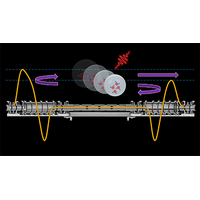
Phys. Rev. Lett. 136, 013201 (2026)
Atomic, Molecular, and Optical Physics
Effects of Geometric Curvature and Weak Magnetic Shear on the Ion-Temperature-Gradient Instability Near the Magnetic Axis in a Tokamak
Article | Plasma and Solar Physics, Accelerators and Beams | 2026-01-05 05:00 EST
Tiannan Wu and Shaojie Wang
Global gyrokinetic simulation of the ion temperature gradient mode shows that the radial electric field, well, upshifts the critical temperature gradient near the magnetic axis, in the weak but not in the strong magnetic shear () configuration. The geometric curvature effect almost cancels/doubl…
Phys. Rev. Lett. 136, 015102 (2026)
Plasma and Solar Physics, Accelerators and Beams
Observation of $\mathrm{Δ}J=0$ Rotational Excitation in Dense Hydrogens
Article | Condensed Matter and Materials | 2026-01-05 05:00 EST
Jie Feng, Xiao-Di Liu, Haian Xu, Pu Wang, Graeme J. Ackland, and Eugene Gregoryanz
Raman measurements performed on dense , and in a wide pressure-temperature range reveal the presence of the rotational excitation. In the gas/fluid state this excitation has zero Raman shift, but in the solid, the crystal field drives it away from the zero value, e.g., at a…
Phys. Rev. Lett. 136, 016101 (2026)
Condensed Matter and Materials
Complex Phonon Behaviors Dictate Anisotropic and Nonmonotonic Thermal Transport in Ice Polymorphs
Article | Condensed Matter and Materials | 2026-01-05 05:00 EST
Rong Qiu, Qiyu Zeng, Bo Chen, Jinsen Han, Jiahao Chen, Qunchao Tong, Kaiguo Chen, Dongdong Kang, Xiaoxiang Yu, Han Wang, and Jiayu Dai
The thermal conductivity of ice polymorphs constitutes a critical parameter in multidisciplinary research spanning cryobiology, atmospheric physics, and planetary science. However, the intricate structures and phonon dynamics pose significant challenges to understanding thermal transport in ice poly…
Phys. Rev. Lett. 136, 016301 (2026)
Condensed Matter and Materials
Large Spontaneous Nonreciprocal Charge Transport in a Zero-Magnetization Antiferromagnet
Article | Condensed Matter and Materials | 2026-01-05 05:00 EST
Kenta Sudo, Yuki Yanagi, Mitsuru Akaki, Hiroshi Tanida, and Motoi Kimata
An antiferromagnet with a zigzag magnetic structure exhibits a diode effect that has potential applications in spintronics.
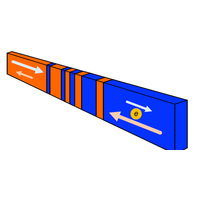
Phys. Rev. Lett. 136, 016503 (2026)
Condensed Matter and Materials
Odd-Chern-Number Quantum Anomalous Hall Effect at Even Filling in Moire Rhombohedral Heptalayer Graphene
Article | Condensed Matter and Materials | 2026-01-05 05:00 EST
Qianling Liu, Zhiyu Wang, Xiangyan Han, Zhuoxian Li, Bohao Li, Sicheng Zhou, Lihong Hu, Zhuangzhuang Qu, Chunrui Han, Kenji Watanabe, Takashi Taniguchi, Zheng Vitto Han, Bingbing Tong, Guangtong Liu, Li Lu, Fengcheng Wu, and Jianming Lu
The quantum anomalous Hall effect at even filling has been observed in rhombohedral heptalayer graphene moiré superlattices - previous observations were for odd-integer filling factors.
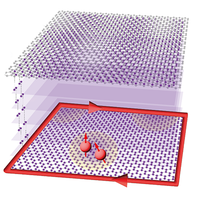
Phys. Rev. Lett. 136, 016602 (2026)
Condensed Matter and Materials
Electrical Generation of Surface Plasmon Polaritons in Plasmonic Heterostructures
Article | Condensed Matter and Materials | 2026-01-05 05:00 EST
Maxim Trushin
Surface plasmon polaritons (SPPs) can be understood as two-dimensional light confined to a conductor-dielectric interface via plasmonic excitations. While low-energy SPPs behave similarly to photons, higher-frequency SPPs resemble surface plasmons. Electrically generating midrange SPPs is particular…
Phys. Rev. Lett. 136, 016901 (2026)
Condensed Matter and Materials
Nonclassical Nucleation Pathways in Liquid Condensation Revealed by Simulation and Theory
Article | Statistical Physics; Classical, Nonlinear, and Complex Systems | 2026-01-05 05:00 EST
Yijian Wu, Thomas Philippe, Aymane Graini, and Julien Lam
Using state-of-the-art rare-event sampling simulations, we precisely characterize the nucleation of liquid droplets from a supersaturated Lennard-Jones gas and uncover a key physical feature: critical clusters nucleate with a density that differs substantially from that of the macroscopic equilibriu…
Phys. Rev. Lett. 136, 017101 (2026)
Statistical Physics; Classical, Nonlinear, and Complex Systems
arXiv
Thermalization in a closed quantum system from randomized dynamics
New Submission | Statistical Mechanics (cond-mat.stat-mech) | 2026-01-05 20:00 EST
Nikolay V. Gnezdilov, Andrei I. Pavlov
The emergence of statistical mechanics from quantum dynamics is a central problem in quantum many-body physics. Deriving observables aligned with the prediction of the canonical ensemble for a quantum system relies on the presence of a bath provided either as an external environment or as a larger part of a closed system. We demonstrate that thermal (canonical) observables for a whole closed quantum system of finite size can arise in the absence of a bath. These thermal observables stem from classical averaging over randomized unitary evolutions for a few-body system. The temperature in the canonical ensemble appears as a global constraint on the total energy of the system, determined by the choice of the initial state. From averaging randomized evolutions, we derive spin-spin correlation functions for a finite spin chain and show that they exhibit a temperature-dependent finite correlation length, in agreement with the prediction of the canonical ensemble. This establishes a method for computing thermal observables in a closed, finite-size system from real-time propagation without a bath. An implementation of this thermalization approach on a quantum computer can be utilized for thermal state preparation.
Statistical Mechanics (cond-mat.stat-mech), Quantum Physics (quant-ph)
8 pages, 6 figures
Automated electrostatic characterization of quantum dot devices in single- and bilayer heterostructures
New Submission | Mesoscale and Nanoscale Physics (cond-mat.mes-hall) | 2026-01-05 20:00 EST
Merritt P. R. Losert, Dario Denora, Barnaby van Straaten, Michael Chan, Stefan D. Oosterhout, Lucas Stehouwer, Giordano Scappucci, Menno Veldhorst, Justyna P. Zwolak
As quantum dot (QD)-based spin qubits advance toward larger, more complex device architectures, rapid, automated device characterization and data analysis tools become critical. The orientation and spacing of transition lines in a charge stability diagram (CSD) contain a fingerprint of a QD device’s capacitive environment, making these measurements useful tools for device characterization. However, manually interpreting these features is time-consuming, error-prone, and impractical at scale. Here, we present an automated protocol for extracting underlying capacitive properties from CSDs. Our method integrates machine learning, image processing, and object detection to identify and track charge transitions across large datasets without manual labeling. We demonstrate this method using experimentally measured data from a strained-germanium single-quantum-well (planar) and a strained-germanium double-quantum-well (bilayer) QD device. Unlike for planar QD devices, CSDs in bilayer germanium heterostructure exhibit a larger set of transitions, including interlayer tunneling and distinct loading lines for the vertically stacked QDs, making them a powerful testbed for automation methods. By analyzing the properties of many CSDs, we can statistically estimate physically relevant quantities, like relative lever arms and capacitive couplings. Thus, our protocol enables rapid extraction of useful, nontrivial information about QD devices.
Mesoscale and Nanoscale Physics (cond-mat.mes-hall), Computer Vision and Pattern Recognition (cs.CV), Emerging Technologies (cs.ET), Machine Learning (cs.LG), Quantum Physics (quant-ph)
18 pages, 12 figures
Interplay of electric and magnetic fields in skyrmion phases of the classical Heisenberg model on a square lattice
New Submission | Other Condensed Matter (cond-mat.other) | 2026-01-05 20:00 EST
A. Vela Wac, F. A. Gómez Albarracín, D. C. Cabra
Magnetic skyrmions, topologically stable spin textures, have attracted significant interest due to their potential applications in information storage and processing. They are typically stabilized by the Dzyaloshinskii-Moriya interaction in the presence of a magnetic field and can be manipulated by electric fields in magnetoelectric systems. Here we investigate, using Monte Carlo simulations, the behavior of skyrmions in a classical Heisenberg magnetoelectric model on the square lattice under combined magnetic and electric fields. We analyze spin and dipolar textures, structure factors, magnetization, chirality, and polarization for different field directions and magnitudes, identifying ferromagnetic, ferroelectric, spiral, skyrmion crystal, skyrmion gas, and bimeron phases, as well as the field-induced transitions between them. We find that the competition between electric and magnetic fields can destroy or transform skyrmion lattices into skyrmion-gas or bimeron phases. While magnetic fields induce chiral phases even in the presence of an electric field, electric fields strongly reshape the chiral region and deform skyrmion textures. This reciprocal influence between magnetic and electric orders reflects the intrinsic magnetoelectric coupling characteristic of multiferroic materials. Specifically, we observe the simultaneous sudden growth in magnetization with a switch-off in the polarization, typically observed in experiments. In this context, localized magnetoelectric entities, such as skyrmions carrying electric quadrupoles, exemplify the intertwined nature of spin and charge degrees of freedom, providing a microscopic basis for the control of topological states in ME systems and their potential use in spintronic applications.
Other Condensed Matter (cond-mat.other)
Magnetic field controlled nucleation and size selection of silver nanoparticles
New Submission | Mesoscale and Nanoscale Physics (cond-mat.mes-hall) | 2026-01-05 20:00 EST
Yazeed Tawalbeh, Mauro F. Pereira
We examine the reduction of silver nanoparticle (AgNP) size under an external magnetic field within a classical nucleation theory framework combined with a sphere-packing description of atomic assembly. The model incorporates magnetic free-energy contributions arising from the coupling between the applied field and the magnetic susceptibility of the nucleating material, yielding a closed-form relation between nanoparticle radius and field strength. Our approach reproduces the experimentally observed decrease in the most-probable particle radius from approximately 170 nm at 49.27 mT when the magnetic field is oriented parallel to the stirring plane, and to 155 nm at 180.78 mT in the perpendicular configuration. Across the investigated field range, the theoretical predictions remain consistent with experimental measurements obtained under continuous mechanical stirring, supporting the interpretation that the observed size reduction originates from a magnetic-field-induced modification of the nucleation free-energy landscape. Within the limits of classical capillarity and spherical demagnetization, the results provide a physically transparent and computationally efficient framework for understanding magnetic-field-controlled nanoparticle size selection.
Mesoscale and Nanoscale Physics (cond-mat.mes-hall)
Probing the magnetic ground state and magnetoelastic coupling in double perovskite ruthenate: Ca2ScRuO6
New Submission | Strongly Correlated Electrons (cond-mat.str-el) | 2026-01-05 20:00 EST
Asha Ann Abraham, Anjali Kumari, Md Aktar Hossain, Sanjoy Kr Mahatha, Saikat Das, A. K. Bera, Soham Manni
Ruthenates, materials with a single magnetic Ruthenium (Ru) atom, often display an exotic array of ground states ranging from superconductivity to altermagnetism. In this work, we investigated the magnetic ground state of a least explored member of the 4d3 double perovskite ruthenate series A2ScRuO6 (A = Ca, Sr, Ba): Ca2ScRuO6. Interestingly, temperature-dependent bulk susceptibility curve shows ferrimagnetic-like behaviour above the magnetic ordering at around 40 K, which were corroborated by the identification of the mixed valence states, Ru5+ and Ru4+ via X-ray absorption spectroscopy. Structural analysis further revealed atomic-site exchange between the Ru and Sc sites, which results in the Ru mixed valence states. Neutron powder diffraction measurements detected the presence of magnetic Bragg peaks at a low temperature near 4 K and a moderate magnetoelastic coupling near the ordering temperature of 40 K. However, the corresponding symmetry analysis shows a weak Type I antiferromagnetic ground state with a reduced magnetic moment of 1.1{\mu}B/Ru atom. Our findings establish an unusual magnetic ground state in the Mott insulating Ca2ScRuO6, where a long range ordered antiferromagnet coexists with small magnetic clusters, which manifests a ferrimagnetic-like high temperature inverse magnetic susceptibility. This system presents a unique platform to study long-range magnetic order in the presence of antisite disorder.
Strongly Correlated Electrons (cond-mat.str-el), Materials Science (cond-mat.mtrl-sci)
11 pages, including appendix
Nanocrystal Geometry Governs Phase Transformation Pathways in Palladium Hydride
New Submission | Mesoscale and Nanoscale Physics (cond-mat.mes-hall) | 2026-01-05 20:00 EST
Daewon Lee, Sam Oaks-Leaf, Hyeonjong Ma, Jianlong He, Zhiqi Wang, Yifeng Shi, Eonhyoung Ahn, Karen C. Bustillo, Chengyu Song, Stephanie M. Ribet, Rohan Dhall, Colin Ophus, Mark Asta, Jiwoong Yang, Younan Xia, David T. Limmer, Haimei Zheng
Pathways and structural dynamics of phase transformations impact performance of materials in energy and information storage technologies. Palladium hydride ($ \mathrm{PdH}_x$ ) nanocrystals are an ideal model system for studying solute-induced phase transformations, where elastic energy from lattice mismatch between $ \alpha$ -$ \mathrm{PdH}_x$ and $ \beta$ -$ \mathrm{PdH}_x$ phases is often considered a key to determining the transformation pathways. $ \alpha/\beta$ -$ \mathrm{PdH}_x$ interfacial elastic energy is affected by the confined geometry of a nanocrystal. However, how nanocrystal geometry influences phase transformation pathways is largely unknown. Using in situ liquid phase transmission electron microscopy, we directly visualize hydrogenation in Pd nanocrystals with two geometries – a nanocube and a hexagonal nanoplate. Both follow similar sequences of an initially curved nucleus, interface flattening, and reverse-stage nucleation; however, their evolving $ \alpha/\beta$ -$ \mathrm{PdH}_x$ interfaces exhibit geometry-dependent crystallographic alignments. In nanocubes, $ {100}$ -aligned configurations conform to static elastic energy ordering, representing a pathway that maintains a local mechanical equilibrium, whereas nanoplates display both $ {110}$ - and $ {211}$ -aligned interfaces. Theoretical simulations show that geometry determines the accessibility of alternative phase transformation pathways as the system is driven far from equilibrium during hydrogenation. These findings identify geometry as a fundamental parameter for directing phase transformation pathways, offering design principles for accessing atypical configurations and improving properties of intercalation-based devices.
Mesoscale and Nanoscale Physics (cond-mat.mes-hall), Materials Science (cond-mat.mtrl-sci), Statistical Mechanics (cond-mat.stat-mech)
10 pages, 5 figures, plus methods and supporting figures
Cross-Interaction Softness as a Route to Microphase Separation in Binary Colloidal Systems
New Submission | Soft Condensed Matter (cond-mat.soft) | 2026-01-05 20:00 EST
Understanding how interparticle interactions govern phase behavior is central to controlling self-organization in multicomponent soft-matter systems. In particular, the role of cross-interactions between unlike components remains insufficiently understood. Here, we systematically investigate how cross-interaction character controls phase behavior in binary mixtures of hard and soft particles using coarse-grained modeling, Reference Interaction Site Model (RISM) theory, and molecular dynamics simulations. Four representative systems are examined that differ only in whether interactions between unlike particles are bounded or hard-sphere. We show that penetrable (bounded) cross-interactions are both necessary and sufficient to induce microphase separation, even in the absence of attractive forces. Such systems exhibit dispersed states, macrophase separation, and microphase-separated morphologies characterized by finite-wavelength compositional ordering. In contrast, purely hard-sphere cross interactions suppress microphase separation entirely, despite strong local clustering. Comparison between theory and simulations reveals qualitative agreement in phase topology, while simulations additionally capture hierarchical and multiscale ordering near crossover regimes. These findings establish cross-interaction softness as a fundamental design principle for controlling phase behavior in multicomponent colloidal and soft-matter systems.
Soft Condensed Matter (cond-mat.soft)
Spin-density wave of ferrimagnetic building blocks masking the ferromagnetic quantum-critical point in NbFe2
New Submission | Strongly Correlated Electrons (cond-mat.str-el) | 2026-01-05 20:00 EST
T. Poulis, G. Mani, J. Sturt, W. J. Duncan, H. Thoma, V. Hutanu, B. Ouladdiaf, I. Kibalin, M. H. Lemee, P. Manuel, A. Neubauer, C. Pfleiderer, F. M. Grosche, P. G. Niklowitz
In the metallic magnet NbFe2, the low temperature threshold of ferromagnetism can be investigated by varying the Fe concentration within a narrow homogeneity range. NbFe2 is one of a number of compounds where modulated order is found to mask the ferromagnetic quantum critical point. However, here we report the rare case where the masking modulated magnetic order has been fully refined. Spherical neutron polarimetry and high-intensity single-crystal neutron diffraction reveal the first case of a longitudinal spin-density wave masking the ferromagnetic quantum critical point. The spin-density wave is characterised by a large-wavelength incommensurate modulation of its low average moment. It is formed from ferrimagnetic building blocks with antiparallel ferromagnetic sheets. The existence of ferromagnetic sheets and cancellation of the magnetisation only over mesoscopic length scales show local similarity between the spin-density wave and the ferromagnetic parent phase and indicate the spin-density wave’s unconventional nature as emerging from underlying ferromagnetic quantum criticality.
Strongly Correlated Electrons (cond-mat.str-el)
6 pages
Unified topological phase diagram of quantum Hall and superconducting vortex-lattice states
New Submission | Mesoscale and Nanoscale Physics (cond-mat.mes-hall) | 2026-01-05 20:00 EST
Daniil S. Antonenko, Liang Fu, Leonid I. Glazman
We present the global topological phase diagram of a two-dimensional electron gas placed in a quantizing magnetic field and proximitized by a superconducting vortex lattice. Our theory allows for arbitrary ratios of the pairing amplitude, magnetic field, and chemical potential. By analyzing the Bogoliubov–de Gennes Hamiltonian, we show that the resulting phase diagram is highly nontrivial, featuring a plethora of topological superconducting phases with chiral edge modes of quasiparticles. Landau-level mixing plays an essential role in our theory: even in the weak-pairing limit, it generically splits the integer quantum Hall transition lines into a sequence of transitions with larger Chern number jumps of both signs protected by the symmetries of the superconducting vortex lattice. Interestingly, we find that weak pairing induces trivial or topological superconductivity when chemical potential is tuned to a Landau level energy, depending on the Landau level index.
Mesoscale and Nanoscale Physics (cond-mat.mes-hall), Superconductivity (cond-mat.supr-con)
13 pages, 7 figures
Atomic-Scale Mechanisms of Li-Ion Transport Mediated by Li10GeP2S12 in Composite Solid Polyethylene Oxide Electrolytes
New Submission | Materials Science (cond-mat.mtrl-sci) | 2026-01-05 20:00 EST
Syed Mustafa Shah, Musawenkosi K. Ncube, Mohammed Lemaalem, Selva Chandrasekaran Selvaraj, Naveen K. Dandu, Alireza Kondori, Gayoon Kim, Adel Azaribeni, Mohammad Asadi, Anh T. Ngo, Larry A. Curtiss
Polymer electrolytes incorporating Li$ _{10}$ GeP$ _{2}$ S$ _{12}$ (LGPS) nanoparticles show promise for solid-state lithium batteries owing to their enhanced ionic conductivity, though the governing mechanisms remain unclear. We combine molecular dynamics (MD) simulations, experimental ionic conductivity measurements, and density functional theory (DFT) calculations to elucidate the effect of LGPS loading on polyethylene oxide (PEO) structure and Li-ion transport. MD and experimental results agree up to 10% LGPS, showing a volcano-shaped conductivity trend driven by polymer segmental dynamics and interfacial effects. Beyond 10%, experiments reveal additional conductivity enhancement unexplained by MD, suggesting a distinct transport regime. DFT calculations indicate that Li-ion migration at the PEO|LGPS interface proceeds via vacancy-mediated hopping, with low barriers favored by S-rich interfacial sites and hindered by Ge. These findings link interfacial chemistry and microstructure to Li-ion dynamics, offering guidelines for designing high-performance composite polymer electrolytes.
Materials Science (cond-mat.mtrl-sci)
Spectral Sampling of Boron Diffusion in Ni Alloys: Cr and Mo Effects on Bulk and Grain Boundary Transport
New Submission | Materials Science (cond-mat.mtrl-sci) | 2026-01-05 20:00 EST
Tyler D. Doležal, Rodrigo Freitas, Ju Li
Understanding how light interstitials migrate in chemically complex alloys is essential for predicting defect dynamics and long-term stability. Here, we introduce a spectral sampling framework to quantify boron diffusion activation energies in Ni and demonstrate how substitutional solutes (Cr, Mo) reshape interstitial point defect transport in both the bulk and along crystallographic defects. In the bulk, boron migration energy distributions exhibit distinct modality tied to solute identity and spatial arrangement: both Cr and Mo raise barriers in symmetric cages but induce directional asymmetry in partially decorated environments. Extending this framework to a $ \Sigma5\langle100\rangle{210}$ symmetric tilt grain boundary reveals solute-specific confinement effects. Cr preserves low-barrier in-plane mobility while suppressing out-of-plane transport, guiding boron into favorable midplane voids. Mo, by contrast, imposes an across-the-board reduction in boron mobility, suppressing average diffusivity by two additional orders of magnitude at 800 $ ^\circ$ C and reducing out-of-plane transport by five orders of magnitude relative to Cr. Both elements promote segregation by producing negative segregation energies, but their roles diverge: Cr facilitates rapid redistribution and stabilization at interfacial sites, consistent with Cr-rich boride formation, while Mo creates deeper and more uniform segregation wells that strongly anchor boron. Together, these complementary behaviors explain the experimental prevalence of Cr- and Mo-rich borides at grain boundaries and carbide interfaces in Ni-based superalloys. More broadly, we establish spectral sampling as a transferable framework for interpreting diffusion in disordered alloys and for designing dopant strategies that control transport across complex interfaces.
Materials Science (cond-mat.mtrl-sci), Applied Physics (physics.app-ph)
Acta Materialia, 2025, 121841
In context learning Foundation models for Materials Property Prediction with Small datasets
New Submission | Materials Science (cond-mat.mtrl-sci) | 2026-01-05 20:00 EST
Qinyang Li, Rongzhi Dong, Nicholas Miklaucic, Jeffrey Hu, Sadman Sadeed Omee, Lai Wei, Sourin Dey, Ming Hu, Jianjun Hu
Foundation models (FMs) have recently shown remarkable in-context learning (ICL) capabilities across diverse scientific domains. In this work, we introduce a unified in-context learning foundation model (ICL-FM) framework for materials property prediction that integrates both composition-based and structure-aware representations. The proposed approach couples the pretrained TabPFN transformer with graph neural network (GNN)-derived embeddings and our novel MagpieEX descriptors. MagpieEX augments traditional features with cation-anion interaction data to explicitly measure bond ionicity and charge-transfer asymmetry, capturing interatomic bonding characteristics that influence vibrational and thermal transport properties. Comprehensive experiments on the MatBench benchmark suite and a standalone lattice thermal conductivity (LTC) dataset demonstrate that ICL-FM achieves competitive or superior performance to state-of-the-art (SOTA) models with significantly reduced training costs. Remarkably, the training-free ICL-FM outperformed sophisticated SOTA GNN models in five out of six representative composition-based tasks, including a significant 9.93% improvement in phonon frequency prediction. On the LTC dataset, the FM effectively models complex phenomena such as phonon-phonon scattering and atomic mass contrast. t-SNE analysis reveals that the FM acts as a physics-aware feature refiner, transforming raw, disjoint feature clusters into continuous manifolds with gradual property transitions. This restructured latent space enhances interpolative prediction accuracy while aligning learned representations with underlying physical laws. This study establishes ICL-FM as a generalizable, data-efficient paradigm for materials informatics.
Materials Science (cond-mat.mtrl-sci)
22 pages
Machine-learned potential for amorphous Indium-Tin-Oxide alloys
New Submission | Materials Science (cond-mat.mtrl-sci) | 2026-01-05 20:00 EST
Shuaiyang Guo, Yuan Wang, Wei Zhang
Machine-learned potential-driven molecular dynamics (MLMD) simulations are of great value in guiding the design and optimization of memory devices. Amorphous indium-tin-oxide (ITO) is widely used as transparent conducting oxide for flat-panel display and solar cell applications, and also as a capping layer in phase-change-materials-based reconfigurable color display devices. However, atomistic simulations of ITO using ab initio molecular dynamics (AIMD) are limited to systems of a few hundred atoms due to expensive computational costs, which prevents the device-scale modelling of real-world applications. In this work, we develop a machine-learned potential for ITO and its parent phase In2O3 based on the Gaussian approximation potential (GAP) framework. We generate a comprehensive training dataset using an iterative training protocol. Our MLMD simulations of crystalline, liquid and melt-quenched amorphous ITO models are in great agreement with the AIMD reference. In particular, the ML potential well captures the minority atomic interaction, such as Sn-Sn bonds, which have poor statistics in small-scale AIMD simulations. We demonstrate that the MLMD simulations are 3-4 orders of magnitude faster than AIMD. The training dataset and the fitted GAP potentials for ITO and In2O3 are openly accessible.
Materials Science (cond-mat.mtrl-sci)
16 pages, 7 figures, 1 table
Topological physics in quantum critical systems
New Submission | Strongly Correlated Electrons (cond-mat.str-el) | 2026-01-05 20:00 EST
Xue-Jia Yu, Limei Xu, Hai-Qing Lin
Topology forms a cornerstone in modern condensed matter and statistical physics, offering a new framework to classify the phases and phase transitions beyond the traditional Landau paradigm. However, it is widely believed that topological properties are destroyed when the bulk energy gap closes, making it highly nontrivial to consider topology in gapless quantum critical systems. To address these challenges, recent advancements have sought to generalize the notion of topology to systems without a bulk energy gap, including quantum critical points and critical phases, collectively referred to as gapless symmetry-protected topological states. Extending topology to gapless quantum critical systems challenges the traditional belief in condensed matter physics that topological edge states are typically tied to the presence of a bulk energy gap. Furthermore, it suggests that topology plays a crucial role in classifying quantum phase transitions even if they belong to the same universality class, fundamentally enriching the textbook understanding of phase transitions. Given its importance, here we give a pedagogical review of the current progress of topological physics in quantum critical systems. We introduce the topological properties of quantum critical points and generalize them to stable critical phases, both for noninteracting and interacting systems. Additionally, we discuss further generalizations and future directions, including higher dimensions, nonequilibrium phase transitions, and realizations in modern experiments.
Strongly Correlated Electrons (cond-mat.str-el), Statistical Mechanics (cond-mat.stat-mech)
Invited review, published version. 56 pages
Physics Reports 1160,1-56 (2026)
Observation of robust macroscale structural superlubricity
New Submission | Materials Science (cond-mat.mtrl-sci) | 2026-01-05 20:00 EST
Minhao Han, Deli Peng, Dinglin Yang, Jin Wang, Yi Zheng, Guofeng Hu, Meng Qi, Yifan Shao, Jiaying Li, Feng Ding, Zhiping Xu, Michael Urbakh, Quanshui Zheng
Structural superlubricity (SSL) promises nearly frictionless and wearless sliding, but has until now been considered a special and extreme interfacial phenomenon limited to micro- and nanoscale contacts. Here, we demonstrate robust macroscale SSL within a single sub-millimeter graphite contact. Previously reported near-zero friction coefficients, where friction is nearly independent of normal load, have only been observed at microscale contacts under low loads. Our system expands both contact size and load into the macroscopic regime, exhibiting friction coefficients that fluctuate around zero and reach values as low as $ 10^{-6}$ across a broad load range from 1 mN to 0.5 N. Negative friction coefficients are also observed. Similar behavior is observed at graphite/MoS$ _2$ interfaces, indicating that macroscale SSL is a generalizable phenomenon across flat layered materials. These findings overturn long-standing scaling limitations and establish macroscale SSL as a paradigm-shifting platform for next-generation mechanical and electromechanical systems.
Materials Science (cond-mat.mtrl-sci)
11 pages, 4 figures
Sample thickness dependence of structural and magnetic properties in $α$-RuCl$_3$
New Submission | Materials Science (cond-mat.mtrl-sci) | 2026-01-05 20:00 EST
Paige Harford, Ezekiel Horsley, Subin Kim, Young-June Kim
The layered transition metal trihalide $ \alpha$ -RuCl$ _3$ has been studied extensively in recent years as a promising candidate for a proximate Kitaev quantum spin liquid state. In high quality samples, a complete structural transition from room-temperature C2/m to low-temperature R$ \bar{3}$ is consistently observed, with a single magnetic transition to antiferromagnetic ordering at $ \sim$ 7K. However, magnetic and physical properties have been shown to depend heavily on both sample size and sample quality, with small and damaged samples exhibiting incomplete structural transitions and multiple magnetic anomalies. Although large high quality samples have been well studied, an understanding of the features attributed to low quality or small sample size is limited. Here, we probe the structural and magnetic transitions of $ \alpha$ -RuCl$ _3$ single crystal samples via magnetic susceptibility through a range of thickness, manipulated through careful mechanical exfoliation. We present a non-destructive protocol for exfoliating crystals and show success to 30 $ \mu$ m, where sample quality is observed to improve with successive cleaving. Higher temperature magnetic features at 10 K/12 K are found to emerge through cleaving, both with and without induced sample damage. In both cases, we link these additional magnetic features to a persistence of C2/m structure to the low-temperature regime.
Materials Science (cond-mat.mtrl-sci)
Anderson localisation in spatially structured random graphs
New Submission | Disordered Systems and Neural Networks (cond-mat.dis-nn) | 2026-01-05 20:00 EST
We study Anderson localisation on high-dimensional graphs with spatial structure induced by long-ranged but distance-dependent hopping. To this end, we introduce a class of models that interpolate between the short-range Anderson model on a random regular graph and fully connected models with statistically uniform hopping, by embedding a random regular graph into a complete graph and allowing hopping amplitudes to decay exponentially with graph distance. The competition between the exponentially growing number of neighbours with graph distance and the exponentially decaying hopping amplitude positions our models effectively as power-law hopping generalisation of the Anderson model on random regular graphs. Using a combination of numerical exact diagonalisation and analytical renormalised perturbation theory, we establish the resulting localisation phase diagram emerging from the interplay of the lengthscale associated to the hopping range and the onsite disorder strength. We find that increasing the hopping range shifts the localisation transition to stronger disorder, and that beyond a critical range the localised phase ceases to exist even at arbitrarily strong disorder. Our results indicate a direct Anderson transition between delocalised and localised phases, with no evidence for an intervening multifractal phase, for both deterministic and random hopping models. A scaling analysis based on inverse participation ratios reveals behaviour consistent with a Kosterlitz-Thouless-like transition with two-parameter scaling, in line with Anderson transitions on high-dimensional graphs. We also observe distinct critical behaviour in average and typical correlation functions, reflecting the different scaling properties of generalised inverse participation ratios.
Disordered Systems and Neural Networks (cond-mat.dis-nn), Statistical Mechanics (cond-mat.stat-mech), Quantum Physics (quant-ph)
18 pages, 12 figures
Deterministic Helicity Locking of Bloch Skyrmions in Centrosymmetric Systems
New Submission | Other Condensed Matter (cond-mat.other) | 2026-01-05 20:00 EST
Jayaseelan Dhakshinamoorthy, Hitesh Chhabra, Ajaya K Nayak
Magnetic skyrmions in centrosymmetric materials exhibit Bloch-type spin textures with degenerate helicity states due to the absence of Dzyaloshinskii Moriya interaction (DMI), resulting in random nucleation and uncontrolled chirality. Here, we present a comprehensive micromagnetic study demonstrating a fully DMI free strategy for deterministic helicity control by interfacing ferromagnetic (FM) stripes or notch structures with centrosymmetric magnetic (CM) films. We first show that a geometrically constrained configuration comprising two FM stripes with opposite in-plane magnetizations stabilizes skyrmions with a selected helicity, either clockwise (CW) or counterclockwise (CCW). We further extend this concept to achieve deterministic nucleation of CW or CCW skyrmions using current pulses applied to an FM notch patterned on the CM film. The combined effects of the FM stripe/notch geometry and interfacial exchange coupling generate dipolar fields that lift the helicity degeneracy, enabling controlled formation of skyrmions with fixed chirality. These results establish FM/CM heterostructures as a robust, DMI-free platform for deterministic generation and guided motion of helicity-locked skyrmions, opening new pathways for advanced spintronic applications.
Other Condensed Matter (cond-mat.other)
Fabrication of Dense Ultrafine-Grained MoW, MoWNb, and MoWNbTa Alloys: Influence of Cobalt Doping on Sintering and Grain Growth
New Submission | Materials Science (cond-mat.mtrl-sci) | 2026-01-05 20:00 EST
Keyu Cao, Sashank Shivakumar, Jian Luo
Dense ultrafine-grained (UFG) refractory MoW, MoWNb, and MoWNbTa alloys were fabricated by combining high-energy ball milling (HEBM) and spark plasma sintering (SPS), achieving ~92-96% relative densities and ~70-180 nm grain sizes. The effects of 2 at.% cobalt (Co) addition on sintering behavior and high-temperature grain growth resistance were investigated as a function of compositional complexity. Activated sintering was observed, with 2 at.% Co addition increasing relative densities from ~92-96% to ~96-98%. Isothermal grain growth experiments at 1200 °C and 1300 °C showed that Co doping suppressed the relative grain growth rate, despite a modest initial grain size increase due to Co-activated sintering, with the effect becoming more pronounced in compositionally complex alloys. The observed trend is consistent with the recently proposed high-entropy grain boundary (HEGB) effect. Notably, Mo24.5W24.5Nb24.5Ta24.5Co2 achieved a 96.4% relative density and maintained an ultrafine grain size, increasing only slightly from ~122 nm to ~127 nm after 5 h annealing at 1200 °C. Scanning transmission electron microscopy (STEM and energy-dispersive X-ray spectroscopy (EDS) confirmed strong Co segregation at grain boundaries, accompanied by minor depletion of Ta and W, supporting a recently proposed grain boundary segregation model for high-entropy alloys and HEGBs.
Materials Science (cond-mat.mtrl-sci)
Toward a theoretical framework for self-diffusiophoretic propulsion near a wedge
New Submission | Soft Condensed Matter (cond-mat.soft) | 2026-01-05 20:00 EST
Abdallah Daddi-Moussa-Ider, Ramin Golestanian
We investigate the self-diffusiophoretic motion of a catalytically active spherical particle confined within a wedge-shaped domain. Using the Fourier-Kontorovich-Lebedev transform, we solve the Laplace equation for the concentration field in the diffusion-dominated regime. The method of images is employed to obtain the first and second reflections of the concentration field, accounting for both monopole and dipole contributions of the particle’s surface activity. Based on these results, we derive leading-order expressions for the self-induced phoretic velocity in the far-field limit and examine how it varies with the wedge opening angle and the particle’s position within the domain. Our findings reveal that the wedge geometry significantly affects both the magnitude and direction of particle motion. Our study provides a systematic framework for understanding active particle dynamics near corners, with implications for microfluidic design and control of autophoretic particles in confined geometries.
Soft Condensed Matter (cond-mat.soft), Fluid Dynamics (physics.flu-dyn)
17 pages, 8 figures
Direct imaging of stress tensor around single dislocation in diamond
New Submission | Materials Science (cond-mat.mtrl-sci) | 2026-01-05 20:00 EST
Takeyuki Tsuji, Shunta Harada, Tokuyuki Teraji
Dislocations are fundamental crystal defects whose stress fields govern a wide range of material properties. The analytical form of the stress tensor around single dislocation was established by elasticity theory more than 80 years ago and has provided a theoretical basis for evaluating essential characteristics of dislocations. However, direct experimental verification has long remained out of reach because it has been difficult to measure the components of the stress tensor with conventional methods. Here, we present the experimental visualization of the stress tensor around single dislocation in diamond. Using quantum sensors based on nitrogen-vacancy (NV) centers, we mapped the shear components ($ \sigma_{xy}$ , $ \sigma_{yz}$ , $ \sigma_{zx}$ ) together with the trace of the stress tensor ($ \sigma_{xx}+\sigma_{yy}+\sigma_{zz}$ ) around single 45° dislocation. The observed distributions exhibited good agreement with predictions from elasticity theory, thus providing experimental validation of this theoretical framework.
Materials Science (cond-mat.mtrl-sci)
6 pages, 4 figures
Origin of geometric cohesion in non-convex granular materials: interplay between interdigitation and rotational constraints enhancing frictional stability
New Submission | Soft Condensed Matter (cond-mat.soft) | 2026-01-05 20:00 EST
Jonathan Barés, Arnaud Regazzi, David Aponte, Sylvain Buonomo, Mathieu Renouf, Nicolas Estrada, Emilien Azéma
We present a series of experiments investigating the local microstructure of cylindrical piles composed of highly concave particles. By systematically varying particle geometry – from spheres to strongly non-convex polypods – as well as frictional properties and the number of branches, we explore how these parameters, together with the preparation protocol, shape the internal structure of the system. Using X-ray tomography combined with a dedicated image-analysis pipeline, we accurately extract the position, orientation, and contacts of every particle in each pile. This allows us to quantify the evolution of key structural observables as a function of particle geometry and preparation method. In particular, we measure the distributions of local packing fraction, coordination number, number of neighbors, and contact locations, along with particle-particle positional and orientational correlations. More importantly, we construct a new stability indicator that correlates perfectly with the observed pile stabilities, enabling us to identify the fundamental mechanisms responsible for \textit{geometrically induced cohesion} in granular systems composed of non-interlocking particle shapes: interdigitation, rotational constraint, friction-mediated cohesion, and the ability of a pile to re-stabilize.
Soft Condensed Matter (cond-mat.soft), Disordered Systems and Neural Networks (cond-mat.dis-nn)
12 figures and 14 pages
Bridging Commutant and Polynomial Methods for Hilbert Space Fragmentation
New Submission | Statistical Mechanics (cond-mat.stat-mech) | 2026-01-05 20:00 EST
Bo-Ting Chen, Yu-Ping Wang, Biao Lian
A quantum model exhibits Hilbert space fragmentation (HSF) if its Hilbert space decomposes into exponentially many dynamically disconnected subspaces, known as Krylov subspaces. A model may however have different HSFs depending on the method for identifying them. Here we establish a connection between two vastly distinct methods recently proposed for identifying HSF: the commutant algebra (CA) method and integer characteristic polynomial factorization (ICPF) method. For a Hamiltonian consisting of operators admitting rational number matrix representations, we prove a theorem that, if its center of commutant algebra have all eigenvalues being rational, the HSF from the ICPF method must be equal to or finer than that from the CA method. We show that this condition is satisfied by most known models exhibiting HSF, for which we demonstrate the validity of our theorem. We further discuss representative models for which ICPF and CA methods yield different HSFs. Our results may facilitate the exploration of a unified definition of HSF.
Statistical Mechanics (cond-mat.stat-mech), Strongly Correlated Electrons (cond-mat.str-el), Quantum Physics (quant-ph)
17 pages
High-pressure structural and lattice-dynamics study of Yttria-Stabilized Zirconia
New Submission | Materials Science (cond-mat.mtrl-sci) | 2026-01-05 20:00 EST
Shennan Hu, Baihong Sun, Wenting Lu, Shiyu Feng, Bihan Wang, Hirokazu Kadobayashi, Yuzhu Wang, Xingya Wang, Lili Zhang, Bora Kalkan, Azkar Saeed Ahmad, Elissaios Stavrou
The structural evolution of two selected compositions of Yttria-Stabilized Zirconia (YSZ), with 3mol% (3YSZ) and 8mol% (8YSZ) of Y2O3, have been investigated under pressure using in-situ synchrotron X-ray diffraction (XRD) and Raman spectroscopy in a diamond anvil cell up to 40 GPa (at room temperature).The close crystallographic relation between the observed structures and the relatively large difference in the atomic numbers of Y/Zr and O, imposes the simultaneous study using both techniques, aiming to fully elucidate the structural evolution under pressure. The results, by combining both techniques, reveal that for both 3YSZ and 8YSZ, pressure promotes higher-symmetry structures. Under initial compression, the minority at ambient conditions monoclinic phase (m-phase) gradually transforms towards t-phase, a transition that is concluded for both 3YSZ/8YSZ at ~10 GPa. At higher pressures, the solely remaining t-phase of 3YSZ transforms to the t’’, that in turns transforms to the c-phase above 28 GPa. Likewise, for 8YSZ the coexistence of t- and t’’-phases continue up to 31 GPa, where both transforms towards c-phase, that remains stable up to the highest pressure of this study. Upon pressure release, all observed transitions are fully reversible with negligible hysteresis, with the exception of the practical disappearance of the monoclinic phase at ambient conditions. Our study underscores the significance of simultaneously performing and analyzing the results of both XRD and Raman spectroscopy studies in relevant crystallographic systems. Moreover, it provides a route towards a ``structural purification’’ of YSZ through the elimination of the m-phase aiming to improve material properties.
Materials Science (cond-mat.mtrl-sci)
Wrinkles, rucks and folds formed in a heavy sheet on a frictional surface
New Submission | Soft Condensed Matter (cond-mat.soft) | 2026-01-05 20:00 EST
Keisuke Yoshida, Hirofumi Wada
Soft elastic sheets resting on rigid surfaces develop wrinkles, rucks, and folds due to the combined influence of elasticity, gravity, and contact interactions. Despite their ubiquity, the principles governing their morphology and transitions remain unclear. We introduce a minimal experiment in which the center of a gravity-loaded sheet is gradually lifted from the supporting plane. This operation generates a clear sequence of shapes: an axisymmetric uplift, a finite number of wrinkles, system-spanning rucks produced by global buckling, and folded states that can arise from ruck collapse upon unloading at larger lifts. Combining experiments, finite-element simulations, and Föppl-von Kármán theory, we establish a unified physical picture of this morphology sequence. In the frictionless case, elasticity and gravity alone govern the response, leading to a universal wrinkling threshold: the wrinkle number is fixed and the onset displacement scales linearly with the sheet thickness. With interfacial friction, the wrinkled state is described by introducing an additional nondimensional parameter that compares frictional and elastic-gravitational forces. These results suggest a simple route to programmable sheet morphogenesis via friction and gravity.
Soft Condensed Matter (cond-mat.soft)
Tiling by Near Coincidence
New Submission | Materials Science (cond-mat.mtrl-sci) | 2026-01-05 20:00 EST
Moiré patterns of twisted and scaled bilayers have recently emerged as a fertile source of quasiperiodic order in two-dimensional materials. Inspired by these systems, we introduce the \emph{near-coincidence method} for generating quasiperiodic tilings of the plane. The method is intuitive – admitting pairs of nearly coincident points from superimposed layers – yet rigorous, as it maps naturally to the well-established cut-and-project formalism. It reproduces classical tilings, including the Ammann–Beenker, the Niizeki–Gähler, and the square and hexagonal Fibonacci tilings. It also uncovers new tilings not likely to arise in conventional constructions, with relative frequencies of local configurations that may take transcendental values. The near-coincidence method is algorithmically simple and already realized in an application that generates tilings from specified layer parameters and coincidence conditions. Future extensions include trilayer systems, where preliminary results yield dodecagonal order with square layers, and very small twist angles, where the method may capture the giant moiré patterns of bilayer and trilayer graphene.
Materials Science (cond-mat.mtrl-sci), Soft Condensed Matter (cond-mat.soft), Strongly Correlated Electrons (cond-mat.str-el)
Stretching and Compressing Capillary Bridges on Hydrophilic, Hydrophobic, and Liquid-infused Surfaces
New Submission | Soft Condensed Matter (cond-mat.soft) | 2026-01-05 20:00 EST
Sarah Jane Goodband, Ke Sun, Kislon Voïtchovsky, Halim Kusumaatmaja
Aqueous capillary liquid bridges are ubiquitous in nature and in technological processes. Here, we comparatively investigate capillary bridges formed between three distinct types of surfaces: (i) hydrophilic glass, (ii) hydrophobic dichlorodimethylsilane (DMS)-functionalized glass, and (iii) silicone-oil-infused LIS. We combine experimental measurements and computer simulations of the capillary bridge evolution upon changes in the gap size between the surfaces, deriving in each case the bridge geometry and the resulting capillary force. The results, also compared with predictions from the existing theory, follow expected trends on glass and DMS-functionalized surfaces: contact line pinning dominates the bridge behavior on glass with a characteristic stick-slip motion, whereas a pronounced advancing and receding hysteresis is observed on DMS surfaces. On LIS, the absence of pinning leads to minimal force variation, gravity-driven breaking of the bridge symmetry, and possible liquid exchange between LIS through bridge cloaking. These effects become particularly significant in asymmetric bridge configurations combining LIS and DMS surfaces, where the transfer of lubricant from LIS to DMS modifies the effective surface tension and alters bridge-surface interactions. Our systematic comparison of the capillary bridge behavior across solid and liquid interfaces with varying wettability provides a foundation for designing functional surface applications with controlled bridge-surface interactions.
Soft Condensed Matter (cond-mat.soft)
Evidence for the suppression of the hybrid skin-topological effect by fragile topology
New Submission | Mesoscale and Nanoscale Physics (cond-mat.mes-hall) | 2026-01-05 20:00 EST
Topological insulators are well-known for their topological edge states, which are protected by the non-trivial bulk topology and characterized by gapless Wannier bands, a phenomenon known as the bulk-boundary correspondence. However, fragile topology challenged this concept, the Wannier bands are gapped, but the edge states still exist with similar protection. Previous studies on fragile topology have primarily focused on the spectral flow under twisted boundary conditions, but the discussion on the physical interpretation of the Wannier gap is limited. In this study, we introduce a bilayer breathing honeycomb lattice with spiral interlayer couplings inside the unit cell. As we increase the interlayer coupling strength, the Wannier gap increases monotonically and the bandgap first increases then decreases. After introducing a gain-loss domain wall, the hybrid skin-topological effect (HSTE) emerges, and the topological edge states under the periodic boundary condition (PBC) change into corner states under the open boundary condition (OBC) associated with the significant spectral difference. HSTE is suppressed as the interlayer coupling strength increases, the spectral difference between the two boundary conditions has an overall decreasing trend, which more closely mirrors the evolution of the inverse of the Wannier gap. Moreover, some of the corner states transform into edge states. Our work first provides evidence for the relation between fragile topology and HSTE, shedding new insights into the underlying mechanism of Non-Hermitian skin effect (NHSE).
Mesoscale and Nanoscale Physics (cond-mat.mes-hall)
Magnon Superlattices around Skyrmions in Frustrated Magnets
New Submission | Mesoscale and Nanoscale Physics (cond-mat.mes-hall) | 2026-01-05 20:00 EST
Adarsh Hullahalli, Christos Panagopoulos, Christina Psaroudaki
Dynamic and stable magnetic textures offer a powerful platform for controlling magnon states in the broader context of spin electronics. In this work, we uncover a novel class of dynamical, crystal-like localization patterns in real space, arising from the hybridization of magnons with topologically non-trivial spin textures that possess helicity as an internal degree of freedom. By tuning the magnon wavelength to match the size of these textures, specifically, atomic-scale skyrmions in centrosymmetric frustrated magnets, we achieve strong interference effects. This leads to the emergence of magnon superlattices, shaped by the internal skyrmion structure and the underlying Mexican-hat magnon dispersion. Furthermore, helicity-driven nonlinear dynamics give rise to dispersive magnon bands with nontrivial Chern numbers within the first magnon gap. These findings provide fundamental insights into magnon behavior in complex spin environments and establish frustrated magnets as a versatile platform for manipulating spin excitations at the atomic scale.
Mesoscale and Nanoscale Physics (cond-mat.mes-hall), Strongly Correlated Electrons (cond-mat.str-el)
8 pages, 10 figures
$Δ_T$ Noise from Electron-Hole Asymmetry in Normal and Superconducting Quantum Point Contacts
New Submission | Mesoscale and Nanoscale Physics (cond-mat.mes-hall) | 2026-01-05 20:00 EST
Sachiraj Mishra, Colin Benjamin
This work examines $ \Delta_T$ noise in two-terminal hybrid nanostructures featuring a quantum point contact (QPC), realized either between two normal metals (NQN) or between a normal metal and a superconductor (NQS). The inclusion of a QPC breaks electron-hole (e-h) symmetry, leading to a finite thermovoltage. In contrast, earlier studies on hybrid junctions incorporating insulating barriers, as e-h symmetry is preserved, have vanishing thermovoltage, and consequently, $ \Delta_T$ noise is calculated at zero thermovoltage. In our setup, the broken e-h symmetry allows for a finite thermovoltage, at which we compute the corresponding $ \Delta_T$ noise. Unlike earlier studies restricted by e-h symmetry and vanishing thermovoltage, our work establishes a self-consistent framework in mesoscopic hybrid junctions, revealing how Andreev reflection fundamentally reshapes $ \Delta_T$ noise once e-h symmetry is broken. This broad access to charge fluctuation signatures provides a more comprehensive understanding of non-equilibrium transport in linear response. To our knowledge, this work provides the first self-consistent analysis of $ \Delta_T$ noise in superconducting hybrid junctions where e-h symmetry is broken, explicitly revealing how Andreev reflection modifies $ \Delta_T$ noise beyond the symmetry-protected zero-thermovoltage regime.
Mesoscale and Nanoscale Physics (cond-mat.mes-hall), Mathematical Physics (math-ph), Applied Physics (physics.app-ph), Quantum Physics (quant-ph)
15 pages, 9 figures, 1 table
Engineering Ideal 2D Type-II Nodal Line Semimetals via Stacking and Intercalation of van der Waals Layers
New Submission | Materials Science (cond-mat.mtrl-sci) | 2026-01-05 20:00 EST
Li Chen, Junlan Shi, Jiani Zhang, Botao Fu
Two-dimensional type-II topological semimetals (TSMs), characterized by strongly tilted Dirac cones, have attracted intense interest for their unconventional electronic properties and exotic transport behaviors. However, rational design remains challenging due to the sensitivity of band tilting to lattice geometry, atomic coordination, and symmetry constraints. Here, we present a bottom-up approach to engineer ideal type-II nodal line semimetals (NLSMs) in van der Waals bilayers via atomic intercalation. Using monolayer $ h$ -AlN as a prototype, we show that fluorine-intercalated bilayer AlN (F@BL-AlN) hosts a symmetry-protected type-II nodal loop precisely at the Fermi level, enabled by preserved mirror symmetry ($ \mathcal{M}_z$ ) and tailored interlayer hybridization. First-principles calculations reveal that fluorine not only tunes interlayer coupling but also aligns the Fermi energy with the nodal line, stabilizing the type-II NLSM phase. The system exhibits tunable electronic properties under external electric and strain fields and features a van Hove singularity that induces spontaneous ferromagnetism, realizing a ferromagnetic topological semimetal state. This work provides a versatile platform for designing type-II NLSMs and offers practical guidance for their experimental realization.
Materials Science (cond-mat.mtrl-sci)
8 pages, 4 figures
Constructive Cavity Method
New Submission | Statistical Mechanics (cond-mat.stat-mech) | 2026-01-05 20:00 EST
We show that the functional appearing in the celebrated Parisi formula for the free energy of the Sherrington-Kirkpatrick model can be found from the incremental free energy obtained by Cavity Method if one assumes that the state is a product of independent Random Energy models.
Statistical Mechanics (cond-mat.stat-mech)
8 pages. The research presented in this work was conducted in the period 2016-2020 within the LoTGlasSy project (ERC Grant 694925). Replaces arXiv:1909.06594v1
J. Math. Phys. 67 (2025)
Analytical formulas for far-field radiated energy and angular momentum of metallic thin films
New Submission | Mesoscale and Nanoscale Physics (cond-mat.mes-hall) | 2026-01-05 20:00 EST
Hankun Zhang, Yuhua Ren, Ho-Yuan Huang, Jian-Sheng Wang
We investigate far-field radiation of energy, linear momentum, and angular momentum from two-dimensional electron systems, focusing on metallic thin films described by the Drude conductivity. Using the Keldysh formalism within the non-equilibrium Green’s function framework, we derive analytical expressions for radiative power, force, and torque. To enable angular momentum radiation, an out-of-plane magnetic field is applied to break reciprocity, resulting in gyrotropic terms in the permittivity tensor. By approximating the emitter as a thin film, the photon Green’s functions can be solved analytically. Expressions for the Poynting vector and Maxwell’s stress tensor can subsequently be extracted from the lesser Green’s function, which governs the field correlations. The final radiation formulas can be expressed in terms of Fresnel coefficients, revealing an insightful connection to energy conservation via Kirchhoff’s law. Using the Wigner transform, the analytical expression for the radiative torque can also be related to the generalized Fresnel coefficients. Numerical calculations based on the optical conductivity of bismuth are presented to corroborate the analytical results. These results provide a unified framework for energy, momentum, and angular momentum radiation in gyrotropic thin films.
Mesoscale and Nanoscale Physics (cond-mat.mes-hall)
Combining multiple interface set path ensembles with MBAR reweighting
New Submission | Statistical Mechanics (cond-mat.stat-mech) | 2026-01-05 20:00 EST
Rik S. Breebaart, Peter G. Bolhuis
We introduce a method to compute the reweighted path ensemble by combining transition interface sampling simulations conditioned on different collective variables. The approach is based on the Multistate Bennett Acceptance Ratio (MBAR) methodology applied to entire trajectories. Illustrating the technique with simple 2D potential models and a more complex host-guest system, we show that the statistics can significantly improve compared to a straightforward combination.
Statistical Mechanics (cond-mat.stat-mech), Computational Physics (physics.comp-ph)
Automated decision-making by chemical echolocation in active droplets
New Submission | Soft Condensed Matter (cond-mat.soft) | 2026-01-05 20:00 EST
Aritra K. Mukhopadhyay, Ran Niu, Linhui Fu, Kai Feng, Christopher Fujta, Qiang Zhao, Jinping Qu, Benno Liebchen
Motile microorganisms, like bacteria and algae, unify abilities like self-propulsion, autonomous navigation, and decision-making on the micron scale. While recent breakthroughs have led to the creation of synthetic microswimmers and nanoagents that can also self-propel, they still lack the functionality and sophistication of their biological counterparts. This study pioneers a mechanism enabling synthetic agents to autonomously navigate and make decisions, allowing them to solve mazes and transport cargo through complex environments without requiring external cues or guidance. The mechanism exploits chemo-hydrodynamic signals, produced by agents like active droplets or colloids, to remotely sense and respond to their environment - similar to echolocation. Our research paves the way for endowing autonomous, motile synthetic agents with functionalities that have been so far exclusive to biological organisms.
Soft Condensed Matter (cond-mat.soft), Applied Physics (physics.app-ph), Chemical Physics (physics.chem-ph)
Thermal History-Dependent Coalescence Mechanisms and Sintering Dynamics in Al-6.8%Cu Nanopowders
New Submission | Materials Science (cond-mat.mtrl-sci) | 2026-01-05 20:00 EST
Amirhossein Abedini, Behzad Mehrafrooz, Iyad Alabd Alhafez, Arash Kardani
Aluminum-Copper (Al-Cu) alloys are essential materials for weight reduction critical structures in the aerospace and automotive industries, yet achieving their maximum ultrahigh-strength potential remains limited by nanoscale defect control during powder metallurgy processing. We employ large-scale molecular dynamics simulations on Al-6.8%Cu nanoparticles to explore atomic-scale mechanisms governing the full thermal sintering cycle. We demonstrate that while the sintering temperature primarily initiates neck formation, the subsequent cooling rate is the dominant kinetic parameter dictating the final microstructure. Fast cooling rates trap a significantly higher density of stacking faults and can unexpectedly lead to the formation of an amorphous phase at the interparticle interfaces, a feature critically dependent on the rate of thermal dissipation. We confirm a clear shift in the coalescence mechanism from plastic deformation (dislocation slip) at low temperatures (300 K and 450 K) to mass transport via atomic diffusion at high temperatures (600 K). These findings provide essential, atomic-scale guidelines for controlling thermal processing, particularly cooling rates, to design defect-stabilized, high-performance Al-Cu components.
Materials Science (cond-mat.mtrl-sci)
Superconductivity in the kagome Hubbard model under the flat-band-preserving disorder
New Submission | Superconductivity (cond-mat.supr-con) | 2026-01-05 20:00 EST
We investigate the disordered flat-band superconductivity within the attractive Hubbard model on the kagome lattice by contrasting the flat-band-preserving disorder [Phys. Rev. B 98, 235109 (2018)] with the random hopping disorder that breaks the flat-band degeneracy. Through Bogoliubov-de Gennes mean-field calculations, we find that the superfluid weight is much more robust under the flat-band-preserving disorder, while the system eventually undergoes a transition to an insulator as disorder becomes strong enough. The almost linear interaction-dependence of the superfluid weight in the weak coupling limit found with the flat-band-preserving disorder confirms the persistent flat-band signature, whereas the exponential behavior of a dispersive-band character arises with the random hopping counterpart. In addition, in the exact diagonalization of the one-particle density matrix, we identify an occupation spectrum structure attributed to the flat-band states, demonstrating the connection between the resilient flat band and the enhanced robustness of superconductivity.
Superconductivity (cond-mat.supr-con)
Doping induced itinerant ferromagnetism and enhanced ferroelectricity in BL-InSe
New Submission | Materials Science (cond-mat.mtrl-sci) | 2026-01-05 20:00 EST
Junlan Shi, Li Chen, Jiani Zhang, Botao Fu
The microscopic coexistence of ferroelectricity and ferromagnetism in solids remains a fundamental challenge in condensed matter physics, with far-reaching implications for multifunctional materials and next-generation electronic devices. Using first-principles calculations, we predict emergent sliding ferroelectricity and doping-mediated ferromagnetism in bilayer (BL) InSe. The energetically favored AB stacked BL-InSe spontaneously breaks the out-of-plane mirror symmetry, resulting in a switchable polarization with a saturated component of 0.089 pC/m and a low transition barrier of 28.8 meV per unit cell. Strikingly, low-concentration electrostatic doping enhances rather than suppresses the ferroelectric polarization due to the abnormal layer-dependent electronic occupation in BL-InSe, in contrast to the conventional screening paradigm. In addition, the characteristic Mexican-hat-shaped valence band enables doping-induced itinerant half-metallic ferromagnetism, where the interlayer spin density difference scales linearly with doping concentration and can be reversed by switching the polarization direction. These results demonstrate the coexistence of ferroelectric and ferromagnetic orders in BL-InSe and establish a viable platform for realizing voltage-tunable multiferroicity through stacking and carrier doping in otherwise nonpolar and nonmagnetic semiconductors.
Materials Science (cond-mat.mtrl-sci), Mesoscale and Nanoscale Physics (cond-mat.mes-hall)
8 pages, 5 figures
The thermodynamics of pressure activated assembly of supramolecules in isochoric and isobaric systems
New Submission | Soft Condensed Matter (cond-mat.soft) | 2026-01-05 20:00 EST
The efficacy of cryopreservation is constrained by the difficulty of achieving sufficiently high intracellular concentrations of cryoprotective solutes without inducing osmotic injury or chemical toxicity during loading. This thermodynamic study introduces a new conceptual mechanism for cryoprotectant delivery into cells directly or through vascular perfusion. In this framework, effective cryoprotection could be achieved through the in situ generation of high intracellular concentrations of cryoprotective solutes via pressure-activated disassembly of membrane-permeant supramolecular assemblies composed of cryoprotectant monomers or oligomers. These supramolecules, present initially at low concentrations, are envisioned to enter cells through passive partitioning or endocytosis with minimal osmotic effect, and subsequently transform into a high intracellular concentration of cryoprotectants upon disassembly. We propose that elevated hydrostatic pressure, generated intrinsically during isochoric (constant-volume) freezing or applied externally under isobaric (constant-pressure) conditions, can destabilize supramolecular assemblies whose dissociated state occupies a smaller molar volume than the assembled state. Under isochoric freezing, ice formation within a fixed volume produces a substantial pressure increase as a thermodynamic consequence of phase change, rendering pressure a dependent variable governed by the Helmholtz free energy. Under isobaric conditions, pressure acts as an externally controlled variable through the Gibbs free energy. In both formulations, pressure-activated disassembly decouples membrane transport from cryoprotectant availability and enables synchronized solute generation precisely during cooling or freezing, without pre-loading of osmotically active solutes.
Soft Condensed Matter (cond-mat.soft), Biomolecules (q-bio.BM)
16 pages, one figure, one table
High-Temperature Deformation Behavior of Co-Free Non-Equiatomic CrMnFeNi Alloy
New Submission | Materials Science (cond-mat.mtrl-sci) | 2026-01-05 20:00 EST
F. J. Dominguez-Gutierrez, M. Frelek-Kozak, G. Markovic, M. A. Strozyk, A. Daramola, M. Traversier, A. Fraczkiewicz, A. Zaborowska, T. Khvan, I. Jozwik, L. Kurpaska
Cobalt-free high-entropy alloys (HEAs) have garnered interest for nuclear structural applications due to their good mechanical performance, thermal stability, and resistance to radiation-induced degradation, while avoiding long-lived Co radioisotopes. This study presents an experimental and computational investigation of the plastic deformation behavior of a non-equatomic CrMnFeNi alloy, designed to maintain a stability of fcc phase in a large domain of temperatures and to balance stacking fault (SF) energies for enhanced strain hardening and ductility. Tensile tests reveal a temperature-dependent reduction in mechanical strength, attributed to thermally activated deformation mechanisms and microstructural evolution. Molecular dynamics simulations of single- and polycrystals capture dislocation activity, SF formation, and twin nucleation as a function of strain and temperature. Electron backscatter diffraction (EBSD) confirms twin formation and grain boundary activity. The Schmid factor mapping is drawn to interpret local slip activity and anisotropic deformation behavior. The absence of Co leads to enhanced high-temperature strength compared to the Cantor alloy.
Materials Science (cond-mat.mtrl-sci), Computational Physics (physics.comp-ph)
Phys. Rev. Materials 9, 123607 (2025)
Reversibility, Chaos, and Attractors in Periodically Sheared Elastic Filaments
New Submission | Soft Condensed Matter (cond-mat.soft) | 2026-01-05 20:00 EST
Francesco Bonacci, Brato Chakrabarti, Olivia du Roure, Anke Lindner, David Saintillan
The dynamics of filaments in flow are central to understanding a wide range of biological and soft-matter systems, yet their behavior under time-dependent forcing remains poorly understood. Here, we investigate the long-time dynamics of Brownian inextensible elastic filaments subjected to strong uniform oscillatory shear by combining microfluidic experiments on actin filaments with numerical simulations based on a fluctuating Euler-Bernoulli elastica model in a viscous fluid. As the oscillation period increases, irreversibility emerges from the interplay of flow-induced deformations and thermal noise. This leads to a departure from reversible, deterministic rigid-body dynamics: in this regime, the filaments cycle between nearly straight, flow-aligned conformations at full periods and buckled shapes at half periods. Owing to the time-glide symmetry of the system, two such attracting states in fact coexist with a phase shift of half a period. The system spontaneously selects one, but occasionally switches between them as a result of noise, producing intermittent transitions between apparent order and disorder. This system constitutes an experimentally accessible realization of stochastic symmetry breaking, attractor hopping, and intermittency in a minimal nonequilibrium soft-matter system, with novel implications for the design and control of soft matter systems under time-dependent flows.
Soft Condensed Matter (cond-mat.soft), Classical Physics (physics.class-ph), Fluid Dynamics (physics.flu-dyn)
12 pages, 6 figures
Chiral Dynamics Near Intra- and Inter-Band Exceptional Points under Dissipative Spin-Orbital-Angular-Momentum Coupling
New Submission | Quantum Gases (cond-mat.quant-gas) | 2026-01-05 20:00 EST
Bo-Wen Liu, Ke-Ji Chen, Fan Wu, Wei Yi
We study the parametric chiral dynamics of atoms under dissipative spin-orbital-angular-momentum coupling (SOAMC). With atoms confined in the ring-shaped potential of the Laguerre-Gaussian Raman beams, the SOAMC not only couples the atomic center-of-mass angular momentum to the hyperfine spins, but also mixes different bands in the radial direction. This gives rise to a series of exceptional points of two types, the intra-band and the inter-band. Leveraging the topology of the spectral Riemann surface close to these exceptional points, we demonstrate the path-dependent chiral transfer of atoms to the higher-lying bands, by evolving the system along closed loops in the parameter space. Specifically, we illustrate two distinct scenarios, characterized by different mechanisms, where the atoms can be transferred to designated SOAMC-dressed bands. Our work demonstrates the rich exceptional structure in atom gases under dissipative SOAMC, and offers a novel route toward populating higher bands.
Quantum Gases (cond-mat.quant-gas)
6+4 pages, 5+3 figures
Pseudo-Hermitian Magnon Dynamics
New Submission | Mesoscale and Nanoscale Physics (cond-mat.mes-hall) | 2026-01-05 20:00 EST
A defining quantity of a physical system is its energy which is represented by the Hamiltonian. In closed quantum mechanical or/and coherent wave-based systems the Hamiltonian is introduced as a Hermitian operator which ensures real energy spectrum and secures the decomposition of any state over a complete basis set spanning the space where the states live. Pseudo-Hermitian, or PT symmetric, systems are a special class of non-Hermitian ones. They describe open systems but may still have real energy spectrum. The eigenmodes are however not orthogonal in general. This qualitative difference to Hermitian physics has a range of consequences for the physical behaviour of the system in the steady state or when it is subjected to external perturbations. This overview reviews the recent progress in the field of pseudo-Hermitian physics as it unfolds when applied to low-energy excitations of magnetically ordered materials. The focus is mainly on long wave length spin excitations (spin waves) with magnons being the energy quanta of these excitations. Various setups including ferromagnetic, antiferromagnetic, magnonic crystals, and hybride structures with different types of coupling to the environments as well as spatio-temporally engineered systems will be discussed with a focus on the particular aspects that are brought about by the pseudo-Hermiticity such as mode amplifications, non-reciprocal propagation, magnon cloaking, non-Hermitian skin effect, PT-symmetric assisted Floquet engineering, topological energy transfer, and field-induced enhanced sensitivity.
Mesoscale and Nanoscale Physics (cond-mat.mes-hall), Materials Science (cond-mat.mtrl-sci), Optics (physics.optics), Quantum Physics (quant-ph)
Review
Nematic-fluctuation-mediated superconductivity in CuxTiSe2
New Submission | Superconductivity (cond-mat.supr-con) | 2026-01-05 20:00 EST
Xingyu Lv, Yang Fu, Shangjie Tian, Ying Ma, Shouguo Wang, Cedomir Petrovic, Xiao Zhang, Hechang Lei
The interplay among electronic nematicity, charge density wave, and superconductivity in correlated electronic systems has induced extensive research interest. Here, we discover the existence of nematic fluctuations in TiSe2 single crystal and investigate its evolution with Cu intercalation. It is observed that the elastoresistivity coefficient mEg exhibits a divergent temperature dependence following a Curie-Weiss law at high temperature. Upon Cu intercalation, the characteristic temperature T\ast of nematic fluctuation is progressively suppressed and becomes near zero when the superconductivity is optimized. Further intercalation of Cu leads to the sign change of T\ast and the suppression of superconductivity. These results strongly indicate that nematic phase transition may play a vital role in enhancing superconductivity in CuxTiSe2. Therefore, CuxTiSe2 provides a unique material platform to explore the nematic-fluctuation-mediated superconductivity.
Superconductivity (cond-mat.supr-con), Strongly Correlated Electrons (cond-mat.str-el)
5 pages, 4 figures
Electronic-Entropy-Driven Solid-Solid Phase Transitions in Elemental Metals
New Submission | Materials Science (cond-mat.mtrl-sci) | 2026-01-05 20:00 EST
S. Azadi, S.M. Vinko, A.Principi, T.D. Kuehne, M.S. Bahramy
We compute the thermodynamic phase diagram of seventeen elemental metals with hexagonal close-packed (hcp), face-centered cubic (fcc), and body-centered cubic (bcc) crystal structures using finite-temperature density functional theory. Helmholtz free-energy differences between competing hcp, fcc, and bcc phases are evaluated as functions of electronic temperature up to 7 eV, allowing us to identify solid-solid phase transitions driven by electronic entropy. The systems studied include Zr, Ti, Cd, Zn, Co, and Mg (hcp), Ni, Cu, Ag, Al, Pt, and Pb (fcc), and Cr, W, V, Nb, and Mo (bcc) in their ground-state structures. From the free-energy crossings, we extract the transition electronic temperatures and analyze systematic trends across the metallic systems. We found that all the studied systems go through one or two solid-solid phase transition caused purely by electronic entropy except Mg and Pb. Our results establish electronic entropy as a key factor governing structural stability in metals under strong electronic excitation.
Materials Science (cond-mat.mtrl-sci), Computational Physics (physics.comp-ph), Plasma Physics (physics.plasm-ph)
Strong anchoring boundary conditions in nematic liquid crystals: Higher-order corrections to the Oseen-Frank limit and a revised small-domain theory
New Submission | Soft Condensed Matter (cond-mat.soft) | 2026-01-05 20:00 EST
Strong anchoring boundary conditions are conventionally modelled by imposing Dirichlet conditions on the order parameter in Landau–de Gennes theory, neglecting the finite surface energy of realistic anchoring. This work revisits the strong anchoring limit for nematic liquid crystals in confined two-dimensional domains. By explicitly retaining a Rapini-Papoular surface energy and adopting a scaling where the extrapolation length $ l_{ex}$ is comparable to the coherence length $ \xi$ , we analyse both the small-domain ($ \epsilon = h/\xi\to 0$ ; $ h$ is the domain size) and Oseen-Frank $ (\epsilon \to \infty$ ) asymptotic regimes. In the small-domain limit, the leading-order equilibrium solution is given by the average of the boundary data, which can vanish in symmetrically frustrated geometries, leading to isotropic melting. In the large-domain limit, matched asymptotic expansions reveal that surface anchoring introduces an $ O(1/\epsilon)$ correction to the director field near boundaries, in contrast to the $ O(1/\epsilon^2)$ correction predicted by Dirichlet conditions. The analysis captures the detailed structure of interior and boundary defects, showing that mixed (Robin-type) boundary conditions yield smoother defect cores and more physical predictions than rigid Dirichlet conditions. Numerical solutions for square and circular wells with tangential anchoring illustrate the differences between the two boundary condition treatments, particularly in defect morphology. The results demonstrate that a consistent treatment of anchoring energetics is essential for accurate modelling of nematic equilibria in micro- and nano-scale confined geometries.
Soft Condensed Matter (cond-mat.soft)
About the origin of the magnetic ground state of Tb${2}$Ir${2}$O$_{7}$
New Submission | Strongly Correlated Electrons (cond-mat.str-el) | 2026-01-05 20:00 EST
Y. Alexanian, E. Lhotel, J. Robert, S. Petit, E. Lefrançois, P. Lejay, A. Hadj-Azzem, F. Damay, J. Ollivier, B. Fåk, R. Ballou, S. De Brion, V. Simonet
Magnetic-rare-earth pyrochlore iridates exhibit a rich variety of unconventional phases, driven by the complex interactions within and between the rare-earth and the iridium sublattices. In this study, we investigate the peculiar magnetic state of Tb$ _{2}$ Ir$ _{2}$ O$ _{7}$ , where a component of the Tb$ ^{3+}$ moment orders perpendicular to its local Ising anisotropy axis. By means of neutron diffraction and inelastic neutron scattering down to dilution temperatures, complemented by specific heat measurements, we show that this intriguing magnetic state is fully established at 1.5 K and we characterize its excitation spectrum across a broad range of energies. Our calculations reveal that bilinear interactions between Tb$ ^{3+}$ ions subjected to the Ir molecular field capture several key features of the experiments, but need to be supplemented to fully reproduce the observed behavior.
Strongly Correlated Electrons (cond-mat.str-el)
16 pages
The Thomas-Reiche-Kuhn sum rule as a consequence of a non-singular optical susceptibility in semiconductors
New Submission | Other Condensed Matter (cond-mat.other) | 2026-01-05 20:00 EST
The Thomas-Reiche-Kuhn optical (TRK) sum rules for bulk materials have customarily been obtained by combining the Kramers-Kronig relations with the high frequency limit of the optical susceptibility tensor $ \chi_{ij}$ . Also, a non-singular expression for $ \chi_{ij}$ involve the reduction of some its parts to an effective mass tensor. In this paper we show that the latter procedure is intimately connected to the TRK sum rules, and in fact these sum rules can be obtained from it. In reaching this result, we present before a thorough description of the momentum matrix elements of Bloch eigenfunctions bypassing the so-called $ \bf{k}-$ representation.
Other Condensed Matter (cond-mat.other)
7 pages total
Symmetric approximant formalism for statistical topological matter
New Submission | Mesoscale and Nanoscale Physics (cond-mat.mes-hall) | 2026-01-05 20:00 EST
R. Johanna Zijderveld, Adam Yanis Chaou, Isidora Araya Day, Anton R. Akhmerov
The standard approach to characterizing topological matter, computing topological invariants, fails when the symmetry protecting the topological phase is preserved only on average in a disordered system. Because topological invariants rely on enforcing the symmetry exactly, they can overcount phases by incorrectly identifying certain non-robust features as robust. Moreover, in intrinsic statistical topological insulators, enforcing the symmetry exactly is guaranteed to destroy the topological phase. We define a mapping that addresses both issues and provides a unified framework for describing disordered topological matter.
Mesoscale and Nanoscale Physics (cond-mat.mes-hall), Disordered Systems and Neural Networks (cond-mat.dis-nn)
19 pages, 6 figures