CMP Journal 2025-12-30
Statistics
Nature Physics: 1
Physical Review Letters: 13
Physical Review X: 1
arXiv: 103
Nature Physics
Observation of a hidden charge density wave liquid
Original Paper | Phase transitions and critical phenomena | 2025-12-29 19:00 EST
Joshua S. H. Lee, Thomas M. Sutter, Goran Karapetrov, Pietro Musumeci, Anshul Kogar
Charge density waves, electronic crystals that form within a host solid, have long been theorized to melt into a spatially textured electronic liquid. Although such liquid charge density waves have not been previously observed, they may be central to the phase diagrams of correlated electron systems, including high-temperature superconductors and quantum Hall states. In 1T-TaS2, a promising material for hosting a liquid charge density wave, a structural phase transition hinders observation. Here we use femtosecond light pulses to bypass this transition, revealing how topological defect dynamics govern hidden charge density wave correlations. Following photoexcitation, charge density wave diffraction peaks broaden azimuthally, indicating the emergence of a hexatic state. At elevated temperatures, photoexcitation fully destroys both translational and orientational orders, leaving only a ring of diffuse scattering–the hallmark of a liquid charge density wave. These findings offer compelling evidence for a defect-unbinding transition to a charge density wave liquid. More broadly, this approach demonstrates a route to uncover electronic phases obscured by intervening transitions in thermal equilibrium.
Phase transitions and critical phenomena, Topological defects
Physical Review Letters
First Global Extraction of Generalized Parton Distributions from Experiment and Lattice Data with Next-to-Leading-Order Accuracy
Article | Particles and Fields | 2025-12-30 05:00 EST
Yuxun Guo, Fatma P. Aslan, Xiangdong Ji, and M. Gabriel Santiago
We report the first global extraction of generalized parton distributions, GUMP 1.0, by combining deeply virtual Compton scattering and -meson production data from Jefferson Lab and the Hadron-Electron Ring Accelerator with global fits of parton distribution functions, charge form factors, and latt…
Phys. Rev. Lett. 135, 261903 (2025)
Particles and Fields
Transverse Non-Hermitian Drift Induced by the Quantum Metric of Exceptional Rings
Article | Atomic, Molecular, and Optical Physics | 2025-12-30 05:00 EST
Zhaoyang Zhang, Ismaël Septembre, Zhenzhi Liu, Pavel Kokhanchik, Shun Liang, Fu Liu, Changbiao Li, Hongxing Wang, Maochang Liu, Yanpeng Zhang, Min Xiao, Guillaume Malpuech, and Dmitry Solnyshkov
Exceptional rings are sets of non-Hermitian singularities stemming from Dirac points. We study them theoretically and experimentally in an atomic vapor cell. We demonstrate the formation of an exceptional ring in a photonic honeycomb lattice by showing a transition between conical diffraction and no…
Phys. Rev. Lett. 135, 263802 (2025)
Atomic, Molecular, and Optical Physics
Chiral Superconductivity from Spin Polarized Chern Band in Twisted ${\mathrm{MoTe}}_{2}$
Article | Condensed Matter and Materials | 2025-12-30 05:00 EST
Cheng Xu, Nianlong Zou, Nikolai Peshcherenko, Ammar Jahin, Tingxin Li, Shi-Zeng Lin, and Yang Zhang
Superconductivity has been observed in twisted within the anomalous Hall metal parent state [Xu et al., arXiv:2504.06972.]. Key signatures--including a fully spin and valley-polarized normal state, anomalous Hall resistivity hysteresis, superconducting phase adjacent to the fractional Chern ins…
Phys. Rev. Lett. 135, 266005 (2025)
Condensed Matter and Materials
Tailoring Néel Orders in Layered Topological Antiferromagnet ${\mathrm{MnBi}}{2}{\mathrm{Te}}{4}$
Article | Condensed Matter and Materials | 2025-12-30 05:00 EST
Xiaotian Yang, Yongqian Wang, Chang Lu, Yongchao Wang, Zichen Lian, Zhongkai Liu, Yulin Chen, Jinsong Zhang, Yayu Wang, Chang Liu, and Wenbo Wang
In the two-dimensional limit, the interplay between Néel order and band topology in van der Waals topological antiferromagnets can give rise to novel quantum phenomena in the quantum anomalous Hall state. However, because of the absence of net magnetization in antiferromagnets, probing the energetic…
Phys. Rev. Lett. 135, 266704 (2025)
Condensed Matter and Materials
Switching of an Antiferromagnet Controlled by Spin Canting in a Laser-Induced Hidden Phase
Article | Condensed Matter and Materials | 2025-12-30 05:00 EST
A. V. Kuzikova, N. A. Liubachko, S. N. Barilo, A. V. Sadovnikov, R. V. Pisarev, and A. M. Kalashnikova
During laser-induced phase transitions, fast transformations of electronic, atomic, and spin configurations often involve the emergence of hidden and metastable phases. Being inaccessible under any other stimuli, such phases are indispensable for unveiling mechanisms and controlling the transitions.…
Phys. Rev. Lett. 135, 266705 (2025)
Condensed Matter and Materials
Theory of Anisotropic Magnetoresistance in Altermagnets and Its Applications
Article | Condensed Matter and Materials | 2025-12-30 05:00 EST
Xian-Peng Zhang, Wanxiang Feng, Run-Wu Zhang, Xiaolong Fan, Xiangrong Wang, and Yugui Yao
Altermagnets, a newly discovered class of magnets, integrate the advantages of both ferromagnets and antiferromagnets, such as enabling anomalous transport without stray fields and supporting ultrafast spin dynamics, offering exciting opportunities for spintronics. A key challenge in altermagnetic s…
Phys. Rev. Lett. 135, 266706 (2025)
Condensed Matter and Materials
Mixed State Deep Thermalization
Article | Quantum Information, Science, and Technology | 2025-12-29 05:00 EST
Xie-Hang Yu, Wen Wei Ho, and Pavel Kos
We introduce the notion of the mixed state projected ensemble (MSPE), a collection of mixed states describing a local region of a quantum many-body system, conditioned upon measurements of the complementary region which are incomplete. This constitutes a generalization of the pure state projected en…
Phys. Rev. Lett. 135, 260402 (2025)
Quantum Information, Science, and Technology
Isotropy of Hubble Expansion in the Early and Late Universe
Article | Cosmology, Astrophysics, and Gravitation | 2025-12-29 05:00 EST
Alan Junzhe Zhou, Scott Dodelson, and Daniel Scolnic
We test the isotropy of Hubble expansion by combining several probes for the first time, constructing full-sky maps of expansion rate variation using Type Ia supernovae, fundamental plane galaxies, and cosmic microwave background (CMB) temperature fluctuations. We find no hint of anisotropy or corre…
Phys. Rev. Lett. 135, 261002 (2025)
Cosmology, Astrophysics, and Gravitation
Holographic Absolutely Maximally Entangled States in Black Hole Interiors
Article | Particles and Fields | 2025-12-29 05:00 EST
Takanori Anegawa and Kotaro Tamaoka
We argue that the special extremal slice inside an AdS black hole is dual to an absolutely maximally entangled (AME) state. We demonstrate this by confirming the -independence of holographic th Renyi entropies for any bipartite subsystems. Our result gives an AME state in an infinite-volume system…
Phys. Rev. Lett. 135, 261601 (2025)
Particles and Fields
Results from the T2K Experiment on Neutrino Mixing Including a New Far Detector $μ$-like Sample
Article | Particles and Fields | 2025-12-29 05:00 EST
K. Abe et al. (T2K Collaboration)
We have made improved measurements of three-flavor neutrino mixing with protons on target in (anti-)neutrino-enhanced beam modes. A new sample of muon-neutrino events with tagged pions has been added at the far detector, as well as new proton and photon-tagged samples at the near det…
Phys. Rev. Lett. 135, 261801 (2025)
Particles and Fields
Search for Majorana Neutrinos with the Complete KamLAND-Zen Dataset
Article | Nuclear Physics | 2025-12-29 05:00 EST
S. Abe et al. (KamLAND-Zen Collaboration)
We present a search for neutrinoless double-beta () decay of using the full KamLAND-Zen 800 dataset with 745 kg of enriched xenon, corresponding to an exposure of 2.1 ton yr of . This updated search benefits from a more than twofold increase in exposure, recovery of photo-sensor gain,…
Phys. Rev. Lett. 135, 262501 (2025)
Nuclear Physics
Superfluid Stiffness Bounds in Time-Reversal Symmetric Superconductors
Article | Condensed Matter and Materials | 2025-12-29 05:00 EST
Yongxin Zeng and Andrew J. Millis
Quantum geometry has been shown to make an important contribution to the superfluid stiffness of flatband superconductors including moiré materials. In this Letter we use mean-field theory to derive an expression for the superfluid stiffness of time-reversal symmetric superconductors at zero tempera…
Phys. Rev. Lett. 135, 266004 (2025)
Condensed Matter and Materials
Hydrodynamic Bend Instability of Motile Particles on a Substrate
Article | Polymers, Chemical Physics, Soft Matter, and Biological Physics | 2025-12-29 05:00 EST
Sameer Kumar, Niels de Graaf Sousa, and Amin Doostmohammadi
The emergence of hydrodynamic bend instabilities in ordered suspensions of active particles is widely observed across diverse living and synthetic systems, and is considered to be governed by dipolar active stresses generated by the self-propelled particles. Here, using linear stability analyses and…
Phys. Rev. Lett. 135, 268302 (2025)
Polymers, Chemical Physics, Soft Matter, and Biological Physics
Physical Review X
Competing Electronic Ground States in the Heavy-Fermion Superconductor ${\mathrm{CeRh}}{2}{\mathrm{As}}{2}$
Article | 2025-12-29 05:00 EST
Joanna Bławat, Grzegorz Chajewski, Daniel Gnida, John Singleton, Oscar Ayala Valenzuela, Dariusz Kaczorowski, and Ross D. McDonald
Magnetic field dependence studies on focused ion beam lithography fabricated CeRhAs reveals the competition between multiple superconducting and density-wave phases in strongly correlated materials.
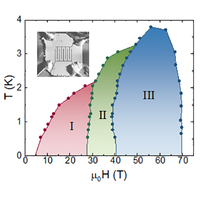
Phys. Rev. X 15, 041057 (2025)
arXiv
Anomalous Transport In Low Dimension Materials
New Submission | Other Condensed Matter (cond-mat.other) | 2025-12-30 20:00 EST
This dissertation presents a systematic theoretical investigation into realizing a condensed matter analogue of the Chiral Magnetic Effect (CME) in a quasi-planar, 2+1D system. The research establishes a conceptual bridge between the anomalous transport phenomena of high-energy physics and the emergent electronic properties of engineered honeycomb lattices. The central objective is the formulation of a low-energy effective Hamiltonian that incorporates the necessary ingredients for a CME-like effect. This is achieved by moving beyond pristine graphene, whose inherent sublattice symmetry precludes the formation of a mass gap necessary for defining robust pseudo-chiral states. The core of this work is a model based on a honeycomb lattice with explicitly broken sublattice symmetry, which introduces a band gap and endows the quasi-particles system with a well-defined pseudo-chirality based on sublattice polarization. A time-reversal symmetry-breaking parameter is introduced to asymmetrically modify the valley gaps, creating a controllable non-equilibrium imbalance analogous to the chiral chemical potential in relativistic systems. A key finding is the validation of the physical model consistency; through commutator calculations, the total angular momentum - comprising both orbital and an emergent lattice spin component - is shown to be a conserved quantity. This research successfully transforms the abstract possibility of a 2D CME into a concrete, self-consistent theoretical framework, detailing the precise symmetry conditions required for its manifestation.
Other Condensed Matter (cond-mat.other), Mesoscale and Nanoscale Physics (cond-mat.mes-hall), High Energy Physics - Phenomenology (hep-ph), High Energy Physics - Theory (hep-th), Nuclear Theory (nucl-th)
Master’s thesis, 69 pages, 18 figures
On the comparison of models and experiments in the study of DNA open states: the problem of degrees of freedom
New Submission | Other Condensed Matter (cond-mat.other) | 2025-12-30 20:00 EST
Alexey S. Shigaev, Victor D. Lakhno
Simple mechanical models of DNA play an important role in studying the dynamics of its open states. The main requirement when developing a DNA model is the correct selection of its effective potentials and parameters based on experimental data. At the same time, various experiments allow us to “see” different types of DNA open states. Consideration of this feature is one of the most important conditions in the development, optimization, and parameterization of any mechanical model. Violation of this condition, i.e., the comparison of incomparable characteristics, leads to critical errors. The present investigation is devoted to the problem of degrees of freedom of DNA bases taken into account in mechanical models. Using the Peyrard-Bishop-Dauxois model as an example, two types of errors in interpreting experimental data when compared with the model are examined. The first one is a mismatch between the open state types in the model and experiment. The second one is an incorrect specification of the “threshold coordinate” of the open state. The concept of the effective total threshold coordinate of the radial separation of DNA strands for registration of opening is introduced. It is shown that correct interpretation of experimental data can actually eliminate discrepancies with theory.
Other Condensed Matter (cond-mat.other), Biomolecules (q-bio.BM)
26 pages, 6 figures
Representations of the symmetry groups of infinite crystals
New Submission | Materials Science (cond-mat.mtrl-sci) | 2025-12-30 20:00 EST
Bachir Bekka, Christian Brouder
We investigate the representations of the symmetry groups of infinite crystals. Crystal symmetries are usually described as the finite symmetry group of a finite crystal with periodic boundary conditions, for which the Brillouin zone is a finite set of points. However, to deal with the continuous crystal momentum $ \mathbf{k}$ required to discuss the continuity, singularity or analyticity of band energies $ \epsilon_n(\mathbf{k})$ and Bloch states $ \psi_{\mathbf{k}}$ , we need to consider infinite crystals. The symmetry groups of infinite crystals belong to the category of infinite non-compact groups, for which many standard tools of group theory break down. For example, character theory is no longer available for these groups and we use harmonic analysis to build the group algebra, the regular representation, the induction of irreducible representations of the crystallographic group from projective representations of the point groups and the decomposition of a representation into its irreducible parts. We deal with magnetic and non-magnetic groups in arbitrary dimensions. In the last part of the paper, we discuss Mackey’s restriction of an induced representation to a subgroup, the tensor product of induced representations and the symmetric and antisymmetric squares of induced representations.
Materials Science (cond-mat.mtrl-sci), Mathematical Physics (math-ph), Group Theory (math.GR)
27 pages
Toward reducing the formation temperature of diopside via wet-chemical synthesis routes using chloride precursors
New Submission | Materials Science (cond-mat.mtrl-sci) | 2025-12-30 20:00 EST
N. Namvar, E. Salahinejad, A. Saberi, M.J. Baghjeghaz, L. Tayebi, D. Vashaee
Reducing the formation temperature of single-phase multioxides is one of the classic challenges in ceramic processing, including wet-chemical synthesis routes. Toward pursuing this aim for diopside (MgCaSi2O6), the merit of different sol-gel and coprecipitation processes using the related chloride precursors followed by calcination was compared from the viewpoints of crystallinity and homogeneity. In accordance to the results, the use of the sol-gel techniques, directed with/without an alkaline catalyst, gave rise to the unfavorable creation of multiphase and low-crystallinity structures. Regarding the coprecipitation methods, the one-step addition of a precipitant agent is accompanied by an indirect low-temperature formation of nano-diopside, while a direct crystallization into this phase was explored in the dropwise condition, albeit with a lower crystallinity. Thus, by employing a suitable synthesis processing, it is feasible to take control of a wide range of nanoparticulate diopside-based structures achieved after a low-temperature calcination.
Materials Science (cond-mat.mtrl-sci), Applied Physics (physics.app-ph), Chemical Physics (physics.chem-ph)
Ceramics International, 43 (2017) 13781-13785
Thermodynamic Phase Stability, Structural, Mechanical, Optoelectronic, and Thermoelectric Properties of the III-V Semiconductor AlSb for Energy Conversion Applications
New Submission | Materials Science (cond-mat.mtrl-sci) | 2025-12-30 20:00 EST
Iskandar Raufov, Dilshod Nematov, Saidjafar Murodzoda, Sakhidod Sattorzoda, Anushervon Ashurov
This study presents a first principles investigation of the structural, thermodynamic, electronic, optical and thermoelectric properties of aluminum antimonide (AlSb) in its cubic (F-43m) and hexagonal (P63mc) phases. Both structures are dynamically and mechanically stable, as confirmed by phonon calculations and the Born Huang criteria. The lattice constants obtained using the SCAN and PBEsol functionals show good agreement with experimental data. The cubic phase exhibits a direct band gap of 1.66 to 1.78 eV, while the hexagonal phase shows a band gap of 1.48 to 1.59 eV, as confirmed by mBJ and HSE06 calculations. Under external pressure, the band gap decreases in the cubic phase and increases in the hexagonal phase due to different s p orbital hybridization mechanisms. The optical absorption coefficient reaches 1e6 cm-1, which is comparable to or higher than values reported for other III V semiconductors. The Seebeck coefficient exceeds 1500 microV per K under intrinsic conditions, and the thermoelectric performance improves above 600 K due to enhanced phonon scattering and lattice anharmonicity. The calculated formation energies (-1.316 eV for F-43m and -1.258 eV for P63mc) confirm that the cubic phase is thermodynamically more stable. The hexagonal phase exhibits higher anisotropy and lower lattice stiffness, which is favorable for thermoelectric applications. These results demonstrate the strong interplay between crystal symmetry, phonon behavior and charge transport, and provide useful guidance for the design of AlSb based materials for optoelectronic and energy conversion technologies.
Materials Science (cond-mat.mtrl-sci)
Exepted in Chemical Thermodynamics and Thermal Analysis
Magnetic and Transport Studies of the TbAgAl compound at high fields
New Submission | Strongly Correlated Electrons (cond-mat.str-el) | 2025-12-30 20:00 EST
In order to further investigate the magnetic state of the RAgAl series, the magnetization measurements on the TbAgAl compound from this series have been extended to higher fields of 12 Tesla in the temperature range 2K-300K. The electrical resistivity in the temperature range 2-300K has been measured up to fields of 9 Tesla. The field dependence of magnetization at low temperatures suggests an antiferromagnetic state undergoing a metamagnetic transition to a ferromagnetic state above the critical field. The observation of large coercivity (unlike other compounds in the RAgAl series) and non-saturation of magnetization indicates a disordered magnetic state having both ferromagnetic and antiferromagnetic exchange interaction. The presence of competing interactions leading to a disordered state is also supported by transport measurements and is attributed presumably to the layered structure of the compound.
Strongly Correlated Electrons (cond-mat.str-el)
7 pages, 3 figures (with a & b)
Interface Modeling of Perovskite Polymer Heterostructures for Enhanced Charge Transfer Efficiency in Hybrid Photovoltaic Materials
New Submission | Materials Science (cond-mat.mtrl-sci) | 2025-12-30 20:00 EST
Somayyeh Alidoust, V. Ongun Özçelik
Perovskite solar cells (PSCs) based on methylammonium lead iodide (MAPbI3) exhibit remarkable photovoltaic performance, where interface engineering with hole transport layers (HTLs) is crucial for optimizing charge transfer and device efficiency. In this work, we present a density functional theory (DFT) study of the MAPbI3/poly(3-hexylthiophene) (P3HT) hybrid interface, focusing on the role of perovskite surface termination in determining interfacial stability and electronic structure. We model MAI- and PbI-terminated MAPbI3 surfaces interfaced with P3HT and compare their interfacial electronic properties. Electronic structure calculations reveal distinct differences in orbital hybridization and band alignment: the MAI/m-P3HT interface exhibits weak coupling, whereas the PbI/m-P3HT interface shows stronger hybridization and enhanced charge transfer. Band alignment confirms type-II, hole-selective character in both cases, with more pronounced valence band maximum adjustment for PbI. Charge difference maps, Bader analysis, and local density of states consistently indicate higher charge transfer and stronger electronic coupling for PbI termination. Electrostatic potential offsets and transport parameters further highlight termination-dependent differences, with lighter effective masses at PbI/m-P3HT and higher hole velocity at MAI/m-P3HT. These findings provide theoretical insight into interfacial charge transport mechanisms and offer guidelines for optimizing perovskite-organic hybrid solar cells.
Materials Science (cond-mat.mtrl-sci), Mesoscale and Nanoscale Physics (cond-mat.mes-hall)
Twisted Trilayer Graphene, Quasiperiodic Superconductor
New Submission | Mesoscale and Nanoscale Physics (cond-mat.mes-hall) | 2025-12-30 20:00 EST
Xinghai Zhang, Ziyan Zhu, Justin H. Wilson, Matthew S. Foster
Twisted multilayer moiré materials are generically quasiperiodic on the moiré scale due to the interference of different misaligned moiré periodicities. Spatial inhomogeneities such as these can be detrimental to superconductivity; nonetheless, superconductivity has been observed in quasiperiodic twisted trilayer graphene (TTG). Here, we systematically study the superconducting properties of TTG. We reveal that an interplay between quasiperiodicity and topology drives TTG into a critical regime, enabling it to host superconductivity with rigid phase stiffness for a wide range of twist angles, rather than at a fine-tuned value. The criticality in the normal state is due to the Dirac fermions coupled by quasiperiodic tunneling simulating 3D topological superconductor surface states. This critical-metal regime is marked by multifractal wave functions across the spectrum and scale-invariant transport reminiscent of the integer quantum Hall plateau transition. We demonstrate this with large-scale wave function and Kubo conductivity calculations. These observations lead to a clear experimental implication: stronger interlayer coupling in TTG further stabilizes both the criticality and superconductivity, allowing superconductivity to be seen across a wider range of angles with experimentally accessible pressures.
Mesoscale and Nanoscale Physics (cond-mat.mes-hall), Disordered Systems and Neural Networks (cond-mat.dis-nn), Superconductivity (cond-mat.supr-con)
8+13 pages, 5+11 figures
A scanning probe microscopy approach for identifying defects in aluminum oxide
New Submission | Mesoscale and Nanoscale Physics (cond-mat.mes-hall) | 2025-12-30 20:00 EST
Leah Tom, Zachary J. Krebs, Joel B. Varley, E. S. Joseph, Wyatt A. Behn, M. A. Eriksson, Keith G. Ray, Vincenzo Lordi, S. N. Coppersmith, Victor W. Brar, Mark Friesen
The coherence of quantum dot qubits fabricated in semiconductors is often limited by charge noise from defects in gate dielectrics, which are material- and process-dependent. Characterizing these defects is an important step towards reducing their impact and improving qubit coherence. The identification of individual defects requires atomic-scale spatial resolution, however, and sufficient spectral sensitivity to determine their electronic structure. Electrostatic force microscopy (EFM) provides highly resolved maps of the surface potential of dielectrics, and importantly, is also sensitive to single-electron charging processes that reflect the spectral structure of underlying defects. In this work, we use cryogenic EFM to characterize aluminum oxide grown by atomic layer deposition (ALD) on bulk silicon. These measurements reveal defects close to the surface that exchange electrons with the EFM tip as they transition through different charge states. Detailed electrostatic modeling opens the door to powerful techniques for mapping tip-backgate charging voltages onto defect transition energies, allowing defects such as aluminum vacancies, and carbon, oxygen, or hydrogen impurities to be identified, by comparing to density functional theory (DFT). These results point towards EFM as a powerful tool for exploring defect structures in solid-state qubits.
Mesoscale and Nanoscale Physics (cond-mat.mes-hall)
46 pages, 44 figures
Thermal Equilibrium Vacancy Concentration in an Alloy with Chemical Short-Range Order
New Submission | Materials Science (cond-mat.mtrl-sci) | 2025-12-30 20:00 EST
Hao Tang, Hoje Chun, Rafael Gomez-Bombarelli, Yuri Mishin, Ju Li
The equilibrium vacancy concentration in multi-principal element alloys remains a controversial and nontrivial subject, primarily because of chemical complexity and chemical short-range order (CSRO). Here we derive an exact expression that is amenable to atomistic calculations, using multiple perspectives. We applied this expression to equiatomic CrCoNi alloys in the face-centered cubic structure. The derived equilibrium vacancy concentration is used in our recent work, which predicts the chemical short-range order formation timescale consistent with experimental observation. The results demonstrate the practical utility of the approach for predicting equilibrium vacancy concentrations in compositionally complex alloys.
Materials Science (cond-mat.mtrl-sci), Statistical Mechanics (cond-mat.stat-mech)
Magnetism of the alternating monolayer-trilayer phase of La$_3$Ni$_2$O$_7$
New Submission | Superconductivity (cond-mat.supr-con) | 2025-12-30 20:00 EST
Rustem Khasanov, Thomas J. Hicken, Hubertus Luetkens, Zurab Guguchia, Dariusz J. Gawryluk, Vignesh Sundaramurthy, Abhi Suthar, Masahiko Isobe, Bernhard Keimer, Giniyat Khaliullin, Matthias Hepting, Pascal Puphal
Understanding the magnetic ground state of Ruddlesden-Popper nickelates is crucial, as these materials exhibit superconductivity under high pressure and host competing electronic orders that may play a key role in the pairing mechanism. In this work, we investigate the magnetic properties of the alternating monolayer-trilayer phase of La$ _3$ Ni$ _2$ O$ _7$ (1313-La$ 3$ Ni$ 2$ O$ 7$ ) using muon-spin rotation/relaxation ($ \mu$ SR) under both ambient and hydrostatic pressure conditions. The monolayer-trilayer phase develops incommensurate magnetic order below approximately 150 K, with a mean ordering temperature of $ T{SDW} \simeq 123$ K and a transition width of $ \Delta T{SDW} \simeq 15$ K. The abrupt onset of the internal magnetic field indicates a first-order-like transition. Hydrostatic pressure ($ p$ ) suppresses the magnetic ordering temperature at a rate of $ dT{SDW}/d p \simeq -3.9$ K/GPa, demonstrating a progressive destabilization of the ordered state. By comparison with the bilayer 2222-La$ _3$ Ni$ _2$ O$ _7$ and the trilayer 3333-La$ _4$ Ni$ _3$ O$ {10}$ systems, and within a unified phenomenological framework, systematic trends are identified linking the pressure dependence of $ T{SDW}$ , the (in)commensurability of the magnetic order, and the character of the magnetic transition. These trends consistently indicate a gradual reduction of electronic correlation strength from the bilayer to the monolayer-trilayer and trilayer nickelates. This hierarchy suggests that the higher superconducting transition temperature observed in the 2222 phase may be closely connected to its more strongly correlated electronic nature. These results position the alternating monolayer-trilayer 1313-La$ _3$ Ni$ _2$ O$ _7$ as an intermediate member linking the magnetic behavior of the bilayer 2222-La$ _3$ Ni$ _2$ O$ _7$ and the trilayer 3333-La$ _4$ Ni$ _3$ O$ _{10}$ Ruddlesden-Popper compounds.
Superconductivity (cond-mat.supr-con), Strongly Correlated Electrons (cond-mat.str-el)
15 pages, 12 figures
Phonon-induced electronic degeneracy breaking: a SSAdNDP interpretation
New Submission | Materials Science (cond-mat.mtrl-sci) | 2025-12-30 20:00 EST
Javiera Cabezas-Escares, Andrea Echeverri, Francisco Muñoz, Anastassia N. Alexandrova
This work explores how phonon perturbations can induce the breaking of electronic degeneracies near the Fermi level and how this response can be interpreted from a chemical perspective through the SSAdNDP method. We apply this approach to a family of structurally similar yet electronically distinct hexagonal materials-MgB2, graphene, and hBN-to analyze how a single phonon mode simultaneously modifies the electronic structure (band dispersion) and the nature of chemical bonding (natural occupations and nodal patterns) in real space. Our results show that band splitting becomes physically relevant only when it is accompanied by an electronic redistribution, reflected in changes of the occupation numbers or bonding topology. Thus, SSAdNDP provides a direct bridge between reciprocal- and real-space representations, translating phenomena such as electron-phonon coupling into chemically intuitive reorganizations of multicenter bonds, and offering a unified framework to interpret vibrationally driven electronic effects in solids.
Materials Science (cond-mat.mtrl-sci)
7 pages, 6 figures, 1 appendix
Effect of hybrid field coupling in nanostructured surfaces on anisotropic signal detection in nanoscale infrared spectroscopic imaging methods
New Submission | Mesoscale and Nanoscale Physics (cond-mat.mes-hall) | 2025-12-30 20:00 EST
Ayona James, Maryam Ali, Zekai Ye, Phan Thi Yen Nhi, Sharon Xavi, Mashiat Huq, Sajib Barua, Meng Luo, Yisak Tsegazab, Anna Elmanova, Robin Schneider, Olga Ustimenko, Sarmiza-Elena Stanca, Marco Diegel, Andrea Dellith, Uwe Hübner, Christoph Krafft, Jasmin Finkelmeyer, Maximilian Hupfer, Kalina Peneva, Matthias Zeisberger, Christin David, Martin Presselt, Daniela Täuber
Anisotropic intensity distributions on nanostructured surfaces and polarization-sensitive spectra have been observed in a number of nanoscale infrared spectroscopic imaging methods, including nano-FTIR [Bakir et al., Molecules, 2020, 25, 4295], photothermal induced resonance (PTIR) [Waeytens et al., Analyst, 2021, 146], tapping AFM-IR [Hondl et al., ACS Meas. Sci. Au, 2025, 5, 469; Luo et al., APL, 2022, 121, 23330], infrared photoinduced force microscopy (PiF-IR) [Anindo et al., JPCC, 2025, 129, 4517; Shcherbakov et al., Rev Methods Primers, 2025, 5, 1; Ali et al., Anal. Chem., 2025, 97, 23914] and peak force infrared microscopy (PFIR) [Xie et al., JPCC, 2022, 126, 8393; Anindo, JPCC, 2025]. A recent work combining modeling and experiment demonstrated that the hybrid field coupling of the IR illumination E0 with a polymer nanosphere and a metallic AFM probe is nearly as strong as the plasmonic coupling in case of a gold nanosphere [Anindo, JPCC, 2025]. For p-polarized illumination, this results in enhanced IR absorption on the surface perpendicular to the propagation of E0 which can explain the observed anisotropic intensity distribution. An additional anisotropy may be introduced by aligned surface molecules with oriented vibrational transition moments [Bakir et al., Molecules, 2020, 25, 4295; Luo, APL, 2022]. PiF-IR is strongly surface sensitive combining an unprecedented spatial resolution < 5 nm with high spectral resolution [Shcherbakov, Rev Methods Primers, 2025; Ali, Anal. Chem., 2025], which allows, for example, to visualize nanoscale chemical variation on the surface of bacteria cells affected by antimicrobial interaction [Ali, Anal. Chem., 2025]. We compare PiF-IR hyperspectra of aligned perylene Langmuir Blodgett monolayers on nanostructured and planar gold substrates and use quantum chemical calculations of the oriented vibrational oscillators to interpret the observations.
Mesoscale and Nanoscale Physics (cond-mat.mes-hall), Materials Science (cond-mat.mtrl-sci), Soft Condensed Matter (cond-mat.soft)
11 figures, supporting information included in main document, raw data published on zenodo with doi: https://doi.org/10.5281/zenodo.18060234
Unveiling the CO2 Hydrate Phase Diagram from Computer Simulation: Locating the Hydrate-Liquid-Vapor Coexistence and its Upper Quadruple Point
New Submission | Soft Condensed Matter (cond-mat.soft) | 2025-12-30 20:00 EST
Jesús Algaba, Samuel Blazquez, Cristóbal Romero-Guzmán, Carlos Vega, María M. Conde, Felipe J. Blas
Carbon dioxide (CO2) hydrates hold promising applications in capturing and separating CO2 for climate change mitigation. Understanding their behavior at the molecular level is therefore essential, and computer simulations have become powerful tools for exploring their formation and stability, providing valuable insights into their underlying mechanisms. In this work, we perform molecular dynamics simulations to compute the three-phase coexistence line involving the stability region where CO2 is in the vapor phase: CO2 hydrate - liquid water - vapor. This computation was previously inaccessible using the traditional three-phase direct coexistence technique. To achieve this, we employ a novel solubility-based method, which allows us to accurately evaluate the coexistence line. Finally, we have determined the upper quadruple point (Q2) where the four phases, namely hydrate, liquid water, liquid CO2, and vapor, coexist. Our pioneering result for the Q2 value shows remarkable agreement with experimental observations, validating the accuracy of our findings and representing a significant milestone in the field of gas hydrate research.
Soft Condensed Matter (cond-mat.soft)
The Role of THz Phonons in the Ionic Conduction Mechanism of $Li_7La_3Zr_2O_{12}$ Polymorphs
New Submission | Materials Science (cond-mat.mtrl-sci) | 2025-12-30 20:00 EST
Amy K. Lin, Natan A. Spear, Geoffrey A. Blake, Scott K. Cushing
Superionic conduction in solid-state materials is governed not only by static factors, such as structure and composition, but also by dynamic interactions between the mobile ion and the crystal lattice. Specifically, the dynamics of lattice vibrations, or phonons, have attracted interest because of their hypothesized ability to facilitate superionic conduction. However, direct experimental measurement of the role of phonons in ionic conduction is challenging due to the fast intrinsic timescales of ion hopping and the difficulty of driving relevant phonon modes, which often lie in the low-energy THz regime. To overcome these limitations, we use laser-driven ultrafast impedance spectroscopy (LUIS). LUIS resonantly excites phonons using a THz field and probes ion hopping with picosecond time resolution. We apply LUIS to understand the dynamical role of phonons in $ Li_7La_3Zr_2O_{12}$ (LLZO). When in its cubic phase (c-LLZO), this garnet-type solid electrolyte has an ionic conductivity two orders of magnitude greater than its tetragonal phase (t-LLZO). T-LLZO is characterized by an ordered and filled $ Li^+$ sublattice necessitating synchronous ion hopping. In contrast, c-LLZO is characterized by a disordered and vacancy-rich $ Li^+$ sublattice, and has a conduction mechanism dominated by single hops. We find that, upon excitation of phonons in the 0.5-7.5 THz range, the impedance of t-LLZO experiences a longer ion hopping decay signal in comparison to c-LLZO. The results suggest that phonon-mediated ionic conduction by THz modes may lead to larger ion displacements in ordered and fully occupied mobile ion sublattices as opposed to those that are disordered and vacancy-rich. Overall, this work highlights the interplay between static and dynamic factors that enables improved ionic conductivity in otherwise poorly conducting inorganic solids.
Materials Science (cond-mat.mtrl-sci), Chemical Physics (physics.chem-ph)
12 pages, 4 figures
Effect of superconductivity by Nb and V substitution in kagome CaPd5
New Submission | Superconductivity (cond-mat.supr-con) | 2025-12-30 20:00 EST
Dan Li, Zhengxuan Wang, Chuanguang Zhang, Chunlan Ma, Shijing Gong, Chuanxi Zhao, Shuaikang Zhang, Tianxing Wang, Xiao Dong, Wuming Liu, Yipeng An
Materials featuring kagome lattices have attracted significant research interest due to their unique geometric frustration, which gives rise to rich physical phenomena such as non-trivial topology, spin fluctuations, and superconductivity. In this work, using CaPd5 as the prototype structure, we discover and systematically investigate a new class of kagome superconductors, CaMxPd5-x (M = Nb and V) alloys. First-principles calculations confirm that these compounds are non-magnetic metals, among which four are dynamically stable: CaNb5, CaV5, CaNb2Pd3, and CaV2Pd3. CaNb5 is identified as a strong electron-phonon coupling (EPC) superconductor with the highest superconducting transition temperature (Tc) of 10.1 K, which can be further increased to 12.8 K under external pressure. In contrast, CaV5, CaNb2Pd3, and CaV2Pd3 exhibit weaker EPC and correspondingly lower Tc values. Furthermore, by applying the method of symmetry indicators, we systematically classify the topological and nodal characteristics of CaNb5, providing valuable insights for determining its superconducting pairing symmetry. Our findings demonstrate that Nb and V substitution in kagome CaPd5 provides an effective route for designing a new type of kagome superconductor with relatively high Tc. This study also offers new perspectives on topological superconductivity in kagome systems and establishes a useful guideline for discovering other superconducting materials with unique properties.
Superconductivity (cond-mat.supr-con), Materials Science (cond-mat.mtrl-sci)
4 figures
Superconductor Science and Technology 2025
Kitaev interaction and possible spin liquid state in CoI2 and Co2/3Mg1/3I2
New Submission | Materials Science (cond-mat.mtrl-sci) | 2025-12-30 20:00 EST
Yaozhenghang Ma, Ke Yang, Yuxuan Zhou, Hua Wu
Kitaev materials are of great interest due to their potential in realizing quantum spin liquid (QSL) states and applications in topological quantum computing. In the pursuit of realizing Kitaev QSL, a Mott insulator with strong bond-dependent frustration and weak geometric frustration is highly desirable. Here we explore Kitaev physics in the van der Waals triangular antiferromagnet (AF) CoI$ 2$ , through the spin-orbital states and Wannier function analyses, exact diagonalization and density matrix renormalization group study of the electronic structure and magnetic properties. We find that the high-spin Co$ ^{2+}$ ion is in the $ J\mathrm{eff}=1/2$ state because of strong spin-orbit coupling, and the weak trigonal elongation and crystal field contribute to the observed weak in-plane magnetic anisotropy. The strong $ t_{2g}$ -$ e_g$ hopping via the strong Co 3$ d$ -I 5$ p$ hybridization gives rise to a strong Kitaev interaction ($ K_1$ ) at the first nearest neighbors (1NN), and the long Co-Co distance and the weak $ t_{2g}$ -$ t_{2g}$ hoppings determine a weak Heisenberg interaction $ J_1$ . The resultant $ |K_1/J_1|$ = 6.63 confirms a strong bond-dependent frustration, while the geometric frustration due to the 3NN Heisenberg interaction $ J_3$ gets involved, and they all together result in the experimental helical AF order in CoI$ _2$ . We then propose to suppress the $ J_3$ using a partial Mg substitution for Co, and indeed we find that Co$ _{2/3}$ Mg$ _{1/3}$ I$ _2$ has the much reduced geometric frustration but hosts the robust bond-dependent frustration, and thus it would be a promising Kitaev material being so far closest to the QSL state.
Materials Science (cond-mat.mtrl-sci), Strongly Correlated Electrons (cond-mat.str-el)
Phys. Rev. B 112, L220412 (2025)
A dynamical trap made of target-tracking chasers
New Submission | Soft Condensed Matter (cond-mat.soft) | 2025-12-30 20:00 EST
We propose a dynamical trapping system composed of multiple chasers subject to target-tracking forces utilizing the velocity and position information of a single escaping target. To successfully capture the target, dividing chasers into multiple groups while each group approaching its assigned destination in the proper vicinity of the target is essential. Moving direction synchronization between the target and its chasers is crucial to the capturing process, while guiding chasers to the predicted position of the target in future only improves the efficiency of capture but is not indispensable. Potential applications of our trapping system include capturing live animals such as bears invading a human residential area.
Soft Condensed Matter (cond-mat.soft)
6 pages, 7 figures
Hf/Zr Superlattice-Based High-\k{appa} Gate Dielectrics with Dipole Layer Engineering for Advanced CMOS
New Submission | Mesoscale and Nanoscale Physics (cond-mat.mes-hall) | 2025-12-30 20:00 EST
Taeyoung Song, Sanghyun Kang, Yu Hsin Kuo, Jiayi Chen, Lance Fernandes, Nashrah Afroze, Mengkun Tian, Hyoung Won Baac, Changhwan Shin, Asif Islam Khan
Advanced logic transistors require gate dielectrics that achieve sub-nanometer equivalent oxide thickness (EOT), suppress leakage, and satisfy three key requirements: (i) compatibility with RMG-like high-temperature processing, (ii) sufficient Vth tunability for multi-Vth design, and (iii) high device reliability. However, meeting all of these requirements simultaneously has been difficult with conventional high-k systems. In this work, we demonstrate that Hf/Zr-based gate stacks quantitatively satisfy these conditions. After a 700 C N2 anneal, the HZH superlattice achieves an EOT of 7.3 A, lower than conventional HfO2-only stacks (8.5 A) while maintaining comparable leakage. Embedding a 3 A Al2O3 dipole within an HfO2/ZrO2/HfO2 superlattice (HZHA) breaks the conventional dipole trade-off, achieving an EOT of 8.4 A, lower than the 9.0 A of a standard HfO2/Al2O3 stack, while providing a flatband voltage shift greater than 200 mV, thereby enabling multi-Vth tuning without compromising scaling. Furthermore, under -2 V negative-bias temperature stress at 125 C for 100 s, HZHA and HA exhibit comparable flatband voltage drifts of 87 mV and 97 mV, respectively, confirming that strong Vth tunability and sub-nanometer EOT can be achieved without compromising stability. In addition to these quantitative advances, this study reveals previously unreported physical insights into dipole behavior and interfacial diffusion in ultrathin Hf/Zr multilayers. These results establish HZHA as an RMG-compatible, Vth-tunable, low-EOT dielectric platform capable of supporting logic scaling beyond the 1 nm frontier.
Mesoscale and Nanoscale Physics (cond-mat.mes-hall)
Chemical state detection and charge transfer in complex oxide heterostructures via in situ Auger Electron Spectroscopy
New Submission | Materials Science (cond-mat.mtrl-sci) | 2025-12-30 20:00 EST
Harish Kumarasubramanian, Jayakanth Ravichandran
Understanding and controlling the chemical states both in the bulk and at the interfaces of complex oxide thin films is essential for engineering a wide range of electronic, optical, and magnetic functionalities, which arise through emergent phenomena such as two-dimensional electron gases, interfacial magnetism, and associated phase transitions. Here, we demonstrate the use of in situ Auger Electron Spectroscopy (AES) as a powerful tool for probing oxidation states and dynamic chemical processes during the growth of complex oxide heterostructures. By leveraging the chemical sensitivity of AES to subtle changes in valence electron populations, we show that this technique can distinguish distinct oxidation states in multivalent perovskite manganate and vanadate systems with high fidelity during deposition. Furthermore, we show evidence for dynamic chemical phenomena, specifically charge transfer processes at the polar-nonpolar LaMnO3/SrTiO3 interface. Our results establish in situ AES as a powerful diagnostic tool for monitoring and controlling interfacial chemistry during thin film growth, offering a pathway toward the atomic-scale engineering of chemical states in functional oxide heterostructures.
Materials Science (cond-mat.mtrl-sci)
Competing Trion and Exciton Dynamics in a Quasi-One-Dimensional Correlated Semiconductor
New Submission | Strongly Correlated Electrons (cond-mat.str-el) | 2025-12-30 20:00 EST
Ittai Sidilkover, Nir Hen Levin, Yuval Nitzav, Shiri Gvishi, Abigail Dishi, Shaked Rosenstein, Noam Ophir, Irena Feldman, Andrei Varykhalov, Naaman Amer, Amit Kanigel, Anna Keselman, Iliya Esin, Hadas Soifer
Strong Coulomb interactions in low-dimensional quantum materials give rise to emergent bound states such as excitons and trions, which play a central role in correlated electronic phases. In quasi-one-dimensional systems, equilibrium photoemission studies have reported signatures of trions, suggesting an unusually robust state, as opposed to conventional semiconductors where trions typically appear only as excited states stabilized by carrier doping. Here, we show that optical excitation of undoped Ta2NiS5 - a correlated quasi-one-dimensional semiconductor - generates a pronounced and long-lived trion population, demonstrating that such states can be dynamically induced even in the absence of doping. Using time- and angle-resolved photoemission spectroscopy we track the dynamics of a bright, localized in-gap state that emerges following photoexcitation and identify it as a transient trion population. We uncover an unconventional trion formation pathway and a fluence-dependent competition between trions and excitons. These findings extend ultrafast quasiparticle photoemission spectroscopy to complex bound states in bulk quantum materials, enabling the dynamical control of charged and neutral excitations.
Strongly Correlated Electrons (cond-mat.str-el)
27 pages, 10 figures
Magnetic field and pressure tuning of the heavy fermion antiferromagnet CePdIn
New Submission | Strongly Correlated Electrons (cond-mat.str-el) | 2025-12-30 20:00 EST
Bin Shen, Feng Du, Rui Li, Hang Su, Kazunori Umeo, Xin Lu, Toshiro Takabatake, Michael Smidman, Huiqiu Yuan
Frustrated Kondo lattices are ideal platforms for studying how both the Kondo effect and quantum fluctuations compete with the magnetic exchange interactions that drive magnetic ordering. Here, we investigate the effect of tuning the heavy-fermion compound CePdIn, which crystallizes in the geometrically frustrated ZrNiAl-type structure, using applied magnetic fields and hydrostatic pressure. At ambient pressure, CePdIn exhibits two magnetic transitions, one at $ T_{\rm{N}} \approx 1.65$ K and another at $ T_{\rm{M}} \approx 1.15$ K, which are both suppressed by applied $ c$ -axis fields. Upon applying pressure in zero magnetic field, there is a non-monotonic evolution of $ T_{\rm{N}}$ , which decreases to 0.8 K at 2.3 GPa, before abruptly increasing to 1.5 K at 2.6 GPa. At higher pressures, $ T_{\rm{N}}$ has a weak pressure dependence, and vanishes near 5 GPa. Together with the high-pressure phase being more robust to applied fields, these results suggest two distinct antiferromagnetic phases in CePdIn, which are separated near 2.6 GPa, and this change may be driven by the evolution of the underlying electronic structure due to enhanced Kondo hybridization under pressure.
Strongly Correlated Electrons (cond-mat.str-el), Materials Science (cond-mat.mtrl-sci)
9 pages, 11 figures
Thermally Activated Non-Affine Rearrangements in Amorphous Glass: Emergence of Intrinsic Length Scales
New Submission | Soft Condensed Matter (cond-mat.soft) | 2025-12-30 20:00 EST
We present a systematic study of temperature-driven nonaffine rearrangements in a model amorphous solid across the full thermodynamic range, from a high-temperature liquid, through supercooled and sub-glass regimes, into deep glassy states. The central result is a quantitative characterisation of the componentwise nonaffine residual displacements, obtained by subtracting local affine maps from particle displacements. For each state point the tails of the probability distributions of these nonaffine components display clear exponential decay; linear fits to the logarithm of the tail region yield characteristic nonaffine length scales {\xi}NA,x and {\xi}NA,y , which quantify the spatial extent of purely nonaffine, local rearrangements. To compare with other length scales, we compute van Hove distributions Gx(ux), Gy (uy ) which capture the full particle displacement field (coherent affine-like motion plus residuals). A robust, key finding is that the van Hove length scale consistently exceeds the filtered nonaffine length scale, i.e. {\xi}VH > {\xi}NA, across all temperatures, state points, and densities we studied. The nonaffine length {\xi}NA quantifies the distance over which complex deformation occurs, specifically nonlinear and anharmonic responses, irreversible (plastic) rearrangements, topological non-recoverable particle rearrangements, and other residual motions that cannot be represented by a local affine map. Moreover, near equality of {\xi}NA,x and {\xi}NA,y in all conditions provides further evidence that nonaffine rearrangements propagate isotropically under thermally driven deformation in contrast to externally driven shear.
Soft Condensed Matter (cond-mat.soft), Statistical Mechanics (cond-mat.stat-mech)
Structural changes in the Lennard-Jones supercooled liquid and ideal glass: an improved integral equation for the replica method
New Submission | Statistical Mechanics (cond-mat.stat-mech) | 2025-12-30 20:00 EST
Bomont Jean-Marc, Bretonnet Jean-Louis, Costa Dino, Pastore Giorgio
Framing the glass formation within standard statistical mechanics is an outstanding problem of condensed matter theory. To provide new insight, we investigate the structural properties of the Lennard-Jones fluid in the very-low temperature regime, by using a replicated version of the refined HMSA theory of the liquid state, combined with an appropriate split of the pair potential [Bomont and Bretonnet, J. Chem. Phys. 114, 4141 (2001)]. Our scheme allows one to reach an unprecedented low-temperature domain within both the supercooled liquid and the ideal-glass phase. Therein, a density-dependent temperature is identified, whereupon the radial distribution function experiences clear-cut structural changes, insofar as an additional peak develops in between the main and the second peaks. Such a structural feature points to a local structure of the Lennard-Jones ideal glass with an fcc-like short-range order, in the absence of any long-range order.
Statistical Mechanics (cond-mat.stat-mech), Soft Condensed Matter (cond-mat.soft)
Sparse Interactions Reshape Stability in Random Lotka-Volterra Dynamics
New Submission | Disordered Systems and Neural Networks (cond-mat.dis-nn) | 2025-12-30 20:00 EST
Mattia Tarabolo, Luca Dall’Asta, Roberto Mulet
Classical approaches to ecological stability rely on fully connected interaction models, yet real ecosystems are sparse and structured–a feature that qualitatively reshapes their collective dynamics. Here, we establish a thermodynamically exact stability phase diagram for generalized Lotka-Volterra dynamics on sparse random graphs, resolving how finite connectivity and interaction heterogeneity jointly govern ecosystem resilience. Using a small-coupling expansion of the dynamic cavity method, we derive an effective single-site stochastic process that is solvable via population dynamics. Our approach uncovers a topological phase transition–driven purely by the finite connectivity structure of the network–that leads to multi-stability. This instability is fundamentally distinct from the disorder-driven transitions induced by quenched randomness of the couplings. Our framework overcomes the considerable computational cost of direct simulations, offering a scalable and versatile analysis of stability, biodiversity, and alternative stable states in realistic, large-scale ecological ecosystems.
Disordered Systems and Neural Networks (cond-mat.dis-nn)
6 pages, 3 figures
Fast collisional $\sqrt{\mathrm{SWAP}}$ gate for fermionic atoms in an optical superlattice
New Submission | Quantum Gases (cond-mat.quant-gas) | 2025-12-30 20:00 EST
Rafi Weill, Jonathan Nemirovsky, Yoav Sagi
Collisional gates in optical superlattices have recently achieved record fidelities, but their operation times are typically limited by tunneling. Here we propose and analyze an alternative route to a fast $ \sqrt{\mathrm{SWAP}}$ gate for two fermionic atoms in an optical superlattice based on optimized, time-dependent control of the short and long lattice depths. The gate is implemented by transiently releasing the atoms into a quasi-harmonic confinement centered between the two sites. With an appropriately chosen contact interaction strength, a controlled collision accumulates the exchange phase required for $ \sqrt{\mathrm{SWAP}}$ and generates entanglement. We employ a continuum, time-dependent Schrödinger-equation simulation that goes beyond a two-site Fermi–Hubbard description and benchmark it against experimentally implemented tunneling-based protocols, reproducing the observed single-particle tunneling and spin-exchange dynamics. For experimentally accessible lattice depths, we find that the proposed gate operates in $ \sim 21,\mu\mathrm{s}$ , more than an order of magnitude faster than tunneling-based implementations, while achieving fidelities $ \gtrsim 99%$ . We further analyze sensitivity to lattice-depth variations and show that a composite sequence improves robustness. Our results establish fast, collision-mediated entangling gates in superlattices as a promising building block for scalable neutral-atom quantum computation.
Quantum Gases (cond-mat.quant-gas), Atomic Physics (physics.atom-ph), Quantum Physics (quant-ph)
10 pages, 8 figures
Scaled charges for ions: an improvement but not the final word for modeling electrolytes in water
New Submission | Soft Condensed Matter (cond-mat.soft) | 2025-12-30 20:00 EST
S. Blazquez, M. M. Conde, C. Vega
In this work we discuss the use of scaled charges when developing force fields for NaCl in water. We shall develop force fields for Na$ ^+$ and Cl$ ^-$ using the following values for the scaled charge (in electron units) : 0.75, 0.80, 0.85, 0.92 along with the TIP4P/2005 model of water (for which previous force fields were proposed for q = 0.85 and q = 1). The properties considered in this work are: densities, structural properties, transport properties, surface tension, freezing point depression and maximum in density. All the developed models were able to describe quite well the experimental values of the densities. Structural properties were well described by models with charges equal or larger than 0.85, surface tension by the charge 0.92, maximum in density by the charge 0.85 and transport properties by the charge 0.75. The use of a scaled charge of 0.75 is able to reproduce with high accuracy the viscosities and diffusion coefficients of NaCl solutions by the first time. We have also considered the case of KCl in water and the results obtained were fully consistent with those of NaCl. There is no value of the scaled charge able to reproduce all the properties considered in this work. Although certainly scaled charges are not the final word in the development of force fields for electrolytes in water its use may have some practical advantages. Certain values of the scaled charge could be the best option when the interest is to describe certain experimental properties.
Soft Condensed Matter (cond-mat.soft)
Unravelling 2,4-D – biochar interactions by molecular dynamics: adsorption modes and surface functionalities
New Submission | Materials Science (cond-mat.mtrl-sci) | 2025-12-30 20:00 EST
Rosie Wood, Ondřej Mašek, Valentina Erastova
We report a molecular dynamics investigation of 2,4-dichlorophenoxyacetic acid (2,4-D) adsorption at the aqueous-biochar interface using experimentally constrained woody biochar models representative of softwood-derived biochars produced at 400, 600 and 800 $ °$ C. The models reproduce experimental descriptors (H/C, O/C, aromaticity, true density, and surface functionality) of their experimental counterparts, and simulations enable calculation of adsorption isotherms that align with available experimental measurements. Our results reveal that 2,4-D$ ^{-}$ uptake is governed by a synergy of three interaction classes: (i) $ {\pi}$ -$ {\pi}$ and $ {\pi}$ -Cl contacts with graphitic domains with either parallel or perpendicular alignments, (ii) polar interactions including H-bonding to surface -OH and other oxygen-containing groups, and (iii) Na$ ^{+}$ -mediated cation bridging that links 2,4-D$ ^{-}$ anion to surface oxygens, that would have an increasing relevance for biochars near or above the pH at point of zero charge. Notably, we found that low-temperature produced biochars, which retain higher densities of surface O functionalities, exhibit higher adsorption per unit surface area due to cooperative polar interactions alongside $ {\pi}$ -$ {\pi}$ binding, whereas medium-to-high temperature biochars rely more on $ {\pi}$ -$ {\pi}$ and cation-bridging mechanisms. The distinct adsorption distances measured emphasize surface heterogeneity and porosity. Taken together, these atomistic insights corroborate experimental observations and yield actionable guidance for the rational design of biochars for remediation of anionic herbicides, highlighting how surface functionality and solution chemistry can be tuned to optimize sorption. Our approach provides a general framework to interrogate pollutant-biochar interactions and to inform remediation strategies.
Materials Science (cond-mat.mtrl-sci), Soft Condensed Matter (cond-mat.soft)
24 pages + 16 pages of SI Data openly available on GitHub: this https URL
Tunable Electronic Correlations in 135-Kagome Metals
New Submission | Strongly Correlated Electrons (cond-mat.str-el) | 2025-12-30 20:00 EST
Matteo Crispino, Niklas Witt, Stefan Enzner, Tommaso Gorni, Luca de’ Medici, Domenico Di Sante, Giorgio Sangiovanni
Kagome metals exhibit rich correlated-electron physics, yet a systematic understanding of the degree of correlation across transition-metal species remains elusive. Using density-functional theory plus multi-orbital slave-spin mean-field theory, we investigate electronic correlations in the Ti-, V-, and Cr-based 135 compounds with Sb and Bi pnictogens. We find that the significantly stronger degree of correlation of the Cr-based materials compared to Ti and V can only be explained through the synergy of two effects: the larger electron filling of the $ d$ -shell and the reduced characteristic kinetic energy. We put forward that the substitution of Sb with Bi strengthens correlations in all compounds and make the prediction that the-yet-to-be-synthesized CsCr$ _3$ Bi$ _5$ must be the most strongly correlated member of the entire family. These findings provide a quantitative, band-structure-based framework for understanding and predicting correlation strength in Kagome metals.
Strongly Correlated Electrons (cond-mat.str-el)
12 pages, 8 figures
Dissociation Line and Driving Force for Nucleation of the Multiple Occupied Hydrogen Hydrate from Computer Simulation
New Submission | Soft Condensed Matter (cond-mat.soft) | 2025-12-30 20:00 EST
Miguel J. Torrejon, S. Blazquez, Jesus Algaba, M. M. Conde, F. J. Blas
In this work, we determine the dissociation temperature of the hydrogen (H$ _2$ ) hydrate by computer simulation using two different methods. In both cases, the molecules of water and H$ _2$ are modeled using the TIP4P/Ice and a modified version of the Silvera and Goldman models respectively, and the Berthelot combining rule for the cross water-H$ _2$ interactions has been modified. The first method used in this work is the solubility method which consists in determining the solubility of H$ _2$ in an aqueous phase when in contact with a H$ _2$ hydrate (H–L$ _{\text{w}}$ ) phase and when in contact with a pure H$ _2$ phase (L$ _{\text{w}}$ –L$ _{\text{H}_2}$ ) at different temperatures. At a given pressure value, both solubility curves intersect at the temperature ($ T_3$ ) at which the three phases coexist in equilibrium. Following this approach, we determine the dissociation temperature of the H$ _2$ hydrate at $ 185,\text{MPa}$ finding a good agreement with the data previously reported in the literature. We also analyze the effect of the multiple occupancy of the D, or small, and H, or large, cages of the sII hydrate structure. We conclude that the $ T_3$ value is barely affected by the occupancy of the H$ 2$ hydrate at $ 185,\text{MPa}$ . From the analysis of the solubility curves and performing extra bulk simulations of the three phases involved in the equilibrium, we also determine the driving force for nucleation ($ \Delta\mu^{\text{EC}}{N}$ ) at $ 185,\text{MPa}$ as a function of the supercooling degree and the H$ _2$ hydrate occupancy. We determine that, thermodynamically, the most favored occupancy of the H$ _2$ hydrate consists of 1 H$ _2$ molecule in the D cages and 3 in the H cages (named as 1-3 occupancy).
Soft Condensed Matter (cond-mat.soft)
Temperature and crystallographic orientation dependence of the anisotropic magnetoresistance in epitaxial Fe65Co35 thin films
New Submission | Materials Science (cond-mat.mtrl-sci) | 2025-12-30 20:00 EST
A. Paz Jalca, W. H. Painado Lozano, D. E. Gonzalez-Chavez, L. Saba, D. Pérez-Morelo, J. E. Gómez, A. Butera, A. Gutarra Espinoza, L. M. Leon Hilario, L. Avilés-Félix
In this work, we study the anisotropic magnetoresistance (AMR) behavior of [001] epitaxial Fe65Co35 thin films along different crystallographic directions as a function of temperature. The AMR ratio is found to strongly depend on the current orientation relative to the crystal axes, reaching 0.16 % and 0.10 % at room temperature when the current is applied along the magnetic hard and easy axes, respectively. Moreover, the AMR ratio decreases at different rates as the temperature is reduced to 80 K. The longitudinal and transverse magnetoresistance curves were fitted using the Stoner-Wohlfarth formalism to describe the magnetization reversal path and to extract the magnetic anisotropy constants. The fitted cubic and uniaxial anisotropy constants are Kc = -2.36 kJ/m3 and Ku = 2.18 kJ/m3, verifying the change in the cubic anisotropy compared to Fe-richer Fe100-xCox compositions. These results demonstrate that by tailoring the crystalline orientation and temperature dependence of AMR, epitaxial Fe65Co35 thin films can enable the design of magnetic sensors with tunable sensitivity.
Materials Science (cond-mat.mtrl-sci)
15pages, 6 figures
Orbital homology of p and t2g orbitals in models and materials
New Submission | Strongly Correlated Electrons (cond-mat.str-el) | 2025-12-30 20:00 EST
The nominal divide between $ p$ - and $ d$ -electron systems often obscures a deep underlying unity in condensed matter physics. This review elucidates the orbital homology between the $ p$ and $ t_{2g}$ orbital manifolds, establishing the correspondence that extends from minimal model Hamiltonians to the complex behaviors of real quantum materials. We demonstrate that despite their distinct atomic origins, these orbitals host nearly identical hopping physics and spin-orbit coupling, formalized through an effective $ {l=1}$ angular momentum algebra for the $ t_{2g}$ case. This equivalence allows one to transpose physical intuition and theoretical models developed for $ p$ -orbital systems directly onto the more complex $ t_{2g}$ materials, and vice versa. We showcase how this paradigm provides a unified understanding of emergent phenomena, including non-trivial band topology, itinerant ferromagnetism, and unconventional superconductivity, across a wide range of platforms, from transition metal compounds, two-dimensional oxide heterostructures, and iron-based superconductors, to $ p$ -orbital ultracold gases. Ultimately, this $ p$ -$ t_{2g}$ homology serves not only as a tool for interpretation but also as a robust design principle for engineering novel quantum states.
Strongly Correlated Electrons (cond-mat.str-el), Materials Science (cond-mat.mtrl-sci), Quantum Gases (cond-mat.quant-gas), Superconductivity (cond-mat.supr-con)
12 pages, 8 figures. A little review
Minimal d-Band Model for the Optical Susceptibility of Non-Centrosymmetric Monolayer Transition Metal Dichalcogenides
New Submission | Mesoscale and Nanoscale Physics (cond-mat.mes-hall) | 2025-12-30 20:00 EST
The optical response of two-dimensional (2D) materials has been customarily calculated ab initio using plane waves and without separating the most important orbitals contributions. In the family of transition metal dichalcogenides (TMDC) monolayers lacking inversion symmetry, we take advantage of the mostly d-orbital content of the Bloch bands around the semiconductor gap to reduce the calculation of the linear and quadratic optical susceptibilities to a very minimal model. Such a simple approach reproduces well first principles calculations and could be the starting point for the inclusion of many-body effects and spin-orbit coupling (SOC) in TMDCs with only a few energy bands in a numerically inexpensive way.
Mesoscale and Nanoscale Physics (cond-mat.mes-hall)
nine pages, four figures
Determination of gap structure of triplet superconductors from field-dependent Knight shift measurements
New Submission | Superconductivity (cond-mat.supr-con) | 2025-12-30 20:00 EST
Ge Wang, Andreas Kreisel, Peter J. Hirschfeld
We analyze the spin susceptibility of spin-triplet superconductors from the zero-field to finite-field regimes, with emphasis on its implications for Knight-shift measurements. In the zero-field limit, we review the general expression for the static spin susceptibility and highlight the universal zero-temperature sum rule, $ \sum_i \chi_{ii}(T=0)=2\chi^N$ , which constrains the residual susceptibility components for any triplet state. Using representative isotropic, helical, and chiral $ \vec{d}$ -vectors, we illustrate how the Knight shift encodes the spin configuration of the order parameter and show that the sum rule remains robust even for anisotropic Fermi surfaces. We then incorporate magnetic field effects through a semiclassical Doppler shift of quasiparticle energies in the vortex state. The resulting field dependence of the susceptibility - including both longitudinal (Knight-shift) and transverse magnetic susceptibility components - provides a sensitive probe of nodal directions and the momentum dependence of the $ \vec{d}$ -vector. Applying this framework to UTe$ _2$ , we demonstrate how the distinct irreducible representations allowed by orthorhombic symmetry can be differentiated by their field-dependent susceptibility.
Superconductivity (cond-mat.supr-con)
Enabling high giant magnetoresistance in ultrathin-free-layer spin valves
New Submission | Materials Science (cond-mat.mtrl-sci) | 2025-12-30 20:00 EST
Sachli Abdizadeh, Rachel E. Maizel, Jing Zhao, F. Marc Michel, Satoru Emori
Emerging spin-orbit-torque devices based on spin valves require an ultrathin (e.g., $ \lesssim$ 2 nm) magnetic free layer to maximize the torque per moment. However, reducing the free-layer thickness deteriorates the giant magnetoresistance (GMR) signal for electrical readout. Here, we demonstrate that the addition of a 1-nm Cu seed layer enables high GMR ratios of 5-7% at free-layer thicknesses of $ \lesssim$ 2 nm by promoting high-quality, textured growth of spin valves. Our work offers a pathway for engineering high-signal GMR readout in spin-orbit-torque digital memories and neuromorphic computers.
Materials Science (cond-mat.mtrl-sci)
Geometry-controlled Onset of Inertial Drag in Granular Impact
New Submission | Soft Condensed Matter (cond-mat.soft) | 2025-12-30 20:00 EST
The impact of solid intruders into granular media is commonly described by a combination of quasi-static resistance and an inertial drag force proportional to the square of the impact speed. While intruder geometry is known to influence force magnitudes, its role in controlling the onset of inertial drag has remained largely unexplored. Here we present systematic impact experiments using conical intruders spanning a wide range of apex angles. By measuring the peak acceleration during impact, we show that the emergence of a well-defined inertial response depends sensitively on cone geometry. Blunt cones exhibit quadratic scaling with impact speed over the full range of velocities studied, whereas sharper cones display a delayed transition to inertial behavior at higher speeds. We define a geometry-dependent crossover speed marking the onset of the inertial regime and find that it scales approximately linearly with the cone angle through $ \tan\phi$ . Once the inertial regime is established, the peak force collapses when rescaled by $ \tan\phi$ , indicating that cone geometry controls the effective momentum transfer to the grains. These results demonstrate that intruder geometry governs not only the magnitude of inertial drag, but also the impact speed at which it becomes dominant.
Soft Condensed Matter (cond-mat.soft)
Lattice-Entangled Density Wave Instability and Nonthermal Melting in La$_4$Ni$3$O${10}$
New Submission | Strongly Correlated Electrons (cond-mat.str-el) | 2025-12-30 20:00 EST
Chen Zhang, Lixing Chen, Qi-Yi Wu, Congcong Le, Xianxin Wu, Hao Liu, Bo Chen, Ying Zhou, Zhong-Tuo Fu, Chun-Hui Lv, Zi-Jie Xu, Hai-Long Deng, Enkang Zhang, Yinghao Zhu, H. Y. Liu, Yu-Xia Duan, Jun Zhao, Jian-Qiao Meng
The recent discovery of high-temperature superconductivity in pressurized nickelates has renewed interest in the broken-symmetry states of their ambient-pressure parent phases, where a density-wave (DW) order emerges and competes with superconductivity, but its microscopic origin remains unresolved. Using ultrafast optical spectroscopy, we track quasiparticle relaxation dynamics across the DW transition at $ T_{\rm DW} \approx$ 136 K in trilayer nickelate La$ _4$ Ni$ _3$ O$ _{10}$ single crystals, revealing the opening of an energy gap of $ \sim$ 52 meV. Multiple coherent phonons, including $ A_g$ modes near 3.88, 5.28, and 2.09 THz, display pronounced mode-selective anomalies across the transition, demonstrating that the DW is coupled with lattice degree of freedom stabilized through electron-phonon coupling. At higher excitation densities, the DW is nonthermally suppressed, producing a temperature-fluence phase diagram that parallels pressure-tuned behavior. These results establish the DW in La$ _4$ Ni$ _3$ O$ _{10}$ as a lattice-entangled instability involving multiple phonon modes, and highlight ultrafast optical excitation as a powerful tool to manipulate competing orders in nickelates.
Strongly Correlated Electrons (cond-mat.str-el), Superconductivity (cond-mat.supr-con)
5 pages, 4 figures
Demonstration of Superconductor Shift Registers with Energy Dissipation Below Landauer’s Thermodynamic Limit
New Submission | Superconductivity (cond-mat.supr-con) | 2025-12-30 20:00 EST
Sergey K. Tolpygo (1), Evan B. Golden (1), (2), Vasili K. Semenov (3) ((1) Lincoln Laboratory, Massachusetts Institute of Technology, Lexington, MA, USA, (2) Department of Electrical Engineering and Computer Science, Massachusetts Institute of Technology, Cambridge, MA, USA, (3) Department of Physics and Astronomy, Stony Brook University, Stony Brook, NY, USA)
We study energy dissipation and propagation of information encoded by Josephson vortices in two types of circular shift register: a) a uniform register composed of sections of discrete Josephson transmission lines (JTL) forming a closed loop with a flux pump allowing to change the number of moving fluxon; b) a nonuniform register composed of sections of the regular JTL and sections of JTLs utilizing nSQUIDs - dc-SQUIDs with negative inductance between their arms - instead of single Josephson junctions. nSQUIDs are parametric devices with a flexible double-well potential that were proposed as components for reversible computing. For the uniform register, we demonstrate the energy dissipation per bit-shift operation below the Landauer’s thermodynamic limit $ E_T=k_BTln2$ up to propagation delays of ~0.7 ns, corresponding to the circular information motion with frequencies up to ~1.4 GHz. This does not contradict Landauer’s minimum energy requirement for computations since information is not destroyed. For the nonuniform register, we find the minimum energy dissipation per bit-shift of about 16$ E_T$ and attribute this to a nonuniform movement of vortices and energy barriers between the regular JTL and nSQUID sections. Differences of Josephson vortex propagation in both types of circular registers are discussed based on the measured current-voltage characteristics, extracted effective resistance and the terminal speed of Josephson vortices, and their dependences on the number of moving vorticies. nSQUID inductance connecting JJs to the ground leads to an unusual type of lossless discrete transmission line with frequency-dependent impedance and propagation speed, both different from the regular JTLs.
Superconductivity (cond-mat.supr-con), Mesoscale and Nanoscale Physics (cond-mat.mes-hall), Applied Physics (physics.app-ph)
12 pages, 16 figures, 2 tables, 48 references. Presented at the 17th European Applied Superconductivity Conference, EUCAS 2025, 21-25 September 2025, Porto, Portugal
Plastic inorganic Sn2BiS2I3 semiconductor enabled deformable and flexible electronic tongue for heavy metal detection
New Submission | Materials Science (cond-mat.mtrl-sci) | 2025-12-30 20:00 EST
Deformable and flexible electronics have garnered significant attention due to their distinctive properties; however, their current applications are primarily limited to the thermoelectric domain. Expanding the range of these electronics and their application scope represents a pivotal trend in their development. In this work, a plastic inorganic semiconductor material, Sn2BiS2I3, with a band gap of 1.2 eV was synthesized and fabricated into a three-electrode flexible and portable electronic tongue capable of detecting heavy metal elements. The electronic tongue device exhibits exceptional linearity and demonstrates resistance against interference from impurity ions. The linear regression equation is expressed as Y=0.24+19.06X, yielding a linear coefficient of approximately 0.96, and the detectable limit stands at around 1.1 ppb, surpassing the 2.0 ppb limit of the ICP-AES instrument. Furthermore, mechanical testing reveals the favorable plasticity of Sn2BiS2I3, as evidenced by the absence of cracks during nanoindentation. The indentation hardness of Sn2BiS2I3 is approximately 1.67 GPa, slightly exceeding the hardness of Cu, which is 1.25 GPa. This study expands the repertoire of deformable and flexible electronics, offering a new and exceptional choice for biomimetic tongue sensor materials.
Materials Science (cond-mat.mtrl-sci), Instrumentation and Detectors (physics.ins-det)
Epigenetic state encodes locus-specific chromatin mechanics
New Submission | Soft Condensed Matter (cond-mat.soft) | 2025-12-30 20:00 EST
Chromatin is repeatedly deformed in vivo during transcription, nuclear remodeling, and confined migration - yet how mechanical response varies from locus to locus, and how it relates to epigenetic state, remains unclear. We develop a theory to infer locus-specific viscoelasticity from three-dimensional genome organization. Using chromatin structures derived from contact maps, we calculate frequency-dependent storage and loss moduli for individual loci and establish that the mechanical properties are determined both by chromatin epigenetic marks and organization. On large length scales, chromatin exhibits Rouse-like viscoelastic scaling, but this coarse behavior masks extensive heterogeneity at the single-locus level. Loci segregate into two mechanical subpopulations with distinct longest relaxation times: one characterized by single-timescale and another by multi-timescale relaxation. The multi-timescale loci are strongly enriched in active marks, and the longest relaxation time for individual loci correlates inversely with effective local stiffness. Pull-release simulations further predict a time-dependent susceptibility: H3K27ac-rich loci deform more under sustained forcing yet can resist brief, large impulses. At finer genomic scales, promoters, enhancers, and gene bodies emerge as “viscoelastic islands” aligned with their focal interactions. Together, these results suggest that chromatin viscoelasticity is an organized, epigenetically coupled property of the 3D genome, providing a mechanistic layer that may influence enhancer-promoter communication, condensate-mediated organization, and response to cellular mechanical stress. The prediction that locus-specific mechanics in chromatin are controlled by 3D structures as well as the epigenetic states is amenable to experimental test.
Soft Condensed Matter (cond-mat.soft), Biological Physics (physics.bio-ph), Biomolecules (q-bio.BM), Genomics (q-bio.GN)
Also available on bioRxiv (doi: https://doi.org/10.64898/2025.12.27.696709)
Active-Absorbing Phase Transitions in the Parallel Minority Game
New Submission | Statistical Mechanics (cond-mat.stat-mech) | 2025-12-30 20:00 EST
Aryan Tyagi, Soumyajyoti Biswas, Anirban Chakraborti
The Parallel Minority Game (PMG) is a synchronous adaptive multi-agent model that exhibits active-absorbing transitions characteristic of non-equilibrium statistical systems. We perform a comprehensive numerical study of the PMG under two families of microscopic decision rules: (i) agents update their choices based on instantaneous population in their alternative choices, and (ii) threshold-based activation that activates agents movement only after overcrowding density crossing a threshold. We measure time-dependent and steady state limits of activity $ A(t)$ , overcrowding fraction $ F(t)$ as functions of the control parameter $ g=N/D$ , where $ N$ is the number of agents and $ D$ is the total number of sites. Instantaneous rules display mean-field directed-percolation (MF-DP) scaling with $ \beta\approx1.00$ , $ \delta\approx0.5$ , and $ \nu_{\parallel}\approx2.0$ . Threshold rules, however, produce a distinct non-mean-field universality class with $ \beta\approx0.75$ and a systematic failure of MF-DP dynamical scaling. We show that thresholding acts as a relevant perturbation to DP. The results highlight how minimal cognitive features at the agent level fundamentally alter large-scale critical behaviour in socio-economic and active systems.
Statistical Mechanics (cond-mat.stat-mech), Computational Physics (physics.comp-ph), Physics and Society (physics.soc-ph)
6 pages, 3 figures
Real-time Observation of Thermal Surface Recovery in $SrVO_3$
New Submission | Materials Science (cond-mat.mtrl-sci) | 2025-12-30 20:00 EST
Amit Cohen, Jonathan Ludwick, Ward Yahya, Maria Baskin, Lishai Shoham, Tyson C. Back, Lior Kornblum
$ SrVO_3$ (SVO), a model correlated metal and a promising transparent conducting oxide, develops a several-nanometer-thick near-surface region (NSR), rich in $ V^{5+}$ species under ambient conditions. This oxidized layer obscures the intrinsic correlated-metallic $ V^{4+}$ character and limits both fundamental studies of the physics and the material’s integration into electronic devices. Here, we demonstrate a direct and controllable approach for recovering the metallic SVO surface by thermally reducing the NSR under ultra-high vacuum. Real-time in-situ X-ray photoelectron spectroscopy (XPS) reveals a sharp transformation from a $ V^{5+}$ -dominated surface to mixed valence states, dominated by $ V^{4+}$ , and a recovery of its metallic character. Ex-situ X-ray diffraction (XRD), atomic force microscopy (AFM), and high-resolution scanning electron microscopy (HR-SEM) suggest that this transformation is accompanied by mass redistribution and partial oxygen loss, leading to nanoscale surface reorganization and modest lattice expansion. While thermodynamic considerations motivate evaluation of a $ V_2O_5$ volatilization pathway, the combined experimental evidence instead points toward a predominantly structural surface reorganization. These findings establish a practical method for obtaining predominantly $ V^{4+}$ SVO surfaces without protective capping layers, a capability that expands the utility of SVO for advanced spectroscopies, interface engineering, and oxide-electronics device integration.
Materials Science (cond-mat.mtrl-sci)
On the Cocycle Structure of the Boltzmann Distribution
New Submission | Statistical Mechanics (cond-mat.stat-mech) | 2025-12-30 20:00 EST
Chuan-Tsung Chan, Chan-Yi Chang, Zhong-Tang Wu
Based on a cocycle structure, we identify a new derivation of the Boltzmann distribution for finite energy-level systems from the maximal entropy principle (MEP). Our approach does not rely on the method of the Lagrange multiplier, and it provides a more transparent way to understand the dependence on the energy levels of the temperature $ T = 1/\beta$ for the equilibrium distribution. Finally, we make two curious observations associated with our derivations.
Statistical Mechanics (cond-mat.stat-mech), High Energy Physics - Theory (hep-th)
7 pages, no figure
Giant-Magnetocaloric effect and phonon dynamics in (GdCe)CrO$_3$
New Submission | Materials Science (cond-mat.mtrl-sci) | 2025-12-30 20:00 EST
Ravi Kiran Dokala (Uppsala University, Uppsala, Sweden), Shaona Das (Technical University of Darmstadt, Darmstadt, Germany), Subhash Thota (Indian Institute of Technology Guwahati, Guwahati, India)
We investigate the effect of Ce$ ^{3+}$ substitution on the magnetic ordering and phonon dynamics of the GdCrO$ _3$ orthorhombic perovskite. The Ce doped compound exhibits long-range canted antiferromagnetism with Neel transitions, T$ _N$ at $ \sim$ 173 K, accompanied by spin-flip, T$ _{SF}$ at $ \sim$ 10 K. Ce$ ^{3+}$ incorporation drives a modification of the spin-flip transition from the $ \Gamma{(G_x,A_y,F_z)}$ configuration to $ \Gamma$ inducing a reorientation of the spin axis between the (001) and (001) crystallographic planes. This spin reorientation is governed by Zeeman energy and produces pronounced field-induced irreversibility between FCC and FCW magnetization processes. The substituted compound Gd$ _{0.9}$ Ce$ _{0.1}$ CrO$ _3$ (GCCO) exhibits a remarkably large magnetic entropy change, $ \Delta$ S $ \sim$ 45-40 J/kg-K for $ \Delta$ H = 90-70 kOe at 3 K among the highest reported for rare-earth orthochromites. The interplay of spin-only magnetocrystalline anisotropy from Cr$ ^{3+}$ and spin-orbit-driven magnetic moments of Gd$ ^{3+}$ and Ce$ ^{3+}$ results in pronounced spin-phonon coupling, manifested through the A$ _{1g}$ (6) vibrational mode. The observed temperature-dependent spectral evolution is consistent with behaviour reported in isostructural magnetic perovskites.
Materials Science (cond-mat.mtrl-sci)
Geometric decomposition of information flow for overdamped Langevin systems and optimal transport in subsystems
New Submission | Statistical Mechanics (cond-mat.stat-mech) | 2025-12-30 20:00 EST
Sosuke Ito, Yoh Maekawa, Ryuna Nagayama, Andreas Dechant, Kohei Yoshimura
Information flow between subsystems is a central concept in information thermodynamics, which provides the second-law-like inequalities for subsystems. This paper discusses the geometric decomposition of information flow, which was introduced for Markov jump systems [Y Maekawa, R Nagayama, K Yoshimura and S Ito, arXiv:2509.21985 (2025)], and applies it to overdamped Langevin systems. For overdamped Langevin systems, the geometric decomposition of information flow into excess and housekeeping contributions is related to the conventional definition of the $ 2$ -Wasserstein distance between marginal distributions in optimal transport theory. This formulation offers an optimal-transport interpretation of subsystem dynamics, and this optimal-transport formulation is simpler for overdamped Langevin systems than for general Markov jump systems. It is also possible to handle features that are specific to overdamped Langevin systems, such as representations based on the Koopman mode decomposition, as well as their relationship with the Fisher information matrix. As with the results for Markov jump systems, we generalize the second law of information thermodynamics using housekeeping and excess information flow, leading to the concept of excess and housekeeping demons. We also derive a thermodynamic uncertainty relation and an information-thermodynamic speed limit incorporating excess information flow. These results are illustrated for the Gaussian case, and we discuss the conditions under which the excess and housekeeping demons emerge.
Statistical Mechanics (cond-mat.stat-mech)
26 pages, 4 figures
Spin-Reorientation Dynamics and Strong-Spin Phonon Coupling in Ce-substituted SmCrO$_3$
New Submission | Materials Science (cond-mat.mtrl-sci) | 2025-12-30 20:00 EST
Shaona Das (Technical University of Darmstadt, Darmstadt, Germany), Ravi Kiran Dokala (Uppsala University, Uppsala, Sweden), Subhash Thota (Indian Institute of Technology Guwahati, Guwahati, India)
We report the influence of Ce$ ^{3+}$ substitution on the magnetic structures and phonon dynamics in SmCrO$ _3$ perovskites. Magnetic landscapes are spanned by long-range canted anti-ferromagnetism, AFM with Neel temperatures $ \sim$ 196 K accompanied by spin-reorientation transitions, T$ _{SRPT}$ at 42 K. In Sm$ _{0.9}$ Ce$ {0.1}$ CrO$ 3$ (SCCO), Ce$ ^{3+}$ substitution at Sm$ ^{3+}$ sites transform the weak ferromagnetic (FM) $ \Gamma_4$ state into robust AFM $ \Gamma_1$ configuration through a gradual crossover. Such coexistence of magnetic spin configurations $ \Gamma_1$ (AFM) to $ \Gamma_4$ (WFM) results in the enhanced high coercive field and a pronounced exchange bias-field, $ H{\mathrm{EB}}$ $ \sim$ 2 kOe. Spin-only driven magneto-crystalline anisotropy of Cr$ ^{3+}$ and spin-orbit driven magnetic moment in Sm$ ^{3+}$ , and Ce$ ^{3+}$ exhibits spin-phonon coupling through $ A{1g}(6)$ mode in SCCO are consistent with the temperature dependent spectral features of the isostructural magnetic systems and quite significant in SCCO which is in accordance with the higher structural distortion in SCCO. These results demonstrate that site-specific R$ ^{3+}$ substitution modulates lattice distortions, spin-phonon coupling, and spin-orbit interactions, offering pathways to optimize perovskites for diverse spintronic applications.
Materials Science (cond-mat.mtrl-sci)
Myofibroblasts slow down defect recombination dynamics in mixed cell monolayers
New Submission | Soft Condensed Matter (cond-mat.soft) | 2025-12-30 20:00 EST
Zhaofei Zheng, Yuxin Luo, Juan Chen, Yimin Luo
Cellular organization and mechanotransduction pathways are crucial regulators of tissue morphogenesis, whereas their dysregulation contributes to pathologies. Overactive fibroblasts, or myofibroblasts, are key drivers of fibrosis, yet how their presence alters collective cellular ordering remains unclear. Inspired by the analogy between liquid crystals and cells, we investigate how topological defects influence reorganization in dense monolayers of co-cultured fibroblasts and myofibroblasts. Owing to steric interactions, these elongated cells exhibit local order; topological defects, where alignment is disrupted, have been postulated to serve as mechanical centers. In this study, we examine how the incorporation of contractile myofibroblasts impacts defect relaxation. The behavior is reminiscent of active nematics with quenched disorder: myofibroblast concentration modulates the disorder strength; increasing their fraction slows defect recombination. Higher myofibroblast concentrations similarly reduce the overall cell alignment on microgrooved surfaces, as myofibroblasts interfere with monolayer reorganization. This observation highlights the potential of a simple, quantitative assay for diagnosing disease progression. Furthermore, we found that myofibroblasts preferentially localize at negatively charged -1/2 defects, compared to fibroblasts, which tend to be localized in +1/2 defects. Consequently, the slowdown of recombination dynamics can be partially attributed to the reduced velocity of the more mobile +1/2 defects. Our study suggests that myofibroblasts can exploit negatively charged defects by avoiding regions of compressive stress and evading apoptosis. Combining live-cell imaging and immunofluorescence studies, this work provides insights into the role of topological defects in fibrotic disease progression.
Soft Condensed Matter (cond-mat.soft), Biological Physics (physics.bio-ph)
16 pages, 5 figures
Fast and accurate Fe-H machine-learning interatomic potential for elucidating hydrogen embrittlement mechanisms
New Submission | Materials Science (cond-mat.mtrl-sci) | 2025-12-30 20:00 EST
Understanding the mechanisms of hydrogen embrittlement (HE) is essential for advancing next-generation high-strength steels, thereby motivating the development of highly accurate machine-learning interatomic potentials (MLIPs) for the Fe-H binary system. However, the substantial computational expense associated with existing MLIPs has limited their applicability in practical, large-scale simulations. In this study, we construct a new MLIP within the Performant Implementation of the Atomic Cluster Expansion (PACE) framework, trained on a comprehensive HE-related dataset generated through a concurrent-learning strategy. The resulting potential achieves density functional theory-level accuracy in reproducing a wide range of lattice defects in alpha-Fe and their interactions with hydrogen, including both screw and edge dislocations. More importantly, it accurately captures the deformation and fracture behavior of nanopolycrystals containing hydrogen-segregated general grain boundaries-phenomena not explicitly represented in the training data. Despite its high fidelity, the developed potential requires computational resources only several tens of times greater than empirical potentials and is more than an order of magnitude faster than previously reported MLIPs. By delivering both a high-precision and computationally efficient potential, as well as a generalizable methodology for constructing such models, this study significantly advances the atomic-scale understanding of HE across a broad range of metallic materials.
Materials Science (cond-mat.mtrl-sci)
A fluctuation-free pathway for a topological magnetic phase transition
New Submission | Materials Science (cond-mat.mtrl-sci) | 2025-12-30 20:00 EST
Riccardo Battistelli, Lukas Körber, Kai Litzius, Matthieu Grelier, Krishnanjana Puzhekadavil Joy, Michael Schneider, Steffen Wittrock, Daniel Metternich, Tamer Karaman, Lisa-Marie Kern, Christopher Klose, Simone Finizio, Josefin Fuchs, Christian M. Günther, Tim A. Butcher, Karel Prokeš, Raluca Boltje, Manas Patra, Sebastian Wintz, Markus Weigand, Sascha Petz, Horia Popescu, Jörg Raabe, Nicolas Jaouen, Stefan Eisebitt, Vincent Cros, Bastian Pfau, Johan H. Mentink, Nicolas Reyren, Felix Büttner
Topological magnetic textures are particle-like spin configurations stabilized by competing interactions. Their formation is commonly attributed to fluctuation-driven, first-order nucleation processes requiring activation over a topological energy barrier. Here, we demonstrate an alternative barrier- and fluctuation-free pathway for nucleating topological magnetic textures, triggered in our experiments by an excitation-induced spin reorientation transition. By combining x-ray imaging, scattering and micromagnetic simulations, we show that the system follows a deterministic cascade of symmetry-breaking phase transitions after excitation. First, the system undergoes a second-order phase transition from a homogeneous state to weak stripe domains, then a first-order transition to topologically trivial bubbles, and finally a topological switching event into skyrmionic textures. Through simulations, we generalize our findings and demonstrate that this pathway is active in a vast range of low-anisotropy materials. This previously unrecognized, spontaneous transition pathway suggests strategies for rapid, low-energy generation of topological spin textures and points to a general role of intrinsic modulational instabilities in phase transitions beyond magnetism.
Materials Science (cond-mat.mtrl-sci)
44 pages, 19 figures (of which 5 figures are in main text, 4 in Supplementary Information and 10 are Extended Data Figures). The raw data, source data and analysis code for all figures are available at this https URL
Effective Kinetic Monte Carlo for a Quantum Epidemic Process
New Submission | Statistical Mechanics (cond-mat.stat-mech) | 2025-12-30 20:00 EST
Alexander Sturges, Hugo Smith, Matteo Marcuzzi
Inspired by previous works on epidemic-like processes in open quantum systems, we derive an elementary quantum epidemic model that is simple enough to be studied via Quantum Jump Monte Carlo simulations at reasonably large system sizes. We show how some weak symmetries of the Lindblad equation allow us to map the dynamics onto a classical Kinetic Monte Carlo; this simplified, effective dynamics can be described via local stochastic jumps coupled with a local deterministic component. Simulations are then used to reconstruct a phase diagram which displays stationary features completely equivalent to those of completely classical epidemic processes, but richer dynamics with multiple, recurrent waves of infection.
Statistical Mechanics (cond-mat.stat-mech), Quantum Physics (quant-ph)
38 paages (62 including Appendices and Bibliography); 25 figures (28 counting the three in the Appendices)
Gate-Tunable Transport and 1D Channel in a Graphene Nanoslide
New Submission | Mesoscale and Nanoscale Physics (cond-mat.mes-hall) | 2025-12-30 20:00 EST
Christophe De Beule, Ming-Hao Liu, Bart Partoens, Lucian Covaci
We present a theory of the graphene nanoslide, a fundamental device for graphene straintronics that realizes a single pseudogauge barrier. We solve the scattering problem in closed form and demonstrate that the nanoslide gives rise to a hybrid pseudogauge and electrostatic cavity in the bipolar regime, and hosts one-dimensional transverse channels. The latter can be tuned using a bottom gate between valley chiral or counterpropagating modes, as well as one-dimensional flatbands. Hence, the local density of states near the barrier depends strongly on the gate voltage with a tunable sublattice and electron-hole asymmetry. In the presence of electron-electron interactions, the nanoslide allows for in-situ tuning between a chiral and ordinary Tomonaga-Luttinger liquid.
Mesoscale and Nanoscale Physics (cond-mat.mes-hall)
6 + 12 pages, 4 + 1 figures
Effects of electron-electron interaction and spin-orbit coupling on Andreev pair qubits in quantum dot Josephson junctions
New Submission | Mesoscale and Nanoscale Physics (cond-mat.mes-hall) | 2025-12-30 20:00 EST
We investigate the superconducting Anderson impurity model for interacting quantum dot Josephson junctions with spin-orbit coupling and a term accounting for tunnelling through higher-energy orbitals. These elements establish the conditions required for spin polarization in the absence of external magnetic field at finite superconducting phase bias. This Hamiltonian has been previously used to model the Andreev spin qubit, where quantum information is encoded in spinful odd-parity subgap states. Here we instead analyse the even-parity sector, i.e., the Andreev pair qubit based on Andreev bound states (ABS). The model is solved using the zero-bandwidth approximation and the numerical renormalization group, with further insight from variational calculations. Electron-electron interaction admixes single-occupancy Yu-Shiba-Rusinov (YSR) components into the ABS states, thereby strongly enhancing spin transitions in the presence of spin-orbit coupling. The ABS states can thus become sensitive to local magnetic field fluctuations, which has implications for decoherence in Andreev pair qubits. For strong interaction $ U$ , especially in the cross-over region between the ABS and YSR regimes for $ U \sim 2\Delta$ , charge, spin, and inductive transitions can all become strong, offering avenues for spin control and quantum transduction.
Mesoscale and Nanoscale Physics (cond-mat.mes-hall)
34 pages, 14 figures
Efficient population transfer in a quantum dot exciton under phonon-induced decoherence via shortcuts to adiabaticity
New Submission | Mesoscale and Nanoscale Physics (cond-mat.mes-hall) | 2025-12-30 20:00 EST
Spyridon G. Kosionis, Sutirtha Biswas, Christina Fouseki, Dionisis Stefanatos, Emmanuel Paspalakis
In the present study, we apply shortcut to adiabaticity pulses (time-dependent Rabi frequency and detuning) for the efficient population transfer from the ground to the exciton state in a GaAs/InGaAs quantum dot with phonon-induced dephasing. We use the time-evolving matrix product operator (TEMPO) method to propagate system in time and find that, for temperatures below $ 20 \ \text{K} $ and pulse duration up to $ 10 \ \text{ps} $ , a very good transfer efficiency is obtained in general. We explain these results using a Bloch-like equation derived from a generalized Lindblad equation, which adequately describes system dynamics at lower temperatures. For higher temperatures, the transfer efficiency is significantly reduced except for subpicosecond pulses, where the shortcut Rabi frequency reduces to a delta pulse attaining a fast population inversion. The present work is expected to find application in quantum technologies which exploit quantum dots for single-photon generation on demand.
Mesoscale and Nanoscale Physics (cond-mat.mes-hall), Quantum Physics (quant-ph)
Physical Review B 112, 075304 (2025)
A Simple and Efficient Non-DFT-Based Machine Learning Interatomic Potential to Simulate Titanium MXenes
New Submission | Materials Science (cond-mat.mtrl-sci) | 2025-12-30 20:00 EST
Luis F. V. Thomazini, Alexandre F. Fonseca
Titanium MXenes are two-dimensional inorganic structures composed of titanium and carbon or nitrogen elements, with distinctive electronic, thermal and mechanical properties. Despite the extensive experimental investigation, there is a paucity of computational studies at the level of classical molecular dynamics (MD). As demonstrated in a preceding study, known MD potentials are not capable of fully reproducing the structure and elastic properties of every titanium MXene. In this study, we present a simply trained, but yet efficient, non-density functional theory-based machine learning interatomic potential (MLIP) capable of simulating the structure and elastic properties of titanium MXenes and bulk titanium carbide and nitride with precision comparable to DFT calculations. The training process for the MLIP is delineated herein, in conjunction with a series of dynamical tests. Limitations of the MLIP and steps towards improving its efficacy to simulate titanium MXenes are discussed.
Materials Science (cond-mat.mtrl-sci), Mesoscale and Nanoscale Physics (cond-mat.mes-hall)
8 pages, 3 tables, 1 figure
Various electronic crystal phases in rhombohedral graphene multilayers
New Submission | Mesoscale and Nanoscale Physics (cond-mat.mes-hall) | 2025-12-30 20:00 EST
We systematically investigate the emergence of electronic crystal phases in rhombohedral multilayer graphene using comprehensive self-consistent Hartree Fock calculations combined with \textit{ab initio} tight binding model. As the carrier density increases, we uncover an isospin cascade sequence of phase transitions that gives rise to a rich variety of ordered states, including electronic crystal phases with non-zero Chern numbers. We further show the nearly degeneracy of these topological electronic crystals hosting extended quantum anomalous Hall effect (EQAH) in the mean field regime and characterize pressure driven phase transitions. Finally, we discuss the thermodynamic signatures, particularly the behavior of the inverse compressibility, in light of recent experimental observations.
Mesoscale and Nanoscale Physics (cond-mat.mes-hall)
11 pages, 8 figures. Comments are welcome
Emergence of Topological Electronic Crystals in Bilayer Graphene–Mott Insulator Heterostructures
New Submission | Mesoscale and Nanoscale Physics (cond-mat.mes-hall) | 2025-12-30 20:00 EST
Wangqian Miao, Tianyu Qiao, Xue-Yang Song, Xi Dai
We predict a new class of topological electronic crystals in bilayer graphene-Mott insulator heterostructures. Interlayer charge transfer creates a charge neutral electron hole bilayer, in which itinerant carriers in graphene interact attractively with localized carriers from a flat Hubbard band. In the heavy fermion limit and dilute limit, this interplay leads to symmetry breaking crystalline phases stabilized not only by pure repulsion, but also by interlayer Coulomb attraction shaped by band topology. Using comprehensive Hartree Fock calculations, we uncover triangular, honeycomb, and kagome charge orders hosting different quantized anomalous Hall effects at moderate interlayer attraction.
Mesoscale and Nanoscale Physics (cond-mat.mes-hall), Strongly Correlated Electrons (cond-mat.str-el)
8 pages, 5 figures. Comments are welcome
Phase transition revealed by eigen microstate entropy
New Submission | Statistical Mechanics (cond-mat.stat-mech) | 2025-12-30 20:00 EST
Teng Liu, Xuezhi Niu, Mingli Zhang, Gaoke Hu, Yuhan Chen, Yongwen Zhang, Rui Shi, Jingyuan Li, Peng Tan, Maoxin Liu, Hui Li, Xiaosong Chen
We introduce the eigen microstate entropy ($ S_{\text{EM}}$ ), a novel metric of complexity derived from the probabilities of statistically independent eigen microstates. After establishing its scaling behavior in equilibrium systems and demonstrating its utility in critical phenomena (mean spherical, Ising, and Potts models), we apply $ S_{\text{EM}}$ to non-equilibrium complex systems. Our analysis reveals a consistent precursor signal: a significant increase in $ S_{\text{EM}}$ precedes major phase transitions. Specifically, we observe this entropy rise before biomolecular condensate formation in liquid-liquid phase separation in living cells and months ahead of El Niño events. These findings position $ S_{\text{EM}}$ as a general framework for detecting and interpreting phase transitions in non-equilibrium systems.
Statistical Mechanics (cond-mat.stat-mech), Adaptation and Self-Organizing Systems (nlin.AO)
Compositional and Oxygen-Vacancy Effects on Phase Stability and Electronic Properties in Ceria-Based Lanthanide High-Entropy Oxides
New Submission | Materials Science (cond-mat.mtrl-sci) | 2025-12-30 20:00 EST
Mary Kathleen Caucci, Billy E. Yang, Gerald R. Bejger, Jacob T. Sivak, Christina M. Rost, Saeed S.I. Almishal, Jon-Paul Maria, Susan B. Sinnott
Cerium-based lanthanide high-entropy oxides (LN-HEOs) are promising candidates for solid-state electrolyte (mass transport) applications due to their ability to accommodate high concentrations of oxygen vacancies while retaining a fluorite-derived structure. However, synthesis often yields undesired ordered oxygen-deficient phases, such as bixbyite, depending on composition and processing conditions. We utilize first-principles density functional theory (DFT) calculations to systematically investigate phase stability in the model system Ce$ _x$ (YLaPrSm)$ _{1-x}$ O$ _{2-\delta}$ , with the aim of elucidating the thermodynamic factors governing fluorite-bixbyite competition and identifying structure-property relationships to oxygen transport. By independently varying cerium concentration and oxygen vacancy content, we predict that the transition from disordered fluorite to ordered bixbyite is driven primarily by compositional and vacancy-ordering effects, rather than through changes in cation valence. Free-energy analysis reveals that at high vacancy concentrations, bixbyite is enthalpically favored due to ordered oxygen vacancies, while fluorite is stabilized at lower vacancy concentrations and higher cerium content through configurational entropy of the anion sublattice. These DFT results clarify the competing energetic contributions that control phase stability and structure-valence relationships in LN-HEOs and establishes a mechanistic framework for designing vacancy-tolerant oxide electrolytes with tunable phase behavior.
Materials Science (cond-mat.mtrl-sci)
Understanding the mechanisms of supported lipid membrane reshaping into tubular networks using quantitative DIC microscopy
New Submission | Soft Condensed Matter (cond-mat.soft) | 2025-12-30 20:00 EST
David Regan, Paola Borri, Wolfgang Langbein
Biological membranes are known to form various structural motifs, from lipid bilayers to tubular filaments and networks facilitating e.g. adhesion and cell-cell communication. To understand the biophysical processes underpinning lipid-lipid interactions in these systems, synthetic membrane models are crucial. Here, we demonstrate the formation of tubular networks from supported lipid membranes of controlled lipid composition on glass. We quantify tube radii using quantitative differential interference contrast (qDIC) and propose a biophysical mechanism for the formation of these structures, regulated by surface tension and lipid exchange with connected supported membranes. Two lipid types are investigated, namely DOPC and DC15PC, exhibiting a liquid disordered and a solid ordered phase at room temperature, respectively. Tube formation is studied versus temperature, revealing bilamellar layers retracting and folding into tubes upon DC15PC lipids transitioning from liquid to solid phase, which is explained by lipid transfer from bilamellar to unilamellar layers. This study introduces a novel model system for bilayer tubes, allowing to elucidate the biophysics of lipid-lipid interactions governing lipid membrane reshaping into tubular structures, important for our understanding of biological membrane filaments.
Soft Condensed Matter (cond-mat.soft), Optics (physics.optics)
The Geometric Foundations of Microcanonical Thermodynamics: Entropy Flow Equation and Thermodynamic Equivalence
New Submission | Statistical Mechanics (cond-mat.stat-mech) | 2025-12-30 20:00 EST
We develop a geometric foundation of microcanonical thermodynamics in which entropy and its derivatives are determined from the geometry of phase space, rather than being introduced through an a priori ensemble postulate. Once the minimal structure needed to measure constant – energy manifolds is made explicit, the microcanonical measure emerges as the natural hypersurface measure on each energy shell. Thermodynamics becomes the study of how these shells deform with energy: the entropy is the logarithm of a geometric area, and its derivatives satisfy a deterministic hierarchy of entropy flow equations driven by microcanonical averages of curvature invariants (built from the shape/Weingarten operator and related geometric data). Within this framework, phase transitions correspond to qualitative reorganizations of the geometry of energy manifolds, leaving systematic signatures in the derivatives of the entropy.
Two general structural consequences follow. First, we reveal a thermodynamic covariance: the reconstructed thermodynamics is invariant under arbitrary descriptive choices such as reparametrizations and equivalent representations of the same conserved dynamics. Second, a geometric microcanonical equivalence is found: microscopic realizations that share the same geometric content of their energy manifolds (in the sense of entering the curvature sources of the flow) necessarily yield the same microcanonical thermodynamics. We demonstrate the full practical power of the formalism by reconstructing microcanonical response and identifying criticality across paradigmatic systems, from exactly solvable mean-field models to genuinely nontrivial short-range lattice field theories and the 1D long-range XY model with $ 1/r^\alpha$ interactions.
Statistical Mechanics (cond-mat.stat-mech)
Survey on Lattice Gas Models on 2D Lattices: Critical Behavior of Closed Trajectories
New Submission | Statistical Mechanics (cond-mat.stat-mech) | 2025-12-30 20:00 EST
Lorentz lattice gases (LLGs) are discrete-time transport models in which a point particle moves ballistically between lattice sites and is scattered by randomly placed, quenched local scatterers such as rotators'' or mirrors.’’ Despite the elementary update rules, LLGs exhibit rich dynamical regimes: typically, trajectories close quickly and the distribution of loop lengths has exponential tails, but at special concentrations of scatterers one observes critical behavior with scale-free statistics and fractal geometry. This survey focuses on the critical behavior of closed trajectories in two-dimensional LLGs, starting from the numerical study of Cao and Cohen, and its relation to percolation-hull scaling and kinetic hull-generating walks. We highlight the scaling hypothesis for loop-length distributions, the emergence of critical exponents $ \tau=15/7$ , $ d_f=7/4$ , and $ \sigma=3/7$ in several universality classes, and the appearance of alternative exponents in partially occupied models.
Statistical Mechanics (cond-mat.stat-mech)
11 pages, 1 figure
Anisotropic Photostriction and Strain-modulated Carrier Lifetimes in Orthorhombic Semiconductors
New Submission | Materials Science (cond-mat.mtrl-sci) | 2025-12-30 20:00 EST
Jianxin Yu, Kun Yang, Jiawen Li, Sheng Meng, Xinghua Shi, Jin Zhang
We demonstrate anisotropic photostriction in two-dimensional orthorhombic semiconductors using time-dependent density functional theory. By tracing the dynamics of photoexcited carriers, we establish a quantitative link between carrier density and lattice deformation in layered black phosphorus and germanium selenides. The structural response exhibits significant anisotropy, featuring lattice expansion along the armchair direction and contraction along the zigzag direction, which is attributed to the interplay between charge redistribution and intrinsic lattice anisotropy. Both the magnitude and orientation of the photostrictive strains can be tuned by photodoping densities, enabling precise control over the photoinduced response. Notably, the photoinduced strains significantly increase carrier recombination lifetimes by suppressing nonradiative recombination, primarily due to the enlarged bandgap and weakened nonadiabatic coupling. These results provide microscopic insight into the origin of anisotropic photostriction in low-dimensional systems and lay the groundwork for light-controllable, directionally sensitive optomechanical devices at the atomic scale.
Materials Science (cond-mat.mtrl-sci), Computational Physics (physics.comp-ph)
Multi-orbital dynamical mean-field theory with a complex-time solver
New Submission | Strongly Correlated Electrons (cond-mat.str-el) | 2025-12-30 20:00 EST
Yang Yu, Lei Zhang, Emanuel Gull, Xiaodong Cao, Xinyang Dong
We present the combination of a complex-time tensor-network impurity solver with an analytic continuation scheme based on exponential fitting as an efficient framework for single and multi-orbital dynamical mean-field calculations. By performing time-evolution along a complex-time contour, the approach balances computational cost with the difficulty of spectral recovery, offering greater flexibility than methods confined to the real or imaginary axis. By complementing the complex-time evolution with an exponential fitting scheme, we faithfully extract real-time information at negligible cost. The resulting method obtains high-resolution spectra at a significantly lower computational cost than real-time evolution, offering a promising tool for ab initio studies of strongly correlated materials.
Strongly Correlated Electrons (cond-mat.str-el)
Localization-landscape generalized Mott-Berezinskiĭ formula
New Submission | Disordered Systems and Neural Networks (cond-mat.dis-nn) | 2025-12-30 20:00 EST
Gabriel Hayoun, Ilya A. Gruzberg, Marcel Filoche
We introduce a conceptual reformulation of the Mott-Berezinskiĭ (MB) theory of low-frequency AC conductivity in disordered systems based on localization landscape theory. Instead of assuming uniform localization and fixed hopping distances, transport is described through an effective potential whose geometry encodes the spatial organization and energy-dependent localization of quantum states. Using the associated Agmon metric, we define a generalized Mott scale that replaces the classical hopping length with a geometric criterion set by the disorder landscape. This framework naturally incorporates strong spatial inhomogeneity and yields the AC conductivity directly from the effective potential. The standard MB result is recovered as a limiting case. Our approach extends the conceptual foundation of MB theory to arbitrary disordered media and energies approaching the mobility edge, providing a unified description of AC transport in complex quantum materials.
Disordered Systems and Neural Networks (cond-mat.dis-nn), Quantum Physics (quant-ph)
A Dual-Gate Altermagnetic Tunnel Junction Based on Bilayer Cr$_{2}$SeO
New Submission | Materials Science (cond-mat.mtrl-sci) | 2025-12-30 20:00 EST
Yunfei Gao, Aolin Li, Zesen Fu, Bei Zhang, Haiming Duan, Fangping Ouyang
Altermagnets demonstrate significant potential in spintronics due to their unique non-relativistic spin-splitting properties, yet altermagnetic devices still face challenges in efficiently switching logic states. Here, we report electrostatically controllable spin-momentum locking in bilayer Cr$ _{2}$ SeO and design a dual-gate altermagnetic tunnel junction (AMTJ), which can switch between high and low resistance states without switching the Néel vector. First-principles calculations demonstrate that vertical electric field can induce significant spin splitting in bilayer Cr$ _{2}$ SeO. Reversing the electric field direction can alter the spin-momentum locking in bilayer Cr$ _{2}$ SeO. Leveraging this electric-field-tunable spin splitting, the dual-gate AMTJ exhibits an ultrahigh tunneling magnetoresistance (TMR) ratio of $ 10^{7}$ . This work provides theoretical support for the design of fully electrically controlled AMTJs and demonstrates their great potential for applications in spintronic devices.
Materials Science (cond-mat.mtrl-sci)
Fate of Pomeranchuk effect in ultrahigh magnetic fields
New Submission | Strongly Correlated Electrons (cond-mat.str-el) | 2025-12-30 20:00 EST
Naofumi Matsuyama, So Yokomori, Toshihiro Nomura, Yuto Ishii, Hiroaki Hayashi, Hajime Ishikawa, Kazuki Matsui, Hatsumi Mori, Koichi Kindo, Yasuhiro H. Matsuda, Shusaku Imajo
The Pomeranchuk effect is a counterintuitive phenomenon where liquid helium-3 (3He) solidifies under specific pressures, not when cooled, but when heated. This behaviour originates from the magnetic entropy of nuclear spins, suggesting a magnetic field should influence it. However, its detailed response to magnetic fields remains elusive due to the small nuclear magneton of 3He and lack of analogous fermion systems. Here, we show that an electron system also exhibit the Pomeranchuk effect, where the Fermi liquid state solidifies in a high magnetic field, unlike conventional electron systems where a field melts an electron solid into a metal. Remarkably, the electron system displays a reentrant liquid state in ultrahigh fields. These responses are explained by changes in magnetic entropy and magnetisation, extending the underlying physics to 3He. Our findings clarify magnetic-field impact on the Pomeranchuk effect and open avenues for magnetic control of chemical interactions.
Strongly Correlated Electrons (cond-mat.str-el), Materials Science (cond-mat.mtrl-sci)
Unveiling Solvent Effects on Femtosecond Laser-Irradiated Au/Fe3O4 Colloidal Nanoparticles: The Acetone Effect
New Submission | Materials Science (cond-mat.mtrl-sci) | 2025-12-30 20:00 EST
Stéphane Mottin (CREATIS), Żaneta Świątkowska-Warkocka (PAN), Marta Wolny-Marszałek (PAN), Tatiana E Itina (LabHC)
The interplay between laser parameters and liquid environments dictates the outcome of femtosecond laser-induced nanoparticle modification. We present a study of gold and iron oxide nanoparticles in water and a water-acetone mixture, irradiated with femtosecond lasers at 808 nm and 404 nm. While aggregation was observed in pure water at both wavelengths, the results revealed a strong stability and a rather unexpected wavelength-dependency in the acetone-water mixture. In this case, 808 nm irradiation produced some decrease in nanoparticle sizes, while 404 nm led to some nanoparticle growth. As a result, the acetone effect is found to be twofold: (i) on one hand, it helps to prevent aggregation; (ii) on the other hand, it acts as a reactive medium allowing to tune the nanoparticle size and composition simply by changing laser wavelength. So, this work emphasizes that solvent physical properties as well as laser-induced chemical processes in the solvent are not merely secondary effects but can dominate the final morphological outcome, providing a predictive framework for nanoparticle synthesis.
Materials Science (cond-mat.mtrl-sci)
Surface Hydrogen Coverage on Pt/Graphene Measured by Carbon Ion ERDA
New Submission | Materials Science (cond-mat.mtrl-sci) | 2025-12-30 20:00 EST
Chien-Hsu Chen, Huan Niu, Hung-Kai Yu, Tsung Te Lin, Yao-Tung Hsu
Graphene, a two-dimensional monolayer of sp2-bonded carbon atoms in a honeycomb lattice, possesses exceptional electronic, mechanical, and quantum properties, making it highly attractive for energy storage, spintronics, and microelectronics. Functionalizing graphene with platinum (Pt) adatoms can further enhance its properties, particularly for hydrogen storage applications. In this study, we experimentally investigate hydrogen adsorption on Pt-decorated graphene using Elastic Recoil Detection Analysis (ERDA). By irradiating the Pt/graphene film with a 4.1 MeV C2+ ion beam and detecting recoiled hydrogen atoms at a 30 degree scattering angle, we obtain the hydrogen depth profile, providing critical insights into its storage behavior.
Materials Science (cond-mat.mtrl-sci)
Nanoscale determination of the metal-insulator transition in intercalated bulk VSe$_{2}$
New Submission | Materials Science (cond-mat.mtrl-sci) | 2025-12-30 20:00 EST
Wanru Ma, Ye Yang, Zuowei Liang, Ping Wu, Fanbao Meng, Zhenyu Wang, Xianhui Chen
Two-dimensional (2D) materials provide unique opportunities to realize emergent phenomena by reducing dimensionality. Using scanning tunneling microscopy combined with first-principles calculations, we determine an intriguing case of a metal-insulator transition (MIT) in a bulk compound, (TBA)$ _{0.3}$ VSe$ _2$ . Atomic-scale imaging reveals that the initial $ 4a_0 \times 4a_0$ charge density wave (CDW) order in 1T-VSe$ _2$ transforms to $ \sqrt{7}a_0 \times \sqrt{3}a_0$ ordering upon intercalation, which is associated with an insulating gap with a magnitude of up to approximately 115 meV. Our calculations reveal that this energy gap is highly tunable through electron doping introduced by the intercalant. Moreover, the robustness of the $ \sqrt{7}a_0 \times \sqrt{3}a_0$ CDW order against the Lifshitz transition points to the key role of electron-phonon interactions in stabilizing the CDW state. Our work clarifies a rare example of a CDW-driven MIT in quasi-2D materials and establishes cation intercalation as an effective pathway for tuning both the dimensionality and the carrier concentration without inducing strain or disorder.
Materials Science (cond-mat.mtrl-sci), Mesoscale and Nanoscale Physics (cond-mat.mes-hall)
22 pages and 5 figures
Nano Letters 2025 25 (31), 11852-11859
A First-Principles Investigation of Goldene for Enhanced Hydrogen Evolution Reaction
New Submission | Materials Science (cond-mat.mtrl-sci) | 2025-12-30 20:00 EST
Ashutosh Krishna Amaram, Aaditya Roy, Raghavan Ranganathan
The recent synthesis of Goldene, a 2D sheet of gold exfoliated from $ Ti_3AuC_2$ , offers high specific surface area (260 $ m^2g^{-1}$ ), roughly twice that of fine nanodots (100 $ m^2g^{-1}$ ), and unique electronic properties due to its dense d-orbital. In this work, we investigate the adsorption of single atom catalyst (SAC) of hydrogen atom on pristine goldene (pG), monovacant goldene (vG), and sulfur-functionalized variants (thiol-pG and thiol-vG) using ab initio calculations. The adsorption energy of a single H atom and $ \Delta G_H$ , determines the efficiency of the Volmer step of the hydrogen evolution reaction (HER) and is a key descriptor for HER activity. We explore various potential sites for H adsorption and its impact on descriptors such as Bader charges, d-band shift and the exchange current density.
Materials Science (cond-mat.mtrl-sci)
9 figures, 18 pages
Observation of robust one-dimensional edge channels in a three-dimensional quantum spin Hall insulator
New Submission | Mesoscale and Nanoscale Physics (cond-mat.mes-hall) | 2025-12-30 20:00 EST
Shuikang Yu, Junze Deng, Wenhao Liu, Yunmei Zhang, Yiming Sun, Nikhil Dhale, Sheng Li, Wanru Ma, Zhuying Wang, Ping Wu, Zuowei Liang, Xuecheng Zhang, Bing Lv, Zhijun Wang, Zhenyu Wang, Xianhui Chen
Topologically protected edge channels show prospects for quantum devices. They have been found experimentally in two-dimensional (2D) quantum spin Hall insulators (QSHIs), weak topological insulators and higher-order topological insulators (HOTIs), but the number of materials realizing these topologies is still quite limited. Here, we provide evidence for topological edge states within a novel topology named three-dimensional (3D) QSHIs. Its topology originates solely from a nonzero $ S_z$ spin Chern number for each $ k_z$ plane of the crystal and is realized in bulk $ \alpha$ -Bi$ _4$ I$ _4$ with trivial symmetry indicators, as we show by density functional theory calculations. We experimentally observe the related edge states at each type of monolayer and bilayer step of this material by scanning tunneling microscopy. Consistently, the edge states are neither interrupted, nor backscattered by defects at the step edges corroborating their helical character as expected from the nontrivial topology. Furthermore, two individual edge channels are directly observed at bilayer steps without visible interaction gap opening, demonstrating the robustness of these edge modes against vertical stacking. Our results establish $ \alpha$ -Bi$ _4$ I$ _4$ as the first material realization of a 3D QSHI whose definition goes beyond the scope of topological symmetry indicators, and provide a pathway for realizing nearly-quantized spin Hall conductivity per unit cell in a bulk crystal.
Mesoscale and Nanoscale Physics (cond-mat.mes-hall), Materials Science (cond-mat.mtrl-sci)
16 pages and 4 figures
Phys. Rev. X 14, 041048 (2024)
Atomic-scale spin sensing of a 2D $d$-wave altermagnet via helical tunneling
New Submission | Mesoscale and Nanoscale Physics (cond-mat.mes-hall) | 2025-12-30 20:00 EST
Zhuying Wang, Shuikang Yu, Xingkai Cheng, Xiaoyu Xiao, Wanru Ma, Feixiong Quan, Hongxi Song, Kunming Zhang, Yunmei Zhang, Yitian Ma, Wenhao Liu, Priti Yadav, Xiangbiao Shi, Zhijun Wang, Qian Niu, Yang Gao, Bin Xiang, Junwei Liu, Zhenyu Wang, Xianhui Chen
Altermagnetism simultaneously possesses nonrelativistic spin responses and zero net magnetization, thus combining advantages of ferromagnetism and antiferromagnetism. This superiority originates from its unique dual feature, i.e., opposite-magnetic sublattices in real space and alternating spin polarization in momentum space enforced by the same crystal symmetry. Therefore, the determination of an altermagnetic order and its unique spin response inherently necessitates atomic-scale spin-resolved measurements in real and momentum spaces, an experimental milestone yet to be achieved. Here, via utilizing the helical edge (hinge) modes of a higher order topological insulator as the spin sensor, we realize spin-resolved scanning tunneling microscopy which enables us to pin down the dual-space feature of a layered $ d$ -wave altermagnet, KV$ _2$ Se$ _2$ O. In real space, atomic-registered mapping demonstrates the checkerboard antiferromagnetic order together with density-wave lattice modulation, and in momentum space, spin-resolved spectroscopic imaging provides a direct visualization of d-wave spin splitting of the band structure. Critically, using this new topology-guaranteed spin filter we directly reveal the unidirectional, spin-polarized quasiparticle excitations originating from the crystal symmetry-paired X and Y valleys around opposite magnetic sublattices simultaneously –the unique spin response for $ d$ -wave altermagnetism. Our experiments establish a solid basis for the exploration and utilization of altermagnetism in layered materials and further facilitate access to atomic-scale spin sensing and manipulating of 2D quantum materials.
Mesoscale and Nanoscale Physics (cond-mat.mes-hall), Materials Science (cond-mat.mtrl-sci)
21 pages and 5 figures. Extended data figures and Supplementary notes are available from the corresponding author upon request. Comments are welcome
Inverse Bauschinger to Bauschinger Crossover under Steady Shear in Amorphous Solids
New Submission | Soft Condensed Matter (cond-mat.soft) | 2025-12-30 20:00 EST
Rashmi Priya, Smarajit Karmakar
Directional memory in amorphous solids is commonly quantified through the Bauschinger effect, yet the observation of the inverse Bauschinger effect suggests that the sign of memory can invert, pointing to distinct underlying plastic organization. Here, we connect directional memory to the nature of yielding in steadily sheared amorphous solids. Using simulations of two-dimensional polydisperse glasses, we show that the type of directional memory (Bauschinger versus inverse Bauschinger) is jointly controlled by deformation history, strain rate, and parent temperature. We identify a critical history amplitude $ \gamma_{N,\mathrm{crit}}(T_p,\dot{\gamma})$ and construct a phase diagram that delineates regimes with memory inversion from those showing only conventional Bauschinger response. Microscopically, memory inversion correlates with network-like shear-band morphology and plastic healing, whereas conventional memory is associated with persistent localization and cumulative damage. These results establish directional memory as an order parameter for a shear-rate and annealing-controlled brittle-ductile crossover and suggest that plastic healing provides a generic route to memory inversion in disordered solids.
Soft Condensed Matter (cond-mat.soft)
Novel qubits in hybrid semiconductor-superconductor nanostructures
New Submission | Mesoscale and Nanoscale Physics (cond-mat.mes-hall) | 2025-12-30 20:00 EST
Marta Pita-Vidal, Rubén Seoane Souto, Srijit Goswami, Christian Kraglund Andersen, Georgios Katsaros, Javad Shabani, Ramón Aguado
Hybrid semiconductor-superconductor qubits have recently emerged as a promising alternative to traditional platforms, combining material advantages with device-level tunability. A defining feature is their gate-tunable Josephson coupling, enabling superconducting qubit architectures with full electric-field control and offering a path toward scalable, low-crosstalk quantum processors. This approach seeks to merge benefits of superconducting and semiconductor qubits, for instance by encoding quantum information in the spin of a quasiparticle occupying an Andreev bound state, thus combining long coherence times with fast, flexible control. Progress has accelerated through bottom-up engineering of Andreev states in coupled quantum dot arrays, leading to architectures such as minimal Kitaev chains hosting Majorana zero modes. In parallel, Hamiltonian-protected designs aim to enhance resilience against local noise and decoherence by exploiting superconducting phase dynamics and discrete charge or flux degrees of freedom. This article reviews recent theoretical and experimental advances in hybrid qubits, providing an overview of physical mechanisms, device implementations, and emerging architectures, with emphasis on their potential for (topologically) protected quantum information processing. While many designs remain at proof-of-concept stage, rapid progress suggests practical demonstrations may soon be achievable.
Mesoscale and Nanoscale Physics (cond-mat.mes-hall), Superconductivity (cond-mat.supr-con), Quantum Physics (quant-ph)
168 Pages, 56 Figures. Review article to be submitted to Physics Reports
Renormalization group approach to graphene bilayers
New Submission | Statistical Mechanics (cond-mat.stat-mech) | 2025-12-30 20:00 EST
We investigate the effects of thermal fluctuations in graphene bilayers by means of a nonperturbative renormalization group (NPRG) approach, following the pioneering work of Mauri et al. [Phys. Rev. B 102, 165421 (2020)] based on a self-consistent screening approximation (SCSA). We consider a model of two continuum polymerized membranes, separated by a distance $ \ell$ , in their flat phase, coupled by interlayer shear, compression/dilatation and elastic terms. Within a controlled truncation of the effective average action, we retain only the contributions that generate a pronounced crossover of the effective bending rigidity along the renormalization group flow between two regimes: at high running scale $ k$ , the rigidity is dominated by the in-plane elastic properties, with $ \kappa_{\mathrm{eff}}\sim \ell^{2}(\lambda+2\mu)/2$ , whereas at low $ k$ it is controlled by the bending rigidity of two independent monolayers, $ \kappa_{\mathrm{eff}}\sim 2\kappa$ . This crossover is reminiscent of that observed by Mauri et al. as a function of the wavevector scale $ q$ , but here it is obtained within a renormalization group framework. This has several advantages. First, although approximations are performed, the NPRG approach allows one, in principle, to take into account all nonlinearities present in the elastic theory, in contrast to the SCSA treatment which requires, already at the formal level, significant simplifications. Second, it demonstrates that the bilayer problem can be treated as a straightforward extension of the monolayer case, with flow equations that keep the same structure and differ only by bilayer-specific adjustments. Third, unlike the SCSA, the NPRG framework admits a controlled, systematically improvable, hierarchy of approximations.
Statistical Mechanics (cond-mat.stat-mech)
25 pages, 10 figures
Universal Entanglement Growth along Imaginary Time in Quantum Critical Systems
New Submission | Strongly Correlated Electrons (cond-mat.str-el) | 2025-12-30 20:00 EST
Chang-Yu Shen, Shuai Yin, Zi-Xiang Li
Characterizing universal entanglement features in higher-dimensional quantum matter is a central goal of quantum information science and condensed matter physics. While the subleading corner terms in two-dimensional quantum systems encapsulate essential universal information of the underlying conformal field theory, our understanding of these features remains remarkably limited compared to their one-dimensional counterparts. We address this challenge by investigating the entanglement dynamics of fermionic systems along the imaginary-time evolution. We uncover a pioneering non-equilibrium scaling law where the corner entanglement entropy grows linearly with the logarithm of imaginary time, dictated solely by the universality class of the quantum critical point. Through unbiased Quantum Monte Carlo simulations, we verify this scaling in the interacting Gross-Neveu-Yukawa model, demonstrating that universal data can be accurately recovered from the early stages of relaxation. Our findings significantly circumvent the computational bottlenecks inherent in reaching full equilibrium convergence. This work establishes a direct link between the fundamental theory of non-equilibrium critical phenomena and the high-precision determination of universal entanglement properties on both classical and quantum platforms, paving the way for probing the rich entanglement structure of quantum critical systems.
Strongly Correlated Electrons (cond-mat.str-el), Statistical Mechanics (cond-mat.stat-mech), Quantum Physics (quant-ph)
7+5 pages, 4+3 figures
An elasto-viscoplastic thixotropic model for fresh concrete capturing flow-rest transition
New Submission | Soft Condensed Matter (cond-mat.soft) | 2025-12-30 20:00 EST
Jidu Yu, Bodhinanda Chandra, Christopher Wilkes, Jidong Zhao, Kenichi Soga
The flow properties of fresh concrete are critical in the construction industry, as they directly affect casting quality and the durability of the final structure. Although non-Newtonian fluid models, such as the Bingham model, are widely used to model these flow properties, they often fail to capture key phenomena, including flow stoppage, and frequently rely on non-physical regularization or stabilization techniques to mitigate numerical instabilities at low shear rates. To address these limitations, this study proposes an elasto-viscoplastic constitutive model within the continuum mechanics framework, which treats fresh concrete as a solid-like material with a rate-dependent yield stress. The model inherently captures the transition from elastic response to viscous flow following Bingham rheology, and vice versa, enabling accurate prediction of flow cessation without ad-hoc criteria. Additionally, a thixotropy evolution law is incorporated to account for the time-dependent behavior resulting from physical flocculation and shear-induced deflocculation. The proposed model is implemented within the Material Point Method (MPM), whose Lagrangian formulation facilitates tracking of history-dependent variables and robust simulation of large deformation flows. Numerical examples demonstrate the model’s effectiveness in reproducing a range of typical concrete flow scenarios, offering a more physically consistent numerical tool for optimizing concrete construction processes and minimizing defects.
Soft Condensed Matter (cond-mat.soft), Fluid Dynamics (physics.flu-dyn)
54 pages (double spacing), 27 figures
Soliton formation in a bound state in the continuum GaN waveguide polariton laser
New Submission | Mesoscale and Nanoscale Physics (cond-mat.mes-hall) | 2025-12-30 20:00 EST
V. Develay, O. Bahrova, I. Septembre, D. Bobylev, C. Brimont, L. Doyennette, B. Alloing, H. Souissi, E. Cambril, S. Bouchoule, J. Zúñiga-Pérez, D. Solnyshkov, G. Malpuech, T. Guillet
We study polaritonic bound states in the continuum (BIC) created in GaN waveguides. The existence of symmetry-protected BICs is confirmed by the suppression of light emission and the observation of a polarization vortex in momentum space. Upon increasing the pumping, polariton population accumulates at the BIC and we observe polariton lasing from the blueshifted BIC states. The assessment of the polariton BIC emission energy and of its momentum broadening as a function of pumping power, i.e. of polariton density, indicates the formation of a bright soliton above the lasing threshold. Soliton formation at the BIC is induced by the combination of negative mass BIC and of repulsive polariton-polariton interactions.
Mesoscale and Nanoscale Physics (cond-mat.mes-hall), Quantum Gases (cond-mat.quant-gas), Optics (physics.optics)
Order-disorder duality of high entropy alloys extends non-linear optics
New Submission | Materials Science (cond-mat.mtrl-sci) | 2025-12-30 20:00 EST
Valentin A. Milichko, Ekaterina Gunina, Nikita Kulachenkov, Maxime Vergès, Luis Casillas Trujillo, Maria Timofeeva, Jaafar Ghanbaja, Stéphanie Bruyère, Andrey Krasilin, Mikhail Petrov, Michael Feuerbacher, Yann Battie, Rachel Grange, Jean-Pascal Borra, Jean-François Pierson, Vincent Fournée, Thierry Belmonte, Janez Zavašnik, Björn Alling, Joseph Kioseoglou, Ivan Iorsh, Julian Ledieu, Uroš Cvelbar, Alexandre Nominé
Order versus disorder in the structure of materials plays a key role in the theoretical prediction of their properties. However, this structural description appears to be ineffective for new families of materials such as high entropy alloys (HEAs), which combine crystallographic order with chemical disorder. Here, we demonstrate for five-element HEAs as pure solid solutions that the chemical disorder of the elements decorating their cubic structure underlies the generation of second optical harmonics, overcoming the theoretical limit imposed on centrosymmetric crystals. Moreover, we discover that this disorder, inherent to HEAs, sets a threshold for non-linear light emission from the 4th to the 26th order. As a consequence of the 0.5 eV broadening of the energy levels of the five elements of the HEA, the emission spectrum covers broad visible (400-650 nm) and infrared (800-1600 nm) ranges. In addition to the challenge of theoretically predicting non-linear effects in unconventional materials, the duality of structural order and chemical disorder in HEAs offers the opportunity to design sustainable alternatives to urgently needed optical materials.
Materials Science (cond-mat.mtrl-sci)
Manuscript (23 pages, 6 figures) + Supplementary Materials (22 pages, 24 figures)
Quantum Anomalous Hall Effect in Ferromagnetic Metals
New Submission | Mesoscale and Nanoscale Physics (cond-mat.mes-hall) | 2025-12-30 20:00 EST
Yu-Hao Wan, Peng-Yi Liu, Qing-Feng Sun
The quantum anomalous Hall (QAH) effect holds fundamental importance in topological physics and technological promise for electronics. It is generally believed that the QAH effect can only be realized in insulators. In this Letter, we theoretically demonstrate that the QAH effect can also be realized in metallic systems, representing a phase distinct from the conventional QAH phase in insulators. This phase is characterized by the coexistence of chiral edge channels and isotropic bulk conduction channels without a bulk energy gap. Notably, in a six-terminal Hall bar, our calculations show that, the quantized Hall conductivity and nonzero longitudinal conductivity can emerge due to dephasing, despite the Hall resistivity itself never becoming quantized. Furthermore, the quantized Hall conductivity exhibits remarkable robustness against disorder. Our findings not only extend the range of materials capable of hosting the QAH effect from insulators to metals, but also provide insights that may pave the way for the experimental realization of the QAH effect at elevated temperatures.
Mesoscale and Nanoscale Physics (cond-mat.mes-hall)
Terahertz switching of antiferromagnetic order by Néel spin-orbit torques
New Submission | Mesoscale and Nanoscale Physics (cond-mat.mes-hall) | 2025-12-30 20:00 EST
Yannic Behovits, Alexander L. Chekhov, Amon Ruge, Reza Rouzegar, Bruno Rosinus Serrano, Alexander P. Fellows, Ben John, Martin Thämer, Sonka Reimers, Fynn Renner, Tobias Dannegger, Ulrich Nowak, Tom S. Seifert, Mathias Kläui, Martin Jourdan, Tobias Kampfrath
Ultrafast electric manipulation of magnetic order in solids is critical for the development of future terahertz data processing. A fascinating concept for such high-speed operation is offered in metallic antiferromagnets by Néel spin-orbit torque. It should allow one to coherently rotate the ordered spins by simply applying an electric current of suitable amplitude and polarity. However, such switching has been severely hampered by competing heat-induced effects, and it has not yet been achieved on the intrinsically ultrafast time scales of antiferromagnets. Here, we report robust, direction-controlled and non-thermal rotation of the Néel vector $ \mathbf{L}$ by $ \pm$ 90° at room temperature in the antiferromagnet Mn$ _2$ Au driven by phase-locked terahertz current pulses. All observed features are consistent with ultrafast Néel spin-orbit torque: First, nonlinear optical imaging reveals that the terahertz current direction sets the final orientation of $ \mathbf{L}$ in the absence of any bias field for at least two months. Second, transient optical birefringence shows that the switching proceeds ultrafast in less than 15 picoseconds. Finally, atomistic spin-dynamics simulations reproduce the observed dynamics and confirm the minor role of thermal effects. While the switching is already one order of magnitude faster than in ferromagnets at comparable dissipated energy, our simulations predict routes toward switching times and energies which are another order of magnitude lower. Our approach can be transferred to electric-field-driven switching in many more antiferromagnets, including magnetoelectric insulators. The engineering of spin torques, resonance frequencies and read-out mechanisms provides an exciting pathway toward on-chip applications of terahertz antiferromagnetic spin-orbitronics.
Mesoscale and Nanoscale Physics (cond-mat.mes-hall)
Detuning the Floquet anomalous chiral spin liquid
New Submission | Strongly Correlated Electrons (cond-mat.str-el) | 2025-12-30 20:00 EST
Matthieu Mambrini, Nathan Goldman, Didier Poilblanc
At high-frequency a periodically-driven quantum spin-1/2 system can emulate a chiral spin liquid (CSL) described by an effective static local chiral hamiltonian. In contrast, at low-frequency {\it anomalous} CSL can be realized in Swap Models, in which one-way spin transport occurs at the edge although the bulk time-evolution operator over one period is trivial. In this work we explicitly construct a family of Floquet quantum spin-1/2 models on the square lattice implementing Swap Models to investigate the stability of the anomalous CSL under frequency detuning and the transition to the high-frequency regime. We have used the average-energy spectrum on finite-size torus and cylinders to unfold the Floquet quasi-energy spectrum over the whole frequency range and obtain the geometrical Berry phases. This enabled us to identify three regimes upon increasing detuning: i) a finite-size regime (with no folding of the Floquet spectrum), ii) an intermediate (narrow) regime with folding and very few resonances and iii) a regime with an increased density of resonances suggesting heating. At small detuning, edge modes are revealed by spectroscopic tools and from the diamagnetic response of the system giving access to the anomalous winding number. The analysis of all the data suggests that the anomalous CSL is not continuously connected to the high-frequency CSL. We also discuss the possible occurrence of a long-lived prethermal anomalous CSL.
Strongly Correlated Electrons (cond-mat.str-el)
23 pages, 20 figures
Universal and Experiment-calibrated Prediction of XANES through Crystal Graph Neural Network and Transfer Learning Strategy
New Submission | Materials Science (cond-mat.mtrl-sci) | 2025-12-30 20:00 EST
Zichang Lin, Wenjie Chen, Yitao Lin, Xinxin Zhang, Yuegang Zhang
Theoretical simulation is helpful for accurate interpretation of experimental X-ray absorption near-edge structure (XANES) spectra that contain rich atomic and electronic structure information of materials. However, current simulation methods are usually too complex to give the needed accuracy and timeliness when a large amount of data need to be analyzed, such as for in-situ characterization of battery materials. To address these problems, artificial intelligence (AI) models have been developed for XANES prediction. However, instead of using experimental XANES data, the existing models are trained using simulated data, resulting in significant discrepancies between the predicted and experimental spectra. Also, the universality across different elements has not been well studied for such models. In this work, we firstly establish a crystal graph neural network, pre-trained on simulated XANES data covering 48 elements, to achieve universal XANES prediction with a low average relative square error of 0.020223; and then utilize transfer learning to calibrate the model using a small experimental XANES dataset. After calibration, the edge energy misalignment error of the predicted S, Ti and Fe K edge XANES is significantly reduced by about 55%. The method demonstrated in this work opens up a new way to achieve fast, universal, and experiment-calibrated XANES prediction.
Materials Science (cond-mat.mtrl-sci)
Reversible Excitonic Charge State Conversion and High Quasiparticle Densities in PVA-doped Monolayer WS$_2$ on 2D Microsphere Array
New Submission | Mesoscale and Nanoscale Physics (cond-mat.mes-hall) | 2025-12-30 20:00 EST
Debasish Biswasray, Yogendra Singh, Amar Jyoti Biswal, Bala Murali Krishna Mariserla
Controllable quasiparticle radiation in two-dimensional (2D) semiconductors is essential for efficient carrier recombination, tunable emission, and modulation of valley polarization which are strongly determined by both the density and nature of underlying excitonic species. Conventional chemical doping techniques, however, often hinder the reversibility and density of excitonic charge states (exciton and trion) due to unfavorable interactions between dopant and 2D materials. In this work, efficient excitonic charge state conversion is achieved by doping monolayer WS$ _2$ using water rinsed PVA and the quasiparticle densities are further enhanced by applying high periodic biaxial strain (up to 2.3%) through a 2D silica microsphere array. The method presented here enables nearly 100% reversible trion-to-exciton conversion without the need of electrostatic gating, while delivering thermally stable trions with a large binding energy of ~56 meV and a high free electron density of ~3$ \times$ 10$ ^{13}$ cm$ ^{-2}$ at room temperature. Strain-induced funneling of the PVA-injected free electrons substantially increases the excitonic quasiparticle densities and boosts the trion emission by 41%. Overall, this approach establishes a versatile platform for excitonic charge state conversion and enhanced quasiparticle density in 2D materials, offering promising opportunities for future optical data storage, quantum-light and display technologies.
Mesoscale and Nanoscale Physics (cond-mat.mes-hall)
Operando study of the evolution of peritectic structures in metal solidification by quasi-simultaneous synchrotron X-ray diffraction and tomography
New Submission | Materials Science (cond-mat.mtrl-sci) | 2025-12-30 20:00 EST
Kang Xiang, Yueyuan Wang, Shi Huang, Hongyuan Song, Alberto Leonardi, Peter Garland, Sharif Ahmed, Michał M. Kłosowski, Hongmei Yang, Mengnie Li, Jiawei Mi
Using quasi-simultaneous synchrotron X-ray diffraction and tomography techniques, we have studied in-situ and in real-time the nucleation and co-growth dynamics of the peritectic structures in an Al-Mn alloy during solidification. We collected ~30 TB 4D datasets which allow us to elucidate the phases’ co-growth dynamics and their spatial, crystallographic and compositional relationship. The primary Al4Mn hexagonal prisms nucleate and grow with high kinetic anisotropy -70 times faster in the axial direction than the radial direction. In all cases, a ~5 um Mn-rich diffusion layer forms at the liquid-solid interface, creating a sharp local solute gradient that governs subsequent phase transformation. The peritectic Al6Mn phases nucleate epitaxially within this diffusion zone, initially forming a thin shell surrounding the Al4Mn with an orientation relationship of {10-10}HCP // {110}O, [0001]HCP // [001]O. Such ~5 um Mn-rich diffusion layers also cause solute depletion at the liquid side of the liquid-solid interface, limiting further epitaxial phase growth, but prompting phase re-nucleation and branching at crystal edges, resulting tetragonal prism structures that no longer follow the initial orientation relationship. The anisotropic diffusion also led to the formation of core defects at the centre of both phases. Furthermore, increasing cooling rate from 0.17 to 20 °C/s can disrupt the stability of the solute diffusion zone, effectively suppressing the formation of the core defects and forcing a transition from faceted to non-faceted morphologies. Our work establishes a new theoretical framework for how to tailor and control the peritectic structures in metallic alloys through solidification processes.
Materials Science (cond-mat.mtrl-sci)
37 pages, 10 figurs, 1 supplementary material
Photogalvanic and photon drag phenomena in superconductors and hybrid superconducting systems
New Submission | Superconductivity (cond-mat.supr-con) | 2025-12-30 20:00 EST
S. V. Mironov, A. I. Buzdin, O. B. Zuev, M. V. Kovalenko, A. S. Mel’nikov
In this paper we review the recent progress in theoretical understanding of the peculiarities of photogalvanic phenomena, photon drag and inverse Faraday effects in superconductors and hybrid superconducting structures. Our study is based on the time-dependent Ginzburg-Landau (TDGL) theory with a complex relaxation constant which provides the simplest description of the mechanisms of the second-order nonlinear effects in the electrodynamic response and related mechanisms of generation of dc photocurrents, magnetic moment and switching between different current states under the influence of electromagnetic radiation of various polarization.
Superconductivity (cond-mat.supr-con)
12 pages, 3 figures
Mesosci. Nanotechnol. 1, 02004 (2025)
Ge hole spin control using acoustic waves
New Submission | Mesoscale and Nanoscale Physics (cond-mat.mes-hall) | 2025-12-30 20:00 EST
Germanium hole spin qubits based on strained Ge/SiGe quantum well have attracted much research attention due to the strong spin-orbit coupling. In particular, the strain dependence of the heavy-hole–light-hole mixing and thus the $ g$ -tensor anisotropy offer unique opportunities for acoustic driving and spin-phonon coupling. In this work we numerically simulate the coherent control of a Ge hole spin using surface acoustic waves. The periodic strain dynamically modulates the $ g$ -tensor matrix and causes fast spin rotation under a small acoustic amplitude. Moreover, we show a strong anisotropy and confinement dependence of the Rabi frequency coming from the phase-shifted longitudinal and shear strain components. Our work lays the foundations for acoustic-driven spin control and spin-phonon coupling using Ge hole spin qubits.
Mesoscale and Nanoscale Physics (cond-mat.mes-hall), Quantum Physics (quant-ph)
Spin-galvanic response to non-equilibrium spin injection in superconductors with spin-orbit coupling
New Submission | Superconductivity (cond-mat.supr-con) | 2025-12-30 20:00 EST
I. V. Tokatly, Y. Lu, F. S. Bergeret
We show that nonequilibrium spin injection into a superconductor can generate an anomalous supercurrent or induce a phase gradient, even for spin voltages below the superconducting gap. Our mechanism does not require breaking time-reversal symmetry in the effective superconducting Hamiltonian, but instead relies on nonequilibrium spin injection. We further demonstrate that superconductivity enhances spin injection due to the large quasiparticle density of states near the pairing gap, an effect that persists well below the gap. This contrasts with earlier works predicting the absence of spin injection at zero temperature and small spin voltages. Our results provide a natural explanation for long-standing experimental observations of spin injection in superconductors and predict novel effects arising from spin-charge coupling, including the electrical control of anomalous phase gradients in superconducting systems with spin-orbit coupling. These effects are broadly testable in a variety of materials and hybrid superconducting structures.
Superconductivity (cond-mat.supr-con), Mesoscale and Nanoscale Physics (cond-mat.mes-hall)
Phosphorus-based lubricant additives on iron with Machine Learning Interatomic Potentials
New Submission | Materials Science (cond-mat.mtrl-sci) | 2025-12-30 20:00 EST
Paolo Restuccia, Enrico Pedretti, Francesca Benini, Sophie Loehlé, M. Clelia Righi
Phosphorus-based lubricant additives are used for protecting metallic contacts under boundary lubrication by forming surface films that reduce wear and friction. Despite their importance, the molecular mechanisms driving their friction-reducing effects remain unclear, especially for phosphate esters, whose molecular structure critically impact tribological behavior. In this study, we use machine learning-based molecular dynamics simulations to investigate the tribological performance of three representative phosphorus-based additives, Dibutyl Hydrogen Phosphite (DBHP), Octyl Acid Phosphate (OAP), and Methyl Polyethylene Glycol Phosphate (mPEG-P), on iron surfaces. The mPEG-P family is further analyzed by varying esterification degree and chain length. DBHP exhibits the lowest friction and largest interfacial separation, resulting from steric hindrance and tribochemical reactivity, as indicated by P-O bond cleavage and enhanced O-Fe interactions. In contrast, OAP and mPEG-P monoesters produce higher friction due to limited steric protection and reduced resistance to shear, leading to partial loss of surface coverage under extreme conditions. Within the mPEG-P family, multi-ester and longer-chain molecules significantly lower friction by maintaining larger separations, demonstrating that steric effects can outweigh surface reactivity under severe confinement. Overall, these results provide atomistic insights into how molecular architecture controls additive performance and support the design of phosphorus-based lubricants combining reactive anchoring with optimized steric structures for durable, low-friction interfaces.
Materials Science (cond-mat.mtrl-sci)
Exploring phase transitions and thermal dynamics in nanoconfined liquid crystals using liquid-phase TEM
New Submission | Soft Condensed Matter (cond-mat.soft) | 2025-12-30 20:00 EST
Olga Kaczmarczyk, Konrad Cyprych, Dominika Benkowska-Biernacka, Rafał Kowalczyk, Katarzyna Matczyszyn, Hanglong Wu, Frances M. Ross, Andrzej Miniewicz, Andrzej Żak
Nanoconfined liquid crystals (LCs) and their nanocomposites are driving the next generation of photonic applications. Consequently, deepening our understanding of mesophase stability, defect topology, and the dynamic response of LCs at the nanoscale requires the development of novel characterization approaches. This motivates us to perform in situ observations on model 4’-octyl-4-cyanobiphenyl (8CB) LC using liquid-phase scanning transmission electron microscopy (LP-STEM). We find that the electron beam induced consecutive phase changes from smectic A to nematic (SmA-N) and from nematic to isotropic (N-I). The kinetic dependence of the phase transition on dose rate shows that the time between SmA-N and N-I shortens with increasing rate, revealing the hypothesis that a higher electron dose rate increases the energy dissipation rate, leading to substantial heat generation in the sample. We report on the spontaneous formation of disclinations, ordering effects, and complete process reversibility. Radiolytic effects of the electron beam are discussed in detail, and additional experiments with external heating indicate that the observed phenomena are mainly thermal in nature. The results are supported by calculations of heat diffusion, suggesting the nanoconfined 8CB differs significantly in thermal properties compared to the bulk one. This is the first detailed study of LC phase transitions using LP-STEM, which paves the way for further studies of nanoconfined LCs and for the development of the technique for advanced LC materials research.
Soft Condensed Matter (cond-mat.soft), Materials Science (cond-mat.mtrl-sci), Applied Physics (physics.app-ph)
38 pages, 13 figures
The Fundamental Lemma of Altermagnetism: Emergence of Alterferrimagnetism
New Submission | Materials Science (cond-mat.mtrl-sci) | 2025-12-30 20:00 EST
Chanchal K. Barman, Bishal Das, Alessio Filippetti, Aftab Alam, Fabio Bernardini
Recent years have seen a proliferation in investigations on Altermagnetism due to its exciting prospects both from an applications perspective and theoretical standpoint. Traditionally, altermagnets are distinguished from collinear antiferromagnets using the central concept of halving subgroups within the spin space group formalism. In this work, we propose the Fundamental Lemma of Altermagnetism (FLAM) deriving the exact conditions required for the existence of altermagnetic phase in a magnetic material on the basis of site-symmetry groups and halving subgroups for a given crystallographic space group. The spin group formalism further clubs ferrimagnetism with ferromagnetism since the same-spin and opposite-spin sublattices lose their meaning in the presence of multiple magnetic species. As a consequence of FLAM, we further propose a class of fully compensated ferrimagnets, termed as Alterferrimagnets (AFiMs), which can show alternating momentum-dependent spin-polarized non-relativistic electronic bands within the first Brillouin zone. We show that alterferrimagnetism is a generalization of traditional collinear altermagnetism where multiple magnetic species are allowed to coexist forming fully compensated magnetic-sublattices, each with individual up-spin and down-spin sublattices.
Materials Science (cond-mat.mtrl-sci), Strongly Correlated Electrons (cond-mat.str-el), Mathematical Physics (math-ph), Computational Physics (physics.comp-ph), Quantum Physics (quant-ph)
Chanchal K. Barman and Bishal Das contributed equally to this work. 38 pages (27 pages main, 11 pages supplement), 17 figures (11 figures main, 6 figures supplement), 2 tables (all in main)
Emergent ac Effect in Nonreciprocal Coupled Condensates
New Submission | Mesoscale and Nanoscale Physics (cond-mat.mes-hall) | 2025-12-30 20:00 EST
Ji Zou, Valerii K. Kozin, Daniel Loss, Jelena Klinovaja
We report an emergent ac Josephson-like effect arising without external bias, driven by the interplay between nonreciprocity and nonlinearity in coupled condensates. Using a minimal model of three mutually nonreciprocally coupled condensates, we uncover a rich landscape of dynamical phases governed by generalized Josephson equations. This goes beyond the Kuramoto framework owing to inherent nonreciprocity and dynamically evolving effective couplings, leading to static and dynamical ferromagnetic and (anti)vortex states with nontrivial phase winding. Most strikingly, we identify an ac phase characterized by the emergence of two distinct frequencies, which spontaneously break the time-translation symmetry: one associated with the precession of the global U(1) Goldstone mode and the other with a stabilized limit cycle in a five-dimensional phase space. This phase features bias-free autonomous oscillatory currents beyond conventional Josephson dynamics. We further examine how instabilities develop in the ferromagnetic and vortex states, and how they drive transitions into the ac regime. Interestingly, the transition is hysteretic: phases with different winding numbers destabilize under distinct conditions, reflecting their inherently different nonlinear structures. Our work lays the foundation for exploring nonreciprocity-driven novel dynamical phases in a broad class of condensate platforms.
Mesoscale and Nanoscale Physics (cond-mat.mes-hall)
6 pages
Fractional quantum anomalous Hall and anyon density-wave halo in a minimal interacting lattice model of twisted bilayer MoTe$_2$
New Submission | Strongly Correlated Electrons (cond-mat.str-el) | 2025-12-30 20:00 EST
Chuyi Tuo, Ming-Rui Li, Hong Yao
The experimental discovery of fractional quantum anomalous Hall (FQAH) states in tunable moiré superlattices has sparked intense interest in exploring the interplay between topological order and symmetry breaking phases. In this paper, we present a comprehensive numerical study of this interplay through large-scale density matrix renormalization group (DMRG) simulations on a minimal two-band lattice model of twisted bilayer MoTe$ _2$ at filling $ \nu=-2/3$ . We find robust FQAH ground states and provide clear numerical evidences for anyon excitations with fractional charge and pronounced real-space density modulations, directly supporting the recently proposed anyon density-wave halo picture. We also map out the displacement field dependent phase diagram, uncovering a rich landscape of charge ordered states emerging from the FQAH, including a quantum anomalous Hall crystal (QAHC) with an integer quantized Hall conductance. We expect our work to inspire further research interest of intertwined correlated topological phases in moiré systems.
Strongly Correlated Electrons (cond-mat.str-el)
13 pages, 8 figures
Predicting random close packing of binary hard-disk mixtures via third-virial-based parameters
New Submission | Soft Condensed Matter (cond-mat.soft) | 2025-12-30 20:00 EST
Andrés Santos, Mariano López de Haro
We propose a simple and accurate approach to estimate the random close packing (RCP) fraction of binary hard-disk mixtures. By introducing a parameter based on the reduced third virial coefficient of the mixture, we show that the RCP fraction depends nearly linearly on this parameter, leading to a universal collapse of simulation data across a wide range of size ratios and compositions. Comparisons with previous models by Brouwers and Zaccone demonstrate that our approach provides the most consistent and accurate predictions. The method can be naturally extended to polydisperse mixtures with continuous size distributions, offering a robust framework for understanding the universality of RCP in hard-disk systems.
Soft Condensed Matter (cond-mat.soft), Statistical Mechanics (cond-mat.stat-mech), Chemical Physics (physics.chem-ph)
6 pages, 4 figures
Universal Aging Dynamics and Scaling Laws in Three-Dimensional Driven Granular Gases
New Submission | Statistical Mechanics (cond-mat.stat-mech) | 2025-12-30 20:00 EST
Rameez Farooq Shah, Syed Rashid Ahmad
We establish universal scaling laws and quantify aging in three-dimensional uniformly heated hard sphere granular gases through large-scale event-driven molecular dynamics ($ N=500{,}000$ ). We report three primary quantitative discoveries: (i) The characteristic energy decay time exhibits a universal inverse scaling $ \tau_0 \propto \epsilon^{-1.03 \pm 0.02}$ with the dissipation parameter $ \epsilon = 1 - e^2$ . (ii) The steady-state temperature follows a precise power-law $ T_{\mathrm{steady}} \propto \epsilon^{-1.51 \pm 0.03}$ , reflecting the non-linear balance between thermostat heating and collisional dissipation. (iii) The velocity autocorrelation function $ \bar{A}(\tau_w, \tau)$ demonstrates pronounced aging, with decay rates $ \lambda$ following a power-law slowing down $ \lambda(\tau_w) \propto \tau_w^{-0.82 \pm 0.05}$ . These results establish the first 3D quantitative benchmarks for aging in driven dissipative gases, where near-Gaussian statistics persist despite extreme structural clustering.
Statistical Mechanics (cond-mat.stat-mech)
Strain-tuned structural, electronic, and superconducting properties of thin-film La$_3$Ni$_2$O$_7$
New Submission | Superconductivity (cond-mat.supr-con) | 2025-12-30 20:00 EST
The recent discovery of high-temperature superconductivity in La$ _3$ Ni$ _2$ O$ _7$ under ambient-pressure in strained thin films raises the question of how superconductivity can be optimized through strain. In this work, we investigate the strain-dependent electronic structure and superconducting transition temperature ($ T_c$ ) of La$ _3$ Ni$ _2$ O$ 7$ using density functional theory combined with random phase approximation spin-fluctuation calculations. We find that biaxial strain acts as a tuning parameter for Fermi surface topology and magnetic correlations. Large tensile strain drives a Lifshitz transition characterized by a $ d{z^2}$ band crossing, leading to a sharp increase in the density of states and theoretical pairing strength. However, this is accompanied by a large increase in magnetic proximity, suggesting strong competition with spin-density-wave order. Conversely, under compressive strain, we identify a structurally selective $ T_c$ enhancement restricted to the high-symmetry $ I4/mmm$ phase. This effect is driven by the straightening of Ni–O–Ni bonds and the emergence of a $ \Gamma$ -centered hole pocket, yielding $ T_c$ values consistent with recent thin-film experiments. Our results highlight the balance between structural symmetry, electronic topology, and magnetic instability in nickelates, and provides a theoretical framework for optimizing superconductivity via strain engineering.
Superconductivity (cond-mat.supr-con)
8 pages, 10 figures. Appendix to be added in a future revision
Random geometry of maximum-density dimer packings of the site-diluted kagome lattice
New Submission | Disordered Systems and Neural Networks (cond-mat.dis-nn) | 2025-12-30 20:00 EST
Recent work that analyzed the effect of vacancy disorder on a short-range resonating valence bond spin liquid state of kagome-lattice antiferromagnets argued that such spin liquids are stable to vacancy disorder. The argument relied crucially on a numerical study that identified the following property of the site-diluted kagome lattice: maximum-density dimer packings (maximum matchings) of any connected component of such site-diluted kagome lattices have at most one unmatched vertex that hosts a monomer. Here, we provide an inductive proof of a stronger result that implies this property: If a connected cluster of such a lattice has an odd number of vertices, its Gallai-Edmonds decomposition~\cite{Lovas_Plummer_1986} has exactly one $ {\mathcal R}$ -type region that spans the entire connected cluster and hosts a single monomer of any maximum-density dimer packing. If on the other hand it has an even number of sites, it admits perfect matchings (fully-packed dimer coverings with no monomers) and its Gallai-Edmonds decomposition consists of a single $ {\mathcal P}$ -type region that spans the entire cluster. Our proof also applies to the site-diluted Archimedean star lattice, the site-diluted pyrochlore lattice (corner-sharing tetrahedra), the site-diluted hyperkagome lattice, and, more generally, to any lattice satisfying a certain local connectivity property. It does not apply to bond-diluted versions of such lattices.
Disordered Systems and Neural Networks (cond-mat.dis-nn)
Ergodicity Breaking in Active Run-and-Tumble Particles in a Double-Well Potential
New Submission | Statistical Mechanics (cond-mat.stat-mech) | 2025-12-30 20:00 EST
Urna Basu, Satya N. Majumdar, Alberto Rosso
We investigate the dynamics of a run-and-tumble particle in a double-well potential and demonstrate that, in stark contrast to Brownian particles, active dynamics can lead to strong ergodicity breaking. When the barrier height exceeds a critical threshold, the long-time position distribution depends crucially on the initial condition: if the particle starts within the basin of attraction of one well, it remains trapped there, while if it begins between the two basins, it can reach either well with a finite probability, which we compute exactly via hitting probabilities. Below the critical barrier height, ergodicity is restored and the system converges to a unique stationary distribution, which we derive analytically. Using this result, we also estimate the characteristic barrier crossing time and show that it violates Kramer’s-Arrhenius law, and displays a divergence near the critical height following a Vogel-Fulcher-Tammann-like form with an anomalous exponent $ 1/2$ .
Statistical Mechanics (cond-mat.stat-mech)
8 pages, 4 figures
Evidence for rare-region physics in the structural and electronic degrees of freedom of the nickelate La$_{2-x}$Sr$_x$NiO$_4$
New Submission | Strongly Correlated Electrons (cond-mat.str-el) | 2025-12-30 20:00 EST
R. J. Spieker, B. Krohnke, D. Zhai, A. Lopez Benet, M. Spaić, X. He, C. Y. Tan, Z. W. Anderson, F. Ye, H. Cao, M. J. Krogstad, R. Osborn, D. Pelc, M. Greven
We present a diffuse neutron and x-ray scattering study of structural, spin- and charge-density-wave fluctuations in the electrical insulator La$ _{2-x}$ Sr$ _x$ NiO$ _4$ . This lamellar nickelate is an isostructural analogue of the high-temperature cuprate superconductor La$ _{2-x}$ Sr$ _x$ CuO$ _4$ , for which recent experiments uncovered evidence for unusual structural and superconducting fluctuations indicative of rare-region physics due to inherent inhomogeneity unrelated to common point disorder effects. We find closely analogous nanoscale orthorhombic fluctuation behavior in La$ _{2-x}$ Sr$ _x$ NiO$ _4$ , including exponential scaling of the diffuse scattering intensity and power-law scaling of the characteristic length with relative temperature. Moreover, our neutron and x-ray scattering data reveal similar behavior for short-range magnetic and charge fluctuations above the respective ordering temperatures. These observations indicate that rare-region effects are a generic feature of perovskite-related structures and lead to universal fluctuations of both structural and electronic degrees of freedom over extended temperature ranges.
Strongly Correlated Electrons (cond-mat.str-el)
20 pages, 10 figures, supplementary material included
Symbolic recursion method for strongly correlated fermions in two and three dimensions
New Submission | Strongly Correlated Electrons (cond-mat.str-el) | 2025-12-30 20:00 EST
Igor Ermakov, Oleg Lychkovskiy
We present a symbolic implementation of recursion method for the dynamics of strongly correlated fermions on one-, two- and three-dimensional lattices. Focusing on two paradigmatic models, interacting spinless fermions and the Hubbard model, we first directly confirm that the universal operator growth hypothesis holds for interacting fermionic systems, manifested by the linear growth of Lanczos coefficients. Equipped with symbolically computed Lanczos coefficients and knowledge of their asymptotics, we are able to compute infinite-temperature autocorrelation functions up to times long enough for thermalization to occur. In turn, the knowledge of autocorrelation functions unlocks transport properties. We compute with high precision the charge diffusion constant over a broad range of interaction strengths, $ V$ . Surprisingly, we observe that these results are well described by a simple functional dependence $ \sim 1/V^2$ universally valid both for small and large $ V$ . All results are obtained directly in the thermodynamic limit. Our results highlight the promise of symbolic computational paradigm where the most costly step is performed once and outputs symbolic results that can further be used multiple times to easily compute physical quantities for specific values of model parameters.
Strongly Correlated Electrons (cond-mat.str-el)
Relation between winding numbers and energy dispersions
New Submission | Mesoscale and Nanoscale Physics (cond-mat.mes-hall) | 2025-12-30 20:00 EST
Two-band Hamiltonians provide a typical description of topological band structures, in which the eigenfunctions can be characterized by a %Bloch vector field whose winding number that defines an integer topological invariant. This winding number is quantized and protected against continuous deformations of the Hamiltonian. Here we show that the Bloch vector and its winding number can be directly related to the gradient of the energy dispersion. Since the energy gradient is proportional to the group velocity, our result establishes an experimentally accessible correspondence between the Bloch vector field and angle-resolved photoemission spectroscopy measurements. We discuss a mapping between the gradient of the energy dispersion and the Bloch vector. This implies a direct and measurable relation between two-band Hamiltonians and their underlying topological structures.
Mesoscale and Nanoscale Physics (cond-mat.mes-hall)
5 pages, 1 figure
Octahedral rotation instability in Ba$_2$IrO$_4$
New Submission | Materials Science (cond-mat.mtrl-sci) | 2025-12-30 20:00 EST
Ba$ _2$ IrO$ _4$ has been refined in the tetragonal $ I4/mmm$ phase without octahedral rotations, and its physical properties have been interpreted in this high-symmetry structure. However, the dynamical stability of this undistorted phase has not previously been questioned. It is important to establish whether other lower-symmetry structures are energetically more favorable because octahedral rotations control electronic bandwidths and constrain which magnetic interactions are allowed by symmetry. Here I compute first-principles phonon dispersions of $ I4/mmm$ Ba$ _2$ IrO$ _4$ including spin-orbit interaction. I find a nearly-flat nondegenerate unstable branch along the Brillouin-zone boundary segment $ XP$ associated with inplane rotations of the IrO$ _6$ octahedra. Using group-theoretical analysis, I enumerate the symmetry-allowed distortions associated with the $ X_2^+$ and $ P_4$ instabilities and fully relax the resulting structures. Only five of the twelve possible distortions can be stabilized, and the energy gain scales with the number of layers that exhibit octahedral rotations: phases with rotations in every IrO$ 6$ layer are lower by $ -5.8$ meV/atom and are nearly degenerate with respect to the stacking phase. Electronic structure calculations show that these rotated phases host a narrow and well-separated half-filled $ J{\textrm{eff}} = 1/2$ manifold, whereas structures with rotations only in alternate layers have broader and more entangled bands. This motivates a reinvestigation of the crystal structure of Ba$ _2$ IrO$ _4$ and indicates that octahedral rotations should be considered in modeling its correlated electronic and magnetic properties.
Materials Science (cond-mat.mtrl-sci), Strongly Correlated Electrons (cond-mat.str-el)
Non-Invertible Interfaces Between Symmetry-Enriched Critical Phases
New Submission | Strongly Correlated Electrons (cond-mat.str-el) | 2025-12-30 20:00 EST
Saranesh Prembabu, Shu-Heng Shao, Ruben Verresen
Gapless quantum phases can become distinct when internal symmetries are enforced, in analogy with gapped symmetry-protected topological (SPT) phases. However, this distinction does not always lead to protected edge modes, raising the question of how the bulk-boundary correspondence is generalized to gapless cases. We propose that the spatial interface between gapless phases – rather than their boundaries – provides a more robust fingerprint. We show that whenever two 1+1d conformal field theories (CFTs) differ in symmetry charge assignments of local operators or twisted sectors, any symmetry-preserving spatial interface between the theories must flow to a non-invertible defect. We illustrate this general result for different versions of the Ising CFT with $ \mathbb{Z}_2 \times \mathbb{Z}_2^T$ symmetry, obtaining a complete classification of allowed conformal interfaces. When the Ising CFTs differ by nonlocal operator charges, the interface hosts 0+1d symmetry-breaking phases with finite-size splittings scaling as $ 1/L^3$ , as well as continuous phase transitions between them. For general gapless phases differing by an SPT entangler, the interfaces between them can be mapped to conformal defects with a certain defect ‘t Hooft anomaly. This classification also gives implications for higher-dimensional examples, including symmetry-enriched variants of the 2+1d Ising CFT. Our results establish a physical indicator for symmetry-enriched criticality through symmetry-protected interfaces, giving a new handle on the interplay between topology and gapless phases.
Strongly Correlated Electrons (cond-mat.str-el), Statistical Mechanics (cond-mat.stat-mech), High Energy Physics - Theory (hep-th), Quantum Physics (quant-ph)
11 pages, 7 figures + 4 page appendix