CMP Journal 2025-12-25
Statistics
Physical Review Letters: 9
Physical Review X: 1
Review of Modern Physics: 1
arXiv: 48
Physical Review Letters
Universal, Unambiguous Concentration and Distillation of Bell pairs
Article | Quantum Information, Science, and Technology | 2025-12-24 05:00 EST
Orsolya Kálmán, Aurél Gábris, Igor Jex, and Tamás Kiss
The ability of preparing perfect Bell pairs with a practical scheme is of great relevance for quantum communication as well as distributed quantum computing. We propose a scheme which probabilistically, but universally and unambiguously produces the Bell pair from four copies of qubit pairs ini…
Phys. Rev. Lett. 135, 260202 (2025)
Quantum Information, Science, and Technology
Transverse Polarization Gradient Entangling Gates for Trapped-Ion Quantum Computation
Article | Quantum Information, Science, and Technology | 2025-12-24 05:00 EST
Jin-Ming Cui, Yan Chen, Yi-Fan Zhou, Quan Long, En-Teng An, Ran He, Yun-Feng Huang, Chuan-Feng Li, and Guang-Can Guo
A method leveraging the optical Magnus effect offers an alternative to conventional entanglement schemes for the generation of quantum logic gates.

Phys. Rev. Lett. 135, 260604 (2025)
Quantum Information, Science, and Technology
Disentangling Magic States with Classically Simulable Quantum Circuits
Article | Quantum Information, Science, and Technology | 2025-12-24 05:00 EST
Gerald E. Fux, Benjamin Béri, Rosario Fazio, and Emanuele Tirrito
We show that states obtained from deep random Clifford circuits doped with non-Clifford phase gates (including gates and gates) can be disentangled completely, provided the number of non-Clifford gates is smaller or approximately equal to the number of qubits. This implies that Pauli expectation…
Phys. Rev. Lett. 135, 260605 (2025)
Quantum Information, Science, and Technology
Casimir-Lifshitz Theory for Cavity Modification of Ground-State Energy
Article | Atomic, Molecular, and Optical Physics | 2025-12-24 05:00 EST
Oleg V. Kotov, Johannes Feist, Francisco J. García-Vidal, and Timur O. Shegai
A theory for ground-state modifications of matter embedded in a Fabry-Perot cavity and whose excitations are described as harmonic oscillators is presented. Based on Lifshitz's theory for vacuum energy and employing a Lorentz model for the material permittivity, a nonperturbative macroscopic QED mod…
Phys. Rev. Lett. 135, 263601 (2025)
Atomic, Molecular, and Optical Physics
Time-Domain Extreme-Ultraviolet Diffuse Scattering Spectroscopy of Nanoscale Surface Phonons
Article | Condensed Matter and Materials | 2025-12-24 05:00 EST
F. Capotondi, A. A. Maznev, F. Bencivenga, S. Bonetti, D. Engel, D. Fainozzi, D. Fausti, L. Foglia, C. Gutt, N. Jaouen, D. Ksenzov, C. Masciovecchio, Keith A. Nelson, I. Nikolov, M. Pancaldi, E. Pedersoli, B. Pfau, L. Raimondi, F. Romanelli, R. Totani, and M. Trigo
Imaging using extreme ultraviolet scattering shows that optical pulses can generate surface excitations with spectra that were previously difficult to achieve.
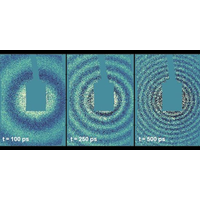
Phys. Rev. Lett. 135, 266101 (2025)
Condensed Matter and Materials
Itinerant to Localized Heavy Electron Magnetism in $\mathrm{Ce}({\mathrm{Ru}}{1-x}{\mathrm{Rh}}{x}{)}{2}{\mathrm{Al}}{10}$: A Direction-Dependent Phase Diagram beyond the Doniach Phase Diagram
Article | Condensed Matter and Materials | 2025-12-24 05:00 EST
Hitoshi Yamaoka, Hiroshi Tanida, Eike F. Schwier, Yoshiya Yamamoto, Shiv Kumar, Masashi Arita, Kenya Shimada, Fumisato Tajima, Renta Onodera, Takashi Nishioka, Hirofumi Ishii, Nozomu Hiraoka, and Jun’ichiro Mizuki
Electronic and crystal structures of have been studied using x-ray emission spectroscopy, photoelectron spectroscopy (PES), and x-ray diffraction. No structural phase transition was observed up to , while the x-ray absorption spectra showed a Ce valence transition between
Phys. Rev. Lett. 135, 266503 (2025)
Condensed Matter and Materials
Circular Dichroism on the Edge of Quantum Hall Systems: From Many-Body Chern Number to Anisotropy Measurements
Article | Condensed Matter and Materials | 2025-12-24 05:00 EST
F. Nur Ünal, A. Nardin, and N. Goldman
Quantum Hall states are characterized by a topological invariant, the many-body Chern number, which determines their quantized Hall conductivity. This invariant also emerges in circular dichroic responses, namely, by applying a circular drive and comparing excitation rates for opposite orientations.…
Phys. Rev. Lett. 135, 266603 (2025)
Condensed Matter and Materials
Band Topology and Dynamic Multiferroicity Induced from Dynamical Dzyaloshinskii-Moriya Interactions in Centrosymmetric Lattices
Article | Condensed Matter and Materials | 2025-12-24 05:00 EST
Bowen Ma and Z. D. Wang
We develop a theory of a dynamical Dzyaloshinskii-Moriya interaction (dDMI) in centrosymmetric crystals by generally considering the vibration of both cations and anions. It gives rise to an antisymmetric spin-lattice coupling, inducing magnon-phonon hybridized topological excitations. Moreover, we …
Phys. Rev. Lett. 135, 266702 (2025)
Condensed Matter and Materials
Self-Propulsion via Nontransitive Phase Coexistence in Chemically Active Mixtures
Article | Polymers, Chemical Physics, Soft Matter, and Biological Physics | 2025-12-24 05:00 EST
Yicheng Qiang, Chengjie Luo, and David Zwicker
Chemical activity is central in active matter, where local fuel consumption can lead to self-propulsion and phase separation. However, phase separation can also originate from passive physical interactions. To understand the influence of chemical activity on phase separation, we study mixtures where…
Phys. Rev. Lett. 135, 268301 (2025)
Polymers, Chemical Physics, Soft Matter, and Biological Physics
Physical Review X
Quantum-Secure Multiparty Deep Learning
Article | 2025-12-24 05:00 EST
Kfir Sulimany, Sri Krishna Vadlamani, Ryan Hamerly, Prahlad Iyengar, and Dirk Englund
A quantum-secure deep learning protocol lets multiple parties harness AI without exposing proprietary data or models.

Phys. Rev. X 15, 041056 (2025)
Review of Modern Physics
Neutron stars and the dense matter equation of state
Article | Nuclear physics | 2025-12-24 05:00 EST
Katerina Chatziioannou, H. Thankful Cromartie, Stefano Gandolfi, Ingo Tews, David Radice, Andrew W. Steiner, and Anna L. Watts
Neutron stars, the remnants of supernova explosions, are the densest objects in the Universe. A typical neutron star has a mass between one and two solar masses, and a radius of around 12 km. The density at the center of the star is higher than that in atomic nuclei. As a result, the properties of neutron stars provide important information about the behavior of ordinary matter under extreme compression. In recent years, new information about neutron stars has emerged from two sources. The first is the observation of the gravitational-wave signal from the final inspiral of a coalescing binary neutron star. The second is a careful measurement of the x-ray pulse profile of a spinning neutron star. This review discusses these measurements and summarizes how they constrain masses, radii, and central densities. The results are compared to predictions based on calculations of the nuclear equation of state at densities comparable to that in atomic nuclei, which are then extrapolated to higher density. The review ends with an outlook on future observational opportunities.

Rev. Mod. Phys. 97, 045007 (2025)
Nuclear physics
arXiv
Kinetic Theory of Multicomponent Ostwald Ripening in Porous Media
New Submission | Soft Condensed Matter (cond-mat.soft) | 2025-12-25 20:00 EST
Nicolas Bueno, Luis F. Ayala, Yashar Mehmani
Partially miscible bubble populations trapped in porous media are ubiquitous in subsurface applications such as underground hydrogen storage (UHS), where cyclic injections fragment gas into numerous bubbles with distributions of sizes and compositions. These bubbles exchange mass through Ostwald ripening, driven by differences in composition and interfacial curvature. While kinetic theories have been developed for single-component ripening in porous media, accounting for bubble deformation and spatial correlations in pore size, no such theory exists for multicomponent systems. We present the first kinetic theory for multicomponent Ostwald ripening of bubbles in porous media. The formulation describes the bubble population with a number-density function $ g(s; t)$ in a 3D statistical space of bubble states $ s = (R_p, S^b, y)$ , consisting of pore size, bubble saturation, and composition. Evolution is governed by a population balance equation with closure through mean-field approximations that account for spatial correlations in pore size and ensure mass conservation. The theory generalizes previous single-component formulations, removing key limitations such as the inability to capture interactions between distant bubbles. Systematic validation against pore-network simulations across homogeneous, heterogeneous, correlated, and uncorrelated networks demonstrates good agreement without adjustable parameters. Pending challenges and limitations are discussed. Since the theory imposes no constraints on bubble count or correlation length, it enables predictions beyond the pore scale.
Soft Condensed Matter (cond-mat.soft), Fluid Dynamics (physics.flu-dyn), Geophysics (physics.geo-ph)
Controlled pairing symmetries in a Fermi-Hubbard ladder with band flattening
New Submission | Strongly Correlated Electrons (cond-mat.str-el) | 2025-12-25 20:00 EST
J. P. Mendonça, S. Biswas, M. Dziurawiec, U. Bhattacharya, K. Jachymski, M. Aidelsburger, M. Lewenstein, M. M. Maśka, T. Grass
Band flattening has been identified as key ingredient to correlation phenomena in Moiré materials and beyond. Here, we examine strongly repulsive fermions on a ladder – a minimal platform for unconventional $ d$ -wave pairing – and show that flattening of the lower band through an additional diagonal hopping term produces non-Fermi liquid behavior, evidenced by the violation of Luttinger’s theorem, as well as axial $ d$ -wave pairing correlations. Alternatively, plaquette ring exchange can also generate pairing, albeit with a distinct diagonal $ d$ -wave pairing symmetry. Hence, our finding showcases a competition of different unconventional pairing channels, and demonstrates via a simple model how band geometry can induce fermionic pairing. This offers broadly relevant insights for correlated flat-band systems, ranging from ultracold atoms to strongly interacting electrons in solids.
Strongly Correlated Electrons (cond-mat.str-el), Quantum Physics (quant-ph)
Applications of silicon carbide as window materials in atomic cells and atomic devices
New Submission | Materials Science (cond-mat.mtrl-sci) | 2025-12-25 20:00 EST
Z.-P. Xie, C.-P. Hao, D. Sheng
Atomic cells made by anodically bonding silicon and borosilicate glasses are widely used in atomic devices.
One inherent problem in these cells is that the silicon material blocks beams with wavelengths shorter than
1000 nm, which limits available optical accesses when alkali metal atoms are involved. In this work, we
investigate the possibility of the silicon carbide material as an alternative of silicon materials in fabricating
anodically bonded cells. We demonstrate that the optical, thermal and mechanical properties of silicon carbide
help to improve the performance of atomic devices in certain applications.
Materials Science (cond-mat.mtrl-sci), Instrumentation and Detectors (physics.ins-det)
The manuscript has been accepted by Rev. Sci. Instrum
Inter-defect interactions, oxygen-vacancy distribution, and oxidation in acceptor-doped ABO3 perovskites
New Submission | Materials Science (cond-mat.mtrl-sci) | 2025-12-25 20:00 EST
L.P. Putilov, M.Z. Uritsky, V.I. Tsidilkovski
The effects of inter-defect interaction on the defect thermodynamics, local structure, and oxidation of acceptor-doped wide-gap ABO3 perovskites are explored using the developed statistical theory and Monte Carlo simulations. The results demonstrate that under realistic energy parameters the interaction between oxygen vacancies and impurities generally has a greater impact on the studied properties than inter-vacancy correlations. The influence of inter-vacancy interaction significantly depends on dopant content x: inter-site vacancy repulsion becomes noticeable at sufficiently high x, whereas on-site Fermi-type correlations can be pronounced within a narrow doping range at moderate x values. It is found that a non-uniform impurity allocation, which can result from a sample preparation procedure, considerably affects oxygen-vacancy distribution, and has a weaker effect on short-range order and oxidation. It is also shown that inter-defect interaction reduces the hole concentration, increases the oxidation enthalpy, and can result in their non-trivial dependence on x. The findings of this study contribute to understanding the fundamental properties of acceptor-doped oxides, facilitating the development of new materials for clean energy applications.
Materials Science (cond-mat.mtrl-sci), Disordered Systems and Neural Networks (cond-mat.dis-nn), Statistical Mechanics (cond-mat.stat-mech)
Submitted to Acta Materialia on May 8, 2025
Simulating fermionic fractional Chern insulators with infinite projected entangled-pair states
New Submission | Strongly Correlated Electrons (cond-mat.str-el) | 2025-12-25 20:00 EST
Hao Chen, Titus Neupert, Juraj Hasik
Infinite projected entangled-pair states (iPEPS) provide a powerful variational framework for two-dimensional quantum matter and have been widely used to capture bosonic topological order, including chiral spin liquids. Here we extend this approach to \emph{fermionic} topological order by variationally optimizing $ U(1)$ -symmetric fermionic iPEPS for a fractional Chern insulator (FCI), with bond dimensions up to $ D=9$ . We find evidence for a critical bond dimension, above which the ansatz faithfully represents the FCI phase. The FCI state is characterized using bulk observables, including the equal-time single-particle Green’s function and the pair-correlation function, as well as the momentum-resolved edge entanglement spectrum. To enable entanglement-spectrum calculations for large iPEPS unit cells, we introduce a compression scheme and show that the low-lying part of the spectrum is already well converged at relatively small cutoff dimensions.
Strongly Correlated Electrons (cond-mat.str-el), Quantum Physics (quant-ph)
10 pages, 14 figures
Analytical quantification of strongly disordered discrete time crystals
New Submission | Disordered Systems and Neural Networks (cond-mat.dis-nn) | 2025-12-25 20:00 EST
We introduce an analytical framework to calculate the values of key observables in a strongly disordered discrete time crystal (DTC) without fitting parameter. The perturbatively obtained closed-form formulae show quantitative agreement with numerical simulations of inverse participation ratios for eigenstate localization in Fock space, Edwards-Anderson parameters for spin-glass orders, mutual information for long-range entanglement, and the steady-state amplitudes of autocorrelators for period-doubled oscillations. Meanwhile, we demonstrate that eigenstate resonances render the scaling for the deviation of physical observables from their unperturbed values as $ O(\lambda)$ , in contrast to non-resonant situations with suppressed deviation $ O(\lambda^2)$ . Our scheme is based on the resolvent perturbation method that can directly prescribe arbitrarily higher-order corrections without iterations. With such advantages, we analytically prove that quasienergy corrections for pairwise cat eigenstates are identical up to order $ O(\lambda^{(L/n_{\text{op}})-1})$ , where perturbations of strength $ \lambda$ involve at most $ n_{\text{op}}$ -spin terms. Such spectral pairing deviations quantify the DTC lifetime as $ \tau_\ast \sim (1/\lambda)^{L/n_{\text{op}}}$ . Our analytical scheme applies to generic DTC models with dominant Ising interaction and a given number of qubits, which allows for independent quantification of physical observables beyond the system size accessible to numerical simulations.
Disordered Systems and Neural Networks (cond-mat.dis-nn), Strongly Correlated Electrons (cond-mat.str-el)
Diffusion of rod-like particles in complex fluids
New Submission | Soft Condensed Matter (cond-mat.soft) | 2025-12-25 20:00 EST
Władysław Sokołowski, Huma Jamil, Karol Makuch
Diffusion of particles in complex fluids and gels is difficult to describe and often lies beyond the scope of the classical Stokes-Einstein relation. One of the main lines of research over the past few decades has sought to relate diffusivity to a fundamental dissipative property of the fluid: the wave-vector-dependent shear viscosity function. Here, we use linear response theory to extend this viscosity function framework to rod-like particles. Using a dimer (two-bead particle) as a minimal rod-like probe, we derive explicit expressions for its diffusion coefficients parallel and perpendicular to its axis in terms of the viscosity function. We show that this description captures the full range of behaviors, from nearly isotropic diffusion of the rod-like probe to highly anisotropic, reptation-like motion. The method is based on a microscopic statistical-mechanical treatment of the Smoluchowski dynamics, yet leads to simple final formulas, providing a practical tool for interpreting diffusion experiments on rod-like tracers in complex fluids. We also clarify the limitations of this approach, emphasizing that the present formulation is primarily suited to complex liquids like polymer solutions and only indirectly applicable to gels.
Soft Condensed Matter (cond-mat.soft)
6 pages, 2 figures
The effects of solvent quality and core wetting on the circularization of star polymers
New Submission | Soft Condensed Matter (cond-mat.soft) | 2025-12-25 20:00 EST
Davide Breoni, Emanuele Locatelli, Luca Tubiana
We simulate the formation of cyclical arms in star polymers, focusing on the effects of solvent quality on their resulting linking complexity and gyration radius. We find that polymers circularized in bad solvent present a higher degree of linking among arms with respect to those circularized in good solvent. When both are transported to good solvent, this results in a smaller gyration radius of the former with respect to the latter. This effect is magnified when the polymers present a sufficiently small number of arms (or functionality $ f$ ): in this case, in bad solvent, all arms tend to clump together on one side of the central core, due to circularization, and can hence all interact with each other. Instead, when $ f$ is large enough, the whole surface of the core is wetted by the arms, whose distribution becomes radially symmetric. This hinders interactions between faraway arms and reduces the probability of inter-arm linking. Interestingly, we find that both the critical $ f_c$ at which the clump transition happens and the minimal arm length $ n_c$ for which the transition appears depend on the core size: the grafting density of the arms must be larger than a certain constant $ \rho_g^c$ , while their length must be sufficient to stretch for, at least, half of the core’s circumference.
Soft Condensed Matter (cond-mat.soft), Statistical Mechanics (cond-mat.stat-mech)
11 pages, 8 figures
Statistical mechanics for organic mixed conductors: phase transitions in a lattice gas
New Submission | Disordered Systems and Neural Networks (cond-mat.dis-nn) | 2025-12-25 20:00 EST
Organic mixed conductors (OMCs) represent a promising class of materials for applications in bioelectronics, physical computing, and thermoelectrics. Rather unparalleled, OMCs feature dynamics spanning multiple length and time scales, involving an intricate coupling between electronic, ionic, and mass transport. These characteristics set them notably apart from traditional semiconductors and hinder the description by conventional semiconductor theory. In this work, we approach the charge carrier modulation of OMCs using statistical mechanics. We discuss OMCs from a first-principles perspective and contrast them with established semiconductor materials, highlighting key differences in their collective charge carrier dynamics. This motivates our toy model describing OMCs as a lattice gas, which we analyze within the grand canonical ensemble. The model exhibits a first-order phase transition analogous to a classical vapor$ \unicode{x2013}$ liquid transition, governed by temperature and chemical potential. In doing so, it explains the formation of distinct low- and high-density carrier phases $ \unicode{x2013}$ a mesoscale phenomenon recently observed experimentally. It also demonstrates how metastability near the phase boundary can give rise to history-dependent characteristics in device operation, a similarly well-reported effect in OMC transistors. This work is intended as a simple motivation for studying OMCs through the lens of statistical mechanics, offering a more natural description than traditional semiconductor models developed for materials of fundamentally distinct character.
Disordered Systems and Neural Networks (cond-mat.dis-nn), Materials Science (cond-mat.mtrl-sci)
Instanton theory and fluctuation corrections to the thermal nucleation rate of a ferromagnetic superfluid
New Submission | Quantum Gases (cond-mat.quant-gas) | 2025-12-25 20:00 EST
Enrique Rozas Garcia, Johannes Hofmann
We provide a field-theoretical description of thermal nucleation in a one-dimensional ferromagnetic superfluid, a quantum-gas analogue of false-vacuum decay. The rate at which ground-state domains nucleate from fluctuations in the metastable phase follows an Arrhenius law, with an exponential factor determined by a saddle-point configuration of the energy functional – the critical droplet – and a magnitude fixed by small fluctuations of this configuration. We evaluate both contributions over the full parameter space, using a Gel’fand-Yaglom approach to reduce the calculation of the fluctuation spectrum to an initial value problem. In addition, we obtain a closed-form expression for the critical droplet in the limit of small potential tilts, and use it to formulate an effective theory of domain nucleation and growth as a Kramers escape problem for the droplet size. Our results determine the parametric dependence of the nucleation rate and its signature on experimental images of a nucleating gas, and should allow for a rigorous comparison between nucleation theory and experiment.
Quantum Gases (cond-mat.quant-gas), Statistical Mechanics (cond-mat.stat-mech)
25 pages, 8 figures
Programmable Hydrodynamics of Active Particles
New Submission | Soft Condensed Matter (cond-mat.soft) | 2025-12-25 20:00 EST
Lisa Rohde, Gordei Anchutkin, Viktor Holubec, Frank Cichos
Self-propelled microparticles create flow fields that determine how they interact with surfaces, external flows, and each other. These flow fields fall into distinct classes–pushers, pullers, and neutral swimmers–each exhibiting fundamentally different collective behaviors. In all existing synthetic systems, this hydrodynamic character is permanently set during fabrication, making it impossible to explore how adaptive switching between these classes might enable new functions or emergent phenomena.
Here we demonstrate that the hydrodynamic character of a microswimmer can be programmed and switched on demand. Using patterned laser heating of surface-bound nanoparticles, we create tailored temperature gradients that drive controllable boundary flows at the particle surface. By changing the illumination pattern in real time, we dynamically transform the swimmers flow field continuously tuning from pusher to puller, while the particle continues to swim. Flow measurements confirm quantitative agreement with theory and allow us to simultaneously track how symmetry, power consumption, and efficiency change across modes. This control over hydrodynamic modes opens experimental access to questions that have remained largely theoretical: How do adaptive swimmers respond to crowding or confinement? Can mixtures with tunable pusher-puller ratios reveal new collective states? Our approach provides a platform to address these questions and explore the morphological developments of active matter systems under external physical constraints.
Soft Condensed Matter (cond-mat.soft)
Long coherence silicon spin qubit fabricated in a 300 mm industrial foundry
New Submission | Mesoscale and Nanoscale Physics (cond-mat.mes-hall) | 2025-12-25 20:00 EST
Petar Tomić, Patrick Bütler, Yuze Wu, Bart Raes, Clement Godfrin, Stefan Kubicek, Julien Jussot, Yann Canvel, Yannick Hermans, Yosuke Shimura, Roger Loo, Sofie Beyne, Gulzat Jaliel, Thomas Van Caekenberghe, Vukan Levajac, Danny Wan, Kristiaan De Greve, Wister Wei Huang, Klaus Ensslin, Thomas Ihn
Silicon spin qubits offer long coherence times, a compact footprint and compatibility with industrial CMOS manufacturing. Here, we investigate spin qubits hosted in quantum dots fabricated in a state-of-the-art 300 mm nanoelectronics foundry and demonstrate substantially enhanced coherence, achieving a Hahn-echo time of $ T_2^{\text{Hahn}} = 4,\mathrm{ms}$ for singlet–triplet oscillations. Employing noise spectroscopy and noise correlation measurements, we identify detuning noise with an amplitude of $ \delta \varepsilon_{\mathrm{rms}} = 2.2,\mu\mathrm{eV}$ (integrated over 90 s) and observe strong zero-phase correlations between two spatially separated spin qubits. The singlet–triplet basis intrinsically rejects these common-mode fluctuations, yielding a pronounced suppression of dephasing. Our results suggest that exploiting the versatility of silicon quantum dots to adapt the qubit encoding to the microscopic noise landscape represents a promising strategy for advancing scalable quantum information processing.
Mesoscale and Nanoscale Physics (cond-mat.mes-hall)
Bias, length, or coupling? What controls the quantum efficiency of electroluminescent single-polymers
New Submission | Materials Science (cond-mat.mtrl-sci) | 2025-12-25 20:00 EST
Facundo Tarasi, Esteban D. Gadea, Tchavdar Todorov, Damian A. Scherlis
Since the first evidence of luminescence of organic polymers in STM junctions, efforts have been invested in elucidating how to leverage the voltage, anchoring chemistry, and molecular structure to optimize emission power and efficiency. Understanding the fundamentals underlying current-driven molecular emission is important not only for OLED engineering, but also to control luminescence at the atomic scale toward the mastering of single or localized photon sources. However, the difficulty in isolating the separate roles of the variables at play in molecular junction experiments, has precluded a general comprehension of their distinctive effects on the emitted power and the quantum yield. In the present report, we use time-dependent electronic structure simulations based on quantum electrodynamics to disentangle the incidence of bias, electronic coupling and molecular length on device performance, with polyphenylene-vinylene as a case study. A careful validation demonstrates that our approach can achieve quantitative agreement with available experimental data. Through its application we identify the applied bias as the main factor determining emission power. The quantum efficiency, however, is influenced only minimally by bias and electronic coupling, and is instead dominated by polymer length, on which it depends exponentially. Thus, using longer polymer chains emerges as the primary strategy for achieving higher efficiencies. Our results thereby provide key prescriptions for designing single-molecule electroluminescent platforms.
Materials Science (cond-mat.mtrl-sci)
Potential energy landscape description with Gamma distribution for supercooled liquids and glasses
New Submission | Statistical Mechanics (cond-mat.stat-mech) | 2025-12-25 20:00 EST
The potential energy landscape, PEL, theory stands as one of the most successful frameworks for understanding supercooled liquids and glassy systems. A central element of this theory is the configurational entropy, Sc, which is traditionally represented by a symmetric Gaussian distribution. However, the asymmetric nature of the potential energy of inherent structures, Eis, poses a challenge to such a representation across wide regions of configurational space. In addition, the Gaussian distribution fails to represent fragile to strong transition, FST, observed in various fluids. In this work, we demonstrate that an asymmetric distribution, specifically the Gamma distribution, provides effective description of both Sc and Eis over broad ranges of density and temperature, T. The FST is interpreted through shifts of the Eis distribution and the curvature change of the Eis vs 1/T relation. In terms of energy changes, the FST is comparable to a liquid-liquid phase transition. Moreover, the revised PEL framework yields an equation of state that incorporates a singular term diverging at a glassy or jammed state, an important feature for accurately describing the pressure behavior of these systems.
Statistical Mechanics (cond-mat.stat-mech)
15 pages, 11 figures
Towards predictive atomistic simulations of SiC crystal growth
New Submission | Materials Science (cond-mat.mtrl-sci) | 2025-12-25 20:00 EST
Alexander Reichmann, Zahra Rajabzadeh, Sebastian Hofer, René Hammer, Lorenz Romaner
Simulations of SiC crystal growth using molecular dynamics (MD) have become popular in recent years. They, however, simulate very fast deposition rates, to reduce computational costs. Therefore, they are more akin to surface sputtering, leading to abnormal growth effects, including thick amorphous layers and large defect densities. A recently developed method, called the minimum energy atomic deposition (MEAD), tries to overcome this problem by depositing the atoms directly at the minimum energy positions, increasing the time scale.
We apply the MEAD method to simulate SiC crystal growth on stepped C-terminated 4H substrates with 4° and 8° off-cut angle. We explore relevant calculations settings, such as amount of equilibration steps between depositions and influence of simulation cell sizes and bench mark different interatomic potentials. The carefully calibrated methodology is able to replicate the stable step-flow growth, which was so far not possible using conventional MD simulations. Furthermore, the simulated crystals are evaluated in terms of their dislocations, surface roughness and atom mobility. Our methodology paves the way for future high fidelity investigations of surface phenomena in crystal growth.
Materials Science (cond-mat.mtrl-sci)
Epitaxial growth and semiconductor properties of NiGa2O4 spinel for Ga2O3/NiO interfaces
New Submission | Materials Science (cond-mat.mtrl-sci) | 2025-12-25 20:00 EST
Kingsley Egbo, Emily M. Garrity, Shivashree Shivamade Gowda, Saman Zare, Ethan A. Scott, Glenn Teeter, Brooks Tellekamp, Vladan Stevanovic, Patrick E. Hopkins, Andriy Zakutayev, Nancy Haegel
Unintentionally formed interfacial layers are ubiquitous in semiconductor devices that operate at extreme conditions. However, these layers’ structure and properties often remain unknown due to the thinness of these naturally formed interphases. Here, we report on the intentional epitaxial growth and semiconductor properties of NiGa2O4 spinel layers that form at Ga2O3/NiO interfaces used in high-power and high-temperature electronic devices. Cubic spinel NiGa2O4 films of 10-50 nm thicknesses and low surface roughness (~ 2 nm) were grown using pulsed laser deposition at a substrate temperatures in the 300-900 °C range on {\alpha}-Al2O3 and {\beta}-Ga2O3 substrates of different orientation. The optical absorption onset (3.6-3.9 eV) and thermal conductivity (4-9 W m-1 K-1) vary systematically with substrate temperature, consistent with theoretical predictions of varying Ni and Ga cation ordering on the spinel lattice. The valence band offset between NiGa2O4 and {\beta}-Ga2O3 is determined to be 1.8 eV. The NiGa2O4-based p-n heterojunction devices on Ga2O3 (001) substrates exhibit a rectification ratio of 10^8 (for +/-2V) and a turn-on voltage of 1.4 V, maintaining diode behavior up to 600 °C. These results highlight the potential of NiGa2O4 as a p-type interlayer in Ga2O3-based devices and shows a new approach to investigate such interfacial layers.
Materials Science (cond-mat.mtrl-sci)
Magnetism and Correlated Electrons in LaCr$_2$Ge$_2$N
New Submission | Strongly Correlated Electrons (cond-mat.str-el) | 2025-12-25 20:00 EST
Jiao-Jiao Meng, Yu-Sen Xiao, Gen Li, Shao-Hua Liu, Bai-Zhuo Li, Hao Jiang, Zhen Yu, Yi-Qiang Lin, Xin-Yu Zhao, Qing-Chen Duan, Wu-Zhang Yang, Chong-Yao Zhao, Zhi Ren, Yu-Xue Mei, Yong-Liang Chen, Rui-Dan Zhong, Qing-Xin Dong, Peng-Tao Yang, Shu-Gang Tan, Bo-Sen Wang, Huiqian Luo, Jin-Guang Cheng, Xue Ming, Cao Wang, Guang-Han Cao
We report the synthesis, structure and physical properties of a new quaternary nitride LaCr$ _2$ Ge$ _2$ N. The compound crystallizes in the CeCr$ _2$ Si$ _2$ C-type structure (P4/mmm), featuring distinctive Cr$ _2$ N square sheets within Cr$ _2$ Ge$ _2$ N block layers. Physical characterizations reveal enhanced electron correlations evidenced by a Sommerfeld coefficient substantially larger than band calculations and pressure-induced deviation from Fermi-liquid behavior. Magnetic measurements show short-range antiferromagnetic correlations developing around 460 K, followed by long-range magnetic ordering at 14 K. Additionally, subtle anomalies at 378 K suggest possible electronic ordering. First-principles calculations reveal nearly-flat Cr-3d bands near the Fermi level and predict a striped antiferromagnetic ground state. This work demonstrates how electron count variation in the CeCr$ _2$ Si$ _2$ C-type structure family leads to magnetic ordering in LaCr$ _2$ Ge$ _2$ N, contrasting with the paramagnetic behavior of LnCr$ _2$ Si$ _2$ C compounds.
Strongly Correlated Electrons (cond-mat.str-el)
8 pages, 5 figures, 3 tables. Accepted for publication in Physical Review B
Interfacial Charge Transfer and Electronic Structure Modulation in Ultrathin Graphene P3HT Hybrid Heterostructures
New Submission | Materials Science (cond-mat.mtrl-sci) | 2025-12-25 20:00 EST
Yosra Mater, Salih Demirci, V. Ongun Özçelik
Ultrathin polymer-graphene heterostructures are promising materials for next generation optoelectronic and photovoltaic technologies, while the influence of the polymer’s structural variation on interfacial charge transfer remains unclear. Here, using ab initio quantum mechanical calculations we show how different forms of Poly(3-hexylthiophene) (P3HT), a widely used organic semiconductor, interact with graphene. We analyze the effects of molecular chain length, end-group termination, periodicity, and the distinction between ordered and random P3HT arrangements. For isolated P3HT, the band gap decreases with increasing chain length and layer thickness, while structural disorder leads to slightly larger gaps due to reduced electronic coupling. When P3HT is deposited on graphene, all configurations exhibit spontaneous charge transfer, with electrons accumulating on graphene and holes remaining in the polymer. This effect is significantly enhanced in ordered and fully periodic structures and is noticeably weaker in disordered ones. Charge density analyses further show that thicker and more ordered P3HT layers improve electron hole separation across the interface. Our results reveal how molecular structure governs charge transfer in P3HT-graphene heterojunctions and provide practical guidelines for designing high efficiency polymer-graphene photovoltaic devices.
Materials Science (cond-mat.mtrl-sci), Mesoscale and Nanoscale Physics (cond-mat.mes-hall), Atomic and Molecular Clusters (physics.atm-clus)
Drastic field-induced resistivity upturns as signatures of unconventional magnetism in superconducting iron chalcogenides
New Submission | Superconductivity (cond-mat.supr-con) | 2025-12-25 20:00 EST
Z. Zajicek, I. Paulescu, P. Reiss, R. M. Abedin, K. Sun, S. J. Singh, A. A. Haghighirad, A. I. Coldea
Electronic scattering is a powerful tool to identify underlying changes in electronic behavior and incipient electronic and magnetic orders. The nematic and magnetic phases are strongly intertwined under applied pressure in FeSe, however, the additional isoelectronic substitution of sulphur offers an elegant way to separate them. Here we report the detailed evolution of the electronic and superconducting behaviour of FeSe$ _{0.96}$ S$ _{0.04}$ under applied pressure via longitudinal magnetoresistance studies up to 15T. At intermediate pressures, inside the nematic phase, the resistivity displays an upturn in zero magnetic field, which is significantly enhanced in the magnetic field, suggesting the stabilization of a spin-density wave phase, which competes with superconductivity. At higher pressures, beyond the nematic phase boundaries, the resistivity no longer displays any clear anomalies in the zero magnetic field, but an external magnetic field induces significant upturns in resistivity reflecting a field-induced order, where superconductivity and magnetic anomalies are enhanced in tandem. This study highlights the essential role of high magnetic fields in stabilizing different electronic phases and revealing a complex interplay between magnetism and superconductivity tuned by applied pressure in FeSe$ _{1-x}$ S$ _{x}$ .
Superconductivity (cond-mat.supr-con), Materials Science (cond-mat.mtrl-sci), Strongly Correlated Electrons (cond-mat.str-el)
8 pages, 3 figures
Spin and Orbital Angular Momentum Polarization in Thouless Topological Charge Pumping
New Submission | Mesoscale and Nanoscale Physics (cond-mat.mes-hall) | 2025-12-25 20:00 EST
Esmaeil Taghizadeh Sisakht, Uiseok Jeong, Xiao jiang, Jinseok Oh, Yizhou Liu, Binghai Yan, Noejung Park
Quantized charge pumping in one-dimensional chiral wires has been widely studied in the context of topological physics in a (1+1)-dimensional synthetic space, yet the role of orbital and spin degrees of freedom in such topological pumps remains largely unexplored. Here, we examine how the topologically quantized charge pump in insulators generates spin polarizations, and assess whether this mechanism may offer distinct insight into the widely known spin-selective transport in chiral wires-commonly referred to as chirality-induced spin selectivity. We performed time-dependent Schrodinger equations of multi-orbital tight-binding Hamiltonians driven by a circularly polarized electric field. Our main findings are twofold. First, the intrinsic screw-like geometry of the system generates a distinctive winding structure governed by a single control parameter, in contrast to conventional adiabatic pumping mechanisms that require at least two independently modulated parameters, thereby providing a clear interpretation of one-dimensional pumping in terms of the topological structure in a (1+1)-dimensional Brillouin zone. Second, while the energy gap remains open throughout the pumping cycle, the Berry-phase driven real-time dynamics of the charge flow induces a nonequilibrium orbital polarization. Through spin-orbit coupling, this orbital response is partially converted into spin polarization whose direction is determined by the current and chirality. On the analogy between the synthetic (1+1)- and 2-dimensional topological insulators, we suggest that non-trivial spin-orbital dynamics may accompany the anomalous quantum charge Hall states of even-dimensional real materials.
Mesoscale and Nanoscale Physics (cond-mat.mes-hall)
Elementary excitations in undoped layered cuprates
New Submission | Strongly Correlated Electrons (cond-mat.str-el) | 2025-12-25 20:00 EST
Using the recently proposed bond-operator technique (BOT), we discuss spin dynamics of the Heisenberg spin-$ \frac12$ antiferromagnet with the ring exchange and small interactions between the second- and the third-neighbor spins on the square lattice at $ T=0$ . This model was suggested before for description of parent compounds of high-temperature superconducting layered cuprates. BOT describes accurately short-range spin correlations in quantum systems and provides a quantitative description of elementary excitations which appear in other approaches as bound states of conventional low-energy quasiparticles. We demonstrate that besides well-known magnons (spin-1 excitations) there are three well-defined spin-0 quasiparticles in the considered model whose energies lie near the magnon spectrum. Two of them, the amplitude (Higgs) mode and the quasiparticle which we named singlon, produce pronounced anomalies observed experimentally in the Raman scattering, resonant inelastic x-ray scattering, and infrared optical absorption. We find sets of the model parameters which describe quantitatively experimental data obtained in $ \rm La_2CuO_4$ and $ \rm Sr_2CuO_2Cl_2$ .
Strongly Correlated Electrons (cond-mat.str-el)
14 pages, 11 figures
A voltage-responsive strongly dipolar-coupled macrospin network with emergent dynamics for computing
New Submission | Materials Science (cond-mat.mtrl-sci) | 2025-12-25 20:00 EST
Xinglong Ye, Zhibo Zhao, Qian Wang, Jiangnan Li, Fernando Maccari, Ning Lu, Christian Dietz, Esmaeil Adabifiroozjaei, Leopoldo Molina-Luna, Yufeng Tian, Lihui Bai, Guodong Wang, Konstantin Skokov, Yanxue Chen, Shishen Yan, Robert Kruk, Horst Hahn, Oliver Gutfleisch
Emergent behavior,which arises from local interactions between simple elements,is pervasive in nature. It underlies the exceptional energy-efficient computing in our brains. However,realizing such dynamics in artificial materials, particularly under low-energy stimuli, remains a fundamental this http URL we harness and amplify them to construct a strongly dipolar-coupled network of SmCo5 macrospins at wafer scale, which can exhibit intrinsic interaction-driven collective dynamics in response to voltage pulses. The network combines three essential ingredients,this http URL dipolar coupling enabled by large single-domain macrospin, giant voltage control of coercivity over nearly 1000-fold, the largest reported to date, and a disordered network topology with frustrated Ising-like energy landscape. When stimulated by 1 V pulses, the network enters a regime where interaction-driven magnetic behaviors emerge, including spontaneous demagnetization, greatly enhanced magnetization modulation, reversible freeze and resume evolution and stochastic convergence toward low-energy magnetic configurations. All these behaviors are completely absent at the single-nanomagnet level. Furthermore, by constructing micromagnetic models of the strongly dipolar-coupled macrospin networks calibrated to experiments, we show that the resulting nonlinear, high-dimensional collective dynamics, which are characteristic of strongly-interacting systems, can enable accurate chaotic Mackey-Glass prediction and multiclass drone-signal classification. Our work establishes the voltage-responsive strongly-coupled SmCo5 network as a mesoscopic platform for probing emergent magnetic dynamics previously inaccessible under ambient this http URL also suggests a fundamental distinct route towards scalable,low-voltage computing, one rooted in native physical interaction-driven collective dynamics at the network level.
Materials Science (cond-mat.mtrl-sci), Mesoscale and Nanoscale Physics (cond-mat.mes-hall)
Competing magnetic and topological orders in the spin-1 Kitaev-Heisenberg chain with single-ion anisotropy
New Submission | Strongly Correlated Electrons (cond-mat.str-el) | 2025-12-25 20:00 EST
Sahinur Reja, Satoshi Nishimoto
We investigate the ground-state phase diagram of the spin-1 Kitaev–Heisenberg chain in the presence of uniaxial single-ion anisotropy (SIA) $ D_z$ by density-matrix renormalization group (DMRG) calculations. By combining energy-curvature diagnostics on periodic $ N=24$ clusters with a refined characterization based on order parameters and correlation functions for open chains up to $ N=144$ , we establish a comprehensive phase diagram in the $ \phi$ –$ D_z$ plane. We identify four magnetically ordered phases – FM-$ z$ , FM-$ xy$ , Néel-$ z$ , and a two-sublattice collinear LLRR2 state – as well as magnetically disordered/critical regimes including Néel-$ xy$ , LLRR1, and two Kitaev spin-liquid (KSL) regions. A topological Haldane phase also emerges near the Heisenberg limit. Our results provide evidence that both AFM- and FM-KSL regimes acquire finite parameter widths in the spin-1 model, while the Haldane phase is fragile against Kitaev-type anisotropy, particularly for $ D_z<0$ . Increasing (decreasing) $ D_z$ suppresses (enhances) magnetic order and expands (shrinks) the KSL and other magnetically disordered sectors. Also, at $ D_z=0$ , we identify an exactly solvable point at $ \phi=\tan^{-1}(-2)$ , which enforces a first-order transition between Néel-$ z$ and LLRR2. We further contrast these findings with the spin-$ 1/2$ KH chain and with the spin-1 honeycomb KH model, highlighting the distinct roles of dimensionality and SIA in Kitaev-type magnets.
Strongly Correlated Electrons (cond-mat.str-el)
13 pages, 14 figures
Deciphering the lattice vibrational behaviors of CuInP2S6 by angle-resolved polarized Raman scattering
New Submission | Materials Science (cond-mat.mtrl-sci) | 2025-12-25 20:00 EST
Yiqi Hu, Jun-Jie Zhang, Zhou Zhou, Shun Wang, Qiankun Li, Yanfei Hou, Tianhao Ying, Lingling Yang, Jingyao Zhang, Shuzhong Yin, Yuyan Weng, Shuai Dong, Jianlin Yao, Liang Fang, Lu You
The layered van der Waals (vdW) ferroelectric CuInP2S6 (CIPS) exhibits unique cation hopping-driven phenomena that bring about unconventional properties with intriguing mechanisms and hold promises for advanced applications in nanoelectronics. However, an explicit analysis of its lattice dynamics and vibrational symmetries, pivotal for understanding the material’s peculiar ferroelectric and ferroionic behaviors, remains incomplete. Here, we employ angle-resolved polarized Raman spectroscopy in concert with first-principles calculations to systematically unravel the anisotropic lattice vibrations of CIPS single crystals. By analyzing the polarization-dependent Raman intensities, we determine the symmetry assignments and Raman tensors of all major vibrational modes, revealing good agreement with theoretical predictions. Furthermore, we demonstrate the utility of Raman spectroscopy as a sensitive and non-invasive probe for structural and ferroelectric order evolution, by examining temperature-driven phase transitions and thickness-dependent polarization suppression in CIPS. Our findings establish a foundational framework for correlating lattice dynamics with functional properties in CIPS and provide a methodological blueprint for studying other vdW ferroelectrics.
Materials Science (cond-mat.mtrl-sci)
Supplementary Table S2 with detialed displacement patterns of major vibrational modes (gif figures) can be found in Figshare (https://doi.org/10.6084/m9.figshare.30944357)
Chinese Phys. Lett. 42 120805 (2025)
Evidence for Clean d-wave Superconductivity in Samarium Nickelates
New Submission | Superconductivity (cond-mat.supr-con) | 2025-12-25 20:00 EST
Qingming Huang, Xiaofang Fu, Junlong Wu, Laifeng Li, Liang Qiao, Ye Yang
The discovery of superconducting nickelates provides a unique opportunity to explore the pairing mechanism of high-temperature superconductivity. Here, we use ultrafast terahertz spectroscopy to probe the temperature-dependent superfluid density in an infinite-layer samarium nickelate film with a Tc of 20 K. The superfluid density decreases linearly with rising temperature, consistent with clean limit d-wave pairing. From this linear relation, we extract a superconducting gap of 2.5 meV and a gap-to-Tc ratio of 3, suggesting that this sample lies in the weak-coupling limit. Furthermore, the ratio of the mean free path to the coherence length, is determined to be 1.5, confirming the clean-limit behavior. These findings establish strong parallels between the pairing mechanisms in nickelate and cuprate superconductors.
Superconductivity (cond-mat.supr-con)
Ab initio Approach to Collective Excitations in Excitonic Insulators
New Submission | Materials Science (cond-mat.mtrl-sci) | 2025-12-25 20:00 EST
Fengyuan Xuan, Jiexi Song, Zhiyuan Sun
An ab initio approach is presented for studying the collective excitations in excitonic insulators, charge/spin density waves and superconductors. We derive the Bethe-Salpeter-Equation for the particle-hole excitations in the quasiparticle representation, from which the collective excited states are solved and the corresponding order parameter fluctuations are computed. This method is demonstrated numerically for the excitonic insulating phases of the biased WSe2-MoSe2 bilayer. It reveals the gapless phase-mode, the subgap Bardasis-Schrieffer modes and the above-gap scattering states. Our work paves the way for quantitative predictions of excited state phenomena from first-principles calculations in electronic systems with spontaneous symmetry breaking.
Materials Science (cond-mat.mtrl-sci), Computational Physics (physics.comp-ph)
Realization of Insulating Buffer Layers via MOCVD-Grown Nitrogen-Doped (010) \b{eta}-Ga2O3
New Submission | Materials Science (cond-mat.mtrl-sci) | 2025-12-25 20:00 EST
Rachel Kahler, Carl Peterson, Sriram Krishnamoorthy
We present MOCVD-grown, nitrogen-doped \b{eta}-Ga2O3 films as an insulating buffer layer on Fe-doped (010) \b{eta}-Ga2O3 substrates in lieu of 49% HF treatment to remove unintentional silicon at the substrate-epitaxial layer growth interface. N-doped layer thickness and NH3 flow were systematically varied to experimentally determine the lowest nitrogen concentration and thickness of the buffer layer needed to fully compensate the interfacial silicon peak. The NH3 molar flow rate was varied from 200 sccm to 1800 sccm. Results showed fully insulating N-doped layers for samples with NH3 flow rates greater than or equal to 1200 sccm and a thickness of 50 nm. This study demonstrates the efficacy of in-situ, controllably doped nitrogen buffer layers as a mitigation method for unintentional interfacial silicon at the substrate-epitaxial layer growth interface.
Materials Science (cond-mat.mtrl-sci), Applied Physics (physics.app-ph)
Emergence of Friedel-like oscillations from Lorenz dynamics in walking droplets
New Submission | Soft Condensed Matter (cond-mat.soft) | 2025-12-25 20:00 EST
Friedel oscillations are spatially decaying density modulations near localized defects and are a hallmark of quantum systems. Walking droplets provide a macroscopic platform for hydrodynamic quantum analogs, and Friedel-like oscillations were recently observed in droplet-defect scattering experiments through wave-mediated speed modulation [P.J.Sáenz \textit{et al.}, \textit{Sci.\ Adv.} \textbf{6}, eay9234 (2020)]. Here we show that Friedel-like statistics can also arise from a purely local, dynamical mechanism, which we elucidate using a minimal Lorenz-like model of a walking droplet. In this model, a localized defect perturbs the particle’s internal dynamical state, generating underdamped velocity oscillations that give rise to oscillatory ensemble position statistics. This attractor-driven, local mechanism opens new avenues for hydrodynamic quantum analogs based on active particles with internal degrees of freedom.
Soft Condensed Matter (cond-mat.soft), Fluid Dynamics (physics.flu-dyn)
Collective behavior of independent scaled Brownian particles with renewal resetting
New Submission | Statistical Mechanics (cond-mat.stat-mech) | 2025-12-25 20:00 EST
We study collective dynamics of an ensemble of $ N\gg 1$ independent particles undergoing anomalous diffusion with random renewal resetting. The anomalous diffusion is modeled by the scaled Brownian motion (sBm): a Gaussian process, characterized by a power-law time dependence of the diffusion coefficient, $ D(t)\sim t^{2H}$ , where $ H>0$ . The particles independently reset to the origin, and each particle’s clock is set to zero upon spatial resetting. Employing the known steady-state position distribution of a \emph{single} particle undergoing the sBm with renewal resetting [Bodrova et al., Phys. Rev. E \textbf{100}, 012120 (2019)], we study the collective dynamics of $ N$ particles. We determine the statistics of the system radius $ \ell$ . The typical fluctuations of $ \ell$ fall under the Gumbel universality class, and we use extreme value statistics to calculate the moments of $ \ell$ . We also study the large-deviation statistics of the center of mass (COM), where for $ H>1/2$ we uncover an anomalous scaling behavior of the COM distribution, and a singularity in the corresponding rate function, due to a ``big jump” effect.
Statistical Mechanics (cond-mat.stat-mech)
18 single-column pages, 5 figures
From cluster to nanocrystal: the continuous evolution and critical size of copper clusters revealed by machine learning
New Submission | Materials Science (cond-mat.mtrl-sci) | 2025-12-25 20:00 EST
Hongsheng Liu, Luneng Zhao, Yaning Li, Yuan Chang, Shi Qiu, Xiao Wang, Junfeng Gao, Feng Ding
The evolution of cluster structure with size and the critical size for the transition from cluster to nanocrystal have long been fundamental problems in nanoscience. Due to limitations of experimental technology and computational methods, the exploration of the continuous evolution of clusters towards nanocrystal is still a big challenge. Here, we proposed a machine learning force field (MLFF) that can generalize well to various copper systems ranging from small clusters to large clusters and bulk. The continuous evolution of copper clusters CuN towards nanocrystal was revealed by investigating clusters in a wide size range (7 <= N <= 17885) based on MLFF simulated annealing. For small CuN (N < 40), electron counting rule plays a major role in stability. For large CuN (N > 80), geometric magic number rule plays a dominant role and the evolution of clusters is based on the formation of more and more icosahedral shells. For medium size CuN (40 <= N <= 80), both rules contribute. The critical size from cluster to nanocrystal was calculated to be around 8000 atoms (about 6 nm in diameter). Our work terminates the long-term challenge in nanoscience, and lay the methodological foundation for subsequent research on other cluster systems.
Materials Science (cond-mat.mtrl-sci)
Hysteretic Phonons and Quasielastic Response: A Raman Study of Thermal Memory in Two-dimensional CuCrP2S6
New Submission | Strongly Correlated Electrons (cond-mat.str-el) | 2025-12-25 20:00 EST
Chaitanya B. Auti, Atul G. Chakkar, Sebastian Selter, Yuliia Shemerliuk, Bernd Büchner, Saicharan Aswartham, Pradeep Kumar
We present a comprehensive temperature and polarization dependent inelastic light scattering (Raman) study on single crystals of two-dimensional CuCrP2S6, a layered van der Waals material exhibiting coupled magnetic and electric degrees of freedom. Raman measurements were performed from 5 to 300 K to probe phonon dynamics across multiple structural and magnetic phase transitions. Our analysis reveals pronounced thermal hysteresis in phonon self-energy parameters and dynamic Raman susceptibility, confirming the first-order nature of the antipolar transition near TC1 ~ 145 K and a second-order transition near TC2 ~ 190 K. Low-frequency modes associated with Cu+ and Cr3+ ions exhibit softening and anomalous linewidth behaviour, in particular phonon mode P2 (~ 37 cm-1) showing non-monotonic temperature dependence and intensity enhancement near 60 K suggesting persistent off-centre Cu+ dynamics in the quasi-antipolar phase. The coexistence and coupling of soft phonon modes and central peaks indicate a crossover from displacive to order-disorder type transition mechanisms. Additionally, phonon anomalies below the Néel temperature (TN ~ 32 K) reflect spin-phonon coupling, linking lattice vibrations to long-range magnetic correlations. Our findings provide critical insight into the lattice instabilities, symmetry evolution, and quasiparticle interactions in CuCrP2S6, offering a deeper understanding of phase transition dynamics in two-dimensional multiferroic systems and guiding future design of magnetoelectric and spintronic devices.
Strongly Correlated Electrons (cond-mat.str-el)
ACS Applied Optical Materials (2025)
Active Learning Guided Computational Discovery of 2D Materials with Large Spin Hall Conductivity
New Submission | Materials Science (cond-mat.mtrl-sci) | 2025-12-25 20:00 EST
Abhijeet J. Kale, Sanjeev S. Navaratna, Pratik Sahu, Henry Chan, B. R. K. Nanda, Rohit Batra
Two-dimensional (2D) materials are promising candidates for next-generation spintronic devices due to their tunable properties and potential for efficient spin-charge interconversion. However, discovering materials with intrinsically high spin Hall conductivity (SHC) is hindered by the vast chemical space and expensive nature of conventional experimental and first-principles methods. In this work, we employ an active learning framework to accelerate the discovery of high-SHC 2D materials. Machine learning (ML) models were trained on SHC values computed from density functional theory calculations, incorporating the Kubo formalism via tight-binding Hamiltonians constructed from maximally localized Wannier functions, with explicit treatment of spin-orbit coupling. Starting from random but chemically diverse 24 2D systems, the dataset was expanded to 41 cases (from an overall pool of around 2000 materials) over three active learning loops using an expected improvement acquisition strategy. The ML technique successfully identified several high SHC candidates with the best candidate exhibiting a SHC of 271.52 (hbar/e) Ohm^-1, nearly 23 times higher than the top performer in the initial round. Beyond candidate discovery, several features such as orbital symmetry near the Fermi energy, types of atomic species, material composition, covalent radii, and electronegativity of constituent atoms were found to play critical role in shaping the spin Hall response in 2D systems. The data generated is made publicly available to facilitate further advances in 2D spintronics.
Materials Science (cond-mat.mtrl-sci)
Supplementary Information-2 and Complete data is provided as separate ancillary file and can be accessed from Tex Source option
Optical Detection and Manipulation of Pseudospin Orders in Wigner Crystals
New Submission | Strongly Correlated Electrons (cond-mat.str-el) | 2025-12-25 20:00 EST
Yichen Dong, Eugene Demler, Zhiyuan Sun
In Wigner-crystal states of two-dimensional electrons, the spin ordering remains poorly understood. The small energy differences between candidate spin orders make theoretical studies less reliable, and probing magnetic order at a nonzero wave vector is experimentally challenging. In modern realizations of Wigner crystals, the electronic spin degree of freedom is often replaced by a valley pseudospin associated with nonzero Berry curvature. The resulting anomalous velocity couples the electrons’ pseudospin texture to their orbital vibration. We show that this mechanism enables optical detection of pseudospin orders in Wigner crystals by producing sharp signatures in the terahertz optical conductivity. For example, antiferromagnetic pseudospin order enables light to excite collective electronic vibrations at the ordering wave vector, generating a characteristic absorption peak. Based on the same principle, we further show that a strong optical drive generates an effective potential that reshapes the pseudospin energy landscape, inducing phase transitions to stripe antiferromagnetic states. These results point to a route for optical detection and control of spin order via its coupling to orbital motion.
Strongly Correlated Electrons (cond-mat.str-el)
Ferromagnetic interface engineering of spin-charge conversion in RuO$_2$
New Submission | Materials Science (cond-mat.mtrl-sci) | 2025-12-25 20:00 EST
Dongchao Yang, Zhaoqing Li, Yu Dai, Lili Lang, Zhong Shi, Zhe Yuan, Shi-Ming Zhou
Spin-orbit torque efficiency is conventionally fixed by bulk materials. $ D$ -wave altermagnets introduce an additional nonrelativistic spin-charge conversion channel beyond inverse spin-Hall effect. Using prototypical candidate RuO$ _2$ as an example, we show that the adjacent ferromagnet alone can dictate both the magnitude and sign of spin-charge conversion. Spin-pumping measurements on RuO$ _2$ /Y$ _3$ Fe$ _5$ O$ _{12}$ (YIG) and RuO$ _2$ /Ni$ _{80}$ Fe$ _{20}$ (Py) bilayers yield opposite effective spin-Hall angles that persist across crystalline and polycrystalline RuO$ _2$ . Inserting an ultrathin Au spacer at the RuO$ _2$ /YIG interface reverses the signal, envidencing a dominant interfacial inverse Rashba-Edelstein effect, whereas RuO$ _2$ /Py is governed by bulk inverse spin-Hall effect. First-principles calculations trace this dichotomy to interface-selective band hybridization: Rashba surface states survive at the insulating YIG contact yet are quenched by metallic Py. Our findings establish ferromagnetic interfacing as a deterministic knob for tailoring spin-charge conversion in altermagnetic oxides, paving the way to field-free, low-dissipation spintronic memory devices.
Materials Science (cond-mat.mtrl-sci)
7 pages, 4 figures
Topological Interface States and Nonlinear Thermoelectric Performance in Armchair Graphene Nanoribbon Heterostructures
New Submission | Mesoscale and Nanoscale Physics (cond-mat.mes-hall) | 2025-12-25 20:00 EST
We investigate the emergence and topological nature of interface states (IFs) in N-AGNR/$ (N-2)$ -AGNR/N-AGNR heterostructure (AGNRH) segments lacking translational symmetry, focusing on their relation to the end states (ESs) of the constituent armchair graphene nanoribbon (AGNR) segments. For AGNRs with $ R_1$ -type unit cells, the ES numbers under a longitudinal electric field follow the relations $ N = N_{A(B)} \times 6 + 1$ and $ N = N_{A(B)} \times 6 + 3$ , whereas $ R_2$ -type unit cells exhibit $ (N_{A(B)} + 1)$ ESs. The subscripts $ A$ and $ B$ denote the chirality types of the ESs. The Stark effect lifts ES degeneracy and enables clear spectral separation between ESs and IFs. Using a real-space bulk boundary perturbation approach, we show that opposite-chirality states hybridize through junction-site perturbations and may shift out of the bulk gap. The number and chirality of IFs in symmetric AGNRHs are determined by the difference between the ESs of the outer and central segments, $ N_O$ and $ N_C$ , according to $ N_{IF,\beta} = |N_{O,B(A)} - N_{C,A(B)}|$ , where $ \beta$ labels the chirality. Depending on whether $ N_O > N_C$ or $ N_C > N_O$ , the resulting IFs acquire B- or A-chirality, respectively. Calculated transmission spectra $ {\cal T}_{GNR}(\varepsilon)$ reveal that AGNRHs host a topological double quantum dot (TDQD) when IFs originate from the ESs of the central AGNR segment. Using an Anderson model with effective intra-dot and inter-dot Coulomb interactions, we derive an analytical expression for the tunneling current through the TDQD via a closed-form transmission coefficient. Thermoelectric analysis shows that TDQDs yield enhanced nonlinear power output in the electron-dilute and hole-dilute charge states, with Coulomb blockade suppressing thermal current but not thermal voltage.
Mesoscale and Nanoscale Physics (cond-mat.mes-hall)
15 PAGES AND 13 FIGURES
Bridging Microscopic Constructions and Continuum Topological Field Theory of Three-Dimensional Non-Abelian Topological Order
New Submission | Strongly Correlated Electrons (cond-mat.str-el) | 2025-12-25 20:00 EST
Yizhou Huang, Zhi-Feng Zhang, Qing-Rui Wang, Peng Ye
Here we provide a microscopic lattice construction of excitations, fusion, and shrinking in a non-Abelian topological order by studying the three-dimensional quantum double model. We explicitly construct lattice operators that create, fuse, and shrink particle and loop excitations, systematically derive their fusion and shrinking rules, and demonstrate that non-Abelian shrinking channels can be controllably selected through internal degrees of freedom of loop operators. Most importantly, we show that the lattice shrinking rules obey the fusion–shrinking consistency relations predicted by twisted $ BF$ field theory, providing solid evidence for the validity of field-theoretical principles developed over the past years. In particular, we compute the full set of excitations, fusion, and shrinking data at the microscopic lattice level and verify exact agreement between the microscopic $ \mathbb{D}_4$ quantum double lattice model and the continuum $ BF$ field theory with an $ AAB$ twist and $ (\mathbb{Z}_2)^3$ gauge group, thereby placing the latter field theory, originally discovered in 2018 in connection with Borromean-ring braiding, on a solid microscopic footing. Our results bridge continuum topological field theory and exactly solvable lattice models, elevate fusion–shrinking consistency from a continuum field-theoretical principle to a genuine topological phenomenon defined at the microscopic lattice scale, and provide a concrete microscopic foundation for experimentally engineering higher-dimensional non-Abelian topological orders in controllable quantum simulators, such as trapped-ion systems.
Strongly Correlated Electrons (cond-mat.str-el), Mesoscale and Nanoscale Physics (cond-mat.mes-hall), High Energy Physics - Theory (hep-th), Quantum Physics (quant-ph)
Length limit. The complete version of Abstract is shown in PDF
Substrate Role in Polaron Formation on Single-layer Transition Metal Dihalides
New Submission | Materials Science (cond-mat.mtrl-sci) | 2025-12-25 20:00 EST
Affan Safeer, Oktay Güleryüz, Guangyao Miao, Wouter Jolie, Thomas Michely, Jeison Fischer
Single-layer transition metal dihalides grown on conducting substrates were shown to host stable polarons. Here, we investigate polarons in insulating single-layer MnBr$ _2$ grown by molecular beam epitaxy on three different substrates, namely graphene on Ir(110), graphene on Ir(111), and Au(111). The number densities and species of polarons observed vary strongly as a function of the substrate. For MnBr$ _2$ grown on Ir(110) the largest number of polaron species is observed, namely four, of which three show clear similarities with the species observed for CoCl$ _2$ on graphite. Polarons in single-layer MnBr$ _2$ are observed up to 300K. They can be created, converted, and moved by the STM tip when a tunneling current flows at a proper bias voltage. For graphene on Ir(110) as a substrate, mobile polarons in MnBr$ _2$ are guided through the periodic potential imposed from the super-moiré resulting from the interaction of MnBr$ _2$ with graphene and Ir(110). Our findings indicate that modeling of polarons in such single-layer insulators in contact with a conducting substrate requires to take the substrate explicitly into account.
Materials Science (cond-mat.mtrl-sci)
35 pages, 15 figures
Features of the Electronic and Magnetic Properties of Heusler Alloys in the States of a Half-Metallic Ferromagnet and a Spin-Gapless Semiconductor
New Submission | Materials Science (cond-mat.mtrl-sci) | 2025-12-25 20:00 EST
V. V. Marchenkov, V. Yu. Irkhin, Yu. A. Perevozchikova
The review treats Heusler alloys that display distinctive functional properties, including shape-memory behavior and magnetocaloric effects. Particular emphasis is placed on Heusler systems in which half-metallic ferromagnetism and spin-gapless semiconductor state are realized. Although these compounds are crystallographically rather “ordinary”, peculiarities of their electronic structure and magnetic state lead to unconventional kinetic and magnetic properties. Their magnetic and transport characteristics are highly sensitive to external stimuli, and changes in alloy composition or external parameters can induce transitions between the states considered. This tunability provides further opportunities for controlling the electronic and magnetic properties of Heusler alloys and for exploiting them in applications such as spintronics and micro- and nanoelectronics.
Materials Science (cond-mat.mtrl-sci), Strongly Correlated Electrons (cond-mat.str-el)
13 pages
Physics of Metals and Metallography, 2025, Vol. 126, No. 9, pp. 1099-1105
Multi-Tau Pulsed Illumination Differential Dynamic Microscopy with 80 $μ$s Resolution
New Submission | Soft Condensed Matter (cond-mat.soft) | 2025-12-25 20:00 EST
Emmanuel Schaub, Martinus H. V. Werts
Multi-Tau Pulsed Illumination Differential Dynamic Microscopy (MTPI-DDM) is introduced as a method for significantly enhancing the time resolution of DDM. The technique employs simple, low-cost instrumentation comprising a single monochrome digital camera and a single pulsed LED. A timing sequence, based on a geometric progression of time lags, is used to generate a “multi-tau” scheme, providing high sampling density at short timescales where dynamics are fastest. In the current implementation, a temporal resolution of 80 $ \mu$ s is achieved, limited by the dead time of the camera electronics. Validation of MTPI-DDM was performed by measuring the diffusion of 99 nm polystyrene nanoparticles in water. Compared to conventional continuous-wave (CW) DDM, the pulsed approach extends the range of the shortest measurable time lags by nearly two orders of magnitude and enhances DDM signal amplitudes by eliminating motion blur.
Soft Condensed Matter (cond-mat.soft)
6 pages, 4 figures
Coupled-wire construction of non-Abelian higher-order topological phases
New Submission | Mesoscale and Nanoscale Physics (cond-mat.mes-hall) | 2025-12-25 20:00 EST
Non-Abelian topological charges (NATCs), characterized by their noncommutative algebra, offer a framework for describing multigap topological phases beyond conventional Abelian invariants. While higher-order topological phases (HOTPs) host boundary states at corners or hinges, their characterization has largely relied on Abelian invariants such as winding and Chern numbers. Here, we propose a coupled-wire scheme of constructing non-Abelian HOTPs and analyze a non-Abelian second-order topological insulator as its minimal model. The resulting Hamiltonian supports hybridized corner modes, protected by parity-time-reversal plus sublattice symmetries and described by a topological vector that unites a non-Abelian quaternion charge with an Abelian winding number. Corner states emerge only when both invariants are nontrivial, whereas weak topological edge states of non-Abelian origins arise when the quaternion charge is nontrivial, enriching the bulk-edge-corner correspondence. The system further exhibits both non-Abelian and Abelian topological phase transitions, providing a unified platform that bridges these two distinct topological classes. Our work extends the understanding of HOTPs into non-Abelian regimes and suggests feasible experimental realizations in synthetic quantum systems, such as photonic or acoustic metamaterials.
Mesoscale and Nanoscale Physics (cond-mat.mes-hall), Quantum Physics (quant-ph)
16 pages, 7 figures
Quantum geometry in correlated electron phases: from flat band to dispersive band
New Submission | Strongly Correlated Electrons (cond-mat.str-el) | 2025-12-25 20:00 EST
Taisei Kitamura, Akito Daido, Youichi Yanase
Quantum geometry, describing the geometric properties of the Bloch wave function in momentum space, has recently been recognized as a fundamental concept in condensed matter physics. The flat-band system offers the paradigmatic platform where quantum geometry plays the essential role in correlated electron phases. However, systems that suffer from significant effects of quantum geometry are not limited to flat-band systems; dispersive-band systems also exhibit quantum condensed phases driven by quantum geometry. In this perspective, we provide a transparent account of quantum geometry and its role in correlated electron phases, throughout flat-band and dispersive-band systems.
Strongly Correlated Electrons (cond-mat.str-el)
7 pages, 1 figures
Observation of High-Order Anisotropic Magnetoresistance in a Cubic Ferromagnet
New Submission | Other Condensed Matter (cond-mat.other) | 2025-12-25 20:00 EST
Haoran Chen, Yue Chen, Yizi Feng, Ruda Guo, Yuanfei Fan, Hongyue Xu, Tong Wu, Zhongxun Guo, Di Yue, Xiaofeng Jin, Yi Liu, Zhe Yuan, Yizheng Wu
High-order anisotropic magnetoresistance (AMR) is observed up to the 18th harmonic in cubic Fe(001) thin films, overturning the long-standing paradigm that only two- and four-fold terms are symmetry-allowed. Using angle-resolved transport and Fourier analysis, we show that six-fold and higher-order terms are intrinsic, tunable by temperature and thickness, and predicted by crystal symmetry. Microscopically, the two-fold sign reversal arises from a crossover between weak and strong scattering regimes, while high-order terms emerge from the interplay of anisotropic Fermi velocity and relaxation time. Our results establish high-order AMR as a symmetry-prescribed property of cubic ferromagnets, providing critical benchmarks for spin-orbit transport theory and enabling new angular-sensitive spintronic functionalities.
Other Condensed Matter (cond-mat.other)
23 pages, 5 figures, with supplemental materials
PhononBench:A Large-Scale Phonon-Based Benchmark for Dynamical Stability in Crystal Generation
New Submission | Materials Science (cond-mat.mtrl-sci) | 2025-12-25 20:00 EST
Xiao-Qi Han, Ze-Feng Gao, Peng-Jie Guo, Zhong-Yi Lu
In this work, we introduce PhononBench, the first large-scale benchmark for dynamical stability in AI-generated crystals. Leveraging the recently developed MatterSim interatomic potential, which achieves DFT-level accuracy in phonon predictions across more than 10,000 materials, PhononBench enables efficient large-scale phonon calculations and dynamical-stability analysis for 108,843 crystal structures generated by six leading crystal generation models. PhononBench reveals a widespread limitation of current generative models in ensuring dynamical stability: the average dynamical-stability rate across all generated structures is only 25.83%, with the top-performing model, MatterGen, reaching just 41.0%. Further case studies show that in property-targeted generation-illustrated here by band-gap conditioning with MatterGen–the dynamical-stability rate remains as low as 23.5% even at the optimal band-gap condition of 0.5 eV. In space-group-controlled generation, higher-symmetry crystals exhibit better stability (e.g., cubic systems achieve rates up to 49.2%), yet the average stability across all controlled generations is still only 34.4%. An important additional outcome of this study is the identification of 28,119 crystal structures that are phonon-stable across the entire Brillouin zone, providing a substantial pool of reliable candidates for future materials exploration. By establishing the first large-scale dynamical-stability benchmark, this work systematically highlights the current limitations of crystal generation models and offers essential evaluation criteria and guidance for their future development toward the design and discovery of physically viable materials. All model-generated crystal structures, phonon calculation results, and the high-throughput evaluation workflows developed in PhononBench will be openly released at this https URL
Materials Science (cond-mat.mtrl-sci), Artificial Intelligence (cs.AI)
19 pages, 6 figures
A Generalized Approach to Relaxation Time of Magnetic Nanoparticles With Interactions: From Superparamagnetic Behavior to Spin-Glass Transition
New Submission | Mesoscale and Nanoscale Physics (cond-mat.mes-hall) | 2025-12-25 20:00 EST
Jean Claudio Cardoso Cerbino, Diego Muraca
A novel theoretical expression for the relaxation time of magnetic nanoparticles with dipolar interactions is derived from Kramers’ theory, extending the Boltzmann-Gibbs framework to incorporate Tsallis statistics. The model provides, for the first time, a unified description of magnetic relaxation from weakly to strongly interacting regimes, culminating in a spin-glass transition. It accounts for both the decrease and increase of the relaxation time with growing dipolar coupling, a long-standing problem in nanoparticle magnetism, as classical phenomenological models fail to elucidate this transition. This result also offers an innovative interpretation of the cut-off temperature, $ T_{cut-off}$ , as a spin glass transition under the Tsallis distribution framework within the context of Néel-Brown’s relaxation theory, thereby contributing to ongoing scientific discussions regarding this phenomenon.
Mesoscale and Nanoscale Physics (cond-mat.mes-hall)
10 pages, 5 figures
Adhesion Energy of Phosphorene on different pristine and oxidized metallic substrates
New Submission | Materials Science (cond-mat.mtrl-sci) | 2025-12-25 20:00 EST
Matteo Vezzelli, Carsten Gachot, Maria Clelia Righi
Black phosphorus and its single-layer constituent, phosphorene, have emerged as promising two-dimensional materials with remarkable tribological properties. However, recent experimental investigations reveal complex substrate-dependent behavior that affects their lubricating capabilities. This computational study employs density functional theory calculations to quantify the adhesion energy of both pristine and oxidized phosphorene monolayers on various metallic substrates (aluminum, copper, iron, and chromium) and their corresponding oxides ($ \mathrm{Al_2O_3}$ , $ \mathrm{Cu_2O}$ , $ \mathrm{Fe_2O_3}$ , and $ \mathrm{Cr_2O_3}$ ), correlating these fundamental interactions with experimentally observed tribological performance. Results demonstrate that oxidized phosphorene exhibits greater stability than its pristine counterpart and shows higher adhesion to all substrates, attributed to favorable interactions between oxygen non-bonding states and substrate empty states. Adhesion is systematically more favorable on pristine metals than on their corresponding oxides, with chromium and iron showing particularly strong interactions due to partially filled 3d orbitals. This result is consistent with the coefficient of friction decrease observed in tribological experiments after scratching the substrate, thus removing the outermost oxide layer. Charge redistribution and electronic structure analyses reveal system-dependent interfacial bonding characteristics, with some configurations inducing metallic character in phosphorene. These findings provide fundamental insights into substrate-dependent black phosphorus lubricating properties, highlighting the key role of layer-substrate adhesion.
Materials Science (cond-mat.mtrl-sci)
Universality of equilibration dynamics after quantum quenches
New Submission | Statistical Mechanics (cond-mat.stat-mech) | 2025-12-25 20:00 EST
Vincenzo Alba, Sanam Azarnia, Gianluca Lagnese, Federico Rottoli
We investigate the distribution of the eigenvalues of the reduced density matrix (entanglement spectrum) after a global quantum quench. We show that in an appropriate scaling limit the lower part of the entanglement spectrum exhibits ``universality’’. In the scaling limit and at asymptotically long times the distribution of the entanglement spectrum depends on two parameters that can be determined from the Rényi entropies. We show that two typical scenarios occur. In the first one, the distribution of the entanglement spectrum levels is similar to the one describing the ground-state entanglement spectrum in Conformal Field Theories. In the second scenario, the lower levels of the entanglement spectrum are highly degenerate and their distribution is given by a series of Dirac deltas. We benchmark our analytical results in free-fermion chains, such as the transverse field Ising chain and the XX chain, in the rule 54 chain, and in Bethe ansatz solvable spin models.
Statistical Mechanics (cond-mat.stat-mech), Quantum Gases (cond-mat.quant-gas), Strongly Correlated Electrons (cond-mat.str-el), High Energy Physics - Theory (hep-th), Quantum Physics (quant-ph)
31 pages, 11 figures. Authors list is alphabetical
Topological Charge-2ne Superconductors
New Submission | Strongly Correlated Electrons (cond-mat.str-el) | 2025-12-25 20:00 EST
Zhi-Qiang Gao, Yan-Qi Wang, Hui Yang, Congjun Wu
Charge-$ 4e$ superconductors are phases where quartets of electrons condense in the absence of Cooper pairing condensation. They exhibit distinctive signatures including fractional flux quantization and anomalous Josephson effects, and are actively being explored in strongly correlated systems, such as moiré materials. In this work we develop a general framework for \emph{topological} charge-$ 2ne$ superconductors based on both wavefunction and field theory approaches. In particular, we generate topological charge-$ 2ne$ superconductors from charge-$ 2e$ ingredients, and by breaking the charge $ U(1)$ symmetry in certain classes of quantum Hall states. Via bulk-edge correspondence, we further construct the corresponding edge conformal field theory and bulk topological quantum field theory for topological charge-$ 2ne$ superconductors that suggests fermionic nonabelian topological orders. Our results provide a unified low energy description of the topological charge-$ 2ne$ superconductivity, offer a concrete platform for studying symmetry breaking and enrichment in interacting topological phases of matter, and have direct implications for experimental probes such as quasiparticle interferometry.
Strongly Correlated Electrons (cond-mat.str-el), Mesoscale and Nanoscale Physics (cond-mat.mes-hall), Superconductivity (cond-mat.supr-con), High Energy Physics - Theory (hep-th)
5+3 pages, 1+0 figures
Channel-last gate-all-around nanosheet oxide semiconductor transistors
New Submission | Materials Science (cond-mat.mtrl-sci) | 2025-12-25 20:00 EST
Fabia F. Athena, Xiangjin Wu, Nathaniel S. Safron, Amy Siobhan McKeown-Green, Mauro Dossena, Jack C. Evans, Jonathan Hartanto, Yukio Cho, Donglai Zhong, Tara Peña, Paweł Czaja, Parivash Moradifar, Paul C. McIntyre, Mathieu Luisier, Yi Cui, Jennifer A. Dionne, Greg Pitner, Iuliana P. Radu, Eric Pop, Alberto Salleo, H.-S. Philip Wong
As we move beyond the era of transistor miniaturization, back-end-of-line-compatible transistors that can be stacked monolithically in the third dimension promise improved performance for low-power electronics. In advanced transistor architectures, such as gate-all-around nanosheets, the conventional channel-first process involves depositing dielectrics directly onto the channel. Atomic layer deposition of gate dielectrics on back-end-of-line compatible channel materials, such as amorphous oxide semiconductors, can induce defects or cause structural modifications that degrade electrical performance. While post-deposition annealing can partially repair this damage, it often degrades other device metrics. We report a novel channel-last concept that prevents such damage. Channel-last gate-all-around self-aligned transistors with amorphous oxide-semiconductor channels exhibit high on-state current ($ >$ 1 mA/$ \mu$ m) and low subthreshold swing (minimum of 63 mV/dec) without the need for post-deposition processing. This approach offers a general, scalable pathway for transistors with atomic layer deposited channel materials, enabling the future of low-power three-dimensional electronics.
Materials Science (cond-mat.mtrl-sci)