CMP Journal 2025-12-24
Statistics
Physical Review Letters: 17
Physical Review X: 1
arXiv: 88
Physical Review Letters
Universal, Unambiguous Concentration and Distillation of Bell pairs
Article | Quantum Information, Science, and Technology | 2025-12-24 05:00 EST
Orsolya Kálmán, Aurél Gábris, Igor Jex, and Tamás Kiss
The ability of preparing perfect Bell pairs with a practical scheme is of great relevance for quantum communication as well as distributed quantum computing. We propose a scheme which probabilistically, but universally and unambiguously produces the Bell pair from four copies of qubit pairs ini…
Phys. Rev. Lett. 135, 260202 (2025)
Quantum Information, Science, and Technology
Transverse Polarization Gradient Entangling Gates for Trapped-Ion Quantum Computation
Article | Quantum Information, Science, and Technology | 2025-12-24 05:00 EST
Jin-Ming Cui, Yan Chen, Yi-Fan Zhou, Quan Long, En-Teng An, Ran He, Yun-Feng Huang, Chuan-Feng Li, and Guang-Can Guo
A method leveraging the optical Magnus effect offers an alternative to conventional entanglement schemes for the generation of quantum logic gates.

Phys. Rev. Lett. 135, 260604 (2025)
Quantum Information, Science, and Technology
Disentangling Magic States with Classically Simulable Quantum Circuits
Article | Quantum Information, Science, and Technology | 2025-12-24 05:00 EST
Gerald E. Fux, Benjamin Béri, Rosario Fazio, and Emanuele Tirrito
We show that states obtained from deep random Clifford circuits doped with non-Clifford phase gates (including gates and gates) can be disentangled completely, provided the number of non-Clifford gates is smaller or approximately equal to the number of qubits. This implies that Pauli expectation…
Phys. Rev. Lett. 135, 260605 (2025)
Quantum Information, Science, and Technology
Casimir-Lifshitz Theory for Cavity Modification of Ground-State Energy
Article | Atomic, Molecular, and Optical Physics | 2025-12-24 05:00 EST
Oleg V. Kotov, Johannes Feist, Francisco J. García-Vidal, and Timur O. Shegai
A theory for ground-state modifications of matter embedded in a Fabry-Perot cavity and whose excitations are described as harmonic oscillators is presented. Based on Lifshitz's theory for vacuum energy and employing a Lorentz model for the material permittivity, a nonperturbative macroscopic QED mod…
Phys. Rev. Lett. 135, 263601 (2025)
Atomic, Molecular, and Optical Physics
Time-Domain Extreme-Ultraviolet Diffuse Scattering Spectroscopy of Nanoscale Surface Phonons
Article | Condensed Matter and Materials | 2025-12-24 05:00 EST
F. Capotondi, A. A. Maznev, F. Bencivenga, S. Bonetti, D. Engel, D. Fainozzi, D. Fausti, L. Foglia, C. Gutt, N. Jaouen, D. Ksenzov, C. Masciovecchio, Keith A. Nelson, I. Nikolov, M. Pancaldi, E. Pedersoli, B. Pfau, L. Raimondi, F. Romanelli, R. Totani, and M. Trigo
Imaging using extreme ultraviolet scattering shows that optical pulses can generate surface excitations with spectra that were previously difficult to achieve.
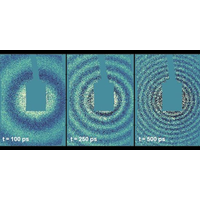
Phys. Rev. Lett. 135, 266101 (2025)
Condensed Matter and Materials
Itinerant to Localized Heavy Electron Magnetism in $\mathrm{Ce}({\mathrm{Ru}}{1-x}{\mathrm{Rh}}{x}{)}{2}{\mathrm{Al}}{10}$: A Direction-Dependent Phase Diagram beyond the Doniach Phase Diagram
Article | Condensed Matter and Materials | 2025-12-24 05:00 EST
Hitoshi Yamaoka, Hiroshi Tanida, Eike F. Schwier, Yoshiya Yamamoto, Shiv Kumar, Masashi Arita, Kenya Shimada, Fumisato Tajima, Renta Onodera, Takashi Nishioka, Hirofumi Ishii, Nozomu Hiraoka, and Jun’ichiro Mizuki
Electronic and crystal structures of have been studied using x-ray emission spectroscopy, photoelectron spectroscopy (PES), and x-ray diffraction. No structural phase transition was observed up to , while the x-ray absorption spectra showed a Ce valence transition between
Phys. Rev. Lett. 135, 266503 (2025)
Condensed Matter and Materials
Circular Dichroism on the Edge of Quantum Hall Systems: From Many-Body Chern Number to Anisotropy Measurements
Article | Condensed Matter and Materials | 2025-12-24 05:00 EST
F. Nur Ünal, A. Nardin, and N. Goldman
Quantum Hall states are characterized by a topological invariant, the many-body Chern number, which determines their quantized Hall conductivity. This invariant also emerges in circular dichroic responses, namely, by applying a circular drive and comparing excitation rates for opposite orientations.…
Phys. Rev. Lett. 135, 266603 (2025)
Condensed Matter and Materials
Band Topology and Dynamic Multiferroicity Induced from Dynamical Dzyaloshinskii-Moriya Interactions in Centrosymmetric Lattices
Article | Condensed Matter and Materials | 2025-12-24 05:00 EST
Bowen Ma and Z. D. Wang
We develop a theory of a dynamical Dzyaloshinskii-Moriya interaction (dDMI) in centrosymmetric crystals by generally considering the vibration of both cations and anions. It gives rise to an antisymmetric spin-lattice coupling, inducing magnon-phonon hybridized topological excitations. Moreover, we …
Phys. Rev. Lett. 135, 266702 (2025)
Condensed Matter and Materials
Self-Propulsion via Nontransitive Phase Coexistence in Chemically Active Mixtures
Article | Polymers, Chemical Physics, Soft Matter, and Biological Physics | 2025-12-24 05:00 EST
Yicheng Qiang, Chengjie Luo, and David Zwicker
Chemical activity is central in active matter, where local fuel consumption can lead to self-propulsion and phase separation. However, phase separation can also originate from passive physical interactions. To understand the influence of chemical activity on phase separation, we study mixtures where…
Phys. Rev. Lett. 135, 268301 (2025)
Polymers, Chemical Physics, Soft Matter, and Biological Physics
Adversarial Quantum Channel Discrimination
Article | Quantum Information, Science, and Technology | 2025-12-23 05:00 EST
Kun Fang, Hamza Fawzi, and Omar Fawzi
We introduce a new framework for quantum channel discrimination in an adversarial setting, where the tester plays against an adversary. We show that in asymmetric hypothesis testing, the optimal type-II error exponent is precisely characterized by a new notion of quantum channel divergence (termed t…
Phys. Rev. Lett. 135, 260201 (2025)
Quantum Information, Science, and Technology
Quantum Advantage in Identifying the Parity of Permutations with Certainty
Article | Quantum Information, Science, and Technology | 2025-12-23 05:00 EST
A. Diebra, S. Llorens, D. González-Lociga, A. Rico, J. Calsamiglia, M. Hillery, and E. Bagan
Simple and genuine quantum advantage in perfect parity identification without oracles is achieved.
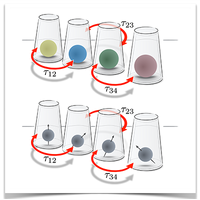
Phys. Rev. Lett. 135, 260603 (2025)
Quantum Information, Science, and Technology
Zero-Dead-Time Strontium Lattice Clock with a Stability at ${10}^{-19}$ Level
Article | Atomic, Molecular, and Optical Physics | 2025-12-23 05:00 EST
Xiao-Yong Liu, Peng Liu, Jie Li, Yu-Chen Zhang, Yuan-Bo Wang, Zhi-Peng Jia, Xiang Zhang, Xian-Qing Zhu, De-Quan Kong, Wen-Lan Song, Guo-Zhen Niu, Yu-Meng Yang, Pei-Jun Feng, Xiang-Pei Liu, Xing-Yang Cui, Ping Xu, Xiao Jiang, Juan Yin, Sheng-Kai Liao, Cheng-Zhi Peng, Han-Ning Dai, Yu-Ao Chen, and Jian-Wei Pan
A zero-dead-time optical lattice clock achieves unprecedented stability of 1 part in .
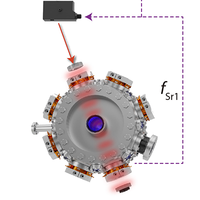
Phys. Rev. Lett. 135, 263402 (2025)
Atomic, Molecular, and Optical Physics
Fast Hydrogen Atom Diffraction through Monocrystalline Graphene
Article | Atomic, Molecular, and Optical Physics | 2025-12-23 05:00 EST
Pierre Guichard, Arnaud Dochain, Raphaël Marion, Pauline de Crombrugghe de Picquendaele, Nicolas Lejeune, Benoît Hackens, Paul-Antoine Hervieux, and Xavier Urbain
A fast beam of hydrogen atoms passes through a graphene layer and produces a diffraction pattern, a development that could lead to a new probing technique of surface interactions.
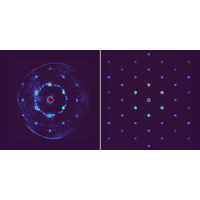
Phys. Rev. Lett. 135, 263403 (2025)
Atomic, Molecular, and Optical Physics
Experimental Observation of Single- and Multisite Matter-Wave Solitons in an Optical Accordion Lattice
Article | Atomic, Molecular, and Optical Physics | 2025-12-23 05:00 EST
Robbie Cruickshank, Francesco Lorenzi, Arthur La Rooij, Ethan F. Kerr, Timon Hilker, Stefan Kuhr, Luca Salasnich, and Elmar Haller
The observation of discrete solitons in a Bose-Einstein condensate brings with it the prospect of investigating a general physical phenomenon with the tunability and precision of cold-atom techniques.
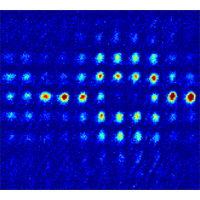
Phys. Rev. Lett. 135, 263404 (2025)
Atomic, Molecular, and Optical Physics
Demonstration of Mode-Locked Frequency Comb for an X-Ray Free-Electron Laser
Article | Plasma and Solar Physics, Accelerators and Beams | 2025-12-23 05:00 EST
Wenxiang Hu, Gabriel Aeppli, Christopher Arrell, Marco Calvi, Sergio Carbajo, Andreas Dax, Yunpei Deng, Philipp Dijkstal, David Dunning, Simon Gerber, Martin Huppert, Stefan Neppl, Sven Reiche, Thomas Schietinger, Neil Thompson, Alexandre Trisorio, Carlo Vicario, Alexander Zholents, and Eduard Prat
Mode locking--a laser technique that revolutionized optical physics--has been extended to x rays, producing stable trains of attosecond pulses with unprecedented phase coherence.
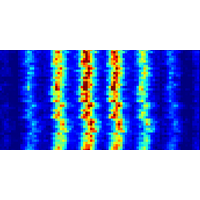
Phys. Rev. Lett. 135, 265001 (2025)
Plasma and Solar Physics, Accelerators and Beams
Spin-Depairing-Induced Exceptional Fermionic Superfluidity
Article | Condensed Matter and Materials | 2025-12-23 05:00 EST
Soma Takemori, Kazuki Yamamoto, and Akihisa Koga
We investigate the non-Hermitian (NH) attractive Hubbard model with spin depairing, which is a spin-resolved asymmetric hopping that nonreciprocally operates spins in the opposite direction. We find that spin depairing stabilizes a superfluid state unique to the NH system. This phase is characterize…
Phys. Rev. Lett. 135, 266002 (2025)
Condensed Matter and Materials
Intrinsic Heavy Wigner Crystal Forged by Transferred $4f$ Electrons
Article | Condensed Matter and Materials | 2025-12-23 05:00 EST
Zhongjie Wang, Rui Song, Yupeng Jiang, Qidong Sun, Meng Zhao, Lifeng Yin, Jian Shen, and Chunlei Gao
A new type of Wigner crystal made of charge-transfer 4 electrons has been observed.
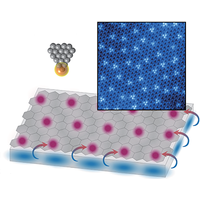
Phys. Rev. Lett. 135, 266502 (2025)
Condensed Matter and Materials
Physical Review X
Quantum-Secure Multiparty Deep Learning
Article | 2025-12-24 05:00 EST
Kfir Sulimany, Sri Krishna Vadlamani, Ryan Hamerly, Prahlad Iyengar, and Dirk Englund
A quantum-secure deep learning protocol lets multiple parties harness AI without exposing proprietary data or models.

Phys. Rev. X 15, 041056 (2025)
arXiv
On the problem of simple shear of an incompressible viscoelastic solid under finite deformations
New Submission | Soft Condensed Matter (cond-mat.soft) | 2025-12-24 20:00 EST
In the framework of a viscoelastic material model, whose constitutive relation is given by a one-parameter family of Gordon-Schowalter derivatives, the problem of simple shear under acceleration and random velocity motion is considered. For motion with acceleration, the presence of non-zero normal stresses is discovered, which corresponds to the Poynting effect previously discovered for this material. A problem in which the shear rate was determined as a linear function of a random variable given from a normal distribution was studied. Within the framework of the methodology proposed by V.A. Lomakin, an analytical solution of the problem is constructed. A significant dependence of the dispersion of the stress tensor components on the choice of the objective derivative was found.
Soft Condensed Matter (cond-mat.soft), Materials Science (cond-mat.mtrl-sci)
5 pages, 2 figures
An exact dimension-reduced dynamic theory for developable surfaces and curve-fold origami
New Submission | Soft Condensed Matter (cond-mat.soft) | 2025-12-24 20:00 EST
Zhixuan Wen, Sheng Mao, Huiling Duan, Fan Feng
Curve-fold origami, composed of developable panels joined along a curved crease, exhibits rich dynamic behaviors relevant to metamaterials and soft robotic systems. Despite multiple approximated models, a comprehensive and exact dynamical theory for curve-fold origami remains absent, limiting the precise predictions of its dynamics, especially for those with wide panels. In this work, we develop an exact dimension-reduced theory that focuses on the dynamics of curve-fold origami, utilizing the intrinsic one-dimensional nature of developable surfaces. Starting from a single developable surface, we investigate the kinematics and kinetic energy of a moving developable surface. By overcoming the difficulty of describing the motion of local frames, we derive the exact velocity field of wide surfaces solely described by the motion of the reference curve, which leads to the kinetic energy of the entire surface. Owing to the one-dimensional feature, the Lagrangian of the system, composed of both kinetic and elastic energy, is a functional of the reference curve. Thus, we may variate the Lagrangian and derive a nonlinear dynamical theory for the reference curve, which comprises governing equations similar to the rod model but can precisely describe the motion of developable surfaces. The theory is validated consistently in both Lagrangian and Eulerian frameworks and is further extended to curved-fold origami modeled as a coupled bi-rod system. Utilizing our exact 1D model, we theoretically analyze the dynamical behaviors of various developable structures, revealing that the coupling of curvature and torsion along with the motion of local frames in our theory leads to the accurate modeling of arbitrarily deformed developable surfaces, which are validated by finite element analysis quantitatively.
Soft Condensed Matter (cond-mat.soft)
22 pages
Onsager’s Real Cavity model near solid interfaces
New Submission | Soft Condensed Matter (cond-mat.soft) | 2025-12-24 20:00 EST
Johannes Fiedler, Drew F. Parsons
We develop an extended Onsager real-cavity framework to describe the Casimir-Polder interaction of small molecules dissolved in dielectric liquids near planar interfaces. By analytically resolving the geometry of the cavity opening, we derive a closed expression that arises when the molecule approaches a surface and connects them smoothly to the asymptotic medium-assisted interaction. Using experimentally established dielectric functions for water, propanol, and PTFE together with accurate molecular polarisabilities for O2 and N2, we compute the full distance-dependent potential for four molecule (O2 and N2)-liquid (water and propanol)-surface (PTFE) combinations. The results reveal how local-field screening inside the cavity, molecular polarisability, and liquid permittivity jointly determine the magnitude and shape of the interaction, including the characteristic transition from the open cavity (small separations) and closed cavity (large separations). The framework provides a transparent baseline for dispersion forces in liquids, while highlighting limitations associated with the point-dipole description, the absence of repulsive contributions, and the breakdown of the dipole approximation at ultrashort separations.
Soft Condensed Matter (cond-mat.soft), Materials Science (cond-mat.mtrl-sci), Chemical Physics (physics.chem-ph), Quantum Physics (quant-ph)
Composition-agnostic prediction of self-assembly in multicomponent amphiphile mixtures from molecular structure
New Submission | Soft Condensed Matter (cond-mat.soft) | 2025-12-24 20:00 EST
Yuuki Ishiwatari, Takahiro Yokoyama, Tomoya Kojima, Taisuke Banno, Noriyoshi Arai
Predicting self-assembly in multi-component amphiphilic systems is challenging due to the complexity of intercomponent interactions and the combinatorial growth of possible formulations. In this study, we develop a unified machine-learning framework that directly predicts self-assembly behavior from the molecular structures of constituent components, independent of the number or identity of those components. We extend the critical packing parameter (CPP) to multi-component systems and generate a large dataset of self-assembled morphologies using dissipative particle dynamics (DPD) simulations. By systematically evaluating twelve combinations of feature extraction methods and model architectures, we find that models incorporating a fully connected graph convolutional network (GCN) layer achieve superior performance, with the GCN-GCN architecture accurately capturing both intramolecular relationships and intercomponent interactions. Notably, this model exhibits strong extrapolative capability: it accurately predicts CPP values for five-component mixtures even when trained only on systems with fewer components, and it maintains high accuracy for mixtures composed of molecular species that are entirely absent from the training data. These results demonstrate that a composition-agnostic predictive framework can enable efficient virtual screening and provide a foundation for the rational design of complex amphiphilic materials.
Soft Condensed Matter (cond-mat.soft), Materials Science (cond-mat.mtrl-sci)
33 pages, 8 figures
On the chemo-thermo-mechanics of constrained reactive mixtures of solids
New Submission | Soft Condensed Matter (cond-mat.soft) | 2025-12-24 20:00 EST
Alberto Salvadori, Mattia Serpelloni, Robert M. McMeeking
Building upon the classical chemo-mechanical theory of Larch{é} and Cahn for equilibrium, numerous studies have investigated the transport of species in solids, with or without trapping phenomena. In most applications – such as the swelling of hydrogels, hydrogen embrittlement in metals, and the transport of lithium or sodium in battery electrodes – the formation of a new phase or compound can be directly associated with the concentration of the diffusing species. In the present work, we focus on the formation of solid mixtures made of multiple compounds, each characterized by its own volumetric expansion coefficient. Such a scenario arises, for instance, during the sodiation of tin anodes, among other systems. The classical chemo-mechanical framework is naturally recovered as a particular case of the proposed formulation. The theoretical framework developed herein elucidates and differentiates the concepts of phases and flowing species, while establishing rigorous connections between them. The present note is restricted to the general formulation of the governing equations, whereas application-specific developments will be addressed in forthcoming publications.
Soft Condensed Matter (cond-mat.soft)
The extraordinary importance of self-avoiding behavior in two-dimensional polymers: Insights from large-deviation theory
New Submission | Soft Condensed Matter (cond-mat.soft) | 2025-12-24 20:00 EST
Eleftherios Mainas, Jan Tobochnik, Richard Stratt
Some recent work pointed out the usefulness of taking a large-deviation perspective when trying to extract anything resembling a macroscopic order parameter from a computer simulation. In this paper we note that the end-to-end distance of polymers is such an order parameter. The presence of long-ranged excluded volume interactions leads to significant qualitative differences between the conformations of two- and three-dimensional polymers, some of which are difficult to quantify in computer simulations of realistic (off-lattice) polymer models. But we show here that phenomena such as the greatly enlarged non-Hooke’s-law elasticity present in 2D are straightforward to extract from simulation using a large-deviation framework - even though simulating that nonlinearity is tantamount to simulating a 4th order susceptibility. The large-deviation perspective includes both a set of thermodynamic-like tools suitable for studying finite-size systems and a realization that an accurate description of the system’s average behavior needs to be consistent with how improbably large fluctuations would behave in that system. The latter is key because strong correlations are absent in this asymptotic large fluctuation regime, so the regime’s far-reaching effects can be analytically incorporated into the analysis of simulation data. That, in turn, allows us to direct the efforts of simulations away from difficult-to-sample rare-event domains. We illustrate this point with two- and three-dimensional Monte Carlo simulations (and exact results) on two models of a single isolated polymer chain: a chain of linked hard spheres, which has long-ranged excluded volume effects, and a discretized worm-like chain, which does not.
Soft Condensed Matter (cond-mat.soft)
QMBench: A Research Level Benchmark for Quantum Materials Research
New Submission | Materials Science (cond-mat.mtrl-sci) | 2025-12-24 20:00 EST
Yanzhen Wang, Yiyang Jiang, Diana Golovanova, Kamal Das, Hyeonhu Bae, Yufei Zhao, Huu-Thong Le, Abhinava Chatterjee, Yunzhe Liu, Chao-Xing Liu, Felipe H. da Jornada, Binghai Yan, Xiao-Liang Qi
We introduce QMBench, a comprehensive benchmark designed to evaluate the capability of large language model agents in quantum materials research. This specialized benchmark assesses the model’s ability to apply condensed matter physics knowledge and computational techniques such as density functional theory to solve research problems in quantum materials science. QMBench encompasses different domains of the quantum material research, including structural properties, electronic properties, thermodynamic and other properties, symmetry principle and computational methodologies. By providing a standardized evaluation framework, QMBench aims to accelerate the development of an AI scientist capable of making creative contributions to quantum materials research. We expect QMBench to be developed and constantly improved by the research community.
Materials Science (cond-mat.mtrl-sci), Artificial Intelligence (cs.AI)
20 pages, 1 figure
The mechanics of anisotropic active plates with applications to cell alignment on curved substrates
New Submission | Soft Condensed Matter (cond-mat.soft) | 2025-12-24 20:00 EST
Gabriele Fioretto, Giulio Lucci, Chiara Giverso, Luigi Preziosi
We develop a general continuum mechanics framework for active anisotropic plates within the Föppl-von Kármán limit, incorporating a preferential direction and inelastic active contractions in geometrically nonlinear plate theory. Through asymptotic expansion, we derive coupled equilibrium equations for plates with transversely isotropic and possibly inhomogeneous reinforcement undergoing spatially varying active contractions through their thickness. The framework highlights the coupling between material anisotropy and active deformations, with target curvatures that compete with imposed geometric constraints. To demonstrate its capabilities, we apply the model to curvature-induced cell alignment, where substrate geometry, cytoskeletal anisotropy, and contractility interact to determine orientation. For cylindrical substrates, the model predicts a supercritical bifurcation in preferred orientation, from perpendicular to parallel, through an oblique orientation governed by the ratio of active contractility to substrate curvature and modulated by material stiffness. For ellipsoidal geometries, we capture stable parallel, perpendicular, and oblique configurations depending on principal curvatures, whereas spherical substrates do not show preferred alignments. These predictions qualitatively reproduce experimental observations across cell types, explaining divergent behaviors between contractile epithelial cells and stiffer fibroblasts in a rigorous context. Beyond cellular mechanics, this framework applies broadly to thin fiber-reinforced active structures in soft robotics, morphogenesis, and tissue engineering.
Soft Condensed Matter (cond-mat.soft), Mathematical Physics (math-ph)
LiquiFab – Building with liquids in weightlessness
New Submission | Soft Condensed Matter (cond-mat.soft) | 2025-12-24 20:00 EST
Erez Hochman, Aaron Sprecher, Kateryna Suzina, Amir Mann, Yuval Mihalovich, Valeri Frumkin, Moran Bercovici
Existing digital manufacturing methods can be broadly divided into subtractive approaches, where material is removed from a bulk to reveal the desired form, and additive methods, in which material is introduced voxel-by-voxel to create an object.
We here show a fundamentally different method for the fabrication of three-dimensional objects that is neither subtractive nor additive. Instead of removal or layer-by-layer material deposition, in LiquiFab we shape an entire volume of liquid polymer by subjecting it to a set of geometrical constraints under conditions of weightlessness. The physics of liquid interfaces then drives the polymer to naturally adopt a configuration that minimizes its surface energy. On Earth, we achieve weightlessness through neutral buoyancy, and show that a small, well-defined set of boundary surfaces can be used to drive the liquid into a desired form that is then solidified. By sequentially applying this process, complex architectures can be assembled from successive liquid-formed elements.
Unlike additive manufacturing, where every point within the object must be individually visited by a print head or light field, LiquiFab forms the entire structure simultaneously. This makes the process highly scalable and opens the door to rapid manufacturing of large objects both on Earth and in space.
Soft Condensed Matter (cond-mat.soft), Materials Science (cond-mat.mtrl-sci), Applied Physics (physics.app-ph), Fluid Dynamics (physics.flu-dyn)
Micromagnet-free operation of electron spin qubits in Si/Si$_{1-x}$Ge$_x$ vertical double quantum dots
New Submission | Mesoscale and Nanoscale Physics (cond-mat.mes-hall) | 2025-12-24 20:00 EST
Abhikbrata Sarkar, Daniel Loss
We study a vertical double quantum dot (DQD) in a Si/Si$ _{1-x}$ Ge$ _x$ /Si double-well heterostructure for full electrical control of electron Loss-DiVincenzo (LD) spin qubits, using realistic device modeling and numerical simulations. Due to the emerging spin-orbit interaction in the DQD, as well as strain from the gate electrodes, small (percentage range) but finite $ g$ tensor variations emerge. In addition, we find a large valley splitting, on the order of $ E_v{\sim}250,\mu$ eV. As a result, multiple avenues for fast electrical single qubit rotations emerge. An ac electric field gives rise to electric dipole spin resonance (EDSR), while electron spin resonance (ESR) in the presence of an ac magnetic field can be electrically controlled by local gates due to varying $ g$ factors in DQDs. We also show that shuttling between neighboring dots, in vertical and horizontal direction, results in ultrafast single qubit gates of less than a nanosecond. Remarkably, this DQD architecture completely eliminates the need for micromagnets, significantly facilitating the scalability of LD spin qubits in semiconductor foundries.
Mesoscale and Nanoscale Physics (cond-mat.mes-hall), Quantum Physics (quant-ph)
4 pages, 4 figures
Geometry-Enforced Topological Chiral Fermions in Amorphous Chiral Metals
New Submission | Mesoscale and Nanoscale Physics (cond-mat.mes-hall) | 2025-12-24 20:00 EST
Justin Schirmann, Adolfo G. Grushin, Benjamin J. Wieder
Since the prediction and observation of topological Weyl semimetals (chiral TSMs), there have been enormous efforts to characterize further condensed matter realizations of chiral fermions. These efforts were dramatically accelerated by the subsequent discovery of a profound link between low-energy topological and lattice chirality in structurally chiral crystals. Though TSMs are well understood in the limit of perfect translation symmetry, real solid-state materials host defects and disorder, and may even be rendered amorphous down to all but the smallest system length scales. Previous theoretical studies have concluded that chiral TSMs transition into trivial diffusive metals at moderate disorder scales, raising concerns that chiral TSM states may only be accessible in highly crystalline samples. In this work, we in contrast identify large families of chiral TSMs that persist under strong structural disorder - even into the amorphous regime. We show that amorphous chiral TSM phases can in particular be stabilized by the presence of long-range order in the local structural chirality. We present extensive analytic and numerical calculations demonstrating the existence of both Weyl and higher-charge chiral fermions in amorphous metals whose topology and spin and orbital angular momentum textures are tunable via the interplay of average symmetry and geometry. To distinguish and generate new realizations of strongly disordered chiral fermions, we introduce an analytic approach grounded in symmetry group theory. We then introduce an amorphous Wilson loop numerical method to characterize chiral fermions with quantized Berry curvature fluxes in metals with 3D structural disorder. Our findings bridge the crystalline and strongly disordered regimes of chiral TSMs, and indicate a clear route towards engineering geometry-enforced topology in non-crystalline materials and metamaterials.
Mesoscale and Nanoscale Physics (cond-mat.mes-hall)
23+95 pages, 7+39 figures
All-to-All interactions via multifractal wavefunction geometry
New Submission | Strongly Correlated Electrons (cond-mat.str-el) | 2025-12-24 20:00 EST
YouYoung Joung, Jemin Park, SungBin Lee
We uncover a generic mechanism through which the intrinsic geometry of multifractal quantum wavefunctions generates effective all-to-all interactions in many-body systems. By analyzing the multifractal spectrum, we demonstrate that the simultaneous participation of widely separated length scales creates a global connectivity that bypasses local interaction constraints. This nonlocality leads to fast information scrambling, evidenced by sharp changes in the quenched dynamics of the quantum Fisher information and bipartite mutual information with the onset of negative tripartite mutual information. Such rapid scrambling is a defining feature of strongly chaotic quantum dynamics, and our results identify the systems with multifractal states as a promising solid-state platform for realizing this regime. More broadly, they reveal a new paradigm in which complex, multiscale wavefunction structure intrinsically generates long-range connectivity, providing a natural route to achieving nonlocal behavior in strongly correlated quantum materials.
Strongly Correlated Electrons (cond-mat.str-el)
6 pages, 2 figures
Quantum Phases of a Strongly Disordered Two-Legged Josephson Ladder
New Submission | Superconductivity (cond-mat.supr-con) | 2025-12-24 20:00 EST
Disordered superconductors in low dimensions provide an exemplary manifestation for the role of quantum fluctuations in a many-body system. Specifically in Josephson arrays with comparable Josephson and charging energies ($ E_J\sim E_C$ ), disorder tends to change the nature of the paradigmatic Superconductor-Insulator Transition (SIT) and potentially leads to formation of multiple distinct phases. We address this problem in a model of a two-legged Josephson ladder subjected to a wide spatial distribution of its parameters along the legs. In contrast, we assume the system to have a perfect $ \mathbb{Z}_2$ symmetry to interchange between the legs, and investigate the effects of spatial randomness which preserves this symmetry in the strong-disorder limit. To this end, we apply a strong randomness real-space renormalization group technique and explore the resulting phase diagram. We identify three disorder-dominated phases, including an intermediate phase between a disordered superconductor and a disordered insulator. The latter insulating phase can be mapped to a XY spin-chain in a spin glass phase, while the intermediate phase turns out to be a Bose glass.
Superconductivity (cond-mat.supr-con)
24 pages, 11 figures
Preparation of a Quantum Spin Liquid in Non-Hermitian Quantum Dimer Models and Rydberg Arrays
New Submission | Strongly Correlated Electrons (cond-mat.str-el) | 2025-12-24 20:00 EST
Shashwat Chakraborty, Taylor L. Hughes
We identify an unconventional form of the non-Hermitian skin effect that occurs not in position space but in many-body Fock space, which we call the Fock space skin effect (FSSE). Using quantum dimer models, we characterize FSSE analytically and numerically, and propose a concrete route toward its realization in Rydberg atom arrays. The dimer constraint is enforced through Rydberg gadgets employing the blockade mechanism, while directional reservoirs generate non-Hermitian flipping amplitudes. We show that FSSE enables the preparation of gapped spin liquid states, and in particular, we demonstrate how a Rydberg geometry realizing a square lattice quantum dimer model with next-nearest neighbor dimers can be driven by non-Hermiticity into an exact spin liquid ground state. Our results establish Fock-space non-Hermiticity as a powerful principle for engineering exotic quantum phases and dynamical state-preparation protocols.
Strongly Correlated Electrons (cond-mat.str-el), Quantum Physics (quant-ph)
7.5+5 pages, 3+1 figures
Spin Glasses: Disorder, Frustration, and Nonequilibrium Complexity
New Submission | Disordered Systems and Neural Networks (cond-mat.dis-nn) | 2025-12-24 20:00 EST
Naeimeh Tahriri, Vahid Mahdikhah, Jahanfar Abouie, Daryoosh Vashaee
Spin glasses occupy a unique place in condensed matter: they freeze collectively while remaining struc-turally disordered, and they exhibit slow, history-dependent dynamics that reflect an exceptionally rug-ged free-energy landscape. This review provides an integrated account of spin-glass physics, emphasiz-ing how microscopic ingredients (quenched randomness, frustration, competing exchange interactions, and random fields) conspire to produce macroscopic glassiness. We begin with the canonical Edwards-Anderson and Sherrington-Kirkpatrick formulations to introduce the central theoretical ideas that recur across the literature: extensive degeneracy, metastability, and the emergence of long relaxation times that manifest as aging, memory, and rejuvenation under standard experimental protocols. We then summarize the principal routes used to characterize spin-glass freezing, combining thermodynamic signatures with dynamical probes that reveal the separation of timescales and the sensitivity to thermal and magnetic histories. Building on these foundations, we draw connections across experimental material classes (me-tallic alloys, insulating oxides, and geometrically frustrated systems) by emphasizing how intrinsic ver-sus induced disorder and competing interaction networks shape the observed phenomenology. Recent advances in reentrant and room-temperature spin-glass materials are highlighted as a rapidly developing direction that tests the limits of established paradigms and motivates new materials-driven questions. The review concludes by connecting modern computational developments, including machine-learning phase identification and neural-network analogies, to longstanding challenges in classification, univer-sality, and out-of-equilibrium behavior, and by outlining emerging opportunities at the boundary between classical and quantum spin glasses.
Disordered Systems and Neural Networks (cond-mat.dis-nn)
Bosonization solution of the Kondo lattice in a Luttinger liquid
New Submission | Strongly Correlated Electrons (cond-mat.str-el) | 2025-12-24 20:00 EST
Tomás Bortolin, C. J. Bolech, Nayana Shah, Aníbal Iucci
We address the physics of a regular arrangement of independent magnetic impurities embedded in a band of interacting electrons. We focus on the one-dimensional case that can be studied using bosonization and in which the electron bulk is described by a Luttinger liquid. The impurity spins interact with the electrons via magnetic exchange that introduces the possibility of Kondo and RKKY physics. We find that for two special values of the interactions, the model can be refermionized as a non-interacting electron band hybridized with a regular array of resonant levels. These solvable limits provide access to impurity correlators that correspond to either extended algebraic order or local screening. A physical picture emerges of how the interelectron interactions can stabilize either Kondo or RKKY physics depending on the sign of the interaction.
Strongly Correlated Electrons (cond-mat.str-el)
14 pages, 3 figures
On the Role of Internal Degrees of Freedom in Structural Relaxation of Ring-Tail Structured Liquids Across Temperature Regimes
New Submission | Soft Condensed Matter (cond-mat.soft) | 2025-12-24 20:00 EST
Rolf Zeißler, Sandra Krüger, Robin Horstmann, Till Böhmer, Michael Vogel, Thomas Blochowicz
We investigate how anisotropic molecular rotation and internal molecular flexibility influence liquid dynamics in 1-phenylalkanes. To this end, we combine depolarized dynamic light scattering, nuclear magnetic resonance spectroscopy and molecular dynamics simulations. Our results show that anisotropic rotations and internal molecular flexibility substantially contribute to structural relaxation in the liquid state. However, their influence diminishes on entering the supercooled-liquid regime, where the relaxation behavior develops towards the previously identified generic relaxation shape, likely due to the increasing cooperativity of rotational dynamics. Because 1-phenylalkanes are simple model systems with similarities to many other molecular liquids, this study suggests that effects of anisotropic rotation and internal flexibility are relevant in various liquids with similar molecular complexity, and provides a proof of concept for how these effects can be identified.
Soft Condensed Matter (cond-mat.soft)
Dynamics of self-organization in dense persistent active matter
New Submission | Soft Condensed Matter (cond-mat.soft) | 2025-12-24 20:00 EST
Atharva Shukla, Chandan Dasgupta
We consider a two-dimensional athermal binary mixture of Lennard-Jones particles with persistent random active forces. The liquid phase of this system for active forces exceeding a threshold value exhibits self-organization with long-range spatial correlations of particle velocities and active forces. We study by simulations the development of these correlations from a random initial state. Several characteristics of the growth of correlations are measured and compared with those of phase-ordering kinetics of equilibrium systems after a quench from a disordered state. The motion of the particles in the long-time steady state is found to be dominated by two streams that flow in opposite directions.
Soft Condensed Matter (cond-mat.soft)
9 pages, 8 figures
A Unified Thermo-Chemo-Mechanical Framework for Bulk and Frontal Polymerization: Coupled Kinetics and Front Stability
New Submission | Soft Condensed Matter (cond-mat.soft) | 2025-12-24 20:00 EST
Polymerization is a fundamental chemical process enabling large-scale production of material components across modern industries. By transforming a monomer mixture into a cross-linked polymer network, polymerization induces changes in temperature and material properties such as density and stiffness, which can generate residual stress and warping through coupled mechanisms that remain incompletely understood. Depending on processing conditions, polymerization may occur either in the bulk, sustained by continuous external energy input, or as a self-sustaining exothermic reaction front, commonly referred to as frontal polymerization. While frontal polymerization offers rapid and energy-efficient curing, its localized reaction zone produces sharp spatial gradients that amplify thermo-chemo-mechanical coupling effects. In this work, we develop a thermodynamically consistent framework that captures both bulk and frontal polymerization, incorporating stress-dependent reaction kinetics and the evolution of the stress-free configuration during curing. Using a narrow reaction-zone approximation in a uniaxial setting, we derive analytical predictions for propagation velocity, residual stress development, and stability. A perturbation analysis yields a stability criterion that generalizes the classical Zeldovich number by accounting for heat loss and mechanical loading, and enables construction of a phase diagram distinguishing stable, unstable, and quenched propagation regimes.
Soft Condensed Matter (cond-mat.soft)
A ruled narrow elastic strip model with corrected energy
New Submission | Soft Condensed Matter (cond-mat.soft) | 2025-12-24 20:00 EST
E. Vitral, J. A. Hanna, L. Koens
We present a new one-dimensional model for elastic strips based on a nondevelopable ruled surface. An auxiliary field regularizes the Sadowsky narrow-strip model to allow nonzero twist with vanishing curvature. The energy exhibits the scalings derived by Freddi and co-workers, and for a certain choice of parameter, convexifies the Sadowsky energy without patching. We present the kinematics and energetics of the model, and employ a variational approach featuring a rotation tensor to derive equilibrium equations. We perform a regular perturbation expansion to study the model behavior close to inflection points. When the energy is convex, curvature and moment are continuous at inflection points, while the auxiliary function suffers a jump, leading to a discontinuity in the ruled embedding for any finite width.
Soft Condensed Matter (cond-mat.soft)
Semi-automated estimation of hydrogenic initial states for localized Wannier functions
New Submission | Strongly Correlated Electrons (cond-mat.str-el) | 2025-12-24 20:00 EST
Tatsuki Oikawa, Kota Ido, Takahiro Misawa, Takashi Koretsune, Kazuyoshi Yoshimi
We present a semi-automated method for obtaining an initial estimate of Wannier functions, designed to facilitate the construction of Wannier functions for describing low-energy effective models of solids, particularly those relevant to strongly correlated electron systems. Our approach automatically determines the hydrogenic projections orbitals and the center of the Wannier functions from information on Bloch wavefunctions at the $ \Gamma$ point. This method is integrated into cif2qewan, enabling seamless generation of input files for Quantum ESPRESSO and Wannier90. We validate our method through applications to both inorganic and organic compounds, such as Si, SrVO$ _3$ , FeSe, Na$ _8$ Al$ _6$ Si$ _6$ O$ _{24}$ , and (TMTTF)$ _2$ PF$ _6$ . The obtained results demonstrate that our semi-automated projections give a good initial estimate of the Wannier functions. We also show the comparisons with other methods for estimating the initial states of the Wannier functions, such as the Selected Columns of the Density Matrix (SCDM). Our methodology shows an efficient way to construct Wannier functions, paving the way for high-throughput calculations in the study of complex materials.
Strongly Correlated Electrons (cond-mat.str-el), Materials Science (cond-mat.mtrl-sci)
12 pages, 8 figures
Metastability and high-Tc superconductivity in A15-type ternary hydride YSbH6 at moderate pressure
New Submission | Superconductivity (cond-mat.supr-con) | 2025-12-24 20:00 EST
Maélie Caussé, Kieran Bozier, Peter I. C. Cooke, Stefano Racioppi, Chris J. Pickard
The discovery of high-temperature superconductors remains a central challenge in materials science. Hydrogen-rich compounds are among the most promising candidates, as they can exhibit phonon-mediated superconductivity at elevated critical temperatures, though their stabilization typically requires extreme pressures. %
Here, we report the identification of YSbH$ _{6}$ as a promising superconductor by a multi-stage high-throughput screening on ternary A15-type hydrides, followed by a high-throughput computational search of the Y–Sb–H system, accelerated by ephemeral data derived potentials. %
The cubic $ Pm\Bar{3}$ YSbH$ {6}$ phase exhibits a predicted critical temperature of 118,K at 50,GPa, among the highest $ T{\rm c}$ reported to date for an A15-hydride at this pressure. Thermodynamic analysis shows that YSbH$ _{6}$ lies $ \sim$ 100,meV/atom above the convex hull at 50,GPa, but only 26,meV/atom above the hull at 120,GPa, suggesting possible metastability and synthesis at similar high pressure conditions. The phase is dynamically stable over a wide pressure range (20–120,GPa), displays kinetic stability at 50,GPa and elastic stability at 20 and 50,GPa, key ingredients for long-lived metastable behaviour at moderate pressures. %
These results highlight YSbH$ {6}$ as a benchmark case illustrating the balance between high-$ T{\rm c}$ performance and limited thermodynamic stability in ternary hydrides, and underscore the importance of combined dynamic, thermodynamic, kinetic and elastic stability analyses for guiding experimental synthesis of metastable superconductors.
Superconductivity (cond-mat.supr-con), Materials Science (cond-mat.mtrl-sci)
10 pages, 4 figures
Three-dimensional atom-by-atom mapping of nanoscale precipitates in single Te inclusions in Cd0.9Zn0.1Te crystal
New Submission | Materials Science (cond-mat.mtrl-sci) | 2025-12-24 20:00 EST
Eloïse Rahier, Sebastian Koelling, Guillaume Nadal, Sudarshan Singh, Luc Montpetit, Oussama Moutanabbir
The complexity and richness of phenomena governing alloy crystal growth can be unraveled by examining the three-dimensional atomic-level distribution of elements and impurities incorporated during growth. These species act as atomic fingerprints, revealing the thermodynamic constraints that shape material structure and composition. Herein, we combine transmission electron microscopy and atom probe of tellurium (Te) inclusions within cadmium zinc telluride (CZT) single crystals. The correlative analysis uncovers nanoscale precipitates embedded within Te inclusions, consisting of CZT nanocrystals with a Zn content of 1.5 at.%. Surrounding these precipitates, an around 10 nm-thick shell is observed, enriched with copper and indium impurities. In addition, traces of sodium and sulfur are detected within the nanocrystals. These findings provide direct evidence of the complex segregation and precipitation processes occurring during CZT crystal growth, reflecting the interplay of thermodynamic driving forces and kinetic constraints that govern solute redistribution. The resulting insights contribute to a deeper understanding of impurity behavior and phase separation mechanisms in CZT alloys. This work establishes a framework for modeling and optimization of growth strategies of higher-quality CZT crystals for next-generation infrared and radiation detection technologies.
Materials Science (cond-mat.mtrl-sci)
Topological character of the antiferromagnetic EuMg${2}$Bi${2}$
New Submission | Materials Science (cond-mat.mtrl-sci) | 2025-12-24 20:00 EST
Mazharul Islam Mondal, Issam Mahraj, Milo Sprague, Sabin Regmi, Xiaxin Ding, Firoza Kabir, Himanshu Sheokand, Krzysztof Gofryk, Dariusz Kaczorowski, Andrzej Ptok, Madhab Neupane
Antiferromagnetic EuM$ _{2}$ Pn$ _{2}$ compounds, where M is a metal element and Pn is a pnictogen element, have been recognized as candidates for realizing a topologically nontrivial electronic structure. In this paper, we focus on EuMg$ _2$ Bi$ _2$ , whose topological nature still remains unclear. We present a comprehensive study based on several experimental and theoretical techniques. Magnetic susceptibility, electrical resistivity, and specific heat capacity measurements confirm the existence of an antiferromagnetic ordering. The electronic band structure was investigated by high-resolution angle-resolved photoemission spectroscopy (ARPES), supported by ab initio calculations. ARPES measurement reveals that the electronic structure of this system is dominated by linearly dispersive hole-like bands near the Fermi level. Theoretical analyses of the electronic band structure indicates that EuMg$ _2$ Bi$ _2$ is a strong topological insulator, which should be reflected in the presence of a metallic surface state. We also theoretically examine the magnetic-field-induced anomalous Hall conductivity, confirming previously reported observations.
Materials Science (cond-mat.mtrl-sci)
11 pages, 10 figures
Anisotropic electron-phonon coupling and chiral phonons in van der Waals room temperature ferromagnet Fe${5}$GeTe${2}$
New Submission | Materials Science (cond-mat.mtrl-sci) | 2025-12-24 20:00 EST
Smrutiranjan Mekap, Andrzej Ptok, Jyoti Saini, Changgu Lee, Subhasis Ghosh, Anushree Roy
The layered van der Waals Fe$ _5$ GeTe$ _2$ (F5GT) compound exhibits room-temperature ferromagnetism, making it a promising candidate for technological applications. In our study, combined temperature- and polarization-dependent Raman measurements, along with modern {\it ab initio} calculations, reveal important aspects of the lattice dynamics. The angle dependence of Raman intensity under linear polarization configuration exhibits a strong tilt in the laboratory coordinate, indicating the existence of anisotropic electron-phonon coupling. The electron-phonon coupling was also examined via the Fano parameter of the asymmetric peak in the Raman spectra. Finally, the threefold rotational symmetry guarantees the existence of chiral phonons. We present direct spectroscopic evidence for these chiral vibrational modes through cross-circularly polarized Raman measurements, complemented by theoretical calculations of phonon circular polarization. Together, these results identify F5GT as an ideal platform for investigating emergent couplings among lattice, electronic, and magnetic degrees of freedom and for advancing the understanding of chiral phonons in magnetic van der Waals materials.
Materials Science (cond-mat.mtrl-sci)
Main text: 9 pages, 4 figures + Supplemental Material: 18 pages, 17 figures
Electronic and magnetic properties of the NdNiO$_2$/SrTiO$_3$ thin films
New Submission | Materials Science (cond-mat.mtrl-sci) | 2025-12-24 20:00 EST
Sajid Sekh, Andrzej Ptok, Wojciech Brzezicki, Przemysław Piekarz, Andrzej M. Oleś
The hole-doped NdNiO$ _2$ layer deposited on the SrTiO$ _{3}$ surface exhibits unconventional superconductivity. Here, we present a systematic study of the electronic and magnetic properties of the NdNiO$ _2$ superconductor using the density functional theory (DFT). The strong local Coulomb interactions in the Ni($ 3d)$ and Nd($ 4f$ ) states are included within the DFT+$ U$ method. The effect of Sr doping on the electronic band structure and density of states was studied for the NdNiO$ _2$ thin films deposited on the SrTiO$ _3$ (001) surface. The results obtained for the uncapped thin films were compared with the calculations for the NdNiO$ _2$ films capped by the SrTiO$ _3$ layer. We have found significant changes in the electronic structure and magnetic properties of the thin films compared to the bulk crystal.
Materials Science (cond-mat.mtrl-sci), Strongly Correlated Electrons (cond-mat.str-el)
9 pages, 4 figures
An introduction to monitored quantum systems and quantum trajectories: spectrum, typicality, and phases
New Submission | Statistical Mechanics (cond-mat.stat-mech) | 2025-12-24 20:00 EST
Ryusuke Hamazaki, Ken Mochizuki, Hisanori Oshima, Yohei Fuji
Thanks to recent experimental advances in simulating and detecting quantum dynamics with high precision and controllability, our understanding of the physics of monitored quantum systems has considerably deepened over the past decades. In this article, we provide an introductory theoretical review on the basic formalisms governing open quantum dynamics under measurement, along with recent developments in their spectral and typical aspects. After reviewing quantum measurement theory, we introduce the concept of quantum trajectories, which are the conditional dynamics of monitored states shaped by a set of measurement outcomes. We then discuss the spectral properties of the dynamical map describing the evolution averaged over measurement outcomes. As has recently been recognized, these spectral features are intimately connected to whether quantum trajectories exhibit typical behaviors, such as the ergodicity and purification. Moreover, we introduce Lyapunov exponents of typical quantum trajectories and discuss how these quantities serve as indicators of measurement-induced phase transitions in monitored quantum many-body systems.
Statistical Mechanics (cond-mat.stat-mech), Mathematical Physics (math-ph), Quantum Physics (quant-ph)
160 pages, 20 figures
Pyroelectric effects in hybrid semiconductor-lithium niobate quantum devices
New Submission | Mesoscale and Nanoscale Physics (cond-mat.mes-hall) | 2025-12-24 20:00 EST
Manas Ranjan Sahu, Suraj Thapa Magar, Yadav Prasad Kandel, John M. Nichol
Hybrid quantum devices using surface acoustic waves show promise as key elements of quantum information processors. We report measurements of integrated flip-chip devices consisting of semiconductor quantum dots and surface acoustic wave resonators in lithium niobate. We observed that the pyroelectric effect in lithium niobate inhibited the operation of quantum dots in the integrated devices. GaAs/AlGaAs devices suffered from unintentional carrier depletion, and Si/SiGe devices suffered from electrostatic discharge. Our results highlight the importance of mitigating pyroelectric effects in semiconductor-lithium niobate hybrid devices for continued progress in quantum interconnects and transducers.
Mesoscale and Nanoscale Physics (cond-mat.mes-hall), Applied Physics (physics.app-ph)
Jordan-Wigner Transformation for the Description of Strong Correlation in Fermionic Systems
New Submission | Strongly Correlated Electrons (cond-mat.str-el) | 2025-12-24 20:00 EST
Thomas M. Henderson, Guo P. Chen, Gustavo E. Scuseria
Seniority is a useful way of organizing Hilbert space for strongly correlated systems. The exact zero-seniority wave function, doubly-occupied configuration interaction (DOCI), provides accurate results (given the right orbitals) for many strongly-correlated electronic systems, but has combinatorial computational cost. In many cases, pair coupled cluster doubles provides a polynomial-cost approximation that closely reproduces the energies of DOCI, but it breaks down in some cases and, as shown herein, it does not provide particularly good density matrices. In this work, we demonstrate that by using the Jordan-Wigner approximation to turn the seniority zero problem back into a fermionic one, we can provide variational results of DOCI quality for the Hubbard model and a few small molecular dissociation examples, with polynomial cost, both for the energies and for density matrices, all while being protected from collapse.
Strongly Correlated Electrons (cond-mat.str-el)
Submitted to JCTC
The Nobel Prize in physics and the contribution of Ukrainian scientists to the understanding of quantum phenomena, in particular the behavior of macroscopic systems (The 2025 Nobel Prize in Physics)
New Submission | Superconductivity (cond-mat.supr-con) | 2025-12-24 20:00 EST
The Nobel Prize in Physics 2025 has been awarded to John Clarke, John Martinis, and Michel Devoret for “the discovery of macroscopic quantum mechanical tunnelling and energy quantisation in an electric circuit”. Their achievements open up possibilities for developing the next generation of quantum technologies, including quantum cryptography, quantum computers, and quantum sensors. This article explains physical grounds of these discoveries and describes the role of earlier studies of weak superconductivity and macroscopic quantum systems by other scientists, highlighting the contribution of researchers from the B.I. Verkin Institute for Low Temperature Physics and Engineering of the National Academy of Sciences of Ukraine, who obtained pioneering results in this field. The paper includes short biographies of the Nobel laureates.
Superconductivity (cond-mat.supr-con), History and Philosophy of Physics (physics.hist-ph)
10 pages, 4 photos, English translation of the paper published in Ukrainian in Visnyk of the National Academy of Sciences of Ukraine, see this https URL
Visn. Nac. Akad. Nauk Ukr. 2025(12) 20-30
Intrinsic spin Nernst effect in spin-triplet superconductors
New Submission | Superconductivity (cond-mat.supr-con) | 2025-12-24 20:00 EST
Taiki Matsushita, Youichi Yanase, Takeshi Mizushima, Satoshi Fujimoto, Ilya Vekhter
We theoretically investigate the intrinsic (impurity-independent) spin Nernst effect (SNE), a spin current generation perpendicular to temperature gradients, in spin-triplet superconductors. We show that, in these systems, the SNE consists of two distinct contributions: a direct quasiparticle contribution and an indirect supercurrent contribution. The quasiparticle contribution originates from the momentum space Berry curvature generated by spin-triplet Cooper pairs. The indirect contribution arises from a compensating supercurrent that cancels the bulk thermoelectric charge current. While this contribution vanishes when the condensate has no spin-polarization in momentum space, it can be comparable in magnitude to the quasiparticle contribution in nonunitary superconductors. These results demonstrate that thermoelectric spin supercurrent must be explicitly accounted for when evaluating the SNE in nonunitary superconductors.
Superconductivity (cond-mat.supr-con), Strongly Correlated Electrons (cond-mat.str-el)
10 pages, 7 figures
Quantized Quadrupole Superconductors
New Submission | Superconductivity (cond-mat.supr-con) | 2025-12-24 20:00 EST
Yun-Mei Li, Yongwei Huang, Kai Chang
We introduce a class of superconductors termed “quantized quadrupole superconductors” that support Majorana corner modes according to the bulk-corner correspondence, distinct from previous works on the second-order topological superconductors. An intrinsic physical quantity for superconductors, i.e., the quadrupole moment serves as the topological invariant, which is always half-quantized due to the particle-hole symmetry. As examples, two types of mixed pairings, $ d_{x^{2}-y^{2}}\pm id_{xy}$ and $ d_{x^{2}-y^{2}}\pm is$ , induced in the bilayer two-dimensional electron gases with Rashba spin-orbit coupling give the quadrupole phase. Extended discussions indicate that the nontrivial phase is robust against relative phase fluctuations in the mixed pairings and the disorders. Our schemes provide realistic platforms to implement Majorana zero modes, paving the way for studying the Majorana physics.
Superconductivity (cond-mat.supr-con)
7 pages, 3 figures
Superconductivity Near a Quantum Critical Point: Bounds on the Transition Temperature in the $γ$-Model
New Submission | Superconductivity (cond-mat.supr-con) | 2025-12-24 20:00 EST
Near a quantum critical point (QCP) in a metal, strong Fermion-Fermion interactions mediated by soft collective bosons give rise to two competing phenomena: non-Fermi liquid behavior and superconductivity that deviates from conventional BCS and Migdal-Eliashberg theories. We consider the problem of obtaining closed-form analytical lower and upper bounds on transition temperatures for such systems. We focus mainly on a class of models known as the gamma-model, which generalizes the Eliashberg theory of Superconductivity where the effective interaction potential scales as V(Omega) ~ 1/|Omega|^gamma. Building on a recent reformulation of Migdal-Eliashberg theory, expressed as a classical infinite spin chain with nonlocal interactions, and employing a simple linear algebra framework, we derive rigorous closed-form expressions for upper and lower bounds on the superconducting transition temperature for any gamma > 0. While our lower bounds coincide precisely with those previously in the literature, our derivation offers a more streamlined and accessible method. Moreover, our upper bounds are substantially tighter than any existing estimates and converge rapidly enough to the numerical results from various prior studies.
Superconductivity (cond-mat.supr-con), Strongly Correlated Electrons (cond-mat.str-el)
13 pages, 5 figures
Stress analysis of dilute particle suspensions in non-Newtonian fluids with efficient evaluation in the weakly non-Newtonian limit
New Submission | Soft Condensed Matter (cond-mat.soft) | 2025-12-24 20:00 EST
We present a semi-analytical framework to compute the suspension stress in dilute particle-laden non-Newtonian fluids, separating Newtonian and non-Newtonian contributions. The ensemble-averaged stress includes both the particle-induced non-Newtonian stress (PINNS) and an interaction stresslet arising from surface tractions due to the non-Newtonian stress and its induced Newtonian flow. Using a generalized reciprocal theorem, we express this interaction stresslet entirely in terms of the non-Newtonian stress, for a general constitutive model. For weakly non-Newtonian fluids, a regular perturbation expansion combined with the method of characteristics yields all leading-order stress contributions from the Newtonian velocity field alone, avoiding the need to solve coupled partial differential equations. This generalizes the method of Koch et al. (Phys. Rev. Fluids 1, 013301 (2016)) beyond polymeric fluids to any weakly non-Newtonian medium driven by velocity and its gradients. We apply the method to two systems: (i) spheres suspended in a fluid of smaller spheroids, where the interaction stress becomes negative for sufficiently anisotropic shapes due to orientation misalignment of the spheroids; and (ii) suspensions in weakly anisotropic nematic liquid crystals. In the latter, assuming a uniform director field fixed by an external field, PINNS vanishes while interaction stresslets remain, either opposing or enhancing background anisotropic stress. These results demonstrate the utility of our framework in capturing first-order particle-microstructure interactions across a broad class of non-Newtonian fluids.
Soft Condensed Matter (cond-mat.soft), Mathematical Physics (math-ph), Fluid Dynamics (physics.flu-dyn)
21 pages, 5 figures
Altermagnetism Induced Bogoliubov Fermi Surfaces Form Topological Superconductivity
New Submission | Superconductivity (cond-mat.supr-con) | 2025-12-24 20:00 EST
Bo Fu, Chang-An Li, Björn Trauzettel
We propose a novel type of topological superconductivity based on Bogoliubov Fermi surfaces (BFSs) in an altermagnetic topological insulator proximitized by an s-wave superconductor. The 3D altermagnetic topological insulator is characterized by zero-energy surface states in bulk nodal-ring phases and anisotropically shifted surface Dirac cones in topological insulating phases. It is potentially realized in \mathrm{EuIn_{2}As_{2}}. The altermagnetic order in combination with superconductivity gives rise to highly anisotropic superconducting gaps with crystal-facet-dependent BFSs at the physical boundaries. These particular BFSs provide distinct platforms to realize Majorana zero modes (MZMs). We propose a quasi-1D nanowire in which the anisotropic BFSs experience topological phase transitions due to quantum confinement leading to MZMs at its ends. We further consider vortex phase transitions in the superconducting altermagnetic topological insulators. Remarkably, we find that the altermagnetic order allows us to transit between two distinct type of MZMs, one type is located at the vortex line, while the other type is located at the physical boundaries. Our work paves a new avenue utilizing altermagnetism-induced BFSs to engineer topological superconductivity through crystal anisotropy and quantum confinement.
Superconductivity (cond-mat.supr-con), Mesoscale and Nanoscale Physics (cond-mat.mes-hall)
13 pages, 8 figures
Microscopic and spectroscopic evidences for multiple ion-exchange reactions controlling biomineralization of CaO.MgO.2SiO2 nanoceramics
New Submission | Materials Science (cond-mat.mtrl-sci) | 2025-12-24 20:00 EST
This study is focused on the mechanism of in vitro biomineralization on the surface of CaO.MgO.2SiO2 (diopside) nanostructured coatings by scanning electron microscopy, energy-dispersive X-ray spectroscopy and inductively coupled plasma spectroscopy assessments. A homogeneous diopside coating of almost 2 um in thickness was deposited on a medical-grade stainless steel by coprecipitation, dipping and sintering sequences. After soaking the sample in a simulated body fluid (SBF) for 14 days, a layer with the thickness of 8 {\mu}m is recognized to be substituted for the primary diopside deposit, suggesting the mineralization of apatite on the surface. Investigations revealed that the newly-formed layer is predominantly composed of Ca, P and Si, albeit with a biased accumulations of P and Si towards the surface and substrate, respectively. The variations in the ionic composition and pH of the SBF due to the incubation of the sample were also correlated with the above-interpreted biomineralization. In conclusion, the multiple ion-exchange reactions related to Ca, Mg, Si and P were found to be responsible for the in vitro bioactivity of nanodiopside.
Materials Science (cond-mat.mtrl-sci), Applied Physics (physics.app-ph), Biological Physics (physics.bio-ph), Chemical Physics (physics.chem-ph), Medical Physics (physics.med-ph)
Ceramics International, 43 (2017) 8502-8508
Dielectric and gate metal engineering for threshold voltage modulation in enhancement mode monolayer MoS2 field effect transistors
New Submission | Materials Science (cond-mat.mtrl-sci) | 2025-12-24 20:00 EST
Lixin Liu, Han Yan, Leyi Loh, Kamal Kumar Paul, Soumya Sarkar, Deepnarayan Biswas, Tien-Lin Lee, Takashi Taniguchi, Kenji Watanabe, Manish Chhowalla, Yan Wang
Excellent gate electrostatics in field effect transistors (FETs) based on two-dimensional transition metal dichalcogenide (2D TMD) channels can dramatically decrease static power dissipation. Energy efficient FETs operate in enhancement mode with small and positive threshold voltage (Vth) for n-type devices. However, most state-of-the-art FETs based on monolayer MoS2 channel operate in depletion mode with negative Vth due to doping from the underlying dielectric substrate. In this work, we identify key properties of the semiconductor/dielectric interface (MoS2 on industrially relevant high dielectric constant (k) HfO2, ZrO2 and hBN for reference) responsible for realizing enhancement-mode operation of 2D MoS2 channel FETs. We find that hBN and ZrO2 dielectric substrates provide low defect interfaces with MoS2 that enables effective modulation of the Vth using gate metals of different work functions (WFs). We use photoluminescence (PL) and synchrotron X-ray photoelectron spectroscopy (XPS) measurements to investigate doping levels in monolayer MoS2 on different dielectrics with different WF gate metals. We complement the FET and spectroscopic measurements with capacitance-voltage analysis on dielectrics with varying thicknesses, which confirm that Vth modulation in ZrO2 devices is correlated with WF of the gate metals - in contrast with HfO2 devices that exhibit signatures of Vth pinning induced by oxide/interface defect states. Finally, we demonstrate FETs using a 2D MoS2 channel and a 6 nm of ZrO2 dielectric, achieving a subthreshold swing of 87 mV dec-1 and a threshold voltage of 0.1 V. Our results offer insights into the role of dielectric/semiconductor interface in 2D MoS2 based FETs for realizing enhancement mode FETs and highlight the potential of ZrO2 as a scalable high-k dielectric.
Materials Science (cond-mat.mtrl-sci), Applied Physics (physics.app-ph)
Ultrahigh Charge-to-Spin Conversion and Tunneling Magnetoresistance in Quasi-Two-Dimensional d-wave Altermagnet
New Submission | Materials Science (cond-mat.mtrl-sci) | 2025-12-24 20:00 EST
Qing Zhang, Siyun Wang, Jianting Dong, Jia Zhang
The emergence of altermagnets has driven groundbreaking advances in spintronics. Notably, d-wave altermagnets support non-relativistic spin transport, efficient charge-to-spin conversion, and T-odd spin currents. In addition, their integration as electrodes in antiferromagnetic tunnel junctions (AFMTJs) enables a tunneling magnetoresistance (TMR) effect, allowing electrical detection of Néel vectors for next-generation memory devices. In this work, we investigate the non-relativistic spin transport properties of the quasi-two-dimensional (quasi-2D) d-wave altermagnet KV\textsubscript{2}Se\textsubscript{2}O and the TMR effect in KV\textsubscript{2}Se\textsubscript{2}O-based AFMTJs via first-principles calculations. Our results reveal that KV\textsubscript{2}Se\textsubscript{2}O exhibits a non-relativistic longitudinal spin polarization and a spin Hall angle both exceeding 60% at room temperature, while KV\textsubscript{2}Se\textsubscript{2}O-based AFMTJs achieve a giant TMR reaching approximately $ 10^{12}$ %, which remains robust against Fermi level shifts. These findings highlight the anisotropic spin polarization inherent to d-wave staggered magnetism and underscore the critical role of Fermi surface topology in enhancing T-odd spin transport and the TMR effect in AFMTJs.
Materials Science (cond-mat.mtrl-sci), Strongly Correlated Electrons (cond-mat.str-el)
15 pages,4 figures,Supplementary Material included
Gauge-Invariant Long-Wavelength TDDFT Without Empty States: From Polarizability to Kubo Conductivity Across Heterogeneous Materials
New Submission | Materials Science (cond-mat.mtrl-sci) | 2025-12-24 20:00 EST
Christian Tantardini, Quentin Pitteloud, Boris Yakobson, Martin Andersson
Electromagnetic response is commonly computed in two languages: length-gauge molecular polarizabilities and velocity-gauge (Kubo) conductivities for periodic solids. We introduce a compact, gauge-invariant bridge that carries the same microscopic inputs-transition dipoles and interaction kernels-from molecules to crystals and heterogeneous media, with explicit SI prefactors and fine-structure scaling via $ (\alpha_{\rm fs})$ . The long-wavelength limit is handled through a reduced dielectric matrix that retains local-field mixing, interfaces and 2D layers are treated with sheet boundary conditions (rather than naïve ultrathin films), and length-velocity equivalence is enforced in practice by including the equal-time (diamagnetic/contact) term alongside the paramagnetic current. Finite temperature is addressed on the Matsubara axis with numerically stable real-axis evaluation (complex polarization propagator), preserving unit consistency end-to-end.
The framework enables predictive, unit-faithful observables from radio frequency to ultraviolet-RF/microwave heating and penetration depth, dielectric-logging contrast, interfacial optics of thin films and 2D sheets, and adsorption metrics via imaginary-axis polarizabilities. Numerical checks (gauge overlay and optical $ (f)$ -sum saturation) validate the implementation. Immediate priorities include compact, temperature- and salinity-aware kernels with quantified uncertainties and \emph{operando} interfacial diagnostics for integration into multiphysics digital twins.
Materials Science (cond-mat.mtrl-sci), Chemical Physics (physics.chem-ph)
Multi-state electromagnetic phase modulations in NiCo2O4 through cation disorder and hydrogenation
New Submission | Materials Science (cond-mat.mtrl-sci) | 2025-12-24 20:00 EST
Xuanchi Zhou, Xiaohui Yao, Shuang Li, Xiaomei Qiao, Jiahui Ji, Guowei Zhou, Huihui Ji, Xiaohong Xu
One focal challenge in engineering low-power and scalable all-oxide spintronic devices lies in exploring ferromagnetic oxide material with perpendicular magnetic anisotropy (PMA) and electronic conductivity while exhibiting tunable spin states. Targeting this need, spinel nickel cobaltite (NiCo2O4, NCO), featured by room-temperature ferrimagnetically metallic ground state with strong PMA, emerges as a promising candidate in the field of oxide spintronics. The cation distribution disorder inherent to NCO renders competing electromagnetic states and abnormal sign reversal of anomalous Hall effect (AHE), introducing an additional freedom to adjust electromagnetic transports. Here, we unveil multi-state electromagnetic phase modulations in NCO system through controllable cation disorder and proton evolution, extensively expanding electromagnetic phase diagram. The cation disorder in NCO tunable by growth temperature is identified as a critical control parameter for kinetically adjusting the proton evolution, giving rise to intermediate hydrogenated states with chemical stability. Hydrogen incorporation reversibly drives structural transformation and electromagnetic state evolutions in NCO, with rich spin-dependent correlated physics uncovered by combining the AHE scaling relation and synchrotron-based spectroscopy. Our work not only establishes NCO as a versatile platform for discovering spin-dependent physical functionality but also extends the horizons in materials design for state-of-the-art spintronic devices harnessing magneto-ionic control and inherent cation disorder.
Materials Science (cond-mat.mtrl-sci)
Geometry, electronic structure, and optical properties of boron cages: A first-principles DFT study
New Submission | Materials Science (cond-mat.mtrl-sci) | 2025-12-24 20:00 EST
Kashinath T. Chavan, Ihsan Boustani, Alok Shukla
A systematic study of the structural, electronic, and optical properties of cage-like boron clusters, with the number of constituent atoms ranging from 20 to 122, has been carried out within the framework of density-functional theory (DFT), employing 6-31G(d, p) extended basis set. The dynamic stability of the clusters is analyzed through the vibrational frequency analysis, while to study the thermodynamic stability, we computed their binding energies per atom. The results suggest that the 32- and 92-atom cages are the most stable among the small and the large structures. The optical absorption spectra of these cages is computed using the time-dependent densityfunctional theory (TDDFT), which suggests their applications in optoelectronic devices in the visible range of the spectrum.
Materials Science (cond-mat.mtrl-sci), Mesoscale and Nanoscale Physics (cond-mat.mes-hall)
Linking Thermal History to Shear Band Interaction and Macroscopic Ductility in Metallic Glasses
New Submission | Materials Science (cond-mat.mtrl-sci) | 2025-12-24 20:00 EST
Lechuan Sun, Shan Zhang, Bin Xu, Rui Su, Yunjiang Wang, Pengfei Guan
Shear band propagation and interaction are critical to the mechanical performance of metallic glasses and are strongly governed by thermal history, yet their microscopic mechanisms remain unclear. Here, using molecular dynamics simulations combined with a state-of-the-art annealing protocol, we systematically investigate these behaviors in a model metallic glass across effective quenching rates spanning six orders of magnitude. Through a double-notch model, we show that the normalized interaction distance relative to the single shear band width is significantly larger in slowly quenched samples than in rapidly quenched ones. Atomic-scale analysis reveals that rapidly quenched samples exhibit a high density of pre-existing soft regions, which trigger correlated shear transformation zones through local vortex fields, resulting in propagation path locking and weak inter-band coupling. In contrast, slowly quenched samples exhibit enhanced structural heterogeneity and a right-shifted activation energy spectrum, promoting a single large-scale vortex field ahead of the shear band front. This field facilitates long-range stress transmission and induces shear band deflection, convergence, and coalescence, a transition resembling a “shielding effect” in fracture mechanics, where vortex-mediated disturbances destabilize the advancing shear band front. Our findings establish a direct microscopic connection between glass stability and shear-band-mediated plasticity and suggest that regulating shear band interactions offers a promising route to enhance the room-temperature ductility of metallic glasses.
Materials Science (cond-mat.mtrl-sci)
From Interdependent Networks to Two-Interactions Physical Systems
New Submission | Superconductivity (cond-mat.supr-con) | 2025-12-24 20:00 EST
Yuval Sallem, Nahala Yadid, Xi Wang, Irina volotsenko, Bnaya Gross, Beena Kalisky, Shlomo Havlin, Aviad Frydman
Recent advances have shown that introducing dependency interactions between two superconducting networks can trigger abrupt, hysteretic normal-superconductor phase transitions. In this study, we demonstrate that such behavior can also arise in a single-network superconducting system that features two distinct types of interactions: short-range electrical connectivity and long-range thermal dependency. Using experimental and simulation methods, we show that when sufficient heat is dissipated within a single-layer disordered superconducting network, the system undergoes a mixed-order phase transition marked by both a discontinuous change in resistance and critical scaling behavior. We find that the emergence and characteristics of these abrupt transitions depend critically on the thermal conductivity of the underlying substrate, establishing heat flow as the origin of the unique phase transition. Additionally, both experimental and numerical results reveal long-lived transient states and scaling dynamics near the critical point, consistent with spontaneous branching processes observed in interdependent networks theory. These findings strongly demonstrate that complex critical phenomena, such as mixed-order transitions, previously attributed to structurally interdependent systems, can also arise within single-layer physical systems when dual interactions coexist. Our results broaden the scope of the theory and experiments of phase transitions in interdependent networks and suggest new ways to design and control phase changes in physical, biological, and technological systems where two interactions are present.
Superconductivity (cond-mat.supr-con)
Low temperature magneto-transport and magnetic properties of MnSb$_2$Te$_4$ single crystals
New Submission | Materials Science (cond-mat.mtrl-sci) | 2025-12-24 20:00 EST
V.N. Zverev, N.A. Abdullayev, Z.S. Aliev, I.R. Amiraslanov, Z.A. Jahangirli, I.I. Klimovskikh, A.A. Rybkina, A.M. Shikin, N.T. Mamedov
The results of a comprehensive study of MnSb$ _2$ Te$ _4$ single crystals are presented. The structure, Raman spectra, low-temperature transport, Hall effect, magnetization, and magnetic susceptibility are studied. It was established that the crystals are ferromagnetic, with a Curie temperature ranging from 22 to 45,K for different samples. Hall and magnetization measurements demonstrated that the system is a soft ferromagnet, which is of interest for practical applications.
Materials Science (cond-mat.mtrl-sci), Other Condensed Matter (cond-mat.other)
9 pages, 12 figures
Turing Pattern Engineering Enables Kinetically Ultrastable yet Ductile Metallic Glasses
New Submission | Materials Science (cond-mat.mtrl-sci) | 2025-12-24 20:00 EST
Huanrong Liu, Qingan Li, Shan Zhang, Rui Su, Yunjiang Wang, Pengfei Guan
Enhancing the kinetic stability of glasses often necessitates deepening thermodynamic stability, which typically compromises ductility due to increased structural rigidity. Decoupling these properties remains a critical challenge for functional applications. Here, we demonstrate that pattern engineering in metallic glasses (MGs) enables unprecedented kinetic ultrastability while retaining thermodynamic metastability and intrinsic plasticity. Through atomistic simulations guided by machine-learning interatomic potentials and replica-exchange molecular dynamics, we reveal that clustering oxygen contents, driven by reaction-diffusion-coupled pattern dynamics, act as localized pinning sites. These motifs drastically slow structural relaxation, yielding kinetic stability comparable to crystal-like ultrastable glasses while retaining an energetic as-cast state. Remarkably, the thermodynamically metastable state preserves heterogeneous atomic mobility, allowing strain delocalization under mechanical stress. By tailoring oxygen modulation via geometric patterning, we achieve an approximately 200 K increase in the onset temperature of the glass transition (Tonset) while maintaining fracture toughness akin to conventional MGs. This work establishes a paradigm of kinetic stabilization without thermodynamic compromise, offering a roadmap to additively manufacture bulk amorphous materials with combined hyperstability and plasticity.
Materials Science (cond-mat.mtrl-sci)
Active Brownian particles in power-law viscoelastic media
New Submission | Soft Condensed Matter (cond-mat.soft) | 2025-12-24 20:00 EST
David Santiago Quevedo, Monica Conte, Marjolein Dijkstra, Cristiane Morais Smith
Many active particles are embedded in environments that exhibit viscoelastic properties. An important class of such media lacks a single characteristic relaxation timescale when subjected to a time-dependent stress. Rather, the stress response spans a broad continuum of timescales, a behavior naturally described by a scale-free, fractal-like power-law relaxation modulus. Using a generalization of the fractional Langevin equation, we investigate an active Brownian particle embedded in a power-law viscoelastic environment with translational and rotational dynamics governed by independent fractional orders. We solve the model analytically, develop a numerical scheme to validate the theoretical predictions, and provide tools that can be used in further studies. A rich variety of diffusion regimes emerges, which modify the intermediate-time behavior of the mean squared displacement. Notably, we find that the competition between translational and rotational contributions favors a superdiffusive persistence over the standard ballistic motion, and over-stretches its characteristic timescale, fundamentally altering the standard relation between persistence and propulsion in active matter.
Soft Condensed Matter (cond-mat.soft), Statistical Mechanics (cond-mat.stat-mech)
Symmetric Superconducting Dome Accompanied by Non-Fermi Liquid Transport in Ionic Liquid Gated-MoS2
New Submission | Superconductivity (cond-mat.supr-con) | 2025-12-24 20:00 EST
Qiao Chen, Changshuai Lan, Huiqin Jian, Yi Yan, Xinming Zhao, Yihang Li, Huai Guan, Nina Girotto Erhardt, Dino Novko, Bo Gao, Chengyu Yan, Shun Wang
In strongly correlated superconductors, the emergence of superconductivity is often accompanied by anomalous normal state. The connection between these two phenomena is considered crucial for understanding the underlying unconventional pairing mechanisms. In this study, we report analogous behavior in MoS2, a band insulator devoid of long-range magnetic order. Through ionic liquid gating, continuous doping control from the underdoped to the overdoped regime was achieved, revealing a symmetric superconducting dome that holds characteristic scaling relations mirror the behavior of strongly correlated superconductors. Strikingly, this system exhibits pronounced non-Fermi liquid transport near optimal doping, characterized by a quasi-linear temperature dependence of resistivity over a wide range and a T2-dependent Hall angle cotangent. The strength of the non-Fermi liquid transport is positively correlated with the superconducting transition temperature, with both evolving synchronously across the phase diagram. These results highlight the potential of MoS2 as an ideal platform for studying the intrinsic connection between non-Fermi liquid transport and superconductivity.
Superconductivity (cond-mat.supr-con), Mesoscale and Nanoscale Physics (cond-mat.mes-hall), Strongly Correlated Electrons (cond-mat.str-el)
Unveiling the Phase Diagram and Nonlinear Optical Responses of a Twisted Kitaev Chain
New Submission | Strongly Correlated Electrons (cond-mat.str-el) | 2025-12-24 20:00 EST
Ya-Min Quan, Shi-Qing Jia, Xiang-Long Yu, Hai-Qing Lin, Liang-Jian Zou
Detecting Kitaev interactions in real materials remains challenge, as conventional experimental techniques often have difficulty distinguishing fractionalized excitations from other normal contributions. Terahertz two-dimensional coherent spectroscopy (2DCS) offers a novel approach for probing many-body phenomena, such as exotic excitations in quantum magnets. Motivated by recent experiments on CoNb$ _2$ O$ _6$ and the development of the terahertz spectroscopy in Kitaev quantum spin liquid, we proposed a twisted Kitaev model for CoNb$ _2$ O$ _6$ and determined the precise twist angle according to experimental specific-heat phase diagram. With this calibrated model, we found that non-rephasing diagonal and rephasing anti-diagonal signals appear in the 2DCS nonlinear response. The $ x$ and $ y$ components of the spin superexchange interactions split the rephasing signals into a grid of discrete peaks. We further demonstrate that the diagonal and the discrete rephasing signals primarily originate from two-spinon and four-spinon excitation processes based on numerical projection method. These findings indicate that even weak Kitaev interactions in quantum materials can be effectively detected via two-dimensional coherent spectroscopy .
Strongly Correlated Electrons (cond-mat.str-el)
Composition-Based Machine Learning for Screening Superconducting Ternary Hydrides from a Curated Dataset
New Submission | Superconductivity (cond-mat.supr-con) | 2025-12-24 20:00 EST
Kazuaki Tokuyama, Souta Miyamoto, Taichi Masuda, Katsuaki Tanabe
We present an ensemble machine-learning approach for composition-based, structure-agnostic screening of candidate superconductors among ternary hydrides under high pressure. Hydrogen-rich hydrides are known to exhibit high superconducting transition temperatures, and ternary or multinary hydrides can stabilize superconducting phases at reduced pressures through chemical compression. To systematically explore this vast compositional space, we construct an ensemble of 30 XGBoost regression models trained on a curated dataset of approximately 2000 binary and ternary hydride entries. The model ensemble is used to screen a broad set of A-B-H compositions at pressures of 100, 200, and 300 GPa, with screening outcomes evaluated statistically based on prediction consistency across ensemble members. This analysis highlights several high-scoring compositional systems, including Ca-Ti-H, Li-K-H, and Na-Mg-H, which were not explicitly included in the training dataset. In addition, feature-importance analysis indicates that elemental properties such as ionization energy and atomic radius contribute significantly to the learned composition-level trends in superconducting transition temperature. Overall, these results demonstrate the utility of ensemble-based machine learning as a primary screening tool for identifying promising regions of chemical space in superconducting hydrides.
Superconductivity (cond-mat.supr-con), Materials Science (cond-mat.mtrl-sci)
8 pages, 4 figures; CSV files attached
Benchmarking Universal Interatomic Potentials on Elemental Systems
New Submission | Materials Science (cond-mat.mtrl-sci) | 2025-12-24 20:00 EST
Hossein Tahmasbi, Andreas Knüpfer, Thomas D. Kühne, Hossein Mirhosseini
The rapid emergence of universal Machine Learning Interatomic Potentials (uMLIPs) has transformed materials modeling. However, a comprehensive understanding of their generalization behavior across configurational space remains an open challenge. In this work, we introduce a benchmarking framework to evaluate both the equilibrium and far-from-equilibrium performance of state-of-the-art uMLIPs, including three MACE-based models, MatterSim, and PET-MAD. Our assessment utilizes Equation-of-State (EOS) tests to evaluate near-equilibrium properties, such as bulk moduli and equilibrium volumes, alongside extensive Minima Hopping (MH) structural searches to probe the global Potential Energy Surface (PES). Here, we assess universality within the fundamental limit of unary (elemental) systems, which serve as a necessary baseline for broader chemical generalization and provide a framework that can be systematically extended to multicomponent materials. We find that while most models exhibit high accuracy in reproducing equilibrium volumes for transition metals, significant performance gaps emerge in alkali and alkaline earth metal groups. Crucially, our MH results reveal a decoupling between search efficiency and structural fidelity, highlighting that smoother learned PESs do not necessarily yield more accurate energetic landscapes.
Materials Science (cond-mat.mtrl-sci)
High-quality and field resilient microwave resonators on Ge/SiGe quantum well heterostructures
New Submission | Mesoscale and Nanoscale Physics (cond-mat.mes-hall) | 2025-12-24 20:00 EST
Luigi Ruggiero, Carlo Ciacca, Pauline Drexler, Vera Jo Weibel, Christian Olsen, Christian Schönenberger, Dominique Bougeard, Andrea Hofmann
Superconducting resonators integrated with Ge quantum wells (QWs) offer a promising platform for hybrid quantum devices. Yet, in the most common heterostructure architectures, they have so far been limited by sizable photon losses. Here, we report the fabrication and characterization of microwave resonators patterned in the Al thin film of an in-situ grown superconductor/semiconductor hybrid heterostructure (HS). The semiconductor part of this hybrid HS is grown on a commercial Ge substrate. We consistently achieve internal quality factors $ Q_i>1000$ , surpassing previous results on Ge QW heterostructures grown using the concept of a virtual Ge substrate on Si substrates. We reach $ Q_i \approx 49000$ at single-photon occupation and a plateau of $ Q_i \approx 20000$ at sub-one photon, an order of magnitude larger than any previously reported value of resonators on Ge QW structures at low power. We further characterize the thin Al film forming the resonator, extracting its kinetic inductance and superconducting gap, and studying its magnetic field dependence. Notably, the resonance remains well-defined up to in-plane magnetic fields of 850 mT. A hysteresis emerges in the out-of-plane magnetic field dependence, for both the resonance frequency and the quality factor, indicating an interesting interplay between vortex- and quasiparticle loss mechanisms.
Mesoscale and Nanoscale Physics (cond-mat.mes-hall), Superconductivity (cond-mat.supr-con)
main and supplementary
Magnetoelastic honeycomb fragmentation in VI$_{3}$
New Submission | Materials Science (cond-mat.mtrl-sci) | 2025-12-24 20:00 EST
Enlin Shen, Tiberiu I. Popescu, Nishwal Gora, Guratinder Kaur, Edmond Chan, Harry Lane, Jose A. Rodriguez-Rivera, Guangyong Xu, Peter M. Gehring, Russell A. Ewings, Andy N. Fitch, Chris Stock
The discovery of ordered magnetism in two-dimensional van der Waals materials at the monolayer limit challenges the Mermin-Wagner theorem, which forbids spontaneous breaking of continuous symmetries in two dimensions at finite temperatures. The persistence of static magnetism in low-dimensions is fundamentally influenced by magnetic anisotropy and the local single-ion crystalline electric field. Crucially, spin-orbit coupling connects the structural properties with spin degrees of freedom. We investigate the magnetic single-ion properties in the van der Waals magnet VI$ _3$ . Utilizing neutron and x-ray diffraction, we map out the symmetry breaking phase transitions and argue for a single structural transition at T$ _S \sim$ 80 K, driven by an orbital degeneracy, followed by a ferromagnetic transition at a lower temperature, T$ _C \sim$ 50 K. Through a comparative analysis of samples prepared under varying conditions, we suggest that lower temperature transitions reported near $ \sim$ 30 K are not intrinsic to VI$ _{3}$ . A group theoretical analysis suggests a structural transition from rhombohedral $ R\overline{3}$ to triclinic $ P\overline{1}$ or $ P1$ . This transition is significant as it suggests the formation of two distinct crystallographyically inequivalent V$ ^{3+}$ sites, each with distinct spin-orbital properties. Neutron spectroscopy provides evidence for dominant magnetic exchange coupling only between symmetry-equivalent sites in the triclinc unit cell. We suggest this breaks up the low-temperature honeycomb VI$ _3$ lattice into two interpenetrating approximately hexagonal planes resulting in a fragmentated honeycomb. Our findings highlight the critical role of magnetoelastic coupling in determining the magnetic and structural phases in two-dimensional van der Waals magnets.
Materials Science (cond-mat.mtrl-sci), Strongly Correlated Electrons (cond-mat.str-el)
(16 pages, 10 figures, to be published in Physical Review B)
Effect of Underlayer Induced Charge Carrier Substitution on the Superconductivity of Ti40V60 Alloy Thin Films
New Submission | Superconductivity (cond-mat.supr-con) | 2025-12-24 20:00 EST
Shekhar Chandra Pandey, Shilpam Sharma, L. S. Sharath Chandra, M.K. Chattopadhyay
The influence of metallic and semiconducting (V, Al, and Si) under-layer induced charge carrier substitution on the superconducting properties of the Ti40V60 alloy thin films are studied and also compared with a pristine reference film without any under-layer. All the films exhibit metallic behavior in the normal state and a superconducting transition at low temperatures, where the superconducting transition temperature is tunable between 4.77 K and 5.73 K. Hall measurements on the films reveal that the under-layer strongly affects the charge carrier type and density, leading to a correlation between increasing carrier concentration and decreasing TC. The Si under-layer introduces the highest disorder yet yields the highest TC, indicating that in the Ti40V60 alloys, moderate disorder suppresses the spin-fluctuations induced pair breaking, thereby enhancing the superconductivity. The comparable TC of the V under-layer and pristine films without under-layer, along with a coherence length (~6.2 nm) much smaller than the film thickness (25 nm), confirms the absence of any significant proximity effects. These findings demonstrate that under-layer engineering provides an effective route to tune the superconducting properties of Ti-V alloy thin films.
Superconductivity (cond-mat.supr-con)
Reductive Contact and Dipolar Interface Engineering Enable Stable Flexible CsSnI3 Nanowire Photodetectors
New Submission | Materials Science (cond-mat.mtrl-sci) | 2025-12-24 20:00 EST
Letian Dai, Wanru Chen, Quanming Geng, Ying Xu, Guowu Zhou, Nuo Chen, Xiongjie Li
Lead-free tin-based halide perovskites are attractive for flexible and environmentally benign optoelectronics, but their application is limited by the rapid oxidation of Sn2+ to Sn4+ and poor operational stability. Here, we report a flexible CsSnI3 nanowire photodetector that achieves both high near-infrared photoresponse and long-term stability through synergistic aluminium-substrate contact engineering and dipolar interface modification. A 0.2 mm anodized aluminium foil serves as the flexible substrate, where localized laser ablation exposes metallic aluminium regions that act as reductive sites, effectively suppressing Sn2+ oxidation during nanowire growth. Simultaneously, a polar interlayer of 3-fluoro-2-nitroanisole is introduced to improve energy-level alignment, suppress interfacial deprotonation, and enhance charge extraction. The resulting device exhibits a responsivity of 0.39 A W-1, a specific detectivity of 1.38 \ast 10^13 Jones, and a wide linear dynamic range of 156 dB under 850 nm illumination. Moreover, the device retains over 85% of its initial photocurrent after 60 days in ambient air and maintains 94% of its initial photocurrent after 1000 bending cycles. This work establishes an effective strategy for stabilizing Sn-based perovskites toward high-performance flexible optoelectronic devices.
Materials Science (cond-mat.mtrl-sci), Applied Physics (physics.app-ph)
25 pages, 5 figures
Dynamics of Marangoni-Driven Elliptical Janus Particles
New Submission | Soft Condensed Matter (cond-mat.soft) | 2025-12-24 20:00 EST
Pabitra Masanta, Ratan Sarkar, Punit Parmananda, Raghunath Chelakkot
We investigate the spontaneous motion of an elliptical Janus particle, driven by Marangoni forces, on a water surface to understand how particle shape and size influence its dynamics. The Janus particle is one-half infused with a substance such as camphor, which lowers the surface tension upon release onto the water surface. The resulting surface tension gradient generates Marangoni forces that propel the particle. For fully camphor-infused (non-Janus) particles, previous studies have shown that motion occurs along the short axis of the ellipse. However, for Janus particles, our experiments reveal a much richer steady-state dynamics, depending on both the particle’s eccentricity and size. To understand these dynamics, we develop a numerical model that captures the connection between the spatio-temporal evolution of the camphor concentration field and the Marangoni force driving the particle. Using this model, we simulate the motion of particles with varying eccentricities - from nearly circular to highly elongated shapes. The simulations qualitatively reproduce all the trajectories observed in experiments and provide insights into how particle geometry influences the dynamics of chemically driven anisotropic particles. With the help of the numerical model, we compute a full phase diagram characterising the dynamical states as a function of surfactant properties.
Soft Condensed Matter (cond-mat.soft), Adaptation and Self-Organizing Systems (nlin.AO), Fluid Dynamics (physics.flu-dyn)
Universal quasi-degenerate orbital origin of two-dome phases in iron pnictide superconductors
New Submission | Superconductivity (cond-mat.supr-con) | 2025-12-24 20:00 EST
Da-Yong Liu, Zhe Sun, Feng Lu, Wei-Hua Wang, Liang-Jian Zou
A series of experiments revealed that novel bipartite magnetic and superconducting (SC) phases widely exist in the phase diagrams of iron pnictides and chalcogenides. Nevertheless, the origin of the two-dome magnetic and SC phases in iron-based compounds remains unclear. Here we theoretically investigated the electronic structures, magnetic and SC properties of three representative iron-based systems, i.e. LaFeAsO$ _{1-x}$ H$ _{x}$ , LaFeAs$ _{1-x}$ P$ {x}$ O and KFe$ {2}$ As$ {2}$ . We propose a unified quasi-degenerate orbital mechanism for the emergence of the two-dome parent magnetic/structural phase and the subsequent two-dome SC phase. It is found that the degenerate in-plane anisotropic $ d{xz/yz}$ orbitals dominate the first magnetic/structural and SC phases, while in-plane isotropic orbitals $ d{xy}$ or $ d{3z^{2}-r^{2}}$ with quasi-degeneracy originating from quasi-symmetry drive the emergence of the second magnetic/SC dome phase. Moreover, a matching rule of spin and orbital modes for SC pairing state is proposed in multi-orbital iron-based systems. These results imply an orbital-driven mechanism as well as an orbital-selective scenario, and shed light on the understanding of the multi-dome magnetic and SC phases in multi-orbital systems.
Superconductivity (cond-mat.supr-con), Strongly Correlated Electrons (cond-mat.str-el)
36 pages, 16 figures; this article supersedes arXiv: 1701.02500
Phys. Rev. B 112, 014505 (2025)
Spatiotemporal Chaos and Defect Proliferation in Polar-Apolar Active Mixture
New Submission | Soft Condensed Matter (cond-mat.soft) | 2025-12-24 20:00 EST
Partha Sarathi Mondal, Tamas Vicsek, Shradha Mishra
Chaotic transitions in inertial fluids typically proceed through a direct energy cascade from large to small scales. In contrast, active systems, composed of self propelled units, inject energy at microscopic scales and therefore exhibit an inverse cascade, giving rise to distinctly unconventional flow patterns. Here, we investigate an active mixture consisting of both apolar and polar self driven components, a setting expected to display richer behaviours than those found in living liquid crystal (LLC) systems, where the apolar constituent is passive. Using numerical solutions of the corresponding hydrodynamic equations, we uncover a variety of complex dynamical states. Our results reveal a non-monotonic response of the apolar species to changes in the density and activity of the polar component. In an intermediate regime, reminiscent of LLC-induced disorder, the system develops a dynamically disordered phase characterised by high-density, chaotically evolving band-like structures and by the continual creation and annihilation of half integer topological defects. We show that this regime exhibits spatiotemporal chaos, which we quantify through two complementary measures: the spectral properties of density fluctuations and the maximal Lyapunov exponent. Together, these findings broaden the understanding of complex transitions in active matter and suggest potential experimental realisations in bacterial suspensions or synthetic microswimmer assemblies.
Soft Condensed Matter (cond-mat.soft), Statistical Mechanics (cond-mat.stat-mech), Biological Physics (physics.bio-ph), Computational Physics (physics.comp-ph)
22 pages, 20 figures
Critical Temperature(s) of Sierpiński Carpet(s)
New Submission | Statistical Mechanics (cond-mat.stat-mech) | 2025-12-24 20:00 EST
Riccardo Ben Alì Zinati, Giacomo Gori, Alessandro Codello
We present a key algorithmic improvement to the generalized combinatorial Feynman–Vdovichenko method for calculating the critical temperature of the Ising model on Sierpiński carpets $ SC_k(a,b)$ , originally introduced in {\tt arXiv:1505.02699}. By reformulating the method in terms of purely real-valued transfer matrices, we substantially reduce their dimension. This optimization, together with modern computational resources, enables us to reach generation $ k=10$ for the canonical $ SC_k(3,1)$ carpet. Extrapolation from these data yields the most accurate estimate to date of the critical temperature $ T_c^{(3,1)} = 1.4782927(26)$ . We further extend the analysis to additional members of the $ SC_k(a,b)$ family and report their corresponding critical temperatures.
Statistical Mechanics (cond-mat.stat-mech), High Energy Physics - Lattice (hep-lat)
Multiple topological phases of magnons induced by Dzyaloshinskii-Moriya and pseudodipolar anisotropic exchange interactions in Kagome ferromagnets
New Submission | Strongly Correlated Electrons (cond-mat.str-el) | 2025-12-24 20:00 EST
Jin-Yu Ni, Xia-Ming Zheng, Peng-Tao Wei, Da-Yong Liu, Liang-Jian Zou
Kagome magnets naturally hosting Dirac points and flat bands exhibit novel topological phases, enabling rich interplays between interactions and topologies. The discovery of two-dimensional (2D) magnets generally coexisting with different types of magnetic interactions poses a challenge for topological magnonic manipulation. Here we investigate the topological magnon phases of 2D Kagome ferromagnet with multiple magnetic anisotropic interactions, i.e. Dzyaloshinskii-Moriya interaction (DMI) and pseudo-dipolar interaction (PDI). It is found that the different sole magnetic anisotropic interactions introduce completely distinct topological phase diagrams and topological states. The multiple topological magnon phases with high Chern number emerge due to the distinct anisotropic interactions. Moreover, the interplay of the multiple anisotropic DMI and PDI interactions involved with Dirac and flat bands controls a variety of topological phase transitions, implying greater manipulation potential. In addition, the sign reversal of thermal Hall and Nernst conductivities induced by temperature is found in particular topological phase regions, namely topological origin, relating to the energy gap and Berry curvature (Chern number) in the vicinity of magnetic phase transition from the thermal fluctuations, providing a possible explanation for the experimental puzzles. All these results demonstrate that the novel topological magnonic properties in Kagome magnet with multiple magnetic anisotropic interactions can realize a potential platform for magnonic devices and quantum computing.
Strongly Correlated Electrons (cond-mat.str-el), Mesoscale and Nanoscale Physics (cond-mat.mes-hall), Materials Science (cond-mat.mtrl-sci)
33 pages, 13 figures
Phys. Rev. B 112, 184431 (2025)
Local composition fluctuations act as precursors for crystal nucleation in polydisperse hard spheres
New Submission | Soft Condensed Matter (cond-mat.soft) | 2025-12-24 20:00 EST
Marjolein de Jager, Antoine Castagnède, Frank Smallenburg, Laura Filion
We revisit the effect of polydispersity on the crystal nucleation of hard spheres. Using event-driven molecular dynamics simulations, we obtain the nucleation rate as a function of the supersaturation for a range of polydispersities, and demonstrate that the nucleation rate of polydisperse hard spheres deviates from the trend of monodisperse hard spheres, even when mapped to the effective packing fraction. Furthermore, we show that nucleation tends to originate in regions with on average more larger-sized particles, indicating that such regions act as precursors for nucleation in systems of polydisperse hard spheres.
Soft Condensed Matter (cond-mat.soft), Statistical Mechanics (cond-mat.stat-mech)
7 pages, 4 figures, includes a Supplementary Information
Optimal navigation in a noisy environment
New Submission | Statistical Mechanics (cond-mat.stat-mech) | 2025-12-24 20:00 EST
Abhijit Sinha, Sandeep Jangid, Tridib Sadhu, Shankar Ghosh
Navigating toward a known target in a noisy environment is a fundamental problem shared across biological, physical, and engineered systems. Although optimal strategies are often framed in terms of continuous, fine-grained feedback, we show that efficient navigation emerges from a far simpler principle: natural wandering punctuated by intermittent course corrections. Using a controlled robotic platform, active Brownian particle simulations, and scaling theory, we identify a universal trade-off between noise-induced deviation and the finite cost of reorientation, yielding an optimal course correction frequency governed by only a few system parameters. Despite their differing levels of complexity, our experiment and theory collapse onto common quantitative signatures, including first-passage time distribution and non-Gaussian angular dispersion. Our results establish intermittent course-correction as a minimal and robust alternative to continuous feedback, offering a unifying guiding principle for point-to-point navigation in complex environments.
Statistical Mechanics (cond-mat.stat-mech), Soft Condensed Matter (cond-mat.soft), Applied Physics (physics.app-ph)
Nine pages, four figures, additional six pages of supplementary materials
Optical cooling of nuclear spins in GaAs/(Al,Ga)As quantum wells at subkelvin temperatures: Evidence of the dynamic self-polarization of nuclear spins
New Submission | Mesoscale and Nanoscale Physics (cond-mat.mes-hall) | 2025-12-24 20:00 EST
M. Kotur, D. Kudlacik, N. E. Kopteva, E. Kirstein, D. R. Yakovlev, K. V. Kavokin, M. Bayer
We investigate the dynamic polarization of nuclear spins in a nominally undoped GaAs/Al$ _{0.35}$ Ga$ _{0.65}$ As quantum well using two complementary experimental approaches: time-resolved Kerr rotation and optical orientation measurements of photoluminescence. Using the first technique, we measure a remarkably large Overhauser field of 3.1 T in a geometry close to the Faraday configuration for a 19.7 nm wide quantum well at a temperature of 1.6 K. A nuclear spin temperature of 6.4 $ \mu$ K is measured at an external magnetic field of 0.006 T following an adiabatic sweep from 0.6 T. Despite the quadrupole-induced nuclear spin splitting inherent to nanostructures, the nuclear spin system is found to follow the predictions of spin temperature theory. Using the optical orientation of the photoluminescence, we investigated nuclear spin dynamics at millikelvin temperatures down to 300 mK. At a temperature of 500 mK, an Overhauser field of 160 mT is generated in an oblique but nearly Voigt magnetic field using low optical power to avoid heating. The nuclear polarization build-up time is of 150 s, consistent with earlier reports at higher temperatures, where hyperfine scattering on free photoexcited electrons governs relaxation. At 500 mK, the onset of dynamic self-polarization of nuclear spins is observed, which becomes more pronounced as the lattice temperature is further reduced to 300 mK. The estimated nuclear spin temperature in the dynamic self-polarization regime can be as low as 200 nK.
Mesoscale and Nanoscale Physics (cond-mat.mes-hall)
Co$_2$MnZ (Z = Al, Si, Ga, Ge, Sn) Heusler alloys as candidate materials for spintronic and microelectronic applications: Electronic structure, transport, and magnetism
New Submission | Materials Science (cond-mat.mtrl-sci) | 2025-12-24 20:00 EST
Vyacheslav V. Marchenkov, Alena A. Semiannikova, Evgeny D. Chernov, Alexey V. Lukoyanov, Valentin Yu. Irkhin, Yulia A. Perevozchikova, Elena B. Marchenkova
Magnetic and electronic transport properties of Co$ _2$ MnZ (Z = Al, Ga, Ge, Si, Sn) Heusler alloys were experimentally investigated. Electrical resistivity, in the temperature range from 4.2 to 300 K, as well as field dependences of the Hall effect and magnetization at T = 4.2 K in magnetic fields up to 100 kOe and 70 kOe, respectively, were measured. Experimental data are in good agreement with the results of the theoretical DFT calculations of the electronic structure and magnetic moments. In the band structure of Co$ _2$ MnSi, half-metallicity is formed with the full spin polarization and the half-metallic gap of about 0.6 eV. In Co$ _2$ MnZ (Z = Al, Ge, Sn), it is shifted from the Fermi energy by the hole pockets at the point $ \Gamma$ , preventing thereby the formation of the half-metallic state. In a peculiar case of Co$ _2$ MnGa, the antisite defects are expected to determine structural and electronic properties. For the Co$ _2$ MnAl and Co$ _2$ MnGa topological semimetals, Weyl topological points are found at the Fermi energy; however, for Z = Si, Ge, Si, these features are located deeper within to the valence band. The results show that Co$ _2$ MnGe and Co$ _2$ MnSn are usual ferromagnets, Co$ _2$ MnAl and Co$ _2$ MnGa alloys are topological semimetals that can find application in microelectronics, while Co$ _2$ MnSi is a half-metallic ferromagnet that is in high demand in spintronics.
Materials Science (cond-mat.mtrl-sci), Strongly Correlated Electrons (cond-mat.str-el)
24 pages
Solid State Sciences 172 (2026) 108155
Distinct Suppression Mechanisms of Superconductivity by Magnetic Domains and Spin Fluctuations in EuFe2(As1-xPx)2 superconductors
New Submission | Superconductivity (cond-mat.supr-con) | 2025-12-24 20:00 EST
Mengju Yuan, Nan Zhou, Ruixia Ti, Long Zhang, Chenyang Zhang, Tian Hao Deliu Ou, Jingchun Gao, Mingquan He, Aifeng Wang, Jun-Yi Ge, Yue Sun, Yisheng Chai
Using ac composite magnetoelectric technique, we map the phase diagrams of EuFe(As1-xPx)2 to resolve the interplay between superconductivity and ferromagnetism. For samples with Tc<TFM, the transition to a ferromagnetic multi-domain state suppresses Hc2 through the breakdown of Jaccarino-Peter compensation and enhanced magnetic scattering from inter-domain disorder, while Hirr is reduced due to vortex-antivortex pair nucleation at domain walls disrupting the vortex lattice. Conversely, for samples with Tc>TFM, strong short-range spin correlations and phase boundaries within a multiphase coexistence regime near the triple point act as potent pair-breaking centers, leading to pronounced Hc2 suppression.
Superconductivity (cond-mat.supr-con), Materials Science (cond-mat.mtrl-sci)
Intercalant-induced Kekule ordering and gap opening in quasi-free-standing graphene
New Submission | Mesoscale and Nanoscale Physics (cond-mat.mes-hall) | 2025-12-24 20:00 EST
Huu Thoai Ngo, Zamin Mamiyev, Niklas Witt, Tim Wehling, Christoph Tegenkamp
We present a comprehensive investigation of the structural and electronic properties of Sn intercalated buffer layers on SiC(0001) using low-temperature scanning tunneling microscopy and spectroscopy (LT-STM/STS), spot-profile analysis low-energy electron diffraction (SPA-LEED), and density functional theory (DFT) calculations. Sn intercalation effectively decouples the buffer layer, yielding quasi-free-standing monolayer graphene (QFMLG) while introducing local lattice distortions. Bias-dependent STM imaging revealed the coexistence of conventional and Kekule-ordered graphene domains, governed by the underlying Sn(1x1) reconstruction at the SiC interface. The measured STS spectra exhibit good agreement with DFT results. However, achieving homogeneous Sn(1x1) domains remains challenging, apparently, due to strain within the Sn monolayer, which drives the emergence of Kekule distortions and the associated electronic band-gap opening omogeneously in graphene. These findings highlight the crucial role of intercalant homogeneity and strain in tuning graphene`s structural and electronic properties.
Mesoscale and Nanoscale Physics (cond-mat.mes-hall), Materials Science (cond-mat.mtrl-sci)
5 figures
Electrical Drive of a Josephson Junction Array using a Cryogenic BiCMOS Pulse Pattern Generator: Towards a Fully Integrated Josephson Arbitrary Waveform Synthesizer
New Submission | Superconductivity (cond-mat.supr-con) | 2025-12-24 20:00 EST
Yerzhan Kudabay, Oliver Kieler, Michael Starkloff, Marco Schubert, Michael Haas, Johannes Kohlmann, Mark Bieler, Vadim Issakov
We combine a cryogenic BiCMOS integrated circuit, which generates high-speed return-to-zero (RTZ) pulses, with a superconducting Josephson junction array. The BiCMOS circuit acts as a cryogenic pulse pattern generator, delivering data rates of 30 Gb/s, while consuming 302 mW at 4 K. Each electrical pulse of the serializer effectively transfers one magnetic flux quantum through every Josephson junction, so that the average output voltage of the array produces well-defined plateaus (Shapiro steps) in its current-to-voltage characteristic. To the best of our knowledge, this is the first integration of a Josephson junction array with a cryogenic BiCMOS chip. The presented results pave the way toward a hybrid and fully integrated Josephson arbitrary waveform synthesizer (JAWS) that can generate ultra-low-noise signals for quantum voltage metrology and quantum information systems.
Superconductivity (cond-mat.supr-con), Quantum Physics (quant-ph)
5 pages, 8 figures
Isotropic conductivity of two-dimensional three- and four-phase symmetric composites: duality and universal bounds
New Submission | Disordered Systems and Neural Networks (cond-mat.dis-nn) | 2025-12-24 20:00 EST
We consider the problem of isotropic effective conductivity $ \sigma_e(\sigma_1,\ldots,\sigma_n)$ in two-dimensional three- and four-phase symmetric composites with a partial isotropic conductivity $ \sigma_j$ of the $ j$ -th phase. The upper $ \Omega(\sigma_1,\ldots,\sigma_n)$ and lower $ \omega(\sigma_1,\ldots,\sigma_n)$ , $ n=3,4$ , bounds for effective conductivity, found by the algebraic approach, are universal (independent of the composite micro-structure) and possess all algebraic properties of $ \sigma_e(\sigma_1,\ldots,\sigma_n)$ that follow from physics: first-order homogeneity, full permutation invariance, Keller’s self-duality, positivity, and monotony. The bounds are compatible with the trivial solution $ \sigma_e(\sigma,\ldots,\sigma)=\sigma$ and satisfy Dykhne’s ansatz. Their comparison with previously known numerical calculations, asymptotic analysis, and exact results for isotropic effective conductivity $ \sigma_e(\sigma_1,\ldots,\sigma_n)$ of two-dimensional three- and four-phase composites showed complete agreement. The bounds $ \Omega(\sigma_1,\ldots,\sigma_n)$ and $ \omega(\sigma_1,\ldots,\sigma_n)$ in both cases $ n=3,4$ are stronger than the currently known variational bounds.
Disordered Systems and Neural Networks (cond-mat.dis-nn)
34 pages, 10 figures
Surface Exciton Polaritons and Near-Zero Permittivity Surface Waves Supported by Artificial Organic Hyperbolic Metamaterials
New Submission | Materials Science (cond-mat.mtrl-sci) | 2025-12-24 20:00 EST
José N. Gama, Diogo Cunha, Carla Estévez-Varela, Marina García-Pardo, Pablo Pedreira, Adelaide Miranda, M. Carmen López-González, Pieter A.A. De Beule, Eduardo Solano, Rosalia Serna, Mikhail Vasilevskiy, Martin Lopez-Garcia, Isabel Pastoriza-Santos, Sara Núñez-Sánchez
Hyperbolic metamaterials enable extreme light confinement and control of photonic states, but their realization has been restricted to inorganic architectures. Here, a fully organic route to fabricate artificial hyperbolic metamaterials based on multilayered thin films of J-aggregate carbocyanine dyes alternated with polyelectrolytes is introduced. These structures exhibit strong optical anisotropy and experimentally support hyperbolic surface exciton polaritons and, for selected dyes, additional surface waves in near-zero permittivity regimes. Spectroscopic ellipsometry confirms a uniaxial dielectric tensor with negative in-plane and positive out-of-plane components, close to the absorption peaks of the constituent J-aggregates. This anisotropy is preserved across individual layers, demonstrating the robustness of the layer-by-layer approach and enabling the coupling of surface exciton polaritons and near-zero permittivity modes even in films only a few nanometres thick. Transfer-matrix simulations based on the obtained dielectric tensor reproduce the coupling conditions for all thicknesses, validating the optical model. Structural characterization reveals the link between optical anisotropy and supramolecular order, with preferential in-plane molecular orientation and the evolution from discrete nanostructures to continuous films as deposition progresses. These organic hyperbolic metamaterial architectures, associated with narrow excitonic resonances from J-aggregates, offer a unique platform for tailoring emission, energy transport, and exploring polariton dynamics at the nanoscale.
Materials Science (cond-mat.mtrl-sci)
Total 32 pages (20 pages associated with the main manuscript). Total of 6 Figures in the main manuscript and 10 on the supplementary
Iterative learning scheme for crystal structure prediction with anharmonic lattice dynamics
New Submission | Materials Science (cond-mat.mtrl-sci) | 2025-12-24 20:00 EST
Hao Gao, Yue-Wen Fang, Ion Errea
First-principles based crystal structure prediction (CSP) methods have revealed an essential tool for the discovery of new materials. However, in solids close to displacive phase transitions, which are common in ferroelectrics, thermoelectrics, charge-density wave systems, or superconducting hydrides, the ionic contribution to the free energy and lattice anharmonicity become essential, limiting the capacity of CSP techniques to determine the thermodynamical stability of competing phases. While variational methods like the stochastic self-consistent harmonic approximation (SSCHA) accurately account for anharmonic lattice dynamics \emph{ab initio}, their high computational cost makes them impractical for CSP. Machine-learning interatomic potentials offer accelerated sampling of the energy landscape compared to purely first-principles approaches, but their reliance on extensive training data and limited generalization restricts practical applications. Here, we propose an iterative learning framework combining evolutionary algorithms, atomic foundation models, and SSCHA to enable CSP with anharmonic lattice dynamics. Foundation models enable robust relaxations of random structures, drastically reducing required training data. Applied to the highly anharmonic H$ _3$ S system, our framework achieves good agreement with the benchmarks based on density functional theory, accurately predicting phase stability and vibrational properties from 50 to 200 GPa. Importantly, we find that the statistical averaging in the SSCHA reduces the error in the free energy evaluation, avoiding the need for extremely high accuracy of machine-learning potentials. This approach bridges the gap between data efficiency and predictive power, establishing a practical pathway for CSP with anharmonic lattice dynamics.
Materials Science (cond-mat.mtrl-sci), Computational Physics (physics.comp-ph)
Opening a gap in the collective excitation modes of a driven-dissipative condensate in the presence of an external coherent drive
New Submission | Quantum Gases (cond-mat.quant-gas) | 2025-12-24 20:00 EST
E. Stazzu, G. A. P. Sacchetto, I. Carusotto
We build a minimal theoretical model to describe the opening of a gap in the dispersion of the collective excitations of a driven-dissipative condensate when the condensate phase is fixed by an additional coherent phase-locking drive. We map out the phase diagram as a function of the frequency and the strength of the coherent drive. We identify regions where the gap is purely imaginary or has a finite real part. When the coherent drive is unable to lock the condensate phase, a gapless Goldstone mode is recovered in the Floquet-Bogoliubov dispersion of collective modes. We finally characterize regions of finite-wavevector dynamical instability, where the condensate tends to develop a supersolid-like spatial modulation. While our theoretical framework is directly related to recent experiments with exciton-polariton condensates, it can be applied to describe the effect of external injection also in a variety of spatially extended optical parametric oscillators or laser devices.
Quantum Gases (cond-mat.quant-gas)
14 pages, 9 figures
Tensor-network study of the ground state of maple-leaf Heisenberg antiferromagnet
New Submission | Strongly Correlated Electrons (cond-mat.str-el) | 2025-12-24 20:00 EST
Samuel Nyckees, Pratyay Ghosh, Frédéric Mila
We study the quantum phase diagram of the spin-$ 1/2$ nearest-neighbor Heisenberg model on the maple-leaf lattice using infinite projected entangled pair states (iPEPS) combined with a corner transfer matrix renormalization group scheme adapted to $ C_3$ -symmetric lattices. Focusing on the fully antiferromagnetic $ J$ -$ J_d$ model with $ J_h = J_t := J$ , we map out the ground-state phase diagram as a function of the dimer coupling $ J_d$ . Our results show that the system hosts only two phases: a magnetically ordered canted-$ 120^\circ$ phase and an exact dimer singlet product phase. We identify a first-order transition between these two phases at $ J_d/J \approx 1.45$ . Within the magnetically ordered phase, we observe small but finite magnetic moments. We also resolve the quantum renormalization of the canting angle, which deviates from the classical prediction over almost the entire magnetically ordered phase.
Strongly Correlated Electrons (cond-mat.str-el)
6 pages, 4 figures
Quantum vs thermal fluctuations in phase transitions of two-dimensional superconductors
New Submission | Strongly Correlated Electrons (cond-mat.str-el) | 2025-12-24 20:00 EST
Andrea Ponticelli, Francesco Giuseppe Capone, Vittorio Cataudella, Giulio De Filippis, Antonio De Candia, Carmine Antonio Perroni
We investigate the impact of quantum and thermal phase fluctuations on the suppression of superconducting order in two-dimensional systems. Within the two-dimensional quantum XY model in the phase representation, where on-site interaction terms govern quantum phase fluctuations, we perform extensive path-integral quantum Monte Carlo simulations. The resulting temperature-interaction phase diagram establishes the presence of a well-defined critical line ending at a quantum critical point at vanishing temperature with no indication of reentrant behavior. We further demonstrate that the resistance above the critical line reproduces the two expected different critical behaviors. For stronger interactions, above the quantum critical point, the system exhibits a crossover to an insulating regime at low temperatures. Finally, Monte Carlo calculations of current-current correlation functions enable us to extract the frequency-dependent conductivity in both superconducting and normal regimes, revealing a finite-frequency response that we attribute to quantum phase fluctuations.
Strongly Correlated Electrons (cond-mat.str-el), Superconductivity (cond-mat.supr-con)
12 pages, 14 figures
Optoelectronically Directed Self-Assembly of Active and Passive Particles into Programmable and Reconfigurable Colloidal Structures
New Submission | Soft Condensed Matter (cond-mat.soft) | 2025-12-24 20:00 EST
Donggang Cao, Sankha Shuvra Das, Gilad Yossifon
Controlled assembly of active-passive colloidal mixtures offers a route to reconfigurable microscale machines, but their self-assembly pathways remain poorly understood. We study the directed assembly of metallo-dielectric Janus particles (JPs) and passive polystyrene (PS) beads using optoelectrically reconfigurable AC-field patterning, which allows precise control over particle composition and binding sequence. Through experiments, analytical modeling, and simulations, we show that dipolar interactions drive robust JP-JP and JP-PS dimer formation with frequency-dependent stability. At intermediate and high frequencies, JP-PS binding is strongly attractive, whereas at low frequencies it becomes effectively repulsive due to electrical double-layer screening and electrohydrodynamic flows at the metallic hemisphere. In multi-particle systems, PS beads act as cooperative hubs that hierarchically recruit JPs, yielding higher-order hybrid structures. We identify structural isomers - for example, 3JP + 1PS clusters can form chain-like or triangular configurations depending on assembly sequence. Simulations confirm both as equilibrium states, with the triangular isomer slightly more stable. Similar polymorphism appears in larger clusters (4JPs). Overall, we establish a framework for controlled active-passive colloidal assembly, showing how frequency-tunable interactions and structural polymorphism enable the design of reconfigurable colloidal machines for applications in microrobotics, targeted delivery, and adaptive materials.
Soft Condensed Matter (cond-mat.soft), Fluid Dynamics (physics.flu-dyn)
Electronic states at twist stacking faults in rhombohedral graphite
New Submission | Mesoscale and Nanoscale Physics (cond-mat.mes-hall) | 2025-12-24 20:00 EST
Xiaoqian Liu, Yifei Guan, Oleg V. Yazyev
Flat bands in graphitic materials emerged as a platform for realizing tunable correlated physics. As a nodal-line semimetal, rhombohedral graphite features flat drumhead surface states in the vicinity of the Dirac points, which carry a nontrivial topological charge. We present a comprehensive study on rhombohedral graphite with twist stacking faults. Using both the continuum models and the realistic tight-binding models, we show that the twist angle between the graphene layers can tune the interface states at such stacking faults. The evolution of interface states originates from the interplay between the moiré periodicity and Zak phase topology, predicting the occurrence of nearly flat bands throughout the moiré Brillouin zone. We further investigate the disorder-induced layer polarization and tunable Chern number for flat band, and characterize the relationship between the disorder strength and Chern number in twisted rhombohedral graphite.
Mesoscale and Nanoscale Physics (cond-mat.mes-hall), Materials Science (cond-mat.mtrl-sci)
11 pages, 10 figures
Ferrofluids under oscillatory magnetic fields
New Submission | Soft Condensed Matter (cond-mat.soft) | 2025-12-24 20:00 EST
Taige Wang, Kaiyuan Gu, Anzhou Wang, Zhentang Wang
Ferrofluids exhibit two canonical interfacial instabilities, a static Rosensweig (normal-field) instability that produces a lattice of peaks and a dynamical Faraday instability that produces parametrically excited standing waves. Here we present a systematic phase diagram of ferrofluid surface states driven by a purely AC vertical magnetic field with zero mean. Scanning a broad range of frequencies and field amplitudes, we resolve two robust branches: a Faraday-wave regime that includes a stable square lattice and a Rosensweig-like peak–valley regime indistinguishable in morphology from Rosensweig peaks. The Faraday-onset boundary is well described by a power law close to $ \sqrt{f}$ , while the Rosensweig-like peak onset becomes essentially frequency independent at low viscosity. The wave vector of the square lattice grows linearly with frequency over our accessible band. We present a surface-wave theory that captures the full phenomenology, including the emergence of Rosensweig peaks under zero-mean AC driving, the near-$ \sqrt{f}$ scaling of the phase boundaries, the linear growth of the selected wave vector with frequency, and the preference for square over hexagonal lattices.
Soft Condensed Matter (cond-mat.soft)
5 pages, 3 figures
Shear viscosity at finite magnetic field for graphene, non-relativistic and ultra-relativistic cases
New Submission | Strongly Correlated Electrons (cond-mat.str-el) | 2025-12-24 20:00 EST
Cho Win Aung, Thandar Zaw Win, Subhalaxmi Nayak, Sabyasachi Ghosh
Present article has addressed finite magnetic field extension of previous work by Cho et al. (Phys. Rev. B 108, 235172, 2023) on microscopic calculation of shear viscosity for electron fluid in graphene system. Our calculation is based on the kinetic theory approach in the relaxation time approximation. In the absence of magnetic field, transport is governed by a single shear viscosity coefficient, whereas the application of a finite magnetic field induces anisotropy, give rise to the five independent shear viscosity coefficients associated with distinct velocity gradient tensors. These coefficient can be physically categorized into perpendicular, parallel and Hall components relative to the magnetic field direction. When the scattering time equals to the cyclotron time, the perpendicular component is suppressed by 80% and parallel component by 50%, and Hall effect can reach maximum. Corresponding magnetic field strength for electron fluid in graphene is around 0.01-0.1 Tesla and the same for non-relativistic electron fluid and ultra-relativistic quark fluid are around 10 Tesla and 10^14 Tesla respectively. They may be considered as required magnetic field strength in three different fluid systems to observe noticeable magnetic field response in their shear viscosity coefficients.
Strongly Correlated Electrons (cond-mat.str-el), Nuclear Theory (nucl-th)
13 pages, 4 Figures
Viscoelastic Material Properties of Gelatin with Varying Water to Collagen mass Ratios
New Submission | Soft Condensed Matter (cond-mat.soft) | 2025-12-24 20:00 EST
Gelatin is often used as an analog for studying soft and biological materials in order to understand the mechanics of behavior of biological tissue in events like traumatic brain injuries. The material properties of gelatin change with the ratio of water to gelatin powder used to make a given sample. Characterizing the relationship between this ratio and the material properties of gelatin is crucial to enable its use in mechanics experiments. In this work, compression tests were performed on a texture analyzer on samples which ranged from a 2:1 to 20:1 ratio of water to gelatin powder. In this range, instantaneous stiffnesses were well fit via power law in this ratio and decreased from 277 +/- 30 kPa to 4.34 +/- 0.64 kPa. The dominant (longest) timescales of the samples were well fit via a sigmoid function in this ratio and increased from 29.8 +/- 1.0 s to 621 +/- 92 s. The resulting ratio-property relationships offer a functional way to design gelatin samples for use in mechanics experiments.
Soft Condensed Matter (cond-mat.soft), Materials Science (cond-mat.mtrl-sci)
Magneto-Moiré Excitons in Twisted Bilayer CrSBr
New Submission | Mesoscale and Nanoscale Physics (cond-mat.mes-hall) | 2025-12-24 20:00 EST
Qiuyang Li, Anton Shubnic, Nishkarsh Agarwal, Adam Alfrey, Wenhao Liu, Zixin Zhai, Igor Lobanov, Valery Uzdin, Senlei Li, Yujie Yang, Wyatt Alpers, Kai Sun, Liuyan Zhao, Chunhui Rita Du, Bing Lv, Robert Hovden, Ivan A. Shelykh, Hui Deng
Moiré superlattices in van der Waals materials have revolutionized the study of electronic and excitonic systems by creating periodic electrostatic potentials. Extending this concept to magnetic materials promises new pathways in merging spintronics with photonics. While moiré magnetism has been revealed with near-field probes and nonlinear optical techniques, the coupling of these magnetic textures to optical excitations - magneto-moiré excitons - remains unexplored. Here, we report the observation of magneto-moiré excitons in twisted bilayer CrSBr, correlated with moiré spin textures that emerge below a critical twist angle of ~2°. The nanoscale moiré spin texture imprints distinct signatures onto the optical spectrum, shifting the exciton energy via a periodic magnetic exchange field. First-principles calculations corroborate that these signatures arise from one-dimensional spin textures governed by the balance of exchange interactions and domain wall energy. Our results demonstrate that moiré magnetism can be used to engineer nanoscale excitonic energy landscapes, providing a new platform for magneto-optical sensing, quantum transduction, and control of non-collinear magnetism and topology through light.
Mesoscale and Nanoscale Physics (cond-mat.mes-hall), Materials Science (cond-mat.mtrl-sci)
19 pages, 4 figures
Run and Tumble Dynamics of Biased Quantum Trajectories in a Monitored Qubit
New Submission | Statistical Mechanics (cond-mat.stat-mech) | 2025-12-24 20:00 EST
We investigate the active stochastic dynamics of a qubit subjected to continuous measurement and conditional feedback. The stochastic equation governing the state vector trajectory of the qubit can be mapped, in the high-diffusion limit, to the dynamics of a classical persistent Run-and-Tumble Particle (p-RTP) in a bounded one-dimensional domain. The mapping enables us to use analytical results from classical active matter to derive an approximate non-equilibrium steady-state (NESS) distribution for the monitored quantum system. The competition between the coherent Rabi drive and the measurement-induced feedback leads to a rich NESS phase displaying Zeno–anti-Zeno transition–which is statistically equivalent to the propulsion-induced trapping observed in confined active particles.
Statistical Mechanics (cond-mat.stat-mech), Quantum Physics (quant-ph)
7 pages, 2 figures
Spin noise of localized electrons in CdTe/CdMgTe quantum well
New Submission | Mesoscale and Nanoscale Physics (cond-mat.mes-hall) | 2025-12-24 20:00 EST
A. L. Zibinskiy, S. Cronenberger, B. Gribakin, R. Baye, D. Scalbert, R. André, D. S. Smirnov, M. Vladimirova
The spin dynamics of localized electrons in bulk semiconductors is governed by the interplay of effective nuclear field fluctuations, spin exchange between electrons, and spin transitions into the conduction band. Using spin noise spectroscopy, we reveal this interplay for donor-bound electrons in a CdTe/CdMgTe quantum well and spectrally separate electron spin relaxation and dephasing in zero magnetic field. We identify a specific regime of the electron spin dynamics, where temperature-induced activation of spin-independent hopping leads to a monotonic acceleration of electron spin relaxation. This behavior contrasts with bulk CdTe crystals, where the motional narrowing effect is observed. We attribute this difference to the significantly larger inhomogeneous broadening of the donor-related trion resonance in our quantum well compared to bulk samples. The theoretical analysis of the spin noise power and the strength of the spin exchange interaction provides the estimation of the donor concentration in our unintentionally doped structure.
Mesoscale and Nanoscale Physics (cond-mat.mes-hall)
11 pages, 7 figures
Magnetic excitons in a suspended 2D antiferromagnetic membrane
New Submission | Mesoscale and Nanoscale Physics (cond-mat.mes-hall) | 2025-12-24 20:00 EST
Joanna L.P. Wolff, Loïc Moczko, Jérémy Thoraval, Michelangelo Romeo, Benjamin Bacq-Labreuil, Stéphane Berciaud, Arnaud Gloppe
Layered magnetic and strongly correlated materials present a rich platform for condensed matter physics with intrinsic properties intertwined by magnetism and low-dimensionality. A suspended light-emitting 2D antiferromagnetic membrane forms a highly controllable hybrid system in which the interplay between spin ordering, optical and mechanical degrees of freedom can be uniquely explored. NiPS$ _3$ hosts excitons responsible for a puzzling luminescence down to a few atomic layers, linked to its zigzag antiferromagnetic order. The nature of these excitons remains unclear. Here we report on the magnetic excitons of a suspended few-layer NiPS$ _3$ membrane. We reveal nematic zigzag states and study the optical transitions induced by the magnon-mediated motion of the excitation in the magnetic lattice, resulting in magnon-dressed excitons. We observe a strain tuning of these emission lines, dependent on their microscopic origin, with rates that sign a strong localization of the magnetic excitons, fading with the number of magnon-mediated hops.
Mesoscale and Nanoscale Physics (cond-mat.mes-hall)
Substrate and cation engineering for optimizing superconductivity in infinite-layer nickelates
New Submission | Superconductivity (cond-mat.supr-con) | 2025-12-24 20:00 EST
Viktor Christiansson, Karsten Held
In a recent experiment [Nature 642, 58 (2025)], a new record for the superconducting critical temperature $ T_c$ among infinite-layer nickelates has been reported in doped SmNiO$ _2$ . Here, we use the cutting-edge dynamical vertex approximation (D$ \Gamma$ A), and qualitatively as well as quantitatively reproduce the $ T_c$ vs. doping dome for this compound. Encouraged by this, we go further and identify a path towards realizing even higher $ T_c$ ‘s by changing the cation along the line Nd$ \rightarrow$ Sm$ \rightarrow$ Y$ \rightarrow$ Lu with matching substrates. The successively smaller cation radius allows for smaller lattice constants of the substrate. This in turn increases the in-plane hopping and thus eventually $ T_c$ .
Superconductivity (cond-mat.supr-con), Strongly Correlated Electrons (cond-mat.str-el)
Cuprates, Pnictides and Sulfosalts: Lessons in Functional Materials
New Submission | Superconductivity (cond-mat.supr-con) | 2025-12-24 20:00 EST
Murunskite K$ _2$ Cu$ 3$ FeS$ 4$ is a representative sulfosalt, isostructural to the pnictides, but with electronic properties more similar to the insulating parent compounds of the cuprates. We use it as a bridge to compare the chemical and physical roles of metal and ligand orbitals in cuprates and pnictides.
In cuprates, ionicity, covalency, and metallicity are tightly interwoven to give rise to high-temperature superconductivity (SC). Their most remarkable property is the interaction of an ionically localized hole on the copper (Cu) with a Fermi liquid (FL) on the oxygens (O), which is critically important for understanding all key properties of these materials. The localization is due to strong correlations on the Cu $ 3d$ orbital. We describe a scenario in which the localized hole gives rise both to SC by Cooper scattering of O holes, and to Fermi arcs, as observed in cuprate spectroscopy, the latter by a purely kinematic projection of the static local disorder, without invoking any residual interactions between the mobile O FL carriers.
In the pnictides, the orbitals responsible for binding and metallic conduction appear to be separate. The Fe $ 3d$ $ e{g}$ orbitals hybridized with the ligands set the lattice spacing. The $ 3d$ $ t{2g}$ orbitals overlap directly between the Fe atoms, resulting in several electronic bands appearing at the Fermi level. The ensuing Fermi liquid exhibits both charge and magnetic correlations. We argue that a similar SC scenario as in the cuprates is plausible in the pnictides, except that a light FL scatters on a slow nearly-antiferromagnetic (AF) one, rather than on localized holes as in the cuprates.
Superconductivity (cond-mat.supr-con), Materials Science (cond-mat.mtrl-sci), Strongly Correlated Electrons (cond-mat.str-el)
33 pages, 7 figures
The role of charge in thermodynamic uncertainty relations
New Submission | Mesoscale and Nanoscale Physics (cond-mat.mes-hall) | 2025-12-24 20:00 EST
David Christian Ohnmacht, Wolfgang Belzig, Juan Carlos Cuevas
We demonstrate that the charge value of transport mechanisms heavily impacts the validity of thermodynamic uncertainty relations (TURs). Specifically, we show within the framework of full counting statistics, that the recently established quantum TUR can be violated by the presence of transport processes that carry more than one charge, like Andreev reflection processes in normal metal-superconductor junctions. We propose a modified quantum TUR, which incorporates the charge value and demonstrate that this charge-dependent quantum TUR can only be violated if the highest charge transport process exceeds this charge value. In particular, we establish that the breaking of the quantum TUR solely originates from the charge value of the highest charge transport process. Namely, our analytical considerations do not invoke the existence of superconductivity, and these considerations generally hold for non-interacting electronic transport which can be described by the scattering formalism.
Mesoscale and Nanoscale Physics (cond-mat.mes-hall), Statistical Mechanics (cond-mat.stat-mech), Superconductivity (cond-mat.supr-con)
6 pages, 2 figures
Comparative study of plasmons in half-filled graphene via Quantum Monte Carlo and Random Phase Approximation
New Submission | Mesoscale and Nanoscale Physics (cond-mat.mes-hall) | 2025-12-24 20:00 EST
Maksim Ulybyshev, Adrien Reingruber, Kitinan Pongsangangan
Transport properties of strongly correlated materials have contributions from quasiparticle excitations such as electrons and holes as well as emerging collective excitations such as sounds and plasmons which are sustained by interactions. It was previously shown in [Phys. Rev. B 106, 205127] that thermal excitation of the long-lived plasmons in graphene provides a substantial contribution to heat and momentum transport in the interaction-dominated regime. Detailed information on these excitations is therefore necessary for the understanding of hydrodynamic transport with quantitative precision. On the other hand, dynamics of graphene plasmons is usually studied using the perturbation theory within the Dirac-cone approximation, thus neglecting the effects of a finite Brillouin zone and higher-order perturbative corrections. Both these effects can be however significant for strong-interacting systems including free-standing graphene where the effective coupling constant can reach values up to two. Therefore, in this paper, we studied the behavior of plasmons in half-filled free standing graphene using unbiased Quantum Monte Carlo (QMC) calculations. We confirm the existence of well-defined resonance peaks for plasmons around the $ \Gamma$ point, report their dispersion and the dependence of their quasiparticle residue on momentum. Comparison with the Random-phase-approximation (RPA) calculation for the Dirac theory shows that strong interactions and finite Brillouin zone effects, automatically taken into account in QMC calculations substantially alter the results. Our findings highlight the need to account for these effects analytically when developing theories of electronic transport in free-standing graphene.
Mesoscale and Nanoscale Physics (cond-mat.mes-hall), Strongly Correlated Electrons (cond-mat.str-el)
10 pages, 8 figures
Kinetic energy constructed from exact gradient expansion of second order in uniform gas limit
New Submission | Materials Science (cond-mat.mtrl-sci) | 2025-12-24 20:00 EST
Abhishek Bhattacharjee, Hemanadhan Myneni, Manoj K. Harbola, Prasanjit Samal
Orbital-Free Density Functional Theory (OFDFT) has re-emerged as a viable alternative to Kohn-Sham DFT, driven by recent advances in kinetic energy density functionals (KEDFs). Nonlocal (NL) KEDFs have significantly extended OFDFT’s applicability, particularly for bulk solids, but their high computational cost and dependence of system-specific parameters limit their universality. In this work, we propose a semilocal KEDF at the Generalized Gradient Approximation (GGA) level that achieves accuracy comparable to state-of-the-art NL and meta-GGA functionals, while remaining entirely parameter-free. Our construction revives the Thomas-Fermi-von Weizsacker (TFvW) framework by modulating the relative contributions of TF and vW terms through physically motivated constraints and preserving the exact second-order gradient expansion. Despite its simple form, the proposed functional (KGE2) performs remarkably well across both extended systems (metals and semiconductors) and finite systems (clusters), without any need for parameter tuning. These results mark a step toward a transferable, computationally efficient, and general-purpose KEDF suitable for large-scale OFDFT simulations.
Materials Science (cond-mat.mtrl-sci)
15 pages, 9 figures
Microwave Response of Superconductors with Paramagnetic Impurities
New Submission | Superconductivity (cond-mat.supr-con) | 2025-12-24 20:00 EST
We develop theoretical methods to predict the effects of paramagnetic impurities on the microwave response of conventional spin-singlet superconductors. Our focus is on superconducting devices and resonators with low concentrations of impurities and exchange interactions with conduction electrons. We connect the sub-gap quasiparticle spectrum generated by pair-breaking to the frequency and temperature dependence of the conductivity for superconductors operating at microwave frequencies. We report theoretical results for superconducting device performance – dissipation, quality factor and frequency shift anomalies – based on self-consistent calculations of the current response and penetraion of the electromagnetic field at the vacuum-superconducting interface. Key results include the prediction of a non-monotonic anomaly in the low-frequency superfluid fraction and penetration depth at very low temperatures related to the sub-gap quasiparticle spectrum. Dissipation of microwave power is predicted from intra- and inter- impurity band transitions at GHz frequencies at low temperatures, including a physical mechanism responsible for residual resistance. We predict anomalies in the resonant frequency, $ f(T)$ , and quality factor, $ Q(T)$ , of high-Q SRF cavities operating in the GHz range at low-temperatures that are sensitive to non-magnetic and paramagnetic impurity disorder.
Superconductivity (cond-mat.supr-con)
15 pages, 16 figures
Rényi-like entanglement probe of the chiral central charge
New Submission | Strongly Correlated Electrons (cond-mat.str-el) | 2025-12-24 20:00 EST
We propose a ground state entanglement probe for gapped, two-dimensional quantum many-body systems that involves taking powers of reduced density matrices in a particular geometric configuration. This quantity, which we denote by $ \omega_{\alpha,\beta}$ , is parameterized by two positive real numbers $ \alpha, \beta$ , and can be seen as a ``Rényi-like” generalization of the modular commutator – another entanglement probe proposed as a way to compute the chiral central charge from a bulk wave function. We obtain analytic expressions for $ \omega_{\alpha,\beta}$ for gapped ground states of non-interacting fermion Hamiltonians as well as ground states of string-net models. In both cases, we find that $ \omega_{\alpha,\beta}$ takes a universal value related to the chiral central charge. For integer values of $ \alpha$ and $ \beta$ , our quantity $ \omega_{\alpha,\beta}$ can be expressed as an expectation value of permutation operators acting on an appropriate replica system, providing a natural route to measuring $ \omega_{\alpha,\beta}$ in numerical simulations and potentially, experiments.
Strongly Correlated Electrons (cond-mat.str-el), Quantum Physics (quant-ph)
14 pages, 6 figures