CMP Journal 2025-12-23
Statistics
Nature Nanotechnology: 2
Physical Review Letters: 29
Physical Review X: 2
arXiv: 125
Nature Nanotechnology
Nanorobots hold PD-L1 and break membrane of colorectal cancer cells for immunotherapy
Original Paper | Molecular self-assembly | 2025-12-22 19:00 EST
Wang Ying, Chuanhao Zheng, Chunli Gong, Junxiao Yuan, Guoyang Xu, Jin Zhou, Chaoqiang Fan, Yuchen Zhang, Jie Luo, Ruijue Dan, Yu Huang, Xin Li, Weiyan Chen, Kebin Zhang, Malcolm Xing, Lei Wang, Hao Wang, Shiming Yang, Qiang Luo
Limited immune cell infiltration is the main reason for poor immunotherapeutic efficacy in colorectal cancer patients. Here we design a peptide-based nanorobot that recognizes PD-L1 and breaks cancer cell membranes by in situ forming fibrils through a pH-responsive module. The nanorobot shows long retention in targeted tumours (>120 h) through interaction with PD-L1 and blocks PD-1/PD-L1 to activate the T cell killing effect. At the same time, in the tumour microenvironment (pH 6.5), it forms fibrils that break the cancer cell membrane, inducing immunogenic cell death with the release of damage-associated molecular patterns and the subsequent infiltration of T cells. The nanorobot shows higher therapeutic efficacy than the regimen of αPD-L1+oxaliplatin in a variety of colorectal-cancer-tumour-bearing mouse models and has good biocompatibility due to the targeted breakage of cancer cells, exhibiting great potential for colorectal cancer immunotherapy in clinic.
Molecular self-assembly, Nanotechnology in cancer
Nanostructured niobium-doped nickel-rich multiphase positive electrode active material for high-power lithium-based batteries
Original Paper | Batteries | 2025-12-22 19:00 EST
Nam-Yung Park, Geon-Tae Park, Ji-Hyun Ryu, Seong-Eun Park, Jae-Ho Kim, Seung-Yong Lee, Junhyeok Choi, Yong Min Lee, Min Gyu Kim, Heebeom Lee, Joseph P. Cline, Zhao Liu, Hun-Gi Jung, Yang-Kook Sun
Ni-rich layered oxide positive electrode active materials are promising for high-energy non-aqueous lithium-based batteries, but their poor structural stability limits their high-power applications. Here, to address this issue, we propose a two-step doping strategy for the synthesis of Ni-rich positive electrode active materials. This involves an initial lithiation of the hydroxide precursor at an intermediate temperature, followed by cooling, dopant mixing and high-temperature calcination. This approach yields positive electrode active materials with nanoscale primary particles, thereby improving mechanical stability and suppressing intergranular cracking. Moreover, the material prepared via a two-step doping strategy exhibits a layered-rocksalt nanostructured multiphase, which reversibly transforms into a layered-spinel nanostructured multiphase upon cell charging, facilitating lithium-ion diffusion. As a result, the nanostructured Nb-doped Ni-rich multiphase positive electrode active material enables improved high-rate performance when tested in both Li metal coin cell and Li-ion pouch cell configurations, also applying electric vertical take-off and landing testing protocols.
Batteries
Physical Review Letters
Adversarial Quantum Channel Discrimination
Article | Quantum Information, Science, and Technology | 2025-12-23 05:00 EST
Kun Fang, Hamza Fawzi, and Omar Fawzi
We introduce a new framework for quantum channel discrimination in an adversarial setting, where the tester plays against an adversary. We show that in asymmetric hypothesis testing, the optimal type-II error exponent is precisely characterized by a new notion of quantum channel divergence (termed t…
Phys. Rev. Lett. 135, 260201 (2025)
Quantum Information, Science, and Technology
Quantum Advantage in Identifying the Parity of Permutations with Certainty
Article | Quantum Information, Science, and Technology | 2025-12-23 05:00 EST
A. Diebra, S. Llorens, D. González-Lociga, A. Rico, J. Calsamiglia, M. Hillery, and E. Bagan
Simple and genuine quantum advantage in perfect parity identification without oracles is achieved.
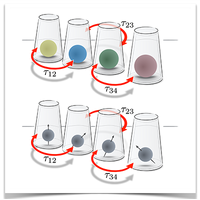
Phys. Rev. Lett. 135, 260603 (2025)
Quantum Information, Science, and Technology
Zero-Dead-Time Strontium Lattice Clock with a Stability at ${10}^{-19}$ Level
Article | Atomic, Molecular, and Optical Physics | 2025-12-23 05:00 EST
Xiao-Yong Liu, Peng Liu, Jie Li, Yu-Chen Zhang, Yuan-Bo Wang, Zhi-Peng Jia, Xiang Zhang, Xian-Qing Zhu, De-Quan Kong, Wen-Lan Song, Guo-Zhen Niu, Yu-Meng Yang, Pei-Jun Feng, Xiang-Pei Liu, Xing-Yang Cui, Ping Xu, Xiao Jiang, Juan Yin, Sheng-Kai Liao, Cheng-Zhi Peng, Han-Ning Dai, Yu-Ao Chen, and Jian-Wei Pan
A zero-dead-time optical lattice clock achieves unprecedented stability of 1 part in .
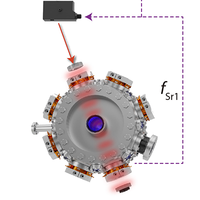
Phys. Rev. Lett. 135, 263402 (2025)
Atomic, Molecular, and Optical Physics
Fast Hydrogen Atom Diffraction through Monocrystalline Graphene
Article | Atomic, Molecular, and Optical Physics | 2025-12-23 05:00 EST
Pierre Guichard, Arnaud Dochain, Raphaël Marion, Pauline de Crombrugghe de Picquendaele, Nicolas Lejeune, Benoît Hackens, Paul-Antoine Hervieux, and Xavier Urbain
A fast beam of hydrogen atoms passes through a graphene layer and produces a diffraction pattern, a development that could lead to a new probing technique of surface interactions.
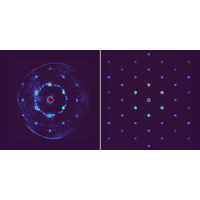
Phys. Rev. Lett. 135, 263403 (2025)
Atomic, Molecular, and Optical Physics
Experimental Observation of Single- and Multisite Matter-Wave Solitons in an Optical Accordion Lattice
Article | Atomic, Molecular, and Optical Physics | 2025-12-23 05:00 EST
Robbie Cruickshank, Francesco Lorenzi, Arthur La Rooij, Ethan F. Kerr, Timon Hilker, Stefan Kuhr, Luca Salasnich, and Elmar Haller
The observation of discrete solitons in a Bose-Einstein condensate brings with it the prospect of investigating a general physical phenomenon with the tunability and precision of cold-atom techniques.
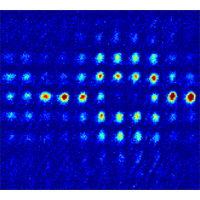
Phys. Rev. Lett. 135, 263404 (2025)
Atomic, Molecular, and Optical Physics
Demonstration of Mode-Locked Frequency Comb for an X-Ray Free-Electron Laser
Article | Plasma and Solar Physics, Accelerators and Beams | 2025-12-23 05:00 EST
Wenxiang Hu, Gabriel Aeppli, Christopher Arrell, Marco Calvi, Sergio Carbajo, Andreas Dax, Yunpei Deng, Philipp Dijkstal, David Dunning, Simon Gerber, Martin Huppert, Stefan Neppl, Sven Reiche, Thomas Schietinger, Neil Thompson, Alexandre Trisorio, Carlo Vicario, Alexander Zholents, and Eduard Prat
Mode locking--a laser technique that revolutionized optical physics--has been extended to x rays, producing stable trains of attosecond pulses with unprecedented phase coherence.
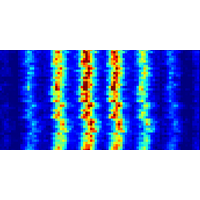
Phys. Rev. Lett. 135, 265001 (2025)
Plasma and Solar Physics, Accelerators and Beams
Intrinsic Heavy Wigner Crystal Forged by Transferred $4f$ Electrons
Article | Condensed Matter and Materials | 2025-12-23 05:00 EST
Zhongjie Wang, Rui Song, Yupeng Jiang, Qidong Sun, Meng Zhao, Lifeng Yin, Jian Shen, and Chunlei Gao
A new type of Wigner crystal made of charge-transfer 4 electrons has been observed.
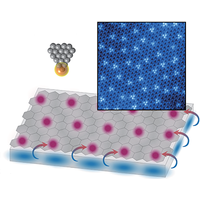
Phys. Rev. Lett. 135, 266502 (2025)
Condensed Matter and Materials
Experimental Quantum Error Correction below the Surface Code Threshold via All-Microwave Leakage Suppression
Article | Quantum Information, Science, and Technology | 2025-12-22 05:00 EST
Tan He et al.
A new strategy improves error correction in quantum computation by mitigating the effects of qubits escaping from their intended states.
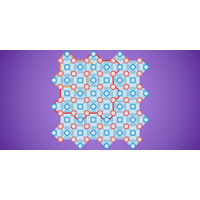
Phys. Rev. Lett. 135, 260601 (2025)
Quantum Information, Science, and Technology
Quantum Circuits for Matrix-Product Unitaries
Article | Quantum Information, Science, and Technology | 2025-12-22 05:00 EST
Georgios Styliaris, Rahul Trivedi, and J. Ignacio Cirac
Matrix-product unitaries (MPUs) are many-body unitary operators that, as a consequence of their tensor-network structure, preserve the entanglement area law in 1D systems. However, it is unknown how to implement an MPU as a quantum circuit since the individual tensors describing the MPU are not unit…
Phys. Rev. Lett. 135, 260602 (2025)
Quantum Information, Science, and Technology
Making Existing Quantum Position Verification Protocols Secure Against Arbitrary Transmission Loss
Article | Quantum Information, Science, and Technology | 2025-12-22 05:00 EST
Rene Allerstorfer, Andreas Bluhm, Harry Buhrman, Matthias Christandl, Llorenç Escolà-Farràs, Florian Speelman, and Philip Verduyn Lunel
Signal loss threatens the security of quantum cryptography, especially in quantum position verification (QPV) protocols, where even small losses can compromise security. This Letter modifies traditional QPV to make high transmission loss between verifiers and the prover irrelevant for a class of pro…
Phys. Rev. Lett. 135, 260801 (2025)
Quantum Information, Science, and Technology
Secure Quantum Ranging
Article | Quantum Information, Science, and Technology | 2025-12-22 05:00 EST
Yunkai Wang, Graeme Smith, and Alex May
Determining and verifying an object's position is a fundamental task with broad practical relevance. We propose a secure quantum ranging protocol that combines quantum ranging with quantum position verification (QPV). Our method achieves Heisenberg-limited precision in position estimation while simu…
Phys. Rev. Lett. 135, 260802 (2025)
Quantum Information, Science, and Technology
Nonlocal Switch and Transistor between Single Photons
Article | Quantum Information, Science, and Technology | 2025-12-22 05:00 EST
Ren Liao, Ze-Rui Song, Gen-Sheng Ye, Jian-Hao Yu, Yue Chang, and Lin Li
Harnessing the spatial degree of freedom of single photons is crucial for studying quantum optics and developing new optical devices. However, photons in distinct spatial modes do not interfere, making it challenging to induce interactions between them. As a result, realizing quantum operations amon…
Phys. Rev. Lett. 135, 260803 (2025)
Quantum Information, Science, and Technology
Stable and High-Precision 3D Positioning via Tunable Composite-Dimensional Hong-Ou-Mandel Interference
Article | Quantum Information, Science, and Technology | 2025-12-22 05:00 EST
Yongqiang Li, Hongfeng Liu, Dawei Lu, and Changliang Ren
We propose a stable and high-precision three-dimensional (3D) quantum positioning scheme based on Hong-Ou-Mandel (HOM) interference. While previous studies have explored HOM interference in quantum metrology, they were mostly limited to one-dimensional scenarios, whereas real-world applications requ…
Phys. Rev. Lett. 135, 260804 (2025)
Quantum Information, Science, and Technology
Demonstration That Differential Length Changes of Optical Cavities Are a Sensitive Probe for Ultralight Dark Matter
Article | Cosmology, Astrophysics, and Gravitation | 2025-12-22 05:00 EST
Tejas Deshpande, Andra Ionescu, Nicholas Miller, Zhiyuan Wang, Gerald Gabrielse, Andrew A. Geraci, and Tim Kovachy
Measurements of differential length oscillations of Fabry-Perot cavities provide a sensitive and promising approach to searching for scalar ultralight dark matter (ULDM). The initial demonstration sets direct lower bounds that are 1 to 2 orders of magnitude lower for two model ULDM distributions--a s…
Phys. Rev. Lett. 135, 261001 (2025)
Cosmology, Astrophysics, and Gravitation
First Observation of the Charmless Baryonic Decay ${B}^{+}→\overline{\mathrm{Λ}}p\overline{p}p$
Article | Particles and Fields | 2025-12-22 05:00 EST
R. Aaij et al. (LHCb Collaboration)
A search for the charmless baryonic decay is performed using proton-proton collision data recorded by the LHCb experiment, corresponding to an integrated luminosity of . The branching fraction for this decay is measured for the first time relative to that of the topologically simi…
Phys. Rev. Lett. 135, 261901 (2025)
Particles and Fields
Observation of Coherent $ϕ(1020)$ Meson Photoproduction in Ultraperipheral PbPb Collisions at $\sqrt{s_{\mathrm{NN}}}=5.36\text{ }\text{ }\mathrm{TeV}$
Article | Nuclear Physics | 2025-12-22 05:00 EST
V. Chekhovsky et al. (CMS Collaboration)
The first observation of coherent meson photoproduction off heavy nuclei is presented using ultraperipheral lead-lead collisions at a center-of-mass energy per nucleon pair of 5.36 TeV. The data were collected by the CMS experiment and correspond to an integrated luminosity of . Th…
Phys. Rev. Lett. 135, 262301 (2025)
Nuclear Physics
Ballistic Particle Transport and Drude Weight in Gases
Article | Atomic, Molecular, and Optical Physics | 2025-12-22 05:00 EST
Frank Göhmann, Andreas Klümper, and Karol K. Kozlowski
Owing to the fact that the particle current operator in nonrelativistic gases is proportional to the total momentum operator, the particle transport in such systems is always ballistic and fully characterized by a Drude weight . The Drude weight can be calculated within linear response theory. It i…
Phys. Rev. Lett. 135, 263401 (2025)
Atomic, Molecular, and Optical Physics
Heteronuclear and Homonuclear Vector Solitons in Lasers
Article | Atomic, Molecular, and Optical Physics | 2025-12-22 05:00 EST
Yueqing Du, Zhenzhu Zhang, Heze Zhang, Jia Xue, Chao Zeng, Yudong Cui, Dong Mao, Boris A. Malomed, and Jianlin Zhao
Vector solitons (VSs), being observed across various fields from optics to Bose-Einstein condensates, are localized structures composed of orthogonal modes bound by nonlinear couplings. Nevertheless, the influence of intermodal linear coupling on the physical properties of this bimodal structure rem…
Phys. Rev. Lett. 135, 263801 (2025)
Atomic, Molecular, and Optical Physics
Microturbulence Suppression by Alfvén Eigenmodes in the DIII-D Tokamak
Article | Plasma and Solar Physics, Accelerators and Beams | 2025-12-22 05:00 EST
X. D. Du, W. W. Heidbrink, Z. Yan, P. H. Diamond, G. R. McKee, L. Schmitz, M. A. Van Zeeland, H. Q. Wang, M. E. Austin, L. Liu, K. J. Callahan, and N. Shi
Mitigation and suppression of low- turbulence are observed during the nonlinear evolution of toroidicity-induced Alfvén eigenmodes (TAEs) in DIII-D experiments. Turbulence mitigation begins when the dominant TAE starts to depart from the typical shear Alfvén wave polarization. TAE activity then evo…
Phys. Rev. Lett. 135, 265101 (2025)
Plasma and Solar Physics, Accelerators and Beams
Global Kinetic Simulations of Monster Shocks and Their Emission
Article | Plasma and Solar Physics, Accelerators and Beams | 2025-12-22 05:00 EST
Dominic Bernardi, Yajie Yuan, and Alexander Y. Chen
Fast magnetosonic waves are one of the two low-frequency plasma modes that can exist in a neutron star magnetosphere. It was recently realized that these waves may become nonlinear within the magnetosphere and steepen into some of the strongest shocks in the universe. These shocks, when in the appro…
Phys. Rev. Lett. 135, 265201 (2025)
Plasma and Solar Physics, Accelerators and Beams
Gate-Tunable Spectrum and Charge Dispersion Mitigation in a Graphene Superconducting Qubit
Article | Condensed Matter and Materials | 2025-12-22 05:00 EST
Nicolas Aparicio, Simon Messelot, Edgar Bonet-Orozco, Eric Eyraud, Kenji Watanabe, Takashi Taniguchi, Johann Coraux, and Julien Renard
Controlling the energy spectrum of quantum-coherent superconducting circuits, i.e., the energies of excited states, the circuit anharmonicity, and the states' charge dispersion, is essential for designing performant qubits. This control is usually achieved by adjusting the circuit's geometry. In sit…
Phys. Rev. Lett. 135, 266001 (2025)
Condensed Matter and Materials
Double Supersolid Phase in a Bosonic $t\text{-}J\text{-}V$ Model with Rydberg Atoms
Article | Condensed Matter and Materials | 2025-12-22 05:00 EST
Kuangjie Chen, Yang Qi, Zheng Yan, and Xiaopeng Li
Recent advances in Rydberg tweezer arrays bring novel opportunities for programmable quantum simulations beyond previous capabilities. In this Letter, we investigate a bosonic model currently realized with Rydberg atoms. Through large-scale quantum Monte Carlo simulations, we uncover an emerge…
Phys. Rev. Lett. 135, 266003 (2025)
Condensed Matter and Materials
Unconventional Superconductivity Mediated by Exciton Density Wave Fluctuations
Article | Condensed Matter and Materials | 2025-12-22 05:00 EST
Ajesh Kumar, Adarsh S. Patri, and T. Senthil
Synthetic platforms afford an unparalleled degree of controllability in realizing strongly correlated phases of matter. In this Letter, we study the possibility of electrically tunable exciton-mediated superconductivity arising in charge-imbalanced bilayer semiconductors. Focusing on the case of a b…
Phys. Rev. Lett. 135, 266501 (2025)
Condensed Matter and Materials
Approaching Optimal Light Evolution at Adiabaticity Control Limit in Inverse-Designed Waveguides
Article | Condensed Matter and Materials | 2025-12-22 05:00 EST
Xuanyu Liu, Wange Song, Jiacheng Sun, Shengjie Wu, Yichen Zhu, Zhiyuan Lin, Chunyu Huang, Shining Zhu, and Tao Li
Controlling state evolution via adiabaticity has attracted significant interest for its vital role in quantum and photonic applications. However, attaining the adiabaticity control limit (ACL)--defined as the shortest possible duration with minimal mode crosstalk during evolution--remains a significan…
Phys. Rev. Lett. 135, 266601 (2025)
Condensed Matter and Materials
Loss-Induced Bulk-Boundary Detachment in a Photonic Chern Insulator
Article | Condensed Matter and Materials | 2025-12-22 05:00 EST
Yan-Chen Zhou, Hua-Shan Lai, Ze-Qun Sun, Xiao-Chen Sun, Jian-Lan Xie, Cheng He, and Yan-Feng Chen
Chiral edge states (CESs) in Chern insulators enable one-way propagation without backscattering loss. However, they are usually limited to narrow bandwidths within independent band gaps, and the intrinsic loss is generally viewed as a detrimental factor for transport. Here, leveraging non-Hermitian …
Phys. Rev. Lett. 135, 266602 (2025)
Condensed Matter and Materials
Spin Inversion Enforced by Crystal Symmetry in Ferroelastic Altermagnets
Article | Condensed Matter and Materials | 2025-12-22 05:00 EST
Yuqiang Huang, Chenqiang Hua, Runzhang Xu, Junwei Liu, Yi Zheng, and Yunhao Lu
The realm of spintronics has witnessed a profound surge in fascination towards altermagnetism, fueled by groundbreaking predictions and a myriad of promising applications. Here, we propose a novel multiferroic mechanism between ferroelasticity and altermagnetism based on symmetry analysis. Through f…
Phys. Rev. Lett. 135, 266701 (2025)
Condensed Matter and Materials
Boundary-Driven Delayed-Feedback Control of Spatiotemporal Dynamics in Excitable Media
Article | Statistical Physics; Classical, Nonlinear, and Complex Systems | 2025-12-22 05:00 EST
Sebastián Echeverría-Alar and Wouter-Jan Rappel
Scroll-wave instabilities in excitable domains are central to life-threatening arrhythmias, yet practical methods to stabilize these dynamics remain limited. Here, we investigate the effects of boundary layer heterogeneities in the spatiotemporal dynamics of a quasi-2D semidiscrete excitable model. …
Phys. Rev. Lett. 135, 267201 (2025)
Statistical Physics; Classical, Nonlinear, and Complex Systems
Observation and Control of Potential-Dependent Surface-State Formation at a Semiconductor-Electrolyte Interface via Optical Anisotropy
Article | Polymers, Chemical Physics, Soft Matter, and Biological Physics | 2025-12-22 05:00 EST
Marco Flieg, Margot Guidat, and Matthias M. May
Surface states at the InP semiconductor-electrolyte interface can be switched on or off with applied potential, and detection of this phenomenon is allowed by optical anisotropy.
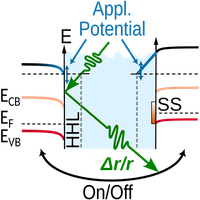
Phys. Rev. Lett. 135, 268001 (2025)
Polymers, Chemical Physics, Soft Matter, and Biological Physics
Stress Isotropization in Weakly Jammed Granular Packings
Article | Polymers, Chemical Physics, Soft Matter, and Biological Physics | 2025-12-22 05:00 EST
Félix Benoist, Mehdi Bouzid, and Martin Lenz
When sheared, granular media experience localized plastic events known as shear transformations, which generate anisotropic internal stresses. Under strong confining pressure, the response of granular media to local force multipoles is essentially linear, resulting in quadrupolar propagated stresses…
Phys. Rev. Lett. 135, 268201 (2025)
Polymers, Chemical Physics, Soft Matter, and Biological Physics
Physical Review X
Anisotropic Thermal Transport in Quasi-2D Ruddlesden-Popper Hybrid Perovskite Superlattices
Article | 2025-12-22 05:00 EST
Du Chen, Thu T. M. Chu, Yanyan Li, Shunran Li, Qixuan Hu, Jee Yung Park, Tyler Wang, Luoqi Dai, Ming Lu, Mengxia Liu, Letian Dou, Xiaotong Li, Yi Xia, and Peijun Guo
Vibrational-pump visible-probe spectroscopy and microscopy allows cross and in-plane measurements of thermal conductivity for two-dimensional materials.
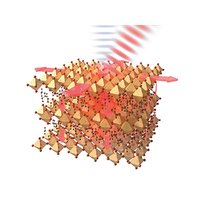
Phys. Rev. X 15, 041054 (2025)
Theory of Intervalley-Coherent AFM Order and Topological Superconductivity in ${\mathrm{tWSe}}_{2}$
Article | 2025-12-22 05:00 EST
Ammon Fischer, Lennart Klebl, Valentin Crépel, Siheon Ryee, Angel Rubio, Lede Xian, Tim O. Wehling, Antoine Georges, Dante M. Kennes, and Andrew J. Millis
A first-principles study of twisted WSe bilayers reveals how antiferromagnetic magnetic order and superconductivity collaborate near a tunable Van Hove singularity and demonstrates their evolution as function of the twist angle.
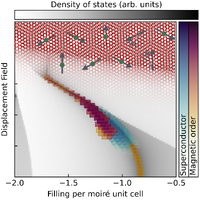
Phys. Rev. X 15, 041055 (2025)
arXiv
Topological-Insulator and Spintronic Boundary Electrodynamics for MRI RF Coils: A Theoretical Framework for Loss, Noise, and Reciprocity
New Submission | Mesoscale and Nanoscale Physics (cond-mat.mes-hall) | 2025-12-23 20:00 EST
MRI radiofrequency (RF) coils are ultimately limited by conductor loss, thermal noise, and reciprocity constraints associated with conventional metallic boundary conditions. These limitations become more severe at higher static fields, where operating frequencies increase and current distributions are governed by surface impedance and electromagnetic coupling in the near field. In this work we develop a theoretical framework that incorporates topological-insulator (TI) surface transport and spintronic interface physics into RF coil electrodynamics. Starting from the Dirac surface Hamiltonian and linear-response (Kubo/Drude) transport, we derive an effective complex surface impedance for TI-coated conductors and establish modified boundary conditions for tangential fields in the presence of spin–momentum locking and spin–charge coupling. We then analyze time-reversal-symmetry-breaking TI/ferromagnet interfaces, where an anomalous Hall surface conductivity produces antisymmetric admittance and enables nonreciprocal RF response. Finally, we connect these results to MRI metrics including coil quality factor, thermal noise, and receive sensitivity through reciprocity-based formulations. The framework identifies parameter regimes in which topological and spintronic surface transport could reduce RF dissipation, modify noise mechanisms, and enable coil-level nonreciprocity without conventional ferrites.
Mesoscale and Nanoscale Physics (cond-mat.mes-hall)
Approximately 10 pages, theoretical analysis
Wave energy conversion by floating and submerged piezoelectric bimorph plates
New Submission | Materials Science (cond-mat.mtrl-sci) | 2025-12-23 20:00 EST
Zachary J. Wegert, Ben Wilks, Ngamta Thamwattana, Vivien J. Challis, Santanu Koley, Michael H. Meylan
Gaining insight into the interaction between flexible piezoelectric structures and ocean waves can inform the development of compact, high-efficiency wave-energy converters that harvest renewable energy from the marine environment. In this paper, the problem of wave energy absorption by floating and submerged piezoelectric plates is investigated. The equations of motion for a plate consisting of two piezoelectric layers separated by an elastic substrate are derived in dimensional form from the full piezoelectric constitutive laws. A novel solution method based on conversion of hypersingular equations to a matrix operator is presented, which is general and can solve the equations of motion for submerged rigid, flexible elastic or flexible piezoelectric plates. Extensive numerical results are given for a range of parameters, including different piezoelectric materials: polyvinylidene fluoride (PVDF) and lead zirconate titanate (PZT-5H). Importantly, greater energy absorption is obtained for submerged plates when compared to plates floating on the surface. Furthermore, clamped boundary conditions give slightly larger energy absorption compared to the simply supported case. Our open-source code is provided at this https URL.
Materials Science (cond-mat.mtrl-sci)
An interface crack in 1d piezoelectric quasicrystal under antiplane mechanical loading and electric field
New Submission | Materials Science (cond-mat.mtrl-sci) | 2025-12-23 20:00 EST
Mohammed Altoumaimi, V.V. Loboda
The present study provides the consideration of a mode III interface crack in one-dimentional (1D) piezoelectric quasicrystal under antiplane phonon and phason loading and inplane electric field. Due to complex function approach all required electromechanical parameters are presented through vector-functions analytic in the whole complex plane except the crack region. The cases of electrically impermeable (insulated) and electrically limited permeable conditions on the crack faces are considered. In the first case a vector Hilbert problem in the complex plane is formulated and solved exactly and in the second one the quadratic equation with respect to the electric flux through the crack region is obtained additionally. Its solution permits to find phonon and phason stresses, displacement jumps (sliding) and also electric characteristics along the material interface. Analytical formulas are also obtained for the corresponding stress intensity factors related to each field. The numerical computations for three selected variants of the loading conditions was conducted and the resulting field distributions are visualised on the crack continuation beyond the crack and also inside of the crack region.
Materials Science (cond-mat.mtrl-sci), Analysis of PDEs (math.AP), Complex Variables (math.CV), Numerical Analysis (math.NA)
interface crack, stress, quasicrystal, antiplane loading, limited electric permeability, problem of linear relationship
Scientific Journal of TNTU (Tern.), vol. 119, no. 3, 2025, pp. 12-25
Non-Abelian topological superconductivity from melting Abelian fractional Chern insulators
New Submission | Strongly Correlated Electrons (cond-mat.str-el) | 2025-12-23 20:00 EST
Zhengyan Darius Shi, T. Senthil
Fractional Chern insulators (FCI) are exotic phases of matter realized at partial filling of a Chern band that host fractionally charged anyon excitations. Recent numerical studies in several microscopic models reveal that increasing the bandwidth in an FCI can drive a direct transition into a charge-2e superconductor rather than a conventional Fermi liquid. Motivated by this surprising observation, we propose a theoretical framework that captures the intertwinement between superconductivity and fractionalization in a lattice setting. Leveraging the duality between three field-theoretic descriptions of the Jain topological order, we find that bandwidth tuning can drive a single parent FCI at $ \nu = 2/3$ into five different superconductors, some of which are intrinsically non-Abelian and support Majorana zero modes. Our results reveal a rich landscape of exotic superconductors with no normal state Fermi surface and predict novel higher-charge superconductors coexisting with neutral non-Abelian topological order at more general filling fractions $ \nu = p/(2p+1)$ .
Strongly Correlated Electrons (cond-mat.str-el), Superconductivity (cond-mat.supr-con), High Energy Physics - Theory (hep-th)
5 pages, 2 figures, 6 pages of appendices
Net Magnetization and Inhomogeneous Magnetic Order in a High-Tc Nickelate Superconductor
New Submission | Superconductivity (cond-mat.supr-con) | 2025-12-23 20:00 EST
Alexander J. Grutter, Nurul Fitriyah, Brian B. Maranville, Saurav Prakash, Andreas Suter, Jochen Stahn, Gianluca Janka, Xing Gao, King Yau Yip, Zaher Salman, Thomas Prokscha, Julie A. Borchers, Ariando Ariando
High-temperature and high-magnetic-field-induced re-entrant superconductivity has been discovered in the infinite-layer nickelate $ \mathrm{Sm_{1-x-y} Eu_x Ca_y Ni O_2}$ (SECNO). Infinite-layer nickelates are the closest known analogues of high-$ \mathrm{T}_c$ cuprate superconductors, yet they host distinct magnetic ground states. Using low-energy muon spin relaxation and polarized neutron reflectometry, we reveal the magnetic order in SECNO. We find that magnetic freezing occurs at a higher-temperature than in other nickelate compounds, and that a substantial net magnetization of 55 $ ,\mathrm{kA},\mathrm{m}^{-1}$ $ \pm10 ,\mathrm{kA},\mathrm{m}^{-1}$ emerges and remains largely unchanged across the superconducting transition. The magnetism in SECNO is disordered and nonuniform.
Superconductivity (cond-mat.supr-con), Materials Science (cond-mat.mtrl-sci), Strongly Correlated Electrons (cond-mat.str-el)
Topical Review: The rise of Klein tunneling in low-dimensional materials and superlattices
New Submission | Materials Science (cond-mat.mtrl-sci) | 2025-12-23 20:00 EST
Yonatan Betancur-Ocampo, Guillermo Monsivais, Vít Jakubský
We review recent advances in Klein and anti-Klein tunneling in one- and two-dimensional materials. Using a general tight-binding framework applied to multiple periodic systems, we establish the criteria for the emergence of Klein tunneling based on the conservation of an effective reduced pseudospin. The inclusion of higher-order terms in the wave vector leads to nontrivial matching conditions for wave scattering at interfaces. We further examine the emergence of multiple types of Klein tunneling in two-dimensional materials beyond graphene, including phosphorene and borophene, as well as in one-dimensional systems such as Su-Schrieffer-Heeger lattices. Finally, we discuss how these tunneling phenomena can be tested in both synthesized and artificial lattices, including elastic metamaterials, optical, photonic, phononic, and superconducting platforms, demonstrating the universality of Klein tunneling across different wave natures and length scales.
Materials Science (cond-mat.mtrl-sci)
27 pages, 15 figures
Degenerate monolayer Ising superconductors via chiral-achiral molecule intercalation
New Submission | Superconductivity (cond-mat.supr-con) | 2025-12-23 20:00 EST
Daniel Margineda, Covadonga Álvarez-García, Daniel Tezze, Sanaz Gerivani, Mohammad Furqan, Iván Rivilla, Fèlix Casanova, Raul Arenal, Emilio Artacho, Luis E. Hueso, Marco Gobbi
Engineering unconventional superconductors is a central challenge in condensed matter physics. Molecule-intercalated TaS2 superlattices have recently been reported to host such states, yet their origin remains debated, underscoring the urgent need for controlled, device-integrated studies. Here, we report that nanometer-thick TaS2 and NbSe2 intercalated with chiral and achiral organic cations instead exhibit robust monolayer-like Ising superconductivity, with no evidence of unconventional pairing. Using high-quality superlattices integrated into devices, we disentangle the roles of interlayer coupling and charge transfer in shaping their superconducting behavior. In TaS2, intercalation induces interlayer decoupling regardless of molecular size or symmetry, yielding monolayer-like Ising superconductivity. NbSe2 instead retains quasi-three-dimensional transport, with a gradual Ising enhancement and near-monolayer behavior only at the largest interlayer spacing. Transport remains reciprocal across all superlattices, consistent with preserved inversion symmetry and incompatible with parity-breaking superconductivity and noncentrosymmetric monolayers. We attribute the behavior to electronically detached monolayers with opposite spin-split bands, coupled through thermal and tunneling processes, which overall preserve inversion symmetry. These findings establish molecular intercalation compounds as a robust, device-ready, platform for engineering advanced superconducting superlattices.
Superconductivity (cond-mat.supr-con)
Optimization of Si/SiGe Heterostructures for Large and Robust Valley Splitting in Silicon Qubits
New Submission | Mesoscale and Nanoscale Physics (cond-mat.mes-hall) | 2025-12-23 20:00 EST
Abel Thayil, Lasse Ermoneit, Lars R. Schreiber, Thomas Koprucki, Markus Kantner
The notoriously low and fluctuating valley splitting is one of the key challenges for electron spin qubits in silicon (Si), limiting the scalability of Si-based quantum processors. In silicon-germanium (SiGe) heterostructures, the problem can be addressed by the design of the epitaxial layer stack. Several heuristic strategies have been proposed to enhance the energy gap between the two nearly degenerate valley states in strained Si/SiGe quantum wells (QWs), e.g., sharp Si/SiGe interfaces, Ge spikes or oscillating Ge concentrations within the QW. In this work, we develop a systematic variational optimization approach to compute optimal Ge concentration profiles that boost selected properties of the intervalley coupling matrix element. Our free-shape optimization approach is augmented by a number of technological constraints to ensure feasibility of the resulting epitaxial profiles. The method is based on an effective-mass-type envelope-function theory accounting for the effects of strain and compositional alloy disorder. Various previously proposed heterostructure designs are recovered as special cases of the constrained optimization problem. Our main result is a novel heterostructure design we refer to as the “modulated wiggle well,” which provides a large deterministic enhancement of the valley splitting along with a reliable suppression of the disorder-induced volatility. In addition, our new design offers a wide-range tunability of the valley splitting ranging from about 200 $ \mu$ eV to above 1 meV controlled by the vertical electric field, which offers new perspectives to engineer switchable qubits with on-demand adjustable valley splitting.
Mesoscale and Nanoscale Physics (cond-mat.mes-hall), Optimization and Control (math.OC), Applied Physics (physics.app-ph), Quantum Physics (quant-ph)
Configurational entropy of randomly double-folding ring polymers
New Submission | Soft Condensed Matter (cond-mat.soft) | 2025-12-23 20:00 EST
Pieter H. W. van der Hoek, Angelo Rosa, Elham Ghobadpour, Ralf Everaers
Topologically constrained genome-like polymers often double-fold into tree-like configurations. Here we calculate the exact number of tightly double-folded configurations available to a ring polymer in ideal conditions. For this purpose, we introduce a scheme which allows us to define a ``code’’ specifying how a ring wraps a randomly branching tree and calculate the number of admissible wrapping codes via a variant of Bertrand’s ballot theorem. As a validation, we demonstrate that data from Monte Carlo simulations of an elastic lattice model of non-interacting tightly double-folded rings with controlled branching activity are in excellent agreement with exact expressions for branch-node and tree size statistics that can be derived from our expression for the ring entropy.
Soft Condensed Matter (cond-mat.soft), Statistical Mechanics (cond-mat.stat-mech)
16 pages, 10 figures, submitted for publication
Breaking the 800 mV open-circuit voltage barrier in antimony sulfide photovoltaics
New Submission | Materials Science (cond-mat.mtrl-sci) | 2025-12-23 20:00 EST
Jiacheng Zhou, Xinwei Wang, Tianle Shi, Lei Wan, Junzhi Ye, Zhiqiang Li, Aron Walsh, Robert L. Z. Hoye, Ru Zhou
Sb2S3 is a promising material for low-toxicity, high-stability next-generation photovoltaics. Despite high optical limits in efficiency, progress in improving its device performance has been limited by severe voltage losses. Recent spectroscopic investigations suggest that self-trapping occurs in Sb2S3, limiting the open-circuit voltage (Voc) to a maximum of approximately 800 mV, which is the level the field has asymptotically approached. In this work, we surpass this voltage barrier through reductions in the defect density in Sb2S3 thin films by modulating the growth mechanism in chemical bath deposition using citrate ligand additives. Deep level transient spectroscopy identifies two deep traps 0.4-0.7 eV above the valence band maximum, and, through first-principles calculations, we identify these to likely be S vacancies, or Sb on S anti-sites. The concentrations of these traps are lowered by decreasing the grain boundary density from 1114+/-52 nm/um2 to 585+/-10 nm/um2, and we achieve a Voc of 824 mV, the record for Sb2S3 solar cells. This work addresses the debate in the field around whether Sb2S3 is limited by defects or self-trapping, showing that it is possible to improve the performance towards the radiative limit through careful defect engineering.
Materials Science (cond-mat.mtrl-sci)
29 pages, 6 figures
The Madelung Problem of Finite Crystals
New Submission | Materials Science (cond-mat.mtrl-sci) | 2025-12-23 20:00 EST
Yihao Zhao, Yang He, Zhonghan Hu
The Coulomb potential at an interior ion in a finite crystal of size $ p$ is given by a linear superposition of contributions from displacement vectors $ {\mathbf r}=(x,y,z)$ to its neighbors. This additive structure underlies universal relationships among Madelung constants and applies to both standard periodic boundary conditions and alternative Clifford supercells. Each pairwise contribution decomposes into three physically distinct components: a periodic bulk term, a quadratic boundary term, and a finite-size correction whose leading order term is $ [24r^4-40(x^4+y^4+z^4)]/[9\sqrt{3} (2p+1)^2]$ for cubic crystals with unit lattice constant. Combining this decomposition with linear superposition yields a rapidly convergent direct-summation scheme, accurate even at $ p=1$ ($ 3^3$ unit cells), enabling hands-on calculations of Madelung constants for a wide range of ionic crystals.
Materials Science (cond-mat.mtrl-sci)
9 pages, 1 figures, 5 tables
Kinetics of Bose-Einstein condensation of magnons in Yttrium Iron Garnet films
New Submission | Mesoscale and Nanoscale Physics (cond-mat.mes-hall) | 2025-12-23 20:00 EST
Hulin Yang, Gang Li, Haichen Jia, Artem Abanov, Valery Pokrovsky
In this article, we explain the reason of the apparent contradiction between recent experiments [1] and [2] and earlier theoretical predictions [3] of strongly asymmetric condensate resulting in attractive interaction between the condensate magnons. We show that the relaxation time for equilibrium between two condensates at two minima of energy exceeds the time of experiment. Therefore, it should be described by Boltzmann kinetic equation. We develop the proper kinetic theory and find the relation between the critical pumping power and the effective temperature of over-condensate magnons.
Mesoscale and Nanoscale Physics (cond-mat.mes-hall)
Estimating Solvation Free Energies with Boltzmann Generators
New Submission | Statistical Mechanics (cond-mat.stat-mech) | 2025-12-23 20:00 EST
Maximilian Schebek, Nikolas M. Froböse, Bettina G. Keller, Jutta Rogal
Accurate calculations of solvation free energies remain a central challenge in molecular simulations, often requiring extensive sampling and numerous alchemical intermediates to ensure sufficient overlap between phase-space distributions of a solute in the gas phase and in solution. Here, we introduce a computational framework based on normalizing flows that directly maps solvent configurations between solutes of different sizes, and compare the accuracy and efficiency to conventional free energy estimates. For a Lennard-Jones solvent, we demonstrate that this approach yields acceptable accuracy in estimating free energy differences for challenging transformations, such as solute growth or increased solute-solute separation, which typically demand multiple intermediate simulation steps along the transformation. Analysis of radial distribution functions indicates that the flow generates physically meaningful solvent rearrangements, substantially enhancing configurational overlap between states in configuration space. These results suggest flow-based models as a promising alternative to traditional free energy estimation methods.
Statistical Mechanics (cond-mat.stat-mech), Machine Learning (cs.LG), Computational Physics (physics.comp-ph)
Dehydration-Driven Ion Aggregation and the Onset of Gelation in ZnCl$_2$ Solution
New Submission | Soft Condensed Matter (cond-mat.soft) | 2025-12-23 20:00 EST
Alexei V. Tkachenko, Chuntian Cao, Amy C. Marschilok, Deyu Lu
A minimal model of ionic aggregation in concentrated ZnCl$ _2$ is developed, guided by molecular dynamics simulations with a machine-learned potential. It explicitly incorporates solvent-site depletion, correlated chloride binding, and allows for loops within Zn-Cl clusters. Dehydration is shown to drive ion binding through two sharp transitions set by the Zn coordination number $ Z$ : a crossover at $ Z=2$ from isolated ions to Cl-bridged clusters, and gelation near $ Z\approx 3$ . The model agrees quantitatively with MD results, and the critical exponent of the cluster-size distribution matches percolation theory.
Soft Condensed Matter (cond-mat.soft), Materials Science (cond-mat.mtrl-sci)
5 pages, 5 figures
High-Entropy Oxide Nanostructures for Rapid and Sustainable Nitrophenol Reduction
New Submission | Materials Science (cond-mat.mtrl-sci) | 2025-12-23 20:00 EST
Anjali Varshney, Aishwery J. Verma, Ritesh Dubey, Sushil Kumar, Tapas Goswami, Samar Layek
High-entropy materials have emerged as a promising class of catalysts, driven by their high configurational entropy originating from structural disorder in single-phase multicomponent systems. Despite their potential, the catalytic performance of high-entropy oxides (HEOs) remains relatively underexplored. In this study, we present a simple solution-based combustion route to synthesize two low-cost, transition metal-rich multicationic oxides positioned in the medium-entropy (HEO-4) and high-entropy (HEO-5) regimes. Rietveld refinement of powder X-ray diffraction data confirmed single-phase formation with a face-centered cubic (fcc) crystal structure for both nanostructures.
The morphology, particle size, and multicationic elemental distribution were investigated using scanning and transmission electron microscopy. The catalytic performance of the synthesized HEOs was evaluated in the hydrogenation of a series of nitrophenol derivatives. Notably, HEO-5 exhibited significantly enhanced catalytic activity ($ k_{\mathrm{app}} \approx 0.5\mathrm{min^{-1}}$ , TOF $ = 2.1 \times 10^{-3}\mathrm{mol,g^{-1},s^{-1}}$ ), achieving rapid conversion of \emph{p}-nitrophenol compared to the medium-entropy oxide nanostructures ($ k_{\mathrm{app}} \approx 0.02\mathrm{min^{-1}}$ , TOF $ = 7.2 \times 10^{-4}\mathrm{mol,g^{-1},s^{-1}}$ ). Furthermore, the kinetic and thermodynamic parameters of the reaction, including the activation energy ($ E_a$ ), enthalpy of activation ($ \Delta H^{\ddagger}$ ), Gibbs free energy of activation ($ \Delta G^{\ddagger}$ ), and entropy of activation ($ \Delta S^{\ddagger}$ ), were determined to gain mechanistic insight into the reduction process. This study opens new avenues for the rational design and facile synthesis of high-entropy oxide catalysts, highlighting their potential for efficient and sustainable large-scale amine production.
Materials Science (cond-mat.mtrl-sci), Mesoscale and Nanoscale Physics (cond-mat.mes-hall)
9 pages, 8 figures
Nanoscale 17, 28069 (2025)
Observation of square-like moire lattice and quasicrystalline order in twisted rock-salt nitrides
New Submission | Materials Science (cond-mat.mtrl-sci) | 2025-12-23 20:00 EST
Dongke Rong, Qinghua Zhang, Ting Cui, Qianying Wang, Hongyun Ji, Axin Xie, Songhee Choi, Qiao Jin, Chen Ge, Can Wang, Shanmin Wang, Kuijuan Jin, Er-Jia Guo
Twistronics, which exploits moire modulation of lattice and electronic structures in twisted bilayers, has emerged as a powerful approach to engineer novel quantum states. Recent efforts have expanded beyond two dimensional van der Waals (vdWs) crystals to more complex, strongly correlated materials, where interfacial moire effects can dominate physical properties. Here we demonstrate a generalizable route to fabricate twisted bilayers of transition metal nitrides with vdWs like interfaces, using freestanding CrN membranes as a model system. Twisted bilayer CrN (tCrN) is realized by employing cubic alkaline earth metal monoxides as sacrificial layers, enabling the assembly of clean, controllable interfaces. Electron ptychography reveals well defined, periodic square moire superlattices in tCrN. For a twist angle of 16.3 degree, we identify a nearly commensurate moire lattice with coincident Cr columns, whereas at 45 degree we uncover localized octagonal quasicrystalline order with clear self-similarity. These results establish a practical platform for twisted TMNs and open avenues to explore moire-induced atomic configurations and emergent correlated phenomena in nitride based heterostructures.
Materials Science (cond-mat.mtrl-sci), Strongly Correlated Electrons (cond-mat.str-el)
5 figures, 20 pages
Unusual strain relaxation and Dirac semimetallic behavior in epitaxial antiperovskite nitrides
New Submission | Materials Science (cond-mat.mtrl-sci) | 2025-12-23 20:00 EST
Ting Cui, Zihan Xu, Qinghua Zhang, Xiaodong Zhang, Qianying Wang, Dongke Rong, Songhee Choi, Axin Xie, Hongyun Ji, Can Wang, Chen Ge, Hongjian Feng, Shanmin Wang, Kuijuan Jin, Liang Si, Er-Jia Guo
Antiperovskite nitrides (X3AN) are the structural analogues to perovskite oxides, while their epitaxial growth and electronic properties remain largely unexplored. We report the successful synthesis of Ni3InN thin films on substrates with different lattice constants. First-principles phonon calculations confirm the dynamical stability of cubic phase Ni3InN, providing the basis for epitaxial synthesis. High-resolution scanning transmission electron microscopy reveals coherent (001)-oriented interfaces when Ni3InN is grown on LaAlO3 and SrTiO3, while an unexpected (011)-orientation forms on DyScO3, aligning with surface-energy predictions. Transport measurements highlight a strain-controlled Fermi-liquid behavior, correlated with variations in the Ni-3d bandwidth and hybridization. Band structure calculations reveal a dual character near the Fermi level: a high-mobility Dirac-like band and a Ni-3d manifold that drives strange-metal transport with a reduced slope compared to oxide perovskites. The formal Ni valence (+2/3) places Ni3InN in an overdoped correlated-metal regime, distinguishing from most perovskite oxides. This positions antiperovskite nitrides as a promising platform for investigating overdoped Fermi liquids and strange-metal behavior.
Materials Science (cond-mat.mtrl-sci), Strongly Correlated Electrons (cond-mat.str-el)
4 figures, 33 pages
Electronic Phonons in a Moiré Electron Crystal
New Submission | Strongly Correlated Electrons (cond-mat.str-el) | 2025-12-23 20:00 EST
Yan Zhao, Yuhang Hou, Xiangbin Cai, Shihao Ru, Shunshun Yang, Yan Zhang, Xuran Dai, Qiuyu Shang, Abdullah Rasmita, Haiyang Pan, Kenji Watanabe, Takashi Taniguchi, Hongbin Cai, Hongyi Yu, Weibo Gao
Collective quantum phenomena, such as the excitation of composite fermions1, spin waves2, and exciton condensation3,4, can emerge in strongly correlated systems like the fractional quantum Hall states5, spin liquids6, or excitonic insulators7. Two-dimensional (2D) moiré superlattices have emerged as a powerful platform for exploring such correlated phases and their associated collective excitations8,9. Specifically, electron crystals stabilized by longrange Coulomb interactions may host collective vibrational excitations emerging from electron correlations10, termed electronic phonons, which are fundamentally distinct from atomic lattice phonons. Despite theoretical prediction of their existence in moiré electron crystals11, direct experimental evidence has remained elusive. Here we report the observation of electronic phonons in the Mott insulating and stripe phases of a WS2/WSe2 moiré superlattice, achieved through light scattering measurements. The phonon energies, temperature and filling factor dependencies, along with theoretical modeling, corroborate their origin as collective vibrations of a correlated electron crystal. Polarization-resolved measurements further indicate rotational symmetry breaking in the Mott state. Notably, these electronic phonons exhibit strong tunability in energy, intensity, and polarization under external electric or magnetic fields, highlighting rich and controllable lattice dynamics of the electron crystal. These findings provide direct spectroscopic evidence for the electronic crystalline nature of correlated phases, opening avenues for probing and manipulating collective excitations in correlated electron systems.
Strongly Correlated Electrons (cond-mat.str-el), Mesoscale and Nanoscale Physics (cond-mat.mes-hall)
31 pages, 4 main figures, 9 extended data figures
Symmetry breaking transforms strong to normal correlation and false metals to true insulators
New Submission | Materials Science (cond-mat.mtrl-sci) | 2025-12-23 20:00 EST
Alex Zunger, Jia-Xin Xiong, John P. Perdew
Material scientists and condensed matter physicists have long been divided on the issue of choosing the conceptual framework for explaining why open-shell transition-metal oxides tend to be insulators, whereas otherwise successful theories such as DFT often predict them to be (false) metals. Strong correlation becomes the recommended medicine. We point out that strong correlation can be mitigated by allowing DFT to lower the energy by breaking structural, magnetic or dipolar symmetries. Such local motifs are observed experimentally by local probes beyond the ‘average structure’ determined by X-Ray diffraction. Observed broken symmetries can arise from slow fluctuations that persist over the observation time or longer. The surprising fact is that when symmetry breaking motifs are used as input to electronic structure calculations, false metals are converted into real insulators without the recommended medicine of strong correlation. Consistently, DFT calculations that show energy lowering symmetry breaking correct most cases where DFT, even with advanced exchange-correlation functionals, previously missed the correct metal vs insulator designation. Total energy calculations distinguish systems that support energy-lowering symmetry breaking from those that do not. This approach distinguishes between paramagnetic insulating and metallic phases and shows mass enhancement in Mott metals. The reason is that symmetry breaking removes many of the degeneracies that exist in a symmetry-unbroken system, reducing significantly the need for strong correlation. If one chooses to ignore symmetry breaking, the persistent degeneracies often call for strong correlation treatment. Thus, symmetry breaking transforms strong to normal correlation and false metals to true insulators. This view sheds light on the historic controversy between Mott and Slater that still reverberates today.
Materials Science (cond-mat.mtrl-sci), Strongly Correlated Electrons (cond-mat.str-el), Computational Physics (physics.comp-ph), Quantum Physics (quant-ph)
35 pages, 7 figures
CrystalFormer-CSP: Thinking Fast and Slow for Crystal Structure Prediction
New Submission | Materials Science (cond-mat.mtrl-sci) | 2025-12-23 20:00 EST
Zhendong Cao, Shigang Ou, Lei Wang
Crystal structure prediction is a fundamental problem in materials science. We present CrystalFormer-CSP, an efficient framework that unifies data-driven heuristic and physics-driven optimization approaches to predict stable crystal structures for given chemical compositions. The approach combines pretrained generative models for space-group-informed structure generation and a universal machine learning force field for energy minimization. Reinforcement fine-tuning can be employed to further boost the accuracy of the framework. We demonstrate the effectiveness of CrystalFormer-CSP on benchmark problems and showcase its usage via web interface and language model integration.
Materials Science (cond-mat.mtrl-sci), Machine Learning (cs.LG), Computational Physics (physics.comp-ph)
11 pages, 4 figures
Multi-Functional Properties of Manganese Pnictides: A First-Principles Study on Magneto-Optics and Magnetocaloric Properties
New Submission | Materials Science (cond-mat.mtrl-sci) | 2025-12-23 20:00 EST
Jayendran S, Abhishek K G, Suresh R, Helmer Fjellvåg, Ravindran P
Magnetic refrigeration presents an energy-efficient and environmentally benign alternative to traditional vapour-compression cooling technologies. It relies on the magnetocaloric effect, in which the temperature of a magnetic material changes in response to variations in an applied magnetic field. Optimal magnetocaloric materials are characterized by a significant change in magnetic entropy under moderate magnetic field. In this study, we systematically investigated the inter-atomic exchange interactions, magnetic anisotropy energy and magnetocaloric properties of MnX (X = N, P, As, Sb, Bi) using a combination of density functional theory and Monte-Carlo simulations. Additionally, the magneto-optical Kerr and Faraday spectra were computed using the all-electron, fully relativistic, full-potential linearized muffin-tin orbital method. The largest Kerr effect observed in MnBi can be inferred as a combined effect of maximal exchange splitting of Mn 3d states and the large spin-orbit coupling of Bi. To extract site-projected spin and orbital moments, spin-orbit coupling and orbital polarization correction are accounted in the present calculation, which shows good agreement between the moment obtained from the X-ray magnetic circular dichroism sum rule analysis, spin-polarized calculation, and experimental studies. The magnetic transition temperatures predicted through Monte-Carlo simulations were in good agreement with the corresponding experimental values. Our results provide a unified microscopic understanding of magnetocaloric performance and magneto-optical activity in Mn-based pnictides and establish a reliable computational framework for designing next-generation magnetic refrigeration materials.
Materials Science (cond-mat.mtrl-sci), Computational Physics (physics.comp-ph)
Parameter-free prediction of irradiation defect structures in tungsten at room temperature using stochastic cluster dynamics
New Submission | Materials Science (cond-mat.mtrl-sci) | 2025-12-23 20:00 EST
Sicong He, Brandon Schwendeman, George Tynan, Jaime Marian
The foundations of irradiation damage theory were laid in the 1950s and 60s within the framework of chemical reaction kinetics. While helpful to analyze qualitative aspects of irradiation damage, the theory contained gaps that delayed its implementation and applicability as a predictive tool. The advent of computer simulations with atomistic resolution in the 80s and 90s revealed a series of mechanisms that have proved essential to understand key aspects of irradiation damage in crystalline solids. However, we still lack a comprehensive model that can connect atomic-level defect physics with experimental measurements of quantitative features of the irradiated microstructure. In this work we present a mesoscale model that draws from our improved understanding of irradiation damage processes collected over the last few decades, bridging knowledge gained from our most sophisticated atomistic simulations with defect kinetics taking place over time scales many orders of magnitude larger than atomic interaction times. Importantly, the model contains no adjustable parameters, and combines several essential pieces of irradiation damage physics, each playing an irreplaceable role in the context of the full model, but of limited utility if considered in isolation. Crucially, we carry out a set of experiments carefully designed to isolate the key irradiation damage variables and facilitate validation. Using tungsten as a model material, we find exceptionally good agreement between our numerical predictions and experimental measurements of defect densities and defect cluster sizes.
Materials Science (cond-mat.mtrl-sci)
First-principles study of magnetic and spin-dependent transport properties of Mn2VZ (Z = Al, Ga) with negative spin polarization using a disordered local moment approach at finite temperatures
New Submission | Materials Science (cond-mat.mtrl-sci) | 2025-12-23 20:00 EST
Shogo Yamashita, Esita Pandey, Gerhard H. Fecher, Claudia Felser, Atsufumi Hirohata
First-principles studies were performed on two Mn-based ferrimagnetic Heusler compounds with L21 and B2 structures, that is, Mn2VZ (Z = Al or Ga). The aim was to investigate their magnetic properties, electronic structures, and spin-resolved longitudinal conductivity at finite temperatures. Density functional theory (DFT) and functional integral theory were used. This approach incorporates transverse spin fluctuations through a disordered local moment method and the coherent potential approximation. In all cases, the calculated theoretical Curie temperatures were lower than the experimental values. Alloys with a B2 structures exhibit higher Curie temperatures compared to compounds with an L21 structures. Calculations of the temperature dependence of the density of states (DOS) indicate that the half-metallic electronic structure collapses owing to the renormalization of transverse spin fluctuations at a finite temperatures. However, the spin-resolved longitudinal conductivities demonstrated an improved spin polarization, particularly for Mn2VGa with an L21 structure. This result contradicts predictions based on the temperature-dependent DOS. The competition between the metallic transitions, which are caused by a modification of the DOS, and scattering coming from spin-disorder explains this phenomenon. Both of these effects are induced by transverse spin fluctuations. Additionally, the results show that half-metallicity, as defined by the DOS or conductivity, is inconsistent at finite temperatures. Finally, the total energy landscape of the paramagnetic state was calculated using the fixed spin moment method to investigate the strength of the longitudinal spin fluctuations. These results suggest that the alloys may exhibit strong longitudinal spin fluctuations.
Materials Science (cond-mat.mtrl-sci)
11 pages, 5 figures
Current reversals in driven lattice gases and Brownian motion
New Submission | Statistical Mechanics (cond-mat.stat-mech) | 2025-12-23 20:00 EST
Moritz Wolf, Sören Schweers, Philipp Maass
Particle currents flowing against an external driving are a fascinating phenomenon in both single-particle and interacting many-particle systems. Underlying physical mechanisms of such current reversals are not fully understood yet. Predicting their appearance is difficult, in particular for interaction-induced ones that emerge upon changes of the particle density. We here derive conditions on external time-dependent drivings, under which current reversals occur in lattice gases with arbitrary pair interactions. Our derivation is based on particle-hole symmetry and shows that current reversals must emerge if the time-varying driving potential changes sign after a translation in time and/or space. Our treatment includes nonstationary dynamics and time-dependent spatially averaged currents in nonequilibrium steady states. It gives insight also into possible occurrences of current reversals in continuous-space dynamics, which we demonstrate for hardcore interacting particles driven across a periodic potential by a traveling wave.
Statistical Mechanics (cond-mat.stat-mech)
9 pages, 4 figures
Solution of Wave Acceleration and Non-Hermitian Jump in Nonreciprocal Lattices
New Submission | Mesoscale and Nanoscale Physics (cond-mat.mes-hall) | 2025-12-23 20:00 EST
Sayan Jana, Bertin Many Manda, Vassos Achilleos, Dimitrios J. Frantzeskakis, Lea Sirota
The time evolution of initially localized wavepackets in the discrete Hatano-Nelson lattice displays a rich dynamical structure shaped by the interplay between dispersion and nonreciprocity. Our analysis reveals a characteristic evolution of the wave-packet center of mass, which undergoes an initial acceleration, subsequently slows down, and ultimately enters a regime of uniform motion, accompanied throughout by exponential amplification of the wave-packet amplitude. To capture this behavior, we develop a continuum approximation that incorporates higher-order dispersive and nonreciprocal effects and provides accurate analytical predictions across all relevant time scales. Building on this framework, we then demonstrate the existence of a non-Hermiticity-induced jump - an abrupt spatial shift of the wave-packet center even in the absence of disorder - and derive its underlying analytical foundation. The analytical predictions are in excellent agreement with direct numerical simulations of the Hatano-Nelson chain. Our results elucidate the interplay between dispersion and nonreciprocity in generating unconventional transport phenomena, and pave the way for controlling wave dynamics in nonreciprocal and non-Hermitian metamaterials.
Mesoscale and Nanoscale Physics (cond-mat.mes-hall)
Entropy of full covering of the kagome lattice by straight trimers
New Submission | Statistical Mechanics (cond-mat.stat-mech) | 2025-12-23 20:00 EST
Deepak Dhar, Tiago J. Oliveira, R. Rajesh, Jürgen F. Stilck
We consider the number of ways all the sites of a kagome lattice can be covered by non-overlapping linear rigid rods where each rod covers 3 sites. We establish a 2-to-1 correspondence between the configurations of trimers on the kagome lattice to the covering by dimers of a related hexagonal lattice to show that entropy of coverings per trimer $ s_{\text{tri,kag}}$ equals the entropy per dimer $ s_{\text{dim,hex}} $ , and is given by $ s_{\text{tri,kag}} = s_{\text{dim,hex}} = \frac{1}{2 \pi} \int_0^{ 2 \pi/3} \log( 2 + 2 \cos k) dk \approx 0.323065947\ldots$ .
Statistical Mechanics (cond-mat.stat-mech)
6 pages, 4 figures, 1 table
Anomalous Hysteresis Behavior in Sputter-deposited Ultrathin Films of Amorphous- CoFeB Alloy
New Submission | Materials Science (cond-mat.mtrl-sci) | 2025-12-23 20:00 EST
Baisali Ghadai, Kirti Kirti, Abinash Mishra, Sucheta Mondal
Thin amorphous-CoFeB (a-CFB) is deposited by rf-magnetron sputtering on a self-oxidized Si (100) substrate with different film thicknesses ranging from 0.7 nm to 20 nm. The 5-nm-thick a-CFB film is capped with a W layer for comparison. The surface morphology is investigated by using the atomic force microscopy technique. The low roughness of all the surface of the film indicates uniformity, moderate corrosion resistance, and good structural quality. The X-ray diffraction spectra reveal the amorphous nature of the CFB layer, while the W capping is of mixed phase in the experimental thickness regime. In-plane and out-of-plane hysteresis loops obtained from the vibrating sample magnetometry technique show a transition from an upright S to nearly rectangular shape via a completely inverted profile. A self-sustained tilted magnetic anisotropy is stabilized in a seed-free environment based on the direct substrate-to-magnet interaction. The interface anisotropy is estimated to be 0.06 erg/cm2. The complex anisotropic behavior originates from the interplay between interface anisotropy, conventional shape anisotropy, growth-induced anisotropies, and inhomogeneity-induced anisotropies. In essence, effective anisotropy is responsible for the anomalous hysteresis behavior observed in these films, and this work might provide valuable insights to improve the functionalities of amorphous soft magnetic alloys.
Materials Science (cond-mat.mtrl-sci)
Machine-Learned Many-Body Potentials for Charged Colloids reveal Gas-Liquid Spinodal Instabilities only in the strong-coupling regime of Primitive Models
New Submission | Soft Condensed Matter (cond-mat.soft) | 2025-12-23 20:00 EST
Thijs ter Rele, René van Roij, Marjolein Dijkstra
Past experimental observations of gas-liquid and gas-crystal coexistence in low-salinity suspensions of highly charged colloids have suggested the existence of like charge attraction. Evidence for this phenomenon was also observed in primitive-model simulations of (asymmetric) electrolytes and of low-charge nanoparticle dispersions. These results from low-valency simulations have often been extrapolated to experimental parameter regimes of high colloid valency where like-charge attraction between colloids has been reported. However, direct simulations of highly charged colloids remain computationally demanding. To circumvent slow equilibration, we employ a machine-learning (ML) framework to construct ML potentials that accurately describe the effective colloid interactions. Our ML potentials enable fast simulations of dispersions and successfully reproduce the gas-liquid and gas-solid phase separation observed in primitive-model simulations at low charge numbers. Extending the ML-based simulations to higher valencies, where primitive-model simulations become prohibitively slow, also reveals like-charge attractions and gas-liquid spinodal instabilities, however only in the regime of strongly coupled electrostatic interactions and not in the weakly coupled Poisson-Boltzmann regime of the experimental observations of colloidal like-charge attractions.
Soft Condensed Matter (cond-mat.soft)
13 pages, 9 figures
On the origin of energy gaps in quasicrystalline potentials
New Submission | Materials Science (cond-mat.mtrl-sci) | 2025-12-23 20:00 EST
Emmanuel Gottlob, David Gröters, Ulrich Schneider
Quasicrystals, structures that are ordered yet aperiodic, defy conventional band theory, confining most studies to finite-size real-space numerics. We overcome this limitation with a configuration-space framework that predicts and explains the positions and origins of energy gaps in quasicrystalline potentials. We find that a hierarchy of gaps stems from resonant hybridization between increasingly distant neighboring sites, pinning the integrated density of states below these gaps to specific irrational areas in configuration space. Large-scale simulations of a lowest-band tight-binding model built from localized Wannier functions show excellent agreement with these predictions. By moving beyond finite-size numerics, this study advances the understanding of quasicrystalline potentials, paving the way for new explorations of their quantum properties in the infinite-size limit.
Materials Science (cond-mat.mtrl-sci), Disordered Systems and Neural Networks (cond-mat.dis-nn), Mesoscale and Nanoscale Physics (cond-mat.mes-hall), Quantum Gases (cond-mat.quant-gas)
15 pages, 11 figures
Nonlocal and nonlinear plasmonics in atomically thin heterostructures
New Submission | Mesoscale and Nanoscale Physics (cond-mat.mes-hall) | 2025-12-23 20:00 EST
Plasmons in atomically thin materials offer a compelling route to trigger nonlinear light-matter interactions through extreme optical confinement in the two-dimensional (2D) limit. However, optical nonlocality in plasmons is typically associated with losses in the linear response regime. Here, we show that nonlocal effects mediate strong plasmon-assisted optical nonlinearity in electrically reconfigurable 2D heterostructures. Using atomistic simulations that capture quantum finite-size and nonlocal effects in the nonlinear plasmonic response of graphene and phosphorene nanoribbon dimers, we reveal how symmetry and inter-ribbon coupling shape harmonic generation processes in perturbative and high-harmonic regimes. Independent tuning of geometry and carrier density in nanoribbon heterostructures is shown to induce inter-ribbon plasmon hybridization, impacting inversion symmetry governing even-ordered nonlinear processes like second-harmonic generation. These results reveal design principles for active and passive tuning of nonlinear plasmonic effects and enable selective enhancement of specific harmonic processes, establishing 2D heterostructures as a versatile platform for nonlinear nanophotonics.
Mesoscale and Nanoscale Physics (cond-mat.mes-hall), Optics (physics.optics)
15 pages, 8 figures
Lattice-decoupled rotatable stripe-like charge order within the strange metal phase of 2M-WS2
New Submission | Superconductivity (cond-mat.supr-con) | 2025-12-23 20:00 EST
Kebin Xiao, Yunkai Guo, Daran Fu, Yuqiang Fang, Yating Hu, Jingming Yan, Yucong Peng, Yuyang Wang, Yongkang Ju, Peizhe Tang, Xiangang Wan, Fuqiang Huang, Qi-Kun Xue, Wei Li
In quantum materials, charge orders typically stabilize in specific crystallographic orientations, though their formation mechanisms may vary. Here, using low-temperature scanning tunneling microscopy (STM), we discover a lattice-decoupled rotatable stripe-like charge order coexisting with superconductivity in 2M-WS2. The charge order manifests five distinct orientations across different sample regions, yet maintains an identical wavelength. This directional decoupling from host lattice challenges existing paradigms. First-principles calculations of phonon spectra and nesting function fail to explain the ordering mechanism. Intriguingly, the transition temperature of the charge orders exhibits spatial variations (21-46 K), coinciding with the temperature range of the recently reported strange metal phase in this material. This correlation suggests that the interplay between strong electronic correlations and electron-phonon coupling must be critically evaluated to elucidate the emergence of this unconventional charge order.
Superconductivity (cond-mat.supr-con), Strongly Correlated Electrons (cond-mat.str-el)
12 pages, 5 figures. This article was published on PNAS (this https URL)
Elastic properties of polycatenane chains and ribbons
New Submission | Soft Condensed Matter (cond-mat.soft) | 2025-12-23 20:00 EST
James M. Polson, Liam MacNevin, Alaaddin Elobeid, Carlos E. Padilla Robles
Single-chain elasticity is of fundamental importance in polymer physics, as it underlies many of the unique properties of polymer systems. Recently, there has been interest in characterizing the elastic properties of catenanes, molecular architectures composed of linked molecular rings. To date most studies have focused on the force-extension behavior of polycatenane and catenane dimers. In this study, we employ Monte Carlo computer simulations to investigate the elastic properties of a collection of catenane chains. In addition to polycatenane, we also examine the properties of catenane ribbons constructed by connecting two or three polycatenane chains together with a variable number of side-link rings. After first characterizing the behavior of free polycatenane chains and catenane ribbons, we examine their mechanical response to both an elongational force and a torque applied to the end rings of the chain. We find that the stretching induced by the force is counterbalanced by increasing the torque, which tends to twist the chains and in so doing reduce the extension length. At low torque, the twist angle of the end rings of the chain varies linearly with torque, and the associated torsional spring constant, characterizing the resistance of the chain to twist with the applied torque, tends to increase with stretching force. Relative to polycatenane, ribbons tend to be more elongated at low force and less elongated at strong force. In addition, increasing the ribbon width dramatically increases the torsional stiffness of the chain. Finally, decreasing the degree of side-linking in ribbons tends to decrease slightly the extension length at moderate force and to increase the torsional stiffness for sufficiently large gaps.
Soft Condensed Matter (cond-mat.soft)
16 pages, 9 figures
Momentum-resolved spectral functions of super-moiré systems using tensor networks
New Submission | Strongly Correlated Electrons (cond-mat.str-el) | 2025-12-23 20:00 EST
Anouar Moustaj, Yitao Sun, Tiago V. C. Antao, Jose L. Lado
Computing spectral functions in large, non-periodic super-moiré systems remains an open problem due to the exceptionally large system size that must be considered. Here, we establish a tensor network methodology that allows computing momentum-resolved spectral functions of non-interacting and interacting super-moiré systems at an atomistic level. Our methodology relies on encoding an exponentially large tight-binding problem as an auxiliary quantum many-body problem, solved with a many-body kernel polynomial tensor network algorithm combined with a quantum Fourier transform tensor network. We demonstrate the method for one and two-dimensional super-moiré systems, including super-moiré with non-uniform strain, interactions treated at the mean-field level, and quasicrystalline super-moiré patterns. Furthermore, we demonstrate that our methodology allows us to compute momentum-resolved spectral functions restricted to selected regions of a super-moiré, enabling direct imaging of position-dependent electronic structure and minigaps in super-moiré systems with non-uniform strain. Our results establish a powerful methodology to compute momentum-resolved spectral functions in exceptionally large super-moiré systems, providing a tool to directly model scanning twisting microscope tunneling experiments in twisted van der Waals heterostructures.
Strongly Correlated Electrons (cond-mat.str-el), Mesoscale and Nanoscale Physics (cond-mat.mes-hall), Materials Science (cond-mat.mtrl-sci), Computational Physics (physics.comp-ph), Quantum Physics (quant-ph)
10 pages, 3 figures, submitted to Physical Review Review Research. Comments are welcome
Orbital torque and efficient magnetization switching using ultrathin Co|Al light-metal interfaces: Experiments and modeling
New Submission | Materials Science (cond-mat.mtrl-sci) | 2025-12-23 20:00 EST
N. Sebe, A. Pezo, S. Krishnia, S. Collin, J.-M. George, A. Fert, V. Cros, H. Jaffrès
The emergence of the orbital degree of freedom in modern orbitronics offers a promising alternative to heavy metals for the efficient control of magnetization. In this context, identifying interfaces that exhibit orbital-momentum locking and an orbital Rashba-Edelstein response to an external electric field is of primary importance. In this work, we experimentally investigate the Co/Al system and extend the study to Co/Pt/Al structures. We show that inserting ultrathin Pt layers between Co and Al can significantly modify the orbital properties, highlighting the critical role of Co/Al orbital bonding in generating orbital polarization. We further model the orbital response of these systems using semi-phenomenological approaches and linear-response theory within the framework of density-functional theory.
Materials Science (cond-mat.mtrl-sci), Mesoscale and Nanoscale Physics (cond-mat.mes-hall)
40 pages, 6 figures, 2 tables
Simulating alternating bias assisted annealing of amorphous oxide tunnel junctions
New Submission | Mesoscale and Nanoscale Physics (cond-mat.mes-hall) | 2025-12-23 20:00 EST
Alexander C. Tyner, Alexander V. Balatsky
Amorphous oxide tunneling barriers, primarily formed from aluminum, represent one of the most widely adopted platforms for superconducting quantum bits (qubits). To overcome challenges associated with defects and sample variance among the tunneling barriers, the methodology of alternating bias assisted annealing (ABAA) was introduced in Pappas et. al[1]. The process of applying alternating bias to the barrier and subsequently aging before use was shown to reduce defects in the barrier. Namely, defects that give rise to two-level systems, coupling to the qubit and expediting decoherence. In this work we replicate an expedited ABAA process through a combination of ab-initio molecular dynamics and machine-learned potentials, illuminating how ABAA effects the energy landscape of the barrier.
Mesoscale and Nanoscale Physics (cond-mat.mes-hall), Materials Science (cond-mat.mtrl-sci)
5 pages, 4 figures
Anomalous Translational Dynamics of Molecular Probes Near the Polymer Glass Transition
New Submission | Soft Condensed Matter (cond-mat.soft) | 2025-12-23 20:00 EST
Jaladhar Mahato, Siyang Wang, Laura J. Kaufman
The origin of the dramatic slowdown of dynamics near the glass transition temperature (Tg) remains a long-standing fundamental and unresolved issue in soft condensed matter. While single-molecule (SM) experiments using fluorescent probes have provided critical insight for molecular and polymeric glass formers through rotational measurements, translational dynamics remain largely unexplored in such systems at the molecular length scale. Here, we report SM translational dynamics of molecular probes in high molecular weight polystyrene at three temperatures near Tg. The probes exhibit quasi-stationary position fluctuations, non-Gaussian displacement distributions, sub-diffusive transport with anti-correlated displacements, and a characteristic translational relaxation time. The observations are quantitatively described using a microscopic framework based on the generalized Langevin equation and supported by numerical modeling for heterogeneous transport. The translational dynamics of the probes provides direct microscopic evidence of dynamic heterogeneity and suggests a pathway to more fully understand glassy dynamics in glass formers near Tg.
Soft Condensed Matter (cond-mat.soft)
Beyond spin-1/2: Multipolar spin-orbit coupling in noncentrosymmetric crystals with time-reversal symmetry
New Submission | Mesoscale and Nanoscale Physics (cond-mat.mes-hall) | 2025-12-23 20:00 EST
Masoud Bahari, Kristian Mæland, Carsten Timm, Björn Trauzettel
We develop a general multipolar theory of strong spin-orbit coupling for large total angular momentum $ j$ in time-reversal-symmetric, noncentrosymmetric crystals. Using a $ j\in{1/2,3/2,5/2}$ multiplet basis appropriate for heavy-element \textit{p}- and \textit{d}-bands, we systematically construct all symmetry-allowed spin-orbit coupling terms up to fifth order in momentum and generalize the usual spin texture to a total-angular-momentum texture. For $ j>1/2$ , multipolar spin-orbit coupling qualitatively reshapes Fermi surfaces and makes the topology of Bloch states band dependent. This leads to anisotropic high-$ j$ textures that go beyond a single Rashba helix. We classify these textures by their total-angular-momentum vorticity $ W_{n}$ for every energy band and identify distinct $ |W_{n}|=1,2,5$ phases. We show that their crossovers generate enhanced and nonmonotonic current-induced spin-polarization responses, namely the Edelstein effect, upon tuning the chemical potential. Our results provide a symmetry-based framework for analyzing and predicting multipolar spin-orbit coupling, total-angular-momentum textures, and spintronic responses in heavy-element materials without an inversion center.
Mesoscale and Nanoscale Physics (cond-mat.mes-hall), Materials Science (cond-mat.mtrl-sci), Strongly Correlated Electrons (cond-mat.str-el), Superconductivity (cond-mat.supr-con), Quantum Physics (quant-ph)
(20 pages, 7 figures, 11 tables)
Topological edge states in two-dimensional $\mathbb{Z}_4$ Potts paramagnet protected by the $\mathbb{Z}_4^{\times 3}$ symmetry
New Submission | Strongly Correlated Electrons (cond-mat.str-el) | 2025-12-23 20:00 EST
Hrant Topchyan, Tigran Hakobyan, Mkhitar Mirumyan, Tigran A. Sedrakyan, Ara Sedrakyan
We construct a two-dimensional bosonic symmetry-protected topological (SPT) paramagnet protected by an on-site $ G=\mathbb{Z}_4^{\times 3}$ symmetry, starting from a three-component $ \mathbb{Z}_4$ Potts paramagnet on a triangular lattice. Within the group-cohomology framework, $ H^{3}(G,U(1))\cong \mathbb{Z}_4^{\times 7}$ , we focus on a “colorless” cocycle representative obtained by antisymmetrizing the basic $ \mathbb{Z}_4$ three-cocycle, and generate the corresponding SPT Hamiltonian via a cocycle-induced nonlocal unitary transformation followed by symmetry averaging. For open geometry, we derive the boundary theory explicitly: one color sector decouples, while the nontrivial edge reduces to an interacting $ \mathbb{Z}_4$ chain with next-to-nearest-neighbor constraints that admits a compact dressed-Potts form. Using DMRG we show that the boundary model is gapless, with the lowest gap scaling as $ 1/L$ and an entanglement-entropy scaling consistent with a conformal field theory of central charge $ c=2.191(4)\simeq 11/5$ . The rational value $ c=11/5$ matches the coset $ SU(3)_3/SU(2)_3$ , making it a candidate for the continuum description of the $ \mathbb{Z}_4^{\times 3}$ edge; we outline spectral and symmetry-resolved diagnostics needed to test this identification at the level of conformal towers beyond the central charge.
Strongly Correlated Electrons (cond-mat.str-el), High Energy Physics - Theory (hep-th), Mathematical Physics (math-ph)
Evolution of charge-density-wave soft phonon modes in $\mathrm{Pd}_x\mathrm{ErTe}_3$
New Submission | Strongly Correlated Electrons (cond-mat.str-el) | 2025-12-23 20:00 EST
Avishek Maity, Stephan Rosenkranz, Raymond Osborn, Rolf Heid, Ayman H. Said, Ahmet Alatas, Joshua A. W. Straquadine, Matthew J. Krogstad, Anisha G. Singh, Ian R. Fisher, Frank Weber
We investigated the lattice dynamics of quasi-two-dimensional Pd-intercalated $ \mathrm{ErTe}3$ in relation to its charge-density-wave (CDW) transitions by means of x-ray diffuse and meV-resolution inelastic x-ray scattering. In pristine $ \mathrm{ErTe}3$ , CDW order develops at orthogonal in-plane wave vectors $ \boldsymbol{\mathrm{q}}{1}^{c} = (0, 0, 0.29)$ (the $ c\text{-}\mathrm{CDW}$ ) and $ \boldsymbol{\mathrm{q}}{2}^{a} = (0.31, 0, 0)$ (the $ a\text{-}\mathrm{CDW}$ ), with transition temperatures $ T_{1}^{c} = 270$ ~K and $ T_{2}^{a} = 160$ ~K, respectively. Remarkably, we observe diffuse x-ray scattering already near the higher transition temperature $ T_{1}^{c}$ along $ a\text{-}\mathrm{CDW}$ but at a slightly different wave vector $ \boldsymbol{\mathrm{q}}{1}^{a} = (0.29, 0, 0)$ . Inelastic x-ray scattering for $ \mathrm{Pd}{0.01}\mathrm{ErTe}3$ shows that a partial phonon softening at $ \boldsymbol{\mathrm{q}}{1}^{a}$ , underscoring the strong competition between ordering tendencies along the nearly equivalent in-plane axes of the orthorhombic lattice. For intercalation levels $ x \geq 0.02$ , the $ a\text{-}\mathrm{CDW}$ state is suppressed. Nevertheless, a similar correlation between phonon softening and diffuse scattering persists along the $ [100]$ direction, again observed at $ \boldsymbol{\mathrm{q}}{1}^{a} = (0.29, 0, 0)$ and $ T{1}^{c}$ . These findings confirm that the $ a\text{-}\mathrm{CDW}$ is fully suppressed for $ x \geq 0.02$ , and that the residual diffuse scattering at $ \boldsymbol{\mathrm{q}}{1}^{a}$ originates from the partial phonon softening associated with the $ c\text{-}\mathrm{CDW}$ , reflected by the near equality of the absolute size of $ \boldsymbol{\mathrm{q}}{1}^{c}$ and $ \boldsymbol{\mathrm{q}}{1}^{a}$ . In highly intercalated $ \mathrm{Pd}{0.023}\mathrm{ErTe}_3$ , the phonon softening remains incomplete, possibly linked to the recently reported CDW Bragg glass state.
Strongly Correlated Electrons (cond-mat.str-el)
9 pages, 5 figures
Relevance of Aggregate Anisotropy in Sheared Suspensions of Carbon Black
New Submission | Soft Condensed Matter (cond-mat.soft) | 2025-12-23 20:00 EST
Victor Tänzel, Fabian Coupette, Marisol Ripoll, Tanja Schilling
Carbon Black is a filler frequently used in conductive suspensions or nanocomposites, in which it forms networks supporting electric conductivity. Although Carbon Black aggregates originate from a presumably isotropic aggregation process, the resulting particles are inherently anisotropic. Therefore, they can be expected to interact with shear flow, which significantly influences material properties. In this study, we investigate sheared suspensions of Carbon Black aggregates to elucidate the impact of aggregate anisotropy on the rheological properties. We aim at concentrations below and above the conductivity percolation threshold and comprehensively characterize particle behavior under flow conditions. Aggregates assembled by a diffusion-limited aggregation process are simulated with Langevin dynamics in simple shear flow. The simulations reveal a clear alignment of the aggregates’ long axis with the flow direction, an increase in tumbling frequency with higher shear rates, and a shear-thinning response. This behavior closely parallels that of rod-like particles and underlines the significance of the anisotropic nature of Carbon Black aggregates. These findings will facilitate the optimization of nanocomposite precursor processing and the tailoring of Carbon Black-based conductive suspensions.
Soft Condensed Matter (cond-mat.soft), Statistical Mechanics (cond-mat.stat-mech)
9 pages, 8 figures
Thermodynamic parameters of the eta’ phase in an AlZnMgCu alloy synthesized by mechanical alloying
New Submission | Materials Science (cond-mat.mtrl-sci) | 2025-12-23 20:00 EST
Maria del V. Valera M, Ney J. Luiggi A
We synthezised an AlZnMgCu alloy through mechanical alloying and, using Xray diffraction (XRD), identified the formation of the eta prime phase after 40 hours of grinding. Using reaction-free isoconversion theory, we determined that this phase exhibits two different behaviours depending on the heating rate (beta): the eta prime phase at low beta and the eta phase at high this http URL activation energy values at low beta are consistent with the diffusion energies of copper, zinc and magnesium in aluminium. Significant qualitative and quantitative differences in the thermodynamic barriers (Delta H, Delta G and Delta S) are observed for beta values above or below 20 deg C min minus 1.
Materials Science (cond-mat.mtrl-sci)
11 pages. 5 figures. 1 table
Comment on: “The future of the correlated electron problem”, arXiv:2010.00584
New Submission | Strongly Correlated Electrons (cond-mat.str-el) | 2025-12-23 20:00 EST
In our comment we show that some of the very difficult problems have been successfully solved. We have to focus on the resolved problems, since the authors claims: Our hope, however, is that the topics we have presented will provide inspiration for others working in this field and motivation for the idea that significant progress can be made on very hard problems if we focus our collective energies. Thus, there is no need to mislead potential researchers.
Strongly Correlated Electrons (cond-mat.str-el)
2 pages, no figures
Quasi-two-dimensional soliton in a self-repulsive spin-orbit-coupled dipolar binary condensate
New Submission | Quantum Gases (cond-mat.quant-gas) | 2025-12-23 20:00 EST
We study the formation of solitons in a uniform quasi-two-dimensional (quasi-2D) spin-orbit (SO) coupled self-repulsive binary dipolar and nondipolar Bose-Einstein condensate (BEC) using the mean-field Gross-Pitaevskii equation. For a weak SO coupling, in a nondipolar BEC, one can have three types of degenerate solitons: a multi-ring soliton with intrinsic vorticity of angular momentum projection $ +1$ or $ -1$ in one component and 0 in the other, a circularly-asymmetric soliton and a stripe soliton with stripes in the density. For an intermediate SO couplings, the multi-ring soliton ceases to exist and there appears a square-lattice soliton with a spatially-periodic pattern in density on a square lattice, in addition to the degenerate circularly-asymmetric and stripe solitons. In the presence of a dipolar interaction, with the polarization direction aligned in the quasi-2D plane, only the degenerate circularly-asymmetric and stripe solitons appear.
Quantum Gases (cond-mat.quant-gas)
Global approximations to correlation functions of strongly interacting quantum field theories
New Submission | Strongly Correlated Electrons (cond-mat.str-el) | 2025-12-23 20:00 EST
Yuanran Zhu, Yang Yu, Efekan Kökcü, Emanuel Gull, Chao Yang
We introduce a method for constructing global approximations to correlation functions of strongly interacting quantum field theories, starting from perturbative results. The key idea is to employ interpolation method, such as the two-point Padé expansion, to interpolate the weak and strong coupling expansions of correlation function. We benchmark this many-body interpolation approach on two prototypical models: the lattice $ \phi^4$ field theory and the 2D Hubbard model. For the $ \phi^4$ theory, the resulting two point Padé approximants exhibit uniform and global convergence to the exact correlation function. For the Hubbard model, we show that even at second order, the Padé appproximant already provides reasonable characterization of the Matsubara Green’s function for a wide range of parameters. Finally, we offer a heuristic explanation for these convergence properties based on analytic function theory.
Strongly Correlated Electrons (cond-mat.str-el), High Energy Physics - Theory (hep-th), Quantum Physics (quant-ph)
Topological Nodal Line and Weyl Magnons in the Non-Coplanar Antiferromagnet MnTe$_2$
New Submission | Materials Science (cond-mat.mtrl-sci) | 2025-12-23 20:00 EST
Ahmed E. Fahmy, Archibald J. Williams, Yufei Li, Thuc T. Mai, Kevin F. Garrity, Matthew B. Stone, Mohammed J. Karaki, Sara Haravifard, Angela R. Hight Walker, Rolando Valdés Aguilar, Joshua E. Goldberger, Yuan-Ming Lu
Using a combination of band representation analysis, inelastic neutron scattering (INS), magneto-Raman spectroscopy measurements, and linear spin wave theory, we establish that the non-coplanar antiferromagnet MnTe$ _2$ hosts symmetry-protected topological nodal lines, Weyl points, and a three-fold degeneracy in its magnon band structure. The non-coplanar nature of the antiferromagnetic ordering protects the topological magnon nodal lines that transition into Weyl magnons upon the application of specific symmetry-breaking perturbations using an external magnetic field. Zero-field INS measurements confirm the existence of the topological magnon nodal lines through the pseudo-spin winding of the scattering intensity in angular scans near the nodal lines, indicating the non-trivial topology of the magnon wavefunctions. This work establishes a clear magnonic analog to Weyl electrons, allowing further exploration of topological behavior in bosonic systems, and highlighting the rich interplay between magnetic order and band topology in non-coplanar antiferromagnets.
Materials Science (cond-mat.mtrl-sci), Strongly Correlated Electrons (cond-mat.str-el)
Confinement in metal-organic frameworks as a route to harnessing liquid barocalorics in the solid-state
New Submission | Materials Science (cond-mat.mtrl-sci) | 2025-12-23 20:00 EST
Ming Zeng, Frederic Rendell-Bhatti, Eamonn T. Connolly, Yang Wang, Josep-Lluís Tamarit, Ross S. Forgan, Pol Lloveras, David Boldrin
Barocaloric (BC) effects at liquid-vapor transitions in hydrofluorocarbons drive most commercial technologies used for heating and cooling in the heating, ventilation and air-conditioning sector. However, these fluids suffer from huge global warming potential and alternative gases are less efficient, toxic or flammable. Solid-solid and solid-liquid BC materials have zero global warming potential and could even improve on current device efficiencies. Whilst solid-liquid BCs typically outperform solid-solid BCs, the latter are advantageous as they avoid leaks and present easier handling and recyclability thus facilitating waste management. Here we confine the solid-liquid BC stearic acid inside the nanopores of a functionalised metal-organic framework (MOF) and demonstrate that the colossal BC properties are retained in a solid-state material. Moreover, the enhanced interactions between the pore surface and the BC material allow a level of active control over the thermal response, as opposed to passive encapsulation. Our results open novel avenues to exploit and tune colossal BC effects in a wide range of combinations of solid-liquid BC materials embedded within functionalized MOFs, without the associated engineering drawbacks.
Materials Science (cond-mat.mtrl-sci)
Spin Reorientation Driven Renormalization of Spin-Phonon Coupling in Fe$_4$GeTe$_2$
New Submission | Mesoscale and Nanoscale Physics (cond-mat.mes-hall) | 2025-12-23 20:00 EST
Riju Pal, Md. Nur Hasan, Chumki Nayak, Mrinal Deka, Nastaran Salehi, Manuel Pereiro, Suchanda Mondal, Abhishek Misra, Achintya Singha, Prabhat Mandal, Debjani Karmakar, Atindra Nath Pal
Quasi-2D van der Waals ferromagnet Fe$ 4$ GeTe$ 2$ , featuring the simultaneous presence of high Curie temperature ($ T\mathrm{C}$ $ \sim 270$ K) and a spin-reorientation transition at $ T\mathrm{SR}$ $ \sim 110$ K, is a rare system where strong interplay of spin dynamics, lattice vibrations, and electronic structure leads to a wide range of interesting phenomena. Here, we investigate the lattice response of exfoliated Fe$ 4$ GeTe$ 2$ nanoflakes using temperature-dependent Raman spectroscopy. Polarization-resolved measurements reveal that, while one Raman mode exhibits a purely out-of-plane character, the rest display mixed symmetry, reflecting interlayer vibrational nonuniformity and symmetry-driven mode degeneracies. Below $ T\mathrm{C}$ , phonons harden, and the linewidth narrows, consistent with reduced anharmonicity, while across the spin reorientation transition at $ T\mathrm{SR}$ they display anomalous softening, linewidth broadening, and a peak in lifetime, which are signatures of strengthened spin-phonon coupling. Complementary DFT+DMFT calculations and atomistic spin dynamical simulations reveal temperature-dependent spin excitations whose energies overlap with the Raman-active phonons, providing a natural route for the observed magnon-phonon interaction. Together, these insights establish Fe$ _4$ GeTe$ _2$ as a versatile platform for exploring intertwined spin, lattice, and electronic degrees of freedom, with relevance for dynamic spintronic and magneto-optic functionalities near technologically meaningful temperatures.
Mesoscale and Nanoscale Physics (cond-mat.mes-hall), Strongly Correlated Electrons (cond-mat.str-el)
Main Text: 10 pages, 4 figures; Supplementary Information: 31 pages, 27 figures
Capillary Condensation in Nanogaps: Nucleation or Film Coalescence?
New Submission | Soft Condensed Matter (cond-mat.soft) | 2025-12-23 20:00 EST
Gentrit Zenuni, Ari Laaksonen, Robin H. A. Ras, Ali Afzalifar
Nucleation and film coalescence represent two fundamentally different pathways for capillary condensation. Yet, both have so far been proposed as the processes driving the condensation in nanometric confinements, leading to a long-standing and overlooked ambiguity. Here, we delineate the dichotomy between these mechanisms and test their validity using an experimental method capable of absolute distance measurement during capillary condensation. We show that the molecular content of the capillary meniscus given by the first nucleation theorem is far smaller than what the confinement geometry and the Kelvin equation require. In contrast, the analysis based on film coalescence reproduces the experimental observations and describes the final meniscus formation as a barrierless process, while allowing for an intermediate, first-order-like film-thickening transition prior to the meniscus formation.
Soft Condensed Matter (cond-mat.soft)
8 pages, 3 figures
Is the active suspension in a complex viscoelastic fluid more chaotic or more ordered?
New Submission | Soft Condensed Matter (cond-mat.soft) | 2025-12-23 20:00 EST
Yuan Zhou, Qingzhi Zou, Ignacio Pagonabarraga, Kaihuan Zhang, Kai Qi
The habitat of microorganisms is typically complex and viscoelastic. A natural question arises: Do polymers in a suspension of active swimmers enhance chaotic motion or promote orientational order? We address this issue by performing lattice Boltzmann simulations of squirmer suspensions in polymer solutions. At intermediate swimmer volume fractions, comparing to the Newtonian counterpart, polymers enhance polarization by up to a factor of 26 for neutral squirmers and 5 for pullers, thereby notably increasing orientational order. This effect arises from hydrodynamic feedback mechanism: squirmers stretch and align polymers, which in turn reinforce swimmer orientation and enhance polarization via hydrodynamic and steric interactions. The mechanism is validated by a positive correlation between polarization and a defined polymer-swimmer alignment parameter. Our findings establish a framework for understanding collective motion in complex fluids and suggest strategies for controlling active systems via polymer-mediated interactions.
Soft Condensed Matter (cond-mat.soft), Biological Physics (physics.bio-ph), Computational Physics (physics.comp-ph), Fluid Dynamics (physics.flu-dyn)
Partition function and magnetization of two-dimensional Ising models in non-zero magnetic field: A semi-empirical approach
New Submission | Statistical Mechanics (cond-mat.stat-mech) | 2025-12-23 20:00 EST
M V Vismaya, M V Sangaranarayanan
The partition functions of ferromagnetic Ising models of square lattices in a finite magnetic field is deduced using topological considerations within a heuristic graph-theoretical approach. These equations are derived separately for low and high temperature regimes while the exact solution of Onsager is obtained therefrom when the magnetic field is zero. The derived partition function equations here are almost similar to those given by Onsager, thus indicating a straight-forward protocol, even when the magnetic field is present. The spontaneous magnetization derived here using the Helmholtz free energy is identical with that arising from the exact solution. The partition functions lead to the known series expansions of the magnetization and zero-field susceptibility.
Statistical Mechanics (cond-mat.stat-mech), Mathematical Physics (math-ph)
28 pages,2 Tables and 9 Figures
Phase separation kinetics of 2-TIPS at low density: Cluster growth by ballistic agglomeration
New Submission | Soft Condensed Matter (cond-mat.soft) | 2025-12-23 20:00 EST
Nayana Venkatareddy, Partha Sarathi Mondal, Shradha Mishra, Prabal K. Maiti
We study the kinetics of two-temperature induced phase separation (2-TIPS) in dilute binary mixtures of active (“hot”) and passive (“cold”) particles using molecular dynamics simulations and a coarse-grained hydrodynamic model. Following a temperature quench, cold particles nucleate into mobile clusters that move ballistically and merge through successive coalescence events. The resulting domain growth exhibits dynamic scaling with a growth exponent of approximately 0.7, markedly faster than diffusive coarsening. We identify this regime as ballistic agglomeration of cold clusters, demonstrating a distinct nonequilibrium growth mechanism in low-density scalar active systems.
Soft Condensed Matter (cond-mat.soft)
6 pages, 4 figures
Gyrotropic Fingerprints of Magnetic Topological Insulator-Unconventional Magnet Interfaces
New Submission | Mesoscale and Nanoscale Physics (cond-mat.mes-hall) | 2025-12-23 20:00 EST
Neelanjan Chakraborti, Snehasish Nandy, Sudeep Kumar Ghosh
Unambiguously identifying unconventional magnetic orders requires probes that are directly sensitive to their momentum-dependent spin-split band structures. Here, we employ a framework based on Zeeman quantum geometry to study magnetotransport at the interface between a magnetic topological insulator and an unconventional magnetic insulator. By choosing the magnetic layer to be insulating, we ensure that the transport response originates solely from the proximity-induced magnetic exchange field, eliminating contributions from itinerant magnetic carriers. We focus on the linear intrinsic gyrotropic magnetic (IGM) response, which naturally decomposes into conduction and displacement current components governed by the Zeeman Berry curvature and the Zeeman quantum metric, respectively. We uncover a universal hierarchy in which the transverse displacement IGM response exhibits characteristic even-fold angular harmonics for magnetic orders ranging from $ p$ - to $ i$ -wave, while the longitudinal IGM response distinguishes the parity of the magnetic order through robust sign-reversal patterns. In contrast, the conduction IGM component remains largely insensitive to the underlying magnetic symmetry. Consequently, the displacement IGM current emerges as a high-fidelity symmetry fingerprint of unconventional magnetic order. Using realistic parameter estimates for experimentally accessible heterostructures, we demonstrate that these signatures are well within measurable ranges, establishing Zeeman quantum geometry as a powerful and general framework for characterizing unconventional magnetic insulators via their gyrotropic transport responses.
Mesoscale and Nanoscale Physics (cond-mat.mes-hall), Materials Science (cond-mat.mtrl-sci)
9 pages and 3 figures. Comments are welcome
$p$-wave superconductivity and Josephson current in $p$-wave unconventional magnet/$s$-wave superconductor hybrid systems
New Submission | Superconductivity (cond-mat.supr-con) | 2025-12-23 20:00 EST
Yuri Fukaya, Keiji Yada, Yukio Tanaka
We study the surface density of states in $ p$ -wave unconventional magnet-spin-singlet $ s$ -wave superconductor hybrid systems ($ p$ -wave unconventional magnetic superconductors), by using the effective model [B. Brekke, et al., Phys. Rev. Lett. 133, 236703 (2024)]. Owing to the noncollinear spin structure along the $ x$ -direction, the quasiparticle energy dispersion has the spin-triplet $ p_x$ -wave energy gap structure, and then zero-energy flat bands emerge at the [100] edge. Analyzing the pair amplitude at the [100] edge, odd-frequency spin-triplet even-parity pairing is induced in the presence of zero-energy flat bands, while even-frequency spin-singlet even-parity remains. We also demonstrate the Josephson current in superconducting junctions with $ p$ -wave unconventional magnet-conventional $ s$ -wave superconductor hybrid systems. By the cooperation of spin-singlet $ s$ -wave pair potential and the $ p$ -wave unconventional magnetic order, the current phase relation shows the $ \varphi$ -junction in the high-transparency but also the temperature dependence of the Josephson current caused by the coupling of the spin-singlet even-parity pairings in the low-transparency limit, even though $ p$ -wave superconductivity is mainly realized both in the bulk and at the edge. Our calculations provide the possible superconducting phenomena and transport properties in $ p$ -wave unconventional magnet-$ s$ -wave SC hybrid systems.
Superconductivity (cond-mat.supr-con), Mesoscale and Nanoscale Physics (cond-mat.mes-hall)
18 pages, 16 figures
Impact of temporary lockdown on disease extinction in assortative networks
New Submission | Statistical Mechanics (cond-mat.stat-mech) | 2025-12-23 20:00 EST
Changing environmental conditions can significantly affect the dynamics of disease spread. These changes may arise naturally or result from human interventions; in the latter case, lockdown measures that lead to abrupt but temporary reductions in transmission rates are used to combat disease spread. However, the impact of these measures on rare events in realistic populations has not been studied so far. Here, we analyze the susceptible-infected-susceptible (SIS) model in a stochastic setting where disease extinction – a sudden clearance of the infection – occurs via a rare, large fluctuation. We use a semiclassical approximation and extensive numerical simulations to show how the extinction risk of the disease depends on both the duration and magnitude of the lockdown, in heterogeneous assortative networks, with degree-degree correlations between neighboring nodes.
Statistical Mechanics (cond-mat.stat-mech), Populations and Evolution (q-bio.PE)
9 pages, 5 figures
Tackling dataset curation challenges towards reliable machine learning: a case study on thermoelectric materials
New Submission | Materials Science (cond-mat.mtrl-sci) | 2025-12-23 20:00 EST
Shoeb Athar, Adrien Mecibah, Philippe Jund
Machine Learning (ML) driven discovery of novel and efficient thermoelectric (TE) materials warrants experimental TE datasets of high volume, diversity, and quality. While the largest publicly available dataset, Starrydata2, has a high data volume, it contains inaccurate data due to the inherent limitations of Large Language Model (LLM)-assisted data curation, ambiguous nomenclature and complex formulas of materials in the literature. Another unaddressed issue is the inclusion of multi-source experimental data, with high standard deviations and without synthesis information. Using half-Heusler (hH) materials as an example, this work is aimed at first highlighting these errors and inconsistencies which cannot be filtered with conventional dataset curation workflows. We then propose a statistical round-robin error-based data filtering method to address these issues, a method that can be applied to filter any other material property. Lastly, a hybrid dataset creation workflow, involving data from Starrydata2 and manual extraction, is proposed and the resulting dataset is analyzed and compared against Starrydata2.
Materials Science (cond-mat.mtrl-sci)
10 pages, 9 figures
Mater. Today Phys. 59, 101948 (2025)
Identification and Optimization of Accurate Spin Models for Open-Shell Carbon Ladders with Matrix Product States
New Submission | Mesoscale and Nanoscale Physics (cond-mat.mes-hall) | 2025-12-23 20:00 EST
Andoni Agirre, Thomas Frederiksen, Geza Giedke, Tobias Grass
Open-shell nanographenes offer a controlled setting to study correlated magnetism emerging from $ \pi$ -electron systems. We analyze oligo(indenoindene) molecules, non-bipartite carbon ladders whose tight-binding spectra feature a gapped, weakly dispersing manifold of quasi-zero modes, and show that their low-energy properties can be effectively mapped onto an interacting set of spin-1/2 degrees of freedom. Using Density Matrix Renormalization Group simulations of the full Fermi-Hubbard model, we obtain their excitation spectra, entanglement profiles, and spin-spin correlations. We then construct optimized delocalized fermionic modes that act as emergent spins and show that their interactions are well described by a frustrated $ J_1$ -$ J_2$ Heisenberg chain. This effective description clarifies how spin degrees of freedom arise and interact in non-bipartite nanographene ladders, providing a compact and accurate representation of their correlated behavior.
Mesoscale and Nanoscale Physics (cond-mat.mes-hall), Strongly Correlated Electrons (cond-mat.str-el), Quantum Physics (quant-ph)
5+7 pages, 3+7 figures
Extreme Nanoconfinement Reshapes the Self-Dissociation of Water
New Submission | Mesoscale and Nanoscale Physics (cond-mat.mes-hall) | 2025-12-23 20:00 EST
Chenyu Wang, Wanjian Yin, Ke Zhou
Water’s ability to self-dissociate into H$ _3$ O$ ^+$ and OH$ ^-$ ions is central to acid-base chemistry and bioenergetics. Recent experimental advances have enabled the confinement of water down to the nanometre scale, even to the single-molecule limit, yet how this process is altered at the extreme nanoconfinement remains unclear. Using \emph{ab-initio} calculations and enhanced-sampling machine-learning potential molecular dynamics, we show that monolayer-confined water exhibits a markedly lower barrier to auto-dissociation than bulk water. Confinement restructures both intramolecular bonding and the intermolecular hydrogen-bond network, while enforcing quasi-2D dipolar correlations that amplify dielectric fluctuations. Our results imply that two-dimensional confined water could act as a \emph{superdielectric} medium and may exhibit \emph{superionic} behavior, as observed in recent experiments. These findings reveal confinement as a powerful route to enhanced proton activity, shedding light on geochemical niches, biomolecular environments, and nanofluidic systems where water’s chemistry is fundamentally reshaped.
Mesoscale and Nanoscale Physics (cond-mat.mes-hall), Materials Science (cond-mat.mtrl-sci), Chemical Physics (physics.chem-ph)
Density of scattering resonances in a disordered system
New Submission | Disordered Systems and Neural Networks (cond-mat.dis-nn) | 2025-12-23 20:00 EST
M. S. Kurilov, P. M. Ostrovsky
Reflection of particles from a disordered or chaotic medium is characterized by a scattering matrix that can be represented as a superposition of resonances. Each resonance corresponds to an eigenstate inside the medium and has a width related to the decay time of this eigenstate. We develop a general approach to study the distribution function of these resonance widths based on the nonlinear sigma model. We derive an integral representation of the distribution function that works equally well for systems of any symmetry and for any type of coupling to the measuring device. From this integral representation we find explicit analytic expressions for the distribution function in the case of disordered metallic grains. We also compare the analytic results to large-scale numerical simulations and observe their perfect agreement.
Disordered Systems and Neural Networks (cond-mat.dis-nn), Quantum Physics (quant-ph)
24 pages, 8 figures
Time transport correlations in abelian sandpile models
New Submission | Statistical Mechanics (cond-mat.stat-mech) | 2025-12-23 20:00 EST
Sandpiles form one of the largest class of models displaying a critical stationary state. Despite a few decades of research, a comprehensive and systematic rigorous characterisation of their spatial and, even more, time dependent properties has remained elusive. Among the obstacles, we can mention their out of equilibrium and non-linear dynamics features which prevent, in general, the access to the stationary properties explicitly. In fact, even the knowledge of the stationary state is quite exceptional in sandpiles. In that respect, it has become standard to develop a model to model strategy and, so to say, general results or tools applicable to these systems are missing. In this paper, we unveil general and simple properties of time transport correlations in certain classes of abelian sandpile models. We proceed gradually, starting from results applicable in a broad context, to more and more specific ones, consequently valid to smaller and smaller classes. For instance, we show, under a few hypothesis, that the number of particles dissipated displays mostly anticorrelation in time. Besides, on a more integrable point of view, the approach followed might culminate with the proof of a link between 2-points time transport correlations and the second moment of the integrated transport over time. To be clear, these two quantities are related through a linear system of equations which is explicitly solved and applies to at least three 1D sandpile models, namely the Directed Stochastic Sandpile, the Oslo and the Activated Random Walk (in a peculiar setup) models.
Statistical Mechanics (cond-mat.stat-mech)
17 pages
Spiral states, first-order transitions and specific heat multipeak phenomenon in $J_1$-$J_2$-$J_3$ model: A Wang-Landau algorithm study
New Submission | Strongly Correlated Electrons (cond-mat.str-el) | 2025-12-23 20:00 EST
Habib Ullah, Kun Li, Haoyu Lu, Youjin Deng, Wanzhou Zhang
The classical $ J_1$ -$ J_2$ -$ J_3$ Ising model on the honeycomb lattice is important for understanding frustrated magnetic phenomena in materials such as $ FePS_3$ and $ Ba_2CoTeO_6$ , where diverse phases (e.g., striped, zigzag, armchair) and magnetization plateaus have been experimentally observed. To explain the experimental results, previous mean-field studies have explored its thermal phase transitions, identifying armchair phases and striped phases, but their limitations call for more reliable numerical investigations. In this work, we systematically revisit the classical $ J_1$ -$ J_2$ -$ J_3$ Ising model using the Wang-Landau algorithm. We find that the armchair (AC) phase, previously reported in mean-field and experimental studies, actually coexists with the spiral (SP) phase, with their combined degeneracy reaching 20-fold (4-fold for the AC states and 16-fold for the spiral states). The phase transitions and critical exponents are studied at different interaction values. We observe first-order phase transitions, continuous phase transitions, and even the multipeak phenomenon, i.e., Schottky-like specific-heat anomalies in frustrated systems. These results clarify the nature of phases and phase transitions in frustrated Ising systems and their exponents, and additionally provide inspiration for experimental efforts to search for the spiral state and Schottky-like anomalies.
Strongly Correlated Electrons (cond-mat.str-el), Statistical Mechanics (cond-mat.stat-mech)
12 pages, 12 figures
Nonreciprocal yet Symmetric Multi-Species Active Matter: Emergence of Chirality and Species Separation
New Submission | Statistical Mechanics (cond-mat.stat-mech) | 2025-12-23 20:00 EST
Chul-Ung Woo, Heiko Rieger, Jae Dong Noh
Nonreciprocal active matter systems typically feature an asymmetric role among interacting agents, such as a pursuer-evader relationship. We propose a multi-species nonreciprocal active matter model that is invariant under permutations of the particle species. The nonreciprocal, yet symmetric, interactions emerge from a constant phase shift in the velocity alignment interactions, rather than from an asymmetric coupling matrix. This system possessing permutation symmetry displays rich collective behaviors, including a species-mixed chiral phase with quasi-long-range polar order and a species separation phase characterized by vortex cells. The system also displays a coexistence phase of the chiral and the species separation phases, in which intriguing dynamic patterns emerge. These rich collective behaviors are a consequence of the interplay between nonreciprocity and permutation symmetry.
Statistical Mechanics (cond-mat.stat-mech)
6 pages, 5 figures
Real-time time-dependent density functional theory simulations with range-separated hybrid functionals for periodic systems
New Submission | Materials Science (cond-mat.mtrl-sci) | 2025-12-23 20:00 EST
Yuyang Ji, Haotian Zhao, Peize Lin, Xinguo Ren, Lixin He
Real-time time-dependent density functional theory (RT-TDDFT) is a powerful approach for investigating various ultrafast phenomena in materials. However, most existing RT-TDDFT studies rely on adiabatic local or semi-local approximations, which suffer from several shortcomings, including the inability to accurately capture excitonic effects in periodic systems. Combining RT-TDDFT with range-separated hybrid (RSH) functionals has emerged as an effective strategy to overcome these limitations. The RT-TDDFT-RSH implementation for periodic systems requires careful treatment of the Coulomb singularity and choosing proper gauges for the incorporation of external fields. We benchmark two schemes for treating the Coulomb singularity - the truncated Coulomb potential and the auxiliary-function correction - and find that the latter shows better convergence behavior and numerical stability for long-range corrected hybrid functions. Additionally, we assess the impact of gauge choice in simulations using numerical atomic orbitals and show that the recently proposed hybrid gauge incorporating position-dependent phases provides a more accurate description of excitonic absorption than the conventional velocity gauge. Our implementation significantly improves the accuracy of RT-TDDFT-RSH for modeling ultrafast excitonic dynamics in periodic systems.
Materials Science (cond-mat.mtrl-sci)
Collective behavior in the nonreciprocal multi-species Vicsek model
New Submission | Statistical Mechanics (cond-mat.stat-mech) | 2025-12-23 20:00 EST
Chul-Ung Woo, Heiko Rieger, Jae Dong Noh
We investigate collective behavior in a $ Q$ -species Vicsek model with a nonreciprocal velocity alignment interaction. This system is characterized by a constant phase shift $ \alpha$ in the inter-species velocity alignment rule. While the phase shift renders the interaction nonreciprocal, the system is globally invariant under any permutations of particle species, possessing Potts symmetry. The combination of Potts symmetry and nonreciprocity gives rise to a rich phase diagram. The nonreciprocal phase shift generates either counter-clockwise or clockwise chirality. Potts symmetry can be broken spontaneously. Consequently, the system exhibits four distinct phases: A species-mixed chiral phase where particles perform counter-clockwise chiral motion with quasi-long-range order, a species separation phase where Potts symmetry is broken and species-separated particles form vortex cells with clockwise chirality, a coexistence phase, and a disordered phase. We derive a Boltzmann equation and a hydrodynamic equation describing the system in the continuum limit, and present analytic arguments for the emergence of chirality and species separation.
Statistical Mechanics (cond-mat.stat-mech)
17 pages, 14 figures
Topological surface phonons modulate thermal transport in semiconductor thin films
New Submission | Materials Science (cond-mat.mtrl-sci) | 2025-12-23 20:00 EST
Zhe Su, Shuoran Song, Qi Wang, Jian-Hua Jiang
While phonon topology in crystalline solids has been extensively studied, its influence on thermal transport-especially in nanostructures-remains elusive. Here, by combining first-principles-based machine learning potentials with the phonon Boltzmann transport equation and molecular dynamics simulations, we systematically investigate the role of topological surface phonons in the in-plane thermal transport of semiconductor thin films (Si, 4H -SiC, and c-BN). These topological surface phonons, originating from nontrivial acoustic phonon nodal lines, not only serve as key scattering channels for dominant acoustic phonons but also contribute substantially to the overall thermal conductivity. Remarkably, for these thin semiconductor films below 10 nm this contribution can be as large as over 30% of the in-plane thermal conductivity at 300 K, and the largest absolute contribution can reach 82 W/m-K, highlighting their significant role in nanoscale thermal transport in semiconductors. Furthermore, we demonstrate that both temperature and biaxial strain provide effective means to modulate this contribution. Our work establishes a direct link between topological surface phonons and nanoscale thermal transport, offering the first quantitative assessment of their role and paving the way for topology-enabled thermal management in semiconductors.
Materials Science (cond-mat.mtrl-sci)
Peeling-Induced Rolling and Heterogeneous Adhesion in Blistered Films
New Submission | Soft Condensed Matter (cond-mat.soft) | 2025-12-23 20:00 EST
Amit Kumar Pandey, Pei Ren-Sawyer, Sunghwan Jung, Teng Zhang, Anupam Pandey
Blisters, delaminated regions that form in multilayered structures under compressive stresses, are observed across a wide range of length scales, from two-dimensional materials to protective coatings and laminated composites. Far from being passive defects, such interfacial features have emerged as functional motifs for three-dimensional architectures and reconfigurable surfaces. Here we reveal an unusual peel response of a blistered thin film on a soft substrate. When peeled from one end, the advancing peel front triggers reattachment at the blister edge once a critical separation is reached, initiating spontaneous rolling of the film on the substrate. This peel-to-roll transition produces a sharp drop in the measured adhesion force, which then remains constant throughout the rolling phase. Using experiments, scaling analysis, and molecular dynamics simulations, we resolve the contact morphology at the transition and identify the contact length at which rolling initiates. We show that this length arises from interactions between the two contact edges and is independent of the work of adhesion. Once rolling begins, a dynamically imposed dwell time - defined by the rolling length and peel speed - translates contact history into spatial variations in adhesion force, thereby governing the magnitude of the force drop. Together, these results point to a new pathway for generating spatially tunable, heterogeneous adhesion from otherwise homogeneous interfaces.
Soft Condensed Matter (cond-mat.soft)
8 pages, 5 figures
A Systematic Convergent Sequence of Approximations (of Integral Equation Form) to the Solutions of the Hedin Equations
New Submission | Strongly Correlated Electrons (cond-mat.str-el) | 2025-12-23 20:00 EST
In many ways the solution to the Hedin equations represents an exact solution to the many body problem. However, for most systems of practical interest, the solution to the Hedin equations is rendered nearly numerically intractable because the Hedin equations are of functional derivative form. Integral equations are much more numerically tractable, than functional derivative equations, as they can often be solved iteratively. In this work we present a systematic set of integral equations (with no functional derivatives) - Hedin approximations I, II, III, IV etc. - whose solutions converge to the solutions of the exact Hedin equations. The Hedin approximations are well suited to iterative numerical solutions (which we also describe). Furthermore Hedin approximation I is just the GW approximation (as such this work may be viewed as a systematic improvement of the GW approximation). We present a systematic study of the Hedin equations for zero dimensional field theory (which, in particular, is a method to enumerate Feynman diagrams for field theories in arbitrary dimensions) and show better and better convergence to the solutions of the Hedin equations for higher and higher Hedin approximations, with Hedin approximations I, II and III being explicitly studied. We, in particular, show that the higher Hedin approximations capture more and and more Feynman diagrams for the self energy. We also show that already Hedin approximation II captures more diagrams than the state of the art diagrammatic vertex corrections approach. Furthermore Hedin approximation III is a near perfect match to the exact solutions of the Hedin equations, at least in the zero dimensional case, and enumerates a large number of Feynman diagrams.
Strongly Correlated Electrons (cond-mat.str-el), Materials Science (cond-mat.mtrl-sci)
Comments are welcome
High Critical Temperature and Field Superconductivity in Nb${0.85}$X${0.15}$, (X = Ti, Zr, Hf) Alloys: Promising Candidates for Superconducting Devices
New Submission | Superconductivity (cond-mat.supr-con) | 2025-12-23 20:00 EST
R. K. Kushwaha, S. Jangid, P. Mishra, S. Sharma, R. P. Singh
Niobium and its alloys with early transition metals have been extensively studied for their excellent superconducting properties. They have high transition temperatures, strong upper critical fields, and high critical current densities, making them ideal for superconducting applications such as SQUIDs, MRI, NMR, particle accelerators, and Qubits. Here we report a systematic investigation of as-cast Nb-rich alloys, Nb$ _{0.85}$ X$ _{0.15}$ (X = Ti, Zr, Hf), using magnetization, electrical transport, and specific heat measurements. They exhibit strong type-II bulk superconductivity with moderate superconducting transition temperatures and upper critical fields. The estimated magnetic field-dependent critical current density lies in the range of 10$ ^5$ –10$ ^6$ ~A/cm$ ^2$ across various temperatures, while the corresponding flux-pinning force density is on the order of GNm$ ^{-3}$ , suggesting the potential of these materials for practical applications. Electronic-specific heat data reveal a strongly coupled, single, isotropic, nodeless superconducting gap. These Nb-rich alloys, characterized by robust superconducting properties, hold significant potential for applications in superconducting device technologies.
Superconductivity (cond-mat.supr-con)
0 pages, 6 figures
Dynamical Spectral Function of the Kagome Quantum Spin Liquid
New Submission | Strongly Correlated Electrons (cond-mat.str-el) | 2025-12-23 20:00 EST
Jiahang Hu, Runze Chi, Yibin Guo, B. Normand, Hai-Jun Liao, T. Xiang
Quantum spin liquids (QSLs) host exotic fractionalized magnetic and gauge-field excitations whose microscopic origins and experimental verification remain frustratingly elusive. In the absence of static magnetic order, the spin excitation spectrum constitutes the crucial probe of QSL behavior, but its theoretical computation remains a serious challenge. Here we employ state-of-the-art tensor-network methods to obtain the full dynamical spectral function of the $ J_1$ -$ J_2$ kagome Heisenberg model and benchmark our results by tracking their evolution across the magnetically ordered and QSL phases. Reducing $ |J_2|/J_1$ causes increasingly strong spin-wave renormalization, flattening these modes then merging them into a continuum characteristic of deconfined spinons at all finite energies in the QSL. The low-energy continuum and the occurrence of gap closure at multiple high-symmetry points identify this gapless QSL as the U(1) Dirac spin liquid. These results establish a unified understanding of spin excitations in highly frustrated quantum magnets and provide clear spectral fingerprints for experimental detection in candidate kagome QSL materials.
Strongly Correlated Electrons (cond-mat.str-el), Quantum Physics (quant-ph)
16 pages, 13 figures
Diversity of critical phenomena in the ordered phase of polar active fluids
New Submission | Soft Condensed Matter (cond-mat.soft) | 2025-12-23 20:00 EST
We present a comprehensive analytical linear stability analysis of the Toner-Tu model for polar active fluids in the ordered phase. Our results provide exact instability criteria and demonstrate that all generic hydrodynamic instabilities fall into two fundamental categories, distinguished by their scaling with the wavevector magnitude. By applying a general criticality condition, we show that each instability can give rise to a critical point by fine-tuning only two parameters. We identify four previously unreported critical points of the Toner-Tu model, two of which already display nonequilibrium critical behavior that extends beyond known universality classes at the linear level. We further construct explicit hydrodynamic models that realize each newly identified critical point, establishing their physical attainability and providing concrete targets for future renormalization-group analyses and microscopic model studies. Altogether, our framework offers a unified theoretical foundation and a practical roadmap for the systematic discovery of new universality classes in active matter.
Soft Condensed Matter (cond-mat.soft)
9 pages, 1 figure
Field-Selective Adsorption of Saccharin on Nickel: Mechanistic DFT Insights into Solvation, Protonation, and Coating Morphology
New Submission | Materials Science (cond-mat.mtrl-sci) | 2025-12-23 20:00 EST
Aylar G. M. Ghashghaei, Mahboubeh Khorrami, Mohammad Ebrahim Bahrololoom
The molecular mechanisms by which organic additives such as saccharin control microstructure in nickel electrodeposition remain inadequately understood, particularly the role of the intense interfacial electric field. This study employs density functional theory (DFT) calculations to elucidate the field dependent adsorption behavior of neutral saccharin and its deprotonated anion (saccharinate) on nickel. By employing the B3LYP functional and implicit solvent models, the field dependent adsorption energetics, frontier orbitals and electrostatic potentials are calculated on a nickel surface. Key findings reveal that while saccharinate dominates in bulk plating baths, its strong solvation shell impedes surface adsorption. In contrast, neutral saccharin exhibits energetically favorable adsorption via sulfonyl oxygen or aromatic $ \pi$ -face interactions, with specific orientations further stabilized by the interfacial this http URL selective adsorption at growth sites rationalizes saccharin’s role in inhibiting rapid crystallization, promoting grain refinement, and producing bright, level this http URL results directly link field-modulated molecular stereochemistry to macroscopic coating properties, providing a mechanistic foundation for the rational design of electroplating additives beyond empirical approaches.
Materials Science (cond-mat.mtrl-sci)
Effect of the repulsion between twin granular impactors on crater’s aspect ratio: preliminary findings
New Submission | Soft Condensed Matter (cond-mat.soft) | 2025-12-23 20:00 EST
P. Altshuler, R. Pupo-Santos, A. Rivera, E. Altshuler
We study the role of repulsive granular interactions between identical intruders as they impact a granular bed. We demonstrate experimentally that repulsion does have a measurable effect in the aspect ratio of binary craters. Furthermore, we show that the protocol followed for the preparation of the granular bed plays a crucial role in the output of table-top experiments on doublet craters.
Soft Condensed Matter (cond-mat.soft), Applied Physics (physics.app-ph)
Nonreciprocal Blume-Capel Model with Antisymmetric Single-Ion Anisotropies
New Submission | Statistical Mechanics (cond-mat.stat-mech) | 2025-12-23 20:00 EST
Arjun R, Pratyush Prakash Patra, A. V. Anil Kumar
We investigate the interplay between nonreciprocal interactions and chemical-potential imbalance in a two-species nonreciprocal Blume-Capel model. Combining a systematic mean-field bifurcation analysis with large-scale Monte Carlo simulations in two and three dimensions, we map the model’s dynamical regimes and transitions. Mean-field theory predicts a rich phase structure – disorder, a time-dependent ‘swap’ (limit-cycle) phase, and static ordered states – separated by Hopf, saddle-node on invariant circle, saddle-node of limit cycles, pitchfork and saddle-node bifurcations. In two dimensions, Monte Carlo simulations reveal that spiral defects destabilise global swapping and, unless vacancies are strongly favoured, destroy long-range order. Crucially, a finite single-ion anisotropy $ \Delta_\alpha = - \Delta_\beta$ promotes vacancy occupation in the $ \alpha$ species and suppresses nonreciprocal dynamics, thereby restoring a robust static ordered phase. Finite-size scaling of susceptibility and Binder cumulants places the disorder to static transition firmly in the 2D Ising universality class. Moreover, within the static ordered phase, we observe a crossover that sharpens into a line of first-order phase transitions; these two regimes are separated by a critical point, analogous to the termination of the liquid-gas coexistence curve. In three dimensions, simulations largely mirror mean-field expectations, though swap to static ordering occurs indirectly via a disordered regime. Our results demonstrate that vacancy energetics provide a simple, experimentally relevant control knob that stabilises equilibrium-like order in nonreciprocal systems and that defects can generate novel critical behaviour.
Statistical Mechanics (cond-mat.stat-mech)
13 pages, 15 figures
Migration of gold atoms into a thiol-bonded molecular self-assembled monolayer, forming a cluster exhibiting a Coulomb staircase
New Submission | Mesoscale and Nanoscale Physics (cond-mat.mes-hall) | 2025-12-23 20:00 EST
Bingxin Li, Shanglong Ning, Chunyang Miao, Chenyang Guo, Gyu Don Kong, Xintai Wang, Victor I. Coldea, Yuqiao Li, Sam Harley, Oleg V. Kolosov, James Newson, Sam P. Jarvis, Ben J. Robinson, Mohammed Alzanbaqi, Ali Ismael, Colin J. Lambert, Hyo Jae Yoon, Jeremy J. Baumberg, Christopher J. B. Ford
Thiol-based self-assembled monolayers (SAMs) on gold surfaces are one of the fundamental building blocks of molecular electronics. The strong chemical affinity of the gold and sulfur (Au-S) enables the formation of close-packed SAMs, but it also has recently been found to create a dynamic interface where surface reconstruction can occur under illumination, even with ambient light. This reconstruction may facilitate migration of gold atoms, potentially leading to in-situ formation of gold clusters. However, research on this mechanism often centers on Au(111) crystalline surfaces and flicker-noise measurements. Electron transport in ensembles of molecules in lithographically defined junctions has remained largely unexplored at cryogenic temperatures. In this study, we observe single-electron phenomena characterized by reproducible Coulomb staircases across various long-chain alkanethiol SAMs, which fit the Coulomb-blockade theory of nm-sized metallic nanoparticles. We find no such current steps in samples with amine, rather than thiol, anchors. Additionally, we find that by adding a bipyridyl functional group, these phenomena can be harnessed for memristive switching and negative differential resistance. These findings indicate that the generally observed lack of reliability and reproducibility of molecular devices may be alleviated by using amine anchors instead of thiols to avoid nanoparticle effects. Conversely, the spontaneous formation of the nanoparticles could potentially be controlled and used to achieve useful functionalities, offering new pathways for designing multifunctional nanoelectronic components.
Mesoscale and Nanoscale Physics (cond-mat.mes-hall), Atomic and Molecular Clusters (physics.atm-clus)
Direct Fabrication of a Superconducting Two-Dimensional Electron Gas on KTaO3(111) via Mg-Induced Surface Reduction
New Submission | Superconductivity (cond-mat.supr-con) | 2025-12-23 20:00 EST
Chun Sum Brian Pang (1 and 2), Bruce A. Davidson (1 and 2), Fengmiao Li (1 and 2), Mohamed Oudah (1 and 2), Peter C. Moen (1 and 2), Steef Smit (1 and 2), Cissy T. Suen (1, 2 and 3), Simon Godin (1 and 2), Sergey A. Gorovikov (4), Marta Zonno (4), Sergey Zhdanovich (1 and 2), Giorgio Levy (1 and 2), Matteo Michiardi (1 and 2), Alannah M. Hallas (1 and 2), George A. Sawatzky (1 and 2), Robert J. Green (1, 2 and 5), Andrea Damascelli (1 and 2), Ke Zou (1 and 2) ((1) Quantum Matter Institute, University of British Columbia, Vancouver, Canada, (2) Department of Physics & Astronomy, University of British Columbia, Vancouver, Canada, (3) Max Planck Institute for Solid State Research, Stuttgart, Germany, (4) Canadian Light Source, Saskatoon, Canada, (5) Department of Physics & Engineering Physics, University of Saskatchewan, Saskatoon, Canada)
Two-dimensional electron gases (2DEGs) at the surfaces of KTaO3 have become an exciting platform for exploring strong spin-orbit coupling, Rashba physics, and low-carrier-density superconductivity. Yet, a large fraction of reported KTaO3-based 2DEGs has been realized through chemically complex overlayers that both generate carriers and can obscure the native electronic structure, making spectroscopic access to the underlying 2DEG challenging. Here, we demonstrate a simple and direct method to generate a superconducting 2DEG on KTaO3(111) using Mg-induced surface reduction in molecular-beam epitaxy (MBE). Mg has an extremely low sticking coefficient at elevated temperatures, enabling the formation of an ultrathin (less than 1-2 monolayers) MgO layer that is transparent to soft x-ray photoemission spectroscopy (XPS) and angle-resolved photoemission spectroscopy (ARPES). This allows direct measurement of the surface chemistry and low-energy electronic structure of the pristine reduced surface without the need for a several-nanometer-thick capping layer. XPS shows clear reduction of Ta5+ to lower oxidation states, while ARPES reveals a parabolic Ta 5d conduction band with an approximately 150 meV bandwidth and additional subband features arising from quantum confinement. Transport measurements confirm a superconducting transition below 0.6 K. Together, these results demonstrate a chemically straightforward and controllable pathway for fabricating spectroscopically accessible superconducting 2DEGs on KTaO3(111), and provide a powerful new platform for investigating the mechanisms underlying orientation-dependent superconductivity in KTaO3-based oxide interfaces.
Superconductivity (cond-mat.supr-con), Materials Science (cond-mat.mtrl-sci)
5 pages, 4 figures
Superconductivity in multi-Weyl semimetals: Conditions for the coexistence of topological and conventional phases
New Submission | Superconductivity (cond-mat.supr-con) | 2025-12-23 20:00 EST
In this work, we explore the possible emergence of superconducting phases in a multi-Weyl semimetal. In particular, we show that the presence of a pair of Weyl nodes with chirality $ |\nu| \ge 1$ leads to an effective description of the intra-nodal pairings in terms of monopole harmonics, in contrast to inter-nodal pairings that preserve the angular dependence of conventional spherical harmonics. Therefore, we explore the conditions for the competition and/or coexistence between both types of superconducting phases, and we identify the presence of the so-called “topological repulsion” mechanism, which was previously reported in the context of simple Weyl semimetals. We identified the critical temperatures corresponding to the monopole and conventional superconducting phases, and calculated the specific heat as a function of temperature, thus showing that this thermodynamical parameter may provide an experimental probe to determine the chirality index $ \nu$ in the material.
Superconductivity (cond-mat.supr-con)
Replica thermodynamic trade-off relations: Entropic bounds on network diffusion and trajectory observables
New Submission | Statistical Mechanics (cond-mat.stat-mech) | 2025-12-23 20:00 EST
We introduce replica Markov processes to derive thermodynamic trade-off relations for nonlinear functions of probability distributions. In conventional thermodynamic trade-off relations, the quantities of interest are linear in the underlying probability distribution. Some important information-theoretic quantities, such as Rényi entropies, are nonlinear; however, such nonlinearities are generally more difficult to handle. Inspired by replica techniques used in quantum information and spin-glass theory, we construct Markovian dynamics of identical replicas and derive a lower bound on relative moments in terms of the dynamical activity. We apply our general result to two scenarios. First, for a random walker on a network, we derive an upper bound on the Rényi entropy of the position distribution of the walker, which quantifies the extent of diffusion on the network. Remarkably, the bound is expressed solely in terms of escape rate from the initial node, and thus depends only on local information. Second, we consider trajectory observables in Markov processes and obtain an upper bound on the Rényi entropy of the distribution of these observables, again in terms of the dynamical activity. This provides an entropic characterization of uncertainty that generalizes existing variance-based thermodynamic uncertainty relations.
Statistical Mechanics (cond-mat.stat-mech), Quantum Physics (quant-ph)
13 pages, 5 figures
Stoichiometry-Controlled Structural Order and Tunable Antiferromagnetism in $\mathrm{Fe}_{x}\mathrm{NbSe_2}$ ($0.05 \le x \le 0.38$)
New Submission | Materials Science (cond-mat.mtrl-sci) | 2025-12-23 20:00 EST
Xiaotong Xu, Bei Jiang, Runze Wang, Zhibin Qiu, Shu Guo, Baiqing Lv, Ruidan Zhong
Transition metal dichalcogenides (TMDs) enable magnetic property engineering via intercalation, but stoichiometry-structure-magnetism correlations remain poorly defined for Fe-intercalated $ \mathrm{NbSe_2}$ . Here, we report a systematic study of $ \mathrm{Fe}{x}\mathrm{NbSe_2}$ across an extended composition range $ 0.05 \le x \le 0.38$ , synthesized via chemical vapor transport and verified by rigorous energy-dispersive X-ray spectroscopy (EDS) microanalysis. X-ray diffraction, magnetic, and transport measurements reveal an intrinsic correlation between Fe content, structural ordering, and magnetic ground states. With increasing $ x$ , the system undergoes a successive transition from paramagnetism to a spin-glass state, then to long-range antiferromagnetism (AFM), and ultimately to a reentrant spin-glass phase, with the transition temperatures exhibiting a non-monotonic dependence on Fe content. The maximum Néel temperature ($ T{\mathrm{N}}$ = $ \mathrm{175K}$ ) and strongest AFM coupling occur at $ x=0.25$ , where Fe atoms form a well-ordered $ 2a_0 \times 2a_0 $ superlattice within van der Waals gaps. Beyond $ x = 0.25$ , the superlattice transforms or disorders, weakening Ruderman-Kittel-Kasuya-Yosida (RKKY) interactions and reducing $ T_{\mathrm{N}}$ significantly. Electrical transport exhibits distinct anomalies at magnetic transition temperatures, corroborating the magnetic state evolution. Our work extends the compositional boundary of Fe-intercalated $ \mathrm{NbSe_2}$ , establishes precise stoichiometry-structure-magnetism correlations, and identifies structural ordering as a key tuning parameter for AFM. These findings provide a quantitative framework for engineering altermagnetic or switchable antiferromagnetic states in van der Waals materials.
Materials Science (cond-mat.mtrl-sci)
Enhanced sinterability and in vitro bioactivity of diopside through fluoride doping
New Submission | Materials Science (cond-mat.mtrl-sci) | 2025-12-23 20:00 EST
E. Salahinejad, M. Jafari Baghjeghaz
In this work, diopside (CaMgSi2O6) was doped with fluoride at a level of 1 mol.%, without the formation of any second phase, by a wet chemical precipitation method. The sintered structure of the synthesized nanopowders was studied by X-ray diffraction, Fourier transform infrared spectroscopy and field-emission scanning electron microscopy. Also, the samples’ in vitro apatite-forming ability in a simulated body fluid was comparatively evaluated by electron microscopy, inductively coupled plasma spectroscopy and Fourier transform infrared spectroscopy. According to the results, the material’s sinterability was improved by fluoride doping, as realized from the further development of sintering necks. It was also found that compared to the undoped bioceramic, a higher amount of apatite was deposited on the surface of the doped sample. It is concluded that fluoride can be considered as a doping agent in magnesium-containing silicates to improve biological, particularly bioactivity, behaviors.
Materials Science (cond-mat.mtrl-sci), Applied Physics (physics.app-ph), Biological Physics (physics.bio-ph), Chemical Physics (physics.chem-ph), Medical Physics (physics.med-ph)
Ceramics International, 43 (2017) 4680-4686
Enhanced superconducting diode effect in hybrid Josephson junctions
New Submission | Mesoscale and Nanoscale Physics (cond-mat.mes-hall) | 2025-12-23 20:00 EST
Peng Yu, Han Fu, William F. Schiela, William Strickland, Bassel Heiba Elfeky, S. M. Farzaneh, Jacob Issokson, Wei Pan, Enrico Rossi, Javad Shabani
The superconducting diode effect (SDE) has recently been observed in various systems, sparking interest in novel superconducting devices and offering a new platform to probe intrinsic material properties. Josephson junctions with strong Rashba spin-orbit coupling have exhibited nonreciprocal critical currents under applied magnetic fields. In this work, we investigate the SDE in Josephson junctions incorporating periodic hole arrays patterned into the superconducting leads on InAs heterostructures with epitaxial aluminum. We observe an enhanced diode effect when a top gate depletes the 2DEG in the region of the hole arrays, while preserving the overall supercurrent. Theoretical analysis shows that the physics behind this phenomenon is the increased difference of transparency between different bands in the junction. These results highlight a new pathway for engineering and controlling nonreciprocal superconducting transport in hybrid systems.
Mesoscale and Nanoscale Physics (cond-mat.mes-hall)
Interfacial Polarons Driven by Charge Transfer In WSe2/Cuprate Superconductor Systems
New Submission | Superconductivity (cond-mat.supr-con) | 2025-12-23 20:00 EST
Huimin Liu, Tong Yang, Xiongfang Liu, Shengwei Zeng, Muhammad Fauzi Sahdan, Wenjun Wu, Shuo Sun, Tengyu Jin, Chuanbing Cai, Ariando Ariando, Mark B. H. Breese, Wenjing Zhang, Andrew T. S. Wee, Chi Sin Tang, Ming Yang, Xinmao Yin
Understanding the electronic properties of doped copper-oxygen planes remains a significant challenge in condensed matter physics and is crucial to unraveling the mechanisms behind high-temperature superconductivity in cuprates. Recently, the observation of charge transfer and interfacial polarons in superconducting interface has aroused extensive research interest. However, experimental data to investigate charge transfer on the CuO2 plane and the presence of polarons are still missing. Here we conduct extensive research on the optical and electronic properties of two-dimensional material supported on copper-based superconductors. Unlike monolayer-WSe2 on other substrates, monolayer-WSe2 on La1.85Sr0.15CuO4 (WSe2/LSCO) produces a special band structure. Using high-resolution spectroscopic ellipsometry and density functional theory calculation methods, the special electronic structure can be attributed to the formation of the interfacial small polaron at the WSe2/LSCO interface which is driven by charge transfer between the CuO2 plane of the cuprate superconductor and WSe2. In addition, the structural phase transition of the LSCO substrate was observed to reduce the electron-hole (e-h) interaction of WSe2. These findings may spur future investigations on the effect of the interfacial polaron on the superconductivity of cuprates, and highlight the significant influence of interface effects on the electronic structure of WSe2 films. It provides an effective method to further explore the intrinsic relationship between interfacial polarons and superconductivity.
Superconductivity (cond-mat.supr-con)
11 pages, 4 figures. This is the accepted manuscript (post-print) version of the article published in ACS Nano. The final published version is available at this https URL. Copyright 2025 American Chemical Society
ACS Nano,19(26),23908-23918,2025
Gate-imprinted memory and light-induced erasure of superconductivity at KTaO_3-based interfaces
New Submission | Superconductivity (cond-mat.supr-con) | 2025-12-23 20:00 EST
Zhihao Chen, Pengxu Ran, Jiexiong Sun, Fengmiao Li, Zhixin Yao, Lei Liu, Juan Jiang, Zhi Gang Cheng
Realizing non-volatile control of superconductivity is a key step toward integrating memory and quantum functionality in future information technologies. KTaO_3-based heterostructures uniquely host both interfacial two-dimensional superconductivity and a quantum paraelectric lattice background. The coupling between these two degrees of freedom potentially provides a promising route to encode memory directly into the superconducting state. Here, we reveal two intertwined phenomena in AlO_x/KTaO_3 heterostructures: a gate-history memory in which progressive electrostatic cycling enhances the superconducting transition temperature, and its complete erasure by light illumination at cryogenic temperatures. These phenomena arise from a previously unrecognized interplay between the superconducting interface and emergent lattice excitations - including polar-nanoregion reorientation and oxygen-vacancy ionization. These results demonstrate reconfigurable and non-volatile superconductivity at correlated oxide interfaces, opening a pathway to combine dissipationless transport with non-volatility for superconducting neuromorphic elements.
Superconductivity (cond-mat.supr-con)
Signature of inverse orbital Hall effect in silicon studied using time-resolved terahertz polarimetry
New Submission | Mesoscale and Nanoscale Physics (cond-mat.mes-hall) | 2025-12-23 20:00 EST
Ami Mi Shirai, Kota Aikyo, Yuta Murotani, Tomohiro Fujimoto, Changsu Kim, Hidefumi Akiyama, Shinji Miwa, Jun Yoshinobu, Ryusuke Matsunaga
We investigated the anomalous Hall conductivity induced in silicon by circularly polarized light at room temperature using near-infrared (NIR) pump-terahertz (THz) probe spectroscopy. The time-resolved detection scheme eliminates the large nonlinear current generated by the field-induced circular photogalvanic effect, allowing exclusive observation of a long-lived anomalous Hall conductivity of photocarriers that depends on the helicity of NIR light. The magnitude of this conductivity is comparable to that of GaAs despite silicon’s much weaker spin-orbit coupling, and its robustness against NIR photon energy rules out a spin-polarization-based origin, which occurs only in the vicinity of the bandgap. These results suggest the emergence of the inverse orbital Hall effect, paving the way for silicon-based orbitronics.
Mesoscale and Nanoscale Physics (cond-mat.mes-hall), Other Condensed Matter (cond-mat.other)
18 pages, 3 figures
Field-induced anomaly in the anisotropic non-Fermi-liquid normal state of UBe$_{13}$
New Submission | Strongly Correlated Electrons (cond-mat.str-el) | 2025-12-23 20:00 EST
Yusei Shimizu, Shunichiro Kittaka, Yohei Kono, Shota Nakamura, Yoshinori Haga, Etsuji Yamamoto, Kazushige Machida, Hiroshi Amitsuka, Toshiro Sakakibara
We report the results of high-resolution dc magnetization and specific-heat measurements at very low temperatures for
a single crystal \color{black} of UBe$ {13}$ in magnetic fields applied along the [001] and [111] directions, in both the normal and superconducting states. In the normal state, magnetic susceptibility $ \chi(T) = M/H$ exhibits a logarithmic temperature dependence over a wide temperature range (1-20 K). However, with increasing field, this non-Fermi-liquid (NFL) behavior of $ \chi(T) $ at low temperatures is suppressed. Moreover, a susceptibility maximum occurs below 4 T, whereas Fermi-liquid coherence is recovered above 8 T. In addition, thermodynamic anomalies ($ T{\rm A}$ and $ H_{\rm A}$ ) occur in both magnetic susceptibility and specific heat at intermediate fields (6–10 T) along the [111] direction. Furthermore, a nontrivial fifth-order nonlinear susceptibility is observed in the normal-state magnetization of UBe$ _{13}$ . These results suggest a close relationship between the field-induced multipolar correlations of $ 5f$ -electron degrees of freedom and the Fermi-surface reconstruction accompanying the crossover from the NFL state to the Fermi-liquid state in UBe$ _{13}$ .
Strongly Correlated Electrons (cond-mat.str-el)
Accepted for publication in Physical Review B
Brittle-to-ductile transition and strain relaxation in Si$_{1-x}$Ge$_x$ linearly graded buffers
New Submission | Materials Science (cond-mat.mtrl-sci) | 2025-12-23 20:00 EST
Riccardo Civiero, Elena Campagna, Afonso Cerdeira Oliveira, Marvin Hartwig Zoellner, Davide Impelluso, Daniel Chrastina, Giovanni Capellini, Giovanni Isella
The strain-relaxation mechanism of a set of Si$ _{0.6}$ Ge$ _{0.4}$ linearly graded buffers (LGBs), grown following different temperature profiles, has been investigated by means of defect-etching and variable-temperature high-resolution X-ray diffraction (VT-HRXRD). Defect-etching experiments demonstrate that a sharp increase of threading dislocation density (TDD) from $ 3 \times 10^{5}$ ,cm$ ^{-2}$ to $ 1.2 \times 10^{6}$ ,cm$ ^{-2}$ takes place when the final growth temperature exceeds a critical value T$ _c\approx 530^\circ$ C. VT-HRXRD measurements show that in low TDD samples extra relaxation takes place for annealing temperatures larger than T$ _c$ , thanks to the nucleation of new dislocations. These results indicate that, below T$ _c$ , strain relaxation is driven by the gliding of existing dislocations while above T$ _c$ new dislocations are nucleated, suggesting a link with our results and the brittle-to-ductile transition in Si$ _{1-x}$ Ge$ _x$ alloys.
Materials Science (cond-mat.mtrl-sci)
Asymmetric and chiral dynamics of two-component anyons with synthetic gauge flux
New Submission | Quantum Gases (cond-mat.quant-gas) | 2025-12-23 20:00 EST
Rui-Jie Chen, Ying-Xin Huang, Guo-Qing Zhang, Dan-Wei Zhang
In this work, we investigate the non-equilibrium dynamics in a one-dimensional two-component anyon-Hubbard model, which can be mapped to an extended Bose-Hubbard ladder with density-dependent hopping phase and synthetic gauge flux. Through numerical simulations of two-particle dynamics and the symmetry analysis, we reveal the asymmetric transport with broken inversion symmetry and two dynamical symmetries in the expansion dynamics. The expansion of two-component anyons is dynamically symmetric under spatial inversion and component flip, when the sign of anyonic statistics phase or the signs of gauge flux and interaction are changed. In the non-interacting case, we show the dynamical suppression induced by both the statistics phase and gauge flux. In the interacting case, we demonstrate that both chiral and antichiral dynamics can be exhibited and tuned by the statistics phase and gauge flux. The dynamical phase regimes with respect to the chiral-antichiral dynamics are obtained. These findings highlight the rich dynamical phenomena arising from the interplay of anyonic exchange statistics, synthetic gauge fields, and interactions in multi-component anyons.
Quantum Gases (cond-mat.quant-gas), Quantum Physics (quant-ph)
10 pages, 6 figures
A Smoluchowski equation for a sheared suspension of frictionally interacting rods
New Submission | Soft Condensed Matter (cond-mat.soft) | 2025-12-23 20:00 EST
Chris Quiñones, Peter D. Olmsted
In this work we develop constitutive equations for a dense, sheared suspension of frictionally interacting rods by applying Onsager’s variational method as formulated by Doi. We treat both solid friction, of the Amontons-Coulomb form; and lubricated friction, which scales with relative tangential velocity at the contact point. Dissipation functions in terms of the rod angular velocity are derived via a mean field approach for each form of friction, and from these, a Rayleighian for dense suspensions of rigid rods under shear constructed. Derivatives of this Rayleighian with respect to rod angular velocity and velocity gradient give a Smoluchowski equation and stress tensor, respectively. We show that these are representable as perturbations to Doi’s model for a sheared liquid crystal. We also suggest a form for the average number of contacts between rods as a function of volume fraction, aspect ratio, and nematic order parameter, generalizing Philipse’s random contact equation for disordered packings.
Soft Condensed Matter (cond-mat.soft)
15 pages, 3 figures
Quantum decay of magnons in the unfrustrated honeycomb Heisenberg model
New Submission | Strongly Correlated Electrons (cond-mat.str-el) | 2025-12-23 20:00 EST
Calvin Krämer, Dag-Björn Hering, Vanessa Sulaiman, Matthias R. Walther, Götz S. Uhrig, Kai Phillip Schmidt
We investigate the physical properties of elementary magnon excitations of the ordered antiferromagnetic Heisenberg model on the honeycomb lattice using quantum Monte Carlo (QMC) simulations, series expansions (SE), and continuous similarity transformations (CST). The stochastic analytic continuation method is used to determine the dynamic structure factor from correlation functions in imaginary time obtained by QMC. In contrast to the “roton minimum” of the square lattice Heisenberg antiferromagnet, we find that magnons on the honeycomb lattice completely decay in the corner of the Brillouin zone ($ K$ -point); the entire weight is shifted into the continuum. These findings are fully supported by SE and CST in momentum space. The extrapolated one-magnon dispersion obtained from SE about the Ising limit quantitatively agrees with the extracted QMC excitation energies except around the $ K$ -point, where large uncertainties in the extrapolation indicate the magnon decay. This quantum decay is further confirmed and understood by the CST, which yields a divergent flow when enforcing a magnon quasi-particle picture. The divergence originates from strong attractive magnon-magnon interactions leading to a bound state and thereby to a three-magnon continuum overlapping with the one-magnon state. This has the magnon quasi-particle picture break down at high energies on the honeycomb lattice.
Strongly Correlated Electrons (cond-mat.str-el)
14 pages, 5 figures
Localization Properties of a Disordered Helical Chain
New Submission | Disordered Systems and Neural Networks (cond-mat.dis-nn) | 2025-12-23 20:00 EST
We study the localization properties of the quasiperiodic one-dimensional helical chain with two tunneling paths: nearest-neighbor and a long-range hop that connects sites of consecutive helical turns. Using exact diagonalization, we quantify localization employing the inverse participation ratio (IPR) and the normalized participation ratio (NPR), and combine them into a single measure to create a phase map. The resulting diagrams reveal three regimes: a completely extended phase, a completely localized phase, and a mixed domain where localized and extended states coexist. In the diagrams, we investigate the behaviors of tightly and loosely wound helices and examine a special case where the number of sites per turn is a Fibonacci number. For moderate numbers of sites per helical turn, the mixed region is broad and also shifts with the long-range coupling. When the turn size is a Fibonacci number, the phase boundary becomes nearly horizontal and the mixed region fades out, effectively recovering the standard Aubry-André model behavior.
Disordered Systems and Neural Networks (cond-mat.dis-nn)
J Low Temp Phys 222, 12 (2026)
Localization and persistent currents in a quasiperiodic disordered helical lattice
New Submission | Disordered Systems and Neural Networks (cond-mat.dis-nn) | 2025-12-23 20:00 EST
We investigate localization and persistent currents in a helical tight-binding lattice subject to two independent magnetic fluxes and a quasiperiodic on-site potential. Working with non-interacting, spinless fermions under periodic boundary conditions, we solve the model by exact diagonalization and study localization with both inverse and normalized participation ratios. We identify boundaries separating extended, mixed, and localized regimes by constructing a diagram incorporating potential strength and inter-ring coupling. In the metallic regime, persistent currents flowing around both the toroidal and poloidal directions show oscillations whose amplitude decays as disorder grows and vanishes past the localization threshold; in the localized regime, currents become flux-insensitive. We demonstrate that tuning magnetic fluxes, hopping strengths, or quasiperiodic potential amplitudes provides control over the critical disorder threshold. Our results suggest a versatile platform for disorder-and flux-controlled switching between conductive and insulating states.
Disordered Systems and Neural Networks (cond-mat.dis-nn)
Sci Rep 15, 37307 (2025)
Hierarchical and ultrametric barriers in the energy landscape of jammed granular matter
New Submission | Soft Condensed Matter (cond-mat.soft) | 2025-12-23 20:00 EST
Shuonan Wu, Yuchen Xie, Deng Pan, Lei Zhang, Yuliang Jin
According to the mean-field glass theory, the (free) energy landscape of disordered systems is hierarchical and ultrametric if they belong to the full-replica-symmetry-breaking universality class. However, examining this theoretical picture in three-dimensional systems remains challenging, where the energy barriers become finite. Here, we numerically explore the energy landscape of granular models near the jamming transition using a saddle dynamics algorithm to locate both local energy minima and saddles. The multi-scale distances and energy barriers between minima are characterized by two metrics, both of which exhibit signatures of an ultrametric space. The scale-free distribution of energy barriers reveals that the landscape is hierarchical.
Soft Condensed Matter (cond-mat.soft), Disordered Systems and Neural Networks (cond-mat.dis-nn), Statistical Mechanics (cond-mat.stat-mech)
Zero-field deterministic all-optical writing and annihilation of nanometer-scale skyrmion bubbles
New Submission | Mesoscale and Nanoscale Physics (cond-mat.mes-hall) | 2025-12-23 20:00 EST
M.G. van der Schans, W.P.M. de Kleijne, M.A. Brozius, B. Koopmans
Skyrmions are highly stable chiral magnetic spin textures with non-trivial topology. They can act as quasi-particles that can be generated, manipulated and annihilated, and hold promise for future memory and logic devices. As of now, all-optical stochastic nucleation of skyrmion ensembles, mostly in small applied magnetic fields, has been shown. However, to research their true potential, the ability to selectively toggle switch individual single skyrmions would be highly beneficial. In this paper, we demonstrate the field-free optical control of single stable skyrmions via single femtosecond laser pulses with diameters down to 175 nm, containing a fixed chirality. By engineering ferrimagnetic Co/Gd-based multilayers, we resolve the competition between deterministic and stochastic processes, and thereby overcome the challenge of optically writing and annihilating sub-micron skyrmions on demand. Our work is envisioned to fuel applications of skyrmion-based applications and opens up further endeavors in research related to the behaviour of more complicated skyrmion-based textures.
Mesoscale and Nanoscale Physics (cond-mat.mes-hall)
CO2-induced Rejuvenation in Polyetherimide: a New Key to Understand the Brittle-to-Ductile Transition in Mechanical Behavior of Nanocellular Polymers
New Submission | Soft Condensed Matter (cond-mat.soft) | 2025-12-23 20:00 EST
Felix Lizalde-Arroyo, Frederik Van Loock, Victoria Bernardo, Miguel Angel Rodriguez-Perez, Judith Martin-de Leon
Nanocellular polyetherimide exhibits significant improvements in mechanical properties like toughness and impact resistance, commonly associated with the presence of nanoporosity. However, this work demonstrates these enhancements, often measured directly after processing, cannot be fully explained solely by the cellular structure but also originate from a modification of the polymer matrix induced by the CO2-saturation process. Through a systematic study involving thermal treatments and saturation-desorption processes without foaming, it is shown that CO2 exposure, even in the absence of pore formation, induces an apparent rejuvenation of the polymer, as evidenced by a reduction in the yield stress, which persists after complete CO2 desorption and in the absence of residual gas during mechanical testing. Therefore, the observed ductile response is not associated with the presence of CO2 during deformation, but with a permanent modification of the polymer matrix induced by prior gas exposure. This structural state can be thermally reversed by activating the beta relaxation of the polymer. For nanocellular polymers, the presence of residual gas within the matrix during foaming restricts thermal relaxation and helps preserve the CO2-modified state. As a result, the mechanical response of the solid phase reflects the intrinsic properties of the saturated polymer and the architecture imposed by the cellular structure. This work demonstrates for the first time that CO2 saturation can permanently alter the mechanical state of a high-Tg amorphous polymer, providing a new framework to interpret the brittle-to-ductile transition in nanocellular PEI.
Soft Condensed Matter (cond-mat.soft)
28 pages, 8 figures
Active diffusing crystals in a 2D non-equilibrium system
New Submission | Soft Condensed Matter (cond-mat.soft) | 2025-12-23 20:00 EST
Ashley Z. Guo, Sam Wilken, Dov Levine, Paul M. Chaikin
We investigate a 2D dynamical absorbing state model of monodisperse disks, in which rich phase behavior arises from interactions consisting solely of repulsive displacements between overlapping particles. The phase diagram reveals several unconventional features, including a disordered and static absorbing configuration, where no particles overlap, separated by a second-order phase transition to a continuously evolving active hexagonal crystal with collective ring diffusion, which in turn undergoes a first-order phase transition to an active isotropic liquid. The only driving parameter is $ \epsilon$ , the maximum size of the random repulsive kicks. Small $ \epsilon$ facilitates self-organization into an ordered state, but large $ \epsilon$ prevents this organization from occurring. This is very different from typical order-disorder transitions, where there are two competing influences, energy and entropy, that drive the transition.
Soft Condensed Matter (cond-mat.soft)
Quantum Altermagnetic Instability in Disordered Metals
New Submission | Strongly Correlated Electrons (cond-mat.str-el) | 2025-12-23 20:00 EST
The possibility of a zero temperature, altermagnetic instability in anisotropic two dimensional electron systems in the diffusive regime is analyzed, in the presence and absence of spin-orbit coupling. Allowing for ferromagnetism, a phase diagram is built as a function of the parameter that controls anisotropy and the strength of the interactions. It is found that, at zero spin orbit coupling, ferromagnetism only dominates at small values of anisotropy and coupling constant. Larger values of these parameters favour the formation of altermagnetism. At finite spin-orbit coupling, a paramagnetic phase competes with the other two, and a quantum critical point appears. The phase transition from the paramagnetic to the magnetically ordered phases is of second order, while the phase transition between ferromagnet and altermagnet states is first order. The altermagnetic phase is robust under small magnetic fields, displaying a coexistence with a field-induced magnetization.
Strongly Correlated Electrons (cond-mat.str-el)
12 pages, 5 figures
Collective dynamics of higher-order Vicsek model emerging from local conformity interactions
New Submission | Statistical Mechanics (cond-mat.stat-mech) | 2025-12-23 20:00 EST
Iván León, Riccardo Muolo, Hiroya Nakao, Keisuke Taga
We study a system of self-propelled particles whose alignment with neighbors depends on the degree of local alignment. We show that such a local conformity interaction naturally yields a Vicsek-type model with pairwise and three-body interactions. Through numerical and approximate theoretical investigation of its deterministic and stochastic collective dynamics, we identify a novel bidirectionally ordered phase in which the particles move in opposite directions. Moreover, both continuous and discontinuous order-disorder transitions are observed, suggesting that the system belongs to a different universality class from previous models.
Statistical Mechanics (cond-mat.stat-mech), Adaptation and Self-Organizing Systems (nlin.AO)
Reentrant Localization in Quasiperiodic Thue-Morse Chain
New Submission | Disordered Systems and Neural Networks (cond-mat.dis-nn) | 2025-12-23 20:00 EST
We investigate localization and reentrance in a dimerized Su-Schrieffer-Heeger (SSH) tight-binding chain whose on-site energies are given by a quasiperiodic cosine masked by a deterministic Thue-Morse sequence. Working with non-interacting, spinless fermions, we solve the model via exact diagonalization on large Fibonacci sizes and diagnose phases using inverse/normalized participation ratios and the correlation fractal dimension. We identify boundaries separating extended, multifractal (mixed), and localized regimes by constructing a phase diagram in the plane of modulation strength and dimerization ratio. As the quasiperiodic amplitude is increased, the system exhibits reentrant behavior, localizing, partially re-delocalizing into a multifractal regime, and re-localizing, verified via two-size crossings of band-averaged observables and finite-size scaling. We demonstrate that tuning the modulation strength, the SSH dimerization, or the incommensurability parameter provides control over the critical thresholds. Our results suggest a versatile, randomness-free platform for the deterministic control of transport, enabling switching between conducting, multifractal, and insulating states.
Disordered Systems and Neural Networks (cond-mat.dis-nn)
Berry phase polarization and orbital magnetization responses of insulators: Formulas for generalized polarizabilities and their application
New Submission | Other Condensed Matter (cond-mat.other) | 2025-12-23 20:00 EST
Condensed matter physics is often concerned with determining the response of a solid to an external stimulus. This paper revisits and extends the microscopic formalism for calculating response coefficients – here referred to as (generalized) polarizabilities – in crystalline electronic insulators. The main focus is on the Berry phase polarization and orbital magnetization, for which we obtain general formulas describing the linear response to an arbitrary (but static and uniform) perturbation. The response of an arbitrary lattice-periodic observable (e.g. spin, layer pseudospin) to electric and magnetic fields is also examined, and serves as a basis for mircoscopically establishing Maxwell relations between conjugate generalized polarizabilities. We furthermore introduce and examine the notion of Berry curvature or Hall vector polarizability, i.e., the response of the Berry curvature to a general perturbation, and show how it relates to Berry phase polarization and orbital magnetization responses. For all polarizabilities considered, we obtain simplified formulas applicable to two- and four-band models, expressed directly in terms of the Hamiltonian and the perturbation. Three specific applications of these formulas are discussed: (i) a computation of the magnetoelectric polarizabilities of model antiferromagnets in one and two dimensions; (ii) a general proof of (quasi)topological signatures in the polarizabilities of Dirac fermions in two dimensions; (iii) a calculation of the strain-induced Berry curvature polarizability in an altermagnet.
Other Condensed Matter (cond-mat.other)
21 pages; 6 figures; 5 appendices
Superconductivity in Electron Liquids: Precision Many-Body Treatment of Coulomb Interaction
New Submission | Superconductivity (cond-mat.supr-con) | 2025-12-23 20:00 EST
Xiansheng Cai, Tao Wang, Shuai Zhang, Tiantian Zhang, Andrew Millis, Boris V. Svistunov, Nikolay V. Prokof’ev, Kun Chen
More than a century after discovery, the theory of conventional superconductivity remains incomplete. While the importance of electron-phonon coupling is understood, a controlled first-principles treatment of Coulomb interaction is lacking. Current ab initio calculations of superconductivity rely on a phenomenological downfolding approximation, replacing Coulomb interaction with a repulsive pseudopotential \mu\ast, and leaving ambiguities in electron-phonon coupling with dynamical Coulomb interactions unresolved. We address this via an effective field theory approach, integrating out high-energy electronic degrees of freedom using variational Diagrammatic Monte Carlo. Applied to the uniform electron gas, this establishes a microscopic procedure to implement downfolding, define the pseudopotential, and express dynamical Coulomb effects on electron-phonon coupling via the electron vertex function. We find the bare pseudopotential significantly larger than conventional values. This yields improved pseudopotential estimates in simple metals and tests density functional perturbation theory accuracy for effective electron-phonon coupling. We present an ab initio workflow computing superconducting Tc from the anomalous vertex’s precursory Cooper flow. This infers Tc from normal state calculations, enabling reliable estimates of very low Tc (including near quantum phase transitions) beyond conventional reach. Validating our approach on simple metals without empirical tuning, we resolve long-standing discrepancies and predict a pressure-induced transition in Al from superconducting to non-superconducting above ~60GPa. We propose ambient-pressure Mg and Na are proximal to a similar critical point. Our work establishes a controlled ab initio framework for electron-phonon superconductivity beyond the weak-correlation limit, paving the way for reliable Tc calculations and novel material design.
Superconductivity (cond-mat.supr-con), Strongly Correlated Electrons (cond-mat.str-el)
Anomalous lattice specific heat and rattling phonon modes in quadruple perovskites
New Submission | Materials Science (cond-mat.mtrl-sci) | 2025-12-23 20:00 EST
Valentin Yu. Irkhin, Zhehong Liu, Danil A. Myakotnikov, Evgenia V. Komleva, Youwen Long, Sergey V. Streltsov
Experimental data on the specific heat $ C_p$ of quadruple perovskites ACu$ _3$ Fe$ _2$ Re$ _2$ O$ _{12}$ (A = Mn, Cu, La, Ce, Dy) are presented, demonstrating an anomalous concave-down $ C_p/T$ vs. $ T^2$ curve and a bell-shaped feature in $ \beta(T) = (C_p - \gamma T)/T^3$ plotted against $ T$ on a logarithmic scale. This feature is most pronounced for A = Cu and Mn. These findings can be explained by the rattling phenomenon, previously identified in other systems such as filled skutterudites and $ \beta$ -pyrochlores. Using first-principles DFT+U calculations, the presence of a rattling mode in A = Mn system is directly confirmed. A qualitative interpretation of the rattling mechanism in terms of a pseudo-Jahn-Teller effect is proposed.
Materials Science (cond-mat.mtrl-sci), Strongly Correlated Electrons (cond-mat.str-el)
8 pages
Solid State Sciences 173 (2026) 108187
Tree tensor networks for many-body localization in two dimensions
New Submission | Disordered Systems and Neural Networks (cond-mat.dis-nn) | 2025-12-23 20:00 EST
Lars Humpert, Dante M. Kennes, Jan-Niklas Herre
We investigate the disordered spin-$ \frac12$ Heisenberg model in two dimensions and employ tree tensor networks (TTNs) with a physics-informed structural optimization of the tree layout, to simulate dynamics in the many-body localization problem. We find that TTNs are able to capture two-dimensional entanglement patterns more effectively than matrix product states (MPS) while being more efficient to contract than projected entangled pair states (PEPS) to probe larger systems and longer times. Structural optimization of the trees based on time evolution of the entanglement in the system allows to keep the necessary bond dimensions low and to maximally exploit the increased expressiveness of TTNs over MPS. In this way, we achieve more accurate results in all considered parameter regimes both below and above the ergodicity-to-localization crossover at a comparable compute-time cost.
Disordered Systems and Neural Networks (cond-mat.dis-nn)
12 pages, 11 figures
Ab initio prediction of strain-tunable spin defects in quasi-1D TiS3 and NbS3 nanowires
New Submission | Materials Science (cond-mat.mtrl-sci) | 2025-12-23 20:00 EST
Jordan Chapman, Arindom Nag, Thang Pham, Vsevolod Ivanov
Defects in atomically thin van der Waals materials have recently been investigated as sources of spin-photon entanglement with sensitivity to strain tuning. Unlike many two-dimensional materials, quasi-one-dimensional materials such as transition metal trichalcogenides exhibit in-plane anisotropy resulting in axis-dependent responses to compressive and tensile strains. Herein, we characterize the tunable spin and optical properties of intrinsic vacancy defects in titanium trisulfide (TiS3) and niobium trisulfide (NbS3) nanowires. Within our ab initio approach, we show that sulfur vacancies and divacancies (VS and VD , respectively) in TiS3 and NbS3 adopt strain-dependent defect geometries between in-plane strains of -3 % and 3 %. The calculated electronic structures indicate that both VS and VD possess in-gap defect states with optically bright electronic transitions whose position relative to the conduction and valence bands varies with in-plane strain. Further, our calculations predict that VS in TiS3 and VD in NbS3 exhibit transitions in their ground state spins; specifically, a compressive strain of 0.4 % along the direction of nanowire growth causes a shift from a triplet state to a singlet state for the VS defect in TiS3, whereas a tensile strain of 2.9 % along the same direction in NbS3 induces a triplet ground state with a zero-phonon line of 0.83 eV in the VD defect. Our work shows that the anisotropic geometry of TiS3 and NbS3 nanowires offers exceptional tunability of optically active spin defects that can be used in quantum applications.
Materials Science (cond-mat.mtrl-sci), Mesoscale and Nanoscale Physics (cond-mat.mes-hall), Quantum Physics (quant-ph)
Kinetic theory of pattern formation in a generalized multi-species Vicsek model
New Submission | Statistical Mechanics (cond-mat.stat-mech) | 2025-12-23 20:00 EST
Eloise Lardet, Letian Chen, Thibault Bertrand
The theoretical understanding of pattern formation in active systems remains a central problem of interest. Heterogeneous flocks made up of multiple species can exhibit a remarkable diversity of collective states that cannot be obtained from single-species models. In this paper, we derive a kinetic theory for multi-species systems of self-propelled particles with (anti-)alignment interactions. We summarize the numerical results for the binary system before employing linear stability analysis on the coarse-grained system. We find good agreement between theoretical predictions and particle simulations, and our kinetic theory is able to capture the correct lengthscale in the emergent coexistence phases through a Turing-Hopf instability. Extending the kinetic framework to multi-species systems with cyclic alignment interactions, we recover precisely the same emergent ordering as corresponding simulations of the microscopic model. More generally, our kinetic theory provides an extensible framework for analyzing pattern formation and collective order in multi-species active matter systems.
Statistical Mechanics (cond-mat.stat-mech), Soft Condensed Matter (cond-mat.soft)
19 pages (10 figures)
Colloquium: A critique on van der Waals and two-dimensional magnets
New Submission | Materials Science (cond-mat.mtrl-sci) | 2025-12-23 20:00 EST
Johann Coraux, Nicolas Rougemaille, Cedric Robert, Clément Faugeras, Andrès Saul, Benoît Grémaud, Luis Hueso, Félix Casanova, Aurélien Manchon
Magnetic two-dimensional (2D) crystals were isolated about a decade ago, triggering a tremendous research activity worldwide. This colloquium raises a stiff question: what is really new about them? At first sight, they seem to be purer implementations of 2D spin models than traditional systems such as ultra-thin films. Yet, they partly realized their promises so far, and whether they give fresh perspectives on long-standing predictions in statistical physics is still an open question. Undoubtedly, they are uniquely amenable to electric-field effect, susceptible to mechanical deformation, and sensitive to moirés, for example. They represent interesting platforms for exploring, challenging, or simply revisiting a wide range of phenomena in condensed matter magnetism. This colloquium intends to offer a critical, yet not necessarily skeptical, overview of the field, clarifying what we believe could be unique with 2D magnets, related quasi-2D van der Waals magnets, and their heterostructures.
Materials Science (cond-mat.mtrl-sci)
25 pages, 10 figures
Measuring the Hall effect in hysteretic materials
New Submission | Strongly Correlated Electrons (cond-mat.str-el) | 2025-12-23 20:00 EST
Jaime M. Moya, Anthony Voyemant, Sudipta Chatterjee, Scott B. Lee, Grigorii Skorupskii, Connor J. Pollak, Leslie M. Schoop
Measurement of the Hall effect is a ubiquitous probe for materials discovery, characterization, and metrology. Inherent to the Hall measurement geometry, the measured signal is often contaminated by unwanted contributions, so the data must be processed to isolate the Hall response. The standard approach invokes Onsager-Casimir reciprocity and antisymmetrizes the raw signal about zero applied magnetic field. In hysteretic materials this becomes nontrivial, since Onsager-Casimir relations apply only to microscopically reversible states. Incorrect antisymmetrization can lead to artifacts that mimic anomalous or topological Hall signatures. The situation is especially subtle when hysteresis loops are not centered at zero applied field, as in exchange-biased systems. A practical reference for generically extracting the Hall response in hysteretic materials is lacking. Here, using Co$ _3$ Sn$ _2$ S$ _2$ as a bulk single-crystal model that can be prepared with or without exchange-biased hysteresis, we demonstrate two procedures that can be used to extract the Hall effect: (1) reverse-magnetic-field reciprocity and (2) antisymmetrization with respect to applied field. We then measure the Hall effect on CeCoGe$ _3$ , a noncentrosymmetric antiferromagnet which can be prepared to have asymmetric magnetization and magnetoresistance, and demonstrate how improper processing can generate artificial anomalous Hall signals. These methods are generic and can be applied to any conductor.
Strongly Correlated Electrons (cond-mat.str-el), Materials Science (cond-mat.mtrl-sci), Other Condensed Matter (cond-mat.other)
Fano profile in the resonance fluorescence spectrum of a solid-state quantum emitter coupled to phonons
New Submission | Mesoscale and Nanoscale Physics (cond-mat.mes-hall) | 2025-12-23 20:00 EST
Rafal Bogaczewicz, Pawel Machnikowski
We present a theory of resonance fluorescence (RF) of a solid-state quantum emitter in the regime of weak optical excitation. The emitter is coupled to phonon modes of the surrounding bulk semiconductor, described by a super-Ohmic spectral density. We show that the RF spectrum of this system consists of a central elastic line, a broad phonon sideband known from other linear and nonlinear spectra of such systems, as well as a narrow inelastic contribution, which is characteristic of scattering spectra and stems from noise-induced transient dynamics. At moderate phonon couplings or low temperatures, the interplay between the broad sideband and the inelastic feature leads to a Fano-like profile near the resonant energy with the Fano parameter determined by laser detuning. In the weak-coupling limit (where only single-phonon processes are included), the spectrum becomes an exact Fano shape and resonant light scattering is entirely suppressed. The amplitude of this spectral feature grows linearly with temperature, while its width depends solely on the spontaneous emission rate of the emitter. We relate the quantum character of the reservoir to the non-commutativity of noise observables and show that Fano resonance persists in the classical limit. We also discuss how the redistribution of optical coupling efficiency between the central line and the sidebands affects the total scattering rate under various excitation conditions.
Mesoscale and Nanoscale Physics (cond-mat.mes-hall)
Tuning Separator Chemistry: Improving Zn Anode Compatibility via Functionalized Chitin Nanofibers
New Submission | Materials Science (cond-mat.mtrl-sci) | 2025-12-23 20:00 EST
Ibrahim Al Kathemi, Vishnu Arumughan, Marcel Kröger, Ira Smal, Mohamed Zbiri, Eero Kontturi, Roza Bouchal
Aqueous zinc (Zn) batteries (AZBs) face significant challenges due to the limited compatibility of Zn anodes with conventional separators, leading to dendrite growth, hydrogen evolution reaction (HER), and poor cycling stability. While separator design is crucial for optimizing battery performance, its potential remains underexplored. The commonly used glass fiber (GF) filters were not originally designed as battery separators. To address their limitations, nanochitin derived from waste shrimp shells was used to fabricate separators with varying concentrations of amine and carboxylic functional groups. This study investigates how the type and concentration of these groups influence the separator’s properties and performance. In a mild acidic electrolyte that protonates the amine groups, the results showed that the density of both ammonium and carboxylic groups in the separators significantly affected water structure and ionic conductivity. Quasi-Elastic Neutron Scattering (QENS) revealed that low-functionalized chitin, particularly with only ammonium groups, promotes strongly bound water with restricted mobility, thereby enhancing Zn plating and stripping kinetics. These separators exhibit exceptional Zn stability over 2000 hours at low current densities (0.5 mA/cm2), maintaining low overpotentials and stable polarization. Additionally, the full cell consisting of Zn||NaV3O8.1.5H2O showed a cycle life of over 2000 cycles at 2 A/g, demonstrating the compatibility of the nanochitin-based separators with low concentrations of functional surface groups. These results demonstrate the importance of a simple separator design for improving the overall performance of AZBs.
Materials Science (cond-mat.mtrl-sci)
Phase coexistence in thermo-responsive PNIPAM hydrogels triggered by mechanical forces
New Submission | Soft Condensed Matter (cond-mat.soft) | 2025-12-23 20:00 EST
Poly(N-isopropylacrylamide) (PNIPAM) is a temperature-responsive polymer that undergoes large volumetric deformations through a transition from a swollen to a collapsed state at the volume phase transition temperature (VPTT). Locally, these deformations stem from the coil-to-globule transition of individual chains. In this contribution, I revisit the study of Suzuki and Ishii (“Phase coexistence of neutral polymer gels under mechanical constraint”), which demonstrated that a PNIPAM rod can exhibit phase coexistence (i.e. comprise swollen and collapsed domains) near the VPTT when subjected to mechanical constraints. Specifically, that paper showed that (1) collapsed domains gradually form in a fixed swollen rod with time and (2) swollen domains can nucleate in a collapsed rod that under uniaxial extension. These behaviors originate from the local thermo-mechanical response of the chains, which transition between states in response to the applied mechanical loading. Here, I develop a statistical-mechanics based framework that captures the behavior of individual chains below and above the VPTT and propose a probabilistic model based on the local chain response that sheds light on the underlying mechanisms governing phase nucleation and growth. The model is validated through comparison with experimental data. The findings from this work suggest that in addition to the classical approaches, in which the VPTT is programmed through chemical composition and network topology, the transition can be tuned by mechanical constraints. Furthermore, the proposed framework offers a pathway to actively tailor the VPTT through the exertion of mechanical forces, enabling improved control and performance of PNIPAM hydrogels in modern applications.
Soft Condensed Matter (cond-mat.soft), Materials Science (cond-mat.mtrl-sci)
In-situ control of hole-spin driving mechanisms
New Submission | Mesoscale and Nanoscale Physics (cond-mat.mes-hall) | 2025-12-23 20:00 EST
Simon Geyer, Rafael S. Eggli, Carlos dos Santos, Miguel J. Carballido, Peter Stano, Daniel Loss, Dominik M. Zumbühl, Richard J. Warburton, Andreas V. Kuhlmann
Hole-spin qubits enable fast, all-electrical spin manipulation through electric-dipole spin resonance (EDSR), arising from two microscopic mechanisms rooted in their intrinsically strong spin-orbit interaction. Depending on how the electric field acts on the quantum dot, the spin can be driven either by a modulation of its g-factor or by a displacement of the wavefunction. Here, we demonstrate in-situ control over the dominant EDSR driving mechanism of a hole-spin qubit in a silicon fin field-effect transistor by applying microwave signals to two different gate electrodes, thereby tuning the orientation of the local electric field. We measure the effective g-factor, its electrical tunability, and the Rabi frequency as functions of magnetic-field orientation. Their distinct angular dependencies, analyzed using a g-matrix formalism, allow us to identify the underlying driving processes and track their relative contributions for different drive configurations. By selecting the drive electrode, we can switch from a regime dominated by g-factor modulation to one with a strong contribution from wavefunction displacement. This in-situ tunability provides direct experimental access to both spin-driving mechanisms and offers a route toward optimized spin-qubit performance.
Mesoscale and Nanoscale Physics (cond-mat.mes-hall)
10 pages, 3 figures and supplement
Quenching the Non-Collinear Spin Order in High-Tc Layered Ferromagnet Fe5GeTe2
New Submission | Materials Science (cond-mat.mtrl-sci) | 2025-12-23 20:00 EST
Rabindra Basnet, Ramesh C. Budhani
The realization of long-range spin order in two-dimensions (2D) has catapulted the search for layered materials with magnetic ordering above room temperature. These efforts aim to understand and enhance the spin spin interactions in 2D. An emergent class of such magnets is the layered FeNGeTe2 (N = 3, 4, and 5). Here, we investigate the magnetic states over a wide field temperature phase space in the high-Tc ferromagnet Fe5GeTe2 using magnetization, ferromagnetic resonance (FMR), and magneto-transport measurements. Our findings reveal a magnetic phase transition from a collinear to a complex non-collinear magnetic order near the temperature T\ast = 160 K, below which magnetic susceptibility is reduced, FMR linewidth broadened, and anomalous Hall resistivity suppressed. Such non-collinearity results from the competition between magnetocrystalline anisotropy and Dzyaloshinskii Moriya interaction arising from the unusual Fe1 ordering in two possible split sites. Our study focuses on the strategy to quench the non-collinear spin order. Substituting 40% Ni in Fe5GeTe2 is found to be one such quenching strategy. This provides deeper insights into the magnetism of a high-Tc layered-ferromagnet, offering opportunities to develop 2D magnet-based devices.
Materials Science (cond-mat.mtrl-sci), Mesoscale and Nanoscale Physics (cond-mat.mes-hall)
Phys. Rev. Materials 9, (2025)
Strain-induced splitting of the CCDW-NCCDW phase transition in 1T-TaS$_2$
New Submission | Materials Science (cond-mat.mtrl-sci) | 2025-12-23 20:00 EST
M. M. Tyumentsev, V. E. Minakova, N. I. Fedotov, S. V. Zaitsev-Zotov
The effects of uniaxial and biaxial tensile strain on the $ \rho_{xx}$ and $ \rho_{yy}$ components of the resistivity tensor, and the commensurable-nearly commensurate CDW (CCDW-NCCDW) transition temperature in 1T-TaS$ _2$ are studied. At room temperature, uniaxial tensile strain increases the resistivity tensor components by a comparable magnitude both parallel and perpendicular to the strain axis. In the case of biaxial strain, up to 20~K decrease in the CCDW-NCCDW phase transition temperature is observed. In the case of uniaxial strain, a new phase with two different CCDW-NCCDW phase transition temperatures is observed, the splitting exceeds 10 K. The occurrence of such a phase is associated with the transition of the CDW into the commensurate state along the tensile strain direction while maintaining nearly commensurability along the perpendicular one. The results allow to justify various models widely used in analysis of transport properties of 1T-TaS$ _2$ in commensurate and nearly commensurate states.
Materials Science (cond-mat.mtrl-sci), Soft Condensed Matter (cond-mat.soft), Strongly Correlated Electrons (cond-mat.str-el)
6 pages, 6 figures
Spin Response of a Magnetic Monopole and Quantum Hall Response in Topological Lattice Models through Local Invariants and Light
New Submission | Mesoscale and Nanoscale Physics (cond-mat.mes-hall) | 2025-12-23 20:00 EST
Here, we elaborate on and develop the geometrical approach introduced in K. Le Hur, Physics Reports 1104 1-42 (2025) between the magnetic monopole created from a radial field, quantum physics and topological lattice models through quantum phase transitions. We introduce an effective magnetic moment for a monopole when applying an additional source field along z-direction which also mediates the quantum phase transition. We present its relation with the transverse pumped quantum Hall current. The magnetic susceptibility can be introduced as a measure of the topological invariant i.e. remains quantized within the topological phase until the transition. We show the relation with two-dimensional topological lattice models such as a honeycomb Haldane model in real space. We develop the theory and present a numerical analysis between local invariants in momentum space introduced from Dirac points, correlation functions and the responses to circularly polarized light. We develop the formalism for coupled-planes materials including the possibility of quantum spin Hall effect and address a relation between the Ramanujan infinite alternating series and an interface in real space with a topological number one-half.
Mesoscale and Nanoscale Physics (cond-mat.mes-hall), Strongly Correlated Electrons (cond-mat.str-el), Quantum Physics (quant-ph)
26 pages, 8 figures
Compressive Strain Turns $s^{\pm}$ into $d$-Wave Pairing in One-unit-cell La$_3$Ni$_2$O$_7$ Thin Film Via Substrate-Induced Hole Doping
New Submission | Superconductivity (cond-mat.supr-con) | 2025-12-23 20:00 EST
Yang Zhang, Ling-Fang Lin, Adriana Moreo, Satoshi Okamoto, Thomas A. Maier, Elbio Dagotto
Motivated by recent reports of ambient-pressure superconductivity in La$ 3$ Ni$ 2$ O$ 7$ films grown on LaSrAlO$ 4$ , we investigate the superconducting instability in a one-unit cell thin film using {\it ab initio} and random-phase approximation techniques. Compared to the high-pressure bulk system, the ratio of inter-layer $ d{3z^2-r^2}$ hopping to intra-layer $ d{x^2-y^2}$ hopping is suppressed in the 1UC thin film, and the crystal-field splitting of the $ e_g$ orbitals is increased. Our calculation indicates that spin-fluctuation-driven pairing correlations are weak for the stoichiometric case at ambient pressure, but increase significantly under hole doping. The leading pairing symmetry is also found to change by hole doping. Specifically, we obtain a leading $ d{x^2-y^2}$ pairing state at moderate hole doping, followed by a $ d{xy}$ state at higher doping. These states are driven by intra-band spin-fluctuation scattering {\it within} the $ \gamma$ hole pocket centered around the M point, and arise primarily from states in the Ni layer {\it farther} from the substrate. These results strongly suggest that the thin-film superconducting samples are hole-doped and that pairing in this system predominantly arises in the layer, as opposed to the inter-layer pairing in the pressurized bulk system.
Superconductivity (cond-mat.supr-con), Strongly Correlated Electrons (cond-mat.str-el)
9 pages, 5 figures
Boundary Criticality at the Nishimori Multicritical Point
New Submission | Statistical Mechanics (cond-mat.stat-mech) | 2025-12-23 20:00 EST
Sheng Yang, Xinyu Sun, Shao-Kai Jian
We study boundary critical behavior at the Nishimori multicritical point of the two-dimensional (2D) random-bond Ising model. Using tensor-network methods, we realize a one-parameter family of microscopic boundary conditions by continuously rotating the boundary-spin orientation and find two conformal boundary fixed points that correspond to the free and fixed boundaries. We extract conformal data, including the boundary entropies and the scaling dimensions of boundary primary operators, which characterize the boundary universality class. We further demonstrate that the free boundary fixed point exhibits multifractal scaling of boundary spin fields. Finally, we complement our numerical results with a renormalization group analysis and discuss a systematic bridge between the controlled $ 6-\epsilon$ expansion and the 2D tensor network numerics.
Statistical Mechanics (cond-mat.stat-mech), Disordered Systems and Neural Networks (cond-mat.dis-nn), Strongly Correlated Electrons (cond-mat.str-el)
8 pages, 5 figures
Computational Design of Metal-Free Porphyrin Dyes for Sustainable Dye-Sensitized Solar Cells Informing Energy Informatics and Decision Support
New Submission | Materials Science (cond-mat.mtrl-sci) | 2025-12-23 20:00 EST
Md Mahmudul Hasan, Chiara Bordin, Fairuz Islam, Tamanna Tasnim, Md. Athar Ishtiyaq, Md. Tasin Nur Rahim, Dhrubo Roy
This study aims to evaluate the optoelectronic properties of metal free porphyrin-based D-$ \pi$ -A dyes via in-silico performance investigation notifying energy informatics and decision support. To develop novel organic dyes, three acceptor/anchoring groups and five donating groups were introduced to strategic positions of the base porphyrin structure, resulting in a total of fifteen dyes. The singlet ground state geometries of the dyes were optimized utilizing density functional theory (DFT) with B3LYP and the excited state optical properties were explored through time-dependent DFT (TD-DFT) using the PCM model with tetrahydrofuran (THF) as solvent. Both DFT and TD-DFT calculations were carried out using the 6-311G(d,p) basis set. The HOMO energy levels of almost all the modified dyes are lower than the redox potential of I$ ^-$ /I$ 3^-$ and LUMO energy levels are higher than the conduction band of TiO$ 2$ . The absorption maxima values ranged from 690.64 to 975.55 nm. The dye N1 using triphenylamine group as donor and p-ethynylbenzoic acid group as acceptor, showed optimum optoelectronic properties ($ \Delta G{reg}=-9.73$ eV, $ \Delta G{inj}=7.18$ eV, $ V_{OC}=1.47$ V and $ J_{SC}=15.03$ mA/cm$ ^2$ ) with highest PCE 14.37%, making it the best studied dye. This newly modified organic dye with enhanced PCE is remarkably effective for the dye-sensitized solar cells (DSSC) industry. Beyond materials discovery, this study highlights the role of high-performance computing in enabling predictive screening of dye candidates and generating performance indicators (HOMO-LUMO gaps, absorption spectra, charge transfer free energies, photovoltaic metrics). These outputs can serve as key parameters for energy informatics and system modelling.
Materials Science (cond-mat.mtrl-sci), Computational Physics (physics.comp-ph)
33 pages, 5 figures, 6 tables
Slip- and Twinning-Related Dissipation in AZ31B Magnesium Alloy
New Submission | Materials Science (cond-mat.mtrl-sci) | 2025-12-23 20:00 EST
Michał Maj, Sandra Musiał, Marcin Nowak
Energy conversion in AZ31B magnesium alloy depends strongly on the dominant deformation mechanism. In slip-dominated specimen, strained parallel to extrusion direction $ \parallel$ ED, approximately 50$ %$ of plastic work is converted into heat, with Taylor-Quinney coefficient $ \beta_{int}$ rising rapidly then gradually with strain. Twinning-dominated specimen ($ \perp$ ED) initially stores most plastic work, showing minimal heat dissipation, reflecting the dislocation-mediated nature of twinning in HCP metals, and $ \beta_{int}$ increasing to $ \approx$ 0.4 at failure. The final microstructure tracks stored energy evolution: the $ \parallel$ ED specimen, predominantly slip-dominated, exhibits fragmented grains and strong dislocation activity, with twinning appearing at the final stages, driving energy accumulation and lattice rotation. In contrast, the $ \perp$ ED specimen shows limited refinement, early localization, and twinning-driven premature fracture.
Materials Science (cond-mat.mtrl-sci)
Towards a universal phase diagram of planar chiral magnets
New Submission | Strongly Correlated Electrons (cond-mat.str-el) | 2025-12-23 20:00 EST
Bernd Schroers, Martin Speight, Thomas Winyard
In planar chiral magnets, the competition of the positive definite Heisenberg exchange and Zeeman energies with the indefinite Dzyaloshinskii-Moriya interaction (DMI) energy allows for the possibility of negative energy ground states, and leads to an intricate dependence of the ground states on the parameters of the theory. In this paper, we consider arbitrary spiralization tensors for the DMI interaction and arbitrary directions for the external magnetic field, and study the nature of the ground states in this parameter space, using a combination of analytical and numerical methods. Classifying ground states by their symmetry into ferromagnetic (invariant under under arbitrary translations in the plane), spiral (invariant under arbitrary translations in one direction) and skyrmion lattice ground states (invariant under a two dimensional lattice group), we give a complete description of the phase diagram of this class of theories.
Strongly Correlated Electrons (cond-mat.str-el), High Energy Physics - Theory (hep-th), Mathematical Physics (math-ph)
31 pages, 13 figures
Enhanced Permittivity in Wurtzite ScAlN through Nanoscale Sc Clustering
New Submission | Materials Science (cond-mat.mtrl-sci) | 2025-12-23 20:00 EST
James L Hart, Andrew C Lang, Matthew T Hardy, Saikat Mukhopadhyay, Vikrant J Gokhale, James G. Champlain, Bethany M. Hudak, Gabriel Giribaldi, Luca Colombo, Matteo Rinaldi, Brian P Downey
ScN alloyed AlN (ScxAl1-xN, ScAlN) is a wurtzite semiconductor with attractive ferroelectric, dielectric, piezoelectric, and optical properties. Here, we show that ScAlN films (with x spanning 0.18 to 0.36) contain nanoscale Sc-rich clusters which maintain the wurtzite crystal structure. While both molecular beam epitaxy (MBE) and sputter deposited Sc0.3Al0.7N films show Sc clustering, the degree of clustering is significantly stronger for the MBE-grown film, offering an explanation for some of the discrepancies between MBE-grown and sputtered films reported in the literature. Moreover, the MBE-grown Sc0.3Al0.7N film exhibits a dispersive and anomalously large dielectric permittivity, roughly double that of sputtered Sc0.3Al0.7N. We attribute this result to the Sc-rich clusters locally reaching x ~ 0.5 and approaching the predicted ferroelectric-to-paraelectric phase transition, resulting in a giant (local) enhancement in permittivity. The Sc-rich clusters should similarly affect the piezoelectric, optical, and ferroelectric responses, suggesting cluster-engineering as a means to tailor ScAlNs functional properties.
Materials Science (cond-mat.mtrl-sci)
Thermodynamics of large-scale chemical reaction networks
New Submission | Statistical Mechanics (cond-mat.stat-mech) | 2025-12-23 20:00 EST
Schuyler B. Nicholson, Luis Pedro García-Pintos
Chemical and biological networks can describe a wide variety of processes, from gene regulatory networks to biochemical oscillations. Modeled by chemical master equations, these processes are inherently stochastic, as fluctuations dominate deterministic order at mesoscopic scales. These classic many-body processes suffer from the so-called curse of high dimensionality, which makes exact mathematical descriptions exponentially expensive to compute. The exponential cost renders the study of the thermodynamic properties of such systems out of equilibrium intractable and forces approximations of system noise or assumptions of continuous particle numbers. Here, we use tensor networks to numerically explore the thermodynamics of chemical processes by directly solving the ensemble solution of the chemical master equation with efficient (sub-exponential) computational cost. We provide accurate estimates of the entropy production rate, heat flux, chemical work, and nonequilibrium thermodynamic potentials, free from sampling errors or mean-field approximations. We illustrate our results through a dissipative self-assembly model. In this way, we show how tensor networks can inform the design of efficient chemical processes in previously unattainable regimes.
Statistical Mechanics (cond-mat.stat-mech)
Trapping and Tunneling of Hydrogen, Deuterium and Oxygen in Niobium
New Submission | Other Condensed Matter (cond-mat.other) | 2025-12-23 20:00 EST
Abdulaziz Abogoda, J. A. Sauls
We investigate isolated O-H and O-D pairs trapped in BCC Nb using a machine-learning interatomic potential (MLIP) trained to density-functional theory (DFT). The MLIP enables large-supercell analysis and identification of trapping sites within BCC Nb, as well as efficient mapping of three-dimensional (3D) potential-energy surfaces. In addition to the pair of tetrahedralface'' sites previously identified based on DFT, we identify a lower-energy pair of edge’’ trapping sites and confirm the stability of H and D at these trapping sites with DFT. We solve the Schrödinger equation for H and D in the 3D potential that surrounds the trapping sites. Solutions based on the static-lattice limit yield tunnel splittings in the range $ J/h \in{3-100}$ GHz for both trapping sites.
Other Condensed Matter (cond-mat.other)
5 pages, 4 figures, 1 table
Influence of Magnetic Order on Proximity-Induced Superconductivity in Mn Layers on Nb(110) from First Principles
New Submission | Superconductivity (cond-mat.supr-con) | 2025-12-23 20:00 EST
Sohair ElMeligy, Balázs Újfalussy, Kyungwha Park
We investigate the influence of magnetic order on the proximity-induced superconducting state in the Mn layers of a Mn-Nb(110) heterostructure by using a first-principles method. For this study, we use the recently developed Bogoliubov-de Gennes (BdG) solver for superconducting heterostructures [Csire et al., Phys. Rev. B 97, 024514 (2018)] within the first-principles calculations based on multiple scattering theory and the screened Korringa-Kohn-Rostoker (SKKR) Green’s function method. In our calculations, we first study the normal-state density of states (DOS) in the single- and double-Mn-layer heterostructures, and calculate the induced magnetic moments in the Nb layers. Next, we compute the momentum-resolved spectral functions in the superconducting state for the heterostructure with a single Mn layer, and find bands crossing the Fermi level within the superconducting (SC) gap. We also study the SC state DOS in the single- and double-Mn-layer heterostructures and compare some of our results with experimental findings, revealing secondary gaps, plateau-like regions, and central V-shaped in-gap states within the bulk SC Nb gap that are magnetic-order-dependent. Finally, we compute the singlet and internally antisymmetric triplet (IAT) order parameters for each layer for both heterostructures, and find an order of magnitude difference in the induced singlet part of the SC order parameter in the Mn layer/s between the FM and AFM cases in favor of the AFM pairing with the maximum still being only 4.44% of the bulk Nb singlet order parameter value. We also find a negligible induced triplet part, yet comparable to the induced singlet values, indicating some singlet-triplet mixing in the Mn layer/s.
Superconductivity (cond-mat.supr-con), Computational Physics (physics.comp-ph)
Escape from heterogeneous diffusion
New Submission | Statistical Mechanics (cond-mat.stat-mech) | 2025-12-23 20:00 EST
Many physical processes depend on the time it takes a diffusing particle to find a target. Though this classical quantity is now well-understood in various scenarios, little is known if the diffusivity depends on the location of the particle. For such heterogeneous diffusion, an ambiguity arises in interpreting the stochastic process, which reflects the well-known Itô versus Stratonovich controversy. Here we analytically determine the mean escape time and splitting probabilities for an arbitrary heterogeneous diffusion in an arbitrary three-dimensional domain with small targets that can be perfectly or imperfectly absorbing. Our analysis reveals general principles for how search depends on heterogeneous diffusion and its interpretation (e.g. Itô, Stratonovich, or kinetic). An intricate picture emerges in which, for instance, increasing the diffusivity can decrease, not affect, or even increase the escape time. Our results could be used to determine the appropriate interpretation for specific physical systems.
Statistical Mechanics (cond-mat.stat-mech), Analysis of PDEs (math.AP), Probability (math.PR)
6 pages, 2 figures
The effects of alloy disorder on strongly-driven flopping mode qubits in Si/SiGe
New Submission | Mesoscale and Nanoscale Physics (cond-mat.mes-hall) | 2025-12-23 20:00 EST
Merritt P. R. Losert, Utkan Güngördü, S. N. Coppersmith, Mark Friesen, Charles Tahan
In Si quantum dot systems, large magnetic field gradients are needed to implement spin rotations via electric dipole spin resonance (EDSR). By increasing the effective electron dipole, flopping mode qubits can provide faster gates with smaller field gradients. Moreover, operating in the strong-driving limit can reduce their sensitivity to charge noise. However, alloy disorder in Si/SiGe heterostructures randomizes the valley energy splitting and the valley phase difference between dots, enhancing the probably of valley excitations while tunneling between the dots, and opening a leakage channel. In this work, we analyze the performance of flopping mode spin qubits in the presence of charge noise and alloy disorder, and we optimize these qubits for a variety of valley configurations, in both weak and strong charge-noise regimes. When the charge noise is weak, high fidelity qubits can be implemented across a wide range of valley parameters, provided the electronic pulse is fine-tuned for a given valley configuration. When the charge noise is strong, high-fidelity pulses can still be engineered, provided the valley splittings in each dot are relatively large and the valley phase difference is relatively small. We analyze how charge noise-induced fluctuations of the inter-dot detuning, as well as small shifts in other qubit parameters, impact qubit fidelities. We find that strongly driven pulses are less sensitive to detuning fluctuations but more sensitive to small shifts in the valley parameters, which can actually dominate the qubit infidelities in some regimes. Finally, we discuss schemes to tune devices away from poor-performing configurations, enhancing the scalability of flopping-mode-based qubit architectures.
Mesoscale and Nanoscale Physics (cond-mat.mes-hall)
Kitaev interactions of the spin-orbit coupled magnet UO2
New Submission | Strongly Correlated Electrons (cond-mat.str-el) | 2025-12-23 20:00 EST
Joseph A. M. Paddison, Lionel Desgranges, Gianguido Baldinozzi, Gerard H. Lander, Henry E. Fischer
Uranium dioxide, UO$ _2$ , is a canonical example of a magnetic material with strong spin-orbit coupling. Here, we present a study of the magnetic diffuse scattering measured on a polycrystalline sample of UO$ _2$ , which we interpret in terms of its magnetic interactions between U$ ^{4+}$ magnetic moments. By refining values of the magnetic interaction parameters to magnetic diffuse-scattering data measured above the magnetic ordering transition temperature, we show that the dominant magnetic coupling in UO$ _2$ is a bond-dependent interaction analogous to the Kitaev model of honeycomb magnets. We compare our experimental results with published theoretical predictions and experimental measurements of the magnetic excitation spectrum. Our results suggest that magnetic materials with $ f$ -electron magnetic ions, particularly actinides, may be promising candidates for realising Kitaev magnetism, and highlight the role that magnetic diffuse-scattering data can play in identifying such materials.
Strongly Correlated Electrons (cond-mat.str-el), Materials Science (cond-mat.mtrl-sci)
7 pages, 3 figures
2D coherent spectroscopy signatures of exciton condensation in Ta$_2$NiSe$_5$
New Submission | Strongly Correlated Electrons (cond-mat.str-el) | 2025-12-23 20:00 EST
Jiyu Chen, Jernej Mravlje, Denis Golež, Philipp Werner
We show that the nonlinear optical response probed by two-dimensional coherent spectroscopy (2DCS) can discriminate between excitonic and lattice driven order. In the excitonic regime of a realistic model of Ta$ _2$ NiSe$ _5$ , the third order 2DCS signals are strongly enhanced by the condensate’s amplitude and phase modes, with negligible contributions from single-particle excitations. In the linear optical response, in contrast, single-particle and collective-mode contributions overlap. With increasing electron-phonon coupling, the amplitude mode contribution to 2DCS initially remains robust, but then drops rapidly and remains small in the phonon-dominated regime – even in systems with large order parameter. 2DCS also aids the detection of the massive relative phase mode, which is analogous to the Leggett mode in superconductors. Our analysis, based on the time-dependent Hartree-Fock approach, demonstrates that 2DCS can track the emergence of the symmetry-broken state and the crossover from Coulomb-driven to phonon-driven order.
Strongly Correlated Electrons (cond-mat.str-el), Materials Science (cond-mat.mtrl-sci), Computational Physics (physics.comp-ph)
Orbital Magnetization Reveals Multiband Topology
New Submission | Mesoscale and Nanoscale Physics (cond-mat.mes-hall) | 2025-12-23 20:00 EST
Chun Wang Chau, Robert-Jan Slager, Wojciech J. Jankowski
We demonstrate that nontrivial multiband topological invariants of electronic wavefunctions can be revealed through diamagnetic orbital magnetization responses to external magnetic fields. We find that decomposing orbital magnetization into energetic and quantum-geometric contributions allows one to deduce nontrivial multiband topology, provided knowledge of the energy spectrum. We showcase our findings in general effective models with multiband Euler topology. We moreover identify such multiband topological invariants in effective models of strontium ruthenide ($ \text{Sr}_2 \text{Ru} \text{O}_4$ ), which may in principle be verified in the state-of-the-art doping-dependent magnetization measurements. Our reconstruction scheme for multiband invariants sheds a topological perspective on the multiorbital effects in materials realizing unconventional phenomenologies of orbital currents or multiband superconductivity.
Mesoscale and Nanoscale Physics (cond-mat.mes-hall), Quantum Physics (quant-ph)
5+18 pages, 3 figures