CMP Journal 2025-12-22
Statistics
Nature: 2
Nature Materials: 1
Physical Review Letters: 17
Physical Review X: 2
arXiv: 89
Nature
NAC controls nascent chain fate through tunnel sensing and chaperone action
Original Paper | Protein folding | 2025-12-21 19:00 EST
Jae Ho Lee, Laurenz Rabl, Martin Gamerdinger, Vaishali Goyal, Katrin Michaela Khakzar, Natalia Moreira Barbosa, Juliana Abramovich, Fabian Morales-Polanco, Ann-Kathrin Köhler, Ekaterina Samatova, Marina V. Rodnina, Elke Deuerling, Judith Frydman
The nascent polypeptide-associated complex (NAC) is a conserved ribosome-bound factor with essential yet incompletely understood roles in protein biogenesis1. Here, we show that NAC is a multifaceted regulator that coordinates translation elongation, cotranslational folding, and organelle targeting through distinct interactions with nascent polypeptides both inside and outside the ribosome exit tunnel. Using NAC-selective ribosome profiling in C. elegans, we identify thousands of sequence-specific NAC binding events across the nascent proteome, revealing broad cotranslational engagement with hydrophobic and helical motifs in cytosolic, nuclear, ER, and mitochondrial proteins. Unexpectedly, we discover an intra-tunnel sensing mode, where NAC engages ribosomes with extremely short nascent polypeptides inside the exit tunnel in a sequence-specific manner. Moreover, initial NAC interactions induce an early elongation slowdown that tunes ribosome flux and prevent ribosome collisions, linking NAC’s chaperone activity to kinetic control of translation. We propose NAC action protects aggregation-prone intermediates by shielding amphipathic helices, thus promoting cytonuclear folding. NAC also supports mitochondrial membrane protein biogenesis and ER targeting by early recognition of signal sequences and transmembrane domain. Our findings establish NAC as an early-acting, multifaceted orchestrator of cotranslational proteostasis, with distinct mechanisms of action on nascent chains depending on their sequence features and subcellular destinations.
Protein folding, Translation
Non-equilibrium snapshots of ligand efficacy at the μ-opioid receptor
Original Paper | Cryoelectron microscopy | 2025-12-21 19:00 EST
Michael J. Robertson, Arnab Modak, Makaía M. Papasergi-Scott, Miaohui Hu, Maria Claudia Peroto, Balazs R. Varga, Susruta Majumdar, Ravi Kalathur, Scott C. Blanchard, Georgios Skiniotis
Distinct ligands for the same G-protein coupled receptor (GPCR) activate intracellular signaling partners to varying extents, but the molecular mechanisms driving these differences remain elusive. Hypothesizing that such differences in signaling efficacy may be captured structurally in intermediate states under non-equilibrium conditions, we implemented a time-resolved (TR) cryo-EM approach to visualize the GTP-induced activation of the Gαiβγ heterotrimer by the μ-opioid receptor (MOR) bound to three ligands displaying partial, full, or super-agonism on the receptor1. We resolved ensembles of conformational states along the G-protein activation pathway, including a previously unobserved intermediate state that enabled us to visualize receptor dynamics as a function of bound ligand. The results demonstrate ligand-dependent differences in state occupancy and conformational stability, with higher ligand efficacy correlating with increased dynamics of the receptor’s transmembrane (TM) helices 5 and 6. Furthermore, we identify key mechanistic differences in the GTP-induced activation of Gi compared to Gs that likely underlie their distinct activation kinetics. Corroborated by molecular dynamics (MD) simulations and single-molecule fluorescence assays, these findings provide a dynamic structural landscape of GPCR-G-protein interactions for ligands of different efficacy and suggest partial agonists may produce a ‘kinetic trap’ during G-protein activation.
Cryoelectron microscopy, Membrane proteins, Molecular conformation, Receptor pharmacology
Nature Materials
Interwoven magnetic kagome metal overcomes geometric frustration
Original Paper | Electronic properties and materials | 2025-12-21 19:00 EST
Erjian Cheng, Kaipu Wang, Yiqing Hao, Wenqing Chen, Hengxin Tan, Zongkai Li, Meixiao Wang, Wenli Gao, Di Wu, Shuaishuai Sun, Tianping Ying, Simin Nie, Yiwei Li, Walter Schnelle, Houke Chen, Xingjiang Zhou, Ralf Koban, Yulin Chen, Binghai Yan, Yi-feng Yang, Weida Wu, Zhongkai Liu, Claudia Felser
Magnetic kagome materials provide a platform for exploring magneto-transport phenomena, symmetry breaking and charge ordering driven by the intricate interplay among electronic structure, topology and magnetism. Yet geometric frustration in conventional kagome magnets limits their tunability. Here we propose a design strategy for interweaving quasi-one-dimensional magnetic Tb zigzag chains with non-magnetic Ti-based kagome bilayers in TbTi3Bi4. Comprehensive spectroscopic analyses reveal coexisting elliptical-spiral magnetic and spin-density-wave orders accompanied by a large ~90 meV band-folding gap. The combined magnetic and electronic state leads to a giant anomalous Hall conductivity of 105 Ω-1 cm-1, which exceeds that observed in frustrated kagome analogues. These results establish TbTi3Bi4 as a model system of magnetic kagome metals with strong electron-magnetism interactions and underscore the necessity of interweaving designed magnetic and charge layers separately to achieve tunable transport properties. This design strategy will enable the discovery of emergent quantum states and next-generation electronic materials.
Electronic properties and materials, Magnetic properties and materials
Physical Review Letters
Experimental Quantum Error Correction below the Surface Code Threshold via All-Microwave Leakage Suppression
Article | Quantum Information, Science, and Technology | 2025-12-22 05:00 EST
Tan He et al.
A new strategy improves error correction in quantum computation by mitigating the effects of qubits escaping from their intended states.
Phys. Rev. Lett. 135, 260601 (2025)
Quantum Information, Science, and Technology
Quantum Circuits for Matrix-Product Unitaries
Article | Quantum Information, Science, and Technology | 2025-12-22 05:00 EST
Georgios Styliaris, Rahul Trivedi, and J. Ignacio Cirac
Matrix-product unitaries (MPUs) are many-body unitary operators that, as a consequence of their tensor-network structure, preserve the entanglement area law in 1D systems. However, it is unknown how to implement an MPU as a quantum circuit since the individual tensors describing the MPU are not unit…
Phys. Rev. Lett. 135, 260602 (2025)
Quantum Information, Science, and Technology
Making Existing Quantum Position Verification Protocols Secure Against Arbitrary Transmission Loss
Article | Quantum Information, Science, and Technology | 2025-12-22 05:00 EST
Rene Allerstorfer, Andreas Bluhm, Harry Buhrman, Matthias Christandl, Llorenç Escolà-Farràs, Florian Speelman, and Philip Verduyn Lunel
Signal loss threatens the security of quantum cryptography, especially in quantum position verification (QPV) protocols, where even small losses can compromise security. This Letter modifies traditional QPV to make high transmission loss between verifiers and the prover irrelevant for a class of pro…
Phys. Rev. Lett. 135, 260801 (2025)
Quantum Information, Science, and Technology
Secure Quantum Ranging
Article | Quantum Information, Science, and Technology | 2025-12-22 05:00 EST
Yunkai Wang, Graeme Smith, and Alex May
Determining and verifying an object's position is a fundamental task with broad practical relevance. We propose a secure quantum ranging protocol that combines quantum ranging with quantum position verification (QPV). Our method achieves Heisenberg-limited precision in position estimation while simu…
Phys. Rev. Lett. 135, 260802 (2025)
Quantum Information, Science, and Technology
Nonlocal Switch and Transistor between Single Photons
Article | Quantum Information, Science, and Technology | 2025-12-22 05:00 EST
Ren Liao, Ze-Rui Song, Gen-Sheng Ye, Jian-Hao Yu, Yue Chang, and Lin Li
Harnessing the spatial degree of freedom of single photons is crucial for studying quantum optics and developing new optical devices. However, photons in distinct spatial modes do not interfere, making it challenging to induce interactions between them. As a result, realizing quantum operations amon…
Phys. Rev. Lett. 135, 260803 (2025)
Quantum Information, Science, and Technology
Stable and High-Precision 3D Positioning via Tunable Composite-Dimensional Hong-Ou-Mandel Interference
Article | Quantum Information, Science, and Technology | 2025-12-22 05:00 EST
Yongqiang Li, Hongfeng Liu, Dawei Lu, and Changliang Ren
We propose a stable and high-precision three-dimensional (3D) quantum positioning scheme based on Hong-Ou-Mandel (HOM) interference. While previous studies have explored HOM interference in quantum metrology, they were mostly limited to one-dimensional scenarios, whereas real-world applications requ…
Phys. Rev. Lett. 135, 260804 (2025)
Quantum Information, Science, and Technology
First Observation of the Charmless Baryonic Decay ${B}^{+}→\overline{\mathrm{Λ}}p\overline{p}p$
Article | Particles and Fields | 2025-12-22 05:00 EST
R. Aaij et al. (LHCb Collaboration)
A search for the charmless baryonic decay is performed using proton-proton collision data recorded by the LHCb experiment, corresponding to an integrated luminosity of . The branching fraction for this decay is measured for the first time relative to that of the topologically simi…
Phys. Rev. Lett. 135, 261901 (2025)
Particles and Fields
Observation of Coherent $\phi(1020)$ Meson Photoproduction in Ultraperipheral PbPb Collisions at $\sqrt{s_{\mathrm{NN}}}=5.36\text{ }\text{ }\mathrm{TeV}$
Article | Nuclear Physics | 2025-12-22 05:00 EST
V. Chekhovsky et al. (CMS Collaboration)
The first observation of coherent meson photoproduction off heavy nuclei is presented using ultraperipheral lead-lead collisions at a center-of-mass energy per nucleon pair of 5.36 TeV. The data were collected by the CMS experiment and correspond to an integrated luminosity of . Th…
Phys. Rev. Lett. 135, 262301 (2025)
Nuclear Physics
Ballistic Particle Transport and Drude Weight in Gases
Article | Atomic, Molecular, and Optical Physics | 2025-12-22 05:00 EST
Frank Göhmann, Andreas Klümper, and Karol K. Kozlowski
Owing to the fact that the particle current operator in nonrelativistic gases is proportional to the total momentum operator, the particle transport in such systems is always ballistic and fully characterized by a Drude weight . The Drude weight can be calculated within linear response theory. It i…
Phys. Rev. Lett. 135, 263401 (2025)
Atomic, Molecular, and Optical Physics
Global Kinetic Simulations of Monster Shocks and Their Emission
Article | Plasma and Solar Physics, Accelerators and Beams | 2025-12-22 05:00 EST
Dominic Bernardi, Yajie Yuan, and Alexander Y. Chen
Fast magnetosonic waves are one of the two low-frequency plasma modes that can exist in a neutron star magnetosphere. It was recently realized that these waves may become nonlinear within the magnetosphere and steepen into some of the strongest shocks in the universe. These shocks, when in the appro…
Phys. Rev. Lett. 135, 265201 (2025)
Plasma and Solar Physics, Accelerators and Beams
Gate-Tunable Spectrum and Charge Dispersion Mitigation in a Graphene Superconducting Qubit
Article | Condensed Matter and Materials | 2025-12-22 05:00 EST
Nicolas Aparicio, Simon Messelot, Edgar Bonet-Orozco, Eric Eyraud, Kenji Watanabe, Takashi Taniguchi, Johann Coraux, and Julien Renard
Controlling the energy spectrum of quantum-coherent superconducting circuits, i.e., the energies of excited states, the circuit anharmonicity, and the states' charge dispersion, is essential for designing performant qubits. This control is usually achieved by adjusting the circuit's geometry. In sit…
Phys. Rev. Lett. 135, 266001 (2025)
Condensed Matter and Materials
Approaching Optimal Light Evolution at Adiabaticity Control Limit in Inverse-Designed Waveguides
Article | Condensed Matter and Materials | 2025-12-22 05:00 EST
Xuanyu Liu, Wange Song, Jiacheng Sun, Shengjie Wu, Yichen Zhu, Zhiyuan Lin, Chunyu Huang, Shining Zhu, and Tao Li
Controlling state evolution via adiabaticity has attracted significant interest for its vital role in quantum and photonic applications. However, attaining the adiabaticity control limit (ACL)--defined as the shortest possible duration with minimal mode crosstalk during evolution--remains a significan…
Phys. Rev. Lett. 135, 266601 (2025)
Condensed Matter and Materials
Loss-Induced Bulk-Boundary Detachment in a Photonic Chern Insulator
Article | Condensed Matter and Materials | 2025-12-22 05:00 EST
Yan-Chen Zhou, Hua-Shan Lai, Ze-Qun Sun, Xiao-Chen Sun, Jian-Lan Xie, Cheng He, and Yan-Feng Chen
Chiral edge states (CESs) in Chern insulators enable one-way propagation without backscattering loss. However, they are usually limited to narrow bandwidths within independent band gaps, and the intrinsic loss is generally viewed as a detrimental factor for transport. Here, leveraging non-Hermitian …
Phys. Rev. Lett. 135, 266602 (2025)
Condensed Matter and Materials
Spin Inversion Enforced by Crystal Symmetry in Ferroelastic Altermagnets
Article | Condensed Matter and Materials | 2025-12-22 05:00 EST
Yuqiang Huang, Chenqiang Hua, Runzhang Xu, Junwei Liu, Yi Zheng, and Yunhao Lu
The realm of spintronics has witnessed a profound surge in fascination towards altermagnetism, fueled by groundbreaking predictions and a myriad of promising applications. Here, we propose a novel multiferroic mechanism between ferroelasticity and altermagnetism based on symmetry analysis. Through f…
Phys. Rev. Lett. 135, 266701 (2025)
Condensed Matter and Materials
Boundary-Driven Delayed-Feedback Control of Spatiotemporal Dynamics in Excitable Media
Article | Statistical Physics; Classical, Nonlinear, and Complex Systems | 2025-12-22 05:00 EST
Sebastián Echeverría-Alar and Wouter-Jan Rappel
Scroll-wave instabilities in excitable domains are central to life-threatening arrhythmias, yet practical methods to stabilize these dynamics remain limited. Here, we investigate the effects of boundary layer heterogeneities in the spatiotemporal dynamics of a quasi-2D semidiscrete excitable model. …
Phys. Rev. Lett. 135, 267201 (2025)
Statistical Physics; Classical, Nonlinear, and Complex Systems
Observation and Control of Potential-Dependent Surface-State Formation at a Semiconductor-Electrolyte Interface via Optical Anisotropy
Article | Polymers, Chemical Physics, Soft Matter, and Biological Physics | 2025-12-22 05:00 EST
Marco Flieg, Margot Guidat, and Matthias M. May
Surface states at the InP semiconductor-electrolyte interface can be switched on or off with applied potential, and detection of this phenomenon is allowed by optical anisotropy.
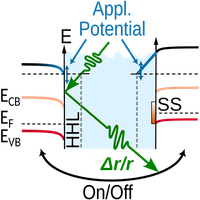
Phys. Rev. Lett. 135, 268001 (2025)
Polymers, Chemical Physics, Soft Matter, and Biological Physics
Stress Isotropization in Weakly Jammed Granular Packings
Article | Polymers, Chemical Physics, Soft Matter, and Biological Physics | 2025-12-22 05:00 EST
Félix Benoist, Mehdi Bouzid, and Martin Lenz
When sheared, granular media experience localized plastic events known as shear transformations, which generate anisotropic internal stresses. Under strong confining pressure, the response of granular media to local force multipoles is essentially linear, resulting in quadrupolar propagated stresses…
Phys. Rev. Lett. 135, 268201 (2025)
Polymers, Chemical Physics, Soft Matter, and Biological Physics
Physical Review X
Anisotropic Thermal Transport in Quasi-2D Ruddlesden-Popper Hybrid Perovskite Superlattices
Article | 2025-12-22 05:00 EST
Du Chen, Thu T. M. Chu, Yanyan Li, Shunran Li, Qixuan Hu, Jee Yung Park, Tyler Wang, Luoqi Dai, Ming Lu, Mengxia Liu, Letian Dou, Xiaotong Li, Yi Xia, and Peijun Guo
Vibrational-pump visible-probe spectroscopy and microscopy allows cross and in-plane measurements of thermal conductivity for two-dimensional materials.
Phys. Rev. X 15, 041054 (2025)
Theory of Intervalley-Coherent AFM Order and Topological Superconductivity in ${\mathrm{tWSe}}_{2}$
Article | 2025-12-22 05:00 EST
Ammon Fischer, Lennart Klebl, Valentin Crépel, Siheon Ryee, Angel Rubio, Lede Xian, Tim O. Wehling, Antoine Georges, Dante M. Kennes, and Andrew J. Millis
A first-principles study of twisted WSe bilayers reveals how antiferromagnetic magnetic order and superconductivity collaborate near a tunable Van Hove singularity and demonstrates their evolution as function of the twist angle.
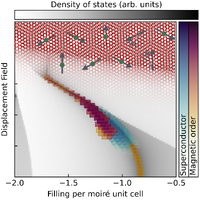
Phys. Rev. X 15, 041055 (2025)
arXiv
On a recent explanation of the dynamics of the Meissner effect within the conventional theory of superconductivity
New Submission | Superconductivity (cond-mat.supr-con) | 2025-12-22 20:00 EST
In Ref. [1], arXiv:2511.03384, Markos and Hlubina argue that “contrary to the expectations of Hirsch” [2] the conventional theory of superconductivity correctly describes the dynamics of the Meissner effect. Here I point out the flaws in their arguments that render them invalid, and propose an experiment to shed further light on these issues.
Superconductivity (cond-mat.supr-con)
This is a Comment on arXiv:2511.03384
Superconductivity in YRu3B2 and LuRu3B2
New Submission | Superconductivity (cond-mat.supr-con) | 2025-12-22 20:00 EST
Rose Albu Mustaf, Sajilesh K. P., Sanu Mishra, Junze Deng, Yi Jiang, Kaja H. Hiorth, Eeli O. Lamponen, Martin Gutierrez-Amigo, Päivi Törmä, Miguel A.L. Marques, B. Andrei Bernevig, Emilia Morosan
We report the experimental discovery of bulk superconductivity in two kagome lattice compounds, YRu$ _3$ B$ _2$ and LuRu$ _3$ B$ _2$ , which were predicted through machine learning-accelerated high-throughput screening combined with first principles calculations. These materials crystallize in the hexagonal CeCo$ _3$ B$ 2$ -type structure with planar kagome networks formed by Ru atoms. We observe superconducting critical temperatures of $ T{c} = 0.81$ ~K for YRu$ _3$ B$ 2$ and $ T{c} = 0.95$ ~K for LuRu$ _3$ B$ _2$ , confirmed through magnetization and specific heat measurements. Both compounds exhibit nearly 100% superconducting volume fractions, demonstrating bulk superconductivity. Compared with LaRu$ _3$ Si$ _2$ , YRu$ _3$ B$ 2$ and LuRu$ 3$ B$ 2$ show a more dispersive Ru local $ d{x^2-y^2}$ quasi-flat band (and thus a reduced DOS at $ E_F$ ) together with an overall hardening of the phonon spectrum, both of which lower the electron-phonon coupling (EPC) constant $ \lambda$ . Meanwhile, the dominant real-space EPC between Ru local $ d{x^2-y^2}$ states and the low-frequency Ru in-plane local $ x$ branch remains nearly unchanged, indicating that the reduction of $ \lambda$ originates from the $ d{x^2-y^2}$ DOS reduction and the overall phonon hardening. Superfluid weight calculations show that conventional contributions dominate over quantum geometric effects due to the dispersive nature of bands near the Fermi level. This work demonstrates the effectiveness of integrating machine learning screening, first principles theory, and experimental synthesis for accelerating the discovery of new superconducting materials.
Superconductivity (cond-mat.supr-con)
Quantum geometric contribution to the diffusion constant
New Submission | Mesoscale and Nanoscale Physics (cond-mat.mes-hall) | 2025-12-22 20:00 EST
We discuss the quantum geometric contribution to the diffusion constant and the DC conductivity in metals and semimetals with linear Dirac dispersion. We demonstrate that, for systems with perfectly linear dispersion, there exists a clear and rigorous separation of the quantum geometric from the ordinary band velocity contributions to the diffusion constant, which turns out to be directly related to the separation of a rank two tensor into transverse and longitudinal parts. We also demonstrate that the diffusion constant of three-dimensional Dirac fermions at charge neutrality is entirely quantum geometric in origin, which is not the case for two-dimensional Dirac fermions. This is the result of an accidental perfect cancellation of the band velocity contribution in three dimensions.
Mesoscale and Nanoscale Physics (cond-mat.mes-hall)
9 pages, 1 figure
Single-$q$ Cycloid and Double-$q$ Vortex Lattices in Layered Magnetic Semimetal EuAg$_4$Sb$_2$
New Submission | Mesoscale and Nanoscale Physics (cond-mat.mes-hall) | 2025-12-22 20:00 EST
Paul M. Neves, Takashi Kurumaji, Joshua P. Wakefield, Arno Hiess, Paul Steffens, Navid Qureshi, Robert Cubitt, Lisa M DeBeer-Schmitt, Johanna C. Palmstrom, Satoru Hayami, Marek Bartkowiak, Markus Zolliker, Jonathan S. White, Joseph G. Checkelsky
Recently, a host of exotic magnetic textures such as topologically protected skyrmion lattices has been discovered in several bulk metallic lanthanide compounds. In addition to hosting skyrmion phases, a hallmark of this class of materials is the appearance of numerous spin textures characterized by a superposition of multi-$ q$ magnetic modulations: spin moiré superlattices. The nuanced energy landscape thus motivates detailed studies to understand the underlying interactions. Here, we comprehensively characterize and model the three zero-field magnetic textures present in one such material, EuAg$ _4$ Sb$ _2$ . Systematic symmetry breaking experiments using magnetic field and strain determine that the ground state incommensurate magnetic phase (ICM1) is single-$ q$ . In contrast, ICM2 and ICM3 are both double-$ q$ , \textit{i.e.}, spin moiré superlattices. Further, through application of polarized small angle neutron scattering and spherical neutron polarimetry, we demonstrate that ICM1 is a single-$ q$ cycloid and ICM2 and ICM3 are double-$ q$ vortex lattices, with Eu moments lying in the $ ab$ -plane in zero field and with a ferromagnetic component at finite field. Despite the quasi-2D nature of EuAg$ _4$ Sb$ _2$ , the modulations propagate out of the \textit{ab}-plane, leading to a shift of the spin texture between triangle lattice planes. Further, the ICM3 to ICM2 transition includes an unusual 45$ ^\circ$ rotation of the magnetic vortex lattice. Motivated by the coexistence of such drastically different phases in this compound, we conclude by developing a phenomenological model to understand the stability of these states. Our experimental probes and theoretical modeling definitively characterize three different and tunable phases in one material, and provide insight for the design of new topological spin-texture materials.
Mesoscale and Nanoscale Physics (cond-mat.mes-hall), Materials Science (cond-mat.mtrl-sci)
13 pages, 6 figures
Cascade of Spin Moiré Superlattices with In-Plane Field in Triangle Lattice Semimetal EuAg$_4$Sb$_2$
New Submission | Mesoscale and Nanoscale Physics (cond-mat.mes-hall) | 2025-12-22 20:00 EST
Paul M. Neves, Takashi Kurumaji, Joshua P. Wakefield, Chi Ian Jess Ip, Robert Cubitt, Satoru Hayami, Jonathan S. White, Joseph G. Checkelsky
EuAg$ 4$ Sb$ 2$ is a rhombohedral europium triangle lattice material that exhibits a rich phase diagram of spin moiré superlattices (SMS) and single-$ q$ magnetic phases. In this paper, we characterize the incommensurate phases accessible with field applied in the plane with small angle neutron scattering (SANS). A variety of phases with unusual SANS patterns are accessible with magnetic field applied along the $ a$ and $ a^\ast$ directions. Many of these phases can be understood to be multi-$ q$ phases. One phase in particular, ICM2b (ICM=incommensurate magnetic phase), is rather unconventional in that it is an anisotropic multi-$ q$ phase that can rotate freely within the $ ab$ -plane, dependent on magnetic field direction and history. The stabilization of tunable multi-$ q$ incommensurate spin textures \textit{via} in-plane field sets this class of materials apart from conventional skyrmion materials. We further identify that the propagation vectors of the in-plane phases have a significant commensuration with the diameter of the smallest pocket of the Fermi surface ($ 2k{\text{F}}$ ). The multi/single-$ q$ nature is also correlated with the enhancement of resistivity, suggesting that a gap opens in the electron bands at $ q=2k{\text{F}}$ . We also compare with a phenomenological model of the phase diagram. The richness of phases revealed in this study hint at the frustrated nature of the incommensurate magnetism present in EuAg$ _4$ Sb$ 2$ and motivate further probes of these phases and the origin of the stability of spin moiré superlattices. Finally, the coupling of the multi-$ q$ nature and $ q=2k{\text{F}}$ commensuration condition reveals the key requirements for a strong SMS transport response.
Mesoscale and Nanoscale Physics (cond-mat.mes-hall), Materials Science (cond-mat.mtrl-sci)
11 pages, 5 figures, 1 table
Switchable Magnonic Crystals Based on Spin Crossover/CrSBr Heterostructures
New Submission | Materials Science (cond-mat.mtrl-sci) | 2025-12-22 20:00 EST
Andrei Shumilin, Sourav Dey, Denisa Coltuneac, Laurentiu Stoleriu, José J. Baldoví
The progress of magnonics ultimately depends on material platforms that offer precise control of spin waves propagation. Here, we put forward a chemical strategy to create locally tunable magnonic crystals by integrating switchable spin-crossover (SCO) molecules with 2D van der Waals magnets. Specifically, we investigate from first principles a hybrid molecular/2D heterostructure formed by [Fe((3,5-(CH3)2Pz)3BH)2] molecules (Fe-pz) deposited on a single-layer of semiconducting CrSBr. We show that Fe-pz molecules are stable on CrSBr while preserving its SCO bistability, particularly in densely packed molecular arrays. By patterning Fe-pz into periodic stripes separated by pristine CrSBr regions, the interface becomes a magnonic crystal that filters spin waves at selected frequencies. Crucially, light-driven excited spin-state trapping (LIESST) enables LS-HS switching and induces up to ~1.3% local strain in CrSBr, which in turn reshapes the magnonic band structure in a dynamic and reversible manner. These results establish Fe-pz@CrSBr as a switchable platform for on-chip, programmable magnonic devices.
Materials Science (cond-mat.mtrl-sci)
Exotic coupled spin-charge states in decorated honeycomb magnets: A hybrid-Monte Carlo study
New Submission | Strongly Correlated Electrons (cond-mat.str-el) | 2025-12-22 20:00 EST
We uncover four exotic coupled spin-charge ground states in the strong coupling limit of the Kondo lattice model at various electronic fillings on a frustrated decorated honeycomb lattice, where each regular honeycomb sublattice point is occupied by three-site triangular units. We employ a hybrid Markov Chain Monte Carlo (hMCMC) simulation method which combines classical MCMC for localized spins and exact diagonalization of the electronic Hamiltonian. Two of the spin-charge ground states, respectively consists of three-site and six-site ferromagnetic (FM) clusters arranged in anti-FM and $ 120^{\circ}$ Yafet-Kittel (YK) phase which we label as S-AF (super-antiferromagnet) and S-YK (super-YK) respectively. Two even more interesting coupled spin-charge states, respectively accommodate FM dimers and trimers (as three-site line segment), which we label as FM-D and FM-T. In both cases, the anti-FM aligned dimers and trimers in respective phases, are arranged in stripes along one of three lattice directions: the spontaneously symmetry broken phases giving rise to non-trivial macroscopic degeneracy. These underlying magnetic textures (except S-YK state) restrict electrons in fragmented small regions (e.g, triangular units, two-site dimers, three-site line segments respectively in S-AF, FM-D and FM-T), resulting in flat bands by opening large gaps in electronic density of states, which in turn stabilize these coupled spin-charge states: a “band effect”. These exotic spin-charge ground states could be relevant to electron-doped spin-systems resulting from various metal-organic frameworks (MOFs), which have attracted significant attention to condensed matter physics
Strongly Correlated Electrons (cond-mat.str-el)
7 pages, 9 figures
Complexity in the medium-range order of gallium as a polyvalent liquid metal
New Submission | Soft Condensed Matter (cond-mat.soft) | 2025-12-22 20:00 EST
Chengyun Hua, Yadu K. Sarathchandran, Eva Zarkadoula, Wojciech Dmowski, Douglas L. Abernathy, Yuya Shinohara, Takeshi Egami
Simplicity in chemical composition does not always translate into simplicity in the structures and dynamics of liquids and solids. Some elementary liquid metals, such as gallium, show unusual behaviors in thermodynamic and transport properties as a result of their complex atomic structure and dynamics. In this work, we study the real-space atomic correlation function of liquid gallium by neutron scattering. In the pair-distribution function, there exist two kinds of medium-range order (MRO), characterized by oscillations beyond the first nearest neighbors. On the other hand, the first neighbor shell shows only one kind of bond. The two types of MRO are strongly overlapping in space and fluctuating in time. We propose that they are the basis for anomalous behavior of liquid gallium. This view challenges the current view that liquid gallium consists of fluctuating metallic and insulating domains. These findings shed new light on the interpretation of similar microscopic anomalies observed in other semi-metallic liquids.
Soft Condensed Matter (cond-mat.soft)
Real-space Atomic Dynamics in Liquid Gallium Studied by Inelastic Neutron Scattering
New Submission | Soft Condensed Matter (cond-mat.soft) | 2025-12-22 20:00 EST
Chengyun Hua, Yadu K. Sarathchandran, Eva Zarkadoula, Wojciech Dmowski, Douglas L. Abernathy, Takeshi Egami, Yuya Shinohara
Gallium is a prototypical liquid metal and has gained renewed attention due to its unique properties. Characterizing and elucidating its atomic dynamics remains elusive despite numerous studies, primarily due to the challenges of quantifying atomic-scale dynamics in liquids. Recent developments in inelastic neutron scattering enable us to measure the Van Hove correlation function that describes the real-space motion of liquid atoms. In this work, we use this approach to reveal the dynamics in gallium liquids and find the co-existence of two dynamical medium-range orders (MROs), which have a dynamical behavior distinct from that of the short-range order (SRO). We propose that these MROs are driven by global forces in the form of two density waves, as a direct consequence of the underlying competition between ionic core repulsion and valence electron cohesion. We suggest that the density wave approach is not only applicable to other metallic liquids exhibiting similar structural anomalies, but also offers a promising direction for elucidating the dynamics of complex liquids and glasses by linking electronic-state fluctuations to atomic dynamics.
Soft Condensed Matter (cond-mat.soft)
Exploring the Kondo Effect in Strained Kagome Nanoribbons
New Submission | Strongly Correlated Electrons (cond-mat.str-el) | 2025-12-22 20:00 EST
Patricia A Almeida, George B Martins, Sergio Ulloa
Metallic kagome systems have attracted considerable interest in recent years, as they provide a rich platform for studying phenomena associated with their distinctive band structure. The coexistence of bands with Dirac points similar to those in graphene, along with a completely flat band, makes this an ideal structure for investigating how lattice symmetries may protect topological and many-body correlation effects. Since applied strain can break lattice symmetries and modify the electronic structure, understanding how strain influences phenomena such as the Kondo effect in kagome materials may provide essential insights into correlated-electron behavior. We employ the single-impurity Anderson model and the numerical renormalization group to analyze the Kondo effect in kagome zigzag nanoribbons under uniaxial strain. We find that strain manipulation enables precise control over the strength of the Kondo effect on an impurity hybridized on the ribbon with different coordination environments, and that symmetric local environments may result in strong suppression of the effective hybridization due to orbital interference. We find that the specific location of the impurity on the ribbon, especially when the Fermi energy lies close to weakly dispersive edge states, can lead to significant changes in the characteristic Kondo temperature. Such sensitivity may be used to provide unique information on the local density of states of a system. These results demonstrate that strain is a powerful tuning parameter in kagome nanoribbons, strongly modifying the screening of magnetic impurities.
Strongly Correlated Electrons (cond-mat.str-el)
Selective trapping of bacteria in porous media by cell length
New Submission | Soft Condensed Matter (cond-mat.soft) | 2025-12-22 20:00 EST
David Gao, Zeyuan Wang, Mihika Jain, Arnold J. T. M. Mathijssen, Ran Tao
Bacteria commonly inhabit porous environments such as host tissues, soil, and marine sediments, where complex geometries constrain and redirect their motion. Although bacterial motility has been studied in porous media, the roles of cell length and pore shape in navigating these environments remain poorly understood. Here, we investigate how cell morphology and pore architecture jointly determine bacterial spreading behavior. Using genetically engineered E. coli with tunable cell length, we performed single-cell tracking in microfluidic devices that mimic ordered and disordered porous structures. We find that elongated bacteria traverse ordered pore networks more effectively than short cells, exhibiting straighter paths, greater directional persistence, and enhanced exploration efficiency. In contrast, in disordered porous media, elongated bacteria become trapped in dead-end regions for extended periods, resulting in markedly reduced navigational efficiency. Together, these results reveal how cell shape and environmental geometry interact to govern bacterial transport. Moreover, we suggest a new mechanism for separating antimicrobial-resistant (AMR) bacteria from elongated susceptible cells in designer porous media.
Soft Condensed Matter (cond-mat.soft), Biological Physics (physics.bio-ph), Fluid Dynamics (physics.flu-dyn)
13 pages, 5 figures
Chronicle: “Foot of the iceberg” of Nobel Prize in Physics 2025: ILTPE and LTP contribution
New Submission | Superconductivity (cond-mat.supr-con) | 2025-12-22 20:00 EST
The Nobel Prize in Physics 2025 has been awarded to John Clarke, John Martinis, and Michel Devoret for “the discovery of macroscopic quantum mechanical tunnelling and energy quantisation in an electric circuit”. The paper explains the essence of their studies and shows in a historical context the importance of earlier research in superconductivity and quantum physics of macroscopic systems by other physicists, particularly, Ukrainian scientists, including employees of the B. Verkin Institute for Low Temperature Physics and Engineering of the NAS of Ukraine (ILTPE). The role of the Fizyka Nyzkykh Temperatur (FNT) journal issued by ILTPE in Kharkiv and its translation as AIP Low Temperature Physics (LTP) in dissemination of results of the theoretical and experimental studies in the field is emphasized as well.
Superconductivity (cond-mat.supr-con), History and Philosophy of Physics (physics.hist-ph), Quantum Physics (quant-ph)
3 pages, 1 figure, accepted manuscript before minor correction (see the published paper)
Low Temp. Phys. 51, 1522-1524 (2025)
Impact of strong electronic correlations on altermagnets: the case of NiS2
New Submission | Strongly Correlated Electrons (cond-mat.str-el) | 2025-12-22 20:00 EST
Ina Park, Turan Birol, Antoine Georges, Rafael M. Fernandes
One of the distinguishing features of an altermagnet is that its spin-up and spin-down bands display a nodal momentum-dependent splitting even in the absence of spin-orbit coupling. While this property has been investigated in many weakly-correlated altermagnetic materials, the impact of strong electron-electron interactions on the spin-dependent electronic structure has remained little explored, particularly in metals. Here, we propose NiS2 as a prototypical strongly correlated metallic altermagnet. While at ambient pressure this compound is an altermagnetic Mott insulator, it undergoes a pressure-driven metal-insulator transition (MIT) while maintaining its altermagnetic ordered phase. By systematically comparing DFT, DFT+U, and DFT+DMFT calculations on the metallic altermagnetic phase near the MIT, we disentangle how strong static and dynamic correlations modify the electronic structure. Specifically, the spin splitting of the bands is modified not only through the enhancement of the local magnetic moment caused by static correlations, but also by the momentum-dependent bandwidth renormalization caused by dynamic correlations. Moreover, dynamic electronic correlations cause a pronounced lifetime asymmetry between the spin-up and spin-down quasiparticles, an effect that is amplified by the particle-hole asymmetry promoted by Hund’s correlations. Our results not only shed light on the rich landscape of correlation effects in metallic altermagnets, but also establishes NiS2 as a platform to investigate the interplay between Mott and Hund physics and altermagnetic order.
Strongly Correlated Electrons (cond-mat.str-el), Materials Science (cond-mat.mtrl-sci)
17 pages, 8 figures
Accurate atomic correlation and total energies for correlation consistent effective core potentials II: Rb-Xe elements
New Submission | Materials Science (cond-mat.mtrl-sci) | 2025-12-22 20:00 EST
Aqsa Shaikh, Omar Madany, Benjamin Kincaid, Lubos Mitas
We employ correlation-consistent effective core potentials (ccECPs) to perform exact or nearly exact correlation and total energy calculations for the fifth-row elements (Rb-Xe). Total energies are calculated using various correlated methods: configuration interaction (CI), coupled-cluster (CC) up to perturbative quadruple excitations whenever feasible, and stochastic quantum Monte Carlo (QMC) approaches. In order to estimate the energy at the complete basis set (CBS) limit, the basis sets are constructed systematically through aug-cc-p(C)VnZ for each ccECP and further extrapolated to the CBS limit within the corresponding methods. Kinetic energies are evaluated at the FCI/CISD level to provide insights into the electron density and localization of the ccECPs. We also provide data sets for widely used diffusion Monte Carlo (DMC) to quantify fixed-node biases with single-reference trial wavefunctions. These comprehensive benchmarks validate the accuracy of ccECPs within the CC, CI, and QMC methodologies, thus providing accurate and tested valence-only Hamiltonians for many-body electronic structure calculations.
Materials Science (cond-mat.mtrl-sci), Chemical Physics (physics.chem-ph), Computational Physics (physics.comp-ph)
11 pages, 7 figures, 10 tables
Tunable Electronic Transport in Pd$_3$O$_2$Cl$_2$ Kagome Bilayers: Interplay of Stacking Configuration and Strain
New Submission | Materials Science (cond-mat.mtrl-sci) | 2025-12-22 20:00 EST
Ziao Yang, Chidiebere I. Nwaogbo
Kagome lattice bilayers offer unique opportunities for engineering electronic properties through interlayer stacking and strain. We report a comprehensive first-principles study of Pd$ _3$ O$ _2$ Cl$ _2$ kagome bilayers, examining four stacking configurations (AA, AA$ ‘$ , AB, AB$ ‘$ ). Our calculations reveal dramatic stacking-dependent band gap modulation from 0.08 to 0.76eV, with the AB$ ‘$ configuration being the most thermodynamically stable. All stackings exhibit robust mechanical stability with Young’s moduli of 54.82-61.97N/m and ductile behavior suitable for flexible electronics. Carrier effective masses show significant stacking dependence, ranging from 2.39-6.35$ m_0$ for electrons and 0.67-1.55$ m_0$ for holes. Strain engineering of the AB$ ‘$ bilayer demonstrates non-monotonic band gap tuning and asymmetric modulation of carrier masses, with hole effective masses showing stronger strain sensitivity. These results establish Pd$ _3$ O$ _2$ Cl$ _2$ bilayers as a promising platform for strain-engineered kagome-based quantum devices, where stacking order and mechanical deformation provide complementary control over electronic transport.
Materials Science (cond-mat.mtrl-sci)
Optimal active engines obey the thermodynamic Lorentz force law
New Submission | Statistical Mechanics (cond-mat.stat-mech) | 2025-12-22 20:00 EST
Adrianne Zhong, Adam G. Frim, Michael R. DeWeese
What are the fundamental limitations for finite-time engines that extract work from active nonequilibrium systems, and what are the optimal protocols that approach them? We show that the finite-time work extraction for nonconservative overdamped Langevin systems may be rewritten as a Lorentz force Lagrangian action, with the kinetic term corresponding to a thermodynamic metric term that is an $ L_2$ -optimal transport cost for the time-dependent probability density, and the magnetic field coupling term corresponding to an effective quasistatic work extraction, proving that optimal protocols counterdiabatically steer the thermodynamic state trajectory to satisfy a Lorentz force law defined on thermodynamic state space. We utilize and reinterpret classic concepts from electromagnetism in the setting of cyclical nonequilibrium processes. We show that the housekeeping heat can be controlled to be arbitrarily close to zero by minimizing nonequilibrium fluctuations. It immediately follows from our results that the constant-velocity angle clamp protocol applied to the $ F_1$ molecular motor in a recent experiment [Mishima et at, 2025] is in fact the globally optimal protocol: it produces zero housekeeping heat and simultaneously minimizes dissipation and maximizes work transduction.
Statistical Mechanics (cond-mat.stat-mech)
7 pages main text with 1 figure; 6 pages supplementary material
Driving the field-free Josephson diode effect using Kagome Mott insulator barriers
New Submission | Superconductivity (cond-mat.supr-con) | 2025-12-22 20:00 EST
Michiel P. Dubbelman, Heng Wu, Joost Aretz, Yaojia Wang, Chris M. Pasco, Yuzhou Zhao, Trent M. Kyrk, Jihui Yang, Xiaodong Xu, Tyrel M. McQueen, Malte Roesner, Mazhar N. Ali
Josephson junctions (JJs), devices consisting of two superconductors separated by a barrier, are of great technological importance, being a cornerstone of quantum information processing. Classical understanding of superconductor-insulator-superconductor JJs is that conventional insulator’s properties, other than magnetism, do not significantly influence the junction’s behavior. However, recent work on quantum material (QM) JJs - using Mott insulator Nb3Br8 - resulted in magnetic field-free non-reciprocal superconductivity, termed the Josephson diode effect (JDE), implying the QM’s intrinsic properties can modulate superconductivity in non-trivial ways. To date, the underlying mechanism and dependence of the JDE on correlation strength (U/t) has not been elucidated. Here we fabricate QMJJs using correlated Kagome insulators with varying U/t, Nb3X8 (X=Cl, Br, I), observing a decreasing trend of the field-free JDE with Nb3Cl8 reaching ~48% efficiency, Nb3Br8 ~6%, and Nb3I8 having no discernible JDE, matching the trend of decreasing U/t from Cl to I and suggesting correlation in insulators drives the field-free JDE.
Superconductivity (cond-mat.supr-con), Strongly Correlated Electrons (cond-mat.str-el)
7 pages main text (15 pages in total), 4 main text figures (9 figures total)
A Three-Dimensional Dodecaphenylyne-Derived Carbon Allotrope with Anisotropic and Auxetic-Like Mechanical Behavior
New Submission | Materials Science (cond-mat.mtrl-sci) | 2025-12-22 20:00 EST
Kleuton A. L. Lima, José A. dos S. Laranjeira, Bill D. A. Huacarpuma, Nicolas F. Martins, Julio R. Sambrano, Douglas S. Galvão, Luiz A. Ribeiro Jr
We introduce 3D-DPhyne, a novel three-dimensional (3D) carbon allotrope derived from the dodecaphenylyne framework, and investigate its structural, electronic, optical, and mechanical properties using first-principles calculations. The proposed structure forms a tetragonal, topologically complex network of four-, six-, and twelve-membered carbon rings with mixed sp/sp^2 hybridization and a formation energy of -7.87 eV/atom, comparable to other stable carbon allotropes. Phonon dispersion calculations show no imaginary modes, and ab initio molecular dynamics simulations at 1000~K confirm robust thermal stability without bond breaking. Electronic structure analysis reveals metallic character, with multiple bands crossing the Fermi level and dominant contributions from carbon p orbitals, consistent with a fully delocalized 3D $ \pi$ -conjugated network. The optical response is anisotropic, exhibiting strong absorption in the visible and ultraviolet regions and low reflectivity across a broad range of photon energies. Mechanical analysis reveals pronounced elastic anisotropy, with Young’s modulus varying from approximately 40 to 490 GPa depending on direction. Poisson’s ratio displays unconventional directional behavior, including auxetic-like responses.
Materials Science (cond-mat.mtrl-sci), Mesoscale and Nanoscale Physics (cond-mat.mes-hall)
14 pages, 5 figures
Engineering a Correlated Narrow-Gap Semiconductor: Effects of Ga Substitution in EuZn$_2$P$_2$
New Submission | Materials Science (cond-mat.mtrl-sci) | 2025-12-22 20:00 EST
M. Dutra, E. Marulanda, G. G. Vasques, J. F. Oliveira, P. C. Sabino, R. B. Delgado, L. Mendonça-Fereira, A. R. V. Benvenho, E. Baggio-Saitovitch, R. K. Machado, N. M. Kawahala, J. Munevar, M. A. Avila, F. G. G. Hernandez
The effect of Ga substitution on the electronic, magnetic, and low-energy responses of the Zintl phase EuZn$ _2$ P$ _2$ is investigated by electrical transport, electron spin resonance (ESR), and terahertz time-domain spectroscopy (THz-TDS). Incorporating Ga into EuZn$ _2$ P$ _2$ (EuZn$ _{1.8}$ Ga$ _{0.2}$ P$ _2$ ) reduces the electrical resistivity, indicating enhanced free-carrier density and a narrowed semiconducting gap. ESR confirms the persistence of Eu$ ^{2+}$ moments while showing a crossover from a Lorentzian to a Dysonian lineshape, consistent with reduced skin depth, increased carrier density, and the emergence of diffusive contributions. Ga-substituted compound display pronounced negative magnetoresistance linked to magnetic-polaron formation. THz-TDS reveals strong low-frequency absorption and a notable enhancement of the Drude conductivity in the substituted material, together with an increased carrier scattering time and enhanced carrier-density–to–effective-mass ratio. These results demonstrate that Ga substitution tunes charge transport, carrier dynamics, and short-range magnetic correlations in EuZn$ _2$ P$ _2$ , establishing EuZn$ _{1.8}$ Ga$ _{0.2}$ P$ _2$ as a promising platform for engineering correlated narrow-gap magnetic semiconductors with enhanced electronic and spin-dependent functionalities.
Materials Science (cond-mat.mtrl-sci)
16 pages, 9 figures
Growth of Dynamic and Static Correlations in the Aging Dynamics of a Glass-Forming Liquid
New Submission | Soft Condensed Matter (cond-mat.soft) | 2025-12-22 20:00 EST
Using extensive molecular dynamics simulations, we have performed finite-size scaling (FSS) in the aging regime of a model glass-forming liquid to investigate how the length scales associated with amorphous order (static length) and dynamic heterogeneity (dynamic length) evolve with waiting time. The $ \alpha$ -relaxation time in the aging regime reveals non-monotonic finite-size effects with a peak at an intermediate system size, which, as far as we know, are not found in the equilibrium systems, and the peak position shifts to larger system sizes with decreasing temperature and increasing waiting time, indicating a growth of a characteristic length scale with waiting time. The extracted correlation volume associated with amorphous order increases logarithmically with the waiting time. Detailed analysis of the dependence of the length scale on waiting time allowed us to estimate the static length scale in the deep supercooled liquid regime. The dynamic length scale, obtained from FSS and block analysis of the four-point dynamic susceptibility, follows a power-law growth with waiting time. The values of the length scales obtained agree well with those obtained from different spatial correlation functions.
Soft Condensed Matter (cond-mat.soft), Disordered Systems and Neural Networks (cond-mat.dis-nn), Statistical Mechanics (cond-mat.stat-mech)
18 pages, 19 figures
Shot noise signatures identifying non-Abelian properties of Jackiw-Rebbi zero modes
New Submission | Mesoscale and Nanoscale Physics (cond-mat.mes-hall) | 2025-12-22 20:00 EST
Haoran Ge, Zhen Chen, Yijia Wu, X. C. Xie
Jackiw-Rebbi zero modes were first proposed in 1976 as topologically protected zero-energy states localized at domain walls in one-dimensional Dirac systems. They have attracted widespread attention in the field of topological quantum computing, as they serve as non-superconducting analogs of Majorana zero modes and support non-Abelian statistics in topological insulator systems. %In the braiding process of the Jackiw-Rebbi zero modes, their braiding properties are closely related to the strength of disorder. However, compared to their Majorana cousins, the braiding properties of Jackiw-Rebbi zero modes are vulnerable to the on-site energy deviation between the modes involved in the experiment. In this work, we propose to estimate the braiding properties of Jackiw-Rebbi zero-modes through measurements of transport signatures, which are readily measurable in current experiments. We find that the fidelity of braiding operation reaches unity when the current noise is fully suppressed, while this braiding fidelity monotonously decreases with the increasing of the current noise. Based on these transport signatures, we further discuss the correspondence between Majorana and Jackiw-Rebbi zero modes, highlighting their similarity in supporting non-Abelian statistics.
Mesoscale and Nanoscale Physics (cond-mat.mes-hall)
11 pages, 8 pages
A symbiotic SIR process
New Submission | Statistical Mechanics (cond-mat.stat-mech) | 2025-12-22 20:00 EST
Gerardo Palafox-Castillo, Ericka Fabiola Vázquez-Alcalá, Arturo Berrones-Santos
We study a symmetric two-disease SIR co-infection model on networks in which co-infected individuals recover at a rate distinct from that of single infections. The model explicitly represents all co-infection states and features absorbing recovered compartments for both diseases. Within a mean-field network approximation, we derive the basic reproduction number of the coupled system and show that invasion thresholds coincide with those of two independent SIR processes. Exploiting an exchange symmetry in the equal-transmission regime, we reduce the dynamics to a lower-dimensional invariant subsystem and analyze the impact of the co-infection recovery rate. We prove that slower recovery of co-infected individuals monotonically increases the co-infection burden and yields a lower bound on epidemic duration that grows as the co-infection recovery rate decreases. Numerical simulations further indicate that reduced co-infection recovery can increase the epidemic peak, an effect supported by a sensitivity-equation analysis. Together, these results highlight how co-infection-specific recovery dynamics can substantially alter transient epidemic behavior, even in the absence of endemic equilibria.
Statistical Mechanics (cond-mat.stat-mech)
13 pages, 5 figures
Anomalous Nernst effect in amorphous Tb-Fe-Co thin films
New Submission | Materials Science (cond-mat.mtrl-sci) | 2025-12-22 20:00 EST
Hiroto Imaeda, Tsunehiro Takeuchi, Hiroyuki Awano, Kenji Tanabe
We conducted a comprehensive study on the compositional dependence of the anomalous Nernst effect (ANE) in amorphous (amo.) Tb-Fe-Co thin films. The anomalous Nernst coefficient strongly depends not only on the Tb composition but also on the transition metal composition, reaching a maximum of 1.8 uV/K for amo. Tb11.0(Fe50.0Co50.0) 89.0. By evaluating the electrical and thermoelectric properties, it was clarified that this maximum is achieved by the superposition of two large contributions: S_1 arising from direct transverse electron conduction due to a temperature gradient, and S_2 resulting from the combined Seebeck and anomalous Hall effects. We discovered that the anomalous Nernst conductivity, which is attributed to Berry curvature, varied significantly with the transition metal, even in an amorphous material lacking long-range crystalline order. Our research indicates that it is possible to control the electronic states that influence thermoelectric properties, even in the amorphous state.
Materials Science (cond-mat.mtrl-sci), Mesoscale and Nanoscale Physics (cond-mat.mes-hall)
Yb 4f-Ta 5d Hybridization and Valence Evolution in Tetragonal Tungsten Bronze Ba(3-x)YbxTa5O15
New Submission | Materials Science (cond-mat.mtrl-sci) | 2025-12-22 20:00 EST
Daisuke Takegami, Haruki Takei, Masato Yoshimura, Takuro Katsufuji, Takashi Mizokawa
Here we investigate the electronic structure of the tetragonal tungsten bronze Ba$ _{3-x}$ Yb$ _x$ Ta$ _{5}$ O$ _{15}$ by making use of hard x-ray photoemission spectroscopy. The core level spectroscopy shows that the substitution with Yb ions in the series first occurs on the compact S1 site. For $ x\leq1$ , Yb is found to be dominantly Yb$ ^{2+}$ with a small mixing of Yb$ ^{3+}$ , while for $ x>1$ , a significant increase of Yb$ ^{3+}$ is found, suggesting not only that site S2 favours Yb$ ^{3+}$ , but also that their presence affects also the valency of the ions in site S1. The valence band spectra shows a relatively deep Yb$ ^{2+}$ doublet, but at the same time indications of a Ta$ 5d$ -Yb$ 4f$ interaction are found, suggesting the presence of Yb~$ 4f$ carriers at the Fermi level through this hybridization. Our results thus point towards an exotic form of $ d$ -$ f$ electronic interplay that together with the structural degrees of freedom can result in the unusual trends observed in the physical properties of Ba$ _{3-x}$ Yb$ _x$ Ta$ _{5}$ O$ _{15}$ .
Materials Science (cond-mat.mtrl-sci)
Segregation dynamics in active-passive mixtures of semiflexible filaments
New Submission | Soft Condensed Matter (cond-mat.soft) | 2025-12-22 20:00 EST
Chitrak Bhowmik, Aparna Baskaran, Sriram Ramaswamy
We study the segregation of motile semiflexible filaments from a background of similar but non-motile filaments. Our Langevin dynamics simulations reveal a wide range of emergent structures governed by filament flexibility and activity, i.e., self-propulsion strength. The system segregates at low activities, while at high activities it undergoes remixing which is a characteristic feature of semi-flexible active filaments. We show that collision-induced softening of single filaments is the dominant mode for this remixing. We provide a scaling argument for the lowering of the active polymer stiffness and show that it agrees well with the lowering of the segregation order parameter. We expect that our studies will shed light on the spatial organization of biofilaments within the cell, on the plasma-membrane, and beyond, and help in the design of novel biomaterials whose structure can be tuned via the properties of the active or the passive filaments.
Soft Condensed Matter (cond-mat.soft)
Machine Learning Assisted Parameter Tuning on Wavelet Transform Amorphous Radial Distribution Function
New Submission | Materials Science (cond-mat.mtrl-sci) | 2025-12-22 20:00 EST
Deriyan Senjaya, Stephen Ekaputra Limantoro
Understanding atomic structures is crucial, yet amorphous materials remain challenging due to their irregular and non-periodic nature. The wavelet-transform radial distribution function (WT-RDF) offers a physics-based framework for analyzing amorphous structures, reliably predicting the first and second RDF peaks and overall curve trends in both binary Ge 0.25 Se 0.75 and ternary Ag x(Ge 0.25 Se 0.75)100-x (x=5,10,15,20,25) systems. Despite these strengths, WT-RDF shows limitations in amplitude accuracy, which affects quantitative analyses such as coordination numbers. This study addresses the issue by optimizing WT-RDF parameters using a machine learning approach, producing the enhanced WT-RDF+ framework. WT-RDF+ improves the precision of peak predictions and outperforms benchmark ML models, including RBF and LSTM, even when trained on only 25 percent of the binary dataset. These results demonstrate that WT-RDF+ is a robust and reliable model for structural characterization of amorphous materials, particularly Ge-Se systems, and support the efficient design and development of phase-change thin films for next-generation electronic devices and components.
Materials Science (cond-mat.mtrl-sci), Machine Learning (cs.LG), Data Analysis, Statistics and Probability (physics.data-an)
Vector Spin Chirality Switching in Noncollinear Antiferromagnets
New Submission | Materials Science (cond-mat.mtrl-sci) | 2025-12-22 20:00 EST
Aritra Dey, R. Bhuvaneswari, Sourav Chowdhury, Souvik Banerjee, Manisha Bansal, Smritiparna Ghosh, Anwesha Bera, Raktim Maity, Jayjit Kumar Dey, Weibin Li, Ashalatha Indiradevi Kamalasanan Pillai, Manuel Valvidares, Subhajit Roychowdhury, Magnus Garbrecht, Tuhin Maity, Umesh Waghmare, Bivas Saha
Spin chirality provides a powerful route to control magnetic and topological phases in materials, enabling next-generation spintronic and quantum technologies. Coplanar noncollinear antiferromagnets with Kagome lattice spin geometries host vector spin chirality (VSC), the handedness of spin arrangement, and offer an excellent platform for chirality-driven phase control. However, the microscopic mechanisms governing VSC switching and its coupling to magnetic order, electronic structure, and quantum geometry remain elusive, with experimental evidence still lacking. Here, we present conclusive experimental evidence of temperature-driven VSC switching in an archetypal noncollinear antiferromagnetic manganese chromium nitride (Mn3CrN) epitaxial thin films. The VSC switching induces a concomitant quantum-geometric and Lifshitz transition, manifested through a pronounced peak in anomalous Hall conductivity remanence, a metal-insulator-like crossover in longitudinal resistivity, and a distinct evolution of x-ray magnetic circular dichroic signal. The reversal of VSC reconstructs the spin configuration, Fermi surface topology and Berry curvature, marking a unified magnetic-electronic-quantum geometric transition. This emergent behaviour, captured through magneto-transport and magneto-optic measurements, and supported by first-principles theory establish VSC as an active control knob for chirality-driven phase engineering and the design of multifunctional quantum devices.
Materials Science (cond-mat.mtrl-sci)
Deep Learning Enabled Nanoscale X-ray Photoemission Electron Microscopy (nanoXPEEM)
New Submission | Materials Science (cond-mat.mtrl-sci) | 2025-12-22 20:00 EST
Aashwin Mishra, Daniel Ratner, Quynh Nguyen
Understanding and manipulating two-dimensional materials for real-world applications remains challenging due to a lack of effective and high-throughput characterization techniques. Soft X-ray time-of-flight photoemission electron microscopy (XPEEM) provides element- and depth-sensitive information of materials and buried interfaces. However, chromatic and spherical aberrations cannot be corrected with electron-lens combinations. These aberrations, combined with astigmatism and space-charge effects, significantly degrade the spatial and energy resolutions. To overcome this limitation, we outline a spatial-attention based deep learning approach to automatically correct for these effects and attain nanometer resolution over the entire field-of-view (FoV). The combination of this corrective algorithm with XPEEM, termed as nanoXPEEM, establishes a new record of 48-nm spatial resolution with a 232-micrometer diameter FoV in the soft x-ray regime (700-1000 eV). nanoXPEEM provides unique spatial mapping of the element-specificity, depth-sensitivity, and local structure on the nanoscale. It can bridge the current gap to achieve angstrom (atomic) scale resolution.
Materials Science (cond-mat.mtrl-sci), Instrumentation and Detectors (physics.ins-det)
Probing the intermediate state of type-I superconductor SnAs using Muon Spin Spectroscopy
New Submission | Superconductivity (cond-mat.supr-con) | 2025-12-22 20:00 EST
Shashank Srivastava, Omkar Kulkarni, Arushi, Deepak Singh, Poulami Manna, Priya Mishra, Suhani Sharma, Pabitra Kumar Biswas, Rhea Stewart, Adrian D. Hillier, Ravi Prakash Singh
Superconductivity with non-trivial band topology provides a novel platform for exploring topological superconductivity and its quantum applications. A detailed microscopic understanding of the superconducting ground state in such materials is crucial. Here, we report the results of a muon spin rotation/relaxation study ($ \mu$ SR) of the topologically non-trivial superconductor SnAs, which exhibits superconductivity below 3.74(1) \si{K}. Zero-field (ZF) $ \mu$ SR data reveal that this system is a time-reversal invariant superconductor, and systematic transverse-field (TF) $ \mu$ SR measurements unveil the type-I nature of the SnAs superconductor. We have established the superconducting phase diagram to understand the intermediate state of type-I superconductors. Moreover, ab \textit{initio} band structure and phonon calculations are performed, which correlate with the experimental characterization.
Superconductivity (cond-mat.supr-con)
8 pages, 6 figures
In-operando dipole orientation for bipolar injection from air-stable electrodes into organic semiconductors
New Submission | Materials Science (cond-mat.mtrl-sci) | 2025-12-22 20:00 EST
Anton Kirch, Joan Ràfols-Ribé, Kumar Saumya, Thushar Salkod Mahabaleshwar, William Strömberg, Ajay Kumar Poonia, Preetam Dacha, Yuntao Qiu, Sri Harish Kumar Paleti, Christian Larsen, Nicolò Maccaferri, Ludvig Edman
Efficient charge-carrier injection from air-stable electrodes into organic semiconductors (OSCs) is essential for fabricating solution-processed organic optoelectronic devices under ambient conditions. Today, this is typically achieved by incorporating doped OSC interlayers, introducing self-assembled dipole monolayers, or adding mobile ions to the active material (AM). Here, we demonstrate an alternative approach that eliminates the need for additional injection layers or ionic additives. We achieve this by blending the dipolar compound TMPE-OH into the electroluminescent polymer Super Yellow (SY) and depositing this sole AM between two air-stable electrodes, forming a single-layer, dipole-doped OLED (D-OLED). By tracking its transient voltage-luminance response, performing impedance spectroscopy, and comparing these characteristics with two other single-layer device concepts, i.e. a neat-SY OLED without a dipolar compound and a light-emitting electrochemical cell (LEC) containing mobile ions, we can establish that the auxiliary dipoles in the D-OLED reorient under the applied driving voltage, enabling immediate luminance turn-on and lowering the injection barriers at both electrodes. Finally, we demonstrate that the D-OLED achieves current efficacies comparable to those of SY OLEDs incorporating dedicated injection layers or LECs. Our study establishes dipolar doping as a practical strategy for efficient bipolar charge injection from air-stable electrodes in solution-processed organic semiconductor devices.
Materials Science (cond-mat.mtrl-sci)
Spinless electric toroidal multipoles in ferroaxial ${\rm K_2Zr(PO_4)_2}$ revealed by symmetry-adapted closest Wannier analysis
New Submission | Materials Science (cond-mat.mtrl-sci) | 2025-12-22 20:00 EST
Yu Xie, Rikuto Oiwa, Satoru Hayami
From a symmetry perspective, ferroaxial order belongs to the same symmetry as time-reversal-even pseudovectors. Experimentally, $ {\rm K_2Zr(PO_4)_2}$ is known to undergo a displacive-type phase transition from a non-ferroaxial to a ferroaxial phase. To identify the key microscopic ingredients driving this transition, we carry out a quantitative analysis combining density-functional theory calculations and symmetry-adapted closest Wannier analysis. As a result, we show that electric toroidal dipole, electric toroidal octupole, and electric hexadecapole, which belong to the same irreducible representation, make dominant contributions to the ferroaxial transition. In particular, we find that spinless electric toroidal octupoles, which originate from spin-independent off-diagonal real hopping between the $ p$ orbitals on P and O atoms and between the $ d$ orbitals on Zr atoms and $ p$ orbitals on O atoms, provide the most significant contributions. Moreover, we explicitly analyze the orbital characters involved in the relevant hybridizations associated with these multipoles. We further show that the relativistic spin–orbit coupling has a negligible influence on the ferroaxial transition. These results demonstrate that spin-independent orbital hybridization between different orbitals on different atoms plays a crucial role in inducing the ferroaxial transition.
Materials Science (cond-mat.mtrl-sci), Strongly Correlated Electrons (cond-mat.str-el)
Switchable Giant Spin Injection Current in Janus Altermagnet Fe$_2$SSeO
New Submission | Materials Science (cond-mat.mtrl-sci) | 2025-12-22 20:00 EST
Fanxian Pei, Run-Wu Zhang, Lei Li, Dan Li, Yugui Yao
Generating and controlling spin current in miniaturized magnetic quantum devices remains a central objective of spintronics, due to its potential to enable future energy-efficient information technologies. Among the existing magnetic phases, altermagnetism have recently emerged as a highly promising platform for spin current generation and control, going beyond ferromagnetism and antiferromagnetism. Here, we propose a symmetry-allowed spin photovoltaic effect in two-dimensional (2D) altermagnetic semiconductors that enables predictable control of giant spin injection currents. Distinct from parity-time ($ \mathcal{PT}$ )-antiferromagnets, Janus altermagnetic semiconductors generate not only shift current but also a unique injection current with spin momentum locked in a specific direction under linearly polarized light – a mechanism absent in $ \mathcal{PT}$ -antiferromagnets. Through symmetry analysis and first-principles calculations, we identify Janus Fe$ _2$ SSeO as a promising candidate. Specifically, the monolayer Fe$ _2$ SSeO exhibits a polarization-dependent injection conductivity reaching $ \sim$ 1,200~$ \mu$ A/V$ ^{2}!\cdot!\hbar/2e$ , and the giant spin injection current can be effectively switched by rotating the magnetization direction and engineering strains. These findings underscore the potential of 2D altermagnets in spin photovoltaics and open avenues for innovative quantum devices.
Materials Science (cond-mat.mtrl-sci)
7 pages, 4 figures
Quantum quenches across continuous and first-order quantum transitions in one-dimensional quantum Ising models
New Submission | Statistical Mechanics (cond-mat.stat-mech) | 2025-12-22 20:00 EST
Andrea Pelissetto, Davide Rossini, Ettore Vicari
We investigate the quantum dynamics generated by quantum quenches (QQs) of the Hamiltonian parameters in many-body systems, focusing on protocols that cross first-order and continuous quantum transitions, both in finite-size systems and in the thermodynamic limit. As a paradigmatic example, we consider the quantum Ising chain in the presence of homogeneous transverse ($ g$ ) and longitudinal ($ h$ ) magnetic fields. This model exhibits a continuous quantum transition (CQT) at $ g=g_c$ and $ h=0$ , and first-order quantum transitions (FOQTs) driven by $ h$ along the line $ h=0$ ($ g<g_c$ ). In the integrable limit $ h=0$ , the system can be mapped onto a quadratic fermionic theory; however, any nonvanishing longitudinal field breaks integrability and the spectrum of the resulting Hamiltonian is generally expected to enter a chaotic regime. We analyze QQs in which the longitudinal field is suddenly changed from a negative value $ h_i < 0$ to a positive value $ h_f>0$ . We focus on values of $ h_f$ such that the spectrum of the post-QQ Hamiltonian $ {\hat H}(g,h_f)$ lies in the chaotic regime, where thermalization may emerge at asymptotically long times. We study the out-of-equilibrium dynamics for different values of $ g$ , finding qualitatively distinct behaviors for $ g > g_c$ (where the chain is in the disordered phase), for $ g = g_c$ (QQ across the CQT), and for $ g<g_c$ (QQ across the FOQT line).
Statistical Mechanics (cond-mat.stat-mech), Quantum Physics (quant-ph)
24 pages
Kibble-Zurek mechanism in a polariton supersolid
New Submission | Mesoscale and Nanoscale Physics (cond-mat.mes-hall) | 2025-12-22 20:00 EST
Dmitry Solnyshkov, Rafal Mirek, Darius Urbonas, Etsuki Kobiyama, Pietro Tassan, Ioannis Georgakilas, Rainer F. Mahrt, Michael Forster, Ullrich Scherf, Marcin Muszynski, Wiktor Piecek, Piotr Kapuściński, Jacek Szczytko, Thilo Stoferle, Guillaume Malpuech
We study the formation of topological defects via the Kibble-Zurek mechanism in a polariton supersolid in a liquid crystal microcavity with tunable Rashba-Dresselhaus spin-orbit coupling. We predict analytically two different scalings in the slow- and fast-quench regimes, and confirm these predictions numerically. We also present experimental results for the slow-quench regime, demonstrating an original Kibble-Zurek scaling exponent $ \eta_{KZM}=1.0\pm 0.2$
Mesoscale and Nanoscale Physics (cond-mat.mes-hall), Quantum Gases (cond-mat.quant-gas)
The crossover from classical to quantum transport in a weakly-interacting Fermi gas
New Submission | Quantum Gases (cond-mat.quant-gas) | 2025-12-22 20:00 EST
We present an exact solution of the quantum kinetic equation of a weakly interacting Fermi gas in the crossover from the degenerate Fermi-liquid regime to the classical Boltzmann gas. We construct families of orthogonal polynomials tailored to each angular momentum channel, enabling a fast and systematically improvable decomposition of the phase-space distribution. This approach yields accurate, non-variational predictions for the shear viscosity, thermal diffusivity, and spin diffusivity to leading order in the scattering length. We demonstrate that the commonly used relaxation-time approximation fails dramatically at low temperature–by up to 25%. Our method provides a numerically efficient framework for benchmarking transport in strongly correlated regimes and for simulating the kinetics of quantum gases beyond hydrodynamics.
Quantum Gases (cond-mat.quant-gas), Quantum Physics (quant-ph)
21 pages, 4 figures
Chiral topological superconductivity in twisted bilayer and double bilayer graphene
New Submission | Mesoscale and Nanoscale Physics (cond-mat.mes-hall) | 2025-12-22 20:00 EST
Kamalesh Bera, Tanay Nag, Arijit Saha
We present a theoretical investigation of the emergence of chiral topological superconductivity in small-angle twisted bilayer graphene (tBLG) and twisted double bilayer graphene (tDBLG). Using the low-energy continuum model and incorporating spin-triplet $ p_{x}+i p_{y}$ pairing in each graphene layer, we construct the effective models for both tBLG and tDBLG with superconductivity. By varying the chemical potential, superconducting order parameter, and twist angle, we explore the emergence of topological superconducting phases via the calculation of Chern numbers. Our phase diagrams for tBLG and tDBLG (both AB-AB and AB-BA stackings) reveal distinct topological transitions, which are consistently marked by bulk gap-closing points. To gain further insight, we analyze the evolution of Chern numbers by tracking the number and location of gap closings within the moiré Brillouin zone. Additionally, we illustrate representative squared amplitude of Bloch states corresponding to different topological phases. In the later part of our study, the effect of trigonal warping on the topological superconducting properties is also discussed. Beyond the quantitative results, our study highlights how the interplay between moiré band structure and unconventional pairing symmetries enriches the landscape of possible superconducting states in twisted graphene systems. The framework developed here may also be extended to other multilayer moiré materials, offering a route towards engineering exotic topological superconductivity with tunable parameters.
Mesoscale and Nanoscale Physics (cond-mat.mes-hall), Superconductivity (cond-mat.supr-con)
18 Pages, 13 PDF Figures, Comments are welcome
Thermodynamic evidence for full-gap superconductivity in the dodecagonal quasicrystal Cu-doped Ta$_{1.6}$Te
New Submission | Superconductivity (cond-mat.supr-con) | 2025-12-22 20:00 EST
N. Kabeya, Y. Tokumoto, K. Tomiyama, N. Kimura, K. Edagawa
We report the superconducting gap in the van der Waals layered quasicrystal Cu-doped Ta$ {1.6}$ Te, using a fast relaxation technique that removes the large nuclear contribution of $ ^{181}$ Ta.
The initial-slope method enabled detection of the electronic specific heat down to 60~mK, revealing a fully gapped state with $ \Delta(0)/k{\rm B} = 1.43$ ~K.
Both the gap magnitude and specific-heat jump are smaller than BCS predictions, while quasiparticle excitations are strongly suppressed, consistent with a theoretical expectation for aperiodic systems.
AC-susceptibility measurements show a large upper critical field and pronounced anisotropy, reflecting the quasi-two-dimensional structure.
These results provide the first thermodynamic evidence for a full-gap superconducting state in a quasicrystal and highlight unconventional pairing mechanisms beyond periodic lattices.
Superconductivity (cond-mat.supr-con)
12 pages, 5 figures
Influence of Pt/Ru ratios on the oxidation mechanism of MCrAlYTa coatings modified with Ptsingle bondRu overlays
New Submission | Materials Science (cond-mat.mtrl-sci) | 2025-12-22 20:00 EST
Majid Hosseinzadeh, Erfan Salahinejad
This study investigates the influence of varying Pt/Ru ratios on the oxidation mechanism of NiCoCrAlYTa coatings with electrodeposited, vacuum-annealed Ptsingle bondRu overlays. Weight change measurements, scanning electron microscopy/energy dispersive X-ray spectrometry (SEM/EDS), X-ray diffraction (XRD), and X-ray photoelectron spectroscopy (XPS) were used for high-temperature oxidation analyses, showing superior resistance with higher Pt contents. This was attributed to the creation of a denser, thinner, and more homogeneous layer of alumina (alpha-Al2O3) in the thermally-grown oxide (TGO) layer. On the contrary, an increase in Ru contents led to the development of other oxides and microcracks along with alumina in the TGO layer, undermining oxidation protection. The accommodation of Ti and Ta, in the minimally-deteriorative form of carbide, along with Y into the TGO layer with increasing Pt contents further enhanced oxidation resistance. In addition to the explored significant impact of the Pt/Ru ratio on oxide scale characteristics and oxidation resistance, the lower cost of Ru compared to Pt suggests the potential for designing cost-effective systems through optimized Pt/Ru ratios and microstructural engineering.
Materials Science (cond-mat.mtrl-sci), Applied Physics (physics.app-ph), Atomic Physics (physics.atom-ph), Chemical Physics (physics.chem-ph)
Surface and Coatings Technology, 510 (2025) 132224
Comparative analysis of electrodeposited Pt, Ru and Pt-Ru overlays for high-temperature oxidation protection
New Submission | Materials Science (cond-mat.mtrl-sci) | 2025-12-22 20:00 EST
Majid Hosseinzadeh, Erfan Salahinejad
Platinum (Pt) and ruthenium (Ru), both members of the platinum-group metals (PGMs), are renowned for their exceptional resistance to corrosion, oxidation, and high temperatures, making them promising candidates for advanced high-temperature applications. This study investigates the direct current (DC) electrodeposition of Pt, Ru, and a binary Pt-Ru alloy onto NiCoCrAlYTa-coated single-crystal superalloy CMSX-4, along with their vacuum annealing and respective effects on the isothermal oxidation behavior of the system at 1100 °C. All the electrodeposited overlays demonstrated substantial enhancement in oxidation resistance. However, Pt exhibited the highest protection efficiency, Ru the least, and the Pt-Ru alloy provided an intermediate level of performance. Microscopic and X-ray diffraction analyses revealed that the competitive formation of protective {\alpha}-Al2O3 and spinel NiAl2O4 phases on the coated surfaces played a crucial role in determining the oxidation resistance, driven by atomic interactions between the elements in the NiCoCrAlYTa bond coat and the overlay metals. Despite Ru’s relatively lower oxidation resistance compared to Pt, its significantly lower cost offers potential advantages in cost-sensitive, high-temperature applications. These findings provide valuable insights into optimizing Pt-group metal coatings for durability in high-performance systems.
Materials Science (cond-mat.mtrl-sci), Applied Physics (physics.app-ph), Chemical Physics (physics.chem-ph)
Surface and Coatings Technology, 496 (2025) 131685
Reentrant melting of scarred odd crystals by self-shear
New Submission | Soft Condensed Matter (cond-mat.soft) | 2025-12-22 20:00 EST
Uttam Tiwari, Pragya Arora, A K Sood, Sriram Ramaswamy, Rituparno Mandal, Rajesh Ganapathy
Spatial confinement can induce geometrical frustration in condensed phases, giving rise to topological defects that confer materials with new and exotic properties. Here, we experimentally uncover the remarkable effect of confinement-induced defect strings termed `grain boundary scars’ on the behavior of dense two-dimensional assemblies of granular spinners, a canonical odd elastic solid. We show that the spatial arrangement of these scars fundamentally reshapes the flows triggered by chiral activity. Specifically, they cause the topologically protected edge flows - a ubiquitous feature of confined spinner assemblies - to decouple from the bulk. Strikingly, increasing the net chiral activity of the system by tuning the ratio of counterclockwise to clockwise spinners caused spontaneous self-shearing. The resulting odd radial stresses led to a chiral activity-mediated reentrant melting transition at a fixed areal spinner density. Our findings open new avenues for exploiting geometrical frustration to elicit novel responses from odd elastic solids.
Soft Condensed Matter (cond-mat.soft), Statistical Mechanics (cond-mat.stat-mech)
Author version. The peer-reviewed version, featuring additional analysis and text revisions, will appear in Nature Communications
Eliminating the irregular surface layer of anodically-grown Ni-Ti-O nanopore arrays in a two-stage anodization
New Submission | Materials Science (cond-mat.mtrl-sci) | 2025-12-22 20:00 EST
S.A. Mousavi, A. Moshfeghi, F. Davoodian, E. Salahinejad
Nanopores (NPs) grown by anodizing can be partially hidden beneath a relatively compact surface oxide layer, which limits the volumetric surface area of these nanostructures. In this work, nitinol (NiTi) alloy was anodized in an electrolyte containing ethylene glycol, water, and sodium chloride in static and stirred electrolyte stages with the aim of removing the irregular surface array while achieving a thick NP layer. Electron micrographs showed that anodization in the static electrolyte provides a controlled thickness of NP layers covered by an irregular surface layer. In contrast, anodizing in the stirred electrolyte reduced the thickness and the degree of irregularity, which were controlled by the different kinetics of dissolution at the tops, perimeters and bottoms of NPs. To benefit simultaneously from the thickness and regularity of the oxide layers, two-stage anodizing under static and then stirred electrolyte conditions was found to be effective. Following a 30 min anodization in the static electrolyte, anodizing for 30 min under the stirred conditions provided the highest regularity in the oxide array, resulting in NPs of almost 40 nm and 11 {\mu}m in diameter and layer thickness, respectively. Two-stage anodizing under static then stirred electrolyte conditions is proposed in order to promote NP structures for applications demanding higher surface areas.
Materials Science (cond-mat.mtrl-sci), Applied Physics (physics.app-ph), Biological Physics (physics.bio-ph), Chemical Physics (physics.chem-ph), Medical Physics (physics.med-ph)
Surface and Coatings Technology, 405 (2021) 126707
Magnetic, Structural, and Electronic Properties of CrOCl with the PBE Functional
New Submission | Materials Science (cond-mat.mtrl-sci) | 2025-12-22 20:00 EST
Brahim Marfoua, Mohammad Amirabbasi, Marcus Ekholm
CrOCl is a van der Waals-layered insulator with an antiferromagnetic ground state, making it a promising platform for exfoliation and the exploration of low-dimensional magnetism. An accurate ab initio description is therefore essential. Previous density-functional studies have shown that DFT+$ U$ calculations may erroneously favor ferromagnetic order depending on the choice of parametrization, an issue that cannot be remedied by simply adjusting the value of $ U$ . Here, we demonstrate that an explicit Hubbard correction is unnecessary: the PBE functional correctly reproduces the AFM ground state while simultaneously improving the description of structural properties. Moreover, PBE provides a reliable account of the electronic structure. These findings clarify the role of correlation effects in CrOCl and identify PBE as a robust starting point for future ab initio studies of CrOCl-based materials.
Materials Science (cond-mat.mtrl-sci), Computational Physics (physics.comp-ph)
One-dimensional physics of the frustrated quantum magnet PHCC
New Submission | Strongly Correlated Electrons (cond-mat.str-el) | 2025-12-22 20:00 EST
Alexander A. Tsirlin, Oleg Janson, Ioannis Rousochatzakis
We report a comprehensive microscopic study of the frustrated quantum magnet PHCC, (C$ _4$ H$ _{12}$ N$ _2$ )Cu$ _2$ Cl$ _6$ , using density-functional band-structure calculations combined with numerical quantum many-body simulations of the underlying spin Hamiltonian. We show that the magnetism of PHCC is captured by a one-dimensional model of the frustrated spin chain with alternating nearest-neighbor couplings ($ J_1=23.1$ K, $ J_1’=7.0$ K) and uniform next-nearest-neighbor couplings ($ J_2=13.9$ K). This model, which can also be thought of as a zigzag ladder, provides a quantitative description of the magnetic susceptibility and the magnetization process, and accounts for the observed dispersion of the single-triplet band and its merging into a continuum near the Brillouin zone center. We also make predictions for the existence of sharp bound (anti-bound) states of two triplets, below (above) the bottom (upper) edge of the two-particle scattering continuum.
Strongly Correlated Electrons (cond-mat.str-el)
This work is dedicated to the memory of Johannes Richter
Altermagnetism and its induced higher-order topology on the Lieb lattice
New Submission | Strongly Correlated Electrons (cond-mat.str-el) | 2025-12-22 20:00 EST
Xingmin Huo, Xingchuan Zhu, Chang-An Li, Shiping Feng, Song-Bo Zhang, Shengyuan A.Yang, Huaiming Guo
Altermagnetism (AM) has brought renewed attention to the Lieb lattice. Here, we broaden the scope of altermagnetic models on the Lieb lattice by using a general scheme based on spin clusters. We design various altermagnetic models with d- and g-wave on the Lieb lattice, and investigate its interplay with spin-orbit coupling. While the altermagnetic unit cell reconstructs the topological edge states in the strip geometry and leads to the emergence of Dirac points, the in-plane magnetic moments of AM can induce gaps at these points. In an open square geometry, corner modes emerge within these gaps, realizing higher-order topological states. We further verify that the induction of higher-order topology is applicable to all altermagnetic configurations constructed here on the Lieb lattice, and is most pronounced for AM by comparing with the other types of magnetism such as ferromagnetism and ferrimagnetism. Our results highlight the exotic properties of AM, and suggest its potential applications in engineering topological quantum states.
Strongly Correlated Electrons (cond-mat.str-el)
11 pages, 6 figures
Theory of electric reactance emerging from spin Hall effect
New Submission | Mesoscale and Nanoscale Physics (cond-mat.mes-hall) | 2025-12-22 20:00 EST
The spin Hall effect in a heavy metal intercorrelates an AC electric current to the magnetization dynamics in an adjacent ferromagnet, which manifests as an electric reactance in the system’s current-voltage response. We present a comprehensive theoretical analysis for this emergent reactance contribution in the frequency regime relevant to transport measurements up to a few GHz. Our analysis reveals that the reactance becomes inductor-like at low frequency below the ferromagnetic resonance. Crucially, we find that the sign of the reactance is directly governed by the spin transfer mechanism at the interface, which depends on the competition between its damping-like and field-like components parametrized by the spin mixing conductance. This characteristic behavior in the reactance offers a powerful transport observable in distinguishing the interfacial spin transfer processes in spintronic materials.
Mesoscale and Nanoscale Physics (cond-mat.mes-hall)
7 pages, 5 figures (Main text) + 2 pages, 1 figure (Supplemental Material)
Direct demonstration of time-reversal-symmetry-breaking spin injection from a compensated magnet
New Submission | Mesoscale and Nanoscale Physics (cond-mat.mes-hall) | 2025-12-22 20:00 EST
Jone Mencos, Antonin Badura, Eoin Dolan, Sebastian Beckert, Rafael Gonzalez-Hernandez, Ismaila Kounta, Matthieu Petit, Charles Guillemard, Anna Birk Hellenes, Warlley Campos, Javier Rial, Dominik Kriegner, Vincent Baltz, Luis E. Hueso, Jairo Sinova, Olena Gomonay, Tomas Jungwirth, Libor Smejkal, Lisa Michez, Helena Reichlova, Fèlix Casanova
The injection, propagation and detection of spin currents are essential physical processes in spintronics. So far, the separation of charge and spin currents was facilitated by the electrical spin injection from a ferromagnet (FM) or the injection by a relativistic spin Hall effect. The devices employed are lateral spin valves comprising spatially separated injection and detection electrodes, connected by a spin-propagation channel. The time-reversal symmetry (TRS) breaking FM spin injection is realized in a geometry with an electrical bias applied between the injection electrode and the channel and is modelled by a conserved spin-polarized drift current. In contrast, the spin injection by the T-symmetric relativistic spin Hall mechanism is driven by an electrical bias applied across the injection electrode alone, and is modelled by a non-conserved spin current transverse to the applied bias. In this work, we use a lateral spin valve with a Mn5Si3 injection electrode to directly demonstrate a TRS-breaking spin injection from a compensated magnet with a vanishing net magnetization. Specifically, the TRS-breaking is demonstrated by the fact that switching between time-reversed states of the compensated magnet changes the detected spin signal. Moreover, the TRS-breaking nature of the spin injection is observed in both experimental geometries with the different electrical biasing, while using the same detection electrode. We show that this unconventional spin-injection is consistent with different magnitudes and propagation angles of electrical currents in the spin-up and spin-down channel in a d-wave altermagnet. Here our symmetry analysis and first-principles calculations are based on the compensated collinear altermagnetic order which has provided a comprehensive microscopic interpretation of earlier structural, magnetic, and anomalous Hall and Nernst measurements in Mn5Si3 thin films.
Mesoscale and Nanoscale Physics (cond-mat.mes-hall)
Emergence of a hidden-order phase well below the charge density wave transition in a topological Weyl semimetal (TaSe$_4$)$_2$I
New Submission | Strongly Correlated Electrons (cond-mat.str-el) | 2025-12-22 20:00 EST
Sk Kalimuddin, Sudipta Chatterjee, Arnab Bera, Satyabrata Bera, Deep Singha Roy, Soham Das, Tuhin Debnath, Ashis K. Nandy, Shishir K. Pandey, Mintu Mondal
The emergence of a charge density wave (CDW) in a Weyl semimetal – a correlated topological phase, is exceptionally rare in condensed matter systems. In this context, the quasi-one-dimensional type-III Weyl semimetal (TaSe$ _4$ )$ 2$ I undergoes a CDW transition at $ T{\mathrm{CDW}} \approx 263$ ~K, providing an exceptional platform to investigate correlated topological CDW states. Here, we uncover an additional hidden-order phase transition at $ T^\ast \sim 100$ K, well below the CDW onset, using low-frequency resistance noise spectroscopy, electrical transport, and thermoelectric measurements. This transition is characterized by a sharp enhancement in the noise exponent ($ \alpha$ ) and variance of resistance fluctuations. Analysis of higher-order statistics of resistance fluctuations reveals the correlated dynamics underlying the transition. A pronounced anomaly in the Seebeck coefficient near $ T^\ast$ further suggests a Fermi surface reconstruction. First-principles calculations reveal a structural distortion from the high-symmetry $ I422$ phase to a low-symmetry $ C2$ phase, via an intermediate $ I4$ symmetry. This leads to renormalization of the electronic structure near the Fermi level and opening of a bandgap in the hidden-order phase. These findings demonstrate a previously unidentified correlated phase transition in the topological CDW-Weyl semimetal (TaSe$ _4$ )$ _2$ I, enriching the phase diagram of this material and establishing it as an ideal platform for studying intertwined electronic and structural orders.
Strongly Correlated Electrons (cond-mat.str-el), Materials Science (cond-mat.mtrl-sci)
15 pages including 11 figures
Cooling mechanism controls motility-induced phase separation in inertial active liquids
New Submission | Soft Condensed Matter (cond-mat.soft) | 2025-12-22 20:00 EST
Manuel Mayo, Lorenzo Caprini, María Isabel García de Soria, Umberto Marini Bettolo Marconi, Pablo Maynar, Luca Pizzoli, Andrea Puglisi
Motility-induced phase separation (MIPS) is a central collective phenomenon in active matter, theoretically established in the overdamped regime. We discover that the dynamical origin of MIPS is fundamentally altered by inertia, which induces a cooling mechanism absent in overdamped active matter. This conclusion is supported by an active variant of the direct simulation Monte Carlo method and by a kinetic theory for inertial self-propelled hard spheres derived from the microscopic dynamics. In contrast to the overdamped case, both analyses demonstrate that inertial MIPS does not rely on volume exclusion but on a cooling mechanism involving density, polarization, and temperature fields. This mechanism emerges from the competition between activity and a density dependent collision rate, arising from spatial correlations between colliding particles. These findings open a pathway to fundamentally connect inertial active matter with granular physics.
Soft Condensed Matter (cond-mat.soft)
6 pages, 2 pages of end-matter, 4 figures, submitted for publication
Quantum geometry, localization, and topological bounds of spin fluctuations
New Submission | Mesoscale and Nanoscale Physics (cond-mat.mes-hall) | 2025-12-22 20:00 EST
Carlos Saji, Roberto E. Troncoso
We study how topological crystalline defects–dislocations–reshape the real-space quantum geometric tensor and act as tunable sources of quantum geometry. We show that dislocations strongly enhance the quantum metric, establishing a direct link between lattice topology and the Hilbert-space geometry of states. We characterize the quantum geometry of topological magnons in ordered arrays of dislocations, demonstrating that defect-induced geometric enhancement controls their localization and topological protection. In disordered arrays, dislocation-driven geometry expands the accessible topological phase space and enables transitions to disorder-induced topological phases. Our results identify the quantum metric as a tunable bridge between crystalline topology, magnonic excitations, and emergent topological matter in aperiodic solid-state and synthetic systems.
Mesoscale and Nanoscale Physics (cond-mat.mes-hall), Materials Science (cond-mat.mtrl-sci)
5 pages, 3 figures
Collective Hard Core Interactions Leave Multiscale Signatures in Number Fluctuation Spectra
New Submission | Soft Condensed Matter (cond-mat.soft) | 2025-12-22 20:00 EST
Eleanor K. R. Mackay, Anna Drummond Young, Adam Carter, Sophie Marbach, Alice L. Thorneywork
A full understanding of transport in dense, interacting suspensions requires analysis frameworks sensitive to self and collective dynamics across all relevant spatial and temporal scales. Here we introduce a trajectory-free approach to address this problem based on the power spectral density of particle number fluctuations (N-PSD). By combining colloidal experiments and theory we show that the N-PSD naturally probes behaviour across multiple important dynamic regimes and we fully uncover the mechanistic origins of characteristic spectral scalings and timescales. In particular, we demonstrate that while high-frequency scalings link to self-diffusion, low-frequency scalings sensitively capture long-lived correlations and collective dynamics. In this regime, interactions lead to non-trivial spectral signatures, governed by pairwise particle exchange at small length scales and collective rearrangements over large scales. Our findings thus provide important insight into the effect of interactions on microscopic dynamics and fluctuation phenomena and establish a powerful new tool with which to probe dynamics in complex systems.
Soft Condensed Matter (cond-mat.soft)
Bandgap Engineering for Efficient Perovskite Solar Cells Under Multiple Color Temperature Indoor Lighting
New Submission | Materials Science (cond-mat.mtrl-sci) | 2025-12-22 20:00 EST
Miqad S. Albishi, Faisal I. Alabdulkarem, George Perrakis, Tariq F. Alhuwaymel, Ala H. Sabeeh, Abdullah S. Alharbi, Naif R. Alshamrani, Ibrahim H. Khawaji, Nikolaos Tzoganakis, Majed M. Aljomah, Dimitris Tsikritzis, Sami A. Alhusaini, Abdullah Aljalalah, Kadi S. AlShebl, Ali Alanzi, Abrar Bin Ajaj, Fay M. Alotaibi, Hamad Albrithen, Konstantinos Petridis, Maria Kafesaki, Emmanuel Kymakis, George Kakavelakis, Essa A. Alharbi
Perovskite indoor photovoltaics (PIPVs) are emerging as a transformative technology for low-light intensity energy harvesting, owing to their high power conversion efficiencies (PCEs), low-cost fabrication, solution-processability, and compositionally tunable band gaps. In this work, methylammonium-free perovskite absorbers were compositionally engineered to achieve band gaps of 1.55, 1.72, and 1.88 eV, enabling matching the spectral photoresponse with the indoor lighting. Devices based on a scalable mesoscopic n-i-p architecture were systematically evaluated under white LED illumination across correlated color temperatures (3000-5500 K) and light intensities from 250 to 1000 lux with active area of 1 cm2. The 1.72 eV composition exhibited the most promising performance across different light intensities and colors, achieving PCEs of 35.04 % at 1000 lux and 36.6 % at 250 lux, with a stable device operation of over 2000 hours. On the other hand, the 1.88 eV band-gap variant reached a peak PCE of 37.4 % under 250 lux (5500 K), however performance trade-offs were observed across the different color lights LEDs. Our combined experimental and theoretical optical-electrical simulations suggest that decreasing trap-assisted recombination in wide-bandgap compositions may further improve PIPV performance across the different illumination conditions. In contrast, devices with 1.55 eV band gap underperformed in such conditions due to suboptimal spectral overlap and utilization. These findings establish bandgap optimization and device architecture as key design principles for high-efficiency, stable PIPVs, advancing their integration into self-powered electronic systems and innovative indoor environments.
Materials Science (cond-mat.mtrl-sci), Applied Physics (physics.app-ph)
38 pages, 4 Figues, 4 SI Figures
Structure and Magnetic Properties of Vacuum-Annealed CoFeB Thin Films: From Amorphous Alloy to Metastable (Co,Fe)23B6 tau-Boride
New Submission | Materials Science (cond-mat.mtrl-sci) | 2025-12-22 20:00 EST
P. Shvets, G. Kirichuk, V. Salnikov, J. O’Connell, V. Rodionova, A. Goikhman, K. Maksimova
Controlled crystallization of amorphous alloys offers a powerful route to tailor magnetic and structural properties at the nanoscale. Thin films of CoFeB alloy are essential for the development of various spintronic devices. The crystallization mechanisms of CoFeB during the annealing process have been thoroughly investigated in earlier studies, demonstrating that boron diffuses from the amorphous film, allowing the remaining CoFe to form a body-centered cubic lattice. Here, a distinct transformation pathway in pulsed-laser-deposited amorphous Co40Fe40B20 films is revealed, where vacuum annealing drives the formation of a metastable tau-boride phase, (Co,Fe)23B6. Comprehensive structural characterization - combining X-ray diffraction, transmission electron microscopy, and compositional analysis - proves that tau-boride forms with high crystalline quality and minimal boron loss. Following the transition from amorphous CoFeB films to crystalline (Co,Fe)23B6, an improvement of magnetic properties is observed, with corresponding increases in such values as saturation magnetization, coercivity, loop squareness, and average magnetic moment. The reproducible stabilization of a boron-rich metastable phase in CoFeB thin films expands the known crystallization landscape of this technologically important alloy system. These findings provide new insight into phase engineering in transition-metal borides and open opportunities for designing nanostructured magnetic materials with tunable functionality for next-generation spintronic and nanoelectronic devices.
Materials Science (cond-mat.mtrl-sci)
Observation of Fano-suppression in scattering resonances of bosonic erbium atoms
New Submission | Quantum Gases (cond-mat.quant-gas) | 2025-12-22 20:00 EST
L. Lafforgue, N. P. Mehta, J. J. A. Houwman, F. Claude, S. T. Rittenhouse, F. Ferlaino, M. J. Mark
The collisional properties of lanthanides exhibit remarkable complexity due to their many valence electrons, leading to an extraordinarily dense Feshbach spectrum showing signs of quantum chaos. Here we explore the situation of bosonic spin mixtures of erbium, adding the additional spin degree of freedom to the problem. We detect several inter- and intra-spin scattering resonances, exhibiting a peculiar asymmetric shape with a pronounced loss minimum. By developing a simplified multi-channel model we are able to recreate this characteristic behavior and to trace its origin to destructive interference between multiple pathways as predicted by Fano. We additionally observe a series of Fano-Feshbach resonances across multiple spin channels connected to the same molecular state, again confirmed by our theory. Our work opens the door for a detailed investigation to study multi-spin strongly-coupled scattering phenomena.
Quantum Gases (cond-mat.quant-gas)
10 pages, 4+3 figures
Experimental evidence of dominant ultrafast diffusive energy transport by hot electrons in Cu
New Submission | Materials Science (cond-mat.mtrl-sci) | 2025-12-22 20:00 EST
Jasmin Jarecki, Lisa Mehner, Maximilian Mattern, Andrius Jurgilaitis, Steffen Peer Zeuschner, Byungnam Ahn, Florian Baltrusch, J. Carl Ekström, David Kroon, Marc Herzog, Constantin Walz, Fried-Conrad Weber, Jörgen Larsson, Michel Hehn, Jan-Etienne Pudell, Daniel Schick, Alexander von Reppert, Matias Bargheer
When the dimensions of structures shrink to the order of the inelastic mean free path of the energy-carrying quasi-particles, the character of energy transport changes from diffusive to ballistic. However, the point of transition remains a matter of debate. Here, we determine the dominant channel of energy transport through a nanoscale Cu layer as a function of its thickness. The energy rapidly transferred across Cu via hot electrons from a photo-excited Pt layer into a buried Ni detection layer translates into a rapid expansion of the Ni layer probed via ultrafast x-ray diffraction. The non-linear dependence of the Ni strain amplitude on the absorbed laser fluence indicates that the transport through Cu becomes more efficient with increasing fluence. This fluence-dependent transport efficiency is reproduced by a diffusive energy transport model and serves as a generally applicable experimental approach to distinguish diffusion from ballistic transport. Following this approach, we identify diffusive electronic energy transport to govern the spatial energy distribution for Cu layer thicknesses larger than twice the electronic inelastic mean free path.
Materials Science (cond-mat.mtrl-sci)
Scattering Problem in Bose-Einstein Condensates with Magnetic Domain Wall
New Submission | Quantum Gases (cond-mat.quant-gas) | 2025-12-22 20:00 EST
Mei Zhao, Lijia Jiang, Tao Yang, Jun-Hui Zheng
We present a comprehensive theoretical study of linear wave scattering from magnetic domain walls with varied twist angles $ \Theta$ in spin-$ 1/2$ Bose-Einstein condensates (BECs). Using a gauge transformation, we show that scattering observables depend solely on the total twist $ \Theta$ , independent of chirality. Within the Bogoliubov-de Gennes (BdG) framework, we develop a transfer-matrix method to compute reflection and transmission coefficients for incident phonons and free particles. Our results reveal a scattering threshold at the Zeeman energy $ E = \hbar\Omega_0$ , separating a pure phonon regime from multi-channel scattering involving both collective and single-particle excitations above threshold. For large twist angles, competition between kinetic and Zeeman energies reduces the effective spin rotation, leading to comb-like density modulations and Fano-like resonances below threshold. The transition probability between phonon and particle channels is strongly tunable with $ \Theta$ , enhanced for odd multiples of $ \pi$ but suppressed for even multiples. These findings establish twist-engineered domain walls as a versatile platform for controlling quantum transport, with implications for atomtronic devices and quantum simulation.
Quantum Gases (cond-mat.quant-gas)
10 pages, 7 figures
Comparative Raman study of Ruddlesden-Popper nickelates and the monolayer-trilayer polymorph
New Submission | Strongly Correlated Electrons (cond-mat.str-el) | 2025-12-22 20:00 EST
Vignesh Sundaramurthy, Abhi Suthar, Pascal Puphal, Congcong Le, Yuhao Gu, Hasan Yilmaz, Pablo Sosa-Lizama, Peter A. van Aken, Y. Eren Suyolcu, Masahiko Isobe, Andreas P. Schnyder, Xianxin Wu, Matteo Minola, Bernhard Keimer, Matthias Hepting
Ruddlesden-Popper (RP) nickelates have attracted intense interest following the discovery of superconductivity in several members of the series, including bilayer (BL) La$ _3$ Ni$ _2$ O$ _7$ , trilayer (TL) La$ _4$ Ni$ _3$ O$ _{10}$ , and structural polymorphs composed of monolayer-bilayer or monolayer-trilayer (ML-TL) units. However, an inherent propensity of the RP series to form intergrown phases during single-crystal synthesis, together with spatial variations in oxygen stoichiometry, has complicated the determination of their intrinsic material properties. As a consequence, conflicting reports have emerged on both their electronic phase transitions and lattice dynamics. In this work, we perform a comparative study of the phononic and electronic Raman responses of high-quality ML-TL single crystals and contrast them with those of other RP nickelates, using samples with optimized oxygen content. We establish several Raman spectral features that enable unambiguous phase identification across the series. Moreover, we uncover characteristics in the phononic and electronic Raman response of ML-TL that are not reflected in the pure ML and TL compounds. We attribute these differences to a distinctive electronic structure arising from self-doping and confinement effects induced by the ML unit within the ML-TL lattice architecture.
Strongly Correlated Electrons (cond-mat.str-el), Superconductivity (cond-mat.supr-con)
12 pages, 5 figures
Multipoles as quantitative order parameters for altermagnetic spin splitting
New Submission | Materials Science (cond-mat.mtrl-sci) | 2025-12-22 20:00 EST
Francesco Martinelli, Anouk Droux, Claude Ederer
We establish a quantitative relation between the altermagnetic spin-splitting and different higher order multipoles of the charge and magnetization density around the magnetic atoms. Magnetic multipoles such as octupoles or triakontadipoles have been suggested as potential ferroic order parameters for d- and g-wave altermagnetism, respectively, based mainly on qualitative symmetry arguments. We use first-principles-based electronic structure calculations to establish a clear quantitative relation between the strength of the altermagnetic spin splitting and the magnitude of certain local multipoles. We vary the magnitude of these multipoles either by applying an appropriate constraint on the charge density or by varying a corresponding structural distortion mode, using two simple perovskite materials, SrCrO3 and LaVO3, as model systems. Our analysis indicates that in general the altermagnetic spin splitting is not exclusively determined by the lowest order nonzero magnetic multipole, but results from a superposition of contributions from different multipoles with comparable strength, suggesting the need for a multi-component order parameter to describe altermagnetism. We also discuss different measures to quantify the overall spin-splitting of a material, without relying on features that might be specific to only individual bands.
Materials Science (cond-mat.mtrl-sci)
15 pages, 12 figures
Charge fluctuations and topological phases in Kitaev-Heisenberg ladders
New Submission | Strongly Correlated Electrons (cond-mat.str-el) | 2025-12-22 20:00 EST
M. G. Sousa, O. Ávalos-Ovando, E. Vernek, S. E. Ulloa
We investigate the stability of topological phases in doped Kitaev-Heisenberg ladders by studying the competition with itinerant electrons and the associated charge fluctuations in a Hubbard model on a honeycomb ribbon geometry. We analyze the evolution of string order parameters, spin correlations, and charge fluctuations as functions of hopping amplitude and interaction strength in a half-filled band. Our results from density matrix renormalization group (DMRG) calculations show that increasing electron bandwidth progressively suppresses the topological phases, shifting and narrowing their stability regions in the phase diagram. We identify the critical values of hopping where string order vanishes and characterize the interplay between magnetic order and charge fluctuations. These findings provide insight into the robustness of topological phases against doping and charge dynamics, with implications for candidate Kitaev materials and engineered quantum systems.
Strongly Correlated Electrons (cond-mat.str-el), Mesoscale and Nanoscale Physics (cond-mat.mes-hall), Materials Science (cond-mat.mtrl-sci), Superconductivity (cond-mat.supr-con)
7 pages, 7 figures
Gutenberg-Richter-like relations in physical systems
New Submission | Statistical Mechanics (cond-mat.stat-mech) | 2025-12-22 20:00 EST
We analyze regional earthquake energy statistics from the Southern California and Japan seismic catalogs and find scale-invariant energy distributions characterized by an exponent $ \tau \simeq 1.67$ . To quantify how closely scale-invariant dynamics with different exponent values resemble real earthquakes, we generate synthetic energy distributions over a wide range of $ \tau$ under conditions of constant activity. Earthquake-like behavior, in a broad sense, is obtained for $ 1.5 \leqslant \tau < 2.0$ . When energy variations are further restricted to be within a factor of ten relative to real earthquakes, the admissible range narrows to $ 1.58 \leqslant \tau \leqslant 1.76$ . We identify the physical mechanisms governing the dynamics in the different regimes: fault dynamics characterized by a balance between slow energy accumulation and release through scale-free events in the earthquake-like regime; externally supplied energy relative to a slowly driven fault for $ \tau < 1.5$ ; and dominance of small events in the energy budget for $ \tau > 2$
Statistical Mechanics (cond-mat.stat-mech), Disordered Systems and Neural Networks (cond-mat.dis-nn), Geophysics (physics.geo-ph)
7 pages, 4 figures
Synergy and Competition of Dual Chirality in the Chirality-Induced Spin Selectivity of Supramolecular Helices
New Submission | Mesoscale and Nanoscale Physics (cond-mat.mes-hall) | 2025-12-22 20:00 EST
Song Chen, Kai-Yuan Zhang, Xi Sun, Shu-Zheng Zhou, Hua-Hua Fu
Recent progress in constructing supramolecular assemblies with hierarchical chirality offers new opportunities to investigate the chirality-induced spin selectivity (CISS) effect and its potential applications. In this work, we systematically examine the CISS effect in such multichiral systems by designing a class of multilayer helical architectures constructed of stacked and interfaced individual helical rings, each possessing well-defined local chirality. Through controlled interlayer twisting, a global helical handedness is further imposed, forming a multichiral tubular helix. Theoretical calculations reveal that these two distinct chiral hierarchies lead to several unprecedented CISS phenomena, such as enhanced spin polarization arising from cooperative dual chirality, along with the simultaneous emergence of transverse and longitudinal CISS signals. Moreover, interlayer torsional competition modulates the system’s response to external fields. The dual-chiral geometry breaks the conventional symmetry of single helices, inducing an anomalous angular phase shift in magnetoresistance. Furthermore, Floquet analysis reveals that the interplay between local and global chirality enables controlled spin polarization switching under circularly polarized light. These findings provide a basic theoretical framework for studying the CISS in multichiral superstructures and establish design principles for coupled optical, magnetic, and spin manipulations, thereby facilitating the development of multichiral spintronic devices.
Mesoscale and Nanoscale Physics (cond-mat.mes-hall)
Theoretical study on the electronic properties and multiorbital models of La$_3$Ni$_2$O$_7$ thin films on SrLaAlO$_4$ (001)
New Submission | Superconductivity (cond-mat.supr-con) | 2025-12-22 20:00 EST
Guanlin Li, Cui-Qun Chen, Haoliang Shi, Zhengtao Liu, Hao Ma, Fubo Tian, Dao-Xin Yao, Defang Duan
The realization of ambient-pressure superconductivity in La$ _3$ Ni$ _2$ O$ _7$ thin films raises a fundamental question: is the metallic ground state driven by lattice strain or interfacial charge reconstruction? Using fully self-consistent DFT+$ U$ calculations on La$ _3$ Ni$ _2$ O$ _7$ /SrLaAlO$ 4$ heterostructures, we identify that intrinsic hole doping via interfacial Sr interdiffusion is the decisive factor in stabilizing the metallic state. Our 1-unit-cell model accurately reproduces the ARPES-observed Fermi surface, particularly the critical Ni-$ d{z^2}$ derived $ \gamma$ hole pocket, which originates exclusively from the interface-proximal bilayer. Furthermore, comparative tight-binding analysis suggests that the reduced superconducting transition temperature ($ T_c$ ) in thin films stems from the synergistic suppression of the electronic density of states (DOS) and vertical superexchange coupling ($ J \perp Z$ ). These findings highlight that interface engineering plays a critical role beyond simple strain imposition in modulating nickelate orbital physics.
Superconductivity (cond-mat.supr-con)
18 pages, 6 figures
Picosecond localization dynamics following ultrafast nanoscale magnetic switching
New Submission | Mesoscale and Nanoscale Physics (cond-mat.mes-hall) | 2025-12-22 20:00 EST
Daniel Metternich, Michael Schneider, Giuseppe Mercurio, Torstein Hegstad, Marcel Möller, Riccardo Battistelli, Christopher Klose, Steffen Wittrock, Manas R. Patra, Krishnanjana Puzhekadavil Joy, Victor Deinhart, Sascha Petz, Karel Prokes, Sebastian Wintz, Markus Weigand, Wolfgang-Dietrich Engel, Themistoklis Sidiropoulos, Ingo Will, Stefan Eisebitt, Robert E. Carley, Laurent Mercadier, Justine Schlappa, Martin Teichmann, Andreas Scherz, Sergey Zayko, Boris V. Sorokin, Kai Bagschik, Claus Ropers, Johan H. Mentink, Bastian Pfau, Felix Büttner
Ultrashort laser pulses provide the fastest known way to switch magnetic order. Such excitation commonly creates nanometer-scale domains, even after homogeneous illumination when the position of nucleated domains is not externally defined. However, the physics of domain localization during such ultrafast phase transitions remains unresolved. Here, we use shot-resolved pump-probe resonant x-ray scattering together with a material featuring a periodically modulated magnetic anisotropy landscape to track, in real time, the laser-driven nucleation and localization of nanometer-scale spin textures. We find that nucleation and localization are two distinct processes. Nucleation occurs homogeneously via fluctuations at early times, whereas spatially periodic structures emerge only later and, under suitable conditions, localize in less than one nanosecond. Real-space simulations show that this localization is governed by strong lateral variations in spin-texture lifetimes. Our results demonstrate that ultrafast phase-transition dynamics fundamentally differ from conventional transitions, yet still can be controlled through moderate nanometer-scale tailoring of the energy landscape.
Mesoscale and Nanoscale Physics (cond-mat.mes-hall)
Thermal Control of Size Distribution and Optical Properties in Gallium Nanoparticles
New Submission | Materials Science (cond-mat.mtrl-sci) | 2025-12-22 20:00 EST
S. Catalan-Gomez, M. Ibanez, J. Rico, V. Braza, D. F. Reyes, E. Squiccimarro, J. M. Ulloa
Summarized abstract- Gallium nanoparticles (Ga-NPs) display tunable plasmonic resonances from the ultraviolet to the infrared, but achieving uniform and ordered Ga-NP arrays is hindered by coarsening-induced size dispersion during physical deposition. Here, the effect of substrate temperature on nucleation, growth, and homogenization of Ga-NPs thermally evaporated on GaAs is systematically analyzed using atomic force and scanning electron microscopies. An optimal 300-350 celsius degrees window yields narrowly dispersed, dense arrays, whereas higher temperatures enhance surface diffusion and desorption, producing larger, sparser, and morphologically relaxed (flattened) NPs. Temperature-dependent optical reflectance reveals localized surface plasmon resonances whose energies scale with NP size and aspect ratio, and a figure of merit combining density and size dispersion identifies intermediate temperatures as optimal, in agreement with increased plasmonic quality factors. In-situ post-deposition annealing demonstrates Ostwald ripening as the dominant high-temperature coarsening pathway and underscores the need for rapid cooling and oxide-shell stabilization to preserve homogeneity. Cross-sectional transmission electron microscopy and electron energy-loss spectroscopy confirm a core-shell architecture, quantify temperature-driven oxide thickening, and verify the liquid-metal nature of the Ga NPs core. Finally, extended deposition tests show that temperature-driven size homogenization persists for larger NPs, establishing a general framework for thermal control of uniformity and optical performance in Ga-NP arrays suitable for plasmonic devices.
Materials Science (cond-mat.mtrl-sci)
Supporting Information is included within the document
Internal Waves Control Bulk Flow in Silos
New Submission | Soft Condensed Matter (cond-mat.soft) | 2025-12-22 20:00 EST
David Luce, Adrien Gans, Nicolas Vandewalle, Sébastien Kiesgen de Richter
We experimentally measure paticle acceleration within the bulk during the discharge of a granular silo. We highlight the existence of a deceleration wave emerging at the outlet level near the dead zone and propagates toward the top of the medium. The wave emission frequency is extracted from spatiotemporal diagrams of the Eulerian instantaneous acceleration profiles. Surprisingly, we find that this frequency decreases with the cohesion of the medium and is independent of the outlet size.
Soft Condensed Matter (cond-mat.soft), Fluid Dynamics (physics.flu-dyn)
5 pages, 6 figures
Bulk signatures of re-entrant superconductivity in UTe$_2$ from ultrasound measurements
New Submission | Superconductivity (cond-mat.supr-con) | 2025-12-22 20:00 EST
N. Marquardt, C. Duffy, C. Proust, S. Badoux, M. Amano Patino, G. Lapertot, D. Aoki, J.-P. Brison, G. Knebel, D. LeBoeuf
We report bulk ultrasound measurements up to 80 T and down to 0.5 K of the field re-entrant superconducting phase of the unconventional superconductor UTe$ 2$ . Clear bulk signatures of superconductivity are observed in the longitudinal elastic mode $ c{11}$ for fields applied at a tilt angle of $ \theta_{b-c} =30^\circ$ from $ b$ -axis. We confirm an upper critical field of $ H_{\rm c2}\approx65$ T at 0.5 K and bulk superconductivity which survives up to $ T\approx 2$ K for fields above the metamagnetic transition. The $ c_{11}$ mode has propagation and displacement vectors along the $ a$ -axis, and for fields applied at a tilt angle of $ \theta_{b-c} =30^\circ$ , this mode is sensitive to the elasticity of the vortex lattice. The anomalies observed in $ c_{11}$ are in part reminiscent of superconducting vortices pinned to lattice defects. Nonetheless, an excess attenuation, with respect to the normal state, is observed throughout the entire superconducting phase, suggesting unusual vortex dynamics and pinning in the field re-entrant superconducting phase of UTe$ _2$ .
Superconductivity (cond-mat.supr-con), Strongly Correlated Electrons (cond-mat.str-el)
Supplementary material included
Higher-Order Topological Systems and Their Sub-Symmetry-Protected Topology
New Submission | Mesoscale and Nanoscale Physics (cond-mat.mes-hall) | 2025-12-22 20:00 EST
Myungjun Kang, Wonjun Sung, Sonu Verma, Sangmo Cheon
Symmetry and topology are essential principles in topological physics. Recently, the idea of sub-symmetry-protected topology – where some of the original symmetries are broken while a remaining subset, called sub-symmetries, continues to protect specific boundary states – has been developed. Here, we extend sub-symmetry-protected topology to higher-order topological systems from second-order topological insulators to semimetals. By introducing a sub-symmetry-protecting perturbation that acts on a single sublattice and selectively preserves specific topological boundary states, we track the evolution of these states and their topological features using numerical and analytical methods, and we show that state-resolved quadrupole moments diagnose which corner or hinge modes remain topological. As a representative example of a second-order topological insulator, we begin with the Benalcazar-Bernevig-Hughes model. We demonstrate that, under a sub-symmetry-protecting perturbation, sub-symmetry-protected corner states remain pinned at zero energy and maintain quantized state-resolved quadrupole moments. In contrast, corner states on sub-symmetry-broken boundaries shift away from zero energy and lose their quantized character. We further extend this framework to a three-dimensional second-order topological semimetal, constructed by stacking second-order topological insulator layers, and analyze how second-order Fermi arc states – hinge-localized modes that link the projections of bulk Dirac points, in contrast to conventional surface Fermi arcs – evolve under a sub-symmetry-protecting perturbation. While one second-order Fermi arc becomes dispersive and loses its quadrupolar character under a sub-symmetry-breaking perturbation, the remaining second-order Fermi arcs retain chiral symmetry and preserve quantized quadrupolar characters.
Mesoscale and Nanoscale Physics (cond-mat.mes-hall)
Revisiting the Broken Symmetry Phase of Solid Hydrogen: A Neural Network Variational Monte Carlo Study
New Submission | Strongly Correlated Electrons (cond-mat.str-el) | 2025-12-22 20:00 EST
Shengdu Chai, Chen Lin, Xinyang Dong, Yuqiang Li, Wanli Ouyang, Lei Wang, X.C. Xie
The crystal structure of high-pressure solid hydrogen remains a fundamental open problem. Although the research frontier has mostly shifted toward ultra-high pressure phases above 400 GPa, we show that even the broken symmetry phase observed around 130~GPa requires revisiting due to its intricate coupling of electronic and nuclear degrees of freedom. Here, we develop a first principle quantum Monte Carlo framework based on a deep neural network wave function that treats both electrons and nuclei quantum mechanically within the constant pressure ensemble. Our calculations reveal an unreported ground-state structure candidate for the broken symmetry phase with $ Cmcm$ space group symmetry, and we test its stability up to 96 atoms. The predicted structure quantitatively matches the experimental equation of state and X-ray diffraction patterns. Furthermore, our group-theoretical analysis shows that the $ Cmcm$ structure is compatible with existing Raman and infrared spectroscopic data. Crucially, static density functional theory calculation reveals the $ Cmcm$ structure as a dynamically unstable saddle point on the Born-Oppenheimer potential energy surface, demonstrating that a full quantum many-body treatment of the problem is necessary. These results shed new light on the phase diagram of high-pressure hydrogen and call for further experimental verifications.
Strongly Correlated Electrons (cond-mat.str-el), Materials Science (cond-mat.mtrl-sci), Machine Learning (cs.LG), Computational Physics (physics.comp-ph)
Single Ion Anisotropy of $Ln^{3+}$ (Ln = Tb, Dy, Ho) Controls Magnetic Excitations in $LnMn_{6}Sn_{6}$ Ferrimagnetic Kagome Metals
New Submission | Materials Science (cond-mat.mtrl-sci) | 2025-12-22 20:00 EST
Kelsey A. Collins, Jacob Pfund, Michael R. Page, Menka Jain, Michael A. Susner, Michael J. Newburger
The $ LnMn_{6}Sn_{6}$ family of materials, where $ Ln^{3+}$ is a lanthanide trivalent cation, have attracted extensive interest due to the interplay of electronic structure, magnetism, and topology present in this family that gives rise to complex electronic and magnetic phenomena. Specifically, the crystal field effects on the lanthanide ion and crystal field splitting of otherwise degenerate energy levels causes dramatic changes in the orbital magnetic behavior and overall magnetic structure of these materials. The coupling of the highly anisotropic lanthanide ions’ spins (with large spin-orbit couplings) to the spins of the Mn atoms, which are arrayed in a kagome lattice, engenders exotic topological phenomena. This combination of magnetic anisotropy and electronic topology motivates investigation into the magnetic excitations of these materials, which unlike the ground state magnetic structures of this family, have not been extensively studied. Herein, we use Brillouin light scattering to measure the magnon spectra of $ LnMn_{6}Sn_{6}$ (Ln = Tb, Dy, and Ho). This work represents the first detailed and comparative study on the magnetic dynamics in these materials and reveals that the identity of the lanthanide ion strongly influences the magnon frequency and demonstrates a direct correlation between the lanthanide’s magnetic anisotropy and the observed spin wave excitations. Quantitative analysis indicates that the lanthanide ion’s anisotropy controls the magnon frequency, while its total angular momentum influences the material’s gyromagnetic ratio. These findings suggest that lanthanide substitution provides a pathway for tuning magnon properties in this material family.
Materials Science (cond-mat.mtrl-sci)
12 pages main text, 41 total including supplementary info, 4 main figures, 40 supplementary figures
Non-perturbative effects of short-range spatial correlations at the two-particle level
New Submission | Strongly Correlated Electrons (cond-mat.str-el) | 2025-12-22 20:00 EST
Michael Meixner, Matthias Reitner, Thomas Schäfer, Alessandro Toschi
By means of cellular dynamical mean-field theory (CDMFT) we study how short-range correlations drive the breakdown of the self-consistent perturbation theory in two-dimensional systems and the most relevant physical consequences associated to it. To this aim, we first derive in a structured and consistent way the Bethe-Salpeter equation (BSE) formalism at the CDMFT level in all physical channels, explicitly addressing the important aspect of the related Ward identities. In this context, we perform systematic calculations of the BSE for the two-dimensional Hubbard model at half-filling at intermediate coupling. Our study illustrates how the divergence of a fundamental building block of the BSE in the charge channel, the two-particle irreducible vertex, systematically occurs at lower interactions than in the (purely local) DMFT case, due to short-range antiferromagnetic fluctuations. Further, the change of sign of the eigenvalues of the generalized charge susceptibility associated to the vertex divergences is identified as the essential prerequisite to drive, at larger interaction values, the physics of the Mott transition in two dimensions, as well as of the adjacent phase-separation instabilities.
Strongly Correlated Electrons (cond-mat.str-el)
28 pages, 12 figures
Design principles for metal-organic receptors targeting optical recognition of Pd(II) in environmental matrices
New Submission | Materials Science (cond-mat.mtrl-sci) | 2025-12-22 20:00 EST
Sudhanshu Naithani, Pramod Kumar, Ritesh Dubey, Franck Thetiot, Samar Layek, Tapas Goswami, Sushil Kumar
A precise detection of palladium (Pd) ions is a critical challenge with significant socio-economic implications across various industrial and chemical sectors. Due to its widespread use and poor biodegradability, Pd2+ accumulates in environmental ecosystems, posing severe risks to both the environment and living organisms. Consequently, there is a strong demand for selective, sensitive, and user-friendly detection methods. Among emerging strategies, optical detection techniques (both luminescent and colorimetric) using metal-based receptors have gained considerable attention. These sensors offer distinct advantages over traditional organic probes, including large Stokes shifts, long emission lifetimes, exceptional photostability, enhanced water solubility, recyclability, and remarkable chemical versatility. These attributes make them highly suitable for diverse applications in sensing and bioanalytical fields. This review provides a comprehensive overview of recent advancements in luminescent and colorimetric metal-based probes, including metal complexes and metal-organic frameworks (MOFs), for the selective detection of Pd2+. It discusses key design strategies, critical performance factors, and future prospects, offering valuable insights for researchers working on next-generation sensing platform.
Materials Science (cond-mat.mtrl-sci), Mesoscale and Nanoscale Physics (cond-mat.mes-hall)
26 pages, 21 figures
22 NA ABS NA NA ABDC NA Journal of Materials Chemistry C Journal of Materials Chemistry C 13, 11562 (2025) NA ABS NA NA ABDC NA Journal of Materials Chemistry C Journal of Materials Chemistry C 13, 11562-11585
Corrosion-resistant and conductive Ti-Nb-O coatings tailored for ultra-low Pt-loaded BPPs and PTLs in PEM electrolyzers
New Submission | Materials Science (cond-mat.mtrl-sci) | 2025-12-22 20:00 EST
David Kolenatý, Jiří Čapek, Stanislav Haviar, Jiří Rezek, Radomír Čerstvý, Akash Kumar, Kalyani Shaji, Mariia Zhadko, Petr Zeman
We develop highly corrosion-resistant and conductive Ti-Nb-O coatings for metallic components – bipolar plates (BPPs) and porous transport layers (PTLs) – in PEM water electrolyzers. Using reactive high-power impulse magnetron sputtering (HiPIMS), we deposit compact 200 nm bilayer coatings onto SS316L substrates, systematically tailoring their composition. By precisely controlling oxygen partial pressure and Nb/Ti ratio, we adjust stoichiometry and structure, directly affecting electrical resistivity and corrosion resistance. We examine interfacial contact resistance (ICR) and electrochemical parameters before and after accelerated corrosion testing. Optimized coatings exhibit resistivity on the order of 10^-4 Ohmcm and extremely low corrosion current densities (J_corr = 0.01-0.08 uA/cm^2), well below the U.S. DOE 2026 target. Most importantly, these coatings enable the ICR target after accelerated corrosion testing with a Pt overlayer as thin as 5 nm, reducing Pt loading by up to two orders of magnitude compared to conventional approaches.
Materials Science (cond-mat.mtrl-sci), Applied Physics (physics.app-ph)
Fractionalized topological d+id superconductivity in the Yao-Lee-Kondo model
New Submission | Strongly Correlated Electrons (cond-mat.str-el) | 2025-12-22 20:00 EST
A conclusive experimental realization of 2D chiral topological superconductivity remains elusive. Here we present a theoretical demonstration that a topological $ d+id$ fractionalized superconducting phase (SC\ast) can emerge in the weak-coupling limit of a Kondo lattice model, where conduction electrons interact with a Yao-Lee spin liquid on the honeycomb lattice (the Yao-Lee-Kondo model). Using a renormalization-group analysis, we show that exchanging Majorana spinons from the Yao-Lee spin liquid generates effective interactions among the conduction electrons and drives a Cooper instability even for arbitrarily weak Kondo coupling. We further find that the induced leading inter-orbital antiferromagnetic interaction selects topological $ d+id$ spin-singlet pairing with Chern number $ C=\pm 2$ . Meanwhile, the Majorana fermions in the Yao-Lee spin liquid remain gapless and deconfined in this regime, so the resulting state is a fractionalized topological $ d+id$ superconductor (SC\ast). For sufficiently strong Kondo coupling, the system instead enters a heavy Fermi liquid phase with fractionalization (HFL\ast).
Strongly Correlated Electrons (cond-mat.str-el), Superconductivity (cond-mat.supr-con)
4.5 pages + Supplemental Material, 3 figures
MOF-derived Fe-doped $δ$-MnO$_2$ nanoflowers as oxidase mimics: Chromogenic sensing of Hg$^{2+}$ and hydroquinone in aqueous media
New Submission | Mesoscale and Nanoscale Physics (cond-mat.mes-hall) | 2025-12-22 20:00 EST
Udisha Duhan, Arnab Pan, Ritesh Dubey, Samar Layek, Sushil Kumar, Tapas Goswami
Structure and morphology play a crucial role in enhancing the biomimetic oxidase activity of nanozymes. In this study, a facile \emph{in situ} chemical oxidation strategy was employed to synthesize MOF-derived MnO$ _x$ , utilizing the structural features of the parent MOF to enhance oxidase-mimicking activity. We systematically investigated the effects of phase evolution, structural modulation, and morphology on the oxidase activity of MnO$ _x$ with Fe substitution. The oxidase-like activity was evaluated using the chromogenic substrate 3,3$ ‘$ ,5,5$ ‘$ -tetramethylbenzidine (TMB), which produced a blue-colored oxidized TMB (ox-TMB) with an absorption peak at 652nm upon oxidation. While all Fe-doped MnO$ _x$ nanostructures exhibited oxidase-like activity, the 10% Fe-doped sample (10Fe-MnO$ _x$ ) demonstrated the highest performance, likely due to a synergistic effect of structure, morphology, and the presence of oxygen vacancies. The underlying oxidase mechanism was investigated using steady-state kinetics and electron paramagnetic resonance (EPR) analysis. In addition, a colorimetric assay was developed for the detection of Hg$ ^{2+}$ and hydroquinone (HQ) in real water samples collected from industrial and natural sources. The calculated detection limits of the 10Fe-MnO$ _x$ colorimetric probe for HQ (1.74$ \mu$ M) and Hg$ ^{2+}$ (0.47~$ \mu$ M) outperformed those of conventional metal oxide-based nanozymes. These findings pave the way for the development of easily synthesizable, scalable, and highly sensitive oxidase-based MOF-derived metal oxide nanomaterials with significant potential in biological and environmental applications.
Mesoscale and Nanoscale Physics (cond-mat.mes-hall), Materials Science (cond-mat.mtrl-sci)
10 pages, 9 figures
Dalton Transactions 54, 9992 (2025)
Condensation dynamics of sticky and anchored flexible biopolymers
New Submission | Soft Condensed Matter (cond-mat.soft) | 2025-12-22 20:00 EST
Adam R. Lamson, Mohammadhossein Firouznia, Michael J. Shelley
Cells regulate gene expression in part by forming DNA-protein condensates in the nucleus. While existing theories describe the equilibrium size and stability of such condensates, their dynamics remain less understood. Here, we use coarse-grained 3D Brownian-dynamics simulations to study how long, end-anchored biopolymers condense over time due to transient crosslinking. By tracking how clusters nucleate, merge, and disappear, we identify two dominant dynamical pathways, ripening and merging, that govern the progression from an uncompacted chain to a single condensate. We show how microscopic kinetic parameters, protein density, and mechanical constraints shape these pathways. Using insights from the simulations, we construct a minimal mechanistic free-energy model that captures the observed scaling behavior. Together, these results clarify the dynamical determinants of DNA and chromatin reorganization on timescales relevant to gene regulation.
Soft Condensed Matter (cond-mat.soft), Biological Physics (physics.bio-ph), Computational Physics (physics.comp-ph)
44 pages, 13 figures, 2 tables
Proximity effect in asymmetric-gap superconducting bilayers and regularization of transition rates
New Submission | Superconductivity (cond-mat.supr-con) | 2025-12-22 20:00 EST
The standard mean-field treatment of low-temperature superconductors leads to a square-root divergent density of states at the gap value. This feature can lead to unphysical logarithmic divergences in various quantities, such as currents and qubit transition rates. We revisit their possible regularization based on the proximity effect between two superconducting films with different gaps. We derive analytical approximations for the density of states in each superconducting film. We find that the smearing of the density of states grows with the gap asymmetry. As a concrete example, we discuss the regularization of transition rates in qubits with frequency close to resonance with the gap asymmetry between the two films, and the consequent smoothening of the jump discontinuity in the qubit frequency shift.
Superconductivity (cond-mat.supr-con), Mesoscale and Nanoscale Physics (cond-mat.mes-hall), Quantum Physics (quant-ph)
18 pages, 8 figures
Mechanistic Origin of Charge Separation and Enhanced Photocatalytic Activity in D-$π$-A-Functionalized UiO-66-NH$_2$ MOFs
New Submission | Materials Science (cond-mat.mtrl-sci) | 2025-12-22 20:00 EST
Anastasiia Kultaeva, Volodymyr Vasylkovskyi, Andreas Sperlich, Eugenio Otal, Katsuya Teshima, Wolf Gero Schmidt, Timur Biktagirov
Donor-$ \pi$ -acceptor (D-$ \pi$ -A) functionalization of MOF linkers can enhance visible-light photocatalytic activity, yet the mechanisms responsible for these effects remain unclear. Here we combine EPR spectroscopy, transient photoluminescence, and first-principles calculations to examine how diazo-coupled anisole, diphenylamine (DPA), and N,N-dimethylaniline (NNDMA) groups modify the photophysics of UiO-66-NH$ _2$ . All donor units introduce new occupied states near the valence-band edge, enabling charge separation through dye-to-framework electron transfer. Among them, the anisole-modified material stands out for facilitating efficient intersystem crossing into a triplet charge-transfer configuration that suppresses fast recombination and yields long-lived charge carriers detectable by photo-EPR. Meanwhile, bulkier donors such as DPA and NNDMA - despite their stronger electron-donating character - also tend to introduce defect-associated trap states. These results underscore the interplay between donor-induced electronic-structure changes, triplet pathways, and defect-mediated recombination, offering a mechanistic basis for tuning photocatalytic response in D-$ \pi$ -A-modified MOFs.
Materials Science (cond-mat.mtrl-sci), Applied Physics (physics.app-ph), Chemical Physics (physics.chem-ph)
Bayesian Methods for the Investigation of Temperature-Dependence in Conductivity
New Submission | Materials Science (cond-mat.mtrl-sci) | 2025-12-22 20:00 EST
Andrew R. McCluskey, Samuel W. Coles, Benjamin J. Morgan
Temperature-dependent transport data, including diffusion coefficients and ionic conductivities, are routinely analysed by fitting empirical models such as the Arrhenius equation. These fitted models yield parameters such as the activation energy, and can be used to extrapolate to temperatures outside the measured range. Researchers frequently face challenges in this analysis: quantifying the uncertainty of fitted parameters, assessing whether the data quality is sufficient to support a particular empirical model, and using these models to predict behaviour at extrapolated temperatures. Bayesian methods offer a coherent framework that addresses all of these challenges. This tutorial introduces the use of Bayesian methods for analysing temperature-dependent transport data, covering parameter estimation, model selection, and extrapolation with uncertainty propagation, with illustrative examples from molecular dynamics simulations of superionic materials.
Materials Science (cond-mat.mtrl-sci)
Quantum Monte Carlo studies of U(1) lattice gauge models of Kondo breakdown
New Submission | Strongly Correlated Electrons (cond-mat.str-el) | 2025-12-22 20:00 EST
In the local-moment regime, heavy fermions are most economically described by a compact U(1) gauge theory. With this formulation of the Kondo lattice, we study a spin chain coupled to two-dimensional Dirac conduction electrons. The spin chain is described by fermionic partons carrying spin and U(1) gauge charge. The heavy-fermion quasiparticle is a bound state of a U(1) matter field carrying unit electric and U(1) gauge charge, and the fermionic parton. Using sign-problem-free determinant quantum Monte Carlo simulations, we identify two symmetry-equivalent regimes: a heavy-fermion metal with a sharp composite-fermion resonance and robust low-frequency transport, and a Kondo-breakdown metal with an incoherent resonance and vanishing low-frequency transport. For any finite lattice extent in the direction perpendicular to the chain, the Luttinger volume of the heavy-fermion phase counts both composite and conduction electrons, while in the Kondo-breakdown phase it counts only the conduction electrons. The evolution of the composite-fermion spectrum, dynamical spin structure factor, and optical conductivity provides a nonperturbative demonstration of gauge-mediated Kondo breakdown and establishes transport fingerprints of an orbital-selective Mott transition in the context of U(1) gauge theories of heavy fermions.
Strongly Correlated Electrons (cond-mat.str-el)
4 pages, 4 figures plus supplemental material (16 pages, 10 figures)
Momentum correlations of the Hawking effect in a quantum fluid
New Submission | Quantum Gases (cond-mat.quant-gas) | 2025-12-22 20:00 EST
Marcos Gil de Olivera, Malo Joly, Antonio Z. Khoury, Alberto Bramati, Maxime J. Jacquet
The Hawking effect – the spontaneous emission of correlated quanta from horizons – can be observed in laboratory systems where an acoustic horizon forms when a fluid transitions from subcritical to supercritical flow. Although most theoretical and experimental studies have relied on real-space observables, the frequency-dependent nature of the Hawking process motivates a momentum-space analysis to access its spectral structure and entanglement features. Here, we numerically compute the momentum-space two-point correlation function in a quantum fluid using the truncated Wigner approximation, a general method applicable to both conservative and driven-dissipative systems. We consider a polaritonic fluid of light in a realistic configuration known to yield strong real-space correlations between Hawking, partner, and witness modes. We find signatures that are directly accessible in state-of-the-art experiments and offer a robust diagnostic of spontaneous emission. Our results form the basis for a new theoretical framework to assess a variety of effects, such as quasi-normal mode emission or modifications of the horizon structure on the Hawking spectrum.
Quantum Gases (cond-mat.quant-gas), General Relativity and Quantum Cosmology (gr-qc), Quantum Physics (quant-ph)
13 pages, 6 figures. Comments welcome
Dynamics of Reversible Plasticity in an Amorphous Solid
New Submission | Soft Condensed Matter (cond-mat.soft) | 2025-12-22 20:00 EST
Local rearrangements are the elements of plastic deformation in an amorphous solid. In oscillatory shear, they can switch reversibly between two distinct configurations. While these repeating relaxations are typically considered in the limit of slow driving, their dynamics is less well understood. We perform experiments on a colloidal amorphous solid at an oil-water interface. The rearrangement timescales we observe span at least 1 decade, with no apparent upper bound. As frequency is increased, individual rearrangements appear faster and more hysteretic, but may disappear entirely above a crossover frequency – suggesting that in practical experiments, the slowest rearrangements may be latent. We show how to find the effective potential energy that reproduces a particle’s frequency-dependent motion. In rare cases, this potential energy has only one minimum. Our results have implications for the energy landscapes and rheology of amorphous or glassy solids, for sound propagation in nonlinear media, and for mechanical memory and history-dependence.
Soft Condensed Matter (cond-mat.soft), Disordered Systems and Neural Networks (cond-mat.dis-nn), Materials Science (cond-mat.mtrl-sci)
Quenching statistics in Si and Ge SPADs using particle Monte Carlo simulation
New Submission | Other Condensed Matter (cond-mat.other) | 2025-12-22 20:00 EST
Philippe Dollfus, Jérôme Saint-Martin, Rémi Helleboid, Thibauld Cazimajou, Alessandro Pilotto, Arnaud Bournel, Denis Rideau, Marco Pala
Si- and Ge-based single-photon-avalanche-diodes (SPAD) are investigated by using self-consistent 3D Monte Carlo simulation, in a mixed-mode approach including the presence of a passive quenching circuit. This approach of transport allows us to capture all stochastic features of carrier transport and SPAD operation, not only for the avalanche triggering but also for the quenching process. Beyond the comparison of Si and Ge devices, we show in particular the strong inverse correlation between avalanche and quenching probabilities when tuning the bias voltage, which highlights the importance to find a tradeoff between these two probabilities for the optimization of SPAD operation.
Other Condensed Matter (cond-mat.other)
14 pages, 9 figures
Convection Patterns in Nonequilibrium Kawasaki Dynamics at Low Temperature
New Submission | Statistical Mechanics (cond-mat.stat-mech) | 2025-12-22 20:00 EST
Meander Van den Brande, Kyosuke Adachi, Francois Huveneers
We study a conservative stochastic lattice dynamics (Kawasaki dynamics) in contact everywhere in the bulk with a heat bath. Particles interact via an Ising Hamiltonian and phase separation occurs at low temperature. We drive the system out of equilibrium by imposing a temperature field that varies spatially on macroscopic scales while preserving local equilibrium. Under these conditions, the usual low-temperature long-range order is replaced by robust convection patterns, featuring regularly spaced stripe structures for suitable geometries. These nonequilibrium states differ markedly from those obtained in an equilibrium dynamics with the same local temperature profile. We develop a macroscopic description that captures these behaviors and provides a unified framework for understanding the observed patterns.
Statistical Mechanics (cond-mat.stat-mech), Pattern Formation and Solitons (nlin.PS)
12+3 pages, 10+3 figures
Effective Mass in Dissipative Coupled Polaritons
New Submission | Mesoscale and Nanoscale Physics (cond-mat.mes-hall) | 2025-12-22 20:00 EST
Diego A. Mendoza, Areli J. Vega-Carmona, Arturo Camacho-Guardian, Miguel A. Bastarrachea-Magnani
Dissipative coupling refers to the effect where two systems interact with each other mediated by dissipation channels. Recent advances in controlling light-matter systems have opened new avenues to explore non-Hermitian effects arising from dissipative coupling, such as level attraction and anomalous dispersions. In this work, we perform a parametric study of these effects in a polariton system, i.e., a light-matter superposition, under both dissipative and coherent coupling. We characterize the effects of different sources of non-Hermitian behavior and analytically identify the conditions for the emergence of negative effective mass, exceptional points, and bound states in the continuum as a function of the light-matter detuning, the coherent-to-dissipative coupling ratio, and the relative decay rate of the non-interacting subsystems. We also analyze the classical limit of the polariton system within a non-Hermitian framework, employing coherent states.
Mesoscale and Nanoscale Physics (cond-mat.mes-hall), Quantum Physics (quant-ph)
14 pages, 5 figures
Time-optimal force sensing with ultracold atoms
New Submission | Quantum Gases (cond-mat.quant-gas) | 2025-12-22 20:00 EST
Nicolas Ombredane, Eloi Flament, Charles Babin, Dominique Sugny, David Guéry-Odelin, B. Peaudecerf
We develop a time-optimal approach to force sensing using a Bose-Einstein condensate in a shaken optical lattice. Optimal control protocols are derived from a Fisher information framework and yield optimal dynamics that spontaneously organize in intereferometer-like structures, where multiple interferences combine to maximize sensitivity. We analyse how measurement precision scales with control time and how the finite momentum dispersion of the condensate changes the optimal dynamics, observing an abrupt change of conformation from single- to double-folded interference structures for robust controls. The protocols are implemented experimentally for cold atoms subjected to inertial and magnetic forces, demonstrating high sensitivity and robustness. Our approach establishes a general route to time-optimal quantum sensing beyond standard interferometric architectures, applcable across all quantum platforms.
Quantum Gases (cond-mat.quant-gas)
8 pages, 5 figures
InfinityEBSD : Metrics-Guided Infinite-Size EBSD Map Generation With Diffusion Models
New Submission | Materials Science (cond-mat.mtrl-sci) | 2025-12-22 20:00 EST
Sterley Labady, Youssef Mesri, Daniel Pino Munoz, Baptiste Flipon, Marc Bernacki
Materials performance is deeply linked to their microstructures, which govern key properties such as strength, durability, and fatigue resistance. EBSD is a major technique for characterizing these microstructures, but acquiring large and statistically representative EBSD maps remains slow, costly, and often limited to small regions. In this work, we introduce InfinityEBSD, a diffusion-based method for generating monophase realistic EBSD maps of arbitrary size, conditioned on physically meaningful microstructural metrics. This approach supports two primary use cases: extending small experimental EBSD maps to arbitrary sizes, and generating entirely new maps directly from statistical descriptors, without any input map. Conditioning is achieved through eight microstructural descriptors, including grain size, grain perimeter, grain inertia ratio, coordination number and disorientation angle distribution, allowing the model to generate maps that are both visually realistic and physically interpretable. A patch-wise geometric extension strategy ensures spatial continuity across grains, enabling the model to produce large-scale EBSD maps while maintaining coherent grain boundaries and orientation transitions. The generated maps can also be exported as valid Channel Text Files (CTF) for immediate post-processing and analysis in software such as MTEX or simulation environments like DIGIMU. We quantitatively validate our results by comparing distributions of the guiding metrics before and after generation, showing that the model respects the statistical targets while introducing morphological diversity. InfinityEBSD demonstrates that diffusion models, guided by physical metrics, can bridge the gap between synthetic and realistic materials representation, paving the way for future developments such as 3D realistic microstructure generation from 2D data.
Materials Science (cond-mat.mtrl-sci)
Stability of (Active) Bilayer Skyrmions in Synthetic Antiferromagnets
New Submission | Mesoscale and Nanoscale Physics (cond-mat.mes-hall) | 2025-12-22 20:00 EST
Rai M. Menezes, Clecio C. de Souza Silva
Synthetic antiferromagnetic (SAF) skyrmions are nanoscale composite textures that exhibit high-speed, Hall-free current-driven motion and recently demonstrated self-propulsion. These remarkable properties rely on the stability of the SAF skyrmion’s topological bound state, whose underlying mechanisms remain unclear. Here, using an atomistic spin model, we analyze the collapse pathways of bilayer SAF skyrmions in homochiral systems, where both ferromagnetic layers share the same Dzyaloshinskii-Moriya interaction (DMI) vectors, and in heterochiral systems, where the DMI vectors have opposite directions. We find that pair destruction occurs either by decoupling or by sequential collapse into the homogeneous antiferromagnetic state, so the activation energy is set by the smaller of these two barriers. By examining how these barriers vary with DMI strength, anisotropy, magnetic field, and interlayer exchange, we identify regimes of enhanced stability. In particular, increasing interlayer coupling strengthens homochiral skyrmions but weakens heterochiral ones, while reducing the anisotropy constant effectively stabilizes heterochiral SAF skyrmions. These results outline viable strategies to optimize SAF heterostructures for enhanced skyrmion stability in racetrack devices and emerging active skyrmionic systems.
Mesoscale and Nanoscale Physics (cond-mat.mes-hall), Soft Condensed Matter (cond-mat.soft)
Interplay of Defects and the Charge Density Wave State in Hf-Doped ZrTe$_{3}$
New Submission | Materials Science (cond-mat.mtrl-sci) | 2025-12-22 20:00 EST
Ghilles Ainouche, Resmi Sudheer, Susree Mohapatra, Boning Yu, Muhammad Suhayb Malik, Yu Liu, Cedomir Petrovic, Abhilash Ravikumar, Michael C. Boyer
We carry out temperature-dependent scanning tunneling microscopy (STM) studies of the charge density wave (CDW) compound ZrTe$ _3$ which is intentionally doped with Hf. Previous bulk studies tie Hf doping to an enhancement of the CDW transition temperature (T$ _{CDW}$ ). In our work, by combining STM measurements with density functional theory (DFT) calculations, we observe and identify multiple defects in Zr$ _{0.95}$ Hf$ _{0.05}$ Te$ _3$ . Surprisingly, instead of finding clear structural or electronic signatures associated with Hf dopants, we determine the origin of the observed defects are consistent with Te and Zr vacancies. Further, our temperature dependent STM measurements allow us to examine CDW pinning to both types of observed defects below and above T$ _{CDW}$ .
Materials Science (cond-mat.mtrl-sci), Strongly Correlated Electrons (cond-mat.str-el), Superconductivity (cond-mat.supr-con)
Experimentally Mapping the Phase Diagrams of Photoexcited Small Polarons
New Submission | Materials Science (cond-mat.mtrl-sci) | 2025-12-22 20:00 EST
Jocelyn L. Mendes, Scott K. Cushing
Understanding the fundamental properties that dictate photoexcited polarons in materials is critical to tuning their properties. Theoretical models of polarons have only recently been extended to the excited state. Experimental measurements of polaron formation and transport have been widely undertaken across a range of materials, from photocatalysts and superconductors to soft conducting polymers. Here, we map experimental measurements of quantities such as polaron strength onto phase diagrams of the Holstein, Hubbard-Holstein, and t-J-Holstein models. This work demonstrates that tuning electron-phonon coupling strength, electron localization, and spin exchange can be leveraged to suppress or control polaron formation in transition metal oxides. We find that the t-J-Holstein model best describes the measured iron oxides and could be generally applied to a wide range of systems that exhibit polaron formation in the excited state. This work combines experimental data with ground state models to provide a robust parameter space for informing photoexcited polaron design.
Materials Science (cond-mat.mtrl-sci), Chemical Physics (physics.chem-ph)
17 pages, 6 figures
Impact of Heater Thermal Properties on Nucleate Pool Boiling: Insights from a Multiscale Automata Simulation
New Submission | Soft Condensed Matter (cond-mat.soft) | 2025-12-22 20:00 EST
Karina I. Mazzitello, T. Molina Blanco, C. P. Marcel, V. P. Masson
This study investigates the influence of heater material properties on nucleate pool boiling using a comprehensive simulation model. Copper and silicon oxide are selected as reference materials due to their properties as excellent and poor heat conductors, respectively. The model integrates well-known heat transfer mechanisms, allowing for the assessment of the effects of these distinct heater materials. The results show that materials with superior thermal diffusivity, such as copper, significantly enhance cooling efficiency during nucleate boiling. Moreover, the study provides insights into the relationship between bubble growth, microlayer recovery beneath a bubble, temperature fluctuations, and heater properties. Comparisons between copper and silicon oxide underscore variations in bubble frequency, attributed to differences in bubble growth time, microlayer recovery time, and material-dependent behavior. The influence of neighboring boiling sites is especially pronounced in silicon oxide due to its low thermal conductivity and diffusivity values. Temperature variations in this material become highly visible due to its very slow response to temperature changes. Simulation results align well with semi-empirical correlations, confirming the model’s success in capturing the intricate phenomena of nucleate pool boiling. In summary, the model reveals that changes in the thermal properties of the heater affect not only boiling performance but also key characteristics of the process, including bubble frequency, boiling patterns, regularity, and cavity reactivation speed.
Soft Condensed Matter (cond-mat.soft)
28 pages, 11 figures