CMP Journal 2025-12-19
Statistics
Physical Review Letters: 23
Physical Review X: 2
arXiv: 105
Physical Review Letters
Demonstration of Discrete-Time Quantum Walks and Observation of Topological Edge States in a Superconducting Qutrit Chain
Article | Quantum Information, Science, and Technology | 2025-12-19 05:00 EST
Kun Zhou, Jian-Wen Xu, Qi-Ping Su, Yu Zhang, Xiang-Min Yu, Zhuang Ma, Han-Yu Zhang, Hong-Yi Shi, Wen Zheng, Shuyi Pan, Yihao Kang, Zhiguo Huang, Chui-Ping Yang, Shao-Xiong Li, and Yang Yu
A qutrit-based realization of a discrete-time quantum walk overcomes the scalability challenge and demonstrates the generation of topological edge states.

Phys. Rev. Lett. 135, 250601 (2025)
Quantum Information, Science, and Technology
Overcoming Frequency Resolution Limits Using a Solid-State Spin Quantum Sensor
Article | Quantum Information, Science, and Technology | 2025-12-19 05:00 EST
Qingyun Cao, Genko T. Genov, Yaoming Chu, Jianming Cai, Yu Liu, Alex Retzker, and Fedor Jelezko
The ability to determine precisely the separation of two frequencies is fundamental to spectroscopy, yet the resolution limit poses a critical challenge: distinguishing two incoherent signals becomes impossible when their frequencies are sufficiently close. Here, we demonstrate a simple and powerful…
Phys. Rev. Lett. 135, 250806 (2025)
Quantum Information, Science, and Technology
Experimental Limits on Planetary Mass Primordial Black Hole Mergers
Article | Cosmology, Astrophysics, and Gravitation | 2025-12-19 05:00 EST
William M. Campbell, Leonardo Mariani, Michael E. Tobar, and Maxim Goryachev
The multimode acoustic gravitational wave experiment (MAGE) is a high-frequency gravitational wave detection experiment featuring cryogenic quartz bulk acoustic wave resonators operating as sensitive strain antennas in the MHz regime. After 61 days of noncontinuous data collection, we present bounds…
Phys. Rev. Lett. 135, 251402 (2025)
Cosmology, Astrophysics, and Gravitation
First Measurement of Charged-Current Muon-Neutrino-Induced ${K}^{+}$ Production on Argon Using the MicroBooNE Detector
Article | Particles and Fields | 2025-12-19 05:00 EST
P. Abratenko et al. (MicroBooNE Collaboration)
The MicroBooNE experiment is an 85 tonne active mass liquid argon time projection chamber neutrino detector exposed to the on-axis Booster Neutrino Beam at Fermilab. One of MicroBooNE's physics goals is the precise measurement of neutrino interactions on argon in the 1 GeV energy regime. Building on…
Phys. Rev. Lett. 135, 251804 (2025)
Particles and Fields
Direct Evidence for the $ν{d}_{5/2}$ Orbital in $^{69}\mathrm{Ni}$: Implications for the $N=40$ Island of Inversion
Article | Nuclear Physics | 2025-12-19 05:00 EST
A. Ceulemans et al. (ISS Collaboration, ISOLDE Collaboration)
Shape coexistence, a collective manifestation of nuclear structure, emerges from the underlying single-particle dynamics and is prominently observed in the region below . Theoretical studies have emphasized the key role of the orbital, the quadrupole partner of , in driving deformatio…
Phys. Rev. Lett. 135, 252502 (2025)
Nuclear Physics
Balanced Cross-Kerr Coupling for Superconducting Qubit Readout
Article | Condensed Matter and Materials | 2025-12-19 05:00 EST
Alex A. Chapple, Othmane Benhayoune-Khadraoui, Simon Richer, and Alexandre Blais
Dispersive readout, the standard method for measuring superconducting qubits, is limited by multiphoton qubit-resonator processes arising even at moderate drive powers. These processes degrade performance, causing dispersive readout to lag behind single- and two-qubit gates in both speed and fidelit…
Phys. Rev. Lett. 135, 256002 (2025)
Condensed Matter and Materials
Evidence of Surface Interlayer Dimerization in the Commensurate Charge Density Wave Phase of $1T\text{-}{\mathrm{TaSe}}_{2}$
Article | Condensed Matter and Materials | 2025-12-19 05:00 EST
Niccolò Mignani, Alberto Crepaldi, Luca Moreschini, Aaron Bostwick, Chris Jozwiak, Eli Rotenberg, Simon Crampin, Enrico Da Como, and Ettore Carpene
Van der Waals layered materials offer unprecedented opportunities to tune electronic properties by controlling, for instance, the number of layers or their mutual twist angle. However, the translational degree of freedom has not been given proportionate attention. Within the wide family of transitio…
Phys. Rev. Lett. 135, 256203 (2025)
Condensed Matter and Materials
Proper Definition of Intrinsic Nonlinear Current
Article | Condensed Matter and Materials | 2025-12-19 05:00 EST
Cong Xiao, Jin Cao, Qian Niu, and Shengyuan A. Yang
We show that the three commonly employed approaches that define the same dc (or low-frequency) intrinsic linear anomalous Hall response actually lead to different results for intrinsic nonlinear transport. The difference is due to an intrinsic anomalous distribution (IAD). It originates from a nonli…
Phys. Rev. Lett. 135, 256306 (2025)
Condensed Matter and Materials
Projectively Implemented Altermagnetism in an Exactly Solvable Quantum Spin Liquid
Article | Condensed Matter and Materials | 2025-12-19 05:00 EST
Avedis Neehus, Achim Rosch, Johannes Knolle, and Urban F. P. Seifert
Altermagnets are a new class of symmetry-compensated magnets with large spin splittings. Here, we show that the notion of altermagnetism extends beyond the realm of Landau-type order: we study exactly solvable quantum spin(-orbital) liquids (QSLs), which simultaneously support magnetic long-range…
Phys. Rev. Lett. 135, 256504 (2025)
Condensed Matter and Materials
Experimental Realization of Quantum Zeno Dynamics for Robust Quantum Metrology
Article | Quantum Information, Science, and Technology | 2025-12-18 05:00 EST
Ran Liu, Xiaodong Yang, Xiang Lv, Xinyue Long, Hongfeng Liu, Dawei Lu, Ying Dong, and Jun Li
Quantum Zeno dynamics (QZD), which restricts the system's evolution to a protected subspace, provides a promising approach for protecting quantum information from noise. Here, we explore a practical approach to harnessing QZD for robust quantum metrology. By introducing strong interparticle interact…
Phys. Rev. Lett. 135, 250805 (2025)
Quantum Information, Science, and Technology
Local-in-Time Conservative Binary Dynamics at Fifth Post-Minkowskian and First Self-Force Orders
Article | Cosmology, Astrophysics, and Gravitation | 2025-12-18 05:00 EST
Christoph Dlapa, Gregor Kälin, Zhengwen Liu, and Rafael A. Porto
We report the local-in-time conservative dynamics of nonspinning binary systems at fifth post-Minkowskian (5PM) and first self-force (1SF) orders. This follows from an explicit calculation of the 5PM/1SF nonlocal-in-time tail-type contribution to the deflection angle via worldline effective field th…
Phys. Rev. Lett. 135, 251401 (2025)
Cosmology, Astrophysics, and Gravitation
Control of Dipolar Dynamics by Geometrical Programming
Article | Atomic, Molecular, and Optical Physics | 2025-12-18 05:00 EST
Jiaqi You, John M. Doyle, Zirui Liu, Scarlett S. Yu, and Avikar Periwal
We propose and theoretically analyze methods for quantum many-body control through geometric reshaping of molecular tweezer arrays. Dynamic rearrangement during entanglement is readily available due to the extended coherence times of molecular rotational qubits. We show how motional dephasing can be…
Phys. Rev. Lett. 135, 253002 (2025)
Atomic, Molecular, and Optical Physics
Forced 3D Reconnection in an Exponentially Separating Magnetic Field
Article | Plasma and Solar Physics, Accelerators and Beams | 2025-12-18 05:00 EST
David N. Hosking, Ian G. Abel, and Steven C. Cowley
We present a solvable scenario for 3D reconnection in a sheared magnetic field. We consider a localized external force that is applied slowly to a flux tube and then maintained, generating an Alfvénic perturbation that spreads along the field lines. Separation of the sheared field lines reduces the …
Phys. Rev. Lett. 135, 255101 (2025)
Plasma and Solar Physics, Accelerators and Beams
Stochastic Heating in the Sub-Alfvénic Solar Wind
Article | Plasma and Solar Physics, Accelerators and Beams | 2025-12-18 05:00 EST
Trevor A. Bowen, Tamar Ervin, Alfred Mallet, Benjamin D. G. Chandran, Nikos Sioulas, Philip A. Isenberg, Stuart D. Bale, Jonathan Squire, Kristopher G. Klein, and Oreste Pezzi
Analysis of Parker Solar Probe data identifies stochastic magnetic moment breaking by intermittent structures in imbalanced turbulence as a viable heating mechanism in the sub-Alfvenic solar wind.

Phys. Rev. Lett. 135, 255201 (2025)
Plasma and Solar Physics, Accelerators and Beams
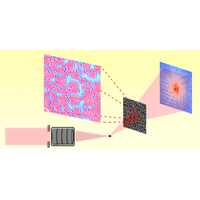
Bragg Coherent Modulation Imaging of Highly Strained Nanocrystals
Article | Condensed Matter and Materials | 2025-12-18 05:00 EST
Jiangtao Zhao, Ewen Bellec, Marie-Ingrid Richard, Linus Pithan, Ivan A. Vartanyants, Fucai Zhang, Tobias Schülli, and Steven J. Leake
Researchers have demonstrated a technique for measuring lattice distortions that are too big for conventional methods to handle.
Phys. Rev. Lett. 135, 256101 (2025)
Condensed Matter and Materials
Surface-State Engineering for Generation of Nonlinear Charge and Spin Photocurrents
Article | Condensed Matter and Materials | 2025-12-18 05:00 EST
Javier Sivianes, Peio Garcia-Goiricelaya, Daniel Hernangómez-Pérez, and Julen Ibañez-Azpiroz
We systematically explore the generation of nonlinear charge and spin photocurrents using spin-orbit split surface states. This mechanism enables net DC flow along the surface plane even in centrosymmetric bulk environments like the Rashba prototype Au(111), where we characterize the main quadratic …
Phys. Rev. Lett. 135, 256201 (2025)
Condensed Matter and Materials
Critical States of Fermions with ${\mathbb{Z}}_{2}$ Flux Disorder
Article | Condensed Matter and Materials | 2025-12-18 05:00 EST
Hiranmay Das, Naba P. Nayak, Soumya Bera, and Vijay B. Shenoy
We investigate the physics of fermions on a square lattice with flux, subjected to disordered random gauge fields that arise from flux defects, i.e., plaquettes with zero flux. At half filling, where the system possesses BDI symmetry, we show that a new class of critical states is realized, wit…
Phys. Rev. Lett. 135, 256305 (2025)
Condensed Matter and Materials
Variational Machine Learning Model for Electronic Structure Optimization via the Density Matrix
Article | Condensed Matter and Materials | 2025-12-18 05:00 EST
Luqi Dong, Shuxiang Yang, Su-Huai Wei, and Yunhao Lu
We present a novel approach that combines machine learning with direct variational energy optimization via the density matrix to solve the Kohn-Sham equation in density functional theory. Instead of relying on the conventional self-consistent field method, our approach directly optimizes the ground …
Phys. Rev. Lett. 135, 256403 (2025)
Condensed Matter and Materials
Quantum Geometry in Phonon-Mediated Optical Responses
Article | Condensed Matter and Materials | 2025-12-18 05:00 EST
Jiaming Hu, Wenbin Li, Zhichao Guo, Hua Wang, and Kai Chang
Quantum geometry is crucial for understanding intricate condensed matter systems, governing transport phenomena and optical responses. However, traditional studies of quantum geometry predominantly consider a static crystal lattice, focusing exclusively on the pure-electronic quantum geometry of the…
Phys. Rev. Lett. 135, 256404 (2025)
Condensed Matter and Materials
Quantum Geometric Origin of Strain-Induced Ferroelectric Phase Transitions
Article | Condensed Matter and Materials | 2025-12-18 05:00 EST
Jiaming Hu, Ziye Zhu, Yubo Yuan, Hua Wang, and Kai Chang
Strain-regulated ferroelectric (FE) materials have long attracted significant attention due to their diverse applications. While soft-phonon theory and the (pseudo) Jahn-Teller effect have achieved considerable success in providing phenomenological descriptions and general understanding, the detaile…
Phys. Rev. Lett. 135, 256405 (2025)
Condensed Matter and Materials
Emergent Dispersive Multipolar Excitations in ${\mathrm{NaErSe}}_{2}$
Article | Condensed Matter and Materials | 2025-12-18 05:00 EST
Zheng Zhang, Mingfang Shu, Mingtai Xie, Weizhen Zhuo, Yanzhen Cai, Christian Balz, Jianting Ji, Feng Jin, Jie Ma, and Qingming Zhang
In most condensed-matter systems, local and collective excitations remain decoupled due to their distinct energy scales. Here, we identify the coupled local-collective excitations in the triangular antiferromagnet , by combining neutron spectroscopy with a total angular momentum modeling. The…
Phys. Rev. Lett. 135, 256503 (2025)
Condensed Matter and Materials
Thermodynamic Geometric Constraint on the Spectrum of Markov Rate Matrices
Article | Statistical Physics; Classical, Nonlinear, and Complex Systems | 2025-12-18 05:00 EST
Guo-Hua Xu, Artemy Kolchinsky, Jean-Charles Delvenne, and Sosuke Ito
A thermodynamic constraint is placed on the spectrum of Markov rate matrices, allowing for a better understanding of the dynamics of biochemical clocks.

Phys. Rev. Lett. 135, 257102 (2025)
Statistical Physics; Classical, Nonlinear, and Complex Systems
Yielding and Memory in a Driven Mean-Field Model of Glasses
Article | Polymers, Chemical Physics, Soft Matter, and Biological Physics | 2025-12-18 05:00 EST
Makoto Suda, Edan Lerner, and Eran Bouchbinder
Glassy systems reveal a wide variety of generic behaviors, which lack a unified theoretical description. Here, we study a mean-field model recently shown to reproduce the universal nonphononic vibrational spectra of glasses under oscillatory driving forces. The driven mean-field model, featuring a d…
Phys. Rev. Lett. 135, 258201 (2025)
Polymers, Chemical Physics, Soft Matter, and Biological Physics
Physical Review X
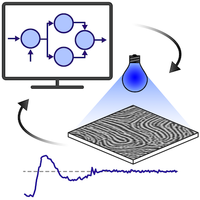
Closed-Loop Control of Active Nematic Flows
Article | 2025-12-19 05:00 EST
Katsu Nishiyama, John Berezney, Michael M. Norton, Akshit Aggarwal, Saptorshi Ghosh, Zahra Zarei, Michael F. Hagan, Seth Fraden, and Zvonimir Dogic
A feedback-controlled, light-responsive system regulates the chaotic motion of active fluids, maintaining steady flow speeds despite disturbances and enabling precise control over their dynamic behavior.
Phys. Rev. X 15, 041053 (2025)
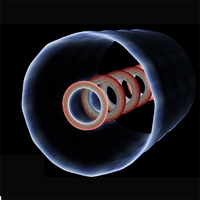
Clifford Algebras and Liquid Crystalline Fermions
Article | 2025-12-18 05:00 EST
N. Johnson, L. C. Head, O. D. Lavrentovich, A. N. Morozov, G. Negro, E. Orlandini, C. A. Smith, G. M. Vasil, and D. Marenduzzo
A new theoretical framework shows that defects in chiral liquid crystals follow the same mathematical rules as Majorana and Weyl particles, revealing deep parallels between soft-matter textures and particle physics.
Phys. Rev. X 15, 041052 (2025)
arXiv
Unveiling the amorphous ice layer during premelting using AFM integrating machine learning
New Submission | Materials Science (cond-mat.mtrl-sci) | 2025-12-19 20:00 EST
Binze Tang, Chon-Hei Lo, Tiancheng Liang, Jiani Hong, Mian Qin, Yizhi Song, Duanyun Cao, Ying Jiang, Limei Xu
Premelting plays a key role across physics, chemistry, materials and biology sciences but remains poorly understood at the atomic level due to surface characterization limitations. We report the discovery of a novel amorphous ice layer (AIL) preceding the quasi-liquid layer (QLL) during ice premelting, enabled by a machine learning framework integrating atomic force microscopy (AFM) with molecular dynamics simulations. This approach overcomes AFM’s depth and signal limitations, allowing for three-dimensional surface structure reconstruction from AFM images. It further enables structural exploration of premelting interfaces across a wide temperature range that are experimentally inaccessible. We identify the AIL, present between 121-180K, displaying disordered two-dimensional hydrogen-bond network with solid-like dynamics. Our findings refine the ice premelting phase diagram and offering new insights into the surface growth dynamic, dissolution and interfacial chemical reactivity. Methodologically, this work establishes a novel framework for AFM-based 3D structural discovery, marking a significant leap in our ability to probe complex disordered interfaces with unprecedented precision and paving the way for future disciplinary research, including surface reconstruction, crystallization, ion solvation, and biomolecular recognition.
Materials Science (cond-mat.mtrl-sci), Mesoscale and Nanoscale Physics (cond-mat.mes-hall), Chemical Physics (physics.chem-ph), Computational Physics (physics.comp-ph)
Phys. Rev. X 15, 041048 (2025)
Localization from Infinitesimal Kinetic Grading: Critical Scaling and Kibble-Zurek Universality
New Submission | Quantum Gases (cond-mat.quant-gas) | 2025-12-19 20:00 EST
Argha Debnath, Ayan Sahoo, Debraj Rakshit
We study a one-dimensional lattice model with site-dependent nearest-neighbor hopping amplitudes that follow a power-law profile. The hopping variation is controlled by a grading exponent, $ \alpha$ , which serves as the tuning parameter of the system. In the thermodynamic limit, the ground state becomes localized as $ |\alpha| \to 0$ , signaling the presence of a critical point characterized by a diverging localization length. Using exact diagonalization, we perform finite-size scaling analysis and extract the associated critical exponent governing this divergence, revealing a universality class distinct from well-known Anderson, Aubry-Andre, and Stark localization. To further characterize the critical behavior, we analyze the inverse participation ratio, the energy gap between the ground and first excited states, and the fidelity susceptibility. We also investigate nonequilibrium dynamics by linearly ramping the hopping profile at various rates and tracking the evolution of the localization length and the inverse participation ratio. The Kibble-Zurek mechanism successfully captures the resulting dynamics using the critical exponents obtained from the static scaling analysis. Our results demonstrate a clean, disorder-free route to localization and provide a tunable platform relevant to photonic lattices and ultracold atom arrays with engineered hopping profiles.
Quantum Gases (cond-mat.quant-gas), Quantum Physics (quant-ph)
8 pages, 4 figures
A new multiscale modeling approach to unravel the influence of interlayer sp3 bonds on the nonlinear large-deformation and fracture behaviors of 2D carbon nanostructures under tension
New Submission | Materials Science (cond-mat.mtrl-sci) | 2025-12-19 20:00 EST
Xiangyang Wang, Huibo Qi, Biao Xu, Shichao Dai, Jiqiang Li
To delve deeply into the nonlinear large-deformation and fracture behaviors of 2D carbon nanostructures (2D CNs), including bilayer graphene, diamane, and their transitional structures, this paper introduces a multiscale auxiliary nodes (MAN) method rooted in atomic structures and potentials. This approach simulates 2D CNs by constructing two virtual continuum sheets with high-order continuity. The moving least squares (MLS) approximation is employed to facilitate the transformation between atomic displacements and nodal displacements, thereby converting atomic potential energy into strain energy within the continuum model. Through iterative solutions of nonlinear stiffness equations, the equilibrium configuration of the system under specified loading conditions can be obtained. The flexibility in the density and arrangement of nodes allows for a smooth and seamless cross-scale transition from discrete atomic structures to a continuum model. Numerical simulations demonstrate that MAN method accurately predicts the nonlinear large-deformation and fracture behaviors of 2D CNs. The Young’s modulus and shear modulus of diamane in both zigzag and armchair directions closely approach those of diamond and are notably higher than those of graphene. Furthermore, the quantity and distribution of interlayer sp3 bonds significantly influence the fracture behavior of 2D CNs, with strategic placement of these bonds effectively enhancing the tensile strength of the structures.
Materials Science (cond-mat.mtrl-sci), Mesoscale and Nanoscale Physics (cond-mat.mes-hall)
Ab initio study of mechanical and functional properties of novel CaZnC and CaZnSi half-Heusler materials
New Submission | Materials Science (cond-mat.mtrl-sci) | 2025-12-19 20:00 EST
P. K. Kamlesh, U. K. Gupta, S. Verma, M. Rani, Y. Toual, A. S. Verma
This research work introduces the DFT through FP-LAPW+lo technique in WIEN2k software to obtain information about structural, thermoelectric, and optoelectronic characteristics of CaZnC and CaZnSi materials. The structural optimization was performed using PBE-GGA functional, while the rest of the characteristics were obtained with the PBE-GGA + TB-mBJ approach. The thermoelectric parameters were evaluated using BoltzTraP software. The elastic constants and other mechanical parameters were computed by utilizing the ELAST code within the WIEN2k software, while the thermodynamic characteristics were evaluated using the Gibbs2 program. The findings show a correlation between atomic composition and lattice dimensions while finding that CaZnC has a direct ($ \Gamma$ -$ \Gamma$ ) band gap of $ 1.186$ eV, whereas CaZnSi has an indirect ($ \Gamma$ -$ X$ ) band gap of $ 1.067$ eV. The optical studies of the compounds show potential applications for photovoltaics while the thermoelectric results find optimized power factors and figure of merit values for energy conversion performance. The elastic parameters of CaZnC and CaZnSi demonstrate material stability and brittleness. Lastly, the thermodynamic evaluations provide information about the thermal mechanism and disorder of the materials. As a result, this research work provides significant advancements in the understanding of the fundamentals of these compounds and highlights their promising applications in renewable energy technologies.
Materials Science (cond-mat.mtrl-sci)
26 pages, 21 figures
Examination of Hydrogen Evolution Bubble Trapping in Ordered Porous 3D Printed Metal and Metal Oxide-Coated Microlattice Electrodes
New Submission | Materials Science (cond-mat.mtrl-sci) | 2025-12-19 20:00 EST
Matthew Ferguson, Alex Lonergan, Christopher Kent, Dara Fitzpatrick, Colm O’Dwyer
Determining the nature of surface roughness and electrode pore structure on H2 bubble evolution rate and quantity, and bubble trapping under electrolytic conditions is important for quantifying useful gas production during total water splitting and hydrogen evolution reactions. Controlled electrode systems involving the design of geometry, surface area, and porosity provides options to understand trapped/redissolved gas bubble evolution and improve overall efficiency. In this study, we use vat polymerization (Vat-P) 3D-printing to create ordered microlattice electrode structures from metal and metal-oxide coated photopolymerized methacrylate-based resins. These micro-lattice structures are designed with various geometries to influence bubble traffic from gas nucleation and evolution during electrochemical HER processes. Using cyclic and linear sweep voltammetry, and chronopotentiometry, this work analyzes the response of metallized (NiO/Ni(OH)2 and Au) microlattice HER electrodes as a function of geometric structure, to gauge influence of material activity, small scale surface roughness, and the larger substrate pore network on the traffic or larger bubbles formed during HER. This work also uses broadband acoustic resonance dissolution spectroscopy (BARDS) to quantify bubble evolution and reabsorption in the electrolyte during electrolysis. The results show that coated 3D printed electrodes are robust HER electrodes, allow efficient transport of small bubbles, but significant limitations are found for larger bubble transport through ordered porous microlattice shown through model simulations and experimental measurements.
Materials Science (cond-mat.mtrl-sci)
19 pages, 8 figures
Time-resolved Charge Detection in Transition Metal Dichalcogenide Quantum Dots
New Submission | Mesoscale and Nanoscale Physics (cond-mat.mes-hall) | 2025-12-19 20:00 EST
Markus Niese, Michele Masseroni, Clara Scherm, Christoph Adam, Max J. Ruckriegel, Artem O. Denisov, Jonas D. Gerber, Lara Ostertag, Jessica Richter, Kenji Watanabe, Takashi Taniguchi, Thomas Ihn, Klaus Ensslin
We investigate electronic transport through gate-defined quantum dots in molybdenum disulfide MoS$ _2$ using an integrated charge detector. We observe a crossover from two weakly coupled single dots to a strongly coupled double quantum dot. In the regime of extremely weak dot-lead coupling, where the direct transport current is below the detection limit, we measure the dot occupation via charge detection and access the few-electron regime. Due to the large band gap of MoS$ _2$ , tunneling rates can be sufficiently suppressed to resolve individual tunneling events. These results establish a platform for single-shot spin- and valley-to-charge conversion and highlight the potential of transition-metal dichalcogenide quantum dots for quantum information applications.
Mesoscale and Nanoscale Physics (cond-mat.mes-hall)
Determining the superconducting order parameter of UPt$_3$ using scanning tunneling microscopy
New Submission | Superconductivity (cond-mat.supr-con) | 2025-12-19 20:00 EST
Rebecca Bisset, Luke C. Rhodes, Hugo Decitre, Matthew J. Neat, Ana Maldonado, Andrew Huxley, Carolina A. Marques, Peter Wahl
Superconductivity, a state in which electrical currents can flow without resistance, occurs because of pairing of electrons into quasiparticles with integer spin $ S$ . In practically all known superconducting materials, these pairs form a singlet with $ S=0$ . Finding a material that has triplet pairing, $ S=1$ , would have profound fundamental and technological implications. UPt$ _3$ has been a key candidate material for spin-triplet superconductivity. Because of a lack of direct evidence for the pairing symmetry, the nature of the superconducting pairing remains under debate. Here, we use ultra-low temperature scanning tunneling microscopy to resolve this question. Our data reveals a zero-bias Andreev bound state within the gap for a surface normal to the $ c$ -axis of UPt$ _3$ . The superconducting origin of the features is confirmed through vortex imaging. For triplet pairing, such an Andreev state is fragile against Rashba spin-splitting, whereas for singlet pairing it remains robust, classifying UPt$ _3$ as a spin-singlet superconductor with a chiral order parameter.
Superconductivity (cond-mat.supr-con), Strongly Correlated Electrons (cond-mat.str-el)
23 pages including supplementary materials, 8 figures
Quadrupolar and dipolar phases of excitons in transition-metal dichalcogenide trilayer heterostructures
New Submission | Mesoscale and Nanoscale Physics (cond-mat.mes-hall) | 2025-12-19 20:00 EST
Michal Zimmerman, Daniel Podolsky, Ronen Rapaport, Snir Gazit
Recent experiments on trilayer transition-metal dichalcogenide heterostructures have revealed the rich behavior of dipolar excitons. Motivated by these experimental observations, we investigate the collective dynamics of planar quantum dipoles whose orientation fluctuates due to charge tunneling between the outer layers. Using large-scale quantum Monte Carlo simulations, we map out the low-temperature phase diagram as a function of experimentally tunable parameters. We uncover a diverse landscape of phases driven by dipolar correlations. Under strong dipole fluctuations, a quadrupolar superfluid emerges. Suppressing charge tunneling nucleates a droplet state stabilized by the attractive interaction between antiparallel dipoles. At high exciton densities, the system gives way to a partially fragmented condensate, characterized by competing quadrupolar and dipolar superfluid states. Furthermore, at a large exciton mass and high density, we find a staggered dipolar crystal. Our detailed study of the dependence of exciton energy shifts on an external electric field directly interprets existing experimental data and underscores the crucial role of the antiparallel dipolar configuration. Our results provide a guide for future experimental explorations of quantum phases of trilayer excitons.
Mesoscale and Nanoscale Physics (cond-mat.mes-hall), Quantum Gases (cond-mat.quant-gas), Strongly Correlated Electrons (cond-mat.str-el)
24 pages, 20 figures
High-throughput discovery of moiré homobilayers guided by topology and energetics
New Submission | Materials Science (cond-mat.mtrl-sci) | 2025-12-19 20:00 EST
Naoto Nakatsuji, Jennifer Cano, Valentin Crépel
Van der Waals heterostructures promise on-demand designer quantum phases through control of monolayer composition, stacking, twist angle, and external fields. Yet, experimental efforts have been narrowly focused, leaving much of this vast moiré landscape unexplored and potential promises unrealized. Here, we present a scalable workflow for high-throughput characterization of twisted homobilayers and apply it to $ K$ -valley semiconductors. Combining small-scale density functional theory with perturbation theory, we efficiently extract moiré band gaps, valley Chern numbers, magic angles, and the threshold for lattice relaxation. Beyond this rapid high-throughput characterization, we parameterize a continuum model for each material, which provides a starting point for more detailed study. Our survey delivers an actionable map for systematic exploration of correlated and topological phases in moiré homobilayers, and identifies promising new platforms: chromium-based transition metal dichalcogenides for high-temperature quantum anomalous Hall effects, transition metal nitride halides for intertwined superconducting and moiré physics, and atomically thin $ \rm{III-V}$ semiconductors for room-temperature-scale moiré effects.
Materials Science (cond-mat.mtrl-sci)
20 pages, 7 figures, 6 tables
Spin-dependent quasiparticle lifetimes in altermagnets
New Submission | Strongly Correlated Electrons (cond-mat.str-el) | 2025-12-19 20:00 EST
Kristoffer Leraand, Kristian Mæland, Asle Sudbø
We investigate many-body effects on the spin-split electron bands in altermagnets by computing the electron self-energy arising from interactions with magnons, phonons, and hybridized magnon-phonon modes. These interactions lead to band broadening, which can obscure the intrinsic spin-splitting in spectroscopic measurements. We consider a $ d$ -wave Lieb lattice altermagnet as a representative example. Our results reveal that the spin-splitting remains spectroscopically resolvable and provide theoretical estimates of lifetime effects relevant for experimental detection. For electron-magnon coupling, we find a distinct difference between spectral function broadening for up and down spins close to the Fermi surface, which is not present in the case of electron-phonon coupling. We relate it to the spin splitting of the magnon modes in altermagnets. The results, including magneto-elastic coupling, are very similar to the pure magnon case. This provides insights into quasiparticle dynamics in altermagnets and contributes to the broader understanding of many-body interactions in spin-split systems. By including the temperature dependence of the self-energies, we also quantify how thermal fluctuations influence the broadening of the electronic states.
Strongly Correlated Electrons (cond-mat.str-el), Materials Science (cond-mat.mtrl-sci)
17 pages, 7 figures
Anyon Dispersion in Aharonov-Casher Bands and Implications for Twisted MoTe${}_2$
New Submission | Strongly Correlated Electrons (cond-mat.str-el) | 2025-12-19 20:00 EST
Zihan Yan, Qingchen Li, Tomohiro Soejima, Eslam Khalaf
The discovery of fractional quantum anomalous Hall (FQAH) states in two-dimensional heterostructures has opened the door to realizing phases of dispersing anyons. Here, we develop an analytically controlled theory of anyon dispersion in FQAH states realized in ideal or Aharonov-Casher (AC) bands by projecting interactions onto the space of Laughlin quasiholes. Constructing quasihole momentum eigenstates allows efficient evaluation of the single quasihole dispersion using Monte Carlo. We find that the quasihole bandwidth grows with increasing quantum-geometry inhomogeneity of the AC band and with increasing interaction screening length. For realistic parameters relevant to the bands of twisted MoTe$ {}_2$ , the quasihole bandwidth is of order 1 meV, suggesting that itinerant-anyon physics may play an important role in sufficiently clean samples. Furthermore, we develop a microscopic Lagrangian framework in terms of a quasihole guiding-center coordinate, which reproduces the momentum-space formula for the dispersion. This approach reveals that quasihole dispersion originates from the combined effects of an interaction-generated periodic potential, arising from non-uniform quantum geometry of the single particle bands, and the quasihole many-body Berry phase arising from the background magnetic field. The latter endows the guiding-center coordinate with a noncommutative structure, converting the periodic potential into a finite dispersion. Finally, we outline how this framework generalizes to multiple quasiholes, enabling a microscopic theory of charged excitations in FQAH systems that retains only the anyon degrees of freedom.
Strongly Correlated Electrons (cond-mat.str-el), Mesoscale and Nanoscale Physics (cond-mat.mes-hall)
18+9 pages, 4+7 figures
Classifying one-dimensional Floquet phases through two-dimensional topological order
New Submission | Strongly Correlated Electrons (cond-mat.str-el) | 2025-12-19 20:00 EST
Campbell McLauchlan, Vedant Motamarri, Benjamin Béri
Floquet systems display rich phenomena, such as time crystals, with many-body localisation (MBL) protecting the phases from heating. While several types of Floquet phases have been classified, a unified picture of Floquet MBL is still emerging. Static phases have been fruitfully studied via “symmetry topological field theory” (SymTFT), wherein the universal features of $ G$ -symmetric systems are elucidated by placing them on the boundary of a topological order of one dimension higher. In this work, we provide a SymTFT approach to classifying $ G$ -symmetric Floquet MBL phases in 1D, for $ G$ a finite Abelian group with on-site unitary action. In the SymTFT, these 1D systems correspond to the boundaries of the quantum double associated to $ G$ , and the classification naturally arises from considering the Lagrangian subgroups and boundary excitations of the quantum double. The classification covers all known Floquet phases while uncovering others previously unexplored, along with bulk features of phases thought to have only boundary signatures. We refer to the latter phases as “dual” time crystals. For static phases, we show how anyons of the quantum double and (string) order parameters provide a natural and simple interpretation of known classification schemes. By extending our framework to the boundaries of twisted quantum doubles, we uncover a new time-crystalline phase with non-onsite symmetry, which cannot be obtained through local, symmetric Hamiltonian drives. We numerically demonstrate evidence for the absolute stability of this phase, and observe that for open boundary conditions it has greater stability to symmetric perturbations. We finally discuss perspectives on using programmable quantum devices to realise and probe the phases we discuss. Our results show that SymTFT provides a powerful approach to unifying phases and features of Floquet systems.
Strongly Correlated Electrons (cond-mat.str-el), High Energy Physics - Theory (hep-th), Quantum Physics (quant-ph)
32 pages, 5 figures
Extracting Anyon Statistics from Neural Network Fractional Quantum Hall States
New Submission | Strongly Correlated Electrons (cond-mat.str-el) | 2025-12-19 20:00 EST
Andres Perez Fadon, David Pfau, James S. Spencer, Wan Tong Lou, Titus Neupert, W. M. C. Foulkes
Fractional quantum Hall states host emergent anyons with exotic exchange statistics, but obtaining direct access to their topological properties in real systems remains a challenge. Neural-network wavefunctions provide a flexible computational approach, as they can represent highly correlated states without requiring a tailored basis. Here we use the neural-network variational Monte Carlo method to study the fractional quantum Hall effect on the torus and find the three degenerate ground states at filling factor nu=1/3. From these, we extract the modular S matrix via entanglement interferometry, a technique previously only applied to lattice models. The resulting S matrix encodes the quantum dimensions, fusion rules, and exchange statistics of the emergent anyons, providing a direct numerical demonstration of the topological order. The calculated anyon properties match the well-known theoretical and experimental results. Our work establishes neural-network wavefunctions as a powerful new tool for investigating anyonic properties.
Strongly Correlated Electrons (cond-mat.str-el)
Thermoelectric Signatures of Kondo Physics in Geometry-Tunable Double Quantum Dots
New Submission | Mesoscale and Nanoscale Physics (cond-mat.mes-hall) | 2025-12-19 20:00 EST
Diego Perez Daroca, Pablo Roura-Bas
The equilibrium thermoelectric and spectral properties of a double quantum dot system are investigated, with the geometry continuously tuned from series to parallel via a parameter $ p $ . Within the non-crossing approximation in the infinite-$ U $ limit, the Kondo peak remains robust, while satellite features and the Kondo temperature show strong sensitivity to the geometry. The Seebeck coefficient exhibits sign reversals and non-monotonic behavior as a result of the interplay between Kondo and satellite peaks. These findings underscore the role of interference and coupling asymmetry in governing transport properties, suggesting routes for geometry-based optimization in nanoscale devices.
Mesoscale and Nanoscale Physics (cond-mat.mes-hall), Strongly Correlated Electrons (cond-mat.str-el)
9 pages, 10 figures, accepted for publication in Phys. Status Solidi B
Quantum theory for edge current and noise in 2D topological superconductors
New Submission | Mesoscale and Nanoscale Physics (cond-mat.mes-hall) | 2025-12-19 20:00 EST
We calculate the edge current and its fluctuations, i.e. noise, in a 2D topological superconductor using the T-matrix and the Green function techniques. We show that the current is zero for non-chiral edge states and non-zero for chiral edge states, while the edge noise is non-zero whatever the chirality of the edge states. By applying our results to toy models with chiral edge states, we find that the noise is closely related to the Chern number. The edge noise is non-zero only when the Chern number is non-zero, and the bulk noise exhibits a peak each time the Chern number varies, meaning that there is strong current fluctuations when a topological phase transition occurs. Our results suggest that the bulk noise could be seen as a topological susceptibility.
Mesoscale and Nanoscale Physics (cond-mat.mes-hall), Superconductivity (cond-mat.supr-con)
10 pages, 11 figures
Ultra-Fast Machine-Learned Interatomic Potential for MoS2 Enabling Non-Equilibrium Molecular-Dynamics Simulation of Epitaxial Growth
New Submission | Materials Science (cond-mat.mtrl-sci) | 2025-12-19 20:00 EST
Emir Bilgili, Nicholas Taormina, Richard Hennig, Simon R. Phillpot, Youping Chen
A machine-learned interatomic potential (MLIP) for multilayer MoS2 was developed using the ultra-fast force field (UF3) framework. The UF3 MLIP reproduces key properties in strong agreement with DFT including lattice constants, interlayer binding energies, and phase-stability. Furthermore, the potential reasonably captures the phonon spectra and the highly anisotropic elastic tensor across monolayer (1H) and bulk (2H, 3R) MoS2 phases. Critically, defect and edge formation energies are captured with excellent fidelity, exhibiting a strong correlation with DFT (R^2 = 0.91) across ten defective monolayers and reproducing the relative difference between the free energies of zigzag and armchair edges within 5% of DFT. Non-equilibrium molecular dynamics simulations reveal layered homoepitaxial growth consistent with experimental observations, demonstrating the formation of van der Waals gaps between successive epilayers and triangular domains bounded by zigzag edges. The robust UF3 MLIP, which is only ~2X slower than the fastest empirical potentials, enables large-scale atomistic simulations of MoS2 epitaxial growth.
Materials Science (cond-mat.mtrl-sci)
Active Learning Discovery of High Temperature Oxidation Resistant Refractory Complex Concentrated Alloys
New Submission | Materials Science (cond-mat.mtrl-sci) | 2025-12-19 20:00 EST
Akhil Bejjipurapu, Sharmila Karumuri, Joseph C. Flanagan, Victoria Tucker, Ilias Bilionis, Alejandro Strachan, Kenneth H. Sandhage, Michael S. Titus
Refractory complex concentrated alloys (RCCAs) are of significant interest for advanced high-temperature applications, owing to their broad compositional range and potential for attractive mechanical properties and oxidation resistance. However, their compositional complexity poses significant challenges to conventional alloy discovery methodologies. In this study, an active learning framework is introduced that integrates Gaussian process regression with Bayesian global optimization to accelerate identification of oxidation-resistant RCCAs. Focusing on aluminum-containing quaternary systems, alloy and oxide descriptors were used to predict oxidation performance at 1000$ ^\circ$ C. Beginning with a dataset of 81 experimentally validated RCCAs, this framework was used to iteratively select alloy batches (five alloys per batch) with optimization based on a balance between exploration and exploitation to minimize associated experimental costs. After six iterations, two alloys were identified (nominal Al$ _{30}$ Mo$ _5$ Ti$ _{15}$ Cr$ _{50}$ and Al$ _{40}$ Mo$ _5$ Ti$ _{30}$ Cr$ _{25}$ ) that exhibited specific mass gains less than 1 mg/cm$ ^2$ at 1000$ ^\circ$ C in air. Both of these alloys formed adherent external $ \alpha$ -Al$ _2$ O$ _3$ scales and exhibited parabolic oxidation kinetics consistent with diffusion-limited scale growth. Furthermore, our multiobjective analysis demonstrates that these alloys simultaneously achieve high specific hardness ($ >0.12$ HV$ _{0.5}$ m$ ^3$ /kg) and thermal expansion compatibility with thermal barrier coating systems, positioning them as promising bond coat candidates. This work underscores the efficacy of active learning in traversing complex compositional landscapes, and offers a scalable strategy for the development of advanced materials suitable for extreme environments.
Materials Science (cond-mat.mtrl-sci)
Visualizing metal-mediated nucleation and growth of GaN
New Submission | Materials Science (cond-mat.mtrl-sci) | 2025-12-19 20:00 EST
Abby Liu, Zhucong Xi, Xiaobo Chen, Catherine Huang, Meng Li, Judith C. Yang, Liang Qi, Dmitri N. Zakharov, Rachel S. Goldman
Understanding the atomic-scale mechanisms governing metal-mediated nucleation and growth of gallium nitride (GaN) and related alloys is critical for tailoring their structural and functional properties in advanced electronic, optoelectronic, and quantum devices. Using real-time environmental transmission electron microscopy (E-TEM) in conjunction with Gibbs free energy calculations, we elucidate the distinct processes of GaN nucleation and growth from Ga droplet arrays with and without GaN pre-nuclei. For the lowest temperatures, although GaN nucleation at Ga droplet arrays is not observed, GaN growth occurs preferentially at pre-existing GaN nuclei, presumably due to the reduced Gibbs free energy for NH3 decomposition at Ga/GaN interfaces. For intermediate to high temperatures, E-TEM reveals nucleation and growth of GaN from Ga droplets with and without GaN nuclei, with enhanced crystallinity for the GaN nuclei, due to epitaxial templating. These results highlight the critical role of the Ga/GaN interface in facilitating NH3 decomposition and GaN growth, offering fundamental insights into metal-mediated nucleation and growth of GaN and related materials.
Materials Science (cond-mat.mtrl-sci), Mesoscale and Nanoscale Physics (cond-mat.mes-hall), Statistical Mechanics (cond-mat.stat-mech)
Magneto-optical Kerr effect in pump-probe setups
New Submission | Materials Science (cond-mat.mtrl-sci) | 2025-12-19 20:00 EST
Amir Eskandari-asl, Adolfo Avella (Dipartimento di Fisica ‘E.R. Caianiello’, Università degli Studi di Salerno, Fisciano (SA), Italy)
We develop a general theoretical framework for computing the time-resolved magneto-optical Kerr effect in ultrafast pump-probe setups, formulated within the Dynamical Projective Operatorial Approach (DPOA) and its application to the generalized linear-response theory for pumped systems. Furthermore, we exploit this formalism to express the post-pump optical conductivity and consequently the Kerr rotation in terms of the time-evolved single-particle density matrix (SPDM), providing a transparent and computationally efficient description of photo-excited multi-band systems. This extension, in addition to its lower computational cost, has the advantage of allowing the inclusion of phenomenological damping. We illustrate the formalism using both (i) a two-band tight-binding model, which captures the essential physics of ultrafast spin-charge dynamics and the Kerr rotation, and (ii) weakly spin-polarized germanium, as a realistic playground with a complex band structure. The results demonstrate that, by exploiting DPOA and/or its SPDM extension, one can reliably reproduce both the short-time features under the pump-pulse envelope and the long-time dynamics after excitation, offering a versatile framework for analyzing time-resolved magneto-optical Kerr effect experiments in complex materials. Moreover, this analysis clearly shows that the Kerr rotation can be used to deduce experimentally the relevant n-photon resonances for a given specific material.
Materials Science (cond-mat.mtrl-sci), Optics (physics.optics), Quantum Physics (quant-ph)
14 pages, 5 figures, 18 panels
Transient Surface Oxides Form on Pt(111) - But Vanish During Ammonia Oxidation
New Submission | Materials Science (cond-mat.mtrl-sci) | 2025-12-19 20:00 EST
David Simonne, Allesandro Coati, Alina Vlad, Yves Garreau, Benjamin Voisin, Marie-Ingrid Richard, Andrea Resta
Ammonia oxidation on platinum catalysts is pivotal for industrial nitric acid production and environmental abatement, yet the role of surface oxides in this process remains debated. Using operando surface X-ray diffraction (SXRD), crystal truncation rod (CTR) analysis, and near-ambient pressure X-ray photoelectron spectroscopy (NAP-XPS), we reveal that Pt(111) does not form stable surface oxides under ammonia oxidation conditions. Instead, transient hexagonal monolayers and a Pt(111)-(8x8) superstructure emerge under oxygen-rich atmospheres and above the catalyst light-off temperature, but vanish upon ammonia exposure. Real-time mass spectrometry and NAP-XPS demonstrate that the reaction proceeds via a Langmuir-Hinshelwood mechanism, where adsorbed NHx and O species availability dictate selectivity toward NO or N2. Reducing the oxygen pressure by an order of magnitude slows the kinetics of oxide growth, only detected after 24 hr, and facilitated by transient and precursor structures.
Materials Science (cond-mat.mtrl-sci)
25 pages, 20 figures
Minority Takeover in Majority Dynamics: Searching for Rare Initializations via the History Passing Algorithm
New Submission | Disordered Systems and Neural Networks (cond-mat.dis-nn) | 2025-12-19 20:00 EST
Marek Jankola, Freya Behrens, Cédric Koller, Lenka Zdeborová
We investigate how much bias in the initial configuration is required to drive global agreement in synchronous, deterministic majority dynamics on large random $ d$ -regular graphs. Nodes take values $ \pm 1$ and update their states at each discrete time step to align with the majority of their neighbors. Using the backtracking dynamical cavity method (BDCM), we estimate the minimal fraction of initial $ +1$ nodes required to achieve a $ +1$ consensus in $ p$ time steps. Our analysis predicts that for $ d\geq4$ an initial global minority of $ +1$ nodes is sufficient to quickly steer the entire system toward consensus on $ +1$ .
We then investigate whether such initial conditions can be determined explicitly for a given large random regular graph. To this end, we introduce a new algorithm, which we name history-passing reinforcement (HPR), designed to find such initial configurations with a minority of $ +1$ nodes. We find, as a main result, that the HPR algorithm finds initial configurations where the minority takes over the majority for $ d$ -regular random graphs with $ d\geq4$ .
The HPR algorithm outperforms standard simulated annealing-based methods, but does not reach the lowest densities predicted by the BDCM. Rather, the lowest density achievable by the algorithm is near the onset of a dynamical one-step replica symmetry breaking (d1RSB) phase, which we estimate using a one-step replica symmetry breaking (1RSB) formulation of the BDCM. While we focus on the majority dynamics and random $ d$ -regular graphs, the algorithm can be extended to other dynamical rules and classes of sparse graphs.
Disordered Systems and Neural Networks (cond-mat.dis-nn)
Engineering Fractional Topological Superconductors: Numerical Bogoliubov-de Gennes Analysis for Parafermion Realization in FCI-Superconductor Heterostructures
New Submission | Mesoscale and Nanoscale Physics (cond-mat.mes-hall) | 2025-12-19 20:00 EST
We propose a pathway to engineer Z3 parafermion zero modes in fractional Chern insulator-superconductor heterostructures. Using numerical Bogoliubov-de Gennes calculations and edge-theory analysis, we demonstrate how realistic materials such as MoTe2/NbSe2 can host parafermionic excitations with experimentally accessible signatures, including fractional Josephson effects, localized zero modes, interferometry, and thermal transport. Our work outlines concrete strategies for experimentally accessing parafermionic excitations in FCI-superconductor heterostructures.
Mesoscale and Nanoscale Physics (cond-mat.mes-hall)
Entropy-production fluctuation theorem for a generalized Langevin particle in crossed electric and magnetic fields
New Submission | Statistical Mechanics (cond-mat.stat-mech) | 2025-12-19 20:00 EST
L. C. González-Morales, I. Pérez Castillo, J. I. Jiménez-Aquino
We study fluctuations of entropy production for a charged Brownian particle confined in a harmonic trap and driven out of equilibrium by crossed electric and magnetic fields. The magnetic field is constant and perpendicular to the plane of motion, while the electric field is time dependent and provides the driving. The non-Markovian dynamics is modeled by a generalized Langevin equation with memory and Gaussian noise. Using the exact solution of this linear dynamics, we obtain the time-dependent Gaussian phase-space probability density and from it compute the trajectory-dependent total entropy production. For two solvable driving protocols, we prove analytically that the entropy production obeys a detailed fluctuation theorem.
Statistical Mechanics (cond-mat.stat-mech)
Correlated many-body quantum dynamics of the Peregrine soliton
New Submission | Quantum Gases (cond-mat.quant-gas) | 2025-12-19 20:00 EST
D. Diplaris, G. A. Bougas, P.G. Kevrekidis, C.-L. Hung, P. Schmelcher, S. I. Mistakidis
We explore the correlated dynamics underlying the formation of the quantum Peregrine soliton, a prototypical rogue-wave excitation, utilizing interaction quenches from repulsive to attractive couplings in an ultracold bosonic gas confined in a one-dimensional box trap. The latter emulates the so-called semi-classical initial conditions and the associated gradient catastrophe scenario facilitating the emergence of a high-density, doubly localized waveform. The ensuing multi-orbital variant of the Peregrine soliton features notable deviations from its mean-field sibling, including a reduced peak amplitude, wider core, absence of the side density dips, and earlier formation times. Moreover, Peregrine soliton generation yields coherence losses, while experiencing two-body bunching within each of its sides which show anti-bunching between each other. Controllable seeding of the Peregrine soliton is also demonstrated by tuning the atom number or the box length, while reducing the latter favors the generation of the time-periodic Kuznetsov-Ma breather. Our results highlight that correlations reshape the morphology of rogue-waves in the genuinely quantum, non-integrable realm, while setting the stage for the emergent field of quantum dispersive hydrodynamics.
Quantum Gases (cond-mat.quant-gas), Pattern Formation and Solitons (nlin.PS), Quantum Physics (quant-ph)
17 pages, 8 figures, 2 appendices
Pulse-Mode Operation and Reliability of BEOL-Compatible Ferroelectric Non-Volatile Capacitive Memories with Amorphous Oxide Semiconductor Channels
New Submission | Materials Science (cond-mat.mtrl-sci) | 2025-12-19 20:00 EST
Junmo Lee, Chengyang Zhang, Tae-Hyeon Kim, Suman Datta, Shimeng Yu
Non-volatile capacitive memories (nvCAPs) exhibiting AC small-signal capacitance on/off ratio (Con/Coff) with non-destructive read have emerged as a promising device for next-generation memory paradigms. Recently, BEOL-compatible ferroelectric nvCAPs with an amorphous oxide semiconductor channel have been reported, suggesting the possibility of monolithic 3D integration of nvCAPs on top of CMOS. So far, the characterization studies on oxide-channel ferroelectric nvCAPs have been done using dual DC sweep C-V measurements which are typically performed over a time scale of a few seconds. However, non-volatile memory arrays typically require nvCAPs to operate under pulse-mode. It is thus crucial to advance understanding of the behavior of oxide-channel ferroelectric nvCAPs under pulse-mode operation, governed by the unique interplay between ferroelectric layer and oxide channel physics. In this study, we provide a systematic study of the pulse-mode operation of ferroelectric nvCAPs with an amorphous oxide semiconductor channel, including its pulse-based write characteristics and reliability characteristics. We examine overlap area, wake-up and pulse-width dependent Con and Coff writing characteristics under pulse-mode. Further, we suggest the importance of optimizing ferroelectric depolarization for Con retention, while reducing read-after-delay for Coff retention under pulse-mode. Lastly, non-destructive read operation for >10^9 read stress cycles at |Vread|=1V is demonstrated.
Materials Science (cond-mat.mtrl-sci), Other Condensed Matter (cond-mat.other), Applied Physics (physics.app-ph)
Under Review in a Journal
Imaging Electron-Hole Asymmetry in the Quantum Melting of Generalized Wigner Crystals
New Submission | Strongly Correlated Electrons (cond-mat.str-el) | 2025-12-19 20:00 EST
Emma Berger, Michael Arumainayagam, Zhihuan Dong, Lucas Schneider, Tianle Wang, Greyson Nichols, Salman Kahn, Rwik Dutta, Gaoqiang Wang, Takashi Taniguchi, Kenji Watanabe, Mit H. Naik, Michael P. Zaletel, Feng Wang, Michael F. Crommie
Two-dimensional moiré materials provide a versatile platform to explore phase transitions in strongly correlated systems. Using scanning tunneling microscopy (STM) we have imaged the density-driven melting of generalized Wigner crystals (GWCs) and Mott insulators (MIs) in electron-doped, near-60° twisted MoSe2 bilayers featuring a triangular moiré superlattice. We observe striking electron-hole asymmetry in GWC melting: hole-doped GWCs yield interaction-driven disordered states whereas electron-doped GWCs melt into delocalized liquid-like states. This asymmetry arises from the broken particle-hole symmetry of the moiré superlattice, which produces electron and hole Fermi pockets with different momentum geometries upon GWC condensation. MI states melt without such asymmetry, consistent with the absence of a symmetry-breaking density modulation. This work provides direct visualization of the novel emergent phases that appear as GWCs undergo quantum melting transitions.
Strongly Correlated Electrons (cond-mat.str-el)
49 pages (Main Text - 22 pages, 5 figures + SI - 27 pages, 12 Figures)
Confinement-induced Ultrafast Conductivity in 2D Perovskites resolved by correlative Terahertz-NIR Spectroscopy
New Submission | Materials Science (cond-mat.mtrl-sci) | 2025-12-19 20:00 EST
Lion Krüger, Fabian Brütting, Michael Baumann, Moritz B. Heindl, Maximilian Spies, Anna Köhler, Alexander JC Kühne, Georg Herink
Quantum wells made of two-dimensional organic-inorganic hybrid perovskites (2D-PKs) offer a high degree of flexibility in tailoring optoelectronic properties through carrier confinement and functional interlayers. Compared to their 3D counterparts, 2D-PKs exhibit tunable photoluminescence, excitonic binding at room temperature and enhanced structural stability. However, the dynamics of photo-induced charge carriers and their transport properties are highly intertwined due to the interplay of diverse excitation species, charge carrier cooling, transport, and radiative and non-radiative recombination. In this study, we employ optical-pump terahertz-probe spectroscopy (OPTP) to analyze the local conductivity dynamics of 2D and 3D methylammonium lead iodide (MAPI) perovskites at timescales down to picoseconds. Remarkably, we observe an intensity-dependent, 2D-specific buildup of an ultrafast, few-picosecond decay in local conductivity. By combining OPTP with transient absorption (TA) and picosecond time-resolved photoluminescence (TRPL), we demonstrate the disentanglement of photoconductivity and carrier population. This allows us to attribute the 2D-specific ultrafast THz response to delayed hot-carrier cooling and subsequent exciton formation, which effectively reduces the free-carrier conductivity. This intensity-dependent, ultrafast THz response is a signature of the recently identified hot-carrier bottleneck in 3D MAPI, and this effect manifests itself in a unique form in the 2D material. These results encourage further investigations on the impact of functional organic interlayers and provide insights into designing tunable carrier responses for ultrafast devices via adapted heterostructures and confinement.
Materials Science (cond-mat.mtrl-sci)
This manuscript has been submitted to The Journal of Chemical Physics (AIP Publishing)
Echelon crack formation explained through a strength-constrained phase-field model
New Submission | Materials Science (cond-mat.mtrl-sci) | 2025-12-19 20:00 EST
Understanding the growth of large cracks in brittle materials is the most fundamental problem in fracture mechanics. Under out-of-plane shear loading, an initially planar crack may fragment into multiple cracks, forming an echelon crack pattern. Explaining this phenomenon is essential for developing a general theory of crack growth. Although numerous empirical criteria have been proposed in the literature, none provide a unified explanation of all observed features and are largely restricted to two-dimensional growth in linear elastic isotropic materials. In this Letter, we confront a classical set of echelon crack growth experiments using two phase-field approaches: the classical variational model and a strength-constrained model. We show that, contrary to prevailing views, the variational model based solely on Griffith’s energetic competition between elastic and fracture energies is fundamentally incomplete even for predicting the growth of large cracks. By incorporating a material strength surface that constrains the regions in which a crack can grow, the resulting model accurately predicts echelon crack growth without invoking any ad hoc assumptions about material or geometrical disorder. Results are presented for both soft and hard materials, confirming the model’s general applicability to any brittle material. We further identify two governing non-dimensional parameters that control crack orientation and morphology and demonstrate that one of them, the ratio of shear to tensile strength, determines whether crack paths are more influenced by energy-based or stress-based empirical criteria, thereby reconciling these criteria within a single framework.
Materials Science (cond-mat.mtrl-sci), Soft Condensed Matter (cond-mat.soft)
Tuning Carrier Type and Density in Highly Conductive and Infrared-Transparent (Bi1-xSbx)2Te3 films
New Submission | Materials Science (cond-mat.mtrl-sci) | 2025-12-19 20:00 EST
Xiangren Zeng, Shenjin Zhang, Zhiheng Li, Weiyue Ma, Renjie Xie, Yanwei Cao, Fengguang Liu, Fengfeng Zhang, Haichao Zhao, Xiong Yao
Infrared transparent conductors have long been sought due to their broad optoelectronic applications in the infrared wavelength range. However, the search for ideal materials has been limited by the inherent trade-off between electrical conductance and optical transmittance. Band engineering offers an effective approach to modulate carrier type and density, enabling concurrent tuning of both conductance and transmittance. In this work, we present a band engineering strategy that enables effective tuning of both infrared transmittance and electrical conductance in topological insulator (Bi1-xSbx)2Te3, bridging the gap and paving the way for applying topological insulators to infrared photoelectric devices. More importantly, with the combination of high carrier mobility and a large optical dielectric constant as suggested by previous report, Sb2Te3 achieves a high electrical conductance (1000 S/cm) and outstanding infrared transmittance (92.3%) in the wavelength range of 813 um, demonstrating strong potential as an infrared transparent conductor. Our findings reveal that concurrent enhancement of both carrier mobility and optical dielectric constant is key to overcoming the conductance-transmittance trade-off. This work provides valuable insight for the exploration of high-performance infrared transparent conducting materials.
Materials Science (cond-mat.mtrl-sci), Mesoscale and Nanoscale Physics (cond-mat.mes-hall)
ACS Appl. Electron. Mater. (2025)
Complete Decomposition of Anomalous Diffusion in Variable Speed Generalized Lévy Walks
New Submission | Statistical Mechanics (cond-mat.stat-mech) | 2025-12-19 20:00 EST
Abhijit Bera, Kevin E. Bassler
Variable Speed Generalized Lévy Walks (VGLWs) are a class of spatio-temporally coupled stochastic processes that unify a broad range of previously studied models within a single parametrized framework. Their dynamics consist of discrete random steps, or flights, during which the walker’s speed varies deterministically with both the elapsed time and the total duration of the flight. We investigate the anomalous diffusive behavior of VGLWs and analyze it through decomposition into the three fundamental constitutive effects that capture violations of the Central Limit Theorem (CLT): the Joseph effect, reflecting long-range increment correlations, the Noah effect, arising from heavy-tailed step-size distributions with infinite variance, and the Moses effect, associated with statistical aging and non-stationarity. Our results show that anomalous diffusion in VGLWs is typically generated by a nontrivial combination of all three effects, rather than being attributable to a single mechanism. Strikingly, we find that within the VGLW framework the Noah exponent $ L$ , which quantifies the strength of the Noah effect, is unbounded from above, revealing a richer and more extreme landscape of anomalous diffusion than in previously studied Lévy-walk-type models.
Statistical Mechanics (cond-mat.stat-mech), Data Analysis, Statistics and Probability (physics.data-an)
22 pages, 12 figures
Machine Learning Enabled Graph Analysis of Particulate Composites: Application to Solid-state Battery Cathodes
New Submission | Materials Science (cond-mat.mtrl-sci) | 2025-12-19 20:00 EST
Zebin Li, Shimao Deng, Yijin Liu, Jia-Mian Hu
Particulate composites underpin many solid-state chemical and electrochemical systems, where microstructural features such as multiphase boundaries and inter-particle connections strongly influence system performance. Advances in X-ray microscopy enable capturing large-scale, multimodal images of these complex microstructures with an unprecedentedly high throughput. However, harnessing these datasets to discover new physical insights and guide microstructure optimization remains a major challenge. Here, we develop a machine learning (ML) enabled framework that enables automated transformation of experimental multimodal X-ray images of multiphase particulate composites into scalable, topology-aware graphs for extracting physical insights and establishing local microstructure-property relationships at both the particle and network level. Using the multiphase particulate cathode of solid-state lithium batteries as an example, our ML-enabled graph analysis corroborates the critical role of triple phase junctions and concurrent ion/electron conduction channels in realizing desirable local electrochemical activity. Our work establishes graph-based microstructure representation as a powerful paradigm for bridging multimodal experimental imaging and functional understanding, and facilitating microstructure-aware data-driven materials design in a broad range of particulate composites.
Materials Science (cond-mat.mtrl-sci), Computer Vision and Pattern Recognition (cs.CV)
Recent progress in quantum spin liquids, fractional magnetization plateaus, and unconventional superconductivity in kagome lattices
New Submission | Strongly Correlated Electrons (cond-mat.str-el) | 2025-12-19 20:00 EST
Li-Wei He, Shun-Li Yu, Jian-Xin Li
The kagome lattice, with its unique geometric structure, has emerged as a leading platform for exploring quantum many-body physics, particularly in the study of quantum spin liquids (QSLs) and unconventional superconductivity. This review highlights recent advancements in the investigations of QSLs, fractional magnetization plateau phases in kagome antiferromagnets, and unconventional superconductivity in vanadium-based kagome superconductors. We begin by examining the classical ground-state properties of the nearest-neighbor kagome antiferromagnetic Heisenberg model and introducing recent experimental progress in the study of QSLs and fractional magnetization plateau phases. Next, we discuss the fermionic description of the QSL states, along with related gauge theory and the variational Monte Carlo (VMC) method. We then focus on discussing the VMC studies of QSLs and magnetization plateau phases in kagome antiferromagnets. For superconductivity in kagome systems, we first analyze the characteristics of the electronic structure and the possible associated electronic instabilities. Finally, we review recent experimental advances in unconventional superconductivity in AV$ _3$ Sb$ _5$ (A = K, Rb, Cs), with a particular focus on chiral superconductivity and pairing density waves.
Strongly Correlated Electrons (cond-mat.str-el)
published
Quantum Frontiers 4, 22 (2025)
Power-Law Suppression of Phonon Thermal Transport by Magnetic Excitations in a Molecular Quantum Spin Liquid
New Submission | Strongly Correlated Electrons (cond-mat.str-el) | 2025-12-19 20:00 EST
S. Fujiyama, K. Ueda, Y. Otsuka
We present large-scale ab initio phonon calculations for the molecular quantum spin liquid X[Pd(dmit)2]2. An unusually low average phonon velocity ( 700 {m/s}) and optical modes below 10 cm^{-1} confine the Debye T^{3} regime to T < 2 K. As the transfer-integral anisotropy approaches the maximally frustrated regime (t’/t \to 1), the lattice stiffens, ruling out lattice softening as the origin of the spin-liquid state. By quantifying the additional suppression of the thermal conductivity from experimental data, we observe a power-law behavior consistent with two-dimensional magnetic excitations with a nodal, approximately linear (Dirac-like) spectrum.
Strongly Correlated Electrons (cond-mat.str-el)
Artificial Intelligence-Enabled Holistic Design of Catalysts Tailored for Semiconducting Carbon Nanotube Growth
New Submission | Materials Science (cond-mat.mtrl-sci) | 2025-12-19 20:00 EST
Liu Qian, Yue Li, Ying Xie, Jian Zhang, Pai Li, Yue Yu, Zhe Liu, Feng Ding, Jin Zhang
Catalyst design is crucial for materials synthesis, especially for complex reaction networks. Strategies like collaborative catalytic systems and multifunctional catalysts are effective but face challenges at the nanoscale. Carbon nanotube synthesis contains complicated nanoscale catalytic reactions, thus achieving high-density, high-quality semiconducting CNTs demands innovative catalyst design. In this work, we present a holistic framework integrating machine learning into traditional catalyst design for semiconducting CNT synthesis. It combines knowledge-based insights with data-driven techniques. Three key components, including open-access electronic structure databases for precise physicochemical descriptors, pre-trained natural language processing-based embedding model for higher-level abstractions, and physical - driven predictive models based on experiment data, are utilized. Through this framework, a new method for selective semiconducting CNT synthesis via catalyst - mediated electron injection, tuned by light during growth, is proposed. 54 candidate catalysts are screened, and three with high potential are identified. High-throughput experiments validate the predictions, with semiconducting selectivity exceeding 91% and the FeTiO3 catalyst reaching 98.6%. This approach not only addresses semiconducting CNT synthesis but also offers a generalizable methodology for global catalyst design and nanomaterials synthesis, advancing materials science in precise control.
Materials Science (cond-mat.mtrl-sci), Machine Learning (cs.LG)
16 pages and 4 figures in main text
In situ XRD Study of Strain Evolution in AlGaN/GaN HEMT at High Temperatures up to 1000 °C
New Submission | Materials Science (cond-mat.mtrl-sci) | 2025-12-19 20:00 EST
Botong Li, Bobby G. Duersch, Hunter Ellis, Imteaz Rahaman, Aidan Belanger, Zlatan Aksamija, Brian Roy Van Devener, Kathy Anderson, Kai Fu
The thermal stability and structural evolution of a GaN high-electron-mobility transistor (HEMT) heterostructure grown on a Si (111) substrate were investigated using in situ high-temperature X-ray diffraction (HT-XRD), reciprocal space mapping (RSM), Raman spectroscopy, and rocking-curve (RC) analysis at varying temperatures. The heterostructure, consisting of a p-GaN cap, an AlGaN barrier, and a GaN channel supported by two AlGaN/AlGaN superlattice (SL) buffer layers, maintained clear and periodic satellite peaks up to a temperature of 1000 deg C, confirming excellent structural integrity. Symmetric and asymmetric RSM results reveal that both the Si and GaN diffraction peaks shift to lower angles with increasing temperature, consistent with thermal expansion, and show no significant broadening or relaxation throughout the heating process. The c-lattice constant follows the theoretical expansion predicted by the multi-frequency Einstein model, whereas the a-lattice expansion is slower due to in-plane strain constraints imposed by the underlying Si substrate and buffer layers. Rapid lattice contraction during the fast-cooling stage induces a residual compressive strain of approximately 0.3 percent in the GaN channel after cooling. Raman spectra further confirm this strain state through a blue shift of approximately 1.5 cm-1 of the GaN E2 (high) phonon mode, corresponding to an in-plane strain of about 0.2 percent. Rocking-curve analysis reveals an increase in both screw and edge dislocation densities by 28 percent and 12 percent, respectively. These results collectively demonstrate that the GaN HEMT heterostructure exhibits robust crystalline stability up to 1000 deg C, with only minor strain redistribution and limited dislocation activity, providing experimental evidence for GaN device applications under high-temperature conditions.
Materials Science (cond-mat.mtrl-sci)
19 pages, 5 figures
Tunable Topological Phases in an Organic One-Dimensional Mott Chain: Odd-Haldane (S = 1/2) and Haldane (S = 1)
New Submission | Strongly Correlated Electrons (cond-mat.str-el) | 2025-12-19 20:00 EST
Establishing symmetry-protected topological (SPT) phases with interactions in chemically realistic systems remains an open challenge. We show that a single, synthetically plausible organic one-dimensional chain, tunable via chemical modification of its radical sites, hosts two such phases: an odd-Haldane phase of a dimerized $ S=\tfrac{1}{2}$ Heisenberg chain and a Haldane phase of an $ S=1$ chain realized when Hund coupling locks two $ S=\tfrac{1}{2}$ spins per monomer into $ S=1$ . Density-functional theory places the active manifold deep in the Mott regime ($ U/t!\approx!126$ ), justifying a spin-only Heisenberg description; a compact $ (t,U)!\to!J$ mapping then fixes exchange couplings. Exact diagonalization and DMRG reveal a consistent SPT fingerprint across both phases, including a quantized many-body Zak phase, even-degenerate entanglement spectrum, protected edge spins, and characteristic triplon/Haldane features in $ S^{+-}(q,\omega)$ . Our results identify a chemically programmable molecular platform for interacting SPT physics in one dimension and suggest concrete spectroscopic routes to organic Haldane spin chains for nanoscale quantum devices.
Strongly Correlated Electrons (cond-mat.str-el), Materials Science (cond-mat.mtrl-sci)
Emergent topological properties in spatially modulated sub-wavelength barrier lattices
New Submission | Quantum Gases (cond-mat.quant-gas) | 2025-12-19 20:00 EST
Giedrius Žlabys, Wen-Bin He, Domantas Burba, Sarika Sasidharan Nair, Thomas Busch, Tomoki Ozawa
We investigate topological phenomena in a spatially modulated Dirac-$ \delta$ lattice, where the scattering potential varies periodically in space. Changing the potential modulation frequency leads to Hofstadter’s butterfly-like energy spectrum and enables the emergence of topological transport regimes characterized by non-trivial Chern numbers. We show how the considered modulated system is connected to the Hofstadter model via the Harper equation. By adiabatically varying spatial modulation parameters, we demonstrate controllable quantum transport and verify the topological nature of these effects through Wannier center displacement and bulk invariant calculations. We also propose an experimentally feasible realization of such a system using optically controlled three-level atoms. Our findings showcase spatially engineered Kronig-Penney-type systems as versatile platforms for investigating and exploiting different topological quantum transport regimes.
Quantum Gases (cond-mat.quant-gas)
Atomic-scale control of substrate-spin coupling via vertical manipulation of a 2D metal-organic framework
New Submission | Strongly Correlated Electrons (cond-mat.str-el) | 2025-12-19 20:00 EST
Benjamin Lowe, Bernard Field, Dhaneesh Kumar, Daniel Moreno Cerrada, Oleksandr Stetsovych, Julian Ceddia, Andrés Pinar Solé, Amelia Domínguez-Celorrio, Jack Hellerstedt, Sinéad M. Griffin, Pavel Jelínek, Agustin Schiffrin
Two-dimensional (2D) materials with frustrated crystal geometries can host strongly correlated electrons, potentially leading to a range of exotic many-body quantum phases such as Mott insulators, quantum spin-liquids, and Kondo lattices. The ability to control exchange-coupling within these systems is therefore highly desirable. Here, we use an atomically sharp scanning tunneling microscope probe to vertically manipulate a 2D Mott insulating kagome metal-organic framework (MOF) featuring Kondo-screened local magnetic moments on Ag(111). We show that by controlling the adsorption height of the MOF, we can also controllably and reversibly change the strength of Kondo coupling between the MOF’s local spins and the substrate’s conduction electrons. This mechanical control of Kondo coupling could be extended to other forms of interlayer exchange coupling, potentially allowing for atomic-scale design or control of spintronics technologies.
Strongly Correlated Electrons (cond-mat.str-el)
16 pages, 6 figures, and SI 3 pages, 1 figure
On-demand phase-field modeling: Three-dimensional Landau energy for HfO2 through machine learning
New Submission | Materials Science (cond-mat.mtrl-sci) | 2025-12-19 20:00 EST
Yusuke Tamura, Kairi Masuda, Yu Kumagai
The unexpected emergence of ferroelectricity in HfO2 at reduced dimensions has attracted considerable attention, as it provides a pathway toward the realization of ultrasmall ferroelectric devices. Ab initio calculations suggest that this effect arises from a unique mode coupling, in which an antipolar displacement mode stabilizes a robust polar distortion. Based on these insights, Landau-Devonshire energy models have been proposed using such lattice modes as order parameters. However, most existing models are limited to a simplified one-dimensional model because of the computational cost of ab initio calculations and the limitations of conventional Landau polynomials. Here, we constructed a three-dimensional Landau-Devonshire potential for HfO2 by employing the tetragonal, antipolar, and polar modes as coupled order parameters, based on the latest machine-learning technologies. We generated a large-scale dataset of energies over a three-dimensional structural space, with the computational cost drastically reduced through the use of machine-learning interatomic potentials, and trained a multilayer perceptron (MLP) to learn the relationship between the order parameters and the energy. The energy predicted by the MLP successfully captures the characteristic coupling behavior whereby the antipolar modes induce the polar mode. Furthermore, by extending this MLP-based Landau potential to a position-dependent functional, that is, to a phase-field modeling framework, we revealed that the polarization magnitude in thin films decreases compared with the bulk state, while the critical strain required for the onset of spontaneous polarization increases due to surface effects. This study presents a new framework for the on-demand construction of Landau energy and phase-field modeling using the latest machine-learning techniques, enabling multiscale analysis of complex ferroelectric phenomena.
Materials Science (cond-mat.mtrl-sci)
24 pages, 6 figures
Visualizing Pair-breaking Scattering Interference in Bulk FeSe
New Submission | Superconductivity (cond-mat.supr-con) | 2025-12-19 20:00 EST
Matthew Toole, Nileema Sharma, James McKenzie, Fangjun Cheng, Sheng Ran, Xiaolong Liu
Spatially periodic modulations of the superconducting gap have been recently reported in diverse materials and are often attributed to pair density wave order. An alternative mechanism, termed pair-breaking scattering interference (PBSI), was proposed to produce gap modulations without finite-momentum pairing. Here we investigate signatures of PBSI in bulk FeSe using scanning tunneling microscopy with superconductive tips, enabling enhanced energy resolution and Josephson tunneling. Subsurface magnetic scatterers with Yu-Shiba-Rusinov states are identified in FeSe, around which we observe particle-hole symmetric gap modulations accompanied by spatial modulation of the Josephson current. Those modulations have wavevectors consistent with intra-pocket PBSI. We further demonstrate that phase-referenced quasiparticle interference imaging offers an independent and direct probe of PBSI beyond gap mapping. These results establish PBSI as a viable origin of gap modulations in superconductors lacking preexisting charge/spin density wave orders, and motivate further investigation of the intriguing gap modulation phenomenology.
Superconductivity (cond-mat.supr-con), Materials Science (cond-mat.mtrl-sci)
4 figures
Beyond dpa: an atomistic framework for a quantitative description of radiation damage in YBa2Cu3O7
New Submission | Superconductivity (cond-mat.supr-con) | 2025-12-19 20:00 EST
Federico Ledda, Daniele Torsello, Davide Gambino, Flyura Djurabekova, Fabio Calzavara, Niccolò Di Eugenio, Ville Jantunen, Antonio Trotta, Erik Gallo, Kai Nordlund, Francesco Laviano
Radiation damage in high-temperature cuprate superconductors represents one of the main technological challenges for their deployment in harsh environments, such as fusion reactors and accelerator facilities. Their complex crystal structure makes modeling irradiation effects in this class of materials a particularly demanding task, for which existing damage models remain inadequate. In this work, we develop an atomistic-based approach for describing primary radiation damage in YBa2Cu3O7, by coupling Molecular Dynamics and Binary Collision Approximation simulations in a way that makes them complementary. When integrated with Primary Knock-on Atom spectra obtained from Monte Carlo codes, our results establish a framework for multiscale modeling of radiation damage, enabling quantitative estimates of several damage descriptors, such as defect production, defect clustering, and the effective damaged volume for any specific irradiation conditions where collision cascades dominate. This computational approach is suitable for the prediction of irradiation effects in any complex functional oxide, with applications ranging from aerospace to nuclear fusion and high-energy physics.
Superconductivity (cond-mat.supr-con), Materials Science (cond-mat.mtrl-sci), Computational Physics (physics.comp-ph)
Magnetic-field-induced insulating behavior in black phosphorus under pressure
New Submission | Strongly Correlated Electrons (cond-mat.str-el) | 2025-12-19 20:00 EST
Kazuto Akiba, Yuzuki Sega, Yuichi Akahama, Yuta Seo, Tomoki Machida, Masashi Tokunaga
We investigated the out-of-plane magnetoresistance of pressurized black phosphorus (BP) with a longitudinal field configuration. Despite the absence of the Lorentz force in the present configuration, we observed a significant enhancement of magnetoresistance marked with a clear onset field in both the semiconducting (1.1 GPa) and semimetallic (1.3 GPa) phases. The insulating behavior observed near the semiconductor-semimetal transitio pressure is possibly associated with emergence of an excitonic phase, which has been suggested in a recent theoretical study. BP under finely tuned pressure can be a candidate to realize the field-induced electronic phase transition in a moderate magnetic field below 9 T.
Strongly Correlated Electrons (cond-mat.str-el), Materials Science (cond-mat.mtrl-sci)
6 pages, 3 figures, proceedings of 1000-Tesla Science Workshop
Field-free Josephson diode and tunable $ϕ_0$-junction in chiral kagome antiferromagnets
New Submission | Superconductivity (cond-mat.supr-con) | 2025-12-19 20:00 EST
Jin-Xing Hou, Chuang Li, Lun-Hui Hu, Song-Bo Zhang
The recent realization of superconducting proximity effect in chiral antiferromagnets (cAFMs) opens a new route to nonreciprocal superconducting transport of fundamental interest and practical importance. Using microscopic modeling and symmetry analysis, we show that Josephson junctions formed by conventional $ s$ -wave superconductors (SCs) and cAFMs on the kagome lattice exhibit Josephson diode effects and anomalous phase shifts ($ \phi_0$ -junction state) when space inversion $ \mathcal{I}$ , time-reversal $ \mathcal{T}$ , and combined mirror-time-reversal $ \mathcal{TM}_z$ symmetries are simultaneously broken. We propose two setups to realize these phenomena and achieve high diode efficiency. (i) An SC/cAFM/SC junction with spin-orbit coupling, which enables a field-free diode effect with a robust tunable $ \phi_0$ -junction state. (ii) An SC/cAFM/cAFM$ ^\prime$ /SC junction, where two cAFM layers with different in-plane order orientations, under an out-of-plane Zeeman exchange field, produces significant diode effect and anomalous phase shifts. These results establish a direct link between $ \mathcal{TM}_z$ symmetry breaking and nonreciprocal superconductivity, suggesting cAFMs as versatile platforms for symmetry-engineered Josephson diodes and tunable $ \phi_0$ -junctions.
Superconductivity (cond-mat.supr-con)
11 pages, 5 figures
A geometric framework for curvature-dependent collective behavior of polar active agents on curved surfaces
New Submission | Soft Condensed Matter (cond-mat.soft) | 2025-12-19 20:00 EST
In biological systems, active agents such as actomyosin and cells move and interact on curved surfaces, exhibiting diverse phenomena. These observations have motivated studies of how curvature shapes their collective behavior. Here, using a geometric framework, a minimal model is presented for interacting active agents on curved surfaces with Vicsek-like polar alignment. A transition between disordered and ordered states occurs on spheres as well as on oblate and prolate spheroids. As the deviation from sphericity increases, the transition point shifts to higher alignment strengths, and swarming localizes to an equatorial belt away from the poles, indicating that curvature heterogeneity influences the emergence of the polar-ordered state.
Soft Condensed Matter (cond-mat.soft)
Entropy stabilization and effect of A-site ionic size in bilayer nickelates
New Submission | Superconductivity (cond-mat.supr-con) | 2025-12-19 20:00 EST
Jia-Yi Lu, Jia-Xin Li, Xin-Yu Zhao, Yi-Qiang Lin, Guang-Han Cao
The discovery of high-temperature superconductivity in La$ _3$ Ni$ _2$ O$ _7$ under high pressure has sparked a surge of research into Ruddlesden-Popper (RP) nickelates. Currently, stabilizing the bilayer RP phases with smaller $ A$ -site ions remains a significant challenge. In this work, we have successfully synthesized medium- and high-entropy bilayer nickelates, La$ _{1.2}$ Pr$ _{0.6}$ Nd$ _{0.6}$ Sm$ _{0.6}$ Ni$ _2$ O$ _{7-\delta}$ and La$ _{0.67}$ Pr$ _{0.67}$ Nd$ _{0.67}$ Sm$ _{0.33}$ Eu$ _{0.33}$ Gd$ _{0.33}$ Ni$ _2$ O$ _{7-\delta}$ , by utilizing the concept of configuration entropy stabilization. The high-entropy nickelate exhibits the smallest unit-cell volume and the largest orthorhombic distortion reported to date. The chemical pressure induced by the smaller A-site ions significantly enhances the NiO$ _6$ octahedral rotation/distortion and shortens the interlayer Ni-Ni interatomic spacing. Physical property measurements reveal bad electrical conductivity alongside a markedly elevated density-wave transition temperature. Notably, the superconducting transition temperature extrapolated from structural correlations is projected to exceed 100 K. Our work not only demonstrates entropy stabilization of bilayer nickelates, but also reveals the effect of $ A$ -site-ion size on the crystal structure and physical properties, opening a new pathway for developing nickelate superconductors and tuning their electronic properties.
Superconductivity (cond-mat.supr-con), Materials Science (cond-mat.mtrl-sci), Strongly Correlated Electrons (cond-mat.str-el)
13 pages, 8 figures, 3 tables
On the Properties of Elemental and High-Tc Superconductors in an Applied Magnetic Field in a Unified Framework
New Submission | Superconductivity (cond-mat.supr-con) | 2025-12-19 20:00 EST
The unified approach based on the Generalized BCS equations incorporating chemical potential employed to deal with the critical temperature, gap(s) and coherence length(s) of any superconductor (SC) in an earlier paper is shown here to be also applicable when the SC is in an applied field. Presented herein are the calculated values of the following parameters related to its penetration depth and critical current density: the interaction parameter governing the formation of Cooper pairs (CPs), the number of occupied Landau levels, the number density of charge carriers, the critical velocity of CPs, and the values of chemical potential at T = Tc and zero. Our study is found to corroborate the finding reported by Rasolt and Tesanovic [Revs. Mod. Phys., 64, 709 (1992)] that in some systems the effective electron-electron interaction is enhanced with increasing magnetic field and sheds new light on the finding reported by Audouard et al. [Euro. Phys. Lett., 109, 27003 (2015)] that the properties of a superconductor in magnetic fields are controlled by a single band despite the multiband nature of the Fermi surface. The SCs dealt with are Cd, Zn, Al, In, Hg, MgB2, YBCO, Bi-2212 Bi-2223, Tl-2212, Tl-2223 and compressed H3S and LaH10.
Superconductivity (cond-mat.supr-con)
Explosive dispersal of non-motile microbes through metabolic buoyancy
New Submission | Soft Condensed Matter (cond-mat.soft) | 2025-12-19 20:00 EST
Jimreeves David, Shashi Thutupalli
For non-motile microorganisms, spatial expansion in quiescent fluids is presumed to be limited by diffusion. We report that microbial colonies can explosively circumvent this constraint through a self-amplifying physical process. As non-motile yeast and bacteria metabolize dense nutrients into lighter waste within their fluid environment, they generate buoyancy-driven Rayleigh-Bénard convection, an ubiquitous fluid-dynamical phenomenon that organizes material on scales from chemical reactors to planetary atmospheres. This robust, self-generated flow fragments and disperses cellular aggregates, which seed new growth sites, enhancing total metabolic activity and further strengthening the convective flow in an autocatalytic cycle. The resulting expansion follows accelerating power-law kinetics, quantitatively captured by a physical theory linking metabolic flux to flow velocity, and produces fractal patterns through a flow-focusing instability we term Circulation-Driven Aggregation, the hydrodynamic analogue of Diffusion-Limited Aggregation. This `metabolic fireworks’ mechanism establishes a canonical instance of proliferating active matter, where cellular metabolic activity self-organizes a physical transport engine–a living Rayleigh-Bénard convection–providing a fundamental, physics-based dispersal strategy.
Soft Condensed Matter (cond-mat.soft), Adaptation and Self-Organizing Systems (nlin.AO), Pattern Formation and Solitons (nlin.PS), Biological Physics (physics.bio-ph), Fluid Dynamics (physics.flu-dyn)
Finite-temperature quantum rotor approach for ultracold bosons in optical lattices
New Submission | Quantum Gases (cond-mat.quant-gas) | 2025-12-19 20:00 EST
M. Rodríguez Martín, T. A. Zaleski
Interacting bosons in optical lattices directly expose quantum phases in a clean, highly controllable environment. This requires engineering systems with very low entropies, but the resulting temperature–interaction ratios $ T/U$ of present experiments remain well above the domain where zero-temperature theories are expected to be reliable. The quantum-rotor approach (QRA), while analytically powerful and extremely flexible, inherits ground-state phase correlations and therefore breaks down once thermal winding of the phase field becomes significant. Here we construct a finite-temperature extension of QRA by (i) performing resummation of winding-number contributions for temperatures $ k_{B}T/U\lesssim 0.2$ and (ii) developing an auxiliary-variable expansion that remains accurate toward the classical limit. The resulting closed expression for the phase correlator is inserted into the standard spherical-approximation QRA without sacrificing the method’s flexibility with respect to lattice geometry and dimensionality. The approach reproduces the shrinkage of Mott lobes from $ T=0$ up to $ k_{B}T/U\simeq 0.2$ in quantitative agreement with theoretical predictions and with in-situ imaging experiments. This finite-T QRA thus supplies an analytic, computationally light tool for strongly correlated lattice bosons and sets the stage for amplitude-fluctuation upgrades required at higher temperatures.
Quantum Gases (cond-mat.quant-gas)
9 pages, 6 figures
M. Rodr'iguez Mart'in and T. A. Zaleski, Phys. Rev. B 112 (2025) 214506
Extending the Flory-Huggins Theory for Crystalline Multicomponent Mixtures
New Submission | Materials Science (cond-mat.mtrl-sci) | 2025-12-19 20:00 EST
Maxime Siber, Olivier J. J. Ronsin, Jens Harting
The Flory-Huggins theory is a well-established lattice model that is commonly used to study the mixing of distinct chemical species. It can successfully predict phase separation phenomena in blends of incompatible materials. However, it is limited to amorphous mixtures, excluding systems where the phase segregation is shaped by the concurrent crystallization of one or several blend components. A generalization of the Flory-Huggins formalism is thus necessary to capture the coupling and the interplay of crystallization with amorphous demixing mechanisms, such as spinodal decomposition. This work therefore revolves around the derivation of a free energy model for multicomponent mixtures that encompasses the physics of both processes. It is detailed which concepts from the original Flory-Huggins theory are required to apprehend the presented developments and how the current framework is built upon them. Furthermore, additional discussion points address chemical potential calculations and selected examples of binary and ternary phase diagrams, thereby highlighting the variety of blend behaviors that can be represented.
Materials Science (cond-mat.mtrl-sci)
Tight-binding and density-functional study of the Raman tensor in two-dimensional massive Dirac fermion systems
New Submission | Materials Science (cond-mat.mtrl-sci) | 2025-12-19 20:00 EST
Selçuk Parlak, Abhishek Kumar, Runhan Li, Maia G. Vergniory, Ion Garate
Recently, two unusual features were theoretically predicted for the Raman response of out-of-plane phonons in magnetic two-dimensional materials hosting massive Dirac fermions. First, the phase difference between certain Raman tensor elements was found to be quantized to $ \pm \pi/2$ , sensitive only to the sign of the Dirac fermion mass. Second, a selection rule was identified in the Raman intensity under circularly polarized light, which generalizes the well-known optical valley selection rule. These predictions were based on a low-energy effective model in the continuum approximation. Here, we test the robustness of those results for more realistic theoretical approaches. First, we calculate the Raman tensor for an electronic tight-binding model on a honeycomb lattice with broken time-reversal and inversion symmetries. Second, we compute the Raman tensor from density functional theory (DFT) for a monolayer of ferromagnetic 2H-RuCl$ _2$ . Both calculations corroborate the analytical results found in the continuum model, thereby theoretically confirming the peculiar behaviour of the Raman tensor for two dimensional massive Dirac fermion systems.
Materials Science (cond-mat.mtrl-sci)
15 pages, 9 figures
Magnetic behavior and phase diagram of epitaxial Er3Fe5O12 thin films across the compensation temperature
New Submission | Materials Science (cond-mat.mtrl-sci) | 2025-12-19 20:00 EST
Satakshi Pandey, Antoine Barbier, Anne Forget, Brice Sarpi, Francesco Maccherozzi, Roberto Sant, Nicholas B. Brookes, Jean-Baptiste Moussy, Pamella Vasconcelos Borges Pinho
Rare-earth iron garnet (RE3Fe5O12) films are promising insulating ferrimagnets. They can show low magnetic damping, perpendicular magnetic anisotropy, and ultrafast spin dynamics, which makes them ideal for spin transport applications. In this work, we investigate the interaction between the magnetic sublattices in Er3Fe5O12 thin films grown by pulsed laser deposition on a Gd3Ga5O12 substrate. Structural and magnetic characterization reveals high-quality single-crystal growth, with compensation temperature close to the reported bulk value (~80 K). Magnetic phase diagrams based on element-specific measurements map out the regions where ferrimagnetic, canted, and aligned phases are stable across the compensation temperature. The micromagnetic dynamics resulting from perpendicular magnetic pulse perturbation of an in-plane magnetized layer was investigated at room temperature and reveals complex configurations. These results are a key feature for modulating magnetization dynamics through the compensation phenomenon, which is essential for spin-based devices operating in a low-temperature regime.
Materials Science (cond-mat.mtrl-sci), Mesoscale and Nanoscale Physics (cond-mat.mes-hall)
Repulsive fermions and shell effects on the surface of a sphere
New Submission | Quantum Gases (cond-mat.quant-gas) | 2025-12-19 20:00 EST
Lorenzo Frigato, Andrea Bardin, Luca Salasnich
In recent years, ultracold atomic gases confined in curved geometries have obtained considerable theoretical interest. This is motivated by recent realizations of bubble traps in microgravity conditions, which open the possibility of investigating quantum many-body physics beyond the conventional flat-space paradigm. The theoretical interest up to now was mainly focused on Bose gases and their phenomenology, and had left the study of Fermi gases behind. In this paper, we investigate a two-component repulsive Fermi gas constrained to the surface of a sphere at finite temperature. We first analyze the non-interacting case, showing how the intrinsic geometrical features of the spherical surface give rise to a shell structures and modify the low-temperature thermodynamics compared to the flat two-dimensional gas. Repulsive interactions are then considered through an effective path-integral approach within a Hartree-Fock mean-field approximation, enabling us to derive the grand canonical potential and to regularize the associated Matsubara summation. We then investigate the stability of the spin-balanced state and obtain the finite-temperature Stoner criterion for fermions on a sphere, highlighting the interplay between the repulsive interactions and shell effects.
Quantum Gases (cond-mat.quant-gas)
11 pages, 2 figures
Orbital-related gyrotropic responses in Cu$_2$WSe$_4$ and chirality indicator
New Submission | Materials Science (cond-mat.mtrl-sci) | 2025-12-19 20:00 EST
Kazuki Nakazawa, Terufumi Yamaguchi, Ai Yamakage
In recent years, counterparts of phenomena studied in spintronics have been actively explored in the orbital sector. The relationship between orbital degrees of freedom and crystal chirality has also been intensively investigated, although the distinction from gyrotropic properties has not been fully clarified. In this work, we investigate spin and orbital Edelstein effects as well as the nonlinear responses in the ternary transition-metal chalcogenide Cu$ _2$ WSe$ _4$ , which has a gyrotropic but achiral crystal structure. We find that in the Edelstein effect, magnetization is dominated by the orbital contribution rather than the spin contribution. On the other hand, both the nonlinear chiral thermoelectric (NCTE) Hall effect–a response to the cross product of the electric field and the temperature gradient–and the nonlinear Hall effect–conventional second-order response to the electric field–are found to be dominated by the Berry curvature dipole. We further find that spin-orbit coupling plays only a minor role in these effects, whereas the orbital degrees of freedom are essential. Finally, we demonstrate that the orbital magnetic-moment contributions to both the Edelstein effect and the NCTE Hall effect are closely linked to chirality, and we discuss the possibility of using them as a chirality indicator.
Materials Science (cond-mat.mtrl-sci), Strongly Correlated Electrons (cond-mat.str-el)
10 pages, 5 figures
Interplay of Crystallization and Amorphous Spinodal Decomposition during Thermal Annealing of Organic Photoactive Layers
New Submission | Materials Science (cond-mat.mtrl-sci) | 2025-12-19 20:00 EST
Maxime Siber, Olivier J. J. Ronsin, Gitti L. Frey, Jens Harting
Tailoring the nanomorphology of organic photoactive layers through a specialized chain of processing steps is an imperative challenge on the path towards reliable and performant organic electronic manufacturing. This hurdle generally proves delicate to be overcome, as organic materials can be subject to many different phase transformation phenomena that are able to interfere with each other and produce a wide variety of morphological configurations with distinct structural, mechanical, and optoelectronic properties. A typical combination of such mechanisms, which the present systems are often prone to, and which is complex to investigate experimentally at the nanoscale, is the phase separation resulting from the interplay between amorphous demixing and crystallization.
In this work, an in-house Phase-Field modeling framework is employed to simulate and, consequently, explain the phenomenological behavior of a photoactive bulk heterojunction during a thermal annealing treatment. The model predictions are validated against available electron microscopy imaging of the nanostructural evolution during the process. It is demonstrated that the simulations can successfully provide a detailed comprehension of crystal nucleation and growth shaped by amorphous spinodal decomposition, so as to yield valuable insights for physically-based morphology control. In addition, this study shows the relevance of extensive thermodynamic and kinetic characterizations of organic semiconductor mixtures (e.g., phase diagram assessments, surface tension measurements, composition-dependent molecular diffusivity evaluations) for the associated field of research.
Materials Science (cond-mat.mtrl-sci)
Machine Learning-based Optimal Control for Colloidal Self-Assembly
New Submission | Soft Condensed Matter (cond-mat.soft) | 2025-12-19 20:00 EST
Andres Lizano-Villalobos, Fangyuan Ma, Wentao Tang, Wei Sun, Xun Tang
Achieving precise control of colloidal self-assembly into specific patterns remains a longstanding challenge due to the complex process dynamics. Recently, machine learning-based state representation and reinforcement learning-based control strategies have started to accumulate popularity in the field, showing great potential in achieving an automatable and generalizable approach to producing patterned colloidal assembly. In this work, we adopted a machine learning-based optimal control framework, combining unsupervised learning and graph convolutional neural work for state observation with deep reinforcement learning-based optimal control policy calculation, to provide a data-driven control approach that can potentially be generalized to other many-body self-assembly systems. With Brownian dynamics simulations, we demonstrated its superior performance as compared to traditional order parameter-based state description, and its efficacy in obtaining ordered 2-dimensional spherical colloidal self-assembly in an electric field-mediated system with an actual success rate of 97%.
Soft Condensed Matter (cond-mat.soft), Systems and Control (eess.SY)
19 pages, 5 figures, 1 table
A single-chain nanoparticle-based mean-field theory for associative polymers
New Submission | Soft Condensed Matter (cond-mat.soft) | 2025-12-19 20:00 EST
Marco Cappa, Stefano Chiani, Francesco Sciortino, Lorenzo Rovigatti
Associative polymers are a class of polymers containing attractive stickers that can reversibly bind to each other. Their fully-bonded state gives rise, in dilute conditions, to a fluid phase of so-called single-chain nanoparticles (SCNPs). These constructs have been used in a wide range of applications, from the design of new materials (e.g. biomolecular condensates) to drug-delivery vectors. The thermodynamic properties of SCNPs sensitively depend on the number of different sticker types, since numerical simulations show that a continuous transition to a network of chains upon increase of polymer concentration in the single sticker-type case can be replaced by an abrupt network formation (via a first-order phase transition) in the multiple sticker-type case. We present here a theory that, using the SCNP fluid as the reference system, quantifies the free energy change associated with transferring an intra-molecular bond to an inter-molecular bond, elucidating the impact on the phase separation process of the sticker topology. Despite its simplicity, the theory highlights which microscopic assumptions (looping statistics, chain-level excluded volume) are most relevant for accurately capturing the thermodynamics of these systems. Our results match available numerical predictions obtained via coarse grained simulations of these systems, highlighting in particular the sensitivity of the phase behaviour on the sequence of the stickers along the chain.
Soft Condensed Matter (cond-mat.soft)
10 pages, 6 figures
Interfacial Strain Modulated Correlated Plasmons in La1.85Sr0.15CuO4 and Their Role in High-temperature Superconductivity
New Submission | Strongly Correlated Electrons (cond-mat.str-el) | 2025-12-19 20:00 EST
Xiongfang Liu, Shengwei Zeng, Xun Liu, Kun Han, Difan Zhou, Chi Sin Tang, Ping Yang, Mark B. H. Breese, Chuanbing Cai, Ariando Ariando, Mi Jiang, Xinmao Yin
High-temperature superconductivity in cuprate materials remains a major challenge in physics due to the complexity of their strongly correlated electronic states. Interfacial strain is a powerful lever for tuning electronic correlations in complex oxides, offering new pathways to control emergent quantum phases. Here, we report the discovery of interfacial strain modulated correlated plasmons observed exclusively in superconducting La1.85Sr0.15CuO4 (LSCO) through spectroscopic ellipsometry. This form of plasmons is absent in the non-superconducting LSCO counterparts. Detailed analysis reveals that these correlated plasmons, arising from the collective excitations within Mott-correlated bands, are driven by long-range electronic correlations in the Cu-O planes. Furthermore, long-range electronic correlations, intricately modulated by interfacial strain, may play a crucial role in the emergence of superconductivity and in tuning the transition temperature. Dynamical cluster approximation (DCA) with quantum Monte Carlo (QMC) calculations of the extended Hubbard model suggest that long-range Coulomb interactions play an important role in LSCO, showing good agreement with our experimental findings. The collective evidence from both the experimental results and theoretical findings provides new insights into the nature of collective excitations and their pivotal role in the emergence of high-temperature superconductivity.
Strongly Correlated Electrons (cond-mat.str-el), Materials Science (cond-mat.mtrl-sci)
Charge order in the Pr substituted YBa$_2$Cu$_3$O$_7$ from high-field Hall effect measurements
New Submission | Superconductivity (cond-mat.supr-con) | 2025-12-19 20:00 EST
C. M. Duffy, M. Altangerel, S. Badoux, D. Vignolles, T. Oustric, C. M. Moir, Keke Feng, A. Frano, M. B. Maple, L. Taillefer, C. Proust
The mechanism of doping in the composite Pr$ _x$ Y$ _{1-x}$ Ba$ _2$ Cu$ _3$ O$ _{7-\delta}$ (Pr-YBCO) system is distinct from that of pure YBCO, offering a means to explore the requirements for the numerous electronic orders appearing in the phase diagram. One such example is the ubiquitous 2D charge order and concomitant Fermi surface reconstruction in underdoped YBCO. Here, using magnetotransport and Hall effect measurements, we find signatures of a Fermi surface reconstruction similar to that in pure YBCO indicating the presence of 2D charge order in Pr-YBCO. Additionally, we find that the phase diagrams of Pr-YBCO and YBCO are decidedly symmetric despite the additional disorder in the former and the distinction between hole depletion through Pr substitution and through O reduction. This indicates that while the mechanism of doping differs, the amount of charge carriers in the planes is the most important factor governing the electronic orders in these systems.
Superconductivity (cond-mat.supr-con), Strongly Correlated Electrons (cond-mat.str-el)
9 pages, 6 figures
Moiré-modulated $Γ$ valley in twisted bilayer and twisted double-bilayer MoTe$_2$
New Submission | Strongly Correlated Electrons (cond-mat.str-el) | 2025-12-19 20:00 EST
Wanying Chen, Hongyun Zhang, Jinxi Lu, Yu Gu, Qiyun Xu, Fei Wang, Xuanxi Cai, Jiansong Li, Jiayong Xiao, Rui Chen, Kenji Watanabe, Takashi Taniguchi, Jose Avila, Pavel Dudin, Matthew D. Watson, Pu Yu, Shengwei Jiang, Wenhui Duan, Tingxin Li, Chong Wang, Shuyun Zhou
Twisted MoTe$ _2$ hosts intriguing correlated quantum phenomena including the fractional quantum anomalous Hall effect in twisted bilayer (t-BL) MoTe$ _2$ near 3.7$ ^\circ$ , which is sensitive to the twist angle and moiré superlattices. Here, we directly visualize the twist-angle-modulated electronic structure of t-BL and twisted double-bilayer (t-DBL) near this critical angle. We find that the moiré superlattice not only modifies the relative energy between $ \Gamma$ and K valleys in t-BL MoTe$ _2$ , but also strongly reconstructs the $ \Gamma$ valley for both t-BL and t-DBL. Specifically, the deep $ p_z$ -derived band at $ \Gamma$ exhibits a distinct splitting that systematically varies with increasing twist angle. Theoretical analysis suggests that this modulation arises from the twist-angle-dependent lattice relaxation, especially interfacial corrugations. Our work directly visualizes the moiré-modulated electronic structure and provides key spectroscopic information of lattice relaxation and interlayer interactions underlying the physics of twisted MoTe$ _2$ .
Strongly Correlated Electrons (cond-mat.str-el)
7 pages, 5 figures
Fractional Chern insulator with higher Chern number in optical lattice
New Submission | Strongly Correlated Electrons (cond-mat.str-el) | 2025-12-19 20:00 EST
Ying-Xing Ding, Wen-Tong Li, Li-Min Zhang, Yu-Biao Wu, Duanlu Zhou, Lin Zhuang, Wu-Ming Liu
Fractional Chern insulators arise in topologically nontrivial flat bands, characterized by an integer Chern number C that corresponds to the number of dissipationless edge states in the non-interacting regime. Higher Chern numbers can replicate the physics of higher Landau levels and often confer enhanced topological robustness. However, realizing correlated fractional phases with higher Chern numbers in such flat band systems remains challenging. Here, we propose an interlayer coupling scheme to generate higher Chern numbers in a flat-band system, where the interlayer coupling transforms two C = 1 bands in a bilayer checkerboard lattice into a single flat band with C = 2 by lifting their degeneracy and merging their topological indices. Exact diagonalization calculation reveals that this engineered band hosts two fractional Chern insulator states with C = 2/3 and 2/5, respectively. An experimental setup is proposed to simulate these states using cold alkaline-earth-like atoms in an effective bilayer optical lattice. Our work provides a general and widely applicable strategy for constructing higher Chern number flat bands, opening a pathway to explore exotic fractional quantum phases
Strongly Correlated Electrons (cond-mat.str-el)
Atomic forces from correlation energy functionals based on the adiabatic-connection fluctuation-dissipation theorem
New Submission | Materials Science (cond-mat.mtrl-sci) | 2025-12-19 20:00 EST
Damian Contant, Maria Hellgren
We extend the capabilities of correlation energy functionals based on the adiabatic-connection fluctuation-dissipation theorem by implementing the analytical atomic forces within the random phase approximation (RPA), in the context of plane waves and pseudopotentials. Forces are calculated at self-consistency through the optimized effective potential method and the Hellmann-Feynman theorem. In addition, non-self-consistent RPA forces, starting from the PBE generalized gradient approximation, are evaluated using density functional perturbation theory. In both cases, we find forces of excellent numerical quality. Furthermore, for most molecules and solids studied, self-consistency is found to have a negligible impact on the computed geometries and vibrational frequencies. The RPA is shown to systematically improve over PBE and, by including the exact-exchange kernel within RPA + exchange (RPAx), through finite-difference total energy calculations, we obtain an accuracy comparable to advanced wavefunction methods. Finally, we estimate the anharmonic shift and provide accurate theoretical references based on RPA and RPAx for the zone-center optical phonon of diamond, silicon, and germanium.
Materials Science (cond-mat.mtrl-sci), Chemical Physics (physics.chem-ph), Computational Physics (physics.comp-ph)
17 pages, 11 figures
Hyperfine coupling in singlet ground state magnets
New Submission | Strongly Correlated Electrons (cond-mat.str-el) | 2025-12-19 20:00 EST
The influence of hyperfine coupling to nuclear spins and of their quadrupolar splitting on the induced moment order in singlet ground state magnets is investigated. The latter are found among non-Kramers f electron compounds. Without coupling to the nuclear spins these magnets have a quantum critical point (QCP) separating paramagnetic and induced moment regime. The hyperfine interaction suppresses the QCP and leads to a gradual crossover between induced electronic and nuclear hyperfine coupling dominated magnetic order. It is shown how the critical temperature depends on the electronic and nuclear control parameters including the nuclear spin size and its possible nuclear quadrupole splitting. In particular the dependence of the specific heat on the control parameters and applied field is investigated for ferro- and antiferromagnetic order. It is shown that the three peak structure in the electronic induced moment regime gradually changes to a two-peak structure in the hyperfine coupling dominated nuclear moment order regime or for increasing field strength. Most importantly the possibility of a reentrance behaviour of magnetic order or likewise nonmonotonic critical fields due to hyperfine coupling influence is demonstrated. Finally the systematic evolution of the phase diagram under the influence of nuclear quadrupole coupling is clarified.
Strongly Correlated Electrons (cond-mat.str-el)
12 pages, 12 figures
Probing formation and epitaxy of ultrathin Titanium Silicide using low and medium energy ion scattering
New Submission | Materials Science (cond-mat.mtrl-sci) | 2025-12-19 20:00 EST
Philipp M. Wolf, Eduardo Pitthan, Zhen Zhang, Tuan T. Tran, Radek Holeňák, Daniel Primetzhofer
Titanium silicide is a key contact material in advanced three-dimensional semiconductor device architectures. Here, we examine the formation of ultrathin Ti-silicide on Si(100) using a combination of non-destructive in-situ and ex-situ ion scattering techniques capable of resolving composition and structure at the nanoscale. In-situ Time-of-Flight Low-Energy Ion Scattering (ToF-LEIS) indicates intermixing after annealing at 350 °C, with further compositional changes after annealing at 500 °C, including the emergence of a Si terminating layer at the surface. Consecutive ex-situ Time-of-Flight Medium-Energy Ion Scattering (ToF-MEIS) reveals a Ti-rich polycrystalline surface layer and a Si-rich interface layer exhibiting strong ordering along the Si [100] axis. High-Resolution Transmission Electron Microscopy (HR-TEM) images confirm these findings, revealing a $ \approx$ 1.5 nm thick epitaxial silicide layer at the interface. The presence of an epitaxial interface is particularly promising for minimizing contact resistivity in ultrathin contact layers, where interfacial order can dominate electronic performance. In addition, both ToF-MEIS and HR-TEM unveil significant variations in the thickness of the silicide layer, with a substantial interface roughness but no translation of this roughness to the surface.
Materials Science (cond-mat.mtrl-sci)
19 pages, 5 figures
Solid Oxide Electrolysis Cells: Bridging Materials Development and Process System Engineering for Gigawatt-Scale Applications
New Submission | Materials Science (cond-mat.mtrl-sci) | 2025-12-19 20:00 EST
Matthias Riegraf, Marc Riedel, Soren Hojgaard Jensen, Srikanth Santhanam, S. Asif Ansar, Marc Heddrich
High-temperature solid oxide electrolysis cells (SOECs) are a potential core power-to-X (P2X) technology due to their unparalleled system efficiencies, that can exceed 85 % when excess heat from exothermic downstream processes is available. Recent advancements in materials, cell and stack design have enabled the deployment of megawatt (MW) scale demonstration plants and gigawatt (GW) scale manufacturing capacities. Consequently, key challenges to industrial-scale adoption scale now increasingly lie at the system level. Unlike previous SOEC reviews focused on materials and stack-level innovations, this work uniquely addresses emerging interdisciplinary system-level challenges and highlights the need for a paradigm shift. Several key insights are identified. Pressurized operation plays a crucial role in enhancing SOEC system performance and enabling better process integration. The dynamic capabilities of SOECs are better than often assumed and can further be improved via advanced operating strategies and modularization. Balance-of-plant (BoP) component costs rival stack capital expenditure, emphasizing the need for cost reductions through economies of scale via mass production and cross-industry synergies. Co-electrolysis remains at a lower technology readiness level and lacks MW scale demonstration. Furthermore, demonstrated integration with downstream processes across entire P2X chains remains scarce. Future research and development strategies are proposed, offering a roadmap to overcome these challenges and accelerate SOEC commercialization.
Materials Science (cond-mat.mtrl-sci)
78 pages, 17 figures
Supersolid crystals of dipolar excitons in a lattice
New Submission | Quantum Gases (cond-mat.quant-gas) | 2025-12-19 20:00 EST
C. Morin, C. Lagoin, T. Gupta, N. Reinic, K. Baldwin, L. Pfeiffer, G. Pupillo, F. Dubin
In condensed-matter physics, long-range correlations introduce quantum states of matter that challenge intuition. For instance, supersolids combine symmetry-breaking crystalline structure, i.e. density order, and frictionless superfluid flow. Envisioned over fifty years ago, supersolids have proven to only exist under very stringent conditions, with experimental evidence limited to few observations. Many-body phases with supersolid properties in fact reduce to a few recent observations for weakly interacting Bose gases. Here, we demonstrate a new framework to realize supersolid crystals in the strong interaction regime, by confining dipolar bosons in a lattice with long-range hopping. We study dipolar excitons that genuinely realize this lattice model. At fractional lattice fillings - 1/4, 1/3 and 1/2 - we report mesoscopic quantum solids, across over 100 sites, spontaneously breaking translational symmetry. At the same time, we show that off-diagonal long-range order is induced by long-range hopping, such that exciton solids are superfluids. State-of-the-art numerical methods quantitatively confirm that supersolidity builds up in the ground-state of the lattice Hamiltonian. Our studies of strongly-correlated supersolid crystals open new frontiers for exploration in condensed matter physics.
Quantum Gases (cond-mat.quant-gas)
13 pages, 7 figures
Quartic energy band engineering in artificial semiconductor honeycomb lattices
New Submission | Mesoscale and Nanoscale Physics (cond-mat.mes-hall) | 2025-12-19 20:00 EST
Emre Okcu, Emre Mesudiyeli, Hâldun Sevinçli, A. Devrim Güçlü
Artificially engineered lattices provide a flexible platform for reproducing and extending the electronic behavior of atomic-scale materials. Artificial graphene systems, in particular, mimic graphene-like linear dispersion with tunable Dirac cones and offer a route to realizing more exotic band structures. Here we examine the emergence of quartic energy dispersion in artificial graphene heterostructures using analytical modeling and numerical solutions of the effective Hamiltonian. We identify three distinct quartic band types: Mexican-hat-shaped (MHS), purely quartic, and non-MHS quartic bands, and determine the conditions under which each arises. We find that a staggered honeycomb lattice supports all three classes of quartic dispersion, whereas its planar counterpart yields only purely quartic and non-MHS forms. These results demonstrate the feasibility of engineering quartic band edges in artificial lattices and clarify how lattice geometry can be used to tailor their characteristics.
Mesoscale and Nanoscale Physics (cond-mat.mes-hall)
Predictive Inorganic Synthesis based on Machine Learning using Small Data sets: a case study of size-controlled Cu Nanoparticles
New Submission | Materials Science (cond-mat.mtrl-sci) | 2025-12-19 20:00 EST
Brent Motmans, Digvijay Ghogare, Thijs G.I. van Wijk, An Hardy, Danny E.P. Vanpoucke
Copper nanoparticles (Cu NPs) have a broad applicability, yet their synthesis is sensitive to subtle changes in reaction parameters. This sensitivity, combined with the time- and resource-intensive nature of experimental optimization, poses a major challenge in achieving reproducible and size-controlled synthesis. While Machine Learning (ML) shows promise in materials research, its application is often limited by scarcity of large high-quality experimental data sets. This study explores ML to predict the size of Cu NPs from microwave-assisted polyol synthesis using a small data set of 25 in-house performed syntheses. Latin Hypercube Sampling is used to efficiently cover the parameter space while creating the experimental data set. Ensemble regression models, built with the AMADEUS framework, successfully predict particle sizes with high accuracy ($ R^2 = 0.74$ ), outperforming classical statistical approaches ($ R^2 = 0.60$ ). Overall, this study highlights that, for lab-scale synthesis optimization, high-quality small datasets combined with classical, interpretable ML models outperform traditional statistical methods and are fully sufficient for quantitative synthesis prediction. This approach provides a sustainable and experimentally realistic pathway toward data-driven inorganic synthesis design.
Materials Science (cond-mat.mtrl-sci), Machine Learning (cs.LG)
22 pages, 16 figures, 12 tables (including SI)
Spectroscopy of Wigner crystal polarons in an atomically thin semiconductor
New Submission | Mesoscale and Nanoscale Physics (cond-mat.mes-hall) | 2025-12-19 20:00 EST
L. Wang, F. Menzel, F. Pichler, P. Knüppel, K. Watanabe, T. Taniguchi, M. Knap, T. Smoleński
Strongly interacting electrons in two-dimensional systems can spontaneously break translational symmetry, forming a periodic Wigner crystal. Although these crystals have been realized in several platforms, experimental studies of their collective many-body excitations in the absence of a magnetic field remain an outstanding challenge. Here, we access this regime optically by uncovering Wigner crystal polarons: novel light-matter excitations arising from the dressing of excitons by collective excitations of the Wigner crystal. These hybrid quasiparticles manifest as new optical resonances in cryogenic reflectance spectra of a charge-tunable WSe$ _2$ monolayer, appearing concurrently with previously identified exciton umklapp transitions. In contrast to the latter, the energies of Wigner crystal polarons are governed not only by the electronic lattice constant but also by their hybridization with attractive exciton-polarons, whose strength is controlled by electronic interactions. These novel many-body excitations provide an optical interface to the spin state of the Wigner crystal, which as we demonstrate, can be controlled both magnetically and optically. Our work establishes layered materials as a unique platform for exploring dynamical impurity dressing by strongly correlated electronic orders.
Mesoscale and Nanoscale Physics (cond-mat.mes-hall), Strongly Correlated Electrons (cond-mat.str-el)
Main text: 7 pages, 4 figures; Methods: 8 pages (+ 11 extended data figures)
Unified Description of Learning Dynamics in the Soft Committee Machine from Finite to Ultra-Wide Regimes
New Submission | Disordered Systems and Neural Networks (cond-mat.dis-nn) | 2025-12-19 20:00 EST
We study the learning dynamics of the soft committee machine (SCM) with Rectified Linear Unit (ReLU) activation using a statistical-mechanics approach within the annealed approximation. The SCM consists of a student network with $ N$ input units and $ K$ hidden units trained to reproduce the output of a teacher network with $ M$ hidden units. We introduce a reduced set of macroscopic order parameters that yields a unified description valid from the conventional regime $ K \ll N$ to the ultra-wide limit $ K \ge N$ . The control parameter $ \alpha$ , proportional to the ratio of training samples to adjustable weights, serves as an effective measure of dataset size.
For small $ \gamma = M/N$ , we recover a continuous phase transition at $ \alpha_{c} \approx 2\pi$ from an unspecialized, permutation-symmetric state to a specialized state in which student units align with the teacher. For finite $ \gamma$ , the transition disappears and the generalization error decreases smoothly with dataset size, reaching a low plateau when $ \gamma=1$ . In the asymptotic limit $ \alpha \to \infty$ , the error scales as $ \varepsilon_{g} \propto 1/\alpha$ , independent of $ \gamma$ and $ K$ . The results highlight the central role of network dimensions in SCM learning and provide a framework extendable to other activations and quenched analyses.
Disordered Systems and Neural Networks (cond-mat.dis-nn)
Current-Induced Modulation of Spin-Wave Propagation in a Y-Junction via Transverse Spin-Transfer Torque
New Submission | Mesoscale and Nanoscale Physics (cond-mat.mes-hall) | 2025-12-19 20:00 EST
Lorenzo Gnoatto, Rai M. Menezes, Artim L. Bassant, Rembert A. Duine, Milorad V. Milosevic, Reinoud Lavrijsen
We report the transverse control of spin-wave propagation in the configuration where the spin-wave wavevector k is perpendicular to the charge-current density J. Building on theoretical predictions of spin-wave refraction by nonuniform spin-polarized currents, and guided by micromagnetic simulations used to optimize the device geometry and current distribution, we experimentally explore a Y-shaped Permalloy structure in which a locally injected current perturbs the spin-wave dispersion. Measurements reveal current-dependent amplitude differences between the two output branches, providing initial experimental indications consistent with transverse, spin-transfer-torque-driven deflection. Although the magnitude of the effect is modest and accompanied by significant uncertainties, the observed trends qualitatively follow expectations from the simulations. These results demonstrate the feasibility of influencing spin-wave routing through local current injection and establish a proof-of-concept basis for current-controlled manipulation of spin-wave propagation in reconfigurable magnonic circuits.
Mesoscale and Nanoscale Physics (cond-mat.mes-hall), Applied Physics (physics.app-ph)
Turing instability and electronic self-oscillatory dynamics in Dirac fluids
New Submission | Mesoscale and Nanoscale Physics (cond-mat.mes-hall) | 2025-12-19 20:00 EST
Prayoga Liong, Aliaksandr Melnichenka, Anton Bukhtatyi, Albert Bilous, Leonid Levitov
Viscous films flowing down an incline can form self-sustained running waves, known as Kapitsa roll waves. Here we describe an analogous electron-hydrodynamic instability that produces similar running waves in Dirac materials such as graphene mono- and multilayers. It arises when carrier kinetics near charge neutrality make current dissipation strongly density-dependent. As the flow velocity $ u$ exceeds a critical value, the system transitions to a state with coupled spatial and temporal oscillations. Experimentally, the instability should manifest as (i) a nonanalytic behavior characteristic of a second-order transition–an abrupt increase in time-averaged current–and (ii) narrow-band emission at the characteristic ``washboard’’ frequency $ f=u/\lambda$ , where $ \lambda$ is the modulation wavelength. This behavior parallels the AC and DC transport of sliding charge-density waves, but here it originates from a distinct, intrinsic mechanism unrelated to disorder. Estimates indicate that the emission frequency $ f$ , tunable by current, spans a broad range, highlighting Dirac bands as a promising platform for high-frequency electron-fluid dynamics.
Mesoscale and Nanoscale Physics (cond-mat.mes-hall)
11 pgs, 3 fgs
High-Temperature Activation of Single-Photon Emitters in monolayer WS2
New Submission | Materials Science (cond-mat.mtrl-sci) | 2025-12-19 20:00 EST
Gyeongjun Lee, Antoine Borel, Takashi Taniguchi, Kenji Watanabe, Fausto Sirotti, Fabian Cadiz
Controlled activation of defect-bound excitonic states in two-dimensional semiconductors provides a route to isolated quantum emitters and a sensitive probe of defect physics. Here we demonstrate that \textit{in situ} high-temperature annealing of hBN-encapsulated monolayer WS$ _2$ on a suspended microheater leads to the emergence of spectrally isolated single-photon emitters at cryogenic temperatures. Annealing at temperatures around 1100 K produces a sharp emission line, $ X_L$ , red-shifted by approximately 80 meV from the neutral exciton and exhibiting a linewidth below 200 $ \mu$ eV. Photoluminescence excitation spectroscopy and power-dependent measurements show that $ X_L$ originates from annealing-induced defects in the WS$ _2$ monolayer, while second-order photon correlation measurements reveal clear antibunching with $ g^{(2)}(0)<0.5$ . These results establish high-temperature \textit{in situ} annealing as a controlled means to access defect-bound excitonic states and single-photon emission in van der Waals materials.
Materials Science (cond-mat.mtrl-sci)
3 figures, supplementary information as separated pdf
Recent Advances in Metallic Glasses
New Submission | Materials Science (cond-mat.mtrl-sci) | 2025-12-19 20:00 EST
Silvia Bonfanti, Ralf Busch, Jesper Byggmästar, Jeppe C. Dyre, Jürgen Eckert, Spencer Fajardo, Michael L. Falk, Isabella Gallino, Jamie J. Kruzic, Jiayin Lu, Giulio Monaco, Misaki Ozawa, Anshul D. S. Parmar, Chris H. Rycroft, Srikanth Sastry
This paper reviews recent advances in the field of metallic glasses, focusing on the development of novel experimental techniques and in silico models. We discuss progress in experimental characterization, additive manufacturing, multiscale modeling approaches, and the growing role of machine learning in understanding and designing these complex materials. On the experimental side, we highlight measurements of thermophysical properties of supercooled liquids via fast chip calorimetry and enhancements in mechanical properties through rejuvenation treatments. This work underscores the crucial role of short-range order and medium-range order in controlling metallic glass mechanical properties. Recent progress in structural probes allows in situ observations of deformation mechanisms, positioning the field well to further advance our understanding of mechanical properties. Additive manufacturing of metallic glasses is discussed as one encouraging new manufacturing route for metallic glasses. We examine laser powder-bed fusion process physics and the central trade-off between amorphicity and densification, including heat affected zone devitrification and defects formation, together with emerging mitigation strategies and applications. On the theoretical and simulation side, we review advances in nanoscale, mesoscale, and continuum modeling of metallic glasses that have led to promising approaches by which multiscale schemes can incorporate data sourced from atomic-scale simulations. These efforts have helped to elucidate the connection between the glass structure and mechanical and rheological responses. We also cover the development of machine learning interatomic potentials for metallic glasses, along with machine learning driven prediction of glass forming ability and inverse design methods. Finally, challenges and directions for future research are presented and discussed.
Materials Science (cond-mat.mtrl-sci), Disordered Systems and Neural Networks (cond-mat.dis-nn)
46 pages, 12 figures
Controlling Spin-Waves by Inhomogeneous Spin-Transfer Torques
New Submission | Mesoscale and Nanoscale Physics (cond-mat.mes-hall) | 2025-12-19 20:00 EST
Lorenzo Gnoatto, Jean F. O. da Silva, Artim L. Bassant, Rai M. Menezes, Rembert A. Duine, Milorad V. Milossevic, Reinoud Lavrijsen
We investigate the interplay between spin currents and spin waves in nanofabricated Permalloy waveguides with geometrical constrictions. Using propagating spin-wave spectroscopy, micromagnetic simulations, and analytical modeling, we provide experimental evidence that spin-wave phase can be modulated by inhomogeneous spin-transfer torques generated by current-density gradients shaped by the constriction geometry. Narrower constrictions enhance these gradients and modify the internal field for Damon-Eshbach spin waves, resulting in pronounced changes in spin-wave group velocity and phase. To our knowledge, this constitutes the first demonstration of deterministic phase modulation via engineered nonuniform spin-transfer torques. Beyond enabling a scalable route to magnonic interferometry - a building block for spin-wave-based computing - our findings establish a platform to control spin-wave dynamics in spatially varying current landscapes, relevant for analogue-gravity experiments in condensed matter systems.
Mesoscale and Nanoscale Physics (cond-mat.mes-hall), Applied Physics (physics.app-ph)
Wigner polarons reveal Wigner crystal dynamics in a monolayer semiconductor
New Submission | Mesoscale and Nanoscale Physics (cond-mat.mes-hall) | 2025-12-19 20:00 EST
Lifu Zhang, Liuxin Gu, Haydn S. Adlong, Arthur Christianen, Eugen Dizer, Ruihao Ni, Rundong Ma, Suji Park, Houk Jang, Takashi Taniguchi, Kenji Watanabe, Ilya Esterlis, Richard Schmidt, Atac Imamoglu, You Zhou
Wigner crystals, lattices made purely of electrons, are a quintessential paradigm of studying correlation-driven quantum phase transitions. Despite decades of research, the internal dynamics of Wigner crystals has remained extremely challenging to access, with most experiments probing only static order or collective motion. Here, we establish monolayer WSe2 as a new materials platform to host zero-field Wigner crystals and then demonstrate that exciton spectroscopy provides a direct means to probe both static and dynamic properties of these electron lattices. We uncover striking optical resonances that we identify as Wigner polarons, quasiparticles formed when the electron lattice is locally distorted by exciton-Wigner crystal coupling. We further achieve all-optical control of spins in the Wigner crystal, directly probing valley-dependent Wigner polaron scattering well above the magnetic ordering temperature and in the absence of any external magnetic field. Finally, we demonstrate optical melting of the Wigner crystal and observe intriguingly different responses of the umklapp (static) and Wigner polaron (dynamic) resonances to optical excitation. Our results open up exciting new avenues for elucidating electron dynamics and achieving ultrafast optical control of interaction-driven quantum phase transitions in strongly correlated electron systems.
Mesoscale and Nanoscale Physics (cond-mat.mes-hall), Materials Science (cond-mat.mtrl-sci), Strongly Correlated Electrons (cond-mat.str-el), Optics (physics.optics)
Main Text and Supplementary Information
Observation of REBCO delamination in the resistive insulation nested coils
New Submission | Superconductivity (cond-mat.supr-con) | 2025-12-19 20:00 EST
Jun Lu, Iain Dixon, Kwangmin Kim, Yan Xin, Hongyu Bai
The REBCO coated conductor has the potential to be widely used in ultrahigh field magnets. It is well known, however, that it is not mechanically strong against delamination in the direction normal to its surface due to its intrinsic layered structure. Therefore, conductor delamination is one of the major design challenges for REBCO magnet coils. As a part of the development of the 40 T all-superconducting magnet at the National High Magnetic Field Laboratory, USA (NHMFL), a dry-wound resistive-insulation-nested-coils (RINC) was designed to reach 25.8 T. It used surface-treated stainless-steel tape as a co-wind to control the turn-to-turn contact resistance, and was fabricated and tested in a liquid helium bath. During the test, two of the double pancake modules exhibited resistive transitions at a current significantly lower than the designed value. The postmortem inspection of the REBCO conductor of these modules by reel-to-reel magnetization at 77 K found sections of very low critical current. Further investigations of one section by chemical etching, visual inspection, and electron microscopy revealed that conductor of this section was delaminated. We present the detailed findings of these postmortem characterizations. The implication of this type of delamination for future magnet designs will be discussed.
Superconductivity (cond-mat.supr-con)
International symposium on superconductivity (ISS2025), 9 pages, 8 figures
Theory of exciton polarons in 2D Wigner crystals
New Submission | Strongly Correlated Electrons (cond-mat.str-el) | 2025-12-19 20:00 EST
Haydn S. Adlong, Eugen Dizer, Richard Schmidt, Atac Imamoglu, Arthur Christianen
Monolayer transition-metal dichalcogenides (TMDs) provide a platform for realizing Wigner crystals and enable their detection via exciton spectroscopy. We develop a microscopic theoretical model for excitons interacting with the localized electrons of the Wigner crystal, including their vibrational motion. In addition to the previously observed exciton-Umklapp feature, the theory reproduces and explains the higher-band attractive-polaron resonances recently reported experimentally. Our model further uncovers that the appearance of two equal-strength and parallel attractive polarons, as commonly observed in WSe$ _2$ and WS$ _2$ , is a signature of strong correlations in the electronic system. Altogether, our results demonstrate that accounting for electronic interactions is essential to reproduce and interpret the exciton-polaron spectra of TMDs.
Strongly Correlated Electrons (cond-mat.str-el)
9 pages, 8 figures
Photoinduced phase heterogeneity and charge localization in SnSe
New Submission | Materials Science (cond-mat.mtrl-sci) | 2025-12-19 20:00 EST
Benjamin J. Dringoli, Zhongzhen Luo, Mercouri G. Kanatzidis, David G. Cooke
Time-resolved multi-terahertz (THz) spectroscopy is used to observe pump fluence-dependent dynamics in the optical conductivity of photoexcited tin selenide (SnSe) over an ultrabroadband spectral range of 0.5 - 11 THz at fluences from 0.1 - 7.5 mJ/cm$ ^2$ . At pump fluences below 3 mJ/cm$ ^2$ , we observe a free carrier Drude spectrum and broad phonon resonances typical of a photoexcited semiconductor. With increasing fluence, a suppression of the DC photoconductivity is observed, indicating an interruption of long range transport due to phase disorder. Concomitantly, the c-axis polarized $ B^2_{1u}$ optical phonon narrows and blueshifts, consistent with a transition to a higher symmetry structure. At intermediate fluences of 3.1 mJ/cm$ ^2$ , a high frequency Lorentzian component appears that red shifts on a 50 ps time scale, where a Drude spectrum is eventually restored. Our results provide evidence for a non-thermal, photo-induced nucleation of higher symmetry, semi-metallic phase domains in SnSe appearing within 200 fs with the system relaxing back to its homogeneous $ Pnma$ semiconducting phase on a 200 ps time scale.
Materials Science (cond-mat.mtrl-sci)
13 pages total (article and supplement), 6 and 3 figures respectively
Deep learning directed synthesis of fluid ferroelectric materials
New Submission | Soft Condensed Matter (cond-mat.soft) | 2025-12-19 20:00 EST
Charles Parton-Barr, Stuart R. Berrow, Calum J. Gibb, Jordan Hobbs, Wanhe Jiang, Caitlin O’Brien, Will C. Ogle, Helen F. Gleeson, Richard J. Mandle
Fluid ferroelectrics, a recently discovered class of liquid crystals that exhibit switchable, long-range polar order, offer opportunities in ultrafast electro-optic technologies, responsive soft matter, and next-generation energy materials. Yet their discovery has relied almost entirely on intuition and chance, limiting progress in the field. Here we develop and experimentally validate a deep-learning data-to-molecule pipeline that enables the targeted design and synthesis of new organic fluid ferroelectrics. We curate a comprehensive dataset of all known longitudinally polar liquid-crystal materials and train graph neural networks that predict ferroelectric behaviour with up to 95% accuracy and achieve root mean square errors as low as 11 K for transition temperatures. A graph variational autoencoder generates de novo molecular structures which are filtered using an ensemble of high-performing classifiers and regressors to identify candidates with predicted ferroelectric nematic behaviour and accessible transition temperatures. Integration with a computational retrosynthesis engine and a digitised chemical inventory further narrows the design space to a synthesis-ready longlist. 11 candidates were synthesised and characterized through established mixture-based extrapolation methods. From which extrapolated ferroelectric nematic transitions were compared against neural network predictions. The experimental verification of novel materials augments the original dataset with quality feedback data thus aiding future research. These results demonstrate a practical, closed-loop approach to discovering synthesizable fluid ferroelectrics, marking a step toward autonomous design of functional soft materials.
Soft Condensed Matter (cond-mat.soft)
13 pages, 4 figures
Structural transitions related to order-disorder and thermal desorption of D atoms in TbFe${2}$D${4.2}$
New Submission | Materials Science (cond-mat.mtrl-sci) | 2025-12-19 20:00 EST
TbFe$ _{2}$ D$ _{4.2}$ deuteride crystallizes in a monoclinic structure ($ Pc$ space group) with deuterium inserted into 18 tetrahedral [Tb2Fe2] and [TbFe3] interstitial sites. Its structural evolution versus temperature has been investigated by combining in-situ X-ray and neutron diffraction (XRD and NPD) with differential scanning calorimetry (DSC) this http URL heating, the deuteride undergoes a reversible order-disorder transition from an ordered monoclinic structure to a disordered cubic structure between 320 and 380 this http URL, a multipeak thermal desorption occurs between 400 and 550 K, which can be explained by the transitions between different cubic deuterides separated by two-phase ranges. After controlled partial D desorption of TbFe$ _{2}$ D$ _{4.2}$ , the XRD patterns of several TbFe$ _{2}$ D$ _{x}$ deuterides were measured ex-situ using synchrotron radiation at room temperature, revealing the formation of different phases with cubic or monoclinic structures separated by two phase ranges.A tetragonal superstructure was observed for a phase with $ x$ = 2. This work can explain previous results of the literature indicating the existence of cubic and, or rhombohedral hydrides depending on the hydrogenation conditions and the H content. The monoclinic structures reported here correspond to a slight distortion of the previous rhombohedral structures described by other authors.
Materials Science (cond-mat.mtrl-sci)
34 pages, 19 Figures, 5 tables
How accurate are foundational machine learning interatomic potentials for heterogeneous catalysis?
New Submission | Materials Science (cond-mat.mtrl-sci) | 2025-12-19 20:00 EST
Luuk H. E. Kempen, Raffaele Cheula, Mie Andersen
Foundational machine learning interatomic potentials (MLIPs) are being developed at a rapid pace, promising closer and closer approximation to ab initio accuracy. This unlocks the possibility to simulate much larger length and time scales. However, benchmarks for these MLIPs are usually limited to ordered, crystalline and bulk materials. Hence, reported performance does not necessarily accurately reflect MLIP performance in real applications such as heterogeneous catalysis. Here, we systematically analyze zero-shot performance of 80 different MLIPs, evaluating tasks typical for heterogeneous catalysis across a range of different data sets, including adsorption and reaction on surfaces of alloyed metals, oxides, and metal-oxide interfacial systems. We demonstrate that current-generation foundational MLIPs can already perform at high accuracy for applications such as predicting vacancy formation energies of perovskite oxides or zero-point energies of supported nanoclusters. However, limitations also exist. We find that many MLIPs catastrophically fail when applied to magnetic materials, and structure relaxation in the MLIP generally increases the energy prediction error compared to single-point evaluation of a previously optimized structure. Comparing low-cost task-specific models to foundational MLIPs, we highlight some core differences between these model approaches and show that – if considering only accuracy – these models can compete with the current generation of best-performing MLIPs. Furthermore, we show that no single MLIP universally performs best, requiring users to investigate MLIP suitability for their desired application.
Materials Science (cond-mat.mtrl-sci), Machine Learning (cs.LG), Chemical Physics (physics.chem-ph)
16 pages, 5 figures, 1 table + supplementary information (37 pages, 16 figures, 15 tables)
Exfoliation and Cleavage of Crystals from a Universal Potential
New Submission | Materials Science (cond-mat.mtrl-sci) | 2025-12-19 20:00 EST
Tom Barnowsky, Carsten Timm, Rico Friedrich
Exfoliation and cleavage create two-dimensional (2D) materials and surfaces with physical and chemical properties distinct from their bulk parents. The rising class of non-van der Waals (non-vdW) 2D materials derived from non-layered crystals provides a fascinating new platform - greatly expanding the landscape of low-dimensional materials. Current computational models, however, provide limited guidance: existing descriptors are largely tailored to vdW layered systems. Here, we introduce a general framework predicting crystal cleavage and exfoliable 2D subunits directly from bulk structures. At its core is a universal eXfoliation and Cleavage Potential (XCP) enabling large-scale screening of diverse materials at negligible computational cost. Applying this approach, we obtain 37,208 cleavable surfaces and candidate non-vdW 2D materials from which we investigate 2,377 likely exfoliable ones using high-throughput density functional theory. We identify sheets with square and rectangular lattices, semiconducting systems exhibiting an indirect-to-direct band-gap transition upon exfoliation, and first non-vdW 2D metals. Our study thus opens a systematic route to explore and design new 2D materials with unprecedented chemical and structural diversity.
Materials Science (cond-mat.mtrl-sci)
15 pages, 6 figures, 1 table
Approximation of forces and torques from anisotropic pairwise interactions using multivariate polynomials
New Submission | Soft Condensed Matter (cond-mat.soft) | 2025-12-19 20:00 EST
Mohammadreza Fakhraei, Michaela Bush, Chris A. Kieslich, Michael P. Howard
The dynamics of anisotropic particles are dictated by forces and torques that can be challenging to mathematically represent in computer simulations. Several data-driven approaches have been developed to approximate these interactions, but they often rely on having large amounts of training data that may be practically difficult to generate. Here, we extend a framework we recently developed for approximating anisotropic pair potentials to the approximation of pairwise forces and torques. The framework uses multivariate polynomials and physics-motivated coordinate transformations to produce accurate approximations using limited amounts of data. We first derive expressions relating the force and torque to partial derivatives of the potential energy with respect to the transformed coordinates used to represent the particle configuration. We then explore several options for approximating the forces and torques, and we critically assess their accuracy using model two- and three-dimensional shape-anisotropic nanoparticles as test cases. We find that interpolation of the pairwise potential energy produces the best result when it is known, but force and torque matching (regression) is a viable strategy when only the force and torque is available.
Soft Condensed Matter (cond-mat.soft)
Reduction of interaction order in hard combinatorial optimization via conditionally independent degrees of freedom
New Submission | Disordered Systems and Neural Networks (cond-mat.dis-nn) | 2025-12-19 20:00 EST
Alexandru Ciobanu, David Dahmen, John Paul Strachan, Moritz Helias
Combinatorial optimization problems have a broad range of applications and map to physical systems with complex dynamics. Among them, the 3-SAT problem is prominent due to its NP-complete nature. In physics terms, its solution corresponds to finding the ground state of a disordered Ising spin Hamiltonian with third-order, or tensor, interactions. The large growth of the number of third-order interactions with number of variables poses technical difficulties for the physical implementation of minimizers. Therefore, researchers have proposed quadratization techniques which reduce the order of the system, however, at the cost of including additional degrees of freedom. Their inclusion induces a drastic slow down in the minimization, which makes such procedures technically infeasible for large problems. In this work, we take a physics approach by employing the renormalization group to create a pairwise interacting system from the original third-order system while preserving the free energy. Our procedure utilizes additional degrees of freedom that exhibit an independent dynamics provided the original degrees of freedom are fixed. A step-wise trace of the extra variables while running the minimization is therefore theoretically manageable, yielding a state-dependent effective interaction. We use the effective interaction to reconstruct the original third-order energy spectrum, as this yields equal scaling of computations-to-ground-state compared to the original tensor formulation. Here, the original degrees of freedom interact with a subsystem that appears to be in a superposition of an exponentially large number of states. In the zero-temperature limit, the superposition concentrates on one state. Our spectrum-engineering techniques reveal new routes toward the ground state of disordered Ising systems, through Markov chains, and allow for efficient technological implementations.
Disordered Systems and Neural Networks (cond-mat.dis-nn)
Self-supported bulk MXene electrodes for electrochemical hydrogen applications
New Submission | Materials Science (cond-mat.mtrl-sci) | 2025-12-19 20:00 EST
Rebeca Miyar, Bar Favelukis, Eva B. Mayer, Manoj Prabhakar, Yug Joshi, Gerhard Dehm, Jochen M. Schneider, Maria Jazmin Duarte, Barak Ratzker, Maxim Sokol
MXenes are promising candidates for electrochemical applications due to their high conductivity, tunable surface chemistry, and catalytic potential. However, their use in bulk electrode form remains unexplored despite advantages such as higher current density and improved mechanical integrity. Herein, we present a methodology for the fabrication of self-supported vdW solid Ti3C2Tz MXene electrodes, produced by cold compaction followed by vacuum heat treatment at 600 °C, which effectively removes interlayer confined water and stabilizes the bulk 3D structure. The resulting binder-free electrodes exhibit enhanced mechanical robustness along with structural and chemical stability in various electrolytes. The MXene electrodes demonstrate adequate HER activity while maintaining electrochemical stability over time, with minimal oxidation or changes in termination surface chemistry. This approach is scalable and cost-effective, overcoming limitations of nanoscale MXene architectures in electrochemical environments and offering a practical pathway toward MXene-based materials for sustainable hydrogen energy technologies.
Materials Science (cond-mat.mtrl-sci)
Accurate coarse-graining of small organic molecules in melts and thin films using density-dependent potentials
New Submission | Soft Condensed Matter (cond-mat.soft) | 2025-12-19 20:00 EST
Sayan Dutta, Maria C. Lesniewski, Muhammad Nawaz Qaisrani, W. G. Noid, Denis Andrienko, Arash Nikoubashman
Conjugated organic molecules play a central role in a wide range of optoelectronic devices, including organic light-emitting diodes, organic field-effect transistors, and organic solar cells. A major bottleneck in the computational design of these materials is the discrepancy between simulation and experimental time and length scales. Coarse-graining (CG) offers a promising solution to bridge this gap by reducing redundant degrees of freedom and smoothing the potential energy landscape, thereby significantly accelerating molecular dynamics simulations. However, standard CG models are typically parameterized from homogeneous bulk simulations and assume density-independent effective interactions. As a consequence, they often fail to replicate inhomogeneous systems, such as (free-standing) thin films, due to an incorrect representation of liquid-vacuum interfacial properties. In this work, we develop a CG parametrization strategy that incorporates local-density-dependent potentials to capture material heterogeneities. We evaluate the methodology by simulating free-standing films and comparing interfacial orientational order parameters between all-atom and CG simulations. The resulting CG models accurately reproduce bulk densities and radial distribution functions as well as molecular orientations at the liquid-vacuum interface. This work paves the way for reliable, computation-driven predictions of atomically resolved interfacial ordering in organic molecular systems.
Soft Condensed Matter (cond-mat.soft)
Spin-Dependent Nonorthogonal Generalized Wannier Functions and their Integration with PAW and Hubbard Corrections in Linear-Scaling DFT
New Submission | Materials Science (cond-mat.mtrl-sci) | 2025-12-19 20:00 EST
Miguel Escobar Azor, David D. O’Regan, Ali Safavi, Jacek Dziedzic, Chris-Kriton Skylaris, Nicholas D. M. Hine
We present a spin-dependent extension of the non-orthogonal generalized Wannier function (NGWF) formalism within the framework of linear-scaling density functional theory (LS-DFT) as implemented in the ONETEP code. In traditional LS-DFT representations, both spin channels are constrained to share a common variational basis, which limits the accuracy for systems that are spin-polarized or exhibit magnetic order. Our approach allows NGWFs to vary independently for each spin channel, enabling a more accurate representation of spin-polarization in the electronic density. We demonstrate the efficacy of this method through a series of test cases, including localized magnetic defects in two-dimensional hBN, transition metal complexes, two-dimensional van der Waals magnetic materials, and both bulk and nanocluster ferromagnetic Co. In each scenario, the incorporation of spin-dependent NGWFs results in enhanced accuracy for total energy calculations, improved localization of spin density, and accurate predictions of magnetic ground states. This improvement is particularly notable when combined with DFT+U and DFT+U+J corrections. In this work, we take the opportunity to describe the combination of DFT+U+J and the projector-augmented wave (PAW) formalism within the LS-DFT framework, including how PAW participates in the ionic Pulay force, and in the minimum-tracking linear response approach for computing parameters in situ. Our findings demonstrate that spin-dependent NGWFs are a crucial and computationally efficient advancement in the linear-scaling DFT simulation of spin-polarized materials.
Materials Science (cond-mat.mtrl-sci)
44 pages, 10 figures
Correlation between the first-reaction time and the acquired boundary local time
New Submission | Statistical Mechanics (cond-mat.stat-mech) | 2025-12-19 20:00 EST
We investigate the statistical correlation between the first-reaction time of a diffusing particle and its boundary local time accumulated until the reaction event. Since the reaction event occurs after multiple encounters of the particle with a partially reactive boundary, the boundary local time as a proxy for the number of such encounters is not independent of, but intrinsically linked to, the first-reaction time. We propose a universal theoretical framework to derive their joint probability density and, in particular, the correlation coefficient. To illustrate the dependence of these correlations on the boundary reactivity and shape, we obtain explicit analytical solutions for several basic domains. The analytical results are complemented by Monte Carlo simulations, which we employ to examine the role of interior obstacles on correlations in disordered media. Applications of these statistical results in chemical physics are discussed
Statistical Mechanics (cond-mat.stat-mech), Chemical Physics (physics.chem-ph)
Structure of the mean-field yrast spectrum of a two-component Bose gas in a ring: role of interaction asymmetry
New Submission | Quantum Gases (cond-mat.quant-gas) | 2025-12-19 20:00 EST
Hui Tang, Guan-Hua Huang, Eugene Zaremba, Shizhong Zhang, Zhigang Wu
The mean-field yrast spectrum of an SU(2)-symmetric two-component Bose gas confined to a ring geometry is known to exhibit an intricate nonanalytic structure that is absent in single-component systems. In particular, due to the interplay between the species concentration and the atomic interactions, a sequence of plane-wave states can emerge as yrast states at fractional values of the angular momentum per particle. This behavior stands in sharp contrast to the single-component case, where plane-wave states occur only at integer angular momenta. In this paper, we investigate how the structure of the yrast spectrum in a two-component Bose gas is modified by interaction asymmetry. By numerically solving the coupled Gross-Pitaevskii equations for propagating soliton states, we compute the mean-field yrast spectrum and, in particular, determine the critical curves associated with the emergence of various plane-wave yrast states. We find that both the behavior of these critical curves and the mechanisms by which plane-wave yrast states arise depend sensitively on the relative strengths of the inter- and intra-component interactions. When the inter-component interaction is weaker, the plane-wave yrast states replace soliton states through a continuous evolution, as in the SU(2)-symmetric case, although the conditions for their existence become more restrictive. In contrast, when the inter-component interaction is stronger, plane-wave yrast states emerge by overtaking soliton states via branch crossings, and their stability is significantly enhanced. Our results have important implications for the existence and stability of persistent currents in asymmetric, two-component Bose gases.
Quantum Gases (cond-mat.quant-gas), Atomic Physics (physics.atom-ph)
Strain-Controlled Magnetic Phase Transitions through Anisotropic Exchange Interactions: A Combined DFT and Monte Carlo Study
New Submission | Strongly Correlated Electrons (cond-mat.str-el) | 2025-12-19 20:00 EST
Sudip Mandal, Mihir Ranjan Sahoo, Kalpataru Pradhan
Epitaxial strain provides a powerful, non-chemical route to tune the properties of functional materials by manipulating the coupling between spin, charge, and lattice degrees of freedom. Using density functional theory (DFT) calculations and $ \rm BiFeO_3$ as a model system, we first demonstrate how epitaxial strain exactly leads to anisotropic magnetic interactions where the exchange coupling along the $ c$ -axis differs from that in the $ ab$ -plane. We show that subtle structural modifications, specifically the distortion from a cubic to a tetragonal lattice, drive a magnetic phase transition from a G-type to a C-type antiferromagnetic (AF) phase. The anisotropy in magnetic interactions, which becomes prominent in the lower symmetry tetragonal phase, provides a direct link between the structural distortion and the potential change in magnetic ordering. For a more comprehensive study, we next investigate the role of strain in driving magnetic phase transitions within a half-filled one-band Hubbard model in three dimensions. In this framework, strain is introduced through anisotropic hopping processes between nearest- and next-nearest-neighbor sites, inspired by the DFT calculations. Using a semiclassical Monte Carlo (s-MC) approach, we construct ground state phase diagrams in the nonperturbative regime, which show how uniaxial strain stabilizes distinct magnetic ground states: Compressive strain drives a transition from a G-type to a C-type AF insulator, whereas tensile strain suppresses the C-type AF order, favoring an A-type AF phase. Overall, our combined DFT and s-MC calculations highlight that strain is a powerful tuning parameter for controlling competing magnetic phases by governing exchange coupling mechanisms in correlated systems, offering valuable insights for the design of strain-controlled materials.
Strongly Correlated Electrons (cond-mat.str-el)
18 Pages, 12 Figures
Magneto-elasto-resistivity in FeSe
New Submission | Superconductivity (cond-mat.supr-con) | 2025-12-19 20:00 EST
M. Wissmann (1,2,3), X.-C. Hong (1), L. Fanfarillo (4), S. Caprara (5), S. Aswartham (1), B. Büchner (1,2), C. Hess (1,2,7), G. Seibold (6), F. Caglieris (8) ((1) FW Dresden, Dresden, Germany, (2) Institut für Festkörper- und Materialphysik, Technische Universität Dresden, Dresden, Germany, (3) Université Grenoble Alpes, CNRS, CEA, Grenoble-INP, Spintec, Grenoble, France, (4) Istituto dei Sistemi Complessi (ISC-CNR), Rome, Italy, (5) Dipartimento di Fisica, Sapienza Università di Roma, Rome, Italy, (6) Institut für Physik, Brandenburg Technical University Cottbus-Senftenberg, Cottbus, Germany, (7) Fakultät für Mathematik und Naturwissenschaften, Bergische Universität Wuppertal, Wuppertal, Germany, (8) CNR-SPIN, Genova, Italy)
FeSe stands out among iron-based superconductors due to its extended nematic phase without the onset of long-range magnetic order. While strain-dependent electrical resistivity has been extensively explored to probe nematicity, its influence on magneto-transport properties remains less understood. In this work, we present measurements of the magneto-elasto-resistivity in FeSe as a function of temperature and applied magnetic field. Using a minimal multiband Boltzmann model for transport we derive analytical expressions that capture the magnetic behavior of the whole set of experimental data both in the paramagnetic and in the nematic phase. These findings indicate that a multiband framework can robustly describe the magneto-elasto-transport properties in FeSe and arguably in other iron-based superconductors.
Superconductivity (cond-mat.supr-con)
Comparing Hubbard parameters from linear-response theory and Hartree-Fock-based approach
New Submission | Materials Science (cond-mat.mtrl-sci) | 2025-12-19 20:00 EST
Wooil Yang, Iurii Timrov, Francesco Aquilante, Young-Woo Son
Density-functional theory with on-site $ U$ and inter-site $ V$ Hubbard corrections (DFT+$ U$ +$ V$ ) is a powerful and accurate method for predicting various properties of transition-metal compounds. However, its accuracy depends critically on the values of these Hubbard parameters. Although they can be determined empirically, first-principles methods provide a more consistent and reliable approach; yet, their results can vary, and a comprehensive comparison between methods is still lacking. Here, we present a systematic comparison of two widely used approaches for computing $ U$ and $ V$ , namely linear-response theory (LRT) and the Hartree-Fock-based pseudohybrid functional formalism, applied to a representative set of oxides (MnO, NiO, CoO, FeO, BaTiO$ _3$ , ZnO, and ZrO$ _2$ ). We find that for partially occupied transition-metal $ d$ states, these two methods yield consistent $ U$ values, but they differ for nearly empty or fully filled $ d$ shells. For O-$ 2p$ states, LRT always predicts large $ U$ values ($ \sim$ 10 eV), whereas the pseudohybrid formalism produces system-dependent values depending on the level of localization and hybridization for the electronic states. Even larger differences are found for the inter-site $ V$ : the former predicts consistently small values ($ <1$ eV), while the latter produces larger values ($ \sim3$ eV), reflecting its explicit dependence on relative charge redistribution. Our results show that while parallels between these two methods exist, they rely on distinct assumptions for determining $ U$ and $ V$ , leading to variations in predictions of material properties.
Materials Science (cond-mat.mtrl-sci)
20 pages, 9 figures
Efficient Monte-Carlo sampling of metastable systems using non-local collective variable updates
New Submission | Statistical Mechanics (cond-mat.stat-mech) | 2025-12-19 20:00 EST
Christoph Schönle, Davide Carbone, Marylou Gabrié, Tony Lelièvre, Gabriel Stoltz
Monte-Carlo simulations are widely used to simulate complex molecular systems, but standard approaches suffer from metastability. Lately, the use of non-local proposal updates in a collective-variable (CV) space has been proposed in several works. Here, we generalize these approaches and explicitly spell out an algorithm for non-linear CVs and underdamped Langevin dynamics. We prove reversibility of the resulting scheme and demonstrate its performance on several numerical examples, observing a substantial performance increase compared to methods based on overdamped Langevin dynamics as considered previously. Advances in generative machine-learning-based proposal samplers now enable efficient sampling in CV spaces of intermediate dimensionality (tens to hundreds of variables), and our results extend their applicability toward more realistic molecular systems.
Statistical Mechanics (cond-mat.stat-mech), Computational Physics (physics.comp-ph)
Thermodynamical study of N$_2$ clathrate hydrate from DFT calculations
New Submission | Materials Science (cond-mat.mtrl-sci) | 2025-12-19 20:00 EST
L. Martin-Gondre, V. Meko Fotso, C. Métais, A. Patt, J. Ollivier, A. Desmedt
Thermodynamic stability of N$ _2$ clathrate hydrates in the sI and sII structures is investigated using density functional theory with several exchange-correlation functionals, explicitly accounting for composition (cage occupancies) and pressure at T = 0 K. Among the tested functionals, revPBE-D3(0) best reproduces experimental lattice parameters and bulk moduli B$ _0$ . Energetic analyses confirm the strong impact of large cage double occupancy on sI, whereas the convex-hull results show that sI with single occupancy remains thermodynamically stable up to $ \sim$ 0.8 GPa alongside sII with single occupancy. Increasing pressure then stabilizes sII with double occupancy, consistent with its larger large-cage volume and lower framework strain. These results provide a coherent, first-principles thermodynamic framework for N$ _2$ hydrate stability and a baseline for finite-temperature extension.
Materials Science (cond-mat.mtrl-sci), Computational Physics (physics.comp-ph)
Nonunitary spin-triplet superconductors in Zeeman magnetic field
New Submission | Superconductivity (cond-mat.supr-con) | 2025-12-19 20:00 EST
Wen Li, Vahid Hassanzade, Maxim Dzero, Vladyslav Kozii
We study spin-triplet superconductivity with both unitary and nonunitary pairing in the presence of an external Zeeman magnetic field. Within a mean-field framework, we exactly diagonalize the Bogoliubov-de Gennes Hamiltonian and derive general expressions for the quasiparticle spectrum, superconducting gap, critical temperature, and spin magnetization, valid for arbitrary magnetic-field strengths and temperatures. We analyze in detail the nonlinear spin susceptibility and the field evolution of the superconducting gap and transition temperature, highlighting qualitative differences between unitary and nonunitary pairing states. Our results are broadly applicable to a wide range of materials, including systems with both weak and strong spin-orbit coupling. We show that systematic measurements of the critical temperature and spin susceptibility as functions of the magnitude and orientation of the magnetic field provide a powerful means to identify the structure of the spin-triplet order parameter, and we discuss implications of our findings for candidate materials such as 4Hb-TaS$ _2$ and PrOs$ _4$ Sb$ _{12}$ .
Superconductivity (cond-mat.supr-con)
Two-dimensional coherent spectroscopy of CoNb$_2$O$_6$
New Submission | Strongly Correlated Electrons (cond-mat.str-el) | 2025-12-19 20:00 EST
Yoshito Watanabe, Simon Trebst, Ciarán Hickey
With recent advances in terahertz (THz) sources and detection, two-dimensional coherent spectroscopy (2DCS), which allows to probe nonlinear responses in a two-frequency plane, now reaches the meV regime relevant for quasiparticle excitations in magnetic materials. This opens a promising route to reveal many-body phenomena that evade linear-response probes. To date most experimental applications have focused on classical magnets, and a solid demonstration in a quantum magnet has yet to be established. Here we present a theoretical study of 2DCS in CoNb$ _2$ O$ _6$ , a quasi-one-dimensional Ising magnet that is believed to host fractionalized spinons which at low temperatures are confined by weak interchain coupling. Our analysis, which builds on an effective $ S=1/2$ Hamiltonian is found to reveal unambiguous 2DCS signatures of spinon deconfinement above the low-temperature ordered phase. Using a four-spinon approximation, we track these 2DCS signatures by sequentially building a faithful microscopic model for CoNb$ _2$ O$ _6$ , starting from the exactly solvable one-dimensional transverse-field Ising model (1$ d$ TFIM) and successively adding interactions to capture its key low-energy physics. In particular, adding a bond-dependent staggered YZ interaction to the 1$ d$ -TFIM already reproduces many key spectral features of the full material Hamiltonian. Within this TFIM+YZ model, we find a series of bound states, including a four-spinon bound state that is distinct from the familiar two-spinon bound states. We further find that introducing a confinement potential suppresses sharp spinon-echo features in the two-frequency space, which are thought to reflect an underlying continuum of fractionalized excitations. Our results provide concrete predictions and clear targets for future THz 2DCS experiments on CoNb$ _2$ O$ _6$ and related quasi-one-dimensional quantum magnets.
Strongly Correlated Electrons (cond-mat.str-el)
17 pages, 13 figures
Optimal array geometries for kinetic magnetism and Nagaoka polarons
New Submission | Strongly Correlated Electrons (cond-mat.str-el) | 2025-12-19 20:00 EST
N. Hernandez-Cepeda, Sergio E. Ulloa
Quantum dot (QD) platforms have enabled the direct observation of Nagaoka ferromagnetism (NFM) in small arrays and non-infinite interaction strength. However, optimizing the cluster connectivity characteristics that yield a ground state with maximal spin and their robustness against magnetic fields remains unexplored. Employing exact diagonalization of the Hubbard Hamiltonian, we find a connection between the existence of kinetic ferromagnetism and graph theory descriptions. Algebraic connectivity ($ \lambda_2$ ) and Katz centrality (KC) are shown to be related to the spin-correlation over the system. In square arrays, the onset of NFM is found to be $ t_c/U\simeq \lambda_2^2$ . In optimal cluster geometries, large $ \lambda_2$ and low KC fluctuation per site are found to enhance $ t_c/U$ , extending the NFM phase while diminishing the strength of spin correlation clouds. A perpendicular magnetic field introduces Aharonov-Bohm phases, and a critical flux for which NFM is destroyed. We further find that tuning the flux phase to $ \pi$ results in a ground state that exhibits antiferromagnetic correlations (counter-Nagaoka state). Our results illustrate how NFM and polaron formation can be predicted from the array’s connectivity ($ \lambda_2$ and KC), and how the introduction of flux results in the counterintuitive destruction of kinetic ferromagnetism in the system.
Strongly Correlated Electrons (cond-mat.str-el)
Revival Dynamics from Equilibrium States: Scars from Chords in SYK
New Submission | Strongly Correlated Electrons (cond-mat.str-el) | 2025-12-19 20:00 EST
Debarghya Chakraborty, Dario Rosa
We develop a novel framework to build quantum many-body scar states in bipartite systems characterized by perfect correlation between the Hamiltonians governing the two sides. By means of a Krylov construction, we build an interaction term which supports a tower of equally-spaced energy eigenstates. This gives rise to finite-time revivals whenever the system is initialized in a purification of a generic equilibrium state. The dynamics is universally characterized, and is largely independent of the specific details of the Hamiltonians defining the individual partitions. By considering the two-sided chord states of the double-scaled SYK model, we find an approximate realization of this framework. We analytically study the revival dynamics, finding rigid motion for wavepackets localized on the spectrum of a single SYK copy. These findings are tested numerically for systems of finite size, showing excellent agreement with the analytical predictions.
Strongly Correlated Electrons (cond-mat.str-el), High Energy Physics - Theory (hep-th), Quantum Physics (quant-ph)
33 pages, 8 figures
Signatures of real-space geometry, topology, and metric tensor in quantum transport in periodically corrugated spaces
New Submission | Mesoscale and Nanoscale Physics (cond-mat.mes-hall) | 2025-12-19 20:00 EST
Benjamin Schwager, Theresa Appel, Jamal Berakdar
The motion of a quantum particle constrained to a two-dimensional non-compact Riemannian manifold with non-trivial metric can be described by a flat-space Schroedinger-type equation at the cost of introducing local mass and metric and geometry-induced effective potential with no classical counterpart. For a metric tensor periodically modulated along one dimension, the formation of bands is demonstrated and transport-related quantities are derived. Using S-matrix approach, the quantum conductance along the manifold is calculated and contrasted with conventional quantum transport methods in flat spaces. The topology, e.g. whether the manifold is simply connected, compact or non-compact shows up in global, non-local properties such as the Aharonov-Bohm phase. The results vividly demonstrate emergent phenomena due to the interplay of reduced-dimensionality, particles quantum nature, geometry, and topology.
Mesoscale and Nanoscale Physics (cond-mat.mes-hall), Mathematical Physics (math-ph), Classical Physics (physics.class-ph), Quantum Physics (quant-ph)
21 pages
Random planting with harvest: A statistical-mechanical analysis
New Submission | Statistical Mechanics (cond-mat.stat-mech) | 2025-12-19 20:00 EST
We formulate a statistical-mechanical description of a recently introduced random planting model in which plants are represented by growing hard disks. Seedlings of negligible size are introduced at random positions in a field, grow at a prescribed rate, and are harvested upon reaching a fixed maturity diameter. Planting attempts that would lead to an overlap at any time during growth are rejected. Starting from an empty field, this simple dynamical rule drives the system to a nonequilibrium steady state in which the mean planting and harvesting rates coincide. We show that the steady state can be mapped onto a nonadditive polydisperse hard-disk fluid and exploit this mapping to develop analytical predictions based on a low-density virial expansion and on scaled particle theory. The resulting description yields an effective adsorption isotherm for the steady-state plant density as a function of the planting rate and compares favorably with numerical simulations over a wide range of parameters. At large planting rates, the density approaches the optimal value achieved by desynchronized regular planting, and the data are consistent with an algebraic approach to this limit with an exponent close to 1/3. Beyond density and yield, we show that the spatial organization of the field at high planting rates exhibits clear signatures of the same underlying geometric constraints that characterize optimal desynchronized planting. This connection is revealed through both the conventional radial distribution function and a radius-resolved pair correlation g(z,r) which highlights strong size correlations associated with parent-child seeding events and whose structure can be interpreted as a dynamically broadened precursor of the corresponding ideal mixe–size lattice. Finally, we extend the theory to sigmoidal growth laws and compute the associated virial coefficient.
Statistical Mechanics (cond-mat.stat-mech)
16 pages, 10 figures
Wiedemann-Franz violation and thermal Hall effect in kagome metal TbCr6Ge6
New Submission | Strongly Correlated Electrons (cond-mat.str-el) | 2025-12-19 20:00 EST
Jhinkyu Choi, Mohan B. Neupane, L. H. Vilela-Leão, Bishnu P. Belbase, Arjun Unnikrishnan, Syeda Neha Zaidi, Jukka I. Väyrynen, Arnab Banerjee
The thermal Hall effect has emerged as a powerful probe of exotic excitations in correlated quantum materials, providing access to charge-neutral heat carriers that remain invisible to electrical transport. To directly examine how heat and charge respond in relation within a kagome metal, we investigate the ferrimagnetic rare-earth 1-6-6 compound TbCr6Ge6 using the Wiedemann-Franz (WF) framework. We observe a dramatic breakdown of the WF law across the ferrimagnetic transition, where both longitudinal and transverse Lorenz ratios, L_{xx,xy} = \kappa_{xx,xy} / (T \sigma_{xx,xy}), deviate strongly from the Sommerfeld value L_0. After a partial recovery toward L_0 near 5-7 K, the Lorenz ratios are sharply suppressed well below L_0 despite a metallic charge response. We further find a pronounced low-temperature suppression of both L_{xx} and L_{xy} and a sign-changing transverse Lorenz ratio, indicating a clear decoupling between heat and charge transport and signaling substantial contributions from charge-neutral excitations whose Berry-curvature-driven transverse response evolves with temperature and magnetic field. TbCr6Ge6 thus provides a tunable metallic platform in which exchange-driven ferrimagnetism governs both longitudinal and transverse thermal responses, enabling controlled departures from Wiedemann-Franz behavior over an experimentally accessible temperature and field range.
Strongly Correlated Electrons (cond-mat.str-el)
Photonics of topological magnetic textures
New Submission | Other Condensed Matter (cond-mat.other) | 2025-12-19 20:00 EST
Vakhtang Jandieri, Ramaz Khomeriki, Daniel Erni, Nicolas Tsagareli, Qian Li, Douglas H. Werner, Jamal Berakdar
Topological textures in magnetically ordered materials are important case studies for fundamental research with promising applications in data science. They can also serve as photonic elements to mold electromagnetic fields endowing them with features inherent to the spin order, as demonstrated analytically and numerically in this work. A self-consistent theory is developed for the interaction of spatially structured electromagnetic fields with non-collinear, topologically non-trivial spin textures. A tractable numerical method is designed and implemented for the calculation of the formed magnetic/photonic textures in the entire simulation space. Numerical illustrations are presented for scattering from point-like singularities, i.e. Bloch points, in the magnetization vector fields, evidencing that the geometry and topology of the magnetic order results in photonic fields that embody orbital angular momentum, chirality as well as magnetoelectric densities. Features of the scattered fields can serve as a fingerprint for the underlying magnetic texture and its dynamics. The findings point to the potential of topological magnetic textures as a route to molding photonic fields.
Other Condensed Matter (cond-mat.other), Applied Physics (physics.app-ph), Optics (physics.optics)
The Motile Josephson Array: Bridging Active Turbulence and Superconductivity
New Submission | Soft Condensed Matter (cond-mat.soft) | 2025-12-19 20:00 EST
Recent minimalist modeling has demonstrated that overdamped polar chiral active matter can support an emergent, inviscid Euler turbulence, despite the system’s strictly dissipative microscopic nature. In this letter, we establish the statistical mechanical foundation for the emergent inertial regime by deriving a formal isomorphism between the model’s agent dynamics and the overdamped Langevin equation for disordered Josephson junctions. We identify the trapped agent state as a macroscopic superconducting phase governed by the Adler equation. The validity of this mapping is confirmed analytically by a disorder-broadened Adler-Ohmic crossover in the system’s slip velocity, corresponding to the saddle-node bifurcation of phase-locking systems. These results define the new minimal chiral flocking model as a motile, disordered Josephson array, bridging active turbulence and quantum superconductivity.
Soft Condensed Matter (cond-mat.soft), Statistical Mechanics (cond-mat.stat-mech), Superconductivity (cond-mat.supr-con), Adaptation and Self-Organizing Systems (nlin.AO)
6 pages, 2 figures
An exciton interacting with the phonons of an electronic Wigner crystal
New Submission | Strongly Correlated Electrons (cond-mat.str-el) | 2025-12-19 20:00 EST
Jens Havgaard Nyhegn, Esben Rohan Christensen, Georg M. Bruun
With the advent of atomically thin and tunable van der Waals materials, a two-dimensional electronic Wigner crystal has recently been observed. The smoking gun signal was the appearance of an umklapp branch in optical exciton spectroscopy coming from the periodic potential generated by the Wigner crystal assumed to be static. Vibrations of the Wigner crystal however leads to a gapless phonon spectrum, which may affect the exciton spectrum. To explore this, we develop a field theoretical description of an exciton interacting with electrons forming a Wigner crystal including the coupling to the phonons. We show that importance of the exciton-phonon coupling scales with the exciton-electron interaction strength relative to the typical phonon energy squared. The motion of the exciton leads to two kinds of scattering processes, where the exciton emits a phonon either staying within the same Bloch band (intraband scattering) or changing its band (interband scattering). Using a non-perturbative self-consistent Born approximation, we demonstrate that these scattering processes lead to the formation of quasiparticles (polarons) consisting of the exciton in Bloch states dressed by Wigner crystal phonons. The energy shift and damping of these polarons depend on the electron density in a non-trivial way since it affects both the exciton-phonon interaction strength, as well as the phonon and exciton spectra. In particular, the damping is strongly affected by whether the polaron energy is inside the gapless phonon scattering continuum or not. Using these results, we finally analyse their effects on the observed spectral properties of the exciton.
Strongly Correlated Electrons (cond-mat.str-el)
Machine learning assisted high throughput prediction of moiré materials
New Submission | Mesoscale and Nanoscale Physics (cond-mat.mes-hall) | 2025-12-19 20:00 EST
Daniel Kaplan, Alexander C. Tyner, Eva Y. Andrei, J. H. Pixley
The world of 2D materials is rapidly expanding with new discoveries of stackable and twistable layered systems composed of lattices of different symmetries, orbital character, and structural motifs. Often, however, it is not clear a priori whether a pair of monolayers twisted at a small angle will exhibit correlated or interaction-driven phenomena. The computational cost to make accurate predictions of the single particle states is significant, as small twists require very large unit cells, easily encompassing 10,000 atoms, and therefore implementing a high throughput prediction has been out of reach. Here we show a path to overcome this challenge by introducing a machine learning (ML) based methodology that efficiently estimates the twisted interlayer tunneling at arbitrarily low twist angles through the local-configuration based approach that enables interpolating the local stacking for a range of twist angles using a random forest regression algorithm. We leverage the kernel polynomial method to compute the density of states (DOS) on large real space graphs by reconstructing a lattice model of the twisted bilayer with the ML fitted hoppings. For twisted bilayer graphene (TBG), we show the ability of the method to resolve the magic angle DOS at a substantial improvement in computational time. We use this new technique to scan through the database of stable 2D monolayers (MC2D) and reveal new twistable candidates across the five possible points groups in two-dimensions with a large DOS near the Fermi energy, with potentially exciting interacting physics to be probed in future experiments.
Mesoscale and Nanoscale Physics (cond-mat.mes-hall), Materials Science (cond-mat.mtrl-sci), Strongly Correlated Electrons (cond-mat.str-el)
6 pages