CMP Journal 2025-12-18
Statistics
Nature Materials: 1
Science: 20
Physical Review Letters: 32
Physical Review X: 2
arXiv: 69
Nature Materials
Real-space observation of flat-band ultrastrong coupling between optical phonons and surface plasmon polaritons
Original Paper | Condensed-matter physics | 2025-12-17 19:00 EST
Edoardo Vicentini, Xabier Arrieta, Martin Schnell, Nicolas Pajusco, Felix Begemann, Maria Barra Burillo, Maria Ramos, Andrei Bylinkin, Ruben Esteban, Javier Aizpurua, Rainer Hillenbrand
Strong and ultrastrong coupling are pivotal phenomena in science and technology, where light-matter hybridization opens new avenues for manipulating quantum states, material properties or chemical reactions. Here we use pump-probe nanospectroscopy for real-space mapping of vibrational ultrastrong coupling between optical phonons in a thin SiC layer and surface plasmon polaritons in a semiconductor (InAs) substrate. By adjusting the InAs carrier density through photoexcitation, we align the flat dispersion limit of the surface plasmon polaritons to the SiC transverse optical phonon, yielding hybridized modes in an intriguingly wide wavevector range. This flat-band ultrastrong coupling contrasts conventional ultrastrong coupling, where hybridization typically occurs in a narrow wavevector range. We further predict flat-band coupling for weak oscillators, illustrated by strong coupling of molecular vibrations with low-loss surface phonon polaritons at their dispersion limit. Achieving strong and ultrastrong coupling over a large wavevector range, and thus many hybrid modes, may benefit polariton chemistry and phase transitions induced by strong and ultrastrong coupling.
Condensed-matter physics, Nanophotonics and plasmonics
Science
State-independent ionic conductivity
Research Article | Electrochemistry | 2025-12-18 03:00 EST
J. Barclay, J. M. Williamson, H. Litt, S. J. Cowling, K. Shimizu, A. A. Freitas, S. Poppe, J. Sturala, Y. Sun, M. Kohout, A.-J. Avestro, J. N. Canongia Lopes, C. Groves, J. C. Jones, P. R. McGonigal
Liquids lend themselves to high ionic conductivities because of their molecular-level positional and orientational disorder, which enables the free movement of ions. However, there is an unavoidable steep drop in ionic conductivity upon phase transition from a fluid state to the more ordered solid state. Here, we describe organic salts that maintain the same ionic conductivity mechanism across transitions between three states of matter, from an initial isotropic liquid to a liquid crystalline state and then to a crystalline solid. We achieved this property by minimizing the ion-pairing interactions between mobile ions and highly diffuse counterions that assemble in a stepwise manner to preserve conformational flexibility across phase transitions. This state-independent ionic conductivity opens up opportunities to exploit liquid-like ionic conductivity in organic solids.
Risks of per- and polyfluoroalkyl substance exposure through marine fish consumption
Research Article | Chemical exposure | 2025-12-18 03:00 EST
Wenhui Qiu, Ge Yang, Ling Cao, Shan Niu, Yuzhe Li, Di Fang, Zhaomin Dong, Jason T. Magnuson, Daniel Schlenk, Kenneth M. Y. Leung, Yi Zheng, Zhenzhong Zeng, Lian Feng, Xianming Zhang, Yanxu Zhang, Wenhong Fan, Tao Huang, Jianmin Ma, Minghong Wu, Shu Tao, Chunmiao Zheng
Global food trade expansion has enriched diets worldwide but also heightened concerns about contaminant spread. Per- and polyfluoroalkyl substances (PFAS) can persist in the environment for decades, yet their risks through food trade remain unclear. The global median estimated daily intake (EDI) of C8-PFAS (perfluorooctanoic acid and perfluorooctane sulfonate) (0.023 nanograms per kilograms per day) was mapped from 212 marine fish species, which indicated higher EDIs in North America, Oceania, and Europe. Furthermore, European countries play a pivotal role in C8-PFAS trade flows, markedly reshaping exposure pathways and driving increased exposure in many nations. These dynamics highlight the importance of establishing food-safety regulations and international trade standards. Although perfluorooctane sulfonate hazard index decreased by 72% after its 2009 regulations, unregulated long-chain PFAS continue to pose elevated risks.
AQP5: A functional gastric cancer stem cell marker in mouse and human tumors
Research Article | Cancer | 2025-12-18 03:00 EST
Hui Yi Grace Lim, Swathi Yada, Kazuhiro Murakami, Bernett Teck Kwong Lee, Sowmya Sagiraju, Phyllis Phuah, Tanysha Chi-Ying Chen, Fidelia B. Alvina, Si Hui Tan, Kaushal Krishna Kaslikar, Nur Syahirah Binte Ruhazat, Menaka Priyadharsani Rajapakse, Katzrin Bte Ahmad Murad, Snezhina Kancheva, Liang Thing Tan, Seri Mustafah, Jimmy Bok Yan So, Nick Barker
Cancer stem cells (CSCs) represent a self-renewing population capable of fueling long-term tumor growth. In gastric cancer, the identity of CSC populations remains unclear. In this study, we established a gastric CSC population marked by the water channel protein aquaporin-5 (AQP5), which resides in human and mouse pyloric tumors. Using multiple organoid and mouse models, we found a requirement for AQP5+ CSCs in both initiating and sustaining cancer progression and demonstrated that AQP5 expression also directly promotes tumor growth and invasion in a WNT, PI3K (phosphatidylinositol 3-kinase), and MAPK (mitogen-activated protein kinase)-dependent manner. Beyond primary cancers, AQP5 further enriches for a functional CSC population in metastatic tumors. Together, our findings support a CSC model in gastric tumors that may have application for therapeutic strategies targeting CSCs.
Extending the temperature range of the Cmcm phase of SnSe for high thermoelectric performance
Research Article | Thermoelectrics | 2025-12-18 03:00 EST
Tian Gao, Yi Wen, Shulin Bai, Lizhong Su, Haonan Shi, Rong Liu, Sining Wang, Yixuan Hu, Shibo Liu, Dongrui Liu, Shan Liu, Chao Liang, Xiaokun Feng, Xiaoqian Wang, Yongxin Qin, Xiang Gao, Bingchao Qin, Cheng Chang, Peikang Bai, Li-Dong Zhao
Thermoelectric power generation requires high dimensionless figure of merit ZT across broad temperatures. The two-dimensional phonon and three-dimensional charge transports enable n-type-Pnma tin selenide (SnSe) crystals to show a peak ZT of ~3.0 at 748 kelvin. In this work, we focused on the high-symmetry Cmcm phase to boost two-dimensional phonon and three-dimensional charge transports and extended the high-performance (ZT ~ 3.0) plateau. By simultaneously broadening the Cmcm-phase stability window and enhancing lattice symmetry through lead alloying, we extended the high performance from a single temperature point to a wide temperature range of ~250 kelvin in rock salt-like Cmcm SnSe crystals rendered n-type through chlorine doping. An average ZT of ~3.0 was achieved between 673 and 923 kelvin, with a conversion efficiency of ~19.1% under a temperature difference of ~572 kelvin.
A second planetesimal collision in the Fomalhaut system
Research Article | 2025-12-18 03:00 EST
Paul Kalas, Jason J. Wang, Maxwell A. Millar-Blanchaer, Bin B. Ren, Mark C. Wyatt, Grant M. Kennedy, Maximilian Sommer, Thomas M. Esposito, Robert J. De Rosa, Michael Fitzgerald
The nearby star Fomalhaut is orbited by a compact source, Fomalhaut b, which has previously been interpreted as either a dust-enshrouded exoplanet or a dust cloud generated by the collision of two planetesimals. Such collisions are rarely observed but their debris can appear in direct imaging. We report Hubble Space Telescope observations that show the appearance in 2023 of a second point source around Fomalhaut, resembling the appearance of Fomalhaut b twenty years earlier. We interpret this additional source as a dust cloud produced by a recent impact between two planetesimals. The positions and motion of two impact-generated dust clouds over twenty years provide constraints on the collisional dynamics in the debris belt.
Ancient genomes illuminate the origins and dynamic history of East Asian cattle
Research Article | Ancient dna | 2025-12-18 03:00 EST
Dawei Cai, Donghee Kim, Naifan Zhang, Xingcheng Wang, Tianshu Li, Jian Li, Chang Li, Shengnan Lian, Xinyue Shao, Songmei Hu, Miaomiao Yang, Jie Zhang, Yongqiang Wang, Qiurong Ruan, Idilisi Abuduresule, Linheng Mo, Wenyan Li, Xiaoning Guo, Wenying Li, Jing Shao, Zhouyong Sun, Yaqi Tian, Hui Wang, Ruilin Mao, Cunshi Zhu, Xiaoyang Wang, Xiaoyan Ren, Weilin Wang, Yan Ding, Pengcheng Zhang, Liping Yang, Jianen Cao, Yu Dang, Da Ha, Wei Zhang, Linshan He, Chunxue Wang, Lixin Wang, Quanchao Zhang, Jing Yuan, Xiaohong Wu, Chao Ning, Choongwon Jeong
The evolutionary history of domesticated cattle in East Asia for the past 5000 years remains largely obscure. Here, we investigated the origins and evolution of cattle genetic diversity in China by analyzing shotgun genome sequences of 166 ancient bovines spanning a 10,000-year period and encompassing now-extinct East Asian aurochs and domesticated cattle from key archaeological cultures. East and North Asian aurochs were distinct from western aurochs, although East Asian aurochs harbored approximately 15% western ancestry. The first domesticated cattle in the Yellow River region derived approximately 10% of their ancestry from local aurochs with an uneven genome-wide distribution. Early cattle from Xinjiang were genetically distinct and partially contributed to the later northern Chinese cattle. Indicine admixture became widespread only in the Medieval period in northern China.
Chromatin buffers torsional stress during transcription
Research Article | 2025-12-18 03:00 EST
Jin Qian, Lucyna Lubkowska, Shuming Zhang, Chuang Tan, Yifeng Hong, Xiaomeng Jia, Robert M. Fulbright, James T. Inman, Taryn M. Kay, Joshua Jeong, Glenn Hauk, Deanna Gotte, James M. Berger, Mikhail Kashlev, Michelle D. Wang
During eukaryotic transcription, Pol II must overcome nucleosome obstacles and, because of DNA’s helical structure, must also rotate relative to DNA, generating torsional stress. However, there is limited understanding of how Pol II transcribes through nucleosomes while supercoiling DNA. Here, we determined that Pol II generates a torque of 9 pN·nm alone and 13 pN·nm with TFIIS, making it a powerful rotary motor. When Pol II encounters a nucleosome, passage becomes more efficient on a chromatin substrate than on a single-nucleosome substrate, demonstrating that chromatin significantly buffers torsional stress during transcription. Furthermore, topoisomerase supercoiling relaxation allows Pol II to transcribe through multiple nucleosomes. Our results reveal a role of chromatin beyond the more conventional view of it being just a roadblock to transcription.
All-optical synthesis chip for large-scale intelligent semantic vision generation
Research Article | Photonic computing | 2025-12-18 03:00 EST
Yitong Chen, Xinyue Sun, Longtao Tan, Yizhou Jiang, Yin Zhou, Wenjun Zhang, Guangtao Zhai
Large-scale generative artificial intelligence (AI) is facing a severe computing power shortage. Although photonic computing achieves excellence in decision tasks, its application in generative tasks remains formidable because of limited integration scale, time-consuming dimension conversions, and ground-truth-dependent training algorithms. We produced an all-optical chip for large-scale intelligent vision generation, named LightGen. By integrating millions of photonic neurons on a chip, varying network dimension through proposed optical latent space, and Bayes-based training algorithms, LightGen experimentally implemented high-resolution semantic image generation, denoising, style transfer, three-dimensional generation, and manipulation. Its measured end-to-end computing speed and energy efficiency were each more than two orders of magnitude greater than those of state-of-the-art electronic chips, paving the way for acceleration of large visual generative models.
Conformational landscape adaptations enable processive phosphorylation by Src family kinases
Research Article | Kinase regulation | 2025-12-18 03:00 EST
Yixin Cui, Rustam Ali, Mary Clay, Paolo Rossi, Aizhuo Liu, Darong Yang, Nancy R. Gough, Terrence Geiger, Charalampos G. Kalodimos
Processive phosphorylation by kinases enables the rapid multisite modification of signaling hubs, serving to integrate signals during time-sensitive cellular events. To achieve processivity, multiple catalytic cycles must occur before substrate dissociation, making rapid turnover rates essential. Src family kinases processively phosphorylate multisite substrates. Using nuclear magnetic resonance spectroscopy, we identified a transient intermediate state within the Src conformational ensemble, positioned between its active and inactive states. This intermediate state facilitates the rapid release of adenosine diphosphate following adenosine triphosphate hydrolysis, ensuring efficient catalytic turnover. Depletion of the intermediate state abrogated processive phosphorylation by Src, Lck, and Hck, impairing function. These findings reveal that the conformational ensemble of Src family kinases has evolved to incorporate a transient state that underpins their capacity for processive substrate phosphorylation.
Intracellular competition shapes plasmid population dynamics
Research Article | Evolution | 2025-12-18 03:00 EST
Fernando Rossine, Carlos Sanchez, Daniel Eaton, Johan Paulsson, Michael Baym
From populations of multicellular organisms to selfish genetic elements, conflicts between levels of biological organization are central to evolution. Plasmids are extrachromosomal, self-replicating genetic elements that face selective pressures from their hosts but also compete within the host cell for replication resources. Although theory indicates that within-cell selection matters for plasmid evolution, experimental measurement of these dynamics has remained elusive. We measured within-cell fitness of competing Escherichia coli plasmids and characterized their drift and selective dynamics. We made synthetic plasmid dimers that can be split in a controlled way to create balanced competition, which we probed experimentally. Incompatible plasmids coexist for an extended time owing to methylation-based replication control. Moreover, less transcriptionally active plasmids display a within-cell advantage and fix preferentially, favoring gene loss. Critically, fixation depends nontrivially on the interplay between plasmid transcription and translation. Our results show that plasmid evolution is driven by within- and between-cell dynamics.
A human pan-disease blood atlas of the circulating proteome
Research Article | Proteomics | 2025-12-18 03:00 EST
María Bueno Álvez, Sofia Bergström, Josefin Kenrick, Emil Johansson, Mikael Åberg, Murat Akyildiz, Ozlem Altay, Hilda Sköld, Konstantinos Antonopoulos, Emmanouil Apostolakis, Yasin Hasan Balcioglu, Anna Bergström, Göran Bergström, Sophia Björkander, Suzanne Egyhazi Brage, Petter Brodin, Lynn Butler, Sara Cajander, Hanna Danielsson, Murat Dayangac, Gizem Dinler-Doganay, Levent Doğanay, Gunilla Enblad, Malin Enblad, Linn Fagerberg, Sara Falck-Jones, Anna Färnert, Mattias Forsberg, Laura Gonzalez, Anders Gummesson, Karin Gunnarsson, Iva Gunnarsson, Ulf Gyllensten, Göran Hesselager, Andreas Hober, Martin Höglund, Marie Holmqvist, Begum Horuluoglu, Rebecka Hultgren, Maria Jesus Iglesias, Helena Janols, Fredric Johansson, Anette Johnsson, Lars Klareskog, David Kotol, Inger Kull, Marika Kvarnström, Maximilian Julius Lautenbach, Ulrika Liljedahl, Henrik Lindman, Cecilia Lindskog, Miklos Lipcsey, Ingrid E. Lundberg, Adil Mardinoglu, Erik Melén, Lingqi Meng, Anne-Sophie Merritt, Jan Mulder, Mai Thi-Huyen Nguyen, Jessica Nordlund, Anna Norrby-Teglund, Antonella Notarnicola, Piotr Nowak, Jacob Odeberg, Per Oksvold, Tomas Olsson, Leonid Padyukov, Karlis Pauksens, Fredrik Piehl, Elisa Pin, Fredrik Pontén, Natallia Rameika, Anton Reepalu, Joy Roy, Jochen M. Schwenk, Meltem Sen, Antti Siika, Oscar E. Simonson, Åsa Sivertsson, Tobias Sjöblom, Evelina Sjöstedt, Lovisa Skoglund, Anna Smed-Sörensen, Klara Sondén, Anders Sönnerborg, Karin Stålberg, Kristoffer Strålin, Jonas Sundén-Cullberg, Christopher Sundling, Thanadol Sutantiwanichkul, Fernanda Costa Svedman, Mattias Svensson, Elisabet Svenungsson, Tadepally Lakshmikanth, Khue Hua Tran-Minh, Hasan Türkez, Christian Unge, Per Venge, Marie Wahren-Herlenius, Jakob Woessmann, Hong Yang, Umit Haluk Yeşilkaya, Meng Yuan, Mujdat Zeybel, Cheng Zhang, Wen Zhong, Martin Zwahlen, Kalle von Feilitzen, Peter Nilsson, Fredrik Edfors, Mathias Uhlén
The human blood proteome provides a holistic readout of health states through the assessment of thousands of circulating proteins. In this study, we present a pan-disease resource to enable the study of diverse disease phenotypes within a harmonized proteomics dataset. By profiling protein concentrations across 59 diseases and healthy cohorts, we identified proteins associated with age, sex, and body mass index, as well as disease-specific signatures. This study highlights shared and distinct protein patterns across conditions, demonstrating the power of a unified proteomics approach to uncover biological insights. The dataset, covering 8262 individuals and up to 5416 proteins, serves as an online resource for exploring disease-specific protein profiles and advancing precision medicine research.
Extreme plate boundary localization promotes shallow earthquake slip at the Japan Trench
Research Article | 2025-12-18 03:00 EST
J. D. Kirkpatrick, H. M. Savage, C. Regalla, S. Shreedharan, C. Ross, H. Okuda, U. Nicholson, K. Ujiie, R. Hackney, M. Conin, P. Pei, S. Satolli, J. Zhang, P. Fulton, M. Ikari, S. Kodaira, L. Maeda, N. Okutsu, S. Toczko, N. Eguchi, Expedition 405 Scientists†
The 2011 Mw9.1 Tohoku-oki earthquake is exceptional among great earthquakes for having peak slip of ~50-70 m on the shallowest portion of the plate boundary megathrust. Drill cores and geophysical logs from International Ocean Discovery Program Expedition 405 demonstrate that the megathrust preferentially develops at the top or base of the pelagic clay in the sedimentary layers present on the incoming Pacific Plate, where pronounced contrasts in physical properties occur. This results in a narrow, weak fault located at a major mechanical contact between frontal prism mud and subducted sediments, which enhances the tendency for shallow seismic slip, suggesting the Japan Trench may be more susceptible to ruptures with large shallow slip than margins without weak clays.
Trifluoromethylation of alkyl electrophiles with 11C- or 18F-labeled fluoroform for PET applications
Research Article | Organic chemistry | 2025-12-18 03:00 EST
Chao Wang, Paul DeMent, Susovan Jana, Jinsoo Hong, Victor W. Pike, Wei Liu
Continued development of positron emission tomography (PET) tracers is essential for advancing molecular imaging in biomedical research and clinical diagnostics. A long-standing limitation in radiochemistry for PET imaging has been the lack of general methods for radiolabeling trifluoromethyl (CF3) groups at C(sp3) sites, despite their growing prevalence in bioactive molecules and radiopharmaceuticals. Here, we present a general approach for late-stage installation of either a [18F]CF3 or [11C]CF3 group at a C(sp3) site. This method leverages unusual copper-mediated radiotrifluoromethylation of alkyl halides and alkyl carboxylic acids by halogen atom transfer and photoredox catalysis, respectively. More than 50 complex molecules and pharmaceutical agents were efficiently labeled with fluorine-18 (18F) or carbon-11 (11C). Two long-sought-after radioligands, [18F]SL25.1188 and [18F]PS13, were synthesized, providing longer-lived 18F analogs of their 11C counterparts with great promise for human PET imaging.
Multistep genomics on single cells and live cultures in subnanoliter capsules
Research Article | 2025-12-18 03:00 EST
Ignas Mazelis, Haoxiang Sun, Arpita Kulkarni, Theresa L. Torre, Allon M. Klein
Single-cell sequencing methods uncover natural and induced variation between cells. Many functional genomic methods, however, require multiple steps that cannot yet be scaled to high throughput, including assays on living cells. Here we develop capsules with amphiphilic gel envelopes (CAGEs), which selectively retain cells and large analytes while being freely accessible to media, enzymes and reagents. Capsules enable high-throughput multistep assays combining live-cell culture with genome-wide readouts. We establish methods for barcoding CAGE DNA libraries, and apply them to measure persistence of gene expression programs in cells by capturing the transcriptomes of tens of thousands of expanding clones in CAGEs. The compatibility of CAGEs with diverse enzymatic reactions will facilitate the expansion of the current repertoire of single-cell, high-throughput measurements and their extension to live-cell assays.
High-throughput single cell omics using semipermeable capsules
Research Article | 2025-12-18 03:00 EST
Denis Baronas, Simonas Norvaisis, Justina Zvirblyte, Greta Leonaviciene, Vincenta Mikulenaite, Karolis Goda, Vytautas Kaseta, Karolis Sablauskas, Laimonas Griskevicius, Simonas Juzenas, Linas Mazutis
Biological systems are inherently complex and heterogeneous. Deciphering this complexity increasingly relies on high-throughput single-cell omics methods and tools that efficiently probe the cellular phenotype and genotype. Here we present a versatile technology based on semipermeable capsules (SPCs), tailored for a variety of high-throughput nucleic acid assays, including single-cell genome and mRNA sequencing, and fluorescence-activated cell sorting-based isolation of individual transcriptomes based on nucleic acid marker of interest. Being biocompatible, the SPCs support single-cell cultivation and clonal expansion over long periods of time thereby overcoming a fundamental limitation of droplet microfluidics platforms. Overall, the SPCs represent customizable and broadly applicable tool for easy-to-use, scalable single-cell omics applications that are built on multi-step biochemical reactions.
A bacterial nutrition strategy for plant disease control
Research Article | Plant pathology | 2025-12-18 03:00 EST
Shanzhi Wang, Lisong Zhu, Meng Tian, Wenyi Wu, Xu Hu, Xuan Li, Jiyang Wang, Ying Zhu, Jiaqing Xu, Baohui Mou, Jiyun Yang, Fuhao Cui, Dayong Li, Jie Cheng, Zhilong Liu, Ming-An Wang, Linlu Qi, Weiwei Jin, Zhao-Qing Luo, Pei Zhou, Yong-Hwan Lee, Brian Staskawicz, Sheng Yang He, Wenxian Sun
Xanthomonas spp. cause serious diseases in more than 400 plant species. The conserved AvrBs2 family effectors are among the most important virulence factors in xanthomonads, but how AvrBs2 promotes infection remains elusive. We found that AvrBs2 is a glycerophosphodiesterase-derived synthetase that catalyzes uridine 5’-diphosphate-α-d-galactose into a sugar phosphodiester, bis-(1,6)-cyclic dimeric α-d-galactose-phosphate, which is referred to as xanthosan. Xanthosan is synthesized by AvrBs2 in host cells and released into apoplastic spaces. Xanthomonas bacteria uptake xanthosan through the XanT transporter and hydrolyze it through the XanP phosphodiesterase for nutrition. AvrBs2, XanT, and XanP form a xanthosan “generation-uptake-utilization” system to provide a dedicated nutritional strategy to feed xanthomonads. Furthermore, elucidation of the AvrBs2-XanT-XanP virulence mechanism inspired us to develop an “anti-nutrition” strategy that should be applicable to control a wide variety of Xanthomonas diseases.
A cellular basis for heightened gut sensitivity in females
Research Article | Pain | 2025-12-18 03:00 EST
Archana Venkataraman, Eric E. Figueroa, Joel Castro, Fernanda Castro Navarro, Deepanshu Soota, Stuart M. Brierley, David Julius, Holly A. Ingraham
Visceral pain disorders, such as irritable bowel syndrome, exhibit a marked female prevalence. Enhanced signaling between enterochromaffin (EC) cells in the gut epithelium and mucosal sensory nerve fibers likely contributes to this sex bias. We identified an estrogen-responsive paracrine pathway in which two enteroendocrine cell types, peptide YY (PYY)-expressing L cells and serotonergic EC cells, communicate to increase gut sensitivity in females. We demonstrate that estrogen signaling up-regulates the bacterial metabolite short-chain fatty acid receptor Olfr78 on colonic L cells, increasing PYY release and their sensitivity to acetate. Elevated PYY acts on neighboring EC cells by means of NPY1R, thereby enhancing serotonin release and gut pain. We propose that hormonal fluctuations, in conjunction with internal (stress) or environmental (diet) factors, amplify this local estrogen-responsive colonic circuit, resulting in maladaptive gut sensitivity.
Optimal perovskite vapor partitioning on textured silicon for high-stability tandem solar cells
Research Article | Solar cells | 2025-12-18 03:00 EST
Nengxu Li, Xiuxiu Niu, Zijing Dong, Jingcong Hu, Ran Luo, Shuihua Yang, Qilin Zhou, Zhuojie Shi, Jinxi Chen, Xinyi Du, Ling Kai Lee, Yuduan Wang, Xiao Guo, Xi Wang, Cheng-Wei Qiu, Ming Lin, Rui He, Xueling Zhang, Yifeng Chen, Mengfei Wu, Yi Hou
Achieving conformal, vapor-deposited perovskite films on industry-standard textured silicon substrates with micrometer-scale pyramids remains challenging because of the complex surface partitioning of perovskite vapors and the effects of nonequilibrium organic and inorganic vapor adsorption. We incorporated 3,3,3-trifluoropropyl-trimethoxysilane to enhance substrate-organic interactions, thereby optimizing surface partitioning and balancing adsorption of perovskite vapors. Vertically uniform perovskite films with minimal phase impurities formed, and nanobeam diffraction confirmed formation of the perovskite cubic phase across different pyramid regions. The resulting tandem devices achieved a power conversion efficiency of 31.3% (1 square centimeter aperture area) and exhibited excellent operational stability, retaining 90% of their initial performance after 1400 hours of continuous 1-sun illumination at 85°C.
Xanthomonas coordinates type III-type II effector synergy by activating fruit-ripening pathway
Research Article | Plant pathology | 2025-12-18 03:00 EST
Trang Thi-Thu Phan, Rodrigo Silva Araujo Streit, Gerald V. Minsavage, Joachim Kilian, Paloma de los Angeles Aguilera, Nan Wang, Nicolas Brich, Robert Morbitzer, Edda von Roepenack-Lahaye, Brice Charleux, Boris Szurek, Priscila Oliveira de Giuseppe, Concetta Licciardello, Jeffrey B. Jones, Paulo J. P. L. Teixeira, Gabriela Felix Persinoti, Mario Tyago Murakami, Chang Liu, Jan Grau, Thomas Lahaye
Plant cell walls harbor vast carbohydrate reserves, yet how pathogens unlock them remains unclear. We show that the citrus canker pathogen Xanthomonas citri subsp. citri (Xcc) mobilizes cell wall sugars by hijacking a fruit-ripening program through the type III effector PthA4, which activates the ripening coordinator CsLOB1. CsLOB1 induces approximately 100 genes, many encoding enzymes involved in cell wall breakdown. In the nonfruiting species Nicotiana benthamiana, CsLOB1 likewise promotes Xanthomonas growth, showing that its activity is not strictly dependent on a ripening program. Transcriptomics and reporter assays revealed PthA4-dependent activation of the Xcc xylan CUT system, triggered by host-derived xylose and including a type II-secreted xylanase. Thus, PthA4-driven cell wall remodeling activates bacterial xylan use, establishing a TIII-TII effector feedforward loop that fuels Xcc proliferation.
Electrode strain dynamics in layered intercalation battery cathodes
Research Article | Electrochemistry | 2025-12-18 03:00 EST
Tianxiao Sun, Guannan Qian, Ruqing Fang, Guibin Zan, Zhichen Xue, Stephen E. Trask, Arturo Gutierrez, Wenlong Li, Shimao Deng, Luxi Li, Wenbing Yun, Piero Pianetta, Guihua Yu, Jason R. Croy, William C. Chueh, Juner Zhu, Yijin Liu
Rechargeable batteries using electrodes based on intercalation chemistry exhibit notable cyclability, yet their performance still suffers from chemomechanical degradation. In this study, by combining a suite of operando microscopy methods, we explored electrode strain evolution and observed intricate particle cluster rearrangement under electrochemical stimuli. We show that early-stage strain accumulation in intercalation cathodes occurs during the period of interparticle charge transfer and redox reactions stemming from asynchronous coupling and decoupling between chemical (de)intercalation and physical grain motion. This interplay drives heterogeneous redox activity, localized charge equilibration, and multiscale strain cascades that propagate through an asynchronous network of chemical-mechanical interactions. Together, these findings reveal how collective particle dynamics and hierarchical strain transmission dictate electrode deformation and degradation in intercalation cathodes.
Physical Review Letters
Experimental Realization of Quantum Zeno Dynamics for Robust Quantum Metrology
Article | Quantum Information, Science, and Technology | 2025-12-18 05:00 EST
Ran Liu, Xiaodong Yang, Xiang Lv, Xinyue Long, Hongfeng Liu, Dawei Lu, Ying Dong, and Jun Li
Quantum Zeno dynamics (QZD), which restricts the system's evolution to a protected subspace, provides a promising approach for protecting quantum information from noise. Here, we explore a practical approach to harnessing QZD for robust quantum metrology. By introducing strong interparticle interact…
Phys. Rev. Lett. 135, 250805 (2025)
Quantum Information, Science, and Technology
Local-in-Time Conservative Binary Dynamics at Fifth Post-Minkowskian and First Self-Force Orders
Article | Cosmology, Astrophysics, and Gravitation | 2025-12-18 05:00 EST
Christoph Dlapa, Gregor Kälin, Zhengwen Liu, and Rafael A. Porto
We report the local-in-time conservative dynamics of nonspinning binary systems at fifth post-Minkowskian (5PM) and first self-force (1SF) orders. This follows from an explicit calculation of the 5PM/1SF nonlocal-in-time tail-type contribution to the deflection angle via worldline effective field th…
Phys. Rev. Lett. 135, 251401 (2025)
Cosmology, Astrophysics, and Gravitation
Control of Dipolar Dynamics by Geometrical Programming
Article | Atomic, Molecular, and Optical Physics | 2025-12-18 05:00 EST
Jiaqi You, John M. Doyle, Zirui Liu, Scarlett S. Yu, and Avikar Periwal
We propose and theoretically analyze methods for quantum many-body control through geometric reshaping of molecular tweezer arrays. Dynamic rearrangement during entanglement is readily available due to the extended coherence times of molecular rotational qubits. We show how motional dephasing can be…
Phys. Rev. Lett. 135, 253002 (2025)
Atomic, Molecular, and Optical Physics
Stochastic Heating in the Sub-Alfvénic Solar Wind
Article | Plasma and Solar Physics, Accelerators and Beams | 2025-12-18 05:00 EST
Trevor A. Bowen, Tamar Ervin, Alfred Mallet, Benjamin D. G. Chandran, Nikos Sioulas, Philip A. Isenberg, Stuart D. Bale, Jonathan Squire, Kristopher G. Klein, and Oreste Pezzi
Analysis of Parker Solar Probe data identifies stochastic magnetic moment breaking by intermittent structures in imbalanced turbulence as a viable heating mechanism in the sub-Alfvenic solar wind.
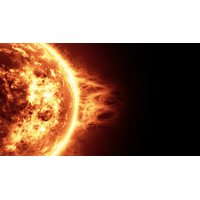
Phys. Rev. Lett. 135, 255201 (2025)
Plasma and Solar Physics, Accelerators and Beams
Bragg Coherent Modulation Imaging of Highly Strained Nanocrystals
Article | Condensed Matter and Materials | 2025-12-18 05:00 EST
Jiangtao Zhao, Ewen Bellec, Marie-Ingrid Richard, Linus Pithan, Ivan A. Vartanyants, Fucai Zhang, Tobias Schülli, and Steven J. Leake
Researchers have demonstrated a technique for measuring lattice distortions that are too big for conventional methods to handle.
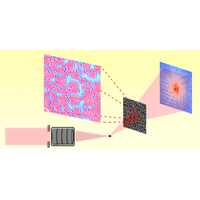
Phys. Rev. Lett. 135, 256101 (2025)
Condensed Matter and Materials
Surface-State Engineering for Generation of Nonlinear Charge and Spin Photocurrents
Article | Condensed Matter and Materials | 2025-12-18 05:00 EST
Javier Sivianes, Peio Garcia-Goiricelaya, Daniel Hernangómez-Pérez, and Julen Ibañez-Azpiroz
We systematically explore the generation of nonlinear charge and spin photocurrents using spin-orbit split surface states. This mechanism enables net DC flow along the surface plane even in centrosymmetric bulk environments like the Rashba prototype Au(111), where we characterize the main quadratic …
Phys. Rev. Lett. 135, 256201 (2025)
Condensed Matter and Materials
Critical States of Fermions with ${\mathbb{Z}}_{2}$ Flux Disorder
Article | Condensed Matter and Materials | 2025-12-18 05:00 EST
Hiranmay Das, Naba P. Nayak, Soumya Bera, and Vijay B. Shenoy
We investigate the physics of fermions on a square lattice with flux, subjected to disordered random gauge fields that arise from flux defects, i.e., plaquettes with zero flux. At half filling, where the system possesses BDI symmetry, we show that a new class of critical states is realized, wit…
Phys. Rev. Lett. 135, 256305 (2025)
Condensed Matter and Materials
Variational Machine Learning Model for Electronic Structure Optimization via the Density Matrix
Article | Condensed Matter and Materials | 2025-12-18 05:00 EST
Luqi Dong, Shuxiang Yang, Su-Huai Wei, and Yunhao Lu
We present a novel approach that combines machine learning with direct variational energy optimization via the density matrix to solve the Kohn-Sham equation in density functional theory. Instead of relying on the conventional self-consistent field method, our approach directly optimizes the ground …
Phys. Rev. Lett. 135, 256403 (2025)
Condensed Matter and Materials
Quantum Geometry in Phonon-Mediated Optical Responses
Article | Condensed Matter and Materials | 2025-12-18 05:00 EST
Jiaming Hu, Wenbin Li, Zhichao Guo, Hua Wang, and Kai Chang
Quantum geometry is crucial for understanding intricate condensed matter systems, governing transport phenomena and optical responses. However, traditional studies of quantum geometry predominantly consider a static crystal lattice, focusing exclusively on the pure-electronic quantum geometry of the…
Phys. Rev. Lett. 135, 256404 (2025)
Condensed Matter and Materials
Quantum Geometric Origin of Strain-Induced Ferroelectric Phase Transitions
Article | Condensed Matter and Materials | 2025-12-18 05:00 EST
Jiaming Hu, Ziye Zhu, Yubo Yuan, Hua Wang, and Kai Chang
Strain-regulated ferroelectric (FE) materials have long attracted significant attention due to their diverse applications. While soft-phonon theory and the (pseudo) Jahn-Teller effect have achieved considerable success in providing phenomenological descriptions and general understanding, the detaile…
Phys. Rev. Lett. 135, 256405 (2025)
Condensed Matter and Materials
Emergent Dispersive Multipolar Excitations in ${\mathrm{NaErSe}}_{2}$
Article | Condensed Matter and Materials | 2025-12-18 05:00 EST
Zheng Zhang, Mingfang Shu, Mingtai Xie, Weizhen Zhuo, Yanzhen Cai, Christian Balz, Jianting Ji, Feng Jin, Jie Ma, and Qingming Zhang
In most condensed-matter systems, local and collective excitations remain decoupled due to their distinct energy scales. Here, we identify the coupled local-collective excitations in the triangular antiferromagnet , by combining neutron spectroscopy with a total angular momentum modeling. The…
Phys. Rev. Lett. 135, 256503 (2025)
Condensed Matter and Materials
Yielding and Memory in a Driven Mean-Field Model of Glasses
Article | Polymers, Chemical Physics, Soft Matter, and Biological Physics | 2025-12-18 05:00 EST
Makoto Suda, Edan Lerner, and Eran Bouchbinder
Glassy systems reveal a wide variety of generic behaviors, which lack a unified theoretical description. Here, we study a mean-field model recently shown to reproduce the universal nonphononic vibrational spectra of glasses under oscillatory driving forces. The driven mean-field model, featuring a d…
Phys. Rev. Lett. 135, 258201 (2025)
Polymers, Chemical Physics, Soft Matter, and Biological Physics
Essay: Generalized Landau Paradigm for Quantum Phases and Phase Transitions
Article | Editorials, Essays, and Announcements | 2025-12-17 05:00 EST
Xie Chen
In this final forward-looking Essay of the year, Xie Chen discusses how the generalized Landau principle reframes beyond-Landau phases and transitions as symmetry-breaking phases of potentially generalized symmetries and symmetry-breaking transitions, providing a more systematic framework for their study.

Phys. Rev. Lett. 135, 250001 (2025)
Editorials, Essays, and Announcements
Asymptotic Exceptional Steady States in Dissipative Dynamics
Article | Quantum Information, Science, and Technology | 2025-12-17 05:00 EST
Yu-Min Hu and Jan Carl Budich
Spectral degeneracies in Liouvillian generators of dissipative dynamics generically occur as exceptional points, where the corresponding non-Hermitian operator becomes nondiagonalizable. Steady states, i.e., zero modes of Liouvillians, are considered a fundamental exception to this rule since a no-g…
Phys. Rev. Lett. 135, 250402 (2025)
Quantum Information, Science, and Technology
Emergent Disorder and Sub-ballistic Dynamics in Quantum Simulations of the Ising Model Using Rydberg Atom Arrays
Article | Quantum Information, Science, and Technology | 2025-12-17 05:00 EST
Ceren B. Dağ, Hanzhen Ma, P. Myles Eugenio, Fang Fang, and Susanne F. Yelin
Rydberg atom arrays with van der Waals interactions provide a controllable path to quantum simulate the locally connected transverse-field Ising model (TFIM), a prototypical model in statistical mechanics. Remotely operating the publicly accessible Aquila Rydberg atom array, we experimentally invest…
Phys. Rev. Lett. 135, 250403 (2025)
Quantum Information, Science, and Technology
Noncooperative Quantum Networks
Article | Quantum Information, Science, and Technology | 2025-12-17 05:00 EST
Yanxuan Shao, Jannik L. Wyss, Don Towsley, and Adilson E. Motter
Existing protocols for quantum communication networks usually assume an initial allocation of quantum entanglement resources, which are then manipulated through local operations and classical communication to establish high-fidelity entanglement between distant parties. It is generally held that the…
Phys. Rev. Lett. 135, 250804 (2025)
Quantum Information, Science, and Technology
Probing Top-Quark-Electron Interactions at Future Colliders
Article | Particles and Fields | 2025-12-17 05:00 EST
Luigi Bellafronte, Sally Dawson, Pier Paolo Giardino, and Hongkai Liu
Top quark interactions offer a window into possible new high scale physics and many models of new physics predict that the top quark interactions will deviate significantly from those predicted by the standard model. We present an analysis of the experimental restrictions on anomalous 4-fermion
Phys. Rev. Lett. 135, 251801 (2025)
Particles and Fields
Vacuum Muon Decay and Interaction with Laser Pulses
Article | Particles and Fields | 2025-12-17 05:00 EST
B. King and D. Liu
Muons decay in vacuum mainly via the leptonic channel to an electron, a muon neutrino and an electron antineutrino. Previous investigations have concluded that muon decay can be significantly altered only in a strong electromagnetic field when the muonic strong-field parameter is of order unity, whi…
Phys. Rev. Lett. 135, 251802 (2025)
Particles and Fields
Neutrino Effects on Atomic Measurements of the Weinberg Angle
Article | Particles and Fields | 2025-12-17 05:00 EST
Mitrajyoti Ghosh, Yuval Grossman, Chinhsan Sieng, and Bingrong Yu
We derive a complete expression for the neutrino-mediated quantum force beyond the four-Fermi approximation within the standard model. Using this new result, we study the effect of atomic parity violation caused by neutrinos. We find that the neutrino effect is sizable compared to the current experi…
Phys. Rev. Lett. 135, 251803 (2025)
Particles and Fields
Anyonization of Bosons in One Dimension: An Effective Swap Model
Article | Atomic, Molecular, and Optical Physics | 2025-12-17 05:00 EST
Botao Wang, Amit Vashisht, Yanliang Guo, Sudipta Dhar, Manuele Landini, Hanns-Christoph Nägerl, and Nathan Goldman
Anyons emerge as elementary excitations in low-dimensional quantum systems and exhibit behavior distinct from bosons or fermions. In one dimension, anyons can arise from unconventional scattering processes or density-dependent hopping on a lattice. Here, we introduce a novel framework for realizing …
Phys. Rev. Lett. 135, 253403 (2025)
Atomic, Molecular, and Optical Physics
Generation of Motional Squeezed States for Neutral Atoms in Optical Tweezers
Article | Atomic, Molecular, and Optical Physics | 2025-12-17 05:00 EST
Vincent Lienhard, Romain Martin, Yuki Torii Chew, Takafumi Tomita, Kenji Ohmori, and Sylvain de Léséleuc
Optical tweezers are a powerful tool for the precise positioning of a variety of small objects, including single neutral atoms. Once trapped, atoms can be cooled to the motional ground state of the tweezers. For a more advanced control of their spatial wave function, we report here a simple method t…
Phys. Rev. Lett. 135, 253404 (2025)
Atomic, Molecular, and Optical Physics
Interferometric Amplification and Suppression of External Beam Shifts
Article | Atomic, Molecular, and Optical Physics | 2025-12-17 05:00 EST
Carlotta Versmold, Jan Dziewior, Florian Huber, Elina Köster, Gregory Reznik, Lev Vaidman, and Harald Weinfurter
A quantum trick based on interferometric measurements allows the ultrasensitive detection of the motion of a laser beam.
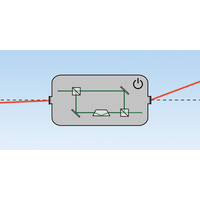
Phys. Rev. Lett. 135, 253802 (2025)
Atomic, Molecular, and Optical Physics
Superfluid Dome in the Spatially Modulated Two-Dimensional XY Model
Article | Condensed Matter and Materials | 2025-12-17 05:00 EST
Feng-Feng Song, Aditya Chugh, Hanggai Nuomin, Naoki Kawashima, and Alexander Wietek
In strongly correlated electron systems, superconductivity and charge density waves often coexist in close proximity, suggesting a deeper relationship between these competing phases. Recent research indicates that these orders can intertwine, with the superconducting order parameter coupling to modu…
Phys. Rev. Lett. 135, 256001 (2025)
Condensed Matter and Materials
Phonons in Epitaxial ${\mathrm{DySi}}_{2}$: From the Bulk to Self-Organized Nanoislands and Nanowires
Article | Condensed Matter and Materials | 2025-12-17 05:00 EST
Svetoslav Stankov, Przemysław Piekarz, Anja Seiler, Dániel G. Merkel, Olga Bauder, Ramu Pradip, Tilo G. Baumbach, Aleksandr I. Chumakov, and Rudolf Rüffer
Using nuclear inelastic scattering on , we determined the Dy-partial phonon density of states of epitaxial in bulk and self-organized nanoislands and nanowires (NWs) on vicinal Si(001) surface. Compared to the bulk, the nanoislands exhibit softening of the crystal lattice, which is furthe…
Phys. Rev. Lett. 135, 256202 (2025)
Condensed Matter and Materials
Intrinsic High Chern Numbers in Two-Dimensional ${\mathrm{M}}{2}{\mathrm{X}}{2}$ Materials
Article | Condensed Matter and Materials | 2025-12-17 05:00 EST
Zujian Dai, Xudong Zhu, and Lixin He
Despite sharing a common lattice structure, monolayer compounds realize quantum anomalous Hall phases with distinct Chern numbers, a striking phenomenon that has not been fully explored. Combining first-principles calculations with symmetry analysis and tight-binding models, we identify two gen…
Phys. Rev. Lett. 135, 256401 (2025)
Condensed Matter and Materials
Importance of Nonadiabatic Effects in Kohn Anomalies in 1D Metals
Article | Condensed Matter and Materials | 2025-12-17 05:00 EST
Enrico Marazzi, Samuel Poncé, Jean-Christophe Charlier, and Gian-Marco Rignanese
Kohn anomalies are kinks or dips in phonon dispersions which are pronounced in low-dimensional materials. We investigate the effects of nonadiabatic phonon self-energy on Kohn anomalies in one-dimensional metals by developing a model that analyzes how the adiabatic phonon frequency, electron effecti…
Phys. Rev. Lett. 135, 256402 (2025)
Condensed Matter and Materials
Chiral Wigner Crystal Phases Induced by Berry Curvature
Article | Condensed Matter and Materials | 2025-12-17 05:00 EST
Sandeep Joy, Leonid Levitov, and Brian Skinner
We study how Berry phase affects the Wigner crystal (WC) state of a two-dimensional electron system. We consider first a model of Bernal bilayer graphene with a perpendicular displacement field, and we show that Berry curvature leads to a new kind of WC state in which the electrons acquire a spontan…
Phys. Rev. Lett. 135, 256502 (2025)
Condensed Matter and Materials
Quantized Crystalline-Electromagnetic Responses in Insulators
Article | Condensed Matter and Materials | 2025-12-17 05:00 EST
Sachin Vaidya, André Grossi Fonseca, Mark R. Hirsbrunner, Taylor L. Hughes, and Marin Soljačić
Nonsymmorphic momentum-space symmetries quantize electromagnetic-crystalline responses in insulators.
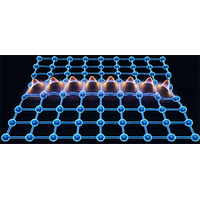
Phys. Rev. Lett. 135, 256602 (2025)
Condensed Matter and Materials
Fractional Topological States in Rhombohedral Multilayer Graphene Modulated by Kagome Superlattice
Article | Condensed Matter and Materials | 2025-12-17 05:00 EST
Yanran Shi, Bo Xie, Fengfan Ren, Xinyu Cai, Zhongqing Guo, Qiao Li, Xin Lu, Nicolas Regnault, Zhongkai Liu, and Jianpeng Liu
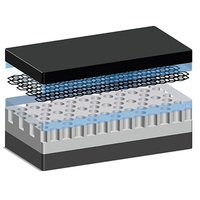
Rhombohedral multilayer graphene coupled with a patterned kagome superlattice produces various zero-magnetic-field fractional topological states.
Phys. Rev. Lett. 135, 256603 (2025)
Condensed Matter and Materials
Two-Dimensional ${J}{1}\text{-}{J}{2}$ Clock Model: Enhanced Symmetries, Emergent Orders, and Landau-Incompatible Transitions
Article | Condensed Matter and Materials | 2025-12-17 05:00 EST
Pulloor Kuttanikkad Vishnu, Abhishodh Prakash, Rajesh Narayanan, and Titas Chanda
We present a comprehensive study on the frustrated classical -state clock model with even on a two-dimensional square lattice, revealing a rich ensemble of phases driven by competing interactions. In the unfrustrated regime (), the model reproduces the standard clock model phe…
Phys. Rev. Lett. 135, 256703 (2025)
Condensed Matter and Materials
Electrically Switchable Nonrelativistic Zeeman Spin Splittings in Collinear Antiferromagnets
Article | Condensed Matter and Materials | 2025-12-17 05:00 EST
Longju Yu, Hong Jian Zhao, Laurent Bellaiche, and Yanming Ma
Magnetic or electrical manipulation of electronic spin is elementary for spin-based logic, computing, and memory, where the latter is a low-power manipulation scheme. Rashba-like spin splittings stemming from spin-orbit interaction (SOI) enable electric-field manipulation of spin, but the relativist…
Phys. Rev. Lett. 135, 256704 (2025)
Condensed Matter and Materials
Route to Hyperchaos in Quadratic Optomechanics
Article | Statistical Physics; Classical, Nonlinear, and Complex Systems | 2025-12-17 05:00 EST
Lina Halef and Itay Shomroni
Hyperchaos is a qualitatively stronger form of chaos in which several degrees of freedom contribute simultaneously to exponential divergence of small changes. A hyperchaotic dynamical system is, therefore, even more unpredictable than a chaotic one, and it has a higher fractal dimension. While hyper…
Phys. Rev. Lett. 135, 257201 (2025)
Statistical Physics; Classical, Nonlinear, and Complex Systems
Physical Review X
Clifford Algebras and Liquid Crystalline Fermions
Article | 2025-12-18 05:00 EST
N. Johnson, L. C. Head, O. D. Lavrentovich, A. N. Morozov, G. Negro, E. Orlandini, C. A. Smith, G. M. Vasil, and D. Marenduzzo
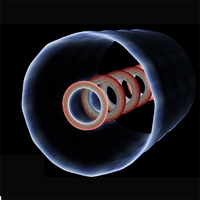
A new theoretical framework shows that defects in chiral liquid crystals follow the same mathematical rules as Majorana and Weyl particles, revealing deep parallels between soft-matter textures and particle physics.
Phys. Rev. X 15, 041052 (2025)
Kolmogorov-Arnold Networks Meet Science
Article | 2025-12-17 05:00 EST
Ziming Liu, Max Tegmark, Pingchuan Ma, Wojciech Matusik, and Yixuan Wang
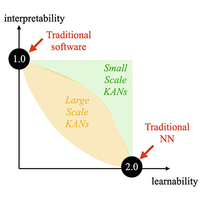
Kolmogorov-Arnold networks combine the predictive strength of deep learning with the interpretability of symbolic formulas, enabling AI systems to both validate physical laws and generate new scientific insights.
Phys. Rev. X 15, 041051 (2025)
arXiv
On the relation between microstructure and impact toughness of 17-4__PH stainless steel produced by powder bed fusion laser beam (PBF-LB)
New Submission | Materials Science (cond-mat.mtrl-sci) | 2025-12-18 20:00 EST
Renata de Oliveira Melo (UMET), Jean-Bernard Vogt (UMET), Eric Nivet (Cetim), Flore Villaret (EDF R and D), Christophe Grosjean (Cetim), Eric Baustert, Nhu-Cuong Tran (EDF R and D), Jeremie Bouquerel (UMET), Gang Ji (UMET)
This work investigated the effects of aging heat treatments on the microstructure and, consequently, the quasi-static (tensile properties) and dynamic (impact toughness) mechanical behaviour of a 17-4 PH stainless steel produced by powder bed fusion laser beam (PBF-LB). Multiscale microstructural characterization, using X-ray diffraction, scanning and transmission electron microscopy and electron backscatter diffraction, was conducted to establish quantitative correlations between microstructural evolution and mechanical performance, providing insight into the mechanisms governing plasticity and fracture. The PBF-LB specimens exhibited tensile strengths comparable to or exceeding those of conventionally manufactured counterparts but consistently showed significantly lower impact toughness, regardless of heat treatment conditions. Within the complex microstructure, strain-induced transformation of reversed austenite was found to enhance ductility and impact toughness. SiO2 inclusions, originating from the starting powder, were identified as nucleation sites for micro-cavities and proved detrimental to impact toughness. Meanwhile, the distribution of Cu-rich nanoprecipitates could be tailored to favour either tensile strength through Orowan strengthening or impact toughness by enhancing local plasticity, but not both simultaneously. This work highlights the pronounced strength-toughness trade-off inherent in PBF-LB-produced 17-4 PH alloys and reveals the interplay between strength, ductility, and toughness. These findings underscore the need for further research into dynamic loading mechanical properties, especially for demanding applications such as those in the nuclear sector.
Materials Science (cond-mat.mtrl-sci)
Materials Science and Engineering: A, 2025, Materials Science and Engineering: A, 947, pp.149219
Single-doublet model of spin reorientation
New Submission | Strongly Correlated Electrons (cond-mat.str-el) | 2025-12-18 20:00 EST
Evgenii Vasinovich, Alexander Moskvin
A simple theoretical model is developed to describe spin reorientation (SR) transitions in rare-earth orthoferrites and orthochromites RFeO3 and RCrO3. Within a ``single-doublet’’ approach, the free energy includes anisotropy contributions from the 3d-sublattice and the splitting of the lower doublet of 4f-ions. The model predicts various types of SR transitions - first-order, second-order, and mixed - depending on anisotropy parameters. Effects of non-magnetic dilution, heat capacity anomalies, and behavior of the rare-earth magnetic moment in the SR region are analyzed.
Strongly Correlated Electrons (cond-mat.str-el)
Be and Be-related impurities in diamond: density functional theory study
New Submission | Materials Science (cond-mat.mtrl-sci) | 2025-12-18 20:00 EST
K. M. Etmimi, M. A. Ojalah, A. M. Abotruma
First-principles density functional simulations were employed to investigate the geometries, electrical properties, and hyperfine structures of various beryllium-doped diamond configurations, including interstitial (Be$ _i$ ), substitutional (Be$ _s$ ), and beryllium-nitrogen (Be-N) complexes. The incorporation of Be into the diamond lattice is more favorable as a substitutional dopant than as an interstitial dopant, although both processes are endothermic. Interstitial Be could potentially exhibit motional averaging from planar to axial symmetry with an activation energy of 0.1 eV. The most stable Be$ s$ configuration has $ T{d}$ symmetry with a spin state of $ S=1$ . Co-doping with nitrogen reduces the formation energy of Be$ _s$ -N$ _{n}$ $ (n=1-4)$ complexes, which further decreases as the number of nitrogen atoms increases. This is attributed to the smaller covalent radius of nitrogen compared to carbon, resulting in reduced lattice distortion. Be$ _s$ -N$ _3$ and Be$ _s$ -N$ _4$ co-doping introduces shallow donors, while Be$ _s$ exhibits $ n$ -type semiconductivity, but the deep donor level renders it impractical for room-temperature applications. These findings provide valuable insights into the behavior of beryllium as a dopant in diamond and highlight the potential of beryllium-nitrogen co-doping for achieving $ n$ -type diamond semiconductors.
Materials Science (cond-mat.mtrl-sci)
11 pages, 6 figures
Investigation of density of states and charge carrier mobility in amorphous semiconductors via time-of-flight photocurrent analysis
New Submission | Materials Science (cond-mat.mtrl-sci) | 2025-12-18 20:00 EST
F. Serdouk, A. Boumali, M. L. Benkhedir, Y. Goutal
The present study examines the electronic transport characteristics of amorphous semiconductors through TOF measurements and numerical simulations. The primary objective is to determine the DOS in amorphous selenium (a-Se) and to assess the temperature and electric field dependence of the hole mobility. A comprehensive investigation of localized states within the mobility gap is performed using Laplace transform analysis of ToF photocurrent transients, combined with the multiple trapping model. This approach enables accurate reconstruction of the DOS across a wide temperature range, allowing clear identification of shallow and deep trap levels and revealing thermally activated transport mechanisms. Simulated ToF currents are also used to evaluate the hole drift mobility under various thermal and field conditions. Activation energies are extracted from Arrhenius plots of the mobility data. The results support a physically consistent description of the electronic structure in a-Se and validate the applicability of Laplace-based techniques for probing charge transport in disordered semiconductors.
Materials Science (cond-mat.mtrl-sci)
13 pages, 5 figures
A computational study of thermoelectric conversion in the PbSe${x}$Te${1-x}$ semiconductor alloys
New Submission | Materials Science (cond-mat.mtrl-sci) | 2025-12-18 20:00 EST
M. Kaid Slimane, B. N. Brahmi, M. Bouchenaki, S. Bekhechi
The present theoretical study focuses on the structural, electronic and thermoelectric properties of PbTe, PbSe and their ternary alloys PbSe$ _{x}$ Te$ _{1-x}$ , using the density functional theory (DFT) by the full potential linearised augmented plane wave (FP-LAPW) method implemented in Wien2k code. Structural properties were performed by using the generalized gradient approximation of Perdew Burke and Ernzenhof (GGA-PBE) scheme. The results show that the calculated lattice parameters are in good agreement with theoretical data previously obtained. For electronic properties, we noticed that for all the compounds of PbSe$ _{x}$ Te$ _{1-x}$ , we have a direct band gap in L point. For thermoelectric properties, we used BoltzTraP2 code and Gibbs2 code. Our results show that the PbSe$ _{x}$ Te$ _{1-x}$ compounds have reached a value of 2.55 for the figure of merit, which indicates that our material is a good thermoelectric candidate.
Materials Science (cond-mat.mtrl-sci)
11 pages, 7 figures
Hearing the light: stray-field noise from the emergent photon in quantum spin ice
New Submission | Strongly Correlated Electrons (cond-mat.str-el) | 2025-12-18 20:00 EST
Gautam K. Naik, Jonathan N. Hallén, Nishan C. Jayarama, Roderich Moessner, Chris R. Laumann
Decisive experimental confirmation of the $ U(1)$ quantum spin liquid phase in quantum spin ice remains an outstanding challenge. In this work, we propose stray-field magnetometry as a direct probe of the emergent photons – the gapless excitation of the emergent electrodynamics in quantum spin ice. The emergent photons are transverse magnetization waves, which, in a finite sample, form discrete modes governed by one of two sets of natural boundary conditions: insulating'' or superconducting’’. Considering cavity and thin film geometries, we find that the spectrum and spatial structure of the stray magnetic noise provide a sharp qualitative signature of the underlying electrodynamics. The predicted stray-field noise power lies comfortably within the detection range of present-day solid-state defect magnetometry.
Strongly Correlated Electrons (cond-mat.str-el)
9 pages, 6 figures
Kagome Topology in Two-Dimensional Noble-Metal Monolayers
New Submission | Materials Science (cond-mat.mtrl-sci) | 2025-12-18 20:00 EST
Carlos M. O. Bastos, Emanuel J. A. dos Santos, José A. dos S. Laranjeira, Kleuton A. L. Lima, Alexandre C. Dias, Douglas S. Galvão, Luiz A. Ribeiro Jr
Two-dimensional (2D) metallic lattices with kagome topology provide a unique platform for exploring the interplay between geometric frustration, reduced coordination, and lattice stability in elemental systems. Motivated by the recent experimental realization of atomically thin gold layers and kagome goldene, we present a first-principles investigation of free-standing kagome monolayers of Cu, Ag, and Au. Using density functional theory combined with lattice dynamics and ab initio molecular dynamics, we systematically assess their structural, mechanical, dynamical, and thermal stability. All kagome monolayers satisfy the 2D Born criteria and exhibit relatively low in-plane stiffness compared to graphene and hexagonal goldene, reflecting the porous nature of the kagome lattice and its metallic bonding. Among the three systems, the Au-based lattice displays the highest in-plane Young’s modulus. Phonon calculations reveal that the unstrained kagome phase is dynamically unstable for all metals. However, a moderate biaxial tensile strain of 5% stabilizes the Ag and Au monolayers, while Cu retains residual unstable modes. Finite-temperature simulations further show that Cu rapidly reconstructs toward a trigonal lattice, Ag remains metastable at low temperature but collapses at room temperature, and Au exhibits competing kagome and trigonal motifs at 300 K, indicating near-degeneracy between these phases. These results establish that strain engineering and atomic size are key determinants of the stability of metallic kagome monolayers and provide guidance for future substrate-supported realizations.
Materials Science (cond-mat.mtrl-sci), Mesoscale and Nanoscale Physics (cond-mat.mes-hall), Chemical Physics (physics.chem-ph)
10 pages, 3 figures
Link of the Zitterbewegung with the spin conductivity and the spin-textures of multiband systems
New Submission | Mesoscale and Nanoscale Physics (cond-mat.mes-hall) | 2025-12-18 20:00 EST
The Zitterbewegung phenomenon in multiband electronic systems is known to be subtly related to the charge conductivity, Berry curvature and the Chern number. Here we show that some spin-dependent properties as the optical spin conductivity, and intrinsic spin Hall conductivity are also entangled with the Zitterbewegung amplitudes. We also show that in multiband Dirac-type Hamiltonians, a direct link between the Zitterbewegung and the spin textures and spin transition amplitudes can be established. The later allow us to discern the presence or not of the Zitterbewegung oscillations by simply analyzing the spin or pseudo-spin textures. We provide examples of the applicability of our approach for Hamiltonian models that show the suppression of specific Zitterbewegung oscillations.
Mesoscale and Nanoscale Physics (cond-mat.mes-hall)
15 pages, 3 figures
Large-$n$ $O(n)$ with long-range interactions: integrability and resonance dynamics
New Submission | Statistical Mechanics (cond-mat.stat-mech) | 2025-12-18 20:00 EST
Guido Giachetti, Nicolo Defenu
We study the the large-$ n$ dynamics of the long-range quantum $ O(n)$ model, focusing on the strong long-range regime $ \alpha<d$ . The dynamics of the model exhibits non-trivial features on mesoscopic timescales $ t\sim\ln N$ , due to the activation of parametric resonances of the nearly degenerate quantum modes. By using recent results establishing the integrability of the large-$ n$ limit, we derive the resonance conditions, and construct the reduced multi-mode Hamiltonian that captures the finite-size dynamics. This framework yields the resonance phase diagram and clarifies when and how deviations from mean-field behavior arise. In particular, the presence of multiple resonant modes enhances the logarithmic growth of entanglement and leads to spatially modulated correlations.
Statistical Mechanics (cond-mat.stat-mech), Quantum Physics (quant-ph)
12 pages, 5 figures
Memory-Induced Transport and Arrest in Flashing Ratchets: From Superdiffusion to Clustering
New Submission | Soft Condensed Matter (cond-mat.soft) | 2025-12-18 20:00 EST
Karina I. Mazzitello, Daniel G. Zarlenga, Constancio M. Arizmendi
We investigate the transport properties of particles driven by colored noise in a flashing ratchet potential, focusing on both non-interacting and single-file interacting regimes. The model incorporates memory effects via a non-Markovian friction kernel, leading to superdiffusive dynamics and enhanced currents in the absence of interactions. However, when particles are constrained to single-file motion with hard-core repulsion, the same non-Markovian noise induces a dynamical transition: initial superdiffusion gives way to the formation of static clusters, ultimately suppressing net current. This transition occurs without a critical density and results from the interplay between noise persistence and the ratchet’s potential. Our numerical results reveal a universal scaling behavior for the mean square displacement across densities, suggesting robustness of the clustering mechanism. These findings have potential implications for transport in crowded or confined systems such as colloidal suspensions, molecular motors in cellular environments, or microfluidic devices, where controlling noise and crowding can be used to tune transport efficiency.
Soft Condensed Matter (cond-mat.soft), Statistical Mechanics (cond-mat.stat-mech)
13 pages, 5 figures, submitted to JSTAT
On the applicability of the cumulant expansion method for the calculation of transport properties in electron-phonon systems
New Submission | Strongly Correlated Electrons (cond-mat.str-el) | 2025-12-18 20:00 EST
Petar Mitrić, Veljko Janković, Darko Tanasković, Nenad Vukmirović
We assess the accuracy of the cumulant expansion (CE) method, combined with the independent-particle approximation (IPA), for calculating charge mobility in electron-phonon systems. As representative testbeds, we consider the Peierls and Fröhlich models, which serve as simplified frameworks where accurate or numerically exact benchmarks are available. These are used to compare the CE results with those obtained using the Boltzmann formalism, the Migdal approximation, and its self consistent extension-approaches that are presently the most commonly employed alternatives for transport calculations. Supported by analytical arguments based on spectral sum rules and by our previous results for the Holstein model, we argue that, for weak to moderate coupling strengths and not-too-low temperatures, the CE within the IPA framework yields accurate results. In the case of the Peierls model, the role of vertex corrections is also discussed.
Strongly Correlated Electrons (cond-mat.str-el), Materials Science (cond-mat.mtrl-sci)
39 pages, 25 figures
High efficiency superconducting diode effect in a gate-tunable double-loop SQUID
New Submission | Superconductivity (cond-mat.supr-con) | 2025-12-18 20:00 EST
Wyatt Gibbons, Teng Zhang, Kevin Barrow, Tyler Lindemann, Jukka I. Väyrynen, Michael J. Manfra
In superconducting quantum interference devices (SQUIDs), the superconducting diode effect may be generated by interference of multiple harmonic components in the current-phase relationships (CPRs) of different branches forming SQUID loops. Through the inclusion of two gate-tunable Josephson junctions in series in each interference branch of a double-loop SQUID, we demonstrate independent control over both the harmonic content and the amplitude of three interfering CPRs, facilitating significant improvement in the maximum diode efficiency. Through optimized gate-controlled tuning of individual Josephson energies, diode efficiency exceeding 50% is demonstrated. Flux-dependent oscillations show quantitative agreement with a simple model of SQUID operation.
Superconductivity (cond-mat.supr-con)
11 pages, 7 figures
Quadrene: A Novel Quasi-2D Carbon Allotrope with High Carrier Mobility
New Submission | Materials Science (cond-mat.mtrl-sci) | 2025-12-18 20:00 EST
Kleuton A. L. Lima, José A. dos S. Laranjeira, Neymar J. N. Cavalcante, Nicolas F. Martins, Julio R. Sambrano, Douglas S. Galvão, Luiz A. Ribeiro Jr
We present a comprehensive first-principles investigation of a novel carbon allotrope characterized by quasi-tetragonal atomic motifs and quasi-two-dimensional structural behavior. Structural analysis reveals an open framework composed of alternating diamond-like and square units, while thermodynamic assessments indicate a negative formation energy, suggesting high intrinsic stability. Phonon spectra confirm dynamical robustness, and \textit{ab initio} molecular dynamics simulations at 1000~K validate its thermal resilience. Furthermore, the system exhibits an indirect bandgap of 1.58 eV at the HSE06 level, anisotropic mechanical behavior, and a broadband optical response, reinforcing its potential for nanoelectronic and optoelectronic applications. The highly anisotropic mechanical behavior is characterized by an in-plane Young’s modulus ranging from 80 to 550 GPa, depending on crystallographic direction. Additionally, the electronic transport properties exhibit pronounced anisotropy, with hole mobilities reaching up to 5.83 x 10^6 cm^2/V . s and electron mobilities up to 6.40 x 10^6 cm^2/V . s along different crystallographic directions, highlighting the material’s potential for directionally selective nanoelectronic device applications.
Materials Science (cond-mat.mtrl-sci), Mesoscale and Nanoscale Physics (cond-mat.mes-hall)
12 pages, 7 figures
Efficient Nudged Elastic Band Method using Neural Network Bayesian Algorithm Execution
New Submission | Materials Science (cond-mat.mtrl-sci) | 2025-12-18 20:00 EST
Pranav Kakhandiki, Sathya Chitturi, Daniel Ratner, Sean Gasiorowski
The discovery of a minimum energy pathway (MEP) between metastable states is crucial for scientific tasks including catalyst and biomolecular design. However, the standard nudged elastic band (NEB) algorithm requires hundreds to tens of thousands of compute-intensive simulations, making applications to complex systems prohibitively expensive. We introduce Neural Network Bayesian Algorithm Execution (NN-BAX), a framework that jointly learns the energy landscape and the MEP. NN-BAX sequentially fine-tunes a foundation model by actively selecting samples targeted at improving the MEP. Tested on Lennard-Jones and Embedded Atom Method systems, our approach achieves a one to two order of magnitude reduction in energy and force evaluations with negligible loss in MEP accuracy and demonstrates scalability to >100-dimensional systems. This work is therefore a promising step towards removing the computational barrier for MEP discovery in scientifically relevant systems, suggesting that weeks-long calculations may be achieved in hours or days with minimal loss in accuracy.
Materials Science (cond-mat.mtrl-sci), Machine Learning (cs.LG)
21 pages, 12 figures
Dependence of Radiation Induced Segregation of Cr on Sink Dimensionality and Morphology in Fe-Cr Alloys
New Submission | Materials Science (cond-mat.mtrl-sci) | 2025-12-18 20:00 EST
Mohammadhossein Nahavandian, Anter El-Azab, Enrique Martinez
Radiation-induced segregation (RIS) and chemical redistribution in structural alloys can significantly degrade material performance, ultimately leading to failure. In this study, building on previous work by the authors [1], we investigate how the dimensional characteristics of sinks influence solute concentration distributions and segregation behavior. Specifically, we utilize a kinetic Monte Carlo (KMC) model to simulate atomic-scale diffusion and analyze segregation processes in an Fe-3Cr alloy. Our analysis includes three representative sink geometries: one-dimensional (1D), two-dimensional (2D), and three-dimensional (3D) planar sinks to capture the effects of sink dimensionality on Cr segregation at grain boundaries (GBs). We also found solutions of concentration and segregation profiles in these cases as well as for a 3D spherical sink. KMC simulations are performed over a range of temperatures to assess thermal effects on Cr redistribution. The results reveal distinct segregation profiles and concentration gradients, although the dependence with sink density seems to remain linear in all cases with planar sinks. The analytical results show that this is not the case in spherical domains, with a more complex dependence of segregation on sink density. Our finite difference solutions for domains including 2D and 3D planer sinks show agreement with corresponding KMC results.
Materials Science (cond-mat.mtrl-sci)
Site-selective enhancement of Eu emission in delta-doped GaN
New Submission | Materials Science (cond-mat.mtrl-sci) | 2025-12-18 20:00 EST
Amelia R. Klein, Hayley J. Austin, Fumikazu Murakami, Jamie Ford, Jun Tatebayashi, Masayoshi Tonouchi, Yasufumi Fujiwara, Volkmar Dierolf, Lee C. Bassett, Brandon Mitchell
Europium-doped gallium nitride (GaN:Eu) is a promising platform for classical and quantum optoelectronic applications. When grown using organometallic vapor-phase epitaxy, the dominant red emission from Eu exhibits an inhomogeneous photoluminescence (PL) spectrum due to contributions from several non-equivalent incorporation sites that can be distinguished with combined excitation emission spectroscopy. Energy transfer from the GaN bandgap to the majority site is inefficient, limiting the performance of GaN:Eu LEDs and resulting in an inhomogeneous emission spectrum dominated by disproportionate contributions from minority sites. In this work, we use site-selective spectroscopy to characterize the photoluminescence properties of delta-doped structures with alternating doped and undoped layers of varying thicknesses and demonstrate that they selectively enhance emission from the majority site when compared to uniformly-doped samples. Samples with 2-nm and 10-nm doped layers show much greater PL intensity per Eu concentration as well as more efficient energy transfer to the majority site, which are both highly desirable for creating power-efficient LEDs. Meanwhile, a sample with 1-nm doped layers shows emission only from the majority site, resulting in a narrow, homogeneous emission spectrum that is desirable for quantum technologies. This utilization of delta-doping has the potential to be broadly applicable for engineering desirable defect properties in rare-earth doped semiconductors.
Materials Science (cond-mat.mtrl-sci), Optics (physics.optics)
12 pages, 11 figures (main text plus supplementary information)
X-ray detected ferromagnetic resonance spectrometer with an out-of-vacuum photodetector
New Submission | Materials Science (cond-mat.mtrl-sci) | 2025-12-18 20:00 EST
Tetsuro Ueno, Yasuo Takeichi, Masaki Mizuguchi, Hideaki Iwasawa, Yoshiyuki Ohtsubo, Kanta Ono, Hiroyuki Okazaki, Songtian Li, Seiji Sakai, Tetsuya Yamaki, Tetsu Watanuki, Yoshinori Katayama, Chiharu Mitsumata
X-ray detected ferromagnetic resonance (XFMR) spectroscopy is an experimental technique for element-specific spin dynamics in the GHz regime and has been utilized to study spintronic materials. The XFMR signal is usually obtained by detecting X-ray excited optical luminescence (XEOL) emitted from a sample substrate. Here, we report the development of an XFMR spectrometer that is designed to place a photodetector for XEOL detection outside an ultra-high-vacuum chamber. This configuration allows for the easy replacement of detectors, such as photodiodes, CCD cameras, and spectrometers, depending on the experimental requirements. We demonstrated the measurement of XEOL spectra from MgO using a visible light spectrometer as well as the detection of XFMR signals originating from the spin precession of a permalloy (Ni80Fe20) thin film using a photodiode detector. The XFMR spectrometer with an out-of-vacuum photodetector expands possibilities for advanced measurements such as XFMR microscopy.
Materials Science (cond-mat.mtrl-sci), Applied Physics (physics.app-ph), Instrumentation and Detectors (physics.ins-det)
7 pages, 4 figures
Pair-density-wave superconductivity and Anderson’s theorem in bilayer nickelates
New Submission | Strongly Correlated Electrons (cond-mat.str-el) | 2025-12-18 20:00 EST
The recent experimental observations of high temperature superconductivity in bilayer nickelate have attracted lots of attentions. Previous studies have assumed a mirror symmetry $ \mathcal M$ between the two layers and focused on uniform and clean superconducting states. Here, we show that breaking this mirror symmetry via an applied displacement field can stabilize a pair-density-wave (PDW) superconductor, which is similar to the Fulde–Ferrell–Larkin–Ovchinnikov (FFLO) state, but at zero magnetic field. Based on a mean-field analysis of a model of $ d_{x^2-y^2}$ orbital with an effective inter-layer attraction, we demonstrate that the PDW phase is robust over a wide range of displacement field, interlayer hopping strengths, and electron fillings. Finally, we analyze disorder effects on interlayer superconductivity within the first Born approximation. Based on symmetry considerations, we show that pairing is weaken by disorders which break the mirror symmetry, even with unbroken time reversal symmetry. Our results establish bilayer nickelate as a tunable platform for realizing finite-momentum pairing and for exploring generalized disorder effects.
Strongly Correlated Electrons (cond-mat.str-el), Superconductivity (cond-mat.supr-con)
Fractional quantization by interaction of arbitrary strength in gapless flat bands with divergent quantum geometry
New Submission | Mesoscale and Nanoscale Physics (cond-mat.mes-hall) | 2025-12-18 20:00 EST
Wenqi Yang, Dawei Zhai, Wang Yao
Fractional quantum anomalous Hall (FQAH) effect, a lattice analogue of fractional quantum Hall effect, offers a unique pathway toward fault-tolerant quantum computation and deep insights into the interplay of topology and strong correlations. The exploration has been successfully guided by the paradigm of ideal flat Chern bands, which mimic Landau levels in both band topology and local quantum geometry. Yet, given the near-infinite possibilities for Bloch bands in lattices, it remains a major open question whether FQAH states can emerge in scenarios fundamentally different from this paradigm. Here we turn to a class of gapless flat bands, featuring divergent quantum geometry at singular band touching, non-integer Berry flux threading the Brillouin zone (BZ), and ill-defined band topology. Our exact diagonalization and density matrix renormalization group calculations unambiguously demonstrate FQAH phase that is virtually independent of the interaction strength, persisting from the weak-interaction to the strong-interaction limit. We find the stability of the FQAH states does not uniquely correlate with the singularity strength or the BZ-averaged quantum geometric fluctuations. Instead, the many-body topological order can adapt to the singular and fluctuating quantum geometric landscape by spontaneously developing an inhomogeneous carrier distribution, while its quenching accompanies the drop in the occupation-weighted Berry flux. Our work reveals a profound interplay between quantum geometry and many-body correlation, and significantly expands the design space for exploring FQAH effect and flat-band correlation phenomena in general.
Mesoscale and Nanoscale Physics (cond-mat.mes-hall), Strongly Correlated Electrons (cond-mat.str-el)
Canted ferromagnetic order in a distorted triangular-lattice magnet Na$_2$SrCo(VO$_4$)$_2$
New Submission | Strongly Correlated Electrons (cond-mat.str-el) | 2025-12-18 20:00 EST
Tengfei Peng, Xiaobai Ma, Xinyang Liu, Feiran Shen, Lunhua He, Junsen Xiang, Wenyun Yang, Wentao Jin
Triangular-lattice cobaltates with glaserite-type $ X_2Y$ Co($ T$ O$ _4)_2$ structure provide an ideal platform to investigate intriguing quantum magnetism. Here we report a comprehensive study of the structural and magnetic properties of a triangular-lattice cobalt vanadate $ \rm Na_2SrCo(VO_4)2$ . Room-temperature x-ray and neutron powder diffraction confirm that $ \rm Na_2SrCo(VO_4)2$ crystallizes in the monoclinic $ P2_1/c$ space group with slightly distorted triangular layers of $ \rm Co^{2+}$ ions. Magnetization measurements reveal a ferromagnetic transition at $ T\rm_C \approx 3.4~{\rm K}$ , where a sharp $ \lambda$ -type anomaly is observed in the specific heat. The magnetic entropy recovered up to 55 K approaches 90$ %$ of $ R{\rm ln}2$ , supporting an effective spin-1/2 state of Co$ ^{2+}$ ions at low temperature. Neutron diffraction at 2.3 K (below $ T{\rm C}$ ) further confirms a long-range canted ferromagnetic order with the Co$ ^{2+}$ moments aligned in the $ ac$ plane and the ordered moment size of $ \sim$ 2.6 $ \mu\rm{B}$ . Comparing with its sister compounds with a trigonal symmetry, $ \rm Na_2BaCo(VO_4)_2$ with a collinear ferromagnetic structure and the recently discovered spin supersolid candidate $ \rm Na_2BaCo(PO_4)_2$ with a distinct Y-like antiferromagnetic ground state, this study indicates the decisive role of the $ T{\rm O_4}$ tetrahedra in tuning exchange interactions and contrasting magnetic behaviors of these glaserite-structure compounds.
Strongly Correlated Electrons (cond-mat.str-el), Materials Science (cond-mat.mtrl-sci)
10 pages, 6 figures
Spin susceptibility in quasicrystal superconductor with spin-orbit interactions
New Submission | Superconductivity (cond-mat.supr-con) | 2025-12-18 20:00 EST
We study impacts of spin-orbit interactions on the spin susceptibility in quasicrystal superconductors, motivated by the anomolous superconducting properties in the van der Waals quasicrystal Ta$ _{1.6}$ Te under magnetic fields. We consider the Penrose tiling model with $ s$ -wave pairing as a representative system and include anisotropic spin-orbit interactions allowed for the quasicrystal structure. It is shown that the spin-momentum locking locally takes place in the quasicrystal, and electron motion and spin directions are tightly connected at each spatial position in the real space. As a result, the spin susceptibility is enhanced for both in-plane and out-of-plane magnetic fields in the presence of a Rashba-type spin-orbit interaction. For an Ising-type spin-orbit interaction, the spin susceptibility only for in-plane magnetic fields is increased, while the out-of-plane spin susceptibility is almost unchanged. When there are both kinds of the spin-orbit interactions, temperature dependence of the spin susceptibility for any field directions is suppressed.
Superconductivity (cond-mat.supr-con)
8 pages, 9 figures
Study of Correlated Disorders and interaction in the Hofstadter Butterfly
New Submission | Strongly Correlated Electrons (cond-mat.str-el) | 2025-12-18 20:00 EST
Pooja Saini, Saptarshi Mandal, Sanjay Gupta
We investigate the impact of several quasiperiodic disorders and their continuous interpolation with the Aubry-Andre (AA) potential on the Hofstadter butterfly using mean field approximation at zero temperature for a two-dimensional square lattice. Weak disorder mildly smears the fractal spectrum, while strong quasiperiodic potentials destroy the butterfly and generate multiple energy gaps. The AA potential produces the strongest spectral restructuring, creating prominent gaps near half-filling. Interpolating AA with other quasiperiodic potentials reveals competing gap-opening mechanisms, ranging from AA-dominated gaps at small interpolation parameters to a robust half-filling gap generated by the competing disorders at large parameters. Entanglement entropy follows the area law at low and high magnetic fields but shows pronounced deviations at intermediate fields, with opposite trends for strong AA versus other quasiperiodic potentials. Localization analysis using IPR and NPR confirms enhanced localization with increasing disorder; the AA potential yields the largest IPR, with notable field dependence. Interpolation produces smooth crossovers between distinct localization regimes.
Strongly Correlated Electrons (cond-mat.str-el)
19 pages, 20 figures
Surface-mediated reduction of radiation damage in tungsten revealed by advanced ion channeling analysis
New Submission | Materials Science (cond-mat.mtrl-sci) | 2025-12-18 20:00 EST
Xin Jin, Fredric Granberg, Kai Nordlund, Sabina Markelj, Flyura Djurabekova
Tungsten is a leading candidate material for plasma-facing components in future fusion reactors. Extensive studies have been performed to better understand its behavior under irradiation. Recent experiments of Rutherford backscattering spectrometry in channeling mode indicated a marked reduction in radiation damage in single-crystal tungsten samples irradiated by self-ions when the irradiation temperature was increased from room temperature to 800 K. However, the underlying mechanism for this damage reduction remains unclear. In this work, by combining Rutherford backscattering spectrometry in channeling mode and molecular dynamics simulations, we identify a pronounced surface effect at elevated temperatures, characterized by a significant reduction of dislocation density near the surface. We demonstrate how our unique analysis method can clearly resolve a dislocation-free zone and a transition region with suppressed defect density before reaching the bulk value. The strong surface effect at elevated temperatures is explained by considering the coherent drift motion of dislocation loops towards the surface, highlighting alternative perspectives on mitigating radiation damage by increasing dislocation mobility.
Materials Science (cond-mat.mtrl-sci)
Buckling of knitted fabric wrapped around a rigid cylinder
New Submission | Soft Condensed Matter (cond-mat.soft) | 2025-12-18 20:00 EST
Kotone Tajiri, Tomohiko G. Sano
Knitted fabrics exhibit high flexibility due to their periodic loop structures formed by bent yarns. Under compressive loading, they develop three-dimensional (3D) wrinkling patterns that reflect nonlinear interactions between yarn elasticity and local loop deformations, as observed when the sleeves of a sweater are rolled up. Despite their widespread use in garments and medical textiles, the relationship between loop-level geometry and macroscopic buckling remains less understood. Here, we investigate the 3D deformation of knitted fabrics wrapped around a rigid cylinder under uniaxial compression. Circumferential and axial stitch numbers are systematically varied to determine how loop geometry affects the evolution of wrinkle patterns. Samples with a small number of circumferential stitches exhibit sequential wrinkle formation from the compressed end, leading to an accordion-like wrinkle pattern, whereas those with a larger number of stitches form helical wrinkles simultaneously across the surface. Wrinkle morphology changes progressively with stitch geometry, accompanied by systematic variations in compressive force, loop deformation, and helical wrinkle angle. The development of helical wrinkles originates from subtle structural asymmetries introduced during manufacturing processes, including the tension applied during knitting and the direction of sample assembly. These results demonstrate that small variations in local loop deformation can lead to substantial differences in wrinkle morphology, highlighting the sensitivity of macroscopic buckling to microscopic structural features. The study establishes a direct link between loop-level mechanics and global deformation behavior, providing a basis for the predictive design of knitted structures with tailored mechanical responses and complex 3D patterns.
Soft Condensed Matter (cond-mat.soft), Materials Science (cond-mat.mtrl-sci)
5 figures
Sub-10 nm helices stabilized by single-ion anisotropy in the chiral Mott insulator Co$_5$TeO$_8$
New Submission | Strongly Correlated Electrons (cond-mat.str-el) | 2025-12-18 20:00 EST
Priya R. Baral, Ravi Yadav, Victor Ukleev, Thomas LaGrange, Ivica Živković, Wen Hua Bi, Marek Bartkowiak, Robert Cubitt, Nina-Juliane Steinke, Vladimir Pomjakushin, Yurii Skourski, Henrik M. Rønnow, Oleg V. Yazyev, Arnaud Magrez, Jonathan S. White
Narrow-gap Mott insulators promise exceptional opportunities for voltage-controlled magnetic textures in low-dissipation spintronics, although their prediction remains challenging. Here we employ a density functional theory-guided approach to predict a narrow charge-transfer gap (127 meV) in the chiral cubic frustrated oxide Co$ _5$ TeO$ _8$ . Comprehensive neutron scattering and magnetometry reveal proper-screw Bloch-type helices with field- and temperature-tunable pitch of 5.7-10 nm embedded in a complex phase diagram with eight distinct phases. Ab initio wavefunction calculations demonstrate site-dependent single-ion anisotropy exceeding Dzyaloshinskii-Moriya (DM) interactions by an order of magnitude, establishing the anisotropy-frustration interplay as the stabilization mechanism, contrasting starkly with DM-dominated cubic helimagnets. Sharp capacitance anomalies at phase boundaries confirm intrinsic magnetoelectric coupling throughout the phase diagram. Co$ _5$ TeO$ _8$ thus provides a platform for voltage-tunable sub-10 nm magnetic textures, demonstrating effective theory-guided discovery of functional magnetic materials in correlated oxides.
Strongly Correlated Electrons (cond-mat.str-el)
12 pages, 5 figures
Green and Sustainable Hydrogen-Anchored Solvent Enabling Stable Aqueous Zn Batteries
New Submission | Materials Science (cond-mat.mtrl-sci) | 2025-12-18 20:00 EST
I. Al Kathemi, J. Caroni, T. Dehne, M. Souto, M. Antonietti, R. Bouchal
Aqueous zinc (Zn) batteries provide many benefits, including high theoretical capacity, a low redox potential, and the abundance of Zn in Earth’s crust. However, the benefits are often compromised by severe side reactions and dendrite growth, limiting their practical application. To mitigate these drawbacks, many studies have focused on high-concentration electrolytes to desolvate the Zn2+ solvation shell from water and to reduce the amount of free water. In this study, a methodology is proposed to achieve the benefits of highly concentrated electrolytes while using low salt concentrations. 5-methyl-2-pyrrolidone (5MP) was introduced as a safe and polar cosolvent capable of anchoring free water molecules through hydrogen bonding, enabled by its carbonyl and secondary amine groups. Additionally, by adding a co-salt containing a chaotropic ion, it is possible to disrupt the water network, enabling the development of high-performance aqueous Zn batteries. The synergy between anchoring water molecules and disrupting the overall water network proved to be an effective strategy for enhancing the overall Zn battery performance in a symmetric Zn cell, with lifetimes exceeding 2000 hours and 1400 hours at 1 C and 5 C, respectively. Analysis of the recovered Zn anode confirmed that the combination of 5MP and chaotropic ions enabled Zn deposition along the energetically favorable (002) plane, with no signs of surface dehydration observed by in situ Raman spectroscopy. Furthermore, long-term stability tests using a carbonyl-rich COF- and NaVO-based cathodes at various current densities further demonstrated the benefits of this approach. This work showcases the universality of a diluted electrolyte in combination with 5MP and chaotropic ions, bridging the gap between laboratory research and real-world applications.
Materials Science (cond-mat.mtrl-sci)
Topological charge and bulk-surface correspondence for quad-helicoid surface states in topological semimetals with two glide-time-reversal symmetries
New Submission | Materials Science (cond-mat.mtrl-sci) | 2025-12-18 20:00 EST
Taiki Yukitake, Shuichi Murakami
Quad-helicoid surface states (QHSSs) are unique surface states with two pairs of helicoid surface states in topological semimetals such as Dirac semimetals. So far, topologically protected QHSSs are shown to appear in spinless systems with two $ \mathcal{GT}$ symmetries and $ \mathcal{T}$ symmetry ($ \mathcal{G}$ : glide, $ \mathcal{T}$ : time-reversal). In this paper, we show that topologically protected QHSSs also appear in spinful/spinless systems with only two $ \mathcal{GT}$ symmetries by defining new topological charges and establishing the bulk-surface correspondence. We first define a local $ Z_2\times Z_2$ monopole charge for gapless nodes at $ \mathcal{GT}$ -invariant high-symmetry points and a global $ Z_2$ charge reflecting the global topological feature of $ \mathcal{GT}$ -symmetric topological semimetals. Next, we show that the latter $ Z_2$ classification corresponds to the presence or absence of QHSSs on the surface with two $ \mathcal{GT}$ symmetries. In addition, we provide simplified formulas of the $ Z_2$ charge under additional symmetries, and clarify some symmetry conditions where QHSSs are filling-enforced.
Materials Science (cond-mat.mtrl-sci)
20 pages, 8 figures
Magnetoconductance evolution across the topological-trivial phase transition in ${In_{x}}({Bi_{0.3}}{Sb_{0.7}})_{2-x}{Te_3}$ thin films
New Submission | Materials Science (cond-mat.mtrl-sci) | 2025-12-18 20:00 EST
Sambhu G Nath, Subhadip Manna, Kanav Sharma, Amar Verma, Ritam Banerjee, R K Gopal, Chiranjib Mitra
We investigate the evolution of electronic transport across the topological-trivial phase transition in $ {\rm In}{x}({\rm Bi}{0.3}{\rm Sb}{0.7}){2-x}{\rm Te}_3$ thin films by systematically tuning the indium concentration $ x$ . Increasing $ x$ reduces the effective spin-orbit coupling, driving a topological quantum phase transition near $ x \approx 7%$ , and at higher disorder a crossover from diffusive to strongly localized transport around $ x \approx 15%$ . In the diffusive regime, the magnetoconductance is well described by the Hikami-Larkin-Nagaoka formalism, with the evolution of the WAL prefactor $ \alpha$ correlating with the band-inversion transition. Beyond the diffusive limit, transport crosses into variable-range hopping, accompanied by a striking reversal of magnetoconductance from negative to positive. The observed positive low-field magnetoconductance, its pronounced anisotropy, and its temperature evolution point to an orbital origin of the response. These features are naturally captured by incorporating the incoherent hopping mechanism of Raikh \textit{et al.} together with wavefunction shrinkage, rather than by conventional quantum-correction frameworks. Our results provide a unified picture of how topology, spin-orbit coupling, and disorder collectively determine the full field-temperature magnetotransport landscape in this material class, establishing a clear experimental link between the topological phase transition and the onset of incoherent hopping-dominated conduction.
Materials Science (cond-mat.mtrl-sci)
CO on a Rh/Fe3O4 single-atom catalyst: high-resolution infrared spectroscopy and near-ambient-pressure scanning tunnelling microscopy
New Submission | Materials Science (cond-mat.mtrl-sci) | 2025-12-18 20:00 EST
Nail El Hocine Barama, Chunlei Wang, Panukorn Sombut, David Rath, Adam Lagin, Martin Ormos, Lena Puntscher, Faith J. Lewis, Zdenek Jakub, Florian Kraushofer, Moritz Eder, Matthias Meier, Michael Schmid, Ulrike Diebold, Cesare Franchini, Peter Matvija Jirí Pavelec, Gareth S. Parkinson
Infrared reflection absorption spectroscopy (IRAS) offers a powerful route to bridging the materials and pressure gaps between surface science and powder catalysis. Using a newly developed IRAS setup optimised for dielectric single crystals, we investigate CO adsorption on the model single-atom catalyst Rh/Fe3O4(001). IRAS resolves three species: monocarbonyls at twofold coordinated Rh1 sites, monocarbonyls at fivefold coordinated Rh sites, and gem-dicarbonyls at twofold coordinated Rh1 sites. Under ultra-high vacuum (UHV) conditions, Rh1CO monocarbonyl species dominate. Rh1(CO)2 gem-dicarbonyl formation is kinetically hindered and occurs predominantly through CO-induced dissociation of Rh2 dimers rather than sequential CO adsorption. The sequential-adsorption pathway to Rh1(CO)2 becomes accessible at millibar CO pressures as evidenced by near-ambient-pressure scanning tunnelling microscopy (NAP-STM). These findings validate the kinetic picture inferred from UHV measurements and computational modelling and link the UHV behaviour to that expected under realistic reaction conditions. Assignments of the vibrational frequencies to individual species rely on isotopic labelling, thermal treatments, and a review of previous SPM, XPS, and TPD data, supported by density functional theory (DFT)-based calculations. While theory provides qualitative insight, such as the instability of dicarbonyls on fivefold coordinated Rh atoms, it does not yet reproduce experimental frequencies quantitatively and is sensitive to the computational parameters, highlighting the need for robust experimental benchmarks. The spectroscopic fingerprints established here provide a reliable foundation for identifying Rh coordination environments in oxide-supported single-atom catalysts.
Materials Science (cond-mat.mtrl-sci)
Adhesive tape loop
New Submission | Soft Condensed Matter (cond-mat.soft) | 2025-12-18 20:00 EST
Krishnan Suryanarayanan, Andrew B. Croll, Harmeet Singh
We present an experimental and theoretical study of the mechanics of an \emph{adhesive tape loop}, formed by bending a straight rectangular strip with adhesive properties, and prescribing an overlap between the two ends. For a given combination of the adhesive strength and the extent of the overlap, the loop may unravel, it may stay in equilibrium, or open up quasi-statically to settle into an equilibrium with a smaller overlap. We define the state space of an adhesive tape loop with two parameters: a non-dimensional adhesion strength, and the extent of overlap normalized by the total length of the loop. We conduct experiments with adhesive tape loops fabricated out of sheets of polydimethylsiloxane (PDMS) and record their states. We rationalize the experimental observations using a simple scaling argument, followed by a detailed theoretical model based on Kirchhoff rod theory. The predictions made by the theoretical model, namely the shape of the loops the states corresponding to equilibrium, show good agreement with the experimental data. Our model may potentially be used to deduce the strength of self-adhesion in sticky soft materials by simply measuring the smallest overlap needed to maintain a tape loop in equilibrium.
Soft Condensed Matter (cond-mat.soft)
Thermodynamics of the $q$-deformed Kittel–Shore model
New Submission | Statistical Mechanics (cond-mat.stat-mech) | 2025-12-18 20:00 EST
The Kittel–Shore Hamiltonian characterizes $ N$ spins with identical long-range interactions, and the $ \mathfrak{su}(2)$ coalgebra has been proven to be a symmetry of this model, which can be exactly solved. By using quantum groups and, in particular, $ \mathfrak{su}_{q}(2)$ , this Hamiltonian was deformed. In this work, we study the thermodynamic properties of this deformed model for spin-$ 1/2$ particles. In particular, we discuss how this deformation affects the specific heat, magnetic susceptibility, magnetisation, and phase transitions as a function of the parameter $ q$ of the deformation and compare them with those of the undeformed model. Deformation was found to shift the thermodynamic behaviours to higher temperatures and alter the phase transitions. The potential applications of this $ q$ -deformed model for describing few-spin quantum systems with non-identical couplings are discussed.
Statistical Mechanics (cond-mat.stat-mech), Mathematical Physics (math-ph)
37 pages, 33 figures
Laser-Induced Current Transients in Ultrafast All-Optical Switching of Metallic Spin Valves
New Submission | Mesoscale and Nanoscale Physics (cond-mat.mes-hall) | 2025-12-18 20:00 EST
Serban Lepadatu, Mohammed Gija, Alexey Dobrynin, Kevin McNeill, Mark Gubbins, Tim Mercer, Steven M. McCann, Philip Bissell
All-optical switching in a ferromagnetic spin valve is studied here using atomistic spin drift-diffusion dynamics, which includes contributions from spin pumping and superdiffusive transport. The switching is governed by two main sources of current transients: i) spin currents pumped by the reference layer, and ii) spin-polarized currents due to non-equilibrium hot electrons excited by the laser pulse. In particular, an initial superdiffusive forward flow of electrons, polarized by the free layer, is generated. This drives parallel to antiparallel switching of the free layer through accumulation of minority spins at the reference layer. A diffusive backward flow of electrons, repolarized by the reference layer, follows the initial superdiffusive flow as the charge distribution re-equilibrates. Due to the pulse width-dependent asymmetric amplitudes of the forward and backward transients, the latter can drive antiparallel to parallel switching, and create multi-domain structures at higher laser fluences and longer pulses. The results obtained here are in agreement with experimental observations, providing a framework for self-consistent modelling of all-optical switching in metallic heterostructures.
Mesoscale and Nanoscale Physics (cond-mat.mes-hall)
Quantum Entanglement of Anyonic Charges and Emergent Spacetime Geometry
New Submission | Strongly Correlated Electrons (cond-mat.str-el) | 2025-12-18 20:00 EST
Hoang-Anh Le, Hyun Cheol Lee, S.-R. Eric Yang
Intrinsically topologically ordered phases can host anyons. Here, we take the view that entanglement between anyons can give rise to an emergent geometry resembling Anti-de Sitter (AdS) space. We analyze the entanglement structure of fractionalized anyons using mutual information and interpret the results within this emergent geometric framework. As a concrete example, we consider pairs of $ e/2$ -charged semions that arise from instanton configurations in a disordered zigzag graphene nanoribbon. These fractional charges, located on opposite zigzag edges, show long-range quantum entanglement despite being spatially separated. We analyze the scale dependence of their entanglement and embed the ribbon into an AdS-like bulk geometry. In this setup, the entanglement structure defines minimal surfaces in the bulk, providing a geometric view of the edge correlations. This gives a holographic picture of fractionalized degrees of freedom in quasi-one-dimensional systems and shows how quantum entanglement can generate emergent geometry even without conformal symmetry.
Strongly Correlated Electrons (cond-mat.str-el), General Relativity and Quantum Cosmology (gr-qc), High Energy Physics - Theory (hep-th)
Two-Body Kapitza-Dirac Scattering of One-Dimensional Ultracold Atoms
New Submission | Quantum Gases (cond-mat.quant-gas) | 2025-12-18 20:00 EST
André Becker, Georgios M. Koutentakis, Peter Schmelcher
Kapitza-Dirac scattering, the diffraction of matter waves from a standing light field, is widely utilized in ultracold gases, but its behavior in the strongly interacting regime is an open question. Here we develop a numerically-exact two-body description of Kapitza-Dirac scattering for two contact-interacting atoms in a one-dimensional harmonic trap subjected to a pulsed optical lattice, enabling us to obtain the numerically exact dynamics. We map how interaction strength, lattice depth, lattice wavenumber, and pulse duration reshape the diffraction pattern, leading to an interaction-dependent population redistribution in real and momentum-space. By comparing the exact dynamics to an impulsive sudden-approximation description, we delineate the parameter regimes where it remains accurate and those, notably at strong attraction and small lattice wavenumber, where it fails. Our results provide a controlled few-body benchmark for interacting Kapitza-Dirac scattering and quantitative guidance for Kapitza-Dirac-based probes of ultracold atomic systems.
Quantum Gases (cond-mat.quant-gas), Quantum Physics (quant-ph)
18 pages, 11 figures
Defect Tolerance and Local Structural Response to 3d Transition-Metal Substitution in CsPbI3
New Submission | Materials Science (cond-mat.mtrl-sci) | 2025-12-18 20:00 EST
Misbah Shaheen, Sheharyar Pervez
We present a systematic first-principles study of substitutional 3d transition-metal (TM) defects in CsPbI3 using the spin-polarized GGA+U framework. TM incorporation is generally energetically favorable and induces lattice distortions that are strongly localized around the defect site, preserving the overall structural integrity of the host. Analysis of defect formation energies and electronic structure shows that, with the exception of Sc and Ti, CsPbI3 exhibits a strong resistance to deep trap formation. Most TM substitutions instead introduce resonant states that hybridize with the band edges, consistent with the defect-tolerant nature of the material. While these states can modify the band gap, they do not generate isolated mid-gap traps. The observed distortions arise from strain-driven Van Vleck modes governed by ionic-radius mismatch, electronegativity differences, and TM-I orbital overlap, with amplitudes that decay rapidly away from the defect. Spin-polarized calculations reveal significant TM-induced spin polarization on the ligands and, in some cases, on neighboring Pb atoms, reflecting variations in covalency and hybridization across the 3d series. Together, these results establish a unified picture in which local structural response, electronic hybridization, and spin polarization jointly control the stability and electronic impact of TM defects in CsPbI3 , identifying dopants that are electronically benign or detrimental.
Materials Science (cond-mat.mtrl-sci)
10 pages, 8 figures (excluding supplementary)
Conventional $s$-wave Superconductivity in LaRh$_2$As$_2$; the Analog without the 4$f$ Electrons of CeRh$_2$As$_2$
New Submission | Superconductivity (cond-mat.supr-con) | 2025-12-18 20:00 EST
Shiki Ogata, Shunsaku Kitagawa, Kenji Ishida, Manuel Brando, Elena Hassinger, Christoph Geibel, Seunghyun Khim
Superconductor LaRh$ _2$ As$ _2$ has the same crystal structures as CeRh$ _2$ As$ _2$ , which exhibits superconducting (SC) multiphase in the $ c$ -axis magnetic field. Although the SC transition temperatures $ T_c$ are similar, around 0.3 K, LaRh$ _2$ As$ 2$ shows conventional type-II superconductivity with a small upper critical field $ H{c2}\sim$ 10 mT. At present, the SC properties of LaRh$ _2$ As$ _2$ have not been clarified yet. We performed $ ^{75}$ As-nuclear quadrupole resonance (NQR) measurements on LaRh$ 2$ As$ 2$ to investigate the SC properties and gap structure. $ 1/T_1$ shows a clear coherence peak just below $ T_c$ and an exponential decrease at lower temperatures, suggesting full-gap $ s$ -wave superconductivity. The numerical calculations based on an $ s$ -wave SC model reveal an SC gap size of $ \Delta(0)/k{B}T{c} \sim 1.48$ , consistent with the weak-coupling $ s$ -wave superconductivity. These results suggest that the 4$ f$ electrons in CeRh$ _2$ As$ _2$ not only enhance the orbital limiting field but also contribute to the formation of unconventional superconductivity with SC multiphase.
Superconductivity (cond-mat.supr-con)
J. Phys. Soc. Jpn. 95, 013701 (2026)
Automatic generation of input files with optimised k-point meshes for Quantum Espresso self-consistent field single point total energy calculations
New Submission | Materials Science (cond-mat.mtrl-sci) | 2025-12-18 20:00 EST
Elena Patyukova, Junwen Yin, Susmita Basak, Samuel Pinilla Sanchez, Alin Elena, Gilberto Teobaldi
Performing density functional theory (DFT) calculations requires a careful choice of computational parameters to ensure convergence and obtain meaningful results. This represents a particularly important problem for high-throughput and agentic workflows, where due to computational cost, any additional convergence studies are preferably to be avoided. So, there is a need for tools and models which are able to predict DFT parameters from basic input information, such as a structure. In this work, we develop a machine learning approach to predict the appropriate k-point sampling in DFT calculations and generate the input files for Quantum Espresso self-consistent field calculations. To achieve this, we first generated a training dataset comprising over 20,000 materials, each with an energy convergence threshold of 1 meV/atom. Several ML models were evaluated for their ability to predict k-points distance, and uncertainty estimation was incorporated to guarantee that, for at least 85-95% of compounds, the predicted k-distance lies within the convergence region. The best-performing models are made publicly available through an open-access web application.
Materials Science (cond-mat.mtrl-sci)
38 pages, 16 Figures, 6 Tables
Superconducting Diode Effect due to Chiral Meissner Currents in a Hollow Superconducting Helix
New Submission | Superconductivity (cond-mat.supr-con) | 2025-12-18 20:00 EST
Axel J. M. Deenen, Dirk Grundler
The superconducting diode effect (SDE) is a key nonreciprocal phenomenon with broad relevance for superconducting electronics. Using time-dependent Ginzburg-Landau simulations, we predict and quantify a superconducting diode effect arising solely from geometric chirality imposed to a conventional superconductor. The helical geometry and magnetic-field-induced screening currents produce inequivalent critical currents for opposite polarities. The diode efficiency reaches a maximum when one current direction first nucleates vortices, revealing a chirality-controlled crossover between screening- and vortex-dominated nonreciprocity. These results establish mesoscopic geometric chirality as a robust mechanism for supercurrent rectification in an achiral superconductor. They suggest an experimentally accessible route towards 3D superconducting diodes for multi-level integrated quantum circuits.
Superconductivity (cond-mat.supr-con)
Extended defects in hard disk system and melting criteria
New Submission | Soft Condensed Matter (cond-mat.soft) | 2025-12-18 20:00 EST
M.V. Kondrin, Y.B. Lebed, V.V. Brazhkin
The hard sphere model is widely used in description of fluids and solid media as a zero approximation to real systems. Despite the uniqueness of the model, few analytical results are known for it, both for the 2D and 3D cases. In present research we have investigated melting of the hard disk system by considering accumulation of extended defects of a certain type in the crystaline phase, and jamming of the disk packing. It results in formulation of melting criteria with lower and upper bounds on volume ratio at melting transition: $ 25/21 \le V/V_0 \le 5/4$ . It was found that, in full agreement with the Berezinskii-Kosterlitz-Thouless-Halperin-Nelson-Young theory, the 2D crystal melts into anisotropic liquid. The second transition, which is the transition between anisotropic and isotropic liquid has volume ratio $ 5/4 \le V/V_0 \le 13/9$ .
Soft Condensed Matter (cond-mat.soft), Chemical Physics (physics.chem-ph)
4 pages, 4 figures
Exponents and front fluctuations in the quenched Kardar-Parisi-Zhang universality class of one and two dimensional interfaces
New Submission | Statistical Mechanics (cond-mat.stat-mech) | 2025-12-18 20:00 EST
Ángela Tajuelo-Valbuena, Jara Trujillo-Mulero, Juan J. Meléndez, Rodolfo Cuerno, Juan J. Ruiz-Lorenzo
We have simulated an automaton version of the quenched Kardar-Parisi-Zhang (qKPZ) equation in one and two dimensions in order to study the scaling properties of the interface at the depinning transition. Specifically, the $ \alpha$ , $ \beta$ , $ \theta$ , and $ \delta$ critical exponents characterizing the surface kinetic roughening and depinning behaviors have been directly computed from the simulations. In addition, by studying the height-difference correlation function in real space, we have also been able to directly compute the dynamic correlation length and its associated dynamic critical exponent $ z$ . The full sets of scaling exponents are largely compatible with those of the Directed Percolation Depinning universality class for one and two dimensional interfaces. Furthermore, we have computed numerically the probability density function (PDF) of the front fluctuations in the growth regime, finding its asymptotic form in one and two dimensions. While the PDF features strongly non-Gaussian skewness and kurtosis values, it also differs from the PDF of the KPZ equation with time-dependent noise for physical substrate dimensions, both in the central part and at the tails of the distribution.
Statistical Mechanics (cond-mat.stat-mech), Disordered Systems and Neural Networks (cond-mat.dis-nn)
Consecutive-gap ratio distribution for crossover ensembles
New Submission | Disordered Systems and Neural Networks (cond-mat.dis-nn) | 2025-12-18 20:00 EST
Gerson C. Duarte-Filho, Julian Siegl, John Schliemann, J. Carlos Egues
The study of spectrum statistics, such as the consecutive-gap ratio distribution, has revealed many interesting properties of many-body complex systems. Here we propose a two-parameter surmise expression for such distribution to describe the crossover between the Gaussian orthogonal ensemble (GOE) and Poisson statistics. This crossover is observed in the isotropic Heisenberg spin-$ 1/2$ chain with disordered local field, exhibiting the Many-Body Localization (MBL) transition. Inspired by the analysis of stability in dynamical systems, this crossover is presented as a flow pattern in the parameter space, with the Poisson statistics being the fixed point of the system, which represents the MBL phase. We also analyze an isotropic Heisenberg spin-$ 1/2$ chain with disordered local exchange coupling and a zero magnetic field. In this case, the system never achieves the MBL phase because of the spin rotation symmetry. This case is more sensitive to finite-size effects than the previous one, and thus the flow pattern resembles a two-dimensional random walk close to its fixed point. We propose a system of linearized stochastic differential equations to estimate this fixed point. We study the continuous-state Markov process that governs the probability of finding the system close to this fixed point as the disorder strength increases. In addition, we discuss the conditions under which the stationary probability distribution is given by a bivariate normal distribution.
Disordered Systems and Neural Networks (cond-mat.dis-nn), Statistical Mechanics (cond-mat.stat-mech), Chaotic Dynamics (nlin.CD), Quantum Physics (quant-ph)
9 pages, 4 figures, 45 references
Ultrafast Strongly Anisotropic Valleytronics in SnSe
New Submission | Materials Science (cond-mat.mtrl-sci) | 2025-12-18 20:00 EST
Yiming Pan, Sotirios Fragkos, Dominique Descamps, Stéphane Petit, Fabio Caruso, Samuel Beaulieu
Valleytronics aims to control electrons in a valley-specific manner for quantum information manipulation. Due to their strong in-plane anisotropy, which enables polarization-controlled optical transitions to distinct nondegenerate valleys, group-IV monochalcogenides have been recently proposed as promising candidates for next-generation valleytronic materials. However, ultrafast nonequilibrium dynamics following optical preparation of valley-polarized states remain completely unexplored in these systems. Combining time- and angle-resolved extreme-ultraviolet photoemission spectroscopy with time-dependent Boltzmann equation simulations, we investigate ultrafast valley polarization dynamics following polarization-controlled photoexcitation in SnSe. We show that selective excitation to valleys at global conduction minima yields nearly unity and time-independent valley polarization. In contrast, photoexcitation to the other valley channel leads to ultrafast decay and reversal of valley polarization on sub-picosecond timescales due to intervalley scattering mediated by strong electron-phonon coupling with an optical phonon mode. Our findings reveal strongly anisotropic and radically different nonequilibrium valley physics than in most common two-dimensional valleytronics materials.
Materials Science (cond-mat.mtrl-sci)
Dynamical Scarring from Scrambling in Two Dimensional Topological Materials
New Submission | Statistical Mechanics (cond-mat.stat-mech) | 2025-12-18 20:00 EST
Dominik Szpara, Szczepan Głodzik, Nicholas Sedlmayr
Out-of-time ordered correlators are a probe of how the information of an initial perturbation is effectively scrambled under unitary time evolution, widely used to study quantum chaos. They have also been used to demonstrate that information is trapped in the zero dimensional edge modes of topological insulators and superconductors, and does not become scrambled. Here we study scrambling in two dimensional topological models. In the bulk the butterfly velocity, the speed at which the out-of-time ordered correlator spreads, gains a directional dependence from the underlying lattice. Furthermore when there are chiral or helical edge modes present these cause a form of dynamical scarring. The information about an initial perturbation on the boundary of the system travels around the edge, carried by the edge modes, but is not scrambled over very long time scales. The direction and speed of the scars are given by the velocities of the linearly dispersing edge modes. We further show that these scars do not interact, passing through each other. We back up these results with analytical and numerical calculations on exemplary models.
Statistical Mechanics (cond-mat.stat-mech)
Functional renormalization group for extremely correlated electrons
New Submission | Strongly Correlated Electrons (cond-mat.str-el) | 2025-12-18 20:00 EST
Jonas Arnold, Peter Kopietz, Andreas Rückriegel
At strong on-site repulsion $ U $ , the fermionic Hubbard model realizes an extremely correlated electron system. In this regime, it is natural to derive the low-energy physics with the help of non-canonical operators acting on a projected Hilbert space without double occupancies. Using a strong-coupling functional renormalization group technique, we study the physics of such extreme correlations in the strict $ U = \infty $ limit, where only kinematic interactions due to the Hilbert space projection remain. For nearest-neighbor hopping on a square lattice, we find that the electronic spectrum is significantly renormalized, with bandwidth and quasi-particle residue strongly decreasing with increasing electron density. On the other hand, damping and particle-hole asymmetry increase, while a polaronic continuum forms in the hole sector, below the single-particle band. Fermi liquid phenomenology applies only at low densities, where the system remains paramagnetic. At higher densities, we find a bad metal with strong magnetic correlations, indicating that the ground state is the Nagaoka ferromagnet at high densities and a stripe antiferromagnet at intermediate densities. Both in the paramagnetic and the ferromagnetic regimes, we observe a violation of Luttinger’s theorem.
Strongly Correlated Electrons (cond-mat.str-el)
29 pages, 25 figures
Lithium-ion battery degradation: Introducing the concept of reservoirs to design for lifetime
New Submission | Materials Science (cond-mat.mtrl-sci) | 2025-12-18 20:00 EST
Mohammed Asheruddin Nazeeruddin, Ruihe Li, Simon E. J. OKane, Monica Marinescu, Gregory J. Offer
Designing lithium-ion batteries for long service life remains a challenge, as most cells are optimized for beginning-of-life metrics such as energy density, often overlooking how design and operating conditions shape degradation. This work introduces a degradation-aware design framework built around finite, interacting reservoirs (lithium, porosity, and electrolyte) that are depleted over time by coupled degradation processes.
We extend a physics-based Doyle-Fuller-Newman model to include validated mechanisms such as SEI growth, lithium plating, cracking, and solvent dry-out, and simulate how small design changes impact lifetime. Across more than 1,000 cycles, we find that increasing electrolyte volume by just 1% or porosity by 5% can extend service life by over 30% without significantly affecting cell energy density. However, lithium excess, while boosting initial capacity, can accelerate failure if not supported by sufficient structural or ionic buffers.
Importantly, we show that interaction between reservoirs is crucial to optimal design: multi-reservoir tuning yields either synergistic benefits or compound failures, depending on operating conditions. We also quantify how C-rate and operating temperature influence degradation pathways, emphasizing the need for co-optimized design and usage profiles.
By reframing degradation as a problem of managing finite internal reservoirs, this work offers a predictive and mechanistic foundation for designing lithium-ion batteries that balance energy, durability, and application-specific needs.
Materials Science (cond-mat.mtrl-sci), Systems and Control (eess.SY), Chemical Physics (physics.chem-ph)
20 Pages, 5 figures
Interacting Hysterons with Asymptotically Small or Large Spans
New Submission | Disordered Systems and Neural Networks (cond-mat.dis-nn) | 2025-12-18 20:00 EST
Margot Teunisse, Martin van Hecke
Models of interacting hysteretic elements, called hysterons, capture the sequential response and complex memory effects in a wide range of complex systems and can guide the design of intelligent metamaterials. However, even simple models with few hysterons feature a bewildering number and variety of behaviors. Here we study the hysteron model in two physically relevant limits, where {the} response {of a hysteron system} is easier to understand. First, when the hysteron span - the gap between its two hysteretic transitions - dominates all other scales, the range of pathways encoded in transition graphs (t-graphs) becomes limited because many avalanches {are} absent. Second, when the hysteron span becomes vanishingly small, hysterons behave as interacting binary spins, {which require avalanches in order to} exhibit nontrivial pathways. Finally we show that hysterons can be mimicked by pairs of strongly interacting spins, {such} that collections of $ n$ interacting hysterons can be mapped to $ 2n$ interacting spins, albeit {via} highly specific interactions. {Altogether,} our work provides a deeper understanding of the role of the hysteron parameters on their collective behavior, and points to connections and differences between spin- and hysteron-based models of complex matter.
Disordered Systems and Neural Networks (cond-mat.dis-nn), Soft Condensed Matter (cond-mat.soft)
13 pages 4 figs
The role of the exchange-Coulomb potential in two-dimensional electron transport
New Submission | Mesoscale and Nanoscale Physics (cond-mat.mes-hall) | 2025-12-18 20:00 EST
J. L. Figueiredo, J. T. Mendonça, H. Terças
We develop a quantum kinetic theory of two-dimensional electron gases in which exchange is treated self-consistently at the Hartree-Fock level and enters as a nonlocal, momentum-dependent field in phase space. By starting from the Coulomb Hamiltonian, we derive a Hartree-Fock-Wigner equation for the electronic Wigner function and obtain a closed fluid model with exchange-corrected pressure, force, and current. For a single layer, we show that exchange renormalizes the Fermi velocity and can drive a long-wavelength plasmonic instability at low densities. In coupled layers, the same framework predicts acoustic-optical mode coupling, and an instability forming long-lived charge-imbalance patterns that are not predicted by classical Vlasov and Boltzmann models. Finally, we apply the kinetic model to the Coulomb drag problem and show how exchange substantially enhances the drag resistivity in dilute GaAs double wells, quantitatively matching experimental observations.
Mesoscale and Nanoscale Physics (cond-mat.mes-hall), Quantum Gases (cond-mat.quant-gas), Plasma Physics (physics.plasm-ph)
Thermal Stabilization of Defect Charge States and Finite-Temperature Charge Transition Levels
New Submission | Materials Science (cond-mat.mtrl-sci) | 2025-12-18 20:00 EST
Tobias Hainer, Ethan Berger, Esmée Berger, Olof Hildeberg, Paul Erhart, Julia Wiktor
Point defects introduce localized electronic states that critically affect carrier trapping, recombination, and transport in functional materials. The associated charge transition levels (CTLs) can depend on temperature, requiring accurate treatment of vibrational and electronic free-energy contributions. In this work, we use machine-learned interatomic potentials to efficiently compute temperature-dependent CTLs for vacancies in MgO, LiF, and CsSnBr3. Using thermodynamic integration, we quantify free-energy differences between charge states and calculate the vibrational entropy contributions at finite temperatures. We find that CTLs shift with temperature in MgO, LiF and CsSnBr3 from both entropy and electronic contributions. Notably, in CsSnBr3 a neutral charge state becomes thermodynamically stable above 60 K, introducing a temperature-dependent Fermi-level window absent at 0 K. We show that the widely used static, zero-kelvin defect formalism can miss both quantitative CTL shifts and the qualitative emergence of new stable charge states.
Materials Science (cond-mat.mtrl-sci), Computational Physics (physics.comp-ph)
8 pages, 3 figures
Correlations between rare events due to long-term memory
New Submission | Statistical Mechanics (cond-mat.stat-mech) | 2025-12-18 20:00 EST
Rare events refer to qualitatively unlikely events whose realization can nevertheless have important consequences. Typically, the prediction of the kinetics of these events relies on Arrhenius laws, with exponentially distributed waiting times, and no correlations between successive occurrences. However, this description breaks down in the presence of long-term memory, as has been observed in the contexts of geophysical time series or protein dynamics. So far, existing analytical approaches do not quantify the correlations between rare events due to long-term memory. Here, for non-Markovian Gaussian processes, we determine analytically the impact of long-term memory on the distribution of first and second passage times to a rarely reached threshold. This distribution is non-exponential, thus going beyond the Arrhenius paradigm. We obtain an explicit expression for the covariance between the first and second passage times, and we predict how the mean time to the next extreme event depends on the previous passage time, illustrating the phenomenon of clustering of extreme events. These analytical results, validated through extensive stochastic simulations, shed lights on the strong correlation between successive occurrences of extreme events due to long-term memory.
Statistical Mechanics (cond-mat.stat-mech)
Electromechanical properties of the 180° domain wall in PbTiO3
New Submission | Materials Science (cond-mat.mtrl-sci) | 2025-12-18 20:00 EST
I. Rychetsky, A. Klic, W. Schranz
We analyze the electromechanical response of the 180 degree ferroelectric domain wall in tetragonal PbTiO3 by combining first-principles calculations with a Landau-Ginzburg-Devonshire (LGD) description. Using regular multidomain structures with varying domain-wall density, we extract polarization profiles and lattice distortions and map them onto the continuum model to determine conventional (homogeneous) and gradient (inhomogeneous) electrostriction. Conventional electrostriction yields only a small negative length change of the sample, whereas gradient electrostriction–arising from the coupling between strain and polarization gradients–produces a positive contribution nearly an order of magnitude larger and localized at the wall core. Our results demonstrate that gradient electrostriction dominates the electromechanical response of 180 degree walls in PbTiO3, supporting its inclusion in LGD models that stabilize Bloch-type domain wall structures.
Materials Science (cond-mat.mtrl-sci)
Preprint, submitted to Phys. Rev. B
Machine-learned accelerated discovery of oxidation-resistant NiCoCrAl high-entropy alloys
New Submission | Materials Science (cond-mat.mtrl-sci) | 2025-12-18 20:00 EST
The development of oxidation-resistant high-entropy alloy (HEA) bond coats is restricted by the limited understanding of how multi-principal element interactions govern scale formation across temperatures. This study uncovers new oxidation trends in NiCoCrAl HEAs using a data-driven analysis of high-fidelity experimental oxidation data. The results reveal a clear temperature-dependent transition between alumina- and chromia-dominated protection, identifying the compositional regimes where alloys rich in Al dominate at $ \ge1150$ °C, mixed Al-Cr chemistries are optimal at intermediate temperatures, and, unexpectedly, Cr-rich low-Al alloys perform best at 850 °C-challenging the assumption that high Al is universally required. The effects of Hf and Y are shown to be strongly composition-dependent with Hf producing the largest global reduction in oxidation rate, while Y becomes effective primarily in NiCo-lean alloys. Y-Hf co-doping offers consistent improvement but exhibits site-saturation behavior. These insights identify new high-performing HEA bond-coat families, including $ \mathrm{Ni_{17}Co_{23}Cr_{30}Al_{30}}$ as a substitute for conventional mutlilayer thermal barrier coatings.
Materials Science (cond-mat.mtrl-sci)
Preprint submitted to Computational Materials Science
Atomically-precise synthesis and simultaneous integration of 2D transition metal dichalcogenides enabled by nano-confinement
New Submission | Materials Science (cond-mat.mtrl-sci) | 2025-12-18 20:00 EST
Ce Bian, Yifan Zhao, Roger Guzman, Hongtao Liu, Hao Hu, Qi Qi, Ke Zhu, Hao Wang, Kang Wu, Hui Guo, Wanzhen He, Zhaoqing Wang, Peng Peng, Zhiping Xu, Wu Zhou, Feng Ding, Haitao Yang, Hong-Jun Gao
Two-dimensional (2D) materials, such as graphene, transition metal dichalcogenides (TMDs), and hBN, exhibit intriguing properties that are sensitive to their atomic-scale structures and can be further enriched through van der Waals (vdW) integration. However, the precise synthesis and clean integration of 2D materials remain challenging. Here, using graphene or hBN as a vdW capping layer, we create a nano-confined environment that directs the growth kinetics of 2D TMDs (e.g., NbSe2 and MoS2), enabling precise formation of TMD monolayers with tailored morphologies, from isolated monolayer domains to large-scale continuous films and intrinsically-patterned rings. Moreover, Janus S-Mo-Se monolayers are synthesized with atomic precision via vdW-protected bottom-plane chalcogen substitution. Importantly, our approach simultaneously produces ultraclean vdW interfaces. This in situ encapsulation reliably preserves air-sensitive materials, as evidenced by the enhanced superconductivity of nano-confined NbSe2 monolayers. Altogether, our study establishes a versatile platform for the controlled synthesis and integration of 2D TMDs for advanced applications.
Materials Science (cond-mat.mtrl-sci)
Accepted in principle by Nature Materials
Anomalous Dynamical Scaling at Topological Quantum Criticality
New Submission | Strongly Correlated Electrons (cond-mat.str-el) | 2025-12-18 20:00 EST
Menghua Deng, Chen Sun, Fuxiang Li, Xue-Jia Yu
We study the nonequilibrium driven dynamics at topologically nontrivial quantum critical points (QCPs),and find that topological edge modes at criticality give rise to anomalous universal dynamical scaling behavior. By analyzing the driven dynamics of bulk and boundary order parameters at topologically distinct Ising QCPs, we demonstrate that, while the bulk dynamics remain indistinguishable and follow standard Kibble Zurek (KZ) scaling, the anomalous boundary dynamics is unique to topological criticality, and its explanation goes beyond the traditional KZ mechanism. To elucidate the unified origin of this anomaly, we further study the dynamics of defect production at topologically distinct QCPs in free-fermion models and demonstrate similar anomalous universal scaling exclusive to topological criticality. These findings establish the existence of anomalous dynamical scaling arising from the interplay between topology and driven dynamics, challenging standard paradigms of quantum critical dynamics.
Strongly Correlated Electrons (cond-mat.str-el), Statistical Mechanics (cond-mat.stat-mech), Quantum Physics (quant-ph)
5 + 13 pages, 11 figures. Any comments or suggestions would be greatly appreciated !
Exciton radiative lifetimes in hexagonal diamond Ge and Si$x$Ge${1-x}$ alloys
New Submission | Materials Science (cond-mat.mtrl-sci) | 2025-12-18 20:00 EST
Michele Re Fiorentin, Michele Amato, Maurizia Palummo
Recent reports of strong room-temperature photoluminescence in hexagonal diamond (2H) germanium stand in marked contrast to theoretical predictions of very weak band-edge optical transitions. Here we address radiative emission in 2H-Ge and related materials through a comprehensive investigation of their excitonic properties and radiative lifetimes, performing Bethe-Salpeter calculations on pristine and uniaxially strained 2H-Ge, 2H-Si$ _x$ Ge$ _{1-x}$ alloys with $ x=\frac{1}{6},,\frac{1}{4},,\frac{1}{2}$ , and wurtzite GaN as a reference. Pristine 2H-Ge features sizable exciton binding energies ($ \sim!30$ meV) but extremely small dipole moments, yielding radiative lifetimes above $ 10^{-4}$ s. Alloying with Si reduces the lifetime by nearly two orders of magnitude, whereas a 2% uniaxial strain along the $ c$ axis induces a band crossover that strongly enhances the in-plane dipole moment of the lowest-energy exciton and drives the lifetime down to the nanosecond scale. Although strained 2H-Ge approaches the radiative efficiency of GaN, its much lower exciton energy prevents a full match. These results provide the missing excitonic description of 2H-Ge and 2H-Si$ _x$ Ge$ _{1-x}$ , demonstrating that, even when excitonic effects are fully accounted for, the strong photoluminescence reported experimentally cannot originate from the ideal crystal.
Materials Science (cond-mat.mtrl-sci)
10 pages, 4 figures
Fabrication of (In,Ga)N pseudo-substrates by a three-step growth protocol without ex-situ processing
New Submission | Materials Science (cond-mat.mtrl-sci) | 2025-12-18 20:00 EST
Huaide Zhang, Aidan F. Campbell, Jingxuan Kang, Jonas Laehnemann, Oliver Brandt, Lutz Geelhaar
We fabricate (In,Ga)N pseudo-substrates with a total thickness of 1 um grown on GaN templates using plasma-assisted molecular beam epitaxy. In a three-step process, we change growth conditions from N-rich to metal-rich in order to sequentially form a roughened GaN layer, relaxed (In,Ga)N nanostructures, and a coalesced, smooth (In,Ga)N layer. Samples are analyzed by scanning electron and atomic force microscopy, X-ray diffraction, as well as photo- and cathodoluminescence spectroscopy. Compared to a reference layer grown directly on GaN, the pseudo-substrate exhibits a higher In content (0.3), strain relaxation degree (~80%), narrower photoluminescence linewidth, and larger area fraction of bright regions in cathodoluminescence maps, showing the benefits of the three-step growth protocol. This straightforward approach does not necessitate any ex-situ processing and could enable the scalable fabrication of (In,Ga)N pseudo-substrates for high-efficiency red-emitting (In,Ga)N devices.
Materials Science (cond-mat.mtrl-sci), Applied Physics (physics.app-ph)
10 pages, 3 figures
Macroscopic fluctuation theory of interacting Brownian particles
New Submission | Statistical Mechanics (cond-mat.stat-mech) | 2025-12-18 20:00 EST
Aurélien Grabsch, Davide Venturelli, Olivier Bénichou
We apply the macroscopic fluctuation theory (MFT) to study the large-scale dynamical properties of Brownian particles with arbitrary pairwise interaction. By combining it with standard results of equilibrium statistical mechanics for the collective diffusion coefficient, the MFT gives access to the exact large-scale dynamical properties of the system, both in- and out-of-equilibrium. In particular, we obtain exact results for dynamical correlations between the density and the current of particles. For one-dimensional systems, this allows us to obtain a precise description of these correlations for emblematic models, such as the Calogero and Riesz gases, and for systems with nearest-neighbor interactions such as the Rouse chain of hardcore particles or the recently introduced model of tethered particles. Tracer diffusion with the single-file constraint (but for arbitrary pairwise interaction) is also studied. For higher-dimensional systems, we quantitatively characterize these dynamical correlations by relying on standard methods such as the virial expansion.
Statistical Mechanics (cond-mat.stat-mech)
22 pages, 11 figures
First-principles simulation of spin diffusion in static solids using dynamic mean-field theory
New Submission | Materials Science (cond-mat.mtrl-sci) | 2025-12-18 20:00 EST
Timo Gräßer, Götz S. Uhrig, Matthias Ernst
The dynamics of disordered nuclear spin ensembles are the subject of nuclear magnetic resonance studies. Due to the through-space long-range dipolar interaction generically many spins are involved in the time evolution, so that exact brute force calculations are impossible. The recently established spin dynamic mean-field theory (spinDMFT) represents an efficient and unbiased alternative to overcome this challenge. The approach only requires the dipolar couplings as input and the only prerequisite for its applicability is that each spin interacts with a large number of other spins. In this article, we show that spinDMFT can be used to describe spectral spin diffusion in static samples and to simulate zero-quantum line shapes which eluded an efficient quantitative simulation so far to the best of our knowledge. We perform benchmarks for two test substances that establish an excellent match with published experimental data. As spinDMFT combines low computational effort with high accuracy, we strongly suggest to use it for large-scale simulations of spin diffusion, which are important in various areas of magnetic resonance.
Materials Science (cond-mat.mtrl-sci), Other Condensed Matter (cond-mat.other), Chemical Physics (physics.chem-ph), Quantum Physics (quant-ph)
The supplementary material is included in the same pdf. The link to the data repository will soon be active
Multiple Quasiparticle Bound States in a Trap Created by a Local Superconducting Gap Variation
New Submission | Superconductivity (cond-mat.supr-con) | 2025-12-18 20:00 EST
Romy Morin, Denis M. Basko, Manuel Houzet, Julia S. Meyer
At low temperature, the concentration of quasiparticles observed in superconducting circuits far exceeds the predictions of microscopic BCS theory at equilibrium. As a source of dissipation, these excess quasiparticles degrade the performance of various devices. Therefore, understanding their dynamics, especially their recombination into Cooper pairs, is an active topic of current research. In disordered superconductors, spatial fluctuations in the superconducting gap can trap quasiparticles and modify their eigenspectrum. Since this spectrum plays a key role in quasiparticle dynamics, it must be carefully investigated. To this end, we introduce a toy model of a single trap. Specifically, we consider a shallow disk-shaped gap variation in a clean superconductor. Using a semiclassical approximation, we demonstrate the existence of multiple bound states and give the dependence of their number on the size and depth of the gap suppression. Extending our analysis beyond the semiclassical regime, in dimensions larger than one, we observe an infinite number of bound states very close to the gap edge, even for an arbitrarily small trap. These results deepen our understanding of trapped quasiparticles and may have important implications for their recombination in disordered superconductors.
Superconductivity (cond-mat.supr-con)
8 pages, 4 figures
Subsampling of avalanches in the fiber bundle models of fracture
New Submission | Statistical Mechanics (cond-mat.stat-mech) | 2025-12-18 20:00 EST
Narendra Kumar Bodaballa, Soumyajyoti Biswas
We study the subsampling of the avalanches in the fiber bundle model of fracture. In cases where only a part of the system is observed for the micro-failure events, the recorded avalanche statistics gets distorted compared to the actual fracture events. We show that, particularly in the cases where the load redistribution is localized, this distortion is significant. Surprisingly, however, near an elastic failure regime, the distortion is minimized, suggesting a much reduced observational capacity could still represent the actual failure dynamics in the case of fracture of elastic solids.
Statistical Mechanics (cond-mat.stat-mech)
10 pages, 5 figures
From Complex Magnetic Ground States to Magnetocaloric Effects: A Review of Rare Earth R$_2$In Intermetallic Compounds
New Submission | Materials Science (cond-mat.mtrl-sci) | 2025-12-18 20:00 EST
Anis Biswas, Ajay Kumar, Prashant Singh, Yaroslav Mudryk
R2In (R = rare earth) intermetallics exhibit unusual magnetic and magnetocaloric properties, driven by subtle electronic effects, lattice distortions, and spin-lattice coupling. Most of these binary compounds adopt the hexagonal Ni2In-type structure at room temperature, with Eu2In and Yb2In stabilizing in the orthorhombic Co2Si-type lattice. Lighter lanthanide compounds Eu2In, Nd2In, and Pr2In undergo first-order magnetic transitions with negligible hysteresis and minimal lattice volume change and exhibit giant cryogenic magnetocaloric effects, while heavy lanthanide R2In compounds including Gd2In show second-order transitions with moderate magnetocaloric effect. No lanthanide-based R2In compound exhibits symmetry-breaking structural transition, while Y2In transforms from hexagonal to orthorhombic structure near 250 K. Secondary low-temperature transitions, including spin reorientation or antiferromagnetic ordering, further enrich the magnetic phase landscape in these compounds. Integrating theoretical descriptors such as charge-induced strain and electronic structure provides predictive insight into phase stability and magnetocaloric performance, guiding the design of rare-earth intermetallics with tunable magnetic properties for cryogenic applications
Materials Science (cond-mat.mtrl-sci), Applied Physics (physics.app-ph)
Experimental methods to control pinned and coupled actomyosin contraction events
New Submission | Soft Condensed Matter (cond-mat.soft) | 2025-12-18 20:00 EST
James Clarke, Hyunjae Lee, Kyla Wong, Julia Glenn, Aniket Marne, Yoichi Miyahara, José Alvarado
Actin and myosin drive many instances of force generation, deformation, and shape change in cells, tissues, and organisms. In particular, cytoskeletal actomyosin is remarkable in its adaptive architecture, responding to a host of actin-binding proteins. Equally important, however, is actomyosin’s interaction with its mechanical environment. Actomyosin contractility and environmental properties, such as geometry and stiffness, are inherently coupled. To understand this coupling, novel experimental techniques are needed. Here we describe methods to spatially control the anchoring of reconstituted contractile actomyosin networks to two, opposing surfaces (“transverse anchoring”). The two surfaces can be either rigid (“pinned contraction”), or one of the surfaces may be compliant (“coupled contraction”). We introduce compliance by manufacturing flexure hinges, and describe their calibration. Calibration permits a direct measurement of the contractile force and mechanical work that actomyosin exerts on the environment. The methods described here provide an avenue toward a more complete characterization of actomyosin’s role as an actuator, an essential property in its context of driving deformation and shape change in living systems.
Soft Condensed Matter (cond-mat.soft)
30 pages, 7 figures
Symmetry classification of magnetic octupole current based on multipole representation theory
New Submission | Strongly Correlated Electrons (cond-mat.str-el) | 2025-12-18 20:00 EST
Magnetic octupole (MO) currents have recently attracted significant attention as a driving force for the Neel vector dynamics in d-wave altermagnets, a new class of antiferromagnets that exhibit nonrelativistic spin-split band structures. From a symmetry perspective, the MO includes an axial-dipole component analogous to that of the spin, making it essential to clarify how MO currents differ from spin currents. We here investigate the correspondence between MO conductivities and electronic multipoles, which provide a unified and powerful framework for symmetry analysis. We derive the multipole representation of the rank-five MO conductivity tensor and classify its symmetry-allowed components for all crystallographic point groups, in direct comparison with spin conductivity. We show that time-reversal-even electric-type multipoles give rise to the dissipationless MO current, whereas time-reversal-odd magnetic-type multipoles generate dissipative MO current under an applied electric field. Complementing this macroscopic analysis, the linear-response calculations for a microscopic tight-binding model demonstrate how MO conductivities are activated by symmetry lowering, exemplified by the symmetry reduction from Oh to Th. Our results elucidate the symmetry distinctions between MO currents and spin currents, and provide insights into their experimental identification.
Strongly Correlated Electrons (cond-mat.str-el)
65 pages with 2 figures, 12 tables
Polaritonic Bloch’s Theorem beyond the Long-Wavelength Approximation
New Submission | Materials Science (cond-mat.mtrl-sci) | 2025-12-18 20:00 EST
Giovanna Bruno, Rosario Roberto Riso, Henrik Koch, Enrico Ronca
Cavity quantum electrodynamics offers a powerful route to manipulate material properties. However, it is unclear whether and how quantized fields affect crystals periodicity. Here, we extend Bloch’s theorem to crystals under the strong light-matter coupling, showing that polariton quasiparticles preserve lattice periodicity. We formulate a general framework to incorporate the effect of multimode cavity fields in a simple and tractable way. We find that the additional modes contribute to the system’s energy by small modifications that become noticeable only at low frequencies. Within the single-photon approximation the multimode contribution manifests as a spatially uniform effective field in the crystal’s plane. This provides a formal justification for the single-mode and long-wavelength approximations commonly used in molecular polaritonics. This work establishes a rigorous theoretical framework that clarifies how polaritonic states in crystalline solids should be described.
Materials Science (cond-mat.mtrl-sci), Chemical Physics (physics.chem-ph)
31 pages, 3 figures
Understanding the effect of drying time in process-structure-performance relationships for PM6-Y6 organic solar cells
New Submission | Materials Science (cond-mat.mtrl-sci) | 2025-12-18 20:00 EST
Marc Steinberger, Maxime Siber, Hans-Joachim Egelhaaf, Mingjian Wu, Irene Kraus, Johannes Will, Xianqiang Xie, Laju Bu, Jonas Graetz, Tobias Unruh, Larry Lüer, Erdmann Spiecker, Andreas Distler, Jens Harting, Christoph J. Brabec, Olivier J.J. Ronsin
Making solution-cast organic solar cells industrially available generally comes at the cost of significant performance losses compared to device prototypes manufactured under laboratory conditions. Adjusting solvent evaporation kinetics is postulated to recover efficiency. Yet, a comprehensive characterization of their effect, independently of other property-defining parameters, is lacking. Thus, the present objective is to isolate the influence of the solvent drying rate on solution-deposited organic active layer nanomorphologies and performances. To this end, a specially designed gas quenching technique is employed to fabricate PM6:Y6 donor-acceptor films under systematic variations of evaporation conditions. Using an extensive investigation protocol that combines insights from numerical simulations and experimental measurements, process-structure-performance relationships are unraveled. It is found that higher drying rates imply finer and more dispersed nanomorphologies with increased fractions of amorphous material. This enhances electric charge generation, thereby improving short-circuit current density and overall cell performance. The open-circuit voltage is also boosted under accelerated evaporation due to changes in the aggregation mode of the Y6 small molecule that induce higher effective bandgaps. The results demonstrate that the developed gas-quenching technique is a valuable tool for optimizing the performance of upscaled organic photovoltaics, as it is readily compatible with high-throughput equipment, such as roll-to-roll coating machines.
Materials Science (cond-mat.mtrl-sci)
A High-Flux and High-Efficiency Setup for Magneto-Infrared Spectroscopy
New Submission | Materials Science (cond-mat.mtrl-sci) | 2025-12-18 20:00 EST
Zeping Shi, Wenbin Wu, Zhiwei Zhang, Yuhan Du, Chenyao Xu, Guangyi Wang, Mingsen Zhou, Congming Hao, Xianghao Meng, Xiangyu Jiang, Chunhui Pan, Wei Lu, Hao Shen, Haifeng Pan, Zhenrong Sun, Junhao Chu, Xiang Yuan
We report the design and implementation of a high-flux, high-efficiency magneto-infrared spectroscopy system optimized for broadband measurements in high magnetic fields. The setup integrates a Fourier transform infrared spectrometer, a 12 T cryogen-free superconducting magnet, precision-polished and gold-plated light tubes, custom-designed reflective focusing modules for Faraday and Voigt geometries, and an external multi-detector chamber with motorized selection. Optical throughput is maximized by reducing light tube loss from 65.5%/m to 22.0%/m via abrasive flow and mechanical polishing followed by gold electroplating, and by adopting a single-on-axis parabolic-mirror Faraday module that increases the effective numerical aperture from 0.14 to 0.36, enhancing collection efficiency by nearly an order of magnitude. An eight-position motorized sample stage and fully automated control over magnetic field, temperature, optical path, and detector choice enable high-throughput measurements without repeated warm-ups. The optimized configuration achieves a root-mean-square noise level of 0.0061% in a 2-minute integration for a 40% reflectivity sample, corresponding to a signal-to-noise ratio exceeding 16000. System capabilities are demonstrated by resolving weak replica bands in EuCd2As2 and faint Landau level transitions in LaAlSi.
Materials Science (cond-mat.mtrl-sci), Strongly Correlated Electrons (cond-mat.str-el), Instrumentation and Detectors (physics.ins-det)
Rev. Sci. Instrum. 96, 113902 (2025)
Revisiting the Phase Diagram of Hard Sphere Dumbbells with Nested Sampling: Known Phases and New Packing Variants
New Submission | Soft Condensed Matter (cond-mat.soft) | 2025-12-18 20:00 EST
Omar-Farouk Adesida, David Quigley, Livia B. Partay
We explore the use of the nested sampling technique to sample the configuration space of non-spherical hard particles. We employ the technique on the hard dumbbell system consisting of two hard spheres connected by a rigid bond, and investigate the phase stability across a wide pressure range and for bond lengths from completely overlapping to tangential hard spheres. Nested sampling recovers all previously identified features of the phase diagram and identifies a family of new packing variants. The fluid phase, plastic crystal, close packed solid phases and aperiodic crystal are all sampled, and the transition points between these are mapped. Our results show good agreement with predictions made by existing equations of state, and former Monte Carlo simulations. Nested sampling also identified a close packed structure with Pnma symmetry which has not previously been considered.
Soft Condensed Matter (cond-mat.soft), Statistical Mechanics (cond-mat.stat-mech)
18 pages, 13 figues
Pressure-Induced Changes in Structure, Magnetic Order and Development of Superconductivity in the Ferromagnetic Topological Insulator MnBi8Te13
New Submission | Superconductivity (cond-mat.supr-con) | 2025-12-18 20:00 EST
S. Huyan, T. Qian, L. Wang, W. Bi, F. Xue, D. Zhang, C. Hu, B. Kalkan, Y. Huang, Z. Li, A. Das, J. Schmidt, R. A. Ribeiro, T. J. Slade, N, Ni, P. C. Canfield, S. L. Bud’ko
We report a comprehensive study of pressure-induced evolution of the magnetism and development of superconductivity (SC) in MnBi8Te13, a promising ambient pressure, ferromagnetic (FM) topological insulator candidate. By employing high-pressure electrical transport, magnetoresistance, DC magnetic susceptibility, and X-ray diffraction measurements, we construct a detailed temperature-pressure phase diagram. At ambient pressure, MnBi8Te13 exhibits FM ordering with an easy-axis along the c-axis which is progressively suppressed under pressure and replaced by an antiferromagnetic (AFM) order. Density functional theory calculations predicted an evolution from FM to a G-type AFMg2 phase near 5 GPa. Above 16.6 GPa, a bulk SC state emerges with a maximum transition temperature ~6.8 K, as confirmed by resistance and magnetic susceptibility measurements. This pressure-induced SC may co-exist with another AFM dome that shows a weak anomaly in the transport data. In contrast, our work on MnBi6Te10 shows no SC up to 40 GPa. Indeed, in contrast to MnBi8Te13, the MnBi2Te4(Bi2Te3)n compounds with n < 3, didn’t exhibit SC, highlighting the crucial role of Mn concentration in stabilizing SC. The observation of pressure-induced FM-AFM-SC transitions in MnBi8Te13 not only establishes it as a rare Mn-based SC but also provides a platform to study the interplay between magnetism, SC, and potentially nontrivial band topology in correlated magnetic materials.
Superconductivity (cond-mat.supr-con), Materials Science (cond-mat.mtrl-sci), Strongly Correlated Electrons (cond-mat.str-el)
31 pages, 17 figures
Anisotropic Band-Split Magnetism in Magnetostrictive CoFe$_2$O$_4$
New Submission | Materials Science (cond-mat.mtrl-sci) | 2025-12-18 20:00 EST
Harry Lane, Guratinder Kaur, Masahiro Kawamata, Yusuke Nambu, Lukas Keller, Russell A. Ewings, David J. Voneshen, Travis J. Williams, Helen C. Walker, Dwight Viehland, Peter M. Gehring, Chris Stock
Single crystal spinel CoFe$ _2$ O$ _4$ exhibits the largest room-temperature saturation magnetostriction among non-rare-earth compounds and a high Curie temperature ($ T_c \sim 780$ K), properties that are critical to a wide range of industrial and medical applications. Neutron spectroscopy reveals a large band splitting ($ \sim$ 60 meV) between two ferrimagnetic magnon branches, which is driven by site mixing between Co$ ^{2+}$ and Fe$ ^{3+}$ cations, and a significantly weaker magnetocrystalline anisotropy ($ \sim$ 3 meV). Central to this behavior is the competition between extremely large mismatched molecular fields on the tetrahedral $ A$ -site and octahedral $ B$ -site sublattices and the single-ion anisotropy on the $ B$ -site. This creates a strong energetic anisotropy that locks the magnetic moment within each structural domain in place. As a result of these differing energy scales, switching structural domains is energetically favored over a global spin reorientation under applied magnetic fields, and this is what amplifies the magnetostrictive nature of CoFe$ _2$ O$ _4$ .
Materials Science (cond-mat.mtrl-sci), Strongly Correlated Electrons (cond-mat.str-el)
(19 pages; 9 figures)
Adv.Funct.Mater. 2025, e16830
Large Isolated Stripes on Short 18-leg $t$-$J$ Cylinders
New Submission | Strongly Correlated Electrons (cond-mat.str-el) | 2025-12-18 20:00 EST
Tizian Blatz, Sebastian Paeckel, Ulrich Schollwöck, Fabian Grusdt, Annabelle Bohrdt
Spin-charge stripes belong to the most prominent low-temperature orders besides superconductivity in high-temperature superconductors. This phase is particularly challenging to study numerically due to finite-size effects. By investigating the formation of long, isolated stripes, we offer a perspective complementary to typical finite-doping phase diagrams. We use the density-matrix renormalization group algorithm to extract the ground states of an 18-leg cylindrical strip geometry, making the diameter significantly wider than in previous works. This approach allows us to map out the range of possible stripe filling fractions on the electron versus hole-doped side. We find good agreement with established results, suggesting that the spread of filling fractions observed in the literature is governed by the physics of a single stripe. Taking a microscopic look at stripe formation, we reveal two separate regimes - a high-filling regime captured by a simplified squeezed-space model and a low-filling regime characterized by the structure of individual pairs of dopants. Thereby, we trace back the phenomenology of the striped phase to its microscopic constituents and highlight the different challenges for observing the two regimes in quantum simulation experiments.
Strongly Correlated Electrons (cond-mat.str-el), Quantum Gases (cond-mat.quant-gas), Quantum Physics (quant-ph)
6+4 pages, 3+4 figures