CMP Journal 2025-12-17
Statistics
Nature: 19
Science: 1
Physical Review Letters: 34
Physical Review X: 2
arXiv: 79
Nature
Mazdutide versus dulaglutide in Chinese adults with type 2 diabetes
Original Paper | Metabolic syndrome | 2025-12-16 19:00 EST
Lixin Guo, Bo Zhang, Xia Xue, Xin Zhang, Hanqing Cai, Hongwei Jiang, Lili Zhang, Ping Jin, Xiaojing Wang, Zhifeng Cheng, Suhe Zhang, Jianlin Geng, Yushan Guo, Hanbo Hu, Qingyang Ma, Li Li, Haiwei Du, Han Han-Zhang, Fengtai Xue, Huan Deng, Lei Qian, Wenying Yang
Mazdutide is a once-weekly glucagon and glucagon-like peptide-1 receptor dual agonist developed for the treatment of type 2 diabetes (T2D) 1. This study assessed the efficacy and safety of mazdutide versus dulaglutide in participants with T2D on background oral anti-diabetic drugs. In this randomised phase 3 study, 731 participants with T2D were randomised 1:1:1 to receive mazdutide 4 mg, mazdutide 6 mg or dulaglutide 1.5 mg for 28 weeks. Both mazdutide doses demonstrated non-inferiority and superiority to dulaglutide 1.5 mg in mean change in HbA1c from baseline to week 28, with the least squares (LS) mean treatment difference of -0.24% (p=0.0032) for mazdutide 4 mg and -0.30% (p=0.0003) for mazdutide 6 mg vs dulaglutide 1.5 mg. Significantly greater weight reductions were achieved with mazdutide versus dulaglutide, with LS mean treatment difference of -3.78% for mazdutide 4 mg and -5.76% for mazdutide 6 mg vs dulaglutide (both p<0.0001). Moreover, significantly more participants with mazdutide achieved the composite endpoint of HbA1c <7.0% with ≥5% weight reduction vs dulaglutide 1.5 mg at week 28 (both p<0.0001). The most common treatment-emergent adverse events were diarrhoea, nausea, and vomiting. Our findings showed that 28-week treatment with mazdutide (4 mg and 6 mg) provided superior reductions in HbA1c and body weight compared with dulaglutide 1.5 mg in Chinese participants with T2D. Mazdutide was generally safe, with a higher incidence of gastrointestinal adverse events than dulaglutide.
Metabolic syndrome, Type 2 diabetes
Mazdutide versus placebo in Chinese adults with type 2 diabetes
Original Paper | Drug development | 2025-12-16 19:00 EST
Dalong Zhu, Jiajun Zhao, Hanqing Cai, Xuan Chu, Shuangling Xiu, Chengwei Song, Zhifeng Cheng, Hongyi Cao, Hongwei Jiang, Lili Zhang, Haifang Wang, Bimin Shi, Yanbing Li, Ming Liu, Bo Feng, Fengtai Xue, Huan Deng, Haoyu Li, Li Li, Yue Li, Qingyang Ma, Lei Qian
Despite advances in type 2 diabetes (T2D) management, unmet needs remain for therapies that effectively control hyperglycaemia while addressing the comorbid metabolic disorders1, 2. Here we assessed the efficacy and safety of the dual glucagon receptor (GCGR)/glucagon-like peptide-1 receptor (GLP-1R) agonist mazdutide monotherapy versus placebo in Chinese adults with T2D inadequately controlled with diet and exercise alone. In this phase 3 trial, 320 participants (mean HbA1c of 8.24%, BMI of 28.2 kg/m2, and diabetes duration of 1.9 years) were randomised 1:1:1 to receive weekly subcutaneous injections of mazdutide 4 mg, 6 mg, or placebo for 24 weeks, followed by a 24-week extended mazdutide treatment. At week 24, mazdutide significantly reduced HbA1c versus placebo (primary endpoint): -1.57% with mazdutide 4 mg and -2.15% with mazdutide 6 mg, versus -0.14% with placebo, with treatment differences of -1.43% and -2.02% (both p <0.0001). Significant weight loss at week 24 occurred with -5.61% (4 mg) and -7.81% (6 mg) versus -1.26% (placebo) (both p<0.0001). Additionally, significantly more participants with mazdutide achieved clinically relevant HbA1c target (<7.0%), weight loss goal (≥5%), and composite endpoints (HbA1c <7.0% and weight loss ≥5%) versus placebo (all p <0.0001). The most common adverse events–diarrhoea, decreased appetite, and nausea–were consistent with GLP-1R agonists. These results establish mazdutide monotherapy as an effective intervention providing clinically meaningful glycaemic control and weight reduction alongside a favourable safety profile in this population.
Drug development, Type 2 diabetes
Transient hepatic reconstitution of trophic factors enhances aged immunity
Original Paper | Immunology | 2025-12-16 19:00 EST
Mirco J. Friedrich, Julie Pham, Jiakun Tian, Hongyu Chen, Jiahao Huang, Niklas Kehl, Sophia Liu, Blake Lash, Fei Chen, Xiao Wang, Rhiannon K. Macrae, Feng Zhang
Ageing erodes human immunity, in part by reshaping the T cell repertoire, leading to increased vulnerability to infection, malignancy and vaccine failure1,2,3. Attempts to rejuvenate immune function have yielded only modest results and are limited by toxicity or lack of clinical feasibility1,3,4,5. Here we show that the liver can be transiently repurposed to restore age-diminished immune cues and improve T cell function in aged mice. These immune cues were found by performing multi-omic mapping across central and peripheral niches in young and aged animals, leading to the identification of Notch and Fms-like tyrosine kinase 3 ligand (FLT3L) pathways, together with interleukin-7 (IL-7) signalling, as declining with age. Delivery of mRNAs encoding Delta-like ligand 1 (DLL1), FLT3L and IL-7 to hepatocytes expanded common lymphoid progenitors, boosted de novo thymopoiesis without affecting haematopoietic stem cell (HSC) composition, and replenished T cells while enhancing dendritic cell abundance and function. Treatment with these mRNAs improved peptide vaccine responses and restored antitumour immunity in aged mice by increasing tumour-specific CD8+ infiltration and clonal diversity and synergizing with immune checkpoint blockade. These effects were reversible after dosing ceased and did not breach self-tolerance, in contrast to the inflammatory and autoimmune liabilities of recombinant cytokine treatments6,7. These findings underscore the promise of mRNA-based strategies for systemic immune modulation and highlight the potential of interventions aimed at preserving immune resilience in ageing populations.
Immunology, Molecular biology
Gene-specific selective sweeps are pervasive across human gut microbiomes
Original Paper | Microbial genetics | 2025-12-16 19:00 EST
Richard Wolff, Nandita R. Garud
The human gut microbiome is composed of a highly diverse consortia of species that are continually evolving within and across hosts1,2. The ability to identify adaptations common to many human gut microbiomes would show not only shared selection pressures across hosts but also key drivers of functional differentiation of the microbiome that may affect community structure and host traits. However, the extent to which adaptations have spread across human gut microbiomes is relatively unknown. Here we develop a new selection scan statistic named the integrated linkage disequilibrium score (iLDS) that can detect sweeps of adaptive alleles spreading across host microbiomes by migration and horizontal gene transfer. Specifically, iLDS leverages signals of hitchhiking of deleterious variants with a beneficial variant. Application of the statistic to around 30 of the most prevalent commensal gut species from 24 human populations around the world showed more than 300 selective sweeps across species. We find an enrichment for selective sweeps at loci involved in carbohydrate metabolism, indicative of adaptation to host diet, and we find that the targets of selection differ significantly between industrialized populations and non-industrialized populations. One of these sweeps is at a locus known to be involved in the metabolism of maltodextrin–a synthetic starch that has recently become a widespread component of industrialized diets. In summary, our results indicate that recombination between strains fuels pervasive adaptive evolution among human gut commensal bacteria, and strongly implicate host diet and lifestyle as critical selection pressures.
Microbial genetics, Population genetics
GTP release-selective agonists prolong opioid analgesic efficacy
Original Paper | Biochemistry | 2025-12-16 19:00 EST
Edward L. Stahl, Matthew A. Swanson, Vuong Q. Dang, Michael D. Cameron, Nicole M. Kennedy, Thomas D. Bannister, Laura M. Bohn
G-protein-coupled receptors act as guanine nucleotide exchange factors (GEFs) and facilitate the activation of heterotrimeric G proteins by exchanging GDP for GTP1. This exchange function is not unidirectional2. Here we demonstrate that an agonist can show selective affinity for an active state that prefers the release of GTP. Specifically, for the mu opioid receptor, we show that several agonists have state-selective affinities for promoting GTP release versus GTP binding. We identify two agonists that show a marked preference for promoting release. In mice, marginally efficacious doses of the release-preferring agonist enhance and prolong the antinociceptive effects of morphine and fentanyl without enhancing the respiratory and cardiac effects of fentanyl. Although these observations are limited to simple measures of thermal nociception, they may point to a way to bifurcate physiological responses to such agonists. We propose that the active-state selectivity of an agonist may determine the preferred direction of the receptor GEF function, which may affect the kinetics and selectivity of the engagement of the receptor with downstream effectors; this may ultimately present a means to disentangle multifaceted drug-induced physiological responses.
Biochemistry, Receptor pharmacology
Programmable 200 GOPS Hopfield-inspired photonic Ising machine
Original Paper | Integrated optics | 2025-12-16 19:00 EST
Nayem Al-Kayed, Charles St-Arnault, Hugh Morison, A. Aadhi, Chaoran Huang, Alexander N. Tait, David V. Plant, Bhavin J. Shastri
Ising machines offer a compelling approach to addressing NP-hard problems1, but physical realizations that are simultaneously scalable, reconfigurable, fast and stable remain elusive. Quantum annealers, such as D-Wave’s cryogenic hardware, target combinatorial optimization tasks, but quadratic scaling of qubit requirements with problem size limits their scalability on dense graphs2. Here we introduce a programmable, stable, room-temperature optoelectronic oscillator (OEO)-based Ising machine with linear scaling in spin representation. Inspired by Hopfield networks3, our architecture solves fully connected problems with up to 256 spins (65,536 couplings) and >41,000 spins (205,000+ couplings) if sparse. Our system makes use of cascaded thin-film lithium niobate (TFLN) modulators, a semiconductor optical amplifier (SOA) and a digital signal processing (DSP) engine in a recurrent time-encoded loop, demonstrating potential >200 giga operations per second (GOPS) for spin coupling and nonlinearity. This platform achieves the largest spin configuration in an OEO-based photonic Ising machine, enabled by high intrinsic speed. We experimentally demonstrate best-in-class solution quality for max-cut problems of arbitrary graph topologies (2,000 and 20,000 spins) among photonic Ising machines and obtain ground-state solutions for number partitioning4 and lattice protein folding5–benchmarks previously unaddressed by photonic systems. Our system uses inherent noise from high baud rates to escape local minima and accelerate convergence. Finally, we show that embedding DSP–traditionally used in optical communications–within optical computation enhances convergence and solution quality, opening new frontiers in scalable, ultrafast computing for optimization, neuromorphic processing and analogue artificial intelligence.
Integrated optics, Optoelectronic devices and components, Ultrafast photonics
An integrated view of the structure and function of the human 4D nucleome
Original Paper | Computational models | 2025-12-16 19:00 EST
Job Dekker, Betul Akgol Oksuz, Yang Zhang, Ye Wang, Miriam K. Minsk, Shuzhen Kuang, Liyan Yang, Johan H. Gibcus, Nils Krietenstein, Oliver J. Rando, Jie Xu, Derek H. Janssens, Steven Henikoff, Alexander Kukalev, Willemin Andréa, Warren Winick-Ng, Rieke Kempfer, Ana Pombo, Miao Yu, Pradeep Kumar, Liguo Zhang, Andrew S. Belmont, Takayo Sasaki, Tom van Schaik, Laura Brueckner, Daan Peric-Hupkes, Bas van Steensel, Ping Wang, Haoxi Chai, Minji Kim, Yijun Ruan, Ran Zhang, Sofia A. Quinodoz, Prashant Bhat, Mitchell Guttman, Wenxin Zhao, Shu Chien, Yuan Liu, Sergey V. Venev, Dariusz Plewczynski, Ibai Irastorza Azcarate, Dominik Szabó, Christoph J. Thieme, Teresa Szczepińska, Mateusz Chiliński, Kaustav Sengupta, Mattia Conte, Andrea Esposito, Alex Abraham, Ruochi Zhang, Yuchuan Wang, Xingzhao Wen, Qiuyang Wu, Yang Yang, Jie Liu, Lorenzo Boninsegna, Asli Yildirim, Yuxiang Zhan, Andrea Maria Chiariello, Simona Bianco, Lindsay Lee, Ming Hu, Yun Li, R. Jordan Barnett, Ashley L. Cook, Daniel J. Emerson, Claire Marchal, Peiyao Zhao, Peter J. Park, Burak H. Alver, Andrew J. Schroeder, Rahi Navelkar, Clara Bakker, William Ronchetti, Shannon Ehmsen, Alexander D. Veit, Nils Gehlenborg, Ting Wang, Daofeng Li, Xiaotao Wang, Mario Nicodemi, Bing Ren, Sheng Zhong, Jennifer E. Phillips-Cremins, David M. Gilbert, Katherine S. Pollard, Frank Alber, Jian Ma, William S. Noble, Feng Yue
The dynamic three-dimensional (3D) organization of the human genome (the 4D nucleome) is linked to genome function. Here we describe efforts by the 4D Nucleome Project1 to map and analyse the 4D nucleome in widely used H1 human embryonic stem cells and immortalized fibroblasts (HFFc6). We produced and integrated diverse genomic datasets of the 4D nucleome, each contributing unique observations, which enabled us to assemble extensive catalogues of more than 140,000 looping interactions per cell type, to generate detailed classifications and annotations of chromosomal domain types and their subnuclear positions, and to obtain single-cell 3D models of the nuclear environment of all genes including their long-range interactions with distal elements. Through extensive benchmarking, we describe the unique strengths of different genomic assays for studying the 4D nucleome, providing guidelines for future studies. Three-dimensional models of population-based and individual cell-to-cell variation in genome structure showed connections between chromosome folding, nuclear organization, chromatin looping, gene transcription and DNA replication. Finally, we demonstrate the use of computational methods to predict genome folding from DNA sequence, which will facilitate the discovery of potential effects of genetic variants, including variants associated with disease, on genome structure and function.
Computational models, Epigenetics, Genome
Palaeometabolomes yield biological and ecological profiles at early human sites
Original Paper | Metabolomics | 2025-12-16 19:00 EST
Timothy G. Bromage, Christiane Denys, Christopher Lawrence De Jesus, Hediye Erdjument-Bromage, Ottmar Kullmer, Oliver Sandrock, Friedemann Schrenk, Marc D. McKee, Natalie Reznikov, Gail M. Ashley, Bin Hu, Sher B. Poudel, Antoine Souron, Daniel J. Buss, Eran Ittah, Jülide Kubat, Sasan Rabieh, Shoshana Yakar, Thomas A. Neubert
The science of metabolic profiling exploits chemical compound byproducts of metabolism called metabolites1 that explain internal biological functions, physiological health and disease, and provide evidence of external influences specific to an organism’s habitat. Here we assess palaeometabolomes from fossilized mammalian hard tissues as a molecular ecological strategy to provide evidence of an ancient organism’s relationship with its environment. From eastern, central and southern African Plio-Pleistocene localities of palaeoanthropological significance, we study six fossils from Olduvai Gorge, Tanzania, one from the Chiwondo Beds, Malawi, and one from Makapansgat, South Africa. We perform endogeneity assessments by analysing palaeometabolomes of palaeosols and the effects of owl digestion on rodent bones to enable prudent ecological inferences. Diagenesis is indicated by metabolites of collagenase-producing bacteria2, whereas the preservation of peptides including those of collagen are identified by proteomics. Endogenous metabolites document biological functions and exogenous metabolites render environmental details including soil characteristics and woody cover, and enable annual minimum and maximum rainfall and temperature reconstructions at Olduvai Gorge, supporting the freshwater woodland and grasslands of Olduvai Gorge Bed I3,4,5, and the dry woodlands and marsh of Olduvai Gorge Upper Bed II6. All sites denote wetter and/or warmer conditions than today. We infer that metabolites preserved in hard tissues derive from an extravasated vasculature serum filtrate that becomes entombed within developing mineralized matrices, and most probably survive palaeontological timeframes in the nanoscopic ‘pool’ of structural-bound water that occurs in hard tissue niches7.
Metabolomics, Palaeoecology
Astrocyte CCN1 stabilizes neural circuits in the adult brain
Original Paper | Astrocyte | 2025-12-16 19:00 EST
Laura Sancho, Matthew M. Boisvert, Trinity Eddy, Jillybeth Burgado, Minerva Contreras, Lara Labarta-Bajo, Ellen Wang, Lisa Tatsumi, Nicola J. Allen
Neural circuits in many brain regions are refined by experience. Sensory circuits support higher plasticity at younger ages during critical periods–times of circuit refinement and maturation–and limit plasticity in adulthood for circuit stability1,2. How astrocytes, a glial subtype, maintain these differing plasticity levels, and whether they stabilize the properties of sensory circuits in adulthood, remain largely unclear. Here we take a comprehensive approach to address these questions and establish astrocytes as key orchestrators of circuit stability. Combining a transcriptomic approach with ex vivo electrophysiology and in vivo imaging, we identify that astrocytes release CCN1 (refs. 3,4) to maintain synapse and circuit stability in the adult visual cortex. Overexpressing CCN1 in astrocytes during the critical period promotes the maturation of inhibitory neurons, limits ocular dominance plasticity and promotes oligodendrocyte differentiation and maturation. Conversely, knocking out astrocyte CCN1 in adults destabilizes binocular circuits and reduces myelination. This establishes CCN1 as an astrocyte-secreted factor that stabilizes neuronal circuits by coordinating the maturation state of multiple cell types, and demonstrates that the composition and properties of sensory circuits require ongoing maintenance in adulthood, and that these maintenance cues are provided by astrocytes.
Astrocyte, Synaptic plasticity, Visual system
An 11-qubit atom processor in silicon
Original Paper | Quantum information | 2025-12-16 19:00 EST
Hermann Edlbauer, Junliang Wang, A. M. Saffat-Ee Huq, Ian Thorvaldson, Michael T. Jones, Saiful Haque Misha, William J. Pappas, Christian M. Moehle, Yu-Ling Hsueh, Henric Bornemann, Samuel K. Gorman, Yousun Chung, Joris G. Keizer, Ludwik Kranz, Michelle Y. Simmons
Phosphorus atoms in silicon represent a promising platform for quantum computing, as their nuclear spins exhibit coherence times over seconds1,2 with high-fidelity readout and single-qubit control3. By placing several phosphorus atoms within a radius of a few nanometres, they couple by means of the hyperfine interaction to a single, shared electron. Such a nuclear spin register enables high-fidelity multi-qubit control4 and the execution of small-scale quantum algorithms5. An important requirement for scaling up is the ability to extend high-fidelity entanglement non-locally across several spin registers. Here we address this challenge with an 11-qubit atom processor composed of two multi-nuclear spin registers that are linked by means of electron exchange interaction. Through the advancement of calibration and control protocols, we achieve single-qubit and multi-qubit gates with all fidelities ranging from 99.10% to 99.99%. By entangling all combinations of local and non-local nuclear-spin pairs, we map out the performance of the processor and achieve state-of-the-art Bell-state fidelities of up to 99.5%. We then generate Greenberger-Horne-Zeilinger (GHZ) states with an increasing number of qubits and show entanglement of up to eight nuclear spins. By establishing high-fidelity operation across interconnected nuclear spin registers, we realize a key milestone towards fault-tolerant quantum computation with atom processors.
Quantum information, Qubits
The global hydrogen budget
Original Paper | Climate sciences | 2025-12-16 19:00 EST
Zutao Ouyang, Robert B. Jackson, Marielle Saunois, Josep G. Canadell, Yuanhong Zhao, Catherine Morfopoulos, Paul B. Krummel, Prabir K. Patra, Glen P. Peters, Fraser Dennison, Thomas Gasser, Alexander T. Archibald, Vivek Arora, Gabriel Baudoin, Naveen Chandra, Philippe Ciais, Steven J. Davis, Sarah Feron, Fangzhou Guo, Didier Hauglustaine, Christopher D. Jones, Matthew W. Jones, Etsushi Kato, Daniel Kennedy, Jürgen Knauer, Sebastian Lienert, Danica Lombardozzi, Joe R. Melton, Julia E.M.S. Nabel, Michael O’Sullivan, Gabrielle Pétron, Benjamin Poulter, Joeri Rogelj, David Sandoval Calle, Pete Smith, Parvadha Suntharalingam, Hanqin Tian, Chenghao Wang, Andy Wiltshire
Hydrogen (H2) will play a part in decarbonizing the global energy system1. However, hydrogen interacts with methane, ozone, and stratospheric water vapour, leading to an indirect 100-year global warming potential of 11 ± 4 (refs. 2,3,4,5). This raises concerns about the climate consequences of increasing H2 use under future hydrogen economies3,5. A comprehensive accounting of H2 sources and sinks is essential for assessing changes and mitigating environmental risks. Here we analyse trends in global H2 sources and sinks from 1990 to 2020 and construct a comprehensive budget for the decade 2010-2020. H2 sources increased from 1990 to 2020, primarily because of the oxidation of methane and anthropogenic non-methane volatile organic compounds, biogenic nitrogen fixation, and leakage from H2 production. Sinks also increased in response to rising atmospheric H2. Estimated global H2 sources and sinks averaged 69.9 ± 9.4 Tg yr-1 and 68.4 ± 18.1 Tg yr-1, respectively, for 2010-2020. Regionally, Africa and South America contained the largest sources and sinks of H2, whereas East Asia and North America contributed the most H2 emissions from fossil fuel combustion. We estimate that rising atmospheric H2 between 2010 and 2020 contributed to an increase in global surface air temperature (GSAT) of 0.02 ± 0.006 °C. GSAT impacts of changing atmospheric H2 in future marker Shared Socioeconomic Pathway scenarios are estimated to remain within 0.01-0.05 °C, depending on H2 usage, leakage rates and CH4 emissions that influence photochemical H2 production.
Climate sciences, Environmental sciences
Visualizing interaction-driven restructuring of quantum Hall edge states
Original Paper | Electronic properties and materials | 2025-12-16 19:00 EST
Jiachen Yu, Haotan Han, Kristina G. Wolinski, Ruihua Fan, Amir S. Mohammadi, Tianle Wang, Taige Wang, Liam Cohen, Kenji Watanabe, Takashi Taniguchi, Andrea F. Young, Michael P. Zaletel, Ali Yazdani
Many topological phases host gapless boundary modes that can be markedly modified by electronic interactions. Even for the long-studied edge modes of quantum Hall phases1,2, forming at the boundaries of two-dimensional electron systems, the nature of such interaction-induced changes has been elusive. Despite advances made using local probes3,4,5,6,7,8,9,10,11,12,13, key experimental challenges persist: the lack of direct information about the internal structure of edge states on microscopic scales, and complications from edge disorder. Here we use scanning tunnelling microscopy to image pristine electrostatically defined quantum Hall edge states in graphene with high spatial resolution and demonstrate how correlations dictate the structures of edge channels on both magnetic and atomic length scales. For integer quantum Hall states in the zeroth Landau level, we show that interactions renormalize the edge velocity, dictate the spatial profile for co-propagating modes and induce unexpected edge valley polarization, which differs from the bulk. Although some of our findings can be understood by mean-field theory, others show breakdown of this picture, highlighting the roles of edge fluctuations and inter-channel couplings. We also extend our measurements to spatially resolve the edge state of fractional quantum Hall phases and detect spectroscopic signatures of interactions in this chiral Luttinger liquid. Our study establishes scanning tunnelling microscopy as a promising tool for exploring the edge physics of the rapidly expanding group of two-dimensional topological phases, including recently realized fractional Chern insulators.
Electronic properties and materials, Quantum Hall
Prevalence of Alzheimer’s disease pathology in the community
Original Paper | Alzheimer’s disease | 2025-12-16 19:00 EST
Dag Aarsland, Anita Lenora Sunde, Diego A. Tovar-Rios, Antoine Leuzy, Tormod Fladby, Henrik Zetterberg, Kaj Blennow, Kübra Tan, Giovanni De Santis, Yara Yakoub, Burak Arslan, Hanna Huber, Ilaria Pola, Lana Grötschel, Guglielmo Di Molfetta, Håvard K. Skjellegrind, Geir Selbaek, Nicholas J. Ashton
The prevalence of Alzheimer’s disease neuropathological changes (ADNCs), the leading cause of cognitive impairment, remains uncertain. Recent blood-based biomarkers enable scalable assessment of ADNCs1. Here we measured phosphorylated tau at threonine 217 in 11,486 plasma samples from a Norwegian population-based cohort of individuals over 57 years of age as a surrogate marker for ADNCs. The estimated prevalence of ADNCs increased with age, from less than 8% in people 58-69.9 years of age to 65.2% in those over 90 years of age. Among participants aged 70 years or older, 10% had preclinical Alzheimer’s disease, 10.4% had prodromal Alzheimer’s disease and 9.8% had Alzheimer’s disease dementia. Furthermore, among those 70 years of age or older, ADNCs were present in 60% of people with dementia, in 32.6% of those with mild cognitive impairment and in 23.5% of the cognitively unimpaired group. Our findings suggest a higher prevalence of Alzheimer’s disease dementia in older individuals and a lower prevalence of preclinical Alzheimer’s disease in younger groups than previously estimated2.
Alzheimer’s disease, Diagnostic markers, Epidemiology
Titan’s strong tidal dissipation precludes a subsurface ocean
Original Paper | Astrobiology | 2025-12-16 19:00 EST
Flavio Petricca, Steven D. Vance, Marzia Parisi, Dustin Buccino, Gael Cascioli, Julie Castillo-Rogez, Brynna G. Downey, Francis Nimmo, Gabriel Tobie, Baptiste Journaux, Andrea Magnanini, Ula Jones, Mark Panning, Amirhossein Bagheri, Antonio Genova, Jonathan I. Lunine
The Cassini mission provided unprecedented insights into Saturn’s largest moon, Titan, from its atmosphere to the deep interior1. The moon’s large measured response to the tides exerted by Saturn was interpreted as evidence of the existence of a subsurface ocean2,3. This response, twice the value predicted in pre-Cassini studies, has escaped complete explanation. Here we show that the signature of tidal dissipation in Titan’s gravity field is not consistent with the presence of an ocean. Our results arise from the detection of this signature through a reanalysis of the radiometric data acquired by Cassini with improved techniques. We found that substantial energy is being dissipated in the interior (approximately 3-4 TW, corresponding to a tidal quality factor Q ≈ 5), consistent with recent studies of Titan’s rotational state4. Because the presence of a liquid layer reduces the tidal dissipation generated below it5, these new measurements preclude the existence of a subsurface ocean on Titan and are explained by a model in which dissipation is concentrated in a high-pressure ice layer close to its melting point. This model also reproduces Titan’s observed rotational state and static gravity field self-consistently, reconciling all available geophysical measurements. Efficient ice shell convection can prevent widespread melting and ocean formation, but a slushy high-pressure ice layer is consistent with expectations6, indicating that it probably hosts liquid water pockets. The forthcoming Dragonfly mission to Titan will provide a further test of whether a subsurface ocean exists.
Astrobiology, Rings and moons
Human assembloids recapitulate periportal liver tissue in vitro
Original Paper | Disease model | 2025-12-16 19:00 EST
Lei Yuan, Sagarika Dawka, Yohan Kim, Anke Liebert, Fabian Rost, Robert Arnes-Benito, Franziska Baenke, Christina Götz, David Long Hin Tsang, Andrea Schuhmann, Anna Shevchenko, Roberta Rezende de Castro, Seunghee Kim, Aleksandra Sljukic, Anna M. Dowbaj, Andrej Shevchenko, Daniel Seehofer, Dongho Choi, Georg Damm, Daniel E. Stange, Meritxell Huch
The development of complex multicellular human in vitro systems holds great promise for modelling disease and advancing drug discovery and tissue engineering1. In the liver, despite the identification of key signalling pathways involved in hepatic regeneration2,3, in vitro expansion of human hepatocytes directly from fresh patient tissue has not yet been achieved, limiting the possibility of modelling liver composite structures in vitro. Here we first developed human hepatocyte organoids (h-HepOrgs) from 28 different patients. Patient-derived hepatocyte organoids sustained long-term expansion of hepatocytes in vitro and maintained patient-specific gene expression and bile canaliculus features and function of the in vivo tissue. After transplantation, expanded h-HepOrgs rescued the phenotype of a mouse model of liver disease. By combining h-HepOrgs with portal mesenchyme and our previously published cholangiocyte organoids4,5,6, we generated patient-specific periportal liver assembloids that retain the histological arrangement, gene expression and cell interactions of periportal liver tissue, with cholangiocytes and mesenchyme embedded in the hepatocyte parenchyma. We leveraged this platform to model aspects of biliary fibrosis. Our human periportal liver assembloid system represents a novel in vitro platform to investigate human liver pathophysiology, accelerate drug development, enable early diagnosis and advance personalized medicine.
Disease model, Regeneration, Self-renewal
Spatiotemporal cellular map of the developing human reproductive tract
Original Paper | Developmental biology | 2025-12-16 19:00 EST
Valentina Lorenzi, Cecilia Icoresi-Mazzeo, Charlotte Cassie, Nadav Yayon, Elias R. Ruiz-Morales, Carmen Sancho-Serra, Ryan Colligan, Frederick C. K. Wong, Magda Marečková, Elizabeth Tuck, Kenny Roberts, Tong Li, Marc-Antoine Jacques, James Ashcroft, Xiaoling He, Berta Crespo, Batuhan Cakir, Simon Murray, Yong Gu, Alexander V. Predeus, Martin Prete, Iva Kelava, Roger Barker, Luz Garcia-Alonso, John C. Marioni, Roser Vento-Tormo
The human reproductive tract is essential for species perpetuation and overall health. Its development involves complex processes of sex specification, tissue patterning and morphogenesis, the disruption of which can cause lifelong issues, including infertility1,2,3,4,5. Here we present an extensive single-cell and spatial multi-omic atlas of the human reproductive tract during prenatal development to provide insights beyond those that are possible with smaller-scale, organ-focused studies. We describe potential regulators of sexual dimorphism in reproductive organs and pinpoint previously unknown genes involved in Müllerian duct emergence and regression and urethral canalization of the penis. By combining histological features with gene expression and chromatin accessibility data, we define transcription factors and signalling events potentially involved in the regionalization of the Müllerian and Wolffian ducts. We also refine how the HOX code is established in distinct reproductive organs and reveal that the expression of thoracic HOX genes is increased in the rostral mesenchyme of the fallopian tube and epididymis. Our findings further indicate that epithelial regionalization of the fallopian tube and epididymis, which probably contribute to sperm maturation and capacitation, is established during development. By contrast, later events are necessary for regionalization of the uterocervical canal epithelium. Finally, on the basis of single-cell data and fetal-derived organoids, we show that the fetal uterine epithelium is vulnerable to oestrogen-mimicking endocrine disruptors. By mapping sex-specific reproductive tract regionalization and differentiation at the cellular level, our study provides valuable insights into causes and potential treatments of developmental reproductive disorders.
Developmental biology, Differentiation, Reproductive biology
Lesion-remote astrocytes govern microglia-mediated white matter repair
Original Paper | Astrocyte | 2025-12-16 19:00 EST
Sarah McCallum, Keshav B. Suresh, Timothy S. Islam, Manish K. Tripathi, Ann W. Saustad, Oksana Shelest, Aditya Patil, David Lee, Brandon Kwon, Katherine Leitholf, Inga Yenokian, Sophia E. Shaka, Connor H. Beveridge, Palak Manchandra, Caitlin E. Randolph, Gordon P. Meares, Ranjan Dutta, Jasmine Plummer, Vinicius F. Calsavara, Riki Kawaguchi, Simon R. V. Knott, Gaurav Chopra, Joshua E. Burda
Spared regions of the damaged central nervous system undergo dynamic remodelling and exhibit a remarkable potential for therapeutic exploitation1. Lesion-remote astrocytes (LRAs), which interact with viable neurons and glia, undergo reactive transformations whose molecular and functional properties are poorly understood2. Here, using multiple transcriptional profiling methods, we investigated LRAs from spared regions of mouse spinal cord following traumatic spinal cord injury. We show that LRAs acquire a spectrum of molecularly distinct, neuroanatomically restricted reactivity states that evolve after spinal cord injury. We identify transcriptionally unique reactive LRAs in degenerating white matter that direct the specification and function of local microglia that clear lipid-rich myelin debris to promote tissue repair. Fuelling this LRA functional adaptation is the secreted matricellular protein CCN1. Loss of astrocyte-derived CCN1 results in excessive, aberrant activation of local microglia, characterized by abnormal molecular specification, impaired debris processing reflected by the intracellular accumulation of myelin and axon debris, and dysregulated lipid metabolism with distinctive attenuation in lipid droplet accumulation. Mechanistically, we find that CCN1 binds microglial SDC4 to augment lipid storage, linking this signalling axis to a vital repair-associated lipid buffering response in debris-clearing microglia. Accordingly, microglial deficits resulting from astrocyte CCN1 depletion culminate in blunted clearance of white matter debris and impaired neurological recovery from spinal cord injury. Ccn1-expressing white matter astrocytes are induced by local myelin damage and are generated in diverse demyelinating disorders in mice and humans, pointing to their fundamental, evolutionarily conserved role in white matter repair. Our findings show that context-specific cues shape regionally distinct LRA reactivity states with functional adaptations that orchestrate multicellular processes underlying neural repair and influence disease outcome.
Astrocyte, Microglia, Multiple sclerosis, Neuroimmunology, Spinal cord injury
Laser spectroscopy and CP-violation sensitivity of actinium monofluoride
Original Paper | Electronic structure of atoms and molecules | 2025-12-16 19:00 EST
M. Athanasakis-Kaklamanakis, M. Au, A. Kyuberis, C. Zülch, K. Gaul, H. Wibowo, L. Skripnikov, L. Lalanne, J. R. Reilly, Á. Koszorús, S. Bara, J. Ballof, R. Berger, C. Bernerd, A. Borschevsky, A. A. Breier, K. Chrysalidis, T. E. Cocolios, R. P. de Groote, A. Dorne, J. Dobaczewski, C. M. Fajardo Zambrano, K. T. Flanagan, S. Franchoo, J. D. Johnson, R. F. Garcia Ruiz, D. Hanstorp, S. Kujanpää, Y. C. Liu, K. M. Lynch, A. McGlone, N. S. Mosyagin, G. Neyens, M. Nichols, L. Nies, F. Pastrana, S. Rothe, W. Ryssens, B. van den Borne, J. Wessolek, S. G. Wilkins, X. F. Yang
The apparent invariance of the strong nuclear force under combined charge conjugation and parity (CP) remains an open question in modern physics1,2. Precision experiments with heavy atoms and molecules can provide stringent constraints on CP violation via searches for effects due to permanent electric dipole moments and other CP-odd properties in leptons, hadrons and nuclei3. Radioactive molecules have been proposed as highly sensitive probes for such searches4, but experiments with most such molecules have so far been beyond technical reach. Here we report the production and spectroscopic study of a gas-phase actinium molecule, 227AcF. We observe the predicted strongest electronic transition from the ground state, which is necessary for efficient readout in searches of symmetry-violating interactions. Furthermore, we perform electronic- and nuclear-structure calculations for 227AcF to determine its sensitivity to various CP-violating parameters, and find that a realistic, near-term experiment with a precision of 1 mHz would improve current constraints on the CP-violating parameter hyperspace by 3 orders of magnitude. Our results thus highlight the potential of 227AcF for exceptionally sensitive searches of CP violation.
Electronic structure of atoms and molecules, Exotic atoms and molecules, Experimental nuclear physics, Nuclear chemistry, Phenomenology
3D nanolithography with metalens arrays and spatially adaptive illumination
Original Paper | Metamaterials | 2025-12-16 19:00 EST
Songyun Gu, Chenkai Mao, Anna Guell Izard, Sarvesh Sadana, Dongping Terrel-Perez, Magi Mettry-Yassa, Wonjin Choi, Wenjie Zhou, Hujie Yan, Ziran Zhou, Travis Massey, Alex Abelson, You Zhou, Sijia Huang, Chiara Daraio, Thejaswi Umanath Tumkur, Jonathan A. Fan, Xiaoxing Xia
The growing demand for advanced materials, miniaturized devices and integrated microsystems calls for the reliable fabrication of complex, multiscale, three-dimensional (3D) architectures, a need increasingly addressed through light-based and laser-based processes. However, owing to the field-of-view (FOV) limitations of conventional imaging optics, existing 3D laser nanofabrication techniques face fundamental challenges in throughput, proximity error and stitching defects on the path to scaling. Here we present a scalable 3D nanofabrication platform that uses a metalens-generated focal spot array to parallelize two-photon lithography (TPL)1 beyond centimetre-scale write field areas. Metalenses are ideally suited for producing submicron-scale focal spots for high-throughput nanolithography, as they uniquely feature large numerical apertures (NAs), immersion media compatibility and large-scale manufacturability. We experimentally demonstrate a printing system that uses a 12-cm2 metalens array to produce more than 120,000 cooperative focal spots, corresponding to a throughput exceeding 108 voxels s-1. By programmatically patterning the focal spot array using a spatial light modulator (SLM), an adaptive parallel printing strategy is developed for precise greyscale linewidth modulation and choreographed printing of semiperiodic and fully aperiodic 3D geometries. We demonstrate parallel printing of replicated microstructures (>50 M microparticles per day), centimetre-scale 3D architectures with feature sizes down to 113 nm, and photonic and mechanical metamaterials. This work demonstrates the potential of 3D nanolithography towards wafer-scale production, showing how TPL could be used at scale for applications in microelectronics2, biomedicine3, quantum technology4 and high-energy laser targets5,6.
Metamaterials, Synthesis and processing
Science
Carbonated ultramafic igneous rocks in Jezero crater, Mars
Research Article | 2025-12-17 03:00 EST
Kenneth H. Williford, Kenneth A. Farley, Briony H.N. Horgan, Brad Garczynski, Allan H. Treiman, Sanjeev Gupta, Alexander J. Jones, Sandra Siljeström, Elise Clavé, Lisa Mayhew, Jeffrey T. Osterhout, Eleni Ravanis, Kathryn M. Stack, Sarah Fagents, Candice C. Bedford, Tanja Bosak, Sergei V. Bykov, David Flannery, Kevin P. Hand, Michael W. M. Jones, Linda Kah, Athanasios Klidaras, Justin Maki, Lucia Mandon, Elias Mansbach, Francis M. McCubbin, Justin I. Simon, Anushree Srivastava, Kyle Uckert, Roger C. Wiens, Sanna Alwmark, Julene Aramendia, Robert Barnes, Pierre Beck, James F. Bell, Sylvain Bernard, Rohit Bhartia, Michael S. Bramble, Adrian J. Brown, Adrian Broz, Denise Buckner, David C. Catling, Edward Cloutis, Stephanie Connell, Andrea Corpolongo, Andrew D. Czaja, Erwin Dehouck, Teresa Fornaro, Olivier Forni, Nikole C. Haney, Keyron Hickman-Lewis, William Hug, Ari Koeppel, Juan Manuel Madariaga, Jesús Martínez-Frías, Jorge I. Núñez, Brendan J. Orenstein, Yu Yu Phua, Cedric Pilorget, Nicolas Randazzo, Clément Royer, Eva L. Scheller, Nicole Schmitz, Susanne Schröder, Mark A. Sephton, Shiv Sharma, Sunanda Sharma, David Shuster, Kimberly P. Sinclair, Andrew Steele, Christian Tate, Benjamin Weiss, Amy J. Williams, Z. Uriah Wolf, R. Aileen Yingst
The Perseverance rover landed in Jezero crater on Mars, which once contained a lake of liquid water. We report the rock properties encountered by Perseverance during a ten-kilometer traverse extending over 400 meters in elevation, from beneath Jezero’s western sedimentary fan to the upper crater rim. These rocks consist of coarse-grained olivine, magnesium- and iron-carbonates, silica, and phyllosilicates, including some of the oldest materials exposed within Jezero. We infer these rocks formed by olivine accumulation in an igneous system of layered intrusions, followed by exposure to water and carbon dioxide that caused extensive carbonation of the silicate minerals. Aqueous alteroverlingation is more pronounced at lower elevations. Higher elevation exposures on the crater rim appear similar to olivine-rich rocks distributed over the wider Nili Fossae region.
Physical Review Letters
Essay: Generalized Landau Paradigm for Quantum Phases and Phase Transitions
Article | Editorials, Essays, and Announcements | 2025-12-17 05:00 EST
Xie Chen
The Landau paradigm is a central dogma for understanding phase and phase transitions in condensed matter systems, yet for decades, it has been known that a variety of quantum phases exist beyond the framework. Is there a more general framework that provides a systematic understanding of phases and p…

Phys. Rev. Lett. 135, 250001 (2025)
Editorials, Essays, and Announcements
Asymptotic Exceptional Steady States in Dissipative Dynamics
Article | Quantum Information, Science, and Technology | 2025-12-17 05:00 EST
Yu-Min Hu and Jan Carl Budich
Spectral degeneracies in Liouvillian generators of dissipative dynamics generically occur as exceptional points, where the corresponding non-Hermitian operator becomes nondiagonalizable. Steady states, i.e., zero modes of Liouvillians, are considered a fundamental exception to this rule since a no-g…
Phys. Rev. Lett. 135, 250402 (2025)
Quantum Information, Science, and Technology
Emergent Disorder and Sub-ballistic Dynamics in Quantum Simulations of the Ising Model Using Rydberg Atom Arrays
Article | Quantum Information, Science, and Technology | 2025-12-17 05:00 EST
Ceren B. Dağ, Hanzhen Ma, P. Myles Eugenio, Fang Fang, and Susanne F. Yelin
Rydberg atom arrays with van der Waals interactions provide a controllable path to quantum simulate the locally connected transverse-field Ising model (TFIM), a prototypical model in statistical mechanics. Remotely operating the publicly accessible Aquila Rydberg atom array, we experimentally invest…
Phys. Rev. Lett. 135, 250403 (2025)
Quantum Information, Science, and Technology
Noncooperative Quantum Networks
Article | Quantum Information, Science, and Technology | 2025-12-17 05:00 EST
Yanxuan Shao, Jannik L. Wyss, Don Towsley, and Adilson E. Motter
Existing protocols for quantum communication networks usually assume an initial allocation of quantum entanglement resources, which are then manipulated through local operations and classical communication to establish high-fidelity entanglement between distant parties. It is generally held that the…
Phys. Rev. Lett. 135, 250804 (2025)
Quantum Information, Science, and Technology
Probing Top-Quark-Electron Interactions at Future Colliders
Article | Particles and Fields | 2025-12-17 05:00 EST
Luigi Bellafronte, Sally Dawson, Pier Paolo Giardino, and Hongkai Liu
Top quark interactions offer a window into possible new high scale physics and many models of new physics predict that the top quark interactions will deviate significantly from those predicted by the standard model. We present an analysis of the experimental restrictions on anomalous 4-fermion
Phys. Rev. Lett. 135, 251801 (2025)
Particles and Fields
Vacuum Muon Decay and Interaction with Laser Pulses
Article | Particles and Fields | 2025-12-17 05:00 EST
B. King and D. Liu
Muons decay in vacuum mainly via the leptonic channel to an electron, a muon neutrino and an electron antineutrino. Previous investigations have concluded that muon decay can be significantly altered only in a strong electromagnetic field when the muonic strong-field parameter is of order unity, whi…
Phys. Rev. Lett. 135, 251802 (2025)
Particles and Fields
Neutrino Effects on Atomic Measurements of the Weinberg Angle
Article | Particles and Fields | 2025-12-17 05:00 EST
Mitrajyoti Ghosh, Yuval Grossman, Chinhsan Sieng, and Bingrong Yu
We derive a complete expression for the neutrino-mediated quantum force beyond the four-Fermi approximation within the standard model. Using this new result, we study the effect of atomic parity violation caused by neutrinos. We find that the neutrino effect is sizable compared to the current experi…
Phys. Rev. Lett. 135, 251803 (2025)
Particles and Fields
Anyonization of Bosons in One Dimension: An Effective Swap Model
Article | Atomic, Molecular, and Optical Physics | 2025-12-17 05:00 EST
Botao Wang, Amit Vashisht, Yanliang Guo, Sudipta Dhar, Manuele Landini, Hanns-Christoph Nägerl, and Nathan Goldman
Anyons emerge as elementary excitations in low-dimensional quantum systems and exhibit behavior distinct from bosons or fermions. In one dimension, anyons can arise from unconventional scattering processes or density-dependent hopping on a lattice. Here, we introduce a novel framework for realizing …
Phys. Rev. Lett. 135, 253403 (2025)
Atomic, Molecular, and Optical Physics
Generation of Motional Squeezed States for Neutral Atoms in Optical Tweezers
Article | Atomic, Molecular, and Optical Physics | 2025-12-17 05:00 EST
Vincent Lienhard, Romain Martin, Yuki Torii Chew, Takafumi Tomita, Kenji Ohmori, and Sylvain de Léséleuc
Optical tweezers are a powerful tool for the precise positioning of a variety of small objects, including single neutral atoms. Once trapped, atoms can be cooled to the motional ground state of the tweezers. For a more advanced control of their spatial wave function, we report here a simple method t…
Phys. Rev. Lett. 135, 253404 (2025)
Atomic, Molecular, and Optical Physics
Interferometric Amplification and Suppression of External Beam Shifts
Article | Atomic, Molecular, and Optical Physics | 2025-12-17 05:00 EST
Carlotta Versmold, Jan Dziewior, Florian Huber, Elina Köster, Gregory Reznik, Lev Vaidman, and Harald Weinfurter
A quantum trick based on interferometric measurements allows the ultrasensitive detection of the motion of a laser beam.
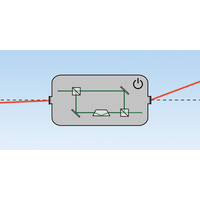
Phys. Rev. Lett. 135, 253802 (2025)
Atomic, Molecular, and Optical Physics
Superfluid Dome in the Spatially Modulated Two-Dimensional XY Model
Article | Condensed Matter and Materials | 2025-12-17 05:00 EST
Feng-Feng Song, Aditya Chugh, Hanggai Nuomin, Naoki Kawashima, and Alexander Wietek
In strongly correlated electron systems, superconductivity and charge density waves often coexist in close proximity, suggesting a deeper relationship between these competing phases. Recent research indicates that these orders can intertwine, with the superconducting order parameter coupling to modu…
Phys. Rev. Lett. 135, 256001 (2025)
Condensed Matter and Materials
Phonons in Epitaxial ${\mathrm{DySi}}_{2}$: From the Bulk to Self-Organized Nanoislands and Nanowires
Article | Condensed Matter and Materials | 2025-12-17 05:00 EST
Svetoslav Stankov, Przemysław Piekarz, Anja Seiler, Dániel G. Merkel, Olga Bauder, Ramu Pradip, Tilo G. Baumbach, Aleksandr I. Chumakov, and Rudolf Rüffer
Using nuclear inelastic scattering on , we determined the Dy-partial phonon density of states of epitaxial in bulk and self-organized nanoislands and nanowires (NWs) on vicinal Si(001) surface. Compared to the bulk, the nanoislands exhibit softening of the crystal lattice, which is furthe…
Phys. Rev. Lett. 135, 256202 (2025)
Condensed Matter and Materials
Intrinsic High Chern Numbers in Two-Dimensional ${\mathrm{M}}{2}{\mathrm{X}}{2}$ Materials
Article | Condensed Matter and Materials | 2025-12-17 05:00 EST
Zujian Dai, Xudong Zhu, and Lixin He
Despite sharing a common lattice structure, monolayer compounds realize quantum anomalous Hall phases with distinct Chern numbers, a striking phenomenon that has not been fully explored. Combining first-principles calculations with symmetry analysis and tight-binding models, we identify two gen…
Phys. Rev. Lett. 135, 256401 (2025)
Condensed Matter and Materials
Importance of Nonadiabatic Effects in Kohn Anomalies in 1D Metals
Article | Condensed Matter and Materials | 2025-12-17 05:00 EST
Enrico Marazzi, Samuel Poncé, Jean-Christophe Charlier, and Gian-Marco Rignanese
Kohn anomalies are kinks or dips in phonon dispersions which are pronounced in low-dimensional materials. We investigate the effects of nonadiabatic phonon self-energy on Kohn anomalies in one-dimensional metals by developing a model that analyzes how the adiabatic phonon frequency, electron effecti…
Phys. Rev. Lett. 135, 256402 (2025)
Condensed Matter and Materials
Chiral Wigner Crystal Phases Induced by Berry Curvature
Article | Condensed Matter and Materials | 2025-12-17 05:00 EST
Sandeep Joy, Leonid Levitov, and Brian Skinner
We study how Berry phase affects the Wigner crystal (WC) state of a two-dimensional electron system. We consider first a model of Bernal bilayer graphene with a perpendicular displacement field, and we show that Berry curvature leads to a new kind of WC state in which the electrons acquire a spontan…
Phys. Rev. Lett. 135, 256502 (2025)
Condensed Matter and Materials
Quantized Crystalline-Electromagnetic Responses in Insulators
Article | Condensed Matter and Materials | 2025-12-17 05:00 EST
Sachin Vaidya, André Grossi Fonseca, Mark R. Hirsbrunner, Taylor L. Hughes, and Marin Soljačić
Nonsymmorphic momentum-space symmetries quantize electromagnetic-crystalline responses in insulators.
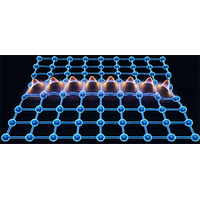
Phys. Rev. Lett. 135, 256602 (2025)
Condensed Matter and Materials
Fractional Topological States in Rhombohedral Multilayer Graphene Modulated by Kagome Superlattice
Article | Condensed Matter and Materials | 2025-12-17 05:00 EST
Yanran Shi, Bo Xie, Fengfan Ren, Xinyu Cai, Zhongqing Guo, Qiao Li, Xin Lu, Nicolas Regnault, Zhongkai Liu, and Jianpeng Liu
Rhombohedral multilayer graphene coupled with a patterned kagome superlattice produces various zero-magnetic-field fractional topological states.
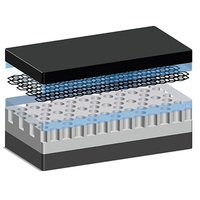
Phys. Rev. Lett. 135, 256603 (2025)
Condensed Matter and Materials
Two-Dimensional ${J}{1}\text{-}{J}{2}$ Clock Model: Enhanced Symmetries, Emergent Orders, and Landau-Incompatible Transitions
Article | Condensed Matter and Materials | 2025-12-17 05:00 EST
Pulloor Kuttanikkad Vishnu, Abhishodh Prakash, Rajesh Narayanan, and Titas Chanda
We present a comprehensive study on the frustrated classical -state clock model with even on a two-dimensional square lattice, revealing a rich ensemble of phases driven by competing interactions. In the unfrustrated regime (), the model reproduces the standard clock model phe…
Phys. Rev. Lett. 135, 256703 (2025)
Condensed Matter and Materials
Electrically Switchable Nonrelativistic Zeeman Spin Splittings in Collinear Antiferromagnets
Article | Condensed Matter and Materials | 2025-12-17 05:00 EST
Longju Yu, Hong Jian Zhao, Laurent Bellaiche, and Yanming Ma
Magnetic or electrical manipulation of electronic spin is elementary for spin-based logic, computing, and memory, where the latter is a low-power manipulation scheme. Rashba-like spin splittings stemming from spin-orbit interaction (SOI) enable electric-field manipulation of spin, but the relativist…
Phys. Rev. Lett. 135, 256704 (2025)
Condensed Matter and Materials
Lanczos-Pascal Approach to Correlation Functions in Chaotic Quantum Systems
Article | Quantum Information, Science, and Technology | 2025-12-16 05:00 EST
Merlin Füllgraf, Jiaozi Wang, Robin Steinigeweg, and Jochen Gemmer
We suggest a method to compute approximations to temporal correlation functions of few-body observables in chaotic many-body systems in the thermodynamic limit based on the respective Lanczos coefficients. Given the knowledge of these Lanczos coefficients, the method is very cheap. Usually, accuracy…
Phys. Rev. Lett. 135, 250401 (2025)
Quantum Information, Science, and Technology
Electrically Pumped Ultrabright Entangled Photons on Chip
Article | Quantum Information, Science, and Technology | 2025-12-16 05:00 EST
Xu-Feng Jiao, Ming-Yang Zheng, Yi-Hang Chen, Bo Cao, Xina Wang, Yang Liu, Cheng-Ao Yang, Xiu-Ping Xie, Chao-Yang Lu, Zhi-Chuan Niu, Qiang Zhang, and Jian-Wei Pan
A compact on-chip source of entangled photons uses an electrically pumped laser integrated with thin-film lithium niobate.
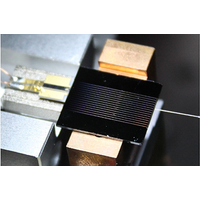
Phys. Rev. Lett. 135, 250803 (2025)
Quantum Information, Science, and Technology
Next-to-Leading-Order Corrections and Factorization for Transverse Single-Spin Asymmetries
Article | Particles and Fields | 2025-12-16 05:00 EST
Daniel Rein, Marc Schlegel, Patrick Tollkühn, and Werner Vogelsang
We present next-to-leading-order QCD corrections for the cross sections for and with transversely polarized initial protons. These cross sections are known to be power-suppressed in QCD and probe twist-3 parton correlation functions in the proton. Our calculation exhibits the full co…
Phys. Rev. Lett. 135, 251901 (2025)
Particles and Fields
Clarifying the $N,Z=14$ Shells near the Drip Lines from the Spectroscopy of $^{22}\mathrm{Si}$ and $^{21}\mathrm{Al}$
Article | Nuclear Physics | 2025-12-16 05:00 EST
J. S. Phillips, R. J. Charity, N. Dronchi, H. Webb, L. G. Sobotka, M. J. Basson, C. Benetti, B. A. Brown, K. W. Brown, S. Brown, J. Chung-Jung, J. R. Cory, G. Flores, A. Gade, M. Gajdosik, S. Gillespie, M. Kuich, C. E. McCormick, T. Parry, J. Pereira, D. Weisshaar, and V. Zerbach
Evidence for a (sub)-shell closure at has been observed from the spectroscopy of and . Using a fast beam on a target, several proton-decaying resonances have been populated in and , including the first measurement of the state in with an excitation energy of …
Phys. Rev. Lett. 135, 252501 (2025)
Nuclear Physics
Engineering Frustrated Rydberg Spin Models by Graphical Floquet Modulation
Article | Atomic, Molecular, and Optical Physics | 2025-12-16 05:00 EST
Mingsheng Tian, Rhine Samajdar, and Bryce Gadway
Arrays of Rydberg atoms interacting via dipole-dipole interactions offer a powerful platform for probing quantum many-body physics. However, these intrinsic interactions also determine and constrain the models--and parameter regimes thereof--for quantum simulation. Here, we propose a systematic framew…
Phys. Rev. Lett. 135, 253001 (2025)
Atomic, Molecular, and Optical Physics
Collective Dissipation Engineering of Interacting Rydberg Atoms
Article | Atomic, Molecular, and Optical Physics | 2025-12-16 05:00 EST
Tao Chen, Chenxi Huang, Jacob P. Covey, and Bryce Gadway
Engineered dissipation is emerging as an alternative tool for quantum state control, enabling high-fidelity preparation, transfer and stabilization, and access to novel phase transitions. We realize a tunable, state-resolved laser-induced loss channel for individual Rydberg atoms, in both noninterac…
Phys. Rev. Lett. 135, 253402 (2025)
Atomic, Molecular, and Optical Physics
Robust Measurement of the Concurrence of Vector Light Beams
Article | Atomic, Molecular, and Optical Physics | 2025-12-16 05:00 EST
Zhongyi Hu, Jiahui Shen, Yimeng Zhu, Yonglei Liu, Lin Liu, Ari T. Friberg, Tero Setälä, Yangjian Cai, Fei Wang, and Yahong Chen
Coherent vector light beams with spatially structured polarization exhibit intrinsic nonseparability between the spatial amplitude and polarization-state degrees of freedom, quantified by optical concurrence--a measure formally analogous to quantum concurrence characterizing entanglement in bipartite…
Phys. Rev. Lett. 135, 253801 (2025)
Atomic, Molecular, and Optical Physics
Sign Reversal and Nonmonotonicity of Chirality-Related Anomalous Hall Effect in Highly Conductive Metals
Article | Condensed Matter and Materials | 2025-12-16 05:00 EST
Ryunosuke Terasawa, Masafumi Udagawa, and Hiroaki Ishizuka
The nonmonotonic temperature dependence and sign reversal of chirality-related anomalous Hall effect in highly conductive metals are studied. Through the analysis of scattering rate, we find that the nonmonotonicity and sign reversal have two major origins: (1) competition between the contribution f…
Phys. Rev. Lett. 135, 256303 (2025)
Condensed Matter and Materials
Observation of Shapiro Steps in the Charge Density Wave State Induced by Strain on a Piezoelectric Substrate
Article | Condensed Matter and Materials | 2025-12-16 05:00 EST
Koji Fujiwara, Takuya Kawada, Natsumi Nikaido, Jihoon Park, Nan Jiang, Shintaro Takada, and Yasuhiro Niimi
The current response of the charge density wave state in niobium triselenide shows Shapiro steps induced by strain from surface acoustic waves in the substrate.
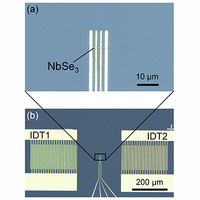
Phys. Rev. Lett. 135, 256304 (2025)
Condensed Matter and Materials
Dynamically Tunable Hydrodynamic Transport in Boron-Nitride-Encapsulated Graphene
Article | Condensed Matter and Materials | 2025-12-16 05:00 EST
Akash Gugnani, Aniket Majumdar, Kenji Watanabe, Takashi Taniguchi, and Arindam Ghosh
Over the past decade, graphene has emerged as a promising candidate for exploring the viscous nature of electronic flow facilitated by the availability of extremely high-quality devices employing a graphene channel encapsulated within dielectric layers of hexagonal boron nitride (hBN). However, the …
Phys. Rev. Lett. 135, 256501 (2025)
Condensed Matter and Materials
Observation of Gapless Spectral Flows in Elastic Metamaterials with Synthetic Dimension
Article | Condensed Matter and Materials | 2025-12-16 05:00 EST
Yue Shen, Linyun Yang, Zhi-Kang Lin, Kailun Wang, Xiang Li, Liang Li, Ying Wu, and Jian-Hua Jiang
By modulating air-hole depth in a 2D elastic plate a synthetic third dimension is created that hosts Dirac points and gapless spectral flows, restoring robust topological edge transport in elasticity.
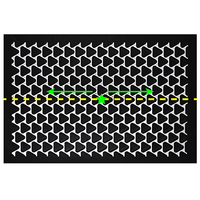
Phys. Rev. Lett. 135, 256601 (2025)
Condensed Matter and Materials
Ab Initio Theory of Phonon Magnetic Moment Induced by Electron-Phonon Coupling in Magnetic Materials
Article | Condensed Matter and Materials | 2025-12-16 05:00 EST
Fuyi Wang, Xinqi Liu, Hong Sun, Huaiqiang Wang, Shuichi Murakami, Lifa Zhang, Haijun Zhang, and Dingyu Xing
Circularly polarized phonons, characterized by nonzero angular momenta and magnetic moments, have attracted extensive attention. However, a long-standing critical issue in this field is the lack of an approach to accurately calculate phonon magnetic moments resulting from electron-phonon coupling (E…
Phys. Rev. Lett. 135, 256701 (2025)
Condensed Matter and Materials
$d$-Wave Flat Fermi Surface in Altermagnets Enables Maximum Charge-to-Spin Conversion
Article | Condensed Matter and Materials | 2025-12-16 05:00 EST
Junwen Lai, Tianye Yu, Peitao Liu, Long Liu, Guozhong Xing, Xing-Qiu Chen, and Yan Sun
Altermagnets combine antiferromagnetic order with ferromagnetlike spin splitting, a duality that unlocks ultrafast spin-dependent responses. This unique property creates unprecedented opportunities for spin-current generation, overcoming the intrinsic limitations of conventional spin-transfer and sp…
Phys. Rev. Lett. 135, 256702 (2025)
Condensed Matter and Materials
Topological Defects and Geometrical Frustration in Fourier Photonic Simulator
Article | Statistical Physics; Classical, Nonlinear, and Complex Systems | 2025-12-16 05:00 EST
Yuxuan Sun, Weiru Fan, Xingqi Xu, Da-Wei Wang, and Hai-Qing Lin
The XY models with continuous spin orientation play a pivotal role in understanding topological phase transitions and emergent frustration phenomena such as superconducting and superfluid phase transitions. However, the complex energy landscapes arising from frustrated lattice geometries and competi…
Phys. Rev. Lett. 135, 257101 (2025)
Statistical Physics; Classical, Nonlinear, and Complex Systems
Mechanochemical Feedback Drives Complex Inertial Dynamics in Active Solids
Article | Polymers, Chemical Physics, Soft Matter, and Biological Physics | 2025-12-16 05:00 EST
Siddhartha Sarkar, Biswarup Ash, Yueyang Wu, Nicholas Boechler, Suraj Shankar, and Xiaoming Mao
Active solids combine internal active driving with elasticity to realize states with nonequilibrium mechanics and autonomous motion. They are often studied in overdamped settings, e.g., in soft materials, and the role of inertia is less explored. We construct a model of a chemically active solid tha…
Phys. Rev. Lett. 135, 258301 (2025)
Polymers, Chemical Physics, Soft Matter, and Biological Physics
Physical Review X
Kolmogorov-Arnold Networks Meet Science
Article | 2025-12-17 05:00 EST
Ziming Liu, Max Tegmark, Pingchuan Ma, Wojciech Matusik, and Yixuan Wang
Kolmogorov-Arnold networks combine the predictive strength of deep learning with the interpretability of symbolic formulas, enabling AI systems to both validate physical laws and generate new scientific insights.
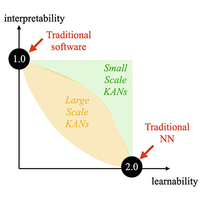
Phys. Rev. X 15, 041051 (2025)
Rigorous Lower Bound on Dynamical Exponents in Gapless Frustration-Free Systems
Article | 2025-12-16 05:00 EST
Rintaro Masaoka, Tomohiro Soejima (副島智大), and Haruki Watanabe
A universal lower bound for the dynamical exponent in frustration-free systems is proven, showing that these systems can not host emergent Lorentz invariance.
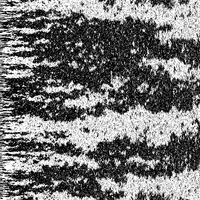
Phys. Rev. X 15, 041050 (2025)
arXiv
Nucleation suppression by charge screening on grain boundaries: a kinetic model for bulk imprint in polycrystalline ferroelectric thin films
New Submission | Materials Science (cond-mat.mtrl-sci) | 2025-12-17 20:00 EST
Huanhuan Tian, Jianguo Yang, Ming Liu
The imprint effect, a significant reliability challenge in ferroelectric memories, manifests as a shift in the coercive field during retention and endurance tests, ultimately degrading the usable memory window. \rv{While traditional models attribute imprint primarily to charge screening at the interface between the dead layer and the ferroelectric film, the contribution from grain boundaries has been largely overlooked. This work advances a bulk imprint mechanism by establishing a phase-field model, which demonstrates that the tuning of domain nuclei near grain boundaries via charge screening consistently explains the imprint process and aligns with key experimental trends.} These findings provide novel insights into the imprint process and advance the understanding of reliability issues in ferroelectric memory devices.
Materials Science (cond-mat.mtrl-sci)
Monte Carlo study of phase transitions in model orthonickelate
New Submission | Statistical Mechanics (cond-mat.stat-mech) | 2025-12-17 20:00 EST
The results of numerical simulation using a classical Monte Carlo method with a kinematic accounting of the bosons concentration for a pseudospin model of orthonickelates are presented. Type of the phase transitions of the model orthonickelates is investigated.
Statistical Mechanics (cond-mat.stat-mech)
False Vacuum Decay in Flat-Band Ferromagnets: Role of Quantum Geometry and Chiral Edge States
New Submission | Strongly Correlated Electrons (cond-mat.str-el) | 2025-12-17 20:00 EST
Fabian Pichler, Clemens Kuhlenkamp, Michael Knap
Dynamical control of quantum matter is a challenging, yet promising direction for probing strongly correlated states. Motivated by recent experiments in twisted MoTe$ _2$ that demonstrated optical control of magnetization, we propose a protocol for probing magnetization dynamics in flat-band ferromagnets. We investigate the nucleation and dynamical growth of magnetic bubbles prepared on top of a false vaccum in both itinerant ferromagnets and spin-polarized Chern insulators. For ferromagnetic metals, we emphasize the crucial role of a non-trivial quantum geometry in the magnetization dynamics, which in turn also provides a probe for the quantum metric. Furthermore, for quantum Hall ferromagnets, we show how properties of chiral edge modes localized at domain-wall boundaries can be dynamically accessed. Our work demonstrates the potential for nonequilibrium protocols to control and probe strongly correlated phases, with particular relevance for twisted MoTe$ _2$ and graphene-based flat-band ferromagnets.
Strongly Correlated Electrons (cond-mat.str-el), Mesoscale and Nanoscale Physics (cond-mat.mes-hall)
4 pages main text + 5 pages Appendix and References; 4 + 1 figures
Magnetism and superconductivity in bilayer nickelate
New Submission | Strongly Correlated Electrons (cond-mat.str-el) | 2025-12-17 20:00 EST
The discovery of high-temperature superconductivity in bilayer nickelate La$ {3}$ Ni$ {2}$ O$ {7}$ necessitates a minimal theoretical model that unifies the superconducting phase with the spin-density-wave (SDW) phase without external pressure or strain. We propose a model where half-filled $ d{z^{2}}$ local moments interact with itinerant $ d{x^{2}-y^{2}}$ electrons via strong Hund’s coupling $ J_H$ , which reduces to a bilayer type-II t-J model in the large $ J_H$ limit. Using iDMRG calculations on an $ L_y=4, L_z=2$ cylinder, we demonstrate that the competition between double-exchange ferromagnetism and in-plane superexchange generates period-4 stripe-like SDW order-a feature absent in one-orbital t-J model with only $ d{x^2-y^2}$ orbital. Furthermore, increasing the interlayer exchange coupling suppresses magnetic order and stabilizes interlayer s-wave superconductivity. These results identify the type-II t-J model as a minimal framework for capturing the interplay of magnetism and superconductivity in bilayer nickelates.
Strongly Correlated Electrons (cond-mat.str-el), Superconductivity (cond-mat.supr-con)
12 pages, 13 figures
Interferometric probe for the zeros of the many-body wavefunction
New Submission | Quantum Gases (cond-mat.quant-gas) | 2025-12-17 20:00 EST
Wayne J. Chetcuti, Anna Minguzzi, Juan Polo, Luigi Amico
The nodal surfaces of the many-body wavefunction are fundamental geometric features that encode critical information regarding particle statistics and their interaction. Directly probing these structures, particularly in correlated quantum systems, remains a significant experimental challenge. Here, we provide rigorous results on the structure of the many-body wavefunction and propose to use an interferometric technique to probe its zeros in ultra-cold atomic systems. Specifically, we refer to the so-called heterodyne interferometric reconstruction of the phase of the many-body wavefunction. We prove that the sought nodal surfaces show up as specific discontinuities in the interference fringes. Following Leggett, both symmetry-dictated' nodal surfaces, due to particle statistics, and non-symmetry dictated’ nodal surfaces emerging from interaction effects, can be probed. We demonstrate how the spin degrees of freedom, effectively modifying the structure of the nodal surfaces of the many-body wavefunction, leave distinct fingerprints in the resulting interference pattern. Our work addresses important features of the structure of the many-body wavefunction that are broadly relevant for quantum science ranging from conceptual aspects to computational questions of extended systems and quantum simulation.
Quantum Gases (cond-mat.quant-gas), Quantum Physics (quant-ph)
14 pages, 4 figures
Chiral topological superconductivity in hole-doped Sn/Si(111)
New Submission | Superconductivity (cond-mat.supr-con) | 2025-12-17 20:00 EST
Matthew Bunney, Lucca Marchetti, Domenico Di Sante, Carsten Honerkamp, Stephan Rachel
A third monolayer of tin atoms on the semiconductor substrate Si(111) has been shown to become superconducting upon six to ten percent hole doping. Experiments have reported promising results hinting at a superconducting chiral $ d$ -wave order parameter. Here we examine Sn/Si(111) by combining most recent ab initio results, quasi-particle interference calculations, state-of-the-art truncated-unity functional renormalization group simulations and Bogoliubov-de Gennes analysis. We show remarkable agreement between experimental and theoretical quasi-particle interference data both in the metallic and superconducting regimes. The interacting phase diagram reveals that the superconductivity is indeed chiral $ d$ -wave with Chern number $ C=4$ . Surprisingly, magnetically ordered phases are absent, instead we find charge density wave order, as observed in related compounds, as a competing phase. Our results demonstrate that Sn/Si(111) is an outstanding candidate material for chiral topological superconductivity.
Superconductivity (cond-mat.supr-con), Strongly Correlated Electrons (cond-mat.str-el)
(7+8 pages, 4+5 figures)
Unreasonable effectiveness of unsupervised learning in identifying Majorana topology
New Submission | Disordered Systems and Neural Networks (cond-mat.dis-nn) | 2025-12-17 20:00 EST
Jacob Taylor, Haining Pan, Sankar Das Sarma
In unsupervised learning, the training data for deep learning does not come with any labels, thus forcing the algorithm to discover hidden patterns in the data for discerning useful information. This, in principle, could be a powerful tool in identifying topological order since topology does not always manifest in obvious physical ways (e.g., topological superconductivity) for its decisive confirmation. The problem, however, is that unsupervised learning is a difficult challenge, necessitating huge computing resources, which may not always work. In the current work, we combine unsupervised and supervised learning using an autoencoder to establish that unlabeled data in the Majorana splitting in realistic short disordered nanowires may enable not only a distinction between topological' and trivial’, but also where their crossover happens in the relevant parameter space. This may be a useful tool in identifying topology in Majorana nanowires.
Disordered Systems and Neural Networks (cond-mat.dis-nn), Mesoscale and Nanoscale Physics (cond-mat.mes-hall), Machine Learning (cs.LG)
7 pages, 4 figures
Reproducible container solutions for codes and workflows in materials science
New Submission | Materials Science (cond-mat.mtrl-sci) | 2025-12-17 20:00 EST
Dylan Bissuel, Léo Orveillon, Benjamin Arrondeau, Paulo Almeida De Mendonça, Irina Piazza, Martin Uhrin, Étienne Polack, Akshay Krishna Ammothum Kandy, David Martin-Calle, Jonathan Chapignac, Aadhityan Arivazhagan, Lorenzo Paulatto, Pierre-Antoine Bouttier, M.-I Richard, Thierry Deutsch, David Rodney, A M Saitta, Nöel Jakse
A computing solution combining the GNU Guix functional package manager with the Apptainer container system is presented. This approach provides fully declarative and reproducible software environments suitable for computational materials science. Its versatility and performance enable the construction of complete frameworks integrating workflow managers such as AiiDA, and Ewoks that can be deployed on HPC infrastructures. The efficiency of the solution is illustrated through several examples: (i) AiiDA workflows for automated dataset construction and analysis as well as path-integral molecular dynamics based on ab initio calculations; (ii) workflows for the training of machine-learning interatomic potentials; and (iii) an Ewoks workflow for the automated analysis of coherent X-ray diffraction data in large-scale synchrotron facilities. These examples demonstrate that the proposed environment provides a reliable and reproducible basis for computational and data-driven research in materials science.
Materials Science (cond-mat.mtrl-sci)
From Bose glass to many-body localization in a one-dimensional disordered Bose gas
New Submission | Quantum Gases (cond-mat.quant-gas) | 2025-12-17 20:00 EST
Vincent Grison, Nicolas Dupuis
We determine the finite-temperature phase diagram of a one-dimensional disordered Bose gas using bosonization and the nonperturbative functional renormalization group (RG). We discuss two different scenarios, based on distinct truncations of the effective action. In the first scenario, the Bose glass is destabilized at any finite temperature, giving rise to a normal fluid. Nevertheless, one can distinguish a low-temperature glassy regime, where disorder plays an important role on intermediate length and time scales, from a high-temperature regime, where disorder becomes irrelevant. In the second scenario, below a temperature $ T_c$ , the RG flow exhibits a singularity at a finite value of the RG momentum scale. We propose that this singularity signals a lack of thermalization and the existence of a localized phase for $ T<T_c$ . We provide a description of this low-temperature localized phase within a droplet picture and highlight a number of possible similarities with characteristics of many-body localized phases, including non-thermal behavior, avalanche instabilities and many-body resonances, the structure of the many-body spectrum, and slow dynamics in the ergodic phase. The normal fluid above $ T_c$ , and below a crossover temperature $ T_g$ , exhibits glassy properties on intermediate scales.
Quantum Gases (cond-mat.quant-gas), Disordered Systems and Neural Networks (cond-mat.dis-nn), Strongly Correlated Electrons (cond-mat.str-el)
21 pages, 13 figures
CrSe_2 and CrTe_2 Monolayers as Efficient Air Pollutants Nanosensors
New Submission | Materials Science (cond-mat.mtrl-sci) | 2025-12-17 20:00 EST
Hakkim Vovusha, Puspamitra Panigrahi, Yash Pal, Muhammad J. A. Shiddiky, Massimiliano Di Ventra, Hoonkyung Lee, Tanveer Hussain
Nanosensors are critical in environmental monitoring, industrial safety, and public health by detecting specific hazardous gases like CO, NO, SO_2, and CH_4 at trace levels. This study uses density functional theory (DFT) calculations to examine the gas-sensing capabilities of chromium diselenide (CrSe_2) and chromium ditelluride (CrTe_2) monolayers through their structural and electronic responses to gas adsorption. Adsorption energy analysis shows that Te vacancy-induced CrTe_2 (VTe-CrTe_2) exhibits the strongest binding with energies of -1.52, -1.79, and -1.61 eV for CO, NO, and SO_2, respectively. Similarly, CrSe_2 has its values of -1.13, -1.17, -0.90, and -1.12 eV for CO, NO, SO_2, and CH_2, respectively, indicating suitability for reversible sensing. This study also investigates how substitutional doping of Ge, Sb, and Sn influences the sensing mechanism of CrSe_2 and CrTe_2 monolayers. Density of states (DOS) analysis highlights notable electronic changes around the Fermi level, especially in VTe-CrTe_2 and Sb/Sn-doped CrTe_2, confirming their enhanced sensing abilities. Charge density difference analysis shows significant charge redistribution, with CrTe_2 experiencing stronger charge transfer effects than CrSe_2. Variations in electrostatic potential and work function further demonstrate the higher sensitivity of CrTe_2, particularly in its defective and doped forms, confirming its status as a superior material for gas sensing applications.
Materials Science (cond-mat.mtrl-sci)
23 pages, 11 figures
Quasiparticle projection method for dynamically unstable Bose-Einstein condensates
New Submission | Quantum Gases (cond-mat.quant-gas) | 2025-12-17 20:00 EST
Asier Izquierdo, Maria Arazo, Sofía Martínez-Garaot, Michele Modugno
We present a general formalism for performing a time-dependent Bogoliubov analysis of a dynamically unstable Bose-Einstein condensate, which extends the quasiparticle projection method of Morgan et al. [Phys. Rev. A 57, 3818 (1998)] to cases with a complex spectrum. By introducing the proper left eigenvectors associated with each regime, we construct a biorthogonal basis. While the usual Bogoliubov normalization $ \langle u | u \rangle - \langle v | v \rangle = 1$ may not hold in this basis, it still allows for a complete mode decomposition and an accurate reconstruction of arbitrary perturbations over time. This approach extends the applicability of the Bogoliubov framework beyond the stable regime, providing a consistent analysis of the time evolution of unstable condensates. As a proof of concept, we apply the method to a one-dimensional condensate with attractive interactions, which is dynamically unstable and evolves into nonstationary localized structures seeded by small perturbations.
Quantum Gases (cond-mat.quant-gas), Quantum Physics (quant-ph)
11 pages, 7 figures
Shell-shaped Bose-Einstein condensates: Dynamics, excitations, and thermodynamics
New Submission | Quantum Gases (cond-mat.quant-gas) | 2025-12-17 20:00 EST
Brendan Rhyno, Kuei Sun, Jude Bedessem, Naceur Gaaloul, Nathan Lundblad, Smitha Vishveshwara
Shell-shaped Bose-Einstein condensates (BECs) represent a paradigmatic instance of quantum fluids in hollow geometries exhibiting phenomena that bridge from ultracold atomic to astrophysical realms. In this work, we present a comprehensive survey of the dynamics, thermodynamics, and collective excitations of shell-shaped BECs, synthesizing two decades of our group’s theoretical work in light of recent experimental breakthroughs. We begin by analyzing the evolution of a BEC from filled-sphere to hollow-shell geometries, illustrating the necessity of microgravity conditions to avoid gravitational sag. We then analyze collective modes structure across this evolution and pinpoint a universal dip in the frequency spectra as well as mode reconfiguration due to inner-surface excitations as robust signatures of the hollowing-out transition. Turning to vortex physics, we show that the closed-surface topology enforces vortex-antivortex configurations in shell-shaped BECs and that the natural annihilation of these pairs can be stabilized by rotation, with the critical rotation rate depending on shell thickness. In the thermodynamic domain, we investigate the interplay between shell inflation and the BEC phase transition, where adiabatic expansions lead to condensate depletion. This behavior motivates a study of the nonequilibrium dynamics of shell-shaped BECs; we perform such a study by constructing a time-dependent dynamic technique that can capture the evolution in both adiabatice and non-adiabatic regimes. Finally, we review recent experimental realizations of shell-shaped BECs, including the landmark creation of ultracold shells aboard the International Space Station, and outline prospects for exploring quantum fluids in curved geometries.
Quantum Gases (cond-mat.quant-gas)
16 pages, 10 figures
Vanishing quantum confinement enables bright and thermally excited multi-carrier emission from semiconductor nanocrystals
New Submission | Materials Science (cond-mat.mtrl-sci) | 2025-12-17 20:00 EST
Tjom Arens, Sander J.W. Vonk, A. Willem Vlasblom, Margarita Samoli, Daniel Vanmaekelbergh, Pieter Geiregat, Zeger Hens, Freddy T. Rabouw
Recently, nanocrystals in the regime of vanishing quantum confinement-termed bulk nanocrystals (BNCs)-have demonstrated remarkable optical gain characteristics. While their high-power lasing performance was demonstrated convincingly, the photophysics at low and intermediate powers-where charge-carrier populations are discrete-remain unexplored. Using single-photon avalanche diode (SPAD) array technology, we resolve the dynamics and energetics of six multi-carrier excited states in individual CdSe/CdS core/shell BNCs, containing up to four electrons and two holes. Each state exhibits bimodal emission, indicative of thermal equilibrium between closely spaced electron and hole levels, confirmed via temperature-dependent single-particle measurements. Quantification of radiative and nonradiative decay channels reveals strongly suppressed Auger recombination through both the negative- and positive-trion pathways. We present a model that combines statistical scaling of rate constants with Fermi-Dirac thermal occupations of electron and hole levels, bridging the transitional regime between quantum-confined and bulk nanocrystals, and providing a comprehensive framework for understanding this emerging class of materials.
Materials Science (cond-mat.mtrl-sci)
Conservation laws and chaos propagation in a non-reciprocal classical magnet
New Submission | Statistical Mechanics (cond-mat.stat-mech) | 2025-12-17 20:00 EST
Nisarg Bhatt, Purnendu Das, Subroto Mukerjee, Sriram Ramaswamy
We study a nonreciprocal generalization [EPL 60, 418 (2002)] of the classical Heisenberg spin chain, in which the exchange coupling is nonsymmetric, and show that it displays a ballistic spreading of chaos as measured by the decorrelator. We show that the interactions are reciprocal in terms of transformed variables, with conserved quantities that can be identified as magnetization and energy, with a Poisson-bracket algebra and Hamiltonian dynamics. For strictly antisymmetric couplings in the original model the conserved quantities diffuse, the decorrelator spreads symmetrically, and a simple hydrodynamic theory emerges. The general case in which the interaction has symmetric and antisymmetric parts presents complexities in the limit of large scales. Ballistic propagation of chaos survives the inclusion of interactions beyond nearest neighbours, but the conservation laws in general do not.
Statistical Mechanics (cond-mat.stat-mech)
Field-angle-resolved heat transport in UTe$_2$: determination of nodal positions in the superconducting order parameter
New Submission | Superconductivity (cond-mat.supr-con) | 2025-12-17 20:00 EST
Ian M. Hayes, Elliot Fang, Shanta R. Saha, Vivek Mishra, P.J. Hirschfeld, Johnpierre Paglione
One of the recurring hurdles in studying unconventional superconductivity is the challenge of efficiently and conclusively identifying the symmetry of the superconducting order parameter in a new material. Uranium ditelluride (UTe$ _2$ ) exhibits an unprecedented number of superconducting phases as a function of pressure and magnetic field, each presumably characterized by a different symmetry of the superconducting gap function. None of these phases has had its symmetry conclusively identified so far. In this article, we report results of an extensive study of the thermal conductivity of UTe$ _2$ in its low-field, low-temperature superconducting state as a function of the angle of an applied magnetic field rotated in the $ b$ -$ c$ plane. We observe clear and substantial oscillations in the thermal conductivity as a function of field angle, which naturally suggests the existence of point nodes in the gap. Utilizing the experimentally determined Fermi surface, we are able to model this phenomenon for all the potential gap structures in UTe$ 2$ and positively identify the location of these nodes as being along the crystallographic $ b$ -axis, implying that the superconducting order parameter belongs to the $ B{2u}$ irreducible representation of the crystal point group. The clarity of this result will accelerate the identification of other superconducting phases in UTe$ _2$ , and guide future studies through the use of high resolution field-angle-dependent measurements.
Superconductivity (cond-mat.supr-con), Strongly Correlated Electrons (cond-mat.str-el)
13 pages, 9 figures (including SI)
Renormalization group for spectral collapse in random matrices with power-law variance profiles
New Submission | Statistical Mechanics (cond-mat.stat-mech) | 2025-12-17 20:00 EST
We propose a renormalization group (RG) approach to compare and collapse eigenvalue densities of random matrix models of complex systems across different system sizes. The approach is to fix a natural spectral scale by letting the model normalization run with size, turning raw spectra into comparable, collapsed density curves. We demonstrate this approach on generalizations of two classic random matrix ensembles–Wigner and Wishart–modified to have power-law variance profiles. We use random matrix theory methods to derive self-consistent fixed-point equations for the resolvent to compute their eigenvalue densities, we define an RG scheme based on matrix decimation, and compute the Beta function controlling the RG flow as a function of the variance profile power-law exponent. The running normalization leads to spectral collapse which we confirm in simulations and solutions of the fixed-point equations. We expect this RG approach to carry over to other ensembles, providing a method for data analysis of a broad range of complex systems.
Statistical Mechanics (cond-mat.stat-mech), Data Analysis, Statistics and Probability (physics.data-an)
18 pages, 9 figures
Proximity-tuned Magnetic and Transport Anomalies in All-epitaxial Fe5-xGeTe2/WSe2 Van der Waals Heterostructures
New Submission | Mesoscale and Nanoscale Physics (cond-mat.mes-hall) | 2025-12-17 20:00 EST
Hua Lv, Tauqir Shinwari, Kacho Imtiyaz Ali Khan, Jens Herfort, Chen Chen, Joan M. Redwing, Mehak Loyal, Gerhard Jakob, Mathias Klaeui, Achim Trampert, Bernat Mundet, Belen Ballesteros, Manfred Ramsteiner, Roman Engel-Herbert, Michael Hanke, Joao Marcelo J. Lopes
Van der Waals (vdW) heterostructures combining two-dimensional (2D) ferromagnets and semiconducting transition-metal dichalcogenides (TMDCs) offer highly promising opportunities for tailoring 2D magnetism through interfacial proximity effects, enabling unique physical phenomena inaccessible in 3D systems and achieving functionalities beyond conventional spintronics. However, current fabrication of vdW heterostructures still relies heavily on the manual stacking of exfoliated 2D flakes, leading to critical challenges in scalability, interfacial quality, thickness control and device integration. This work reports on the realization of all-epitaxial, high-quality Fe5-xGeTe2(FGT)/WSe2 heterostructures exhibiting perpendicular magnetic anisotropy (PMA) and room-temperature ferromagnetism. The FGT/WSe2 system demonstrates temperature-driven magnetic transitions, higher-order PMA contributions and large anisotropic magnetoresistance, highlighting sublattice-specific contributions to magnetic and transport properties. Notably, the FGT/WSe2 heterostructures display unconventional physical phenomena, including thickness- and temperature-dependent sign reversal of exchange bias, a reversed thickness trend in the unconventional Hall effect, and a non-monotonic PMA-thickness dependence. These anomalies indicate pronounced interfacial contributions arising from proximity effects enhanced by epitaxial interface quality. Collectively, this study provides deep insights into the magnetic and transport properties of FGT/WSe2 vdW heterostructures, establishing a scalable platform for exploring emergent 2D physics and advancing next-generation 2D spintronic technologies.
Mesoscale and Nanoscale Physics (cond-mat.mes-hall)
Quantum fields in a cold atomic simulator: relaxation and phase locking in tunnel-coupled 1D bosonic quasi-condensates
New Submission | Quantum Gases (cond-mat.quant-gas) | 2025-12-17 20:00 EST
We consider a prime example of simulating interacting relativistic QFT with cold atoms: the realisation of the sine-Gordon model by tunnel-coupled quasi-1D Bose gases. While experiments have shown that it can realise the sine-Gordon model in equilibrium, studies of non-equilibrium dynamics have revealed a phase-locking behaviour that stands in contrast to predictions from sine-Gordon field theory. Here, we examine a one-dimensional field-theoretic model of the system and find that the phase-locking behaviour can be understood in terms of the presence of the longitudinal harmonic trap, and that the additional degrees of freedom known to be present in the experiment do not appear to play a significant role. Therefore, the experimental setup provides a good simulator of the sine-Gordon quantum field theory, even out of equilibrium, if the inhomogeneous background induced by the trap is taken into account. Furthermore, our results support the idea that modifying the longitudinal trap to a box shape should result in agreement with standard sine-Gordon dynamics. The main remaining open issues are to account for 3D corrections and model the effect of the boundaries.
Quantum Gases (cond-mat.quant-gas), High Energy Physics - Theory (hep-th), Quantum Physics (quant-ph)
17 pages, 9 figures
Machine Learning for Predicting Magnetization from X-ray Diffraction of Iron Oxide Nanoparticles Using Simple Physics-Based Data Generation
New Submission | Materials Science (cond-mat.mtrl-sci) | 2025-12-17 20:00 EST
Frank M. Abel, Paige Burke, Daniel Wines, Brian Donovan, Michelle E. Jamer, Kamal Choudhary
Automation and high-throughput characterization and synthesis for material development are becoming increasingly common; these approaches require machine learning (ML) tools to assess material properties, ideally based on a single measurement. Here, ML models are developed to predict magnetization from X-ray diffraction (XRD) for iron oxide nanoparticles. Our approach is to first develop a set of simulated data that links modulated XRD, based on a crystallographic information file (CIF), to a simple magnetic model to determine magnetization at a given magnetic field, thereby enabling us to train Random Forest and Gradient Boosting regression models on a large amount of simulated data. The models are validated by synthesizing iron oxide nanoparticles and measuring their crystal structure via XRD and room-temperature magnetization curves. In doing so, we can fine-tune both the training hyperparameters and the optimal size of the simulated datasets used to train the models. Through this optimization, the best models can achieve an $ R^2$ greater than 0.9 for five experimental samples, used for tuning, for predicting the max magnetization (at 2.8 T) of the measurement. Lastly, we demonstrate reasonable predictions on the full magnetization vs. magnetic field curve, showing that the RF model excels at predicting the high magnetic field values, which is key for determining the success of an iron oxide nanoparticle synthesis for applications like magnetic particle imaging (MPI), thermal magnetic particle imaging (T-MPI), and hyperthermia.
Materials Science (cond-mat.mtrl-sci)
Intelligent matter consisting of active particles
New Submission | Soft Condensed Matter (cond-mat.soft) | 2025-12-17 20:00 EST
Julian Jeggle, Raphael Wittkowski
In this book chapter, we review how systems of simple motile agents can be used as a pathway to intelligent systems. It is a well known result from nature that large groups of entities following simple rules, such as swarms of animals, can give rise to much more complex collective behavior in a display of emergence. This begs the question whether we can emulate this behavior in synthetic matter and drive it to a point where the collective behavior reaches the complexity level of intelligent systems. Here, we will use a formalized notion of “intelligent matter” and compare it to recent results in the field of active matter. First, we will explore the approach of emergent computing in which specialized active matter systems are designed to directly solve a given task through emergent behavior. This we will then contrast with the approach of physical reservoir computing powered by the dynamics of active particle systems. In this context, we will also describe a novel reservoir computing scheme for active particles driven ultrasonically or via light refraction.
Soft Condensed Matter (cond-mat.soft), Disordered Systems and Neural Networks (cond-mat.dis-nn), Artificial Intelligence (cs.AI), Machine Learning (cs.LG), Applied Physics (physics.app-ph)
14 pages, 5 figures
Artificial Intelligence and Intelligent Matter, Michael te Vrugt (ed.), Springer (Cham, Switzerland), p. 273-288 (2026)
Structure and Nonlinear Index of Refraction of Sunset Yellow Lyotropic Chromonic Liquid Crystal in the Isotropic and Nematic Phases
New Submission | Soft Condensed Matter (cond-mat.soft) | 2025-12-17 20:00 EST
Dennys Reis, Renato Mafra Moysés, Lino Misoguti, Antônio Martins Figueiredo Neto
Lyotropic chromonic liquid crystals are formed by the self-assembly of aromatic compounds in concentrated solutions. Despite numerous applications of chromonic systems in optical and photonic devices, they all make use of the anisotropic linear optical properties of the nematic or columnar liquid crystalline phases. This paper extends the investigations of chromonic systems to the domain of nonlinear optics. For this purpose, the magnitude and sign of the nonlinear refractive indices, $ n_2,$ were measured by the nonlinear ellipse rotation (NER) technique. This was performed on aqueous solutions of sunset yellow azo dye, the prototypical chromonic system. Samples with different concentrations and temperatures were used, both in the isotropic and nematic phases. In addition, the molecular aggregation states of the chromonic samples as a function of temperature and concentration were investigated by wide angle X-ray scattering. NER measurements as a function of the laser pulse width from $ 65,fs$ to $ \sim 5,ps$ allowed the decomposition of $ n_2$ into a fast contribution, $ n_{2,fast},$ associated with molecular electronic processes, and a slow one $ n_{2,slow},$ associated with molecular reorientational processes. It was shown that $ n_{2,fast}$ doubled from the isotropic phases of the $ 15$ to the $ 30,%,\text{w/w}$ samples, proportionally to the increase in mass fraction. However, $ n_{2,fast}$ for the aligned nematic phase of $ 30,%,\text{w/w}$ sample was higher than the double of the corresponding value for the $ 15,%,\text{w/w}$ sample, showing an effect associated to the orientational order of this phase. Also, $ n_{2,fast}$ was shown to depend linearly on temperature.
Soft Condensed Matter (cond-mat.soft)
Carbon Capture from wet vapors
New Submission | Materials Science (cond-mat.mtrl-sci) | 2025-12-17 20:00 EST
We present molecular dynamics simulations of the adsorption of mixed CO2-water vapors on a graphene flakes substrate, a model inspired by the microporous structure of activated carbons. Adsorption strength is quantified through a reduced energy measure that avoids ambiguities associated with defining adsorption regions. We find that CO2 adsorbs more strongly and more rapidly than water across all temperatures studied. Adsorption from wet vapors was observed to result in higher CO2 uptake compared with dry vapors at temperatures below 375 K. At intermediate temperatures, water molecules were seen to form clusters that interact with both the substrate and CO2, potentially promoting CO2 adsorption. Additionally, we observe that the GF substrate inhibits the formation of large water clusters, altering water aggregation dynamics near the surface. These findings highlight a cooperative adsorption mechanism in humid environments and suggest that graphene-flakes-based materials may perform effectively for carbon capture under realistic, moisture-containing conditions.
Materials Science (cond-mat.mtrl-sci)
16 pages. 8 figures
Hysteresis, Laning, and Negative Drag in Binary Systems with Opposite and Perpendicular Driving
New Submission | Statistical Mechanics (cond-mat.stat-mech) | 2025-12-17 20:00 EST
C. Reichhardt, C.J.O. Reichhardt
We consider a binary system of particles with repulsive interactions that move in opposite or perpendicular directions to each other under an applied external drive. For opposite driving, at higher drives a phase-separated laned state forms that has strong hysteresis in the velocity-force curve and the fraction of topological defects as the drive is cycled up and down from zero. The amount of hysteresis depends on the drive value at which the drive changes from increasing to decreasing. For perpendicular driving, we find a jammed state that transitions into a disordered state or a tilted lane state, both of which also show strong hysteresis effects. Additionally, a negative drag effect can appear in which one species moves in the direction opposite to the other species due to a tilting of the lanes by the perpendicular drive. When a constant drive is applied along one direction while the drive in the perpendicular direction is increased, we observe a series of drops and jumps in the velocity as the system forms locked and tilted laned states. For weakly interacting particles, the jammed system can show co-tilted stripe-forming states.
Statistical Mechanics (cond-mat.stat-mech), Soft Condensed Matter (cond-mat.soft)
15 pages, 28 postscript figures
Hierarchical Multi-agent Large Language Model Reasoning for Autonomous Functional Materials Discovery
New Submission | Materials Science (cond-mat.mtrl-sci) | 2025-12-17 20:00 EST
Samuel Rothfarb, Megan C. Davis, Ivana Matanovic, Baikun Li, Edward F. Holby, Wilton J.M. Kort-Kamp
Artificial intelligence is reshaping scientific exploration, but most methods automate procedural tasks without engaging in scientific reasoning, limiting autonomy in discovery. We introduce Materials Agents for Simulation and Theory in Electronic-structure Reasoning (MASTER), an active learning framework where large language models autonomously design, execute, and interpret atomistic simulations. In MASTER, a multimodal system translates natural language into density functional theory workflows, while higher-level reasoning agents guide discovery through a hierarchy of strategies, including a single agent baseline and three multi-agent approaches: peer review, triage-ranking, and triage-forms. Across two chemical applications, CO adsorption on Cu-surface transition metal (M) adatoms and on M-N-C catalysts, reasoning-driven exploration reduces required atomistic simulations by up to 90% relative to trial-and-error selection. Reasoning trajectories reveal chemically grounded decisions that cannot be explained by stochastic sampling or semantic bias. Altogether, multi-agent collaboration accelerates materials discovery and marks a new paradigm for autonomous scientific exploration.
Materials Science (cond-mat.mtrl-sci), Artificial Intelligence (cs.AI), Computation and Language (cs.CL), Machine Learning (cs.LG), Multiagent Systems (cs.MA)
Keywords: Multi-agent reasoning; Large language models; Active learning; AI-driven simulation; Materials discovery; Density functional theory; Surface chemistry
Decomposing Non-Markovian History Dependence
New Submission | Statistical Mechanics (cond-mat.stat-mech) | 2025-12-17 20:00 EST
Matthew P. Leighton, Christopher W. Lynn
Non-Markovian stochastic processes are ubiquitous in biology. Nevertheless, we lack a general framework for quantifying historical dependencies. In this Letter, we propose an information-theoretic approach to decompose history dependence in systems with non-Markovian dynamics, quantifying the information encoded in dependencies of each order. In minimal models of non-Markovian dynamics, we show that this framework correctly captures the underlying historical dependencies, even when autocorrelations do not. In prolonged recordings of fly behavior, we find that the scaling of non-Markovian dependencies is invariant across timescales from fractions of a second to minutes. Despite this invariance, the overall amount of non-Markovian information is non-monotonic, suggesting a unique timescale on which historical dependencies are strongest.
Statistical Mechanics (cond-mat.stat-mech), Biological Physics (physics.bio-ph)
8 pages, 6 figures
Tractable Model for Tunable Non-Markovian Dynamics
New Submission | Statistical Mechanics (cond-mat.stat-mech) | 2025-12-17 20:00 EST
Matthew P. Leighton, Christopher W. Lynn
Non-Markovian dynamics are ubiquitous across physics, biology, and engineering. Yet our understanding of non-Markovian processes significantly lags that of simpler Markovian processes, due largely to a lack of tractable models. In this article, we present a minimal model of non-Markovian dynamics in which the current state copies past states with arbitrary history dependence. We show that many properties of this process can be studied analytically, providing insight into the relationships between history dependence, autocorrelations, and information-theoretic metrics like entropy and dynamical information. Strikingly, we find that autocorrelations can fail, even qualitatively, to capture the underlying dependencies. Ultimately, this model serves as a tractable sandbox for exploring non-Markovian dynamics.
Statistical Mechanics (cond-mat.stat-mech)
16 pages, 3 figures
Thermal response functions and second sound in graphene
New Submission | Mesoscale and Nanoscale Physics (cond-mat.mes-hall) | 2025-12-17 20:00 EST
Antonio Martinez Margolles, Patrick K. Schelling
The propagation of second sound, and more broadly the ballistic transport of heat, is of central importance in heat dissipation from electronic devices at very short length and time scales. Specifically, there is an interest in the practical implications of violations of Fourier’s law. Recently, we have developed a simulation approach based on thermal-response functions that is appropriate for elucidating physics beyond the diffusive regime, including time-dependent sources and second-sound propagation. The methods are applied to free-standing graphene simulated using molecular-dynamics (MD) with empirical potentials. The simulations predict a strong second-sound signal at T=300K for length scales of at least L=68.1nm. It is demonstrated that the second-sound dissipation time is determined primarily by decoherence that emerges from the details of the phonon band structure. It is also shown that the decay time for second sound depends sensitively on the length scale that characterizes the thermal excitation. This is in contrast with theories based on the Boltzmann transport equation (BTE), where second-sound dissipation is determined primarily by the resistive anharmonic phonon scattering rate. Calculations using the linearized BTE are also presented, along with analysis of second sound based on the BTE. This approach results in significantly longer lifetimes for second sound in comparison to our MD simulation results. Predictions for the response due to time-dependent sources are also presented, including insight into how time-dependent sources could be tuned to result in weak or strong temperature oscillations, and how time-dependent experiments might probe the spectra associated with second sound. Results are discussed in the context of second sound in graphite in the temperature range from 100-200K.
Mesoscale and Nanoscale Physics (cond-mat.mes-hall), Other Condensed Matter (cond-mat.other)
16 pages, 12 figures, to be submitted to Journal of Applied Physics
Spiral-induced Anomalous Hall Effect from Odd-parity Spin-nodal Lines
New Submission | Mesoscale and Nanoscale Physics (cond-mat.mes-hall) | 2025-12-17 20:00 EST
Shun Okumura, Moritz M. Hirschmann, Yukitoshi Motome
Spin spirals represent a fundamental class of noncollinear yet coplanar magnetic structures that give rise to diverse emergent phenomena reflecting spin chirality. We investigate metallic systems hosting commensurate spin spirals and uncover an unconventional anomalous Hall effect (AHE) induced by spiral magnetism. The spin spiral introduces odd-parity spin splitting with polarization perpendicular to the helical plane, forming spin-nodal lines in the electronic structure. In the presence of spin-orbit coupling, we find that these nodal lines become gapped by finite magnetization, concentrating the Berry curvature near the gap and generating a distinctive AHE. We identify the interplay among the spin-orbit coupling, helical plane orientation, and magnetization direction as the key ingredient for this spiral-induced AHE, which is expected to occur across a wide range of materials hosting commensurate spin spirals.
Mesoscale and Nanoscale Physics (cond-mat.mes-hall), Strongly Correlated Electrons (cond-mat.str-el)
7 pages, 5 figures
Correlation functions at the topological quantum phase transition in the S=1 XXZ chain with single-ion anisotropy
New Submission | Strongly Correlated Electrons (cond-mat.str-el) | 2025-12-17 20:00 EST
Toshiya Hikihara, Akira Furusaki
We study the one-dimensional S=1 XXZ spin model with single-ion anisotropy. It is known that at the transition points between the Haldane and large-D phases, the model exhibits a quantum criticality described by the Gaussian theory, i.e., a conformal field theory with the central charge c=1. Using the bosonization approach, we investigate various correlation functions at the phase transition and derive their asymptotic forms. This allows us to clarify their peculiar behavior: the longitudinal (transverse) two-point spin correlation function has components that decay algebraically only in the uniform (staggered) sector. These theoretical predictions are verified by the numerical calculations using the density-matrix renormalization group method. The effect of weak bond alternation on the critical ground state at the phase transition is also discussed. It is shown that the bond alternation induces the missing power-law components in the correlation functions.
Strongly Correlated Electrons (cond-mat.str-el)
14 pages, 12 figures, 1 table
Improved diffusive approximation of Markov jump processes close to equilibrium
New Submission | Mesoscale and Nanoscale Physics (cond-mat.mes-hall) | 2025-12-17 20:00 EST
David Roberts, Trevor McCourt, Geremia Massarelli, Jeremy Rothschild, Nahuel Freitas
Diffusive approximations of Markov jump processes often fail to accurately capture large fluctuations. This is confounding, as the rare events triggered by these large fluctuations, such as the failure of electronic memories, are often the object of interest. In this paper we present an improved diffusive approximation, extending a method previously limited to equilibrium systems. Using new tools from stochastic thermodynamics, we prove its validity to linear order in departures from equilibrium and demonstrate its superior accuracy over the Kramers-Moyal expansion in predicting both steady-state and transient properties, including the error rate of a non-equilibrium electronic memory.
Mesoscale and Nanoscale Physics (cond-mat.mes-hall), Statistical Mechanics (cond-mat.stat-mech)
18 pages, 8 figures. Includes Supplemental Material. Submitted to Phys. Rev. Research
Muon Knight shift as a precise probe of the superconducting symmetry of Sr$_2$RuO$_4$
New Submission | Superconductivity (cond-mat.supr-con) | 2025-12-17 20:00 EST
Hisakazu Matsuki, Rustem Khasanov, Jonas A. Krieger, Thomas J. Hicken, Kosuke Yuchi, Jake S. Bobowski, Giordano Mattoni, Atsutoshi Ikeda, Ryutaro Okuma, Hubertus Luetkens, Yoshiteru Maeno
Muon spin rotation ($ \mu$ SR) measurements of internal magnetic field shifts, known as the muon Knight shift, is used for determining pairing symmetries in superconductors. While this technique has been especially effective for $ f$ -electron-based heavy-fermion superconductors, it remains challenging in $ d$ -electron-based superconductors such as Sr$ _2$ RuO$ _4$ , where the Knight shift is intrinsically small. Here, we report high-precision muon Knight shift measurements of superconducting Sr$ _2$ RuO$ _4$ . We observe that using multiple pieces of crystals, a common practice in $ \mu$ SR measurements, induces a substantial paramagnetic shift below the superconducting transition temperature, $ T_c$ , when a weak magnetic field is applied. We attribute such an unresolved paramagnetic shift to stray fields generated by neighboring diamagnetic crystals. To avoid this, one piece of crystal was used in this study. We experimentally determine the muon Knight shift of Sr$ _2$ RuO$ _4$ in the normal state to be -116$ \pm$ 7 ppm. By combining the observed muon Knight shift with independently determined bulk magnetization data from the same crystal used in $ \mu$ SR and carefully separating various contributions to the shift, we confirm a significant reduction in the spin Knight shift below $ T_c$ , consistent with spin-singlet-like pairing. This result constitutes the precise muon Knight shift measurement in a $ d$ -electron-based superconductor. Our results highlight the potential of $ \mu$ SR as a powerful complementary technique to the established method of nuclear magnetic resonance for probing the spin susceptibility in superconductors.
Superconductivity (cond-mat.supr-con), Strongly Correlated Electrons (cond-mat.str-el)
Spin Faraday Waves in Periodically Modulated Spin-Orbit-Coupled Bose Gases
New Submission | Quantum Gases (cond-mat.quant-gas) | 2025-12-17 20:00 EST
Hongguang Liang, Meiling Wang, Juan Wang, Yan Li
This paper investigates the formation of Spin Faraday waves in spin-orbit-coupled Bose-Einstein condensate under the stripe phase and explores the dispersion relation under three different phases. We discover that the SFW exhibit temporal and spatial patterns when the interaction is modulated periodically, and appear with resonant waves and higher order harmonics. SFW can be excited even when the modulation frequency resonates with the trap frequency. Furthermore, we study the dispersion relation of these Faraday modes through periodic modulation, which agrees well with our theoretical results under three quantum phases. Our work indicates novel physical phenomena originating from the introduction of spin-orbit coupling and provides a possible method for studying the dispersion of Bose gases.
Quantum Gases (cond-mat.quant-gas)
Fully Compensated Ferrimagnetic Properties of (Cr,Fe)S Compound with a Pyrrhotite-type Structure
New Submission | Materials Science (cond-mat.mtrl-sci) | 2025-12-17 20:00 EST
Weida Yin, Masato Miyakawa, Satoshi Semboshi, Noriharu Yodoshi, Akira Masago, Yosuke Kawahito, Tetsuya Fukushima, Hisazumi Akai, Rie Y. Umetsu
To optimize the processing conditions for the (Cr,Fe)S non-equilibrium phase with a pyrrhotite-type structure, the phase states and magnetic properties of the specimens obtained at various sintering temperatures were investigated. A slightly off-stoichiometric composition of Cr23Fe23S54 (approximately (Cr,Fe)7S8) sintered and quenched from 1323 K indicates a single-phase pyrrhotite-type structure with a layered-NiAs-type structure in which vacancies occupy every two layers (C12/c1; the space number is 15). The compound shows fully compensated ferrimagnetic behavior at a magnetization compensated temperature of approximately 200 K. The magnetic behavior exhibits a typical N-type ferrimagnet, as predicted by Néel. From X-ray photoelectron spectroscopy analyses, it is found that the compound is composed of Fe2+ and Cr3+. The large magnetic coercivity of 38 kOe at 5 K is also unique and can be applied to spintronic devices. Furthermore, changing the quenching temperature enables control of the degree of order of the vacancies in the interlayer and results in tuning of the magnetization compensated temperature. First-principles calculations show a pseudo-gap located at the Fermi level in the up-spin band, suggesting high spin polarization as well as the NiAs-type structure indicated in the previous our report.
Materials Science (cond-mat.mtrl-sci)
8 figures, 3 tables
A theory of locally impenetrable elastic tubes
New Submission | Soft Condensed Matter (cond-mat.soft) | 2025-12-17 20:00 EST
Krishnan Suryanarayanan, Harmeet Singh
We present a reduced order theory of locally impenetrable elastic tubes. The constraint of local impenetrability – an inequality constraint on the determinant of the 3D deformation gradient – is transferred to the Frenet curvature of the centerline of the tube via reduced kinematics. The constraint is incorporated into a variational scheme, and a complete set of governing equations, jump conditions, and boundary conditions are derived. It is shown that with the local impenetrability actively enforced, configurations of an elastic tube comprise segments of solutions of the Kirchhoff rod theory appropriately connected to segments of constant Frenet curvature. The theory is illustrated by way of three examples: a fully flexible tube hanging under self-weight, an elastic tube hanging under self-weight, and a highly twisted elastic tube.
Soft Condensed Matter (cond-mat.soft)
Probing spatially resolved spin density correlations with trapped excitons
New Submission | Mesoscale and Nanoscale Physics (cond-mat.mes-hall) | 2025-12-17 20:00 EST
Shanshan Ding, Jose Antonio Valerrama Botia, Aleksi Julku, Zhigang Wu, G. M. Bruun
The rapidly growing class of atomically thin and tunable van der Waals materials is intensely investigated both in the context of fundamental science and for new technologies. There is in this connection a widespread need for new ways to probe the electronic properties of these layered materials, since their two-dimensional (2D) character make conventional probes less efficient. Here, we show how excitons trapped in a moiré lattice can be used as an optical probe for spatially resolved electron spin density correlations in such materials. The electrons in the material of interest virtually tunnel to the moiré lattice where they scatter on the excitons after which they tunnel back. This gives rise to an effective spin-dependent and spatially localised potential felt by the electrons, which in turn leads to energy shifts that can be measured spectroscopically in the exciton spectrum. Using second order perturbation theory combined with a solution to the exciton-electron scattering problem, we show that the electrons mediate an interaction between two excitons resulting in an energy shift proportional to their two-point spin density-density correlation function evaluated at the exciton positions. We then discuss two specific applications of our setup. First, we show that quantum phase transitions between different in-plane anti-ferromagnetic orders in a 2D lattice give rise to large and measurable shifts in the exciton spectrum in the critical regions. Second, we analyse how different pairing symmetries of superconducting phases can be probed. This demonstrates that our scheme opens up new ways to probe electron spin density correlations, which is a key property of many quantum phases predicted to exist in the new 2D materials.
Mesoscale and Nanoscale Physics (cond-mat.mes-hall)
main text: 7 pages, 6 figures
A sine-square deformation approach to quantum critical points in one-dimensional systems
New Submission | Strongly Correlated Electrons (cond-mat.str-el) | 2025-12-17 20:00 EST
Yuki Miyazaki, Shiori Tanigawa, Giacomo Marmorini, Nobuo Furukawa, Daisuke Yamamoto
We propose a method to determine the quantum phase boundaries of one-dimensional systems using sine-square deformation (SSD). Based on the proposition, supported by several exactly solved cases though not proven in full generality, that ``if a one-dimensional system is gapless, then the expectation value of any local observable in the ground state of the Hamiltonian with SSD exhibits translational symmetry in the thermodynamic limit,” we determine the quantum critical point as the location where a local observable becomes site-independent, identified through finite-size scaling analysis. As case studies, we consider two models: the antiferromagnetic Ising chain in mixed transverse and longitudinal magnetic fields with nearest-neighbor and long-range interactions. We calculate the ground state of these Hamiltonians with SSD using the density-matrix renormalization-group algorithm and evaluate the local transverse magnetization. For the nearest-neighbor model, we show that the quantum critical point can be accurately estimated by our procedure with systems of up to 84 sites, or even smaller, in good agreement with results from the literature. For the long-range model, we find that the phase boundary between the antiferromagnetic and paramagnetic phases is slightly shifted relative to the nearest-neighbor case, leading to a reduced region of antiferromagnetic order. Moreover, we propose an experimental procedure to implement the antiferromagnetic $ J_1$ -$ J_2$ Ising couplings with SSD using Rydberg atom arrays in optical tweezers, which can be achieved within a very good approximation. Because multiple independent scaling conditions naturally emerge, our approach enables precise determination of quantum critical points and possibly even the extraction of additional critical phenomena, such as critical exponents, from relatively small system sizes.
Strongly Correlated Electrons (cond-mat.str-el), Quantum Physics (quant-ph)
23 pages, 11 figures
Simulation of the thermal and acoustic response of an elastically anisotropic solid to a nanosecond laser pulse in transient grating spectroscopy
New Submission | Materials Science (cond-mat.mtrl-sci) | 2025-12-17 20:00 EST
Jakub Kušnír (1,2), Tomáš Grabec (1), Petr Sedlák (1), Pavla Stoklasová (1), Hanuš Seiner (1) ((1) Institute of Thermomechanics, Czech Academy of Sciences, Prague, (2) Faculty of Nuclear Sciences and Physical Engineering, Czech Technical University in Prague)
Transient grating spectroscopy (TGS) is a material characterization technique based on laser-induced thermoelastic excitation of thermal and acoustic gratings. On opaque samples, these gratings are dynamic surface displacements that reflect the sample’s elastic and thermal properties, enabling both types of parameters to be determined from a single experiment. Here, we develop a detailed finite element model (FEM) simulation of the TGS experiment that fully captures the coupling between the thermal and mechanical fields, as well as the optical detection of surface displacement using a heterodyning approach. Using custom-designed two-dimensional elements, the model is particularly suitable for analyzing TGS measurements on anisotropic media, for which analytical theory is insufficient. The simulation captures not only the anisotropic relaxation of the thermoelastic field but also several acoustic features that arise at very short (ultra-transient) timescales and provide additional information about the elastic properties of the examined material. The model offers new opportunities for the in silico testing of various modifications of TGS experiments and their applications to a broad class of materials.
Materials Science (cond-mat.mtrl-sci)
Manuscript submitted to Modelling and Simulation in Materials Science and Engineering
Simplex Crystal Ground State and Magnetization Plateaus in the Spin-$1/2$ Heisenberg Model on the Ruby Lattice
New Submission | Strongly Correlated Electrons (cond-mat.str-el) | 2025-12-17 20:00 EST
We investigate the spin-$ 1/2$ Heisenberg antiferromagnet on the ruby lattice with uniform first- and second-neighbor interactions, which forms a two-dimensional network of corner-sharing tetrahedra. Using infinite projected entangled pair states (iPEPS), we study the ground state of the system to find that it assumes a gapped threefold-degenerate simplex crystal ground state, with strong singlets formed on pairs of neighboring triangles. We argue that the formation of the simplex singlet ground state at the isotropic point relates to the weak inter-triangle coupling limit where an effective spin-chirality Hamiltonian on the honeycomb lattice exhibits an extensively degenerate ground state manifold of singlet coverings at the mean-field level. Under an applied Zeeman field, the iPEPS simulations uncover magnetization plateaus at $ m/m_s = 0, 1/3, 1/2,$ and $ 2/3$ , separated by intermediate supersolid phases, all breaking the sixfold rotational symmetry of the lattice. Unlike the checkerboard lattice, these plateaus cannot be described by strongly localized magnons.
Strongly Correlated Electrons (cond-mat.str-el)
11 pages, 7 figures
Quantifying the Rate Performance of Potassium-Ion Batteries
New Submission | Materials Science (cond-mat.mtrl-sci) | 2025-12-17 20:00 EST
Caolin Ua Tuiscint, Jonathan N Coleman
Lithium-ion batteries dominate battery research and industry due to their long research history and high energy density. However, increasing demand and limited lithium resources have raised lithium prices and battery costs, motivating interest in alternative chemistries. Potassium-ion batteries have recently attracted attention because potassium is more abundant and potentially lower cost, although the technology remains at an early stage and requires further insight for development. In this work, recently developed methods for rigorous analysis of electrode rate performance are applied to published rate-performance data from a wide range of potassium-ion batteries. Using specific capacity (mAh per g) versus charge and discharge rate curves, performance parameters are extracted to evaluate the applicability of the key model underlying these methods and to analyze opportunities for potassium-ion batteries. Relationships between these parameters and electrode properties are used to interpret performance trends and compare potassium-ion batteries with established technologies. The analysis shows that the model effectively fits potassium-ion battery rate-performance data and allows reliable extraction of performance parameters. While potassium-ion batteries generally exhibit lower specific capacities than lithium-ion and sodium-ion batteries, their upper limit of rate performance is found to exceed that of lithium-ion, sodium-ion, and related two-dimensional material electrodes, despite the larger atomic size and mass of potassium.
Materials Science (cond-mat.mtrl-sci), Mesoscale and Nanoscale Physics (cond-mat.mes-hall)
Capillary condensation between parallel walls of unequal length
New Submission | Soft Condensed Matter (cond-mat.soft) | 2025-12-17 20:00 EST
We present a macroscopic theory of capillary condensation in slits formed by parallel walls of unequal length. Using the concept of an edge contact angle, we identify four distinct condensation states and derive Kelvin-like relations for their onset. The resulting phase diagrams, expressed in terms of wall geometry and contact angle, reveal two central organizing features: a geometric separatrix that divides distinct condensation regimes, and the wedge-filling threshold at $ \theta=\pi/4$ , which separates a rich four-state scenario from a simpler two-state one. These results demonstrate how geometry dictates the onset and suppression of condensation in confined systems.
Soft Condensed Matter (cond-mat.soft), Statistical Mechanics (cond-mat.stat-mech)
Phys. Rev. E 112, 065502 (2025)
Acoustic phonon softening and lattice instability driven by on-site $f$-$d$ hybridization in CeCoSi
New Submission | Strongly Correlated Electrons (cond-mat.str-el) | 2025-12-17 20:00 EST
Takeshi Matsumura, Takumi Hasegawa, Ryuma Nakajima, Kenshin Kurauchi, Satoshi Tsutsui, Daisuke Ishikawa, Alfred Q. R. Baron, Hiroshi Tanida
Soft phonon modes in tetragonal CeCoSi, which undergoes a structural transition at $ T_0=12$ K followed by antiferromagnetic order at $ T_{\text{N}}=9.5$ K, have been investigated using high-resolution inelastic x-ray scattering. Pronounced softening was detected in the transverse acoustic modes corresponding to the $ (yz+zx)$ -type monoclinic distortion, consistent with the experimentally determined triclinic structure. Remarkably, the softening persists up to the zone boundary along (0, 0, $ q$ ), indicating a short correlation length of the lattice instability. This instability, characterized by a Curie-type strain susceptibility, is interpreted as a consequence of the on-site $ 4f$ -$ 5d$ hybridization, which is intrinsic to this crystal structure due to the lack of inversion symmetry at the two Ce sites.
Strongly Correlated Electrons (cond-mat.str-el)
7 pages, 4 figures, with Supplemental Material, Accepted for publication in Phys. Rev. B
Complete Wetting and Drying at Sinusoidal Walls
New Submission | Soft Condensed Matter (cond-mat.soft) | 2025-12-17 20:00 EST
Alexandr Malijevský, Martin Pospíšil, Miriam Magočiová, Jiří Janek
We investigate complete wetting and drying at sinusoidally corrugated solid walls, focusing on the effects of wall geometry and interaction range. Two distinct interaction models are considered: one incorporating only short-ranged (SR) forces (applied to drying), and another including long-ranged (LR) van der Waals interactions (applied to wetting). The SR model is analyzed within the framework of nonlocal Hamiltonian theory by Parry et al., while the LR model is treated using a sharp-kink approximation. In both cases, we derive scaling relations that describe the dependence of the adsorbed layer’s width and morphology on the wall’s geometric parameters as the system approaches two-phase coexistence. We identify distinct scaling regimes determined by the degree of wall corrugation and highlight the contrasting effects of SR and LR interactions. Theoretical predictions are corroborated by numerical results from classical density functional theory.
Soft Condensed Matter (cond-mat.soft), Statistical Mechanics (cond-mat.stat-mech)
Phys. Rev. E 112, 015502 (2025)
Dipolar quantum gases: from 3D to Low dimensions
New Submission | Quantum Gases (cond-mat.quant-gas) | 2025-12-17 20:00 EST
Yifei He, Haoting Zhen, Gyu-Boong Jo
Dipolar quantum gases, encompassing atoms and molecules with significant dipole moments, exhibit unique long-range and anisotropic dipole-dipole interactions (DDI), distinguishing them from systems dominated by short-range contact interactions. This review explores their behavior across dimensions, focusing on magnetic atoms in quasi-2D in comparison to 3D. In 3D, strong DDI leads to phenomena like anisotropic superfluidity, quantum droplets stabilized by Lee-Huang-Yang corrections, and supersolid states with density modulations. In 2D, we discuss a new scenario where DDI induces angle-dependent Berezinskii-Kosterlitz-Thouless transitions and potential supersolidity, as suggested by recent experimental realizations of strongly dipolar systems in quasi-2D geometries. We identify key challenges for future experimental and theoretical work on strongly dipolar 2D systems. The review concludes by highlighting how these unique 2D dipolar systems could advance fundamental research as well as simulate novel physical phenomena.
Quantum Gases (cond-mat.quant-gas), Other Condensed Matter (cond-mat.other), Atomic Physics (physics.atom-ph), Quantum Physics (quant-ph)
24 pages, 8 figures
Isotropic Dirac fermion and anomalous oscillator strength of zeroth Landau level transition
New Submission | Materials Science (cond-mat.mtrl-sci) | 2025-12-17 20:00 EST
Zeping Shi, Wenbin Wu, Guangyi Wang, Mykhaylo Ozerov, Jian Yuan, Wei Xia, Yuhan Du, Xianghao Meng, Xiangyu Jiang, Mingsen Zhou, Yuxi Chen, Hao Shen, Yanfeng Guo, Junhao Chu, Xiang Yuan
Dirac fermions, characterized by their linear dispersion and relativistic nature, have emerged as a prominent class of quasiparticles in condensed matter physics. While the Dirac equation, initially developed in the context of high-energy physics, provides a remarkable framework for describing the electronic properties of these materials, the inherent symmetry constraints of condensed matter often lead to deviations from the idealized paradigm. In particular, three-dimensional Dirac fermions in solids often exhibit anisotropic behavior, challenging the notion of perfect symmetry inherent in the Dirac equation. Here, we report the observation of isotropic massive Dirac fermions in LaAlSi through Landau level spectroscopy. The presence of three-dimensional massive Dirac fermions across the Fermi energy is demonstrated by quantized and semiclassical analyses of the magnetic field evolution of Landau level transitions. The isotropic topological nature, Fermi velocity, and Dirac mass are evidenced by the identical magneto-infrared response among the Faraday and three Voigt geometries. Furthermore, we observe an unusually large oscillator strength in the zeroth Landau level transition of the Dirac fermion, compared to transitions with higher indices. This phenomenon, supported by model calculations, can be attributed to the combined effects of the partial excitation of Dirac fermion and the resonant dielectric coupling with the Weyl plasma. Our work provides a strategy for realizing ideal quasiparticle excitations and their coupling effects in condensed matter systems, offering a platform for exploring relativistic physics.
Materials Science (cond-mat.mtrl-sci), Mesoscale and Nanoscale Physics (cond-mat.mes-hall)
Communications Physics, 8, 376. (2025) Communications Physics, 8, 376. (2025) Communications Physics, 8, 376. (2025) Communications Physics, 8, 376. (2025)
Curvature-Induced Magnon Frequency Combs
New Submission | Other Condensed Matter (cond-mat.other) | 2025-12-17 20:00 EST
Hao Zhao, Qianjun Zheng, Peng Yan
Generating magnon frequency combs (MFCs) with tunable spacing via a single-frequency driving is crucial for practical applications but it typically relies on complex spin textures like skyrmions or this http URL, we theoretically and numerically demonstrate MFC generation in geometrically curved ferromagnetic thin films using single-frequency microwave excitation, without topological spin textures. We first show that the curvature transforms the planar ferromagnetic resonance into a localized, redshifted magnon bound state, which, under non-resonant driving, activates sequential three-magnon scattering processes assisted by the curvature-driven effective anisotropy and Dzyaloshinskii-Moriya interaction. It finally produces equally spaced, robust frequency combs with spacing exactly set by the bound mode frequency. Moreover, we find that the curvature gradient at the hybrid interface mimics an analog event horizon, with the bound state’s redshift resembling gravitational effects in black hole physics. Micromagnetic simulations confirm these curvature-driven nonlinear phenomenon, unveiling a novel geometric strategy for controlling magnon interactions and advancing compact magnonic devices.
Other Condensed Matter (cond-mat.other)
Chiral orbital current driven topological Hall effect in Mn3Si2Te6
New Submission | Other Condensed Matter (cond-mat.other) | 2025-12-17 20:00 EST
Arnab Das, Soumik Mukhopadhyay
Chiral orbital current (COC) plays a crucial role in governing the magnetization and transport behaviour in the layered ferrimagnetic nodal-line semiconductor Mn3Si2Te6. Here, we observe that the topological Hall effect (THE), typically attributed to Berry curvature from chiral spin textures, originates from COC, which produces an emergent magnetic field for conduction electrons due to its real-space orbital textures. We find that the THE signal strengthens as we move down from bulk to nanoflakes, but tends to disappear with increasing current, along with the disappearance of the COC state. We also demonstrate a strong correlation between the colossal magnetoresistance (CMR) and the observed THE, suggesting that large Berry curvature and topological transport can arise purely from orbital degrees of freedom, providing a new platform for engineering dissipationless transport in 2D magnets.
Other Condensed Matter (cond-mat.other), Materials Science (cond-mat.mtrl-sci)
Estimating Reaction Rate Constants from Impedance Spectra: Simulating the Multistep Oxygen Evolution Reaction
New Submission | Materials Science (cond-mat.mtrl-sci) | 2025-12-17 20:00 EST
Freja Vandeputte, Bart van den Boorn, Matthijs van Berkel, Anja Bieberle-Hütter, Gerd Vandersteen, John Lataire
The efficiency of water electrolysis in a photoelectrochemical cell is largely limited by the oxygen evolution reaction (OER) at its semiconductor photoanode. Reaction rate constants are key to investigating the slow kinetics of the multistep OER, as they indicate the rate-determining step. While these rate constants are usually calculated based on first-principles simulations, this research aims to estimate them from experimental electrochemical impedance spectroscopy (EIS) data. Starting from a microkinetic model for charge transfer at the semiconductor-electrolyte interface, an expression for the impedance as a function of the rate constants is derived. At lower potentials, the order of this impedance model is reduced, thus eliminating the rate constants corresponding to the last reaction steps. Moreover, it is shown that EIS data from at least two potentials needs to be combined in order to uniquely identify the rate constants of a particular reduced order model. Therefore, this work details a sample maximum likelihood estimator that integrates not only multiple frequencies, but also multiple potentials simultaneously. Measuring multiple periods of the current density and potential signals, allows this frequency domain estimator to take measurement uncertainty into account. In addition, due to the large numerical range of the rate constants, various scaling methods are implemented to achieve numerical stability. To find suitable initial values for the highly nonlinear optimization problem, different global estimation methods are compared. The complete estimation procedure of the rate constants is illustrated on simulated EIS data of a hematite photoanode.
Materials Science (cond-mat.mtrl-sci), Systems and Control (eess.SY)
18 pages, 8 figures
Pressure-induced hole delocalization in the strongly correlated quasicubic charge-transfer perovskite $LaBa_2Fe_3O_{8+δ}$d
New Submission | Strongly Correlated Electrons (cond-mat.str-el) | 2025-12-17 20:00 EST
M. ElMassalami, S. Favre, M. B. Silva Neto
Analysis of the thermal and baric evolution of resistance in $ LaBa_2Fe_3O_{8+\delta}$ enabled the construction of its pressure-temperature (P-T) phase diagram, which prominently displays a critical boundary, $ P^{MIT}_c(T)$ , marking the transition from localized to hole-type extended states. The relatively low critical pressures [$ P^{MIT}_c(T) \approx 3$ -8 GPa] suggest that, as $ P \rightarrow P_c$ in this narrow-gap, strongly correlated charge-transfer system, both the hybridization strength and the charge-transfer character are progressively enhanced - ultimately leading to the emergence of metallicity. Emphasizing the electronic nature of this transition, pressure-dependent structural analyses at room temperature reveal no associated structural phase transition at $ P^{MIT}_c(T)$ ; the system retains a (weakly tetragonally distorted) quasicubic perovskite structure with Murnaghan-type compressibility up to 30,GPa. The emergence of hole delocalization and metallic conduction, coupled with suppressed antiferromagnetism, suggests proximity to quantum criticality.
Strongly Correlated Electrons (cond-mat.str-el), Materials Science (cond-mat.mtrl-sci)
9 pages, 5 figures
Phys. Rev. B 112 (2025) 235136
Age-structured hydrodynamics of ensembles of anomalously diffusing particles with renewal resetting
New Submission | Statistical Mechanics (cond-mat.stat-mech) | 2025-12-17 20:00 EST
We develop an age-structured hydrodynamic (HD) theory which describes the collective behavior of $ N\gg 1$ anomalously diffusing particles under stochastic renewal resetting. The theory treats the age of a particle – the time since its last reset – as an explicit dynamical variable and allows for resetting rules which introduce global inter-particle correlations. The anomalous diffusion is modeled by the scaled Brownian motion (sBm): a Gaussian process with independent increments, characterized by a power-law time dependence of the diffusion coefficient, $ D(t)\sim t^{2H-1}$ , where $ H>0$ . We apply this theory to three different resetting protocols: independent resetting to the origin (modelA), resetting to the origin of the particle farthest from it (modelB), and a scaled-diffusion extension of the ``Brownian bees” model of Berestycki et al, Ann. Probab. \textbf{50}, 2133 (2022). In all these models non-equilibrium steady states are reached at long times, and we determine the steady-state densities. For model A the (normalized to unity) steady-state density coincides with the steady-state probability density of a single particle undergoing sBM with resetting to the origin. For model B, and for the scaled Brownian bees, the HD steady-state densities are markedly different: in particular, they have compact supports for all $ H>0$ . The age-structured HD formalism can be extended to other anomalous diffusion processes with renewal resetting protocols which introduce global inter-particle correlations.
Statistical Mechanics (cond-mat.stat-mech), Mathematical Physics (math-ph)
10 pages, 6 figures
Leggett’s bound and superfluidity in strongly interacting bosons
New Submission | Quantum Gases (cond-mat.quant-gas) | 2025-12-17 20:00 EST
Lorenzo Pizzino, Haocong Pan, Thierry Giamarchi, Hepeng Yao
A density-based superfluid bound called Leggett’s bound has been proved to be a good estimator of the superfluid fraction for cold atomic gases in the mean-field regime. Here, we investigate the accuracy of such bound in the strongly interacting regime, where the mean-field approach fails. Combining quantum Monte Carlo, Gross-Pitaevskii equation and field-theory calculations, we demonstrate that the bound serves as a reliable estimator of the superfluid fraction for strongly interacting bosons at 2D-1D dimensional crossover at low temperatures. By further presenting two counterexamples where the bound predicts trivial results, we shed light on the conditions under which the Leggett’s bound serves as a good predictor.
Quantum Gases (cond-mat.quant-gas)
Terahertz response of confined electron-hole pair: crossover between strong and weak confinement
New Submission | Mesoscale and Nanoscale Physics (cond-mat.mes-hall) | 2025-12-17 20:00 EST
Filip Klimovič, Jens Paaske, Tomáš Ostatnický
We analyze theoretically THz response of an electron-hole pair confined in a semiconductor nanoparticle. We show that the interplay of particle confinement and electron-hole Coulomb interaction leads to significant renormalizations and energy shifts in THz linear conductivity of the nanocrystal. We develop and evaluate models in the strong and the weak confinement regime in order to correctly address the effect of Coulomb interaction. In the weak confinement regime, we find solutions of the problem in a form similar to the Wannier wavefunction whose spatial extent is reduced as a consequence of the confinement. The resulting states are scalable down to the strong confinement regime, enabling a theoretical description of the exciton response for arbitrarily sized nanoparticles.
Mesoscale and Nanoscale Physics (cond-mat.mes-hall), Optics (physics.optics)
v1: preprint; licence: CC BY 4.0
Hydrodynamic liquid crystal models for lipid bilayers
New Submission | Soft Condensed Matter (cond-mat.soft) | 2025-12-17 20:00 EST
Coarse-grained continuous descriptions for lipid bilayers are typically based on minimizing the Helfrich energy. Such models consider the fluid properties of these structures only implicitly and have been shown to nicely reproduce equilibrium properties. Model extensions that also address the dynamics of these structures are surface (Navier–)Stokes–Helfrich models. They explicitly account for membrane viscosity. However, these models also usually treat the lipid bilayer as a homogeneous continuum, neglecting the molecular degrees of freedom of the lipids. Here, we derive refined models which consider in addition a scalar order parameter representing the molecular alignment of the lipids along the surface normal. Starting from hydrodynamic surface liquid crystal models, we obtain a hydrodynamic surface Landau–Helfrich model for asymmetric lipid bilayers and a surface Beris–Edwards model for symmetric lipid bilayers. The fully ordered case for both models leads to the known surface (Navier–)Stokes–Helfrich models. Besides more detailed continuous models for lipid bilayers, we therefore also provide an alternative derivation of surface (Navier–)Stokes–Helfrich models.
Soft Condensed Matter (cond-mat.soft), Mathematical Physics (math-ph), Fluid Dynamics (physics.flu-dyn)
26 pages
Spin-fluctuation-mediated chiral $d+id’$-wave superconductivity in the $α$-$\mathcal{T}_3$ lattice with an incipient flat band
New Submission | Superconductivity (cond-mat.supr-con) | 2025-12-17 20:00 EST
Masataka Kakoi, Kazuhiko Kuroki
We study anisotropic superconductivity in the nearly quarter-filled $ \alpha$ -$ \mathcal{T}_3$ lattice. We analyze an extended Hubbard model with off-site attractive interactions within the mean-field framework and find two distinct chiral $ d+id’$ -wave superconducting phases characterized by different Chern numbers. We further investigate the superconducting mechanism mediated by spin fluctuations arising from purely repulsive interactions by applying the fluctuation-exchange (FLEX) approximation to the Hubbard model. The gap symmetry obtained by solving the linearized Eliashberg equation is $ d$ -wave, which corresponds to a $ d+id’$ -wave superconducting state with a Chern number of $ 8$ , including the spin degree of freedom. The $ \mathbf{q}=\mathbf{0}$ antiferromagnetic spin fluctuation, which possesses the largest spectral weight at finite energies arising from the incipient flat band, gives rise to an effective spin-singlet pairing glue between rim sites.
Superconductivity (cond-mat.supr-con), Strongly Correlated Electrons (cond-mat.str-el)
13 pages, 9 figures
Interactions between droplets in immiscible liquid suspensions and the influence of surfactants
New Submission | Soft Condensed Matter (cond-mat.soft) | 2025-12-17 20:00 EST
A. J. Archer, D. N. Sibley, B. D. Goddard
We develop a general method for determining the effective interaction potential between two or more droplets suspended within a fluid phase. Our approach is based on classical density functional theory. Here, we apply the method to determine the interaction potential between oil droplets suspended in water and also consider the influence of adding a third species, alcohol. This ternary mixture is that found in the ouzo beverage. The ouzo system exhibits spontaneous emulsification when the neat spirit is mixed with water. The oil emulsion that forms has been observed to be surprisingly long-lived. Here we show that the alcohol in the system does indeed play a role in making the droplets more stable, by decreasing the oil-water interfacial tension and therefore also the strength of the attractive interactions between droplets. Within our theory, the surfactant nature of the alcohol can be enhanced without changing the bulk fluid thermodynamics. In fact, our theory can be used to model surfactant mixtures. In this model, the effective interaction between pairs of oil droplets can become repulsive, with a free-energy barrier to droplets merging, thus making them stable.
Soft Condensed Matter (cond-mat.soft), Statistical Mechanics (cond-mat.stat-mech)
38 pages, 10 figures
Exceptional Excitons
New Submission | Materials Science (cond-mat.mtrl-sci) | 2025-12-17 20:00 EST
Enrico Perfetto, Gianluca Stefanucci
Non-Hermitian physics is reshaping our understanding of quantum systems by revealing states and phenomena without Hermitian counterparts. While non-Hermiticity is typically associated with gain-loss processes in open systems, we uncover a fundamentally different route to non-Hermitian behavior emerging from non-equilibrium correlations. In photoexcited semiconductors, the effective interaction between electrons and holes gives rise to a pseudo-Hermitian Bethe-Salpeter Hamiltonian (PH-BSH) that governs excitonic states in the presence of excited populations. Within this framework, we identify a previously unknown class of excitonic quasiparticles - exceptional excitons - corresponding to exceptional points embedded inside the electron-hole continuum. Exceptional excitons emerge at the onset of population inversion, and represent the strongly renormalized counterparts of the system’s equilibrium excitons. They are spatially localized, protected against hybridization with the continuum, and remain long-lived even in regimes where conventional excitons undergo a Mott transition. Crucially, exceptional excitons appear only when the PH-BSH is evaluated with non-thermal, resonantly generated carrier populations that support an excitonic superfluid. Ab initio results for monolayer WS_2 explicitly demonstrate this scenario and show that exceptional excitons can be realized with existing ultrafast pumping techniques. We also identify distinctive optical and photoemission signatures that enable their unambiguous detection.
Materials Science (cond-mat.mtrl-sci)
32 pages, 9 figures
Impact of nonlocal spatial correlations for different lattice geometries
New Submission | Strongly Correlated Electrons (cond-mat.str-el) | 2025-12-17 20:00 EST
Marvin Leusch, Alessandro Toschi, Andreas Hausoel, Giorgio Sangiovanni, Georg Rohringer
We analyze the impact of the lattice geometry on the thermodynamic transition to magnetically ordered phases in strongly interacting electron systems for various Bravais lattices in three and four dimensions, including both local and nonlocal correlation effects. In a first step we use the dynamical mean field theory (DMFT), which takes into account purely local correlations, to calculate the magnetic susceptibilities of the Hubbard model on three (3d-sc) and four dimensional (4d-sc) simple cubic/hypercubic, as well as on three dimensional body- (bcc) and face-centered (fcc) cubic lattices, and determine the transition temperature to the corresponding magnetically-ordered state. In a second step, we exploit the dynamical vertex approximation (D$ \Gamma$ A), a diagrammatic extension of DMFT, to include the effect of nonlocal correlations which are particularly important in the vicinity of the corresponding phase transition. For the bipartite 3d-sc, 4d-sc and bcc lattices nonlocal fluctuations lead to a substantial reduction of the DMFT transition temperature consistent to the overall tendency of mean-field approaches to overestimate the stability of ordered phases. As expected, the magnitude of the difference between the DMFT, being exact in the limit of large connectivity/dimensions, and D$ \Gamma$ A transition temperatures decreases with increasing coordination number. On a more practical perspective, these results also provide a reasonable guidance to evaluate the expected overestimation of the DMFT ordering temperature for different material geometries. For the fcc lattice, on the other hand, the ordered phase observed in DMFT vanishes completely within D$ \Gamma$ A which is consistent with the existence of strong geometric frustration in this lattice.
Strongly Correlated Electrons (cond-mat.str-el)
12 pages, 11 figures
Hybrid acousto-optical spin control in quantum dots
New Submission | Mesoscale and Nanoscale Physics (cond-mat.mes-hall) | 2025-12-17 20:00 EST
Mateusz Kuniej, Paweł Machnikowski, Michał Gawełczyk
Mechanical degrees of freedom very weakly couple to spins in semiconductors. The inefficient coupling between phonons and single electron spins in semiconductor quantum dots (QDs) hinders their integration into on-chip acoustically coupled quantum hybrid systems. We propose a hybrid acousto-optical spin control method that circumvents this problem and effectively introduces acoustic spin rotation to QDs, complementing their rich couplings with external fields and quantum registers. We show that combining continuous-wave detuned optical coupling to a trion state and acoustic modulation results in spin rotation around an axis defined by the acoustic field. The optical field breaks spin conservation, allowing phonons to drive transitions between disrupted spin states when at resonance with the Zeeman frequency. Our method is compatible with pulse sequences that mitigate quasi-static noise effects, which makes trion recombination the primary limitation to gate fidelity under cooled nuclear-spin conditions. Numerical simulations indicate that spin rotation fidelity can be very high, if the trion lifetime is long and Zeeman splitting is sufficiently large, with a currently feasible 50ns lifetime and 44GHz splitting giving 99.9% fidelity. Applying our advancement could enable acoustic QD spin state transfer to diverse solid-state systems and transduction between acoustic, optical, and microwave domains, all within an on-chip integration-ready setting.
Mesoscale and Nanoscale Physics (cond-mat.mes-hall), Quantum Physics (quant-ph)
8 pages, 3 figures
A single-layer framework of variational tensor network states
New Submission | Strongly Correlated Electrons (cond-mat.str-el) | 2025-12-17 20:00 EST
Hongyu Chen, Yangfeng Fu, Weiqiang Yu, Rong Yu, Z. Y. Xie
We propose a single-layer tensor network framework for the variational determination of ground states in two-dimensional quantum lattice models. By combining the nested tensor network method [Phys. Rev. B 96, 045128 (2017)] with the automatic differentiation technique, our approach can reduce the computational cost by three orders of magnitude in bond dimension, and therefore enables highly efficient variational ground-state calculations. We demonstrate the capability of this framework through two quantum spin models: the antiferromagnetic Heisenberg model on a square lattice and the frustrated Shastry-Sutherland model. Even without GPU acceleration or symmetry implimention, we have achieved the bond dimension of 9 and obtained accurate ground-state energy and consistent order parameters compared to prior studies. In particular, we confirm the existence of an intermediate empty-plaquette valence bond solid ground state in the Shastry-Sutherland model. We have further discussed the convergence of the algorithm and its potential improvements. Our work provides a promising route for large-scale tensor network calculations of two-dimensional quantum systems.
Strongly Correlated Electrons (cond-mat.str-el)
Low-temperature behavior of density-functional theory for metals based on density-functional perturbation theory and Sommerfeld expansion
New Submission | Materials Science (cond-mat.mtrl-sci) | 2025-12-17 20:00 EST
Xavier Gonze, Christian Tantardini, Antoine Levitt
The temperature dependence of most solid-state properties is dominated by lattice vibrations, but metals display notable purely electronic effects at low temperature, such as the linear specific heat and the linear entropy, that were derived by Sommerfeld for the non-interacting electron gas via the low-temperature expansion of Fermi-Dirac integrals. Here we treat temperature as a perturbation within density-functional perturbation theory (DFPT). For finite temperature, we show how self-consistency screens the bare, temperature-induced density change obtained in the non-interacting picture: the inverse transpose of the electronic dielectric operator, that includes Adler-Wiser and a term related to the shift in Fermi level, links the self-consistent density response to the bare thermal density change. This approach is implemented in DFTK, and demonstrated by the computation of the second-order derivative of the free energy, and the first-order derivative of entropy for aluminum. Then, we examine the $ T!\to!0$ limit. The finite temperature formalism contains divergences, that we cure using the Sommerfeld expansion to analyze metallic systems at 0 K. The electronic free energy is quadratic in $ T$ provided the Fermi level is not at a Van Hove singularity of the density of states. If the latter happens, another temperature behavior might appear, depending on the type of Van Hove singularity, that we analyze. Our formulation applies to systems periodic in one, two, or three dimensions, and provides a basis for studying temperature-dependent electronic instabilities (e.g., charge-density waves) within density-functional theory and DFPT.
Materials Science (cond-mat.mtrl-sci), Strongly Correlated Electrons (cond-mat.str-el)
How Spatially Modulated Activity Reshapes Active Polymer Conformations
New Submission | Soft Condensed Matter (cond-mat.soft) | 2025-12-17 20:00 EST
Paolo Malgaretti, Emanuele Locatelli
Active polymers are driven out of equilibrium by internal forces and exhibit conformational properties that differ fundamentally from those of passive chains. Here we study how spatially modulated tangential activity reshapes the conformations of semiflexible polymers. Using a continuum Rouse model with bending rigidity, we develop a systematic expansion in the limit of weak activity and derive analytical expressions for mode correlations, gyration radius, and end-to-end distance under sinusoidally varying propulsion. We show that spatially structured activity breaks self-similar scaling and induces a mode-dependent transition between polymer shrinking and swelling. Uniform or low-mode forcing produces compact, globule-like conformations, whereas higher modes generate alternating stretched and compressed segments, leading to globally swollen chains. Different polymer sizes respond differently to activity, allowing for conformations that are compact in gyration radius yet extended in end-to-end distance. Langevin dynamics simulations quantitatively confirm the theoretical predictions. Our results demonstrate that even weak, patterned activity provides a powerful mechanism to control polymer conformations far from equilibrium.
Soft Condensed Matter (cond-mat.soft)
Anomalous shift in scattering from topological nodal-ring semimetals
New Submission | Materials Science (cond-mat.mtrl-sci) | 2025-12-17 20:00 EST
Runze Li, Chaoxi Cui, Ying Liu, Zhi-Ming Yu, Shengyuan A. Yang
An electron beam may experience an anomalous spatial shift during an interface scattering process. Here, we investigate this phenomenon for reflection from mirror-symmetry-protected nodal-ring semimetals, which are characterized by an integer topological charge $ \chi_h$ . We show that the shift is generally enhanced by the presence of nodal rings, and the ring’s geometry can be inferred from the profile of shift vectors in the interface momentum plane. Importantly, the anomalous shift encodes the topological information of the ring, where the circulation of the shift vector field $ \kappa_s$ over a semicircle is governed by the topological charge, with a simple relationship: $ \kappa_s=-2\pi \chi_h$ . Furthermore, we demonstrate that the shift and its circulation reflect distinct features of topological phase transitions of the charged rings. This study uncovers a novel physical signature of topological nodal rings and positions anomalous scattering shifts as a powerful tool for probing topological band structures.
Materials Science (cond-mat.mtrl-sci)
50 years of Yukhnovskii’s critical point theory: its place in the constant flow of theoretical physics
New Submission | Statistical Mechanics (cond-mat.stat-mech) | 2025-12-17 20:00 EST
Half a century ago, Ihor Yukhnovskii elaborated a method of studying the critical point of the three-dimensional Ising model based on a layer-by-layer integration in the space of collective variables. His method was an alternative to that based on the $ \varepsilon$ -expansion for which K. G. Wilson was awarded the Nobel Prize in Physics in 1982. However, Yukhnovskii’s technique, which yielded similar results, provided even deeper insight into the nature of this phenomenon. At that time, we, professor’s students, saw only this aspect of his theory. Later, I realized that the mentioned Yukhnovskii’s work naturally fits into a more general context of the turbulent development of quantum field theory and statistical physics in the last quarter of the twentieth century. The aim of the present article is to look at the main aspects and the impact of Yukhnovskii’s theory from this perspective.
Statistical Mechanics (cond-mat.stat-mech)
11 pages, 4 figures
Graphene-Insulator-Superconductor junctions as thermoelectric bolometers
New Submission | Mesoscale and Nanoscale Physics (cond-mat.mes-hall) | 2025-12-17 20:00 EST
Leonardo Lucchesi, Federico Paolucci
We design a superconducting thermoelectric bolometer made of a Graphene-Insulator-Superconductor tunnel junction. Our detector has the advantage of being passive, as it directly transduces input power to a voltage without the need to modulate an external bias. We characterize the device via numerical simulation of the full nonlinear thermal dynamical model of the junction, considering heating of both sides of the junction. While estimating noise contributions, we found novel expressions due to the temperatures of both sides being different than the bath temperature. Numerical simulations show a Noise Equivalent Power $ {\rm NEP}\sim 4\times 10^{-17},{\rm W}/\sqrt{\rm Hz}$ for an input power of $ \sim10^{-16},{\rm W}$ , a response time of $ \tau_{th}\sim 200, {\rm ns}$ and an integration time to obtain a Signal-to-Noise Ratio $ {\rm SNR}=1$ of $ \tau_{\rm SNR=1}\sim 100,\mu{\rm s}$ for an input power $ \sim 10^{-13},{\rm W}$ . Therefore, the device shows promise for large-array cosmological experiment applications, also considering its advantages for fabrication and heat budget.
Mesoscale and Nanoscale Physics (cond-mat.mes-hall), Superconductivity (cond-mat.supr-con), Quantum Physics (quant-ph)
10 pages, 4 figures
Spin-Selective Thermoelectric Transport in a Triangular Spin Ladder
New Submission | Mesoscale and Nanoscale Physics (cond-mat.mes-hall) | 2025-12-17 20:00 EST
Ranjini Bhattacharya, Souvik Roy
We theoretically investigate spin-resolved thermoelectric transport in a triangular ladder geometry hosting antiferromagnetic spin alignment, where lattice topology and magnetic ordering jointly enable highly efficient spin-selective energy conversion. The inherent geometric frustration of the ladder, together with intrinsic spin-filtering mechanisms, is shown to promote a pronounced separation between spin channels. Implementing spin-dependent onsite modulations, such as binary asymmetric potentials, induces pronounced spin splitting in the transmission spectrum, enabling controlled spin-selective transport and highlighting the role of lattice engineering in tailoring spin-dependent thermoelectric response. Additional control is achieved through modulation of the hopping amplitudes, which activates multiple transport pathways and allows fine tuning of spin-dependent conduction. A detailed evaluation of charge and spin thermoelectric coefficients reveals a strong enhancement of the thermoelectric performance, with the dimensionless figure of merit ZT reaching large values in optimized parameter regimes. Notably, the spin figure of merit systematically surpasses its charge counterpart, underscoring the decisive role of lattice geometry and antiferromagnetic order in amplifying spin thermoelectric efficiency. Our findings provide a versatile theoretical platform for designing low-dimensional spin-caloritronic devices with enhanced functionality.
Mesoscale and Nanoscale Physics (cond-mat.mes-hall)
12 pages, 16 figures
Multimode Jahn-Teller Effect in Negatively Charged Nitrogen-Vacancy Center in Diamond
New Submission | Materials Science (cond-mat.mtrl-sci) | 2025-12-17 20:00 EST
Jianhua Zhang, Jun Liu, Z. Z. Zhu, K. M. Ho, V. V. Dobrovitski, C. Z. Wang
Multimode Jahn-Teller (JT) effect in a negatively charged nitrogen-vacancy (NV) center in its excited state is studied by first-principles calculations based on density function theory (DFT). The activation pathways of the JT distortions are analyzed to elucidate and quantify the contribution of different vibrational modes. The results show that the dominant vibrational modes in the JT distortions are closely related to the phonon sideband observed in two-dimensional electronic spectroscopy (2DES), consistent with ab initio molecular dynamics (AIMD) simulation results. Our calculations provide a new way to understand the origin and the mechanism of the vibronic coupling of the system. The obtained dominant vibrational modes coupled to the NV centre and their interactions with electronic states provides new insights into dephasing, relaxation and optically driven quantum effects, and are critical for the application to quantum information, magnetometry and sensing.
Materials Science (cond-mat.mtrl-sci), Computational Physics (physics.comp-ph), Quantum Physics (quant-ph)
Electrically tunable spin qubits in strain-engineered graphene p-n junctions
New Submission | Mesoscale and Nanoscale Physics (cond-mat.mes-hall) | 2025-12-17 20:00 EST
Myung-Chul Jung, Nojoon Myoung
Strain engineering enables quantum confinement in pristine graphene without degrading its intrinsic mobility and spin coherence. Here, we extend previously proposed strain-induced charge-qubit architectures by incorporating spin degrees of freedom through Rashba spin-orbit coupling (RSOC) and Zeeman fields, enabling spin-qubit operation in single-layer graphene (SLG). In a graphene p-n junction, a strain-induced nanobubble generates a pseudo-magnetic field that forms double quantum dots with gate-tunable level hybridization. Tight-binding quantum transport simulations and a four-band model reveal two distinct avoided crossings: spin-conserving gaps at zero detuning and spin-flip gaps at finite detuning, the latter increasing with SOC strength while the former decreases. Time-domain simulations confirm detuning-dependent Rabi oscillations corresponding to these two operational regimes. These results demonstrate that strain-induced confinement combined with tunable SOC provides a viable mechanism for coherent spin manipulation in pristine graphene, positioning strained SLG as a promising platform for scalable spin-based quantum technologies.
Mesoscale and Nanoscale Physics (cond-mat.mes-hall), Materials Science (cond-mat.mtrl-sci), Computational Physics (physics.comp-ph)
16 pages, 4 figures
From few- to many-body physics: Strongly dipolar molecular Bose-Einstein condensates and quantum fluids
New Submission | Quantum Gases (cond-mat.quant-gas) | 2025-12-17 20:00 EST
Andreas Schindewolf, Jens Hertkorn, Ian Stevenson, Matteo Ciardi, Phillip Gross, Dajun Wang, Tijs Karman, Goulven Quemener, Sebastian Will, Thomas Pohl, Tim Langen
Recent advances in molecular cooling have enabled the realization of strongly dipolar Bose-Einstein condensates (BECs) of molecules, and BECs of many different molecular species may become experimentally accessible in the near future. Here, we explore the unique properties of such BECs and the new insights they may offer into dipolar quantum fluids and many-body physics. We explore which parameter regimes can realistically be achieved using currently available experimental techniques, discuss how to implement these techniques, and outline which molecular species are particularly well suited to explore exotic new states of matter. We further determine how state-of-the-art beyond mean-field theories, originally developed for weakly dipolar magnetic gases, can be pushed to their limits and beyond, and what other long-standing questions in the field of dipolar physics may realistically come within reach using molecular systems.
Quantum Gases (cond-mat.quant-gas), Atomic Physics (physics.atom-ph), Quantum Physics (quant-ph)
20 pages, 8 figures, review article
On the Boroxol Ring Fraction in Melt-Quenched B$_2$O$_3$ Glass
New Submission | Disordered Systems and Neural Networks (cond-mat.dis-nn) | 2025-12-17 20:00 EST
Debendra Meher, Nikhil V. S. Avula, Sundaram Balasubramanian
An atomistic structural model for melt-quenched B$ _2$ O$ _3$ glass has eluded the simulation community so far. The difficulty lies in the abundance of the six-membered boroxol rings - an intermediate-range order motif suggested through Raman and NMR spectroscopy - which is challenging to obtain in atomistic molecular dynamics simulations. Here, we report the development of a DFT-accurate machine-learned potential for B$ _2$ O$ _3$ and employ quench rates as low as 10$ ^{9}$ K/s to obtain B$ _2$ O$ _3$ glasses with more than 30% of boron atoms in boroxol rings. Also, we show that the pressure, and consequently the boroxol fraction, in the deep potential molecular dynamics (DPMD) simulations critically depends on the range of the geometry descriptor used in the embedding neural network, and at least a 9 $ \unicode{x212B}$ range is required. The boroxol ring fraction increases with decreasing quench rate. Finally, amorphous B$ _2$ O$ _3$ configurations display a minimum in energy at a boroxol fraction of 75%, intriguingly close to the experimental estimate in B$ _2$ O$ _3$ glass.
Disordered Systems and Neural Networks (cond-mat.dis-nn), Materials Science (cond-mat.mtrl-sci), Chemical Physics (physics.chem-ph)
Mirror-Selective Quasiparticle Interference in Bilayer Nickelate Superconductor
New Submission | Superconductivity (cond-mat.supr-con) | 2025-12-17 20:00 EST
Zhongyi Zhang, Jun Zhan, Congcong Le, Hoi Chun Po, Jiangping Hu, Xianxin Wu
The recent discovery of high-temperature superconductivity in both bulk and thin-film bilayer nickelates has garnered significant attention. In this study, inspired by recent STM experiments on thin films, we investigate the quasiparticle interference (QPI) characteristics of bilayer nickelates in both normal and superconducting states to identify their Fermiology and pairing symmetry. We demonstrate that the mirror symmetry inherent in the bilayer structure induces mirror-selective quasiparticle scattering by establishing selection rules based on the mirror properties of impurities and the mirror eigenvalues of electronic wavefunctions. This mirror-selective scattering allows for the differentiation of distinct Fermiologies, as QPI patterns vary markedly between scenarios with and without the $ d_{z^2}$ -bonding Fermi surface (FS). Furthermore, it enables the separate detection of sign changes in superconducting gaps both within the same FS and between different FSs. Crucially, if the mirror-symmetry-enforced selection rules are ignored, the QPI response of an $ s_\pm$ -wave state can masquerade as that of a conventional $ s$ -wave state, leading to a misidentification of the pairing symmetry. When combined with field-dependent and reference QPI measurements, this approach facilitates the precise determination of pairing symmetry, even in the presence of FS-dependent gaps and gap anisotropy. Additionally, we discuss practical considerations for STM measurements to effectively identify the pairing symmetry. Our findings demonstrate that mirror-selective QPI is a powerful tool for distinguishing between different Fermiologies and pairing states, which is helpful in pinning down pairing symmetry and revealing the pairing mechanism in bilayer nickelates.
Superconductivity (cond-mat.supr-con)
10 pages, 5 figures
Accurate bandgaps of photovoltaic kesterites from first-principles DFT+U
New Submission | Materials Science (cond-mat.mtrl-sci) | 2025-12-17 20:00 EST
Andrew C. Burgess, Lórien MacEnulty, Ethan D’Arcy, David Gavin, David D. O’Regan
Streamlined prediction of the electronic properties of photoactive materials warrants a Density Functional Theory (DFT) based approach that (i) yields reliable bandgaps, (ii) is free of empirically tuned parameters, and (iii) exhibits low computational overhead. Here we show that for Cu2ZnSnS4 and Cu2ZnGeS4 kesterite photovoltaic materials, all three of these demands are met by the DFT plus Hubbard U technique (DFT+U) with corrective parameters evaluated via minimum-tracking linear response. The predicted bandgaps are found to even marginally outperform those from the self-consistent GW approach. Key to this method’s success is the application of Hubbard U corrections to all atomic subspaces that dominate the conduction and valence band edges, as opposed to the conventional approach of correcting 3d and 4f atomic states. Intriguingly, the inclusion of Hund’s J corrections via the extended DFT+U+J functional significantly worsens these results. This under performance can be ameliorated through the use of the Burgess-Linscott-O’Regan (BLOR) flat-plane based Hubbard U plus Hund’s J functional, with bandgap predictions in close agreement with the conventional DFT+U method. The DFT+U method is also used to predict defect-induced changes to the bandgap and associated formation energies, in 1,728-atom supercells.
Materials Science (cond-mat.mtrl-sci), Strongly Correlated Electrons (cond-mat.str-el), Chemical Physics (physics.chem-ph)
11 pages, 7 figures
Long-range ferroelectric order in two dimensional excitonic insulators
New Submission | Strongly Correlated Electrons (cond-mat.str-el) | 2025-12-17 20:00 EST
Mikhail M. Glazov, Atac Imamoglu
It is generally argued that Mermin-Wagner theorem excludes the possibility of long-range order in two dimensional bosonic systems at non-zero temperatures. In contrast, we show here that generic bilayer semiconductors could demonstrate true Bose-Einstein condensation of interlayer excitons. We show that the key requirements include (i) reduction of the interlayer band gap using an applied electric field so that excitons spontaneously appear in the ground state, (ii) band structure that allows for long-range electron-hole exchange interaction, and (iii) a finite magnetic field. Our results indicate that superfluidity and ferroelectric order can co-exist in two dimensional excitonic insulators.
Strongly Correlated Electrons (cond-mat.str-el)
15 pages, 6 figures
Ferrimagnetic Order in Tetragonal Antiperovskite Mn$_3$GeN
New Submission | Materials Science (cond-mat.mtrl-sci) | 2025-12-17 20:00 EST
Shaun O’Donnell, Corlyn Regier, Sharad Mahatara, H. Cein Mandujano, Efrain E. Rodriguez, Danielle R. Yahne, Stephan Lany, Sage R. Bauers, Rebecca W. Smaha, James R. Neilson
The crystal and magnetic structures of the nitride antiperovskite Mn$ _3$ GeN reveals ferrimagnetic order stemming from a distorted kagome-derived lattice of the Mn atoms. Polycrystalline Mn$ _3$ GeN was synthesized via a solid-state reaction and characterized using neutron powder diffraction, DC magnetometry, and first-principles calculations. Rietveld refinement reveals near-stoichiometric composition (Mn$ _3$ GeN$ _{0.94(1)}$ ) adopting a tetragonal $ I4/mcm$ structure at $ T$ = 500 K and below, featuring axially distorted and tilted [NMn$ _6$ ] octahedra that result in a buckled Mn kagome lattice. On heating, the tetragonal distortion and octahedral tilt angle decrease continuously before transitioning to the cubic $ Pm\bar{3}m$ antiperovskite phase at $ T \approx$ 524 K. Neutron diffraction and magnetometry together reveal noncollinear ferrimagnetic ordering. For 30 K $ \le T \le$ 500 K, the magnetic structure is described by a single propagation vector, $ k$ = (0, 0, 0), with inequivalent Mn1 and Mn2 sublattices that couple antiferromagnetically to yield a net moment. Density functional theory-based calculations show the different local moments originate from the bandwidths associated with the distinct Mn-N bond lengths. The temperature dependence of the sublattice moments indicates a compensation-like crossover between Mn1- and Mn2-derived magnetization near 380 K. These findings uncover a previously unrecognized subtlety in the magnetic and structural behavior of Mn$ _3$ GeN, highlighting the interplay between structural distortions, magnetic ordering, and electronic structure in kagome-derived antiperovskite materials.
Materials Science (cond-mat.mtrl-sci)
Detection of Image Potential States above the vacuum level in GeTe
New Submission | Strongly Correlated Electrons (cond-mat.str-el) | 2025-12-17 20:00 EST
Frédéric Chassot, Aki Pulkkinen, Ján Minár, Gunther Springholz, Matthias Hengsberger, Claude Monney
The ferroelectric semiconductor {\alpha}-GeTe(111) has attracted significant attention in the last decade due to its unique properties, with extensive studies focusing on its occupied electronic bandstructure. In contrast, its unoccupied states - particularly those near the conduction band minimum - remain largely unexplored. In an effort to characterize those states, we surprisingly observe three image potential states (IPS) in {\alpha}-GeTe(111) extending up to 0.8 eV above the vacuum level. Using time and angle-resolved photoemission spectroscopy, we resolve the full parabolic dispersions of the first three IPS and determine their binding energies. Our analysis, combined with Bloch spectral function calculations, reveals that the unexpected persistence of IPS above the vacuum level originates from strong dipole transitions and the presence of large electron reservoirs in GeTe.
Strongly Correlated Electrons (cond-mat.str-el), Materials Science (cond-mat.mtrl-sci)
10 pages, 9 figures
Structure, Bonding and Stability of Boron Substituted Tungsten Clusters
New Submission | Materials Science (cond-mat.mtrl-sci) | 2025-12-17 20:00 EST
Akshata M. Waghmare, Sajeev S. Chacko, Balasaheb J. Nagare
In this study, we investigate effects of boron substitution on the structural and electronic properties of small tungsten clusters using density functional theory (DFT). We construct a series of tungsten boride clusters by replacing tungsten atoms with boron atoms to analyze their stability and other properties. Boron substitution in Wn clusters results in significant geometric distortions shortening the bond lengths and thereby reducing the clusters overall symmetry. The boron atoms prefers to occupy apex or edge positions. Its lower atomic radius and stronger electronegativity are the driving forces behind these structural this http URL binding energy per atom, HOMO LUMO gap, and chemical hardness increase with boron incorporation, indicating enhanced electronic this http URL, negative chemical potentials are observed, which confirm greater charge localization and lower this http URL stretches at high frequencies suggest strong boron-boron bonds with localized electrons, consistent with negative chemical potentials that promote charge retention over delocalization. WB modes in mid frequencies reflect metal boron interactions stabilizing the cluster, reducing overall reactivity as seen in prior Fukui analyses of electron this http URL functions pinpoint nucleophilic or electrophilic sites on W-B clusters, corroborating low reactivity from localized charges negative potentials confirm electrons are tightly bound, limiting site accessibility for reactions.
Materials Science (cond-mat.mtrl-sci)
Chemical Engineering of Altermagnetism in Two-Dimensional Metal-Organic Frameworks
New Submission | Materials Science (cond-mat.mtrl-sci) | 2025-12-17 20:00 EST
Diego López-Alcalá, Alberto M. Ruiz, Andrei Shumilin, José J. Baldoví
Altermagnetism represents a novel class of collinear antiferromagnetism exhibiting non-relativistic spin splitting without net magnetization, driven by lattice symmetry rather than spin-orbit coupling (SOC). Here, we introduce a coordination-driven chemical strategy to realize altermagnetic (AM) spin splitting in two-dimensional (2D) planar tetracoordinated Cr-based metal-organic frameworks (MOFs). Using density functional theory (DFT) calculations, we demonstrate that replacing centrosymmetric pyrazine (pyz) ligands with non-centrosymmetric imidazole (imz) linkers in Cr-based MOFs reduces lattice symmetry, enabling g-wave AM spin splitting up to 65 meV. Furthermore, frontier molecular orbital engineering (FMOE) allows selective ligand spin polarization, inducing a shift to d-wave AM anisotropy in polycyclic ligand-based 2D MOFs with spin splitting up to 83.9 meV. Microscopic magnetic exchange interactions (J) analysis reveals that ligand-mediated interactions dominate over metal-metal coupling, stabilizing AM order in systems with radical ligands. Interestingly, we further confirm AM spin splitting in spin wave spectrum, where chiral magnon splitting is observed. Finally, we show that AM spin splitting gives rise to experimentally accessible charge to spin conversion, emerging as a linear response in d-wave and as a symmetry-allowed nonlinear effect in g-wave 2D AM MOFs. This work establishes coordination chemistry as a powerful and versatile route to symmetry control in 2D MOFs, enabling rational design of 2D molecular materials with tunable electronic and AM properties for next-generation spintronic devices.
Materials Science (cond-mat.mtrl-sci)
Size-strain characteristics of lead and gold under fast ramp compression
New Submission | Materials Science (cond-mat.mtrl-sci) | 2025-12-17 20:00 EST
E. F. Talantsev, D. A. Komkova
Phase transitions in materials under fast ramp compression are an ongoing research topic, which is part of several global projects like inertial fusion. Currently, X-ray diffraction (XRD) examination of samples under fast ramp compression is limited to the determination of the sample phase state and the unit cell lattice parameters. Here, we propose to extend this examination route by introducing the Williamson-Hall analysis of the XRD data measured in samples under fast ramp rate conditions. To demonstrate the applicability of the method, we performed an analysis for ramp compressed lead $ (P = 200 GPa)$ and gold $ (P = 1003 GPa)$ , which both exhibit a transition from the face-centred cubic (fcc) lattice to the body-centred cubic (bcc) lattice at the studied pressures. The analysis showed that lead under fast ramp compression has a nanocrystalline structure with a crystalline size of $ D = (4 \pm 1) nm$ and lattice strain $ \varepsilon = 0.006 \pm 0.002 $ . The effect of extreme hardening of bcc-Pb under fast ramp compression can be explained as the formation of an ultrafine grain structure in this metal. Elemental gold exhibits average crystalline size $ D > 12 nm $ and unprecedentedly high, for a pure metallic element, lattice strain $ \varepsilon = 0.014 \pm 0.001 $ under fast ramp compression.
Materials Science (cond-mat.mtrl-sci)
16 pages, 6 figures (3 figures in the article, 3 figures in Supplementary Materials), 6 equations
On the origin of the unusual strain morphologies and polar Moiré patterns in twisted ferroelectrics
New Submission | Materials Science (cond-mat.mtrl-sci) | 2025-12-17 20:00 EST
Sergey Prosandeev, Charles Paillard, Laurent Bellaiche
Density functional theory calculations are conducted to understand and reveal the origin of the complex shear strain morphology and of the polar Moiré topological pattern recently observed in twisted BaTiO$ _3$ bilayers. Our first-principles calculations, along with an original analysis of them allowing the decomposition of forces into the acoustic and optical contributions, point out to the occurrence of forces mostly acting on the {\it acoustic-related} motions to produce the standing waves of the shear strain. Such acoustic waves naturally generate a striking self-organization of the shear strains, and hence create a peculiar gradient of these shear strains. A Moiré dipole pattern, consisting of the interpenetrated arrays of vortices and antivortices made of the electric dipoles, then mostly arises due to the coupling of this gradient of the shear strain with the electric dipoles. Furthermore, other forces, namely acting on the motions associated with the {\it optical phonons}, could also play a role in the formation of these polar vortices and antivortices, but at a smaller extent.
Materials Science (cond-mat.mtrl-sci)
Analysis and Uncertainty Quantification of Thermal Transport Measurements through Bayesian Parameter Estimation
New Submission | Materials Science (cond-mat.mtrl-sci) | 2025-12-17 20:00 EST
Jeremy Drew, Shravan Godse, Yuxing Liang, Abhishek Pathak, Jonathan A. Malen, Rachel C. Kurchin
The thermal transport community is increasingly interested in rigorous uncertainty quantification (UQ) of their measurements. In this work, we argue that Bayesian parameter estimation (BPE) represents a powerful framework for both analysis/fitting and UQ. We provide a detailed walkthrough of the technique (including code to duplicate our results) and example analysis based on measuring the thermal conductance of a gold/sapphire interface with FDTR. Comparisons are made against traditional analysis/UQ techniques adopted by the thermal transport community. Notable advantages of BPE include the interpretability of its results, including the capacity to indicate incorrect input assumptions, as well as a way to balance overall goodness of fit against prior knowledge of feasible parameter values. In some cases, incorporating this additional information can affect not only the magnitude of error bars but the inferred values themselves.
Materials Science (cond-mat.mtrl-sci)
Theory of thermomagnonic torques in altermagnets
New Submission | Mesoscale and Nanoscale Physics (cond-mat.mes-hall) | 2025-12-17 20:00 EST
Edward Schwartz, Hamed Vakili, Alexey A. Kovalev
We develop a theory of thermomagnonic torques in insulating altermagnets and predict a spin-splitter magnonic torque arising from the spin Seebeck effect. Additionally, we predict an anisotropic entropic torque. We study the effects of these torques on magnetic-texture dynamics and identify various anisotropic responses to temperature gradients. In particular, we predict spin-current-induced domain-wall precession, which can slow domain-wall motion for certain temperature-gradient directions. We also predict a temperature-gradient-driven anisotropic skyrmion Hall effect that enables fast skyrmion motion in response to thermal gradients. Our findings will be useful for spintronic applications such as magnetic racetrack memories and will serve as a hallmark of altermagnetism in insulating altermagnets with magnetic textures.
Mesoscale and Nanoscale Physics (cond-mat.mes-hall), Materials Science (cond-mat.mtrl-sci)
6 pages, 4 figures