CMP Journal 2025-12-16
Statistics
Nature Nanotechnology: 1
Nature Reviews Physics: 1
Physical Review Letters: 20
Physical Review X: 2
Review of Modern Physics: 1
arXiv: 127
Nature Nanotechnology
Nanoscopic strain evolution in single-crystal battery positive electrodes
Original Paper | Batteries | 2025-12-15 19:00 EST
Jing Wang, Tongchao Liu, Weiyuan Huang, Lei Yu, Haozhe Zhang, Tao Zhou, Tianyi Li, Xiaojing Huang, Xianghui Xiao, Lu Ma, Martin V. Holt, Kun Ryu, Rachid Amine, Wenqian Xu, Luxi Li, Jianguo Wen, Ying Shirley Meng, Khalil Amine
Single-crystal Ni-rich layered oxides (SC-NMC) with a grain-boundary-free configuration have effectively addressed the long-standing cracking issue of conventional polycrystalline Ni-rich materials (PC-NMC) in lithium-ion batteries, prompting a shift in optimization strategies. However, continued reliance on anisotropic lattice volume change–a well-established failure indicator in PC-NMC–as a metric for understanding strain and guiding compositional design for SC-NMC becomes controversial. Here, by leveraging multiscale diagnostic techniques, we unravelled the distinct nanoscopic strain evolution in SC-NMC during battery operation, challenging the conventional composition-driven strategies and mechanical degradation indicators used for PC-NMC. Through particle-level chemomechanical analysis, we reveal a decoupling between mechanical stability and lattice volume change in SC-NMC, identifying that structural instability in SC materials is primarily driven by multidimensional lattice distortions induced by kinetics-driven reaction heterogeneity and progressively deactivating chemical phases. Using this mechanical failure mode, we redefine the roles of cobalt and manganese in maintaining mechanical stability. Unlike cobalt’s detrimental role in PC-NMC, we find cobalt to be critical in enhancing the longevity of SC-NMC by mitigating localized strain along the extended diffusion pathway, whereas manganese exacerbates mechanical degradation.
Batteries, Characterization and analytical techniques, Energy storage, Materials for energy and catalysis
Nature Reviews Physics
Global tuning of hadronic interaction models with accelerator-based and astroparticle data
Review Paper | Experimental particle physics | 2025-12-15 19:00 EST
J. Albrecht, J. Becker Tjus, N. Behling, J. Blazek, M. Bleicher, J. Boelhauve, L. Cazon, R. Conceição, H. Dembinski, L. Dietrich, J. Ebr, J. Ellbracht, R. Engel, A. Fedynitch, M. Fieg, M. V. Garzelli, C. Gaudu, G. Graziani, P. Gutjahr, A. Haungs, T. Huege, K. Hymon, M. Hünnefeld, K.-H. Kampert, L. Kardum, L. Kolk, N. Korneeva, K. Kröninger, A. Maire, H. Menjo, L. Morejon, S. Ostapchenko, P. Paakkinen, T. Pierog, P. Plotko, A. Prosekin, L. Pyras, T. Pöschl, J. Rautenberg, M. Reininghaus, W. Rhode, F. Riehn, M. Roth, A. Sandrock, I. Sarcevic, M. Schmelling, G. Sigl, T. Sjöstrand, D. Soldin, M. Unger, M. Utheim, J. Vícha, K. Werner, M. E. Windau, V. Zhukov
In high-energy and astroparticle physics, event generators have an essential role, even in the simplest data analyses. Physical processes occurring in hadronic collisions are simulated within a Monte Carlo framework but a major challenge remains modelling of hadron dynamics at low momentum transfer, which includes the initial and final phases of every hadronic collision. Phenomenological models inspired by quantum chromodynamics used for these phases cannot guarantee completeness or correctness over the full phase space. These models usually include parameters which must be tuned to suitable experimental data. Until now, event generators have primarily been developed and tuned based on data from high-energy physics experiments at accelerators. However, in many cases, they have been found to not satisfactorily describe data from astroparticle experiments, which provide sensitivity especially to hadrons produced nearly parallel to the collision axis and cover centre-of-mass energies up to several hundred tera-electronvolts, well beyond those reached at colliders so far. Here, we address the complementarity of these two sets of data and present a roadmap for a unified tuning of event generators with accelerator-based and astroparticle data.
Experimental particle physics, Particle astrophysics
Physical Review Letters
Lanczos-Pascal Approach to Correlation Functions in Chaotic Quantum Systems
Article | Quantum Information, Science, and Technology | 2025-12-16 05:00 EST
Merlin Füllgraf, Jiaozi Wang, Robin Steinigeweg, and Jochen Gemmer
We suggest a method to compute approximations to temporal correlation functions of few-body observables in chaotic many-body systems in the thermodynamic limit based on the respective Lanczos coefficients. Given the knowledge of these Lanczos coefficients, the method is very cheap. Usually, accuracy…
Phys. Rev. Lett. 135, 250401 (2025)
Quantum Information, Science, and Technology
Electrically Pumped Ultrabright Entangled Photons on Chip
Article | Quantum Information, Science, and Technology | 2025-12-16 05:00 EST
Xu-Feng Jiao, Ming-Yang Zheng, Yi-Hang Chen, Bo Cao, Xina Wang, Yang Liu, Cheng-Ao Yang, Xiu-Ping Xie, Chao-Yang Lu, Zhi-Chuan Niu, Qiang Zhang, and Jian-Wei Pan
A compact on-chip source of entangled photons uses an electrically pumped laser integrated with thin-film lithium niobate.
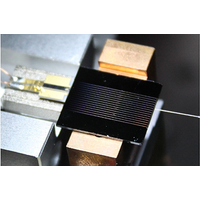
Phys. Rev. Lett. 135, 250803 (2025)
Quantum Information, Science, and Technology
Next-to-Leading-Order Corrections and Factorization for Transverse Single-Spin Asymmetries
Article | Particles and Fields | 2025-12-16 05:00 EST
Daniel Rein, Marc Schlegel, Patrick Tollkühn, and Werner Vogelsang
We present next-to-leading-order QCD corrections for the cross sections for and with transversely polarized initial protons. These cross sections are known to be power-suppressed in QCD and probe twist-3 parton correlation functions in the proton. Our calculation exhibits the full co…
Phys. Rev. Lett. 135, 251901 (2025)
Particles and Fields
Clarifying the $N,Z=14$ Shells near the Drip Lines from the Spectroscopy of $^{22}\mathrm{Si}$ and $^{21}\mathrm{Al}$
Article | Nuclear Physics | 2025-12-16 05:00 EST
J. S. Phillips, R. J. Charity, N. Dronchi, H. Webb, L. G. Sobotka, M. J. Basson, C. Benetti, B. A. Brown, K. W. Brown, S. Brown, J. Chung-Jung, J. R. Cory, G. Flores, A. Gade, M. Gajdosik, S. Gillespie, M. Kuich, C. E. McCormick, T. Parry, J. Pereira, D. Weisshaar, and V. Zerbach
Evidence for a (sub)-shell closure at has been observed from the spectroscopy of and . Using a fast beam on a target, several proton-decaying resonances have been populated in and , including the first measurement of the state in with an excitation energy of …
Phys. Rev. Lett. 135, 252501 (2025)
Nuclear Physics
Engineering Frustrated Rydberg Spin Models by Graphical Floquet Modulation
Article | Atomic, Molecular, and Optical Physics | 2025-12-16 05:00 EST
Mingsheng Tian, Rhine Samajdar, and Bryce Gadway
Arrays of Rydberg atoms interacting via dipole-dipole interactions offer a powerful platform for probing quantum many-body physics. However, these intrinsic interactions also determine and constrain the models--and parameter regimes thereof--for quantum simulation. Here, we propose a systematic framew…
Phys. Rev. Lett. 135, 253001 (2025)
Atomic, Molecular, and Optical Physics
Collective Dissipation Engineering of Interacting Rydberg Atoms
Article | Atomic, Molecular, and Optical Physics | 2025-12-16 05:00 EST
Tao Chen, Chenxi Huang, Jacob P. Covey, and Bryce Gadway
Engineered dissipation is emerging as an alternative tool for quantum state control, enabling high-fidelity preparation, transfer and stabilization, and access to novel phase transitions. We realize a tunable, state-resolved laser-induced loss channel for individual Rydberg atoms, in both noninterac…
Phys. Rev. Lett. 135, 253402 (2025)
Atomic, Molecular, and Optical Physics
Robust Measurement of the Concurrence of Vector Light Beams
Article | Atomic, Molecular, and Optical Physics | 2025-12-16 05:00 EST
Zhongyi Hu, Jiahui Shen, Yimeng Zhu, Yonglei Liu, Lin Liu, Ari T. Friberg, Tero Setälä, Yangjian Cai, Fei Wang, and Yahong Chen
Coherent vector light beams with spatially structured polarization exhibit intrinsic nonseparability between the spatial amplitude and polarization-state degrees of freedom, quantified by optical concurrence--a measure formally analogous to quantum concurrence characterizing entanglement in bipartite…
Phys. Rev. Lett. 135, 253801 (2025)
Atomic, Molecular, and Optical Physics
Observation of Shapiro Steps in the Charge Density Wave State Induced by Strain on a Piezoelectric Substrate
Article | Condensed Matter and Materials | 2025-12-16 05:00 EST
Koji Fujiwara, Takuya Kawada, Natsumi Nikaido, Jihoon Park, Nan Jiang, Shintaro Takada, and Yasuhiro Niimi
The current response of the charge density wave state in niobium triselenide shows Shapiro steps induced by strain from surface acoustic waves in the substrate.
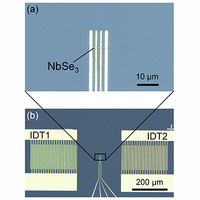
Phys. Rev. Lett. 135, 256304 (2025)
Condensed Matter and Materials
Dynamically Tunable Hydrodynamic Transport in Boron-Nitride-Encapsulated Graphene
Article | Condensed Matter and Materials | 2025-12-16 05:00 EST
Akash Gugnani, Aniket Majumdar, Kenji Watanabe, Takashi Taniguchi, and Arindam Ghosh
Over the past decade, graphene has emerged as a promising candidate for exploring the viscous nature of electronic flow facilitated by the availability of extremely high-quality devices employing a graphene channel encapsulated within dielectric layers of hexagonal boron nitride (hBN). However, the …
Phys. Rev. Lett. 135, 256501 (2025)
Condensed Matter and Materials
Observation of Gapless Spectral Flows in Elastic Metamaterials with Synthetic Dimension
Article | Condensed Matter and Materials | 2025-12-16 05:00 EST
Yue Shen, Linyun Yang, Zhi-Kang Lin, Kailun Wang, Xiang Li, Liang Li, Ying Wu, and Jian-Hua Jiang
By modulating air-hole depth in a 2D elastic plate a synthetic third dimension is created that hosts Dirac points and gapless spectral flows, restoring robust topological edge transport in elasticity.
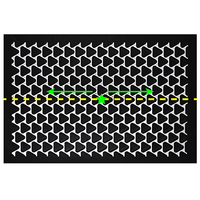
Phys. Rev. Lett. 135, 256601 (2025)
Condensed Matter and Materials
$d$-Wave Flat Fermi Surface in Altermagnets Enables Maximum Charge-to-Spin Conversion
Article | Condensed Matter and Materials | 2025-12-16 05:00 EST
Junwen Lai, Tianye Yu, Peitao Liu, Long Liu, Guozhong Xing, Xing-Qiu Chen, and Yan Sun
Altermagnets combine antiferromagnetic order with ferromagnetlike spin splitting, a duality that unlocks ultrafast spin-dependent responses. This unique property creates unprecedented opportunities for spin-current generation, overcoming the intrinsic limitations of conventional spin-transfer and sp…
Phys. Rev. Lett. 135, 256702 (2025)
Condensed Matter and Materials
Topological Defects and Geometrical Frustration in Fourier Photonic Simulator
Article | Statistical Physics; Classical, Nonlinear, and Complex Systems | 2025-12-16 05:00 EST
Yuxuan Sun, Weiru Fan, Xingqi Xu, Da-Wei Wang, and Hai-Qing Lin
The XY models with continuous spin orientation play a pivotal role in understanding topological phase transitions and emergent frustration phenomena such as superconducting and superfluid phase transitions. However, the complex energy landscapes arising from frustrated lattice geometries and competi…
Phys. Rev. Lett. 135, 257101 (2025)
Statistical Physics; Classical, Nonlinear, and Complex Systems
Mechanochemical Feedback Drives Complex Inertial Dynamics in Active Solids
Article | Polymers, Chemical Physics, Soft Matter, and Biological Physics | 2025-12-16 05:00 EST
Siddhartha Sarkar, Biswarup Ash, Yueyang Wu, Nicholas Boechler, Suraj Shankar, and Xiaoming Mao
Active solids combine internal active driving with elasticity to realize states with nonequilibrium mechanics and autonomous motion. They are often studied in overdamped settings, e.g., in soft materials, and the role of inertia is less explored. We construct a model of a chemically active solid tha…
Phys. Rev. Lett. 135, 258301 (2025)
Polymers, Chemical Physics, Soft Matter, and Biological Physics
Quantum Memory Enhanced Multipoint Correlation Spectroscopy for Statistically Polarized NMR
Article | Quantum Information, Science, and Technology | 2025-12-15 05:00 EST
Tobias Spohn, Nicolas Staudenmaier, Philipp J. Vetter, Timo Joas, Thomas Unden, Ilai Schwartz, Philipp Neumann, Genko Genov, and Fedor Jelezko
Nuclear magnetic resonance spectroscopy with solid-state spin sensors is a promising pathway for the detection of nuclear spins at the micro- and nanoscale. Although many nanoscale experiments rely on a single sensor spin for the detection of the signal, leveraging spin ensembles can enhance sensiti…
Phys. Rev. Lett. 135, 250801 (2025)
Quantum Information, Science, and Technology
Efficient Detection of Statistical RF Fields with a Quantum Sensor
Article | Quantum Information, Science, and Technology | 2025-12-15 05:00 EST
Rouven Maier, Cheng-I Ho, Hitoshi Sumiya, Shinobu Onoda, Junichi Isoya, Vadim Vorobyov, and Jörg Wrachtrup
Nuclear magnetic resonance (NMR) spectroscopy is widely used in fields ranging from chemistry and materials science to neuroscience. Nanoscale NMR spectroscopy using nitrogen-vacancy (NV) centers in diamond has emerged as a promising platform due to an unprecedented sensitivity down to the single sp…
Phys. Rev. Lett. 135, 250802 (2025)
Quantum Information, Science, and Technology
Quantum Impurities in Finite-Temperature Bose Gases: Detecting Vortex Proliferation across the BKT and BEC Transitions
Article | Atomic, Molecular, and Optical Physics | 2025-12-15 05:00 EST
Paolo Comaron, Nathan Goldman, Atac Imamoglu, and Ivan Amelio
We propose a spectroscopic method to detect vortex proliferation in neutral superfluids that does not require spatially resolving individual vortices. Using stochastic classical-field methods, we theoretically show that a quantum impurity repulsively coupled to a weakly interacting Bose gas at finit…
Phys. Rev. Lett. 135, 253401 (2025)
Atomic, Molecular, and Optical Physics
Quantum Kinetic Anatomy of Electron Angular Momenta Edge Accumulation
Article | Condensed Matter and Materials | 2025-12-15 05:00 EST
Thierry Valet, Henri Jaffrès, Vincent Cros, and Roberto Raimondi
Controlling electron spin and orbital degrees of freedom has been a major research focus over the past two decades, as it underpins the electrical manipulation of magnetization. Leveraging a recently introduced quantum kinetic theory of multiband systems [T. Valet and R. Raimondi, Phys. Rev. B 111, …
Phys. Rev. Lett. 135, 256301 (2025)
Condensed Matter and Materials
External Magnetic Field Suppression of Carbon Diffusion in Iron
Article | Condensed Matter and Materials | 2025-12-15 05:00 EST
Luke J. Wirth and Dallas R. Trinkle
External magnetic fields reduce diffusion of carbon in BCC iron, but the physical mechanism is not understood. Using DFT calculations with magnetic moments sampled from a Heisenberg model, we calculate diffusivities of carbon in iron at high temperatures and with field. Our model reproduces the meas…
Phys. Rev. Lett. 135, 256302 (2025)
Condensed Matter and Materials
Strict Universality of the Square-Root Law in Price Impact across Stocks: A Complete Survey of the Tokyo Stock Exchange
Article | Statistical Physics; Classical, Nonlinear, and Complex Systems | 2025-12-15 05:00 EST
Yuki Sato and Kiyoshi Kanazawa
Analysis of a large dataset from the Tokyo Stock Exchange validates a universal power law relating the price of a traded stock to the traded volume.

Phys. Rev. Lett. 135, 257401 (2025)
Statistical Physics; Classical, Nonlinear, and Complex Systems
Erratum: Search for Light Long-Lived Particles in $pp$ Collisions at $\sqrt{s}=13\text{ }\text{ }\mathrm{TeV}$ Using Displaced Vertices in the ATLAS Inner Detector [Phys. Rev. Lett. 133, 161803 (2024)]
Article | 2025-12-15 05:00 EST
G. Aad et al. (ATLAS Collaboration)
Phys. Rev. Lett. 135, 259901 (2025)
Physical Review X
Rigorous Lower Bound on Dynamical Exponents in Gapless Frustration-Free Systems
Article | 2025-12-16 05:00 EST
Rintaro Masaoka, Tomohiro Soejima (副島智大), and Haruki Watanabe
A universal lower bound for the dynamical exponent in frustration-free systems is proven, showing that these systems can not host emergent Lorentz invariance.
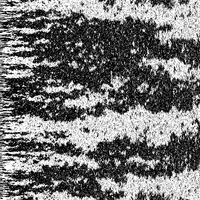
Phys. Rev. X 15, 041050 (2025)
Engineering 2D Square Lattice Hubbard Models in 90° Twisted $\mathrm{GeX}/\mathrm{SnX}$ ($\mathrm{X}=\mathrm{S}$, Se) Moiré Superlattices
Article | 2025-12-15 05:00 EST
Qiaoling Xu, Ammon Fischer, Nicolas Tancogne-Dejean, Tao Zhang, Emil Viñas Boström, Martin Claassen, Dante M. Kennes, Angel Rubio, and Lede Xian
Rotating rectangular 2D materials by 90 degrees creates square moiré patterns with flat electronic bands, offering a simple, tunable platform for exploring cuprate-like magnetism and superconductivity in stacked materials.
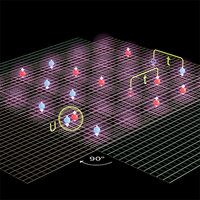
Phys. Rev. X 15, 041049 (2025)
Review of Modern Physics
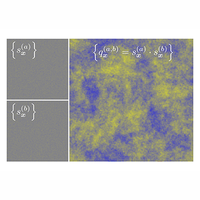
Spin-glass dynamics: Experiment, theory, and simulation
Article | Condensed matter | 2025-12-15 05:00 EST
E. D. Dahlberg, I. González-Adalid Pemartín, E. Marinari, G. Parisi, F. Ricci-Tersenghi, V. Martin-Mayor, J. Moreno-Gordo, R. L. Orbach, I. Paga, J. J. Ruiz-Lorenzo, and D. Yllanes
This review updates the field of spin glasses with broad application to a large variety of physical systems. In particular, this review tracks the progress of experiment, theory, and large-scale simulations. It highlights the importance of their synergy, from the inception of the field to the present day, and includes future opportunities for research.
Rev. Mod. Phys. 97, 045005 (2025)
Condensed matter
arXiv
Turbulent Flows in Electron Hydrodynamics: Conductivity and Vorticity
New Submission | Mesoscale and Nanoscale Physics (cond-mat.mes-hall) | 2025-12-16 20:00 EST
In this article, we attempt to understand various aspects of turbulent flows in electron hydrodynamics. We analyze a rectangular channel geometry in the presence of an electric field and a Corbino geometry in the presence of a magnetic field. In the former geometry, we analyze the conductivity of the fluid as well as the frequency spectrum of perturbations about the Poiseuille flow. While the normal Poiseuille flow has an associated conductivity which scales as $ W^2$ , we find a correction which scales as $ W^4$ in the case of non-linear flows, where $ W$ is the characteristic length of the system. In the Corbino geometry, we analyze the velocity, vorticity and magnetic fields. We find that the vorticity can span across a wide range near the edge of the geometry, a behavior that can be reflected in the velocity and magnetic fields.
Mesoscale and Nanoscale Physics (cond-mat.mes-hall)
15 pages, 8 figures
Biomolecular crystallization in microfluidic devices
New Submission | Soft Condensed Matter (cond-mat.soft) | 2025-12-16 20:00 EST
Nadine Candoni (CINaM, GPEC), Romain Grossier (CINaM), Stéphane Veesler (CINaM)
This chapter presents an overview of microfluidic devices reported in the literature, used to develop methodologies for nucleation of biomolecules, with crystal size control, and for collecting thermodynamic and kinetic data. Part I is dedicated to the properties of microfluidic devices through materials used for their fabrication and for crystals analysis. Part II describes the variety of microfluidic devices available and how to handle them to produce flows, droplets and/or wells of micrometer size. These devices use crystallization methods inspired by batch processes and they are mainly used for protein crystallization. Part III focuses on fundamental properties of biomolecule crystallization determined using droplet-based microfluidics: nucleation kinetics, nucleation rate and effective interfacial energy crystal/solution. Part IV explains how the kinetic effect of confinement due to micrometer size, and so nanovolumes, leads to isolation of different phases. These latter are characterized by X-Ray Diffraction (XRD) and methods to minimize manual handling of crystals for XRD are also presented, with appropriate equipment to store the crystals.
Soft Condensed Matter (cond-mat.soft), Materials Science (cond-mat.mtrl-sci)
Unlocking the full potential of jumping condensation on microstructured surfaces
New Submission | Soft Condensed Matter (cond-mat.soft) | 2025-12-16 20:00 EST
Mariia S. Kiseleva, Tytti Karki, Mika Latikka, Parham Koochak, Sakari Lepikko, Maja Vuckovac, Tomi Koskinen, Ramesh Raju, Ville P. Jokinen, Jiazheng Liu, Nenad Miljkovic, Jaakko V.I. Timonen, Ilkka Tittonen, Robin H. A. Ras
Water condensation on superhydrophobic surfaces can generate spontaneous droplet jumping, enabling rapid condensate removal and improved thermal and mass transfer. Although this effect has been extensively demonstrated on densely packed nanostructures, the capability of microscale textures to support jumping condensation remains poorly understood. Here, we show that engineered microscale conical arrays can achieve efficient microdroplet jumping and reveal a previously unreported spacing-dependent critical transition between jumping and non-jumping regimes. In the jumping regime, by varying only the cone pitch, we identify a geometric threshold below which sub-10 micron droplets are rapidly removed, and above which jumping is suppressed, resulting in slower dynamics and larger departing droplets. In situ optical and environmental scanning electron microscopies reveal the mechanistic origin of this transition: dense arrays favour full Cassie droplets, which depart cleanly, while wider spacing favours partial Cassie droplets that retain a localized wet region initiating new nucleation. From these results, we construct a geometry-wetting design map linking microstructure spacing, droplet morphology, and nucleation density. These findings establish design principles for scalable, mechanically robust microstructured surfaces capable of high-performance condensation management for anti-fogging, water harvesting, and heat-transfer applications.
Soft Condensed Matter (cond-mat.soft), Fluid Dynamics (physics.flu-dyn)
23 pages, 4 figures
Understanding Structural Representation in Foundation Models for Polymers
New Submission | Soft Condensed Matter (cond-mat.soft) | 2025-12-16 20:00 EST
Nathaniel H. Park, Eduardo Soares, Victor Y. Shirasuna, Tiffany J. Callahan, Sara Capponi, Emilio Vital Brazil
From the relative scarcity of training data to the lack of standardized benchmarks, the development of foundation models for polymers face significant and multi-faceted challenges. At the core, many of these issues are tied directly to the structural representation of polymers and here, we present a new foundation model using a SMILES-based polymer graph representation. This approach allows representation of critical polymer architectural features and connectivity that are not available in other SMILES-based representations. The developed polymer foundation model exhibited excellent performance on 28 different benchmark datasets. Critical evaluation of the developed representation against other variations in control experiments reveals this approach to be a highly performant method of representing polymers in language-based foundation models. These control experiments also reveal a strong invariance of all SMILES representations, with many variations achieving state-of-the-art or near state-of-the-art performance, including those which are chemically or semantically invalid. Examination of error sources and attention maps for the evaluated representations corroborate the findings of the control experiments, showing that chemistry language models based on SMILES interpolate over all sequence space for prediction tasks, not only those of semantically valid inputs. Overall, this work highlights the importance of control experiments as a check on human-imposed assumptions that can limit rational design of both chemistry foundation models and their underlying structural representations.
Soft Condensed Matter (cond-mat.soft), Artificial Intelligence (cs.AI), Machine Learning (cs.LG)
Coherently synchronized oscillations in many-body localization
New Submission | Disordered Systems and Neural Networks (cond-mat.dis-nn) | 2025-12-16 20:00 EST
Zi-Jian Li, Yi-Ting Tu, Sankar Das Sarma
We find an unexpected phenomenon of coherently synchronized oscillations in a mirror-symmetric many-body localized system. A synchronization transition of the spin oscillations is found by changing the spin-spin interactions. To understand this phenomenon, an effective Ising model based on local integrals of motion is proposed. We find that the synchronization transition can be understood as a paramagnetic-to-ferromagnetic Ising transition. Based on the Ising model, we theoretically estimate the synchronized frequencies and the synchronization transition points, which agree well with numerical results.
Disordered Systems and Neural Networks (cond-mat.dis-nn), Statistical Mechanics (cond-mat.stat-mech), Quantum Physics (quant-ph)
5 pages, 4 figures
Attention-Based Foundation Model for Quantum States
New Submission | Strongly Correlated Electrons (cond-mat.str-el) | 2025-12-16 20:00 EST
Timothy Zaklama, Daniele Guerci, Liang Fu
We present an attention-based foundation model architecture for learning and predicting quantum states across Hamiltonian parameters, system sizes, and physical systems. Using only basis configurations and physical parameters as inputs, our trained neural network is able to produce highly accurate ground state wavefunctions. For example, we build the phase diagram for the 2D square-lattice $ t-V$ model with $ N$ particles, from only 18 parameters $ (V/t,N)$ . Thus, our architecture provides a basis for building a universal foundation model for quantum matter.
Strongly Correlated Electrons (cond-mat.str-el)
8 plus 7 pages. 6 plus 4 figures
Multichannel Kondo Effect in Superconducting Leads
New Submission | Strongly Correlated Electrons (cond-mat.str-el) | 2025-12-16 20:00 EST
Pradip Kattel, Abay Zhakenov, Natan Andrei
The traditional multichannel Kondo effect takes place when several gapless metallic electronic channels interact with a localized spin-$ S$ impurity, with the number of channels $ n$ exceeding the size of the impurity spin, $ n>2S$ , leading to the emergence of non-Fermi liquid impurity behavior at low temperatures. Here, we show that the effect can be realized even when the electronic degrees of freedom are strongly correlated and gapped. The system under consideration consists of a single spin-$ \frac{1}{2}$ impurity coupled isotropically to $ n$ spin singlet superconducting channels realized by one-dimensional leads with quasi-long-range superconducting order. The competition between the Kondo and superconducting fluctuations induces multiple distinct ground states and boundary phases depending on the relative strengths of the bulk and boundary interactions. Using the Bethe Ansatz technique, we identify four regimes: an overscreened Kondo phase, a zero-mode phase, a Yu-Shiba-Rusinov (YSR) phase, and a local-moment phase with an unscreened impurity, each with its own experimental characteristic. We describe the renormalization-group flow, the excitation spectrum, and the full impurity thermodynamics in each phase. Remarkably, even in the presence of a bulk mass gap, the boundary critical behavior in the Kondo phase is governed by the same exponents as in the gapless theory with the low-energy impurity sector flowing to the $ SU(2)n$ Wess-Zumino-Witten (WZW) fixed point, and the impurity entropy monotonically decreasing as a function of temperature. In both the overscreened Kondo and zero-mode phases, the residual impurity entropy is $ S{\mathrm{imp}}(T \to 0) = \ln[2\cos(\pi/(n+2))]$ . In the YSR and unscreened phases on the other hand the impurity entropy exhibits non-monotonic temperature dependence and is effectively free at low temperatures with $ S_{\mathrm{imp}}(T \to 0) = \ln 2$ .
Strongly Correlated Electrons (cond-mat.str-el), Statistical Mechanics (cond-mat.stat-mech), Superconductivity (cond-mat.supr-con), High Energy Physics - Theory (hep-th), Mathematical Physics (math-ph)
12+19 pages, 7+1 figures
Coarse-Graining via Lumping: Exact Calculations and Fundamental Limitations
New Submission | Statistical Mechanics (cond-mat.stat-mech) | 2025-12-16 20:00 EST
Gianluca Teza, Attilio L. Stella, Trevor GrandPre
Detecting broken time-reversibility at micro- and nanoscale is often difficult when experiments offer limited state resolution. We introduce a lumping method that builds an effective semi-Markov model able to reproduce exactly the full entropy-production statistics of the microscopic dynamics. The mean entropy production stays accurate even when hidden current-carrying cycles are merged, though higher-order information can be unavoidably lost. In these cases, we capture violations of fluctuation theorems consistent with experiments, opening a path to novel inference strategies out of equilibrium.
Statistical Mechanics (cond-mat.stat-mech), Spectral Theory (math.SP), Biological Physics (physics.bio-ph)
van der Waals Nanoreactors
New Submission | Materials Science (cond-mat.mtrl-sci) | 2025-12-16 20:00 EST
Zhaoyi Joy Zheng, Haosen Guan, Danrui Ni, Guangming Cheng, Yanyu Jia, Ipsita Das, Yue Tang, Ayelet July Uzan-Narovlansky, Lihan Shi, Kenji Watanabe, Takashi Taniguchi, Nan Yao, Robert J Cava, Sanfeng Wu
Advancing the chemical synthesis of crystals is important for both fundamental research and practical applications of quantum materials. While established bulk-phase and thin-film growth methods have enabled enormous progress, synthesizing single crystals suitable for quantum electronic discoveries remains challenging for many emerging materials. Here, we introduce van der Waals (vdW) stacks as nanochemical reactors for single-crystal synthesis and demonstrate their broad applicability in growing both elemental and compound crystals at the micrometer scale. By encapsulating atomically thin reactants that are stacked compactly with inert vdW layers such as hexagonal boron nitride (hBN), we achieve nanoconfined synthesis with the resulting crystals remaining encapsulated. As proof of concept, we synthesized isolated single crystals of elemental tellurium and distinct types of Pd-Te compounds. Structural characterization, including atomic-resolution scanning transmission electron microscopy, confirms the high crystalline quality of the products. We confirm the intrinsic semiconducting gap of tellurium and observe that non-stoichiometric PdTe1-x with a significantly reduced Te content (x ~ 0.18, a regime not previously achieved) retains uniform crystallinity and exhibits superconductivity below a critical temperature of 3.8 K. This nanochemical synthesis is broadly generalizable, chip-integrable, well-suited to a wide range of processing conditions, and compatible with nanofabrication routines for constructing devices. The concept of vdW nanoreactors offers a powerful and versatile pathway to expand the accessible landscape of quantum materials.
Materials Science (cond-mat.mtrl-sci), Mesoscale and Nanoscale Physics (cond-mat.mes-hall), Superconductivity (cond-mat.supr-con)
Characterizing Memristive Nanowire Network Models via a Unified Computational Framework
New Submission | Mesoscale and Nanoscale Physics (cond-mat.mes-hall) | 2025-12-16 20:00 EST
Marcus Kasdorf, Diego Simpson-Ochoa, Abdelrahman Bekhit, Mauro S. Ferreira, Wilten Nicola, Claudia Gomes da Rocha
Randomly self-assembled nanowire networks (NWNs) are dynamical systems in which junctions between two nanowires can be modelled as memristive units viewed as adaptive resistors with memory. Various memristive models have been proposed to capture the complex mechanics of these junctions. Here, we showcase a novel computational framework named Memristive Nanowire Network Simulator (MemNNetSim) to simulate and analyze random memristive NWNs in a unified approach. Implemented using the Python programming language, MemNNetSim allows for the analysis of static and dynamic scenarios of NWNs under arbitrary memristive models. This provides a versatile foundation to build upon in further work, such as reservoir dynamics with NWNs, which has seen increased interest due to the interconnected architecture of NWNs. In this work, we introduce the package, demonstrate its utility in simulating NWNs, and then test advanced scenarios in which it can aid in the exploratory analysis of these systems, particularly in learning how to use NWNs as a physical reservoir in reservoir computing applications.
Mesoscale and Nanoscale Physics (cond-mat.mes-hall)
In situ Study of p-NiO Film Quality at High Temperatures up to 1100 deg C
New Submission | Materials Science (cond-mat.mtrl-sci) | 2025-12-16 20:00 EST
Hunter Ellis, Bobby G. Duersch, Botong Li, Imteaz Rahaman, Jim Pierce, Michael A. Scarpulla, Kai Fu
NiO is a promising p-type material for photovoltaics and power electronics, but its temperature limits remain unclear. Using in situ high-temperature X-ray diffraction (HT-XRD) from 30 to 1100 C, we track the structural evolution of NiO thin films in air. The film crystallizes from an amorphous phase to cubic NiO between 300 and 400 C, where the emergence and growth of the (111) diffraction peak correlate with an increase in electrical resistivity. Further increases in temperature lead to improved crystallinity and higher resistivity. At 1100 C, the formation of Ni2O3 is observed, resulting in a highly resistive film. This study establishes a clear correlation between phase evolution, crystallinity, and resistive behavior in NiO thin films.
Materials Science (cond-mat.mtrl-sci)
14 pages, 5 figures
Fermi Liquid Fixed Point Deformations due to Codimension Two Defects
New Submission | Strongly Correlated Electrons (cond-mat.str-el) | 2025-12-16 20:00 EST
We show that codimension-two defects in Fermi liquids deform the renormalization group flow via a marginally relevant coupling. The mechanism for generating the flow is distinct from the case of the Kondo problem (codimension-three defects) in that the effective particle-hole asymmetry that leads to the log running is due to the spatial anisotropy generated by the defect. The mechanism for the log generation has a simple geometric explanation which shows that hole fluctuations are suppressed as the incoming momentum is taken to be along the direction of the defect. The RG flow time is shown to scale with the length of the defect. We also show that the dislon, the Goldstone mode localized to the defect, couples in a non-derivative fashion to the bulk fermions and becomes relevant above the dislons’ Debye frequency which depends upon the defect tension.
Strongly Correlated Electrons (cond-mat.str-el), High Energy Physics - Theory (hep-th)
Perturbative second-order optical susceptibility of bulk materials: a symmetry-enforced return to non-orthogonal localized basis sets
New Submission | Materials Science (cond-mat.mtrl-sci) | 2025-12-16 20:00 EST
Angiolo Huaman, Luis Enrique Rosas-Hernandez, Salvador Barraza-Lopez
The second-order optical susceptibility of semiconductors $ \chi_{ijk}^{(2)}(-2\omega;\omega,\omega)$ finds application in metrology, spectroscopy, telecommunications, material characterization, and quantum information. Pioneering calculations of $ \chi_{ijk}^{(2)}(-2\omega;\omega,\omega)$ utilized non-orthogonal Gaussian orbitals centered at atoms. That formulation transitioned into plane-wave-based algorithms as time went by. As of late, nevertheless, multiple tools for calculating optical susceptibilities have recast the problem using Wannier ({\em i.e.}, {\em localized}) orbitals, making a comeback onto frameworks based on localized basis sets. Here, we present an approach for calculating $ \chi_{ijk}^{(2)}(-2\omega;\omega,\omega)$ reliant on numerical pseudoatomic orbitals (PAOs) within perturbation theory in the velocity gauge. Its salient feature is a calculation of `Slater-Koster-like’ two-center integrals of the momentum operator in between PAOs identified by symmetry. The approach was successfully tested on paradigmatic cubic silicon carbide (3C-SiC) and gallium arsenide, for which linear responses are contributed as well.
Materials Science (cond-mat.mtrl-sci)
20 pages, 11 figures
Kardar-Parisi-Zhang and glassy properties in 2D Anderson localization: eigenstates and wave packets
New Submission | Disordered Systems and Neural Networks (cond-mat.dis-nn) | 2025-12-16 20:00 EST
Noam Izem, Bertrand Georgeot, Jiangbin Gong, Gabriel Lemarié, Sen Mu
Despite decades of research, the universal nature of fluctuations in disordered quantum systems remains poorly understood. Here, we present extensive numerical evidence that fluctuations in two-dimensional (2D) Anderson localization belongs to the (1+1)-dimensional Kardar-Parisi-Zhang (KPZ) universality class. In turn, by adopting the KPZ framework, we gain fresh insight into the structure and phenomenology of Anderson localization itself. We analyze both localized eigenstates and time-evolved wave packets, demonstrating that the fluctuation of their logarithmic density follows the KPZ scaling. Moreover, we reveal that the internal structure of these eigenstates exhibits glassy features characteristic of the directed polymer problem, including the emergence of dominant paths together with pinning and avalanche behavior. Localization is not isotropic but organized along preferential branches of weaker confinement, corresponding to these dominant paths. For localized wave packets, we further demonstrate that their spatial profiles obey a stretched-exponential form consistent with the KPZ scaling, while remaining fully compatible with the single-parameter scaling (SPS) hypothesis, a cornerstone of Anderson localization theory. Altogether, our results establish a unified KPZ framework for describing fluctuations and microscopic organization in 2D Anderson localization, revealing the glassy nature of localized states and providing new understanding into the universal structure of disordered quantum systems.
Disordered Systems and Neural Networks (cond-mat.dis-nn), Quantum Gases (cond-mat.quant-gas), Statistical Mechanics (cond-mat.stat-mech), Quantum Physics (quant-ph)
17 pages, 15 figures, comments are welcome
Soft-Lubrication Drainage and Rupture in Particle-Driven Vesicles
New Submission | Soft Condensed Matter (cond-mat.soft) | 2025-12-16 20:00 EST
Yuan-Nan Young, Bryan Quaife, Herve Nganguia, On Shun Pak, Jie Feng, Howard A. Stone
The deformation and rupture of a lipid vesicle due to the forced normal approach of an inclusion are essential for optimizing the design of magnetic giant unilamellar vesicles [magGUVs, Malik et al., Nanoscale 17, 13720 (2025)], with implications for active colloid-membrane interactions and cellular-scale chemical delivery. Here, we investigate vesicles propelled by a force-driven rigid inclusion and reveal a robust elastohydrodynamic mechanism: the inclusion outpaces the vesicle, sustaining a thinning film that drains symmetrically and self-similarly, largely independent of initial shape. For soft membranes and small inclusions, coupling drives a monotonic tension increase that can exceed the lysis tension. Evaluating the maximal tension over a delivery distance, we map an operating window in vesicle reduced area and size relative to the inclusion.
Soft Condensed Matter (cond-mat.soft), Fluid Dynamics (physics.flu-dyn)
6 pages, 4 figures
On the Bogoliubov-Valatin transformation for fermionic Hamiltonians without a linear part
New Submission | Other Condensed Matter (cond-mat.other) | 2025-12-16 20:00 EST
Davide Bonaretti (Università di Pisa)
A self-contained treatment of the Bogoliubov-Valatin transformation for homogeneous fermionic Hamiltonians is presented. The aim is to provide a quick reference that may also serve as supplementary material for a graduate-level course, and that can be understood with quantum mechanics knowledge up to the level of the second quantization’s rules. The objective of the transformation is to cast a quadratic Hamiltonian into a diagonal form that resembles the Hamiltonian of a system of non-interacting particles. To obtain this, the first step consists in putting its coefficient matrix into its canonical form; the transformation can always be performed on fermionic Hamiltonians, only some care must be taken when this form is singular. Having explained how to cast a general matrix into its standard form, a complete description of the transformation is provided; a novel procedure is proposed here for the singular matrix case.
Other Condensed Matter (cond-mat.other), Quantum Physics (quant-ph)
6 pages
Perturbative Input-Output Theory of Floquet Cavity Magnonics and Magnon Energy Shifts
New Submission | Mesoscale and Nanoscale Physics (cond-mat.mes-hall) | 2025-12-16 20:00 EST
We develop a perturbative input-output formalism to compute the reflectance and transmittance spectra of cavity magnonics systems subject to a Floquet modulation. The method exploits the strong hierarchy between the magnetic-dipole couplings transverse (drive field) and parallel (modulation field) to the static bias field, which naturally introduces the small parameter $ \epsilon = (2Ns)^{-1/2}$ associated with the total spin $ Ns$ of the ferromagnet. By organizing the cavity and magnon fields in a systematic expansion in $ \epsilon$ , we obtain compact analytic expressions for the spectra up to second order. Using these results, we reproduce the characteristic sideband structure observed in recent Floquet cavity electromagnonics experiments. Furthermore, accounting for the Zeeman interaction between the modulation field and the fully polarized ground state - a contribution typically neglected in previous treatments - we predict an additional magnon detuning of approximately $ 0.8,\mathrm{GHz}$ , independent of both modulation frequency and sample size and determined solely by the spatial volume occupied by the modulation field. This identifies a measurable and previously overlooked shift relevant for the interpretation and design of cavity magnonics experiments.
Mesoscale and Nanoscale Physics (cond-mat.mes-hall), Applied Physics (physics.app-ph), Quantum Physics (quant-ph)
Self-Consistent Renormalized Spin-Wave Theory of Magnetic and Topological Transitions in Two-Dimensional Honeycomb Ferromagnets
New Submission | Strongly Correlated Electrons (cond-mat.str-el) | 2025-12-16 20:00 EST
We investigate finite-temperature magnetic and topological phase transitions in two-dimensional honeycomb ferromagnets using an extended self-consistent renormalized spin-wave theory (SRSWT) that incorporates higher-order corrections from the Holstein–Primakoff expansion. Focusing on the combined effects of single-ion anisotropy, Zeeman field, next-nearest-neighbor (NNN) exchange, and Dzyaloshinskii–Moriya interaction, we analyze how these parameters influence the magnetization curves and magnon spectra. This work serves two main goals. First, we critically examine the limitations of SRSWT, showing that in the absence of external or interaction tuning, the theory tends to overestimate magnon self-energy corrections, often predicting first-order magnetic transitions with multivalued magnetization and metastable solution branches (i.e., self-consistent but thermodynamically unstable states). Second, we demonstrate that topological transitions – signaled by magnon gap closings at the Dirac points – can be tuned to occur below the magnetic transition temperature and within the thermodynamically stable regime. In particular, we identify two practical tuning strategies: applying an external Zeeman field of appropriate sign depending on the anisotropy strength, and introducing a small antiferromagnetic NNN exchange coupling. These findings not only clarify the predictive scope and limitations of SRSWT but also provide experimentally relevant guidance for realizing thermally driven topological transitions in two-dimensional honeycomb magnetic insulators.
Strongly Correlated Electrons (cond-mat.str-el)
Simultaneous power generation and cooling using semiconductor-sensitized thermal cells
New Submission | Materials Science (cond-mat.mtrl-sci) | 2025-12-16 20:00 EST
Atsushi Hayashida, Hitoshi Saito, Yang Chunxiang, Taiga Nishii, Motokazu Ishihara, Yuta Nakamura, Kento Sunaga, Sachiko Matsushita
This manuscript reports a semiconductor-sensitized thermal cell (STC) that converts ambient heat into electrical power while simultaneously reducing its own temperature under isothermal conditions. Using a printable semiconductor–electrolyte architecture, we fabricate $ 4,\mathrm{cm} \times 4,\mathrm{cm}$ devices that generate up to approximately $ 0.2,\mathrm{mW}$ at temperatures of $ 40$ –$ 55,^\circ\mathrm{C}$ . During continuous discharge, the STC exhibits a transient temperature decrease followed by thermal equilibration with the environment. In contrast, periodic on–off discharge produces sustained cooling of approximately $ 1,^\circ\mathrm{C}$ relative to a non-discharging reference. Notably, parallel integration of four STCs yields a nonlinear enhancement of cooling (approximately $ 5,^\circ\mathrm{C}$ ) without a corresponding increase in electrical output. The observed behavior can be understood within a macroscopic energy-balance framework, in which time modulation of electrochemical heat consumption prevents the establishment of thermal steady state. These results demonstrate sustained isothermal cooling induced by heat-to-electricity conversion at practical device scales, and highlight semiconductor-sensitized thermal cells as a platform for coupled energy harvesting and thermal management.
Materials Science (cond-mat.mtrl-sci), Applied Physics (physics.app-ph), Chemical Physics (physics.chem-ph)
33 pages, 6 figures and Supplementary Information
Quench induced collective excitations: from breathing to acoustic modes
New Submission | Quantum Gases (cond-mat.quant-gas) | 2025-12-16 20:00 EST
Shicong Song, Ke Wang, Zhengli Wu, Andreas Glatz, K. Levin, Han Fu
In trapped Bose-Einstein condensates, interaction quenches which are abrupt changes of the interaction strength typically implemented via Feshbach tuning, are a practical and widely used protocol to address far-from-equilibrium collective modes. Using both numerical Gross Pitaevskii and analytical schemes we study these interaction-quench-induced collective modes in a harmonically trapped two-dimensional Bose–Einstein condensate contrasting the behavior found at low and high energies. In the low-lying regime, we characterize realistic circumstances in which there is a breakdown of the expected scale invariance so that the collective excitations follow hydrodynamic theory instead of the predictions given by SO(2,1) conformal symmetry. In the high energy regime, we focus on important trap effects associated with acoustic oscillations which have been of interest experimentally. This comprehensive analysis of the collective excitations in trapped two-dimensional Bose-Einstein condensates is experimentally accessible. Through their frequencies and damping, this reflects an important built-in spectroscopy of such many-body states.
Quantum Gases (cond-mat.quant-gas)
Epitaxial Recovery of beta-Ga2O3 after High Dose Implantation
New Submission | Materials Science (cond-mat.mtrl-sci) | 2025-12-16 20:00 EST
Tianhai Luo, Katie R. Gann, Cameron A. Gorsak, Hari P. Nair, R. B. van Dover, Michal O. Thompson
As an ultrawide bandgap semiconductor, beta-Ga2O3 has been attractive for its strong tolerance to irradiation damage and high n-type conductivity through ion implantation. Homoepitaxial (010) \b{eta}-Ga2O3 films grown by MOCVD were implanted with Ge to study the post-implantation damage and lattice recovery after thermal annealing. Box profiles of 100 or 50 nm at concentration of 5\ast10^19 or 3\ast10^19 cm^-3 were formed, with maximum displacement per atom (DPA) of 1.2 or 2.0. Lattice recovery was investigated using X-ray diffraction (XRD) for anneals from 100 C to 1050 C. A gamma-phase related peak was observed for all implant conditions. All samples showed strain relaxation of beta-phase peak at temperature below 500 C, with no significant change for the gamma-phase related peak. For lower damage implants, films recovered fully to epitaxial beta-phase after sequential annealing to 900 C. For the higher damage implant, the gamma-phase associated peak annealed out with increasing temperature, but a new diffraction peak formed at slightly smaller lattice spacing; full recovery of the lattice was not observed until annealing at 1050 C. The newly formed diffraction peak is identified as beta-(20-4), beta-(512), or beta-(71-2), each potentially arising from the conversion of gamma-phase to beta-phase via a common oxygen sub-lattice.
Materials Science (cond-mat.mtrl-sci)
Random Combinatorial Libraries and Automated Nanoindentation for High-Throughput Structural Materials Discovery
New Submission | Materials Science (cond-mat.mtrl-sci) | 2025-12-16 20:00 EST
Vivek Chawla, Dayakar Penumadu, Sergei Kalinin
Accelerating the discovery of structural materials is essential for applications in hard and refractory alloys, hypersonic platforms, nuclear systems, and other extreme environment technologies. Progress is often constrained by slow synthesis and characterization cycles and the need for extensive mechanical testing across large compositional spaces. Here, we propose a rapid screening strategy based on random material libraries, in which thousands of distinct compositions are embedded within a single specimen, mapped by EDS, and subsequently characterized. Using nanoindentation as a representative case, we show that such libraries enable dense composition property mapping while reducing the number of samples required to explore high dimensional composition spaces compared to traditional synthesis and test workflows. An experimentally calibrated Monte Carlo framework is developed to quantify practical limits, including particle size, EDS noise and resolution, positional accuracy, and nanoindenter motion costs. The simulations identify regimes where random libraries provide orders of magnitude acceleration over classical workflows. Finally, we demonstrate experimental navigation of these libraries using automated indentation. Together, these results establish random libraries as a general route to high throughput characterization in structurally critical material systems.
Materials Science (cond-mat.mtrl-sci)
26 pages, 10 figures (7 main, 3 supplemental)
Radio-frequency assisted switching in perpendicular magnetic tunnel junctions
New Submission | Mesoscale and Nanoscale Physics (cond-mat.mes-hall) | 2025-12-16 20:00 EST
Mark Hayward, Salvatore Perna, Massimiliano d’Aquino, Claudio Serpico, Wonjoon Jung, Chunhui Dai, Patrick M. Braganca, Ilya N. Krivorotov
Spin-transfer torque magnetic random-access memory (STT-MRAM) relies on nanoscale magnetic tunnel junctions (MTJs) as its fundamental building blocks. Next-generation STT-MRAM requires strategies that simultaneously improve switching energy efficiency and device endurance. Here, we present the first study of perpendicular STT-MRAM writing assisted by radio-frequency (RF) spin torque. We show that applying a small-amplitude RF pulse prior to a direct-current (DC) writing pulse enhances the MTJ switching probability, with the efficiency gain increasing at lower RF frequencies. This RF+DC writing scheme enables shorter DC pulses, thereby improving device endurance. Analytical and numerical modeling qualitatively reproduces the experimental trends, while quantitative discrepancies indicate that realistic MTJ properties beyond idealized models play an important role in RF-assisted switching.
Mesoscale and Nanoscale Physics (cond-mat.mes-hall)
Main paper: 11 pages, 7 figures. Supplemental: 9 pages, 3 figures
Anion correlation induced nonrelativistic spin splitting in rutile antiferromagnets
New Submission | Materials Science (cond-mat.mtrl-sci) | 2025-12-16 20:00 EST
Siddhartha S. Nathan, Danilo Puggioni, Linding Yuan, James M. Rondinelli
Many studies of non-relativistic spin-splitting (NRSS), or altermagnetism, have focused on idealized, perfectly ordered crystals, relying on symmetry-based approaches to identify candidate materials. Here, we theoretically investigate how local short-range ordering (SRO) influences NRSS of energy bands in partially ordered collinear antiferromagnetic iron oxyfluoride (FeOF). Using the cluster expansion method, we identify four nearly degenerate structures (energy difference $ \leq 8$ meV per formula unit) that represent distinct snapshots of local plane-to-plane O/F correlations. Our density functional theory (DFT) results show robust NRSS along the $ \Gamma$ -M direction in all four structures, despite the absence of long-range order. The magnitude and character of the splitting depend sensitively on the specific direction of anion correlations, effects that are not fully captured in high-symmetry average structures. Notably, two configurations ($ Pmc2_1$ and $ Pm$ ) exhibit $ \Gamma$ -point spin splitting absent in ordered FeF$ _2$ and a virtual crystal approximation model of FeOF. We further predict distinct magneto-optical Kerr effect (MOKE) signatures, enabling experimental detection of SRO-driven electronic structure changes. These results highlight heteroanionic compounds as a promising design space for NRSS antiferromagnets, with experimentally synthesized FeOF already exhibiting a substantially higher Néel temperature (315,K) than FeF$ _2$ (79,K).
Materials Science (cond-mat.mtrl-sci), Strongly Correlated Electrons (cond-mat.str-el)
13 pages, 5 main figures, 4 appendix figures
Experimental benchmark of the quantum-classical crossover in a spin ladder
New Submission | Strongly Correlated Electrons (cond-mat.str-el) | 2025-12-16 20:00 EST
Hironori Yamaguchi, Itsuki Shimamura, Akira Matsuo, Koichi Kindo, Koji Araki, Yoshiki Iwasaki, Masayuki Hagiwara
We report a spin-(1/2, 5/2) three-leg ladder realized in a radical-Mn polymer, exhibiting an antiferromagnetic transition and magnetization curves accurately described by classical mean-field theory. Although the underlying spin model intrinsically supports strong quantum fluctuations, as confirmed by quantum Monte Carlo simulations, the real system shows an anomalously complete suppression of quantum behavior. These findings provide a key experimental benchmark for the quantum-classical crossover and suggest that lattice topology can play a crucial role in tuning the balance between quantum and classical physics in strongly correlated systems.
Strongly Correlated Electrons (cond-mat.str-el), Materials Science (cond-mat.mtrl-sci), Quantum Physics (quant-ph)
6 pages, 4 figures
Phys. Rev. B 112, 224419 (2025)
Diamond crystal with Y-defects: spectroscopy and transmittion electron microscopy
New Submission | Materials Science (cond-mat.mtrl-sci) | 2025-12-16 20:00 EST
A.A. Shiryaev, E.F. Vasilev, A.L. Vasilev, V.V. Artemov, N.V. Gubanov, D.A. Zedgenizov
The paper presents resutls of investigation of a natural Ib-IaA diamond containing Y-defects. Analysis of spatial distribution of nitrogen-related A and C centers and intensity of Infra-red absorption at Raman frequency (1332 cm-1) reveals anticorrelation between these defects. Transmission electron microscopy of a zone with abundant Y-defects shows presence of dislocations in various configurations and numerous clusters of point defects generated by non-conservative dislocation motion. Extended defects with shape resembling thin (1-3 nm) rhombic plates with the largest dimension up to 20 nm are observed. Analysis of contrast of these defects shows that they represent nanosized voids (vacancy clusters). It is suggested that the defects were formed by annihilation of dislocation dipoles with subsequent growth by consumption of vacancies produced by non-conservative motion of dislocations. Upon excitation by 787 nm laser, numerous narrow photoluminescecne lines are observed between 800-900 nm; their intensity and position show irregular temporal variations. Such behaviour (blinking) was earlier noted for hydrogenated nanodiamonds. It is suggested that unusual behaviour of the luminescence lines may be explained by recombination processes at internal walls of the discovered nanovoids.
Materials Science (cond-mat.mtrl-sci)
RUSSIAN GEOLOGY AND GEOPHYSICS, ACCEPTED
Scalable Quantum Photonic Platform Based on Site-Controlled Quantum Dots Coupled to Circular Bragg Grating Resonators
New Submission | Mesoscale and Nanoscale Physics (cond-mat.mes-hall) | 2025-12-16 20:00 EST
Kartik Gaur, Avijit Barua, Sarthak Tripathi, Léo J. Roche, Steffen Wilksen, Alexander Steinhoff, Sam Baraz, Neha Nitin, Chirag C. Palekar, Aris Koulas-Simos, Imad Limame, Priyabrata Mudi, Sven Rodt, Christopher Gies, Stephan Reitzenstein
The scalable integration of solid-state quantum emitters into photonic nanostructures remains a central challenge for quantum photonic technologies. Here, we demonstrate a robust and streamlined integration strategy that tackles the long-standing issue of deterministic fabrication on randomly positioned self-assembled quantum dots (QDs), leveraging a buried-stressor-based site-controlled InGaAs QD platform. We show that this deterministic growth approach enables precise spatial alignment with circular Bragg grating (CBG) resonators for enhanced emission, eliminating the need for complex and time-consuming deterministic lithography techniques. We fabricated a $ 6\times6$ SCQD-CBG array with 100% device yield, with 35 devices falling within the radial-offset range where the simulated photon-extraction efficiency (PEE) exceeds 20%, underscoring the spatial precision and scalability of our fabrication concept. A systematically selected subset of five devices with varying radial displacements reveals clear offset-dependent trends in extraction efficiency, spectral linewidth, and photon indistinguishability, thereby establishing quantitative bounds on spatial alignment tolerances. In the best-aligned QD-CBG device, we achieve a PEE of $ (47.1\pm3.8)%$ , a linewidth of $ (1.41\pm0.22)$ GHz, a radiative decay lifetime of $ (0.80\pm0.02)$ ~ns, a single-photon purity of $ (99.58\pm0.18)%$ , and a Hong-Ou-Mandel two-photon interference visibility of $ (81\pm5)%$ under quasi-resonant excitation at saturation power. We confirm our conceptual understanding of the effect of emitter-position dependent charge-noise fluctuations in terms of a quantum-optical model for the (quantum-)emission properties.
Mesoscale and Nanoscale Physics (cond-mat.mes-hall)
Magnetic field-bias current interplay in HgTe-based three-terminal Josephson junctions
New Submission | Superconductivity (cond-mat.supr-con) | 2025-12-16 20:00 EST
J. Thieme, W. Himmler, F. Dominguez, G. Platero, N. Hüttner, S. Hartl, E. Richter, D. A. Kozlov, N. N. Mikhailov, S. A. Dvoretsky, D. Weiss
We investigate HgTe/Nb-based three-terminal Josephson junctions in T-shaped and X-shaped geometries and their critical current contours (CCCs). By decomposing the CCCs into the contributions from individual junctions, we uncover how bias current and magnetic field jointly determine the collective Josephson behavior. A perpendicular magnetic field induces a tunable crossover between SQUID-like and Fraunhofer-like interference patterns, controlled by the applied bias. Moreover, magnetic flux produces pronounced deformations of the CCC, enabling symmetry control in the $ (I_1,I_2)$ plane. Remarkably, we identify a regime of strongly enhanced Josephson diode efficiency, reaching values up to $ \eta\approx 0.8$ at low bias and magnetic field. The experimental results are quantitatively reproduced by resistively shunted junction (RSJ) simulations, which capture the coupled dynamics of current and flux in these multi-terminal superconducting systems.
Superconductivity (cond-mat.supr-con), Mesoscale and Nanoscale Physics (cond-mat.mes-hall)
14 pages, 4 figures and supplementary information
Active learning potentials for first-principles phase diagrams using replica-exchange nested sampling
New Submission | Materials Science (cond-mat.mtrl-sci) | 2025-12-16 20:00 EST
Nico Unglert, Michael Ketter, Georg K. H. Madsen
Accurate prediction of materials phase diagrams from first principles remains a central challenge in computational materials science. Machine-learning interatomic potentials can provide near-DFT accuracy at a fraction of the cost, but their reliability crucially depends on the availability of representative training data that span all relevant regions of the potential-energy surface. Here, we present a fully automated active-learning (AL) strategy based on replica-exchange nested sampling (RENS) for the generation of training data and the computation of complete pressure-temperature phase diagrams. In our framework, RENS acts as both the exploration engine and the acquisition mechanism: its intrinsic diversity and likelihood-constrained sampling ensure that the configurations selected for DFT labeling are both informative and thermodynamically representative. We apply the approach to silicon, germanium, and titanium using potentials trained at the r2SCAN level of theory. For all systems, the AL process converges within 10-15 iterations, yielding transferable potentials that reproduce known phase transitions and thermodynamic trends. These results demonstrate that RENS-based AL provides a general and autonomous route to constructing machine-learning interatomic potentials and predicting first-principles phase diagrams across broad thermodynamic conditions.
Materials Science (cond-mat.mtrl-sci)
13 pages, 10 figures
Shape descriptors of equilibrium states in a quantum lattice model with local multi-well potentials: A geometric analysis near the phase transitions in Sn$_2$P$_2$S$_6$ ferroelectric crystals
New Submission | Materials Science (cond-mat.mtrl-sci) | 2025-12-16 20:00 EST
S. Özüm, T. Akkurt, R. Erdem, N. Güçlü
We analyze the equilibrium states of quantum lattice model with local multi-well potentials for Sn$ _2$ P$ _2$ S$ _6$ ferroelectric crystals using the mean and Gaussian curvatures ($ H$ , $ K$ ), curvedness ($ C$ ) and shape index ($ S$ ). From the energy gap, pressure and temperature variations of $ H$ , $ K$ , $ C$ and $ S$ , we have reported the geometric construction of the free energy surfaces for the ferroelectric and paraelectric phases. Their behaviors are explicitly observed near the ferroelectric-paraelectric phase transitions. It is found that $ H$ , $ C$ and $ S$ display a cusp singularity at the criticality while $ K$ converges to zero on both sides of the critical and tricritical points.
Materials Science (cond-mat.mtrl-sci)
10 pages, 7 figures
Theory of local orbital magnetization: local Berry curvature
New Submission | Mesoscale and Nanoscale Physics (cond-mat.mes-hall) | 2025-12-16 20:00 EST
Sariah Al Saati, Karyn Le Hur, Frédéric Piéchon
We present a microscopic theory for the local (single site) orbital magnetization in tight-binding systems. Each occupied state of energy $ \varepsilon_n$ contributes with a local orbital magnetic moment term $ {\mathbf{ m}}n({\mathbf{ r}})$ and a local Berry-curvature term $ {\mathbf{ \Omega}}n({\mathbf{ r}})$ . For Bloch electrons ($ {\mathbf{ k}}$ -space), we go beyond the modern theory by revealing the sublattice texture. We identify a topological contribution $ {\mathbf{ \Omega}}^{\text{topo}}{n\mathbf{ k}}({\mathbf{ r}})$ and a geometric contribution $ {\mathbf{\Omega}}^{\text{geom}}{n\mathbf{ k}}({\mathbf{ r}})$ to the sublattice Berry curvature. For systems with open boundaries ($ {\mathbf{ r}}$ -space), we derive an explicit expression of an effective onsite Berry curvature $ {\mathbf{ \Omega}}_n({\mathbf{ r}})$ . Considering two band models, the $ \mathbf{ k}$ -space and $ \mathbf{ r}$ -space onsite magnetizations coincide numerically but differ from the Bianco-Resta approach. They reveal orbital ferromagnetism in topological insulators, and orbital antiferro- and ferrimagnetism in trivial insulators. This theory can be used to investigate orbital magnetic textures and their topological properties in many systems of current interest (Moiré, amorphous, quasicrystals, defects, molecules).
Mesoscale and Nanoscale Physics (cond-mat.mes-hall)
Interaction-assisted topological pumping in few- and many-atom Rydberg arrays
New Submission | Quantum Gases (cond-mat.quant-gas) | 2025-12-16 20:00 EST
Chenxi Huang, Tao Chen, Qian Liang, Matthew A. Krebs, Ethan Springhorn, Ruiyu Li, Mingsheng Tian, Kaden R. A. Hazzard, Jacob P. Covey, Bryce Gadway
Topology can imbue lattice systems with special properties, notably the presence of robust eigenstates living at their boundary. Through dimensional reduction, the robust bulk band topology of, e.g., the integer quantum Hall system can be mapped onto similarly robust charge-pumping dynamics of a topological pump living in one lower dimension. Recent studies have uncovered a rich influence of interactions on the dynamics of topological pumps in nonlinear systems, including the robust pumping of self-bound solitons. These striking observations in classical nonlinear photonics have raised a number of questions, chiefly if and how this phenomenology persists in strongly correlated quantum systems and in the few-body limit. Here, using few- and many-atom arrays, we explore how dipolar interactions impact the dynamics of topological population pumping along a Rydberg synthetic dimension. In the few-body limit, we find that dipolar interactions lead to self-bound states that are efficiently pumped along the synthetic dimension, described by an emergent pair-state topological pump. We find that this interaction-assisted pumping persists in many-atom arrays, with a sharpened dependence on the dipolar interaction strength that stems from the enhanced spatial connectivity. These Rydberg-based studies on interaction-assisted topological pumping help connect observations from classical nonlinear photonics to the few-body quantum limit and pave the way for studies of new strongly correlated quantum pumping phenomena.
Quantum Gases (cond-mat.quant-gas), Atomic Physics (physics.atom-ph), Quantum Physics (quant-ph)
11 pages main text + appendices
Soft Colloidal Robots: Magnetically Guided Liquid Crystal Torons for Targeted Micro-Cargo Delivery
New Submission | Soft Condensed Matter (cond-mat.soft) | 2025-12-16 20:00 EST
Joel Torres, Rodrigo C.V. Coelho, Patrick Oswald, Francesc Sagés, Jordi Ignés-Mullol
Quasiparticles in liquid crystals, such as torons and skyrmions, represent a new class of topologically protected solitonic excitations, offering a promising route toward soft microrobotics. Here we demonstrate that torons can be propelled by modulated electric fields and magnetically steered with full directional control, thus achieving programmable trajectories without net liquid flow. Within microfluidic architectures, we guide ensembles of torons through confined channels and realize targeted pick-up, transport, and release of colloidal cargo. By combining experiments and numerical simulations, we uncover how magnetic alignment reshapes toron structure, speed, and stability, while confinement within microchannels gives rise to novel transport regimes. Unlike conventional colloidal inclusions, torons are intrinsically uniform, soft, and reconfigurable, establishing them as both an ideal model system for studying emergent phenomena in active topological matter and a versatile platform for next-generation soft robots, adaptive delivery systems, and smart active matter.
Soft Condensed Matter (cond-mat.soft)
Diagrammatics in the Dual Space, or There and Back Again
New Submission | Strongly Correlated Electrons (cond-mat.str-el) | 2025-12-16 20:00 EST
Accurately describing many-body effects in multi-orbital systems remains a major challenge in theoretical condensed matter physics. At present, there is a significant methodological gap between the numerical tools used in ab initio computational materials science and those developed to study strong electronic correlations. The former can treat realistic, large-scale systems but typically neglect many-body effects, while the latter focus on simplified models with only a few degrees of freedom, as only such models can be solved accurately in the presence of strong interactions. The purpose of this thesis is to bridge these two approaches and establish a systematic theoretical framework for realistic correlated electronic materials. This involves a full-cycle methodology that begins with constructing ab initio interacting models from density-functional theory, solving them using dynamical mean-field theory to capture local correlations, and extending beyond to incorporate non-local collective electronic fluctuations. To this end, we introduce the “dual” approach to strong correlations, which includes the dual fermion, dual boson, and dual triply irreducible local expansion methods. The central idea of the dual theories is to shift the reference point of the conventional Feynman diagrammatic expansion from a non-interacting electronic system to an interacting but exactly solvable one. Integrating out this reference system recasts the expansion in an effective dual space, where all diagrammatic building blocks are renormalized by the corresponding impurity quantities. This procedure transforms a non-perturbative expansion in the original variables into a perturbative expansion in terms of dual fermionic and bosonic fields, exact in both the weak- and strong-coupling limits. In this thesis, we collect and systematize the major developments of dual techniques achieved to date.
Strongly Correlated Electrons (cond-mat.str-el)
Habilitation thesis
Morphogenesis of bacterial colonies in liquid crystalline environments
New Submission | Soft Condensed Matter (cond-mat.soft) | 2025-12-16 20:00 EST
Sebastian Gonzalez La Corte, Thomas G. J. Chandler, Saverio E. Spagnolie, Ned S. Wingreen, Sujit S. Datta
Natural bacterial habitats are often complex fluids with viscoelastic and anisotropic responses to stress; for example, they can take the form of liquid crystals (LCs), with elongated microscopic constituents that collectively align while still retaining the ability to flow. However, laboratory studies typically focus on cells in simple liquids or complex fluids with randomly-oriented constituents. Here, we show how interactions with LCs shape bacterial proliferation in multicellular colonies. Using experiments, we find that in a nematic LC, cells generically form aligned single-cell-wide “chains” as they reproduce. As these chains lengthen, they eventually buckle in a highly localized manner. By combining our measurements with a continuum mechanical theory, we demonstrate that this distinctive morphogenetic program emerges because cells are kept in alignment due to the LC’s elasticity; as each chain lengthens, growth-induced viscous stresses along its contour eventually overcome the elasticity of the surrounding nematic, leading to buckling. Our work thus reveals and provides mechanistic insight into the previously-overlooked role of LCs in sculpting bacterial life in complex environments.
Soft Condensed Matter (cond-mat.soft), Materials Science (cond-mat.mtrl-sci), Biological Physics (physics.bio-ph), Fluid Dynamics (physics.flu-dyn), Cell Behavior (q-bio.CB)
Exploring the energy landscape of the logarithmic potential: local minima and stationary states
New Submission | Soft Condensed Matter (cond-mat.soft) | 2025-12-16 20:00 EST
Paolo Amore, Victor Figueroa, Raymundo Ramos
We have performed a detailed exploration of the energy landscape for configurations of points on the sphere, interacting via the logarithmic potential, and corresponding to local minima of the total energy, up to $ N = 160$ . The growth of $ N_{\rm conf}$ (number of distinct configurations) is exponential, as for the Thomson problem, although weaker. Using the techniques described in our previous paper~\cite{Amore25} we have also explored the solution landscape of this problem for $ N \leq 24$ , and found that the number of stationary states is growing exponentially.
Soft Condensed Matter (cond-mat.soft), Computational Physics (physics.comp-ph)
20 pages, 17 figures
Rational Design Principles for Na- and Li-ion Carbon Anodes from Interlayer Spacing Control
New Submission | Materials Science (cond-mat.mtrl-sci) | 2025-12-16 20:00 EST
Ihor Radchenko (1), Oleksandr I. Malyi (1 and 2) ((1) Centre of Excellence ENSEMBLE3 Sp. z o. o., (2) Qingyuan Innovation Laboratory)
Graphite, the standard commercial anode for Li-ion batteries, is thermodynamically incompatible with Na-ion batteries, leading researchers to search for alternative C-based structures (e.g., hard carbon, expanded graphite). In a simplified picture, the main idea of such search relies on identifying disordered C structures with a large interlayer spacing and distribution of local structural motifs (e.g., pores) with target electrochemical properties. Such exploration is typically done via trial-and-error experimentation, which often does not allow precise understanding of the role of interlayer distance and even Na/Li-ion intercalation in the electrochemical performance. Motivated by this, using density-functional theory and cluster expansion, we establish a structure-property relationship for Li- and Na-intercalation across a range of graphite interlayer spacings and stacking arrangements. We show that Na intercalation becomes thermodynamically possible in large concentrations above 4.21 Å even without a change in interlayer spacing. Conversely, Li intercalation has a narrow optimal window, with maximum capacity (close to the commercial limit) at approximately 3.75 Å, while larger spacings (e.g., 4.58 Å) quickly reduce Li storage capacity. We also find that AA-stacked domains consistently offer stronger ion bonding and higher voltages than AB-stacked domains for both ions. Our results, thus, not only explain the role of metal ion intercalation in the electrochemical performance, but also clarify the fundamental design trade-offs for expanded C anodes, offering practical targets and interlayer distance ranges for the independent optimization of the next generation of negative electrodes for metal-ion batteries.
Materials Science (cond-mat.mtrl-sci)
51 pages, 29 figures (3 in main text, 26 supplementary)
Field-Particle Interactions in Curved Flows for Shape-Asymmetric Active Particles
New Submission | Soft Condensed Matter (cond-mat.soft) | 2025-12-16 20:00 EST
Derek C. Gomes, Tapan C. Adhyapak
We show that curvatures in general ambient flow profiles can align shape-asymmetric active particles, revealing a previously overlooked competition with externally applied aligning fields. Focusing on the ubiquitous case of channel flows, we then investigate the fundamental consequences of this competition for the dynamics of shape-asymmetric active particles in microchannels in the presence of orienting fields. We find that this interplay gives rise to novel mechanisms for controlling particle dynamics, with potentially broad applications, and suggests exciting possibilities such as active-particle analogs of electronic systems.
Soft Condensed Matter (cond-mat.soft), Biological Physics (physics.bio-ph), Fluid Dynamics (physics.flu-dyn)
Substrate tuning of the structural and electronic transition in thin flakes of the excitonic insulator candidate Ta$_2$NiSe$_5$
New Submission | Strongly Correlated Electrons (cond-mat.str-el) | 2025-12-16 20:00 EST
Yuan-Shan Zhang, Zichen Yang, Chuanlian Xiao, Masahiko Isobe, Matteo Minola, Hidenori Takagi, Dennis Huang
Ta$ _2$ NiSe$ _5$ continues to draw interest for its 326 K phase transition, whose dual electronic and structural nature reflects a complex interplay of electron-hole (excitonic) and electron-lattice interactions. Most studies that have attempted to decipher the relative importance of these interactions, particularly through charge transfer, have been limited to bulk samples. We utilized a thin-flake approach to modify the excitonic interactions in Ta$ _2$ NiSe$ _5$ via an underlying film of Au. Using polarized Raman spectroscopy, we found that four layers of Ta$ _2$ NiSe$ _5$ supported on conducting Au show a transition temperature that is both reduced by over 100 K and broadened due to an interfacial charge gradient effect, manifesting the presence of excitonic interactions. In contrast, four layers of Ta$ _2$ NiSe$ _5$ supported on insulating Al$ _2$ O$ _3$ show nearly bulk-like properties. We also report the development of an all-dry exfoliation and transfer protocol that generalizes substrate engineering for strongly correlated van der Waals materials.
Strongly Correlated Electrons (cond-mat.str-el)
24 pages, 5 figures
Tuning molecular thermal conductance through endgroup modification and halogen substitution
New Submission | Mesoscale and Nanoscale Physics (cond-mat.mes-hall) | 2025-12-16 20:00 EST
We demonstrate tuning of the phononic thermal conductance in single molecules with carbon-chain backbones through modifications of terminal groups and halogen substitution of hydrogen atoms. Our simulations focus on intrinsic molecular properties, and we employ a workflow based on {\it ab initio} molecular dynamics, enabling the training and development of machine-learned interatomic potentials. These potentials are subsequently used in classical nonequilibrium molecular dynamics simulations to extract thermal conductance coefficients. Replacing terminal methyl groups with amine, sulfur, or halogen substituents leads to pronounced changes in thermal conductance: bromine-terminated chains exhibit the lowest conductance, whereas amine and methyl-terminated chains show the highest. Additionally, single-atom substitution of hydrogen by fluorine or other halogens along the alkane backbone significantly reduces thermal transport. Finally, our simulations of the length dependence of thermal conductance in alkane chains containing 3-12 carbon atoms reveal its saturation beyond eight carbon atoms. Together, our findings show that simple chemical modifications offer a versatile route to controlling phononic heat flow in single molecules.
Mesoscale and Nanoscale Physics (cond-mat.mes-hall)
Many-Body Correlation Effects in Fröhlich Electron-Phonon Coupling
New Submission | Materials Science (cond-mat.mtrl-sci) | 2025-12-16 20:00 EST
Zien Zhu, Chih-En Hsu, Benran Zhang, Zhenfa Zheng, Mauro Del Ben, Antonios M. Alvertis, Hung-Chung Hsueh, Zhenglu Li
In compound semiconductors and insulators, the polar electron-phonon coupling diverges at long range, known as the Fröhlich interaction. Modern first-principles electron-phonon calculations treat the Fröhlich interaction in a semiclassical electrostatic formalism based on density-functional perturbation theory. Here, using many-body $ GW$ perturbation theory, we reveal important electron correlation effects in the Fröhlich-type electron-phonon coupling, which are missed by the prevailing approaches. Going beyond the electrostatic treatment, we derive and implement the $ GW$ self-energy contribution to the long-range polar electron-phonon coupling, and demonstrate its critical role and nontrivial behaviors in properties such as electron linewidth and polaron formation. Our work establishes the many-body generalization of the Fröhlich interaction that is essential for accurate electron-phonon calculations at the full $ GW$ level combined with Wannier interpolation techniques.
Materials Science (cond-mat.mtrl-sci)
Probing Topological Surface States and Conduction via Extended Defects in (Bi$_{1-x}$Sb$_x$)$_2$Te$_3$ Films
New Submission | Materials Science (cond-mat.mtrl-sci) | 2025-12-16 20:00 EST
Abby Liu, Armando Gil, Moon-ki Choi, Berna Akgenc Hanedar, Zecheng You, Shriya Sinha, Tahsin Hakioglu, Harley T. Johnson, Kai Sun, Roy Clarke, Ctirad Uher, Cagliyan Kurdak, Rachel S. Goldman
(Bi$ _{1-x}$ Sb$ _x$ )$ _2$ Te$ _3$ alloys are non-degenerate topological insulators (TIs) whose Dirac point (DP) can be tuned within the bulk bandgap by varying the composition, effectively reducing bulk conduction while allowing surface carrier conduction. Magnetotransport measurements of a series of (Bi$ _{1-x}$ Sb$ _x$ )$ _2$ Te$ _3$ thin films indicate electron-dominated conduction, with weak anti-localization attributed to topological surface states (TSSs). Due to the similarity of phase coherence lengths and twin boundary spacings ($ \sim$ 100 nm), we consider the role of twin boundaries as additional conducting paths. Density functional theory calculations reveal an enhanced density of states near the Fermi level at $ 60^\circ$ twin boundaries, with 2D carrier concentration in excess of $ 3 \times 10^{13}$ cm$ ^{-2}$ . Furthermore, an analysis of the longitudinal magnetoconductivity yields an upper bound of $ 7.3 \times 10^{-4}$ S for twin boundary conductivity, resulting in a carrier mobility as high as $ 142$ cm$ ^2$ /(V$ \cdot$ s). We discuss the role of twin boundaries in facilitating a transition from a massive Dirac cone dispersion to gapless, topologically protected surface states. Understanding the role of twin boundaries on carrier conduction in non-degenerate TIs is critical for the development of novel TI-based electronic devices.
Materials Science (cond-mat.mtrl-sci)
15 pages, 10 figures, submitted to APL Materials
Strain-induced quantum oscillation in Kitaev spin liquid with Majorana-Fermi surface
New Submission | Strongly Correlated Electrons (cond-mat.str-el) | 2025-12-16 20:00 EST
Takayuki Yokoyama, Yasuhiro Tada
We theoretically study Landau quantization of itinerant Majorana quasiparticles induced by lattice strain in a Kitaev spin liquid with Majorana Fermi surfaces. We consider the isotropic spin-1/2 Kitaev model on the honeycomb lattice with a perturbation such as a staggered Zeeman field and an electromagnetic field, which generates small Majorana Fermi surfaces near the Dirac points. By introducing triaxial strain, we create an effective vector potential that couples to Majorana fermions and leads to Landau quantization. Our calculations show that the low-energy spectrum forms discrete pseudo-Landau levels of the Majorana Fermi surface. We further demonstrate that the strain-induced effective vector potential gives rise to pronounced quantum oscillations of the density of states and the specific heat at very low temperatures, in close analogy to the de Haas-van Alphen effect for charged electrons in metals. These results indicate that Landau-quantization-driven “Majorana quantum oscillations” can serve as a probe of the charge-neutral Majorana Fermi surface in Kitaev materials.
Strongly Correlated Electrons (cond-mat.str-el), Statistical Mechanics (cond-mat.stat-mech)
7 pages, 8 figures
Extreme disorder in crystalline perovskite oxide: a new paradigm in quantum materials research
New Submission | Materials Science (cond-mat.mtrl-sci) | 2025-12-16 20:00 EST
Srimanta Middey, Nandana Bhattacharya, Rukma Nevgi, Suresh Chandra Joshi, Subha Dey
Perovskite oxides ($ AB$ O$ _3$ ) have long been central to the advancement of modern condensed matter physics, owing to their rich and tunable electronic and magnetic properties. The quest to understand their various entangled phases has spurred the development of both cutting-edge experimental tools and innovative theoretical frameworks. In recent times, the emergence of high entropy oxides - materials in which five or more elements share a single crystallographic site - has introduced a powerful new paradigm in materials design. Embedding such extreme chemical disorder within the perovskite framework has opened vast opportunities for realizing novel physical phenomena inaccessible in conventional oxides. This review surveys the rapid advances in the synthesis, characterization, and exploration of the electronic and magnetic properties of compositionally complex perovskite oxides, offering key insights and highlighting promising avenues for future research.
Materials Science (cond-mat.mtrl-sci), Disordered Systems and Neural Networks (cond-mat.dis-nn)
Invited review article
A constitutive framework for tension-compression failure asymmetry in soft materials
New Submission | Soft Condensed Matter (cond-mat.soft) | 2025-12-16 20:00 EST
Yogesh C. Chandrashekar, Kshitiz Upadhyay
Soft materials often exhibit pronounced tension-compression asymmetry (TCA) in their softening and failure behavior, a feature that conventional hyperelastic and continuum-damage formulations fail to capture within a unified framework. This work presents a Lode-invariant-based hyperelastic softening model that explicitly incorporates deformation-mode dependence through a bi-failure construction with distinct tensile and compressive energy limiters. The proposed model extends Volokh’s classical energy-limiting approach by embedding a Lode-angle-dependent weighting function, which ensures a smooth and thermodynamically consistent transition of failure behavior across distortion modes, achieved directly within the constitutive description of the bulk response, without introducing internal damage variables. Agarose hydrogels (1, 2, and 3% w/v) serve as the model system for validation. The framework accurately reproduces experimental stress-stretch responses in uniaxial tension and compression, capturing concentration-dependent stiffness and failure energetics. Using parameters calibrated solely from combined uniaxial data, the model predicts pure shear behavior, including softening and failure, demonstrating strong cross-mode generalizability. To further assess thermodynamic stability and deformation-mode sensitivity, the model’s energy landscape was analyzed across the Lode-invariant space, confirming stable behavior under diverse loading conditions. Parameter evolution with concentration follows power-law scaling, enabling interpolation and predictive validation at intermediate concentrations (2.5% w/v). By establishing a physically interpretable damage framework over the Lode invariant space, this work provides a unified framework for tension-compression-asymmetric softening and lays the foundation for distortional-mode-sensitive, three-dimensional failure mapping of soft materials.
Soft Condensed Matter (cond-mat.soft)
Thermoelectric properties of SbXY (X = Se, Te; Y = Br, I) Janus layers
New Submission | Materials Science (cond-mat.mtrl-sci) | 2025-12-16 20:00 EST
M. Vallinayagam, A. E. Sudheer, A. Kumar, G. Tejaswini, M. Posselt, C. Kamal, D. Murali, M. Zschornak
We report a comprehensive investigation of the thermoelectric properties of SbXY (X = Se, Te; Y = Br, I) Janus layers (JL) using spin-polarized first-principles calculations. Ab initio molecular dynamics confirm that the 1T phase ($ Pm31$ ) remains stable up to 1000 K, excluding any phase transitions. The calculated mean-square displacement further evidences the structural robustness. The thermal conductivity is strongly suppressed in Br-containing layers due to enhanced Froehlich interactions between optical and acoustic phonons. Electronic structure calculations reveal indirect band gaps of 1.1 to 1.3 eV, with valence and conduction bands dominated by the $ p$ -orbitals of halogen/chalcogen and of Sb, respectively. The carrier effective mass highlights anisotropic transport with lighter electrons being more mobile, while holes dominate the power factor, which attains values on the order of mW/mK$ ^2$ . Direction-dependent transport indicates superior thermoelectric performance along the $ xx$ direction, with negligible contribution along $ yy$ . The Figure of Merit reaches 0.6 at 1000 K in hole-doped SbSeBr, demonstrating strong potential for high-temperature applications. Our results reveal that the SbXY JLs, particularly SbSeBr, emerge as promising candidates for next-generation thermoelectric devices at elevated temperatures.
Materials Science (cond-mat.mtrl-sci)
From chessboard of bipolarons of size 4a in cubic La7/8Sr1/8MnO3 to stripes of the same bipolarons in layered high Tc cuprates
New Submission | Superconductivity (cond-mat.supr-con) | 2025-12-16 20:00 EST
Martine Hennion (1), Alexandre Ivanov (2), Claudine Lacroix (3), Bernard Hennion (1) ((1) Laboratoire Léon Brillouin, Gif-sur-Yvette, France (2) Institut Laue-Langevin, Grenoble, France (3) Institut Néel, Grenoble, France)
The compound La1-xSrxMnO3 exhibits a charge order (CO) state at $ x\approx 1/8$ and $ T<T_{co}$ , which recalls the CO state with a decrease in the temperature of the superconducting transition, $ T_c$ , observed in all cuprates at this doping value. Local excitations of lattice and magnetic origins measured in the two-dimensional metallic state of La7/8Sr1/8MnO3 reveal the existence of bipolarons of size $ 4a$ resulting from structural and antiferromagnetic pairings of hole-rich orbital polarons of size $ 2a$ . They are intertwined with hole-poor domains in a disordered state at $ T>T_{co}$ which become ordered on a chessboard organized in a 3D-order state of ferromagnetically paired polarons at $ T<T_{co}$ . Applied to the CuO$ _2$ planes of the cuprates of the “214” family, this model produces stripes of bipolarons intertwined with stripes of antiferromagnetically arranged spins, hole-poor, both of size $ 4a$ , leading to a spin density wave with a wave vector $ \delta=1/8$ , a charge density wave with $ q=1/4$ , the Yamada laws $ \delta(x)=x$ and $ T_c\propto \delta$ and a decrease of $ T_c$ at x=1/8. This work invokes relevance of a bipolaronic origin of high $ T_c$ superconductivity, in which bipolarons of size $ 4a$ can play a major role.
Superconductivity (cond-mat.supr-con)
13 pages, 7 figures and Supplementary information
The generalized density of states in a one-dimensional Ising model with ferrromagnetic and antiferromagnetic interactions
New Submission | Disordered Systems and Neural Networks (cond-mat.dis-nn) | 2025-12-16 20:00 EST
Boris Kryzhanovsky, Vladislav Egorov
Expressions for the density of states $ D(E)$ , where $ D(E)$ is the number of states of energy $ E$ , are well known. The present paper offers the expressions for generalized density of states $ D_N(E,m)$ , where $ D_N(E,m)$ is the number of states with energy $ E$ and magnetization $ m$ in a one-dimensional $ N$ -spin chain. The expressions obtained here can be considered as reference ones, since all the main characteristics were obtained without them: using the transfer matrix technique or using well-known expressions for the density of states $ D(E)=\sum_m{D_N(E,m)}$ . Nevertheless, the knowledge of quantity $ D_N(E,m)$ helps to understand the model properties and allows the analysis of the temporal behavior of magnetization $ m=m(\tau)$ . In particular, we demonstrate that in a one-dimensional model spontaneous magnetization can be observed at a non-zero temperature. However, the spontaneous magnetization can randomly change its sign, which results in the magnetization averaged over a very long observation period becoming zero $ \langle m(\tau)\rangle$ .
Disordered Systems and Neural Networks (cond-mat.dis-nn), Statistical Mechanics (cond-mat.stat-mech)
21 pages, 6 figures
A geometric approach to predicting plasticity in disordered solids
New Submission | Soft Condensed Matter (cond-mat.soft) | 2025-12-16 20:00 EST
Long-Zhou Huang, Xu Yang, Min-Qiang Jiang, Yun-Jiang Wang, Matteo Baggioli
It was recently shown that vortex-like topological defects with negative winding number in the vibrational modes of a two-dimensional glass under quasistatic shear correlate strongly with plastic events, offering a promising route to predict them. However, many of these vortices, a number that actually grows quadratically with mode frequency, are entirely unrelated to plasticity and arise simply from the underlying plane-wave structure of the modes. This raises doubts about the fundamental relevance of such defects to plastic rearrangements and limits their predictive power. Here, we introduce a geometrical filter based on the Nye dislocation density that, when applied to the vibrational modes, removes these spurious defects and reveals the true plastic precursors. Using simulations of a two-dimensional model glass, we show that this filtered approach consistently outperforms the conventional vortex-based method, particularly at small strains and when focusing on genuine plastic stress drops, offering a more robust tool to predicting plasticity in glasses from their undeformed initial state.
Soft Condensed Matter (cond-mat.soft), Disordered Systems and Neural Networks (cond-mat.dis-nn), Statistical Mechanics (cond-mat.stat-mech)
v1: comments welcome
Probing the Crossover between Dynamical Phases with Local Correlations in a Rydberg Atom Array
New Submission | Quantum Gases (cond-mat.quant-gas) | 2025-12-16 20:00 EST
Xiaofeng Wu, Xin Wang, Sixun Jia, Bo Xiong
The experimental detection of non-equilibrium quantum criticality remains a challenge, as traditional signatures like dynamical quantum phase transitions rely on hard-to-measure global properties. Here, we demonstrate that local connected correlation functions provide a superior, practical means to directly probe the dynamics of magnetic order in a quenched Rydberg atom array. Using a Magnus expansion formalism, we derive analytic expressions for these correlations that capture a smooth crossover from antiferromagnetic to ferromagnetic dominance. Our analytic results, which reveal the critical parameter relationship $ U_{c}(\delta)$ , are validated against exact numerical simulations and exhibit robustness to finite-size effects. By shifting the focus from global singularities to local correlations, our protocol establishes a direct and feasible path to observe the rich critical dynamics in scalable quantum simulators.
Quantum Gases (cond-mat.quant-gas), Quantum Physics (quant-ph)
6+9 pages, 4+2 figures
Electrically Tuneable Variability in Germanium Hole Spin Qubits
New Submission | Mesoscale and Nanoscale Physics (cond-mat.mes-hall) | 2025-12-16 20:00 EST
Edmondo Valvo, Michele Jakob, Patrick Del Vecchio, Maximilian Rimbach-Russ, Stefano Bosco
Hole spin qubits in planar germanium heterostructures are frontrunners for scalable semiconductor quantum computing. However, their current performance is mostly limited by large dot-to-dot variability that leads to uncontrolled qubit energies and random tilts in the spin quantization axis. Here, we propose a systematic and local method to engineer the spin qubit response by imprinting a controlled anisotropy in the quantum dot confinement, enabling on-demand electric g-tensor control. In particular, we find that both the quantum-dot size and asymmetry allow electrical tuning of the g-tensor and significantly suppress magnitude and angular variability of the spin response for selected magnetic field directions. We confirm this behavior by analyzing single-disorder realizations and statistical ensembles in state-of-the-art strained and unstrained germanium channels, showing that the latter provides an optimal path for $ g$ -tensor engineering. Our results provide practical design principles for on-demand control of the spin response and mitigating variability, paving the way towards large-scale germanium-based quantum computers.
Mesoscale and Nanoscale Physics (cond-mat.mes-hall), Quantum Physics (quant-ph)
Plasma engineered Hydroxyl Defects in NiO a DFTSupported-Spectroscopic Analysis of Oxygen Hole States and Implications for Water Oxidation
New Submission | Materials Science (cond-mat.mtrl-sci) | 2025-12-16 20:00 EST
Harol Moreno Fernandez, Mohammad Amirabbasi, Crizaldo Jr. Mempin, Andrea Trapletti, Garlef Wartner, Marc F. Tesh, Esmaeil Adabifiroozjaei, Thokozile A. Kathyola, Carlo Castellano, Leopoldo Molina Luna, Jan P. Hofmann
Controlling lattice oxygen reactivity in earth abundant OER catalysts requires precise tuning of defect chemistry in the oxide lattice. Here, we combine DFT+U calculations with plasma assisted synthesis to show how O2 and H2O in the discharge govern vacancy formation, electronic structure, and catalytic predisposition in NiO thin films. Oxygen rich plasmas generate isolated and clustered Ni vacancies that stabilize oxygen ligand hole states and produce shallow O 2p Ni 3d hybrid levels, enhancing Ni O covalency. In contrast, introducing H2O during growth drives local hydroxylation that compensates vacancy induced Ni3+ centers, restoring Ni2+ like coordination, suppressing deep divacancy derived in gap states, and introducing shallow Ni O H derived valence-band tails. EXAFS confirms that hydroxylation perturbs only the local environment while preserving the medium-range NiO lattice, and Ni L-edge spectroscopy shows a persistent but redistributed ligand-hole population. These complementary vacancy and hydroxylation driven pathways provide a plasma controlled route to pre define electronic defect landscapes in NiO and to tune its activation toward OER relevant NiOOH formation.
Materials Science (cond-mat.mtrl-sci), Applied Physics (physics.app-ph)
Electrical Readout Strategies of GFET Biosensors for Real-World Requirements
New Submission | Other Condensed Matter (cond-mat.other) | 2025-12-16 20:00 EST
Michael Geiwitz, Owen Rivers Page, Marina E. Nichols, Tio Marello, Catherine Hoar, Deji Akinwande, Michelle M. Meyer, Kenneth S. Burch
Graphene Field-Effect Transistors (GFETs) are increasingly employed as biochemical sensors due to their exceptional electronic properties, surface sensitivity, and potential for miniaturization. A critical challenge in deploying GFETs is determining the optimal electrical readout strategy. GFETs are typically operated with either of two modalities: one measuring current in real time (amperometric) and the other monitoring the change in voltage for charge neutrality (potential potentiometric). Here, we undertake a systematic study of the two modalities to determine their relative advantages/disadvantages towards guiding the future use of GFETs in sensing. We focus on viral proteins in wastewater, given the matrix’s complexity and the growing interest in the field of wastewater surveillance. Our results show that transconductance offers far superior limits of detection (LOD) but suffers from limited reproducibility, a narrower dynamic range, and is ineffective for some viral proteins. In comparison, we find that Dirac point tracking offers higher reproducibility and superior robustness, but at a higher LOD. Interestingly, both techniques exhibit similar sensitivity, highlighting the importance of the aptamers employed. Systematic experiments also help explain differences in dynamic range and limited functionality in detecting some proteins, resulting from hidden electrophoresis, and shifting the high transconductance point away from the active region. Thus, our findings provide crucial considerations for designing and operating resilient graphene biosensors suitable for real-time pathogen monitoring in environmental scenarios.
Other Condensed Matter (cond-mat.other)
17 pages, 5 figures, 2 tables
Fast wave transport in two-dimensional $\mathcal{PT}$-symmetric lattices
New Submission | Mesoscale and Nanoscale Physics (cond-mat.mes-hall) | 2025-12-16 20:00 EST
We present a theoretical investigation of wave dynamics in two-dimensional non-Hermitian $ \mathcal{PT}$ -symmetric lattices, where onsite, as well as inter-site control couplings are employed. Our analysis shows that these couplings can be tuned to achieve a direction-sensitive group velocity enhancement beyond what is possible in the uncontrolled (Hermitian) counterpart, while ensuring that the wave packet evolution remains bounded and dynamically stable. We derive a dedicated relation between the control parameters, providing a systematic condition under which stability is guaranteed. We then study the topological properties of the non-Hermitian system at hand, and use an experimental-ready topoelecric metamaterial platform to demonstrate the non-Hermitian couplings realization, and the resulting wave dynamics. This framework paves the way to designing stable and fast wave transport in planar non-Hermitian media.
Mesoscale and Nanoscale Physics (cond-mat.mes-hall)
Discriminating Gap Symmetries of Superconducting La$_3$Ni$_2$O$_7$
New Submission | Superconductivity (cond-mat.supr-con) | 2025-12-16 20:00 EST
Zhan Wang, Yuxin Wang, Kun Jiang, Jiangping Hu, Fu-Chun Zhang
The discovery of high-T$ _c$ superconductor in Ruddlesden-Popper nickelate materials represented by La$ _3$ Ni$ _2$ O$ _7$ has opened new directions in the quest for unconventional superconductivity. A central unresolved issue concerns the pairing symmetry of the superconducting order. In this paper, we model the superconducting order of La$ _3$ Ni$ _2$ O$ 7$ using the established Fermi surface structure together with phenomenological pairing functions belonging to $ s\pm$ and $ d$ -wave symmetry classes, which are the leading possibilities in the current debate. We compute several experimentally accessible observables-including tunneling density of states, point contact spectroscopy, superfluid density, and Raman spectroscopy-each of which exhibits distinct characteristics for different gap symmetries. These quantities provide a concrete and experimentally testable route for identifying the pairing symmetry of La$ _3$ Ni$ _2$ O$ _7$ and for clarifying the microscopic nature of nickelate superconductivity.
Superconductivity (cond-mat.supr-con)
10+3 pages, 4 figures
Proximity effects and a topological invariant in a Chern insulator connected to leads
New Submission | Mesoscale and Nanoscale Physics (cond-mat.mes-hall) | 2025-12-16 20:00 EST
Satyam Sinha, Rekha Kumari, Junaid Majeed Bhat, Abhishek Dhar, R. Shankar
The observed robustly quantized Hall conductance in quantum Hall systems and Chern insulators (CI) have so far been understood in terms of the topology of isolated systems, which are not coupled to leads. It is assumed that the leads act as inert reservoirs that simply supply/absorb electrons to/from the sample. Within a model of a CI coupled to leads with a cylindrical geometry, we show that this is not true. In the proximity of the CI, the edge current leaks into the leads, with the Hall conductance quantized only if this novel proximity effect is taken into account. For a special choice of leads, we identify the conductance with a topological invariant of the system, in terms of the winding number of the phase of the reflection coefficients of the scattering states.
Mesoscale and Nanoscale Physics (cond-mat.mes-hall), Other Condensed Matter (cond-mat.other), Statistical Mechanics (cond-mat.stat-mech), Quantum Physics (quant-ph)
14 pages, 4 figures
Basis Adaptive Algorithm for Quantum Many-Body Systems on Quantum Computers
New Submission | Strongly Correlated Electrons (cond-mat.str-el) | 2025-12-16 20:00 EST
Anutosh Biswas, Sayan Ghosh, Ritajit Majumdar, Mostafizur Rahaman, Manoranjan Kumar
A new basis adaptive algorithm for hybrid quantum-classical platforms is introduced to efficiently find the ground-state (gs) properties of quantum many-body systems. The method addresses limitations of many algorithms, such as Variational Quantum Eigensolver (VQE) and Quantum Phase Estimation (QPE) etc by using shallow Trotterized circuits for short real-time evolution on a quantum processor. The sampled basis is then symmetry-filtered by using various symmetries of the Hamiltonian which is then classically diagonalized in the reduced Hilbert space. We benchmark this approach on the spin-1/2 XXZ chain up to 24 qubits using the IBM Heron processor. The algorithm achieves sub-percent accuracy in ground-state energies across various anisotropy regimes. Crucially, it outperforms the Sampling Krylov Quantum Diagonalization (SKQD) method, demonstrating a substantially lower energy error for comparable reduced-space dimensions. This work validates symmetry-filtered, real-time sampling as a robust and efficient path for studying correlated quantum systems on current near-term hardware.
Strongly Correlated Electrons (cond-mat.str-el), Quantum Physics (quant-ph)
7 pages, 4 figures
From Frequency Dependent Specific Heat to Fictive Temperature of a Glassy Liquid
New Submission | Statistical Mechanics (cond-mat.stat-mech) | 2025-12-16 20:00 EST
Upon rapid quenching of temperature of a glass forming liquid, the system falls out of equilibrium due its finite relaxation time. Additionally, the relaxation becomes progressively slower with time. The created nonequilibrium state of the glassy system is conveniently described by introducing a fictive temperature which provides the instantaneous state of the nonequilibrium system. The fictive temperature $ T_{f} (t)$ is time dependent. During cooling, the fictive temperature is higher than the actual temperature. After the cooling or quenching has ceased, the fictive temperature approaches the final temperature at a rate that depends on the relaxation properties of the liquid. In this work we use linear response theory to connect the time dependence of the fictive temperature to memory function which is shown to be related to the frequency dependent specific heat which itself depends on the fictive temperature $ T_{f} (t)$ . Thus, one requires { \it a self-consistent calculation} to capture the interdependence of relaxation rate and structural response function. We present a numerical calculation where we apply our relations to silica where the relaxation function that describes the frequency dependent specific heat and is modeled as a stretched exponential William-Watts (WW) function, while the relaxation time is modeled as a Vogel-Fulcher-Tammann (VFT). We calculate the fictive temperature self-consistently. $ T_{f}(t)$ exhibits the fall out from actual temperature as time (t) progresses.
Statistical Mechanics (cond-mat.stat-mech)
Universal splitting of phase transitions and performance optimization in driven collective systems
New Submission | Statistical Mechanics (cond-mat.stat-mech) | 2025-12-16 20:00 EST
Gustavo A. L. Forão, Jonas Berx, Tan Van Vu, Carlos E. Fiore
Spontaneous symmetry breaking is a hallmark of equilibrium systems, typically characterized by a single critical point separating ordered and disordered phases. Recently, a novel class of non-equilibrium phase transitions was uncovered [Phys. Rev. Res. {\bf 7}, L032049 (2025)], showing that the combined effects of simultaneous contact with thermal baths at different temperatures and external driving forces can split the conventional order-disorder transition into two distinct critical points, determined by which ordered state initially dominates. We show the robustness of this phenomenon by extending a minimal interacting-spin model from the idealized case of simultaneous bath coupling to a finite-time coupling protocol. In particular, we introduce two protocols in which the system interacts with a single bath at a time: a stochastic protocol, where the system randomly switches between the baths at different temperatures, and a deterministic protocol where the coupling alternates periodically. Our analysis reveals two key results: (i) the splitting of phase transitions persists across all coupling schemes – simultaneous, stochastic, and deterministic – and (ii) different optimizations of power and efficiency in a collectively operating heat engine reveal that both the stochastic and deterministic protocols exhibit superior global performance at intermediate switching rates and periods when compared to simultaneous coupling. The global trade-off between power and efficiency is described by an expression solely depending on the temperatures of thermal reservoirs as the efficiency approaches to the ideal limit.
Statistical Mechanics (cond-mat.stat-mech)
8 pages, 6 figures
Hund’s coupling driven nature of magnetism in negative charge transfer material, $\mathrm{SrCoO_3}$
New Submission | Strongly Correlated Electrons (cond-mat.str-el) | 2025-12-16 20:00 EST
Jyotsana Sharma, Shivani Bhardwaj, Sudhir K Pandey
In this work, we investigate the microscopic origin of magnetism in $ \mathrm{SrCoO_3}$ by incorporating electronic correlations within the dynamical mean-field theory (DMFT) framework. We note a remarkable agreement of the calculated magnetic observables ( saturation magnetization $ \sim$ 2.4 $ \mu_B$ ; magnetic transition temperature, $ T_c$ \sim$ 350 K) with the experimental results. The system exhibits Hund’s coupling-induced strong quasiparticle mass enhancements of upto $ m^\ast/m$ $ \sim$ 7 for Co 3$ d$ states, with the largest renormalization occurring in the majority spin $ t_{2g}$ orbitals, marking the onset of orbital-selectivity. Our results reveal a Stoner-$ like$ collapse of exchange splitting that drives the loss of long-range ferromagnetic order at $ T_c$ . The breakdown of Fermi-liquid behavior down to $ T$ \sim$ 100 K suggests a suppressed coherence scale. Local magnetic moment originates from a mixed-spin configuration formed through dynamical fluctuation between intermediate-spin and high-spin states. Large charge fluctuations ($ \langle$ \Delta$ N$ ^2$ \rangle$ \sim$ 0.6) together with heavy quasiparticles establish the correlation effects regime, governed predominantly by Hund’s physics in $ \mathrm{SrCoO_3}$ .
Strongly Correlated Electrons (cond-mat.str-el)
Observation of magnetically coupled electro-optic effect in LiNbO3/LiTaO3 at room temperature
New Submission | Materials Science (cond-mat.mtrl-sci) | 2025-12-16 20:00 EST
Yalong Yu, Hengwei Zhang, Xiaoyan Liu, Tao Chu
The magnetoelectric coupling effect serves as a crucial bridge between electrical and magnetic order parameters in condensed matter physics, forming the physical basis for the development of next-generation low-power information storage and sensing technologies. However, material systems exhibiting this effect at room temperature are extremely rare, and the coupling strength is typically very weak, which has long hindered the practical application of such phenomena despite their rich tunability. Here, we break this by reporting a pronounced magnetoelectric phenomenon,the magnetically coupled EO effect in the classic ferroelectric optical materials LiNbO3 and LiTaO3. We trace its origin to an unexpected source,the problematic direct current drift,a major reliability issue in photonic integrated circuits. We unambiguously demonstrate that this drift stems not from mobile ions but from defect-bound unpaired electrons, whose slow polarization relaxation is quenched upon the magnetic-field-induced formation of a room-temperature skyrmion states, as directly visualized by Lorentz transmission electron microscopy. This collective spin ordering not only solves the decades-old drift problem but also transforms the defect states into a magnetically responsive platform, exhibiting an efficiency up to 34 pm/V in LiNbO3 and 15 pm/V in LiTaO3-an orders-of-magnitude enhancement over conventional room-temperature magnetoelectric responses and even surpassing the materials’ intrinsic Pockels coefficients. We also measured the magnetic response of this additional electro-optical effect and found that under the condition of applying a magnetic field of 0.1 T, an electro-optical coefficient adjustment of about 8 pm/V can be achieved (0.008 pm/V/Oe), which is equivalent to 30% of the electro-optical coefficient of LiNbO3 itself.
Materials Science (cond-mat.mtrl-sci)
To crack, or not to crack: How hydrogen favors crack propagation in iron at the atomic scale
New Submission | Materials Science (cond-mat.mtrl-sci) | 2025-12-16 20:00 EST
Aleksei Egorov, Lei Zhang, Erik van der Giessen, Francesco Maresca
Steel is a key structural material because of its considerable strength and ductility. However, when exposed to hydrogen, it is prone to embrittlement. Mechanistic understanding of the origin of hydrogen embrittlement is hampered by the lack of reliable interatomic potentials. Here, we perform large-scale molecular dynamics simulations of crack propagation after having developed and validated an efficient yet density-functional-theory-accurate machine-learning potential for hydrogen in iron. Simulations based on our potential reveal that in the absence of H, iron is intrinsically ductile at finite temperatures with crack-tip blunting assisted by dislocation emission. By contrast, minute (part-per-million) hydrogen concentrations can switch the crack-tip behavior from ductile blunting to brittle propagation. Detailed analysis of our molecular dynamics results reveals that the combination of fast hydrogen diffusion and diminished surface energy is at the origin of embrittlement. Our results set the stage for a modified Griffith’s criterion for hydrogen-induced brittle fracture, which closely captures the simulations and that can be used to assess embrittlement in iron-based alloys.
Materials Science (cond-mat.mtrl-sci)
Crossover Dynamics of Non-Fickian Ionic Diffusion in Solids
New Submission | Materials Science (cond-mat.mtrl-sci) | 2025-12-16 20:00 EST
Gangbin Yan, Pierfrancesco Ombrini, Zhichu Tang, Shakul Pathak, Maoyu Wang, Barbara Lavina, Alexandros Vasileiadis, Suin Choi, Mingzhan Wang, Dongchen Ying, Qizhang Li, Esen E. Alp, Hua Zhou, Martin Z. Bazant, Qian Chen, Marnix Wagemaker, Chong Liu
Ionic diffusion in solids is central to energy storage, electronics, and catalysis, yet its chemical origins are difficult to resolve because conventional diffusion models struggle with effects of confinement, crystallographic disorder, lattice distortions, and coupling to electronic or phononic carriers. These challenges are especially pronounced in battery materials, where ionic and electronic motion occur together, complicating interpretation of electrochemical measurements. Here we use tracer exchange as a direct, non-electrochemical probe to reveal distinct ion-transport regimes in the one-dimensional conductor olivine Li_xFePO4 (0 <= x <= 1). Lithium isotope exchange validates single-file diffusion governed by strong ion-ion correlations, where 1D confinement suppresses bypassing and preserves spatial order. Kinetic Monte Carlo simulations and chronoamperometry quantify both Faradaic and non-Faradaic surface exchange, identifying electron transport, rather than Li+ mobility, as the rate-limiting step for electrochemical reaction. In addition, Li-Na exchange exhibits apparent superdiffusion, with rates that increase with Na content. Simulations attribute this behavior to surface-exchange limitations and Na-induced lattice strain that enhances cross-channel Li+ hopping and drives a crossover from 1D to quasi-2D transport. Four-dimensional STEM, in situ synchrotron XRD, X-ray absorption spectroscopy, and Mossbauer spectroscopy confirm that lattice softening and concerted polaron motion contribute to the observed dynamics. These results establish tracer exchange as a powerful tool for probing coupled ion-electron transport and provide chemical insight into how lattice mechanics and multicomponent exchange shape ionic diffusion in solids.
Materials Science (cond-mat.mtrl-sci)
Magnetic topological textures in nonorientable surfaces
New Submission | Mesoscale and Nanoscale Physics (cond-mat.mes-hall) | 2025-12-16 20:00 EST
Carlos Saji, Mario A. Castro, Vagson L. Carvalho-Santos, Eduardo Saavedra, Alvaro S. Nunez, Roberto E. Troncoso
Topological magnetic textures confined to two-dimensional (2D) non-orientable manifolds exhibit behaviors absent in planar systems. We investigate bimerons on Möbius surfaces and show that the lack of global orientation alters conservation laws, yielding geometry-dependent topology and dynamics. Micromagnetic simulations reveal that the helical twist and non-orientable geometry reshape the effective topological charge and stabilize chiral configurations imposed by the surface. Under spin-polarized currents, bimerons display unconventional transport: the transverse response is locally reversed or globally suppressed due to charge inversion along the manifold. Moreover, we establish an Aharonov-Bohm effect associated with the magnonic modes of the texture; in particular, the translational Goldstone mode implies that a bimeron on a Möbius strip should exhibit path-dependent quantum interference. These results identify a geometry-driven regime of magnetization dynamics and provide a route to curvature-engineered spintronic functionalities.
Mesoscale and Nanoscale Physics (cond-mat.mes-hall), Materials Science (cond-mat.mtrl-sci)
5 pages, 2 figures
Magnetic field-tuned size and dual annihilation pathways of chiral magnetic bobbers
New Submission | Materials Science (cond-mat.mtrl-sci) | 2025-12-16 20:00 EST
S. Y. Lu, Y. F. Duan, D. X. Yu, H. M. Dong
Magnetic chiral bobbers (CBs) are three-dimensional (3D) topological spin textures that consist of a tapered skyrmion tube terminating in a Bloch point, promising applications in high-density spintronics. However, the mechanisms controlling their size and the dynamics of their annihilation are still not fully understood. In this study, we present an analytical model that predicts the radius $ R$ of the CB as a function of the external magnetic field, the Dzyaloshinskii-Moriya interaction (DMI), the magnetic anisotropy, and the exchange interaction. The micromagnetic simulations validate this model across a broad range of parameters. We also identify two mechanisms of annihilation of CBs: (i) a droplet-like instability that occurs under rapid changes in the magnetic field, which we describe using a proposed magnetic Weber number $ We$ and its critical field step scaling; and (ii) Bloch point depinning mechanism at interfaces, for which we determine the threshold magnetic field $ B_{\text{th}}$ for annihilation. Importantly, we uncover a novel fragmentation pathway in which CBs transform into skyrmion tubes, then into half-CBs, and finally into ferromagnetic states. These findings lay the groundwork for understanding and manipulating 3D CBs as next-generation devices.
Materials Science (cond-mat.mtrl-sci)
9 pages, 5 figures
Transmembrane transport of polymer brush-grafted nanoparticles into giant vesicles
New Submission | Soft Condensed Matter (cond-mat.soft) | 2025-12-16 20:00 EST
Shuai He, Junxing Pan, Jinjun Zhang
Polymer brush-grafted nanoparticles have significant application value in fields such as gene therapy and targeted drug delivery. A profound understanding of the interaction mechanisms between these particles and cell membranes represents a critical scientific challenge in biophysics. Using the Self-Consistent Field Theory, this work systematically explores the transmembrane transport of polymer brush-grafted nanoparticles into giant vesicles. The impacts of critical parameters-polymer brush grafting density, nanoparticle size, and giant vesicle membrane thickness-on transport behavior are comprehensively elucidated. The findings reveal two distinct transmembrane transport mechanisms for polymer brush-grafted nanoparticles, which are governed by membrane thickness and grafting density. At high grafting density, the nanoparticles undergo direct transmembrane translocation; at low grafting density, transport occurs via endocytosis. Thermodynamic analysis identifies entropy as the dominant driving force for this process.
Soft Condensed Matter (cond-mat.soft), Biological Physics (physics.bio-ph)
Observation of a Stripe/nematic Phase of Composite Fermions
New Submission | Mesoscale and Nanoscale Physics (cond-mat.mes-hall) | 2025-12-16 20:00 EST
Chengyu Wang, Siddharth K. Singh, Chia-Tse Tai, Adbhut Gupta, Loren N. Pfeiffer, Kirk W. Baldwin, Mansour Shayegan
Electronic stripe/nematic phases are fascinating strongly-correlated states characterized by spontaneous rotational symmetry breaking. In the quantum Hall regime, such phases typically emerge at half-filled, high-orbital-index ($ N\geq2$ ) Landau levels (LLs) where the short-range Coulomb interaction is softened by the nodes of electron wave functions. In the lowest ($ N=0$ ) LLs, these phases are not expected. Instead, composite fermion (CF) liquids and fractional quantum Hall states, which are well explained in the picture of weakly interacting CF quasiparticles, are favored. Here we report the observation of an unexpected stripe/nematic phase in the \textit{lowest} LL at filling factor $ \nu=5/8$ in ultrahigh-quality GaAs two-dimensional \textit{hole} systems, evinced by a pronounced in-plane transport anisotropy. Remarkably, $ \nu=5/8$ can be mapped to a half-filled, high-index CF LL ($ N_{\text{CF}}=2$ ), analogous to the $ N=2$ hole LL. Our finding signals a novel stripe/nematic phase of CFs, driven by the residual long-range interaction among these emergent quasiparticles. This phase is surprisingly robust, surviving up to $ \sim$ 100 mK. Its absence in electron-type systems suggests that severe LL mixing stemming from the large hole effective mass and non-linear LL fan diagram plays a crucial role in modifying the CF-CF interaction.
Mesoscale and Nanoscale Physics (cond-mat.mes-hall), Strongly Correlated Electrons (cond-mat.str-el)
Accepted for publication in Phys. Rev. Lett., 7+13 pages, 3+8 figures
Experimental Demonstration and Transformation Mechanism of Quenchable Two-dimensional Diamond
New Submission | Materials Science (cond-mat.mtrl-sci) | 2025-12-16 20:00 EST
Jiayin Li, Guoshuai Du, Lili Zhao, Wuxiao Han, Jiaxin Ming, Shang Chen, Pengcheng Zhao, Lu Bai, Jiaohui Yan, Yubing Du, Jiajia Feng, Hongliang Dong, Ke Jin, Weigao Xu, Bin Chen, Jianguo Zhang, Yabin Chen
Two-dimensional (2D) diamond has aroused tremendous interest in nanoelectronics and optoelectronics, owing to its superior properties and flexible characteristics compared to bulk diamond. Despite significant efforts, great challenges lie in the experimental synthesis and transformation conditions of 2D diamond. Herein, we have demonstrated the experimental preparation of high quality 2D diamond with controlled thickness and distinguished properties, realized by laser-heating few-layer graphene in diamond anvil cell. The quenched 2D diamond exhibited narrow T2g Raman peak (linewidth ~3.6 cm-1) and intense photoluminescence of SiV- (linewidth ~6.1 nm) and NV0 centers. In terms of transformation mechanism, atomic structures of hybrid phase interfaces suggested that the intermediate rhombohedral phase subtly mediate hexagonal graphite to cubic diamond transition. Furthermore, the tunable optical bandgap and thermal stability of 2D diamond sensitively depend on its sp3 concentration. We believe our results can shed light on the structural design and preparation of many carbon allotropes and further uncover the underlying transition mechanism.
Materials Science (cond-mat.mtrl-sci)
26 pages, 5 figures
Hyperuniform patterns nucleated at low temperatures: Insight from vortex matter imaged in unprecedentedly large fields-of-view
New Submission | Superconductivity (cond-mat.supr-con) | 2025-12-16 20:00 EST
Alexey Cruz-García, Joaquín Puig, Sergii Pylypenko, Gladys Nieva, Alain Pautraut, Alejandro Benedykt Kolton, Yanina Fasano
Hyperuniform patterns present enhanced physical properties that make them the new generation of cutting-edge technological devices. Synthesizing devices with tens of thousands of components arranged in a hyperuniform fashion has thus become a breakthrough to achieve in order to implement these technologies. Here we provide evidence that extended two-dimensional hyperuniform patterns spanning tens of thousands of components can be nucleated using as a template the low-temperature vortex structure obtained in pristine Bi2Sr2CaCu2O8 samples after following a field-cooling protocol.
Superconductivity (cond-mat.supr-con), Statistical Mechanics (cond-mat.stat-mech)
12 pages, 2 figures
Predicting the Thermal Conductivity Collapse in SWCNT Bundles: The Interplay of Symmetry Breaking and Scattering Revealed by Machine-Learning-Driven Quantum Transport
New Submission | Mesoscale and Nanoscale Physics (cond-mat.mes-hall) | 2025-12-16 20:00 EST
Feng Tao, Xiaoliang Zhang, Dawei Tang, Shigeo Maruyama, Ya Feng
We combine machine learning (ML)-based neuroevolution potentials (NEP) with anharmonic lattice dynamics and the Boltzmann transport equation (ALD-BTE) to achieve a quantitative and mode-resolved description of thermal transport in individual (10, 0) zigzag single-walled carbon nanotubes (SWCNTs) and their bundles. Our analysis reveals a dual mechanism behind the drastic suppression of thermal conductivity in bundles: first, the breaking of rotational symmetry in isolated SWCNTs dramatically enhances the scattering rates of symmetry-sensitive phonon modes, such as the twist (TW) mode. Second, the emergence of new inter-tube phonon modes introduces abundant additional scattering channels across the entire frequency spectrum. Crucially, the incorporation of quantum Bose-Einstein (BE) statistics is essential to accurately capture these phenomena, enabling our approach to quantitatively reproduce experimental observations. This work establishes the combination of ML-driven interatomic potentials and ALD-BTE as a predictive framework for nanoscale thermal transport, effectively bridging the gap between theoretical models and experimental measurements.
Mesoscale and Nanoscale Physics (cond-mat.mes-hall), Computational Physics (physics.comp-ph)
Phase-field simulation of domain switching in ferroelectric trilayer films under bending-induced strain gradient
New Submission | Materials Science (cond-mat.mtrl-sci) | 2025-12-16 20:00 EST
Changqing Guo, Letao Yang, Jing Wang, Houbing Huang
Flexible ferroelectrics possess significant potential for wearable electronics and bio-inspired devices, yet their electromechanical coupling mechanisms under dynamic bending remain elusive. This study employs phase-field simulations to investigate the effects of bending deformation on domain structures and macroscopic ferroelectric responses in (SrTiO3)10/(PbTiO3)10/(SrTiO3)10 trilayer films. By constructing computational models for upward-concave (U-shaped) and downward-concave (N-shaped) configurations, we analyze the regulation of polarization patterns by strain distributions under varying curvature radii. The results demonstrate that the two bending modes generate opposite through-thickness strain gradients: U-shaped bending produces compressive strain in the upper layer and tensile strain in the lower, while N-shaped bending yields the reverse. These inhomogeneous strains drive distinct polarization reconfigurations within the PTO layer. While stable vortex-antivortex pairs persist at moderate curvatures, reducing the bending radius triggers divergent topological transitions – U-shaped bending transforms vortex pairs into zigzag-like domains, whereas N-shaped bending promotes out-of-plane c-domain evolution. Crucially, bending-induced strain gradients generate transverse flexoelectric fields that markedly modulate hysteresis loops. U-shaped bending introduces a negative flexoelectric field, shifting loops rightward and suppressing maximum polarization Pmax. In contrast, N-shaped bending generates a positive field, shifting loops leftward and enhancing Pmax. Furthermore, analysis of polarization switching reveals that bending mediates domain-evolution pathways and reversal dynamics.
Materials Science (cond-mat.mtrl-sci)
19 pages, 7 figures, published in Acta Physica Sinica
Acta Phys. Sin., 2025, 74(12): 127501
Non-linear transport in field-induced insulating states of graphite
New Submission | Strongly Correlated Electrons (cond-mat.str-el) | 2025-12-16 20:00 EST
Masashi Tokunaga, Kazuto Akiba, Hiroshi Yaguchi, Akira Matsuo, Koichi Kindo
Graphite exhibits multi-stage phase transitions in the quantum-limit states realized by magnetic fields applied along the c-axis. Despite extensive studies on this phenomenon, the origin remains a matter of debate to this day. We performed high-field magnetotransport measurements on single crystals of graphite, focusing on the non-linear conductivity in pulsed-magnetic fields of up to 75 T. The longitudinal magnetoresistance exhibits distinct non-linearity not only in the first but also in the second field-induced phases.
Strongly Correlated Electrons (cond-mat.str-el)
5 pages, 3 figures
Electric fields induced spin and/or valley polarization in Weiss oscillations of monolayer 1{\it T}$^{\prime}$-$\mathrm{MoS}_{2}$
New Submission | Mesoscale and Nanoscale Physics (cond-mat.mes-hall) | 2025-12-16 20:00 EST
Monolayer 1{\it T}$ ^{\prime}$ -$ \mathrm{MoS}{2}$ exhibits spin- and valley-dependent massive tilted Dirac cones with two velocity correction terms in low-energy effective Hamiltonian. We theoretically investigate the longitudinal diffusive magneto-conductivity of monolayer 1{\it T}$ ^{\prime}$ -$ \mathrm{MoS}{2}$ by using the linear response theory. It is shown that the Weiss oscillations are polarized in spin and valley degrees of freedom, under uniform electric fields and a weak one-dimensional spatially-periodic electrostatic potential modulation. The spin polarization, the valley polarization and the spin-valley polarization can be switched by flipping the external electric fields. The polarization is found not only in the amplitudes but also in the periods of the Weiss oscillations. It is found that the period polarization in Weiss oscillations originates from the polarized effective Fermi energies or the polarized Landau level spacing scales. In Weiss oscillations, polarization in amplitude does not imply the presence of polarization in period, whereas polarization in period is accompanied by polarization in amplitude. The superposition of polarization in amplitude and polarization in period enables the appearance of considerable polarization in Weiss oscillations under relatively weak external electric fields.
Mesoscale and Nanoscale Physics (cond-mat.mes-hall)
The interplay of magnetic order with the electronic scattering and crystal-field effects in a metallic ferromagnet
New Submission | Strongly Correlated Electrons (cond-mat.str-el) | 2025-12-16 20:00 EST
Payel Shee, Tanaya Halder, Chia-Jung Yang, Nainish Tickoo, Ratiranjan Samal, Ruta Kulkarni, Shishir K. Pandey, Vikas Kashid, Ashis K. Nandy, Arumugam Thamizhavel, Anamitra Mukherjee, Shovon Pal
The interplay between magnetic order, charge dynamics, and crystal field excitations underpins the emergent ground states of rare-earth intermetallics. Using time-domain terahertz spectroscopy, we probe this coupling in PrSi, a metallic ferromagnet. The optical response exhibits pronounced Drude-Smith behavior over a broad temperature range, indicating persistent carrier scattering. A classical Kondo-lattice model (CKLM) attributes this non-Drude conductivity to scattering of itinerant electrons by localized magnetic moments, persisting down to temperatures well below the magnetic ordering scale. At lower temperatures, beyond the scope of CKLM, our experiment reveals that the response is dominated by crystal-field excitations, with sharp transitions at 0.6 THz and 1.54 THz. The mode at 1.54 THz shows a dynamic correlation with the onset of ferromagnetic order, marking the onset of a crystal-field-governed low temperature regime.
Strongly Correlated Electrons (cond-mat.str-el)
Enhanced THz emission and exciton transfer in monolayer MoS2/GaAs heterostructures
New Submission | Materials Science (cond-mat.mtrl-sci) | 2025-12-16 20:00 EST
C. Abinash Bhuyan, Anil K. Chaudhary, Kishore K. Madapu, P. Naveen Kumar, Sandip Dhara
For designing an efficient terahertz (THz) emitter, the defect density of the semiconductors is smartly increased to reduce carrier lifetime, which subsequently lowers the overall power output of the semiconductor. To overcome this fundamental trade-off, this study presents a novel approach, by integrating a direct band gap 2D semiconductor such as monolayer MoS2 (1L-MoS2) with a well-known THz emitter, low-temperature-grown gallium arsenide (GaAs). The fabricated hybrid 2D/3D vertical van der Waals heterostructure showed a 15% higher THz emission compared to bare GaAs due to phase-coherent addition of second-order non-linear susceptibility, and overall enhancement in the electric field of laser. The photoluminescence (PL) enhancement factor of 2.38 in heterostructures at GaAs emission energy of 1.42 eV. However, the substantial quenching of PL emission for 1L-MoS2 at the energy of 1.84 eV, is attributed to the Dexter-type exciton transfer mechanism at type-I band alignment. THz time-domain spectroscopy reveals a significant increase in optoelectronic properties, such as optical conductivity becoming doubled, and a 50% reduction in absorption coefficients. The study introduces a new route for fabricating large-area and compact mixed-dimensional van der Waals heterostructures, which can be used to enhance the efficiency of conventional semiconductor technologies and THz-based optoelectronic devices.
Materials Science (cond-mat.mtrl-sci)
19 pages, 5 figures
Unidirectional gliding of a cycloidal spin structure by an AC magnetic field
New Submission | Mesoscale and Nanoscale Physics (cond-mat.mes-hall) | 2025-12-16 20:00 EST
Dong Hui Han, Kyoung-Woong Moon, Kab-Jin Kim, Se Kwon Kim
The dynamics of a cycloidal spin structure driven by an AC magnetic field is theoretically studied in the weak-field limit. A specific model Hamiltonian describing the cycloidal spin structure in a ferromagnetic thin film is constructed, and its dynamics is analyzed using the collective-coordinate approach within the Lagrangian formalism. We demonstrate that the cycloidal spin structure exhibits a unidirectional gliding motion under an AC magnetic field, and an expression for the average velocity is derived as a function of the magnitude, the direction, and the frequency of the AC magnetic field. We compare our theoretical predictions with the results of micromagnetic simulations and identify two resonance frequencies determined by the eigenenergies of the excitation modes. Furthermore, evaluating spin motive forces induced by the dynamics reveals a substantial DC voltage, which may be exploited in energy-harvesting devices utilizing ambient electromagnetic radiation.
Mesoscale and Nanoscale Physics (cond-mat.mes-hall)
Non-thermal pairing glue of electrons in the steady state
New Submission | Superconductivity (cond-mat.supr-con) | 2025-12-16 20:00 EST
Michele Pini, Christian H. Johansen, Francesco Piazza
The study of mechanisms for enhancing superconductivity has been a central topic in condensed matter physics due to the combination of fundamental and technological interests. One promising route is to exploit non-equilibrium effects in the steady state. Efforts in this direction have so far focused on enhancing the pairing mechanism known from thermal equilibrium through modified distributions for the electrons or the bosons mediating the electron-electron interaction. In this work, we identify an additional pairing mechanism that is active only outside thermal equilibrium. By generalizing Eliashberg theory to non-equilibrium steady states using the Keldysh formalism, we derive a set of Eliashberg equations that capture the effect of this genuinely non-thermal pairing glue even in the weak-coupling regime. We discuss two examples where this mechanism has a major impact. First, in a temperature-bias setup, we find that superconductivity is enhanced when the boson mediator is colder than the electrons. Second, we find that an incoherent drive of the boson mediator at energies much greater than the temperature pushes the system far from thermal equilibrium but leaves the critical coupling essentially unchanged, owing to a competition between electron heating and the enhancement of pairing by the non-thermal glue.
Superconductivity (cond-mat.supr-con), Statistical Mechanics (cond-mat.stat-mech), Strongly Correlated Electrons (cond-mat.str-el)
3D lattice Monte Carlo modeling of morphology formation of Si/SiOx nanocomposites during phase separation of nonstoichiometric Si oxide films
New Submission | Materials Science (cond-mat.mtrl-sci) | 2025-12-16 20:00 EST
In this paper, a three-dimensional lattice model based on the Monte Carlo approach is presented. This model is developed to investigate the kinetics of morphology change during phase separation in nonstoichiometric Si oxide (SiOx, x < 2) films. The model takes into account the SiOx local atomic structure and probabilistic migration of oxygen atoms driven by the tendency of free energy minimization. The influence of the initial SiOx stoichiometry index x and film thickness on the morphology of the precipitated Si phase in the Si oxide matrix is analyzed. The morphology of the Si phase is shown to critically depend on the initial SiOx stoichiometry. Namely, isolated Si nanoparticles form at low excess Si content (x >= 1.4), while interconnected Si networks always appear at x <= 0.8. A dimensional effect on the morphology of the Si phase is revealed. Namely, reducing the film thickness imposes geometric constraints on the Si network formation. The percolation threshold is found to shift from xp ~= 1.35 for the bulk-like SiOx layers to xp ~= 0.85 for the quasi-two-dimensional films. The transition to the bulk material behavior is observed at a SiOx thickness of approximately 4.2 nm.
Materials Science (cond-mat.mtrl-sci), Computational Physics (physics.comp-ph)
8 pages, 4 figures
Microscopic Theory of a Fluctuation-Induced Dynamical Crossover in Supercooled Liquids
New Submission | Soft Condensed Matter (cond-mat.soft) | 2025-12-16 20:00 EST
Corentin C. L. Laudicina, Liesbeth M. C. Janssen, Grzegorz Szamel
Mean-field theories of the glass transition predict a phase transition to a dynamically arrested state, yet no such transition is observed in experiments or simulations of finite-dimensional systems. We resolve this long-standing discrepancy by incorporating critical dynamical fluctuations into a microscopic mode-coupling framework. We show that these fluctuations round off the mean-field singularity and restore ergodicity at all finite densities (or temperatures) without invoking activated dynamics or facilitation. The resulting effective theory describes the order parameter as a stochastic process with self-induced, annealed disorder, determined self-consistently at the mean-field level. In the $ \beta$ -relaxation regime it reduces to stochastic beta-relaxation theory, thereby unifying mode-coupling and replica-based approaches beyond mean-field. All parameters of the stochastic $ \beta$ -relaxation theory are fixed by the static structure, enabling parameter-free predictions that extend mean-field theory into finite dimensions.
Soft Condensed Matter (cond-mat.soft), Disordered Systems and Neural Networks (cond-mat.dis-nn), Statistical Mechanics (cond-mat.stat-mech), Chemical Physics (physics.chem-ph)
5 pages, 1 figure
Theory of the $β$-Relaxation Beyond Mode-Coupling Theory: A Microscopic Treatment
New Submission | Statistical Mechanics (cond-mat.stat-mech) | 2025-12-16 20:00 EST
Corentin C. L. Laudicina, Liesbeth M. C. Janssen, Grzegorz Szamel
We develop a systematic extension of mode-coupling theory (MCT) that incorporates critical dynamical fluctuations. Starting from a microscopic diagrammatic theory, we identify dominant classes of divergent diagrams near the mode-coupling transition and show that the corresponding asymptotic series dominates the mean-field below an upper critical dimension $ d_c=8$ . To resum these divergences, we construct a mapping to a stochastic dynamical process in which the order parameter evolves under random spatiotemporal fields. This reformulation provides a controlled, fully dynamical derivation of an effective theory for the $ \beta$ -relaxation which remarkably coincides with stochastic beta-relaxation theory [T. Rizzo, EPL 106, 56003 (2014)]. All coupling constants of the latter theory are expressed microscopically in terms of the liquid static structure factor and are computed for the paradigmatic hard-sphere system. The analysis demonstrates that fluctuations alone restore ergodicity and replace the putative mean-field transition by a smooth crossover. Our results establish a predictive framework for structural relaxation beyond mean-field.
Statistical Mechanics (cond-mat.stat-mech), Disordered Systems and Neural Networks (cond-mat.dis-nn), Soft Condensed Matter (cond-mat.soft), Chemical Physics (physics.chem-ph)
34 pages, 13 figures
Autoregressive Neural Network Extrapolation of Quantum Spin Dynamics Across Time and Space
New Submission | Strongly Correlated Electrons (cond-mat.str-el) | 2025-12-16 20:00 EST
Hubert Pugzlys, Shreyas Varude, Sam Dillon, Huy Tran, Ta Tang, Zhe Jiang, Xuzhe Ying, Chunjing Jia
Understanding the dynamical response of quantum materials is central to revealing their microscopic properties, yet access to long-time and large-scale dynamics remains severely limited by rapidly growing computational costs and entanglement, particularly in gapless systems. Here we introduce an autoregressive machine-learning framework that enables the extrapolation of dynamical spin correlations in both time and space beyond the reach of conventional numerical methods. Trained on time-dependent density matrix renormalization group simulations of the gapless XXZ model, our approach is benchmarked against exact solutions available for this analytically solvable system. Combined with physics-informed spatial extension, multi-layer perceptron model using ReLU activation functions has been shown to be superior than convolutional neural networks and linear regressions for longer time extrapolation. Perturbation study of error accumulation further demonstrates that our autoregressive neural network extrapolations are highly robust to perturbations, suggesting stable and reliable predictions. This work establishes a new paradigm for studying the dynamics of gapless quantum many-body systems, in which machine learning extends and complements the capabilities of state-of-the-art numerical approaches.
Strongly Correlated Electrons (cond-mat.str-el), Disordered Systems and Neural Networks (cond-mat.dis-nn)
15 pages, 5 figures
Topological descriptor for interpretable thermal transport prediction in amorphous graphene
New Submission | Materials Science (cond-mat.mtrl-sci) | 2025-12-16 20:00 EST
Kosuke Yamazaki, Takuma Shiga, Kumpei Shiraishi, Emi Minamitani
Understanding and predicting thermal transport in disordered materials remains a significant challenge due to the absence of periodicity and the complex nature of medium-range structural motifs. In this work, we investigate amorphous graphene and demonstrate that persistent homology, a topological data analysis technique, can serve as a physically interpretable structural descriptor for predicting thermal conductivity. We first show that ridge regression using persistent homology descriptors achieves high prediction accuracy. To gain physical insight into the prediction process, we perform inverse analysis by mapping the regression coefficients back onto the persistence diagrams. This reveals that distorted hexagonal and triangular motifs are strongly correlated with reduced thermal conductivity. A further comparison with the spatial distribution of localized vibrational modes supports the physical interpretation that these motifs suppress thermal transport. Our findings highlight that persistent homology not only enables accurate prediction of physical properties but also uncovers meaningful structure-property relationships in two-dimensional amorphous materials. This approach offers a promising framework for interpretable machine-learning models in materials science.
Materials Science (cond-mat.mtrl-sci)
31 pages, 11 figures
Quantum-inspired Chemical Rule for Discovering Topological Materials
New Submission | Materials Science (cond-mat.mtrl-sci) | 2025-12-16 20:00 EST
Xinyu Xu, Rajibul Islam, Ghulam Hussain, Yangming Huang, Xiaoguang Li, Pavlo O. Dral, Arif Ullah, Ming Yang
Topological materials exhibit unique electronic structures that underpin both fundamental quantum phenomena and next-generation technologies, yet their discovery remains constrained by the high computational cost of first-principles calculations and the slow, resource-intensive nature of experimental synthesis. Recent machine-learning approaches, such as the heuristic topogivity rule, offer data-driven alternatives by quantifying each element’s intrinsic tendency toward topological behavior. Here, we develop a quantum-classical hybrid artificial neural network (QANN) that extends this rule into a quantum-inspired formulation. Within this framework, the QANN maps compositional descriptors to quantum probability amplitudes, naturally introducing pairwise inter-element correlations inaccessible to classical heuristics. The physical validity of these correlations is substantiated by constructing an equivalent complex-valued neural network (CVNN), confirming both the consistency and interpretability of the formulation. Retaining the simplicity of chemical reasoning while embedding quantum-native features, our quantum-inspired rule enables efficient and generalizable topological classification. High-throughput screening combined with first-principles (DFT) validation reveals five previously unreported topological compounds, demonstrating the enhanced predictive power and physical insight afforded by quantum-inspired heuristics.
Materials Science (cond-mat.mtrl-sci)
Vertex Model Mechanics Explain the Emergence of Centroidal Voronoi Tiling in Epithelia
New Submission | Soft Condensed Matter (cond-mat.soft) | 2025-12-16 20:00 EST
Sulaimaan Lim, Julien Vermot, Chiu Fan Lee
Epithelia are confluent cell layers that self-organize into polygonal networks whose geometry encodes their mechanical state. A principal driver is the tunable contractility of the actomyosin cortex, which links cell-junction tension to tissue architecture. Notably, epithelial tilings frequently resemble centroidal Voronoi tessellations (CVTs), yet the physical origin of this resemblance has remained unclear. Here, using a minimal vertex model that relates cell shape to a mechanical energy, we show that CVT-like patterns arise naturally in the solid (rigid) regime of tissues. Analytical theory reveals that isotropic strain minimization drives cell centroids toward Voronoi configurations, a result we corroborate with a analytical mean-field formulation of the vertex model. We further demonstrate that physiologically relevant perturbations – such as cyclic stretch – shift tissues into distinct, geometrically disordered CVT states, and that these shifts provide quantitative, image-based readouts of mechanical state. Together, our results identify a mechanical origin for CVT-like organization in epithelia and establish a geometric framework that infers tissue stresses directly from morphology, offering broadly applicable metrics for assessing rigidity and remodeling in living tissues.
Soft Condensed Matter (cond-mat.soft), Tissues and Organs (q-bio.TO)
7 pages of main text with 3 figures + SM
Hydrothermal synthesis of SnO2 particles for the degradation of Methylene Blue (MB) dye in presence of sunlight
New Submission | Materials Science (cond-mat.mtrl-sci) | 2025-12-16 20:00 EST
Komal Singh, Jyoti Sindkar, Mrunal Ramdasi, Vrishali Jadhav, Rohidas B. Kale
Three distinct samples were proceed through synthesis utilizing the hydrothermal method to develop tin dioxide (SnO2) nanoparticles. Consistency in all other parameters was ensured by maintaining a constant temperature and time throughout the synthesis. X-ray diffraction (XRD) and scanning electron microscopy (SEM) were used to examine how the surfactant affected the structural, morphological, and crystallographic characteristics. A tetragonal rutile SnO2 phase was confirmed to have formed by XRD investigation, with high crystallinity indicated by strong diffraction peaks. Higher precursor concentration samples showed aggregation, indicating that the smaller size of the nanoparticles caused them to interact. These findings show that changing the surfactant has a major impact on the crystallinity, size, and shape of SnO2 nanoparticles, which makes this technique establish for certain uses, including energy storage, gas sensors, and photocatalysis. Additionally, we examined the photocatalytic activity of the aforementioned samples, indicating from the UV-vis characterization results that the sample containing PEG as a surfactant performs better than others.
Materials Science (cond-mat.mtrl-sci)
13 pages, 6 figures
Quantum Hall effect in lightly hydrogenated graphene
New Submission | Mesoscale and Nanoscale Physics (cond-mat.mes-hall) | 2025-12-16 20:00 EST
I. G. van Rens, O. O. Zheliuk, M. W. de Dreu, K. Mukhuti, Y. Kreminska, C. S. A. Müller, P. C. M. Christianen, J. T. Ye, N. de Groot, U. Zeitler
We have measured the quantum Hall effect in monolayer graphene samples that were exposed to a cold hydrogen plasma leading to a hydrogenation level of a few percent. Compared to pristine graphene, the Landau level distance significantly decreases in the hydrogenated structures, and its field dependence changes from square root type to linear. From this observation we conclude that the band structure in hydrogenated graphene changes from a linear Dirac-Weyl type dispersion to a quadratic one with an effective electron mass $ m_e^\ast = 0.24~m_e$ . This is in good agreement with ab-initio band structure calculations of hydrogen decorated graphene monolayer.
Mesoscale and Nanoscale Physics (cond-mat.mes-hall), High Energy Physics - Experiment (hep-ex)
7 pages (galley), 4 figures, submitted to Physical Review Research
Computational tuning of the elastic properties of low- and high-entropy ultra-high temperature ceramics
New Submission | Materials Science (cond-mat.mtrl-sci) | 2025-12-16 20:00 EST
Samuel J. Magorrian, Ljiljana Stojanović, Lara Kabalan, Ardita Shkurti, Richard N. White, Fabian L. Thiemann, Viktor Zólyomi
Ultra-high temperature ceramics (UHTCs) represent a class of crystalline materials for extreme environments. They can withstand extremely high temperatures but are mechanically difficult to work with due to their inherent brittleness. Mixture compounds, in particular high-entropy mixtures, offer a pathway to tune the physical properties of UHTCs such as their elastic constants. Here we fine-tune the MACE-MPA-0 universal machine-learning potential on rocksalt carbide UHTCs containing group IV-V metals and demonstrate that not only do the elastic constants deviate from the rule of mixtures approximation in the high-entropy limit, but also in the low-entropy limit of binary and ternary mixtures. We find that this is caused by distortion imposed by the lattice mismatch, enabling the tuning of the physical properties of UHTC mixtures in both low- and high-entropy compounds. We identify a three-component mixture compound, HfCVCZrC, as the best balance between synthesizability and toughness, and apply our developed MACE-UHTC model to identify a range of non-equimolar candidate compositions of this compound which may enable the synthesis of a mixture UHTC with a Young’s modulus up to 40 GPa below that of ZrC.
Materials Science (cond-mat.mtrl-sci)
Scaling laws for stationary Navier-Stokes-Fourier flows and the unreasonable effectiveness of hydrodynamics at the molecular level
New Submission | Statistical Mechanics (cond-mat.stat-mech) | 2025-12-16 20:00 EST
P.I. Hurtado, J.J. del Pozo, P.L. Garrido
Hydrodynamics provides a universal description of the emergent collective dynamics of vastly different many-body systems, based solely on their symmetries and conservation laws. Here we harness this universality, encoded in the Navier-Stokes-Fourier (NSF) equations, to find general scaling laws for the stationary uniaxial solutions of the compressible NSF problem far from equilibrium. We show for general transport coefficients that the steady density and temperature fields are functions of the pressure and a kinetic field that quantifies the quadratic excess velocity relative to the ratio of heat flux and shear stress. This kinetic field obeys in turn a spatial scaling law controlled by pressure and stress, which is inherited by the stationary density and temperature fields. We develop a scaling approach to measure the associated master curves, and confirm our predictions through compelling data collapses in large-scale molecular dynamics simulations of paradigmatic model fluids. Interestingly, the robustness of the scaling laws in the face of significant finite-size effects reveals the surprising accuracy of NSF equations in describing molecular-scale stationary flows. Overall, these scaling laws provide a novel characterization of stationary states in driven fluids.
Statistical Mechanics (cond-mat.stat-mech), Mathematical Physics (math-ph), Fluid Dynamics (physics.flu-dyn)
9 pages, 4 figures
Inferring intraciliary dynamics from the gliding motility of Chlamydomonas reinhardtii
New Submission | Soft Condensed Matter (cond-mat.soft) | 2025-12-16 20:00 EST
Nicolas Fares (1), Elorri Garcia (1), Ahmad Badr (1), Yacine Amarouchene (1), Alexandros A Fragkopoulos, Oliver Bäumchen, Thomas Salez (1), Antoine Allard (1) ((1) LOMA)
The unicellular microalga Chlamydomonas reinhardtii is widely recognized as a premier model living microswimmer for physicists and biophysicists. However, the interest around C. reinhardtii goes beyond its swimming capabilities. In fact, light can drastically alter its behavior: under blue illumination, the cell attaches to a nearby surface and intermittently glides on it. Such a gliding motility is powered by molecular-motor proteins operating on the cell’s cilia, and the related machinery has established the cell as a prime reference for the study of intraciliary-transport mechanisms. This is what we focus on in the present work, by combining in-line holographic microscopy -which leads to unprecedented spatial and temporal resolutions on the gliding dynamics -and statistical inference. We show that, while gliding, the cells exhibit anomalous-diffusive features, including Lorentzian-like distributions of displacements, which are reminiscent of enhanced search strategies. The latter may be exploited by the cells to facilitate colony formation, or, more broadly, by organisms possessing an intraciliary-transport machinery for the transport of cargo molecules and signaling. Furthermore, gliding trajectories, by being intermittent, are valid candidates to infer forces at the molecular-motor scale that are necessary for the cells to move, or symetrically, to transport cargo molecules. We report a gliding threshold of about 20 pN, compatible with the activity of single molecular motors.
Soft Condensed Matter (cond-mat.soft)
Self-assembled filament layers in drying sessile droplets: from morphology to electrical conductivity
New Submission | Soft Condensed Matter (cond-mat.soft) | 2025-12-16 20:00 EST
Johannes Schöttner, Qingguang Xie, Gaurav Nath, Jens Harting
Controlling the deposition of filaments, such as nanowires and nanotubes, from evaporating droplets is critical for the performance of emerging technologies like flexible sensors and printed electronics. The final deposit morphology strongly governs functional properties, such as electrical conductivity, yet remains challenging to control. In this work, we numerically investigate how filament length, stiffness, and concentration affect deposition patterns during the drying process. We compare reaction-limited and diffusion-limited evaporation regimes, demonstrating that their distinct velocity fields and flow magnitudes fundamentally alter filament arrangement. While diffusion-limited evaporation drives the ``coffee-ring effect”, compromising network uniformity, reaction-limited evaporation suppresses edge accumulation, promoting centered conductive deposits. We map out the spatial variation of filament alignment - tangential at the contact line, radial in the intermediate region, and random near the center. Longer filaments tend to favour more tangential alignment overall and suppress edge accumulation. We find that by tuning the evaporation regime, filament deposition can lead to significantly lower percolation thresholds and significantly higher conductivity exponents. These results quantify the link between evaporation kinetics and microstructure, providing guidelines for optimizing conductive network formation in printed electronics.
Soft Condensed Matter (cond-mat.soft), Fluid Dynamics (physics.flu-dyn)
15 pages, 8 figures
Zipfian universality of interaction laws: A statistical-mechanics framework for inverse power scaling
New Submission | Statistical Mechanics (cond-mat.stat-mech) | 2025-12-16 20:00 EST
Inverse power-law interaction forms, such as the inverse-square law, recur across a wide range of physical, social, and spatial systems. While traditionally derived from specific microscopic mechanisms, the ubiquity of these laws suggests a more general organizing principle. This article proposes a statistical-mechanics framework in which such interaction laws emerge as macroscopic fixed points of aggregation processes involving strongly heterogeneous microscopic contributions.
We consider systems where individual interaction sources exhibit heavy-tailed heterogeneity consistent with Zipf-Pareto statistics and where aggregation proceeds without intrinsic length scales. Under minimal assumptions of heterogeneity, multiplicativity, scale invariance, and stability under coarse-graining, we show that the resulting macroscopic interaction field must adopt a scale-free, power-law form. The associated exponent is not imposed a priori but emerges from effective dimensionality, symmetry, and aggregation structure.
Within this framework, the inverse-square law is interpreted as a stable statistical fixed point corresponding to isotropic aggregation in an effective three-dimensional space, while deviations from this regime naturally arise from anisotropy, constrained geometries, or nontrivial effective dimensions. This perspective provides a unified interpretation of interaction laws observed in physics, spatial economics, and human geography, without invoking domain-specific microscopic mechanisms.
The proposed framework reframes inverse power-law interactions as robust emergent features of Zipfian aggregation rather than as unique consequences of particular physical forces, thereby offering a common statistical explanation for their cross-disciplinary recurrence.
Statistical Mechanics (cond-mat.stat-mech)
Probing ground-state degeneracies of a strongly interacting Fermi-Hubbard model with superconducting correlations
New Submission | Mesoscale and Nanoscale Physics (cond-mat.mes-hall) | 2025-12-16 20:00 EST
Sebastiaan L. D. ten Haaf, Sebastian Miles, Qingzhen Wang, A. Mert Bozkurt, Ivan Kulesh, Yining Zhang, Christian G. Prosko, Michael Wimmer, Srijit Goswami
The Fermi-Hubbard model and its rich phase diagram naturally emerges as a description for a wide range of electronic systems. Recent advances in semiconductor-superconductor hybrid quantum dot arrays have allowed to realize degenerate quantum systems in a controllable way, e.g., allowing to observe robust zero-bias peaks in Kitaev chains, indicative for Majorana bound states. In this work, we connect these two domains. Noting the strong on-site Coulomb repulsion within quantum dots, we study small arrays of spinful hybrid quantum dots implemented in a two-dimensional electron gas. This system constitutes a Fermi-Hubbard model with inter-site superconducting correlations. For two electronic sites, we find robust zero-bias peaks indicative of a strongly degenerate spectrum hosting emergent Majorana Kramers pairs or $ \mathbb{Z}_3$ -parafermions. Extending to three sites, we find that these spinful systems scale very differently compared to spinless Kitaev chains. When the sweet-spot conditions are satisfied pairwise, we find that the ground state degeneracy of the full three-site system is lifted. This degeneracy can be restored by tuning the superconducting phase difference between the hybrid segments. However, these states are not robust to quantum dot detuning. Our observations are a first step towards studying degeneracies in strongly interacting Fermi-Hubbard systems with superconducting correlations.
Mesoscale and Nanoscale Physics (cond-mat.mes-hall), Superconductivity (cond-mat.supr-con)
23 pages, 5 Main text figures, 9 Supplementary figures
Giant hysteretic magnetoresistance accompanying the Mott transition and spin-glass state in organic metal
New Submission | Strongly Correlated Electrons (cond-mat.str-el) | 2025-12-16 20:00 EST
P.D. Grigoriev, S.I. Pesotskii, R.B. Lyubovskii, S.A. Torunova, D.S. Lyubshin, V.N. Zverev
The giant magnetoresistance with a huge hysteresis is observed in the organic metal k-(BEDTTTF)2Hg(SCN)2Br at low temperature in a pressure interval around 3 kbar of a width ~1 kbar. The hysteretic magnetoresistance is isotropic with respect to the direction of magnetic field, which excludes the orbital effect of magnetic field as its origin. The observed temperature and magnetic-field dependence of this hysteresis and of its relaxation time indicates the strong influence of spin-glass state on magnetoresistance. Although a quantitative theory of this effect, originating from strong electronic correlations, requires complex numerical calculations, we suggest its explanation and a simple model which qualitatively describes the observed magnetoresistance behavior and shows a strong charge-spin entanglement. The proposed effect suggests a new class of extreme magnetoresistance mechanisms.
Strongly Correlated Electrons (cond-mat.str-el)
10 pages of main paper + 12 pages of Supplementary Materials
Chiral-helical junctions in screened graphene
New Submission | Mesoscale and Nanoscale Physics (cond-mat.mes-hall) | 2025-12-16 20:00 EST
Bilal Kousar, Selma Franca, David Perconte, Anton Khvalyuk, Wenmin Yang, Hadrien Vignaud, Frédéric Gay, Kenji Watanabe, Takashi Taniguchi, Clemens B. Winkelmann, Yangtao Zhou, Zheng Vitto Han, Alexandre Assouline, Jens H. Bardarson, Adolfo G. Grushin, Hermann Sellier, Benjamin Sacépé
Reproducibility and quantization in quantum spin Hall platforms is a persisting challenge, limiting their use in hybrid realizations of topological superconductivity. We report robust and reproducible quantized transport in a graphene quantum Hall topological insulator, stabilized at low magnetic fields by screening long-range Coulomb interactions with a metallic Bi$ _2$ Se$ _3$ back gate. Beyond quantized resistance plateaus, we demonstrate mode-resolved control via gate-defined chiral-helical junctions that selectively transmit or backscatter a single helical channel, a capability inaccessible in time-reversal symmetric quantum spin Hall systems. Targeted experiments and simulations identify contact-induced doping, effectively creating unintended chiral-helical interfaces, as a generic mechanism for quantization breakdown, which is mitigated by large area contacts that enhance edge-channel equilibration. Our findings establish metal screened graphene as a gate-tunable, interaction-driven helical system with quantized transport, spatially separable helical channels, and compatibility with superconducting proximity for topological devices.
Mesoscale and Nanoscale Physics (cond-mat.mes-hall)
5 figures and 6 SI figures
Observation of a supersolid stripe state in two-dimensional dipolar gases
New Submission | Quantum Gases (cond-mat.quant-gas) | 2025-12-16 20:00 EST
Yifei He, Haoting Zhen, Mithilesh K. Parit, Mingchen Huang, Nicolò Defenu, Jordi Boronat, Juan Sánchez-Baena, Gyu-Boong Jo
Fluctuations typically destroy long-range order in two-dimensional (2D) systems, posing a fundamental challenge to the existence of exotic states like supersolids, which paradoxically combine solid-like structure with frictionless superfluid flow. While long-predicted, the definitive observation of a 2D supersolid has remained an outstanding experimental goal. Here, we report the observation of a supersolid stripe phase in a strongly dipolar quantum gas of erbium atoms confined to 2D. We directly image the periodic density modulation, confirming its global phase coherence through matter-wave interference and demonstrating its phase rigidity relevant to the low-energy Goldstone mode, consistent with numerical calculations. Through collective excitation measurements, we demonstrate the hydrodynamic behavior of the supersolid. This work highlights a novel mechanism for supersolid formation in low dimensions, and opens the door for future research on the intricate interplay between temperature, supersolidity, and dimensionality.
Quantum Gases (cond-mat.quant-gas), Atomic Physics (physics.atom-ph)
Heterostructure Design in Two-Dimensional Perovskites by Sequential Recrystallization
New Submission | Materials Science (cond-mat.mtrl-sci) | 2025-12-16 20:00 EST
Mehrdad Faraji, Alexander Schleusener, Sirous Khabbaz Abkenar, Andrea Griesi, Mattia Lizzano, Sudhir Kumar Saini, Aswin V. Asaithambi, Liberato Manna, Matteo Lorenzoni, Mirko Prato, Giorgio Divitini, Roman Krahne
Low-dimensional metal halide perovskites provide exciting opportunities to fabricate new semiconductor materials. Semiconductor technology relies on electronic heterojunctions, and cost-efficient and flexible approaches to realize functional heterostructures are of fundamental importance. Lateral heterostructures define the energy landscape in the plane of the semiconducting lattice in such 2D materials, representing an ideal platform to tailor energy barriers and to control charge carrier flow. Here, we demonstrate a versatile one-pot synthesis to fabricate a large variety of 2D perovskite heterostructures based on different halides and/or metal cations. Exploiting sequential crystallization of different 2D perovskites, and playing with the composition and injection events of the materials, enables the design of diverse heterostructure architectures including multiple heterojunctions. We obtain crystalline quality of the heterojunctions, multicolor emission, and optical coupling between the different heterostructure regions. We foresee that the design freedom of our method will stimulate the development of novel optoelectronic devices where electronic band engineering is crucial.
Materials Science (cond-mat.mtrl-sci)
33 pages main text, 6 figures, followed by supplementary information with 26 figures
Spectral Entropy via Random Spanning Forests
New Submission | Statistical Mechanics (cond-mat.stat-mech) | 2025-12-16 20:00 EST
We establish an exact analytic relation between random spanning forests and the heat-kernel partition function. This identity enables estimation of partition functions, energies, and the Von Neumann entropy by Wilson sampling of forests, avoiding costly Laplacian eigendecompositions. We validate inverse-Laplace reconstructions stabilized by a Stieltjes spectral-density regularization on synthetic networks. The approach is scalable and yields local node and edge thermodynamic descriptors.
Statistical Mechanics (cond-mat.stat-mech), Disordered Systems and Neural Networks (cond-mat.dis-nn)
Chirality Imprinting and Spin-texture Tunability in Conformally Coated 3D Magnetic Nanostructured Metamaterials
New Submission | Mesoscale and Nanoscale Physics (cond-mat.mes-hall) | 2025-12-16 20:00 EST
Alexander Roberts, Huixin Guo, Joseph Askey, Vani Lanka, Arjen van den Berg, Dirk Grundler, Sam Ladak
Three-dimensional (3D) magnetic nanostructures offer unprecedented opportunities for engineering emergent spin textures, but controlling their configuration remains a central challenge. Here we show that conformally coated Ni Nanotubes arranged in a woodpile geometry with lattice spacings ranging from 800 to 1200 nm, realised by two-photon lithography and atomic layer deposition, exhibit a geometry-tuneable balance between chiral and axial states. Magnetic force microscopy on the top layer of the 3D woodpile reveals that few-layer systems exhibit a chiral contrast whilst increasing the number of stacked layers drives a transition to an axial configuration with the change in state populations depending strongly on lattice spacing. Micromagnetic simulations demonstrate that chirality is not intrinsic to isolated tubes but is imprinted by spin textures formed in the substrate sheet film, which couple into the 3D network. As the sheet-film influence diminishes with increasing layer number, dipolar interactions dominate and stabilise the axial state. This two-stage mechanism of chirality imprinting followed by increasingly dominant dipolar interactions, provides clear control parameters for tailoring spin-texture populations. Our results establish conformally coated woodpiles as a reconfigurable 3D ferromagnetic metamaterial platform that can be exploited for data storage, magnonics, and neuromorphic computing.
Mesoscale and Nanoscale Physics (cond-mat.mes-hall), Materials Science (cond-mat.mtrl-sci)
Scaling Laws and Universal Features of Tethered Polymer Distributions in Confined Geometries
New Submission | Soft Condensed Matter (cond-mat.soft) | 2025-12-16 20:00 EST
Bibhatsu Kuiri, Rittwick Mondal, Dipankar Biswas, Soumyajyoti Kabi
We develop a unified scaling framework for the end-position distributions of tethered polymers confined in finite cylindrical geometries. Two observables are analysed: the longitudinal distribution P(x), along the confinement axis, and the transverse distribution P(y), perpendicular to the confinement axis. Using exact Fourier-sine and image-method representations with adaptive numerical schemes, we construct and test six scaling strategies for P(x) and five for P(y), encompassing geometric similarity, tether-position sweeps, confinement-strength crossovers, persistence-length effects, boundary-layer scaling near absorbing walls, and tether-centered coil scaling. Quantitative collapse diagnostics such as RMS residuals on common support, modal-energy fractions, and survival probabilities are combined with limiting-regime analysis and direct numerical evaluation to distinguish genuine universality from visually misleading overlap.
From these tests we obtain a kappa-based confinement diagram and a two-parameter (kappa, a/L) regime map that link classical theories such as Flory/de Gennes blobs, Odijk deflection segments, and wormlike-chain behaviour within a single spectral picture. Gaussian, multimode, and eigenmode-dominated regimes are identified by explicit thresholds in modal composition and collapse error, providing operational criteria for when Gaussian or single-mode descriptions are valid and when full multimode structure is required. The resulting framework provides a compact, reproducible toolkit for analysing confined-polymer statistics, with applications to simulations and experiments on DNA, chromatin, and other biopolymers where confinement, stiffness, and tethering jointly control spatial organization.
Soft Condensed Matter (cond-mat.soft)
Main manuscript is at 1-41 pages,Supplemental figure is at page 42, supplementary tables are in pages 43-49, supplementary file 1(scaling strategy) is at pages 50-57, supplementary file 2(additional details) is at 58-63, supplementary file 3(conventional scaling) is at 64-75
Eigenstate Typicality as the Dynamical Bridge to the Eigenstate Thermalization Hypothesis: A Derivation from Entropy, Geometry, and Locality
New Submission | Statistical Mechanics (cond-mat.stat-mech) | 2025-12-16 20:00 EST
The eigenstate thermalization hypothesis (ETH) provides a powerful framework for understanding thermalization in isolated quantum many-body systems, yet its physical foundations and minimal underlying assumptions remain actively debated. In this work, we develop a unified framework that clarifies the origin of ETH by separating kinematic typicality from dynamical input. We show that the characteristic ETH structure of local operator matrix elements follows from four ingredients: the maximum entropy principle, the geometry of high-dimensional Hilbert space, the locality of physical observables, and a minimal dynamical principle, which we term the eigenstate typicality principle (ETP). ETP asserts that in quantum-chaotic systems, energy eigenstates are statistically indistinguishable from typical states within a narrow microcanonical shell with respect to local measurements. Within this framework, diagonal ETH emerges from measure concentration, while the universal exponential suppression and smooth energy-frequency dependence of off-diagonal matrix elements arise from entropic scaling and local dynamical correlations, without invoking random-matrix assumptions. Our results establish ETH as a consequence of entropy, geometry, and chaos-induced typicality, and clarify its scope, thereby deepening our understanding of quantum thermalization and the emergence of statistical mechanics from unitary many-body dynamics.
Statistical Mechanics (cond-mat.stat-mech), Disordered Systems and Neural Networks (cond-mat.dis-nn), Quantum Gases (cond-mat.quant-gas), Quantum Physics (quant-ph)
Theoretical investigation of patterned two-dimensional semiconductors for tailored light–matter interactions
New Submission | Mesoscale and Nanoscale Physics (cond-mat.mes-hall) | 2025-12-16 20:00 EST
Christian Nicolaisen Hansen, Line Jelver, Christos Tserkezis
We introduce theoretical methods for describing the optical response of two-dimensional (2D) materials patterned at the nanoscale into both arrays of ribbons along a planar surface and spherical particles. Fourier-Floquet decompositions of the electromagnetic fields are used in order to obtain the reflectance, transmittance and absorbance of the nanoribbon array. The spherical particles consist of a vacuum or dielectric core, coated by single 2D material layers. A Mie theory, with boundary conditions modified to accommodate a 2D material at the interface, is applied to theoretically examine these spherical particles. As examples of 2D materials, we consider the excitonic response of hexagonal boron nitride in the ultraviolet, and of the transition-metal dichalcogenide WS2 in the visible. The most important steps and equations for implementing the various methods are provided as a means to an easy introduction to the theory of patterned 2D materials. This renders the article a toolset for investigating the patterning of any 2D material with the intention to tune their optical response and/or introduce hybridization schemes with their excitons. The methods are not restricted to exciton polaritons in 2D semiconductors, but can be applied, by simple replacement of the optical conductivity, to 2D materials exhibiting any polaritonic response.
Mesoscale and Nanoscale Physics (cond-mat.mes-hall)
Diffusiophoretic migration of colloidal particles in sucrose gradients
New Submission | Soft Condensed Matter (cond-mat.soft) | 2025-12-16 20:00 EST
Antoine Monier, Brielle Byerley, Julien Renaudeau, H. Daniel Ou-Yang, Pierre Lidon, Jean-Baptiste Salmon
Diffusiophoresis (DP) refers to the migration of particles driven by a solute concentration gradient in a liquid. Observations in the case of molecular neutral solutes are rather scarce, due to the low drift velocities in dilute solutions, and the difficulty in distinguishing DP from other phenomena in concentrated solutions. We investigated experimentally DP of dispersed colloids driven by concentration gradients of sucrose in water at relatively high concentrations, $ C \simeq 1$ mol L$ ^{-1}$ . More precisely, we designed a microfluidic chip to impose a time-dependent sucrose gradient in dead-end microchannels with minimized parasitic flows. Significant migration of the particles toward the regions of low sucrose concentration has been observed, with velocities up to a few $ \mu$ m s$ ^{-1}$ . Particle tracking and Raman confocal spectroscopy were used to measure individual trajectories and the unsteady sucrose concentration profile respectively. The latter is correctly described by a diffusion equation, but with an interdiffusion coefficient that significantly depends on $ C$ in the range of concentrations investigated. We then showed that a model of DP based on a steric exclusion of sucrose molecules from the particle surface with an exclusion length $ R_i = 5 \pm 0.9$ angstrom (close to the characteristic size of the sucrose molecule), accounts for the observed trajectories. Possible sources for the observed scattering of our experimental data are finally discussed: Brownian motion and advection of the particles by bulk flows driven by diffusioosmosis at the channel walls and buoyancy.
Soft Condensed Matter (cond-mat.soft)
12 pages, 9 figures
Transport of Dirac magnons driven by gauge fields
New Submission | Mesoscale and Nanoscale Physics (cond-mat.mes-hall) | 2025-12-16 20:00 EST
Luis Fernández, Ka Shen, Leandro O. Nascimento, Van Sérgio Alves, Roberto E. Troncoso, Nicolas Vidal-Silva
We present a unified quantum field theory for Dirac magnons coupled to emergent gauge fields. At zero temperature, any space- and time-dependent gauge perturbation drives magnons out of equilibrium, generating spin currents and magnon accumulation without conventional thermal or chemical potential gradients. For a honeycomb ferromagnet, we derive closed-form expressions for the induced density and current. In the DC limit, the transverse spin conductivity quantizes to $ \sigma^{xy}=\alpha^2\text{sgn}(m)\hbar/4\pi$ , a magnonic analog of the quantum Hall effect, where $ m$ is the topological magnon mass and $ \alpha$ a dimensionless coupling constant. In the AC regime, the conductivity exhibits a sharp resonance when the drive frequency matches the topological gap $ \Delta$ , signaling interband transitions. Our work establishes gauge fields as a versatile tool for controlling magnon transport and reveals topologically protected quantized responses.
Mesoscale and Nanoscale Physics (cond-mat.mes-hall), Materials Science (cond-mat.mtrl-sci)
7 pages, 3 figures
Developing a valence force field model for wurtzite semiconductors by exploiting similarities with [111]-oriented zinc blende systems: The case of wurtzite boron nitride, III-N materials and (B,In,Ga)N alloys
New Submission | Materials Science (cond-mat.mtrl-sci) | 2025-12-16 20:00 EST
Aisling Power, Cara-Lena Nies, Stefan Schulz
Controlling the crystal phase and lattice mismatch of semiconductors offers a powerful route to engineer electronic and optical properties of heterostructures. As a consequence, semiconductors in the wurtzite phase are increasingly sought after, superseding the thermodynamically favored cubic zinc blende phase. Empirical atomistic modeling, required for large scale simulations of heterostructures and their properties, relies heavily on valence force field (VFF) methods to find the equilibrium atomic positions in an alloy. For zinc blende crystals, VFF models are well-established. In the case of wurtzite, such parameters are frequently adopted without rigorous analysis, despite subtle but consequential differences from the zinc blende structure. Such an approach can compromise accuracy in describing material properties, since the structural differences between zinc blende and wurtzite directly influence electronic and optical characteristics. Based on the analytical VFF model by Tanner et al., and using structural similarities between wurtzite and [111]-oriented zinc blende, we construct a wurtzite VFF without introducing additional parameters. Our framework relies on analytic expressions and minimization routines to project zinc blende models onto wurtzite systems. Beyond elastic tensors, we train the model to reproduce bond length asymmetries and band gaps by using output of the VFF model in density functional theory calculations. Applied to wurtzite III-N compounds and BN, the model accurately reproduces targeted observables but also properties it has not been trained on, including the internal parameter u. We further validate the model on highly mismatched alloys such as (B,Ga)N and (B,In,Ga)N, exhibiting good agreement between VFF and density functional theory results when using identical supercells in these calculations.
Materials Science (cond-mat.mtrl-sci), Mesoscale and Nanoscale Physics (cond-mat.mes-hall)
17 pages, 5 figures
Control of thin NbN film superconducting properties by ScN buffer layer
New Submission | Superconductivity (cond-mat.supr-con) | 2025-12-16 20:00 EST
N.V. Porokhov, M.A. Dryazgov, A.R. Shevchenko, A.M. Mumlyakov, Z.S. Enbaev, Yu.V. Blinova, D.I. Devyaterikov, Yu.P. Korneeva, A.A. Korneev, M. A. Tarkhov
This work investigates the effect of a scandium nitride buffer layer on the superconducting properties of niobium nitride thin films. The use of a ScN buffer layer significantly improves the characteristics of 29 nm thick NbN films: the critical temperature Tc increases from 9 K to 12.5 K, while the resistivity at 20 K decreases from 330 mkOhm\astcm to 210 mkOhm\astcm compared to films without a buffer layer. These enhancements are attributed to the better lattice matching between NbN and ScN, which results in a higher quality crystal lattice of the NbN film, as confirmed by transmission electron microscopy and X-ray diffraction data.
Superconductivity (cond-mat.supr-con)
Successive magnetic transitions and multiferroicity in layered honeycomb BiCrTeO$_{6}$
New Submission | Strongly Correlated Electrons (cond-mat.str-el) | 2025-12-16 20:00 EST
Arkadeb Pal, P. H. Lee, J. Khatua, C. W. Wang, J. Gainza, A. Fitch, Thomas J. Hicken, H. Luetkens, Y.J. Hu, Ajay Tiwari, D. Chandrasekhar Kakarla, J. Y. Lin, K. Y. Choi, G. R. Blake, H. D. Yang
Low-dimensional magnetic systems based on honeycomb lattices provide a promising platform for exploring exotic quantum phenomena that emerge from the intricate interplay of competing spin, orbital, lattice, and dipolar degrees of freedom. Here, we present a comprehensive study of the layered honeycomb lattice antiferromagnet BiCrTeO$ 6$ using magnetization, specific heat, muon spin–relaxation ($ \mu$ SR) spectroscopy, dielectric, pyrocurrent, and high-resolution synchrotron X-ray diffraction (SXRD) measurements. Our results reveal an array of intriguing and strongly correlated phenomena, including two successive antiferromagnetic transitions at $ T{\rm N1}\approx16$ K and $ T_{\rm N2}\approx11$ K, a pronounced magnetodielectric coupling effect, and ferroelectric order at $ T_{\rm N2}$ . Consequently, this compound emerges as a new spin-driven multiferroic system. The SXRD analysis reveals a magnetoelastic-coupling-induced structural phase transition at $ T_{\rm N2}$ , characterized by a symmetry lowering from P$ \bar{3}$ 1c (163) to P31c (159), which likely triggers the onset of ferroelectricity. In addition to its low-temperature multiferroic behavior, the system exhibits dielectric relaxor characteristics at higher temperatures within the paramagnetic region ($ T<50$ K), which is intrinsically linked to the antisite disorder of Cr and Te atoms.
Strongly Correlated Electrons (cond-mat.str-el)
Probing Pair Density Waves with Twisted Josephson Junctions
New Submission | Superconductivity (cond-mat.supr-con) | 2025-12-16 20:00 EST
Jefferson Tang, Pavel A. Volkov
We show that twisted interfaces between superconductors can serve as a phase-sensitive platform for the detection and characterization of pair density waves (PDW). In the presence of an in-plane magnetic field, the critical Josephson current of a twisted PDW interface is maximal at a finite field value, determined by the twist angle and the PDW period – an explicit signature of the PDW. The results are robust to variations in junction geometry and can be adapted to certain cases with strong disorder or fluctuations. Their temperature dependence allows to distinguish pure PDW from byproducts of coexistence of superconductivity and charge- or spin- density waves.
Superconductivity (cond-mat.supr-con), Strongly Correlated Electrons (cond-mat.str-el)
Gate-Tunable Giant Negative Magnetoresistance in Tellurene Driven by Quantum Geometry
New Submission | Mesoscale and Nanoscale Physics (cond-mat.mes-hall) | 2025-12-16 20:00 EST
Marcello B. Silva Neto, Chang Niu, Marcus V. O. Moutinho, Pierpaolo Fontana, Claudio Iacovelli, Victor Velasco, Caio Lewenkopf, Peide D. Ye
Negative magnetoresistance in conventional two-dimensional electron gases is a well-known phenomenon, but its origin in complex and topological materials, especially those endowed with quantum geometry, remains largely elusive. Here, we report the discovery of a giant negative magnetoresistance, reaching a remarkable $ - 90%$ of the resistance at zero magnetic field, $ R_0$ , in $ n$ -type tellurene films. This record-breaking effect persists over a wide magnetic field range (measured up to $ 35$ T) at cryogenic temperatures and is suppressed when the chemical potential shifts away from the Weyl node in the conduction band, strongly suggesting a quantum geometric origin. We propose two novel mechanisms for this phenomenon: a quantum geometric enhancement of diffusion and a magnetoelectric spin interaction that locks the spin of a Weyl fermion, in cyclotron motion under crossed electric $ \boldsymbol{\cal E}$ and magnetic $ {\bf B}$ fields, to its guiding-center drift, $ (\boldsymbol{\cal E}\times{\bf B})\cdot\sigma$ . We show that the time integral of the velocity auto-correlations promoted by the quantum metric between the spin-split conduction bands enhance diffusion, thereby reducing the resistance. This mechanism is experimentally confirmed by its unique magnetoelectric dependence, $ \Delta R_{zz}(\boldsymbol{\cal E},{\bf B})/R_0=-\beta_{g}(\boldsymbol{\cal E}\times{\bf B})^2$ , with $ \beta_{g}$ determined by the quantum metric. Our findings establish a new, quantum geometric and non-Markovian memory effect in magnetotransport, paving the way for controlling electronic transport in complex and topological matter.
Mesoscale and Nanoscale Physics (cond-mat.mes-hall), Materials Science (cond-mat.mtrl-sci), Quantum Physics (quant-ph)
28 pages, 6 figures in the Main Text + 15 pages, 3 figures of Supplementary Information
Large Deviation Properties of Minimum Spanning Trees for Random Graphs
New Submission | Disordered Systems and Neural Networks (cond-mat.dis-nn) | 2025-12-16 20:00 EST
Mahdi Sarikhani, Alexander K. Hartmann
We study the large-deviation properties of minimum spanning trees for two ensembles of random graphs with $ N$ nodes. First, we consider complete graphs. Second, we study Erdős-Rényi (ER) random graphs with edge probability $ p=c/N$ conditioned to be connected. By using large-deviation Markov chain sampling, we are able to obtain the distribution $ P(W)$ of the spanning-tree weight $ W$ down to probability densities as small as $ 10^{-300}$ . For the complete graph, we confirm analytical predictions with respect to the expectation value. For both ensembles, the large deviation principle is fulfilled. For the connected ER graphs, we observe a remarkable change of the distributions at the value of $ c=1$ , which is the percolation threshold for the original ER ensemble.
Disordered Systems and Neural Networks (cond-mat.dis-nn), Statistical Mechanics (cond-mat.stat-mech), Computational Physics (physics.comp-ph), Data Analysis, Statistics and Probability (physics.data-an)
9 pages, 12 figures
Towards Animate Droplets: Active, Adaptive, and Autonomous
New Submission | Soft Condensed Matter (cond-mat.soft) | 2025-12-16 20:00 EST
Joe Forth, Robert Malinowski, Giorgio Volpe
Droplets, sub-millilitre liquid volumes with at least one interface, have traditionally served as compartments for storing, transporting, and delivering materials. Beyond familiar applications in food, coatings, and consumer goods, they find cutting-edge use in energy storage, sensing, and tissue engineering. The next frontier is their integration into animate matter, emerging materials defined by their levels of activity, adaptiveness, and autonomy. Easy to produce and dispense or print into complex structures, and with enormous chemical versatility, droplets are ideal building blocks for animate matter. In this Perspective, we outline a roadmap for advancing animacy in droplets and call for a more concerted effort to integrate novel mechanisms for motility, sensing, and decision-making into droplet design. Although research on active droplets spans more than a century, achieving true autonomy, where droplets process multiple stimuli and respond without external control, remains a central challenge. We hope to inspire interdisciplinary collaboration towards applications in consumer goods, microfluidics, adaptive optics, tissue engineering, and soft robotics.
Soft Condensed Matter (cond-mat.soft), Materials Science (cond-mat.mtrl-sci), Applied Physics (physics.app-ph), Chemical Physics (physics.chem-ph), Fluid Dynamics (physics.flu-dyn)
Computational discovery of ferromagnetic AT6X6 kagome compounds
New Submission | Materials Science (cond-mat.mtrl-sci) | 2025-12-16 20:00 EST
Shiya Chen, Zhen Zhang, Vladimir Antropov, Yang Sun
We present a systematic high-throughput density-functional-theory investigation of the structural and magnetic stability of 312 substitutional compounds in the magnetic kagome AT6X6 family. Our screening confirms the stability of many previously reported structures and predicts several additional stable candidates. Within collinear spin configurations, we find that Fe-based systems predominantly adopt antiferromagnetic ground states, whereas Mn-based analogues exhibit a more balanced distribution between ferromagnetic and antiferromagnetic order. For compounds exhibiting several nearly degenerate collinear configurations, we analyze the nature of their magnetic ground states, assess the possible emergence of non-collinear order, and discuss the limitations and uncertainties inherent to standard density-functional approaches. Our electronic-structure analysis further reveals that newly predicted ferromagnetic kagome systems display characteristic features of topological metals, with rich magnetic configurations that can be tuned by chemical substitution. Overall, these ferromagnetic kagome compounds constitute a broad and still largely unexplored materials platform for the emergence of exciting magneto-transport phenomena.
Materials Science (cond-mat.mtrl-sci)
Linear magnetoresistance of two-dimensional massless Dirac fermions in the quantum limit
New Submission | Mesoscale and Nanoscale Physics (cond-mat.mes-hall) | 2025-12-16 20:00 EST
Xiao-Bin Qiang, Han-Yi Xu, Ren-Jie Tong, Shuai Li, Zi-Xuan Gao, Peng-Lu Zhao, Hai-Zhou Lu
Linear magnetoresistance is a hallmark of 3D Weyl metals in the quantum limit. Recently, a pronounced linear magnetoresistance has also been observed in 2D graphene [Xin et al., Nature 616, 270 (2023)]. However, a comprehensive theoretical understanding remains elusive. By employing the self-consistent Born approximation, we derive the analytical expressions for the magnetoresistivity of 2D massless Dirac fermions in the quantum limit. Notably, our result recovers the minimum conductivity in the clean limit and reveals a linear dependence of resistivity on the magnetic field for Gaussian impurity potentials, in quantitative agreement with experiments. These findings shed light on the magnetoresistance behavior of 2D Dirac fermions under ultra-high magnetic fields.
Mesoscale and Nanoscale Physics (cond-mat.mes-hall)
6 pages, 3 figures
Phys. Rev. B 112, 224208 (2025)
Generation of chirality and orbital magnetization by Stone-Wales-type lattice defects in the Kitaev spin liquid
New Submission | Strongly Correlated Electrons (cond-mat.str-el) | 2025-12-16 20:00 EST
Arnab Seth, Fay Borhani, Itamar Kimchi
In this work we extend our study of the effect of certain crystallographic defects on the spin-1/2 Kitaev honeycomb spin liquid (arXiv:2511.19409), focusing on its gapless phase and contrasting with the gapped phase. We identify a Stone-Wales (SW) local defect consisting of a 90$ ^\circ$ bond rotation that preserves Kitaev bond labels for edge-sharing octahedra and thereby enables exact solvability. These SW-type defects involve odd-sided plaquettes with $ \pm \pi/2$ fluxes, but can be created locally. An isolated defect hosts a time-reversal pair of ground-state flux configurations with large net chirality. Certain excitations are also chiral. The chirality manifests in Majorana local Chern marker and in scalar spin chirality, producing electronic orbital magnetization. T-matrix analysis and numerics at finite defect density $ n_d$ show that defect chiralities generate a topological gap of $ 11 n_d$ protecting a Chern number $ C=\pm 1$ . Emergent ferromagnetic long range Ising interactions $ r^{-\gamma}$ with $ 2<\gamma < 3$ between defect chiralities lead to a finite temperature $ T_c$ phase transition into the chiral spin liquid. The $ T_c$ is proportional to $ n_d$ and diverges when $ \gamma\rightarrow 2$ . We also consider additional solvable impurity potentials and find that $ \gamma$ can be reduced to below $ 2.3$ and correspondingly enhance $ T_c$ . Our results offer applications to 2D Dirac cone systems with a finite density of fluctuating Ising magnetic impurities and to identifying spin liquids with lattice defects.
Strongly Correlated Electrons (cond-mat.str-el), Disordered Systems and Neural Networks (cond-mat.dis-nn), Mesoscale and Nanoscale Physics (cond-mat.mes-hall)
22 pages, 14 figures
Impact of an electron Wigner crystal on exciton propagation
New Submission | Materials Science (cond-mat.mtrl-sci) | 2025-12-16 20:00 EST
Daniel Erkensten, Alexey Chernikov, Ermin Malic
The strong Coulomb interaction in 2D materials facilitates the formation of tightly bound excitons and charge-ordered phases of matter. A prominent example is the formation of a crystalline phase from free charges due to mutual Coulomb repulsion, known as the Wigner crystal. While exciton-electron interactions have been used as a sensor for Wigner crystallization, its impact on exciton properties has been poorly understood so far. Here, we show that the weak potential induced by periodically ordered Wigner crystal electrons has a major impact on exciton propagation, albeit having only a minor influence on exciton energy. The effect is tunable with carrier density determining the Wigner crystal confinement and temperature via thermal occupation of higher subbands. Our work provides microscopic insights into the interplay between excitons and charge-ordered states identifying key signatures in exciton transport, and establishes a theoretical framework for understanding exciton propagation in the presence of strong electronic correlations.
Materials Science (cond-mat.mtrl-sci)
14 pages, 5 figures
Kovacs-like memory effect in strain stiffening collagen networks
New Submission | Soft Condensed Matter (cond-mat.soft) | 2025-12-16 20:00 EST
Abhishek Ghadai, Sayantan Majumdar
Materials driven far from equilibrium can encode memories of past deformations through long-lived structural reorganisations. Such memory effects-reflecting parameters such as deformation direction, magnitude, and duration have been widely explored in soft amorphous solids. Here, we report a Kovacs-like memory effect manifested as a non-monotonic stress relaxation in vitro biopolymer networks formed by collagen, an essential component of the mammalian extracellular matrix. Using shear rheology combined with in-situ optical imaging, we find that this memory effect emerges exclusively in the nonlinear strain-stiffening regime, and persists over a much broader range of strain amplitudes than previously reported for other viscoelastic amorphous materials. Furthermore, we uncover a strong correlation between the memory response and the development of negative normal stresses and associated strain fields, highlighting the unique nonequilibrium mechanics underlying memory formation in biopolymer networks.
Soft Condensed Matter (cond-mat.soft)
Optically trapped Feshbach molecules of fermionic $^{161}$Dy and $^{40}$K: Role of light-induced and collisional losses
New Submission | Quantum Gases (cond-mat.quant-gas) | 2025-12-16 20:00 EST
Alberto Canali, Chun-Kit Wong, Luc Absil, Zhu-Xiong Ye, Marian Kreyer, Emil Kirilov, Rudolf Grimm
We study the decay of a dense, ultracold sample of weakly bound DyK dimers stored in an optical dipole trap. Our bosonic dimers are composed of the fermionic isotopes $ ^{161}$ Dy and $ ^{40}$ K, which is of particular interest for experiments related to pairing and superfluidity in fermionic systems with mass imbalance. We have realized dipole traps with near-infrared laser light in four different wavelength regions between 1050 and 2002 nm. We have identified trap-light-induced processes as the overall dominant source of losses, except for wavelengths around 2000 nm, where light-induced losses appeared to be much weaker. In a trap near 1550 nm, we found a plateau of minimal light-induced losses, and by carefully tuning the wavelength, we reached conditions where losses from inelastic collisions between the trapped dimers became observable. For very weakly bound dimers close to the center of a magnetically tuned Feshbach resonance, we demonstrate the Pauli suppression of collisional losses by about an order of magnitude.
Quantum Gases (cond-mat.quant-gas), Atomic Physics (physics.atom-ph)
The classical-quantum disproportionation transition and magnetic ordering in RNiO$_3$ nickelates
New Submission | Strongly Correlated Electrons (cond-mat.str-el) | 2025-12-16 20:00 EST
The insulator-quasi-metal (bad metal) transition observed in Jahn-Teller (JT) magnets orthonickelates RNiO$ _3$ (R = rare earth, or yttrium Y) is considered a canonical example of the Mott transition, traditionally described in the framework of Hubbard’s $ U-t$ model. However, in reality, the insulating phase of nickelates is the result of charge disproportionation (CD) with the formation of a system of spin-triplet ($ S = 1$ ) electron [NiO$ _6$ ]$ ^{10-}$ and spinless ($ S = 0$ ) hole [NiO$ _6$ ]$ ^{8-}$ centers, equivalent to a system of effective spin-triplet composite bosons moving in a nonmagnetic lattice. The effective CD-phase Hamiltonian takes into account local ($ U$ ) and nonlocal ($ V$ ) correlations, and the transfer of composite bosons ($ t_b$ ). Within the framework of the effective field approximation, we have shown the existence of two types of CD phases: the high-temperature classical paramagnetic CO-phase of charge ordering of electron and hole centers, and the low-temperature magnetic quantum CDq phase with charge and spin density transfer between electron and hole centers, with ‘’uncertain valence’’ [NiO$ _{6}$ ]$ ^{(9\pm\delta)-}$ ($ 0 \le \delta \le 1$ ) and spin density $ (1 \pm \delta)/2$ NiO$ _6$ -centers. In the classical CO phase, spin-triplet electron centers are surrounded by the nearest nonmagnetic hole centers, which ‘’turns off’’ the strong superexchange interaction of the nearest neighbors. The magnetic ordering in the quantum CDq phase is determined by a strong traditional superexchange and an unusual bosonic double exchange mechanism.
Strongly Correlated Electrons (cond-mat.str-el), Materials Science (cond-mat.mtrl-sci)
11 pages, 6 figures, 1 table; this https URL
Physics of the Solid State, Vol. 67, No. 6, p. 1062 (2025)
Magnetic order and novel quantum criticality in the strongly interacting quasicrystals
New Submission | Strongly Correlated Electrons (cond-mat.str-el) | 2025-12-16 20:00 EST
Cong Zhang, Yin-Kai Yu, Shao-Hang Shi, Zi-Xiang Li
We present the sign-problem-free quantum Monte Carlo study of the half-filled Hubbard model on two-dimensional quasicrystals, revealing how specific aperiodic geometries fundamentally dictate quantum criticality. By comparing the Penrose and Thue-Morse quasicrystals, we demonstrate that the nature of the magnetic phase transition is controlled by the electronic density of states (DOS): while the singular DOS of the Penrose tiling induces magnetic order at infinitesimal interaction strengths, the Thue-Morse lattice requires a finite critical interaction to drive the transition. Crucially, through a novel boundary construction strategy and rigorous finite-size scaling, we identify a quantum critical point on the Thue-Morse quasicrystal with critical exponents ($ \nu \approx 0.94$ , $ \beta \approx 0.72$ and $ z\approx 1.51$ ) that deviate significantly from the conventional $ (2+1)$ D Heisenberg $ O(3)$ class. These findings establish the existence of a novel universality class driven by the interplay between electronic correlations and aperiodic geometry, challenging standard paradigms of magnetic criticality in two dimensions.
Strongly Correlated Electrons (cond-mat.str-el), Statistical Mechanics (cond-mat.stat-mech)
9+5 pages, 4+1 figures
Flow topology classification of limit cycles
New Submission | Mesoscale and Nanoscale Physics (cond-mat.mes-hall) | 2025-12-16 20:00 EST
Thomas Mutschler, Greta Villa, Oded Zilberberg
Recent topological tools offer a powerful way to classify how phases of nonlinear bosonic resonators are organized. Yet, they remain incomplete. In particular, self-sustained oscillations in the form of limit cycles act as robust organizing centers in phase space that are not captured by existing fixed-point-based approaches. In this work, we extend the flow topology framework for nonlinear resonators to include limit cycles as fundamental topological elements. Using a graph-based construction, we show how periodic attractors impact the global connectivity of phase-space flows. We illustrate the approach with a minimal nonlinear Van der Pol resonator model, where limit cycles coexist with stationary points. Our results provide a unified topological description of stationary and time-periodic phases in nonlinear bosonic systems, with direct relevance to photonic, superconducting, and optomechanical platforms, and raise new questions on synchronization and the extension of flow topology to the quantum regime.
Mesoscale and Nanoscale Physics (cond-mat.mes-hall), Soft Condensed Matter (cond-mat.soft), Mathematical Physics (math-ph), Optics (physics.optics)
6 pages, 3 figures, comments are welcome
Electronic and optical properties of native point defects in CuInS$_2$ and CuGaS$_2$
New Submission | Materials Science (cond-mat.mtrl-sci) | 2025-12-16 20:00 EST
Henry Phillip Fried, Daniel Barragan-Yani, Ludger Wirtz
We present a detailed study of common intrinsic defects in CuInS$ _2$ and CuGaS$ _2$ using the Heyd, Scuseria and Ernzerhof (HSE) hybrid functional scheme. The impact of the two HSE parameters, $ \alpha$ and $ \omega$ on the band gap and compliance with the generalized Koopmans’ theorem is investigated. Using the formation energy formalism and calculated thermodynamic charge-transition levels, we assess the electronic properties of the defects and explore the connection of charge-transition levels with optical-transition levels. Calculated Franck-Condon shifts for emission highlight the importance of lattice relaxation for the attribution of defects to luminescence peaks. Our results show that once these effects are included, predictions become closer to photoluminescence measurements available in literature.
Materials Science (cond-mat.mtrl-sci), Computational Physics (physics.comp-ph)
Accepted for publication in Physical Review Materials
Ferromagnetic resonance in an antiferromagnetic crystal EuSn$_2$As$_2$
New Submission | Materials Science (cond-mat.mtrl-sci) | 2025-12-16 20:00 EST
I. I. Gimazov, D. E. Zhelezniakova, R. B. Zaripov, Yu. I. Talanov, A. Yu. Levakhova, A. V. Sadakov, K. S. Pervakov, V. A. Vlasenko, A. L. Vasiliev, V. M. Pudalov
We report results of electron spin resonance (ESR) measurements in single crystals of EuSn$ _2$ As$ _2$ . In the temperature range of antiferromagnetic (AFM) ordering of Eu atoms, $ T \leq T_N\approx 24$ ,K, the ESR signal splits into two resonance lines, one of which, at high-field (or low-frequency), is the conventional acoustic AFM resonance mode that occurs at temperatures below $ T_N$ . The lower-field (high-frequency) line, as we have proven here, is the ferromagnetic resonance associated with the presence in the layered AFM crystal of a small amount ($ \sim 3%$ ) of planar nanodefects with a non-zero ferromagnetic (FM) moment. The existence of ferromagnetic nano-inclusions in the bulk of the antiferromagnetic compound makes EuSn$ _2$ As$ _2$ a peculiar example of a natural magnetic metamaterial. We believe that the planar FM nanodefects are also inherent in other layered AFM compounds, which explains often observed increase in their magnetic susceptibility upon cooling at $ T< T_N\rightarrow 0$ .
Materials Science (cond-mat.mtrl-sci)
10 pages, 6 figures
Vortex core spectroscopy links pseudogap and Lifshitz critical point in a cuprate superconductor
New Submission | Superconductivity (cond-mat.supr-con) | 2025-12-16 20:00 EST
Tejas Parasram Singar, Ivan Maggio-Aprile, Genda Gu, Christoph Renner
Understanding how superconductivity competes with other electronic phases in cuprates requires direct access to the hidden non-superconducting low temperature phase, for which Abrikosov vortices provide a unique local probe. We map the doping- and field-dependent evolution of vortex-core states in Bi$ _{2}$ Sr$ _{2}$ CaCu$ _{2}$ O$ _{8+\delta}$ across a broad doping range spanning the Fermi-surface Lifshitz transition. High-resolution scanning tunneling spectroscopy reveals a striking transformation of the vortex-core spectrum from unconventional, pseudogap-like signatures at moderate doping to more BCS-like behavior beyond a critical doping $ p^\ast \approx 0.21$ . This crossover aligns with the pseudogap endpoint and the onset of Fermi-surface reconstruction, indicating a direct link between pseudogap physics and vortex electronic structure. Our findings highlight the vortex core as a sensitive local probe of the cuprate ground state.
Superconductivity (cond-mat.supr-con)
Main: 6 pages, 4 figures; Supplementary: 7 pages, 7 figures
Nonreciprocal Transport in chiral Mo3Al2C Near the Superconducting to Normal Transition
New Submission | Superconductivity (cond-mat.supr-con) | 2025-12-16 20:00 EST
Jeongsoo Park, Sang-Wook Cheong, Xianghan Xu
We investigate nonreciprocal electrical transport in bulk single-crystalline Mo3Al2C, a material known to host crystallographic chirality, a polar charge-density-wave instability, and a superconducting transition near 8 K. Using AC transport measurements to analyze the first-harmonic and second-harmonic resistance responses, we observe a distinct nonreciprocal second-harmonic signal that is significantly enhanced near the boundary of the normal and superconducting phases. Phenomenologically, this response arises from direction-dependent coupling between the external magnetic field and the current-induced intrinsic magnetization within the chiral lattice. Furthermore, a persistent nonreciprocal response observed under perpendicular magnetic fields suggests a toroidal-induced effect linked to the electric polarization emerging from the charge-density-wave phase. These results demonstrate that bulk Mo3Al2C serves as an intrinsic platform for tunable nonreciprocal transport rooted in the interplay of chirality, polarity, and superconductivity.
Superconductivity (cond-mat.supr-con)
9 pages, 4 main figures, 2 supplementary figures
CrFe2Ge2: Investigation of novel ferromagnetic material of Fe13Ge8-type crystal
New Submission | Strongly Correlated Electrons (cond-mat.str-el) | 2025-12-16 20:00 EST
P.L.S. Cambalame, B.J.C. Vieira, J.C. Waerenborgh, P.S.P. da Silva, J.A. Paixão
We successfully synthesized a novel intermetallic compound $ \rm CrFe_2Ge_2$ with the $ \rm Fe_{13}Ge_{8}$ -type crystal structure. A structural study is presented combining single-crystal X-ray diffraction and Mössbauer spectroscopy analysis, confirming the presence of two distinct Fe sublattices. $ \rm CrFe_2Ge_2$ exhibits a metallic ferromagnetic state with $ T_C \approx \rm 200K$ . This material does not follow the usual $ M^2 \propto H/M$ Arrott law, rather a modified Arrott law is obeyed in this material. The critical exponents determined from detailed analysis of modified Arrott plots were found to be $ \beta = 0.392$ , $ \gamma = 1.309$ and $ \delta = 4.26$ obtained from the critical isotherm at $ T_{\rm C} =\rm 200K$ . Self-consistency and reliability of the critical exponent analysis were verified by the Widom scaling law and scaling equations. Using the results from renormalization group calculation, the critical behavior of $ \rm CrFe_2Ge_2$ is akin to that of a $ d=3, n=3$ ferromagnet in which the magnetic exhange distance is found to decay as $ J(r) \approx r^{-4.86}$ with long-range magnetic coupling. The evaluated Rhodes-Wohlfarth ratio of $ \sim 3$ points to an itinerant ferromagnetic ground state. Low-temperature measurements of resistivity, $ p(T)$ , and specific heat, $ C_P(T)$ , reveal a pronounced contribution from electron-magnon scattering.
Strongly Correlated Electrons (cond-mat.str-el)
Accepted for publication in the Journal of Magnetism and Magnetic Materials
Transition from Population to Coherence-dominated Non-diffusive Thermal Transport
New Submission | Materials Science (cond-mat.mtrl-sci) | 2025-12-16 20:00 EST
Laurenz Kremeyer, Bradley J. Siwick, Samuel Huberman
Deviations from diffusive heat transport in high thermal conductivity crystalline insulators are generally understood within the framework of the phonon Boltzmann Transport Equation. However, for low thermal conductivity materials with large primitive cells or strong anharmonicity, the recently developed Wigner Transport Equation is more appropriate as it includes tunnelling between overlapping phonon bands. In this work, via solutions to the Wigner Transport Equation, we develop a scheme to obtain the dynamics of the phonon populations and coherences as a function of an arbitrary heat source. The approach is applied to predict size effects and dynamical thermal conductivities in CsPbBr3 and La2Zr2O7 using first-principles data as input. We predict significant deviations from the bulk thermal conductivity in these materials at length scales on the order of hundreds of nanometers to a few microns at room temperature, well within the reach of direct observation using current experimental techniques.
Materials Science (cond-mat.mtrl-sci), Mesoscale and Nanoscale Physics (cond-mat.mes-hall)
9 pages, 3 figures
Rapid synthesis of dual-element isotope-enriched alpha-MoO3 crystals by reactive vapor transport
New Submission | Materials Science (cond-mat.mtrl-sci) | 2025-12-16 20:00 EST
Ryan W. Spangler, Jacob M. Shusterman, Anton V. Ievlev, Patrick E. Hopkins, Joshua D. Caldwell, Jon-Paul Maria
In this work, we develop a rapid reactive vapor transport technique to efficiently utilize limited isotopically pure precursors, particularly gaseous 18O2, and synthesize mm-scale, high-quality crystals within few-minute growth durations. We unlock this capability by using metallic molybdenum precursors with high source temperatures (900 C) and total pressures (1 atm) to maximize precursor efficiency and yield. Subsequently, we grow MoO3 single crystals with high and uniform enrichment levels of 98Mo and 18O isotopes in several different permutations. As probed by Raman spectroscopy, modest and significant phonon energy redshifts occur following 98Mo and 18O enrichment, respectively. By demonstrating control over both molybdenum and oxygen isotopic fractions, we establish a powerful tool to advance nanophotonics and thermal management goals using MoO3. This work is motivated by the possibility to enhance and engineer lattice vibrational mode phenomena including thermal conduction and hyperbolic phonon polariton (HPhP) dispersion, with particular interest in comparing the effects of light and heavy element enrichment.
Materials Science (cond-mat.mtrl-sci)
Nonreciprocal Transport with Quantum Geometric Origin in Layered Hybrid Perovskite
New Submission | Materials Science (cond-mat.mtrl-sci) | 2025-12-16 20:00 EST
Zihan Zhang, Sihan Chen, Mingfeng Chen, Jee Yung Park, Gang Shi, Kaitai Xiao, Swati Chaudhary, Alejandro T. Busto, Kenji Watanabe, Takashi Taniguchi, Peng Xiong, Xiao-Xiao Zhang, Efstratios Manousakis, Letian Dou, Xi Wang, Cyprian Lewandowski, Hanwei Gao
Quantum geometry quantifies how the electron wavefunction evolves distinctly from conventional transport theory. In noncentrosymmetric materials, nonreciprocal transport with quantum geometric origin remains prominent with localized charge independent of vanished group velocity. The discovery of such nonreciprocal and nonlinear responses was realized by recent advances in two-dimensional materials. As a promising candidate, the electronic structure and symmetry of layered hybrid perovskites can be deliberately designed and manipulated by incorporating selected organic ligands. Despite the observation of exotic photogalvanic effects and chiral optical effects, the underlying mechanism how these nonlinear responses are enabled in the multi-quantum well structures remained unclear. Here we demonstrated the quantum geometric origin for interlayer spontaneous photocurrent in (PEA)2PbI4. Contrary to assumptions that charge transport across the 2D planes is limited, we observed a spontaneous photocurrent along this crystalline orientation. Theoretical analysis using a tight-binding model identifies shift current as the microscopic origin. This quantum geometric effect is enabled by ionic displacements from centrosymmetric coordinates and enhanced by multiband transition high-density bands of the layered hybrid crystal. We anticipate that such unique low-dimensional systems with structure can provide fertile ground for discovering novel optoelectronic functionalities.
Materials Science (cond-mat.mtrl-sci)