CMP Journal 2025-12-09
Statistics
Physical Review Letters: 27
Physical Review X: 3
Review of Modern Physics: 1
arXiv: 137
Physical Review Letters
Nanoscale Detection of Many-Body Entanglement via Multidimensional Correlation Imprinting
Article | Quantum Information, Science, and Technology | 2025-12-09 05:00 EST
Tao Zhang, Wentao Ji, Yuhang Guo, Mengqi Wang, Bo Chong, Xing Rong, Fazhan Shi, Ping Wang, and Ya Wang
Understanding the nonequilibrium dynamics of isolated quantum many-body systems is a central goal of modern physics. Measuring genuine many-body correlations in quantum systems is central to this aim, while it remains a fundamental challenge for systems lacking individual addressability. We introduc…
Phys. Rev. Lett. 135, 240402 (2025)
Quantum Information, Science, and Technology
Connection between Memory Performance and Optical Absorption in Quantum Reservoir Computing
Article | Quantum Information, Science, and Technology | 2025-12-09 05:00 EST
Niclas Götting, Steffen Wilksen, Alexander Steinhoff, Frederik Lohof, and Christopher Gies
Quantum reservoir computing (QRC) offers a promising paradigm for harnessing quantum systems for machine learning tasks, especially in the era of noisy intermediate-scale quantum devices. While information-theoretical benchmarks like short-term memory capacity (STMC) are widely used to evaluate QRC …
Phys. Rev. Lett. 135, 240403 (2025)
Quantum Information, Science, and Technology
Nonstabilizerness Dynamics in Many-Body Localized Systems
Article | Quantum Information, Science, and Technology | 2025-12-09 05:00 EST
Pedro R. Nicácio Falcão, Piotr Sierant, Jakub Zakrzewski, and Emanuele Tirrito
Nonstabilizerness, also known as "magic," quantifies the deviation of quantum states from stabilizer states, capturing the complexity necessary for quantum computational advantage. In this Letter, we investigate the dynamics of nonstabilizerness in disordered many-body localized (MBL) systems using …
Phys. Rev. Lett. 135, 240404 (2025)
Quantum Information, Science, and Technology
Gravitational Origin of the QCD Axion
Article | Cosmology, Astrophysics, and Gravitation | 2025-12-09 05:00 EST
Georgios K. Karananas, Mikhail Shaposhnikov, and Sebastian Zell
Gravity can give rise to (pseudo)scalar fields--for instance due to torsion. In particular, axions of gravitational origin have been proposed as a minimal and compelling solution to the strong problem. In this Letter, we critically examine the feasibility of this proposal. We demonstrate that mode…
Phys. Rev. Lett. 135, 241001 (2025)
Cosmology, Astrophysics, and Gravitation
Energy Spectrum of Ultrahigh-Energy Cosmic Rays across Declinations $-90°$ to $+44.8°$ as Measured at the Pierre Auger Observatory
Article | Cosmology, Astrophysics, and Gravitation | 2025-12-09 05:00 EST
A. Abdul Halim et al. (Pierre Auger Collaboration)
New measurements from an observatory in Argentina suggest that all the most energetic cosmic rays arise from the same types of extragalactic accelerators.

Phys. Rev. Lett. 135, 241002 (2025)
Cosmology, Astrophysics, and Gravitation
New Asymptotically Flat Einstein-Maxwell Instantons
Article | Cosmology, Astrophysics, and Gravitation | 2025-12-09 05:00 EST
Bernardo Araneda and Maciej Dunajski
We disprove the Euclidean Einstein-Maxwell black hole uniqueness conjecture, and thus demonstrate that the semiclassical properties of coupled gravitational and electromagnetic fields are more subtle than expected from Lorentzian general relativity, where the Kerr-Newman family of metrics yields the…
Phys. Rev. Lett. 135, 241501 (2025)
Cosmology, Astrophysics, and Gravitation
Double Spacelike Collinear Limits from Multi-Regge Kinematics
Article | Particles and Fields | 2025-12-09 05:00 EST
Claude Duhr, Aniruddha Venkata, and Chi Zhang (张驰)
We study scattering amplitudes and form factors in planar super Yang-Mills theory in the limit where two pairs of gluons become collinear. We find that, when the virtualities of both collinear pairs are spacelike, the collinear factorization of the amplitude involves a generalized splitting ampl…
Phys. Rev. Lett. 135, 241601 (2025)
Particles and Fields
Data-Driven Discovery Strategy for Standard Model Effective Field Theory Searches
Article | Particles and Fields | 2025-12-09 05:00 EST
Martin Hirsch, Luca Mantani, and Veronica Sanz
We present a novel strategy to uncover indirect signs of new physics in collider data using the standard model effective field theory (SMEFT) framework, offering notably improved sensitivity compared to traditional global analyses. Our approach leverages genetic algorithms to efficiently navigate th…
Phys. Rev. Lett. 135, 241801 (2025)
Particles and Fields
Directional Searching for Light Dark Matter with Quantum Sensors
Article | Particles and Fields | 2025-12-09 05:00 EST
Hajime Fukuda, Yuichiro Matsuzaki, and Thanaporn Sichanugrist
The presence of dark matter (DM) stands as one of the most compelling indications of new physics in particle physics. Typically, the detection of wavelike DM involves quantum sensors, such as qubits or cavities. The phase of the sensors is usually discarded as the value of the phase itself is not ph…
Phys. Rev. Lett. 135, 241802 (2025)
Particles and Fields
Multiply Quantized Vortex Spectroscopy in a Quantum Fluid of Light
Article | Atomic, Molecular, and Optical Physics | 2025-12-09 05:00 EST
Killian Guerrero, Kévin Falque, Elisabeth Giacobino, Alberto Bramati, and Maxime J. Jacquet
The formation of quantized vortices is a unifying feature of quantum mechanical systems, making it a premier means for fundamental and comparative studies of different quantum fluids. Being excited states of motion, vortices are normally unstable towards relaxation into lower energy states. However,…
Phys. Rev. Lett. 135, 243801 (2025)
Atomic, Molecular, and Optical Physics
Direct Reconstruction of Terahertz-Driven Subcycle Electron Emission Dynamics
Article | Atomic, Molecular, and Optical Physics | 2025-12-09 05:00 EST
Jiakang Mao, Yushan Zeng, Hongyang Li, Liwei Song, Ye Tian, and Ruxin Li
While field-driven electron emission is theoretically understood down to the subcycle regime, its direct experimental temporal characterization using long-wavelength terahertz (THz) fields remains elusive. Here, by driving a graphite tip with phase-stable quasi-single-cycle THz pulses, we reveal dis…
Phys. Rev. Lett. 135, 243803 (2025)
Atomic, Molecular, and Optical Physics
Topological Chiral Superconductivity Mediated by Intervalley Antiferromagnetic Fluctuations in Twisted Bilayer ${\mathrm{WSe}}_{2}$
Article | Condensed Matter and Materials | 2025-12-09 05:00 EST
Wei Qin, Wen-Xuan Qiu, and Fengcheng Wu
Motivated by the recent observations of superconductivity in twisted bilayer (), we theoretically investigate the superconductivity driven by an electronic mechanism. We first demonstrate that the multiband screened Coulomb interaction within the random phase approximation is insufficient …
Phys. Rev. Lett. 135, 246002 (2025)
Condensed Matter and Materials
Two-Dimensional Superconducting Diode Effect in Topological Insulator/Superconductor Heterostructure
Article | Condensed Matter and Materials | 2025-12-09 05:00 EST
Soma Nagahama, Yuki Sato, Minoru Kawamura, Ilya Belopolski, Ryutaro Yoshimi, Atsushi Tsukazaki, Naoya Kanazawa, Kei S. Takahashi, Masashi Kawasaki, and Yoshinori Tokura
The superconducting diode effect (SDE) is characterized by the nonreciprocity of Cooper-pair motion with respect to current direction. In three-dimensional (3D) materials, SDE results in a critical current that varies with direction, making the effect distinctly observable: the material exhibits sup…
Phys. Rev. Lett. 135, 246003 (2025)
Condensed Matter and Materials
Structural Evolution of Rutile ${\mathrm{TiO}}_{2}(110)\text{-}(1×2)$ Reconstruction Driven by Oxygen-Promoted Titanium Migration
Article | Condensed Matter and Materials | 2025-12-09 05:00 EST
Liuxi Chen, Meiliang Ma, Bingwei Chen, Ying Jiang, Wentao Yuan, Zhong-Kang Han, Sergey V. Levchenko, and Yong Wang
Elucidating the kinetics of surface reconstruction is fundamentally important yet inherently challenging due to the complex collective atomic motions occurring across high-dimensional potential-energy landscapes. Here, we combine machine-learning-based molecular dynamics simulations enhanced by well…
Phys. Rev. Lett. 135, 246201 (2025)
Condensed Matter and Materials
Asymmetric Elastic Bound State in the Continuum by an Exceptional Point
Article | Condensed Matter and Materials | 2025-12-09 05:00 EST
Liyun Cao and Badreddine Assouar
In this Letter, we experimentally and theoretically demonstrate an asymmetric elastic bound state in the continuum (BIC) induced by an exceptional point (EP) in an open elastic system. For positive incidence, the characteristic vanishing linewidth of a BIC is observed, whereas it is absent for negat…
Phys. Rev. Lett. 135, 246301 (2025)
Condensed Matter and Materials
Twofold-Symmetric Magnetoelasticity Induced by Dominant Vertical Shear Strain
Article | Condensed Matter and Materials | 2025-12-09 05:00 EST
Fa Chen, Liyang Liao, Jiaxin Chen, Qiuyun Fu, Yue Zhang, Wei Luo, and Yoshichika Otani
We report an unconventional twofold-symmetric magnetoelastic coupling in Ni films, mediated by Rayleigh surface acoustic waves (SAWs). This unique magnetoelastic symmetry originates from a dominant vertical shear strain , which becomes prominent due to the low effective elastic modulus of Ni film…
Phys. Rev. Lett. 135, 246702 (2025)
Condensed Matter and Materials
Multicolor Phonon Excitation in Terahertz Cavities
Article | Condensed Matter and Materials | 2025-12-09 05:00 EST
Omer Yaniv and Dominik M. Juraschek
Driving materials using light with more than one frequency component is an emerging technique, enabled by advanced pulse-shaping capabilities in recent years. Here, we translate this technique to lattice vibrations by exciting multicolor phonons using terahertz cavities. In contrast to light, phonon…
Phys. Rev. Lett. 135, 246901 (2025)
Condensed Matter and Materials
Exact Non-Markovian Master Equations: A Generalized Derivation for Gaussian Systems
Article | Quantum Information, Science, and Technology | 2025-12-08 05:00 EST
Antonio D’Abbruzzo, Vittorio Giovannetti, and Vasco Cavina
We derive an exact master equation that captures the dynamics of a quadratic quantum system linearly coupled to a Gaussian environment of the same statistics: the Gaussian master equation (GME). Unlike previous approaches, our formulation applies universally to both bosonic and fermionic setups, and…
Phys. Rev. Lett. 135, 240401 (2025)
Quantum Information, Science, and Technology
Universal Equilibration Condition for Heavy Quarks
Article | Nuclear Physics | 2025-12-08 05:00 EST
Krishna Rajagopal, Bruno Scheihing-Hitschfeld, and Urs Achim Wiedemann
Kinetic equilibration at late times is physically required for heavy particles in a finite temperature medium. In Fokker-Planck dynamics, it is ensured by the Einstein relation between the drag and longitudinal momentum diffusion coefficients. However, in certain gauge field theories, this relation …
Phys. Rev. Lett. 135, 242301 (2025)
Nuclear Physics
Indications for Freeze-Out of Charge Fluctuations in the Quark-Gluon Plasma at the LHC
Article | Nuclear Physics | 2025-12-08 05:00 EST
Jonathan Parra, Roman Poberezhniuk, Volker Koch, Claudia Ratti, and Volodymyr Vovchenko
The D-measure of net-charge fluctuations quantifies the variance of net charge in strongly interacting matter. It was introduced over 20 years ago as a potential signal of quark-gluon plasma (QGP) in heavy-ion collisions, where it is expected to be suppressed due to the fractional electric charges o…
Phys. Rev. Lett. 135, 242302 (2025)
Nuclear Physics
Direct Combinational Measurements of the Electron Density and Electric Field in Secondary Streamer Discharge under Atmospheric-Pressure Air
Article | Plasma and Solar Physics, Accelerators and Beams | 2025-12-08 05:00 EST
Yuki Inada, Tatsutoshi Shioda, Ryosuke Nakamura, Akiko Kumada, Mitsuaki Maeyama, and Ryo Ono
The electron density and electric field govern physical and chemical reactions in a secondary streamer discharge under atmospheric-pressure air. We present direct combinational measurements of these essential quantities and demonstrate their consistency by solving the continuity equation for electro…
Phys. Rev. Lett. 135, 245301 (2025)
Plasma and Solar Physics, Accelerators and Beams
From Kardar-Parisi-Zhang Scaling to Soliton Proliferation in Josephson Junction Arrays
Article | Condensed Matter and Materials | 2025-12-08 05:00 EST
Mikheil Tsitsishvili, Reinhold Egger, Karsten Flensberg, and Sebastian Diehl
We propose Josephson junction arrays as realistic platforms for observing nonequilibrium scaling laws characterizing the Kardar-Parisi-Zhang (KPZ) universality class, and space-time soliton proliferation. Focusing on a two-chain ladder geometry, we perform numerical simulations for the roughness fun…
Phys. Rev. Lett. 135, 246001 (2025)
Condensed Matter and Materials
Luttinger Count is the Homotopy Not the Physical Charge: Generalized Anomalies Characterize Non-Fermi Liquids
Article | Condensed Matter and Materials | 2025-12-08 05:00 EST
Gabriele La Nave, Jinchao Zhao, and Philip W. Phillips
We show that the Luttinger-Ward functional can be formulated as an operator insertion in the path integral and hence can be thought of as a generalized symmetry. The key result is that the associated charge, always quantized, defines the homotopy, not the physical charge. The disconnect between the …
Phys. Rev. Lett. 135, 246501 (2025)
Condensed Matter and Materials
Interplay of Silver-Mean Quasiperiodicity and Weyl Semimetal Phase in ${\mathrm{WTe}}_{2}$
Article | Condensed Matter and Materials | 2025-12-08 05:00 EST
So-Dam Sohn, Ja-Yong Koo, Chang-Youn Moon, and Daejin Eom
Scanning tunneling microscopy reveals that epoxy resin intercalates into a 3D Weyl semimetal with molecular-scale height modulations that follow the Pell sequence.
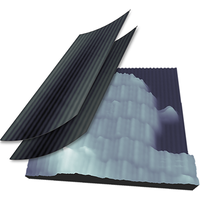
Phys. Rev. Lett. 135, 246601 (2025)
Condensed Matter and Materials
Edge-State Selective Measurement of Dispersions in the Quantum Hall Regime
Article | Condensed Matter and Materials | 2025-12-08 05:00 EST
Henok Weldeyesus, T. Patlatiuk, Q. Chen, C. P. Scheller, D. M. Zumbühl, A. Yacoby, L. N. Pfeiffer, and K. W. West
A new method utilizes a GaAs 2D electron gas, combined with cleaved-edge overgrowth quantum wires, to accurately map the dispersions and velocities of individual edge states across a wide range of parameters.
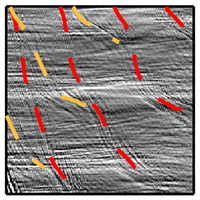
Phys. Rev. Lett. 135, 246602 (2025)
Condensed Matter and Materials
Optically Induced Magnetic Inertia and Magnons from Non-Markovian Extension of the Landau-Lifshitz-Gilbert Equation
Article | Condensed Matter and Materials | 2025-12-08 05:00 EST
Felipe Reyes-Osorio and Branislav K. Nikolić
An extension of the Landau-Lifshitz-Gilbert equation for laser-driven magnets yields frequency-dependent damping and a reactive inertial term, predicting coherent, sharp magnon features under ultrafast drive.
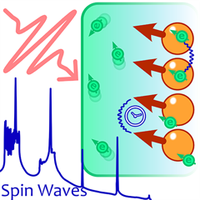
Phys. Rev. Lett. 135, 246701 (2025)
Condensed Matter and Materials
Driven Shear Flow in Biological Magnetoactive Fluids
Article | Polymers, Chemical Physics, Soft Matter, and Biological Physics | 2025-12-08 05:00 EST
M. Marmol, C. Cottin-Bizonne, A. Cēbers, D. Faivre, and C. Ybert
Active fluids made of powered suspended entities spontaneously give rise to patterns and flows. Yet, how the swimmers activity can be harnessed by external cues into coherent macroscopic flows remains a question of biological and applied relevance. Here, we use magnetotactic bacteria, which respond …
Phys. Rev. Lett. 135, 248301 (2025)
Polymers, Chemical Physics, Soft Matter, and Biological Physics
Physical Review X
Transformers for Charged Particle Track Reconstruction in High-Energy Physics
Article | 2025-12-09 05:00 EST
Samuel Van Stroud, Philippa Duckett, Max Hart, Nikita Pond, Sébastien Rettie, Gabriel Facini, and Tim Scanlon
A unified transformer-based model accurately and efficiently reconstructs particle tracks in collider experiments, outperforming traditional methods and offering scalable solutions for handling the massive data of next-generation high-energy physics.
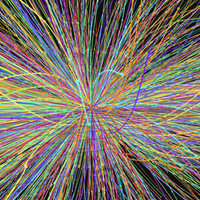
Phys. Rev. X 15, 041046 (2025)
Bidirectional Microwave-Optical Conversion with an Integrated Soft-Ferroelectric Barium Titanate Transducer
Article | 2025-12-08 05:00 EST
Charles Möhl, Annina Riedhauser, Max Glantschnig, Daniele Caimi, Ute Drechsler, Antonis Olziersky, Deividas Sabonis, David I. Indolese, Thomas M. Karg, and Paul Seidler
A new on-chip microwave-to-optical converter built from soft-ferroelectric barium titanate achieves bidirectional signal conversion, offering a promising path toward long-range interconnects for superconducting quantum computers.
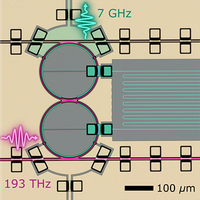
Phys. Rev. X 15, 041044 (2025)
Observation of Unprecedented Fractional Magnetization Plateaus in a New Shastry-Sutherland Ising Compound
Article | 2025-12-08 05:00 EST
Lalit Yadav, Afonso Rufino, Rabindranath Bag, Matthew Ennis, Jan Alexander Koziol, Clarina dela Cruz, Alexander I. Kolesnikov, V. Ovidiu Garlea, Keith M. Taddei, David Graf, Kai Phillip Schmidt, Frédéric Mila, and Sara Haravifard
The frustrated magnet ErBeGeO exhibits two unexpected magnetization plateaus, revealing that subtle lattice distortions can dramatically alter spin order and offering a platform to study geometry driven magnetic behavior.
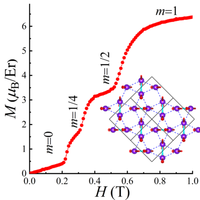
Phys. Rev. X 15, 041045 (2025)
Review of Modern Physics
Astrophysical tests of dark matter self-interactions
Article | Astrophysics | 2025-12-08 05:00 EST
Susmita Adhikari, Arka Banerjee, Kimberly K. Boddy, Francis-Yan Cyr-Racine, Harry Desmond, Cora Dvorkin, Bhuvnesh Jain, Felix Kahlhoefer, Manoj Kaplinghat, Anna Nierenberg, Annika H. G. Peter, Andrew Robertson, Jeremy Sakstein, and Jesús Zavala
Dark sectors, involving new particles that couple very weakly to the standard model ones, play an important role in current model-building efforts in particle physics, as they allow, for example, for new dark matter production and interaction mechanisms. This review focuses on self-interacting dark matter scenarios, their implications on the dynamics and distribution of dark matter halos in the Universe, and the related astrophysical tests and observations, from galaxies to large-scale structures. It is embedded in the framework of the Novel Probes Project, a forum connecting observers and theorists involved in the study of astrophysical tests of dark-sector interactions.
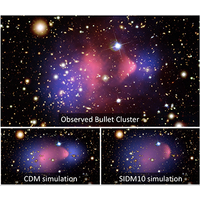
Rev. Mod. Phys. 97, 045004 (2025)
Astrophysics
arXiv
Graphene Growth on Copper Substrate by LAMMPS Simulation
New Submission | Materials Science (cond-mat.mtrl-sci) | 2025-12-09 20:00 EST
We learned the atomic deposition simulation of LAMMPS independently, referenced and optimized the modeling ideas of several papers, used the (1 1 1) crystalline surface of Cu atoms as a substrate, deposited C atoms produced by methane cleavage to obtain graphene flakes, and analyzed the deposition rate and deposition quality at three temperatures, obtaining conclusions consistent with the process flow. We found that there were obvious problems in previous papers. After a certain period, the overall system pressure became excessively high, causing simulation crashes and preventing analysis of subsequent results. In addition, understanding of potential function selection was incomplete. Therefore, after correcting these issues, a simulation system with relatively stable pressure was constructed. In addition to the result analysis, a potential-function selection table is provided, with some parameters taken from prior experimental calculations and others obtained via DFT calculations.
Materials Science (cond-mat.mtrl-sci)
11pages
From orbital analysis to active learning: an integrated strategy for the accelerated design of TADF emitters
New Submission | Materials Science (cond-mat.mtrl-sci) | 2025-12-09 20:00 EST
Jean-Pierre Tchapet Njafa, Steve Cabrel Teguia Kouam, Patrick Mvoto Kongo, Serge Guy Nana Engo
Thermally Activated Delayed Fluorescence (TADF) emitters must satisfy two competing requirements: small singlet-triplet energy gaps for thermal upconversion and sufficient spin-orbit coupling for fast reverse intersystem crossing. Predicting these properties accurately demands expensive calculations. We address this using a validated semi-empirical protocol (GFN2-xTB geometries, sTDA/sTD-DFT-xTB excited states) on 747 molecules, combined with charge-transfer descriptors from Natural Transition Orbital analysis. The hole-electron spatial overlap She emerges as a key predictor, accounting for 21% of feature importance for the triplet state alone. Our best model (Support Vector Regression) reaches MAE = 0.024 eV and R2 = 0.96 for $ \Delta E_{ST}$ . Active learning reduces the data needed to reach target accuracy by approximately 25% compared to random sampling. Three application domains are explored: NIR-emitting probes for bioimaging, photocatalytic sensitizers, and fast-response materials for photodetection.
Materials Science (cond-mat.mtrl-sci), Chemical Physics (physics.chem-ph)
5 pages, 4 figures, 1 table, 1 ESI of 6 pages
Ferromagnetic Phase Transition of DPPH Induced by a Magic Angle Helical Magnetic Field
New Submission | Materials Science (cond-mat.mtrl-sci) | 2025-12-09 20:00 EST
Emmanouil Markoulakis, John Chatzakis, Antonios Konstantaras, Iraklis Rigakis, Emmanuel Antonidakis
We report the results and unique instrument configuration of a novel experiment in which we successfully transitioned a DPPH sample from its natural paramagnetic state and essentially a non-magnetic material to a ferromagnetic state at room temperature. This was achieved using a specifically applied helical flux magnetic field. The DPPH sample (2,2-diphenyl-1-picrylhydrazyl) remained ferromagnetic for at least one hour after the experiment, indicating that a transformation in the material was induced by the external field rather than being merely a temporary magnetic phase transition observed only during the experiment. The external magnetic field used had a helical pitch angle of approximately $ 54.7°$ , known mathematically as the Magic Angle, relative to the +z-axis, which is aligned with the normal S to N external field’s magnetic moment vector. Based on the phenomenology of the experiment, we infer that this specific magic angle corresponding to the known quantization precession spin angle of free electrons under a homogeneous straight flux magnetic field potentially enhances the percentage of unpaired valence electrons within the DPPH material, allowing them to align in parallel with the applied external field. Typically, in paramagnetic materials, the distribution of unpaired electrons’ quantum spins relative to an external field is nearly random, showing roughly a 50% chance of either parallel or antiparallel alignment. Only a slight majority preference exists in one alignment direction due to the Boltzmann thermal distribution, which contributes to the paramagnetic nature of these materials. In our measurements, we found that the induced ferromagnetism of the DPPH sample resulted in an abnormal thousand-fold decimal value increase in relative magnetic permeability at $ {\mu}{\approx}1.4$ , compared to its typical paramagnetic value of $ 1.0001$ for this material.
Materials Science (cond-mat.mtrl-sci), Applied Physics (physics.app-ph), Instrumentation and Detectors (physics.ins-det), Quantum Physics (quant-ph)
10 pages, 7 figures
Chern Dartboard Superconductors
New Submission | Superconductivity (cond-mat.supr-con) | 2025-12-09 20:00 EST
Rebecca Chan, Taylor L. Hughes
We investigate the interplay of particle-hole symmetry and sub-Brillouin zone (sBZ) topology by coupling a so-called Chern dartboard insulator (CDI) to a superconductor (SC) via the proximity effect. We dub the hybrid system, and equivalent intrinsically superconducting phases, a \emph{Chern dartboard superconductor} (CDSC). We show that a CDSC can have nontrivial sBZ topology if it arises from a CDI that has an even number of mirror symmetries $ n$ . On the other hand, particle-hole symmetry constrains a CDSC that arises from an odd-$ n$ CDI to have trivial sBZ topology. However, we can circumvent this constraint for $ n=1$ by inducing an FFLO-type pairing or shifting the CDI in momentum space, converting the mirror symmetry to a momentum-space nonsymmorphic mirror symmetry. With a superconducting pairing that preserves the (nonsymmorphic) mirror symmetries, even-$ n$ CDIs and the shifted $ n=1$ CDI can realize the minimal spinless phase that has a trivial total Chern number and nontrivial reduced Chern numbers. With a pairing that breaks the mirror symmetries, the hybrid system can realize phases that have nontrivial total and reduced Chern numbers, expanding the classification of phases that have sub-Brillouin zone (sBZ) topology. We also predict that some types of $ n=2$ CDSCs inherit the quantized crystalline response of the $ n=2$ CDI, providing experimentalists with a well-defined way to probe the CDSC. Our work motivates further exploration of sBZ topology, bulk topology, and quantized response.
Superconductivity (cond-mat.supr-con)
19 pages, 15 figures, including supplementary information
Nonequilibrium Exchange Nonlinear Hall Effect
New Submission | Mesoscale and Nanoscale Physics (cond-mat.mes-hall) | 2025-12-09 20:00 EST
John Tan, Oles Matsyshyn, Giovanni Vignale, Justin C. W. Song
Quantum geometric electronic responses are often viewed through a non-interacting lens: independent quasiparticles accumulate Berry phases as they move through a static crystal and background potential. Here we argue that the combined action of electron-electron interactions and an out-of-equilibrium many-body state can produce striking departures from this familiar picture. We demonstrate how nonequilibrium exchange interactions produce a nonequilibrium collective quantum geometry distinct from that of its equilibrium ground state. We find this manifests as an exchange induced nonlinear Hall effect with nonlinear Hall current signals competitive with that of well-known non-interacting mechanisms. This highlights the critical role electron interactions and nonequilibrium states can play in the nonlinear response of quantum matter.
Mesoscale and Nanoscale Physics (cond-mat.mes-hall)
6 pages, 3 figures
Anderson localization of quantum droplets in disordered potentials
New Submission | Disordered Systems and Neural Networks (cond-mat.dis-nn) | 2025-12-09 20:00 EST
Zohra Mehri, Abdeaali Boudjemaa
We study Anderson localization of a one-dimensional quantum droplet in a speckle-like potential employing the generalized Gross-Pitaevskii equation. We compute the droplet width, density profiles, diffusion exponent and coefficient, and the localization length for both small and large droplets. Interesting classes of anomalous diffusions are obtained in transport dynamics ranging from superdiffusion to subdiffusion for a strong disorder strength. We find that above a certain critical disorder strength the droplet exhibits a transition to Anderson localization. Our results can be redibly probed with recent experiments.
Disordered Systems and Neural Networks (cond-mat.dis-nn)
5 pages, 6 figures
Comparative Analysis of Autonomous and Systematic Control Strategies for Hole-Doped Hubbard Clusters: Reinforcement Learning versus Physics-Guided Design
New Submission | Strongly Correlated Electrons (cond-mat.str-el) | 2025-12-09 20:00 EST
Shivanshu Dwivedi, Kalum Palandage
Engineering electron correlations in quantum dot arrays demands navigation of high-dimensional, non-convex parameter spaces where hole doping fundamentally alters the physics. We present a comparative study of two control paradigms for the one-hole, half-filled Hubbard model: (i) systematic physics-guided design and (ii) autonomous deep reinforcement learning with geometry-aware neural architectures. While systematic analysis reveals key design principles, such as field-induced localization for trapping the mobile hole, it becomes computationally intractable for optimization. We show that an autonomous RL agent, benchmarked across five 3D lattices from tetrahedron to FCC, achieves human-competitive accuracy (R^2 > 0.97) and 95.5 percent success on held-out tasks. The agent is 3-4 orders of magnitude more sample-efficient than grid search and outperforms other black-box optimization methods. Transfer learning yields 91 percent few-shot generalization to unseen geometries. This work establishes autonomous RL as a viable and highly efficient framework for rapid optimization and non-obvious strategy discovery in complex quantum systems.
Strongly Correlated Electrons (cond-mat.str-el)
A “negative” route to pair density wave order
New Submission | Superconductivity (cond-mat.supr-con) | 2025-12-09 20:00 EST
Hao-Xin Wang, Yi-Jian Hu, Wen Huang, Hong Yao
Pair density waves (PDW) are novel forms of superconducting states that exhibit periodically modulated pairing. A remaining challenge is to elucidate how intrinsic PDW order can emerge robustly in strongly correlated electrons. Here we propose that PDW is prone to form in strongly coupled multiband superconductors simply with interband Cooper pairing between electrons from oppositely dispersing bands. This scenario is heuristically motivated by the observation that uniform interband pairing in such systems would exhibit negative superfluid weight – a signature of an instability towards pairing modulation, implying that PDW emerges naturally in the true ground state. Using large-scale density-matrix-renormalization-group calculations with finite-size scaling analysis, we demonstrate this PDW mechanism in a minimal model with strong interband attractions. Our simulations reveal power-law superconducting correlations characterized by incommensurate modulations. The exponent $ K_{sc}$ of the power-law PDW correlation decreases systematically with increasing ladder width, confirming a genuine long-range PDW order in the 2D limit. Our study therefore demonstrates a promising route to robust PDW states in multiband systems.
Superconductivity (cond-mat.supr-con), Strongly Correlated Electrons (cond-mat.str-el)
7 pages, 4 figures, plus supplementary materials
Non-reciprocal Magnetoresistances in Chiral Tellurium
New Submission | Materials Science (cond-mat.mtrl-sci) | 2025-12-09 20:00 EST
Shuchen Li, Chang Niu, Peide D. Ye, Axel Hoffmann
Materials with broken fundamental symmetries, such as chiral crystals, provide a rich playground for exploring unconventional spin-dependent transport phenomena. The interplay between a material’s chirality, strong spin-orbit coupling, and charge currents can lead to complex non-reciprocal effects, where electrical resistance depends on the direction of current and magnetic fields. In this study, we systematically investigate the angular dependencies of magnetoresistance in single-crystalline chiral Tellurium (Te). We observe distinct non-reciprocal magnetoresistances for magnetic fields applied along three orthogonal directions: parallel to the current along the chiral axis (z), in the sample plane but perpendicular to the current (y), and out of the sample plane (x). Through detailed analysis of the chirality- and thickness-dependence of the signals, we successfully disentangle multiple coexisting mechanisms. We conclude that the Edelstein effect, arising from the chiral structure’s radial spin texture, is responsible for the non-reciprocity along the z-axis. In contrast, the chirality-independent signal along the y-axis is attributed to the Nernst effect, and the non-reciprocity along the x-axis may originate from intrinsic orbital magnetizations. These findings elucidate the complex interplay of spin, orbital, and thermal effects in Te, providing a complete picture of its non-reciprocal transport properties.
Materials Science (cond-mat.mtrl-sci)
Simultaneous measurement of thermal conductivity and specific heat in quasi-2D membranes by 3ω thermal transport
New Submission | Materials Science (cond-mat.mtrl-sci) | 2025-12-09 20:00 EST
Yiwei Le, Erdong Song, Jason Li, Erik A. Henriksen
Toward measuring the thermal properties of exfoliated atomically thin materials, we demonstrate simultaneous measurements of the thermal conductivity and specific heat in suspended membranes. We use the 3{\omega} technique applied to quasi-two-dimensional silicon nitride membranes having a metal line heater patterned on the surface to both deliver heat and directly measure the thermal impedance of the membrane at the heating frequency, Z(2{\omega}). We derive an expression for the complex thermal impedance as a function of frequency, approximating the actual rectangular membranes with a one dimensional model. The derivation accounts for potential parasitic heat loss mechanisms including conduction along the heater line, and by the gas load in an imperfect vacuum. Qualitatively, the thermal impedance response resembles a low-pass filter, owing to the combination of the total thermal resistance and total specific heat. Fitting Z(2{\omega}) to measurements across a few decades in frequency, we extract values of the thermal conductivity and specific heat of silicon nitride in agreement with literature values. We also study the dependence on the heating current, and compare to measurements of the thermal conductivity at zero frequency.
Materials Science (cond-mat.mtrl-sci)
A Landau Theory for Pair Density Modulation in Fe(Te,Se) flakes
New Submission | Superconductivity (cond-mat.supr-con) | 2025-12-09 20:00 EST
Motivated by recent scanning tunneling microscopy (STM) experiments reporting a pair-density modulation (PDM) in FeTe$ _{0.55}$ Se$ _{0.45}$ , we develop a Landau theory to elucidate the physical origin of this phenomenon. We analyze the PDM in terms of the screw symmetry of the single layer, interpreting it as a hybridized state of two order parameters of opposite glide and screw parity. Discussing the absence of PDM in the bulk where both glide and screw symmetry are present, we argue that the absence of glide symmetry on the surface allows nematic order to selectively stabilize the PDM in thin flakes. Finally, we discuss the symmetry constraints on the microscopic pairing mechanism, pointing out the opposite glide and screw parities of the order parameters favor a site, rather than a bond-based paring mechanism. This suggests that pairing in iron-based superconductors may be local to the iron atoms, possibly driven by Hunds coupling.
Superconductivity (cond-mat.supr-con), Strongly Correlated Electrons (cond-mat.str-el)
From Mono- to Hexa-Interstitials: Computational Insights into Carbon Defects in Diamond
New Submission | Materials Science (cond-mat.mtrl-sci) | 2025-12-09 20:00 EST
Nima Ghafari Cherati, Arsalan Hashemi, Ádám Gali
We present a comprehensive first-principles investigation of carbon self-interstitial defects in diamond, ranging from mono- to hexa-interstitial complexes. By quantum mechanical density functional theory, empowered by interatomic potential models, we efficiently sample the complex configurational landscape and identify both known and previously unreported defect geometries. Our results reveal a pronounced energetic driving force for aggregation: the formation energy per interstitial decreases systematically from isolated split interstitials to compact multi-interstitial clusters, with the tetra-interstitial platelet emerging as a particularly stable structural motif. Additionally, charge analysis indicates that the predominantly covalent bonding in diamond becomes more polar within the defect centers. Analysis of defect energy levels shows that only the investigated mono-, di-, penta-, and hexa-interstitial complexes introduce in-gap electronic states, whereas the tri- and tetra-interstitial clusters are electronically inert. Vibrational spectroscopies further reveal that self-interstitials generate characteristic signatures. Short carbon-carbon bonds inside the defect cores give rise to high-frequency vibrational modes between 1375 and 1925 cm$ ^{-1}$ , which are strongly IR-active but exhibit weak Raman activity. Taken together, these findings provide a coherent picture of the structural, electronic, and vibrational characteristics of carbon self-interstitials and establish a robust framework for their experimental identification.
Materials Science (cond-mat.mtrl-sci), Quantum Physics (quant-ph)
Polarons from first principles
New Submission | Materials Science (cond-mat.mtrl-sci) | 2025-12-09 20:00 EST
Zhenbang Dai, Jon Lafuente-Bartolome, Feliciano Giustino
This article reviews recent theoretical developments in the ab initio study of polarons in materials. The polaron is an emergent quasiparticle that arises from the interaction between electrons and phonons in solids, and consists of an electron or a hole accompanied by a distortion of the crystal lattice. Recent advances in experiments, theory, and computation have made it possible to investigate these quasiparticles with unprecedented detail, reigniting the interest in this classic problem of condensed matter physics. Recent theoretical and computational advances include ab initio calculations of polaron spectral functions, wavefunctions, lattice distortions, and transport and optical properties. These developments provide new insight into polaron physics, but they have evolved somewhat independently from the earlier effective Hamiltonian approaches that laid the foundation of the field. This article aims to bridge these complementary perspectives by placing them within a single unified conceptual framework. To this end, we start by reviewing effective Hamiltonians of historical significance in polaron theory, ab initio techniques based on density functional theory, and many-body first-principles approaches to polarons. After this survey, we outline a general field-theoretic framework that bridges between these diverse approaches to polaron physics. For completeness, we also review recent progress in the study of exciton polarons and self-trapped excitons and their relations to polarons. Beyond the methodology, we discuss recent applications to several classes of materials that attracted attention in the context of polaron physics.
Materials Science (cond-mat.mtrl-sci), Applied Physics (physics.app-ph), Computational Physics (physics.comp-ph), Quantum Physics (quant-ph)
Submitted to Review of Modern Physics, we welcome comments and feedback. The Supplementary Information can be found in the source files
Modeling and Optimization of Two-Terminal Spin-Orbit-Torque MRAM
New Submission | Mesoscale and Nanoscale Physics (cond-mat.mes-hall) | 2025-12-09 20:00 EST
Md Nahid Haque Shazon, Piyush Kumar, Luqiao Liu, Daniel C. Ralph, Azad Naeemi
This paper presents physical modeling and benchmarking for two-terminal spin-orbit torque magnetic random-access memory (2T-SOT-MRAM). The results indicate that the common SOT materials that provide only in-plane torque can provide little to no improvement over spin-transfer-torque (STT) MRAM in terms of write energy. However, emerging SOT materials that provide out-of-plane torques with efficiencies as small as 0.1 can result in significant improvements in the write energy for such 2-terminal devices, especially when the magnet lateral dimensions are scaled down to 30 or 20 nm. Additionally, a novel 2T-SOT MRAM device is proposed that can increase the path electrons pass through the SOT layer; hence, increasing the generated spin current and the energy efficiency of the device. Our benchmarking results indicate that an out-of-plane SOT efficiency of 0.051 for 20nm wide devices can result in write energies approaching SRAM at the 7nm technology node.
Mesoscale and Nanoscale Physics (cond-mat.mes-hall)
Evaporative damping in open system theory of Bose-Einstein Condensates
New Submission | Quantum Gases (cond-mat.quant-gas) | 2025-12-09 20:00 EST
Nils A. Krause, Ashton S. Bradley
We derive a new damping mechanism in the open quantum systems description of Bose-Einstein condensates. It stems from previously neglected terms in the derivation of the stochastic projective Gross-Pitaevskii equation (SPGPE), accounting for a nonlinear evaporation of particles from the coherent into the incoherent region. We demonstrate that the mechanism, while so far assumed to be of minor importance, is comparable in strength to the widely employed number damping. We also provide a simplified (pseudo)-local and a dimensionally reduced form of this evaporative damping. The process completes the SPGPE description of ultracold Bose gases giving a full first-principles picture of their evolution at finite temperature.
Quantum Gases (cond-mat.quant-gas)
18 pages, 5 figures, comments welcome
Protocol to evaluate the viscoelastic response of a polymer suspension to an active agent via oscillatory shear rheometry
New Submission | Soft Condensed Matter (cond-mat.soft) | 2025-12-09 20:00 EST
Kai Qi, Qingzhi Zou, Ignacio Pagonabarraga
Microorganisms inhabit viscoelastic environments, where their locomotion can deform polymers and trigger local complex viscoelastic responses. However, a systematic approach to quantify such responses remains lacking. Here, we propose a protocol that maps the shear effect induced by an active agent to oscillatory shear rheometry. The central idea is to establish a correspondence between the mean shear rate generated by swimming and that produced by an oscillating plate. In this mapping, the swimming velocity and active stress are translated into an effective oscillation frequency and strain amplitude. The resulting viscoelastic response can then be evaluated by standard oscillatory rheometry. The protocol is validated using lattice Boltzmann simulations of a squirmer embedded in polymer solutions. Our framework is generic and can be naturally extended to active microrheology, providing a pathway to quantify swimmer-induced viscoelasticity.
Soft Condensed Matter (cond-mat.soft), Biological Physics (physics.bio-ph), Computational Physics (physics.comp-ph), Fluid Dynamics (physics.flu-dyn)
Ultrasonic observation of small Fermi surfaces in La$T$In$_5$ ($T$ = Co, Rh, Ir)
New Submission | Strongly Correlated Electrons (cond-mat.str-el) | 2025-12-09 20:00 EST
Ryosuke Kurihara, Yusuke Hirose, Kazuki Matsui, Atsushi Miyake, Ryoma Tsunoda, Masaki Kondo, Rikio Settai, Mitsuhiro Akatsu, Yuichi Nemoto, Hiroshi Yaguchi, Masashi Tokunaga
We performed high-field ultrasonic measurements on La$ T$ In$ _5$ ($ T$ = Co, Rh, Ir) to reveal the origin of the small Fermi surface that was recently observed in LaRhIn$ _5$ with an oscillation frequency of 6.8 T. We observed quantum oscillations originating from this Fermi surface in LaRhIn$ _5$ . In addition, we revealed that LaCoIn$ _5$ and LaIrIn$ _5$ exhibit quantum osciilations with frequencies below 100 T, indicating hidden Fermi surfaces in these compounds. Furthermore, Co-substituted LaRhIn$ _5$ exhibited quantum oscillations with a frequency of 10 T. Our results suggest that the small Fermi surface originates from bulk properties and that $ 3d$ electrons of the transition metal contribute to its formation.
Strongly Correlated Electrons (cond-mat.str-el)
accepted in JJAP Conf. Proc (International work shop, Quest For The Non-Perturbative Magnetic Field Effects In The 1000-Tesla Magnetic Field Region)
Enhanced polariton interaction in the presence of disorder
New Submission | Mesoscale and Nanoscale Physics (cond-mat.mes-hall) | 2025-12-09 20:00 EST
Matthew Prest, Cassandra Imperato, Oleg L. Berman, David W. Snoke, Klaus Ziegler
We consider the interaction between exciton-polaritons in a semiconductor quantum well, embedded in a microcavity, in the presence of disorder. The disorder acts on the excitons in the semiconductor quantum well. We have calculated the exciton and polariton self-energies and the exciton and polariton energy dispersion relations in the presence of disorder. Our results demonstrate that disorder increases the polariton-polariton interaction.
Mesoscale and Nanoscale Physics (cond-mat.mes-hall), Disordered Systems and Neural Networks (cond-mat.dis-nn)
8 pages, 5 figures
Competing magnetic phases in Cr$_{3+δ}$Te$_4$ are spatially segregated
New Submission | Strongly Correlated Electrons (cond-mat.str-el) | 2025-12-09 20:00 EST
Vivek Bhartiya, Anirban Goswami, Nicholas Ng, Wei Tian, Matthew G. Tucker, Niraj Aryal, Lijun Wu, Weiguo Yin, Yimei Zhu, Milinda Abeykoon, Emmanuel Yakubu, Samaresh Guchhait, J. M. Tranquada
Cr$ _{1+x}$ Te$ _2$ is a self-intercalated vdW system that is of current interest for its room-temperature FM phases and tunable topological properties. Early NPD measurements on the monoclinic phase Cr$ 3$ Te$ 4$ ($ x=0.5$ ) presented evidence for competing FM and AFM phases. Here we apply neutron diffraction to a single crystal of Cr$ {3+\delta}$ Te$ 4$ with $ \delta=-0.10$ and discover that it consists of two distinct monoclinic phases, one with FM order below $ T{\rm C} \approx 321$ K and another that develops AFM order below $ T{\rm N} \approx 86$ K. In contrast, we find that a crystal with $ \delta=-0.26$ exhibits only FM order. The single-crystal analysis is complemented by results obtained with NPD, XPD, and TEM measurements on the $ \delta=-0.10$ composition. From observations of spontaneous magnetostriction of opposite sign at $ T{\rm C}$ and $ T{\rm N}$ , along with the TEM evidence for both monoclinic phases in a single thin ($ \approx$ 100 nm) grain, we conclude that the two phases must have a fine-grained ($ \lesssim$ 100 nm) intergrowth character, as might occur from high-temperature spinodal decomposition during the growth process. Calculations of the relaxed lattice structures for the FM and AFM phases with DFT provide a rationalization of the observed spontaneous magnetostrictions. Correlations between the magnitude and orientation of the magnetic moments with lattice parameter variation demonstrate that the magnetic orders are sensitive to strain, thus explaining why magnetic ordering temperatures and anisotropies can be different between bulk and thin-film samples, when the latter are subject to epitaxial strain. Our results point to the need to investigate the supposed coexistence FM and AFM phases reported elsewhere in the Cr$ _{1+x}$ Te$ _2$ system, such as in the Cr$ _5$ Te$ _8$ phase ($ x=0.25$ ).
Strongly Correlated Electrons (cond-mat.str-el)
15 pages, 16 figures
Angle evolution of the superconducting phase diagram in twisted bilayer WSe2
New Submission | Mesoscale and Nanoscale Physics (cond-mat.mes-hall) | 2025-12-09 20:00 EST
Yinjie Guo, John Cenker, Ammon Fischer, Daniel Muñoz-Segovia, Jordan Pack, Luke Holtzman, Lennart Klebl, Kenji Watanabe, Takashi Taniguchi, Katayun Barmak, James Hone, Angel Rubio, Dante M. Kennes, Andrew J. Millis, Abhay Pasupathy, Cory R. Dean
Recent observations of superconductivity in twisted bilayer WSe$ _2$ have extended the family of moiré superconductors beyond twisted graphene. In WSe$ _2$ two different twist angles were studied, 3.65° and 5.0°, and two seemingly distinct superconducting phase diagrams were reported, raising the question of whether the superconducting phases in the two devices share a similar origin. Here we address the question by experimentally mapping the evolution of the phase diagram across devices with twist angles spanning the range defined by the initial reports, and comparing the results to twist angle-dependent theory. We find that the superconducting state evolves smoothly with twist angle and at all twist angles is proximal to a Fermi surface reconstruction with, presumably, antiferromagnetic ordering, but is neither necessarily tied to the Van Hove singularity, nor to the half band insulator. Our results connect the previously distinct phase diagrams at 3.65° and 5°, and offer new insight into the origin of the superconductivity in this system and its evolution as the correlation strength increases. More broadly, the smooth phase diagram evolution, repeatability between different devices, and dynamic gate tunability within each device, establish twisted transition metal dichalcogenides as a unique platform for the study of correlated phases as the ratio of interaction strength to bandwidth is varied.
Mesoscale and Nanoscale Physics (cond-mat.mes-hall), Strongly Correlated Electrons (cond-mat.str-el), Superconductivity (cond-mat.supr-con)
Robust AC vector sensing at zero magnetic field with pentacene
New Submission | Mesoscale and Nanoscale Physics (cond-mat.mes-hall) | 2025-12-09 20:00 EST
Boning Li, Garrett Heller, Jungbae Yong, Alexander Ungar, Hao Tang, Guoqing Wang, Patrick Hautle, Yifan Quan, Paola Cappellaro
Quantum sensors based on electronic spins have emerged as powerful probes of microwave-frequency fields. Among other solid-state platforms, spins in molecular crystals offer a range of advantages, from high spin density to functionalization via chemical tunability. Here, we demonstrate microwave vector magnetometry using the photoexcited spin triplet of pentacene molecules, operating at zero external magnetic field and room temperature. We achieve full three-dimensional microwave field reconstruction by detecting the Rabi frequencies of anisotropic spin-triplet transitions associated with two crystallographic orientations of pentacene in deuterated naphthalene crystals. We further introduce a phase alternated protocol that extends the rotating-frame coherence time by an order of magnitude and enables sensitivities of approximately $ 1~\mu\mathrm{T}/\sqrt{\mathrm{Hz}}$ with sub-micrometer spatial resolution. These results establish pentacene-based molecular spins as a practical and high-performance platform for microwave quantum sensing in addition to demonstrating control techniques broadly applicable to other molecular and solid-state spin systems.
Mesoscale and Nanoscale Physics (cond-mat.mes-hall), Applied Physics (physics.app-ph), Quantum Physics (quant-ph)
Trion ordering in the attractive three-color Hubbard model on a $π$-flux square lattice
New Submission | Quantum Gases (cond-mat.quant-gas) | 2025-12-09 20:00 EST
Xiang Li, Yumeng Li, Quan Fu, Yu Wang
Ultracold multicomponent fermions (atoms/molecules) loaded in optical lattices provide an ideal platform for simulating SU($ N$ ) Hubbard models that host unconventional many-body quantum states beyond SU(2). A prime example is the attractive three-color Hubbard model, in which trion states emerge at strong coupling. Nevertheless, much of its trion ordering on two-dimensional lattices remains uncertain. Here, we employ the determinant quantum Monte Carlo (DQMC) method to simulate the attractive three-color Hubbard model on a $ \pi$ -flux square lattice at half filling. We show that color-dependent attractive interaction can induce coexisting charge density wave (CDW) and Néel ordered states in the three-color $ \pi$ -flux Hubbard model. In particular, enhanced charge fluctuations (cf. honeycomb lattice) cause much stronger Néel ordering on the $ \pi$ -flux square lattice. The coexisting charge and Néel orders survive up to a melting temperature, at which they vanish simultaneously. The Ginzburg-Landau (GL) analysis on the coexistence of CDW and Néel orders demonstrates how color-dependent Hubbard interactions stabilize coexisting orders from the perspective of GL free energy principle.
Quantum Gases (cond-mat.quant-gas), Strongly Correlated Electrons (cond-mat.str-el)
10 pages, 8 figures
Scale-robust Low Resistance Transport in Atomic Layer Deposited Topological Semimetal Wafers on Amorphous Substrate
New Submission | Materials Science (cond-mat.mtrl-sci) | 2025-12-09 20:00 EST
Dong-Hyun Lim, Young-Min Song, Yeji Kim, Ae Rim Choi, Hyun-Mi Kim, Hyeongkeun Kim, Sujin Kwon, Bonggeun Shong, Justin Shih, Asir Intisar Khan, Il-Kwon Oh
As data-centric computing advances, energy-efficient interconnects are increasingly critical for AI-driven systems. Traditional metal conductors face severe limitations at nanoscale due to increased resistivity from surface scattering. In response, this study demonstrates the first wafer-scale realization of an amorphous topological semimetal, tantalum phosphide (TaP), grown directly on amorphous SiO2 substrates (without any seed layers) using low-temperature atomic layer deposition (ALD). The resulting TaP films exhibit unconventional resistivity scaling: decreasing resistivity with decreasing thickness, reaching 227 micro-ohm cm at ~2.3 nm film thickness. This behavior, observed without crystalline order or seed layers, indicates dominant surface conduction and establishes ALD-TaP as a promising candidate for back-end-of-line integration. The films also show excellent conformality, stoichiometry control, and thermal stability up to 600 degree C. A two-channel conduction model confirms surface-dominated transport in ultrathin regimes, further supported by enhanced conductivity in multi-stacked configurations. These findings highlight the potential of amorphous topological semimetals for future high-density, low-power electronic interconnects and expand the applicability of ALD for integrating novel quantum materials at scale.
Materials Science (cond-mat.mtrl-sci)
9 pages, 3 figures
Radiation resistance of refractory high-entropy alloys
New Submission | Materials Science (cond-mat.mtrl-sci) | 2025-12-09 20:00 EST
Response of refractory high-entropy alloys MoNbTaVW and HfNbTaTiZr to ultrafast radiation is modelled with the hybrid code XTANT-3, combining tight-binding molecular dynamics with the transport Monte Carlo and Boltzmann equation. A two-temperature state with elevated electronic temperature and a cold atomic lattice is studied. The parameters of the electronic system in such a state are studied: electronic heat capacity, thermal conductivity, and electron-phonon coupling parameter with the electronic temperatures up to ~25,000 K. It is also demonstrated that the two refractory alloys do not show signs of nonthermal melting up to the deposited doses of ~10 eV/atom, making them more radiation resistant than the Cantor alloy or stainless steel. These results suggest that heavy-element high-entropy alloys are more radiation resistant than those containing only lighter elements. Damage in irradiated HfNbTaTiZr starts with the selective diffusion of Ti atoms, forming a transient superionic-like state.
Materials Science (cond-mat.mtrl-sci), Other Condensed Matter (cond-mat.other)
Acoustoelectric Probing of Fractal Energy Spectra in Graphene/hBN Moiré Superlattices
New Submission | Mesoscale and Nanoscale Physics (cond-mat.mes-hall) | 2025-12-09 20:00 EST
Wenqing Song, Yicheng Mou, Qing Lan, Guorui Zhao, Zejing Guo, Jiaqi Liu, Tuoyu Zhao, Cheng Zhang, Wu Shi
Moiré superlattices with long-range periodicity exhibit Hofstadter energy spectra under accessible magnetic fields, enabling the exploration of emergent quantum phenomena through a hierarchy of fractal states. However, higher-order features, located at elevated energies with narrow bandwidths, typically require high carrier densities and remain difficult to resolve using conventional electrical transport due to limited sensitivity and strong background conductivity. Here, we utilize acoustoelectric (AE) transport to probe high-order fractal states and the Hofstadter spectrum in graphene/hBN moiré superlattices. Surface acoustic waves on a ferroelectric LiNbO$ _3$ substrate generate an AE voltage proportional to the derivative of electrical conductivity, significantly enhancing sensitivity to weak spectral features. Combined with substrate-induced high electron doping, this technique resolves fractal Brown-Zak oscillations up to the fifth-order and provides the first AE observation of the Hofstadter butterfly, revealing high-order fractal magnetic Bloch states and symmetry-broken Landau levels over a wide carrier density range. Our results establish AE transport as a powerful derivative-sensitive probe for emergent fractal quantum states in moiré-engineered 2D systems.
Mesoscale and Nanoscale Physics (cond-mat.mes-hall)
Rewritable Complementary Nanoelectronics Enabled by Electron-Beam Programmable Ambipolar Doping
New Submission | Materials Science (cond-mat.mtrl-sci) | 2025-12-09 20:00 EST
Qing Lan, Wenqing Song, Siyin Zhu, Yi Zhou, Lu Wang, Junjie Wei, Jiaqi Liu, Zejing Guo, Takashi Taniguchi, Kenji Watanabe, Hai Huang, Jingli Wang, Xiaodong Zhou, Alex Zettl, Jian Shen, Wu Shi
The ability to reversibly and site-selectively tune ambipolar doping in a single semiconductor is crucial for reconfigurable electronics beyond silicon, but remains highly challenging. Here, we present a rewritable architecture based on electron-beam programmable field-effect transistors (FETs). Using WSe$ _2$ as a model system, we demonstrate electron-beam-induced doping that enables reversible, precisely controlled carrier modulation exceeding $ 10^{13}$ cm$ ^{-2}$ . The in-situ writing, erasing, and rewriting of ambipolar doping of nanoscale patterns was directly visualized by scanning microwave impedance microscopy. This mask-free, lithography-compatible approach can achieve precise band engineering within individual channels, yielding near-ideal subthreshold swings (~ 60 mV/dec) and finely tunable threshold voltages for both carrier types without specialized contact engineering. These capabilities allow on-demand realization of high performance logic, including CMOS inverters with high voltage gains and low power consumption, as well as NAND-to-NOR transitions on the same device via direct polarity rewriting. Our platform offers a scalable and versatile route for rapid prototyping of complementary electronics.
Materials Science (cond-mat.mtrl-sci)
Kitaev Meets AKLT: Competing Quantum Disorder in Spin-3/2 Honeycomb Systems
New Submission | Strongly Correlated Electrons (cond-mat.str-el) | 2025-12-09 20:00 EST
Sogen Ikegami, Kiyu Fukui, Rico Pohle, Yukitoshi Motome
We investigate an S=3/2 quantum spin model on a two-dimensional honeycomb lattice that continuously interpolates between two paradigmatic quantum disordered states with distinct entanglement structures: the Kitaev quantum spin liquid and the Affleck-Kennedy-Lieb-Tasaki (AKLT) valence bond solid. Combining classical, semi-classical, and exact diagonalization approaches, we map out the ground-state phase diagram and elucidate the role of quantum fluctuations across the entire parameter range. While classical and semi-classical frameworks predict noncoplanar orders competing with a collinear Néel state, we find these phases to be fragile: once full quantum fluctuations are included, they melt into a quantum-entangled state characterized by suppressed spin correlations and enhanced entanglement entropy. Our findings highlight how competition between qualitatively different quantum disordered phases provides a fertile playground for unconventional phases emerging from their interplay and quantum fluctuations.
Strongly Correlated Electrons (cond-mat.str-el)
6+4pages, 7 Figures
Effect of Spin-Orbit Coupling on Anomalous Quantum Oscillations in InAs/GaSb Quantum Wells
New Submission | Mesoscale and Nanoscale Physics (cond-mat.mes-hall) | 2025-12-09 20:00 EST
Xinlong Du, Chao Wang, Bo Ying, Juntao Song
We theoretically study the effect of spin-orbit coupling (SOC) on anomalous quantum oscillations in InAs/GaSb quantum wells. By comparing different cases, we show that SOC induces two opposing effects on anomalous quantum oscillations: it suppresses the oscillations in the clean case, while enhancing them in the disordered case. Using an effective model, we analyze in detail the origins of anomalous oscillations in both clean and disordered cases. Based on these origins, we explain why SOC suppresses or enhances the anomalous oscillations in different cases, thereby extending the understanding of the conventional theory. Moreover, in the disordered case, SOC can induce a phase shift of the anomalous oscillations. We further identify a parameter window where the anomalous oscillations are significantly enhanced in the presence of both disorder and SOC. These results provide a theoretical basis for understanding the role of SOC in anomalous quantum oscillations.
Mesoscale and Nanoscale Physics (cond-mat.mes-hall), Materials Science (cond-mat.mtrl-sci)
Quantum Spin Hall Effect and Su-Schrieffer-Heeger Model Implementation in Novel C3N-based Dumbbell Morphologies
New Submission | Mesoscale and Nanoscale Physics (cond-mat.mes-hall) | 2025-12-09 20:00 EST
Deep Mondal, Arka Bandyopadhyay, Atanu Nandy, Debnarayan Jana
Two-dimensional carbon nitride materials have been the center of attention for their diverse usage in energy harvesting, environmental remediation and nanoelectronic applications. A broad range of utilities with decent synthetic plausibility have made this family a sweet spot to dive into, whereas the underlying analytical aspects are yet to have prominence. Recently, using the machinaries of first principles, we reported a family of six different structures C3NX with a unique dumbbell-shaped morphology, functionalizing the recently synthesized monolayer of C3N. Here we have critically explored the non-trivial topological phases of the semimetallic Dumbbell C3NX sheets and nanoribbons. Spin-orbit coupling induced gap across the Fermi level, its subsequent tuning via an external electric field, portrayal of band inversion from the Berry curvature distribution and the evaluation of topological index using the Wannier charge center (WCC) firmly establishes the traces of topological footprint. The real space decimation scheme and Green function technique evaluate the underlying spectral information with corresponding transport characteristics. Fascinating features of these quasi-1D systems are observed utilizing the Su-Schrieffer-Heeger (SSH) model where different twisted phases reveal distinct topological signatures even in a low atomic mass system like DB C4N.
Mesoscale and Nanoscale Physics (cond-mat.mes-hall), Materials Science (cond-mat.mtrl-sci)
Multipolar orbital relaxation of the $t_{2g}$ states
New Submission | Mesoscale and Nanoscale Physics (cond-mat.mes-hall) | 2025-12-09 20:00 EST
Aurélien Manchon, Xiaobai Ning, Chi Sun, Tetsuya Sato, Takeo Kato, Tatiana Rappoport
Using a nonperturbative approach, the relaxation rate of orbital dipolar and quadrupolar moments is computed analytically for the t2g states. In the presence of short-range impurities and in the absence of spin-orbit coupling, the orbital relaxation emerges from the competition between momentum scattering and the effect of the crystal field. In the case of weak disorder, the orbital relaxation time is proportional to the momentum scattering time: each scattering event contributes to destroying the orbital moment. In the case of strong disorder, the effect of the crystal field is averaged out, and the orbital relaxation time is inversely proportional to the momentum scattering. We finally find that the dipolar and quadrupolar orbital moments are coupled by the crystal field, resulting in a complex dynamical behavior upon orbital injection.
Mesoscale and Nanoscale Physics (cond-mat.mes-hall)
5 pages, 4 figures
Measuring the buried interphase between solid electrolytes and lithium metal using neutrons
New Submission | Materials Science (cond-mat.mtrl-sci) | 2025-12-09 20:00 EST
Andrew S. Westover, Katie L. Browning, Antonino Cannavo, Ralph Gilles, Jiri Vacik, James F. Browning, Neelima Paul, Giovanni Ceccio, Vasyl Lavrentiev
Interfaces are the key to next generation high energy batteries including solid state Li metal batteries. In solid state batteries, the buried nature of solid solid electrolyte electrode interfaces makes studying them difficult. Neutrons have significant potential to non destructively probe these buried solid solid interfaces. This work presents a comparative study using both neutron depth profiling (NDP) and neutron reflectometry (NR) to study a model lithium metal-lithium phosphorus oxynitride (LiPON) solid electrolyte system. In the NDP data, no distinct interphase is observed at the interface. NR shows a difference between electrodeposited, and vapor deposited LiPON -Li interfaces but finds both are gradient interphases that are less than 30 nm thick. Additional simulations of the LiPON-Li2O-Li system demonstrate that NDP has an excellent resolution in the 50 nm-1 mm regime while NR has an ideal resolution from 0.1 - 200 nm with different sample requirements. Together NDP and NR can provide a complementary understanding of interfaces between Li metal and solid electrolytes across relevant length scales.
Materials Science (cond-mat.mtrl-sci), Instrumentation and Detectors (physics.ins-det)
Journal of Materials Chemistry A 13.41 (2025): 35435-35446
Interface controlled Berry phase and anisotropic spin-charge conversion in altermagnet-topological insulator bilayers
New Submission | Mesoscale and Nanoscale Physics (cond-mat.mes-hall) | 2025-12-09 20:00 EST
We propose an altermagnet-topological insulator bilayer as a platform to engineer Berry phase driven spin-charge responses using an interfacial buffer layer. Using a momentum-space lattice model and linear-response theory, we investigate a $ d$ -wave altermagnet coupled to a topological insulator and highlight the crucial role of spin-flip tunneling in shaping its electronic and transport properties. Interfacial hybridization strongly modifies the band structure, leading to anisotropic Rashba-Edelstein and Hall responses. The spin-flip component of the coupling induces an inverse $ d$ -wave spin texture in the altermagnetic bands, signaling the onset of an altermagnetic topological phase. This coupling also renders the Rashba-Edelstein effect strongly in-plane anisotropic, enhancing the transverse response relative to ferromagnetic or antiferromagnetic analogues. These results establish interfacial spin-flip tunneling as a practical control knob for direction-sensitive, stray-field-free spin-charge conversion in correlated topological heterostructures.
Mesoscale and Nanoscale Physics (cond-mat.mes-hall), Materials Science (cond-mat.mtrl-sci)
12 pages, 7 figures
Materials Today Quantum 8, 100058 (2025)
Stacking-sliding and irradiation-direction invariant Floquet altermagnets in A-type antiferromagnetic bilayers
New Submission | Materials Science (cond-mat.mtrl-sci) | 2025-12-09 20:00 EST
Zhe Li, Lijuan Li, Mengxue Guan, Sheng Meng
Arranging the stacking orders of A-type antiferromagnetic (A-AFM) bilayers offers an accessible pathway to two-dimensional altermagnets, but requires strict symmetry conditions such as layer groups, sliding positions, and twisting angles. Here, we find that circularly polarized light (CPL) irradiation breaks time-reversal symmetry, enabling the development of altermagnets beyond these constraints. Based on symmetrical analysis, our revealments indicate that A-AFM bilayer building-blocks with inversion symmetry exhibit altermagnetism robust to stacking sliding and variations of illumination directions. These bilayers can be constructed from arbitrary ferromagnetic monolayers and guided by the $ d$ -electron counting rule. Adopting bilayer MnBi$ _2$ Te$ _4$ as a template, out-of-plane illumination with CPL reveals an $ f$ -wave altermagnetic feature at sliding positions $ \left{E|\left(0,0\right)\right}$ , $ \left{E|\left(\frac{1}{3},\frac{2}{3}\right)\right}$ and $ \left{E|\left(\frac{2}{3},\frac{1}{3}\right)\right}$ , while a $ p$ -wave feature is predicted at other sliding positions. Our unveilings popularize the applicability of altermagnets in A-AFM bilayers with inversion symmetry, igniting a new wave of research in this field.
Materials Science (cond-mat.mtrl-sci)
Thermodynamic description of world GDP distribution over countries
New Submission | Statistical Mechanics (cond-mat.stat-mech) | 2025-12-09 20:00 EST
Klaus M. Frahm, Dima L. Shepelyansky
We apply the concept of Rayleigh-Jeans thermalization of classical fields for a description of the world Gross Domestic Product (GDP) distribution over countries. The thermalization appears due to a variety of interactions between countries with conservation of two integrals being total GDP and probability (norm). In such a case there is an emergence of Rayleigh-Jeans condensation at states with low GDP. This phenomenon has been studied theoretically and experimentally in multimode optical fibers and we argue that it is at the origin of emergence of poverty and oligarchic phases for GDP of countries. A similar phenomenon has been discussed recently in the framework of the Wealth Thermalization Hypothesis to explain the high inequality of wealth distribution in human society and companies at Stock Exchange markets. We show that the Rayleigh-Jeans thermalization well describes the GDP distribution during the last 50 years.
Statistical Mechanics (cond-mat.stat-mech), Physics and Society (physics.soc-ph), Statistical Finance (q-fin.ST)
9 pages (including Suppmat with 5 + 5 figures)
Odd viscosity and anomalous Hall effect in two dimensional electron systems with smooth disorder
New Submission | Mesoscale and Nanoscale Physics (cond-mat.mes-hall) | 2025-12-09 20:00 EST
A microscopic theory of odd viscosity in two-dimensional electron systems with smooth disorder and spin-orbit interaction is developed. It is shown that spin-orbit scattering gives rise to an off-diagonal component of the viscosity tensor. Hydrodynamic equations for spin and electric currents are derived for electrons interacting with smooth disorder. The contribution of odd viscosity to the anomalous Hall effect is calculated.
Mesoscale and Nanoscale Physics (cond-mat.mes-hall), Other Condensed Matter (cond-mat.other)
6 pages, 2 figures
Moiré pattern multiplicity driven by electronic effects in two-dimensional CrCl3/Au heterostructures
New Submission | Other Condensed Matter (cond-mat.other) | 2025-12-09 20:00 EST
Eugenio Gambari, Hugo Le Du, Mathieu Lizée, Arindam Mukherjee, Laurent Limot, Fabrice Scheurer, Marie D’angelo, François Debontridder, Tristan Cren, Marie Hervé
Moiré patterns are a central motif in van der Waals heterostructures arising from the superposition of two-dimensional (2D) incommensurate lattices. These patterns reveal a wealth of correlated effects, influencing electronic, magnetic, and structural phenomena. While diffraction techniques typically resolve multiple moiré wave-vectors corresponding to the incommensurate nature of the underlying lattices, Scanning Tunneling Microscopy (STM) often reveals only a dominant superperiod. In this work, we address this apparent discrepancy through an STM study of a twisted monolayer of CrCl3 on Au(111). We observe the coexistence of several moiré patterns at a fixed twist angle, whose relative intensity depends on the tunneling bias. Fourier analysis of STM data uncovers hidden higher-order moiré components not visible in STM topographic images, while spectroscopy maps reveal that the spectral weight of each pattern varies with electron energy. Our results establish that STM selectively probes on the same area distinct moiré modulations depending on electronic confinement, providing a unified framework that reconciles real space and reciprocal space observations of complex moiré superstructures.
Other Condensed Matter (cond-mat.other)
Phase-Factor-Controlled Surface Spirals in the Magnetic Conical Phase: The Role of In-Plane Directionality
New Submission | Mesoscale and Nanoscale Physics (cond-mat.mes-hall) | 2025-12-09 20:00 EST
Haijun Zhao, Tae-Hoon Kim, Lin Zhou, Liqin Ke
In chiral magnets, the magnetic textures surrounding domain walls exhibit a rich variety of structures, offering insights into fundamental physics and potential applications in spintronic devices. Conical spirals and related structures possess intrinsic in-plane directionalities governed by phase factors $ \phi_0$ , which are often obscured in long spirals due to cylindrical symmetry but become prominent in short spirals or thin films. Using micromagnetic simulations, we systematically studied magnetic textures at ferromagnetic-conical interfaces (FCI), including 1D and 2D FCIs with various shapes. Surface spirals (SS) emerge adjacent to these FCIs, closely linked to the cone’s in-plane reorientation. In 1D FCIs, reorientation controls the presence, shape, and topological charge of the SS, with a discontinuity point observed where spirals with opposite charges form on opposite sides. In 2D FCIs, eyebrow-like SS are evident. The reorientation angle between top and bottom SS is controlled by the film thickness, similar to stacked spirals reported previously. We further demonstrate that SSs form at the facets of skyrmion clusters within the conical phase, as confirmed by both simulations and Lorentz transmission electron microscopy observations in Co$ _8$ Zn$ _{10}$ Mn$ _2$ thin films. The experiments specifically reveal two distinct formation pathways: thermally activated co-growth and field-driven transformation from residual helices. These findings establish $ \phi_0$ as a fundamental control parameter for magnetic states, enabling promising spintronic functionalities such as multi-state memory through SS polymorphism and energy-efficient neuromorphic computing via controlled topological transitions.
Mesoscale and Nanoscale Physics (cond-mat.mes-hall), Applied Physics (physics.app-ph)
Phys. Rev. Applied 24, 064023 (2025)
Robust Superconductivity and High Upper Critical Fields in Epitaxial cubic W2N Thin Films
New Submission | Superconductivity (cond-mat.supr-con) | 2025-12-09 20:00 EST
Aditya Singh, Arnaud le Febvrier, Sanath Kumar Honnali, Abhisek Mishra, Grzegorz Greczynski, Subhankar Bedanta, Per Eklund, Ajay Soni
Transition Metal Nitrides are a versatile class of materials, combining chemical robustness, high hardness, and superconducting behaviour with critical temperatures between 2 to 10 K. While several binary TMNs have been explored, superconductivity in stoichiometric W2N has remained largely unexplored. Here, we report on superconducting thin films of stoichiometric W2N, demonstrating a distinctly high upper critical field of 8.5 T, uncommon among binary TMNs. This robust superconducting response under high magnetic fields highlights the technological relevance of W2N for integrated quantum and cryogenic electronic platforms. Overall, these results position stoichiometric W2N as a promising addition to the TMN superconducting landscape, opening new avenues for functional materials design based on chemically stable and mechanically resilient nitrides.
Superconductivity (cond-mat.supr-con), Materials Science (cond-mat.mtrl-sci)
13 page 4 figure
Topological Defect Mediated Helical Phase Reorientation by Uniaxial Stress
New Submission | Mesoscale and Nanoscale Physics (cond-mat.mes-hall) | 2025-12-09 20:00 EST
Tae-Hoon Kim, Haijun Zhao, Brandt A. Jensen, Liqin Ke, Lin Zhou
Strain engineering enables precise, energy-efficient control of nanoscale magnetism. However, unlike well-studied strain-dislocation interactions in mechanical deformation, the spatial evolution of strain-induced spin rearrangement remains poorly understood. Using \emph{in situ} Lorentz transmission electron microscopy, we manipulate and observe helical domain reorientation under quantitatively applied uniaxial tensile stress. Our findings reveal striking similarity to plastic deformation in metals, where the critical stress for propagation vector (\emph{\textbf{Q}}) reorientation depends on its angle with the stress direction. Magnetic defects mediate reorientation via “break-and-reconnect” or “dislocation gliding-annihilation” processes. Simulations confirm that strain-induced anisotropic Dzyaloshinskii-Moriya interaction may play a key role. These insights advance strain-driven magnetism and offer a promising route for energy-efficient magnetic nanophase control in next-generation information technology.
Mesoscale and Nanoscale Physics (cond-mat.mes-hall)
Phys. Rev. Lett. 134, 136704 (2025)
Convective Viscous Cahn-Hilliard/Allen-Cahn Equation with memory effects
New Submission | Statistical Mechanics (cond-mat.stat-mech) | 2025-12-09 20:00 EST
P.O.Mchedlov-Petrosyan, L.N.Davydov
The combination of the well-known Cahn-Hilliard and Allen-Cahn equations is used to describe surface processes, such as simultaneous adsorption/desorption and surface diffusion. In the present paper we have considered the convective-viscous Cahn-Hilliard/Allen-Cahn equation complemented by memory effects. Exact solutions are obtained and the combined action of the applied field, dissipation and memory are discussed.
Statistical Mechanics (cond-mat.stat-mech), Fluid Dynamics (physics.flu-dyn)
7 pages, without figures
Interplay of Ferromagnetic and Antiferromagnetic Interactions in Epitaxial Co$_3$PdN
New Submission | Materials Science (cond-mat.mtrl-sci) | 2025-12-09 20:00 EST
Sita Dugu, Sharad Mahatara, Corlyn E Regier, James R Neilson, Stephan Lany, Rebecca W. Smaha, Sage R Bauers
Antiperovskite nitrides with the general formula M$ _3$ N have attracted significant attention due to their tunable electronic and magnetic properties. Among them are many cobalt-based compounds predicted to exhibit high thermodynamic stability and intriguing magnetic behavior. Here, we report the synthesis and magnetic characterization of epitaxial Co$ _3$ ZnN thin films grown by radio frequency sputtering on SrTiO$ _3$ (STO) and MgO substrates. X-ray diffraction confirms phase-pure (00l)-oriented films with cube-on-cube epitaxy on STO, with a c-lattice parameter of 3.752 angstroms. Magnetic measurements reveal clear hysteresis at 2 K with a coercive field of ~ 0.12 T and a small net moment of 0.11 $ {\mu}_B$ /f.u., suggesting either a canted antiferromagnetic (AFM) or ferrimagnetic (FiM) configuration. Temperature-dependent magnetization measurements show a transition near 25 K, with strong AFM interactions (Curie-Weiss $ \Theta$ = -80.6 K) at high temperatures and short-range ferromagnetic correlations ($ \Theta$ = +9.7 K) emerging near the transition. Complementary density functional theory (DFT) and Monte Carlo simulations indicate a ferromagnetic (FM) ground state, with the FM-AFM energy difference decreasing systematically with increasing supercell size, consistent with competition between FM and AFM/FiM interactions. These results highlight Co$ _3$ ZnN as a magnetically complex antiperovskite nitride with competing exchange interactions.
Materials Science (cond-mat.mtrl-sci)
Statistical physics for artificial neural networks
New Submission | Disordered Systems and Neural Networks (cond-mat.dis-nn) | 2025-12-09 20:00 EST
The 2024 Nobel Prize in Physics was awarded for pioneering contributions at the intersection of artificial neural networks (ANNs) and spin-glass physics, underscoring the profound connections between these fields. The topological similarities between ANNs and Ising-type models, such as the Sherrington-Kirkpatrick model, reveal shared structures that bridge statistical physics and machine learning. In this perspective, we explore how concepts and methods from statistical physics, particularly those related to glassy and disordered systems like spin glasses, are applied to the study and development of ANNs. We discuss the key differences, common features, and deep interconnections between spin glasses and neural networks while highlighting future directions for this interdisciplinary research. Special attention is given to the synergy between spin-glass studies and neural network advancements and the challenges that remain in statistical physics for ANNs. Finally, we examine the transformative role that quantum computing could play in addressing these challenges and propelling this research frontier forward.
Disordered Systems and Neural Networks (cond-mat.dis-nn), Computational Physics (physics.comp-ph)
43 pages, 7 figures
Chemical Vapor Deposition of Nitrides by Carbon-free Brominated Precursors
New Submission | Materials Science (cond-mat.mtrl-sci) | 2025-12-09 20:00 EST
Stefano Leone, Teresa Duarte, Hanspeter Menner, Jannik Richter, Lutz Kirste, Sven Maegdefessel, Felix Hoffmann, Byeongchan So, Ruediger Quay
The epitaxial growth of group 13-nitride semiconductors (GaN, AlN, and AlGaN alloys) for the mass production and fabrication of high-frequency and high-power devices relies on metal-organic chemical vapor deposition (MOCVD) using metal-organic molecules, also called precursors. While this growth method ensures high productivity and low operation costs compared to other methods, its most significant disadvantage lies in the presence of carbon atoms in the precursors, which are unavoidably incorporated into the epitaxial layers and hamper the performance of most types of fabricated devices. Carbon-free precursors for the CVD process could enhance the performance of high-frequency and high-power nitride-based devices while maintaining growth capability in industrial equipment. In this work, we implement gallium- and aluminum-brominated precursors, which contain no carbon atoms, to grow GaN and AlN layers in an industrial CVD system. We compare the results of this alternative CVD process with the conventional method using trimethyl precursors through several characterization techniques, indicating a clear reduction in optically active carbon-related defects.
Materials Science (cond-mat.mtrl-sci)
25 pages,8 figures
Localization, transport, flux induced extended modes and mobility edge in a self-similar corral substrate
New Submission | Mesoscale and Nanoscale Physics (cond-mat.mes-hall) | 2025-12-09 20:00 EST
Sayan Bhattacharya, Rhiddha Acharjee, Atanu Nandy
We address that a single-band tight-binding Hamiltonian defined on a self-similar corral substrate can give rise to a set of non-diffusive localized modes that follow the same hierarchical distribution. As the lattice, the spatial extent of quantum prison containing a cluster of atomic sites is dependent on the generation of fractal structure. Apart from the quantum imprisonment of the excitation, a magnetic flux threading each elementary plaquette is shown to destroy the boundedness and generate an absolutely continuous sub-band populated by resonant eigen functions. Flux induced engineering of quantum states is corroborated through the evaluation of inverse participation ratio and quantum transport. Moreover, the robustness of the extended states has been checked in presence of diagonal disorder and off-diagonal anisotropy. Flux modulated single-particle mobility edge is characterized through mutlifractal analysis. Quantum interference is the essential issue, reported here, that manipulates the kinematics of the excitation and this is manifested by the workout of persistent current.
Mesoscale and Nanoscale Physics (cond-mat.mes-hall), Disordered Systems and Neural Networks (cond-mat.dis-nn)
Coincidence detection techniques for direct measurement of many-body correlations in strongly correlated electron systems
New Submission | Strongly Correlated Electrons (cond-mat.str-el) | 2025-12-09 20:00 EST
Yuehua Su, Guoya Zhang, Chao Zhang, Dezhong Cao
Research on strongly correlated electron systems faces a fundamental challenge due to the complex nature of intrinsic many-body correlations. A key strategy to address this challenge lies in advancing experimental methods that can directly probe and elucidate the underlying many-body correlations. In this perspective article, we discuss the theoretically proposed coincidence detection techniques, which are designed to directly measure two-body correlations in various particle-particle and particle-hole channels, with momentum, energy, and/or spatial resolution. We also explore the prospects of these coincidence detection techniques for future theoretical and experimental developments. The successful implementation and refinement of these coincidence detection techniques promise to deliver powerful new approaches for unraveling long-standing puzzles in strongly correlated electron systems, such as the enigmatic mechanism of unconventional superconductivity and the long-sought quantum spin liquids. Furthermore, these coincidence detection techniques will offer powerful new methods to investigate novel phenomena like itinerant magnetism and electronic nematicity in quantum materials.
Strongly Correlated Electrons (cond-mat.str-el), Superconductivity (cond-mat.supr-con)
11 pages, no figure
Doping induced magnetism and half-metallicity in nanoribbons of quartic dispersion materials
New Submission | Materials Science (cond-mat.mtrl-sci) | 2025-12-09 20:00 EST
Emin Aliyev, Arash Mobaraki, Hâldun Sevinçli, Seymur Jahangirov
Two-dimensional (2D) quartic dispersion materials are known to develop magnetization upon doping. Here we conduct a systematic investigation of magnetization in hole-doped quartic dispersion materials (GaS, InSe, TiO$ {2}$ ), focusing on the effects of structural confinement from 2D monolayers to quasi-one-dimensional nanoribbons (NRs). Upon hole doping, these NRs develop itinerant magnetization across a broad range of carrier densities and display half-metallic behavior. The spin-polarization energies ($ E{sp}$ ) of these NRs enhance remarkably relative to their 2D counterparts, with maximum increase being in the case of TiO$ {2}$ from 31 to 103 meV/carrier. The $ E{sp}$ strongly depends on the degree of localization of the magnetic moments along the width of NRs, which is determined by edge passivation and ribbon width. Strong deformation of the topmost valence bands at higher dopings indicates deviation from the Stoner mechanism.
Materials Science (cond-mat.mtrl-sci), Mesoscale and Nanoscale Physics (cond-mat.mes-hall)
Compression-driven jamming in porous cohesive aggregates
New Submission | Soft Condensed Matter (cond-mat.soft) | 2025-12-09 20:00 EST
I investigate the compression-driven jamming behavior of two-dimensional porous aggregates composed of cohesive, frictionless disks. Three types of initial aggregates are prepared using different aggregation procedures, namely, reaction-limited aggregation (RLA), ballistic particle-cluster aggregation (BPCA), and diffusion-limited aggregation (DLA), to elucidate the influence of aggregate morphology. Using distinct-element-method simulations with a shrinking circular boundary, I numerically obtain the pressure as a function of the packing fraction $ \phi$ . For the densest RLA and the intermediate BPCA aggregates, a clear jamming transition is observed at a critical packing fraction $ \phi_{\rm J}$ , below which the pressure vanishes and above which a finite pressure emerges; the transition is less distinct for the most porous DLA aggregates. The jamming threshold depends on the initial structure and, when extrapolated to infinite system size, approaches $ \phi_{\rm J} = 0.765 \pm 0.004$ for RLA, $ 0.727 \pm 0.004$ for BPCA, and $ 0.602 \pm 0.023$ for DLA, where the errors denote the standard error. Above $ \phi_{\rm J}$ , the pressure follows $ P \approx A {( \phi - \phi_{\rm J} )}^{2}$ , which implies that the bulk modulus $ K$ of jammed aggregates is proportional to $ \phi - \phi_{\rm J}$ . Rigid-cluster analysis of jammed aggregates shows that the average coordination number within the largest rigid cluster increases linearly with $ \phi - \phi_{\rm J}$ . Taken together, these relations suggest that the elastic response of compressed porous aggregates is analogous to that of random spring networks.
Soft Condensed Matter (cond-mat.soft), Disordered Systems and Neural Networks (cond-mat.dis-nn), Atmospheric and Oceanic Physics (physics.ao-ph), Chemical Physics (physics.chem-ph)
Accepted for publication in Soft Matter
Freestanding Thin-Film Materials
New Submission | Materials Science (cond-mat.mtrl-sci) | 2025-12-09 20:00 EST
Li Liu, Peixin Qin, Guojian Zhao, Zhiyuan Duan, Jingyu Li, Sixu Jiang, Xiaoyang Tan, Xiaoning Wang, Ziang Meng, Zhiqi Liu
Freestanding thin films, a class of low-dimensional materials capable of maintaining structural integrity without substrates, have emerged as a forefront research focus. Their unique advantages-circumventing substrate clamping, liberating intrinsic material properties, and enabling cross-platform heterogeneous integration-underpin this prominence. This review systematically summarizes core fabrication techniques, including physical delamination (e.g., laser lift-off, mechanical exfoliation) and chemical etching, alongside associated transfer strategies. It further explores the induced strain modulation mechanisms, extreme mechanical properties and interface decoupling effects enabled by these films. Representative case studies demonstrate breakthrough applications in flexible/ultrathin electronics, ultrahigh-sensitivity sensors and the exploration of novel quantum states. Critical challenges regarding scalable fabrication, precise interface control, and long-term stability are analyzed, concluding with prospects for emerging applications in bio-inspired intelligent devices, quantum precision sensing, and brain-inspired neural networks.
Materials Science (cond-mat.mtrl-sci), Mesoscale and Nanoscale Physics (cond-mat.mes-hall), Superconductivity (cond-mat.supr-con), Applied Physics (physics.app-ph)
64 pages, 13 figures, published online at Materials Today
Full Electrical Switching of a Freestanding Ferrimagnetic Metal for Energy-Efficient Bipolar Neuromorphic Computing
New Submission | Mesoscale and Nanoscale Physics (cond-mat.mes-hall) | 2025-12-09 20:00 EST
Li Liu, Peixin Qin, Xiang Wang, Xiaobo She, Shaoxuan Zhang, Xiaoning Wang, Hongyu Chen, Guojian Zhao, Zhiyuan Duan, Ziang Meng, Qinghua Zhang, Qiong Wu, Yu Liu, Zhiqi Liu
Flexible electronics and neuromorphic computing face key challenges in material integration and function retention. In particular, freestanding membranes suffer from slow sacrificial layer removal and interfacial strain, while neuromorphic hardware often relies on area-intensive dual-device schemes for bipolar synaptic weights. Here, we present a universal strategy based on water-soluble Sr4Al2O7 sacrificial layers, enabling the rapid release of freestanding ferrimagnetic metal membranes, which exhibit deterministic spin-orbit torque switching characteristics with well-preserved perpendicular magnetic anisotropy and are potential for next-generation ultrafast information technology. Extending this approach, we realize single-device ferrimagnetic synapses exhibiting intrinsic bipolar resistive switching. When implemented in a ResNet-18 architecture, these devices achieve 92% accuracy on CIFAR-10 - comparable to floating-point software models - while halving device counts relative to differential-pair implementations. These results establish a scalable platform linking flexible spintronics with compact, high-performance neuromorphic systems, offering foundational advances for next-generation electronics and brain-inspired hardware.
Mesoscale and Nanoscale Physics (cond-mat.mes-hall), Materials Science (cond-mat.mtrl-sci), Applied Physics (physics.app-ph)
31 pages, 8 figures
Nano Letters, 25, 14213 (2025)
Surface energy-driven crumpling transition in a thin sheet under compression
New Submission | Soft Condensed Matter (cond-mat.soft) | 2025-12-09 20:00 EST
In our common experience, crumpling a sheet requires external compressive force and leads to a random network of folds. However, thin sheets have been theoretically predicted to spontaneously transition from a flat to a crumpled state driven by thermal fluctuations, a phenomenon that has been elusive in experiments. We report the first observation of a similar crumpling transition driven instead by surface energy. Using a sensitive experimental protocol, when we gently compress a thin polymer sheet weakly adhered to a hydrogel substrate it transitions to a self-crumpling state at a well defined critical compression independent of system details. The transition is marked by the percolation of a fold network, and a power law increase in fold density. Most remarkably, the crumpled state shows a tunable order of folds establishing the phenomenon’s potential as a simple and scalable technique to do origami with extremely thin sheets.
Soft Condensed Matter (cond-mat.soft), Materials Science (cond-mat.mtrl-sci), Statistical Mechanics (cond-mat.stat-mech), Pattern Formation and Solitons (nlin.PS)
Spurious Strange Correlators in Symmetry-Protected Topological Phases
New Submission | Strongly Correlated Electrons (cond-mat.str-el) | 2025-12-09 20:00 EST
Wei-Liang Gao, Jie-Yu Zhang, Zheng-Xin Liu, Peng Ye
Strange correlator is a powerful tool widely used in detecting symmetry-protected topological (SPT) phases. However, the result of strange correlator crucially relies on the adoption of the reference state. In this work, we report that an ill-chosen reference state can induce spurious long-range strange correlators in trivial SPT phases, leading to false positives in SPT diagnosis. Using matrix product state (MPS) representation, we trace the origin of these spurious signals in trivial SPT phases to the magnitude-degeneracy of the transfer matrix. We systematically classify three distinct mechanisms responsible for such degeneracy, each substantiated by concrete examples: (1) the presence of high-dimensional irreducible representations in the entanglement space; (2) a phase mismatch in symmetry representations between the target and reference states; and (3) long-range order arising from symmetry breaking. Our findings clarify the importance of the choice of proper reference states, providing a guideline to avoid pitfalls and correctly identify SPT order using strange correlators.
Strongly Correlated Electrons (cond-mat.str-el), Mesoscale and Nanoscale Physics (cond-mat.mes-hall), Quantum Physics (quant-ph)
Learning Thermoelectric Transport from Crystal Structures via Multiscale Graph Neural Network
New Submission | Materials Science (cond-mat.mtrl-sci) | 2025-12-09 20:00 EST
Yuxuan Zeng, Wei Cao, Yijing Zuo, Fang Lyu, Wenhao Xie, Tan Peng, Yue Hou, Ling Miao, Ziyu Wang, Jing Shi
Graph neural networks (GNNs) are designed to extract latent patterns from graph-structured data, making them particularly well suited for crystal representation learning. Here, we propose a GNN model tailored for estimating electronic transport coefficients in inorganic thermoelectric crystals. The model encodes crystal structures and physicochemical properties in a multiscale manner, encompassing global, atomic, bond, and angular levels. It achieves state-of-the-art performance on benchmark datasets with remarkable extrapolative capability. By combining the proposed GNN with \textit{ab initio} calculations, we successfully identify compounds exhibiting outstanding electronic transport properties and further perform interpretability analyses from both global and atomic perspectives, tracing the origins of their distinct transport behaviors. Interestingly, the decision process of the model naturally reveals underlying physical patterns, offering new insights into computer-assisted materials design.
Materials Science (cond-mat.mtrl-sci), Applied Physics (physics.app-ph)
Exploring electron spin dynamics in spin chains using defects as a quantum probe
New Submission | Strongly Correlated Electrons (cond-mat.str-el) | 2025-12-09 20:00 EST
L. Soriano, A. Manoj-Kumar, G. Gerbaud, A. Savoyant, R. Dassonneville, H. Vezin, O. Jeannin, M. Orio, M. Fourmigué, S. Bertaina
We investigate the quantum dynamics of the electron spin resonance of topological defects (edge state) in dimerized chains. These objects are discontinuities of the spin chain protected by the properties of the global system leading to a quantum many-body multiplet protected from the environment decoherence. Despite recent achievements in the realization of isolated and finite spin chains, the potential implementation in quantum devices needs the knowledge of the relaxation and decoherence sources. Our study reveals that electron spin lattice relaxation is governed at lowest temperatures by phonon-bottlenecked process and at high temperature by the chain dimerization gap. We show that the inter edge-state effective dipolar field is reduced by the intrachain exchange coupling leading to a longer coherence time than isolated ions at equivalent concentration. Ultimately, we demonstrate that the homogeneous broadening is governed by the intra-chain dipolar field, and we establish design principles for optimizing coherence in future materials.
Strongly Correlated Electrons (cond-mat.str-el), Quantum Physics (quant-ph)
Residual Force Determines Surface Tension in Active Systems
New Submission | Soft Condensed Matter (cond-mat.soft) | 2025-12-09 20:00 EST
The mechanical tension at the interface of motility-induced phase separating active Brownian particles (ABPs) remains an open question. Here, we determine the surface tension by analyzing the spatial distribution of forces at the molecular level in a slab-confined system of ABPs exhibiting high and low density regions separated by a one-dimensional active interface. Unlike previous approaches that evaluate active and interaction stresses independently - often producing near-zero or negative surface tension - we show that on average, interaction forces act antagonistically to active propulsion, reducing the net force experienced by particles. By evaluating the work required to bring a particle to the interface using this total-force framework, we find a positive and physically consistent surface tension. These results reframe the mechanical interpretation of local stresses and provide a generalizable method for connecting microscopic force distributions to emergent interfacial properties in nonequilibrium systems.
Soft Condensed Matter (cond-mat.soft)
Does Fermi Level Alignment Hold Across Organic Interfaces? – An Investigation Using a Rotary Kelvin Probe
New Submission | Materials Science (cond-mat.mtrl-sci) | 2025-12-09 20:00 EST
Masahiro Ohara, Taiyo Inoue, Yuya Tanaka, Hisao Ishii
Understanding energy level alignment at organic interfaces is crucial for optimizing the performance of organic devices. Interface dipole and band bending significantly influence carrier recombination and generation mechanisms. A method of simulating energy level alignment at metal/organic and organic/organic interfaces by assuming a thermal equilibrium model has been proposed, but its validation against experimental methods is still limited. In this study, the work function change in the $ \alpha$ -NPD/HAT-CN/Au interface was measured as a typical donor/acceptor system using a rotary Kelvin probe (RKP). Our findings demonstrate good agreement with simulations only at metal/organic interfaces which have “active” charge transfer. It is suggested that thermal equilibrium is not achieved simply by depositing the film under dark condition, and some treatment to supply carriers, such as exposure to UV light, is necessary for accurate evaluation. At the organic/organic interface, the the experimental results did not agree with thermal equilibrium model, highlighting the need to consider substrate-driven carrier supply and polarization effects when evaluating energy level alignment.
Materials Science (cond-mat.mtrl-sci)
16 pages, 7 figures
Nanocrystals Heterostructures based on Halide Perovskites and Metal Sulfides
New Submission | Materials Science (cond-mat.mtrl-sci) | 2025-12-09 20:00 EST
Nikolaos Livakas, Juliette Zito, Yurii P. Ivanov, Clara Otero Martínez, Giorgio Divitini, Ivan Infante, Liberato Manna
We report the synthesis of nanocrystal heterostructures composed of CsPbCl3 and PbS domains sharing an epitaxial interface. We were able to promote the growth of a PbS domain (in competition with the more commonly observed Pb4S3Cl2 one) on top of the CsPbCl3 domain by employing Mn2$ ^+$ ions, the latter acting most likely as scavengers of Cl$ ^-$ ions. Complete suppression of the Pb4S3Cl2 domain growth was then achieved by additionally selecting an appropriate sulfur source (bis(trimethylsilyl)sulfide, which also acted as scavenger of Cl$ ^-$ ions), and reaction temperature. In the heterostructures, emission from the perovskite domain was quenched, while emission from the PbS domain was observed, pointing to a type-I band alignment, as confirmed by calculations. These heterostructures in turn could be exploited to prepare second-generation heterostructures through selective ion exchange on the individual domains (halide ion exchange on CsPbCl3, cation exchange on PbS). We demonstrate the cases of Cl$ ^-$ to Br$ ^-$ and Pb2$ ^+$ to Cu$ ^+$ exchanges, which deliver CsPbBr3@PbS and CsPbCl3@Cu2-xS epitaxial heterostructures, respectively.
Materials Science (cond-mat.mtrl-sci), Chemical Physics (physics.chem-ph)
Halide Perovskite-Chalcohalide Nanocrystal Heterostructures as a Platform for the Synthesis and Investigation of the CsPbCl3-CsPbI3 Epitaxial Interface
New Submission | Materials Science (cond-mat.mtrl-sci) | 2025-12-09 20:00 EST
Nikolaos Livakas, Irina Skvortsova, Juliette Zito, Yurii P. Ivanov, Aswin Asaithambi, Andrea Toma, Annick De Backer, Muhammad Imran, Sandra Van Aert, Giorgio Divitini, Ivan Infante, Sara Bals, Liberato Manna
Halide exchange in lead-based halide perovskites has been studied extensively. While mixed Cl-Br or Br-I alloy compositions can be formed with no miscibility gaps, this is precluded for mixed Cl-I compositions, due to the large difference in Cl and I ionic radii. Here, we exploit perovskite-chalcohalide CsPbCl3-Pb4S3Cl2 heterostructures to study the Cl-I exchange and isolate new types of intermediate structures. The epitaxial interface between the Pb4S3Cl2 chalcohalide and the CsPbCl3 perovskite domain significantly influences the intermediate stages of halide exchange in the perovskite domain, leading to coexisting CsPbCl3 and CsPbI3 domains, thereby delivering segmented CsPbI3-CsPbCl3-Pb4S3Cl2 energetically favorable heterostructures, with partial iodide alloying of the CsPbCl3 domain and at the perovskite-chalcohalide interface. The I:CsPbCl3 domain between CsPbI3 and Pb4S3Cl2 enables a gradual lattice expansion across the heterostructure. This design accommodates interfacial strain, with a 5.6% mismatch at the CsPbCl3-CsPbI3 interface and a 3.4% mismatch at the perovskite-chalcohalide interface. Full halide exchange leads to CsPbI3-Pb4S3Cl2 heterostructures. Both in intermediate and fully exchanged heterostructures, the CsPbI3 domain is emissive. In the intermediate structures, the band alignment between the two perovskite domains is type-I, with carriers photogenerated in the CsPbCl3 domain quickly transferring to the CsPbI3 domain, where they can recombine radiatively.
Materials Science (cond-mat.mtrl-sci), Classical Physics (physics.class-ph)
Real-Time Dynamics in Two Dimensions with Tensor Network States via Time-Dependent Variational Monte Carlo
New Submission | Strongly Correlated Electrons (cond-mat.str-el) | 2025-12-09 20:00 EST
Reliably simulating two-dimensional many-body quantum dynamics with projected entangled pair states (PEPS) has long been a difficult challenge. In this work, we overcome this barrier for low-energy quantum dynamics by developing a stable and efficient time-dependent variational Monte Carlo (tVMC) framework for PEPS. By analytically removing all gauge redundancies of the PEPS manifold and exploiting tensor locality, we obtain a numerically well-conditioned stochastic reconfiguration (SR) equation amenable to robust solution using the efficient Cholesky decomposition, enabling long-time evolution in previously inaccessible regimes. We demonstrate the power and generality of the method through four representative real-time problems in two dimensions: (I) chiral edge propagation in a free-fermion Chern insulator; (II) fractionalized charge transport in a fractional Chern insulator; (III) vison confinement dynamics in the Higgs phase of a Z2 lattice gauge theory; and (IV) superfluidity and critical velocity in interacting bosons. All simulations are performed on 12x12 or 13x13 lattices with evolution times T = 10 to 12 using modest computational resources (1 to 5 days on a single GPU card). Where exact benchmarks exist (case I), PEPS-tVMC matches free-fermion dynamics with high accuracy up to T = 12. These results establish PEPS-tVMC as a practical and versatile tool for real-time quantum dynamics in two dimensions. The method extends the reach of classical tensor-network simulations for studying elementary excitations in quantum many-body systems and provides a valuable computational counterpart to emerging quantum simulators.
Strongly Correlated Electrons (cond-mat.str-el), Statistical Mechanics (cond-mat.stat-mech), Quantum Physics (quant-ph)
Light-Emitting Diodes based on Metal Halide Perovskite and Perovskite Related Nanocrystals
New Submission | Materials Science (cond-mat.mtrl-sci) | 2025-12-09 20:00 EST
Ying Liu, Zhuangzhuang Ma, Jibin Zhang, Yanni He, Jinfei Dai, Xinjian Li, Zhifeng Shi, Liberato Manna
Light-emitting diodes (LEDs) based on halide perovskite nanocrystals have attracted extensive attention due to their considerable luminescence efficiency, wide color gamut, high color purity, and facile material synthesis. Since the first demonstration of LEDs based on MAPbBr3 nanocrystals were reported in 2014, the community has witnessed a rapid development in their performances. In this review, we provide a historical perspective of the development of LEDs based on halide perovskite nanocrystals and then present a comprehensive survey of current strategies to high-efficiency lead-based perovskite nanocrystals LEDs, including synthesis optimization, ion doping/alloying and shell coating. We then review the basic characteristics and emission mechanisms of lead-free perovskite and perovskite-related nanocrystals emitters in environmentally friendly LEDs, from the standpoint of different emission colors. Finally, we cover the progress in LED applications and provide an outlook of the opportunities and challenges for future developments in this field.
Materials Science (cond-mat.mtrl-sci)
95 pages, 15 figures
Advanced Materials 2025, 2415606
Polaron-Driven Spin Funneling through Rashba-Split Bands in Mixed-Phase Quasi-Two-Dimensional Ruddlesden-Popper Perovskites
New Submission | Materials Science (cond-mat.mtrl-sci) | 2025-12-09 20:00 EST
Sushovan Sarkar, Koushik Gayen, Ashish Soni, Suman Kalyan Pal
Metal halide perovskites (MHPs) exhibit pronounced spin-orbit coupling (SOC) as a result of their heavy metal constituents, leading to distinctive electronic properties such as Rashba type band splitting which make them promising candidates for next generation spintronic applications. Here, using circularly polarized luminescence (CPL) and polarization dependent pump-probe spectroscopy, we found that spin polarization is present across all phases of our two-dimensional (2D) Ruddlesden-Popper (RP) mixed-phase perovskites, (C6H7SNH3)2 (CH3NH3)n-1PbnI3n+1 (n=1-4), irrespective of the number of inorganic layers. The origin of these spin polarized bands is attributed to the Rashba effect. Interestingly, the highly disordered nature of this system facilitates remarkably efficient ultrafast funneling of photoexcited spin-polarized excitons from the pure 2D phase (n=1) to higher-n phases at room temperature. We demonstrate that significant polaron formation due to the inherent soft crystal lattice and higher exciton-phonon interaction is responsible for the observed spin funneling effect in mixed-phase 2D RP perovskites. Polaron act as a protective mechanism for spin-polarized excitons, preserving their spin information through the screening of omnipresent phonon-induced momentum scattering. These findings not only offer valuable guidance for the design of 2D RP perovskites with pronounced Rashba effects but also unveil a compelling class of solution-processed perovskites capable of efficient spin-preserving energy transport at room temperature.
Materials Science (cond-mat.mtrl-sci), Chemical Physics (physics.chem-ph), Optics (physics.optics)
Near-Infrared Light Emitting Metal Halides: Materials, Mechanisms, and Applications
New Submission | Materials Science (cond-mat.mtrl-sci) | 2025-12-09 20:00 EST
Ying Liu, Francesco Di Stasio, Chenghao Bi, Jibin Zhang, Zhiguo Xia, Zhifeng Shi, Liberato Manna
Near-Infrared (NIR) light emitting metal halides are emerging as a new generation of optical materials owing to their appealing features, which include low-cost synthesis, solution processability and adjustable optical properties. NIR emitting perovskite-based light-emitting diodes (LEDs) have reached an external quantum efficiency (EQE) over 20% and a device stability of over 10,000 h. Such results have sparked an interest in exploring new NIR metal halide emitters. In this review, we summarize several different types of NIR-emitting metal halides, including lead/tin bromide/iodide perovskites, lanthanide ions doped/based metal halides, double perovskites, low dimensional hybrid and Bi3+/Sb3+/Cr3+ doped metal halides, and assess their recent advancements. The characteristics and mechanisms of narrow-band or broadband NIR luminescence in all these materials are discussed in detail. We also highlight the various applications of NIR-emitting metal halides and provide an outlook for the field.
Materials Science (cond-mat.mtrl-sci)
53 pages, 10 figures
Advanced Materials, 2024, 2312482
Breaking the Boundaries of the Goldschmidt Tolerance Factor with Ethylammonium Lead Iodide Perovskite Nanocrystals
New Submission | Materials Science (cond-mat.mtrl-sci) | 2025-12-09 20:00 EST
C. Meric Guvenc, Stefano Toso, Yurii P. Ivanov, Gabriele Saleh, Sinan Balci, Giorgio Divitini, Liberato Manna
We report the synthesis of ethylammonium lead iodide (EAPbI3) colloidal nanocrystals as another member of the lead halide perovskites family. The insertion of an unusually large A-cation (274 pm in diameter) in the perovskite structure, hitherto considered unlikely due to the unfavorable Goldschmidt tolerance factor, results in a significantly larger lattice parameter compared to the Cs-, methylammonium- and formamidinium-based lead halide perovskite homologues. As a consequence, EAPbI3 nanocrystals are highly unstable, evolving to a non-perovskite delta-EAPbI3 polymorph within one day. Also, EAPbI3 nanocrystals are very sensitive to electron irradiation and quickly degrade to PbI2 upon exposure to the electron beam, following a mechanism similar to that of other hybrid lead iodide perovskites (although degradation can be reduced by partially replacing the EA+ ions with Cs+ ions). Interestingly, in some cases during this degradation the formation of an epitaxial interface between (EAxCs1-x)PbI3 and PbI2 is observed. The photoluminescence emission of the EAPbI3 perovskite nanocrystals, albeit being characterized by a low quantum yield (around 1%), can be tuned in the 664-690 nm range by regulating their size during the synthesis. The emission efficiency can be improved upon partial alloying at the A site with Cs+ or formamidinium cations. Furthermore, the morphology of the EAPbI3 nanocrystals can be chosen to be either nanocube or nanoplatelet, depending on the synthesis conditions.
Materials Science (cond-mat.mtrl-sci)
44 pages, 22 Figures
ACS Nano 2025, 19, 1, 1557-1565
Morphology-engineered nanostructured silver- and antimony-telluride films for flexible thermoelectric generators
New Submission | Materials Science (cond-mat.mtrl-sci) | 2025-12-09 20:00 EST
Ankit Kashyap, Conner Wallace, Geetu Sharma, Collin Rowe, Mahima Sasikumar, Niraj Kumar Singh, Per Eklund, Theodorian Borca-Tasciucc, Ganpati Ramanath, Ajay Soni
Harvesting low-grade heat to electricity is attractive for powering wearable electronic devices. Here, we demonstrate nW-scale thermoelectric power generation in devices from thin film assemblies of microwave-synthesized p-Sb2Te3 nanoplates and n-Ag2Te nanowires on polyvinylidene fluoride membranes. While microwave cycling is crucial for Ag2Te nanocrystal shaping, Sb2Te3 formation is sensitive to precursors and surfactant concentrations. Introducing S doping in Sb2Te3 in the 1 - 1.5 atomic percent range via thioglycolic acid during synthesis yields an up to eightfold higher power-factor, due to a fivefold increase in electrical conductivity and 25% increase in Seebeck coefficient. Our microfilm devices generate up to 33.6 mV from 5 deg C to 50 deg C thermal gradients, with 120 nW maximum power output at Delta T 30 deg C, which is sixtyfold higher than Sb2Te3 paper devices. Mechanical bending can increase device resistance by up to 125% due to diminished inter-nanostructure electronic transport. These findings provide insights for integrating synthesis, morphology engineering and device design for next-generation wearable thermoelectric systems.
Materials Science (cond-mat.mtrl-sci)
14 Pages and 6 figure
Free energy dissipation and a decomposition of general jump diffusions on $\mathbb{R}^n$ without detailed balance
New Submission | Statistical Mechanics (cond-mat.stat-mech) | 2025-12-09 20:00 EST
We analyze the thermodynamic structure of jump diffusions combining Brownian and Poisson noise, a class of stochastic dynamics relevant to nonequilibrium statistical physics. For such nonlocal dynamics, the free energy admits a full dissipation formula that decomposes into entropy production and housekeeping heat. A central result is a decomposition of the generator into symmetric and anti-symmetric parts with respect to the invariant measure $ \rho_{ss}$ . The symmetric sector corresponds to a reversible dynamics and yields a nonlocal Fisher information governing free-energy decay, whereas the anti-symmetric sector generates a canonical conservative flow that produces circulation but no dissipation. Several numerical examples demonstrate how this decomposition clarifies the structure of nonequilibrium stationary states in jump-driven systems.
Statistical Mechanics (cond-mat.stat-mech), Probability (math.PR)
Exchange interaction in ACu3Fe2Re2O12 quadruple perovskites
New Submission | Materials Science (cond-mat.mtrl-sci) | 2025-12-09 20:00 EST
Fedor Temnikov, Alexey V. Ushakov, Evgenia V. Komleva, Zhehong Liu, Youwen Long, Valentin Yu. Irkhin, Sergey V. Streltsov
Quadruple perovskites ACu$ _3$ Fe$ _2$ Re$ _2$ O$ {12}$ attract considerable interest due to their high Curie temperatures (up to $ 710$ K), which strongly depend on the A-site cation. In this work, we employ first-principles calculations to investigate their electronic structure and magnetic exchange interactions. A band mechanism of magnetism that explains the antiferromagnetic character of the exchange interactions and their strong dependence on the filling of the Re $ t{2g}$ states is proposed. These antiferromagnetic interactions stabilize ferrimagnetic ground state. The calculated Curie temperatures, obtained within the Onsager reaction field theory, are in a good agreement with experimental data.
Materials Science (cond-mat.mtrl-sci)
8 pages, 7 figures
Observation of Stable Bimeron Transport Driven by Spoof Surface Acoustic Waves on Chiral Metastructures
New Submission | Materials Science (cond-mat.mtrl-sci) | 2025-12-09 20:00 EST
Huaijin Ma, Te Liu, Jiachen Sheng, Kaiyan Cao, Jinpeng Yang, Jian Wang
Topological quasiparticles, such as merons and bimerons, are characterized by non-trivial textures that exhibit remarkably robust transport against deformation, offering significant potential for information processing. While these phenomena have been explored in various systems, acoustic realizations remain challenging. Here, we report that acoustic meron topological textures were successfully realized using designed Archimedeanlike square spiral metastructures via the excitation of spoof surface acoustic waves (SSAWs). By applying mirror-symmetric combinatorial operations to the unit structures, we further construct composite chiral metastructures that enable both one-dimensional and two-dimensional stable transport of acoustic bimerons. It is further revealed that bimeron transport originates from the locked opposite phase differences of SSAWs, induced by the handedness of the cavity resonant modes. The intrinsic robustness of the meron textures against structural defects is confirmed through the calculation of their topological charge. Our findings establish stable acoustic bimeron transport as a topologically resilient foundation for future acoustic information processing and storage technologies.
Materials Science (cond-mat.mtrl-sci), Applied Physics (physics.app-ph)
17 pages, 7 figures
Interactions of electrons and Rydberg excitons in two-dimensional semiconductors
New Submission | Mesoscale and Nanoscale Physics (cond-mat.mes-hall) | 2025-12-09 20:00 EST
Arthur Christianen, Anna M. Seiler, Alperen Tüğen, Ataç İmamoğlu
Rydberg excitons in two-dimensional semiconductors provide sensitive and non-destructive probes of physics in proximal sample layers that host correlated electronic states. In particular, electron or hole doping of the sample layer is heralded by a strong frequency shift and loss of transition strength of 2s excitons in the sensor layer; these features have been attributed to the formation of a bound state of a 2s exciton and a remote electron. Through a theoretical analysis of exciton-electron scattering, we show that the experimental spectra can only be explained by electron-mediated hybridization of 2s, 2p and interlayer excitons, leading to a new type of many-body state which we term Rydberg attractive polaron. We anticipate that this new understanding will ensure a more accurate assessment of the signatures of correlated electrons in two dimensional materials.
Mesoscale and Nanoscale Physics (cond-mat.mes-hall), Quantum Gases (cond-mat.quant-gas), Strongly Correlated Electrons (cond-mat.str-el)
5+2 pages, 4 figures
Geometry protected probabilistic structure in many-body dynamics
New Submission | Statistical Mechanics (cond-mat.stat-mech) | 2025-12-09 20:00 EST
Yue Liu, Chushun Tian, Dahai He
Insomuch as statistical mechanics circumvents the formidable task of addressing many-body dynamics, it remains a challenge to derive macroscopic properties from a solution to Hamiltonian equations for microscopic motion of an isolated system. Launching new attacks on this long-standing problem – part of Hilbert’s sixth problem – is urgently important, for focus of statistical phenomena is shifting from a fictitious ensemble to an individual member, i.e. a mechanically isolated system. Here we uncover a common probabilistic structure, the concentration of measure, in Hamiltonian dynamics of two families of systems, the Fermi-Pasta-Ulam-Tsingou (FPUT) model which is finite-dimensional and (almost) ergodic, and the Gross-Pitaevskii equation (GPE) which is infinite-dimensional and suffers strong ergodicity breaking. That structure is protected by the geometry of phase space and immune to ergodicity breaking, leading to counterintuitive phenomena. Notably, an isolated FPUT behaves as a thermal ideal gas even for strong modal interaction, with the thermalization time analogous to the Ehrenfest time in quantum chaos, while an isolated GPE system, without any quantum inputs, escapes the celebrated ultraviolet catastrophe through nonlinear wave localization in the mode space, and the Rayleigh-Jeans equilibrium sets in the localization volume. Our findings may have applications in nonlinear optics and cold-atom dynamics.
Statistical Mechanics (cond-mat.stat-mech), Chaotic Dynamics (nlin.CD), Optics (physics.optics)
Spontaneous Transition from Conformal to Two-Dimensional Growth in Ge/GeSn Core/Shell Nanowires
New Submission | Materials Science (cond-mat.mtrl-sci) | 2025-12-09 20:00 EST
Simone Assali, Sebastian Koelling, Milenka Andelic, Lu Luo, Gianluigi Botton, Oussama Moutanabbir
GeSn semiconductors are group-IV isovalent alloys that offer remarkable tunability of optoelectronic properties across the entire infrared spectrum, while remaining fully compatible with silicon processing standards. These attributes make GeSn a promising platform for scalable sensing, imaging, and communication technologies. Yet, the influence of dimensionality on GeSn crystal growth remains poorly understood, limiting the development of integrated nanoscale infrared devices. Here, we reveal the spontaneous formation of hitherto unreported ultra-thin GeSn fins with sub-30 nm thickness during vapor-phase growth on Ge nanowire substrates. A transition from the typical conformal GeSn shell to distinct fin-like structures occurs along the nanowire growth axis and is accompanied by ordered twin defects extending longitudinally and laterally, inducing a transition from diamond to hexagonal-like crystal structure. The fins exhibit uniform Sn incorporation of approximately 16 at.% throughout their volume, indicating high compositional homogeneity. These findings uncover an anisotropic growth regime in metastable GeSn alloys, enriching the fundamental understanding of nanoscale epitaxy.
Materials Science (cond-mat.mtrl-sci)
Surface-directed spinodal decomposition in binary fluid mixtures on an amorphous wall: A molecular dynamics study
New Submission | Soft Condensed Matter (cond-mat.soft) | 2025-12-09 20:00 EST
Syed Shuja Hasan Zaidi, Madhu Priya, Sanjay Puri, Prabhat K. Jaiswal
We present molecular dynamics (MD) results to discuss wetting kinetics in binary fluid mixtures ($ A:B=50:50$ ) undergoing surface-directed spinodal decomposition (SDSD) on an amorphous wall. Our simulations show the formation of a wetting layer rich in the preferred $ A$ -type particles and bicontinuous domain morphology in the bulk. In addition, the mixture maintains connectivity between the bulk and the wetting layer through $ A$ -rich tubes throughout the depletion region. The wetting layer thickness coarsens as a power law, $ R_1(t)\sim t^{\alpha}$ , with two distinct growth regimes of $ \alpha=1/3$ and $ \alpha=1$ active for at least a decade. The computed crossover time for $ \alpha=1/3 \to 1$ equaled the reported bulk crossover time, and the corresponding crossover length scale $ R_c$ agrees well with the expression $ \Lambda = \sqrt{2k/\gamma_0}$ given by Scholten et al.~[\emph{Macromolecules}2005, 38, 3515] for bicontinuous domains in aqueous polymer mixtures in the presence of only one dominant length scale. This agreement supports a hydrodynamic picture of diffusive growth for the interconnected wetting layer and bulk domains, where the bending contribution ($ k$ ) of curvature-dependent $ AB$ interfacial tension ($ \gamma$ ) governs small-scale coarsening, producing $ t^{1/3}$ growth. For length scales beyond $ \Lambda$ , capillary flows yield the viscous hydrodynamic regime ($ \sim t$ ). Our results show no orientational effects on the domain coarsening parallel and perpendicular to the wall, contrasting many continuum models, including combinations with Flory-Huggins theory.
Soft Condensed Matter (cond-mat.soft), Statistical Mechanics (cond-mat.stat-mech)
Confinement-Driven Exciton Behavior in 2D Halide Perovskites from Dielectric-Dependent Hybrid Methods
New Submission | Materials Science (cond-mat.mtrl-sci) | 2025-12-09 20:00 EST
Rafael B. Araujo, Mustafa Mahmoud Aboulsaad, Sebastian E. Reyes-Lillo, Tomas Edvinsson
Understanding how dielectric anisotropy governs excitonic behavior in two-dimensional (2D) halide perovskites is critical for predicting and engineering their optoelectronic properties. In this work, we investigate Cs(n+1)PbnBr3n+1 nanoplatelets (n = 2-5) experimentally and theoretically and show that the interplay between dielectric confinement and anisotropic screening critically determines both their electronic structure and excitonic landscape. To incorporate the dielectric screening effects, the Coulomb kernel in the Fock exchange term is refined using a model dielectric function together with a model Bethe-Salpeter Equation approach. The exciton binding energies show a monotonic decrease from 0.26 eV to 0.21 eV from n = 2 to 5, with 20 meV decrease per layer up to n = 4, and thereafter less change. The relatively small change per layer is a consequence of the strong spatial localization of excitons. By analyzing directionally resolved dielectric tensors, we demonstrate that the in-plane dielectric constant predominantly dictates optical transitions and is close to converging to the bulk value already at n = 5, while the out-of-plane dielectric response reflects the confined nature of excitonic wave functions as expected. Our calculated absorption spectra capture experimental results within 0.02 eV throughout the confinement regime (n = 2-5). The effects of lattice dynamics on the dimensionally dependent dielectric response and subsequent exciton screening occurring on longer time-scales than the optical response are also analyzed, important for analysis and interpretation of exciton lifetime, diffusion, and band alignments. The results establish a clear correlation between dielectric anisotropy, electronic structure, and exciton binding energy at different timescales in layered perovskites, providing essential insight for the design of 2D optoelectronic materials and devices.
Materials Science (cond-mat.mtrl-sci)
21 pages, 3 figure, and 5 tables
Optical conductivity of a dirty current-carrying superconductor
New Submission | Superconductivity (cond-mat.supr-con) | 2025-12-09 20:00 EST
Artem V. Polkin, Mikhail A. Skvortsov
We develop a full microscopic theory for the optical conductivity, $ \sigma(\omega)$ , of a dirty current-carrying superconductor. Within the Keldysh sigma model formalism, we obtain the general analytical expression for $ \sigma(\omega)$ , applicable for arbitrary frequency $ \omega$ , temperature $ T$ , and dc supercurrent $ I$ . In addition to altering the usual Mattis-Bardeen conductivity, $ \sigma_1(\omega)$ , a finite supercurrent introduces two new contributions: $ \sigma_2^\text{qp}(\omega)$ from quasiparticle redistribution and $ \sigma_2^\text{SH}(\omega)$ from the amplitude (Schmid-Higgs) mode excitation by the ac field. We investigate, both analytically and numerically, the main features of the optical conductivity in the presence of a dc supercurrent. They include a peak in $ \text{Re},\sigma(\omega)$ above the optical gap and a sign change of $ \text{Im},\sigma(\omega)$ , with both effects becoming more pronounced at higher $ I$ and lower $ T$ . We also elucidate the role of inelastic relaxation, which governs the low-frequency response, leading to a giant microwave absorption and a suppression of the apparent superfluid density at the critical current. The optical conductivity measurement of a superconductor biased by a finite dc supercurrent enables the direct observation of the Schmid-Higgs mode via transport measurements.
Superconductivity (cond-mat.supr-con)
16 pages, 7 figures
Probing Anharmonic Lattice Dynamics and Thermal Transport in Layered Perovskite LiYTiO4 Anode
New Submission | Materials Science (cond-mat.mtrl-sci) | 2025-12-09 20:00 EST
Lin Zhang, Wen Liu, Mingquan He, Jun Huang
Layered perovskite lithium yttrium titanate ($ \rm LiYTiO_4$ ) has recently emerged as a promising low-potential, ultrahigh-rate intercalation-type anode material for lithium-ion batteries; however, its lattice dynamics and thermal transport properties remain poorly understood, limiting a complete evaluation of its practical potential. Here, we combine experimental measurements with theoretical modeling to systematically investigate the anharmonic lattice dynamics and heat transport in $ \rm LiYTiO_4$ . We employ a neural evolution potential (NEP)-based framework that integrates the temperature-dependent effective potential method with the Wigner thermal transport (WTT) formalism, explicitly including both diagonal and off-diagonal terms of the heat-flux operator. Zero-temperature phonon calculations reveal dynamical instabilities associated with $ \rm TiO_6$ octahedral rotation, which are stabilized at finite temperatures through anharmonic renormalization. Using the WTT approach with contributions from phonon propagation and coherence contributions, we predict a room-temperature lattice thermal conductivity ($ \kappa_{\rm L}$ ) of 3.8 $ \rm Wm^{-1}K^{-1}$ averaged over all crystal orientations, in close agreement with the measured value of 3.2 \pm 0.08 $ \rm Wm^{-1}K^{-1}$ for polycrystalline samples. To further examine the possible influence of ionic motion on high-temperature thermal transport, we compute $ \kappa_{\rm L}$ using a Green-Kubo equilibrium molecular dynamics approach based on the same NEP, which yields consistent results with both experiment and WTT predictions, confirming the negligible role of Li-ion mobility in heat conduction. Our study not only identifies the ultralow thermal conductivity of $ \rm LiYTiO_4$ as a key limitation for its practical application but also establishes a reliable computational framework for studying thermal properties in battery materials.
Materials Science (cond-mat.mtrl-sci), Mesoscale and Nanoscale Physics (cond-mat.mes-hall), Computational Physics (physics.comp-ph)
Self-organized criticality in complex model ecosystems
New Submission | Statistical Mechanics (cond-mat.stat-mech) | 2025-12-09 20:00 EST
We show that spatial extensions of many-species population dynamics models, such as the Lotka-Volterra model with random interactions we focus on in this work, generically exhibit scale-free correlation functions of population sizes in the limit of an infinite number of species. Using dynamical mean-field theory, we describe the many-species system in terms of single-species dynamics with demographic and environmental noises. We show that the single-species model features a random mass term, or equivalently a random space-time averaged growth rate, poising some species very close to extinction. This introduces a hierarchy of ever larger correlation times and lengths as the extinction threshold is approached. In turn, every species, even those far from extinction, are coupled to these near-critical fields which combine to make fluctuations of population sizes generically scale-free. We argue that these correlations are described by exponents derived from those of directed percolation in spatial dimension $ d=3$ , but not in lower dimensions.
Statistical Mechanics (cond-mat.stat-mech), Disordered Systems and Neural Networks (cond-mat.dis-nn), Populations and Evolution (q-bio.PE)
Remote epitaxial frustration
New Submission | Materials Science (cond-mat.mtrl-sci) | 2025-12-09 20:00 EST
Taehwan Jung, Nicholas Hagopian, Anshu Sirohi, Quinn Campbell, Chengye Dong, Zachary T. LaDuca, Tamalika Samanta, Joshua Robinson, Paul M. Voyles, Jason K. Kawasaki
Remote epitaxy relaxes the constraints of conventional epitaxy, to enable low defect density, chemically abrupt heterostructures and exfoliation of single crystalline membranes. However, definitive evidence for a true remote mechanism remains elusive because most experiments can be explained by alternative mechanism that are macroscopically indistinguishable from true remote epitaxy. Using GdAuGe films grown on graphene/SiC (0001), we present two signatures that cannot be explained by the leading alternatives to the remote mechanism: (1) a few atomic layer thick disordered interlayer at the GdAuGe/graphene interface and (2) a $ 30\degree$ rotated epitaxial relationship between the GdAuGe film and the SiC substrate. Density functional theory calculations indicate these signatures arise from remote epitaxial \textit{frustration}, a competition amongst epitaxy to the remotely screened substrate, to graphene, and to the graphene-induced interfacial reconstruction. Tuning the amplitudes and periodicities of these competing potentials provides new opportunities to intentionally disrupt long-range order.
Materials Science (cond-mat.mtrl-sci)
Fabrication and characterization of Nb/Al-AlN /Nb superconducting tunnel junctions
New Submission | Superconductivity (cond-mat.supr-con) | 2025-12-09 20:00 EST
Alexey Pavolotsky, François Joint, Udupa Sujit Manjunatha, Victor Belitsky, Denis Meledin, Takafumi Kojima, Sho Masui, Ravishankar Narayanan, Vincent Desmaris
We report a Nb/Al-AlN /Nb superconducting tunnel junction process in which the AlN barrier is formed by plasma nitridation using a compact microwave electron-cyclotron-resonance (ECR) nitrogen plasma source integrated into a standard sputter cluster. This enables growth of uniform tunnel barriers across a broad range of specific resistances, with $ R_n A$ down to $ \approx 3,\Omega,\mu\mathrm{m}^2$ . Junctions maintain excellent quality, exhibiting $ R_j/R_n \ge 25$ at the highest barrier transparencies. We characterize resistivity, specific capacitance, and the evolution of junction parameters under room-temperature aging and thermal annealing. A consistent calibration of the junction specific capacitance $ C_s$ versus $ R_n A$ is established and independently validated by the performance of demonstrator SIS mixers designed using the extracted $ C_s$ .
Superconductivity (cond-mat.supr-con)
7 pages, 6 figures
Statistical structural properties of many-body chaotic eigenfunctions and applications
New Submission | Statistical Mechanics (cond-mat.stat-mech) | 2025-12-09 20:00 EST
Wen-ge Wang, Qingchen Li, Jiaozi Wang, Xiao Wang
In this paper, we employ a semiperturbative theory to study the statistical structural properties of energy eigenfunctions (EFs) in many-body quantum chaotic systems consisting of a central system coupled to an environment. Under certain assumptions, we derive both the average shape and the statistical fluctuations of EFs on the basis formed by the direct product of the energy eigenbases of the system and the environment. Furthermore, we apply our results to two fundamental questions: (i) the properties of the reduced density matrix of the central system in an eigenstate, and (ii) the structure of the off-diagonal smooth function within the framework of the eigenstate thermalization hypothesis. Numerical results are also presented in support of our main findings.
Statistical Mechanics (cond-mat.stat-mech), Quantum Physics (quant-ph)
23 pages, 3 figures
Boundary-Bulk Interplay in Nonlinear Topological Transport
New Submission | Mesoscale and Nanoscale Physics (cond-mat.mes-hall) | 2025-12-09 20:00 EST
Deyi Zhuo, Xiaoda Liu, Huu-Thong Le, Annie G. Wang, Han Tay, Bomin Zhang, Ling-Jie Zhou, Binghai Yan, Chao-Xing Liu, Cui-Zu Chang
Nonlinear transport has emerged as a powerful approach to probe the quantum geometry of electronic wavefunctions, such as Berry curvature and quantum metric, in topological materials. While nonlinear responses governed by bulk quantum geometry and band topology are well understood, the role of boundary modes (e.g., edge, surface, and hinge states) in nonlinear transport of topological materials remains largely unexplored. In this work, we demonstrate boundary-bulk interplay in nonlinear transport, including second-harmonic Hall and nonreciprocal longitudinal responses, in molecular beam epitaxy-grown magnetic topological insulator heterostructures. We find that the nonlinear transport is maximized when the sample is tuned slightly away from the well-quantized states, including the quantum anomalous Hall and axion insulator states. The sign and amplitude of the nonlinear transport depend on electrode configuration, magnetic order, and carrier type, establishing boundary mode transport as the dominant contributor. These findings, supported by symmetry analysis and nonlinear Landauer-Büttiker formalism, demonstrate that nonlinear transport in topological materials is governed by the interplay between boundary and bulk states. We further derive a universal relation between different lead voltages from electrode geometry symmetry, which allows us to distinguish nonlinear boundary transport from bulk contributions. Our work highlights the critical role of electrodes in nonlinear transport, which is absent in nonlinear optics, and establishes boundary modes as a key origin of the giant nonlinear response in nearly bulk-insulating topological materials. This insight opens new opportunities for engineering nonlinear transport through boundary-bulk interplay in future device applications of topological materials.
Mesoscale and Nanoscale Physics (cond-mat.mes-hall), Materials Science (cond-mat.mtrl-sci)
38 pages, 4 figures and 10 extended data figures
Electrostatic Screening in Nanotubes: A Tubular Response Function Framework
New Submission | Mesoscale and Nanoscale Physics (cond-mat.mes-hall) | 2025-12-09 20:00 EST
Peter Gispert, Nikita Kavokine
The structure and transport of electrolytes in nanoscale channels are known to be affected by the electronic properties of the confining walls. This influence is particularly pronounced in quasi-one-dimensional nanotubes, where the high surface-to-volume ratio makes the wall the dominant source of electrostatic screening. For instance, ideal metallic tubes suppress long-range Coulomb interactions between ions exponentially. Yet, there exists no generic framework for evaluating electrostatic interactions in tubular confinement. Here, we introduce tubular response functions - a generalisation of surface response functions that captures how nanotubes with arbitrary electronic properties screen Coulomb interactions. Using this framework, we evaluate the interaction potential of ions confined in a metallic carbon nanotube, treating its electronic properties exactly within a Luttinger liquid model. We demonstrate that the long-range exponential screening characteristic of ideal metals persists in realistic metallic nanotubes, regardless of their electron density. We trace the origin of this perfect screening property to the quantum confinement of electrons along the tube circumference. Our framework opens the way for quantitative descriptions of ionic correlations and charge storage in nanotube-based electrodes, and can be further extended to address confined ion dynamics.
Mesoscale and Nanoscale Physics (cond-mat.mes-hall), Materials Science (cond-mat.mtrl-sci), Soft Condensed Matter (cond-mat.soft)
Symmetry, Invariant Manifolds and Flow Reversals in Active Nematic Turbulence
New Submission | Soft Condensed Matter (cond-mat.soft) | 2025-12-09 20:00 EST
Angel Naranjo, Rumayel Pallock, Caleb Wagner, Piyush Grover
We investigate how symmetry, exact coherent structures (ECSs), and their invariant manifolds organize spontaneous flow reversals in a 2D active nematic confined to a periodic channel. In minimal flow units commensurate with the intrinsic active vortex scale, we use equivariant bifurcation theory to trace the origin of dynamically relevant ECSs via a sequence of symmetry-constrained local and global bifurcations. At low activity level, we identify relative periodic orbits, created via a sequence of SNIPER, homoclinic and heteroclinic bifurcations, whose invariant manifolds provide robust heteroclinic pathways between left- and right-flowing nearly uniaxial states. These result in several symmetry-dictated reversal mechanisms in the preturbulent regime, with and without vortex-lattice intermediate states. In the active turbulent regime, this ECS skeleton persists and organizes chaotic attractors exhibiting persistent two-way reversals. By classifying ECSs through their symmetry signatures, we relate a small set of ECSs embedded in turbulence back to the preturbulent branches, and show that typical turbulent trajectories repeatedly shadow these ECSs and their unstable manifolds, resulting in near-heteroclinic transitions between opposite-flow states. Our results establish that channel confined active nematic turbulence is organized by a low-dimensional, symmetry-governed network of invariant solutions and their manifolds, and identify dynamical mechanisms that could be exploited to design, promote, or suppress flow reversals in active matter microfluidic devices.
Soft Condensed Matter (cond-mat.soft), Dynamical Systems (math.DS), Chaotic Dynamics (nlin.CD), Fluid Dynamics (physics.flu-dyn)
49 pages, 32 figures
Photodynamics and Temperature Dependence of Single Spin Defects in Hexagonal Boron Nitride
New Submission | Materials Science (cond-mat.mtrl-sci) | 2025-12-09 20:00 EST
Benjamin Whitefield, Ivan Zhigulin, Nicholas P. Sloane, Jean-Philippe Tetienne, Igor Aharonovich, Mehran Kianinia
Quantum emitters in hexagonal boron nitride (hBN) that exhibit optically detected magnetic resonance (ODMR) signatures have recently garnered significant attention as an emerging solid-state platform for quantum technologies. However, the underlying spin dynamics, and the mechanisms determining the spin-dependent fluorescence in these defects are still poorly understood. In this work we perform detailed photodynamical studies of the spin complexes in hBN. In particular, we show that spin transitions are located within the metastable manifold which can be explained by the rate model, populating in a cascading manner. In addition, we perform temperature dependent measurements on these defects and show that the spin-lattice relaxation and coherence times increase as the temperature reduces. Furthermore, we find that the ODMR frequencies of the S=1 transition show only a marginal frequency shift as a function of temperature, which makes them a robust sensor at cryogenic temperatures. These insights are crucial for further understanding of the spin dynamics of quantum emitters in hBN and their practical implementation in quantum sensing.
Materials Science (cond-mat.mtrl-sci)
Evidence for strong localization of orbital polarization
New Submission | Mesoscale and Nanoscale Physics (cond-mat.mes-hall) | 2025-12-09 20:00 EST
Taiyang Zhang, Lujun Zhu, Zhihao Yan, Lijun Zhu
Whether orbital polarization propagates has become the most essential question of the blooming orbitronics that aims to generate non-local orbital torque and orbital pumping. Recent theories have suggested a strong orbital Hall effect within the light metal Al and a strong orbital Rashba effect at Co/Al interfaces, providing ideal platforms for experimental verification of possible orbital transport effects. Here, we report robust experimental evidence for the strong localization of orbital polarization. We demonstrate that neither the bulk nor the interface of the Al contributes a detectable orbital torque on adjacent magnetic layer with strong bulk and interfacial spin-orbit coupling necessary for potential orbital-spin conversion. These results have clarified that orbital polarization undergoes much faster relaxation than spin polarization and hardly participates in non-local accumulation, transport, or torque generation. The experimental evidence for strong localization of orbital polarization represents a groundbreaking advance towards solving the essential orbital torque debate.
Mesoscale and Nanoscale Physics (cond-mat.mes-hall)
Revisiting the theory of crystal polarization: The downside of employing the periodic boundary conditions
New Submission | Materials Science (cond-mat.mtrl-sci) | 2025-12-09 20:00 EST
Periodic boundary condition (PBC) is a standard approximation for calculating crystalline materials properties. However, a PBC crystal is not the same as the real macroscopic crystal, therefore, if applied indiscriminately, it can lead to erroneous conclusions. For example, unlike other extensive observables such as total energy, the polarization of a macroscopic crystal cannot always be described by a PBC model, because polarization is inherently nonlocal and strongly dependent on surface terminations, irrespective of crystal size, and moreover, the symmetry of the macroscopic crystal can be altered when the PBC is applied to a macroscopic crystal. We demonstrate in this paper that the polarization of a macroscopic crystal receives contributions from both the repeating bulk units and the crystal surfaces, which must be treated on an equal footing. When the combined system of the bulk and its surfaces are taken into account, materials traditionally classified as nonpolar can, in fact, admit polar symmetry, thus explaining why experimentalists have observed polarization in some nominally ``nonpolar’’ systems. Our study, thus, clarifies that polarization can only exist in polar group systems and that apparent violations of Neumann’s principle reported in some recent works originate from misinterpreting bulk PBC crystal as intrinsic macroscopic crystal, ignoring the contribution from the surfaces. We demonstrate that when the full bulk-plus-surface system is considered, the crystal polarization and symmetry is fully consistent with Neumann’s principle.
Materials Science (cond-mat.mtrl-sci)
A Numerical Perspective on Moiré Superlattices: From Single-Particle Properties to Many-Body Physics
New Submission | Strongly Correlated Electrons (cond-mat.str-el) | 2025-12-09 20:00 EST
Moiré superlattices in two-dimensional materials provide a versatile platform to explore strongly correlated and topological phases. This work presents a practical theoretical workflow for studying the correlated and topological states in moiré systems, combining continuum modeling, Hartree-Fock mean-field approximations, many-body perturbation theory, and exact diagonalizations. We focus on the numerical implementation of these methods, emphasizing subtleties such as remote band effects, inhomogeneous and dynamical screening, double counting problem, etc., which are often swept under the rug in theoretical works. The workflow enables a systematic investigation of symmetry-breaking ground state properties, quasiparticle excitation properties and fractional Chern insulator phases emerging from moiré superlattices, providing insights that are directly relevant to experimental observations. By bridging technical details and physical interpretations, this work aims to guide both theorists and experimentalists in understanding and predicting correlated phenomena in moiré materials.
Strongly Correlated Electrons (cond-mat.str-el), Mesoscale and Nanoscale Physics (cond-mat.mes-hall), Materials Science (cond-mat.mtrl-sci)
Invited review for APL Computational Physics; main texts include 27 pages with 7 figures
A fluorescent color center in meteoritic Lonsdaleite
New Submission | Mesoscale and Nanoscale Physics (cond-mat.mes-hall) | 2025-12-09 20:00 EST
Giannis Thalassinos, Alan G. Salek, Daniel Stavrevski, Qiang Sun, Mitchell O. de Vries, Colin M. MacRae, Nicholas C. Wilson, Andrew G. Tomkins, Dougal G. McCulloch, Andrew D. Greentree
Lonsdaleite – hexagonal diamond – has only recently been proposed as a wide-bandgap host capable of supporting optically active point defects, but no such centres have yet been observed. Here we provide the first experimental evidence that lonsdaleite does in fact host photoluminescent color centres. In meteoritic lonsdaleite grains from the ureilite NWA7983, we identify a new defect, RU1, which exhibits bright and stable emission across 550-800 nm, with optimal blue excitation (~455 nm) and a peak at ~700 nm. Time-resolved photoluminescence reveals an excited-state lifetime of 14 ns with no detectable blinking, bleaching, or charge conversion. From the excitation-emission energetics we infer an unresolved zero-phonon line near 550 nm. Correlative electron microscopy confirms the lonsdaleite host lattice, and compositional analysis suggests N, Si, or Ni as plausible defect constituents. These results suggest lonsdaleite could become a new quantum-grade crystalline platform and indicate that hexagonal-diamond color centres may form a new and unexplored family of solid-state quantum emitters.
Mesoscale and Nanoscale Physics (cond-mat.mes-hall)
9 pages, 5 figures
Experimental Evidence of Néel-order-driven Magneto-optical Kerr Effect in an Altermagnetic Insulator
New Submission | Other Condensed Matter (cond-mat.other) | 2025-12-09 20:00 EST
Haolin Pan, Rui-Chun Xiao, Jiahao Han, Hongxing Zhu, Junxue Li, Qian Niu, Yang Gao, Dazhi Hou
The magneto-optical Kerr effect (MOKE) is investigated in hematite, a collinear antiferromagnetic insulator, across a broad wavelength spectrum. By combining the optical measurements with magnetometry results, we unambiguously demonstrate that the Néel-order contribution dominates the MOKE signal, while contributions from net magnetization and external magnetic fields are negligible. This conclusion is quantitatively supported by first-principles calculations, and qualitatively by a symmetry analysis that the Néel contribution appears at the first order in spin-orbit coupling while the magnetization contribution starts only at the third order. This study clarifies the altermagnetic origin of the pronounced MOKE in hematite, underscoring the potential of altermagnets as a promising new class of magneto-optical materials.
Other Condensed Matter (cond-mat.other)
Nonreciprocal charge transport in an iron-based superconductor with broken inversion symmetry engineered by a hydrogen-concentration gradient
New Submission | Materials Science (cond-mat.mtrl-sci) | 2025-12-09 20:00 EST
Takayuki Nagai, Yukito Nishio, Jumpei Matsumoto, Kota Hanzawa, Hidenori Hiramatsu, Hideo Hosono, Tsuyoshi Kimura
The breaking of spatial inversion symmetry in condensed matter gives rise to intriguing physical properties, such as ferroelectricity, piezoelectricity, spin-momentum locking, and nonreciprocal responses. Here we propose that a concentration gradient, which often persists as a quasi-stable nonequilibrium state with long relaxation times in solids, can serve as a general platform for inversion symmetry breaking. We demonstrate this concept in an epitaxial thin film of the hydrogen-doped SmFeAsO (Sm1111:H) superconductor with a depthwise hydrogen-concentration gradient introduced via an optimized topotactic reaction. This film exhibits nonreciprocal charge transport, meaning that the electrical resistance depends on the direction of the applied current, which serves as a key signature of broken inversion symmetry. A pronounced nonreciprocal signal emerges in the vicinity of the superconducting transition, which we attribute to vortex-motion nonreciprocity arising from an asymmetric pinning landscape created by the hydrogen-concentration gradient. Owing to the high critical temperature of Sm1111:H, vortex-origin nonreciprocity is observed above 40 K, representing the highest temperature reported to date among single bulk materials without an artificially hetero-layered structure. Our findings establish concentration-gradient engineering as a versatile and broadly applicable route for realizing inversion-broken states in otherwise centrosymmetric hosts, opening pathways toward a broader landscape of odd-parity-driven functionalities.
Materials Science (cond-mat.mtrl-sci)
11 pages, 4 figures
Spin and Orbital Magnetism in UH2 Thin Films Studied by X-ray Magnetic Circular Dichroism
New Submission | Materials Science (cond-mat.mtrl-sci) | 2025-12-09 20:00 EST
Evgenia A. Tereshina-Chitrova, Mykhaylo Paukov, Oleksandra Koloskova, Amir Hen, Fabrice Wilhelm, Lukas Horak, Mayerling Martinez Celis, Miroslav Cieslar, Ladislav Havela, Andrei Rogalev, Thomas Gouder
Uranium dihydride UH2 is a metastable phase unknown in bulk form but accessible through thin-film synthesis. We prepared UH2 films by reactive dc sputtering on CaF2(001) or Si(001) substrates, the latter equipped with a Mo buffer layer to suppress a U-Si interdiffusion. On CaF2, UH2 adopts the fluorite-type structure with a near-[1 1 1] out-of-plane texture, four rotational domains, and a lattice parameter a = 539 +- 3 pm without measurable strain, whereas the Mo-buffered film is polycrystalline. X-ray photoelectron spectroscopy confirmed complete hydrogenation and minimal oxidation. Magnetization and XMCD measurements show ferromagnetic ordering with Curie temperatures of 120-130 K and a uranium 5f moment of 0.9 {\mu}B/U, dominated by the orbital contribution ({\mu}L ~ 1.4 {\mu}B, {\mu}S ~ -0.5 {\mu}B), in a good agreement with GGA+U computations, which otherwise overestimate absolute values of the spin and orbital components. The slightly reduced moment in thinner CaF2-supported films is attributed to surface U(IV) species. These results demonstrate that thin-film synthesis enables stabilization of UH2 and direct probing of 5f magnetism, opening pathways toward higher uranium hydrides and interface-engineered actinide systems.
Materials Science (cond-mat.mtrl-sci)
Microscopic signatures of Chern number sign reversal in twisted bilayer WSe2
New Submission | Mesoscale and Nanoscale Physics (cond-mat.mes-hall) | 2025-12-09 20:00 EST
The discovery of quantized Chern numbers in twisted transition metal dichalcogenide (TMD) homobilayers,including 3.7{deg} twisted MoTe2 and 1.23{deg} twisted WSe2,has emerged as a defining breakthrough in physics. A striking and unresolved puzzle from these studies is the unexpected opposite sign of the observed Chern numbers between the two systems. Recent theory has proposed a twist-angle-dependent Chern number sign reversal in both twisted MoTe2 and WSe2, offering a potential explanation for the disparate experimental observations6. However, a direct experimental verification of the twist-angle-dependent Chern number sign reversal in a specific twisted TMD homobilayer is still elusive. Here, we report the first experimental demonstration that the Chern numbers of the moire frontier bands undergo sign reversal at a critical twist angle 1.42{deg} in twisted WSe2 bilayers (tWSe2). Using scanning tunnelling microscopy and spectroscopy, we direct measure layer-pseudospin skyrmion textures of tWSe2 and our results reveal that tWSe2 in the vicinity of the 1.42{deg} exhibits a twist-angle-dependent layer-pseudospin polarization, an effect that serves as the fundamental origin of the observed Chern number sigh reversal6-12.
Mesoscale and Nanoscale Physics (cond-mat.mes-hall), Materials Science (cond-mat.mtrl-sci), Strongly Correlated Electrons (cond-mat.str-el)
Local Reversibility and Divergent Markov Length in 1+1-D Directed Percolation
New Submission | Statistical Mechanics (cond-mat.stat-mech) | 2025-12-09 20:00 EST
Recent progress in open many-body quantum systems has highlighted the importance of the Markov length, the characteristic scale over which conditional correlations decay. It has been proposed that non-equilibrium phases of matter can be defined as equivalence classes of states connected by short-time evolution while maintaining a finite Markov length, a notion called local reversibility. A natural question is whether well-known classical models of non-equilibrium criticality fit within this framework. Here we investigate the Domany–Kinzel model – which exhibits an active phase and an absorbing phase separated by a 1+1-D directed-percolation transition – from this information-theoretic perspective. Using tensor network simulations, we provide evidence for local reversibility within the active phase. Notably, the Markov length diverges upon approaching the critical point, unlike classical equilibrium transitions where Markov length is zero due to their Gibbs character. Correspondingly, the conditional mutual information exhibits scaling consistent with directed percolation universality. Further, we analytically study the case of 1+1-D compact directed percolation, where the Markov length diverges throughout the phase diagram due to spontaneous breaking of domain-wall parity symmetry from strong to weak. Nevertheless, the conditional mutual information continues to faithfully detect the corresponding phase transition.
Statistical Mechanics (cond-mat.stat-mech), Soft Condensed Matter (cond-mat.soft), Strongly Correlated Electrons (cond-mat.str-el), Cellular Automata and Lattice Gases (nlin.CG), Quantum Physics (quant-ph)
5 pages + Appendices
Novel coupling between charge order and time-reversal-symmetry-breaking superconductivity
New Submission | Superconductivity (cond-mat.supr-con) | 2025-12-09 20:00 EST
Quanxin Hu, Lingfeng Zhang, Yu Zheng, Yongwei Li, Qiheng Wang, Xinyu Liang, Baiqing Lv, Chi-Ming Yim, Takuto Kawakami, Vadim Grinenko, Xiao Hu, Hong Ding
The interplay between charge-density waves (CDWs), which break translational symmetry, and spatially homogeneous superconductivity, which breaks global U(1) gauge symmetry, can give rise to an intriguing phenomenon: the pair-density wave, characterized by a spatial modulation of the superconducting order parameter. Yet how CDWs couple to unconventional superconducting states-particularly those with time-reversal symmetry breaking (TRSB)-remains largely unexplored. Here, using scanning tunneling microscopy on heavily hole-doped Ba$ _{1-x}$ K$ _x$ Fe$ _2$ As$ _2$ , which hosts an s $ \pm$ is superconducting state, we reveal a previously unobserved coupling between a surface CDW and TRSB superconductivity. Experimentally, the TRSB superconductivity imparts “chirality” to the CDW, which manifests as commensurate domains separated by domain walls with $ \pi$ -phase slips-forming what we term a bipolar CDW. The domain walls delineate TRSB domains of opposite chirality, consistent with spontaneous breaking of U(1) $ \times$ Z2. Supported by theoretical modelling, we construct a framework in which a hidden interfacial pair-density modulation (PDM) mediates a linear coupling between the surface CDW and interband Josephson currents of TRSB superconductivity. Crucially, the theory shows that realizing this linear coupling requires a controlled global phase difference $ \delta$ $ \phi$ = $ \pi$ /2 between the PDM and CDW states. Our results uncover a previously overlooked connection between charge ordering and TRSB superconductivity, opening a pathway to explore intertwined quantum orders in iron-based superconductors and other strongly correlated systems.
Superconductivity (cond-mat.supr-con)
34 pages, 14 figures
Pauli Master Equation numerical analysis of coherent and incoherent dressed fermions in triplet unconventional superconductors
New Submission | Superconductivity (cond-mat.supr-con) | 2025-12-09 20:00 EST
We report two types of dressed fermions in a triplet superconductor with an in-situ disorder effective field. They are obtained numerically by analyzing with the Pauli Master Equation, the self-consistent imaginary part data of the elastic-scattering cross-section. We use a two-component irreducible representation of the order parameter with quasi-point nodes and study the quasi-classical effective probabilistic density distribution as function of disorder. We find a stable coherent quantum state of dressed fermions, and slow characteristic decay time for dilute disorder. Also, we find an incoherent quantum state with diffused dressed fermions and enriched disorder with self-consistency increasing decoherence, a fast characteristic decay time, and a diffuse unitary resonance. We conclude that the most stable dressed fermion states are those in which the field has dilute disorder, the threshold zero gap, and some dressed fermions behave like an s-wave superconductor, showing a tiny gap.
Superconductivity (cond-mat.supr-con), Disordered Systems and Neural Networks (cond-mat.dis-nn), Statistical Mechanics (cond-mat.stat-mech)
15 pages, 5 figures, 1 table
Impact of Lattice Distortions on Magnetocrystalline Anisotropy and Magnetization in (Nd$_{1-x}$Pr$_x$)$2$Fe${14}$B Alloys
New Submission | Materials Science (cond-mat.mtrl-sci) | 2025-12-09 20:00 EST
Haruki Okumura, Takashi Miyake, Taro Fukazawa, Noritsugu Sakuma, Yuta Suzuki, Tetsuya Shoji, Hisazumi Akai, Masako Ogura, Tetsuya Fukushima
Nd$ _{2}$ Fe$ {14}$ B – a widely used permanent magnet – has magnetocrystalline anisotropy constants that differ between the bulk and interface regions. This study explores the effects of lattice distortion on the magnetocrystalline anisotropy ($ K{\rm u}$ ) and magnetization of (Nd$ _{1-x}$ Pr$ _x$ )$ _2$ Fe$ _{14}$ B. Nd$ 2$ Fe$ {14}$ B alloys were fabricated; scanning transmission electron microscopy revealed a compressive strain of up to 25% near grain boundaries. Using the full-potential Korringa–Kohn–Rostoker method, we calculated the strain dependence of $ K{\rm u}$ , showing that although $ K{\rm u}$ is 4.2 MJ/m$ ^3$ under strain-free conditions at 0 K, it becomes negative in regions with 25% compressive strain. Additionally, Pr$ _{2}$ Fe$ {14}$ B exhibits a larger $ K{\rm u}$ than Pr$ _{2}$ Fe$ {14}$ B under undistorted conditions, whereas Pr-rich alloys exhibit a more pronounced reduction in $ K{\rm u}$ under strain. These findings highlight the critical influence of lattice distortions on magnetic properties. The calculated strain-dependent magnetic anisotropy parameters provide valuable inputs for future micromagnetic simulations, aiding the design of advanced magnetic materials.
Materials Science (cond-mat.mtrl-sci)
11 pages, 8 figures, includes experimental and first-principles calculations
Equivariant Diffusion for Crystal Structure Prediction
New Submission | Materials Science (cond-mat.mtrl-sci) | 2025-12-09 20:00 EST
Peijia Lin, Pin Chen, Rui Jiao, Qing Mo, Jianhuan Cen, Wenbing Huang, Yang Liu, Dan Huang, Yutong Lu
In addressing the challenge of Crystal Structure Prediction (CSP), symmetry-aware deep learning models, particularly diffusion models, have been extensively studied, which treat CSP as a conditional generation task. However, ensuring permutation, rotation, and periodic translation equivariance during diffusion process remains incompletely addressed. In this work, we propose EquiCSP, a novel equivariant diffusion-based generative model. We not only address the overlooked issue of lattice permutation equivariance in existing models, but also develop a unique noising algorithm that rigorously maintains periodic translation equivariance throughout both training and inference processes. Our experiments indicate that EquiCSP significantly surpasses existing models in terms of generating accurate structures and demonstrates faster convergence during the training process.
Materials Science (cond-mat.mtrl-sci), Machine Learning (cs.LG)
ICML 2024
Quantum coherent states of mass-imbalanced electron-hole system within optical microcavities
New Submission | Strongly Correlated Electrons (cond-mat.str-el) | 2025-12-09 20:00 EST
Thi-Hau Nguyen, Thi-Hong-Hai Do, Van-Nham Phan
The interplay of the excitoniclike polariton, polariton, and photoniclike polariton coherent states in mass-imbalanced electron-hole systems within optical microcavities is theoretically examined. Utilizing the unrestricted Hartree-Fock approximation, we derive a set of self-consistent equations that evaluate the excitonic and photonic order parameters in a two-band electronic model, accounting equally for both electron-hole Coulomb attraction and light-matter coupling. Analyzing the competition among these condensate order parameters reveals a complex phase structure of coherent states in the ground state. As the mass imbalance is reduced, we observe a transition from a normal disordered electron-hole-photon system to excitoniclike, polariton, and ultimately photoniclike polariton condensation states. The distinct features of these robust condensates can be identified in the momentum distribution of the electron-hole pair amplitude and the photonic density, as well as in the wave-number-resolved photoemission spectra of electrons, holes, and photons. Increasing the excitation density further expands the range of condensation states. Additionally, lowering the mass imbalance leads to the emergence of quantum coherent bound states prior to the formation of robust condensates, which are evidenced by the static and dynamical excitonic and photonic susceptibility functions.
Strongly Correlated Electrons (cond-mat.str-el)
13 pages, 10 figures
Phys. Rev. B 111, 245111 (2025)
Towards probing velocity distributions in dense granular matter: Utilizing Fiber Bragg Gratings
New Submission | Disordered Systems and Neural Networks (cond-mat.dis-nn) | 2025-12-09 20:00 EST
Marlo Kunzner, Luis Henriques, Fahad Puthalath, Leonardo Facchini, Mohammadhossein Shahsavari, Léa Gommeringer, Martin Angelmahr, Peidong Yu, Till Böhmer, Jan Philipp Gabriel
Granular gases are commonly characterized through their velocity distribution, which provides access to the granular temperature. In experiments, velocity distributions are typically obtained by particle tracking, which however becomes limited at moderate and high particle densities. As a way forward, we propose a new technique for measuring particle velocities in situ by using a Fiber Bragg Grating (FBG) sensor, which remains applicable at significantly higher particle this http URL FBG sensor detects strain pulses induced by particle-fiber collisions, from which the velocity of the impacting particle can be derived. Applying this method to an ensemble of granular particles allows to extract its velocity distributions as we present for a granular system excited by a vibrational shaker. We validate the extracted velocity distribution against conventional particle-tracking measurements, confirming the reliability of the FBG-based technique.
Disordered Systems and Neural Networks (cond-mat.dis-nn), Soft Condensed Matter (cond-mat.soft)
Edge-Aware Graph Attention Model for Structural Optimization of High Entropy Carbides
New Submission | Disordered Systems and Neural Networks (cond-mat.dis-nn) | 2025-12-09 20:00 EST
Neethu Mohan Mangalassery, Abhishek Kumar Singh
Predicting relaxed atomic structures of chemically complex materials remains a major computational challenge, particularly for high-entropy systems where traditional first-principles methods become prohibitively expensive. We introduce the edge-aware graph attention model, a physics-informed graph neural network tailored for predicting relaxed atomic structures of high-entropy systems. the edge-aware graph attention model employs chemically and geometrically informed descriptors that capture both atomic properties and local structural environments. To effectively capture atomic interactions, our model integrates a multi-head self-attention mechanism that adaptively weighs neighbouring atoms using both node and edge features. This edge-aware attention framework learn complex chemical and structural relationships independent of global orientation or position. We trained and evaluated the edge-aware GAT model on a dataset of carbide systems, spanning binary to high-entropy carbide compositions, and demonstrated its accuracy, convergence efficiency, and transferability. The architecture is lightweight, with a very low computational footprint, making it highly suitable for large-scale materials screening. By providing invariance to rigid-body transformations and leveraging domain-informed attention mechanisms, our model delivers a fast, scalable, and cost-effective alternative to DFT, enabling accelerated discovery and screening of entropy-stabilised materials.
Disordered Systems and Neural Networks (cond-mat.dis-nn), Materials Science (cond-mat.mtrl-sci)
Multiplet structure of chromium(III) dopants in wide band gap materials
New Submission | Materials Science (cond-mat.mtrl-sci) | 2025-12-09 20:00 EST
Ilya Popov, Petros-Panagis Filippatos, Shayantan Chaudhuri, Andrei L. Tchougréeff, Katherine Inzani, Elena Besley
Transition metal doping is commonly used for altering the properties of solid-state materials to suit applications in science and technology. Partially filled $ d$ -shells of transition metal atoms lead to electronic states with diverse spatial and spin symmetries. Chromium(III) cations have shown great potential for designing laser materials and, more recently, for developing spin qubits in quantum applications. They also represent an intriguing class of chemical systems with strongly correlated multi-reference excited states, due to the $ d^3$ electron configuration. These states are difficult to describe accurately using single-reference quantum chemical methods such as density functional theory (DFT), the most commonly used method to study the electronic structures of solid-state systems. Recently, the periodic effective Hamiltonian of crystal field (pEHCF) method has been shown to overcome some limitations arising in the calculations of excited $ d$ -states. In this work, we assess the suitability of DFT and pEHCF to calculate the electronic structure and $ d$ -$ d$ excitations of chromium(III) dopants in wide band gap host materials. The results will aid computational development of novel transition metal-doped materials and provide a deeper understanding of the complex nature of transition metal dopants in solids.
Materials Science (cond-mat.mtrl-sci), Quantum Physics (quant-ph)
10 pages, 3 figures
Single-Q and Double-Q magnetic orders: A Theoretical Analysis of Inelastic Neutron Scattering in a Centrosymmetric Structure
New Submission | Strongly Correlated Electrons (cond-mat.str-el) | 2025-12-09 20:00 EST
Artem O. Nosenko, Dmitri V. Efremov
Recent discoveries of multi-\textbf{Q} magnetic structures in centrosymmetric
compounds have stimulated growing interest in their microscopic origin and observable properties.
Here, we calculate the dynamical magnetic structure factor for a double-\textbf{Q} magnetic
structure and compare it with that of a single-\textbf{Q} configuration.
Strongly Correlated Electrons (cond-mat.str-el), Materials Science (cond-mat.mtrl-sci)
Non-Hermitian off-diagonal disordered optical lattices
New Submission | Disordered Systems and Neural Networks (cond-mat.dis-nn) | 2025-12-09 20:00 EST
E. T. Kokkinakis, I. Komis, K. G. Makris, E. N. Economou
Within the framework of non-Hermitian photonics, we investigate the spectral and dynamical properties of one- and two-dimensional non-Hermitian off-diagonal disordered optical lattices, where randomness is applied to the couplings rather than to the on-site potential terms. We analyze eigenvalue distributions and the localization properties of the eigenmodes, comparing them with those of the corresponding Hermitian lattices. Furthermore, we study their transport behavior under single-channel excitation and identify unconventional phenomena such as jumps between distant lattice regions in systems with a purely real spectrum, as well as complex spectrum-induced Anderson jumps, reported here for the first time in two dimensions. Our results establish a reference framework for non-Hermitian off-diagonal disorder and open new directions for future studies of localization phenomena.
Disordered Systems and Neural Networks (cond-mat.dis-nn), Optics (physics.optics)
17 pages, 11 figures
Prediction and inference in complex networks: a brief review and perspectives
New Submission | Statistical Mechanics (cond-mat.stat-mech) | 2025-12-09 20:00 EST
Inference and prediction are fundamental to the study of complex systems, where network data are often incomplete, inaccurate or obtained indirectly. In this paper, we review recent advances in network sampling and comparison, as well as in link prediction and network reconstruction from time series. We summarise key methodological developments and emerging approaches that integrate statistical and machine learning perspectives. We also outline promising research directions for enhancing the inference and prediction of complex networked systems.
Statistical Mechanics (cond-mat.stat-mech), Physics and Society (physics.soc-ph)
7 pages, 1 figure
Europhysics Letters (EPL), 2026
Simple models for the trapping of charged particles and macromolecules by diffusiophoresis in salt gradients
New Submission | Soft Condensed Matter (cond-mat.soft) | 2025-12-09 20:00 EST
Richard P. Sear, Patrick B. Warren
We study the trapping of charged particles and macromolecules (such as DNA) in salt gradients in aqueous solutions. The source for the salt gradient can be as simple as a dissolving ionic crystal, as shown by McDermott et al. [Langmuir 28, 15491 (2012)]. Trapping is due to a competition between localisation due to diffusiophoresis in the salt gradient, and spreading out by diffusion. The size of the trap is typically 1 to 100 micrometres. We further predict that at steady state, the particle (macromolecule) number density is a power law of the salt concentration, with an exponent that is the ratio of the diffusiophoretic mobility to the diffusion coefficient of the trapped species. This ratio increases with size and typically becomes much greater than 1 for particles or macromolecules with hydrodynamic radii of hundreds of nanometres and above. Thus large particles or macromolecules are easily caught and trapped at steady state by salt gradients.
Soft Condensed Matter (cond-mat.soft)
8 pages, 5 figures, Jupyter notebook uploaded that computes results & produces figures
Improving the Stability of Colloidal CsPbBr3 Nanocrystals with an Alkylphosphonium Bromide as Surface Ligand Pair
New Submission | Materials Science (cond-mat.mtrl-sci) | 2025-12-09 20:00 EST
Meenakshi Pegu, Hossein Roshan, Clara Otero-Martinez, Luca Goldoni, Juliette Zito, Nikolaos Livakas, Pascal Rusch, Francesco De Boni, Francesco Di Stasio, Ivan Infante, Luca De Trizio, Liberato Manna
In this study, we synthesised a phosphonium-based ligand, trimethyl(tetradecyl)phosphonium bromide (TTP-Br), and employed it in the post-synthesis surface treatment of Cs-oleate-capped CsPbBr3 NCs. The photoluminescence quantum yield (PLQY) of the NCs increased from 60% to more than 90%, as a consequence of replacing Cs-oleate with TTP-Br ligand pairs. Density functional theory calculations revealed that TTP+ ions bind to the NC surface by occupying Cs+ surface sites and orienting one of their P-CH3 bonds perpendicular to the surface, akin to quaternary ammonium passivation. Importantly, TTP-Br-capped NCs exhibited higher stability in air compared to didodecyldimethylammonium bromide-capped CsPbBr3 NCs (which is considered a benchmark system), retaining 90% of their PLQY after six weeks of air exposure. Light-emitting diodes fabricated with TTP-Br-capped NCs achieved a maximum external quantum efficiency of 17.2 %, demonstrating the potential of phosphonium-based molecules as surface ligands for CsPbBr3 NCs in optoelectronic applications.
Materials Science (cond-mat.mtrl-sci), Chemical Physics (physics.chem-ph)
Generalized density functional theory framework for the non-linear density response of quantum many-body systems
New Submission | Statistical Mechanics (cond-mat.stat-mech) | 2025-12-09 20:00 EST
Zhandos A. Moldabekov, Cheng Ma, Xuecheng Shao, Sebastian Schwalbe, Pontus Svensson, Panagiotis Tolias, Jan Vorberger, Tobias Dornheim
A density functional theory (DFT) framework is presented that links functional derivatives of free-energy functionals to non-linear static density response functions in quantum many-body systems. Within this framework, explicit expressions are derived for various higher-order response functions of systems that are homogeneous on average, including the first theoretical result for the cubic response at the first harmonic $ \chi_0^{(1,3)}(\vec{q})$ . Specifically, our framework includes hitherto neglected mode-coupling effects that are important for the non-linear density response even in the presence of a single harmonic perturbation. We compare these predictions for $ \chi_0^{(1,3)}(\vec{q})$ to new Kohn-Sham DFT simulations, leading to excellent agreement between theory and numerical results. Exact analytical expressions are also obtained for the long-wavelength limits of the ideal quadratic and cubic response functions. Particular emphasis is placed on the connections between the third- and fourth-order functional derivatives of the non-interacting free-energy functional $ F_s[n]$ and the ideal quadratic and cubic response functions of the uniform electron gas, respectively. These relations provide exact constraints that may prove useful for the future construction of improved approximations to $ F_s[n]$ , in particular for warm dense matter applications at finite temperatures. Here, we use this framework to assess several commonly employed approximations to $ F_s[n]$ through orbital-free DFT simulations of the harmonically perturbed ideal electron gas. The results are compared with Kohn-Sham DFT calculations across temperatures ranging from the ground state to the warm dense regime. Additionally, we analyze in detail the temperature- and wavenumber-dependent non-monotonic behavior of the ideal quadratic and cubic response functions.
Statistical Mechanics (cond-mat.stat-mech), Chemical Physics (physics.chem-ph), Plasma Physics (physics.plasm-ph)
On the Role of the Canonical Transformation in the Single-Channel Kondo Model
New Submission | Strongly Correlated Electrons (cond-mat.str-el) | 2025-12-09 20:00 EST
This pedagogical work presents the significant role that canonical transformation plays in the interpretation of the Abelian bosonized single-channel SU(2) Kondo model, emphasizing its effect on the scaling dimension $ \Delta$ . The transformation shifts the longitudinal exchange coupling and modifies the scaling dimension of the spin-flip vertex $ \tau_{\pm} e^{\pm i\beta \phi}$ . Rather than fixing $ \Delta$ to the fermionic value $ \tfrac{1}{2}$ , we keep $ \alpha$ explicit, which allows us to identify how different choices lead to marginal or relevant regimes through $ (1-\Delta(\alpha))J_\perp$ . This approach offers a direct way to trace the scaling behavior from the bosonized Hamiltonian and shows how the RG flow connects to the definition of the Kondo temperature, where the resistance diverges, without switching to other methods.
Strongly Correlated Electrons (cond-mat.str-el), Mathematical Physics (math-ph)
12 pages
First principle study of electronic, magnetic and thermoelectric properties of Co$_2$YPb (Y = Tc, Ti, Zr and Hf) full Heusler: Application to embedded automotive systems
New Submission | Materials Science (cond-mat.mtrl-sci) | 2025-12-09 20:00 EST
N. Saidi, A. Abbad, W. Benstaali, K. Bahnes
In this study, theoretical investigation on structural, electronic, magnetic, elastic and thermoelectric properties of the full Heusler Co$ _2$ YPb (Y = Tc, Ti, Zr and Hf) alloys have been performed within density functional theory (DFT). The exchange and correlation potential is addressed using two approximations: the generalized gradient approximation (GGA) and the GGA augmented by the Tran–Blaha-modified Becke-Johnson (mBj-GGA) approximation, which provides a more accurate description of the energy band gap. The electronic and magnetic properties reveal that the full-Heusler alloys Co$ _2$ YPb (with Y = Tc, Ti, Zr, and Hf) display half-metallic ferromagnetic behavior. Furthermore, the elastic properties suggest that Co$ _2$ YPb are mechanically stable, with ductile characteristics. Full Heusler alloys P-type exhibit positive Seebeck coefficients and high ZT values, indicating good thermoelectric performance in terms of electrical and thermal conductivity. This leads us to the conclusions that these compounds are very interesting in improving the performance of embedded automotive systems and can also be used in spintronic devices.
Materials Science (cond-mat.mtrl-sci)
15 pages, 10 figures, 4 tables
Atomic-scale probe of molecular magneto-electric coupling
New Submission | Mesoscale and Nanoscale Physics (cond-mat.mes-hall) | 2025-12-09 20:00 EST
Mohammad Amini, Linghao Yan, Orlando J. Silveira, Adolfo O. Fumega, Viliam Vaňo, Jose L. Lado, Shawulienu Kezilebieke, Peter Liljeroth, and Robert Drost
Van der Waals heterostructures are a core tool in quantum material design. The recent addition of monolayer ferroelectrics expands the possibilities of designer materials. Ferroelectric domains can be manipulated using electric fields, thus opening a route for external control over material properties. In this paper we explore the possibility of engineering magneto-electric coupling in ferroelectric heterostructures by studying the interface of bilayer SnTe with iron phthalocyanine molecules as a model system. The molecules act as sensor spins, allowing us to sample the magneto-electric coupling with nanometer precision through scanning tunneling microscopy. Our measurements uncover a structural, and therefore material-independent and intrinsic, mechanism to couple electric and magnetic degrees of freedom at the nanoscale.
Mesoscale and Nanoscale Physics (cond-mat.mes-hall)
Interplay of Kekulé bond order and lattice instability in $\mathrm{C}_6\mathrm{Li}$
New Submission | Strongly Correlated Electrons (cond-mat.str-el) | 2025-12-09 20:00 EST
Yuanhao Zhang, Zi Yuan, Xiangru Kong, Weijiang Gong, Shaozhi Li
Understanding the interplay between charge order and lattice instability in quantum materials remains a central challenge, as their coexistence often obscures causal relationships. This work introduces $ \mathrm{C}_6\mathrm{Li}$ as a novel platform to investigate charge order mediated by two distinct mechanisms. We show that the hybridization between carbon $ \pi$ and lithium $ s$ orbitals generates an effective long-range hopping within Li-centered hexagons. This hopping drives a Kekulé bond order, whose structure varies with charge density and the sign of the hopping. This bond order induces a Kekulé lattice distortion via electron-phonon coupling. In the limit where lithium atoms are distant from the graphene layer, a Fermi surface nesting-driven Kekulé bond order emerges, stabilized by the electron-phonon interaction. Our results establish $ \mathrm{C}_6\mathrm{Li}$ as a tunable platform for elucidating the causal hierarchy between electronic and structural orders in quantum materials.
Strongly Correlated Electrons (cond-mat.str-el), Materials Science (cond-mat.mtrl-sci)
7 pages and 4 figures. Comments are welcome
Quasiparticle spectra of mixtures of dipolar and non-dipolar condensates at zero and finite temperatures
New Submission | Quantum Gases (cond-mat.quant-gas) | 2025-12-09 20:00 EST
Harsimranjit Kaur, Kuldeep Suthar
We examine the low-lying collective quasiparticle modes of a quasi-one-dimensional mixture of Bose-Einstein condensates having dipolar and non-dipolar atomic species. The dipolar atomic species have permanent magnetic dipolar moments. We employ Hartree-Fock-Bogoliubov theory to investigate the distinct collective spectra at zero and finite temperatures corresponding to phase separation phenomena stemming from the dipole-dipole interaction of dipolar atomic species. When the dipolar interaction is tuned to be repulsive, the number of zero-energy modes decreases, reflecting the system’s tendency towards mixing. For a large number of atoms, we show that the attractive (repulsive) dipolar interaction strengths lead to ground states with non-dipolar (dipolar) atomic species at the periphery, and this leads to a discontinuity in quasiparticle mode evolution. We finally reveal that miscibility driven by thermal fluctuations at finite temperatures exhibits dipole mode hardening, confirmed by the loss of long-range phase coherence through the correlation function. The mode mixing in the dispersion relations ascertains a dipolar strength-dependent miscibility transition and the low-lying quasiparticle mode evolution.
Quantum Gases (cond-mat.quant-gas)
8 Pages, 6 figures
Valence band-satellite, temperature dependent magnetic and spectral study of α-Fe
New Submission | Strongly Correlated Electrons (cond-mat.str-el) | 2025-12-09 20:00 EST
Trishu Verma, Shivani Bhardwaj, Sudhir K Pandey
We investigate the influence of correlations and plasmonic excitation on valence band-satellite of $ \alpha$ -Fe, along with magnetic and spectral properties as function of temperature. Coulomb interaction parameters are obtained by systematically employing various schemes in constrained random phase approximation (cRPA). This study identifies the presence of valence band satellite in Fe at $ \sim$ 6 eV binding energy supported by (i) substantial incoherent spectral weight in the valence band spectra obtained from Density Functional Theory plus Dynamical Mean Field Theory (DFT+DMFT) and (ii) plasmonic excitations in the frequency range $ \sim$ 6-8 eV suggested by $ G_0W_0$ calculations. We note presence of significant contribution of temperature-dependent Pauli-spin susceptibility indicating competing degree of itinerancy. $ e_g$ state shows a strong temperature driven non-Fermi-liquid behavior emerging near $ T_c$ . Our results reveal a high-temperature orbital-selective loss of coherence eventually leads to a orbital selective collapse of magnetization at $ T_c$ , suggesting a ferromagnetic phase characterized by strong correlation- and temperature- dependent spectral features.
Strongly Correlated Electrons (cond-mat.str-el)
Interlayer coupling driven phase evolution in hyperbolic $1T$-TaS$_2$
New Submission | Strongly Correlated Electrons (cond-mat.str-el) | 2025-12-09 20:00 EST
Achyut Tiwari, Bruno Gompf, Martin Dressel
Understanding how microscopic interactions control macroscopic phase transitions is central to quantum materials, where charge density waves (CDWs), Mott states, and superconductivity often compete. In $ 1T$ -TaS$ _2$ , this competition is tied to a sequence of CDW phases and a hysteretic metal-insulator transition, but details of the transition, especially the role of interlayer coupling, remain unresolved. In this work, spectroscopic ellipsometry is used to determine the uniaxial dielectric response of bulk $ 1T$ -TaS$ _2$ from room temperature down to the commensurate insulating state. The room-temperature data reveal natural type-II hyperbolic behavior in the visible range, with negative in-plane and positive out-of-plane permittivity. Temperature-dependent ellipsometry combined with anisotropic Bruggeman effective medium analysis shows that the metallic domains responsible for percolation evolve from disc-like to needle-like shapes, and that, upon heating, an additional intermediate phase emerges. These results identify the transition in $ 1T$ -TaS$ _2$ as a three-dimensional, interlayer-driven percolation process and establish this material as a natural, tunable hyperbolic medium.
Strongly Correlated Electrons (cond-mat.str-el)
15 pages, 11 figures
Alteraxial Phonons in Collinear Magnets
New Submission | Materials Science (cond-mat.mtrl-sci) | 2025-12-09 20:00 EST
Fuyi Wang, Junqi Xu, Xinqi Liu, Huaiqiang Wang, Lifa Zhang, Haijun Zhang
Circularly polarized or axial phonons possessing nonzero angular momentum have attracted considerable interest. These phonons have finite magnetic moment and can couple to internal magnetic order. The rich magnetic structures enable phonon angular momentum (PAM) to acquire momentum-space textures analogous to electronic spin structures. However, a systematic framework for classifying these textures, especially their potential higher-order multipolar patterns, has remained elusive. Here, by employing magnetic point group analysis, we develop a complete classification of long-wavelength phonons in collinear magnets. Our theory distinguishes four fundamental types, including three families of magneto-axial phonons differentiated by symmetry and the parity (odd or even) of the PAM wave pattern. Strikingly, we reveal a full sequence of axial phonons exhibiting higher-order-wave (from p- to j-wave) PAM patterns covering both odd and even parities, which we term magneto-alteraxial phonons. Our high-throughput calculations predict hundreds of magnetic candidates hosting such magneto-alteraxial phonons. We have also performed ab initio calculations on representative materials to validate the proposed magneto-alteraxial phonon spectra and PAM patterns. Our work establishes a symmetry-guided design principle for axial phonons and related phenomena in magnetic materials.
Materials Science (cond-mat.mtrl-sci)
7 pages, 3 figures
Separation of Hoke and Schottky effects for improvement of mixed halide perovskite solar cell stability
New Submission | Materials Science (cond-mat.mtrl-sci) | 2025-12-09 20:00 EST
Vladimir Ivanov, Eduard Ageev, Denis Danilov, Eduard Danilovskiy, Dmitry Gets
Ion migration in halide perovskites is a key factor limiting the operational stability of solar cells due to formation of halogen ion enriched domains and accumulation layers. The present work demonstrates the manifestation of ion migration in two ways via Hoke and Schottky effects. Both effects are induced by external exposure but have its peculiar way of solar cell performance degradation. We demonstrate the effects of ion migration on the device performance by measuring time dependent short-circuit current and different impedance characteristics that allow to see how charge-carrier separation property degrades. The Schottky effect leads to the rapid decrease of charge-carrier separation characteristic of solar cell while Hoke effect leads to the slow defect accumulation in the perovskite layer leading to the enhanced Shockley-Read-Hall recombination. Separation of these two effects can be realized by simple increase of transport layer thickness. A thick transport layer blocks losses of charge-carrier selectivity in a solar cell and leads to an enormous increase of T80 time, from 15 seconds up to 60 minutes.
Materials Science (cond-mat.mtrl-sci)
21 pages, 17 figures
Static Dielectric Permittivity Profiles and Coarse-graining Approaches for Water in Graphene Slit Pores
New Submission | Soft Condensed Matter (cond-mat.soft) | 2025-12-09 20:00 EST
Philipp Stärk, Henrik Stooß, Philip Loche, Douwe Jan Bonthuis, Roland R. Netz, Alexander Schlaich
The dielectric response of nano-confined fluids is crucial across technologies and biological systems, yet its calculation and interpretation from molecular simulations are often muddled by unclear boundary conditions. We re-derive the Green–Kubo relation for the spatially resolved linear dielectric response of fluids in planar confinement, explicitly accounting for boundary conditions and showing that equilibrium-derived profiles agree with those obtained from external fields. We identify common misconceptions in the literature and outline how microscopic dielectric behavior can be coarse-grained to connect with experimental observables. Simulations show that water retains a bulk-like dielectric response down to $ \sim 1,\mathrm{nm}$ confinement. The reduced \emph{effective} dielectric response that governs capacitance arises from the placement of the dielectric interface. Using effective-medium theory, we demonstrate that long-range reductions reported in experiments and theory are consistent with bulk-like behavior beyond about $ 1,\mathrm{nm}$ from the surface. The effective response naturally maps onto an interfacial capacitance, and the dielectric properties of simulated water are robust across simulation setups and water models, reflecting universal polarization correlations.
Soft Condensed Matter (cond-mat.soft)
Intended for submission in Chemical Physics Reviews
Spin-Texture Spin-valve with a van der Waals Magnet
New Submission | Mesoscale and Nanoscale Physics (cond-mat.mes-hall) | 2025-12-09 20:00 EST
Bing Zhao, Roselle Ngaloy, Lars Sjöström, Saroj P. Dash
All-electrical methods for nucleating, detecting, and manipulating spin textures in two-dimensional (2D) van der Waals (vdW) magnets can serve as fundamental building blocks for multi-state spintronic memory, logic, and neuromorphic computing applications. Unlike conventional ferromagnets, vdW ferromagnets such as Fe5GeTe2 with strong Dzyaloshinskii-Moriya interactions stabilize nanoscale chiral spin textures, including skyrmions and stripe domains. However, the sub-100 nm size of these spin textures has limited their study to sophisticated microscopy techniques. Here, we demonstrate all-electrical detection of spin textures in vdW itinerant ferromagnet Fe5GeTe2 using pure spin transport in a lateral graphene spin-valve device at room temperature. By engineering nanoscale constrictions or notches in Fe5GeTe2, we create spin textures that inject distinct spin polarizations into the graphene channel, where they are nonlocally sensed by a reference conventional ferromagnetic detector at room temperature. This enables the observation of anomalous multi-level spin-valve switching and Hanle spin precession signals, which are due to unique spin textures in Fe5GeTe2 and in sharp contrast to single-domains and conventional magnet-based devices. This all-electrical approach can provide direct access to the spin textures on an integrated 2D spintronic circuit without the need for ex-situ microscopic characterizations.
Mesoscale and Nanoscale Physics (cond-mat.mes-hall), Materials Science (cond-mat.mtrl-sci), Strongly Correlated Electrons (cond-mat.str-el), Applied Physics (physics.app-ph), Instrumentation and Detectors (physics.ins-det)
Dynamic Screening Effects on Auger Recombination in Metal-Halide Perovskites
New Submission | Materials Science (cond-mat.mtrl-sci) | 2025-12-09 20:00 EST
Utkarsh Singh, Sergei I. Simak
The performance of modern light-emitting technologies, from lasers to LEDs, is limited by nonradiative losses, with Auger recombination being the dominant channel at device-relevant carrier densities. Reliable modeling of this process is essential, yet conventional treatments neglect dynamic dielectric effects, limiting the predictive reliability at operating conditions. We develop a general framework that incorporates the frequency-dependent screened Coulomb interaction $ W_{00}(\mathbf{q},\omega)$ , computed from low-scaling \textit{GW}, into both direct and phonon-assisted Auger amplitudes. Demonstrated on orthorhombic $ \gamma$ -CsPbI$ _3$ (band gap $ E_g\approx1.73$ eV) and $ \gamma$ -CsSnI$ _3$ ($ E_g\approx1.30$ eV), the approach shows that dynamic screening enhances the dielectric response, lowering the room-temperature Auger coefficient by $ \sim$ 50-60 %. This renormalization shifts the crossover between radiative and nonradiative recombination by nearly a factor of two in carrier density. Dynamic dielectric screening thus emerges as a quantitative determinant of Auger recombination, offering a transferable framework for predictive modeling across polar semiconductors where frequency-independent screening models are inadequate.
Materials Science (cond-mat.mtrl-sci)
14 pages, 5 figures
Critical Density-Wave Vestigial Phases of Commensurate Pair Density Wave
New Submission | Strongly Correlated Electrons (cond-mat.str-el) | 2025-12-09 20:00 EST
Chu-Tian Gao, Jing Zhou, Yu-Bo Liu, Fan Yang
The pair-density-wave (PDW) is an exotic pairing state hosting a spatially modulated pairing order parameter, which has attracted great interest. Due to its simultaneously breaking U(1)-gauge and translational symmetries, intriguing vestigial phases which restore only one broken symmetry can emerge at an intermediate temperature regime. Previously, investigations on the vestigial phases of PDW were mainly focused on incommensurate PDW. However, the experimentally observed PDW is usually commensurate, whose vestigial phases have not been systematically investigated. Here we study the vestigial phases of 2D commensurate PDW with $ n$ -times expanded unit vectors, hosting different numbers of wave vectors. Based on the Ginzburg-Landau theory, we get the low energy effective model Hamiltonian. Subsequent renormalization group (RG) and Monte-Carlo (MC) studies are conducted to obtain the phase diagram and spatial dependent correlation functions. Our RG and MC calculations consistently yield the following result. For $ n\le 4$ , besides the charge-4e/2e superconductivity, there exists the translational symmetry broken charge-density-wave (CDW) vetigial phase. Intriguingly, for $ n\ge 5$ , the restore of the translational symmetry with increasing temperature is realized through two successive Berezinskii-Kosterlitz-Thouless transitions. Such a two-step process leads into two critical vestigial phases, i.e. the critical-PDW and the critical-CDW phases, in which the discrete translational symmetry is quasily broken, leading into a power-law decaying density-density correlation even at 2D. Our work appeals for experimental verifications.
Strongly Correlated Electrons (cond-mat.str-el), Superconductivity (cond-mat.supr-con)
5 pages, 3 figures, with Appendix
Mid-infrared intraband transitions in InAs colloidal quantum dots
New Submission | Materials Science (cond-mat.mtrl-sci) | 2025-12-09 20:00 EST
Shraman Kumar Saha, Philippe Guyot-Sionnest
III-V colloidal quantum dots are widely studied for their applications as detectors and emitters from visible to short-wave infrared. They might also be used in the mid-infrared if they can be stably n-doped to access their intraband transitions. Mid-infrared intraband transitions are therefore studied for InAs, InAs/InP, and InAs/ZnSe colloidal quantum dots with an energy gap at 1.4 micron. Using electrochemistry, the quantum dot films show state-resolved mobility, state-resolved electron filling, and intraband absorption in the 3-8 micron range. The InAs/ZnSe films need a more reducing potential than InAs, but the InAs/InP films need a lower reduction potential. As a result, we found that dry films of InAs/InP dots show stable n-doping of the 1Se state, with a steady-state intraband absorption in the 3-5 micron range, and intraband luminescence at 5 micron. low-toxicity, high thermal stability, and stable n-doping, InAs quantum dots become an interesting material for mid-infrared applications.
Materials Science (cond-mat.mtrl-sci), Chemical Physics (physics.chem-ph)
Main text: 20 pages, 5 figures excluding the TOC, SI: 15 pages
Boundary Criticality of Complex Conformal Field Theory: A Case Study in the Non-Hermitian 5-State Potts Model
New Submission | Statistical Mechanics (cond-mat.stat-mech) | 2025-12-09 20:00 EST
Yin Tang, Qianyu Liu, Qicheng Tang, W. Zhu
Conformal fields with boundaries give rise to rich critical phenomena that can reveal information about the underlying conformality. While most existing studies focus on Hermitian systems, here we explore boundary critical phenomena in a non-Hermitian quantum 5-state Potts model which exhibits complex conformality in the bulk. We identify free, fixed and mixed conformal boundary conditions and observe the conformal tower structure of energy spectra, supporting the emergence of conformal boundary criticality. We also studied the duality relation between different conformal boundary conditions under the Kramers-Wannier transformation. These findings should facilitate a comprehensive understanding for complex CFTs and stimulate further exploration on the boundary critical phenomena within non-Hermitian strongly-correlated systems.
Statistical Mechanics (cond-mat.stat-mech), Strongly Correlated Electrons (cond-mat.str-el), High Energy Physics - Theory (hep-th)
31 pages, 7 figures
Mesoscopic superfluid to superconductor transition
New Submission | Mesoscale and Nanoscale Physics (cond-mat.mes-hall) | 2025-12-09 20:00 EST
Spectrum tomography for the energy ($ E$ ) of a ring-shaped Bose-Hubbard circuit is illustrated. There is an inter-particle interaction $ U$ that controls superfluidity (SF) and the transition to the Mott Insulator (MI) regime. The circuit is coupled to an electromagnetic cavity mode of frequency $ \omega_0$ , and the coupling is characterized by a generalized fine-structure-constant $ \alpha$ that controls the emergence of superconductivity (SC). The $ {(U,\alpha,\omega_0,E)}$ diagram features SF and SC regions, a vast region of fragmented possibly chaotic states, and an MI regime for large $ U$ . The mesoscopic version of the Meissner effect and the Anderson-Higgs mechanism are discussed.
Mesoscale and Nanoscale Physics (cond-mat.mes-hall), Quantum Physics (quant-ph)
15 pages, 8 figures
Layer-Resolved Impurity States Reveal Competing Pairing Mechanisms in Trilayer Nickelate Superconductor La$_4$Ni$3$O${10}$
New Submission | Superconductivity (cond-mat.supr-con) | 2025-12-09 20:00 EST
Trilayer Ruddlesden-Popper nickelate superconductor $ \mathrm{La}_4 \mathrm{Ni}3 \mathrm{O}{10}$ has generated considerable interest due to its unconventional superconductivity and complex electronic structure. Notably, $ \mathrm{La}_4 \mathrm{Ni}3 \mathrm{O}{10}$ features a mixed Ni valence state and an asymmetric trilayer configuration, leading to distinct quasiparticle distributions and local density of states (LDOS) between the inner and outer NiO$ _2$ planes. In this work, we investigate impurity-induced states in $ \mathrm{La}_4 \mathrm{Ni}3 \mathrm{O}{10}$ using a two-orbital model combined with $ T$ -matrix formalism, focusing on the contrasting roles of intra- and interlayer pairing channels. Our self-consistent mean-field analysis reveals that interlayer pairing results in partially gapless Fermi surfaces, with unpaired quasiparticles concentrated in the outer layers and a pronounced low-energy LDOS. We demonstrate that impurity effects vary significantly depending on both the pairing symmetry and impurity location: interlayer-dominant pairing produces sharp resonance states when impurities are in the inner layer, whereas impurities in the outer layer lead to in-gap enhancements without sharp resonances; in contrast, intralayer-dominant pairing generally yields increased in-gap LDOS without sharp impurity resonances, regardless of impurity position. These findings suggest that single-impurity spectroscopy can serve as a powerful probe to distinguish between competing superconducting pairing mechanisms in trilayer nickelates and highlight the rich physics arising from their multilayer structure.
Superconductivity (cond-mat.supr-con)
12 pages, 9 figures, including the supplementary file
Computational Studies on O2-P2 Phase-Transition Dynamics in Layered-Oxide Sodium-Ion Cathode Materials
New Submission | Materials Science (cond-mat.mtrl-sci) | 2025-12-09 20:00 EST
Konstantin Köster, Payam Kaghazchi
Sodium-ion batteries have gained much interest over the past years and especially layered oxides are highly considered as cathodes for the next generation of batteries. However, there are still significant challenges to overcome in these materials for practical applications mainly related to capacity degradation and voltage fading. A key influence factor for these challenges are phase transitions that occur by gliding of layers during operation of these materials. Until now there is limited atomistic-level understanding on such transitions as simulations of these processes are computationally demanding. In this work, we trained a classical pairwise Coulomb-Buckingham potential versus extensive \textit{ab initio} data using a genetic algorithm to study O2-P2 phase transitions in Na\textsubscript{\textit{x}}CoO\textsubscript{2}. Our density functional theory~(DFT) and classical potential calculations show that phase transition barriers decrease upon desodiation and are further lowered if dynamic conditions are considered through molecular dynamics simulations. Our developed classical potential is able to capture phase transitions and its related increase in the Na-ion diffusivity under standard lab conditions at the $ \upmu$ s timescale of molecular dynamics simulation. Furthermore, it is found that the phase transition occurs gradually \textit{via} various OP\textit{n} phases.
Materials Science (cond-mat.mtrl-sci)
Robustness of flat band superconductivity against disorder in a two-dimensional Lieb lattice model
New Submission | Superconductivity (cond-mat.supr-con) | 2025-12-09 20:00 EST
Georges Bouzerar, Maxime Thumin
Recently, the possibility of high-temperature superconductivity (SC) in flat-band (FB) systems has been the focus of a great deal of activity. This study reveals that unlike conventional intra-band SC for which disorder has a dramatic impact, that associated with FBs is surprisingly robust to disorder-induced fluctuations and quasi-particle localization. In particular, for weak off-diagonal disorder, the critical temperature decreases linearly with disorder amplitude for conventional SC, whereas it is only quadratic in the case of SC in FBs. Our findings could have a major impact on the research and development of new compounds whose high purity will no longer be a critical barrier to their synthesis.
Superconductivity (cond-mat.supr-con), Quantum Physics (quant-ph)
published in Phys Rev B (Letter) (2025)
Geometric Characterization of Anisotropic Correlations via Mutual Information Tomography
New Submission | Statistical Mechanics (cond-mat.stat-mech) | 2025-12-09 20:00 EST
Characterizing anisotropic correlations in quantum and statistical systems requires a coordinate-invariant framework. We introduce a geometric map based on the local informational line element, calibrated by the Euclidean benchmark scale $ C_{\mathrm{vac}}$ : $ ds^{2} = C_{\mathrm{vac}}/I(x,x+\epsilon)$ . We prove that this map yields a smooth Riemannian structure $ g_{ij}$ if and only if the short-distance mutual information (MI) follows the anisotropic inverse-quadratic law (local exponent $ X_{\text{loc}}=2$ ). A key insight is that anisotropy is necessary to activate tensor geometry; isotropic MI forces conformal flatness $ g_{ij} \propto \delta_{ij}$ , suppressing shear degrees of freedom. We employ a parameterization-invariant unimodular split $ g_{ij} = V^{2/D}\gamma_{ij}$ , which rigorously separates local density fluctuations (volume $ V$ ) from directional anisotropy (shape/shear $ \gamma_{ij}$ ). We introduce ``MI Tomography,’’ an operational protocol to reconstruct these geometric components from finite directional measurements. The protocol is validated using the equal-time ground state of an anisotropic 2D quantum harmonic lattice (massless relativistic scalar) on a torus, where the reconstructed shape tensor $ \gamma_{ij}$ quantitatively recovers the physical coupling anisotropy. We work strictly in the local, fixed-coarse-graining $ X_{\text{loc}}=2$ branch; the line element is used solely to extract the local kinematic structure (the local metric tensor), deferring global distance claims.
Statistical Mechanics (cond-mat.stat-mech)
7 pages. 1 figure
Network of localized magnetic textures revealed using a saddle-point search framework
New Submission | Materials Science (cond-mat.mtrl-sci) | 2025-12-09 20:00 EST
Hendrik Schrautzer, Tim Drevelow, Hannes Jónsson, Pavel F. Bessarab
A computational framework is presented for the sampling of the energy surface of magnetic systems via the systematic identification of first-order saddle points that determine connectivity of metastable states and define the mechanisms of transitions between them. The framework combines four stages: first, the symmetry of a given minimum-energy configuration is identified and used to define subsystems whose eigenmodes provide relevant deformation directions; the subsystem eigenmodes are then used to guide the system toward the vicinity of different saddle points surrounding the energy minimum; next, the geodesic minimum mode following method is employed to efficiently converge onto the saddle points; and finally, the identified saddle points are embedded into the state network. Applied to metastable textures in two-dimensional chiral magnets described by a lattice Hamiltonian, the method reveals a hierarchy of transition mechanisms governing the nucleation, annihilation, and rearrangement of the fundamental components of localized magnetic textures. The identified saddle points enable the construction of the network of metastable states, where saddle points define the connectivity between them, providing a comprehensive map of accessible transitions and their associated energy barriers. Transitions corresponding to both homotopies that preserve the topological charge and transformations that change it are identified. By scaling the interaction parameters, the distinct behavior of these two classes is obtained as the continuum limit is approached. Finally, it is shown that textures with the same topological charge are not always connected by a homotopy corresponding to a minimum-energy path: in specific parameter regimes, the total topological charge necessarily increases and then decreases (or vice versa) during the transition, returning to its initial value at the final state.
Materials Science (cond-mat.mtrl-sci)
Multicomponent condensates: a flexible platform for soliton physics
New Submission | Quantum Gases (cond-mat.quant-gas) | 2025-12-09 20:00 EST
Franco Rabec, Jérôme Beugnon, Jean Dalibard, Sylvain Nascimbene
We present a series of experimental investigations on binary mixtures of Bose-Einstein condensates. Our focus lies on the regime where the interaction parameters place the system at the threshold of miscibility. We demonstrate that the dynamics of such mixtures can be effectively reduced to a single nonlinear equation. This framework is illustrated through the discussion of stable solitonic solutions in one and two dimensions. Furthermore, we show that employing a binary mixture enables exploration beyond the dynamics governed by the nonlinear Schrödinger equation, allowing us to address other fundamental equations in nonlinear physics, such as the Landau-Lifshitz equation describing the motion of spin chains in ferromagnetic materials.
Quantum Gases (cond-mat.quant-gas), Pattern Formation and Solitons (nlin.PS)
This preprint will appear as a chapter in the Springer book entitled “Short and Long Range Quantum Atomic Platforms - Theoretical and Experimental Developments” (provisional title), edited by P. G. Kevrekidis, C. L. Hung, and S. I. Mistakidis
Extreme Strain Controlled Correlated Metal-Insulator Transition in the Altermagnet CrSb
New Submission | Strongly Correlated Electrons (cond-mat.str-el) | 2025-12-09 20:00 EST
Cong Li, Mengli Hu, Jianfeng Zhang, Magnus H. Berntsen, Francesco Scali, Dibya Phuyal, Chun Lin, Wanyu Chen, Johan Chang, Oliver J. Clark, Timur K. Kim, Jacek Osiecki, Craig Polley, Balasubramanian Thiagarajan, Zhilin Li, Tao Xiang, Oscar Tjernberg
Correlated flat bands and altermagnetism are two important directions in quantum materials, centred respectively on interaction-dominated phases and symmetry-enforced spin-textured states, yet both derive from lattice symmetry and orbital hybridization. This common origin implies that extreme crystal distortion, by narrowing bandwidths, enhancing correlations and reshaping the symmetries of altermagnetic spin splittings, could unify flat-band and altermagnetic physics in a single material; in practice, however, achieving such large distortions in a crystalline altermagnet is a formidable challenge. Here we combine a dedicated strain device with a tailored single-crystal mounting scheme to impose a highly tensile strain gradient in bulk CrSb, a prototypical altermagnet, creating a near-surface layer in which the in-plane lattice is strongly distorted relative to the weakly strained bulk, while the average bulk distortion remains small. Angle-resolved photoemission reveals a reversible regime at moderate strain, where a deeper flat-band feature, attributed to a strain-gradient-driven suppression of Cr-Sb hybridization, coexists with a correlation-enhanced Cr 3d flat band, and an irreversible regime at larger strain where partial bond decoupling drives a predominantly insulating spectral response. Density-functional calculations show that an orbital-selective altermagnetic spin texture persists across this correlated regime despite strong bandwidth renormalisation. These results define a strain-symmetry-correlation map for CrSb and establish extreme tensile strain as a route to co-engineer flat-band tendencies and spin-textured, zero-net-moment correlated states in altermagnets, pointing toward strain-adaptive, spin-selective Mott filtering and related device concepts.
Strongly Correlated Electrons (cond-mat.str-el), Materials Science (cond-mat.mtrl-sci), Other Condensed Matter (cond-mat.other)
Main text: 21 pages, 4 figures; SI: 43 pages, 30 figures, which are too large to be included. Comments are welcome
Index-theoretic route to the subgap Andreev bands and topological response in Josephson junctions
New Submission | Mesoscale and Nanoscale Physics (cond-mat.mes-hall) | 2025-12-09 20:00 EST
Sinchan Ghosh, Srinjoy Ghosh, Arijit Kundu, K. Sengupta
We demonstrate that the subgap Andreev bound states in a transparent Josephson junction, comprising of either chiral or non-chiral superconductors, can be viewed as a consequence of the index theorem in supersymmetric quantum mechanics. We provide an exact solution for these states starting from the Bogoliubov-de Gennes (BdG) equations describing quasiparticles in such junctions. We demonstrate that the dispersion of these subgap states depends only on the asymptotic properties of the pair-potential and not on its local spatial variation. Our study reveals the crucial distinction between junctions of non-chiral $ p$ -wave superconductors and those of $ s$ -wave or chiral superconductors by analyzing the wavefunction of their subgap bound states. We find a stable topological response leading to the well-known $ 4\pi$ periodic Josephson effect protected against weak disorder potential for the non-chiral $ p$ -wave junctions; no such protection is found for junctions of $ s$ -wave or chiral superconductors. We supplement our analytic results with numerical computation of the Josephson currents in such junctions using exact numerical Green functions and starting from a lattice model of an itinerant altermagnet which is expected to host triplet $ p$ -wave superconductivity with equal-spin-pairing. We also discuss the implications of our results for Josephson junctions away from the transparent limit.
Mesoscale and Nanoscale Physics (cond-mat.mes-hall), Superconductivity (cond-mat.supr-con)
14 pages. Comments welcome
Magnonics of time-varying media: Giant amplification via phase-transition-driven temporal interfaces
New Submission | Mesoscale and Nanoscale Physics (cond-mat.mes-hall) | 2025-12-09 20:00 EST
Krzysztof Sobucki, Pawel Gruszecki
Gilbert damping-the primary obstacle limiting spin-wave propagation in magnonic devices-can be transformed from an adversary into an asset. Here we demonstrate 175-fold spin-wave amplitude amplification in ultrathin films with perpendicular magnetic anisotropy at temporal interfaces associated with a field-driven transition between a uniform in-plane state and a stripe-domain state, exceeding existing parametric and spin-torque schemes (10-50-fold) without a continuous power supply. When the in-plane bias field is swept through a critical value in the presence of finite Gilbert damping, the spin-wave dispersion undergoes dramatic softening, and the eigenfrequency crosses zero and acquires a positive imaginary part that drives exponential growth. We identify this as a damping-induced instability operating near an exceptional point-a non-Hermitian degeneracy where, counterintuitively, increased Gilbert damping enhances amplification. This mechanism exploits ingredients specific to these magnetic films: the interplay of Gilbert damping, Dzyaloshinskii-Moriya-interaction-induced nonreciprocity, and field-driven phase transitions-a combination that, to our knowledge, has no direct counterpart in photonic or acoustic time-varying platforms. Our analytical framework provides explicit design rules, while micromagnetic simulations capture the full nonlinear dynamics, including stripe-domain formation. This work establishes temporal magnonics as a new paradigm for reconfigurable, lithography-free spin-wave control.
Mesoscale and Nanoscale Physics (cond-mat.mes-hall), Applied Physics (physics.app-ph)
Bimorph Lithium Niobate Piezoelectric Micromachined Ultrasonic Transducers
New Submission | Materials Science (cond-mat.mtrl-sci) | 2025-12-09 20:00 EST
Vakhtang Chulukhadze, Zihuan Liu, Ziqian Yao, Lezli Matto, Tzu-Hsuan Hsu, Nishanth Ravi, Xiaoyu Niu, Michael E. Liao, Mark S. Goorsky, Neal Hall, Ruochen Lu
Piezoelectric micromachined ultrasonic transducers (PMUTs) are widely used in applications that demand mechanical resilience, thermal stability, and compact form factors. Lead zirconate titanate (PZT) and aluminum nitride (AlN) active layers are used in PMUTs to enable acoustic actuation, sensing, or bidirectional operation. These platforms rely on bimorph films to maximize electromechanical coupling ($ k^2$ ) through thin-film deposition, which uses intermediate electrode layers to establish opposing electric fields. Consequently, incumbent PMUT platforms are limited in achievable film thickness and feature material interfaces that compromise mechanical integrity and thermal performance. Combined with the intrinsic limitations of PZT and AlN, these factors motivate exploration of alternative PMUT material platforms. Recent efforts have sought to demonstrate that single-crystal lithium niobate (LN) is a promising candidate, offering substantially higher $ k^2$ and bidirectional performance. Advances in LN film transfer technology have enabled the formation of periodically poled piezoelectric (P3F) LN, facilitating a bimorph stack without intermediate electrodes. In this work, we showcase bimorph PMUTs incorporating a mechanically robust, 20 micron thick P3F LN active layer. We establish the motivation for LN PMUTs through a material comparison, followed by extensive membrane geometry optimization and subsequent enhancement of the PMUT’s $ k^2$ . We demonstrate a 775 kHz flexural mode device with a quality factor (Q) of 200 and an extracted $ k^2$ of 6.4%, yielding a high transmit efficiency of 65 nm/V with a mechanically robust active layer. We leverage the high performance to demonstrate extreme-temperature resilience, showcasing stable device operation up to 600 degrees C and survival up to 900 degrees C, highlighting LN’s potential as a resilient PMUT platform.
Materials Science (cond-mat.mtrl-sci), Systems and Control (eess.SY)
12 pages, 21 figures
Strong zero modes in integrable spin-S chains
New Submission | Statistical Mechanics (cond-mat.stat-mech) | 2025-12-09 20:00 EST
Fabian H.L. Essler, Paul Fendley, Eric Vernier
We derive exact strong zero mode (ESZM) operators for integrable spin-S chains with open boundary conditions and a boundary field. Their locality properties are generally weaker than in the previously known cases, but they still imply infinite coherence times in the vicinity of the edges. We explain how such integrable chains possess multiple ground states describing a first-order quantum phase transition, and that the odd number of such states for integer S makes the weaker locality properties necessary. We make contact with more traditional approaches by showing how the ESZM for S=1/2 acts on energy eigenstates given by solutions of the Bethe equations.
Statistical Mechanics (cond-mat.stat-mech)
49 pages, 18 figures
Anomalous coarsening and nonlinear diffusion of kinks in an one-dimensional quasi-classical Holstein model
New Submission | Statistical Mechanics (cond-mat.stat-mech) | 2025-12-09 20:00 EST
Ho Jang, Yang Yang, Gia-Wei Chern
We study the phase-ordering dynamics of a quasi-classical Holstein model. At half-filling, the zero-temperature ground state is a commensurate charge-density-wave (CDW) with alternating occupied and empty sites. This quasi-classical formulation enables us to isolate the role of electrons in coarsening dynamics. Following a thermal quench, CDW domains grow through the diffusion and annihilation of kinks – topological defects separating the two symmetry-related CDW orders. While standard diffusive dynamics predicts domain sizes scaling as the square root of time, our large-scale simulations reveal a slower power-law growth with a temperature-dependent exponent. We trace this anomalous behavior to a cooperative kink hopping arising from Fermi-Dirac statistics of electrons and quasi-conservation of electron numbers. The correlated-hopping of kinks in turn gives rise to an effective diffusion coefficient that depends on the kink density. These results uncover a new mechanism for slow coarsening and carry implications for phase-ordering in the full Holstein model and related electron-phonon systems.
Statistical Mechanics (cond-mat.stat-mech), Strongly Correlated Electrons (cond-mat.str-el)
13 pages, 9 figures
Thermal ionization of impurity-bound quasiholes in the fractional quantum Hall effect
New Submission | Mesoscale and Nanoscale Physics (cond-mat.mes-hall) | 2025-12-09 20:00 EST
Ke Huang, Sankar Das Sarma, Xiao Li
We study the interplay between a Coulomb impurity and quasiholes in a fractional quantum Hall (FQH) state at finite temperatures. While a repulsive impurity can pin a quasihole and stabilize the FQH state, an attractive impurity cannot bind quasiholes. We demonstrate that at finite temperatures, a quasihole can be thermally ionized from a repulsive impurity, resulting in an ionization phase transition. We propose an experimental setup using exciton sensing to detect such a thermal ionization of quasiholes.
Mesoscale and Nanoscale Physics (cond-mat.mes-hall), Disordered Systems and Neural Networks (cond-mat.dis-nn), Strongly Correlated Electrons (cond-mat.str-el)
5 pages, 3 figures. Comments are welcome
Universal bounds on entropy production from fluctuating coarse-grained trajectories
New Submission | Statistical Mechanics (cond-mat.stat-mech) | 2025-12-09 20:00 EST
Entropy production is arguably the most universally applicable measure of non-equilibrium behavior, particularly for systems coupled to a heat bath. This setting encompasses driven soft matter as well as biomolecular, biochemical, and biophysical systems. Despite its central role, direct measurements of entropy production remain challenging - especially in small systems dominated by fluctuations. The main difficulty arises because not all degrees of freedom contributing to entropy production are experimentally accessible. A key question, therefore, is how to infer entropy production from coarse-grained observations, such as time series of experimentally measurable variables. Over the past decade, stochastic thermodynamics has provided several inequalities that yield model-free lower bounds on entropy production from such coarse-grained data. The major approaches rely on observations of coarse-grained states, fluctuating currents or ticks, correlation functions of coarse-grained observables, and waiting-time distributions between so-called Markovian events, which correspond to transitions between mesoscopic states. Here, we systematically review these techniques valid under the sole assumption of a Markovian, i.e., memoryless, dynamics on an underlying, not necessarily observable, network of states or following a possibly high-dimensional Langevin equation. We discuss in detail the large class of non-equilibrium steady states and highlight extensions of these methods to time-dependent and relaxing systems. While our focus is on mean entropy production, we also summarize recent progress in quantifying entropy production along individual coarse-grained trajectories.
Statistical Mechanics (cond-mat.stat-mech), Quantitative Methods (q-bio.QM)
A dynamical order parameter for the transition to nonergodic dynamics in the discrete nonlinear Schrödinger equation
New Submission | Statistical Mechanics (cond-mat.stat-mech) | 2025-12-09 20:00 EST
Andrew Kalish, Pedro Fittipaldi de Castro, Wladimir A. Benalcazar
The discrete nonlinear Schrödinger equation (DNLSE) exhibits a transition from ergodic, delocalized dynamics to a weakly nonergodic regime characterized by breather formation; yet, a precise characterization of this transition has remained elusive. By sampling many microcanonically equivalent initial conditions, we identify the asymptotic ensemble variance of the Kolmogorov-Sinai entropy as a dynamical order parameter that vanishes in the ergodic phase and becomes finite once ergodicity is broken. The relaxation time governing the ensemble convergence of the KS entropy displays an essential singularity at the transition, yielding a sharp boundary between the two dynamical regimes. This framework provides a trajectory-independent method for detecting ergodicity breaking that is broadly applicable to nonlinear lattice systems with conserved quantities.
Statistical Mechanics (cond-mat.stat-mech)
Performance Benchmarking of Tensor Trains for accelerated Quantum-Inspired Homogenization on TPU, GPU and CPU architectures
New Submission | Materials Science (cond-mat.mtrl-sci) | 2025-12-09 20:00 EST
Sascha H. Hauck, Matthias Kabel, Nicolas R. Gauger
Recent advances in high-resolution CT-imaging technology are creating a new class of ultra-high resolved micro-structural datasets that challenge the limits of traditional homogenization approaches. While state-of-the-art FFT-based homogenization techniques remain effective for moderate datasets, their memory footprint and computational cost grow rapidly with increasing resolution, making them increasingly inefficient for industrial-scale problems. To address these challenges, the recently developed Superfast-Fourier Transform (SFFT)-based homogenization algorithm leverages the memory-efficient low-rank representations of Tensor Trains (TTs), which reduce the storage and computational requirements of large-scale homogenization problems. Developed for CPU usage, SFFT-based Homogenization efficiently handles high-resolution datasets, assuming the underlying data is well-behaved. In this work, we investigate the performance of fundamental TT operations on modern hardware accelerators using the JAX framework. This benchmarking study, comparing CPUs, GPUs, and TPUs, evaluates execution times and computational efficiency. Building on these insights, we adapt the SFFT-based homogenization algorithm for usage on accelerators, achieving speed-ups of up to 10x relative to the CPU implementation, thus paving the road for the treatment of previously infeasible dataset sizes. Our results show that GPUs and TPUs achieve comparable performance in realistic scenarios, despite the relative immaturity of the TPU ecosystem, demonstrating the potential of both architectures to accelerate quantum-inspired techniques for industrial-scale simulations, particularly for homogenization problems.
Materials Science (cond-mat.mtrl-sci)
Intralayer antiferromagnetism in two-dimensional van der Waals magnet Fe$_3$GeTe$_2$
New Submission | Materials Science (cond-mat.mtrl-sci) | 2025-12-09 20:00 EST
Neesha Yadav, Shivani Kumawat, Sandeep, Brajesh Kumar Mani, Pintu Das
For the van der Waals magnet Fe$ _3$ GeTe$ _2$ , although a ferromagnetic ground state has been reported, there are also reports of complex magnetic behavior suggesting coexistence of ferromagnetism and antiferromagnetism due to the intricate interaction between Fe$ ^{+3}$ and Fe$ ^{+2}$ ions in this system. The exact nature of the interactions and the origin of antiferromagnetism are still under debate. Here, we report the observation of signature of ferromagnetic and antiferromagnetic couplings between different Fe-ions in the anomalous Hall effect measured for devices of mechanically exfoliated Fe$ _3$ GeTe$ _2$ nano-flakes of thicknesses ranging from,$ \sim$ ,15-20 layers. The temperature-dependent anomalous Hall effect data reveal two sharp step-like switchings at low temperature ($ T\lesssim150,$ K). Our detailed analyses suggest the step-like sharp switchings in anomalous Hall resistance are due to the magnetization reversal behavior of different Fe-ions in individual layers of Fe$ _3$ GeTe$ _2$ . The experimental results can be explained by considering an intra-layer antiferromagnetic coupling between Fe$ ^{+3}$ and Fe$ ^{+3}$ ions, whereas intra-layer ferromagnetic coupling between Fe$ ^{+3}$ and Fe$ ^{+2}$ in the system. Our experimental results and the analyses are supported by the first-principles calculations for energetics and intralayer as well as interlayer exchange coupling constants.
Materials Science (cond-mat.mtrl-sci), Strongly Correlated Electrons (cond-mat.str-el)
7 figures