CMP Journal 2025-12-06
Statistics
Physical Review Letters: 14
Physical Review X: 2
arXiv: 64
Physical Review Letters
Multipartite Quantum States over Time from Two Fundamental Assumptions
Article | Quantum Information, Science, and Technology | 2025-12-05 05:00 EST
Seok Hyung Lie and James Fullwood
The theory of quantum states over time extends the density operator formalism into the temporal domain, providing a unified treatment of timelike and spacelike separated systems in quantum theory. Although recent results have characterized quantum states over time involving two timelike separated sy…
Phys. Rev. Lett. 135, 230204 (2025)
Quantum Information, Science, and Technology
Analytical Lower Bound on Query Complexity for Transformations of Unknown Unitary Operations
Article | Quantum Information, Science, and Technology | 2025-12-05 05:00 EST
Tatsuki Odake, Satoshi Yoshida, and Mio Murao
Recent developments have revealed deterministic and exact protocols for performing complex conjugation, inversion, and transposition of a general -dimensional unknown unitary operation using a finite number of queries to a black-box unitary operation. In this Letter, we establish analytical lower b…
Phys. Rev. Lett. 135, 230603 (2025)
Quantum Information, Science, and Technology
Search for New Physics in Jet Multiplicity Patterns of Multilepton Events at $\sqrt{s}=13\text{ }\text{ }\mathrm{TeV}$
Article | Particles and Fields | 2025-12-05 05:00 EST
A. Hayrapetyan et al. (CMS Collaboration)
A first search for beyond the standard model physics in jet multiplicity patterns of multilepton events is presented, using a data sample corresponding to an integrated luminosity of of 13 TeV proton-proton collisions recorded by the CMS detector at the LHC. The search uses observed jet mu…
Phys. Rev. Lett. 135, 231804 (2025)
Particles and Fields
Tracing Long-Lived Atomic Coherences Generated via Molecular Conical Intersections
Article | Atomic, Molecular, and Optical Physics | 2025-12-05 05:00 EST
Patrick Rupprecht, Francesco Montorsi, Lei Xu, Nicolette G. Puskar, Marco Garavelli, Shaul Mukamel, Niranjan Govind, Daniel M. Neumark, Daniel Keefer, and Stephen R. Leone
Accessing coherences is key to fully understand and control ultrafast dynamics of complex quantum systems like molecules. Most photochemical processes are mediated by conical intersections, which generate coherences between electronic states in molecules. We show with accurate calculations performed…
Phys. Rev. Lett. 135, 233201 (2025)
Atomic, Molecular, and Optical Physics
Generalized Gibbs Ensemble from Eigenstate Entanglement Hamiltonian
Article | Atomic, Molecular, and Optical Physics | 2025-12-05 05:00 EST
Hao Chen and Biao Lian
Relaxed quantum systems with conservation laws are believed to be approximated by the generalized Gibbs ensemble (GGE), which incorporates the constraints of certain conserved quantities serving as integrals of motion. By drawing an analogy between eigenstate reduced density matrix and GGE, we conje…
Phys. Rev. Lett. 135, 233402 (2025)
Atomic, Molecular, and Optical Physics
Engineering Continuous-Variable Entanglement in Mechanical Oscillators with Optimal Control
Article | Atomic, Molecular, and Optical Physics | 2025-12-05 05:00 EST
Maverick J. Millican, Vassili G. Matsos, Christophe H. Valahu, Tomas Navickas, Liam J. Bond, and Ting Rei Tan
We demonstrate an optimal quantum control strategy for the deterministic preparation of entangled harmonic oscillator states in trapped ions. The protocol employs dynamical phase modulation of laser-driven Jaynes-Cummings and anti-Jaynes-Cummings interactions. We prepare two-mode squeezed vacuum sta…
Phys. Rev. Lett. 135, 233604 (2025)
Atomic, Molecular, and Optical Physics
Fluid-Induced Snap-Through Instability of Spherical Shells
Article | Physics of Fluids, Earth & Planetary Science, and Climate | 2025-12-05 05:00 EST
Pier Giuseppe Ledda, Hemanshul Garg, Vitus Østergaard-Clausen, Lucas Krumenacker Rudzki, Ahmad Madary, and Matteo Pezzulla
A phenomenon reminiscent of a common experience with an umbrella inspires the development of a potential microfluidics component.
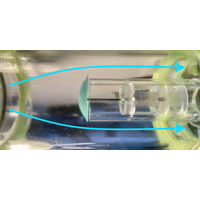
Phys. Rev. Lett. 135, 234002 (2025)
Physics of Fluids, Earth & Planetary Science, and Climate
Superconductivity Governed by Janus-Faced Fermiology in Strained Bilayer Nickelates
Article | Condensed Matter and Materials | 2025-12-05 05:00 EST
Siheon Ryee, Niklas Witt, Giorgio Sangiovanni, and Tim O. Wehling
High-temperature superconductivity in pressurized and strained bilayer nickelates has emerged as a new frontier. One of the key unresolved issues concerns the fermiology that underlies superconductivity. On both theoretical and experimental sides, no general consensus has been reached,…
Phys. Rev. Lett. 135, 236003 (2025)
Condensed Matter and Materials
Upper Critical Field and Pairing Symmetry of Ising Superconductors
Article | Condensed Matter and Materials | 2025-12-05 05:00 EST
Lena Engström, Ludovica Zullo, Tristan Cren, Andrej Mesaros, and Pascal Simon
Motivated by the fact that the measured critical field in various transition metal dichalcogenide superconductors is poorly understood, we reexamine its scaling behavior with temperature and spin-orbit coupling (SOC). By computing the spin-susceptibility in a multipocket system, we find that seg…
Phys. Rev. Lett. 135, 236004 (2025)
Condensed Matter and Materials
Slip Electron Flow in GaAs Microscale Constrictions
Article | Condensed Matter and Materials | 2025-12-05 05:00 EST
Daniil I. Sarypov, Dmitriy A. Pokhabov, Arthur G. Pogosov, Evgeny Yu. Zhdanov, Andrey A. Shevyrin, Askhat K. Bakarov, and Alexander A. Shklyaev
Hydrodynamic electron transport in solids, governed by momentum-conserving electron-electron collisions, offers a unique framework to explore collective phenomena. Within this framework, correlated electron motion is modeled as viscous fluid flow, with viscosity serving as the interaction parameter.…
Phys. Rev. Lett. 135, 236301 (2025)
Condensed Matter and Materials
Reduced Basis Method for Driven-Dissipative Quantum Systems
Article | Condensed Matter and Materials | 2025-12-05 05:00 EST
Hans Christiansen, Virgil V. Baran, and Jens Paaske
Reduced basis methods provide an efficient way of mapping out phase diagrams of strongly correlated many-body quantum systems. The method relies on using the exact solutions at select parameter values to construct a low-dimensional basis from which observables can be efficiently and reliably compute…
Phys. Rev. Lett. 135, 236503 (2025)
Condensed Matter and Materials
Spin Seebeck Effect of Triangular Lattice Spin Supersolid
Article | Condensed Matter and Materials | 2025-12-05 05:00 EST
Yuan Gao, Yixuan Huang, Sadamichi Maekawa, and Wei Li
Using thermal tensor-network approach, we investigate the spin Seebeck effect (SSE) of the triangular lattice quantum antiferromagnet hosting spin supersolid phase. We focus on the low-temperature scaling behaviors of the normalized spin current across the interface. For the 1D Heisenberg chain, we …
Phys. Rev. Lett. 135, 236504 (2025)
Condensed Matter and Materials
Inverse Thermodynamic Uncertainty Relation and Entropy Production
Article | Statistical Physics; Classical, Nonlinear, and Complex Systems | 2025-12-05 05:00 EST
Van Tuan Vo, Andreas Dechant, and Keiji Saito
Nonequilibrium current fluctuations represent one of the central topics in nonequilibrium physics. The thermodynamic uncertainty relation (TUR) is widely acclaimed for rigorously establishing a lower bound on current fluctuations, expressed in terms of the entropy production rate and the average cur…
Phys. Rev. Lett. 135, 237104 (2025)
Statistical Physics; Classical, Nonlinear, and Complex Systems
Dynamics from the Surface to the Bulk in Ultrastable and Liquid-Cooled Oligomeric Glasses
Article | Polymers, Chemical Physics, Soft Matter, and Biological Physics | 2025-12-05 05:00 EST
Iain McKenzie, Victoria L. Karner, Ruohong Li, W. Andrew MacFarlane, Gerald D. Morris, Michael F. Thees, John O. Ticknor, and James A. Forrest
Specific preparation and thermal history lock oligomeric glasses into distinct regions of the potential energy landscape, giving rise to fundamentally different dynamics.
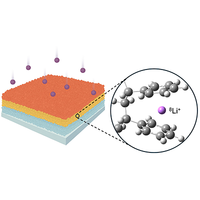
Phys. Rev. Lett. 135, 238101 (2025)
Polymers, Chemical Physics, Soft Matter, and Biological Physics
Physical Review X
From Strong to Weak Correlations in Breathing-Mode Kagome van der Waals Materials: ${\mathrm{Nb}}{3}(\mathrm{F},\mathrm{Cl},\mathrm{Br},\mathrm{I}{)}{8}$ as a Robust and Versatile Platform for Many-Body Engineering
Article | 2025-12-05 05:00 EST
Joost Aretz, Sergii Grytsiuk, Xiaojing Liu, Giovanna Feraco, Chrystalla Knekna, Muhammad Waseem, Zhiying Dan, Marco Bianchi, Philip Hofmann, Mazhar N. Ali, Mikhail I. Katsnelson, Antonija Grubišić-Čabo, Hugo U. R. Strand, Erik G. C. P. van Loon, and Malte Rösner
Calculations and experiments show that in layered NbX compounds, changing the halogen element or thickness continuously tunes electron correlations, transforming the materials from weakly correlated band insulators to strongly correlated Mott insulators.
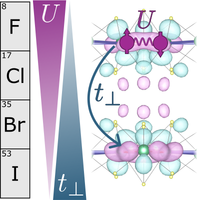
Phys. Rev. X 15, 041042 (2025)
Nonmonotonic Band Flattening near the Magic Angle of Twisted Bilayer ${\mathrm{MoTe}}_{2}$
Article | 2025-12-05 05:00 EST
Yujun Deng, William Holtzmann, Ziyan Zhu, Timothy Zaklama, Paulina Majchrzak, Takashi Taniguchi, Kenji Watanabe, Makoto Hashimoto, Donghui Lu, Chris Jozwiak, Aaron Bostwick, Eli Rotenberg, Liang Fu, Thomas P. Devereaux, Xiaodong Xu, and Zhi-Xun Shen
Angle-resolved photoemission measurements reveal that twisting bilayer MoTe to about 2 flattens its valence band and enhances electron localization, pinpointing the "magic angle" where correlated quantum phases are most likely to emerge.
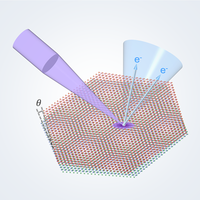
Phys. Rev. X 15, 041043 (2025)
arXiv
Double Perovskites K2NbTaO6 and Rb2NbTaO6 from First-Principles: Towards Efficient Materials for Green Energy
New Submission | Materials Science (cond-mat.mtrl-sci) | 2025-12-05 20:00 EST
Ouendadji Salima, Aissani Ali, El Haj Hassan Fouad, Benahmedi Lakhdar
The structural flexibility and multifunctional nature of double perovskite oxides make them attractive for applications requiring coupled optical, mechanical, and thermal performance. Using first-principles computations, this study examines the structural, electronic, elastic, optical, and thermoelectric stability of K2NbTaO6 and Rb2NbTaO6. The two compounds combine to form a cubic double perovskite structure with ordered Nb$ ^{5+}$ and Ta$ ^{5+}$ cations. The calculated elastic constants satisfy the Born stability criteria, confirming mechanical stability; however, both K2NbTaO6 and Rb2NbTaO6 exhibit brittle behavior according to Pugh’s ratio, reflecting limited ductility. Semiconducting behavior is revealed by band structure analysis with energy gaps of 2.79 eV for K2NbTaO6 and 2.63 eV for Rb2NbTaO6. Optical spectra show noticeable absorption in the high-energy region near the UV, indicating relevance for theoretical studies of optoelectronic and photocatalytic processes, without implying practical device efficiency. Therm
Materials Science (cond-mat.mtrl-sci), Computational Physics (physics.comp-ph)
10 pages, 5 figures, Accepted manuscript, submitted to Computational Condensed Matter
Symmetry-enforced Fermi surfaces
New Submission | Strongly Correlated Electrons (cond-mat.str-el) | 2025-12-05 20:00 EST
Minho Luke Kim, Salvatore D. Pace, Shu-Heng Shao
We identify a symmetry that enforces every symmetric model to have a Fermi surface. These symmetry-enforced Fermi surfaces are realizations of a powerful form of symmetry-enforced gaplessness. The symmetry we construct exists in quantum lattice fermion models on a $ d$ -dimensional Bravais lattice, and is generated by the onsite U(1) fermion number symmetry and non-onsite Majorana translation symmetry. The resulting symmetry group is a non-compact Lie group closely related to the Onsager algebra. For a symmetry-enforced Fermi surface $ \cal{F}$ , we show that this UV symmetry group always includes the subgroup of the ersatz Fermi liquid L$ _{\cal{F}}$ U(1) symmetry group formed by even functions $ {f(\mathbf{k})\in\mathrm{U}(1)}$ with $ {\mathbf{k}\in \cal{F}}$ . Furthermore, we comment on the topology of these symmetry-enforced Fermi surfaces, proving they generically exhibit at least two non-contractible components (i.e., open orbits).
Strongly Correlated Electrons (cond-mat.str-el), Mesoscale and Nanoscale Physics (cond-mat.mes-hall), High Energy Physics - Lattice (hep-lat), High Energy Physics - Theory (hep-th)
7 pages plus appendices, 1 figure
Quantum geometry and linear orbital response in arbitrary $SU(2)$ representation
New Submission | Mesoscale and Nanoscale Physics (cond-mat.mes-hall) | 2025-12-05 20:00 EST
We develop a unified framework to compute band-geometric quantities in multiband systems whose low-energy Hamiltonians realize arbitrary $ SU(2)$ representations. Exploiting the presence of a quantization axis, we use the Wigner–Eckart theorem to identify the allowed interband matrix elements and obtain compact analytic expressions for the quantum geometric tensor, the orbital magnetic moment, and the resulting orbital transport coefficients. The formalism applies to both multifold fermions and gapped $ SU(2)$ models. Its versatility is demonstrated through explicit calculations in representative $ SU(3)$ and $ SU(4)$ settings, where orbital Edelstein and orbital Hall responses arise naturally from the antisymmetric components of the band geometry. Our results reveal a universal link between the algebraic structure of the Hamiltonian and emergent orbitronic phenomena.
Mesoscale and Nanoscale Physics (cond-mat.mes-hall)
6 pages, 2 figures
Deformed LDPC codes with spontaneously broken non-invertible duality symmetries
New Submission | Strongly Correlated Electrons (cond-mat.str-el) | 2025-12-05 20:00 EST
Pranay Gorantla, Tzu-Chen Huang
Low-density parity check (LDPC) codes are a well known class of Pauli stabiliser Hamiltonians that furnish fixed-point realisations of nontrivial gapped phases such as symmetry breaking and topologically ordered (including fracton) phases. In this work, we propose symmetry-preserving deformations of these models, in the presence of a transverse field, and identify special points along the deformations with interesting features: (i) the special point is frustration-free, (ii) its ground states include a product state and the code space of the underlying code, and (iii) it remains gapped in the thermodynamic (infinite volume) limit. So the special point realises a first-order transition between (or the coexistence of) the trivial gapped phase and the nontrivial gapped phase associated with the code. In addition, if the original model has a non-invertible duality symmetry, then so does the deformed model. In this case, the duality symmetry is spontaneously broken at the special point, consistent with the associated anomaly.
A key step in proving the gap is a coarse-graining/blocking procedure on the Tanner graph of the code that allows us to apply the martingale method successfully. Our model, therefore, provides the first application of the martingale method to a frustration-free model, that is not commuting projector, defined on an arbitrary Tanner graph.
We also discuss several familiar examples on Euclidean spatial lattice. Of particular interest is the 2+1d transverse field Ising model: while there is no non-invertible duality symmetry in this case, our results, together with known numerical results, suggest the existence of a tricritical point in the phase diagram.
Strongly Correlated Electrons (cond-mat.str-el), High Energy Physics - Theory (hep-th), Quantum Physics (quant-ph)
53+1 pages, 3 figures
Andreev Optoelectronics
New Submission | Mesoscale and Nanoscale Physics (cond-mat.mes-hall) | 2025-12-05 20:00 EST
Benjamin Remez, Pouyan Ghaemi, Jay D. Sau, Mohammad Hafezi
Superconducting weak-link junctions host electron–hole hybridized excitations called Andreev bound states. These have attracted significant interest for the role they play in the device microelectronic operation and for quantum information applications. Andreev physics has so far been synonymous with the microwave range. However, the maturation of superconductor–semiconductor hybrid junctions opens the door to the characterization, and manipulation, of Andreev states by light. Here we introduce a model for light–Andreev interaction, with distinct features: Electrons transitioning into Andreev levels can sidestep Pauli exclusion, resulting in two optical absorption resonances separated by twice the bound state energy. One resonance populates the Andreev state and the other empties it; pumping both resets the junction and prevents saturation. Given their natural microwave coupling, we show how Andreev bound states can operate as optical–to–microwave transducers. We illustrate these effects with realistic device parameters. Our results highlight the possibilities in the new field of Andreev optoelectronics.
Mesoscale and Nanoscale Physics (cond-mat.mes-hall)
5+2 pages, 3+2 figures
2D Helical Twist Controls Tricritical Point in an Interacting Majorana Chain
New Submission | Strongly Correlated Electrons (cond-mat.str-el) | 2025-12-05 20:00 EST
We analyze a series of interacting Majorana Fermion chains with finite range pair interactions with coupling strength $ g$ that all exhibit a tri-critical point that separates an Ising critical phase from a supersymmetric gapped phase. We first notice that the interacting models exhibit an even-odd asymmetry depending on the number of sites, $ \delta$ , over which the interaction ranges. The even case exhibits competing order, thereby making it numerically untractable while the odd case exhibits an exactly solvable point at $ g=-0.5$ where the entanglement entropy vanishes. By introducing a swirling geometrical twist, we map our 1D $ \delta$ -range chains to a series of 2D $ \delta/2$ -width models. Our new 2D models possess a unique helical boundary condition, constructed from 1D chains with the end of one connected to the start of another. We propose that the phase transition in the 1D system can be understood as a finite-system size transition in 2D. That is, the $ g_c-\delta$ behavior is controlled by a 2D tri-critical universality class at $ \delta\to\infty$ limit and is predicted by finite-size scaling theory.
Strongly Correlated Electrons (cond-mat.str-el)
Phase Transitions without gap closing in monitored quantum mean-field systems
New Submission | Statistical Mechanics (cond-mat.stat-mech) | 2025-12-05 20:00 EST
Luca Capizzi, Riccardo Travaglino
We investigate the monitored dynamics of many-body quantum systems in which projective measurements of extensive operators are alternated with unitary evolution. Focusing on mean-field models characterized by all-to-all interactions, we develop a general framework that captures the thermodynamic limit, where a semiclassical description naturally emerges. Remarkably, we uncover novel stationary states, distinct from the conventional infinite-temperature state, that arise upon taking the infinite-volume limit. Counterintuitively, this phenomenon is not linked to the closing of the Lindbladian gap in that limit. We provide analytical explanation for this unexpected behavior.
Statistical Mechanics (cond-mat.stat-mech), Quantum Physics (quant-ph)
5 pages + appendices, 3 figures
Characterizing Defect Dynamics in Silicon Carbide Using Symmetry-Adapted Collective Variables and Machine Learning Interatomic Potentials
New Submission | Materials Science (cond-mat.mtrl-sci) | 2025-12-05 20:00 EST
Soumajit Dutta, Cunzhi Zhang, Gustavo Perez Lemus, Juan J. de Pablo, Francois Gygi, Giulia Galli, Andrew L. Ferguson
Silicon carbide (SiC) divacancies are attractive candidates for spin defect qubits possessing long coherence times and optical addressability. The high activation barriers associated with SiC defect formation and motion pose challenges for their study by first-principles molecular dynamics. In this work, we develop and deploy machine learning interatomic potentials (MLIPs) to accelerate defect dynamics simulations while retaining ab initio accuracy. We employ an active learning strategy comprising symmetry-adapted collective variable discovery and enhanced sampling to compile configurationally diverse training data, calculation of energies and forces using density functional theory (DFT), and training of an E(3)-equivariant MLIP based on the Allegro model. The trained MLIP reproduces DFT-level accuracy in defect transition activation free energy barriers, enables the efficient and stable simulation of multi-defect 216-atom supercells, and permits an analysis of the temperature dependence of defect thermodynamic stability and formation/annihilation kinetics to propose an optimal annealing temperature to maximally stabilize VV divacancies.
Materials Science (cond-mat.mtrl-sci), Chemical Physics (physics.chem-ph)
Enhancing solar cell efficiency of AlxIn1-xN/Si heterojunctions using an a-Si buffer: A study of material, interface and device properties
New Submission | Materials Science (cond-mat.mtrl-sci) | 2025-12-05 20:00 EST
M. Sun, R. G. Cornejo, M. de la Mata, S. I. Molina, B. Damilano, S. Valdueza-Felip, F. B. Naranjo
This study explores the impact of an optimized amorphous silicon (a-Si) buffer layer on AlxIn1-xN-on-Si(100) heterojunction solar cells, with Al content varying from 0% (InN) to 55%. The buffer layer improves the structural quality of the AlInN layer, as evidenced by reduced full width at half maximum values in X-ray diffraction rocking curves around the AlInN (0002) peak. Atomic force microscopy reveals that the buffer layer does not alter surface roughness. The effectiveness of the a-Si buffer is demonstrated by an enhancement of the conversion efficiency under AM1.5G illumination from 3.3 % to 3.9 % for devices with 35 % Al. Looking at the effect of the Al content in devices with the a-Si buffer, the device with 22% Al shows the best photovoltaic performance, with a conversion efficiency of 4.1 % and a VOC of 0.42 V, JSC of 15.4 mA/cm2, and FF of 63.3%. However, performance declines for Al contents above 36% due to increased resistivity and reduced carrier concentration. These findings highlight the critical role of the novel a-Si buffer layer developed by RF-sputtering and the Al content in optimizing AlInN/Si heterojunction solar cell performance.
Materials Science (cond-mat.mtrl-sci), Applied Physics (physics.app-ph)
Ferroelectric Hysteresis in Superconducting Bilayers
New Submission | Superconductivity (cond-mat.supr-con) | 2025-12-05 20:00 EST
Yanfang Li, Xin-Zhi Li, Wen-Yu He
Recently, coexisting ferroelectricity and superconductivity were reported in bilayer T$ {\textrm{d}}$ -MoTe$ 2$ and twisted bilayer graphene. Importantly, it was observed that an applied displacement field switches the superconductivity with a ferroelectric hysteresis. Such direct coupling between the ferroelectricity and superconductivity offers promising pathways for developing low-power, non-volatile memory devices. However, the coupling mechanism between the ferroelectricity and superconductivity remains poorly understood. In this work, we demonstrate that in a superconducting bilayer, the hysteretic switching of superconductivity can arise from an interlayer pairing. By deriving the Landau Ginzburg free energy expansion for the interlayer pairing, we show that along the ferroelectric hysteresis loop, the hysteretic exceeding of the critical polarization $ P{\textrm{c}}$ that destroys the interlayer pairing leads to the hysteretic switching of superconductivity. The condition to have a ferroelectric hysteretic superconducting state is established to be $ P{\textrm{r}}<P_{\textrm{c}}<P_{\textrm{s}}$ , where $ P_{\textrm{r}}$ and $ P_{\textrm{s}}$ denote the remanent and saturated polarization, respectively. Crucially, our scenario of interlayer pairing yields two predictions: (1) an enhancement of the upper critical displacement field with stronger interlayer coupling and (2) a pronounced, gate-tunable interlayer crossed Andreev reflection, both of which provide clear pathways for experimental verification.
Superconductivity (cond-mat.supr-con), Mesoscale and Nanoscale Physics (cond-mat.mes-hall)
6 pages, 3 figures. Comments are welcome
More is different: How chemical complexity influences stability in high entropy oxides
New Submission | Materials Science (cond-mat.mtrl-sci) | 2025-12-05 20:00 EST
Ksenia Khoroshun, Mario U. González-Rivas, Alannah M. Hallas
Tailoring the chemical composition of a high entropy oxide (HEO) is a powerful approach to enhancing desirable material properties. However, the targeted synthesis of HEO materials is often hindered by competing stabilizing and destabilizing factors, which are difficult to predict. This work examines the effects of increased configurational entropy on the phase formation and stability of four notable complex oxide families: perovskite ($ AB$ O$ _3$ }), pyrochlore ($ A_2B_2$ O$ _7$ ), Ruddlesden-Popper ($ A_2B$ O$ _4$ ), and zirconium tungstate ($ AB_2$ O$ _8$ ). Each of these structures has a tetravalent cation site, which we attempt to substitute with an entropic mixture of four cations, benchmarked by the parallel synthesis of a non-disordered reference compound. While all four target high entropy materials can be expected to form based on ionic radii criteria, only the high entropy perovskite Ba(Ti,Zr,Hf,Sn)O$ _3$ is successfully synthesized. In the case of the pyrochlore, an entropy-stabilized defect fluorite is formed instead, while the Ruddlesden-Popper phase co-exists with multiple competing phases. For the tungstate, an unexpected deep eutectic point between the precursors results in melting that precedes the formation of a high entropy phase. Our case studies therefore illustrate that the stability of HEOs cannot be straightforwardly predicted based on ionic radii, lattice geometry, and charge-balancing considerations alone due to the underlying complexity of the interactions between the many chemical constituents.
Materials Science (cond-mat.mtrl-sci), Chemical Physics (physics.chem-ph)
Electrical Conductivity of Copper-Graphene (Cu-Gr) Composites: The Underlying Mechanisms of Ultrahigh Conductivity
New Submission | Materials Science (cond-mat.mtrl-sci) | 2025-12-05 20:00 EST
Jiali Yao, Uschuas Dipta Das, Hamid Safari, Md Ashiqur Rahman Laskar, Junghoon Yeom, Umberto Celano, Wonmo Kang
Copper-graphene composite (CGC) conductors are widely considered as a potential alternative to pure copper (Cu). Yet, the effect of graphene (Gr) on the electrical conductivity of CGCs remains elusive, and their electrical performance is still controversial. This work addresses these unresolved questions by unambiguously quantifying how the electrical properties of CGCs depend on the characteristics of Gr and Cu. Gr is synthesized on Cu foils, foams, and wires by utilizing a wide range of chemical vapor deposition conditions to independently control their characteristics. Then the Gr-enhanced electrical conductivity ({\Delta}{\sigma}) is characterized for CGCs with different Cu geometries and Gr qualities. This study confirms that unprecedented electrical conductivity ({\Delta}{\sigma} = 17.1%) can be achieved only when both Gr and Cu are carefully optimized. Specifically, the study reveals three key factors: (1) {\Delta}{\sigma} is positively correlated with continuity of Gr; (2) CGCs with a continuous monolayer Gr exhibit a strong {\Delta}{\sigma}-A_s linear relation where A_s is the specific surface area of a CGC; and (3) {\Delta}{\sigma} becomes more pronounced when a Cu matrix has a curved cross-section. This work reveals the fundamental mechanisms of how Gr influences the overall electrical conductivity of CGCs and, therefore, is a crucial step toward designing and manufacturing high-performance CGC conductors for emerging applications.
Materials Science (cond-mat.mtrl-sci)
22 pages, 5 figures, Submitted to Small
Local expression of fractional corner charges in obstructed atomic insulators and its application to vertex-transitive polyhedra with arbitrary genus
New Submission | Materials Science (cond-mat.mtrl-sci) | 2025-12-05 20:00 EST
Hidetoshi Wada, Shuichi Murakami
In obstructed atomic insulators, fractional charges appear at the corners of the crystals in the shapes of vertex-transitive polyhedra, and are given by the filling anomaly divided by the number of corners. Recent studies reveal that the filling anomaly for the cases with genus $ 0$ is universally given by the total charge at the Wyckoff position $ 1a$ . In this study, we rewrite the formula in terms of the degree of sharpness of the corner, and show that the corner charge formula also holds for cases with arbitrary genus. We also extend our formula to vertex-transitive shell polyhedra, which are closed or open polyhedra without the bulk region, with all the vertices related by symmetry. Then, we show that the corner charges of such shell polyhedra are equal to the two-dimensional disclination charges of the corresponding disclinations. By identifying it with the disclination charge under the Wen-Zee action, we show that the coupling constant of the Wen-Zee action for a crystalline insulator is given by the total charge at the Wyckoff position at the disclination core.
Materials Science (cond-mat.mtrl-sci)
14 pages, 12 figures
Collective adsorption of pheromones at the water-air interface
New Submission | Soft Condensed Matter (cond-mat.soft) | 2025-12-05 20:00 EST
Ludovic Jami (1), Bertrand Siboulet (2), Thomas Zemb (2), Jérôme Casas (3), Jean-François Dufrêche (2) ((1) Aix Marseille Univ CNRS Centrale Med IRPHE Marseille France, (2) ICSM CEA CNRS ENSCM Univ Montpellier Marcoule France, (3) Institut de Recherche sur la Biologie de l’Insecte CNRS-Université de Tours Tours France)
Understanding the phase behaviour of pheromones and other messaging molecules remains a significant and largely unexplored challenge, even though it plays a central role in chemical communication. Here, we present all-atom molecular dynamics simulations to investigate the behavior of bombykol, a model insect pheromone, adsorbed at the water-air interface. This system serves as a proxy for studying the amphiphilic nature of pheromones and their interactions with aerosol particles in the atmosphere. Our simulations reveal the molecular organization of the bombykol monolayer and its adsorption isotherm. A soft-sticky particle equation of state accurately describes the monolayer’s behavior. The analysis uncovers a two-dimensional liquid-gas phase transition within the monolayer. Collective adsorption stabilises the molecules at the interface and the calculated free energy gain is approximately $ 2:k_\mathrm{B}T$ . This value increases under lower estimates of the condensing surface concentration, thereby enhancing pheromone adsorption onto aerosols. Overall, our findings hold broad relevance for molecular interface science, atmospheric chemistry, and organismal chemical communication, particularly in highlighting the critical role of phase transition phenomena.
Soft Condensed Matter (cond-mat.soft), Chemical Physics (physics.chem-ph), Biomolecules (q-bio.BM)
15 pages, 5 figures
In-plane anomalous features in the 3D quantum Hall regime
New Submission | Mesoscale and Nanoscale Physics (cond-mat.mes-hall) | 2025-12-05 20:00 EST
Studies of the 3D quantum Hall effect (QHE) have primarily emphasized transport features that mimic the well-established 2D QHE. In this work, we show that qualitatively new features arise when an in-plane magnetic field is applied to a 3D Weyl semimetal in the quantum Hall regime. An unexpected Hall quantum oscillation, distinct from the Weyl-orbit oscillation, coexists with the QHE, along with an unquantized two-terminal magnetoresistance. Moreover, unconventional antichiral transmission enables a peculiar disorder-robust negative longitudinal resistance. Quantization tunable by the lead configuration is further found in this transport geometry. A unique type of nonlocal quantum backscattering channels underlies these phenomena. Our work demonstrates a breakdown of the topological characterization of transport even with 3D Chern numbers and reveals hidden 3D QHE transport properties. It opens a new class of transport measurements and phenomena.
Mesoscale and Nanoscale Physics (cond-mat.mes-hall), Materials Science (cond-mat.mtrl-sci), Quantum Physics (quant-ph)
6+17 pages, Phys. Rev. Lett. in press
Evidence of a two-dimensional nitrogen crystalline structure on silver surfaces
New Submission | Materials Science (cond-mat.mtrl-sci) | 2025-12-05 20:00 EST
Xuegao Hu, Haijun Cao, Zhicheng Gao, Hui Zhou, Daiyu Geng, Dong Li, Jisong Gao, Qiaoxiao Zhao, Zhihao Cai, Peng Cheng, Lan Chen, Sheng Meng, Kehui Wu, Baojie Feng
Nitrogen, the most abundant element in Earth’s atmosphere, exists as a diatomic gas under standard temperature and pressure. In the two-dimensional (2D) limit, atomically thin nitrogen, termed nitrogene, has been theoretically predicted to form crystalline materials with various polymorphic configurations, exhibiting diverse chemical and physical properties. However, the synthesis of nitrogene has remained elusive due to the strong nitrogen-nitrogen triple bonds. Here, we report experimental evidence of the formation of nitrogen-based crystalline structures compatible with nitrogene on silver surfaces via ion-beam-assisted epitaxy. Through a combination of scanning tunneling microscopy, angle-resolved photoemission spectroscopy, and first-principles calculations, we demonstrate that the nitrogene-like structure adopts a puckered honeycomb lattice. Notably, our calculations predict a nitrogene band gap of up to 7.5 eV, positioning it as a promising candidate for ultraviolet optoelectronic devices and high-k dielectric applications.
Materials Science (cond-mat.mtrl-sci), Mathematical Physics (math-ph)
Nature Communications; In Press
A Kinetic Criterion for Stokes-Einstein Relation Breakdown Based on Effective Collisional Geometry
New Submission | Soft Condensed Matter (cond-mat.soft) | 2025-12-05 20:00 EST
Here we propose a kinetic framework for interpreting the Stokes-Einstein (SE) relation breakdown in supercooled liquids by introducing an effective collision diameter, $ d_{\mathrm{eff}}$ , derived from transport data. Numerical simulation of a model CuZr alloy reveal that $ d_{\mathrm{eff}}$ increases upon cooling but saturates near the first peak of the radial distribution function just before SE breakdown. This saturation defines a geometric upper bound for the collisional cross-section beyond which further slowdown is governed by cooperative, heterogeneous motion rather than local collisional transport. Our analysis yields a compact criterion for SE breakdown in a mean-field perspective and provides physically interpretable inputs for future data-driven models of glassy dynamics.
Soft Condensed Matter (cond-mat.soft), Disordered Systems and Neural Networks (cond-mat.dis-nn)
6 pages, 2 figures, 1 table
Preparation and magnetic properties of (Ln0.2La0.2Nd0.2Sm0.2 Eu0.2)MnO3 (Ln = Dy, Ho, Er) high-entropy perovskite ceramics containing heavy rare earth elements
New Submission | Materials Science (cond-mat.mtrl-sci) | 2025-12-05 20:00 EST
Jiedong Qin, Xingmin Feng, Zhiqin Wen, Li Tang, Defeng Long, Yuhong Zhao
Equimolar ratio high-entropy perovskite ceramics (HEPCs) have attracted much attention due to their excellent magnetization intensity. To further enhance their magnetization intensities, (Ln0.2La0.2Nd0.2Sm0.2Eu0.2)MnO3 (Ln = Dy, Ho and Er, labeled as Ln-LNSEMO) HEPCs are designed based on the configuration entropy Sconfig, tolerance factor t, and mismatch degree. Single-phase HEPCs are synthesized by the solid-phase method in this work, in which the effects of the heavy rare-earth elements Dy, Ho and Er on the structure and magnetic properties of Ln-LNSEMO are systematically studied. The results show that all Ln-LNSEMO HEPCs exhibit high crystallinity and maintain excellent structural stability after sintering at 1250 degree centigrade for 16 h. Ln-LNSEMO HEPCs exhibit significant lattice distortion effects, with smooth surface morphology, clearly distinguishable grain boundaries, and irregular polygonal shapes. The three high-entropy ceramic samples exhibit hysteresis behavior at T = 5 K, with the Curie temperature TC decreasing as the radius of the introduced rare-earth ions decreases, while the saturation magnetization and coercivity increase accordingly. When the average ionic radius of A-site decreases, the interaction between their valence electrons and local electrons in the crystal increases, thereby enhancing the conversion of electrons to oriented magnetic moments under an external magnetic field. Thus, Er-LNSEMO HEPC shows a higher saturation magnetization strength (42.8 emu/g) and coercivity (2.09 kOe) than the other samples, which is attributed to the strong magnetic crystal anisotropy, larger lattice distortion (0.00652), smaller average grain size (440.49 plus or minus 22.02 nm), unit cell volume (229.432 A3) and A-site average ion radius (1.24 A) of its magnet. The Er-LNSEMO HEPC has potential applications in magnetic recording materials.
Materials Science (cond-mat.mtrl-sci)
Acta Physica Sinica, 2025, 74(13): 138101
Ultrafast transient absorption spectroscopy of 2D semiconductors: a review
New Submission | Mesoscale and Nanoscale Physics (cond-mat.mes-hall) | 2025-12-05 20:00 EST
Despite the decades that have passed since the discovery of ultrafast transient absorption spectroscopy and its apparent simplicity, this method is still often subject to experimental errors and misinterpretations when applied to 2D semiconductors. The reason for this lies not only in the unique nature of these extremely thin samples, but also in the different experimental configurations and data processing methods used. Moreover, since this type of spectroscopy was originally used to characterize the ultrafast relaxation dynamics of photoexcited carriers in chemical compounds, colloidal nanostructures and gas molecules, a purely ‘molecular’ approach to interpreting transient absorption spectra of 2D semiconductors is often proposed. However, this approach is fundamentally inapplicable to thin-film semiconductors grown or mechanically exfoliated on transparent substrates. This review considers the recent experimental results of ultrafast transient absorption spectroscopy of 2D semiconductors in a wide spectral range from several THz to UV (~1000 THz) based on the ‘solid-state’ approach to their interpretation. We also highlight typical errors that arise in measuring, processing and interpreting transient absorption spectra of 2D semiconductors.
Mesoscale and Nanoscale Physics (cond-mat.mes-hall)
J. Phys.: Condens. Matter 37 463002 (2025)
From informal markets to Limit Order Book dynamics: a mean field connection
New Submission | Statistical Mechanics (cond-mat.stat-mech) | 2025-12-05 20:00 EST
Alvaro Navarro-Rubio, Alejandro Lage-Castellanos
We propose a unified mean-field framework that bridges the dynamics of informal financial markets and formal markets governed by Limit Order Books (LOBs). Both settings are modeled as interacting particle systems on a 1D price lattice, with temporal evolution described by master equations that account for new entries, cancellations, and executions. The key insight is the introduction of a preferential interaction parameter $ \Psi$ , which modulates the likelihood of transactions based on price compatibility: when $ \Psi=0$ , interactions are random and uncoordinated, reproducing the structure of informal markets; as $ \Psi\to \infty$ , only optimal (most mutually attractive) trades occur, recovering LOB-like dynamics. A grand-canonical interpretation is used to identify effective thermodynamic quantities -such as interaction energy and price-dependent chemical potentials -that underlie both systems. Most results are validated through numerical integration and simulations, although an analytical solution is shown to exist at least for the symmetric stationary case of the informal market.
Statistical Mechanics (cond-mat.stat-mech)
12 pages, 13 Figures, 2 pseudocodes
General spin models from noncollinear spin density functional theory and spin-cluster expansion
New Submission | Materials Science (cond-mat.mtrl-sci) | 2025-12-05 20:00 EST
Tomonori Tanaka, Yoshihiro Gohda
We present a data-efficient framework for constructing general classical spin Hamiltonians from the spin-cluster expansion (SCE) combined with fully self-consistent noncollinear spin density functional theory (DFT). The key idea is to fit an SCE model to magnetic torques rather than to total energies. Because torques are site-resolved vectors, each configuration supplies many independent constraints, which makes the regression well conditioned and sharply reduces the number of DFT calculations needed, especially in large supercells. Applied to the B20-type chiral magnets $ {\rm Mn}{1-x}{\rm Fe}{x}{\rm Ge}$ and $ {\rm Fe}{1-y}{\rm Co}{y}{\rm Ge}$ , the resulting models nonperturbatively extract the full pairwise exchange tensor (isotropic exchange, anisotropic symmetric exchange, and the Dzyaloshinskii–Moriya interaction) and predict helical spin period via a micromagnetic mapping. The composition trends and the divergence of the period near the chirality sign change are reproduced in line with experiments. Because the SCE framework is systematic, it also enables systematic analysis of interaction order; training on increasingly disordered spin configurations shows that the lowest-order model loses torque accuracy, whereas including higher-order interactions restores predictive power. These advances enable near-DFT-accurate spin models for finite-temperature magnetism and complex textures at modest data cost, while providing a systematic, extensible, and nonperturbative route to quantitative first-principles parameterization and predictive materials design. An open-source implementation is available as the Julia package, \textit{this http URL}.
Materials Science (cond-mat.mtrl-sci)
Magnetocaloric effect measurements in ultrahigh magnetic fields up to 120 T
New Submission | Strongly Correlated Electrons (cond-mat.str-el) | 2025-12-05 20:00 EST
Reon Ogawa, Masaki Gen, Kazuyuki Matsuhira, Yoshimitsu Kohama
We report proof-of-concept measurements of the magnetocaloric effect (MCE) in ultrahigh magnetic fields up to 120 T for the classical spin-ice compound Ho$ _{2}$ Ti$ _{2}$ O$ _{7}$ . Radio-frequency resistivity measurements using an Au$ _{16}$ Ge$ _{84}$ thin-film thermometer enable us to detect a rapid change in the sample temperature associated with a crystal-field level crossing in the high-field region in addition to a giant MCE at low fields. We discuss a possible delay in the temperature response and outline prospects for more precise MCE measurements in destructive pulsed fields.
Strongly Correlated Electrons (cond-mat.str-el), Materials Science (cond-mat.mtrl-sci)
6 pages, 3 figures. Conference Proceedings
A hybrid Green-Kubo (hGK) framework for calculating viscosity from short MD simulations
New Submission | Soft Condensed Matter (cond-mat.soft) | 2025-12-05 20:00 EST
Akash K. Meel, Santosh Mogurampelly
Viscosity calculation from equilibrium molecular dynamics (MD) simulations relies on the traditional Green-Kubo (GK) framework, which integrates the stress autocorrelation function (SACF) over time. While the formalism is exact in the linear response regime, the traditional approach often suffers from poor convergence and requires extensive phase space sampling, which is computationally demanding for soft matter and polymer systems. In this Letter, we introduce a hybrid Green-Kubo (hGK) framework that alleviates these limitations by partitioning the SACF into two physically meaningful regimes: (i) a short time ballistic component extracted directly from short MD simulations, and (ii) a long time relaxation tail represented using analytically motivated functions, $ \phi(\tau)$ , fitted only to short trajectories. This strategy bypasses the need for extensive sampling while preserving physical rigor. Benchmarking against SPC/E water confirms excellent agreement with established results, and we further demonstrate the efficacy of the method for challenging electrolyte systems (EC-LiTFSI and PEO-LiTFSI), for which the GK framework fails to converge. The computational savings are substantial, with reductions of several orders of magnitude in required sampling, achieved without compromising predictive accuracy. We also discuss the limitations of the hGK framework and outline clear avenues for refinement, including optimal tail selection and robust identification of relaxation regimes in noisy stress data. The hGK framework presented in this Letter provides a conceptually simple, broadly applicable, and computationally efficient route for viscosity prediction in molecular liquids, polymer melts, and ionically conducting soft materials.
Soft Condensed Matter (cond-mat.soft), Computational Physics (physics.comp-ph)
Coulomb drag driven electron-hole bifluidity in doped graphene
New Submission | Materials Science (cond-mat.mtrl-sci) | 2025-12-05 20:00 EST
Dwaipayan Paul, Nakib H. Protik
Motivated by the notion that a preponderance of Coulomb interactions might lead to hydrodynamics, we carry out an ab initio calculation of the charge carrier transport properties of the electron-hole plasma of doped graphene. We include both the phonon and Coulomb interactions within a momentum and band resolved Boltzmann transport formalism. We find that, under suitable conditions, the strong Coulomb drag effect induces effects like negative conductivity and joint electron-hole hydrodynamics (bifluidity) in the plasma. We also identify the exclusive electron or hole hydrodynamics. We find that there is a strong violation of the Wiedemann-Franz law in the low doped regimes. Our work elucidates the roles of the microscopic scattering mechanisms that drive these hydrodynamic phenomena.
Materials Science (cond-mat.mtrl-sci)
Phase transitions on the dark side of the Gross-Neveu model
New Submission | Strongly Correlated Electrons (cond-mat.str-el) | 2025-12-05 20:00 EST
Gabriel Osiander Rein, Fakher F. Assaad, Igor F. Herbut
Gross-Neveu model in 2+1 dimensions exhibits a continuous transition from gapless Dirac semimetal to the gapped quantum anomalous Hall (QAH) insulator at a finite (attractive) coupling, at which the inversion and time-reversal symmetry become spontaneously broken, and the flavor O($ M$ ) symmetry remains preserved. A unification of leading order parameters of 2+1 dimensional $ N$ four-component Dirac fermions collects all Lorentz-singlet mass-like fermion bilinears, except the one condensing in the QAH state, into an irreducible representation of the O($ M=4N$ ), and predicts another phase transition in the Gross-Neveu model to occur at a strong (repulsive) coupling. Here, a fermionic auxiliary-field quantum Monte Carlo algorithm is employed in order to study a lattice realization of the Gross-Neveu field theory in the repulsive regime, where the sign problem is absent. We indeed find the O($ 4N$ ) symmetry breaking transition out of Dirac semimetal to occur and to be weakly first-order for $ N=2$ , relevant to graphene. The size of the discontinuity and the magnitude of the critical coupling, however, both grow with $ N$ . Adding a finite chemical potential is found to break the symmetry and cause superconductivity. These results are in broad agreement with the predictions of the unified field theory. Our lattice model also displays an interesting exact O($ 2N$ ) symmetry, a subgroup of the low-energy O($ 4N$ ), and has the ordered ground state with the order parameter that belongs to its $ N(2N-1)$ -dimensional representation. Other order parameters are also examined, and a certain hierarchy among those that belong to different representations of the exact $ O(2N)$ is observed.
Strongly Correlated Electrons (cond-mat.str-el)
9 pages, 4 figures
Hole to Electron Crossover in a (Cd,Mn)Te Quantum Well through Surface Metallization
New Submission | Mesoscale and Nanoscale Physics (cond-mat.mes-hall) | 2025-12-05 20:00 EST
Amadeusz Dydniański, Mateusz Raczyński, Aleksandra Łopion, Tomasz Kazimierczuk, Jacek Kasprzak, Karolina Ewa Połczyńska, Wojciech Pacuski, Piotr Kossacki
In this work we look into how the contact material influences the local charge properties of a p-type CdTe-based quantum well. We study five metals deposited as 10 nm layers on the sample surface: Au, Ag, Cr, Ni and Ti. We use magneto-spectroscopy to discriminate their charge states through monitoring the Zeeman shifts at singlet-triplet transitions. Most tested metals retain the original p-type of the QW, while gold and nickel coverage flips the local doping to n-type. This is attributed to a robust bonding of these two metals to the semiconductor, efficiently passivating its surface and thus improving electron diffusion from the metal to the quantum well.
Mesoscale and Nanoscale Physics (cond-mat.mes-hall)
Persson’s Theory of Purely Normal Elastic Rough Surface Contact: A Tutorial Based on Stochastic Process Theory
New Submission | Statistical Mechanics (cond-mat.stat-mech) | 2025-12-05 20:00 EST
Yang Xu, Xiaobao Li, Qi Chen, Yunong Zhou
Persson’s theory of purely normal rough surface contact was developed two decades ago during the study of tire-road interaction, and gradually became one of the dominant approaches to study the solid-solid interaction between rough surfaces. Contrary to its popular applications in various cross-disciplinary fields, the fundamental study of Persson’s theory of contact attracted little attention from the tribology and contact mechanics communities. As far as the authors know, many researchers struggle to understand the derivation of the theory. Few attempts have been made to clarify the oversimplified derivation provided by Persson (Persson, 2001). The present work provides a detailed tutorial on Persson’s theory, which does not simply follow the commonly adopted derivation initiated by Persson. A new derivation is given based on stochastic process theory, assuming that the variation of the random contact pressure with respect to scale is a Markov process. We revisit the essential assumptions utilized to derive the diffusion equation, boundary conditions, drift and diffusion coefficients, and closed-form results. This tutorial can serve as a self-consistent introduction for solid mechanicians, tribologists, and postgraduate students who are not familiar with Persson’s theory, or who struggle to understand it.
Statistical Mechanics (cond-mat.stat-mech), Applied Physics (physics.app-ph)
Int. J. Solids Struct. 112684 (2024)
Collective cluster nucleation dynamics in 2D Ising quantum magnets
New Submission | Quantum Gases (cond-mat.quant-gas) | 2025-12-05 20:00 EST
Philip Osterholz, Fabio Bensch, Shuanghong Tang, Silpa Baburaj Sheela, Igor Lesanovsky, Christian Groß
Strongly interacting many-body systems often show collective properties that are non-trivially related to the microscopic degrees of freedom. Collectivity is responsible for intriguing ground state properties, for example, in superconductors. However, collective effects may also govern the non-equilibrium response of quantum systems, not only in condensed matter physics but also in quantum field theories modeling the properties of our universe. Understanding emergent collective dynamics from first principles, in particular in non-perturbative regimes, is therefore one of the central challenges in quantum many-body physics. Here we report on the observation of collective cluster nucleation in 2D quantum Ising systems realized in an atomic Rydberg array. We observe a confined regime in which the steady-state cluster size is energy-dependent and a deconfined regime characterized by kinetically constrained dynamics of cluster nucleation. Our results mark a qualitative leap for quantum simulations with Rydberg arrays and shed light on highly collective non-equilibrium processes in one of the most important textbook models of condensed matter physics with relevance from quantum magnets and the kinetics of glass formers to cosmology.
Quantum Gases (cond-mat.quant-gas), Quantum Physics (quant-ph)
Crossover from Universal Depinning to Free Domain-Wall Dynamics in Ultrathin Iron Garnet Films
New Submission | Other Condensed Matter (cond-mat.other) | 2025-12-05 20:00 EST
V. Jeudy, D. Gouéré, N. Beaulieu, S. Husain, R. Dıaz Pardo, A. Thiaville, J. Sampaio, J-M George, A. Anane, J. Ben Youssef
Magnetic domain walls display universal, disorder-controlled elastic dynamics at low drive, and texture-governed free motion at high drive. Here, we establish the crossover mechanism between these two regimes. Using experiments in ultrathin epitaxial iron garnet films and Landau-Lifshitz-Gilbert simulations, including disorder, thermal, and internal texture effects, we uncover a disorder- and temperature-dependent precessional flow that bridges pinned and free dynamics. We further demonstrate that the exceptionally low pinning in garnets arises from the weak coupling between domain walls and disorder, together with a correlation length that exceeds the wall width.
Other Condensed Matter (cond-mat.other), Disordered Systems and Neural Networks (cond-mat.dis-nn)
6 pages, 2 figures
Fast and efficient formation of stable tetraatomic molecules from ultracold atoms via generalized stimulated Raman exact passage
New Submission | Quantum Gases (cond-mat.quant-gas) | 2025-12-05 20:00 EST
Jia-Hui Zhang, Wen-Yuan Wang, Fu-Quan Dou
The study of the conversion of ultracold atoms into molecules has long remained a hot topic in atomic, molecular, and optical physics. However, most prior research has focused on diatomic molecules, with relatively scarce exploration of polyatomic molecules. Here we propose a two-step strategy for the formation of stable ultracold tetraatomic molecules. We first suggest a generalized nonlinear stimulated Raman exact passage (STIREP) technique for the coherent conversion of ultracold atoms to tetraatomic molecules, which is subsequently followed by a chainwise-STIREP technique to transfer the resulting molecules into a sufficiently stable ground state. Through systematic numerical analysis, we demonstrate that the proposed two-step strategy holds great potential for enabling the robust, fast, and efficient formation of stable ultracold tetraatomic molecules.
Quantum Gases (cond-mat.quant-gas), Quantum Physics (quant-ph)
Diffusive geodesics wandering in networks of rigid chains
New Submission | Disordered Systems and Neural Networks (cond-mat.dis-nn) | 2025-12-05 20:00 EST
We introduce an ensemble of spatial networks built from the junctions of hindered-rotation chains, incorporating directional correlations between bonds, an aspect ignored in the standard network modeling paradigm. The emergent random networks support geodesics with a wandering exponent $ \xi = 1/2$ , and a travel-time fluctuation exponent $ \chi = 0$ , consistent with the KPZ relation, yet violating the bound~$ \chi\geq1/8$ predicted in the Poissonian framework. Transverse deviations follow the Kolmogorov distribution, indicating similarities between Brownian bridge excursions and geodesics in a random medium with correlated edges orientations. These results reveal a new universality class of Euclidean first-passage percolation, where local orientational memory reshapes transport properties and challenges existing bounds for random spatial networks.
Disordered Systems and Neural Networks (cond-mat.dis-nn), Statistical Mechanics (cond-mat.stat-mech), Probability (math.PR)
19 pages (main text + appendix), respectively 6 and 11 figures, accepted at Phys. Rev. E
Boosting the Memory Window of Memristive Stacks via Engineered Interfaces with High Ionic Mobility
New Submission | Materials Science (cond-mat.mtrl-sci) | 2025-12-05 20:00 EST
José Diogo Costa, Daniel Veira-Canle, Noa Varela-Domínguez, Nicholas Davey, Victor Leborán, Rafael Ramos, Fèlix Casanova, Luis E. Hueso, Victor M. Brea, P. López, Francisco Rivadulla
The great potential of memristive devices for real-world applications still relies on overcoming key technical challenges, including the need for a larger number of stable resistance states, faster switching speeds, lower SET/RESET voltages, improved endurance, and reduced variability. One material optimization strategy that has still been quite overlooked is interface engineering, specifically, tailoring the electrode/dielectric interface to modulate oxygen exchange. Here, we demonstrate that introducing materials with high ionic mobility can significantly expand the accessible oxygen concentration range within the dielectric layer, significantly broadening the memory window. Using SrTiO3-based memristive stacks, we integrated an ion-conducting SrCoO3 interfacial layer to facilitate oxygen transfer, increasing the number of distinguishable resistance states from 8 to 22. This modification also reduced the SET/RESET voltage by 50% and markedly improved device endurance, albeit with a trade-off of reduced state retention. To assess the practical implications of this trade-off, we trained a two-layer fully connected neural network using the experimental SrTiO3/SrCoO3 memristor characteristics on the MNIST handwritten digit dataset. Networks with hidden-layer sizes between 64 and 256 memristive elements achieved classification errors below 7%. The observed temporal drift means the functional state must be updated at intervals of less than 1 h to maintain reliable operation. Finally, we confirmed the transferability of this interface-engineering approach by applying it to HfOx-based devices, achieving a similarly enhanced memory window.
Materials Science (cond-mat.mtrl-sci)
23 pages, 4 Figures, not submitted
Superconductivity onset above 60 K in ambient-pressure nickelate films
New Submission | Superconductivity (cond-mat.supr-con) | 2025-12-05 20:00 EST
Guangdi Zhou, Heng Wang, Haoliang Huang, Yaqi Chen, Fei Peng, Wei Lv, Zihao Nie, Wei Wang, Qi-Kun Xue, Zhuoyu Chen
Ambient-pressure superconductivity in nickelates has been capped at an onset transition temperature (Tc) of 40 K, a value that remains lower than the cuprate (133 K) and iron-based (~55 K) counterparts, despite the promise shown under high pressure. Here, we report ambient-pressure superconductivity onset at ~63 K in epitaxial (La,Pr)3Ni2O7 thin films grown under compressive strain on SrLaAlO4 substrates. This Tc leap is enabled by pushing our gigantic-oxidative atomic-layer-by-layer epitaxy (GAE) method into an extreme non-equilibrium growth regime. It leverages powerful in situ oxidation to simultaneously enhance kinetics via higher temperatures and achieve full oxygenation without post-annealing. Synchrotron X-ray diffraction and scanning transmission electron microscopy confirm that this approach yields films of large-scale crystalline purity, overcoming the inherent metastability of the strained superconducting phase. These films exhibit a systematic evolution in their normal-state resistivity-temperature curve: the power-law exponent $ \alpha$ evolves from Fermi-liquid-like ($ \alpha$ ~2) at lower Tc to strange-metal-like ($ \alpha$ ~1) in higher Tc samples, directly linking the enhanced superconductivity to non-Fermi liquid behavior. Mapping the vortex melting phase diagram by the mutual inductance technique further reveals 2D melting limit suppressed to near zero, which demonstrates significantly stronger interlayer coupling than that of cuprates. These results identify the nickelates as an anisotropic-3D high-Tc system exhibiting strange-metal behavior, presenting an alternative framework to the quasi-2D cuprate paradigm.
Superconductivity (cond-mat.supr-con)
Demonstration of surface-engineered oxidation-resistant Nb-Nb thermocompression bonding toward scalable superconducting quantum computing architectures
New Submission | Superconductivity (cond-mat.supr-con) | 2025-12-05 20:00 EST
Harsh Mishra, Yusuke Kozuka, Sathish Bonam, Jun Uzuhashi, Praveenkumar Suggisetti, Tadakatsu Ohkubo, Shiv Govind Singh
Scalable quantum computing currently requires a large array of qubit integration, but present two-dimensional interconnects face challenges such as wiring congestion, electromagnetic interference, and limited cryogenic space. To overcome this challenge, implementing three-dimensional (3D) vertical architectures becomes crucial. Niobium (Nb), due to its excellent superconducting characteristics and strong fabrication process compatibility, stands out as a prime material choice. The main challenge in Nb-Nb bonding is the presence of an oxide layer at the interface, even after post-bonding annealing across various bonding methods. The native Nb oxide forms rapidly in air, creating a resistive barrier to supercurrent flow and introducing two-level system losses that degrade qubit coherence while increasing the overall thermal budget. These issues show the need for effective surface engineering to suppress oxidation during bonding. This study introduces an ultrathin gold (Au) capping layer as a passivation strategy to prevent oxygen incorporation at the Nb surface. This approach enables low-temperature Nb-Nb thermocompression bonding at 350 °C under a reduced bonding pressure of 0.495 MPa. Detailed microstructural and interfacial analyses confirm that Au passivation effectively suppresses oxide formation and hence enhances bonding uniformity and strength with keeping the superconductivity, establishing a robust route toward low-temperature, low-pressure Nb-Nb bonding for scalable 3D superconducting quantum computing architectures.
Superconductivity (cond-mat.supr-con), Materials Science (cond-mat.mtrl-sci)
8 pages, 6 figures
Accelerating discovery of infrared nonlinear optical materials with large shift current via high-throughput screening
New Submission | Materials Science (cond-mat.mtrl-sci) | 2025-12-05 20:00 EST
Aiqin Yang, Dian Jin, Mingkang Liu, Daye Zheng, Qi Wang, Qiangqiang Gu, Jian-Hua Jiang
Discovering nonlinear optical (NLO) materials with strong shift current response, particularly in the infrared (IR) regime, is essential for next-generation optoelectronics yet remains highly challenging in both experiments and theory, which still largely relies on case by case studies. Here, we employ a high-throughput screening strategy, applying a multi-step filter to the Materials Project database (>154,000 materials), which yielded 2,519 candidate materials for detailed first-principle evaluation. From these calculations, we identify 32 NLO materials with strong shift current response ($ \sigma$ > 100 $ \mu A/V^2$ ). Our work reveals that layered structures with $ C_{3v}$ symmetry and heavy $ p$ -block elements (e.g. Te, Sb) exhibit apparent superiority in enhancing shift current. More importantly, 9 of these compounds show shift current response peaks in the IR region, with the strongest reaching 616 $ \mu A/V^2$ , holding significant application potential in fields such as IR photodetection, sensing, and energy harvesting. Beyond identifying promising candidates, this work establishes a comprehensive and high-quality first-principles dataset for NLO response, providing a solid foundation for future AI-driven screening and accelerated discovery of high-performance NLO materials, as demonstrated by a prototype machine-learning application.
Materials Science (cond-mat.mtrl-sci)
Heat transport in superionic materials via machine-learned molecular dynamics
New Submission | Materials Science (cond-mat.mtrl-sci) | 2025-12-05 20:00 EST
Wenjiang Zhou, Benrui Tang, Zheyong Fan, Federico Grasselli, Stefano Baroni, Bai Song
Precise modeling and understanding of heat transport in the superionic phase are of great interest. Although simulations combining Green-Kubo (GK) molecular dynamics with machine-learned potentials (MLPs) stand as a promising approach, substantial challenges remain due to the crucial impact of atomic diffusion. Here, we first show that the thermal conductivity ($ {\kappa}$ ) of superionic materials calculated via conventional GK integral of the energy flux varies notably with the MLP model. Subsequently, we highlight that reliable, model-independent $ \kappa$ values can be obtained by applying Onsager’s reciprocal relations to correctly capture the coupled heat and mass transport. Remarkably, an anomalously invariant $ \kappa$ is observed over a wide temperature range, distinct from the characteristic trends in traditional crystals and glasses. Finally, we illustrate that conventional $ \kappa$ decompositions into kinetic, potential, and cross terms suffer from ambiguities in the physical interpretation, despite their mathematical rigor.
Materials Science (cond-mat.mtrl-sci)
Why life is hot
New Submission | Soft Condensed Matter (cond-mat.soft) | 2025-12-05 20:00 EST
Tanja Schilling, Patrick Warren, Wilson Poon
The process of evolution by natural selection leads to fitness-maximising phenotypes. On the level of cellular chemical reaction networks, maximising fitness can mean optimising a variety of fitness functions such as robustness, precision, or sensitivity to external stimuli. Using theory and numerics, we show that these diverse goals can be achieved by a versatile, generic mechanism: coupling chemical reaction networks to reservoirs that are strongly out of equilibrium. Moreover, we demonstrate that the degree of optimality achievable by this mechanism saturates, and that nature appears to operate near saturation. We find that the amount of heat generated by this mechanism constitutes a significant fraction of the total heat produced by living organisms, so that ‘life is hot’ largely because of the need for a versatile mechanism to optimise a variety of fitness functions.
Soft Condensed Matter (cond-mat.soft), Biological Physics (physics.bio-ph)
Exact and mean-field analysis of the role of Hubbard interactions on flux driven circular current in a quantum ring
New Submission | Mesoscale and Nanoscale Physics (cond-mat.mes-hall) | 2025-12-05 20:00 EST
Rahul Samanta, Santanu K. Maiti, Shreekantha Sil
We investigate circular current in both ordered and disordered Hubbard quantum rings threaded by magnetic flux, employing exact diagonalization and the Hartree-Fock mean-field approach within the tight-binding framework. The influence of on-site and extended Hubbard interactions, disorder, and electron filling on the persistent current is systematically analyzed. To construct the full many-body Hamiltonian, we introduce a linear table formalism, which, to our knowledge, has been rarely used in this context. In ordered rings, the current decreases monotonically with increasing on-site repulsion, while the impact of the extended interaction depends strongly on the filling factor. At low filling, stronger extended interaction suppresses the current, whereas near half-filling, it enhances the current up to a critical ratio, half of the on-site strength, before reducing it. Disorder significantly modifies these behaviors, notably enhancing the current at less than quarter-filling with increasing extended interaction. The localization properties of eigenstates, examined via the inverse participation ratio, further support the crucial roles of filling and the interplay between on-site and extended interactions in governing persistent current.
Mesoscale and Nanoscale Physics (cond-mat.mes-hall), Disordered Systems and Neural Networks (cond-mat.dis-nn), Strongly Correlated Electrons (cond-mat.str-el)
11 pages, 7 figures (comments are welcome)
Smeared phase transition in the dissipative random quantum Ashkin-Teller model
New Submission | Statistical Mechanics (cond-mat.stat-mech) | 2025-12-05 20:00 EST
Pedro S. Farinas, Rajesh Narayanan, José A. Hoyos
We study the effects of dissipation in the phase diagram of the random quantum Ashkin-Teller model by means of a generalization of the strong-disorder renormalization group combined with adiabatic renormalization. This model has three phases and three quantum phase transitions. We demonstrate that the combined effect of Ohmic dissipation and quenched disorder smears two out of the three quantum phase transitions. Our analytical theory allows us to understand why one of the phase transitions remains sharp. This is due to a cancellation of the dissipation effects on the nontrivial nature of the intertwined order parameter of one of the phases.
Statistical Mechanics (cond-mat.stat-mech), Disordered Systems and Neural Networks (cond-mat.dis-nn), Strongly Correlated Electrons (cond-mat.str-el)
9 pages, 2 figures
Evolution of Correlated Electrons in ${\rm La_3Ni_2O_7}$ at Ambient Pressure: a Study of Double-Counting Effect
New Submission | Superconductivity (cond-mat.supr-con) | 2025-12-05 20:00 EST
Zhong-Yi Xie, Zhihui Luo, Wéi Wú, Dao-Xin Yao
We employ cluster extension of dynamical mean-field theory (CDMFT) to systematically investigate the impact of double counting corrections on the correlated electronic structure of $ {\rm La_3Ni_2O_7}$ under ambient pressure. By adjusting double-counting parameters, while maintaining a fixed Fermi surface, we observe a pronounced orbital-selective density of states change: the $ d_{z^2}$ orbital undergoes significant variation near the Fermi level with increasing $ E_{dc}^z$ , while the $ d_{x^2-y^2}$ orbital remains essentially unchanged throughout the entire range. Analysis of renormalization factor show the monotonic dependence with double counting in both $ d_{z^2}$ and $ d_{x^2-y^2}$ orbital, and it also identifies an optimal double counting window in $ d_{z^2}$ orbital aligns with experimental values. We also find the interlayer Matsubara self energy exhibits non-monotonic dependence on $ E_{dc}^z$ , deviating from theoretical predictions. This anomaly is attributed to the metallization of oxygen-bridged pathways, which disrupts the prerequisite for charge transfer via apical oxygen. Our results establish $ E_{dc}$ as a critical control parameter for correlated electronic structure in $ {\rm La_3Ni_2O_7}$ and provide a computational framework for resolving orbital-dependent correlation effects in layered materials.
Superconductivity (cond-mat.supr-con), Strongly Correlated Electrons (cond-mat.str-el)
AAPPS Bulletin 2026
Bulk photovoltaic effect in MoSe$_2$ and Janus MoSSe sliding ferroelectrics
New Submission | Materials Science (cond-mat.mtrl-sci) | 2025-12-05 20:00 EST
Roumita Roy, Giuseppe Cuono, Silvia Picozzi
We present a first-principles study of the nonlinear optical properties of sliding ferroelectric bilayers based on MoSe$ _2$ and Janus MoSSe. Two Janus configurations are considered: i) one bilayer where the two intralayer polarizations caused by Janus chemical asymmetry cancel each other out, yielding photocurrent spectra comparable to pristine MoSe$ _2$ bilayers; ii) another bilayer where the intralayer polarizations add up, for which the photoresponses are strongly enhanced. Our results show that photocurrent generation in the polar Janus structures is predominantly governed by vertical chemical asymmetry, with limited dependence on the sliding direction. These findings highlight complementary design strategies: interlayer sliding enables sensitivity to external tuning, while the Janus intralayer polarization enhances photoresponses in the visible range. The interplay between composition and stacking therefore provides a versatile platform for tailoring light-matter interactions in 2D ferroelectric materials.
Materials Science (cond-mat.mtrl-sci)
Anomalous impurity-induced charge modulations in black phosphorus
New Submission | Strongly Correlated Electrons (cond-mat.str-el) | 2025-12-05 20:00 EST
Byeongin Lee, Junho Bang, Sayan Banerjee, João Augusto Sobral, Young Woo Choi, Claudia Felser, Mathias S. Scheurer, Jian-Feng Ge, Doohee Cho
We observe anomalous charge modulations induced by ionized indium impurities on the surface of the semiconductor black phosphorus by scanning tunneling microscopy (STM). When the im- purities are switched into a negatively charged state by the STM tip, periodic charge modulations emerge around the impurity center, but strictly confined by the nanoscale impurity potential. These modulations form a distorted triangular pattern, whose periodicity remains unchanged in a wide range of positive bias. Furthermore, these local charge orders exhibit an anisotropy opposite to that expected based on the anisotropy of the Fermi surface, challenging a simple band-structure inter- pretation. Our experiment demonstrates the possibility of creating and manipulating macroscopic charge orders through impurity engineering.
Strongly Correlated Electrons (cond-mat.str-el), Mesoscale and Nanoscale Physics (cond-mat.mes-hall)
6 pages, 4 figures
Edge spin galvanic effect in altermagnets
New Submission | Mesoscale and Nanoscale Physics (cond-mat.mes-hall) | 2025-12-05 20:00 EST
The edge spin galvanic effect (ESGE) in $ d$ -wave altermagnets is proposed. ESGE is a creation of an electrical current flowing along the edge of the sample, which is driven by the spin orientation of charge carriers. The ESGE current is formed owing to the altermagnetic spin splitting and the scattering of carriers by the edge of the sample. The current is sensitive to the orientation of the edge in respect to the main axes of the altermagnet. The edge spin galvanic current reverses its direction upon a reversal of the non-equilibrium spin direction or the Néel vector. We also propose the pure spin edge photocurrent excited by polarized radiation and formed at the edges of a sample. Its dependence on the radiation polarization and frequency is analyzed. The application of an external magnetic field converts this pure spin photocurrent into an electric current along the edge.
Mesoscale and Nanoscale Physics (cond-mat.mes-hall)
4+4 pages, 3 figures
On Sak’s criterion for statistical models with long-range interaction
New Submission | Statistical Mechanics (cond-mat.stat-mech) | 2025-12-05 20:00 EST
Tianning Xiao, Ziyu Liu, Zhijie Fan, Youjin Deng
Determining the threshold value $ \sigma_\ast$ that separates the short-range (SR) and long-range (LR) universality classes in phase transitions remains a controversial issue. While Sak’s criterion, $ \sigma_\ast = 2 - \eta_{\mathrm{SR}}$ , has been widely accepted, recent studies of two-dimensional (2D) models with long-range interactions have challenged it. In this work, we focus on the crossover between LR and SR criticality in several classical 2D statistical models, including the XY, Heisenberg, percolation, and Ising models, whose interactions decay as $ 1/r^{2+\sigma}$ . Our previous simulations for the XY, Heisenberg, and percolation models consistently indicate a universal boundary at $ \sigma_\ast = 2$ . Here, we complete the picture by performing large-scale Monte Carlo simulations of the 2D LR-Ising model, reaching lattice sizes up to $ L = 8192$ . By analyzing the Fortuin-Kasteleyn critical polynomial $ R_p$ , the Binder ratio $ Q_m$ , and the anomalous dimension $ \eta$ , we obtain convergent and self-consistent evidence that the universality class already changes sharply at $ \sigma = 2$ . Taken together, these results establish a unified scenario for LR interacting systems: across all studied models, the crossover from LR to SR universality occurs at $ \sigma_\ast = 2$ .
Statistical Mechanics (cond-mat.stat-mech)
Interplay between Superconductivity and Altermagnetism in Disordered Materials and Heterostructures
New Submission | Superconductivity (cond-mat.supr-con) | 2025-12-05 20:00 EST
Rodrigo de las Heras, Tim Kokkeler, Stefan Ilić, Ilya V. Tokatly, F. Sebastian Bergeret
We study the interplay between superconductivity and altermagnetism in disordered systems using recently derived quantum kinetic transport equations. Starting from this framework, we derive the Ginzburg-Landau free energy and identify, in addition to the conventional pair-breaking term, a coupling between the spin and the spatial variation of the superconducting order parameter. Two distinct effects emerge from this coupling. The first is a magnetoelectric effect, in which a supercurrent (i.e., a phase gradient) induces a spin texture; this contribution is quadratic in the phase gradient. The second effect arises when the magnitude, rather than the phase, of the superconducting order parameter varies in space, likewise leading to a finite magnetization. We show that these two contributions compete in the case of an Abrikosov vortex, where both the amplitude and phase of the order parameter vary spatially. The effect associated with amplitude variations also gives rise to a proximity-induced magnetization (PIM) in hybrid structures composed of a superconductor (S) and an altermagnet (AM). Using quasiclassical theory, we analyze the PIM in diffusive S/AM bilayers and S/AM/S Josephson junctions, and determine the induced magnetization profiles. In Josephson junctions, where both the PIM and the magnetoelectric effect coexist, we further predict the occurrence of $ 0$ -$ \pi$ transitions.
Superconductivity (cond-mat.supr-con), Mesoscale and Nanoscale Physics (cond-mat.mes-hall)
14 pages, 8 figures
Interfacial Synergy in Ag-Doped CuO-AgCl-g-C3N4 Composites for Efficient Charge Separation and Low-power Methylene Blue Degradation
New Submission | Materials Science (cond-mat.mtrl-sci) | 2025-12-05 20:00 EST
Suresh Chandra Baral, Uttama Kumar Saint, Dilip Sasmal, Sradhanjali Lenka, Ashish Kalkal, A. Mekki, Sudhagar Pitchaimuthu, Somaditya Sen
An Ag-doped CuO-AgCl-g-C3N4 heterostructure has been designed to achieve rapid Methylene Blue (MB) degradation through a synergistic photo-Fenton mechanism driven by low-power UV illumination. The composite integrates narrow-bandgap CuO, plasmonic Ag/AgCl, and visible-responsive g-C3N4 into a dual Z-scheme configuration that promotes efficient interfacial charge transfer while preserving strong redox potentials. Diffuse reflectance UV-Vis spectra ascertained the bandgap positions of the composite corresponding to those of its constituents: 2.9 eV (g-C3N4) and 1.42 eV (Ag-doped CuO-AgCl), indicating enhanced absorption and efficient charge carrier generation. BET analysis confirmed the presence of mesoporosity and revealed an effective surface area, ensuring the availability of abundant adsorption and reaction sites. A commercial 11 W UV irradiation was used for the photocatalytic test. Almost complete degradation of MB occurred within 10 min, following pseudo-first-order kinetics with a high apparent rate constant of 0.45/min. The remarkable activity arises from the synergistic interplay of Fenton-like redox cycling and efficient photoinduced charge carrier generation and separation. In addition, it has been demonstrated that intentionally incorporated AgCl plays an active role as a plasmonic-semiconducting interface, strengthening charge separation and catalyst stability under neutral conditions, rather than acting as a passive chloride byproduct. Overall, by linking defect engineering, heterojunction design, and photo-Fenton synergy, this study establishes a low-power, catalytic platform offering a viable pathway towards sustainable dye wastewater remediation.
Materials Science (cond-mat.mtrl-sci)
Interband and kinetic corrections to the electronic Boltzmann transport equation
New Submission | Materials Science (cond-mat.mtrl-sci) | 2025-12-05 20:00 EST
Elena Trukhan, Nakib H. Protik
Interband effects such as coherence/tunneling have recently been shown to give an important contribution to the charge and heat transport properties under certain conditions. These can be captured by adding corrective terms to the semiclassical Boltzmann transport equation. In recent derivations of this type of transport equations that are based on the density matrix formalism, there remain, however, certain omissions. These derivations also rely on a particular type of relaxation time approximation and a band-diagonal form of the interaction self-energies. In this work we derive the interband terms of the electronic Boltzmann transport equation starting from the Keldysh formulation of the quantum kinetic equation and considering the band non-diagonality of the electron-impurity and electron-phonon self-energies. We introduce a minimally modified Kadanoff-Baym Ansatz, and find a quantum-corrected, matrix Boltzmann transport equation that is well beyond the current state of the art theory. We show that the occupations and coherences are interdependent, and that the kinetic corrections due to the included interactions cannot, in general, be ignored. This work clarifies the various approximations that must be introduced in an ab initio derivation of Boltzmann-like equations and finds a new matrix Boltzmann transport equation that is suitable for parameters-free numerical implementations.
Materials Science (cond-mat.mtrl-sci)
Degrees of universality in wave turbulence
New Submission | Statistical Mechanics (cond-mat.stat-mech) | 2025-12-05 20:00 EST
Jiasheng Liu, Vladimir Rosenhaus, Gregory Falkovich
Turbulence of weakly interacting waves displays a great deal of universality: independence of the details of the interaction and of the pumping and dissipation scales. Here we study how inverse turbulent cascades (from small to large scales) transition from weak to strong. We find that while one-loop corrections can be dependent on excitation and dissipation scales, new types of universality appear in strong turbulence. We contrast turbulence of spin waves in ferromagnets with turbulent cascades in the Nonlinear Schrödinger Equation (NSE) and in an MMT-like model in higher dimensions having a multiplicative interaction vertex: vertex renormalization gives rise to dependence on the pumping (UV scale) in the former but not in the latter. As a result of this spectral nonlocality, spin-wave turbulence stops being weak if one is sufficiently far from the pumping scale, even when the interaction of waves with comparable wavenumbers is weak. We paraphrase this as: nonlocality enhances nonlinearity.
We then describe strong turbulence in a multi-component version of these models with a large number of components. We argue that strong spin-wave turbulence is similar to turbulence of the focusing NSE, as it realizes a critical-balance state. However, UV nonlocality causes the level of spin-wave turbulence at large scales to decrease with increasing pumping level, culminating in a state that is independent of the level of pumping.
Statistical Mechanics (cond-mat.stat-mech), High Energy Physics - Theory (hep-th), Chaotic Dynamics (nlin.CD), Fluid Dynamics (physics.flu-dyn), Plasma Physics (physics.plasm-ph)
28 pages
Balancing information and dissipation with partially observed fluctuating signals
New Submission | Statistical Mechanics (cond-mat.stat-mech) | 2025-12-05 20:00 EST
Giorgio Nicoletti, Ivan Di Terlizzi, Daniel Maria Busiello
Biological systems sense and extract information from fluctuating signals while operating under energetic constraints and limited resolution. We introduce a general chemical model in which a sensor, coupled to a signaling pathway activated by hidden signals, can allosterically tune the production of a readout molecule. We propose viable strategies for the sensor to estimate, and eventually balance, information gathering on the hidden process and the associated dissipative cost relying solely on counting statistics of observed trajectories. We show that these strategies can be successfully implemented to adapt the readout production even with finite-time measurements and limited dynamic resolution, and remain effective in the presence of inhibitory regulatory mechanisms. Our study provides a plausible mechanism to actively balance information and dissipation, paving the way for an implementable design principle underpinning biological and biochemical adaptation.
Statistical Mechanics (cond-mat.stat-mech)
Isostructural phase transition and equation of state of type-I and type-VIII metallic sodium borosilicide clathrates
New Submission | Materials Science (cond-mat.mtrl-sci) | 2025-12-05 20:00 EST
M. Demoucron, S. Pandolfi, Y. Guarnelli, B. Baptiste, P. Chevignon, N. Guignot, D. Portehault, T.A. Strobel, W.A. Crichton, Y. Le Godec, A. Courac
Electronic properties of silicon-based clathrates can be tuned by boron incorporation into the silicon cage network. Sodium borosilicides clathrate outstands with uncommon stoichiometry and expected metallic properties, in contrast to other alcali metal semiconductive Zintl borosilicides. In this study, we report an experimental investigation of the high-pressure behavior of type-I and type-VIII sodium borosilicide clathrates. An isostructural phase transition, marked by an abrupt volume collapse at 13 GPa, is observed exclusively in type-I sodium borosilicide clathrates. This transition is attributed to the pressure-induced diffusion of silicon atoms into cationic sites. This mechanism provides the first experimental validation of a transition predicted theoretically for this class of materials. Isostructural phase transitions were only observed in type-I borosilicide. In contrast, the type-VIII borosilicide phase exhibits conventional elastic compression. The metallic character was established using reflectance spectroscopy over a wide energy range, in good agreement with crystallographic data on the boron content.
Materials Science (cond-mat.mtrl-sci)
Valley Splittings in Si/SiGe Heterostructures from First Principles
New Submission | Materials Science (cond-mat.mtrl-sci) | 2025-12-05 20:00 EST
Lukas Cvitkovich, Tancredi Salamone, Christoph Wilhelmer, Biel Martinez, Tibor Grasser, Yann-Michel Niquet
We compute valley splittings in Si/SiGe superlattices using ab initio density functional theory (DFT). This first-principle approach is expected to provide an excellent description of interfaces, strains, and atomistic disorder without empirically fitted parameters. We benchmark atomistic tight- binding (TB) and the ``$ 2k_0$ ‘’ theory within the effective mass (EM) approximation against DFT. We show that DFT supports the main conclusions of the 2$ k_0$ theory, but reveals some limitations of semi-empirical methods such as the EM and TB, in particular about the description of atomistic disorder. The DFT calculations also highlight the effects of strong valley-orbit mixing at large valley splittings. Nevertheless, TB and the 2$ k_0$ theory shall provide reasonable valley splitting statistics in many heterostructures of interest for spin qubit devices.
Materials Science (cond-mat.mtrl-sci)
Controlling Carbon Nanostructure Synthesis in Thermal Plasma Jet: Correlation of Process Parameters, Plasma Characteristics, and Product Morphology
New Submission | Materials Science (cond-mat.mtrl-sci) | 2025-12-05 20:00 EST
Taki Aissou, Jerome Menneveux, Fanny Casteignau, Nadi Braidy, Jocelyn Veilleux
Thermal plasma has emerged as an effective approach for producing carbon nanostructures without the need for specific catalysts nor substrates. While efforts have focused on the effect of process parameters such as reaction pressure, input power or carbon source, the intricate role and relationship with plasma characteristics like density and temperature are often overlooked due to the complexity of the environment. This study addresses this gap by establishing a correlation between process parameters, plasma characteristics, and product morphology, essential for controlling the growth of carbon nanostructures. We explored the impact of carbon precursor type (CH4 and C2H2), hydrogen, pressure, and flow rate on nanostructure formation. Using in situ optical emission spectroscopy (OES), we mapped the distribution of both temperature and dicarbon molecule (C2) density within the plasma jet. We demonstrate that the growth of low-density nanostructures, such as carbon nanohorns (CNHs), is favoured at dilute C2 local densities and high temperatures, while denser nanostructures, such as onion-like polyhedral graphitic nanocapsules (GNCs), are favoured at higher C2 densities and lower temperatures. The carbon density can be controlled by the flow rate and the pressure, which in turn significantly influence the nanostructure morphology, evolving from graphene nanoflakes (GNFs) to GNCs as either parameter increases. Increasing the H/C ratio from 1 to 8 resulted in a morphological transition from CNHs to GNFs. During the synthesis, the plasma jet temperature surpassed 3,000 K, with crystalline growth occurring 50 to 100 mm below the nozzle.
Materials Science (cond-mat.mtrl-sci)
30 pages, 14 figures. Accepted author manuscript of article published in Carbon 217 (2024) 118605
Carbon 217 (2024) 118605
Optical Readout of Reconfigurable Layered Magnetic Domain Structure in CrSBr
New Submission | Mesoscale and Nanoscale Physics (cond-mat.mes-hall) | 2025-12-05 20:00 EST
Aleksandra Łopion, Pierre-Maurice Piel, Manuel Terbeck, Jan-Hendrik Larusch, Jakob Henz, Marie-Christin Heißenbüttel, Kseniia Mosina, Thorsten Deilmann, Michael Rohlfing, Zdenek Sofer, Ursula Wurstbauer
The emergence of intelligent matter has sparked significant interest in next generation technologies. We report on the discovery of a reconfigurable magnetic multilayer domain structure in the van der Waals magnet CrSBr, exhibiting a unique combination of magnetic and optical properties. Applying an external magnetic field along the easy axis drives the hysteretic antiferromagnetic-to-ferromagnetic transition that is not universally binary, but instead develops through a cascade of intermediate magnetic configurations whose multiplicity and stability scale systematically with thickness. This material can be considered as a prototypical intelligent matter, capable of encoding, processing, and storing information through its tunable magnetic structure. The directly linked optical properties of CrSBr, modulated by the magnetic structure, provide a readout mechanism for the stored information compatible with modern information distribution using light. With its adaptive properties, CrSBr is an attractive candidate for neuromorphic circuitries, enabling the design of brain-inspired computing architectures that can learn and evolve in response to changing environments.
Mesoscale and Nanoscale Physics (cond-mat.mes-hall)
13 pages, 3 figures, SI: 4 pages, 5 figures
In search of the electron-phonon contribution to total energy
New Submission | Materials Science (cond-mat.mtrl-sci) | 2025-12-05 20:00 EST
The total energy is a fundamental characteristic of solids, molecules, and nanostructures. In most first-principles calculations of the total energy, the nuclear kinetic operator is decoupled from the many-body electronic Hamiltonian and the dynamics of the nuclei is reintroduced afterwards. This two-step procedure introduced by Born and Oppenheimer (BO) is approximate. Energies beyond the electronic and vibrational (or phononic) main contributions might be relevant when small energy differences are important, such as when predicting stable polymorphs or describing magnetic energy landscape. We clarify the different flavors of BO decoupling and give an exact formulation for the total energy in the basis of BO electronic wavefunctions. Then, we list contributions, beyond the main ones, that appear in a perturbative expansion in powers of $ M_0^{-1/4}$ , where $ M_0$ is a typical nuclear mass, up to sixth order. Some of these might be grouped and denoted the electron-phonon contribution to total energy, $ E^{\textrm{elph}}$ , that first appears at fourth order. The electronic inertial mass contributes at sixth order. We clarify that the sum of the Allen-Heine-Cardona zero-point renormalization of eigenvalues over occupied states is not the electron-phonon contribution to the total energy but a part of the phononic contribution. The computation of the lowest-order $ E^{\textrm{elph}}$ is implemented and shown to be small but non-negligible (3.8 meV per atom) in the case of diamond and its hexagonal polymorph. We also estimate the electronic inertial mass contribution and confirm the size-consistency of all computed terms.
Materials Science (cond-mat.mtrl-sci)
27 pages and 5 figures
Tuning the Electronic States of Bi2Se3 Films with Large Spin-Orbit Interaction Using Molecular Heterojunctions
New Submission | Materials Science (cond-mat.mtrl-sci) | 2025-12-05 20:00 EST
Matthew Rogers, Craig Knox, Bryan Hickey, Lida Ansari, Farzan Gity, Timothy Moorsom, Mairi McCauley, Gilberto Teobaldi, Manuel dos Santos Dias, Hari B. Vasili, Manuel Valvidares, Mannan Ali, Gavin Burnell, Ahmet Yagmur, Satoshi Sasaki, Oscar Cespedes
An electric bias can shift the Fermi level along the Dirac cone of a topological insulator and modify its charge transport, but tuning the electronic states and spin-orbit interaction (SOI) without destroying the surface topology is challenging. Here, we show that thin film Bi2Se3/n-p (p-n) molecular diodes form ordered interfaces where charge transfer and orbital re-hybridisation result in a decrease (increase) of the carrier density and improved mobility. In Bi2Se3 the spin-orbit lifetime, t_so, is 0.13 ps, which is comparable to the strongest spin-orbit materials. This lifetime drops further to 0.06 ps (0.09 ps) with the addition of p-n (n-p) molecular diodes, at the limit of measurable values. This strengthened spin-orbit interaction occurs even though molecules are made of light elements and increase the mean free path of the charge carriers by almost 50%, indicating changes to the Berry curvature and/or Rashba splitting around the hybridisation points. Raman spectroscopy gives evidence that the coupling effect may be controlled by optical irradiation, opening a pathway towards the design of heavy-light element hybrids with optically tunable quantum transport.
Materials Science (cond-mat.mtrl-sci)
16 pages, 4 figures, 1 table
Tracing the horizon of tetragonal-to-monoclinic distortion in pressurized trilayer nickelate La4Ni3O10
New Submission | Strongly Correlated Electrons (cond-mat.str-el) | 2025-12-05 20:00 EST
Sitaram Ramakrishnan, Yingzheng Gao, Valerio Olevano, Elise Pachoud, Abdellali Hadj-Azzem, Gaston Gabarino, Olivier Perez, Alain Pautrat, Diego Valenti, Matthieu Quenot, Sebastien Pairis, Dmitry Chernyshov, Leila Noohinejad, Carsten Paulmann, Sander van Smaalen, Pierre Toulemonde, Marie-Aude Measson, Pierre Rodiere
The crux of understanding the superconducting mechanism in pressurized Ruddlesden-Popper nickelates hinges on elucidating their structural phases. Under ambient conditions, the trilayer nickelate La4Ni3O10 stabilizes in a twinned monoclinic structure with space group P21/c. Upon heating, it undergoes a structural transition to the tetragonal I4/mmm phase at Ts ~ 1030 K, while a second transition associated with the onset of density-weave (DW) ordering emerges upon cooling below TDW ~ 135 K. Here from pressure-temperature x-ray diffraction on high quality flux-grown single crystals we unequivocally demonstrate a direct tetragonal-to-monoclinic transition with no trace of intermediate orthorhombic Bmab phase. Ab initio density-functional theory calculations as a function of pressure fully corroborate the experimental observations. The transition unfolds as a 2-fold superstructure due to the emergence of commensurate superlattice reflections and can be progressively suppressed from 1030 K down to 20 K under 14 GPa. No discernible structural distortions associated with DW ordering are detected down to 20 K at ambient pressure. This is in contrast to Raman measurements that reveal the appearance of additional phonon modes below 130 K, implying a further reduction in symmetry from monoclinic P21/c and thus indicating the presence of a third structural phase associated with the DW ordering in La4Ni3O10.
Strongly Correlated Electrons (cond-mat.str-el)
A meta-GGA perspective on the altermagnetism of RuO2
New Submission | Materials Science (cond-mat.mtrl-sci) | 2025-12-05 20:00 EST
The metallic oxide RuO$ _2$ hosts a fascinating edge case of magnetism: while nonmagnetic in ideal bulk material, density functional theory (DFT) predicts an altermagnetic ground state within the DFT$ +U$ method. The magnetic state of strained or doped thin films remains controversial, but evidence for a nontrivial magnetic state is ample. Here, I study the altermagnetic ground state of RuO$ _2$ on a higher rung of Jacob’s ladder of density functional approximations, the meta-GGA level including the kinetic energy density and the density Laplacian. While the workhorse functional of solid-state physics is a generalized gradient approximation (GGA), the modern r$ ^2$ SCAN-L functional has been established as a general-purpose functional which can replace GGA, while systematically improving solid-state properties without introducing spurious errors like erroneous magnetic ground states. Comparison of LSDA+U, GGA+U, and meta-GGA+U results on RuO$ _2$ shows systematic enhancement of the exchange interaction, leading to a reduction of the onset value of the Hubbard $ U$ parameter at different levels of density functional approximation. However, the magnetic ground state, studied at the experimental lattice constants, remains nonmagnetic with r$ ^2$ SCAN-L. I demonstrate that altermagnetism is easily formed upon lattice expansion, hole doping, and uniaxial strain on the c-axis. The r$ ^2$ SCAN-L calculations set conservative thresholds for distortions and doping levels for the onset of altermagnetism in a parameter-free framework.
Materials Science (cond-mat.mtrl-sci)
7 pages, 6 figures
Suppressing metal molecule charge transfer with a phosphorus interlayer
New Submission | Mesoscale and Nanoscale Physics (cond-mat.mes-hall) | 2025-12-05 20:00 EST
Mattia Bassotti, Luca Floreano, Luca Schio, Sergio Salaverria, Dimas G. de Oteyza, Giacomo Giorgi, Frederik Schiller, Alberto Verdini
Porphyrins are organic molecules that exhibit excellent opto-electronics properties, making them suitable for a variety of applications. Nevertheless, their functionality strongly depends on the surface onto which they are deposited, and on the interaction between the molecules and the substrate itself, which often leads to an undesired alteration in their electronic properties. In this study, we use a phosphorus interlayer on a Cu(110) surface as a buffer layer for the electronic decoupling of Zinc-TetraPhenylPorphyrin (ZnTPP) molecules. Using a combination of complementary techniques, such as Near Edge X-ray Absorption Fine Structure (NEXAFS), X-ray and Ultraviolet Photoemission Spectroscopy (XPS, UPS) as well as Scanning Tunneling Spectroscopy (STS) techniques, it is shown how the charge transfer from the metal, responsible for quenching the ZnTPP lowest unoccupied molecular level (LUMO) levels, is effectively prevented by the presence of a phosphorus reconstruction in between.
Mesoscale and Nanoscale Physics (cond-mat.mes-hall)
15 pages, 5 figures
Hall-like response from anisotropic Fermi surfaces
New Submission | Mesoscale and Nanoscale Physics (cond-mat.mes-hall) | 2025-12-05 20:00 EST
We demonstrate that an anisotropic and rotated Fermi surface can generate a finite Hall-like transverse response in electron transport, even in the absence of a magnetic field or Berry curvature. Using a two-dimensional continuum model, we show that broken $ k_y \to -k_y$ symmetry inherent to anistropic band structures leads to a nonzero transverse conductivity. We construct a lattice model with direction-dependent nearest- and next-nearest-neighbor hoppings that faithfully reproduces the continuum dispersion and allows controlled rotation of the Fermi contour. Employing a multiterminal geometry and the Büttiker-probe method, we compute the resulting Hall voltage and establish its direct correspondence with the continuum transverse response. The effect increases with the degree of anisotropy and vanishes at rotation angles where mirror symmetry is restored. Unlike the quantum Hall effect, the Hall response predicted here is not quantized but varies continuously with the band-structure parameters. Our results provide a symmetry-based route to engineer Hall-like signals in low-symmetry materials without magnetic fields or topological effects.
Mesoscale and Nanoscale Physics (cond-mat.mes-hall), Quantum Physics (quant-ph)
6 pages, 4 captioned figures. Comments are welcome
Prediction of Novel Li-AgII-F Compounds using Evolutionary Algorithms
New Submission | Materials Science (cond-mat.mtrl-sci) | 2025-12-05 20:00 EST
Katarzyna Kuder, Wojciech Grochala
This work provides a theoretical exploration of the thermodynamic stability and magnetic behaviour of previously unknown ternary Li AgII F compounds. Convex-hull analysis shows that all predicted structures lie slightly above the LiF plus AgF2 decomposition line, indicating a natural tendency toward phase separation; nevertheless, their negative formation energies relative to AgF, LiF, and F2 or F suggest that alternative synthetic pathways may be feasible for these compounds. All studied structures show preference for antiferromagnetic ground state. Notably, the triclinic LiAgF3 type2 is predicted to exhibit an exceptionally large superexchange constant, J equal to minus 358 meV, within Ag2F7 dimers, placing it above the strongest known magnetic exchange interactions reported to date.
Materials Science (cond-mat.mtrl-sci), Strongly Correlated Electrons (cond-mat.str-el)
10 pages, 4 figures, 2 tables, and a supplement of 12 pages
High Fidelity Qubit Control in a Natural Si-MOS Quantum Dot using a 300 mm Silicon on Insulator Wafer
New Submission | Mesoscale and Nanoscale Physics (cond-mat.mes-hall) | 2025-12-05 20:00 EST
Xander Peetroons, Xunyao Luo, Tsung-Yeh Yang, Normann Mertig, Sofie Beyne, Julien Jussot, Yosuke Shimura, Clement Godfrin, Bart Raes, Ruoyu Li, Roger Loo, Sylvain Baudot, Stefan Kubicek, Shuchi Kaushik, Danny Wan, Takeru Utsugi, Takuma Kuno, Noriyuki Lee, Itaru Yanagi, Toshiyuki Mine, Satoshi Muraoka, Shinichi Saito, Digh Hisamoto, Ryuta Tsuchiya, Hiroyuki Mizuno, Kristiaan De Greve, Charles Smith, Helena Knowles, Andrew Ramsay
We demonstrate high-fidelity single qubit control in a natural Si-MOS quantum dot fabricated in an industrial 300 mm wafer process on a silicon on insulator (SOI) wafer using electron spin resonance. A relatively high optimal Rabi frequency of 5 MHz is achieved, dynamically decoupling the electron spin from its 29-Si environment. Tracking the qubit frequency reduces the impact of low frequency noise in the qubit frequency and improves the $ T^{Rabi}$ from 7 to 11 $ \mu$ s at a Rabi frequency of 5 MHz, resulting in Q-factors exceeding 50. Randomized benchmarking returns an average single gate control fidelity of 99.5 $ \pm$ 0.3%. As a result of pulse-area calibration, this fidelity is limited by the Rabi Q-factor. These results show that a fast Rabi frequency, low charge noise, and a feedback protocol enable high fidelity in these Si-MOS devices, despite the low-frequency magnetic noise.
Mesoscale and Nanoscale Physics (cond-mat.mes-hall), Quantum Physics (quant-ph)
13 pages, 9 figures
Axionic tunneling from a topological Kondo insulator
New Submission | Mesoscale and Nanoscale Physics (cond-mat.mes-hall) | 2025-12-05 20:00 EST
Saikat Banerjee, Anuva Aishwarya, Fei Liu, Lin Jiao, Vidya Madhavan, Eugene J. Mele, Piers Coleman
Discoveries over the past two decades have revealed the remarkable ability of quantum materials to emulate relativistic properties of the vacuum, from Dirac cones in graphene to the Weyl surface states of topological insulators. Yet the most elusive consequence of topology in quantum matter is the axionic $ E\cdot B$ term in the electromagnetic response. Here we report a direct signature of axionic physics obtained through scanning tunneling microscopy (STM). Although recent STM experiments using SmB$ _6$ nanowires have been interpreted as evidence for spin-polarized currents arising from topological surface states, we show that the observed spin polarization instead originates from axionic electrodynamics. Our analysis reveals a striking voltage-induced magnetization: extremely small voltages ($ \sim$ 30 meV) generate tip moments of order 0.1 $ \mu_B$ that reverse sign with the applied bias. The magnitude, tunability, and reversibility of this signal are consistent with an axionic $ E \cdot B$ coupling, and fully account for the magnetic component of the tip density of states, ruling out static magnetism. Millivolt-scale control of spin polarization in a tunnel junction provides a new route for probing axionic electrodynamics and opens avenues for future STM and spintronics applications.
Mesoscale and Nanoscale Physics (cond-mat.mes-hall), Strongly Correlated Electrons (cond-mat.str-el)
15 + 6 Pages, 3 + 1 Figures
Multimode RF Reflectometry for Spin Qubit Readout and Device Characterization
New Submission | Mesoscale and Nanoscale Physics (cond-mat.mes-hall) | 2025-12-05 20:00 EST
Joffrey Rivard, Alexis Morel, Olivier Romain, El Bachir Ndiaye, Idris Aboubakari, Christian Lupien, Clément Godfrin, Julien Jussot, Stefan Kubicek, Kristiaan De Greve, Danny Wan, Claude Rohrbacher, Eva Dupont-Ferrier
We introduce a multimode superconducting inductor architecture that enables radio-frequency reflectometry at multiple discrete frequencies up to 2 GHz, addressing limitations of conventional single-mode designs. The spiral inductor’s distributed inter-turn capacitance yields distinct resonant modes with varied impedance-matching conditions. By probing a quantum dot across several modes, we extract tunneling rates over a broad frequency range and identify signatures of nearby charge defects. Using one of the higher-order modes, we demonstrate single-shot spin readout via a radio-frequency single-electron transistor (RF-SET), achieving singlet-triplet readout with an integration time of 8 us and a readout fidelity of 98%. These results establish multimode inductance as a scalable and flexible component for fast spin-qubit readout and device-quality characterization.
Mesoscale and Nanoscale Physics (cond-mat.mes-hall), Quantum Physics (quant-ph)
5 pages, 5 figures
Global phase diagram of two-dimensional dirty hyperbolic Dirac liquids
New Submission | Mesoscale and Nanoscale Physics (cond-mat.mes-hall) | 2025-12-05 20:00 EST
Christopher A. Leong, Daniel J. Salib, Bitan Roy
Within the framework of the canonical nearest-neighbor tight-binding model for spinless fermions, a family of two-dimensional bipartite hyperbolic lattices hosts massless Diraclike excitations near half-filling with the iconic vanishing density of states (DOS) near zero energy. We show that a collection of such ballistic quasiparticles remains stable against sufficiently weak pointlike charge impurities, a feature captured by the vanishing average [$ \rho_{a}(0)$ ] and typical [$ \rho_{t}(0)$ ] DOS at zero energy, computed by employing the kernel polynomial method in sufficiently large $ { 10, 3}$ hyperbolic lattices (Schläfli symbol) with more than $ 10^8$ and $ 10^5$ sites, respectively, with open boundary conditions. However, at moderate disorder the system enters a metallic state via a continuous quantum phase transition where both $ \rho_{a}(0)$ and $ \rho_{t}(0)$ become finite. With increasing strength of disorder, ultimately an Anderson insulator sets in, where only $ \rho_{t}(0) \to 0$ . The resulting phase diagram for dirty Dirac fermions living on a hyperbolic space solely stems from the background negative spatial curvature, as confirmed from the vanishing $ \rho_{t}(0)$ for arbitrarily weak disorder on honeycomb lattices, fostering relativistic fermions on a flatland, as the thermodynamic limit is approached.
Mesoscale and Nanoscale Physics (cond-mat.mes-hall), Disordered Systems and Neural Networks (cond-mat.dis-nn), Statistical Mechanics (cond-mat.stat-mech), High Energy Physics - Theory (hep-th)
6 Pages and 3 Figures