CMP Journal 2025-12-04
Statistics
Nature Materials: 1
Nature Physics: 1
Science: 15
Physical Review Letters: 26
Physical Review X: 1
Review of Modern Physics: 1
arXiv: 76
Nature Materials
Ultrafast time-resolved observation of non-thermal current-induced switching in an antiferromagnetic Weyl semimetal
Original Paper | Magneto-optics | 2025-12-03 19:00 EST
Kazuma Ogawa, Hanshen Tsai, Naotaka Yoshikawa, Takumi Matsuo, Yutaro Tsushima, Mihiro Asakura, Hanyi Peng, Takuya Matsuda, Tomoya Higo, Satoru Nakatsuji, Ryo Shimano
Antiferromagnets have gained a growing interest for next-generation spintronic applications. Among them, the antiferromagnetic Weyl semimetal Mn3Sn stands out because of its electrical and magnetic properties driven by its non-collinear spin structure at room temperature. Despite research progress on the current-induced switching of the magnetic octupole in Mn3Sn, the ultrafast switching inherent to the antiferromagnet remains to be resolved, and the underlying mechanism is yet elusive. Here we measure the spatiotemporally resolved current-induced switching dynamics in polycrystalline Mn3Sn films using ultrafast magneto-optical Kerr effect imaging, with current pulses as short as 140 ps. Our results directly reveal two distinct switching regimes depending on the intensity and duration of the current pulse: a non-thermal process that does not require the transient melting of antiferromagnetic order, and a temperature-assisted process that relies on heating above the magnetic ordering temperature. Our work highlights the potential of Mn3Sn towards ultrafast magnetic recording devices.
Magneto-optics, Microscopy, Spintronics, Topological matter
Nature Physics
Twist-induced non-Hermitian topology of exciton-polaritons
Original Paper | Polaritons | 2025-12-03 19:00 EST
Jie Liang, Hao Zheng, Feng Jin, Ruiqi Bao, Kevin Dini, Jiahao Ren, Yuxi Liu, Mateusz Król, Elena A. Ostrovskaya, Eliezer Estrecho, Baile Zhang, Timothy C. H. Liew, Rui Su
Non-Hermitian physics has recently transformed our understanding of topology by uncovering a range of effects that are unique to systems with gain and loss. The realization of non-Hermitian topology in strongly coupled light-matter systems not only offers degrees of freedom for the enhanced manipulation of topological phenomena, but is also promising for developing on-chip active photonic devices. Exciton-polaritons–strongly coupled quasiparticles from excitons and photons–emerge as a promising candidate with intrinsic non-Hermitian features. However, limited by the challenges in achieving non-reciprocity, the experimental observation of non-Hermitian topology and its associated transport features has remained elusive. Here we experimentally demonstrate the non-Hermitian topology of exciton-polaritons induced by a twist degree of freedom in a liquid-crystal-filled CsPbBr3 perovskite microcavity at room temperature. The geometric twist between birefringent perovskites and liquid crystals acts as a degree of freedom to tailor the polaritonic complex spectra, leading to non-Hermitian bands with spectral winding topology and non-reciprocity. Furthermore, the induced non-Hermitian topology gives rise to the non-Hermitian exciton-polariton skin effect in real space, manifesting as polariton accumulation at open boundaries. Our findings open new perspectives on tunable non-Hermitian phenomena and the development of on-chip polaritonic devices with enhanced functionalities.
Polaritons, Topological matter
Science
Pre- and postantibiotic epoch: The historical spread of antimicrobial resistance
Research Article | Antibiotic resistance | 2025-12-04 03:00 EST
Adrian Cazares, Wendy Figueroa, Daniel Cazares, Leandro Lima, Jake D. Turnbull, Hannah McGregor, Jo Dicks, Sarah Alexander, Zamin Iqbal, Nicholas R. Thomson
Plasmids are now the primary vectors of antimicrobial resistance, but our understanding of how human industrialization of antibiotics influenced their evolution is limited by a paucity of data predating the antibiotic era (PAE). By investigating plasmids from clinically relevant bacteria sampled and isolated between 1917 and 1954 and comparing them with modern plasmids, we have captured more than 100 years of evolution. We show that although virtually all PAE plasmids were devoid of resistance genes and most never acquired them, a minority evolved to drive the global spread of resistance to first-line and last-resort antibiotics in Gram-negative bacteria. Modern plasmids have evolved through complex microevolution and fusion events into a distinct group of highly recombinogenic, multireplicon, self-transmissible plasmids that now pose the highest risk to resistance dissemination and therefore to human health.
Semiseparated biphasic bicontinuous dielectric elastomer for high-performance artificial muscle
Research Article | Actuators | 2025-12-04 03:00 EST
Xiaotian Shi, Jiang Zou, Peinan Yan, Rongtai Wan, Baoyang Lu, Guoying Gu, Xiangyang Zhu
Electrically driven dielectric elastomer artificial muscles represent a transformative advancement in the field of soft robotics. However, their output performance has encountered a bottleneck owing to the insufficient electromechanical sensitivity of dielectric elastomers. We present a hetero-cross-linking-induced phase separation strategy to design semiseparated biphasic bicontinuous dielectric elastomers with a high electromechanical sensitivity of 360 per megapascal. Our strategy harnesses varying silicone elastomer cross-linking mechanisms to form an interconnected dielectric phase within a soft mechanical phase in the resultant elastomers. These elastomer-based artificial muscles simultaneously exhibit high energy density and power density, as well as ultralong life span under low-driving fields. Applications involve a robotic arm with large stroke and untethered soft crawling robots with multimodal locomotion, showcasing their versatility.
Macrophage MR1 antigen presentation promotes MAIT cell immunity and lung microbiota modulation
Research Article | 2025-12-04 03:00 EST
Jieru Deng, Yuting Yan, Xiaoyue Zhang, Calum J. Walsh, Emmanuel Montassier, Debajyoti Sinha, Huimeng Wang, Atieh Mousavizadeh, Mitra Ashayeripanah, Jeffrey Y. W. Mak, Hui-Fern Koay, Tobias Poch, Yannick O. Alexandre, Scott N. Mueller, Ajithkumar Vasanthakumar, Tim P. Stinear, Vanta J. Jameson, Alexis Perez-Gonzalez, Jenny Kingham, Tri Giang Phan, Nikita Potemkin, Lachlan Dryburgh, Jan Schroeder, David P. Fairlie, Laura K. Mackay, Zhenjun Chen, Laura Cook, Abderrahman Hachani, Alexandra J. Corbett, Antoine Roquilly, Jose A. Villadangos, Hamish E. G. McWilliam
Mucosal associated invariant T (MAIT) cells mediate tissue homeostasis and antimicrobial immunity. However, the cells that express MHC class I-related protein 1 (MR1) and present microbial vitamin B-derived antigens (VitBAg) to MAIT cells remain unknown. We found that MR1 expression varied across tissues and cell types. Macrophages from the lung and peritoneal cavity expressed the highest levels of MR1 and were the most efficient at capturing and presenting VitBAg to MAIT cells. Expression of MR1 in macrophages was regulated transcriptionally and induced by the tissue environment and microbiota. Depletion of MR1 in macrophages, dendritic cells and monocytes changed the composition of the microbiota and impaired MAIT cell responses against bacterial infection. We concluded that macrophages are key for MR1 antigen presentation and MAIT cell immunity.
Multiscale structure of chromatin condensates explains phase separation and material properties
Research Article | Molecular biology | 2025-12-04 03:00 EST
Huabin Zhou, Jan Huertas, M. Julia Maristany, Kieran Russell, June Ho Hwang, Run-Wen Yao, Nirnay Samanta, Joshua Hutchings, Ramya Billur, Momoko Shiozaki, Xiaowei Zhao, Lynda K. Doolittle, Bryan A. Gibson, Andrea Soranno, Margot Riggi, Jorge R. Espinosa, Zhiheng Yu, Elizabeth Villa, Rosana Collepardo-Guevara, Michael K. Rosen
The structure and interaction networks of molecules within biomolecular condensates are poorly understood. Using cryo-electron tomography and molecular dynamics simulations, we elucidated the structure of phase-separated chromatin condensates across scales, from individual amino acids to network architecture. We found that internucleosomal DNA linker length controls nucleosome arrangement and histone tail interactions, shaping the structure of individual chromatin molecules within and outside condensates. This structural modulation determines the balance between intra- and intermolecular interactions, which governs the molecular network, thermodynamic stability, and material properties of chromatin condensates. Mammalian nuclei contain dense clusters of nucleosomes whose nonrandom organization is mirrored by the reconstituted condensates. Our work explains how the structure of individual chromatin molecules determines physical properties of chromatin condensates and cellular chromatin organization.
Hexatic phase in covalent two-dimensional silver iodide
Research Article | Phase transitions | 2025-12-04 03:00 EST
Thuy An Bui, David Lamprecht, Jacob Madsen, Marcin Kurpas, Peter Kotrusz, Alexander Markevich, Clemens Mangler, Jani Kotakoski, Lado Filipovic, Jannik C. Meyer, Timothy J. Pennycook, Viera Skákalová, Kimmo Mustonen
According to the Kosterlitz-Thouless-Halperin-Nelson-Young (KTHNY) theory, the transition from a solid to liquid in two dimensions proceeds through an orientationally ordered liquid-like hexatic phase. However, alternative mixed melting scenarios, in which melting proceeds through the hexatic phase with both continuous and discontinuous transitions, have also been observed in some two-dimensional systems. In this study, we imaged silver iodide embedded in multilayer graphene using time- and temperature-resolved in situ atomic-resolution scanning transmission electron microscopy and nanobeam electron diffraction. We observed the hexatic phase and provide evidence supporting a mixed melting scenario.
High-fidelity human chromosome transfer and elimination
Research Article | Synthetic biology | 2025-12-04 03:00 EST
Gianluca Petris, Simona Grazioli, Linda van Bijsterveldt, Pierre Murat, Kim C. Liu, Jakob Birnbaum, Julian E. Sale, Jason W. Chin
The synthesis of human genomes and other gigabase-scale genomes will require new strategies. Here, we realized key steps in our pipeline for building synthetic human chromosomes. We established: (i) the facile transfer of human chromosomes from human cells to mouse embryonic stem cells (assembly cells), where they are haploid, are nonessential, and may be operated on; (ii) the transfer of these human chromosomes from monochromosomal hybrids back into human cells to generate defined, synthetic aneuploidies; and (iii) the elimination of the corresponding endogenous human chromosomes to regenerate diploid cells containing a transferred chromosome. All steps were performed in nontransformed cells without chromothripsis and generated minimal structural variants, insertions, deletions, or single-nucleotide variants.
Cohesin guides homology search during DNA repair using loops and sister chromatid linkages
Research Article | Molecular biology | 2025-12-04 03:00 EST
Federico Teloni, Zsuzsanna Takacs, Michael Mitter, Christoph C. H. Langer, Inès Prlesi, Thomas L. Steinacker, Vincent P. Reuter, Dmitry Mylarshchikov, Daniel W. Gerlich
Accurate repair of DNA double-strand breaks (DSBs) is essential for genome stability, and defective repair underlies diseases such as cancer. Homologous recombination uses an intact homologous sequence to faithfully restore damaged DNA, yet how broken DNA ends find homologous sites in a genome containing billions of bases remains unclear. Here, we introduce sister-pore-C, a high-resolution method to map intra- and intermolecular interactions in replicated chromosomes. We show how DSBs remodel chromosome architecture using two functionally distinct pools of cohesin. Loop-extruding cohesin accumulates across megabase-scale domains surrounding DSBs to control local homology sampling, whereas cohesive cohesin concentrates at break sites to tether DNA ends to the sister chromatid. This mechanism restricts the homology-sampling space, highlighting how chromosome conformation helps to preserve genomic integrity.
Cohesin drives chromatin scanning during the RAD51-mediated homology search
Research Article | Molecular biology | 2025-12-04 03:00 EST
Alberto Marin-Gonzalez, Adam T. Rybczynski, Namrata M. Nilavar, Daniel Nguyen, Andrew G. Li, Violetta Karwacki-Neisius, Roger S. Zou, Franklin J. Avilés-Vázquez, Masato T. Kanemaki, Ralph Scully, Taekjip Ha
Cohesin folds genomes into chromatin loops, the roles of which are under debate. We found that double-strand breaks (DSBs) induce de novo formation of chromatin loops in human cells, with the loop base positioned at the DSB site. These loops form in the S and G2 phases of the cell cycle during homologous recombination repair, concomitantly with DNA end resection and radiation-sensitive protein 51 (RAD51) recruitment. RAD51 shows a broad (megabase-sized) chromatin domain reflective of the homology search. This domain is regulated by cohesin unloader and overlaps with chromatin regions reeled through the break-anchored loop, suggesting that loop extrusion regulates the homology search. Indeed, depletion of the loop-extruding cohesin subunit NIPBL lowers homologous recombination in mouse embryonic stem cells, and this effect is more pronounced when the homologous recombination donor is hundreds of kilobases from the DSB. Our data indicate that loop-extruding cohesin promotes the mammalian homology search by facilitating break-chromatin interactions.
A diminutive tyrannosaur lived alongside Tyrannosaurus rex
Research Article | 2025-12-04 03:00 EST
Christopher T. Griffin, Jeb Bugos, Ashley W. Poust, Zachary S. Morris, Riley S. Sombathy, Michael D. D’Emic, Patrick M. O’Connor, Holger Petermann, Matteo Fabbri, Caitlin Colleary
Whether Nanotyrannus lancensis represents a distinct taxon or an immature Tyrannosaurus rex is a decades-long controversy. The N. lancesis holotype is an isolated skull and ceratobranchials, but limb osteohistology of Nanotyrannus-like individuals implies that these individuals were immature Tyrannosaurus, suggesting that the Nanotyrannus holotype is also immature. We demonstrate that ceratobranchial (‘hyoid’) histology is useful for ontogenetic assessment in extant and extinct archosaurs. The ceratobranchial histology of the N. lancensis holotype indicates that it was nearing or had reached skeletal maturity, suggesting that it is taxonomically distinct from the coeval Tyrannosaurus rex and that Hell Creek (and equivalent) ecosystems supported a diverse assemblage of predatory dinosaurs approaching the K-Pg extinction.
Multispecies grasslands produce more yield from lower nitrogen inputs across a climatic gradient
Research Article | 2025-12-04 03:00 EST
James O’Malley, John A. Finn, Carsten S. Malisch, Matthias Suter, Sebastian T. Meyer, Giovanni Peratoner, Marie-Noëlle Thivierge, Diego Abalos, Paul R. Adler, T. Martijn Bezemer, Alistair D. Black, Åshild Ergon, Barbara Golińska, Guylain Grange, Josef Hakl, Nyncke J. Hoekstra, Olivier Huguenin-Elie, Jingying Jing, Jacob M. Jungers, Julie Lajeunesse, Ralf Loges, Gaëtan Louarn, Andreas Lüscher, Thomas Moloney, Christopher K. Reynolds, Ievina Sturite, Ali Sultan Khan, Rishabh Vishwakarma, Yingjun Zhang, Feng Zhu, Caroline Brophy
High-yielding forage grasslands frequently comprise low species diversity and receive high inputs of nitrogen fertilizer. To investigate multispecies mixtures as an alternative strategy, the 26-site international ‘LegacyNet’ experiment systematically varied the diversity of sown grasslands using up to six high-yielding forage species (grasses, legumes, and herbs), managed under moderate nitrogen inputs. Multispecies mixtures outyielded two widely used grassland practices: a grass monoculture with higher nitrogen fertilizer, and a two-species grass-legume community. High yields in multispecies mixtures were driven by strong positive grass-legume and legume-herb interactions. In warmer sites, the yield advantage of legume-containing multispecies mixtures over monocultures and the high-nitrogen grass increased. Improved design of grassland mixtures can inform more environmentally sustainable forage production and may enhance adaptation of productive grasslands to a warming climate.
The specificity and structure of DNA cross-linking by the gut bacterial genotoxin colibactin
Research Article | Dna damage | 2025-12-04 03:00 EST
Erik S. Carlson, Raphael Haslecker, Chiara Lecchi, Miguel A. Aguilar Ramos, Vyshnavi Vennelakanti, Linda Honaker, Alessia Stornetta, Estela S. Millán, Bruce A. Johnson, Heather J. Kulik, Silvia Balbo, Peter W. Villalta, Victoria M. D’Souza, Emily P. Balskus
Accumulating evidence has connected the chemically unstable, DNA-damaging gut bacterial natural product colibactin to colorectal cancer, including the identification of mutational signatures that are thought to arise from colibactin-DNA interstrand cross-links (ICLs). However, we currently lack direct information regarding the structure of this lesion. In this work, we combined mass spectrometry and nuclear magnetic resonance spectroscopy to elucidate the specificity and structure of the colibactin-DNA ICL. We found that colibactin alkylates within the minor groove of adenine- and thymine-rich DNA, explaining the origins of mutational signatures. Unexpectedly, we discovered that the chemically unstable central motif of colibactin mediates the sequence specificity of cross-linking. By directly elucidating colibactin’s interactions with DNA, this work enhances our understanding of the structure and genotoxic mechanisms of this cancer-linked gut bacterial natural product.
Cell wall patterning regulates plant stem cell dynamics
Research Article | Plant science | 2025-12-04 03:00 EST
Xianmiao Zhu, Xing Chen, Yangxuan Liu, Yimin Zhu, Geshuang Gao, Miao Lan, Yihao Fu, Yimin Gu, Han Han, Wenjuan Cai, Raymond Wightman, Mingjun Gao, Yiliang Ding, Weibing Yang
The plant cell wall regulates development through spatiotemporal modulation of its chemical and mechanical properties. Pectin methylesterification is recognized as a rheological switch controlling wall stiffness. Here, we reveal a bimodal methylesterification pattern in the shoot meristem: Mature walls exhibit high methylesterification, whereas demethylesterified pectins are deposited at new cross walls. This spatial heterogeneity is established through nuclear sequestration of PECTIN METHYLESTERASE5 (PME5) mRNA. MYB3R4-driven transcription, combined with RZ-1B/1C-mediated retention, creates a mitotically associated PME5 mRNA reservoir in the nucleus. Nuclear envelope disassembly synchronizes PME5 messenger RNA (mRNA) release with cell plate formation, enabling precise demethylesterification at division planes. Perturbation of this spatial control compromises stem cell maintenance or breaks division patterning. Our study uncovers an mRNA compartmentalization mechanism that couples stem cell dynamics with pectin modification.
Improved solvent systems for commercially viable perovskite photovoltaic modules
Research Article | Solar cells | 2025-12-04 03:00 EST
Yinke Wang, Ye Liu, Xin Luo, Ke Xiao, Victor Marrugat-Arnal, Dongdong Xu, Jing Lou, Weiwei Zuo, Navid Tavakoli, Tiantian Li, Yuanbo Yang, Chenyang Duan, Wennan Ou, Yuxuan Liu, Jiajia Hong, Hongfei Sun, Gongtao Duan, Manya Li, Han Gao, Zijing Chu, Long Jiang, Michael Saliba, Makhsud I. Saidaminov, Chao Chang, Hairen Tan
Commercializing perovskite photovoltaics requires overcoming three critical barriers: the use of toxic solvents in manufacturing, variations in perovskite film quality across large areas, and limited operational reliability. Here, we address these challenges by developing a green solvent-based (γ-valerolactone/2-methyl tetrahydrofuran/dimethylsulfoxide) ink and a solvent-confinement edge-protection strategy, demonstrating large-scale manufacturing of defect-minimized perovskite films under ambient-air conditions. These approaches enabled the production of 7200-square-centimeter perovskite photovoltaic modules that achieved a total-area steady-state efficiency of 17.2% (certified by the National Renewable Energy Laboratory) and that passed all IEC 61215 reliability standards (certified by TÜV Rheinland). This work demonstrates an environmentally responsible path toward commercial manufacturing of perovskite photovoltaics.
The levers of political persuasion with conversational artificial intelligence
Research Article | Large language models | 2025-12-04 03:00 EST
Kobi Hackenburg, Ben M. Tappin, Luke Hewitt, Ed Saunders, Sid Black, Hause Lin, Catherine Fist, Helen Margetts, David G. Rand, Christopher Summerfield
There are widespread fears that conversational artificial intelligence (AI) could soon exert unprecedented influence over human beliefs. In this work, in three large-scale experiments (N = 76,977 participants), we deployed 19 large language models (LLMs)–including some post-trained explicitly for persuasion–to evaluate their persuasiveness on 707 political issues. We then checked the factual accuracy of 466,769 resulting LLM claims. We show that the persuasive power of current and near-future AI is likely to stem more from post-training and prompting methods–which boosted persuasiveness by as much as 51 and 27%, respectively–than from personalization or increasing model scale, which had smaller effects. We further show that these methods increased persuasion by exploiting LLMs’ ability to rapidly access and strategically deploy information and that, notably, where they increased AI persuasiveness, they also systematically decreased factual accuracy.
A stoichiometrically conserved homologous series with infinite structural diversity
Research Article | Materials design | 2025-12-04 03:00 EST
Hengdi Zhao, Xiuquan Zhou, Ziliang Wang, Patricia E. Meza, Yihao Wang, Denis T. Keane, Steven J. Weigand, Saul H. Lapidus, Duck-Young Chung, Christopher Wolverton, Vinayak P. Dravid, Stephan Rosenkranz, Mercouri G. Kanatzidis
We describe a compositionally guided structural evolution within a stoichiometrically conserved framework, BaSbQ3 (Q = Te1-xSx), where each value of x gives rise to a distinct phase. The fundamental building blocks, A1 (BaSbSTe2) and Bn (BanSbnSn-1Te2n+1), were composed of modular double rocksalt slabs stacked with functional polytelluride zigzag chains, with each phase differing only in the size and assembly of these blocks. Ten compounds were synthesized that maintained a coherent chemical identity that arose from this isovalent, isoelectronic substitution of Te and S. We envision that the phase formation at a molecular level unfolds in stages of extension, termination, and assembly and propose a design concept of “anionic disparity,” where phase homologies and polytelluride hierarchical networks can be controlled by leveraging differences in anion electron affinity and sizes.
Physical Review Letters
Engineering a Multilevel Bath for Transmons with Three-Wave Mixing and Parametric Drives
Article | Quantum Information, Science, and Technology | 2025-12-04 05:00 EST
Xi Cao, Maria Mucci, Gangqiang Liu, David Pekker, and Michael Hatridge
A quantum system with a tunable bath temperature provides an additional degree of freedom for quantum simulators. Such a system can be realized by parametrically modulating the coupling between the system and the bath. Here, by coupling a transmon qubit to a lossy superconducting nonlinear asymmetri…
Phys. Rev. Lett. 135, 230403 (2025)
Quantum Information, Science, and Technology
Long-Time Storage of a Qubit Encoded in Decoherence-Free Subspace Using a Dual-Type Quantum Memory
Article | Quantum Information, Science, and Technology | 2025-12-04 05:00 EST
Y.-L. Xu, L. Zhang, C. Zhang, Y.-K. Wu, Y.-Y. Chen, C.-X. Huang, Z.-B. Cui, R. Yao, W.-Q. Lian, J.-Y. Ma, W.-X. Guo, B.-X. Qi, P.-Y. Hou, Y.-F. Pu, Z.-C. Zhou, L. He, and L.-M. Duan
Metastable qubits with coherence time over two hours are constructed by encoding into decoherence-free subspace.

Phys. Rev. Lett. 135, 230803 (2025)
Quantum Information, Science, and Technology
Standard Model Tested with Neutrinos
Article | Particles and Fields | 2025-12-04 05:00 EST
M. Atzori Corona, M. Cadeddu, N. Cargioli, F. Dordei, C. Giunti, and C. A. Ternes
The standard model (SM) of particle physics effectively explains most observed phenomena, though some anomalies, especially in the neutrino sector, suggest the need for extensions. In this Letter, we perform the first global fit of elastic neutrino-nucleus and neutrino-electron scattering data to fu…
Phys. Rev. Lett. 135, 231803 (2025)
Particles and Fields
Deconfined Quantum Criticality on a Triangular Rydberg Array
Article | Atomic, Molecular, and Optical Physics | 2025-12-04 05:00 EST
Lisa Bombieri, Torsten V. Zache, Gabriele Calliari, Mikhail D. Lukin, Hannes Pichler, and Daniel González-Cuadra
Fluctuations can drive continuous phase transitions between two distinct ordered phases--so-called deconfined quantum critical points (DQCPs)--which lie beyond the Landau-Ginzburg-Wilson paradigm. Despite several theoretical predictions over the past decades, experimental evidence of DQCPs remains elu…
Phys. Rev. Lett. 135, 233602 (2025)
Atomic, Molecular, and Optical Physics
Emergence of an Epsilon-Near-Zero Medium from Microscopic Atomic Principles
Article | Atomic, Molecular, and Optical Physics | 2025-12-04 05:00 EST
L. Ruks and J. Ruostekoski
We demonstrate that an effective near-zero refractive index can emerge from collective light scattering in a discrete atomic lattice, using essentially exact microscopic simulations. In a 25-layer array, cooperative response leads to over a thirtyfold increase in the effective optical wavelength wit…
Phys. Rev. Lett. 135, 233603 (2025)
Atomic, Molecular, and Optical Physics
Non-Abelian Gauge Field Optics in the Time Domain
Article | Atomic, Molecular, and Optical Physics | 2025-12-04 05:00 EST
Yucheng Lai, Yongliang Zhang, and Kai Chang
Artificial gauge fields open up burgeoning opportunities for wave engineering in different disciplines. So far, previous works have mostly focused on synthesizing spatial gauge fields, where the pseudomagnetic fields lie at the heart of these phenomena. In this Letter, we generalize the paradigm of …
Phys. Rev. Lett. 135, 233802 (2025)
Atomic, Molecular, and Optical Physics
Photonic Shankar Skyrmion
Article | Atomic, Molecular, and Optical Physics | 2025-12-04 05:00 EST
Haiwen Wang and Shanhui Fan
We unveil a new topological quasiparticle of light in 3D space, named the "photonic Shankar skyrmion." We show that an elliptically polarized field can be described by an SO(3) order parameter and it can form a texture in 3D space classified by the homotopy group, known as the "Shankar sky…
Phys. Rev. Lett. 135, 233803 (2025)
Atomic, Molecular, and Optical Physics
Sheath Instabilities Excited by Intense Secondary Electron Emission
Article | Plasma and Solar Physics, Accelerators and Beams | 2025-12-04 05:00 EST
Pascal Chabert and Jean-Luc Raimbault
Plasma-wall interactions are complex and often determine the overall operating regime of a plasma device. The region bridging the plasma to the wall, where potential and density gradients localize, is called the sheath. Particle-in-cell simulations showed that the sheath may become unstable when sec…
Phys. Rev. Lett. 135, 235302 (2025)
Plasma and Solar Physics, Accelerators and Beams
Family of Aperiodic Tilings with Tunable Quantum Geometric Tensor
Article | Condensed Matter and Materials | 2025-12-04 05:00 EST
Hector Roche Carrasco, Justin Schirmann, Aurelien Mordret, and Adolfo G. Grushin
The strict geometric rules that define aperiodic tilings lead to the unique spectral and transport properties of quasicrystals, but also limit our ability to design them. In this Letter, we explore a novel example of a continuously tunable family of two-dimensional aperiodic tilings in which the und…
Phys. Rev. Lett. 135, 236603 (2025)
Condensed Matter and Materials
Fermi Liquid Theory of $d$-Wave Altermagnets: Demon Modes and Fano-Demon States
Article | Condensed Matter and Materials | 2025-12-04 05:00 EST
Habib Rostami and Johannes Hofmann
We develop a Fermi liquid theory of -wave altermagnets and apply it to describe their collective excitation spectrum. We predict that in addition to a conventional undamped plasmon mode, where both spin components oscillate in phase, there is an acoustic plasmon (or demon) mode with out-of-phase sp…
Phys. Rev. Lett. 135, 236701 (2025)
Condensed Matter and Materials
Dynamical Generation of Higher-Order Spin-Orbit Coupling, Topology, and Persistent Spin Texture in Light-Irradiated Altermagnets
Article | Condensed Matter and Materials | 2025-12-04 05:00 EST
Sayed Ali Akbar Ghorashi and Qiang Li
Tuning the nonequilibrium properties of altermagnets with light-matter interactions generates anisotropic and higher-order spin-orbit coupling.
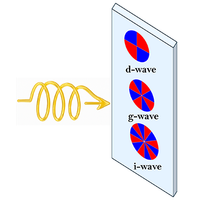
Phys. Rev. Lett. 135, 236702 (2025)
Condensed Matter and Materials
Force-Free Kinetic Inference of Entropy Production
Article | Statistical Physics; Classical, Nonlinear, and Complex Systems | 2025-12-04 05:00 EST
I. Di Terlizzi
Estimating entropy production, which quantifies irreversibility and energy dissipation, remains a significant challenge despite its central role in nonequilibrium physics. We propose a novel method for estimating the mean entropy production rate that relies solely on position traces, bypassing the…
Phys. Rev. Lett. 135, 237101 (2025)
Statistical Physics; Classical, Nonlinear, and Complex Systems
Content-Addressable Memory with a Content-Free Energy Function
Article | Statistical Physics; Classical, Nonlinear, and Complex Systems | 2025-12-04 05:00 EST
Félix Benoist, Luca Peliti, and Pablo Sartori
Content-addressable memory, i.e., stored information that can be retrieved from content-based cues, is key to computation. Besides natural and artificial neural networks, physical learning systems have recently been shown to have remarkable ability in this domain. While classical neural network mode…
Phys. Rev. Lett. 135, 237102 (2025)
Statistical Physics; Classical, Nonlinear, and Complex Systems
Universal Law for Diffusion in Continuous Potential Energy Landscapes
Article | Statistical Physics; Classical, Nonlinear, and Complex Systems | 2025-12-04 05:00 EST
Bohan Yu, Luhui Ning, and Ke Chen
Using video microscopy and computer simulations, we study the diffusion dynamics of colloidal particles in continuous potential energy landscapes at quasi-two-dimensions. The potential energy landscapes are constructed using scanning optical tweezers in the experiments, and the diffusion coefficient…
Phys. Rev. Lett. 135, 237103 (2025)
Statistical Physics; Classical, Nonlinear, and Complex Systems
Nonmonotonic Diffusion in Sheared Active Suspensions of Squirmers
Article | Polymers, Chemical Physics, Soft Matter, and Biological Physics | 2025-12-04 05:00 EST
Zhouyang Ge, John F. Brady, and Gwynn J. Elfring
We investigate how shear influences the dynamics of active particles in dilute to concentrated suspensions. Using apolar active suspensions of squirmers as model systems, we show how their longtime diffusive dynamics can surprisingly slow down and vary nonmonotonically with the shear rate arising fr…
Phys. Rev. Lett. 135, 238302 (2025)
Polymers, Chemical Physics, Soft Matter, and Biological Physics
Experimental Observation of Non-Markovian Quantum Exceptional Points
Article | Quantum Information, Science, and Technology | 2025-12-03 05:00 EST
Hao-Long Zhang, Pei-Rong Han, Fan Wu, Wen Ning, Zhen-Biao Yang, and Shi-Biao Zheng
One of the most remarkable features that distinguish open systems from closed ones is the presence of exceptional points (EPs), where two or more eigenvectors of a non-Hermitian operator coalesce, accompanying the convergence of the corresponding eigenvalues. So far, EPs have been demonstrated on a …
Phys. Rev. Lett. 135, 230203 (2025)
Quantum Information, Science, and Technology
Designing Open Quantum Systems for Enabling Quantum-Enhanced Sensing through Classical Measurements
Article | Quantum Information, Science, and Technology | 2025-12-03 05:00 EST
Robert Mattes, Albert Cabot, Federico Carollo, and Igor Lesanovsky
Quantum systems in nonequilibrium conditions, where coherent many-body interactions compete with dissipative effects, can feature rich phase diagrams and emergent critical behavior. Associated collective effects, together with the continuous observation of quanta dissipated into the environment--typi…
Phys. Rev. Lett. 135, 230402 (2025)
Quantum Information, Science, and Technology
Computing $n$-Time Correlation Functions without Ancilla Qubits
Article | Quantum Information, Science, and Technology | 2025-12-03 05:00 EST
Xiaoyang Wang, Long Xiong, Xiaoxia Cai, and Xiao Yuan
The -time correlation function is pivotal for establishing connections between theoretical predictions and experimental observations of a quantum system. Conventional methods for computing -time correlation functions on quantum computers, such as the Hadamard test, generally require an ancilla qub…
Phys. Rev. Lett. 135, 230602 (2025)
Quantum Information, Science, and Technology
Optimal Phase-Insensitive Force Sensing with Non-Gaussian States
Article | Quantum Information, Science, and Technology | 2025-12-03 05:00 EST
Piotr T. Grochowski and Radim Filip
Quantum metrology enables sensitivity to approach the limits set by fundamental physical laws. Even a single continuous mode offers enhanced precision, with the improvement scaling with its occupation number. Due to their high information capacity, continuous modes allow for the engineering of quant…
Phys. Rev. Lett. 135, 230802 (2025)
Quantum Information, Science, and Technology
String Duals of Two-Dimensional Yang-Mills Theory and Symmetric Product Orbifolds
Article | Particles and Fields | 2025-12-03 05:00 EST
Shota Komatsu and Pronobesh Maity
We propose a bosonic string dual to large chiral Yang-Mills theory in two dimensions at finite `t Hooft coupling. The worldsheet theory is a system deformed by a chiral Polchinski-Strominger term. We reproduce the partition function on a torus, cylinder three-point amplitudes, and the area law…
Phys. Rev. Lett. 135, 231603 (2025)
Particles and Fields
Evidence for the Dimuon Decay of the Higgs Boson in $pp$ Collisions with the ATLAS Detector
Article | Particles and Fields | 2025-12-03 05:00 EST
G. Aad et al. (ATLAS Collaboration)
Measurements of the decay of the Higgs boson into muon-antimuon pairs provide evidence for the mechanism by which quarks and leptons acquire their mass.
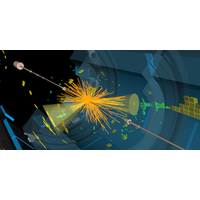
Phys. Rev. Lett. 135, 231802 (2025)
Particles and Fields
Observation of Orbitally Excited ${B}_{c}^{+}$ States
Article | Particles and Fields | 2025-12-03 05:00 EST
R. Aaij et al. (LHCb Collaboration)
, the only known meson made of two different flavors of heavy quarks, is observed in an orbitally excited state for the first time.
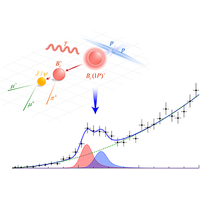
Phys. Rev. Lett. 135, 231902 (2025)
Particles and Fields
Leveraging Reactant Entanglement in the Coherent Control of Ultracold Bimolecular Chemical Reactions
Article | Atomic, Molecular, and Optical Physics | 2025-12-03 05:00 EST
Adrien Devolder, Timur V. Tscherbul, and Paul Brumer
Entanglement is a crucial resource for achieving quantum advantages in quantum computation, quantum sensing, and quantum communication. As shown in this Letter, entanglement is also a valuable resource for the coherent control of the large class of bimolecular chemical reactions. We utilize an entan…
Phys. Rev. Lett. 135, 233401 (2025)
Atomic, Molecular, and Optical Physics
Dual-Time-Scale Ion Acceleration Dynamics in Hall Thrusters
Article | Plasma and Solar Physics, Accelerators and Beams | 2025-12-03 05:00 EST
Q. Delavière-Delion, F. Gaboriau, G. Fubiani, and L. Garrigues
We report the first direct observation using a retarding potential analyzer of time-resolved ion energy distribution functions (IDFs) in a Hall thruster (HT) on two distinct time scales corresponding to the breathing mode () and the ion transit time oscillation (ITTO, ). We combined the…
Phys. Rev. Lett. 135, 235301 (2025)
Plasma and Solar Physics, Accelerators and Beams
Parity Anomaly from a Lieb-Schultz-Mattis Theorem: Exact Valley Symmetries on the Lattice
Article | Condensed Matter and Materials | 2025-12-03 05:00 EST
Salvatore D. Pace, Minho Luke Kim, Arkya Chatterjee, and Shu-Heng Shao
We show that the honeycomb tight-binding model hosts an exact microscopic avatar of its low-energy SU(2) valley symmetry and parity anomaly. Specifically, the SU(2) valley symmetry arises from a collection of conserved, integer-quantized charge operators that obey the Onsager algebra. Along with lat…
Phys. Rev. Lett. 135, 236501 (2025)
Condensed Matter and Materials
Coexistence of Ferroelectricity and Metallicity in Weakly Coupled ${(\text{SnSe})}{1.16}({\mathrm{NbSe}}{2})$ Crystal
Article | Condensed Matter and Materials | 2025-12-03 05:00 EST
Cheng Jia, Wenyu Huang, Haobo Yang, Chaojie Luo, Lili Jiang, Shuangxiang Wu, Ming Li, Minghui Fan, Yuanjun Yang, and Hui Zhang
Ferroelectric metals, traditionally considered mutually exclusive, face enduring challenges owing to screening effects of itinerant electrons on ferroelectric order. However, in certain van der Waals (vdW) heterostructures, two-dimensional materials with distinct structural and physical properties c…
Phys. Rev. Lett. 135, 236802 (2025)
Condensed Matter and Materials
Physical Review X
Repeated Ancilla Reuse for Logical Computation on a Neutral Atom Quantum Computer
Article | 2025-12-04 05:00 EST
J. A. Muniz et al.
A neutral-atom quantum computing system that can repeatedly measure, reuse, and replace ancilla qubits without disrupting others enables longer computations and advances scalable, fault-tolerant operation.
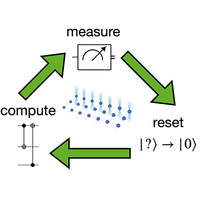
Phys. Rev. X 15, 041040 (2025)
Review of Modern Physics
Kitaev quantum spin liquids
Article | Condensed matter | 2025-12-03 05:00 EST
Yuji Matsuda, Takasada Shibauchi, and Hae-Young Kee
Frustration in spin systems can prevent ordering even at , creating quantum spin liquids that have been sought since Anderson's pioneering work in 1973 and his influential 1987 paper connecting them to high-temperature superconductivity. Kitaev's solvable spin-1/2 models on a honeycomb lattice brought renewed attention to this field, with Jackeli and Khaliullin later revealing how to engineer Kitaev interactions in real materials. This review highlights theoretical and experimental developments in Kitaev spin liquids, emphasizing leading candidate materials and their broad topological properties such as chiral edge modes. Consequently, it provides essential insights for both experimentalists and theorists working on quantum spin liquid problems.
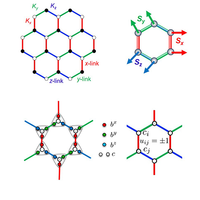
Rev. Mod. Phys. 97, 045003 (2025)
Condensed matter
arXiv
Kappa Entropy and its Thermodynamic Connection
New Submission | Statistical Mechanics (cond-mat.stat-mech) | 2025-12-04 20:00 EST
Adopting a bottom-up perspective, we propose a novel two-parametric nonadditive entropy, $ S_{\kappa\ell}$ , associated with a Kappa-type power-law velocity distribution, $ F_{\kappa\ell}(v)$ , recently derived in the literature. By formulating an extended Neo-Boltzmannian microstate counting procedure and employing standard averaging techniques, we demonstrate that the fundamental laws of thermodynamics are preserved within this generalized power-law framework only whether $ \ell=-5/2$ , regardless of the values assumed by the $ \kappa$ -parameter.
Statistical Mechanics (cond-mat.stat-mech)
5 pages, 2 figures
Nonanalytic Fermi-liquid correction to the specific heat of RuO$_2$
New Submission | Materials Science (cond-mat.mtrl-sci) | 2025-12-04 20:00 EST
Shubhankar Paul, Atsutoshi Ikeda, Hisakazu Matsuki, Giordano Mattoni, Jörg Schmalian, Chanchal Sow, Shingo Yonezawa, Yoshiteru Maeno
The magnetic nature of the altermagnet candidate RuO$ _2$ remains under debate. It has been recently shown from quantum oscillations and angle-resolved photoemission spectroscopy (ARPES) that the high-quality RuO$ _2$ bulk single crystal is a paramagnetic metal. However, the low-temperature specific heat exhibits a clear deviation from the conventional $ C(T)$ =$ \gamma T$ + $ \beta T^3$ dependence; it is well described with nonanalytic Fermi-liquid correction for a clean paramagnetic metal: $ C(T)$ = $ \gamma T$ + $ \beta T^3$ + $ \delta T^3 \textrm{ln}(T/T^\ast)$ . Correspondingly, the magnetic susceptibility is well fitted with the inclusion of $ T^2\textrm{ln}T$ term as well as $ H^2\mathrm{ln}H$ term. In contrast to the spin fluctuation mechanism applicable to some heavy-electron compounds with positive $ \delta$ , RuO$ _2$ shows negative $ \delta$ suggesting a different origin. The observation of such nonanalytic Fermi liquid corrections is attributable to the availability of an ultra-clean sample. The electronic specific heat, the magnetic susceptibility, and the $ T^2$ coefficient in resistivity point to a weakly-correlated 3D Fermi-liquid state with a modest electron correlation, as supported by the Wilson and Kadowaki-Woods ratios.
Materials Science (cond-mat.mtrl-sci)
Strain Response as a Probe of Spinons in Quantum Spin Liquids
New Submission | Strongly Correlated Electrons (cond-mat.str-el) | 2025-12-04 20:00 EST
Penghao Zhu, Archisman Panigrahi, Leonid Levitov, Nandini Trivedi
Quantum spin liquids (QSLs) host emergent, fractionalized fermionic excitations that are charge-neutral. Identifying clear experimental signatures of these excitations remains a central challenge in the field of strongly correlated systems, as they do not couple to conventional electromagnetic probes. Here, we propose lattice strain as a powerful and tunable probe: Mechanical deformation of the lattice generates large pseudomagnetic fields, inducing pseudo-Landau levels that serve as distinctive spectroscopic signatures of these excitations. Using the Kitaev model on the honeycomb lattice, we show that distinct QSL phases exhibit strikingly different strain responses. The semimetallic Kitaev spin liquid and the gapped chiral spin liquid display pronounced Landau quantization and a diamagnetic-like response to strain, whereas the Majorana metal phase shows a paramagnetic-like response without forming Landau levels. These contrasting behaviors provide a direct route to experimentally identifying and distinguishing QSL phases hosting fractionalized excitations. We further outline how local resonant ultrasound spectroscopy can detect the strain-induced resonances associated with these responses, offering a practical pathway towards identifying fractionalized excitations in candidate materials.
Strongly Correlated Electrons (cond-mat.str-el), Mesoscale and Nanoscale Physics (cond-mat.mes-hall)
8+7 pages,5+3 figures
$α$-RuCl$_3$ intercalated into graphite: a new three-dimensional platform for exotic quantum phases
New Submission | Strongly Correlated Electrons (cond-mat.str-el) | 2025-12-04 20:00 EST
Aleksandar Razpopov, Shirin Mozaffari, Takahiro Matsuoka, Matthew Cothrine, Nan Huang, Roser Valentí, David Mandrus
Multilayer graphene with different stacking sequences has emerged as a powerful setting for correlated and topological phases. In parallel, progress in graphene heterostructures with magnetic or correlated materials-most notably the Kitaev candidate $ \alpha$ -RuCl$ _3$ -has demonstrated charge transfer, magnetic proximity effects, and interfacial reconstruction, creating new opportunities for engineered quantum systems. Motivated by these developments, we explore a three-dimensional analogue in which $ \alpha$ -RuCl$ _3$ layers are inserted directly into the van der Waals gaps of graphite, forming an intercalated system. Here, we report the successful synthesis and comprehensive characterization of graphite intercalated with $ \alpha$ -RuCl$ _3$ . Using a combination of X-ray diffraction, quantum oscillation measurements, and first-principles electronic structure calculations, we study the structural and electronic properties of these intercalated crystals. Our results demonstrate that graphite intercalated with $ \alpha$ -RuCl$ _3$ offers a robust route to develop three-dimensional materials with access to novel correlated and topological states.
Strongly Correlated Electrons (cond-mat.str-el)
14 pages, 10 figures, including supplementary information
Proof that Momentum Mixing Hatsugai Kohmoto equals the Twisted Hubbard Model
New Submission | Strongly Correlated Electrons (cond-mat.str-el) | 2025-12-04 20:00 EST
Yuting Bai, Philip W. Phillips
We prove formally that the momentum-mixing Hatsugai-Kohmoto model (MMHK) is the Hubbard model with a twist. With this result in tow, we rely on the proof of Watanabe’s that two models which differ by a twist must have the same bulk physics. Consequently, we have proven that MMHK=Hubbard in the charge sector.
Strongly Correlated Electrons (cond-mat.str-el), Mathematical Physics (math-ph)
Interfacial Thermal Conductance Between a Polyethylene Glycol Polymer Chain and Water: A Molecular Dynamics Study
New Submission | Soft Condensed Matter (cond-mat.soft) | 2025-12-04 20:00 EST
Shadi Babaei, Yekta Cheraghali, Claire Loison, Ali Rajabpour, Samy Merabia
Understanding interfacial heat transfer between polymers and water is crucial for the design of biomaterials, drug delivery platforms, and nanofluidic systems. In this study, we employed all atom molecular dynamics (MD) simulations to quantify the interfacial thermal conductance between a polyethylene glycol (PEG) 36mer chain and explicit water over the temperature range of 280-350 K. To compare the conformational behavior of the PEG chain, we examined its radius of gyration and observed a temperature dependent chain collapse consistent with previous coarse grained models. By employing a transient non equilibrium MD approach, we imposed temperature difference across the interface and analyzed the energy relaxation behavior to compute heat transfer across the polymer water interfaces. Our results demonstrate that both temperature and interfacial interaction strength influence interfacial thermal conductance, with temperature playing the dominant role. Structural factors such as chain conformation and interfacial area were found to mediate the effect of interfacial interaction. Additional analysis of the vibrational density of states (VDOS) and the mean square displacement (MSD) reveal that vibrational coupling has minimal impact on thermal conductance across interfaces, whereas increased water thermal motion enhances energy transfer. These findings highlight the structural and dynamical origins of interfacial thermal conductance and provide atomistic insights into the tuning of interfacial heat transport in molecular systems through temperature and solvent interactions.
Soft Condensed Matter (cond-mat.soft)
Dipole Moments using Dirac-Coulomb-Breit Molecular Mean-Field Coupled Cluster Theory
New Submission | Materials Science (cond-mat.mtrl-sci) | 2025-12-04 20:00 EST
Luca Murg, Christopher Lane, Roxanne M. Tutchton
Materials utilized by novel energy systems are often studied using weakly correlated mean-field theories. However, if these systems incorporate heavy elements or strongly correlated topological materials, relativistic effects must be included. Therefore, we present an unrestricted coupled-cluster with single and double excitation formalism (CCSD) within a molecular mean-field exact-two component framework (X2Cmmf) using a restricted Dirac-Hartree-Fock (DHF) reference state. Our mean-field transformation utilizes the one-electron, Dirac-Coulomb, Dirac-Coulomb-Gaunt and Dirac-Coulomb-Breit Hamiltonian. The code was bench-marked against DIRAC which also uses DHF-X2Cmmf accounting for the Dirac-Coulomb and Dirac-Coulomb-Gaunt Hamiltonian. The dipole moments of Li-H, and Cl-F were calculated using an approximate molecular to atomic basis transformation and compared to experiment. The CCSD energy showed agreement with DIRAC to around ten to the power of minus four Hartree and exhibited a small variation of the dipole moment with the introduction of higher order electron-electron interactions. This paper allows for study of relativistic processes within this mean-field approach and lays the foundation for future theoretical development of relativistic Coupled-Cluster Theory using a DHF reference state within this framework.
Materials Science (cond-mat.mtrl-sci)
12 pages main text, 7 figures, 2 tables
Computer Simulation of the Growth of a Metal-Organic Framework Proto-crystal at Constant Chemical Potential
New Submission | Materials Science (cond-mat.mtrl-sci) | 2025-12-04 20:00 EST
Sahar Andarzi Gargari (1), Emilio Méndez (1), Rocio Semino (1) ((1) Sorbonne Université, CNRS, Physico-chimie des Electrolytes et Nanosystèmes Interfaciaux, PHENIX, Paris, France)
Designing metal-organic frameworks (MOFs) synthesis protocols is currently largely driven by trial-and-error, since we lack fundamental understanding of the molecular level mechanisms that underlie their self-assembly processes. Previous works have studied the nucleation of MOFs, but their growth has never been studied by means of computer simulations, which provide molecular level detail. In this work, we combine constant chemical potential simulations with a particle insertion method to model the growth of the ZIF-8 MOF at varying synthesis temperatures and concentrations of the reactants. Non-classical growth mechanisms triggered by oligomer attachments were detected, with a higher predominance in the most concentrated setups. The newly formed layers preserve the pore-like density profile of the seed crystal but contain defective sites characterized by the presence of 3, 5 and 7 membered rings, typical of amorphous phases. Compared to the amorphous intermediate species obtained at the nucleation part of the self-assembly process previously investigated in our group [Chem. Mater., doi: https://doi.org/10.1021/acs.chemmater.5c02028, 2025], larger-sized rings are more common in the grown layer. Moreover, these are favored by increasing reactant concentration and temperature, as is the degree of deviation with respect to the original crystal structure. We computed growth rates for the steady-state regime, and the non-linear tendency with respect to concentration leads us to hypothesize that in these conditions the growth is controlled by the adsorption rather than by the diffusion processes.
Materials Science (cond-mat.mtrl-sci), Chemical Physics (physics.chem-ph)
31 pages, 10 figures, 2 tables
Excitonic Theory of the Ultrafast Optical Response of 2D-Quantum-Confined Semiconductors at Elevated Densities
New Submission | Mesoscale and Nanoscale Physics (cond-mat.mes-hall) | 2025-12-04 20:00 EST
Henry Mittenzwey, Oliver Voigt, Andreas Knorr
An excitonic approach to the ultrafast optical response of confined semiconductors at elevated densities below the Mott transition is presented. The theory is valid from the coherent regime, where coherent excitonic transitions and biexcitons dominate, to the incoherent regime, where excitonic occupations dominate. Numerical simulations of the $ 1s$ exciton dynamics during intense circularly polarized pump pulses in two different Coulomb-interaction regimes are performed for two-dimensional semiconductors: Moderate Coulomb interaction is compared with dominating Coulomb interaction with respect to the light-matter interaction strength. The different many-body contributions are disentangled and it is found, that excitonic Rabi oscillations in the Coulomb-dominated regime are considerably less strong. By also comparing circular and linear excitation in a MoSe$ _2$ monolayer, it is found, that linear excitation creates a regime, where excitonic Rabi oscillations are almost completely suppressed.
Mesoscale and Nanoscale Physics (cond-mat.mes-hall), Quantum Physics (quant-ph)
Digital-Alloy-Based Bragg Mirrors in High-Q Microcavities for Polariton Lasing
New Submission | Materials Science (cond-mat.mtrl-sci) | 2025-12-04 20:00 EST
V. A. Stolyarov, A. S. Kurdyubov, A. V. Trifonov, M. Yu. Petrov, I. V. Ignatiev, V. A. Lovtcius, S. A. Eliseev, Yu. P. Efimov, M. S. Lozhkin, A. V. Kavokin
We present an approach to the molecular-beam epitaxy of high-Q planar GaAs-based microcavities in which the AlGaAs high-index layers of the distributed Bragg reflectors (DBRs) are replaced by short-period GaAs/AlAs superlattices (digital alloys) with similar optical properties. This design enables a significant reduction of interface roughness, precise control of the quarter-wavelength optical thickness and the effective Al content, suppression of the propagation of structural defects, and efficient tuning of intrinsic absorption at the polariton emission wavelength via optimization of the superlattice parameters.
Using this approach, we fabricate a microcavity with a low polariton-lasing threshold of approximately 200 W/cm$ ^2$ and a high experimental quality factor of about 5.4 x $ 10^4$ . This value exceeds by almost a factor of two the theoretical estimate obtained within an equivalent ternary-alloy model. We demonstrate that accurate modeling of the stop-band characteristics and the Q factor requires incorporating the modified electronic density of states in the superlattice, including quantum-confinement and excitonic effects.
Materials Science (cond-mat.mtrl-sci), Mesoscale and Nanoscale Physics (cond-mat.mes-hall)
13 pages, 8 figures
Tunable Thin Elasto-Drops
New Submission | Soft Condensed Matter (cond-mat.soft) | 2025-12-04 20:00 EST
Antonin Eddi, Stéphane Perrard, Jishen Zhang
We present an experimental method to fabricate centimetric thin elastic capsules with highly uniform thickness and negligible bending stiffness using silicone elastomers. In our experiments, the capsules thickness is tunable at fabrication, while internal pressure and hoop (circumferential) stress are adjustable via hydrostatic inflation once the capsules are filled and immersed in water. Capsules mechanics are probed through hydro-elastic waves generated by weak mechanical perturbations at the capsule interface. By analyzing the surface wave dynamics in the Fourier domain, we extract the in-plane stress and demonstrate that the hydro-elastic waves are exclusively governed by hoop stress. This establishes a direct analogy with liquid drops characterised by an effective surface tension, allowing the capsules to be modeled as large-scale “elasto-drops” with an inflation and thickness tunable effective surface tension. Our work demonstrates that elasto-drops serve as a robust model system for parametric studies of large-scale liquid drops with experimentally adjustable surface tension.
Soft Condensed Matter (cond-mat.soft), Fluid Dynamics (physics.flu-dyn)
Yielding in dense active matter
New Submission | Soft Condensed Matter (cond-mat.soft) | 2025-12-04 20:00 EST
Adil Ghaznavi, Saverio Rossi, Francesco Zamponi, M. Lisa Manning
High-density granular active matter is a useful model for dense animal collectives and could be useful for designing reconfigurable materials that can flow or solidify on command. Recent work has demonstrated key similarities and differences between the mechanical response of dense active matter and its sheared passive counterpart, yet a constitutive law that predicts precisely how dense active matter flows or fails remains elusive. Here we study the yielding transition in dense active matter in the limit of slow driving and large persistence times, across a wide range of material preparations. Under shear, materials prepared to be very low energy or ultrastable are brittle, and well-described by elastoplastic constitutive laws. We show that under random active forcing, however, ultrastable materials are always ductile. We develop a modified elastoplastic model that captures and explains these observations, where the key parameter is the correlation length of the input active driving field. We also observe large parameter regimes where the plastic flow is surprisingly well-predicted by the input active driving field and not highly dependent on the structural disorder, suggesting new strategies for control.
Soft Condensed Matter (cond-mat.soft)
Analytical approach to the magneto-fluorescence of triplet excitons
New Submission | Mesoscale and Nanoscale Physics (cond-mat.mes-hall) | 2025-12-04 20:00 EST
The fluorescence of triplet excitons and color-centers is strongly dependent on magnetic field that mixes the zero field spin eigenstates that determine the radiative recombination rates back into the singlet ground state through spin-orbit coupling. For films of molecules, and polycristaline color-centers samples an average over molecular orientations has to be performed to model the magneto-fluorescence lineshapes. This limits our analytical understanding of the lineshapes and complicates the analysis of the fluorescence dependence on magnetic field. Here, we present a framework that allows to average over triplet molecular orientations analytically. Our approach achieves provides very accurate numerical routines computing precisely the averages matrix elements that appear in magneto-fluorescence and semi-analytical approximations that can be used to model experimental traces.
Mesoscale and Nanoscale Physics (cond-mat.mes-hall), Materials Science (cond-mat.mtrl-sci)
6 pages, 3 figures
Curvature Potential Formulation for Thin Elastic Sheets
New Submission | Soft Condensed Matter (cond-mat.soft) | 2025-12-04 20:00 EST
Yael Cohen, Animesh Pandey, Yafei Zhang, Cy Maor, Michael Moshe
Thin elastic sheets appear in systems ranging from graphene to biological membranes, where phenomena such as wrinkling, folding, and thermal fluctuations originate from geometric nonlinearities. These effects are treated within weakly nonlinear theories, such as the Foppl-von Karman equations, which require small slopes and fail when deflections become large even if strains remain small. We introduce a methodological progress via a geometric reformulation of thin-sheet elasticity based on a stress potential and a curvature potential. This formulation preserves the structure of the classical equations while extending their validity to nonlinear, multivalued configurations, and geometrically frustrated states. The framework provides a unified description of thin-sheet mechanics in regimes inaccessible to existing theories and opens new possibilities for the study of elastic membranes and two-dimensional materials.
Soft Condensed Matter (cond-mat.soft), Materials Science (cond-mat.mtrl-sci), Mathematical Physics (math-ph)
Symmetry-Protected Bipolar Skin Effect and its Topological Breakdown in Disordered Non-Hermitian Systems
New Submission | Disordered Systems and Neural Networks (cond-mat.dis-nn) | 2025-12-04 20:00 EST
The interplay between non-Hermitian topology and disorder remains a central puzzle in open quantum systems. While the non-Hermitian skin effect (NHSE) is known to be robust against weak perturbations, its fate under strong disorder, particularly in the presence of spin-orbit coupling (SOC), is not fully understood. Here, we uncover a Z_2 topological bipolar skin effect in a non-Hermitian Rashba chain, where spin-up and spin-down eigenstates localize at opposite boundaries. By strictly computing the Lyapunov exponents and introducing a biorthogonal spin-separation index, we map the global phase diagram and reveal a hierarchical breakdown of topology. We demonstrate that the Z_2 skin effect is protected against moderate disorder but collapses into a trivial skin phase before the ultimate onset of Anderson localization. Our results establish a distinct regime of disorder-robust topological non-reciprocity, distinguishable from both the trivial bulk limit and the Anderson localized phase.
Disordered Systems and Neural Networks (cond-mat.dis-nn), Statistical Mechanics (cond-mat.stat-mech)
7 Pages, 8 figures
Novel phases in the Fe-Si-O system at terapascal pressures
New Submission | Materials Science (cond-mat.mtrl-sci) | 2025-12-04 20:00 EST
Nan Huang, Renata M. Wentzcovitch, Zepeng Wu, Feng Zheng, Bingxin Wu, Yang Sun, Shunqing Wu
The Fe-Si-O ternary system, central to modeling the interiors of terrestrial planets, remains poorly constrained at Terapascal (TPa) pressures characteristic of super-Earth mantles. Using a combination of crystal-structure prediction and ab initio calculations, we identify three ternary compounds stable near 1 TPa: P3 FeSiO4, P3 Fe4Si5O18, and P-3 FeSi2O6. The first two phases are thermodynamically stable at low temperatures, whereas P-3 FeSi2O6 becomes favored above approximately 2000 K. All three are metallic, paramagnetic, and adopt pseudo-binary arrangements derived from the FeO2 and SiO2 end-member structures. Their crystal structures emerge through substitutions of Fe for Si in Fe2P-type SiO2 or of Si for Fe in Pnma-type FeO2, the stable elemental oxides at ~1 TPa. This structural continuity suggests that Fe preferentially substitutes for Si in the canonical Mg-silicates expected at TPa pressures. Notably, these new pseudo-binaries accommodate Fe in six- and nine-fold coordination, in contrast to the eight-fold cubic coordination found in FeO at similar pressures. The thermodynamic conditions under which these phases form from FeO2 and SiO2 mixtures are clarified through quasi-harmonic free energy calculations. Their prevalence in super-Earth’s mantles is found to depend on the abundance of FeO2, which may be generated by the dehydrogenation of FeOOH goethite as in the Earth’s deep mantle. The existence of these phases implies a markedly different pattern of Fe incorporation in high-pressure Mg-silicates at TPa pressures, compared with the behavior inferred at the GPa pressures of the Earth’s mantle.
Materials Science (cond-mat.mtrl-sci), Other Condensed Matter (cond-mat.other), High Energy Physics - Theory (hep-th)
20 pages and 6 Figures
A Space-Charge-Limited van der Waals Spin Transistor
New Submission | Mesoscale and Nanoscale Physics (cond-mat.mes-hall) | 2025-12-04 20:00 EST
Thomas K. M. Graham, Yu-Xuan Wang, Niranjana Renjith Nair, Kseniia Mosina, Kenji Watanabe, Takashi Taniguchi, Zdenek Sofer, Brian B. Zhou
Integrating semiconducting and magnetic materials could combine transistor-like operation with nonvolatility and enable architectures such as logic-in-memory. Here, we employ correlated electrical transport and scanning nitrogen-vacancy (NV) center magnetic imaging to elucidate a spin transistor concept that amalgamates both vertical and lateral transport in a 2D antiferromagnetic semiconductor, distinct from purely vertical tunneling devices. Our device, based on a monolayer-bilayer junction in CrSBr, displays giant, gate-tunable magnetoresistance driven by the dual action of electrostatic doping on space-charge-limited lateral conduction and interlayer exchange coupling. Moreover, we visualize a field-trainable, layer-sharing effect that selects between coherent or domain-wall reversal at the spin-flip transition, enabling multilevel, memristive conductance states. These findings open opportunities for 2D magnetic semiconductors to address limitations in contemporary computing.
Mesoscale and Nanoscale Physics (cond-mat.mes-hall), Materials Science (cond-mat.mtrl-sci)
9 pages, 6 figures
Symmetry Breaking of Current Response in Disordered Exclusion Processes
New Submission | Statistical Mechanics (cond-mat.stat-mech) | 2025-12-04 20:00 EST
The bias-reversal symmetry – where reversing an external bias inverts the current without changing its magnitude – is a hallmark of nonequilibrium transport. While this property holds in homogeneous systems such as the asymmetric simple exclusion process, how disorder and its interplay with particle interactions affect this symmetry has remained unclear. Here, we establish a general criterion showing that the bias-reversal symmetry holds if and only if the local left-right bond-bias ratio is spatially uniform. Analytical and numerical analyses reveal that bond disorder preserves the symmetry beyond linear response, whereas site disorder breaks it through an interplay between heterogeneity and particle interactions. Our results demonstrate how environmental disorder and interparticle interactions cooperate to generate asymmetric transport, thereby providing a unified theoretical framework relevant to transport through biological and artificial nanochannels.
Statistical Mechanics (cond-mat.stat-mech), Disordered Systems and Neural Networks (cond-mat.dis-nn)
6 pages, 3 figures + 7 pages of supplemental material
Anomalous Hall effect in an amorphous antiferromagnet with inverted hysteresis
New Submission | Materials Science (cond-mat.mtrl-sci) | 2025-12-04 20:00 EST
Xiangning Du, Yuxiang Zhu, Na Chen
Stemming from antiferromagnetic coupling, exchange bias allows inverted hysteresis in a magnetic system. Such room temperature magnetic reversal has yet to be observed in an amorphous antiferromagnet. Furthermore, the impact of this exchange bias effect on its magnetoelectric transport behavior remains a mystery. Here we discovered a zero-field magnetization switching effect in an exchange-biased amorphous antiferromagnet with inverted magnetic hysteresis. This zero-field magnetic reversal was further evidenced by its inverted large anomalous Hall effect. Notably, this collective spin flipping at zero field can occur at room temperature or above room temperature, which may be associated with quantum interference effect due to thermal fluctuation enhanced disorder. Our experimental results offer a way to design room-temperature exchange-biased amorphous antiferromagnets with zero-field multi magnetic-states and large anomalous Hall effect, holding potential for low-power and high-density memory applications.
Materials Science (cond-mat.mtrl-sci), Applied Physics (physics.app-ph)
9 pages, 4 figures
Generative Refinement:A New Paradigm for Determining Single Crystal Structures Directly from HKL Data
New Submission | Materials Science (cond-mat.mtrl-sci) | 2025-12-04 20:00 EST
Wen-Lin Luo, Yi Yuan, Cheng-Hui Li, Yue Zhao, Jing-Lin Zuo
Single-crystal X-ray diffraction (SC-XRD) is the gold standard technique to characterize crystal structures in solid state. Despite significant advances in automation for structure solution, the refinement stage still depends heavily on expert intervention and subjective judgment, limiting accessibility and scalability. Herein, we introduce RefrActor, an end-to-end deep learning framework that enables crystal structure determination directly from HKL data. By coupling a physics-informed reciprocal-space encoder (ReciEncoder) with a symmetry-aware diffusion-based generator (StruDiffuser), RefrActor produces fully refined atomic models without requiring initial structural guesses or manual input. Comprehensive evaluations on the GenRef-10k benchmark demonstrates that RefrActor achieves low R1-factors across diverse systems, including low-symmetry, light-atom, and heavy-atom crystals. Case studies further confirm that RefrActor can correctly resolve hydrogen positions, elemental assignments, and moderate disorder. This work establishes a new data-driven paradigm for autonomous crystallographic analysis, offering a foundation for fully automated, high-throughput crystal structure determination.
Materials Science (cond-mat.mtrl-sci), Computational Physics (physics.comp-ph)
Short-Range Modulated Electron Lattice and d-Wave Superconductivity in Cuprates: A Phenomenological Ginzburg-Landau Framework
New Submission | Superconductivity (cond-mat.supr-con) | 2025-12-04 20:00 EST
Jaehwahn Kim, Davis A. Rens, Waqas Khalid, Hyunchul Kim
We develop a phenomenological Ginzburg-Landau (GL) framework for high-$ T_c$ cuprates in which a short-range modulation of the electronic charge density couples to a $ d$ -wave superconducting condensate. The resulting modulated electron lattice (MEL) state is distinct from long-range static charge density wave order: it is short range, partially phase coherent, and linked to superconducting coherence. A preferred wave vector $ q^{\ast} \approx 0.3$ reciprocal lattice units along the Cu-O bond direction emerges from the interplay between a momentum-dependent susceptibility and bond-stretching phonons, consistent with neutron and x-ray data on YBa$ _2$ Cu$ _3$ O$ _{7-\delta}$ and related cuprates. The GL free energy contains coupled $ d$ -wave superconducting and charge sectors with parameters constrained by optimally doped YBa$ _2$ Cu$ _3$ O$ _{7-\delta}$ . We identify an MEL enhancement window in doping, temperature, MEL correlation length, and disorder where a coherence linked modulation enhances the superfluid stiffness. Classical Monte Carlo simulations yield an in-plane stiffness enhancement of order ten percent, which we treat as a qualitative prediction to be tested by self-consistent Bogoliubov de Gennes calculations. The MEL framework yields falsifiable experimental signatures. For scanning tunneling spectroscopy in Bi-based cuprates we highlight two predictions: the Fourier-transformed local density of states should exhibit a $ q^{\ast} \approx 0.3$ peak whose spectral weight sharpens as superconducting phase coherence develops below $ T_c$ , in contrast to static charge scenarios, and the local gap magnitude $ \Delta(r)$ should correlate positively with the local MEL amplitude. The framework implies correlations between MEL correlation length, superfluid stiffness, disorder, and vortex pinning, and organizes cuprate observations into testable STM/STS predictions.
Superconductivity (cond-mat.supr-con), Materials Science (cond-mat.mtrl-sci), Strongly Correlated Electrons (cond-mat.str-el), Applied Physics (physics.app-ph), Quantum Physics (quant-ph)
13 pages, 7 figures. Introduces the Modulated Electron Lattice (MEL) framework as a microscopic mechanism for high-temperature superconductivity in cuprates, with quantitative predictions for STM/STS and a concrete experimental verification program in Bi-2212 and related materials
On the Accuracy of Atomic Resolution Electrostatic Measurements in 2D Materials
New Submission | Materials Science (cond-mat.mtrl-sci) | 2025-12-04 20:00 EST
Rafael V. Ferreira, Sebastian Calderon V., Paulo J. Ferreira
The use of differential phase contrast (DPC) in scanning transmission electron microscopy (STEM) has shown much promise for directly investigating the functional properties of a material system, leveraging the natural coupling between the electron probe and atomic-scale electric fields to map the electrostatic configuration within a sample. However, the high sensitivity of these measurements makes them particularly vulnerable to variations in both sample properties and the configuration of the instrument, stressing the need for robust methodologies to ensure more accurate analyses. In this work, the influence of key instrumental parameters - probe convergence angle, defocus and two-fold astigmatism - on atomic-resolution segmented-detector DPC-STEM measurements is evaluated through extensive image simulations. Results show that the limit of interpretability for a 21 mrad defocused probe is found at a magnitude of 4 nm, where electrostatic field magnitude can be underestimated by about 16 % in overfocus and just above 10 % in underfocus. Equivalent results for a 30 mrad probe demonstrate underestimated values around 30 % at overfocus and 20 % for underfocus, at a lower interpretability limit of 3 nm. Two-fold astigmatism introduces orientation dependent variations that surpass 40 % for magnitudes below 3 nm, but a reduction in sensitivity to the aberration is observed when oriented along detector-segment edges. Overall, the analysis confirms the sensitivity and usefulness of the scattergram-based method and underscores the importance of optimized instrumental alignment for accurate CoM based STEM imaging.
Materials Science (cond-mat.mtrl-sci), Applied Physics (physics.app-ph)
22 pages, 14 figures, submitted to Ultramicroscopy
Tetragonal Fe2O: the stable iron oxide at Earth’s core conditions
New Submission | Materials Science (cond-mat.mtrl-sci) | 2025-12-04 20:00 EST
Junjie Jiang, Zhen Zhang, Tongqi Wen, Renata M. Wentzcovitch, Yang Sun
The Fe-O system is fundamental to understanding the composition and properties of the Earth’s core. Recent studies have suggested the possible existence of stable, iron-rich FenO compounds at around 215 GPa. Here, we performed crystal-structure searches and fully anharmonic free-energy calculations to investigate the Fe-FeO system under inner-core conditions. We identified Fe2O as a stable phase and constructed its high P-T phase diagram. Fe2O undergoes a hexagonal-to-tetragonal transition with increasing pressure and temperature. It remains thermodynamically stable against decomposition into Fe and FeO from 200 to 400 GPa and at high temperatures. Although oxygen has been considered nearly absent in the inner core due to its limited solubility, these results suggest that oxygen can, in fact, be incorporated into the solid inner core in the form of an Fe+Fe2O mixture, and can match PREM densities for 53 mol% Fe2O. Our work has the potential to lead to a significant revision of the current understanding of the core’s structure and composition.
Materials Science (cond-mat.mtrl-sci), Geophysics (physics.geo-ph)
Under review
Origin of shallow n-type doping in AlN and Al-rich AlGaN
New Submission | Materials Science (cond-mat.mtrl-sci) | 2025-12-04 20:00 EST
Yujie Liu, Sieun Chae, Emmanouil Kioupakis
Achieving efficient n-type doping in AlN, a representative ultrawide bandgap (UWBG) semiconductor, remains a longstanding challenge that limits its application in high-power electronics and deep-ultraviolet optoelectronics. Conventional dopants in AlN often introduce deep levels or form compensating complexes, leading to low free-carrier concentrations. In this work, we combine first-principles defect calculations with a structural search method tailored to explore metastable configurations to systematically investigate donor-type defects in AlN. Our results reveal that the aluminum interstitial ($ Al_i$ ) can exhibit shallow-donor behavior in specific metastable configurations that were previously overlooked. This discovery expands the understanding of n-type dopability in AlN, and highlights the critical role of metastable defects in modulating electronic properties.
Materials Science (cond-mat.mtrl-sci)
18 pages, 4 figures
Tensor renormalization group calculations of partition-function ratios
New Submission | Statistical Mechanics (cond-mat.stat-mech) | 2025-12-04 20:00 EST
Satoshi Morita, Naoki Kawashima
The behavior of dimensionless quantities defined as ratios of partition functions is analyzed to investigate phase transitions and critical phenomena. At criticality, the universal values of these ratios can be predicted from conformal field theory (CFT) through the modular-invariant partition functions on a torus. We perform numerical calculations using the bond-weighted tensor renormalization group for three two-dimensional models belonging to different universality classes: the Ising model, the three-state Potts model, and the four-state Potts model. The partition-function ratios obey the same finite-size scaling form as the Binder parameter, and their critical values agree well with the universal values predicted by CFT. In the four-state Potts model, we observe logarithmic corrections in the system-size dependence of these ratios.
Statistical Mechanics (cond-mat.stat-mech), High Energy Physics - Lattice (hep-lat)
9 pages, 7 figures
Critical fluctuations of elastic moduli in jammed solids
New Submission | Soft Condensed Matter (cond-mat.soft) | 2025-12-04 20:00 EST
Kumpei Shiraishi, Hideyuki Mizuno
We investigate sample-to-sample fluctuations of the shear modulus in ensembles of particle packings near the jamming transition. Unlike the average modulus, which exhibits distinct scaling behaviours depending on the interparticle potential, the fluctuations obey a critical exponent that is independent of the potential. Furthermore, this scaling behaviour has been confirmed in two-dimensional packings, indicating that it holds regardless of spatial dimension. Using this scaling law, we discuss the relationship predicted by heterogeneous-elasticity theory between elastic-modulus fluctuations and the Rayleigh scattering of sound waves across different pressures. Our numerical results provide a useful foundation for developing a unified theoretical description of the jamming critical phenomenon.
Soft Condensed Matter (cond-mat.soft)
9 pages, 5 figures
Unconventional Magneto-Optical Effects in Altermagnets
New Submission | Materials Science (cond-mat.mtrl-sci) | 2025-12-04 20:00 EST
Yongpan Li, Yichen Liu, Cheng-Cheng Liu
The ideal altermagnets are a class of collinear, crystal-symmetry-enforced fully compensated magnets with nonrelativistic spin-split bands, in which contributions from Berry curvature to magneto-optical effects (MOEs) are strictly forbidden by an effective time-reversal symmetry. Here we show that, in such systems, MOEs are exclusively induced by the quantum metric and, in realistic altermagnets, are typically dominated by it. We refer to Berry-curvature-induced MOEs as conventional MOEs and to quantum-metric-dominated MOEs as unconventional MOEs. We derive general formulas that incorporate both Berry curvature and quantum metric for unconventional MOEs in altermagnets, enabling a quantitative evaluation of their respective contributions. Through symmetry analysis, we prove that ideal altermagnets are constrained to exhibit only unconventional MOEs. Using the three-dimensional canonical altermagnet MnTe and the emerging two-dimensional bilayer twisted altermagnet CrSBr as illustrative examples, we demonstrate that unconventional MOEs are prevalent in altermagnets. Our results establish altermagnets as a natural platform for quantum-metric-driven optical phenomena, substantially broadening the scope of MOEs and providing concrete predictions that can be tested in future experimental studies.
Materials Science (cond-mat.mtrl-sci), Mesoscale and Nanoscale Physics (cond-mat.mes-hall), Optics (physics.optics)
Invariant fractocohesive length in thermally aged elastomers
New Submission | Soft Condensed Matter (cond-mat.soft) | 2025-12-04 20:00 EST
Aimane Najmeddine, Santiago Marin, Zhen Xu, Connor Thompson, Guoliang Liu, Maryam Shakiba
The fractocohesive length - the ratio between fracture toughness and work-to-fracture - provides a material-specific length scale that characterizes the size-dependent fracture behavior of pristine elastomers. However, its relevance to thermally aged materials, where both toughness and work of fracture degrade dramatically, remains unexplored. Here, we demonstrate that despite severe thermal embrittlement, the fractocohesive length remains invariant throughout thermal aging, independent of temperature or duration. We verify this invariance experimentally for two elastomer systems (Styrene Butadiene Rubber and Silicone Rubber) at multiple aging temperatures for aging times up to eight weeks. This finding bridges a critical gap in fracture mechanics of aged polymers: while the evolution of work-to-fracture can be predicted from well-established constitutive models that track network changes (crosslink density and chain scission), the evolution of fracture toughness has lacked predictive frameworks. The invariance of fractocohesive length enables direct calculation of fracture toughness at any aging state from the predicted work of fracture, eliminating the need for extensive fracture testing on aged elastomers and providing a crucial missing link for computational fracture predictions in aged elastomeric components.
Soft Condensed Matter (cond-mat.soft)
Current switching behaviour mediated via hinge modes in higher order topological phase using altermagnets
New Submission | Mesoscale and Nanoscale Physics (cond-mat.mes-hall) | 2025-12-04 20:00 EST
Minakshi Subhadarshini, Amartya Pal, Arijit Saha
We propose a theoretical framework to engineer hybrid-order and higher-order topological phases in three-dimensional topological insulators by coupling to $ d$ -wave altermagnets (AMs). Presence of only $ d_{x^2-y^2}$ -type AM drives the system into a hybrid-order topological phase where both first-order and second-order topological phases coexist. This phase is characterized by spectral analysis, low-energy surface theory, dipolar and quadrupolar winding numbers, and it’s signature is further confirmed by two-terminal differential conductance calculations. Incorporation of the $ d_{x^2-z^2}$ -type AM drives the system into two second-order topological insulator phases hosting distinct type of hinge modes. They are also topologically characterized by spectral analysis, topological invariants, low-energy surface thoery, and transport calculations. Importantly, the localization and direction of propagation of these one-dimensional hinge modes are controllable by tuning the relative strengths of the alermagnetic exchange orders. We utilize this feature to propose a tunable current-switching behaviour mediated via the hinge modes. Our results establish AMs based hybrid structure as a versatile platform for controllable higher-order topology and hinge-mediated device applications.
Mesoscale and Nanoscale Physics (cond-mat.mes-hall)
5.1 Pages, 4 PDF Figures + (13 Pages of Supplementary Material, 3 PDF Figures), Comments are welcome
Layered XZnBi (X = Rb, Cs) with Pudding-Mold Bands, Complex Fermi Surfaces and Low Thermal Conductivity: A First-Principles Study of Thermoelectric Properties
New Submission | Materials Science (cond-mat.mtrl-sci) | 2025-12-04 20:00 EST
Aadil Fayaz Wani, Nirma Kumari, SuDong Park, Byungki Ryu
Layered Zintl compounds exhibit significant tunability of thermoelectric (TE) parameters facilitated by their multiple elemental combinations and flexibility in stacking order within the layers. In this work, the effect of stacking order on TE properties of theoretically predicted layered Zintl compounds XZnBi (X = Rb, Cs) is studied using 1st-principles calculations and Boltzmann equations. The materials are semiconductors having moderate band gaps ranging from 0.44 to 0.52 eV. There exist six identical hole pockets for valence band maxima due to the crystal symmetry. This leads to high band degeneracy but simultaneously promotes intervalley scatterings. While as for conduction bands, the Fermi surface consists of a single but highly anisotropic, quasi-two dimensional electron pockets with cylindrical shape along z-axis. This kind of Fermi surface is a characteristic of a pudding mold band shape. It facilitates a unique combination of heavy and light electron masses, simultaneously optimizing Seebeck coefficient and electrical conductivity. At first, electronic transport coefficients are calculated using constant relaxation time approximation (CRTA) or electron-phonon coupling matrix elements (el-ph). The calculated relaxation times are then integrated with transport results to get the realistic values of TE parameters. The analysis of three-phonon scattering reveals low thermal conductivity ($ k_{l}$ ) below 2 W/m/K in these compounds. The $ k_{l}$ also depends on stacking order with the values of nearly half in AB stacking as compared to that of AA stacking. These combined factors lead to a high ZT at 900 K, reaching to a maximum of 2.42 using CRTA and 0.52 when el-ph are included. The study highlights the potential of XZnBi systems as promising TE materials as well as the critical roles of stacking and el-ph in accurately evaluating TE properties.
Materials Science (cond-mat.mtrl-sci)
35 pages, 9 figures, currently Supplementary not provided
Stretched Exponential Scaling of Parity-Restricted Energy Gaps in a Random Transverse-Field Ising Model
New Submission | Disordered Systems and Neural Networks (cond-mat.dis-nn) | 2025-12-04 20:00 EST
G.-X. Tang, J.-Z. Zhuang, L.-M. Duan, Y.-K. Wu
The success of a quantum annealing algorithm requires a polynomial scaling of the energy gap. Recently it was shown that a two-dimensional transverse-field Ising model on a square lattice with nearest-neighbor $ \pm J$ random coupling has a polynomial energy gap in the symmetric subspace of the parity operator [Nature 631, 749-754 (2024)], indicating the efficient preparation of its ground states by quantum annealing. However, it is not clear if this result can be generalized to other spin glass models with continuous or biased randomness. Here we prove that under general independent and identical distributions (i.i.d.) of the exchange energies, the energy gap of a one-dimensional random transverse-field Ising model follows a stretched exponential scaling even in the parity-restricted subspace. We discuss the implication of this result to quantum annealing problems.
Disordered Systems and Neural Networks (cond-mat.dis-nn), Quantum Physics (quant-ph)
14 pages, 3 figures
Static and dynamic properties of the frustrated spin-1/2 depleted-kagome antiferromagnet Cu$_7$(TeO$_3$)$_2$(SO$_4$)$_2$(OH)$_6$
New Submission | Materials Science (cond-mat.mtrl-sci) | 2025-12-04 20:00 EST
K. U. Akshay, Sebin J. Sebastian, Q.-P. Ding, Y. Furukawa, R. Nath
The structural and magnetic properties of the two-dimensional spin-$ 1/2$ depleted-kagome compound Cu$ _7$ (TeO$ _3$ )$ 2$ (SO$ 4$ )$ 2$ (OH)$ 6$ are investigated using x-ray diffraction, magnetization, heat capacity, and $ ^1$ H Nuclear Magnetic Resonance (NMR) measurements. From the analysis of magnetic susceptibility, we found a large Curie-Weiss temperature [$ \theta{\rm CW} = -50(2)$ K] and the co-existence of antiferromagnetic and ferromagnetic interactions. The value of $ \theta{\rm CW}$ gives an estimate of the average nearest-neighbour antiferromagnetic interaction of $ J/k{\rm B} \simeq 66$ K. The NMR relaxation rates ($ 1/T_1$ and $ 1/T_2$ ) exhibit a peak, providing evidence for a magnetic long-range order at $ T^\ast\simeq 4$ K which appears to be canted antiferromagnetic type. Heat capacity also features a broad maximum at $ T^\ast$ that moves towards higher temperatures with increasing magnetic field, reflecting defect induced Schottky anomaly. The frustration parameter $ f_r = \lvert \theta{\rm CW} \lvert/{T^{\ast}}\simeq 12.5$ renders the compound a highly frustrated low-dimensional magnet.
Materials Science (cond-mat.mtrl-sci)
Phys. Rev. B (Accepted), 13 pages, 10 figures, and 67 references
Numerical simulation of coherent spin-shuttling in a QuBus with charged defects
New Submission | Mesoscale and Nanoscale Physics (cond-mat.mes-hall) | 2025-12-04 20:00 EST
Nils Ciroth, Arnau Sala, Ran Xue, Lasse Ermoneit, Thomas Koprucki, Markus Kantner, Lars R. Schreiber
Recent advances in coherent conveyor-mode spin qubit shuttling are paving the way for large-scale quantum computing platforms with qubit connectivity achieved by spin qubit shuttles. We developed a simulation tool to investigate numerically the impact of device imperfections on the spin-coherence of conveyor-mode shuttling in Si/SiGe. We simulate the quantum evolution of a mobile electron spin-qubit under the influence of sparse and singly charged point defects placed in the Si/SiGe heterostructure in close proximity to the shuttle lane. We consider different locations of a single charge defect with respect to the center of the shuttle lane, multiple orbital states of the electron in the shuttle with $ g$ -factor differences between the orbital levels, and orbital relaxation induced by electron-phonon interaction. With this simulation framework, we identify the critical defect density of charged point defects in the heterostructure for conveyor-mode spin qubit shuttle devices and quantify the impact of a single defect on the coherence of a qubit.
Mesoscale and Nanoscale Physics (cond-mat.mes-hall), Quantum Physics (quant-ph)
High Pressure and Compositionally Directed Route to a Hexagonal GeSn Alloy Class
New Submission | Materials Science (cond-mat.mtrl-sci) | 2025-12-04 20:00 EST
George Serghiou, Hans Josef Reichmann (GFZ), Gang Ji (UMET), Laurence Nigay (UGA), Jonathan P. Wright, Daniel J. Frost, Gus Calder
Despite their electronic dominance, cubic diamond structured Si and Ge, are optoelectronically deficient. Recent work indicates, however, that a volume-expanded hexagonal Ge modification can exhibit intensely sought, superior optoelectronic characteristics. If larger Sn could form a hexagonal solid solution with Ge, this would achieve this expansion. But this was not expected because Ge and Sn are unreactive at ambient conditions, Sn does not have an ambient hexagonal symmetry, and only cubic or tetragonal binary modifications could be prepared under any conditions including thin film processing. This state of affairs is categorically changed here by subjecting Ge and Sn to pressures of 9 and 10 GPa and temperatures up to 1500 K using large-volume press methods. Synchrotron angle-dispersive X-ray diffraction, precession electron diffraction and chemical analysis using electron microscopy reveal ambient pressure recovery of hexagonal 2H, 4H and 6H Ge-Sn solid solutions (P63/mmc). Formation of this new binary materials landscape is correlated with Sn uptake, with the hexagonal symmetry being accessible below 21 atom % Sn and the cubic diamond symmetry at or above this value. The findings form fertile routes to advanced materials, by in tandem creating reactivity with pressure and directing production of needed crystal symmetries with composition, as well as opportunity to tune properties based on crystal symmetry, composition, and stacking sequence for optoelectronic applications. PubMed Disclaimer
Materials Science (cond-mat.mtrl-sci)
Journal of the American Chemical Society, 2025, JOURNAL OF THE AMERICAN CHEMICAL SOCIETY, 147 (42), pp.38413-38418
Hamiltonian Active Matter in Incompressible Fluid Membranes
New Submission | Soft Condensed Matter (cond-mat.soft) | 2025-12-04 20:00 EST
Sneha Krishnan, Rickmoy Samanta
Active proteins and membrane-bound motors exert force dipole flows along fluid interfaces and lipid bilayers. We develop a unified hydrodynamic and Hamiltonian framework for the interactions of pusher and puller dipoles embedded in an incompressible two-dimensional membrane supported by a shallow viscous subphase. Beginning from the screened Stokes equations of the membrane–subphase composite, we derive the real-space incompressible Green’s tensor, obtain its near- and far-field asymptotics, and construct the resulting dipolar velocity and stream functions. Although generic dipoles reorient under the local membrane vorticity, we show that the far-field dipolar flow is vorticity-free; force-free motors therefore retain fixed orientation and obey a Hamiltonian dynamics in which the positions of $ N$ dipoles evolve via an effective Hamiltonian built from the dipolar stream function. In the near field, where the flow possesses finite vorticity, a Hamiltonian formulation is recovered in the quenched-orientation limit. Exploiting this structure, we simulate ensembles of pusher and puller dipoles and compare the dynamics generated by the $ 1/r$ near-field kernel and the subphase screened $ 1/r^{3}$ far-field kernel. For identical dipoles, the far-field Hamiltonian produces rapid clustering from random initial conditions, whereas the near-field Hamiltonian suppresses collapse and yields extended, non-aggregating configurations.
Soft Condensed Matter (cond-mat.soft), Biological Physics (physics.bio-ph), Fluid Dynamics (physics.flu-dyn)
6 pages, 3 figures
Fermionic Critical Fluctuations: Potential Driver of Strange Metallicity and Violation of the Wiedemann-Franz Law in YbRh2Si2
New Submission | Strongly Correlated Electrons (cond-mat.str-el) | 2025-12-04 20:00 EST
Results of combined thermal and electrical transport measurements through the magnetic field-induced quantum critical point in the heavy-fermion compound YbRh2Si2 are revisited to explore the relationship between the strange-metal behavior, observed in both the electrical and electronic thermal resistivity, and the violation of the Wiedemann-Franz law in the zero-temperature limit. A new type of inelastic scattering center for the charge and heat carriers has been detected and ascribed to the small-to-large Fermi-surface fluctuations. These are operating in the vicinity of and at the Kondo-destroying quantum critical point as fermionic quantum critical fluctuations and are considered the primary driver of the strange-metal behavior and the violation of the Wiedemann-Franz law.
Strongly Correlated Electrons (cond-mat.str-el)
7 pages, 5 figures
Chin. Phys. Lett. 41, 127401 (2024)
From fractional Chern insulators to topological electronic crystals in moiré MoTe2: quantum geometry tuning via remote layer
New Submission | Mesoscale and Nanoscale Physics (cond-mat.mes-hall) | 2025-12-04 20:00 EST
Feng Liu, Fan Xu, Cheng Xu, Jiayi Li, Zheng Sun, Jiayong Xiao, Ning Mao, Xumin Chang, Xinglin Tao, Kenji Watanabe, Takashi Taniguchi, Jinfeng Jia, Ruidan Zhong, Zhiwen Shi, Shiyong Wang, Guorui Chen, Xiaoxue Liu, Dong Qian, Yang Zhang, Tingxin Li, Shengwei Jiang
The quantum geometry of Bloch wavefunctions,encoded in the Berry curvature and quantum metric, is believed to be a decisive ingredient in stabilizing fractional quantum anomalous Hall (FQAH) effect(i.e., fractional Chern insulator, FCI, at zero magnetic field), against competing symmetry-breaking phases.A direct experimental demonstration of quantum geometry-driven switching between distinct correlated topological phases, however, has been lacking. Here, we report experimental evidence of such a switch in a high-quality 3.7 twisted MoTe2 (tMoTe2) device consisting of both A-A bilayer and A-AB trilayer regions. While composite Fermi liquid CFL/FQAH phases are established in A-A tMoTe2,the A-AB region-effectively an A-A moire bilayer proximitized by a remote B layer-develops a series of topological electronic crystal (TEC, also referred to as generalized QAH crystal, QAHC) states with integer quantized Hall conductance at commensurate fractional fillings v=1/2, 2/3, and an incommensurate filling factor v=this http URL electrostatic phase diagram is mapped out by combined transport and optical measurements, showing that these TEC states emerge within the first moir’e valence band prior to any charge transfer to the B layer. Exact diagonalization (ED) incorporating the remote-layer-induced intralayer potential demonstrates a transition from a CFL-like manifold in the A-A limit to a Chern number C=1 ground-state consistent with a TEC at v=1/2 , accompanied by the further breakdown of ideal band geometry. Our results provide experimental evidence of quantum geometry-tuned competition between FQAH/CFL and TEC phases in a moiré Chern band and pave the way for further exploring correlation-driven topological phenomena by tuning quantum geometry.
Mesoscale and Nanoscale Physics (cond-mat.mes-hall), Strongly Correlated Electrons (cond-mat.str-el)
Evaluation of Foundational Machine Learned Interatomic Potentials for Migration Barrier Predictions
New Submission | Materials Science (cond-mat.mtrl-sci) | 2025-12-04 20:00 EST
Achinthya Krishna Bheemaguli, Penghao Xiao, Gopalakrishnan Sai Gautam
Fast, and accurate prediction of ionic migration barriers ($ E_m$ ) is crucial for designing next-generation battery materials that combine high energy density with facile ion transport. Given the computational costs associated with estimating $ E_m$ using conventional density functional theory (DFT) based nudged elastic band (NEB) calculations, we benchmark the accuracy in $ E_m$ and geometry predictions of five foundational machine learned interatomic potentials (MLIPs), which can potentially accelerate predictions of ionic transport. Specifically, we assess the accuracy of MACE-MP-0, Orb-v3, SevenNet, CHGNet, and M3GNet models, coupled with the NEB framework, against DFT-NEB-calculated $ E_m$ across a diverse set of battery-relevant chemistries and structures. Notably, MACE-MP-0 and Orb-v3 exhibit the lowest mean absolute errors in $ E_m$ predictions across the entire dataset and over data points that are not outliers, respectively. Importantly, Orb-v3 and SevenNet classify good' versus bad’ ionic conductors with an accuracy of $ >$ 82%, based on a threshold $ E_m$ of 500~meV, indicating their utility in high-throughput screening approaches. Notably, intermediate images generated by MACE-MP-0 and SevenNet provide better initial guesses relative to conventional interpolation techniques in $ >$ 71% of structures, offering a practical route to accelerate subsequent DFT-NEB relaxations. Finally, we observe that accurate $ E_m$ predictions by MLIPs are not correlated with accurate (local) geometry predictions. Our work establishes the use-cases, accuracies, and limitations of foundational MLIPs in estimating $ E_m$ and should serve as a base for accelerating the discovery of novel ionic conductors for batteries and beyond.
Materials Science (cond-mat.mtrl-sci)
Optimizing two-qubit gates for ultracold fermions in optical lattices
New Submission | Quantum Gases (cond-mat.quant-gas) | 2025-12-04 20:00 EST
Jan A. P. Reuter, Juhi Singh, Tommaso Calarco, Felix Motzoi, Robert Zeier
Ultracold neutral atoms in optical lattices are a promising platform for simulating the behavior of complex materials and implementing quantum gates. We optimize collision gates for fermionic Lithium atoms confined in a double-well potential, controlling the laser amplitude and keeping its relative phase constant. We obtain high-fidelity gates based on a one-dimensional confinement simulation. Our approach extends beyond earlier Fermi-Hubbard simulations by capturing a momentum dependence in the interaction energy. This leads to a higher interaction strength when atoms begin in separate subwells compared to the same subwell. This momentum dependence might limit the gate fidelity under realistic experimental conditions, but also enables tailored applications in quantum chemistry and quantum simulation by optimizing gates for each of these cases separately.
Quantum Gases (cond-mat.quant-gas), Quantum Physics (quant-ph)
DHICA ion-modified melanin based porous Si solar cell
New Submission | Materials Science (cond-mat.mtrl-sci) | 2025-12-04 20:00 EST
M. Semenenko, T. Yu. Obukhova, S. O. Kravchenko, O. S. Pylypchuk, O. Yu. Ostapenko, T. O. Kuzmenko, M. V. Voitovych, S. Davidenko, Ye. S. Davidenko, S. S. Davidenko, A. Sarikov
This work studies photosensitivity and current-voltage characteristics under illumination of water-soluble eumelanin films based on DHICA tetramers and hybrid eumelanin/porous Si photovoltaic cells aimed at optimizing their characteristics. By using DMSO to dissolve melanin containing protonated carboxyl groups and to remove ammonium cations, it became possible to significantly reduce the ionic component of conductivity, thus improved the electron transport. It was found out that dissolution in DMSO provides a denser {\pi}-{\pi} stacking of DHICA tetramers, which led to a significant improvement in the photovoltaic cell parameters. In particular, the efficiency increased from 0.023 % to 4.4 % and the series resistance decreased from 119 {\Omega} to 42.6 {\Omega}. Modeling demonstrated that high-temperature annealing, which causes decarboxylation, leads to a structural rearrangement of tetramers from a Christmas tree-like configuration to a “toothed helix”. At this, one of the planes partially straightens. This emphasizes the critical importance of the morphology of the organic layer for photogeneration of carriers in a heterojunction.
Materials Science (cond-mat.mtrl-sci)
19 pages, 7 figures, 2 tables
Tuning spin currents in collinear antiferromagnets and altermagnets
New Submission | Materials Science (cond-mat.mtrl-sci) | 2025-12-04 20:00 EST
Spin current generation through non-relativistic spin splittings, found in uncompensated magnets and d-wave altermagnets, is desirable for low-power spintronics. Such spin currents, however, are symmetry forbidden in conventional collinear antiferromagnets and higher-order altermagnets. Using spin point group analysis, we demonstrate that finite spin currents can be induced in these materials via magnetoelectric, piezomagnetic, and piezomagnetoelectric-like couplings. We utilize electric fields, strain, and their combinations to drive symmetry-lowering phase transitions into uncompensated magnetic or d-wave altermagnetic states, thereby enabling finite spin conductivity in a broader class of magnetic materials. We further substantiate this framework using density functional theory and Boltzmann transport calculations on representative magnetic materials - KV2Se2O, RuF4 , Cr2O3 , FeS2 , and MnPSe3 - spanning these different cases. The charge-to-spin conversion ratio reaches up to almost 100% via uncompensated magnetism and about 40% via d-wave altermagnetism under realistic conditions, highlighting the effectiveness of this approach for efficient spin current generation.
Materials Science (cond-mat.mtrl-sci)
Nonrelativistic Functional Properties in Collinear Antiferromagnets Based on Multipole Representation Theory
New Submission | Mesoscale and Nanoscale Physics (cond-mat.mes-hall) | 2025-12-04 20:00 EST
In recent years, the concept of multipoles has been widely used to describe and classify various magnetic and electric responses in solids, providing a systematic way to identify symmetry-allowed or -forbidden physical responses. Conventionally, multipole classifications rely on the magnetic point group of a system, which inherently incorporates the effects of relativistic spin-orbit coupling because the spin orientation is supposed to follow the point-group transformation of the lattice. However, this approach becomes insufficient in situations where relativistic spin-orbit coupling is negligibly weak or where the spin and orbital (lattice) degrees of freedom are decoupled, thereby requiring a more comprehensive symmetry description. In this work, we introduce a multipole description on the basis of spin-point-group symmetries, enabling a systematic exploration of nonrelativistic phenomena that persist even without spin-orbit coupling in a collinear antiferromagnet. As an application, we theoretically demonstrate spin-current generation driven by elastic waves in a specific collinear antiferromagnet, fully independent of spin-orbit coupling.
Mesoscale and Nanoscale Physics (cond-mat.mes-hall)
6 pages, 2 figures
Enhancement of Tc in Oxide Superconductors: Double-Bridge Mechanism of High-Tc Superconductivity and Bose-Einstein Condensation of Cooper Pairs
New Submission | Superconductivity (cond-mat.supr-con) | 2025-12-04 20:00 EST
Jun-jie Shi, Juan Du, Yao-hui Zhu
The cuprate Hg0.8Tl0.2Ba2Ca2Cu3O8.33 exhibits the highest superconducting transition temperature Tc of 138K. Achieving superconductivity at even higher temperatures, up to room temperature, represents the ultimate dream of humanity. As temperature increases, Cooper pairs formed through weak electron-phonon coupling will be disintegrated by the thermal motion of electrons, severely limiting the enhancement of Tc. It is imperative to explore new strong-coupling pairing pictures and establish novel condensation mechanism of Cooper pairs at higher temperature. Based on our recently proposed groundbreaking idea of electron e- (hole h+) pairing bridged by oxygen O (metal M) atoms, namely, the eV-scale ionic-bond-driven atom-bridge (bridge-I) e–O-e- (h+-M-h+) strong-coupling itinerant Cooper pairing formed at pseudogap temperature T\ast>Tc in ionic oxide superconductors, we further discover that there is an attractive interaction between two Cooper pairs induced by the bridge atom (bridge-II) located between them. It is this attraction mediated by the bridge-II atoms that promotes all the Cooper pairs within the CuO2 plane to hold together and enter the superconducting state at Tc finally. Moreover, according to the Bose-Einstein condensation theory, we find that Tc is inversely proportional to the effective mass m\ast of Cooper pairs, directly proportional to n2/3s (ns: the density of Cooper pairs), and linearly increases with the scattering length a<0 due to attraction between two Cooper pairs. Therefore, according to our double-bridge mechanism of high-Tc superconductivity, increasing the attraction between Cooper pair and bridge-II atom, ensuring that ns takes the optimal value, and minimizing the effective mass of the Cooper pairs are the main approaches to enhancing Tc of ionic-bonded superconductors, which opens up a new avenue with clear direction for designing higher Tc superconductors.
Superconductivity (cond-mat.supr-con)
7 pages, 4 figures
More is uncorrelated: Tuning the local correlations of SU($N$) Fermi-Hubbard systems via controlled symmetry breaking
New Submission | Strongly Correlated Electrons (cond-mat.str-el) | 2025-12-04 20:00 EST
Edoardo Zavatti, Gabriele Bellomia, Samuele Giuli, Matteo Ferraretto, Massimo Capone
Cold-atom experiments based on alkali-like atoms provide us with a tool to experimentally realize Hubbard models with a large number $ N$ of components. The value of $ N$ can be seen as a new handle to tune the properties of the system, leading to new physics both in the case of fully SU($ N$ ) symmetric systems, or in the presence of controlled symmetry breaking.
We focus on the Mott transition at global half filling and we characterize local correlations between particles complementing conventional estimates with the inter-flavor mutual information. We prove that these correlations have classical nature and, using Dynamical Mean-Field Theory, we show that the SU(4) system has significantly smaller correlations than the SU(2) counterpart. In the atomic limit we prove that increasing $ N$ further decreases the strength of the correlations. This suggests that a controlled reduction of the symmetry, reducing the number of effective components, can be used to enhance the degree of correlation.
We confirm this scenario solving the model for $ N=4$ and gradually breaking the symmetry via a Raman field, revealing an evolution from the SU(4) to the SU(2) Mott transition as the symmetry-breaking term increases, with a sudden recovery of the large correlations of the SU(2) model at weak Raman coupling in the Mott state. By further exploring the interplay between energy repulsion and the Raman field, we obtain a rich phase diagram with three different phases – a metal, a band insulator, and a Mott insulator – all coexisting at a single tricritical point.
Strongly Correlated Electrons (cond-mat.str-el), Quantum Gases (cond-mat.quant-gas), Quantum Physics (quant-ph)
9 pages + references, 8 figures. Comments welcome!
Terahertz light driven coherent excitation of a zone-folded Raman-active phonon mode in the Spin-Ladder System $α’$-NaV$_2$O$_5$
New Submission | Materials Science (cond-mat.mtrl-sci) | 2025-12-04 20:00 EST
Flavio Giorgianni, Martina Romani, Pascal Puphal, Masahiko Isobe, Leonie Spitz, Mariangela Cestelli Guidi, Carlo Vicario, Mattia Udina
We investigate the out-of-equilibrium lattice dynamics in the spin-ladder system $ \alpha’$ -NaV$ _2$ O$ _5$ using intense terahertz (THz) pump and near-infrared (NIR) probe spectroscopy. When quasi-single-cycle THz pulses interact with $ \alpha’$ -NaV$ _2$ O$ _5$ in its low-temperature, dimerized charge-ordered phase, they induce coherent oscillations in the time domain at the zone-folded Raman-active phonon frequency of 1.85 THz. By combining pump-probe measurements with lattice dynamics modeling based on equation-of-motion approach, we propose that these oscillations arise from a nonlinear coupling between Raman-active and infrared (IR)-active phonon modes, with the latter being resonantly excited by the THz pulses. In contrast, excitation with NIR femtosecond laser pulses does not produce measurable vibrational dynamics, highlighting the unique potential of THz-driven, nonlinear light-matter interactions for the coherent and selective control of structural dynamics in quantum materials.
Materials Science (cond-mat.mtrl-sci)
Phys. Rev. B 111, 205138 (2025)
DEM Simulations of Spheres Flowing Through a Hopper: Validation of Beverloo Law
New Submission | Materials Science (cond-mat.mtrl-sci) | 2025-12-04 20:00 EST
Leticia M. V. da Silva, Erlifas Moreira Rocha, Piter Gargarella, Pedro Augusto F. P. Moreira
This work presents a detailed investigation of the discharge behavior of spherical granular materials through a conical–cylindrical hopper using \emph{Discrete Element Method (DEM)} simulations. The aim is to assess the applicability limits of the empirical \emph{Beverloo law}. The system was modeled with a monodisperse particles whose mechanical properties correspond to the $ Al_{95}Fe_2Cr_2Ti_1$ alloy, and interparticle contacts were described using the Hertz–Mindlin (no slip) model. The simulations systematically explored the influence of particle diameter ($ d$ ) and bed height ($ h$ ) on the resulting mass flow rate ($ Q$ ).
The results reveal the coexistence of transient and steady-state discharge regimes. Good agreement with the Beverloo scaling was observed for relatively small diameter ratios ($ D/d = 10$ ) and sufficiently large bed heights, where the flow stabilizes rapidly. For larger $ D/d$ ratios, the discharge rate decays exponentially, indicating a breakdown of the constant-hydrostatic-pressure assumption underlying the Beverloo model. A dimensionless criterion for the validity of the Beverloo law is proposed as $ \Pi_h = h/D > 2$ , or equivalently $ N = h/d > 20$ . The quantitative agreement between DEM simulations and experimental measurements for polydisperse particle size distributions further validates the computational model and demonstrates its predictive capability for granular discharge in confined geometries.
Materials Science (cond-mat.mtrl-sci)
Spin-flop driven interfacial tunneling magnetoresistance in an antiferromagnetic tunnel junction
New Submission | Mesoscale and Nanoscale Physics (cond-mat.mes-hall) | 2025-12-04 20:00 EST
Xiaolin Ren, Ruizi Liu, Yiyang Zhang, Yuting Liu, Xuezhao Wu, Kun Qian, Kenji Watanabe, Takashi Taniguchi, Qiming Shao
The utilization of two-dimensional (2D) materials in magnetic tunnel junctions (MTJs) has shown excellent performance and rich physics. As for 2D antiferromagnets, the magnetic moments in different layers respond asynchronously and can be configured at various states under different magnetic fields, showing the possibility of efficient magnetic and electrical tunability. In this report, A-type antiferromagnetic (AFM) material (Fe0.5Co0.5)5GeTe2 (FCGT) works as electrodes to realize full van der Waals magnetic tunnel junctions. Owing to the interfacial effect, the even-layer FCGT, although with zero net magnetization, exhibits spin selectivity in MTJ architecture contributing to a tunneling magnetoresistance (TMR) reaching about 25% at a low operating current 1 nA at 100 K and persists near room temperature. Due to the surface spin-flop (SSF) effect in antiferromagnetic FCGT, the alternation flexibility between the volatile and nonvolatile memory behavior is achieved. The interfacial TMR can be tuned efficiently in amplitude and even sign under different bias currents and temperatures. These findings show precise magnetoelectric manipulation in MTJs based on 2D antiferromagnets and highlight the promise of 2D antiferromagnets for spintronic devices.
Mesoscale and Nanoscale Physics (cond-mat.mes-hall), Applied Physics (physics.app-ph)
Experimental and Theoretical Revisit of Ca-H Superhydrides: Anharmonic Effects on Phase Stability and Superconductivity
New Submission | Superconductivity (cond-mat.supr-con) | 2025-12-04 20:00 EST
Wenbo Zhao, Qiushi Li, Ying Sun, Zefang Wang, Hefei Li, Hanyu Liu, Hongbo Wang, Yu Xie, Yanming Ma
The prediction of superconductivity above 200 K in CaH6 revolutionized research on hydrogen-rich superconductors, and subsequent experiments have verified this prediction, while unidentified peaks in XRD and the decrease in superconducting temperature upon decompression indicate that unresolved issues remain. In this work, we combine theory and experiment to construct an accurate temperature-pressure phase diagram of the Ca-H system and identify the stability ranges of the candidate superconducting phases by considering anharmonic effects. Our results demonstrate that type-I clathrate Ca8H46-delta structures become thermodynamically stable at 0 K when anharmonic effects are considered. Notably, we found that the previously predicted CaH6 phase achieves stability above 500 K, underscoring the significant role of temperature and anharmonic effects in stabilizing this intriguing high-pressure phase. Experimentally, we have successfully synthesized Ca8H46-delta phases at low temperatures, thereby validating our theoretical predictions. Our findings offer insights into the structure and superconducting mechanisms of hydrides.
Superconductivity (cond-mat.supr-con)
Revealing Nanoscale Molecular Organization in Liquid Crystals via Cryogenic Atom Probe Tomograph
New Submission | Materials Science (cond-mat.mtrl-sci) | 2025-12-04 20:00 EST
Kuan Meng, Kang’an Wang, Sebastian Eich, Pierre Nacke, Johanna R. Bruckner, Patrick Stender, Frank Giesselmann, Guido Schmitz
While liquid crystals (LCs) have been extensively studied, obtaining a comprehensive nanoscale picture of their molecular organization remains challenging, as conventional techniques face an intrinsic trade-off between spatial and chemical resolution. Here, cryogenic atom probe tomography (cryo-APT) is introduced as a new analytical approach for LC materials, using 4’-Pentyl-4-cyanobiphenyl (5CB) and 4’-Octyl-4-cyanobiphenyl (8CB) as representative model compounds. This was enabled by a tailored cryogenic focused ion beam (cryo-FIB) protocol optimized for small organic molecules. The method enables controlled field evaporation of both intact molecules and diagnostic fragments, achieving over 90% molecular retention while preserving four characteristic dissociation patterns. By spatially correlating these fragmentation profiles with the local electric field derived from the tip geometry, we reveal field-directed dissociation pathways of CB molecules. In parallel, the distribution of intact molecular ions enables nanoscale visualization of material structure: we resolve homogeneous mixing of 5CB and 8CB in the nematic phase and directly observe the sub-nanometer crystalline layering in a supercooled 8CB sample, with contrast to the surrounding amorphous matrix suggesting the presence of a solid-liquid interface. This work establishes cryo-APT as a new powerful analytical platform for LC research and reveals its broad potential for application in soft matter systems.
Materials Science (cond-mat.mtrl-sci), Chemical Physics (physics.chem-ph)
Magnetotransport and Carrier Dynamics in Quasi-One-Dimensional Antiferromagnet KMn$_6$Bi$_5$
New Submission | Superconductivity (cond-mat.supr-con) | 2025-12-04 20:00 EST
Qi-Yuan Liu, Chenfei Shi, Zhaodi Lin, Xiutong Deng, Baojuan Kang, Youguo Shi, Gang Wang, Rongrong Jia, Jin-Ke Bao
Quasi-one-dimensional materials $ A$ Mn$ _6$ Bi$ _5$ ($ A$ = Na, K, Rb, Cs) exhibit unique electronic behaviors such as antiferromagnetism, charge density waves, and pressure-induced superconductivity. Thus, they serve as a suitable model system to investigate emergent quantum phenomena produced by the interactions among spin, charge, and lattice. Here we report the magnetotransport properties of KMn$ _6$ Bi$ _5$ , revealing a cascade of temperature-dependent carrier dynamics. Below 5 K, the system, despite its anisotropic electronic structure, could be effectively described by an isotropic two-band model and exhibits a large, non-saturating magnetoresistance ($ \propto B^{1.8}$ ). Upon warming, a crossover to a single-band regime occurs around 20 K, driven by the suppression of a hole pocket. Electron density recovers as antiferromagnetic gap openings gradually close from 25 to 70 K which is just below the N$ \mathrm{\acute{e}}$ el temperature. Within this temperature range, field-quenched spin fluctuations suppress magnetoresistance. Furthermore, we attribute the low-temperature resistivity upturn to the scaling behavior of magnetoresistance. These findings provide crucial insights into the interplay of dimensionality, magnetism, and electron correlations in quasi-one-dimensional magnetic semimetals.
Superconductivity (cond-mat.supr-con), Strongly Correlated Electrons (cond-mat.str-el)
12 pages, 6 figures
Poly- and single-crystalline diamond nitrogen-induced TLS losses estimation with superconducting lumped elements micro-resonators
New Submission | Materials Science (cond-mat.mtrl-sci) | 2025-12-04 20:00 EST
Francesco Mazzocchi, Martin Neidig, Hideaki Yamada, Sebastian Kempf, Dirk Strauss, Theo Scherer
Research on diamond has intensified due to its exceptional thermal, optical, and mechanical properties, making it a key material in quantum technologies and high-power applications. Diamonds with engineered nitrogen-vacancy (NV) centers represent a very sensitive platform for quantum sensing, while high-optical quality diamond windows represent a fundamental safety component inside Electron Cyclotron Resonance Heating (ECRH) systems in nuclear fusion reactors. A major challenge is the development of ultra-low-loss, high-optical-quality single-crystal diamond substrates to meet growing demands for quantum coherence and power handling. Traditionally, dielectric losses ($ \tan \delta$ ) in diamonds are evaluated using Fabry-Perot microwave resonators, in which the resonance quality factors Q of the cavity with and without the sample are compared. These devices are limited to resolutions around 10$ ^{-5}$ by the need to keep the resonator dimensions within a reasonable range. In contrast, superconducting thin-film micro-strip resonators, with Q factors exceeding 10$ ^6$ , are stated to provide higher sensitivity for assessing ultra-low-loss materials. This study examines four diamond samples grown through different processes, analyzing their dielectric losses at extreme low temperatures (sub-Kelvin) within the Two-Level System (TLS) framework. Complementary Raman spectroscopy measurements allowed us not only to associate higher nitrogen content with increased losses, but also to investigate how the different growth process influence the way these defects are incorporated in the crystal lattice.
Materials Science (cond-mat.mtrl-sci), Instrumentation and Detectors (physics.ins-det)
16 pages, 4 figures
Interfacial Control of Orbital Occupancy and Spin State in LaCoO$_3$
New Submission | Materials Science (cond-mat.mtrl-sci) | 2025-12-04 20:00 EST
Ellen M. Kiens, Nicolas Gauquelin, Arno Annys, Emma van der Minne, Iris C.G. van den Bosch, Matthijs A. van Spronsen, Zezhong Zhang, Annick de Backer, Sandra van Aert, Jo Verbeeck, Gertjan Koster, Bastian Mei, Frank M.F. de Groot, Christoph Baeumer
Transition metal oxides exhibit a wide range of tunable electronic properties arising from the complex interplay of charge, spin, and lattice degrees of freedom, governed by their $ d$ orbital configurations, making them particularly interesting for oxide electronics and (electro)catalysis. Perovskite oxide heterointerfaces offer a promising route to engineer these orbital states. In this work, we tune the Co $ 3d$ orbital occupancy in LaCoO$ _3$ from a partial $ d^7$ to a partial $ d^5$ state through interfacial engineering with LaTiO$ _3$ , LaMnO$ _3$ , LaAlO$ _3$ and LaNiO$ _3$ . Using X-ray absorption spectroscopy combined with charge transfer multiplet calculations, we identify differences in the Co valence and spin state for the series of oxide heterostructures. LaTiO$ _3$ and LaMnO$ _3$ interfaces result in interfacial charge transfer towards LaCoO$ _3$ , resulting in a partial $ d^7$ orbital occupancy, while a LaNiO$ _3$ interface results in a partial Co $ d^5$ occupancy. Strikingly, a LaAlO$ _3$ spacer layer between LaNiO$ _3$ and LaCoO$ _3$ results in a Co $ d^6$ low spin state. These results indicate that the Co spin state, like the valence state, is governed by the interfacial environment. High-resolution scanning transmission electron microscopy imaging reveals a clear connection between strain and spin configuration, emphasizing the importance of structural control at oxide interfaces. Overall, this work demonstrates that interfacial engineering simultaneously governs orbital occupancy and spin state in correlated oxides, advancing spin-engineering strategies in correlated oxides and offering new insights for the rational design of functional oxide heterostructures.
Materials Science (cond-mat.mtrl-sci)
18 pages, 13 figures
Proximity-induced superconductivity in magnetic topological insulator films
New Submission | Superconductivity (cond-mat.supr-con) | 2025-12-04 20:00 EST
Daniele Di Miceli, Eduárd Zsurka, Kristof Moors, Llorenç Serra, Thomas L. Schmidt
Inducing superconducting correlations in magnetic topological insulators (MTIs) is emerging as a promising route toward the realization of topological superconductivity and Majorana modes. Here, we develop an analytical model for the proximity effect induced by an ordinary s-wave superconductor (SC) placed on top of a MTI thin film with finite thickness. Using a perturbative approach with respect to the electron tunneling between MTI and SC, we derive the leading-order correction to the anomalous Green’s function and evaluate the position-dependent induced pairing as a function of all the system parameters. This framework allows us to resolve the spatial, spin, and momentum structure of the induced superconducting order parameter. In particular, we derive an explicit expression for the decay length of the pairing amplitude at the $ k_x=k_y=0$ point, and show that increasing magnetization enhances the spin-polarized triplet components and the p-wave contributions of the anomalous Green’s function. These findings highlight the interplay between topology, magnetism, and superconductivity in MTI films, providing analytical insight into the emergence of unconventional pairing symmetries relevant for the realization of Majorana modes in finite geometries.
Superconductivity (cond-mat.supr-con), Mesoscale and Nanoscale Physics (cond-mat.mes-hall)
Remembrance of Tasks Past in Tunable Physical Networks
New Submission | Disordered Systems and Neural Networks (cond-mat.dis-nn) | 2025-12-04 20:00 EST
Purba Chatterjee, Marcelo Guzman, Andrea J. Liu
Sequential learning in physical networks is hindered by catastrophic forgetting, where training a new task erases solutions to earlier ones. We show that we can significantly enhance memory of previous tasks by introducing a hard threshold in the learning rule, allowing only edges with sufficiently large training signals to be altered. Thresholding confines tuning to the spatial vicinity of inputs and outputs for each task, effectively partitioning the network into weakly overlapping functional regions. Using simulations of tunable resistor networks, we demonstrate that this strategy enables robust memory of multiple sequential tasks while reducing the number of edges and the overall tuning cost. Our results hint at constrained training as a simple, local, and scalable mechanism to overcome catastrophic forgetting in tunable matter.
Disordered Systems and Neural Networks (cond-mat.dis-nn), Soft Condensed Matter (cond-mat.soft), Statistical Mechanics (cond-mat.stat-mech)
Highly Anisotropic Charge Dynamics and Spectral Weight Redistribution in the Trilayer Nickelate La${4}$Ni${3}$O$_{10}$
New Submission | Superconductivity (cond-mat.supr-con) | 2025-12-04 20:00 EST
Zhe Liu, Jie Li, Deyuan Hu, Bingke Ji, Haoran Zhang, Jiahao Hao, Yaomin Dai, Qing Li, Mengjun Ou, Bing Xu, Yi Lu, Meng Wang, Hai-Hu Wen
We study the $ ab$ -plane and $ c$ -axis charge dynamics of La$ {4}$ Ni$ {3}$ O$ {10}$ using optical spectroscopy. While a pronounced Drude profile, i.e. metallic response, is observed in the $ ab$ -plane optical conductivity $ \sigma{1}^{ab}(\omega)$ , the $ c$ -axis optical spectra $ \sigma{1}^{c}(\omega)$ exhibit semiconducting behavior. The zero-frequency extrapolation of the optical conductivity $ \sigma{1}(\omega \rightarrow 0) \equiv 1/\rho_{\text{dc}}$ gives a resistivity anisotropy of $ \rho_{c}/\rho_{ab} \simeq 366$ at 300 K for La$ {4}$ Ni$ {3}$ O$ {10}$ , which is much larger than the values in iron-based superconductors but comparable to those in high-$ T{c}$ cuprates. The interband response is also highly anisotropic, showing salient orbital selectivity for light polarized in the $ ab$ plane and along the $ c$ axis. The interband-transition peaks in both $ \sigma{1}^{ab}(\omega)$ and $ \sigma{1}^{c}(\omega)$ are located at lower energies compared to density-functional-theory predictions, signifying considerable electronic correlations. By investigating the spectral weight transfer, we find that in the pristine phase, Coulomb correlations have a marked impact on the charge dynamics of \LNO, whereas in the density-wave state, a gap opens with the Ni-$ d_{z^{2}}$ orbital being involved.
Superconductivity (cond-mat.supr-con)
Quantum geometric planar magnetotransport: a probe for magnetic geometry in altermagnets
New Submission | Mesoscale and Nanoscale Physics (cond-mat.mes-hall) | 2025-12-04 20:00 EST
Zhichun Ouyang, Wei-Jing Dai, Zi-Ting Sun, Jin-Xin Hu, K. T. Law
Nonlinear and nonreciprocal transport phenomena provide a direct probe of band quantum geometry in noncentrosymmetric magnetic materials, such as the nonlinear Hall effect induced by the quantum metric dipole. In altermagnets, a recently discovered class of even-parity collinear magnets with $ C_n\mathcal{T}$ symmetry, conventional second-order responses are prohibited by an emergent $ C_{2z}$ symmetry. In this work, we demonstrate that an in-plane magnetic field lifts this prohibition, inducing a planar magnetotransport that directly probes the intrinsic quantum geometry and the distinctive $ C_n\mathcal{T}$ nature of altermagnetic orders. We show that the field-dependent quantum geometric susceptibility generates versatile planar magnetotransport, including the planar Hall effects and nonreciprocal responses. Our work establishes distinctive signatures of altermagnetism in linear and nonlinear magnetotransport, providing a general framework for measuring quantum geometric responses and probing altermagnetic order.
Mesoscale and Nanoscale Physics (cond-mat.mes-hall)
7 pages, 6 figures
Super-hard and superconducting boron clathrates in the prediction of U-B compounds
New Submission | Superconductivity (cond-mat.supr-con) | 2025-12-04 20:00 EST
Juefei Wu, Dexi Shao, Junjie Wang, Yu Han, Bangshuai Zhu, Cuiying Pei, Qi Wang, Jian Sun, Yanpeng Qi
The binary metal borides provide a promising platform for searching unique materials with superconductivity and super-hardness under high pressure, owing to the distinctive bonding characters of boron. In this work, combined the first-principles calculations and crystal structure predictions, we predicted 4 exotic stoichiometries and 8 unique U-B compounds under high pressure. The predicted compounds have layered or caged structure units and 4 of them host high hardness under ambient pressure. By removal of the U atoms, we predicted three meta-stable boron clathrates at ambient pressure. Remarkably, the Vickers hardness of the predicted C2/m-B6 is estimated to be 49-53 GPa, and the C2/m-B12 is superconducting with the Tc value of 16.12 K. Our calculations enrich the phase diagram of binary metal borides and boron allotropes, providing insights for the future theoretical and experimental studies on unique materials.
Superconductivity (cond-mat.supr-con), Materials Science (cond-mat.mtrl-sci)
20 pages, 6 figures
Phys. Rev. Materials 9, 123601 (2025)
Classification of diffusion processes in dimension $d$ via the Carleman approach with applications to models involving additive, multiplicative or square-root noises
New Submission | Statistical Mechanics (cond-mat.stat-mech) | 2025-12-04 20:00 EST
The Carleman approach is well-known in the field of deterministic classical dynamics as a method to replace a finite number $ d$ of non-linear differential equations by an infinite-dimensional linear system. Here this approach is applied to a system of $ d$ stochastic differential equations for $ [x_1(t),..,x_d(t)]$ when the forces and the diffusion-matrix elements are polynomials, in order to write the linear system governing the dynamics of the averaged values $ {\mathbb E} ( x_1^{n_1}(t) x_2^{n_2}(t) … x_d^{n_d}(t) )$ labelled by the $ d$ integers $ (n_1,..,n_d)$ . The natural decomposition of the Carleman matrix into blocks associated to the global degree $ n=n_1+n_2+..+n_d$ is useful to identify the models that have the simplest spectral decompositions in the bi-orthogonal basis of right and left eigenvectors. This analysis is then applied to models with a single noise per coordinate, that can be either additive or multiplicative or square-root, or with two types of noises per coordinate, with many examples in dimensions $ d=1,2$ . In $ d=1$ , the Carleman matrix governing the dynamics of the moments $ {\mathbb E} ( x^{n}(t) )$ is diagonal for the Geometric Brownian motion, while it is lower-triangular for the family of Pearson diffusions containing the Ornstein-Uhlenbeck and the Square-Root processes, as well as the Kesten, the Fisher-Snedecor and the Student processes that converge towards steady states with power-law-tails. In dimension $ d=2$ , the Carleman matrix governing the dynamics of the correlations $ {\mathbb E} ( x_1^{n_1}(t) x_2^{n_2}(t) )$ has a natural decomposition into blocks associated to the global degree $ n=n_1+n_2$ , and we discuss the simplest models where the Carleman matrix is either block-diagonal or block-lower-triangular or block-upper-triangular.
Statistical Mechanics (cond-mat.stat-mech), Probability (math.PR)
69 pages
Laser-induced modulation of conductance in graphene with magnetic barriers
New Submission | Mesoscale and Nanoscale Physics (cond-mat.mes-hall) | 2025-12-04 20:00 EST
Rachid El Aitouni, Miloud Mekkaoui, Pablo Díaz, David Laroze, Ahmed Jellal
We study how electrons move across a graphene sheet when it encounters two magnetic barriers with a region in between that is continuously driven by laser light. Rather than acting as a static obstacle, this illuminated middle section becomes a Floquet cavity that opens new transport channels through controlled photon absorption and emission. By combining Floquet theory with the transfer matrix method, we track electron transmission through both the main energy band and the emerging photon-assisted sidebands. We find that the laser does more than modify the potential–it reshapes how electrons interact between the magnetic barriers, enabling a switch from ordinary transmission to transport dominated by photon exchange. Because the magnetic field and the optical drive are applied to separate sections of the device, the system supports interference between cyclotron-filtered motion and discrete photon-pumping channels, producing Fano resonances and angle-dependent transmission zeros that cannot appear in double magnetic or double laser barrier systems alone. Under well-defined conditions, the distance between the magnetic barriers controls the coupling between Floquet channels, allowing highly tunable resonances and even perfect transmission, despite strong magnetic confinement. We also observe that low-energy carriers are efficiently blocked by the magnetic regions, while conductance steadily rises with energy until it reaches a clear saturation plateau. This hybrid design provides a versatile way to steer graphene electrons by balancing optical pumping and magnetic momentum filtering.
Mesoscale and Nanoscale Physics (cond-mat.mes-hall), Quantum Physics (quant-ph)
13 pages, 8 figures. Version to appear in Applied Physics A
Resolving Structural Transitions in Lanthanide High-Entropy Oxides
New Submission | Materials Science (cond-mat.mtrl-sci) | 2025-12-04 20:00 EST
Billy E. Yang, Saeed S. I. Almishal, Sai Venkata Gayathri Ayyagari, Mary Kathleen Caucci, Gerald Bejger, Christina M. Rost, Nasim Alem, Susan B. Sinnott, Jon-Paul Maria
We report a temperature-composition phase diagram for the chemically disordered and CeO2-LA2O3 high entropy oxides (HEOs), where LA denotes equimolar Y, La, Sm, and Pr, delineating stability regions for bixbyite, disordered fluorite, and intermediate vacancy-ordered fluorite phases. The diagram is constructed from a characterization package applied to bulk ceramics including X-ray diffraction (XRD), transmission electron microscopy (TEM) electron diffraction, Raman spectroscopy, energy-dispersive spectroscopy, X-ray absorption near-edge structure spectroscopy, and ultraviolet-visible spectroscopy, to quantify crystal structure at multiple length-scales, local coordination environments, and electronic structures across the formulation space. This comprehensive measurement suite is critical to identify boundaries between the closely related phases. For example, Raman scattering reveals local structural and defect environments unique to bixbyite local order that persist to ~50% Ce under equilibrium synthesis conditions but are invisible to XRD and TEM. We also report a companion thin film study to demonstrate that quenched kinetic energy from a physical deposition process can metastabilize the high symmetry, and thus high entropy, fluorite phase with only 20% Ce. This is noteworthy because electroneutrality constraints demand an exceptionally vacated oxygen sublattice; we estimate 16.7%, approaching that of delta-Bi2O3. Together, our equilibrium ceramics and far-from-equilibrium thin films show that when synthesis is coupled with rigorously chosen, multi-length-scale characterization, now one can identify the phase stability thermodynamic drivers and simultaneously derive practical guidelines for experimentally realizing targeted phases and structures - and thereby deliberately engineer properties in CeO2-LA2O3 HEOs, whose broad defect chemistries demand such an approach.
Materials Science (cond-mat.mtrl-sci)
Speciation and hydration forces in sodium carbonate/bicarbonate aqueous solutions nanoconfined between mica sheets
New Submission | Soft Condensed Matter (cond-mat.soft) | 2025-12-04 20:00 EST
Daria Turculet, Shurui Miao, Kieran Agg, Susan Perkin
The equilibrium between hydrated and hydrolysed forms of CO2 in water is central to a multitude of processes in geology, oceanography and biology. Chemistry of the carbonate system is well understood in bulk solution, however processes such as mineral weathering and biomineralisation frequently occur in nano-confined spaces where carbonate chemistry is less explored. For confined systems, the speciation equilibria are expected to tilt due to surface reactivity, electric fields and reduced configurational entropy. In this discussion paper we provide measurements of interaction force between negatively charged aluminosilicate (mica) sheets across aqueous carbonate/bicarbonate solutions confined to nanoscale films in equilibrium with a reservoir of the solution. By fitting the measurements to a Poisson-Boltzmann equation modified to account for charge regulation at the bounding walls, we discuss features of the bicarbonate speciation in confinement. We find that (i) the presence of bicarbonate in the bulk reservoir causes a repulsive excess pressure in the slit compared to pH-neutral salt solutions at the same concentration, arising from a higher (negative) effective charge on the mica surfaces; (ii) the electrostatic screening length is lower for solutions of Na2CO3 compared to NaHCO3 at the same bulk concentration, due to a shift in the speciation equilibria with pH and in accordance with Debye-Hückel theory; (iii) hydration forces are observed at distances below 2 nm with features of size 0.1 nm and 0.3 nm; this was reproducible across the various bicarbonate electrolytes studied, and contrasts with hydration forces of uniform step size measured in pH-neutral electrolytes.
Soft Condensed Matter (cond-mat.soft)
Visualization of vortex sheets and half quantum vortices in the chiral odd-parity superconductor UPt$_{3}$
New Submission | Superconductivity (cond-mat.supr-con) | 2025-12-04 20:00 EST
P. García-Campos, V.O. Dolocan, A. D. Huxley, D. Aoki, K. Hasselbach
Superconductivity is characterized by vanishing electrical resistance and magnetic flux expulsion. For conventional type II superconductors, the magnetic flux expulsion is incomplete in an applied magnetic field above a critical value and magnetic flux penetrates the bulk of the superconductor in discrete quantized magnetic flux tubes (vortices), each carrying a single quantum of flux (h/2e). Investigating the unconventional superconductor UPt$ _{3}$ with a scanning superconducting quantum interference device (SQUID) microscope, we observed mobile half-quantum vortices together with one quantum vortices. Cooling the material under a higher magnetic field revealed the presence of lines of magnetic contrast resembling domain walls. These observations agree with theoretical predictions for chiral superconductivity with a two dimensional complex order-parameter with sheets of half-quantum vortices separating domains of opposite order-parameter chirality.
Superconductivity (cond-mat.supr-con), Strongly Correlated Electrons (cond-mat.str-el)
36 pages 15 figures
A microscopic theory of Anderson localization of electrons in random lattices
New Submission | Disordered Systems and Neural Networks (cond-mat.dis-nn) | 2025-12-04 20:00 EST
The existence of Anderson localization, characterized by vanishing diffusion due to strong randomness, has been demonstrated in numerous ways. A systematic approach based on the Anderson quantum model of the Fermi gas in random lattices that can describe both diffusive and localized regimes has not yet been fully established. We build upon a recent publication \cite{Janis:2025ab} and present a microscopic theory of disordered electrons covering both the metallic phase with extended Bloch waves and the localized phase where the propagating particle forms a quantum bound state with the hole left behind at the origin. The general theory provides a framework for constructing controlled approximations to one-particle and two-particle Green functions that satisfy the necessary conservation laws and causality requirements in the whole range of disorder strength. It is used explicitly to derive a local, mean-field-like approximation for the two-particle irreducible vertices, enabling quantitative analysis of the solution’s properties in both metallic and localized phases, including critical behavior at the Anderson localization transition.
Disordered Systems and Neural Networks (cond-mat.dis-nn)
16 pages RevTeX 4.2, 2PDF figures
Influence of a generative parameter on the mechanical performance of topological interlocking assemblies of a hexagonal block
New Submission | Materials Science (cond-mat.mtrl-sci) | 2025-12-04 20:00 EST
Lukas Schnelle, Meike Weiß, Reymond Akpanya, Kai-Uwe Schröder, Alice C. Niemeyer
A topological interlocking assembly is an arrangement of blocks, where all blocks are kinematically constrained by their neighboring blocks and a fixed frame. This concept has been known for a long time, attracting recent interest due to its advantageous mechanical properties, such as reusability, redundancy and limited crack propagation. New mathematical methods enable the generation of vast numbers of new topologically interlocking blocks. A natural next question is the quantification of the mechanical performance of these new blocks. We conduct a numerical study of topological interlocking assemblies whose blocks are constructed based on the hexagonal grid. By varying a design parameter used in the generation of these blocks, we study its influence on the structural performance of the entire assembly. The results improve our understanding of the link between the block parameters and the mechanical performance. This enhances the ability to custom design blocks for certain mechanical requirements of the topological interlocking assemblies.
Materials Science (cond-mat.mtrl-sci)
Collective dynamics of trail-interacting particles
New Submission | Statistical Mechanics (cond-mat.stat-mech) | 2025-12-04 20:00 EST
Paul Pineau, Samuel Bell, Raphaël Voituriez, Ram M. Adar
Trail interactions occur when past particle trajectories bias future motion, rendering the system out of thermodynamic equilibrium. While such systems are abundant in nature, their understanding is limited to the single-particle level or phenomenological mean-field theories. Here, we introduce a minimal model of many trail-interacting particles that extends this paradigm to the fluctuating collective level. Particles diffuse while depositing long-lasting repelling/attracting trails that act as a shared memory field, coupling their dynamics across time and space. Using stochastic density functional theory, we derive fluctuating hydrodynamic equations and analyze analytically and numerically the resulting behaviors. We show that memory, coupled with fluctuations, fundamentally reshapes collective dynamics; In the repulsive case, the particle density displays superdiffusive spreading characterized by transient clustering and ballistic motion; In the attractive case, the system condensates in finite time into frozen, localized states. Our results establish general principles for trail-interacting systems and reveal how persistent fields generate novel instabilities and self-organization.
Statistical Mechanics (cond-mat.stat-mech), Mathematical Physics (math-ph)
19 pages, 8 figures, submitted to PRL
Non-radiative energy transfer between boron vacancies in hexagonal boron nitride and other 2D materials
New Submission | Materials Science (cond-mat.mtrl-sci) | 2025-12-04 20:00 EST
Fraunié Jules, Mikhail M. Glazov, Sébastien Roux, Abraao Cefas Torres-Dias, Cora Crunteanu-Stanescu, Tom Fournier, Maryam S. Dehaghani, Tristan Clua-Provost, Delphine Lagarde, Laurent Lombez, Xavier Marie, Benjamin Lassagne, Thomas Poirier, James H. Edgar, Vincent Jacques, Cedric Robert
Boron vacancies ($ V_B^-$ ) in hexagonal boron nitride (hBN) have emerged as a promising platform for two-dimensional quantum sensors capable of operating at atomic-scale proximity. However, the mechanisms responsible for photoluminescence quenching in thin hBN sensing layers when placed in contact with absorptive materials remain largely unexplored. In this Letter, we investigate non-radiative Förster resonance energy transfer (FRET) between $ V_B^-$ centers and either monolayer graphene or 2D semiconductors. Strikingly, we find that the FRET rate is negligible for hBN sensing layers thicker than 3 nm, highlighting the potential of $ V_B^-$ centers for integration into ultra-thin quantum sensors within van der Waals heterostructures. Furthermore, we experimentally extract the intrinsic radiative decay rate of $ V_B^-$ defects.
Materials Science (cond-mat.mtrl-sci), Mesoscale and Nanoscale Physics (cond-mat.mes-hall), Quantum Physics (quant-ph)
Construction of irreducible integrity basis for anisotropic hyperelasticity via structural tensors
New Submission | Materials Science (cond-mat.mtrl-sci) | 2025-12-04 20:00 EST
Brain M. Riemer, Jörg Brummund, Karl A. Kalina, Abel H. G. Milor, Franz Dammaß, Markus Kästner
We present a straightforward analytical-numerical methodology for determining polynomially complete and irreducible scalar-valued invariant sets for anisotropic hyperelasticity. By applying the proposed technique, we obtain irreducible integrity bases for all common anisotropies in hyperelasticity via the structural tensor concept, i.e., invariants are formed from a measure of deformation (symmetric 2nd order tensor) and a set of structural tensors describing the material’s symmetry. Our work covers results for the 11 types of anisotropy that arise from the classical 7 crystal systems, as well as findings for 4 additional non-crystal anisotropies derived from the cylindrical, spherical, and icosahedral symmetry systems. Polynomial completeness and irreducibility of the proposed integrity bases are proven using the Molien series and, in addition, with established results for scalar-valued invariant sets from the literature. Furthermore, we derive relationships between a set of multiple structural tensors that specify a symmetry group and a description using only a single structural tensor. Both can be used to construct irreducible integrity bases by applying the proposed analytical-numerical method. The provided invariant sets are of great importance for modeling anisotropic materials via the structural tensor concept using both classical models as well as modern approaches based on machine learning. Alongside the results presented, this article also aims to provide an introductory overview of the complex field of modeling anisotropic materials.
Materials Science (cond-mat.mtrl-sci)
Anisotropic Phonon Dynamics and Directional Transport in Actinide van der Waals Semiconductor USe$_3$
New Submission | Materials Science (cond-mat.mtrl-sci) | 2025-12-04 20:00 EST
Aljoscha Söll (1), Valentino Jadrisko (2), Sourav Dey (3), Nassima Benchtaber (3), Kalyan Sarkar (1), Borna Radatovic (1), Jan Luxa (1), Fedor Lipilin (1), Kseniia Mosina (1), Vojtech Kundrat (4), Jakub Zalesak (5), Jana Vejpravova (6), Martin Zacek (6), Christoph Gadermaier (2), José J. Baldoví (3), Zdeněk Sofer (1) ((1) Department of Inorganic Chemistry, University of Chemistry and Technology Prague, Prague, Czech Republic, (2) Dipartimento di Fisica, Politecnico di Milano, Milano, Italy, (3) Instituto de Ciencia Molecular (ICMol), Universitat de Valencia, Paterna, Spain, (4) Department of Chemistry, Faculty of Science, Masaryk University, Brno, Czechia, (5) Chemistry and Physics of Materials, University of Salzburg, Salzburg, Austria, (6) Department of Condensed Matter Physics, Faculty of Mathematics and Physics, Charles University, Prague, Czech Republic)
Direction-dependent charge transport and optical responses are characteristic of van der Waals (vdW) materials with strong in-plane anisotropy. While transition-metal trichalcogenides (TMTCs) exemplify this behavior, heavier analogs remain largely unexplored. In this study we examine USe$ _3$ as an anisotropic vdW material and a heavier analog of the well-studied TMTCs. We reveal strong in-plane anisotropy using polarization-resolved Raman spectroscopy, investigate strain-induced shifts of phonon modes, and quantify direction-dependent charge-carrier mobility through transport measurements on field-effect devices. First-principles calculations based on density-functional theory corroborate our findings, providing a theoretical basis for our experimental observations. Casting USe$ _3$ as an actinide analog of a TMTC establishes a platform for exploring low-dimensional semiconductors that combine strong in-plane anisotropy with f-electron physics.
Materials Science (cond-mat.mtrl-sci)
The Loss Landscape of Powder X-Ray Diffraction-Based Structure Optimization Is Too Rough for Gradient Descent
New Submission | Materials Science (cond-mat.mtrl-sci) | 2025-12-04 20:00 EST
Nofit Segal, Akshay Subramanian, Mingda Li, Benjamin Kurt Miller, Rafael Gomez-Bombarelli
Solving crystal structures from powder X-ray diffraction (XRD) is a central challenge in materials characterization. In this work, we study the powder XRD-to-structure mapping using gradient descent optimization, with the goal of recovering the correct structure from moderately distorted initial states based solely on XRD similarity. We show that commonly used XRD similarity metrics result in a highly non-convex landscape, complicating direct optimization. Constraining the optimization to the ground-truth crystal family significantly improves recovery, yielding higher match rates and increased mutual information and correlation scores between structural similarity and XRD similarity. Nevertheless, the landscape may remain non-convex along certain symmetry axes. These findings suggest that symmetry-aware inductive biases could play a meaningful role in helping learning models navigate the inverse mapping from diffraction to structure.
Materials Science (cond-mat.mtrl-sci), Computational Engineering, Finance, and Science (cs.CE)
Testing the Localization Landscape Theory on the Bethe Lattice
New Submission | Disordered Systems and Neural Networks (cond-mat.dis-nn) | 2025-12-04 20:00 EST
Lorenzo Tonetti, Leticia F. Cugliandolo, Marco Tarzia
The Localization Landscape Theory (LLT) provides a classical picture of Anderson localization by introducing an effective confining potential whose percolation is proposed to coincide with the mobility edge. Although this proposal shows remarkable numerical agreement in three dimensions, its fundamental validity remains unsettled. Here we test the LLT analytically on the Bethe lattice, where both the Anderson localization transition and the LLT percolation problem are exactly solvable. We find that the two transitions do not coincide, and their critical behaviors differ markedly. In particular, LLT percolation displays standard mean-field percolation criticality that is fundamentally distinct from the peculiar critical behavior of the Anderson transition on the Bethe lattice. Our results provide an exact benchmark showing that, while geometrically intuitive, the LLT does not capture the true quantum critical properties of localization.
Disordered Systems and Neural Networks (cond-mat.dis-nn), Statistical Mechanics (cond-mat.stat-mech)
Quantum theory of nonlinear phononics
New Submission | Materials Science (cond-mat.mtrl-sci) | 2025-12-04 20:00 EST
Francesco Libbi, Boris Kozinsky
The recent capability to use THz pulses to control the nuclear quantum degrees of freedom in crystals has opened promising avenues for the advanced manipulation of material properties. While numerical approaches exist for studying the time evolution of the quantum nuclear density matrix, an interpretable analytical framework to explicitly analyze the influence of quantum fluctuations on nuclear dynamics remains lacking. In this work, we present an analytical quantum theory of nonlinear phononics. This framework is a basis for deriving models of realistic materials, allowing for exact solutions of the nuclear time evolution with full consideration of quantum fluctuations. This is accomplished by treating for all possible third- and fourth-order phonon couplings and expressing forces as analytic functions of such fluctuations. We provide an analytic proof that, in general, a strong pulse displacing a phonon mode from equilibrium induces the quenching, or squeezing, of its quantum lattice fluctuations. This finding, which establishes a systematization of the mechanism observed in Ref. 1, introduces a new paradigm in nonlinear phononics, harnessing this cooling effect to drive symmetry breaking in quantum paraelectric materials.
Materials Science (cond-mat.mtrl-sci)
Machine Learning Pipeline for Denoising Low Signal-To-Noise Ratio and Out-of-Distribution Transmission Electron Microscopy Datasets
New Submission | Materials Science (cond-mat.mtrl-sci) | 2025-12-04 20:00 EST
Brian Lee, Meng Li, Judith C Yang, Dmitri N Zakharov, Xiaohui Qu
High-resolution transmission electron microscopy (HRTEM) is crucial for observing material’s structural and morphological evolution at Angstrom scales, but the electron beam can alter these processes. Devices such as CMOS-based direct-electron detectors operating in electron-counting mode can be utilized to substantially reduce the electron dosage. However, the resulting images often lead to low signal-to-noise ratio, which requires frame integration that sacrifices temporal resolution. Several machine learning (ML) models have been recently developed to successfully denoise HRTEM images. Yet, these models are often computationally expensive and their inference speeds on GPUs are outpaced by the imaging speed of advanced detectors, precluding in situ analysis. Furthermore, the performance of these denoising models on datasets with imaging conditions that deviate from the training datasets have not been evaluated. To mitigate these gaps, we propose a new self-supervised ML denoising pipeline specifically designed for time-series HRTEM images. This pipeline integrates a blind-spot convolution neural network with pre-processing and post-processing steps including drift correction and low-pass filtering. Results demonstrate that our model outperforms various other ML and non-ML denoising methods in noise reduction and contrast enhancement, leading to improved visual clarity of atomic features. Additionally, the model is drastically faster than U-Net-based ML models and demonstrates excellent out-of-distribution generalization. The model’s computational inference speed is in the order of milliseconds per image, rendering it suitable for application in in-situ HRTEM experiments.
Materials Science (cond-mat.mtrl-sci)
High-order two-component fractional quantum Hall states around filling factor $ν= 1$
New Submission | Mesoscale and Nanoscale Physics (cond-mat.mes-hall) | 2025-12-04 20:00 EST
E. Bell, K. W. Baldwin, L. N. Pfeiffer, K. W. West, M. A. Zudov
Two-component fractional quantum Hall (2C-FQH) states in electron bilayers have been known for decades, yet their experimental realization remained limited to low-order fractions. Here we report on several families of high-order 2C-FQH states that emerge when an in-plane magnetic field drives a controlled monolayer-to-bilayer transition in an ultra-high-mobility GaAs quantum well. These families of states proliferate symmetrically toward the filling factor $ \nu = 1$ , from both $ \nu = 2/3$ and $ \nu = 4/3$ , thereby respecting particle-hole symmetry. Surprisingly, many unbalanced states (with unequal layer fillings) are more robust than their parent balanced states, defying the expected hierarchy of Jain sequences. Our findings substantially expand the known landscape of 2C-FQH states, highlighting the unexpected richness of the bilayer quantum Hall regime and opening new routes for probing the interplay of symmetry, topology, and interactions in quantum Hall systems.
Mesoscale and Nanoscale Physics (cond-mat.mes-hall)
5 pages, 4 figures
Configurable antiferromagnetic domains and lateral exchange bias in atomically thin CrPS4
New Submission | Mesoscale and Nanoscale Physics (cond-mat.mes-hall) | 2025-12-04 20:00 EST
Yu-Xuan Wang, Thomas K. M. Graham, Ricardo Rama-Eiroa, Md Ariful Islam, Mohammad H. Badarneh, Rafael Nunes Gontijo, Ganesh Prasad Tiwari, Tibendra Adhikari, Xin-Yue Zhang, Kenji Watanabe, Takashi Taniguchi, Claire Besson, Elton J. G. Santos, Zhong Lin, Brian B. Zhou
Interfacial exchange coupling between antiferromagnets (AFMs) and ferromagnets (FMs) crucially makes it possible to shift the FM hysteresis, known as exchange bias, and to switch AFM states. Two-dimensional magnets unlock opportunities to combine AFM and FM materials; however, the buried AFM-FM interfaces obtained by stacking remains challenging to understand. Here we demonstrate interfacial control via intralayer exchange coupling in the layered AFM CrPS$ _4$ , where connected even and odd layers realize pristine lateral interfaces between AFM-like and FM-like regions. We distinguish antiphase even-layer states by scanning nitrogen-vacancy centre (NV) magnetometry due to a weak surface magnetization. This surface magnetization enables control over the even-layer state, with different regions switching at distinct fields due to their own lateral couplings. We toggle three AFM domains adjacent to a FM-like region and demonstrate a tunable multilevel exchange bias. Our nanoscale visualization unveils the microscopic origins of exchange bias and advances single two-dimensional crystals for hybrid AFM-FM technologies.
Mesoscale and Nanoscale Physics (cond-mat.mes-hall)
16 pages, 5 figures
Nature Materials 24, 1414-1423 (2025)
Sign-Resolved Statistics and the Origin of Bias in Quantum Monte Carlo
New Submission | Strongly Correlated Electrons (cond-mat.str-el) | 2025-12-04 20:00 EST
Ryan Larson, Rubem Mondaini, Richard T. Scalettar
Quantum simulations are a powerful tool for exploring strongly correlated many-body phenomena. Yet, their reach is limited by the fermion sign problem, which causes configuration weights to become negative, compromising statistical sampling. In auxiliary-field Quantum Monte Carlo calculations of the doped Hubbard model, neglecting the sign $ {\cal S}$ of the weight leads to qualitatively wrong results – most notably, an apparent suppression rather than enhancement of $ d$ -wave pairing at low temperature. Here we approach the problem from a different perspective: instead of identifying negative-weight paths, we examine the statistics of measured observables in a sign-resolved manner. By analyzing histograms of key quantities (kinetic energy, antiferromagnetic structure factor, and pair susceptibilities) for configurations with $ {\cal S}=\pm1$ , we derive an exact relation linking the bias from ignoring the sign to the difference between sign-resolved means, $ \Delta\mu$ , and the average sign, $ \langle {\cal S}\rangle$ . Our framework provides a precise diagnostic of the origin of measurement bias in Quantum Monte Carlo and clarifies why observables such as the $ d$ -wave susceptibility are especially sensitive to the sign problem.
Strongly Correlated Electrons (cond-mat.str-el)
6+6 pages; 4+6 figures
Transport evidence of surface states in magnetic topological insulator MnBi2Te4
New Submission | Mesoscale and Nanoscale Physics (cond-mat.mes-hall) | 2025-12-04 20:00 EST
Michael Wissmann, Romain Giraud, Börge Mehlhorn, Maxime Leroux, Mathieu Pierre, Michel Goiran, Walter Escoffier, Bernd Büchner, Anna Isaeva, Joseph Dufouleur, Louis Veyrat
Magnetic topological insulators can host chiral 1D edge channels at zero magnetic field, when a magnetic gap opens at the Dirac point in the band structure of 2D topological surface states, lead- ing to the quantum anomalous Hall effect in ultra-thin nanostructures. For thicker nanostructures, quantization is severely reduced by the co-existence of edge states with other quasi-particles, usually considered as bulk states. Yet, surface states also exist above the magnetic gap, but it remains difficult to identify electronic subbands by electrical measurements due to strong disorder. Here we unveil surface states in MnBi2Te4 nanostructures, using magneto-transport in very-high magnetic fields up to 55 T, giving evidence of Shubnikov-de-Haas oscillations above 40 T. A detailed analysis confirms the 2D nature of these quantum oscillations, thus establishing an alternative method to photoemission spectroscopy for the study of topological surface states in magnetic topological insulators, using Landau level spectroscopy.
Mesoscale and Nanoscale Physics (cond-mat.mes-hall)