CMP Journal 2025-12-03
Statistics
Nature: 18
Physical Review Letters: 26
Review of Modern Physics: 1
arXiv: 89
Nature
Computational design of metallohydrolases
Original Paper | Hydrolases | 2025-12-02 19:00 EST
Donghyo Kim, Seth M. Woodbury, Woody Ahern, Doug Tischer, Alex Kang, Emily Joyce, Asim K. Bera, Nikita Hanikel, Saman Salike, Rohith Krishna, Jason Yim, Samuel J. Pellock, Anna Lauko, Indrek Kalvet, Donald Hilvert, David Baker
De novo enzyme design seeks to build proteins containing ideal active sites with catalytic residues surrounding and stabilizing the transition state(s) of the target chemical reaction1,2,3,4,5,6,7. The generative artificial intelligence method RFdiffusion8,9 solves this problem, but requires specifying both the sequence position and backbone coordinates for each catalytic residue, limiting sampling. Here we introduce RFdiffusion2, which eliminates these requirements, and use it to design zinc metallohydrolases starting from quantum chemistry-derived active site geometries. From an initial set of 96 designs tested experimentally, the most active has a catalytic efficiency (kcat/KM) of 16,000 M-1 s-1, orders of magnitude higher than previously designed metallohydrolases6,7,10,11. A second round of 96 designs yielded 3 additional highly active enzymes, with kcat/KM values of up to 53,000 M-1 s-1 and a catalytic rate constant (kcat) of up to 1.5 s-1. The design models of the four most active designs differ from known structures and from each other, and the crystal structure of the most active design is very close to the design model, demonstrating the accuracy of the design method. The most active enzymes are predicted by PLACER12 and Chai-1 (ref. 13) to have preorganized active sites that effectively position the substrate for nucleophilic attack by a water molecule activated by the bound metal. The ability to generate highly active enzymes directly from the computer, without experimental optimization, should enable a new generation of potent designer catalysts14,15.
Hydrolases, Protein design
A place-based assessment of biodiversity intactness in sub-Saharan Africa
Original Paper | Biodiversity | 2025-12-02 19:00 EST
Hayley S. Clements, Reinette Biggs, Alta De Vos, Emmanuel Do Linh San, Gareth P. Hempson, Birthe Linden, Bryan Maritz, Ara Monadjem, Chevonne Reynolds, Frances Siebert, Nicola Stevens, Matthew Child, Enrico Di Minin, Karen J. Esler, Maike Hamann, Ty Loft, Belinda Reyers, Odirilwe Selomane, Geethen Singh, Andrew L. Skowno
Maintaining biodiversity is central to the sustainable development agenda1. However, a lack of context-specific biodiversity information at policy-relevant scales has posed major limitations to decision-makers2,3. To address this challenge, we undertook a comprehensive assessment of the biodiversity intactness of sub-Saharan Africa4 using place-based knowledge of 200 African biodiversity experts5. We estimate that the region has on average lost 24% of its pre-colonial and pre-industrial faunal and floral population abundances, ranging from losses of <20% for disturbance-adapted herbaceous plants to 80% for some large mammals. Rwanda and Nigeria are the least intact (<55%), whereas Namibia and Botswana are the most intact (>85%). Notably, most remaining organisms occur in unprotected, relatively untransformed rangelands and natural forests. Losses in biodiversity intactness in the worst-affected biomes are driven by land transformation into cropland in grasslands and fynbos (Mediterranean-type ecosystems), by non-agricultural degradation in forests and by a combination of the two drivers in savannas. This assessment provides decision-makers with multifaceted, contextually appropriate and policy-relevant information on the state of biodiversity in an understudied region of the world. Our approach could be used in other regions, including better-studied localities, to integrate contextual, place-based knowledge into multiscale assessments of biodiversity status and impacts.
Biodiversity, Conservation biology, Developing world, Ecosystem ecology
Sterile-neutrino search based on 259 days of KATRIN data
Original Paper | Experimental nuclear physics | 2025-12-02 19:00 EST
H. Acharya, M. Aker, D. Batzler, A. Beglarian, J. Beisenkötter, M. Biassoni, B. Bieringer, Y. Biondi, M. Böttcher, B. Bornschein, L. Bornschein, M. Carminati, A. Chatrabhuti, S. Chilingaryan, D. Díaz Barrero, B. A. Daniel, M. Descher, O. Dragoun, G. Drexlin, F. Edzards, K. Eitel, E. Ellinger, R. Engel, S. Enomoto, L. Fallböhmer, A. Felden, C. Fengler, C. Fiorini, J. A. Formaggio, C. Forstner, F. M. Fränkle, G. Gagliardi, K. Gauda, A. S. Gavin, W. Gil, F. Glück, R. Grössle, T. Höhn, K. Habib, V. Hannen, L. Haßelmann, K. Helbing, H. Henke, S. Heyns, R. Hiller, D. Hillesheimer, D. Hinz, A. Jansen, C. Köhler, K. Khosonthongkee, J. Kohpeiß, L. Köllenberger, A. Kopmann, N. Kovač, L. La Cascio, L. Laschinger, T. Lasserre, J. Lauer, T.-L. Le, O. Lebeda, B. Lehnert, A. Lokhov, M. Machatschek, A. Marsteller, E. L. Martin, K. McMichael, C. Melzer, L. E. Mettler, S. Mertens, S. Mohanty, J. Mostafa, I. Müller, A. Nava, H. Neumann, S. Niemes, I. Nutini, A. Onillon, D. S. Parno, M. Pavan, U. Pinsook, J. Plößner, A. W. P. Poon, J. M. L. Poyato, F. Priester, J. Ráliš, M. Röllig, S. Ramachandran, R. G. H. Robertson, C. Rodenbeck, R. Sack, A. Saenz, R. Salomon, J. Schürmann, P. Schäfer, A.-K. Schütz, M. Schlösser, L. Schlüter, S. Schneidewind, U. Schnurr, A. Schwemmer, A. Schwenck, M. Šefčík, J. Seeyangnok, D. Siegmann, F. Simon, J. Songwadhana, F. Spanier, D. Spreng, W. Sreethawong, M. Steidl, J. Štorek, X. Stribl, M. Sturm, N. Suwonjandee, N. T. Jerome, H. H. H. Telle, T. Thümmler, L. A. Thorne, N. Titov, I. Tkachev, K. Trost, K. Urban, D. Vénos, K. Valerius, S. Wüstling, C. Weinheimer, S. Welte, J. Wendel, C. Wiesinger, J. F. Wilkerson, J. Wolf, J. Wydra, W. Xu, S. Zadorozhny, G. Zeller
Neutrinos are the most abundant fundamental matter particles in the Universe and play a crucial part in particle physics and cosmology. Neutrino oscillation, discovered about 25 years ago, shows that the three known species mix with each other. Anomalous results from reactor and radioactive-source experiments1 suggest a possible fourth neutrino state, the sterile neutrino, which does not interact through the weak force. The Karlsruhe Tritium Neutrino (KATRIN) experiment2, primarily designed to measure the neutrino mass using tritium β-decay, also searches for sterile neutrinos suggested by these anomalies. A sterile-neutrino signal would appear as a distortion in the β-decay energy spectrum, characterized by a discontinuity in curvature (kink) related to the sterile-neutrino mass. This signature, which depends only on the shape of the spectrum rather than its absolute normalization, offers a robust, complementary approach to reactor experiments. Here we report the analysis of the energy spectrum of 36 million tritium β-decay electrons recorded in 259 measurement days within the last 40 eV below the endpoint. The results exclude a substantial part of the parameter space suggested by the gallium anomaly and challenge the Neutrino-4 claim. Together with other neutrino-disappearance experiments, KATRIN probes sterile-to-active mass splittings from a fraction of an eV2 to several hundred eV2, excluding light sterile neutrinos with mixing angles above a few per cent.
Experimental nuclear physics, Experimental particle physics
Whole-genome landscapes of 1,364 breast cancers
Original Paper | Breast cancer | 2025-12-02 19:00 EST
Ryul Kim, Jonghan Yu, Joonoh Lim, Brian Baek-Lok Oh, Seok Jin Nam, Seok Won Kim, Jeong Eon Lee, Byung Joo Chae, Ji-Yeon Kim, Ga Eun Park, Bong Joo Kang, Pill Sun Paik, Soo Yeon Bae, Chang Ik Yoon, Young Joo Lee, Dooreh Kim, Kabsoo Shin, Ji Eun Lee, Jun Kang, Ahwon Lee, Erin Connolly-Strong, Sangmoon Lee, Bo Rahm Lee, Yuna Lee, Ki Jong Yi, Young Oh Kwon, In Hwan Chun, Junggil Park, Jihye Kim, Chahyun Choi, Jong Yeon Shin, Hyungjung Lee, Minji Kim, Hansol Park, Ilecheon Jeong, Boram Yi, Won-Chul Lee, Jeong Seok Lee, Woo Chan Park, Sung Hun Kim, Yoon-La Choi, Jeongmin Lee, Young Seok Ju, Yeon Hee Park
Breast cancer remains a major global health challenge1. Here, to comprehensively characterize its genomic landscape and the clinical significance of genomic characteristics, we analysed whole-genome sequences from 1,364 clinically annotated breast cancers, with transcriptome data available for most cases. Our study expands the repertoire of oncogenic alterations and identifies novel driver genes, recurrent gene fusions, structural variants and copy number alterations. Timing analyses on copy number alterations suggest that genomic instability emerges decades before tumour diagnosis, and offer insights into early initiation of tumorigenesis. Pattern-driven genomic features, including mutational signatures2, homologous recombination deficiency3, tumour mutational burden and tumour heterogeneity scores4, were associated with clinical outcomes, highlighting their potential utility as predictive biomarkers for clinical evaluation of treatments such as CDK4/6 and HER2 inhibitors, as well as adjuvant and neoadjuvant chemotherapy. These findings highlight the power of large-scale, clinically annotated whole-genome sequencing in advancing our understanding of how genomic alterations shape patient outcomes.
Breast cancer, Cancer genetics, Genetics research
Modelling late gastrulation in stem cell-derived monkey embryo models
Original Paper | Embryonic stem cells | 2025-12-02 19:00 EST
Jie Li, Jie Li, Jing Cao, ShenShen Shang, Liansheng Zhang, Fei Gao, Jiqiang Fu, Hongyu Chen, Guizhong Cui, Haoyuan Wu, Xiaolong Wang, Alfonso Martinez-Arias, Qiang Sun, Zhen Liu
Stem cell-derived embryo models could greatly facilitate our understanding of embryonic development. Although human and monkey embryo models have reached early gastrulation stage1,2,3,4,5,6,7, the development of robust models beyond this time remains to be accomplished8. Here, using an optimized 3D suspension culture system, we have successfully advanced the in vitro culture of a stem cell-derived monkey blastoid to day 25. Morphological and histological analyses showed that these monkey embryoids underwent gastrulation and largely recapitulated key developmental events of the late gastrulation stage observed in vivo, with the appearance of a neural plate, haematopoietic system, allantois, primitive gut, primordial germ cells, yolk sac structures and progenitors of other organs, excluding trophoblast derivatives. Single-cell transcriptomic analyses revealed that the lineage composition and differentiation trajectories of cells in these monkey embryoids were similar to those found in natural embryos during gastrulation. Thus, this primate stem cell-derived embryo model provides a valuable platform for dissecting the mechanisms of primate embryonic development from blastocyst to late gastrulation stage.
Embryonic stem cells, Gastrulation
Dated gene duplications elucidate the evolutionary assembly of eukaryotes
Original Paper | Palaeontology | 2025-12-02 19:00 EST
Christopher J. Kay, Anja Spang, Gergely J. Szöllősi, Davide Pisani, Tom A. Williams, Philip C. J. Donoghue
The origin of eukaryotes was a formative but poorly understood event in the history of life. Current hypotheses of eukaryogenesis differ principally in the timing of mitochondrial endosymbiosis relative to the acquisition of other eukaryote novelties1. Discriminating among these hypotheses has been challenging, because there are no living lineages representative of intermediate steps within eukaryogenesis. However, many eukaryotic cell functions are contingent on genes that emerged from duplication events during eukaryogenesis2,3. Consequently, the timescale of these duplications can provide insights into the sequence of steps in the evolutionary assembly of the eukaryotic cell. Here we show, using a relaxed molecular clock4, that the process of eukaryogenesis spanned the Mesoarchaean to late Palaeoproterozoic eras. Within these constraints, we dated the timing of these gene duplications, revealing that the eukaryotic host cell already had complex cellular features before mitochondrial endosymbiosis, including an elaborated cytoskeleton, membrane trafficking, endomembrane, phagocytotic machinery and a nucleus, all between 3.0 and 2.25 billion years ago, after which mitochondrial endosymbiosis occurred. Our results enable us to reject mitochondrion-early scenarios of eukaryogenesis5, instead supporting a complexified-archaean, late-mitochondrion sequence for the assembly of eukaryote characteristics. Our inference of a complex archaeal host cell is compatible with hypotheses on the adaptive benefits of syntrophy6,7 in oceans that would have remained largely anoxic for more than a billion years8,9.
Palaeontology, Phylogenetics
TSC tunes progenitor balance and upper-layer neuron generation in neocortex
Original Paper | Developmental disorders | 2025-12-02 19:00 EST
Cristine R. Casingal, Naoki Nakagawa, Keiko Yabuno-Nakagawa, Cailyn Meyer, Siling Liu, Vasiliki Gkini, Su-Ji Cho, Mario Skarica, Dan Liang, Jeremy M. Simon, Nana Matoba, Ahana Mallick, Rubal Singla, Jieun Park, Chu-Wei Huang, Hailey Wilson, Janice Lee, H. Troy Ghashghaei, Garret D. Stuber, Oskari Heikinheimo, Takashi Namba, Jason L. Stein, E. S. Anton
The appropriate generation of upper-layer neurons is necessary to create the circuits that underlie complex brain functions. Radial progenitors divide asymmetrically to generate neurogenic intermediate progenitors (IPs; also known as intermediate precursors), and the symmetric proliferation of IPs rapidly expands the cortical neuronal population. The dynamic maintenance of balanced diversity of cortical progenitors and the resultant generation, placement and connectivity of appropriate numbers of different classes of neurons serve to guide the formation of a properly wired cerebral cortex1,2,3,4,5,6,7,8,9,10,11,12. However, the molecular logic that instructs progenitor balance remains unclear. Here we show that members of the tuberous sclerosis complex (TSC)–proteins that are major regulators of cellular metabolism–function to sculpt radial progenitor-intermediate progenitor balance, radial unit organization and the resultant generation of upper-layer neurons. Developmental deletion of TSC proteins alters the radial progenitor and IP balance and changes radial unit composition, leading to increased upper-layer neuron generation and aberrant cortical connectivity. Human-specific modulation of TSC protein expression through human-gained enhancers affects progenitor balance and generation of upper-layer neurons. Evolutionary downregulation of TSC protein expression may therefore provide an effective route to radial unit sculpting and the expanded generation of upper-layer neurons necessary for higher-order brain functions in humans.
Developmental disorders, Developmental neurogenesis, Lamination, Neural circuits, Neural progenitors
The Microflora Danica atlas of Danish environmental microbiomes
Original Paper | Genetic databases | 2025-12-02 19:00 EST
C. M. Singleton, T. B. N. Jensen, F. Delogu, K. S. Knudsen, E. A. Sørensen, V. R. Jørgensen, S. M. Karst, Y. Yang, M. Sereika, F. Petriglieri, S. Knutsson, S. M. Dall, R. H. Kirkegaard, J. M. Kristensen, C. K. Overgaard, B. J. Woodcroft, D. R. Speth, S. T. N. Aroney, Henning C. Thomsen, Bent T. Christensen, Lis W. de Jonge, Anne-Cathrine S. Danielsen, Cecilie Hermansen, Mogens H. Greve, Rasmus Ejrnæs, Thomas A. Davidson, Signe Normand, Urs A. Treier, Bjarke Madsen, Andreas Schramm, Ian P. G. Marshall, Ann-Sofie Dam, Kasper U. Kjeldsen, Kai Finster, Philip F. Thomsen, Eva E. Sigsgaard, Martin J. Klepke, Marie Vestergård, Erik Aude, Lene Thomsen, Camilla Lemming, Rita Hørfarter, Marlene M. Jensen, Tobias G. Frøslev, Lone Gram, Peter B. Svendsen, Morten Dencker Schostag, Sanne Kjellerup, Torben L. Skovhus, Ditte A. Søborg, Kasper Reitzel, Jørgen F. Pedersen, Andrew Giguere, Inge S. Pedersen, Mads Sønderkær, Jes Vollertsen, Fan Liu, Peter Roslev, Niels Iversen, Kåre L. Nielsen, Nadieh de Jonge, Dan Bruhn, Jeppe L. Nielsen, Torsten N. Kristensen, Chenjing Jiang, Marta A. Nierychlo, Giulia Dottorini, M. Wagner, M. K. D. Dueholm, P. H. Nielsen, M. Albertsen
Over the past 20 years, there have been considerable advances in revealing the microbiomes that underpin processes in natural and human-associated environments. Recent large-scale metagenome surveys have recorded the variety of microbial life in the oceans1, in the human gut2 and on Earth3, with compilations encompassing thousands of public datasets4,5. However, despite their broad scope, these studies often lack functional information, and their sample locations are frequently sparsely distributed, limited in resolution or lacking metadata. Here we present Microflora Danica–an atlas of Danish environmental microbiomes encompassing 10,683 shotgun metagenomes and 450 nearly full-length 16S and 18S rRNA datasets, linked to a five-level habitat classification scheme. We show that although human-disturbed habitats have high alpha diversity, species reoccur, revealing hidden homogeneity. This underlines the role of natural systems in maintaining total species (gamma) diversity and emphasizes the need for national baselines for tracking microbial responses to land-use and climate change. Consequently, we focused our dataset exploration on nitrifiers, a functional group closely linked to climate change and of major importance for Denmark’s primary land use: agriculture. We identify several lineages encoding nitrifier key genes and reveal the effects of land disturbance on the abundance of well-studied, as well as uncharacterized, nitrifier groups, with potential implications for N2O emissions. Microflora Danica offers an unparalleled resource for addressing fundamental questions in microbial ecology about what drives microbial diversity, distribution and function.
Genetic databases, Metagenomics, Microbial ecology, Soil microbiology
Determination of the spin and parity of all-charm tetraquarks
Original Paper | Particle physics | 2025-12-02 19:00 EST
A. Hayrapetyan, V. Makarenko, A. Tumasyan, W. Adam, J. W. Andrejkovic, L. Benato, T. Bergauer, M. Dragicevic, C. Giordano, P. S. Hussain, M. Jeitler, N. Krammer, A. Li, D. Liko, M. Matthewman, I. Mikulec, J. Schieck, R. Schöfbeck, D. Schwarz, M. Shooshtari, M. Sonawane, W. Waltenberger, C.-E. Wulz, T. Janssen, H. Kwon, D. Ocampo Henao, T. Van Laer, P. Van Mechelen, J. Bierkens, N. Breugelmans, J. D’Hondt, S. Dansana, A. De Moor, M. Delcourt, F. Heyen, Y. Hong, P. Kashko, S. Lowette, I. Makarenko, D. Müller, J. Song, S. Tavernier, M. Tytgat, G. P. Van Onsem, S. Van Putte, D. Vannerom, B. Bilin, B. Clerbaux, A. K. Das, I. De Bruyn, G. De Lentdecker, H. Evard, L. Favart, P. Gianneios, A. Khalilzadeh, F. A. Khan, A. Malara, M. A. Shahzad, L. Thomas, M. Vanden Bemden, C. Vander Velde, P. Vanlaer, F. Zhang, M. De Coen, D. Dobur, G. Gokbulut, J. Knolle, L. Lambrecht, D. Marckx, K. Skovpen, N. Van Den Bossche, J. van der Linden, J. Vandenbroeck, L. Wezenbeek, S. Bein, A. Benecke, A. Bethani, G. Bruno, A. Cappati, J. De Favereau De Jeneret, C. Delaere, A. Giammanco, A. O. Guzel, V. Lemaitre, J. Lidrych, P. Malek, P. Mastrapasqua, S. Turkcapar, G. A. Alves, M. Barroso Ferreira Filho, E. Coelho, C. Hensel, T. Menezes De Oliveira, C. Mora Herrera, P. Rebello Teles, M. Soeiro, E. J. Tonelli Manganote, A. Vilela Pereira, W. L. Aldá Júnior, H. Brandao Malbouisson, W. Carvalho, J. Chinellato, M. Costa Reis, E. M. Da Costa, G. G. Da Silveira, D. De Jesus Damiao, S. Fonseca De Souza, R. Gomes De Souza, S. S. Jesus, T. Laux Kuhn, M. Macedo, K. Mota Amarilo, L. Mundim, H. Nogima, J. P. Pinheiro, A. Santoro, A. Sznajder, M. Thiel, F. Torres Da Silva De Araujo, C. A. Bernardes, T. R. Fernandez Perez Tomei, E. M. Gregores, B. Lopes Da Costa, I. Maietto Silverio, P. G. Mercadante, S. F. Novaes, B. Orzari, Sandra S. Padula, V. Scheurer, A. Aleksandrov, G. Antchev, P. Danev, R. Hadjiiska, P. Iaydjiev, M. Misheva, M. Shopova, G. Sultanov, A. Dimitrov, L. Litov, B. Pavlov, P. Petkov, A. Petrov, S. Keshri, D. Laroze, S. Thakur, W. Brooks, T. Cheng, T. Javaid, L. Wang, L. Yuan, Z. Hu, Z. Liang, J. Liu, X. Wang, G. M. Chen, H. S. Chen, M. Chen, Y. Chen, Q. Hou, X. Hou, F. Iemmi, C. H. Jiang, A. Kapoor, H. Liao, G. Liu, Z.-A. Liu, J. N. Song, S. Song, J. Tao, C. Wang, J. Wang, H. Zhang, J. Zhao, A. Agapitos, Y. Ban, A. Carvalho Antunes De Oliveira, S. Deng, B. Guo, Q. Guo, C. Jiang, A. Levin, C. Li, Q. Li, Y. Mao, S. Qian, S. J. Qian, X. Qin, X. Sun, D. Wang, J. Wang, H. Yang, M. Zhang, Y. Zhao, C. Zhou, S. Yang, Z. You, K. Jaffel, N. Lu, G. Bauer, Z. Cui, B. Li, H. Wang, K. Yi, J. Zhang, Y. Li, Z. Lin, C. Lu, M. Xiao, C. Avila, D. A. Barbosa Trujillo, A. Cabrera, C. Florez, J. Fraga, J. A. Reyes Vega, C. Rendón, M. Rodriguez, A. A. Ruales Barbosa, J. D. Ruiz Alvarez, N. Godinovic, D. Lelas, A. Sculac, M. Kovac, A. Petkovic, T. Sculac, P. Bargassa, V. Brigljevic, B. K. Chitroda, D. Ferencek, K. Jakovcic, A. Starodumov, T. Susa, A. Attikis, K. Christoforou, A. Hadjiagapiou, C. Leonidou, C. Nicolaou, L. Paizanos, F. Ptochos, P. A. Razis, H. Rykaczewski, H. Saka, A. Stepennov, M. Finger, M. Finger Jr., E. Ayala, E. Carrera Jarrin, Y. Assran, B. El-mahdy, M. Abdullah Al-Mashad, A. Hussein, H. Mohammed, K. Ehataht, M. Kadastik, T. Lange, C. Nielsen, J. Pata, M. Raidal, N. Seeba, L. Tani, A. Milieva, K. Osterberg, M. Voutilainen, N. Bin Norjoharuddeen, E. Brücken, F. Garcia, P. Inkaew, K. T. S. Kallonen, R. Kumar Verma, T. Lampén, K. Lassila-Perini, B. Lehtela, S. Lehti, T. Lindén, N. R. Mancilla Xinto, M. Myllymäki, M. M. Rantanen, S. Saariokari, N. T. Toikka, J. Tuominiemi, H. Kirschenmann, P. Luukka, H. Petrow, M. Besancon, F. Couderc, M. Dejardin, D. Denegri, P. Devouge, J. L. Faure, F. Ferri, P. Gaigne, S. Ganjour, P. Gras, G. Hamel de Monchenault, M. Kumar, V. Lohezic, J. Malcles, F. Orlandi, L. Portales, S. Ronchi, M. Ö. Sahin, A. Savoy-Navarro, P. Simkina, M. Titov, M. Tornago, F. Beaudette, G. Boldrini, P. Busson, C. Charlot, M. Chiusi, T. D. Cuisset, F. Damas, O. Davignon, A. De Wit, T. Debnath, I. T. Ehle, B. A. Fontana Santos Alves, S. Ghosh, A. Gilbert, R. Granier de Cassagnac, L. Kalipoliti, M. Manoni, M. Nguyen, S. Obraztsov, C. Ochando, R. Salerno, J. B. Sauvan, Y. Sirois, G. Sokmen, L. Urda Gómez, A. Zabi, A. Zghiche, J.-L. Agram, J. Andrea, D. Bloch, J.-M. Brom, E. C. Chabert, C. Collard, G. Coulon, S. Falke, U. Goerlach, R. Haeberle, A.-C. Le Bihan, M. Meena, O. Poncet, G. Saha, P. Vaucelle, A. Di Florio, D. Amram, S. Beauceron, B. Blancon, G. Boudoul, N. Chanon, D. Contardo, P. Depasse, C. Dozen, H. El Mamouni, J. Fay, S. Gascon, M. Gouzevitch, C. Greenberg, G. Grenier, B. Ille, E. Jourd’huy, I. B. Laktineh, M. Lethuillier, B. Massoteau, L. Mirabito, A. Purohit, M. Vander Donckt, J. Xiao, I. Lomidze, T. Toriashvili, Z. Tsamalaidze, V. Botta, S. Consuegra Rodríguez, L. Feld, K. Klein, M. Lipinski, D. Meuser, P. Nattland, V. Oppenländer, A. Pauls, D. Pérez Adán, N. Röwert, M. Teroerde, C. Daumann, S. Diekmann, A. Dodonova, N. Eich, D. Eliseev, F. Engelke, J. Erdmann, M. Erdmann, B. Fischer, T. Hebbeker, K. Hoepfner, F. Ivone, A. Jung, N. Kumar, M. Y. Lee, F. Mausolf, M. Merschmeyer, A. Meyer, F. Nowotny, A. Pozdnyakov, W. Redjeb, H. Reithler, U. Sarkar, V. Sarkisovi, A. Schmidt, C. Seth, A. Sharma, J. L. Spah, V. Vaulin, S. Zaleski, M. R. Beckers, C. Dziwok, G. Flügge, N. Hoeflich, T. Kress, A. Nowack, O. Pooth, A. Stahl, A. Zotz, H. Aarup Petersen, A. Abel, M. Aldaya Martin, J. Alimena, S. Amoroso, Y. An, I. Andreev, J. Bach, S. Baxter, M. Bayatmakou, H. Becerril Gonzalez, O. Behnke, A. Belvedere, F. Blekman, K. Borras, A. Campbell, S. Chatterjee, L. X. Coll Saravia, G. Eckerlin, D. Eckstein, E. Gallo, A. Geiser, V. Guglielmi, M. Guthoff, A. Hinzmann, L. Jeppe, M. Kasemann, C. Kleinwort, R. Kogler, M. Komm, D. Krücker, W. Lange, D. Leyva Pernia, K.-Y. Lin, K. Lipka, W. Lohmann, J. Malvaso, R. Mankel, I.-A. Melzer-Pellmann, M. Mendizabal Morentin, A. B. Meyer, G. Milella, K. Moral Figueroa, A. Mussgiller, L. P. Nair, J. Niedziela, A. Nürnberg, J. Park, E. Ranken, A. Raspereza, D. Rastorguev, L. Rygaard, M. Scham, S. Schnake, P. Schütze, C. Schwanenberger, D. Selivanova, K. Sharko, M. Shchedrolosiev, D. Stafford, M. Torkian, F. Vazzoler, A. Ventura Barroso, R. Walsh, D. Wang, Q. Wang, K. Wichmann, L. Wiens, C. Wissing, Y. Yang, S. Zakharov, A. Zimermmane Castro Santos, A. Albrecht, A. R. Alves Andrade, M. Antonello, S. Bollweg, M. Bonanomi, K. El Morabit, Y. Fischer, M. Frahm, E. Garutti, A. Grohsjean, A. A. Guvenli, J. Haller, D. Hundhausen, G. Kasieczka, P. Keicher, R. Klanner, W. Korcari, T. Kramer, C. C. Kuo, F. Labe, J. Lange, A. Lobanov, L. Moureaux, M. Mrowietz, A. Nigamova, K. Nikolopoulos, Y. Nissan, A. Paasch, K. J. Pena Rodriguez, N. Prouvost, T. Quadfasel, B. Raciti, M. Rieger, D. Savoiu, P. Schleper, M. Schröder, J. Schwandt, M. Sommerhalder, H. Stadie, G. Steinbrück, A. Tews, R. Ward, B. Wiederspan, M. Wolf, S. Brommer, E. Butz, Y. M. Chen, T. Chwalek, A. Dierlamm, G. G. Dincer, U. Elicabuk, N. Faltermann, M. Giffels, A. Gottmann, F. Hartmann, R. Hofsaess, M. Horzela, U. Husemann, J. Kieseler, M. Klute, R. Kunnilan Muhammed Rafeek, O. Lavoryk, J. M. Lawhorn, A. Lintuluoto, S. Maier, M. Mormile, Th. Müller, E. Pfeffer, M. Presilla, G. Quast, K. Rabbertz, B. Regnery, R. Schmieder, N. Shadskiy, I. Shvetsov, H. J. Simonis, L. Sowa, L. Stockmeier, K. Tauqeer, M. Toms, B. Topko, N. Trevisani, C. Verstege, T. Voigtländer, R. F. Von Cube, J. Von Den Driesch, M. Wassmer, R. Wolf, W. D. Zeuner, X. Zuo, G. Anagnostou, G. Daskalakis, A. Kyriakis, G. Melachroinos, Z. Painesis, I. Paraskevas, N. Saoulidou, K. Theofilatos, E. Tziaferi, K. Vellidis, I. Zisopoulos, T. Chatzistavrou, G. Karapostoli, K. Kousouris, E. Siamarkou, G. Tsipolitis, I. Bestintzanos, I. Evangelou, C. Foudas, P. Katsoulis, P. Kokkas, P. G. Kosmoglou Kioseoglou, N. Manthos, I. Papadopoulos, J. Strologas, D. Druzhkin, C. Hajdu, D. Horvath, K. Márton, A. J. Rádl, F. Sikler, V. Veszpremi, M. Csanád, K. Farkas, A. Fehérkuti, M. M. A. Gadallah, Á. Kadlecsik, M. León Coello, G. Pásztor, G. I. Veres, B. Ujvari, G. Zilizi, G. Bencze, S. Czellar, J. Molnar, Z. Szillasi, T. Csorgo, F. Nemes, T. Novak, I. Szanyi, S. Bansal, S. B. Beri, V. Bhatnagar, G. Chaudhary, S. Chauhan, N. Dhingra, A. Kaur, H. Kaur, M. Kaur, S. Kumar, T. Sheokand, J. B. Singh, A. Singla, A. Bhardwaj, A. Chhetri, B. C. Choudhary, A. Kumar, M. Naimuddin, S. Phor, K. Ranjan, M. K. Saini, S. Acharya, B. Gomber, B. Sahu, S. Mukherjee, S. Baradia, S. Bhattacharya, S. Das Gupta, S. Dutta, S. Sarkar, M. M. Ameen, P. K. Behera, S. Chatterjee, G. Dash, A. Dattamunsi, P. Jana, P. Kalbhor, S. Kamble, J. R. Komaragiri, T. Mishra, P. R. Pujahari, A. K. Sikdar, R. K. Singh, P. Verma, S. Verma, A. Vijay, B. K. Sirasva, L. Bhatt, S. Dugad, G. B. Mohanty, M. Shelake, P. Suryadevara, A. Bala, S. Banerjee, S. Barman, R. M. Chatterjee, M. Guchait, Sh. Jain, A. Jaiswal, B. M. Joshi, S. Kumar, M. Maity, G. Majumder, K. Mazumdar, S. Parolia, R. Saxena, A. Thachayath, S. Bahinipati, D. Maity, P. Mal, K. Naskar, A. Nayak, S. Nayak, K. Pal, R. Raturi, P. Sadangi, S. K. Swain, S. Varghese, D. Vats, A. Alpana, S. Dube, P. Hazarika, B. Kansal, A. Laha, R. Sharma, S. Sharma, K. Y. Vaish, S. Ghosh, H. Bakhshiansohi, A. Jafari, V. Sedighzadeh Dalavi, M. Zeinali, S. Bashiri, S. Chenarani, S. M. Etesami, Y. Hosseini, M. Khakzad, E. Khazaie, M. Mohammadi Najafabadi, S. Tizchang, M. Felcini, M. Grunewald, M. Abbrescia, M. Barbieri, M. Buonsante, A. Colaleo, D. Creanza, B. D’Anzi, N. De Filippis, M. De Palma, W. Elmetenawee, N. Ferrara, L. Fiore, L. Longo, M. Louka, G. Maggi, M. Maggi, I. Margjeka, V. Mastrapasqua, S. My, F. Nenna, S. Nuzzo, A. Pellecchia, A. Pompili, G. Pugliese, R. Radogna, D. Ramos, A. Ranieri, L. Silvestris, F. M. Simone, Ü. Sözbilir, A. Stamerra, D. Troiano, R. Venditti, P. Verwilligen, A. Zaza, G. Abbiendi, C. Battilana, D. Bonacorsi, P. Capiluppi, F. R. Cavallo, G. M. Dallavalle, T. Diotalevi, F. Fabbri, A. Fanfani, D. Fasanella, P. Giacomelli, C. Grandi, L. Guiducci, S. Lo Meo, M. Lorusso, L. Lunerti, S. Marcellini, G. Masetti, F. L. Navarria, G. Paggi, A. Perrotta, F. Primavera, A. M. Rossi, S. Rossi Tisbeni, T. Rovelli, G. P. Siroli, S. Costa, A. Di Mattia, A. Lapertosa, R. Potenza, A. Tricomi, J. Altork, P. Assiouras, G. Barbagli, G. Bardelli, M. Bartolini, A. Calandri, B. Camaiani, A. Cassese, R. Ceccarelli, V. Ciulli, C. Civinini, R. D’Alessandro, L. Damenti, E. Focardi, T. Kello, G. Latino, P. Lenzi, M. Lizzo, M. Meschini, S. Paoletti, A. Papanastassiou, G. Sguazzoni, L. Viliani, L. Benussi, S. Colafranceschi, S. Meola, D. Piccolo, M. Alves Gallo Pereira, F. Ferro, E. Robutti, S. Tosi, A. Benaglia, F. Brivio, V. Camagni, F. Cetorelli, F. De Guio, M. E. Dinardo, P. Dini, S. Gennai, R. Gerosa, A. Ghezzi, P. Govoni, L. Guzzi, M. R. Kim, G. Lavizzari, M. T. Lucchini, M. Malberti, S. Malvezzi, A. Massironi, D. Menasce, L. Moroni, M. Paganoni, S. Palluotto, D. Pedrini, A. Perego, B. S. Pinolini, G. Pizzati, S. Ragazzi, T. Tabarelli de Fatis, S. Buontempo, C. Di Fraia, F. Fabozzi, L. Favilla, A. O. M. Iorio, L. Lista, P. Paolucci, B. Rossi, P. Azzi, N. Bacchetta, D. Bisello, P. Bortignon, G. Bortolato, A. C. M. Bulla, P. Checchia, T. Dorigo, F. Gasparini, U. Gasparini, S. Giorgetti, E. Lusiani, M. Margoni, A. T. Meneguzzo, F. Montecassiano, J. Pazzini, P. Ronchese, R. Rossin, F. Simonetto, M. Tosi, A. Triossi, S. Ventura, M. Zanetti, P. Zotto, A. Zucchetta, A. Braghieri, S. Calzaferri, P. Montagna, M. Pelliccioni, V. Re, C. Riccardi, P. Salvini, I. Vai, P. Vitulo, S. Ajmal, M. E. Ascioti, G. M. Bilei, C. Carrivale, D. Ciangottini, L. Della Penna, L. Fanò, V. Mariani, M. Menichelli, F. Moscatelli, A. Rossi, A. Santocchia, D. Spiga, T. Tedeschi, C. Aimè, C. A. Alexe, P. Asenov, P. Azzurri, G. Bagliesi, R. Bhattacharya, L. Bianchini, T. Boccali, E. Bossini, D. Bruschini, L. Calligaris, R. Castaldi, F. Cattafesta, M. A. Ciocci, M. Cipriani, R. Dell’Orso, S. Donato, R. Forti, A. Giassi, F. Ligabue, A. C. Marini, D. Matos Figueiredo, A. Messineo, S. Mishra, V. K. Muraleedharan Nair Bindhu, S. Nandan, F. Palla, M. Riggirello, A. Rizzi, G. Rolandi, S. Roy Chowdhury, T. Sarkar, A. Scribano, P. Solanki, P. Spagnolo, F. Tenchini, R. Tenchini, G. Tonelli, N. Turini, F. Vaselli, A. Venturi, P. G. Verdini, P. Akrap, C. Basile, S. C. Behera, F. Cavallari, L. Cunqueiro Mendez, F. De Riggi, D. Del Re, E. Di Marco, M. Diemoz, F. Errico, L. Frosina, R. Gargiulo, B. Harikrishnan, F. Lombardi, E. Longo, L. Martikainen, J. Mijuskovic, G. Organtini, N. Palmeri, R. Paramatti, C. Quaranta, S. Rahatlou, C. Rovelli, F. Santanastasio, L. Soffi, V. Vladimirov, N. Amapane, R. Arcidiacono, S. Argiro, M. Arneodo, N. Bartosik, R. Bellan, A. Bellora, C. Biino, C. Borca, N. Cartiglia, M. Costa, R. Covarelli, N. Demaria, L. Finco, M. Grippo, B. Kiani, L. Lanteri, F. Legger, F. Luongo, C. Mariotti, S. Maselli, A. Mecca, L. Menzio, P. Meridiani, E. Migliore, M. Monteno, M. M. Obertino, G. Ortona, L. Pacher, N. Pastrone, M. Ruspa, F. Siviero, V. Sola, A. Solano, A. Staiano, C. Tarricone, D. Trocino, G. Umoret, E. Vlasov, R. White, J. Babbar, S. Belforte, V. Candelise, M. Casarsa, F. Cossutti, K. De Leo, G. Della Ricca, R. Delli Gatti, S. Dogra, J. Hong, J. Kim, T. Kim, D. Lee, H. Lee, J. Lee, S. W. Lee, C. S. Moon, Y. D. Oh, S. Sekmen, B. Tae, Y. C. Yang, M. S. Kim, G. Bak, P. Gwak, H. Kim, D. H. Moon, J. Seo, E. Asilar, F. Carnevali, J. Choi, T. J. Kim, Y. Ryou, S. Ha, S. Han, B. Hong, K. Lee, K. S. Lee, S. Lee, J. Yoo, J. Goh, J. Shin, S. Yang, Y. Kang, H. S. Kim, Y. Kim, S. Lee, J. Almond, J. H. Bhyun, J. Choi, W. Jun, H. Kim, J. Kim, T. Kim, Y. Kim, Y. W. Kim, S. Ko, H. Lee, J. Lee, B. H. Oh, S. B. Oh, J. Shin, U. K. Yang, I. Yoon, W. Jang, D. Y. Kang, D. Kim, S. Kim, B. Ko, J. S. H. Lee, Y. Lee, I. C. Park, Y. Roh, I. J. Watson, G. Cho, K. Hwang, B. Kim, S. Kim, K. Lee, H. D. Yoo, M. Choi, Y. Lee, I. Yu, T. Beyrouthy, Y. Gharbia, F. Alazemi, K. Dreimanis, O. M. Eberlins, A. Gaile, C. Munoz Diaz, D. Osite, G. Pikurs, R. Plese, A. Potrebko, M. Seidel, D. Sidiropoulos Kontos, N. R. Strautnieks, M. Ambrozas, A. Juodagalvis, S. Nargelas, A. Rinkevicius, G. Tamulaitis, I. Yusuff, Z. Zolkapli, J. F. Benitez, A. Castaneda Hernandez, A. Cota Rodriguez, L. E. Cuevas Picos, H. A. Encinas Acosta, L. G. Gallegos Maríñez, J. A. Murillo Quijada, A. Sehrawat, L. Valencia Palomo, G. Ayala, H. Castilla-Valdez, H. Crotte Ledesma, R. Lopez-Fernandez, J. Mejia Guisao, R. Reyes-Almanza, A. Sánchez Hernández, C. Oropeza Barrera, D. L. Ramirez Guadarrama, M. Ramírez García, I. Bautista, F. E. Neri Huerta, I. Pedraza, H. A. Salazar Ibarguen, C. Uribe Estrada, I. Bubanja, N. Raicevic, P. H. Butler, A. Ahmad, M. I. Asghar, A. Awais, M. I. M. Awan, W. A. Khan, V. Avati, L. Forthomme, L. Grzanka, M. Malawski, K. Piotrzkowski, M. Bluj, M. Górski, M. Kazana, M. Szleper, P. Zalewski, K. Bunkowski, K. Doroba, A. Kalinowski, M. Konecki, J. Krolikowski, A. Muhammad, P. Fokow, K. Pozniak, W. Zabolotny, M. Araujo, D. Bastos, C. Beirão Da Cruz E Silva, A. Boletti, M. Bozzo, T. Camporesi, G. Da Molin, M. Gallinaro, J. Hollar, N. Leonardo, G. B. Marozzo, A. Petrilli, M. Pisano, J. Seixas, J. Varela, J. W. Wulff, P. Adzic, L. Markovic, P. Milenovic, V. Milosevic, D. Devetak, M. Dordevic, J. Milosevic, L. Nadderd, V. Rekovic, M. Stojanovic, M. Alcalde Martinez, J. Alcaraz Maestre, Cristina F. Bedoya, J. A. Brochero Cifuentes, Oliver M. Carretero, M. Cepeda, M. Cerrada, N. Colino, J. Cuchillo Ortega, B. De La Cruz, A. Delgado Peris, A. Escalante Del Valle, D. Fernández Del Val, J. P. Fernández Ramos, J. Flix, M. C. Fouz, M. Gonzalez Hernandez, O. Gonzalez Lopez, S. Goy Lopez, J. M. Hernandez, M. I. Josa, J. Llorente Merino, C. Martin Perez, E. Martin Viscasillas, D. Moran, C. M. Morcillo Perez, R. Paz Herrera, C. Perez Dengra, A. Pérez-Calero Yzquierdo, J. Puerta Pelayo, I. Redondo, J. Vazquez Escobar, J. F. de Trocóniz, B. Alvarez Gonzalez, J. Ayllon Torresano, A. Cardini, J. Cuevas, J. Del Riego Badas, D. Estrada Acevedo, J. Fernandez Menendez, S. Folgueras, I. Gonzalez Caballero, P. Leguina, M. Obeso Menendez, E. Palencia Cortezon, J. Prado Pico, A. Soto Rodríguez, C. Vico Villalba, P. Vischia, S. Blanco Fernández, I. J. Cabrillo, A. Calderon, J. Duarte Campderros, M. Fernandez, G. Gomez, C. Lasaosa García, R. Lopez Ruiz, C. Martinez Rivero, P. Martinez Ruiz del Arbol, F. Matorras, P. Matorras Cuevas, E. Navarrete Ramos, J. Piedra Gomez, C. Quintana San Emeterio, L. Scodellaro, I. Vila, R. Vilar Cortabitarte, J. M. Vizan Garcia, B. Kailasapathy, D. D. C. Wickramarathna, W. G. D. Dharmaratna, K. Liyanage, N. Perera, D. Abbaneo, C. Amendola, R. Ardino, E. Auffray, J. Baechler, D. Barney, M. Bianco, A. Bocci, L. Borgonovi, C. Botta, A. Bragagnolo, C. E. Brown, C. Caillol, G. Cerminara, P. Connor, D. d’Enterria, A. Dabrowski, A. David, A. De Roeck, M. M. Defranchis, M. Deile, M. Dobson, W. Funk, A. Gaddi, S. Giani, D. Gigi, K. Gill, F. Glege, M. Glowacki, A. Gruber, J. Hegeman, J. K. Heikkilä, B. Huber, V. Innocente, T. James, P. Janot, O. Kaluzinska, O. Karacheban, G. Karathanasis, S. Laurila, P. Lecoq, C. Lourenço, A.-M. Lyon, M. Magherini, L. Malgeri, M. Mannelli, A. Mehta, F. Meijers, J. A. Merlin, S. Mersi, E. Meschi, M. Migliorini, F. Monti, F. Moortgat, M. Mulders, M. Musich, I. Neutelings, S. Orfanelli, F. Pantaleo, M. Pari, G. Petrucciani, A. Pfeiffer, M. Pierini, M. Pitt, H. Qu, D. Rabady, B. Ribeiro Lopes, F. Riti, P. Rosado, M. Rovere, H. Sakulin, R. Salvatico, S. Sanchez Cruz, S. Scarfi, C. Schwick, M. Selvaggi, A. Sharma, K. Shchelina, P. Silva, P. Sphicas, A. G. Stahl Leiton, A. Steen, S. Summers, D. Treille, P. Tropea, E. Vernazza, J. Wanczyk, J. Wang, S. Wuchterl, M. Zarucki, P. Zehetner, P. Zejdl, G. Zevi Della Porta, T. Bevilacqua, L. Caminada, W. Erdmann, R. Horisberger, Q. Ingram, H. C. Kaestli, D. Kotlinski, C. Lange, U. Langenegger, M. Missiroli, L. Noehte, T. Rohe, A. Samalan, T. K. Aarrestad, M. Backhaus, G. Bonomelli, C. Cazzaniga, K. Datta, P. De Bryas Dexmiers D’archiacchiac, A. De Cosa, G. Dissertori, M. Dittmar, M. Donegà, F. Eble, K. Gedia, F. Glessgen, C. Grab, N. Härringer, T. G. Harte, W. Lustermann, M. Malucchi, R. A. Manzoni, M. Marchegiani, L. Marchese, A. Mascellani, F. Nessi-Tedaldi, F. Pauss, V. Perovic, B. Ristic, R. Seidita, J. Steggemann, A. Tarabini, D. Valsecchi, R. Wallny, C. Amsler, P. Bärtschi, F. Bilandzija, M. F. Canelli, G. Celotto, K. Cormier, M. Huwiler, W. Jin, A. Jofrehei, B. Kilminster, T. H. Kwok, S. Leontsinis, V. Lukashenko, A. Macchiolo, F. Meng, J. Motta, A. Reimers, P. Robmann, M. Senger, E. Shokr, F. Stäger, R. Tramontano, D. Bhowmik, C. M. Kuo, P. K. Rout, S. Taj, P. C. Tiwari, L. Ceard, K. F. Chen, Z. G. Chen, A. De Iorio, W.-S. Hou, T. H. Hsu, Y. W. Kao, S. Karmakar, G. Kole, Y. Y. Li, R.-S. Lu, E. Paganis, X. F. Su, J. Thomas-Wilsker, L. S. Tsai, D. Tsionou, H. Y. Wu, E. Yazgan, C. Asawatangtrakuldee, N. Srimanobhas, Y. Maghrbi, D. Agyel, F. Dolek, I. Dumanoglu, Y. Guler, E. Gurpinar Guler, C. Isik, O. Kara, A. Kayis Topaksu, Y. Komurcu, G. Onengut, K. Ozdemir, B. Tali, U. G. Tok, E. Uslan, I. S. Zorbakir, M. Yalvac, B. Akgun, I. O. Atakisi, E. Gülmez, M. Kaya, O. Kaya, M. A. Sarkisla, S. Tekten, A. Cakir, K. Cankocak, S. Sen, O. Aydilek, B. Hacisahinoglu, I. Hos, B. Kaynak, S. Ozkorucuklu, O. Potok, H. Sert, C. Simsek, C. Zorbilmez, S. Cerci, B. Isildak, E. Simsek, D. Sunar Cerci, T. Yetkin, A. Boyaryntsev, O. Dadazhanova, B. Grynyov, L. Levchuk, J. J. Brooke, A. Bundock, F. Bury, E. Clement, D. Cussans, D. Dharmender, H. Flacher, J. Goldstein, H. F. Heath, M.-L. Holmberg, L. Kreczko, S. Paramesvaran, L. Robertshaw, M. S. Sanjrani, J. Segal, V. J. Smith, A. H. Ball, K. W. Bell, A. Belyaev, C. Brew, R. M. Brown, D. J. A. Cockerill, A. Elliot, K. V. Ellis, J. Gajownik, K. Harder, S. Harper, J. Linacre, K. Manolopoulos, M. Moallemi, D. M. Newbold, E. Olaiya, D. Petyt, T. Reis, A. R. Sahasransu, G. Salvi, T. Schuh, C. H. Shepherd-Themistocleous, I. R. Tomalin, K. C. Whalen, T. Williams, I. Andreou, R. Bainbridge, P. Bloch, O. Buchmuller, C. A. Carrillo Montoya, D. Colling, J. S. Dancu, I. Das, P. Dauncey, G. Davies, M. Della Negra, S. Fayer, G. Fedi, G. Hall, H. R. Hoorani, A. Howard, G. Iles, C. R. Knight, P. Krueper, J. Langford, K. H. Law, J. León Holgado, E. Leutgeb, L. Lyons, A.-M. Magnan, B. Maier, S. Mallios, A. Mastronikolis, M. Mieskolainen, J. Nash, M. Pesaresi, P. B. Pradeep, B. C. Radburn-Smith, A. Richards, A. Rose, L. Russell, K. Savva, C. Seez, R. Shukla, A. Tapper, K. Uchida, G. P. Uttley, T. Virdee, M. Vojinovic, N. Wardle, D. Winterbottom, J. E. Cole, A. Khan, P. Kyberd, I. D. Reid, S. Abdullin, A. Brinkerhoff, E. Collins, M. R. Darwish, J. Dittmann, K. Hatakeyama, V. Hegde, J. Hiltbrand, B. McMaster, J. Samudio, S. Sawant, C. Sutantawibul, J. Wilson, J. M. Hogan, R. Bartek, A. Dominguez, S. Raj, A. E. Simsek, S. S. Yu, B. Bam, A. Buchot Perraguin, S. Campbell, R. Chudasama, S. I. Cooper, C. Crovella, G. Fidalgo, S. V. Gleyzer, A. Khukhunaishvili, K. Matchev, E. Pearson, C. U. Perez, P. Rumerio, E. Usai, R. Yi, S. Cholak, G. De Castro, Z. Demiragli, C. Erice, C. Fangmeier, C. Fernandez Madrazo, E. Fontanesi, J. Fulcher, F. Golf, S. Jeon, J. O’Cain, I. Reed, J. Rohlf, K. Salyer, D. Sperka, D. Spitzbart, I. Suarez, A. Tsatsos, E. Wurtz, A. G. Zecchinelli, G. Barone, G. Benelli, D. Cutts, S. Ellis, L. Gouskos, M. Hadley, U. Heintz, K. W. Ho, T. Kwon, G. Landsberg, K. T. Lau, J. Luo, S. Mondal, J. Roloff, T. Russell, S. Sagir, X. Shen, M. Stamenkovic, N. Venkatasubramanian, S. Abbott, B. Barton, R. Breedon, H. Cai, M. Calderon De La Barca Sanchez, M. Chertok, M. Citron, J. Conway, P. T. Cox, R. Erbacher, O. Kukral, G. Mocellin, S. Ostrom, I. Salazar Segovia, W. Wei, S. Yoo, K. Adamidis, M. Bachtis, D. Campos, R. Cousins, A. Datta, G. Flores Avila, J. Hauser, M. Ignatenko, M. A. Iqbal, T. Lam, Y. F. Lo, E. Manca, A. Nunez Del Prado, D. Saltzberg, V. Valuev, R. Clare, J. W. Gary, G. Hanson, A. Aportela, A. Arora, J. G. Branson, S. Cittolin, S. Cooperstein, D. Diaz, J. Duarte, L. Giannini, Y. Gu, J. Guiang, V. Krutelyov, R. Lee, J. Letts, H. Li, M. Masciovecchio, F. Mokhtar, S. Mukherjee, M. Pieri, D. Primosch, M. Quinnan, V. Sharma, M. Tadel, E. Vourliotis, F. Würthwein, A. Yagil, Z. Zhao, A. Barzdukas, L. Brennan, C. Campagnari, S. Carron Montero, K. Downham, C. Grieco, M. M. Hussain, J. Incandela, J. Kim, M. W. K. Lai, A. J. Li, P. Masterson, J. Richman, S. N. Santpur, U. Sarica, R. Schmitz, F. Setti, J. Sheplock, D. Stuart, T. Á. Vámi, X. Yan, D. Zhang, A. Albert, S. Bhattacharya, A. Bornheim, O. Cerri, R. Kansal, J. Mao, H. B. Newman, G. Reales Gutiérrez, T. Sievert, M. Spiropulu, J. R. Vlimant, R. A. Wynne, S. Xie, J. Alison, S. An, M. Cremonesi, V. Dutta, E. Y. Ertorer, T. Ferguson, T. A. Giómez Espinosa, A. Harilal, A. Kallil Tharayil, M. Kanemura, C. Liu, P. Meiring, T. Mudholkar, S. Murthy, P. Palit, K. Park, M. Paulini, A. Roberts, A. Sanchez, W. Terrill, J. P. Cumalat, W. T. Ford, A. Hart, A. Hassani, S. Kwan, J. Pearkes, C. Savard, N. Schonbeck, K. Stenson, K. A. Ulmer, S. R. Wagner, N. Zipper, D. Zuolo, J. Alexander, X. Chen, D. J. Cranshaw, J. Dickinson, J. Fan, X. Fan, J. Grassi, S. Hogan, P. Kotamnives, J. Monroy, G. Niendorf, M. Oshiro, J. R. Patterson, M. Reid, A. Ryd, J. Thom, P. Wittich, R. Zou, L. Zygala, M. Albrow, M. Alyari, O. Amram, G. Apollinari, A. Apresyan, L. A. T. Bauerdick, D. Berry, J. Berryhill, P. C. Bhat, K. Burkett, J. N. Butler, A. Canepa, G. B. Cerati, H. W. K. Cheung, F. Chlebana, C. Cosby, G. Cummings, I. Dutta, V. D. Elvira, J. Freeman, A. Gandrakota, Z. Gecse, L. Gray, D. Green, A. Grummer, S. Grünendahl, D. Guerrero, O. Gutsche, R. M. Harris, T. C. Herwig, J. Hirschauer, B. Jayatilaka, S. Jindariani, M. Johnson, U. Joshi, T. Klijnsma, B. Klima, K. H. M. Kwok, S. Lammel, C. Lee, D. Lincoln, R. Lipton, T. Liu, K. Maeshima, D. Mason, P. McBride, P. Merkel, S. Mrenna, S. Nahn, J. Ngadiuba, D. Noonan, S. Norberg, V. Papadimitriou, N. Pastika, K. Pedro, C. Pena, C. E. Perez Lara, F. Ravera, A. Reinsvold Hall, L. Ristori, M. Safdari, E. Sexton-Kennedy, N. Smith, A. Soha, L. Spiegel, S. Stoynev, J. Strait, L. Taylor, S. Tkaczyk, N. V. Tran, L. Uplegger, E. W. Vaandering, C. Wang, I. Zoi, C. Aruta, P. Avery, D. Bourilkov, P. Chang, V. Cherepanov, R. D. Field, C. Huh, E. Koenig, M. Kolosova, J. Konigsberg, A. Korytov, N. Menendez, G. Mitselmakher, K. Mohrman, A. Muthirakalayil Madhu, N. Rawal, S. Rosenzweig, V. Sulimov, Y. Takahashi, J. Wang, T. Adams, A. Al Kadhim, A. Askew, S. Bower, R. Hashmi, R. S. Kim, T. Kolberg, G. Martinez, M. Mazza, H. Prosper, P. R. Prova, M. Wulansatiti, R. Yohay, B. Alsufyani, S. Butalla, S. Das, M. Hohlmann, M. Lavinsky, E. Yanes, M. R. Adams, N. Barnett, A. Baty, C. Bennett, R. Cavanaugh, R. Escobar Franco, O. Evdokimov, C. E. Gerber, H. Gupta, M. Hawksworth, A. Hingrajiya, D. J. Hofman, J. H. Lee, D. S. Lemos, C. Mills, S. Nanda, G. Nigmatkulov, B. Ozek, T. Phan, D. Pilipovic, R. Pradhan, E. Prifti, P. Roy, T. Roy, N. Singh, M. B. Tonjes, N. Varelas, M. A. Wadud, J. Yoo, M. Alhusseini, D. Blend, K. Dilsiz, O. K. Köseyan, A. Mestvirishvili, O. Neogi, H. Ogul, Y. Onel, A. Penzo, C. Snyder, E. Tiras, B. Blumenfeld, J. Davis, A. V. Gritsan, Z. Huang, L. Kang, S. Kyriacou, P. Maksimovic, M. Roguljic, S. Sekhar, M. V. Srivastav, M. Swartz, C. You, A. Abreu, L. F. Alcerro Alcerro, J. Anguiano, S. Arteaga Escatel, P. Baringer, A. Bean, Z. Flowers, D. Grove, J. King, G. Krintiras, M. Lazarovits, C. LE Mahieu, J. Marquez, M. Murray, M. Nickel, S. Popescu, C. Rogan, C. Royon, S. Rudrabhatla, S. Sanders, C. Smith, G. Wilson, B. Allmond, R. Gujju Gurunadha, N. Islam, A. Ivanov, K. Kaadze, Y. Maravin, J. Natoli, D. Roy, G. Sorrentino, A. Baden, A. Belloni, J. Bistany-riebman, S. C. Eno, N. J. Hadley, S. Jabeen, R. G. Kellogg, T. Koeth, B. Kronheim, S. Lascio, P. Major, A. C. Mignerey, C. Palmer, C. Papageorgakis, M. M. Paranjpe, E. Popova, A. Shevelev, L. Zhang, C. Baldenegro Barrera, J. Bendavid, H. Bossi, S. Bright-Thonney, I. A. Cali, Y. C. Chen, P. C. Chou, M. D’Alfonso, J. Eysermans, C. Freer, G. Gomez-Ceballos, M. Goncharov, G. Grosso, P. Harris, D. Hoang, G. M. Innocenti, D. Kovalskyi, J. Krupa, L. Lavezzo, Y.-J. Lee, K. Long, C. Mcginn, A. Novak, M. I. Park, C. Paus, C. Reissel, C. Roland, G. Roland, S. Rothman, T. A. Sheng, G. S. F. Stephans, D. Walter, Z. Wang, B. Wyslouch, T. J. Yang, B. Crossman, W. J. Jackson, C. Kapsiak, M. Krohn, D. Mahon, J. Mans, B. Marzocchi, R. Rusack, O. Sancar, R. Saradhy, N. Strobbe, K. Bloom, D. R. Claes, G. Haza, J. Hossain, C. Joo, I. Kravchenko, A. Rohilla, J. E. Siado, W. Tabb, A. Vagnerini, A. Wightman, F. Yan, H. Bandyopadhyay, L. Hay, H. W. Hsia, I. Iashvili, A. Kalogeropoulos, A. Kharchilava, A. Mandal, M. Morris, D. Nguyen, S. Rappoccio, H. Rejeb Sfar, A. Williams, P. Young, D. Yu, G. Alverson, E. Barberis, J. Bonilla, B. Bylsma, M. Campana, J. Dervan, Y. Haddad, Y. Han, I. Israr, A. Krishna, M. Lu, N. Manganelli, R. Mccarthy, D. M. Morse, T. Orimoto, A. Parker, L. Skinnari, C. S. Thoreson, E. Tsai, D. Wood, S. Dittmer, K. A. Hahn, Y. Liu, M. Mcginnis, Y. Miao, D. G. Monk, M. H. Schmitt, A. Taliercio, M. Velasco, J. Wang, G. Agarwal, R. Band, R. Bucci, S. Castells, A. Das, A. Ehnis, R. Goldouzian, M. Hildreth, K. Hurtado Anampa, T. Ivanov, C. Jessop, A. Karneyeu, K. Lannon, J. Lawrence, N. Loukas, L. Lutton, J. Mariano, N. Marinelli, I. Mcalister, T. McCauley, C. Mcgrady, C. Moore, Y. Musienko, H. Nelson, M. Osherson, A. Piccinelli, R. Ruchti, A. Townsend, Y. Wan, M. Wayne, H. Yockey, A. Basnet, M. Carrigan, R. De Los Santos, L. S. Durkin, C. Hill, M. Joyce, M. Nunez Ornelas, D. A. Wenzl, B. L. Winer, B. R. Yates, H. Bouchamaoui, K. Coldham, P. Das, G. Dezoort, P. Elmer, A. Frankenthal, M. Galli, B. Greenberg, N. Haubrich, K. Kennedy, G. Kopp, Y. Lai, D. Lange, A. Loeliger, D. Marlow, I. Ojalvo, J. Olsen, F. Simpson, D. Stickland, C. Tully, S. Malik, R. Sharma, S. Chandra, R. Chawla, A. Gu, L. Gutay, M. Jones, A. W. Jung, D. Kondratyev, M. Liu, G. Negro, N. Neumeister, G. Paspalaki, S. Piperov, N. R. Saha, J. F. Schulte, F. Wang, A. Wildridge, W. Xie, Y. Yao, Y. Zhong, N. Parashar, A. Pathak, E. Shumka, D. Acosta, A. Agrawal, C. Arbour, T. Carnahan, K. M. Ecklund, P. J. Fernández Manteca, S. Freed, P. Gardner, F. J. M. Geurts, T. Huang, I. Krommydas, N. Lewis, W. Li, J. Lin, O. Miguel Colin, B. P. Padley, R. Redjimi, J. Rotter, E. Yigitbasi, Y. Zhang, O. Bessidskaia Bylund, A. Bodek, P. de Barbaro, R. Demina, A. Garcia-Bellido, H. S. Hare, O. Hindrichs, N. Parmar, P. Parygin, H. Seo, R. Taus, B. Chiarito, J. P. Chou, S. V. Clark, S. Donnelly, D. Gadkari, Y. Gershtein, E. Halkiadakis, M. Heindl, C. Houghton, D. Jaroslawski, S. Konstantinou, I. Laflotte, A. Lath, J. Martins, B. Rand, J. Reichert, P. Saha, S. Salur, S. Schnetzer, S. Somalwar, R. Stone, S. A. Thayil, S. Thomas, J. Vora, D. Ally, A. G. Delannoy, S. Fiorendi, J. Harris, S. Higginbotham, T. Holmes, A. R. Kanuganti, N. Karunarathna, J. Lawless, L. Lee, E. Nibigira, B. Skipworth, S. Spanier, D. Aebi, M. Ahmad, T. Akhter, K. Androsov, A. Bolshov, O. Bouhali, A. Cagnotta, V. D’Amante, R. Eusebi, P. Flanagan, J. Gilmore, Y. Guo, T. Kamon, S. Luo, R. Mueller, A. Safonov, N. Akchurin, J. Damgov, Y. Feng, N. Gogate, Y. Kazhykarim, K. Lamichhane, S. W. Lee, C. Madrid, A. Mankel, T. Peltola, I. Volobouev, E. Appelt, Y. Chen, S. Greene, A. Gurrola, W. Johns, R. Kunnawalkam Elayavalli, A. Melo, D. Rathjens, F. Romeo, P. Sheldon, S. Tuo, J. Velkovska, J. Viinikainen, J. Zhang, B. Cardwell, H. Chung, B. Cox, J. Hakala, R. Hirosky, M. Jose, A. Ledovskoy, C. Mantilla, C. Neu, C. Ramón Álvarez, S. Bhattacharya, P. E. Karchin, A. Aravind, S. Banerjee, K. Black, T. Bose, E. Chavez, S. Dasu, P. Everaerts, C. Galloni, H. He, M. Herndon, A. Herve, C. K. Koraka, S. Lomte, R. Loveless, A. Mallampalli, A. Mohammadi, S. Mondal, T. Nelson, G. Parida, L. Pétré, D. Pinna, A. Savin, V. Shang, V. Sharma, W. H. Smith, D. Teague, H. F. Tsoi, W. Vetens, A. Warden, S. Afanasiev, V. Alexakhin, Yu. Andreev, T. Aushev, D. Budkouski, R. Chistov, M. Danilov, T. Dimova, A. Ershov, S. Gninenko, I. Gorbunov, A. Gribushin, A. Kamenev, V. Karjavine, M. Kirsanov, V. Klyukhin, O. Kodolova, V. Korenkov, A. Kozyrev, N. Krasnikov, A. Lanev, A. Malakhov, V. Matveev, A. Nikitenko, V. Palichik, V. Perelygin, S. Petrushanko, S. Polikarpov, O. Radchenko, M. Savina, V. Shalaev, S. Shmatov, S. Shulha, Y. Skovpen, V. Smirnov, O. Teryaev, I. Tlisova, A. Toropin, N. Voytishin, B. S. Yuldashev, A. Zarubin, I. Zhizhin, L. Dudko, K. Ivanov, V. Kim, V. Murzin, V. Oreshkin, D. Sosnov, E. Boos, V. Bunichev, M. Dubinin, V. Savrin, A. Snigirev
The traditional quark model1,2 accounts for the existence of baryons, such as protons and neutrons, which consist of three quarks, as well as mesons, composed of a quark-antiquark pair. Only recently has substantial evidence started to accumulate for exotic states composed of four or five quarks and antiquarks3. The exact nature of their internal structure remains uncertain4,5,6,7,8,9,10,11,12,13,14,15,16,17,18,19,20,21,22,23,24,25,26,27,28,29. Here we report the first measurement of quantum numbers of the recently discovered family of three all-charm tetraquarks30,31,32, using data collected by the CMS experiment at the Large Hadron Collider from 2016 to 2018 (refs. 33,34). The angular analysis techniques developed for the discovery and characterization of the Higgs boson35,36,37 have been applied to the new exotic states. Here we show that the quantum numbers for parity P and charge conjugation C symmetries are found to be +1. The spin J of these exotic states is determined to be consistent with 2ħ, while 0ħ and 1ħ are excluded at 95% and 99% confidence levels, respectively. The JPC = 2++ assignment implies particular configurations of constituent spins and orbital angular momenta, which constrain the possible internal structure of these tetraquarks.
Particle physics, Physics
Satellite megaconstellations will threaten space-based astronomy
Original Paper | Astronomical instrumentation | 2025-12-02 19:00 EST
Alejandro S. Borlaff, Pamela M. Marcum, Steve B. Howell
Rapidly growing satellite constellations have raised strong concerns among the scientific community1,2,3,4. Reflections from satellites can be visible to the unaided eye and extremely bright for professional telescopes. These trails already affect astronomical images across the complete electromagnetic spectrum, with a noticeable cost for operations and mitigation efforts. Contrary to popular perception, satellite trails affect not only ground-based observatories but also space observatories such as the Hubble Space Telescope5. However, the current number of satellites is only a fraction (less than 3%) of those to be launched in the next decade. Here we show a forecast of the satellite trail contamination levels for a series of international low-Earth-orbit telescopes on the basis of the proposed telecommunication industry constellations. Our results show that if these constellations are completed, one-third of the images of the Hubble Space Telescope will be contaminated, while the SPHEREx (Spectro-Photometer for the History of the Universe, Epoch of Reionization and Ices Explorer), ARRAKIHS (Analysis of Resolved Remnants of Accreted galaxies as a Key Instrument for Halo Surveys) and Xuntian space telescopes will have more than 96% of their exposures affected, with ({5.6}{-0.3}^{+0.3}), ({69}{-22}^{+21}) and ({92}_{-10}^{+11}) trails per exposure, respectively, with an average surface brightness of μ = 19 ± 2 mag arcsec-2. Our results demonstrate that light contamination is a growing threat for space telescope operations. We propose a series of actions to minimize the impact of satellite constellations, allowing researchers to predict, model and correct unwanted satellite light pollution from science observations.
Astronomical instrumentation
Computational enzyme design by catalytic motif scaffolding
Original Paper | Biocatalysis | 2025-12-02 19:00 EST
Markus Braun, Adrian Tripp, Morakot Chakatok, Sigrid Kaltenbrunner, Celina Fischer, David Stoll, Aleksandar Bijelic, Wael Elaily, Massimo G. Totaro, Melanie Moser, Shlomo Y. Hoch, Horst Lechner, Federico Rossi, Matteo Aleotti, Mélanie Hall, Gustav Oberdorfer
Enzymes find broad use as biocatalysts in industry and medicine owing to their exquisite selectivity, efficiency and mild reaction conditions. Custom-designed enzymes can produce tailor-made biocatalysts with potential applications that extend beyond natural reactions. However, current design methods require testing a large number of designs and mostly produce de novo enzymes with low catalytic activities1,2,3. As a result, they require costly experimental optimization and high-throughput screening to be industrially viable4,5. Here we present rotamer inverted fragment finder-diffusion (Riff-Diff), a hybrid machine learning and atomistic modelling strategy for scaffolding catalytic arrays in de novo proteins. We highlight the general applicability of Riff-Diff by designing enzymes for two mechanistically distinct chemical transformations, the retro-aldol reaction and the Morita-Baylis-Hillman reaction. We show that in both cases, it is possible to generate catalysts that exhibit activities rivalling those optimized by in vitro evolution, along with exquisite stereoselectivity. High-resolution structures of six of the designs revealed near-atomic active site design precision. The design strategy can, in principle, be applied to any catalytically competent amino acid array. These findings lay the basis for practical applicability of de novo protein catalysts in synthesis and describe fundamental principles of protein design and enzyme catalysis.
Biocatalysis, Enzymes, Protein design
Built environment disparities are amplified during extreme weather recovery
Original Paper | Climate-change adaptation | 2025-12-02 19:00 EST
Tianyuan Huang, Chad Zanocco, Zhecheng Wang, Jackelyn Hwang, Ram Rajagopal
Extreme weather events such as hurricanes and floods cause increasing damage to communities, leading to substantial economic losses and displacement of populations1,2,3,4,5,6. Previous research suggests that there are disparities in the resilience capacity of neighbourhoods, predicting a recovery mechanism of either segmented withdrawal or reinforcement across different neighbourhood groups7,8,9,10,11,12. Assessing these hypotheses and investigating if–and to what extent–neighbourhood built environments recover at scale has been difficult because previous measures have relied on aggregated survey data1,7,9,10,11,12,13,14. Here we construct a building-level disaster recovery dataset covering 2,195 census tracts spanning 16 states and across 12 extreme weather events in the USA from 2007 to 2023 using historical street view imagery and multimodal machine learning. Our analysis shows that in the aftermath of extreme weather events, lower-income neighbourhoods are less likely to rebuild and do not return to their pre-disaster state, whereas higher-income areas rebuild and tend to improve compared with their pre-disaster state, highlighting increasing disparities in their built environments. We further investigate those disparities by examining the deployment of disaster recovery assistance and insurance policies, and identify a resource gap for lower-income neighbourhoods that may explain unequal community responses to extreme weather events. Our findings demonstrate the value of analysing neighbourhood recovery trajectories at a higher resolution and larger scale to inform responsive policy designs, and suggest the importance of restructuring the recovery financial assistance framework to promote more climate resilient communities.
Climate-change adaptation, Climate-change policy, Governance, Natural hazards
Video-call glitches trigger uncanniness and harm consequential life outcomes
Original Paper | Human behaviour | 2025-12-02 19:00 EST
Melanie S. Brucks, Jacqueline R. Rifkin, Jeff S. Johnson
People are increasingly using video calls for high-stakes interactions that once required face-to-face contact: from medical consultations1,2, to job interviews3, to court proceedings4. But video calling introduces a new communication issue: minor glitches, or intermittent errors in the transmission of audiovisual information during a virtual interaction5. Here, through five experiments and three supplementary studies using both live and recorded interactions, we show that minor audiovisual glitches during video calls harm interpersonal judgements in consequential life domains (for example, hiring decisions after a virtual interview, or trust in a medical provider after a telehealth visit). In addition, two archival datasets from real-world video calls reveal that glitches are associated with both reduced social connection and a lower likelihood of being granted criminal parole. We find that audiovisual glitches damage interpersonal judgements because they break the illusion of face-to-face contact (for example, by distorting faces, misaligning audio and visual cues or making movements appear ‘choppy’), evoking ‘uncanniness’–a strange, creepy or eerie feeling6,7. As the uncanniness of a glitch increases, so does its negative effect on interpersonal judgements. Furthermore, audiovisual glitches undermine interpersonal judgements only in video calls that simulate face-to-face interaction, showing that the negative effect produced by glitches goes beyond mere disruptiveness, comprehension difficulties and negative attributions. These findings have important implications for digital equity. Despite being considered a boon to access, virtual communication might unintentionally perpetuate inequality. Because disadvantaged groups often have poorer internet connections8,9,10,11,12, they are likely to encounter more glitches, and, in turn, to experience worse outcomes in consequential contexts such as health, careers, justice and social connection.
Human behaviour
Search for light sterile neutrinos with two neutrino beams at MicroBooNE
Original Paper | Experimental particle physics | 2025-12-02 19:00 EST
P. Abratenko, D. Andrade Aldana, L. Arellano, J. Asaadi, A. Ashkenazi, S. Balasubramanian, B. Baller, A. Barnard, G. Barr, D. Barrow, J. Barrow, V. Basque, J. Bateman, O. Benevides Rodrigues, S. Berkman, A. Bhat, M. Bhattacharya, M. Bishai, A. Blake, B. Bogart, T. Bolton, M. B. Brunetti, L. Camilleri, D. Caratelli, F. Cavanna, G. Cerati, A. Chappell, Y. Chen, J. M. Conrad, M. Convery, L. Cooper-Troendle, J. I. Crespo-Anadón, R. Cross, M. Del Tutto, S. R. Dennis, P. Detje, R. Diurba, Z. Djurcic, K. Duffy, S. Dytman, B. Eberly, P. Englezos, A. Ereditato, J. J. Evans, C. Fang, B. T. Fleming, W. Foreman, D. Franco, A. P. Furmanski, F. Gao, D. Garcia-Gamez, S. Gardiner, G. Ge, S. Gollapinni, E. Gramellini, P. Green, H. Greenlee, L. Gu, W. Gu, R. Guenette, P. Guzowski, L. Hagaman, M. D. Handley, O. Hen, C. Hilgenberg, G. A. Horton-Smith, A. Hussain, B. Irwin, M. S. Ismail, C. James, X. Ji, J. H. Jo, R. A. Johnson, Y.-J. Jwa, D. Kalra, G. Karagiorgi, W. Ketchum, M. Kirby, T. Kobilarcik, N. Lane, J.-Y. Li, Y. Li, K. Lin, B. R. Littlejohn, L. Liu, W. C. Louis, X. Luo, T. Mahmud, C. Mariani, D. Marsden, J. Marshall, N. Martinez, D. A. Martinez Caicedo, S. Martynenko, A. Mastbaum, I. Mawby, N. McConkey, L. Mellet, J. Mendez, J. Micallef, A. Mogan, T. Mohayai, M. Mooney, A. F. Moor, C. D. Moore, L. Mora Lepin, M. M. Moudgalya, S. Mulleriababu, D. Naples, A. Navrer-Agasson, N. Nayak, M. Nebot-Guinot, C. Nguyen, J. Nowak, N. Oza, O. Palamara, N. Pallat, V. Paolone, A. Papadopoulou, V. Papavassiliou, H. B. Parkinson, S. F. Pate, N. Patel, Z. Pavlovic, E. Piasetzky, K. Pletcher, I. Pophale, X. Qian, J. L. Raaf, V. Radeka, A. Rafique, M. Reggiani-Guzzo, J. Rodriguez Rondon, M. Rosenberg, M. Ross-Lonergan, I. Safa, D. W. Schmitz, A. Schukraft, W. Seligman, M. H. Shaevitz, R. Sharankova, J. Shi, E. L. Snider, M. Soderberg, S. Söldner-Rembold, J. Spitz, M. Stancari, J. St. John, T. Strauss, A. M. Szelc, N. Taniuchi, K. Terao, C. Thorpe, D. Torbunov, D. Totani, M. Toups, A. Trettin, Y.-T. Tsai, J. Tyler, M. A. Uchida, T. Usher, B. Viren, J. Wang, M. Weber, H. Wei, A. J. White, S. Wolbers, T. Wongjirad, K. Wresilo, W. Wu, E. Yandel, T. Yang, L. E. Yates, H. W. Yu, G. P. Zeller, J. Zennamo, C. Zhang
The existence of three distinct neutrino flavours, νe, νμ and ντ, is a central tenet of the Standard Model of particle physics1,2. Quantum-mechanical interference can allow a neutrino of one initial flavour to be detected sometime later as a different flavour, a process called neutrino oscillation. Several anomalous observations inconsistent with this three-flavour picture have motivated the hypothesis that an additional neutrino state exists, which does not interact directly with matter, termed as ‘sterile’ neutrino, νs (refs. 3,4,5,6,7,8,9). This includes anomalous observations from the Liquid Scintillator Neutrino Detector (LSND)3 experiment and Mini-Booster Neutrino Experiment (MiniBooNE)4,5, consistent with νμ → νe transitions at a distance inconsistent with the three-neutrino picture. Here we use data obtained from the MicroBooNE liquid-argon time projection chamber10 in two accelerator neutrino beams to exclude the single light sterile neutrino interpretation of the LSND and MiniBooNE anomalies at the 95% confidence level (CL). Moreover, we rule out a notable portion of the parameter space that could explain the gallium anomaly6,7,8. This is one of the first measurements to use two accelerator neutrino beams to break a degeneracy between νe appearance and disappearance, which would otherwise weaken the sensitivity to the sterile neutrino hypothesis. We find no evidence for either νμ → νe flavour transitions or νe disappearance that would indicate non-standard flavour oscillations. Our results indicate that previous anomalous observations consistent with νμ → νe transitions cannot be explained by introducing a single sterile neutrino state.
Experimental particle physics, Theoretical particle physics
Viral RNA blocks circularization to evade host codon usage control
Original Paper | Gene regulation | 2025-12-02 19:00 EST
Huan Liu, Jiabin Duan, Renu Garg, Pancheng Xie, Yi Liu
Codon usage bias–the preferential use of certain synonymous codons–is a fundamental feature of all genomes. Codon usage has a key role in determining gene-expression levels in all organisms that have so far been studied1,2,3. Nearly all human-infecting viruses show patterns of codon usage that are distinct from those of human genes–yet they express their proteins efficiently in host cells to cause diseases and pandemics. The mechanism behind this evasion of codon usage control by viral RNA translation is unknown. Here we show that viral proteins are subject to strong codon usage control when they are translated like human genes, but that they can evade this control when translated from viral replicons. This evasion is mediated by viral 5’ untranslated regions (UTRs) in diverse human viruses, which support codon-usage-insensitive translation. Canonical mRNA translation depends on codon usage, requiring the 5’ cap, 3’ polyA tail and their associated proteins, which suggests that mRNA looping has a role in the effect of codon usage on translation. Notably, RNA circularization for mRNAs with viral 5’ UTRs restores codon-usage-dependent translation, owing mainly to non-optimal codon-usage-mediated repression. These results suggest that mRNA circularization is crucial for initiating codon-usage-dependent translation, and that viral RNAs bypass this mechanism by blocking circularization, allowing efficient translation despite their poor codon usage profiles.
Gene regulation, Ribosome
Homo sapiens-specific evolution unveiled by ancient southern African genomes
Original Paper | Biological anthropology | 2025-12-02 19:00 EST
Mattias Jakobsson, Carolina Bernhardsson, James McKenna, Nina Hollfelder, Mario Vicente, Hanna Edlund, Alexandra Coutinho, Per Sjödin, James Brink, Bernhard Zipfel, Helena Malmström, Marlize Lombard, Carina M. Schlebusch
Homo sapiens evolved hundreds of thousands of years ago in Africa, later spreading across the globe1, but the early evolutionary process is debated2,3,4,5,6. Here we present whole-genome sequencing data for 28 ancient southern African individuals, including six individuals with 25× to 7.2× genome coverage, dated to between 10,200 and 150 calibrated years before present (cal. bp). All ancient southern Africans dated to more than 1,400 cal. bp show a genetic make-up that is outside the range of genetic variation in modern-day humans (including southern African Khoe-San people, although some retain up to 80% ancient southern African ancestry), manifesting in a large fraction of Homo sapiens-specific variants that are unique to ancient southern Africans. Homo sapiens-specific variants at amino acid-altering sites fixed for all humans–which are likely to have evolved rapidly on the Homo sapiens branch–were enriched for genes associated with kidney function. Some Homo sapiens-specific variants fixed in ancient southern Africans–which are likely to have adapted rapidly on the southern African branch–were enriched for genes associated with protection against ultraviolet light. The ancient southern Africans show little spatiotemporal stratification for 9,000 years, consistent with a large, stable Holocene population transcending archaeological phases. While southern Africa served as a long-standing geographical refugium, there is outward gene flow over 8,000 years ago; however, inward gene flow manifests only after around 1,400 years ago. The ancient genomes reported here are therefore key to the evolution of Homo sapiens, and are important for advancing our understanding of human genomic variation.
Biological anthropology, Evolutionary biology, Evolutionary genetics, Genetic variation
Architecture of the neutrophil compartment
Original Paper | Computational biology and bioinformatics | 2025-12-02 19:00 EST
Daniela Cerezo-Wallis, Andrea Rubio-Ponce, Mathis Richter, Emanuele Pitino, Immanuel Kwok, Giovanni Marteletto, Ana Cristina Guanolema-Coba, Changming Shih, Run-Kai Huang, Ana Moraga, Natalia Borbaran Bravo, Samuel Doré, Sergio Callejas, David G. Aragonés, Daniel Jiménez-Carretero, Daniel Martin, Samuel Ovadia, Tommaso Vicanolo, Georgiana Crainiciuc, Jon Sicilia, Tong Deng, Anjelica Martin, Jing Zhang, Maria Isabel Cuartero, Diego Moncada Giraldo, Alicia Garcia-Culebras, Alejandra Aroca-Crevillen, Sandra Martín-Salamanca, Carlos Torroja, Max Ruiz, Irene Ruano, Melissa S. F. Ng, Jian Hou, You Wang, Ming Zhang, Jun Pu, Ana Herruzo, David Chang van Oordt, Seokyoon Chang, Alexander E. Downie, Fei Chen, Andrea L. Graham, William C. Gause, Pierre O. Fiset, Jonathan D. Spicer, Holger Heyn, Maria A. Zuriaga, Juan A. Bernal, Irina A. Udalova, Maria A. Moro, Katrien de Bock, Ana Dopazo, Jose J. Fuster, Fátima Sánchez-Cabo, Juan C. Nieto, Gabriel F. Calvo, Julia Skokowa, Oliver Soehnlein, Daniela F. Quail, Logan A. Walsh, Lai Guan Ng, Andrés Hidalgo, Iván Ballesteros
Neutrophils exhibit remarkable phenotypic and functional diversity across tissues and diseases1,2, yet the lack of understanding of how this immune compartment is globally organized challenges translation to the clinic. Here we performed single-cell transcriptional profiling of neutrophils spanning 47 anatomical, physiological and pathological scenarios to generate an integrated map of the global neutrophil compartment in mice, which we refer to as NeuMap. NeuMap integrates and expands existing models3,4 to generate fundamental new insights; it reveals that neutrophils organize in a finite number of functional hubs that distribute sequentially during maturation to then branch out into interferon-responsive and immunosuppressive states, as well as a functionally silent state that dominates in the healthy circulation. Computational modelling and timestamp analyses identify prototypical trajectories that connect these hubs, and reveal that the dynamics and preferred paths vary during health, inflammation and cancer. We show that TGFβ, IFNβ and GM-CSF push neutrophils along the different trajectories, and projection of chromatin accessibility sites onto NeuMap reveals that the transcription factor JUNB controls angiogenic and immunosuppressive states and promotes tissue revascularization. The architecture of NeuMap appears to be conserved across sex, environmental and genetic backgrounds, as well as in humans. Finally, we show that NeuMap enables inference of the pathophysiological state of the host by profiling blood neutrophils. Our study delineates the global architecture of the neutrophil compartment and establishes a framework for exploration and exploitation of neutrophil biology.
Computational biology and bioinformatics, Neutrophils
Decay of driver mutations shapes the landscape of intestinal transformation
Original Paper | Cancer genomics | 2025-12-02 19:00 EST
Filipe C. Lourenço, Iannish D. Sadien, Kim Wong, Sam Adler, Ashley Sawle, Leonor Schubert Santana, Lee Hazelwood, Giada Giavara, Anna M. Nicholson, Matthew D. Eldridge, Noori Maka, Gerard Lynch, Stephen T. McSorley, Joanne Edwards, Richard Kemp, David J. Adams, Douglas J. Winton
Colorectal cancer (CRC) has traditionally been thought to develop through stepwise mutation of the APC tumour suppressor and other driver genes, coupled with expansion of positively selected clones. However, recent publications show that many premalignant lesions comprise multiple clones expressing different mutant APC proteins1,2,3,4. Here, by mediating transformation on different mouse backgrounds containing mutations in Kras or other common CRC driver genes, we establish that the presence of diverse priming events in the normal mouse intestinal epithelium can change the transformation and clonal-selection landscape, permitting the fixation of strong driver mutations in Apc and Ctnnb1 that are otherwise lost due to negative selection. These findings, combined with our demonstration of mutational patterns consistent with similar priming events in human CRC, suggest that the order in which driver mutations occur in intestinal epithelium can determine whether clones are positively or negatively selected and can shape subsequent tumour development.
Cancer genomics, Cancer models, Colorectal cancer
Physical Review Letters
Experimental Observation of Non-Markovian Quantum Exceptional Points
Article | Quantum Information, Science, and Technology | 2025-12-03 05:00 EST
Hao-Long Zhang, Pei-Rong Han, Fan Wu, Wen Ning, Zhen-Biao Yang, and Shi-Biao Zheng
One of the most remarkable features that distinguish open systems from closed ones is the presence of exceptional points (EPs), where two or more eigenvectors of a non-Hermitian operator coalesce, accompanying the convergence of the corresponding eigenvalues. So far, EPs have been demonstrated on a …
Phys. Rev. Lett. 135, 230203 (2025)
Quantum Information, Science, and Technology
Designing Open Quantum Systems for Enabling Quantum-Enhanced Sensing through Classical Measurements
Article | Quantum Information, Science, and Technology | 2025-12-03 05:00 EST
Robert Mattes, Albert Cabot, Federico Carollo, and Igor Lesanovsky
Quantum systems in nonequilibrium conditions, where coherent many-body interactions compete with dissipative effects, can feature rich phase diagrams and emergent critical behavior. Associated collective effects, together with the continuous observation of quanta dissipated into the environment--typi…
Phys. Rev. Lett. 135, 230402 (2025)
Quantum Information, Science, and Technology
Computing $n$-Time Correlation Functions without Ancilla Qubits
Article | Quantum Information, Science, and Technology | 2025-12-03 05:00 EST
Xiaoyang Wang, Long Xiong, Xiaoxia Cai, and Xiao Yuan
The -time correlation function is pivotal for establishing connections between theoretical predictions and experimental observations of a quantum system. Conventional methods for computing -time correlation functions on quantum computers, such as the Hadamard test, generally require an ancilla qub…
Phys. Rev. Lett. 135, 230602 (2025)
Quantum Information, Science, and Technology
Optimal Phase-Insensitive Force Sensing with Non-Gaussian States
Article | Quantum Information, Science, and Technology | 2025-12-03 05:00 EST
Piotr T. Grochowski and Radim Filip
Quantum metrology enables sensitivity to approach the limits set by fundamental physical laws. Even a single continuous mode offers enhanced precision, with the improvement scaling with its occupation number. Due to their high information capacity, continuous modes allow for the engineering of quant…
Phys. Rev. Lett. 135, 230802 (2025)
Quantum Information, Science, and Technology
String Duals of Two-Dimensional Yang-Mills Theory and Symmetric Product Orbifolds
Article | Particles and Fields | 2025-12-03 05:00 EST
Shota Komatsu and Pronobesh Maity
We propose a bosonic string dual to large chiral Yang-Mills theory in two dimensions at finite `t Hooft coupling. The worldsheet theory is a system deformed by a chiral Polchinski-Strominger term. We reproduce the partition function on a torus, cylinder three-point amplitudes, and the area law…
Phys. Rev. Lett. 135, 231603 (2025)
Particles and Fields
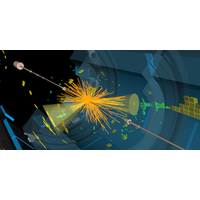
Evidence for the Dimuon Decay of the Higgs Boson in $pp$ Collisions with the ATLAS Detector
Article | Particles and Fields | 2025-12-03 05:00 EST
G. Aad et al. (ATLAS Collaboration)
Measurements of the decay of the Higgs boson into muon-antimuon pairs provide evidence for the mechanism by which quarks and leptons acquire their mass.
Phys. Rev. Lett. 135, 231802 (2025)
Particles and Fields
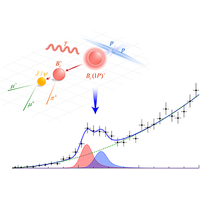
Observation of Orbitally Excited ${B}_{c}^{+}$ States
Article | Particles and Fields | 2025-12-03 05:00 EST
R. Aaij et al. (LHCb Collaboration)
, the only known meson made of two different flavors of heavy quarks, is observed in an orbitally excited state for the first time.
Phys. Rev. Lett. 135, 231902 (2025)
Particles and Fields
Leveraging Reactant Entanglement in the Coherent Control of Ultracold Bimolecular Chemical Reactions
Article | Atomic, Molecular, and Optical Physics | 2025-12-03 05:00 EST
Adrien Devolder, Timur V. Tscherbul, and Paul Brumer
Entanglement is a crucial resource for achieving quantum advantages in quantum computation, quantum sensing, and quantum communication. As shown in this Letter, entanglement is also a valuable resource for the coherent control of the large class of bimolecular chemical reactions. We utilize an entan…
Phys. Rev. Lett. 135, 233401 (2025)
Atomic, Molecular, and Optical Physics
Dual-Time-Scale Ion Acceleration Dynamics in Hall Thrusters
Article | Plasma and Solar Physics, Accelerators and Beams | 2025-12-03 05:00 EST
Q. Delavière-Delion, F. Gaboriau, G. Fubiani, and L. Garrigues
We report the first direct observation using a retarding potential analyzer of time-resolved ion energy distribution functions (IDFs) in a Hall thruster (HT) on two distinct time scales corresponding to the breathing mode () and the ion transit time oscillation (ITTO, ). We combined the…
Phys. Rev. Lett. 135, 235301 (2025)
Plasma and Solar Physics, Accelerators and Beams
Parity Anomaly from a Lieb-Schultz-Mattis Theorem: Exact Valley Symmetries on the Lattice
Article | Condensed Matter and Materials | 2025-12-03 05:00 EST
Salvatore D. Pace, Minho Luke Kim, Arkya Chatterjee, and Shu-Heng Shao
We show that the honeycomb tight-binding model hosts an exact microscopic avatar of its low-energy SU(2) valley symmetry and parity anomaly. Specifically, the SU(2) valley symmetry arises from a collection of conserved, integer-quantized charge operators that obey the Onsager algebra. Along with lat…
Phys. Rev. Lett. 135, 236501 (2025)
Condensed Matter and Materials
Coexistence of Ferroelectricity and Metallicity in Weakly Coupled ${(\text{SnSe})}{1.16}({\mathrm{NbSe}}{2})$ Crystal
Article | Condensed Matter and Materials | 2025-12-03 05:00 EST
Cheng Jia, Wenyu Huang, Haobo Yang, Chaojie Luo, Lili Jiang, Shuangxiang Wu, Ming Li, Minghui Fan, Yuanjun Yang, and Hui Zhang
Ferroelectric metals, traditionally considered mutually exclusive, face enduring challenges owing to screening effects of itinerant electrons on ferroelectric order. However, in certain van der Waals (vdW) heterostructures, two-dimensional materials with distinct structural and physical properties c…
Phys. Rev. Lett. 135, 236802 (2025)
Condensed Matter and Materials
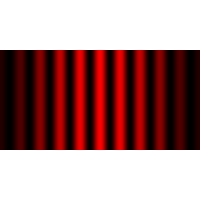
Tunable Einstein-Bohr Recoiling-Slit Gedankenexperiment at the Quantum Limit
Article | Quantum Information, Science, and Technology | 2025-12-02 05:00 EST
Yu-Chen Zhang, Hao-Wen Cheng, Zhao-Qiu Zengxu, Zhan Wu, Rui Lin, Yu-Cheng Duan, Jun Rui, Ming-Cheng Chen, Chao-Yang Lu, and Jian-Wei Pan
A single-atom interferometer confirms Niels Bohr's resolution of a seemingly paradoxical thought experiment devised by Albert Einstein.
Phys. Rev. Lett. 135, 230202 (2025)
Quantum Information, Science, and Technology
Limits on WIMP Dark Matter with NaI(Tl) Crystals in Three Years of COSINE-100 Data
Article | Cosmology, Astrophysics, and Gravitation | 2025-12-02 05:00 EST
G. H. Yu et al. (COSINE-100 Collaboration)
We report limits on weakly interacting massive particle (WIMP) dark matter derived from three years of data collected by the COSINE-100 experiment with NaI(Tl) crystals, achieving an improved energy threshold of 0.7 keV. This lowered threshold enhances sensitivity in the sub-GeV mass range, extendin…
Phys. Rev. Lett. 135, 231001 (2025)
Cosmology, Astrophysics, and Gravitation
Neutrino-Mass-Driven Instabilities as the Earliest Flavor Conversion in Supernovae
Article | Cosmology, Astrophysics, and Gravitation | 2025-12-02 05:00 EST
Damiano F. G. Fiorillo, Hans-Thomas Janka, and Georg G. Raffelt
Collective neutrino flavor conversions in core-collapse supernovae begin with instabilities, initially triggered when the dominant outflow concurs with a small antineutrino flux of opposite lepton number, with dominating over . When these "flipped" neutrinos emerge in the energy-integrated…
Phys. Rev. Lett. 135, 231003 (2025)
Cosmology, Astrophysics, and Gravitation
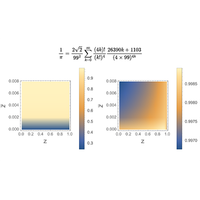
Ramanujan’s $1/π$ Series and Conformal Field Theories
Article | Particles and Fields | 2025-12-02 05:00 EST
Faizan Bhat and Aninda Sinha
Ramanujan's infinite series for leads to new expansions in logarithmic conformal field theories that converge faster than the standard conformal block decomposition.
Phys. Rev. Lett. 135, 231602 (2025)
Particles and Fields
Pulse and Polarization Structures in Axion-Converted X-Rays from Pulsars
Article | Particles and Fields | 2025-12-02 05:00 EST
JiJi Fan, Lingfeng Li, and Chen Sun
Neutron stars (NSs) with their strong magnetic fields and hot dense cores could be powerful probes of axions, a classic benchmark of feebly coupled new particles, through abundant production of axions with the axion-nucleon coupling and subsequent conversion into x-rays due to the axion-photon coupl…
Phys. Rev. Lett. 135, 231801 (2025)
Particles and Fields
Study of the $\mathrm{Λ}→pℓ{\overline{ν}}_{ℓ}$ Semileptonic Decay in Lattice QCD
Article | Particles and Fields | 2025-12-02 05:00 EST
Simone Bacchio and Andreas Konstantinou
We present the first lattice QCD determination of the vector and axial-vector form factors, which are essential inputs for studying the semileptonic decay . This channel provides a clean, theoretically controlled avenue for extracting the Cabibbo-Kobayashi-Maskawa matrix element fro…
Phys. Rev. Lett. 135, 231901 (2025)
Particles and Fields
$β$-Decay Half-Lives of Neutron-Rich Sulfur to Potassium: Evolution of the $N=32$ and 34 Subshell Closures below Calcium
Article | Nuclear Physics | 2025-12-02 05:00 EST
Q. B. Zeng et al.
The half-lives of 24 isotopes ranging from sulfur to potassium were measured using the ZeroDegree Advanced Decay Station at the Radioactive Isotope Beam Factory, including six of the most neutron-rich--, , , --for the first time, while the precision for and was signific…
Phys. Rev. Lett. 135, 232501 (2025)
Nuclear Physics
Beam-Normal Single-Spin Asymmetry in $^{208}\mathrm{Pb}$ at Low Energy: Discrepancy Resolved or New Kinematic Puzzle?
Article | Nuclear Physics | 2025-12-02 05:00 EST
A. Esser, N. Kozyrev, K. Aulenbacher, S. Baunack, M. Dehn, A. Del Vincio, L. Doria, M. Hoek, F. Keil, F. Maas, H. Merkel, M. Mihovilovič, U. Müller, J. Pochodzalla, B. S. Schlimme, T. Shao, S. Stengel, M. Thiel, L. Wilhelm, and C. Sfienti
A long-standing discrepancy between measured and predicted beam-normal single-spin asymmetries in elastic electron scattering off has challenged our understanding of two-photon exchange (TPE) in heavy nuclei. We report a new measurement at 570 MeV and , yielding
Phys. Rev. Lett. 135, 232502 (2025)
Nuclear Physics
Enhanced $S$-Factor for the $^{14}\mathrm{N}(p,γ{)}^{15}\mathrm{O}$ Reaction and Its Impact on the Solar Composition Problem
Article | Nuclear Physics | 2025-12-02 05:00 EST
X. Chen et al.
The solar composition problem has puzzled astrophysicists for more than 20 years. Recent measurements of carbon-nitrogen-oxygen (CNO) neutrinos by the Borexino experiment show a tension with the "low-metallicity" determinations. , the slowest reaction in the CNO cycle, plays a crucial…
Phys. Rev. Lett. 135, 232701 (2025)
Nuclear Physics
Probing Valence Electron and Hydrogen Dynamics using Charge-Pair Imaging with Ultrafast Electron Diffraction
Article | Atomic, Molecular, and Optical Physics | 2025-12-02 05:00 EST
Tianyu Wang, Hui Jiang, Ming Zhang, Xiao Zou, Pengfei Zhu, Feng He, Zheng Li, and Dao Xiang
Ultrafast electron diffraction can capture the motion of electrons and nuclei during light-induced reactions with high spatial and temporal resolution.
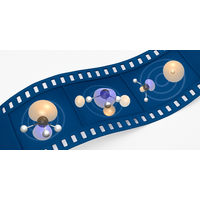
Phys. Rev. Lett. 135, 233002 (2025)
Atomic, Molecular, and Optical Physics
Anomalous Pressure Dependence of the Charge Density Wave and Fermi Surface Reconstruction in ${\mathrm{BaFe}}{2}{\mathrm{Al}}{9}$
Article | Condensed Matter and Materials | 2025-12-02 05:00 EST
Mahmoud Abdel-Hafiez, Muthukumaran Sundaramoorthy, Nabeel M. Jasim, K. A. Irshad, Chia Nung Kuo, Chin Shan Lue, F. L. Carstens, A. Bertrand, M. Mito, Rüdiger Klingeler, Vladislav Borisov, Anna Delin, Boby Joseph, Olle Eriksson, Sonachalam Arumugam, and Govindaraj Lingannan
We investigate the pressure evolution of charge density wave (CDW) order in the intermetallic compound , which undergoes a pronounced first-order CDW transition at ambient pressure. High-pressure electrical resistivity and magnetization measurements reveal a systematic enhancement of…
Phys. Rev. Lett. 135, 236502 (2025)
Condensed Matter and Materials
Molecular Anyons in the Fractional Quantum Hall Effect
Article | Condensed Matter and Materials | 2025-12-02 05:00 EST
Mytraya Gattu and J. K. Jain
The quasiparticles associated with a phenomenon called the fractional quantum Hall effect can bind together into stable clusters.
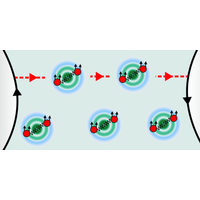
Phys. Rev. Lett. 135, 236601 (2025)
Condensed Matter and Materials
Hybrid Topological Euler and Stiefel-Whitney Phases in Elastic Metamaterials
Article | Condensed Matter and Materials | 2025-12-02 05:00 EST
Jijie Tang, Adrien Bouhon, Yue Shen, Kailun Wang, Junrong Feng, Feng Li, Di Zhou, Robert-Jan Slager, and Ying Wu
Recent advances in multigap topological phases--characterized by invariants like Euler and second Stiefel-Whitney classes across multiband subspaces--highlight their dependence on non-Abelian braiding of momentum-space band degeneracies in adjacent gaps. Here, we theoretically predict and experimental…
Phys. Rev. Lett. 135, 236602 (2025)
Condensed Matter and Materials
Ionic Sliding Ferroelectricity in Layered Ion Conductors
Article | Condensed Matter and Materials | 2025-12-02 05:00 EST
Yutong Yan and Menghao Wu
Recent research on sliding ferroelectricity in various two-dimensional bilayers and multilayers has shown its promising application potential and emerging new physics distinct from conventional ferroelectricity. However, it stems from van der Waals interactions of asymmetrically stacked layers, so t…
Phys. Rev. Lett. 135, 236801 (2025)
Condensed Matter and Materials
Model-Free Learning of Probability Flows: Elucidating the Nonequilibrium Dynamics of Flocking
Article | Polymers, Chemical Physics, Soft Matter, and Biological Physics | 2025-12-02 05:00 EST
Nicholas M. Boffi and Eric Vanden-Eijnden
Active systems comprise a class of nonequilibrium dynamics in which individual components autonomously dissipate energy. Efforts towards understanding the role played by activity have centered on computation of the entropy production rate (EPR), which quantifies the breakdown of time reversal symmet…
Phys. Rev. Lett. 135, 238301 (2025)
Polymers, Chemical Physics, Soft Matter, and Biological Physics
Review of Modern Physics
Kitaev quantum spin liquids
Article | Condensed matter | 2025-12-03 05:00 EST
Yuji Matsuda, Takasada Shibauchi, and Hae-Young Kee
Frustration in spin systems can prevent ordering even at , creating quantum spin liquids that have been sought since Anderson's pioneering work in 1973 and his influential 1987 paper connecting them to high-temperature superconductivity. Kitaev's solvable spin-1/2 models on a honeycomb lattice brought renewed attention to this field, with Jackeli and Khaliullin later revealing how to engineer Kitaev interactions in real materials. This review highlights theoretical and experimental developments in Kitaev spin liquids, emphasizing leading candidate materials and their broad topological properties such as chiral edge modes. Consequently, it provides essential insights for both experimentalists and theorists working on quantum spin liquid problems.
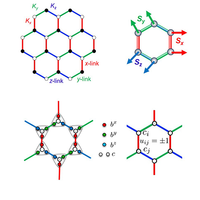
Rev. Mod. Phys. 97, 045003 (2025)
Condensed matter
arXiv
Neural Networks as Physics-Consistent Surrogates: An \textit{Explainable AI} Validation Framework for Learning Constitutive Relations
New Submission | Materials Science (cond-mat.mtrl-sci) | 2025-12-03 20:00 EST
Chandana Pati, S. M. Mallikarjunaiah
This paper presents a Physics-\textit{Explainable AI} (XAI) framework to validate and interpret neural networks for the constitutive modeling of solid materials. The study bridges the gap between data-driven models and continuum mechanics by applying a suite of explainability methods to neural networks trained on three distinct material behaviors: hyperelasticity (\textit{Mooney-Rivlin}), elastoplasticity (\textit{Chaboche}), and viscoelasticity (\textit{Fractional Zener}). First, high-fidelity surrogate models, including dense feed-forward networks, LSTMs, and GRUs, are trained on synthetically generated data to accurately capture complex material responses. The core of the work then employs XAI techniques to “open the black box” and confirm that the networks learn physically meaningful principles. For hyperelasticity, gradient-based attributions (\textit{Grad Input} (GI)) successfully match the analytical tangent modulus, proving the network learned material stiffness. For elastoplasticity, \textit{SHapley Additive exPlanations} (SHAP) and \textit{Principal Component Analysis} (PCA) demonstrate the \textit{Recurrent Neural Network} (RNN) internalizes path-dependent memory, with SHAP identifying \textit{plastic strain} as the dominant feature governing the stress prediction. For viscoelasticity, latent-space and wavelet analyses of the \textit{Gated Recurrent Unit. } GRU layers reveal a clear temporal hierarchy, with different layers encoding instantaneous elastic response, intermediate relaxation, and long-term fractional memory. Ultimately, the study demonstrates that the XAI framework can verify that the neural networks are not merely curve-fitting but are, in fact, learning the underlying physical mechanisms of stiffness, history-dependence, and temporal damping.
Materials Science (cond-mat.mtrl-sci)
The measurement-induced phase transition in strongly disordered spin chains
New Submission | Disordered Systems and Neural Networks (cond-mat.dis-nn) | 2025-12-03 20:00 EST
Yicheng Tang, Pradip Kattel, Arijeet Pal, Emil A. Yuzbashyan, J. H. Pixley
We investigate the dynamics of strongly disordered spin chains in the presence of random local measurements. By studying the transverse-field Ising model with a site-dependent random longitudinal field and an effective $ l$ -bit many-body localized Hamiltonian, we show that the prethermal and MBL regimes are unstable to local measurements along any direction. Any non-zero measurement density induces a volume-law entangled phase with a subsequent phase transition into an area-law state as the measurement rate is further increased. The critical measurement rate $ p_c$ , where the transition occurs, is exponentially small in the strength of disorder $ W$ and the average overlap between the measurement operator and the local integrals of motion $ O$ as $ p_c \sim \exp[-\alpha W/(1-O^2)]$ . In the measurement-induced volume-law phase, the saturation time scales as $ t_s \sim L $ , contrasting the exponentially slow saturation $ t_s \sim e^{aL}$ in the prethermal and MBL regimes at $ p = 0$ .
Disordered Systems and Neural Networks (cond-mat.dis-nn), Statistical Mechanics (cond-mat.stat-mech), Quantum Physics (quant-ph)
9 pages, 8 figures
Anomalies on the Lattice, Homotopy of Quantum Cellular Automata, and a Spectrum of Invertible States
New Submission | Strongly Correlated Electrons (cond-mat.str-el) | 2025-12-03 20:00 EST
Alexander M. Czajka, Roman Geiko, Ryan Thorngren
We develop a rigorous topological theory of anomalies on the lattice, which are obstructions to gauging global symmetries and the existence of trivial symmetric states. We also construct $ \Omega$ -spectra of a class of invertible states and quantum cellular automata, which allows us to classify both anomalies and symmetry protected topological phases up to blend equivalence.
Strongly Correlated Electrons (cond-mat.str-el), High Energy Physics - Theory (hep-th), Mathematical Physics (math-ph), Quantum Physics (quant-ph)
Return point memory in knitted fabrics
New Submission | Soft Condensed Matter (cond-mat.soft) | 2025-12-03 20:00 EST
Elizabeth J. Dresselhaus, Sonja Hellebrand, Rajyasri Roy, Kranthi K. Mandadapu, Sanjay Govindjee
The tunable mechanical response of knitted fabrics underpins applications ranging from soft robotics and artificial muscles to morphing electromagnetic field sensors. Elasticity in fabrics emerges from the bending of yarn in the knitted structure; however, properties beyond elasticity are relatively unexplored. Here, we demonstrate that knitted fabrics subjected to cyclic uniaxial stress exhibit significant hysteresis and the remarkable ability to “remember” their response to previous deformations – reminiscent of classical return point memory in magnetic systems. The hysteretic behavior deviates from the two standard models of hysteresis that usually apply to solid-state materials, viscoelasticity and plasticity. Thus, we develop a phenomenological extension of the Preisach model of hysteresis which well replicates our data, and discuss implications of these results on the underlying mechanisms of memory in knitted fabrics.
Soft Condensed Matter (cond-mat.soft)
$J_1-J_2$ Triangular Lattice Antiferromagnet in a Magnetic Field
New Submission | Strongly Correlated Electrons (cond-mat.str-el) | 2025-12-03 20:00 EST
Anna Keselman, Xinyuan Xu, Hao Zhang, Cristian D. Batista, Oleg A. Starykh
We investigate the spin-1/2 $ J_1-J_2$ triangular-lattice Heisenberg antiferromagnet in a magnetic field by combining large-scale density matrix renormalization group (DMRG) simulations with self-consistent spin-wave theory. The resulting field-coupling phase diagram reveals that quantum fluctuations stabilize coplanar order across the entire parameter range, giving rise to a characteristic sequence of magnetization plateaux. Near the quantum-spin-liquid window $ 0.06 \lesssim J_2/J_1 \lesssim 0.14$ , which extends to magnetic field $ B \sim J_1$ , we identify overlapping $ m = 1/3$ and $ m = 1/2$ plateaux - a distinctive hallmark of the system’s proximity to the low-field spin-liquid regime. The excellent quantitative agreement between DMRG and self-consistent one-loop spin-wave calculations demonstrates that semiclassical approaches can reliably capture and parameterize the plateau phases of triangular quantum antiferromagnets.
Strongly Correlated Electrons (cond-mat.str-el)
Accurate prediction of macroscopic transport from microscopic imaging via critical fractals at the Mott transition
New Submission | Strongly Correlated Electrons (cond-mat.str-el) | 2025-12-03 20:00 EST
P.-Y. Chen, A. R. Rajapurohita, M. Alzate Banguero, S. Basak, F. Simmons, P. Salev, L. Aigouy, Ivan. K. Schuller, A. Zimmers, E. W. Carlson
Vanadium dioxide (VO$ _2$ ) exhibits hysteresis in resistance while undergoing a thermally driven insulator-metal transition (IMT). Understanding the nonequilibrium effects in resistance is of great interest, as VO$ _2$ is a strong candidate for brain-inspired computing, which is more energy efficient for AI tasks compared to traditional computing. Accurate models of the connection between microscopic and macroscopic transport properties and microscopic imaging of VO$ _2$ will allow us to better utilize VO$ _2$ in future applications. However, predictions of macroscopic resistance of VO$ _2$ that quantitatively match observations using spatially resolved data have not yet been achieved. Here, we demonstrate an accurate prediction of the macroscopic resistance of VO$ _2$ throughout the entire temperature range of interest, by developing a multiscale resistor network model incorporating the assumption of fractal sub-pixel structure of the optical data, where the configuration of insulating and metallic domains within each pixel are drawn from the random field Ising model near criticality. This strongly indicates that the observed fractal, power law structure of metallic and insulating domains extends down to much smaller length scales than the current record for experimental resolution of this system, and that the two-dimensional random field Ising model near criticality is a suitable model for describing the metal and insulator patches of VO$ _2$ down to scales that approach the unit cell.
Strongly Correlated Electrons (cond-mat.str-el), Materials Science (cond-mat.mtrl-sci)
Out-of-equilibrium modeling of lyotropic liquid crystals: from binary simulations to multi-component theory
New Submission | Soft Condensed Matter (cond-mat.soft) | 2025-12-03 20:00 EST
Jonathan Salmerón-Hernández, Pablo Zubieta-Rico, Juan de Pablo
We present a thermodynamically consistent theoretical framework for lyotropic liquid crystals (LCs) based on the GENERIC (General Equation for the Non-Equilibrium Reversible-Irreversible Coupling) formalism. This formalism ensures conservation of energy and production of entropy, while coupling concentration, momentum balance, and liquid crystalline order. Starting from a binary nematic-isotropic mixture, we derive a theory for these key variables, which is then extended to multi-component systems.
The binary equations are solved numerically using a Julia-based solver that relies on an upwind finite-difference scheme, enabling stable and efficient simulations capable of handling multiple time scales while satisfying fundamental mathematical constraints. The results of simulations are consistent with experimental observations of topological core defects in chromonic LCs, as well as flow-driven droplet shape transitions under Couette and Poiseuille flows.
This work provides a platform for simulations of multi-component lyotropic LCs that can be extended to systems with multiple interfaces, active materials, and materials subject to external fields.
Soft Condensed Matter (cond-mat.soft), Mathematical Physics (math-ph), Computational Physics (physics.comp-ph), Fluid Dynamics (physics.flu-dyn)
Evaluation of carbon incorporation in sulfide thin films grown by hybrid pulsed laser deposition
New Submission | Materials Science (cond-mat.mtrl-sci) | 2025-12-03 20:00 EST
Claire Wu, Mythili Surendran, Shin Muramoto, Alexander Grutter, Jayakanth Ravichandran
Vapor-pressure-mismatched materials, such as transition metal chalcogenides, have emerged as key electronic, photonic, and quantum materials. Hybrid pulsed laser deposition (hPLD) has become a preferred method for epitaxial or textured growth of these materials; however, unintentional carbon (C) incorporation remains a persistent concern, particularly when using organic chalcogen precursors as safer alternatives to toxic hydrides. The mechanisms governing C incorporation and its impact on film growth and properties in hPLD remain poorly understood. Here, we investigate the influence of C-containing side products generated from organosulfur precursor pyrolysis on ZnS, BaTiS$ _3$ , and TiS$ _2$ thin films grown by hPLD using tert-butyl disulfide (TBDS). Structural characterization via X-ray diffraction and atomic force microscopy, combined with secondary ion mass spectrometry, is used to systematically examine the effects of growth temperature and TBDS partial pressure on film morphology, crystallinity, and C incorporation. Optimal growth temperatures of 400°C, 500°C, and 700°C are identified for ZnS, TiS$ _2$ , and BaTiS$ _3$ , respectively. Growth above or below these temperatures leads to increased C incorporation at both the interface and within the film, correlating with degraded texture. In contrast, highly textured films exhibit minimal C content, comparable to films grown without TBDS. For TiS$ _2$ , C incorporation depends strongly on TBDS pressure, with 10$ ^{-1}$ Pa identified as the optimal pressure for minimizing contamination. At higher pressures, loss of preferential texture is observed, likely due to C graphitization poisoning the interface and bulk. These results provide new insight into process-induced C impurities in hPLD-grown chalcogenide thin films and have important implications for sulfide-based thin film technologies.
Materials Science (cond-mat.mtrl-sci)
Emergent Spin-Singlet Pairing in the Frustrated Kagome Metal Sc$_3$Mn$_3$Al$_7$Si$_5$
New Submission | Strongly Correlated Electrons (cond-mat.str-el) | 2025-12-03 20:00 EST
R. Guehne, A. K. Sharma, P. Yanda, J. Noky, J. Sichelschmidt, R. Koban, W. Schnelle, C. Shekhar, M. Baenitz, C. Felser
The metallic kagome compound Sc$ _3$ Mn$ _3$ Al$ _7$ Si$ _5$ has attracted attention as a candidate platform where geometric frustration and itinerant electrons may cooperate to stabilize a quantum-disordered magnetic ground state. Here, we combine bulk thermodynamic probes, low-noise FIB-device transport, and comprehensive $ ^{55}$ Mn Nuclear Magnetic Resonance (NMR) measurements to elucidate the low-temperature spin dynamics of this system. The bulk data reveal strongly reduced magnetic entropy, a negative magnetoresistance arising from spin scattering, and field-dependent transport indicates the spin fluctuations, while showing no signatures of long-range magnetic order. NMR provides a direct local view of the correlated Mn moments: the nuclear spin-spin relaxation $ T_2$ exhibits a pronounced low-temperature enhancement driven by an indirect internuclear coupling through electronic spin fluctuations, whose temperature and distance dependence point to partially gapped low-energy spin excitations. The spin-lattice relaxation rate $ T_1^{-1}$ displays a Hebel-Slichter-like coherence peak near \SI{10}{K}, coincident with the resistivity crossover and a subtle heat-capacity anomaly, indicating the formation of short-range spin-singlet correlations. Together, our results demonstrate that Sc$ _3$ Mn$ _3$ Al$ _7$ Si$ _5$ hosts an unconventional correlated state dominated by frustrated, gapped spin dynamics, placing it among the rare metallic kagome systems proximate to a quantum spin liquid.
Strongly Correlated Electrons (cond-mat.str-el)
21 pages, 13 figures including supplementary information
Josephson scanning tunneling spectroscopy in superconducting phases coexisting with pair-, charge- and spin-density-waves
New Submission | Superconductivity (cond-mat.supr-con) | 2025-12-03 20:00 EST
Alyson Laskowski, Jasmin Bedow, Dirk K. Morr
We demonstrate that the recent observations of spatial oscillations in the energy position of the superconducting coherence peaks in the cuprate, transition metal dichalcogenide, iron-based and heavy-fermion superconductors are consistent with the possible presence of a pair-, charge- or spin-density-wave phase. We show that for all three cases, the spatial oscillations of the superconducting order parameter, $ \Delta({\bf r})$ can be imaged via the critical Josephson current, $ I_c({\bf r})$ measured in Josephson scanning tunneling spectroscopy experiments. Finally, we show that the spatial oscillations of the density waves and of $ \Delta({\bf r})$ exhibit relative phase shifts of $ \Delta \phi = 0$ or $ \pi$ for a charge-density wave, and $ \Delta \phi =\pi/2$ for the spin-density wave.
Superconductivity (cond-mat.supr-con)
Coupling between ferroelectric distortions and excitonic properties in PbTiO$_3$
New Submission | Materials Science (cond-mat.mtrl-sci) | 2025-12-03 20:00 EST
Pietro Pacchioni, Lorenzo Varrassi, Cesare Franchini
PbTiO$ _3$ is a ferroelectric perovskite semiconductor with favourable electronic and optical properties, making it suitable for a wide range of applications, including photo-catalysis and (opto)electronic devices. Despite its relevance, an accurate ab-initio description of the optical absorption spectrum and of the impact of ferroelectric distortion on the excitonic properties is still lacking. We combine $ G_0W_0$ and Bethe-Salpeter Equation calculations to investigate the electronic and optical properties of PbTiO$ _3$ , tracking the evolution of its excitonic spectrum along the transition from the cubic paraelectric to the tetragonal ferroelectric phase. As the polar distortion increases, the first absorption peak of the cubic phase splits into two distinct features due to symmetry breaking, which partially lifts the degeneracy of the underlying excitonic state. Crucially, the distortion further introduces an in-plane/out-of-plane anisotropy in the spectra and controls the energy separation between the resulting excitonic branches. These findings highlight the potential for tuning the optical absorption properties of PbTiO$ _3$ via the application of an external electric field.
Materials Science (cond-mat.mtrl-sci)
6 pages, 4 figures
Magnetoelectric effect in the mixed valence polyoxovanadate cage V$_{12}$
New Submission | Mesoscale and Nanoscale Physics (cond-mat.mes-hall) | 2025-12-03 20:00 EST
Development of spintronic and quantum computing devices increases demand for efficient, energy saving method of spin manipulation at molecular scale. Polyoxovanadate molecular magnets being susceptible to both electric and magnetic fields may serve here as a good base material. In this paper two isostructural anions [V$ _{12}$ As$ _8$ O$ _{40}$ (HCO$ _2$ )]$ ^{n-}$ (with $ n=3,5$ ) featuring two different mixed-valence states with itinerant and localized valence electrons are studied. The impact of the electric field on their magnetic properties is investigated by means of two complementary methods informed by magnetic measurements: effective Hamiltonian calculations and density functional theory. It is demonstrated that the magnetoelectric effect in theses molecules is induced mostly by relocation of itinerant electrons, is highly anisotropic, depends on the valence state and can be detected even at room temperature. These findings can pave the way to practical applications in which an electric field control over spin state is required.
Mesoscale and Nanoscale Physics (cond-mat.mes-hall), Materials Science (cond-mat.mtrl-sci), Chemical Physics (physics.chem-ph), Quantum Physics (quant-ph)
15 pages, 21 figures
Thermodynamic Entropy as Information – A compression-based demonstration of the Shannon-Boltzmann equivalence in condensed matter
New Submission | Statistical Mechanics (cond-mat.stat-mech) | 2025-12-03 20:00 EST
We demonstrate that Shannon’s information entropy and the thermodynamic entropy of Boltzmann and Gibbs are quantitatively equivalent for real condensed-matter systems. By interpreting atomic configurations as information sources, we compute entropy directly from the compressibility of molecular-dynamics trajectories, without physical partitioning or empirical modeling. A custom lossy-compression algorithm measures the minimum number of bits required to describe a microstate at finite precision, and this bit count maps exactly to thermodynamic entropy through the Shannon-Boltzmann relation. The method reproduces benchmark entropies for metals, semiconductors, oxides, and refractory ceramics in both solid and liquid phases, establishing information as the fundamental quantity underlying thermodynamic disorder. This equivalence unifies information theory and statistical mechanics, providing a general and computationally efficient framework for determining entropies and free energies directly from atomic data.
Statistical Mechanics (cond-mat.stat-mech), Materials Science (cond-mat.mtrl-sci)
Chemical potential of magnon polarons
New Submission | Mesoscale and Nanoscale Physics (cond-mat.mes-hall) | 2025-12-03 20:00 EST
Violet Williams, Benedetta Flebus
Using a rotationally invariant formulation of spin-lattice coupling, we derive a rigorous definition of the chemical potential for magnon-polaron quasiparticles in collinear ferromagnets (FMs) and antiferromagnets (AFMs), valid when magnetoelastic scattering equilibrates magnons and acoustic phonons on timescales much shorter than those associated with quasiparticle-nonconserving relaxation processes. While our microscopic framework applies to generic magnon-phonon interactions, here we focus on high-symmetry crystals where the two transverse acoustic modes form a degenerate doublet. This doublet can combine into circularly polarized phonons, making the chiral selectivity of the coupling manifest: the FM magnon mode hybridizes only with the co-rotating phonon, whereas in collinear AFMs each magnon branch of opposite handedness couples to the phonon of the same chirality. We show that, in both FM and AFM systems, the nonequilibrium magnon-polaron gas is governed by a single chemical potential conjugate to the conserved axial angular momentum. In FMs, the two hybrid branches in the co-rotating sector share this chemical potential, weighted by their magnonic fractions; in AFMs, the four magnon-polaron branches split into two chiral sectors that carry opposite angular momenta and couple with opposite sign to the same chemical potential. Building on this microscopic thermodynamic framework, we formulate a Boltzmann transport theory for magnon-polarons and derive compact expressions for angular-momentum and heat currents that interpolate continuously to the decoupled regime and reproduce the phenomenological magnon-polaron transport framework underlying previous spin Seebeck analyses.
Mesoscale and Nanoscale Physics (cond-mat.mes-hall)
Perfect impedance matching unlocks sensitive radio-frequency reflectometry in 2D material quantum dots
New Submission | Mesoscale and Nanoscale Physics (cond-mat.mes-hall) | 2025-12-03 20:00 EST
Motoya Shinozaki, Akitomi Shirachi, Yuta Kera, Tomoya Johmen, Shunsuke Yashima, Aruto Hosaka, Tsuyoshi Yoshida, Takeshi Kumasaka, Yusuke Kozuka, Tomohiro Otsuka
Two-dimensional (2D) materials are attractive platforms for realizing high-performance quantum bits (qubits). However, radio-frequency (RF) charge detection, which is a key technique for qubits readout, remains challenging in such systems. We demonstrate RF reflectometry with impedance matching for high-resistance quantum dot devices based on bilayer graphene and molybdenum disulfide. By integrating a tunable strontium titanate (SrTiO3) varactor into a resonant circuit, we achieve nearly perfect impedance matching, enabling sensitive charge detection. The demodulated RF signal clearly shows Coulomb oscillations, and the SrTiO3 varactor exhibits robustness against both magnetic fields and voltage noise on the varactor. Our results establish SrTiO3 varactors as effective tunable matching components for RF reflectometry in high-resistance 2D material quantum devices, providing a foundation for high-speed qubits readout.
Mesoscale and Nanoscale Physics (cond-mat.mes-hall)
7 pages, 5 figures
The $O(N)$ Free-Scalar and Wilson-Fisher Conformal Field Theories on the Fuzzy Sphere
New Submission | Strongly Correlated Electrons (cond-mat.str-el) | 2025-12-03 20:00 EST
Wenhan Guo, Zheng Zhou, Tzu-Chieh Wei, Yin-Chen He
The fuzzy-sphere regularization is an emerging numerical and theoretical technique for studying conformal field theories (CFTs). In this paper, we apply it to the $ O(N)$ vector model, one of the most prominent theories for critical behavior in three space-time dimensions. We construct a model that realizes the $ O(N)$ Wilson-Fisher and free-scalar CFTs for general $ N$ . For $ N=2,3,4$ , we present numerical evidence including the operator spectra and correlation functions in agreement with conformal symmetry and conformal bootstrap results.
Strongly Correlated Electrons (cond-mat.str-el), Statistical Mechanics (cond-mat.stat-mech), High Energy Physics - Theory (hep-th)
17 pages and 9 figures
High-Precision Simulations of the Parity Conserving Directed Percolation Universality Class in 1+1 Dimensions
New Submission | Statistical Mechanics (cond-mat.stat-mech) | 2025-12-03 20:00 EST
Next to the directed percolation (DP) universality class, parity conserving directed percolation (pcDP; also called parity
conserving branching annihilating random walks, pcBARW) is the second-most important model with an absorbing state
transition. Its distinction from ordinary DP is that particle number is conserved modulo 2, which means in 1 dimension of
space that there are two degenerate vacuum (absorbing) states. Particles can be interpreted as domain walls between
them, and there are two distinct sectors in systems with a finite initial number of particles: Realizations with even and
odd particle numbers show different scaling behaviors. An intriguing feature of pcDP it is that some of its critical
exponents seem to be very simple rational numbers. The most prominent is the one describing the average number of
particles (or active sites) in the even sector, which is asymptotically constant. In contrast, the dynamical critical
exponent (which is the same in both sectors) seems not close to any simple rational. Finally, the order parameter exponent
(which is also the same in both sectors) is, according to the most precise previous simulations, $ \beta = 1.020(5)$ ,
and thus very close but not really compatible with a simple rational. We present high statistics simulations which
clarifies this situation, and which indicate several other intriguing properties of pcPD clusters. In particular, we find
$ \beta = 1.000$ with the error in the next digit.
Statistical Mechanics (cond-mat.stat-mech)
13 pages, 19 figures
Phase Transitions as Emergent Geometric Phenomena: A Deterministic Entropy Evolution Law
New Submission | Statistical Mechanics (cond-mat.stat-mech) | 2025-12-03 20:00 EST
We show that thermodynamics can be formulated naturally from the intrinsic geometry of phase space alone-without postulating an ensemble, which instead emerges from the geometric structure itself. Within this formulation, phase transitions are encoded in the geometry of constant-energy manifold: entropy and its derivatives follow from a deterministic equation whose source is built from curvature invariants. As energy increases, geometric transformations in energy-manifold structure drive thermodynamic responses and characterize criticality. We validate this framework through explicit analysis of paradigmatic systems-the 1D XY mean-field model and 2D $ \phi^4$ theory-showing that geometric transformations in energy-manifold structure characterize criticality quantitatively. The framework applies universally to long-range interacting systems and in ensemble-inequivalence regimes.
Statistical Mechanics (cond-mat.stat-mech)
End-to-end machine-learned interatomic potentials for modeling functionalized mesoporous aluminosilicates
New Submission | Materials Science (cond-mat.mtrl-sci) | 2025-12-03 20:00 EST
Jong Hyun Jung, Tom Schächtel, Yongliang Ou, Selina Itzigehl, Marc Högler, Niels Hansen, Johanna R. Bruckner, Blazej Grabowski
The structural hierarchy and chemical flexibility of metallosilicates enable broad technological applications, yet they also make it challenging to uncover structure–property relations. Previous large-scale atomistic simulations have provided mechanistic insight, but their accuracy and achievable model complexity remain constrained by the available interatomic potentials. Here, we present an end-to-end workflow for developing accurate and efficient machine-learning potentials, specifically moment tensor potentials (MTPs), tailored for structurally and chemically complex systems such as metallosilicates. The workflow integrates de novo structure generation, surface functionalization, and property evaluation. A domain-specific training strategy is employed: Configurations associated with melt–quench generation and subsequent functionalization train the syn-MTP, whereas configurations near equilibrium train the eq-MTP. We apply the workflow to prototypical metallosilicates, i.e., aluminosilicates, which we also experimentally synthesize and characterize for benchmarking the simulations. The syn-MTP reliably generates amorphous aluminosilicates that match experimental density and pair distribution functions measured with synchrotron X-ray diffraction. The eq-MTP reproduces experimental infrared spectra and surface hydroxyl densities, along with density-functional-theory-derived dehydrogenation energies, demonstrating meta-GGA-level accuracy and validating the end-to-end workflow. Finally, we showcase the applicability of the developed potentials by predicting infrared spectra of functionalized porous aluminosilicates. This study establishes a robust path toward accurate modeling of realistic metallosilicates under operando-relevant conditions.
Materials Science (cond-mat.mtrl-sci)
15 pages, 6 figures
Anharmonic interaction as random field for thermal transport in FPU-$β$ lattice
New Submission | Mesoscale and Nanoscale Physics (cond-mat.mes-hall) | 2025-12-03 20:00 EST
We present an open quantum theory for the thermal transport in the Fermi-Pasta-Ulam-$ \beta$ (FPU-$ \beta$ ) lattice. In the theory, local bosons(LBs) are introduced as carriers for the transport. The LBs are stimulated by individual atoms in the lattice, which are different from the phonons that are collective motions of the atoms. The LBs move in the FPU chain and are governed by a set of stochastic differential equations(SDEs). The anharmonic interaction between the atoms in the lattice is transformed to a random field by the Hubbard-Stratonovich transformation, and has been implemented in the set of SDEs. By solving the set of SDEs at the steady state, we study the influence of the anharmonic interaction on the thermal transport. Results show that the anharmonic interaction decreases the thermal current by trapping the LBs on the lattice sites, as well as increase the thermal current by enhancing the amount of the LBs for the transport. The competition between these two mechanisms makes the thermal conductivity of the lattice dependent on the anharmonic interaction non-monotonically. The finite size effect of the thermal conductivity has also been captured by the theory.
Mesoscale and Nanoscale Physics (cond-mat.mes-hall)
10 pages,4 figures
Unconventional superconductivity from crystal field fluctuations
New Submission | Strongly Correlated Electrons (cond-mat.str-el) | 2025-12-03 20:00 EST
We present a novel pairing mechanism for superconductivity in strongly correlated electron systems, which often have both localised and itinerant charge carriers. An effective anisotropic interaction between the itinerant particles originates from the fluctuations in the crystal field associated with virtual hopping of the localised particles, a process that is also responsible for the Kondo exchange. Interestingly, this interaction is \emph{attractive} for charge transfer insulators such as cuprates. Considering a simple toy model for cuprates, without the antiferromagnetic exchange, this interaction leads to the correct d-wave superconducting gap, thus demonstrating its relevance.
Strongly Correlated Electrons (cond-mat.str-el)
6 pages, 2 figures
Effective Mass of a Migrating Interface
New Submission | Materials Science (cond-mat.mtrl-sci) | 2025-12-03 20:00 EST
Interfaces in materials are often treated as massless geometric boundaries, and many kinetic models adopt an overdamped assumption. In this Letter, we show that grain boundaries exhibit inertial behavior under high-frequency oscillatory loading and introduce a quantitative method to determine their effective mass from the phase lag between the applied force and interface velocity. The measured effective mass correlates with the mass of atoms participating in interface migration. Using this advance, we reassess prevailing theories and identify regimes where the inertial term materially affects interfacial kinetics, particularly at high frequencies relevant to thermal fluctuations. These results motivate incorporating an effective mass into kinetic descriptions, providing a clearer basis for modeling and interpreting interface migration.
Materials Science (cond-mat.mtrl-sci)
Self-Consistent Random Phase Approximation from Projective Truncation Approximation Formalism
New Submission | Strongly Correlated Electrons (cond-mat.str-el) | 2025-12-03 20:00 EST
Yue-Hong Wu, Xinguo Ren, Ning-Hua Tong
We derive the self-consistent random phase approximations (sc-RPA) from the projective truncation approximation (PTA) for the equation of motion of two-time Green’s function. The obtained sc-RPA applies to arbitrary temperature and recovers the Rowe’s formalism at zero temperature. The PTA formalism not only rationalize Rowe’s formula, but also provides a general framework to extend sc-RPA. We implement the sc-RPA calculation for the one-dimensional spinless fermion model in the parameter regime of disordered ground state, with the N-representability constraints enforced. The obtained ground state energy, correlation function, and density spectral function agree well with existing results. The features of the Luttinger liquid ground state and the continuum/bound state in the spectral function are well captured. We discuss several issues concerning the approximations made in RPAs, difficulties of RPA for symmetric state, and the static component problem of PTA.
Strongly Correlated Electrons (cond-mat.str-el), Statistical Mechanics (cond-mat.stat-mech)
23 pages, 5 figures
Coupled plastic strain- and stress-induced phase transformations and microstructure evolution in Fe-7%Mn alloy in dynamic rotational diamond anvil cell
New Submission | Materials Science (cond-mat.mtrl-sci) | 2025-12-03 20:00 EST
Sorb Yesudhas, Mrinmay Sahu, Valery I. Levitas, Dean Smith, Jeffrey T. Lloyd
The first experiments in dynamic rotational diamond anvil cell (dRDAC) on severe plastic deformation (SPD) and BCC<->HCP phase transformation (PT) at pressure up to 27.6 GPa, rotation rates up to 1,500 RPM, and strain rates up to 2,094 /s are performed considering Fe-%7Mn alloy as an example. The BCC-HCP PT initiates at 11.4 GPa under hydrostatic loading while it is 3.2 GPa under plastic compression. Strong effect of plastic straining leads to unique kinetics with simultaneous direct and reverse PTs, not studied for any material. For quasi-static loading, parameters in the kinetics for the strain-induced direct-reverse PTs and stationary volume fraction versus pressure are found. During torsion with 1,000 and 1,500 RPM, volume fraction of the HCP phase does not change. After torsion stops, it increases by 30% within a few minutes after 1,000 RPM and HCP phase disappears after 1,500 RPM. These findings contradict general wisdom that strain-induced PTs occur only during straining, time is not a governing parameter, and kinetics is determined by plastic strain instead of time. Thus, nuclei of the HCP phase are generated during straining at high strain rate, but growth/disappearance occur under stresses at much longer time scales. Consequently, a new theory of combined strain- and stress-induced PTs is required. The following important rule is revealed: crystallite size of 30 nm, microstrain ~0.004, and dislocation density ~1.1 x $ 10^{15}$ /$ m^2$ in the HCP phase are steady during static compression and dynamic torsion, during and after the PT and after torsion. These parameters are independent of pressure, plastic strain tensor, its path, strain rates, and volume fraction of the HCP phase. Obtained results open fundamental research on combined strain- and stress-induced PTs and microstructure evolution under dynamic SPD and high pressure.
Materials Science (cond-mat.mtrl-sci)
21 pages, 5 figures
Quantum Coulomb drag signatures of Majorana bound states
New Submission | Mesoscale and Nanoscale Physics (cond-mat.mes-hall) | 2025-12-03 20:00 EST
Zi-Wei Li, Jiaojiao Chen, Wei Xiong, Xiao Xue, Zeng-Zhao Li
Majorana bound states (MBSs), with their non-Abelian statistics and topological protection, are key candidates for fault-tolerant quantum computation. However, their unambiguous identification in solid-state systems remains a fundamental challenge. Here, we present a theoretical study demonstrating that drag transport in a capacitively coupled double quantum dot system offers a robust and nonlocal probe of weakly coupled MBSs. Using the master equation approach, we investigate both steady-state and transient dynamics and uncover a distinctive signature of MBSs, i.e., the emergence of pronounced split peaks in the drag transconductance, directly linked to inter-MBS coupling. We further show that the dynamics of quantum coherence exhibit an inverse correlation with the emergence and enhancement of MBS-induced split peaks in the drag transconductance as the inter-MBS coupling increases. A comparative analysis with Andreev bound states (ABSs) reveals key differences, that is, MBS-induced transconductance peaks are symmetric and robust, while ABS features are asymmetric and sensitive to perturbations. These findings establish clear experimental criteria for distinguishing MBSs and provide a practical framework for probing Majorana physics through nonlocal transport.
Mesoscale and Nanoscale Physics (cond-mat.mes-hall), Quantum Physics (quant-ph)
11 pages, 4 figures
Simulation-Based Inference of Ginzburg–Landau Parameters in Type–1.5 Superconductors
New Submission | Superconductivity (cond-mat.supr-con) | 2025-12-03 20:00 EST
Inferring microscopic couplings in multi-component superconductors directly from vortex configurations is a challenging inverse problem. In Type-1.5 systems, Time-Dependent Ginzburg-Landau (TDGL) dynamics generate complex, glassy vortex patterns with high metastability. We explicitly quantify this intractability by analyzing the Hessian spectrum of the energy landscape, revealing a proliferation of soft modes that hinders traditional sampling. We address this challenge by combining a differentiable TDGL solver with Simulation-Based Inference (SBI). Our approach treats the solver as a stochastic forward model mapping physical parameters ({\theta} = ({\eta}, B, {\nu})) to vortex density fields. Using Neural Ratio Estimation (NRE), we train a classifier to approximate the likelihood-to-evidence ratio and perform Bayesian inference for the interband Josephson coupling from vortex density fields. On synthetic data, the proposed method reliably recovers the coupling with calibrated uncertainty.
Superconductivity (cond-mat.supr-con), Strongly Correlated Electrons (cond-mat.str-el)
11 pages, 7 figures, 4 tables
Harnessing Multifractality to Enhance Thermal Stability in Mixed-Phase Vanadium Oxide Thin Films
New Submission | Materials Science (cond-mat.mtrl-sci) | 2025-12-03 20:00 EST
Abhijeet Das, Ram Pratap Yadav, Rashmi Roy Karmakar, Jyoti Jaiswal, Sanjeev Kumar
Vanadium oxide thin films exhibit temperature-driven electronic transitions desirable for sensing and microelectronic applications, yet their performance is often limited by thermal hysteresis. This study demonstrates that electronic stability is governed not simply by roughness or crystallinity but by a unique combination of surface morphological complexity and thermal hysteresis, revealed across films deposited with varying working pressure using Direct Current/Radio Frequency magnetron sputtering. Specifically, the film grown at 15 mTorr shows a distinct convergence of highest morphological vertical complexity and lowest thermal hysteresis, exhibiting nearly reversible transport with activation energies ranging from 0.26 to 0.28 eV and negative temperature coefficients of resistance between -0.0337 and -0.035 K-1. While conventional roughness metrics and mono-fractal parameters do not capture this behavior, multifractal detrended fluctuation analysis uncovers a pronounced peak in multifractality strength, which correlates inversely with thermal hysteresis. This highlights multifractality strength as a predictive descriptor of electronic stability, identifying a multiscale structural signature that enhances stress accommodation during thermal cycling. These results define an optimal deposition window and provide a morphology-guided pathway for developing thermally robust mixed-phase vanadium oxide films.
Materials Science (cond-mat.mtrl-sci), Mesoscale and Nanoscale Physics (cond-mat.mes-hall)
Su-Schrieffer-Heeger model driven by sequences of two unitaries: periodic, quasiperiodic and random protocols
New Submission | Mesoscale and Nanoscale Physics (cond-mat.mes-hall) | 2025-12-03 20:00 EST
We study the effect of driving the Su-Schrieffer-Heeger model using two unitary operators $ U_1$ and $ U_2$ in different combinations; the unitaries differ in the values of the inter-cell hopping amplitudes. Specifically, we study the cases where the unitaries are applied periodically, quasiperiodically and randomly. For a periodic protocol, when $ U_1$ and $ U_2$ are applied alternately, we find that end modes may appear, but the number of end modes does not always agree with the winding number which is a $ Z$ -valued topological invariant. We then study the Loschmidt echo ($ LE$ ) starting with a random initial state. We find that the $ LE$ exhibits pronounced oscillations whose Fourier transform has peaks at frequencies which agree with the most prominent gaps between pairs of quasienergies. Next, when $ U_1$ and $ U_2$ are applied in a quasiperiodic way (we consider Fibonacci and Thue-Morse protocols), we study the $ LE$ starting with an initial state which is an end mode of one of the unitaries. When the inter-cell hoppings differ by a small amount denoted by $ \epsilon$ , and the time period $ T$ of each unitary is also small, the distance between the unitaries is found to be proportional to $ \epsilon T$ . We then find that the $ LE$ oscillates around a particular value for a very long time before decaying to zero. The deviation of the value of the $ LE$ from 1 scales as $ \epsilon^2$ for a fixed value of $ T$ , while the time after which the $ LE$ starts decaying to zero has an interesting dependence on $ \epsilon$ and $ T$ . Finally, when $ U_1$ and $ U_2$ are applied in a random order, the $ LE$ rapidly decays to zero with increasing time. We have presented a qualitative understanding of the above results.
Mesoscale and Nanoscale Physics (cond-mat.mes-hall), Statistical Mechanics (cond-mat.stat-mech), Quantum Physics (quant-ph)
16 pages, 18 figures
Orbital-resolved three-body recombination across a p-wave Feshbach resonance in ultracold $^6$Li
New Submission | Quantum Gases (cond-mat.quant-gas) | 2025-12-03 20:00 EST
Shaokun Liu, Zhekang Xu, Shuai Peng, Sijia Peng, Tangqian Shu, Jiaming Li, Le Luo
We report precision, orbital-resolved measurements of three-body recombination near the 159~G $ p$ -wave Feshbach resonance in an ultracold gas of $ ^{6}$ Li atoms prepared in their lowest hyperfine state. Using a radio-frequency gated protocol that suppresses magnetic-field transients below the milligauss level, we resolve loss features associated with the $ |m_\ell|=1$ and $ m_\ell=0$ orbital projections. The measured three-body loss coefficient $ L_3$ is well captured by a thermally averaged cascade-recombination model, enabling extraction of the resonance splitting $ \delta B$ and effective-range parameter $ k_e$ . At the lowest temperature, we obtain $ \delta B = 7.6(3)$ ~mG and $ k_e = 0.151(6),a_0^{-1}$ , both in quantitative agreement with coupled-channel theory. These results establish orbital-resolved three-body spectroscopy as a precision probe of $ p$ -wave scattering and provide a benchmark for microscopic models of resonant few-body loss.
Quantum Gases (cond-mat.quant-gas)
Translational symmetry breaking in the electronic nematic phase of BaFe2As2
New Submission | Superconductivity (cond-mat.supr-con) | 2025-12-03 20:00 EST
K. Koshiishi, L. Liu, K. Okazaki, H. Suzuki, J. Xu, M. Horio, H. Kumigashira, K. Ono, M. Nakajima, S. Ishida, K. Kihou, C. H. Lee, A. Iyo, H. Eisaki, S. Uchida, A. Fujimori
The microscopic origin of the nematicity, namely, four-fold rotational symmetry breaking in iron-based superconductors has been controversial since its discovery. In particular, its relationship with the stripe-type spin-density-wave order and the orthorhombic lattice distortion in the antiferromagnetic orthorhombic (AFO) phase, which exists at temperatures below the electronic nematic phase, has been highly debated. Here, we report on the temperature evolution of angle-resolved photoemission spectra of the parent compound BaFe2As2, ranging from the AFO to nematic to paramagnetic phases. The Dirac cone feature, which is formed in the AFO phase, is found to persist in the nematic phase, suggesting that an antiferroic order of the same periodicity as the AFO phase persists in the nematic phase. Considering the relatively shallow d_xy orbital in BaFe2As2, we propose that an antiferro-orbital order involving the d_xy and other orbitals takes place in the nematic phase.
Superconductivity (cond-mat.supr-con)
6 pages, 5 figures
Quasi-steady electron-excitonic complexes coupling in a two-dimensional semiconductor
New Submission | Strongly Correlated Electrons (cond-mat.str-el) | 2025-12-03 20:00 EST
Shangkun Mo, Hao Zhong, Keming Zhao, Yunfei Bai, Dingkun Qin, Chunlong Wu, Qiang Wan, Renzhe Li, Cao Peng, Xingzhe Wang, Enting Li, Sheng Meng, Nan Xu
Excitons and their complexes govern optical-related behaviors in semiconductors. Here, using angle-resolved photoemission spectroscopy (ARPES), we have elucidated the light-matter interaction mediated by quasi-steady excitonic complexes within a monolayer of the prototypical two-dimensional (2D) semiconductor WSe2. Under continuous incident light, we have observed the generation of quasi-steady excitons and their complexes, encompassing ground and excited state excitons, trions, as well as their intricate interplay. We further show spectral evidence of electronic excitation states within the background of quasi-steady excitonic complexes, characterized by valence band (VB) effective mass renormalization, the enhanced spin-orbit coupling (SOC), the formation of an excitonic gap near the Fermi level (EF ) of the conduction band (CB), and intervalley excitonic band folding. Our findings not only unveil a quasi-steady excitonic complex background for the creation of diverse electronic excitations in 2D semiconductors but also offer new insights into the role of excitons in the charge density wave (CDW) formation mechanism and facilitate the advancement of correlated electronic state engineering based on the coupling between electrons and excitonic complexes in a quasi-equilibrium state.
Strongly Correlated Electrons (cond-mat.str-el), Mesoscale and Nanoscale Physics (cond-mat.mes-hall), Materials Science (cond-mat.mtrl-sci)
6 pages, 4 figures
Emergent Chiral Spin Crystal Phase in (111) SrRuO3 Thin Films
New Submission | Strongly Correlated Electrons (cond-mat.str-el) | 2025-12-03 20:00 EST
Zhaoqing Ding, Yongjie Xie, Xuejiao Chen, Sheng Wang, Zhen Wang, Zeguo Lin, Enling Wang, Xiaofeng Wu, Mingyu Yang, Yuelong Xiong, Meng Meng, Fang Yang, Jiandi Zhang, Xianggang Qiu, XIaoran Liu, Jiandong Guo
Perovskite ruthenates are fascinating playgrounds for exploring topological spin textures, but generally rely on extrinsic mechanisms to trigger the noncoplanar states. Here we report the discovery of an emergent chiral spin crystal phase in (111) SrRuO3 epitaxial films, characterized by a significant topological Hall effect and noncoplanar spin arrangements with different propagation vectors along two orthogonal directions. Instead of driven by the enhanced Dzyaloshinskii-Moriya interaction due to broken inversion symmetry at heterointerfaces, this emergent state arises intrinsically from the interplay of dipolar interactions and magnetic frustration, leading to the stabilization of topological phases in much thicker films. These findings open a new pathway for creating and controlling the topological spin states in perovskites, with broad implications for spintronic device design.
Strongly Correlated Electrons (cond-mat.str-el), Materials Science (cond-mat.mtrl-sci)
Low-temperature thermal conductivity of the substrate material YAlO3 and its unconventional sister compound YbAlO3
New Submission | Materials Science (cond-mat.mtrl-sci) | 2025-12-03 20:00 EST
Parisa Mokhtari, Ulrike Stockert, Stanislav E. Nikitin, Leonid Vasylechko, Manuel Brando, Elena Hassinger
We present thermal conductivity data on single crystals of YAlO3 and YbAlO3 for temperatures between 2 K and 300 K and the heat current along b and c. Both materials are very good thermal conductors in the investigated temperature range. The thermal conductivity in these electrical insulators is due to phonons. The effect of Y-Yb exchange is found to be rather small despite the considerable difference in density and average atomic mass. For YAlO3 we find a moderate thermal conductivity anisotropy with weak temperature dependence and a ratio of c to b direction between at most 1 and 2.2. It is discussed with regard to the velocities of sound and relevant scattering processes. For YbAlO3 the small crystal size limits the precision of absolute thermal conductivity values and does not allow drawing conclusions on the anisotropy. Our results on YAlO3 confirm that the material is suitable for applications requiring a good thermal conductivity at temperatures down to liquid helium, such as lasers, substrates, and detectors.
Materials Science (cond-mat.mtrl-sci)
22 pages, 5 figures
Physical Review Materials 9, 105001 (2025)
Thouless pumps and universal geometry-induced drift velocity in multi-sliding quasi-periodic lattices
New Submission | Strongly Correlated Electrons (cond-mat.str-el) | 2025-12-03 20:00 EST
Quantized Thouless pumps in periodic systems, set by Chern numbers or Wannier-center winding, is by now fairly well established, whereas its quasi-periodic extensions still require further clarification. Here, we develop a general quantitative paradigm for bulk Thouless pumps in continuous models with spacetime quasi-periodicity, applicable to arbitrary spatial dimensions. Within this framework, the bulk pumping turns out to be governed by an emergent long wave-length effective potential. Based on this mechanism, we obtain our main result a universal relation between topological drifting and the geometry of quasi Brillouin zone. Reduced to periodic systems, our result gives an explicit and compact formula which enables us to directly calculate Chern numbers by microscopic data. These proposals are corroborated by simulations of one- and two-dimensional continuous moiré-type spacetime quasi-periodic lattices, which exhibit stable, localized, directional drift in excellent agreement with the theory.
Strongly Correlated Electrons (cond-mat.str-el), Mesoscale and Nanoscale Physics (cond-mat.mes-hall), Mathematical Physics (math-ph), Optics (physics.optics)
8 pages, 3 figures
Mean First Passage Time of the Symmetric Noisy Voter Model with Arbitrary Initial and Boundary Conditions
New Submission | Statistical Mechanics (cond-mat.stat-mech) | 2025-12-03 20:00 EST
Rytis Kazakevičius, Aleksejus Kononovicius
Models of imitation and herding behavior often underestimate the role of individualistic actions and assume symmetric boundary conditions. However, real-world systems (e.g., electoral processes) frequently involve asymmetric boundaries. In this study, we explore how arbitrarily placed boundary conditions influence the mean first passage time in the symmetric noisy voter model, and how individualistic behavior amplifies this asymmetry. We derive exact analytical expressions for mean first passage time that accommodate any initial condition and two types of boundary configurations: (i) both boundaries absorbing, and (ii) one absorbing and one reflective. In both scenarios, mean first passage time exhibits a clear asymmetry with respect to the initial condition, shaped by the boundary placement and the rate of independent transitions. Symmetry in mean first passage time emerges only when absorbing boundaries are equidistant from the midpoint. Additionally, we show that Kramers’ law holds in both configurations when the rate of independent transitions is large. Our analytical results are in excellent agreement with numerical simulations, reinforcing the robustness of our findings.
Statistical Mechanics (cond-mat.stat-mech), Probability (math.PR), Statistics Theory (math.ST), Physics and Society (physics.soc-ph)
28 pages (17 pages in main body including references), 5 figures
Chaos, Solitons & Fractals 203: 117649 (2026)
Tuning proximity-induced spin-orbit coupling in graphene/WSe$_{2}$ heterostructures
New Submission | Mesoscale and Nanoscale Physics (cond-mat.mes-hall) | 2025-12-03 20:00 EST
Tobias Rockinger, Bálint Szentpéteri, Szabolcs Csonka, Marina Marocko, Julia Amann, Ziyang Gan, Antony George, Andrey Turchanin, Kenji Watanabe, Takashi Taniguchi, Dieter Weiss, Péter Makk, Jonathan Eroms
Recently, proximity-induced spin-orbit coupling (SOC) has been observed in heterostructures consisting of monolayer graphene (ML-G) and transition metal dichalcogenides (TMDCs) such as WSe$ _{2}$ . Successful tuning of SOC in graphene/WSe$ {2}$ heterostructures by applying mechanical pressure and electric fields was also demonstrated in previous studies. In addition, theoretical calculations predicted a strong dependence of the proximity-induced SOC on the twist angle between graphene and TMDC. Here, we put these predictions to experimental test in ML-G/ML-WSe$ {2}$ /hBN-heterostructures, where the twist angle is determined by aligning fractured edges, and by crystallographic etching of graphene. By performing weak anti-localization measurements, we determine the strength of the Rasbha-type SOC ($ \lambda\mathrm{R}$ ) and the valley-Zeeman-type SOC ($ \lambda\mathrm{VZ}$ ). Our experiments confirm a strong twist angle dependence of the proximity-induced SOC in agreement with theoretical predictions. Finally, we demonstrate the tunability of the SOC strength via mechanical pressure, which is in agreement with earlier findings.
Mesoscale and Nanoscale Physics (cond-mat.mes-hall)
10 pages, 12 figures, Supplemental Material appended
Size control guidelines for chemically active droplets
New Submission | Soft Condensed Matter (cond-mat.soft) | 2025-12-03 20:00 EST
Biological cells and synthetic analogues use liquid-liquid phase separation to dynamically compartmentalize their environment for various applications. In many cases, multiple droplets need to coexist, and their size needs to be controlled, which is challenging because large droplets tend to grow at the expense of smaller ones. Chemical reactions can, in principle, control droplet sizes, but there are no clear guidelines on how to robustly achieve size control. To provide guidelines, we consider a binary fluid model driven out of equilibrium by chemical reactions. We reveal two different classes of size-controlled droplets, depending on the ratio of droplet radius to the reaction-diffusion length. Moreover, we determine parameter regimes in which droplets become small. Taken together, our theory allows us to separately predict the chemical reactions necessary for maintaining droplets of a given class or size.
Soft Condensed Matter (cond-mat.soft), Statistical Mechanics (cond-mat.stat-mech), Biological Physics (physics.bio-ph)
Intrinsic and Tunable Superconducting Diode Effect in Quantum Spin Hall Systems
New Submission | Superconductivity (cond-mat.supr-con) | 2025-12-03 20:00 EST
Samuele Fracassi, Simone Traverso, Stefan Heun, Maura Sassetti, Matteo Carrega, Niccolo Traverso Ziani
Nonreciprocal dissipationless transport has long been sought for applications in superconducting technologies. Recently, it has been implemented by the so called superconducting diode effect. Such effect arises from an imbalance in critical supercurrents flowing in opposite directions. In this work, we theoretically demonstrate how the superconducting diode effect emerges in the quantum spin Hall phase when brought into full proximity with a superconductor. We explore two regimes: large and narrow quantum wells. In the former geometry, we show that the superconducting diode effect can be externally controlled using both magnetic and electric fields, achieving unit efficiency. In the latter regime, where tunneling between opposite edges may occur, we propose a mechanism for an intrinsic superconducting diode effect driven by edge reconstruction, which does not require external magnetic fields.
Superconductivity (cond-mat.supr-con)
Article: 16 pages, 5 figures. Supplementary: 7 pages, 7 figures
Framework for Electrochemical & Electrical Energy Storage Materials Database
New Submission | Materials Science (cond-mat.mtrl-sci) | 2025-12-03 20:00 EST
Vinod Sarky, P. Laxman Mani Kanta, Shivangi Keshri, Mannanvali Shaik, B. R. K. Nanda, Satyesh K. Yadav
Several electrochemical and electrical energy storage devices are reported every day, with the claim of outperforming the established ones. The use of newer materials and recent advanced techniques to synthesize and/or assemble them into a device leads to improved performance. Cyclic stability of a device is the most effective way of assessing the performance of the device. A wide variety of parameters can influence the cyclic stability of a cell, and there is no single fundamental parameter that reliably captures or assesses its overall performance. Therefore, we developed a multi-dimensional assessment framework that could account for various parameters like various types of materials used, selected fabrication techniques, current density, operating voltage window, temperature, environment, and other conditions, and can effectively rank cell performance based on essential assessment metrics like specific capacity and energy density that are substantial for a well-founded comparison.
The framework is designed with 45+ fields that capture various details related to i) materials used to fabricate cells, ii) processing techniques associated with electrode preparation and cell assembly, iii) cell information like weights and volumes, iv) electrochemical testing parameters, and v) cyclic charge-discharge performance details of a cell. The framework also accommodates charge-discharge gravimetric specific capacity, which is believed to be a key asset in accurately extracting lots of useful information, such as specific capacity, energy density, quantum efficiency, and other efficiencies. A distinctive feature of the framework is its ability to store data from both experimental and theoretical/computational sources (such as DFT and ML predictions) and facilitate effective comparison between them.
Materials Science (cond-mat.mtrl-sci)
17 pages, 6 figures
Strengthening and toughening mechanisms in heterostructured laminates revealed by a phase field-enhanced crystal plasticity simulation
New Submission | Materials Science (cond-mat.mtrl-sci) | 2025-12-03 20:00 EST
Yukai Xiong, Jianfeng Zhao, Jinling Liu, Jie Wang, Michael Zaiser, Xu Zhang
Heterostructured (HS) materials exhibit excellent mechanical properties, combining high strength and significant ductility. Hetero-deformation-induced (HDI) hardening and strain de-localization are key to their strength-ductility synergy. However, existing models often fall short in addressing these aspects. In this work, a coupled framework integrating strain gradient crystal plasticity and phase field damage models is developed. The interface dominated HDI hardening in HS laminates is handled by introducing a heterogeneity coefficient into the back stress. The phase field model accounts for defect energy-driven damage and accurately represents the materials ductile damage behavior by accounting for effects of microstructure on crack initiation and propagation. Simulation results on HS laminates align well with experimental results and reflect the distribution of geometrically necessary dislocations and back stresses at interfaces between regions with dissimilar microstructure. Crack initiation and propagation are accurately described, providing valuable insights into fracture behavior. The model can predict how strength and ductility change upon variations of the HS laminate microstructure, thus providing an essential tool for microstructure optimization. This work enhances the understanding of deformation mechanisms in HS laminates and provides valuable insights for design and optimization of this class of materials.
Materials Science (cond-mat.mtrl-sci)
Ultrafast Stiffening of the Lattice Potential and Metastable State Formation in 1$T$-TiSe$_2$
New Submission | Strongly Correlated Electrons (cond-mat.str-el) | 2025-12-03 20:00 EST
Xue-Qing Ye, Hao Liu, Qi-Yi Wu, Chen Zhang, Xiao-Fang Tang, Bo Chen, Chuan-Cun Shu, Hai-Yun Liu, Yu-Xia Duan, Peter M. Oppeneer, Jian-Qiao Meng
We use ultrafast optical spectroscopy to investigate the electronic and lattice dynamics of the charge-density wave (CDW) material 1$ T$ -TiSe$ 2$ across various temperatures and pump fluences. We reveal a close relationship between the observed ultrafast dynamical processes and two characteristic temperatures: $ T{\rm CDW}$ ($ \sim$ 202 K) and $ T^\ast$ ($ \sim$ 165 K). Two coherent phonon modes are identified: a high-frequency $ A_{1g}$ mode ($ \omega_{1}$ ) and a lower-frequency $ A_{1g}$ CDW amplitude mode ($ \omega_{2}$ ). In stark contrast to thermal melting, where phonons soften, the CDW amplitude mode exhibits anomalous hardening (frequency upshift) with increasing pump fluence. We establish this hardening as the direct signature of an ultrafast restoration of the bare lattice potential. The photoexcited carrier plasma screens the long-range electron-phonon interactions that drive the Peierls-like instability, effectively ``undressing” the soft phonon and driving its frequency toward the stiffer value of the unrenormalized lattice. Furthermore, an abrupt increase in the excited state buildup time above a critical pump fluence marks a sharp boundary to a photoinduced metastable metallic state. These findings demonstrate that the CDW order in 1$ T$ -TiSe$ _2$ is governed by a fragile, fluence-tunable competition between excitonic correlations and lattice dynamics.
Strongly Correlated Electrons (cond-mat.str-el)
8 pages, 4 figures
Accurate Modeling of Gate Leakage Currents in SiC Power MOSFETs
New Submission | Materials Science (cond-mat.mtrl-sci) | 2025-12-03 20:00 EST
Ang Feng, Alexander Karl, Dominic Waldhör, Marina Avramenko, Peter Moens, Tibor Grasser
Silicon carbide (SiC) metal-oxide-semiconductor field-effect-transistors (MOSFETs) enable high-voltage and high-temperature power conversion. Compared to Si devices, they suffer from pronounced gate leakage due to the reduced electron tunneling barrier at the interface between SiC and amorphous silicon dioxide (a-SiO$ _2$ ). We develop a self-consistent, physics-based simulation framework that couples electrostatics, quantum tunneling, carrier transport, impact ionization, and charge trapping for both electrons and holes. The model quantitatively reproduces measured gate-current-voltage characteristics of SiC MOS capacitors over a wide temperature (80-573 K) range and a wide bias range without empirical fitting. Simulations reveal that conduction electrons in a-SiO$ _2$ can trigger impact ionization, which generates electron-hole pairs, and leads to capture of holes in the oxide bulk, thereby enhancing gate leakage current. The framework captures these coupled processes across multiple orders of magnitude in time and field, providing predictive capability for oxide reliability. Although demonstrated for SiC devices, the methodology also applies to Si technologies that uses the same gate dielectric.
Materials Science (cond-mat.mtrl-sci), Applied Physics (physics.app-ph)
Precise Twist Angle Determination in twisted WSe2 via Optical Moiré Phonons
New Submission | Materials Science (cond-mat.mtrl-sci) | 2025-12-03 20:00 EST
Nicolai-Leonid Bathen, Thorsten Deilmann, Ana Senkić, Hendrik Lambers, Rami Dana, Kenji Watanabe, Takashi Taniguchi, Frances M. Ross, Julian Klein, Ursula Wurstbauer
Twisted bilayers of transition metal dichalcogenides (TMDC) form moiré superlattices resulting in moiré minibands in momentum space and hosting localized excitons in real space. While moiré superlattices provide access to Mott-Hubbard physics, their energy potential landscape and electronic correlations are highly sensitive to fluctuations of the twist angle, disorder and lattice reconstructions. However, fast and non-invasive experimental access to local twist angle and its spatial variations is challenging. Here, we systematically correlate twist angle variations of twisted WSe2 bilayers across micrometer length scales using a combined lateral force microscopy (LFM) and a micro- Raman spectroscopy approach. These measurements uncover lateral variations in the twist angle by more than 1° across length scales relevant to optical and transport measurements. We demonstrate that twist angles in the range of 3° < $ \alpha$ < 12° show distinct Raman response from scattering on optical moiré phonons allowing twist angle determination with high precision and sub-micrometer spatial resolution under ambient conditions. These modes are particularly sensitive in the low-angle twist regime, predicted to host emergent quantum phases. Our results establish micro-Raman spectroscopy of optical moiré phonons as a rapid, non-invasive probe to determine twist angle and to screen local twist angle variations with a precision better than $ \pm$ 0.3° and a lateral resolution below one micrometer. This methodology is also applicable to fully hBN-encapsulated heterostructures.
Materials Science (cond-mat.mtrl-sci)
4 figures and Supplemental Information
Harnessing swarms for directed migration of interacting active particles via optimal global control
New Submission | Soft Condensed Matter (cond-mat.soft) | 2025-12-03 20:00 EST
Chiara Calascibetta, Laëtitia Giraldi, Jérémie Bec
This study investigates the use of global control strategies to enhance the directed migration of swarms of interacting self-propelled particles confined in a channel. Uncontrolled dynamics naturally leads to wall accumulation, clogging, and band formation due to the interplay between self-organization and confinement. This work explores whether a uniform global control, such as magnetic field acting on all particles, can optimize collective transport. Using a discrete Vicsek-like model, it is found that simple global alignment controls, optimized via reinforcement learning, efficiently suppress unfavorable configurations and significantly increase the net particle flux along a prescribed channel direction. These results highlight that coarse, system-level observations are sufficient to achieve near-optimal control, even in regimes with strong fluctuations or partial ordering.
Soft Condensed Matter (cond-mat.soft)
Higgs physics in superconductors
New Submission | Superconductivity (cond-mat.supr-con) | 2025-12-03 20:00 EST
Hao Chu, Haotian Zhang, Zhili Zhang
As pointed out by Nambu-Goldstone, continuous symmetry breaking gives rise to gapless bosonic excitation. In superconductors, continuous local U(1) gauge symmetry is broken. The gapless excitation thus created is the collective phase mode of a superconductor. In 1962, Anderson pointed out that Coulomb interaction lifts this gapless mode to the superconducting plasma frequency. Therefore, in a superconducting fluid there are no bosonic excitations below the Cooper pair binding energy. Anderson mechanism also implies that the massless photon becomes massive in a superconductor. It provides a microscopic theory for dissipationless charge transport (with Landau criterion for superfluidity) and the Meissner effect in a superconductor. Jumping to particle physics, to explain why the gauge bosons for electroweak interaction are massive, Higgs, Englert, Kibble et al. proposed the existence of the Higgs field. This matter field couples to the massless W, Z bosons and generates mass via the Higgs mechanism. Due to their conceptual similarities, these two mechanisms are referred to as the Anderson-Higgs mechanism. In 2013, the detection of the Higgs boson provided the final proof for the Higgs hypothesis decades after its conception. The amplitude mode of a superconductor, which corresponds to the Higgs boson in the above analogy, is referred to as the Higgs mode. Its spectroscopic detection has also remained elusive for decades. In recent years, the development of ultrafast techniques enabled an effective approach for studying the mode. Here, we introduce the Higgs mode from a perspective of why superconductors superconduct and review the recent development in Higgs spectroscopy, particularly in the field of nonlinear terahertz spectroscopy. We discuss the novel insights that may be learnt from these studies for future high-Tc superconductivity and correlated materials research in general.
Superconductivity (cond-mat.supr-con), Strongly Correlated Electrons (cond-mat.str-el)
Acta Phys. Sin., 2025, 74(11): 117402
Electric-Field and Doping-Induced Non collinear Magnetic Interactions in Monolayer Ti$_2$Si
New Submission | Materials Science (cond-mat.mtrl-sci) | 2025-12-03 20:00 EST
Dimple Rani, Gayatri Panda, Subrata Jana, Prasanjit Samal
Two-dimensional (2D) silicides are an emerging class of materials whose magnetic and relativistic properties remain largely unexplored. Using first-principles calculations, we investigate how electric-field modulation and transition-metal doping influence the magnetic exchange, magnetocrystalline anisotropy, and antisymmetric Dzyaloshinskii-Moriya interaction (DMI) in monolayer Ti2Si. Pristine Ti2Si is a dynamically stable ferromagnetic metal with in-plane anisotropy and centrosymmetric bonding, which suppresses DMI even under strong perpendicular electric fields. To overcome this symmetry constraint, we introduce Pt and Co substitution at Ti sites. Co enhances the magnetic exchange, whereas Pt provides strong spin orbit coupling (SOC), and the combined chemical asymmetry breaks inversion symmetry sufficiently to induce a sizable DMI. A Wannier-based tight-binding model captures the orbital-resolved superexchange pathways and reveals a clear hierarchy between a weak Si-mediated channel and a dominant Pt-mediated interlayer channel. First-principles calculations confirm that the Pt-assisted pathway governs the magnitude and sign of the total DMI. Among all configurations, Pt0.5CoTi0.5Si exhibits the strongest chiral interaction, with its intralayer and interlayer contributions favoring opposite rotation senses, namely counterclockwise (CCW) and clockwise (CW). Our results establish chemically engineered Ti2Si monolayers as a promising platform for realizing and tuning chiral magnetic textures in 2D silicides.
Materials Science (cond-mat.mtrl-sci), Other Condensed Matter (cond-mat.other)
Competing excitonic couplings as origin of mimicked phase transitions in zinc-phthalocyanine single crystals
New Submission | Materials Science (cond-mat.mtrl-sci) | 2025-12-03 20:00 EST
Lisa Schraut-May (1), Sebastian Hammer (1), Luca Nils Philipp (2), Krzysztof Radacki (3), Gabriele Tauscher (4), Helena Hollstein (1), Kilian Strauß (1), Martin Kamp (5), Heinrich Schwoerer (4), Holger Braunschweig (3), Roland Mitric (2), Jens Pflaum (1 and 6) ((1) Experimental Physics VI, Julius-Maximilian University Würzburg, Würzburg, Germany, (2) Chair of Theoretical Chemistry, Julius-Maximilian University Würzburg, Würzburg, Germany, (3) Institute of Inorganic Chemistry, Julius-Maximilian University Würzburg, Würzburg, Germany, (4) Max Planck Institute for the Structure and Dynamics of Matter, Hamburg, Germany, (5) Institute of Physics and Röntgen Center for Complex Material Systems, Julius-Maximilian University Würzburg, Würzburg, Germany, (6) Center for Applied Energy Research, Würzburg, Germany)
The optical properties of molecular crystals are largely determined by the excitonic coupling of neighboring molecules. This coupling is extremely sensitive to the arrangement of adjacent molecular units, as their electronic interaction is defined by the relative orientation of the individual transition dipole moments and their wave function overlap. Hence, the optical properties, such as fluorescence, are usually highly anisotropic and good indicators of structural changes during the variation of intensive thermodynamic parameters like temperature or pressure. Here, we discuss the peculiar though archetypical case of $ \beta$ -phase zinc-phthalocyanine: In single crystals, we report a sudden change of spectral emission with temperature from a broad, unpolarized Frenkel-exciton type luminescence to a narrow, highly polarized superradiance-like fluorescence below 80 K. Surprisingly, we find that there is no sign of a discrete structural phase transition in this temperature regime. To understand this apparent contradiction, we perform polarization-, temperature- and time-dependent photoluminescence measurements along different crystallographic directions to fully map the emission characteristics of the crystal-exciton. By means of ab-initio calculations on a density functional theory level we conclude that our observations are consistent with a dimer exciton model when considering thermalized electronic states. As such, our study presents a representative case study on a well-established molecular material class demonstrating that caution is advised when attributing discrete changes in electronic observables to a structural phase transition. As we show for zinc-phthalocyanine in its $ \beta$ -phase modification, slowly varying excitonic couplings and thermal redistribution of excitations can mimic the same signatures attributed to a structural phase transition.
Materials Science (cond-mat.mtrl-sci), Chemical Physics (physics.chem-ph)
On the relationship between Heider links and Ising spins
New Submission | Statistical Mechanics (cond-mat.stat-mech) | 2025-12-03 20:00 EST
Zdzisław Burda, Maciej Wołoszyn, Krzysztof Malarz, Krzysztof Kułakowski
We show that the Heider model with an external field is equivalent, in the limit of structural balance, to the Ising model with nearest-neighbor interactions without an external field. More precisely, we claim that the signs of the Heider relations that maintain structural equilibrium in the system can be represented as nearest neighbor Ising spin products. We demonstrate this explicitly for a complete graph and provide a general argument for an arbitrary graph. A consequence of the equivalence is that the system of balanced Heider states undergoes a phase transition, inherited from the Ising model, at a critical value of the social field at which the fluctuations of edge magnetization are maximal.
Statistical Mechanics (cond-mat.stat-mech)
5 pages, 4 figures, see also arXiv:2512.00567
Using precision coefficients on recurrence times and integrated currents to lower bound the average dissipation rate
New Submission | Statistical Mechanics (cond-mat.stat-mech) | 2025-12-03 20:00 EST
Alberto Garilli, Diego Frezzato
For continuous-time Markov jump processes on irreducible networks and time-independent rate constants, we employ a transition-based formalism to express the long-time precision of a single integrated current over an observable channel in terms of precisions of the recurrence times of the forward and backward jumps, and of an effective affinity that captures the thermodynamic driving on that channel. This leads to a general lower bound for the stationary entropy production rate that extends the well-known Thermodynamic Uncertainty Relation (TUR). Such an augmented TUR, which incorporates the statistics of the recurrences, proves to be tighter than the standard one far from equilibrium, and potentially offers new opportunities for the optimization and design of biological and chemical out-of-equilibrium systems at the nanoscale.
Statistical Mechanics (cond-mat.stat-mech)
8 pages, 3 figures
Rational regulation strategies of interstitial localized electrons in electride: A density functional theory study
New Submission | Materials Science (cond-mat.mtrl-sci) | 2025-12-03 20:00 EST
L. Zhang, D. Wang, H. Wang, J. Li, Y. F. Wang, Q. Wu, Hua Y. Geng
As a class of electron-rich materials, electrides demonstrate promising applications in many fields. However, the required high pressure restricts the practical applications to some extent. This study reveals that the unique feature of electride, i.e., the localization of interstitial electrons, can be greatly enhanced and tuned by self-defective doping, applying tensile/compressive stress, or shear stress. Moreover, the requirement of orbital orthogonality between the valence and core electron wave functions, as well as the Pauli exclusion principle, should be the driven force for the electron interstitial localization; and the exertion of external pressure modifies the available space to accommodate the electronic wave functions, thus enhances the interstitial localization. These discoveries lay down the ground for searching for promising electrides that are practicable at ambient conditions.
Materials Science (cond-mat.mtrl-sci), Strongly Correlated Electrons (cond-mat.str-el), Chemical Physics (physics.chem-ph), Computational Physics (physics.comp-ph), Quantum Physics (quant-ph)
33 pages, 7 figures, with supplementary material
Computational Materials Science 258 (2025) 114117
The exchange coupling of a Wigner dimer
New Submission | Strongly Correlated Electrons (cond-mat.str-el) | 2025-12-03 20:00 EST
Daniele Lagasco, Zoran Ristivojevic
We study the exchange coupling in small Wigner crystals confined to one-dimensional space. In particular we concentrate on the simplest nontrivial case of two electrons in a box potential and calculate analytically the energy splitting between the lowest spatially symmetric and antisymmetric states, which is a relevant energy scale for the magnetic properties of the system. In the approximation of a fixed center of mass coordinate, the splitting decays exponentially with the square root of the distance between the electrons at the leading order. We show that the subleading exponential correction significantly increases the splitting and thus becomes crucial in order to describe correctly the exact numerical data for system sizes that are not astronomically large. Two methods of calculation of the energy splitting are developed. The first is based on the analysis of the exact solution that can be expressed in terms of the Whittaker functions. It applies at all values of the short-distance cutoff played by the width of one-dimensional wire that regularizes the Coulomb potential. The second method is based on the quasiclassical (or Wentzel-Kramers-Brillouin) approximation, which applies only for sufficiently large values of the cutoff. The two methods give identical result in the overlapping region. As a side result, our study gives the energy splitting in a triangular double well potential of inverse ``M’’ shape.
Strongly Correlated Electrons (cond-mat.str-el)
11 pages, 3 figures
Kaganov-Lifshitz-Tanatarov theory for tilted Dirac-cone materials: anisotropic heating from uniform light
New Submission | Strongly Correlated Electrons (cond-mat.str-el) | 2025-12-03 20:00 EST
Navinder Singh, Bharathiganesh Devanarayanan, Sruthi Sudhakaran, Jalaja Pandya, Saptarshi Mandal
We point out that in the tilted Dirac cone materials the non-equilibrium (hot) electron relaxation with phonons is anisotropic in the Brillouin zone. It means that there is a preferential heating of the lattice degrees of freedom in the specific directions of the Brillouin zone, in particular, in the direction opposite to the tilt velocity in the model considered by us. This observation will have novel consequences: (1) With pump-probe spectroscopy applied to a given tilted Dirac cone material an anisotropic relaxation would lead to a transient anisotropic heating which can further lead to a transient Seebeck effect as transient thermal gradients would exist in the specific directions of the BZ, and (2) this direction of anisotropic heating can be controlled by controlling the direction of the tilt velocity which can be externally tuned by the application of an external pressure. We foresee novel applications of this effect in ultrafast sensor applications involving transient heating effects. This is equivalent to inducing a transient Seebeck effect by just shinning light on a tilted Dirac cone material!
Strongly Correlated Electrons (cond-mat.str-el), Mesoscale and Nanoscale Physics (cond-mat.mes-hall)
9 pages, 6 figures
Real-time imaging of slow noisy quasiparticle dynamics at a non-trivial metastable defect in an electronic crystal
New Submission | Mesoscale and Nanoscale Physics (cond-mat.mes-hall) | 2025-12-03 20:00 EST
Yevhenii Vaskivskyi, Jaka Vodeb, Igor Vaskivskyi, Dragan Mihailovic
Nonequilibrium self-assembly is the root of all emergent complexity, including life. In quantum materials emergent metastable states have become a very fashionable topic of research, but the study of resulting mesoscopic state dynamics is hindered by the absence of appropriate methods. Here we pioneer the use of fast-scanning tunnelling microscope (FSTM) techniques to investigate the internal dynamics of mesoscopic metastable topologically non-trivial defects in an electronic Wigner crystal superlattice created by a local electromagnetic perturbation. This allows us to record unprecedented individual electron motion trajectories in real-time on the millisecond timescale. Such dynamics is understood to arise from coupling of hybridised Goldstone-Higgs bound states localised at the Y junction with microscopic electronic degrees of freedom that lead to the formation of localised quasiparticles with slow internal dynamics. Their unprecedented robustness against external perturbations comes from non-local constraints and non-trivial broken symmetries. Two-level system telegraph noise maps at the junction show phase and amplitude that is correlated with the observed electron motion trajectories. Such observation of single-particle dynamics in real time fundamentally transforms our understanding of metastable quantum states in electronic crystals and paves the way for technological advancements that make use of engineered topologically non-trivial defects.
Mesoscale and Nanoscale Physics (cond-mat.mes-hall), Disordered Systems and Neural Networks (cond-mat.dis-nn), Strongly Correlated Electrons (cond-mat.str-el)
8 pages, 3 figures
Adaptive hydrogels with spatiotemporal stiffening using pH-modulating enzymes
New Submission | Soft Condensed Matter (cond-mat.soft) | 2025-12-03 20:00 EST
Natascha Gray, Zoe Grämiger, André R. Studart, Rafael Libanori
Adaptive material systems that autonomously respond to external stimuli are crucial for advancing next-generation smart devices. Biological systems achieve autonomous behavior by utilizing chemical energy from out-of-equilibrium reactions to power life-like functions without requiring external energy inputs. Although responsive hydrogels with embedded enzymatic reactions offer a promising platform for implementing adaptive behavior in synthetic systems, previous studies have focused on controlling the supramolecular self-assembly of responsive building blocks rather than modulating network crosslinking. Here, we demonstrate direct enzymatic modulation of crosslinking density in a double-network hydrogel to achieve autonomous self-stiffening in response to a chemical stimulus. Our adaptive system embeds glucose oxidase within a polyacrylamide-alginate double-network hydrogel containing Ca(EDTA)2- complexes that render the crosslinked alginate network pH-responsive through a competitive calcium binding mechanism. Chemical waves emerging from enzymatic reaction activation propagate at speeds ranging from 15 to 44 um/min, driving spatiotemporal mechanical transitions that increase material stiffness by up to 2.1-fold. By integrating signal sensing and chemomechanical transduction within this responsive hydrogel, we realized adaptive behavior that autonomously converts localized chemical inputs into system-wide mechanical outputs. This positions our adaptive hydrogels as promising model systems to guide the design of intelligent materials for soft robotics and biomedical devices.
Soft Condensed Matter (cond-mat.soft), Materials Science (cond-mat.mtrl-sci)
Detection of Mpemba effect through good observables in open quantum systems
New Submission | Statistical Mechanics (cond-mat.stat-mech) | 2025-12-03 20:00 EST
Pitambar Bagui, Arijit Chatterjee, Bijay Kumar Agarwalla
The Mpemba effect refers to the anomalous relaxation of a quantum state that, despite being initially farther from equilibrium, relaxes faster than a closer counterpart. Detecting such a quantum Mpemba effect typically requires full knowledge of the quantum state during its time evolution, which is an experimentally challenging task since state tomography becomes exponentially difficult as system size increases. This poses a significant obstacle in studying Mpemba effect in complex many-body systems. In this work, we demonstrate that this limitation can be overcome by identifying suitable observables that signal rapid relaxation. Moreover, as long as the system equilibrates to a known unique steady-state, it is possible to fully detect the occurrence of quantum Mpemba effect just by measuring the observable for known state preparations. Our approach thus significantly reduces experimental complexity and offers a practical route for observing the quantum Mpemba effect in complex and extended multi-qubit setups.
Statistical Mechanics (cond-mat.stat-mech), Mesoscale and Nanoscale Physics (cond-mat.mes-hall), Quantum Physics (quant-ph)
8 pages, 3 figures
Emergent Quantum Valley Hall Insulator from Electron Interactions in Transition-Metal Dichalcogenide Heterobilayers
New Submission | Mesoscale and Nanoscale Physics (cond-mat.mes-hall) | 2025-12-03 20:00 EST
We explore the emergence of topological phases in moiré MoTe$ _2$ /WSe$ _2$ bilayer, highlighting the crucial role of spin-orbit coupling and Coulomb interactions at two holes per moiré unit cell $ v = 2$ . Our analysis uncovers robust Quantum Valley Hall Insulating (QVHI) phase and reveals that long-range interactions alone can mediate the interlayer electron tunneling, generating topologically nontrivial bands even in the absence of the corresponding single-particle hopping. Additionally, we show that in the case of band mixing terms originating both from the interaction and single particle physics a competition between topological states realizing $ s$ -$ wave$ and $ p\pm ip$ -$ wave$ symmetries can appear. Moreover, within the considered theoretical framework, we present that by introducing a small Zeeman field, one can lift the band inversion in one of the valleys. This leads to a Quantum Anomalous Hall Insulating (QAHI) state with the topological gap opening in a single valley and the other being topologically trivial.
Mesoscale and Nanoscale Physics (cond-mat.mes-hall)
Protein Diffusion and Stokes-Einstein Deviation in Supercooled Cryoprotectant Solutions
New Submission | Soft Condensed Matter (cond-mat.soft) | 2025-12-03 20:00 EST
Maddalena Bin, Anita Girelli, Mariia Filianina, Mario Reiser, Sharon Berkowicz, Milla Åhlfeldt, Michelle Dargasz, Sonja Timmermann, Jaqueline Savelkouls, Takeshi Kawasaki, Shinji Saito, Federico Zontone, Yuriy Chushkin, Fajun Zhang, Frank Schreiber, Michael Paulus, Christian Gutt, Fivos Perakis
Vitrification during cryopreservation requires a detailed understanding of the dynamic behavior of biological solutions. We investigate ferritin diffusion in glycerol-water mixtures at supercooled temperatures using X-ray Photon Correlation Spectroscopy (XPCS). Diffusion coefficients were measured from ambient conditions to $ T = 210$ K and analyzed using the Vogel-Fulcher-Tammann (VFT) relation, yielding an arrest temperature of $ T_0 = 85 \pm 11$ K for ferritin ($ R_{\rm h} = 7.3$ nm), markedly lower than $ T_0 = 122 \pm 4$ K for larger nanoparticles ($ R_{\rm h} = 50$ nm). Below $ T \approx 230$ K, ferritin diffusion exceeds the Stokes-Einstein prediction by up to a factor of 2.7, revealing nanoscale deviations from bulk viscosity. A fluctuating-friction model quantitatively links this enhancement to local friction heterogeneity, with fluctuations increasing upon cooling and reaching $ \sim 80%$ of the mean friction at $ T=210$ K. These results establish a molecular-scale connection between protein diffusion and solvent dynamical heterogeneity in cryoprotected solutions.
Soft Condensed Matter (cond-mat.soft)
Interplay of phonons, intertwined density waves, and induced spin density wave in trilayer nickelates Pr4-xLaxNi3O10
New Submission | Strongly Correlated Electrons (cond-mat.str-el) | 2025-12-03 20:00 EST
Sonia Deswal, Dibyata Rout, Nirmalya Jana, Koushik Pal, Surjeet Singh, Pradeep Kumar
Lattice degrees of freedom (DoF) play a central role in correlated electron systems, strongly influencing the dynamics of the underlying charge carriers and spin excitations. In nickelates, understanding the role of lattice is essential to unravel the interplay between charge, orbital, and spin degree of freedom in giving rise to various emergent phenomena reported recently. Here, we investigate the phononic DoF in a series of trilayer nickelates, namely Pr4-xLaxNi3O10 (where x = 0, 0.4, 1, 2, 3.6, and 4) using temperature and polarization dependent Raman scattering measurements. Our in-depth analysis of the phonon evolution with temperature and doping, gives interesting insights into the behaviour of these materials. All these systems undergo a metal-to-metal transition (TMMT), characterized by the development of intertwined spin and charge density waves, with the spin density wave preceding the charge density wave. These transitions manifest as pronounced anomalies in phonon self-energy parameters i.e. peak frequency and linewidth in the vicinity of the metal-to-metal transition. Several phonon modes show dramatic change (nearly an order of magnitude for some modes) in their softening rates across the TMMT, highlighting the sensitivity of the lattice dynamics to spin and charge order. These findings emphasize the crucial role of lattice DoF in mediating correlated ground states in layered nickelates.
Strongly Correlated Electrons (cond-mat.str-el)
Phase-sensitive non-reciprocal transport in high-temperature superconductor
New Submission | Superconductivity (cond-mat.supr-con) | 2025-12-03 20:00 EST
We propose the superconducting diode effect (SDE) in a planar s-wave/d-wave/s-wave Josephson junction as a direct phase-sensitive probe of the d-wave pairing function in high-Tc superconductors. Asymmetric interface coupling breaks inversion symmetry and induces a spontaneous Pi/2 phase difference, thereby breaking time-reversal symmetry without a magnetic field. In this TRS-broken state, the SDE emerges when single-Cooper-pair tunneling is enabled at the s-d interfaces, with its polarity and efficiency controllable by rotating the d-wave crystallographic orientation or perturbing its intrinsic C4 symmetry. Our results reveal a robust link between nonreciprocal Josephson transport and pairing symmetry, establishing the SDE as a powerful diagnostic tool for high-Tc superconductors and a tunable element for superconducting electronics.
Superconductivity (cond-mat.supr-con)
6 pages, 4 figures,
Ultrasensitive Anti-Stokes Luminescence Thermometry in Transition Metal Dichalcogenide Monolayers
New Submission | Materials Science (cond-mat.mtrl-sci) | 2025-12-03 20:00 EST
Sharada Nagarkar, Fahrettin Sarcan, Elanur Hut, Emiliano R. Martins, Stuart A Cavill, Thomas F. Krauss, Yue Wang
Accurate temperature mapping at the nanoscale is a critical challenge in modern science and technology, as conventional methods fail at these dimensions. To address this challenge, we demonstrate a highly sensitive nanothermometer using anti-Stokes photoluminescence, also known as photoluminescence upconversion (UPL), in monolayer tungsten disulfide ($ \mathrm{WS_2}$ ). Leveraging the direct band gap and strong exciton-phonon coupling in the two-dimensional monolayers, we achieve an exceptional relative sensitivity above $ 4%,\mathrm{K}^{-1}$ across the 300 K to 425 K range, ranking it among the best-performing materials reported. A strong resonantly enhanced UPL is observed, confirming the central role of optical phonons in the upconversion mechanism. Furthermore, we introduce a new analytical model to quantitatively describe the UPL process, taking into account the interplay of phonon populations, bandgap narrowing, and substrate effects, which predicts resonant temperatures and provides a framework with broad applicability to any material exhibiting an anti-Stokes photoluminescence response. To demonstrate its use as a high-resolution optical thermometer, we map a $ 20,^{\circ}\mathrm{C}$ thermal gradient across a $ 20,\mu\mathrm{m}$ long monolayer with a spatial resolution of $ 1,\mu\mathrm{m}$ . With its high sensitivity, strong signal, and excellent reproducibility, our work establishes monolayer transition metal dichalcogenide as a leading platform for non-invasive thermal sensing in advanced microelectronic and biological systems.
Materials Science (cond-mat.mtrl-sci), Atomic Physics (physics.atom-ph)
16 pages, 5 figures
Reaching Sachdev-Ye-Kitaev physics by shaking the Hubbard model
New Submission | Quantum Gases (cond-mat.quant-gas) | 2025-12-03 20:00 EST
Charles Creffield, Fernando Sols, Marco Schirò, Nathan Goldman
The Sachdev-Ye-Kitaev (SYK) model has attracted widespread attention due to its relevance to diverse areas of physics, such as high temperature superconductivity, black holes, and quantum chaos. The model is, however, extremely challenging to realize experimentally. In this work, we show how a particular form of Floquet engineering, termed ``kinetic driving’’, effectively eliminates single-particle processes and creates quasi-random all-to-all interactions when applied to models of Hubbard type. For the specific case of the Bose-Hubbard model, we explicitly verify that the driven system indeed reproduces SYK physics by direct comparison of the spectral form factor and out-of-time ordered correlation functions (OTOCs). Our findings indicate that a cold-atom realization of kinetic driving – achieved through modulation of hopping amplitudes in an optical lattice – offers a practical and accurate platform for quantum simulation of the SYK model.
Quantum Gases (cond-mat.quant-gas), Quantum Physics (quant-ph)
X-ray photon correlation spectroscopy of hydrated lysozyme at elevated pressures
New Submission | Soft Condensed Matter (cond-mat.soft) | 2025-12-03 20:00 EST
Milla Åhlfeldt, Maddalena Bin, Anita Girelli, Iason Andronis, Aigerim Karina, Nimmi Das Anthuparambil, Fiona Berner, Tobias Eklund, Louisa E. Kraft, Aliaksandr Leonau, Fabian Westermeier, Michael Sprung, Christian Gutt, Katrin Amann-Winkel, Fivos Perakis
Pressure provides a powerful parameter to control the protein conformation state, which at sufficiently high values can lead to unfolding. Here, we investigate the effects of increasing pressure up to $ 0.4$ GPa on hydrated lysozyme proteins, by measuring the nanoscale stress relaxation induced and probed by X-rays. Structural and dynamical information at elevated pressures was obtained using X-ray photon correlation spectroscopy (XPCS) in combination with a diamond anvil cell (DAC). The dynamical analysis revealed a slowing down of the system up to $ 0.2$ GPa, followed by a re-acceleration at $ 0.4$ GPa. A similar non-monotonic behavior was observed both in the Porod and Kohlrausch-Williams-Watts (KWW) exponents, consistently indicating a crossover between $ 0.2$ and $ 0.4$ GPa. These findings suggest the presence of pressure-induced structural changes that impact protein collective stress-relaxation as the system transitions from a jammed state to an elastically driven regime. These results may be relevant for a deeper understanding of protein stability under compression as well as for practical high-pressure technologies, including food processing and pharmaceutical applications.
Soft Condensed Matter (cond-mat.soft)
Topological Pseudospin Hall Effect and Multi-frequency Corner Modes in Kagome-based Lattices
New Submission | Mesoscale and Nanoscale Physics (cond-mat.mes-hall) | 2025-12-03 20:00 EST
Shenglong Guo, Qinhui Jiang, Yuma Kawaguchi, Bo Li, Mengyao Li
Topological phases and modes, including pseudospin-Hall-selective edge transport and corner states, provide robust control of wave propagation and modal confinement in classical wave platforms. Under a tight-binding framework, we theoretically investigate two lattice designs derived from the kagome lattice. These extended kagome lattices support a series of localized modes, including pseudospin-Hall-like topological edge states and corner modes in different bandgaps and frequencies, which were not only achieved under lower lattice symmetries than Wu-Hu lattices, but also enable more degrees of freedom in topological and localized modes. By introducing two types of extended kagome lattices with different topological properties, multiple interesting phenomena, including newly emerged multiple groups of corner states, parametric tunable pseudospin Hall effect, and type-II corner states without long-range interactions, are found in theoretical models, which are possible and viable to achieve in artificial classical systems such as photonic, acoustic, or electrical circuits.
Mesoscale and Nanoscale Physics (cond-mat.mes-hall), Other Condensed Matter (cond-mat.other), Optics (physics.optics)
Intrinsic Second-Order Topological Superconductors with Tunable Majorana Zero Modes
New Submission | Superconductivity (cond-mat.supr-con) | 2025-12-03 20:00 EST
Xiao-Jiao Wang, Yijie Mo, Zhi Wang, Zhigang Wu, Zhongbo Yan
Dirac semimetals, with their protected Dirac points, present an ideal platform for realizing intrinsic topological superconductivity. In this work, we investigate superconductivity in a two-dimensional, square-lattice nonsymmorphic Dirac semimetal. In the normal state near half-filling, the Fermi surface consists of two distinct pockets, each enclosing a Dirac point at a time-reversal invariant momentum ($ \textbf{X}=(\pi,0)$ and $ \textbf{Y}=(0,\pi)$ ). Considering an on-site repulsive and nearest-neighbor attractive interaction, we use self-consistent mean-field theory to determine the ground-state pairing symmetry. We find that an even-parity, spin-singlet $ d_{x^{2}-y^{2}}$ -wave pairing is favored as it gives rise to a fully gapped superconducting state. Since the pairing amplitude has opposite signs on the two Dirac Fermi pockets, the superconducting state is identified as a second-order topological superconductor. The hallmark of this topological phase is the emergence of Majorana zero modes at the system’s boundaries. Notably, the positions of these Majorana modes are highly controllable and can be manipulated simply by tailoring the boundary sublattice terminations. Our results highlight the promise of nonsymmorphic Dirac semimetals for realizing and manipulating Majorana modes.
Superconductivity (cond-mat.supr-con), Mesoscale and Nanoscale Physics (cond-mat.mes-hall), Materials Science (cond-mat.mtrl-sci), Quantum Gases (cond-mat.quant-gas), Quantum Physics (quant-ph)
9+7 pages, 8 figures
Realization of polytype heterostructures via delicate structural transitions from a doped-Mott insulator
New Submission | Materials Science (cond-mat.mtrl-sci) | 2025-12-03 20:00 EST
Yanyan Geng, Manyu Wang, Shumin Meng, Shuo Mi, Chang Li, Huiji Hu, Jianfeng Guo, Rui Xu, Fei Pang, Wei Ji, Weichang Zhou, Zhihai Cheng
Transition metal dichalcogenides (TMDs) host multiple competing structural and electronic phases, making them an ideal platform for constructing polytype heterostructures with emergent quantum properties. However, controlling phase transitions to form diverse heterostructures inside a single crystal remains challenging. Here, we realize vertical/lateral polytype heterostructures in a hole-doped Mott insulator via thermal-annealing-induced structural transitions. Raman spectroscopy, atomic force microscopy (AFM) and scanning Kelvin probe force microscopy (SKPM) confirm the coexistence of T-H polytype heterostructures. Atomic-scale scanning tunneling microscopy/spectroscopy (STM/STS) measurements reveal the transparent effect in 1H/1T vertical heterostructures, where the charge density wave (CDW) of the underlying 1T-layer superposes on the top 1H-layer under positive bias. By systematically comparing 1T/1H and 1T/1T interfaces, we demonstrate that the metallic 1H-layer imposes a Coulomb screening effect on the 1T-layer, suppressing the formation of CDW domain walls and forming more ordered electronic states. These results clarify the interfacial coupling between distinct quantum many-body phases and establish a controllable pathway for constructing two-dimensional polytype heterostructures with tunable electronic properties.
Materials Science (cond-mat.mtrl-sci)
Theory of single-photon emission from neutral and charged excitons in a polarization-selective cavity
New Submission | Mesoscale and Nanoscale Physics (cond-mat.mes-hall) | 2025-12-03 20:00 EST
Luca Vannucci, Niels Gregersen
Single-photon sources based on neutral or charged excitons in a semiconductor quantum dot are attractive resources for photonic quantum computers and simulators. To obtain indistinguishable photons, the source is pumped on resonance with polarized laser pulses, and the output is collected in orthogonal polarization. However, for sources featuring vertical emission of light, 50% of the emitted photons are unavoidably lost in this way. Here, we theoretically study the quantum dynamics of an exciton embedded in an asymmetric vertical cavity that favors emission in a specific polarization. We identify the configuration for optimal state initialization and demonstrate a path toward near-unity polarized efficiency. We also derive simple analytical formulas for the photon output in each polarization as a function of the Purcell-enhanced emission rates, which shed light on the physical mechanism behind our results.
Mesoscale and Nanoscale Physics (cond-mat.mes-hall), Quantum Physics (quant-ph)
13 pages, 6 figures
Anomalous metallic phase and reduced critical current in superconducting nanowires due to inverse proximity effect
New Submission | Mesoscale and Nanoscale Physics (cond-mat.mes-hall) | 2025-12-03 20:00 EST
G. M. Oliveira, G. O. Steffensen, I. Casal Iglesias, M. Gomez, A. Ibabe, T. Kanne, J. Nygard, R. Aguado, A. Levy Yeyati, E. J. H. Lee
Superconductor-to-metal transitions (SMTs) are key probes of mesoscopic superconductivity, but their interpretation can be complicated by device geometry and measurement conditions. Here, we study epitaxial InAs-Al nanowires and show that metallic contacts induce an inverse proximity effect (IPE), creating weak spots in the superconductor that strongly suppress the critical current and give rise to an anomalous metallic phase. Using transport measurements supported by Usadel theory, we demonstrate that this phase originates from the contact-induced weakening of superconductivity together with Joule heating, rather than intrinsic material properties. Our findings reveal an overlooked observer effect in mesoscopic superconductors and provide essential guidance for interpreting SMTs and for designing devices based on these systems.
Mesoscale and Nanoscale Physics (cond-mat.mes-hall), Superconductivity (cond-mat.supr-con)
Modulation of DNA rheology by a transcription factor that forms aging microgels
New Submission | Soft Condensed Matter (cond-mat.soft) | 2025-12-03 20:00 EST
Amandine Hong-Minh, Yair Augusto Gutiérrez Fosado, Abbie Guild, Nicholas Mullin, Laura Spagnolo, Ian Chambers, Davide Michieletto
Proteins and nucleic acids form non-Newtonian liquids with complex rheological properties that contribute to their function in vivo. Here we investigate the rheology of the transcription factor NANOG, a key protein in sustaining embryonic stem cell self-renewal. We discover that at high concentrations NANOG forms macroscopic aging gels through its intrinsically disordered tryptophan-rich domain. By combining molecular dynamics simulations, mass photometry and Cryo-EM, we also discover that NANOG forms self-limiting micelle-like clusters which expose their DNA-binding domains. In dense solutions of DNA, NANOG micelle-like structures stabilize intermolecular entanglements and crosslinks, forming microgel-like structures. Our findings suggest that NANOG may contribute to regulate gene expression in a unconventional way: by restricting and stabilizing genome dynamics at key transcriptional sites through the formation of an aging microgel-like structure, potentially enabling mechanical memory in the gene network.
Soft Condensed Matter (cond-mat.soft), Other Condensed Matter (cond-mat.other), Biological Physics (physics.bio-ph), Computational Physics (physics.comp-ph), Biomolecules (q-bio.BM)
Positional memory of skyrmions in magnetic bilayers
New Submission | Mesoscale and Nanoscale Physics (cond-mat.mes-hall) | 2025-12-03 20:00 EST
Bruno Barton-Singer, Anusree Navallur, Stavros Komineas
We numerically and analytically study the transient dynamics of magnetic skyrmions in synthetic antiferromagnets under a magnetic field gradient. We consider skyrmions in a bilayer with antiferromagnetic coupling between the layers. The skyrmions in the two layers move almost perpendicular to the field gradient and the motion is eventually halted with the two skyrmions at a distance from each other. We find that the skyrmion displacement is proportional to the field gradient, while the time it takes to reach their final position is almost independent of it. Below a critical magnetic field gradient strength, the system displays an unusual ‘remembering’ dynamics: when the magnetic field gradient is removed, the skyrmions return to their original positions to a high degree of accuracy. We explain this observation and other quantitative features using a moduli space dynamics approximation. We further provide an exact treatment of the dynamics that indicates that deviations from exact memory of the skyrmion position can arise.
Mesoscale and Nanoscale Physics (cond-mat.mes-hall), Mathematical Physics (math-ph)
15 pages, 6 figures
Exciton spin structure in lead halide perovskite semiconductors explored via the spin dynamics in magnetic field
New Submission | Other Condensed Matter (cond-mat.other) | 2025-12-03 20:00 EST
Vladimir L. Zhiliakov, Nataliia E. Kopteva, Irina A. Yugova, Dmitri R. Yakovlev, Ilya A. Akimov, Manfred Bayer
We theoretically investigate the spin structure and spin dynamics of excitons in bulk lead halide perovskite semiconductors with cubic, tetragonal, and orthorhombic crystal symmetry. The exciton spin structure and its modification by an external magnetic field are modeled for different regimes defined by the relative magnitude of the electron-hole exchange interaction (splitting between dark and bright states) and the Zeeman spin splitting. The effects of crystal symmetry and magnetic field orientation with respect to the crystal axes are considered for lead halide perovskite crystals with band gaps in the range 1.4 - 3.5 eV, having different ratios of electron and hole g-factors. For cubic symmetry, in a longitudinal magnetic field, our theory predicts quantum beats between the bright exciton states under linearly polarized excitation and detection, while the dark exciton remains optically inactive. In a transverse magnetic field, all exciton spin states become optically active and can be excited by circularly polarized light. Reduction of the crystal symmetry leads to a zero-field offset of the exciton Larmor precession frequencies, modifying the Zeeman splitting energy dependence on magnetic field. This theoretical framework allows for the extraction of the strength of the exchange interaction and the crystal symmetry. Experimentally, we measure the exciton spin coherence via time-resolved photoluminescence at a temperature of 1.6 K in longitudinal and transverse magnetic fields in orthorhombic MAPbI3 crystals. Polarization beats at the frequency of the bright exciton are observed in both configurations. Comparison with theory indicates that the excitons are in the strong exchange interaction regime, and the reduction of symmetry does not lead to a significant splitting of the exciton spin levels.
Other Condensed Matter (cond-mat.other), Optics (physics.optics)
Exploring the Electronic Nature of Spinel Oxides: A Review of Their Electron Interactions and Prospects
New Submission | Materials Science (cond-mat.mtrl-sci) | 2025-12-03 20:00 EST
Jagadis Prasad Nayak, Raju Saini, Sourav Dash, Gopi Nath Daptary
This review discusses the multifaceted electronic properties of spinel oxides with a particular focus on Lithium Vanadate (LiV2O4), Lithium Titanate (LiTi2O4), and Magnesium Titanate (MgTi2O4). We selected LiTi2O4, LiV2O4, and MgTi2O4 because they serve as quintessential examples of spinel oxides’ diverse and intriguing electronic phenomena. LiV2O4 heavy fermion behaviour challenges traditional theories in d-electron systems, LiTi2O4 being the first oxide superconductor provides critical insights into unconventional superconductivity driven by strong electron-phonon interactions, and MgTi2O4 pronounced orbital ordering and metalinsulator transition offers a clear model for exploring electron-lattice coupling. This shows how the inherent structural versatility of the spinel lattice, characterised by its cubic close-packed oxygen network and variable cation distributions, enables a rich interplay of electron-electron correlations, electron-lattice coupling, and orbital degrees of freedom. In LiV2O4, the combination of mixed-valence vanadium ions and a geometrically frustrated pyrochlore lattice gives rise to heavy fermion behaviour, whereas LiTi2O4 exhibits unconventional superconductivity driven by a high density of states at the Fermi level and strong electronphonon interactions. MgTi2O4 undergoes a pronounced metal-insulator transition, where orbital ordering triggers a Peierls-like distortion that stabilises a low-temperature insulating state through Ti-Ti dimerization. How the composition of these compounds affects their properties, based on both theoretical research and experimental findings, is illustrated by this review. It illustrates the promise of Spinels in practical technologies such as energy storage, electrocatalysis, and high-temperature lubrication.
Materials Science (cond-mat.mtrl-sci), Superconductivity (cond-mat.supr-con)
Physica B: Condensed Matter, 417533 (2025)
Tunable giant Purcell enhancement of quantum light emitters by means of acoustic graphene plasmons
New Submission | Mesoscale and Nanoscale Physics (cond-mat.mes-hall) | 2025-12-03 20:00 EST
Justin Gruber, Mahtab A. Khan, Dirk R. Englund, Michael N. Leuenberger
Inspired by the remarkable ability of plasmons to boost radiative emission rates, we propose leveraging acoustic graphene plasmons (AGPs) to realize tunable, giant Purcell enhancements for single-photon, entangled-photon, and multipolar quantum emitters. These AGPs are localized inside a cavity defined by a graphene sheet and a metallic nanocube and filled with a dielectric of thickness of a few nanometers and consisting of stacked layers of 2D materials, containing impurities or defects that act as quantum light emitters. Through finite-difference time domain (FDTD) calculations, we show that this geometry can achieve giant Purcell enhancement factors over a large portion of the infrared (IR) spectrum, up to 6 orders of magnitude in the mid-IR and up to 4 orders of magnitude at telecommunications wavelengths, reaching quantum efficiencies of 95% and 89%, respectively, with high-mobility graphene. We obtain Purcell enhancement factors for single-photon electric dipole (E1), electric quadrupole (E2), and electric octupole (E3) transitions and two-photon spontaneous emission (2PSE) transitions, of the orders of $ 10^{4}$ , $ 10^{7}$ , $ 10^{9}$ , and $ 10^9$ , respectively, and a quantum efficiency of 79% for entangled-photon emission with high-mobility graphene at a wavelength of $ \lambda=1.55$ $ \mu$ m. Importantly, AGP mode frequencies depend on the graphene Fermi energy, which can be tuned via electrostatic gating to modulate fluorescence enhancement in real time. As an example, we consider the Purcell enhancement of spontaneous single- and two-photon emissions from an erbium atom inside single-layer (SL) WS$ _2$ . Our results could be useful for electrically tunable quantum emitter devices with applications in quantum communication and quantum information processing.
Mesoscale and Nanoscale Physics (cond-mat.mes-hall), Quantum Physics (quant-ph)
18 pages, 10 figures
Electrically driven plasmon-polaritonic bistability in Dirac electron tunneling transistors
New Submission | Mesoscale and Nanoscale Physics (cond-mat.mes-hall) | 2025-12-03 20:00 EST
Shuai Zhang, Yang Xu, Junhe Zhang, Dihao Sun, Yinan Dong, Matthew Fu, Takashi Taniguchi, Kenji Watanabe, Cory R. Dean, Monica Allen, Jeffery Allen, F. Javier Garcia de Abajo, Antti J. Moilanen, Lukas Novotny, D. N. Basov
Bistability-two distinct stable states under identical parameter-is not only a fundamental physical concept but also of importance in practical applications. While plasmon-polaritonic bistability representing history-dependent stable states within plasmonic systems has been theoretically predicted, it has yet to be demonstrated experimentally due to challenges in realizing suitable nonlinearity at feasible electric-field strengths. Here, we report the experimental observation of electrically driven plasmon-polaritonic bistability in graphene/hexagonal-boron-nitride/graphene tunneling transistors, achieved through momentum-conserving resonant tunneling of Dirac electrons. Using a small twist angle between graphene layers, we engineered devices exhibiting both electronic and plasmon-polaritonic bistability. This bistable plasmonic behavior can be precisely tuned through load resistance and electrostatic gating. Our findings open new pathways for exploring nonlinear optical and electronic phenomena in van der Waals heterostructures and mark a significant advance in nanoplasmonics, with potential applications in optical memory, sensing, and optoelectronic switching.
Mesoscale and Nanoscale Physics (cond-mat.mes-hall), Materials Science (cond-mat.mtrl-sci), Adaptation and Self-Organizing Systems (nlin.AO), Optics (physics.optics)
48 pages, 17 figues
Intervention Strategies for Polarization Switching in Hybrid Improper Ferroelectrics
New Submission | Materials Science (cond-mat.mtrl-sci) | 2025-12-03 20:00 EST
Ayana Ghosh, Palanichamy Gayathri, Sathiyamoorthy Buvaneswaran, Saurabh Ghosh
The potential of hybrid improper ferroelectrics (HIFs) in electronic and spintronic devices hinges on their ability to switch polarization. Although the coupling between octahedral rotation and tilt is well established, the factors that govern switching barriers remain elusive. In this study, we explore this area to demonstrate the critical role of causal reasoning in uncovering the mechanisms to control the ferroelectric switching barrier in HIFs. By combining causal discovery, causal interventions, and first-principles simulations, we identify tolerance factor, A-site cation radii mismatch, epitaxial strain, and octahedral rotation/tilt as key parameters and quantify how their interplay directly influences switching barrier. Three key insights emerge from our work: (a) the analysis identifies the structural descriptors controlling polarization reversal across a broad family of A-site-layered double perovskites and superlattices, (b) it uncovers non-trivial, material-specific rotation-tilt mechanisms, including a counterintuitive cooperative pathway where both rotation and tilt change while lowering the barrier, an effect mostly inaccessible to conventional Landau or first-principles-based approaches and (c) it maps these material-specific mechanisms to experimentally realizable parameters, showing that epitaxial strain from orthorhombic substrates (e.g., NdScO$ _3$ , NdGaO$ _3$ ) selectively tunes octahedral distortions to achieve barrier reduction across varied compositions. These results establish actionable, materials-by-design principles linking composition, structure, and strain to polarization switching, while highlighting the potential of causal reasoning to guide intelligent, mechanism-driven strategies for engineering complex functional oxides.
Materials Science (cond-mat.mtrl-sci)
Phase diagram of the one-dimensional three-state Potts model with an additional mean-field interaction
New Submission | Statistical Mechanics (cond-mat.stat-mech) | 2025-12-03 20:00 EST
Alessandro Campa, Vahan Hovhannisyan, Stefano Ruffo, Andrea Trombettoni
We derive the phase diagram of the one-dimensional three-state Potts model with an additional mean-field interaction in the canonical ensemble. The free energy is obtained by mapping the model onto the spin-$ 1$ Blume-Emery-Griffiths model and solving it by using an Hubbard-Stratonovich transformation combined with the transfer matrix method. A complex structure with lines of first-order transitions, two triple points and a critical point appears at finite temperature. The phase diagram is two-dimensional, since there are two adjustable parameters, the nearest-neighbour coupling $ K$ and the temperature $ T$ . We show that the phase diagram does not present second-order phase transition lines, due to the fact that the order parameter is not a symmetry-breaking one. Quite remarkably, we are able to determine analytically one of the first-order phase-transition lines. We also prove that, when the nearest-neighbour coupling $ K$ is large and negative, the first-order transition temperature becomes asymptotically independent of $ K$ .
Statistical Mechanics (cond-mat.stat-mech)
25 pages, 7 figures
How Quorum Sensing Shapes Clustering in Active Matter
New Submission | Soft Condensed Matter (cond-mat.soft) | 2025-12-03 20:00 EST
L. de Souza, E.F. Teixeira, G.M. Viswanathan, P. Sollich, P. de Castro
Self-propelled particles undergoing persistent motion can accumulate either through excluded-volume interactions or through quorum sensing, where self-propulsion decreases at high local density. Using kinetic balance theory and simulations, we show that the interplay of these two mechanisms produces a reentrant, non-monotonic behavior in which clustering passes through a pronounced minimum as quorum-sensing strength or persistence time varies. Beyond a threshold quorum-sensing strength, we find long-lived transient states that retain memory of initial conditions, including kinetically arrested active gels. Although quorum sensing can mimic attractive interactions, it also acts strongly in dilute regions, producing an effective cluster bistability that is captured by our theory. Our results explain collective states observed experimentally in synthetic and biological active systems.
Soft Condensed Matter (cond-mat.soft)
6 pages, 5 figures
Magnetic field induced polarization enhancement in the photoluminescence of MBE-grown WSe$_2$ layers
New Submission | Materials Science (cond-mat.mtrl-sci) | 2025-12-03 20:00 EST
Maksymilian Kuna, Mateusz Raczyński, Julia Kucharek, Takashi Taniguchi, Kenji Watanabe, Tomasz Kazimierczuk, Wojciech Pacuski, Piotr Kossacki
We report an experimental study of the magnetic-field dependence of the optically pumped valley polarization in an epitaxial tungsten diselenide (WSe$ _2$ ) monolayer grown by molecular-beam epitaxy (MBE) on a hexagonal boron nitride (hBN) substrate. Circularly polarized photoluminescence (PL) measurements reveal that applying a weak out-of-plane magnetic field, on the order of 0.1 T, dramatically increases the effectiveness of the optical orientation of the emission associated with defect-bound localized excitons. We compare the obtained results with the earlier studies on the reference exfoliated monolayers, discussing both qualitative similarity as well as quantitative differences. Our observations are further supplemented by the results of time-resolved PL measurements, which confirm the pseudospin relaxation time of approximately 25 ps, a value significantly shorter than the $ \approx$ 100 ps previously reported for mechanically exfoliated samples.
Materials Science (cond-mat.mtrl-sci)
6 pages, 3 figures, 53rd International School & Conference on the Physics of Semiconductors “Jaszowiec 2025” Proceeding in Solid State Communications, pre-print
Representation of Inorganic Synthesis Reactions and Prediction: Graphical Framework and Datasets
New Submission | Materials Science (cond-mat.mtrl-sci) | 2025-12-03 20:00 EST
Samuel Andrello, Daniel Alabi, Simon J. L. Billinge
While machine learning has enabled the rapid prediction of inorganic materials with novel properties, the challenge of determining how to synthesize these materials remains largely unsolved. Previous work has largely focused on predicting precursors or reaction conditions, but only rarely on full synthesis pathways. We introduce the ActionGraph, a directed acyclic graph framework that encodes both the chemical and procedural structure, in terms of synthesis operations, of inorganic synthesis reactions. Using 13,017 text-mined solid-state synthesis reactions from the Materials Project, we show that incorporating PCA-reduced ActionGraph adjacency matrices into a $ k$ -nearest neighbors retrieval model significantly improves synthesis pathway prediction. While the ActionGraph framework only results in a 1.34% and 2.76% increase in precursor and operation F1 scores (average over varying numbers of PCA components) respectively, the operation length matching accuracy rises 3.4 times (from 15.8% to 53.3%). We observe an interesting trade-off where precursor prediction performance peaks at 10-11 PCA components while operation prediction continues improving up to 30 components. This suggests composition information dominates precursor selection while structural information is critical for operation sequencing. Overall, the ActionGraph framework demonstrates strong potential, and with further adoption, its full range of benefits can be effectively realized.
Materials Science (cond-mat.mtrl-sci), Machine Learning (cs.LG)
For associated code and datasets, see this https URL
Universality Diagram of Phase Transitions in Long-range Statistical Systems
New Submission | Statistical Mechanics (cond-mat.stat-mech) | 2025-12-03 20:00 EST
Tianning Xiao, Zhijie Fan, Youjin Deng
The percolation, Ising, and O($ n$ ) models constitute fundamental systems in statistical and condensed matter physics. For short-range-interacting cases, the nature of their phase transitions is well established by renormalization-group theory. However, the universality of the transitions in these models remains elusive when algebraically decaying long-range interactions $ \sim 1/r^{d+\sigma}$ are introduced, where $ d$ is the dimensionality and $ \sigma$ is the decay exponent. Building upon insights from Lévy flight, i.e., long-range simple random walk, we propose three universality diagrams in the $ (d,\sigma)$ plane for the percolation model, the O($ n$ ) model, and the Fortuin-Kasteleyn Ising model, respectively. The conjectured universality diagrams are consistent with recent high-precision numerical studies and rigorous mathematical results, offering a unified perspective on critical phenomena in systems with long-range interactions.
Statistical Mechanics (cond-mat.stat-mech)
Formation of bosonic $^{23}$Na$^{41}$K Feshbach molecules
New Submission | Quantum Gases (cond-mat.quant-gas) | 2025-12-03 20:00 EST
Sungjun Lee, Younghoon Lim, Jongyeol Kim, Jaeryeong Chang, Jee Woo Park
Ultracold Feshbach molecules are a crucial intermediate step for the creation of quantum degenerate gases of strongly dipolar molecules. After coherent transfer to the rovibrational ground state, these dimers can realize stable dipolar gases with strong, tunable long-range interactions. Here, we report the creation of bosonic $ ^{23}$ Na$ ^{41}$ K Feshbach molecules by radio-frequency (RF) association. An RF pulse applied on the molecular side of an interspecies Feshbach resonance at 73.6(1)G associates up to $ 1.1(1)\times10^4$ molecules from a thermal mixture of $ ^{23}$ Na and $ ^{41}$ K atoms. Measurements of the binding energy reveal a broad resonance width of 5.1(2)G, facilitating robust control over interspecies interactions. The molecule lifetime in the presence of background atoms exceeds 2ms, extending to 7ms after removal of $ ^{23}$ Na. These results constitute a key step toward the production of ultracold $ ^{23}$ Na$ ^{41}$ K ground state molecules for the exploration of novel many-body phenomena in strongly dipolar Bose gases.
Quantum Gases (cond-mat.quant-gas), Atomic Physics (physics.atom-ph)
8 pages, 6 figures
Spinons and Spin-Charge Separation at the Deconfined Quantum Critical Point
New Submission | Strongly Correlated Electrons (cond-mat.str-el) | 2025-12-03 20:00 EST
Using quantum Monte Carlo and numerical analytic continuation methods, we study the dynamic spin structure factor and the single-hole spectral function of a two-dimensional quantum magnet ($ J$ -$ Q$ model) at its quantum phase transition separating Néel antiferromagnetic and spontaneously dimerized ground states. At this putative deconfined quantum-critical point, we find a broad continuum of spinon excitations that can be accounted for by the fermionic $ \pi$ -flux state; a known mean-field model for deconfined quantum criticality. We find that the best description of the two-spinon continuum is with a version of the model with a $ 2\times 2$ unit cell, reflecting non-trivial mutual statistics of spinons and anti-spinons. The single-hole spectral function can be described by the same spinon dispersion relation and an independently propagating holon. Thus, the system exhibits spin-charge separation and will likely evolve into an extended holon metal phase at finite doping.
Strongly Correlated Electrons (cond-mat.str-el)
8 pages, 7 figures
Probing the Microscopic Origin of Toughness in Multiple Polymer Networks
New Submission | Soft Condensed Matter (cond-mat.soft) | 2025-12-03 20:00 EST
Nicholas H. P. Orr, Magali Le Goff, Burebi Yiming, Jean-Louis Barrat, Mehdi Bouzid, Laurence Ramos, Costantino Creton, Kirsten Martens, Luca Cipelletti
Multiple polymer networks, such as double-network elastomers comprising a sacrificial and a matrix network, exhibit exceptional mechanical resilience, commonly attributed to the formation of an extended damage zone before a crack can grow. However, the microscopic mechanisms underlying their toughness remain poorly understood. Here, we combine advanced light scattering methods and molecular dynamics simulations to explore the microscopic relaxation dynamics and stress redistribution at the polymer strand scale of single-network and double-network elastomers under uni-axial loading. Dynamic light scattering experiments show that microscopic rearrangements and bond-breaking events are localized near the crack tip in single networks, readily causing the crack to advance. In contrast, double networks exhibit delocalized microscopic rearrangements well ahead of and not directly correlated with crack propagation, enabling the dissipation of energy over broader regions and timescales. Numerical simulations of the damage zone show that bond breaking in the matrix network of double networks leads to widespread stress redistribution, mitigating catastrophic damage localization. This enhanced ability to redistribute stress in a non-local manner allows a much larger extension before localized macroscopic failure occurs, explaining the superior toughness of double networks. Our findings identify early, delocalized bond-breaking events combined with more efficient dissipation pathways through enhanced microscopic rearrangements as the key microscopic mechanisms responsible for the outstanding toughness and extensibility of multiple elastomer networks.
Soft Condensed Matter (cond-mat.soft)
13 pages, 10 figures + Supplementary Material
Altermagnetoelectric Spin Field Effect Transistor
New Submission | Materials Science (cond-mat.mtrl-sci) | 2025-12-03 20:00 EST
Ziye Zhu, Xianzhang Chen, Xunkai Duan, Zhou Cui, Jiayong Zhang, Igor Zutic, Tong Zhou
Spin field-effect transistors (SFETs) are promising candidates for low-power spin-based electronics, yet existing realizations that rely on spin-orbit coupling are constrained by limited material choices and short spin-coherence lengths. Here we propose a different operating principle based on multiferroic altermagnets, in which spin splitting is tuned by an electric field through symmetry control rather than conventional spin-orbit physics. Using an effective model combined with quantum transport simulations, we show that the conductance is determined by the degree of matching between the electrically controlled spin texture of the channel and the fixed spin polarization of ferromagnetic contacts, enabling clear ON and OFF states. Remarkably, we also address a long-standing challenge in multiferroic device design: spintronic channels require metallic carriers, whereas ferroelectricity is usually suppressed in metals. We resolve this conflict by imprinting multiferroic altermagnetism into highly conductive materials via the proximity effect. First-principles calculations for graphene on multiferroic vanadium sulfide halides confirm that graphene acquires a ferroelectrically switchable spin splitting while retaining its metallic character. These results establish a practical route to SFET implementation and identify multiferroic altermagnets as a versatile platform for next-generation spintronic devices.
Materials Science (cond-mat.mtrl-sci)
6 pages, 4 figures
New insights into hydrogen-assisted intergranular cracking in nickel
New Submission | Materials Science (cond-mat.mtrl-sci) | 2025-12-03 20:00 EST
S. Quan, A. Zafra, E. Martínez-Pañeda, C. Wu, Z.D. Harris, L. Cupertino-Malheiros
We characterize the grain boundary (GB) susceptibility to hydrogen-assisted intergranular cracking in pure nickel as a function of coincident site lattice value ($ \Sigma$ -n), over a wide range of hydrogen concentrations (4 to 14 wppm). Cracks on the surface and within the bulk material were identified across the entire gauge region of the specimens. The susceptibility of GBs to crack initiation and propagation was evaluated by separating cracks containing single GB or multiple GBs. A larger loss in fracture strain, a smaller reduction in area, and an increase in the percentage of intergranular fracture indicated a higher degree of embrittlement at elevated hydrogen concentrations. The number of cracks was significantly higher on the surface than in the bulk for the most severe hydrogen charging conditions ($ \geq$ 8 wppm), while a similar number was observed for lower concentrations. The propensity for hydrogen-assisted intergranular cracking at different types of GBs on the surface and in the bulk material was consistent, indicating that while cathodic charging can promote surface cracks, it does not significantly impact the GBs relative susceptibility. The $ \Sigma$ -3 boundaries were the most resistant to cracking, as evidenced by the considerably lower fraction of these GBs exhibiting intergranular cracking at all hydrogen concentrations considered. This contrasts literature findings for Ni alloys and can be explained by the segregation energies and reductions in the cohesive strength with hydrogen, with less favorable trapping at the $ \Sigma$ -3 boundaries. No evidence of plasticity-mediated cracking initiation was observed.
Materials Science (cond-mat.mtrl-sci), Applied Physics (physics.app-ph), Chemical Physics (physics.chem-ph)
Learning interpretable surface elasticity properties from bulk properties
New Submission | Materials Science (cond-mat.mtrl-sci) | 2025-12-03 20:00 EST
Saaketh Desai, Prasad P. Iyer, Remi Dingreville
Surface elasticity is central to understanding the mechanics and stability of surfaces and interfaces. It is characterized by quantities such as surface tension, residual surface stress, and surface stiffness, however their analytical expressions are typically difficult to derive from atomistic data, and depend strongly on modeling choices. This work presents a neural network-based equation learner which combines customized activation functions and connection-based pruning to discover parsimonious, closed-form equations for surface elasticity from atomistic simulations. Applying the method to seven face centered cubic (FCC) metals, our equation learner uncovers interpretable equations that describe both low-Miller index and high-Miller index surface properties, capturing long-tail property distributions accurately. The discovered expressions are decoupled into two components: a universal, geometry-driven orientation function, and material-specific baseline coefficients. We find that lower-order properties such as surface tension are fundamentally geometry dependent, while higher-order properties such as surface stress and elasticity show more complex geometry and material dependence. We also relate material dependent coefficients to bulk properties, forming a clear map from bulk material properties to surface elasticity. Overall, this approach demonstrates that interpretable neurosymbolic machine learning can bridge the gap between atomistic simulations and physical laws, enabling the discovery of generalizable structure-property relationships for materials science phenomena such as surface elasticity.
Materials Science (cond-mat.mtrl-sci)
30 pages total
Microscopic evidence of dominant excitonic instability in Ta2NiSe5
New Submission | Strongly Correlated Electrons (cond-mat.str-el) | 2025-12-03 20:00 EST
Seokjin Bae, Arjun Raghavan, Irena Feldman, Amit Kanigel, Vidya Madhavan
An excitonic insulator (EI) is a charge-neutral bosonic condensate of spontaneously formed electron-hole pairs. Exotic quantum phenomena such as dissipationless charge neutral transport and huge potential for optoelectronic applications have led to an extensive search for intrinsic bulk materials that are EIs at ambient pressure without sophisticated device fabrication. The narrow gap semimetal Ta2NiSe5 has been proposed as a rare example of an intrinsic EI, but its ground state has remained controversial since the EI phase transition is accompanied by a structural distortion. Here, we use scanning tunneling microscopy and spectroscopy to present microscopic evidence that supports an excitonic origin of the insulating phase in Ta2NiSe5. First, we find that the insulating gap persists at structural domain boundaries where the bulk structural distortion is absent suggesting that the structural distortion is not the primary origin of insulating ground state. Second, the insulating gap is suppressed at localized charge puddles which indicates that charge correlations are important in producing the insulating gap. Finally, the decay length of the in-gap states at the puddles shows similar value to the estimated size of the exciton wavefunction from previous photoemission studies. Taken together, these findings suggest that Ta2NiSe5 is an EI and may be a versatile platform to study the physics of bosonic condensates in solid-state system at ambient conditions.
Strongly Correlated Electrons (cond-mat.str-el)
Topological marker in three dimensions based on kernel polynomial method
New Submission | Disordered Systems and Neural Networks (cond-mat.dis-nn) | 2025-12-03 20:00 EST
The atomic-scale influence of disorder on the topological order can be quantified by a universal topological marker, although the practical calculation of the marker becomes numerically very costly in higher dimensions. We propose that for any symmetry class in higher dimensions, the topological marker can be calculated in a very efficient way by adopting the kernel polynomial method. Using class AII in three dimensions as an example, which is relevant to realistic topological insulators like Bi2Se3 and Bi2Te3, this method reveals the criteria for the invariance of topological order in the presence of disorder, as well as the possibility of a smooth cross over between two topological phases caused by disorder. In addition, the significantly enlarged system size in the numerical calculation implies that this method is capable of capturing the quantum criticality much closer to topological phase transitions, as demonstrated by a nonlocal topological marker.
Disordered Systems and Neural Networks (cond-mat.dis-nn)
Entanglement evolution from entangled multipodal states
New Submission | Statistical Mechanics (cond-mat.stat-mech) | 2025-12-03 20:00 EST
Konstantinos Chalas, Pasquale Calabrese, Colin Rylands
In a periodic lattice system an entangled antipodal pair state, otherwise known as a crosscap state, is a simple two site product state in which spins at antipodal sites are prepared in Bell pairs. Such states have maximal bipartite entanglement and serve as a useful platform for studying the quench dynamics of systems which have large initial entanglement. In this paper, we study a generalization of these states which we dub entangled mutipodal states. These states, which are defined for fermionic systems, generalize the crosscap states by having correlations among more than two sites, specifically, those which sit at the vertices of regular polygons. By construction, the states are Gaussian and translationally invariant allowing many of their properties to be understood. We study the bipartite entanglement entropy of these states both in and out of equilibrium. In equilibrium, the entanglement profile as a function of subsystem size exhibits two distinct regimes, a volume-law growth followed by a saturation to a constant value, thus generalizing the Page-curve profile of the crosscap state. In the non-equilibrium setting, we study quenches from these initial states to the free-fermion chain, whose ensuing dynamics displays a far richer structure compared to the crosscap case. We interpret our results in terms of the quasiparticle picture, which requires multiplets of quasiparticles to be excited non-locally around the system. This scenario is confirmed by the appearance of a post-quench, negative tripartite information.
Statistical Mechanics (cond-mat.stat-mech), Quantum Physics (quant-ph)
39 pages, 14 figures
On the Cutting Edge: Helical Liquids in Time-Reversal-Invariant Topological Materials
New Submission | Mesoscale and Nanoscale Physics (cond-mat.mes-hall) | 2025-12-03 20:00 EST
Chen-Hsuan Hsu, Jelena Klinovaja, Daniel Loss
In this perspective, we discuss the unique electronic properties of helical liquids appearing at the boundaries of time-reversal-invariant topological materials and highlight the key challenges impeding progress in this field. We advocate for a deeper theoretical understanding of the many-body aspects of these systems to gain insights into helical liquids and the potential stabilization of topological zero modes. Such advancements are crucial for extensively exploring quantum phenomena and for the advancement of quantum science and engineering.
Mesoscale and Nanoscale Physics (cond-mat.mes-hall)
9 pages, 2 figures; invited Perspective to appear in J. Phys. Mater