CMP Journal 2025-12-02
Statistics
Nature: 1
Nature Physics: 1
Nature Reviews Physics: 1
Physical Review Letters: 27
Physical Review X: 1
arXiv: 145
Nature
Bulk superconductivity up to 96 K in pressurized nickelate single crystals
Original Paper | Structure of solids and liquids | 2025-12-01 19:00 EST
Feiyu Li, Zhenfang Xing, Di Peng, Jie Dou, Ning Guo, Liang Ma, Yulin Zhang, Lingzhen Wang, Jun Luo, Jie Yang, Jian Zhang, Tieyan Chang, Yu-Sheng Chen, Weizhao Cai, Jinguang Cheng, Yuzhu Wang, Yuxin Liu, Tao Luo, Naohisa Hirao, Takahiro Matsuoka, Hirokazu Kadobayashi, Zhidan Zeng, Qiang Zheng, Rui Zhou, Qiaoshi Zeng, Xutang Tao, Junjie Zhang
Recently, the Ruddlesden-Popper bilayer nickelate La3Ni2O7 has emerged as a superconductor with a transition temperature (Tc) of ~80 K above 14 GPa1-3. Achieving higher Tc in nickelate superconductors, along with the synthesis of reproducible high-quality single crystals without relying on high oxygen-pressure growth conditions, remains a significant challenge4-7. Here we report superconductivity up to 96 K under high pressure in bilayer nickelate single crystals synthesized at ambient pressure. Energy dispersive spectroscopy, single-crystal X-ray diffraction, nuclear quadrupole resonance, and scanning transmission electron microscopy evidenced high homogeneity and crystal quality of the flux-grown La2SmNi2O7-δ single crystals. La2SmNi2O7 exhibits clear bulk superconductivity, including zero resistivity (Tc,maxonset = 92 K and Tc,maxzero = 73 K at 21 GPa) and Meissner effect (Tc = 60 K at 20.6 GPa). Low-temperature high-pressure structural study indicates that both monoclinic and tetragonal structures can support superconductivity in this bilayer nickelate. Furthermore, we established a correlation between higher Tc under high pressures and larger in-plane lattice distortion at ambient conditions, corroborated by observing even higher Tconset of 96 K in La1.57Sm1.43Ni2O7-δ. This study overcomes key limitations in nickelate superconductor crystal growth, resolves the crystal structure in the superconducting state, and demonstrates an effective pathway towards achieving higher Tc.
Structure of solids and liquids, Superconducting properties and materials
Nature Physics
Protein pattern morphology and dynamics emerging from effective interfacial tension
Original Paper | Biological physics | 2025-12-01 19:00 EST
Henrik Weyer, Tobias A. Roth, Erwin Frey
For cellular functions such as division and polarization, protein pattern formation driven by NTPase cycles is a central spatial control strategy. Operating far from equilibrium, no general theory links microscopic reaction networks and parameters to the pattern type and dynamics in these protein systems. Here we discover a generic mechanism giving rise to an effective interfacial tension organizing the macroscopic structure of non-equilibrium steady-state patterns. Namely, maintaining protein-density interfaces by cyclic protein attachment and detachment produces curvature-dependent protein redistribution, which straightens the interface. We develop a non-equilibrium Neumann angle law and Plateau vertex conditions for interface junctions and mesh patterns, thus introducing the concepts of ‘Turing mixtures’ and ‘Turing foams’. In contrast to liquid foams and mixtures, these non-equilibrium patterns can select an intrinsic wavelength by interrupting an equilibrium-like coarsening process. Data from in vitro experiments with the Escherichia coli Min protein system verify the vertex conditions and support the wavelength dynamics. Our study shows how interface laws with correspondence to thermodynamic relations can arise from distinct physical processes in active systems. It allows the design of specific pattern morphologies with potential applications as spatial control strategies in synthetic cells.
Biological physics, Computational biophysics, Molecular biophysics, Nonlinear phenomena
Nature Reviews Physics
Warm dense matter studies with X-ray free-electron lasers
Review Paper | Laboratory astrophysics | 2025-12-01 19:00 EST
Dominik Kraus, Thomas R. Preston, Ulf Zastrau
‘If you can measure it, it is not warm dense matter, and if you can compute it, it is not warm dense matter’ is a tongue-in-cheek aphorism for the peculiar state of matter between condensed matter and hot plasma. It is present in the interior of large planets, in small stars and transiently in inertial confinement fusion concepts. Owing to substantial developments in theoretical methods, computational capabilities and new experimental infrastructures, this definition has now become outdated. Hard X-ray free-electron lasers (XFELs) have proven an especially useful tool to advance the understanding of warm dense matter by allowing precision measurements that can benchmark atomistic simulations and macroscopic models with high resolution in space and time. In this Review, we provide an overview of experimental techniques and summarize the past decade of XFEL research on warm dense matter, which has been dominated by proof-of-principle experiments. Looking forward, we provide an outline of ongoing and expected facility developments in the context of prominent science goals, ranging from astrophysics to new high-performance materials and fusion energy.
Laboratory astrophysics, Laser-produced plasmas, Structure of solids and liquids
Physical Review Letters
Tunable Einstein-Bohr Recoiling-Slit Gedankenexperiment at the Quantum Limit
Article | Quantum Information, Science, and Technology | 2025-12-02 05:00 EST
Yu-Chen Zhang, Hao-Wen Cheng, Zhao-Qiu Zengxu, Zhan Wu, Rui Lin, Yu-Cheng Duan, Jun Rui, Ming-Cheng Chen, Chao-Yang Lu, and Jian-Wei Pan
A single-atom interferometer confirms Niels Bohr's resolution of a seemingly paradoxical thought experiment devised by Albert Einstein.
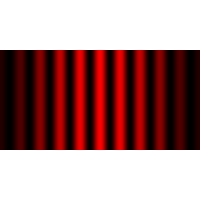
Phys. Rev. Lett. 135, 230202 (2025)
Quantum Information, Science, and Technology
Limits on WIMP Dark Matter with NaI(Tl) Crystals in Three Years of COSINE-100 Data
Article | Cosmology, Astrophysics, and Gravitation | 2025-12-02 05:00 EST
G. H. Yu et al. (COSINE-100 Collaboration)
We report limits on weakly interacting massive particle (WIMP) dark matter derived from three years of data collected by the COSINE-100 experiment with NaI(Tl) crystals, achieving an improved energy threshold of 0.7 keV. This lowered threshold enhances sensitivity in the sub-GeV mass range, extendin…
Phys. Rev. Lett. 135, 231001 (2025)
Cosmology, Astrophysics, and Gravitation
Ramanujan’s $1/π$ Series and Conformal Field Theories
Article | Particles and Fields | 2025-12-02 05:00 EST
Faizan Bhat and Aninda Sinha
Ramanujan's infinite series for leads to new expansions in logarithmic conformal field theories that converge faster than the standard conformal block decomposition.
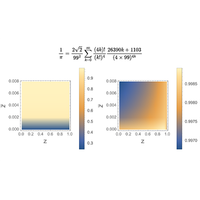
Phys. Rev. Lett. 135, 231602 (2025)
Particles and Fields
Pulse and Polarization Structures in Axion-Converted X-Rays from Pulsars
Article | Particles and Fields | 2025-12-02 05:00 EST
JiJi Fan, Lingfeng Li, and Chen Sun
Neutron stars (NSs) with their strong magnetic fields and hot dense cores could be powerful probes of axions, a classic benchmark of feebly coupled new particles, through abundant production of axions with the axion-nucleon coupling and subsequent conversion into x-rays due to the axion-photon coupl…
Phys. Rev. Lett. 135, 231801 (2025)
Particles and Fields
$β$-Decay Half-Lives of Neutron-Rich Sulfur to Potassium: Evolution of the $N=32$ and 34 Subshell Closures below Calcium
Article | Nuclear Physics | 2025-12-02 05:00 EST
Q. B. Zeng et al.
The half-lives of 24 isotopes ranging from sulfur to potassium were measured using the ZeroDegree Advanced Decay Station at the Radioactive Isotope Beam Factory, including six of the most neutron-rich--, , , --for the first time, while the precision for and was signific…
Phys. Rev. Lett. 135, 232501 (2025)
Nuclear Physics
Beam-Normal Single-Spin Asymmetry in $^{208}\mathrm{Pb}$ at Low Energy: Discrepancy Resolved or New Kinematic Puzzle?
Article | Nuclear Physics | 2025-12-02 05:00 EST
A. Esser, N. Kozyrev, K. Aulenbacher, S. Baunack, M. Dehn, A. Del Vincio, L. Doria, M. Hoek, F. Keil, F. Maas, H. Merkel, M. Mihovilovič, U. Müller, J. Pochodzalla, B. S. Schlimme, T. Shao, S. Stengel, M. Thiel, L. Wilhelm, and C. Sfienti
A long-standing discrepancy between measured and predicted beam-normal single-spin asymmetries in elastic electron scattering off has challenged our understanding of two-photon exchange (TPE) in heavy nuclei. We report a new measurement at 570 MeV and , yielding
Phys. Rev. Lett. 135, 232502 (2025)
Nuclear Physics
Enhanced $S$-Factor for the $^{14}\mathrm{N}(p,γ{)}^{15}\mathrm{O}$ Reaction and Its Impact on the Solar Composition Problem
Article | Nuclear Physics | 2025-12-02 05:00 EST
X. Chen et al.
The solar composition problem has puzzled astrophysicists for more than 20 years. Recent measurements of carbon-nitrogen-oxygen (CNO) neutrinos by the Borexino experiment show a tension with the "low-metallicity" determinations. , the slowest reaction in the CNO cycle, plays a crucial…
Phys. Rev. Lett. 135, 232701 (2025)
Nuclear Physics
Probing Valence Electron and Hydrogen Dynamics using Charge-Pair Imaging with Ultrafast Electron Diffraction
Article | Atomic, Molecular, and Optical Physics | 2025-12-02 05:00 EST
Tianyu Wang, Hui Jiang, Ming Zhang, Xiao Zou, Pengfei Zhu, Feng He, Zheng Li, and Dao Xiang
Ultrafast electron diffraction can capture the motion of electrons and nuclei during light-induced reactions with high spatial and temporal resolution.
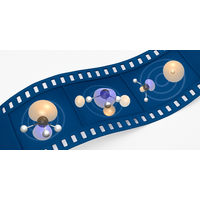
Phys. Rev. Lett. 135, 233002 (2025)
Atomic, Molecular, and Optical Physics
Anomalous Pressure Dependence of the Charge Density Wave and Fermi Surface Reconstruction in ${\mathrm{BaFe}}{2}{\mathrm{Al}}{9}$
Article | Condensed Matter and Materials | 2025-12-02 05:00 EST
Mahmoud Abdel-Hafiez, Muthukumaran Sundaramoorthy, Nabeel M. Jasim, K. A. Irshad, Chia Nung Kuo, Chin Shan Lue, F. L. Carstens, A. Bertrand, M. Mito, Rüdiger Klingeler, Vladislav Borisov, Anna Delin, Boby Joseph, Olle Eriksson, Sonachalam Arumugam, and Govindaraj Lingannan
We investigate the pressure evolution of charge density wave (CDW) order in the intermetallic compound , which undergoes a pronounced first-order CDW transition at ambient pressure. High-pressure electrical resistivity and magnetization measurements reveal a systematic enhancement of…
Phys. Rev. Lett. 135, 236502 (2025)
Condensed Matter and Materials
Molecular Anyons in the Fractional Quantum Hall Effect
Article | Condensed Matter and Materials | 2025-12-02 05:00 EST
Mytraya Gattu and J. K. Jain
The quasiparticles associated with a phenomenon called the fractional quantum Hall effect can bind together into stable clusters.
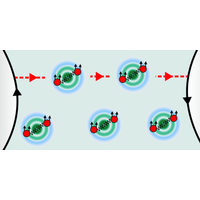
Phys. Rev. Lett. 135, 236601 (2025)
Condensed Matter and Materials
Hybrid Topological Euler and Stiefel-Whitney Phases in Elastic Metamaterials
Article | Condensed Matter and Materials | 2025-12-02 05:00 EST
Jijie Tang, Adrien Bouhon, Yue Shen, Kailun Wang, Junrong Feng, Feng Li, Di Zhou, Robert-Jan Slager, and Ying Wu
Recent advances in multigap topological phases--characterized by invariants like Euler and second Stiefel-Whitney classes across multiband subspaces--highlight their dependence on non-Abelian braiding of momentum-space band degeneracies in adjacent gaps. Here, we theoretically predict and experimental…
Phys. Rev. Lett. 135, 236602 (2025)
Condensed Matter and Materials
Ionic Sliding Ferroelectricity in Layered Ion Conductors
Article | Condensed Matter and Materials | 2025-12-02 05:00 EST
Yutong Yan and Menghao Wu
Recent research on sliding ferroelectricity in various two-dimensional bilayers and multilayers has shown its promising application potential and emerging new physics distinct from conventional ferroelectricity. However, it stems from van der Waals interactions of asymmetrically stacked layers, so t…
Phys. Rev. Lett. 135, 236801 (2025)
Condensed Matter and Materials
No Massless Goldstone Bosons in Hamiltonian Time Crystals
Article | Quantum Information, Science, and Technology | 2025-12-01 05:00 EST
Antti J. Niemi
We present a geometric framework for Hamiltonian quantum time crystals, emphasizing the pivotal role of continuous symmetries and their associated conserved charges. In this approach, a time crystal is identified as a minimum-energy ground state that is parallel transported along a family of Fock sp…
Phys. Rev. Lett. 135, 230201 (2025)
Quantum Information, Science, and Technology
Boundary Time Crystals Induced by Local Dissipation and Long-Range Interactions
Article | Quantum Information, Science, and Technology | 2025-12-01 05:00 EST
Zhuqing Wang, Ruochen Gao, Xiaoling Wu, Berislav Buča, Klaus Mølmer, Li You, and Fan Yang
Driven-dissipative many-body systems support nontrivial quantum phases absent in equilibrium. As a prominent example, the interplay between coherent driving and collective dissipation can lead to a dynamical quantum phase that spontaneously breaks time-translation symmetry. This so-called boundary t…
Phys. Rev. Lett. 135, 230401 (2025)
Quantum Information, Science, and Technology
Quantum Process Tomography with Digital Twins of Error Matrices
Article | Quantum Information, Science, and Technology | 2025-12-01 05:00 EST
Tangyou Huang, Akshay Gaikwad, Ilya Moskalenko, Anuj Aggarwal, Tahereh Abad, Marko Kuzmanović, Yu-Han Chang, Ognjen Stanisavljević, Emil Hogedal, Christhopher Warren, Irshad Ahmad, Janka Biznárová, Amr Osman, Mamta Dahiya, Marcus Rommel, Anita Fadavi Rousari, Andreas Nylander, Liangyu Chen, Jonas Bylander, Gheorghe Sorin Paraoanu, Anton Frisk Kockum, and Giovanna Tancredi
Accurate and robust quantum process tomography (QPT) is crucial for verifying quantum gates and diagnosing implementation faults in experiments aimed at building universal quantum computers. However, the reliability of QPT protocols is often compromised by faulty probes, particularly state preparati…
Phys. Rev. Lett. 135, 230601 (2025)
Quantum Information, Science, and Technology
Microwave Circulation in an Extended Josephson Junction Ring
Article | Quantum Information, Science, and Technology | 2025-12-01 05:00 EST
Dat Thanh Le, Arkady Fedorov, and T. M. Stace
Circulators are nonreciprocal devices that enable directional signal routing. Nonreciprocity, which requires time-reversal symmetry breaking, can be produced in waveguides in which the propagation medium moves relative to the waveguide at a moderate fraction of the wave speed. Motivated by this effe…
Phys. Rev. Lett. 135, 230801 (2025)
Quantum Information, Science, and Technology
New Source for QCD Axion Dark Matter Production: Curvature Induced
Article | Cosmology, Astrophysics, and Gravitation | 2025-12-01 05:00 EST
Cem Eröncel, Yann Gouttenoire, Ryosuke Sato, Géraldine Servant, and Peera Simakachorn
We discuss a novel mechanism for generating dark matter from a fast-rolling scalar field, relevant for both inflation and rotating axion models, and apply it specifically to the (QCD) axion. Dark matter comes from scalar field fluctuations generated by the product of the curvature perturbation and t…
Phys. Rev. Lett. 135, 231002 (2025)
Cosmology, Astrophysics, and Gravitation
Breaking Boundaries: Extending the Orbit-Averaged Fokker-Planck Equation Inside the Loss Cone
Article | Cosmology, Astrophysics, and Gravitation | 2025-12-01 05:00 EST
Luca Broggi
In this Letter, we present a new formulation of loss cone theory as a reaction-diffusion system, which accounts for loss cone events through a sink term and can be orbit averaged. It can recover the standard approach based on boundary conditions, and is derived from a simple physical model that over…
Phys. Rev. Lett. 135, 231201 (2025)
Cosmology, Astrophysics, and Gravitation
Dynamical Tides in Neutron Stars with First-Order Phase Transitions: The Role of the Discontinuity Mode
Article | Cosmology, Astrophysics, and Gravitation | 2025-12-01 05:00 EST
Jonas P. Pereira, Lucas Tonetto, Michał Bejger, J. Leszek Zdunik, and Paweł Haensel
During the late stages of a binary neutron star inspiral, dynamical tides induced in each star by its companion become significant and should be included in complete gravitational-wave (GW) modeling. We investigate the coupling between the tidal field and quasinormal modes in hybrid stars and show t…
Phys. Rev. Lett. 135, 231401 (2025)
Cosmology, Astrophysics, and Gravitation
Quantum Droplets in Curved Space
Article | Particles and Fields | 2025-12-01 05:00 EST
Antonino Flachi and Takahiro Tanaka
This Letter investigates the formation of quantum droplets in curved spacetime, highlighting the significant influence of curvature on the formation and properties of these objects. While our computations encompass various dimensions, we primarily focus on two dimensions. Our findings reveal a novel…
Phys. Rev. Lett. 135, 231601 (2025)
Particles and Fields
Interference between One- and Two-Electron Channels in Resonant Inelastic X-Ray Scattering
Article | Atomic, Molecular, and Optical Physics | 2025-12-01 05:00 EST
Johan Söderström, Marcus Agåker, Ji-Cai Liu, Takashi Tokushima, Anirudha Ghosh, Conny Såthe, Jian Wang, Andreas Pantelis Frey Koudouridis, Moritz Grunwald-Delitz, Thomas M. Baumann, Michael Meyer, Manuel Harder, Zhong Yin, Olle Björneholm, Joseph Nordgren, Stephan Fritzsche, Victor Kimberg, Jan-Erik Rubensson, and Faris Gel’mukhanov
Interference between scattering channels is observed in resonant inelastic x-ray scattering (RIXS) at the Ne threshold. Final states with as the main configuration are populated via resonances, where large-amplitude one-electron () channels interfere with small-amplitude two…
Phys. Rev. Lett. 135, 233001 (2025)
Atomic, Molecular, and Optical Physics
Twin Polaritons: Classical versus Quantum Features in Polaritonic Spectra
Article | Atomic, Molecular, and Optical Physics | 2025-12-01 05:00 EST
Irén Simkó and Norah M. Hoffmann
Understanding whether a polaritonic phenomenon is fundamentally quantum or classical is essential for building accurate theoretical models and guiding experimental design. Here, we address this question in the context of polaritonic spectra and report an intriguing new feature: the twin polariton, a…
Phys. Rev. Lett. 135, 233601 (2025)
Atomic, Molecular, and Optical Physics
Optical Switching of ${χ}^{(2)}$ in Diamond Photonics
Article | Atomic, Molecular, and Optical Physics | 2025-12-01 05:00 EST
Sigurd Flågan, Joe Itoi, Prasoon K. Shandilya, Vinaya K. Kavatamane, Matthew Mitchell, David P. Lake, and Paul E. Barclay
Diamond's unique physical properties make it a versatile material for a wide range of nonlinear and quantum photonic technologies. However, unlocking diamond's full potential as a nonlinear photonic material with nonzero second-order susceptibility, , requires symmetry breaking. In this Letter…
Phys. Rev. Lett. 135, 233801 (2025)
Atomic, Molecular, and Optical Physics
Dynamic Pressure Enhancement upon Disk Impact on a Boiling Liquid
Article | Physics of Fluids, Earth & Planetary Science, and Climate | 2025-12-01 05:00 EST
Yee Li (Ellis) Fan, Bernardo Palacios Muñiz, Nayoung Kim, and Devaraj van der Meer
We experimentally investigate the impact of a flat, horizontal disk onto a boiling liquid, i.e., a liquid in thermal equilibrium with its vapor phase. We observe exceptionally high impact pressures deviating strongly from the inertial scaling found for impact in a noncondensable environment, coincid…
Phys. Rev. Lett. 135, 234001 (2025)
Physics of Fluids, Earth & Planetary Science, and Climate
Nonreciprocal Current-Induced Zero-Resistance State in Valley-Polarized Superconductors
Article | Condensed Matter and Materials | 2025-12-01 05:00 EST
Akito Daido, Youichi Yanase, and K. T. Law
The recently observed nonreciprocal current-induced zero-resistance state (CIZRS) in twisted trilayer heterostructure has posed a significant theoretical challenge. In the experiment, the system shows a zero-resistance state only when a sufficiently large current is applied in a partic…
Phys. Rev. Lett. 135, 236001 (2025)
Condensed Matter and Materials
Direct Observation of the Surface Superconducting Gap in the Topological Superconductor Candidate $β\text{-}{\mathrm{PdBi}}_{2}$
Article | Condensed Matter and Materials | 2025-12-01 05:00 EST
Akifumi Mine, Takeshi Suzuki, Yigui Zhong, Sahand Najafzadeh, Kenjiro Okawa, Masato Sakano, Kyoko Ishizaka, Shik Shin, Takao Sasagawa, and Kozo Okazaki
is one of the candidates for topological superconductors with a superconducting (SC) transition temperature () of 5.3 K, in which parity mixing of a spin singlet and spin triplet has been anticipated, being crucial for the further understanding of the relationship with inversion symmetry a…
Phys. Rev. Lett. 135, 236002 (2025)
Condensed Matter and Materials
Cavity-Vacuum-Induced Chiral Spin Liquids in Kagome Lattices: Tuning and Probing Topological Quantum Phases via Cavity Quantum Electrodynamics
Article | Condensed Matter and Materials | 2025-12-01 05:00 EST
Chenan Wei, Liu Yang, and Qing-Dong Jiang
Topological phases in frustrated quantum magnetic systems have captivated researchers for decades, with the chiral spin liquid (CSL) standing out as one of the most compelling examples. Featuring long-range entanglement, topological order, and exotic fractional excitations, the CSL has inspired exte…
Phys. Rev. Lett. 135, 236901 (2025)
Condensed Matter and Materials
Physical Review X
Electron-Correlation-Assisted Charge Stripe Order in a Kagome Superconductor
Article | 2025-12-01 05:00 EST
Linwei Huai, Zhuying Wang, Huachen Rao, Yulei Han, Bo Liu, Shuikang Yu, Yunmei Zhang, Ruiqing Zang, Runqing Luan, Shuting Peng, Zhenhua Qiao, Zhenyu Wang, Junfeng He, Tao Wu, and Xianhui Chen
Tin doping in the superconductor CsVSb suppresses its usual charge-density-wave pattern, revealing a hidden stripe order that highlights how lattice instabilities and electronic correlations can control competing phases in quantum materials.
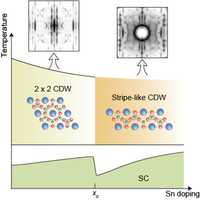
Phys. Rev. X 15, 041039 (2025)
arXiv
Topological passivation makes high strength alloys insensitive to hydrogen embrittlement
New Submission | Materials Science (cond-mat.mtrl-sci) | 2025-12-02 20:00 EST
Huijie Cheng, Binhan Sun, Aochen Zhang, Dirk Ponge, Fengkai Yan, Tiwen Lu, Xian-Cheng Zhang, Dierk Raabe, Shan-Tung Tu
Infrastructure parts for a hydrogen (H) economy need alloys that are mechanically strong and at the same time resistant to the most dangerous and abrupt type of failure mode, namely, H embrittlement. These two properties are in fundamental conflict, as increasing strength typically amplifies susceptibility to H-related failure. Here, we introduce a new approach to make alloys resistant to H embrittlement, by creating a topological passivation layer (up to a few hundred micrometers thick) near the material surface, the region that is most vulnerable to H ingress and attack. It features instead a layer of ultrafine laminated grains with tens of times higher dislocation density than conventional materials, altering H diffusion, trapping and crack evolution. We tested the concept on a face-centered cubic (FCC) CoCrNi medium entropy model alloy which undergoes severe H-induced intergranular cracking. Two key mechanisms create the topological passivation: First, the high density (up to ~1.3e15 m-2) of H-trapping dislocations within the passivating grain layer decelerates H migration by up to about an order of magnitude, delaying H-induced crack initiation at grain boundaries. More importantly, once unavoidable micro-sized H-induced intergranular cracks emerge in the topmost surface region, they become completely arrested by the laminated grains, due to a transition in the embrittlement mechanism from H-enhanced grain boundary decohesion to highly energy-dissipative dislocation-associated cracking. These effects almost completely eliminate H embrittlement, at even doubled yield strength, when exposing the so architected material to harsh H attack. Our approach leverages surface mechanical treatments to tailor metallic microstructures in surface regions most susceptible to H attack, providing a scalable solution to protect alloys from H-induced damage.
Materials Science (cond-mat.mtrl-sci)
Generic rigidity and accidental modes in metal-organic frameworks
New Submission | Materials Science (cond-mat.mtrl-sci) | 2025-12-02 20:00 EST
Christopher M. Owen, Michael J. Lawler
Metal-organic frameworks (MOFs) combine high porosity with structural fragility, raising important questions about their mechanical stability. We develop a rigidity-based framework in which spring networks parameterized by UFF4MOF are used to construct rigidity and dynamical matrices. Large-scale analysis of 5,682 MOFs from the CoRE 2019 database shows that most frameworks are formally over-constrained yet cluster sharply near the isostatic threshold, revealing accidental geometric modes and placing many MOFs near mechanical instability. In the representative case of UiO-66, we show that auxiliary long-range constraints introduced by tuning the neighbor cutoff lift these modes into soft, flat, finite-frequency bands. The results show that rigidity-matrix analysis can rapidly identify MOFs likely to remain mechanically stable. This near-criticality mirrors behavior known from topological mechanics and points to a deeper design principle in porous crystals.
Materials Science (cond-mat.mtrl-sci), Soft Condensed Matter (cond-mat.soft), Chemical Physics (physics.chem-ph)
Tuning Universality in Deep Neural Networks
New Submission | Disordered Systems and Neural Networks (cond-mat.dis-nn) | 2025-12-02 20:00 EST
Deep neural networks (DNNs) exhibit crackling-like avalanches whose origin lacks a mechanistic explanation. Here, I derive a stochastic theory of deep information propagation (DIP) by incorporating Central Limit Theorem (CLT)-level fluctuations. Four effective couplings $ (r, h, D_1, D_2)$ characterize the dynamics, yielding a Landau description of the static exponents and a Directed Percolation (DP) structure of activity cascades. Tuning the couplings selects between avalanche dynamics generated by a Brownian Motion (BM) in a logarithmic trap and an absorbed free BM, each corresponding to a distinct universality classes. Numerical simulations confirm the theory and demonstrate that activation function design controls the collective dynamics in random DNNs.
Disordered Systems and Neural Networks (cond-mat.dis-nn), Statistical Mechanics (cond-mat.stat-mech), Artificial Intelligence (cs.AI), Adaptation and Self-Organizing Systems (nlin.AO), Biological Physics (physics.bio-ph)
Exploring the apparent violation of the Mott relation in a noncentrosymmetric kagome ferromagnet
New Submission | Strongly Correlated Electrons (cond-mat.str-el) | 2025-12-02 20:00 EST
Benjamin Kostroun, Tomoya Asaba, Sean M. Thomas, Eric D. Bauer, Sergey Y. Savrasov, Filip Ronning, Vsevolod Ivanov
In magnetic topological materials, time-reversal symmetry breaking gives rise to topological point and line nodes with distinctive signatures in the anomalous Hall and anomalous Nernst conductivity that satisfy the well-known Mott relation. However, this relationship can fail for doping-dependent transport measurements of materials with complex magnetism, topology, and electronic correlations. In this work, we present transport measurements of the correlated topological metal UCoAl doped with Ru, which appear to violate the Mott relation. We develop a model that captures the evolution of Stoner magnetism and topological Weyl points as a function of doping. Using this model, we show how the correlated flat band in this material pins the Weyl points to the Fermi energy, and demonstrate how this explains the unusual doping-dependent behavior of the anomalous Hall and anomalous Nernst conductivities in this material, while the Mott relation is in fact satisfied at each doping level.
Strongly Correlated Electrons (cond-mat.str-el), Materials Science (cond-mat.mtrl-sci)
18 pages, 4 figures
Purely even harmonic Josephson current due to crossed pair transmission across strongly spin-polarized materials
New Submission | Superconductivity (cond-mat.supr-con) | 2025-12-02 20:00 EST
Niklas L. Schulz, Danilo Nikolić, Matthias Eschrig
We revisit the problem of the second harmonic generation in the current-phase relation across ferromagnetic bilayers placed between BCS superconductors. In particular, we consider a strongly spin-polarized metallic ferromagnet coupled to two superconducting leads via thin spin-active (left) and non-spin-active (right) insulating layers. The system is examined in the framework of the quasiclassical Green$ ^\prime$ s function formalism, both in the ballistic (Eilenberger) and the diffusive (Usadel) limit. Strong spin polarization allows for neglecting short-range mixed-spin correlations, and the Josephson supercurrent across the ferromagnet is fully mediated by long-range equal-spin triplet correlations. Using a diagrammatic technique for ballistic propagators introduced in Refs. [1-3], we describe the relevant Andreev processes responsible for the effective conversion of two spin-singlet Cooper pairs in the superconductor into two $ \uparrow\uparrow$ and $ \downarrow\downarrow$ pairs in the ferromagnet. Contrary to the naive picture of direct conversion, we show that the lowest order process involves four Cooper pairs in the superconductor, among which three are incoming, and one is outgoing, giving rise to net charge transport of 4e across the non-spin-active interface. The self-consistent numerical treatment of the diffusive junction, typically more relevant in experiments, confirms this picture quantitatively.
Superconductivity (cond-mat.supr-con), Mesoscale and Nanoscale Physics (cond-mat.mes-hall)
17 pages, 10 figures
Resonant Dyakonov-Shur Magnetoplasmons in Graphene Terahertz Photodetectors
New Submission | Mesoscale and Nanoscale Physics (cond-mat.mes-hall) | 2025-12-02 20:00 EST
Juan A. Delgado-Notario, Cedric Bray, Elsa Perez-Martin, Ben Benhamou-Bui, Namrata Saha, Sahil Parvez, Christophe.Consejo, Guillaume Sigu, Salah Benlemqwanssa, Laurent Bonnet, Takashi Taniguchi, Kenji Watanabe, José M. Caridad, Sergey S. Krishtopenko, Yahya M. Meziani, Benoit Jouault, Jérémie Torres, Sandra Ruffenach, Frédéric Teppe
Graphene plasmons confine incident terahertz fields far below the diffraction limit and, when hosted by a gate-defined Fabry-Perot cavity, enable electrically tunable, frequency-selective photodetectors. In a magnetic field, these plasmons hybridize with the cyclotron motion to form magnetoplasmons, offering a platform for fundamental studies and for nonreciprocal, spectrally selective, ultrasensitive terahertz photonics. However, implementing magnetoplasmon-assisted resonant transistors at terahertz frequencies has remained challenging so far. Here we use gate-dependent, on-chip terahertz photocurrent spectroscopy combined with a perpendicular magnetic field to resolve and probe the evolution of resonant magnetoplasmons in antenna-coupled monolayer and bilayer graphene TeraFETs. In monolayer graphene the dispersion reflects the Dirac nature of the carriers, exhibiting a non-monotonic density dependence due to the interplay of plasma resonance and cyclotron motion, with an inflection point at maximal plasmon-cyclotron coupling. In contrast, in bilayer graphene we recover and map a magnetoplasmon dispersion consistent with the conventional Schrödinger-type picture. These results establish graphene TeraFET devices as a robust on-chip platform for resonant magnetoplasmonics at terahertz frequencies, enabling magnetically programmable, frequency-selective photonics and opening avenues toward photodetectors with enhanced sensitivity.
Mesoscale and Nanoscale Physics (cond-mat.mes-hall)
Dissipation and fluctuations of CMOS ring oscillators close to criticality
New Submission | Statistical Mechanics (cond-mat.stat-mech) | 2025-12-02 20:00 EST
Ashwin Gopal, Massimiliano Esposito, Jan Meibohm
We analyze a thermodynamically consistent model of CMOS-based ring oscillators near the onset of coherent voltage oscillations. For driving voltages close to the critical value, we derive the normal form of the Hopf bifurcation that underlies the oscillation transition in the thermodynamic limit. Using this normal form, we determine the phase and amplitude dynamics, and demonstrate that entropy dissipation decreases in the oscillating state for ring oscillators with more than three inverters. These findings culminate in a stability-dissipation relation, which links the observed decrease in dissipation to an increase in the local stability of the oscillating state. Next, we characterize finite-size fluctuations of the amplitude and phase near the critical voltage, using a stochastic version of the normal form. We demonstrate that close to the transition, finite-size fluctuations remain important at arbitrary system size, introducing oscillations even below the critical voltage. We further show that these noise-induced oscillations have an anomalously short decoherence time that scales sub-linearly with the system-size, in contrast to the behavior far from criticality.
Statistical Mechanics (cond-mat.stat-mech), Pattern Formation and Solitons (nlin.PS)
14 pages, 7 figures
Understanding the Role of Particle Deformability on the Crystal and Glass formation using Two-dimensional Ring Polymer Model
New Submission | Soft Condensed Matter (cond-mat.soft) | 2025-12-02 20:00 EST
Padmanabha Bose, Smarajit Karmakar
Soft matter systems are common in nature and make up nearly all the essential components necessary for life, from cells to the organelles within those cells. The ability of these soft materials to deform is crucial for the proper functioning of various biological processes, such as blood flow in our veins and arteries. It is vital to understand how deformability influences the normal functioning of these processes. We have investigated an assembly of two-dimensional (2D) polymeric non-overlapping rings via extensive molecular dynamics simulations. The main idea is to study an assembly of model particles with anisotropic deformability using polymer rings. By tuning the degree of deformability of these model deformable particles, we study the dynamic and static properties of the assembly at different densities and temperatures. This deformable particle model might correspond to an assembly of epithelial cells or similar biologically soft bodies. In the limit at which the rings are very rigid with very little deformability, one expects to see the formation of a triangular lattice by the centres of these polymer rings. On the other hand, if one increases the deformability of these polymer rings, due to increased disorder, one observes glass-like dynamical behaviour even for identically sized polymer rings. We also show a transition from a crystalline state to a disordered glassy state driven solely by particle deformability. We observe non-trivial finite-size effects in the dynamics of these glass-forming ring polymers, not seen in usual molecular glass-formers.
Soft Condensed Matter (cond-mat.soft)
20 figures, 19 pages
Robust semiclassical magnetization plateau in the kagome lattice
New Submission | Strongly Correlated Electrons (cond-mat.str-el) | 2025-12-02 20:00 EST
Gabriel Capelo, Eric C. Andrade
Inspired by recent observations of the $ 1/3$ magnetization plateau in kagome-based magnets, we investigate the $ J_1-J_2$ Heisenberg model on the kagome lattice under the influence of an external magnetic field. Although the classical ground state at zero field depends on the sign of $ J_2$ , we find a robust $ 1/3$ semiclassical magnetization plateau in both cases. The mechanism that stabilizes this plateau is analogous to that observed in the triangular lattice, where quantum fluctuations select a collinear state from the degenerate classical manifold. We calculate the plateau width, which shows a weak dependence on $ J_2$ , using nonlinear spin-wave theory. Additionally, we find that a straightforward approach based on linear spin-wave yields quantitatively accurate results even for $ S=1/2$ . Furthermore, we identify a magnetization jump at the saturation field when $ J_2=0$ ; this jump is related to the presence of a flat band and disappears for $ J_2 \neq 0$ . Our study demonstrates that a semiclassical approach effectively captures the $ 1/3$ plateau in the kagome lattice and serves as a valuable tool for interpreting experimental and numerical results alike.
Strongly Correlated Electrons (cond-mat.str-el)
14 pages, 8 figures
Polar and apolar light-induced alignment of ferroelectric nematic at photosensitive polymer substrate
New Submission | Soft Condensed Matter (cond-mat.soft) | 2025-12-02 20:00 EST
Ruslan Kravchuk, Oleksandr Kurochkin, Vassili G. Nazarenko, Volodymyr Sashuk, Mykola Kravets, Bijaya Basnet, Oleg D. Lavrentovich
Surface alignment of a recently discovered ferroelectric nematic liquid crystal (NF) is usually achieved by buffed polymer films, which produce a unidirectional polar alignment of the spontaneous electric polarization. We demonstrate that photosensitive polymer substrates could provide a wider variety of alignment modes. Namely, a polyvinyl cinnamate polymer film irradiated by linearly polarized ultraviolet (UV) light yields two modes of surface orientation of the NF polarization. (1) A planar apolar mode, in which the equilibrium NF polarization aligns perpendicularly to the polarization of normally impinging UV light; the NF polarization adopts either of the two antiparallel states. (2) A planar polar mode, produced by an additional irradiation with obliquely impinging UV light. In this mode, there is only one stable azimuthal direction of polarization in the plane of the substrate. The two modes differ in their response to an electric field. In the planar apolar mode, polarization can be switched between two states of equal surface energy. In the planar polar mode, the field-perturbed polarization relaxes back to the single photoinduced easy axis once the field is switched off. The versatility of modes and absence of mechanical contact make the photoalignment of the NF attractive for practical applications.
Soft Condensed Matter (cond-mat.soft)
7 pages, 5 figures
Magnetosynthesis effect on the structure and ground state of Cu$^{2+}$-based antiferromagnets
New Submission | Strongly Correlated Electrons (cond-mat.str-el) | 2025-12-02 20:00 EST
Micaela E. Primer, Anna A. Berseneva, Ayesha Ulde, Wenhao Sun, Rebecca W. Smaha
Subtle synthetic variables can have an outsizes influence on the crystal structure and magnetic properties of a material, particularly those of quantum materials. In this work, we investigate the impact of synthesis under a magnetic field (magnetosynthesis) on the crystal structure and magnetic properties of several Cu$ ^{2+}$ ($ S=1/2$ ) based materials with antiferromagnetic interactions and varying levels of magnetic frustration, from simple antiferromagnets to a quantum spin liquid. We employ small (0.09 - 0.37 T) magnetic fields applied during low-temperature hydrothermal or evaporative synthesis of the simple antiferromagnet CuCl$ _2\cdot$ 2H$ _2$ O, the canted antiferromagnet (Cu,Zn)$ _3$ Cl$ _4$ (OH)$ _2\cdot$ 2H$ _2$ O, the frustrated and canted antiferromagnet atacamite Cu$ _2$ (OH)$ _3$ Cl, and the highly frustrated quantum spin liquid herbertsmithite Cu$ _3$ Zn(OH)$ _6$ Cl$ _2$ . We found that (Cu,Zn)$ _3$ Cl$ _4$ (OH)$ _2\cdot$ 2H$ _2$ O experiences structural changes well above its magnetic transition. Atacamite Cu$ _2$ (OH)$ _3$ Cl synthesized under a 0.19 T field experiences a 0.15 K (~3%) decrease in its Néel transition temperature and a significant strengthening of its antiferromagnetic interactions, suggesting that magnetosynthesis can influence the ground state of moderately frustrated materials.
Strongly Correlated Electrons (cond-mat.str-el), Materials Science (cond-mat.mtrl-sci)
8 figures
Bend Instabilities and Topological Turbulence in Shear-Aligned Living Liquid Crystal
New Submission | Soft Condensed Matter (cond-mat.soft) | 2025-12-02 20:00 EST
Hend Baza, Fei Chen, Taras Turiv, Sergij V. Shiyanovskii, Oleg D. Lavrentovich
Flagellated microswimmers B. Subtilis dispersed in a nematic phase of a lyotropic chromonic liquid crystal form a living liquid crystal (LLC). The combination of the passive and active components allows us to analyze how the active component transitions from the shear-imposed alignment into topological turbulence. The lateral extension of the experimental cell is 1000 times larger than the 10-micrometer thickness, to avoid the effect of lateral confinement on the dynamic patterns. The surface anchoring is azimuthally degenerate to avoid permanent anisotropy. After the shear cessation, active forces produced by the microswimmers trigger self-amplifying bend undulations. The amplitude of undulations grows with time and then saturates, while the wavelength increases only slightly. Strong bend stresses at the extrema of undulations are released by nucleating disclination pairs, which multiply to produce topological turbulence. The nucleating pairs and the symmetry axes of the +1/2 disclinations are orientationally ordered. In highly active LLCs, this alignment causes a nonmonotonous time dependence of the disclinations’ number, as a fast-moving +1/2 disclination of one pair annihilates a -1/2 disclination of the neighboring pair. The spectra of elastic and kinetic energies exhibit distinct wavevector dependencies caused by the energy cost of the deformed passive nematic background. The study demonstrates how applied shears and a passive viscoelastic background affect the dynamics of active matter. Combined with the previously determined viscoelastic properties of the lyotropic chromonic liquid crystal, the results complete a comprehensive description of the experimentally assessable type of active matter.
Soft Condensed Matter (cond-mat.soft), Biological Physics (physics.bio-ph)
45 pages, 21 figures
Roles of Polarization and Detuning in the Noise-induced Relaxation Dynamics of Atomic-Molecular Bose Condensates
New Submission | Quantum Gases (cond-mat.quant-gas) | 2025-12-02 20:00 EST
Avinaba Mukherjee, Raka Dasgupta
We study the relaxation process of a resonant Bose gas under the influence of Gaussian white noise. We characterize the system dynamics in terms of the polarization or imbalance between the atoms and molecules, and the system coherence. The relaxation times corresponding to these two quantities are studied both using a mean-field model, and a Born Green Kirkwood Yvon hierarchy that takes into account the higher-order correlations. The role of the initial polarization and the Feshbach detuning are investigated. It is found with an increasing initial population imbalance, the longituidinal relaxation time (that governs the dyanamics of the polarization) grows, while the transverse relaxation time (that governs the dynamics of the coherence) decays. As for the varying Feshbach detuning, it is observed that the longituidinal relaxation time reaches its minima and its transverse counterpart reaches its maxima near the resonance. We also study how the initial polarization and the detuning affect physical quantities like drift speed, condensate fraction, fidelity and entanglement entropy etc, and find the results to be fully consistent with the behavior of the relaxation dynamics of the system.
Quantum Gases (cond-mat.quant-gas)
14 pages, and 15 figures
Interpretable Graph Neural Networks for Classifying Structure and Magnetism in Delafossite Compounds
New Submission | Materials Science (cond-mat.mtrl-sci) | 2025-12-02 20:00 EST
Jovin Ryan Joseph, Do Hoon Kiem, Sinchul Yeom, Mina Yoon
Delafossites (ABC2, where A and B are metals and C is a chalcogen) are a versatile family of quantum materials and layered oxides/chalcogenides whose properties are highly sensitive to atomic composition and stacking geometry. Their broad chemical tunability makes them an ideal platform for large-scale combinatorial exploration and high-throughput computational screening with desirable quantum properties. In this work, we employ a Concept Whitening Graph Neural Network, a gray-box AI model, to classify delafossite structures by stacking sequence and magnetic states. By aligning learned representations with human-interpretable physical concepts, this gray-box approach enables both accurate prediction and insight into the structural and chemical features driving magnetic behavior. The magnetic-ordering models achieved validation accuracies exceeding 80 percent, with a further slight uptick observed in the model incorporating the largest number of concepts. Concept alignment analysis revealed measurable learning across nine physically meaningful descriptors, with coefficients of determination ranging from approximately 0.6 for the d-shell valence-electron concepts to 0.4-0.5 for the magnetic coupling parameters. Furthermore, we mapped the concept importances onto the material graph representation, elucidating interpretable physical trends and the progression of stable concept-aligned regions across training. These results demonstrate the potential of interpretable graph-based learning to capture the underlying physics of complex materials systems and provide an interpretable framework for accelerating the discovery and understanding of delafossites and related crystalline materials.
Materials Science (cond-mat.mtrl-sci), Disordered Systems and Neural Networks (cond-mat.dis-nn)
6 main figures, 9 SI figures
Dual instability of superconductivity from oxygen defects in La$_3$Ni$2$O${7+δ}$
New Submission | Superconductivity (cond-mat.supr-con) | 2025-12-02 20:00 EST
Peiheng Jiang, Jie Li, Yu-Han Cao, Xiaodong Cao, Zhicheng Zhong, Yi Lu, Qiang-Hua Wang
We uncover a dual mechanism by which oxygen defects suppress superconductivity in the bilayer nickelate La$ _3$ Ni$ _2$ O$ _{7+\delta}$ using density functional theory, dynamical mean-field theory, and functional renormalization group analysis. Apical vacancies and interbilayer interstitials emerge as the dominant low-energy defect species and are further stabilized by orthorhombic domain walls. These two defect classes drive the electronic structure in opposing directions. Vacancy-induced disorder generates local magnetic moments and promotes Anderson localization at moderate concentrations, whereas periodic interstitial ordering yields a coherent but weakly correlated metallic background that fails to support superconductivity. These findings highlight the decisive role of oxygen defects in shaping the superconducting and provide microscopic guidance for improving superconductivity through controlled defect engineering.
Superconductivity (cond-mat.supr-con), Strongly Correlated Electrons (cond-mat.str-el)
Classification of coherent peaks in two-terminal quantum devices into normal and anomalous Kondo peaks
New Submission | Mesoscale and Nanoscale Physics (cond-mat.mes-hall) | 2025-12-02 20:00 EST
Coherent peaks arising in the differential conductance of quantum dot (QD) and quantum point contact (QPC) devices are classified into two categories, normal and anomalous Kondo peaks, according to the underlying spin dynamics and the form of the scaling function to which the scaled temperature-dependent linear conductance collapses. The zero-bias peaks (ZBPs) observed in QPCs and in the triplet state of the even sector of quantum dot single-electron transistors (QDSETs) are identified as normal Kondo peaks, formed by spin dynamics involving spin exchange, a symbolic characteristic of the Kondo effect. For these ZBPs, the scaling temperature coincides with half the full width at half maximum (FWHM). In contrast, the ZBP observed in the odd sector of QDSETs and all finite-bias coherent peaks, including the coherent side peaks of QPCs and the split ZBP in the singlet state of the QDSET even sector, are identified as anomalous Kondo peaks, because they arise from spin dynamics without spin exchange, and their scaling temperature does not coincide with half the FWHM. To support these findings, we reproduce gate-voltage-dependent differential conductance line shapes measured in the odd sector of a QDSET, demonstrating that its ZBP originates from a combination of two coherent side peaks explicitly observed in QPCs.
Mesoscale and Nanoscale Physics (cond-mat.mes-hall), Strongly Correlated Electrons (cond-mat.str-el)
7 pages, 6 figures, 1 table
Band inversion transition in HgTe nanowire grown along the [001] direction
New Submission | Mesoscale and Nanoscale Physics (cond-mat.mes-hall) | 2025-12-02 20:00 EST
The low-energy effective Hamiltonian of a cylindrical HgTe nanowire grown along the [001] crystallographic direction is constructed by using the perturbation theory. Both the anisotropic term and the bulk inversion asymmetry term of the Kane model are taken into account. Although the anisotropic term has converted the crossing between the $ E_{1}$ and $ H_{1}$ subbands into an anticrossing at $ k_{z}R!=!0$ , the gap-closing-and-reopening transition in the subband structure can still occur at the wave vectors $ k_{z}R!\approx!\pm0.24$ for critical nanowire radius $ R!\approx!3.45$ nm. The bulk inversion asymmetry does not contribute to the low-energy effective Hamiltonian, i.e., there is no spin splitting in the $ E_{1}$ , $ H_{1}$ , and $ H_{2}$ subbands for a [001] oriented cylindrical nanowire.
Mesoscale and Nanoscale Physics (cond-mat.mes-hall), Quantum Physics (quant-ph)
7 pages, 3 figures
Emergent Anomalous and Topological Hall Responses in an Epitaxial Ferromagnetic Weyl Nodal-Line metal Fe5Si3
New Submission | Materials Science (cond-mat.mtrl-sci) | 2025-12-02 20:00 EST
Shubhashish Pati, Sonali Srotaswini Pradhan, Abhay Pandey, Nikita Sharma, Nanhe Kumar Gupta, Nakul Kumar, Nidhi Shukla, Saurav Singh, Vidhi Jain, Mitali, V. Kanchana, Sujeet Chaudhary
The interplay between real and reciprocal space topology yields intrinsically linked transport phenomena in magnetic Weyl systems, wherein the broken time-reversal symmetry, strong Dzyaloshinskii-Moriya interaction, and pronounced uniaxial anisotropy stabilize the momentum-space Berry-curvature monopoles (Weyl nodes) and real-space chiral spin textures. We present a combined first-principles and experimental study of epitaxial Fe5Si3 thin films, establishing them as a magnetic Weyl nodal-line material. First-principles Density Functional Theory (DFT) calculations unambiguously reveal that Fe5Si3 hosts a topologically nontrivial electronic structure containing six pairs of Weyl nodes at or near the Fermi level, accompanied by pronounced Berry curvature at high-symmetry points of the Brillouin Zone. High-quality epitaxial films exhibit robust ferromagnetism with a Curie temperature of ~370 K and strong magneto crystalline anisotropy. The magneto transport measurements on epitaxial films reveal the corresponding Berry curvature-driven responses, including a significantly large intrinsic anomalous Hall conductivity of 504 S/cm and a high anomalous Hall angle of 5.5%, which is in good agreement with DFT calculations. A negative and non-saturating longitudinal magnetoresistance is observed, consistent with a chiral-anomaly contribution from Weyl fermions near the Fermi level (EF). Furthermore, a substantial topological Hall resistivity of 1.6 {\mu}{\Omega} cm robust across a wide temperature range, indicating the possibility of robust chiral spin textures in the thin-film geometry. These combined theoretical and experimental results establish Fe5Si3 as a unique, low-cost, centrosymmetric magnetic Weyl nodal-line material, providing a versatile platform for exploring coupled real and reciprocal space topologies in topological spintronic applications.
Materials Science (cond-mat.mtrl-sci)
21 pages, 6 figures
Quantized nonlinear transport and its breakdown in Fermi gases with Berry curvature
New Submission | Mesoscale and Nanoscale Physics (cond-mat.mes-hall) | 2025-12-02 20:00 EST
Quantized transport not only exist in gapped topological states but also in metallic states. Recently, Kane proposed a quantized nonlinear conductance in ballistic metals whose value is determined by the Euler characteristic of the Fermi sea [Phys. Rev. Lett. 128, 076801 (2022)]. In this paper, we consider two-dimensional noninteracting fermionic systems whose Fermi surface has nonvanishing Berry curvature. We find that the Berry curvature at the Fermi surface does not affect the quantized nonlinear transport for translationally invariant systems. When spatial inhomogeneity is introduced, such quantization breaks down due to the combined effect of Berry curvature and the gradient of local potential. Such breakdown of quantization can be observed in trapped ultracold atoms with topological bands.
Mesoscale and Nanoscale Physics (cond-mat.mes-hall), Quantum Gases (cond-mat.quant-gas)
6 pages, 1 figure
Anisotropic and isotropic elasticity and thermal transport in monolayer C$_{24}$ networks from machine-learning molecular dynamics
New Submission | Materials Science (cond-mat.mtrl-sci) | 2025-12-02 20:00 EST
Qing Li, Haikuan Dong, Penghua Ying, Zheyong Fan
Two-dimensional fullerene networks have recently attracted increasing interest due to their diverse bonding topologies and mechanically robust architectures. In this work, we develop an accurate machine-learned potential NEP-C$ _{24}$ for both the quasi-hexagonal phase (qHP) and the quasi-tetragonal phase (qTP) C$ _{24}$ monolayers, based on the neuroevolution potential (NEP) framework. Using this NEP-C$ _{24}$ model, we systematically investigate the elastic and thermal transport properties. Compared with C$ _{60}$ monolayers, both C$ _{24}$ phases exhibit markedly enhanced stiffness, arising from the combination of reduced molecular size and increased density of covalent bonds. The qTP C$ _{24}$ monolayer shows nearly isotropic elastic properties and thermal conductivities along its two principal axes owing to its four-fold symmetry, whereas the chain-like, misaligned bonding topology of the qHP C$ _{24}$ monolayer leads to pronounced in-plane anisotropy. Homogeneous nonequilibrium molecular dynamics and spectral decomposition analyses reveal that low-frequency ($ <5$ THz) acoustic phonons dominate heat transport, with directional variations in phonon group velocity and mean free path governing the anisotropic response in qHP C$ _{24}$ . Real-space heat flow visualizations further show that, in these fullerene networks, phonon transport is dominated by strong inter-fullerene covalent bonds rather than weak van der Waals interactions. These findings establish a direct link between intermolecular bonding topology and phonon-mediated heat transport, providing guidance for the rational design of fullerene-based two-dimensional materials with tunable mechanical and thermal properties.
Materials Science (cond-mat.mtrl-sci)
12 pages, 9 figures
Precise computation of universal corner entanglement entropy at 2+1 dimension: From Ising to Gaussian quantum critical points
New Submission | Strongly Correlated Electrons (cond-mat.str-el) | 2025-12-02 20:00 EST
Ben Lee-Yeung Ngai, Justin Tim-Lok Chau, Junchen Rong, Yuan Da Liao, Zi Yang Meng
Computing the subleading logarithmic term in the entanglement entropy (EE) of (2+1)d quantum many-body systems remains a significant challenge, despite its critical role in revealing universal information about quantum states and quantum critical points (QCPs). Capitalizing on recent algorithmic advances that enable the stable calculation of EE as an exponential observable, we develop a {\it bubble basis} projector quantum Monte Carlo (QMC) algorithm to precisely and efficiently compute the universal corner EE along a parameter trajectory connecting the Ising and Gaussian QCPs; where in the latter case there exists an analytic value to benchmark with. Our approach eliminates the dominant area-law term directly within the QMC sampling, thereby promoting the coveted subleading logarithmic term to the leading contribution. We apply this technique to calculate the EE in a (2+1)d square-lattice transverse-field Ising model augmented with a four-body interaction, tracing a path from the Ising to the Gaussian QCPs and then to the first-order transition. The consistent values obtained for the universal corner EE along the path validate the reliability and precision of our approach for extracting challenging entanglement properties. These results establish the long-sought connection between the universal values of an exactly solvable limit and those of a strongly correlated regime at (2+1)d.
Strongly Correlated Electrons (cond-mat.str-el), Statistical Mechanics (cond-mat.stat-mech), Quantum Physics (quant-ph)
11+5 pages, 8+5 figures
Altermagnetic boosting of chiral phonons
New Submission | Strongly Correlated Electrons (cond-mat.str-el) | 2025-12-02 20:00 EST
J. Okamoto, C. Y. Mou, H. Y. Huang, G. Channagowdra, C. Won, K. Du, X. Fang, E. V. Komleva, C. T. Chen, S. V. Streltsov, A. Fujimori, S-W. Cheong, D. J. Huang
Chirality characterizes the asymmetry between a structure and its mirror image and underlies a wide range of chiral functionalities. In crystallographically chiral materials, phonons with non-zero linear momentum $ \textbf{k}$ can acquire a $ k$ -induced longitudinal magnetization, giving rise to chiral phonons. Helical spin order, with its proper screw-type configuration, breaks all mirror symmetries and therefore carries magnetic chirality. Such helical spins also generate non-relativistic spin splitting for any quasiparticle excitations propagating along the screw axis. To explore the possible connection between chiral phonons and magnetic chirality, we investigated the crystallographically polar and chiral compound (Mn,Ni)$ _3$ TeO$ _6$ , which hosts three distinct states: a paramagnetic state, a helical spin state with magnetic chirality, and a collinear spin state without magnetic chirality. We find an approximately tenfold enhancement of chiral-phonon coupling in the helical spin state along the screw axis, compared with both the paramagnetic and collinear spin states. These results identify a new route to amplify chiral phonons through an altermagnetic effect arising from the broken parity-time symmetry in helical spins. %from non-relativistic spin splitting.
Strongly Correlated Electrons (cond-mat.str-el)
8 pages, 5 figures. (Supplement: 9 pages, 1 fiture)
Wafer-Scale Single-Crystalline Monolayer Graphene
New Submission | Mesoscale and Nanoscale Physics (cond-mat.mes-hall) | 2025-12-02 20:00 EST
Johanna Huhtasaari, Joyal Jain Palakulam, Awse Salha, Per Hyldgaard, Elsebeth Schröder, Magnus Hårdensson Berntsen, Oscar Tjernberg, Manasi Shah, Rodrigo Martinez-Duarte, Hans He, Johannes Hofmann, Thilo Bauch, Naveen Shetty, Samuel Lara-Avila
Producing large-area single-crystalline graphene is key to realizing its full potential in advanced applications, including twistronics. Yet, controlling graphene growth kinetics to avoid grain boundaries or multilayer growth remains challenging. Here, we demonstrate single-crystalline graphene free from multilayer domains via one-step delamination of epitaxial graphene from silicon carbide (SiC). This is enabled by a specific surface reconstruction of 4H-SiC(0001) achieved in our growth conditions. High crystalline quality is confirmed by the observation of the half-integer quantum Hall effect – the hallmark of monolayer graphene – in near cm-sized crystals. The scalability of our process, explored with 4’’-wafers, represents an advance toward large-scale integration of high-performance graphene applications.
Mesoscale and Nanoscale Physics (cond-mat.mes-hall)
Free Energy and Diffusivity in the Fokker-Planck Theory of Polymer Translocation
New Submission | Soft Condensed Matter (cond-mat.soft) | 2025-12-02 20:00 EST
Bhavesh R. Sarode, Harshwardhan H. Katkar
We revisit the Fokker-Planck based theory of driven polymer translocation through a narrow nanopore. A bead-spring model of a uniformly charged polyelectrolyte chain translocating through a semi-implicit model of a nanopore embedded in a membrane are used to gain insights into the underlying free energy landscape and kinetics of translocation. The free energy landscape is predicted using metadynamics simulation, an enhanced sampling method. A direct comparison with the theoretical free energy formulation proposed in the literature allows us to introduce a modification related to the entropic contribution in the theory. Additional classical Langevin dynamics simulation runs are performed to obtain the translocation time distribution for polymers of lengths $ N$ driven by voltages $ V$ through nanopores of radii $ r_p$ . In agreement with earlier reports, a scaling of the mean translocation time $ \langle \tau_\text{LD} \rangle \sim N^\alpha/V$ is observed, with $ \alpha \sim 1.40 - 1.48$ depending on the nanopore size. Fitting the mean first passage time given by the Fokker-Planck theory, $ \langle \tau_\text{FP}\rangle$ ,to simulation results helps gain insights into the diffusivity $ k_\text{FP}$ used in the theory. We report a scaling of $ k_\text{FP}\sim N^\beta$ . The $ r_p-$ dependent values of the exponent $ \beta$ significantly deviate from the Rouse theory prediction of $ \beta = -1$ for center-of-mass diffusivity of a polymer chain.
Soft Condensed Matter (cond-mat.soft)
Supplementary Material in this http URL
Multiterminal Ballistic Josephson Effect in Monocrystalline Gold
New Submission | Superconductivity (cond-mat.supr-con) | 2025-12-02 20:00 EST
K. B. Polevoy, G. A. Bobkov, D. S. Kalashnikov, A. G. Shishkin, I. V. Trofimov, A. M. Bobkov, M. A. Tarkhov, I.V. Bobkova, V. S. Stolyarov
We report on the realization of a planar, quasi-ballistic Josephson junction array using a Au micron-sized single-crystal. The system exhibits a nonlocal, multiterminal Josephson effect, where the supercurrent between any two superconducting leads is governed by the phase coherence across the entire crystal. Key evidence includes a non-monotonic dependence of the critical current on junction length and magnetic interference patterns with periods corresponding to the shared normal-metal area. Nonlocal transport measurements further confirm that the supercurrent between two electrodes depends on the phase configuration of all the others. Our results, supported by a developed theoretical model, establish a platform for exploring complex superconducting phenomena in multiterminal ballistic systems.
Superconductivity (cond-mat.supr-con), Mesoscale and Nanoscale Physics (cond-mat.mes-hall)
Theory of planar quasi-ballistic Josephson junctions
New Submission | Superconductivity (cond-mat.supr-con) | 2025-12-02 20:00 EST
G. A. Bobkov, I. V. Bobkova, A. M. Bobkov, K. B. Polevoy, V. S. Stolyarov
We develop a theoretical framework for planar quasi-ballistic Josephson junctions, where multiple superconducting leads are coupled through a large, nearly ballistic normal metal crystal. Our approach, based on quasiclassical Eilenberger equations, accounts for the dominant role of electron reflections from the crystal surfaces or single impurities, a mechanism distinct from both purely ballistic and diffusive limits. We calculate the critical current between superconducting leads for various geometries, examining its dependence on temperature and magnetic field. Crucially, we demonstrate that in multi-terminal setups, the junctions are not independent but form a strongly coupled system. The theory successfully explains key experimental observations from a companion work, including a non-monotonic dependence of the critical current on the interlayer length, providing a foundation for designing and understanding complex multi-terminal Josephson systems.
Superconductivity (cond-mat.supr-con), Mesoscale and Nanoscale Physics (cond-mat.mes-hall)
Flow of a colloidal solution in an orthogonal rheometer
New Submission | Soft Condensed Matter (cond-mat.soft) | 2025-12-02 20:00 EST
Krishna Kaushik Yanamundra (1), Chandler C. Benjamin (1), Kumbakonam Ramamani Rajagopal (1) ((1) Department of Mechanical Engineering, Texas A&M University, College Station, TX, USA)
The flow of a colloidal solution between two parallel disks rotating with the same angular velocity about two non-coincident axes was studied. The problem has been approached from two perspectives, the first wherein the stress is expressed in terms of a power-law of kinematical quantities, and the second wherein we consider a non-standard model where the symmetric part of the velocity gradient is given by a power-law of the stress. For a range of power-law exponents, the class of models are non-invertible. By varying the material and geometric parameters, changes in the flow behaviour at different Reynolds numbers were analysed. We find that pronounced boundary layers develop even at low Reynolds numbers based on the power-law exponents. The new class of stress power-law fluids and fluids that exhibit limiting stress also show the ability to develop boundary layers.
Soft Condensed Matter (cond-mat.soft), Mathematical Physics (math-ph), Fluid Dynamics (physics.flu-dyn)
Yanamundra, K. K., Benjamin, C. C., & Rajagopal, K. R. (2024). Flow of a colloidal solution in an orthogonal rheometer. Physics of Fluids, 36(4)
First Passage Resetting Gas
New Submission | Statistical Mechanics (cond-mat.stat-mech) | 2025-12-02 20:00 EST
Marco Biroli, Satya N. Majumdar, Gregory Schehr
We study a one-dimensional gas of $ N$ Brownian particles that diffuse independently but are simultaneously reset whenever any of them reaches a fixed threshold located at $ L > 0$ . For any $ N > 2$ , the system reaches a non-equilibrium stationary state (NESS) at long-times with strong long-range correlations. These correlations emerge purely from the dynamics, and not from built-in interactions. Despite being strongly correlated, the NESS has a solvable structure that allows for an exact computation of several physical observables, both global and local. These include the average density profile, the distribution of the position of the $ k$ -th ordered particles, the distribution of the gap between two consecutive particles and the full counting statistics, i.e., the distribution of the number of particles in a finite interval around the origin.
Statistical Mechanics (cond-mat.stat-mech)
7 pages, 2 figures
A Rapid Thermal Chemical Vapor Deposition System for Fast Synthesis of Epitaxial Graphene Under Ambient Pressure
New Submission | Materials Science (cond-mat.mtrl-sci) | 2025-12-02 20:00 EST
Shikhar Kumar Gupta, Meet Ghelani, Pragna Datta, Subhalakshmi Guha, Shivesh Yadav, Nilesh Kulkarni, Maheshwar Gokhale, Bhagyashree Chalke, Devendra Buddhikot, Naveen Paneri, Lavudya Devendar, Arnab Bhattacharya, Shouvik Chatterjee
Graphene has emerged as a promising material for next-generation electronic and thermal devices owing to its exceptional charge transport and thermal conductivity. However, high-quality samples are predominantly obtained via mechanical exfoliation from graphite crystals, a process that inherently lacks scalability. Despite extensive efforts toward large-area synthesis, cost-effective approaches for producing high-quality, large-area, single-crystalline graphene with fast turnaround time remain limited. Here, we report the design, fabrication, and performance benchmarking of a rapid thermal chemical vapor deposition (RTCVD) system capable of synthesizing epitaxial monolayer graphene under atmospheric pressure. The entire growth process, from sample loading to unloading, is achieved within $ 25$ minutes with a temperature ramp rate exceeding $ 23^\circ\mathrm{C}/s$ . Growth at atmospheric pressure eliminates the need for vacuum components, thereby reducing both system complexity and operational costs. The structural and electronic quality of epitaxial graphene is comprehensively characterized using Raman spectroscopy, selected area electron diffraction (SAED), and magnetotransport measurements, which reveal signatures of quantum Hall effect in synthesized graphene samples. Furthermore, we demonstrate van der Waals epitaxial growth of palladium (Pd) thin films on graphene transferred to Si/SiO$ _{2}$ substrates, establishing its single-crystalline nature over a large area and its potential as a versatile platform for subsequent heteroepitaxial growth.
Materials Science (cond-mat.mtrl-sci)
9 pages, 7 figures
Characterizing topology at nonzero temperature
New Submission | Mesoscale and Nanoscale Physics (cond-mat.mes-hall) | 2025-12-02 20:00 EST
Julia D. Hannukainen, Nigel R. Cooper
We compare different methods for characterizing topology at nonzero temperatures, as applied to one-dimensional inversion-symmetric fermionic chains and focusing on the Su-Schrieffer-Heeger model with nearest- and next-nearest-neighbor hopping. Whilst the ensemble geometric phase, a mixed-state generalization of the Zak phase remains well defined at nonzero temperature, the modulus of the corresponding expectation value vanishes in the thermodynamic limit, limiting its practical use. To develop a diagnostic that is suitable also for very large systems, we introduce local density operators acting on neighboring sites, which distinguish topological phases by comparing their expectation values. The topological phase is identified from the relative magnitude of these expectation values, which only requires measuring two local expectation values at nonzero temperature, together with one additional nonlocal expectation value when next-nearest-neighbor hopping is included. In addition, we generalize the local chiral marker to mixed Gaussian states, fully determined by its single-particle correlation matrix, with a nonzero purity gap in their effective single-particle Hamiltonian. The presence of a purity gap ensures that the correlation matrix can be adiabatically flattened to an effective projector. Evaluating the chiral marker with respect to the band-flattened correlation matrix yields a real space topological invariant that coincides with the winding number in the zero temperature limit. The ensemble geometric phase, the local density operators, and the local chiral marker, provide complementary schemes to identify and measure topological phases of the Su-Schrieffer-Heeger chain beyond pure states.
Mesoscale and Nanoscale Physics (cond-mat.mes-hall)
16 pages, 6 figures
Near-flat-band-driven violation of Pauli limit in heavy fermion superconductors
New Submission | Strongly Correlated Electrons (cond-mat.str-el) | 2025-12-02 20:00 EST
Heavy-fermion superconductors often display upper critical fields that exceed the conventional Pauli paramagnetic limit, indicating that strong correlations and hybridized quasiparticle bands play an essential role in the paramagnetic pair-breaking process. Within the two-dimensional Kondo-Heisenberg model, we perform a self-consistent mean-field analysis of spin-singlet s-, extended-s-, and d-wave pairing under Zeeman fields, and compute the critical field Bc, the transition temperature Tc, and the Clogston-Chandrasekhar ratio rCC. We find that rCC increases sharply as the conduction filling approaches half filling. This enhancement arises from the weakly dispersive region of the lower hybridized band, where the strongly reduced Fermi velocity diminishes the normal-state paramagnetic energy and stabilizes superconductivity. At fixed filling, the distinct JH dependences among the three pairing channels reflect the sensitivity of Pauli limiting to both band curvature and the structure of the order parameter. These results provide microscopic evidence that proximity to a near-flat hybridized band offers a robust route to enhanced Pauli-limiting fields in heavy-fermion superconductors.
Strongly Correlated Electrons (cond-mat.str-el)
10 pages,12 figures
Dual Role of Nb in Defect-Mediated Strength and Ductility of γ-TiAl Alloys
New Submission | Materials Science (cond-mat.mtrl-sci) | 2025-12-02 20:00 EST
Zhiqiang Zhao, Siyao Shuang, Kepeng Ouyang, Maolin Yu, Junping Du, Liangli Chu, Xiaokai Chen, Shigenobu Ogata, Wanlin Guo, Zhuhua Zhang, Yong-Wei Zhang
The origin of the superior high-temperature strength of {\gamma}-TiAl with high Nb addition remains highly controversial, largely due to the unclear role of Nb atoms. Using large-scale hybrid Monte Carlo and molecular dynamics simulations with a self-developed neural network potential,we show that Nb atoms predominantly occupy Ti sites and form short-range order with neighboring Al atoms, but a non-negligible fraction also occupies Al sites (NbAl) and promotes the formation of antisite defects (TiAl). Both the NbAl and TiAl antisites exceptionally reduce stacking fault energies and facilitate deformation twinning, thereby enhancing plasticity. Meanwhile, these substitutional and antisite defects also increase the Peierls stress of both screw and edge dislocations, which hinders dislocation motion to cause pronounced solid-solution strengthening. This work provides mechanistic insights into the dual role of Nb in enhancing both strength and ductility in {\gamma}-TiAl and further offers guidance for defect and composition engineering in advanced alloy systems.
Materials Science (cond-mat.mtrl-sci), Atomic Physics (physics.atom-ph)
24 pages,6 figures
Avalanches in active glasses with finite persistence
New Submission | Soft Condensed Matter (cond-mat.soft) | 2025-12-02 20:00 EST
Roland Wiese, Ezequiel Ferrero, Demian Levis
We numerically investigate the statistics of avalanches in glassy systems of active particles with finite persistence, with and without an externally applied shear. In departing from the infinite-persistence limit and exploring the interplay of internal activity and external driving, we uncover when and why active and passive systems display similar avalanche statistics and where these analogies fail. We find that power-law distributed stress drops emerge only when activity builds long enough correlations, controlled by the persistence length, with exponents that vary from the purely strain-driven case, to the purely activity-driven case, in a smooth fashion. The local structure and scaling of avalanches of plastic rearrangements remains universal across both limit cases, supporting an interpretation of activity as increasing the typical size of the regions involved in a given avalanche. Our results bridge quasistatic shear strain and finite-persistence active yielding, showing that avalanches driven by self-propulsion retain the characteristic fingerprints of long-range stress propagation.
Soft Condensed Matter (cond-mat.soft), Disordered Systems and Neural Networks (cond-mat.dis-nn), Statistical Mechanics (cond-mat.stat-mech)
Dressing composite fermions with artificial intelligence
New Submission | Strongly Correlated Electrons (cond-mat.str-el) | 2025-12-02 20:00 EST
Recent variational studies have demonstrated that the strongly correlated ground states of the fractional quantum Hall (FQH) effect can be captured using machine learning approaches starting from no prior knowledge of the underlying physics. We introduce a complementary framework that instead starts from Jain’s composite-fermion (CF) wavefunctions, which accurately describe FQH states as weakly interacting states of CFs at fillings $ \nu = n/(2pn+1)$ in an idealized limit. As we move away from this idealized limit to one more in line with experimental reality, we expect CFs to become dressed much like the electrons of a noninteracting system, which are dressed by neutral excitations as interaction is turned on adiabatically, as in Landau’s Fermi-liquid theory. We model this dressing using a Feynman-Cohen-style backflow approach, implemented through symmetry-preserving neural networks-a framework we refer to as CF-Flow. CF-Flow achieves competitive accuracy with substantially greater computational efficiency and scales to systems of $ \gtrsim 26$ electrons. At fillings $ \nu = 1/3$ and $ 2/5$ , as a function of Landau-level mixing strength, CF-Flow produces ground-state energies with low local-energy variance that are nearly indistinguishable from those obtained using the fixed-phase diffusion Monte Carlo (fp-DMC) method, even though the latter constrains the wavefunction phase to that of the lowest Landau level-thereby providing insight into why fp-DMC has been successful in giving an accurate quantitative account of several experiments. Finally, the symmetry-preserving architecture of CF-Flow enables access to excited states and computation of the transport gap at $ \nu = 1/3$ , where we find, unexpectedly, that it decays exponentially toward a finite value in the limit of large Landau-level mixing, suggesting a first-order transition from the FQH liquid to a non-FQH state.
Strongly Correlated Electrons (cond-mat.str-el)
Comments are welcome
Universal asymptotic solution of the Fokker-Planck equation with time-dependent periodic potentials
New Submission | Statistical Mechanics (cond-mat.stat-mech) | 2025-12-02 20:00 EST
Boxuan Han, Zeyu Rao, Ming Gong
Brownian motion, as one of the most fundamental concepts in statistical physics, has everlasting interests in interdisciplinary fields in the past century. Although this motion with static potentials have been widely explored, its physics in time-dependent periodic potentials are far less well understood. Here we generalize this motion to the realm of time-dependent periodic potentials, showing that the asymptotic solution of the probability distribution function (PDF) can have a universal form, that is, a Boltzmann weight multiplied by a Gaussian envelope function. We derive a partial equation for this Boltzmann weight and demonstrate that many different potentials can give the same Boltzmann weight. We first present an exact solvable model to illustrate the validity of our solution. For the periodic potential with a time-dependent tilt potential, we can determine the Boltzmann weight by numerical solving the partial equation. These results are confirmed by solving the Langevin equation numerically. With this idea, we can determine the asymptotic solution of the Fokker-Planck equation, in which the entropy satisfies the thermodynamic law. Our results can have wide applications, including quasi-periodic potentials, two-dimensional potentials and even with models with inertia, which should greatly broaden our perspective of Brownian motion.
Statistical Mechanics (cond-mat.stat-mech)
7 pages, 4 figures
Heider balance of a square lattice in an external field
New Submission | Statistical Mechanics (cond-mat.stat-mech) | 2025-12-02 20:00 EST
Zdzisław Burda, Maciej Wołoszyn, Krzysztof Malarz, Krzysztof Kułakowski
We discuss the Heider model in the presence of an external social field. This field was introduced to break the symmetry between the probabilities of hostile and friendly relationships. We consider the system in the presence of fluctuations generated by thermal noise and present the results of a comparative study of two-dimensional triangular and square networks with periodic boundary conditions. The results were obtained using three different methods: exact calculations for small systems, Monte Carlo simulations of medium-sized systems, and exact calculations in the thermodynamic limit (corresponding to infinite size) of certain limiting cases for which analytical solutions are possible. In particular, we exploit the recently discovered equivalence between structurally balanced systems and the Ising model to derive an exact form of the edge magnetization susceptibility for systems in Heider equilibrium.
Statistical Mechanics (cond-mat.stat-mech)
10 pages, 6 figures
Thermomechanical investigation of silicon wafer dynamics within the melting regime driven by picosecond laser pulses for surface structuring
New Submission | Materials Science (cond-mat.mtrl-sci) | 2025-12-02 20:00 EST
Helen Papadaki, Inam Mirza, Nadezhda M. Bulgakova, Evaggelos Kaselouris, Vasilis Dimitriou
Laser-induced periodic surface structures (LIPSS) on silicon, generated by ultrashort pulsed lasers, provide an efficient means to tailor surface functionality. This work presents a multiphysics finite element study on the thermomechanical dynamics of silicon wafers irradiated by picosecond laser pulses, focusing on the melting regime where thermomechanical and hydrodynamic effects dominate. To illustrate the sequential nature of laser scanning, single-pulse irradiation models are developed as thermomechanical analogues of double-pulse interactions. By positioning the laser focus near reflective boundaries and corners of the target, these models reproduce the stress-wave interference that would occur between successive pulses in scanning. The results show that periodic surface structures originate from mechanical standing wave interference within the molten layer, forming ripples with near-wavelength periodicity. The penetration depth (PD) is identified as a key factor controlling the duration and stability of these ripples: shallow PDs (75-150 nm) yield distinct, persistent patterns, while deeper PDs (app. 2.5 micrometers) lead to extended melting and hydrodynamic smoothing. Simulations of sequential double-pulse irradiation confirm that residual stresses and strains from the first pulse amplify deformation during the second, enhancing ripple amplitude and uniformity. Controlled excitation of mechanical standing waves governed by PD, boundary geometry, and pulse sequencing - thus represents a fundamental mechanism for deterministic LIPSS formation on silicon.
Materials Science (cond-mat.mtrl-sci)
17 pages, 11 figures
Spin-wave emission with current-controlled frequency by a PMA-based spin-Hall oscillator
New Submission | Materials Science (cond-mat.mtrl-sci) | 2025-12-02 20:00 EST
Moritz Bechberger, David Breitbach, Abbas Koujok, Björn Heinz, Carsten Dubs, Abbass Hamadeh, Philipp Pirro
Spin-torque and spin-Hall oscillators (SHOs) have emerged as promising candidates for building blocks in neuromorphic computing due to their ability to synchronize mutually, a process that can be mediated by propagating spin waves. We demonstrate a SHO that takes advantage of a low-damping magnetic garnet with dominant perpendicular magnetic anisotropy (PMA), namely gallium-substituted yttrium-iron-garnet (Ga:YIG). In-plane magnetized Ga:YIG allows for the operation at a high efficiency level while also enabling resonant spin-wave emission. A nonlinear self-localization of the excitation is avoided by exploiting the positive nonlinear frequency shift, which facilitates a current-controlled frequency of the emitted spin waves. Via micro-focused Brillouin light scattering spectroscopy, we investigate the properties of the local auto-oscillation and its spin-wave emission. Multiple modes are excited and compete internally, with two propagating modes detected up to distances larger than \SI{10}{\micro\meter}. Their frequencies combine to an extended frequency bandwidth of approximately \SI{1.6}{\giga\hertz}. The experimentally observed two-mode system and its transition to a single mode at higher currents are reproduced via micromagnetic simulations, which account for spatial variation of the PMA arising due to the microstructures on Ga:YIG. Our results propose a promising platform for hosting SHOs, interconnected via propagating spin waves with particular relevance to neuromorphic computing.
Materials Science (cond-mat.mtrl-sci)
Carrier localization and dynamics in In${0.10}$Ga${0.90}$N: the impact of alloying and Si doping
New Submission | Materials Science (cond-mat.mtrl-sci) | 2025-12-02 20:00 EST
Ongeziwe Mpatani, Dominik Muth, Anton Krüger, Rajdeep Adhikari, Alberta Bonanni, Marina Gerhard, Hilary Masenda
Alloying and doping are crucial for enhancing the electronic and optical properties of semiconductors while simultaneously introducing disorder. This report explores the effects of alloying and Si (0.5 at.%) doping on In$ _{0.10}$ Ga$ _{0.90}$ N thin films that were grown by metal-organic vapor phase epitaxy. Post-growth X-ray diffraction measurements indicate that Si doping does not affect the lattice parameters and screw dislocations but significantly increases the edge dislocation density. Temperature-dependent time-resolved photoluminescence spectroscopy shows that Si-doped In$ _{0.10}$ Ga$ _{0.90}$ N exhibits higher photoluminescence intensity, blue-shifted peaks, narrower emission linewidths, and quenching of lower energy sidebands when compared to pristine In$ _{0.10}$ Ga$ _{0.90}$ N. The peak energies of the most dominant feature, the donor-bound exciton, for both samples show an $ S$ -shape behavior indicating the presence of disorder. Although doping improves luminescence, it also introduces deeper localized states. This suggests that impurity-induced disorder outweighs compositional fluctuations, as confirmed by higher disorder parameters and Stokes shifts. Thus, the Si doping leads to increased localization, reducing nonradiative recombination channels while enhancing radiative processes. The deeper states in the doped sample confirm improved carrier confinement, and their saturation leads to early thermalization, thereby lowering the red-blue shift transition from 165 K to about 50 K. Even though the high doping level makes Si-doped In$ _{0.10}$ Ga$ _{0.90}$ N a degenerate system, it exhibits enhanced luminescence properties. These findings shed light on the impact of silicon doping on charge transport in InGaN alloys for optoelectronic applications.
Materials Science (cond-mat.mtrl-sci), Disordered Systems and Neural Networks (cond-mat.dis-nn)
14 pages, 5 figures
Impact of Electrical Contacts on Transition Metal Dichalcogenides-Based Acoustoelectric and Acousto-Photoelectric Devices
New Submission | Mesoscale and Nanoscale Physics (cond-mat.mes-hall) | 2025-12-02 20:00 EST
Benjamin Mayer, Felix M. Ehring, Clemens Strobl, Matthias Weiß, Ursula Wurstbauer, Hubert J. Krenner, Emeline D. S. Nysten
We study the impact of electrical contact barriers in hybrid WSe$ _2$ -LiNbO$ _3$ -based acoustoelectric and acousto-photoelectric devices using a combination of scanning photocurrent and acousto-electric current spectroscopy. Static scanning photocurrent measurements provide a qualitative measure of the band-bending and spatial distribution of the Schottky barrier between semiconducting WSe$ _2$ and gold electrodes whereas the surface acoustic wave-induced acousto-electric current reveals the height of the tunnelling barrier created by the van der Waals gap between the multilayered WSe$ _2$ flake and the gold electrodes in addition to the Schottky barrier. The combination of both techniques shows a ten-fold increase in the photocurrent by the acoustic wave. Moreover, the observed spatial redistribution of the current is attributed to the interplay between the contact properties at the source and drain electrodes and the charge carrier dynamics induced by the surface acoustic wave. The ratio of acoustic wavelength to the electrical channel length is found to impact the SAW-induced charge carrier transport. For a channel length shorter than one acoustic wavelength, carriers undergo a seesaw-like motion which changes to charge conveyance for channel lengths comparable or exceeding the acoustic wavelength.
Mesoscale and Nanoscale Physics (cond-mat.mes-hall), Applied Physics (physics.app-ph)
ACS Applied Electronic Materials 7, 9717-9728 (2025)
Spin-resolved Mott crossover and entanglement in the half-filled Hubbard model
New Submission | Strongly Correlated Electrons (cond-mat.str-el) | 2025-12-02 20:00 EST
Md Fahad Equbal, M. A. H. Ahsan
We study interaction-driven crossover from a correlated metallic state to Mott-insulating state on the half-filled 3x3 square cluster using exact diagonalization in the S=1/2 and S=3/2 sectors. Using complementary diagnostics such as order parameters, principal component analysis (PCA) of correlation matrices and quantum geometry, we obtain a unified, data-driven characterization of the crossover. All three diagnostics consistently identify a broad crossover centered in the weak-to-intermediate coupling regime U~2-6; charge gaps open rapidly, double occupancy suppresses, local moments form, entanglement is significantly reduced, PCA concentrates variance into a few dominant modes and the distance matrices reveals rapid wavefunction reorganization. Our multi-pronged approach establishes the Mott crossover as a smooth but well defined reorganization of electronic correlations with pronounced spin-sector dependence in finite systems.
Strongly Correlated Electrons (cond-mat.str-el)
6 pages, 6 figures
Electric Polarization from Nonpolar Phonons
New Submission | Materials Science (cond-mat.mtrl-sci) | 2025-12-02 20:00 EST
Born effective charge (BEC), a fundamental quantity in lattice dynamics and ferroelectric theory, provides a quantitative measure of linear polarization response to ionic displacements. However, it does not account for higher-order effects, which can play a significant role in certain materials, such as fluorite HfO$ _2$ . In this letter, we extend the BEC framework by introducing the concept of second-order dynamical charge and mode effective charge. Using first-principles calculations, we demonstrate that specific combinations of nonpolar phonon modes in many oxides can induce substantial second-order polarizations, reaching magnitudes comparable to those of intrinsically polar modes. Through a symmetry-based analysis of the charge density, we elucidate the microscopic origin of these effects, tracing them to variations in bond covalency and local electronic rearrangements. We also demonstrate large second-order mode effective charge in well-studied perovskites such as SrTiO$ _3$ , highlighting the generality of these phenomena. Our results reveal a previously unrecognized mechanism that drives polarization in crystalline solids, offering new insights into the design principles of next-generation ferroelectric, piezoelectric and multifunctional materials.
Materials Science (cond-mat.mtrl-sci), Computational Physics (physics.comp-ph)
Resonant states and nuclear dynamics in solid-state systems: the case of silicon-hydrogen bond dissociation
New Submission | Materials Science (cond-mat.mtrl-sci) | 2025-12-02 20:00 EST
Woncheol Lee, Mark E. Turiansky, Dominic Waldhör, Byounghak Lee, Tibor Grasser, Chris G. Van de Walle
Bond breaking in the presence of highly energetic carriers is central to many important phenomena in physics and chemistry, including radiation damage, hot-carrier degradation, activation of dopant-hydrogen complexes in semiconductors, and photocatalysis. Describing these processes from first principles has remained an elusive goal. Here we introduce a comprehensive theoretical framework for the dissociation process, emphasizing the need for a non-adiabatic approach. We benchmark the results for the case of silicon-hydrogen bond dissocation, a primary process for hot-carrier degradation. Passivation of Si dangling bonds by hydrogen is vital in all Si devices because it eliminates electrically active mid-gap states; understanding the mechanism for dissociation of these bonds is therefore crucial for device technology. While the need for a non-adiabatic approach has been previously recognized, explicitly obtaining diabatic states for solid-state systems has been an outstanding challenge. We demonstrate how to obtain these states by applying a partitioning scheme to the Hamiltonian obtained from first-principles density functional theory. Our results demonstrate that bond dissociation can occur when electrons temporarily occupy the antibonding states, generating a highly repulsive excited-state potential that causes the hydrogen nuclear wavepacket to shift and propagate rapidly. Based on the Menzel-Gomer-Redhead (MGR) model, we show that after moving on this excited-state potential on femtosecond timescales, a portion of the nuclear wavepacket can continue to propagate even after the system relaxes back to the ground state, allowing us to determine the dissociation probability. Our results provide essential insights into the fundamental processes that drive carrier-induced bond breaking in general, and specifically elucidate hydrogen-related degradation in Si devices.
Materials Science (cond-mat.mtrl-sci), Applied Physics (physics.app-ph), Quantum Physics (quant-ph)
26 pages, 15 figures
Scaling of a Mutual-Information Distance in One-dimensional Quantum Spin Chains
New Submission | Statistical Mechanics (cond-mat.stat-mech) | 2025-12-02 20:00 EST
We introduce a geometric scaling relation that characterizes the local scale behavior of correlations using the informational distance $ d_E = K_0/\sqrt{I}$ , where $ I$ is the mutual information. We define a geometric conversion factor, $ G \equiv \partial_r d_E$ , which quantifies the local scale. We show that $ G$ relates directly to $ I$ via $ G \propto I^{\kappa}$ . For systems with power-law correlations $ I(r) \sim r^{-X}$ , the metric scaling exponent is $ \kappa = 1/X - 1/2$ . A key consequence is that the geometric scale $ G$ is uniform (position-independent) if and only if $ \kappa = 0$ , which occurs precisely at $ X = 2$ . This identifies $ X = 2$ as the unique condition for a uniform and metric informational distance. We validate this relation using DMRG simulations of the 1D XXZ chain and exact results for the XX model. We demonstrate two falsifiable diagnostics: (i) $ G(r)$ is flat in the bulk at criticality ($ X \approx 2$ ) but varies strongly when gapped; (ii) a coordinate-agnostic slope test of $ \log G$ versus $ \log I$ at the XX benchmark ($ X = 2$ ) yields $ \kappa \simeq 0$ . This approach provides a coordinate-independent method for identifying scaling regimes that helps to reduce ambiguity from non-universal amplitudes and from the fitting choices in standard power-law analyses, and defines a simple post-processing pipeline that can be applied directly to numerical or experimental mutual-information data.
Statistical Mechanics (cond-mat.stat-mech)
5 pages, 2 figures. Companion to arXiv:2507.09749; DMRG and exact XX-chain calculations on one-dimensional quantum spin chains. Code and data available at Zenodo (doi: https://doi.org/10.5281/zenodo.17727059)
Nonlocal Josephson diode effect in minimal Kitaev chains
New Submission | Superconductivity (cond-mat.supr-con) | 2025-12-02 20:00 EST
We study the emergence of the nonlocal Josephson effect in a system composed of three laterally coupled minimal Kitaev chains and exploit it to realize the nonlocal Josephson diode effect. We find that an imbalance between crossed Andreev reflections and electron cotunneling in the middle Kitaev chain gives rise to an asymmetric $ 2\pi$ -periodic phase-dependent Andreev spectrum, controlled by the superconducting phases across the left and right junctions. We then show that the asymmetric Andreev spectrum, formed by hybridized Andreev bound states at the left and right junctions, enables a supercurrent across one junction via the phase difference at the other junction, thereby signaling the nonlocal Josephson effect. Notably, these nonlocal Josephson supercurrents exhibit distinct positive and negative critical currents, demonstrating the realization of the nonlocal Josephson diode effect with highly tunable polarity and efficiencies exceeding $ 50%$ . The nonlocal Josephson diode effect requires breaking local time-reversal and local charge-conjugation symmetries, with the latter being unique to minimal Kitaev chains. Our results establish minimal Kitaev chains as a highly controllable platform for engineering nonlocal Josephson phenomena.
Superconductivity (cond-mat.supr-con), Mesoscale and Nanoscale Physics (cond-mat.mes-hall)
10 pages, 7 figures
A Dimensionally Consistent Size-Strain Plot Method for Crystallite Size and Microstrain Estimation
New Submission | Materials Science (cond-mat.mtrl-sci) | 2025-12-02 20:00 EST
X-ray diffraction (XRD) peak broadening analysis remains a cornerstone for quantifying crystallite size and lattice microstrain in materials. Among various approaches, the Size Strain Plot (SSP) method is widely employed for its conceptual simplicity and ease of use. However, this study reveals that the equation most commonly applied in SSP analysis is dimensionally inconsistent, a critical flaw that has gone largely unnoticed and replicated across decades of materials research. This pervasive error raises concerns about the validity of a significant body of published microstructural data. By tracing the historical origin of the misformulated equation, we demonstrate how a seemingly minor oversight evolved into a widely accepted standard practice within the field. We then present a dimensionally consistent formulation that restores physical meaning and analytical reliability to the SSP method. The corrected framework re-establishes the SSP approach as a robust and physically valid tool for XRD-based microstructural characterization. \en
Materials Science (cond-mat.mtrl-sci), Other Condensed Matter (cond-mat.other)
8 pages, 4 figures
Journal of Alloys and Compounds 1048, 185324 (2025)
First-principles calculations of elasto-optical properties of $R$Te$_3$
New Submission | Materials Science (cond-mat.mtrl-sci) | 2025-12-02 20:00 EST
Rare-earth tritellurides ($ R$ Te$ _3$ ) exhibit complex charge-density-wave (CDW) phases intertwined with lattice symmetry, offering a platform to explore unconventional symmetry breaking in correlated materials. Elasto-optical probing, which detects strain-induced changes in birefringence, provides a non-invasive approach to visualize anisotropy and emergent order in these quasi-two-dimensional systems. However, the magnitude and symmetry of the expected optical response remain poorly quantified, hindering experimental interpretation. Here, we perform first-principles calculations of the elastic, dielectric, and piezo-optical tensors of NdTe$ _3$ to establish a quantitative framework for strain-induced optical anisotropy. These results establish a quantitative link between lattice strain and optical response in $ R$ Te$ _3$ , providing a predictive framework for probing symmetry-breaking states via elasto-birefringence.
Materials Science (cond-mat.mtrl-sci), Strongly Correlated Electrons (cond-mat.str-el)
6 pages, 5 figures, 2 tables
Bi-altermagnetism unveiled by sublattice-specific circular dichroism in resonant inelastic X-ray scattering
New Submission | Strongly Correlated Electrons (cond-mat.str-el) | 2025-12-02 20:00 EST
G. Channagowdra, A. Singh, H. Y. Huang, M. Furo, Bin Gao, Pengcheng Dai, C.T. Chen, J. Kunes, A. Fujimori, S-W. Cheong, A. Hariki, D. J. Huang
An altermagnet is a recently identified class of magnets that exhibit a zero net magnetic moment but break symmetry under the combined operations of parity and time reversal. It typically consists of two magnetic sites of opposite spins related by rotation within the unit cell. Here, we use circular dichroism (CD) in resonant inelastic X-ray scattering (RIXS) to identify a new form of altermagnetism, namely bi-altermagnetism, in the correlated insulator Fe2Mo3O8, which comprises two altermagnetic sublattices: one with alternating quasi-octahedral Fe environments and the other with alternating tetrahedral Fe environments. We experimentally revealed the emergence of CD in an achiral, zero-magnetization system, thereby probing mirror-symmetry breaking associated with altermagnetic order. Notably, the CD appeared at sublattice-specific excitations of the octahedral and tetrahedral sites, indicating symmetry breaking in both altermagnetic sublattices. Calculations based on a model with the bi-altermagnetic order along the c axis successfully reproduce the observed CD. Our findings provide compelling evidence for bi-altermagnetism in Fe2Mo3O8, and showcase the use of RIXS-CD as a probe of magnetic sublattices in systems with zero net magnetization.
Strongly Correlated Electrons (cond-mat.str-el)
8 pages, 4 figures. Comments are welcome
Evidence for itinerant electron-local moment interaction in Li-doped $α$-MnTe
New Submission | Strongly Correlated Electrons (cond-mat.str-el) | 2025-12-02 20:00 EST
Tingjun Zhang, Steven J. Gomez Alvarado, Sijie Xu, Travis J. Williams, Xiaoping Wang, Junhong He, Matthew B. Stone, Colin Sarkis, Feng Ye, Zhaoyu Liu, Jinyulin Li, Aparna Jayakumar, Zehao Wang, Yaofeng Xie, Ching-Wu Chu, Liangzi Deng, Emilia Morosan, Pengcheng Dai
We use inelastic neutron scattering to study the impact of Li doping on the semiconducting altermagnet $ \alpha$ -MnTe. Introducing Li results in a spin reorientation from in-plane to out-of-plane and increases the density of itinerant carriers. While the spin waves in Li-doped $ \alpha$ -MnTe remain largely Heisenberg-like, there is significant spin wave broadening across the entire Brillouin zone, signaling enhanced magnon damping induced by itinerant carriers. By extracting the local dynamic susceptibility and applying the total moment sum rule, we find that both undoped and Li-doped $ \alpha$ -MnTe exhibit the full expected Mn$ ^{2+}$ local moment of $ \approx5.9~\mu_\mathrm{B}$ with $ S=5/2$ . These results demonstrate that Li-doped $ \alpha$ -MnTe hosts robust local-moment magnetism whose interactions are mediated via Ruderman-Kittel-Kasuya-Yosida-type interactions, highlighting the importance of itinerant carriers in magneto-transport and spin dynamic properties of altermagnets.
Strongly Correlated Electrons (cond-mat.str-el)
7 pages, 4 figures
High-fidelity regimes of resonator-mediated controlled-Z gates between quantum-dot qubits
New Submission | Mesoscale and Nanoscale Physics (cond-mat.mes-hall) | 2025-12-02 20:00 EST
Guangzhao Yang, Marek Gluza, Si Yan Koh, Kelvin Onggadinata, Calvin Pei Yu Wong, Kuan Eng Johnson Goh, Bent Weber, Hui Khoon Ng, Teck Seng Koh
Semiconductor double quantum dot (DQD) qubits coupled via superconducting microwave resonators provide a powerful means of long-range manipulation of the qubits’ spin and charge degrees of freedom. Quantum gates can be implemented by parametrically driving the qubits while their transition frequencies are detuned from the resonator frequency. Long-range two-qubit controlled-Z (CZ) gates have been proposed for the DQD spin qubit within the rotating-wave approximation (RWA). Rapid gates demand strong coupling, but RWA breaks down when coupling strengths become significant relative to system frequencies. Therefore, understanding the errors arising from approximations used is critical for high-fidelity operation. Here, we go beyond RWA to study CZ gate fidelity for both DQD spin and charge qubits. We propose a novel parametric drive on the charge qubit that produces smaller errors and show that the fidelity of the CZ gate outperforms its spin counterpart, resulting in a much smaller fidelity loss of $ 0.05%$ compared to $ 0.80%$ for the spin qubit, and greater robustness against qubit dephasing and photon loss. We find that drive amplitude – a parameter dropped in RWA – is critical for optimizing fidelity, with the charge qubit exhibiting better tolerance to drive amplitude variations. Our results demonstrate the necessity of going beyond RWA in understanding how long-range gates can be realized in DQD qubits, with charge qubits offering considerable advantages in high-fidelity operation.
Mesoscale and Nanoscale Physics (cond-mat.mes-hall)
Observation of individual vortex penetration in a coplanar superconducting resonator
New Submission | Superconductivity (cond-mat.supr-con) | 2025-12-02 20:00 EST
Kirill Shulga, Shunsuke Nishimura, Pavel A. Volkov, Ryota Hasegawa, Miu Hirano, Takeyuki Tsuji, Takayuki Iwasaki, Mutsuko Hatano, Kento Sasaki, Kensuke Kobayashi
We demonstrate the detection and control of individual Abrikosov vortices in superconducting microwave resonators. $ \lambda/4$ resonators with a narrowed region near the grounded end acting as a vortex trap were fabricated and studied using microwave transmission spectroscopy at millikelvin temperatures. Sharp stepwise drops in resonance frequency are detected as a function of increasing external magnetic field, attributed to the entry of individual Abrikosov vortices in the narrow region. This interpretation is confirmed by NV center magnetometry revealing discrete vortex entry events on increasing field. Our results establish a method to investigate and manipulate the states of Abrikosov vortices with microwaves.
Superconductivity (cond-mat.supr-con), Quantum Physics (quant-ph)
13 pages, 7 figures
Vortex configuration dependent equilibrium and non-equilibrium states in two-dimensional quantum turbulence
New Submission | Quantum Gases (cond-mat.quant-gas) | 2025-12-02 20:00 EST
Shawan K. Jha, Makoto Tsubota, Pankaj K. Mishra
In this work, we analyze the evolution of four vortex configurations, namely, dipole, plasma, cluster, and lattice, using the two-dimensional mean-field Gross-Pitaevskii equation, focusing on their dynamical decay and approach to the equilibrium. Our analysis reveals that the cluster vortex configuration reaches equilibrium more rapidly than the others, while the dipole, plasma, and lattice configurations exhibit persistent non-equilibrium behavior, tending toward non-thermal fixed points. Specifically, the cluster configuration follows Kolmogorov-like scaling ($ \varepsilon^{i}(k)\sim k^{-5/3}$ ) in the incompressible spectrum, while the other configurations follow Vinen-like scaling ($ \varepsilon^{i}(k)\sim k^{-1}$ ). In the compressible spectrum, the cluster case exhibits a $ k$ scaling, indicating full mode equilibration, while for the other configurations, the modes thermalize only above a critical wave number. Additionally, the transfer function for the cluster configuration displays a Gaussian distribution, typical of equilibrium states, while the other configurations exhibit skewed Gaussian or exponential distributions, indicative of their non-equilibrium nature. Finally, the particle number spectra show that the cluster case follows dynamical scaling closer to equilibrium, while the dipole, plasma, and lattice configurations evolve towards non-thermal fixed points. Our findings provide new insights into the dynamics of vortex configurations and their approach to equilibrium or non-equilibrium states, offering guidance for future studies on quantum turbulence and its control.
Quantum Gases (cond-mat.quant-gas)
16pages, 12 figures
Universal Fabrication of Graphene/Perovskite Oxide Hybrid Heterostructures
New Submission | Materials Science (cond-mat.mtrl-sci) | 2025-12-02 20:00 EST
Yeongju Choi (1), Seungjin Lee (2), Dongwon Shin (1 and 6), Sukhoon Sim (1), Min-Hyoung Jung (2), Dirk Wulferding (3), Minjae Kim (1), Jaesik Eom (1), Myeesha Mostafa (5 and 6), Wonhee Ko (5 and 6), SeungNam Cha (1), Jungseek Hwang (1), Hu Young Jeong (4), Ki Kang Kim (2), Woo Seok Choi (1) ((1) Department of Physics, Sungkyunkwan University (2) Department of Energy Science, Sungkyunkwan University (3) Department of Physics and Astronomy, Sejong University (4) Graduate School of Semiconductor Materials and Devices Engineering, Ulsan National Institute of Science and Technology (5) Department of Physics and Astronomy, The University of Tennessee (6) Center for Advanced Materials and Manufacturing, The University of Tennessee)
Hybrid heterostructures composed of graphene and perovskite oxides provide a promising platform for exploiting synergetic interfacial functionalities. Conventional fabrication methods of the hybrid heterostructures rely on transferring graphene grown on metallic substrates– a process that is time-consuming, labor-intensive, and prone to introducing numerous defects. In this study, we present a universal, catalyst-free method for the direct growth of graphene on insulating substrates by employing three different perovskite oxide substrates (SrTiO$ _3$ , LaAlO$ _3$ , and (La$ _{0.18}$ Sr$ _{0.82}$ )(Al$ _{0.59}$ Ta$ _{0.41}$ )O$ _3$ ) using atmospheric chemical vapor deposition. Comprehensive characterization via Raman spectroscopy, X-ray spectroscopy, scanning probe microscopy, and electron microscopy confirmed the formation of a uniform, continuous monolayer graphene on all substrates. We identified that growth temperature critically governs graphene quality, as excessive active species may lead to secondary nucleation and the formation of multilayer graphene. Notably, all substrates shared the same optimal growth conditions. Low-temperature Raman spectroscopy and scanning tunneling microscopy of the graphene/SrTiO$ _3$ hybrid heterostructure revealed cooperative phenomena, including substrate-induced lattice-phonon and electron-phonon coupling. Our work establishes a reproducible, transfer-free fabrication route for graphene/perovskite oxide hybrid heterostructures and provides empirical support for the universal growth of graphene on insulating substrates.
Materials Science (cond-mat.mtrl-sci), Mesoscale and Nanoscale Physics (cond-mat.mes-hall)
44 pages, 25 figures, This work has been accepted for publication in Small Structures in November 2025. Yeongju Choi and Seungjin Lee contributed equally to this work. Woo Seok Choi and Ki Kang Kim are corresponding authors
Helical Edge Transport in the ν= 0 Quantum Hall Ferromagnetic State of an Organic Dirac Fermion System
New Submission | Mesoscale and Nanoscale Physics (cond-mat.mes-hall) | 2025-12-02 20:00 EST
Toshihito Osada, Mitsuyuki Sato, Takako Konoike, Woun Kang
We experimentally confirm the \nu = 0 quantum Hall ferromagnetic (QHF) state, accompanied by helical edge states, in the layered organic Dirac-fermion system \alpha-(ET)2I3 by demonstrating helical edge transport in multilayers. The saturation of interlayer magnetoresistance (MR) in the high-magnetic-field quantum limit does not scale with the sample cross-sectional area and appears when the magnetic field is oriented along the side surface. The in-plane MR exhibits a similar angle dependence, whereas this feature disappears in the Corbino geometry where no edge channels are present. These results are consistent with helical edge transport in the multilayer QHF state. They also rule out the possibility that the observed angle-dependent MR arises from the chiral magnetic effect expected for a 3D Dirac or Weyl semimetal.
Mesoscale and Nanoscale Physics (cond-mat.mes-hall), Strongly Correlated Electrons (cond-mat.str-el)
6 pages, 5 figures
Spectral form factor and power spectrum for trapped rotating interacting bosons: An exact diagonalization study
New Submission | Quantum Gases (cond-mat.quant-gas) | 2025-12-02 20:00 EST
We present an exact diagonalization study of the spectral form factor and the power spectrum for externally impressed rotating bosons in a quasi-two-dimensional harmonic trap interacting via repulsive Gaussian potential. Our focus is on the spectral correlations arising from the condensate depletion as a result of the formation of quantized vortices and the strong interaction, which leads to chaos in the system. We consider two distinct interaction regimes: moderate, where the interaction energy is small compared to the trap energy, and strong, where it is comparable. For the non-rotating case, the spectral form factor (SFF) in the moderate interaction regime exhibits a dip-plateau structure characteristic of integrable systems, while in the strong interaction regime it develops a weak ramp, signalling a transition to pseudo-integrable behavior. For the rotating single-vortex state, the SFF in the moderate interaction regime shows the onset of a weak ramp consistent with pseudo-integrability, whereas in the strong interaction regime the ramp becomes significantly more pronounced, indicating strongly chaotic behavior. For the multi-vortex states in the strong interacting regime, the SFF exhibits a clear dip-ramp-plateau structure, indicative of chaotic behavior. The corresponding power spectrum results further corroborate these findings: integrable system exhibits the characteristic $ 1/f^{\alpha}$ (with $ \alpha \approx2$ ) noise, chaotic system shows the ubiquitous $ 1/f^{\alpha}$ (with $ \alpha \approx 1$ ) noise, and pseudo-integrable system yields intermediate exponents with $ 1 < \alpha < 2$ .
Quantum Gases (cond-mat.quant-gas), Chaotic Dynamics (nlin.CD), Quantum Physics (quant-ph)
10 pages, 6 figures
Screened topological plasmons in graphene plasmonic crystals
New Submission | Mesoscale and Nanoscale Physics (cond-mat.mes-hall) | 2025-12-02 20:00 EST
André Octávio Soares, Christos Tserkezis, N. M. R. Peres
We study topological effects in an one-dimensional plasmonic crystal formed by the screened acoustic plasmons emerging in a periodically modulated graphene sheet, placed on top of a metallic substrate. To this end, we develop the theory of quantization of screened plasmons, as appropriate for lossless graphene described by a Drude conductivity. By analyzing the resulting band structure, we show that the crystal sustains nontrivial topological bands, with quantized geometric phase. We further show that in a finite, open system, edge states appear within the band gap, which undergo a topological phase transition and merge with bulk states as the modulation increases. Our work provides a robust theoretical framework for the study of band structure and topology of layered media, and extends the possibilities for engineering two-dimensional materials with external modulation.
Mesoscale and Nanoscale Physics (cond-mat.mes-hall)
14 pages, 6 figures
Stacking-Induced Large-Chern-Number Quantum Anomalous Hall Phases
New Submission | Mesoscale and Nanoscale Physics (cond-mat.mes-hall) | 2025-12-02 20:00 EST
We investigate the interaction between quantum anomalous Hall (QAH) phases hosted by two atomically thin hexagonal lattices and demonstrate the emergence of topological phases with large Chern numbers. Interlayer coupling between two graphene-like lattices produces band crossings, while relative sliding preserves gapless Dirac points located at generic, low-symmetry $ \mathbf{k}$ points. The introduction of Haldane-type complex next-nearest-neighbor hoppings gaps these Dirac points, breaks time-reversal symmetry, and generates a sequence of quantum anomalous Hall phases. Depending on the phase angles $ \phi_1$ and $ \phi_2$ associated with the two layers, the system exhibits QAH states with Chern numbers $ |C|>2$ . The nontrivial bulk topology is verified by the presence of the corresponding number of chiral edge modes in ribbon geometries. These high-Chern-number phases originate from the enhanced twisting of the valence-band manifold induced by interlayer stacking.
Mesoscale and Nanoscale Physics (cond-mat.mes-hall), Other Condensed Matter (cond-mat.other)
Electric-field driven flat bands in the distorted sawtooth chain via the Katsura-Nagaosa-Balatsky mechanism
New Submission | Strongly Correlated Electrons (cond-mat.str-el) | 2025-12-02 20:00 EST
Vadim Ohanyan, Lusik Amiraghyan, Michael Sekania, Marcus Kollar
We investigate flat magnonic bands in a generalized sawtooth-chain
model in which three sets of exchange parameters (symmetric
Heisenberg exchange, axial Ising anisotropy, and antisymmetric
Dzyaloshinskii-Moriya (DM) exchange) are assigned independently to
each side of the triangular plaquette. If the effective
Dzyaloshinskii-Moriya (DM) interaction parameters are generated
via the Katsura-Nagaosa-Balatsky (KNB) mechanism of
magnetoelectricity, they become explicit functions of the
electric-field magnitude and direction, as well as of the lattice
geometry, which in the present casen is characterized by two bond
angles. We focus on the situation in which these two angles are
unequal, corresponding to a distortion of the triangular
plaquette. Several electric-field induced flat-band scenarios in
the distorted sawtooth chain are analyzed, and expressions are
derived for the electric-field strength required to drive the
one-magnon excitations into a flat-band regime when the field is
aligned along the lattice bonds. The saturation field and its
dependence on the distortion angle are also examined. Finally, we
establish a mapping between the flat-band solutions for a general
DM interaction and its specific KNB-induced form.
\~
\emph{This article is dedicated to the memory of Johannes Richter.}
Strongly Correlated Electrons (cond-mat.str-el)
9 pages, 2 figures
Field-Tunable Quantum Metric in Few-Layer Phosphorene
New Submission | Mesoscale and Nanoscale Physics (cond-mat.mes-hall) | 2025-12-02 20:00 EST
Md Afsar Reja, Arka Bandyopadhyay, Awadhesh Narayan
The quantum metric – which quantifies the distance between quantum states – is a fundamental component of the quantum geometric tensor, playing a crucial role in a wide range of physical phenomena. Its direct detection and control remains a challenge, requiring suitable material candidates. In this work, we present the emergence of a tunable quantum metric in a versatile two-dimensional material platform, namely, few-layer phosphorene. Using ab-initio-derived models, we show how electric fields can be used to substantially enhance the quantum metric as well as the associated quantum weight. Furthermore, we present a layer-dependent evolution of the quantum metric and its interplay with the electric field in this material. Our results establish few-layer phosphorene as a promising platform for exploring control over the quantum metric and the resulting metric responses in real materials.
Mesoscale and Nanoscale Physics (cond-mat.mes-hall), Materials Science (cond-mat.mtrl-sci)
Exchange-Correlation Functionals in 2D Materials: Applications, Challenges, and Limitations
New Submission | Materials Science (cond-mat.mtrl-sci) | 2025-12-02 20:00 EST
Ahsan Javed, Mahvish Shaheen, Muhammad Shahbaz, M. Sufyan Ramzan, Rafi Ullah, Wei Jiang
The rapid development of two-dimensional (2D) materials has reshaped modern nanoscience, offering properties that differ fundamentally from their bulk counterparts. As experimental discovery accelerates, the need for reliable computational techniques has become increas- ingly important. Within the framework of density functional theory, this review explores the critical role of exchange-correlation functionals in predicting key material properties such as structural, optoelectronic, magnetic, and thermal. We examine the challenges posed by quantum confinement, anisotropic screening, and van der Waals interactions, which conventional functionals often fail to describe. Advanced approaches, including meta-GGA, hybrid functionals, and many-body perturbation theory (e.g., GW and Bethe-Salpeter equation), are assessed for their improved accuracy in capturing electronic structure and excitonic effects. We further discuss the non-universality of functionals across different 2D material families and the emerging role of machine learning to enhance computational efficiency. Finally, the review outlines current limitations and emerging strategies, providing a roadmap for advancing exchange-correlation functionals and beyond, to enable the practical design and application of 2D materials.
Materials Science (cond-mat.mtrl-sci)
A mean-field theory of effective normal modes in the Fermi-Pasta-Ulam-Tsingou model
New Submission | Statistical Mechanics (cond-mat.stat-mech) | 2025-12-02 20:00 EST
Antonio Ponno, Giacomo Gradenigo, Marco Baldovin, Angelo Vulpiani
We present a non-perturbative, mean-field theory for the Fermi-Pasta-Ulam-Tsingou model with quartic interaction, capturing the quasiperiodic features shown by the system at all energies in the thermodynamic limit. Starting from the true Hamiltonian $ H$ of the system with $ N$ degrees of freedom, we introduce a mean-field Hamiltonian $ \mathcal{H}$ such that the difference $ h_N=(H-\mathcal{H})/N$ , considered as a random variable with respect to the Gibbs measure, tends to zero as $ N\to\infty$ , in probabilistic sense. The dynamics of the mean-field Hamiltonian $ \mathcal{H}$ consists of $ N$ independent oscillation modes with renormalized frequencies $ \Omega_k = \omega_k\sqrt{1+\gamma(\varepsilon)}$ , $ \omega_k$ being the frequency of the $ k$ -th normal mode of the linearized system, whereas $ \gamma(\varepsilon)$ is an explicit function of the specific energy $ \varepsilon$ of the system. Analytical predictions drawn from the effective Langevin equations ruling the dynamics of such oscillation modes are successfully compared with the numerical data from the original Hamiltonian dynamics. Such a simple decomposition of the true dynamics into $ N$ effective normal modes holds at all energy scales, i.e. from the quasi-integrable regime to the strongly chaotic one.
Statistical Mechanics (cond-mat.stat-mech)
30 pages, 3 figures
Canonical Distribution of the Occupancy Numbers of Bosonic Systems
New Submission | Statistical Mechanics (cond-mat.stat-mech) | 2025-12-02 20:00 EST
The paper works out the canonical probability distribution of the occupancy numbers of a bosonic system and shows that canonical typicality applies to the canonical density operator of the occupancy numbers. The result is that, if, as it is today standard, the canonical system’s mixed state is obtained by tracing out the environment from any typical pure state of the universe, then asymptotically the canonical probability distribution of system’s occupancy numbers tends in probability to the multinomial distribution. The paper also shows that the currently accepted probability distribution of the occupancy numbers of a system with fixed number of particles is not compatible with the commonly accepted notion of canonical system.
Statistical Mechanics (cond-mat.stat-mech)
Charge state equilibration of nitrogen-vacancy center ensembles in diamond: The role of electron tunneling
New Submission | Materials Science (cond-mat.mtrl-sci) | 2025-12-02 20:00 EST
Audrius Alkauskas, Chris G. Van de Walle, Lukas Razinkovas, Ronald Ulbricht
The charge state stability of nitrogen-vacancy (NV) centers critically affects their application as quantum sensors and qubits. Understanding charge state conversion and equilibration is critical not only for NV centers in diamond but also for defects and impurities in wide-bandgap materials in general. The mechanisms by which these centers change charge state upon optical or electronic excitation without the presence of mobile carriers remain unclear, potentially affecting the performance of applications ranging from phosphors to power electronics. Here, we elucidate this issue for the case of photoionization of NV center ensembles. Using pump-probe spectroscopy, we ionize negatively charged NV centers and monitor the recovery of $ \NVm$ on timescales of up to several seconds. We find that the recovery rate depends strongly on the concentration of surrounding nitrogen donors. Remarkably, the equilibration dynamics exhibit no discernible dependence on temperature, ruling out thermally activated processes. The multiphonon-assisted electron tunneling model, supported by density-functional calculations, explains the measurements and identifies tunneling as the equilibration mechanism.
Materials Science (cond-mat.mtrl-sci)
Observation of hidden altermagnetism in Cs$_{1-δ}$V$_2$Te$_2$O
New Submission | Materials Science (cond-mat.mtrl-sci) | 2025-12-02 20:00 EST
Guowei Yang, Ruihan Chen, Changchao Liu, Jing Li, Ze Pan, Liwei Deng, Naifu Zheng, Yu Tang, Hao Zheng, Weifan Zhu, Yifu Xu, Xin Ma, Xiaoping Wang, Shengtao Cui, Zhe Sun, Zhengtai Liu, Mao Ye, Chao Cao, Ming Shi, Lunhui Hu, Qihang Liu, Shan Qiao, Guanghan Cao, Yu Song, Yang Liu
Altermagnets are characterized by anisotropic band/spin splittings in momentum space, dictated by their spin-space group symmetries. However, the real-space modulations of altermagnetism are often neglected and have not been explored experimentally. Here we combine neutron diffraction, angle-resolved photoemission spectroscopy (ARPES), spin-resolved ARPES and density functional theory to demonstrate that Cs$ _{1-\delta}$ V$ _2$ Te$ _2$ O realizes a spatially modulated form of altermagnetism, i.e., hidden altermagnetism. Such a state in Cs$ _{1-\delta}$ V$ _2$ Te$ _2$ O results from its G-type antiferromagnetism and two-dimensional electronic states, allowing for the development of spatially alternating altermagnetic layers, whose local spin polarizations are directly verified by spin-resolved ARPES measurements. Our experimental discovery of hidden altermagnetism broadens the scope of unconventional magnetism and opens routes to exploring emergent phenomena from real-space modulations of altermagnetic order.
Materials Science (cond-mat.mtrl-sci), Strongly Correlated Electrons (cond-mat.str-el)
The manuscript contains 8 pages and 3 figures
Crystalyse: a multi-tool agent for materials design
New Submission | Materials Science (cond-mat.mtrl-sci) | 2025-12-02 20:00 EST
Ryan Nduma, Hyunsoo Park, Aron Walsh
We present Crystalyse, an open, provenance-enforced scientific agent for computational materials design of inorganic crystals that orchestrates tools for compositional screening, crystal structure generation, and machine-learning force-field evaluation. Crystalyse offers three operating modes to trade exploration speed against validation depth: creative (rapid query), adaptive (context-aware routing) and rigorous (comprehensive checks). We release the underlying source code and evaluation scripts to enable plug-and-play use and development. In demonstrations on quaternary oxide exploration, sodium-ion cathode design, and lead-free indoor photovoltaic candidate generation, the agent integrates chemical compound generation with fast stability and property filters. Under adversarial testing, provenance enforcement eliminated material-property hallucinations (a broad adversarial suite pass rate reached 86% from a 57% baseline). Crystalyse provides an agentic artificial intelligence system that can complement existing materials design pipelines, assisting in hypothesis generation while preserving transparency and reproducibility.
Materials Science (cond-mat.mtrl-sci)
23 pages, 4 figures
Magnetic clusters in the paramagnetic phase of a high-temperature ferromagnetic metal-organic framework
New Submission | Strongly Correlated Electrons (cond-mat.str-el) | 2025-12-02 20:00 EST
Giacomo Prando, Benjamin Costarella, Matthew S. Dickson, Ryan A. Murphy, Jesse G. Park, Gianrico Lamura, Giuseppe Allodi, Cristian Aloisi, Aëto Apaix, Maria Cristina Mozzati, T. David Harris, Jeffrey R. Long, Pietro Carretta
Owing to their exceptional chemical and electronic tunability, metal-organic frameworks can be designed to develop magnetic ground states making a range of applications feasible, from magnetic gas separation to the implementation of lightweight, rare-earth free permanent magnets. However, the typically weak exchange interactions mediated by the diamagnetic organic ligands result in ordering temperatures confined to the cryogenic limit. The itinerant magnetic ground state realized in the chromium-based framework Cr(tri)$ _{2}$ (CF$ _{3}$ SO$ _{3}$ )$ _{0.33}$ (Htri, $ 1H$ -$ 1$ ,$ 2$ ,$ 3$ -triazole) is a remarkable exception to this trend, showing a robust ferromagnetic behavior almost at ambient conditions. Here, we use dc SQUID magnetometry, nuclear magnetic resonance, and ferromagnetic resonance to study the magnetic state realized in this material. We highlight several thermally-activated relaxation mechanisms for the nuclear magnetization due to the tendency of electrons towards localization at low temperatures as well as the rotational dynamics of the charge-balancing triflate ions confined within the pores. Most interestingly, we report the development within the paramagnetic regime of mesoscopic magnetic correlated clusters whose slow dynamics in the MHz range are tracked by the nuclear moments, in agreement with the highly unconventional nature of the magnetic transition detected by dc SQUID magnetometry. We discuss the similarity between the clustered phase in the paramagnetic phase and the magnetoelectronic phase segregation leading to colossal magnetoresistance in manganites and cobaltites. These results demonstrate that high-temperature magnetic metal-organic frameworks can serve as a versatile platform for exploring correlated electron phenomena in low-density, chemically tunable materials.
Strongly Correlated Electrons (cond-mat.str-el)
10 pages, 6 figures
Second-Order Jahn-Teller Distortions and Dynamic Lattice Polarizability as the Origin of Broadband Emission in Bi3+-Doped Cs2SnCl6
New Submission | Materials Science (cond-mat.mtrl-sci) | 2025-12-02 20:00 EST
Shruti Prasad, Pabitra Kumar Nayak, Dibyajyoti Ghosh
Lead-free vacancy-ordered perovskites (VOHPs) such as Cs2SnCl6 have emerged as promising materials for optoelectronic applications but typically suffer from wide band gaps and low photoluminescence quantum yields (PLQY). In this work, the electronic origins of broadband blue emission in Bi3+-doped Cs2SnCl6 are elucidated by combining density functional theory (DFT) calculations and ab initio molecular dynamics simulations. The study systematically explores the spatial configurations of Bi3+ dopants and Cl- vacancies, assessing their impact on structural and electronic properties. Results demonstrate that the formation of square pyramidal BiCl5(2-) units serves as efficient exciton traps, fundamentally enabling strong luminescence in an otherwise non-emitting host. The Bi3+ 6s2 lone pair in an asymmetric coordination environment drives second-order Jahn-Teller distortions, creating a highly polarizable local lattice. This softness, in contrast to the rigid SnCl6(2-) framework, produces heterogeneous distributions of bond lengths, bond angles, and band edges around dopant sites. Defect-induced states strongly localize charge carriers, while coupling to vibrational modes at 300 K dynamically broadens the band edges, accounting for the large Stokes shift and broadband photoluminescence. These results establish lone-pair-driven Jahn-Teller distortions and lattice heterogeneity as key design principles for efficient luminescence in lead-free perovskites.
Materials Science (cond-mat.mtrl-sci)
Adaptation to time-varying environments in a reaction-diffusion model
New Submission | Statistical Mechanics (cond-mat.stat-mech) | 2025-12-02 20:00 EST
We present a spatially-extended system of chemical reactions exhibiting adaptation to time-dependent influxes of reactants. Here adaptation is defined as improved reproductive success, namely the ability of one of the many locally stable states available to the system to expand in space at the expense of other states. We find that adaptation can arise simply by environmental exposure to sequences of varying influxes. This adaptation is specific to the temporal sequence yet flexible enough to generalize to related sequences. It is enhanced through repeated exposure to the same environmental sequence, representing a form of learning, and through spatial interactions, enabling natural selection to act and representing a form of collective learning. Finally, adaptation benefits from a nearby adapted state, representing a form of teacher-guided learning. By combining environmental drives and reproduction within a stochastic reaction-diffusion dynamics framework, our model lays a foundation for a theory of adaptation grounded in physical principles.
Statistical Mechanics (cond-mat.stat-mech), Populations and Evolution (q-bio.PE)
Trainable amorphous matter: tuning yielding by mechanical annealing
New Submission | Soft Condensed Matter (cond-mat.soft) | 2025-12-02 20:00 EST
Maitri Mandal, Pappu Acharya, Rituparno Mandal, Sayantan Majumdar
Living organisms can demonstrate highly adaptable and sophisticated responses using memory resulting from repeated exposure to external conditions or training. However, realizing similar adaptability in mechanical responses in inanimate, physical materials presents an outstanding challenge in several fields, including soft matter, materials science, and in the domain of soft robotics, to name a few. Our study focuses on disordered solids, which are model systems that resemble granular matter, foam and other disordered, soft solids. Here, combining bulk rheology, in-situ optical imaging, and numerical simulations, we demonstrate how training via cyclic shear can encode memories that tune the yield point in a unique way and over unprecedented ranges. Our study reveals that such tunability is intricately linked to the plasticity, non-affine deformations, and formation of shear bands. Remarkably, our numerical simulations illustrate that systems with identical internal energies, prepared via different protocols (mechanical or thermal), can display markedly different rheological responses, indicating that energy alone does not determine mechanical behavior. Moreover, while the yield strain increases with training amplitude, the material simultaneously softens, contrasting with the thermal case where both quantities increase monotonically with increasing annealing. Our results open up possibilities for memory-induced tuning of mechanical response in trainable amorphous matter, independently or in combination with thermal annealing, far beyond the material–feature space achievable via the latter alone.
Soft Condensed Matter (cond-mat.soft)
8 pages, 4 figures
On The Finetuning of MLIPs Through the Lens of Iterated Maps With BPTT
New Submission | Materials Science (cond-mat.mtrl-sci) | 2025-12-02 20:00 EST
Evan Dramko, Yizhi Zhu, Aleksandar Krivokapic, Geoffroy Hautier, Thomas Reps, Christopher Jermaine, Anastasios Kyrillidis
Vital to the creation of advanced materials is performing structural relaxations. Traditional approaches built on physics-derived first-principles calculations are computationally expensive, motivating the creation of machine-learning interatomic potentials (MLIPs). Traditional approaches to training MLIPs for structural relaxations involves training models to faithfully reproduce first-principles computed forces. We propose a fine-tuning method to be used on a pretrained MLIP in which we create a fully-differentiable end-to-end simulation loop that optimizes the predicted final structures directly. Trajectories are unrolled and gradients are tracked through the entire relaxation. We show that this method achieves substantial performance gains when applied to pretrained models, leading to a nearly $ 50%$ reduction in test error across the sample datasets. Interestingly, we show the process is robust to substantial variation in the relaxation setup, achieving negligibly different results across varied hyperparameter and procedural modifications. Experimental results indicate this is due to a ``preference’’ of BPTT to modify the MLIP rather than the other trainable parameters. Of particular interest to practitioners is that this approach lowers the data requirements for producing an effective domain-specific MLIP, addressing a common bottleneck in practical deployment.
Materials Science (cond-mat.mtrl-sci), Artificial Intelligence (cs.AI), Machine Learning (cs.LG)
9 main pages, total of 15 pages. 6 tables, 6 Figures
First-Principles Investigation of X2NiH6 (X = Ca, Sr, Ba) Hydrides for Hydrogen Storage Applications
New Submission | Materials Science (cond-mat.mtrl-sci) | 2025-12-02 20:00 EST
K. Aafi, Z. El Fatouaki, A. Jabar, A. Tahiri, M. Idiri
First-principles DFT calculations on the hydrides Ca2NiH6, Sr2NiH6, and Ba2NiH6 reveal key thermodynamic properties. These compounds exhibit increasing entropy and heat capacity with temperature, and are thermodynamically stable at elevated temperatures due to negative free energies. The kinetics of hydrogen storage is influenced by entropy changes during hydrogen adsorption and desorption. Optically, Ba2NiH6 shows a high refractive index at low energies. Mechanical assessments indicate Sr2NiH6 is incompressible with moderate malleability, Ca2NiH6 has the highest resistance to deformation, while Ba2NiH6 is most compressible. Formation energies and hydrogen storage capacities (4.005 wt% for Ca2NiH6, 2.548 wt% for Sr2NiH6, and 1.750 wt% for Ba2NiH6) highlight Ca2NiH6 as the most promising candidate for hydrogen storage technology.
Materials Science (cond-mat.mtrl-sci), Computational Physics (physics.comp-ph)
Building Trustworthy AI for Materials Discovery: From Autonomous Laboratories to Z-scores
New Submission | Materials Science (cond-mat.mtrl-sci) | 2025-12-02 20:00 EST
Benhour Amirian, Ashley S. Dale, Sergei Kalinin, Jason Hattrick-Simpers
Accelerated material discovery increasingly relies on artificial intelligence and machine learning, collectively termed “AI/ML”. A key challenge in using AI is ensuring that human scientists trust the models are valid and reliable. Accordingly, we define a trustworthy AI framework GIFTERS for materials science and discovery to evaluate whether reported machine learning methods are generalizable, interpretable, fair, transparent, explainable, robust, and stable. Through a critical literature review, we highlight that these are the trustworthiness principles most valued by the materials discovery community. However, we also find that comprehensive approaches to trustworthiness are rarely reported; this is quantified by a median GIFTERS score of 5/7. We observe that Bayesian studies frequently omit fair data practices, while non-Bayesian studies most frequently omit interpretability. Finally, we identify approaches for improving trustworthiness methods in artificial intelligence and machine learning for materials science by considering work accomplished in other scientific disciplines such as healthcare, climate science, and natural language processing with an emphasis on methods that may transfer to materials discovery experiments. By combining these observations, we highlight the necessity of human-in-the-loop, and integrated approaches to bridge the gap between trustworthiness and uncertainty quantification for future directions of materials science research. This ensures that AI/ML methods not only accelerate discovery, but also meet ethical and scientific norms established by the materials discovery community. This work provides a road map for developing trustworthy artificial intelligence systems that will accurately and confidently enable material discovery.
Materials Science (cond-mat.mtrl-sci), Machine Learning (cs.LG)
Aging-driven in situ polymerization of FEC additive boosts the calendar-life of silicon anodes via surface passivation enhancement
New Submission | Materials Science (cond-mat.mtrl-sci) | 2025-12-02 20:00 EST
Sattajit Barua, Rownak J. Mou, Koffi P. C. Yao
The role of additives such as FEC in extending the calendar life of silicon anodes beyond the cycling benefits is still not fully understood. Herein, the calendar life of high-loading Si (80 wt%) using baseline 1.2 M LiPF6 in EC-EMC electrolyte versus adding 10 wt% FEC is investigated over months. Over 8 days of aging, FEC leads to a 13-fold reduction in irreversible capacity loss in Si-LiFePO4 full cells. Cells without FEC are projected to fall below 80% of their initial capacity within approx. 22 days versus approx. 279 days with FEC. Symmetric Si-Si cells from harvested electrodes show greater increase in interphase resistance without FEC, whereby an increase of 10.81 Ohms is measured for 0 wt% FEC vs. only 3.37 Ohms for 10 wt% FEC over 2 months. Power law modeling of this long-term interphase resistance finds mixed transport-reaction growth behavior in FEC-free cells, suggesting significant dissolution, whereas cells with 10 wt% FEC added display a diffusion-controlled impedance growth behavior, suggesting a robust surface passivation film. Post-mortem FTIR and XPS confirm polycarbonate enrichment of the SEI, which was discovered to predominantly emerge from FEC self-polymerization during the idle aging. When the Si electrodes aged with and without FEC are harvested and reassembled into full cells with the same electrolytes used at aging, the first-cycle coulombic efficiency is 71% for 0 wt% FEC versus 97% for 10 wt% FEC. Subsequent cycling maintains over 99.7% CE with 10 wt% FEC, surpassing the pre-aging CE of 98.8%. This elevated CE indicates better passivation provided by the polymer fragments formed during aging compared to electrochemically formed SEI where no strong polymer FTIR signal is found. The self-polymerization during idle aging with additives such as FEC is therefore an opportune in situ mechanism to further engineer in extending the life of Si-based batteries.
Materials Science (cond-mat.mtrl-sci)
7 Main Manuscript and 9 Supporting Information figures. Work funded by U.S Department of Energy. Li-Ion battery material research. Silicon anodes. Calendar Aging of Silicon Anodes in presence of electrolyte additives. Novel insights into the calendar aging of silicon due to internal passivation via polymerization of Fluoroethylene Carbonate during open-circuit aging
Translational diffusion coefficients of membrane protein aggregates in free and supported lipid membranes
New Submission | Soft Condensed Matter (cond-mat.soft) | 2025-12-02 20:00 EST
There is increasing evidence that numerous membrane proteins can assemble into aggregates that modulate their function and affect many cellular processes such as signal transduction and endocytosis. Here, we present a theoretical description of the instantaneous translational diffusion coefficients of transmembrane protein aggregates on free and supported lipid membranes using Kirkwood-Riseman theory. We find that hydrodynamic interactions within protein aggregates must be accounted for, as neglecting them yields several times lower diffusion coefficients. By deriving hydrodynamic radii for free and supported lipid membranes, we identify effective length scales that accurately characterize aggregate diffusivities in the presence of hydrodynamic interactions. These findings motivate the approximation of an aggregate by its outline and a random particle distribution inside it. We show that this approach provides a practical method to accurately determine aggregate diffusion coefficients when the particle locations cannot be resolved. The results presented in this article have immediate implications for the formation and function of membrane protein aggregates.
Soft Condensed Matter (cond-mat.soft), Biological Physics (physics.bio-ph)
Dynamics of superconducting pairs in the two-dimensional Hubbard model
New Submission | Strongly Correlated Electrons (cond-mat.str-el) | 2025-12-02 20:00 EST
G. Sordi, E. M. O’Callaghan, C. Walsh, M. Charlebois, P. Sémon, A.-M. S. Tremblay
The frequency structure of the superconducting correlations in cuprates gives insights on the pairing mechanism. Here we present an exhaustive study of this problem in the two-dimensional Hubbard model with cellular dynamical mean-field theory. To this end, we systematically quantify the dependence on doping and interaction strength of the superconducting gap, of the frequency scales where pairing occurs, and of their relative contribution to pairing. We find pair-forming alternating with pair-breaking processes as a function of frequency, providing new evidence that pairing can arise in principle from both low- and high-frequency processes. However, we find that the high-frequency pair-forming processes are outweighed by pair-breaking ones. Hence, the net contribution to pairing comes only from the low-frequency pair-forming processes, a result that underscores their key role in the pairing mechanism.
Strongly Correlated Electrons (cond-mat.str-el), Superconductivity (cond-mat.supr-con)
7 pages, 4 figures, and supplemental material
Single Color Center Spin Coherence revealed in Optically Detected Magnetic Resonance of an Ensemble of Silicon Vacancies in SiC
New Submission | Mesoscale and Nanoscale Physics (cond-mat.mes-hall) | 2025-12-02 20:00 EST
David A. Fehr, Hannes Kraus, Corey J. Cochrane, Michael E. Flatté
We present a quantitative theory for simulating optically detected magnetic resonance (ODMR) measurements of optically-active spin centers using steady-state Lindblad equations. We apply the theory to an experimental ODMR spectrum associated with the negatively-charged silicon vacancy V2 center in 6H-SiC, showing that spin Hamiltonian parameters, optical transition rates, and even coherence times may be extracted, with values consistent with recent literature. Notably the $ T_2$ spin coherence time is measurable, not just the $ T_2^\ast$ dephasing time. Furthermore, we simulate the ODMR spectra of a V2 center in isotopically-purified 6H-SiC, and predict an order-of-magnitude narrowing of some, but not all spectral lines compared with natural abundance samples.
Mesoscale and Nanoscale Physics (cond-mat.mes-hall)
Fast track to the overdoped regime of superconducting YBa2Cu3O7-δ thin films via electrochemical oxidation
New Submission | Superconductivity (cond-mat.supr-con) | 2025-12-02 20:00 EST
Alexander Stangl (1,2,3), Aiswarya Kethamkuzhi (4), Hervé Roussel (3), Cornelia Pop (4), Xavier Obradors (4), Teresa Puig (4), Mónica Burriel (3), Arnaud Badel (5) ((1) Univ. Grenoble Alpes, CNRS, Grenoble INP, Institut Néel, Grenoble, France, (2) TU Wien, Atominstitut, Vienna, Austria, (3) Univ. Grenoble Alpes, CNRS, Grenoble INP, LMGP, Grenoble, France, (4) Institut de Ciència de Materials de Barcelona (ICMAB-CSIC), Barcelona, Spain, (5) Univ. Grenoble Alpes, CNRS, Grenoble INP, G2ELab - Institut Néel, Grenoble, France)
High temperature superconductors, especially YBa$ _2$ Cu$ _3$ O$ _{7-\delta}$ (YBCO), are considered a key enabling technology towards a clean energy future. Hole doping in YBCO is a prerequisite for the emergence of its unchallenged superconducting properties. Up to now, research was focused on the under- and optimally doped region, due to practical limitations in reaching the overdoped state, despite being highly interesting from fundamental and applied aspects as competing orders vanish and critical current densities are expected to peak. Here, we deploy for the first time an electrochemical method to access the mostly uncharted overdoped region. We demonstrate precise control over the bulk oxygen concentration in YBCO thin films across the full off-stoichiometry window (0$ \le{\delta}\le$ 1) using electrochemical oxidation combined with in situ XRD and electrical measurements. Resulting high doping states and critical current densities are confirmed using a multi modal approach, including x-ray diffraction, electrical, Hall and magnetic characterization. Thus, this work opens a promising pathway based on electrochemical oxidation towards electronically clean, oxygen overdoped cuprate superconductors and therefore will assist to further push the critical current density to its intrinsic limit.
Superconductivity (cond-mat.supr-con)
Spatial structure and magnetism of a spin-orbit entangled spin-1 coherent spin center: the manganese neutral acceptor in a III-V semiconductor
New Submission | Mesoscale and Nanoscale Physics (cond-mat.mes-hall) | 2025-12-02 20:00 EST
Julian Zanon, Michael E. Flatté
A Mn dopant in a III-V semiconductor produces a highly-entangled, coherent triplet ground state not fully captured by single-determinant theories of electron structure. We directly construct an analytic form for its ground-state wavefunction, finding surprising spin-charge correlations not revealed by semiclassical calculations. Spin-correlated circulating currents associated with the dopant yield remarkably large magnetic fringe fields of $ \sim$ 1$ ,\mu$ T at distances of $ \sim 10$ ~nm from Mn in GaAs, potentially detectable by NV-diamond magnetometry while the dopant spin coherently precesses.
Mesoscale and Nanoscale Physics (cond-mat.mes-hall), Quantum Physics (quant-ph)
Role of Quantum Geometry in the Competition between Higgs Mode and Quasiparticles in Third-Harmonic Generation of Superconductors
New Submission | Superconductivity (cond-mat.supr-con) | 2025-12-02 20:00 EST
Chang-geun Oh, Haruki Watanabe, Naoto Tsuji
Collective modes in superconductors, such as the Higgs mode, offer deep insights into the nature of condensates. Third-harmonic generation (THG) is a primary tool for probing the Higgs mode, but its signal competes with that of quasiparticle excitations depending on impurity scattering rates. In particular, in the clean regime the standard BCS theory generally predicts the dominance of quasiparticle contributions. Here, we propose and demonstrate that the quantum geometry of electronic bands can be a key mechanism governing this competition. By developing a formalism that explicitly incorporates the quantum metric, and applying it to a tunable model of a dispersive-band superconductor, we show that the quantum metric can dramatically amplify the nonlinear light-Higgs coupling by several orders of magnitude. Our results establish that a large quantum metric can cause the Higgs mode to dominate the THG response, resolving the puzzle of Higgs and quasiparticle competition in the clean regime and identifying band geometry as a crucial ingredient for designing and understanding the nonlinear response of superconductors.
Superconductivity (cond-mat.supr-con), Strongly Correlated Electrons (cond-mat.str-el)
15 pages, 4 figures
Microscopic origin of the spin-splitting in altermagnets
New Submission | Materials Science (cond-mat.mtrl-sci) | 2025-12-02 20:00 EST
Suyoung Lee, Minjae Kim, Changyoung Kim
Altermagnets, characterized by spin-split bands without net magnetization, have recently emerged as a promising platform for spintronics. However, their microscopic mechanisms remain elusive, often relying on abstract group theory. In this work, we present an intuitive and pedagogical framework to understand the origin of spin splitting in altermagnets. We identify two essential ingredients: (1) alternating spin-polarized wavefunction localization on sublattices, and (2) broken translational symmetry caused by distortions in non-magnetic ion cages. We discuss a minimal model Hamiltonian based on an atomic exchange-driven spin splitting and anisotropic hopping that captures these effects and reproduces the hallmark features of altermagnetic band structures, including nodal spin degeneracies and large spin splittings. Our model is further validated by ab initio calculations on MnF2. By demystifying the microscopic origins of altermagnetism, our work bridges symmetry analysis and material realizations, shedding light on practical designs of altermagnetic spintronic devices.
Materials Science (cond-mat.mtrl-sci), Strongly Correlated Electrons (cond-mat.str-el)
Current Applied Physics,Volume 79,2025,Pages 29-33
Violation of the method of images in non-Markovian processes and its connection to stochastic thermodynamics
New Submission | Statistical Mechanics (cond-mat.stat-mech) | 2025-12-02 20:00 EST
Takuya Saito, Yuta Sakamoto, Takahiro Sakaue
We discuss a failure of the wide-spread method of images solution to describe the time evolution of probability distribution in diffusive processes with memory. For a path that touches a target during stochastic evolution, we define its conjugate twin of reflected path, and show that their path probability ratio obeys a relation analogous to the fluctuation theorem. With a key quantity properly identified as the heat, the resultant thermodynamic interpretation of the processes provides a quantitative basis as well as an intuitive physical picture on how and why the method of images breaks down for non-Markovian processes.
Statistical Mechanics (cond-mat.stat-mech), Soft Condensed Matter (cond-mat.soft)
Competing Lattice and Defect Dynamics Govern Terahertz-Induced Ferroelectricity in Quantum Paraelectric SrTiO$_3$
New Submission | Materials Science (cond-mat.mtrl-sci) | 2025-12-02 20:00 EST
L. Cheng, K. Hu, S. Yang, Yan Liang, Jiandi Zhang, J. Qi
Intense terahertz (THz) pulses induce transient inversion-symmetry breaking in quantum paraelectric SrTiO$ _3$ , yet the underlying mechanism remains controversial. Using fields up to $ \sim$ 1.1 MV/cm, we reveal spatially inhomogeneous THz-field-induced second harmonic generation (TFISH) governed by competing lattice and defect dynamics. Short-lived coherent antiferrodistortive (AFD) modes suppress dipole correlations within $ \sim$ 5 ps, while heavily damped soft/AFD modes and a defect-induced low-frequency mode ($ \sim$ 0.1-0.3 THz) jointly prevent long-range ferroelectric coherence in oxygen-vacancy-rich regions. Collective modes manifested by oscillatory TFISH components exhibit softening followed by hardening below a critical temperature $ T^\ast\simeq$ 28 K, confirming transient ferroelectric order where defects are sparse. These results reconcile conflicting interpretations, establish defect-mediated competition as a central regulator of light-induced ferroelectricity, and open routes to ultrafast control of quantum materials.
Materials Science (cond-mat.mtrl-sci)
Inductive van der Waals Force between Two Quantum Loops
New Submission | Mesoscale and Nanoscale Physics (cond-mat.mes-hall) | 2025-12-02 20:00 EST
We study the van der Waals-London force, which is typically associated with fluctuating dipoles in atoms, in a mesoscopic circuit consisting of two inductively coupled superconducting loops. We investigate the ``inductive” van der Waals-London interaction using both semiclassical and quantum electrodynamic (QED) approaches. The semiclassical model predicts a repulsive interaction due to anticorrelated current fluctuations. In contrast, the QED framework, which incorporates virtual photon exchange, reveals a predominantly attractive force. A key contribution comes from a state-independent two-photon exchange, which is absent in the semiclassical description and undetectable by spectroscopy. Our study introduces a new experimental platform for measuring the van der Waals force between individual artificial atoms via controlled mesoscopic circuits.
Mesoscale and Nanoscale Physics (cond-mat.mes-hall), Atomic Physics (physics.atom-ph), Quantum Physics (quant-ph)
5 pages, 4 figures
Generalized Nagaoka ferromagnetism accompanied by flavor-selective Mott states in an SU($N$) Fermi-Hubbard model
New Submission | Strongly Correlated Electrons (cond-mat.str-el) | 2025-12-02 20:00 EST
Juntaro Fujii, Kazuki Yamamoto, Akihisa Koga
We study the ferromagnetic instability in an SU($ N$ ) Fermi-Hubbard model on the hypercubic lattice. Combining dynamical mean-field theory with continuous-time quantum Monte Carlo simulations, we find that, in the strong-coupling regime at low temperatures, ferromagnetically ordered (FM) states develop away from the commensurate fillings. In the particle-doped SU($ 3$ ) system near one-third filling, the FM state is accompanied by a spontaneous flavor-selective Mott state, where two of the three flavors are Mott insulating while the remaining flavor is metallic. Since particles in the metallic flavor can almost freely move on the lattice without correlation effects, the ordered state is stabilized by the kinetic-energy gain of the doped particles. This is similar to the generalized Nagaoka ferromagnetism discussed in the one-hole-doped system at one-third filling. In the SU($ 4$ ) case, we find that six distinct types of FM states appear as the particle density varies. The results uncover the nature of the FM state in the SU($ N$ ) Fermi-Hubbard systems and highlight the rich magnetic behavior enabled by enlarged internal symmetries.
Strongly Correlated Electrons (cond-mat.str-el), Quantum Gases (cond-mat.quant-gas)
10 pages, 8 figures
Topological superconductivity and superconducting diode effect mediated via unconventional magnet and Ising spin-orbit coupling
New Submission | Mesoscale and Nanoscale Physics (cond-mat.mes-hall) | 2025-12-02 20:00 EST
Amartya Pal, Debashish Mondal, Tanay Nag, Arijit Saha
We propose a theoretical framework in which a one-dimensional (1D) tight-binding model incorporating unconventional magnetic order together with Rashba and Ising spin-orbit couplings are considered to realize two key phenomena in condensed matter systems: topological superconductivity and the superconducting diode effect (SDE). We first elucidate the underlying band topology of the normal-state Hamiltonian and subsequently introduce an on-site attractive Hubbard interaction. Performing a a self-consistent mean-field analysis, we establish superconducting order parameters in both the conventional Bardeen-Cooper-Schrieffer (BCS) and finite-momentum Fulde-Ferrell-Larkin-Ovchinnikov (FFLO) pairing channels. Intriguingly, both pairing states can support topological superconductivity, characterized by a nontrivial winding number, and lead to the emergence of four zero-energy Majorana modes localized at the ends of the 1D chain. The FFLO state further gives rise to an intrinsic field-free SDE, manifested as a nonreciprocal supercurrent and quantified by the diode efficiency $ \eta$ . Notably, our model yields a large diode efficiency $ \eta \sim 65%$ , highlighting its potential for realising topological superconductivity and highly efficient superconducting devices.
Mesoscale and Nanoscale Physics (cond-mat.mes-hall), Superconductivity (cond-mat.supr-con)
5.5 Pages of main text + 4 PDF Figures (4 Pages of supplementary material + 2 PDF Figures), Comments are welcome
Extraordinary cation-replace-cation antisite defect predominate in Bi2SeO5
New Submission | Materials Science (cond-mat.mtrl-sci) | 2025-12-02 20:00 EST
Chen-Min Dai, Feifan Bian, Yafeng Zhang, Jiaqi Chen, Zenghua Cai, Menglin Huang, Chunlan Ma
As a newly identified single-crystalline van der Waals dielectric with a high dielectric constant, Bi2SeO5 plays a pivotal role in advancing 2D electronic devices. In this work, we systematically investigate the defect properties of Bi2SeO5 using first-principles calculations based on a hybrid functional. Although Bi2SeO5 is a chemically ternary compound, each constituent element occupies several crystallographically nonequivalent sites, rendering its defect chemistry highly complex. Due to the anomalous +4 cationic valence state of Se, the defect formation energies of same main group anion antisite defects (SeO and OSe) are prohibitively high, and their concentrations can therefore be neglected. In contrast, the extraordinary cation-cation antisite defects BiSe and SeBi emerge as the dominant defects. The pronounced variability in the formation energies of the six types of VO defects demonstrates that identical defect types located on nonequivalent atomic sites can exhibit markedly different properties. Under O-rich and Se/Bi-poor conditions, Bi2SeO5 shows relatively robust p-type behavior. Conversely, under O-poor and Se/Bi-rich conditions, or at intermediate O, Se, and Bi partial pressures, Bi2SeO5 behaves as an intrinsic semiconductor or displays very weak n-type conductivity due to strong donor-acceptor compensation. This study provides theoretical insights to guide the design and development of high-performance Bi2SeO5-based electronic devices.
Materials Science (cond-mat.mtrl-sci)
On the importance of numerical integration details for homogeneous flow simulation
New Submission | Soft Condensed Matter (cond-mat.soft) | 2025-12-02 20:00 EST
Stephen Sanderson, Debra J. Searles
The Sllod equations of motion enable modeling of homogeneous flow at the atomic scale, and are commonly used to predict fluid properties such as viscosity. However, few publicly available codes support such simulations, and those that do often do not implement a reversible numerical integration scheme or have other subtle problems. Here, we demonstrate a reversible and energy-conserving integration scheme for the Sllod equations of motion with error on the order of $ \delta t^3$ , in line with typical operator splitting integrators used in standard molecular dynamics simulations. We discuss various implementation details, and implement the scheme in LAMMPS where we find that our changes enable more accurate simulation of transient responses, mixed flows, and steady states, especially at high rates of flow. Importantly, we show that a lack of energy conservation can manifest as a systematic error in the direct ensemble average of the pressure tensor, leading to an error in the calculated viscosity which becomes significant at high flow rates.
Soft Condensed Matter (cond-mat.soft), Computational Physics (physics.comp-ph)
16 pages, 4 figures
Floquet Chern Insulators and Radiation-Induced Zero Resistance in Irradiated Graphene
New Submission | Mesoscale and Nanoscale Physics (cond-mat.mes-hall) | 2025-12-02 20:00 EST
Recent advances in optics and time-resolved techniques have facilitated the exploration of new states of matter under nonequilibrium conditions. Here, we predict that irradiated graphene can host two novel nonequilibrium steady states of matter with zero resistance when exposed to circularly polarized light: (i) Floquet Chern insulators and (ii) a radiation-induced zero-resistance state with spontaneous formation of an inhomogeneous current distribution. Specifically, we calculate nonequilibrium anomalous Hall and longitudinal conductivities to map the nonequilibrium phase diagram of irradiated graphene as a function of the driving frequency and the electric-field strength of circularly polarized light. As a result, Floquet Chern insulators are found to occur at high driving frequencies above the graphene band width. By contrast, at low driving frequencies below the graphene band width, the nonequilibrium anomalous Hall conductivity deviates from the expected quantized values, and the nonequilibrium longitudinal conductivity exhibits highly irregular behavior, including negative resistance. It is predicted that the thermodynamically unstable negative resistance will trigger a catastrophic breakdown, inducing a zero-resistance state with spontaneous formation of an inhomogeneous current distribution, similar to the radiation-induced zero-resistance state observed in quantum Hall systems.
Mesoscale and Nanoscale Physics (cond-mat.mes-hall), Strongly Correlated Electrons (cond-mat.str-el)
16 pages, 6 figures
Observation of a Zero-Field Josephson Diode Effect in a Helimagnet Josephson Junction
New Submission | Superconductivity (cond-mat.supr-con) | 2025-12-02 20:00 EST
Alexander Beach, Mostafa Tanhayi Ahari, Younghyuk Kim, Kannan Lu, Gregory MacDougall, Matthew Gilbert, Nadya Mason
Cr$ _{1/3}$ NbS$ _{2}$ is a transition metal dichalcogenide that is also a chiral helimagnet, and so lacks inversion symmetry and has non-zero Berry curvature in position and momentum space. It is well known that the combination of broken time-reversal symmetry and broken inversion symmetry can generate non-reciprocal phenomena, but the interplay between these kinds of systems and superconductivity is not well known. We present Josephson junctions fabricated from Cr$ _{1/3}$ NbS$ _{2}$ that give magnetic diffraction patterns with asymmetry in both the magnetic field and the critical current. The non-reciprocity in positive critical current and negative critical current, generally called the Josephson diode effect, has an efficiency of up to $ \eta=20%$ in some parts of the magnetic diffraction pattern and persists even at zero applied field. We propose that pinned Abrikosov vortices are a main mechanism for the asymmetric magnetic field response in this system, and that the non-zero spin chirality of the Cr$ _{1/3}$ NbS$ _{2}$ causes the diode effect. Simulations of magnetic diffraction patterns from Josephson junctions with vortices present show offsets from zero-field consistent with observations, while simulations of chiral spin structures with an out-of-plane canting show a diode effect.
Superconductivity (cond-mat.supr-con)
Questioning the cuprate paradigm - absence of superfluid density loss in several overdoped cuprates I
New Submission | Superconductivity (cond-mat.supr-con) | 2025-12-02 20:00 EST
J. L. Tallon, J. G. Storey, J. W. Loram, Jianlin Luo, C. Bernhard, I. Kokanovic, J. R. Cooper
It is long established that overdoped cuprate superconductors experience a loss of superfluid density (SFD) with increasing doping, p, along with the decline in T_c. Such behavior is unconventional and suggests a depletion of the condensate by increasing pairbreaking or the growth of a second non-pairing channel. This led to a recent suggestion that the condensate arises from an incoherent charge channel which progressively gives way with overdoping to a second, coherent non-pairing channel. Contra these ideas, we report analysis of the field-dependent electronic specific heat of several cuprates from which we find no apparent loss of SFD with overdoping. The SFD per CuO_2 plaquette is found to rise progressively with overdoping from p towards (1+p), undiminished and much the same as the Hall number, thus implying that all available carriers contribute to the condensate. We suggest this could be the underlying intrinsic behavior for all cuprates. Our samples include (Y,Ca)Ba_2Cu_3O_{7-\delta}, Bi_2Sr_2CaCu_2O_{8+\delta}, La_{2-x}Sr_xCuO_4 and Tl_2Ba_2CuO_6, with the latter being the only exception. Our results signal a possible return to a more conventional picture.
Superconductivity (cond-mat.supr-con)
8 pages, 6 figures, submitted to Physical Review Letters
Unusual electronic ordering in the pseudogap phase of underdoped cuprate superconductors
New Submission | Superconductivity (cond-mat.supr-con) | 2025-12-02 20:00 EST
Xiang Li, Minghuan Zeng, Yu Lan, Huaiming Guo, Shiping Feng
The pseudogap phase of the underdoped cuprate superconductors harbours diverse manifestations of different ordered electronic-states, and then these ordered electronic-states coexist or compete with superconductivity. Here starting from the microscopic electron propagator, the nature of the ordered electronic-states in the pseudogap phase is investigated within the $ T$ -matrix approach. This $ T$ -matrix is derived in terms of the inverse of matrix for various kinds of a single impurity, and then is used to evaluate the local density of states (LDOS) by the involvement of all the quasiparticle excitations and scattering processes. It is shown that a number of the anomalous properties in the underdoped cuprate superconductors is directly correlated to the opening of the normal-state pseudogap: (i) the structure of the microscopic octet scattering model generated by the normal-state pseudogap is essentially the same both in the superconducting (SC)-state and pseudogap phase, which naturally leads to that the quasiparticle scattering interference octet phenomenology observed in the SC-state exists in the pseudogap phase; (ii) however, the spectral weight at around the antinodal region in the SC-state is gapped out completely by both the SC gap and normal-state pseudogap, while it in the pseudogap phase is suppressed partially by the normal-state pseudogap, this directly leads to that the non-dispersive checkerboard charge ordering with a finite wave vector $ {\bf Q}$ appears in the pseudogap phase only. The theory therefore also shows that the electronic-states affected by the normal-state pseudogap exhibit the LDOS modulation spectrum organization.
Superconductivity (cond-mat.supr-con)
18 pages, 7 figures
Predicting cement microstructure and mechanical properties in hydrating cement paste with a Phase-Field model
New Submission | Materials Science (cond-mat.mtrl-sci) | 2025-12-02 20:00 EST
Alexandre Sac-Morane, Katerina Ioannidou, Manolis Veveakis, Hadrien Rattez
Predicting the evolving microstructure of hydrating cement is essential for understanding and modeling its mechanical property development. Physics-based continuum approaches offer a rigorous framework for capturing the thermodynamics of dissolution and precipitation processes at the microstructural scale. In this work, we present an adapted Phase-Field (PF) model for cement hydration that resolves key physical inconsistencies in existing PF formulations by introducing a revised free-energy potential and distinct equilibrium constants for clinker dissolution and hydrate precipitation. The resulting PF framework reproduces microstructural evolution, yielding realistic porosity levels and continuous phase boundaries in close agreement with experimental observations. The predicted hydrated microstructures are subsequently used in a computational homogenization scheme to evaluate the elastic response of the material. The PF-derived mechanical properties show good agreement with experimental trends, supporting the ability of the proposed framework to consistently link hydration chemistry, microstructure formation, and the resulting mechanical response.
Materials Science (cond-mat.mtrl-sci), Geophysics (physics.geo-ph)
58 pages, 16 figures, 1 algorithm, 3 tables
Role of impurity statistics and medium constraints in polaron-polaron interactions
New Submission | Quantum Gases (cond-mat.quant-gas) | 2025-12-02 20:00 EST
Jesper Levinsen, Francesca Maria Marchetti, Olivier Bleu, Meera M. Parish
We consider the behavior of a small density of mobile impurities (polarons) immersed in a quantum gas, a generic scenario that can be realized in cold atomic gases, liquid helium mixtures and doped semiconductors. We present a unified theoretical framework for understanding polaron quasiparticles beyond the single-impurity limit, and we identify two key factors that control the polaron-polaron interactions: (i) the statistics of the impurities, including whether or not they are degenerate, and (ii) the constraints on the medium response, i.e., whether the medium density or chemical potential is held fixed. By constructing wave functions for two bosonic, fermionic, or distinguishable impurities immersed in a Bose or Fermi gas, we derive rigorous results for the polaron interactions in the limit of weak impurity-medium coupling. We furthermore obtain an exact relationship between the polaron interactions at fixed medium density and at fixed chemical potential, a result which is valid for arbitrary interaction strength. Our work provides an important guide for understanding experiments, and it acts as a starting point for future strong-coupling theories of polaron interactions that capture all of the effects identified in this work.
Quantum Gases (cond-mat.quant-gas), Mesoscale and Nanoscale Physics (cond-mat.mes-hall)
44 pages, 7 figures
Field-free diode effects in one-dimensional superconductor: a complex interplay between Fulde-Ferrell pairing and altermagnetism
New Submission | Mesoscale and Nanoscale Physics (cond-mat.mes-hall) | 2025-12-02 20:00 EST
We investigate the emergence of nonreciprocal dissipationless supercurrents in one-dimension manifested through the superconducting diode effect (SDE) and the Josephson diode effect (JDE) in the absence of any external magnetic field, where inversion symmetry (IS) and time-reversal symmetry (TRS) can be intrinsically broken by spin-orbit coupling (SOC), and altermagnetism (AM), respectively. We investigate Ising and Rashba SOC separately in two models where two-component AM, assembled with crystallographic angle, can lead to qualitatively similar indirect band-gap closing and non-reciprocal supercurrent in a Fulde-Ferrell (FF) superconductor. Interestingly, in the absence of the above SOCs, SDE persists and the sign of efficiency can be altered by tuning the angle only. Parallel spin components with complementary momentum functions, ensuring the breaking of IS and TRS, can induce SDE in the presence of FF pairing. Continuing the analysis in the context of JDE, we explore the interplay between SOCs and AM with the p-wave and Fulde-Ferrell superconductivity in three different setups. The bulk bands contributes to the non-reciprocity in the case of p-wave superconductivity while JDE is dominated by Andreev bound states for FF superconductivity. Importantly, JDE continues to exist due to finite momentum Cooper pair even without AM and SOC unlike the p-wave superconductivity. The sign of JD efficiency can be tuned with angle for p-wave superconductivity while absence of such sign reversal is a hallmark signature of FF superconductivity. Similar to SDE, parallel spin components in conjunction with p-wave superconductivity can lead to JDE that can also be mediated by only FF pairing in the absence of SOC and AM.
Mesoscale and Nanoscale Physics (cond-mat.mes-hall), Quantum Physics (quant-ph)
18 pages and 16 figures
An Investigation of Thermal Properties of Cu-Au Janus Nanoparticles
New Submission | Materials Science (cond-mat.mtrl-sci) | 2025-12-02 20:00 EST
Mehmet Akif Cebeci, Hatice Zor Oguz, Sevgi Ozdemir Kart, Hasan Huseyin Kart
In this paper, the thermal and structural properties of Cu-Au (Copper-Gold) Janus nanoparticles with a diameter of 5 nm are investigated by using molecular dynamics (MD) simulations within the interactions defined by the many-body embedded atom model (EAM). A set of nanoparticle models has been constructed, with varying Cu and Au ratios. MD method is carried out to calculate the melting temperature, heat capacity, radial distribution function (RDF), Lindemann index, mean square displacement (MSD), and diffusion coefficients of these models. The findings demonstrate that nanoparticles rich in Cu exhibit a higher melting temperature and more defined phase transitions. In contrast, structures rich in gold exhibited reduced melting temperatures and showed surface-initiated melting behaviours. MD study highlights that the thermal stability and atomic mobility of Cu-Au Janus nanoparticles depend on the composition ratio and the dispersion of materials.
Materials Science (cond-mat.mtrl-sci), Computational Physics (physics.comp-ph)
15 pages, 7 figures, 3 tables
The stochastic discrete nonlinear Schrödinger equation: microscopic derivation and finite-temperature phase transition
New Submission | Statistical Mechanics (cond-mat.stat-mech) | 2025-12-02 20:00 EST
Mahdieh Ebrahimi, Barbara Drossel, Wolfram Just
We study a stochastic version of the one-dimensional discrete nonlinear Schr{ö}dinger equation (DNSE), which is derived from first principles, and thus possesses all the properties required by statistical mechanics, such as detailed balance and the H-theorem. The stochastic version shows disordered and localised dynamics, and displays a corresponding phase transition at a finite temperature value. The phase transition can be captured in a quantitative way by a mean-field type approach. The corresponding coarsening dynamics shows an unexpected dependence on the noise strength, which is reminiscent of stochastic resonance. The phase transition is linked with negative temperature phase transitions, which have been reported recently for the Hamiltonian dynamics of the DNSE. Our approach gives a clue to how these negative temperature phase transitions can be implemented in experimental setups, which are inevitably coupled to a positive temperature heat bath.
Statistical Mechanics (cond-mat.stat-mech), Pattern Formation and Solitons (nlin.PS)
20 pages, 26 figures
Silver Alloyed Wide Bandgap (Ag,Cu)(In,Ga)S2 Thin Film Solar Cells With 15.5% Efficiency
New Submission | Materials Science (cond-mat.mtrl-sci) | 2025-12-02 20:00 EST
Yucheng Hu, Ece Washbrook, Arivazhagan Valluvar Oli, Andrea Griesi, Yurii P. Ivanov, Mariam Pelling, Simon M. Fairclough, Kulwinder Kaur, Michele Melchiorre, Adam Hultqvist, Tobias Törndahl, Wolfram Hempel, Wolfram Witte, Giorgio Divitini, Susanne Siebentritt, Rachel A. Oliver, Gunnar Kusch
Sulfide chalcopyrite Cu(In,Ga)S2 (CIGS) is a wide bandgap semiconductor suitable for the top cell of a tandem solar device. Here we demonstrate significant improvements in absorber quality by alloying with Ag to form (Ag,Cu)(In,Ga)S2 (ACIGS) absorbers. We report the Ag alloying effect on compositional, structural, and optoelectronic properties of absorbers. We demonstrate suppressed bulk recombination and improved carrier lifetime in ACIGS, as a result of improved grain size, porosity reduction and defect passivation. We also show that Ag alloying flattens the Ga gradient. Consideration of this impact of Ag will be necessary in future engineering of the Ga profile to maximize charge carrier collection and avoid interface recombination. Exploiting the beneficial effects of Ag alloying, we report a wide bandgap (1.58 eV) ACIGS solar cell with a high power conversion efficiency of 15.5% and a large open-circuit voltage (VOC) of 948 mV, improving on the reference pure CIGS solar cell, with an 11.2% efficiency and an 821 mV VOC. Ag alloying is a useful route to further increase the efficiency of CIGS solar cells and future tandem devices.
Materials Science (cond-mat.mtrl-sci)
Path-integrals and optimal paths for the fractional Ornstein-Uhlenbeck process
New Submission | Statistical Mechanics (cond-mat.stat-mech) | 2025-12-02 20:00 EST
Bing Miao, Gleb Oshanin, Luca Peliti
We derive the path-integral representation of the fractional Ornstein-Uhlenbeck process driven by Riemann-Liouville fractional Gaussian noise, for both the subdiffusive and superdiffusive regimes. We express the corresponding action, which is a quadratic functional of individual trajectories of the process, in two alternative but equivalent forms: either as a fractional integral or as a double integral with a nonlocal kernel. Moreover, we determine in closed form the optimal (action-minimizing) paths conditioned to reach a prescribed point at a fixed time moment and discuss their behavior, which appears to be non-intuitive for subdiffusive processes in the presence of a strong confining potential.
Statistical Mechanics (cond-mat.stat-mech), Probability (math.PR)
17 pages
Optical refractive index measurements of AlGaAs at high temperature for fully automated molecular beam epitaxy growth of Bragg mirrors
New Submission | Materials Science (cond-mat.mtrl-sci) | 2025-12-02 20:00 EST
Pierre Gadras (LAAS-PHOTO), Léo Bourdon (LAAS-I2C), Antoine Fées (LAAS-PHOTO), Karim Ben Saddik (LAAS-PHOTO), Guilhem Almuneau (LAAS-PHOTO), Alexandre Arnoult (LAAS-TEAM)
In-situ measurement is a key feature to better understand and precisely control the growth of complex structures, such as vertical-cavity surface-emitting lasers. In this work, we are showing the precise measurement of optical indices of AlGaAs at 600 {\textdegree}C over a wide spectral range (450–1400 nm). To do so, in-situ spectral reflectance measurement is used, combined with ex-situ layer thickness and composition measurement by x-ray diffraction enabling for precise determination of the optical indices with an accuracy better than 1%. To validate our measurements, we realized the complete automation of the growth of a GaAs/AlAs 940 nm-DBR by molecular beam epitaxy, without the need to pre-calibrate cells fluxes. The fabricated DBR shows a deviation of 0.2 nm of the stop-band central-wavelength compared to the targeted one. This approach holds significant interest for the III–V semiconductor community and epitaxial growth techniques.
Materials Science (cond-mat.mtrl-sci)
Journal of Physics D: Applied Physics, 2025, 58 (48), pp.485101
Non-Markovian dynamics in ice nucleation
New Submission | Soft Condensed Matter (cond-mat.soft) | 2025-12-02 20:00 EST
Pablo Montero de Hijes, Sebastian Falkner, Christoph Dellago
In simulation studies of crystallisation, the size of the largest crystalline nucleus is often used as a reaction coordinate to monitor the progress of the nucleation process. Here, we investigate, for the case of homogeneous ice nucleation, whether the nucleus size exhibits Markovian dynamics, as assumed in classical nucleation theory. Using 300 independent nucleation trajectories generated by molecular dynamics, we evaluate the mean recurrence time required to reach selected values of the largest nucleus size. Early recurrences consistently take longer than later ones, revealing a clear history dependence and thus non-Markovian dynamics. To identify the slow modes underlying this behaviour, we analyse several structural descriptors of the nucleus, observing subtle but systematic differences between nuclei at early and late recurrences. By training a neural network on 2,700 short trajectories to learn the committor, we identify relevant collective variables. Based on these features, symbolic regression provides a compact approximation of the committor, i.e., an improved reaction coordinate, which we subsequently test for Markovianity.
Soft Condensed Matter (cond-mat.soft)
Disorder Suppression of Charge Density Wave in the Honeycomb Holstein Model
New Submission | Strongly Correlated Electrons (cond-mat.str-el) | 2025-12-02 20:00 EST
Guangchao Li, Lifei Zhang, Tianxing Ma, Qionglin Dai, Lufeng Zhang
The formation of charge-density-wave order in Dirac fermion systems via electron-phonon coupling represents a significant topic in condensed matter physics. In this work, we investigate this phenomenon within the Holstein model on the honeycomb lattice, with a specific focus on the effect of disorder. While the interplay between electron-electron interactions and disorder has long been a central theme in the field, recent attention has increasingly turned to the combined influence of disorder and electron-phonon coupling. Using determinant quantum Monte Carlo simulations, we concentrate on the phase transitions of charge-density-wave order on the honeycomb lattice. Disorder is introduced through the random hopping of electrons in the system, which can localize electrons via the Anderson effect. Our primary result is that disorder suppresses the charge-density-wave phase, and the interplay between disorder and electron-phonon interactions extends the phase area. We also determine the transition temperature (\beta_c) to the ordered phase as a function of the electron-phonon coupling. Additionally, we observed a suppression of electron kinetic energy and dc conductivity under disorder, highlighting the role of Anderson localization in the degradation of electronic transport. These findings offer significant theoretical insight into the stability and critical phenomena of correlated phases in disordered two-dimensional systems.
Strongly Correlated Electrons (cond-mat.str-el), Statistical Mechanics (cond-mat.stat-mech)
7 pages, 6 figures, theoretical study on condensed matter physics (honeycomb lattice Holstein model); no generative AI tools used in research
Interatomic spin-orbit interaction in a $p$-orbital helical atomic chain
New Submission | Mesoscale and Nanoscale Physics (cond-mat.mes-hall) | 2025-12-02 20:00 EST
Takemitsu Kato, Yasuhiro Utsumi, Ora Entin-Wohlman, Amnon Aharony
We derive the interatomic spin-orbit interaction (SOI) from a helical atomic chain composed of $ p$ -orbitals with intra-atomic SOI, which exhibits a helical state–a potential origin of the chiral-induced spin selectivity (CISS) effect. In this model, a strong crystal field in the tangential direction of the helix leads to the formation of energetically separated $ \sigma$ - and $ \pi$ -bands. In the second-order process, a spin in the $ \sigma$ -orbital virtually hops to the $ \pi$ -orbital, flips its direction due to intra-atomic SOI, and then hops back to the $ \sigma$ -orbital in the neighboring atom due to the misalignment of $ p$ -orbitals along the helix. This process induces an interatomic SOI in the $ \sigma$ -band, which takes the form of a Rashba-type SOI generated by an electric field normal to the helical axis. The magnitude of the SOI is proportional to the curvature, the hopping energy, the intra-atomic SOI energy, and inversely proportional to the crystal field strength. The second-order process also induces long-range second-nearest-neighbor hoppings. We analytically derive the spin-split band structure in the zero-torsion limit.
Mesoscale and Nanoscale Physics (cond-mat.mes-hall)
12 pages, 2 figures
Eur. Phys. J. Spec. Top. (2025)
Massart iron oxide nanoparticles in mechanobiology
New Submission | Soft Condensed Matter (cond-mat.soft) | 2025-12-02 20:00 EST
Myriam Reffay (MSC), Gilles Tessier, Jean-François Berret (MSC)
Magnetic nanoparticles (MNPs) derived from the Massart coprecipitation method have played a pioneering role in bridging materials science and biology. Their magnetic moment and nanoscale dimensions have long enabled applications in magnetic resonance imaging, targeted drug delivery, separation technologies, and hyperthermia. Beyond these well-established uses, a growing research direction has emerged at the interface of physics and biology: the application of MNPs in mechanobiology, the study of how mechanical forces regulate cellular and tissue functions. This review examines how Massart MNPs can be used to generate, transmit, and measure forces within living systems. Particular attention is given to interfacial control through advanced surface chemistries, which ensure colloidal stability, minimize toxicity, and preserve the nanoscale integrity of the particles. We also show that the robustness and scalability of Massart synthesis make it ideally suited to the production of biocompatible nanomaterials in quantities required for comprehensive biological studies. Two complementary approaches are discussed. The first exploits MNP assemblies that arise spontaneously within cells, in the form of endosomes. These compartments enable the application of controlled magnetic forces to study both the formation of reconstructed tissues and organoids, and their viscoelastic response. The second focuses on micrometric magnetic wires fabricated from MNPs, used in active microrheology to probe the cytoplasm of living cells over a wide frequency range. Together, these approaches illustrate how MNP assemblies can accurately quantify cellular and tissue mechanics, providing new opportunities for mechanobiological studies and enabling the development of novel readouts of cellular mechanics with potential diagnostic applications.
Soft Condensed Matter (cond-mat.soft)
Cytoplasmic flow induced by a rotating wire in living cells: Magnetic rotational spectroscopy and finite element simulations
New Submission | Soft Condensed Matter (cond-mat.soft) | 2025-12-02 20:00 EST
Charles Paul Moore, Foad Ghasemi, Jean-François Berret (MSC)
Recent studies have highlighted intracellular viscosity as a key biomechanical property with potential as a biomarker for cancer cell metastasis. In the context of cellular mechanobiology, magnetic rotational spectroscopy (MRS), which employs rotating magnetic wires of length,! = 2-8 $ \mu$ m to probe cytoplasmic rheology, has emerged as an effective method for quantifying intracellular viscoelasticity. This study examines microrheology data from three breast epithelial cell lines, MCF-10A, MCF-7, and MDA-MB-231, along with new data from HeLa cervical cancer cells. Here, MRS is combined with finite element simulations to characterize the flow field induced by wire rotation in the cytoplasm. COMSOL simulations performed at low Reynolds numbers show that the flow velocity is localized around the wire, and display characteristic dumbbellshaped profiles. For wires representative of MRS experiments in cells, the product of shear rate and cytoplasmic relaxation time (‘’$ with $ ~ 1 s) remains below unity, indicating that the flow occurs within the linear regime. This outcome confirms that MRS can reliably measure the zeroshear viscosity of the intracellular medium in living cells. This study also demonstrates that integrating MRS intracellular measurements with COMSOL simulations significantly improves the reliability of in vitro assessments of cytoplasmic mechanical properties.
Soft Condensed Matter (cond-mat.soft)
Defect-Limited Efficiency of Pnictogen Chalcohalide Solar Cells
New Submission | Materials Science (cond-mat.mtrl-sci) | 2025-12-02 20:00 EST
Cibrán López, Seán R. Kavanagh, Pol Benítez, Edgardo Saucedo, Aron Walsh, David O. Scanlon, Claudio Cazorla
Pnictogen chalcohalides (MChX) have recently emerged as promising nontoxic and environmentally friendly photovoltaic absorbers, combining strong light absorption coefficients with favorable low-temperature synthesis conditions. Despite these advantages and reported optimized morphologies, device efficiencies remain below 10%, far from their ideal radiative limit. To uncover the origin of these performance losses, we present a systematic and fully consistent first-principles investigation of the defect chemistry across the Bi-based chalcohalide family. Our results reveal a complex defect landscape dominated by chalcogen vacancies of low formation energy, which act as deep nonradiative recombination centers. Despite their moderate charge-carrier capture coefficients, the high equilibrium concentrations of these defects reduce the theoretical maximum efficiencies by 6% in BiSeI and by 10% in BiSeBr. In contrast, sulfur vacancies in BiSI and BiSBr are comparatively benign, presenting smaller capture coefficients due to weaker electron-phonon coupling. Interestingly, despite its huge nonradiative charge-carrier recombination rate, BiSeI presents the best conversion efficiency among all four compounds owing to its most suitable bandgap for outdoor photovoltaic applications. Our findings identify defect chemistry as a critical bottleneck in MChX solar cells and proposes chalcogen-rich synthesis conditions and targeted anion substitutions as effective strategies for mitigation of detrimental vacancies.
Materials Science (cond-mat.mtrl-sci)
13 pages, 7 figures
Exact results and instabilities in the harmonic approximation of active crystals
New Submission | Soft Condensed Matter (cond-mat.soft) | 2025-12-02 20:00 EST
Connor Roberts, Gunnar Pruessner
Condensates of active particles such as cells form almost-crystalline lattices which play a central role in many biological systems. Typically, their properties have been determined merely by analogy to the rather trivial one-dimensional case, leaving a gap between experimentally accessible observables and suitable theoretical models. Within a harmonic approximation, we characterise analytically a two-dimensional triangular lattice of active particles that interact with their nearest neighbours through a general pair potential, obtaining exact expressions for the correlators. We study this “active crystal” as a means of characterising active matter in the dense phase. Our treatment correctly approximates arbitrary pair potentials, rather than demanding an unphysical non-singular bilinear form. We retain “off-diagonal” terms that are routinely neglected despite quantifying the anisotropy of the particles’ local potential. From the exact expressions for the correlation matrices, we derive exact results that shed light on the presence (or absence) of crystalline order. We further calculate the mean-squared particle separation, energy, entropy production rate and the onset of a pressure-induced instability resulting in the breakdown of the harmonic approximation. The entropy production rate is found to have a general form that is valid for generic active particles and lattice geometries, while resembling that of non-interacting “active modes”.
Soft Condensed Matter (cond-mat.soft)
10 pages main text + 26 pages appendix
Eu-assisted enhancement of photoresponse in MBE-grown CdO/Si photodetectors
New Submission | Materials Science (cond-mat.mtrl-sci) | 2025-12-02 20:00 EST
Igor Perlikowski, Eunika Zielony, Abinash Adhikari, Rafał Jakieła, Sergij Chusnutdinow, Ewa Popko, Ewa Przeździecka
Doping cadmium oxide with rare earth (RE) elements is a way to control the band gap and enhance carrier concentration and mobility. This work presents how one of REs, europium, impacts performance of CdO/Si diode. The samples were grown using plasma-assisted molecular beam epitaxy. Doping level was modified by changing the temperature of the effusion cell with Eu and therefore flux of Eu particles. Different dopant concentrations were confirmed by secondary ion mass spectrometry. Atomic force microscopy images revealed a grain-like surface structure of the samples with grain size increasing after rapid thermal processing (RTP). Raman spectroscopy showed that introducing Eu changes vibrational properties of CdO through intraionic anharmonicity reduction. Kelvin probe method revealed upward band bending caused by oxygen adsorption during RTP. Electrical measurements confirmed that rectifying junctions were manufactured and that they are able to produce photocurrent in the spectral range of 450-1150 nm without external voltage bias. Introducing Eu into CdO was found to increase e.g. rectifying factor and responsivity. The results show that doping CdO with Eu is a way to enhance performance of the presented zero-power-consumption photodetectors, making it a promising material for future applications in optoelectronics.
Materials Science (cond-mat.mtrl-sci)
Origin of Bright Quantum Emissions with High Debye-Waller factor in Silicon Nitride
New Submission | Materials Science (cond-mat.mtrl-sci) | 2025-12-02 20:00 EST
Shibu Meher, Manoj Dey, Abhishek Kumar Singh
Silicon nitride has emerged as a promising photonic platform for integrated single-photon sources, yet the microscopic origin of the recently observed bright quantum emissions remains unclear. Using hybrid density functional theory, we show that the negatively charged N$ _\text{Si}$ V$ _\text{N}$ center (NV$ ^{-}$ ) in the C$ _{1h}$ configuration exhibits a linearly polarized zero-phonon line (ZPL) at 2.46 eV, with a radiative lifetime of 9.01 ns and a high Debye-Waller (DW) factor of 33%. We further find that the C$ _{1h}$ configuration is prone to a pseudo-Jahn-Teller distortion, yielding two symmetrically equivalent defect structures that emit bright, linearly polarized ZPL at 1.80 eV with a lifetime of 10.17 ns and an increased DW factor of 41%. These nitrogen-vacancy-related defects explain the origins of visible quantum emissions, paving the way for deterministic and monolithically integrated silicon-nitride quantum photonics.
Materials Science (cond-mat.mtrl-sci)
Real-Space Spectral Approach to Orbital Magnetization
New Submission | Mesoscale and Nanoscale Physics (cond-mat.mes-hall) | 2025-12-02 20:00 EST
Kevin J. U. Vidarte, Henrique P. Veiga, João M. Viana Parente Lopes, Ramon Cardias, Aires Ferreira, Tarik P. Cysne, Tatiana G. Rappoport
We present a real-space spectral method for computing the orbital magnetization of crystals. Starting from the commutator form of the orbital magnetization operator, we formulate an energy-resolved spectral function that is amenable to exact Chebyshev polynomial expansions and yields the total magnetization upon integration up to the Fermi level. This avoids the need for computing eigenstates and ground-state projects, providing an efficient numerical framework that is applicable to very large systems even in the presence of disorder and temperature. Our approach is benchmarked on the Haldane model, finding results that are in excellent agreement with the modern $ k$ -space formulation of orbital magnetization. Leveraging this technique, we extend our study to systems with uncorrelated disorder and point defects, and further show that the bulk Chern number can be directly obtained from the magnetization spectral density. These results open a promising route to investigate orbital responses and topological transitions in real-space models of quantum materials with realistic complexity.
Mesoscale and Nanoscale Physics (cond-mat.mes-hall)
Manipulating fractional Shapiro steps in twisted cuprate Josephson junctions
New Submission | Superconductivity (cond-mat.supr-con) | 2025-12-02 20:00 EST
Yuying Zhu, Heng Wang, Ding Zhang, Qi-Kun Xue
High$ -$ quality Josephson junctions made of twisted cuprate superconductors offer unprecedented opportunities in addressing fundamental problems and realizing next$ -$ generation superconducting devices at relatively high temperatures. Whether or not the twisted cuprates possess high$ -$ temperature topological superconductivity remains an outstanding issue. Here, we tackle this problem via an in$ -$ depth study of the key predicted feature $ –$ half$ -$ integer Shapiro steps. We show that half$ -$ integer Shapiro steps do occur in samples at a twist angle of 45$ ^\circ$ but are unstable with thermal cycling. Interestingly, fractional steps can be introduced by training the sample with a small magnetic field or annealing with a large electrical current, attesting to a tunable current$ -$ phase relation (CPR) in twisted cuprates. We extend the current annealing to realize fractional steps with odd denominators too. Furthermore, half$ -$ integer steps can be induced in the regime that is well beyond the expectation of topological superconductivity, favoring an alternative mechanism involving trapped vortices. Our results not only caution the direct association of half$ -$ integer Shapiro steps with the exotic mechanism but also open a distinct pathway toward a Josephson junction with electrically tunable CPR at high temperatures.
Superconductivity (cond-mat.supr-con)
23 pages, 4 figures
Electric polarization driven by non-collinear spin alignment investigated by first principles calculations
New Submission | Materials Science (cond-mat.mtrl-sci) | 2025-12-02 20:00 EST
Sergiy Mankovsky, Svitlana Polesya, Jan Minar, Hubert Ebert
We present an approach for first principles investigations on the spin driven electric polarization in type II multiferroics. We propose a
parametrization of the polarization with the parameters calculated
using the Korringa-Kohn-Rostoker Green function (KKR-GF) formalism. Within this approach the induced electric polarization of a unit cell is represented in terms of three-site parameters. Those antisymmetric with respect to spin permutation are seen as an ab-initio based counter-part to the phenomenological parameters used within the inverse-Dzyaloshinskii-Moriya-interaction (DMI) model. Due to their relativistic origin, these parameters are responsible for the electric polarization induced in the presence of a non-collinear spin alignment in materials with a centrosymmetric crystal structure. Beyond to this, our approach gives direct access to the element- or site-resolved electric polarization. To demonstrate the capability of the approach, we consider several examples of the so-called type II multiferroics, for which the magneto-electric effect is observed either as a consequence of an applied magnetic field (we use Cr$ _2$ O$ _3$ as a prototype), or as a result of a phase transition to a spin-spiral magnetic state, as for instance in MnI$ _2$ , CuCrO$ _2$ and AgCrO$ _2$ .
Materials Science (cond-mat.mtrl-sci)
11 pages, 9 figures
First-principles screening of materials with extreme effective masses
New Submission | Materials Science (cond-mat.mtrl-sci) | 2025-12-02 20:00 EST
Szymon Błazucki, Junfeng Qiao, Nicola Marzari
The effective mass of charge carriers is a fundamental descriptor of the electronic structure of materials, and can be used to assess performance in electronics applications, or to screen for thermoelectrics and transparent conductors. Here, we perform a high-throughput computational screening of approximately 20,000 experimentally known three-dimensional stoichiometric inorganics obtained from the Materials Cloud 3D structure database. By combining density-functional theory calculations and maximally localized Wannier functions, we are able to compute the full conductivity effective mass tensor for electrons and holes from the Boltzmann transport equation in the constant relaxation-time approximation. This approach captures the effects of band non-parabolicity, anisotropy, and valley multiplicity that would be neglected by standard parabolic fittings. The screening identifies a curated set of candidates exhibiting extreme electronic properties, from ultra-low to ultra-large effective masses, these latter associated with flat-band physics. We validate the workflow by recovering established high-mobility semiconductors and highlight promising novel candidates. Furthermore, we classify materials by their mass anisotropy and discuss the physical limits of defining a conductivity effective mass in narrow-gap regimes at room temperature. The resulting dataset provides a systematic roadmap to search for high-performance materials in novel chemical spaces.
Materials Science (cond-mat.mtrl-sci), Computational Physics (physics.comp-ph)
8 pages, 4 figures
A Three-Dimensional Array of Quantum Dots
New Submission | Mesoscale and Nanoscale Physics (cond-mat.mes-hall) | 2025-12-02 20:00 EST
Hanifa Tidjani, Dario Denora, Michael Chan, Jann Hinnerk Ungerer, Barnaby van Straaten, Stefan D. Oosterhout, Lucas Stehouwer, Giordano Scappucci, Menno Veldhorst
Quantum dots can confine single electrons or holes to define spin qubits that can be operated with high fidelity. Experimental work has progressed from linear to two-dimensional arrays of quantum dots, enabling qubit interactions that are essential for quantum simulation and computation. Here, we explore architectures beyond planar geometries by constructing quantum dot arrays in three dimensions. We realize an eight-quantum dot system in a silicon-germanium heterostructure comprising two stacked germanium quantum wells, where quantum dots are positioned at the vertices of a cuboid. Using electrostatic gate control, we load a single hole into any of the eight quantum dots. To demonstrate the potential of multilayer quantum dot systems, we show coherent spin control and hopping-induced spin rotations by shuttling between the quantum wells. The ability to extend quantum dot arrays in three dimensions provides opportunities for novel quantum hardware and high-connectivity quantum circuits.
Mesoscale and Nanoscale Physics (cond-mat.mes-hall), Quantum Physics (quant-ph)
Distinguish the Orientation of Sliding Ferroelectricity by Second-Harmonic Generation
New Submission | Materials Science (cond-mat.mtrl-sci) | 2025-12-02 20:00 EST
Fengfeng Ye, Qiankun Li, Zhuocheng Lu, Xinfeng Chen, Yang Li, Hua Wang, Lu You, Gaoyang Gou
As the emerging ferroelectric (FE) materials, the ultrathin two-dimensional (2D) sliding ferroelectrics without phase-matching bottleneck, usually exhibit the pronounced second harmonic generation (SHG) responses. Despite the structural polarity of sliding ferroelectrics can be precisely detected via SHG characterizations, distinguishing the orientations of sliding ferroelectricity based on SHG responses has rarely been realized, as SHG intensities for upward and downward polarization states are supposed to be same. In current work, combining computational simulations and experimental characterizations, the orientation of sliding ferroelectricity is demonstrated to be readily distinguishable via SHG responses in 2D SnP2S6 (SnP2Se6), a new sliding FE material. Specifically, owing to the unique symmetry operation within FE-SnP2S6 (SnP2Se6), the intersection between \c{hi}xxx and \c{hi}yyy SHG susceptibility coefficients with opposite signs leads to the effective rotation of SHG polar directions upon switching of sliding ferroelectricity. Moreover, the remarkable dependence of SHG polar directions on the orientation of sliding ferroelectricity is further validated by experimental characterizations performed on SnP2S6 crystal in a single FE domain structural form. This work opens up the avenue for in-situ detecting the ferroelectricity orientation of 2D sliding ferroelectrics based on SHG nonlinear optical responses, and also demonstrates the controllable optical nonlinearly for new “slidetronics” applications.
Materials Science (cond-mat.mtrl-sci)
Quasistatic response for nonequilibrium processes: evaluating the Berry potential and curvature
New Submission | Statistical Mechanics (cond-mat.stat-mech) | 2025-12-02 20:00 EST
Aaron Beyen, Faezeh Khodabandehlou, Christian Maes
We investigate how introducing slow, time-dependent perturbations to a steady, nonequilibrium process alters the expected (excess) values of important observables, such as the dynamical activity and entropy flux. When we make a cyclic thermodynamic transformation, the excesses are described in terms of a (geometric) Berry phase with corresponding Berry potential and Berry curvature quantifying the response. Focussing on Markov jump processes, we show how a non-zero Berry curvature leads to a breakdown of the thermodynamic Maxwell relations and of the Clausius heat theorem. We also present a variant of the Aharonov-Bohm effect in which the parameters follow a curve with vanishing Berry curvature, but the system still experiences a nonzero Berry phase. Finally, we identify (sufficient) no-localization conditions in terms of mean first-passage times under which the corresponding Berry potentials and curvatures vanish at absolute zero, extending, for arbitrary driving, e.g. the case of vanishing heat capacity as for the Nernst postulate.
Statistical Mechanics (cond-mat.stat-mech)
28 pages, 13 figures
Revealing the tribological stress field by using deformation twins as probes
New Submission | Materials Science (cond-mat.mtrl-sci) | 2025-12-02 20:00 EST
Antje Dollmann, Alexander Dyck, Claudius Klein, Alexander Kauffmann, Thomas Boehlke, Christian Greiner
Microstructural evolution in metallic materials feedbacks with the loading conditions and influences the life time of parts and components. Therefore, the deformation mechanisms have to be fundamentally understood. Tribological loading causes a non-trivial, position-dependent, moving stress field. We present a systematic study on the influence of the complexity of the implemented material models on the calculated stress field. For the stress field validation, results of tribological experiments on single crystals with the activation of deformation twins are used. The resolved shear stresses calculated with the stress field models have to be highest on the experimentally identified twin systems. From this combination of modelling and experiment, it clearly follows that a stress field model considering plasticity is required. The widely used Hamilton stress field for tribological loading is limited due to only considering elastic strains. Here, the predictive quality of the stress field is sensitive to the assumed yield strength, work hardening and plastic anisotropy. Certain stress field models are close to the experimental data, but none completely replicate them. These results highlight that the model type and parameters have to be carefully determined in order to be able to predict how a metallic material deforms due to a sliding load.
Materials Science (cond-mat.mtrl-sci)
Floquet-induced $p_x+ip_y$ bosonic pair condensate
New Submission | Quantum Gases (cond-mat.quant-gas) | 2025-12-02 20:00 EST
Zhizhen Chen, Jiale Huang, Mingpu Qin, Zi Cai
In this study, we propose a dynamical pairing mechanism other than the pair-wise interactions. Starting from a two-dimensional hard-core boson model with periodically modulated hopping amplitude, we derive an effective Floquet Hamiltonian with three-site interactions that are responsible for unconventional pairing between adjacent bosons. By performing a density matrix renormalization group study on this three-site interacting Hamiltonian, we reveal a bosonic pair condensate with $ p_x+ ip_y$ symmetry, while the single-particle Bose-Einstein condensate is completely depleted. The experimental implementations of the proposed model on polar molecular systems and superconducting quantum circuit have also been discussed.
Quantum Gases (cond-mat.quant-gas)
Distinct Modulation Behavior of Superconducting Coherence Peaks Associated with Sign-Reversal Gaps in FeTe${0.55}$Se${0.45}$
New Submission | Superconductivity (cond-mat.supr-con) | 2025-12-02 20:00 EST
Zhiyong Hou, Zhiyuan Shang, Wen Duan, Wei Xie, Huan Yang, Hai-Hu Wen
Using high-resolution scanning tunneling microscopy, we reveal two distinct types of superconducting (SC) gap modulations in bulk superconductor FeTe$ _{0.55}$ Se$ _{0.45}$ . By analyzing the phase relation between modulations at positive and negative bias, we identify in-phase (particle-hole asymmetric) and anti-phase (particle-hole symmetric) oscillations, corresponding to sign-reversing and sign-preserving scattering processes, respectively. The observed features are consistent with predictions from pair-breaking scattering interference (PBSI) theory and are distinguishable from other alternative mechanisms such as pair density waves. Our results provide compelling evidence that PBSI is the dominant mechanism behind the SC gap modulations in FeTe$ _{0.55}$ Se$ _{0.45}$ , offering new insights into the role of impurity scattering in iron-based superconductors.
Superconductivity (cond-mat.supr-con)
6 pages, 4 figures
Atomic-scale Origin of Interfacial Dzyaloshinskii–Moriya Interaction in Pt/Fe/Au
New Submission | Materials Science (cond-mat.mtrl-sci) | 2025-12-02 20:00 EST
Emanuele Longo, Gianluca Gubbiotti, Matteo Belli, Claudia Wiemer, Mario Alia, M. Fanciulli, Roberto Mantovan
Recent results show remarkable interfacial–Dzyaloshinskii–Moriya interaction (i-DMI) in magnetic heterostructures composed of relatively thick Fe thin films ($ \gg 1$ nm). To investigate its origin, we present a thorough magnetic characterization of the SiO$ _2$ /$ {}^{57}\mathrm{Fe}$ ($ t$ )/Au and SiO$ _2$ /Pt/$ {}^{57}\mathrm{Fe}$ ($ t$ )/Au heterostructures ($ t = 1.6$ - $ 2.2$ nm). An i-DMI constant of $ D_s^{\mathrm{Pt}} = 0.43,\mathrm{mJ,m^{-2}}$ is extracted for the Pt/Fe/Au system, as probed by wavevector-resolved Brillouin light scattering spectroscopy. Ferromagnetic resonance and conversion electron Mössbauer spectroscopy indicate that significant surface anisotropy is present in Pt/Fe/Au, and that an interfacial Fe fraction ($ \sim18$ ) exhibits tilted magnetization ($ \sim25^\circ$ out of plane) and an enhanced hyperfine field, correlating with the stronger i-DMI.
Materials Science (cond-mat.mtrl-sci)
Reversible nanopore sealing and in situ iron oxide nanoparticle synthesis on thin silicon nitride membranes
New Submission | Materials Science (cond-mat.mtrl-sci) | 2025-12-02 20:00 EST
Zehui Xia, Pia Bhatia, Celia Morral, Brian DiPaolo, Iryna Golovina, Adriana Buvač-Drndić, Chih-Yuan Lin, David Niedzwiecki, Marija Drndić
We report in-situ synthesis of iron oxide particles inside silicon nitride nanopores via a chemical reaction, monitored by current readout. Nanopores were formed by electroporation on glass chips (diameters from 1.7 to 11.3 nm), transmission electron microscopy (TEM) drilling (diameters from 6.5 to 64.6 nm), or hydrofluoric acid (HF) etching (diameters from 12.6 to 36.2 nm) in 5 to 20 nm thick membranes. Nanopores seal on timescales from ~1 ms to ~3.6 s, across a range of sizes and concentrations. We show single and ~5-pore arrays, as fabricated, after sealing, and after cleaning and pore recovery. These results are independent of fabrication method. Energy dispersive X-ray spectroscopy (EDS), aberration-corrected scanning TEM (AC-STEM), and powder X-ray diffraction (XRD) verify the synthesis of mixed magnetite and maghemite iron oxide. This work advances nanoparticle-nanopore chips for applications in biosensing, plasmonics and photonics when position and size control is required.
Materials Science (cond-mat.mtrl-sci)
28 pages, 5 figures
Transition Metal Dichalcogenide 1T$’$-MoTe$_2$ Nanoscale Films as Spin Pumping Platforms
New Submission | Materials Science (cond-mat.mtrl-sci) | 2025-12-02 20:00 EST
Emanuele Longo, Pinakapani Tummala, M. Belli, Alessio Lamperti, Christian Martella, Alessandro Molle, Marco Fanciulli, Roberto Mantovan
Transition metal dichalcogenides (TMDs) have emerged as a promising class of materials for spintronics, with the aim of promoting efficient spin-charge conversion (SCC) in TMD/ferromagnet (FM)-based devices. The MoTe$ _2$ semimetal with distorted orthorhombic crystal structure in the 1T$ ‘$ phase has gathered particular attention due to its high spin-orbit coupling and reconfigurability as a type-II Weyl semimetal close to room temperature. Here, we report on the role of chemically grown 1T$ ‘$ -MoTe$ _2$ thin films in inducing SCC in 1T$ ‘$ -MoTe$ _2$ /FM heterostructures as measured at room temperature. Ferromagnetic resonance (FMR) and electrically detected spin-pumping FMR measurements performed on 1T$ ‘$ -MoTe$ _2$ /Co/Au and 1T$ ‘$ -MoTe$ _2$ /Au/Co/Au heterostructures reveal a spin-mixing conductance value of up to $ \sim1.6 \times 10^{20}~\mathrm{m^{-2}}$ and a spin Hall angle of $ 1.7%$ . These findings position MoTe$ _2$ thin films as a competitive spin-charge conversion option compared to other functional materials (e.g., heavy metals, topological insulators), highlighting their potential for future applications in spintronic devices.
Materials Science (cond-mat.mtrl-sci)
Exciton-Polariton hybrid skin-topological states
New Submission | Mesoscale and Nanoscale Physics (cond-mat.mes-hall) | 2025-12-02 20:00 EST
Ruiqi Bao, R. Banerjee, S. Mandal, Huawen Xu, Shiji Li, Junfeng Gao, Timothy C. H. Liew
The non Hermitian skin effect, where bulk states accumulate at system boundaries, challenges the conventional bulk boundary correspondence. Here we propose a scheme to realize hybrid skin topological states in exciton polariton honeycomb lattices by introducing sublattice dependent gain and loss. This non Hermiticity couples with the intrinsic topological edge modes, leading to relocalization of edge states. We show two distinct regimes: hybrid skin Chern states with switchable localization controlled by TE TM splitting , and hybrid skin antichiral states which preserves the spin polarized property. Our results bridge polariton spin physics and non-Hermitian topology, opening routes toward controllable non reciprocal and spin polarized transport.
Mesoscale and Nanoscale Physics (cond-mat.mes-hall)
Quantum dynamics of monitored free fermions
New Submission | Disordered Systems and Neural Networks (cond-mat.dis-nn) | 2025-12-02 20:00 EST
Igor Poboiko, Alexander D. Mirlin
We explore, both analytically and numerically, the quantum dynamics of a many-body free-fermion system subjected to local density measurements. We begin by extending the mapping to the nonlinear sigma-model (NLSM) field theory for the case of finite evolution time $ T$ and different classes of initial states, which lead to different NLSM boundary conditions. The analytical formalism is then used to study how quantum correlations gradually develop, with increasing $ T$ , from those determined by the initial state towards their steady-state form. The analytical results are confirmed by numerical simulations for several types of initial states. We further consider the long-time limit, when the system in $ d+1$ space-time dimensions becomes quasi-one-dimensional, and analyze the scaling of the ``localization’’ time (which is simultaneously the purification time and the charge-sharpening time for this class of problems). The analytical predictions for scaling properties are fully confirmed by numerical simulations in a $ d=2$ model around the measurement-induced phase transition. We use this dynamical approach to determine numerically the measurement-induced transition point and the associated correlation-length critical exponent.
Disordered Systems and Neural Networks (cond-mat.dis-nn), Mesoscale and Nanoscale Physics (cond-mat.mes-hall)
15 pages, 7 figures
$\mathbb{Z}_2$ Vortex Crystal Candidate in the Triangular $S=1/2$ Quantum Antiferromagnet
New Submission | Strongly Correlated Electrons (cond-mat.str-el) | 2025-12-02 20:00 EST
J. Nagl, K. Yu. Povarov, B. Duncan, C. Näppi, D. Khalyavin, P. Manuel, F. Orlandi, J. Sourd, B. V. Schwarze, F. Husstedt, S. A. Zvyagin, O. Zaharko, P. Steffens, A. Hiess, D. Allan, S. Barnett, Z. Yan, S. Gvasaliya, A. Zheludev
The prospect of merging the paradigms of geometric frustration on a triangular lattice and bond anisotropies in the strong spin-orbit coupling limit holds tremendous promise in the ongoing hunt for exotic quantum materials. Here we identify a new candidate system to realize such physics, the organic quantum antiferromagnet (CD$ _3$ ND$ _3$ )$ _2$ NaRuCl$ _6$ . We report a combination of thermodynamic, magneto-elastic and neutron scattering experiments on single-crystals to determine the phase diagram in axial magnetic fields $ \mathbf{H \parallel c}$ and propose a minimal model Hamiltonian. (CD$ _3$ ND$ _3$ )$ 2$ NaRuCl$ 6$ displays an ideal triangular arrangement of Ru$ ^{3+}$ ions adopting the spin-orbital entangled $ j{\rm eff} = 1/2$ state. It hosts residual magnetic order below $ T{\rm N} = 0.23$ K and a highly unusual $ H-T$ phase diagram including three different incommensurate states. Spin-waves in the high-field polarized regime are well described by a Heisenberg-like triangular lattice Hamiltonian with a potential sub-leading bond dependent anisotropy term. We discuss possible candidate magnetic structures in the various observed phases and propose two mechanisms that could explain the field-dependent incommensurability, requiring either a small ferromagnetic Kitaev term or a tiny magneto-elastic $ J-J’$ isosceles distortion driven by pseudospin-lattice coupling. We argue that the multi-$ \mathbf{q}$ ground state in zero magnetic field is a prime candidate for hosting the $ \mathbb{Z}_2$ vortex crystal proposed on the triangular Heisenberg-Kitaev model. (CD$ _3$ ND$ _3$ )$ _2$ NaRuCl$ _6$ is the first member in an extended family of quantum triangular lattice magnets, providing a new playground to study the interplay of geometric frustration and spin-orbit effects.
Strongly Correlated Electrons (cond-mat.str-el)
15 pages, 11 figures (SM 13 pages, 11 figures)
Anomalous Eigenstates of a Doped Hole in the Ising Antiferromagnet
New Submission | Strongly Correlated Electrons (cond-mat.str-el) | 2025-12-02 20:00 EST
Piotr Wrzosek, Krzysztof Wohlfeld, Eugene A. Demler, Annabelle Bohrdt, Fabian Grusdt
The problem of a mobile hole doped into an antiferromagnet Mott insulator is believed to underly the rich physics of several paradigmatic strongly correlated electron systems, ranging from heavy fermions to high-Tc superconductivity. Arguably the simplest incarnation of this problem corresponds to a doped Ising antiferromagnet, a problem widely considered essentially solved since almost 60 years by a popular yet approximate mapping to a single-particle problem on the Bethe lattice. Here we show that, despite its deceptive simplicity, the local spectrum of a single hole in a classical Ising-Néel state contains a series of anomalous, long-lived states that go beyond the well-known ladder-like spectrum with excited energies spaced as $ J^{2/3} t^{1/3}$ . The anomalous states we find through exact diagonalization and within the self-avoiding path approximation have excitation energies scaling approximately linear with $ J$ and lead to a series of avoided crossings with the more pronounced ladder spectrum. By also computing different local, rotational spectra we explain the origin of the anomalous states as rooted in an approximate emergent local $ C_3$ symmetry of the problem. From their direct spectral signatures we further conclude that these states lead to anomalously slow thermalization behavior – hence representing a new type of quantum many-body scar state, potentially related to many-body scars predicted in lattice gauge theories.
Strongly Correlated Electrons (cond-mat.str-el), Quantum Gases (cond-mat.quant-gas), Quantum Physics (quant-ph)
15 pages, 3 appendices
Fabrication and Properties of NbN/NbNx/NbN and Nb/NbNx/Nb Josephson Junctions
New Submission | Superconductivity (cond-mat.supr-con) | 2025-12-02 20:00 EST
Sergey K. Tolpygo, Ravi Rastogi, David Kim, Terence J. Weir, Neel Parmar, Evan B. Golden (Lincoln Laboratory, Massachusetts Institute of Technology, Lexington, MA)
Increasing integration scale of superconductor electronics (SCE) requires employing kinetic inductors and self-shunted Josephson junctions (JJs) for miniaturizing inductors and JJs. We have been developing a ten-superconductor-layer planarized fabrication process with NbN kinetic inductors and searching for suitable self-shunted JJs to potentially replace high Josephson critical current density, Jc, Nb/Al-AlOx/Nb junctions. We report on the fabrication and electrical properties of NbN/NbNx/NbN junctions produced by reactive sputtering in Ar+N2 mixture on 200-mm wafers at 200 oC and incorporated into a planarized process with two Nb ground planes and Nb wiring layer. Here NbN is a stoichiometric nitride with superconducting critical temperature Tc =15 K and NbNx is a high resistivity, nonsuperconducting nitride deposited using a higher nitrogen partial pressure than for the NbN electrodes. For comparison, we co-fabricated Nb/NbNx/Nb JJs using the same NbNx barriers deposited at 20 oC. We varied the NbNx barrier thickness from 5 nm to 20 nm, resulting in the range of Jc from about 1 mA/um^2 down to 10 uA/um^2, and extracted coherence length of 3 nm and 4 nm in NbNx deposited, respectively at 20 oC and 200 oC. Both types of JJs are well described by resistively and capacitively shunted junction model without any excess current. We found the Jc of NbN/NbNx/NbN JJs to be somewhat lower than of Nb/NbNx/Nb JJs with the same barrier thickness, despite a much higher Tc and energy gap of NbN than of Nb electrodes. IcRn products up to ~ 0.5 mV were obtained for JJs with Jc 0.6 mA/um^2. Jc(T) dependences have been measured.
Superconductivity (cond-mat.supr-con), Applied Physics (physics.app-ph)
Seven pages, eight figures, one table, 30 references. Presented at 19th International Superconductive Electronics Conference, ISEC 2025, 15-19 June 2025, Erfurt, Germany
Confinement-Induced Resonances in Rabi-Coupled Bosonic Mixtures
New Submission | Quantum Gases (cond-mat.quant-gas) | 2025-12-02 20:00 EST
Andrea Tononi, Pietro Massignan
We consider coherently-coupled bosonic mixtures scattering at low energies in the presence of an external confinement along either one or two directions. We exactly solve the two-body scattering problem, showing that for large Rabi coupling the confinement-induced resonance can be displaced towards scattering lengths values much smaller than the oscillator length. Our results make the observation of confinement-induced resonances more tunable and accessible, offering yet another handle for the efficient control of strong interactions in ultracold quantum gases.
Quantum Gases (cond-mat.quant-gas), Quantum Physics (quant-ph)
6 pages, 3 figures
Topological Order in Deep State
New Submission | Mesoscale and Nanoscale Physics (cond-mat.mes-hall) | 2025-12-02 20:00 EST
Ahmed Abouelkomsan, Max Geier, Liang Fu
Topologically ordered states are among the most interesting quantum phases of matter that host emergent quasi-particles having fractional charge and obeying fractional quantum statistics. Theoretical study of such states is however challenging owing to their strong-coupling nature that prevents conventional mean-field treatment. Here, we demonstrate that an attention-based deep neural network provides an expressive variational wavefunction that discovers fractional Chern insulator ground states purely through energy minimization without prior knowledge and achieves remarkable accuracy. We introduce an efficient method to extract ground state topological degeneracy – a hallmark of topological order – from a single optimized real-space wavefunction in translation-invariant systems by decomposing it into different many-body momentum sectors. Our results establish neural network variational Monte Carlo as a versatile tool for discovering strongly correlated topological phases.
Mesoscale and Nanoscale Physics (cond-mat.mes-hall), Strongly Correlated Electrons (cond-mat.str-el), Artificial Intelligence (cs.AI)
5 pages + 6 SM
Phase Diagram and Criticality of the Modified Primitive Electrolyte Model in Bulk and in Inert and Conducting Confinement
New Submission | Soft Condensed Matter (cond-mat.soft) | 2025-12-02 20:00 EST
Philipp Stärk, Alexander Schlaich
Ionic fluids under conductive confinement are central to technologies such as batteries, supercapacitors, and fuel cells. Their interfacial behavior governs energy storage and electrochemical processes. Despite their importance, the thermodynamics of even simple models – such as the charged Lennard-Jones fluid – remain underexplored in this regime. We present an extended Wang-Landau sampling approach to efficiently compute the density of states of charged mixtures with respect to the particle number. The method supports simulations in both bulk and confined geometries. Combined with the Constant Potential Method, it also enables to study effects due to confining electrodes. We employ this approach to study symmetric, binary mixtures of charged Lennard-Jones particles – the modified Restricted Primitive Model – in bulk, in inert confinement, and in conductive confinement at the potential of zero charge. Our results show that confinement shifts the vapor-liquid critical point to lower temperatures and higher densities compared to bulk, in line with the classical concept of capillary condensation. Importantly, conductive boundaries significantly lower the chemical potential of coexistence relative to inert confinement. These findings offer deeper insight into the phase behavior of ionic fluids in energy-relevant porous environments.
Soft Condensed Matter (cond-mat.soft), Statistical Mechanics (cond-mat.stat-mech)
The following article is intended to be submitted to by J. Chem. Phys
Digamma-Function Representation of the Ground-State Energy in Antiferromagnetic Heisenberg $\mathrm{XXX}_s$ Spin Chains
New Submission | Statistical Mechanics (cond-mat.stat-mech) | 2025-12-02 20:00 EST
The antiferromagnetic Heisenberg spin chain remains a central framework for exploring exactly solvable models within quantum integrable systems. For the isotropic XXX chain, the ground-state energy per site of the spin-1/2 system is famously given by ln2. Extending the classic formulations to arbitrary spin-s, Takhtajan and Babujian derived two separate finite-series expressions for integer and half-integer spin representations. Current work introduces a unified analytical expression for the ground-state energy density in terms of the digamma function. This compact formulation reproduces both Takhtajan Babujian series.
Statistical Mechanics (cond-mat.stat-mech)
Refining Heuristic Predictors of Fractional Chern Insulators using Machine Learning
New Submission | Strongly Correlated Electrons (cond-mat.str-el) | 2025-12-02 20:00 EST
Oriol Mayné i Comas, André Grossi Fonseca, Sachin Vaidya, Marin Soljačić
We develop an interpretable, data-driven framework to quantify how single-particle band geometry governs the stability of fractional Chern insulators (FCIs). Using large-scale exact diagonalization, we evaluate an FCI metric that yields a continuous spectral measure of FCI stability across parameter space. We then train Kolmogorov-Arnold networks (KANs) – a recently developed interpretable neural architecture – to regress this metric from two band-geometric descriptors: the trace violation $ T$ and the Berry curvature fluctuations $ \sigma_B$ . Applied to spinless fermions at filling $ \nu=1/3$ in models on the checkerboard and kagome lattices, our approach yields compact analytical formulas that predict FCI stability with over $ >80 %$ accuracy in both regression and classification tasks, and remain reliable even in data-scarce regimes. The learned relations reveal model-dependent trends, clarifying the limits of Landau-level-mimicking heuristics. Our framework provides a general method for extracting simple, phenomenological “laws” that connect many-body phase stability to chosen physical descriptors, enabling rapid hypothesis formation and targeted design of quantum phases.
Strongly Correlated Electrons (cond-mat.str-el), Disordered Systems and Neural Networks (cond-mat.dis-nn)
On-chip high-order parametric downconversion in the excitonic Mott insulator Nb$_3$Cl$_8$ for programmable multiphoton entangled states
New Submission | Materials Science (cond-mat.mtrl-sci) | 2025-12-02 20:00 EST
Dmitry Skachkov, Dirk R. Englund, Michael N. Leuenberger
Spontaneous parametric downconversion (SPDC) and four-wave mixing in $ \chi^{(2)}$ and $ \chi^{(3)}$ media underpin most entangled-photon sources, but direct generation of higher-order entangled multiphoton states by $ n$ -th order parametric downconversion remains extremely challenging because conventional materials exhibit tiny high-order nonlinearities. Here we show that single-layer Nb$ _3$ Cl$ _8$ , an excitonic Mott insulator on a breathing Kagome lattice, supports exceptionally large nonlinear susceptibilities up to seventh order. Many-body GW–Bethe–Salpeter and time-dependent BSE / Kadanoff–Baym simulations yield resonant $ \chi^{(2)}$ –$ \chi^{(7)}$ for monolayer Nb$ _3$ Cl$ _8$ , with $ |\chi^{(4)}|$ and $ |\chi^{(5)}|$ surpassing values in prototypical transition metal dichalcogenides by 5–9 orders of magnitude. We trace this enhancement to flat bands and strongly bound Frenkel excitons with ferroelectrically aligned out-of-plane dipoles. Building on experimentally demonstrated 1$ \times N$ integrated beam splitters with arbitrary power ratios, we propose an on-chip architecture where each output arm hosts an Nb$ _3$ Cl$ _8$ patch, optionally gated by graphene to tune the complex $ n$ -photon amplitudes. Using the ab-initio $ \chi^{(3)}$ and $ \chi^{(4)}$ values, we predict that three-photon GHZ$ _3$ and four-photon cluster-state sources in this platform can achieve $ n$ -photon generation rates up to $ \sim 10^8$ and $ \sim 10^6$ times larger, respectively, than silica-fiber- and MoS$ _2$ -based implementations with comparable geometry. We derive the quantum Hamiltonian and explicit $ n$ -photon generation rates for this platform, and show how suitable interferometric networks enable electrically and spectrally tunable GHZ, $ W$ , and cluster states based on genuine high-order nonlinear processes in a 2D excitonic Mott insulator.
Materials Science (cond-mat.mtrl-sci), Quantum Physics (quant-ph)
16 pages, 6 figures
Onsager Condensation in Chiral Active Matter: Universality of Topological Gas Dynamics
New Submission | Soft Condensed Matter (cond-mat.soft) | 2025-12-02 20:00 EST
We identify a thermodynamic phase transition in chiral active matter. Low-frequency disorder triggers global synchronisation and energy dissipation, while high disorder activates a topological heat pump, generating an inverse energy cascade. This drives the system towards an Onsager dipole, which can be arrested into a metastable vortex glass if dispersion is insufficient to overcome the defect lattice. We propose topological gas dynamics as a universality class governed by the interplay of active disorder and topological sorting, unifying active swarms and classical inviscid fluids.
Soft Condensed Matter (cond-mat.soft), Statistical Mechanics (cond-mat.stat-mech), Fluid Dynamics (physics.flu-dyn)
10 pages, 6 figures, 1 table
First-principles band alignment engineering in polar and nonpolar orientations for wurtzite AlN, GaN, and B$x$Al${1-x}$N alloys
New Submission | Materials Science (cond-mat.mtrl-sci) | 2025-12-02 20:00 EST
Boron aluminum nitride (B$ _x$ Al$ _{1-x}$ N) is a promising material for next-generation electronic and optoelectronic devices due to its ultra-wide bandgap, high thermal stability, and compatibility with other III-nitride semiconductors. Despite its potential, the band alignments of B$ _x$ Al$ _{1-x}$ N remain largely unexplored, although this information is essential for device design. In this study, we compute the valence and conduction band alignments of nonpolar ($ a$ -plane) and polar ($ c$ -plane) B$ _x$ Al$ _{1-x}$ N, and compare them with those of AlN and GaN. Using density functional theory, many-body perturbation theory, $ GW_0$ method, and a novel passivation scheme, we find that they have near-zero valence band alignments for low-$ x$ B$ _x$ Al$ _{1-x}$ N/AlN, while higher compositions ($ x > $ 0.333) exhibit type I or II band alignments. The band alignments also show a notable dependence on surface polarity and the tetrahedral distortion of the B$ _x$ Al$ _{1-x}$ N structures. Our computed offsets are in good agreement with available experimental data. Due to their low valence band alignments and higher conduction band alignments, the B$ _x$ Al$ _{1-x}$ N/AlN heterostructures could be well suited for high-electron-mobility transistors and ultraviolet light-emitting diodes. The band alignments of B$ _x$ Al$ _{1-x}$ N determined in this study provide essential design guidelines for integrating these ultra-wide bandgap alloys into advanced semiconductor technologies.
Materials Science (cond-mat.mtrl-sci)
Collapse of the superconducting order parameter in Ising superconductors with Rashba spin-orbit coupling
New Submission | Superconductivity (cond-mat.supr-con) | 2025-12-02 20:00 EST
J. S. Harms, M. Hein, W. Belzig
Ising superconductors have attracted quite some attention recently, due to their resilience against magnetic fields way beyond the Pauli-paramagnetic limit. Their protection against external magnetic field relies on strong Ising spin-orbit coupling, which originates from in-plane inversion symmetry breaking. Due to the heavy atom nature of Ising SCs, a smaller but sizable Rashba SOC could be present through gating or interfacial effects. Here, we consider the effect of Rashba SOC in a two valley model of Ising superconductors with an attractive $ s$ -wave interaction. We show that Rashba SOC gives a critical magnetic field, above which the superconducting order parameter collapses at low temperatures. This effect, however, disappears at high temperatures. Our findings demonstrate that the low- and high temperature physics of Ising SCs is quantitatively and qualitatively different in our two-valley model, and may lead to new ways to determine the strength of the Rashba SOC in Ising SCs.
Superconductivity (cond-mat.supr-con)
Local chemical order suppresses grain boundary migration under irradiation in CrCoNi
New Submission | Materials Science (cond-mat.mtrl-sci) | 2025-12-02 20:00 EST
Ian Geiger, Penghui Cao, Timothy J. Rupert
Complex concentrated alloys with intrinsic chemical heterogeneity are promising candidates for nuclear applications, where local chemical order can strongly influence defect evolution under irradiation. Grain boundaries also contribute to radiation damage mitigation by serving as defect sinks, yet this interaction can alter interfacial structure, typically leading to destabilization and grain growth. This study investigates how chemical ordering influences grain boundary migration and stability during successive radiation events in CrCoNi. Using atomistic simulations, bicrystals were equilibrated to induce segregation-enhanced chemical order, followed by prolonged irradiation at 1100 K. Our results show that grain boundaries in random CrCoNi begin to migrate after only a few collision cascades, whereas those in the ordered alloy remain immobile until the chemical order is sufficiently disrupted. Single-cascade simulations reveal key mechanistic differences, where cascades near chemically ordered interfaces produce smaller damage volumes and reduced atomic displacement due to enhanced Frenkel pair combination within the cascade core. This limits both the residual defect population and the energetic driving force for interfacial rearrangement. Subsequent simulations of irradiated interfaces show that interstitial absorption induces a structural transition that modifies the segregation morphology at and near the grain boundary, demonstrating a dynamic coupling between ordering stability and defect evolution. These findings offer new insights into the role of local chemical order on defect-interface interactions under extreme conditions and highlight pathways for designing radiation-tolerant materials for next-generation nuclear systems.
Materials Science (cond-mat.mtrl-sci)
Thermodynamic Geometry Through Second Order Phase Transitions
New Submission | Statistical Mechanics (cond-mat.stat-mech) | 2025-12-02 20:00 EST
A common approach to quantify excess dissipation in slowly driven thermodynamic processes is through the use of a Riemannian metric on the space of control parameters, where optimal driving protocols follow geodesics. Near phase transitions, this geometric picture breaks down as the metric diverges and geodesics may cease to exist. Using Widom scaling, we analyze this framework for several universality classes and show that in some cases the thermodynamic length across the phase transition remains finite. We then demonstrate a numerical approach for computing minimal paths in such systems. We show that, in some regimes, the shortest path crosses the phase transition - even when alternative paths confined to a single phase exist.
Statistical Mechanics (cond-mat.stat-mech)
8 pages, 1 figure
Piston-Like Information Engine I: Universal Features in Equilibrium
New Submission | Statistical Mechanics (cond-mat.stat-mech) | 2025-12-02 20:00 EST
Rémi Goerlich, Gilad Pollack, Eli Flaxer, Saar Rahav, Yael Roichman
The ability to measure the stochastic degrees of freedom of a thermal system enables the extraction of energy from an equilibrium heat bath. This is the underlying principle of Maxwell’s demon and subsequent information engines. Here, we experimentally realize a microscopic information engine configured as a compressible piston containing a thermalized colloidal suspension. The particle positions are recorded to identify when a predefined region near the wall is empty, allowing the piston to compress the colloidal suspension without applying work on the system. We find that the stored compression energy is universally set by the probability of a positive measurement outcome, which in turn is controlled by parameters such as density and compression step size. We further demonstrate that mechanical work can be extracted during the decompression of the piston, thereby closing the engine’s operating cycle.
Statistical Mechanics (cond-mat.stat-mech), Soft Condensed Matter (cond-mat.soft)
Order and shape dependence of mechanical relaxation in proliferating active matter
New Submission | Soft Condensed Matter (cond-mat.soft) | 2025-12-02 20:00 EST
Jonas Isensee, Lukas Hupe, Philip Bittihn
Collective dynamics in proliferating anisotropic particle systems arise from an interplay between growth, division, and mechanical interactions, often mediated by particle shape. In classical models of prolate, rod-like growth, flow-induced alignment and division geometry reinforce one another, leading to robust nematic order under confinement. Here we introduce a complementary regime by considering smooth convex particles whose geometry can be oblate for part or all of their growth cycle, creating a tunable competition between these two alignment mechanisms. Using agent-based simulations of elliptical and rounded-rectangular particles in both channel and open-domain geometries, we systematically vary the division aspect ratio to span regimes of cooperation and competition between ordering cues. We find that oblate growth can reverse classical flow-alignment, destabilize microdomain formation in intermediate regimes, and open up new regimes with modified microdomain dynamics in free expansion and sustained orientation dynamics in channel geometry. These findings are explained by an order- and shape-dependent mechanical relaxation interpretation that is supported by explicit measurements. This sheds new light on the available relaxation pathways and therefore provides key ingredients for effective descriptions of collective anisotropic proliferation dynamics.
Soft Condensed Matter (cond-mat.soft), Biological Physics (physics.bio-ph)
9 pages, 5 figures
Admittance and critical current of nonreciprocal Josephson junctions
New Submission | Superconductivity (cond-mat.supr-con) | 2025-12-02 20:00 EST
We investigate the nonequilibrium current response in diffusive superconductor-normal-metal-superconductor junctions subjected to a low-frequency AC voltage. Using a kinetic description based on the adiabatic motion of Andreev bound states, we derive a general expression for the admittance of a junction under a DC phase bias, formulated entirely in terms of the phase-dependent density of states induced by the proximity effect. A numerical solution of the full nonlinear Usadel equations that describe the dynamics of the junction is presented. The obtained results for the admittance and the Josephson current-phase relation apply to two-dimensional planar junctions with Rashba spin-orbit coupling and an in-plane Zeeman field, as well as to Josephson junctions formed with topological insulator surface states as the normal layer. The frequency dependence of the admittance captures the crossover between the hydrodynamic and collisionless regimes, distinguished by the relation between the drive frequency and the inelastic relaxation rate in the normal region.
Superconductivity (cond-mat.supr-con)
Prepared for the special issue of the Low Temperature Physics Yamp80 [10 pages, 6 figures]
Spontaneous Symmetry Breaking in Two-dimensional Long-range Heisenberg Model
New Submission | Statistical Mechanics (cond-mat.stat-mech) | 2025-12-02 20:00 EST
Dingyun Yao, Tianning Xiao, Zhijie Fan, Youjin Deng
The introduction of decaying long-range (LR) interactions $ 1/r^{d+\sigma}$ has drawn persistent interest in understanding how system properties evolve with $ \sigma$ . The Sak’s criterion and the extended Mermin-Wagner theorem have gained broad acceptance in predicting the critical and low-temperature (low-T) behaviors of such systems. We perform large-scale Monte Carlo simulations for the LR-Heisenberg model in two dimensions (2D) up to linear size $ L=8192$ , and show that, as long as for $ \sigma \leq 2$ , the system exhibits spontaneous symmetry breaking, via a single continuous phase transition, and develops a generic long-range order. We then introduce an LR simple random walk (LR-SRW) with the total walk length fixed at O($ L^d$ ), satisfying the extensivity of statistical systems, and observe that the LR-SRW can faithfully characterize the low-T scaling behaviors of the LR-Heisenberg model in both 2D and 3D, as induced by Goldstone-mode fluctuations. Finally, based on insights from LR-SRW, we propose a general criterion for the phase transition and the low-T properties of LR statistical systems with continuous symmetry in any spatial dimension.
Statistical Mechanics (cond-mat.stat-mech)
Orientational lineage memory and mechanical ordering during diffusion-limited growth
New Submission | Soft Condensed Matter (cond-mat.soft) | 2025-12-02 20:00 EST
Ilias-Marios Sarris, Ramin Golestianian, Philip Bittihn
Growth and shape formation in crowded multicellular assemblies arise from the interplay of chemical gradients, single-cell expansion and mechanical interactions, making it essential to understand how these processes jointly shape collective organization. Using a particle-based model that resolves nutrient fields as well as cellular orientations and their inheritance, we investigate how orientational order emerges within expanding fronts whose morphology is set by nutrient limitation. We identify a transition in nematic order controlled by front morphology, with orientational memory influencing alignment only on one side of this transition. Under strong inheritance, orientational order varies non-monotonically: both thin active layers (fingering morphologies) and thick active layers (flat fronts) produce strong alignment, whereas intermediate cases are less ordered. Analysis of velocities, reorientation statistics, and stress anisotropies shows that this behavior reflects a shift from inheritance-dominated to mechanically driven alignment that overrides lineage memory. The resulting differences in front speed produce a fitness advantage of orientational memory only in the diffusion-limited, memory-dominated regime. These findings elucidate how nutrient supply, mechanical interactions, and single-cell expansion together shape self-organization during growth.
Soft Condensed Matter (cond-mat.soft), Biological Physics (physics.bio-ph)
12 pages, 4 figures, 1 supplementary figure
Dilute Limit Coarsening with an Anisotropic Surface Tension
New Submission | Statistical Mechanics (cond-mat.stat-mech) | 2025-12-02 20:00 EST
Arjun R. Anand, Melinda M. Andrews, Benjamin P. Vollmayr-Lee
We investigate the impact of an anisotropic surface tension on the late-stage dilute phase separation dynamics, revisiting the seminal Lifshitz-Slyozov (LS) theory, which traditionally relies on the assumption of isotropic surface tension. Using a perturbative treatment for weak anisotropy, we demonstrate that although the characteristic $ t^{1/3}$ drop growth law remains unchanged, the anisotropy causes a significant breakdown of morphological universality. Specifically, we calculate explicitly a one-parameter family of nonequilibrium drop shapes that depend on the scaled drop size. These shapes are close to the equilibrium Wulff shape, but the smaller drops are more spherical and the larger drops have an enhanced anisotropy in comparison to the Wulff shape. We also demonstrate that the the drop size distribution is modified from the isotropic LS distribution at second order in the anisotropy strength.
Statistical Mechanics (cond-mat.stat-mech), Soft Condensed Matter (cond-mat.soft)
11 pages, 3 figures
Heterometallic spin-1/2 quantum magnet under hydrostatic pressure
New Submission | Strongly Correlated Electrons (cond-mat.str-el) | 2025-12-02 20:00 EST
M.J. Coak, D. Kamenskyi, S.P.M. Curley, B.M. Huddart, J.P. Tidey, A. Chmeruk, T. Sakurai, S. Okubo, H. Ohta, S. Kimura, H. Nojiri, D. Graf, S.J. Clark, Z.E. Manson, J.L. Manson, T. Lancaster, P.A. Goddard
We investigate the properties of CuVOF$ _4$ (H$ _2$ O)$ _6$ \cdot$ H$ _2$ O, in which two different spin species, Cu(II) and V(IV), form antiferromagnetic spin-1/2 dimers with weak interdimer coupling provided via hydrogen bonding. Using radio-frequency susceptometry and electron-spin resonance (ESR), we show how the temperature-magnetic field spin-dimer phase diagram evolves as a function of applied hydrostatic pressure and correlate this with pressure-induced changes to the crystal structure. These results, coupled with pressure-tuned DFT calculations, confirm the prior prediction that the primary exchange interaction is mediated via an unusual mechanism in which the V(IV) ions provide considerable spin density to the oxygen that joins the two spins in each dimer and which lies along the Jahn-Teller axis of the Cu(II) ion. In addition, the dissimilarity in the spins that make up each dimer unit leads to a non-linear field dependence of the electronic energy levels as detected in the ESR measurements.
Strongly Correlated Electrons (cond-mat.str-el)
Dimensionality and confinement reshape competition in cellular renewing active matter
New Submission | Soft Condensed Matter (cond-mat.soft) | 2025-12-02 20:00 EST
Patrick Zimmer, Philip Bittihn, Yoav G. Pollack
Cellular renewing active matter - assemblies of proliferating and apoptotic cells - underlies tissue homeostasis, morphogenesis, and clonal competition. Previous work in one-dimensional periodic systems identified a fitness advantage associated with rapid dead-cell clearance, an “opportunistic” competition mechanism. Extending this framework, we study two-dimensional cellular aggregates and show that dimensionality modifies the interplay between competition mechanisms for clones with different clearance rates: in 2D, opportunistic and homeostatic-pressure-based competition jointly shape clonal selection, to varying degrees. We then introduce an explicit circular confinement to probe how boundaries modulate this interplay. While opportunistic competition persists, distinct timescale-dependent behaviors emerge through weakened homeostatic-pressure-based competition near boundaries. Structural analysis reveals that confinement promotes tangential alignment and spatially heterogeneous homeostatic pressure, thereby reshaping competitive outcomes at tissue edges. Our study connects newly discovered competition mechanisms with more realistic biological contexts, highlighting how dimensionality and spatial constraints influence tissue structures and modulate competition in heterogeneous cell populations, with implications for tumor growth dynamics and tissue development.
Soft Condensed Matter (cond-mat.soft), Biological Physics (physics.bio-ph)
11 pages, 6 figures