CMP Journal 2025-11-27
Statistics
Nature Physics: 1
Science: 18
Physical Review Letters: 12
Physical Review X: 1
arXiv: 66
Nature Physics
Twisting the Hubbard model into the momentum-mixing Hatsugai-Kohmoto model
Original Paper | Electronic properties and materials | 2025-11-26 19:00 EST
Peizhi Mai, Jinchao Zhao, Gaurav Tenkila, Nico A. Hackner, Dhruv Kush, Derek Pan, Philip W. Phillips
The Hubbard model is a standard theoretical tool for studying materials with strong electron-electron interactions, such as cuprate superconductors. Unfortunately, interaction-driven phenomena, such as a transition into the strongly correlated Mott insulator phase, are difficult to treat with established theoretical techniques. However, the exactly solvable Hatsugai-Kohmoto model displays similar Mott physics. Here we show how the Hatsugai-Kohmoto model can be deformed continuously into the Hubbard model. The trick is to systematically reintroduce all the momentum mixing that the original Hatsugai-Kohmoto model omits. This can be accomplished by grouping n momenta into a cell and hybridizing them, resulting in the momentum-mixing Hatsugai-Kohmoto model. We recover the Bethe ansatz ground-state energy of the one-dimensional Hubbard model to within 1% from only ten mixed momenta. Overall, the convergence scales as 1/n2 as opposed to the inverse linear behaviour of standard finite-cluster techniques. Our results for a square lattice reproduce all the known features from state-of-the-art simulations also with only a few mixed momenta. Consequently, we believe that the momentum-mixing Hatsugai-Kohmoto model offers an alternative tool for strongly correlated quantum matter.
Electronic properties and materials, Magnetic properties and materials, Superconducting properties and materials
Science
Active learning framework leveraging transcriptomics identifies modulators of disease phenotypes
Research Article | Drug discovery | 2025-11-27 03:00 EST
Benjamin DeMeo, Charlotte Nesbitt, Samuel A. Miller, Daniel B. Burkhardt, Inna Lipchina, Doris Fu, Peter Holderrieth, David Kim, Sergey Kolchenko, Artur Szalata, Ishan Gupta, Christine Kerr, Thomas Pfefer, Raziel Rojas-Rodriguez, Sunil Kuppassani, Laurens Kruidenier, Parul B. Doshi, Mahdi Zamanighomi, James J. Collins, Alex K. Shalek, Fabian J. Theis, Mauricio Cortes
Phenotypic drug screening remains constrained by the vastness of chemical space and the technical challenges of scaling experimental workflows. To overcome these barriers, computational methods have been developed to prioritize compounds, but they rely on either single-task models lacking generalizability or heuristic-based genomic proxies that resist optimization. We designed an active deep learning framework that leverages omics to enable scalable, optimizable identification of compounds that induce complex phenotypes. Our generalizable algorithm outperformed state-of-the-art models on classical recall, translating to a 13- to 17-fold increase in phenotypic hit rate across two hematological discovery campaigns. Combining this algorithm with a lab-in-the-loop signature refinement step, we achieved an additional twofold increase in hit rate along with molecular insights. In sum, our framework enables efficient phenotypic hit identification campaigns, with broad potential to accelerate drug discovery.
Monkeys have rhythm
Research Article | Comparative cognition | 2025-11-27 03:00 EST
Vani G. Rajendran, Luis Prado, Juan Pablo Marquez, Hugo Merchant
Synchronizing movements to music is a hallmark of human culture, but its evolutionary and neurobiological origins remain unknown. This ability requires (i) extracting a steady rhythmic pulse, or beat, out of continuous sounds; (ii) projecting this pattern forward in time; and (iii) timing motor commands to anticipate future beats. Here, we demonstrate that macaques can synchronize to a subjective beat in real music and even spontaneously do so over alternative strategies. This contradicts the influential “vocal-learning hypothesis” that musical beat synchronization is privileged to species with complex learned vocalizations. We propose an alternative view of musical beat perception and synchronization as a continuum onto which different species can be mapped based on their capacity to coordinate the general abilities listed above through association with reward.
Programmable higher-order nonequilibrium topological phases on a superconducting quantum processor
Research Article | Quantum simulation | 2025-11-27 03:00 EST
Haoran Qian, Ming Gong, Jiahui Zhang, Shaojun Guo, Chen Zha, Fusheng Chen, Yangsen Ye, Yulin Wu, Sirui Cao, Chong Ying, Qingling Zhu, He-Liang Huang, Youwei Zhao, ShaoWei Li, Jiale Yu, Daojin Fan, Dachao Wu, Hong Su, Hui Deng, Hao Rong, Yuan Li, Kaili Zhang, Tung-Hsun Chung, Futian Liang, Jin Lin, Yu Xu, Cheng Guo, Na Li, Kai Yan, Fei-Fan Su, Gang Wu, Yong-Heng Huo, Cheng-Zhi Peng, Chao-Yang Lu, Feng Mei, Suotang Jia, Xiaobo Zhu, Jian-Wei Pan
Topological phases of matter are of both fundamental and practical interest. In this study, we implemented both equilibrium and nonequilibrium higher-order topological phases using a two-dimensional programmable superconducting quantum processor. Quantum programming of nonequilibrium higher-order topological phases was achieved by constructing quantum circuits comprising >50 cycles of Floquet operators on a six-by-six qubit array. Additionally, we introduce a universal approach based on measuring the dynamics of chiral density to identify distinct nonequilibrium higher-order topological features, including Floquet corner topological invariants and π-energy topological corner modes. Our work may enable the use of programmable quantum processors to explore exotic higher-order nonequilibrium topological phases of matter.
Avian-origin influenza A viruses tolerate elevated pyrexic temperatures in mammals
Research Article | Influenza | 2025-11-27 03:00 EST
Matthew L. Turnbull, Yingxue Wang, Simon Clare, Gauthier Lieber, Stephanie L. Williams, Marko Noerenberg, Akira J. T. Alexander, Sara Clohisey Hendry, Douglas G. Stewart, Joseph Hughes, Simon Swingler, Spyros Lytras, Emma L. Davies, Katherine Harcourt, Katherine Smollett, Rute M. Pinto, Hui-Min Lee, Eleanor R. Gaunt, Colin Loney, Johanna S. Jung, Paul A. Lyons, Darrell R. Kapczynski, Edward Hutchinson, Ana da Silva Filipe, Jeffery K. Taubenberger, Suzannah J. Rihn, J. Kenneth Baillie, Ervin Fodor, Alfredo Castello, Kenneth G. C. Smith, Paul Digard, Sam J. Wilson
Host body temperature can define a virus’s replicative profile–influenza A viruses (IAVs) adapted to 40° to 42°C in birds are less temperature sensitive in vitro compared with human isolates adapted to 33° to 37°C. In this work, we show that avian-origin PB1 polymerase subunits enable IAV replication at elevated temperatures, including avian-origin PB1s from the 1918, 1957, and 1968 pandemic viruses. Using a model system to ensure biosafety, we show that a small increase in body temperature protects against severe disease in mice and that this protection is overcome by a febrile temperature-resistant PB1. These findings indicate that although elevated temperature itself can be a potent antiviral defense, it may not be effective against all influenza strains. These data inform both the clinical use of antipyretics and IAV surveillance efforts.
Characterizing transport in a quantum gas by measuring Drude weights
Research Article | 2025-11-27 03:00 EST
Philipp Schüttelkopf, Mohammadamin Tajik, Nataliia Bazhan, Federica Cataldini, Si-Cong Ji, Jörg Schmiedmayer, Frederik Møller
Transport properties define materials as insulators, metals, or superconductors. A fundamental parameter is the Drude weight, which quantifies the ballistic transport of charge carriers. Here, we measure the Drude weights of an ultracold gas of interacting bosonic atoms confined to one dimension, characterizing atomic and energy currents induced by applying a constant force and by joining two subsystems prepared in different equilibrium states. We demonstrate dissipationless transport, even in the presence of interactions and finite temperature, signifying ballistic propagation of conserved quantities corresponding to lowest order hydrodynamics. Our approach provides a robust and transparent framework for characterizing transport in strongly correlated quantum matter, applicable in regimes where theory remains incomplete.
The dispersal of domestic cats from North Africa to Europe around 2000 years ago
Research Article | Ancient dna | 2025-11-27 03:00 EST
M. De Martino, B. De Cupere, V. Rovelli, P. Serventi, B. Mouraud, M. Baldoni, T. Di Corcia, S. Geiger, F. Alhaique, P. C. Alves, H. Buitenhuis, E. Ceccaroni, E. Cerilli, J. De Grossi Mazzorin, C. Detry, M. Dowd, I. Fiore, L. Gourichon, I. Grau-Sologestoa, H. C. Küchelmann, G. K. Kunst, M. McCarthy, R. Miccichè, C. Minniti, M. Moreno, N. Mrđić, V. Onar, T. Oueslati, M. Parrag, B. Pino Uria, G. Romagnoli, M. Rugge, L. Salari, K. Saliari, A. B. Santos, U. Schmölcke, A. Sforzi, G. Soranna, N. Spassov, A. Tagliacozzo, V. Tinè, S. Trixl, S. Vuković, U. Wierer, B. Wilkens, S. Doherty, N. Sykes, L. Frantz, F. Mattucci, R. Caniglia, G. Larson, J. Peters, W. Van Neer, C. Ottoni
The domestic cat (Felis catus) descends from the African wildcat Felis lybica lybica. Its global distribution alongside humans testifies to its successful adaptation to anthropogenic environments. Uncertainty remains regarding whether domestic cats originated in the Levant, Egypt, or elsewhere in the natural range of African wildcats. The timing and circumstances of their dispersal into Europe are also unknown. In this study, the analysis of 87 ancient and modern cat genomes suggests that domestic cats did not spread to Europe with Neolithic farmers. Conversely, they were introduced to Europe around 2000 years ago, probably from North Africa. In addition, a separate earlier introduction (first millennium before the common era) of wildcats from Northwest Africa may have been responsible for the present-day wild population in Sardinia.
Synergy between regulatory elements can render cohesin dispensable for distal enhancer function
Research Article | 2025-11-27 03:00 EST
Karissa L. Hansen, Annie S. Adachi, Luca Braccioli, Smit Kadvani, Ryan M. Boileau, Moreno Martinovic, Bozhena Pokorny, Rini Shah, Erika C. Anderson, Kaite Zhang, Irié Carel, Kenya Bonitto, Robert Blelloch, Geoffrey Fudenberg, Elzo de Wit, Elphège P. Nora
Enhancers are critical genetic elements controlling transcription from promoters, yet how they convey regulatory information across large genomic distances remains unclear. Here, we engineer pluripotent stem cells in which cohesin loop extrusion can be inducibly disrupted without confounding cell cycle defects. Transcriptional dysregulation is cell type-specific, and not all loci with distal enhancers depend equally on cohesin extrusion. Using comparative genome editing, we demonstrate that enhancer-promoter communication over just 20 kilobases can require cohesin. However, promoter-proximal elements can support long-range, cohesin-independent enhancer action - even across strong CTCF insulators. Finally, transcriptional dynamics and the emergence of embryonic cell types remain largely robust despite disrupted extrusion. Beyond establishing strategies to study cohesin in enhancer biology, our work provides mechanistic insight into cell type- and genomic context-specificity.
Reranking partisan animosity in algorithmic social media feeds alters affective polarization
Research Article | Social media | 2025-11-27 03:00 EST
Tiziano Piccardi, Martin Saveski, Chenyan Jia, Jeffrey Hancock, Jeanne L. Tsai, Michael S. Bernstein
Today, social media platforms hold the sole power to study the effects of feed-ranking algorithms. We developed a platform-independent method that reranks participants’ feeds in real time and used this method to conduct a preregistered 10-day field experiment with 1256 participants on X during the 2024 US presidential campaign. Our experiment used a large language model to rerank posts that expressed antidemocratic attitudes and partisan animosity (AAPA). Decreasing or increasing AAPA exposure shifted out-party partisan animosity by more than 2 points on a 100-point feeling thermometer, with no detectable differences across party lines, providing causal evidence that exposure to AAPA content alters affective polarization. This work establishes a method to study feed algorithms without requiring platform cooperation, enabling independent evaluation of ranking interventions in naturalistic settings.
Rapid compensatory evolution within a multiprotein complex preserves telomere integrity
Research Article | Evolution | 2025-11-27 03:00 EST
Sung-Ya Lin, Hannah R. Futeran, Briana N. Cruga, Andrew Santiago-Frangos, Mia T. Levine
Intragenomic conflict with selfish genetic elements spurs adaptive changes in subunits of essential multiprotein complexes. Whether and how these adaptive changes disrupt interactions within such complexes and threaten their essential functions remains unexplored. To investigate this, we exploited a Drosophila melanogaster multiprotein complex that protects telomeres from lethal fusions despite one subunit, HOAP (HP1/ORC-associated protein), evolving adaptively to restrict selfish telomeric retrotransposons. Swapping HOAP’s adaptively evolving interaction partner, HipHop (HP1-HOAP-interacting protein), between closely related Drosophila species disrupted HOAP recruitment to the telomere, leading to lethal telomere fusions. Reverting six adaptively evolving sites on HipHop’s interaction surface with HOAP, or introducing its conspecific HOAP, restored protein recruitment, telomere protection, and viability. Our in vivo, evolution-guided manipulations illuminate how intermolecular compensatory evolution preserves essential functions in the face of antagonism by selfish elements.
Realization of three- and four-body interactions between momentum states in a cavity
Research Article | Quantum gases | 2025-11-27 03:00 EST
Chengyi Luo, Haoqing Zhang, Chitose Maruko, Eliot A. Bohr, Anjun Chu, Ana Maria Rey, James K. Thompson
Spin Hamiltonians in condensed matter and quantum sensing typically utilize pairwise or two-body interactions between constituents in the material or ensemble. However, there is growing interest in exploring more general n-body interactions for n > 2. In this study, we realized an effective n = 3-body Hamiltonian interaction using an ensemble of laser-cooled atoms in a high-finesse optical cavity with the pseudospin
Structural basis for the recruitment and selective phosphorylation of Akt by mTORC2
Research Article | 2025-11-27 03:00 EST
Martin S. Taylor, Maggie Chen, Matthew Hancock, Maximilian Wranik, Bryant D. Miller, Timothy R. O’Meara, Brad A. Palanski, Scott B. Ficarro, Brian J. Groendyke, Yufei Xiang, Kazuma T. Kondo, Karen Y. Linde-Garelli, Michelle J. Lee, Dibyendu Mondal, Daniel Freund, Samantha Congreve, Kaay Matas, Maximiliaan Hennink, Kera Xibinaku, Max L. Valenstein, Trevor van Eeuwen, Jarrod A. Marto, Andrej Sali, Yi Shi, Nathanael S. Gray, David M. Sabatini, Nam Chu, Kacper B. Rogala, Philip A. Cole
The mTOR protein kinase forms two multiprotein complexes, mTORC1 and mTORC2, that function in distinct signaling pathways. mTORC1 is regulated by nutrients, and mTORC2 is a central node in phosphoinositide-3 kinase (PI3K) and small guanosine triphosphate Ras signaling networks commonly deregulated in cancer and diabetes. Although mTOR phosphorylates many substrates in vitro, in cells, mTORC1 and mTORC2 have high specificity: mTORC2 phosphorylates the protein kinases Akt and PKC, but not closely related kinases that are mTORC1 substrates. To understand how mTORC2 recognizes substrates, we created semisynthetic probes to trap the mTORC2-Akt complex and determine its structure. Whereas most protein kinases recognize amino acids adjacent to the phosphorylation site, local sequence contributes little to substrate recognition by mTORC2. Instead, the specificity determinants were secondary and tertiary structural elements of Akt that bound the mTORC2 component mSin1 distal to the mTOR active site and were conserved amongst at least 18 related substrates. These results reveal how mTORC2 recognizes its canonical substrates and may enable the design of mTORC2-specific inhibitors.
Full utilization of noble metals by atom abstraction for propane dehydrogenation
Research Article | Catalysis | 2025-11-27 03:00 EST
Guodong Sun, Ran Luo, Donglong Fu, Kexin Wu, Xianhui Wang, Xiaoqing Bian, Zhenpu Lu, Xin Chang, Zhi Wang, Siwei Huang, Yihan Zhu, Jihan Zhou, Sai Chen, Chunlei Pei, Zhi-Jian Zhao, Jinlong Gong
Maximizing atomic utilization of noble metals is crucial for efficient industrial catalysis. We demonstrate that minimal platinum (Pt) loading for propane dehydrogenation (PDH) can be achieved through atom abstraction. At low loadings of Pt with copper (Cu), reduction over silica or other oxide supports formed nanoparticles (NPs) with Pt mainly dispersed in the bulk. Addition of tin (Sn) to the alloy led to formation of surface Pt1Sn1 dimers. The larger atomic radius of Sn compared with Cu drove it to the surface, and its stronger interactions with Pt abstracted Pt from the bulk. Single metallic Pt atoms were stabilized on fully open surfaces, resulting in nearly 100% surface exposure. This configuration reduced Pt usage by one order of magnitude for propane dehydrogenation and improved catalytic stability.
Inhibition of 15-hydroxy prostaglandin dehydrogenase promotes cartilage regeneration
Research Article | 2025-11-27 03:00 EST
Mamta Singla, Yu Xin Wang, Elena Monti, Yudhishtar Bedi, Pranay Agarwal, Shiqi Su, Sara Ancel, Maiko Hermsmeier, Nitya Devisetti, Akshay Pandey, Mohsen Afshar Bakooshli, Adelaida R. Palla, Stuart Goodman, Helen M Blau, Nidhi Bhutani
Aging or injury to the joints can lead to cartilage degeneration and osteoarthritis (OA), for which there are limited effective treatments. We found that expression of 15-hydroxy prostaglandin dehydrogenase (15-PGDH) is increased in the articular cartilage of aged or injured mice. Both systemic and local inhibition of 15-PGDH with a small molecule inhibitor (PGDHi) led to regeneration of articular cartilage and reduction in OA-associated pain. Using single cell RNA-sequencing and multiplexed immunofluorescence imaging of cartilage, we identified the major chondrocyte subpopulations. Inhibition of 15-PGDH decreased hypertrophic-like chondrocytes expressing 15-PGDH and increased extracellular matrix-synthesizing articular chondrocytes. Cartilage regeneration appears to occur through gene expression changes in pre-existing chondrocytes, rather than stem or progenitor cell proliferation. 15-PGDH inhibition could be a potential disease-modifying and regenerative approach for osteoarthritis.
Seasonal dynamics of Earth’s glaciers and ice sheets
Research Article | Glaciers | 2025-11-27 03:00 EST
Chad A. Greene, Alex S. Gardner
The sensitivity of Earth’s glaciers to environmental change is on display each year as they change speed with the seasons, and a glacier’s response to warming from winter to summer may help predict its response to warming on multiyear timescales. We present a global analysis of seasonal glacier and ice sheet dynamics, finding that seasonal velocity amplitudes are greatest where annual maximum surface temperature exceeds 0°C. We see evidence of basal hydrological systems affecting glacier flow on seasonal timescales and find a weak but significant global correlation between seasonal and interannual flow variability. Glaciers appear to accelerate and decelerate yearly in response to surface melt, and the data suggest that future atmospheric warming could amplify and alter the timing of seasonal glacier dynamics worldwide.
Elasticity of davemaoite as a primary contributor to lower-mantle heterogeneities
Research Article | Mantle geophysics | 2025-11-27 03:00 EST
Wen-Yi Zhou, Ming Hao, Wenhao Su, Taehyun Kim, Sibo Chen, Sang-Heon Shim, Dongzhou Zhang, Phuong Q. H. Nguyen, Katherine Armstrong, Jin S. Zhang
Geophysical detection of subducted mid-ocean ridge basalt (MORB) in the lower mantle is hindered by uncertainties in the elasticity of Fe,Al,Mg,Ti-bearing davemaoite, a key MORB component. Using Brillouin spectroscopy and x-ray diffraction, we determined the elasticity of a Ca0.906(1)Fe2+0.027(1)Fe3+0.042(1)Mg0.033(1)Al0.072(1)Ti0.020(1)Si0.912(1)O3 davemaoite up to 113 gigapascals and 2294 K. We found that it exhibited a shear wave velocity 10 to 20% slower than end-member davemaoite, making it the slowest phase among major lower-mantle minerals. Our models show that MORB, containing 20 to 25 volume percent davemaoite, potentially contributes to large low-shear-velocity provinces (LLSVPs), whereas a cumulate layer enriched in davemaoite crystallized from basal magma ocean may comprise ultralow-velocity zones (ULVZs). Davemaoite’s ability to host incompatible and heat-producing elements possibly links LLSVPs and ULVZs to mantle plume initiation and geochemical signatures of ocean island basalts.
Laser annealing enables rapid, degradation-free ambient processing of perovskite solar modules
Research Article | Solar cells | 2025-11-27 03:00 EST
Zhaoyang Chu, Baojin Fan, Yue Zhao, Yihuan Xie, Yaling Luo, Junliang Li, Chenxiang Gong, Yong Zhang, Xiangchuan Meng, Yu Chen, Hongxiang Li, Xiaotian Hu, Yiwang Chen
Unlike small-area perovskite films produced by spin coating, which undergo prolonged thermal annealing in inert atmosphere for full crystallization, printable perovskite photovoltaics face a critical trade-off between crystal growth quality and ambient degradation from water and oxygen exposure. Through in situ grazing-incidence wide-angle x-ray scattering analysis, we reveal a four-stage degradation mechanism during thermal processing and identify a 123 ± 18-second ambient degradation-free window where water and oxygen effects are mitigated. The laser annealing (455-nanometer wavelength, 20 watts per square centimeter) provides irradiance that is two orders of magnitude higher than that of conventional thermal methods (0.06 watts per square centimeter), which prevents 6H perovskite phase accumulation. The strategy yields power conversion efficiencies of 24.0% (in a 100-square centimeter rigid module) and 20.7% (in a flexible counterpart), representing high reported values for scalable perovskite photovoltaics.
Spectral kernel machines with electrically tunable photodetectors
Research Article | Sensors | 2025-11-27 03:00 EST
Dehui Zhang, Yuhang Li, Jamie Geng, Hyong Min Kim, Marco Ma, Shifan Wang, Inha Kim, Theodorus Jonathan Wijaya, Naoki Higashitarumizu, I. K. M. Reaz Rahman, Dorottya Urmossy, James Bullock, Aydogan Ozcan, Ali Javey
Spectral machine vision collects spectral and spatial information as three-dimensional hypercubes and digitally processes them, which causes a data bottleneck, limiting power efficiency, frame rate, and spectral-spatial resolution. This work introduces spectral kernel machines (SKMs) to overcome these bottlenecks. SKM directly compresses spectral analysis through the output photocurrent and learns from example objects to identify and classify new samples in a “sniff-and-seek” mode. We experimentally demonstrated SKMs with electrically tunable bipolar black phosphorus-molybdenum disulfide (bP-MoS2) photodiodes in the near- and mid-infrared band and silicon photoconductors in the visible band, performing versatile intelligent tasks from chemometrics to semiconductor metrology. This architecture consumed substantially less power and was more than an order of magnitude faster than existing solutions for hyperspectral image analysis, defining an intelligent imaging and sensing paradigm with intriguing possibilities.
Liquid-state dipolarcaloric refrigeration cycle with nitrate-based salts
Research Article | Cooling cycles | 2025-11-27 03:00 EST
Seonggon Kim, Jae Hyeon Shin, Gil Jeong, Dae Young Jung, Jiachen Li, Zhenyuan Xu, Ruzhu Wang, Yong Tae Kang
The environmental burden of vapor compression refrigeration has driven interest in alternatives. Caloric refrigeration cycles offer a path forward, but most rely on solid-state materials with limited temperature lift, low performance, and poor fluidity, which hinder scalability. We introduce a liquid-phase dipolarcaloric refrigeration cycle utilizing endothermic dissolution of nitrate-based salts regenerated through electrodialysis. This cycle achieves large adiabatic temperature changes and high coefficients of performance. We identified effective saltwater pairs and validated the cycle experimentally, supported by thermodynamic modeling. Among these pairs, ammonium nitrate is suited for refrigeration, and potassium nitrate is appropriate for air conditioning. The system uses abundant, low-cost materials, and its fluidic nature ensures efficient heat transfer and scalability. This work establishes dipolarcaloric cooling as a viable alternative for environmentally responsible refrigeration.
Physical Review Letters
Giant Number-Parity Effect Leading to Spontaneous Symmetry Breaking in Finite-Size Quantum Spin Models
Article | Quantum Information, Science, and Technology | 2025-11-26 05:00 EST
Filippo Caleca, Saverio Bocini, Fabio Mezzacapo, and Tommaso Roscilde
Spontaneous symmetry breaking (SSB) occurs when a many-body system governed by a symmetric Hamiltonian, and prepared in a symmetry-broken state by the application of a field coupling to its order parameter , retains a finite value even after the field is switched off. SSB is generally thought to …
Phys. Rev. Lett. 135, 220402 (2025)
Quantum Information, Science, and Technology
Genuine Multipartite Entanglement is Not Necessary for Standard Device-Independent Conference Key Agreement
Article | Quantum Information, Science, and Technology | 2025-11-26 05:00 EST
Lewis Wooltorton, Peter Brown, and Roger Colbeck
Conference key agreement aims to establish shared, private randomness among many separated parties in a network. Device-independent conference key agreement (DICKA) is a variant in which the source and the measurement devices used by each party need not be trusted. So far, DICKA protocols largely fa…
Phys. Rev. Lett. 135, 220803 (2025)
Quantum Information, Science, and Technology
Sign-Problem-Free Nuclear Quantum Monte Carlo Simulation
Article | Nuclear Physics | 2025-11-26 05:00 EST
Zhong-Wang Niu and Bing-Nan Lu
The construction of a sign-problem-free nuclear quantum Monte Carlo simulation is able to reproduce binding energies of a wide range of nuclei.
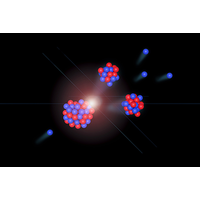
Phys. Rev. Lett. 135, 222504 (2025)
Nuclear Physics
Vibrationally Resolved Photoionization Delays in the Water Molecule
Article | Atomic, Molecular, and Optical Physics | 2025-11-26 05:00 EST
Prateek Pranjal, Jesus González-Vázquez, Roger Y. Bello, and Fernando Martín
We have implemented a theoretical approach to provide time- and vibrationally resolved photoelectron spectra and ionization time delays of polyatomic molecules as those expected from current high energy resolution reconstruction of attosecond beatings by interference of two-photon transitions setups…
Phys. Rev. Lett. 135, 223202 (2025)
Atomic, Molecular, and Optical Physics
Dual-Wavelength Quantum Skyrmions from Liquid Crystal Topological Defects
Article | Atomic, Molecular, and Optical Physics | 2025-11-26 05:00 EST
Mwezi Koni, Fazilah Nothlawala, Vagharshak Hakobyan, Isaac Nape, Etienne Brasselet, and Andrew Forbes
We propose a spin-orbit strategy for generating dual-wavelength quantum skyrmions realized either as entangled photon pairs at dual wavelengths or as heralded single-photon states at a given wavelength--regimes neither previously conceptualized nor demonstrated. By coupling a two-photon entangled sta…
Phys. Rev. Lett. 135, 223804 (2025)
Atomic, Molecular, and Optical Physics
Geometric Delocalization in Two Dimensions
Article | Condensed Matter and Materials | 2025-11-26 05:00 EST
Laura Shou, Alireza Parhizkar, and Victor Galitski
We demonstrate the existence of transient two-dimensional surfaces where a random-walking particle escapes to infinity in contrast to localization in standard flat two-dimensional space. We first prove that any rotationally symmetric two-dimensional membrane embedded in flat three-dimensional space …
Phys. Rev. Lett. 135, 226302 (2025)
Condensed Matter and Materials
Possibility of Type-III Multiferroics Hosting ${d}^{0}$ Ferroelectricity and ${d}^{0}$ Ferromagnetism
Article | Condensed Matter and Materials | 2025-11-26 05:00 EST
Haojin Wang, Haitao Liu, Meng Ye, and Yuanchang Li
A new type of multiferroic behavior--the coupling between magnetic ordering and electric polarization in a material--could facilitate applications, according to a theoretical proposal.
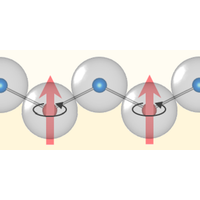
Phys. Rev. Lett. 135, 226402 (2025)
Condensed Matter and Materials
Giant Response and Harmonic Generation in Néel-Torque Antiferromagnetic Resonance
Article | Condensed Matter and Materials | 2025-11-26 05:00 EST
Kuangyin Deng and Ran Cheng
We theoretically investigate the resonant and higher order magnetic responses of a collinear antiferromagnet induced by Néel spin-orbit torques (NSOTs). By deriving the dynamical susceptibilities up to the third harmonic, we find remarkable NSOT-induced amplifications of the linear and nonlinear mag…
Phys. Rev. Lett. 135, 226702 (2025)
Condensed Matter and Materials
Hyperuniform Interfaces in Nonequilibrium Phase Coexistence
Article | Statistical Physics; Classical, Nonlinear, and Complex Systems | 2025-11-26 05:00 EST
Raphaël Maire, Leonardo Galliano, Andrea Plati, and Ludovic Berthier
Simulations of three physically distinct scenarios reveal that long-wavelength interfacial fluctuations are suppressed strongly in nonequilibrium phase coexistence between bulk hyperuniform systems.
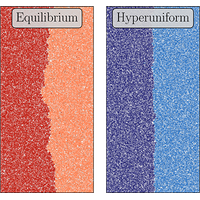
Phys. Rev. Lett. 135, 227102 (2025)
Statistical Physics; Classical, Nonlinear, and Complex Systems
No-Free-Lunch Theorems for Tensor Network Machine Learning Models
Article | Statistical Physics; Classical, Nonlinear, and Complex Systems | 2025-11-26 05:00 EST
Jing-Chuan Wu, Qi Ye, Dong-Ling Deng, and Li-Wei Yu
Tensor network machine learning models have shown remarkable versatility in tackling complex data-driven tasks. Despite their promising performance, a comprehensive understanding of the underlying assumptions and limitations of these models is still lacking. Here we focus on the rigorous formulation…
Phys. Rev. Lett. 135, 227301 (2025)
Statistical Physics; Classical, Nonlinear, and Complex Systems
Fragmentation: Principles versus Mechanisms
Article | Polymers, Chemical Physics, Soft Matter, and Biological Physics | 2025-11-26 05:00 EST
Emmanuel Villermaux
A new principle underlying the physics of fragmentation explains why fragment sizes follow a specific, universal distribution.
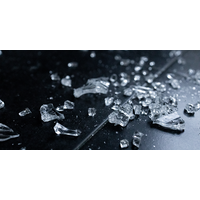
Phys. Rev. Lett. 135, 228201 (2025)
Polymers, Chemical Physics, Soft Matter, and Biological Physics
Phototactic Decision-Making by Microalgae
Article | Polymers, Chemical Physics, Soft Matter, and Biological Physics | 2025-11-26 05:00 EST
Shantanu Raikwar, Adham Al-Kassem, Nir S. Gov, Adriana I. Pesci, Raphaël Jeanneret, and Raymond E. Goldstein
When subject to light coming from two different directions, Chlamydomonas reinhardtii, a phototactic unicellular algae, follows a tangent law, swimming opposite to the light sources in a direction which is the intensity-weighted average of both light propagation vectors.
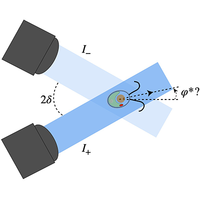
Phys. Rev. Lett. 135, 228401 (2025)
Polymers, Chemical Physics, Soft Matter, and Biological Physics
Physical Review X
Self-Organized Homogenization of Flow Networks
Article | 2025-11-26 05:00 EST
Julien Bouvard, Swarnavo Basu, Charlott Leu, Onurcan Bektas, Joachim O. Rädler, Gabriel Amselem, and Karen Alim
Pulsing an erosive chemical through artificial flow networks allows them to self-organize for uniform flow, revealing a simple rule for achieving balanced transport and guiding the design of more efficient porous materials and devices.
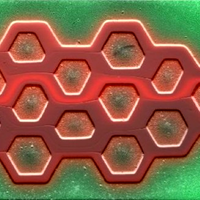
Phys. Rev. X 15, 041038 (2025)
arXiv
Vacancy Engineering in Metals and Alloys
New Submission | Materials Science (cond-mat.mtrl-sci) | 2025-11-27 20:00 EST
Sreenivas Raguraman, Homero Reyes Pulido, Christopher Hutchinson, Arun Devaraj, Marc H. Weber, Timothy P. Weihs
Vacancy engineering, the intentional control of atomic-scale vacancies in metals and alloys, is emerging as a powerful yet underexplored strategy for tailoring microstructures and optimizing performance across diverse applications. By enabling excess vacancy populations through quenching, severe deformation, thermomechanical treatments, or additive manufacturing, new microstructures can be obtained that achieve unique combinations of strength, ductility, fatigue life, corrosion resistance, and conductivity. Vacancies are distinct among lattice defects: they are non-conserved entities essential for solute diffusion, yet variably coupled to solutes, dislocations, and phase boundaries. They can accelerate transformations such as nucleation and precipitation or retard kinetics when trapped in clusters, and their transient trapping and release can drive microstructural evolution across time and length scales. This Review synthesizes recent advances in generating, modeling, and characterizing vacancies, highlighting their role in diffusion, precipitation, and phase stability. Case studies in lightweight, high-temperature, fatigue-resistant, electrical, and biomedical materials demonstrate the broad potential of vacancy control. We conclude by emphasizing the opportunity for the metallurgical community to fully exploit excess vacancies as controllable, design-relevant defects that enable new pathways for microstructure and property optimization in next-generation alloys.
Materials Science (cond-mat.mtrl-sci)
21 pages, 5 display items
Towards superior van der Waals density functionals for molecular crystals
New Submission | Materials Science (cond-mat.mtrl-sci) | 2025-11-27 20:00 EST
Dmitry V. Fedorov, Nikita E. Rybin, Mikhail A. Averyanov, Alexander V. Shapeev, Artem R. Oganov, Carlo Nervi
Ubiquitous van der Waals (vdW) interactions play a subtle yet crucial role in determining the precise atomic arrangements in solids, particularly in molecular crystals where these weak forces are the primary link between constituent building blocks. Within density functional (DF) theory, the most natural approach for addressing vdW forces is the use of vdW-inclusive density functionals. Through a detailed analysis of the underlying formalism, we have developed a computational scheme that combines vdW functionals of type DF1 and DF2 and serves as a well optimizable tool to improve the theoretical description and prediction of molecular crystals and other sparse materials. The proof of principle is demonstrated by our consideration of the molecular crystals from the X23 dataset.
Materials Science (cond-mat.mtrl-sci), Chemical Physics (physics.chem-ph)
6 pages, 3 figures
CHIPS-TB: Evaluating Tight-Binding Models For Metals, Semiconductors, and Insulators
New Submission | Materials Science (cond-mat.mtrl-sci) | 2025-11-27 20:00 EST
As semiconductor technologies continue to scale down to the nanoscale, the efficient prediction of material properties becomes increasingly critical. The tight-binding (TB) method is a widely used semi-empirical approach that offers a computationally tractable alternative to Density Functional Theory (DFT) for large-scale electronic structure calculations. However, conventional TB models often suffer from limited transferability and lack standardized benchmarking protocols. In this study, we introduce a computational framework (CHIPS-TB) for evaluating and comparing tight-binding parameterizations across diverse material systems relevant to semiconductor design, focusing on properties such as electronic bandgaps, band structures, and bulk modulus. We assess model parameterizations including Density Functional Tight-Binding (DFTB)-based MatSci, PBC, PTBP, SlaKoNet and TB3PY against OptB88vdW, TBmBJ-DFT and experimental reference data from the JARVIS-DFT database for 50+ materials pertinent to semiconductor applications. The CHIPS-TB code will be made publicly available on GitHub and benchmarks will be available on JARVIS-Leaderboard.
Materials Science (cond-mat.mtrl-sci)
Light-induced Asymmetric Pseudogap below T$_\text{c}$ in cuprates
New Submission | Superconductivity (cond-mat.supr-con) | 2025-11-27 20:00 EST
D. Armanno, O. Gingras, F. Goto, J.-M. Parent, A. Longa, A. Jabed, B. Frimpong, R.D. Zhong, J. Schneeloch, G. D. Gu, G. Jargot, H. Ibrahim, F. Legare, B.J. Siwick, N. Gauthier, A. Georges, A.J. Millis, F. Boschini
To this day, high-temperature cuprate superconductors remain an unparalleled platform for studying the competition and coexistence of emergent, static and dynamic, quantum phases of matter exhibiting high transition temperature non-s-wave superconductivity, non-Fermi liquid transport and a still enigmatic pseudogap regime. However, how superconductivity emerges alongside and competes with the pseudogap regime remains an open question. Here, we present a high-resolution, time- and angle-resolved photoemission study of the near-antinodal region of optimally-doped Bi$ _2$ Sr$ _2$ CaCu$ _2$ O$ _{8+\delta}$ . For a sufficiently high excitation fluence, we disrupt superconductivity and drive a transient change from a symmetric superconducting-like to an asymmetric pseudogap-like density of states, for electronic temperatures well below the equilibrium superconducting critical temperature. Conversely, when the superconductivity is fully restored, the pseudogap is suppressed, as signaled by a fully particle-hole symmetric density of states. A unique aspect of our experiments is that the pseudogap coexists with superconducting features at intermediate times or at intermediate fluence. Our findings challenge the paradigm that superconductivity emerges by establishing phase coherence in the pseudogap. Instead, our experimental results, supported by phenomenological theory, demonstrate that the two states compete, and that the low-temperature ground state of the cuprates originates from a competition between superconducting and pseudogap states.
Superconductivity (cond-mat.supr-con), Strongly Correlated Electrons (cond-mat.str-el)
Strong-coupling theory of bilayer plasmon excitations
New Submission | Strongly Correlated Electrons (cond-mat.str-el) | 2025-11-27 20:00 EST
Hiroyuki Yamase, Luciano Zinni, Matías Bejas, Andrés Greco
Recently plasmon excitations in bilayer lattice systems were studied extensively in the weak-coupling regime. Unlike single-layer systems, these bilayers exhibit two distinct modes, $ \omega_{\pm}$ , which show characteristic dependences upon the momentum and hopping integrals along the $ z$ direction. To apply them to cuprates, strong correlation effects should be considered, but a comprehensive analysis has not yet been investigated. In this work, we present a strong-coupling theory to analyze the charge dynamics of a bilayer system, utilizing the $ t$ -$ J$ -$ V$ model, which includes the long-range Coulomb interaction, $ V$ , on a lattice. Although our theoretical framework is fundamentally different from the weak-coupling approach, we find that resulting plasmon excitations are similar to those of a weak-coupling theory. A key distinction is that our strong-coupling framework reveals a noticeable suppression of particle-hole excitations, which allows the plasmon modes to remain well-defined over a wider region of momentum. We suggest that the experimentally reported plasmon excitations in Y-based cuprates can be described by the $ \omega_{-}$ mode, although we call for more systematic experiments to verify this.
Strongly Correlated Electrons (cond-mat.str-el)
Memory Effects in Contact Line Friction
New Submission | Soft Condensed Matter (cond-mat.soft) | 2025-11-27 20:00 EST
Niklas Wolf, Nico van der Vegt
When a drop of liquid comes into contact with a solid surface, it relaxes towards an equilibrium configuration, either wetting the surface or remaining in a droplet-like shape with a finite contact angle. The force driving the process towards equilibrium is the corresponding out-of-balance Young’s force. However, the speed with which the liquid front advances depends strongly on an opposing friction force arising from dissipative processes due to the moving solid-liquid-gas contact line. In analogy to the treatment of hydrodynamic friction we present an exact method, based on the Mori-Zwanzig formalism, to extract this friction from equilibrium data. We find that the contact line exhibits long-lasting memory with a characteristic power-law decay due to coupling to the systems hydrodynamic modes. Within linear response regime, we obtain the frequency-dependent dissipative and elastic response of the contact line to an external perturbation, including a frequency-dependent friction coefficient. Similar to hydrodynamic friction in liquids, we find that the friction decreases beyond a characteristic frequency and the system exhibits predominantly elastic behavior.
Soft Condensed Matter (cond-mat.soft)
Hund-projected Kanamori model: an effective description of Hund’s metals near the Mott insulating regime
New Submission | Strongly Correlated Electrons (cond-mat.str-el) | 2025-11-27 20:00 EST
Hund’s coupling plays a decisive role in shaping electron correlations of multi-orbital systems, giving rise to a class of materials–Hund’s metals–that combine local-moment physics with metallic transport. Here we derive an effective low-energy description of such a system near the Mott insulating regime, starting from the multi-orbital Hubbard-Kanamori Hamiltonian and projecting onto the high-spin manifold favored by Hund’s first rule. The resulting Hund-projected Kanamori model captures the interplay between carrier motion and magnetic correlations in the presence of strong Hund’s coupling. In the undoped limit, the model reduces to a spin-$ N/2$ Heisenberg system with suppressed quantum fluctuations, approaching the classical limit for realistic five-band configurations. Upon doping, carrier motion couples strongly to the spin background and drives ferromagnetic correlations through a Hund-enhanced kinetic mechanism analogous to, but much stronger than, Nagaoka ferromagnetism. Owing to its reduced sign problem, the model can be addressed with advanced path-integral methods to determine quasiparticle structure and effective interactions between carriers-quantities that are challenging to obtain with other methods. This framework establishes a microscopic bridge between the Kanamori model and the emergent magnetic and transport phenomena characteristic of Hund’s metals.
Strongly Correlated Electrons (cond-mat.str-el), Superconductivity (cond-mat.supr-con)
Analytical Interaction Potentials for Disks in Two Dimensions
New Submission | Soft Condensed Matter (cond-mat.soft) | 2025-11-27 20:00 EST
Binghan Liu, Junwen Wang, Gary S. Grest, Shengfeng Cheng
Compact analytical forms are derived for the interactions involving thin disks in two dimensions using an integration approach. These include interactions between a disk and a material point, between two disks, and between a disk and a wall. Each object is treated as a continuous medium of materials points interacting by the Lennard-Jones 12-6 potential. By integrating this potential in a pairwise manner, expressions for the potentials and resultant forces between extended objects are obtained. All the results are validated with numerical integrations. The analytical potentials are implemented in LAMMPS and used to simulate two-dimensional suspension of disks with an explicit solvent modeled as a Lennard-Jones liquid. In monodisperse disk suspensions, a disorder-to-order transition of disk packing is observed as the area fraction of disks is increased or as the solvent evaporates. In bidisperse disk suspensions being rapidly dried, stratification is found with the smaller disks enriched at the evaporation front. Such “small-on-top” stratification echoes the similar phenomenon occurring in three-dimensional polydisperse colloidal suspensions that undergo fast drying. These potentials can be applied to a wide range of two-dimensional systems involving disk-like objects.
Soft Condensed Matter (cond-mat.soft), Materials Science (cond-mat.mtrl-sci)
14 pages, 8 figures, 14 page Supporting Information with 9 figures
The metastability of lipid vesicle shapes in uniaxial extensional flow
New Submission | Soft Condensed Matter (cond-mat.soft) | 2025-11-27 20:00 EST
M.A. Shishkin (1 and 2), E.S. Pikina (1 and 3) ((1) Landau Institute for Theoretical Physics Russia, (2) HSE University Russia, (3) Oil and Gas Research Institute Russia)
In this work, we investigate the elastic properties of deflated vesicles and their shape dynamics in uniaxial extensional flow. By analysing the Helfrich bending energy and viscous flow stresses in the limit of highly elongated shapes, we demonstrate that all stationary vesicle configurations are metastable. For vesicles with small reduced volume, we identify the type of bifurcation at which the stationary state is lost, leading to unbounded vesicle elongation in time. We show that the stationary vesicle length remains finite at the critical extension rate. The critical behaviour of the stationary vesicle length and of the growth rates of small perturbations is obtained analytically and confirmed by direct numerical computations. The beginning stage of the unbounded elongation dynamics is simulated numerically, in agreement with the analytical predictions.
Soft Condensed Matter (cond-mat.soft), Fluid Dynamics (physics.flu-dyn)
15 pages, 12 figures
A new Fractal Mean-Field analysis in phase transition
New Submission | Statistical Mechanics (cond-mat.stat-mech) | 2025-11-27 20:00 EST
Ismael S. S. Carrasco, Henrique A. de Lima, Fernando A. Oliveira
Understanding phase transitions requires not only identifying order parameters but also characterizing how their correlations behave across scales. By quantifying how fluctuations at distinct spatial or temporal points are related, correlation functions reveal the structural organization of complex systems. Here, we revisit the theoretical foundations of these correlations in systems undergoing second-order phase transitions, with emphasis on the Ising model extended to non-integer spatial dimensions. Starting from the classical framework introduced by Fisher, we discuss how the standard Euclidean treatment, restricted to integer dimensions, necessitates the introduction of the critical exponent $ \eta$ to capture the spatial decay of correlations at $ T=T_c$ . We suppose that, at criticality, the equilibrium dynamics become effectively confined to the fractal edge of spin clusters. Within this framework, the fractal dimension that governs the correlations in that subspace is directly related to Fisher exponent, which quantifies the singular behavior of the correlation function near criticality. Importantly, this correlation fractal dimension is distinct from the fractal dimension associated with the order parameter. We further derive an explicit geometrical relation connecting the two fractal dimensions, thereby linking spatial self-similarity to the observed scaling behavior at criticality. This treatment naturally extends to non-integer spatial dimensions, which remain valid below the upper critical dimension and produce the correct value of Fisher exponent $ \eta$ for a continuous space dimension. Our analysis also confirms that the Rushbrooke scaling relation, continues to hold when the spatial dimension is treated as a continuous parameter, reinforcing the universality of critical scaling and underscoring the role of fractal geometry in characterizing correlations at criticality.
Statistical Mechanics (cond-mat.stat-mech)
Defect Bootstrap: Tight Ground State Bounds in Spontaneous Symmetry Breaking Phases
New Submission | Strongly Correlated Electrons (cond-mat.str-el) | 2025-11-27 20:00 EST
Michael G. Scheer, Nisarg Chadha, Da-Chuan Lu, Eslam Khalaf
The recent development of bootstrap methods based on semidefinite relaxations of positivity constraints has enabled rigorous two-sided bounds on local observables directly in the thermodynamic limit. However, these bounds inevitably become loose in symmetry broken phases, where local constraints are insufficient to capture long-range order. In this work, we identify the origin of this looseness as order parameter defects which are difficult to remove using local operators. We introduce a $ \textit{defect bootstrap}$ framework that resolves this limitation by embedding the system into an auxiliary $ \textit{defect model}$ equipped with ancilla degrees of freedom. This construction effectively enables local operators to remove order parameter defects, yielding tighter bounds in phases with spontaneous symmetry breaking. This approach can be applied broadly to pairwise-interacting local lattice models with discrete or continuous internal symmetries that satisfy a property we call $ \textit{defect diamagnetism}$ , which requires that the ground state energy does not decrease upon adding any finite number of symmetry defects. Applying the method to the transverse field Ising models in 1D and 2D, we obtain significantly improved bounds on energy densities and spin correlation functions throughout the symmetry broken phase in 1D and deep within the phase in 2D. Our results demonstrate that physically motivated constraint sets can dramatically enhance the power of bootstrap methods for quantum many-body systems.
Strongly Correlated Electrons (cond-mat.str-el), Quantum Physics (quant-ph)
9 pages, 5 figures
Cr2O3/\b{eta}-Ga2O3 Heterojunction Diodes with Orientation-Dependent Breakdown Electric Field up to 12.9 MV/cm
New Submission | Materials Science (cond-mat.mtrl-sci) | 2025-11-27 20:00 EST
Yizheng Liu, Haochen Wang, Carl Peterson, James S. Speck, Chris Van De Walle, Sriram Krishnamoorthy
We report the fabrication of Cr2O3/\b{eta}-Ga2O3 heterojunction diodes using reactive magnetron sputtering of Cr2O3 on highly doped \b{eta}-Ga2O3 bulk substrates along (100), (010), (001), (110), and (011) orientation dependence of high electric field handling capability in \b{eta}-Ga2O3. Additional relative permittivity values in (110) and (011) orientations of \b{eta}-Ga2O3 were computed by using first-principles calculation methods for accurate apparent charge density (ND-NA) extraction and breakdown electric field analysis from capacitance-voltage measurements. The HJDs fabricated on n+ (110) exhibited breakdown electric fields >10 MV/cm up to 12.9 MV/cm, showing the highest experimentally observed parallel-plane junction electric field among \b{eta}-Ga2O3-based junctions. Breakdown electric fields among (100), (010), (001), and (011) orientations showed distinct distribution in the range of 5.13-5.26 MV/cm, 5.10-7.05 MV/cm, 2.70-3.33 MV/cm, and 3.88-4.38 MV/cm, respectively, validating the orientational dependence of parallel-plane junction electric field at breakdown in low-symmetry monoclinic \b{eta}-Ga2O3. The parallel-plane breakdown electric fields (EBr,||) reported in this work were extracted when the device experienced catastrophic breakdown at 100 mA/cm^2 current density compliance, and should not be confused with critical electric field (Ec) as a function of drift layer doping concentration, which accounts for electric-field dependent impact ionization coefficients in Si, SiC and GaN. This study can guide the choice of crystal orientation for high performance gallium oxide-based devices that require high electric field handling capability.
Materials Science (cond-mat.mtrl-sci), Applied Physics (physics.app-ph)
Photo-induced carrier dynamics in InSb probed with broadband THz spectroscopy based on BNA crystals
New Submission | Materials Science (cond-mat.mtrl-sci) | 2025-11-27 20:00 EST
Elodie Iglesis, Alexandr Alekhin, Maximilien Cazayous, Alain Sacuto, Yann Gallais, Sarah Houver
We report an optical pump - terahertz (THz) probe study of the photoinduced transient carrier dynamics in the low bandgap semiconductor Indium Antimonide (InSb). Using an organic N-benzyl-2-methyl-nitroaniline (BNA) crystal as a broadband THz source, we access the full spectral response over more than 5 THz, for varying pump-probe delay following the optical excitation. Using the Drude-Lorentz model accounting for differences between the excited length in material and the penetration depth of THz beam in pumped InSb, we extract the absolute carrier density as a function of the pump-probe delay, and provide insights on the diffusion length at given carrier densities, for different pump fluences. The mismatch between the THz penetration depth and the actual excited sample depth after carrier diffusion is discussed, since their evolutions with time and pump fluence are not intuitive as both quantities depend on carrier density.
Materials Science (cond-mat.mtrl-sci)
10 pages, 6 figures, 32 references
Hardware Acceleration of Frustrated Lattice Systems using Convolutional Restricted Boltzmann Machine
New Submission | Statistical Mechanics (cond-mat.stat-mech) | 2025-11-27 20:00 EST
Pratik Brahma, Junghoon Han, Tamzid Razzaque, Saavan Patel, Sayeef Salahuddin
Geometric frustration gives rise to emergent quantum phenomena and exotic phases of matter. While Monte Carlo methods are traditionally used to simulate such systems, their sampling efficiency is limited by the complexity of interactions and ground-state properties. Restricted Boltzmann Machines (RBMs), a class of probabilistic neural networks, offer improved sampling by incorporating machine learning techniques. However, fully-connected bipartite RBMs are inefficient for representing physical lattices with sparse interactions. To address this, we implement Convolutional Restricted Boltzmann Machines (CRBMs) that leverage translational symmetry inherent to lattices. Using the classical Shastry-Sutherland (SS) Ising lattice, we demonstrate (i) CRBM formulation that captures SS interactions, and (ii) digital hardware accelerator to enhance sampling performance. We simulate lattices with up to 324 spins, recovering all known phases of the SS Ising model, including the long range ordered fractional plateau. Our hardware characterizes spin behavior at critical points and within spin liquid phases. This implementation achieves a speedup of 3 to 5 orders of magnitude (33 ns to 120 ms) over GPU-based implementations. Moreover, the time-to-solution is within two orders of magnitude of quantum annealers, while offering superior scalability, room-temperature operation and reprogrammability. This work paves a pathway for scalable digital hardware that embeds physical symmetries to enable large scale simulations of material systems.
Statistical Mechanics (cond-mat.stat-mech)
Optical contrast-based determination of number of layers for two-dimensional van der Waals magnet Fe$_3$GeTe$_2$
New Submission | Materials Science (cond-mat.mtrl-sci) | 2025-11-27 20:00 EST
Neesha Yadav, Sandeep, Pintu Das
Recent advances in revealing intrinsic magnetism in two-dimensional (2D) materials have highlighted their potential for future spintronic applications, driven by their novel physical properties, promising for future spintronic devices. In order to explore layer dependent magnetic behavior, in general, mechanically exfoliated flakes from high-quality single crystals are used. It is crucial to determine the number of layers of these materials accurately. In the absence of an efficient and quick method, researchers often rely on atomic force microscopy (AFM) imaging to identify their number of layers. In this work, we report an optical contrast study as a quick and cost-effective technique to determine the number of layers of Fe$ _3$ GeTe$ _2$ (FGT). Here, we observed a linear relationship between the optical contrast (derived from optical microscopic images) observed for mechanically exfoliated FGT nano-flakes and their thickness, as measured by the AFM imaging method. This technique requires no additional equipment; it relies solely on a conventional optical microscope. Additionally, our results reveal a thickness-dependent evolution of the intensity; in contrast, the Raman frequency demonstrates no significant dependence on layer thickness. Also, our studies reveal two additional Raman modes of FGT, at the frequency of 129,cm$ ^-1$ & 190,cm$ ^-1$ . Both modes show the intensity dependence on the thickness of FGT, same as out-of-plane (A$ _{1g}$ ) Raman modes.
Materials Science (cond-mat.mtrl-sci), Other Condensed Matter (cond-mat.other)
4 figures
Exploring the Anomalous Nernst Effect in SrRuO$_3$
New Submission | Strongly Correlated Electrons (cond-mat.str-el) | 2025-11-27 20:00 EST
Anna Merin Francis, Avirup De, Abhijit Biswas, Lily Mandal, Pallavi Kushwaha, Sunil Nair
We investigate the anomalous Nernst effect in epitaxial SrRuO$ _3$ thin films grown on c-cut Al$ _2$ O$ _3$ substrates, and in a polycrystalline SrRuO$ _3$ slab. Through comprehensive measurements of the transverse thermoelectric response as a function of temperature and magnetic field, we observe a pronounced Nernst signal near $ T_c$ in the (111) oriented SrRuO$ _3$ thin films. The strong temperature and nontrivial field dependence underscore the pivotal role of the magnetic anisotropy in tuning the Berry curvature and, consequently, the anomalous Nernst effect in SrRuO$ _3$ .
Strongly Correlated Electrons (cond-mat.str-el)
6 pages, 4 figures
Hierarchical high-throughput screening of alkaline-stable lithium-ion conductors combining machine learning and first-principles calculations
New Submission | Materials Science (cond-mat.mtrl-sci) | 2025-11-27 20:00 EST
Zhuohan Li, KyuJung Jun, Bowen Deng, Gerbrand Ceder
The advancement of solid-state batteries depends on the development of lithium-ion conductors that exhibit both high ionic conductivity and stability across a wide range of electrochemical and chemical conditions. In this paper, we investigate the chemical factors that control the stability of Li-NASICONs and garnets in highly alkaline aqueous environment. While this is of general importance, it is particularly important for the operation of Li-air cells with humidified air. Humid air promotes the formation of LiOH as the discharge product, creating a highly alkaline environment on the surface of cathode and solid-state electrolyte. In this work, we combine machine learning and first-principles calculations to conduct a high-throughput computational screening of alkaline-stable oxide-based Li-ion conductors in order to better characterize the tradeoff between the various relevant properties. We evaluate the material stability in terms of pH, voltage, and species present in the environment (LiOH and H2O) across a vast range of chemical compositions with NASICON and garnet crystal structures. We utilize the CHGNet universal machine learning interatomic potential for pre-screening, followed by DFT calculations. Such a hierarchical screening procedure enables the evaluation of over 320,000 chemical compositions, encompassing nearly the entire periodic table. From this set 209 alkaline-stable NASICON and garnet compounds are selected as final candidates. We identify the specific cation substitutions that improve alkaline stability in NASICON and garnet compounds, and reveal the underlying mechanism. We also discover the trade-offs for designing alkaline-stable Li-ion conductors, highlighting the need to carefully optimize compositions so that it can simultaneously enhance all the material properties required for practical battery applications.
Materials Science (cond-mat.mtrl-sci)
Anisotropic scale invariance and the uniaxial Lifshitz point from the nonperturbative renormalization group
New Submission | Statistical Mechanics (cond-mat.stat-mech) | 2025-11-27 20:00 EST
Gonzalo De Polsi, Pawel Jakubczyk
We employ the derivative expansion of the nonperturbative renormalization group to address the phenomenon of anisotropic scale invariance and the associated functional fixed points, also known as Lifshitz points, in systems characterized by a scalar order parameter. We demonstrate the existence of the Lifshitz fixed point featuring a non-classical value of the anisotropy exponent $ \theta<1/2$ and provide estimates for values of a set of critical exponents in the physically most relevant case of the three-dimensional uniaxial Lifshitz point $ (d,m)=(3,1)$ , $ m$ denoting the anisotropy index. We compare our predictions with existing estimates from perturbative expansions around dimensionality $ d=4+\frac{1}{2}$ as well as those from the $ 1/N$ expansion.
Statistical Mechanics (cond-mat.stat-mech), High Energy Physics - Theory (hep-th)
11 pages, 6 figures, 1 supplemental (notebook file)
Ion Jump Motion as the Background for Muon Diffusion in Battery Materials Research Using $μ$SR
New Submission | Materials Science (cond-mat.mtrl-sci) | 2025-11-27 20:00 EST
It is shown by numerical simulations of muon spin relaxation ($ \mu$ SR) spectra and analysis of these using the Kubo-Toyabe relaxation function $ G_z^{\rm KT}(t)$ that the anomalous peak in the fluctuation rate $ \nu_{\rm KT}$ around a specific temperature $ T^\ast$ and associated decrease of the linewidth $ \Delta_{\rm KT}$ above $ T^\ast$ , often observed in the previous $ \mu$ SR studies on ion diffusion, originate from the sharp increase in the ion jump rate $ \nu_{\rm i}$ against that of the muon $ \nu_\mu$ with increasing temperature. This indicates that a more detailed reanalysis of the vintage data using the “extended” Kubo-Toyabe relaxation function $ G_z^{\rm EA}(t)$ incorporating the jump motion of both ions and implanted muon (which was also used to simulate the $ \mu$ SR spectra) is useful for the proper evaluation of $ \nu_{\rm i}$ and $ \nu_\mu$ . Meanwhile, it also suggests that the $ \mu$ SR results showing no such anomaly convey little information on ion diffusion.
Materials Science (cond-mat.mtrl-sci)
5 pages, 3 figures
Self-avoiding walks pulled at an angle
New Submission | Soft Condensed Matter (cond-mat.soft) | 2025-11-27 20:00 EST
C J Bradly, N R Beaton, A L Owczarek
We investigate polymers pulled away from an interacting surface, where the force is applied to the untethered endpoint and at an angle $ \theta$ to the surface. We use the canonical self-avoiding walk model of polymers and obtain the phase diagram of the model using Monte Carlo simulations for a range of angles, temperatures and force magnitudes. The phase diagram of the model displays re-entrance at low temperatures for three-dimensional walks when the pulling is more vertical than horizontal. Our results agree with various exactly solvable lattice models that have been previously studied.
Soft Condensed Matter (cond-mat.soft), Statistical Mechanics (cond-mat.stat-mech)
15 pages, 6 figures
Probing magnetic-field-induced multipolar ordering through field-angle-resolved magnetostriction and thermal expansion in PrIr$2$Zn${20}$
New Submission | Strongly Correlated Electrons (cond-mat.str-el) | 2025-11-27 20:00 EST
Naoki Okamoto, Yohei Kono, Takahiro Onimaru, Keisuke T. Matsumoto, Kazumasa Hattori, Shunichiro Kittaka
We performed field-angle-resolved magnetostriction and thermal-expansion measurements on PrIr$ 2$ Zn$ {20}$ , a cubic non-Kramers compound exhibiting antiferroquadrupolar order below $ T{\rm Q}=0.125$ K. Thermal expansion exhibits two qualitatively different anomalies under magnetic fields applied along the $ [001]$ direction, providing experimental support for the existence of an intermediate A phase previously reported. Furthermore, comparison between the experimental results and theoretical modeling indicates a strong anisotropic coupling of the $ O{20}$ quadrupolar moment, which plays a key role in stabilizing the A phase. These findings demonstrate that multipolar states in non-Kramers systems can be effectively tuned by magnetic-field orientation, providing insights into the anisotropic nature of quadrupolar interactions.
Strongly Correlated Electrons (cond-mat.str-el)
6 pages, 5 figures, accepted for publication in Phys. Rev. B
Edge-state transport in gapped bilayer graphene
New Submission | Mesoscale and Nanoscale Physics (cond-mat.mes-hall) | 2025-11-27 20:00 EST
Jesús Arturo Sánchez-Sánchez, Thomas Stegmann
We investigate electronic transport in gapped bilayer graphene (gBLG) devices. For certain edge terminations -typically a combination of zigzag, armchair, and bearded types - we observe edge state conduction within the band gap, which is opened by a potential bias between the two layers. The edge states can generate a non-local resistance, in line with recent experiments [1]. Band structure calculations of gBLG nanoribbons corroborate the existence of the edge states, whose edge localization can be switched by tuning the electron energy. Their existence strongly depends on the edge termination and does not originate from a topological bulk-boundary correspondence.
Mesoscale and Nanoscale Physics (cond-mat.mes-hall)
9 pages, 7 figures
Non-uniform Thermal Conductivity in Nanoscale Multiple Hotspot Systems
New Submission | Mesoscale and Nanoscale Physics (cond-mat.mes-hall) | 2025-11-27 20:00 EST
Yu He, Zhihao Zhou, Lina Yang, Nuo Yang
Understanding nanoscale hotspot thermal transport is crucial in electronic devices. Contrary to common perception, recent experiments show that closely spaced nanoscale multiple hotspots can enhance heat dissipation. Here, the thermal transport in nanoscale multiple hotspot systems is investigated by solving the phonon Boltzmann transport equation. The local thermal conductivity is proposed to describe the non-uniform spatial distribution of heat transport capability in nanoscale multiple hotspot systems. The maximum value exceeds the uniform heating case by up to 27%, which is attributed to the spatially varying fraction of unscattered phonons emitted from hotspots. Moreover, the effects and mechanisms of hotspot spacing on thermal transport are investigated, showing that reducing the hotspot spacing can enhance the heat flux by up to 40%. This work challenges the conventional view that thermal transport capability is spatially uniform throughout the system and provides fundamental insights for thermal management in high-power-density integrated circuits.
Mesoscale and Nanoscale Physics (cond-mat.mes-hall)
11 pages, 4 figures
Relation between extensional viscosity and polymer conformation in dilute polymer solutions
New Submission | Soft Condensed Matter (cond-mat.soft) | 2025-11-27 20:00 EST
Yusuke Koide, Takato Ishida, Takashi Uneyama, Yuichi Masubuchi
We investigate extensional viscosity and polymer conformation in dilute polymer solutions under uniaxial extensional flow using dissipative particle dynamics simulations. At high extension rates, polymers are significantly stretched by extensional flows, and the extensional viscosity growth function exhibits strain hardening. To reveal their quantitative relation, we adopt an analysis method based on the Rouse-type model. We demonstrate that the extensional viscosity growth function is determined by the instantaneous gyration radii in the parallel and perpendicular directions to the extensional direction and their time derivatives. Our approach also provides a unified description of the steady-state extensional viscosity of dilute polymer solutions for various chain lengths and concentrations in terms of the polymer gyration radius.
Soft Condensed Matter (cond-mat.soft), Fluid Dynamics (physics.flu-dyn)
Local Geometric and Transport Properties of Networks that are Generated from Hyperuniform Point Patterns
New Submission | Disordered Systems and Neural Networks (cond-mat.dis-nn) | 2025-11-27 20:00 EST
James V. Raj, Xiaohan Sun, Charles Emmett Maher, Katherine A. Newhall, Mason A. Porter
Hyperuniformity, which is a type of long-range order that is characterized by the suppression of long-range density fluctuations in comparison to the fluctuations in standard disordered systems, has emerged as a powerful concept to aid in the understanding of diverse natural and engineered phenomena. In the present paper, we harness hyperuniform point patterns to generate a class of disordered, spatially embedded networks that are distinct from both perfectly ordered lattices and uniformly random geometric graphs. We refer to these networks as \emph{hyperuniform-point-pattern-induced (HuPPI) networks}, and we compare them to their counterpart \emph{Poisson-point-pattern-induced (PoPPI) networks}. By computing the local geometric and transport properties of HuPPI networks, we demonstrate how hyperuniformity imparts advantages in both transport efficiency and robustness. Specifically, we show that HuPPI networks have systematically smaller total effective resistances, slightly faster random-walk mixing times, and fewer extreme-curvature edges than PoPPI networks. Counterintuitively, we also find that HuPPI networks simultaneously have more negative mean Ollivier–Ricci curvatures and smaller global resistances than PoPPI networks, indicating that edges with moderately negative curvatures need not create severe bottlenecks to transport. We also demonstrate that the network-generation method strongly influences these properties and in particular that it often overshadows differences that arise from underlying point patterns. These results collectively demonstrate potential advantages of hyperuniformity in network design and motivate further theoretical and experimental exploration of HuPPI networks.
Disordered Systems and Neural Networks (cond-mat.dis-nn)
13 pages; 8 figures, lots of ORCs; abstract on arXiv page shortened slightly due to maximum length requirement
Quantum Hard Spheres with Affine Quantization
New Submission | Statistical Mechanics (cond-mat.stat-mech) | 2025-11-27 20:00 EST
We study a fluid of quantum hard-spheres treated with affine-quantization. Assuming that the fluid obeys to Bose-Einstein statistics we solve for its thermodynamic properties using the path integral Monte Carlo method.
Statistical Mechanics (cond-mat.stat-mech), Mesoscale and Nanoscale Physics (cond-mat.mes-hall), Materials Science (cond-mat.mtrl-sci), Computational Physics (physics.comp-ph), Quantum Physics (quant-ph)
7 pages, 2 figures, 1 table
From Static Pathways to Dynamic Mechanisms: A Committor-Based Data-Driven Approach to Chemical Reactions
New Submission | Statistical Mechanics (cond-mat.stat-mech) | 2025-11-27 20:00 EST
Radu A. Talmazan, Christophe Chipot
As computational chemistry methods evolve, dynamic effects have been increasingly recognized to govern chemical reaction pathways in both organic and inorganic systems. Here, we introduce a committor-based workflow that integrates a path-committor-consistent artificial neural network (PCCANN) with an iteratively trained hybrid-DFT-level message passing atomic convolutional encoder (MACE) potential. Beginning with a static nudged elastic band path, PCCANN extracts a committor-consistent string to represent the reactive ensemble. We illustrate the power of this methodology through two representative applications. First, we investigate an SNAr reaction using MACE trained at hybrid DFT level with implicit solvent. The mechanism is found to be concerted, and the dynamic approach reveals a lower barrier than static treatments. Second, we apply the same protocol to the isomerization of protonated isobutanol to protonated 2-butanol, yielding a quantitatively accurate free-energy landscape. We uncover three competing channels: the established concerted mechanism and two asynchronous stepwise routes mediated by water and methyl transfer, all with comparable activation barriers. Notably, the stepwise pathways traverse metastable intermediates that, to the best of our knowledge, have not been described in prior mechanistic studies. Calculated barrier heights and intermediate stabilities are in close agreement with high-level DFT benchmarks, demonstrating the framework’s accuracy. Together, these studies highlight mechanistic diversity across distinct systems and establish the synergistic PCCANN-MACE protocol as a proof-of-concept approach for committor-based discovery of complex reaction dynamics.
Statistical Mechanics (cond-mat.stat-mech)
Accelerated Discovery of Crystalline Materials with Record Ultralow Lattice Thermal Conductivity via a Universal Descriptor
New Submission | Materials Science (cond-mat.mtrl-sci) | 2025-11-27 20:00 EST
Xingchen Shen, Jiongzhi Zheng, Michael Marek Koza, Petr Levinsky, Jiri Hejtmanek, Philippe Boullay, Bernard Raveau, Jinghui Wang, Jun Li, Pierric Lemoine, Christophe Candolfi, Emmanuel Guilmeau
Ultralow glass-like lattice thermal conductivity in crystalline materials is crucial for enhancing energy conversion efficiency in thermoelectrics and thermal insulators. We introduce a universal descriptor for thermal conductivity that relies only on the atomic number in the primitive cell and the sound velocity, enabling fast and scalable materials screening. Coupled with high-throughput workflows and universal machine learning potentials, we identify the candidate materials with ultralow thermal conductivity from over 25, 000 materials. We further validate this approach by experimentally confirming record-low thermal conductivity values of 0.15-0.16 W/m/K from 170 to 400 K in the halide metal CsAg2I3. Combining inelastic neutron scattering with first-principles calculations, we attribute the ultralow thermal conductivity to the intrinsically small sound velocity, strong anharmonicity, and structural complexity. Our work illustrates how a universal descriptor, combined with high-throughput screening, machine-learning potential and experiment, enables the efficient discovery of materials with ultralow thermal conductivity.
Materials Science (cond-mat.mtrl-sci)
Giant critical current peak induced by pressure in kagome superconductor RbV${3}$Sb${5}$
New Submission | Superconductivity (cond-mat.supr-con) | 2025-11-27 20:00 EST
Lingfei Wang, Wenyan Wang, Tsz Fung Poon, Zheyu Wang, Chun Wai Tsang, Xinyou Liu, Shanmin Wang, Kwing To Lai, Wei Zhang, Jeffery L. Tallon, Youichi Yamakawa, Hiroshi Kontani, Rina Tazai, Swee K. Goh
Superconductivity can coexist or compete with other orders such as magnetism or density waves. Optimizing superconductivity requires identifying competing orders that may disrupt Cooper pair coherence. Here, we use the self-field critical current ($ I_{\rm c,sf}$ ) to probe pressure-tuned superconductivity in the kagome superconductor RbV$ 3$ Sb$ 5$ . As pressure destabilizes the charge-density wave (CDW) state, $ I{\rm c,sf}$ drastically enhances, peaking near the critical pressure where the CDW state is completely suppressed at zero temperature. Surprisingly, a weaker $ I{\rm c,sf}$ peak emerges within the CDW phase. Near the pressure of the weaker peak, the superconducting phase transition temperature shifts from an increasing trend with pressure to a near plateau. Our analysis suggests the possibility of a sudden change in the CDW pattern or a Lifshitz transition, highlighting the need for microscopic examinations of the CDW state for understanding the pressure evolution of superconductivity in RbV$ _3$ Sb$ _5$ .
Superconductivity (cond-mat.supr-con), Materials Science (cond-mat.mtrl-sci)
9 pages, 5 figures
Lattice-to-total thermal conductivity ratio: a phonon-glass electron-crystal descriptor for data-driven thermoelectric design
New Submission | Materials Science (cond-mat.mtrl-sci) | 2025-11-27 20:00 EST
Yifan Sun, Zhi Li, Tetsuya Imamura, Yuji Ohishi, Chris Wolverton, Ken Kurosaki
Thermoelectrics (TEs) are promising candidates for energy harvesting with performance quantified by figure of merit, $ ZT$ . To accelerate the discovery of high-$ ZT$ materials, efforts have focused on identifying compounds with low thermal conductivity $ \kappa$ . Using a curated dataset of 71,913 entries, we show that high-$ ZT$ materials reside not only in the low-$ \kappa$ regime but also cluster near a lattice-to-total thermal conductivity ratio ($ \kappa_\mathrm{L}/\kappa$ ) of approximately 0.5, consistent with the phonon-glass electron-crystal design concept. Building on this insight, we construct a framework consisting of two machine learning models for the lattice and electronic components of thermal conductivity that jointly provide both $ \kappa$ and $ \kappa_\mathrm{L}/\kappa$ for screening and guiding the optimization of TE materials. Among 104,567 compounds screened, our models identify 2,522 ultralow-$ \kappa$ candidates. Follow-up case studies demonstrate that this framework can reliably provide optimization strategies by suggesting new dopants and alloys that shift pristine materials toward the $ \kappa_\mathrm{L}/\kappa$ approaching 0.5 regime. Ultimately, by integrating rapid screening with PGEC-guided optimization, our data-driven framework effectively bridges the critical gap between materials discovery and performance enhancement.
Materials Science (cond-mat.mtrl-sci), Machine Learning (cs.LG)
15 pages, 7 figures
Nucleation and wetting transitions in three-component Bose-Einstein condensates in Gross-Pitaevskii theory: exact results
New Submission | Quantum Gases (cond-mat.quant-gas) | 2025-11-27 20:00 EST
Jonas Berx, Nguyen Van Thu, Joseph O. Indekeu
Nucleation and wetting transitions are studied in a three-component Bose-Einstein condensate mixture within Gross-Pitaevskii theory. For special cases of intermediate segregation between components 1 and 2, the nucleation phase transition of a surfactant film of component 3 is obtained by exact solution. Additional exact results for the nucleation transition are derived in the limit of strong segregation between components 1 and 2. In this limit the exact first-order wetting phase boundary is obtained using analytical and numerical methods, and is contrasted with the exact nucleation and wetting phase boundary derived previously for a two-component Bose-Einstein condensate mixture at a hard optical wall. Exact results for the three-component mixture are compared with results from the double-parabola approximation used in an earlier work.
Quantum Gases (cond-mat.quant-gas), Statistical Mechanics (cond-mat.stat-mech), Quantum Physics (quant-ph)
24 pages, 9 figures
Mechanisms of Resistive Switching in 2D Monolayer and Multilayer Materials
New Submission | Materials Science (cond-mat.mtrl-sci) | 2025-11-27 20:00 EST
M. Kaniselvan, Y. R. Jeon, M. Mladenović, M. Luisier, D. Akinwande
The power and energy consumption of resistive switching devices can be lowered by reducing their active layer dimensions. Efforts to push this low-energy switching property to its limits have led to the investigation of active regions made with two-dimensional layered materials (2DLM). Despite their small dimensions, 2DLM exhibit a rich variety of switching mechanisms, each involving different types of atomic structure reconfigurations. In this review, we highlight and classify the mechanisms of resistive switching in mono and bulk 2DLM, with a subsequent focus on those occurring in a monolayer and/or localized to point defects in the crystalline sheet. We discuss the complex energetics involved in these fundamentally defect-assisted processes, including the co-existence of multiple mechanisms and influence of the contacts used. Examining the highly localized ‘atomristor’-type switching, we provide insights into the atomic motions and electronic transport across the metal-2D interfaces underlying their operation. Finally, we present the progress and our perspective on the challenges associated with the development of 2D resistive switching devices. Promising application areas and material systems are identified and suggested for further research.
Materials Science (cond-mat.mtrl-sci)
Coupled Structural and Electronic Requirements in Alpha-FASnI3 Imposed by the Sn(II) Lone Pair
New Submission | Materials Science (cond-mat.mtrl-sci) | 2025-11-27 20:00 EST
Mridhula Venkatanarayanan, Vladislav Slama, Madhubanti Mukherjee, Andrea Vezzosi, Ursula Rothlisberger, Virginia Carnevali
Alpha-Formamidinium-tin-iodide (alpha-FASnI3) is a leading candidate for lead-free photovoltaic applications, adopting a nearly cubic structure at room temperature, but its stability remains limited by oxidation-driven degradation. Reliable first-principles modelling of the photovoltaic alpha-phase is further complicated by inconsistent structural models and levels of theory in the literature. Here, we identify the structural and electronic requirements needed for a physically sound description of alpha-FASnI3, whose behaviour is governed by a pseudo-Jahn-Teller (PJT) instability arising from the stereochemically active Sn(II) lone pair.
Using 0 K relaxations, cross-code hybrid-functional benchmarks, and finite-temperature ab initio molecular dynamics, we show that a 4x4x4 supercell with randomly oriented FA+ cations is the smallest model that removes macroscopic dipoles, preserves cubic symmetry, recovers local octahedral tilts, and captures the characteristic PJT-driven Sn off-centering. Accurate band edges and a reliable band gap require a PBE0-level hybrid functional with spin-orbit coupling to treat Sn relativistic effects, together with nonlocal dispersion (rVV10) to capture the enhanced Sn-I covalency. Finite-temperature simulations reveal that Sn off-centering remains local, <111>-oriented, and robust against thermal fluctuations, and that reproducing the experimental 300 K band gap requires a 6x6x6 supercell. These results define the essential ingredients for reliable modelling of alpha-FASnI3 and provide a rigorous foundation for studying lone-pair-driven physics in tin halide perovskites.
Materials Science (cond-mat.mtrl-sci)
30 pages (Supplementary Information (SI) included), 2 figures, 6 tables (SI), 4 tables (main)
Active Learning Driven Materials Discovery for Low Thermal Conductivity Rare-Earth Pyrochlore for Thermal Barrier Coatings
New Submission | Materials Science (cond-mat.mtrl-sci) | 2025-11-27 20:00 EST
Amiya Chowdhury, Acacio Rincon Romero, Grazziela Figueredo, Tanvir Hussain
High-Entropy/multicomponent rare-earth oxides (HECs and MCCs) show promise as alternative materials for thermal barrier coatings (TBC) with the ability to tailor properties based on the combination of rare-earth elements present. By enabling the substitution of scarce or supply-risk rare-earths with more readily available alternatives while maintaining comparable material performance, HECs and MCCs offer a valuable path towards alternative TBC material design. However, navigating this search space of compositionally complex materials is both time and resource intensive. In this study, an active learning (AL) framework was employed to identify HEC/MCC materials with a pyrochlore structure, with acceptable thermal conductivity (TC) for TBC applications. The AL framework was applied through a Bayesian optimisation (BO) strategy, coupled with a random forest surrogate model. TC was selected as the optimisation criterion as that is the most basic requirement of TBC materials. Over two iterations of the AL cycle, four compositions were generated and synthesized in the lab for experimental evaluation. The first iteration yielded two single-phase pyrochlores, $ (La_{0.29}Nd_{0.36}Gd_{0.36})2Zr_2O_7$ and $ (La{0.333}Nd_{0.26}Gd_{0.15}Ho_{0.15}Yb_{0.111})_2Zr_2O_7$ , with measured thermal conductivities of 2.03 and 1.90 $ W/mK$ , respectively. The surrogate model predicted a TC of 2.009 $ W/mK$ for both compositions, demonstrating it’s accuracy for completely new compositions. The second iteration compositions showed dual-phase when synthesized, highlighting the need to take into account phase formation in the AL framework.
Materials Science (cond-mat.mtrl-sci)
Discovery and recovery of crystalline materials with property-conditioned transformers
New Submission | Materials Science (cond-mat.mtrl-sci) | 2025-11-27 20:00 EST
Cyprien Bone, Matthew Walker, Kuangdai Leng, Luis M. Antunes, Ricardo Grau-Crespo, Amil Aligayev, Javier Dominguez, Keith T. Butler
Generative models have recently shown great promise for accelerating the design and discovery of new functional materials. Conditional generation enhances this capacity by allowing inverse design, where specific desired properties can be requested during the generation process. However, conditioning of transformer-based approaches, in particular, is constrained by discrete tokenisation schemes and the risk of catastrophic forgetting during fine-tuning. This work introduces CrystaLLM-{\pi} (property injection), a conditional autoregressive framework that integrates continuous property representations directly into the transformer’s attention mechanism. Two architectures, Property-Key-Value (PKV) Prefix attention and PKV Residual attention, are presented. These methods bypass inefficient sequence-level tokenisation and preserve foundational knowledge from unsupervised pre-training on Crystallographic Information Files (CIFs) as textual input. We establish the efficacy of these mechanisms through systematic robustness studies and evaluate the framework’s versatility across two distinct tasks. First, for structure recovery, the model processes high-dimensional, heterogeneous X-ray diffraction patterns, achieving structural accuracy competitive with specialised models and demonstrating applications to experimental structure recovery and polymorph differentiation. Second, for materials discovery, the model is fine-tuned on a specialised photovoltaic dataset to generate novel, stable candidates validated by Density Functional Theory (DFT). It implicitly learns to target optimal band gap regions for high photovoltaic efficiency, demonstrating a capability to map complex structure-property relationships. CrystaLLM-{\pi} provides a unified, flexible, and computationally efficient framework for inverse materials design.
Materials Science (cond-mat.mtrl-sci), Disordered Systems and Neural Networks (cond-mat.dis-nn)
Unveiling Micrometer-Range Spin-Wave Transport in Artificial Spin Ice
New Submission | Mesoscale and Nanoscale Physics (cond-mat.mes-hall) | 2025-11-27 20:00 EST
Syamlal Sankaran Kunnath, Mateusz Zelent, Pawel Gruszecki, Maciej Krawczyk
Artificial spin ice (ASI) systems exhibit fascinating phenomena, such as frustration and the formation of magnetic monopole states, and Dirac strings. However, exploring the wave phenomena in these systems is elusive due to the weak dipolar coupling that governs their interactions. In this study, we demonstrate coherent spin-wave propagation in an hybrid ASI system, which is based on a multilayered ferromagnetic thin film with perpendicular magnetic anisotropy and in-plane magnetized nanoelements embedded within it. We show that this system enables spin-wave transmission over a one-micrometer distance via exchange-mediated coupling between subsystems and evanescent spin-wave tunneling through the out-of-plane magnetized parts. This system overcomes the limitations of purely dipolar interactions in standard ASIs while preserving their fundamental properties. Thus, it provides a platform for studying spin-wave phenomena in frustrated ASI systems and paves the way for exploiting them in analog signal processing with spin waves.
Mesoscale and Nanoscale Physics (cond-mat.mes-hall)
7 pages main paper paper text and 4 main figures; 6 pages supporting information text and 8 supporting figures
Stabilization of Tetragonal Phase and Aluminum-Doping Effect in a Bilayer Nickelate
New Submission | Superconductivity (cond-mat.supr-con) | 2025-11-27 20:00 EST
Jia-Yi Lu, Yi-Qiang Lin, Kai-Xin Ye, Xin-Yu Zhao, Jia-Xin Li, Ya-Nan Zhang, Hao Li, Bai-Jiang Lv, Hui-Qiu Yuan, Guang-Han Cao
Recent studies suggest that the tetragonal phase of the Ruddlesden-Popper (RP) bilayer nickelate, La$ _3$ Ni$ _2$ O$ _7$ or La$ _2$ PrNi$ _2$ O$ _7$ , which is stabilized under high pressures, is responsible for high-temperature superconductivity (HTSC). In this context, realization of the tetragonal phase at ambient pressure could be a rational step to achieve the goal of ambient-pressure HTSC in the nickelate system. By employing the concept of Goldschmidt tolerance factor, we succeed in stabilizing the tetragonal phase by aluminum doping together with post annealing under moderately high oxygen pressure. X-ray and neutron diffractions verify the tetragonal $ I4/mmm$ structure for the post-annealed samples La$ _3$ Ni$ _{2-x}$ Al$ _x$ O$ _{7-\delta}$ (0.3 $ \leq x \leq$ 0.5). The Al-doped samples, including the tetragonal ones, show semiconducting properties, carry localized magnetic moments, and exhibit spin-glass-like behaviors at low temperatures, all of which can be explained in terms of charge carrier localization. Furthermore, high-pressure resistance measurements on post-annealed samples reveal that even a low Al doping ($ x$ = 0.05) suppresses superconductivity almost completely. This work gives information about the effect of nonmagnetic impurity on metallicity as well as superconductivity in bilayer nickelates, which would contribute to understanding the superconducting mechanism in RP nickelates.
Superconductivity (cond-mat.supr-con), Strongly Correlated Electrons (cond-mat.str-el)
13 pages, 6+8 figures, 1+2 tables
Helical Quasiperiodic Chains with Engineered Dissipation: Liouvillian Rapidity Diagnostics of Transport and Localization
New Submission | Strongly Correlated Electrons (cond-mat.str-el) | 2025-11-27 20:00 EST
We study relaxation spectra of a quadratic spinless–fermion helical chain with an Aubry–Andre–type quasiperiodic potential and a single N–th neighbor (helical) hopping. Dissipation and pumping are introduced via local linear Lindblad jump operators and treated exactly using the third–quantization / Majorana covariance formalism. Focusing on periodic boundary conditions (to avoid edge artefacts) we compute the Liouvillian rapidities and their smallest nonzero real part (the rapidity gap) for several spatial dissipation patterns: uniform (all), single–site (one–site) and two–site (two–site) placement, plus pairwise gain/loss on helical partner sites. We show that uniform dissipation yields large, weakly lambda–dependent gaps, while sparse local dissipation produces gaps that shrink rapidly as the quasiperiodic potential lambda induces localization. Increasing t_N enhances relaxation by improving mode overlap with dissipative channels. Finite–size scaling, rapidity level statistics (Poisson vs Wigner–Dyson), and spatial profiles of slow modes provide a consistent picture linking Liouvillian spectral structure to transport and localization. Our results highlight Liouvillian rapidities as compact, experimentally relevant diagnostics of relaxation and sensitivity in engineered open quantum lattices.
Strongly Correlated Electrons (cond-mat.str-el)
Spatiotemporal Control of Charge +1 Topological Defects in Polar Active Matter
New Submission | Soft Condensed Matter (cond-mat.soft) | 2025-11-27 20:00 EST
Birte C. Geerds, Abhinav Singh, Mathieu Dedenon, Daniel J. G. Pearce, Frank Jülicher, Ivo F. Sbalzarini, Karsten Kruse
Topological defects are a conspicuous feature of active liquid crystals that have been associated with important morphogenetic transitions in organismal development. Robust development thus requires a tight control of the motion and placement of topological defects. In this manuscript, we study a mechanism to control +1 topological defects in an active polar fluid confined to a disk. If activity is localized in an annulus within the disk, the defect moves on a circular trajectory around the center of the disk. Using an ansatz for the polar field, we determine the dependence of the angular speed and the circle radius on the boundary orientation of the polar field and the active annulus. Using a proportional integral controller, we guide the defect along complex trajectories by changing the active annulus size and the boundary orientation.
Soft Condensed Matter (cond-mat.soft), Biological Physics (physics.bio-ph)
6 pages, 4 figures
Large longitudinal and anomalous transverse Magneto-thermoelectric effect in kagome antiferromagnet FeGe
New Submission | Materials Science (cond-mat.mtrl-sci) | 2025-11-27 20:00 EST
Jiajun Ma, Rong Chen, Yazhou Li, Chenfei Shi, Yantao Cao, YuWei Zhang, Jiaxing Liao, Yunfei Han, Guangxi Wen, Jialu Wang, Hanjie Guo, Jianhui Dai, Chenguang Fu, Jin-Ke Bao, Yan Sun, Zhu-An Xu, Yuke Li
Topological Kagome magnets, characterized by nontrivial electronic band structures featuring flat band, Dirac cone and van Hove singularities, provide a new avenue for the realization of thermoelectric devices. Unlike the conventional longitudinal Seebeck effect, transverse thermoelectric (TE) effects like the Nernst effect have attracted growing interest due to their unique transverse geometry and potential advantages. Here, we report the observation of a significant transverse thermoelectric conductivity alpha A_zx of 15 A K-1m-1 at low temperatures, together with a pronounced anomalous Nernst effect in the Kagome antiferromagnet FeGe, which exhibits a charge density wave inside the antiferromagnetic (AFM) state. This value is the highest record among known AFM materials. Furthermore, the thermopower at 14 T increases by 102-104% around the canted-AFM (CAFM) transition temperature, Tcant, comparable to that of the well-known AFM thermoelectric materials. These effects are attributed to large Berry curvature arising from the non-collinear spin texture in FeGe, highlighting its potential for enhancing thermoelectric performance and its candidacy for magneto-TE applications in Kagome antiferromagnetic materials.
Materials Science (cond-mat.mtrl-sci)
16 pages, 4 figures
The 2/3 Rule of Glass Physics Implies Universalities in Crystal Melting
New Submission | Soft Condensed Matter (cond-mat.soft) | 2025-11-27 20:00 EST
Peter Lunkenheimer, Konrad Samwer, Alois Loidl
Since more than 100 years, melting is thought to be governed by the Lindemann criterion. It assumes that a crystal melts when, upon heating, the growing atomic vibration amplitudes become sufficiently large to destabilize its crystalline lattice. However, it is unclear why the viscosities eta or the related relaxation times tau of the resulting liquids, measured directly at the melting point Tm, differ by up to nine decades, depending on the material. Based on the empirical rule that the ratio of the glass-transition temperature and Tm is about 2/3, here we show that this strong variation is due to differences in the liquid’s fragilities, a property associated with pronounced non-Arrhenius behavior and often ascribed to cooperative motions. We propose that, without cooperativity, all crystals would melt into liquids with a universal viscosity value and relaxation time. Hence, the real melting point is only partly determined by the Lindemann criterion and strongly enhanced by the cooperativity of the resulting liquid. Our findings are corroborated by the determination of the idealized, fragility-free melting temperatures, and of the corresponding eta and tau values for various example materials.
Soft Condensed Matter (cond-mat.soft), Disordered Systems and Neural Networks (cond-mat.dis-nn), Other Condensed Matter (cond-mat.other)
9 pages, 4 figures + Supplemental Material
Kibble-Zurek Meets Tricriticality: Breakdown of Adiabatic-Impulse and New Scaling Forms
New Submission | Statistical Mechanics (cond-mat.stat-mech) | 2025-11-27 20:00 EST
The Kibble-Zurek effect is studied around a tricritical point, where the adiabatic-impulse scenario breaks down. Several new scaling forms are also proposed.
Statistical Mechanics (cond-mat.stat-mech), Quantum Gases (cond-mat.quant-gas), Strongly Correlated Electrons (cond-mat.str-el), Quantum Physics (quant-ph)
3 pages; invited Research Highlight article for Chin. Phys. Lett., recommending 2505.12595
Chin. Phys. Lett. 43, 010001 (2026)
Torsion-induced Dzyaloshinskii-Moriya interaction in helical magnets
New Submission | Mesoscale and Nanoscale Physics (cond-mat.mes-hall) | 2025-11-27 20:00 EST
It has been shown that in magnets possessing an inversion center in the absence of deformations, a torsion-induced Dzyaloshinsky-Moriya interaction (tiDMI) can arise. A microscopic mechanism for this interaction is described, involving the transfer of angular momentum to the lattice upon electron reflection from the magnet’s boundary. An estimate of the tiDMI constant is provided. It is demonstrated that tiDMI can lift the chiral degeneracy in helimagnets, and a way for experimentally observing this effect is proposed.
Mesoscale and Nanoscale Physics (cond-mat.mes-hall)
Revealing Fast Ionic Conduction in Solid Electrolytes through Machine Learning Accelerated Raman Calculations
New Submission | Materials Science (cond-mat.mtrl-sci) | 2025-11-27 20:00 EST
Manuel Grumet, Takeru Miyagawa, Olivier Pittet, Paolo Pegolo, Karin S. Thalmann, Waldemar Kaiser, David A. Egger
Fast ionic conduction is a defining property of solid electrolytes for all-solid-state batteries. Previous studies have suggested that liquid-like cation motion associated with fast ionic transport can disrupt crystalline symmetry, thereby lifting Raman selection rules. Here, we exploit the resulting low-frequency, diffusive Raman scattering as a spectral signature of fast ionic conduction and develop a machine learning-accelerated computational pipeline to identify promising solid electrolytes based on this feature. By overcoming the steep computational barriers to calculating Raman spectra of strongly disordered materials at finite temperatures, we achieve near-ab initio accuracy and demonstrate the predictive power of our approach for sodium-ion conductors, revealing clear Raman signatures of liquid-like ion conduction. This work highlights how machine learning can bridge atomistic simulations and experimental observables, enabling data-efficient discovery of fast-ion conductors.
Materials Science (cond-mat.mtrl-sci)
Controlled nucleation in methylamine-treated perovskite films by artificial seeding and phase-field simulations
New Submission | Materials Science (cond-mat.mtrl-sci) | 2025-11-27 20:00 EST
Emilia R. Schütz, Martin Majewski, Olivier J.J. Ronsin, Jens Harting, Lukas Schmidt-Mende
Large perovskite crystals with reduced defect density enable superior charge transport and stability. Therefore, controlling their nucleation and growth is key to advancing high-performance optoelectronic devices based on perovskite semiconductors. Millimeter-scale perovskite crystals can be synthesized as a continuous film through methylamine treatment, with nucleation sites directed by pre-patterned seeds. Nonetheless, certain configurations may lead to unwanted parasitic nucleation. To predict and mitigate this effect, we employ phase-field simulations alongside an analytical model. Their predictive capability is demonstrated across three distinct material-substrate systems, enabling precise control over nucleation and subsequent crystal growth. Notably, the only material-specific input required is the nucleation density (i.e., the number of crystals nucleated per unit area on an unpatterned substrate). This generality makes the models broadly applicable to diverse material systems for achieving controlled two-dimensional crystallization for improved optoelectronic device performance.
Materials Science (cond-mat.mtrl-sci)
Lattice-Distortion-Mediated Proton Pairing and Trapping in Solid State Oxides
New Submission | Materials Science (cond-mat.mtrl-sci) | 2025-11-27 20:00 EST
Hang Ma, Jiajun Linghu, Nannan Han, Ying Liang, Yiyang Sun, Tianxing Ma, Zhi-Peng Li
Experiments have evidenced proton pairing in Y-doped BaZrO3. However, the nature of proton pairing and its impact on conduction remain insufficiently understood theoretically. Here, through quantitative computational analysis of proton-proton interactions in Y-doped BaZrO3, we identify lattice-distortion-mediated elastic interaction as the key factor determining whether two protons form a stable pair or exhibit net repulsion. When a proton resides at an inward-bending distortion site induced by another proton, the resulting net repulsive interaction leads to an unstable configuration. In contrast, the proton tends to be trapped at a nearby outward-bending site that favors the formation of a stable proton pair. Moreover, the site where the two protons form the lowest-energy configuration also corresponds to a proton trapping site. By calculating the long-range diffusion pathways accessible to protons under different local environments in both single- and two-proton cases, we find that the range of rate-limiting barriers is 0.24-0.45 eV for two-proton conduction and 0.19-0.39 eV for single-proton conduction. The higher and more experimentally consistent barriers in the two-proton pathways indicate that the proton trapping effect induced by pairing hinders proton conduction. Our study elucidates the multi-proton diffusion mechanism, providing a theoretical foundation for the experimental design of electrolytes with enhanced proton conductivity.
Materials Science (cond-mat.mtrl-sci)
Size optimization for observeing Majorana fermions
New Submission | Mesoscale and Nanoscale Physics (cond-mat.mes-hall) | 2025-11-27 20:00 EST
Guo-Jian Qiao, Zhi-Lei Zhang, Xin Yue, C. P. Sun
Majorana fermions (zero modes) are predicted to emerge in nanowire-superconductor heterostructures. This theoretical prediction typically relies on an oversimplified model, where both the nanowire and the superconductor are idealized as one-dimensional systems. In reality, heterostructures have finite sizes that deviate from this idealization-and as a result, smoking-gun evidence confirming the existence of these zero modes remains elusive. Here, we investigate the finite-size effects of both the nanowire and the superconductor, and optimize their sizes to ensure that only one Majorana fermion exists at each end of the heterostructure. It is discovered that the optimal transverse sizes of the nanowire are less than 100nm in width and approximately 1nm in thickness. For the superconductor layer, its optimal thickness (a key aspect of its size) must exceed its coherence length. We also present the optimal sizes of the two types of materials used in the experiment in a quantitative manner. Notably, the identified optimal thickness of the superconductor (Al films, $ \sim$ 1000nm)–a critical size parameter–is two orders of magnitude larger than the thickness of Al films currently utilized in experimental devices (e.g., InSb-Al and InAs-Al heterostructures). Our findings could explain why Majorana fermions have not been observed in current experiments, and offer guidance for the size selection of heterostructures to implement Majorana fermions in future studies.
Mesoscale and Nanoscale Physics (cond-mat.mes-hall)
12 pages, 1 table, 2 figures
Dynamics of a tracer trapped in a correlated medium in the presence of a wall
New Submission | Statistical Mechanics (cond-mat.stat-mech) | 2025-11-27 20:00 EST
Marcin Piotr Pruszczyk, Andrea Gambassi
We describe the random motion of a particle immersed in a thermally fluctuating medium and harmonically trapped at a certain distance from a wall. The medium, modeled by a Gaussian field with a tunable correlation length $ \xi$ , is linearly coupled to the particle and evolves according to dissipative relaxational dynamics. Dirichlet boundary conditions imposed on the field at the wall give rise to a repulsive fluctuation-induced force acting on the particle, causing a shift in its average position and a renormalization of the strength of the harmonic trap. We describe the effective overdamped dynamics of the particle, which features a nonlinear memory term depending on the wall-particle separation. We show that the two-time correlation function of the particle position features a memory-induced term that depends on the distance of the particle from the wall. At the critical point, this term decays algebraically upon increasing time and it displays a crossover from the behavior observed in the bulk to that corresponding to having the particle at the wall.
Statistical Mechanics (cond-mat.stat-mech), Soft Condensed Matter (cond-mat.soft)
Antiferromagnetism and Kekulé valence bond order in the honeycomb optical Su-Schrieffer-Heeger-Hubbard model
New Submission | Strongly Correlated Electrons (cond-mat.str-el) | 2025-11-27 20:00 EST
Sohan Malkaruge Costa, Benjamin Cohen-Stead, Steven Johnston
The precise role of e-ph coupling in graphene and related materials on a honeycomb lattice is not yet fully understood, despite extensive research on these systems. Here, we perform sign-problem-free determinant quantum Monte Carlo (DQMC) simulations of the optical Su-Schrieffer-Heeger (oSSH)-Hubbard model on the honeycomb lattice, focusing on the parameters relevant to graphene. Performing finite-size scaling analyzes, we obtain the model’s ground state phase diagram, which includes the semi-metal (SM), Kekulé Valence Bond Solid (KVBS), and anti-ferromagnetic (AFM) phases, as well as indications of a small KVBS/AFM coexistence region. We find that a weak to moderate Hubbard repulsion, tuned toward the SM-AFM critical value in the pure honeycomb Hubbard model, enhances KVBS correlations and can even stabilize the KVBS phase. Estimating the effective parameters for graphene places it in the SM region of the phase diagram, but near the SM-KVBS phase boundary. Notably, we predict that increasing either the on-site Hubbard repulsion or the e-ph coupling strength drives graphene toward the KVBS phase rather than the AFM phase, highlighting a synergistic effect that can be exploited to further control the remarkable properties of graphene and related materials.
Strongly Correlated Electrons (cond-mat.str-el)
contain 4 figures
Dynamics of interacting bosons in a two-leg ring ladder with artificial magnetic flux and ac-driven modulations
New Submission | Quantum Gases (cond-mat.quant-gas) | 2025-11-27 20:00 EST
We investigate the nonequilibrium dynamics of interacting bosons in a two-leg ring ladder pierced by an artificial magnetic flux, where the particles are initially localized in the central sites of both rings, and the ac-driven local energy shifts are applied to the remaining lattice sites. Within the mean-field approximation, we demonstrate the emergence of nonlinear self-trapping for strong interparticle interactions, and characterize the distinct excitation regimes in the absence of the inter-ring tunneling. The artificial magnetic flux typically introduces Peierls phase factors, which induces complex-valued hopping amplitudes and leads to directed net particle currents along the chains. By further incorporating the finite inter-ring coupling and biased intra-ring hopping, we reveal that the tuning of the drive frequency and Peierls phase allows the precise control over both the intensity and direction of particle currents, which facilitates the transition between chiral and antichiral dynamics. These findings offer insights into the coherent manipulation of matter-wave transports in closed-loop lattice configurations and the exploration of nonequilibrium synthetic quantum systems in related fields.
Quantum Gases (cond-mat.quant-gas)
8 pages, 9 figures
Enabling the bulk photovoltaic effect in centrosymmetric materials through an external electric field
New Submission | Mesoscale and Nanoscale Physics (cond-mat.mes-hall) | 2025-11-27 20:00 EST
Guilherme J. Inacio, Juan José Esteve-Paredes, Maurício F. C. Martins Quintela, Wendel S. Paz, Juan José Palacios
We develop a practical approach to electrically tuning the nonlinear photoresponse of two-dimensional semiconductors by explicitly incorporating a static out-of-plane electric field into the electronic ground state prior to optical excitation, as a gate bias. The method is implemented by dressing a Wannier-interpolated Hamiltonian with the field through its position matrix elements, which allows the gate bias to modify orbital hybridization and band dispersion beyond perturbative treatments. Within the independent-particle approximation, the resulting second-order (shift) conductivity is evaluated for both centrosymmetric and non-centrosymmetric layered systems. Applied to MoS$ _2$ , the approach captures the emergence of a finite shift current in centrosymmetric bilayers and the tunability of intrinsic responses in polar structures. The shift conductivity rises linearly at small fields and saturates at higher intensities, reflecting the competition between the growing shift vector and the weakening interband coupling as resonant transitions move away from high-symmetry valleys. A Taylor expansion of the field-dressed conductivity connects this behavior to the third-order optical response, revealing a unified picture of field-induced nonlinearities. These results establish field dressing of Wannier Hamiltonians as a practical route to model and predict nonlinear photocurrents in layered materials.
Mesoscale and Nanoscale Physics (cond-mat.mes-hall)
11 pages, 6 figures
Fast machine learned $α$-Fe-H interatomic potential for hydrogen embrittlement
New Submission | Materials Science (cond-mat.mtrl-sci) | 2025-11-27 20:00 EST
Eetu Makkonen, Alvaro Lopez-Cazalilla, Flyura Djurabekova
In this work, we present a machine-learned interatomic potential for the $ {\alpha}$ -Fe-H system based on the tabulated Gaussian Approximation Potential (tabGAP) formalism. Trained on a Density Functional Theory (DFT) dataset of atomic configurations, energies, forces, and virials, the potential is designed to address the issue of H-induced acceleration of mechanical failure of metals, generally known as hydrogen embrittlement (HE). The proposed potential is shown to outperform the widely used classical and machine-learned interatomic potentials in fundamental properties of the $ {\alpha}$ -Fe-H system. We show that the tabGAP model reproduces H-point defect properties, H-dislocation interaction, H-H interaction, and elastic constants with nearly DFT-level accuracy at a computational cost that is competitive with the efficient classical Embedded Atom Method (EAM) potentials. We further demonstrate the utility of the tabGAP model in molecular dynamics simulations of tensile tests of a perfect, and a $ (111)[11\bar{2}]$ -notched $ {\alpha}$ -Fe structure with and without the load of H atoms. The simulations show evidence of HE via observation of accelerated decohesion of Fe atoms at the tip of the notch, and an increase in vacancy concentration driven by H-dislocation interactions. Hence, the results of the presented simulations support the hypotheses of hydrogen-enhanced decohesion (HEDE) alongside hydrogen-enhanced strain induced vacancies (HESIV) as important mechanisms for H-induced mechanical failure of iron systems.
Materials Science (cond-mat.mtrl-sci)
Fluidization induced by Magnetic Interactions in Confined Active Matter
New Submission | Soft Condensed Matter (cond-mat.soft) | 2025-11-27 20:00 EST
Marco Musacchio, Markus Felber, Matteo Paoluzzi, Andrea Gnoli, Andrea Puglisi, Luca Angelani
We investigate magnetic active matter in confined geometries using both experiments with magnetic toy robots Hexbugs and simulations of elongated magnetic active Brownian particles in circular domains. Standard active particles tend to accumulate at boundaries, forming clusters even at relatively low densities. In the presence of magnetic interactions, we provide evidence for a fluidization effect that inhibits clustering and shifts its onset to higher packing fractions. Moreover, magnetic dipolar interactions give rise to novel collective behaviors, such as train-like formations, rotating pairs, and particle vortices.
Soft Condensed Matter (cond-mat.soft)
Thermodynamic response functions in a cell fluid model with Curie-Weiss interaction. I. Supercritical region
New Submission | Statistical Mechanics (cond-mat.stat-mech) | 2025-11-27 20:00 EST
M.P. Kozlovskii, O.A. Dobush, R.V. Romanik, I.V. Pylyuk, M.A. Shpot
Thermodynamic response functions, including the isothermal compressibility, the thermal pressure coefficient, and the thermal expansion coefficient, isochoric and isobaric heat capacities are explicitly derived for a many-particle system interacting through a Curie-Weiss-type potential. These calculations are based on an exact equation of state previously obtained for a cell fluid model in the grand canonical ensemble. The resulting response functions are presented graphically as functions of temperature, density, and chemical potential within the supercritical region.
Statistical Mechanics (cond-mat.stat-mech)
13 pages, 8 figures
Unified interface dipole theory for Fermi level pinning effect at metal-semiconductor contacts
New Submission | Materials Science (cond-mat.mtrl-sci) | 2025-11-27 20:00 EST
Ziying Xiang, Jun-Wei Luo, Shu-Shen Li
We present a unified bond dipole theory for metal-semiconductor interfaces to explain the microscopic origin of interface dipoles and Fermi level pinning (FLP) in terms of Harrison’s bond-orbital model. By combining first-principles calculations with tight-binding analysis, we show that localized bonding between semiconductor surface dangling bonds and metal orbitals is sufficient to generate a large interface dipole and induce strong FLP, even when only a single metal monolayer is present. Within this framework, metal-induced gap states (MIGS), dangling-bond-induced surface states (DBSS), and bonding states embedded in the valence band are all understood as different outcomes of the same underlying interface bonding mechanism, rather than as independent causes of FLP. We further establish that the key parameter governing FLP strength is the density of surface dangling bonds that can form new chemical bonds with the metal, which directly controls the magnitude of the bond-induced interface dipole. This picture naturally explains the weaker pinning observed in more ionic semiconductors than in covalent ones and provides practical guidance for engineering metal-semiconductor interfaces and tuning Schottky barrier heights.
Materials Science (cond-mat.mtrl-sci), Computational Physics (physics.comp-ph)
23 pages, 8 figures
Giant enhancement of transport driven by active fluctuations: impact of inertia
New Submission | Statistical Mechanics (cond-mat.stat-mech) | 2025-11-27 20:00 EST
Recently, a paradoxical effect has been demonstrated in which transport of a free Brownian particle driven by active fluctuations in the form of white Poisson shot noise can be significantly enhanced when it is additionally subjected to a periodic potential. This phenomenon can emerge in an overdamped system, but it may also be inertia-induced. Here, we considerably extend previous studies and comprehensively investigate the impact of inertia on the effect of free transport enhancement observed in the overdamped system. We detect that inertia can not only induce this phenomenon, but depending on a parameter regime, it may also strengthen, weaken, or even destroy it. We exemplify these different scenarios and explore the parameter space to identify the corresponding regions where they emerge. The variance of the active fluctuations amplitude distribution is a key determinant of the inertia influence on the effect of free transport amplification. Our results are relevant not only for microscopic physical systems but also for biological ones, such as, e.g., living cells, where fluctuations generated by metabolic activities are active by default.
Statistical Mechanics (cond-mat.stat-mech), Mesoscale and Nanoscale Physics (cond-mat.mes-hall), Soft Condensed Matter (cond-mat.soft)
in press in Phys. Rev. E
Charge carrier relaxation dynamics in the one-dimensional Kondo lattice model
New Submission | Strongly Correlated Electrons (cond-mat.str-el) | 2025-11-27 20:00 EST
Arturo Perez-Romero, Mica Schwarm, Fabian Heidrich-Meisner
A generic question in the field of ultrafast dynamics is concerned with the relaxation dynamics and the subsequent thermalization of optically excited charge carriers. Among several possible relaxation channels available in a solid-state system, we focus on the coupling to magnetic excitations. In this paper, we study the real-time dynamics of a paradigmatic model, the Kondo lattice model in one dimension. We conduct a comprehensive study of the relaxation processes by evaluating the spin polarization of the conduction electron, the local spin-spin correlation between localized and conduction electrons, and the electronic momentum distribution. While in the well-studied cases of one or two charge carriers in a ferromagnetic background, no thermalization occurs, we demonstrate that the stationary state is compatible with thermalization if either the electronic filling is finite or the magnetic background is in the singlet sector. Our real-time simulations using the time-dependent Lanczos method are corroborated by a direct comparison with finite-temperature expectation values and an analysis of the spectrum in terms of the gap ratio.
Strongly Correlated Electrons (cond-mat.str-el)
17 pages, and 15 figures
Symmetries of excitons
New Submission | Mesoscale and Nanoscale Physics (cond-mat.mes-hall) | 2025-11-27 20:00 EST
Muralidhar Nalabothula, Davide Sangalli, Fulvio Paleari, Sven Reichardt, Ludger Wirtz
Excitons, bound electron-hole pairs, are responsible for strong optical resonances near the bandgap in low-dimensional materials and wide-bandgap insulators. Although current ab initio methods can accurately determine exciton energies and eigenstates, their symmetries have been much less explored. In this work, we employ standard group-theory methods to analyse the transformation properties of excitonic states, obtained by solving the BSE, under crystal symmetry operations. We develop an approach to assign irreducible-representation labels to excitonic states, providing a state-of-the-art framework for analysing their symmetries and selection rules (including, for example, the case of exciton-phonon coupling). Complementary to the symmetry classification, we introduce the concept of total crystal angular momentum for excitons in the presence of rotational symmetries, allowing the derivation of conservation laws. Furthermore, we demonstrate how these symmetry properties can be exploited to greatly enhance the computational efficiency of exciton calculations with the BSE. We apply our methodology to three prototypical systems to understand the role of symmetries in different contexts: (i) For LiF, we present the symmetry analysis of the entire excitonic dispersion and examine the selection rules for optical absorption. (ii) In the calculation of resonant Raman spectra of monolayer MoSe2, we demonstrate how the conservation of total crystal angular momentum governs exciton-phonon interactions, leading to the observed resonant enhancement. (iii) In bulk hBN, we analyze the role of symmetries for the coupling of finite-momentum excitons to finite-momentum phonons and their manifestation in the phonon-assisted luminescence spectra. This work establishes a general and robust framework for understanding the symmetry properties of excitons in crystals, providing a foundation for future studies.
Mesoscale and Nanoscale Physics (cond-mat.mes-hall), Materials Science (cond-mat.mtrl-sci)
Saturation Field as a Direct Probe of Exchange and Single-Ion Anisotropies in Spin-1 Magnets
New Submission | Strongly Correlated Electrons (cond-mat.str-el) | 2025-11-27 20:00 EST
M. A. R. Griffith, S. Rufo, H. Caldas, F. Dinola Neto, Minos A. Neto, J. R. Viana
High magnetic fields provide a direct route to probe the anisotropies that govern spin dynamics in layered magnets. Using the SU(3) bond operator framework for spin 1 systems, we derive analytic expressions for the magnon spectrum and the critical fields delimiting the field induced ordered phase. We show that the upper critical field $ h_{c2}$ carries a simple and quantitative fingerprint of both exchange anisotropy and single ion symmetry breaking, enabling high field experiments to serve as sensitive probes of microscopic anisotropy. We further map how these anisotropies, together with interlayer coupling, control the extent and location of the magnon Bose Einstein condensation dome. Our results provide experimentally accessible criteria for identifying symmetry breaking mechanisms in real spin 1 materials.
Strongly Correlated Electrons (cond-mat.str-el)
9 pages, 4 figures
Formation of Light-Emitting Defects in Ag-based Memristors
New Submission | Mesoscale and Nanoscale Physics (cond-mat.mes-hall) | 2025-11-27 20:00 EST
Diana Singh, Maciej Ćwierzona, Sebastian Maćkowski, Alexandre Bouhelier
Optical memristors are innovative devices that enable the integration of electro-optical functionalities - such as light modulation, multilevel optical memory, and nonvolatile reprogramming - into neuromorphic networks. Recently, their capabilities have expanded with the development of light-emitting memristors, which operate through various emission mechanisms. One notable process involves the electroluminescence of defects generated within the switching matrix during device activation. In this study, we explore the early-stage formation and evolution of the species responsible for light emission in Ag-based in-plane memristors. Our approach combines electrical stimulation with correlated optical electroluminescence and photoluminescence measurements. The findings provide valuable insights into controlling emission processes in memristors, paving the way for their integration as essential components in neuromorphic circuits.
Mesoscale and Nanoscale Physics (cond-mat.mes-hall)
7 pages, 6 figures. Prepared for submission
Phonon-tunable THz magnonic emission in multiferroic heterostructures
New Submission | Mesoscale and Nanoscale Physics (cond-mat.mes-hall) | 2025-11-27 20:00 EST
Sylvain Massabeau, Amr Abdelsamie, Florian Godel, Filip Miljevic, Noela Rezi, Pascale Gemeiner, Karim Bouzehouane, Thomas Buttiens, Sukhdeep Dhillon, Thomas Maroutian, Jean-Marie George, Henri Jaffres, Brahim Dkhil, Stephane Fusil, Vincent Garcia, Romain Lebrun
Collective excitations such as magnons and polar phonons provide natural access to the terahertz (THz) regime, but efficient generation and tunability remain elusive. Multiferroic BiFeO3 combines both orders at room temperature, offering a unique platform for narrowband THz emission. Here, we achieve efficient sub-bandgap optical rectification of coupled phonon-polaritons near 2 THz in bare epitaxial thin films. In Pt/BiFeO3 bilayers, we demonstrate that coupling the electromagnon branch with ultrafast strain waves, optically generated in Pt layers with various thicknesses, can produce tunable and narrowband emission between 0.4-0.8 THz. These results uncover the intertwined role of phonons, magnons, and magneto-acoustic dynamics in antiferromagnetic multiferroics, and establish these hybrid platforms as versatile engineered narrowband THz sources.
Mesoscale and Nanoscale Physics (cond-mat.mes-hall), Materials Science (cond-mat.mtrl-sci), Optics (physics.optics)
Unconventional orders in the maple-leaf ferro-antiferromagnetic Heisenberg model
New Submission | Strongly Correlated Electrons (cond-mat.str-el) | 2025-11-27 20:00 EST
Lasse Gresista, Dominik Kiese, Simon Trebst, Yasir Iqbal
Motivated by the search for unconventional orders in frustrated quantum magnets, we present a multi-method investigation into the nature of the quantum phase diagram of the spin-$ 1/2$ Heisenberg model on the maple-leaf lattice with three symmetry-inequivalent nearest-neighbor interactions. It has been argued that the parameter regime with antiferromagnetic couplings on hexagons $ J_h$ and ferromagnetic couplings on triangles $ J_t$ and dimer $ J_d$ bonds, is potentially host to a cornucopia of emergent phases with unconventional orders. Our analysis indeed identifies an extended region where any conventional dipolar magnetic order is absent. A hexagonal singlet state is found in the region around $ J_{d}=J_{t}=0$ , while a dimerized hexagonal singlet order of a lattice nematic character appears proximate to the phase boundary with the c$ 120^\circ$ antiferromagnetic order. Interestingly, upon traversing the bulk of the paramagnetic (PM) region, we find a variety of distinct correlation profiles, which are qualitatively different from those of the hexagonal singlet and dimerized hexagonal singlet orders but feature no appreciable spin-nematic response, while the boundary with the ferromagnetic phase shows evidence of spin-nematic order. This PM region is thus likely host to an ensemble of nonmagnetic phases which could putatively include quantum spin liquids. Our phase diagram is built from a complementary application of state-of-the-art implementations of the cluster mean-field and pseudo-fermion functional renormalization group approaches, together with an unconstrained Luttinger-Tisza treatment of the model providing insights from the semi-classical limit.
Strongly Correlated Electrons (cond-mat.str-el), Quantum Physics (quant-ph)
17 pages, 10 figures
Dichroism from Thermoelectric Chiral Drives: Generalized Sum Rules for Orbital and Heat Magnetizations
New Submission | Mesoscale and Nanoscale Physics (cond-mat.mes-hall) | 2025-11-27 20:00 EST
Baptiste Bermond, Lucila Peralta Gavensky, Anaïs Defossez, Nathan Goldman
We introduce a unified framework that relates orbital and heat magnetizations to experimentally accessible excitation spectra, through thermoelectric probes and generalized sum rules. By analyzing zero-temperature transport coefficients and applying Kramers-Kronig relations, we derive spectral representations of magnetization densities from thermoelectric correlation functions. Excitation rates under thermoelectric chiral drives then naturally emerge as direct probes of these Kubo-type correlators, placing orbital and heat magnetizations on equal footing with the topological Chern number. As a direct consequence of our formalism, we introduce a hierarchical construction that organizes orbital and heat magnetizations into distinct physical contributions accessible through sum rules, and also derive real-space markers of these magnetizations. From an experimental standpoint, we propose concrete implementations of thermoelectric dichroic measurements in quantum-engineered platforms based on modulated strain fields. These results establish thermoelectric dichroic measurements as a versatile route to access and disentangle fundamental ground-state properties.
Mesoscale and Nanoscale Physics (cond-mat.mes-hall), Quantum Gases (cond-mat.quant-gas), Strongly Correlated Electrons (cond-mat.str-el), Quantum Physics (quant-ph)
14 pages, 2 figures
Edge-Dependent Superconductivity in Twisted Bismuth Bilayers
New Submission | Superconductivity (cond-mat.supr-con) | 2025-11-27 20:00 EST
Isaías Rodríguez, Renela M. Valladares, Alexander Valladares, David Hinojosa-Romero, Flor B. Quiroga, Ariel A. Valladares
Twisted bilayers offer a compelling and, at times, confounding platform for the engineering of new twistronic materials. Whereas standard studies almost exclusively focus on the explicit enigma that is presented by twist-angles, perhaps better epitomized by the related phenomena that have been observed in twisted bilayer graphene, functional devices necessarily face a fundamental concern: boundary heterogeneity in their structures. In this study, we address this concern by strictly investigating the electronic properties of twisted bismuth bilayers at the flake’s edges and the vibrational properties of the flake. Twisted flakes exhibit continuous variations of these properties, away from the bulk, as we herein report using ab initio density functional theory, by systematically mapping the drastic evolution of band topology, electronic density of states, and possible superconductivity. Our work reveals a dramatic, non-fortuitous consequence of the structural disorder at the edges of the flakes: an enhanced electronic density of states at the Fermi level. This enhancement reaches a maximum of 10 times that of perfect-crystalline bismuth. Given that the superconducting critical temperature, Tc, is exponentially dependent on the electronic density of states at the Fermi level, this substantial structural variation immediately suggests a powerful mechanism for vastly increasing Tc. We also identify the twist-angle as a new critical parameter in designing novel engineering devices with topologically enhanced properties. Our results provide a necessary theoretical framework for interpreting new data for the upcoming generation of twistronic heterogeneous materials, and pave the way to search for atomic disordered metastable structures that could lead to enhanced superconducting transition temperatures.
Superconductivity (cond-mat.supr-con), Disordered Systems and Neural Networks (cond-mat.dis-nn), Computational Physics (physics.comp-ph)
16 pages, 9 figures
On the generalized Keffer form of the Dzyaloshinskii constant: its consequences for the spin, momentum and polarization evolution
New Submission | Materials Science (cond-mat.mtrl-sci) | 2025-11-27 20:00 EST
Different analytical features of the Dzyaloshinskii-Moriya interaction are related to different contribution to the Dzyaloshinskii constant in the microscopic Hamiltonian. Consequences appear in the macroscopic Landau–Lifshitz–Gilbert equation. It leads to various phenomena. Three contributions to the Dzyaloshinskii constant are reviewed and combined in the generalized Keffer form of the Dzyaloshinskii constant. Macroscopic consequences of these three mechanisms are well-known, but further possible generalizations of the Keffer form of the Dzyaloshinskii constant are suggested. Consequences for the spin evolution equations, the momentum balance equations, and polarization evolution equations are considered. Some analog of the Keffer form is suggested for the exchange integral in symmetric Heisenberg Hamiltonian demonstrating the nontrivial contribution of the ligands in this regime.
Materials Science (cond-mat.mtrl-sci), Statistical Mechanics (cond-mat.stat-mech)
16 pages, 5 figures
Mean-field Modelling of Moiré Materials: A User’s Guide with Selected Applications to Twisted Bilayer Graphene
New Submission | Strongly Correlated Electrons (cond-mat.str-el) | 2025-11-27 20:00 EST
Yves H. Kwan, Ziwei Wang, Glenn Wagner, Nick Bultinck, Steven H. Simon, Siddharth A. Parameswaran
We review the theoretical modelling of moiré materials, focusing on various aspects of magic-angle twisted bilayer graphene (MA-TBG) viewed through the lens of Hartree-Fock mean-field theory. We first provide an elementary introduction to the continuum modelling of moiré bandstructures, and explain how interactions are incorporated to study correlated states. We then discuss how to implement mean-field simulations of ground state structure and collective excitations in this setting. With this background established, we rationalize the power of mean-field approximations in MA-TBG, by discussing the idealized “chiral-flat” strong-coupling limit, in which ground states at electron densities commensurate with the moiré superlattice are exactly captured by mean-field ansätze. We then illustrate the phenomenological shortcomings of this limit, leading us naturally into a discussion of the intermediate-coupling incommensurate Kekulé spiral (IKS) order and its origins in ever-present heterostrain. IKS and its placement within an expanded Hartree-Fock manifold form our first “case study”. Our second case study involves time-dependence, and focuses on the collective modes of various broken-symmetry insulators in MA-TBG. As a third and final case study, we return to the strong-coupling picture, which can be stabilized by aligning MA-TBG to an hBN substrate. In this limit, we show how mean field theory can be adapted to the translationally non-invariant setting in order to quantitatively study the energetics of domain walls in orbital Chern insulating states. We close with a discussion of extensions and further applications. Used either as a standalone reference or alongside the accompanying open-source code, this review should enable readers with a basic knowledge of band theory and many-body physics to systematically build and analyze detailed models of generic moiré systems.
Strongly Correlated Electrons (cond-mat.str-el), Mesoscale and Nanoscale Physics (cond-mat.mes-hall)
72 pages, 9 figures