CMP Journal 2025-11-26
Statistics
Nature: 23
Nature Materials: 1
Nature Physics: 3
Physical Review Letters: 34
Physical Review X: 2
arXiv: 72
Nature
Thalamocortical transcriptional gates coordinate memory stabilization
Original Paper | Learning and memory | 2025-11-25 19:00 EST
Andrea Terceros, Celine Chen, Yujin Harada, Tim Eilers, Millennium Gebremedhin, Pierre-Jacques Hamard, Richard Koche, Roshan Sharma, Priya Rajasethupathy
The molecular mechanisms that enable memories to persist over long timescales from days to weeks and months are still poorly understood1. Here, to develop insights into this process, we created a behavioural task in which mice formed multiple memories but only consolidated some, while forgetting others, over the span of weeks. We then monitored circuit-specific molecular programs that diverged between consolidated and forgotten memories. We identified multiple distinct waves of transcription, that is, cellular macrostates, in the thalamocortical circuit that defined memory persistence. Of note, a small set of transcriptional regulators orchestrated broad molecular programs that enabled entry into these macrostates. Targeted CRISPR-knockout studies revealed that although these transcriptional regulators had no effects on memory formation, they had prominent, causal and strikingly time-dependent roles in memory stabilization. In particular, the calmodulin-dependent transcription factor CAMTA1 was required for initial memory maintenance over days, whereas the transcription factor TCF4 and the histone methyltransferase ASH1L were required later to maintain memory over weeks. These results identify a critical CAMTA1-TCF4-ASH1L thalamocortical transcriptional cascade that is required for memory stabilization and put forth a model in which the sequential recruitment of circuit-specific transcriptional programs enables memory maintenance over progressively longer timescales.
Learning and memory, Molecular neuroscience
NSD2 targeting reverses plasticity and drug resistance in prostate cancer
Original Paper | Epigenetics | 2025-11-25 19:00 EST
Jia J. Li, Alessandro Vasciaveo, Dimitris Karagiannis, Zhen Sun, Kristjan H. Gretarsson, Xiao Chen, Ouathek Ouerfelli, Fabio Socciarelli, Ziv Frankenstein, Hanyang Dong, Min Zou, Wei Yuan, Guangli Yang, Gabriel M. Aizenman, Tania Pannellini, Xinjing Xu, Himisha Beltran, Yu Chen, Kevin Gardner, Brian D. Robinson, Johann de Bono, Or Gozani, Cory Abate-Shen, Mark A. Rubin, Massimo Loda, Charles L. Sawyers, Andrea Califano, Chao Lu, Michael M. Shen
Lineage plasticity is a cancer hallmark that drives disease progression and treatment resistance1,2. Plasticity is often mediated by epigenetic mechanisms that may be reversible; however, there are few examples of such reversibility. In castration-resistant prostate cancer (CRPC), plasticity mediates resistance to androgen receptor (AR) inhibitors and progression from adenocarcinoma to aggressive subtypes, including neuroendocrine prostate cancer (CRPC-NE)3,4,5. Here we show that plasticity-associated treatment resistance in CRPC can be reversed through the inhibition of NSD2, a histone methyltransferase6. NSD2 upregulation in CRPC-NE correlates with poor survival outcomes, and NSD2-mediated H3K36 dimethylation regulates enhancers of genes associated with neuroendocrine differentiation. In prostate tumour organoids established from genetically engineered mice7 that recapitulate the transdifferentiation to neuroendocrine states, and in human CRPC-NE organoids, CRISPR-mediated targeting of NSD2 reverts CRPC-NE to adenocarcinoma phenotypes. Moreover, a canonical AR program is upregulated and responses to the AR inhibitor enzalutamide are restored. Pharmacological inhibition of NSD2 with a first-in-class small molecule reverses plasticity and synergizes with enzalutamide to suppress growth and promote cell death in human patient-derived organoids of multiple CRPC subtypes in culture and in xenografts. Co-targeting of NSD2 and AR may represent a new therapeutic strategy for lethal forms of CRPC that are currently recalcitrant to treatment.
Epigenetics, Prostate cancer
Ferroelectric transistors for low-power NAND flash memory
Original Paper | Electrical and electronic engineering | 2025-11-25 19:00 EST
Sijung Yoo, Taek Jung Kim, Seung-Geol Nam, Donghoon Kim, Kihong Kim, Yunseong Lee, Moonil Jung, Kwang-Hee Lee, Seokhoon Choi, Seung Dam Hyun, Min-Hyun Lee, Seogwoo Hong, Haesung Kim, Ki Deok Bae, Hyangsook Lee, Jung Yeon Won, Dong-Jin Yun, Byeong Gyu Chae, Wook Ghee Hahn, Chang Hyun Joo, Sanghyun Jo, Yoonsang Park, Kyung Mee Song, Kyooho Jung, Suhwan Lim, Kwangyou Seo, Kwangsoo Kim, Wanki Kim, Daewon Ha, Jee-Eun Yang, Seung-Yeul Yang, Sangwook Kim, Jinseong Heo, Duk-Hyun Choe
NAND flash memory is essential in modern storage technology, amid growing demands for low-power operation fuelled by data-centric computing and artificial intelligence1,2. Its unique ‘string’ architecture3, where multiple cells are connected in series, requires high-voltage pass operation that causes a large amount of undesired power consumption4. Lowering the pass voltage, however, poses a challenge: it leads to an associated reduction in the memory window, restricting the multi-level operation capability. Here, with a gate stack composed of zirconium-doped hafnia and an oxide semiconductor channel, we report ultralow-power ferroelectric field-effect transistors (FeFETs) that resolve this dilemma. Our FeFETs secure up to 5-bit per cell multi-level capability, which is on par with or even exceeds current NAND technology, while showing nearly zero pass voltage, saving up to 96% power in string-level operations over conventional counterparts. Three-dimensional integration of FeFET stacks into vertical structures with a 25-nm short channel preserves robust electrical properties and highlights low-pass-voltage string operation in scaled dimensions. Our work paves the way for next-generation storage memory with enhanced capacity, power efficiency and reliability.
Electrical and electronic engineering, Electronic devices, Information storage
Building compositional tasks with shared neural subspaces
Original Paper | Cognitive control | 2025-11-25 19:00 EST
Sina Tafazoli, Flora M. Bouchacourt, Adel Ardalan, Nikola T. Markov, Motoaki Uchimura, Marcelo G. Mattar, Nathaniel D. Daw, Timothy J. Buschman
Cognition is highly flexible–we perform many different tasks1 and continually adapt our behaviour to changing demands2,3. Artificial neural networks trained to perform multiple tasks will reuse representations4 and computational components5 across tasks. By composing tasks from these subcomponents, an agent can flexibly switch between tasks and rapidly learn new tasks6,7. Yet, whether such compositionality is found in the brain is unclear. Here we show the same subspaces of neural activity represent task-relevant information across multiple tasks, with each task flexibly engaging these subspaces in a task-specific manner. We trained monkeys to switch between three compositionally related tasks. In neural recordings, we found that task-relevant information about stimulus features and motor actions were represented in subspaces of neural activity that were shared across tasks. When monkeys performed a task, neural representations in the relevant shared sensory subspace were transformed to the relevant shared motor subspace. Monkeys adapted to changes in the task by iteratively updating their internal belief about the current task and then, based on this belief, flexibly engaging the shared sensory and motor subspaces relevant to the task. In summary, our findings suggest that the brain can flexibly perform multiple tasks by compositionally combining task-relevant neural representations.
Cognitive control, Decision, Dynamical systems
Slipknot-gauged mechanical transmission and robotic operation
Original Paper | Biomedical engineering | 2025-11-25 19:00 EST
Yaoting Xue, Jiasheng Cao, Tao Feng, Kaihang Zhang, Siyang Li, Jiahao Hu, Haotian Guo, Jinming Zhang, Yaoxian Song, Zhuofan Wang, Lei Wang, Qishan Huang, Haofei Zhou, Fanghao Zhou, Jiliang Shen, Yaowei Fan, Zhe Wang, Xinge Li, Jie-Wei Wong, Zhiwei Chen, Dongrui Ruan, Zhikun Miao, Bin Zhang, Enjie Zhou, Letian Gan, Xuanqi Wang, Ertai Cao, Tong Chen, Weifeng Zou, Junhui Zhang, Haojian Lu, Qinghai Zhang, Song Liu, Huixu Dong, Shiying Xiong, Shuyou Peng, Tuck-Whye Wong, Yuanjie Chen, Tiefeng Li, Mingyu Chen, Xuxu Yang, Wei Yang, Xiujun Cai
Mechanical transmission is essential in force-related activities ranging from the daily tying of shoe laces1 to sophisticated surgical2 and robotic operations3,4. Modern machines and robots typically use complex electronic devices designed to sense and limit force5, some of which still face challenges when operating space is limited (for example, in minimally invasive surgeries)6 or when resources are scarce (for example, operations in remote areas without electricity). Here we describe an alternative slipknot-based mechanical transmission mechanism to control the intelligent operation of both human and robotic systems. Through topological design, slipknot tying and release can encode and deliver force with a consistency of 95.4% in repeating operations, which circumvents the need for additional sensors and controllers. When applied to surgical repair, this mechanism helped inexperienced surgeons to improve their knotting-force precision by 121%, enabling them to perform surgical knots as good as those of experienced surgeons. Moreover, blood supply and tissue healing after surgery were improved. The mechano-intelligence exhibited in slipknots may inspire investigations of knotted structures across multiple length scales. This slipknot-gauged mechanical transmission strategy can be widely deployed, opening up opportunities for resource-limited healthcare, science education and field exploration.
Biomedical engineering
Vicarious body maps bridge vision and touch in the human brain
Original Paper | Extrastriate cortex | 2025-11-25 19:00 EST
Nicholas Hedger, Thomas Naselaris, Kendrick Kay, Tomas Knapen
Our sensory systems work together to generate a cohesive experience of the world around us. Watching others being touched activates brain areas representing our own sense of touch: the visual system recruits touch-related computations to simulate bodily consequences of visual inputs1. One long-standing question is how the brain implements this interface between visual and somatosensory representations2. Here, to address this question, we developed a model to simultaneously map somatosensory body part tuning and visual field tuning throughout the brain. Applying our model to ongoing co-activations during rest resulted in detailed maps of body-part tuning in the brain’s endogenous somatotopic network. During video watching, somatotopic tuning explains responses throughout the entire dorsolateral visual system, revealing an array of somatotopic body maps that tile the cortical surface. The body-position tuning of these maps aligns with visual tuning, predicting both preferences for visual field locations and visual-category preferences for body parts. These results reveal a mode of brain organization in which aligned visual-somatosensory topographic maps connect visual and bodily reference frames. This cross-modal interface is ideally situated to translate raw sensory impressions into more abstract formats that are useful for action, social cognition and semantic processing3.
Extrastriate cortex, Sensory processing
Multi-qubit nanoscale sensing with entanglement as a resource
Original Paper | Condensed-matter physics | 2025-11-25 19:00 EST
Jared Rovny, Shimon Kolkowitz, Nathalie P. de Leon
Nitrogen vacancy (NV) centres in diamond are widely deployed as local magnetic sensors, using single-qubit control to measure both time-averaged fields and noise with nanoscale spatial resolution1. Moving beyond single qubits to multi-qubit control enables new sensing modalities such as measuring nonlocal spatiotemporal correlators2 or using entangled states to enhance measurement sensitivity3. Here we describe protocols for using optically unresolved NV centre pairs and nuclear spins as multi-qubit sensors for measuring correlated noise at nanometre length scales. For noninteracting NV centres, we implement a phase-cycling protocol that disambiguates magnetic correlations from variance fluctuations, leveraging the presence of a third qubit, a 13C nucleus, to effect coherent single-NV spin flips and enable phase cycling even for co-aligned NV centres that are spectrally unresolved. For length scales around 10 nm, we create maximally entangled Bell states through dipole-dipole coupling between two NV centres and use these entangled states to directly read out the magnetic field correlation, rather than reconstructing it from independent measurements of unentangled NV centres. Importantly, this changes the scaling of sensitivity with readout noise from quadratic to linear. For conventional off-resonant readout of the NV centre spin state (for which the readout noise is roughly 30 times the quantum projection limit), this results in more than an order of magnitude improvement in sensitivity. Finally, we demonstrate methods for detecting high spatial- and temporal-resolution correlators with pairs of strongly interacting NV centres.
Condensed-matter physics, Quantum metrology
Ethylene modulates cell wall mechanics for root responses to compaction
Original Paper | Cell biology | 2025-11-25 19:00 EST
Jiao Zhang, Zengyu Liu, Edward J. Farrar, Minhao Li, Hui Lu, Zhuo Qu, Osvaldo Chara, Nobutaka Mitsuda, Shingo Sakamoto, Feiyang Xue, Qiji Shan, Ya Yu, Jingbin Li, Xiaobo Zhu, Mingyuan Zhu, Jin Shi, Lucas Peralta Ogorek, Augusto Borges, Malcolm J. Bennett, Wanqi Liang, Bipin K. Pandey, Dabing Zhang, Staffan Persson
Soil stresses affect crop yields and present global agricultural challenges1. Soil compaction triggers reduction in root length and radial expansion driven by the plant hormone ethylene2. Here we report how ethylene controls cell wall biosynthesis to promote root radial expansion. We demonstrate how soil compaction stress, via ethylene, upregulates Auxin Response Factor1 in the root cortex, which represses cellulose synthase (CESA) genes. CESA repression drives radial expansion of root cortical cells by modifying the thickness of their cell walls, which results in a thicker epidermis and thinner cortex. Our research links ethylene signalling with root cell wall remodelling, and reveals how dynamic regulation of cellulose synthesis controls root growth in compacted soil.
Cell biology, Plant sciences
iHALT unlocks liver functionality as a surrogate secondary lymphoid organ
Original Paper | Adaptive immunity | 2025-11-25 19:00 EST
John Gridley, David Pak, Anuradha Kumari, Jacob Shupak, Brantley Holland, Yifeng Shi, Sheetal Trivedi, Yongtao Wang, Sudhir Pai Kasturi, Amit Kapoor, Raymond T. Chung, Arash Grakoui
Upon viral infection, the current paradigm of humoral immunity posits that germinal centre reactions occurring within secondary lymphoid organs (SLOs) yield effector plasma cells that subsequently traffic to infected organs or the bone marrow1,2,3. However, it is not well understood how viral tissue tropism may govern the spatiotemporal dynamics of such responses. Here we demonstrate that infection with a prototypical systemic virus indeed induces liver-trafficking plasma cells generated in SLOs, whereas strictly hepatotropic hepaciviral infection elicits locally primed, virus-specific plasma cells in the liver independently of SLO contribution. Such locally derived progenies emerged from inducible hepatic-associated lymphoid tissue (iHALT) structures containing generative foci of T follicular helper cells, myeloid cells and germinal centre-like B cells, often arising from single founder clones unique to individual periportal structures and locally supporting somatic hypermutation. Critically, the cellular composition, cell-cell contact partners and microarchitecture of such iHALT structures in mice were closely mirrored upon hepaciviral infection in humans. Functionally dependent upon CD40L signalling and cognate B cell receptor specificity, emerging CXCR4+VLA-4+LFA-1+CD44+CD138+ plasma cells were immediately retained along CXCL12+fibronectin+ICAM2+osteopontin+type I collagen+ periportal fibroblast tracts, acting as cognate anchoring pairs that were critical to their maintenance therein. In summary, we characterize humoral immunity exclusively generated and maintained within its extralymphoid site of viral infection in the liver amidst SLO dormancy, in which functional iHALT successfully compensates for strictly hepatotropic virus-induced SLO-evasion strategies to prevent persistent infection.
Adaptive immunity, Humoral immunity
Inhibitory PD-1 axis maintains high-avidity stem-like CD8+ T cells
Original Paper | Cellular immunity | 2025-11-25 19:00 EST
Jyh Liang Hor, Edward C. Schrom, Abigail Wong-Rolle, Luke Vistain, Wanjing Shang, Qiang Dong, Chen Zhao, Chengcheng Jin, Ronald N. Germain
Stem-like progenitors are self-renewing cytotoxic T cells that expand as effector cells during successful checkpoint immunotherapy1,2. Emerging evidence suggests that tumour-draining lymph nodes support the continuous generation of these stem-like cells that replenish tumour sites and are a key source of expanded effector populations3,4,5,6, underlining the importance of understanding what factors promote and maintain activated T cells in the stem-like state. Here, using advanced three-dimensional multiplex immunofluorescence imaging, we identify antigen-presentation niches in tumour-draining lymph nodes that support the expansion, maintenance and affinity evolution of TCF-1+PD-1+SLAMF6high stem-like CD8+ T cells. Contrary to the prevailing view that persistent T cell receptor (TCR) signalling drives terminal effector differentiation, prolonged antigen engagement days beyond initial priming sustains the proliferation and self-renewal of these stem-like T cells in vivo. The inhibitory PD-1 pathway has a central role in this process through fine-tuning the TCR signal input that enables the selective expansion of high-affinity TCR stem-like clones as a renewable source of effector cells. PD-1 blockade disrupts this tuning, leading to terminal differentiation or death of the most avid anti-tumour stem-like cells. Our results therefore reveal a relationship between TCR ligand affinity recognition, a key negative-feedback regulatory loop and T cell stemness programming. Furthermore, these findings raise questions about whether anti-PD-1 blockade during cancer immunotherapy provides a short-term anti-tumour effect at the cost of diminishing efficacy due to progressive loss of these critical high-affinity precursors.
Cellular immunity, Imaging the immune system, Immunotherapy, Tumour immunology
Inhibitors supercharge kinase turnover through native proteolytic circuits
Original Paper | Kinases | 2025-11-25 19:00 EST
Natalie S. Scholes, Martino Bertoni, Arnau Comajuncosa-Creus, Katharina Kladnik, Xuefei Guo, Fabian Frommelt, Matthias Hinterndorfer, Hlib Razumkov, Polina Prokofeva, Martin P. Schwalm, Florian Born, Sandra Roehm, Hana Imrichova, Brianda L. Santini, Eleonora Barone, Caroline Schätz, Miquel Muñoz i Ordoño, Severin Lechner, Andrea Rukavina, Iciar Serrano, Miriam Abele, Anna Koren, Stefan Kubicek, Stefan Knapp, Nathanael S. Gray, Giulio Superti-Furga, Bernhard Kuster, Yigong Shi, Patrick Aloy, Georg E. Winter
Targeted protein degradation is a pharmacological strategy that relies on small molecules such as proteolysis-targeting chimeras (PROTACs) or molecular glues, which induce proximity between a target protein and an E3 ubiquitin ligase to prompt target ubiquitination and proteasomal degradation1. Sporadic reports indicated that ligands designed to inhibit a target can also induce its destabilization2,3,4. Among others, this has repeatedly been observed for kinase inhibitors5,6,7. However, we lack an understanding of the frequency, generalizability and mechanistic underpinnings of these phenomena. Here, to address this knowledge gap, we generated dynamic abundance profiles of 98 kinases after cellular perturbations with 1,570 kinase inhibitors, revealing 160 selective instances of inhibitor-induced kinase destabilization. Kinases prone to degradation are frequently annotated as HSP90 clients, therefore affirming chaperone deprivation as an important route of destabilization. However, detailed investigation of inhibitor-induced degradation of LYN, BLK and RIPK2 revealed a differentiated, common mechanistic logic whereby inhibitors function by inducing a kinase state that is more efficiently cleared by endogenous degradation mechanisms. Mechanistically, effects can manifest by ligand-induced changes in cellular activity, localization or higher-order assemblies, which may be triggered by direct target engagement or network effects. Collectively, our data suggest that inhibitor-induced kinase degradation is a common event and positions supercharging of endogenous degradation circuits as an alternative to classical proximity-inducing degraders.
Kinases, Mechanism of action, Proteolysis
Ancient DNA from Shimao city records kinship practices in Neolithic China
Original Paper | Archaeology | 2025-11-25 19:00 EST
Zehui Chen, Jacob D. Gardner, Zhouyong Sun, E. Andrew Bennett, Qian Han, Xuesong Pei, Jing Shao, Han Shi, Wenjun Wang, Jiayang Xue, Fan Bai, Xiangming Dai, Nu He, Xiaoning Guo, Nan Di, Xiaowei Mao, Tianxiang Liu, Peng Cao, Feng Liu, Qingyan Dai, Xiaotian Feng, Wanjing Ping, Xiaohong Wu, Lizhao Zhang, Liang Chen, Qiaomei Fu
The discovery of Shimao city (around 2300-1800 bce1), a premier state-level Neolithic fortified settlement in Shaanxi, China2, played an important role in helping us understand the emergence of socially stratified urban societies. However, key questions remain regarding how ancestry and kinship shaped the hierarchy of this class-based society characterized by human sacrifice. The origin of the founding populations of Shimao and other Loess Plateau settlements, and their interactions within the broader ancestral landscape, have yet to be determined. Here we present, by sequencing 144 ancient genomes from Shimao city and its satellites, pedigrees among tomb owners spanning up to four generations. These findings reveal a predominantly patrilineal descent structure across Shimao communities, and possibly sex-specific sacrificial rituals. We also characterize the population history, revealing that Shimao culture-related populations originated mostly from a Yangshao culture-related population present at least 1,000 years earlier, and the lasting inflow of Yumin-related populations from Inner Mongolia did not interrupt regional genetic continuity. Broader genetic influence from southern mainland ancestry over Shimao culture-related populations supports evidence of rice farming expanding further north than previously expected. Together, these results uncover fine details of the regional peopling and social structure of early state establishment.
Archaeology, Population genetics
New finds shed light on diet and locomotion in Australopithecus deyiremeda
Original Paper | Biological anthropology | 2025-11-25 19:00 EST
Yohannes Haile-Selassie, Gary T. Schwartz, Thomas C. Prang, Beverly Z. Saylor, Alan Deino, Luis Gibert, Anna Ragni, Naomi E. Levin
The naming of Australopithecus deyiremeda1 from Woranso-Mille (less than 3.59 to more than 3.33 million years) indicated the presence of a species contemporaneous with Australopithecus afarensis in the Ethiopian Afar Rift. A partial foot (BRT-VP-2/73)2 and several isolated teeth from two Burtele (BRT) localities, however, were not identified to the species level. Recently recovered dentognathic specimens clarify not only the taxonomic affinity of the BRT hominin specimens but also shed light on the diet and locomotion of A. deyiremeda. Here we present a comparative description of these specimens and show that they are attributable to A. deyiremeda. We also find it parsimonious to attribute the BRT foot to this species based on the absence of other hominin species at BRT. The new material demonstrates that overall, A. deyiremeda was dentally and postcranially more primitive than A. afarensis, particularly in aspects of canine and premolar morphology, and in its retention of pedal grasping traits. Furthermore, the low and less variable distributions of its dental enamel δ13C values are similar to those from Ardipithecus ramidus and Australopithecus anamensis, indicating a reliance on C3 foods. This suggests that A. deyiremeda had a dietary strategy similar to the earlier A. ramidus and A. anamensis. The BRT foot and its assignment to A. deyiremeda provides conclusive evidence that arboreality was a significant component of the positional behaviour of this australopith, further corroborating that some degree of arboreality persisted among Pliocene hominins1,3,4,5,6,7.
Biological anthropology, Ecology
Evolution of taste processing shifts dietary preference
Original Paper | Feeding behaviour | 2025-11-25 19:00 EST
Enrico Bertolini, Daniel Münch, Justine Pascual, Noemi Sgammeglia, Matteo Bruzzone, Carlos Ribeiro, Thomas O. Auer
Food choice is an important driver of speciation and invasion of novel ecological niches. However, we know little about the mechanisms leading to changes in dietary preference. Here we use three closely related species, Drosophila sechellia (Dsec), Drosophila simulans and Drosophila melanogaster, to study taste circuit1 and food choice evolution. Dsec, a host specialist, feeds exclusively on a single fruit (Morinda citrifolia; noni), whereas the other two are generalists living on diverse diets2. Using quantitative feeding assays, we recapitulate the preference for noni in Dsec and detect conserved sweet but altered bitter sensitivity by means of calcium imaging in peripheral taste neurons. Noni activates bitter-sensing neurons more strongly in Dsec than in the other two species owing to a small deletion in a single gustatory receptor. Using volumetric calcium imaging in the ventral brain3, we show that instead of peripheral physiology, species-specific processing of noni and sucrose signals in sensorimotor circuits recapitulates differences in dietary preference. Our data indicate that altered food choice may not be explained by peripheral receptor changes alone but rather by modifications in how sensory information is transformed into feeding motor commands.
Feeding behaviour, Gustatory system, Neural circuits
No meta-analytical effect of economic inequality on well-being or mental health
Original Paper | Human behaviour | 2025-11-25 19:00 EST
Nicolas Sommet, Adrien A. Fillon, Ocyna Rudmann, Alfredo Rossi Saldanha Cunha, Annahita Ehsan
Exposure to economic inequality is widely thought to erode subjective well-being and mental health1,2,3,4,5, which carries important societal implications6,7,8,9,10. However, existing studies face reproducibility issues11,12,13, and theory suggests that inequality only affects individuals in disadvantaged contexts14,15,16. Here we present a meta-analysis of 168 studies using multilevel data (11,389,871 participants from 38,335 geographical units) identified across 10 bibliographical databases (2000-2022). Contrary to popular narratives, random-effects models showed that individuals in more unequal areas do not report lower subjective well-being (standardized odds ratio (OR+0.05) = 0.979, 95% confidence interval = 0.951-1.008). Moreover, although inequality initially seemed to undermine mental health, the publication-bias-corrected association was null (OR+0.05 = 1.019; 0.990-1.049)17. Meta-analytical effects were smaller than the smallest effect of interest, and specification curve analyses confirmed these results across ≈95% of 768 alternative models18. When assessing study quality and certainty of evidence using ROBINS-E and GRADE criteria, ROBINS-E rated 80% of studies at high risk of bias, and GRADE assigned greater certainty to the null effects than to the negative effects. Meta-regressions revealed that the adverse association between inequality and mental health was confined to low-income samples. Moreover, machine-learning analyses19 indicated that the association with well-being was negative in high-inflation contexts but positive in low-inflation contexts. These moderation effects were replicated using Gallup World Poll data (up to 2 million participants). These findings challenge the view that economic inequality universally harms psychological health and can inform public health policy.
Human behaviour, Interdisciplinary studies
Land-use change undermines the stability of avian functional diversity
Original Paper | Ecosystem ecology | 2025-11-25 19:00 EST
Thomas L. Weeks, Patrick A. Walkden, David P. Edwards, Alexander C. Lees, Alexander L. Pigot, Andy Purvis, Joseph A. Tobias
Land-use change causes widespread shifts in the composition and functional diversity of species assemblages. However, its impact on ecosystem resilience remains uncertain. The stability of ecosystem functioning may increase after land-use change because the most sensitive species are removed, which leaves more resilient survivors1,2,3. Alternatively, ecosystems may be destabilized if land-use change reduces functional redundancy, which accentuates the ecological impacts of further species loss4,5. Current evidence is inconclusive, partly because trait data have not been available to quantify functional stability at sufficient scale. Here we use morphological measurements of 3,696 bird species to estimate shifts in functional redundancy after recent anthropogenic land-use change at 1,281 sites worldwide. We then use extinction simulations to assess the sensitivity of these altered assemblages to future species loss. Although the proportion of disturbance-tolerant species increases after land-use change, we show that this does not increase stability because functional redundancy is reduced. This decline in redundancy destabilizes ecosystem function because relatively few additional extinctions lead to accelerated losses of functional diversity, particularly in trophic groups that deliver important ecological services such as seed dispersal and insect predation. Our analyses indicate that land-use change may have major undetected impacts on the resilience of key ecological functions, hindering the capacity of natural ecosystems to absorb further reductions in functionality caused by ongoing perturbations.
Ecosystem ecology, Macroecology
Glasses-free 3D display with ultrawide viewing range using deep learning
Original Paper | Computational science | 2025-11-25 19:00 EST
Weijie Ma, Zhangrui Zhao, Canyu Zhao, Wanli Ouyang, Han-Sen Zhong
Glasses-free three-dimensional (3D) displays provide users with an immersive visual experience without the need of any wearable devices1,2. To achieve high-quality 3D imaging, a display should have both large linear dimensions and a wide viewing angle. However, the trade-off between spatial extent and bandwidth of optical systems, the space-bandwidth product, conventionally constrains the simultaneous maximization of the two. The two most common approaches to 3D displays are holographic3,4 and automultiscopic1,5,6, which, respectively, sacrifice either scale or viewing angle. Recently, some implementations enhanced by artificial intelligence have shown directions to mitigate these constraints, but they still operate within a set space-bandwidth product7,8. As a result, it remains challenging to fabricate large-scale wide-angle 3D displays9. Here we report the realization of a large-scale full-parallax 3D display with seamless viewing beyond 100°, maintained at over 50 Hz and 1,920 × 1,080 resolution on a low-cost light-field delivery setup. This device, called EyeReal, is realized by accurately modelling binocular view and combining it with a deep-learning real-time optimization, enabling the generation of optimal light-field outputs for each of the eyes. Our device could potentially enable applications in educational tools, 3D design and virtual reality10,11.
Computational science, Displays
Detection of triboelectric discharges during dust events on Mars
Original Paper | Atmospheric chemistry | 2025-11-25 19:00 EST
Baptiste Chide, Ralph D. Lorenz, Franck Montmessin, Sylvestre Maurice, Yann Parot, Ricardo Hueso, German Martinez, Alvaro Vicente-Retortillo, Xavier Jacob, Mark Lemmon, Bruno Dubois, Pierre-Yves Meslin, Claire Newman, Tanguy Bertrand, Grégoire Deprez, Daniel Toledo, Agustin Sánchez-Lavega, Agnès Cousin, Roger C. Wiens
Lightning is among the most energetic manifestation of electrical activity in planetary atmospheres, with documented observations not only on Earth but also on Saturn and Jupiter1. On Mars, the existence of electrical activity has long been suspected2,3 but never directly demonstrated. The dusty atmosphere of Mars undergoes aeolian processes, ranging from wind-blown dust and sand, metre-to-hundred-metre-sized dust devils to thousand-kilometre-scale dust storms4, which, in Earth’s deserts, can become electrified through triboelectric charging5,6,7. For this reason, electric fields have been predicted to build up on Mars8,9,10, but with no measurement of Martian atmospheric electrical activity so far. Here we report in situ detections of triboelectric discharges, identified by their electrical and acoustic signatures captured by the SuperCam microphone aboard the Perseverance rover11,12. Fifty-five events have been detected over two Martian years, usually associated with dust devils and dust storm convective fronts. These serendipitous observations demonstrate that Martian electric fields can reach the breakdown threshold of the near-surface atmosphere of Mars, predicted to be on the order of several tens of kV m-1. Such electrical activity could affect dust dynamics13,14 and potentially fuel a reactive electrochemical environment enhancing the oxidizing capacity of the atmosphere, with consequences for the preservation of organic molecules15,16. This in situ evidence may have implications for surface chemistry, habitability and human exploration.
Atmospheric chemistry, Atmospheric dynamics
Progressive coevolution of the yeast centromere and kinetochore
Original Paper | Centromeres | 2025-11-25 19:00 EST
Jana Helsen, Kausthubh Ramachandran, Gavin Sherlock, Gautam Dey
During mitosis, stable but dynamic interactions between centromere DNA and the kinetochore complex enable accurate and efficient chromosome segregation. Even though many proteins of the kinetochore are highly conserved1,2, centromeres are among the fastest evolving regions in a genome3,4, showing extensive variation even on short evolutionary timescales. Here we sought to understand how organisms evolve completely new sets of centromeres that still effectively engage with the kinetochore machinery by identifying and tracking thousands of centromeres across two major fungal clades, including more than 2,500 natural strain isolates and representing over 1,000 million years of evolution. We show that new centromeres spread progressively via drift and subsequent selection and that the kinetochore, which is evolving slowly in relative terms, appears to act as a filter to determine which new centromere variants are tolerated. Together, our findings provide insight into the evolutionary constraints and trajectories shaping centromere evolution.
Centromeres, Evolutionary biology, Evolutionary genetics, Genome evolution, Kinetochores
Entanglement-enhanced nanoscale single-spin sensing
Original Paper | Nanoscience and technology | 2025-11-25 19:00 EST
Xu Zhou, Mengqi Wang, Xiangyu Ye, Haoyu Sun, Yuhang Guo, Shuo Han, Zihua Chai, Wentao Ji, Kangwei Xia, Fazhan Shi, Ya Wang, Jiangfeng Du
Detecting individual spins–including stable and metastable states–represents a fundamental challenge in quantum sensing, with broad applications across condensed matter physics1,2, quantum chemistry3 and single-molecule magnetic resonance imaging4,5. Although nitrogen-vacancy (NV) centres in diamond have emerged as powerful nanoscale sensors, their performance for single-spin detection remains constrained by substantial environmental noise and restricted sensing volume6,7. Here we propose and demonstrate an entanglement-enhanced sensing protocol that overcomes these limitations through the strategic use of entangled NV pairs. Our approach achieves a 3.4-fold enhancement in sensitivity and a 1.6-fold improvement in spatial resolution relative to single NV centres under ambient conditions. The protocol uses carefully engineered entangled states that amplify target spin signals through quantum interference while suppressing environmental noise. Crucially, we extend these capabilities to resolve metastable single-spin dynamics, directly observing stochastic transitions between different spin states by identifying state-dependent coupling strengths. This dual functionality enables simultaneous detection of static and dynamic spin species for studying complex quantum systems. The achieved performance establishes entanglement-enhanced sensing as a viable pathway towards atomic-scale characterization of quantum materials and interfaces.
Nanoscience and technology, Quantum physics
Healthy forests safeguard traditional wild meat food systems in Amazonia
Original Paper | Biodiversity | 2025-11-25 19:00 EST
André Pinassi Antunes, Pedro de Araujo Lima Constantino, Julia E. Fa, Daniel P. Munari, Thais Q. Morcatty, Michelle C. M. Jacob, Bruce W. Nelson, Mariana Franco Cassino, Elildo A. R. Carvalho, Amy Ickowitz, Lauren Coad, Richard E. Bodmer, Pedro Mayor, Cecile Richard-Hansen, João Valsecchi, João V. Campos-Silva, Juarez C. B. Pezzuti, Miguel Aparício, Eduardo M. von Muhlen, Marcela Alvares Oliveira, Milton J. de Paula, Natalia C. Pimenta, Marina A. R. de Mattos Vieira, Marcelo A. Santos Junior, André V. Nunes, Jean P. Boubli, Luan M. G. Suruí, Eneias C. S. Paumari, Abimael V. C. Paumari, José Lino V. S. Paumari, Germano C. Paumari, Ana Paula L. R. Katukina, Dzoodzo Baniwa, Valencio S. M. Baniwa, Walter S. L. Baniwa, Abel O. F. Baniwa, Armindo B. Baniwa, Isaías J. S. Baniwa, Yaukuma Waura, Jairo Silvestre Apurinã, Valdir S. S. Apurinã, Josiane O. G. Tikuna, Elias P. A. L. Tikuna, José L. Kaxinauá, Kussugi B. Kuikuro, Jorge T. Penaforth Kaixana, George H. Rebelo, Dione Torquato, Vanessa S. F. Apurinã, Miguel Antúnez, Pedro E. Perez-Peña, Tula G. Fang, Pablo E. Puertas, Rolando M. Aquino, Louise Maranhão, Guillaume Longin, Cíntia K. M. Lopes, Hani R. El Bizri
Amazonia is the largest1 and the most species-rich tropical forest region on Earth2, where hundreds of Indigenous cultures and thousands of animal species have interacted over millennia3,4. Although Amazonia offers a unique context to appraise the value of wildlife as a source of food to millions of rural inhabitants, the diversity, geographic extent, volumes and nutritional value of harvested wild meat are unknown. Here, leveraging a dataset comprising 447,438 animals hunted across 625 rural localities, we estimate an annual extraction of 0.57 Mt of undressed animal biomass across Amazonia, equivalent to 0.34 Mt of edible wild meat. Just 20 out of 174 taxa account for 72% of all animals hunted and 84% of the overall biomass extracted. We show that this amount of wild meat can meet nearly half of protein and iron dietary requirements for rural peoples, along with a substantial portion of their needs for B vitamins (18-126%) and zinc (23%). However, wild meat productivity is likely to have decreased by 67% in nearly 500,000 km² of highly deforested areas of Amazonia. Furthermore, the availability of wild meat per capita decreases significantly in areas with higher human population, greater proximity to cities, and more extensive deforestation. These findings highlight the urgent need to preserve the forest to safeguard biodiversity and traditional wild meat food systems, which will be essential for ensuring Amazonian peoples’ well-being and achieving several of the United Nations Sustainable Development Goals5.
Biodiversity, Sustainability
Operating two exchange-only qubits in parallel
Original Paper | Quantum information | 2025-11-25 19:00 EST
Mateusz T. Mądzik, Florian Luthi, Gian Giacomo Guerreschi, Fahd A. Mohiyaddin, Felix Borjans, Jason D. Chadwick, Matthew J. Curry, Joshua Ziegler, Sarah Atanasov, Peter L. Bavdaz, Elliot J. Connors, J. Corrigan, H. Ekmel Ercan, Robert Flory, Hubert C. George, Benjamin Harpt, Eric Henry, Mohammad M. Islam, Nader Khammassi, Daniel Keith, Lester F. Lampert, Todor M. Mladenov, Randy W. Morris, Aditi Nethwewala, Samuel Neyens, René Otten, Linda P. Osuna Ibarra, Bishnu Patra, Ravi Pillarisetty, Shavindra Premaratne, Mick Ramsey, Andrew Risinger, John D. Rooney, Rostyslav Savytskyy, Thomas F. Watson, Otto K. Zietz, Anne Y. Matsuura, Stefano Pellerano, Nathaniel C. Bishop, Jeanette Roberts, James S. Clarke
Semiconductors are among the most promising platforms to implement large-scale quantum computers, as advanced manufacturing techniques allow fabrication of large quantum dot arrays1. Various qubit encodings can be used to store and manipulate quantum information on these quantum dot arrays. Regardless of qubit encoding, precise control over the exchange interaction between electrons confined in quantum dots in the array is critical. Furthermore, it is necessary to execute high-fidelity quantum operations concurrently to make full use of the limited coherence of individual qubits. Here we demonstrate the parallel operation of two exchange-only qubits, consisting of six quantum dots in a linear arrangement. Using randomized benchmarking (RB) techniques, we show that issuing pulses on the five barrier gates to modulate exchange interactions in a maximally parallel way maintains the quality of qubit control relative to sequential operation. The techniques developed to perform parallel exchange pulses can be readily adapted to other quantum-dot-based encodings. Moreover, we show the first, to our knowledge, experimental demonstrations of an iSWAP gate for exchange-only qubits and of a charge-locking Pauli spin blockade (PSB) readout method. The results are validated using cross-entropy benchmarking (XEB)2, a technique useful for performance characterization of larger quantum computing systems; here it is used for the first time on a quantum system based on semiconductor technology.
Quantum information, Qubits
Long-read metagenomics reveals phage dynamics in the human gut microbiome
Original Paper | Bacteriophages | 2025-11-25 19:00 EST
Jakob Wirbel, Angela S. Hickey, Daniel Chang, Nora J. Enright, Mai Dvorak, Rachael B. Chanin, Danica T. Schmidtke, Ami S. Bhatt
Gut bacteriophages profoundly impact microbial ecology and health1,2,3; yet, they are understudied. Using deep long-read bulk metagenomic sequencing, we tracked prophage integration dynamics in stool samples from six healthy individuals, spanning a 2-year timescale. Although most prophages remained stably integrated into their hosts, approximately 5% of phages were dynamically gained or lost from persistent bacterial hosts. Within a sample, we found that bacterial hosts with and without a given prophage coexisted simultaneously. Furthermore, phage induction, when detected, occurred predominantly at low levels (1-3× coverage compared to the host region), in line with theoretical expectations4. We identified multiple instances of integration of the same phage into bacteria of different taxonomic families, challenging the dogma that phages are specific to a host of a given species or strain5. Finally, we describe a new class of ‘IScream phages’, which co-opt bacterial IS30 transposases to mediate their mobilization, representing a previously unrecognized form of phage domestication of selfish bacterial elements. Taken together, these findings illuminate fundamental aspects of phage-bacterial dynamics in the human gut microbiome and expand our understanding of the evolutionary mechanisms that drive horizontal gene transfer and microbial genome plasticity.
Bacteriophages, Metagenomics, Mobile elements
Nature Materials
Enabling efficient electron injection in stretchable OLED
Original Paper | Electronic devices | 2025-11-25 19:00 EST
Wei Liu, Cheng Zhang, Zhiming Zhang, Yang Li, Shinya Wai, Aikaterini Vriza, Yahao Dai, Glingna Wang, Yunfei Wang, Benjamin T. Diroll, Naisong Shan, Songsong Li, Du Chen, Peijun Guo, Chenhui Zhu, Jie Xu, Juan J. de Pablo, Sihong Wang
Stretchable organic light-emitting diodes (OLEDs) are transforming human-machine interfaces and wearable technologies; still, their performance is considerably inferior to commercial, non-stretchable OLEDs, mainly limited by inefficient electron injection. We address this by redesigning both the electron transport layer and the cathode. For the former, we design a copolymer structure with high stretchability and ideal energy levels, achieving performance comparable with standard small-molecule electron transport layers. For the latter, we leverage the liquid metals embrittlement effect to confer stretchability to aluminium thin films, without compromising their electrical and optical characteristics. Combining these designs, we demonstrate fully stretchable OLEDs with a very high external quantum efficiency of 8% and a very low turn-on voltage of 3.5 V, which is on par with the reference rigid OLEDs utilizing the same emitter. This work tackles a crucial bottleneck in stretchable OLED development, bridging the performance gap between stretchable OLEDs and standard rigid OLEDs at the device level, paving the way for high-performance, skin-like displays.
Electronic devices, Electronic properties and materials, Organic LEDs, Polymers
Nature Physics
Non-local detection of coherent Yu-Shiba-Rusinov quantum projections
Original Paper | Quantum mechanics | 2025-11-25 19:00 EST
Khai That Ton, Chang Xu, Ioannis Ioannidis, Lucas Schneider, Thore Posske, Roland Wiesendanger, Dirk K. Morr, Jens Wiebe
Probing spatially confined quantum states from afar–a long-sought goal to minimize external interference–has been proposed to be feasible in condensed-matter systems through the coherent projection of the state. This can be achieved by engineering the eigenstates of the electron sea that surrounds the quantum state using cages built atom by atom, the so-called quantum corrals. However, the demonstration of the coherent nature of the projection and manipulation of its quantum composition are still important goals. Here we show this for the coherent projection of a Yu-Shiba-Rusinov quantum state that is induced by a magnetic impurity, using the eigenmodes of corrals on the surface of a superconductor. This enables us to manipulate the particle-hole composition of the projected state by tuning the corral eigenmodes through the Fermi energy. Our results demonstrate a controlled non-local method for the detection of magnet-superconductor hybrid quantum states.
Quantum mechanics, Superconducting properties and materials
Fault-tolerant quantum computation with polylogarithmic time and constant space overheads
Original Paper | Information theory and computation | 2025-11-25 19:00 EST
Shiro Tamiya, Masato Koashi, Hayata Yamasaki
A major challenge in fault-tolerant quantum computation is to reduce both the space overhead, that is, the large number of physical qubits per logical qubit, and the time overhead, that is, the long physical gate sequences needed to implement a logical gate. Here we prove that a protocol using non-vanishing-rate quantum low-density parity-check (QLDPC) codes, combined with concatenated Steane codes, achieves constant space overhead and polylogarithmic time overhead, even when accounting for the required classical processing. This protocol offers an improvement over existing constant-space-overhead protocols. To prove our result, we develop a technique that we call partial circuit reduction, which enables error analysis for the entire fault-tolerant circuit by examining smaller parts composed of a few gadgets. With this approach, we resolve a logical gap in the existing arguments for the threshold theorem for the constant-space-overhead protocol with QLDPC codes and complete its proof. Our work establishes that the QLDPC-code-based approach can realize fault-tolerant quantum computation with a negligibly small slowdown and a bounded overhead of physical qubits.
Information theory and computation, Quantum information
Learning quantum states of continuous-variable systems
Original Paper | Imaging and sensing | 2025-11-25 19:00 EST
Francesco A. Mele, Antonio A. Mele, Lennart Bittel, Jens Eisert, Vittorio Giovannetti, Ludovico Lami, Lorenzo Leone, Salvatore F. E. Oliviero
Quantum measurements are probabilistic and, in general, provide only partial information about the underlying quantum state. Obtaining a full classical description of an unknown quantum state requires the analysis of several different measurements, a task known as quantum-state tomography. Here we analyse the ultimate achievable performance in the tomography of continuous-variable systems, such as bosonic and quantum optical systems. We prove that tomography of these systems is extremely inefficient in terms of time resources, much more so than tomography of finite-dimensional systems such as qubits. Not only does the minimum number of state copies needed for tomography scale exponentially with the number of modes, but, even for low-energy states, it also scales unfavourably with the trace-distance error between the original state and its estimated classical description. On a more positive note, we prove that the tomography of Gaussian states is efficient by establishing a bound on the trace-distance error made when approximating a Gaussian state from knowledge of the first and second moments within a specified error bound. Last, we demonstrate that the tomography of non-Gaussian states prepared through Gaussian unitaries and a few local non-Gaussian evolutions is efficient and experimentally feasible.
Imaging and sensing, Quantum information, Theoretical physics
Physical Review Letters
Giant Number-Parity Effect Leading to Spontaneous Symmetry Breaking in Finite-Size Quantum Spin Models
Article | Quantum Information, Science, and Technology | 2025-11-26 05:00 EST
Filippo Caleca, Saverio Bocini, Fabio Mezzacapo, and Tommaso Roscilde
Spontaneous symmetry breaking (SSB) occurs when a many-body system governed by a symmetric Hamiltonian, and prepared in a symmetry-broken state by the application of a field coupling to its order parameter , retains a finite value even after the field is switched off. SSB is generally thought to …
Phys. Rev. Lett. 135, 220402 (2025)
Quantum Information, Science, and Technology
Genuine Multipartite Entanglement is Not Necessary for Standard Device-Independent Conference Key Agreement
Article | Quantum Information, Science, and Technology | 2025-11-26 05:00 EST
Lewis Wooltorton, Peter Brown, and Roger Colbeck
Conference key agreement aims to establish shared, private randomness among many separated parties in a network. Device-independent conference key agreement (DICKA) is a variant in which the source and the measurement devices used by each party need not be trusted. So far, DICKA protocols largely fa…
Phys. Rev. Lett. 135, 220803 (2025)
Quantum Information, Science, and Technology
Sign-Problem-Free Nuclear Quantum Monte Carlo Simulation
Article | Nuclear Physics | 2025-11-26 05:00 EST
Zhong-Wang Niu and Bing-Nan Lu
The construction of a sign-problem-free nuclear quantum Monte Carlo simulation is able to reproduce binding energies of a wide range of nuclei.
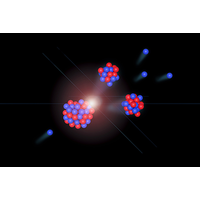
Phys. Rev. Lett. 135, 222504 (2025)
Nuclear Physics
Vibrationally Resolved Photoionization Delays in the Water Molecule
Article | Atomic, Molecular, and Optical Physics | 2025-11-26 05:00 EST
Prateek Pranjal, Jesus González-Vázquez, Roger Y. Bello, and Fernando Martín
We have implemented a theoretical approach to provide time- and vibrationally resolved photoelectron spectra and ionization time delays of polyatomic molecules as those expected from current high energy resolution reconstruction of attosecond beatings by interference of two-photon transitions setups…
Phys. Rev. Lett. 135, 223202 (2025)
Atomic, Molecular, and Optical Physics
Dual-Wavelength Quantum Skyrmions from Liquid Crystal Topological Defects
Article | Atomic, Molecular, and Optical Physics | 2025-11-26 05:00 EST
Mwezi Koni, Fazilah Nothlawala, Vagharshak Hakobyan, Isaac Nape, Etienne Brasselet, and Andrew Forbes
We propose a spin-orbit strategy for generating dual-wavelength quantum skyrmions realized either as entangled photon pairs at dual wavelengths or as heralded single-photon states at a given wavelength--regimes neither previously conceptualized nor demonstrated. By coupling a two-photon entangled sta…
Phys. Rev. Lett. 135, 223804 (2025)
Atomic, Molecular, and Optical Physics
Geometric Delocalization in Two Dimensions
Article | Condensed Matter and Materials | 2025-11-26 05:00 EST
Laura Shou, Alireza Parhizkar, and Victor Galitski
We demonstrate the existence of transient two-dimensional surfaces where a random-walking particle escapes to infinity in contrast to localization in standard flat two-dimensional space. We first prove that any rotationally symmetric two-dimensional membrane embedded in flat three-dimensional space …
Phys. Rev. Lett. 135, 226302 (2025)
Condensed Matter and Materials
Possibility of Type-III Multiferroics Hosting ${d}^{0}$ Ferroelectricity and ${d}^{0}$ Ferromagnetism
Article | Condensed Matter and Materials | 2025-11-26 05:00 EST
Haojin Wang, Haitao Liu, Meng Ye, and Yuanchang Li
A new type of multiferroic behavior--the coupling between magnetic ordering and electric polarization in a material--could facilitate applications, according to a theoretical proposal.
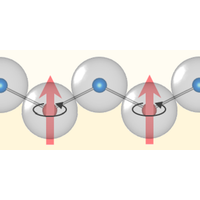
Phys. Rev. Lett. 135, 226402 (2025)
Condensed Matter and Materials
Giant Response and Harmonic Generation in Néel-Torque Antiferromagnetic Resonance
Article | Condensed Matter and Materials | 2025-11-26 05:00 EST
Kuangyin Deng and Ran Cheng
We theoretically investigate the resonant and higher order magnetic responses of a collinear antiferromagnet induced by Néel spin-orbit torques (NSOTs). By deriving the dynamical susceptibilities up to the third harmonic, we find remarkable NSOT-induced amplifications of the linear and nonlinear mag…
Phys. Rev. Lett. 135, 226702 (2025)
Condensed Matter and Materials
Hyperuniform Interfaces in Nonequilibrium Phase Coexistence
Article | Statistical Physics; Classical, Nonlinear, and Complex Systems | 2025-11-26 05:00 EST
Raphaël Maire, Leonardo Galliano, Andrea Plati, and Ludovic Berthier
Simulations of three physically distinct scenarios reveal that long-wavelength interfacial fluctuations are suppressed strongly in nonequilibrium phase coexistence between bulk hyperuniform systems.
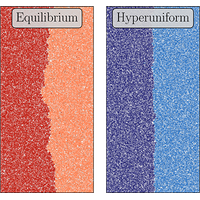
Phys. Rev. Lett. 135, 227102 (2025)
Statistical Physics; Classical, Nonlinear, and Complex Systems
No-Free-Lunch Theorems for Tensor Network Machine Learning Models
Article | Statistical Physics; Classical, Nonlinear, and Complex Systems | 2025-11-26 05:00 EST
Jing-Chuan Wu, Qi Ye, Dong-Ling Deng, and Li-Wei Yu
Tensor network machine learning models have shown remarkable versatility in tackling complex data-driven tasks. Despite their promising performance, a comprehensive understanding of the underlying assumptions and limitations of these models is still lacking. Here we focus on the rigorous formulation…
Phys. Rev. Lett. 135, 227301 (2025)
Statistical Physics; Classical, Nonlinear, and Complex Systems
Fragmentation: Principles versus Mechanisms
Article | Polymers, Chemical Physics, Soft Matter, and Biological Physics | 2025-11-26 05:00 EST
Emmanuel Villermaux
A new principle underlying the physics of fragmentation explains why fragment sizes follow a specific, universal distribution.
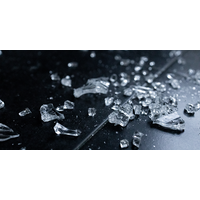
Phys. Rev. Lett. 135, 228201 (2025)
Polymers, Chemical Physics, Soft Matter, and Biological Physics
Phototactic Decision-Making by Microalgae
Article | Polymers, Chemical Physics, Soft Matter, and Biological Physics | 2025-11-26 05:00 EST
Shantanu Raikwar, Adham Al-Kassem, Nir S. Gov, Adriana I. Pesci, Raphaël Jeanneret, and Raymond E. Goldstein
When subject to light coming from two different directions, Chlamydomonas reinhardtii, a phototactic unicellular algae, follows a tangent law, swimming opposite to the light sources in a direction which is the intensity-weighted average of both light propagation vectors.
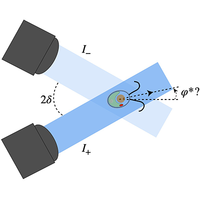
Phys. Rev. Lett. 135, 228401 (2025)
Polymers, Chemical Physics, Soft Matter, and Biological Physics
Catalytic Activation of Bell Nonlocality
Article | Quantum Information, Science, and Technology | 2025-11-25 05:00 EST
Jessica Bavaresco, Nicolas Brunner, Antoine Girardin, Patryk Lipka-Bartosik, and Pavel Sekatski
The correlations of certain entangled states can be perfectly simulated classically via a local model. Hence such states are termed Bell local, as they cannot lead to Bell inequality violation. Here, we show that Bell nonlocality can nevertheless be activated for certain Bell-local states via a cata…
Phys. Rev. Lett. 135, 220203 (2025)
Quantum Information, Science, and Technology
Anticoncentration and Nonstabilizerness Spreading under Ergodic Quantum Dynamics
Article | Quantum Information, Science, and Technology | 2025-11-25 05:00 EST
Emanuele Tirrito, Xhek Turkeshi, and Piotr Sierant
Quantum state complexity metrics, such as anticoncentration and nonstabilizerness, offer key insights into many-body physics, information scrambling, and quantum computing. Anticoncentration and equilibration of magic resources under dynamics of random quantum circuits occur at times scaling logarit…
Phys. Rev. Lett. 135, 220401 (2025)
Quantum Information, Science, and Technology
Logical Operations with a Dynamical Qubit in Floquet-Bacon-Shor Code
Article | Quantum Information, Science, and Technology | 2025-11-25 05:00 EST
Xuandong Sun et al.
Quantum error correction (QEC) protects quantum systems against inevitable noises and control inaccuracies, providing a pathway toward fault-tolerant (FT) quantum computation. Stabilizer codes, including surface code and color code, have long been the focus of research and have seen significant expe…
Phys. Rev. Lett. 135, 220601 (2025)
Quantum Information, Science, and Technology
Emergent Photons and Confinement: A Numerical Study on ${\mathbb{Z}}_{N}$ Lattice Gauge Theory
Article | Particles and Fields | 2025-11-25 05:00 EST
Jeffrey Giansiracusa, David Lanners, and Tin Sulejmanpasic
We numerically study lattice gauge theories in 4D as prototypical models of systems with 1-form symmetry. For , we provide evidence that such systems exhibit not only the expected phases with spontaneously broken/restored symmetry but also a third photon phase. When present, the 1-form symm…
Phys. Rev. Lett. 135, 221901 (2025)
Particles and Fields
Charge Radii Measurements of Exotic Tin Isotopes in the Proximity of $N=50$ and $N=82$
Article | Nuclear Physics | 2025-11-25 05:00 EST
F. P. Gustafsson et al.
We report nuclear charge radii for the isotopes , measured using two different collinear laser spectroscopy techniques at ISOLDE-CERN. These measurements clarify the archlike trend in charge radii along the isotopic chain and reveal an odd-even staggering that is more pronounced near the
Phys. Rev. Lett. 135, 222501 (2025)
Nuclear Physics
First Measurement of the Quadrupole Moment of the ${2}_{1}^{+}$ State in $^{110}\mathrm{Sn}$
Article | Nuclear Physics | 2025-11-25 05:00 EST
J. Park et al.
The Sn isotopic chain, exhibiting double shell closures at and , is a key testing ground for theoretical models of the atomic nucleus. It was originally predicted that the transitional matrix elements between the first state and the ground state for the even-even isotopes in this ch…
Phys. Rev. Lett. 135, 222502 (2025)
Nuclear Physics
Identification of Prompt Proton Emission in $N=Z-1$ $^{61}\mathrm{Ga}$: Isospin Symmetry at the Limit of Nuclear Binding
Article | Nuclear Physics | 2025-11-25 05:00 EST
Y. Hrabar et al.
Excited states in the proton drip line nucleus were populated via the fusion-evaporation reaction . The experimental setup at Argonne National Laboratory comprised a novel combination of the Gammasphere array with two CD-shaped double-sided Si-strip detectors inside the Microb…
Phys. Rev. Lett. 135, 222503 (2025)
Nuclear Physics
Symmetry-Energy Dependence of the Bulk Viscosity of Nuclear Matter
Article | Nuclear Physics | 2025-11-25 05:00 EST
Yumu Yang, Mauricio Hippert, Enrico Speranza, and Jorge Noronha
We clarify how the weak-interaction-driven bulk viscosity and the bulk relaxation time of neutrino-transparent matter depend on the nuclear symmetry energy. We show that, at saturation density, the equation-of-state dependence of these transport quantities is fully determined by the experim…
Phys. Rev. Lett. 135, 222702 (2025)
Nuclear Physics
Cavity-Enhanced Doppler-Broadening Thermometry via All-Frequency Metrology
Article | Atomic, Molecular, and Optical Physics | 2025-11-25 05:00 EST
Qi Huang (黄琪), Jin Wang (王进), Rui-Heng Yin (尹睿恒), Yan Tan (谈艳), Cun-Feng Cheng (程存峰), Yu R. Sun (孙羽), An-Wen Liu (刘安雯), and Shui-Ming Hu (胡水明)
We demonstrate Doppler broadening thermometry (DBT) with all-frequency-domain measurements. Using the R(10) transition of CO at 1567 nm in a high-finesse optical cavity (mode width 0.6 kHz), we resolve Doppler profiles with high signal-to-noise ratios across 2-17 Pa pressures. A global Voigt-profile…
Phys. Rev. Lett. 135, 223002 (2025)
Atomic, Molecular, and Optical Physics
Enhanced One-Color-Two-Photon Resonant Ionization in Highly Charged Ions by Fine-Structure Effects
Article | Atomic, Molecular, and Optical Physics | 2025-11-25 05:00 EST
Moto Togawa et al.
Ultraintense pulses from x-ray free-electron lasers can drive, within femtoseconds, multiple processes in the inner shells of atoms and molecules in all phases of matter. The ensuing complex ionization pathways of outer-shell electrons from the neutral to the final highly charged states make a compa…
Phys. Rev. Lett. 135, 223003 (2025)
Atomic, Molecular, and Optical Physics
Letokhov-Chebotayev Intracavity Trapping Spectroscopy of ${\mathrm{H}}_{2}$
Article | Atomic, Molecular, and Optical Physics | 2025-11-25 05:00 EST
Wim Ubachs, Frank M. J. Cozijn, Meissa L. Diouf, Clement Lauzin, Hubert Jóźwiak, and Piotr Wcisło
The one-dimensional confinement of molecules in an optical cavity allows researchers to measure a narrow absorption line without the blurring effects of molecular motion.
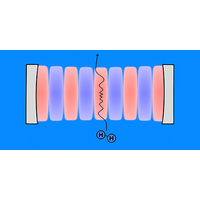
Phys. Rev. Lett. 135, 223201 (2025)
Atomic, Molecular, and Optical Physics
Laser Cooling and Qubit Measurements on a Forbidden Transition in Neutral Cs Atoms
Article | Atomic, Molecular, and Optical Physics | 2025-11-25 05:00 EST
J. Scott, H. M. Lim, U. Singla, Q. Meece, J. T. Choy, S. Kolkowitz, T. M. Graham, and M. Saffman
We experimentally demonstrate background-free, hyperfine-level-selective measurements of individual Cs atoms by simultaneous cooling to and imaging on the electric-quadrupole transition. We achieve hyperfine-resolved detection with fidelity 0.9993(4) and atom retention of 0.9954(…
Phys. Rev. Lett. 135, 223403 (2025)
Atomic, Molecular, and Optical Physics
Dressed Interference in Giant Superatoms: Entanglement Generation and Transfer
Article | Atomic, Molecular, and Optical Physics | 2025-11-25 05:00 EST
Lei Du, Xin Wang, Anton Frisk Kockum, and Janine Splettstoesser
We introduce the concept of giant superatoms (GSAs), where two or more interacting atoms are nonlocally coupled to a waveguide through one of them, and explore their unconventional quantum dynamics. For braided GSAs, this setup enables decoherence-free transfer and swapping of their internal entangl…
Phys. Rev. Lett. 135, 223601 (2025)
Atomic, Molecular, and Optical Physics
Two-Dimensional Electronic Spectroscopy with Intense Entangled-Photon Beams
Article | Atomic, Molecular, and Optical Physics | 2025-11-25 05:00 EST
Deependra Jadoun, Upendra Harbola, Vladimir Y. Chernyak, and Shaul Mukamel
Entangled photons carry nontrivial quantum correlations that defy classical physics and provide new tools for monitoring quantum dynamics in molecules. The use of low-flux entangled photons in molecular spectroscopy has been proposed in the past to probe excited-state dynamics with enhanced temporal…
Phys. Rev. Lett. 135, 223803 (2025)
Atomic, Molecular, and Optical Physics
Unveiling Intrinsic Triplet Superconductivity in Noncentrosymmetric NbRe through Inverse Spin-Valve Effects
Article | Condensed Matter and Materials | 2025-11-25 05:00 EST
F. Colangelo, M. Modestino, F. Avitabile, A. Galluzzi, Z. Makhdoumi Kakhaki, Abhishek Kumar, J. Linder, M. Polichetti, C. Attanasio, and C. Cirillo
Observation of an inverse spin-valve effect in a structurally minimal Py/NbRe/Py heterostructure indicates intrinsic equal-spin triplet superconductivity in the noncentrosymmetric material, NbRe.
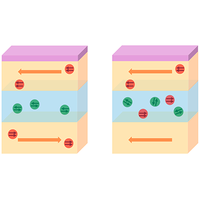
Phys. Rev. Lett. 135, 226002 (2025)
Condensed Matter and Materials
High Pressure Superconducting Transition in Dihydride ${\mathrm{BiH}}_{2}$ with Bismuth Open-Channel Framework
Article | Condensed Matter and Materials | 2025-11-25 05:00 EST
Liang Ma, Xin Yang, Mei Li, Pengfei Shan, Ziyi Liu, Jun Hou, Sheng Jiang, Lili Zhang, Chuanlong Lin, Pengtao Yang, Bosen Wang, Jianping Sun, Yang Ding, Huiyang Gou, Haizhong Guo, and Jinguang Cheng
Metal hydrides ) with low hydrogen content are not expected to show high- superconductivity owing to the low hydrogen-derived electronic density of states at Fermi level and the limited hydrogen contribution to electron-phonon coupling strength. In this Letter, we report on the successful …
Phys. Rev. Lett. 135, 226003 (2025)
Condensed Matter and Materials
Probing Electric-Dipole-Enabled Transitions in the Excited State of the Nitrogen-Vacancy Center in Diamond
Article | Condensed Matter and Materials | 2025-11-25 05:00 EST
Tom Delord, Richard Monge, Gabriel I. López-Morales, Olaf Bach, Cyrus E. Dreyer, Johannes Flick, and Carlos A. Meriles
The excited orbitals of color centers often show strong electric dipoles, which can serve as a resource for entanglement, emission tuning, or electric field sensing. Here, we use resonant laser excitation to examine the electric transitions in the excited state (ES) orbitals of the negatively charge…
Phys. Rev. Lett. 135, 226401 (2025)
Condensed Matter and Materials
Memory-Efficient Nonequilibrium Green’s Function Framework Built On Quantics Tensor Trains
Article | Condensed Matter and Materials | 2025-11-25 05:00 EST
Maksymilian Środa, Ken Inayoshi, Hiroshi Shinaoka, and Philipp Werner
One of the challenges in diagrammatic simulations of nonequilibrium phenomena in lattice models is the large memory demand for storing momentum-dependent two-time correlation functions. This problem can be overcome with the recently introduced quantics tensor train (QTT) representation of multivaria…
Phys. Rev. Lett. 135, 226501 (2025)
Condensed Matter and Materials
Separate Surface and Bulk Topological Anderson Localization Transitions in Disordered Axion Insulators
Article | Condensed Matter and Materials | 2025-11-25 05:00 EST
Cormac Grindall, Alexander C. Tyner, Ang-Kun Wu, Taylor L. Hughes, and J. H. Pixley
In topological phases of matter for which the bulk and boundary support distinct electronic gaps, there exists the possibility of decoupled mobility gaps in the presence of disorder. This is in analogy with the well-studied problem of realizing separate or concomitant bulk-boundary criticality in co…
Phys. Rev. Lett. 135, 226601 (2025)
Condensed Matter and Materials
Nonlinear Optical Effects Enhanced by Deep Band Crossings
Article | Condensed Matter and Materials | 2025-11-25 05:00 EST
Nianlong Zou, He Li, Meng Ye, Haowei Chen, Minghui Sun, Ruiping Guo, Yizhou Liu, Bing-Lin Gu, Wenhui Duan, Yong Xu, and Chong Wang
Nonlinear optical (NLO) effects in materials with band crossings have attracted significant research interests due to the divergent band geometric quantities around these crossings. Most current research has focused on band crossings between the valence and conduction bands. However, such crossings …
Phys. Rev. Lett. 135, 226901 (2025)
Condensed Matter and Materials
Motility-Induced Phase Separation Is Maxwell-like Fluid with an Extended and Nonmonotonic Crossover
Article | Polymers, Chemical Physics, Soft Matter, and Biological Physics | 2025-11-25 05:00 EST
José Martín-Roca, Kristian Thijssen, Tyler Shendruk, Angelo Cacciuto, and Chantal Valeriani
Understanding the mechanical properties of active suspensions is crucial for their potential applications in materials engineering. Among active phenomena with no analog in equilibrium systems, motility-induced phase separation (MIPS) in active colloidal suspensions is one of the most extensively st…
Phys. Rev. Lett. 135, 228301 (2025)
Polymers, Chemical Physics, Soft Matter, and Biological Physics
Erratum: Free-Space Optical Modulation of Free Electrons in the Continuous-Wave Regime [Phys. Rev. Lett. 134, 123804 (2025)]
Article | 2025-11-25 05:00 EST
Cruz I. Velasco and F. Javier García de Abajo
Phys. Rev. Lett. 135, 229901 (2025)
Physical Review X
Self-Organized Homogenization of Flow Networks
Article | 2025-11-26 05:00 EST
Julien Bouvard, Swarnavo Basu, Charlott Leu, Onurcan Bektas, Joachim O. Rädler, Gabriel Amselem, and Karen Alim
Pulsing an erosive chemical through artificial flow networks allows them to self-organize for uniform flow, revealing a simple rule for achieving balanced transport and guiding the design of more efficient porous materials and devices.
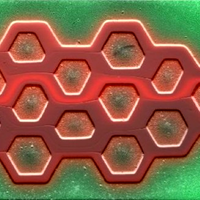
Phys. Rev. X 15, 041038 (2025)
Topological Dipoles of Quantum Skyrmions
Article | 2025-11-25 05:00 EST
Sopheak Sorn, Jörg Schmalian, and Markus Garst
Skyrmions behave as fractonlike particles whose motion is constrained by a conserved topological dipole moment, linking their dynamics to quantum Hall physics and revealing how quantum skyrmions behave as massless particles.
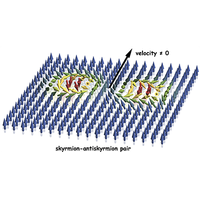
Phys. Rev. X 15, 041037 (2025)
arXiv
Fast spectral solver for viscoelastic structures under oscillatory flow in free space or wall-bounded domains: applications to quartz crystal microbalance and force spectroscopy
New Submission | Mesoscale and Nanoscale Physics (cond-mat.mes-hall) | 2025-11-26 20:00 EST
Pablo Palacios Alonso, Raúl Pérez Peláez, Rafael Delgado-Buscalioni
We present a fast spectral solver for the linear response of viscoelastic structures under oscillatory flow either in free space or close to a flat moving wall. The scheme works in the frequency domain (using phasors) and couples the oscillatory Stokes equation with rigid or flexible structures, modeled by viscoelastic networks of immersed boundary kernels. The fluid-structure coupling can be solved by two routes. One route calculates the hydrodynamic mobility matrix required to solve the equation for the structure deformation rate in matrix form. The second route iteratively solves the coupled fluid-structure equations: fluid-induced forces on the structures create a tension field which is then transferred to the fluid, until convergence. The resulting fixed-point problem is solved iteratively using the Anderson acceleration method. The mobility route is optimal when dealing with one or few structures, while the iterative scheme is preferred for denser dispersions. In any case, the flow resulting from the body forces is solved by a recently developed scheme [J. Fluid. Mech. 1010 A57, 2025] which is spectral in space and time and deals with doubly periodic open domains (either free-space or wall-bounded) where meshing is restricted to the region of interest around the structures. We test the present scheme in two applied contexts: quartz-crystal-microbalance (QCM) of spheres, suspended, adsorbed or tethered to viscoelastic linkers; and force spectroscopy (via atomic force microscopy) reproducing the power spectra of vibrating microparticles near a solid boundary. In all cases, comparisons with analytical, numerical and experimental results show excellent agreement. We conclude by discussing new routes the scheme opens in force spectroscopy and QCM analyses of soft objects.
Mesoscale and Nanoscale Physics (cond-mat.mes-hall), Fluid Dynamics (physics.flu-dyn)
A matrix form solution of the multi-dimensional generalized Langevin equation in the quadratic potential
New Submission | Statistical Mechanics (cond-mat.stat-mech) | 2025-11-26 20:00 EST
Rana Imran Mushtaq, Chunyang Wang, Shi Zhi, Zengxuan Zhao, J M Nyasulu
In this research paper, we present an exact matrix form analytical solution of the multi-dimensional generalized Langevin equation with quadratic potentials. Our investigation provides detailed expressions for the two-dimensional probability distribution and extends the understanding of the dynamics governed by harmonic potentials. By utilizing the inverse Laplace transformation, we offer a precise method to solve these equations, corroborated by specific examples. This study contributes to the fundamental understanding of stochastic processes in multi-dimensional systems with harmonic potentials and clarifies the limitations of our approach. While the findings are specific to quadratic potentials, they provide a robust framework for exploring related phenomena within this context.
Statistical Mechanics (cond-mat.stat-mech), Data Analysis, Statistics and Probability (physics.data-an)
CycleChemist: A Dual-Pronged Machine Learning Framework for Organic Photovoltaic Discovery
New Submission | Materials Science (cond-mat.mtrl-sci) | 2025-11-26 20:00 EST
Hou Hei Lam, Jiangjie Qiu, Xiuyuan Hu, Wentao Li, Fankun Zeng, Siwei Fu, Hao Zhang, Xiaonan Wang
Organic photovoltaic (OPV) materials offer a promising path toward sustainable energy generation, but their development is limited by the difficulty of identifying high performance donor and acceptor pairs with strong power conversion efficiencies (PCEs). Existing design strategies typically focus on either the donor or the acceptor alone, rather than using a unified approach capable of modeling both components. In this work, we introduce a dual machine learning framework for OPV discovery that combines predictive modeling with generative molecular design. We present the Organic Photovoltaic Donor Acceptor Dataset (OPV2D), the largest curated dataset of its kind, containing 2000 experimentally characterized donor acceptor pairs. Using this dataset, we develop the Organic Photovoltaic Classifier (OPVC) to predict whether a material exhibits OPV behavior, and a hierarchical graph neural network that incorporates multi task learning and donor acceptor interaction modeling. This framework includes the Molecular Orbital Energy Estimator (MOE2) for predicting HOMO and LUMO energy levels, and the Photovoltaic Performance Predictor (P3) for estimating PCE. In addition, we introduce the Material Generative Pretrained Transformer (MatGPT) to produce synthetically accessible organic semiconductors, guided by a reinforcement learning strategy with three objective policy optimization. By linking molecular representation learning with performance prediction, our framework advances data driven discovery of high performance OPV materials.
Materials Science (cond-mat.mtrl-sci), Artificial Intelligence (cs.AI), Machine Learning (cs.LG)
Cross-linked pair of polymer chains under strong tension
New Submission | Soft Condensed Matter (cond-mat.soft) | 2025-11-26 20:00 EST
Geunho Noh, Panayotis Benetatos
We study two cross-linked polymer systems in the strong stretching regime. The first consists of two polymers sharing one endpoint, with the other two endpoints coupled by a harmonic potential. Within the weakly bending approximation, we analyze the tensile elastic response for freely jointed or wormlike chains; for the latter, the approximation applies either at large tension or at moderate tension with large persistence length (rodlike limit). We obtain analytic expressions for the force–extension relation and for the longitudinal and transverse mismatch of the cross-linked endpoints. In the thermodynamic limit, the cross-link does not affect the tensile elasticity, but it significantly suppresses transverse fluctuations, effectively forming a loop structure. The second system is a polymer necklace in the thermodynamic limit, composed of two strongly stretched polymers interconnected by a regular sequence of reversible cross-links. Using an analogy with a two-dimensional system of concatenated Gaussian loops (“Gaussian slinky”), we calculate the mean fraction of cross-linked sites as a function of the tensile force and find weak and strong binding regimes connected by a crossover. For shallow binding potential wells (compared with $ k_{\rm{B}}T$ ), we employ a continuum description and exploit the mapping between directed polymers and a two-dimensional quantum particle to determine the crossover behavior and the mean transverse separation between the two polymer chains.
Soft Condensed Matter (cond-mat.soft), Statistical Mechanics (cond-mat.stat-mech)
Pair density wave in the fractional quantum Hall effect at even denominator
New Submission | Strongly Correlated Electrons (cond-mat.str-el) | 2025-11-26 20:00 EST
The fractional quantum Hall effect (FQHE) at filling 5/2, which is usually understood as a $ p$ -wave paired state of underlying quasiparticles - composite fermions, transforms into a nematic phase under pressure \cite{csathy0, csathy}. A pair density wave (PDW) may be a precursor, underlying state for this behaviour, and such state(s) were proposed that maintain the weak-pairing feature of the uniform paired state \cite{frad}. Based on considerations in the weak-coupling regime of a microscopic description of the pairing phase (to mimic the phase as it gives way to a nematic phase in the experiments), we argue that the ensuing and relevant PDW state has a strong-pairing character. Furthermore, due to the existence of a single collective mode associated with the order parameter in the uniform paired phase, in the weak-coupling regime, the $ p$ -wave paired state, in general (for example, in the superconducting state of electrons), may be prone to a PDW instability.
Strongly Correlated Electrons (cond-mat.str-el)
Imaging Quantum Well States of Dirac Electrons in Exfoliated 3D Topological Insulators
New Submission | Mesoscale and Nanoscale Physics (cond-mat.mes-hall) | 2025-11-26 20:00 EST
Shreyashi Sinha, Shantanu Pathak, Saswata Bhattacharya, Sujit Manna
We present a controlled mechanical exfoliation technique for bulk 3D topological insulators that yields atomically clean ultrathin flakes, enabling quantum well states (QWS) of Dirac electrons to be clearly resolved. Achieving reliable fabrication of pristine, high-quality two-dimensional layers suitable for atomic-scale spectroscopy remains a central experimental challenge in uncovering their emergent quantum states and realizing device-relevant functionalities. Atomically resolved scanning probe microscopy and micro-Raman spectroscopy reveal a strong correlation between Raman intensity and film thickness, enabling rapid identification of (Bi\textsubscript{0.1}Sb\textsubscript{0.9})\textsubscript{2}Te\textsubscript{3} flakes with desired thickness. High resolution scanning tunneling spectroscopy on exfoliated flakes with atomically flat terraces reveals QWS, driven by quantum confinement of Dirac electrons. This effect is rarely observed due to the electrons resistance to electrostatic confinement caused by Klein tunneling. The standard phase accumulation model accurately captures the characteristics of QWS and extracts the electronic band dispersion, showing excellent agreement with density functional theory calculations. Band structure calculation reveals that with increasing quantum-layer thickness, the interlayer coupling enhances the electronic dispersion, progressively reducing subband splitting and giving rise to bulk-like continuous bands. Spatially resolved spectroscopy around surface defects further confirms that QWS of Dirac electrons in topological insulators remains robust against defect scattering. This work paves the way for exploring diverse quantum phenomena and device applications through quantum confinement, surface-state engineering, and tunable topological phases.
Mesoscale and Nanoscale Physics (cond-mat.mes-hall), Materials Science (cond-mat.mtrl-sci)
15 Pages, 7 figures
Topological BF Theory construction of twisted dihedral quantum double phases from spontaneous symmetry breaking
New Submission | Strongly Correlated Electrons (cond-mat.str-el) | 2025-11-26 20:00 EST
Zhi-Qiang Gao, Chunxiao Liu, Joel E. Moore
Nonabelian topological orders host exotic anyons central to quantum computing, yet established realizations rely on case-by-case constructions that are often conceptually involved. In this work, we present a systematic construction of nonabelian dihedral quantum double phases based on a continuous $ O(2)$ gauge field. We first formulate a topological $ S[O(2)\times O(2)]$ BF theory, and by identifying the Wilson loops and twist operators of this theory with anyons, we show that our topological BF theory reproduces the complete anyon data, and can incorporate all Dijkgraaf–Witten twists. Building on this correspondence, we present a microscopic model with $ O(2)$ lattice gauge field coupled to Ising and rotor matter whose Higgsing yields the desired dihedral quantum double phase. A perturbative renormalization group analysis further indicates a direct transition from this phase to a $ U(1)$ Coulomb or chiral topological phase at a stable multicritical point with emergent $ O(3)$ symmetry. Our proposal offers an alternative route to nonabelian topological order with promising prospects in synthetic gauge field platforms.
Strongly Correlated Electrons (cond-mat.str-el), Statistical Mechanics (cond-mat.stat-mech), High Energy Physics - Theory (hep-th), Quantum Physics (quant-ph)
4.5+10 pages, 2+3 figures
Topological surface-state destruction via trivializing proximity effect: Lattice localization despite continuum criticality
New Submission | Mesoscale and Nanoscale Physics (cond-mat.mes-hall) | 2025-11-26 20:00 EST
Arthur Niwazuki, Matthew S. Foster
In a significant conceptual revision to the tenfold classification scheme for topological insulators and superconductors, it was recently demonstrated that most three-dimensional (3D) classes are simultaneously “localizable” in two distinct, but intricately connected ways: (1) There is no obstruction to Wannier localization of all bulk eigenstates, and (2) Almost all surface states can be Anderson localized by arbitrarily weak symmetry-preserving quenched disorder. Here we consider the localizable class CI in 3D, and numerically investigate the stability of surface states. We demonstrate that surface states of a bulk class-CI topological lattice model are fragile in that they can be Anderson localized by the combination of weak quenched randomness and hybridization with an additional trivial 2D band (a trivializing proximity effect, TPE). With the TPE, stronger disorder is more destructive to the surface states of the bulk lattice model. By contrast, without additional bands the surface states remain extended, exhibiting robust spectrum-wide quantum criticality. We also investigate the fragility of surface states in effective 2D class-CI continuum Dirac theories, including the chiral limit of the Bistritzer-MacDonald model for twisted bilayer graphene. Although the continuum models exhibit signs of Anderson localization near gap edges for weak disorder, stronger disorder instead appears to heal the surface, restoring criticality whilst filling in spectral energy gaps. Our results provide further evidence that effective continuum field theories fail to capture key aspects of surface-state physics in localizable topological phases.
Mesoscale and Nanoscale Physics (cond-mat.mes-hall), Disordered Systems and Neural Networks (cond-mat.dis-nn)
16 pages, 10 figures
Hidden Magnon Berry Curvature drives Vertical Magnon Transport
New Submission | Mesoscale and Nanoscale Physics (cond-mat.mes-hall) | 2025-11-26 20:00 EST
Atul Rathor, Sahanawaj Akhtar, Arijit Haldar
We predict an in-plane, or hidden, Berry curvature (BC) for magnons in electrically insulating quasi-2D magnets and demonstrate that the hidden magnon Berry curvature (HMBC) gives rise to a previously unrecognized form of vertical, out-of-plane, magnon transport. Combining a semiclassical framework with Boltzmann transport theory, we show that the vertical magnon transport (VMT) currents respond both linearly and nonlinearly to the in-plane gradients of magnetic field and temperature. The linear transport coefficients are tied to the total hidden magnon BC, while the nonlinear (second-order) coefficients for the magnetic field and temperature gradients are determined by the hidden magnon BC dipole and the hidden extended magnon BC dipole, respectively. Using linear spin-wave theory, we find that the hidden magnon BC over the Brillouin zone is given by the expectation value of a pseudo-$ {\cal Z}$ operator, representing vertical displacements, evaluated in the space of paraunitary matrices that diagonalize the magnon Hamiltonian. We estimate VMT in spin models of realistic magnets with ferro- and antiferromagnetic order, including the buckled honeycomb (BHC) lattice and bilayer Chromium trihalide (CrX$ _3$ ; X = Cl, Br, I) systems. In BHC, both linear and nonlinear VMT arise when time-reversal symmetry is broken by Dzyaloshinskii-Moriya interactions. In CrX$ _3$ systems, the nonlinear coefficients dominate, while the linear responses vanish due to time-reversal symmetry. Both systems exhibit distinctive features across a broad range of temperatures and parameters. Therefore, our prediction of VMT and its characteristic signatures is directly testable in present-day magnonic experiments, especially in atomically thin, few-layered van der Waals magnets.
Mesoscale and Nanoscale Physics (cond-mat.mes-hall), Materials Science (cond-mat.mtrl-sci), Strongly Correlated Electrons (cond-mat.str-el)
19 pages, 6 figures, main text 11 pages
Cyclic structure of Landau levels in transition metal dichalcogenide semiconductors
New Submission | Materials Science (cond-mat.mtrl-sci) | 2025-11-26 20:00 EST
Peize Ding, Nishchhal Verma, Raquel Queiroz
Transition metal dichalcogenides (TMDs) exhibit unconventional Landau level (LL) spectra that cannot be fully captured by an effective mass approximation or a minimal two-band Dirac model. Namely, TMDs show an anomalous, upward-sloping zeroth LL in the valence band and an asymmetric orbital magnetization between electron and hole bands. In this paper, we employ a continuum three-band model to derive analytic constraints on the LL spectrum of the $ K$ and $ K’$ valleys at weak magnetic fields. This model highlights the cyclic structure of the LL spectrum inherited from $ C_3$ symmetry, providing both analytical tractability and an accurate description of the band geometry in the low energy approximation of the valleys. We compare our results against numerical calculations using the three-band tight-binding model of Ref.[1] and a distorted kagome lattice model. We find that the Landau levels of the $ K$ and $ K’$ valleys show a cyclic structure which explains their anomalous slope and magnetization asymmetry. This asymmetry can be traced to the topological obstruction of TMD semiconductors. We further analyze the impact of disorder, finding that the zeroth LL exhibits partial robustness against certain off-diagonal perturbations, in contrast to the exact index-theorem protection of massive Dirac particles. Our results establish a direct link between orbital structure, band topology, and magnetic response in TMDs.
Materials Science (cond-mat.mtrl-sci)
Plasmon polariton assisted second-harmonic generation in graphene
New Submission | Mesoscale and Nanoscale Physics (cond-mat.mes-hall) | 2025-11-26 20:00 EST
João M. Alendouro Pinho, Simão S. Cardoso, Yuliy V. Bludov, João M. Viana Parente Lopes, Vladimir V. Konotop, Joel D. Cox, Nuno M.R. Peres
In this paper we present a theoretical examination of second-harmonic generation (SHG) in a graphene monolayer integrated within an attenuated total internal reflection (ATR) configuration. By embedding graphene in this optical setup, we explore the enhancement in the nonlinear optical response, particularly focusing on the efficiency of SHG. Our analysis reveals that the excitation of surface plasmon-polaritons (SPPs) plays a central role in significantly boosting the efficiency of SHG. The unique electronic properties of graphene, combined with the resonant characteristics of SPPs, create a synergistic effect that amplifies the nonlinear optical signals. This enhancement is attributed to the strong field confinement and the resonant nature of SPPs, which effectively increase the interaction between the incident light and the graphene monolayer. Furthermore, we analyze the underlying mechanisms that govern this process, providing a comprehensive theoretical framework that elucidates the interplay between graphene’s electronic structure and the optical fields. Our findings suggest that the ATR scheme not only facilitates the excitation of SPPs but also optimizes the conditions for SHG.
Mesoscale and Nanoscale Physics (cond-mat.mes-hall)
10 pages, 11 figures
Phys. Rev. B 112, 195432 (2025)
Limitations on Activation of High Dose Ge implant in beta-Ga2O3
New Submission | Materials Science (cond-mat.mtrl-sci) | 2025-11-26 20:00 EST
Tianhai Luo, Katie R. Gann, Cameron A. Gorsak, Ming-Chiang Chang, Prescott E Evans, Thaddeus J Asel, Hari P Nair, R. B. van Dover, Michael O. Thompson
Among ultrawide bandgap semiconductors, beta-Ga2O3 is particularly promising for high power and frequency applications. For devices, n-type concentrations above 10^19 cm^-3 are required. Ge is a promising alternative n-type dopant with an ionic radius similar to Ga. Homoepitaxial 010 beta-Ga2O3 films were implanted with Ge to form 50 and 100 nm box concentration of 3\ast10^19 cm^-3 and 5\ast10^19 cm^-3, with damage ranging from 1.2 to 2.0 displacement per atom. For lower damage implants, optimized anneals in ultrahigh purity N2 at 950-1000 C for 5-10 minutes resulted in Rs of 600-700 omega/sqr, mobilities of 60-70 cm^2/Vs, and Ge activation of up to 40%. For higher damage implants, activation dropped to 23% with similar mobilities. Ge diffusion, measured by second ion mass spectrometry, showed formation of a Ge “clustering peak” with a concentration exceeding the initial implant following anneals in N2 or O2 at 950-1000 C. Beyond this peak, minimal Ge diffusion occurred for N2 anneals at 950 C, but at 1050 C non-Fickian diffusion extended to >200 nm. Electrical activation data suggests that clustered Ge is electrically inactive. To understand Ge clustering, several samples were characterized by synchrotron x-ray diffraction. Second-phase precipitates were observed in as-implanted samples which then fully dissoved after furnace annealing in N2 at 1050 C. Diffraction peaks suggest these implant-induced precipitates may be related to a high pressure Pa-3 phase of GeO2, and may evolve during anneals to explain the Ge clustering. Ultimately, we believe Ge clustering limits activation of implanted Ge at high concentrations.
Materials Science (cond-mat.mtrl-sci)
Imprinting Macroscopic Fracture during Gelation: A Mechanism for Tuning Colloidal Gels
New Submission | Soft Condensed Matter (cond-mat.soft) | 2025-11-26 20:00 EST
Wilbert J. Smit, Thomas Gibaud, Sébastien Manneville, Thibaut Divoux
Colloidal gels form through the sol-gel transition of attractive particle suspensions, where local aggregation leads to a space-spanning network with solid-like properties. Their microstructure and mechanical properties are highly sensitive to external perturbations, which can substantially alter the pathway of network formation. Here, we investigate how nonlinear oscillatory shear affects the sol-gel transition of colloidal silica suspensions. Using large-amplitude oscillatory shear (LAOS), we vary both the strain amplitude and the duration of oscillatory forcing, varying between one and two times the gelation time. We find that sufficiently large strain amplitudes, or prolonged exposure to oscillations in the nonlinear regime, alter irreversibly the gel properties: the storage modulus $ G’$ decreases while its frequency dependence remains unchanged. In contrast, the loss modulus $ G’’$ , which decreases monotonically with frequency under quiescent gelation, exhibits an upturn at high frequencies when the gel is formed under strong oscillatory shear. The viscoelastic spectra of gels formed under quiescent conditions are well captured by a fractional Maxwell model, while gels formed under LAOS require an additional fractional element to account for damage-induced dissipation. Rheo-imaging experiments corroborate this interpretation by revealing the growth of cracks in gels formed under LAOS. We further show that these gels display a progressively more ductile nonlinear response for prolonged exposure to LAOS during gelation. These results demonstrate that the interplay between non-linear shear and gelation can permanently imprint a macroscopic fracture pattern into colloidal gels, offering a route to tune their viscoelastic properties.
Soft Condensed Matter (cond-mat.soft), Materials Science (cond-mat.mtrl-sci)
16 pages, 16 figures
Crystal Orbital Guided Iteration to Atomic Orbitals
New Submission | Materials Science (cond-mat.mtrl-sci) | 2025-11-26 20:00 EST
Emily Oliphant, Emmanouil Kioupakis, Wenhao Sun
Atomic orbitals underpin our understanding of electronic structure, providing intuitive descriptions of bonding, charge transfer, magnetism, and correlation effects. Despite their utility, an atomic basis that is adaptable, strictly localized on atomic centers, and enables accurate tight-binding interpolation has remained elusive. Here, we introduce Crystal Orbital Guided Iteration To atomic-Orbitals (COGITO), a framework that constructs an optimal atomic orbital basis by identifying and resolving key mathematical obstacles inherent to nonorthogonal bases–particularly uncontrolled orbital mixing, and the fixed-overlap constraint between orbitals. We demonstrate that COGITO enables tight-binding models as accurate as MLWF-based approaches, while preserving the ability of tight-binding parameters to represent the projected atomic basis–an essential feature lost in schemes that enforce orbital orthogonality or maximal localization. By creating accurate and chemically interpretable models of electronic structure, COGITO reveals the orbital-resolved covalent bonds and charge transfer that is encoded in the Kohn-Sham wavefunctions of DFT. Our method thus offers a powerful tool for any physics- or chemistry-based application that relies on a faithful description of local electronic structure.
Materials Science (cond-mat.mtrl-sci)
An activation-relaxation technique study of two-level system impact on internal dissipation using DFT-based moment tensor potential
New Submission | Materials Science (cond-mat.mtrl-sci) | 2025-11-26 20:00 EST
Renaude Girard, Carl Lévesque, Normand Mousseau, François Schiettekatte
We use a recently-developed machine-learned Moment Tensor Potential (MTP) trained on data generated with the density functional theory (DFT) and tailored to amorphous silicon coupled with the Activation-Relaxation Technique nouveau (ARTn) to identify and classify two-level systems (TLS). The samples generated using MTP recover experimental results and provide average structural and dissipative properties similar to those obtained with a modified Stillinger-Weber potential, including radial distribution function, defect concentration and internal friction. Atomistic details, however, are significantly different, including the density and type of TLS. In particular, we find that while the density of TLS involving a bond-hopping mechanism is similar for the two potentials, more complex TLSs, such as those involving a Wooten-Winer-Weaire bond exchange, are about twice as common. Analysis also shows that TLSs, for MTP-based models, are mostly isolated and oscillate independently from each other.
Materials Science (cond-mat.mtrl-sci)
9 pages, 9 figures
A Full Minimal Coupling GW-BSE Framework for Circular Dichroism in Solids: Applications to Chiral 2D Perovskites
New Submission | Materials Science (cond-mat.mtrl-sci) | 2025-11-26 20:00 EST
Circular dichroism (CD) and other chiroptical responses are a key probe of both chirality and momentum-space geometry in solids, but first-principles calculations are still challenging in periodic systems with strong exciton effects. Here, we develop a gauge-invariant first-principles framework for CD including exciton effects based on full minimal coupling (FMC) within the GW plus Bethe-Salpeter equation (GW-BSE) formalism. In contrast to standard multipole expansion and sum-over-states (SOS) approaches, which require careful gauge-fixing, converge slowly, and suffer origin ambiguities, FMC evaluates optical matrix elements directly at finite photon wavevector, naturally including intraband and near-degenerate transitions while placing electric-dipole (ED), magnetic-dipole (MD), and electric-quadrupole (EQ) contributions on equal footing. Applied to two prototypical two-dimensional chiral hybrid perovskites, (S-NEA)2PbBr4 and (S-MBA)2PbI4, our calculations reveal that MD and EQ channels contribute equally to the CD signal. Crucially, intraband and quasi-degenerate transitions only captured within FMC can significantly modify CD spectra, especially in systems with dense band degeneracies. The FMC framework, therefore, offers a computationally efficient and numerically robust way for predicting chiral optoelectronic phenomena in complex solids.
Materials Science (cond-mat.mtrl-sci)
8 pages, 3 figures
Layerwise Stratification and Band Reordering in Twisted Multilayer MoTe$_2$
New Submission | Materials Science (cond-mat.mtrl-sci) | 2025-11-26 20:00 EST
Yueyao Fan, Xiao-Wei Zhang, Yusen Ye, Xiaoyu Liu, Chong Wang, Kaijie Yang, Di Xiao, Ting Cao
We introduce a generalizable, physics informed strategy for generating training data that enables a machine learning force field accurate over a broad range of twist angles and stacking layer numbers in moire systems. Applying this to multilayer twisted MoTe2 (tMoTe2), we identify a structural and electronic stratification: the two moire interface (MI) layers retain substantial lattice reconstruction even in thick multilayers, while outer bulk like layers show rapidly attenuated this http URL, this stratification becomes strongest not in the ultra-small twist angle regime (<~1°), where in plane domain formation is well known, but rather at intermediate angles (2-5°). Simultaneously, interlayer hybridization across the MI-bulk boundary is strongly suppressed, leading to electronic isolation. In twisted double bilayer MoTe2, this stratification gives rise to coexisting honeycomb and triangular lattice motifs in the frontier valence bands. We further demonstrate that twist angle and weak gating can create energy shift of bands belonging to the two motifs, producing Chern band reordering and nonlinear electric polarization with modest hole doping. Our approach allows efficient simulation of multilayer moire systems and reveals structural-electronic separation phenomena absent in bilayer systems.
Materials Science (cond-mat.mtrl-sci), Mesoscale and Nanoscale Physics (cond-mat.mes-hall)
7 pages, 4 figures
Light-induced deformation of side-chain azo-polymer: Insights from atomistic modeling
New Submission | Soft Condensed Matter (cond-mat.soft) | 2025-11-26 20:00 EST
Dmitry A. Ryndyk, Olga Guskova, Marina Saphiannikova
In this study, we apply, for the first time, the fully atomistic force field approach to modeling light-induced deformations of azo-polymers, thereby establishing a relationship between macroscopic parameters and the microscopic molecular architecture of the used azo-polymers. We apply an orientation potential to mimic the illumination of the sample, in which the action of light is represented through controlled redistribution of azo-chromophores relative to the polarization direction. This strategy allows us to capture both the microscopic details of chromophore behaviour and the collective, anisotropic response of the polymer matrix. By combining these complementary perspectives, the simulations not only resolve the local mechanism of light-induced motion but also provide a pathway to bridge molecular-scale dynamics with mesoscopic deformation phenomena in azo-polymer films.
Soft Condensed Matter (cond-mat.soft)
22 pages, 9 figures, includes SI with additional 20 figures
Exciton collective modes in a bilayer of axion insulator $\text{MnBi}_2 \text{Te}_4$
New Submission | Materials Science (cond-mat.mtrl-sci) | 2025-11-26 20:00 EST
Olivia Liebman, Jonathan B. Curtis, Emily Been, Prineha Narang
We investigate the emergence of an exciton condensate and associated collective modes in a bilayer configuration of $ \text{MnBi}_2\text{Te}_4$ , an antiferromagnetic topological insulator and van der Waals material, recognized for hosting axion physics. Utilizing a minimal low-energy Hamiltonian for the two layer system which is gapped by the intrinsic Néel order, we first employ mean-field theory to establish the conditions for exciton condensation. Our analysis identifies a nonzero, spin-singlet exciton order parameter which is tuned by external displacement field, temperature, and Coulomb attraction. Beyond the mean-field, we explore collective mode fluctuations in the uncondensed phase via many-body perturbation theory and the random phase approximation. From this, we derive the exciton spectral function which allows for a direct comparison between theoretical prediction and experimental observation. We detail how the softening of the collective mode peak is a function of the competition between interlayer detuning and thermal fluctuations. This work elucidates how the unique topological and magnetic environment of $ \text{MnBi}_2\text{Te}_4$ offers a tunable platform for the realization and manipulation of exciton condensates and the corresponding collective excitations. Our findings contribute to understanding the interplay of topology and bosonic condensates, which could inspire application in optically accessing topological properties, dissipationless transport, and gate-tunable optoelectronics.
Materials Science (cond-mat.mtrl-sci), Other Condensed Matter (cond-mat.other), Quantum Physics (quant-ph)
11 pages, 4 figures
Influence of high-temperature overgrowth on electronic states and phonon mode localized at GaP/Si(001) heterointerface
New Submission | Materials Science (cond-mat.mtrl-sci) | 2025-11-26 20:00 EST
Kunie Ishioka, Gerson Mette, Steven Youngkin, Andreas Beyer, Wolfgang Stolz, Kerstin Volz, Christopher J. Stanton, Ulrich Höfer
Lattice-matched GaP layers can be grown on Si(001) substrate via a two-step growth procedure, consisting of low-temperature nucleation followed by high-temperature overgrowth. Previous time-resolved spectroscopic studies on a thin GaP nucleation layer discovered a discrete electronic state and a phonon mode at 2 THz, both localized at the heterointerface and enhanced resonantly at pump photon energy of 1.4~eV. Here we investigate the influence of the high-temperature overgrowth on the interface electronic state and the 2-THz phonon mode. We find that the high-temperature overgrowth quenches the 1.4-eV resonances in the electronic transition and in the phonon amplitude, yet the 2-THz phonon mode is still observed after the overgrowth. Furthermore, the optical polarization-dependence of the phonon amplitude is qualitatively different between before and after the overgrowth. Our observations imply that the phonon frequency is defined by robust local atomic bondings such as Ga-Si at the heterointerface. The phonon amplitude, on the other hand, is determined by the coupling with the interface electronic transition, which is dominated by the discrete state before the overgrowth and by charge transfer between the valence bands of the two semiconductors after the overgrowth.
Materials Science (cond-mat.mtrl-sci)
Generation of Ultrahigh Anomalous Hall Conductivities via Optimally Prepared Topological Floquet States
New Submission | Mesoscale and Nanoscale Physics (cond-mat.mes-hall) | 2025-11-26 20:00 EST
Andrew Cupo, Hai-Ping Cheng, Chandrasekhar Ramanathan, Lorenza Viola
Ultrafast quantum matter experiments have validated predictions from Floquet theory - notably, the dynamical modification of the electronic band structure and the light-induced anomalous Hall effect, via monotonic modulation of the driving amplitude. Here, we demonstrate how new physics is uncovered by leveraging quantum optimal control techniques to design Floquet amplitude modulation profiles. We discover a fundamentally different regime of topological transport, whereby the optimal oscillatory preparation protocol functions as a non-adiabatic topological pump: as a result, ultrahigh time-averaged anomalous Hall conductivities emerge, that reach up to around seventy times the values one would expect from the Chern number of the targeted Floquet state. The optimal protocols achieve >99% fidelity at the topological energy gap closing point - a twenty-fold improvement over standard monotonic approaches in as little as ten Floquet cycles - while unexpectedly generating the predicted ultrahigh conductivities. Our findings demonstrate that optimally prepared non-equilibrium quantum states can access transport regimes not achievable in the corresponding equilibrium system or even by applying conventional Floquet approaches, opening new avenues for ultrafast quantum technologies and topological device applications.
Mesoscale and Nanoscale Physics (cond-mat.mes-hall), Quantum Physics (quant-ph)
Pronounced scale-dependent charge carrier density in graphene quantum Hall devices
New Submission | Mesoscale and Nanoscale Physics (cond-mat.mes-hall) | 2025-11-26 20:00 EST
Ziqiang Kong, Yu Feng, Han Gao, Ru Sun, Jian Feng, Chengxin Jiang, Chenxi Liu, Huishan Wang, Yu Zhang, Junchi Song, Xuanzheng Hao, Ziceng Zhang, Yuteng Ma, Shengda Gao, Ren Zhu, Qandeel Noor, Ghulam Ali, Yumeng Yang, Guanghui Yu, Shujie Tang, Zhongkai Liu, Haomin Wang
The miniaturization of quantum Hall resistance standards (QHRS) using epitaxial graphene on silicon carbide necessitates understanding how device dimensions impact performance. This study reveals a pronounced scale-dependent carrier density in graphene Hall devices: under electron doping, carrier density decreases with increasing channel width (Wd), while the opposite occurs under hole doping. This phenomenon, most significant for Wd less than 400 um, directly influences the onset of magnetic field required for quantization. Fermi velocity measurements and angle-resolved photoemission spectroscopy (ARPES) analysis indicate that band structure modifications and electron-electron interactions underlie this size dependence. Utilizing machine learning with limited data, we optimized the device geometry, identifying a channel width of ~360 um as the optimal balance between resistance uncertainty and on-chip integration density. This work provides key insights for designing high-performance, miniaturized graphene-based QHRS arrays.
Mesoscale and Nanoscale Physics (cond-mat.mes-hall), Materials Science (cond-mat.mtrl-sci)
49page, 5figures
Materials Today Physics,Volume 59, 101928, December 2025
Metastable Multi-centered Polarons in BiVO$_{4}$
New Submission | Materials Science (cond-mat.mtrl-sci) | 2025-11-26 20:00 EST
Seyeon Park (1), Yajing Zhang (1 and 2), Michele Reticcioli (3, 4 and 5), Cesare Franchini (3 and 6), Bongjae Kim (1) ((1) Department of Physics, Kyungpook National University, Daegu, Korea (2) Max Planck Korea/POSTECH Center for Complex Phase Materials, Pohang, Korea (3) Faculty of Physics and Center for Computational Materials Science, University of Vienna, Vienna, Austria (4) National Research Council, CNR-SPIN, L’Aquila, Italy (5) University of L’Aquila, L’Aquila, Italy (6) Department of Physics and Astronomy “Augusto Righi,” University of Bologna, Bologna, Italy)
Polarons, quasiparticles formed through interactions between lattice and charge carriers (electrons and holes), strongly influence the electronic and optical properties of functional materials. In nanostructured BiVO$ _{4}$ , polaron formation and dynamics govern photocatalytic efficiency and charge transport, yet the microscopic nature remains not fully resolved. Here, using first-principles calculations, we report the formation of multi-centered polarons, in contrast to the more common single-centered states. Moreover, electron polarons exhibit pronounced anisotropy compared to the isotropic hole counterpart, reflecting a distinct character in charge-lattice coupling. These theoretical insights offer a direct interpretation of optical and spectroscopic experiments, providing strong evidence of anisotropic multi-centered polaronic behavior in BiVO$ _{4}$ . The presence of multiple in-gap states, especially from multi-centered polarons, introduces new channels for charge transport and recombination, possibly offering opportunities to control carrier dynamics in nanoscale photocatalytic and optoelectronic devices.
Materials Science (cond-mat.mtrl-sci), Computational Physics (physics.comp-ph)
27 pages, 4 figures. Current address of Yajing Zhang: State Key Laboratory of Chemo/Biosensing and Chemometrics, Hunan University, Changsha 410082, China
Universal Critical Scaling and Phase Diagram of the Non-Hermitian Skin Effect under Disorder
New Submission | Disordered Systems and Neural Networks (cond-mat.dis-nn) | 2025-11-26 20:00 EST
Standard scaling theory dictates that disorder leads to immediate localization in one-dimensional Hermitian systems. We demonstrate that non-Hermitian topology fundamentally alters this paradigm, protecting transport up to a substantial critical disorder strength. By employing a numerically stable log-space transfer matrix approach up to thermodynamic scales (N=1000), we identify a sharp phase transition from the topological skin phase to the Anderson localized phase. Finite-size scaling analysis reveals that this transition belongs to a unique universality class with critical exponents \nu\approx1.50 and \beta\approx0.65. Furthermore, we map the global phase diagram, confirming that the critical disorder scales as W_c\propto\sqrt\gamma, consistent with localization suppression by an imaginary vector potential. Our results establish the rigorous limits of non-Hermitian topological protection in imperfect media.
Disordered Systems and Neural Networks (cond-mat.dis-nn), Statistical Mechanics (cond-mat.stat-mech)
8 pages, 4 figures
Water induced bandgap engineering in nanoribbons of hexagonal boron nitride
New Submission | Materials Science (cond-mat.mtrl-sci) | 2025-11-26 20:00 EST
Chen Chen, Yang Hang, Hui Shan Wang, Yang Wang, Xiujun Wang, Chengxin Jiang, Yu Feng, Chenxi Liu, Eli Janzen, James H. Edgar, Zhipeng Wei, Wanlin Guo, Weida Hu, Zhuhua Zhang, Haomin Wang, Xiaoming Xie
Different from hexagonal boron nitride (hBN) sheets, the bandgap of hBN nanoribbons (BNNRs) can be changed by spatial/electrostatic confinement. It has been predicted that a transverse electric field can narrow the bandgap and even cause an insulator-metal transition in BNNRs. However, experimentally introducing an overhigh electric field across the BNNR remains challenging. Here, we theoretically and experimentally demonstrate that water adsorption greatly reduces bandgap of zigzag oriented BNNRs (zBNNRs). Ab initio calculations show that water adsorbed beside the BNNR induces a transverse equivalent electric field of over 2 V/nm thereby reducing its bandgap. Field effect transistors were successfully fabricated from zBNNRs with different widths. The conductance of zBNNRs with adsorbates of water could be tuned over 3 orders in magnitude via electrical field modulation at room temperature. Furthermore, photocurrent response measurements were taken to determine the optical bandgap in zBNNR. Wider zBNNRs exhibit a bandgap down to 1.17 eV. This study yields fundamental insights in new routes toward realizing electronic/optoelectronic devices and circuits based on hexagonal boron nitride.
Materials Science (cond-mat.mtrl-sci), Mesoscale and Nanoscale Physics (cond-mat.mes-hall)
32 pages, 4 figures
Adv. Mater. 2303198,2023
Learning Degenerate Manifolds of Frustrated Magnets with Boltzmann Machines
New Submission | Strongly Correlated Electrons (cond-mat.str-el) | 2025-11-26 20:00 EST
Jackson C. Glass, Gia-Wei Chern
We show that Restricted Boltzmann Machines (RBMs) provide a flexible generative framework for modeling spin configurations in disordered yet strongly correlated phases of frustrated magnets. As a benchmark, we first demonstrate that an RBM can learn the zero-temperature ground-state manifold of the one-dimensional ANNNI model at its multiphase point, accurately reproducing its characteristic oscillatory and exponentially decaying correlations. We then apply RBMs to kagome spin ice and show that they successfully learn the local ice rules and short-range correlations of the extensively degenerate ice-I manifold. Correlation functions computed from RBM-generated configurations closely match those from direct Monte Carlo simulations. For the partially ordered ice-II phase – featuring long-range charge order and broken time-reversal symmetry – accurate modeling requires RBMs with uniform-sign bias fields, mirroring the underlying symmetry breaking. These results highlight the utility of RBMs as generative models for learning constrained and highly frustrated magnetic states.
Strongly Correlated Electrons (cond-mat.str-el), Statistical Mechanics (cond-mat.stat-mech), Machine Learning (cs.LG)
12 pages, 10 figures
Pseudopotentials for Orbital-Free DFT: Capturing Nonlocality and Correcting Functional Approximants
New Submission | Materials Science (cond-mat.mtrl-sci) | 2025-11-26 20:00 EST
Valeria Rios-Vargas, Ezekiel Oyeniyi, Xuecheng Shao, Wala Fathelrahman Ibrahim Elsayed, Sunday Joseph Ogenyi, Alex Okello, Michele Pavanello
Developing reliable pseudopotentials for orbital-free density functional theory (OF-DFT), especially for transition metals, remains a significant challenge. In this study, we provide a theoretical framework for analyzing pseudization strategies for OF-DFT calculations. From the analysis arises a proposed pseudization method which involves constructing local pseudopotentials by targeting existing Kohn-Sham DFT pseudopotentials through an optimized effective potential procedure. We produce four distinct sets of local pseudopotentials and evaluate their accuracy and transferability on the transition metal elements. Our results indicate a substantial improvement over previously available pseudopotentials. Although current OF-DFT functionals still only reach a qualitative accuracy for transition metals, our newly developed pseudopotentials provide a rigorous framework for further methodological advancements.
Materials Science (cond-mat.mtrl-sci)
Visualization of Current-Driven Vortex Formation in High-$T_c$ Cuprate Superconductors
New Submission | Superconductivity (cond-mat.supr-con) | 2025-11-26 20:00 EST
Shunsuke Nishimura, Takeyuki Tsuji, Takayuki Iwasaki, Mutsuko Hatano, Kento Sasaki, Kensuke Kobayashi
Type-II superconductors exhibit hysteretic behavior due to the presence of quantum vortices, and the order in which temperature and external field are varied plays a decisive role. Here we take current, rather than magnetic field, as the external drive. We image the magnetic field of a high-$ T_c$ cuprate superconductor strip after cooling. We confirm that even in zero magnetic field, current-biased cooling nucleates vortices within the strip. With a small external magnetic field, the distribution is polarized opposite to the Lorentz-force direction. These behaviors follow from the self-consistent relation between current and local field in steady flux flow. Our findings show that current history is encoded as vortices. This reveals self-field effects that influence dc measurements and glassy transitions under drive.
Superconductivity (cond-mat.supr-con)
A Single–Index Theory of Optimal Branching: Murray Laws, Gilbert Networks, and Young–Herring Junctions
New Submission | Statistical Mechanics (cond-mat.stat-mech) | 2025-11-26 20:00 EST
Murray-type flux-radius laws, Gilbert-type concave transport costs, and Young-Herring triple-junction angle balances are usually treated as separate theories. This work shows that, within a natural class of quadratic, scale-free ledgers for branched networks, all three are different faces of a single structure controlled by one dimensionless index chi. Each edge carries a flux Q, an effective radius r, and a per-length ledger P(Q,r) encoding transport dissipation and structural burden. Under locality, evenness in Q, linear-response (quadratic) dependence, and an exact homogeneity ansatz in (Q,r), any admissible ledger reduces in the scale-free regime to the two-term form P(Q,r) = a Q^2 r^{-p} + b r^m. Local optimality then implies simultaneously: (i) a flux-radius power law with generalized Murray closures at degree-3 nodes; (ii) a Young-Herring-type vector balance with radius weights r^m and a fixed symmetric Y-junction angle; and (iii) an effective flux-only cost of Gilbert/branched-transport type with exponent beta. The exponents alpha and beta, the symmetric angle, and the split between transport and structural cost are all set by chi = m/(m+p) = beta/2. A rigidity theorem shows conversely that any quadratic ledger that yields power-law optimal radii and power-law flux-only cost on an open scaling cone must belong to this two-term family and obey the same Murray-Gilbert-Young dictionary. Examples for Poiseuille, diffusive, and geophysical trees illustrate how chi can be inferred from geometry and used as a falsifiable order parameter for scale-free branching architectures.
Statistical Mechanics (cond-mat.stat-mech), Biological Physics (physics.bio-ph)
53 pages. Conceptual and mathematical development of a single-index (chi) framework unifying Murray laws, Gilbert-type concave network costs, and Young-Herring junction balances. Builds on the EPIC formulation introduced in arXiv:2511.04022
Phase Field Study of Exchange Coupling of Hard/Soft Ferrite on Magnetic Permeability
New Submission | Materials Science (cond-mat.mtrl-sci) | 2025-11-26 20:00 EST
Xinyu Xu, Wenqin Yue, Yueli Yu, Yongke Yan, Liwei D. Geng
Effective modulation of magnetic permeability plays a vital role in the development of high-performance inductors. Here, phase-field simulations of hard/soft ferrite composites (BaM/NiZn) clarify how exchange coupling and microstructure impact magnetic permeability. We show that particle size, volume fraction, and orientation of the hard phase can effectively control the transition from collinear to non-collinear coupling, with a critical exchange size r_cr approximately 12 nm. Increasing the hard-phase fraction deepens the anisotropy energy well and monotonically suppresses permeability. In contrast, rotating the BaM easy axis to 90 degrees relative to the applied field produces a strong enhancement: at a 10 nm radius and eta = 0.1 volume fraction, the effective permeability can be more than 30 times larger than in the parallel configuration and then saturates for larger particles. This study establishes a microstructure-permeability-based physical framework for designing hard/soft magnetic composite systems.
Materials Science (cond-mat.mtrl-sci)
Unusual Thermally Induced Blueshift and Emission Amplification of Mn2+ ions Enable Filter-Free Luminescent Thermal Imaging
New Submission | Materials Science (cond-mat.mtrl-sci) | 2025-11-26 20:00 EST
Y. Abe, M. Szymczak, J. Zeler, L. Marciniak
The shift from point-based thermal sensing to filter-free thermal imaging requires luminescent thermometers that exhibit pronounced and thermally driven spectral changes within spectral regions matching the sensitivity profiles of the R, G, and B channels of a digital camera. In this work, we introduce such a system, enabled by the synergistic interplay between (i) thermal redistribution among the vibronic components of the 4T1 excited state of Mn2+ ions and (ii) thermally assisted population of this state via optical trap sites. These combined processes result in a simultaneous thermal enhancement and blueshift of the Mn2+ emission band associated with the 4T1 -> 6A1 electronic transition. Consequently, the emission intensity recorded in the G channel increases with temperature, while the luminescence signals detected in the B channel exhibit a corresponding decrease. As demonstrated, Ca19Zn2(PO4)14:Mn2+, Ce3+ supports not only sensitive filter-free thermal imaging, but also two additional ratiometric readout schemes: one based on the intensity ratio of Ce3+ and Mn2+ emissions, and another based on two distinct spectral regions of the Mn2+ emission band, yielding maximum relative sensitivities of 0.42% K^-1 and 2.7% K^-1, respectively. This approach introduces a unique thermometric strategy that enables simple, robust, and cost-effective two-dimensional thermal imaging without the need for optical filters or specialized instrumentation.
Materials Science (cond-mat.mtrl-sci)
Percolative Pathway to Stripe Order in KTaO3-Based Superconductivity
New Submission | Superconductivity (cond-mat.supr-con) | 2025-11-26 20:00 EST
Zhihao Chen, Chun Sum Brian Pang, Meng Yang, Yuxin Wang, Kun Jiang, Bruce A. Davidson, Ilya Elfimov, George A. Sawatzky, Andrea Damascelli, Ke Zou, Zhi Gang Cheng
The sensitivity of low dimensional superconductors to fluctuations gives rise to emergent behaviors beyond the conventional Bardeen Cooper Schrieffer framework. Anisotropy is one such manifestation, often linked to spatially modulated electronic states and unconventional pairing mechanisms. Pronounced in plane anisotropy recently reported at KTaO3 based oxide interfaces points to the emergence of a stripe order in superconducting phase, yet its microscopic origin and formation pathway remain unresolved. Here, we show that controlled interfacial disorder in MgO/KTaO3(111) heterostructures drives a percolative evolution from localized Cooper-pair islands to superconducting puddles and eventually to stripes. The extracted stripe width matches the spin precession length, suggesting a self organized modulation governed by spin orbit coupling and lattice-symmetry breaking. These findings identify disorder as both a tuning parameter and a diagnostic probe for emergent superconductivity in two dimensional quantum materials.
Superconductivity (cond-mat.supr-con), Mesoscale and Nanoscale Physics (cond-mat.mes-hall)
6 pages, 4 figures
Finite-temperature stability of skyrmion crystals in frustrated magnets: Role of sixfold anisotropy and uniform spin mode in momentum space
New Submission | Strongly Correlated Electrons (cond-mat.str-el) | 2025-11-26 20:00 EST
We study the finite-temperature stability of skyrmion crystals in frustrated magnets by analyzing the momentum-space exchange interaction of a classical Heisenberg model on a triangular lattice. Our analysis identifies two key momentum-space features that play a crucial role in stabilizing the skyrmion crystal phase. The first is the sixfold anisotropy in the momentum-space exchange interaction, which acts as a locking potential favoring triple-$ Q$ skyrmion crystals. Monte Carlo simulations reveal that a larger anisotropy tends to enhance the stability region of the skyrmion crystal in the temperature–magnetic-field phase diagram. The second factor is the momentum-space energy related to the uniform spin mode, which correlates with the emergence of the skyrmion crystal phase at finite temperatures. These results provide a further understanding of the stabilization mechanism of the skyrmion crystal phase in frustrated magnets and will be useful for the design of skyrmion-hosting materials.
Strongly Correlated Electrons (cond-mat.str-el)
6 pages, 7 figures
How elasticity affects bubble pinch-off
New Submission | Soft Condensed Matter (cond-mat.soft) | 2025-11-26 20:00 EST
C. I. Verschuur (1), A. T. Oratis (1), V. Sanjay (1), J. H. Snoeijer (1) ((1) Physics of fluids department, University of Twente, Enschede, The Netherlands)
The pinch-off of bubbles in viscoelastic liquids is a fundamental process that has received little attention compared to viscoelastic drop pinch-off. While these processes exhibit qualitative similarities, the dynamics of the pinch-off process are fundamentally different. When a drop of a dilute polymer solution pinches off, a thread is known to develop that prevents breakup due the diverging polymer stresses. Conversely, our experiments reveal that this thread is absent for bubble pinch-off in dilute polymer solutions. We show that a thread becomes apparent only for high polymer concentrations, where the pinch-off dynamics become very sensitive to the size of the needle from which the bubble detaches. The experiments are complemented by numerical simulations and analytical modeling using the Oldroyd-B model, which capture the dilute regime. The model shows that polymer stresses are still singular during bubble pinch-off, but the divergence is much weaker as compared to drop pinch-off. This explains why, in contrast to droplets, viscoelastic bubble-threads do not appear for dilute suspensions but require large polymer concentrations
Soft Condensed Matter (cond-mat.soft), Fluid Dynamics (physics.flu-dyn)
15 pages, 12 figures, submitted to Physical Review Fluids
Photoluminescence Quenching in WSe$_2$ via p-Doping Induced by Functionalized Rylene Dyes
New Submission | Materials Science (cond-mat.mtrl-sci) | 2025-11-26 20:00 EST
Ana M. Valencia, Theresa Kuechle, Maximiliam Tomoscheit, Sarah Jasmin Finkelmeyer, Olga Utismenko, Kalina Peneva, Martin Presselt, Giancarlo Soavi, Caterina Cocchi
Hybrid heterostructures combining transition metal dichalcogenides (TMDs) with light-harvesting dyes are promising materials for next-generation optoelectronics. Yet, controlling and understanding interfacial charge transfer mechanisms in these complex systems remains a major challenge. Here, we investigate the microscopic origin of photoluminescence (PL) quenching in $ \text{WSe}_2$ functionalized with a novel, strongly electron-deficient perylene monoimide dye, $ \text{CN}_4\text{PMI}$ . Experimentally, the hybridization induces a $ \sim$ 97% PL quenching in $ \text{WSe}_2$ , confirming substantial static charge transfer and increased $ p$ -doping from the dye. To isolate the dominant electronic mechanism, we investigate from first principles various interface morphologies, including differing molecular orientations and layer thicknesses. Our density-functional theory results confirm that $ \text{CN}_4\text{PMI}$ acts as a strong electron acceptor, inducing $ p$ -doping and forming a type-II level alignment with all considered configurations, giving rise to a small or vanishing band gap. Based on these findings, we attribute the observed PL suppression in $ \text{WSe}_2$ to these strong electronic interactions with the dye. Our study provides a clear and validated strategy for tailoring the electronic structure of TMDs through targeted, electron-deficient organic functionalization.
Materials Science (cond-mat.mtrl-sci)
Comparing the Mechanical and Thermodynamic Definitions of Pressure in Ice Nucleation
New Submission | Soft Condensed Matter (cond-mat.soft) | 2025-11-26 20:00 EST
Pablo Montero de Hijes, Kaihang Shi, Carlos Vega, Christoph Dellago
Crystal nucleation studies using hard-sphere and Lennard-Jones models have shown that the pressure within the nucleus is lower than that in the surrounding liquid. Here, we use the mechanical route to obtain it for an ice nucleus in supercooled water (TIP4P/Ice) at 1 bar and 247 K. From this (mechanical) pressure, we obtain the interfacial stress using a thermodynamic definition consistent with mechanical arguments. This pressure is compared with that of bulk ice at equal chemical potential (thermodynamic pressure), and the interfacial stress with the interfacial free energy. Furthermore, we investigate these properties on the basal plane. We find that, unlike in hard-sphere and Lennard-Jones systems, mechanical and thermodynamic pressures agree for the nucleus, and the interfacial stress and free energy are comparable. Yet the basal interface displays an interfacial stress nearly twice its interfacial free energy, suggesting that this agreement may be system dependent, underscoring the limitations of mechanical routes to solid-liquid interfacial free energies.
Soft Condensed Matter (cond-mat.soft), Chemical Physics (physics.chem-ph)
Conservation in High-field Quantum Transport
New Submission | Mesoscale and Nanoscale Physics (cond-mat.mes-hall) | 2025-11-26 20:00 EST
Mukunda P. Das, Frederick Green
We give a short overview of the role of microscopic conservation in charge transport at small scales, and at driving fields beyond the linear-response limit. As a practical example we recall the measurement and theory of interband coupling effects in a quantum point contact driven far from equilibrium.
Mesoscale and Nanoscale Physics (cond-mat.mes-hall)
Brief recap of quantum kinetics for 1D transport: 9pp, 6 figures
Structural evolution of iron oxides melts at Earth’s outer-core pressures
New Submission | Materials Science (cond-mat.mtrl-sci) | 2025-11-26 20:00 EST
Céline Crépisson (1), Mila Fitzgerald (1), Domenic Peake (1), Patrick Heighway (1), Thomas Stevens (1), Adrien Descamps (2), David McGonegle (3), Alexis Amouretti (4), Karim K. Alaa El-Din (1), Michal Andrzejewski (5), Sam Azadi (1 and 6), Erik Brambrink (5), Carolina Camarda (5), David A. Chin (7), Samuele Di Dio Cafiso (8), Ana Coutinho Dutra (1), Hauke Höppner (8), Kohdai Yamamoto (4), Zuzana Konôpkovà (5), Motoaki Nakatsutsumi (5), Norimasa Ozaki (4 and 9), Danae N. Polsin (7), Jan-Patrick Schwinkendorf (8), Georgiy Shoulga (8), Cornelius Strohm (5), Minxue Tang (5), Harry Taylor (1), Monika Toncian (8), Yizhen Wang (1), Jin Yao (10), Gianluca Gregori (1), Justin S. Wark (1), Karen Appel (5), Marion Harmand (11), Sam M. Vinko (1) ((1) Physics department, University of Oxford, UK (2) School of Mathematics and Physics, Queen’s University Belfast, UK (3) AWE, UK, (4) Graduate School of Engineering, University of Osaka, Japan, (5) European XFEL, Germany, (6) Department of Physics and Astronomy, University of Manchester, UK, (7) University of Rochester, LLE, USA, (8) HZDR, Germany, (9) Institute of Laser Engineering, University of Osaka, Japan, (10) National Thin Film Cluster Facility for Advanced Functional Materials, Department of Physics, University of Oxford, UK, (11) PIMM, France)
Oxygen and other light elements comprise up to 5 wt% of the Earth’s outer-core, and may significantly influence its physical properties and the operation of the geodynamo. Here we report in situ x-ray diffraction measurements of Fe, Fe + 4.5 FeO (atomic proportion), and Fe2O3 melts at 177-438 GPa, achieved using laser-driven shock compression at an x-ray free-electron laser. The melts exhibit Fe-O coordination numbers between 4.0(0.4) and 4.5(0.4), indicating predominantly four-fold coordination environments. These coordination states are significantly smaller than those of Fe-bearing lower-mantle phases such as bridgmanite and ferropericlase. Shorter Fe-Fe interatomic distances in compressed iron oxide melts drive the denser packing relative to ambient melts, while the structural differences between Fe + 4.5 FeO and Fe2O3 melts under shock indicate that the oxidation state modulates oxygen solubility in liquid Fe. At around 177 GPa (380 km below the core-mantle boundary), Fe2O3 melts exhibit higher Fe-O coordination, suggesting that local variations in oxygen content could contribute to the stratification in the uppermost outer-core inferred from seismological and geomagnetic observations.
Materials Science (cond-mat.mtrl-sci), High Energy Physics - Experiment (hep-ex)
14 pages, 7 figures, under review
Valley physics in the two bands k.p model for SiGe heterostructures and spin qubits
New Submission | Mesoscale and Nanoscale Physics (cond-mat.mes-hall) | 2025-11-26 20:00 EST
Tancredi Salamone, Biel Martinez Diaz, Jing Li, Lukas Cvitkovich, Yann-Michel Niquet
We discuss the choice and implementation of inter-valley potentials in the so-called two bands k.p model for the opposite X, Y or Z valleys of silicon. We focus on the description of valley splittings in Si/SiGe heterostructures for spin qubits, with a particular attention to alloy disorder. We demonstrate that the two bands k.p model reproduces the valley splittings of atomistic tight-binding calculations in relevant heterostructures (SiGe spikes, wiggle wells…), yet at a much lower cost. We show that the model also captures the effects of valley-orbit mixing and yields the correct inter-valley dipole matrix elements that characterize manipulation, dephasing and relaxation in spin/valley qubits. We simulate a realistic Si/SiGe spin qubit device as an illustration, and discuss electron-phonon interactions in the two bands k.p model. Beyond spin qubits, this model enables efficient simulations of SiGe heterostructure devices where spin and valley physics are relevant.
Mesoscale and Nanoscale Physics (cond-mat.mes-hall)
Noninvasive rheological inference from stable flows in confined tissues
New Submission | Soft Condensed Matter (cond-mat.soft) | 2025-11-26 20:00 EST
Marc Karnat, Gautham Hari Narayana, Sudheer Kumar Peneti, Victoria Guglielmotti, Qazi Saaheelur Rahaman, Shreyansh Jain, Benoît Ladoux, Shao-Zhen Lin, Sham Tlili, René-Marc Mège, Jean-François Rupprecht
Quantifying the in-plane rheology of epithelial monolayers remains challenging due to the difficulty of imposing controlled shear. We introduce a self-driven, rheometer-like assay in which collective migration generates stationary shear flows, allowing rheological parameters to be inferred directly from image sequences. The assay relies on two sets of ring-shaped fibronectin patches, micropatterned in arrays for high-throughput imaging. Within isolated rings, the epithelial tissue exhibits persistent rotation, from which we infer active migration stresses and substrate friction. Within partially overlapping rings, the tissue exhibits sustained shear, from which we infer the elastic and viscous responses of the cells. The emergence of a Maxwell-like viscoelastic relation –characterized by a linear relationship between mean cell deformation and neighbor-exchange rate– is specifically recapitulated within a wet vertex-model framework, which reproduces experimental measurements only when intercellular viscous dissipation is included alongside substrate friction. We apply our method to discriminate the respective roles of two myosin~II isoforms in tissue mechanics. Overall, by harnessing self-generated stresses instead of externally imposed ones, we propose a noninvasive route to rheological inference in migrating epithelial tissues and, more generally, in actively flowing granular materials.
Soft Condensed Matter (cond-mat.soft), Tissues and Organs (q-bio.TO)
11 pages, 5 figures
On the nature of the spin glass transition
New Submission | Statistical Mechanics (cond-mat.stat-mech) | 2025-11-26 20:00 EST
We recently showed that the two-dimensional Ising spin glass allows for a line of renormalization group fixed points. We observe that this exact result corresponds to enhancement to a one-generator continuous internal symmetry. This finally explains why no finite temperature transition to a spin glass phase is observed in two dimensions. In more than two dimensions, instead, the continuous symmetry can be broken spontaneously and yields a spin glass order parameter which, for fixed temperature and disorder strength, takes continuous values in an interval. Such a feature is shared by the order parameter of the known mean field solution of the model with infinite-range interactions, which corresponds to infinitely many dimensions.
Statistical Mechanics (cond-mat.stat-mech), Disordered Systems and Neural Networks (cond-mat.dis-nn), High Energy Physics - Theory (hep-th)
Microwave spectroscopy of few-carrier states in bilayer graphene quantum dots
New Submission | Mesoscale and Nanoscale Physics (cond-mat.mes-hall) | 2025-11-26 20:00 EST
Max J. Ruckriegel, Christoph Adam, Rebecca Bolt, Chuyao Tong, David Kealhofer, Artem O. Denisov, Mohsen Bahrami Panah, Kenji Watanabe, Takashi Taniguchi, Thomas Ihn, Klaus Ensslin
Bilayer graphene is a maturing material platform for gate-defined quantum dots that hosts long-lived spin and valley states. Implementing solid-state qubits in bilayer graphene requires a fundamental understanding of such confined electronic systems. In particular, states of two and three carriers, for which the exchange interaction between particles plays a crucial role, are a cornerstone for qubit readout and manipulation. Here we report on the spectroscopy of few-carrier states in bilayer graphene quantum dots, using circuit quantum electrodynamics (cQED) techniques that offer substantially improved energy resolution compared to standard transport techniques. Measurements using a superconducting high-impedance resonator capacitively coupled to the double quantum dot reveal dispersive features of two and three electron states, enabling the detection of Pauli spin and valley blockade and the characterization of the spin-orbit gap at zero magnetic field. The results deepen our understanding of few-carrier spin and valley states in bilayer graphene quantum dots and demonstrate that cQED techniques are a powerful state-selective probe for semiconductor nanostructures.
Mesoscale and Nanoscale Physics (cond-mat.mes-hall), Quantum Physics (quant-ph)
High-pressure melting and elastic behavior of vanadium and niobium based on ab initio and machine learning molecular dynamics
New Submission | Materials Science (cond-mat.mtrl-sci) | 2025-11-26 20:00 EST
Hao Wang, Dan Wang, Long Hao, Jun Li, Hua Y. Geng
Under high pressure, the group-VB transition metals vanadium (V) and niobium (Nb) exhibit simple crystal structures but complex physical behaviors, such as anomalous compression-induced softening and heating-induced hardening (CISHIH). Meanwhile, the impact of lattice thermal expansion-induced softening at elevated temperatures on HIH is yet to be investigated. Therefore, this study utilized ab initio (AIMD) and machine learning molecular dynamics (MLMD) to investigate the melting and abnormal mechanical softening-hardening behaviors of V and Nb under high pressure. Simulations reveal that the high-temperature Pnma phase of Nb reported in previous experimental studies is highly susceptible to mechanical instability and reverts to the body-centered cubic (BCC) phase. This discovery prompted a revised determination of the high-pressure melting line of Nb. The melting temperature of Nb significantly exceeds the existing theoretical and experimental estimate compared with that of V. AIMD simulations demonstrate that atomic thermal displacements have a greater influence on the HIH of V and Nb than pure electron temperature effects. In addition, the temperature-dependent anomalous elastic properties of V and Nb were investigated within a pressure range of 0-250 GPa using MLMD. The mechanical properties of V and Nb transitioned from HIH to heating-induced softening, elucidating the competition between thermal-expansion-induced softening and HIH. This study advances fundamental understanding of V and Nb physics, providing crucial theoretical foundations for establishing accurate equations of state and constitutive models for these metals.
Materials Science (cond-mat.mtrl-sci), Mathematical Physics (math-ph), Applied Physics (physics.app-ph), Computational Physics (physics.comp-ph)
34 pages, 10 figures, with supplementary material
Phys. Rev. B 112, 094108 (2025)
Drastic reduction of the slow scintillation component in highly luminescent Ce3+ and Mg2+ doped Lu2.5Gd0.5Ga2Al3O12 garnet powders
New Submission | Materials Science (cond-mat.mtrl-sci) | 2025-11-26 20:00 EST
Lenka Prouzová Procházková, Eliška MÜllerová, Jan Bárta, Estelle Homeyer, Alena Zavadilová, Christophe Dujardin, Václav čuba
This paper deals with the photochemical preparation of nanomaterials with garnet structure. Ce3+ and Mg2+ doped Lu2.5Gd0.5Ga2Al3O12 powders were prepared by using UV irradiation of aqueous solutions with low-pressure mercury lamps and subsequent calcination of the solid products. The synthesis was optimized and gives access to a range of doping which is very hard to achieve with single crystal growth from melt. The effect of Ce and Mg concentration on the structural and luminescence properties was studied. Garnets were analyzed using X-ray fluorescence (XRF) and X-ray powder diffraction (XRPD) and their luminescence properties under optical and X-ray photon excitations were investigated. XRF and XRD show that the samples are sufficiently chemically pure and phase-pure and their elemental composition corresponds with expectations. Laser-induced breakdown spectroscopy confirmed that Mg concentrations in Mg-codoped samples are slightly lower than the nominal. Luminescence spectra show typical emission maxima of 5d-4f Ce3+ transition and 4f-4f Gd3+ transition. The effects of the concentration of Ce3+ and Mg2+ on the RL intensity, light yields and decays were observed.
Materials Science (cond-mat.mtrl-sci)
10 pages, 7 figures
Radiation Measurements, Volume 189, 2025, 107542, ISSN 1350-4487
Nonlinear Hall responses in tunable nodal Dirac semimetals
New Submission | Mesoscale and Nanoscale Physics (cond-mat.mes-hall) | 2025-11-26 20:00 EST
We investigate the nonlinear Hall responses in tunable two-dimensional Dirac materials. In particular, we study quantum geometry-driven second and third order non-linear responses in a time-reversal symmetric Dirac semimetal that can host single, double and line nodes depending on the model parameters. We find that the second-order Hall response (SOHE), which originates from the Berry curvature dipole, is enhanced in the single-node semimetallic phase as compared to the double node case when inversion symmetry is broken. In contrast, the SOHE vanishes in the nodal line semimetal as the inversion symmetry retains. Notably, the third-order Hall response due to Berry connection polarizabilty becomes much larger in the line-node Dirac semimetal, especially when the Fermi energy lies near the band edge, than in the single- and double-node Dirac semimetals. The reason for this contrasting behavior is attributed to the distinct distribution of the Berry connection polarizability in the Brillouin zone.
Mesoscale and Nanoscale Physics (cond-mat.mes-hall)
Escaping AB caging via Floquet engineering: photo-induced long-range interference in an all-band-flat model
New Submission | Mesoscale and Nanoscale Physics (cond-mat.mes-hall) | 2025-11-26 20:00 EST
Aamna Ahmed, Mónica Benito, Beatriz Pérez-González
Flat-band lattices hosting compact localized states are highly sensitive to external modulation, and the tailored design of a perturbation to imprint specific features becomes relevant. Here we show that periodic driving in the high-frequency regime transforms the all-flat-band diamond chain into one featuring two tunable quasi-flat bands and a residual flat band pinned at $ E=0$ . The interplay between lattice geometry and the symmetries of the driven system gives rise to drive-induced tunneling processes that redefine the interference conditions and open a controllable route to escaping Aharonov-Bohm caging. Under driving, the diamond chain effectively acquires the geometry of a dimerized lattice, exhibiting charge oscillations between opposite boundaries. This feature can be exploited to generate two-particle entanglement that is directly accessible experimentally. The resulting drive-engineered quasi-flat bands thus provide a versatile platform for manipulating quantum correlations, revealing a direct link between spectral fine structure and dynamical entanglement.
Mesoscale and Nanoscale Physics (cond-mat.mes-hall), Quantum Physics (quant-ph)
16 pages, 14 figures
Disentangling Kitaev Quantum Spin Liquid
New Submission | Strongly Correlated Electrons (cond-mat.str-el) | 2025-11-26 20:00 EST
Xiang Li, Xiangjian Qian, Mingpu Qin
In this work, we investigate the Kitaev honeycomb model employing the recently developed Clifford Circuits Augmented Matrix Product States (CAMPS) method. While the model in the gapped phase is known to reduce to the toric code model - whose ground state is entirely constructible from Clifford circuits - we demonstrate that the very different gapless quantum spin liquid (QSL) phase can also be significantly disentangled with Clifford circuits. Specifically, CAMPS simulations reveal that approximately two-thirds of the entanglement entropy in the isotropic point arises from Clifford-circuit contributions, enabling dramatically more efficient computations compared to conventional matrix product state (MPS) methods. Crucially, this finding implies that the Kitaev QSL state retains significant Clifford-simulatable structure, even in the gapless phase with non-abelian anyon excitations when time reversal symmetry is broken. This property not only enhances classical simulation efficiency significantly but also suggests substantial resource reduction for preparing such states on quantum devices. As an application, we leverage CAMPS to study the Kitaev-Heisenberg model and determine the most accurate phase boundary between the anti-ferromagnetic phase and the Kitaev QSL phase in the model. Our results highlight how Clifford circuits can effectively disentangle the intricate entanglement of Kitaev QSLs, opening avenues for efficiently simulating related and similar strongly correlated models.
Strongly Correlated Electrons (cond-mat.str-el), Quantum Physics (quant-ph)
Ta-based Josephson junctions using insulating ALD TaN tunnel barriers
New Submission | Superconductivity (cond-mat.supr-con) | 2025-11-26 20:00 EST
Ekta Bhatia, Jack Lombardi, Tuan Vo, Michael Senatore, Alexander Madden, Soumen Kar, Hunter Frost, Stephen Olson, Jakub Nalaskowski, John Mucci, Brian Martinick, Ilyssa Wells, Thomas Murray, Kevin Musick, Corbet S. Johnson, Stephen McCoy, Daniel L. Campbell, Matthew D. LaHaye, Satyavolu S. Papa Rao
Josephson junctions form the core circuit element in superconducting quantum computing circuits, single flux quantum digital logic circuits, and sensing devices such as SQUIDs. Aluminum oxide has typically been used as the tunnel barrier. Its formation by exposure to low oxygen pressures at room temperature for short periods of time makes it susceptible to aging and limits the thermal budget of downstream processes. In this paper, we report the first demonstration of {\alpha}-Ta/insulating TaN/a-Ta superconductor/insulator/superconductor Josephson junctions fabricated on 300 mm wafers using CMOS-compatible processes. The junctions were fabricated on high-resistivity silicon substrates using standard processes available at 300 mm scale, including 193 nm optical lithography, ALD of TaN in a cluster tool, and chemical mechanical planarization to enable highly planar interfaces. Junction areas ranging from 0.03 um2 to 9 um2 with ALD TaN thickness between 2 nm and 7 nm were characterized. A critical current density of 76 uA/um2 was observed in junctions using 4 nm ALD TaN in the tunnel barrier. The dependence of Jc on ALD TaN layer thickness is analyzed, and the influence of junction geometry, packaging, and temperature on I-V characteristics is discussed. Junctions were retested after a period of 4 months to quantify junction aging. The potential of this novel material system and a 300 mm superconducting junction process flow to fabricate thermally and environmentally stable junctions is discussed. The vision of a Superconducting Quantum Process Design Kit for a Multi-Project Wafer program to enable rapid development and proliferation of superconducting quantum and digital digital logic systems is presented. This work represents the first step towards establishing such a Quantum Foundry, providing access to high quality qubits and single-flux quantum logic circuits at 300 mm wafer scale.
Superconductivity (cond-mat.supr-con)
This work has been submitted to the IEEE TQE for possible publication
Magnetic Order Unlocks Optical Access to Dark Excitons in CrSBr
New Submission | Materials Science (cond-mat.mtrl-sci) | 2025-11-26 20:00 EST
Sophie Bork, Richard Leven, Vincent Wirsdörfer, Alessandro Ferretti, Rafael R. Rojas-Lopez, Mattia Benini, David Maximilian Janas, Umut Parlak, Alberto Brambilla, Alexey V. Scherbakov, Mirko Cinchetti
Hybrid quasiparticles that intertwine magnetic and electronic degrees of freedom underpin emerging strategies for manipulating and transducing quantum information in solids. A key missing element has been the ability to optically access dark excitons - optically forbidden but functionally crucial states that shape energy flow, coherence, and spin dynamics in quantum materials. Here we show that exciton-magnon coupling provides an optical gateway to dark excitons in the antiferromagnetic van der Waals semiconductor CrSBr. Broadband femtosecond reflectivity reveals a dark exciton at 1.46 eV that is entirely absent in static optical spectra but becomes visible through its coherent hybridization with a GHz magnon. High-photon-energy excitation further allows active control of the hybrid dispersion, enabling strong renormalization and selective enhancement of exciton-magnon interactions. These results establish a general mechanism by which magnetic order renders dark excitons optically addressable, opening a pathway toward engineered hybrid spin-exciton platforms for microwave-to-optical quantum transduction.
Materials Science (cond-mat.mtrl-sci)
Stochastic Dynamics of Skyrmions on a Racetrack: Impact of Equilibrium and Nonequilibrium Noise
New Submission | Disordered Systems and Neural Networks (cond-mat.dis-nn) | 2025-11-26 20:00 EST
Anton V. Hlushchenko, Mykhailo I. Bratchenko, Aleksei V. Chechkin
Current-driven motion of domain walls and skyrmions is central to the operation of non-volatile magnetic memory devices. Racetrack memory requires current densities high enough to generate velocities above 50 m/s, but such conditions also enhance spin-current noise. We develop a theoretical framework based on the stochastic Thiele equation to analyze the effects of equilibrium (thermal) and nonequilibrium (spin-current) fluctuations on skyrmion dynamics. From this approach, we derive diffusion coefficients and mean-squared displacements that quantify stochastic motion under both noise sources. Micromagnetic simulations and analytical results demonstrate that spin-current noise dominates skyrmion dynamics in typical racetrack structures up to room temperature. We further address the first-passage-time problem, obtaining the mean first-passage time and its standard deviation along and across the racetrack. These results quantify how random displacements affect skyrmion propagation and detection, providing insights into error sources in high-speed racetrack memory devices.
Disordered Systems and Neural Networks (cond-mat.dis-nn)
13 pages, 3 figures
Landau-level-dependent photonic spin Hall effect in monolayer WTe2
New Submission | Mesoscale and Nanoscale Physics (cond-mat.mes-hall) | 2025-11-26 20:00 EST
Qiaoyun Ma, Hui Dou, Yiting Chen, Guangyi Jia, Xinxing Zhou
Landau level (LL) engineered photonic spin Hall effect (PSHE) holds great promise for nanoscale manipulation and steering of magneto-optical transport in two-dimensional atomic systems. Herein, we theoretically investigate PSHE modulated by LL transitions {\delta}n = n’-n =-2, 0, +2 (where n and n’ indicate the LL indexes of valence and conduction bands, respectively) in monolayer WTe2. Results show that PSHE tuned by {\delta}n =-2, 0, +2 has completely different dependent behaviors on LLs, incident angle of incident photons, and magnetic induction intensity. These discrepancies are ascribed to Hall-conductivity-incurred Hall angle {\Theta} because the variation tendency of photonic spin Hall shifts is similar to that of {\Theta} with changing the LL index. Giant PSHE with the largest in-plane displacement of more than 400 times of incident wavelength is obtained at the transition |n=55>->|n’=57>. Remarkably enhanced PSHE occurs at near-zero Hall angles. In-plane and transverse spin-dependent displacements give their respective extremum values at the same incident angles when the {\Theta} is near to zero, and their incident-angle deviation will become larger and larger as the |{\Theta}| increases. This unambiguously confirms the strong influence of Hall angle in the PSHE, shedding important insights into the fundamental properties of spin-orbit interaction of light in time-reversal symmetry breaking quantum systems.
Mesoscale and Nanoscale Physics (cond-mat.mes-hall), Optics (physics.optics)
Resistive switching and long-range filaments in metal/DMSO liquid systems for three-dimensional, multi-terminal connection schemes with on demand dynamic reconfigurability
New Submission | Materials Science (cond-mat.mtrl-sci) | 2025-11-26 20:00 EST
Roshani Madurawala, Kerstin Meurisch, Louis Joswig, Anna Lina Wyschkon, Maik-Ivo Terasa, Sören Kaps, Alexander Vahl, Rainer Adelung
The human brain, with its energy-efficient and massively parallel architecture seamlessly integrates memory and computation. Its topology and functionality serve as the inspiration for the field of neuromorphic computing. Realizing brain-like hardware requires the integration of fundamental properties such as synaptic plasticity, self-organization, hierarchical and modular structures, as well as three-dimensional connectivity. Current challenges lie in developing liquid based neuromorphic material systems with facile fabrication, three-dimensional processing, and brain-like conductivity. This work presents ionotronic systems - i.e., systems that incorporate the movement of both electrons and ions - to obtain dynamically reconfigurable conductive filaments. Our method employs an electrolyte where an anode reservoir produces ions in-situ, enabling electrode-dependent tunability and sustained operation without ion depletion. This manuscript presents four ionotronic systems. Each system grows brain inspired three-dimensional wires contacting two or more electrodes exhibiting resistive switching at connection on a micrometer scale as well as a nanometer scale, demonstrating hierarchical organization and functionality. Furthermore, these conducting filaments are capable of being disrupted by an external electric field or dissolved over time in the ionotronic system, emulating blooming and pruning aspects of plasticity.
Materials Science (cond-mat.mtrl-sci)
Bloch oscillations of a mobile impurity in a one-dimensional Bose gas
New Submission | Quantum Gases (cond-mat.quant-gas) | 2025-11-26 20:00 EST
Saptarshi Majumdar, Aleksandra Petković
We study the motion of an impurity under the action of a constant force through a one-dimensional system of weakly-interacting bosons. The interplay of the impurity-boson interaction, the boson-boson interaction, and the driving force gives rise to a rich dynamics. We focus on the influence of a finite external force. Under these far-from-equilibrium conditions, we show that in a wide range of forces, one part of the momentum transferred to the system is periodically channeled into the Bose gas through the emission of dispersive density shock waves, solitons, density waves and the creation of additional phase gradients. As a result, the impurity velocity does not increase indefinitely, but periodically oscillates in time around the drift velocity. We uncover and characterize different dynamical regimes in a wide range of the impurity-boson coupling, the impurity mass and the external force. At a sufficiently large force, the Bloch oscillations cease and the impurity exhibits an unlimited acceleration.
Quantum Gases (cond-mat.quant-gas)
12 pages, 12 figures
Predicting Friction under Vastly Different Lubrication Scenarios
New Submission | Materials Science (cond-mat.mtrl-sci) | 2025-11-26 20:00 EST
Yulong Li, Peter Gumbsch, Christian Greiner
Friction is ubiquitous in daily life, from nanoscale machines to large engineering components. By probing the intricate interplay between system parameters and frictional behavior, scientists seek to unveil the underlying mechanisms that enable prediction and control of friction - an essential step toward carbon neutrality. Yet, reproducing frictional behavior in experiments is notoriously difficult. Here, we show that this challenge stems from the extreme sensitivity of tribological systems to tiny variations, e.g. in surface topography, typically presumed well- controlled. Even after meticulous surface preparation to semiconductor-industry standards and curtailing misalignment-induced oscillations, subtle variations remain and interact. In turn, such minute initial differences lead to statistically significant variations in friction and wear, giving rise to system-level chaotic behavior. Yet, by leveraging mid-scale features of surface topography and misalignment-induced oscillations - information often filtered out or overlooked - we established a model that accurately predicts high-friction regions under vastly different lubrication scenarios, with its performance further enhanced by machine learning.
Materials Science (cond-mat.mtrl-sci)
Influence of temperature, initial grain-boundary bubble density and grain structure on fission gas behaviour in UO$_2$: a 3D hybrid multiscale study
New Submission | Materials Science (cond-mat.mtrl-sci) | 2025-11-26 20:00 EST
Sourav Chatterjee, Md. Ali Muntaha, Sophie Blondel, David Andersson, Brian D. Wirth, Michael R. Tonks
Fission gas swelling and release in UO$ _2$ are governed by the coupled evolution of intragranular clusters and bubbles, migrating grain boundaries (GBs), triple junctions (TJs), and their eventual connection to a free surface (FS). We extend a hybrid multiscale framework that couples cluster dynamics (Xolotl) with a phase-field model (MARMOT) to large 3D polycrystals with heterogeneous GB and surface diffusion and evolving GB networks. We simulate 10- and 100-grain UO$ _2$ microstructures at 1200 and 1600 K, with and without a FS, to interrogate bubble growth, coalescence, GB/TJ coverage, gas arrival at interfaces, and fission gas release (FGR). At 1200 K, both GB mobility and gas transport are low, yielding negligible bubble and GB evolution. At 1600 K, intergranular bubbles rapidly become lenticular and coalesce into networks while unpinned GBs migrate; fewer initial bubbles reduce coalescence but enhance GB migration due to less pinning and produce spikes in interfacial gas arrival rate due to GB sweeping. Bubble density versus mean projected area agrees with White’s (2004) coalescence trend and remains on the left side of the analytical curve, in contrast to several prior simulations, likely due to the inclusion of GB migration. In domains with a FS, early release is rapid and bubbles near the FS collapse to form a denuded zone, suppressing local network connectivity; GB coverage rises and approaches but does not exceed 50%. TJ coverage remains low without preferential nucleation at TJs. To our knowledge, these are the first large-scale 3D mesoscale simulations of intergranular fission gas behavior that provide mechanistic insight and quantitative metrics to inform engineering-scale FGR models.
Materials Science (cond-mat.mtrl-sci)
Signatures of coherent phonon transport in frequency dependent lattice thermal conductivity
New Submission | Materials Science (cond-mat.mtrl-sci) | 2025-11-26 20:00 EST
Thermal transport in highly anharmonic, amorphous, or alloyed materials often deviates from the predictions of conventional phonon-based models. First-principles approaches have introduced a coherent contribution to account for these deviations and to explain ultra-low lattice thermal conductivity, but direct experimental evidence for this mechanism remains elusive. Here, we propose that the frequency-dependent lattice thermal conductivity, $ \kappa(\nu)$ , provides a direct signature of coherent transport. Specifically, we show that peaks in $ \kappa(\nu)$ arise from the frequency nesting of modes with identical wave vectors. Applying this approach to CuCl, we identify clear signatures of coherent transport in its dynamical lattice thermal conductivity. We revisit the interpretation of thermoreflectance experiments and argue that the conventional understanding breaks down in strongly anharmonic crystals, alloys, and amorphous materials. Finally, we discuss experimental pathways to measure $ \kappa(\nu)$ , offering a new route to verify coherent contributions in thermal transport.
Materials Science (cond-mat.mtrl-sci)
Stretching helical molecular springs: the peculiar evolution of electron transport in helicene junctions
New Submission | Mesoscale and Nanoscale Physics (cond-mat.mes-hall) | 2025-11-26 20:00 EST
Anil Kumar Singh, Yuta Ito, León Martin, Lukas Krieger, Matea Sršen, Stephan Korsager Pedersen, Axel Houssin, Satyaki Kundu, Carlos Sabater, Narcis Avarvari, Michael Pittelkow, Fabian Pauly, Oren Tal
Single-molecule junctions represent electromechanical systems at the edge of device miniaturization. Despite extensive studies on the interplay between mechanical manipulation and electron transport in molecular junctions, a thorough understanding of conducting molecular springs remains elusive. Here, we investigate the impact of mechanical elongation and compression on the electron transport and electronic structure of helicene-based spring-like single-molecule junctions, utilizing 2,2’-dithiol-[6]helicene and thioacetyl-[13]helicene molecules bridging two gold electrodes. We observe robust, reversible U-shaped conductance variations with interelectrode distance. Ab-initio electronic structure and quantum transport calculations reveal that this behavior stems from destructive quantum interference, induced mainly by modifications of the coupling at the metal-molecule interface as a peculiar outcome of the helical backbone deformation. These findings highlight the central role of the helical geometry in combination with contact properties in the electromechanical response of conducting molecular springs, offering insights for designing functional electromechanical devices that leverage similar mechanisms.
Mesoscale and Nanoscale Physics (cond-mat.mes-hall)
16 pages, 5 figures, 1 table
Spin current symmetries generated by GdFeCo ferrimagnet across its magnetisation compensation temperature
New Submission | Mesoscale and Nanoscale Physics (cond-mat.mes-hall) | 2025-11-26 20:00 EST
Héloïse Damas, Michel Hehn, Juan-Carlos Rojás-Sanchez, Sébastien Petit-Watelot
Ferrimagnets, composed of antiferromagnetically coupled magnetic sublattices whose net magnetisation can be tuned by temperature, offer a unique platform for probing the symmetry of the spin currents they generate and for identifying the sublattice contributions to these currents. Here, we investigate the spin current symmetries produced by GdFeCo ferrimagnet at a fixed concentration and across a broad temperature range, including the magnetisation compensation point. Using complementary techniques based on spin-torque ferromagnetic resonance spectroscopy, we separate the contributions of the spin Hall effect (SHE) and the spin anomalous Hall effect (SAHE). We show that the torques arising from both mechanisms retain their sign across the magnetisation compensation temperature, and that the SAHE-driven damping-like torque has the opposite sign to the SHE-driven term. We suggest that both effects originates from distinct electronic subsystems: the SHE emerging from Gd 5d electrons, and the SAHE from FeCo 3d electrons. Consequently, the SHE sign remains insensitive to the magnetisation state, whereas the SAHE sign does not invert at compensation, reproducing our observations. Together, these insights clarify the interplay between sublattices in ferrimagnetic spin transport and highlight the potential of ferrimagnetic spin currents to generate spin torques in adjacent layers or within the ferrimagnet itself.
Mesoscale and Nanoscale Physics (cond-mat.mes-hall), Materials Science (cond-mat.mtrl-sci)
10 pages, 6 figures, 1 table
Real-Space Imaging of Moiré-Confined Excitons in Twisted Bilayer MoS$_2$
New Submission | Mesoscale and Nanoscale Physics (cond-mat.mes-hall) | 2025-11-26 20:00 EST
Laurens J.M. Westenberg, Lumen Eek, Jort D. Verbakel, Kevin Vonk, Stijn J.H. Borggreve, Kenji Watanabe, Takashi Taniguchi, Paul de Boeij, Rodrigo Arouca, Cristiane Morais Smith, Pantelis Bampoulis
Twisted two-dimensional semiconductors generate a moiré landscape that confines excitons (bound electron-hole pairs) into programmable lattices, offering routes to efficient light sources, sensing, and room-temperature information processing. However, direct real-space imaging of confined excitonic species within a moiré unit cell remains challenging; existing claims are inferred from spatially averaged far-field signals that are intrinsically insufficient to resolve nanometre-scale variations. Here, we imaged excitons across the moiré of a 2$ ^{\circ}$ twisted bilayer MoS$ _2$ with nanometre resolution using room-temperature photocurrent atomic force microscopy. We directly resolved site-selective confinement: direct and indirect excitons localize at different stacking registries of the moiré, with contrast governed by alignment between site-selective generation and confinement minima. A Wannier-based moiré-exciton model reproduces the measured energies and the moiré-induced localization of the exciton wavefunction. These species-specific, unit-cell-resolved measurements constrain microscopic models of moiré excitons, provide benchmarks for excitonic order, and establish a device-compatible route to engineering excitonic lattices in van der Waals heterostructures.
Mesoscale and Nanoscale Physics (cond-mat.mes-hall), Materials Science (cond-mat.mtrl-sci)
Tuning Yttrium Σ7(0001) Twist Grain Boundary Properties through Segregation and Co-segregation of Low Neutron Absorption Elements: First-Principles Insights
New Submission | Materials Science (cond-mat.mtrl-sci) | 2025-11-26 20:00 EST
Guanlin Lyu, Yuguo Sun, Panpan Gao, Ping Qian
Elements with low thermal neutron absorption cross-sections are ideal for enhancing structural materials in nuclear systems. In this study, We systematically investigate the segregation and co-segregation behaviors of eleven elements at the {\Sigma}7(0001) twist grain boundary in yttrium and their effects on stability and strength. The {\Sigma}7(0001) grain boundary exhibits weakening, with fracture occurring preferentially along path I. Segregation energy calculations show that Si, Cu, Cr, Mo and Fe prefer interstitial sites, while others occupy substitutional ones. Si, Al, Zn, Cu, Mg and Fe stabilize the boundary, while Mo, Fe, Si, Cr, Cu, Nb and Ti strengthen it, with Si offering the most balanced improvement. Co-segregation studies reveal that Si induces the enrichment of other solutes at the boundary, promoting synergistic stabilization and turning embrittling elements (Al, Mg, Zn, Zr) into strengthening agents. Electronic structure analysis shows that Si-Y covalent bonds enhance electron localization, and Si+Mg co-segregation optimizes electronic distribution through metallic-covalent cooperation, significantly improving fracture resistance. The density of states analysis indicates new low-energy deep states in the Si, and Si+Al, Si+Mg systems, which lower grain boundary energy and improve stability. This study provides guidance for designing high-performance, low-neutron-absorption Y-based alloys.
Materials Science (cond-mat.mtrl-sci)
45 pages, 12 figures
Planar Josephson junctions for sensors and electronics:Different geometry, new functionality
New Submission | Superconductivity (cond-mat.supr-con) | 2025-11-26 20:00 EST
Josephson junctions are key elements in superconducting electronics. The most common type is the overlap (sandwich-type) junction, formed by vertically stacking two superconducting layers. In contrast, planar junctions are fabricated without overlap, at the edge of two superconducting films within a single plane. This geometric distinction has a significant impact on their physical properties. The planar geometry greatly enhances sensitivity to magnetic fields and improves impedance matching for terahertz (THz) devices. Its two-dimensional structure allows for simple and flexible electronic component design, enabling drastic miniaturization. Here I highlight recent advances in the application of planar junctions for novel technologies, including junction-on-cantilever sensors for super-resolution magnetic imaging, vortex-based memory cells, and programmable superconducting diodes. I will also discuss the general requirements, future perspectives, and key challenges in the evolving field of superconducting electronics.
Superconductivity (cond-mat.supr-con), Applied Physics (physics.app-ph), Instrumentation and Detectors (physics.ins-det)
Review article. 4 figures
Impact of the valence band on Rydberg excitons in cuprous oxide quantum wells
New Submission | Mesoscale and Nanoscale Physics (cond-mat.mes-hall) | 2025-11-26 20:00 EST
Niklas Scheuler, Jörg Main, Patric Rommel, Frieder Pfeiffer, Stefan Scheel, Pavel A. Belov
The complex valence band structure of bulk cuprous oxide necessitates going beyond the parabolic approximation to precisely estimate exciton binding energies. The same is true for excitons in cuprous oxide quantum wells, for which many effects have been obtained so far only qualitatively within a hydrogenlike two-band model. Here, we derive the complete Hamiltonian for excitons in cuprous oxide quantum wells based on the Luttinger-Kohn model, taking into account the full complex valence band structure. Symmetry properties of the system are discussed. Numerical results based on the diagonalization of the Hamiltonian using B-spline functions reveal the energy shifts and the lifting of degeneracies due to the nondiagonal coupling terms of the complex valence band. The relative oscillator strengths of the excitonic transitions induced by circularly polarized light are also calculated.
Mesoscale and Nanoscale Physics (cond-mat.mes-hall), Quantum Physics (quant-ph)
13 pages, 5 figures
Single-hole spectral functions in 1D quantum magnets with different ground states
New Submission | Strongly Correlated Electrons (cond-mat.str-el) | 2025-11-26 20:00 EST
Sibin Yang, Gabe Schumm, Bowen Zhao, Anders W. Sandvik
Thanks to improved methods for numerical analytic continuation with constraints, spectral functions with sharp features can now be extracted from imaginary-time correlation functions computed by quantum Monte Carlo (QMC) simulations. Here we test these new approaches on various one-dimensional $ S=1/2$ spin systems with a single ejected fermion, i.e., extracting the single-hole spectral function $ A(k,\omega)$ . We compute the Green’s function $ G(r,\tau)$ via a canonical transformation of the fermionic Hamiltonian, implementing it for stochastic series expansion QMC simulations. Our calculations of $ A(k,\omega)$ focus on the different characteristics of systems with spin-charge separation and those in which a spin polaron forms instead due to effectively attractive interactions between the spin and the charge. Spin-charge separation is well established in the conventional $ t$ -$ J$ chain, which we confirm here as a demonstration of the method. Turning on a multi-spin interaction $ Q$ that eventually drives the system into a spontaneously dimerized (valence-bond solid, VBS) state, we can observe the features of spin-charge separation until the VBS transition takes place. While generally good agreement is found with the conventional analytical spin-charge separation ansatz, we point out the formation of a gap between two holon bands that in the ansatz are degenerate at $ k=0$ and $ k=\pi$ . Inside the VBS phase, effectively attractive interactions may lead to the binding of the spinon and holon, of which we find evidence at large $ Q/J$ . In the statically dimerized $ t$ -$ J$ chain, we find equally spaced spin polaron bands corresponding to increasingly large bound states with two internal spin polaron modes – even and odd with respect to parton permutation. Our results overall demonstrate the power of modern analytic continuation tools in combination with large-scale QMC simulations.
Strongly Correlated Electrons (cond-mat.str-el)
19 pages, 17 figures
Magnetic Bulk Photovoltaic Effect in Bernal Bilayer Graphene
New Submission | Mesoscale and Nanoscale Physics (cond-mat.mes-hall) | 2025-11-26 20:00 EST
Yuncheng Mao, Claudio Attaccalite
Magnetic fields break time-reversal symmetry (TRS) and reshape a material’s spatial symmetry. Because the bulk photovoltaic effect (BPVE) is exquisitely sensitive to symmetry, it offers a natural arena for magnetic-field control. Here, we explore how shift current (SC) and magnetic ballistic current (MBC) evolve and emerge in AB-stacked Bernal bilayer graphene subjected to in-plane and out-of-plane magnetic fields. We find that the SC responds only mildly to weak fields, behaving as an almost even function of field strength. In contrast, the MBC is activated directly by TRS breaking and grows linearly with weak fields at selected photon energies. Focusing on AB-bilayer graphene ribbon we investigate the behavior of SC and MBC under both weak and strong vertical fields. We uncover the strikingly opposite roles played by edge states in the SC: under weak fields these highly localized, sublattice- and layer-polarized edge modes are essentially dark, yet under strong fields - when Landau levels dominate - the same edge states swell in spatial extent and become intensely bright contributors to the SC response.
Mesoscale and Nanoscale Physics (cond-mat.mes-hall), Materials Science (cond-mat.mtrl-sci)
11 pages, 17 figures
Physically Interpretable Interatomic Potentials via Symbolic Regression and Reinforcement Learning
New Submission | Materials Science (cond-mat.mtrl-sci) | 2025-11-26 20:00 EST
Bilvin Varughese, Troy D. Loeffler, Suvo Banik, Aditya Koneru, Sukriti Manna, Karthik Balasubramanian, Rohit Batra, Mathew J. Cherukara, Orcun Yildiz, Tom Peterka, Bobby G. Sumpter, Subramanian K.R.S. Sankaranarayanan
The development of next-generation molecular simulation models requires moving beyond pre-defined functional forms toward machine learning (ML) techniques that directly capture multiscale physics. Here, we demonstrate such an approach using symbolic regression (SR) with equation learner networks and a reinforcement learning search engine to derive interpretable equations for interatomic interactions. Training data were generated through nested ensemble sampling with density functional theory (DFT) energetics, spanning crystalline to highly disordered states. The optimization of the learner network employed continuous-action Monte Carlo Tree Search (MCTS) combined with gradient descent, enabling efficient exploration of function space. For copper as a representative transition metal, an unconstrained search produced models that outperformed fixed-form Sutton-Chen EAM potentials. The SR-derived models (SR1 and SR2) reproduced key material properties - lattice constants, cohesive energies, equations of state, elastic constants, phonon dispersion, defect formation energies, surface/bulk energetics, and phase transformation with significantly improved accuracy. Furthermore, stringent melting simulations using two-phase solid-amorphous interfaces confirmed that SR models accurately capture the interplay of vibrational entropy, cohesive energy, and structural dynamics, surpassing SC-EAM in both qualitative and quantitative predictions. This highlights the potential of SR to deliver fast, accurate, flexible, and physically meaningful potentials, advancing predictive modeling across scales.
Materials Science (cond-mat.mtrl-sci)
Orbital Longitudinal Magnetoelectricity in Quasi-2D Parity-Violating Antiferromagnets: Interplay of Berry Phase and Stacking Order
New Submission | Mesoscale and Nanoscale Physics (cond-mat.mes-hall) | 2025-11-26 20:00 EST
The magnetoelectric (ME) effect traditionally arises from complex spin-orbital interactions in multiferroic materials. In this work, we propose a distinct, intrinsic mechanism for the magnetoelectric effect in quasi-2D magnetic systems that lack spatial inversion symmetry. We demonstrate that in such parity-violating magnets, the stacking order, which id coupled with Berry curvature and orbital magnetic moment, generates a stacking Berry curvature dipole (SBCD) and a stacking orbital magnetic moment dipole (SOMD). The SBCD and SOMD act as fundamental ingredients of the ME response. As concrete examples, we apply our framework to antiferromagnets such as monolayer Ca(CoN)$ _2$ and multilayer MnBi$ _2$ Te$ _4$ with stacking magnetic orders. Our results reveal the microscopic orbital origin of the ME effect in antiferromagnetic systems with vanishing net Berry curvature and orbital magnetization, governed by the interplay between layer stacking, Berry curvature, and magnetic order. The SBCD is also identified as the origin of electric-field-induced Hall effects.
Mesoscale and Nanoscale Physics (cond-mat.mes-hall)
6 pages, 5 figures
Tuning entanglement phases and topological memory in the measurement-only Kitaev model with single and multi-qubit checks
New Submission | Strongly Correlated Electrons (cond-mat.str-el) | 2025-11-26 20:00 EST
Tushya Kalpada, Aayush Vijayvargia, Ezra Day-Roberts, Onur Erten
Quantum circuits provide an emerging controllable platform to realize novel dynamical non-equilibrium phases including topologically ordered states. The Kitaev model has become a cornerstone of quantum magnetism due to its quantum spin liquid ground state and rich phase diagram. The Kitaev model has also been treated in the monitored circuit setting, giving rise to topological area-law and critical-law entanglement entropy phases. In this article, we study the evolution of its phase diagram under the addition of new terms, motivated by their effects in the Kitaev model. We find that a single-qubit term, analogous to a magnetic field, leads to a trivial state in the high field limit, but with an additional intermediate volume-law phase. A three-qubit operator that commutes with the flux operators has the opposite effect: it stabilizes the critical-law phase against the short ranged area-law entanglement. We also employ a four-qubit plaquette commuting operator that simultaneously measures two opposite identical-type bonds on a plaquette. This generates a distinct volume-law phase and preserves the plaquette fluxes and associated topological order, yielding extensive entanglement while coexisting with the topological memory characteristic of the area-law phase. We quantitatively locate phase boundaries using stabilizer (Clifford) simulations together with tripartite mutual information and entanglement entropy measures. Our results highlight the rich phase diagram accessible from the measurement-only Kitaev model as well as suggesting rules relating the newly added operators to the phases they promote.
Strongly Correlated Electrons (cond-mat.str-el)
10 pages, 9 figures
X-ray Microscopy Study of Freezing Sessile Droplets
New Submission | Soft Condensed Matter (cond-mat.soft) | 2025-11-26 20:00 EST
Jae Kwan Im, Hyeonjun An, Seob-Gu Kim, Jae-Hong Lim, Joonwoo Jeong
A sessile water droplet on a cold substrate freezes into a shape with a sharp apex because of water’s expansion upon freezing, yielding a universal tip angle across various conditions. Using \textit{in situ} X-ray imaging, we report that this angle changes with substrate temperature, and the deviation originates from bubble formation during freezing. Three-dimensional tomography enables direct quantification of the effective ice-water density ratio, accounting for trapped bubbles. Incorporating this effective density ratio reconciles the temperature-dependent tip angles. We also confirm that a bubble-free frozen droplet in a vacuum chamber exhibits the universal tip angle. Furthermore, X-ray imaging allows us to measure the three-phase boundary angles \textit{in situ}, thereby validating the geometric theory behind tip formation. These findings advance our understanding of the freezing dynamics associated with multiphase systems and highlight the capabilities of high-resolution X-ray imaging in ice research.
Soft Condensed Matter (cond-mat.soft)
Emergent Superfluidity of Hard-Core Excitons in Single-Layer Breathing-Kagome Nb$_3$Te$x$Cl${8-x}$
New Submission | Materials Science (cond-mat.mtrl-sci) | 2025-11-26 20:00 EST
Mahtab A. Khan, Michael N. Leuenberger
We develop a microscopic theory of superfluidity for hard-core dark excitons on the triangular lattice by mapping the large-$ U$ Bose–Hubbard model to an effective XXZ spin-$ \frac{1}{2}$ Hamiltonian including virtual hopping processes. Within this framework, we identify the superfluid phase that emerges between the two Mott-insulating endpoints at fillings 0 and 1, and derive its mean-field structure via a canted-spin solution. We then construct the corresponding continuum Landau-Ginzburg (LG) functional and analyze phase fluctuations and vortex dynamics. In two dimensions, the superfluid–normal transition is shown to be governed by a Berezinskii–Kosterlitz–Thouless (BKT) mechanism with a stiffness determined by microscopic parameters. Our results provide a unified description connecting lattice-scale exciton dynamics to continuum critical behavior in triangular geometries.
Materials Science (cond-mat.mtrl-sci)
5 pages, 2 figures
Precision thermodynamics of the strongly interacting Fermi gas in two dimensions
New Submission | Quantum Gases (cond-mat.quant-gas) | 2025-11-26 20:00 EST
S. Ramachandran, S. Jensen, Y. Alhassid
The two-species cold atomic Fermi gas with attractive short-range interactions in two spatial dimensions undergoes a Bardeen-Cooper-Schrieffer (BCS) to a Bose-Einstein Condensate (BEC) crossover as a function of $ \ln (k_F a)$ , where $ a$ is the scattering length. However, the nature of this crossover in the strong coupling regime $ \ln(k_F a) \sim 1$ remains poorly understood. In this work we use canonical-ensemble auxiliary-field quantum Monte Carlo methods on discrete lattices to calculate several thermodynamical quantities in the strongly interacting regime, and eliminate systematic errors by extrapolating to continuous time and taking the continuum limit. In particular, we present results for the condensate fraction, spin susceptibility, contact, energy equation of state, and the free energy staggering gap. We identify signatures of a pseudogap regime, in which pairing correlations survive above the critical temperature for superfluidity, in the spin susceptibility and in the free energy staggering gap. These results can be used as a benchmark for future experiments.
Quantum Gases (cond-mat.quant-gas), Superconductivity (cond-mat.supr-con), High Energy Physics - Lattice (hep-lat), Nuclear Theory (nucl-th)
17 pages, 9 figures
From quantum geometry to non-linear optics and gerbes: Recent advances in topological band theory
New Submission | Mesoscale and Nanoscale Physics (cond-mat.mes-hall) | 2025-11-26 20:00 EST
Topological principles constitute at present an integral component of condensed matter physics, permeating the modern characterization of electronic states while also guiding materials design. In this brief Perspective, I highlight three research threads in single-particle topological band theory that have recently gained momentum: (i) the rise of the quantum geometric tensor, whose components can at present be directly accessed with optical probes; (ii) the notions of delicate and multigap topology, which fall outside the scope of tenfold way and symmetry-based indicators yet leave robust physical fingerprints; and (iii) the consideration of bundle gerbes, which capture formerly overlooked higher-form topological aspects of energy bands. These distinct directions have been elegantly woven together: delicate and multigap topological insulators have peculiar features in quantum geometry that can be conveniently captured by bundle gerbes. This viewpoint exposes the recently identified quantization of a non-linear optical response and provides outlooks for its realization in crystalline solids.
Mesoscale and Nanoscale Physics (cond-mat.mes-hall)
Extended version of the “Scientific Perspective” for the 49th Newsletter of the Swiss MaNEP (Materials with Novel Electronic Properties) network, see: this https URL . To be submitted to a journal. Contains 9 pages and 6 figures
Carrier transport and electrical bandgaps in epitaxial CrN layers
New Submission | Materials Science (cond-mat.mtrl-sci) | 2025-11-26 20:00 EST
Duc V. Dinh, Jens Herfort, Andreas Fiedler, Oliver Brandt
The transport properties and electrical bandgap of nominally undoped ~75-nm-thick CrN layers simultaneously grown on AlN(0001) and AlN(11\bar{2}2) templates using plasma-assisted molecular beam epitaxy are investigated. The layers grown on AlN(0001) and AlN(11\bar{2}2) exhibit (111) and (113) surface orientations, respectively. All layers exhibit antiferromagnetism with a Néel temperature of ~280 K, observed by temperature-dependent magnetic and electrical measurements. Hall-effect measurements demonstrate n-type semiconducting behavior across a wide temperature range from 4 to 920 K. At low temperatures (4 - 260 K), the data show parallel conduction channels from a metallic impurity band and the conduction band. The carrier mobility exhibits a temperature dependence consistent with a nondegenerate semiconductor, governed by ionized-impurity scattering below 400 K and phonon scattering above 400 K. An analysis of the temperature-dependent carrier density between 300 and 920 K yields two activation energies associated with intrinsic conduction: 0.15 eV (with an uncertainty of -0.02/+0.10 eV), which we attribute to the fundamental bandgap, and 0.50 eV (with an uncertainty of -0.05/+0.15 eV) representing a higher energy transition.
Materials Science (cond-mat.mtrl-sci)