CMP Journal 2025-11-25
Statistics
Nature: 1
Physical Review Letters: 37
Physical Review X: 2
arXiv: 103
Nature
Polyclonal origins of human premalignant colorectal lesions
Original Paper | Colorectal cancer | 2025-11-24 19:00 EST
Debra Van Egeren, Ryan O. Schenck, Aziz Khan, Aaron M. Horning, Shanlan Mo, Clemens L. Weiß, Edward D. Esplin, Winston R. Becker, Si Wu, Casey Hanson, Nasim Barapour, Lihua Jiang, Kévin Contrepois, Hayan Lee, Stephanie A. Nevins, Tuhin K. Guha, Hao Zhang, Zhen He, Zhicheng Ma, Emma Monte, Thomas V. Karathanos, Rozelle Laquindanum, Meredith A. Mills, Hassan Chaib, Roxanne Chiu, Ruiqi Jian, Joanne Chan, Mathew Ellenberger, Bahareh Bahmani, Basil Michael, Annika K. Weimer, D. Glen Esplin, Samuel Lancaster, Jeanne Shen, Uri Ladabaum, Teri A. Longacre, Anshul Kundaje, William J. Greenleaf, Zheng Hu, James M. Ford, Michael P. Snyder, Christina Curtis
Cancer is generally thought to be caused by expansion of a single mutant cell1. However, analyses of early colorectal cancer lesions suggest that tumors may instead originate from multiple, genetically distinct cell populations2,3. Detecting polyclonal tumor initiation is challenging in patients, as it requires profiling early-stage lesions before clonal sweeps obscure diversity. To investigate this, we analyzed normal colorectal mucosa, benign and dysplastic premalignant polyps, and malignant adenocarcinomas (123 samples) from six individuals with familial adenomatous polyposis (FAP). Individuals with FAP have a germline heterozygous APC mutation, predisposing them to colorectal cancer and numerous premalignant polyps by early adulthood4. Whole-genome and/or whole-exome sequencing revealed that many premalignant polyps–40% with benign histology and 28% with dysplasia–were composed of multiple genetic lineages that diverged early, consistent with polyclonal origins. This conclusion was reinforced by whole-genome sequencing of single crypts from multiple polyps in additional patients which showed limited sharing of mutations among crypts within the same lesion. In some cases, multiple distinct APC mutations co-existed in different lineages of a single polyp, consistent with polyclonality. These findings reshape our understanding of early neoplastic events, demonstrating that tumor initiation can arise from the convergence of diverse mutant clones. They also suggest that cell-intrinsic growth advantages alone may not fully explain tumor initiation, highlighting the importance of microenvironmental and tissue-level factors in early cancer evolution.
Colorectal cancer, Computational models, Tumour heterogeneity
Physical Review Letters
Catalytic Activation of Bell Nonlocality
Article | Quantum Information, Science, and Technology | 2025-11-25 05:00 EST
Jessica Bavaresco, Nicolas Brunner, Antoine Girardin, Patryk Lipka-Bartosik, and Pavel Sekatski
The correlations of certain entangled states can be perfectly simulated classically via a local model. Hence such states are termed Bell local, as they cannot lead to Bell inequality violation. Here, we show that Bell nonlocality can nevertheless be activated for certain Bell-local states via a cata…
Phys. Rev. Lett. 135, 220203 (2025)
Quantum Information, Science, and Technology
Anticoncentration and Nonstabilizerness Spreading under Ergodic Quantum Dynamics
Article | Quantum Information, Science, and Technology | 2025-11-25 05:00 EST
Emanuele Tirrito, Xhek Turkeshi, and Piotr Sierant
Quantum state complexity metrics, such as anticoncentration and nonstabilizerness, offer key insights into many-body physics, information scrambling, and quantum computing. Anticoncentration and equilibration of magic resources under dynamics of random quantum circuits occur at times scaling logarit…
Phys. Rev. Lett. 135, 220401 (2025)
Quantum Information, Science, and Technology
Logical Operations with a Dynamical Qubit in Floquet-Bacon-Shor Code
Article | Quantum Information, Science, and Technology | 2025-11-25 05:00 EST
Xuandong Sun et al.
Quantum error correction (QEC) protects quantum systems against inevitable noises and control inaccuracies, providing a pathway toward fault-tolerant (FT) quantum computation. Stabilizer codes, including surface code and color code, have long been the focus of research and have seen significant expe…
Phys. Rev. Lett. 135, 220601 (2025)
Quantum Information, Science, and Technology
Emergent Photons and Confinement: A Numerical Study on ${\mathbb{Z}}_{N}$ Lattice Gauge Theory
Article | Particles and Fields | 2025-11-25 05:00 EST
Jeffrey Giansiracusa, David Lanners, and Tin Sulejmanpasic
We numerically study lattice gauge theories in 4D as prototypical models of systems with 1-form symmetry. For , we provide evidence that such systems exhibit not only the expected phases with spontaneously broken/restored symmetry but also a third photon phase. When present, the 1-form symm…
Phys. Rev. Lett. 135, 221901 (2025)
Particles and Fields
First Measurement of the Quadrupole Moment of the ${2}_{1}^{+}$ State in $^{110}\mathrm{Sn}$
Article | Nuclear Physics | 2025-11-25 05:00 EST
J. Park et al.
The Sn isotopic chain, exhibiting double shell closures at and , is a key testing ground for theoretical models of the atomic nucleus. It was originally predicted that the transitional matrix elements between the first state and the ground state for the even-even isotopes in this ch…
Phys. Rev. Lett. 135, 222502 (2025)
Nuclear Physics
Identification of Prompt Proton Emission in $N=Z-1$ $^{61}\mathrm{Ga}$: Isospin Symmetry at the Limit of Nuclear Binding
Article | Nuclear Physics | 2025-11-25 05:00 EST
Y. Hrabar et al.
Excited states in the proton drip line nucleus were populated via the fusion-evaporation reaction . The experimental setup at Argonne National Laboratory comprised a novel combination of the Gammasphere array with two CD-shaped double-sided Si-strip detectors inside the Microb…
Phys. Rev. Lett. 135, 222503 (2025)
Nuclear Physics
Cavity-Enhanced Doppler-Broadening Thermometry via All-Frequency Metrology
Article | Atomic, Molecular, and Optical Physics | 2025-11-25 05:00 EST
Qi Huang (黄琪), Jin Wang (王进), Rui-Heng Yin (尹睿恒), Yan Tan (谈艳), Cun-Feng Cheng (程存峰), Yu R. Sun (孙羽), An-Wen Liu (刘安雯), and Shui-Ming Hu (胡水明)
We demonstrate Doppler broadening thermometry (DBT) with all-frequency-domain measurements. Using the R(10) transition of CO at 1567 nm in a high-finesse optical cavity (mode width 0.6 kHz), we resolve Doppler profiles with high signal-to-noise ratios across 2-17 Pa pressures. A global Voigt-profile…
Phys. Rev. Lett. 135, 223002 (2025)
Atomic, Molecular, and Optical Physics
Enhanced One-Color-Two-Photon Resonant Ionization in Highly Charged Ions by Fine-Structure Effects
Article | Atomic, Molecular, and Optical Physics | 2025-11-25 05:00 EST
Moto Togawa et al.
Ultraintense pulses from x-ray free-electron lasers can drive, within femtoseconds, multiple processes in the inner shells of atoms and molecules in all phases of matter. The ensuing complex ionization pathways of outer-shell electrons from the neutral to the final highly charged states make a compa…
Phys. Rev. Lett. 135, 223003 (2025)
Atomic, Molecular, and Optical Physics
Letokhov-Chebotayev Intracavity Trapping Spectroscopy of ${\mathrm{H}}_{2}$
Article | Atomic, Molecular, and Optical Physics | 2025-11-25 05:00 EST
Wim Ubachs, Frank M. J. Cozijn, Meissa L. Diouf, Clement Lauzin, Hubert Jóźwiak, and Piotr Wcisło
The one-dimensional confinement of molecules in an optical cavity allows researchers to measure a narrow absorption line without the blurring effects of molecular motion.
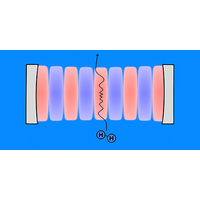
Phys. Rev. Lett. 135, 223201 (2025)
Atomic, Molecular, and Optical Physics
Laser Cooling and Qubit Measurements on a Forbidden Transition in Neutral Cs Atoms
Article | Atomic, Molecular, and Optical Physics | 2025-11-25 05:00 EST
J. Scott, H. M. Lim, U. Singla, Q. Meece, J. T. Choy, S. Kolkowitz, T. M. Graham, and M. Saffman
We experimentally demonstrate background-free, hyperfine-level-selective measurements of individual Cs atoms by simultaneous cooling to and imaging on the electric-quadrupole transition. We achieve hyperfine-resolved detection with fidelity 0.9993(4) and atom retention of 0.9954(…
Phys. Rev. Lett. 135, 223403 (2025)
Atomic, Molecular, and Optical Physics
Dressed Interference in Giant Superatoms: Entanglement Generation and Transfer
Article | Atomic, Molecular, and Optical Physics | 2025-11-25 05:00 EST
Lei Du, Xin Wang, Anton Frisk Kockum, and Janine Splettstoesser
We introduce the concept of giant superatoms (GSAs), where two or more interacting atoms are nonlocally coupled to a waveguide through one of them, and explore their unconventional quantum dynamics. For braided GSAs, this setup enables decoherence-free transfer and swapping of their internal entangl…
Phys. Rev. Lett. 135, 223601 (2025)
Atomic, Molecular, and Optical Physics
Two-Dimensional Electronic Spectroscopy with Intense Entangled-Photon Beams
Article | Atomic, Molecular, and Optical Physics | 2025-11-25 05:00 EST
Deependra Jadoun, Upendra Harbola, Vladimir Y. Chernyak, and Shaul Mukamel
Entangled photons carry nontrivial quantum correlations that defy classical physics and provide new tools for monitoring quantum dynamics in molecules. The use of low-flux entangled photons in molecular spectroscopy has been proposed in the past to probe excited-state dynamics with enhanced temporal…
Phys. Rev. Lett. 135, 223803 (2025)
Atomic, Molecular, and Optical Physics
Unveiling Intrinsic Triplet Superconductivity in Noncentrosymmetric NbRe through Inverse Spin-Valve Effects
Article | Condensed Matter and Materials | 2025-11-25 05:00 EST
F. Colangelo, M. Modestino, F. Avitabile, A. Galluzzi, Z. Makhdoumi Kakhaki, Abhishek Kumar, J. Linder, M. Polichetti, C. Attanasio, and C. Cirillo
Observation of an inverse spin-valve effect in a structurally minimal Py/NbRe/Py heterostructure indicates intrinsic equal-spin triplet superconductivity in the noncentrosymmetric material, NbRe.
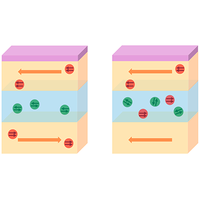
Phys. Rev. Lett. 135, 226002 (2025)
Condensed Matter and Materials
High Pressure Superconducting Transition in Dihydride ${\mathrm{BiH}}_{2}$ with Bismuth Open-Channel Framework
Article | Condensed Matter and Materials | 2025-11-25 05:00 EST
Liang Ma, Xin Yang, Mei Li, Pengfei Shan, Ziyi Liu, Jun Hou, Sheng Jiang, Lili Zhang, Chuanlong Lin, Pengtao Yang, Bosen Wang, Jianping Sun, Yang Ding, Huiyang Gou, Haizhong Guo, and Jinguang Cheng
Metal hydrides ) with low hydrogen content are not expected to show high- superconductivity owing to the low hydrogen-derived electronic density of states at Fermi level and the limited hydrogen contribution to electron-phonon coupling strength. In this Letter, we report on the successful …
Phys. Rev. Lett. 135, 226003 (2025)
Condensed Matter and Materials
Probing Electric-Dipole-Enabled Transitions in the Excited State of the Nitrogen-Vacancy Center in Diamond
Article | Condensed Matter and Materials | 2025-11-25 05:00 EST
Tom Delord, Richard Monge, Gabriel I. López-Morales, Olaf Bach, Cyrus E. Dreyer, Johannes Flick, and Carlos A. Meriles
The excited orbitals of color centers often show strong electric dipoles, which can serve as a resource for entanglement, emission tuning, or electric field sensing. Here, we use resonant laser excitation to examine the electric transitions in the excited state (ES) orbitals of the negatively charge…
Phys. Rev. Lett. 135, 226401 (2025)
Condensed Matter and Materials
Memory-Efficient Nonequilibrium Green’s Function Framework Built On Quantics Tensor Trains
Article | Condensed Matter and Materials | 2025-11-25 05:00 EST
Maksymilian Środa, Ken Inayoshi, Hiroshi Shinaoka, and Philipp Werner
One of the challenges in diagrammatic simulations of nonequilibrium phenomena in lattice models is the large memory demand for storing momentum-dependent two-time correlation functions. This problem can be overcome with the recently introduced quantics tensor train (QTT) representation of multivaria…
Phys. Rev. Lett. 135, 226501 (2025)
Condensed Matter and Materials
Nonlinear Optical Effects Enhanced by Deep Band Crossings
Article | Condensed Matter and Materials | 2025-11-25 05:00 EST
Nianlong Zou, He Li, Meng Ye, Haowei Chen, Minghui Sun, Ruiping Guo, Yizhou Liu, Bing-Lin Gu, Wenhui Duan, Yong Xu, and Chong Wang
Nonlinear optical (NLO) effects in materials with band crossings have attracted significant research interests due to the divergent band geometric quantities around these crossings. Most current research has focused on band crossings between the valence and conduction bands. However, such crossings …
Phys. Rev. Lett. 135, 226901 (2025)
Condensed Matter and Materials
Erratum: Free-Space Optical Modulation of Free Electrons in the Continuous-Wave Regime [Phys. Rev. Lett. 134, 123804 (2025)]
Article | 2025-11-25 05:00 EST
Cruz I. Velasco and F. Javier García de Abajo
Phys. Rev. Lett. 135, 229901 (2025)
Thermodynamic Framework for Coherently Driven Systems
Article | Quantum Information, Science, and Technology | 2025-11-24 05:00 EST
Max Schrauwen, Aaron Daniel, Marcelo Janovitch, and Patrick P. Potts
The laws of thermodynamics are a cornerstone of physics. At the nanoscale, where fluctuations and quantum effects matter, there is no unique thermodynamic framework because thermodynamic quantities such as heat and work depend on the accessibility of the degrees of freedom. We derive a thermodynamic…
Phys. Rev. Lett. 135, 220201 (2025)
Quantum Information, Science, and Technology
Extreme Violations of Leggett-Garg Inequalities for a System Evolving under Superposition of Unitaries
Article | Quantum Information, Science, and Technology | 2025-11-24 05:00 EST
Arijit Chatterjee, H. S. Karthik, T. S. Mahesh, and A. R. Usha Devi
Extending the superposition principle to the time domain gives rise to enhanced correlations that exceed a theoretical quantum limit--a result that could inspire new forms of quantum control.
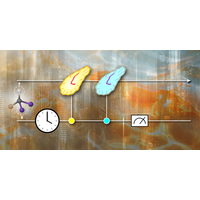
Phys. Rev. Lett. 135, 220202 (2025)
Quantum Information, Science, and Technology
Experimental Distributed Quantum Sensing in a Noisy Environment
Article | Quantum Information, Science, and Technology | 2025-11-24 05:00 EST
J. Bate, A. Hamann, M. Canteri, A. Winkler, Z. X. Koong, V. Krutyanskiy, W. Dür, and B. P. Lanyon
The precision advantages offered by harnessing the quantum states of sensors can be readily compromised by noise. However, when the noise has a different spatial function than the signal of interest, recent theoretical work shows how the advantage can be maintained and even significantly improved. I…
Phys. Rev. Lett. 135, 220801 (2025)
Quantum Information, Science, and Technology
Room-Temperature Electrical Readout of Spin Defects in van der Waals Materials
Article | Quantum Information, Science, and Technology | 2025-11-24 05:00 EST
Shihao Ru, Liheng An, Haidong Liang, Zhengzhi Jiang, Zhiwei Li, Xiaodan Lyu, Feifei Zhou, Hongbing Cai, Yuzhe Yang, Ruihua He, Robert Cernansky, Edwin Hang Tong Teo, Manas Mukherjee, Andrew A. Bettiol, Jesus Zúñiga-Perez, Fedor Jelezko, and Weibo Gao
Negatively charged boron vacancy () in hexagonal boron nitride is the most extensively studied room-temperature quantum spin system in two-dimensional materials. Nevertheless, the current effective readout of spin states is carried out by systematically optical methods. This limits their expl…
Phys. Rev. Lett. 135, 220802 (2025)
Quantum Information, Science, and Technology
Core Collapse Beyond the Fluid Approximation: The Late Evolution of Self-Interacting Dark Matter Halos
Article | Cosmology, Astrophysics, and Gravitation | 2025-11-24 05:00 EST
James Gurian and Simon May
We show that the gravothermal collapse of self-interacting dark matter (SIDM) halos can deviate from local thermodynamic equilibrium. As a consequence, the self-similar evolution predicted by the commonly adopted conducting fluid model can be altered or broken. Our results are obtained using a novel…
Phys. Rev. Lett. 135, 221001 (2025)
Cosmology, Astrophysics, and Gravitation
Ultrarelativistic Freeze-Out: A Bridge from WIMPs to FIMPs
Article | Cosmology, Astrophysics, and Gravitation | 2025-11-24 05:00 EST
Stephen E. Henrich, Yann Mambrini, and Keith A. Olive
We reexamine the case for dark matter (DM) produced by ultrarelativistic freeze-out (UFO). UFO is the mechanism by which standard model neutrinos decouple from the radiation bath in the early Universe at a temperature . This corresponds to chemical freeze-out without Boltzmann suppression, …
Phys. Rev. Lett. 135, 221002 (2025)
Cosmology, Astrophysics, and Gravitation
WIMP Dark Matter Search Using a 3.1 Tonne-Year Exposure of the XENONnT Experiment
Article | Cosmology, Astrophysics, and Gravitation | 2025-11-24 05:00 EST
E. Aprile et al. (XENON Collaboration)
We report on a search for weakly interacting massive particle (WIMP) dark matter (DM) via elastic DM-xenon-nucleus interactions in the XENONnT experiment. We combine datasets from the first and second science campaigns resulting in a total exposure of 3.1 tonne-years. In a blind analysis of nuclear …
Phys. Rev. Lett. 135, 221003 (2025)
Cosmology, Astrophysics, and Gravitation
Monte Carlo Studies of the Emergent Spacetime in the Polarized Type IIB Matrix Model
Article | Particles and Fields | 2025-11-24 05:00 EST
Chien-Yu Chou, Jun Nishimura, and Cheng-Tsung Wang
The IKKT model (or the type IIB matrix model) has been investigated as a promising nonperturbative formulation of superstring theory. One of the recent developments concerning this model is the discovery of the dual supergravity solution corresponding to the model obtained after supersymmetry-preser…
Phys. Rev. Lett. 135, 221601 (2025)
Particles and Fields
A Continuous Galactic Line Source of Axions: The Remarkable Case of $^{23}\mathrm{Na}$
Article | Nuclear Physics | 2025-11-24 05:00 EST
W. C. Haxton, Xing Liu, Annie McCutcheon, and Anupam Ray
We argue that is a potentially significant source of galactic axions. For temperatures --characteristic of carbon burning in the massive progenitors of supernovae and ONeMg white dwarfs--the 440 keV first excited state of is thermally populated, with its repeated decays pumping stel…
Phys. Rev. Lett. 135, 222701 (2025)
Nuclear Physics
Oscillating Nuclear Charge Radii as Sensors for Ultralight Dark Matter
Article | Atomic, Molecular, and Optical Physics | 2025-11-24 05:00 EST
Abhishek Banerjee, Dmitry Budker, Melina Filzinger, Nils Huntemann, Gil Paz, Gilad Perez, Sergey Porsev, and Marianna Safronova
We show that coupling of ultralight dark matter (UDM) to quarks and gluons would lead to an oscillation of the nuclear charge radius for both the quantum chromodynamic (QCD) axion and scalar dark matter, an effect which is of particular importance for heavy elements. Consequently, the resulting osci…
Phys. Rev. Lett. 135, 223001 (2025)
Atomic, Molecular, and Optical Physics
Motion of Ferrodark Solitons in Trapped Superfluids: Spin Corrections and Emergent Oscillators
Article | Atomic, Molecular, and Optical Physics | 2025-11-24 05:00 EST
Jiangnan Biguo and Xiaoquan Yu
We propose a framework for topological soliton dynamics in trapped spinor superfluids, decomposing the force acting on the soliton by the surrounding fluid into the buoyancy force and spin corrections arising from the density depletion at soliton core and the coupling between the orbital motion and …
Phys. Rev. Lett. 135, 223401 (2025)
Atomic, Molecular, and Optical Physics
Quantum Carpets of Higgs Quasiparticles in a Supersolid
Article | Atomic, Molecular, and Optical Physics | 2025-11-24 05:00 EST
K. Mukherjee, M. Schubert, R. Klemt, T. Bland, T. Pfau, and S. M. Reimann
Supersolids formed from dipolar Bose Einstein condensates (BECs) exhibit spontaneous density modulation while maintaining global phase coherence. This state of matter supports gapped amplitude (Higgs) excitations featuring a quadratic dispersion relation. While Higgs modes are typically strongly dam…
Phys. Rev. Lett. 135, 223402 (2025)
Atomic, Molecular, and Optical Physics
Isolated Attosecond Spatiotemporal Optical Vortices: Interplay between the Topological Charge and Orbital Angular Momentum Scaling in High Harmonic Generation
Article | Atomic, Molecular, and Optical Physics | 2025-11-24 05:00 EST
Rodrigo Martín-Hernández, Luis Plaja, Carlos Hernández-García, and Miguel A. Porras
The propagation properties and the nature of the transverse orbital angular momentum (t-OAM) of spatiotemporal optical vortices (STOVs) open new scenarios in high harmonic generation (HHG), where the richness of the topological charge and OAM up-conversion are exposed. Through advanced numerical sim…
Phys. Rev. Lett. 135, 223801 (2025)
Atomic, Molecular, and Optical Physics
Broadband Carrier-Envelope Phase-Controlled Stimulated Ultraviolet Emission from Carbon Dioxide Ions
Article | Atomic, Molecular, and Optical Physics | 2025-11-24 05:00 EST
Jingsong Gao, Hao Liang, Ming-Shian Tsai, Ming-Chang Chen, Hans Jakob Wörner, and Meng Han
A coherent broadband ultraviolet light source is essential for both fundamental research and industrial applications, yet its generation remains challenging. Here, we demonstrate microjoule-level ultraviolet emission spanning 300-450 nm from carbon dioxide ions (), driven by carrier-envelope-pha…
Phys. Rev. Lett. 135, 223802 (2025)
Atomic, Molecular, and Optical Physics
Combined Influence of Rotation and Scrape-Off Layer Drifts on Recycling Asymmetries in Tokamak Plasmas
Article | Plasma and Solar Physics, Accelerators and Beams | 2025-11-24 05:00 EST
E. D. Emdee, L. Horvath, A. Bortolon, R. Gerrú, G. J. Wilkie, S. R. Haskey, and F. M. Laggner
Coupled 2D fluid-kinetic simulations of a DIII-D high confinement tokamak plasma show that plasma rotation coupled with drift effects near the plasma edge play a significant role in the creation of the observed poloidal distribution of neutrals. It is observed that including either drift or rotation…
Phys. Rev. Lett. 135, 225101 (2025)
Plasma and Solar Physics, Accelerators and Beams
Local Control of Parity and Charge in Nanoscale Superconducting Lead Islands
Article | Condensed Matter and Materials | 2025-11-24 05:00 EST
Stefano Trivini, Jon Ortuzar, Katerina Vaxevani, Beatriz Viña-Bausá, F. Sebastian Bergeret, and Jose Ignacio Pascual
Deterministic control of charge parity in Coulomb-blockaded superconducting Pb islands provides a key ingredient for qubit design.
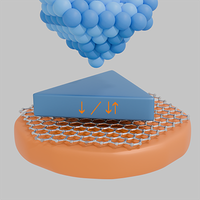
Phys. Rev. Lett. 135, 226001 (2025)
Condensed Matter and Materials
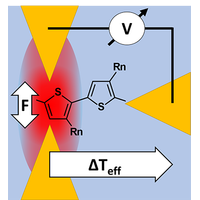
Direct Measurement of the Effective Electronic Temperature in Organic Semiconductors
Article | Condensed Matter and Materials | 2025-11-24 05:00 EST
Anton Kompatscher and Martijn Kemerink
The first direct measurement of a field-driven effective electronic temperature in a disordered organic semiconductors reveals that charge carriers reach a locally thermal distribution even while the system remains globally out of equilibrium.
Phys. Rev. Lett. 135, 226301 (2025)
Condensed Matter and Materials
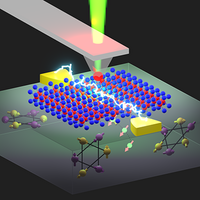
Nanoscale Quantum Imaging of Field-Free Deterministic Switching of a Chiral Antiferromagnet
Article | Condensed Matter and Materials | 2025-11-24 05:00 EST
Jingcheng Zhou, Senlei Li, Chuangtang Wang, Hanshang Jin, Stelo Xu, Zelong Xiong, Carson Jacobsen, Kenji Watanabe, Takashi Taniguchi, Valentin Taufour, Liuyan Zhao, Hua Chen, Chunhui Rita Du, and Hailong Wang
Unconventional spin-orbit torque generated from a low-symmetry van der Waals material WTe produces field-free deterministic magnetic switching in a chiral antiferromagnet, MnSn.
Phys. Rev. Lett. 135, 226701 (2025)
Condensed Matter and Materials
Target Search Optimization by Threshold Resetting
Article | Statistical Physics; Classical, Nonlinear, and Complex Systems | 2025-11-24 05:00 EST
Arup Biswas, Satya N. Majumdar, and Arnab Pal
We introduce a new class of first-passage time optimization driven by threshold resetting, inspired by many natural processes where crossing a critical limit triggers failure, degradation, or transition. Here, search agents are collectively reset when a threshold is reached, creating event-driven, s…
Phys. Rev. Lett. 135, 227101 (2025)
Statistical Physics; Classical, Nonlinear, and Complex Systems
Physical Review X
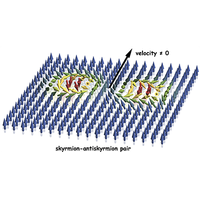
Topological Dipoles of Quantum Skyrmions
Article | 2025-11-25 05:00 EST
Sopheak Sorn, Jörg Schmalian, and Markus Garst
Skyrmions behave as fractonlike particles whose motion is constrained by a conserved topological dipole moment, linking their dynamics to quantum Hall physics and revealing how quantum skyrmions behave as massless particles.
Phys. Rev. X 15, 041037 (2025)
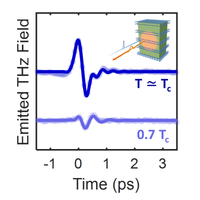
Enhanced Coherent Terahertz Emission from Critical Superconducting Fluctuations in ${\mathrm{YBa}}{2}{\mathrm{Cu}}{3}{\mathrm{O}}_{6.6}$
Article | 2025-11-24 05:00 EST
D. Nicoletti, M. Rosenberg, M. Buzzi, M. Fechner, Y. Liu, S. Nakata, B. Keimer, R. A. Vitalone, D. N. Basov, P. E. Dolgirev, E. Demler, M. H. Michael, and A. Cavalleri
Coherent terahertz emission spectroscopy proves to be a sensitive technique for probing superconducting fluctuations in YBCO near its transition temperature, detecting strong, nonlinear optical signals that originate from critical behavior at phase boundaries.
Phys. Rev. X 15, 041036 (2025)
arXiv
Floquet-engineered Valley Topology with Anisotropic Response in 1T’-WSe2 and Janus WSeTe monolayers
New Submission | Mesoscale and Nanoscale Physics (cond-mat.mes-hall) | 2025-11-25 20:00 EST
Zhe Li, Haijun Cao, Lijuan Li, Huixia Fu, Mengxue Guan, Sheng Meng
Valley topology has emerged as a key concept for realizing new classes of quantum states. Here, we investigate Floquet-engineered topological phase transitions in anisotropic 1T’-WSe2 and its Janus derivative WSeTe monolayers, which exhibit valley-degenerate and valley-polarized characteristics, respectively. In 1T’-WSe2, a single topological-phase-transition (TPT) occurs from the quantum-spin-Hall state (QSH) to the quantum anomalous Hall (QAH) state, involving one spin channel at both valleys simultaneously. In contrast, Janus WSeTe undergoes a two-stage Floquet-driven TPT that occurs within a single valley and sequentially involves two spin components. The intermediate phase manifests as a valley-polarized QAH (vp-QAH) state with a finite valley Chern number, while the final phase evolves into a high-Chern-number QAH state with distinct valley gaps. Furthermore, an in-plane anisotropic response of the TPTs is predicted under oblique light incidence, reflecting the intrinsic low-symmetry nature of the lattice. These findings provide a comprehensive understanding of Floquet-engineered valley-based topological properties and offer guidance for designing light-controllable valleytronic and topological devices.
Mesoscale and Nanoscale Physics (cond-mat.mes-hall), Materials Science (cond-mat.mtrl-sci)
On the uniqueness of the coupled entropy
New Submission | Statistical Mechanics (cond-mat.stat-mech) | 2025-11-25 20:00 EST
The coupled entropy is proven to uniquely satisfy the requirement that a generalized entropy be equivalent to the density at the scale for scale-shape distributions. Further, its maximizing distributions, the coupled stretched exponential distributions, are proven to quantify the linear uncertainty with the scale and the nonlinear uncertainty with the shape for a broad class of complex systems. Distributions of the coupled exponentials include the Pareto Types I-IV and Gosset’s Student-t. For the Pareto Type II distribution, the Boltzmann-Gibbs-Shannon entropy has a linear dependence on the shape, which dominates over the logarithmic dependence on the scale, motivating the need for a generalization. The Rényi and Tsallis entropies are shown to be of historic importance but ultimately unsatisfactory generalizations. The coupled entropy of the coupled stretched exponential distribution isolates the nonlinear-shape dependence to a generalized logarithm of the partition function. The Rényi and Tsallis entropies retain a strong dependence on the nonlinear-shape such that they are not equivalent to the uncertainty at the scale. Lemmas for the composability and extensivity of the coupled entropy are proven in support of an axiomatic definition. The scope of the coupled entropy includes systems in which the growth of states is power-law, stretched exponential, or a combination.
Statistical Mechanics (cond-mat.stat-mech), Information Theory (cs.IT), Data Analysis, Statistics and Probability (physics.data-an)
32 pages, 6 figures, 1 Table, supersedes the pre-print “Coupled Entropy: A Goldilocks Generalization for Complex Systems”
Functional renormalization with interaction flows: A single-boson exchange perspective and application to electron-phonon systems
New Submission | Strongly Correlated Electrons (cond-mat.str-el) | 2025-11-25 20:00 EST
Aiman Al-Eryani, Marcel Gievers, Kilian Fraboulet
The functional renormalization group (fRG) is acknowledged as a powerful tool in quantum many-body physics and beyond. On the technical side, conventional implementations of the fRG rely on regulators for bare propagators only. Starting from Schwinger–Dyson and Bethe–Salpeter equations, we develop here an fRG formulation where both bare propagators and bare interactions can be dressed with regulators. The approach thus obtained is a generalization of the multiloop fRG recently introduced for many-fermion systems. Using the single-boson exchange decomposition, we show that the underlying flow equations are simply interpreted as adding a regulator to the bosonic propagator and that such an extension scarcely changes the original structure of the flow equations. Overall, we provide a framework for implementing approaches that cannot be realized with conventional fRG methods, such as temperature flows for models with retarded interactions. For concrete applications, we analyze the loop convergence of our scheme against conventional cutoff schemes for the Hubbard atom and the Anderson impurity model. Finally, we devise a new temperature-flow scheme that implements a cutoff in both the propagator and the bare interaction, and demonstrate its validity on a model of an Anderson impurity coupled to a phonon.
Strongly Correlated Electrons (cond-mat.str-el)
Fracture and failure of shear-jammed dense suspensions under impact
New Submission | Soft Condensed Matter (cond-mat.soft) | 2025-11-25 20:00 EST
Malcolm Slutzky, Alice Pelosse, Michael van der Naald, Heinrich M. Jaeger
Impacted with sufficiently large stress, a dense, initially liquid-like suspension can be forced into a solid-like state through the process of shear jamming. While the onset of shear jamming has been investigated extensively, less is known about the resulting solid-like state in the high stress limit and its failure. We experimentally produce such high-stress failure by impacting dense suspensions at a controlled speed. Using cornstarch suspensions we vary impact speed over several orders of magnitude and change fluid viscosity and surface tension in order to identify the conditions for failure. The results are compared with dense suspensions of potato starch or silica particles. In the case of fracture, we observe two types of cracks: a primary circular crack around the impactor followed by secondary radial cracks. Mapping out the onset of radial fracturing for different volume fractions and impact speeds, we identify the requirements for failure via crack formation to occur with at least 50% likelihood. We find that this likelihood is not sensitive to changes in particle diameter, but increases when the solvent’s viscosity or surface tension are reduced. In the state diagram for dense suspensions we delineate the upper limit of shear-jammed rigidity and the crossover into a fracture regime at large volume fraction and normal stress, several orders of magnitude above the onset stress for shear-jamming. We find that the onset of fracturing in many cases is correlated with internal ductile deformation of the shear-jammed material underneath the impactor, observable in normal stress as a function of axial strain. For small suspension volumes and large impact speeds, we find strain-hardening up until fracturing. This more brittle behavior results in a modulus that, just before crack formation, is an order of magnitude larger than in shear-jammed suspensions undergoing ductile deformation.
Soft Condensed Matter (cond-mat.soft)
When Active Learning Fails, Uncalibrated Out of Distribution Uncertainty Quantification Might Be the Problem
New Submission | Materials Science (cond-mat.mtrl-sci) | 2025-11-25 20:00 EST
Ashley S. Dale, Kangming Li, Brian DeCost, Hao Wan, Yuchen Han, Yao Fehlis, Jason Hattrick-Simpers
Efficiently and meaningfully estimating prediction uncertainty is important for exploration in active learning campaigns in materials discovery, where samples with high uncertainty are interpreted as containing information missing from the model. In this work, the effect of different uncertainty estimation and calibration methods are evaluated for active learning when using ensembles of ALIGNN, eXtreme Gradient Boost, Random Forest, and Neural Network model architectures. We compare uncertainty estimates from ALIGNN deep ensembles to loss landscape uncertainty estimates obtained for solubility, bandgap, and formation energy prediction tasks. We then evaluate how the quality of the uncertainty estimate impacts an active learning campaign that seeks model generalization to out-of-distribution data. Uncertainty calibration methods were found to variably generalize from in-domain data to out-of-domain data. Furthermore, calibrated uncertainties were generally unsuccessful in reducing the amount of data required by a model to improve during an active learning campaign on out-of-distribution data when compared to random sampling and uncalibrated uncertainties. The impact of poor-quality uncertainty persists for random forest and eXtreme Gradient Boosting models trained on the same data for the same tasks, indicating that this is at least partially intrinsic to the data and not due to model capacity alone. Analysis of the target, in-distribution uncertainty, out-of-distribution uncertainty, and training residual distributions suggest that future work focus on understanding empirical uncertainties in the feature input space for cases where ensemble prediction variances do not accurately capture the missing information required for the model to generalize.
Materials Science (cond-mat.mtrl-sci), Machine Learning (cs.LG)
Artificial life of an active droplets system: a quantitative lifecycle analysis
New Submission | Soft Condensed Matter (cond-mat.soft) | 2025-11-25 20:00 EST
Matteo Scandola, Silvia Holler, Richard J. G. Loeffler, Martin M. Hanczyc, Raffaello Potestio, Roberto Menichetti
The study of synthetic active matter systems holds the promise for designing smart materials and devices with emergent characteristics akin to those of living organisms, eventually opening the doors to the realization of artificial life. Such an investigation, however, is challenged by the difficulty inherent in identifying the relationship between the features of the elementary constituents and the emergent properties of the whole; to this end, a key step consists in the accurate quantification of the system’s observed behavior. Here, we report the study of 50 self-propelled oil droplets floating on the surface of an aqueous solution. 25 droplets are stained with a red dye, and the other 25 are stained blue: the colorants affect the droplets’ interfacial tension properties differently, consequently influencing their collective dynamics. Droplet trajectories extending for up to 5 hours are extracted from video recordings with a tracking pipeline developed ad hoc. The structural and dynamical analysis of the system reveals a ``life-to-death’’ cycle unfolding in qualitatively distinct stages, showcasing a complex interplay between individual droplet mobility and collective organization. The tools developed and the results obtained in our work pave the way to the in silico modelling as well as the experimental design of synthetic active matter systems displaying life-like and programmable behavior.
Soft Condensed Matter (cond-mat.soft)
Analog Physical Systems Can Exhibit Double Descent
New Submission | Disordered Systems and Neural Networks (cond-mat.dis-nn) | 2025-11-25 20:00 EST
Sam Dillavou, Jason W Rocks, Jacob F Wycoff, Andrea J Liu, Douglas J Durian
An important component of the success of large AI models is double descent, in which networks avoid overfitting as they grow relative to the amount of training data, instead improving their performance on unseen data. Here we demonstrate double descent in a decentralized analog network of self-adjusting resistive elements. This system trains itself and performs tasks without a digital processor, offering potential gains in energy efficiency and speed – but must endure component non-idealities. We find that standard training fails to yield double descent, but a modified protocol that accommodates this inherent imperfection succeeds. Our findings show that analog physical systems, if appropriately trained, can exhibit behaviors underlying the success of digital AI. Further, they suggest that biological systems might similarly benefit from over-parameterization.
Disordered Systems and Neural Networks (cond-mat.dis-nn), Machine Learning (cs.LG)
11 pages 7 figures
Dissipation anomaly in gradient-driven nonequilibrium steady states
New Submission | Statistical Mechanics (cond-mat.stat-mech) | 2025-11-25 20:00 EST
Dissipation anomaly-the persistence of finite energy dissipation in the inviscid limit-is a hallmark of turbulence, sometimes regarded as the “zeroth law” of turbulent flows. Here, we demonstrate that this phenomenon is not exclusive to turbulence. Using fluctuating hydrodynamics, we show that a simple gradient-driven nonequilibrium steady state, in which a fluid is subjected to a constant scalar gradient but remains macroscopically quiescent, also exhibits dissipation anomaly. Direct numerical simulations and self-consistent mode-coupling theory reveal that the anomaly originates from giant, long-range nonequilibrium fluctuations amplified by the imposed gradient. While linear theory predicts a divergent dissipation in the inviscid limit, nonlinear mode coupling regularizes the divergence, yielding a finite anomalous dissipation. Our findings identify a new, non-turbulent arena for dissipation anomaly and establish the interplay between thermal noise and nonequilibrium driving as a fundamental route to singular behavior in hydrodynamics.
Statistical Mechanics (cond-mat.stat-mech), Fluid Dynamics (physics.flu-dyn)
6 pages + 2 pages + 10 pages, 5 figures
Structural Relaxation and Anisotropic Elasticity of Ordered Block Copolymer Melts
New Submission | Soft Condensed Matter (cond-mat.soft) | 2025-11-25 20:00 EST
Krista G. Schoonover, Gaurav Rawat, Emily B. Pentzer, Michael S. Dimitriyev
Block copolymer (BCP) melts play a critical role in the design of thermoplastics, owing in large part to the creation of alternating nano-scale domains of soft and stiff components. Much of thermoplastic design has been focused on the short-time response associated with the dynamical rigidity of rubbery or glassy chains. However, less attention has been paid to the long-time relaxation and rigidity of microphase separated BCP melts or the role that domain morphology plays in modulating near-equilibrium response. We take advantage of the ability of self-consistent field theory (SCFT) to calculate equilibrium properties of BCP melts to explore the anisotropic elastic response of ordered ABA and AB copolymer melts as quasistatic deformation processes. This allows us to determine the anisotropic stiffness of the liquid crystal-like lamellar and columnar phases due to modulations in domain spacing, as well as the full stiffness tensor of the cubic BCC sphere and double gyroid phases. We explore elastic modulus landscapes for both single grain materials and random polycrystals over architectural parameters and segregation strengths, using AB diblock and ABA triblock melts as key examples. Finally, we re-examine basic assumptions of BCP melts as simple composites, dependence of melt stiffness on domain spacing, and the role of bridging chain conformations in altering melt relaxation, providing evidence for an interplay between mass transport and domain topology that remains to be understood.
Soft Condensed Matter (cond-mat.soft), Materials Science (cond-mat.mtrl-sci)
67 pages, 32 figures
Appraising the absolute limits of nanotubes and nanospheres to preserve high-pressure materials
New Submission | Materials Science (cond-mat.mtrl-sci) | 2025-11-25 20:00 EST
Yin L. Xu, Guang F. Yang, Yi Sun, Hong X. Song, Yu S. Huang, Hao Wang, Xiao Z. Yan, Hua Y. Geng
Matter under high pressure often exhibits attractive properties, which, unfortunately, are typically irretrievable when released to ambient conditions. Intuitively, nanostructure engineering might provide a promising route to contain high-pressure phase of materials because of the exceptional mechanical strength at nanoscale. However, there is no available theoretical model that can analyze this possibility, not to mention to quantitatively evaluate the pressure-bearing capability of nano-cavities. Here, a physical model is proposed to appraise the absolute theoretical limit of various nanotubes/nanospheres to preserve high-pressure materials to ambient conditions. By incorporating with first-principles calculations, we screen and select four types of representative nanomaterials: graphene, hexagonal boron nitride (h-BN), biphenylene, and {\gamma}-graphyne, and perform systematic investigations. The results indicate that nanotube/nanosphere of graphene exhibits the best pressure-bearing capability, followed by h-BN, biphenylene and {\gamma}-graphyne. Our model reveals that the structure with the largest average binding energy per bond and the highest density of bonds will have the highest absolute limit to contain pressure materials, while electron/hole doping and interlayer interactions have minor effects. Our finding suggests that one can utilize nanotube/nanosphere with multiple layers to retrieve compressed material with higher pressures. For example, a single layer graphene sphere can retrieve compressed LaH10 with a volume size of 26 nm3 that corresponding to a pressure of 170 GPa and with a near room temperature superconductor transition of Tc=250 K. Similarly, in order to retrieve the metastable atomic hydrogen or molecular metallic hydrogen at about 250 GPa, it requires only three layers of a nanosphere to contain a volume size of 173 nm^3.
Materials Science (cond-mat.mtrl-sci), Mesoscale and Nanoscale Physics (cond-mat.mes-hall), Superconductivity (cond-mat.supr-con), Applied Physics (physics.app-ph), Computational Physics (physics.comp-ph)
34 pages, 9 figures, with supplementary material
ACS Appl. Mater. Interfaces 17, 60985-60996 (2025)
Dynamic Slowdown and Spatial Correlations in Viscous Silica Melt: Perspectives from Dynamic Disorder
New Submission | Soft Condensed Matter (cond-mat.soft) | 2025-11-25 20:00 EST
Shubham Kumar, Zhiye Tang, Shinji Saito
The dynamic slowdown in glass-forming liquids remains a central topic in condensed matter science. Here, we report a theoretical investigation of the microscopic origin of the slowdown in amorphous silica, a prototypical strong glass former with a tetrahedral network structure. Using molecular dynamics simulations, we analyze atomic jump dynamics, the elementary structural change processes underlying relaxation. We find that the jump statistics deviate from Poisson behavior with decreasing temperature, reflecting the emergence of dynamic disorder in which slowly evolving variables modulate the jump motion. The slowdown is species-dependent: for silicon, the primary constraint arises from the fourth-nearest oxygen neighbor, while at lower temperatures, the fourth-nearest silicon also becomes relevant; for oxygen, the dominant influence comes from the second-nearest silicon neighbors. As the system is cooled, the jump dynamics become increasingly slow and intermittent, proceeding in a higher-dimensional space of multiple slow variables that reflect cooperative rearrangements of the network. Species-resolved point-to-set correlations further reveal that the spatial extent of cooperative relaxation grows differently for silicon and oxygen, directly linking their relaxation asymmetry to the extent of collective motion. Together, these results provide a microscopic framework linking dynamic disorder, species-dependent constraints, and cooperative correlations, offering deeper insight into the slowdown of strong glass-forming networks.
Soft Condensed Matter (cond-mat.soft)
Hexagonal polymorphism induced structural disorder and dielectric anomalies of Ca/Mn modified BaTiO3
New Submission | Materials Science (cond-mat.mtrl-sci) | 2025-11-25 20:00 EST
P. Maneesha, Dilip Sasmal, Rakhi Saha, Kiran Baraik, Soma Banik, R. Mittal, Mayanak K. Gupta, Abdelkrim Mekki, Khalil Harrabi, Somaditya Sen
This work involves the local structural investigation of the samples using Extended X-ray Absorption Spectra (EXAFS) analysis to investigate structural changes due to the Ca and Mn-modified BaTiO3. TEM investigation of the crystal structure reveals the coexistence of the tetragonal and hexagonal phases of BaTiO3. Band gap modification and Urbach tail variation in UV-DRS measurements reveal a reduction of band gap from UV to Visible range (3.2 eV to 2 eV). This band gap change is correlated with the valence band modification observed in PES measurements due to localised defects in the material, and supported by theoretical Density of States calculations. The electron localisation function calculation is used to analyse the changes in the localised electron density near the dopant atoms. It reveals the local expansion and contraction of the lattice surrounding the dopant atom. All these structural modifications lead to variations in the dielectric properties and diffusive nature of the phase transition. The defect-induced structural modifications, multiple phase coexistence, band gap variations and dielectric properties are explored and correlated.
Materials Science (cond-mat.mtrl-sci)
2D-RIXS: Resonant inelastic x-ray scattering microscopy with high energy and spatial resolutions
New Submission | Materials Science (cond-mat.mtrl-sci) | 2025-11-25 20:00 EST
Kohei Yamamoto, Hakuto Suzuki, Jun Miyawaki
A two-dimensional resonant inelastic x-ray scattering (2D-RIXS) microscopy system has been developed at the beamline BL02U of NanoTerasu. The instrument combines a Wolter type-I mirror for spatial imaging with a varied-line-spacing grating spectrometer, simultaneously achieving micrometer-scale spatial resolution and ultrahigh energy resolution in the soft x-ray regime. Test chart measurements confirm a vertical spatial resolution of 1.0 um near the field-of-view center, and the horizontal resolution determined by the incident beam footprint is 0.8 um. RIXS imaging capabilities have been demonstrated by the measurements of a patterned NanoTerasu logo and exfoliated NiPS$ {}_3$ nanoflakes, highlighting its efficiency in locating specific microscale regions within inhomogeneous samples. These results establish 2D-RIXS microscopy as a position-sensitive probe of elementary excitations in quantum materials and functional devices.
Materials Science (cond-mat.mtrl-sci)
12 pages, 4 figures
Density functional theory for core-level X-ray absorption
New Submission | Materials Science (cond-mat.mtrl-sci) | 2025-11-25 20:00 EST
We establish a rigorous density functional theory (DFT) framework for core-level X-ray absorption spectroscopy (XAS) by formulating a constrained search for core-excited states based on the Gunnarsson-Lundqvist theorem. Within this framework, the explicit-core Delta SCF scheme enables shift-free absolute edge alignment and a consistent treatment of L/M edges with spin-orbit-resolved projectors. In addition, by exploiting dipole selection rules, we recast the evaluation of the dipole matrix elements, which otherwise requires many independent Slater determinant calculations, into a compact single determinant form. This reduces the computational scaling from $ \mathcal{O}(N^4)$ to $ \mathcal{O}(N^3)$ , where $ N$ is the number of electrons, without introducing additional approximations. Across representative C, B, O, and Li K-edge benchmarks in molecules and solids, the method reproduces line shapes, polarization anisotropies, and absolute onsets without empirical shifts, providing a robust and scalable route to quantitatively reliable XAS simulations within DFT.
Materials Science (cond-mat.mtrl-sci)
14 pages, 7figures, 3tables
PyAPX: Python toolkit for atomic configuration pattern exploration
New Submission | Materials Science (cond-mat.mtrl-sci) | 2025-11-25 20:00 EST
Akira Kusaba, Tetsuji Kuboyama, Karol Kawka, Pawel Kempisty, Yoshihiro Kangawa
In materials discovery, the integration of first-principles calculations with machine learning techniques has been actively studied for two key tasks: crystal structure prediction, which searches for stable structures given a chemical composition, and elemental substitution, which explores chemical compositions that yield desirable properties in a given crystal structure. However, even when both the crystal structure and chemical composition are fixed, material properties can still vary depending on the atomic arrangements (configurations) at crystallographic sites. To support detailed material design, we present PyAPX, a Python toolkit that performs Bayesian searches of stable atomic configurations. A distinctive feature of this initial release is the introduction of encoding methods suitable for configuration search, and we evaluate their performance using the h-BCN system. As a result, they were confirmed to yield superior convergence compared to commonly used one-hot encoding. PyAPX is broadly applicable to crystalline materials and is expected to further advance materials discovery.
Materials Science (cond-mat.mtrl-sci)
7 pages, 5 figures
Deformation and organization of droplet-encapsulated soft beads
New Submission | Soft Condensed Matter (cond-mat.soft) | 2025-11-25 20:00 EST
Shunsuke Saita, Finn Bastian Molzahn, Julien Husson, Charles N. Baroud
Many biological, culinary, and engineering processes lead to the co-encapsulation of several soft particles within a liquid interface. In these situations the particles are bound together by the capillary forces that deform them and influence their biological or rheological properties. Here we introduce an experimental approach to encapsulate a controlled number of soft beads within aqueous droplets in oil. These droplet-encapsulated gels are manipulated in a deformable microfluidic device to merge them and modify the liquid fraction. In the dry limit the contact surface between the hydrogels is found to be determined by the elastocapillary number $ E_c$ , with the contact radius scaling as $ E_c^{1/3}$ , indicating that the deformation increases for soft or small particles. When multiple beads are co-encapsulated within a single droplet they can be arranged into linear or three-dimensional aggregates that remain at a local energy minimum.
Soft Condensed Matter (cond-mat.soft), Fluid Dynamics (physics.flu-dyn)
Effective action approach to quantum and thermal effects: from one particle to Bose-Einstein condensates
New Submission | Quantum Gases (cond-mat.quant-gas) | 2025-11-25 20:00 EST
We present a detailed derivation of the quantum and quantum-thermal effective action for non-relativistic systems, starting from the single particle case and extending to the Gross-Pitaevskii (GP) field theory for weakly interacting bosons. In the single-particle framework, we introduce the one-particle irreducible 1PI effective action formalism taking explicitly into account the choice of the initial quantum state, its saddle-point plus Gaussian fluctuation approximation, and its finite temperature extension via Matsubara summation. This yields a clear physical interpretation in terms of zero-point and thermal contributions to the Helmholtz free energy. The formalism is then applied to the GP action producing the 1PI effective potential at zero and finite temperature including beyond-mean-field Lee-Huang-Yang and thermal corrections. We discuss the gapless and gapped Bogoliubov spectra, their relevance to equilibrium and nonequilibrium regimes, and the role of regularization. Applications include the inclusion of an external potential within the local density approximation, the derivation of finite-temperature Josephson equations, and the extension to D dimensional systems. This unified approach provides a transparent connection between microscopic quantum fluctuations and effective macroscopic equations of motion for Bose-Einstein condensates.
Quantum Gases (cond-mat.quant-gas)
Minimizing energy dissipation during programming of resistive switching memory devices using their dynamical attractor states
New Submission | Mesoscale and Nanoscale Physics (cond-mat.mes-hall) | 2025-11-25 20:00 EST
Valeriy A. Slipko, Alon Ascoli, Fernando Corinto, Yuriy V. Pershin
Under certain conditions, applying a sequence of voltage pulses of alternating polarities across a resistive switching memory device induces a finite number of fixed-point attractors, known as dynamical attractors. Remarkably, dynamical attractors can be used to program analog values into the device state without supervision. Because different pulse sequences can produce the same trajectory solution for the state in the phase space, there is strong potential for optimization, particularly in regard to the energy cost of the programming phase, which this study addresses. Without loss of generality, the proposed theory-based energy minimization strategy is applied to the voltage threshold adaptive memristor model, known for its predictive capability and adaptability to fit a large number of resistance switching memory devices. The optimization design crafts ad-hoc pulse sequences, that minimize the energy required to program the device into a desired dynamical attractor state. The theoretical approach is also extended to cover situations, where a fast programming scheme should be adopted to serve time-critical electronics applications.
Mesoscale and Nanoscale Physics (cond-mat.mes-hall), Emerging Technologies (cs.ET)
Many-body electronic structure in pyrochlore superconductor CsBi2 and spin liquid Pr2Ir2O7
New Submission | Strongly Correlated Electrons (cond-mat.str-el) | 2025-11-25 20:00 EST
Wei Song, Guowei Liu, Hanbin Deng, Tianyu Yang, Yongkai Li, Xiao-Yu Yan, Ruoxing Liao, Qianming Wang, Jiayu Xu, Chao Yan, Yuanyuan Zhao, Hailang Qin, Da Wang, Wenchuan Jing, Dawei Shen, Kosuke Nakayama, Takafumi Sato, Chandan Setty, Desheng Wu, Boqing Song, Tianping Ying, Zhaoming Tian, Akito Sakai, Satoru Nakatsuji, Harish Kumar, Christine A. Kuntscher, Zhiwei Wang, Qi-Kun Xue, Jia-Xin Yin
The pyrochlore lattice materials can exhibit geometrical frustration, while the related many-body electronic states remain elusive. In this work, we performed scanning tunneling microscopy measurements on the pyrochlore superconductor CsBi2 and spin liquid Pr2Ir2O7 at 0.3 K. For the first time, we obtained atomically resolved images of their (111) surfaces, revealing a hexagonal lattice or a kagome lattice. Tunneling spectroscopy in CsBi2 reveals a nearly fully opened superconductivity gap. The ratio of 2{\Delta}/kBTC = 4.7 suggests relatively strong coupling superconductivity, as compared with that in kagome superconductors AV3Sb5 (A = K, Rb, Cs). In contrast to the previous study categorizing CsBi2 as a type-I superconductor, the applied magnetic field induces a hexagonal vortex lattice in which each vortex core exhibits an intriguing three-fold symmetry state. In Pr2Ir2O7, we observed a spatially homogeneous Kondo-lattice resonance, which is compared with that in the kagome Kondo-lattice material CsCr6Sb6. We further discover that the Kondo resonance exhibits a spatial modulation with three-fold symmetry, and the applied magnetic field induces a Zeeman splitting of the Kondo resonance with intriguing atomic site dependence. We discuss the relations of these many-body electronic phenomena with the pyrochlore lattice geometry and its charge or spin frustration. Our systematic observations offer atomic-scale insights into the many-body electronic structures of the geometrically frustrated pyrochlore superconductors and spin liquids.
Strongly Correlated Electrons (cond-mat.str-el), Superconductivity (cond-mat.supr-con)
To appear in PRB
Hydrogen diffusion in TiCr$_2$H$_x$ Laves phases: A combined ab initio and machine-learning-potential study
New Submission | Materials Science (cond-mat.mtrl-sci) | 2025-11-25 20:00 EST
Pranav Kumar, Fritz Körmann, Kaveh Edalati, Blazej Grabowski, Yuji Ikeda
The kinetics of hydrogen diffusion in C15 cubic and C14 hexagonal TiCr$ _2$ H$ _x$ (0 < $ x$ <= 4) Laves-phase hydrogen storage alloys is investigated with density functional theory (DFT) and machine learning interatomic potentials (MLIPs). Generalized solid-state nudged elastic band calculations are conducted based on DFT for all symmetrically inequivalent paths between the first-nearest-neighbor face-sharing interstitial sites. The hydrogen migration barriers are substantially higher for the paths that require breaking a Ti-H bond than for those that require breaking a Cr-H bond. Molecular dynamics (MD) simulations with the MLIPs also demonstrate that hydrogen migration occurs more frequently within the hexagonal rings made of the A$ _2$ B$ _2$ interstitial paths, each requiring the breaking of Cr-H bonds, than along the inter-ring paths. The diffusion coefficients of hydrogen obtained from the MD simulations reveal a non-monotonic dependence on hydrogen concentration, which is more pronounced at lower temperatures. Time-averaged radial distribution functions of hydrogen further show that hydrogen avoids face-sharing positions during diffusion and that the hydrogen occupancy at the second-nearest-neighbor edge-sharing positions increases with increasing hydrogen concentration. The diffusion coefficients of hydrogen within 400-1000 K follow an Arrhenius relationship, with activation barriers consistent with most experimental values. One-order of magnitude overestimation of diffusion coefficients compared with some experiments suggests a substantial impact of hydrogen trapping by defects such as Cr vacancies and Ti anti-sites in non-stoichiometric TiCr$ _2$ in experiments.
Materials Science (cond-mat.mtrl-sci)
Active motility and wetting cooperatively regulate liquid-liquid phase separation
New Submission | Soft Condensed Matter (cond-mat.soft) | 2025-11-25 20:00 EST
Dixi Yang, Anheng Wang, Chunming Wang, Hajime Tanaka, Jiaxing Yuan
Liquid-liquid phase separation of aqueous two-phase system (ATPS) is fundamental across physical and biological sciences. While well understood for passive systems, how this process is regulated by active agents such as motile bacteria remains largely unexplored. By combining experiments on Pseudomonas aeruginosa in a prototypical dextran-polyethylene glycol ATPS with hydrodynamic simulations, we show that the interplay between bacterial activity and interfacial wetting gives rise to a robust sequence of nonequilibrium morphologies, including self-spinning droplets, elongated droplet chains, branched capillary-like clusters, and highly deformed droplets. We find that activity plays a dual role in coarsening kinetics: it suppresses coarsening through hydrodynamically driven, activity-induced droplet rotation, yet accelerates it when dextran is the minority phase, where wetting-mediated attraction governs bacterial aggregation. These findings reveal a generic physical mechanism through which motility and wetting cooperatively control phase-separation dynamics, offering new physical insight into activity-regulated LLPS and suggesting strategies for engineering ATPS morphology using active agents.
Soft Condensed Matter (cond-mat.soft)
Proposals for realizing a Josephson diode in Atomtronic circuits
New Submission | Quantum Gases (cond-mat.quant-gas) | 2025-11-25 20:00 EST
Nalinikanta Pradhan, Rina Kanamoto, M. Bhattacharya, Pankaj Kumar Mishra
The Josephson diode, a non-reciprocal quantum element analogous to the familiar semiconductor p-n junction diode, has been realized in solid-state systems but remains unexplored in tunable atomtronic circuits. In this work, we propose and numerically demonstrate the realization of the Josephson diode effect in an atomtronic circuit consisting of a ring-shaped Bose-Einstein condensate and with optical barriers serving as Josephson junctions. Our implementation of this macroscopic non-reciprocal quantum phenomenon is based on realizing the required inversion symmetry breaking through asymmetric barrier placement and an asymmetric alternating current (AC) drive, enabling position- and drive-tunable diode effects with efficiencies up to 15% and 91%, respectively. While standard time-of-flight absorption imaging can readily observe these effects, we employ cavity optomechanics for in situ, real-time, and non-destructive measurements of the relevant condensate dynamics. Our results establish a highly tunable platform for nonreciprocal Josephson transport, opening avenues for diode-based neutral-atom technologies in future quantum circuits.
Quantum Gases (cond-mat.quant-gas)
4 Figures, 7 pages, supplemntary materials
Scale-Rich Network-Based Metamaterials
New Submission | Soft Condensed Matter (cond-mat.soft) | 2025-11-25 20:00 EST
Csaba Both, Andrew Yen-Jong Chen, Ting-Ting Gao, Niek Mooij, Mohammad Charara, Carlos M. Portela, Albert-László Barabási
Materials, at their essence, are networks defined by homogeneity: uniform bonds, fixed thicknesses, and discrete length scales. Mechanical metamaterials, while representing structurally more diverse microstructures, remain defined by the homogeneity of their unit cells, pore sizes, or repeating features. In contrast, as network science has revealed, real-world and biological systems – from the Internet to the brain – derive their function from broad, multiscale variability in connectivity and link length. Here, we introduce Scale-Rich (SR) metamaterials, a design framework that embeds network heterogeneity into mechanical metamaterials, achieving order-of-magnitude heterogeneity in ligament lengths, thicknesses, and connectivity. Governed by only two parameters, SR networks span orders of magnitude in structural features, overcoming prior constraints in metamaterial design. Translating these network models into physically realizable materials, we use simulations and experiments to show that SR metamaterials exhibit properties inaccessible to traditional single-scale systems, including highly tunable elastic anisotropy, delocalized nonlinear deformation with high energy absorption, and programmable acoustic wave control. This network-science-based paradigm establishes a minimal yet universal framework for engineering multifunctional materials whose mechanical and acoustic behavior emerge directly from scale diversity itself.
Soft Condensed Matter (cond-mat.soft)
Spectral mechanism and nearly reducible transfer matrices for pseudotransitions in one-dimensional systems
New Submission | Statistical Mechanics (cond-mat.stat-mech) | 2025-11-25 20:00 EST
While true phase transitions are forbidden in one-dimensional systems with short-range interactions, several models have recently been shown to exhibit sharp yet analytic thermodynamic anomalies that mimic thermal phase transitions. We show that this behavior arises from transfer matrices that are mathematically irreducible but possess a nearly block-diagonal structure due to the weak contribution of off-diagonal Boltzmann weights in the low-temperature regime. This results in weakly coupled competing sectors whose eigenvalue competition produces abrupt crossovers without nonanalyticity, a mechanism we term nearly block-diagonal irreducible. A key thermodynamic signature of such pseudotransitions is that the residual entropy at the interface remains bounded between the residual entropies of the competing sectors. We develop a general spectral framework to describe this behavior and apply it to two representative models: the Ising chain with internal degeneracy (Doniach model) and a hexagonal nanowire chain with mixed spin-1/2 and spin-1 components. In the first case, we derive exact expressions for the pseudo-critical temperature and residual entropy. In the second, we reduce the full $ 1458\times1458$ transfer matrix via symmetry decomposition and construct a low-rank effective matrix that accurately captures the crossover between quasi-ferromagnetic and quasi-core-ferromagnetic regimes. Our results demonstrate that pseudotransitions can be understood as spectral phenomena emerging from irreducible but functionally decoupled structures within the transfer matrix.
Statistical Mechanics (cond-mat.stat-mech)
13 pages, 5 figures
Interface-engineered voltage-driven magnetic tunnel junctions with ultra-low-energy magnetization switching
New Submission | Mesoscale and Nanoscale Physics (cond-mat.mes-hall) | 2025-11-25 20:00 EST
Yu Zhang, Meng Xu, Bowei Zhou, Carter Eckel, Supriya Ghosh, Hwanhui Yun, Ali Habiboglu, Deyuan Lyu, Daniel B Gopman, Jian-Ping Wang, K. Andre Mkhoyan, Weigang Wang
Electric-field control of spin states offers a promising route to ultra-low-power, ultra-fast magnetization switching in spintronic devices such as magnetic tunnel junctions (MTJs). Recent progress in modulating spin-orbit interactions at the interfaces between 3d transition-metal ferromagnets and dielectric layers has underscored the role of atomic-scale heavy-metal doping in optimizing device performance. Here, we experimentally demonstrate highly energy-efficient, voltage-driven magnetization switching in MTJs exhibiting large tunnel magnetoresistance (TMR), enabled by a remote doping technique that precisely controls the iridium (Ir) concentration near the MgO-CoFeB interface in the free layer. Our devices achieve a switching energy of only 3.5 fJ per bit for nanoscale MTJs operating in the sub-nanosecond regime, while maintaining a TMR ratio up to 160 percent after 400 C post-annealing. These findings establish a viable pathway toward scalable, ultra-low-power nonvolatile memory, positioning voltage-driven MTJs as strong contenders for next-generation magnetoresistive random-access memory (MRAM) and other emerging spintronic applications.
Mesoscale and Nanoscale Physics (cond-mat.mes-hall), Materials Science (cond-mat.mtrl-sci)
Effect of two-dimensional nonlocal screening on mobility of electrons in transition-metal dichalcogenide monolayers
New Submission | Mesoscale and Nanoscale Physics (cond-mat.mes-hall) | 2025-11-25 20:00 EST
Aram Manaselyan, Vram Mughnetsyan, Anna Asatryan, Albert Kirakosyan
A new mechanism for charge carrier scattering in transition-metal dichalcogenide monolayers is proposed on the basis of the theory of two-dimensional nonlocal screening developed for the dielectric function of thin-layer insulating materials (P. Cudazzo et al. PRB 84, 085406 (2011)). The expressions for the transport relaxation time and for the electron mobility are obtained for electrons scattering on Coulomb impurity centers in monolayers of transition-metal dichalcogenide on various substrates. It is found that taking nonlocal screening into account increases the mobility of electrons by several times. Although the value of the mobility decreases with increasing temperature, the relative enhancement due to nonlocal screening grows 6-9 times at room temperature, in the case of SiO$ _2$ substrate.
Mesoscale and Nanoscale Physics (cond-mat.mes-hall)
Tuning Breakdown-to-Coercive Field Ratio in Ultra-Thin Al1-xScxN Films via Reactive Nitrogen Atmosphere
New Submission | Materials Science (cond-mat.mtrl-sci) | 2025-11-25 20:00 EST
Yinuo Zhang, Walter J. Smith, Giovanni Esteves, Eric A. Stach, Thomas E. Beechem, Roy H. Olsson III
Al1-xScxN has attracted significant interest due to its large remnant polarization and low processing temperature when compared to other ferroelectric material systems. However, device dielectric failure before ferroelectric switching remains a critical limitation for AlScN-based memory devices. With the continuing trend toward device miniaturization, expanding the operating window is essential for next-generation memory development. In this work, we optimized the breakdown field (EBD) and coercive field (EC) in ultra-thin Al1-xScxN films by controlling defect density via adjustment of nitrogen gas flow during sputter deposition. The characteristic breakdown field, EBD, was evaluated using Weibull statistics, yielding optimal characteristic breakdown fields of 12.47 MV/cm (EBD+) and -12.63 MV/cm (EBD-) for samples deposited under 27.5 sccm N2 flow. The minimum EC was achieved at a nitrogen flow of 25 sccm and increased for higher gas flows, a trend that is opposite to previous reports in much thicker films. The highest EBD over EC ratio of 2.25 occurred at 27.5 sccm, effectively expanding the operational window. Using a combination of X-ray diffraction and photoluminescence spectroscopy to study changes in crystal orientation and defects, device performance can be tuned by controlling the point defect concentration in the ultra-thin film via adjusting the sputtering N2 process gas flow rate.
Materials Science (cond-mat.mtrl-sci), Applied Physics (physics.app-ph)
7 pages with 7 figures
Comparison of the Electronic Structures of V$X_3$ ($X$ = Br, and I) using High-resolution X-ray Scattering
New Submission | Materials Science (cond-mat.mtrl-sci) | 2025-11-25 20:00 EST
Chamini S. Pathiraja, Deniz Wong, Christian Schulz, Yi-De Chuang, Yu-Cheng Shao, Byron Freelon
Transition-metal halides V$ X_3$ ($ X$ = Br and I) have emerged as promising candidates for two dimensional spintronic and quantum applications due to their layer-dependent magnetism and tunable electronic states. However, experimental insights into their ground state electronic structures remain limited. Here, we present a comprehensive investigation of V$ X_3$ using high resolution resonant inelastic x-ray scattering (RIXS) combined with ligand field multiplet calculations. The RIXS spectra reveal distinct $ dd$ and charge-transfer excitations, allowing precise determination of electronic structure parameters, including the crystal field splitting, trigonal distortion, and Racah parameters. The determined parameters showed clear variation, indicating an increase in covalency from Br to I. The trigonal distortion parameters $ \Delta_{D_{3d}}$ were determined to be -0.096 eV in VBr$ _3$ and 0.07 eV in VI$ _3$ , indicating a sign opposition between the two compounds, reflecting good agreement with experimental RIXS data. Cluster model calculations yield a high-spin V$ ^{3+}$ $ (S = 1)$ configuration, with an $ e’^2_g$ ground state in VBr$ 3$ and an $ e’^1_ga^1{1g}$ ground state in VI$ _3$ , consistent with trigonal elongation and compression, respectively. Our findings provide the most complete experimental determination of the low energy electronic structure in V$ X_3$ , offering valuable insights for designing 2D magnetic and spintronic materials based on vanadium halides.
Materials Science (cond-mat.mtrl-sci), Strongly Correlated Electrons (cond-mat.str-el)
10 pages, 8 figures
Engineering the Magnetocaloric Effect in Nd$T_4$B
New Submission | Materials Science (cond-mat.mtrl-sci) | 2025-11-25 20:00 EST
Kyle W. Fruhling, Enrique O. González Delgado, Siddharth Nandanwar, Xiaohan Yao, Zafer Turgut, Michael A. Susner, Fazel Tafti
We present a comprehensive study of the magnetocaloric effect (MCE) in the Nd$ T_4$ B system where $ T$ = Fe, Co, and Ni. These compounds are ferromagnetic kagome materials with tunable ordering temperatures, transition width, and magnetic moments depending on the choice of transition metal. Thus, they are good candidates for investigating the MCE. We characterize the MCE using standard metrics and construct ternary phase diagrams as functions of Fe, Co, and Ni concentrations. Using these phase diagrams, we engineer the composition NdFe$ _{1.15}$ Co$ _{0.46}$ Ni$ _{2.39}$ B to maximize the MCE. Interestingly, the Nd$ T_4$ B system shows a notable entropy change over a wide temperature range ($ \sim$ 10 to 650 K), and particular compositions have notable MCEs spanning hundreds of Kelvin, making this a suitable system to study for technologies used in a wide range of temperatures. In a few cases, we observe a two-peak MCE. These two transitions, releasing comparable entropy, provide an interesting platform to study for applications in multi-stage cooling.
Materials Science (cond-mat.mtrl-sci)
Main Text: 7 pages, 3 figures 2 tables. Supplemental: 7 pages, 8 figures, 1 table
First-Passage Times for the Space Fractional Fokker-Planck Equation
New Submission | Statistical Mechanics (cond-mat.stat-mech) | 2025-11-25 20:00 EST
Christopher N. Angstmann, Daniel S. Han, Bruce I. Henry, Boris Z. Huang
We extend the random walk framework to include compounded steps, providing first-passage time (FPT) properties for a new class of superdiffusive processes, which are governed by the space-fractional spectral Fokker-Planck equation. This first-passage process leads to novel FPT properties, different from Lévy flights and walks, that account for space dependent forces and hitting boundaries throughout the path of a jump. The FPT distribution can be derived for different types of barriers and potentials, for which we also provide specific examples. For the one-sided absorbing boundary on the semi-infinite line, we find that the FPT density scales as $ t^{-1/(2\alpha)-1}$ , in agreement with the method of images but in violation of the Sparre-Andersen scaling. In this case, there exists an optimal space-fractional exponent $ \alpha$ to minimize the mean FPT.
Statistical Mechanics (cond-mat.stat-mech)
7 pages, 5 figures
Terahertz oscillation of $180^{\circ}$ domain walls in ferroelectric membranes
New Submission | Materials Science (cond-mat.mtrl-sci) | 2025-11-25 20:00 EST
Xiangwei Guo, Jiaxuan Wu, Yujie Zhu, Aiden Ross, Bo Wang, Paul G. Evans, Long-Qing Chen, Jia-Mian Hu
A fundamentally intriguing yet not well understood topic in the field of ferroelectrics is the collective excitation of domain walls (DWs), with potential applications to DW-based nanoelectronic and optoelectronic devices. Here we use dynamical phase-field simulations to identify the collective modes of an Ising-type $ 180^{\circ}$ DW in a uniaxially strained BaTiO3 membrane. The membrane concurrently functions as a cavity for polarization and acoustic waves and permits cavity-enhanced resonant excitation of polarization waves. The simulation reveals an unconventional DW sliding mode that exhibits a depolarization-field-driven nonzero resonant frequency and a dynamically changing internal structure during sliding. These features differ from the previously reported DW sliding modes that have a zero resonant frequency or a rigid internal structure. An analytical model is developed to quantitatively understand the origin of this new DW mode and predict the effect of strain on the mode frequency. The analytically predicted strain dependence of the frequencies of the unconventional DW sliding mode and the DW breathing mode, both in the terahertz regime, is further validated by dynamical phase-field simulations. These results provide new insights into the high-frequency dynamics of ferroelectric DWs and suggest opportunities for realizing on-demand control of phonon-DW resonance by strain, and more broadly, discovering and controlling unconventional DW modes in conventional domain patterns, with applications to reconfigurable THz and optical devices.
Materials Science (cond-mat.mtrl-sci), Mesoscale and Nanoscale Physics (cond-mat.mes-hall)
Possibilities of the X-ray Diffraction Data Processing Method for Detecting Reflections with Intensity Below the Background Noise Component
New Submission | Materials Science (cond-mat.mtrl-sci) | 2025-11-25 20:00 EST
S.V. Gabielkov, I.V. Zhyganiuk, A.D. Skorbun, V.G. Kudlai, B.S. Savchenko, P.E. Parkhomchuk, S.O. Chikolovets
The values of the signal-to-noise ratio are determined, at which the method of processing X-ray diffraction data reveals reflections with intensity less than the noise component of the background. The possibilities of the method are demonstrated on weak reflections of $ \alpha$ -quartz. The method of processing X-ray diffraction data makes it possible to increase the possibilities of X-ray phase analysis in determining the qualitative phase composition of multiphase materials with a small (down to $ 0.1$ wt. %) content of several (up to eight) phases.
Materials Science (cond-mat.mtrl-sci)
27 pages, 6 figures. This version is the accepted author manuscript (postprint) and not the final publisher formatted version. The final version was published in Powder Diffraction (Cambridge University Press). This submission complies with the publisher self archiving policy
Powder Diffraction 39 132-143 2024
Real-space formulation of the Chern invariant and topological phases in a disordered Chern insulator
New Submission | Mesoscale and Nanoscale Physics (cond-mat.mes-hall) | 2025-11-25 20:00 EST
Kiminori Hattori, Shinji Nakata
In this paper, we formulate the real-space Chern number in a supercell framework. In this framework, the overlap matrix between two corners of the Brillouin zone (BZ) is derived from diagonalizing the real-space Hamiltonian with periodic boundary conditions. The pass-ordered product of overlap matrices around the BZ boundary forms a Wilson loop, and defines the Chern number in real space. It is analytically shown that the real-space Chern number is quantized at integers for large enough systems and coincides with the Bott index used in the previous studies. The formulation is greatly simplified for the former so that it makes numerical computations more efficient. The real-space formula is used to numerically elucidate topological phases in a disordered Chern insulator. The Chern insulator is modeled by dimensional extension of the Rice-Mele (RM) model consisting of two sublattices, and is disordered by including a random onsite potential. As disorder strength increases, the nontrivial-to-trivial phase transition takes place for normal disorder with no sublattice polarization. By contrast, the phase diagram is almost unaffected by polarized disorder, indicating that nontrivial topology persists against disorder. These observations are supported by the linear conductance and the density of bulk states.
Mesoscale and Nanoscale Physics (cond-mat.mes-hall)
8 figures
Interplay of Power-Law correlated Disorder and Long-Range Hopping in One Dimension: Mobility Edges, Criticality, and ML-Based Phase Identification
New Submission | Strongly Correlated Electrons (cond-mat.str-el) | 2025-11-25 20:00 EST
We investigate a one-dimensional tight-binding model in which onsite
potentials $ {\varepsilon_i}$ exhibit power-law spatial correlations
(with exponent $ \alpha$ ) and the hopping amplitudes decay as
$ t_{ij}\sim |i-j|^{-\beta}$ . This two-parameter family interpolates
continuously between short-range Anderson-like disorder, correlated
disorder with conventional hopping, and long-range hopping models with
nontrivial delocalization tendencies. Using large-scale exact
diagonalization, we construct a comprehensive phase map in the
$ (\alpha,\beta)$ plane by combining spectral statistics, density-of-states
analysis, and energy-resolved localization indicators such as the
participation ratio, single-particle entanglement entropy, level-spacing
ratio $ r$ , and the ratio of the geometric to arithmetic density of
states. From these observables we define phase-indicator functions that
compactly quantify localization behaviour across the spectrum. Our analysis reveals robust mobility edges and multiple regimes of
spectral coexistence between localized, extended, resonant, and critical
states. Finite-size scaling, implemented via an explicit smoothness-based
cost function, enables extraction of critical exponents and delineation
of transition lines across the $ (\alpha,\beta)$ parameter space.
To validate and complement these physics-based diagnostics, we employ a
supervised autoencoder that learns high-level representations of
eigenstate structure directly from raw features and reliably reproduces
the phase classification defined by the indicator functions. Together,
these approaches provide a coherent and internally consistent picture of
the spectral transitions driven by correlated disorder and long-range
hopping, establishing a unified framework for characterizing mobility
edges in long-range one-dimensional systems.
Strongly Correlated Electrons (cond-mat.str-el)
12 pages, 10 figures
Observation of topological phases without crystalline counterparts
New Submission | Mesoscale and Nanoscale Physics (cond-mat.mes-hall) | 2025-11-25 20:00 EST
Mou Yan, Yu-Liang Tao, Yichong Hu, Zhenxing Cui, Jiong-Hao Wang, Gang Chen, Yong Xu
Topological phases have been extensively studied primarily in crystalline systems with translational symmetry. Recent theoretical studies, however, have demonstrated the existence of topological phases in quasicrystals that are absent in crystals. Despite numerous experimental observations of topological phases in various crystalline systems, observing these phases without crystalline counterparts remains challenging due to very complex models. Here, we design a practically realizable tight-binding model with nearest-neighbor hopping on the Ammann-Beenker quasicrystalline lattice. This model respects eight-fold rotational and chiral symmetries, resulting in a higher-order topological phase with eight zero-energy corner modes that have no crystalline counterparts. We experimentally explore the topological phase in an acoustic quasicrystal. Surprisingly, we also discover symmetry-protected zero-energy modes near the center of the quasicrystal in a topologically trivial phase, a phenomenon not seen in crystals. We further experimentally observe these modes in a topologically trivial acoustic quasicrystal. Our work represents the first experimental observation of topological phases in quasicrystals without crystalline counterparts, paving the way for the study of exotic topological physics in quasicrystals.
Mesoscale and Nanoscale Physics (cond-mat.mes-hall)
9+9 pages, 5+13 figures
Inertia-chirality interplay in active Brownian motion: exact dynamics and phase maps
New Submission | Statistical Mechanics (cond-mat.stat-mech) | 2025-11-25 20:00 EST
Anweshika Pattanayak, Sandip Roy, Abhishek Chaudhuri
We present an exact, time-resolved theory for a two-dimensional chiral active Brownian particle (cABP) with translational inertia. Using a Laplace-transform moment hierarchy, we derive closed-form expressions for the mean velocity, velocity-orientation projections, velocity autocorrelation, mean-squared velocity, mean-squared displacement, and the fourth moment of velocity. These results agree quantitatively with simulations over all masses, activities, and chiralities. We show that the velocity autocorrelation factorizes into an inertial envelope and a chiral envelope. Despite rich transients in the velocity sector, the long-time positional diffusion equals the overdamped cABP value, independent of mass. From the steady mean-squared velocity, we define a kinetic temperature and a modified fluctuation-dissipation relation whose violation vanishes in two limits: large mass or large chirality, identifying chirality as an additional route to equilibrium-like behavior. The steady-state velocity excess kurtosis gives a phase map that exhibits a (Gaussian-like)-active(bimodal)-(Gaussian-like) re-entrance with mass; chirality confines activity and shrinks the active sector. A narrow positive-kurtosis window emerges at large mass and intermediate chirality, with analytic boundaries consistent with the heavy-mass asymptote.
Statistical Mechanics (cond-mat.stat-mech)
Predicting the Thermal Behavior of Semiconductor Defects with Equivariant Neural Networks
New Submission | Materials Science (cond-mat.mtrl-sci) | 2025-11-25 20:00 EST
Xiangzhou Zhu, Patrick Rinke, David A. Egger
The presence of defects strongly influences semiconductor behavior. However, predicting the electronic properties of defective materials at finite temperatures remains computationally expensive even with density functional theory due to the large number of atoms in the simulation cell and the multitude of thermally accessible configurations. Here, we present a neural network-based framework to investigate the electronic properties of defective semiconductors at finite temperatures efficiently. We develop an active learning approach that integrates two advanced equivariant graph neural networks: MACE for atomic energies and forces and DeepH-E3 for the electronic Hamiltonian. Focusing on representative point defects in GaAs, we demonstrate computational accuracy comparable to density functional theory at a fraction of the computational cost, predicting the temperature-dependent band gap of defective GaAs directly from larger scale molecular dynamics trajectories with an accuracy of few tens of meV. Our results highlight the potential of equivariant neural networks for accurate atomic-scale predictions in complex, dynamically evolving materials.
Materials Science (cond-mat.mtrl-sci)
Atomistic Framework for Glassy Polymer Viscoelasticity Across 20 Frequency Decades
New Submission | Soft Condensed Matter (cond-mat.soft) | 2025-11-25 20:00 EST
Ankit Singh, Vinay Vaibhav, Caterina Czibula, Astrid Macher, Petra Christöfl, Karin Bartl, Gregor Trimmel, Timothy W. Sirk, Alessio Zaccone
Glassy polymers are central to engineering applications, yet their viscoelastic response over broad frequency and temperature ranges remains difficult to characterize. We extend non-affine deformation theory by incorporating a time-dependent memory kernel within the Generalized Langevin Equation for atomistic non-affine motions, yielding frequency-dependent mechanical response. Applied to poly(methyl methacrylate) (PMMA), the method captures the shear modulus and relaxation spectrum across more than twenty decades in frequency, from hundreds of terahertz down to the millihertz regime, thus bridging polymer mechanics from ordinary to extreme scales. Our predictions show quantitative consistency with independent estimates from oscillatory-shear molecular dynamics, Brillouin scattering, ultrasonic spectroscopy, Split-Hopkinson testing, and dynamic mechanical analysis (DMA), demonstrating a unified theoretical-computational route for multiscale characterization of polymer glasses.
Soft Condensed Matter (cond-mat.soft), Disordered Systems and Neural Networks (cond-mat.dis-nn), Materials Science (cond-mat.mtrl-sci), Applied Physics (physics.app-ph), Computational Physics (physics.comp-ph)
A non-equilibrium quantum transport framework for spintronic devices with dynamical correlations
New Submission | Strongly Correlated Electrons (cond-mat.str-el) | 2025-11-25 20:00 EST
Declan Nell, Milos Radonjic, Ivan Rungger, Liviu Chioncel, Stefano Sanvito, Andrea Droghetti
Two-terminal spintronic devices remain challenging to model under realistic operating conditions, where the interplay of complex electronic structures, correlation effects and bias-driven non-equilibrium dynamics may significantly impact charge and spin transport. Existing {\it ab initio} methods either capture bias-dependent transport but neglect dynamical correlations or include correlations but are restricted to equilibrium or linear-response regimes. To overcome these limitations, we present a framework for steady-state quantum transport, combining density functional theory (DFT), the non-equilibrium Greens’ function (NEGF) method, and dynamical mean-field theory (DMFT). The framework is then applied to Cu/Co/vacuum/Cu and an Fe/MgO/Fe tunnel junction. In Co, correlations drive a transition from Fermi-liquid to non-Fermi-liquid behavior under finite bias, due to scattering of electrons with electron-hole pairs. In contrast, in the Fe/MgO/Fe junction, correlation effects are weaker: Fe remains close to equilibrium even at large biases. Nevertheless, inelastic scattering can still induce partly incoherent transport that modifies the device’s response to the external bias. Overall, our framework provides a route to model spintronic devices beyond single-particle descriptions, while also suggesting new interpretations of experiments.
Strongly Correlated Electrons (cond-mat.str-el)
22 pages, 13 figures
High accuracy Spin Hall Effect Induced Spin Accumulation detection in MOKE Measurements
New Submission | Materials Science (cond-mat.mtrl-sci) | 2025-11-25 20:00 EST
Emanuele Longo, Josep Fontcuberta, Paolo Vavassori
Charge to spin (orbital) momentum conversion phenomena enclose great potential for advancing applications in spin/orbitronics. Although current-induced magnetic moment accumulation is crucial both for fundamental understanding and practical applications, direct quantifications are scarce. Optical polarization measurements, namely magneto-optical Kerr rotation (MOKE) ($ \theta_K$ ), have been used to get direct evidence of magnetic accumulation perpendicular to a current flow density ($ J$ ) in late transition metals (Pt) as well as in light transition elements (Ti, Cr), and used to conclude evidence of spin or orbital momentum accumulation. However, discrepancies of the reported $ \theta_K/J$ values, exceeding one order of magnitude, together with early claims that conventional MOKE experiments were not a suitable tool, is prompting revisions of methods and results. Here, we report on a new methodology for MOKE measurements that solves known bottlenecks. We obtain a sensitivity of $ (354 \pm 27)$ nV/nrad and use the designed protocol to measure $ |\theta_K^S/J| = (7.92 \pm 1.94)$ nrad/$ (10^7$ A/cm$ ^2)$ and $ |\theta_K^P/J| = (6.89 \pm 1.74)$ nrad/$ (10^7$ A/cm$ ^2)$ in a 50 nm thick Pt bar for S and P polarized incident light, this http URL extracted value of $ |\theta_K^S/J|$ is significantly smaller, about a 7-fold reduction, than previous results on a nominally identical device. Given that differences in the microstructure of Pt films cannot account for such large discrepancy, this implies that experimental procedures and models should be revised accordingly.
Materials Science (cond-mat.mtrl-sci)
Evolving criticality in iterative bicolored percolation
New Submission | Statistical Mechanics (cond-mat.stat-mech) | 2025-11-25 20:00 EST
Shuo Wei, Haoyu Liu, Xin Sun, Youjin Deng, Ming Li
Criticality is traditionally regarded as an unstable, fine-tuned fixed point of the renormalization group. We introduce an iterative bicolored percolation process in two dimensions and show that it can both preserve and transform criticality. Starting from critical configurations, such as the O$ (n)$ loop and fuzzy Potts models, successive coarse-graining generates a hierarchy of distinct yet critical generations. Using the conformal loop ensemble, we derive exact, generation-dependent fractal dimensions, which are quantitatively confirmed by large-scale Monte Carlo simulations. The evolutionary trajectory depends not only on the universality class of the initial state but also on whether it possesses a two-state critical structure, leading to different critical exponents starting from site and bond percolation. These results establish a general geometric mechanism for evolving criticality, in which scale invariance persists across generations.
Statistical Mechanics (cond-mat.stat-mech), Mathematical Physics (math-ph)
6 pages, 3 figures
Rapid fabrication of clean van der Waals nanochannels using Mask and Stack method
New Submission | Mesoscale and Nanoscale Physics (cond-mat.mes-hall) | 2025-11-25 20:00 EST
Zhijia Zhang, Mohsen Moazzami Gudarzi, Jiatong Mao, Ziwei Wang, Zakhar Bedran, Chuhongxu Chen, Milad Nonahal, Ivan Timokhin, Artem Mishchenko, Qian Yang
Two-dimensional (2D) nanochannels have emerged as a pivotal platform for exploring nanoscale hydrodynamics and electrokinetics. Conventional fabrication methods to make nanochannels often introduce polymer contamination and require lengthy processing, limiting device performance and scalability. Here we introduce the Mask & Stack method, employing silicon nitride stencil mask combined with dry transfer stacking to rapidly fabricate ultraclean vdW nanochannels within hours. This polymer-free approach preserves pristine interfaces, confirmed by atomic force microscopy and Raman spectroscopy, and yields nanochannel devices exhibiting reproducible ionic transport and long-term stability. The streamlined process is compatible with diverse 2D materials and promising for upscale production. Our method advances the fabrication of nanofluidic and 2D heterostructure devices, facilitating applications in quantum transport, photonics, energy harvesting, and sensing technologies requiring high-throughput, contamination-free heterostructure architectures.
Mesoscale and Nanoscale Physics (cond-mat.mes-hall)
Lévy noise drives an exponential acceleration in transition rates within metastable systems
New Submission | Statistical Mechanics (cond-mat.stat-mech) | 2025-11-25 20:00 EST
Lévy noise influences diverse non-equilibrium systems across scales, including quantum devices, active biological matter, and financial markets. While such noise is pervasive, its overall impact on activated transitions between metastable states remains unclear, despite prior studies of specific noise forms and scaling limits. In this work, we introduce a unified framework for Lévy noise defined by its finite intensity and independent stationary increments. By identifying the most probable transition paths as minimizers of a stochastic action functional, we derive analytical scaling laws for escape rates under weak noise, thereby extending the classical Arrhenius law. Our results demonstrate that Lévy noise universally enhances escape efficiency by reducing the effective potential barrier compared to Gaussian noise with equivalent intensity. Strikingly, even vanishingly weak Lévy noise can exponentially increase escape rates across a broad range of amplitude distributions. This phenomenon arises from discontinuous most probable transition paths, where escape occurs via finite jumps. We validate these paths through the cumulant-generating function, a path integral representation, the mean first passage time and numerical simulations. Our findings reveal fundamental distinctions in escape dynamics under thermal and athermal fluctuations, suggesting new strategies to optimize switching processes in metastable systems through engineering noise properties.
Statistical Mechanics (cond-mat.stat-mech), Dynamical Systems (math.DS)
A Generalized Grassmann-Pfaffian Framework for Monomer-Dimer and Spanning Trees
New Submission | Statistical Mechanics (cond-mat.stat-mech) | 2025-11-25 20:00 EST
E. A. Ramirez Trino, M. A. Seifi MirJafarlou, M. A. Rajabpour
We develop a unified framework for Berezin integrals over Grassmann variables that establishes master identities for exponential quadratic fermionic forms and linear fermionic forms coupled to both bosonic and fermionic sources. The construction is rigorous for both real and complex fermions in arbitrary dimensions and remains well-defined even when the underlying matrices are singular. Our main mathematical results appear in two master theorems. Theorem 12 provides a comprehensive identity for Berezin integrals over Grassmann variables for real fermions with mixed bosonic-fermionic sources, applicable to any antisymmetric matrix. Its complex analogue, Theorem 13, yields corresponding determinant-based representations. Together, they serve as generating functionals for a wide range of combinatorial and physical models. Key applications include the dimer, monomer-dimer, matching, and almost-matching problems. We revisit the Kasteleyn theorem for planar dimers using Berezin integrals. We construct monomer-dimer systems through the \textit{Monobisyzexant (Mbsz)} function, which generalizes the Hafnian to incorporate monomer contributions and admits a Pfaffian-sum representation for planar graphs (Theorem 5); and practical techniques for handling singular matrices via unitary block decomposition (Theorem 6) and spectral analysis. We further present explicit mappings between Hafnians and Pfaffians and their submatrix generalizations (Hafnianinhos and Pfaffianinhos); an alternative source-ordered Berezin integral representation for spanning trees and forests using complex bosonic sources that regularizes the Laplacian zero mode (Theorem 10). Overall, this work offers a flexible toolkit for the theoretical analysis and computational implementation of graph-based models and lattice field theories using Berezin integrals over Grassmann variables .
Statistical Mechanics (cond-mat.stat-mech), High Energy Physics - Theory (hep-th), Mathematical Physics (math-ph), Combinatorics (math.CO)
86 pages, 4 Figures
BBP Phase Transition for an Extensive Number of Outliers
New Submission | Disordered Systems and Neural Networks (cond-mat.dis-nn) | 2025-11-25 20:00 EST
Niklas Forner, Alexander Maloney, Bernd Rosenow
Random-matrix theory helps disentangle signal from noise in large data sets. We analyze rectangular $ p \times q$ matrices $ W = W_0 + M$ in which the noise $ M$ generates a Marchenko-Pastur bulk, whereas the signal $ W_0$ injects an extensive set of degenerate singular values. Keeping $ \mathrm{rank}$ $ W_0/q$ finite as $ p,q \to \infty$ , we show that the singular value density obeys a quartic equation and derive explicit asymptotics in the strong-signal regime. The resulting generalized Baik-Ben Arous-Péché phase diagram yields a scaling law for the critical signal strength and clarifies how a finite density of spikes reshapes the bulk edges. Numerical simulations validate the theory and illustrate its relevance for high-dimensional inference tasks.
Disordered Systems and Neural Networks (cond-mat.dis-nn)
6 pages, 2 pages Appendix
Three faces of random walks in hyperbolic domain: BKT, Lifshitz tails, and KPZ
New Submission | Statistical Mechanics (cond-mat.stat-mech) | 2025-11-25 20:00 EST
Daniil Fedotov, Sergei Nechaev
We show that continuous random walks (diffusion) in the Poincaré hyperbolic upper halfplane $ \mathbb{H}^2 = {(x,y)}|y>0$ , interpreted as multiplicative stochastic processes with log-normal statistics, provide a unifying framework linking three seemingly unrelated phenomena: (i) the non-analytic divergence of corrrelation length at the Berezinskii-Kosterlitz-Thouless (BKT) transition; (ii) the appearence of the Kardar-Parisi-Zhang 9KPZ) exponent in the fluctuational behavior of stretched random walks constrained above an impermeable disc; and (iii) the emergence of Lifshitz tails in one-dimensional statistics of rare events. Combining scaling arguments with analytic derivations and numerical analysis, we adapt the renormalization-group equations originally developed for the Efimov effect in a two-dimensional conformally invariant potential to the case of diffusion in $ \mathbb{H}^2$ , thereby deriving the BKT-type divergence of the correlation length. We further demonstrate how the KPZ-type scaling governs the large-deviation behavior and survival probability near the boundary in the hyperbolic domain, and how Lifshitz tails arise naturally in a deterministic large-deviation landscape on the hyperbolic plane via instanton approach, reproducing the rare-event statistics of one-dimensional diffusion in the array of traps with the Poisson distribution. We conjecture that the dominant contribution to the ensemble of paths responsible for BKT-like physics comes from random paths pushed to large-deviation stretched regime.
Statistical Mechanics (cond-mat.stat-mech), High Energy Physics - Theory (hep-th)
Light-engineered Multichannel Quantum Anomalous Hall Effect in High-order Topological Plumbene
New Submission | Mesoscale and Nanoscale Physics (cond-mat.mes-hall) | 2025-11-25 20:00 EST
Zhe Li, Fangyang Zhan, Haijun Cao, Jingjing Cao, Huisheng Zhang, Sheng Meng
Floquet engineering severs as a forceful technique for uncovering high Chern numbers of quantum anomalous Hall (QAH) states with feasible tunability in high-order topologically insulating plumbene, which is readily accessible for experimental investigations. Under the irradiation of righthanded circularly polarized light, we predict a three-stage topological phase transition in plumbene, whether it is in a free-standing form or grown on h-BN. Initially, a metallic state evolves into a K(K’)-valley-based QAH state with a Chern number of -8, which then decreases to -6 after the valley gap closes. Finally, a band inversion occurs at the $ \Gamma$ point, resulting in a multichannel QAH state with C = -3. The trigonal warping model accounts for both K(K’)-valley-based and $ \Gamma$ -pointbased QAH states. Additionally, growing plumbene on a non-van-der-Waals substrate eliminates the K(K’)-valley-based topology, leaving only the $ \Gamma$ -point-based QAH state with C = +3. Our findings propose the tunability of various high Chern numbers derived from high-order topological insulators, aiming to advance the next-generation dissipationless electronic devices.
Mesoscale and Nanoscale Physics (cond-mat.mes-hall), Materials Science (cond-mat.mtrl-sci)
Ab initio modeling of resonant inelastic x-ray scattering from Ca2RuO4
New Submission | Strongly Correlated Electrons (cond-mat.str-el) | 2025-11-25 20:00 EST
D. A. Kukusta (1), L. V. Bekenov (1), P. F. Perndorfer (2 and 3), D. V. Vyalikh (4 and 5), P. A. Buczek (3), A. Ernst (2 and 6), V. N. Antonov (1 and 7) ((1) G.V. Kurdyumov Institute for Metal Physics of the N.A.S. of Ukraine, Kyiv, Ukraine, (2) Institute for Theoretical Physics, Johannes Kepler University, Linz, Austria, (3) Department of Engineering and Computer Sciences, Hamburg University of Applied Sciences, Hamburg, Germany, (4) Donostia International Physics Center (DIPC), Spain, (5) IKERBASQUE, Basque Foundation for Science, Bilbao, Spain, (6) Max Planck Institute of Microstructure Physics, Halle (Saale), Germany, (7) Max Planck Institute for Solid State Research, Stuttgart, Germany)
The single-layered perovskite Ca$ _2$ RuO$ _4$ , characterized by a 4$ d^4$ electron configuration, has been studied from first principles using density functional theory (DFT) using the generalized gradient approximation, with inclusion of strong on-site Coulomb interactions and spin-orbit coupling (GGA+SO+$ U$ ), in the framework of the fully relativistic, spin-polarized Dirac linear muffin-tin orbital (LMTO) band-structure method. This approach enabled a comprehensive investigation of the electronic structure of Ca$ _2$ RuO$ _4$ through the modeling of relevant spectra obtained from synchrotron-based techniques widely used to probe electronic properties, with a primary focus on resonant inelastic X-ray scattering (RIXS) at the Ru $ L_3$ and O $ K$ edges. The calculated spectra were thoroughly analyzed with available experimental data reported in the literature. The good agreement between our results and experimental observations for Ca$ _2$ RuO$ _4$ enables a conclusive interpretation of key features in the spectra obtained from the aforementioned techniques. Consequently, this enables us to describe its electronic properties and to establish a solid theoretical approach suitable for routine modeling of spectra, particularly from RIXS, aimed at characterizing the electronic structure and properties of similar or more complex strongly correlated, technologically relevant materials.
Strongly Correlated Electrons (cond-mat.str-el)
14 pages, 14 figures
High-throughput computation of electric polarization in solids via Berry flux diagonalization
New Submission | Materials Science (cond-mat.mtrl-sci) | 2025-11-25 20:00 EST
Abigail N. Poteshman, Francesco Ricci, Jeffrey B. Neaton
Electric polarization in the absence of an externally applied electric field is a key property of polar materials, but the standard interpolation-based ab initio approach to compute polarization differences within the modern theory of polarization presents challenges for automated high-throughput calculations. Berry flux diagonalization [J. Bonini et. al, Phys. Rev. B 102, 045141 (2020)] has been proposed as an efficient and reliable alternative, though it has yet to be widely deployed. Here, we assess Berry flux diagonalization using ab initio calculations of a large set of materials, introducing and validating heuristics that ensure branch alignment with a minimal number of intermediate interpolated structures. Our automated implementation of Berry flux diagonalization succeeds in cases where prior interpolation-based workflows fail due to band-gap closures or branch ambiguities. Benchmarking with ab initio calculations of 176 candidate ferroelectrics, we demonstrate the efficacy of the approach on a broad range of insulating materials and obtain accurate effective polarization values with fewer interpolated structures than prior automated interpolation-based workflows. Our real-space heuristics that can predict gauge stability a priori from ionic displacements enable a general automated framework for reliable polarization calculations and efficient high-throughput screening of chemically and structurally diverse polar insulators. These results establish Berry flux diagonalization as a robust and efficient method to compute the effective polarization of solids and to accelerate the data-driven discovery of functional polar materials.
Materials Science (cond-mat.mtrl-sci)
22 pages, 6 figures, 2 tables (SI: 17 pages, 6 figures, 4 tables)
Dual thermal pseudo-critical features in a spin-1/2 Ising chain with twin-diamond geometry
New Submission | Statistical Mechanics (cond-mat.stat-mech) | 2025-11-25 20:00 EST
We study the coupled twin-diamond chain, a decorated one-dimensional Ising model motivated by the magnetic structure of \mathrm{Cu}{2}(\mathrm{TeO}{3}){2}\mathrm{Br}{2}. By applying an exact mapping to an effective Ising chain, we obtain the full thermodynamic description of the system through a compact transfer-matrix formulation. The ground-state analysis reveals five distinct phases, including two frustrated sectors with extensive degeneracy. These frustrated regions give rise to characteristic entropy plateaus and separate the ordered phases in the zero-temperature diagram. At low temperatures the model exhibits peculiar sharp yet continuous variations of entropy, magnetization, and response functions, reflecting clear signatures of pseudo-transition behavior. The coupled twin-diamond chain thus provides an exactly solvable setting in which competing local configurations and internal frustration lead to pronounced dual pseudo-critical features in one dimension.
Statistical Mechanics (cond-mat.stat-mech)
9 pages, 6 figures
Competition between charge-density-wave and superconducting orders on eight-leg square Hubbard cylinders
New Submission | Strongly Correlated Electrons (cond-mat.str-el) | 2025-11-25 20:00 EST
Hong-Chen Jiang, Thomas P. Devereaux, Steven A. Kivelson
The issue of whether $ d$ -wave superconductivity (SC) occurs in the square-lattice Hubbard model with $ U$ of order of the bandwidth has been one of the most debated issues to emerge from the study of high temperature SC. Here, we report variational results on eight-leg cylinders with next-nearest-neighbor hopping in the range $ -0.5 t \leq t’\leq 0.25 t$ with $ U = 8t$ and $ 12t$ and doped hole concentrations $ \delta=1/12$ and $ 1/8$ . For $ t’\leq 0$ , the ground-state appears to be a charge-density wave (CDW) of one sort or another with SC correlations that are extremely short-ranged. In contrast, in some cases, the local magnetic order has a correlation length greater than half the cylinder width - suggestive that magnetic order might also arise in the 2D limit. For $ t’>0$ , our results depend more strongly on boundary conditions (periodic vs antiperiodic), making it still harder to correctly guess whether SC or CDW correlations dominate in the 2D limit. These results were obtained employing matrix-product states with bond dimensions large enough that energy differences as small as $ 10^{-3}t$ per site can be resolved.
Strongly Correlated Electrons (cond-mat.str-el)
8 pages, 3 figures plus Supplemental Material. Comments are welcome
Failure of LMC statistical complexity in identifying structural order in the XY model
New Submission | Statistical Mechanics (cond-mat.stat-mech) | 2025-11-25 20:00 EST
Quantifying complexity in physical systems remains a fundamental challenge, and many proposed measures fail to capture the structural features that intuitive or theoretical considerations would demand. Among them, the Lopez-Ruiz-Mancini-Calbet (LMC) statistical complexity has been widely cited due to its simplicity and analytic tractability. Here, we examine the performance and limitations of the LMC measure in a controlled physical setting: a two-dimensional XY model studied through Monte Carlo simulations. By computing LMC complexity at each step of the system’s relaxation dynamics, and directly comparing these values with the evolving dipole configurations, we show that LMC complexity systematically fails to identify states of high structural complexity. In particular, the measure often assigns maximal complexity to nearly equilibrated configurations while underestimating vortex-rich intermediate states. We further show that the time derivative of LMC complexity contains more meaningful dynamical information. We propose that future measures incorporate directionality and dynamical sensitivity to better reflect the emergence and decay of organization in nonequilibrium systems.
Statistical Mechanics (cond-mat.stat-mech), Adaptation and Self-Organizing Systems (nlin.AO)
Quantized Polarization Redefines Polar Interfaces
New Submission | Materials Science (cond-mat.mtrl-sci) | 2025-11-25 20:00 EST
In crystalline solids, the electronic polarization follows the \emph{generalized Neumann’s principle}, under which all crystallographic point groups can, in principle, support ferroelectric polarization. However, in high-symmetry structures, polarization is constrained by symmetry operations and becomes quantized into discrete values. We demonstrate that this quantized polarization (QP) is not a mathematical artifact but a \emph{symmetry-protected invariant} that encodes intrinsic information about a material’s symmetry and electronic structure. Because of its discrete and non-continuous nature, when two materials with different QPs form an interface, their bulk polarization states cannot be connected adiabatically, compelling the system to develop pronounced interfacial responses: such as metallic states, bound charges, or strong lattice distortions. This theoretical framework provides a unified reinterpretation of classical systems such as the LaAlO$ _3$ /SrTiO$ _3$ interface, revealing it as a prototypical case of QP mismatch. By establishing QP as a fundamental bulk invariant, our work uncovers a universal mechanism governing interfacial electronic phenomena and opens new pathways for the design of functional quantum materials through engineered polarization mismatch.
Materials Science (cond-mat.mtrl-sci)
Microscopic parameters of a type-II superconductor measured by small-angle neutron scattering
New Submission | Superconductivity (cond-mat.supr-con) | 2025-11-25 20:00 EST
D. Alba Venero, A.-M. Valente-Feliciano, O. O. Bernal, V. Kozhevnikov
A necessary condition for understanding and predicting the properties of any material is knowledge of microscopic parameters which control these properties. In superconductors these parameters are the radius of the orbital motion of electrons bound in Cooper pairs $ R_0$ and the radius of the field-induced currents $ r_i$ caused by precession of the pairs; one more parameter, associated with $ r_i$ , is the number density of Cooper pairs $ n_{cp}$ . In this communication we report on the first measurements of these parameters in a type-II superconductor (niobium) by SANS (small-angle neutron scattering). Other approaches potentially applicable for measuring the microscopic parameters are considered.
Superconductivity (cond-mat.supr-con)
4 pages, 4 figures
Strain-induced Berry phase in chiral superconductors
New Submission | Superconductivity (cond-mat.supr-con) | 2025-11-25 20:00 EST
Canon Sun, Marcel Franz, Joseph Maciejko
We study the topology of the order parameter in the intermediate phase between the superconducting and time-reversal symmetry breaking transitions of a $ p_x+ip_y$ superconductor under strain. The application of in-plane strain reduces the underlying crystal symmetry and lifts the degeneracy of the critical temperature between the $ p_x$ and $ p_y$ orbitals, resulting in a Dirac cone structure in the thermodynamic phase diagram. When the strain is varied adiabatically along a closed path enclosing the Dirac cone, the order parameter acquires a Berry phase of $ \pi$ , which originates from a half rotation of the superconducting gap function. This half rotation leaves a topological signature in the superfluid stiffness tensor, making it directly observable through the geometry of vortices and the upper critical field.
Superconductivity (cond-mat.supr-con), Mesoscale and Nanoscale Physics (cond-mat.mes-hall), Strongly Correlated Electrons (cond-mat.str-el)
main text: 7 pages, 5 figures; supplemental material: 11 pages, 1 figure
Inverse design of flat-foldable thick origami with smooth curved surface
New Submission | Soft Condensed Matter (cond-mat.soft) | 2025-11-25 20:00 EST
Byoung-Gyu Kim, Geon Hee Cho, Hak-Tae Lee, Jinkyu Yang
Origami as a deployable structure offers the unique advantage of achieving compact stowage via flat-folding while forming a well-defined surface composed of rigid panels upon deployment. However, since origami consists of flat facets, it is inherently limited in forming smooth curved surfaces upon deployment. This limitation restricts its applicability in systems where smooth curved geometries are essential for performance, such as aerospace systems and electromagnetic communication devices. Herein, we propose an inverse design methodology for thick origami that is capable of flat-folding while forming a smooth curved outer surface upon deployment. By establishing flat-foldable constraints that specify the positions of the creases, our method constructs thick origami capable of flat-folding even with panels that include a curved facet. Furthermore, by representing the origami layout as a graph, we enumerate all possible origami configurations and enable flexible design of the internal structure. Analytical results show that the optimized packaging ratio increases as the number of cells in a layout increases, indicating that the proposed design methodology provides controllability over the packaging ratio through the number of cells. Using our proposed design methodology, we fabricated a deployable origami wing and demonstrated its functionality through successful flight testing, in which the wing was subjected to aerodynamic loads. Our work proposes a new strategy for packaging smooth curved surfaces, addressing the packaging challenges encountered in aerospace and electromagnetic communications and thereby providing greater design freedom.
Soft Condensed Matter (cond-mat.soft)
WSe2 p-MOSFETs with Nb-Doped WS2 Contacts Deposited using Atomic Layer Deposition
New Submission | Materials Science (cond-mat.mtrl-sci) | 2025-11-25 20:00 EST
Shivanshu Mishra, Ruixue Li, Dongjea Seo, Anil Adhikari, Lucas G. Cooper, Rebecca A. Dawley, Ageeth A. Bol, Steven J. Koester
WSe2 p-MOSFETs with Nb-doped WS2 contacts formed using atomic layer deposition are demonstrated. The devices are fabricated using a technique that aligns the contact metallization with the Nb-doped WS2 contacts using a selective oxidation process. Devices with source/drain spacing of 0.15 um have on-state current of 103 uA/um at VDS = -1 V at a channel carrier concentration of ~ 7.5 x 1012 cm-2. The results provide a promising CMOS-compatible pathway to create low-resistance contacts to 2D-channel transistors.
Materials Science (cond-mat.mtrl-sci), Mesoscale and Nanoscale Physics (cond-mat.mes-hall)
5 figures, 4 pages
Impedance-matched High-Overtone Thickness-Shear Bulk Acoustic Resonators with Scalable Mode Volume
New Submission | Mesoscale and Nanoscale Physics (cond-mat.mes-hall) | 2025-11-25 20:00 EST
Zi-Dong Zhang, Zhen-Hui Qin, Yi-Han He, Yun-Fei Cheng, Hao Yan, Si-Yuan Yu, Ming-Hui Lu, Yan-Feng Chen
High overtone bulk acoustic resonators are essential components in microwave signal processing and emerging quantum technologies; however, conventional designs suffer from limited impedance matching, spurious mode interference, and restricted scalability. Here we introduce a laterally excited high overtone thickness shear bulk acoustic resonator, abbreviated as X HTBAR, that overcomes these limitations through a fully planar excitation scheme. The X HTBAR employs a 3 micron thick 128 degree Y cut LiNbO3 piezoelectric film on a 500 micron high resistivity silicon substrate, enabling efficient excitation of thickness shear modes through lateral electrodes without the need for bottom electrodes and confining the acoustic field between the top electrodes. This configuration removes parasitic loss channels, increases energy transfer efficiency to greater than ninety nine percent, and provides a stable free spectral range of about 5.75 MHz with very small fluctuations. Experimental measurements show comb like phonon spectra spanning 0.1 to 1.8 GHz, high quality factors in the range of ten to the power of three to ten to the power of five, frequency quality products larger than ten to the power of thirteen at room temperature, and a low temperature coefficient of frequency. In addition, a gridded electrode design together with the intrinsic properties of 128 degree Y cut LiNbO3, including insensitivity to electrode spacing and a large electromechanical coupling coefficient, suppresses spurious modes and allows tunable mode volumes from 0.008 to 0.064 cubic millimeters. These combined features give X HTBAR devices excellent integration compatibility and strong immunity to electrode related perturbations, making them promising multimode phonon sources for large scale quantum interconnects and microwave photonic integrated circuits.
Mesoscale and Nanoscale Physics (cond-mat.mes-hall)
Detecting Linear Dichroism with Atomic Resolution
New Submission | Materials Science (cond-mat.mtrl-sci) | 2025-11-25 20:00 EST
Roger Guzman, Ján Rusz, Ang Li, Juan Carlos Idrobo, Wu Zhou, Jaume Gazquez
X-ray linear dichroism has been pivotal for probing electronic anisotropies, but its inherent limited spatial resolution precludes atomic-scale investigations of orbital polarization. Here we introduce a versatile electron linear dichroism methodology in scanning transmission electron microscopy that overcomes these constraints. By exploiting momentum-transfer-dependent electron energy-loss spectroscopy with an atomic-sized probe, we directly visualize orbital occupation at individual atomic columns in real space. Using strained La0.7Sr0.3MnO3 thin films as a model system, we resolve the Mn-3d eg orbital polarization with sub-angstrom precision. We show that compressive strain stabilizes 3z2-r2 occupation while tensile strain favors x2-y2. These results validate our approach against established X-ray measurements while achieving the ultimate single atomic-column sensitivity. We further demonstrate two optimized signal extraction protocols that adapt to experimental constraints without compromising sensitivity. This generalizable platform opens unprecedented opportunities to study symmetry-breaking phenomena at individual defects, interfaces, and in quantum materials where atomic-scale electronic anisotropy governs emergent functionality.
Materials Science (cond-mat.mtrl-sci), Applied Physics (physics.app-ph)
16 pages, 2 Figures, 3 Extended Figures
Emergence of oscillatory states of self-propelled colloids under optical confinement
New Submission | Soft Condensed Matter (cond-mat.soft) | 2025-11-25 20:00 EST
Farshad Darabi, Juan Ruben Gomez-Solano
We investigate experimentally the single-particle motion in water of silica colloidal beads half-coated with carbon under the action of a converging laser beam. The beads are self-propelled in this medium by means of self-thermophoresis resulting from local heating as a result of light absorption by their carbon cap. Within a certain laser power range, we find that these particles exhibit a quasi-two-dimensional active motion near a solid surface with stochastic rotational reversals when propelling themselves away from the region of maximum intensity, which leads to a stable trapping with oscillatory-like behavior inside the illuminated region. The orientation autocorrelation function of this type of confined active motion displays damped oscillations whose characteristic frequency increases with increasing propulsion speed, thus resulting in four regimes of translational motion depending on the observation time scale: thermal diffusion, ballistic motion, oscillatory behavior, and confinement. Our experimental findings are well described by a minimal phenomenological model that includes the nonlinear effect of a torque that reorients the particle toward the center of the optical confinement, which in combination with rotational diffusion gives rise to the observed orientational changes that allow their oscillatory trapping inside the light field. We also show that a similar active trapping mechanism emerges in the case of Janus colloidal rods, even though the periodicity is hindered by their three-dimensional rotation in the laser beam.
Soft Condensed Matter (cond-mat.soft), Statistical Mechanics (cond-mat.stat-mech)
13 pages, 5 figures
Observation of Dicke cooperativity between strongly coupled phonons and crystal-field excitations in a rare-earth orthoferrite
New Submission | Materials Science (cond-mat.mtrl-sci) | 2025-11-25 20:00 EST
Fangliang Wu, Xiaoxuan Ma, Zhongwei Zhang, Motoaki Bamba, Jian Sun, Yuan Wan, Shixun Cao, Qi Zhang
Collective interactions between localized electronic excitations and the crystal lattice are central to many emergent phenomena in materials, including ferroelectricity and quantum magnetism. Despite its importance, the scaling behavior of such cooperativity remains largely unexplored. Here, we report the direct observation of Dicke-type cooperativity arising from the coupled phonons and non-degenerate crystal-field transitions (CFE), namely a pseudo-Jahn-Teller effect1, in the rare-earth orthoferrite, ErFeO3. Using magneto-Raman spectroscopy, we uncover strongly coupled spin, lattice, and orbital excitations. By varying the temperature, we identify the phonon-CFE coupling strength scales as sqrt(N), where N represents the effective ground-state population, which is a hallmark of Dicke cooperativity. Our findings verified the cooperative nature of the interaction between local Jahn-Teller ions and long-range phonons, offering a pathway for tailoring electronic and vibrational properties of materials through population control.
Materials Science (cond-mat.mtrl-sci), Optics (physics.optics)
14 pages, 4 figures
Structure factor’s realizability reveals the glass-dynamics onset temperature
New Submission | Soft Condensed Matter (cond-mat.soft) | 2025-11-25 20:00 EST
When cooling liquids quickly enough, they bypass crystallization and instead enter a supercooled state and then a glass state. Previous studies have shown that the static structure factors of high-temperature liquids, supercooled liquids, and glasses exhibit only subtle differences, leading to the conclusion that the glass transition cannot be predicted solely from structure factor changes. Our research challenges this view. Specifically, we studied the difficulty of generating configurations corresponding to target structure factors using stochastic gradient descent optimizations. While such optimizations easily converge when targeting the structure factors of higher-temperature liquids, the difficulty significantly increases for lower temperature liquids and glasses. By quantifying this difficulty through the mean squared error achieved, we found a non-differentiable point at the onset temperature of glass dynamics. Our results suggest that the onset of glass dynamics can be explained by a fundamental change in the structure factor’s realizability, even though the structure factor itself only changes slightly. Our results are currently based on computer simulations using original and modified Dzugutov interactions, and future work will determine whether our theory is applicable to other glass-forming systems.
Soft Condensed Matter (cond-mat.soft), Disordered Systems and Neural Networks (cond-mat.dis-nn)
Device-Scale Atomistic Simulations of Heat Transport in Advanced Field-Effect Transistors
New Submission | Materials Science (cond-mat.mtrl-sci) | 2025-11-25 20:00 EST
Ke Xu, Gang Wang, Ting Liang, Yang Xiao, Dongliang Ding, Haichang Guo, Xiang Gao, Lei Tong, Xi Wan, Gang Zhang, Jianbin Xu
Self-heating in next-generation, high-power-density field-effect transistor limits performance and complicates fabrication. Here, we introduce {NEP-FET}, a machine-learned framework for device-scale heat transport simulations of field-effect transistors. Built upon the neuroevolution potential, the model extends a subset of the OMat24 dataset through an active-learning workflow to generate a chemically diverse, interface-rich reference set. Coupled with the {FETMOD} structure generator module, {NEP-FET} can simulate realistic field-effect transistor geometries at sub-micrometer scales containing millions of atoms, and delivers atomistic predictions of temperature fields, per-atom heat flux, and thermal stress in device structures with high fidelity. This framework enables rapid estimation of device-level metrics, including heat-flux density and effective thermal conductivity. Our results reveal pronounced differences in temperature distribution between fin-type and gate-all-around transistor architectures. The framework closes a key gap in multiscale device modeling by combining near-quantum-mechanical accuracy with device-scale throughput, providing a systematic route to explore heat transport and thermo-mechanical coupling in advanced transistors.
Materials Science (cond-mat.mtrl-sci)
10 pages, 4 figures, 46 conferences
Giant Domain Walls and Intrinsic Heterogeneity in 214 Cuprate Superconductors
New Submission | Superconductivity (cond-mat.supr-con) | 2025-11-25 20:00 EST
Mark S. Senn, Evie Ladbrook, Jon Wright
The intricate interplay of structural, charge and spin orders in layered cuprates leads to emergent phenomena, most notably high-temperature superconductivity. However, there is growing awareness that both the structure and electronic ordering that underpin them are not fully homogeneous. Here, we employ scanning three-dimensional X-ray diffraction to spatially resolve structural distortions in La$ _{1.675}$ Eu$ _{0.2}$ Sr$ _{0.125}$ CuO$ _{4}$ , a prototypical system that exhibits a strong competition between superconductivity and charge density wave order, across its low-temperature orthorhombic to tetragonal phase transition. We uncover two forms of intrinsic microstructural heterogeneity: at 300 K, we reveal remarkably wide tetragonal-like domain wall regions within the nominally orthorhombic crystal structure, and, upon cooling to 100 K, a fine microstructure of orthorhombic-like stripes embedded within the tetragonal matrix emerges. This spatially resolved view directly defines the microstructural architecture of phase coexistence in this system, demonstrating how structural distortions generate intrinsic heterogeneity that shapes the balance between superconductivity and charge density wave order as constrained by the restrictive orthorhombic and tetragonal structures, offering a pathway to control correlated phenomena.
Superconductivity (cond-mat.supr-con), Materials Science (cond-mat.mtrl-sci), Strongly Correlated Electrons (cond-mat.str-el)
19 pages, 3 figures
Conservation laws and slow dynamics determine the universality class of interfaces in active matter
New Submission | Statistical Mechanics (cond-mat.stat-mech) | 2025-11-25 20:00 EST
Raphaël Maire, Andrea Plati, Frank Smallenburg, Giuseppe Foffi
While equilibrium interfaces display universal large-scale statistics, interfaces in phase-separated active and driven systems are predicted to belong to distinct non-equilibrium universality classes. Yet, such behavior has proven difficult to observe, with most systems exhibiting equilibrium-like fluctuations despite their strongly non-equilibrium microscopic dynamics. We introduce an active hard-disk model that contrary to self-propelled models, displays clear non-equilibrium interfacial scaling and observe for the first time, the $ |\boldsymbol q|$ KPZ and wet-$ |\boldsymbol q|$ KPZ universality classes while revealing a new, previously overlooked universality class arising in systems with slow crystalline or glassy dynamics. These distinct classes are selected by conservation laws and slow hydrodynamic modes.
Statistical Mechanics (cond-mat.stat-mech), Soft Condensed Matter (cond-mat.soft)
11 pages, 8 figures
Superconducting spintronics with electron symmetry filtering and interfacial spin-orbit coupling
New Submission | Superconductivity (cond-mat.supr-con) | 2025-11-25 20:00 EST
Pablo Tuero, César González-Ruano, Igor Žutić, Yuan Lu, Coriolan Tiusan, Farkhad G. Aliev
Over the recent years, crossroads of magnetism and superconductivity led to the emerging field of superconducting spintronics. A cornerstone of this venture is the generation of equal-spin triplet Cooper pairs in superconductor-ferromagnet hybrids, enabling long-range spin-polarized supercurrents and magnetic control over superconducting quantum states for the development of energy-efficient cryogenic devices. Until now, nearly all superconducting spintronic devices have relied on direct interfaces between superconductors and ferromagnets, since it was believed that an insulating barrier would decouple spin and charge transport. This assumption, however, appears to be invalid when a thin spin- and orbit-filtering barrier couples epitaxial ferromagnet and the superconductor. Symmetry filtering plays a crucial role in enhancing giant tunneling magnetoresistance (TMR) by selectively allowing specific electronic states to tunnel through the barrier. Such a mechanism is key for high-performance spintronic devices like magnetic random access memories, magnetic sensors or spin-light emitting diodes. This manuscript provides a comprehensive review of superconducting spintronics driven by electron symmetry filtering and interfacial SOC. It emphasizes the critical role of a crystalline MgO barrier in selectively transmitting specific electronic states between V(100) and Fe(100). The manuscript also highlights how interfacial SOC enables symmetry mixing, allowing for the interaction between ferromagnetic and superconducting orderings though MgO(100). This mutual interaction, mediated by interfacial SOC, facilitates the conversion of spin-singlet to spin-triplet Cooper pairs. The work provides key insights into designing SOC based superconductor-ferromagnet hybrid structures for advanced superconducting spintronic functionalities.
Superconductivity (cond-mat.supr-con)
Web of Non-invertible Dualities for (2+1) Dimensional Models with Subsystem Symmetries
New Submission | Strongly Correlated Electrons (cond-mat.str-el) | 2025-11-25 20:00 EST
Avijit Maity, Vikram Tripathi, Andriy H. Nevidomskyy
We extend non-invertible duality concepts from one-dimensional systems to two spatial dimensions by constructing a web of non-invertible dualities for lattice models with subsystem symmetries. For the $ \mathbb{Z}_2 \times \mathbb{Z}_2$ subsystem symmetry on the square lattice, we build two complementary dualities: a map that sends spontaneous subsystem symmetry-broken (SSSB) phases to the trivial phase (the analogue of the Kramers-Wannier (KW) duality in 1+1D), and a generalized subsystem Kennedy-Tasaki (KT) transformation that maps SSSB phases to subsystem symmetry-protected topological (SSPT) phases while leaving the trivial phase invariant. These dualities are boundary-sensitive. On open lattices, both subsystem KW and KT transformations act as unitary, invertible operators. In particular, the KT map not only matches the bulk Hamiltonians of the dual phases but also carries the spontaneous ground-state degeneracy of the SSSB phase onto the protected boundary degeneracy of the SSPT phase. On closed manifolds, however, both maps become intrinsically non-unitary and non-invertible when restricted to the original Hilbert space. We demonstrate this non-invertibility via ground-state degeneracy matching (in two copies of the Xu-Moore/Ising-plaquette model), analysis of symmetry-twist sectors mapping, and the fusion algebra of the duality operator. Enlarging the Hilbert space to include twisted sectors allows the subsystem KW map to be formulated as a projective unitary preserving quantum transition probabilities, consistent with generalized Wigner-theorem-based constructions. We also show that the KT map faithfully transmits the algebraic content of bulk and edge invariants diagnosing strong SSPT order: although strictly local SSPT repair operators map to highly nonlocal objects in the dual SSSB phase, the essential commutation algebra and the bulk-edge correspondence remain intact.
Strongly Correlated Electrons (cond-mat.str-el), High Energy Physics - Theory (hep-th), Quantum Physics (quant-ph)
56 pages, 7 figures
Al${1-x}$Hf${x}$N Thin Films with Enhanced Piezoelectric Responses for GHz Surface Acoustic Wave Devices
New Submission | Materials Science (cond-mat.mtrl-sci) | 2025-11-25 20:00 EST
Laura I. Wagner, Verena Streibel, Esperanza Luna, Katarina S. Flashar, Walid Anders, Nicole Volkmer, Doreen Steffen, Frans Munnik, Tsedenia A. Zewdie, Saswati Santra, Ian D. Sharp, Mingyun Yuan
Ternary compounds obtained by alloying wurtzite AlN with transition metals have emerged as promising materials with significantly enhanced piezoelectric characteristics relative to binary AlN. The increased electromechanical coupling in these compounds boosts the performance of high-frequency acoustic devices. So far, progress has largely focused on Al$ _{1-x}$ Sc$ _x$ N, which is costly and poorly compatible with complementary metal-oxide-semiconductor (CMOS) technologies. Here, we investigate aluminum hafnium nitride (Al$ _{1-x}$ Hf$ _{x}$ N) as a scalable and potentially CMOS-compatible alternative to Al$ _{1-x}$ Sc$ _x$ N. Using reactive co-sputtering on both Si and sapphire substrates, we demonstrate wurtzite Al$ _{1-x}$ Hf$ {x}$ N thin films ($ x \leq 0.17$ ) with strong $ c$ -axis texture and nearly isotropic lattice expansion upon Hf incorporation. X-ray absorption spectroscopy indicates cross-gap hybridization between N 2$ p$ and Hf 5$ d$ states, which can enhance the Born effective charge and, thereby, the piezoelectric response. Correspondingly, we observe a nearly two-fold enhancement in the piezoelectric coefficient, $ d{33}$ , relative to AlN, despite increasing structural disorder in Al$ _{1-x}$ Hf$ _{x}$ N. Building on this finding, we demonstrate Al$ _{1-x}$ Hf$ _{x}$ N GHz surface acoustic wave (SAW) resonators that exhibit enhanced performance, as well as efficient excitation of bulk acoustic waves with low propagation losses. These results establish Al$ _{1-x}$ Hf$ _{x}$ N as a promising platform for next-generation high-frequency electromechanical devices, with prospects for further piezoelectric enhancements through improved epitaxy.
Materials Science (cond-mat.mtrl-sci)
20 pages, 9 figures in the main manuscript; 10 pages, 12 figures in the supporting information
Clustering-Enhanced Time- and Angle-Resolved Photoemission Study of LaTe$_3$: Absence of a Photoinduced Secondary CDW in the Electronic Structure
New Submission | Strongly Correlated Electrons (cond-mat.str-el) | 2025-11-25 20:00 EST
Gesa-R. Siemann, Davide Curcio, Anders S. Mortensen, Charlotte E. Sanders, Yu Zhang, Jennifer Rigden, Paulina Majchrzak, Deepnarayan Biswas, Emma Springate, Ratnadwip Singha, Leslie M. Schoop, Philip Hofmann
Optical control offers a compelling route for tailoring material properties on an ultrafast time scale. Ordered states such as charge density waves (CDWs) can be transiently melted by an ultrafast light excitation. This is also the case for the rare-earth tritelluride LaTe$ _3$ , a prototypical CDW compound. For this material it has recently been reported that the suppression of the primary CDW allows the transient formation of a second CDW, whose wave vector is orthogonal to the primary one. This creates the intriguing scenario where light enables switching between two distinct ordered phases of the material. While the second CDW has so far been observed by structural techniques, it remains an open question how the interplay of the two CDW phases is reflected in the material’s electronic structure. We investigate this via time- and angle-resolved photoemission measurements of LaTe$ _3$ . The complex Fermi contour is probed using a FeSuMa analyzer, which records the photoemission intensity of the entire Fermi contour at once. The dynamics revealed by the FeSuMa analyzer are complemented by measurements using a conventional hemispherical electron analyzer. We combine conventional data analysis with $ k$ -means clustering, an unsupervised machine learning technique, demonstrating its strong potential for disentangling large datasets. While we do not find any features that cannot be explained by the melting and re-establishment of the primary CDW, distinct dynamics and coherent oscillations are observed in the different branches of the Fermi contour.
Strongly Correlated Electrons (cond-mat.str-el), Materials Science (cond-mat.mtrl-sci)
Anomalous phase shift and superconducting diode effect in Josephson junctions via thin films of rare-earth intermetallic magnets
New Submission | Superconductivity (cond-mat.supr-con) | 2025-11-25 20:00 EST
G. A. Bobkov, I. A. Shvets, I. V. Bobkova, A. M. Bobkov, S. V. Eremeev, E. V. Chulkov
The superconductor/ferromagnet/superconductor (S/F/S) Josephson junctions (JJs) with an anomalous ground state phase shift $ \varphi_0 \neq 0,\pi$ ($ \varphi_0$ -S/F/S JJs) enable the implementation of the zero-field Josephson diode effect with the possibility to control the diode efficiency and polarity. It is just as important that in this case $ \varphi_0$ provides a coupling between the superconducting phase and the magnetization of the interlayer. Such $ \varphi_0$ -S/F/S JJs can be used for superconducting memory and logic circuit applications. Here we present the results of theoretical calculation of the current-phase relationship (CPR), exhibiting the Josephson diode effect and $ \varphi_0\neq 0,\pi$ , for a JJ through a specific magnetic material. As the interlayer of the JJ we consider an ultra-thin film of intermetallic lanthanide ($ Ln$ )-based compound $ \mathrm{GdIr_2Si_2}$ . Using a combination of density functional theory (DFT) methods and Bogoliubov-de Gennes equations, we study the electronic structure and magnetic properties of the film, construct the effective tight-binding Hamiltonian, perfectly describing its electronic properties, and calculate CPR. The CPRs demonstrate a pronounced $ \varphi_0$ of the order of unity and a pronounced Josephson diode effect with the diode efficiency $ \lesssim 0.3$ . Moreover, the efficiency can be controlled via rotation of in-plane magnetization in the interlayer. The prospects for utilizing alternative magnetic $ Ln$ -based materials of the $ LnT_2X_2$ family ($ T$ is a transition metal and $ X$ is a $ p$ -element from groups III-V) for the implementation in $ \varphi_0$ -S/F/S JJs are also discussed.
Superconductivity (cond-mat.supr-con), Mesoscale and Nanoscale Physics (cond-mat.mes-hall)
Growth driven phase transitions in Zinc Oxide nanoparticles through machine-learning assisted simulations
New Submission | Materials Science (cond-mat.mtrl-sci) | 2025-11-25 20:00 EST
Quentin Gromoff, Magali Benoit, Jacek Goniakowski, Carlos R. Salazar, Julien Lam
This study investigates the formation of zinc oxide (ZnO) nanoparticles, a material of significant technological interest with complex structural properties, through atom-by-atom deposition modeling a process common in bottom-up synthesis. Our findings demonstrate that, although the body-centered tetragonal (BCT) structure is thermodynamically stable at equilibrium for small particle sizes, the deposition process induces a crystal-to-crystal phase transition into the more stable wurtzite (WRZ) phase. This transformation is facilitated by a specific redistribution of the nanoparticle ions, which effectively compensates the emerging polar facets at the moment of transition. These insights offer a deeper understanding of oxide nanoparticle formation, which should ultimately help the design of materials with targeted structural features.
Materials Science (cond-mat.mtrl-sci), Mesoscale and Nanoscale Physics (cond-mat.mes-hall)
9 pages, 8 figures
Light-induced photomechanical patterning of ferroelectric polarization
New Submission | Materials Science (cond-mat.mtrl-sci) | 2025-11-25 20:00 EST
Alban Degezelle, Jonas Strobelt, Sarah Loebner, Moussa Mebarki, Stephane Fusil, Vincent Garcia, Bruno Berini, Vincent Polewczyk, Yves Dumont, Sylvia Matzen, Philippe Lecoeur, Svetlana Santer, Thomas Maroutian
Tunable control of polar landscape in ferroelectrics is crucial for exploring new functionalities in nanoelectronics and materials science. While ferroelectric epitaxial thin films have been studied as transferred membranes on flexible substrates, the degree of control over membrane curvature and local polarization remains limited, being tied to spontaneous fold patterns or uniaxial mechanical deformations. To address this challenge, we introduce a versatile, high-precision optical method for engineering the bending and associated polarization landscapes in ferroelectric membranes. Our approach, based on a photosensitive polymer-assisted patterning technique, enables the creation of on-demand bending strain patterns at the micrometer scale. We demonstrate deterministic 90° and 180° polarization rotations in a ferroelectric BaTiO3 membrane, driven by in-plane strain and flexoelectric effects associated with strain gradients respectively. Such a patterning method is compatible with any oxide membrane, providing a versatile platform for studying strain dependent domain architectures, designing custom ferroelectric landscapes, and investigating flexoelectric behavior with unprecedented control capabilities.
Materials Science (cond-mat.mtrl-sci)
30 pages and 20 figures, including the supporting information part
Temperature-Induced Superconductivity Enhancement under Large Exchange Field
New Submission | Superconductivity (cond-mat.supr-con) | 2025-11-25 20:00 EST
Xusheng Wang, Lianyi He, Shuai-hua Ji
Through a comprehensive free energy analysis, we demonstrate that finite temperature can simultaneously weaken superconductivity and mitigate spin polarization induced depairing, leading to potential non-monotonic temperature-dependent behaviors in superconductors subjected to large exchange fields. Remarkably, superconductivity can be counterintuitively enhanced by temperature when the Zeeman energy exceeds the superconducting order parameter, owing to the competition between thermal and magnetic effects. We propose that multiband effect offers one possible microscopic route for this temperature-induced enhancement and demonstrate it explicitly within a two-band superconducting model. A detailed parameter analysis identifies the conditions under which this phenomenon emerges, suggesting that temperature-enhanced superconductivity may be observable in materials such as MgB2 and FeSe through transport and tunneling measurements.
Superconductivity (cond-mat.supr-con)
5 pages and 4 figures for main text; 13 pages and 11 figures for Supplementary Material
Boost of critical current density near quantum critical points in FeSe-Based superconductors with two superconducting domes
New Submission | Superconductivity (cond-mat.supr-con) | 2025-11-25 20:00 EST
Wei Wei, Qiang Hou, Jiajia Feng, Xinyue Wang, Xin Zhou, Nan Zhou, Yan Meng, Wei Zhou, Wenjie Li, Xiangzhuo Xing, Tsuyoshi Tamegai, Yue Sun, Zhixiang Shi
Recent studies have identified two superconducting domes in FeSe-based superconductors. It was discovered that each dome is accompanied by a distinct nematic quantum critical point (QCP): one associated with a pure nematic QCP, and the other with a nematic QCP entangled with antiferromagnetism (AFM). In this study, we delve into the evolution of the critical current density ($ J_{\rm{c}}$ ) with doping in FeSe$ {{1-x}}$ (Te/S)$ {{x}}$ single crystals, focusing on the behavior within the two superconducting domes. Surprisingly, three maxima of $ J_{\rm{c}}$ were found in the two superconducting domes, with two sharp peaks in $ J_{\rm{c}}$ observed precisely at the endpoints of the nematic phases, at $ x$ (Te) $ \sim$ 0.5 for Te-doped and $ x$ (S) $ \sim$ 0.17 for S-doped FeSe. The mechanisms of vortex pinning and the influence of quantum critical fluctuations have been extensively explored, emphasizing the contribution of quantum critical fluctuations in modulating $ J_{\rm{c}}$ . Additionally, an increase in $ J_{\rm{c}}$ was also noted near FeSe$ _{0.1}$ Te$ _{0.9}$ , where its origin has been explored and discussed. This finding provides crucial clues about the existence of an ordered phase endpoint beneath the superconducting dome, offering an initial basis for further investigation into the potential presence of a QCP beneath it.
Superconductivity (cond-mat.supr-con), Strongly Correlated Electrons (cond-mat.str-el)
10 pages, 10 figures
Materials Today Physics 59 101892 (2025)
Fostering Innovation: Streamlining Magnetocaloric Materials Research by Digitalization
New Submission | Materials Science (cond-mat.mtrl-sci) | 2025-11-25 20:00 EST
Simon Bekemeier, Moritz Blum, Luana Caron, Alisa Chirkova, Philipp Cimiano, Basil Ell, Inga Ennen, Michael Feige, Maik Gaerner, Thomas Hilbig, Andreas Hütten, Günter Reiss, Tapas Samanta, Sonja Schöning, Christian Schröder, Lennart Schwan, Chris Taake, Martin Wortmann
Refrigeration based on the magnetocaloric effect (MCE) can contribute to energysaving, environmentally friendly cooling in private households, or industrial application. The cooling is based on the reversible heat release or uptake during a phase-transformation of the materials that can be controlled by a magnetic field. This process could replace conventional compression-based refrigeration, which often relies on environmentally harmful refrigerants. Here we show, how to digitalize the process chain for the synthesis, theoretical and experimental characterization, and prototypical application of magnetocaloric alloy. Different Heusler alloys are examined experimentally as model systems for potential application in magnetic cooling. OTTR templates are used for the acquisition and semantic representation of knowledge in the development of an ontology. The ontology, when combined with unstructured data, can be exploited to train a model that can then be used to predict missing facts, which can help to gain new insights and to generate new hypotheses. Furthermore, tools are developed that automate data acquisition into ontological structures and workflows are implemented that provide an easy-to-use theoretical and experimental evaluation of the MCE from first principles and raw data.
Materials Science (cond-mat.mtrl-sci)
Depairing critical current density and the vortex-free state in FeSe nanobridges
New Submission | Superconductivity (cond-mat.supr-con) | 2025-11-25 20:00 EST
Yue Sun, Yuling Xiang, Zhixiang Shi, Tsuyoshi Tamegai
The depairing limit and the vortex-free state in a superconductor is crucial for both the study of supercurrent related physics and the application eliminating noise linked to vortex motion. In this work, we report the evidence of depairing limit and the vortex-free state achieved by geometric constraint in FeSe superconductors. A series of narrow bridges with varying widths at the same location of a single crystal were prepared by the \textquotedblleft pickup\textquotedblright method using successive focused ion beam millings. By simply reducing the width of bridge, the magnitude of critical current density ($ J_{\rm{c}}$ ) is enhanced more than one order, evidence the achievement of depairing limit. Moreover, in the bridge with a width smaller than the penetration depth ($ \lambda$ ), $ J_{\rm{c}}$ is found to be robust against magnetic field up to 1 kOe. The field-robust $ J_{\rm{c}}$ is a strong piece of evidence for vortex-free state, which is created by the enhancement of lower critical fields due to geometric constraint.
Superconductivity (cond-mat.supr-con), Strongly Correlated Electrons (cond-mat.str-el)
6 pages, 5 figures
Physical Review B 112, 184503 (2025)
Increase of critical current density in FeSe superconductor by strain effect
New Submission | Superconductivity (cond-mat.supr-con) | 2025-11-25 20:00 EST
Han Luo, Xinyue Wang, Xin Zhou, Longfei Sun, Mengqin Liu, Ran Guo, Sheng Li, Yue Sun, Zhixiang Shi
Conventional $ J_c$ -enhancement methods like doping and irradiation often introduce extrinsic elements or defects, altering intrinsic properties. Here, we report a significant $ J_c$ enhancement in FeSe single crystals through compressive strain applied using a glass-fiber-reinforced plastic substrate with anisotropic thermal contraction during cooling. Under zero field at 2 K, $ J_{\text{c}}$ increases by a factor of $ \sim$ 4 from $ \sim 2.3 \times 10^{4}$ to $ \sim 8.7 \times 10^{4}$ A cm$ ^{-2}$ ; at 5 T, it achieves an order-of-magnitude enhancement, rising from $ \sim 1.0 \times 10^{3}$ to $ \sim 1.0 \times 10^{4}$ A cm$ ^{-2}$ . Analysis based on the Dew-Hughes model of the $ f_{\text{p}}$ (h) relationship shows that strain strengthens vortex pinning, and shifts the pinning mechanism from point-like pinning to combined point and surface pinnings. This work offers an effective method to enhance FeSe’s current-carrying limitation, deepens understanding of iron-based superconductors’ pinning mechanisms, and highlights strain engineering’s potential for optimizing superconducting performance.
Superconductivity (cond-mat.supr-con), Strongly Correlated Electrons (cond-mat.str-el)
8 pages, 4 figures
Supercond. Sci. Technol. 38 115004 (2025)
A Combined Theoretical and Experimental Study of Oxygen Vacancies in Co$_3$O$_4$ for Liquid-Phase Oxidation Catalysis
New Submission | Materials Science (cond-mat.mtrl-sci) | 2025-11-25 20:00 EST
Amir Omranpour, Lea Kämmerer, Catalina Leiva-Leroy, Anna Rabe, Takuma Sato, Soma Salamon, Joachim Landers, Benedikt Eggert, Eugen Weschke, Jean Pascal Fandré, Ashwani Kumar, Harun Tüysüz, Martin Muhler, Heiko Wende, Jörg Behler
In the present work, we investigate oxygen vacancies (V$ _\mathrm{O}$ ) in Co$ _3$ O$ _4$ , both in the bulk phase and under liquid-phase ethylene glycol oxidation, by combining theoretical and experimental techniques. Density functional theory calculations for bulk Co$ _3$ O$ _4$ show that introducing an oxygen vacancy reduces two adjacent Co$ ^{3+}$ ions to Co$ ^{2+}$ and narrows the band gap. The newly formed Co$ ^{2+}$ ions adopt high-spin configurations in distorted octahedral sites and remain stable in this state in ab initio molecular dynamics simulations at $ 300$ K. Computed O and Co K-edge X-ray absorption spectra for ideal and vacancy-containing Co$ _3$ O$ _4$ show excellent agreement with the experimental data and serve as references to analyze the liquid-phase ethylene glycol oxidation. The comparison with experimental O K-edge spectra of fresh and post-reaction catalysts shows that fresh samples resemble the vacancy-containing reference, whereas post-reaction spectra shift toward the ideal reference. These results suggest that under liquid-phase ethylene glycol oxidation conditions, Co$ _3$ O$ _4$ becomes more oxidized rather than reduced, by refilling preexisting oxygen vacancies. This is further supported by the observation that higher O$ _2$ pressures increase the conversion and that the catalyst remains stable and active over several cycles.
Materials Science (cond-mat.mtrl-sci)
Expansion of Momentum Space and Full 2$π$ Solid Angle Photoelectron Collection in Laser-Based Angle-Resolved Photoemission Spectroscopy by Applying Sample Bias
New Submission | Superconductivity (cond-mat.supr-con) | 2025-11-25 20:00 EST
Taimin Miao, Yu Xu, Bo Liang, Wenpei Zhu, Neng Cai, Mingkai Xu, Di Wu, Hongze Gu, Wenjin Mao, Shenjin Zhang, Fengfeng Zhang, Feng Yang, Zhimin Wang, Qinjun Peng, Zuyan Xu, Zhihai Zhu, Xintong Li, Hanqing Mao, Lin Zhao, Guodong Liu, X. J. Zhou
Angle-resolved photoemission spectroscopy (ARPES) directly probes the energy and momentum of electrons in quantum materials, but conventional setups capture only a small fraction of the full 2$ \pi$ solid angle. This limitation is acute in laser-based ARPES, where the low photon energy restricts momentum space despite ultrahigh resolution. Here we present systematic studies of bias ARPES, where applying a sample bias expands the accessible momentum range and enables full 2$ \pi$ solid angle collection in two dimension using our 6.994 eV laser source. An analytical conversion relation is established and validated to accurately map the detector angle to the emission angle and the electron momentum in two dimensions. A precise approach is developed to determine the sample work function which is critical in the angle-momentum conversion of the bias ARPES experiments. Energy and angular resolutions are preserved under biases up to 100 V, and minimizing beam size is shown to be crucial. The technique is effective both near normal and off-normal geometries, allowing flexible Brillouin zone access with lower biases. Bias ARPES thus elevates laser ARPES to a new level, extending momentum coverage while retaining high resolution, and is applicable across a broad photon-energy range.
Superconductivity (cond-mat.supr-con), Strongly Correlated Electrons (cond-mat.str-el)
Atomistic Origin of Photoluminescence Quenching in Colloidal MoS2 and WS2 Nanoplatelets
New Submission | Materials Science (cond-mat.mtrl-sci) | 2025-11-25 20:00 EST
Surender Kumar, Markus Fröhlich, Stefan Velja, Marco Kögel, Onno Strolka, André Niebur, Samuell Ginzburg, Muhammad Sufyan Ramzan, Jannik C. Meyer, Jannika Lauth, Caterina Cocchi
Large chemical tunability and strong light-matter interactions make colloidal transi- tion metal dichalcogenide (TMD) nanostructures particularly suitable for light-emitting applications. However, ultrafast exciton decay and quenched photoluminescence (PL) limit their potential. Combining femtosecond transient absorption spectroscopy with first-principles calculations on MoS2 and WS2 nanoplatelets, we reveal that the observed sub-picosecond exciton decay originates from edge-located optically bright hole traps. These intrinsic trap states stem from the metal d-orbitals and persist even when the sulfur-terminated edges are hydrogen-passivated. Notably, WS2 nanostructures show more localized and optically active edge states than their MoS2 counterparts, and zigzag edges exhibit a higher trap density than armchair edges. The nanoplatelet size dictates the competition between ultrafast edge-trapping and slower core-exciton recombina- tion, and the states responsible for exciton quenching enhance catalytic activity. Our work represents an important step forward in understanding exciton quenching in TMD nanoplatelets and stimulates additional research to refine physicochemical protocols for enhanced PL.
Materials Science (cond-mat.mtrl-sci)
Phase Diagrams of the YK Surface-Reaction Model on 2D lattices with Exchange Diffusion
New Submission | Statistical Mechanics (cond-mat.stat-mech) | 2025-11-25 20:00 EST
Henrique A. Fernandes, Roberto da Silva, Paulo F. Gomes
In this work, we investigate the phase diagrams of the Yaldram and Khan catalytic surface model on square and hexagonal lattices when exchange diffusion is allowed for carbon monoxide (CO) and nitrogen (N) atoms. To reach our goal, we carried out steady-state Monte Carlo (MC) simulations over $ 4\times 10^5$ points, for both lattices, in order to obtain a framework of the steady reactive state of the model for different values of the nitric oxide dissociation rate, $ r_{NO}$ . The results show the emergence of steady reactive state for certain values of $ r_{NO}$ and of exchange diffusion rate $ x$ when the simulations take place on square lattices. Our findings on the hexagonal lattice also show that the diffusion of these species favors the appearance of the active phase for values of $ r_{NO}$ lower than that found for the standard model. In addition, we observed that the system possesses a continuous phase transition and a discontinuous one separating the active phase from absorbing states for both lattices, except for $ r_{NO}=1$ in which the continuous phase transition is destroyed and a steady reactive state emerges from the beginning since very small values of $ x$ .
Statistical Mechanics (cond-mat.stat-mech)
16 pages, 6 figures
Observation of a phonon bottleneck effect on the thermal depopulation from a photoexcited shallow defect in silicon
New Submission | Materials Science (cond-mat.mtrl-sci) | 2025-11-25 20:00 EST
Sergio Revuelta, Hai I. Wang, Mischa Bonn, Enrique Canovas
We report the observation of a phonon bottleneck effect impacting the thermal depopulation of photoexcited shallow defects in high-resistivity silicon. Using time-resolved terahertz (THz) spectroscopy, near-band-gap excitation produces a pronounced temporal delay in photoconductivity, indicating that a fraction of photogenerated charge carriers is temporarily trapped immediately after excitation. By analyzing the frequency-resolved complex photoconductivity as a function of pump-probe delay and photon energy, we attribute this delay to the presence of a localized shallow state situated approximately 40 meV from the band edge, which competes with silicon’s indirect band-to-band absorption. The zero-order kinetic profile of the temporal delay, its invariance with respect to photon flux, and its temperature dependence collectively support the existence of a phonon bottleneck that hinders the thermal release of electrons from this shallow trap. this represents experimental evidence of a phonon bottleneck effect associated with the thermal activation of shallow traps in photoexcited silicon. These findings provide microscopic insight into carrier relaxation dynamics in silicon and highlight the significance of electron-phonon interactions in the ultrafast processes governing materials used in optoelectronic applications.
Materials Science (cond-mat.mtrl-sci), Mesoscale and Nanoscale Physics (cond-mat.mes-hall), Other Condensed Matter (cond-mat.other)
9 main pages, 2 main figures, 11 supplemental figures
Physical Review B 112, 184315. 24 November, 2025
Micrometer thick single crystal iron-garnet films on a diamagnetic buffer layer for cryogenic applications
New Submission | Materials Science (cond-mat.mtrl-sci) | 2025-11-25 20:00 EST
A.N. Kuzmichev, P.M. Vetoshko, E.I. Pavluk, A.A. Holin, G.A. Knyazev, A.S. Kaminskiy, S.S. Demirchan, R. Tyumenev, D.S. Kalashnikov, V.S. Stolyarov, V.I. Belotelov
This work advances the frontier of low-damping magnetic materials, directly addressing the demand for ultra-low-loss components in quantum computing and cryogenic electronics. Here we demonstrate a new approach to get single crystal micrometer-thick yttrium iron garnet (YIG) films with low damping through isolating and mitigating interfacial paramagnetic contributions of a paramagnetic substrate by a buffer-layer. The YIG films with the diamagnetic yttrium scandium gallium garnet buffer layer grown by liquid phase epitaxy on a gadolinium gallium substrate demonstrate homogeneity unprecedented for the thin planar YIG structures, yielding ferromagnetic resonance linewidths of 4.9 MHz at 4 K and 5.9 MHz at 16 mK, the lowest values reported to date. These results underscore the critical role of interfacial engineering in overcoming intrinsic material limitations, opening avenues for further optimization in spin-based technologies.
Materials Science (cond-mat.mtrl-sci), Quantum Physics (quant-ph)
10 pages, 4 figures with graphical abstract
Fate of diffusion under integrability breaking of classical integrable magnets
New Submission | Statistical Mechanics (cond-mat.stat-mech) | 2025-11-25 20:00 EST
Jiaozi Wang, Sourav Nandy, Markus Kraft, Tomaž Prosen, Robin Steinigeweg
Diffusive transport is a ubiquitous phenomenon, yet the microscopic origin of diffusion in interacting physical systems remains a challenging question, irrespective of whether quantum effects are dominant or not. In this work, we study infinite temperature spin diffusion in a classical integrable, space-time discrete version of anisotropic Landau-Lifshitz magnet in the easy-axis regime, subjected to integrability-breaking perturbations. Our numerical results based on large-scale simulations reveal i) a sharp change in the spin diffusion constant as a function of perturbation strength in the thermodynamic limit and ii) a crossover from non-Gaussian to Gaussian statistics of magnetization transfer reflected in higher order cumulants under integrability breaking. Both our observations hint to the presence of non-trivial diffusion mechanism inherent to integrable systems.
Statistical Mechanics (cond-mat.stat-mech)
8 pages, 7 figures
Dispersive detection of single microwave photons with quantum dots
New Submission | Mesoscale and Nanoscale Physics (cond-mat.mes-hall) | 2025-11-25 20:00 EST
Stephanie Matern, Alberto Biella, Pasquale Scarlino, Iacopo Carusotto, Gianluca Rastelli
Within a circuit quantum electrodynamics architecture, we theoretically investigate the detection of a single propagating microwave photon traveling through a resonant microwave cavity dispersively interacting with a double quantum dot tunnel-coupled to a lead. Under suitable conditions, a single photon in the cavity can induce a measurable change in the electronic occupation of the charge states. We develop a quantum cascade approach that enables a time-resolved description of a single-photon wave packet impinging on the cavity. We make use of a simple model of charge detector to assess the efficiency of our photo-detection configuration as functions of key parameters such as coupling strength, tunneling rate, temperature, and photon resonance linewidth. We finally highlight a measurement-induced backaction effect on the cavity mode associated with the dispersive, non-absorptive detection process.
Mesoscale and Nanoscale Physics (cond-mat.mes-hall)
9 + 9 pages, 4 + 1 figures
Effect of FABr Over-Stoichiometry on the Morphology and Optoelectronic Properties of Wide-Bandgap FAPbBr_3 Films
New Submission | Materials Science (cond-mat.mtrl-sci) | 2025-11-25 20:00 EST
G. Ammirati, F. Martelli, F. Toschi, S. Turchini, P. O’Keeffe, A. Paladini, F. Matteocci, J. Barichello, S. Piccirillo, A. Di Carlo, D. Catone
In this study, we investigate the impact of formamidinium bromide (FABr) over-stoichiometry in the precursor solution on the optoelectronic properties and morphology of the resulting films of formamidinium lead bromide (FAPbBr_3). Optical characterization, including steady-state absorption, photoluminescence (PL), and femtosecond transient absorption spectroscopy, reveals a systematic blueshift in emission energy with increasing FABr content, attributed to the passivation of bromine vacancies and to the reduction of defect-assisted recombination. Power-dependent PL confirms this interpretation: the stoichiometric film exhibits a PL band due to donor-acceptor pair (DAP) recombination as identified by the typical excitation-dependent blueshift, whereas FABr-enriched samples show no evidence of DAP emission, indicating effective defect passivation. Additionally, morphological characterization shows a reduction in grain size with increasing FABr excess, indicating a trade-off between improved electronic quality and enhanced structural disorder. The film synthesized with a 5% excess of FABr provides the optimal balance, yielding the highest power conversion efficiency (6.26%), average visible transmittance (61.6%), and light utilization efficiency (3.85%). These results demonstrate that fine-tuning the precursor stoichiometry through controlled FABr addition represents a simple yet effective strategy to enhance the optoelectronic quality and performance of semitransparent perovskite solar cells.
Materials Science (cond-mat.mtrl-sci)
Probing BCS pairing and quasiparticle formation in ultracold gases by Rydberg atom spectroscopy
New Submission | Quantum Gases (cond-mat.quant-gas) | 2025-11-25 20:00 EST
Emilio Ramos Rodríguez, Marcel Gievers, Richard Schmidt
Locally probing pairing in fermionic superfluids, ranging from micro- to macroscopic scales, has been a long-standing challenge. Here, we investigate a new approach that uses Rydberg impurities as a spectroscopic sensor of the surrounding strongly correlated state of ultracold paired fermions. The extended wavefunction of the Rydberg electron induces a finite-range potential that can bind atoms from the BCS medium, forming molecular states. As a consequence, the optical absorption spectrum of the impurity encodes key many-body properties. Using the functional determinant approach, we provide a direct measure of the superfluid gap through frequency shifts of dimer and trimer peaks. The spectra also reveal whether the Cooper pairs are broken or trapped intact. For static Rydberg atoms, we relate this signature of pairing to the suppression of the orthogonality catastrophe due to the superconducting gap resulting in the formation of well-defined polaron quasiparticles. Our work establishes Rydberg atom spectroscopy as a powerful local probe of strongly correlated matter.
Quantum Gases (cond-mat.quant-gas)
13 pages, 9 figures
Bound states for systems with quartic energy-momentum dispersion
New Submission | Strongly Correlated Electrons (cond-mat.str-el) | 2025-11-25 20:00 EST
E.V. Gorbar, B.E. Grinyuk, V.P. Gusynin
Bound states and its energies for systems with the quartic energy-momentum dispersion $ E(p) \sim p^4$ and polynomial potentials are studied using the Wentzel-Kramers-Brillouin (WKB) semiclassical approximation and the Wentzel complex method taking into account higher order WKB corrections. The obtained energies are compared with numerical values found by applying the variational approach utilizing the universal Gaussian basis. It is found that the wave functions of the ground and higher-energy states for systems with quartic dispersion have nodes in the classically forbidden region. Thus, the well-known oscillation theorem for the one-dimensional Schrödinger equation is not, in general, applicable for systems with quartic dispersion. Still it is observed that the oscillation theorem holds in the classically allowed region in all considered examples. The properties of bound state wave functions are compared with the solutions of the exactly solvable problem of a square well potential.
Strongly Correlated Electrons (cond-mat.str-el)
11 pages, 5 figures
YBa$_2$Cu$_3$O$_7$ nano-constriction Josephson junctions and SQUIDs fabricated by focused helium-ion-beam irradiation
New Submission | Superconductivity (cond-mat.supr-con) | 2025-11-25 20:00 EST
Christoph Schmid, Christopher Buckreus, David Haas, Max Pröpper, Robin Hutt, César Magén, Dominik Hanisch, Max Karrer, Meinhard Schilling, Dieter Koelle, Reinhold Kleiner, Edward Goldobin
By focused $ 30,\mathrm{keV}$ He ion beam irradiation, epitaxially grown YBa$ _2$ Cu$ _3$ O$ _7$ (YBCO) thin films can be driven from the superconducting to the insulating state with increasing irradiation dose. A properly chosen dose suppresses superconductivity down to $ 4,\mathrm{K}$ , while crystallinity is still preserved. With this approach we create areas of normal-conducting YBCO that can be used to define resistively shunted constriction-type Josephson junctions (cJJs) on the nanometer scale. We also demonstrate that the fabricated cJJs can be incorporated in direct current superconducting quantum interference devices and can be used as detector junctions in THz antennas.
Superconductivity (cond-mat.supr-con), Quantum Physics (quant-ph)
Projected Density Matrix Sampling for Lattice Hamiltonians
New Submission | Strongly Correlated Electrons (cond-mat.str-el) | 2025-11-25 20:00 EST
Abhishek Karna, Hansen S. Wu, Shailesh Chandrasekharan, Ribhu K. Kaul
Quantum Monte Carlo methods are powerful tools for studying quantum many-body systems but face difficulties in accessing excited states and in treating sign problems. We present a continuous-time path-integral Monte Carlo method for computing the low-lying spectrum of generic quantum Hamiltonians within a projection subspace. The method projects the thermal density matrix onto a subspace spanned by a chosen set of linearly independent states. It is free of Trotter discretization errors and systematically converges to the low-energy states which have finite overlap with the projection subspace as the $ \beta$ parameter increases. While most effective for systems without a sign problem, the method also yields information about low-energy spectra when sign problems are present. We illustrate the approach on two problems. For the sign-free case, we compute the first four low-energy levels in the scaling limit of the one-dimensional Ising model with both transverse and longitudinal fields, demonstrating the flow from the conformal limit to the massive $ E_8$ quantum field theory. For the sign-problem case, we apply the method to the frustrated Shastry-Sutherland model and benchmark it against exact diagonalization on small lattices. We also present results for larger systems beyond the lattice sizes accessible to exact diagonalization, while limited to small $ \beta$ where sign problems occur. Our method provides a general route toward quantum Monte Carlo spectroscopy for lattice Hamiltonians.
Strongly Correlated Electrons (cond-mat.str-el), High Energy Physics - Lattice (hep-lat), Nuclear Theory (nucl-th)
27 pages, 13 figures, 11 tables
Compact stationary fluxons in the Josephson junction ladder
New Submission | Superconductivity (cond-mat.supr-con) | 2025-11-25 20:00 EST
Andrii O. Prykhodko, Ivan O. Starodub, Yaroslav Zolotaryuk
Stationary compact fluxon profiles are shown to be exact solutions of the inductively coupled and dc-biased Josephson junction ladder. Such states do not exist in the parallel Josephson junction array which is described by the standard discrete sine-Gordon equation. It is shown that there are compact fluxon and multi-fluxon states which either satisfy the top-bottom antisymmetry or are asymmetric. The anti-symmetric states have zero energy if their topological charge is even and the asymmetric states always have zero energy. Depending on the anisotropy constant the compact fluxons can either coexist with the non-compact states or only compact states are possible. External magnetic field prevents compact state existence.
Superconductivity (cond-mat.supr-con), Pattern Formation and Solitons (nlin.PS)
9 pages, 9 figures
Velocity dependence of kinetic friction by multi-scale Quantum Mechanics/Green’s Function molecular dynamics
New Submission | Materials Science (cond-mat.mtrl-sci) | 2025-11-25 20:00 EST
Alberto Pacini, Seiji Kajita, Gabriele Losi, Maria Clelia Righi
Atomistic simulations are powerful tools for investigating tribological phenomena at a fundamental level; however, simulating a tribological system remains challenging due to the multiscale nature of frictional processes. Recently, we introduced a hybrid method, QM-GF, that enables an accurate description of both interfacial chemistry and phononic dissipation in semi-infinite bulks. In this work, we apply this simulation scheme to study the dependence of kinetic friction on sliding velocity. Using a prototypical diamond interface with varying hydrogen coverages, we find that the friction force decreases with increasing sliding velocity, revealing two distinct sliding regimes at low and high speeds. We provide a physical interpretation of this velocity dependence based on the modulation of the frictional force by the sliding motion over the periodic potential energy surface of the interface. High velocities lead to force cancellation, while low velocities result in a net frictional force characterized by a distinctive sawtooth profile.
Materials Science (cond-mat.mtrl-sci)
Communication: Modeling layered mosaic perovskite alloy microstructures across length scales via a packing algorithm
New Submission | Materials Science (cond-mat.mtrl-sci) | 2025-11-25 20:00 EST
Murray Skolnick, Salvatore Torquato
Layered “mosaic” metal-halide perovskite materials display a wide-variety of microstructures that span the order-disorder spectrum and can be tuned via the composition of their constituent B-site octahedral species. Such materials are typically modeled using computationally expensive ab initio methods, but these approaches are greatly limited to small sample sizes. Here, we develop a highly efficient hard-particle packing algorithm to model large samples of these layered complex alloys that enables an accurate determination of the geometrical and topological properties of the B-site arrangements within the plane of the inorganic layers across length scales. Our results are in good agreement with various experiments, and therefore our algorithm bypasses the need for full-blown ab initio calculations. The accurate predictive power of our algorithm demonstrates how our minimalist hard-particle model effectively captures complex interactions and dynamics like incoherent thermal motion, out of plane octahedral tilting, and bond compression/stretching. We specifically show that the composition-dependent miscibility predicted by our algorithm for certain silver-iron and copper-indium layered alloys are consistent with previous experimental observations. We further quantify the degree of mixing in the simulated structures across length scales using our recently developed sensitive “mixing” metric. The large structural snapshots provided by our algorithm also shed light on previous experimentally measured magnetic properties of a copper-indium system. The generalization of our algorithm to model 3D perovskite alloys is also discussed. In summary, our packing model and mixing metric enable one to accurately explore the enormous space of hypothetical layered mosaic alloy compositions and identify materials with potentially desirable optoelectronic and magnetic properties.
Materials Science (cond-mat.mtrl-sci)
Spin-Flux Skyrmions: Anomalous Electron Dynamics and Spin-Hall Currents
New Submission | Mesoscale and Nanoscale Physics (cond-mat.mes-hall) | 2025-11-25 20:00 EST
We introduce a topologically distinct skyrmion, termed a spin-flux skyrmion, which shares the same real-space magnetization profile as a conventional skyrmion but differs fundamentally in its underlying topological structure. This distinction originates from the path traced by its rotation matrices within the doubly connected SO(3) group manifold, leading to a nontrivial spinor phase of $ e^{i\pi}$ upon encircling the texture. Using an explicit SU(2) gauge field formalism, we derive the emergent magnetic field components generated by both conventional and spin-flux skyrmions. While conventional skyrmions exhibit a dominant $ \sigma_z$ component with weak dipolar $ \sigma_x, \sigma_y$ contributions, spin-flux skyrmions possess an additional monopolar $ \sigma_x$ component that yields a finite average emergent field for a finite density of skyrmions. This nontrivial component introduces a nontrivial term in the Hall conductivity, enabling a direct explanation of experimental Hall resistivity anomalies that cannot be accounted for by conventional skyrmions alone. Moreover, we show that this additional term couples to the in-plane spin polarization of conduction electrons, providing a further tunable handle to control the transverse Hall response.
Mesoscale and Nanoscale Physics (cond-mat.mes-hall)
What is the signature of a trion in photoemission?
New Submission | Materials Science (cond-mat.mtrl-sci) | 2025-11-25 20:00 EST
Jinyuan Wu, Zachary H. Withers, Thomas K. Allison, Diana Y. Qiu
Recent advances in time- and angle-resolved photoemission spectroscopy (tr-ARPES) allow for the probing of multiparticle excited-states in reciprocal space. While neutral two-particle excitations (excitons) have been observed in tr-ARPES, signatures of trions – three-quasiparticle bound states – have only been probed via optical spectroscopy. Here, we develop a generic theory for the ARPES signature of trions in the model system of a monolayer transition metal dichalcogenide (TMD). We simulate the ARPES signals of both positively and negatively charged trions and show that the interaction of the residual holes, or electron and hole, lead to large energy shifts, on the order of the exciton binding energy, compared to the exciton signal. For positive trions, the additional momentum degree of freedom of the residual particles removes any strict lower bound on the photoemission energy, leading to distinctive asymmetric spectral features. For negative trions, the photoemission process causes the tr-ARPES spectrum to reproduce inverted images of the exciton band structure for multiple exciton states, encompassing both spin-allowed and spin-forbidden states, providing a direct momentum-resolved probe of both trion and exciton physics.
Materials Science (cond-mat.mtrl-sci)
7 pages, 3 figures
Tilings of a bounded region of the plane by maximal one-dimensional tiles
New Submission | Statistical Mechanics (cond-mat.stat-mech) | 2025-11-25 20:00 EST
Eduardo J. Aguilar, Valmir C. Barbosa, Raul Donangelo, Welles A. M. Morgado, Sergio R. Souza
We study the tiling of a two-dimensional region of the plane by $ K$ -cell one-dimensional tiles, or $ K$ -mers. Unlike previous studies, which typically allowed for one single value of $ K$ or sometimes a small assortment of fixed values, here a tiling may concomitantly employ $ K$ -mers comprising any number $ K$ of cells, provided a maximality constraint is satisfied. In essence, this constraint requires each of the $ K$ -mers in use to be as lengthy as possible, given its surroundings in the resulting tiling. Maximality aims to limit the variety of possible tilings while allowing for interesting behavior in terms of the statistical physical observables of interest. In fact, by introducing an energy function based on cell contacts and parameterizing it appropriately, we have been able to observe relatively unexpected behavior, including the suggestion of phase transitions as the system’s temperature evolves.
Statistical Mechanics (cond-mat.stat-mech)
7 pages, 10 figures
E-coherent crystalline interfaces: coherency enhanced by discohesion arrays
New Submission | Materials Science (cond-mat.mtrl-sci) | 2025-11-25 20:00 EST
Ryan B. Sills, Alejandro Hinojos, Trevor J. Murray, Shane H. Cooley, Xiaowang W. Zhou, Douglas L. Medlin
Coherent crystalline interfaces form when a pair of joined crystals share lattice sites. Such interfaces are ubiquitous in materials, minerals, and compounds, with examples including grain boundaries in polycrystals and phase boundaries in multi-phase systems. Existing methodologies such as the topological model provide a framework for understanding the nature of coherency between two crystals and the line defect content within an interface. However, these methods only consider states of coherency achieved via affine transformations. Here we show that in some interfaces, local relaxations in the form of non-affine transformations lead to the introduction of additional coincidence sites within the interface; we term this class of interfaces as e-coherent. These non-affine relaxations are topologically equivalent to inserting disconnection (or disclination) dipoles or loops into the interface. Unlike traditional interfacial line defects, the defects associated with e-coherency cannot have long-range stress fields and their motion alters the state of coherency between the crystals. Given these unique properties, we differentiate them from other defects by referring to them as discohesions. Through atomistic simulations and transmission electron microscopy, we show that the energetics and kinetics of e-coherent interfaces are strongly affected by the discohesion content in the interface, leading to fundamentally different behaviors compared to non-e-coherent interfaces. We demonstrate e-coherency in grain, twin, and phase boundaries, and that a given interface can have multiple possible e-coherent states. These results suggest that e-coherency is likely to be pervasive in crystalline solids.
Materials Science (cond-mat.mtrl-sci)
Diagnosis of mixed-state topological phases in strongly correlated systems via disorder parameters
New Submission | Strongly Correlated Electrons (cond-mat.str-el) | 2025-11-25 20:00 EST
Shao-Hang Shi, Xiao-Qi Sun, Zi-Xiang Li
Characterizing topological phases for strongly interacting fermions in the mixed-state regime remains a major challenge. Here we introduce a general and numerically efficient framework to diagnose mixed-state topological phases in strongly interacting systems via the disorder parameter (DP) of the U(1) charge operator. Specifically, from the finite-size scaling of the second derivative of the DP generating function, we introduce the topological scaling indicator, which exhibits a characteristic linear scaling with the system’s linear dimension for topological phases, a signature that vanishes upon transition into a topologically trivial phase. Crucially, we develop an efficient determinant Quantum Monte Carlo algorithm that facilitates the evaluation of this indicator in interacting systems. We apply our approach to two paradigmatic models: for the Kane-Mele-Hubbard model, we successfully map the interaction-driven transition from a quantum spin Hall insulator to a trivial Mott insulator. Furthermore, our method circumvents the limitations imposed by the severe sign problem in the Haldane-Hubbard model, enabling robust identification of the quantum anomalous Hall phase at accessible temperatures. This work provides a powerful and accessible tool for the numerical exploration of topological phenomena in interacting mixed states, opening a pathway to study systems previously inaccessible due to computational obstacles.
Strongly Correlated Electrons (cond-mat.str-el)
6+8 pages, 4+4 figures
High-throughput validation of phase formability and simulation accuracy of Cantor alloys
New Submission | Materials Science (cond-mat.mtrl-sci) | 2025-11-25 20:00 EST
Changjun Cheng, Daniel Persaud, Kangming Li, Michael J. Moorehead, Natalie Page, Christian Lavoie, Beatriz Diaz Moreno, Adrien Couet, Samuel E Lofland, Jason Hattrick-Simpers
High-throughput methods enable accelerated discovery of novel materials in complex systems such as high-entropy alloys, which exhibit intricate phase stability across vast compositional spaces. Computational approaches, including Density Functional Theory (DFT) and calculation of phase diagrams (CALPHAD), facilitate screening of phase formability as a function of composition and temperature. However, the integration of computational predictions with experimental validation remains challenging in high-throughput studies. In this work, we introduce a quantitative confidence metric to assess the agreement between predictions and experimental observations, providing a quantitative measure of the confidence of machine learning models trained on either DFT or CALPHAD input in accounting for experimental evidence. The experimental dataset was generated via high-throughput in-situ synchrotron X-ray diffraction on compositionally varied FeNiMnCr alloy libraries, heated from room temperature to ~1000 °C. Agreement between the observed and predicted phases was evaluated using either temperature-independent phase classification or a model that incorporates a temperature-dependent probability of phase formation. This integrated approach demonstrates where strong overall agreement between computation and experiment exists, while also identifying key discrepancies, particularly in FCC/BCC predictions at Mn-rich regions to inform future model refinement.
Materials Science (cond-mat.mtrl-sci), Machine Learning (cs.LG)
Artificial Intelligence Driven Workflow for Accelerating Design of Novel Photosensitizers
New Submission | Materials Science (cond-mat.mtrl-sci) | 2025-11-25 20:00 EST
Hongyi Wang, Xiuli Zheng, Weimin Liu, Zitian Tang, Sheng Gong
The discovery of high-performance photosensitizers has long been hindered by the time-consuming and resource-intensive nature of traditional trial-and-error approaches. Here, we present \textbf{A}I-\textbf{A}ccelerated \textbf{P}hoto\textbf{S}ensitizer \textbf{I}nnovation (AAPSI), a closed-loop workflow that integrates expert knowledge, scaffold-based molecule generation, and Bayesian optimization to accelerate the design of novel photosensitizers. The scaffold-driven generation in AAPSI ensures structural novelty and synthetic feasibility, while the iterative AI-experiment loop accelerates the discovery of novel photosensitizers. AAPSI leverages a curated database of 102,534 photosensitizer-solvent pairs and generate 6,148 synthetically accessible candidates. These candidates are screened via graph transformers trained to predict singlet oxygen quantum yield ($ \phi_\Delta$ ) and absorption maxima ($ \lambda_{max}$ ), following experimental validation. This work generates several novel candidates for photodynamic therapy (PDT), among which the hypocrellin-based candidate HB4Ph exhibits exceptional performance at the Pareto frontier of high quantum yield of singlet oxygen and long absorption maxima among current photosensitizers ($ \phi_\Delta$ =0.85, $ \lambda_{max}$ =650nm).
Materials Science (cond-mat.mtrl-sci), Machine Learning (cs.LG), Chemical Physics (physics.chem-ph)
Kondo screening and random-singlet formation in highly disordered systems
New Submission | Strongly Correlated Electrons (cond-mat.str-el) | 2025-11-25 20:00 EST
Lucas G. Rabelo, Igor C. Almeida, Eduardo Miranda, Vladimir Dobrosavljević, Eric C. Andrade
We propose a minimal model to capture the anomalous low-temperature thermodynamics of doped semiconductors, such as Si:P, across the metal-insulator transition. We consider pairs of local magnetic moments coupled to a highly disordered, non-interacting electronic bath that undergoes a metal-insulator transition with increasing doping. Using a large-$ \mathcal{N}$ variational approach, we capture both the inhomogeneous local Fermi-liquid and the insulating random-singlet phase, and find that the local moment susceptibility exhibits a robust power-law behavior, $ \chi(T) \propto T^{-\alpha}$ , with $ \alpha$ evolving smoothly with doping before saturating in the metal. Our results highlight the competition between Kondo screening and random-singlet formation as the key ingredient in constructing a complete theory for the low-temperature behavior of strongly disordered interacting systems.
Strongly Correlated Electrons (cond-mat.str-el), Disordered Systems and Neural Networks (cond-mat.dis-nn)
Main text: 7 pages, 3 figures. Supplemental material: 7 pages, 6 figures
Evolution of the contact between rough viscoelastic solids after decreasing loads: memory erasure and monotonic increase
New Submission | Soft Condensed Matter (cond-mat.soft) | 2025-11-25 20:00 EST
Zichen Li, Renald Brenner, Lucas Frérot
The real area of contact governs, in part, the friction coefficient, yet its time evolution in rough viscoelastic interfaces remains incompletely understood. In experiments of contact between polymethylmethacrylate blocks under decreasing normal loads, Dillavou and Rubinstein have shown that the true contact area exhibits, after unloading, a decreasing phase and long-term memory of the contact state prior to unloading. It is however unclear what modeling ingredients are necessary to reproduce these two features. Here, we investigate these effects using fractional viscoelastic rough contact models. By adapting existing contact theories and numerical simulation methods to fractional viscoelasticity, which induces a wide relaxation spectrum, we reproduce logarithmic aging under constant load, but show that memory of the contact state is erased upon unloading. Indeed, the contact area behaves as if it had always experienced the reduced load, even on short time-scales, contrasting with the response of a standard linear solid. Moreover, none of our results show a decreasing regime of the contact area after unload: we ultimately prove that this is the case for all linear viscoelastic models – despite capturing logarithmic aging – leading to the conclusion that additional local internal variables are required to explain both long-term contact memory and contact area reduction after unloading.
Soft Condensed Matter (cond-mat.soft)
Chiral spin liquid instability of the Kitaev honeycomb model with crystallographic defects
New Submission | Strongly Correlated Electrons (cond-mat.str-el) | 2025-11-25 20:00 EST
Arnab Seth, Fay Borhani, Itamar Kimchi
We study the spin-1/2 Kitaev honeycomb gapless spin liquid in the presence of Stone-Wales-type local lattice defects with odd-sided plaquettes. While the clean Kitaev model has no finite-temperature phase transitions, we find that introducing a finite defect density $ n_d\approx 10^{-4}$ –$ 10^{-2}$ produces a true phase transition with a sizeable $ T_c \approx 2 n_d$ in units of the Kitaev exchange. The resulting non-Abelian chiral quantum spin liquid exhibits scalar spin chirality and electron orbital magnetization which peak near lattice defects. This disorder-driven instability relies on an emergent long range ferromagnetic interaction $ r^{-\gamma}$ ($ \gamma \approx 2.7$ ) between defect chiralities, mediated by the nearly-gapless fermions, with implications for topology generation in Dirac cones with fluctuating mass terms.
Strongly Correlated Electrons (cond-mat.str-el), Disordered Systems and Neural Networks (cond-mat.dis-nn), Mesoscale and Nanoscale Physics (cond-mat.mes-hall)
7 pages, 3 figures