CMP Journal 2025-11-24
Statistics
Nature: 1
Nature Physics: 2
Physical Review Letters: 8
arXiv: 60
Nature
MAPK-driven epithelial cell plasticity drives colorectal cancer therapeutic resistance
Original Paper | Cancer models | 2025-11-23 19:00 EST
Mark White, Megan L. Mills, Laura M. Millett, Kathryn Gilroy, Yourae Hong, Lucas B. Zeiger, Rosalin J. Simpson, Shania M. Corry, Amelia Ligeza, Tamsin R. M. Lannagan, Susanti Susanti, Rachel A. Ridgway, Ayse S. Yazgili, Lucile Grzesiak, Raheleh Amirkhah, Catriona A. Ford, Nikola Vlahov, Hannah Tovell, Leah Officer-Jones, Catherine Ficken, Rachel Pennie, Arafath K. Najumudeen, Alexander Raven, Nadia Nasreddin, Ekansh Chauhan, Andrew S. Papanastasiou, Colin Nixon, Vivienne Morrison, Rene Jackstadt, Janet S. Graham, Crispin J. Miller, Sarah J. Ross, Simon T. Barry, Valeria Pavet, Richard H. Wilson, John Le Quesne, Philip D. Dunne, Sabine Tejpar, Simon Leedham, Andrew D. Campbell, Owen J. Sansom
The colorectal epithelium is rapidly renewing, with remarkable capacity to regenerate following injury. In colorectal cancer (CRC), this regenerative capacity can be co-opted to drive epithelial plasticity. While oncogenic MAPK signalling in CRC is common, with frequent mutations of both KRAS (40-50%) and BRAF (10%)1, inhibition of this pathway typically drives resistance clinically. Given the development of KRAS inhibitors, and licensing of BRAF inhibitor combinations2-4, we have interrogated key mechanisms of resistance to these agents in advanced preclinical CRC models. We show that oncogenic MAPK signalling induces epithelial state changes in vivo, driving adoption of a regenerative/revival stem like population, while inhibition leads to rapid transcriptional remodeling of both Kras- and Braf-mutant tumours, favoring a Wnt-associated, canonical stem phenotype. This drives acute therapeutic resistance in Kras- and delayed resistance in Braf-driven models. Importantly, where plasticity is restrained, such as in early metastatic disease, or through targeting ligand-dependent Wnt-pathway Rnf43 mutations, marked therapeutic responses are observed. This explains the super response to BRAF+EGFR targeted therapies previously observed in a BRAF/RNF43 co-mutant patient population, highlighting the criticality of cellular plasticity in therapeutic response. Together, our data provides clear insight into the mechanisms underpinning resistance to MAPK targeted therapies in CRC. Moreover, strategies that aim to corral stem cell fate, restrict epithelial plasticity or intervene when tumours lack heterogeneity may improve therapeutic efficacy of these agents.
Cancer models, Cancer stem cells, Cancer therapeutic resistance, Targeted therapies
Nature Physics
Electric toroidal invariance generates distinct transverse electromagnetic responses
Original Paper | Electronic properties and materials | 2025-11-23 19:00 EST
Kai Du, Daegeun Jo, Xianghan Xu, Fei-Ting Huang, Ming-Hao Lee, Ming-Wen Chu, Kefeng Wang, Xiaoyu Guo, Liuyan Zhao, David Vanderbilt, Hyun-Woo Lee, Sang-Wook Cheong
Breaking spatial-inversion or time-reversal symmetry in solids leads to transverse electromagnetic effects such as the anomalous Hall effect, Faraday rotation, non-reciprocal directional dichroism and off-diagonal linear magnetoelectricity. These are all tied to the framework of magnetic toroidal invariance. Here we introduce a distinct class of transverse electromagnetic responses that arise from electric toroidal invariance in ferro-rotational systems that preserve both inversion and time-reversal symmetries. It is different from that governed by magnetic toroidal invariance. We demonstrate a high-order off-diagonal magnetic susceptibility of ferro-rotational domains and a reduced linear diagonal magnetic susceptibility at these domain walls in doped ilmenite FeTiO3. Our results reveal the presence of anomalous transverse susceptibilities in ferro-rotational materials with spontaneous electric toroidal moments. Therefore, our findings illustrate emergent functionalities of ferro-rotational materials.
Electronic properties and materials, Magnetic properties and materials, Structure of solids and liquids
Chirality of malaria parasites determines their motion patterns
Original Paper | Biological physics | 2025-11-23 19:00 EST
Leon Lettermann, Mirko Singer, Smilla Steinbrück, Falko Ziebert, Sachie Kanatani, Photini Sinnis, Friedrich Frischknecht, Ulrich S. Schwarz
Malaria parasites are injected by female mosquitoes into the skin of the vertebrate host and start to quickly move on helical trajectories, making them a medically highly relevant model system of active chiral particles. Here we find that these parasites always move on right-handed helices by analysing their three-dimensional motion in synthetic hydrogels. Furthermore, they transition to clockwise circular motion when they reach a two-dimensional substrate, which is the opposite direction to when circling on a two-dimensional substrate in a medium. This suggests that malaria parasites have evolved chirality as a means to control their transitions between three-dimensional and two-dimensional environments. Using a sandwich assay, we show that chirality also determines their transition from two-dimensional to three-dimensional motion. Combining a theory for gliding motility with two-sided traction force and super-resolution microscopies, we find that the most probable basis for the observed macroscopic chirality in both two and three dimensions is the asymmetric release of adhesion molecules at the apical polar ring. Our results suggest that the slender forms of the malaria parasites that start an infection have evolved very strong chirality because they have to switch between different physical environments.
Biological physics, Cellular motility
Physical Review Letters
Extreme Violations of Leggett-Garg Inequalities for a System Evolving under Superposition of Unitaries
Article | Quantum Information, Science, and Technology | 2025-11-24 05:00 EST
Arijit Chatterjee, H. S. Karthik, T. S. Mahesh, and A. R. Usha Devi
Extending the superposition principle to the time domain gives rise to enhanced correlations that exceed a theoretical quantum limit--a result that could inspire new forms of quantum control.
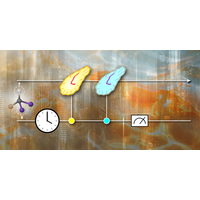
Phys. Rev. Lett. 135, 220202 (2025)
Quantum Information, Science, and Technology
Room-Temperature Electrical Readout of Spin Defects in van der Waals Materials
Article | Quantum Information, Science, and Technology | 2025-11-24 05:00 EST
Shihao Ru, Liheng An, Haidong Liang, Zhengzhi Jiang, Zhiwei Li, Xiaodan Lyu, Feifei Zhou, Hongbing Cai, Yuzhe Yang, Ruihua He, Robert Cernansky, Edwin Hang Tong Teo, Manas Mukherjee, Andrew A. Bettiol, Jesus Zúñiga-Perez, Fedor Jelezko, and Weibo Gao
Negatively charged boron vacancy () in hexagonal boron nitride is the most extensively studied room-temperature quantum spin system in two-dimensional materials. Nevertheless, the current effective readout of spin states is carried out by systematically optical methods. This limits their expl…
Phys. Rev. Lett. 135, 220802 (2025)
Quantum Information, Science, and Technology
Core Collapse Beyond the Fluid Approximation: The Late Evolution of Self-Interacting Dark Matter Halos
Article | Cosmology, Astrophysics, and Gravitation | 2025-11-24 05:00 EST
James Gurian and Simon May
We show that the gravothermal collapse of self-interacting dark matter (SIDM) halos can deviate from local thermodynamic equilibrium. As a consequence, the self-similar evolution predicted by the commonly adopted conducting fluid model can be altered or broken. Our results are obtained using a novel…
Phys. Rev. Lett. 135, 221001 (2025)
Cosmology, Astrophysics, and Gravitation
Ultrarelativistic Freeze-Out: A Bridge from WIMPs to FIMPs
Article | Cosmology, Astrophysics, and Gravitation | 2025-11-24 05:00 EST
Stephen E. Henrich, Yann Mambrini, and Keith A. Olive
We reexamine the case for dark matter (DM) produced by ultrarelativistic freeze-out (UFO). UFO is the mechanism by which standard model neutrinos decouple from the radiation bath in the early Universe at a temperature . This corresponds to chemical freeze-out without Boltzmann suppression, …
Phys. Rev. Lett. 135, 221002 (2025)
Cosmology, Astrophysics, and Gravitation
Monte Carlo Studies of the Emergent Spacetime in the Polarized Type IIB Matrix Model
Article | Particles and Fields | 2025-11-24 05:00 EST
Chien-Yu Chou, Jun Nishimura, and Cheng-Tsung Wang
The IKKT model (or the type IIB matrix model) has been investigated as a promising nonperturbative formulation of superstring theory. One of the recent developments concerning this model is the discovery of the dual supergravity solution corresponding to the model obtained after supersymmetry-preser…
Phys. Rev. Lett. 135, 221601 (2025)
Particles and Fields
Oscillating Nuclear Charge Radii as Sensors for Ultralight Dark Matter
Article | Atomic, Molecular, and Optical Physics | 2025-11-24 05:00 EST
Abhishek Banerjee, Dmitry Budker, Melina Filzinger, Nils Huntemann, Gil Paz, Gilad Perez, Sergey Porsev, and Marianna Safronova
We show that coupling of ultralight dark matter (UDM) to quarks and gluons would lead to an oscillation of the nuclear charge radius for both the quantum chromodynamic (QCD) axion and scalar dark matter, an effect which is of particular importance for heavy elements. Consequently, the resulting osci…
Phys. Rev. Lett. 135, 223001 (2025)
Atomic, Molecular, and Optical Physics
Broadband Carrier-Envelope Phase-Controlled Stimulated Ultraviolet Emission from Carbon Dioxide Ions
Article | Atomic, Molecular, and Optical Physics | 2025-11-24 05:00 EST
Jingsong Gao, Hao Liang, Ming-Shian Tsai, Ming-Chang Chen, Hans Jakob Wörner, and Meng Han
A coherent broadband ultraviolet light source is essential for both fundamental research and industrial applications, yet its generation remains challenging. Here, we demonstrate microjoule-level ultraviolet emission spanning 300-450 nm from carbon dioxide ions (), driven by carrier-envelope-pha…
Phys. Rev. Lett. 135, 223802 (2025)
Atomic, Molecular, and Optical Physics
Target Search Optimization by Threshold Resetting
Article | Statistical Physics; Classical, Nonlinear, and Complex Systems | 2025-11-24 05:00 EST
Arup Biswas, Satya N. Majumdar, and Arnab Pal
We introduce a new class of first-passage time optimization driven by threshold resetting, inspired by many natural processes where crossing a critical limit triggers failure, degradation, or transition. Here, search agents are collectively reset when a threshold is reached, creating event-driven, s…
Phys. Rev. Lett. 135, 227101 (2025)
Statistical Physics; Classical, Nonlinear, and Complex Systems
arXiv
Coexistence of superconductivity and excitonic pairing in a doped-biased double-layer system
New Submission | Strongly Correlated Electrons (cond-mat.str-el) | 2025-11-24 20:00 EST
The subject of the present study is the double-layer square-lattice system with the intralayer phonon modulations. We investigate the superconducting and excitonic pairings, as well as their coexistence, as functions of various physical parameters in the system. These parameters include temperature, intralayer and interlayer Coulomb interactions, the electron-phonon coupling parameter, doping and the applied electric field. The existence of superconductivity is demonstrated by considering the influence of intralayer phonons on the total charge density leading to the modification of the total energy of the electrons. Our results provides insights into the long-standing problem of the mechanism of superconductivity in high-$ T_c$ cuprate superconductors.
Strongly Correlated Electrons (cond-mat.str-el)
18 pages, 10 figures
Quasiparticle Variational Quantum Eigensolver
New Submission | Strongly Correlated Electrons (cond-mat.str-el) | 2025-11-24 20:00 EST
We propose a momentum-space based variational quantum eigensolver (VQE) framework for simulating quasiparticle excitations in interacting quantum many-body systems on near-term quantum devices. Leveraging translational invariance and other symmetries of the Hamiltonian, we reconstruct the momentum-resolved quasiparticle excitation spectrum through targeted simulation of low-lying excited states using VQE. We construct a translationally symmetric variational ansatz designed to evolve a free-fermion particle-hole excited state with definite momentum $ q$ to an excited state of the interacting system at the same momentum, employing a fermionic fast Fourier transform (FFFT) circuit coupled to a Hamiltonian Variational Ansatz (HVA) circuit. Even though the particle number is not explicitly conserved in the variational ansatz, the correct quasiparticle state is reached by energetic optimization. We benchmark the performance of the proposed VQE implementation on the XXZ Hamiltonian, which maps onto the Tomonaga-Luttinger liquid in the fermionic representation. Our numerical results show that VQE can capture the low-lying excitation spectrum of the bosonic quasiparticle/two-spinon dispersion of this model at various interaction strengths. We estimate the renormalized velocity of the quasiparticles by calculating the slope of the dispersion near zero momentum using the VQE-optimized energies at different system sizes, and demonstrate that it closely matches theoretical results obtained from Bethe ansatz. Finally, we highlight extensions of our proposed VQE implementation to simulate quasiparticles in other interacting quantum many-body systems.
Strongly Correlated Electrons (cond-mat.str-el), Quantum Physics (quant-ph)
18 pages total; 10 pages main
Liouvillian topology and non-reciprocal dynamics in open Floquet chains
New Submission | Mesoscale and Nanoscale Physics (cond-mat.mes-hall) | 2025-11-24 20:00 EST
Florian Koch, Yu-Min Hu, Jan Carl Budich
Open quantum systems far from thermal equilibrium can exhibit remarkable physical phenomena including topological properties without a direct equilibrium counterpart. Along these lines, in periodically driven dissipative systems within the effective non-Hermitian (NH) Hamiltonian approximation spectral winding numbers have been linked to intriguing nonreciprocal transport properties. Here, going beyond an NH Hamiltonian description, we introduce and study a microscopic lattice model of a driven open quantum system described by a Markovian quantum master equation, which exhibits the mentioned spectral winding within a NH approximation. By encompassing quantum jump processes in the topological analysis, we uncover a distinct \emph{jump-induced} topological phase, which qualitatively corresponds to the richer non-reciprocal transport properties of the fully quantum model. In addition, we find that the NH skin effect, i.e.~the accumulation of a macroscopic number of eigenstates at one end of the system, is already visible in the transient dynamics even for systems with periodic boundary conditions. Our results exemplify the subtle correspondence between NH topological properties and physical manifestations of Liouvillian topological properties in open quantum systems, thus providing a theoretical framework towards understanding unidirectional transport in quantum dissipative Floquet dynamics.
Mesoscale and Nanoscale Physics (cond-mat.mes-hall), Quantum Gases (cond-mat.quant-gas), Quantum Physics (quant-ph)
14 pages, 9 figures
Excited states from local effective Hamiltonians of matrix product states and their entanglement spectrum transition
New Submission | Strongly Correlated Electrons (cond-mat.str-el) | 2025-11-24 20:00 EST
Denise Cocchiarella, Mingru Yang, Yueshui Zhang, Mari Carmen Bañuls, Hong-Hao Tu, Yuhan Liu
Solving excited states is a challenging task for interacting systems. For one-dimensional critical systems, however, excited states can be directly accessed from the eigenvectors of the local effective Hamiltonian that is constructed from the ground state obtained by variational matrix product state (MPS) optimization. Despite its numerical success, the theoretical mechanism underlying this method has remained largely unexplored. In this work, we provide a conformal field theory (CFT) perspective that helps elucidate this connection. The key insight is that this construction effectively uses a truncated basis of ground-state Schmidt vectors to represent excited states, where the contribution of each Schmidt vector can be expressed as a CFT correlation function and shown to decay with increasing Schmidt index. The CFT analysis further predicts an entanglement-spectrum transition of excited states as the ratio of the subsystem size to the total system size is varied. Our numerical results support this picture and demonstrate a reorganization of the entanglement spectrum into distinct conformal towers as this ratio changes.
Strongly Correlated Electrons (cond-mat.str-el), Quantum Physics (quant-ph)
13 pages, 4 figures
Landau-Lifshitz-Bloch simulations of the magnetocaloric effect in continuous ferromagnetic-paramagnetic transitions
New Submission | Materials Science (cond-mat.mtrl-sci) | 2025-11-24 20:00 EST
Luis M. Moreno-Ramírez, Luis Sánchez-Tejerina, Óscar Alejos, Victorino Franco, Víctor Raposo
The usefulness of modeling magnetocaloric materials expands from the understanding of their behavior to the prediction of new materials, playing a fundamental role in the optimization of their performance. In contrast with other areas of magnetic materials research, micromagnetic simulations of magnetocaloric materials are scarce due to the difficulty of modeling the material in the vicinity of the transition. To solve this limitation, we propose the use of micromagnetic simulations based on the Landau-Lifshitz-Bloch equation to study the magnetocaloric effect of a ferromagnetic material around its Curie transition. Following our proposed methodology, we obtain reliable isothermal entropy change curves for both monocrystalline and polycrystalline configurations, where we consider different anisotropic contributions. The robustness of the method was evaluated, yielding results that agreed with previous experimental and theoretical observations. Our study shows that micromagnetic simulations are a powerful tool for analyzing magnetocaloric materials with complex microstructures.
Materials Science (cond-mat.mtrl-sci)
Tungsten doping-induced phase transition in CVD-grown MoS2 bilayers
New Submission | Materials Science (cond-mat.mtrl-sci) | 2025-11-24 20:00 EST
Ana Senkić, Rachael Keneipp, Petra Ivatović, Namrata Pradeep, Vincent Meunier, Marko Kralj, Marija Drndić, Nataša Vujičić
Controlling the crystal phase of two-dimensional (2D) transition metal dichalcogenides (TMDs) is essential for tailoring their optical and electronic properties. While phase transitions in monolayer TMDs and semiconductor-to-metal conversions have been widely studied, structural transitions between semiconducting polytypes - particularly in bilayer (2L) systems - remain underexplored. Here, we demonstrate a W doping-induced phase transition from non-centrosymmetric AA stacking to centrosymmetric AB’ in 2L MoS2 synthesized by chemical vapor deposition (CVD). Using polarization-resolved second harmonic generation (SHG) and low-frequency Raman spectroscopy, we identify a phase transition correlated with increasing tungsten (W) concentration. The dilute W-doped 2L system exhibits a vanishing SHG signal and a stiffening of the layer-breathing (LB) vibrational mode, in contrast to undoped samples with strong SHG and a softer LB mode. Aberration corrected scanning transmission electron microscopy (AC-STEM) demonstrates the spatial distribution of W concentration and associated structural changes. These findings highlight W-doping as an effective strategy for inducing phase transitions in 2L TMDs, opening new possibilities for engineered heterostructures, phase-controlled device applications or as a source of single photon emitters.
Materials Science (cond-mat.mtrl-sci)
Light-Induced Lattice Coherence and Emission Enhancement in PTM-Passivated CsSnI3 Perovskites
New Submission | Materials Science (cond-mat.mtrl-sci) | 2025-11-24 20:00 EST
Thomas Y. Adams, Bruce Barrios, Michael Ziegenfus, Hui Cai, Sayantani Ghosh
Metal halide perovskites continue to lead in optoelectronic applications, but the toxicity of lead has driven efforts to identify environmentally benign alternatives. Cesium tin iodide is one such, with a direct bandgap and near-infrared emission, though its performance is limited by instability. We show that phthalimide (PTM) passivation during single crystal growth enhances optical output and ambient stability. Under continuous excitation, PTM-passivated microscale crystals show up to a nearly one order of magnitude increase in photoluminescence (PL) quantum yield, accompanied by reversible sharpening of a low-frequency Raman mode associated with Cs rattling. This reveals dynamic, light-induced lattice reordering that passivates trap states and enhances radiative recombination. Mechanical grinding yields nanocrystals with redshifted, narrowed PL, consistent with a relaxed polymorph and reduced inhomogeneous broadening. Despite increased surface area, PTM remains effective in preserving near-infrared emission in nanocrystals as well. Power-dependent PL reveals distinct carrier dynamics, where microcrystals show redshift due to bandgap renormalization, while nanocrystals show blueshift and elevated carrier temperatures (300 to 1900 K), consistent with hot-carrier recombination. Extended illumination reveals reversible optical changes, including PL modulation, reflecting dynamic light-matter interactions and evolving defect landscapes. These results identify PTM-passivated Cesium tin iodide as an ideal platform for probing morphology-dependent carrier relaxation and light-induced vibrational coherence in lead-free perovskites.
Materials Science (cond-mat.mtrl-sci), Optics (physics.optics)
Fabrication of A Dual Gated Mirror Symmetric Twisted Trilayer Graphene Device to Study Superconductivity
New Submission | Mesoscale and Nanoscale Physics (cond-mat.mes-hall) | 2025-11-24 20:00 EST
Ahmed Shaikh, Phanibhusan Singha Mahapatra, Eva Y. Andrei
Though research on graphene by itself has waned, the interest in moire materials, materials made with stacked layers of graphene with a rotational twist between the layers, has exploded in popularity. These layered devices show a key feature, flat bands. Flat bands localize electrons, which in turn leads to the expression of correlated states such as Mott insulators, superconductivity, and more. A key property of these devices is that their 2D nature allows us to tune them in situ, effectively allowing us to change the device’s electronic properties. This powerful ability greatly reduces the time and money required to study superconductivity. The superconductivity in these systems seems to be similar to high-temperature superconductors such as cuprates, giving us a path towards studying high-temperature superconductivity. The fabrication of these devices is nontrivial, and thus we detail one general way to create these layered devices to give maximal tunability.
Mesoscale and Nanoscale Physics (cond-mat.mes-hall)
Glass Viscosity Curvature from Constraint-Driven Actualization: A Physical Parity with the Vogel-Fulcher-Tammann Relation
New Submission | Materials Science (cond-mat.mtrl-sci) | 2025-11-24 20:00 EST
Debra S. Gavant, Christian E. Precker
The Vogel-Fulcher-Tammann (VFT) equation empirically describes the super-Arrhenius viscosity of glass-forming liquids; however, its divergence at a finite temperature $ T_{0}$ lacks a clear physical basis. Here, a formulation derived from Dynamic Present Theory (DP$ \Phi$ ) and its Continuous Present Actualization (CPA) framework is tested: a CPA Rate modulated by a temperature-dependent Constraint Load $ C(T)$ , the CPA + Constraint (CPA + C) model. This formulation was evaluated across three canonical datasets: ortho-terphenyl (OTP) measurements from Laughlin and Uhlmann (1972) and Plazek et al. (1994), and glycerol-water mixtures from Kumar et al. (1994). Across all evaluated systems, the CPA + C formulation demonstrated statistical parity with the VFT model ($ R^{2} > 0.99$ ), reproducing the viscosity curve by more than 14 orders of magnitude. Unlike the VFT equation, this approach derives the nonlinear curvature from a physically interpretable mechanism: the increase in configurational constraint as the system approaches a CPA Lock-In threshold. These findings indicate that the residual noise observed in simpler models represents an actual physical signal, which the CPA + C model effectively isolates. This suggests that the VFT’s empirical success originates from its implicit capture of an underlying constraint-driven dynamic, providing a physically interpretable foundation for one of the most enduring phenomenological equations in materials science.
Materials Science (cond-mat.mtrl-sci), Statistical Mechanics (cond-mat.stat-mech)
7 pages, 3 figures. Data and parameter files available at this https URL
Reentrant Landau Levels in a Dirac topological insulator
New Submission | Other Condensed Matter (cond-mat.other) | 2025-11-24 20:00 EST
C. Kaufmann Ribeiro, J. C. Mutch, Q. Jiang, J. P. Ayres-Sims, K. Rubi, C. A. Mizzi, E. A. Peterson, D. Bulmash, J. Singleton, N. Harrison, P. F. S. Rosa, J.-X. Zhu, J.-H. Chu, J. Larrea Jimenez, S. M. Thomas, J. C. Palmstrom
The quantum limit, where magnetic fields confine carriers to the lowest Landau level, is predicted to host exotic quantum phases arising from strengthened electronic correlations, reduced dimensionality, and increased degeneracy. We report a novel quantization regime realized in the ultra-quantum limit of the narrow-gap Dirac insulator ZrTe5, marked by anomalous magnetoresistance oscillations. These oscillations, measured in ZrTe5 single crystals down to 700 mK and up to 60 T, are distinctly non-1/B periodic and persist for magnetic fields well beyond the quantum limit. In this regime, the competition between Zeeman and cyclotron energies drives a nonlinear evolution and back-bending of Landau levels, causing low-index levels to re-cross the Fermi energy at high fields. This mechanism departs from the standard Lifshitz-Kosevich description and provides a framework to describe how the electronic structure in topological Dirac insulators evolves beyond the quantum limit.
Other Condensed Matter (cond-mat.other)
Magnetic Properties of the Quasi-1D Magnesium Lanthanide Borates Mg$Ln$B$5$O${10}$
New Submission | Materials Science (cond-mat.mtrl-sci) | 2025-11-24 20:00 EST
Lachlan G. M. Rooney, Siân E. Dutton, Nicola D. Kelly
Lanthanide borates are widely studied for their optical and magnetic properties. A wide variety of structures are known with 3, 2, 1 and 0 dimensional connectivity of lanthanide ions. Here, we explore Mg$ Ln$ B$ _5$ O$ _{10}$ , with a quasi-1D arrangement of the $ Ln$ ions. Polycrystalline samples of Mg$ Ln$ B$ _5$ O$ _{10}$ ($ Ln$ = La, Pr, Nd, Sm–Er) were synthesised with high purity via a sol-gel method. Powder X-ray diffraction data confirmed the reported monoclinic space group ($ P2_1/c$ ). The magnetic $ Ln^{3+}$ ions in Mg$ Ln$ B$ _5$ O$ _{10}$ form relatively isolated zig-zag chains parallel to the $ b$ axis. Magnetic susceptibility and isothermal magnetisation were measured: all samples except $ Ln=$ (Eu, Sm) fit the Curie-Weiss Law in isothermal magnetisation at high temperatures, in broad agreement with theoretical expectations. $ Ln =$ (Nd, Tb, Dy, Ho) exhibit signatures characteristic of Ising spin saturation, implying single ion anisotropy, while Gd exhibits characteristics of Heisenberg spins. Estimation of magnetic interactions suggests that Mg$ Ln$ B$ _5$ O$ _{10}$ are candidate materials for quasi-1D magnetism. The magnetocaloric entropy change was also calculated, with MgGdB$ _5$ O$ _{10}$ showing promise for application to solid-state refrigeration at liquid helium temperatures.
Materials Science (cond-mat.mtrl-sci)
27 pages, 11 figures
Breakdown of adiabaticity in topological quantum liquids
New Submission | Strongly Correlated Electrons (cond-mat.str-el) | 2025-11-24 20:00 EST
Carola Ciaramelletti, Daniel Arrufat-Vicente, Simone Paganelli, Nicolo Defenu
We study the temporal behavior of topological quantum fluids with strong long-range couplings under slow external perturbations, whose rate $ \delta$ approaches the quasi-static limit $ \delta\to 0$ . As expected, due to strong long-range interactions, the system lies in the mean-field universality and the density of defects for drives across the quantum critical point is adiabatic $ n_{\rm exc}\propto \delta^{2}$ . However, if the drive is instead terminated precisely at the edge of the topological non-trivial phase, the number of generated excitations becomes extensive $ n_{\rm exc}\propto O(1)$ . This result fundamentally breaks the established universal behavior observed in local topological quantum fluids and demonstrates a novel mechanism for the breakdown of adiabaticity in fermionic systems with strong long-range interactions.
Strongly Correlated Electrons (cond-mat.str-el)
Glassy polymers’ strain-hardening moduli scale with their statistical-segment volumes
New Submission | Soft Condensed Matter (cond-mat.soft) | 2025-11-24 20:00 EST
Using molecular dynamics simulations, we show that a widely-accepted theoretical prediction for glassy-polymeric strain hardening moduli ($ G_R \propto \rho_e$ , where $ \rho_e$ is the entanglement density) fails badly for semiflexible polymers with $ N_e \lesssim 4C_\infty$ . By postulating that the length, energy and strain scales controlling $ G_R$ are the Kuhn length $ \ell_K$ and statistical segment length $ b = \sqrt{\ell_0 \ell_K}$ (where $ \ell_0$ is the backbone bond length), the intermonomer binding energy $ u_0$ , and the incremental elastic strain $ S_{\rm c}$ required to activate Kuhn-segment-scale plastic rearrangements, we develop a scaling theory predicting that $ G_R = S_{\rm c}(u_0/\ell_0^3) b^3$ in the athermal limit. This prediction agrees quantitatively (semi-quantitatively) with simulated $ G_R$ values for both flexible and semiflexible polymer glasses subjected to athermal uniaxial-stress extension (constant-volume simple shear), over a range of $ \ell_K/\ell_0$ that is wider than that spanned by real systems.
Soft Condensed Matter (cond-mat.soft)
Zero-temperature dynamics of the spherical model with non-reciprocal interactions
New Submission | Statistical Mechanics (cond-mat.stat-mech) | 2025-11-24 20:00 EST
Daniel A. Stariolo (1), Fernando L. Metz (2) ((1) Universidade Federal Fluminense, Instituto de Física, 24210-346 Niterói, RJ, Brazil, (2) Universidade Federal do Rio Grande do Sul, Instituto de Física, 91501-970 Porto Alegre, RS, Brazil)
We analytically solve the zero-temperature dynamics of the spherical model with non-reciprocal random interactions drawn from the real elliptic ensemble of random matrices, where a single parameter $ \eta$ continuously interpolates between purely symmetric ($ \eta=1$ ) and purely antisymmetric ($ \eta=-1$ ) couplings. We show that the two-time correlation and response functions depend on both times in the presence of non-reciprocal interactions, reflecting the breakdown of time-translation invariance and the absence of equilibrium at long times. Nevertheless, the long-time relaxation of the two-time observables is governed by exponential decays, in contrast to the slow, power-law relaxation characteristic of the model with purely symmetric interactions. We further show that, when the interactions present antisymmetric correlations of strength $ \eta <0$ , there is a time scale $ \tau(\eta)$ above which the dynamics undergoes a transition to an oscillatory regime where the two-time observables display periodic oscillations with an exponentially decaying amplitude. Overall, our results give a detailed account of the dynamics of the spherical model with non-reciprocal interactions at zero temperature, providing a benchmark for the study of complex systems with nonlinear and asymmetric interactions.
Statistical Mechanics (cond-mat.stat-mech), Disordered Systems and Neural Networks (cond-mat.dis-nn)
22 pages, 7 figures
Computer Simulation of Gel Formation in Colloidal Systems of Sticky Rods
New Submission | Soft Condensed Matter (cond-mat.soft) | 2025-11-24 20:00 EST
We develop and validate a simulation framework for colloidal gelation. We first reproduce the benchmark results of Santos, Campanella, and Carignano for spherical, gel-forming particles, then extend the methodology to more complex systems of ``sticky’’ spherocylindrical rods interacting via a Kihara-like potential. Using comprehensive parameter sweeps documented for reproducibility, we analyze the emergence of porous, percolating networks and conduct a topological characterization of the resulting microstructures. This characterization leverages Early TDA to extract multiscale connectivity features and to define topology-driven metrics for automated comparison between simulations and experiments. Our simulations reveal a clear dependence of network formation on rod aspect ratio and particle density, consistent with established theory and, to our knowledge, not previously demonstrated for spherocylindrical colloids with Kihara-type interactions. Rheological probing of the simulated systems shows signatures characteristic of gels, which supports the structural analysis. We further compare our computational results with experimental data obtained on Bastian Trepka’s gels collected by Jacob Steindl. Although these first comparisons indicate that the present model is not yet sufficient to quantitatively describe those specific gelled systems, the agreement in qualitative trends and the robustness of our tools suggest strong potential. Overall, the work demonstrates functional, extensible methods for simulating gelation in rod-based colloids, provides topological data analysis based metrics that can aid automated comparison between experiments and simulations, and outlines several promising directions for future refinement and application.
Soft Condensed Matter (cond-mat.soft), Computational Physics (physics.comp-ph)
This was a Master Thesis submitted in 2019 to the Department of Physics at the University Konstanz
Accelerated Materials Discovery through Cost-Aware Bayesian Optimization of Real-World Indentation Workflows
New Submission | Materials Science (cond-mat.mtrl-sci) | 2025-11-24 20:00 EST
Vivek Chawla, Stephen Puplampu, Haochen Zhu, Philip D. Rack, Dayakar Penumadu, Sergei Kalinin
Accelerating the discovery of mechanical properties in combinatorial materials requires autonomous experimentation that accounts for both instrument behavior and experimental cost. Here, an automated nanoindentation (AE-NI) framework is developed and validated for adaptive mechanical mapping of combinatorial thin-film libraries. The method integrates heteroskedastic Gaussian-process modeling with cost-aware Bayesian optimization to dynamically select indentation locations and hold times, minimizing total testing time while preserving measurement accuracy. A detailed emulator and cost model capture the intrinsic penalties associated with lateral motion, drift stabilization, and reconfiguration-factors often neglected in conventional active-learning approaches. To prevent kernel-length-scale collapse caused by disparate time scales, a hierarchical meta-testing workflow combining local grid and global exploration is introduced. Implementation of the workflow is shown on a experimental Ta-Ti-Hf-Zr thin-film library. The proposed framework achieves nearly a thirty-fold improvement in property-mapping efficiency relative to grid-based indentation, demonstrating that incorporating cost and drift models into probabilistic planning substantially improves performance. This study establishes a generalizable strategy for optimizing experimental workflows in autonomous materials characterization and can be extended to other high-precision, drift-limited instruments.
Materials Science (cond-mat.mtrl-sci)
29 pages, 8 figures, 2 figures in SI
Energy-Dependent Magnetic Modifications in HOPG via Microbeam Scanning
New Submission | Materials Science (cond-mat.mtrl-sci) | 2025-11-24 20:00 EST
Ram Kumar, Aditya H. Kelkar, Neeraj Shukla, Paras Poswal, Sheshmani Singh
Medium-energy ion irradiation is a promising technique for inducing magnetism in materials with partially filled d or f electron bands. This approach enables precise control over the density and spatial distribution of irradiation-induced defects, which play a crucial role in modifying the electronic and magnetic properties of the system. The primary objective of this experiment was to investigate the influence of ion energy variation on the magnetic properties of highly oriented pyrolytic graphite (HOPG). To achieve this, HOPG samples were irradiated with protons 1-3 MeV and carbon ions 600 keV - 2 MeV. A significant change in the magnetic moment was observed with respect to the irradiation energy for both ion species. The effect of energy variation was analyzed using a vibrating sample magnetometer (VSM) and SRIM simulations. The results demonstrate that ion-beam-induced magnetic ordering strongly depends on both the ion species and the beam energy. Magnetic measurements were performed with varying irradiation energies, showing that carbon ion irradiation produces a higher degree of magnetic ordering compared to proton irradiation at the same dose. The maximum magnetization was obtained at 1.2 MeV carbon ion irradiation. SRIM simulations confirm that carbon ions create a greater number of lattice defects than proton ions, which correlates with the enhanced magnetic response.
Materials Science (cond-mat.mtrl-sci), Other Condensed Matter (cond-mat.other)
5 pages, three figures, 2 tables
Cusped Electrical Conductivity in Spin-1 Chiral Fermion Systems Arising from Multifold Band Degeneracy
New Submission | Mesoscale and Nanoscale Physics (cond-mat.mes-hall) | 2025-11-24 20:00 EST
Risako Kikuchi, Junya Endo, Ai Yamakage
The energy-dependent electrical conductivity in spin-1 chiral fermion systems with disorder is studied using the self-consistent Born approximation. A distinct cusp-like feature appears at an energy different from the band-crossing point, arising from the multifold band-crossing structure formed by the Dirac and trivial bands. The energy position of the cusp and the corresponding value of the electrical conductivity are found to depend sensitively on both the impurity scattering strength and the curvature of the trivial band. These findings demonstrate the critical role of multifold band crossings and disorder-induced broadening of energy levels in determining the transport properties, offering theoretical insight into the unconventional conductivity behavior observed in topological semimetals hosting spin-1 chiral fermions.
Mesoscale and Nanoscale Physics (cond-mat.mes-hall)
11 pages, 3 figures, proceedings of LT30
Giant Nonlinear Photon-Drag Currents in Centrosymmetric Moiré Bilayers
New Submission | Mesoscale and Nanoscale Physics (cond-mat.mes-hall) | 2025-11-24 20:00 EST
Zhuocheng Lu, Zhuang Qian, Zhichao Guo, Likun Shi, Shi Liu, Hua Wang, Kai Chang
We present a unified microscopic theory of nonlinear photon-drag currents, formulated within a geometric-loop framework that provides both transparent quantum-geometric interpretation and numerical tractability. In this picture, the photon-drag shift current corresponds to the dipole moment of the geometric loop, while the photon-drag injection current arises from the same loop weighted by a band velocity difference. We apply the theory to an exact continuum model of twisted bilayer graphene (TBG) with ab initio accuracy. Remarkably, an in-plane wavevector only a few times larger than that of free-space photons already produces sizable photon-drag currents in centrosymmetric TBG, comparable to photogalvanic responses in typical noncentrosymmetric two-dimensional materials. These currents are broadly tunable by twist angle, photon wavevector, and light polarization. Our results establish a quantum geometric framework for nonlinear photon-drag phenomena and highlight moiré bilayers as promising platforms for large, highly tunable optoelectronic responses.
Mesoscale and Nanoscale Physics (cond-mat.mes-hall), Materials Science (cond-mat.mtrl-sci)
Pair scattering from time-modulated impurity in the Bose-Hubbard model
New Submission | Quantum Gases (cond-mat.quant-gas) | 2025-11-24 20:00 EST
Neda Ahmadi, Ameneh Sheikhan, Corinna Kollath
We investigate scattering phenomena in a one-dimensional attractive Bose-Hubbard model with a time-periodically modulated impurity. We analyze both single-particle and pair (doublon) transmission, exploring a range of interaction strengths and drive amplitudes. Our exact numerical results reveal excellent quantitative agreement with analytical predictions in the high-frequency limit. At intermediate and weak attractive interactions, we observe significant pair dissociation and the emergence of dynamically localized single-particle modes. These features are reminiscent of Floquet Bound States in the Continuum (BICs). These findings provide new avenues for engineering controllable quantum transport and localized states in ultracold atom experiments.
Quantum Gases (cond-mat.quant-gas), Quantum Physics (quant-ph)
Unconventional Geometric Phase in Twisted Junction of Cuprates
New Submission | Superconductivity (cond-mat.supr-con) | 2025-11-24 20:00 EST
Originally introduced in optics, the Pancharatnam-Berry phase is a general concept of geometric phase defined for any two interfering polarization states. In electronic systems, however, its counterpart has long been overlooked due to the absence of electron polarization. Here, using large-scale first-principles calculations, we investigate the electronic structure of twisted bilayer Bi2Sr2CaCu2O8. We find spontaneous spin polarization and the emergence of hidden flat bands at the interface between atomic layers. Most notably, we discover an unconventional geometric phase analogous to the Pancharatnam-Berry phase in optics. This electronic geometric phase exerts opposite effects on superconducting currents of opposite chirality, enabling twisted cuprates to act as a filter for chiral superconducting current-even if the ground state itself is non-chiral.
Superconductivity (cond-mat.supr-con)
11 pages, 4 figures
Low-to-mid Al content ($x\sim$ 0-0.56) Al$x$In${1-x}$N layers deposited on Si(100) by radio-frequency sputtering
New Submission | Materials Science (cond-mat.mtrl-sci) | 2025-11-24 20:00 EST
R. Blasco, S. Valdueza-Felip, D. Montero, M. Sun, J. Olea, F. B. Naranjo
Radio-frequency (RF) sputtering is a low-cost technique for the deposition of large-area single-phase AlInN on silicon layers with application in photovoltaic devices. Here, the effect of the Al mole fraction x from 0 to 0.56 on the structural, morphological, electrical, and optical properties of $ n$ Al$ _x$ In$ _{1-x}$ N layers deposited at 550 $ ^\circ$ C on p-Si(100) by RF sputtering is studied. X-ray diffraction data show a wurtzite structure oriented along the c-axis in all samples, where the full width at half maximum of the rocking curve around the InN (0002) diffraction peak decreases from $ \sim 9^\circ$ to $ \sim 3^\circ$ while incorporating Al to the AlInN layer. The rootmean-square surface roughness, estimated from atomic force microscopy, evolves from 20 nm for InN to 1.5 nm for Al$ _{0.56}$ In$ _{0.44}$ N. Low-temperature photoluminescence spectra show a blueshift of the emission energy from 1.59 eV (779 nm) for InN to 1.82 eV (681 nm) for Al$ _{0.35}$ In$ _{0.65}$ N according to the Al content rise. Hall effect measurements of Al$ _x$ In$ _{1-x}$ N ($ 0<x <0.35$ ) on sapphire samples grown simultaneously point to a residual n-type carrier concentration in the 1021 cm$ ^{-3}$ range. The developed n-AlInN/p-Si junctions present promising material properties to explore their performance operating as solar cell devices.
Materials Science (cond-mat.mtrl-sci), Applied Physics (physics.app-ph)
New insights into the magnetism of DyCo$_{5}$
New Submission | Materials Science (cond-mat.mtrl-sci) | 2025-11-24 20:00 EST
Alena Vishina, Konstantin Skokov, Hiroki Tsuchiura, Patrik Thunström, Alex Aubert, Oliver Gutfleisch, Olle Eriksson, Heike C. Herper
In this work, we present the first magnetization measurements of DyCo$ _5$ single crystals in magnetic fields up to 14 T, spanning a temperature range up to 600 K. Our investigation reveals several unique features, including a significant magnetization anisotropy and an observed minimum in spontaneous magnetization near the compensation point, phenomena not previously reported. This work also uncovers the complex magnetic behavior of DyCo$ _5$ , with a pronounced interplay between the Dy and Co sublattices, each exhibiting distinct temperature-dependent magnetic properties. The combination of dynamical mean-field theory (DMFT), atomistic spin-dynamics (ASD) simulations, and the Effective Spin Model (ESM) for rare-earth compounds successfully explains the experimental data across both low and high temperatures. Our theoretical approach not only explains the observed magnetic anisotropy and the behavior near the compensation temperature but also successfully reproduces key experimental features such as the saturation behavior at high fields and the evolution of the magnetic moment at different temperatures.
Materials Science (cond-mat.mtrl-sci)
Electron Hydrodynamics: Viscosity Tensor and effects of a Magnetic field
New Submission | Strongly Correlated Electrons (cond-mat.str-el) | 2025-11-24 20:00 EST
Anubhav Srivastava, Subroto Mukerjee
Transport due to electrons in ultra-clean two dimensional systems can be hydrodynamic in nature with the momentum of the electrons being conserved in the bulk. This hydrodynamic behavior coupled with effects of Berry curvature arising from band structure can give rise to novel vortical transport coefficients relating the stress tensor to gradients in the electrostatic potential and temperature. These coefficients have been calculated in the absence of a magnetic field and have been shown to depend only on the equilibrium distribution function~\cite{Chadha_Mukerjee2024}. In this paper, we first obtain an expression for the viscosity tensor and show that the Berry curvature generates odd components of the viscosity tensor arising from the intrinsic angular momentum of the Bloch wavepackets. We calculate the viscosity tensor for a two-dimensional microscopic model of tilted Dirac cones. We next obtain the vortical coefficients and the viscosity tensor in the presence of a magnetic field and extend the Onsager relations for them to include both the magnetic field and the Berry curvature. We show that the field dependence of the coefficients manifests itself in the non-equilibrium part of the distribution function and calculate them to second order in the electron-electron scattering time. We explicitly show that the expressions we obtain are consistent with the Onsager relations.
Strongly Correlated Electrons (cond-mat.str-el)
15 pages, 1 figure
A topological field-effect memristor
New Submission | Mesoscale and Nanoscale Physics (cond-mat.mes-hall) | 2025-11-24 20:00 EST
Manuel Meyer, Selena Barragan, Sergey Krishtopenko, Adriana Wolf, Monika Emmerling, Sebastian Schmid, Jean-Baptiste Rodriguez, Eric Tournie, Benoit Jouault, Gerald Bastard, Frederic Teppe, Victor Lopez-Richard, Ovidiu Lipan, Lukas Worschech, Sven Höfling, Fabian Hartmann
Overcoming the limitations of the von Neumann architecture requires new computational paradigms capable of solving complex problems efficiently. Quantum and neuromorphic computing rely on unconventional materials and device functionalities, yet achieving resilience to imperfections and reliable operation remains a major challenge. This has motivated growing interest in topological materials that provide robust and low-power operation while preserving coherence. However, integrating coherent topological transport with non-volatile memory functionality in a single reconfigurable device has remained challenging. In this work, we demonstrate a topological field-effect memristor based on inverted InAs/GaInSb/InAs trilayer quantum wells operating in the quantum spin Hall regime. The intrinsic floating-gate behavior allows one to reconfigure the transistor functionality into memristive functionality with broad electric-field tunability. Unlike other memristor implementations, one resistance state is governed entirely by dissipationless, coherent transport through helical edge channels, while the other arises from incoherent bulk conduction. By combining electrically tunable coherent and incoherent transport with memory functionality, our device realizes a prototypical topological electronic element that integrates coherent transport and adaptive memristive behavior, paving the way for hybrid quantum-neuromorphic architectures.
Mesoscale and Nanoscale Physics (cond-mat.mes-hall)
Effect of temperature and excitation power on down-conversion process in Tb3+/Yb3+-activated silica-hafnia glass-ceramic films
New Submission | Materials Science (cond-mat.mtrl-sci) | 2025-11-24 20:00 EST
S. E. Amrani, M. Sun, S. Valdueza-Felip, F. B. Naranjo, M. R. Britel, M. Ferrari, A. Bouajaj
Transparent glass ceramics, when activated by rare earth ions, are excellent photonic materials. Regarding photonic glass-ceramics based on silicates, hafnia and silica in a binary system has proved to be an excellent matrix to incorporate rare earth ions in the hafnia nanocrystals, resulting in important luminescence enhancement and, consequently, allowing a large spectrum of critical applications. Here we will focus on the downconversion mechanism driven by the couple Tb3+/Yb3+, largely exploited in photovoltaic systems. The research presented here has been performed on 70SiO2-30HfO2 silica-hafnia glass-ceramic films activated with 19 % rare earth ions: [Tb + Yb]/[Si + Hf] = 19 %. Two main results will be discussed: (a) the intensity and the broadening of the Yb3+ emission band at 975 nm were found to be temperature-dependent, as shown in the figure; (b) the energy transfer mechanism Tb3+ >> Yb3+ will be discussed, referring to the mechanisms that have been proposed in the literature. In relation to the latter topic, the power dependence spectra for the luminescence of Yb3+: 2F5/2 >> 2F7/2 will be discussed.
Materials Science (cond-mat.mtrl-sci), Optics (physics.optics)
Single-Defect Spectroscopy via Random Telegraph Noise in Graphene-Contacted ReS$_2$-hBN Heterostructures
New Submission | Mesoscale and Nanoscale Physics (cond-mat.mes-hall) | 2025-11-24 20:00 EST
Shubhrasish Mukherjee, Gaurab Samanta, Shubhadip Moulick, Ruta Kulkarni, Kenji Watanabe, Takashi Taniguchi, Arumugum Thamizhavel, Atindra Nath Pal
Defect spectroscopy in two-dimensional (2D) field-effect transistors (FETs) requires device architectures that suppress contact and disorder artifacts while preserving intrinsic carrier dynamics. Here, we demonstrate ReS$ _2$ -hBN FETs with few-layer graphene (FLG) van der Waals contacts that form nearly barrier-free interfaces, enabling intrinsic transport in ReS$ _2$ , an anisotropic, low-symmetry TMDC rarely exhibiting disorder-free behavior. The clean ReS$ _2$ -FLG platform allows direct observation of random telegraph noise (RTN) even in micron-scale channels, manifested as discrete two-level current fluctuations between 90-150 K arising from stochastic trapping at localized hBN defect sites. With increasing temperature, the RTN evolves into a 1/f spectrum as multiple traps activate. Statistical analysis of RTN amplitudes and capture-emission kinetics identifies substitutional carbon-related centers in hBN as dominant defects. These findings establish a generalizable approach for probing dielectric-origin defect dynamics in intrinsically conducting, low-symmetry 2D semiconductors.
Mesoscale and Nanoscale Physics (cond-mat.mes-hall), Materials Science (cond-mat.mtrl-sci)
31 pages, 4 figures, including Supporting Information
Anyon Quasilocalization in a Quasicrystalline Toric Code
New Submission | Strongly Correlated Electrons (cond-mat.str-el) | 2025-11-24 20:00 EST
Soumya Sur, Mohammad Saad, Adhip Agarwala
An exactly solvable model of a quantum spin liquid on a quasicrystal, akin to Kitaev’s honeycomb model, was introduced in Kim \textit{et al.}, \href{this https URL}{\text{Phys. Rev. B} \textbf{110}, 214438 (2024)}. It was shown that in contrast to the translationally invariant models, such a spin liquid stabilizes a gapped ground state with a finite irrational flux density. In this work, we analyze the strong bond-anisotropic limit of the model and demonstrate that the aperiodic lattice geometry naturally generates a hierarchy of exponentially separated coupling constants in the resulting toric code Hamiltonian. Furthermore, a perturbative magnetic field leads to anomalous localization properties where an anyonic excitation sequentially delocalizes over subsets of sites forming equipotential contours in the quasicrystal. In addition, certain background flux configurations, together with the underlying geometry, give rise to strictly localized eigenstates that remain decoupled from the rest of the spectrum. Using numerical studies, we uncover the key mechanisms responsible for this unconventional localization behavior. Our study highlights that topologically ordered phases, in the presence of geometrical constraints can lead to highly anomalous localization properties of fractionalized charges.
Strongly Correlated Electrons (cond-mat.str-el), Quantum Physics (quant-ph)
Main text: 14 pages, 6 figures, Supplementary Material: 12 pages, 12 figures, comments are welcome
Enhanced Efficiency of Intermediate-Band Semiconductor Solar Cells Embedded with Quantum Dot Superlattices
New Submission | Mesoscale and Nanoscale Physics (cond-mat.mes-hall) | 2025-11-24 20:00 EST
Naira Petrosyan, Lilit Yeganyan, Aram Manaselyan, Vram Mughnetsyan, Vidar Gudmundsson, Albert Kirakosyan
We present a multiscale approach for modeling an intermediate-band solar cell based on a GaAs-GaAlAs quantum dot superlattice of cubic symmetry. Our framework combines high-accuracy theoretical calculations of the superlattice band structure and miniband-related absorption coefficient with experimentally determined interband absorption data. The quantum-mechanically derived absorption spectrum is incorporated into a drift-diffusion transport model in COMSOL Multiphysics, where key processes, including thermal and radiative recombination, are taken into account. This integrated methodology enables realistic modeling of device performance. Our results identify an optimal superlattice constant of 14 nm, yielding a maximum solar cell efficiency of 13.3 percent. Further increase in the superlattice constant enhances the miniband-related absorption peak but reduces the generation rate in the n-type region, resulting in a net efficiency decrease. The proposed approach, integrating theoretical, experimental, and computational components, provides a reliable framework for assessing solar cells based on quantum dot superlattices.
Mesoscale and Nanoscale Physics (cond-mat.mes-hall)
7 pages, 6 figures
Probing Boundary Spins in the Su-Schrieffer-Heeger-Hubbard model
New Submission | Strongly Correlated Electrons (cond-mat.str-el) | 2025-11-24 20:00 EST
Armando A. Aligia, Alejandro M. Lobos, Lucila Peralta Gavensky, Claudio J. Gazza
Studying boundary excitations provides a powerful approach to probe correlations in topological phases. We propose that localized spins near the ends of a Su-Schrieffer-Heeger-Hubbard chain embedded in an insulating environment can be detected experimentally using scanning tunneling microscopy (STM) combined with electron spin resonance (ESR). When the STM tip is in the contact regime, the tip-end-spin coupling realizes an effective Anderson impurity problem, giving rise to a Kondo peak at low bias. Spatially resolving the Kondo resonance width as the STM tip approaches the chain ends provides an indirect yet clear signature of these localized spins. To support this proposal, we use density-matrix renormalization group (DMRG) to calculate the spin gap and spin projection of end states for chains of various lengths and interaction strengths $ U$ at half-filling. In the non-interacting limit ($ U=0$ ), we derive simple analytical expressions that reproduce the numerical results for sufficiently long chains. We also discuss how the correlated phase of the isolated chain is characterized by boundary zeros in its single-particle Green’s function, and briefly comment on their localization properties in relation to the boundary spins.
Strongly Correlated Electrons (cond-mat.str-el), Mesoscale and Nanoscale Physics (cond-mat.mes-hall)
12 pages, 7 figures
Tunable Kondo effect in a bilayer graphene quantum channel
New Submission | Mesoscale and Nanoscale Physics (cond-mat.mes-hall) | 2025-11-24 20:00 EST
Josep Ingla-Aynés, Serhii Volosheniuk, Talieh S. Ghiasi, Angelika Knothe, Kenji Watanabe, Takashi Taniguchi, Vladimir I. Fal’ko, Herre S. J. van der Zant
The interaction between itinerant electrons and localized spins is key to a wide range of electronic phenomena. Of particular interest is the regime where the interacting electrons exhibit both spin and valley degeneracy, resulting in SU(4) Kondo physics. However, this regime is challenging to realize in typical mesoscopic systems because it requires a strong interaction between electrons, resulting in a Kondo temperature ($ T_\mathrm{K}$ ) significantly larger than the spin and valley splittings. Here, we present conductance measurements of a quantum point contact (QPC) in bilayer graphene (BLG). Beyond the expected quantized conductance plateaus, which reflect spin and valley degeneracy, we observe an additional subband, known as `0.7 anomaly’ exhibiting signatures of Kondo physics and a $ T_\mathrm{K}$ ranging from approximately 0.5 up to 2.4 K at zero magnetic field, corresponding to Kondo energies between 40 and 200 $ \mu$ eV. Given that the spin-orbit splitting in BLG is between 40 and 80 $ \mu$ eV, we argue that these results are consistent with a transition between four-fold degenerate SU(4) and two-fold degenerate spin-valley locked SU(2) Kondo effects. Furthermore, we break the valley degeneracy of the lowest subband by an out-of-plane magnetic field and show that Kondo signatures remain present, indicating a transition from SU(4) to a valley-polarized SU(2) Kondo effect, and showing the versatility of BLG QPCs for exploring many-body effects.
Mesoscale and Nanoscale Physics (cond-mat.mes-hall)
15 pages, 12 figures
Ferroelectric Switchable Topological Magnon Hall Effect in Type-I Multiferroics
New Submission | Materials Science (cond-mat.mtrl-sci) | 2025-11-24 20:00 EST
Quanchao Du, Jinlian Lu, Xueqing Wan, Zhenlong Zhang, Zhijun Jiang
Electric control of magnetism at room temperature is crucial for developing next-generation, low-power spintronic devices. However, the intrinsic incompatibility between ferroelectricity and magnetism in crystal symmetry, along with the absence of strong magnetoelectric coupling mechanisms, continues to pose major challenges. In this work, we propose a general theoretical framework for magnon manipulation based on ferroelectric polarization switching in two-dimensional multiferroics. Taking monolayer multiferroics $ \mbox{Ti}{2}\mbox{F}{3}$ as an example, our calculations demonstrate that ferroelectric switching can significantly modulate spin exchanges, thereby enabling nonvolatile and reversible electric control of the magnons. More importantly, the ferroelectric polarization reversal leads to a sign change in the Berry curvature, ensuring effective control over the valley Hall and nonlinear Hall response of magnons. This study provides a new way for realizing low-power and electrically controllable magnonic devices.
Materials Science (cond-mat.mtrl-sci)
15 pages, 4 figures
Coexistence of unconventional spin-orbit torque and in-plane Hall effect in a single ferromagnetic layer
New Submission | Mesoscale and Nanoscale Physics (cond-mat.mes-hall) | 2025-11-24 20:00 EST
Jiaxin Chen, Hongsheng Zheng, Hongliang Chen, Qia Shen, Chang Pan, Zhenyi Zheng, Hemian Yi, Dandan Guan, Xiaoxue Liu, Yaoyi Li, Shiyong Wang, Hao Zheng, Canhua Liu, Jinfeng Jia, Jingsheng Chen, Ruidan Zhong, Lei Wang, Xuepeng Qiu, Yumeng Yang, Aurélien Manchon, Liang Liu
The symmetry of a material fundamentally governs its spin transport properties. While unconventional spin transport phenomena have been predominantly explored in low-symmetry systems (e.g., $ C_{1v}$ symmetry), high-symmetry crystals–which constitute the majority of industry-compatible materials–are generally expected to exhibit only conventional spin-transport behavior. Here, we report the coexistence of two unconventional spin transport effects, the crystal spin-orbit torque (CSOT) and the crystal in-plane Hall effect (CIHE), in a CoPt single ferromagnetic layer with $ C_{3v}$ symmetry. Leveraging the CSOT, we achieve nearly 100% field-free perpendicular magnetization switching in a 6 nm CoPt layer at room temperature. Simultaneously, the CIHE observed in this material exhibits nearly identical dependencies on both current angle and growth temperature as the CSOT. Symmetry analysis confirms that both effects share a common physical origin. Our work not only establishes CoPt as a high-performance spin-orbit material, but also demonstrates that unconventional spin transport can be realized in high-symmetry systems, thereby opening a broad pathway for their application in practical spintronics.
Mesoscale and Nanoscale Physics (cond-mat.mes-hall), Materials Science (cond-mat.mtrl-sci)
Simulated Annealing for Quadratic and Higher-Order Unconstrained Integer Optimization
New Submission | Statistical Mechanics (cond-mat.stat-mech) | 2025-11-24 20:00 EST
Simulated annealing (SA) is a key algorithm for solving combinatorial optimization problems, which model numerous real-world systems. While SA is commonly used to solve quadratic unconstrained binary optimization (QUBO) problems, many practical problems are more naturally formulated using integer variables. We therefore study quadratic and higher-order unconstrained integer optimization (QUIO and HUIO) problems, which generalize QUBO by allowing integer-valued variables and higher-order interactions. Conventional approaches often convert these problems into QUBO formulations through binary encoding and the reduction of higher-order terms. Such conversions, however, greatly increase the number of variables and interactions, resulting in long computation times and, for large-scale problems, even making the conversion itself a dominant computational bottleneck. To overcome this limitation, we propose an efficient framework that directly applies SA to QUIO and HUIO problems without converting them into QUBO. Within this framework, we introduce an optimal-transition Metropolis method, designed to improve efficiency when the variable bounds are wide, and evaluate its performance alongside the conventional Metropolis and heat bath methods. Numerical experiments demonstrate that the proposed direct approach achieves higher efficiency and solution quality than the conventional QUBO-based formulation and reveal the practical advantages of the optimal-transition Metropolis method. The algorithm developed in this study is available as part of the open-source library OpenJij, which provides a Python interface with a C++ backend.
Statistical Mechanics (cond-mat.stat-mech)
10 pages, 8 figures
Molecular insight on ultra-confined ionic transport in wetting films: the key role of friction
New Submission | Soft Condensed Matter (cond-mat.soft) | 2025-11-24 20:00 EST
Aymeric Allemand, Anne-Laure Biance, Christophe Ybert, Laurent Joly
Nanofluidic transport is ubiquitous in natural systems from extra-cellular communication in biology to geological phenomena, and promotes the emergence of new technologies such as energy harvesting and water desalination. While experimental access to ultraconfined fluids has advanced rapidly, their behavior challenges conventional theoretical descriptions based on Poisson-Boltzmann theory or the Stokes equation whose possible extension remains an open question. In this work, we use molecular dynamics simulations to investigate ionic transport within wetting films of water confined on silica surfaces down to the sub-nanometer scale. We then analyze these results using a simple one-dimensional theoretical framework. Remarkably, we show that this model remains valid even at confinement close to the molecular scale. Our results reveal that the dynamic of ion plays a key role in ionic transports, through ion adsorption at the water-silica interface. Adsorbed cations do not participate in ionic conduction, but instead generate molecular-scale roughness and transmit additional frictional forces to the substrate. This mechanism produces an apparent viscosity increase in electrostatically driven flows, reaching up to four times the bulk value in the case of potassium. Our findings highlight the critical role of interfacial ion adsorption in nanoscale hydrodynamics and provide new insights for interpreting experiments and designing nanofluidic systems.
Soft Condensed Matter (cond-mat.soft), Fluid Dynamics (physics.flu-dyn)
Main text: 12 pages, 9 figures; Supplementary materials: 24 pages, 16 figures
Numerical study of the effect of the relative mobilities of chemical components on the Non solvent induced phase separation process for membrane elaboration
New Submission | Soft Condensed Matter (cond-mat.soft) | 2025-11-24 20:00 EST
Abderraouf Bounjad, Aoran Wu, Cyril Chevarin, Patrick Guenoun, Florent Mallogi, Jean-Pierre Mericq, Charaff Merzougui, Denis Bouyer, Hervé Henry
The filtration membranes are often elaborated through a phase separation process where a polymer rich phase and a polymer poor phase spontaneously form through spinodal decomposition. One process that is still not well understood from a theoretical point of view is the Non-Solvent induced phase separation where a thermodynamically stable film of a a polymer mixture is put in contact with a bad solvent of the polymer. The invasion of the film by this non-solvent drives the film out of stability and leads to spinodal decomposition. During this phase separation polymer poor and polymer rich regions form. In this article we present a numerical study of the effect of kinetic coefficients: namely the relative mobilities of polymer and solvent/non-solvent on the observed patterns. Using 2D numerical simulations of the ternary Cahn-Hilliard model we show that for a given thermodynamic landscape, this parameter has dramatic effects: depending on its value phase separation can be observed or not. We also show that it can affect the nature of the observed pattern. In addition analysing 3D simulations we analyse the final pattern using a quantitative indicator of its connectivity and show that for a wide range of initial composition of the film the final pattern is bicontinuous. We also quantify the transport properties of both polymer rich and polymer poor domains.
Soft Condensed Matter (cond-mat.soft), Adaptation and Self-Organizing Systems (nlin.AO)
Submitted to J. Chem Phys
Altermagnetic Flatband-Driven Fermi Surface Geometry for Giant Tunneling Magnetoresistance
New Submission | Materials Science (cond-mat.mtrl-sci) | 2025-11-24 20:00 EST
Xingyue Yang, Shibo Fang, Zongmeng Yang, Pin Ho, Jing Lu, Yee Sin Ang
Altermagnetism, characterized by zero net magnetization and symmetry-protected spin-split band structures, has recently emerged as a promising platform for spintronics. In altermagnetic tunnel junctions (AMTJs), the suppression of tunneling in the antiparallel configuration relies on the mismatch between spin-polarized conduction channels in momentum space. However, ideal nonoverlapping spin-polarized Fermi surfaces are rarely found in bulk altermagnets. Motivated by the critical influence of Fermi surface geometry on tunneling magnetoresistance (TMR), we investigate three experimentally synthesized altermagnets – bulk $ \mathrm{V_2Te_2O}$ , $ \mathrm{RbV_2Te_2O}$ , and $ \mathrm{KV_2Se_2O}$ – to elucidate how flatband-driven Fermi surfaces minimize spin-channel overlap and boost AMTJ performance. Notably, $ \mathrm{RbV_2Te_2O}$ and $ \mathrm{KV_2Se_2O}$ host flat altermagnetic Fermi sheets, which confine spin degeneracy to minimal arc-like or nodal-like regions. Such Fermi surface geometry drastically reduces spin overlap, resulting in an unprecedented intrinsic TMR well over $ 10^3%$ in the $ \mathrm{KV_2Se_2O}$ -based AMTJ. Incorporating an insulating barrier further enhances the TMR to $ \sim10^5%$ , surpassing most conventional MTJs. These results not only establish $ \mathrm{KV_2Se_2O}$ as a compelling candidate AMTJ material, but also highlight the critical role of flatband Fermi surface geometry in achieving high-performance altermagnetic-spintronic device technology.
Materials Science (cond-mat.mtrl-sci)
12 pages, 6 figures
Polyampholyte model of ion clusters: double-layer interactions in the presence of dissociated simple salt
New Submission | Soft Condensed Matter (cond-mat.soft) | 2025-11-24 20:00 EST
David Ribar, Clifford E Woodward, Jan Forsman
We explore interactions between equally charged surfaces, in the presence of simple salt and either neutral or monovalently charged polyampholytes. We consider the possibility of using these charged polymers as crude models of ion clusters. The latter have been hypothesised to form in concentrated aqueous salt solutions, and are possibly related to anomalous underscreening. This phenomenon usually manifests itself by unexpectedly strong and long-ranged effective forces at very high ionic strengths. If ion clusters are formed, they are expected to carry at most a weak net charge. Keeping this in mind, we investigate how polyampholyte chains mediate interactions between charged surfaces. A significant amount of simple salt is also present, in most cases. We highlight that if the charges of the polyampholytes are unevenly distributed, there is a polarisation response that in turn can generate very strong and long-ranged surface forces, even at rather high concentrations of simple salt. Aside from their possible relevance to ion clusters and underscreening phenomena, these results also suggest the possibility of tailoring synthetic polyampholytes, in order to regulate colloidal stability.
Soft Condensed Matter (cond-mat.soft)
Unveiling the degeneracy of bound magnon crystals from magnetic and thermodynamic features of the spin-1/2 Heisenberg octahedral chain
New Submission | Statistical Mechanics (cond-mat.stat-mech) | 2025-11-24 20:00 EST
Magnetic, thermodynamic, and magnetocaloric properties of a spin-1/2 Heisenberg octahedral chain with three distinct exchange interactions are investigated in an external magnetic field using the variational method, extended localized-magnon approach, and exact diagonalization. Variational arguments rigorously establish two distinct fragmented phases in the frustrated regime. In the former phase all four spins of each square plaquette form a collective plaquette singlet, whereas in the latter phase two dimer singlets are formed along diagonals of each square plaquette. These bound two-magnon states, supplemented with three localized one-magnon states, enable us to elaborate a generalized localized-magnon theory that is applicable in a frustrated regime across the entire field range as confirmed by comparison with exact diagonalization data. The concept of localized magnons provides a consistent description of low-temperature magnetization curves featuring intermediate one-fifth and three-fifths plateaus, which intersect each other at temperature-independent crossing points determined by the relative degeneracies of competing bound-magnon phases. Field variations of the specific heat reveal a pronounced double-peak structure near each field-driven transition with peak heights depending on the relative degeneracies of the respective bound-magnon states. Our results demonstrate that the system supports highly efficient cooling via adiabatic demagnetization, making it a promising candidate for magnetocaloric refrigeration.
Statistical Mechanics (cond-mat.stat-mech), Strongly Correlated Electrons (cond-mat.str-el)
13 pages, 6 figures
DoS Dos and Don’ts
New Submission | Soft Condensed Matter (cond-mat.soft) | 2025-11-24 20:00 EST
Lucas Warwaruk, Konstantinos Zinelis, Randy H. Ewoldt, Christopher W. Macosko, Gareth H. McKinley
Dripping-onto-Substrate (DoS) rheometry is a well-established method for measuring the extensional rheology of low-viscosity liquids. However, clear guidelines on the capabilities and limitations of the technique are lacking. In the present work, we define operational limits for measuring a transient extensional viscosity directly from observation of the rate of filament thinning, as well as model-based bounds on calculating a viscosity $ \eta$ and extensional relaxation time $ \tau_E$ of a liquid using DoS. Dilute solutions of polyethylene oxide (PEO) and polyacrylamide (PAM) are used to probe the lower limit of measurable $ \tau_E$ , demonstrating that values as low as 0.1 ms can be resolved, provided (a) the intrinsic Deborah number (based on the ratio of the relaxation time and the Rayleigh breakup time scale) is $ De \geq \mathcal{O}(0.1)$ and (b) an instrumental constraint related to spatial and temporal resolution is satisfied. This instrumental constraint is quantified through a new metric we define as the \textit{filament capture rate}, a ``figure of merit’’ (expressed in Hz) that can be used to quantify the number of data points within the elasto-capillary regime that are available for extraction of $ \tau_E$ . We also investigate the sensitivity to other experimental parameters including variations in nozzle radius and Bond number ($ Bo$ ). Across the tested range ($ 0.2 < Bo < 0.7$ ), extensional relaxation times for the same fluid vary by less than $ \pm16$ %; however, experiments with low viscosity fluids at $ Bo > 0.5$ exhibit damped gravitational oscillations that affect early-time dynamics. Collectively, these results provide a quantitative roadmap for reliable DoS rheometry and affirm its use for measuring sub-millisecond relaxation times in weakly elastic fluids.
Soft Condensed Matter (cond-mat.soft), Fluid Dynamics (physics.flu-dyn)
24 pages, 7 figures
Critical BKT dynamics in the archetypal 2D spin system Ba$_2$CuSi$_2$O$_6$Cl$_2$
New Submission | Strongly Correlated Electrons (cond-mat.str-el) | 2025-11-24 20:00 EST
K. M. Ranjith, Maxime Dupont, Steffen Krämer, Sylvain Capponi, Edmond Orignac, Nicolas Laflorencie, Nobuyuki Kurita, Hidekazu Tanaka, Mladen Horvatić
We study the spin dynamics in the quasi-2D spin-$ 1/2$ dimer compound Ba$ _2$ CuSi$ _2$ O$ 6$ Cl$ 2$ , which exhibits a magnetic field-induced Bose-Einstein condensate (BEC) of triplons. Using nuclear magnetic resonance (NMR) spin-lattice relaxation rate ($ T_1^{-1}$ ) measurements combined with large-scale quantum Monte Carlo (QMC) simulations, we investigate critical fluctuations across the field-temperature phase diagram. Bridging the behavior observed in 1D and 3D systems, the $ T_1^{-1}$ relaxation rate shows a pronounced peak extending well above the Néel temperature $ T_N$ , indicating strong two-dimensional Berezinskii-Kosterlitz-Thouless (BKT)-type fluctuations. A quantitative match between experimental and theoretical BEC phase boundaries validates an effective XXZ model. The study determines the intrinsic BKT transition temperature $ T{\mathrm{BKT}}$ from QMC, revealing a nearly field-independent $ T{\mathrm{BKT}}/T_N \approx 0.74$ . Scaling analysis of the relaxation rate shows critical exponents consistent with 2D universality, and a narrow temperature window is identified where 2D physics dominates. These findings establish Ba$ _2$ CuSi$ _2$ O$ _6$ Cl$ _2$ as a model system for exploring BKT dynamics in quantum magnets.
Strongly Correlated Electrons (cond-mat.str-el)
11 pages, 9 figures
Building 3D superconductor-based Josephson junctions using a via transfer approach
New Submission | Mesoscale and Nanoscale Physics (cond-mat.mes-hall) | 2025-11-24 20:00 EST
Cequn Li, Le Yi, Kalana D. Halanayake, Jessica L. Thompson, Yingdong Guan, Kenji Watanabe, Takashi Taniguchi, Zhiqiang Mao, Danielle Reifsnyder Hickey, Morteza Kayyalha, Jun Zhu
The coupling of superconductivity to unconventional materials may lead to novel quantum states and potential applications. Controlling the quality of the superconductor-normal metal interface is of crucial importance to the understanding and engineering of the superconducting proximity effect. In many cases, conventional lithography-based deposition methods introduce undesirable effects. Using the concept of via contact and dry transfer, we have constructed smooth, van der Waals-like contact between 3D superconducting NbN/Pd and graphene with low contact resistance of approximately 130 $ \Omega \cdot \mu m$ . Gate-tunable supercurrent, Fraunhofer pattern, and Andreev reflections are observed, the properties of which can be understood using an induced superconducting gap $ \Delta$ ‘ in this planar contact geometry. We discuss potential mechanisms impacting the magnitude of $ \Delta$ ‘ and suggest ways of further increasing the proximity coupling. This gentle, lithography-free contacting method can be applied to air- and damage-sensitive surfaces to engineer novel superconducting heterostructures.
Mesoscale and Nanoscale Physics (cond-mat.mes-hall), Materials Science (cond-mat.mtrl-sci), Superconductivity (cond-mat.supr-con)
23 pages, 4 figures, with Supplemental Information. Comments are welcome
Non-Hermitian impurity problem
New Submission | Disordered Systems and Neural Networks (cond-mat.dis-nn) | 2025-11-24 20:00 EST
E. T. Kokkinakis, I. Komis, K. G. Makris, E. N. Economou
The problem of a single Hermitian impurity has long served as a cornerstone in condensed matter physics, offering fundamental insights into the mechanisms of Anderson localization. Yet, despite the increased interest in the spectral and localization properties of non-Hermitian lattices with defects, the non-Hermitian extension of the single impurity problem remains largely unexplored. In this work, we investigate the role of a single complex impurity in one-, two-, and three-dimensional infinite tight-binding lattices. Our study reveals a series of counterintuitive phenomena, including regions where localization vanishes and re-emerges as the impurity strength varies. Next, we study the corresponding finite-sized lattices, which are highly relevant to experimental realizations in readily accessible photonic platforms, revealing a variety of exotic features, such as scale-free localized states, exceptional points, and peculiar cross-shaped localized eigenstates, whose profiles deviate from the conventional exponential localization. This work paves the way for future studies on transport phenomena in non-Hermitian disordered lattices.
Disordered Systems and Neural Networks (cond-mat.dis-nn), Optics (physics.optics)
19 pages, 8 figures
Crystal Growth and Physical Properties of Orthorhombic Kagome Lattice Magnets $R$Fe$_6$Ge$_6$ ($R$=Y, Tb, Dy)
New Submission | Materials Science (cond-mat.mtrl-sci) | 2025-11-24 20:00 EST
Abhijeet Nayak, Sk Jamaluddin, Fan Wu, Emily Rapp, Resham Babu Regmi, Mohamed El Gazzah, Bence G. Márkus, László Forró, Madhav P. Ghimire, Allen Oliver, Kateryna Foyevtsova, Igor I. Mazin, Nirmal J. Ghimire
Kagome magnets represent a promising class of materials that exhibit intriguing electronic and magnetic properties, and they have recently garnered significant attention. While most kagome-lattice compounds are hexagonal, here we report the single-crystal growth and physical property measurements of similar compounds $ R$ Fe$ _6$ Ge$ _6$ ($ R$ = Y, Dy, Tb), which crystallize in an orthorhombic structure. The structure can be derived from a hexagonal prototype $ R$ Fe$ _3$ Ge$ _2$ by replacing every other $ R$ atom with a covalent Ge$ _2$ dimer. Ordering of the latter makes the structure orthorhombic the kagome net slightly distorted, and the three Fe sites formally inequivalent. The iron and rare-earth sublattices order independently: the Fe moments order above 400 K having, with ferromagnetic Kagome planes stacked antiferromagnetically, while the rare-earth moments order below 9 K. While TbFe$ _6$ Ge$ _6$ exhibits a single magnetic ordering transition associated with the Tb atoms, DyFe$ _6$ Ge$ _6$ shows two distinct magnetic phase transitions, which are strongly influenced by crystal electric field effects on the Dy$ ^{3+}$ ions. Density functional theory (DFT) calculations show that the ferromagnetic ordering of the Fe planes is driven by a high density of states at the Fermi energy. They also reveals three dramatically different structural energy scales: $ R$ and Ge$ _2$ form alternating 1D chains perpendicular to the kagome planes, and violating this alternation incurs a huge energy cost. Aligning these chains is less costly, and actual 2D order of anti-aligned chains costs very little. These compounds represent a unique class of materials, offering new possibilities to investigate the interplay between the distinct crystal lattice geometry and the underlying electronic and magnetic properties.
Materials Science (cond-mat.mtrl-sci), Strongly Correlated Electrons (cond-mat.str-el)
Momentum-Resolved Electronic Structure and Orbital Hybridization in the Layered Antiferromagnet CrPS$_4$
New Submission | Materials Science (cond-mat.mtrl-sci) | 2025-11-24 20:00 EST
Lasse Sternemann, David Maximilian Janas, Eshan Banerjee, Richard Leven, Jonah Elias Nitschke, Marco Marino, Leon Becker, Ahmet Can Ademoğlu, Frithjof Anders, Stefan Tappertzhofen, Mirko Cinchetti
Chromium thiophosphate (CrPS$ _4$ ) is a layered two-dimensional antiferromagnetic semiconductor exhibiting intriguing spintronic and magneto-optical properties, yet its electronic band structure has remained experimentally uncharacterized. Here, we employ momentum-resolved photoemission spectroscopy above and below the Néel temperature, complemented by density functional theory with Hubbard U corrections (DFT+U), to reveal a valence band dominated by Cr $ 3d$ and S $ 3p$ states with a ligand-to-metal charge-transfer band gap. We identify weakly hybridized t$ _{2g}$ orbitals responsible for magnetic ordering and strongly hybridized e$ _{g}$ orbitals that relax dipole selection rules, enabling optically active orbital transitions. These findings establish a foundational understanding of CrPS$ _4$ ‘s electronic structure, providing a benchmark for theoretical models and informing future investigations into its orbital physics and potential device applications.
Materials Science (cond-mat.mtrl-sci)
Breakdown of chiral anomaly and emergent phases in Weyl semimetals under orbital magnetic fields
New Submission | Mesoscale and Nanoscale Physics (cond-mat.mes-hall) | 2025-11-24 20:00 EST
Faruk Abdulla, Anna Keselman, Daniel Podolsky
An external orbital magnetic field applied perpendicular to the separation vector of a pair of Weyl points can couple them and induce a gap in the electronic spectrum. In this work, we investigate the gap-opening behavior in the presence of a lattice, revealing rich phenomenology absent in the continuum picture. Specifically, we address the emergence of layered Chern insulating states, examining how the anisotropy of the Weyl cone dispersion influences the sequence of phase transitions, and establishing connections to the continuum limit. We analyze the evolution of surface Fermi-arc states across these regimes, highlighting their distinct behaviors during the gap-opening transitions.
Mesoscale and Nanoscale Physics (cond-mat.mes-hall)
12 pages, 9 figures
Measuring Anyonic Exchange Phases Using Two-Dimensional Coherent Spectroscopy
New Submission | Strongly Correlated Electrons (cond-mat.str-el) | 2025-11-24 20:00 EST
Nico Kirchner, Wonjune Choi, Frank Pollmann
Identifying experimental signatures of anyons, which exhibit fractional exchange statistics, remains a central challenge in the study of two-dimensional topologically ordered systems. Previous theoretical work has shown that the threshold behavior in linear response spectroscopy can reveal the fractional exchange statistics between an anyon and its antiparticle. In this work, we extend this framework to nonlinear, two-dimensional coherent spectroscopy. We demonstrate by analyzing time-ordered four-point correlation functions that the threshold behavior of nonlinear response functions encodes the fractional statistics between general pairs of anyons that can combine to any composite topological charge. This feature in particular provides a powerful probe for unambiguously distinguishing non-Abelian anyons, which can form multiple composite charges with distinct nontrivial braid statistics. Our approach is validated using numerical simulations that are consistent with the correct fractional exchange statistics for both the Abelian anyons in the toric code and non-Abelian Ising anyons.
Strongly Correlated Electrons (cond-mat.str-el), Quantum Physics (quant-ph)
12 pages, 3 figures
Flat band surface state superconductivity in thick rhombohedral graphene
New Submission | Superconductivity (cond-mat.supr-con) | 2025-11-24 20:00 EST
Yi Guo, Owen I. Sheekey, Trevor Arp, Kryštof Kolář, Thibault Charpentier, Ludwig Holleis, Ben Foutty, Aidan Keough, Maya Kang-Chou, Martin E. Huber, Takashi Taniguchi, Kenji Watanabe, Cyprian Lewandowski, Andrea F. Young
Rhombohedral multilayer graphene has recently emerged as a rich platform for studying correlation driven magnetic, topological and superconducting states. While most experimental efforts have focused on devices with N$ \leq 9$ layers, the electronic structure of thick rhombohedral graphene features flat-band surface states even in the infinite layer limit. Here, we use layer resolved capacitance measurements to directly detect these surface states for $ N\approx 13$ layer rhombohedral graphene devices. Using electronic transport and local magnetometry, we find that the surface states host a variety of ferromagnetic phases, including both valley imbalanced quarter metals and broad regimes of density in which the system spontaneously spin polarizes. We observe several superconducting states localized to a single surface state. These superconductors appear on the unpolarized side of the density-tuned spin transitions, and show strong violations of the Pauli limit consistent with a dominant attractive interaction in the spin-triplet, valley-singlet pairing channel. In contrast to previous studies of rhombohedral multilayers, however, we find that superconductivity can persist to zero displacement field where the system is inversion symmetric. Energetic considerations suggest that superconductivity in this regime is described by the existence of two independent surface superconductors coupled via tunneling through the insulating single crystal graphite bulk.
Superconductivity (cond-mat.supr-con)
Empirical universality and non-universality of local dynamics in the Sherrington-Kirkpatrick model
New Submission | Disordered Systems and Neural Networks (cond-mat.dis-nn) | 2025-11-24 20:00 EST
Several recent works have aimed to design algorithms for optimizing the Hamiltonians of spin glass models from statistical physics. While Montanari (2018) eventually gave a sophisticated message-passing algorithm to do this nearly optimally for the Sherrington-Kirkpatrick (SK) model, Parisi (2003) observed earlier that a simple yet unusual algorithm seems to perform just as well: perform local reluctant search, repeatedly making the local adjustment improving the objective function by the smallest possible amount. This is in contrast to the more intuitive local greedy search that repeatedly makes the local adjustment improving the objective by the largest possible amount. We study empirically how the performance of these algorithms depends on the distribution of entries of the coupling matrix in the SK model. We find evidence that, while the runtime of greedy search enjoys universality over a broad range of distributions, the runtime of reluctant search surprisingly is not universal, sometimes depending quite sensitively on the entry distribution. We propose that one mechanism leading to this non-universality is a change in the behavior of reluctant search when the couplings have discrete support on an evenly-spaced grid, and give experimental results supporting this proposal and investigating other properties of a distribution that might affect the performance of reluctant search.
Disordered Systems and Neural Networks (cond-mat.dis-nn), Statistical Mechanics (cond-mat.stat-mech), Optimization and Control (math.OC), Probability (math.PR)
24 pages, 2 tables, 9 figures
Triple point in a cell fluid model with effective temperature-dependent attraction
New Submission | Statistical Mechanics (cond-mat.stat-mech) | 2025-11-24 20:00 EST
M.P. Kozlovskii, O.A. Dobush, R.V. Romanik, I.V. Pylyuk, M.A. Shpot
We study a cell fluid model of a many-particle system with Curie-Weiss-type interaction potential. It is considered as an open system in a fixed volume partitioned into a large number of congruent cubic cells. The interaction potential comprises two competing components: a global uniform attraction acting between all particle pairs in the volume and a short-range repulsion between particles occupying the same cell. Previous studies have established that this model admits an exact solution, exhibits multiple critical points, and undergoes a sequence of first-order phase transitions. Despite variations in the interaction strengths, no triple point appears as long as these parameters remain fixed. We demonstrate that incorporating effective {temperature-dependent} attractive interactions fundamentally alters the phase behavior of the cell model. This modification preserves the model’s exact solvability while resulting in the emergence of a triple point in the phase diagram.
Statistical Mechanics (cond-mat.stat-mech)
15 pages, 4 figures
Origin of large topological Hall effect in the EuCd$_2$Sb$_2$ antiferromagnet
New Submission | Materials Science (cond-mat.mtrl-sci) | 2025-11-24 20:00 EST
Faheem Gul, Orest Pavlosiuk, Tetiana Romanova, Dariusz Kaczorowski, Piotr Wiśniewski
We study the origin of large topological Hall effect in the single-crystalline EuCd$ 2$ Sb$ 2$ , which orders antiferromagnetically at the Néel temperature $ T{\rm N}=7.4$ K. Measurements of magnetoresistance and Hall resistivity disclose anomalies that evolve with temperature and magnetic field, closely tracking the magnetization process. Analysis of these data identifies three possible mechanisms responsible for the enhanced Berry curvature driving the observed topological Hall effect. Below and above $ T{\rm N}$ , Weyl states are the main sources of large momentum-space Berry curvature, though their formation mechanisms differ in these two temperature ranges. Below $ T_{\rm N}$ , breaking of $ C_{3}$ symmetry generates Dirac points that split into Weyl nodes in applied magnetic field, whereas above $ T_{\rm N}$ , strong spin fluctuations can induce Weyl states. The third contribution, which occurs below $ T_{\rm N}$ , arises from scalar spin chirality developing within antiferromagnetic domain walls, which generates a real-space Berry curvature.
Materials Science (cond-mat.mtrl-sci)
9 pages, 5 figures, Supplemental Material has 5 pages and 6 figures
Minimalist machine-learned interatomic potentials can predict complex structural behaviors accurately
New Submission | Materials Science (cond-mat.mtrl-sci) | 2025-11-24 20:00 EST
Iñigo Robredo-Magro, Binayak Mukherjee, Hugo Aramberri, Jorge Íñiguez-González
The past decade has witnessed a spectacular development of machine-learned interatomic potentials (MLIPs), to the extent that they are already the approach of choice for most atomistic simulation studies not requiring an explicit treatment of electrons. Typical MLIP usage guidelines emphasize the need for exhaustive training sets and warn against applying the models to situations not considered in the corresponding training space. This restricts the scope of MLIPs to interpolative calculations, essentially denying the possibility of using them to discover new phenomena in a serendipitous way. While there are reasons to be cautious, here we adopt a more sanguine view and challenge the predictive power of two representative and widely available MLIP approaches. We work with minimalist training sets that rely on little prior knowledge of the investigated materials. We show that the resulting models – for which we adopt modest/default choices of the defining hyperparameters – are very successful in predicting non-trivial structural effects (competing polymorphs, energy barriers for structural transformations, occurrence of non-trivial topologies) in a way that is qualitatively and quasi-quantitatively correct. Our results thus suggest an expanded scope of modern MLIP approaches, evidencing that somewhat trivial – and easy to compute – models can be an effective tool for the discovery of novel and complex physical phenomena.
Materials Science (cond-mat.mtrl-sci)
13 pages, 5 figures
Evolution of inhomogeneities in two-dimensional disordered superconductors in a magnetic field
New Submission | Superconductivity (cond-mat.supr-con) | 2025-11-24 20:00 EST
Poulami Sarkar, Jhinhwan Lee, Hae-Ryong Park, Anushree Dutta, Amit Ghosal
Emerging granularity in superconducting films by tuning disorder is a well-studied topic, both theoretically and experimentally. However, the orbital magnetic field generates a vortex lattice and contributes to the formation of periodic inhomogeneities. Here, we study superconducting films in the simultaneous presence of disorder and a magnetic field, examining how inhomogeneities in various superconducting correlations evolve under these two perturbations. By performing scanning tunneling spectroscopy (STS) on thin films of \ce{Sr2VO_{3-\text{x}}FeAs} layer structures under both zero and finite orbital magnetic fields, we report impressive similarities between our theoretical results and the experimental findings. Our results have strong implications for identifying the nature of vortices in disordered superconductors, demonstrating a crossover from Abrikosov to Josephson character with increasing disorder, and provide predictive guidance for interpreting STS and current mapping data in complex superconductors.
Superconductivity (cond-mat.supr-con)
9 pages, 7 figures
A path to high temperature superconductivity via strong short range repulsion in spin polarized band
New Submission | Superconductivity (cond-mat.supr-con) | 2025-11-24 20:00 EST
We consider a two dimensional metal that is spin polarized and with strongly repulsive interaction. The interaction is short-ranged and controlled by a screening plane located a distance $ d$ away. We consider the case where $ d$ is less than the unit cell spacing $ a$ . We show that due to Pauli exclusion, a controlled expansion is possible despite the strong repulsion, and in many cases results in pairing. We demonstrate this for a tight-binding model on a triangular lattice with nearest neighbor repulsion. We also treat a second model on the triangular lattice with Wannier orbitals with size comparable to $ a$ . In this case we find $ f$ -wave pairing with order unity pairing strength, potentially leading to high $ T_c$ .
Superconductivity (cond-mat.supr-con)
6 pages, 3 figures
Fast and Continuous Detection of Single Microwave Photons via Photo-assisted Quasiparticle Tunneling to a Superconducting Island
New Submission | Mesoscale and Nanoscale Physics (cond-mat.mes-hall) | 2025-11-24 20:00 EST
Julien Basset, Ognjen Stanisavljević, Julien Gabelli, Marco Aprili, Jérôme Estève
We demonstrate a single-photon detector operating in the microwave domain, based on photo-assisted quasiparticle tunneling events that poison a superconducting island. The detection relies on continuously monitoring the island’s charge parity using microwave reflectometry. This scheme achieves 10% detection efficiency with sub 50 ns time resolution and short dead time 1 microsecond, for microwave photons at 10 GHz. The detector features three junctions connected to a superconducting island, which together carry out photoelectric conversion and charge readout. The enhanced light-matter coupling, crucial to photon to quasiparticle conversion, is provided by a granular aluminum-based high-impedance microwave resonator. The time resolved detection of itinerant microwave photon opens up new perspectives in quantum sensing, microwave quantum optics, readout of superconducting qubits and mesoscopic physics.
Mesoscale and Nanoscale Physics (cond-mat.mes-hall)
5 pages, 4 figures + supplementary informations
Thermalization of exact quantum many-body scars in spin-1 XY chain under perturbations
New Submission | Strongly Correlated Electrons (cond-mat.str-el) | 2025-11-24 20:00 EST
Quantum many-body scars are special eigenstates that violate the eigenstate thermalization hypothesis while residing at finite energy density along with thermalizing eigenstates. The spin-1 XY model is known to host a family of such exceptional states originating from long-lived quasiparticle excitations that exhibit anomalously low entanglement entropy and long-time periodic revivals, resulting in weak ergodicity breaking. We study the stability of these scarred states against typical U(1) symmetry preserving perturbations in the XY chain. While perturbation theory can describe the deformed scar states at small system sizes, finite-size scaling of the perturbation matrix elements indicates that the scars ultimately thermalize in larger chains. Nonetheless, we demonstrate that the long-range order associated with the scars decays under the perturbation, and we estimate the relaxation timescale of oscillatory dynamics in certain local observables to be of order $ \lambda^{-2}$ , where $ \lambda$ is the perturbation strength.
Strongly Correlated Electrons (cond-mat.str-el), Statistical Mechanics (cond-mat.stat-mech), Quantum Physics (quant-ph)
Antagonistic impact of thermal expansion and phonon anharmonicity on the phonon-limited resistivity of elemental metals from first principles
New Submission | Materials Science (cond-mat.mtrl-sci) | 2025-11-24 20:00 EST
Ao Wang, Junwen Yin, Félix Antoine Goudreault, Michel Côté, Olle Hellman, Samuel Poncé
Understanding electrical resistivity in metals remains a central challenge in quantifying charge transport at finite temperature. Current first-principles calculations based on the Boltzmann transport equation often match experiments, yet they almost always neglect the effect of thermal expansion and phonon anharmonicity. We show that both effects exert an opposite impact on electron-phonon coupling and on electrical resistivity. Thermal expansion enhances the coupling and leads to overestimation of resistivity, whereas anharmonic effects reduce it. By explicitly incorporating both effects, we establish a more complete description of resistivity in elemental metals, demonstrated here for Pb, Nb, and Al.
Materials Science (cond-mat.mtrl-sci)
6 pages, 4 figures
Frustration driven magnetic correlations in the spin-$5/2$ triangular lattice antiferromagnet RbFe(HPO${3}$)${2}$
New Submission | Materials Science (cond-mat.mtrl-sci) | 2025-11-24 20:00 EST
V. Nagpal, Sebin J. Sebastian, Surya P. Patra, S. Shibash, Q.-P. Ding, Y. Furukawa, R. Nath
A detailed study of the structural and magnetic properties of a spin-$ 5/2$ triangular lattice antiferromagnet RbFe(HPO$ {3}$ )$ {2}$ is presented using x-ray diffraction, magnetization, heat capacity, and $ ^{31}$ P nuclear magnetic resonance (NMR) experiments on a polycrystalline sample. The crystal structure features an equilateral triangular lattice of Fe$ ^{3+}$ ions. The thermodynamic measurements reveal the onset of a magnetic long-range order at $ T{\rm N1} \simeq 7.8$ K in zero-field, followed by another low temperature field induced ordering at $ T{\rm N2}$ in higher fields. The transition at $ T_{\rm N1}$ is further confirmed from the NMR spin lattice relaxation measurements. The value of the frustration ratio ($ f \simeq 7$ ) implies moderate spin frustration in the compound. The $ ^{31}$ P NMR spectra exhibit two distinct spectral lines corresponding to two inequivalent phosphorus sites (P1 and P2), consistent with the crystal structure. The P1 site is strongly coupled with an isotropic hyperfine coupling of $ A_{\rm hf}^{\rm iso} = 0.55(2)$ T/$ \mu_{\rm B}$ while the P2 site is weakly coupled with $ A_{\rm hf}^{\rm iso} = 0.25(3)$ T/$ \mu_{\rm B}$ with the Fe$ ^{3+}$ ions. The magnetic susceptibility and NMR shift data are described well assuming a spin-$ 5/2$ isotropic triangular lattice antiferromagnetic model with an average exchange coupling of $ J/k_{\rm B} = 2.8(2)$ K. Below $ T_{\rm N1}$ , the spectra evolve into a nearly rectangular powder pattern, indicating a commensurate antiferromagnetic type order. The $ ^{31}$ P spin-lattice relaxation rate well below $ T_{\rm N1}$ follows a $ T^3$ temperature dependence, implying a two-magnon Raman scattering mechanism in the ordered state. Three well-defined phase regimes are clearly ascertained in the $ H-T$ phase diagram, reflecting a weak magnetic anisotropy in the compound.
Materials Science (cond-mat.mtrl-sci)
14 pages, 13 figures
Efficient prediction of topological superlattice bands with spin-orbit coupling
New Submission | Mesoscale and Nanoscale Physics (cond-mat.mes-hall) | 2025-11-24 20:00 EST
M. Nabil Y. Lhachemi, Valentin Crépel, Jennifer Cano
We develop a symmetry indicator framework to efficiently predict the topology of superlattice-induced minibands with spin-orbit coupling. Our algorithm requires input only from the parent material before the superlattice is applied. The simplification arises by assuming a perturbatively weak superlattice potential; however, our results extend beyond the perturbative regime as long as the superlattice-induced gaps remain open. We first consider a time-reversal- and inversion-symmetric system subject to a weak superlattice potential and derive a compact formula for the $ \mathbb{Z}_2$ invariant of the lowest miniband. We then extend to time-reversal breaking systems and compute the Chern number. We apply our theory to selected transition metal dichalcogenides, HgTe/CdTe quantum wells, and thin films of three-dimensional topological insulators and Dirac semimetals. We find topological superlattice bands can arise even from non-topological materials, broadening the pool of candidates for realizing topological flat bands. Our theory predicts which geometry and periodicity of superlattice will yield topological bands for a given material, providing a clear guiding principle for designing topological superlattice heterostructures.
Mesoscale and Nanoscale Physics (cond-mat.mes-hall)
15 pages, 4 figures
Fractional Chern insulator edges: crystalline effects and optical measurements
New Submission | Strongly Correlated Electrons (cond-mat.str-el) | 2025-11-24 20:00 EST
Yan-Qi Wang, Johannes Motruk, Andrey Grankin, Mohammad Hafezi
Edge states of chiral topologically ordered phases are commonly described by chiral Luttinger liquids, effective theories that are exact only in the hydrodynamic limit. Motivated by recent bulk observations of fractional Chern insulators (FCIs) in two-dimensional materials and by synthetic realizations in ultracold atoms, we revisit this framework and quantify deviations from the hydrodynamic limit due to lattice effects. Using a combination of analytical arguments and numerical simulations, we disentangle universal from nonuniversal edge properties. We outline experimental probes in excitonic FCIs and in ultracold atom systems, and in particular propose time-resolved edge spectroscopy to directly access the predicted exponents and velocities.
Strongly Correlated Electrons (cond-mat.str-el), Mesoscale and Nanoscale Physics (cond-mat.mes-hall), Materials Science (cond-mat.mtrl-sci), Quantum Gases (cond-mat.quant-gas), Quantum Physics (quant-ph)
5+ pages, 4 figures